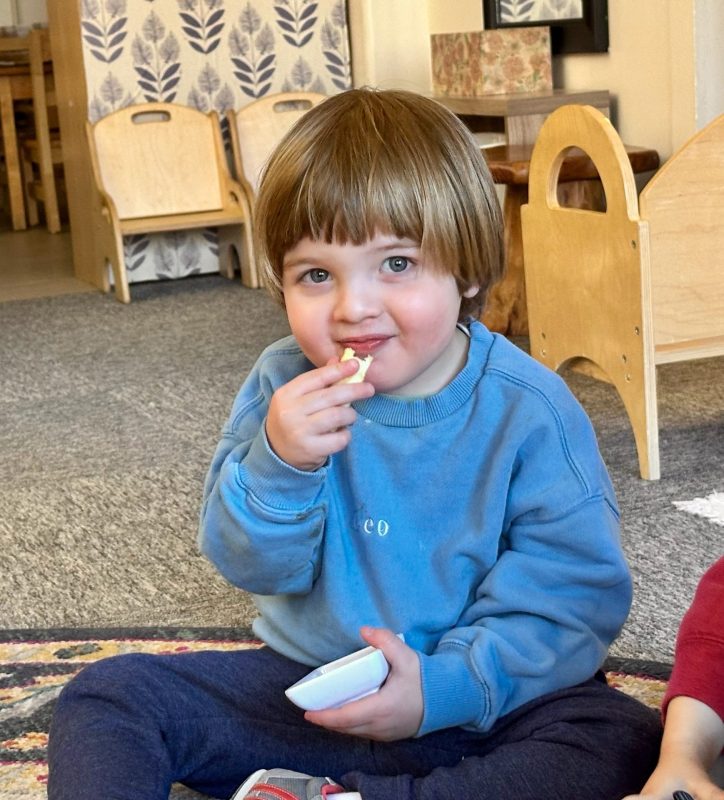
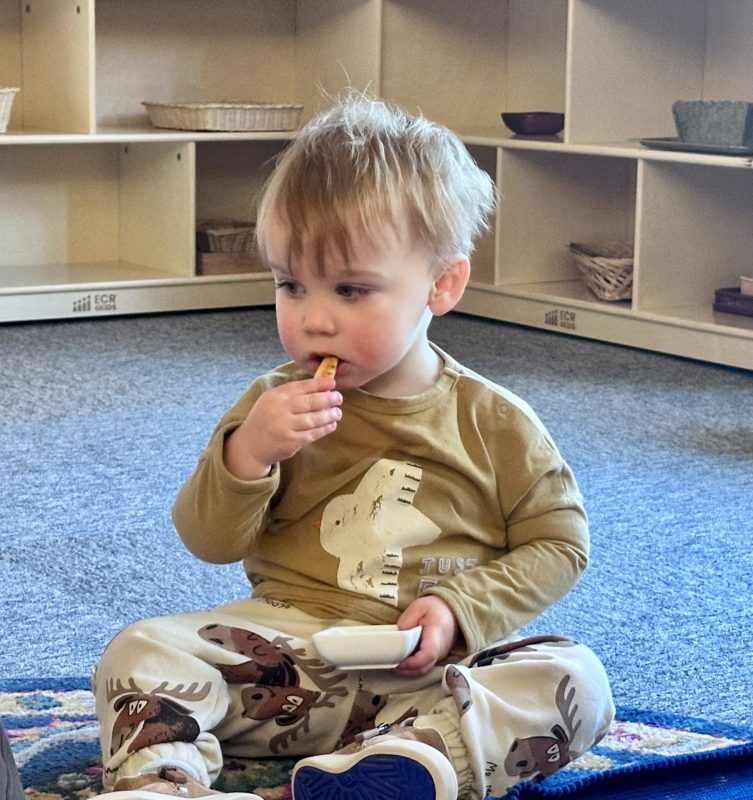
Ms. Mollie’s Class: Geckos and Banana Bread!

Goodbye January, Hello February!

This week in the classroom, we welcomed back our beloved leopard geckos! Scooter and Lizzo are very happy to be back, too; they have enjoyed being held, talked to, and gazed at for many moments during the day! They had taken a little break to my house for a little winter R&R! The children were delighted when, as a class, we got to give them a bath to help with releasing the stubborn shedding on their little hands! The children have also gotten to watch and learn about what Scooter and Lizzo eat and watch them be fed! The children are cautious when holding them, and some of the children simply want to look at them and observe them. We are so very lucky to get to enjoy them each day, and yes, while they are reptiles, they are quite sweet! 

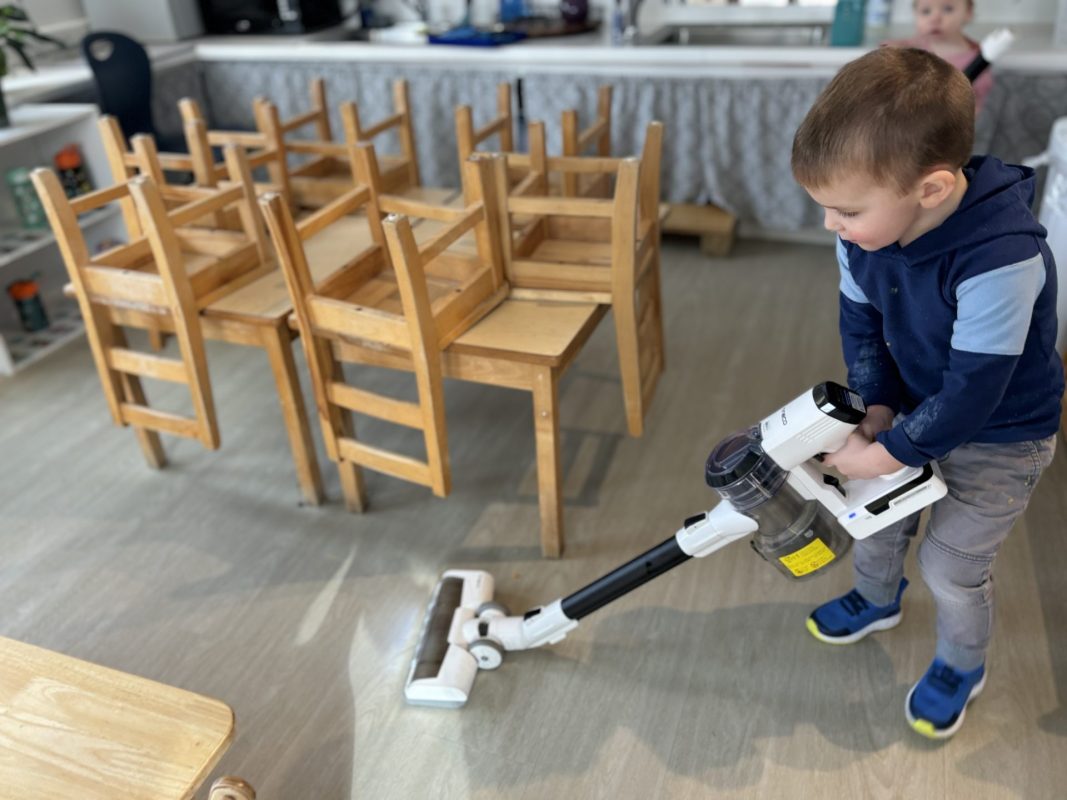
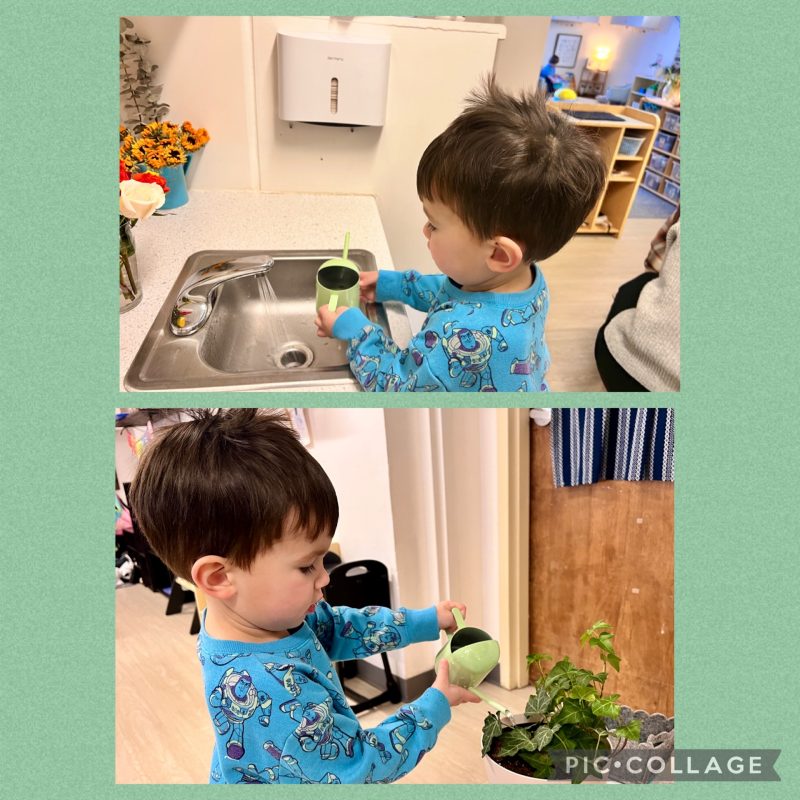
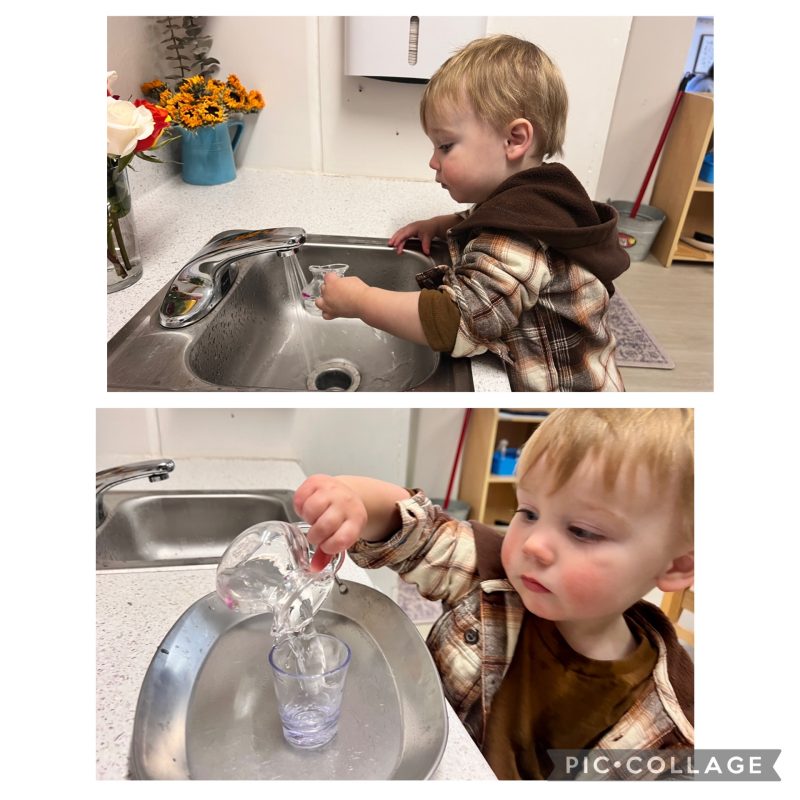
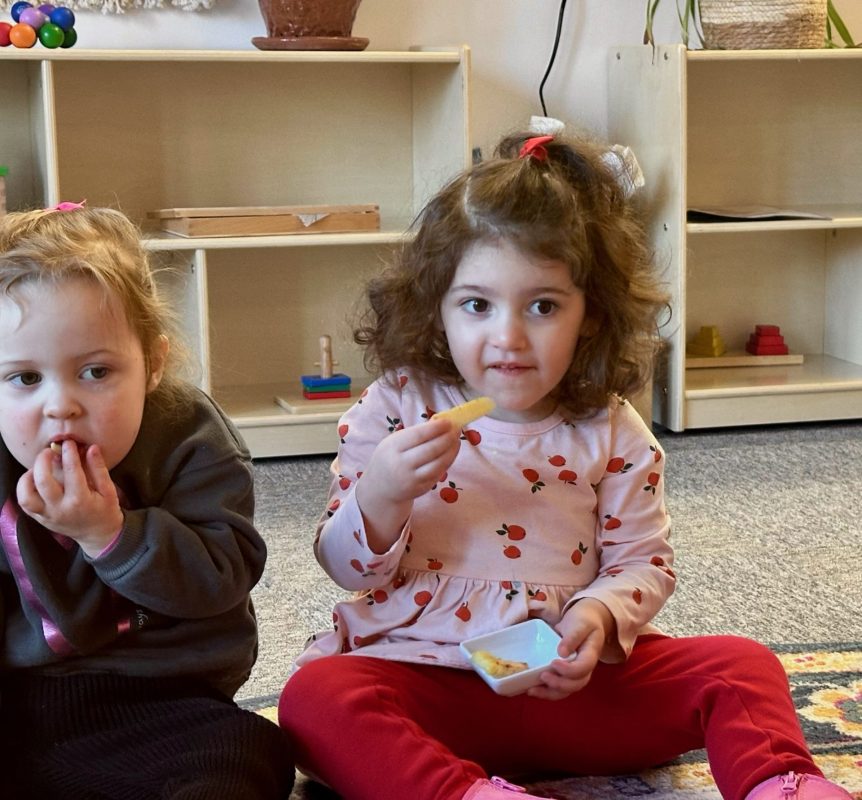
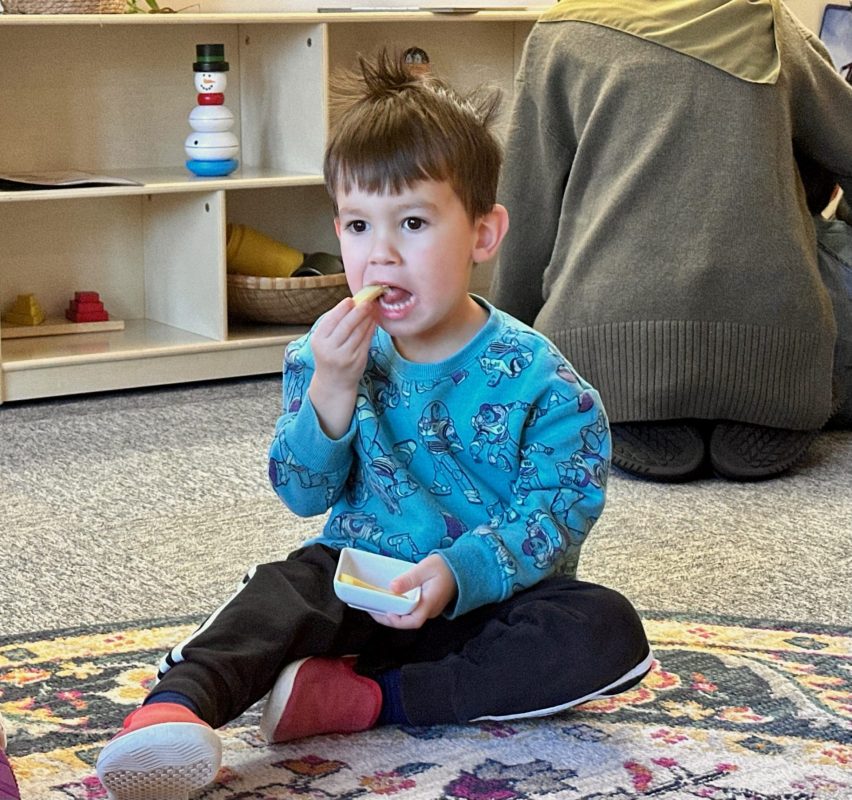
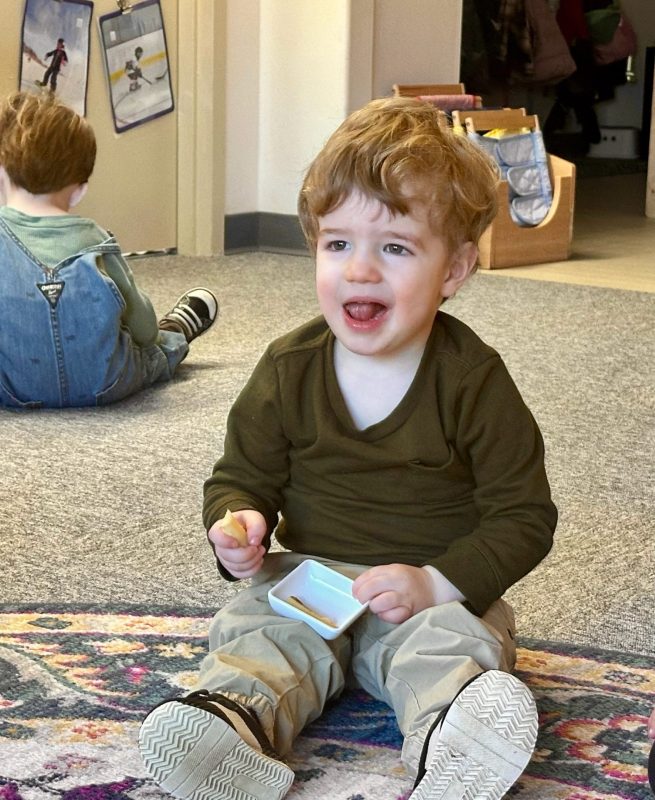
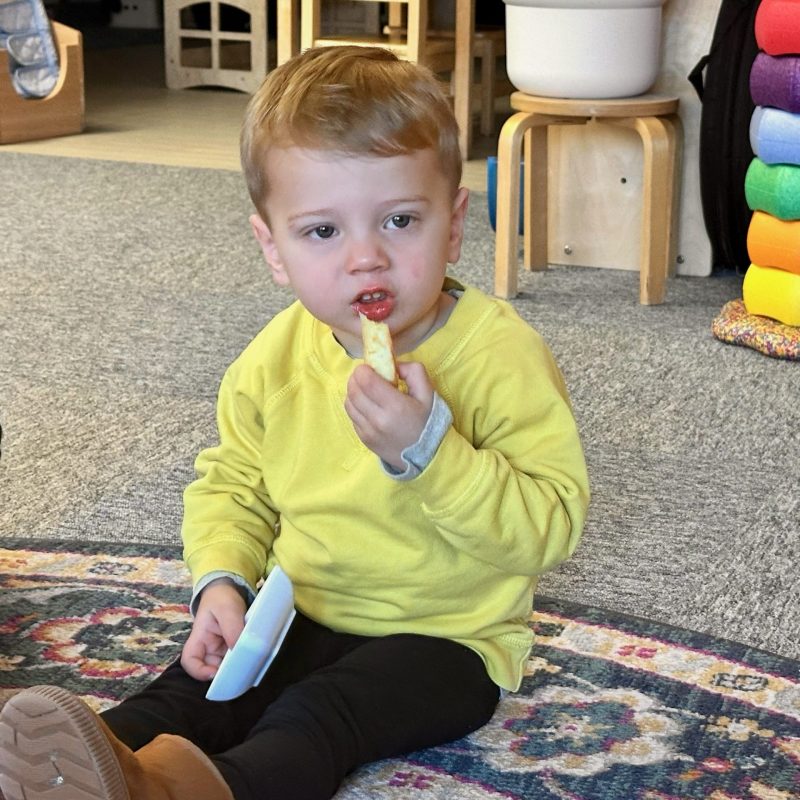
Our Baking this week was……banana bread! Surprise, surprise! Back by the request of the children once again, we made our banana bread, and how could I say no? In my observation and working with the children while baking, I have noticed that the skills of pouring, spooning, mixing, and even cracking eggs are getting stronger, and they are becoming much more independent! 

Ms. Mollie’s Class Banana Bread Recipe 

  • 2 eggs
  • 1 cup of sugar 
  • 4 mashed bananas 
  • 1 cup of oil (any will do) 
  • 3 cups of all-purpose flour
  • 1 teaspoon of baking soda 
  • 1 teaspoon of salt 

Preheat the oven to 350 degrees, add the first four ingredients to a large bowl, and let your child mix/smash all those ingredients till smooth. Then add the flour, baking soda, and salt……again let your child mix, mix, and mix until all ingredients are incorporated! Oil two loaf pans, and pour your batter evenly into each pan. (*The children love to sprinkle a little bit of sugar on top….because it makes it “sparkly”; this is totally optional.) Bake for 35/45 minutes! Enjoy! 

With Full Hearts, 

Ms. Mollie, Ms. Lizette and Ms. Anabelle


Mrs. Hood: The Process of Normalization!

In Montessori education, the concept of “normalization” holds a profound significance, quite different from its conventional meaning. Maria Montessori used this term to describe a remarkable process she observed in children’s development—a process that unfolds when children are given the freedom to work in an environment that aligns with their developmental needs.

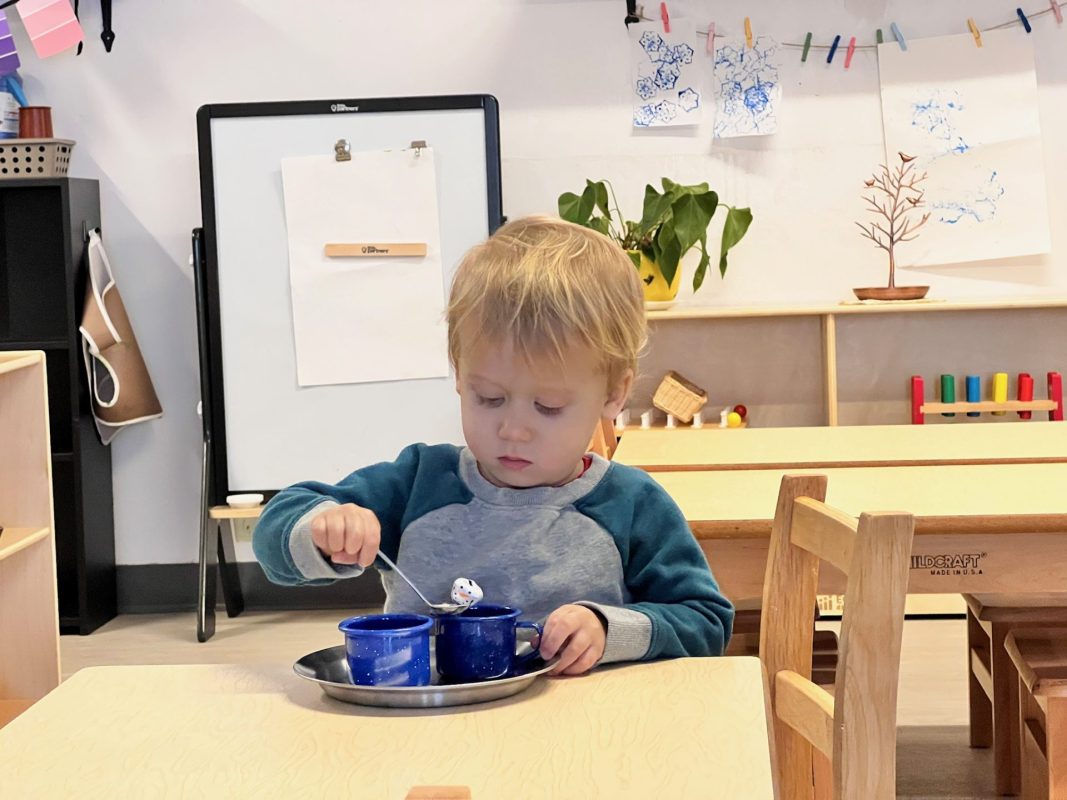
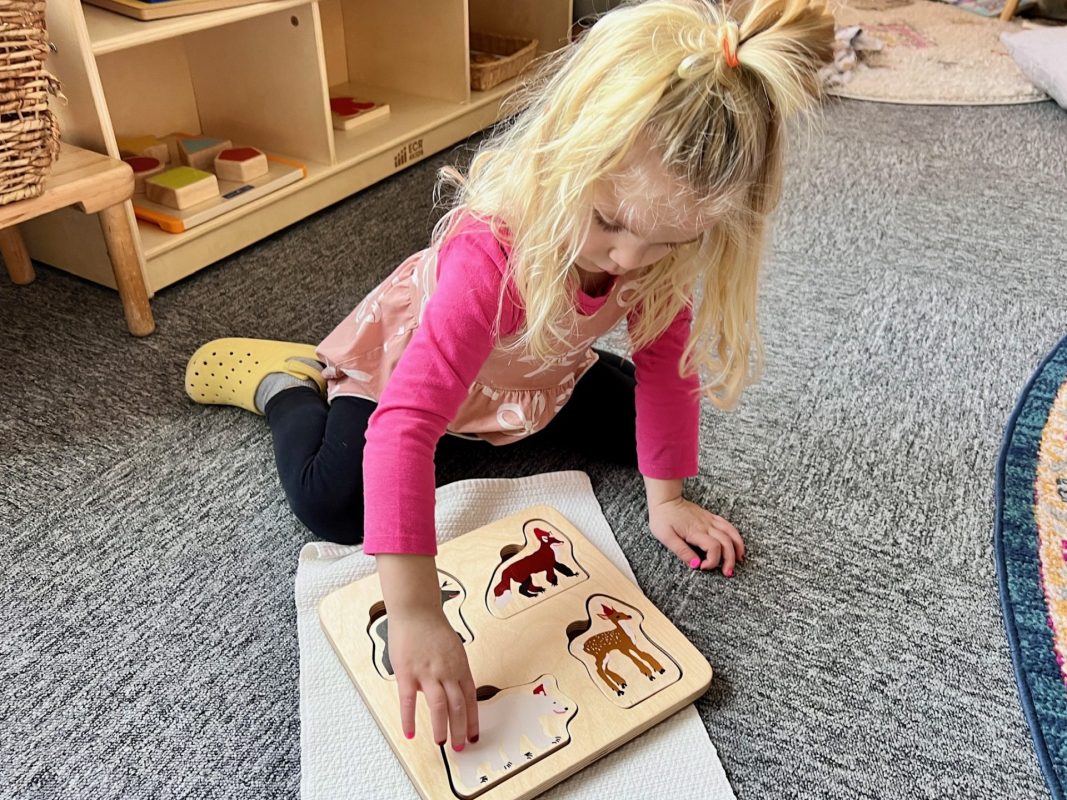
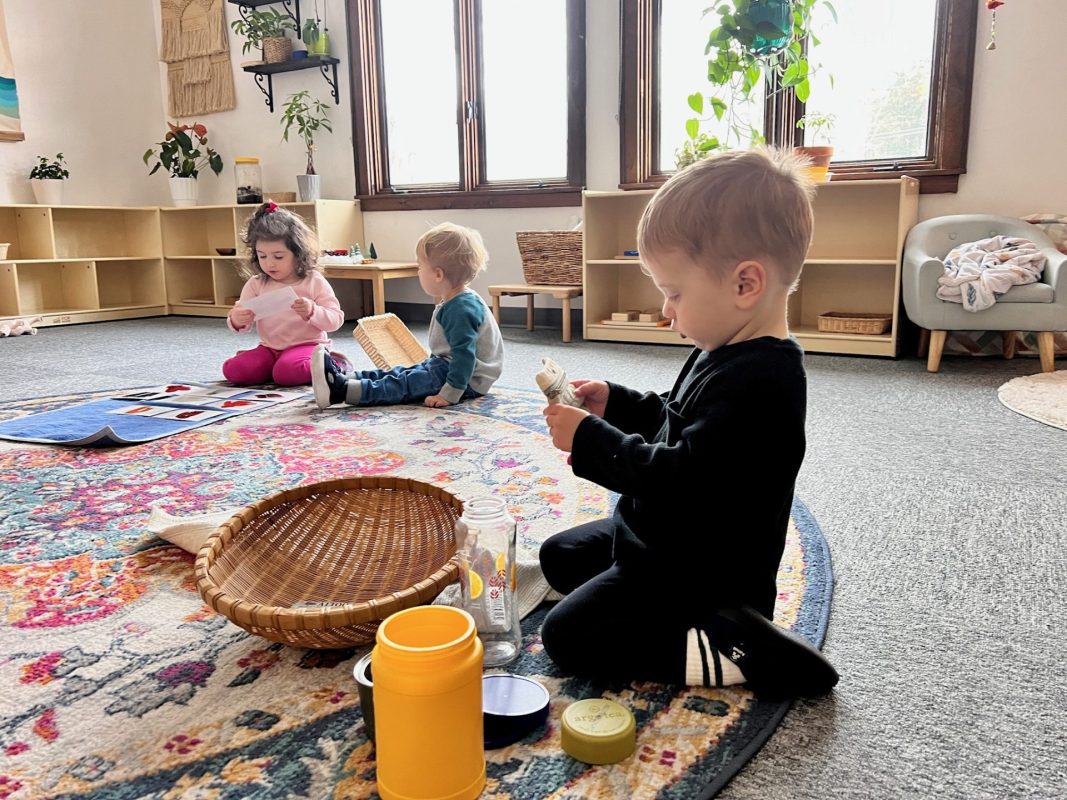
“Normalization” in Montessori does not imply conforming to a standard or being forced into a mold. Instead, it signifies a state of being where children exhibit a deep sense of inner peace and discipline. Montessori observed that when children engage in activities that captivate their interest and require their full concentration, they experience a profound sense of fulfillment and satisfaction. This focused, purposeful work leads to a state of normalization characterized by a calm, content demeanor.

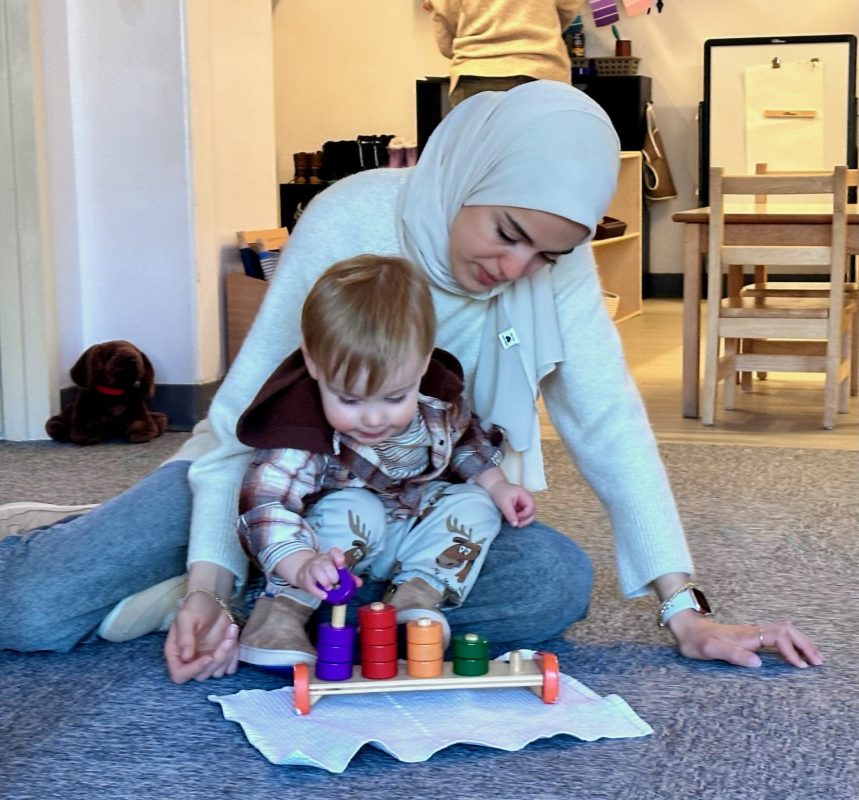
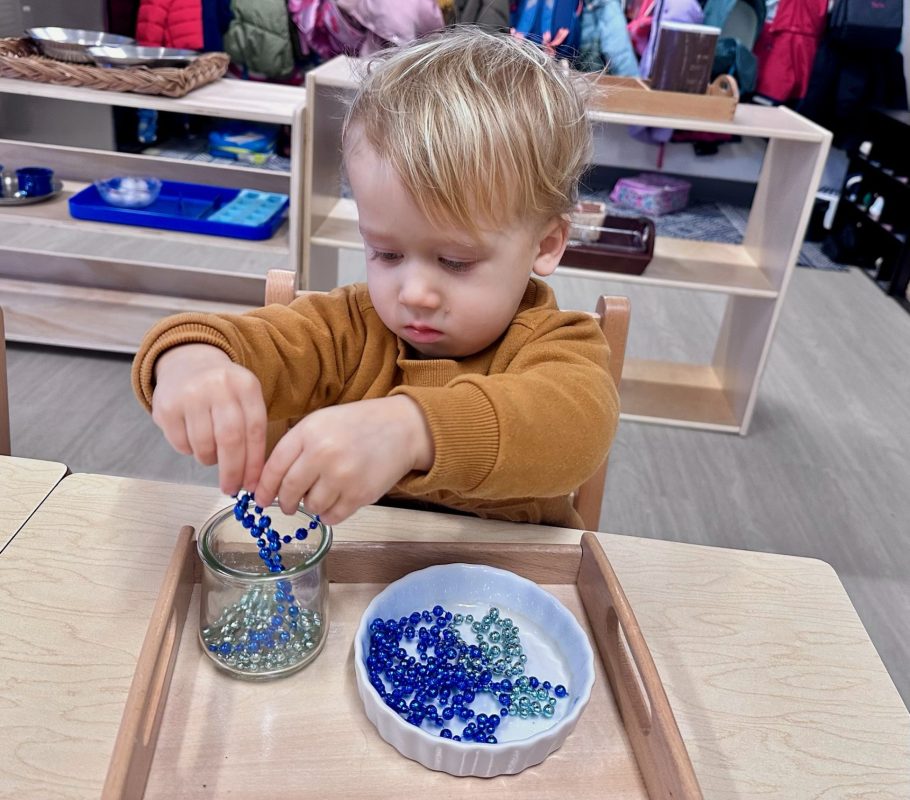
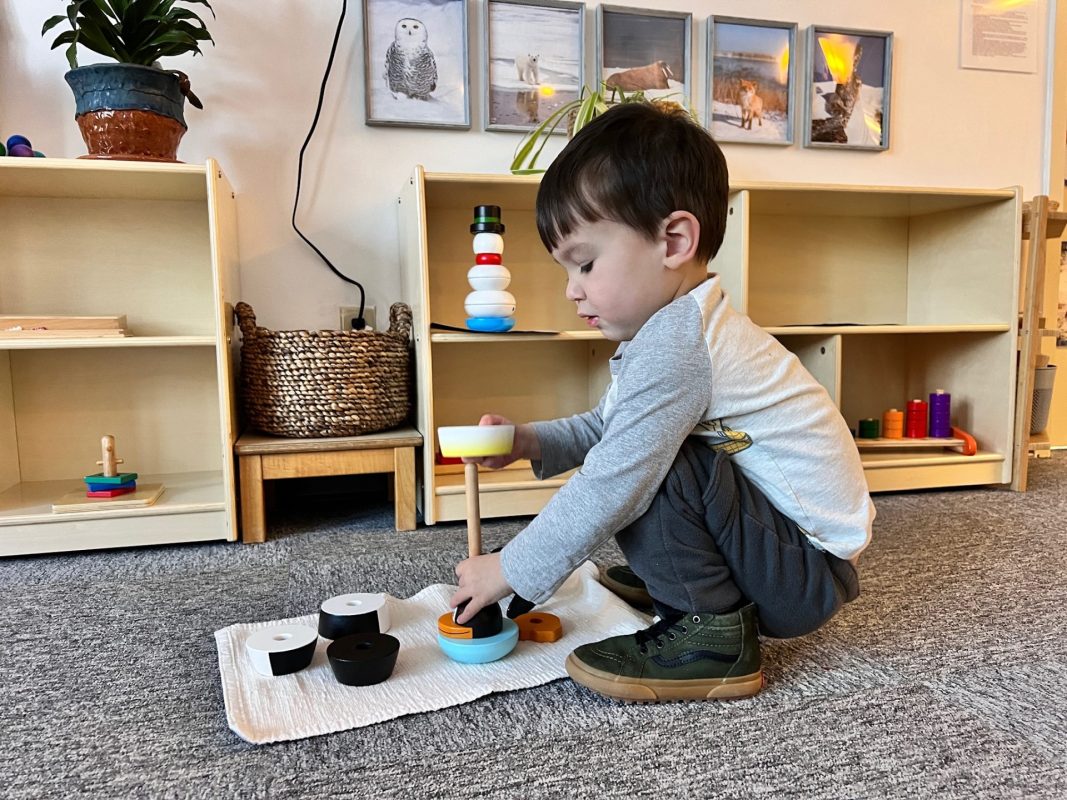
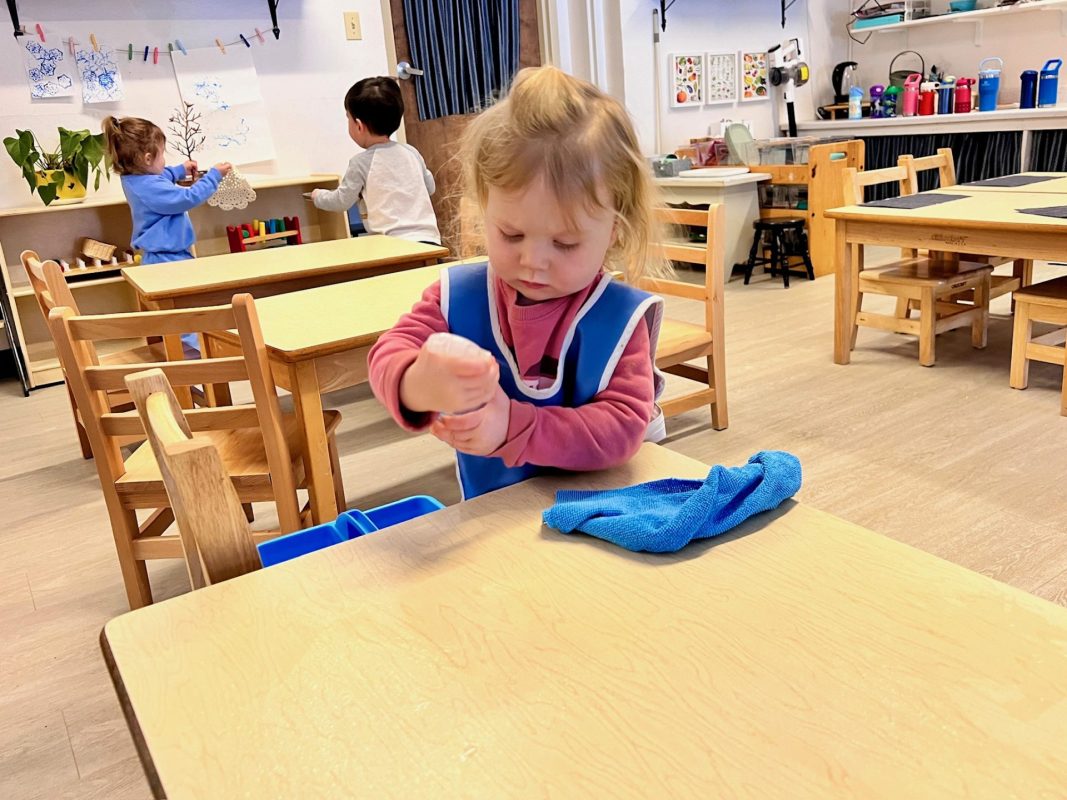
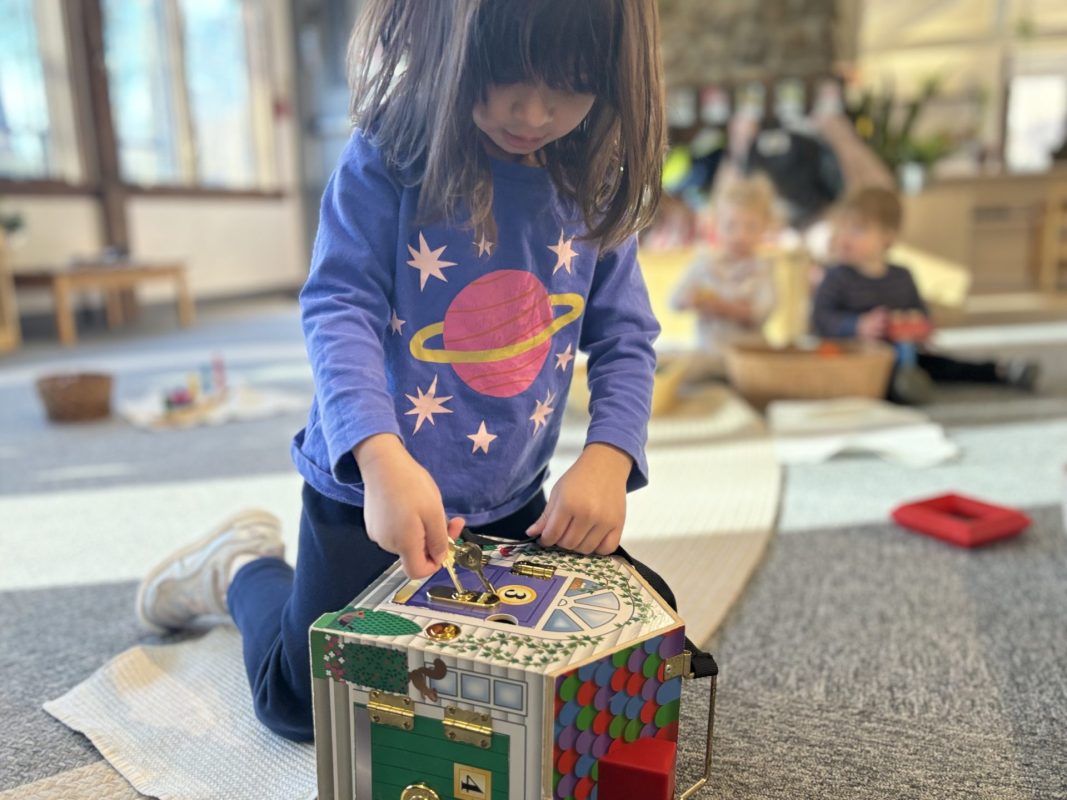
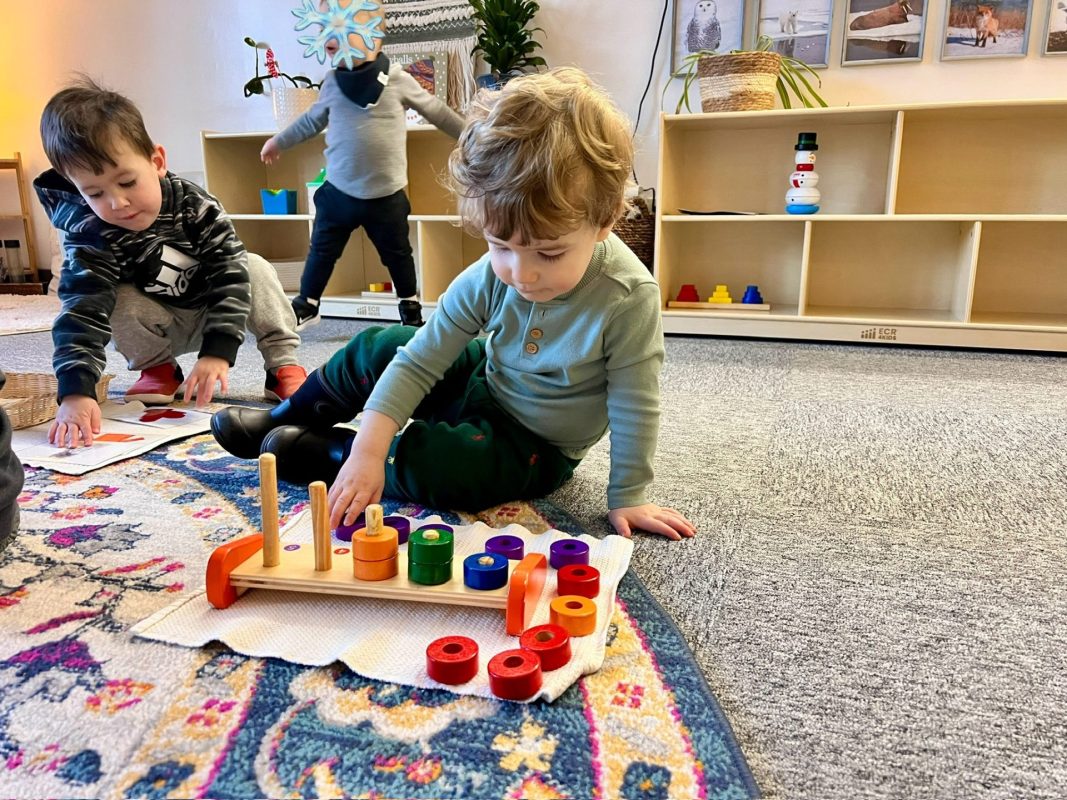
In our environment, we witness the signs of normalization every day. Children are deeply engaged in their chosen activities, demonstrating sustained concentration and a sense of joy in their work. As they grow more independent and self-disciplined, they contribute to a peaceful and harmonious atmosphere, fostering meaningful interactions.

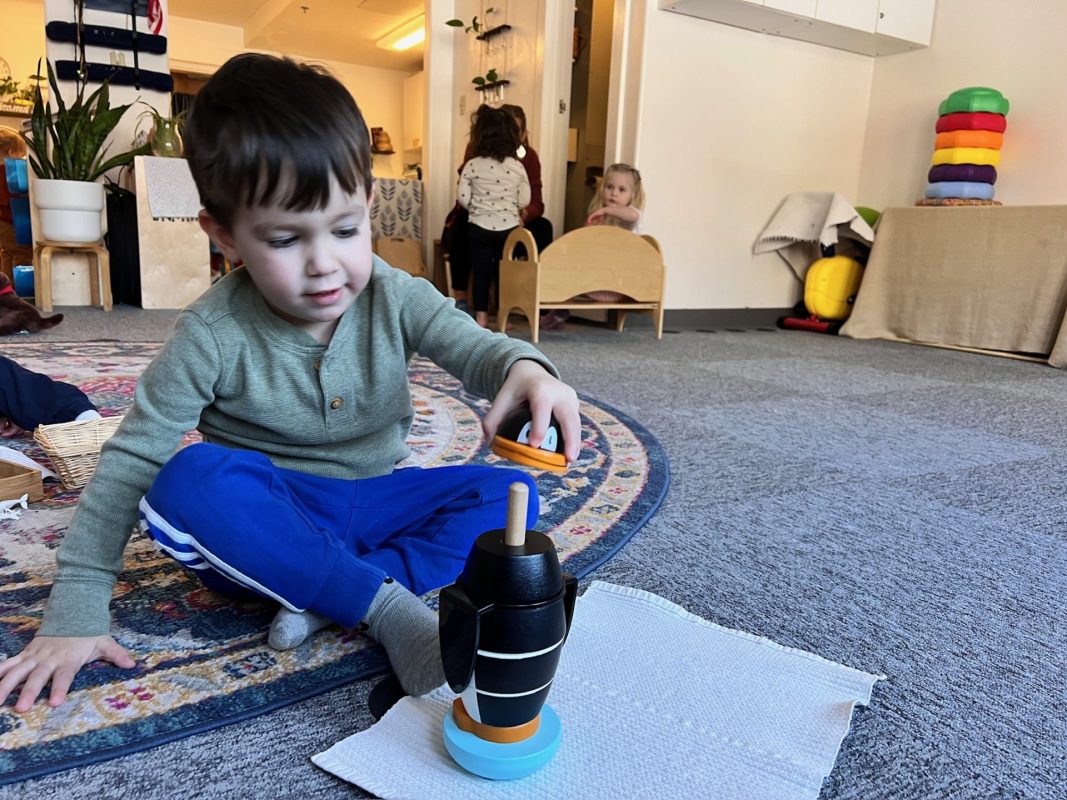
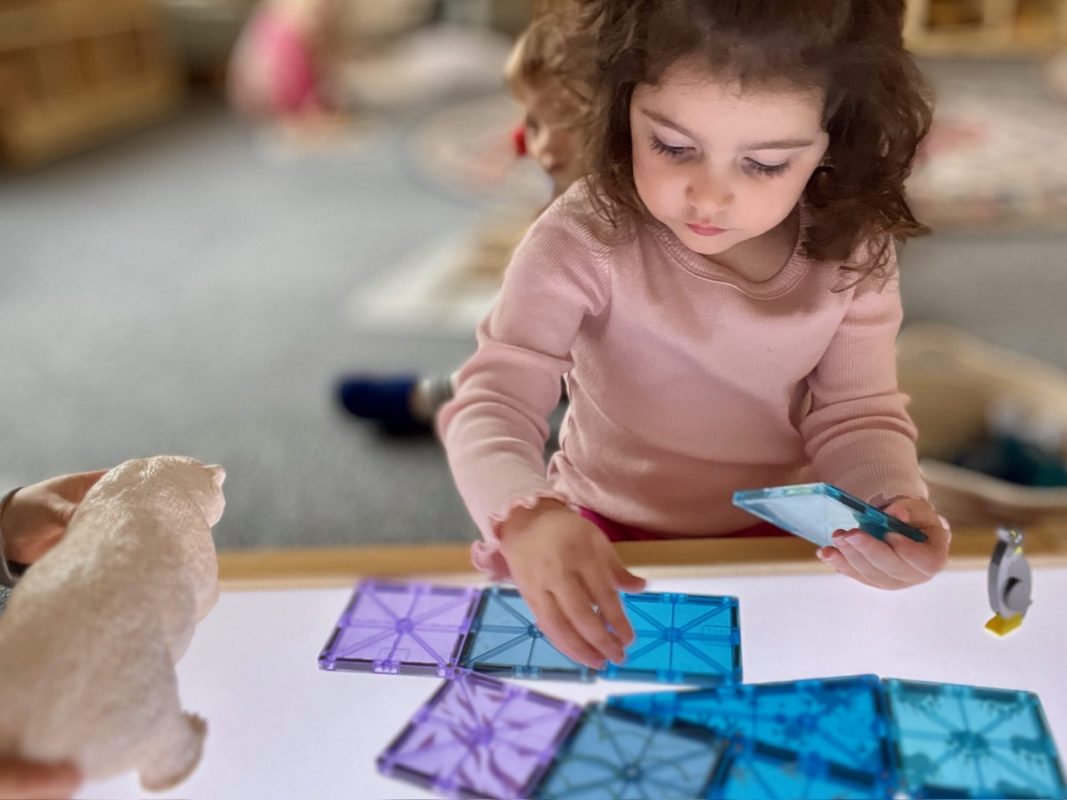
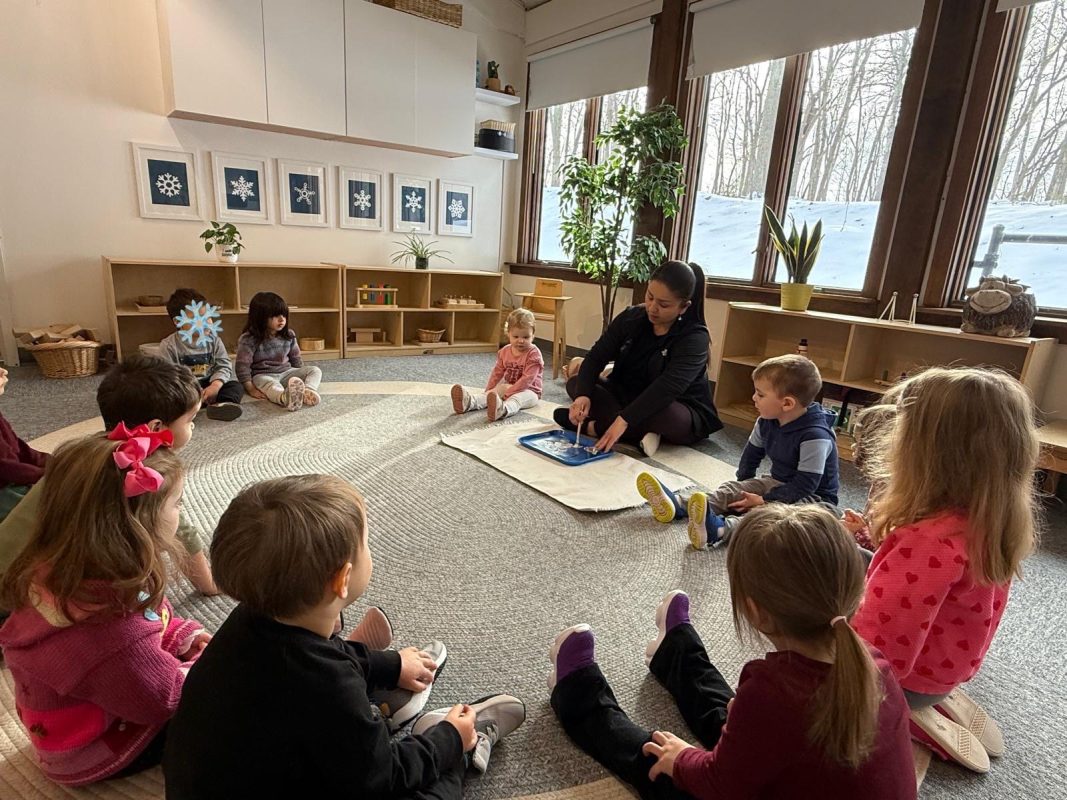
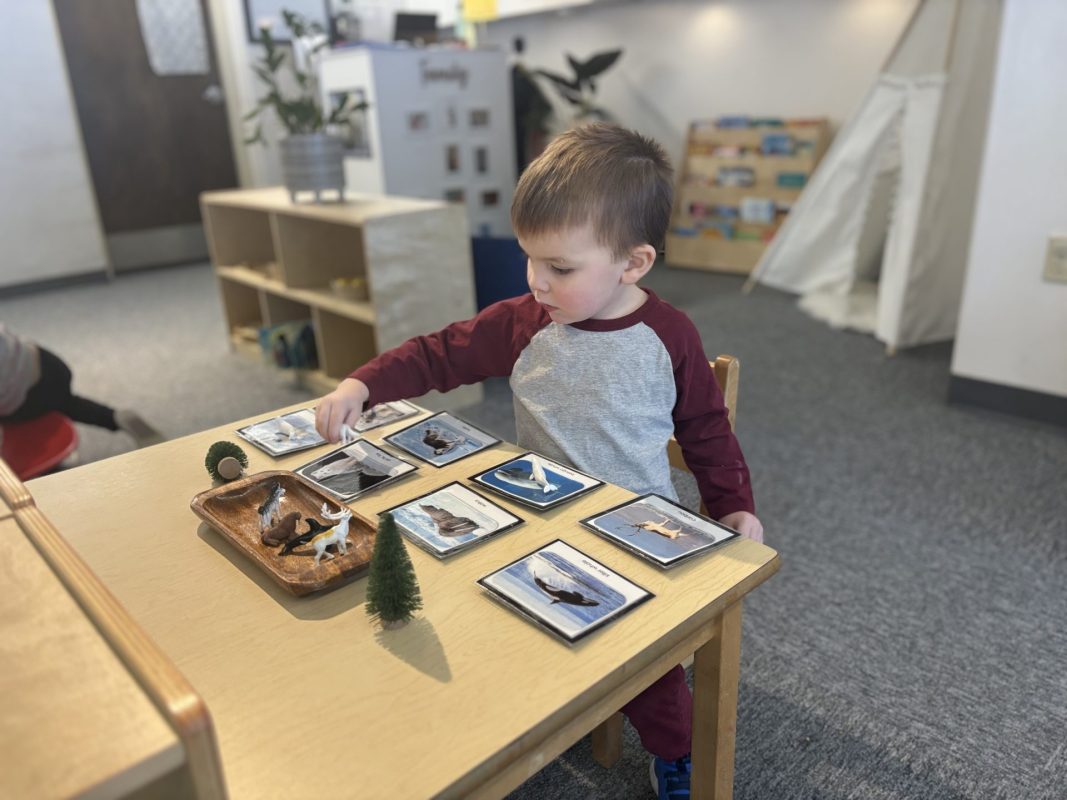
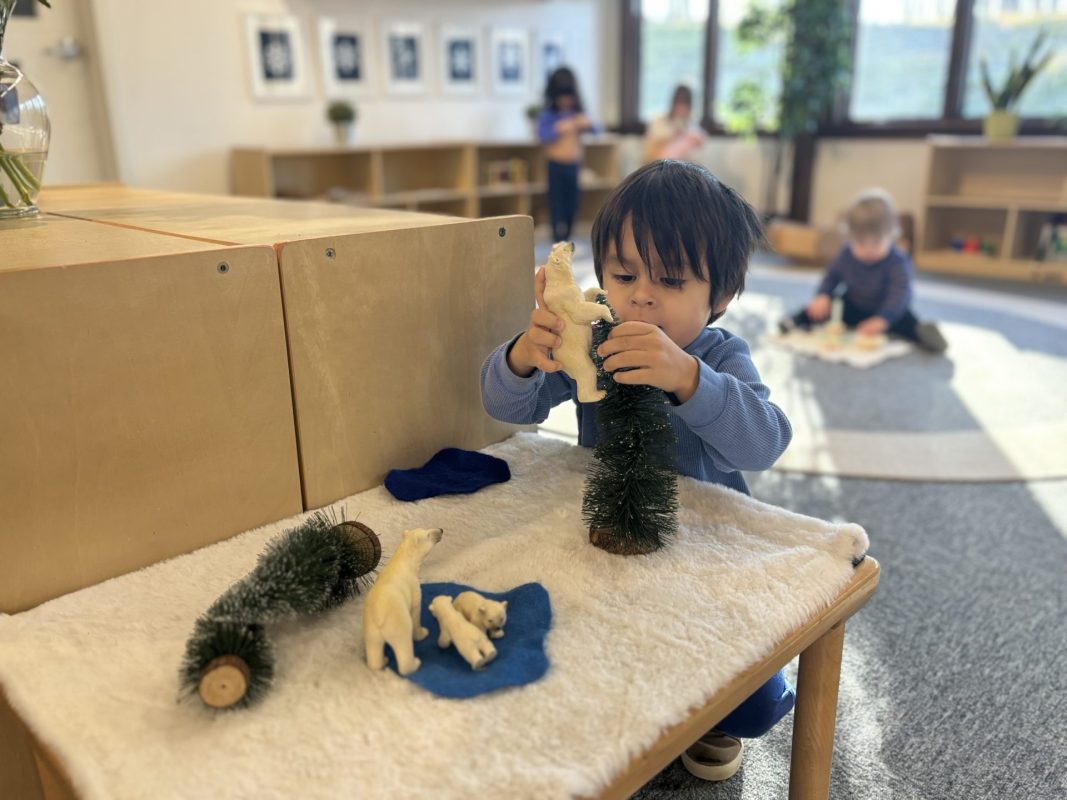
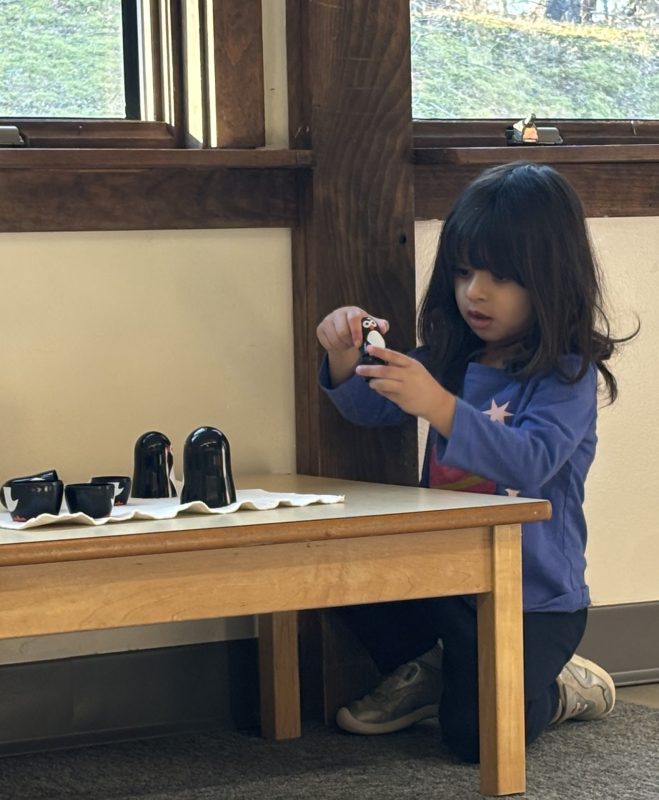
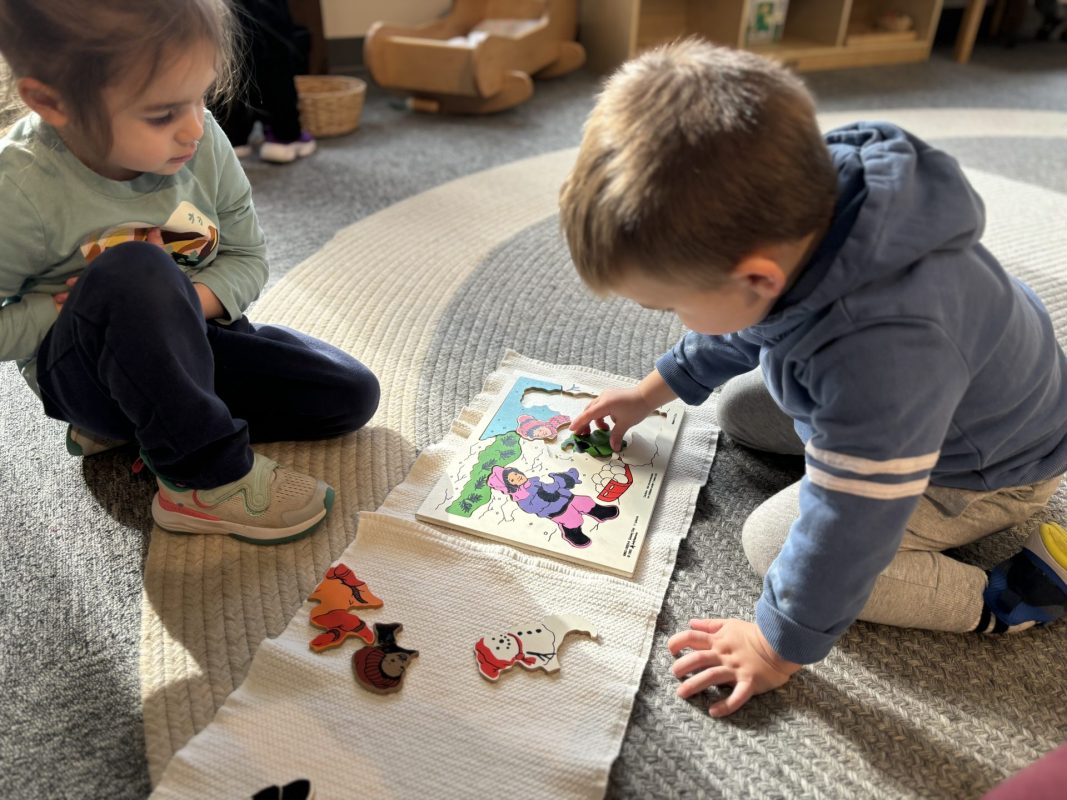
This week, that sense of curiosity and engagement took our toddlers on an exciting journey to Antarctica! They learned about the icy landscape and some of the animals that call it home. One of the highlights was learning about penguins. The children seemed fascinated to discover that penguins are birds, but they cannot fly! Instead, they are excellent swimmers, using their wings like flippers to glide through the water. They also loved learning that penguins keep warm by huddling together in big groups, just like friends giving each other a cozy hug.

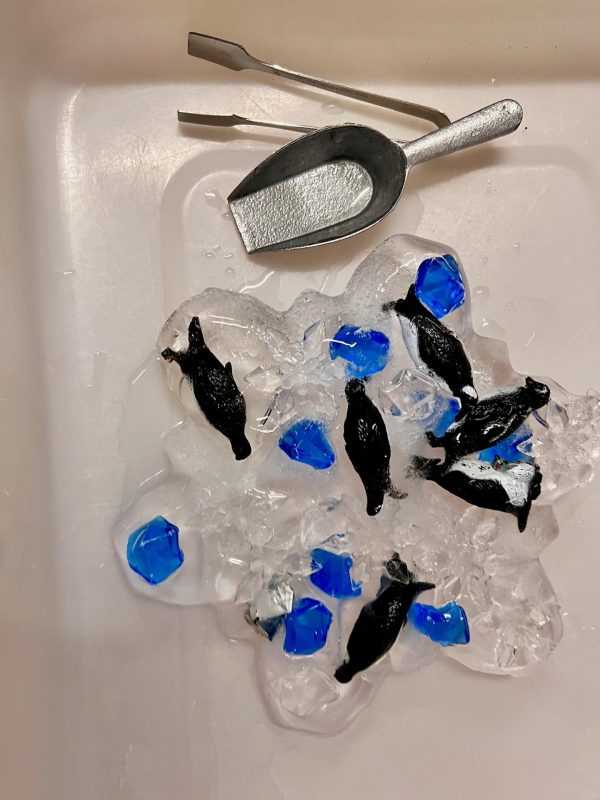
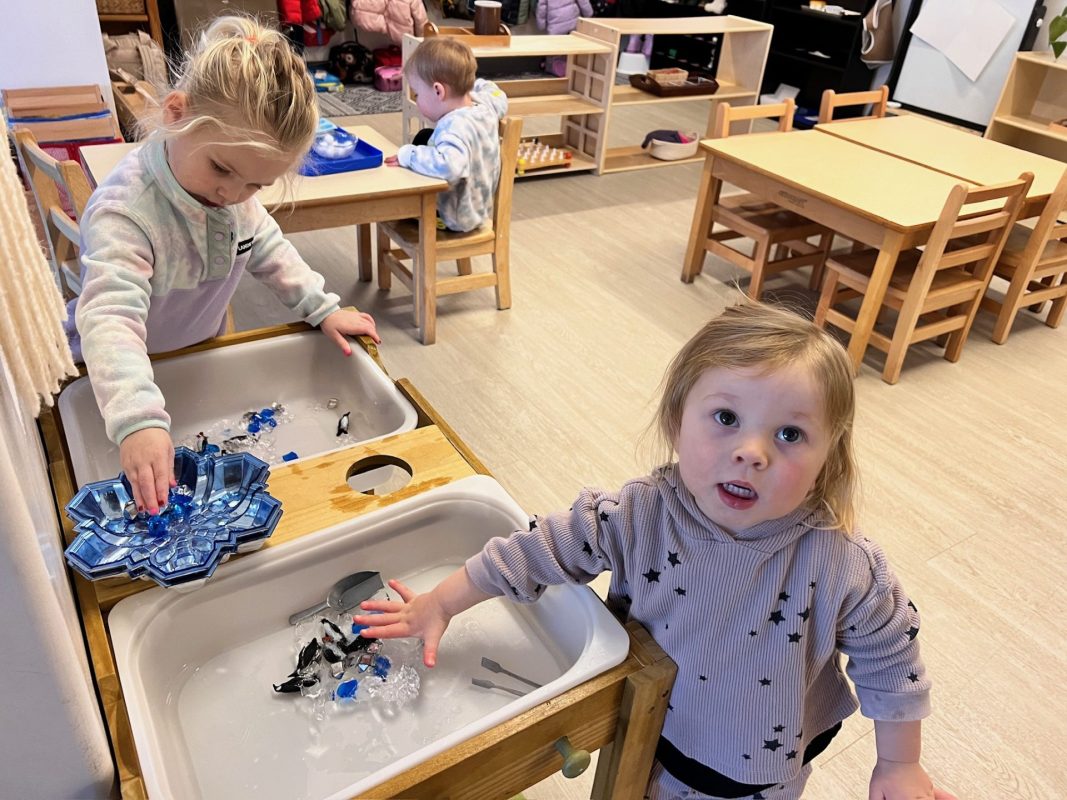
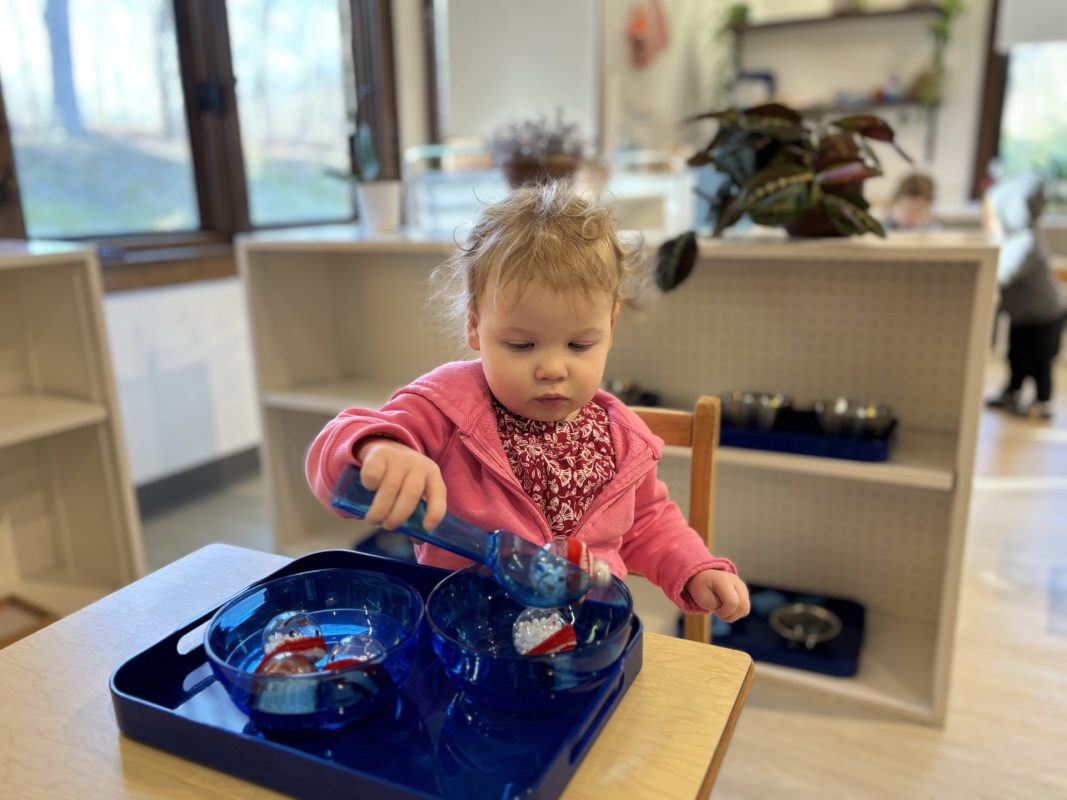
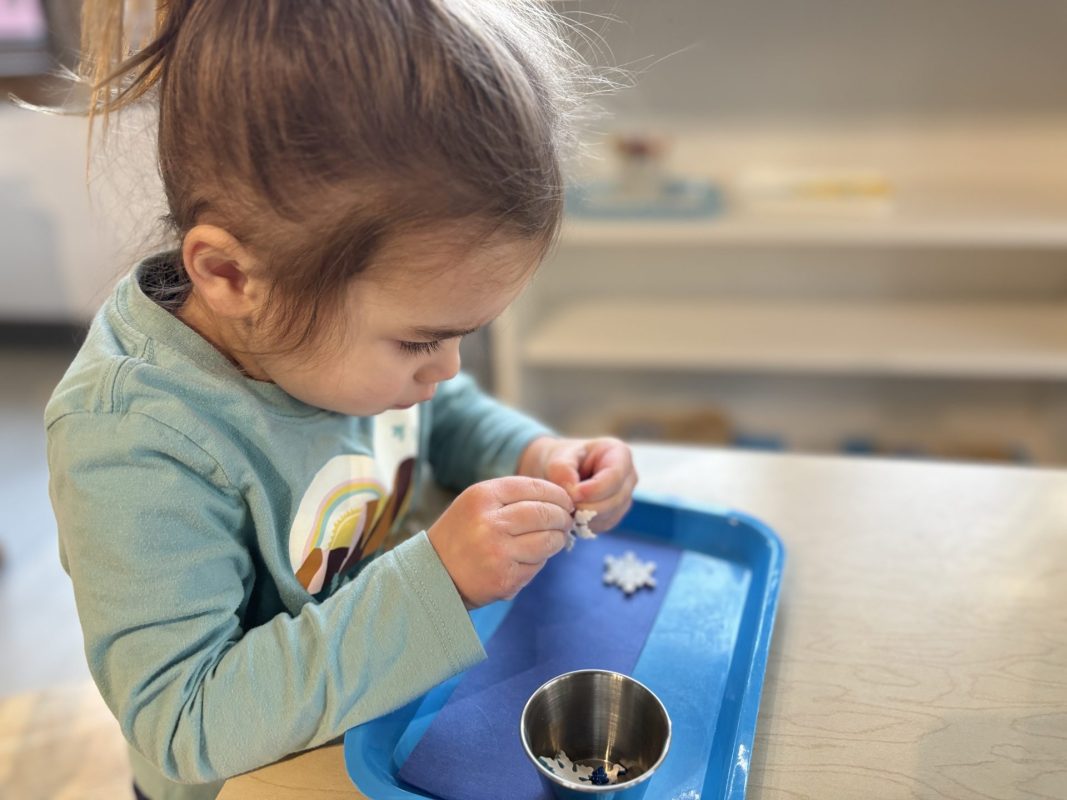
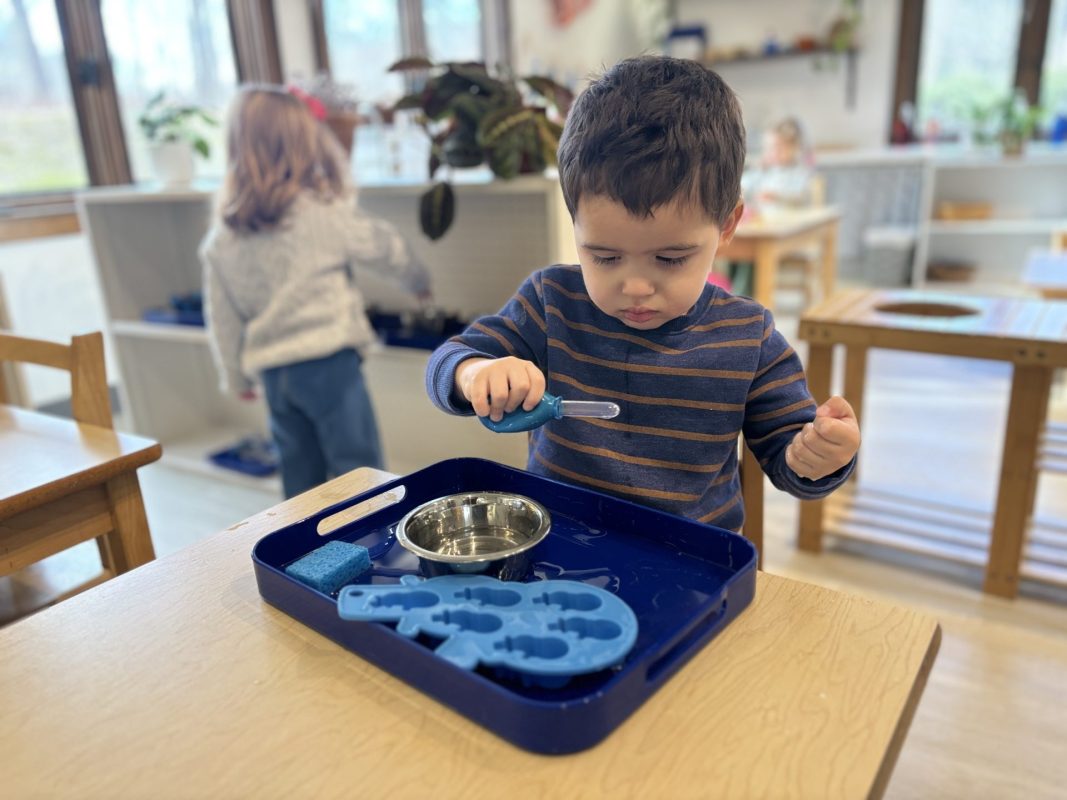
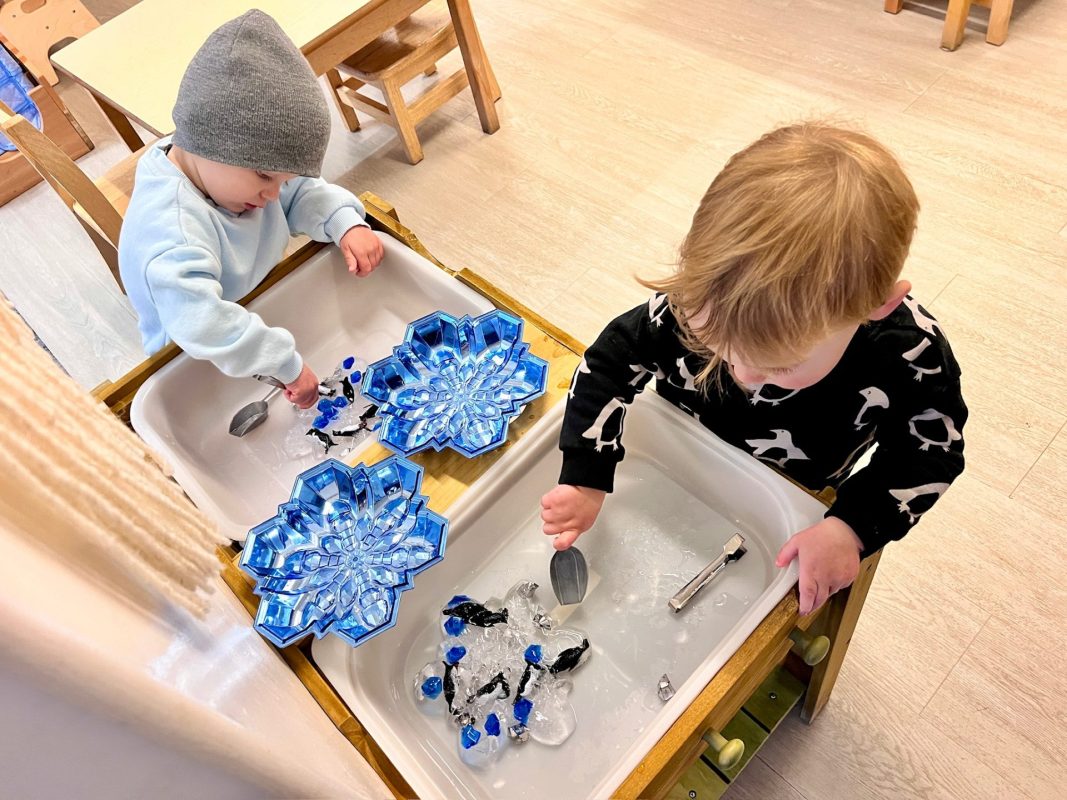
As we learned that penguins like to glide and skate on their bellies across the ice, we introduced a fun sensory activity. The children helped free small penguin models that were trapped in ice by rubbing and melting them with their hands. They were delighted to watch the penguins “skate” as they worked to free them, making the experience both engaging and educational.

We also added a new song to our dance list called “Walking with the Penguins” by Laurie Berkner. The children had so much fun practicing how to waddle like penguins, giggling as they moved side to side, just like the birds they had been learning about.

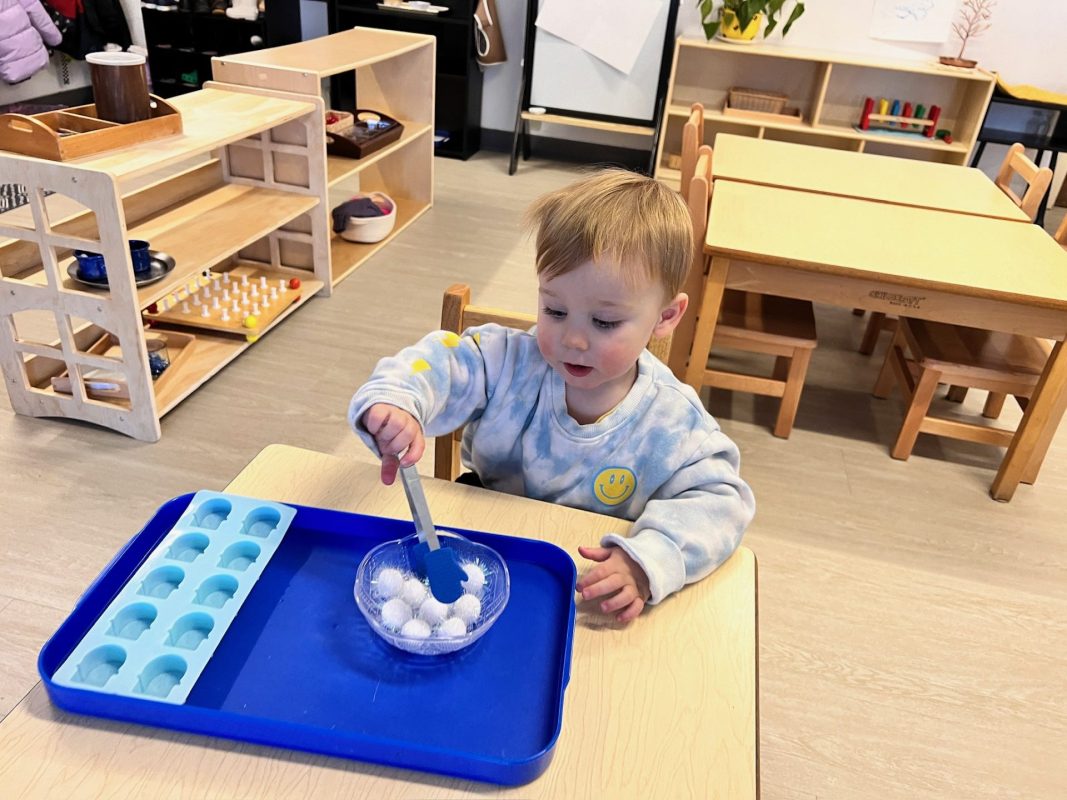
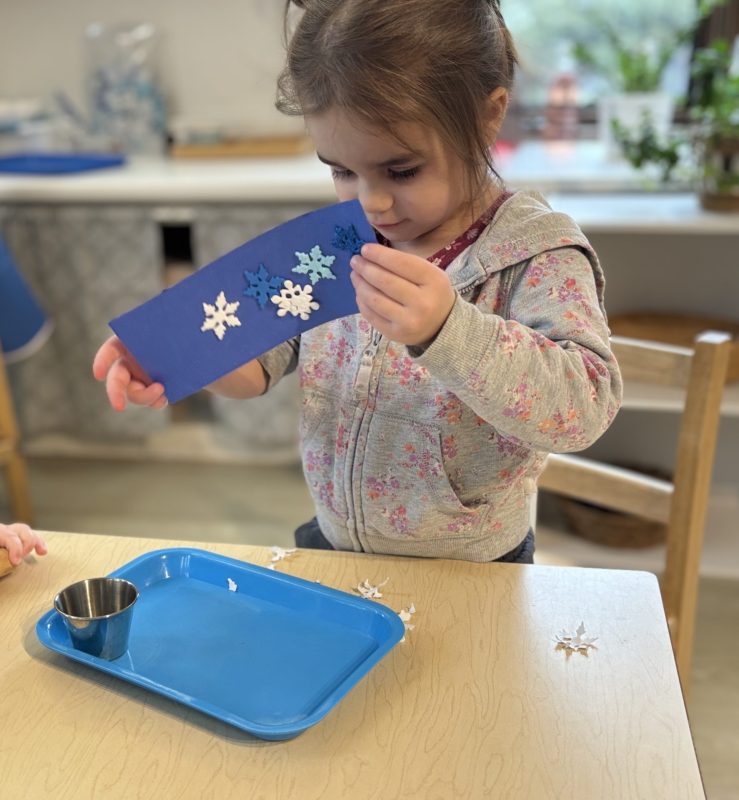
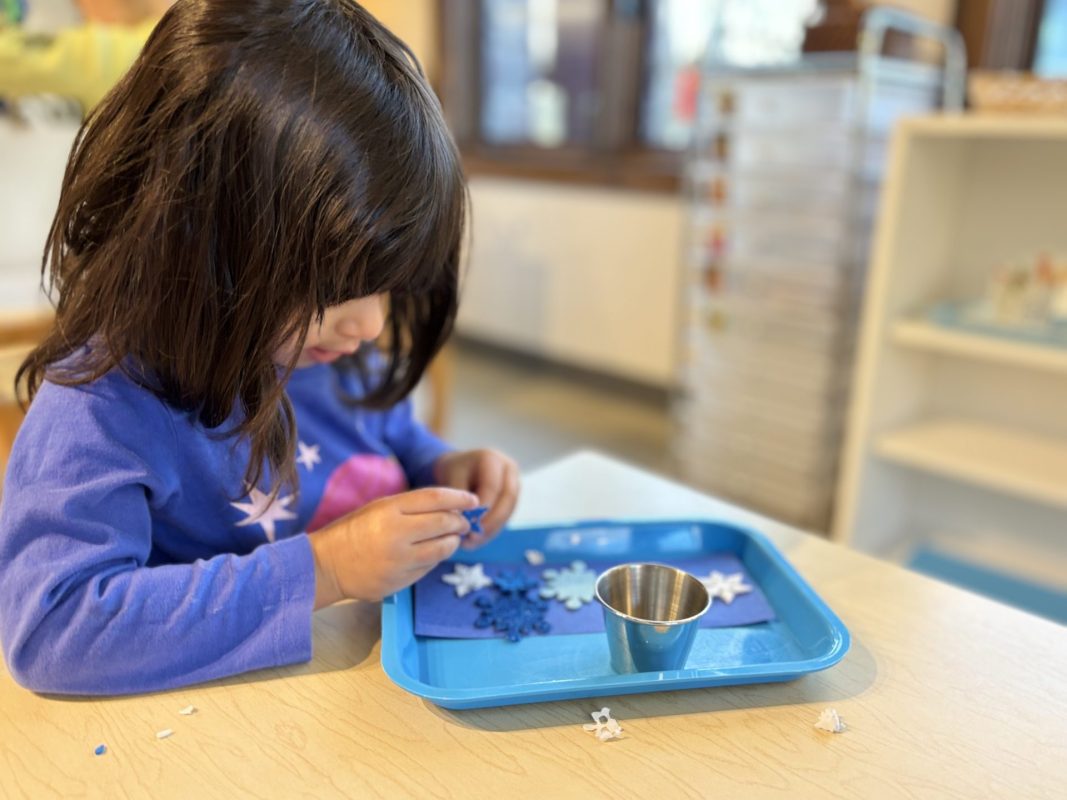
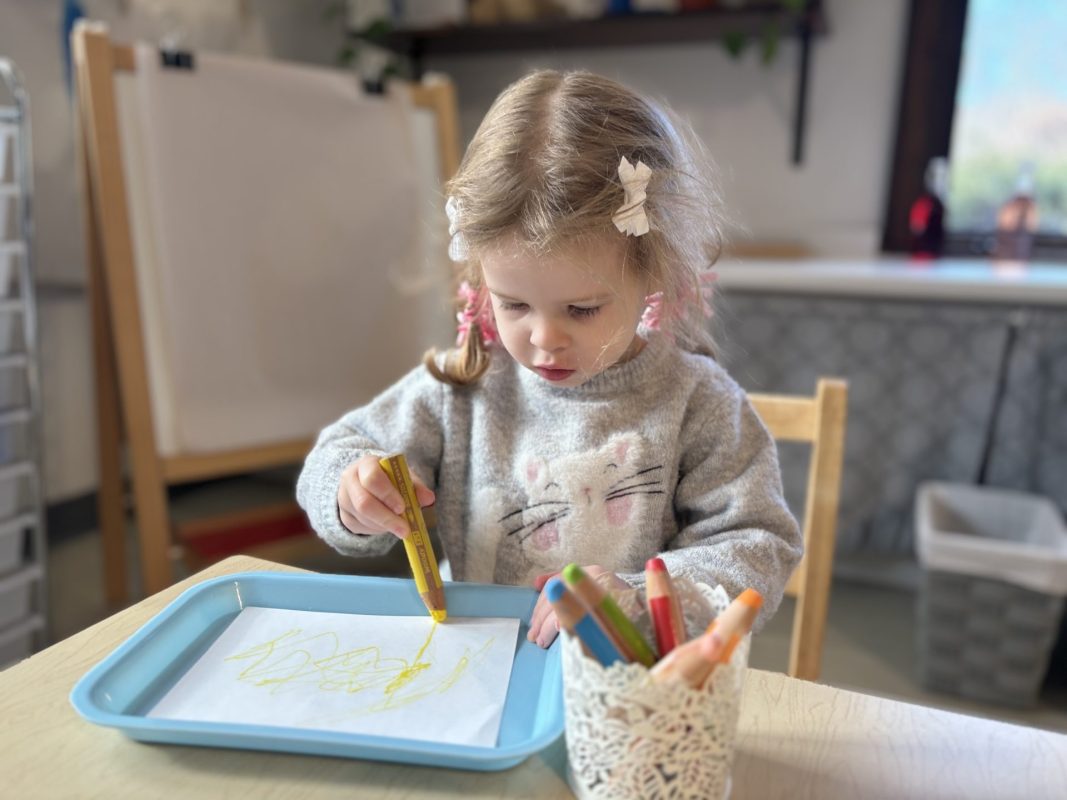
On another note, this week, we introduced the art skill of gluing, which has become a favorite among the children. Learning to use glue may seem like a simple activity, but it offers numerous benefits. It enhances hand-eye coordination, refines fine motor skills, and helps children understand the sensory concept of stickiness, adding a tactile dimension to their learning experience.

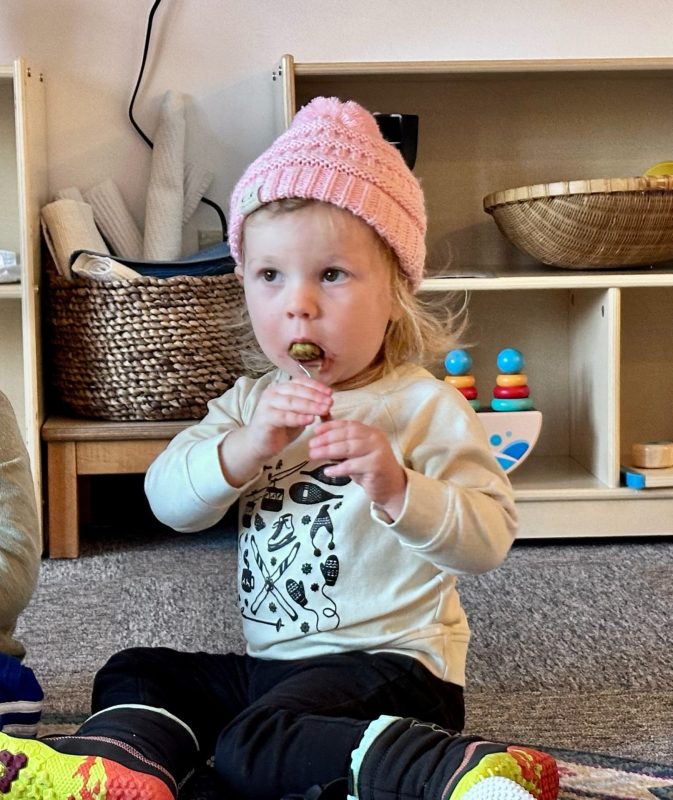
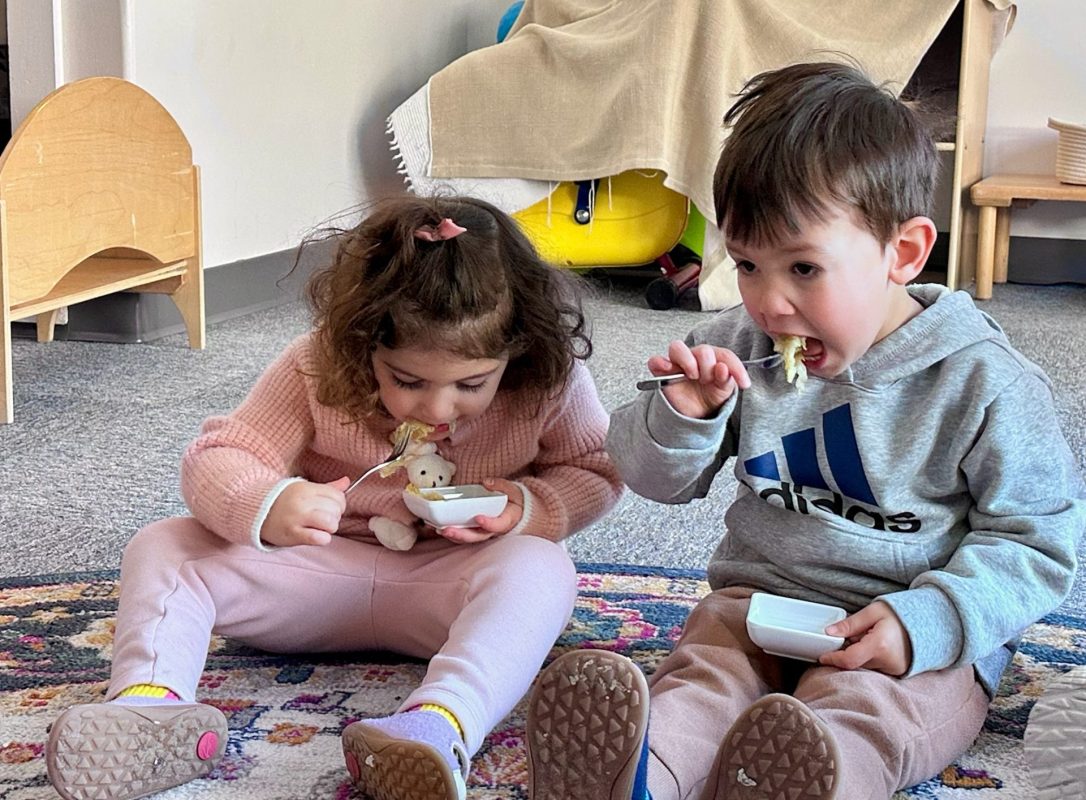
In our most recent food-tasting lesson, we explored carrots. The children seemed fascinated by their bright orange color, cool roots, and soft leaves. As I took a bite, the crunch made everyone giggle! Some children eagerly took big bites, while others cautiously nibbled small pieces.

As we continue to nurture the process of normalization in our environment, we celebrate the remarkable growth and development taking place in your child.

Wishing you all  a wonderful and restful weekend,

Mrs. Hood and Ms. Patty


Mrs. Wilson: Sensory Exploration

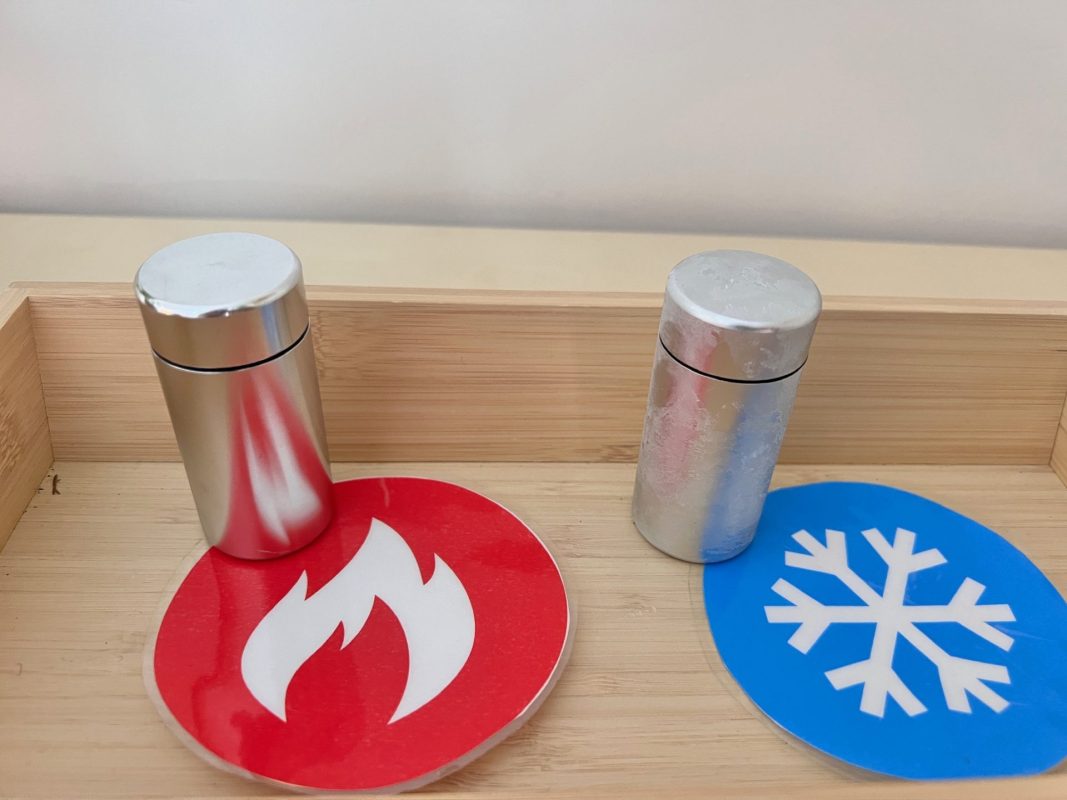
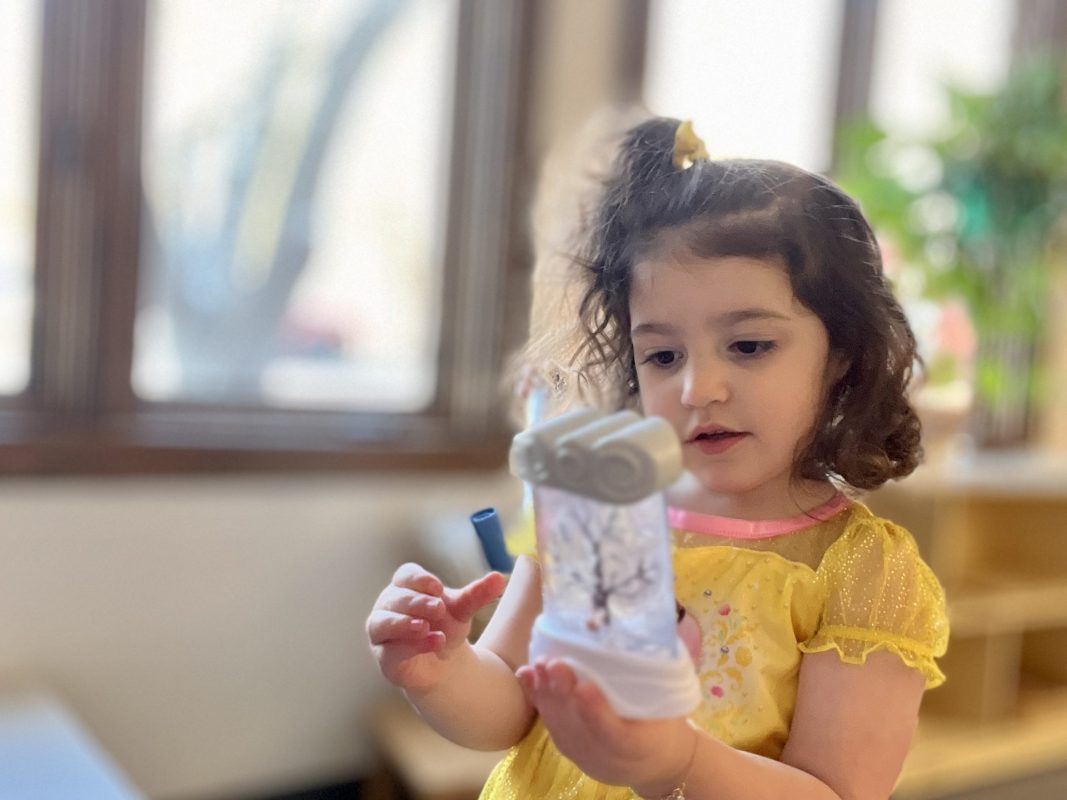
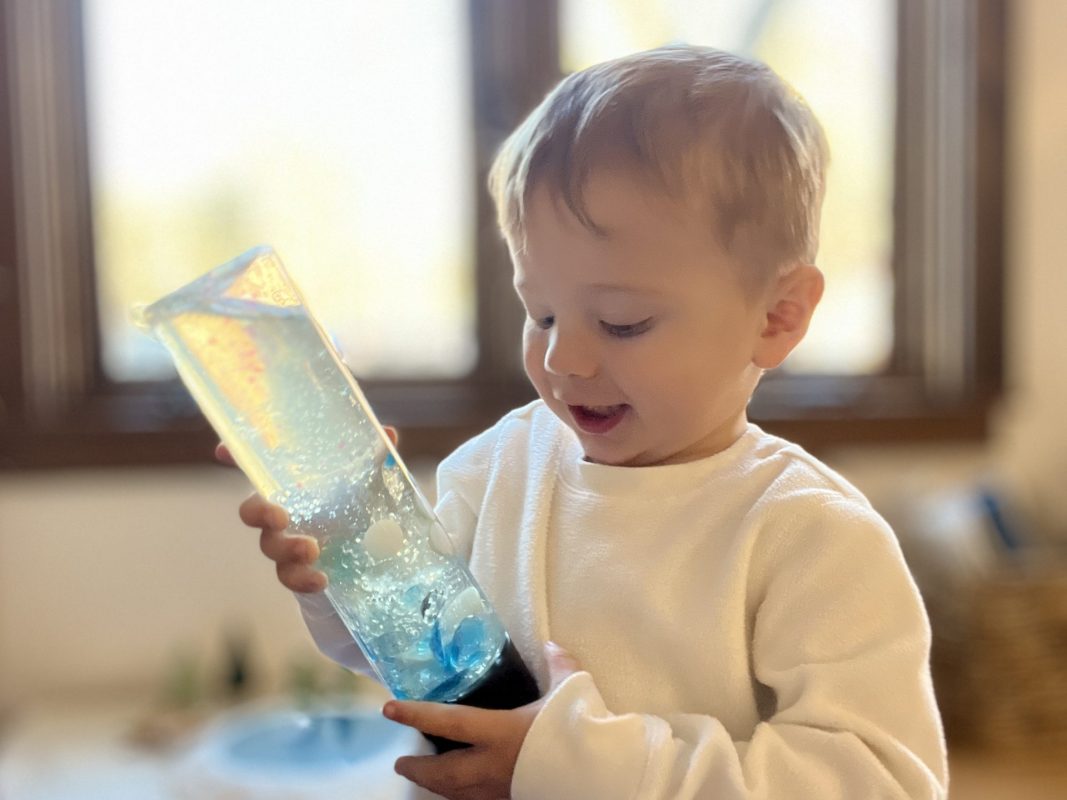
Now that January has come to an end, we are ready to say goodbye to our exploration of winter and Arctic animals. To wrap up the month, the children engaged in a hands-on sensory experience with thermal bottles.

We began by passing around a bottle filled with slightly hot water, allowing them to feel the heat. Then, they held a bottle filled with frozen water, noticing the stark contrast. As they explored each bottle, we practiced using the vocabulary words hot and cold, pairing them with matching symbols for reinforcement. Finally, I invited each child to hold both bottles simultaneously and asked them to identify which one was hot and which one was cold. This engaging activity helped deepen their understanding of temperature differences through direct sensory exploration.

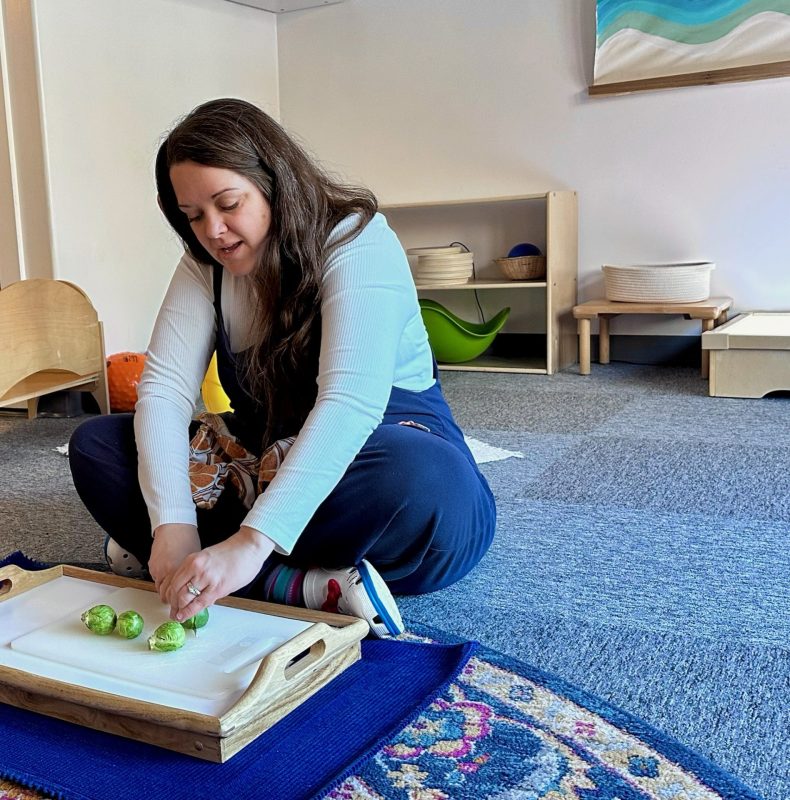
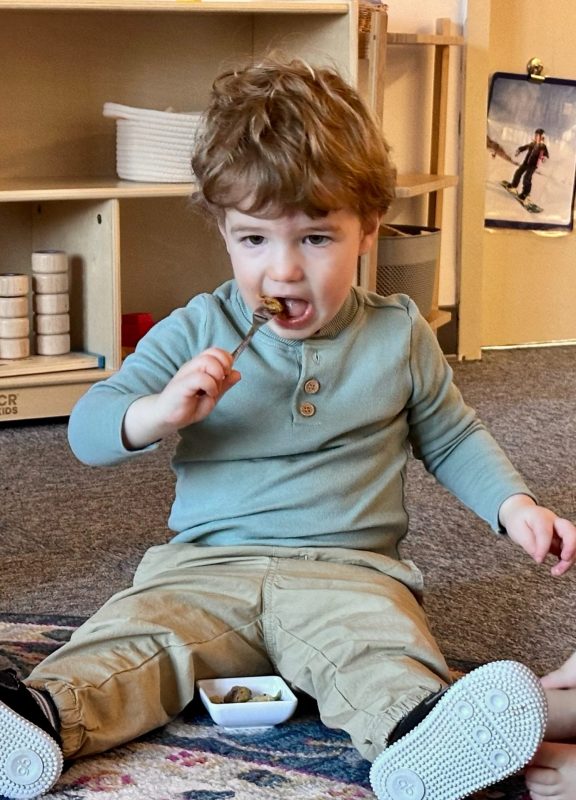
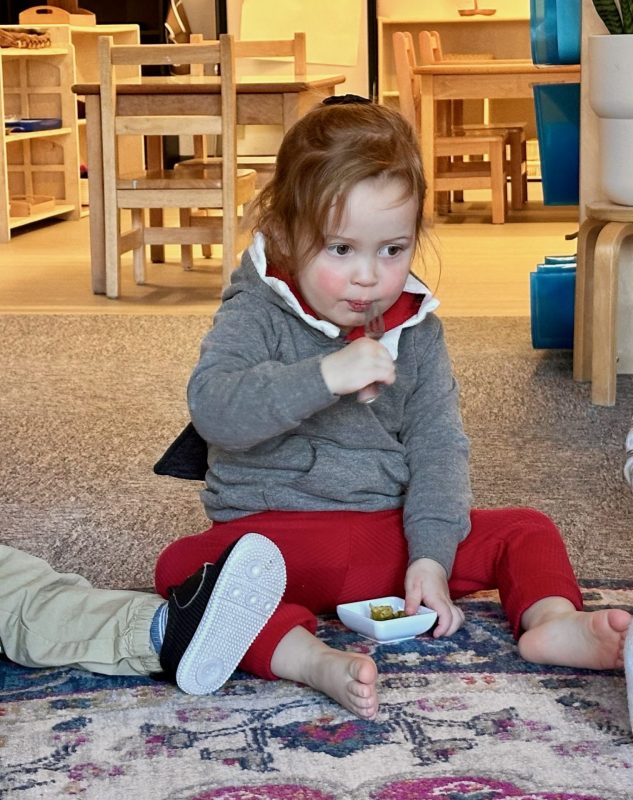
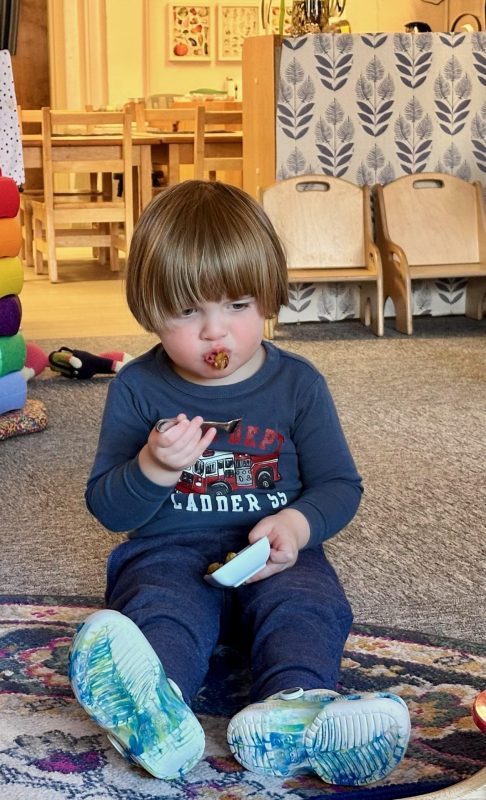
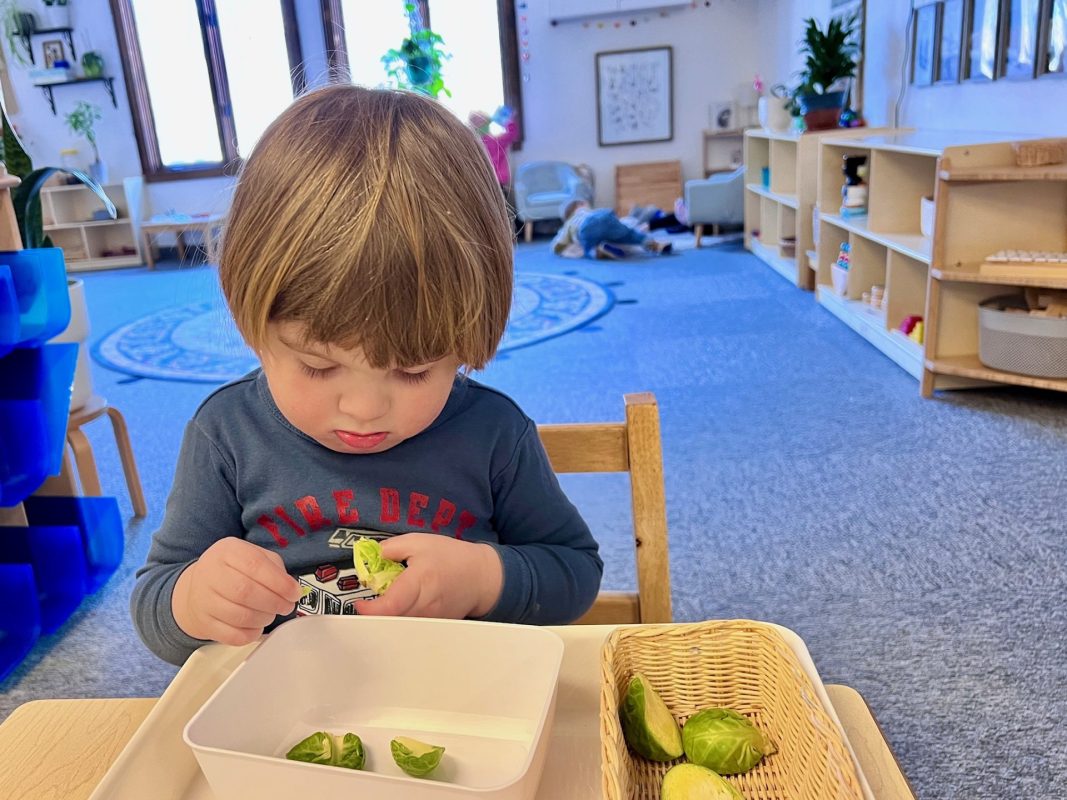
Food Tasting: This week, the children tasted roasted Brussels sprouts. This seems to be another hit.

Love and Light,

Cynthia and Sara


Mrs. Wilson: When the Weather Outside is Frightful

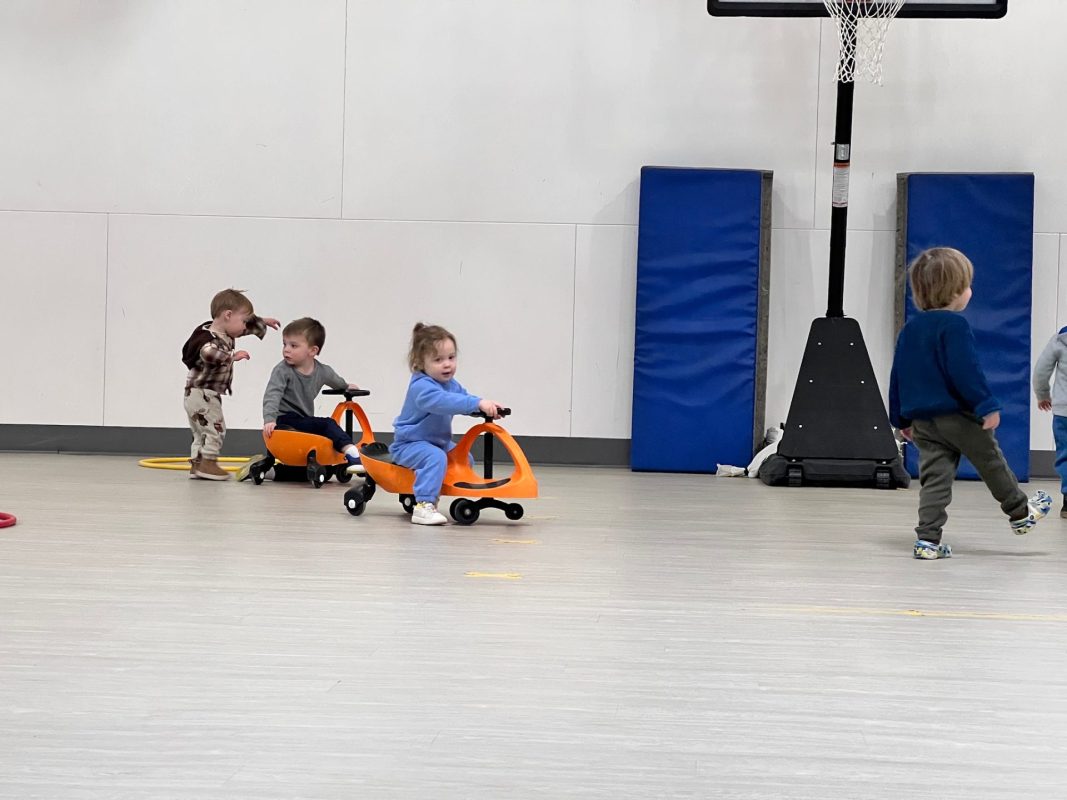
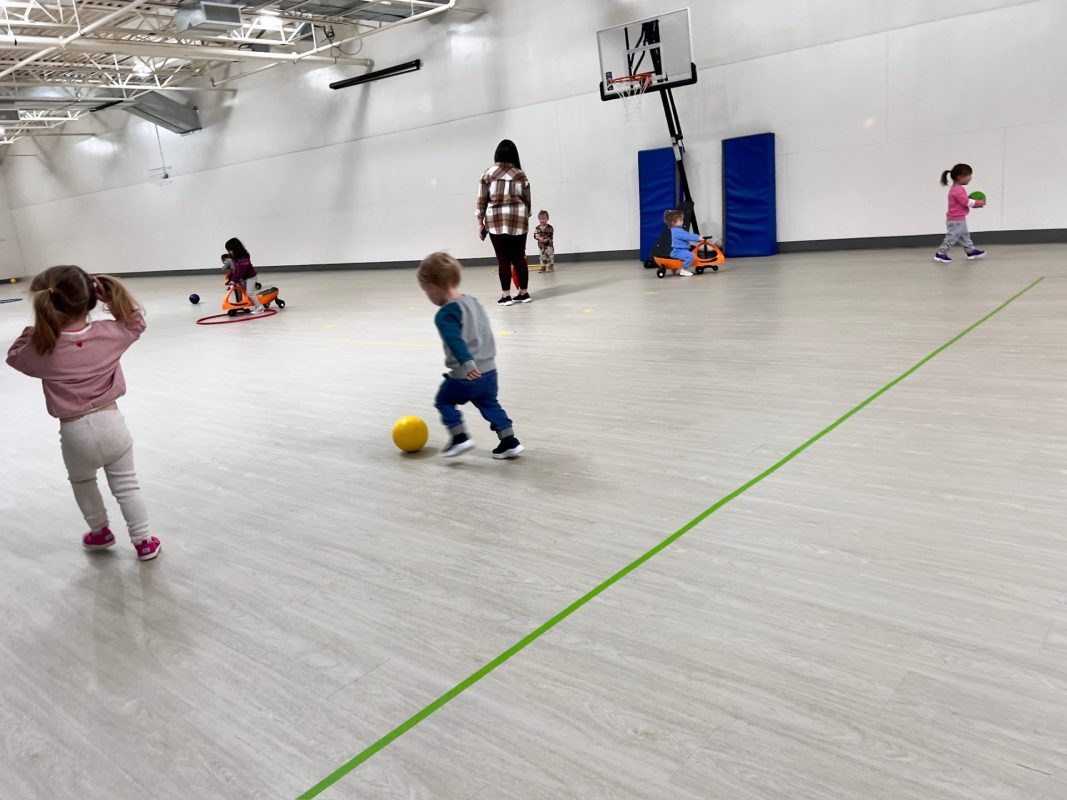
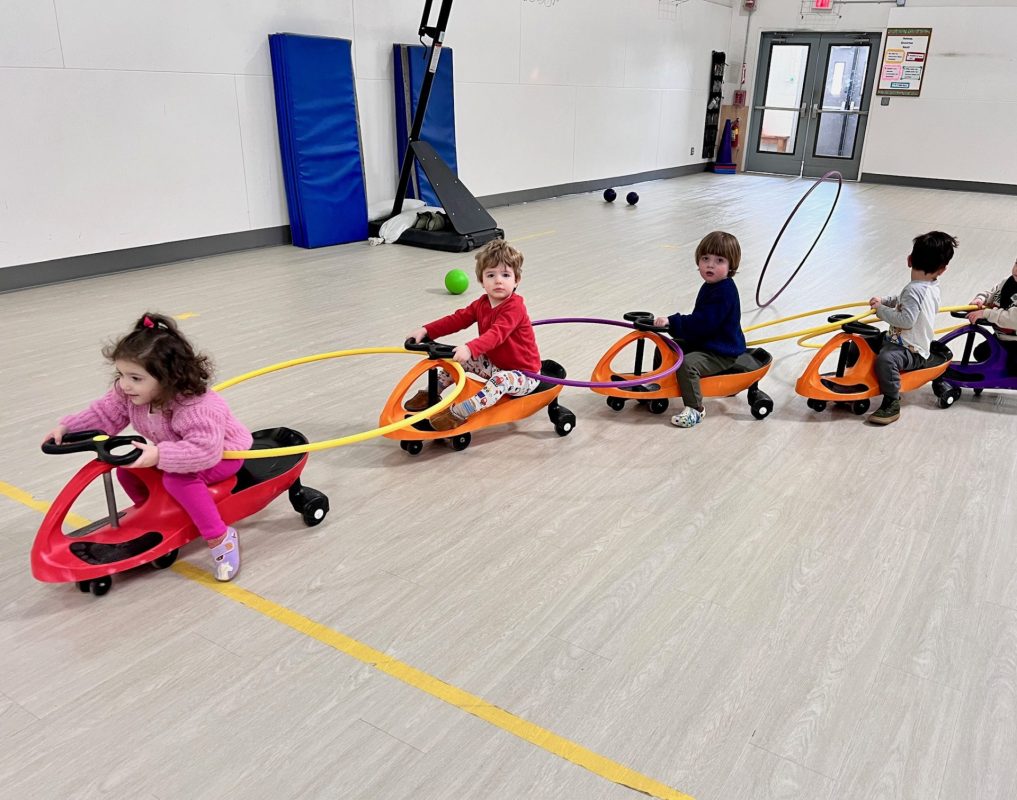
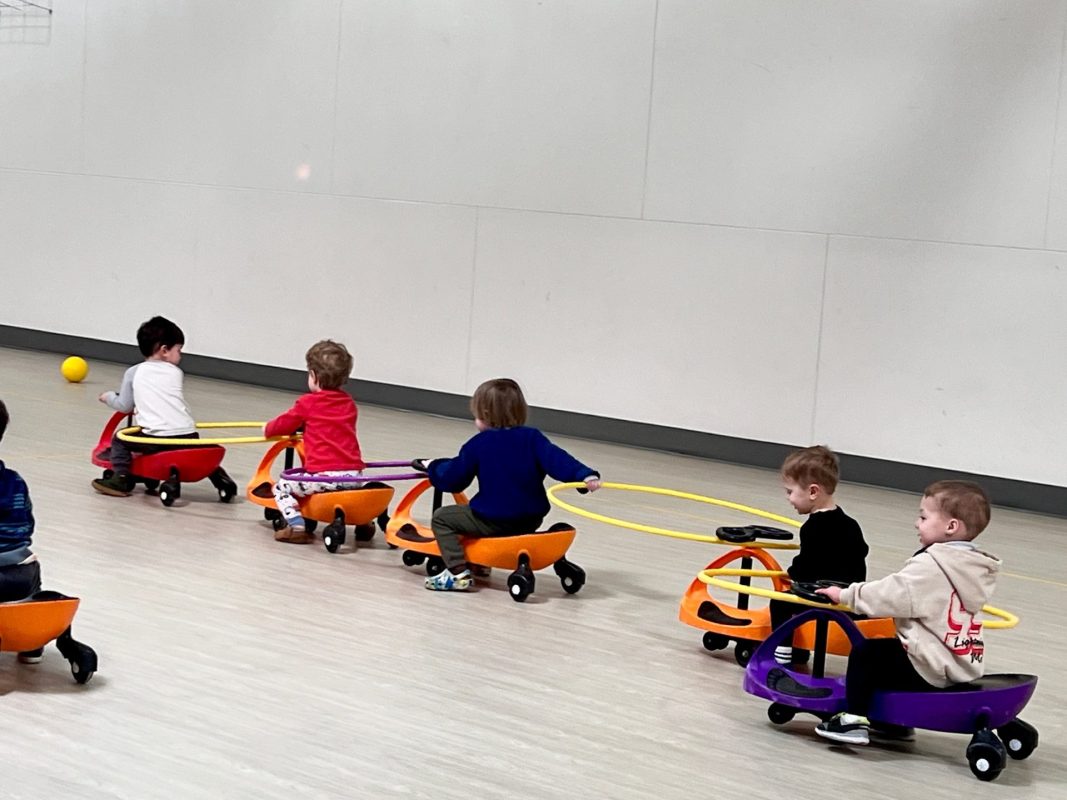
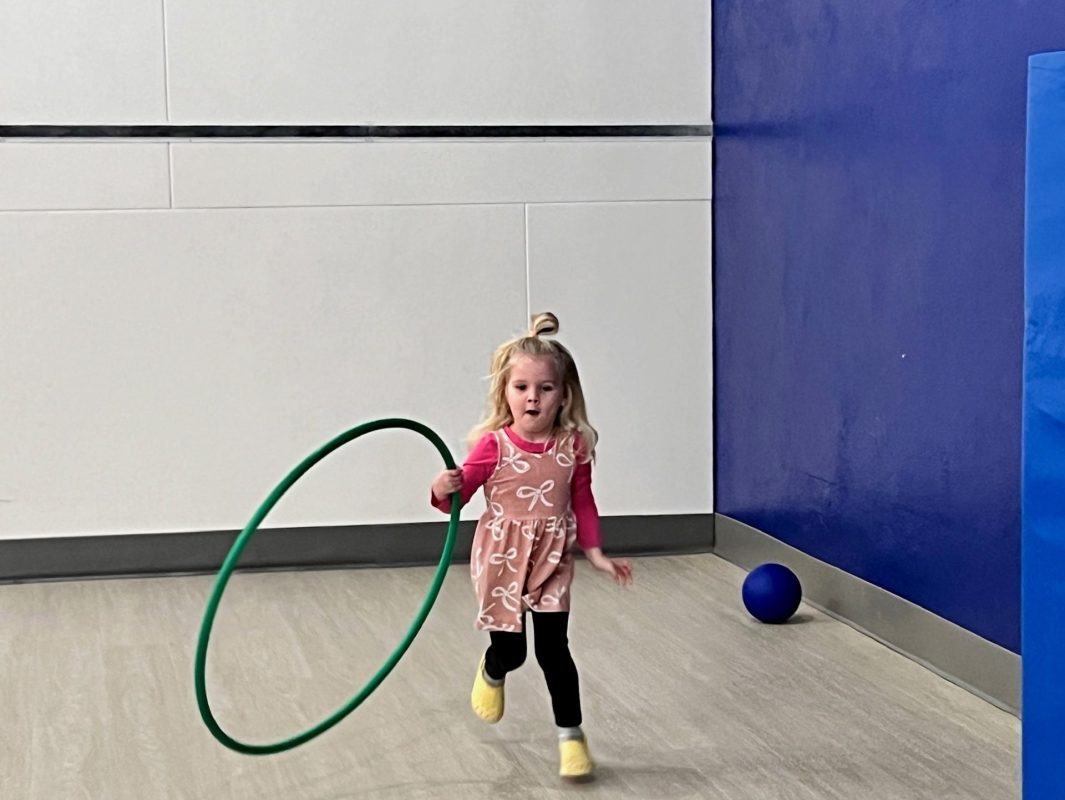
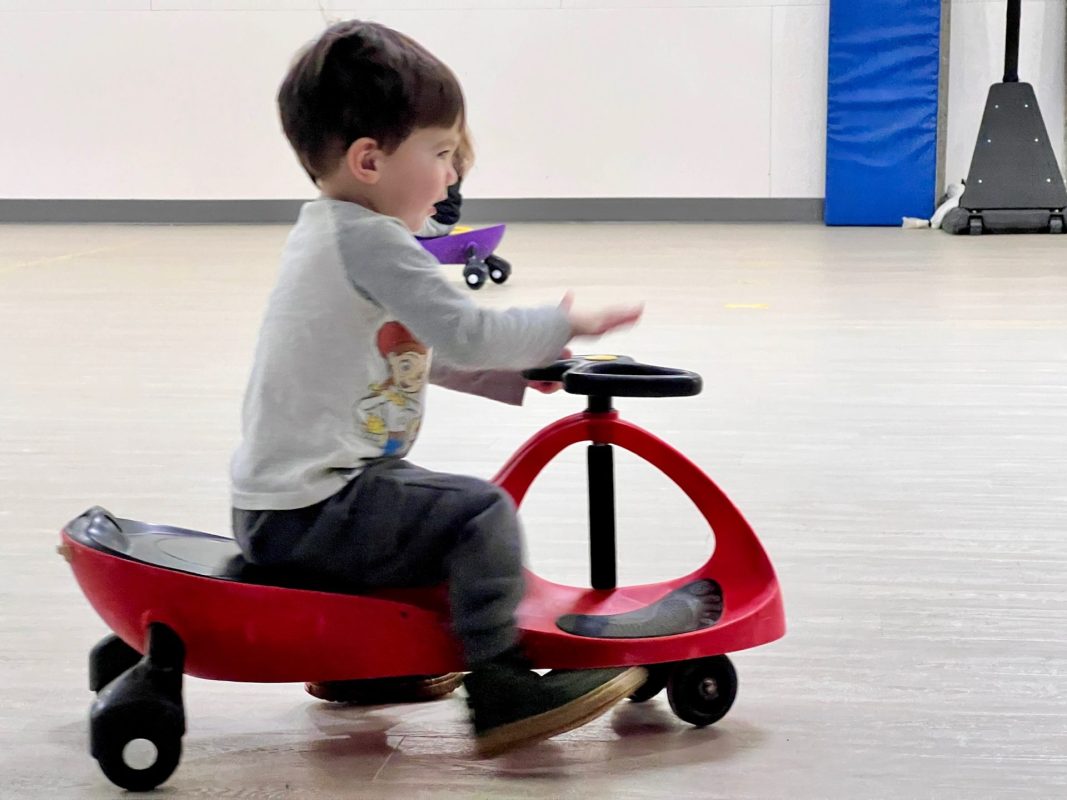
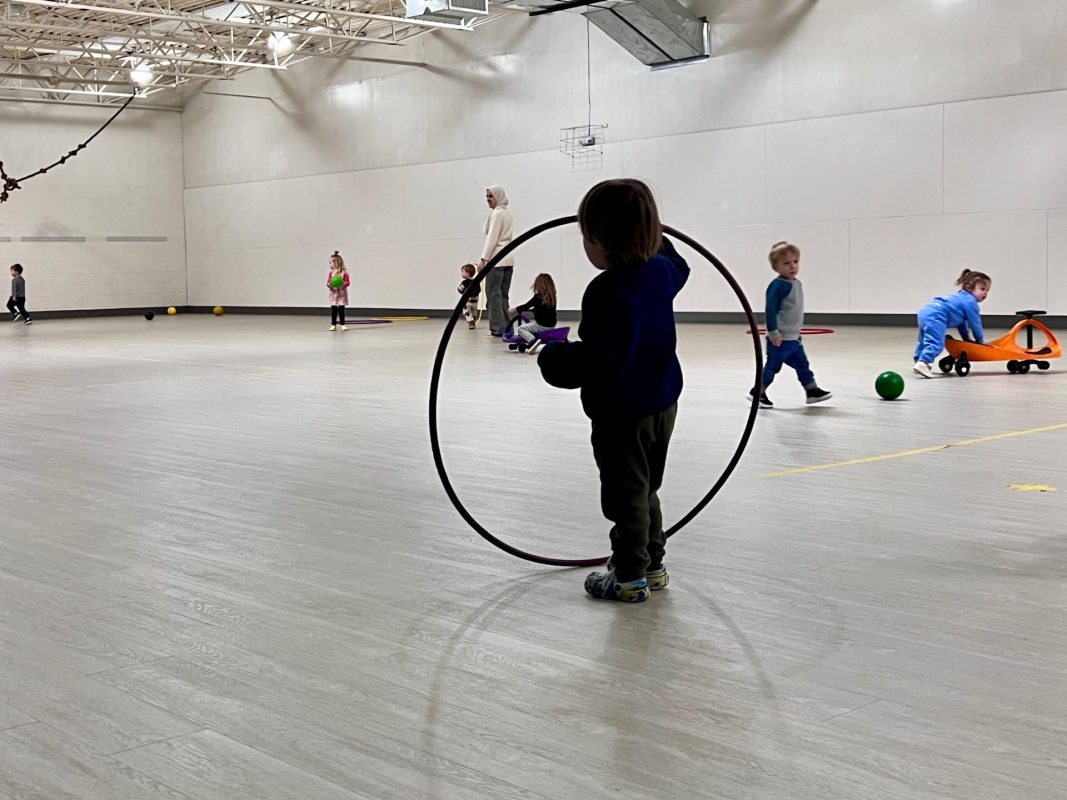
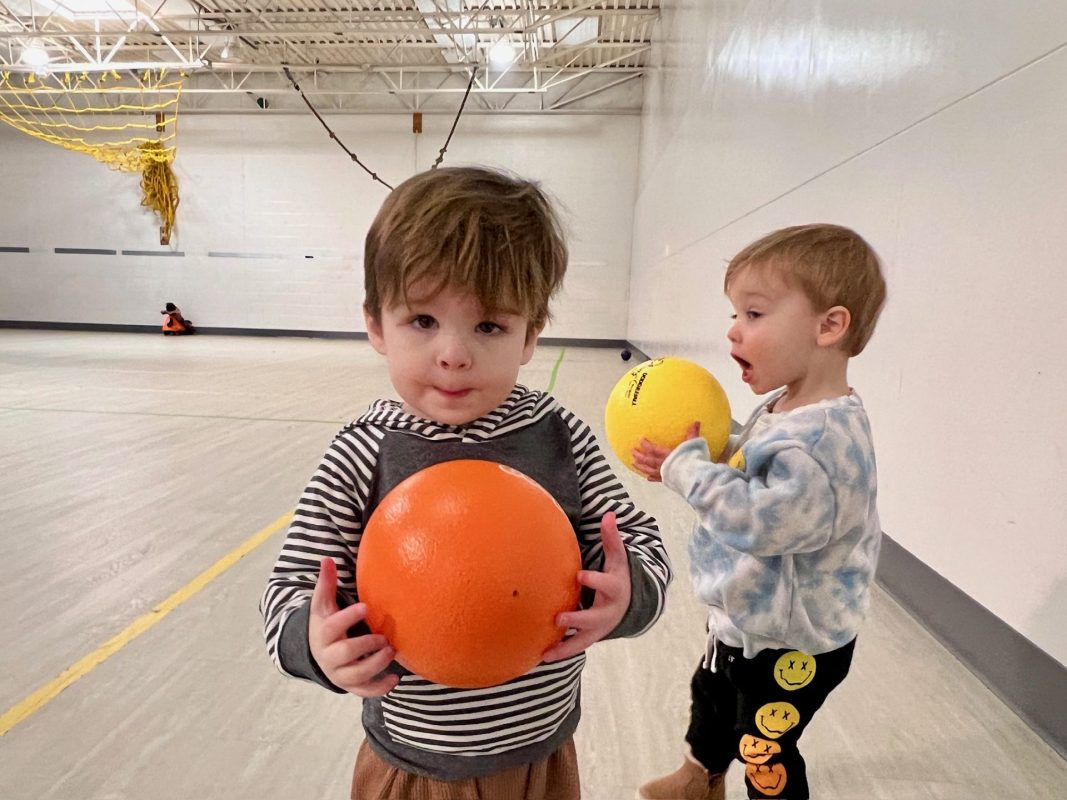
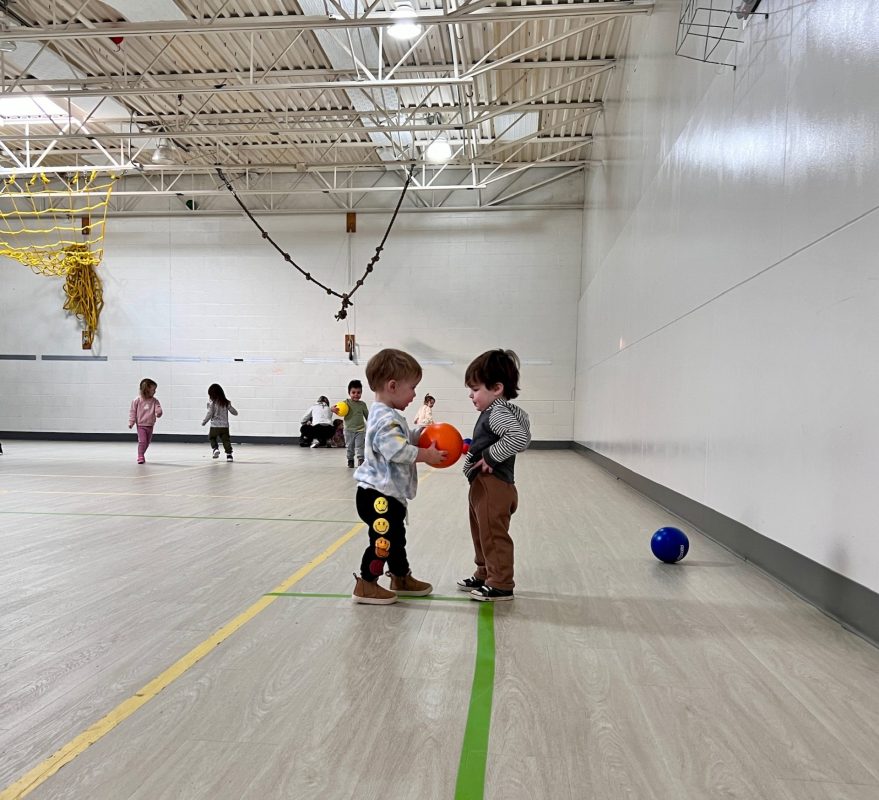
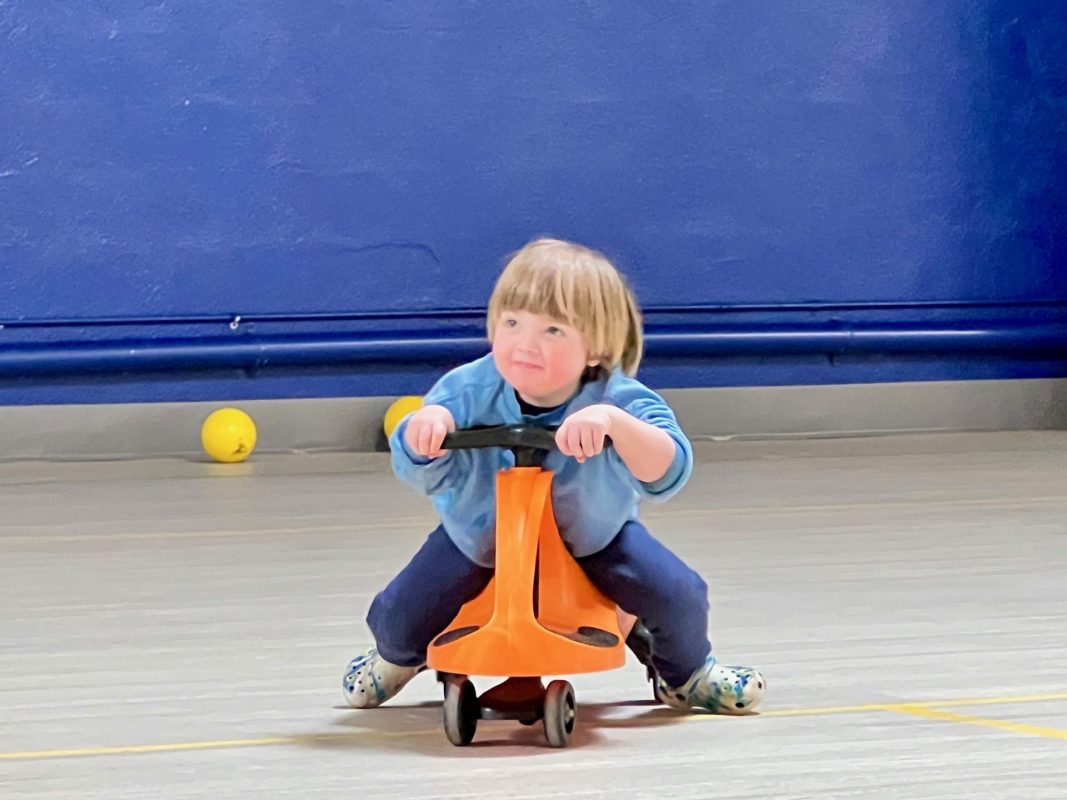
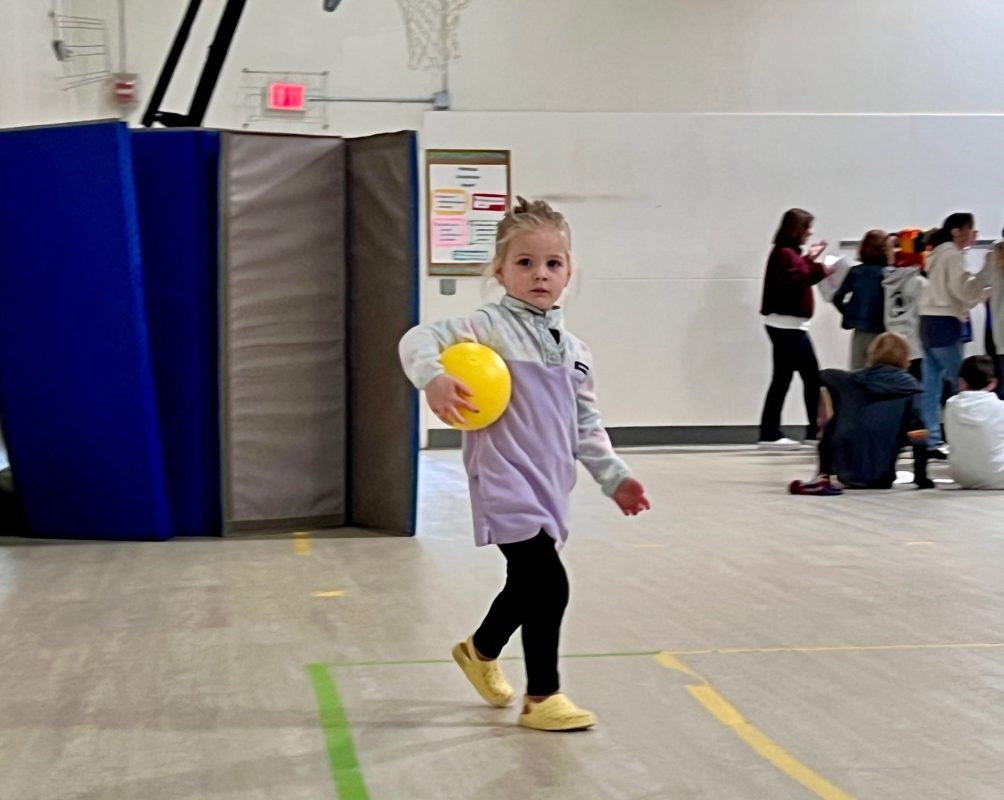
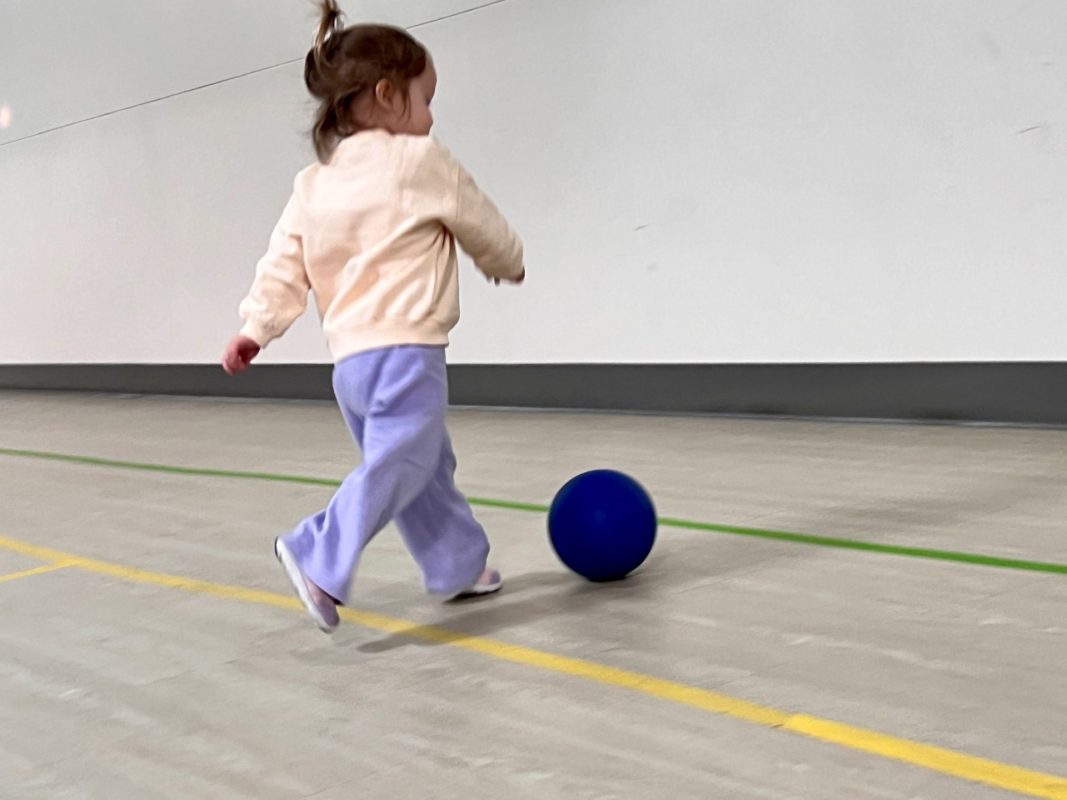
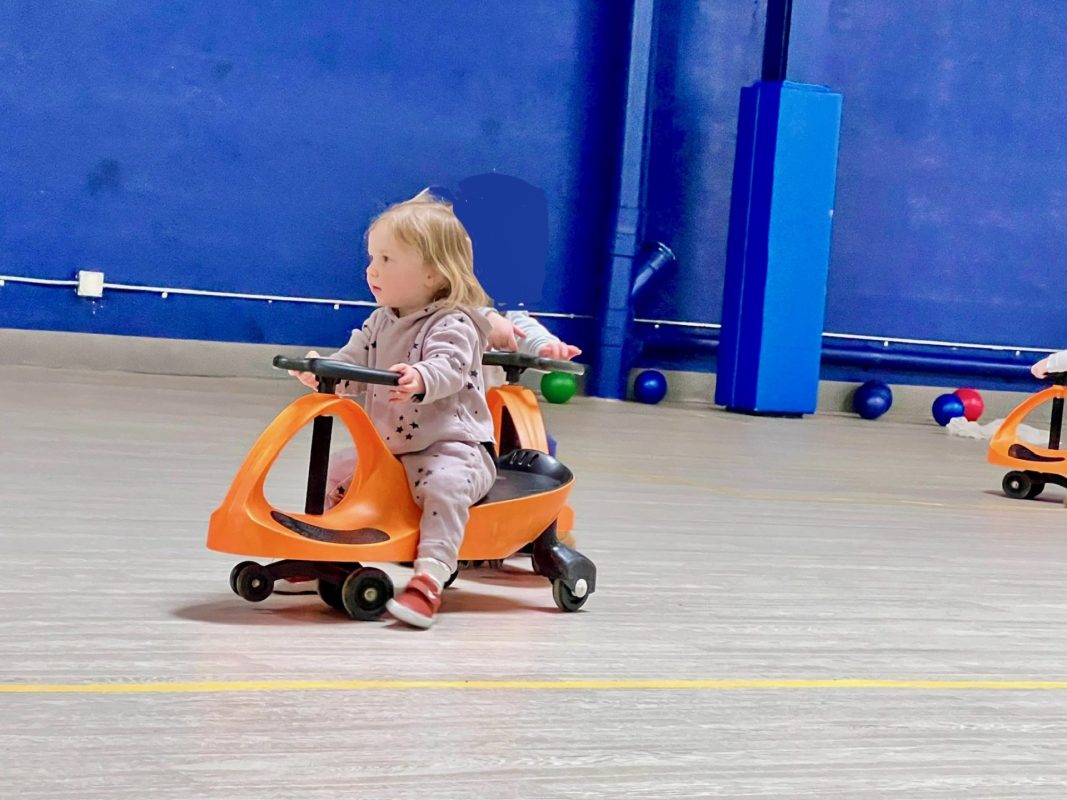
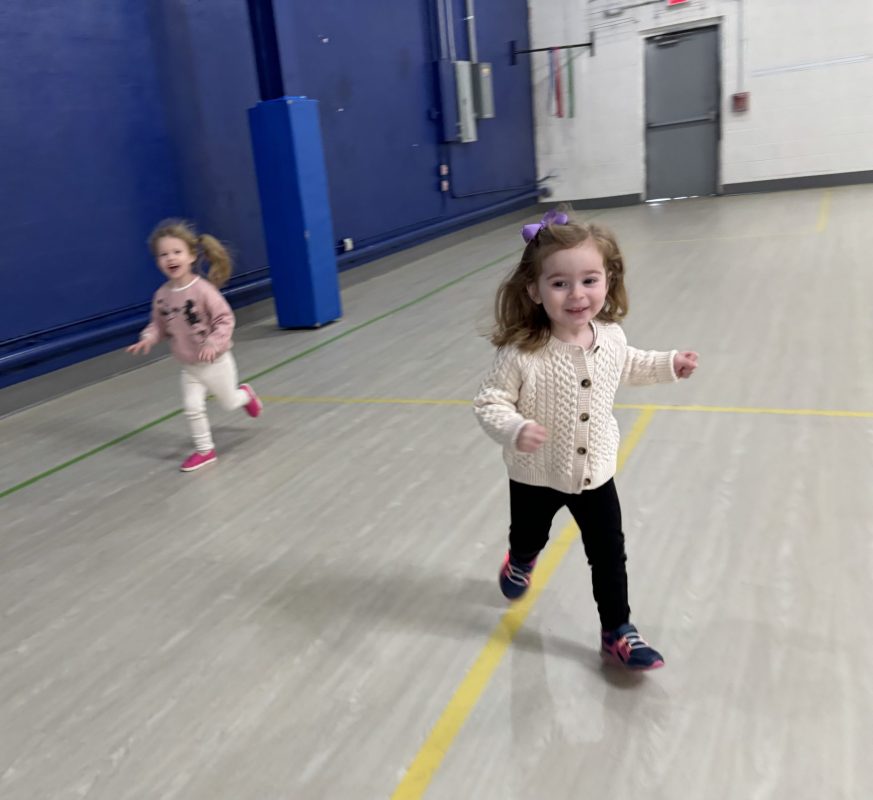
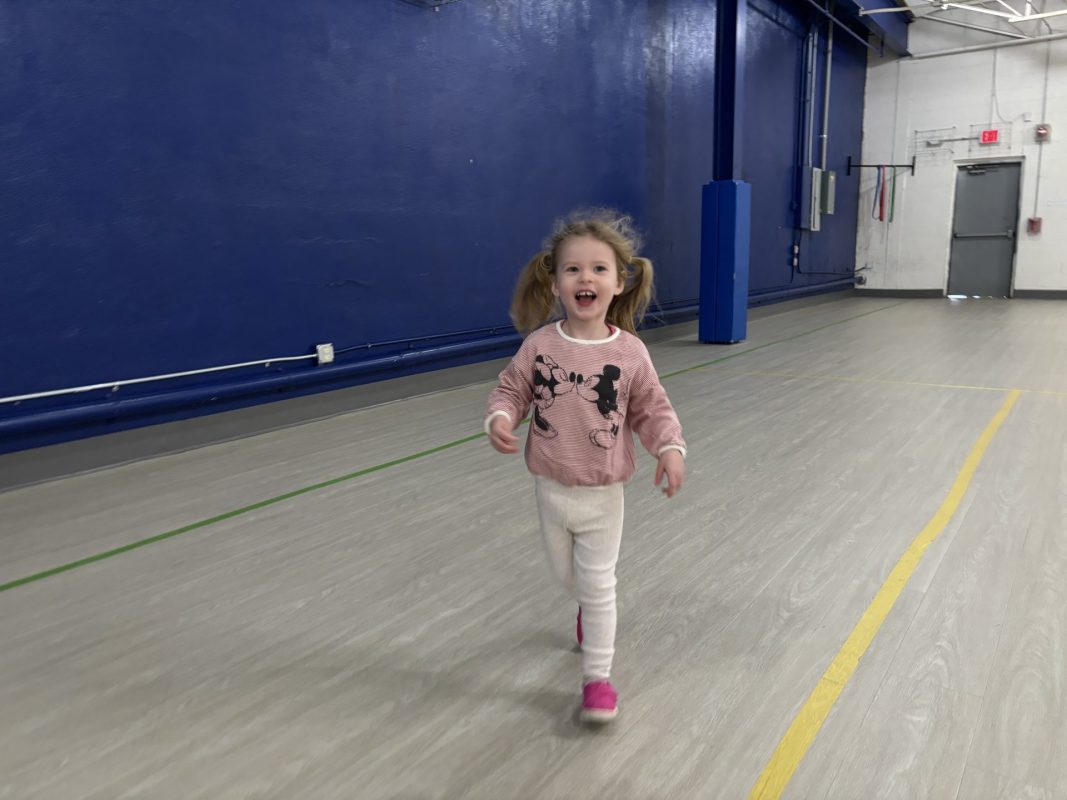
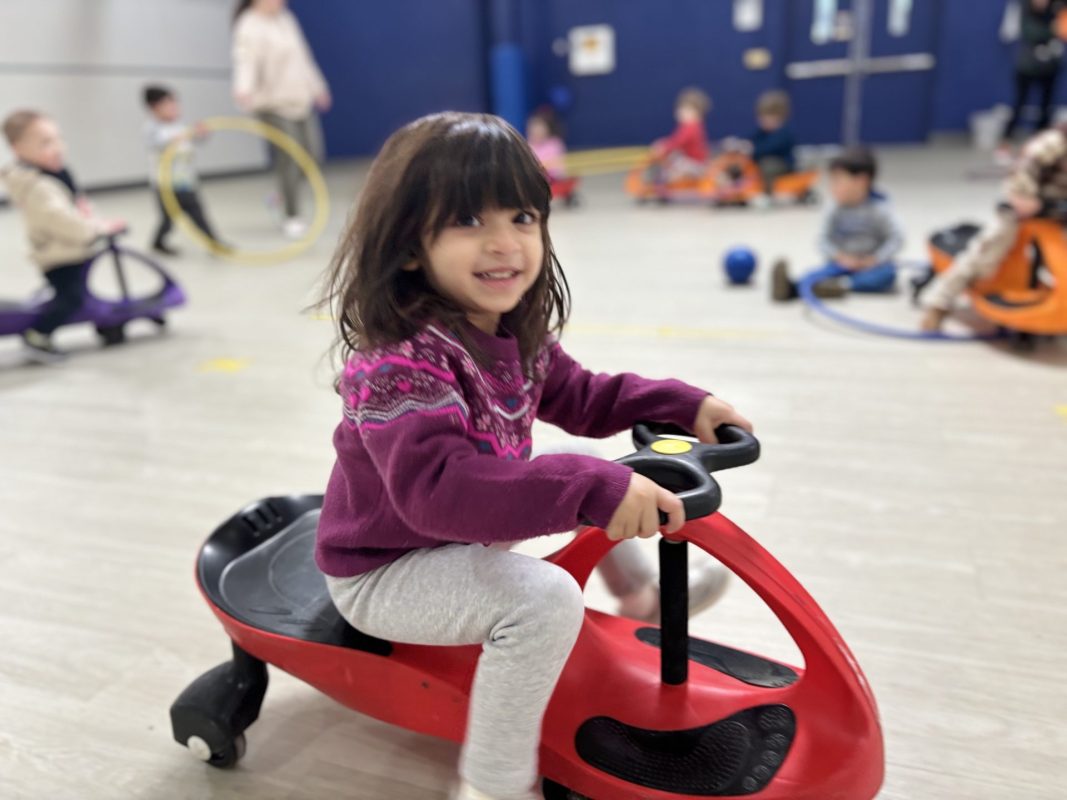
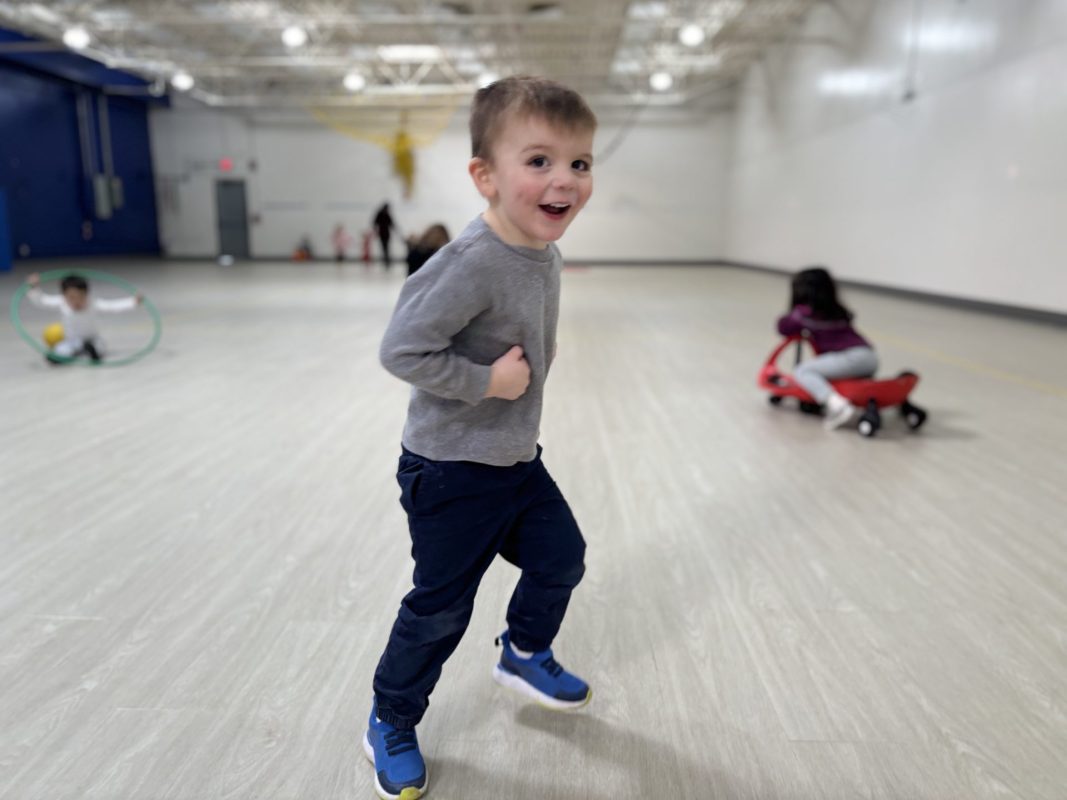
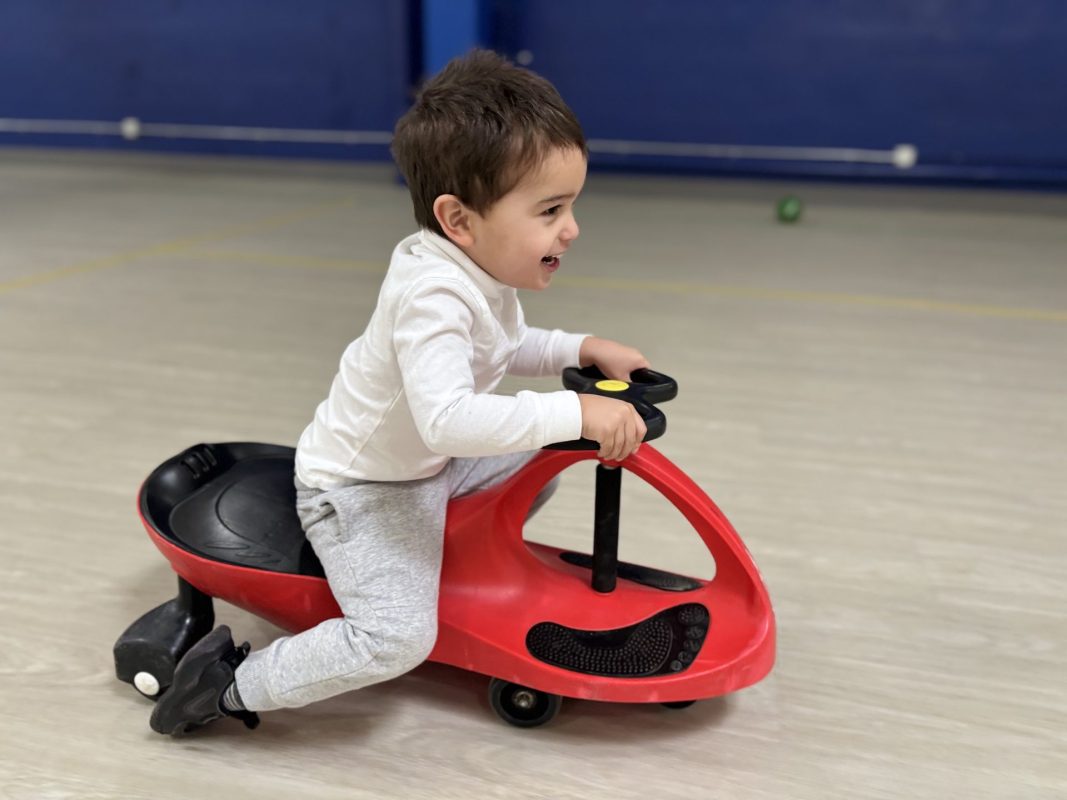
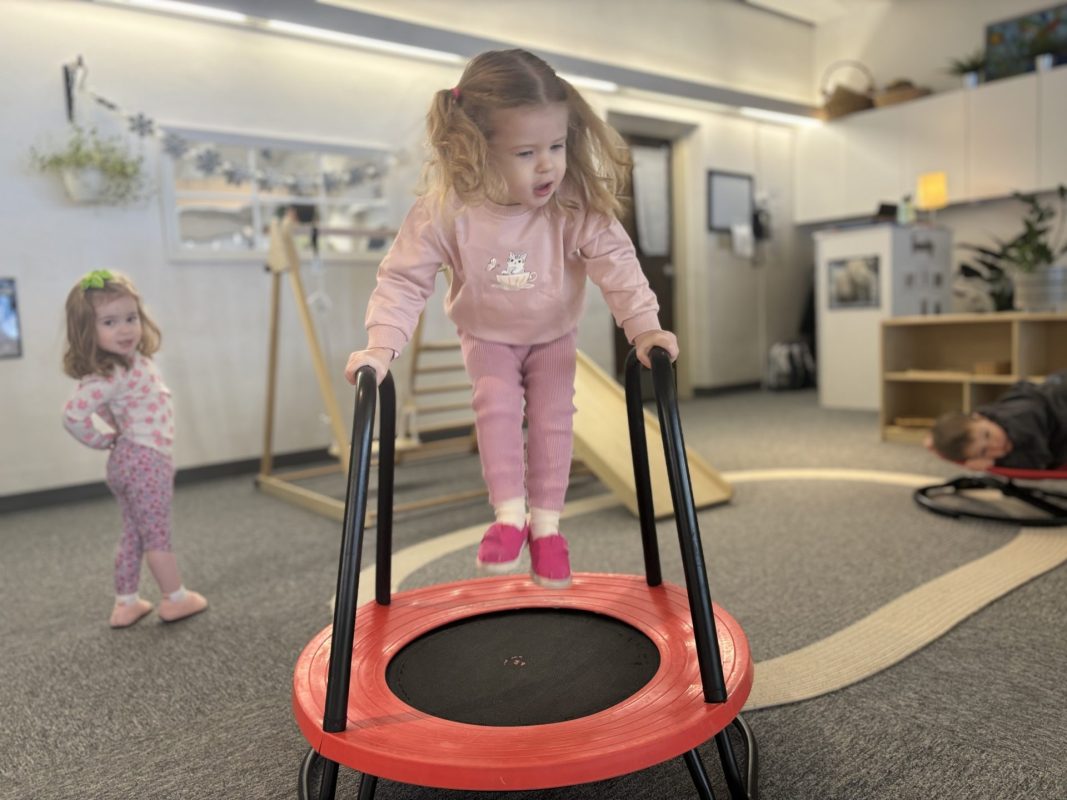
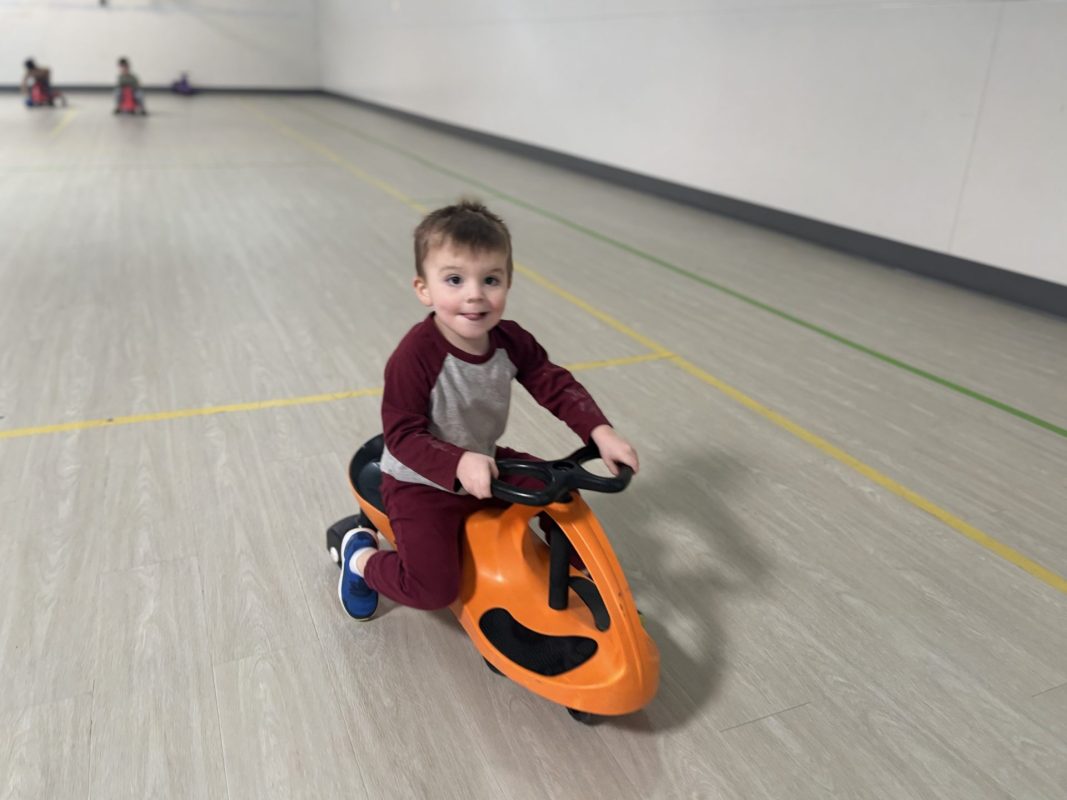
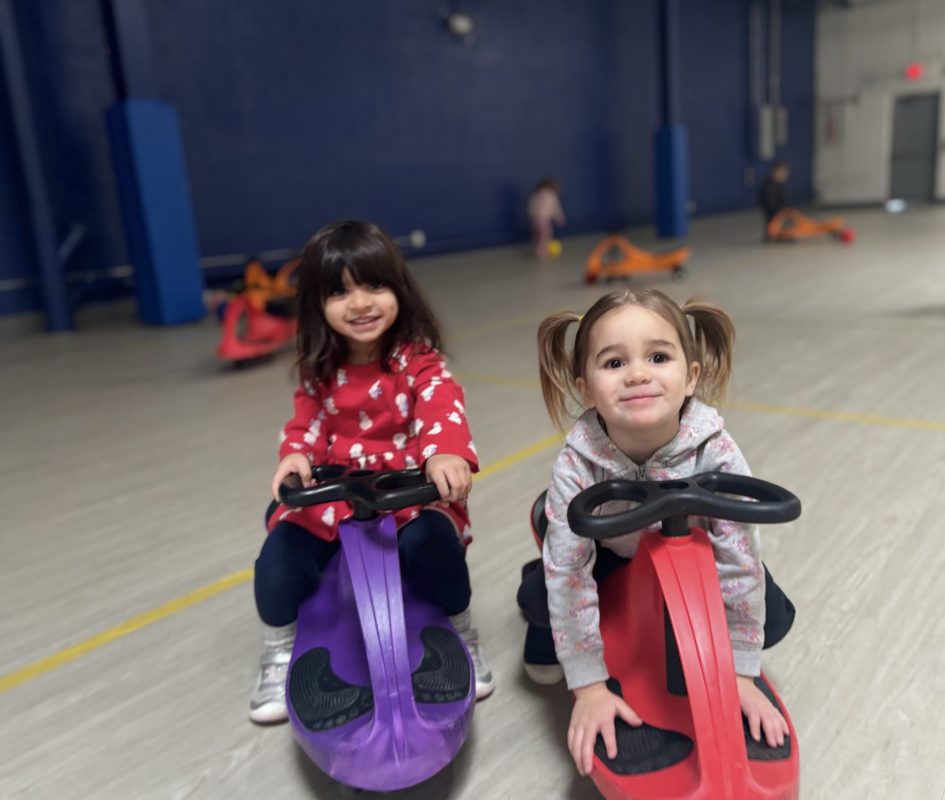
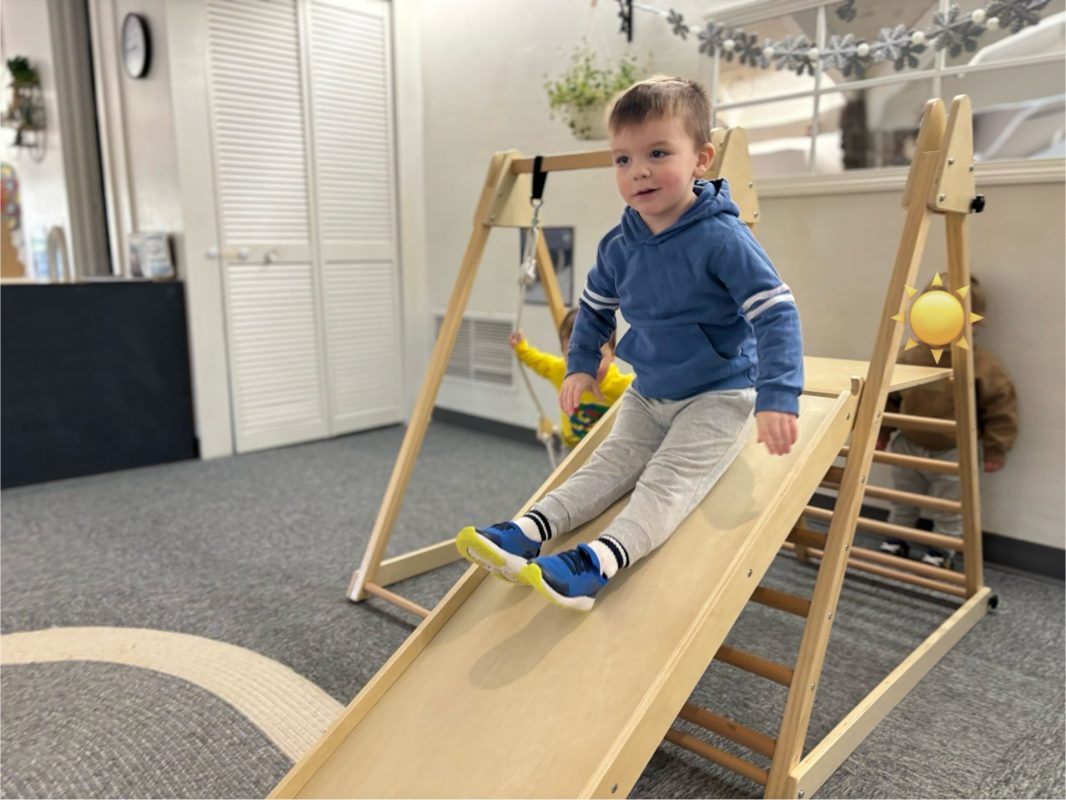
When the weather isn’t ideal for outdoor play, we make the most of our indoor spaces. This week, the children had a great time releasing their energy in the gym. We provided them with balls, hoops, and push cars to use during this free play. The large, open space allowed the children to run in all directions, kick and chase balls, and eagerly retrieve the hoops we continuously rolled for them.

As our gym time wraps up, we end with a fun race! The children line up on one side of the gym and eagerly wait for the signal: “Ready, set, GO!” They then race to the opposite end with excitement and joy.

When gym time isn’t quite enough to meet their energy needs, we take a walk around campus, playing “I Spy” along the way. We explore and find various objects or pictures and always take the time to greet the administrative staff we pass. 

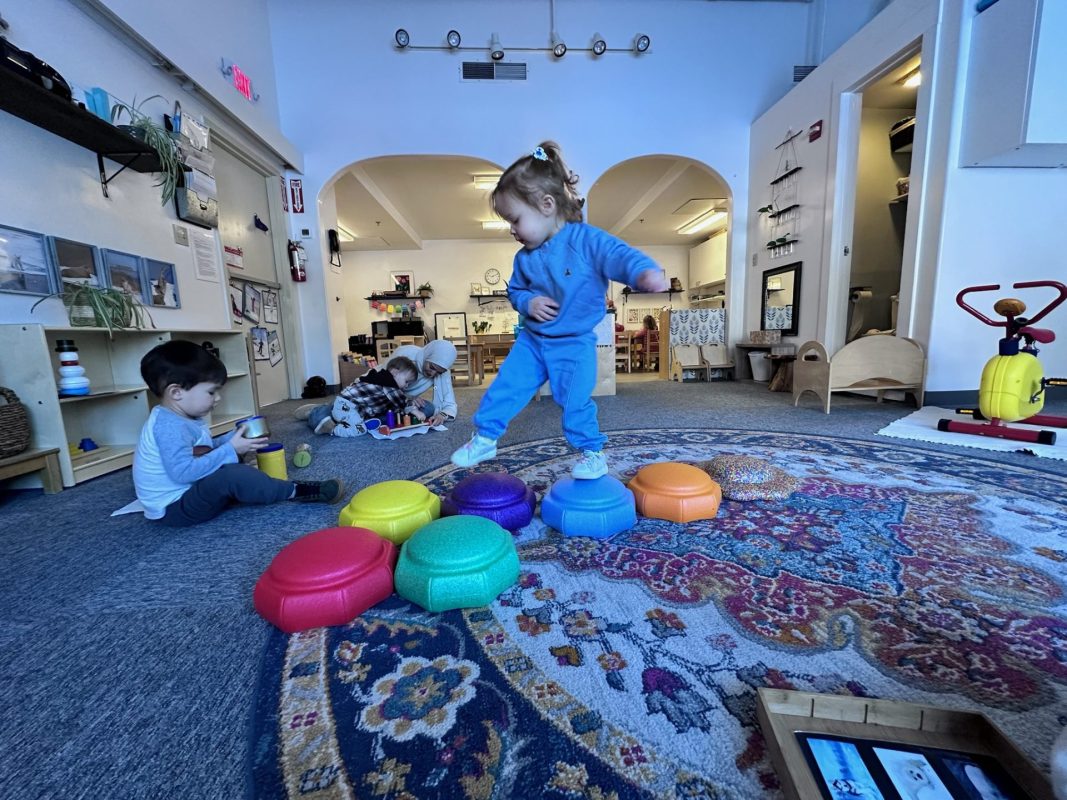
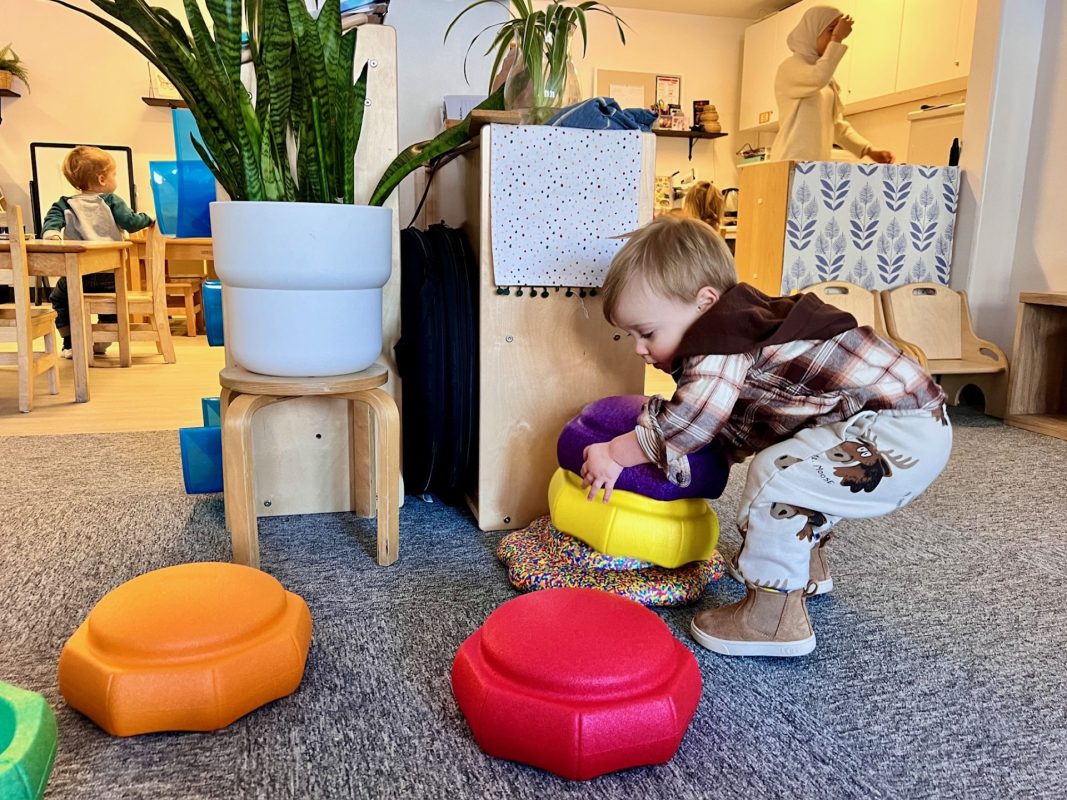
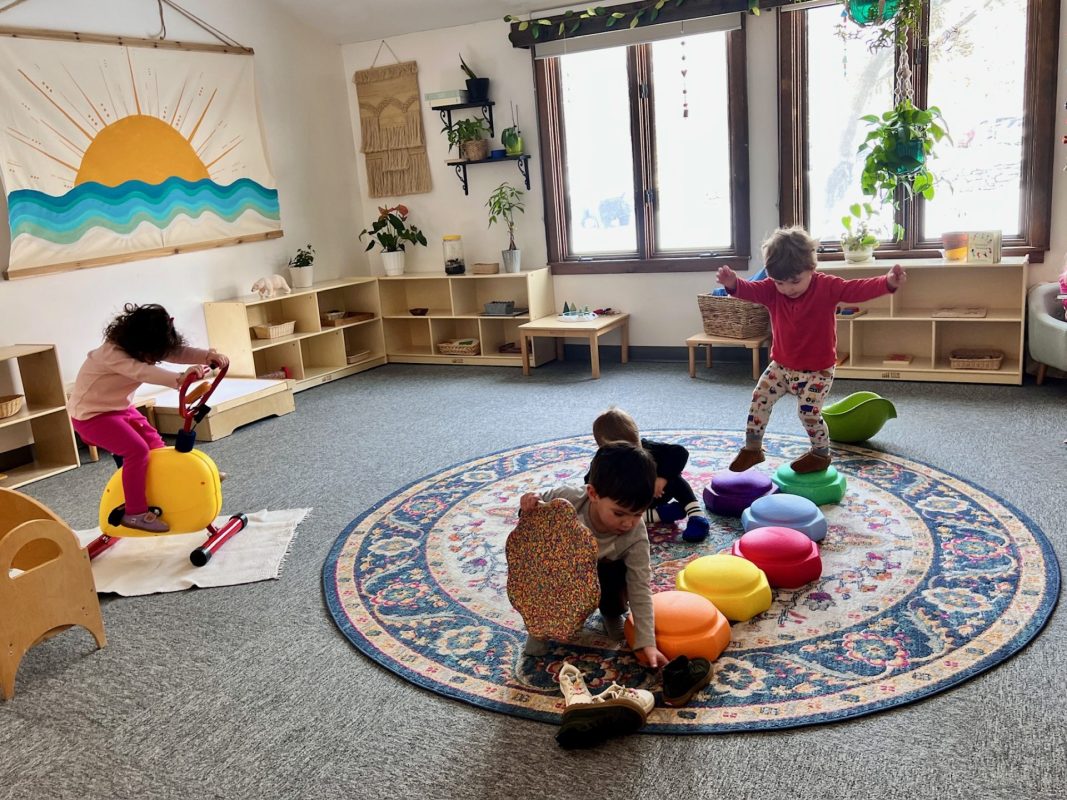
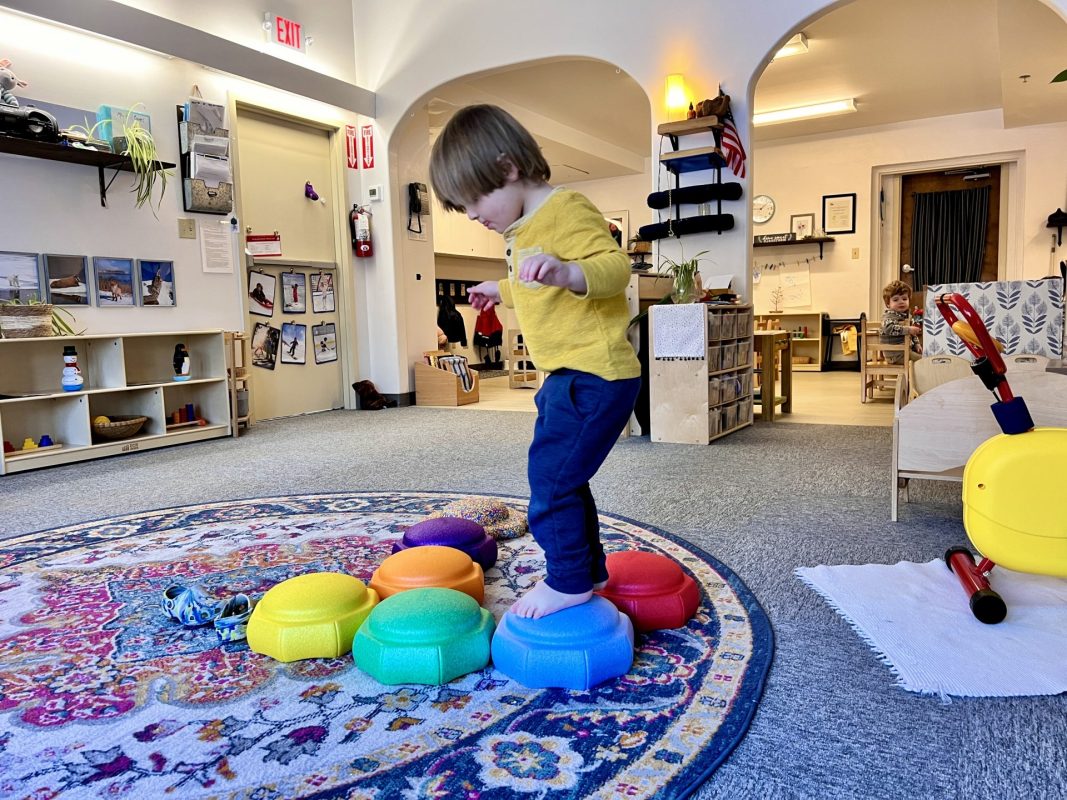
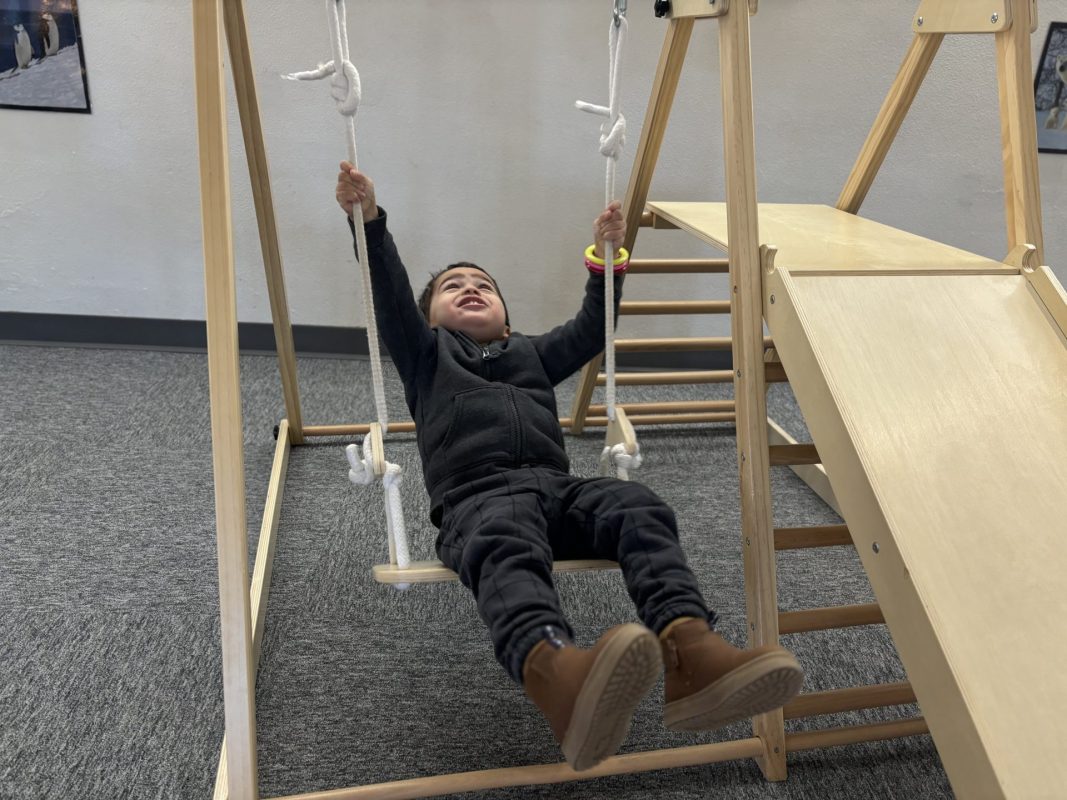
If more movement is still needed, we turn to dancing in the classroom. One of the children’s favorite activities lately has been playing “The Floor is Lava” song by The Kiboomers. The game encourages them to dance, hop, and wiggle along with the music until they hear, “The floor is lava!” At that moment, they must quickly find a stepping stone to stand on. Not only does this activity promote listening and following directions, but it also helps the children practice balance and coordination.

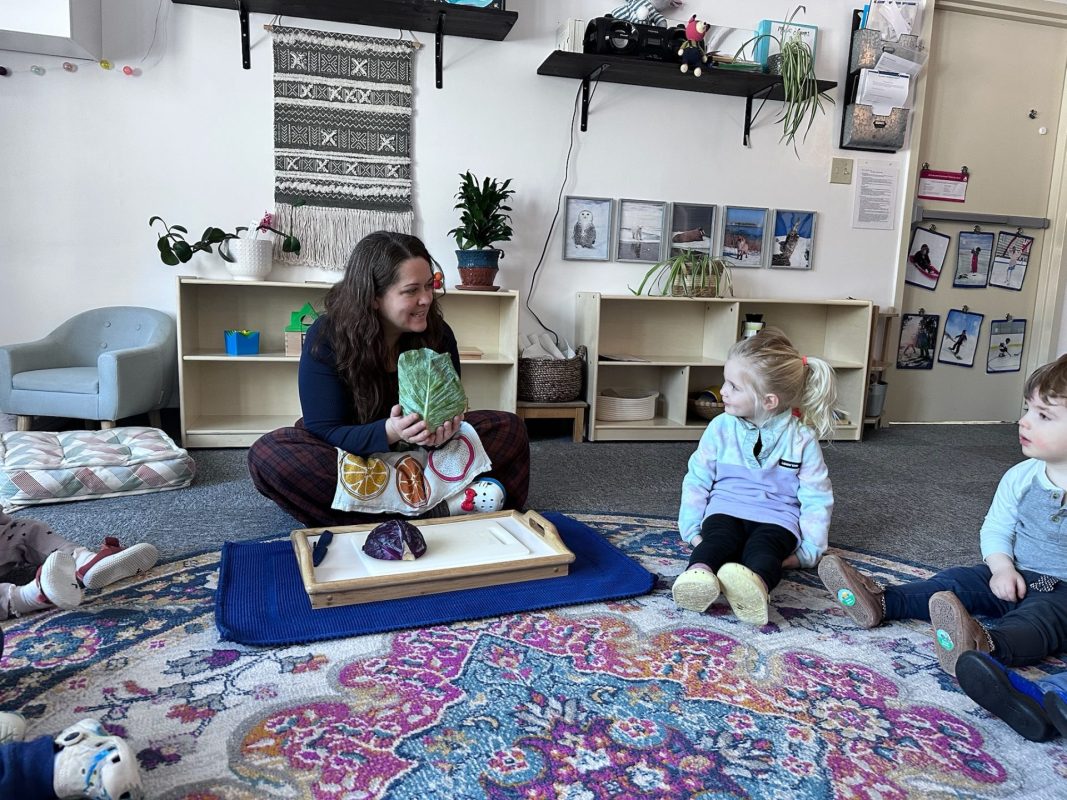
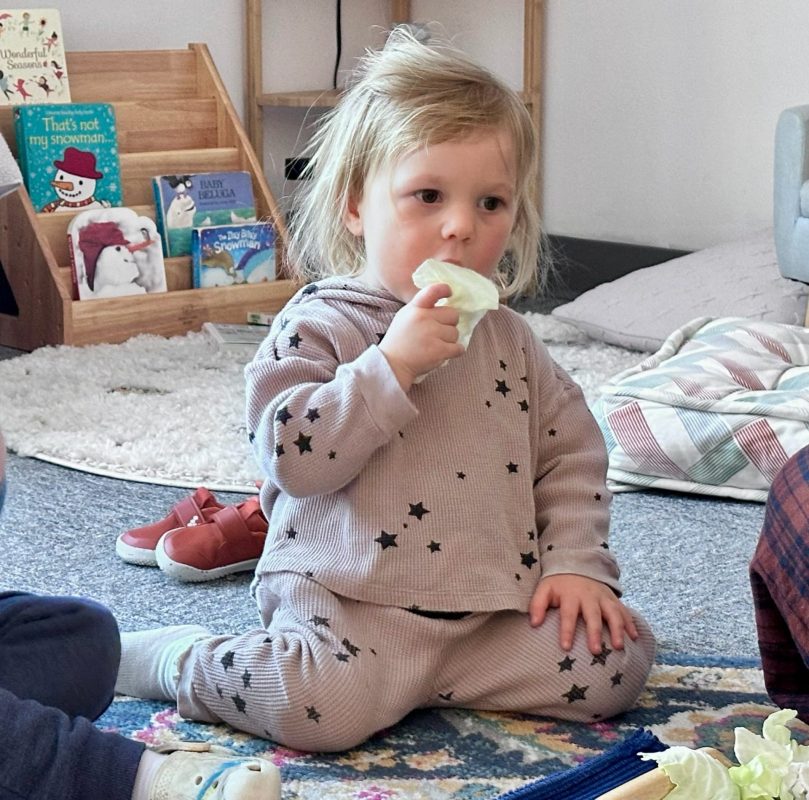
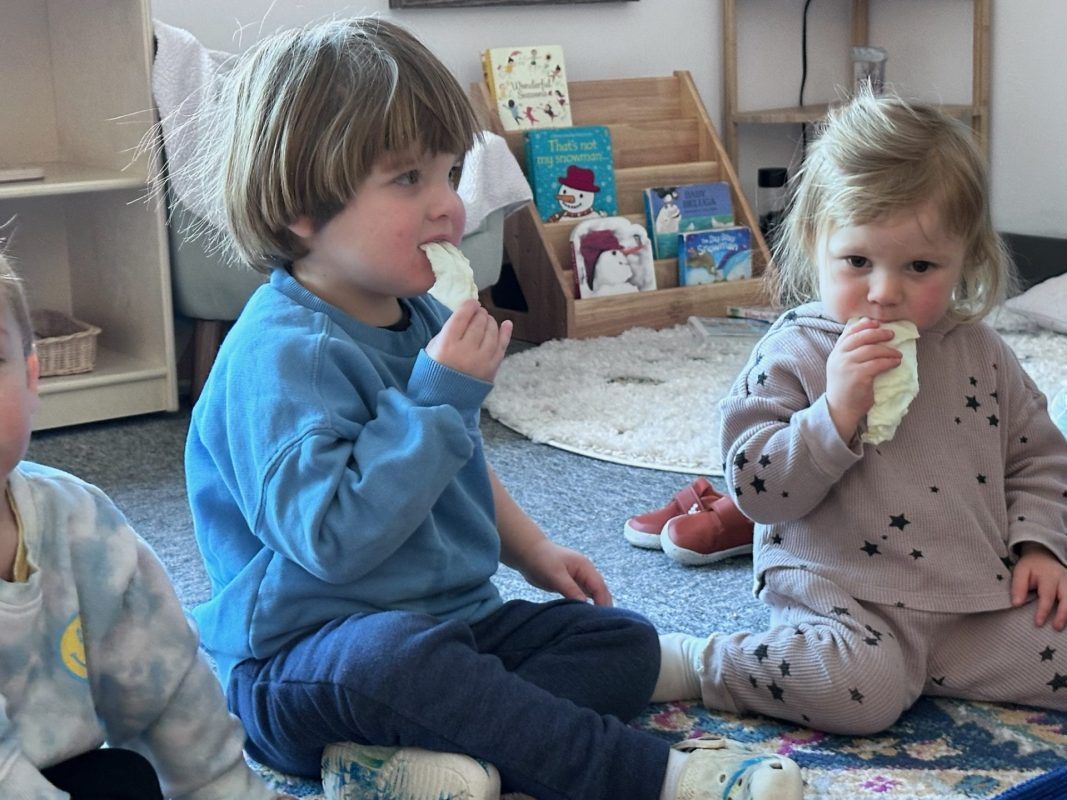
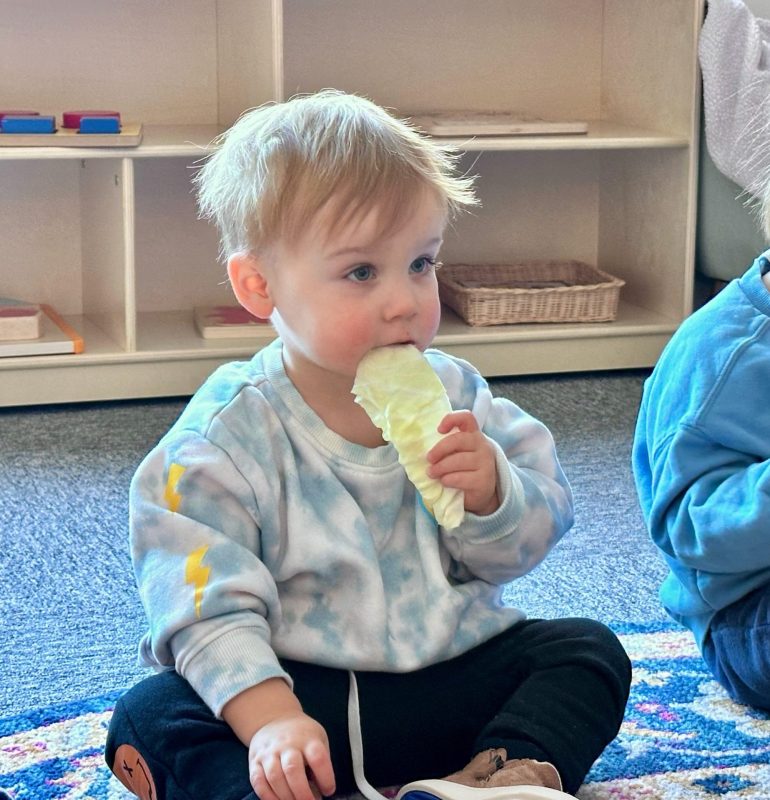
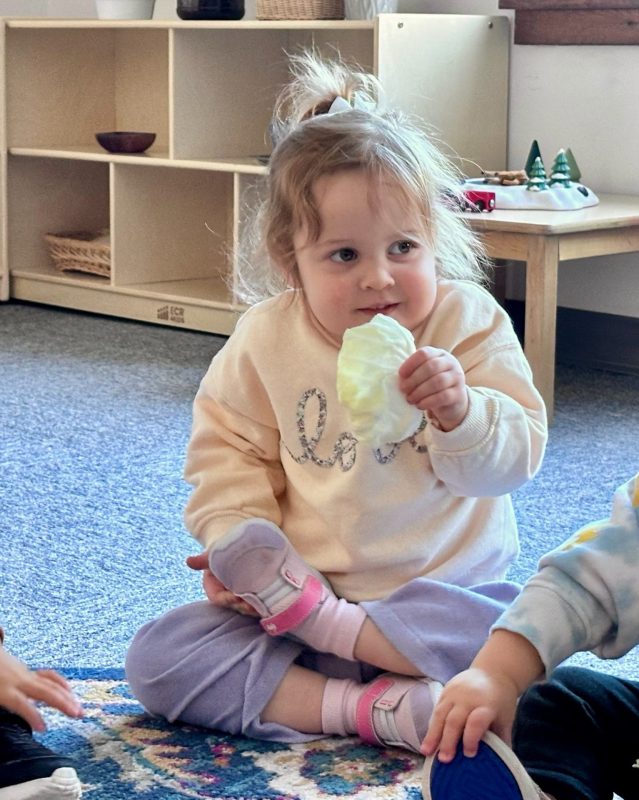
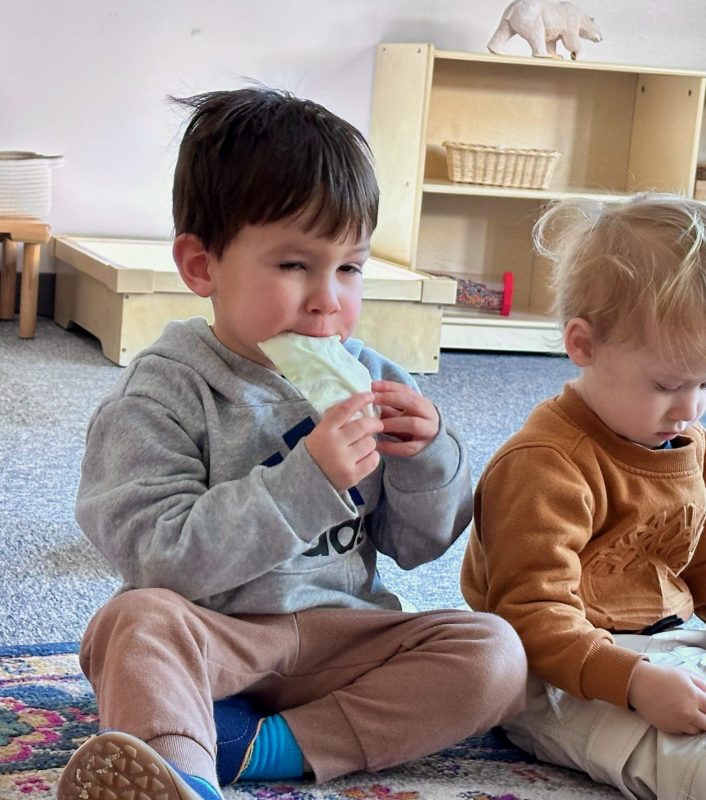
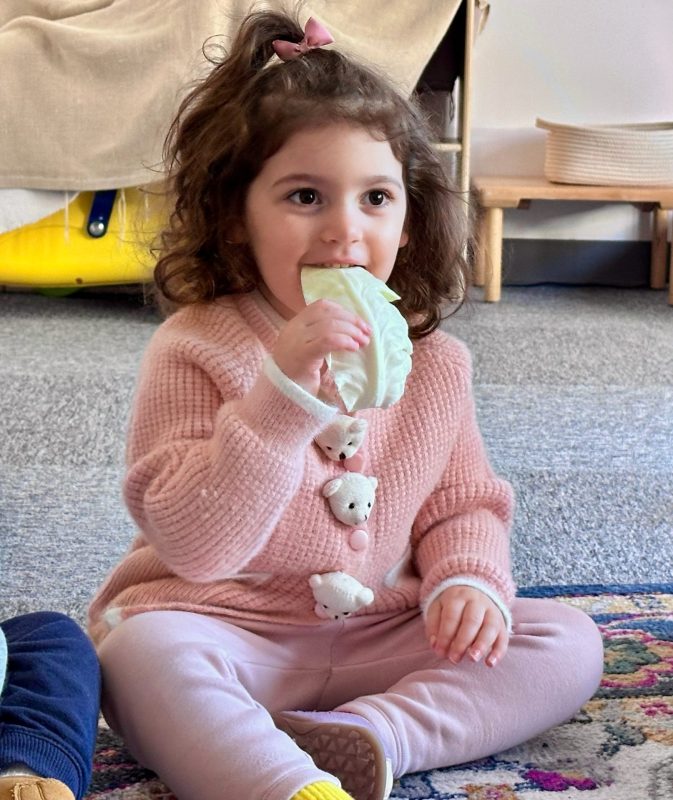
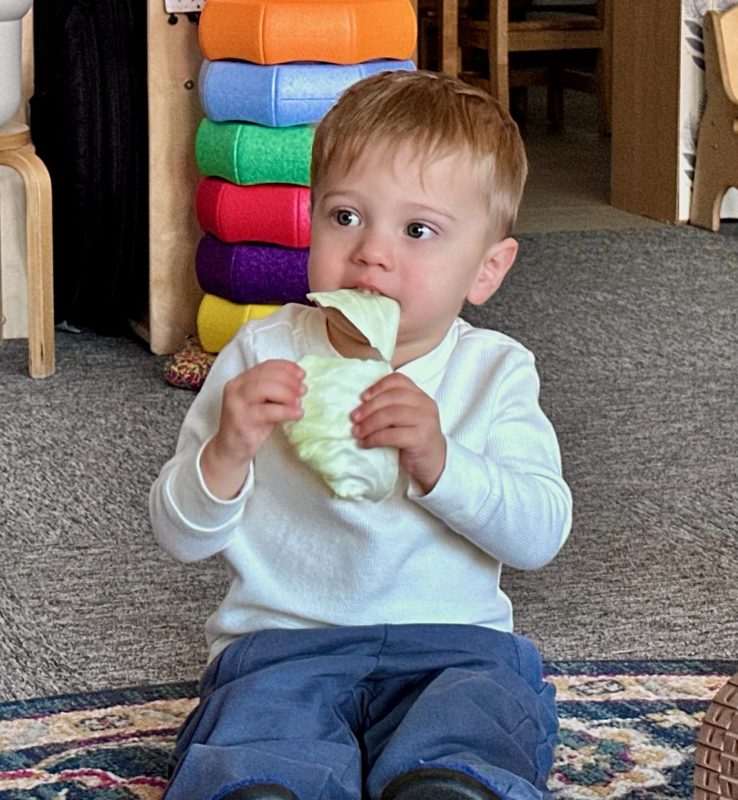
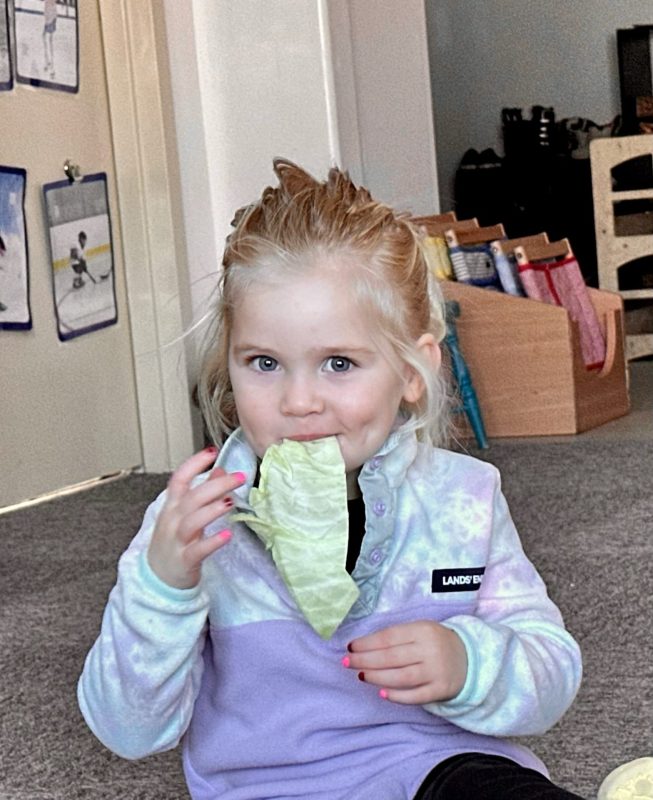
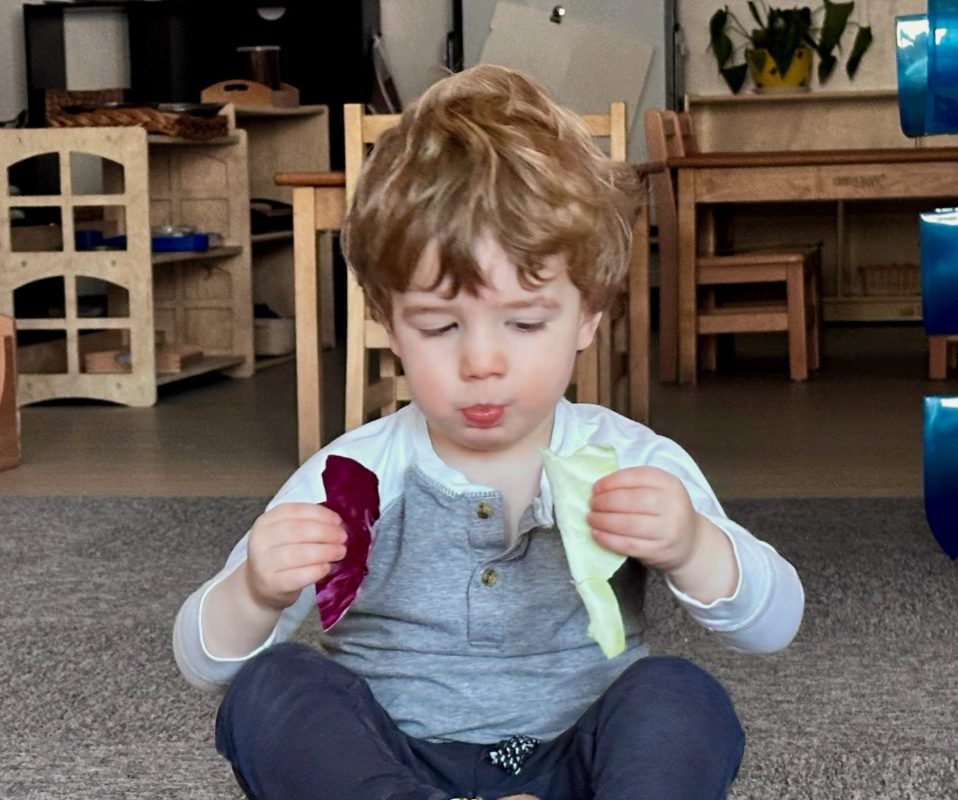
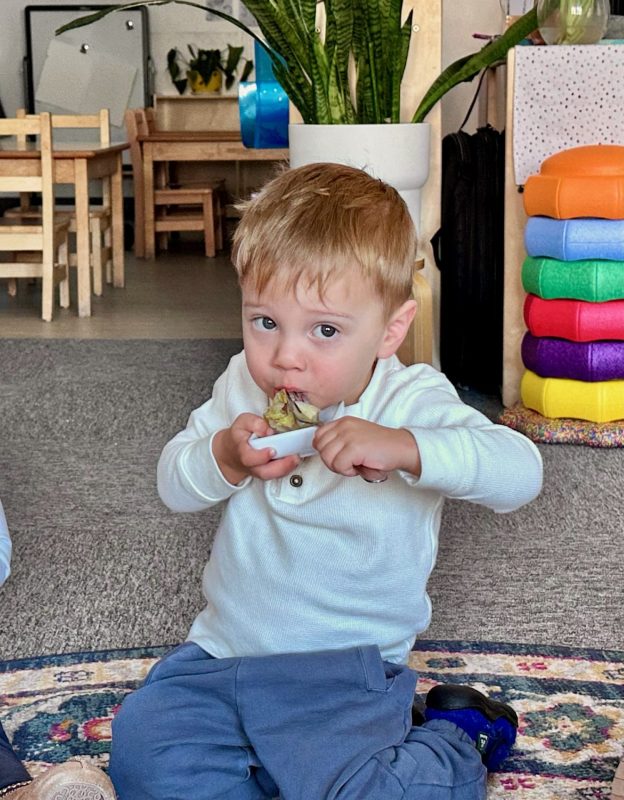
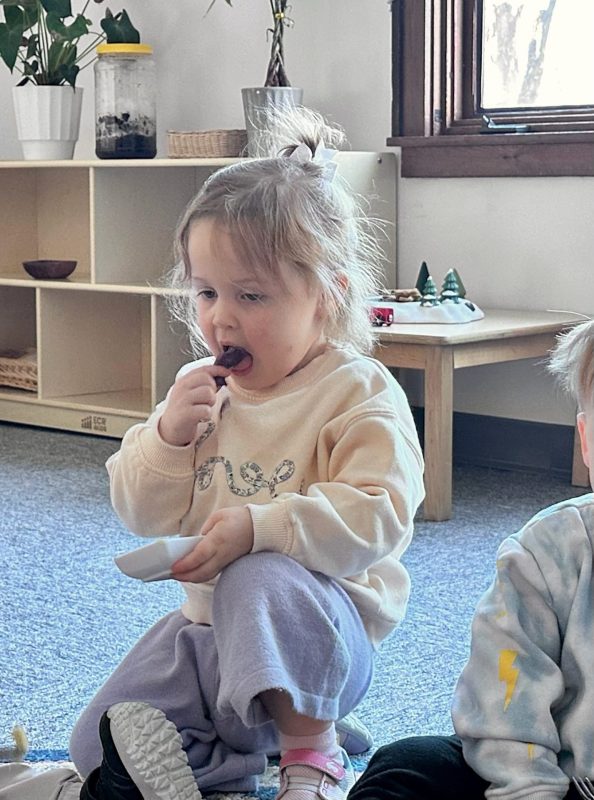
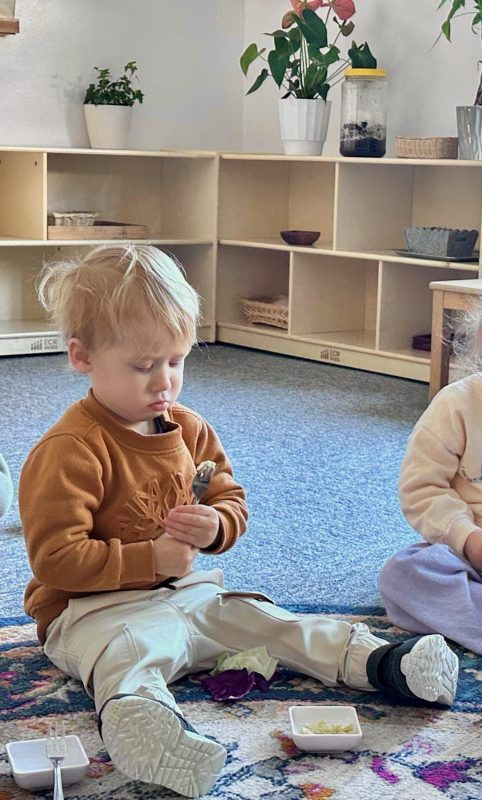
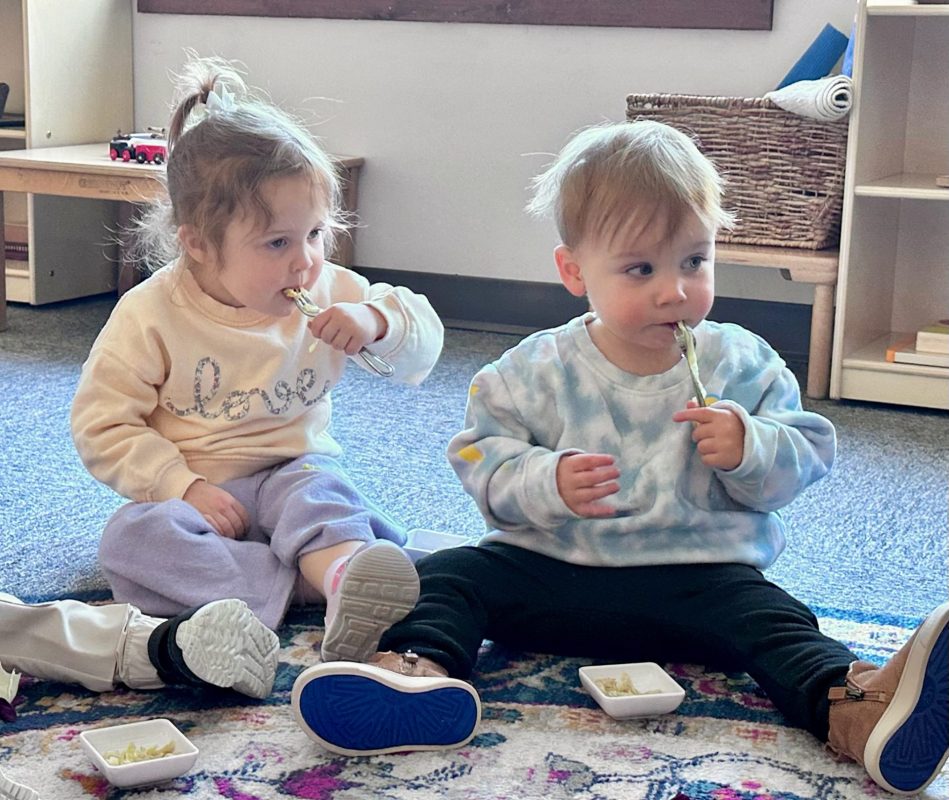
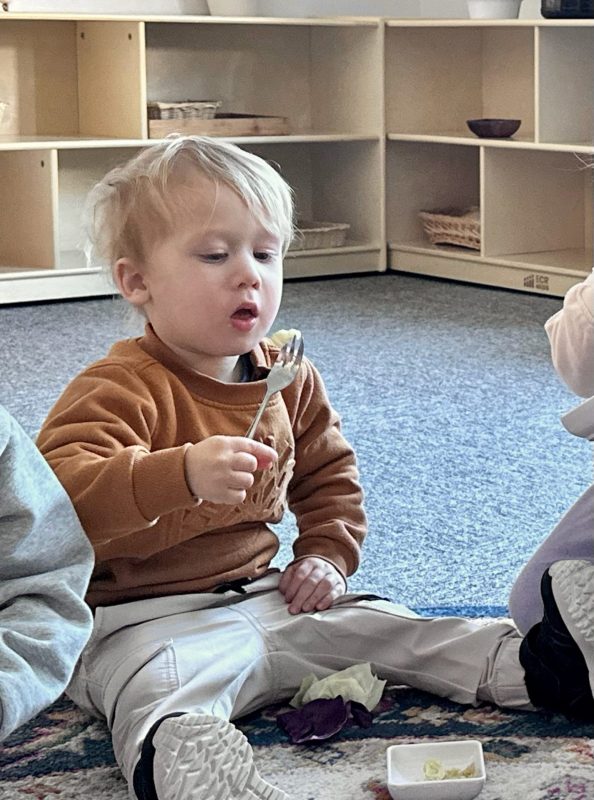
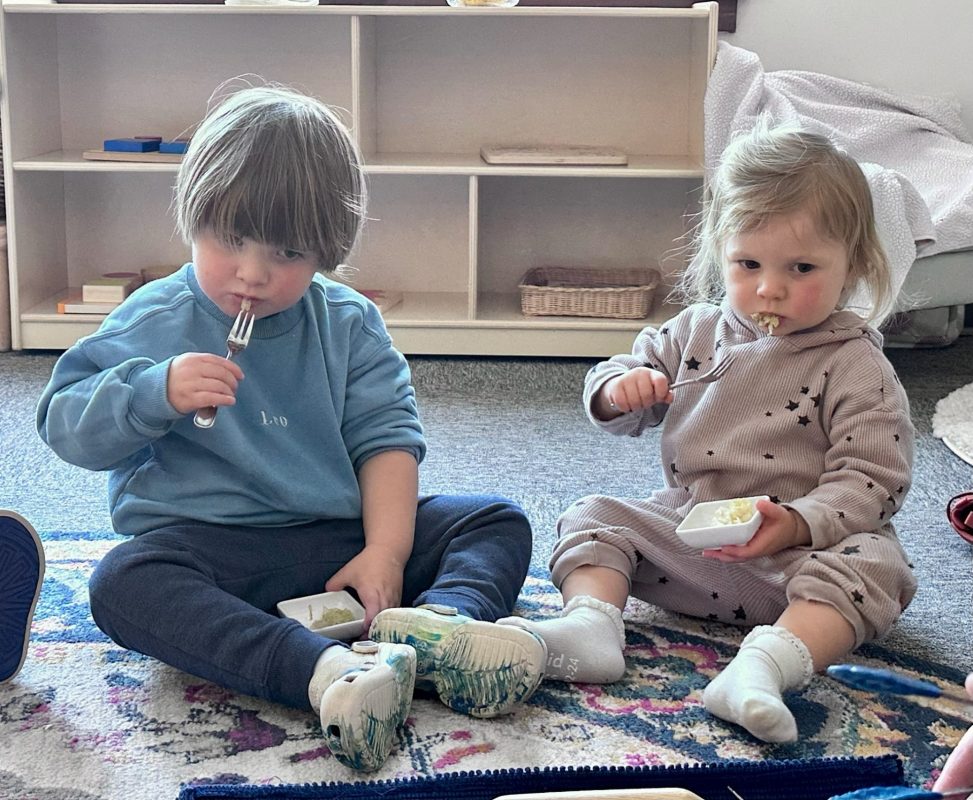
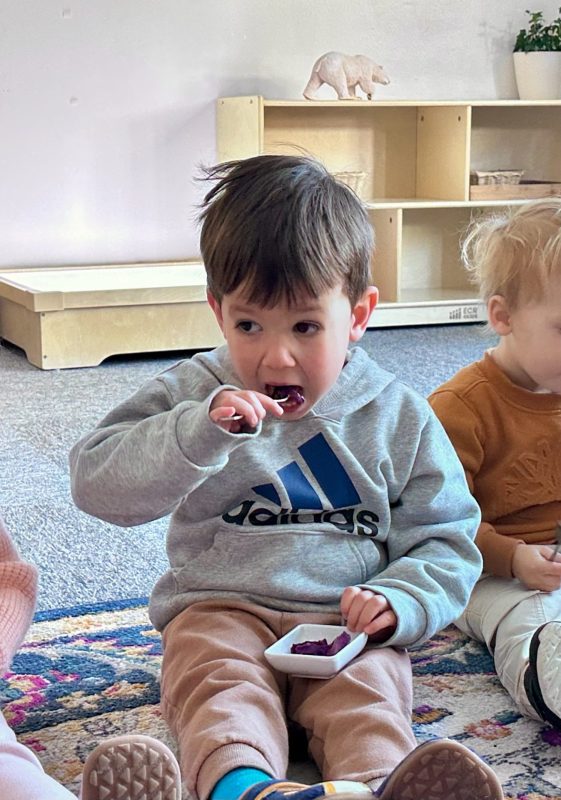
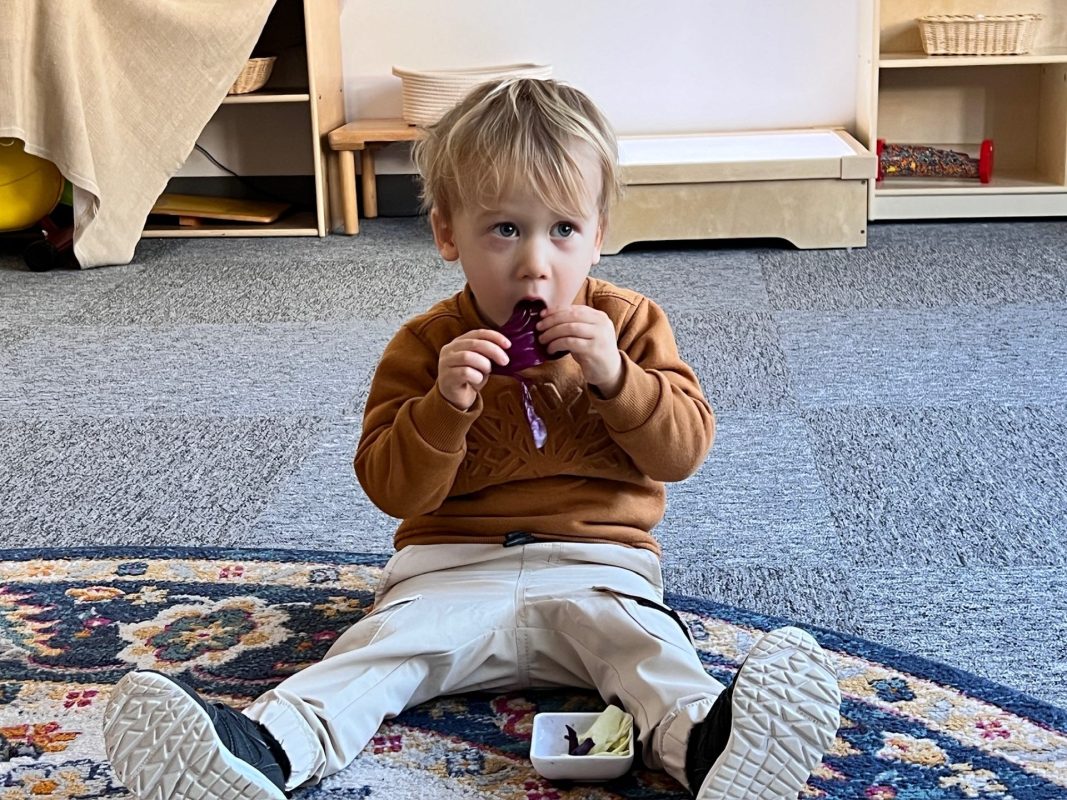
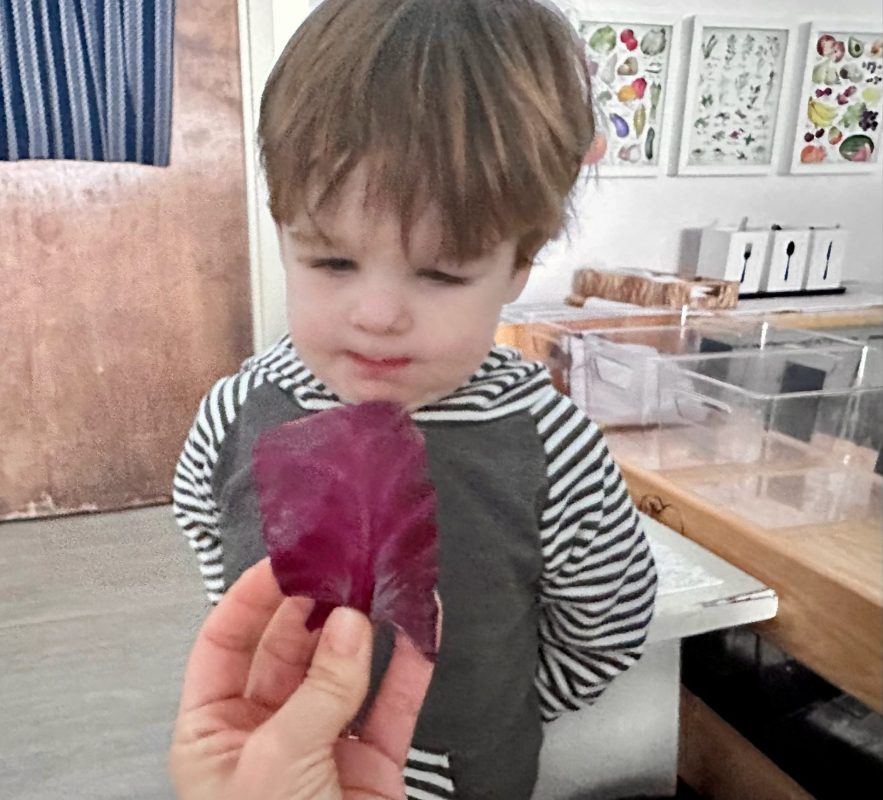
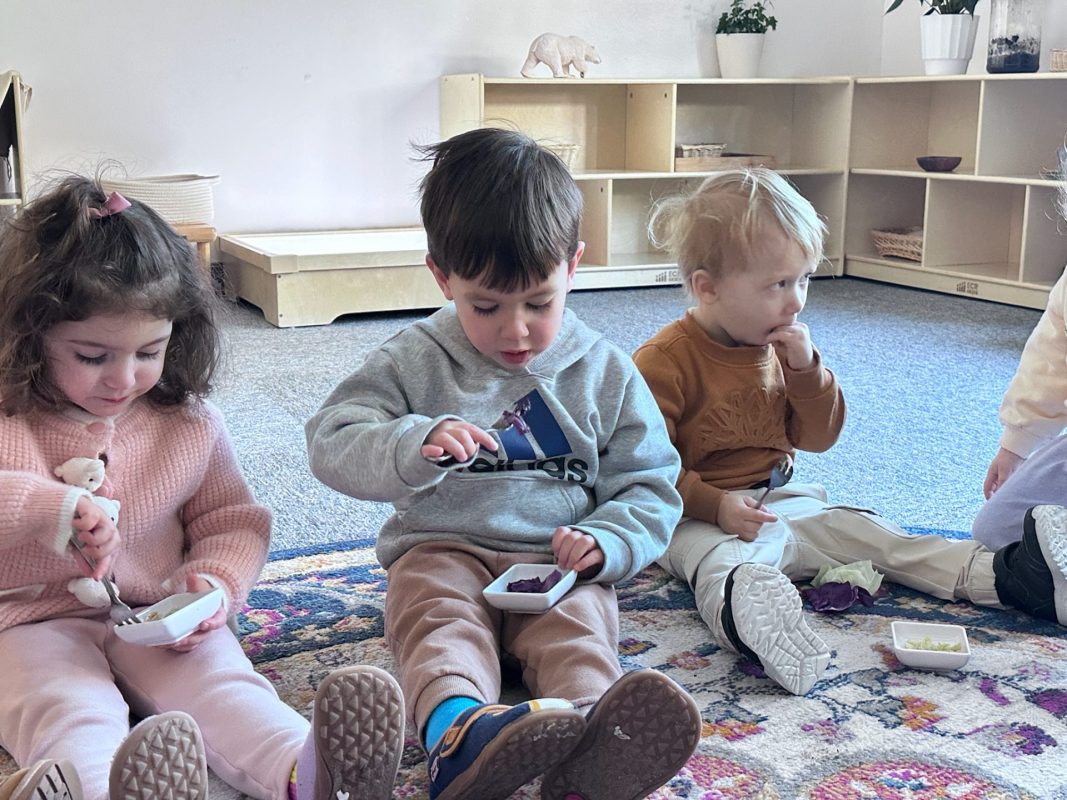
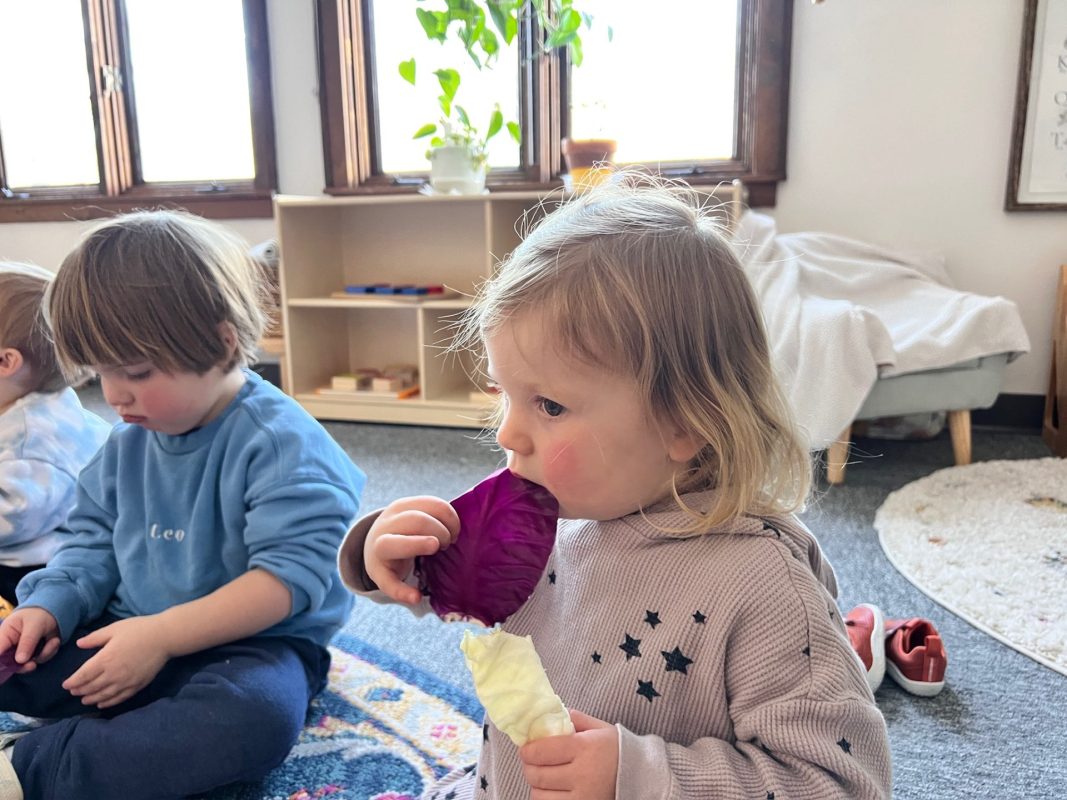
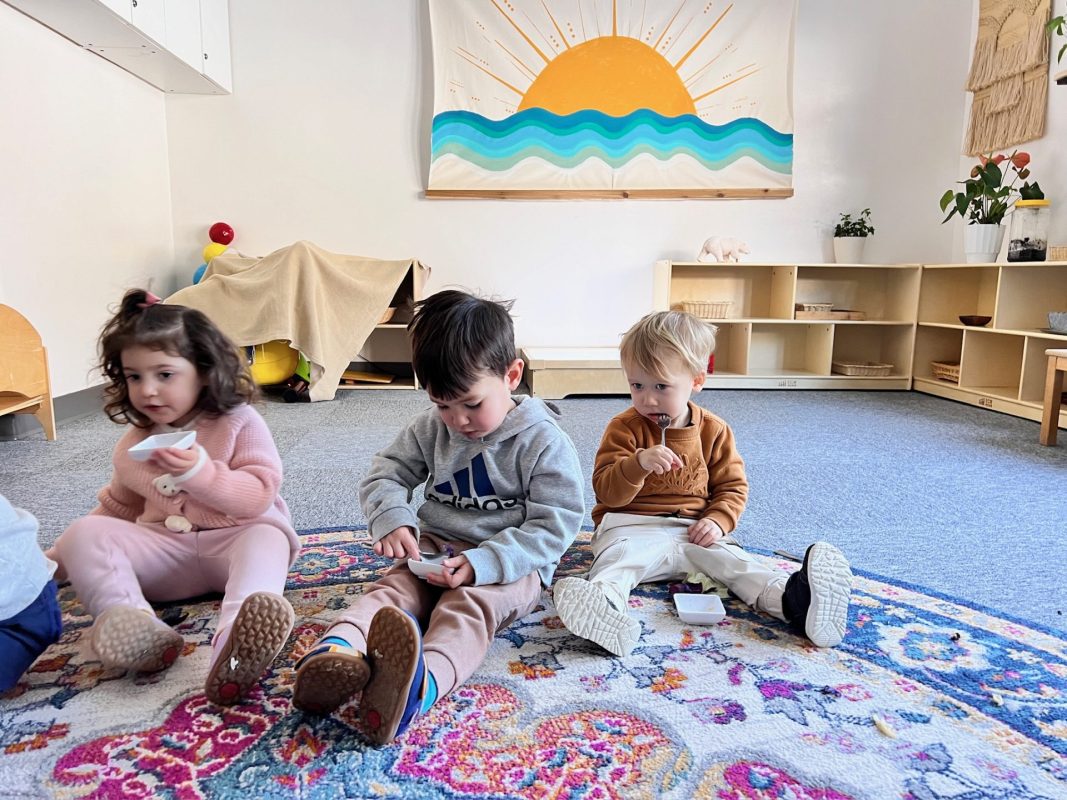
Food Tasting: This week, we explored the flavors of green and purple cabbage, tasting both raw and cooked versions. Both were a big hit, but the children seemed to prefer the cooked cabbage. The cooked was sautéed with butter, salt, and pepper, bringing out its delicious flavor.

Love and Light,

Cynthia and Sara


Mrs. Hood: Winter Adventures!

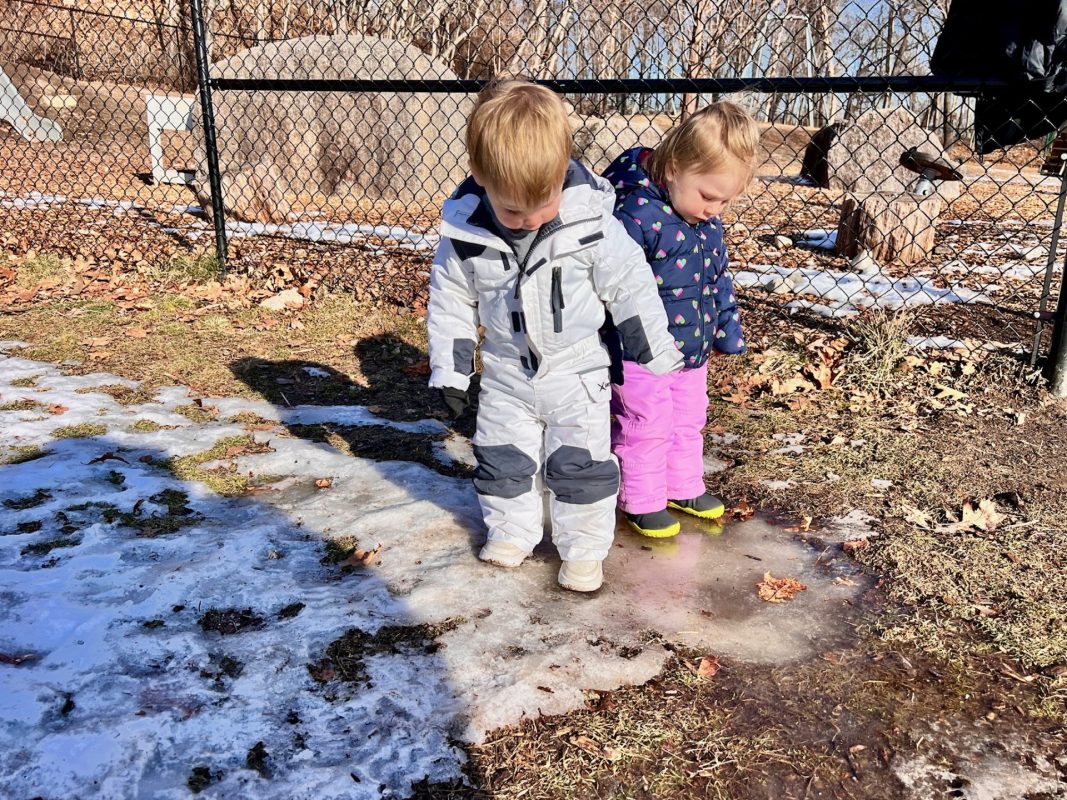
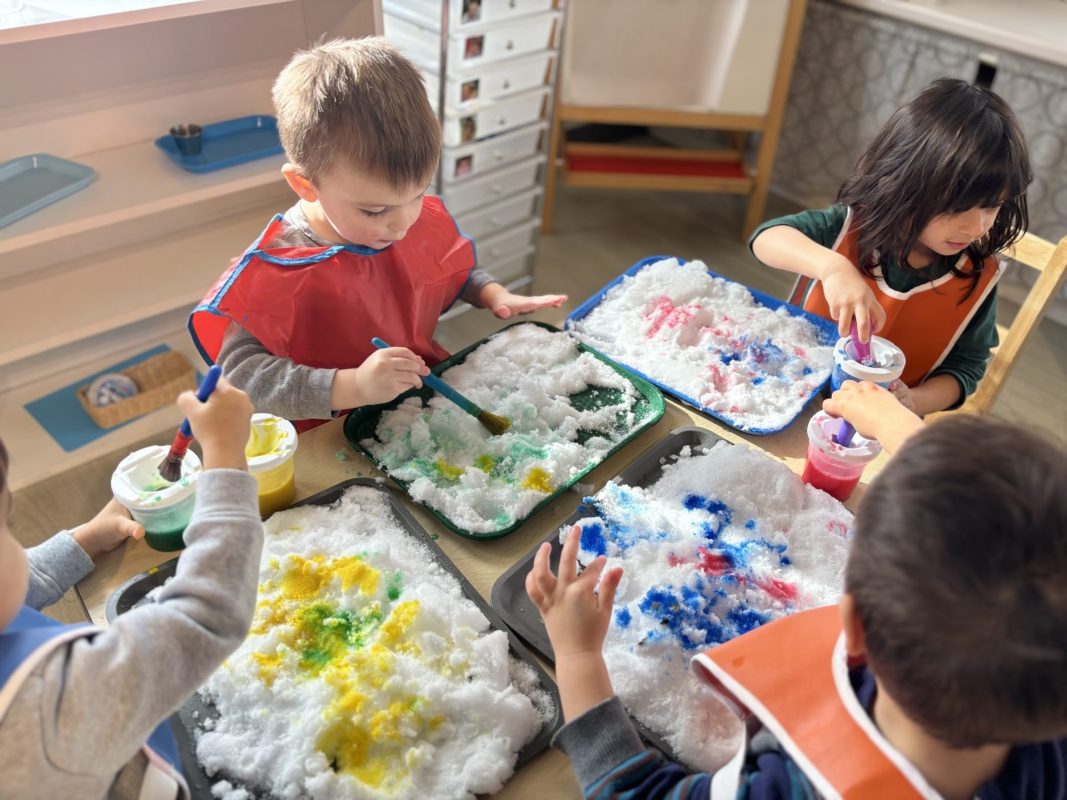
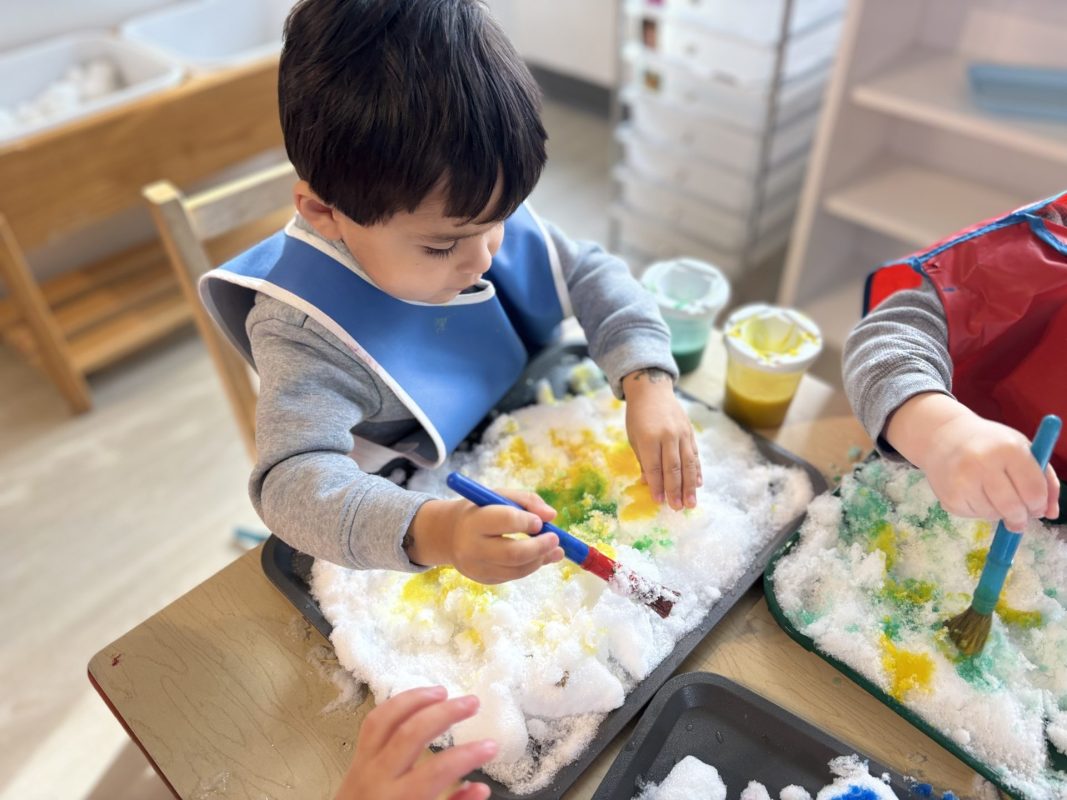
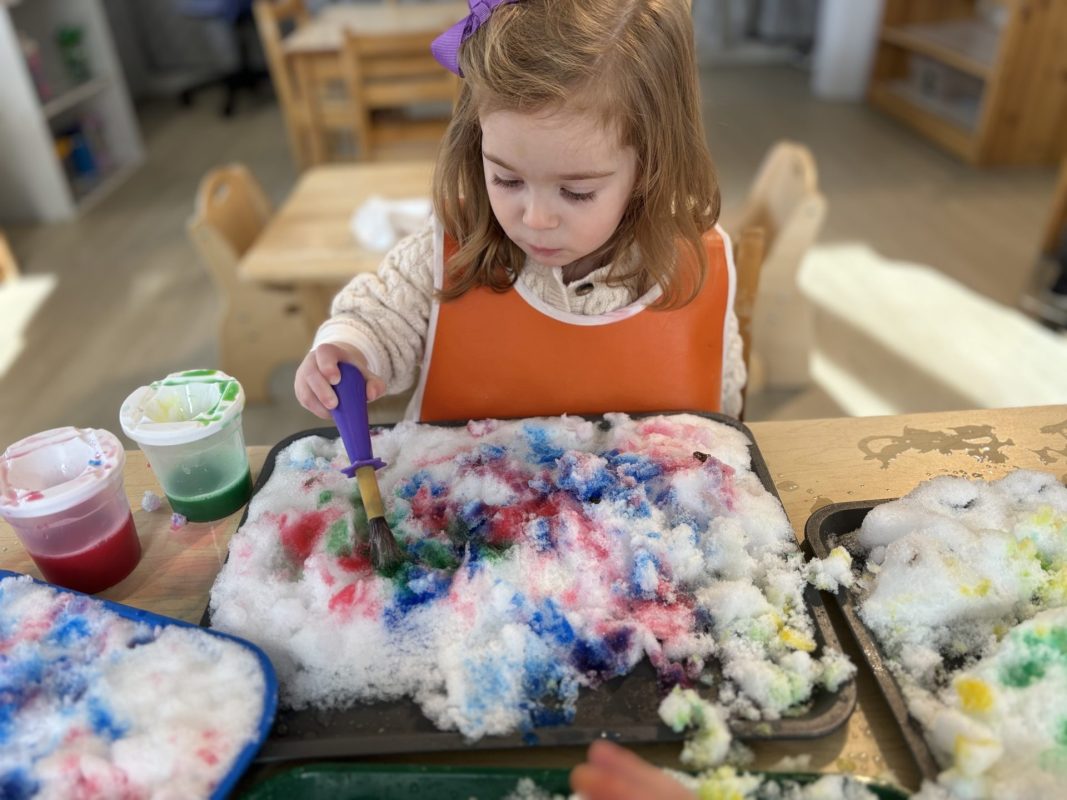
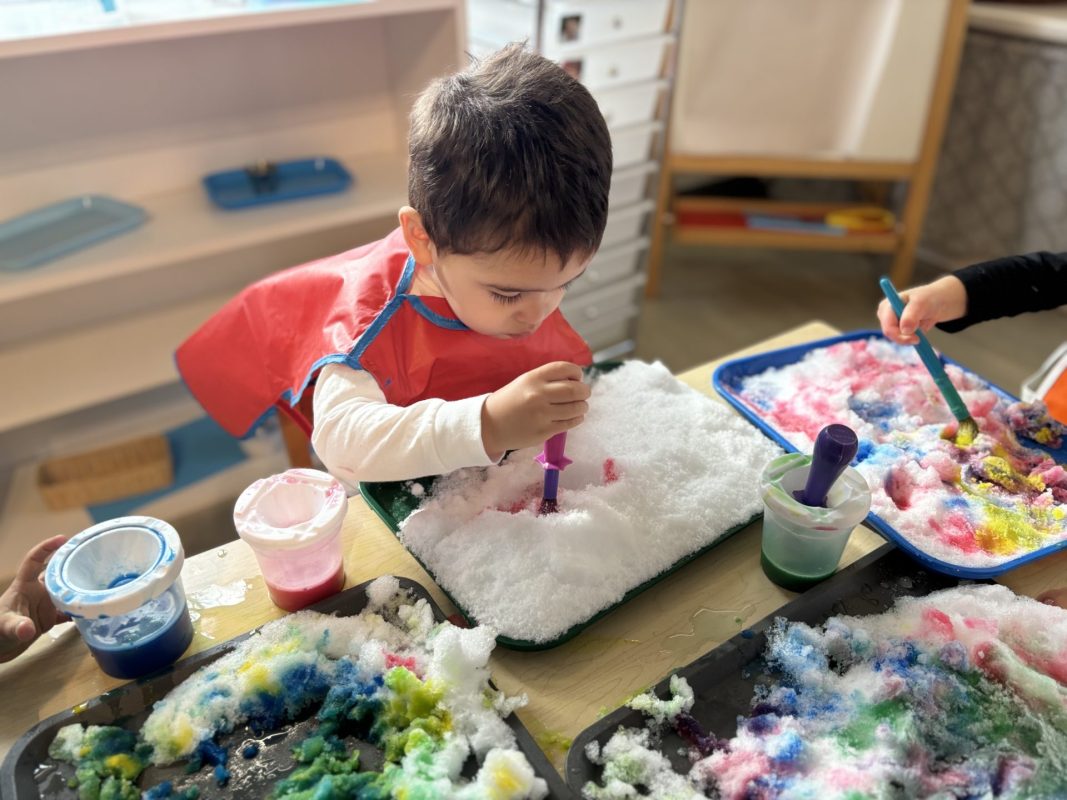
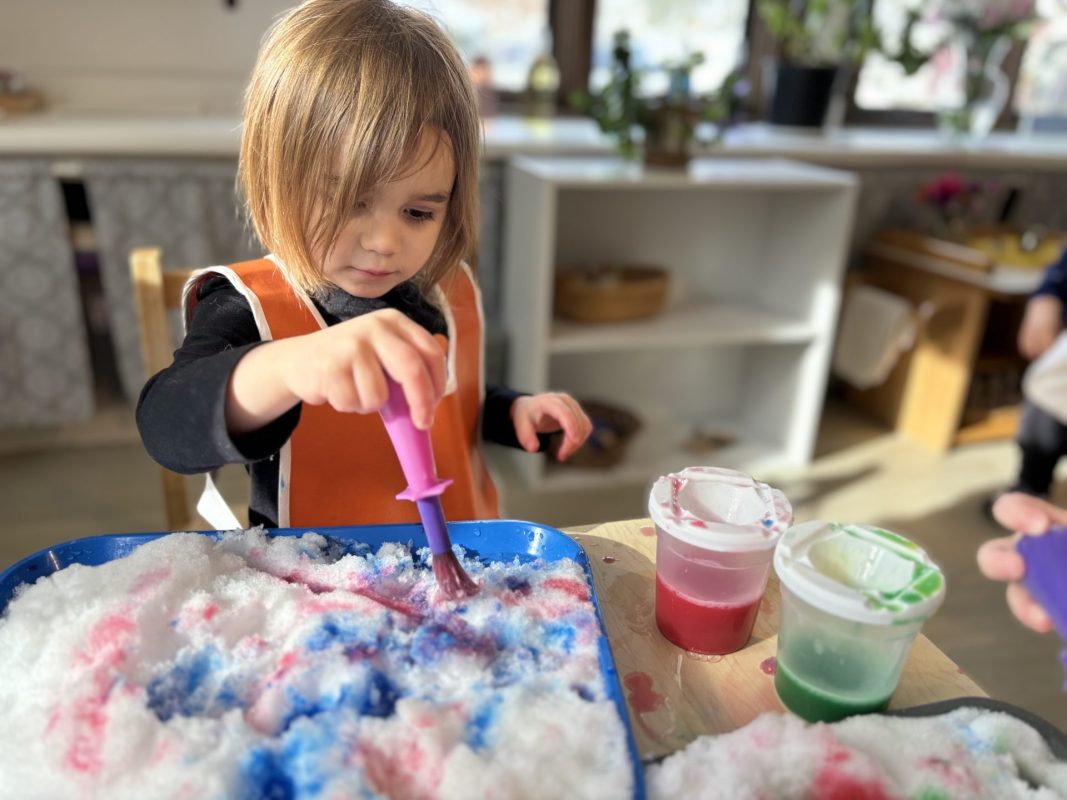
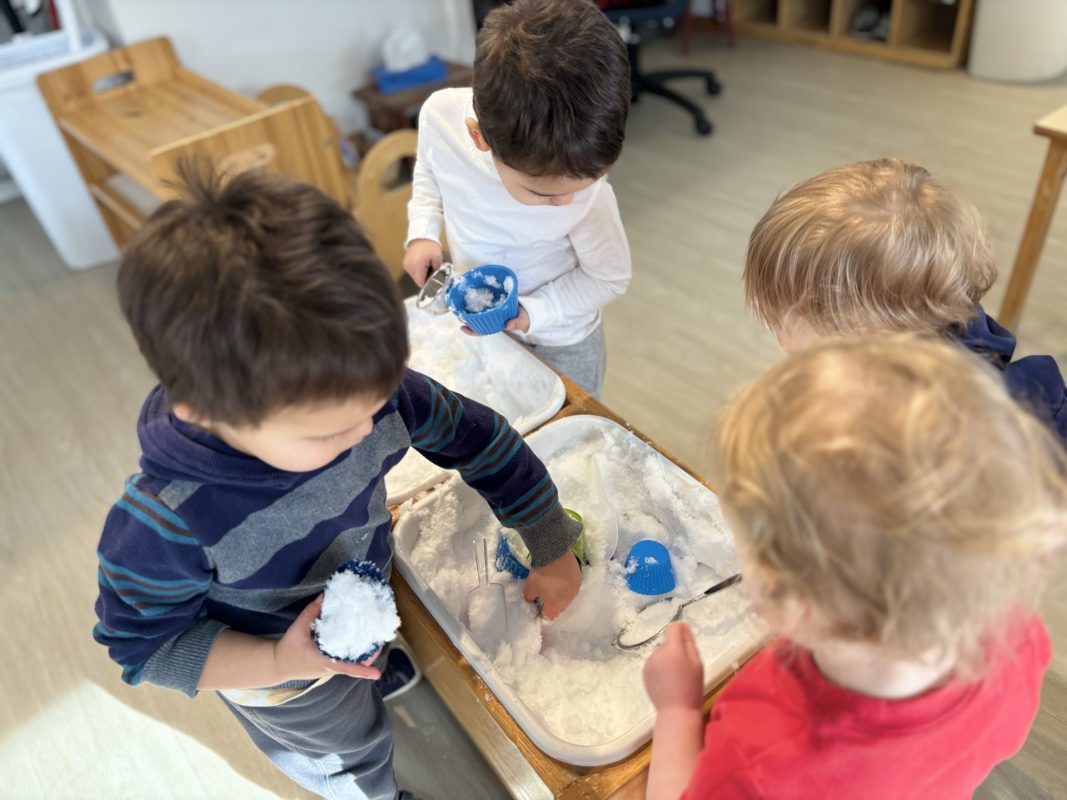
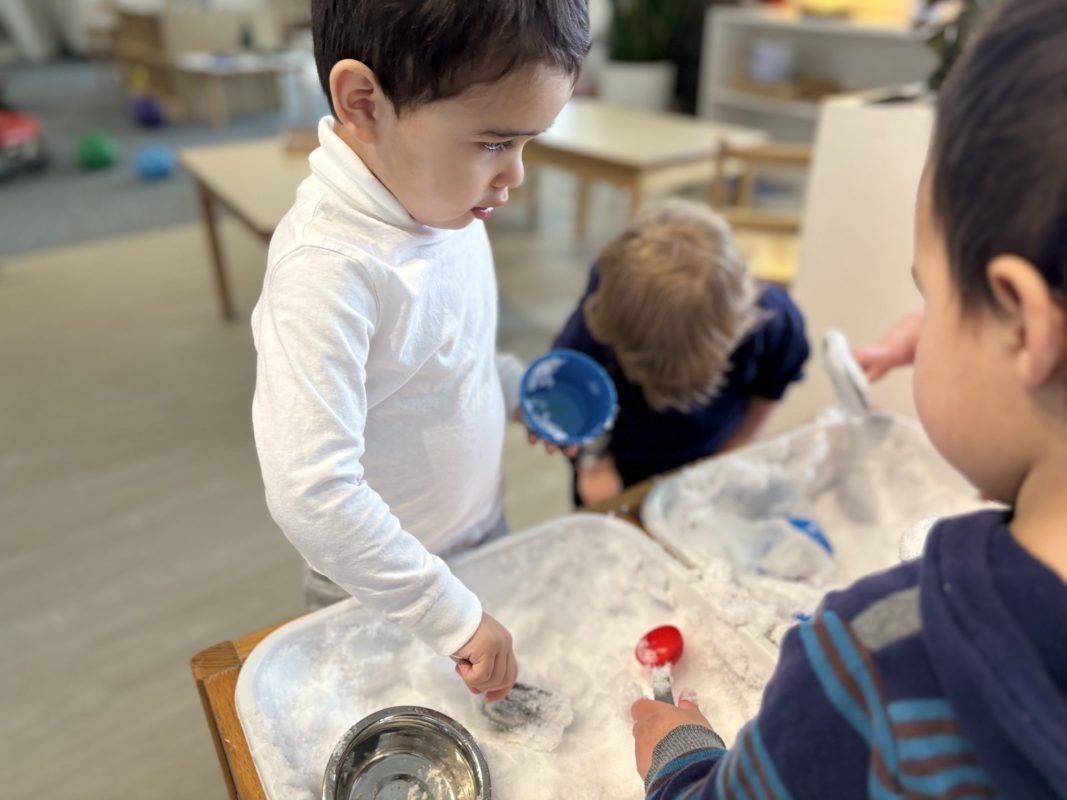
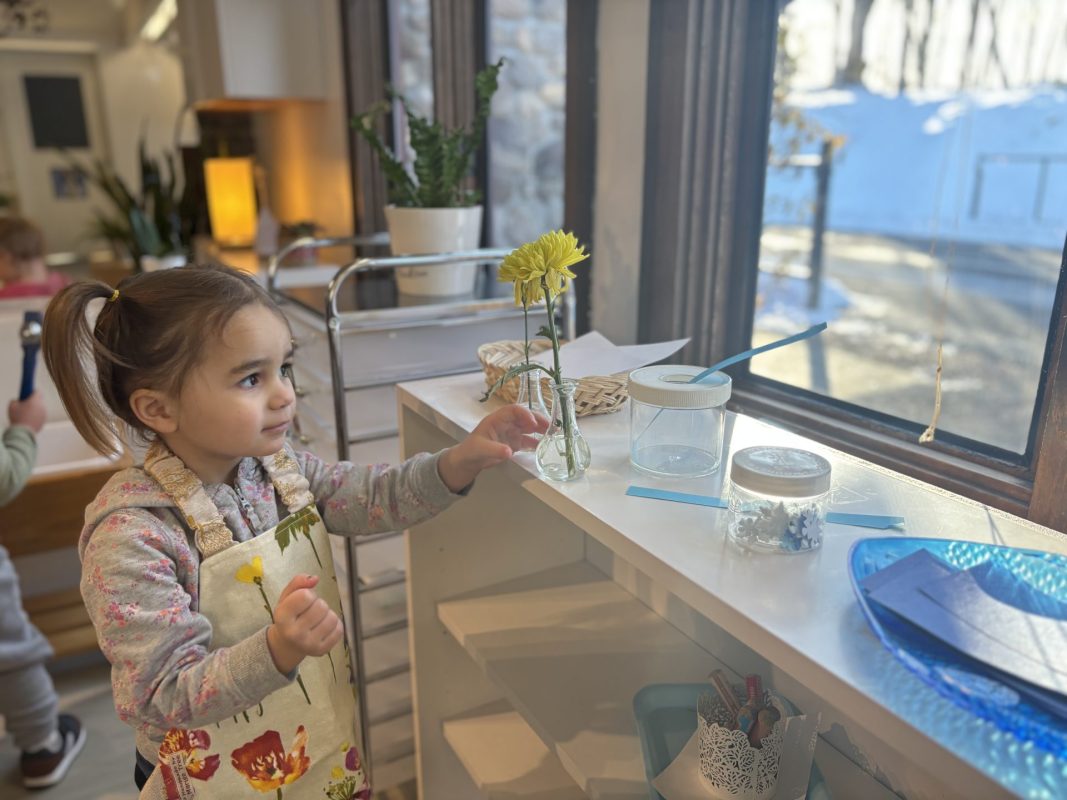
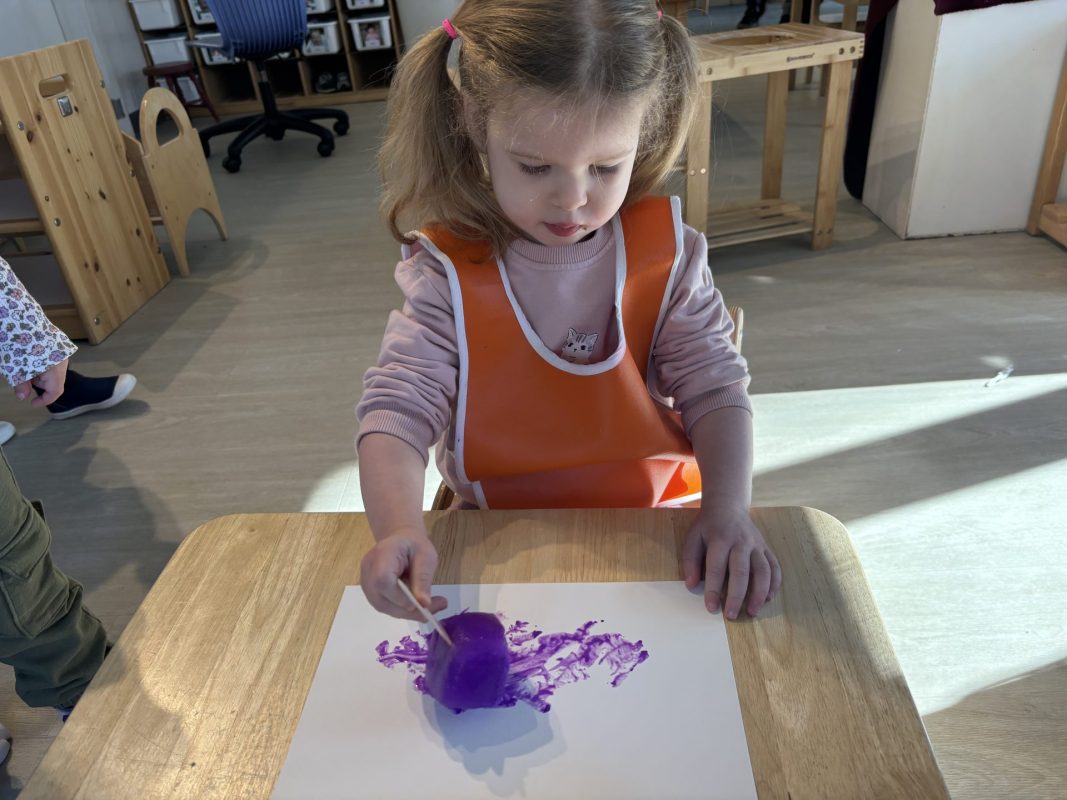
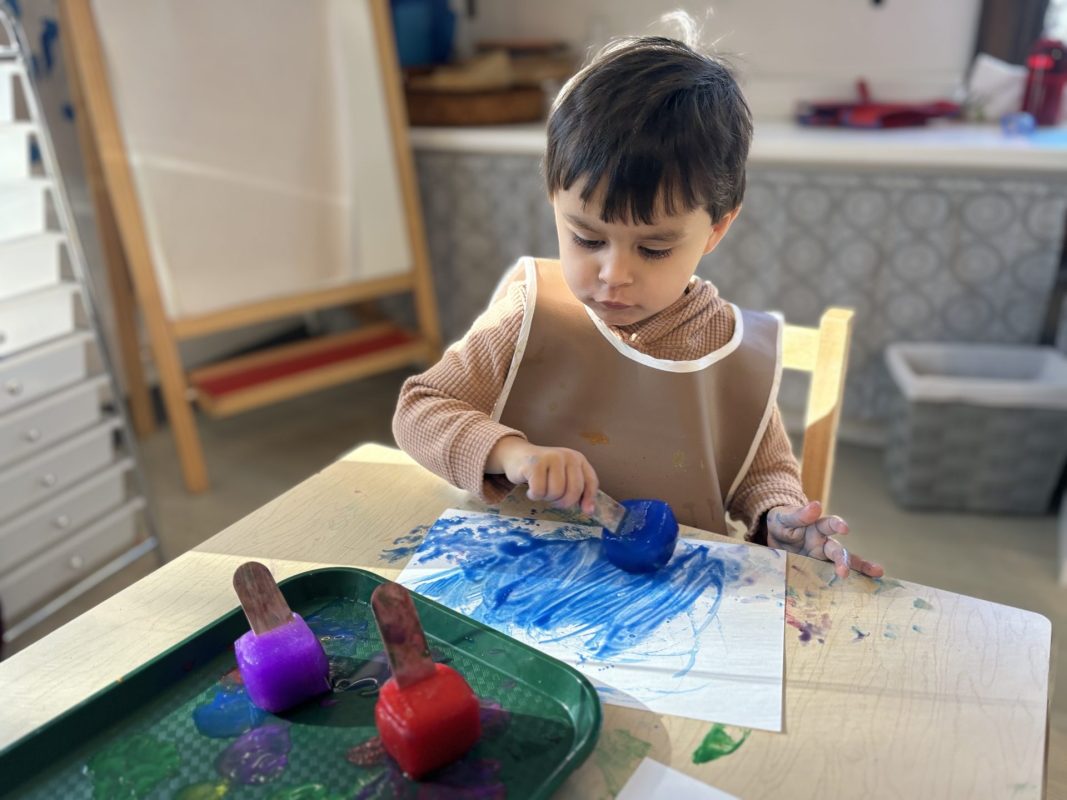
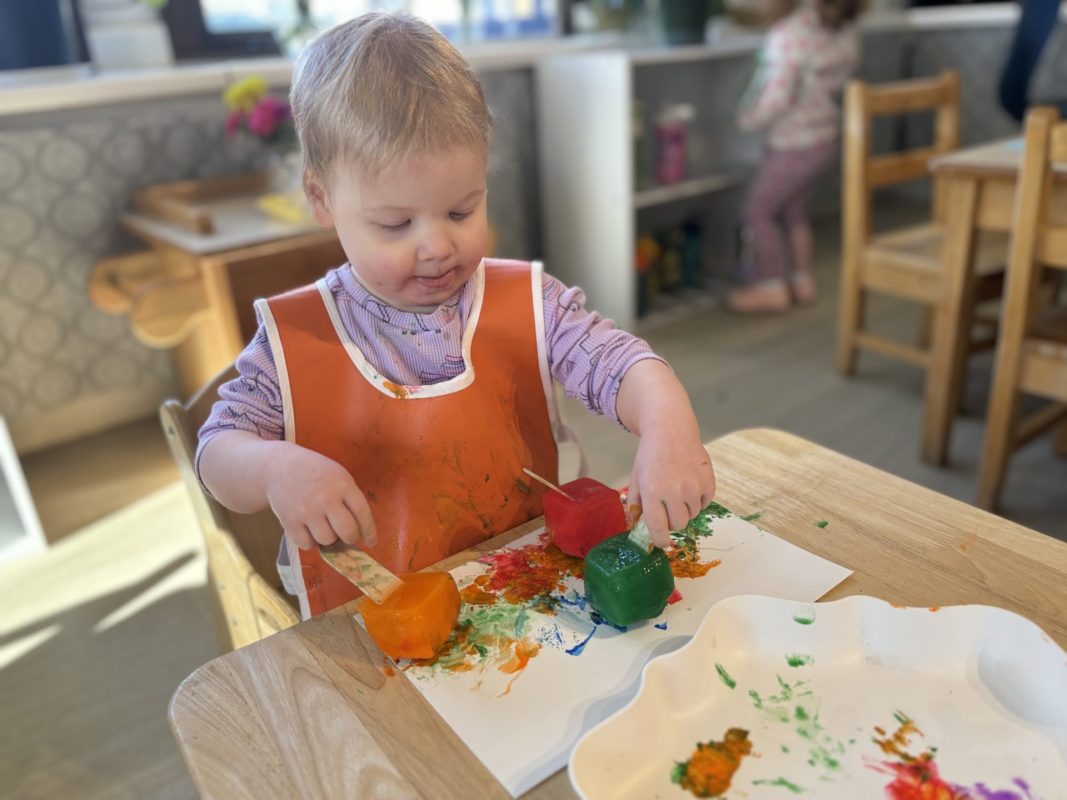
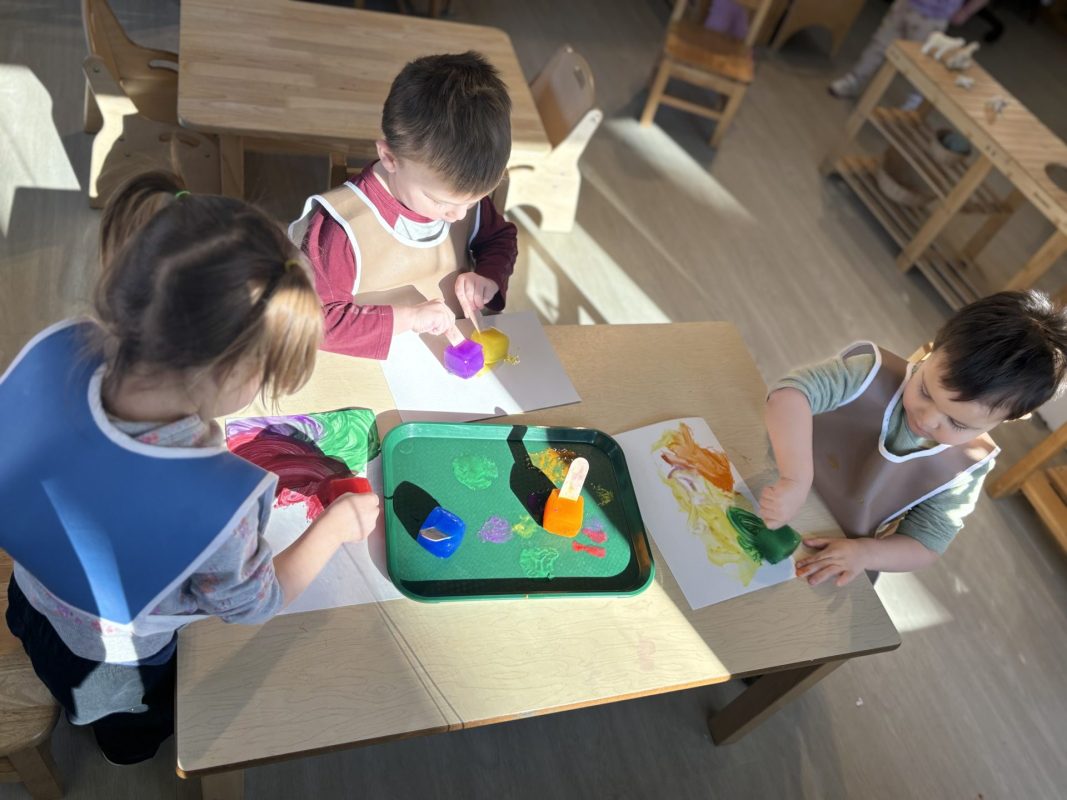
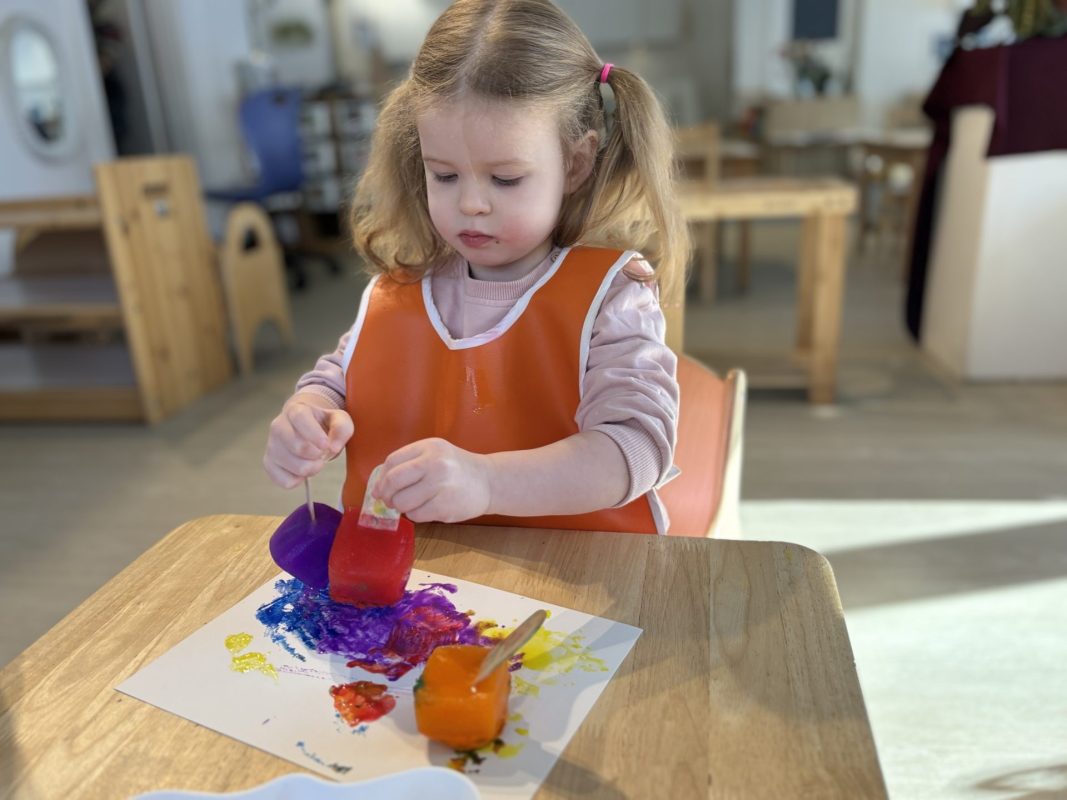
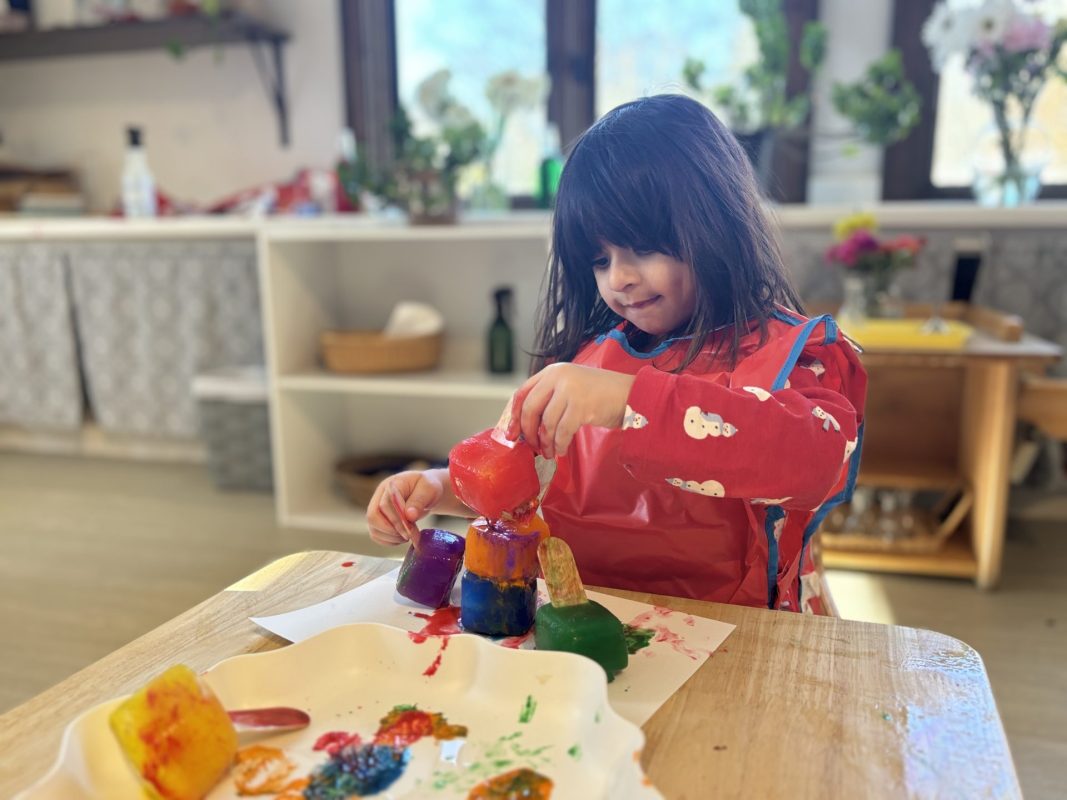
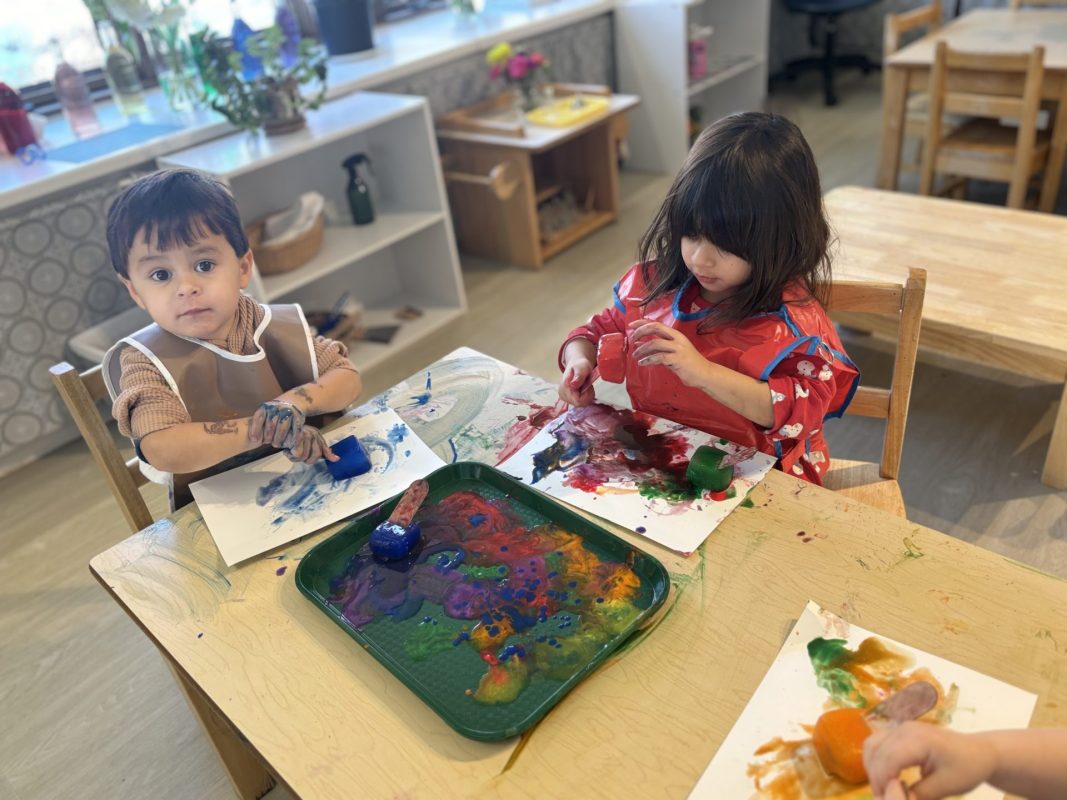
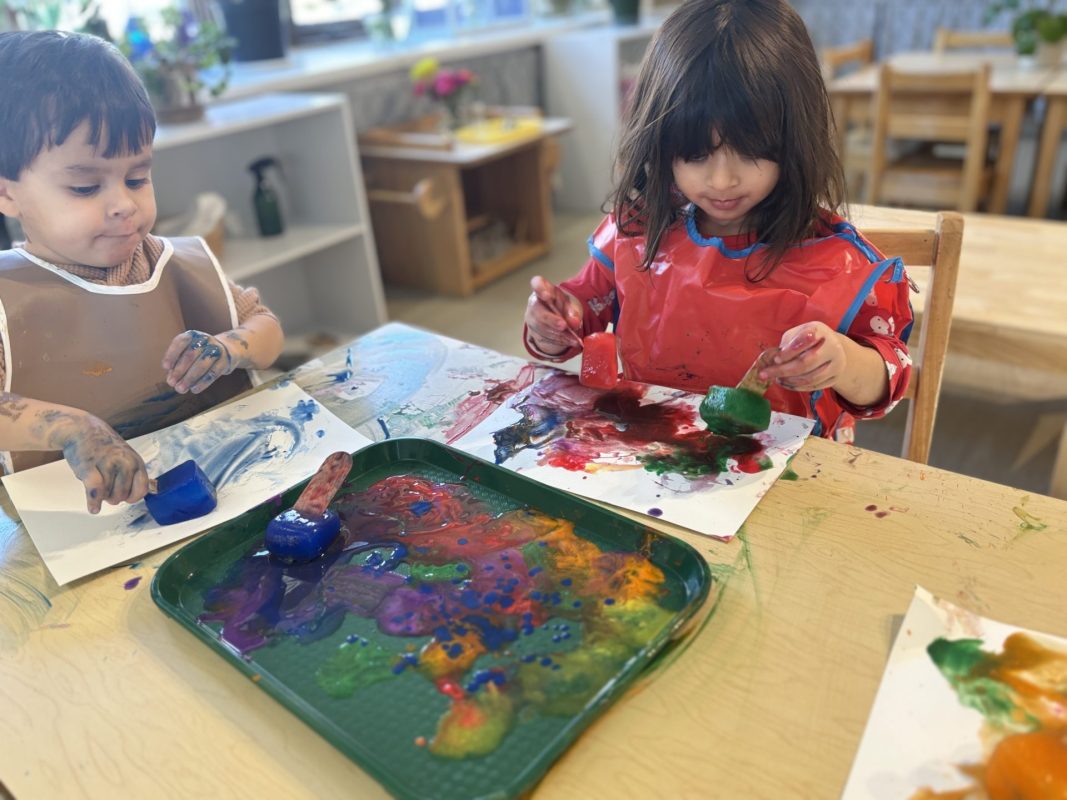
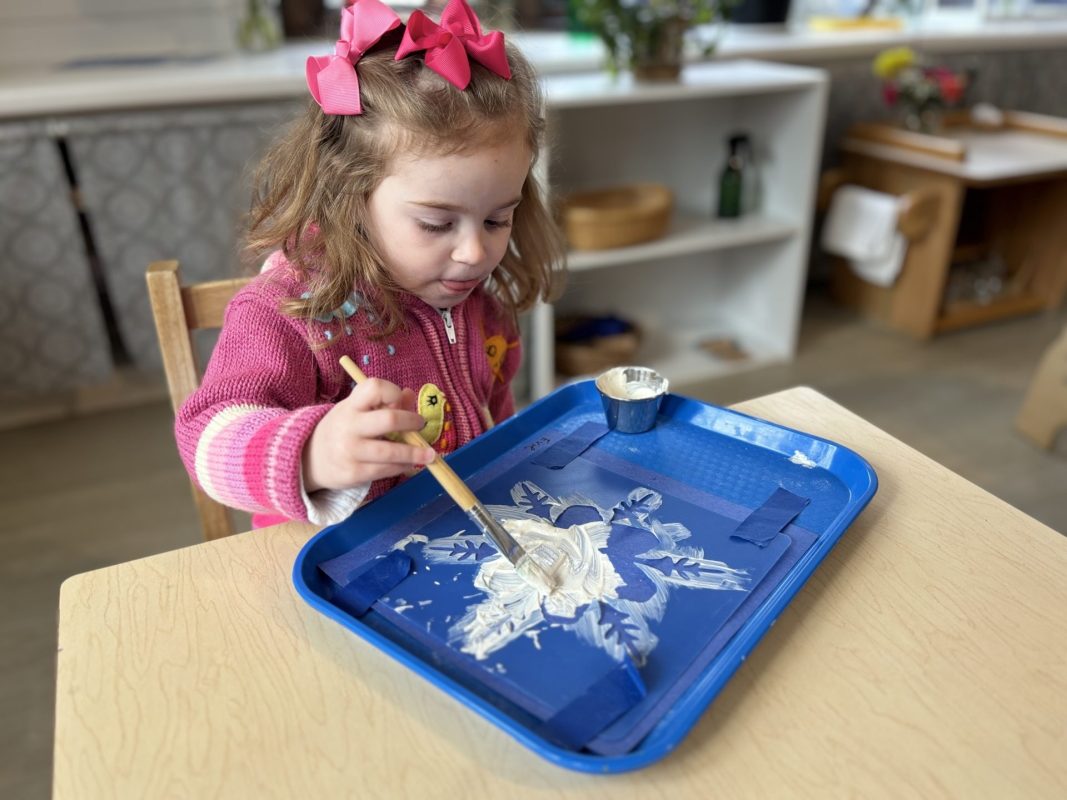
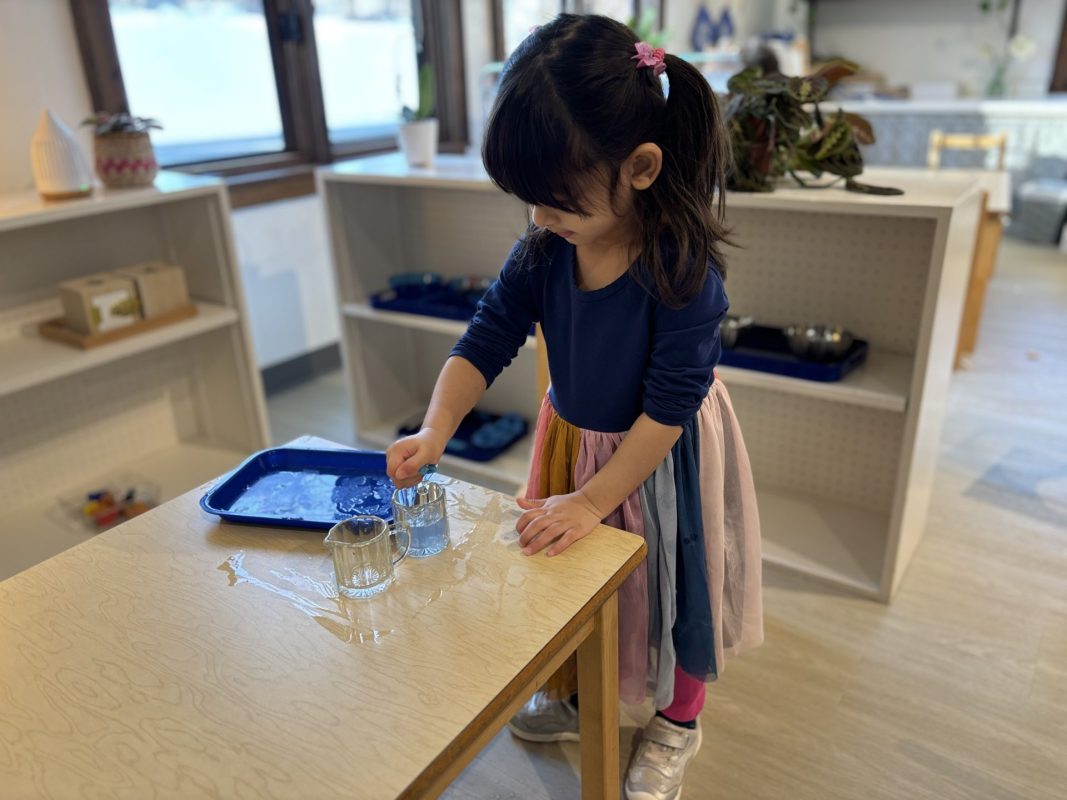
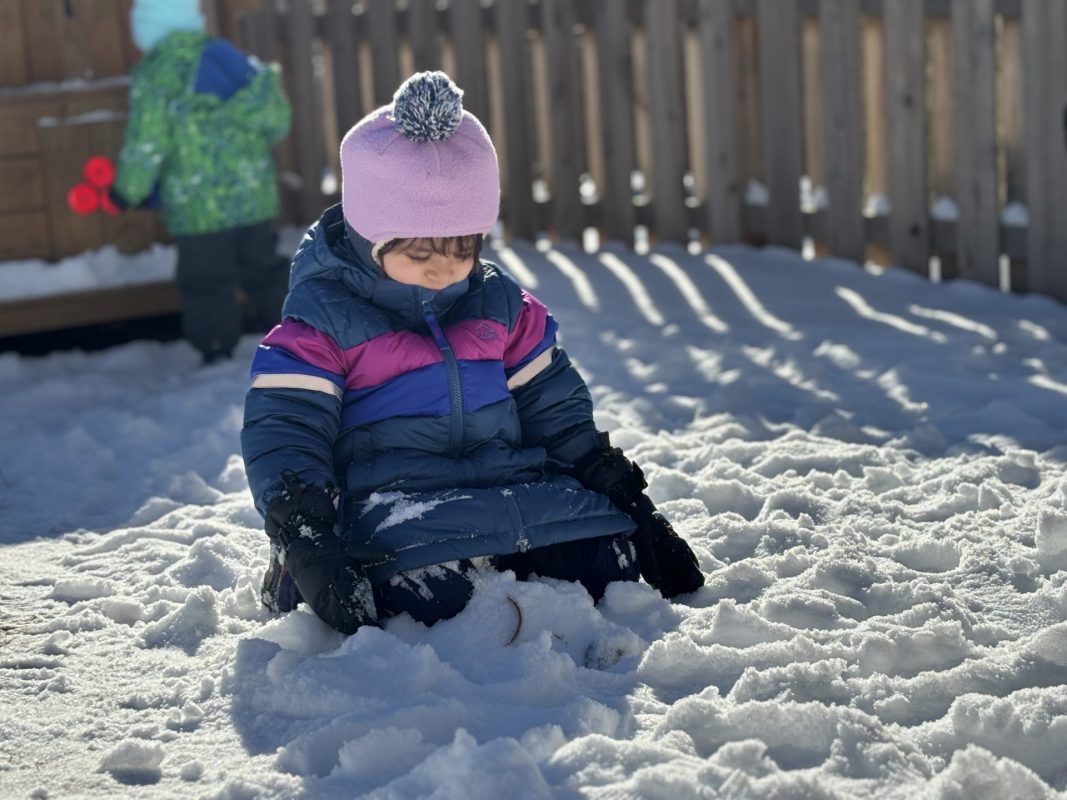
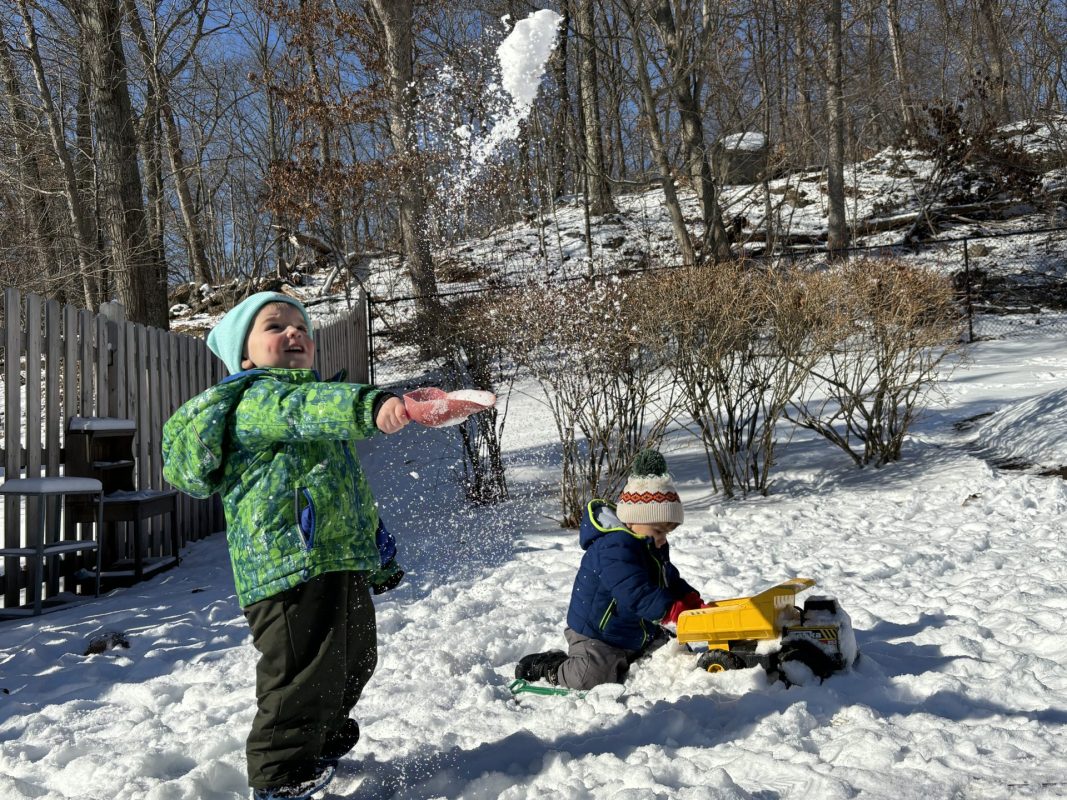
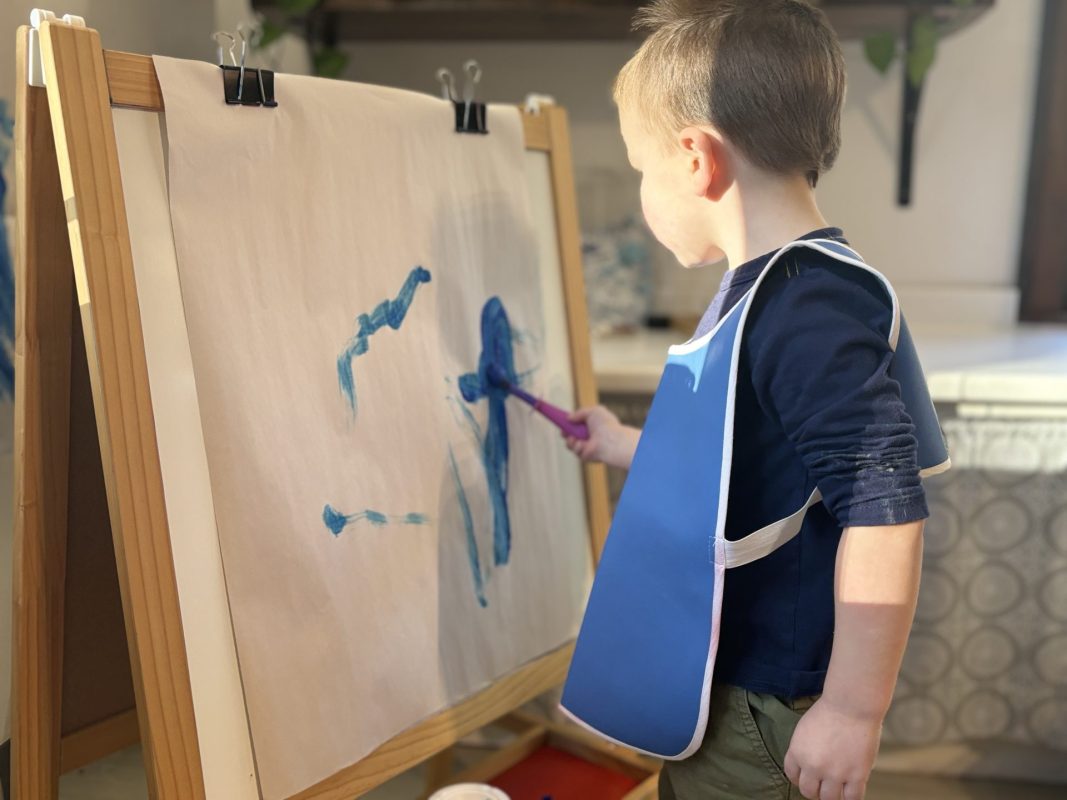
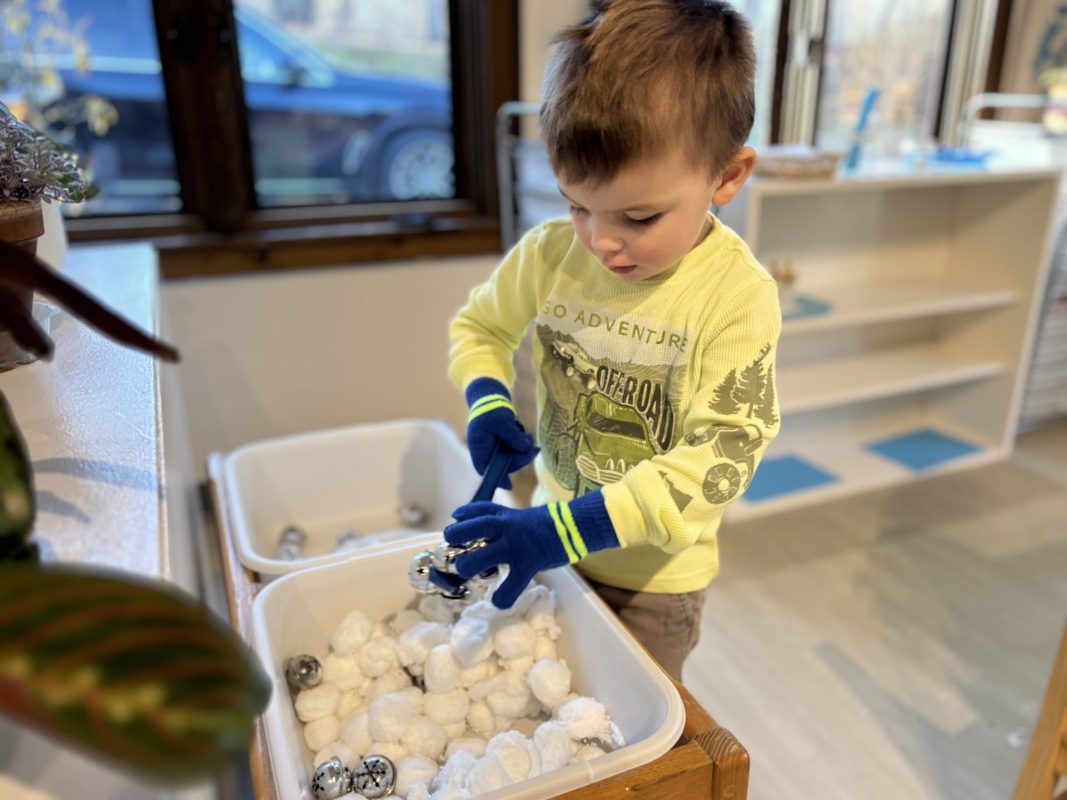
This week brought a winter wonderland of learning and exploration to our classroom! The weekend storm brought very cold days, which meant we couldn’t venture outdoors as much as we’d like. However, we brought the magic of the outdoors inside! The children had a wonderful time exploring the snow indoors in creative and engaging ways. They painted the snow with different colors, felt its cool texture in their hands, and observed how it melted over time. Snow also made its way to our sensory table, where it provided a new avenue for exploration and learning and of course, by popular request, we also brought back ice painting, which captivated the children’s attention for long periods of time!

Maria Montessori emphasized the importance of sensory experiences as a foundation for learning, believing that children learn best through hands-on exploration of their environment. She saw the senses as “the gateway to intelligence,” helping children understand the world around them.

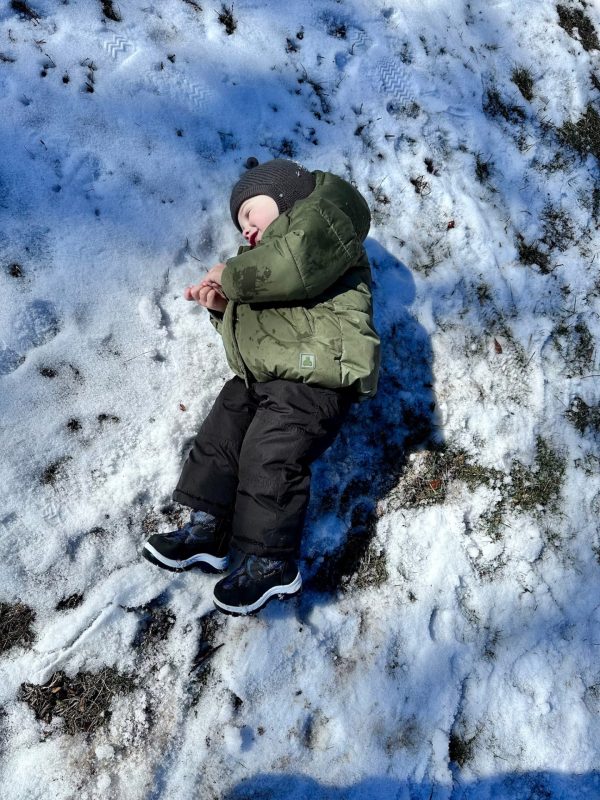
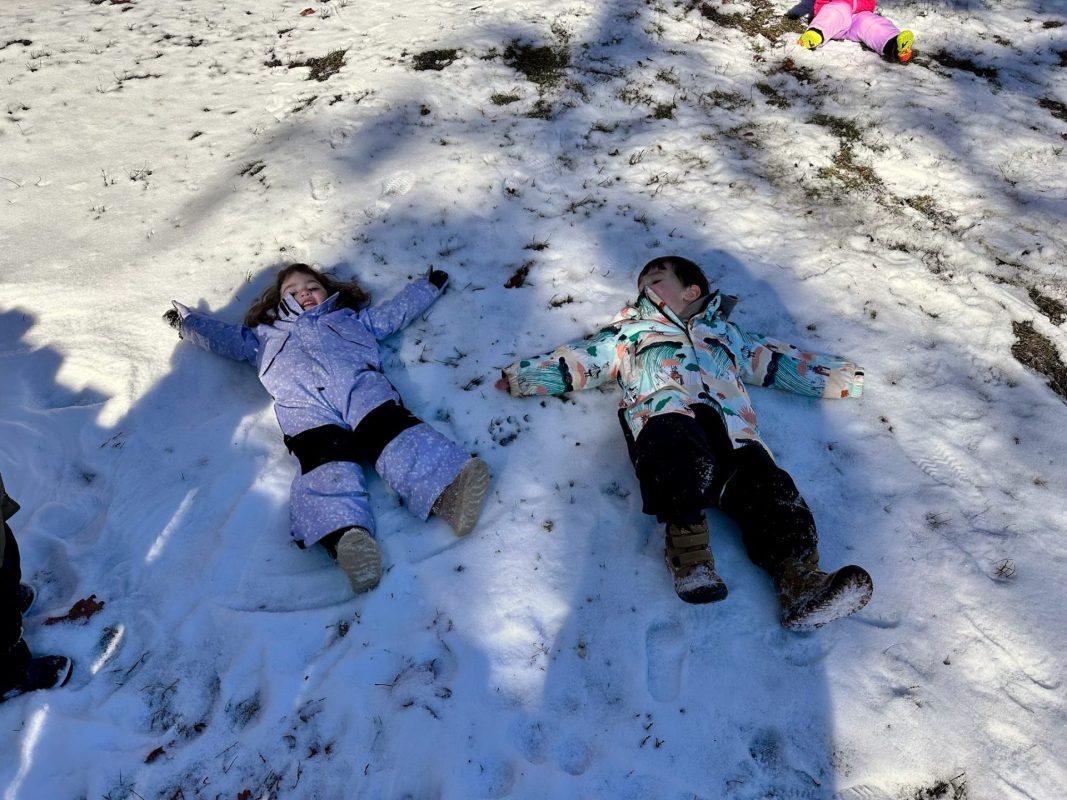
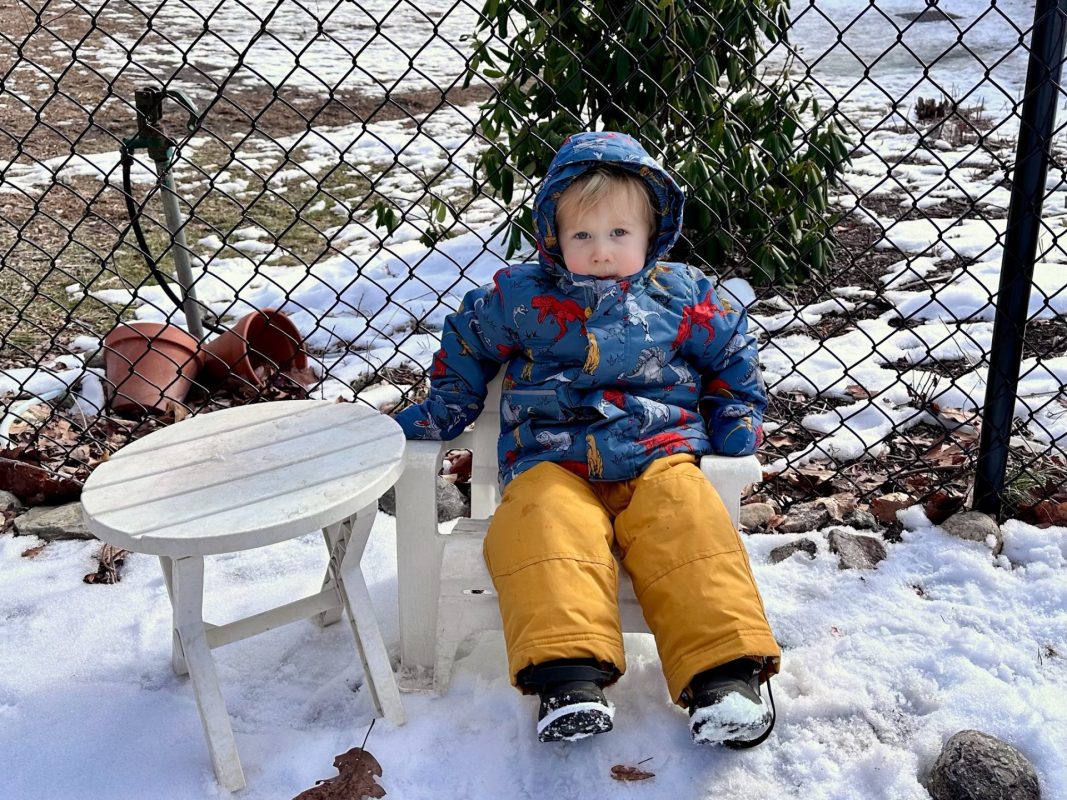
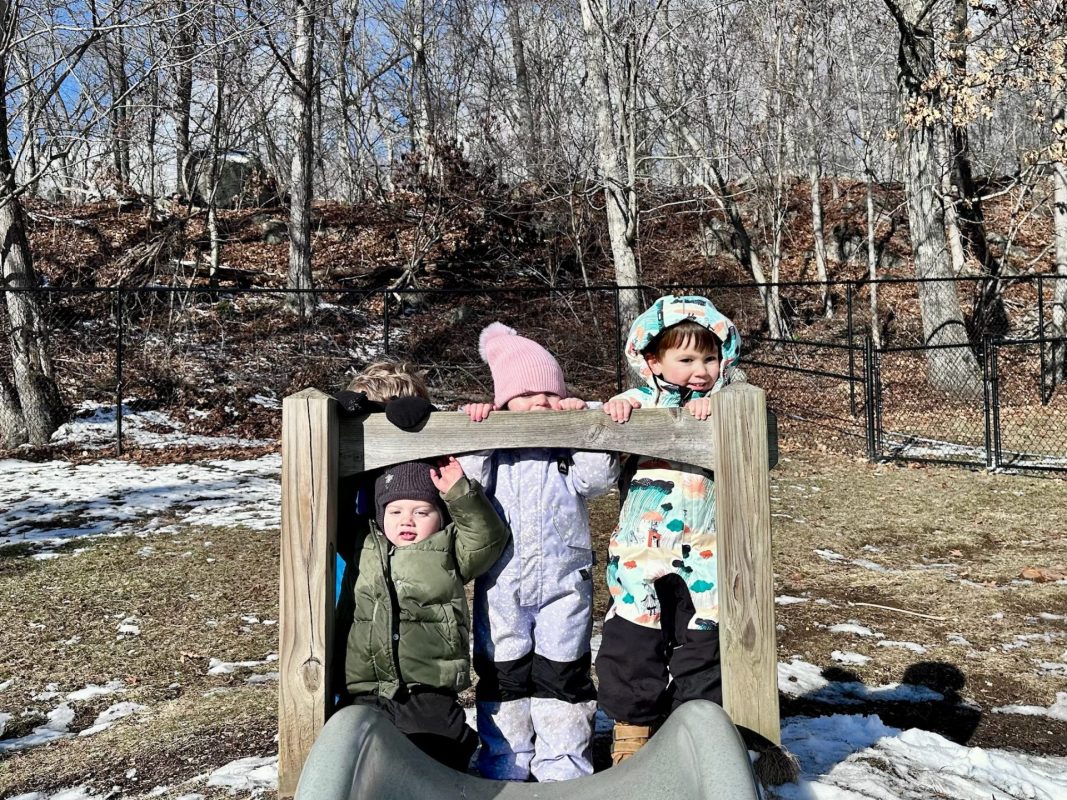
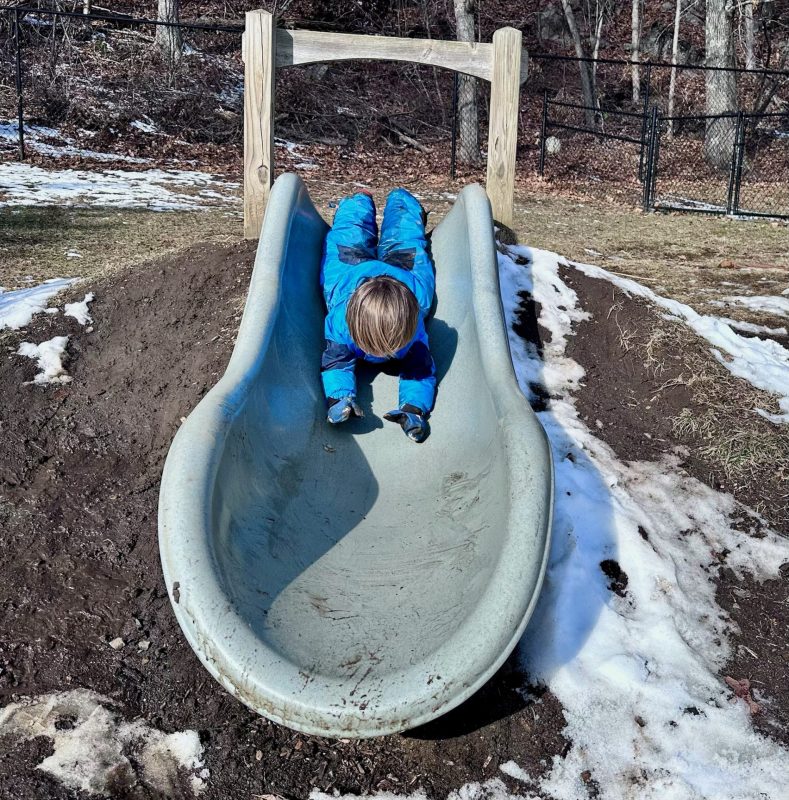
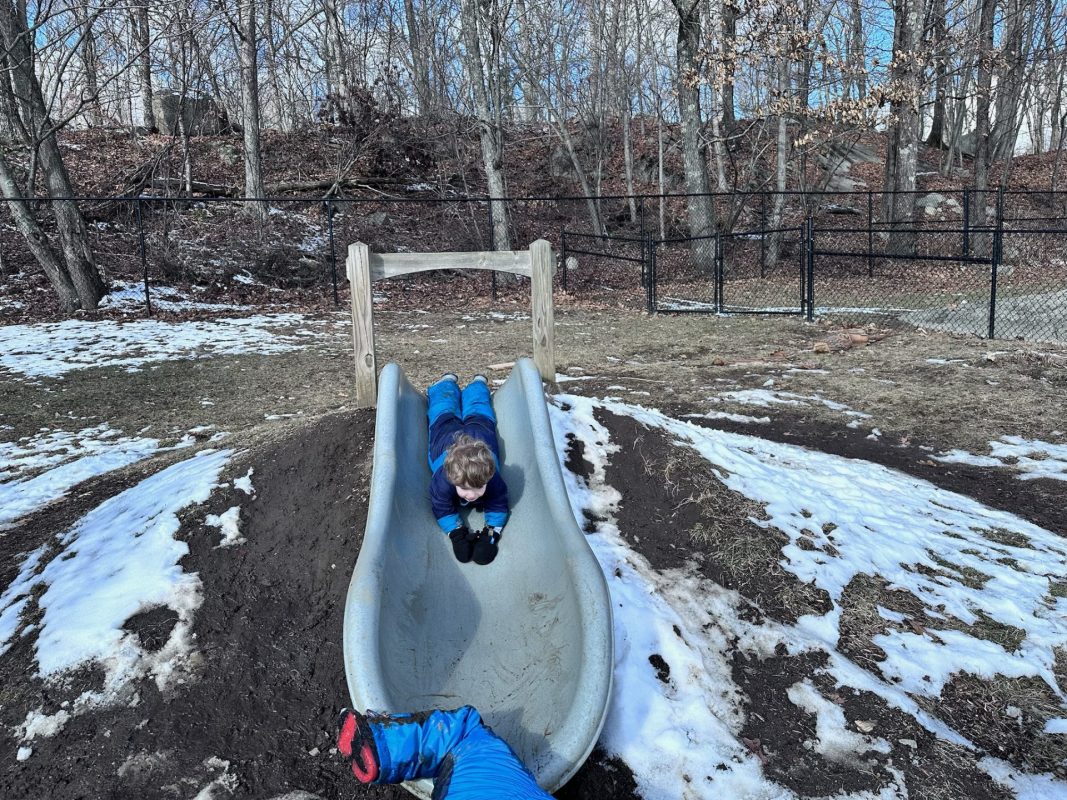
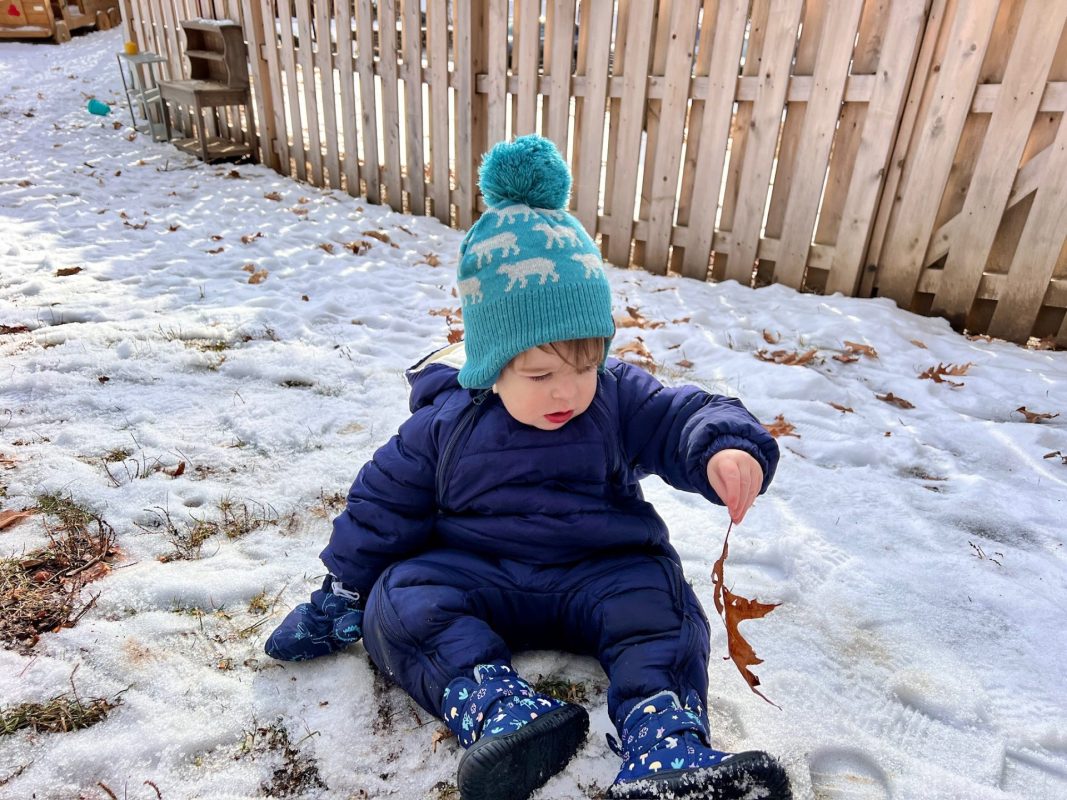
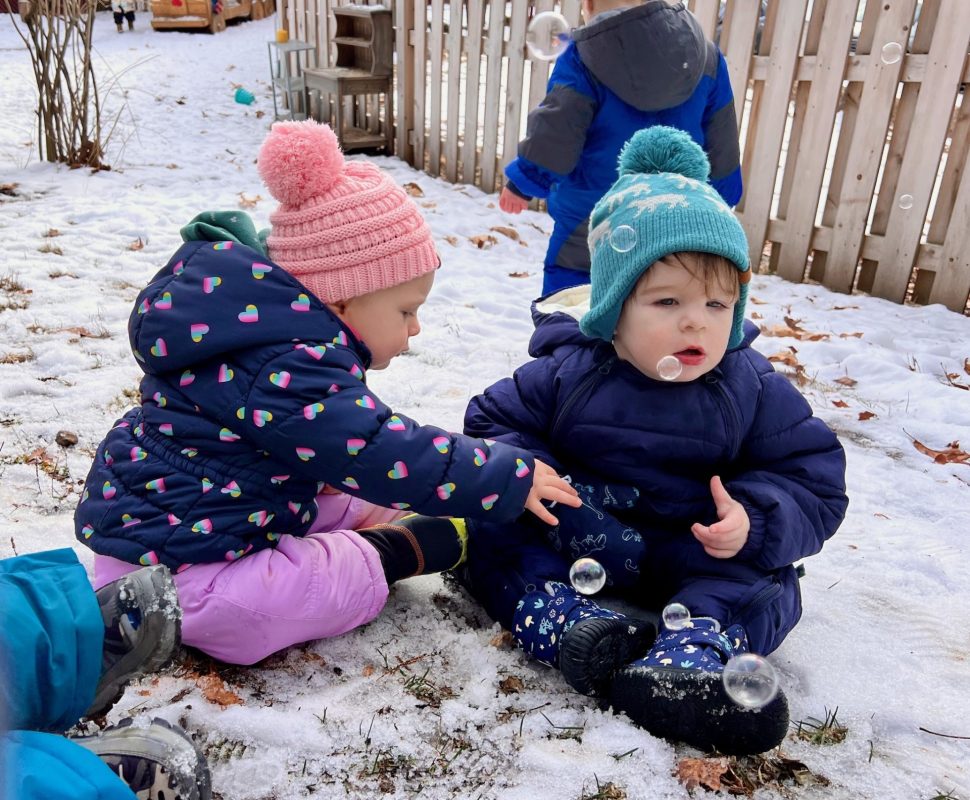
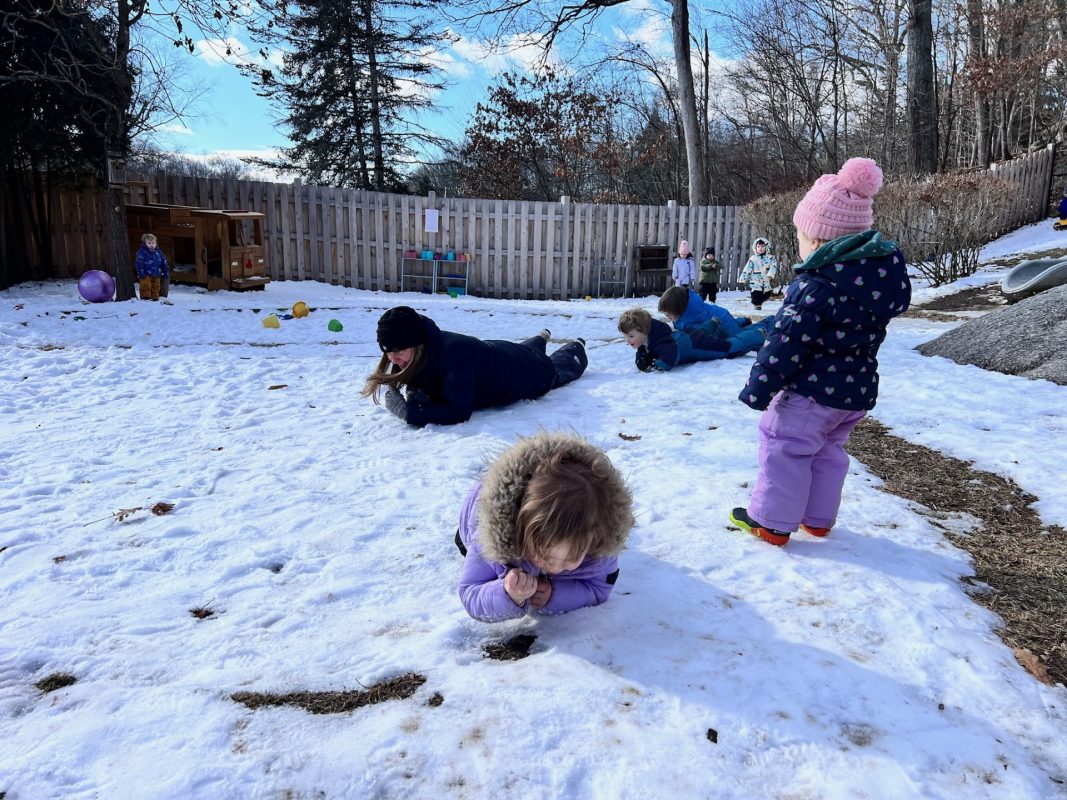
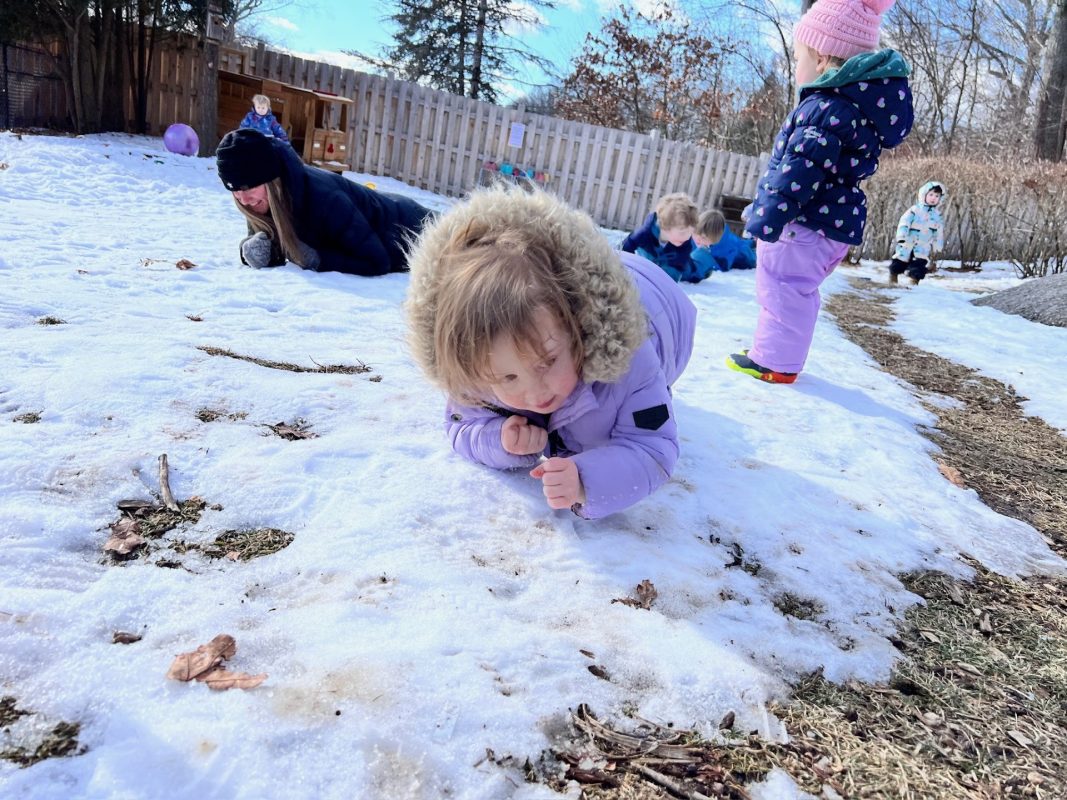
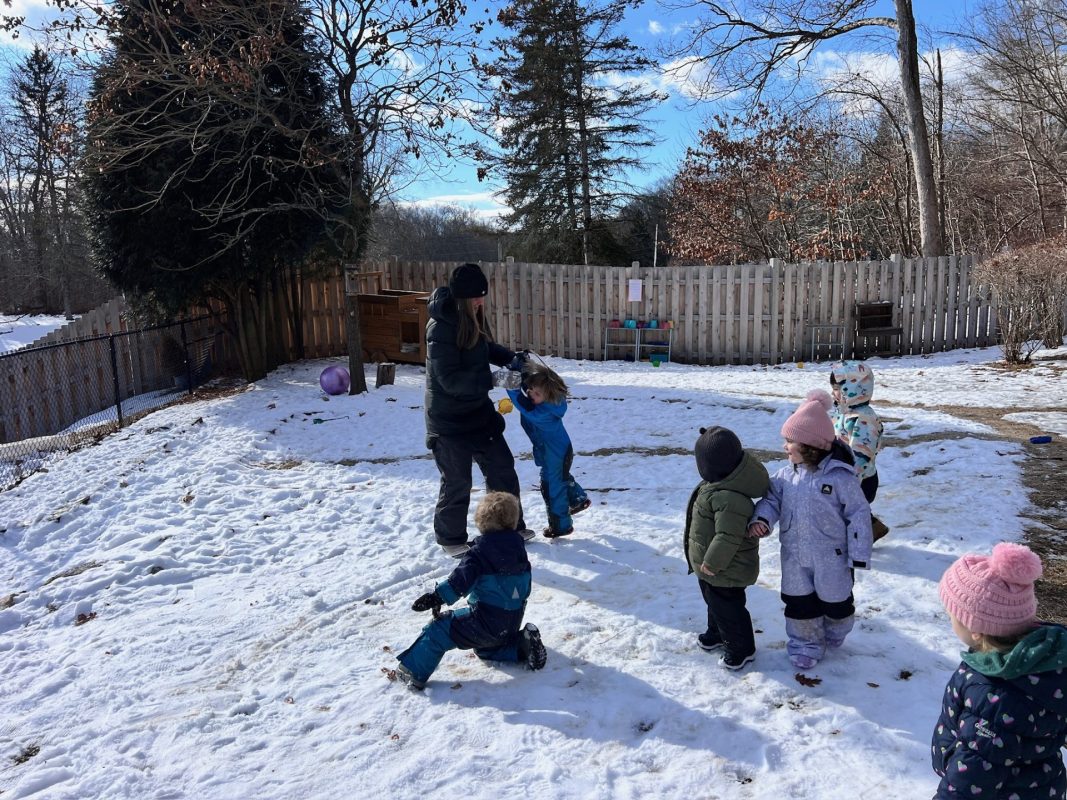
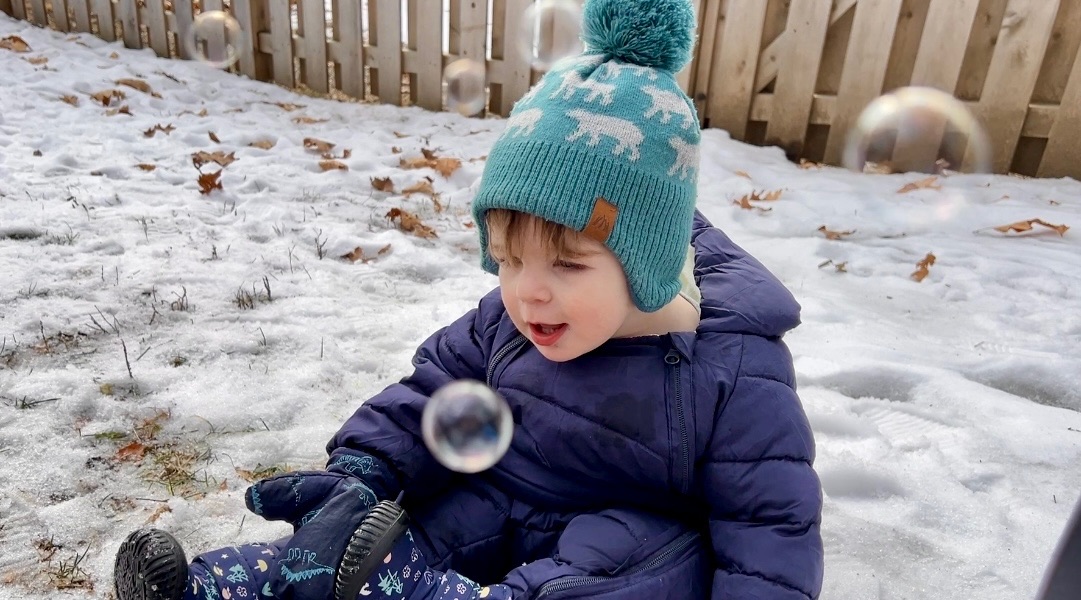
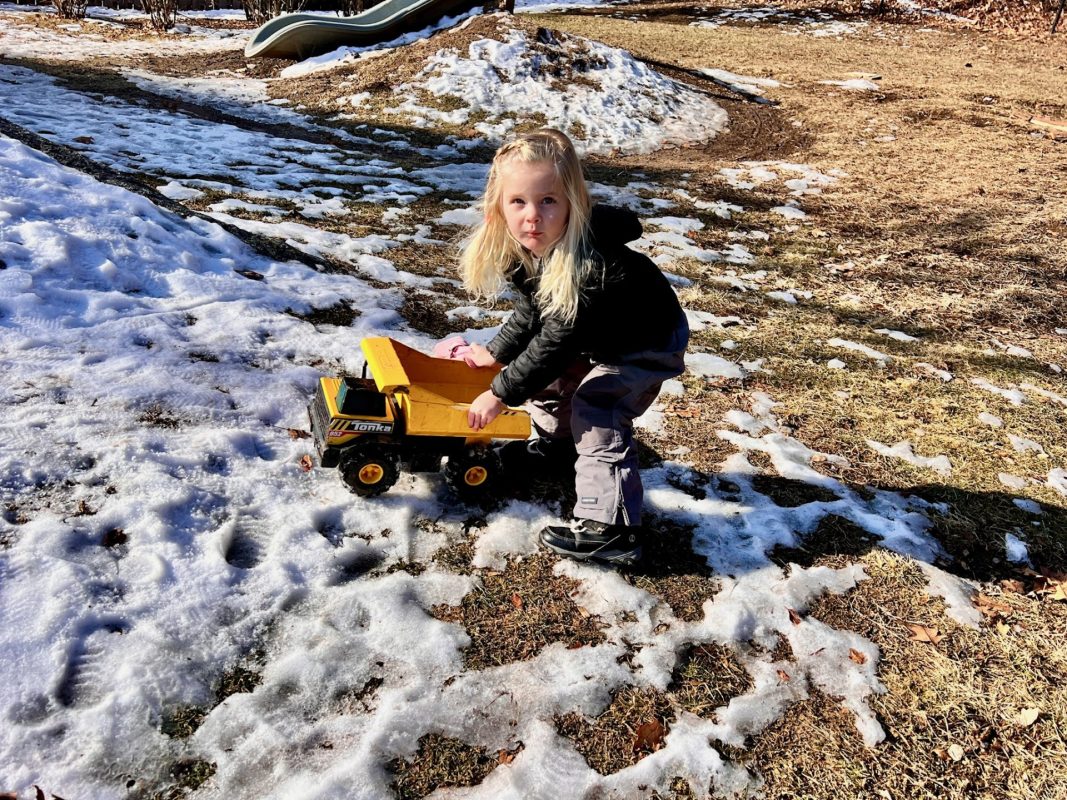
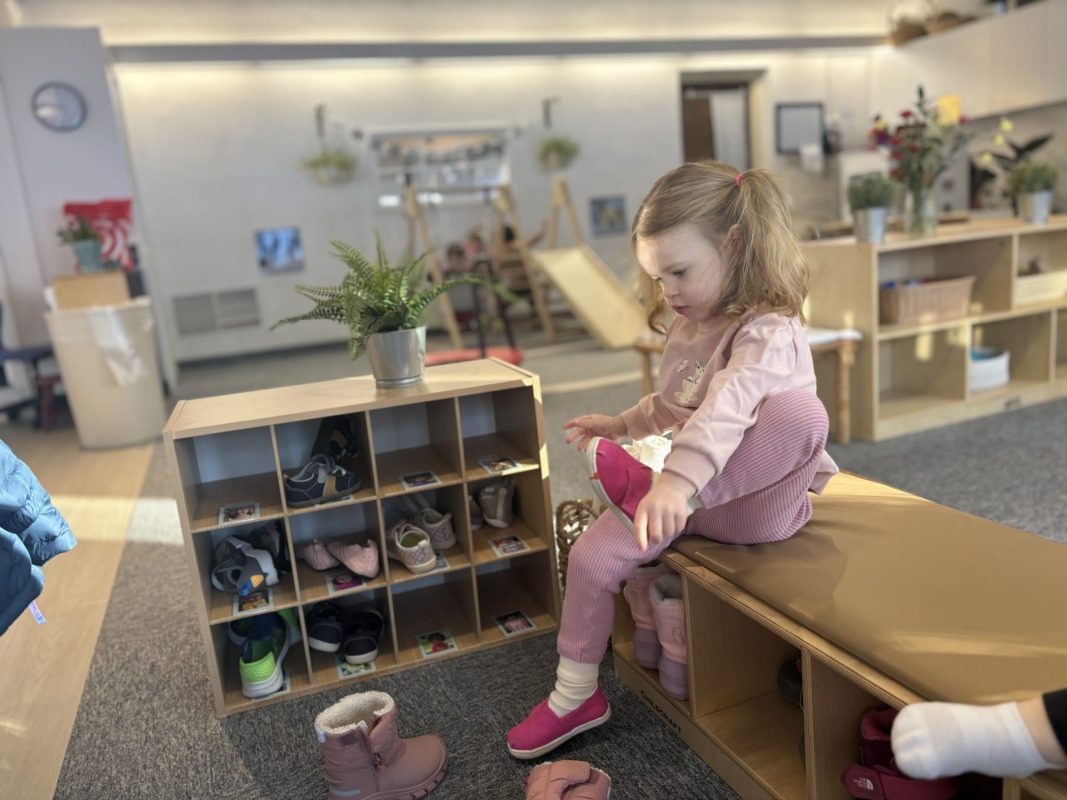
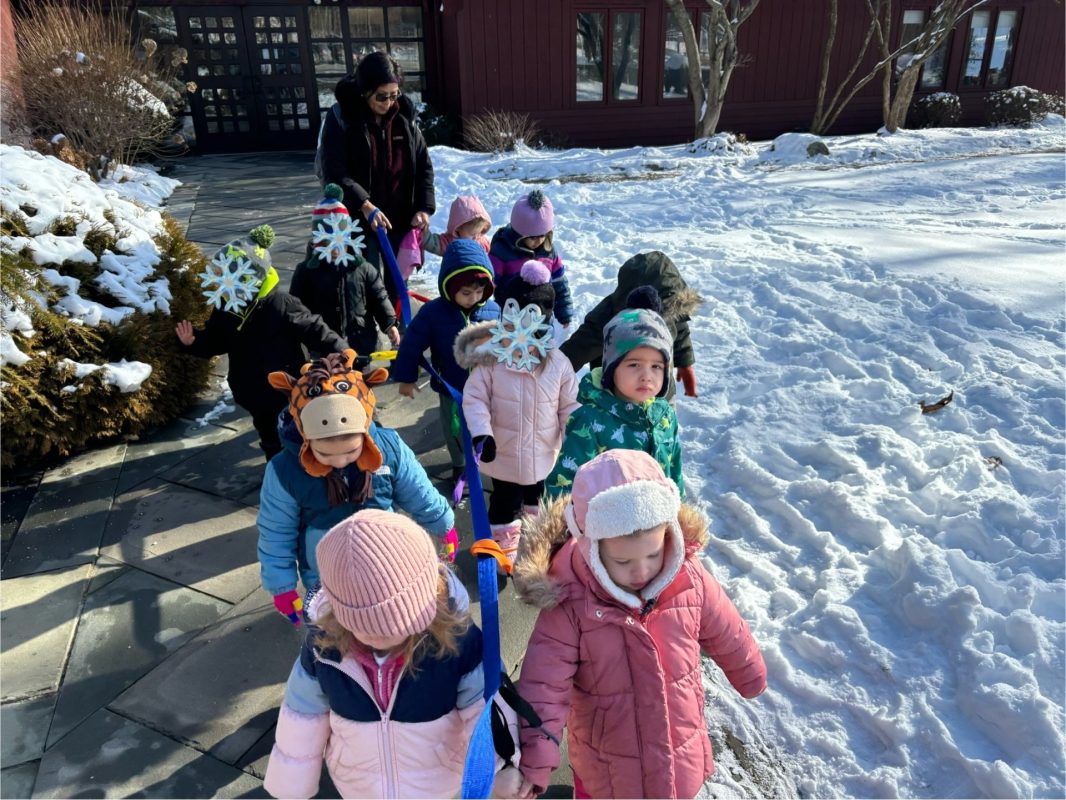
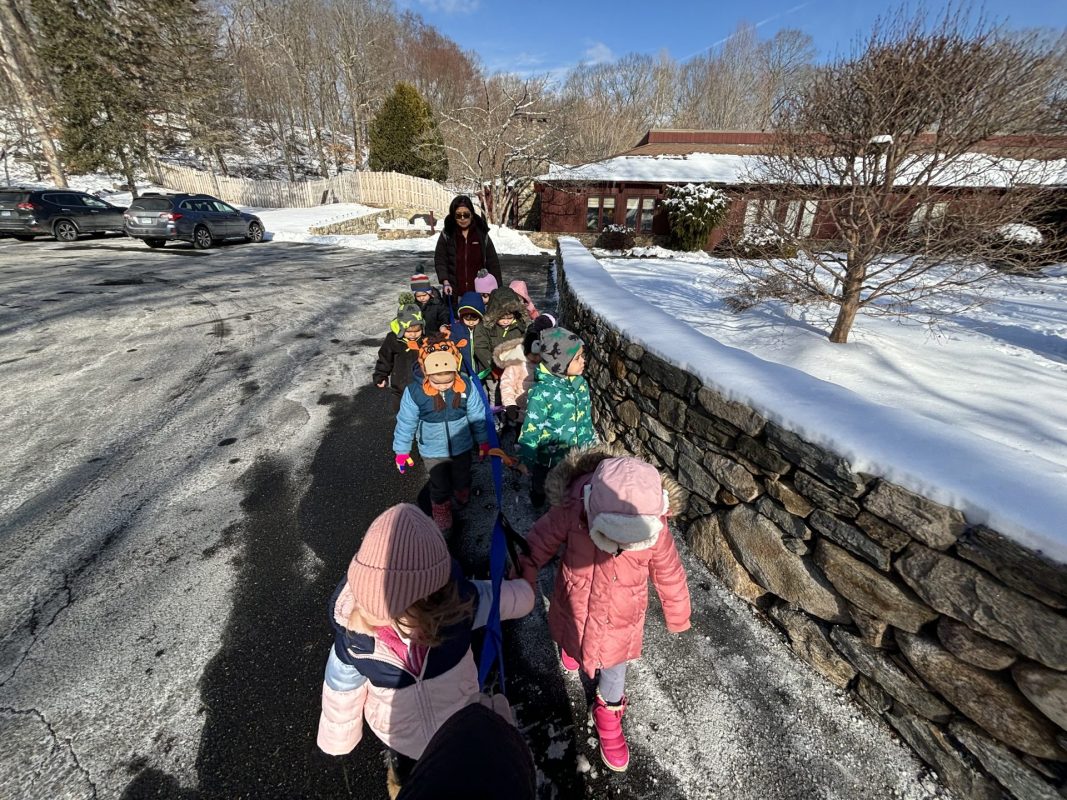
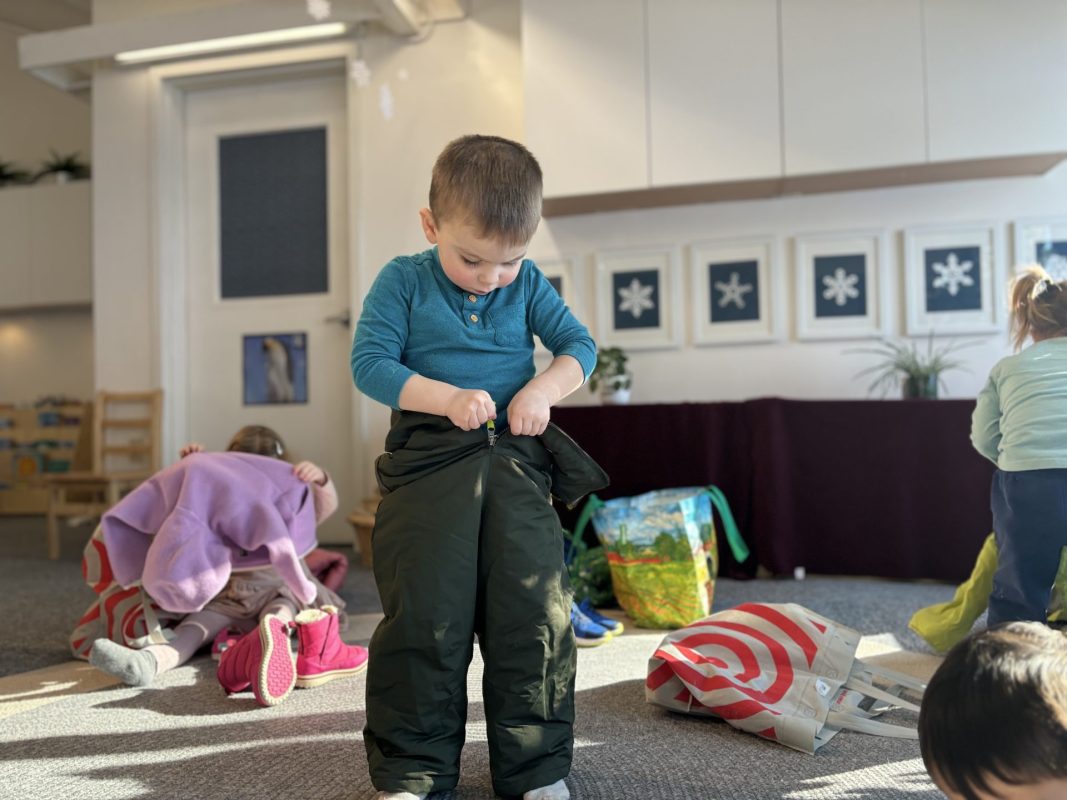
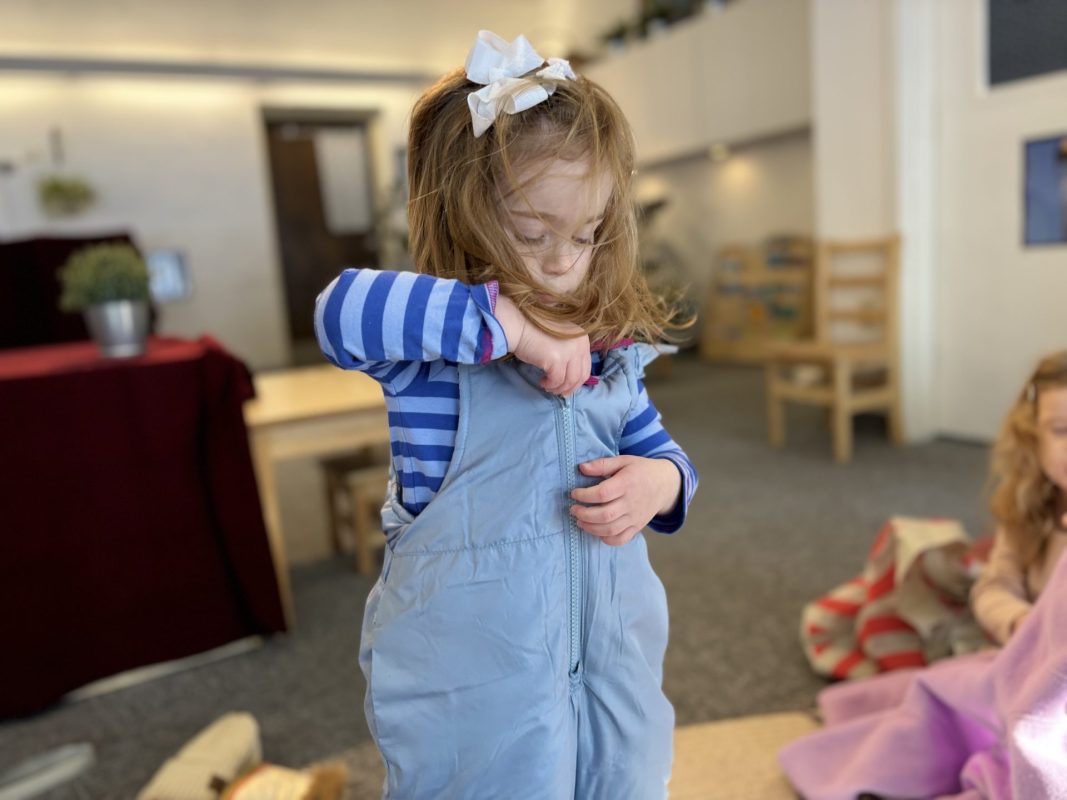
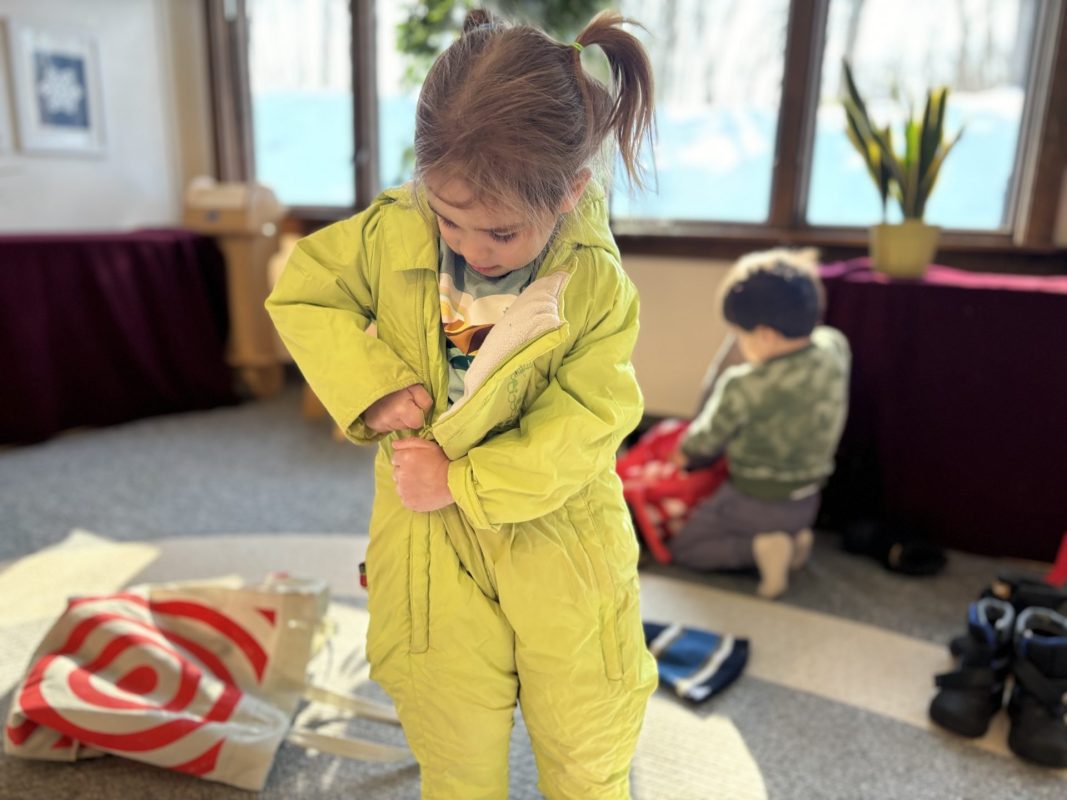
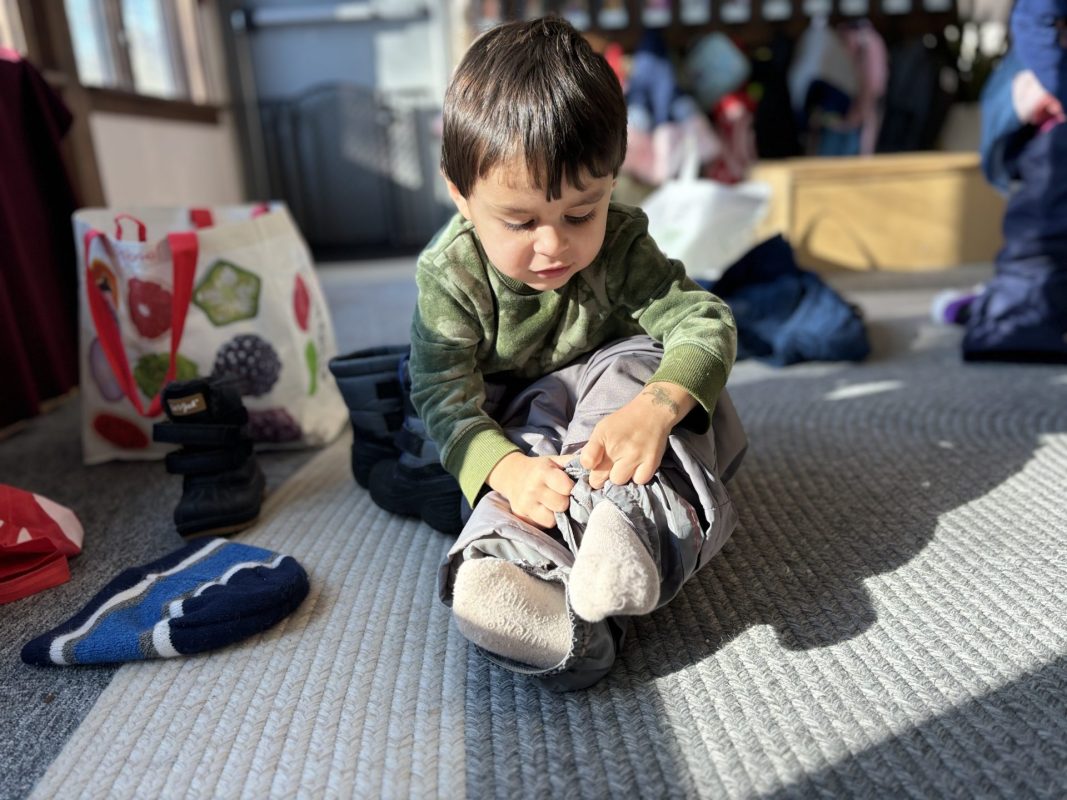
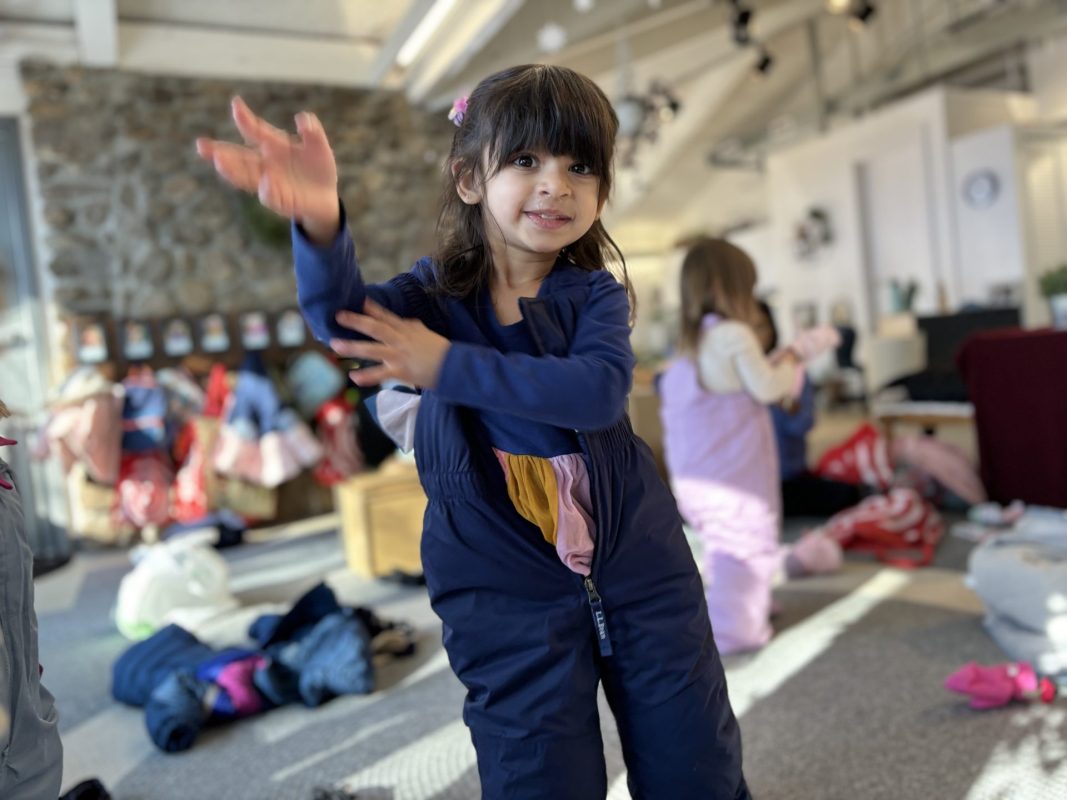
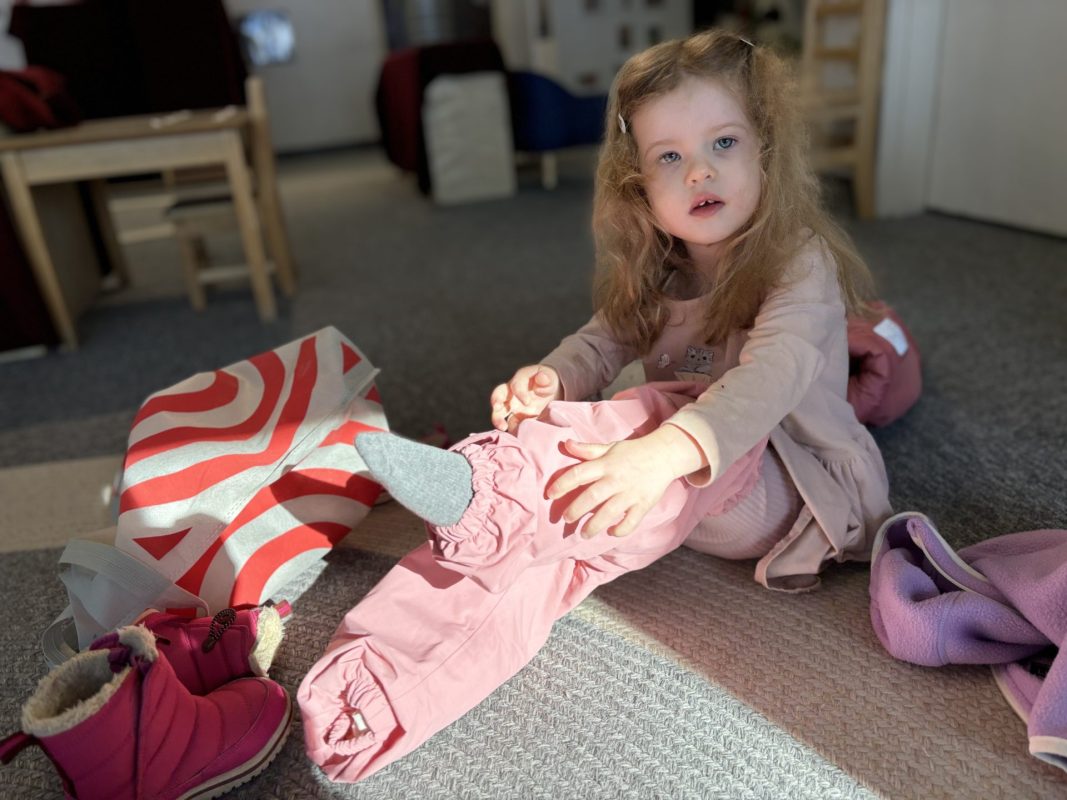
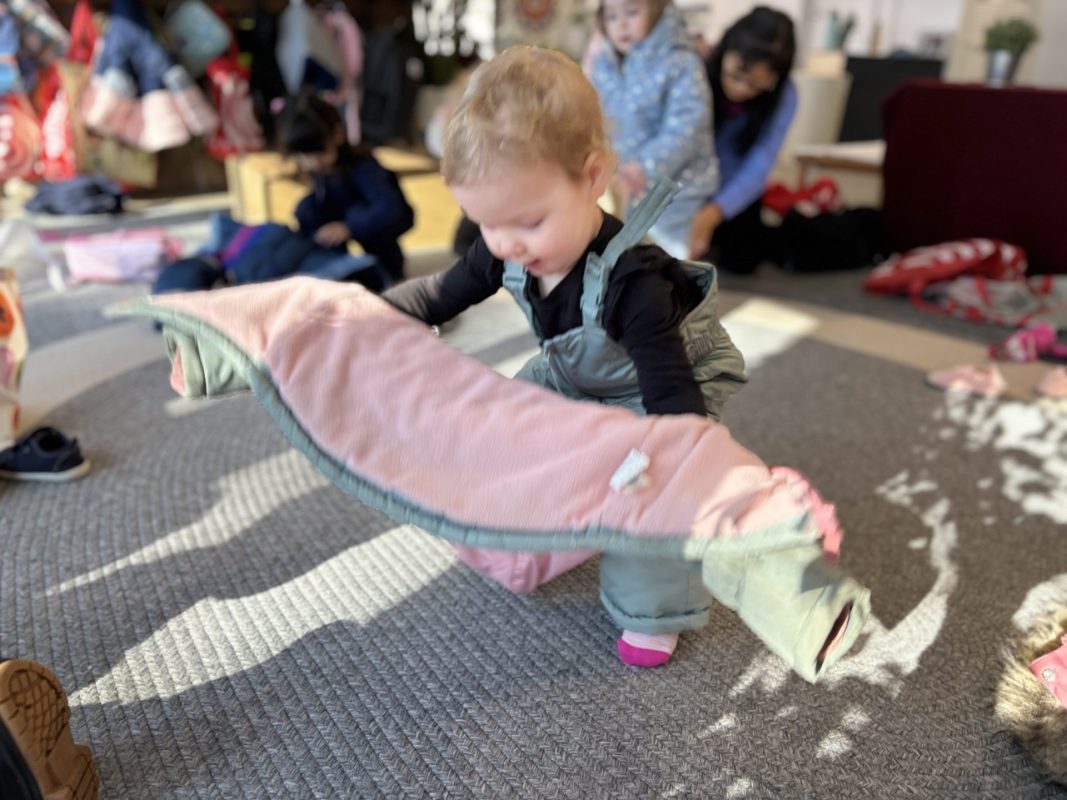
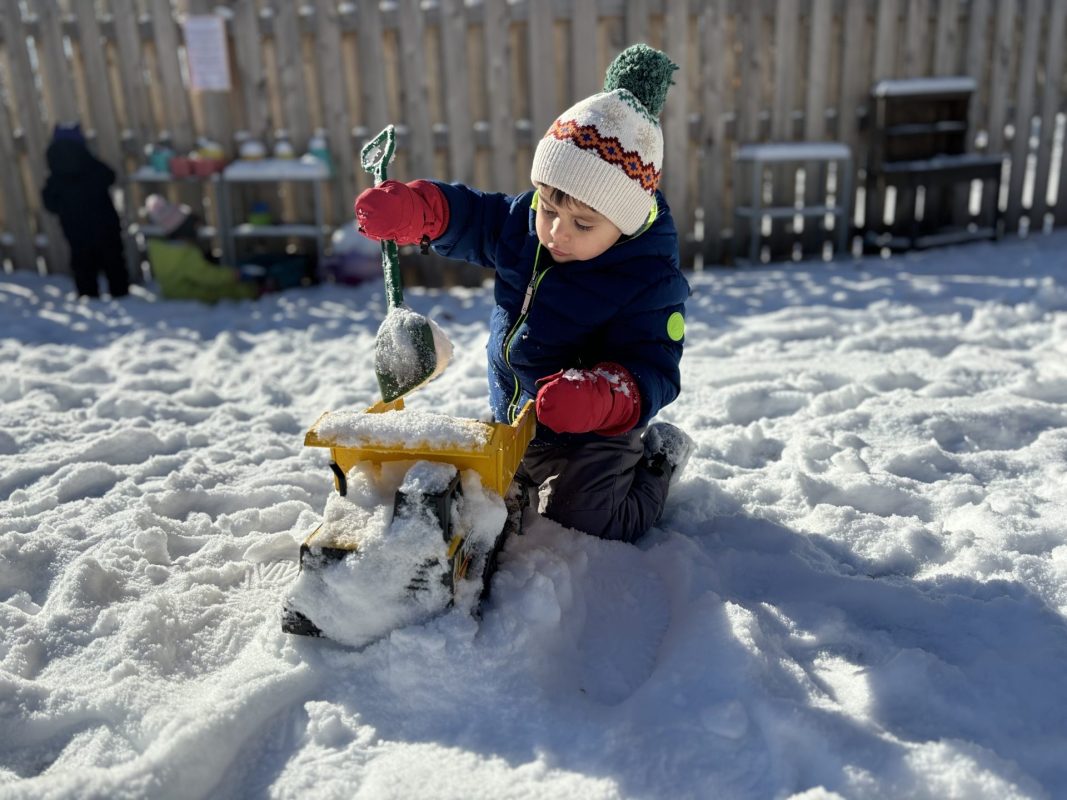
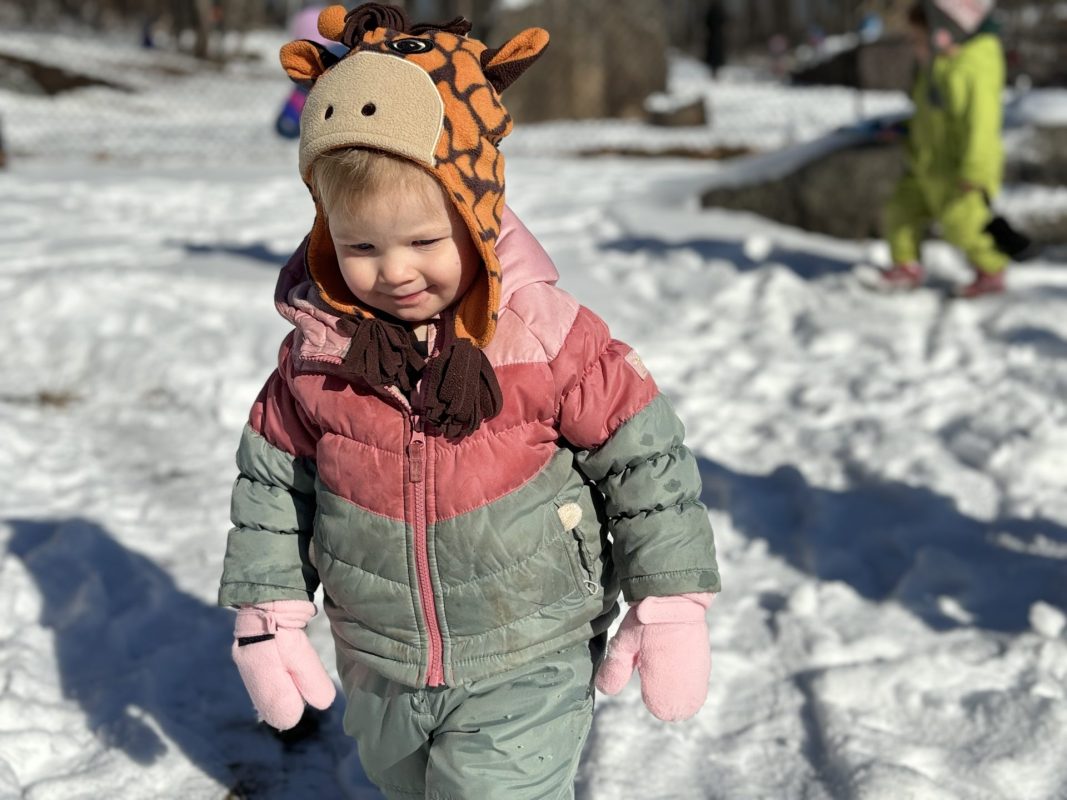
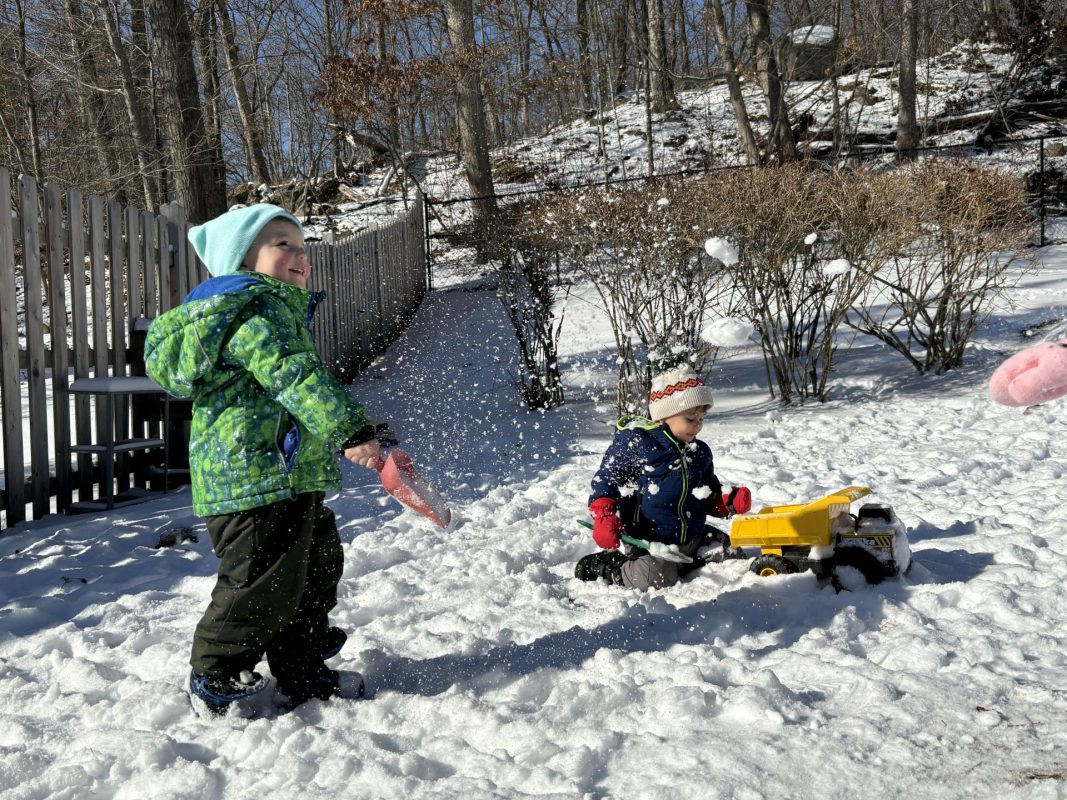
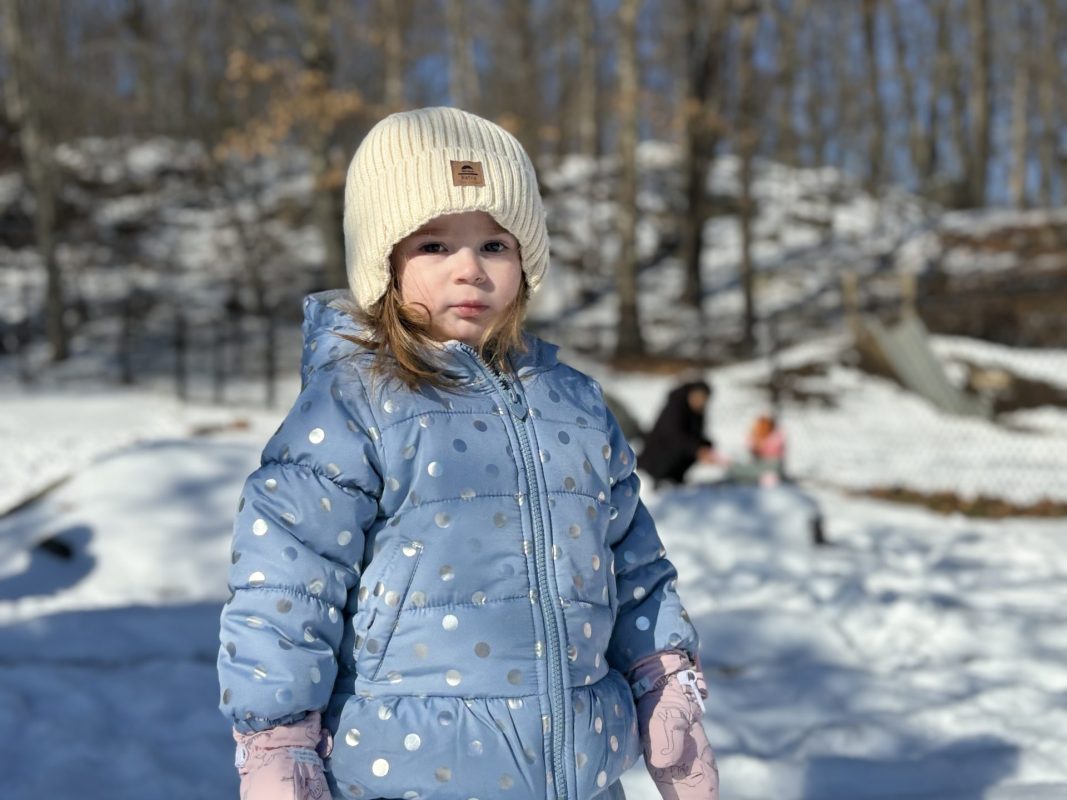
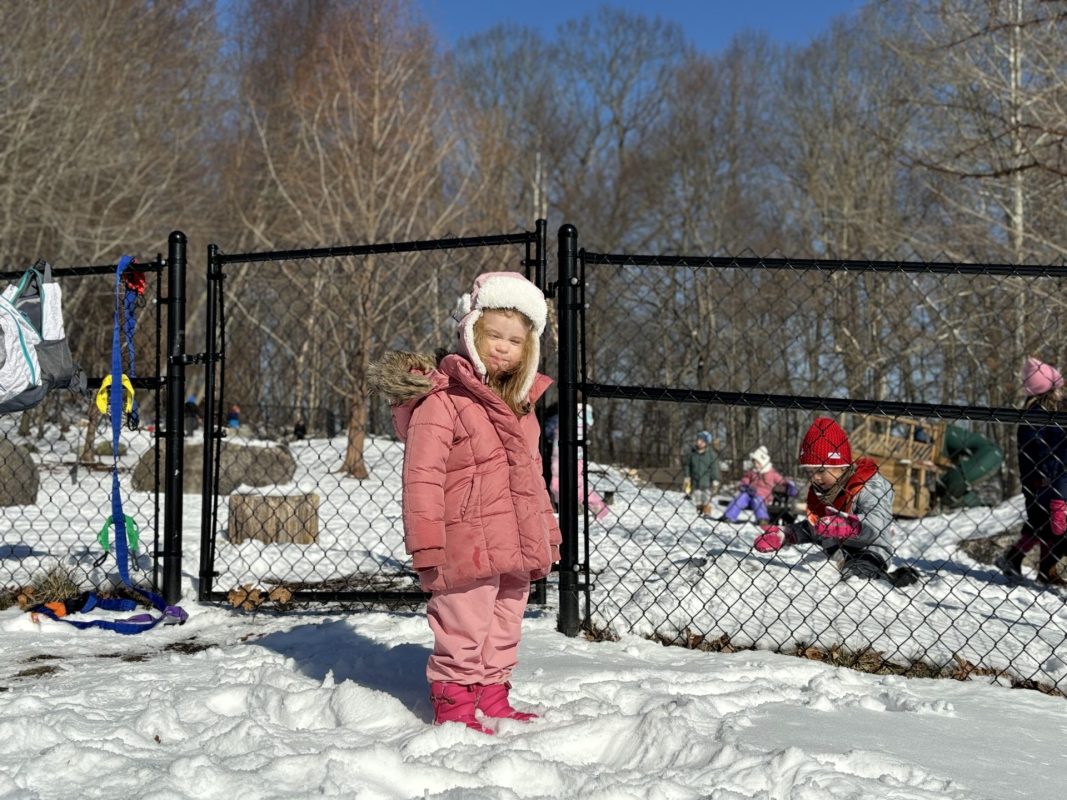
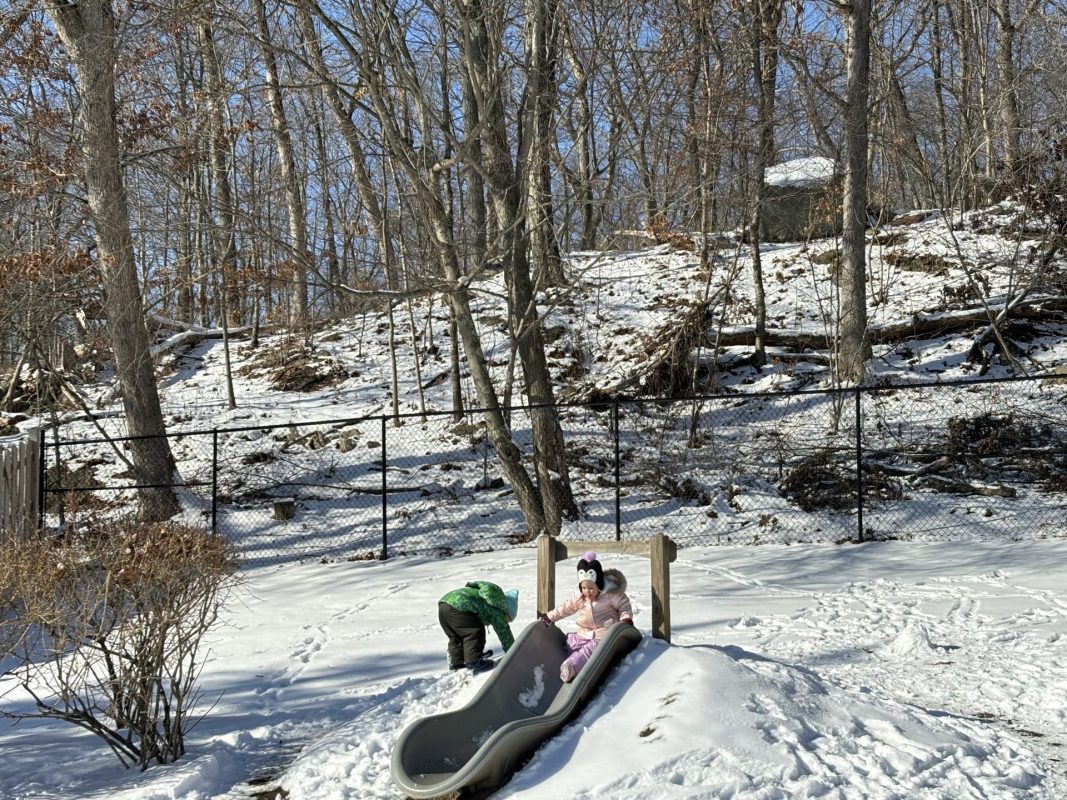
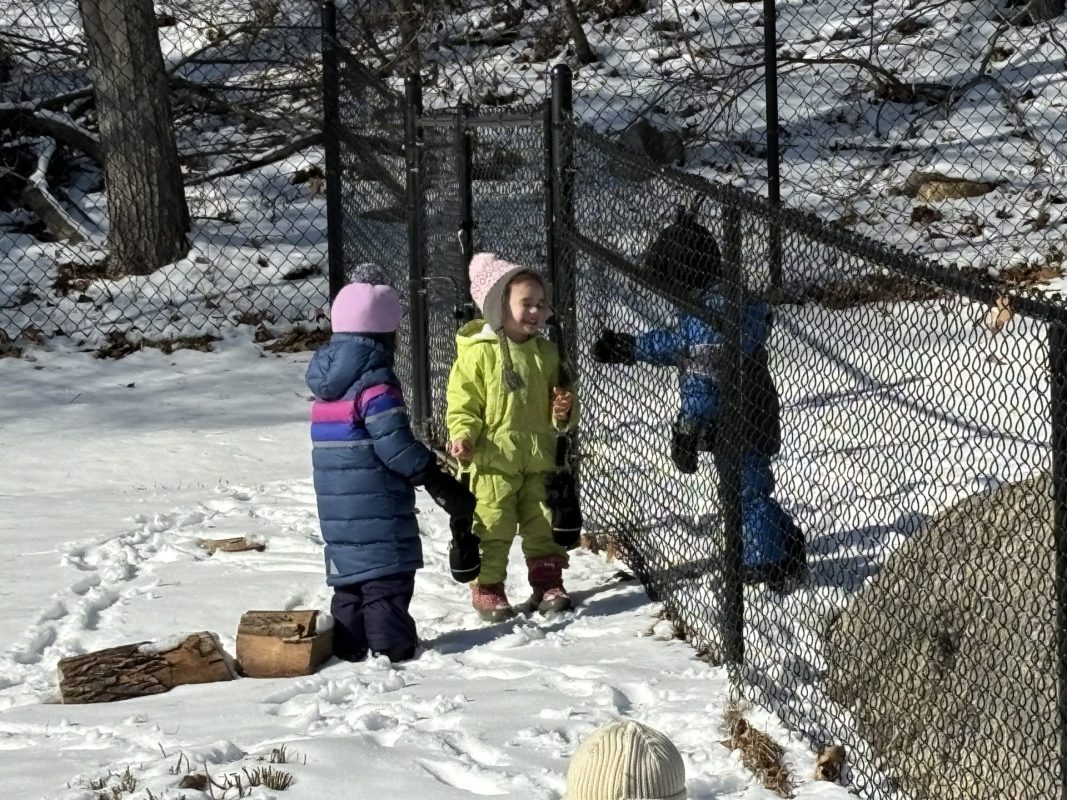
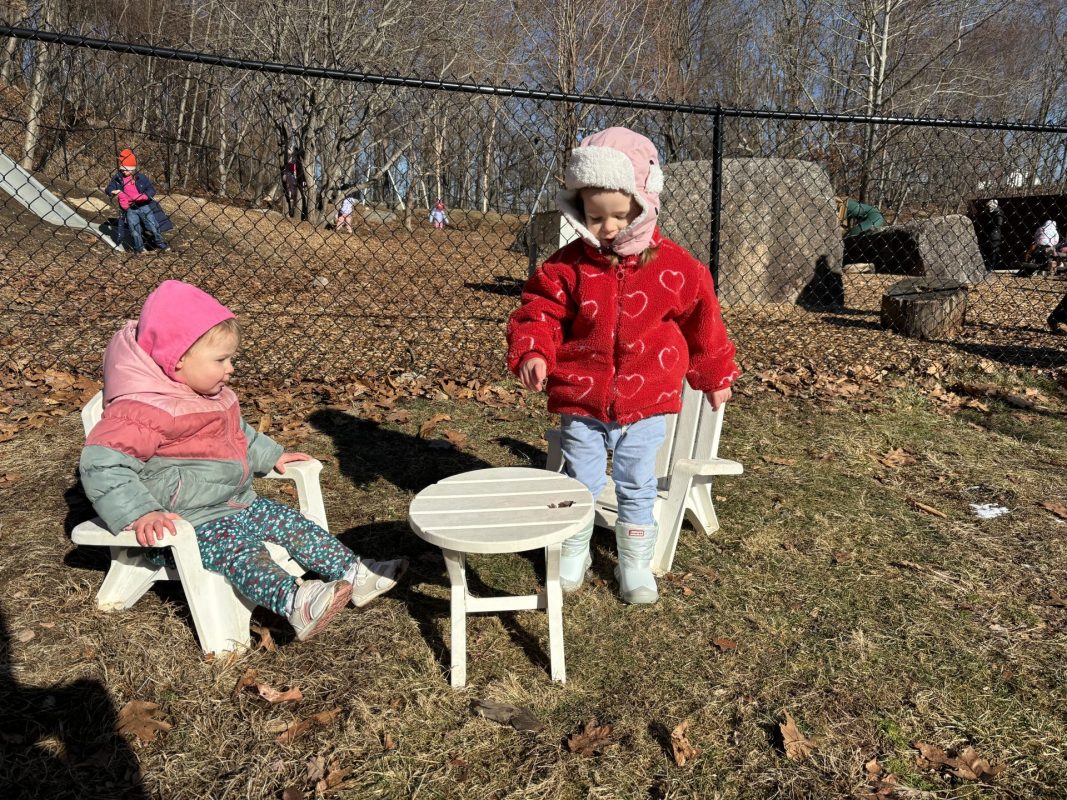
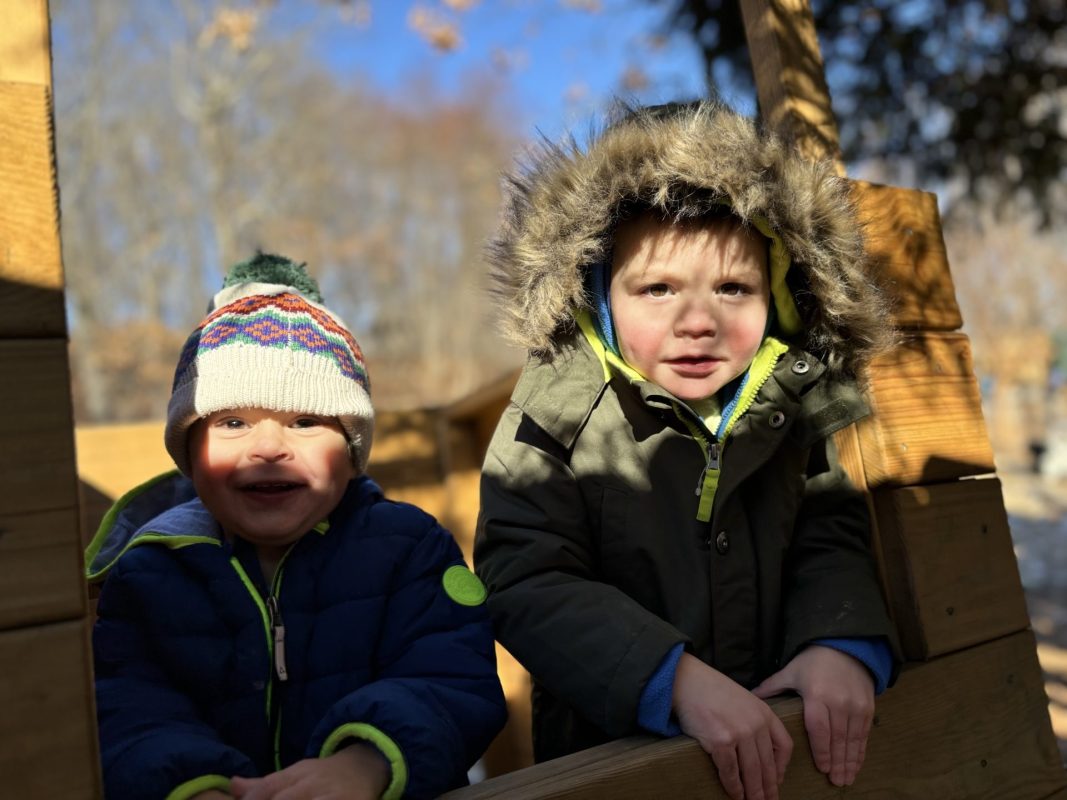
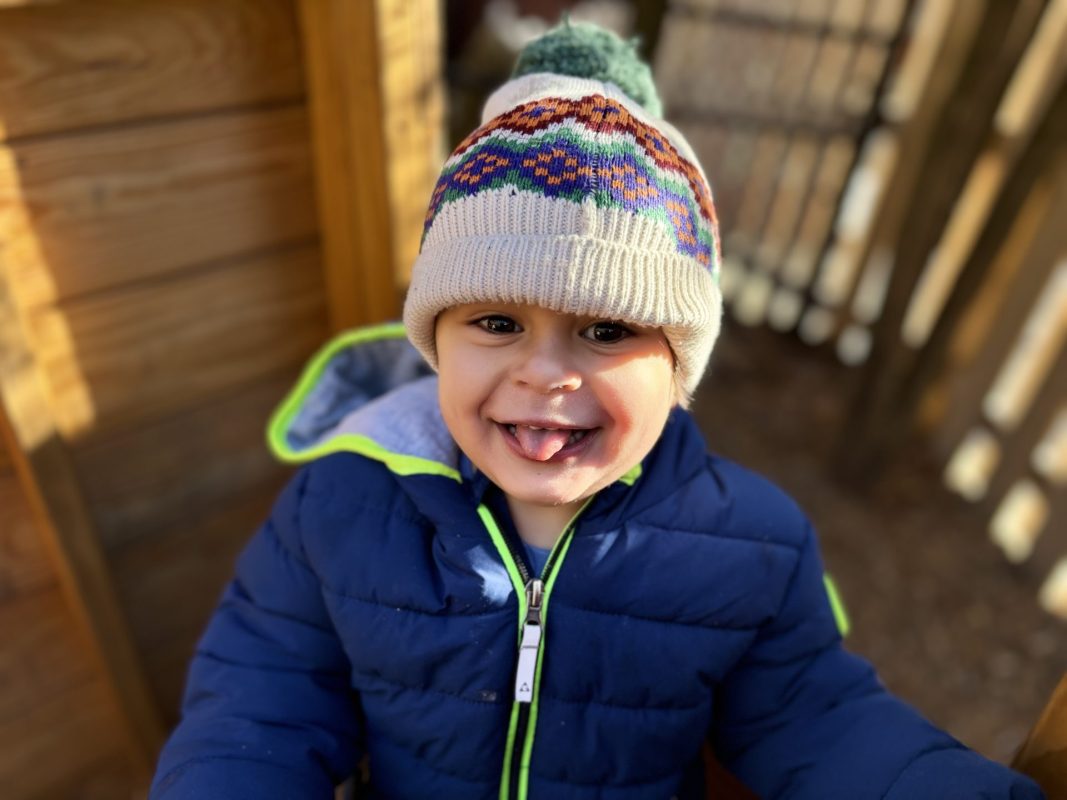
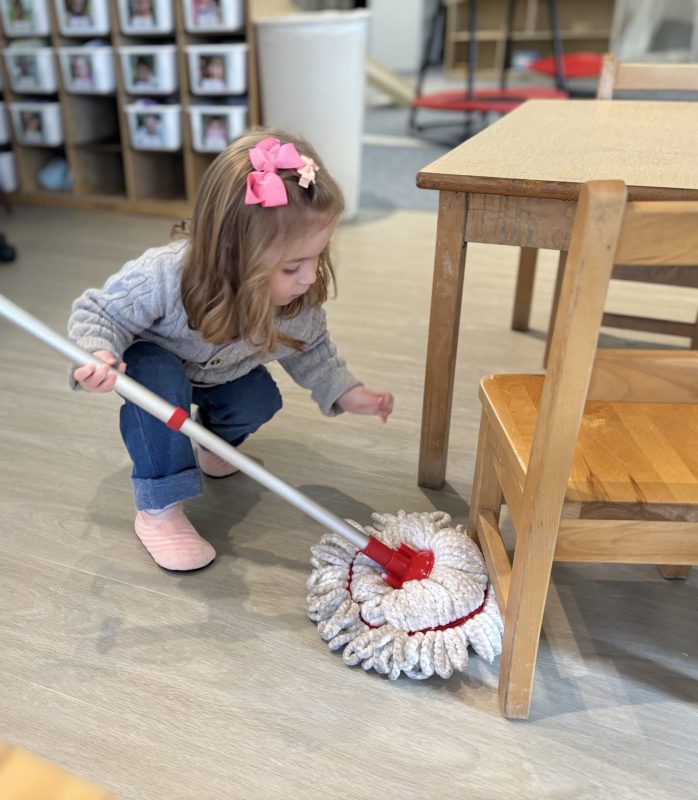
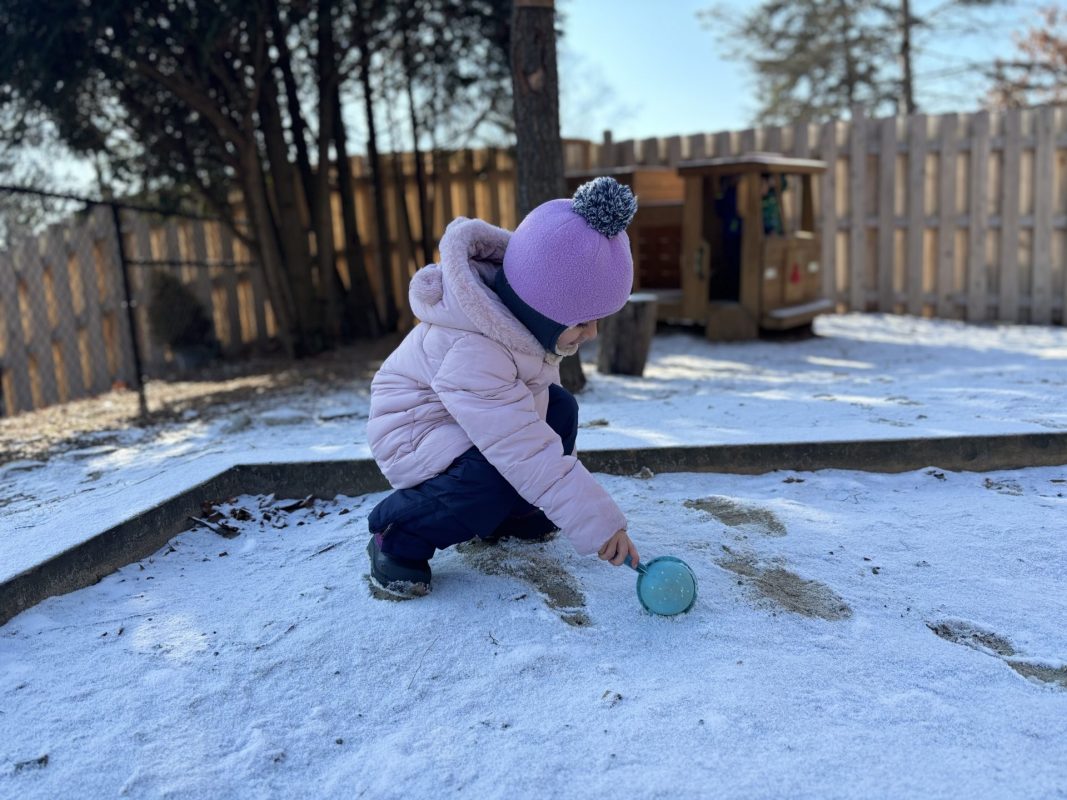
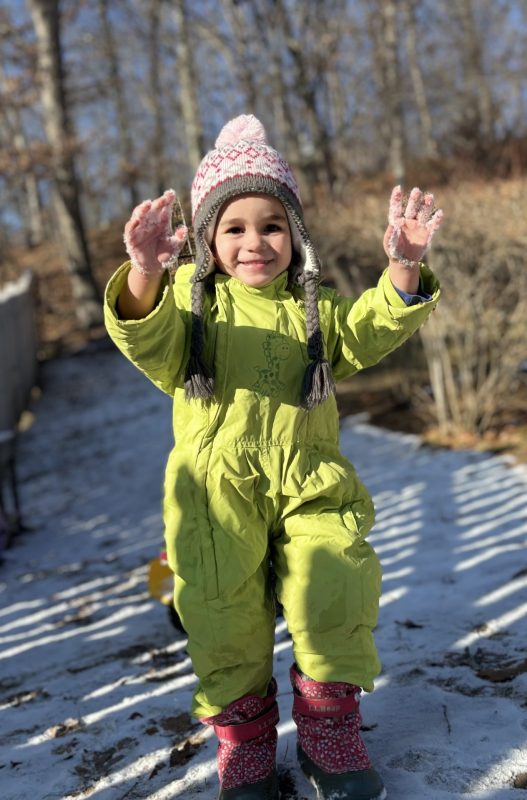
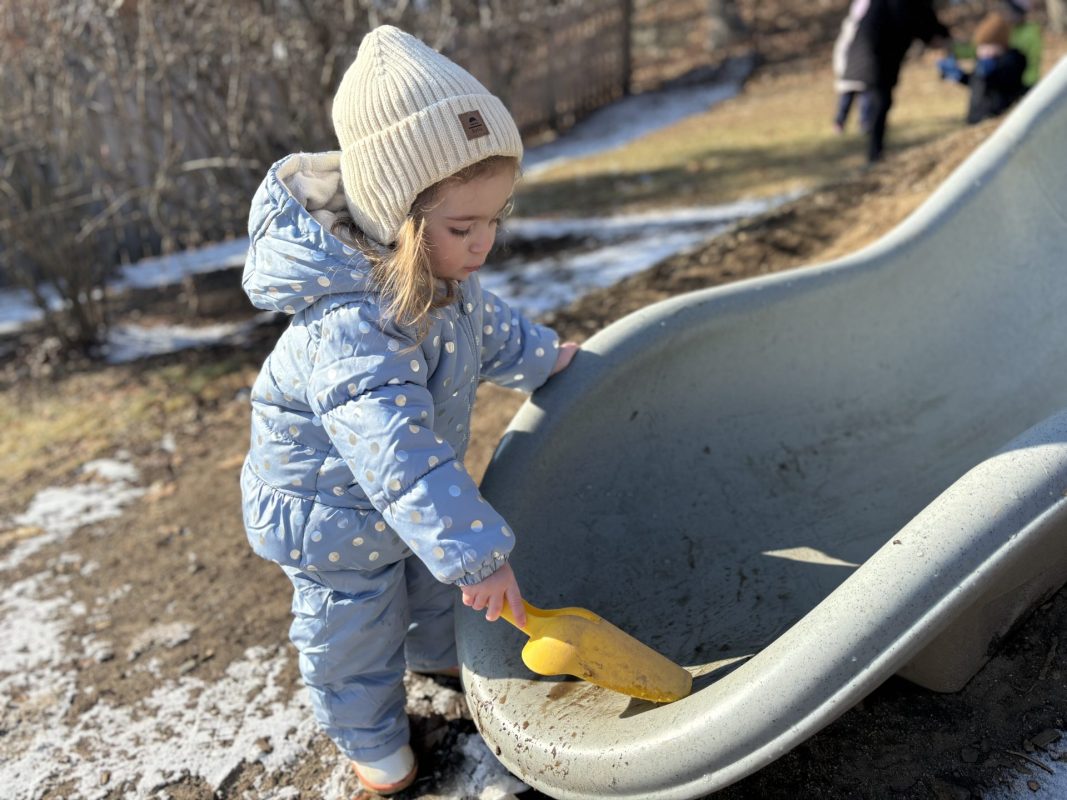
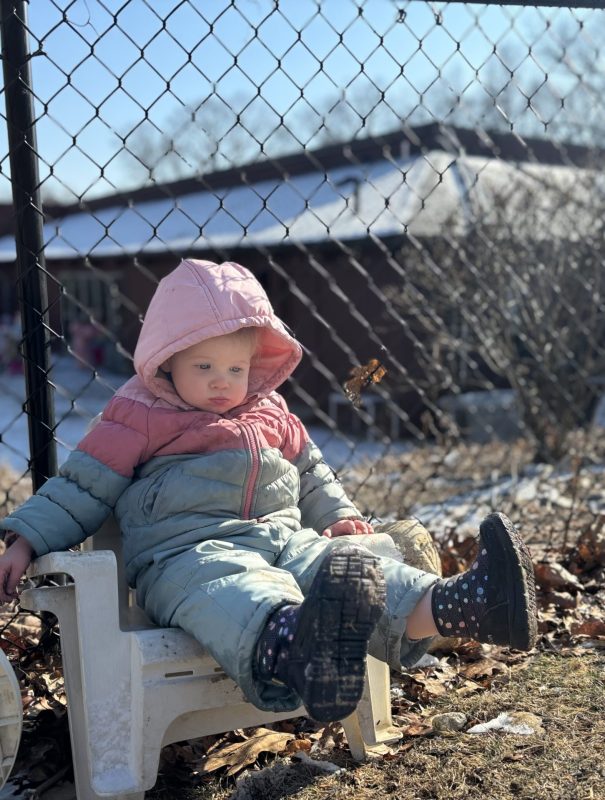
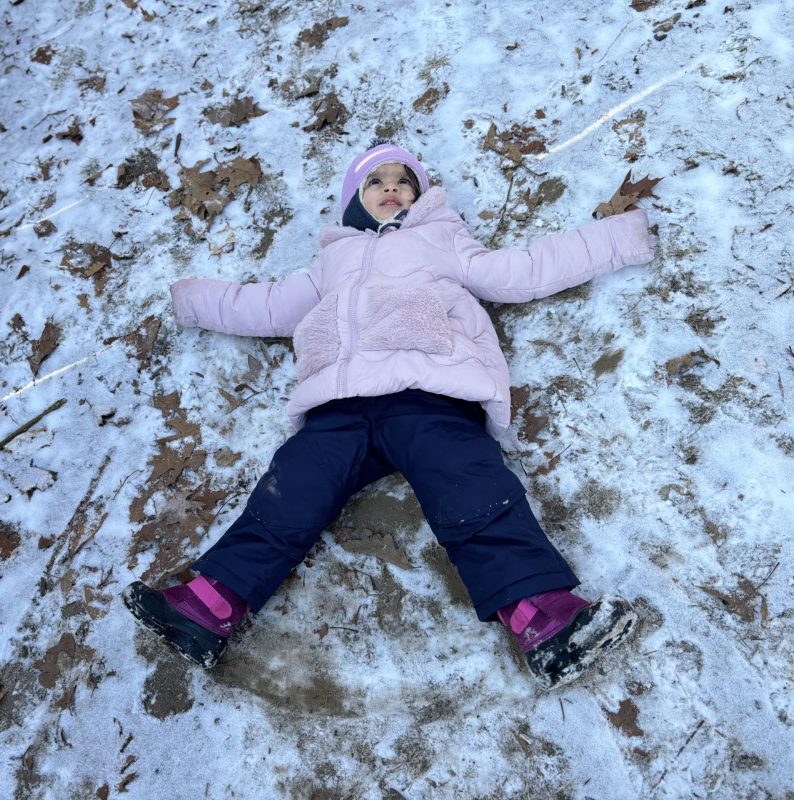
As the week progressed, the snow stayed long enough for us to enjoy it outdoors in its full glory! The children’s excitement to head outside was matched by their growing independence in preparing for the winter weather. Dressing for outdoor play is more than just putting on winter gear; it’s an opportunity for toddlers to practice independence and gain confidence in their abilities.

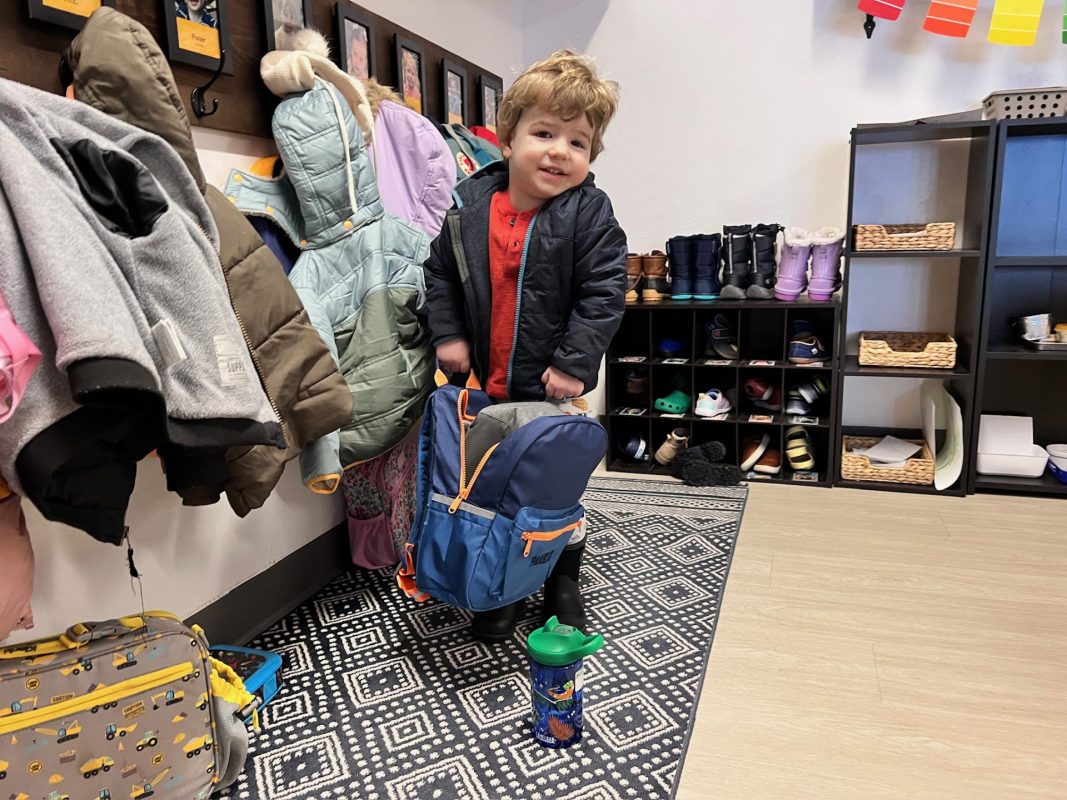
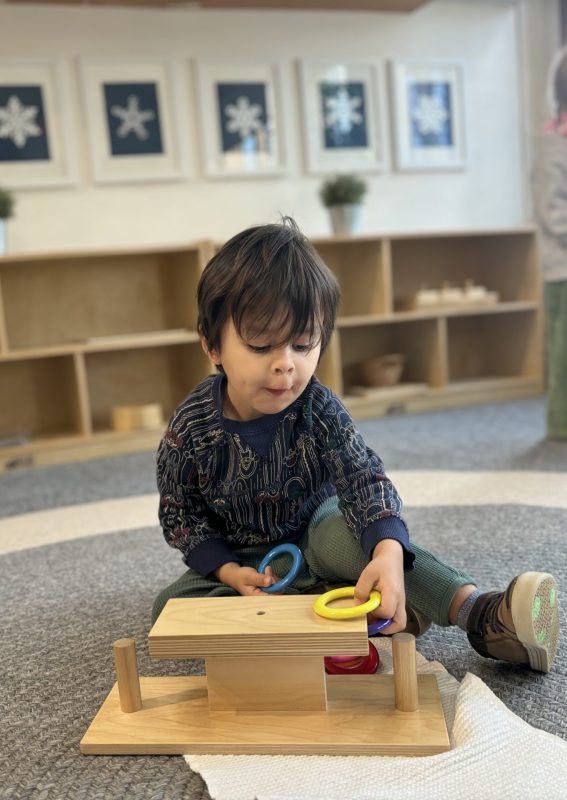
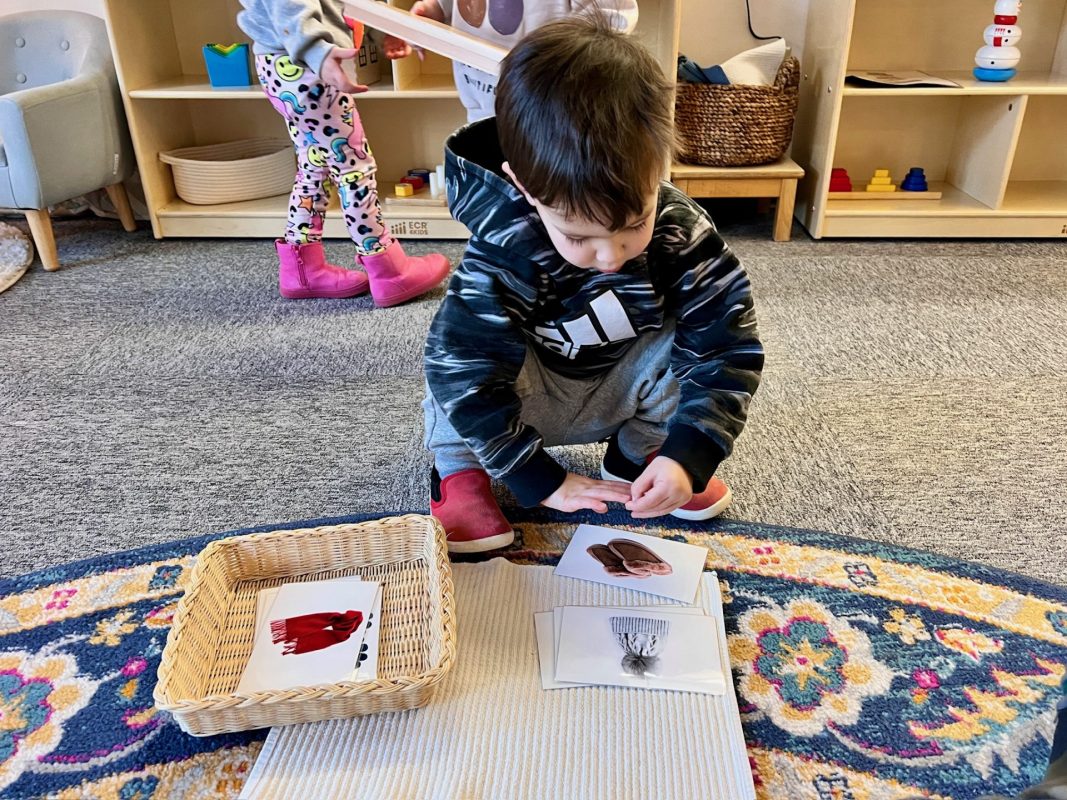
In our classroom, each child identifies their individual winter bag and retrieves it from the designated area. They then sit on the classroom rug to begin the dressing routine. First, they take off their indoor shoes, retrieve their winter pants, and lay them out on the floor. Sitting down, they practice pulling up their pants until they can see their toes, then stand up to finish pulling them on and zipping their snowsuit. Afterward, they put on their snow boots, coats, hats, and mittens. With each practice session, the children become more adept at this sequence, and their smiles reflect the pride they feel in achieving this task independently. We encourage you to provide time and space for your children to practice this skill at home, as this consistency will further enhance their confidence and capability.

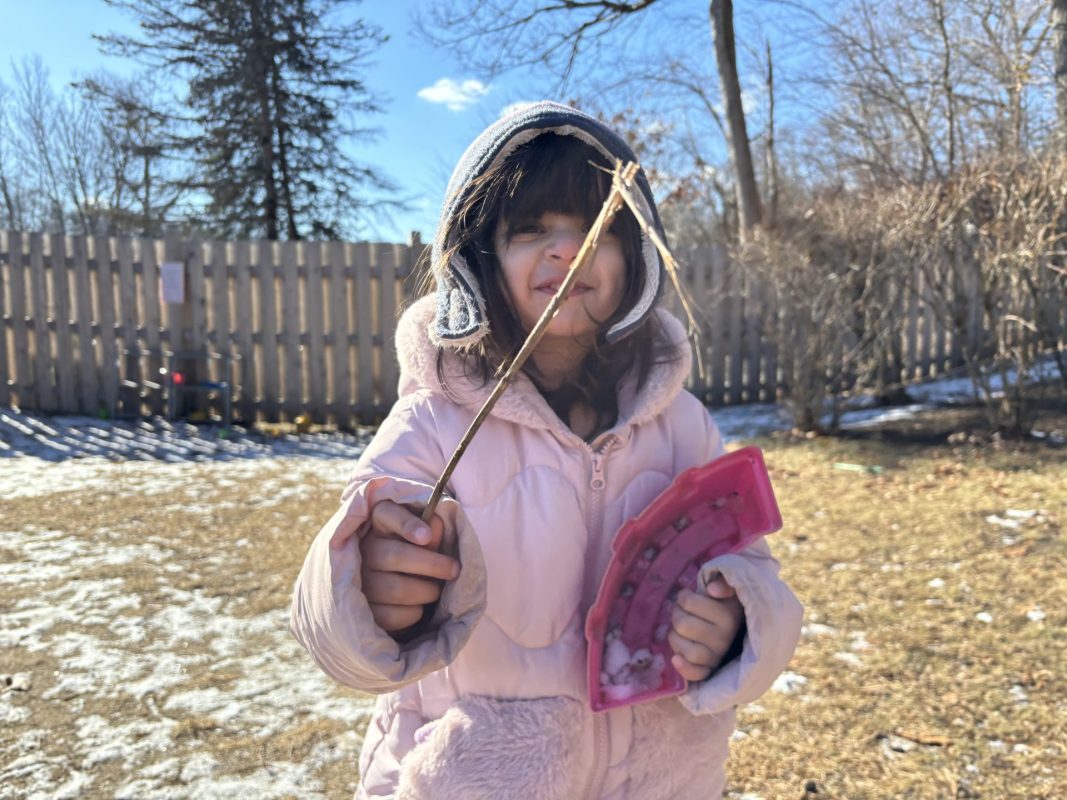
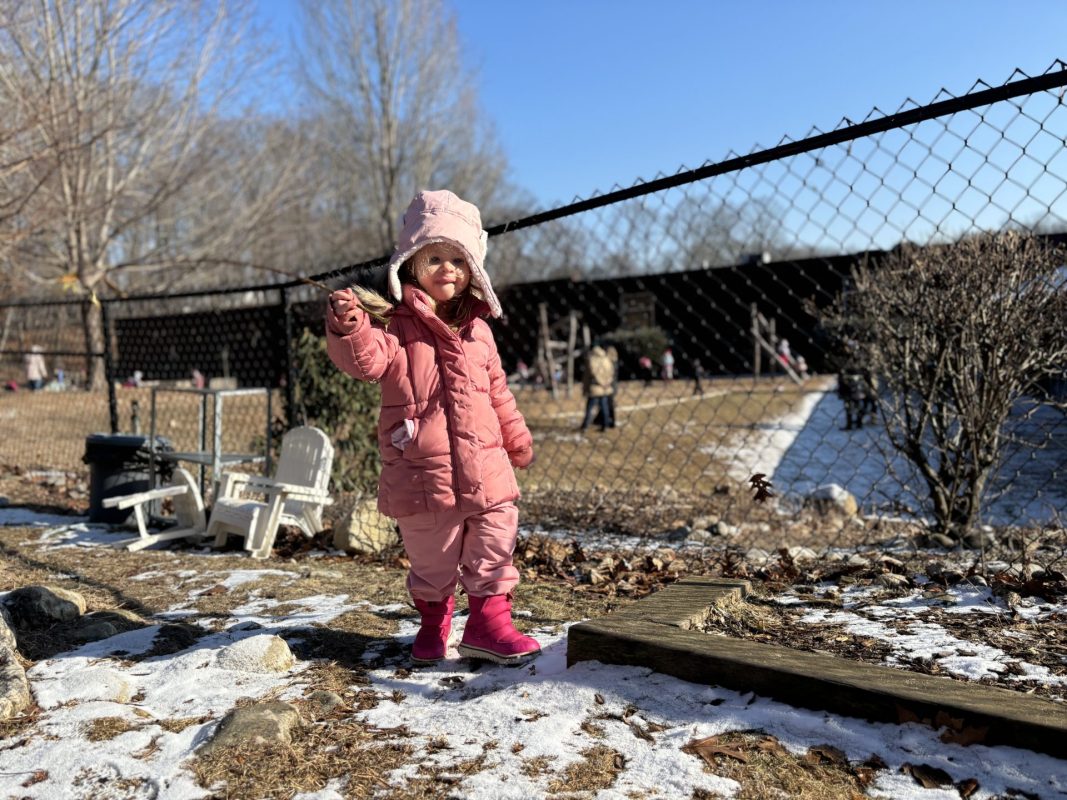
Once outside, the children embraced the opportunity calmly and joyfully, taking in the sights and sounds of winter while exploring the snow at their own pace. It was a peaceful and enriching experience that highlighted the beauty of nature and the joy of discovery.

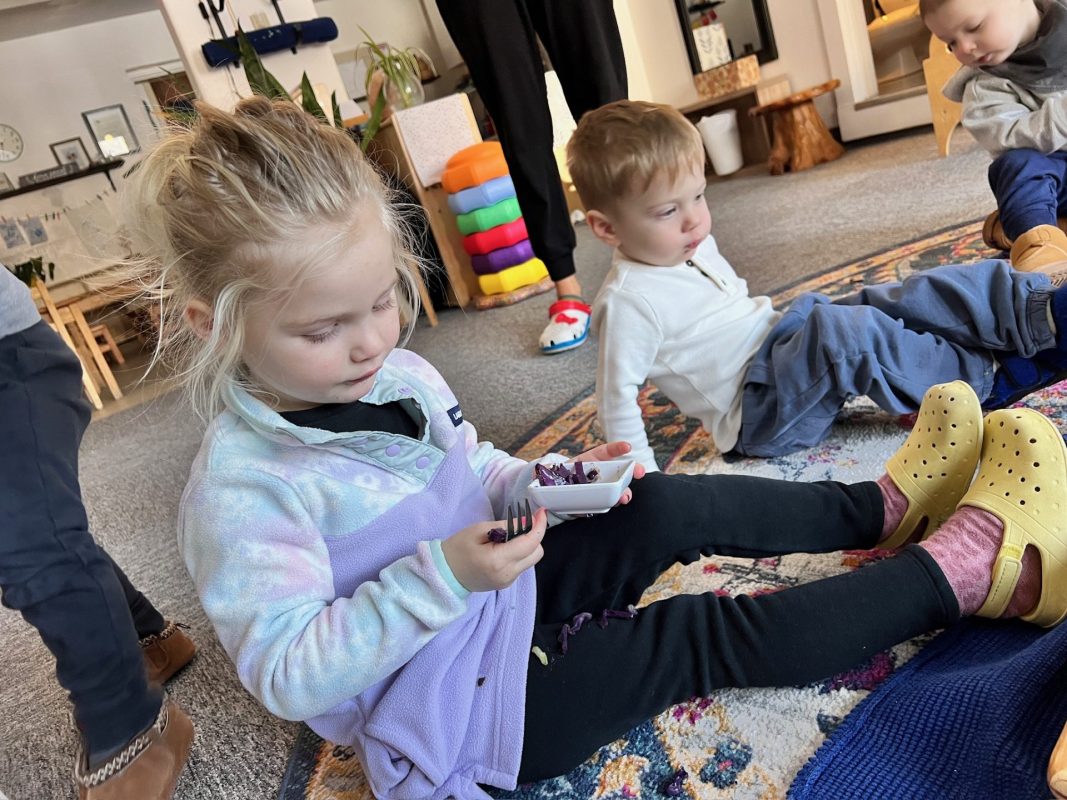
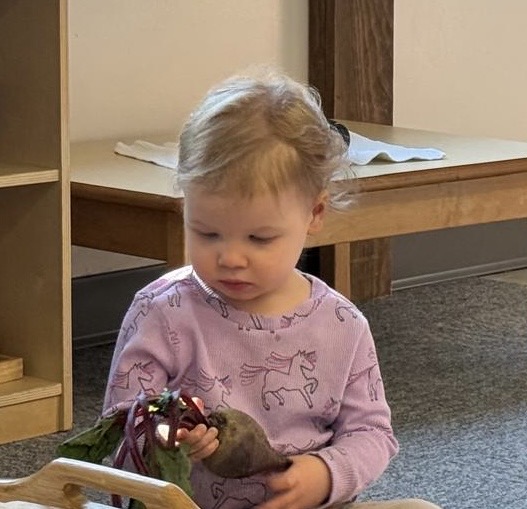
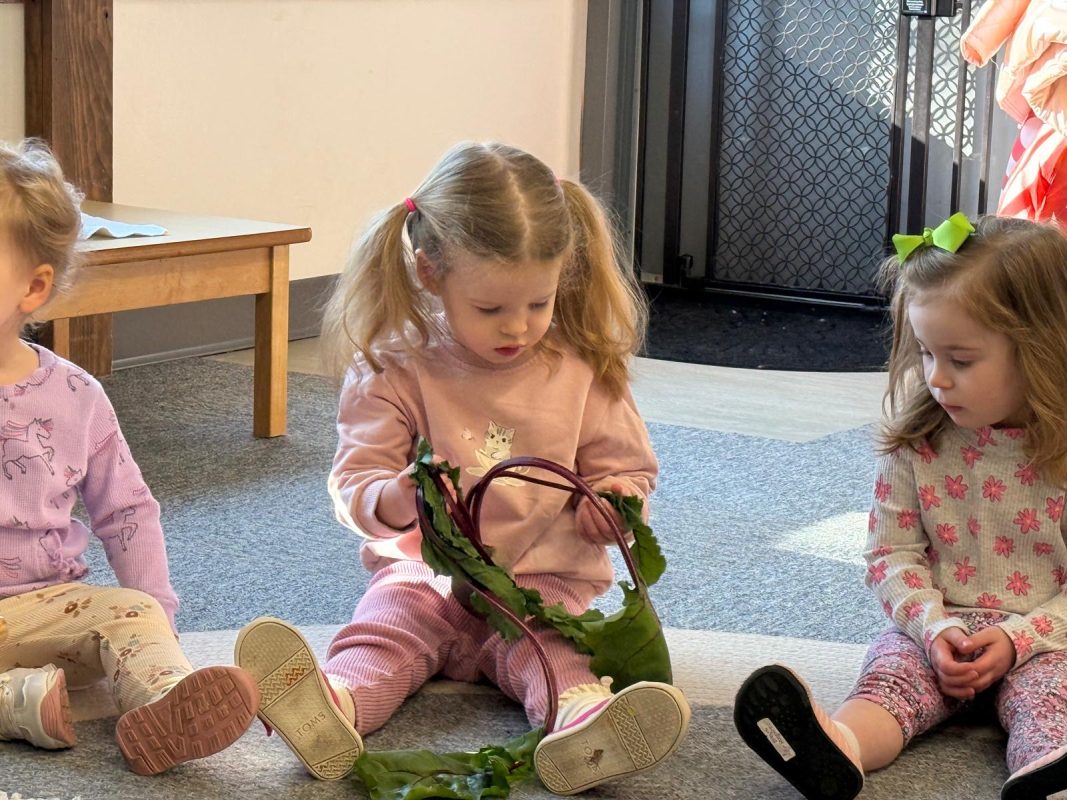
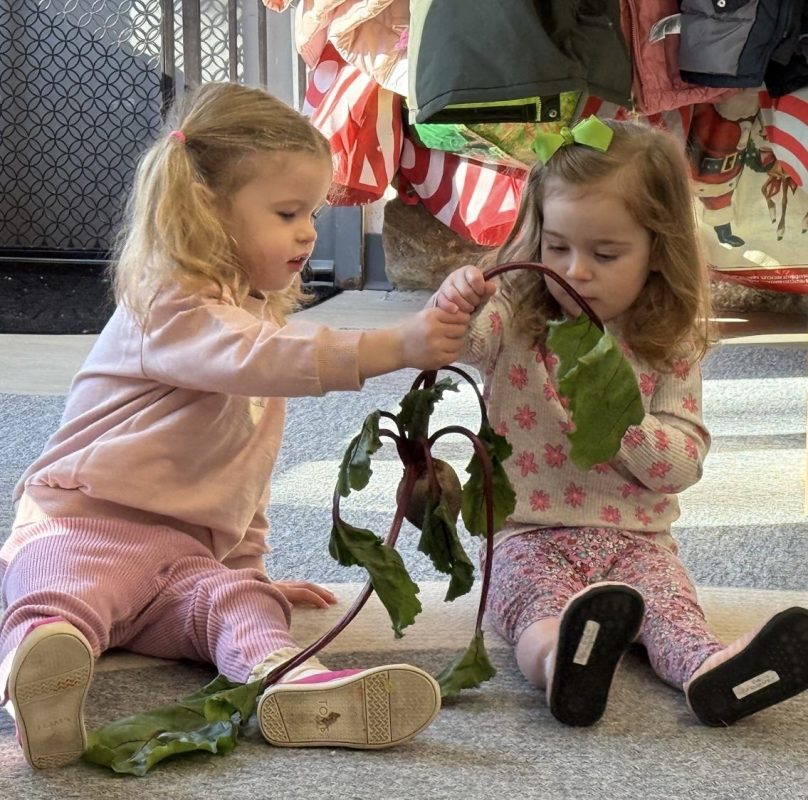
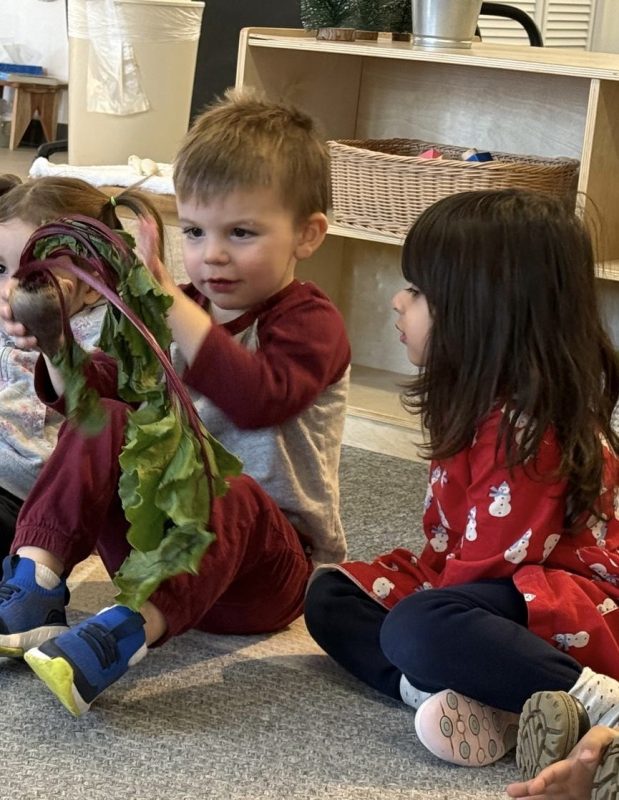
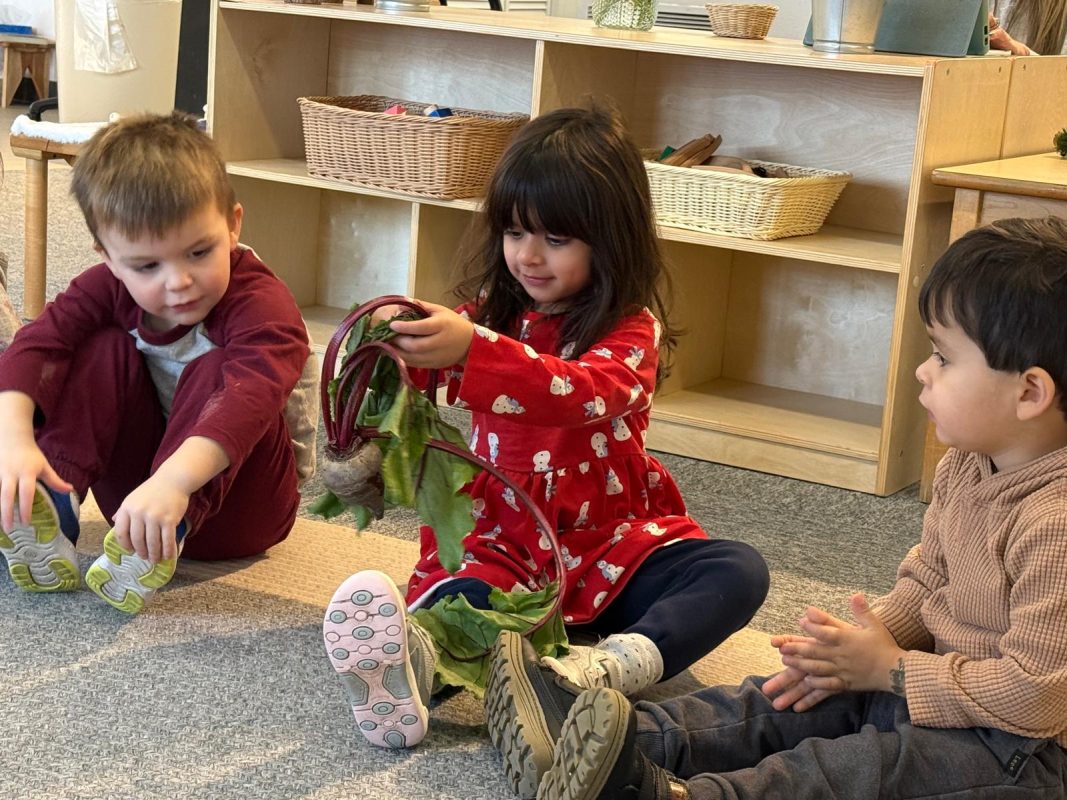
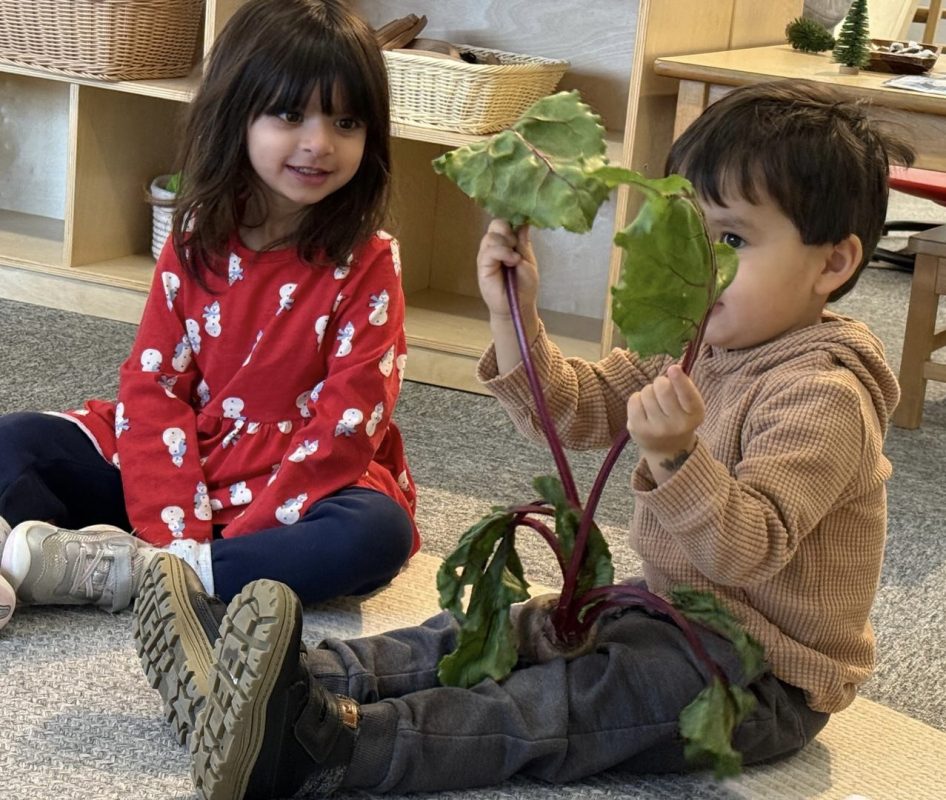
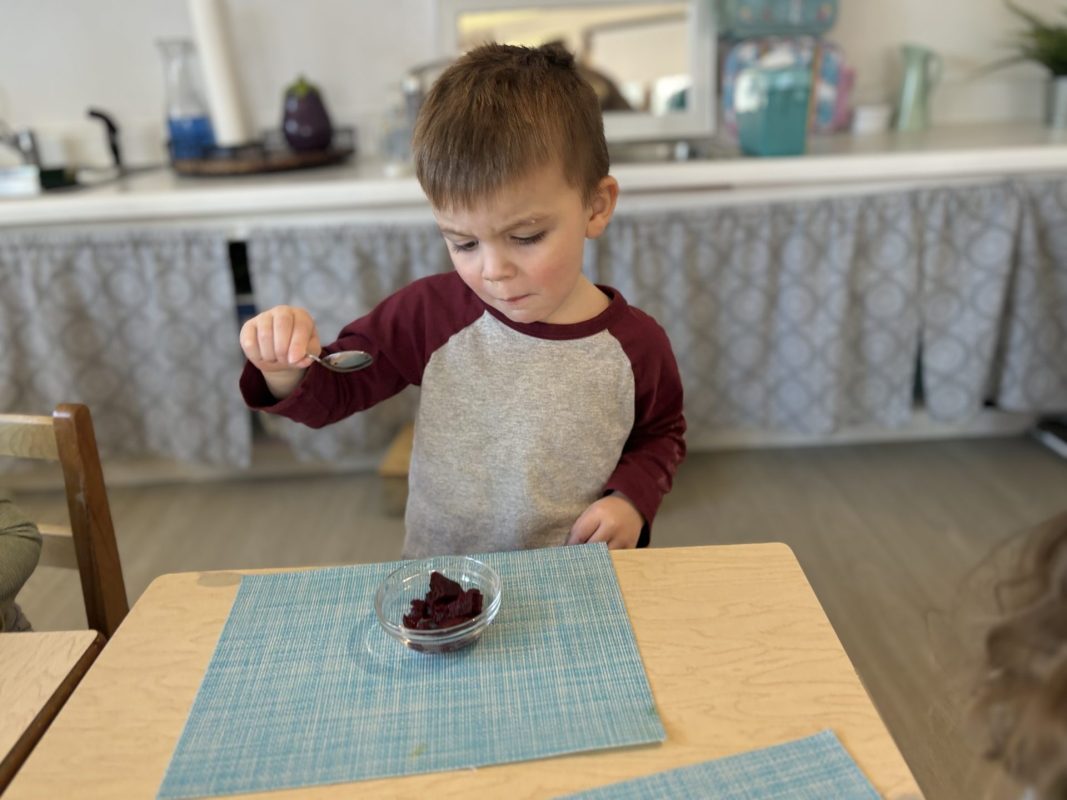
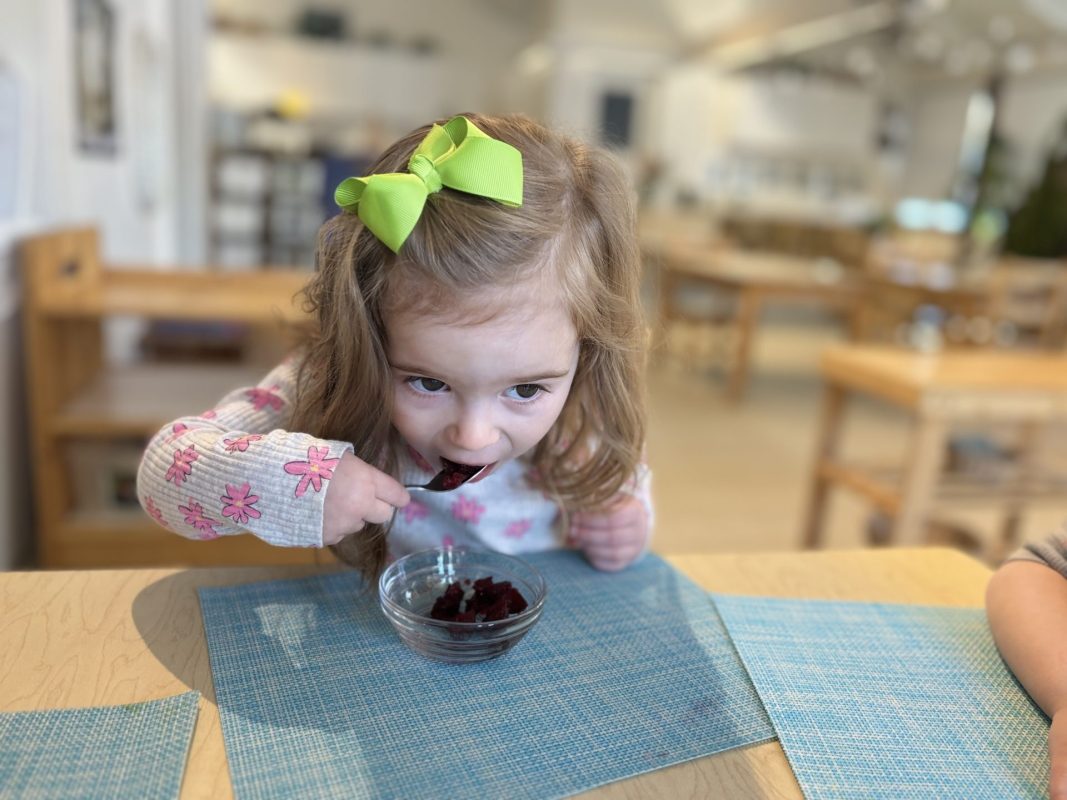
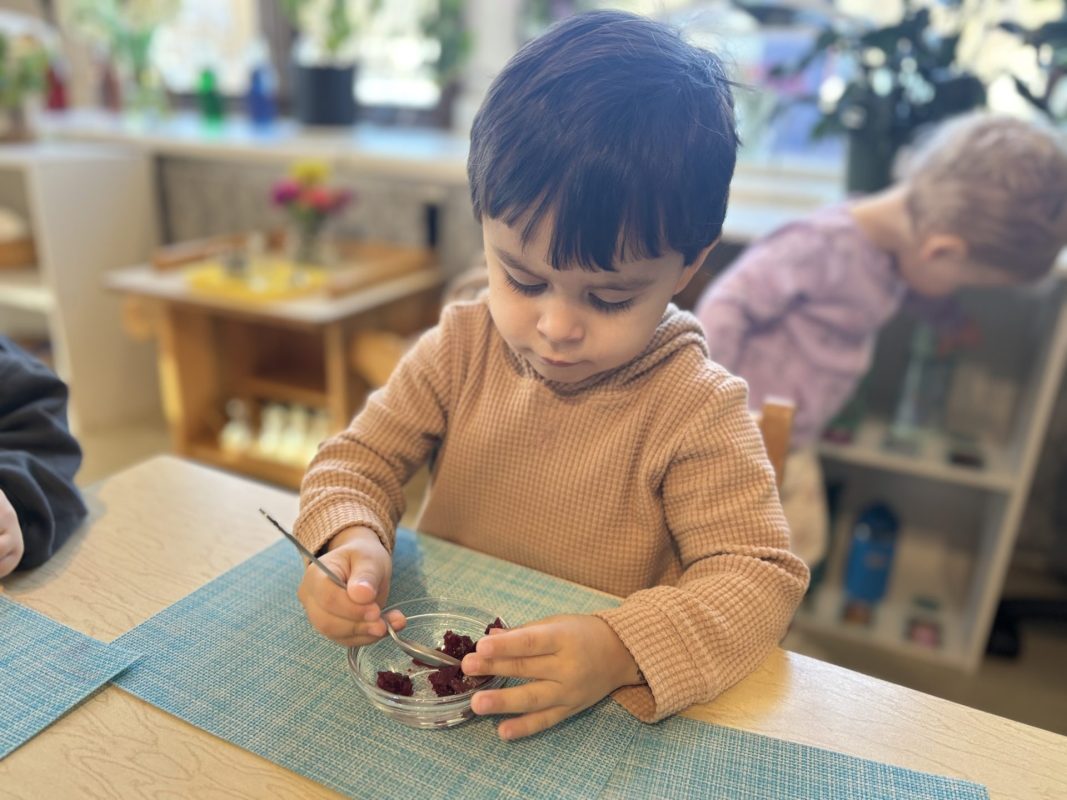
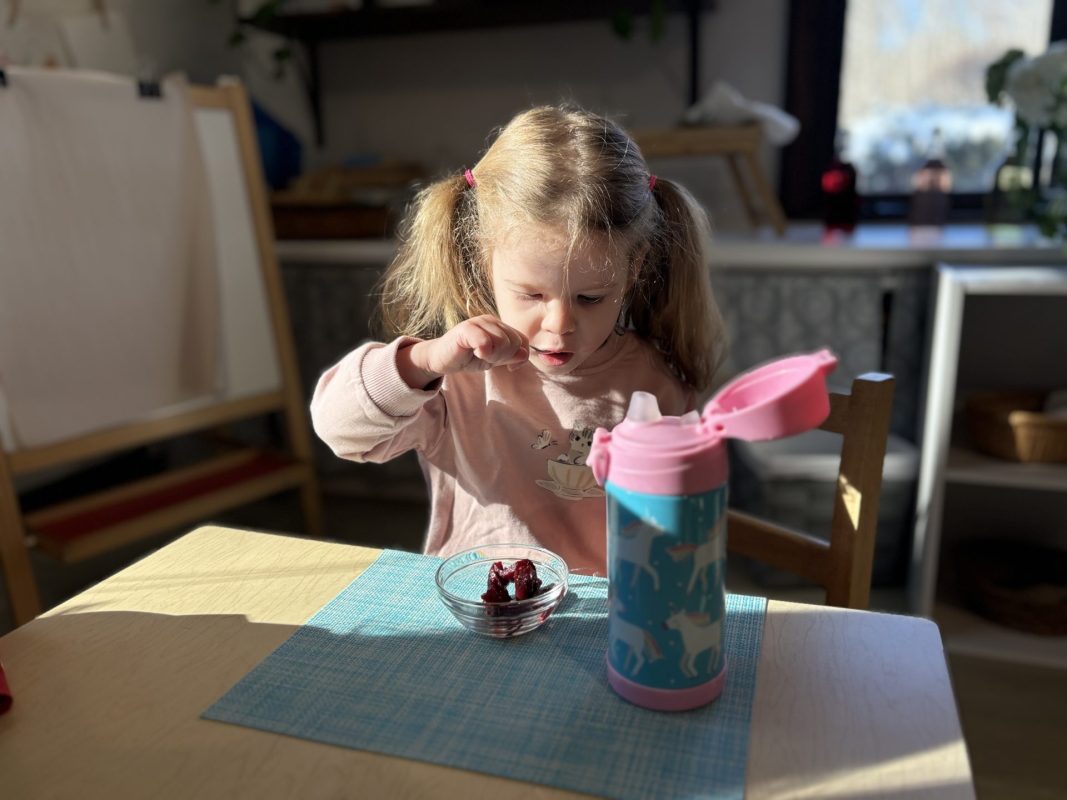
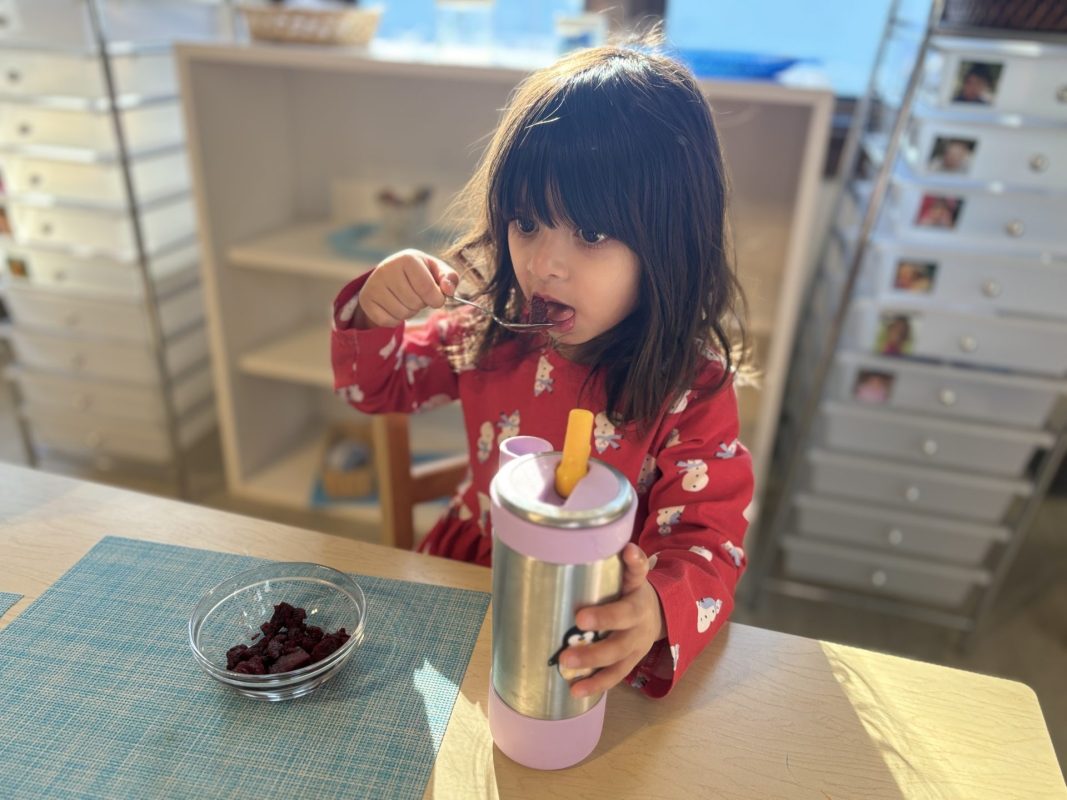
Lastly, our sensory exploration didn’t stop at snow. This week, the children explored beets as the food-tasting lesson.  They were intrigued by the long green leaves and were in awe to discover the vibrant purple inside the beet. Even though it was not a favorite vegetable for all, we report that 100% of the class tasted it and many of them expressed how beautiful the beets were.

Stay warm and have a great weekend,

Mrs. Hood and Ms. Patty


Ms. Mollie: Cozy Days

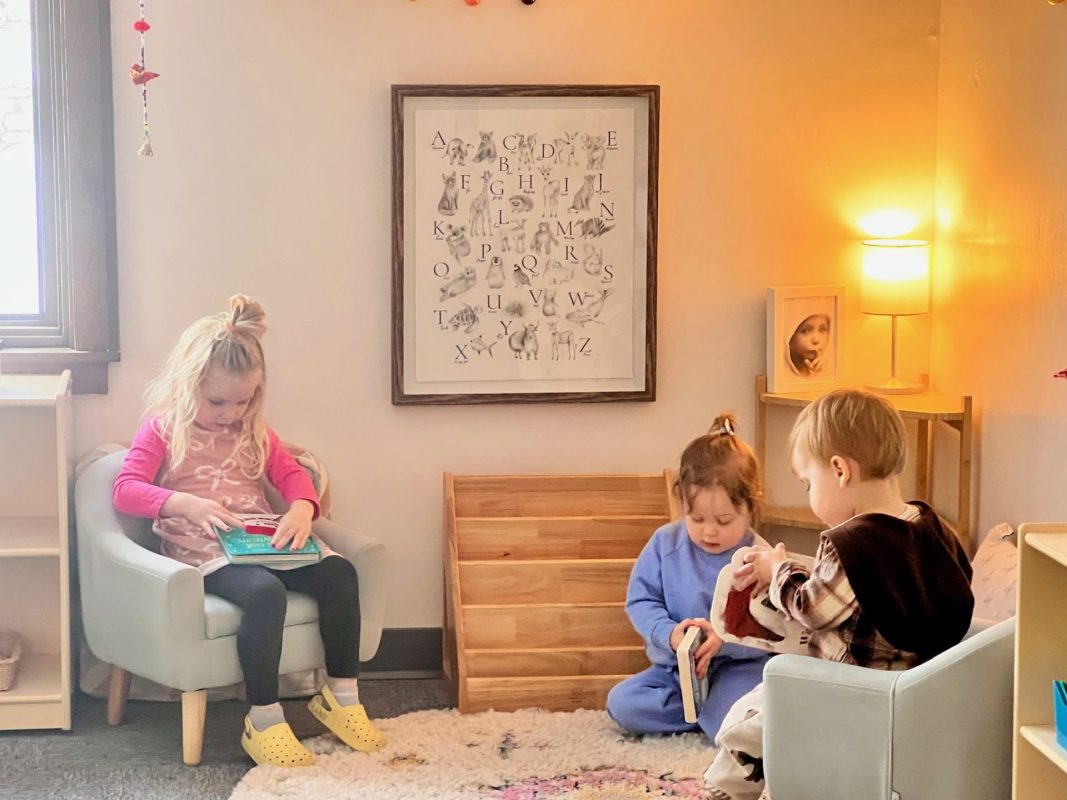
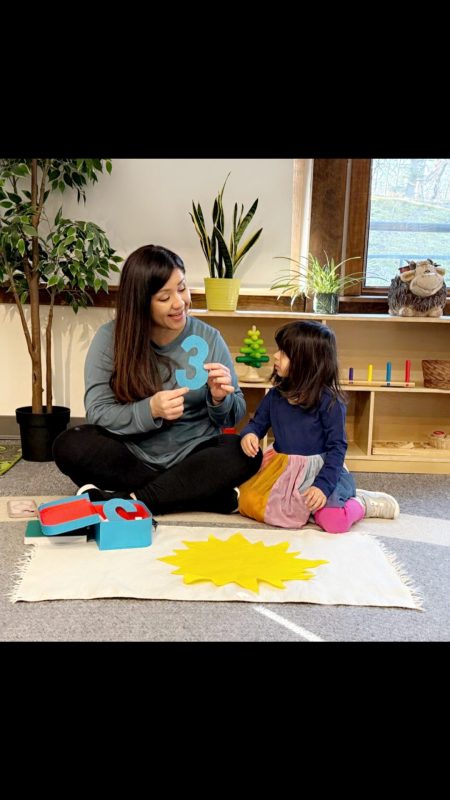
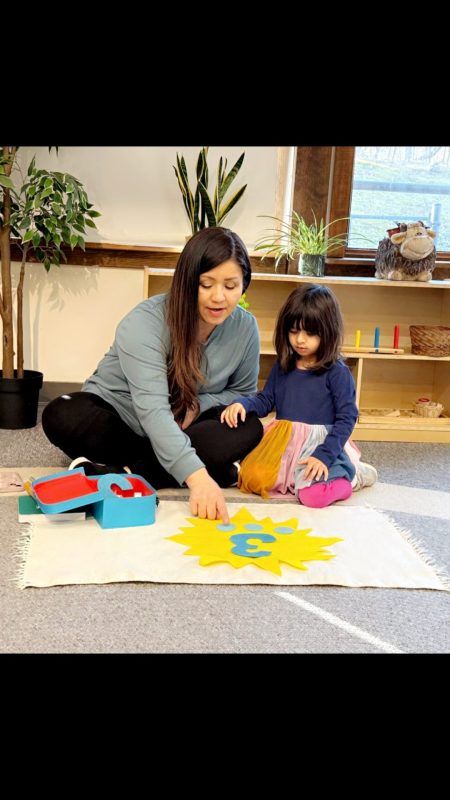
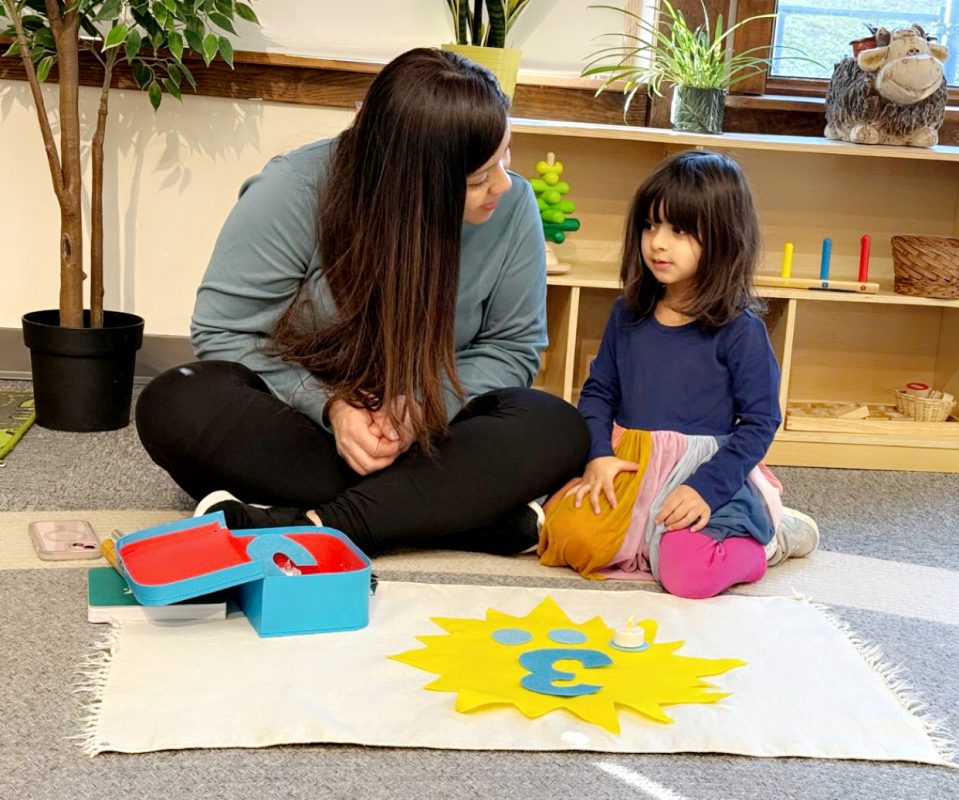
This short week has been packed with so much fun! While there is no such thing as improper weather, just improper clothing……we definitely had two days that were just too cold! The children were able to run, play, and get lots of energy out in the gym! The classroom book nook was a very popular spot this week. It provided that cozy feeling of “snuggled up with a good book.”  Our classroom books are rotated out frequently, often following the holidays or a season, giving the children more exposure to the world around them. I love the, “I am” books for children, the simple books give us insight to a variety of humans who have changed our world.  The book I Am Brave gave a little glimpse into Dr. Martin Luther King Jr’s life and legacy, and most of all, his bravery.

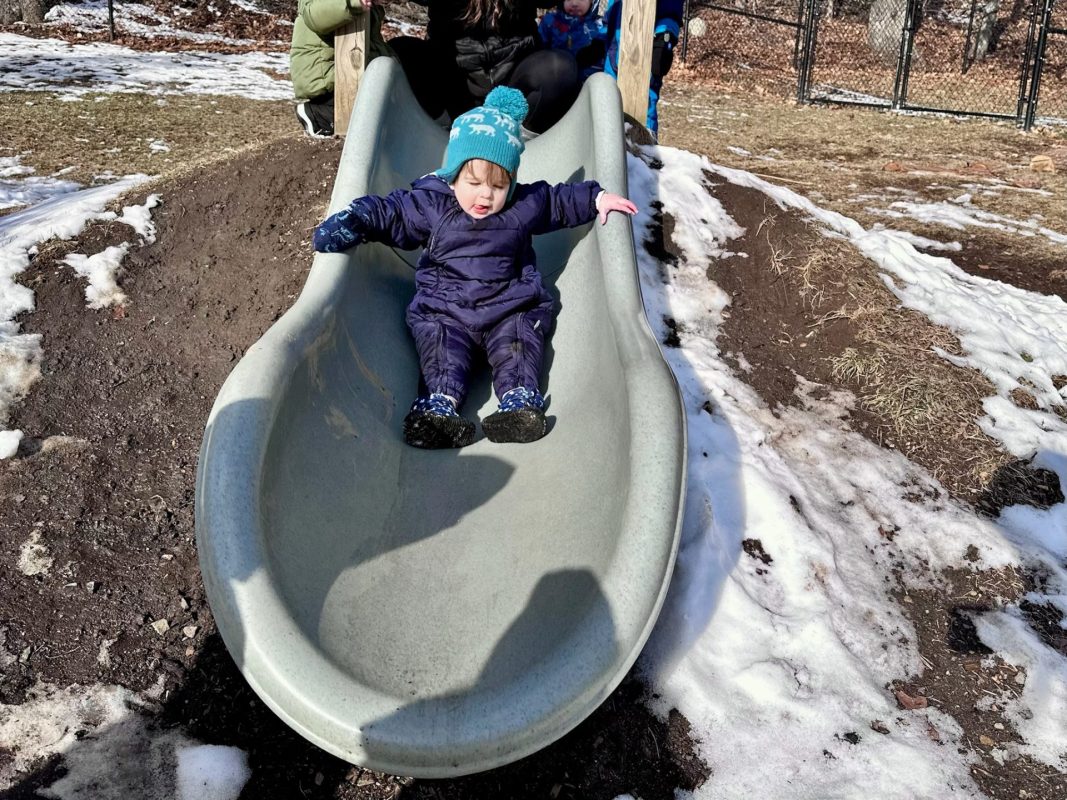
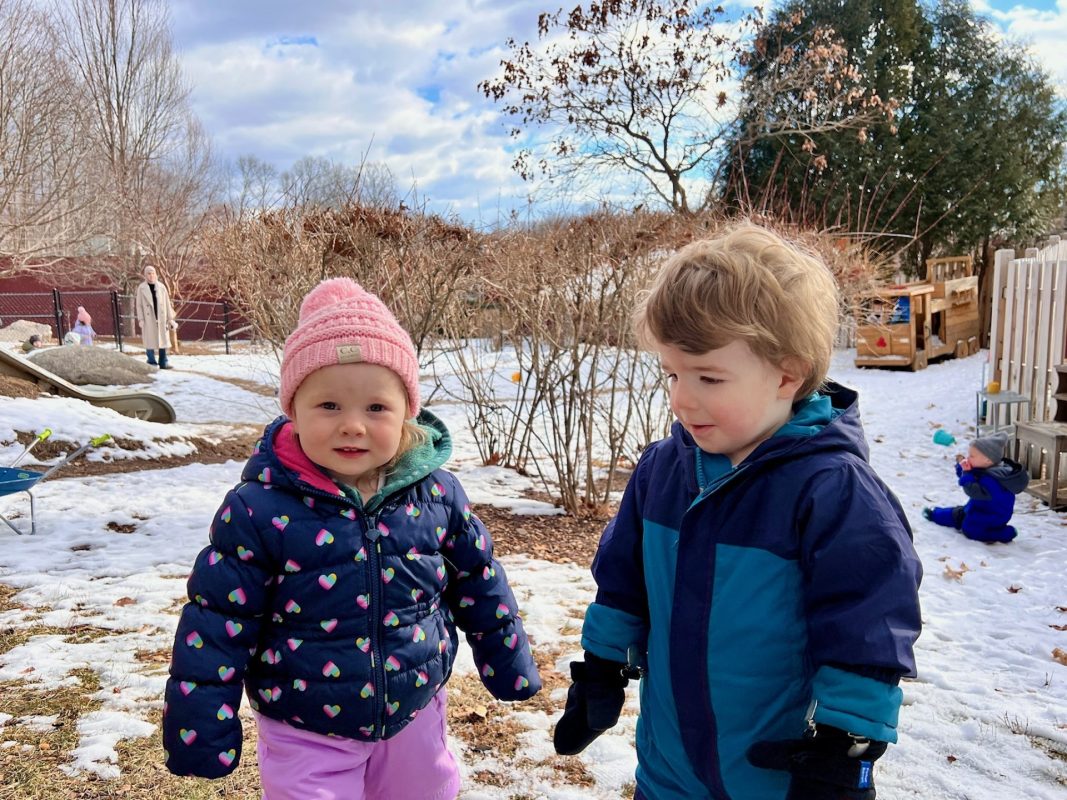
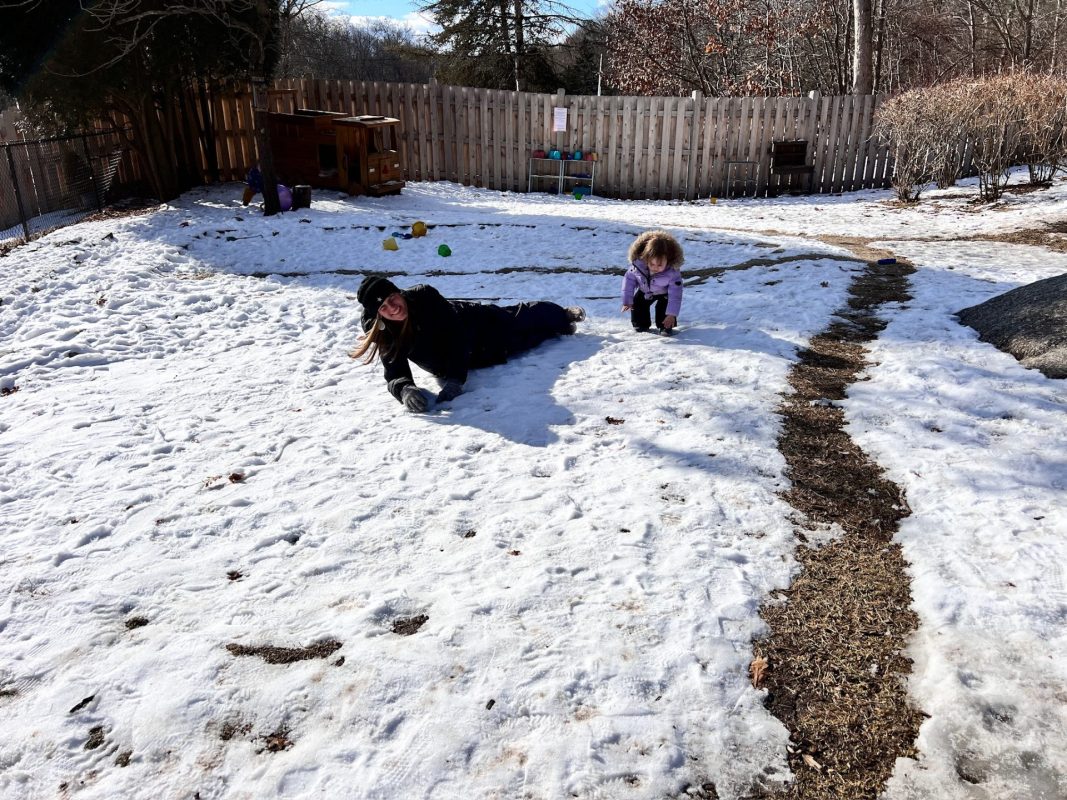
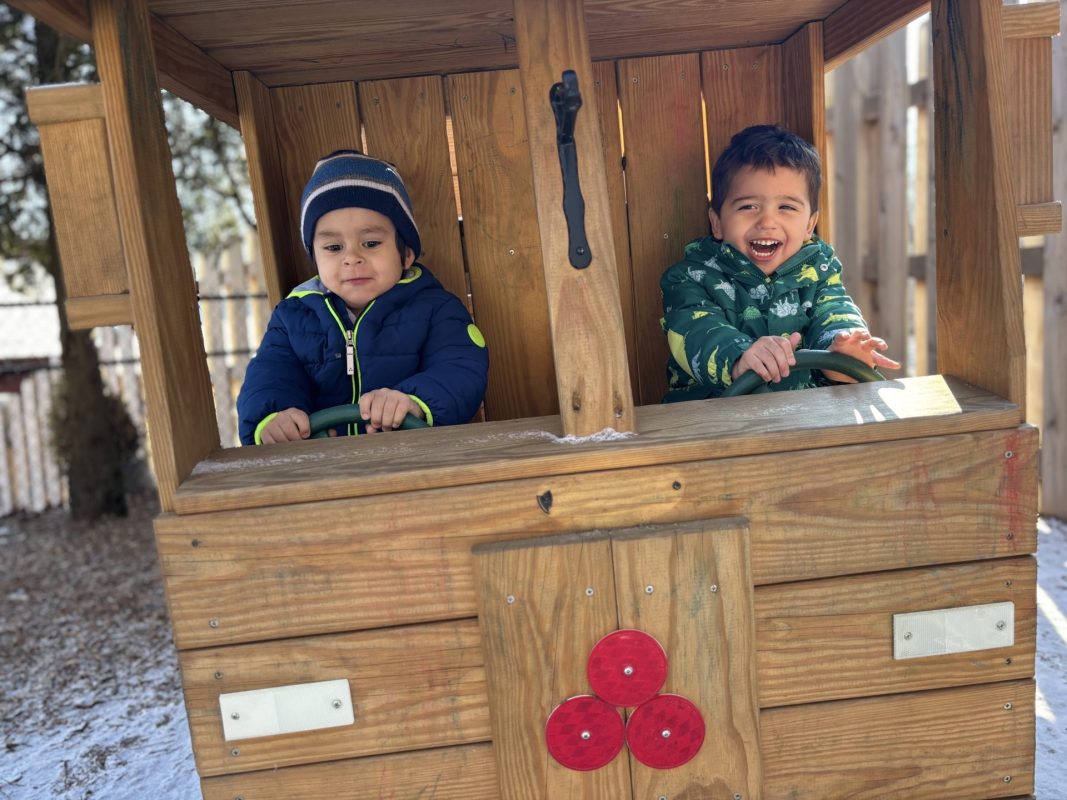
Our weekly baking was making a loaf of banana bread with extra shredded carrots! The children absolutely love to bake each week, its a time where we come together both to mix, bake and to share food at the table with one another, most importantly its giving us connection. Once the weather gave us some better temperatures, we could finally go outside and play in the snow! Our walk to the field gave us the opportunity to enjoy, as one child said, “all the blue colors” and a variety of different birds. The children were so happy to play outside in the snow. I was able to pull them in the sled, and the pure joy and giggles were infectious!

With Full Hearts,

Ms. Mollie, Ms.Lizette and Ms. Anabelle


Mrs. Hood: Highlights of our week!

This week brought a special milestone as we celebrated the first third birthday of one of our students in the classroom! It was a joyful occasion marked with smiles, singing, and a sense of togetherness.

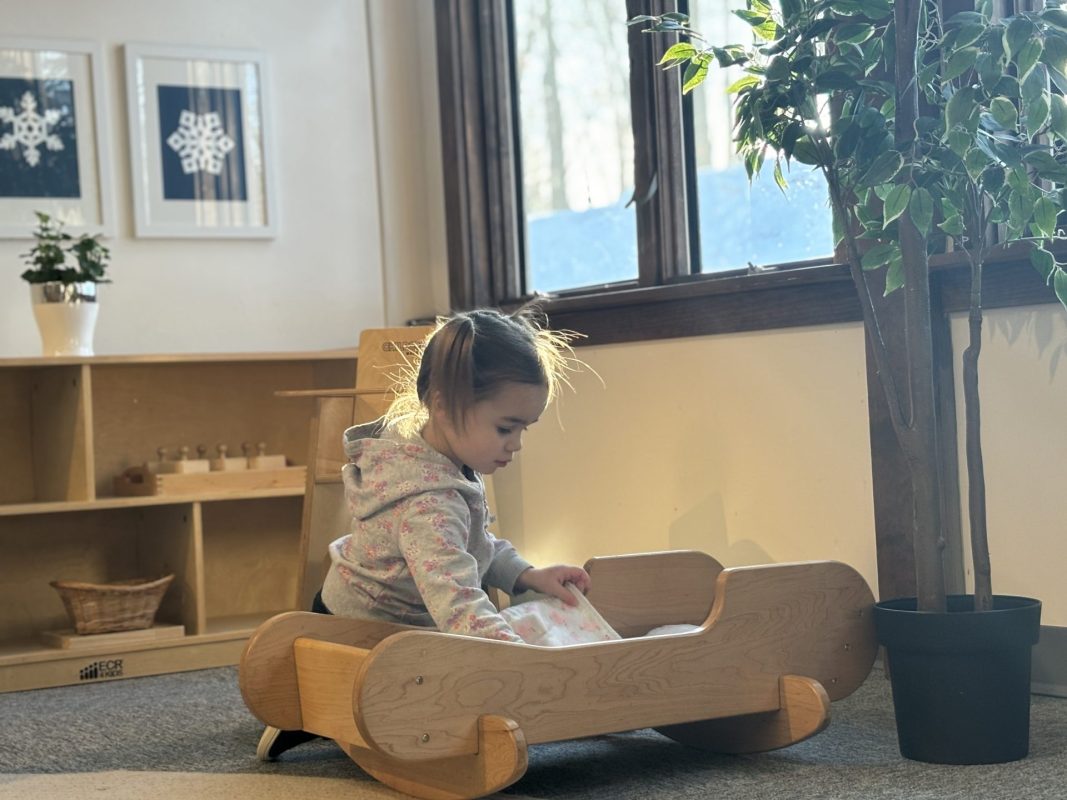
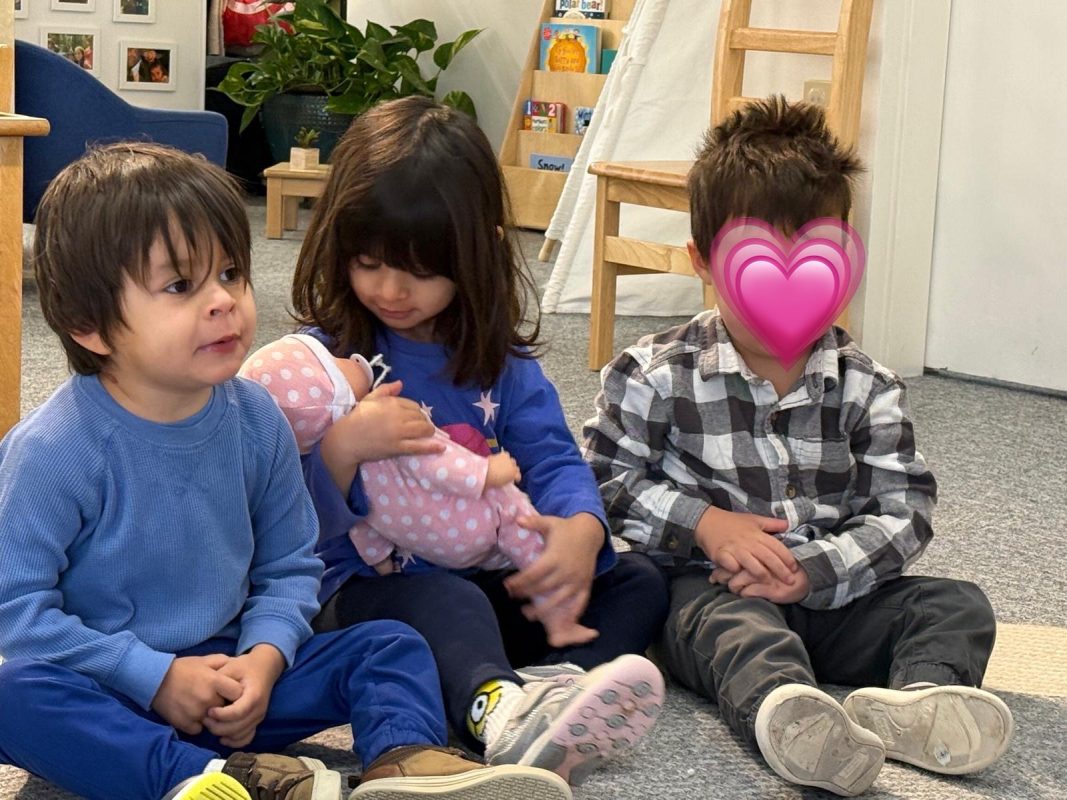
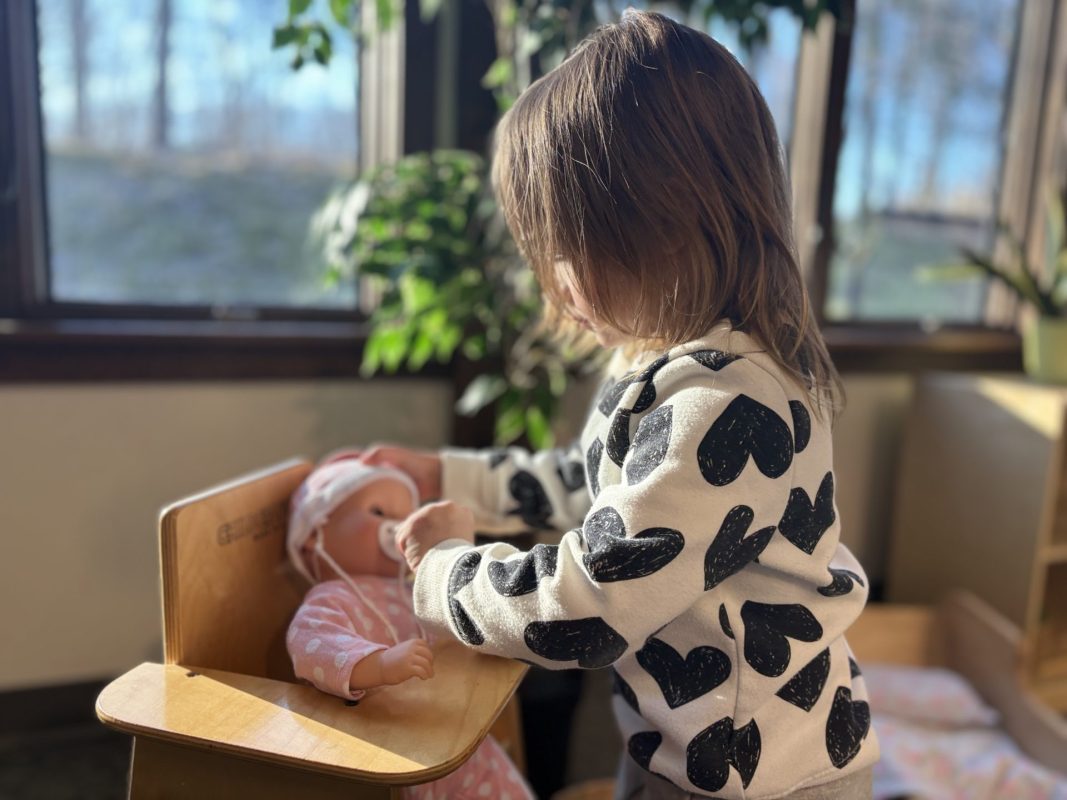
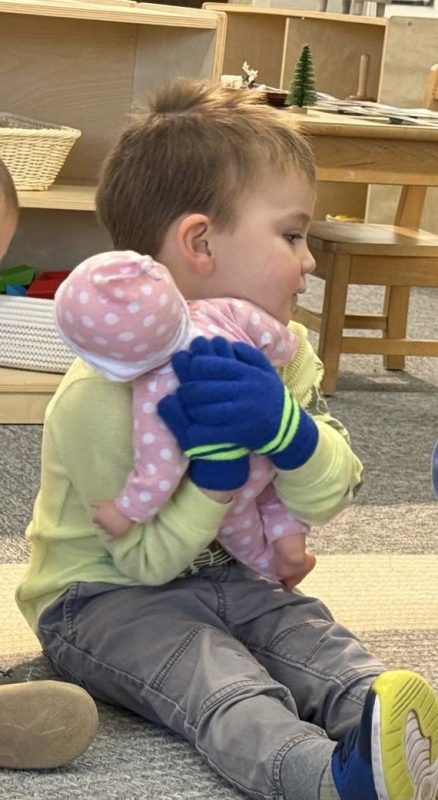
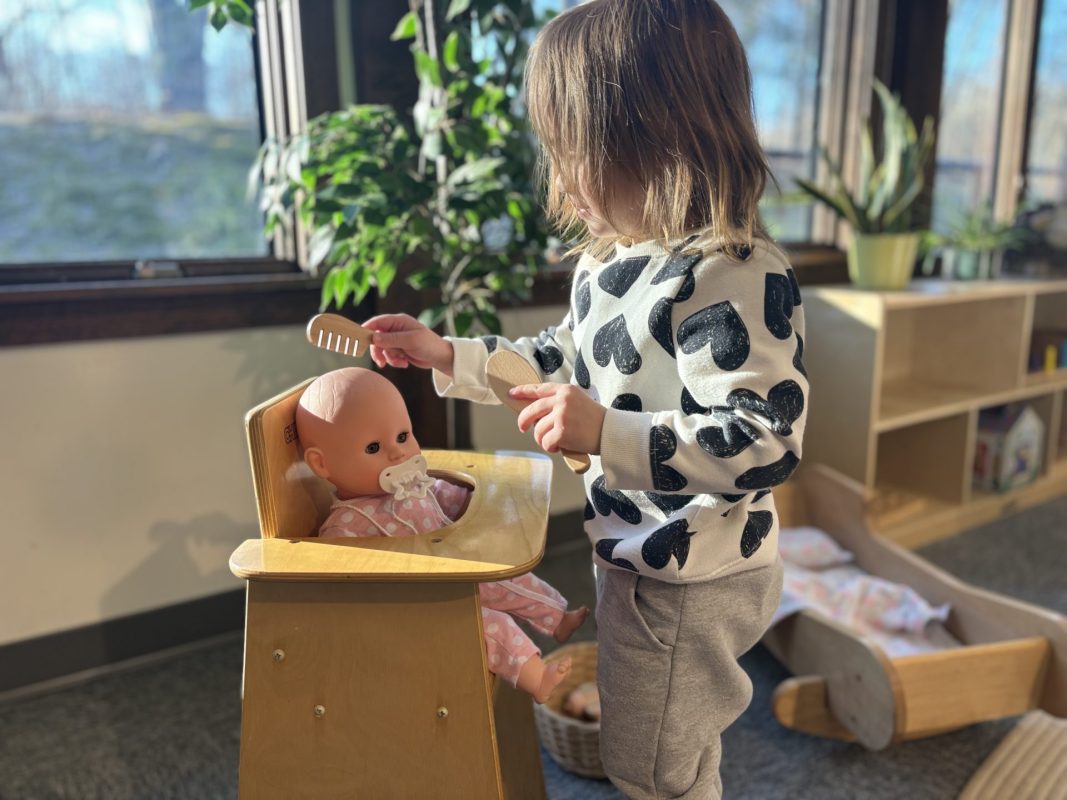
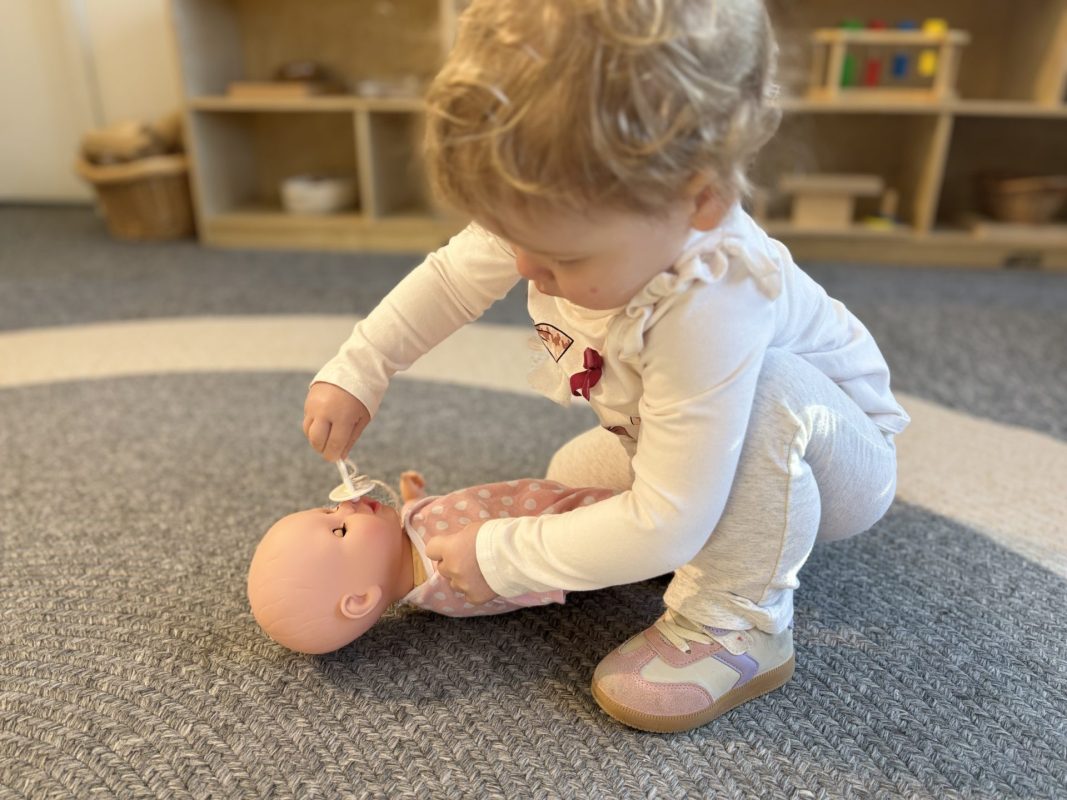
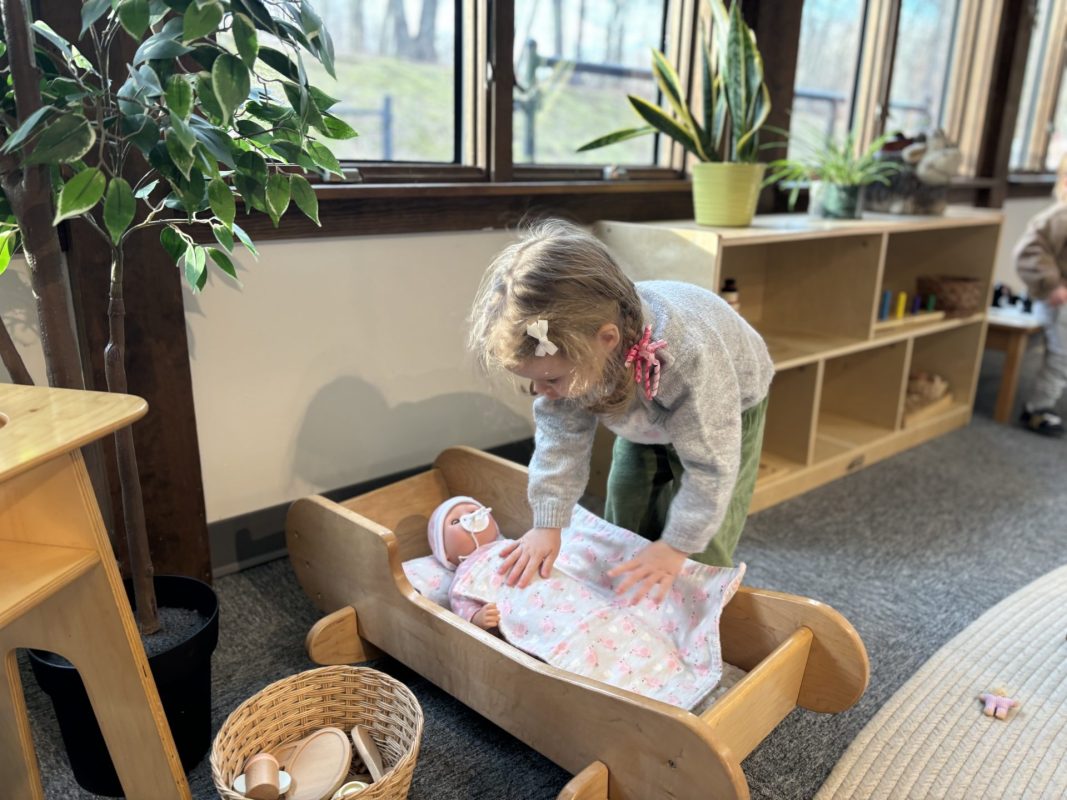
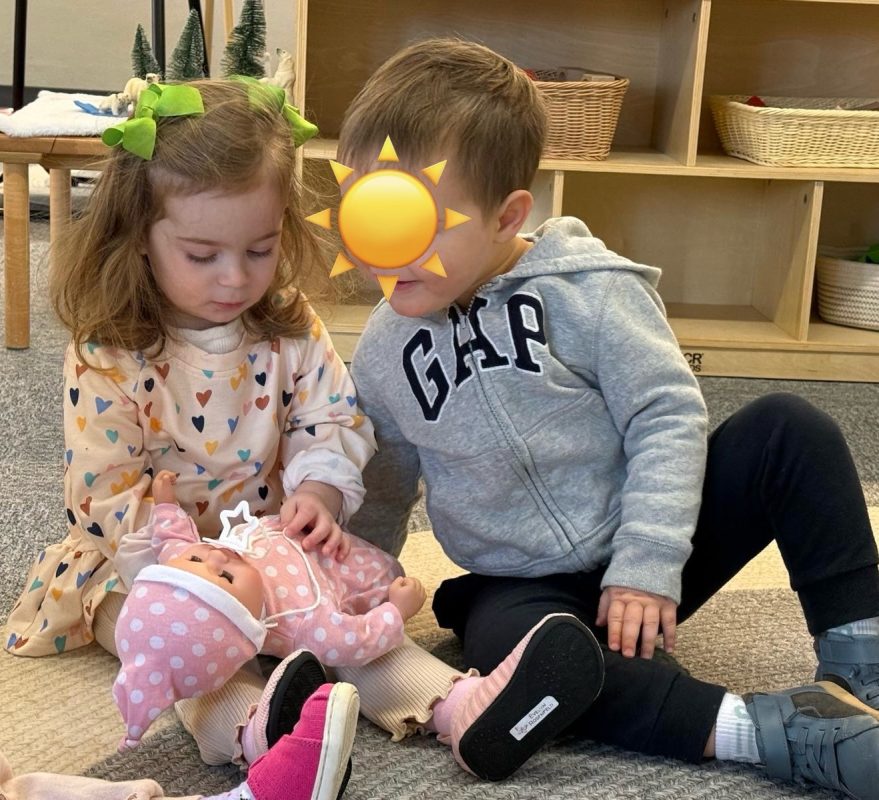
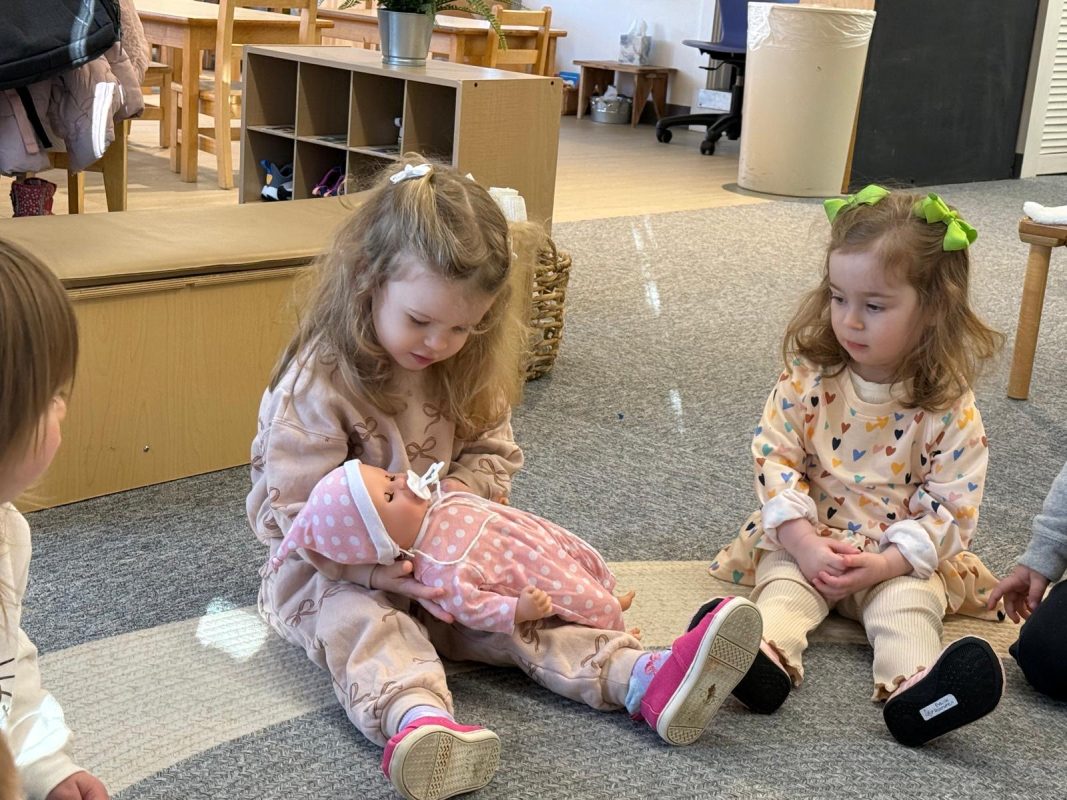
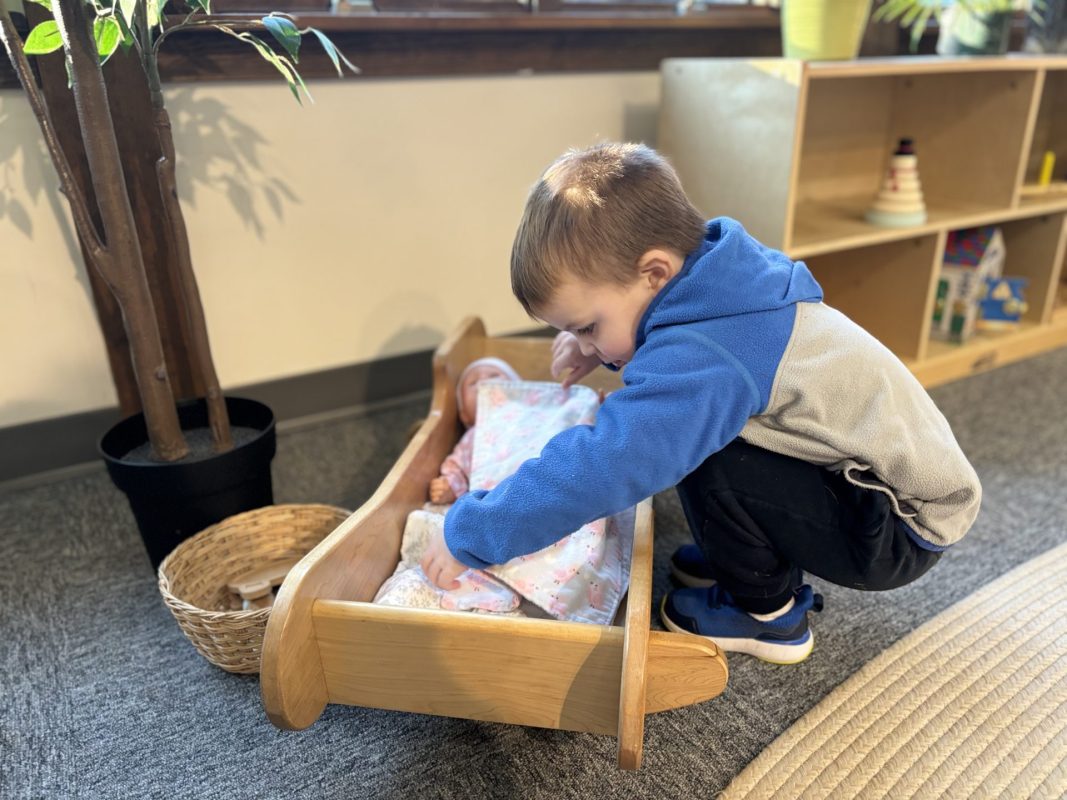
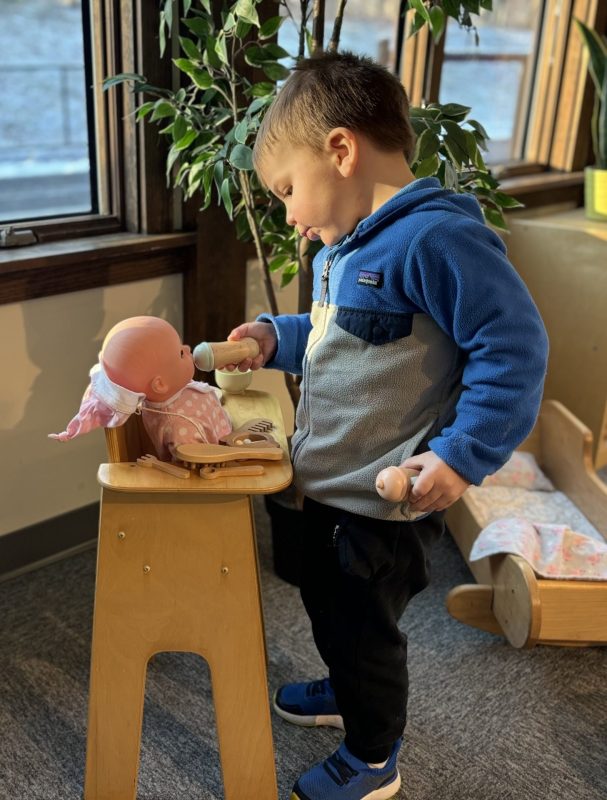
We also introduced a beloved new addition to our classroom: a baby doll named Simba. One of the children came up with the name, and the rest of the class eagerly agreed, demonstrating wonderful teamwork and cooperation. Simba has quickly become a favorite, offering the children an opportunity to practice nurturing behaviors like feeding, reading, singing, and cuddling. These sweet interactions allow the children to develop empathy, patience, and social-emotional skills while learning the importance of caring for others.

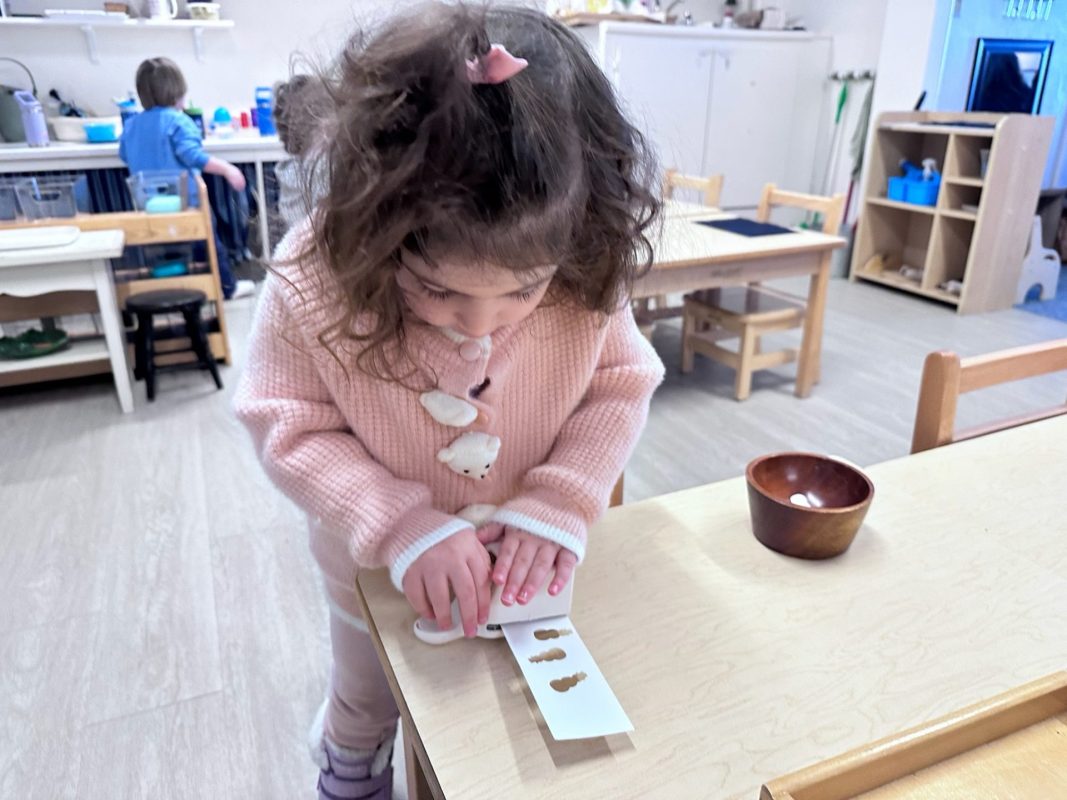
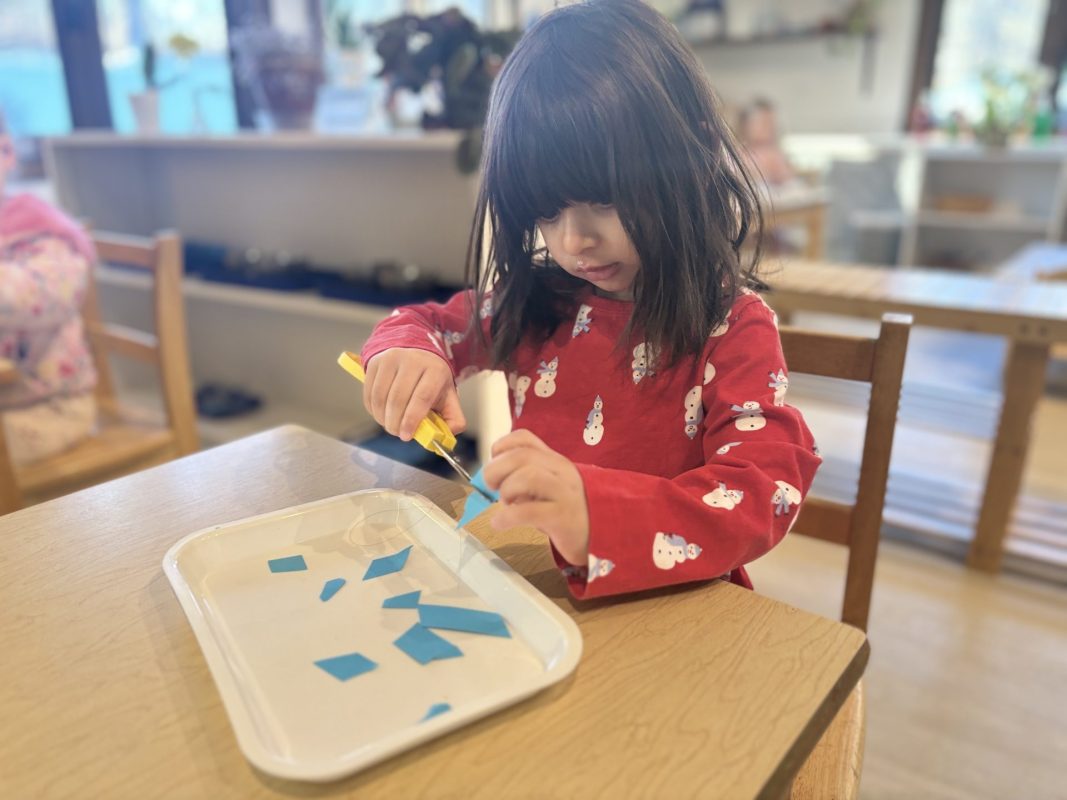
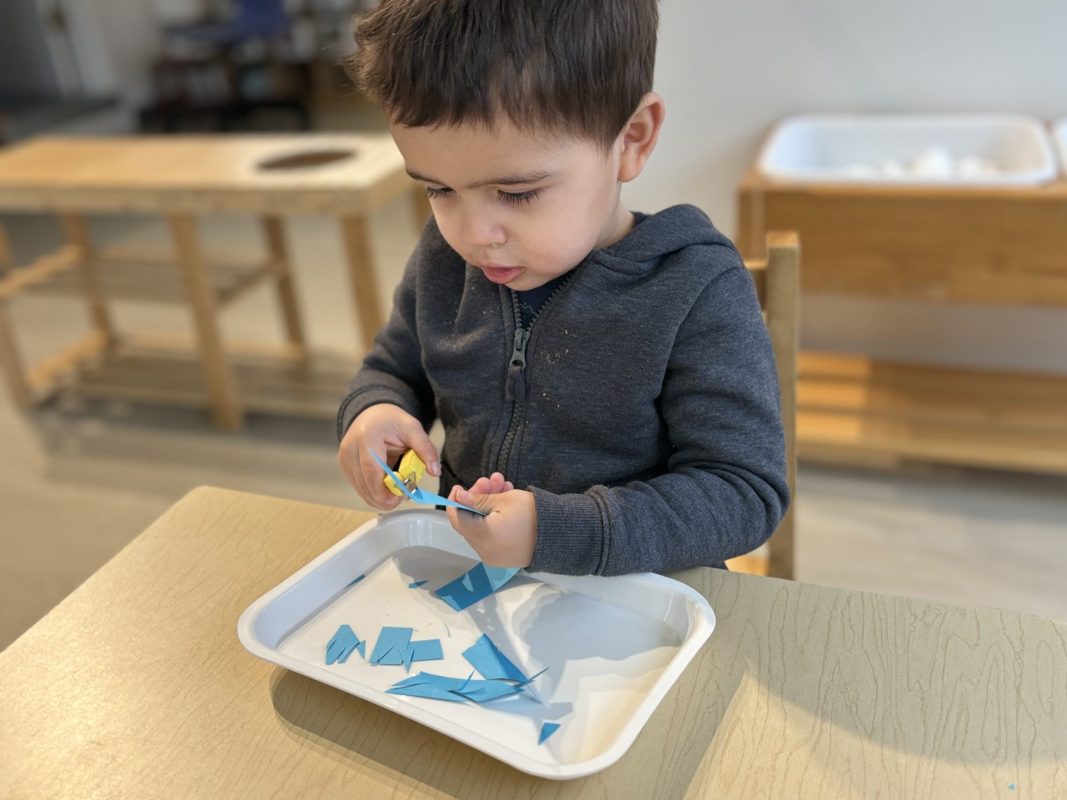
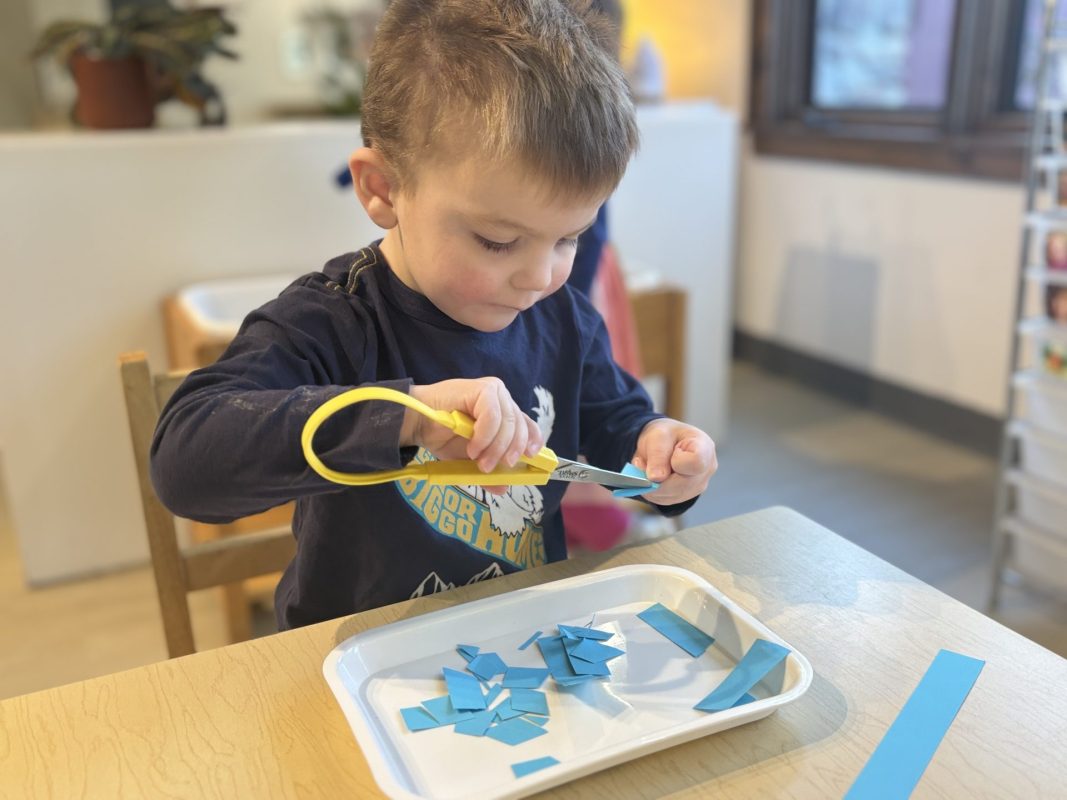
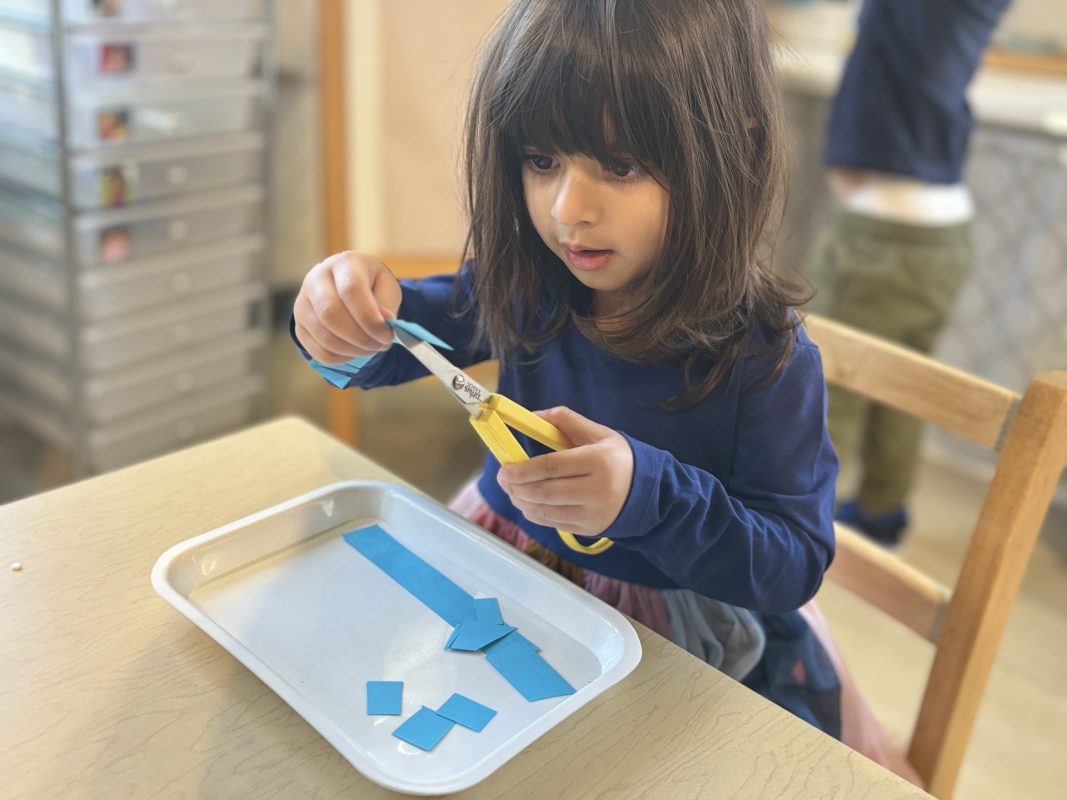
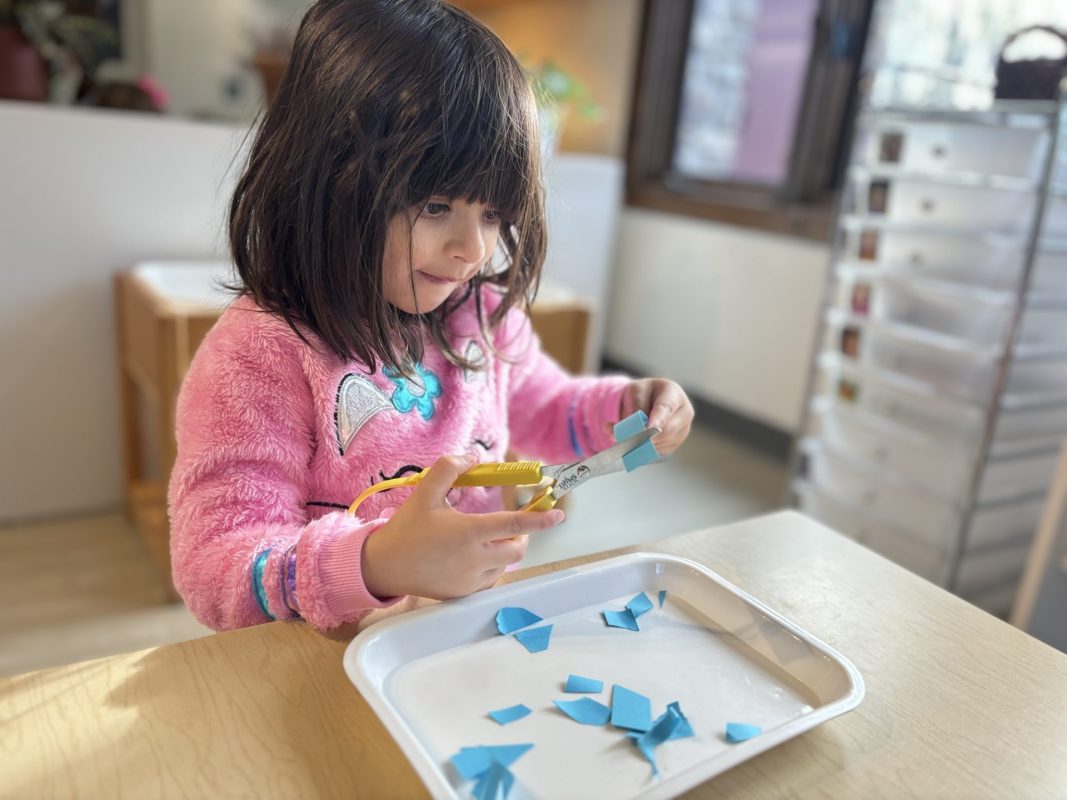
In the art area, the children explored a new challenge: using scissors. This activity requires focus and fine motor skills, and it has been rewarding to watch their confidence grow as they successfully cut strips of card stock. This is a wonderful step toward developing hand strength and coordination for future skills like writing and crafting.

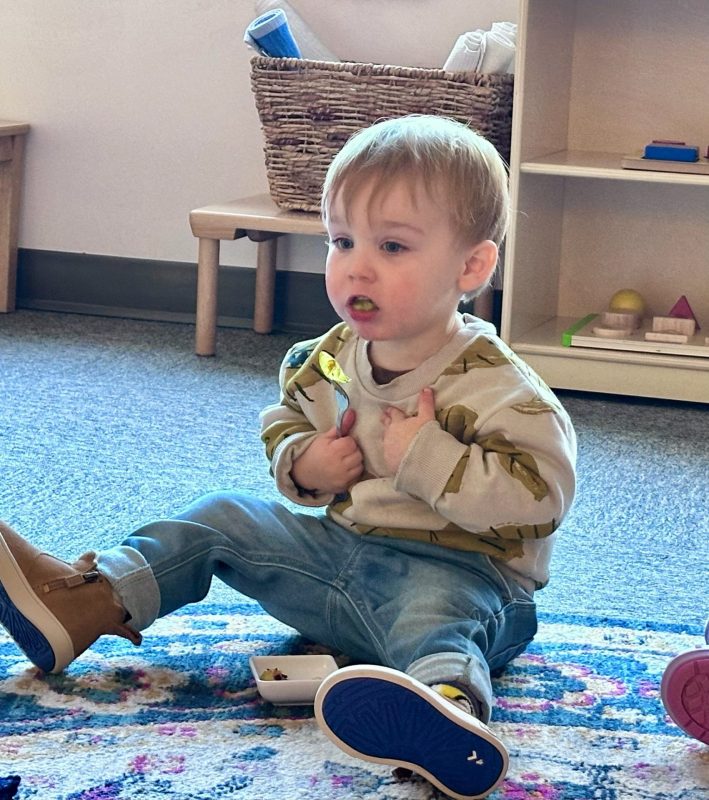
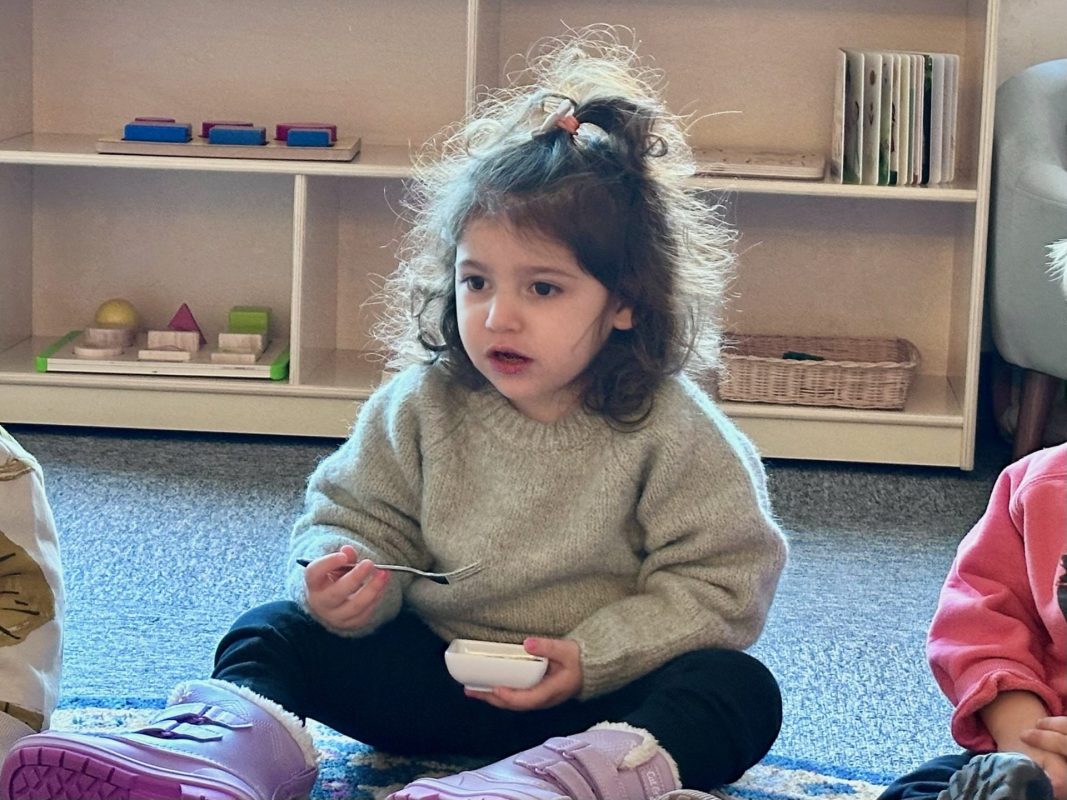
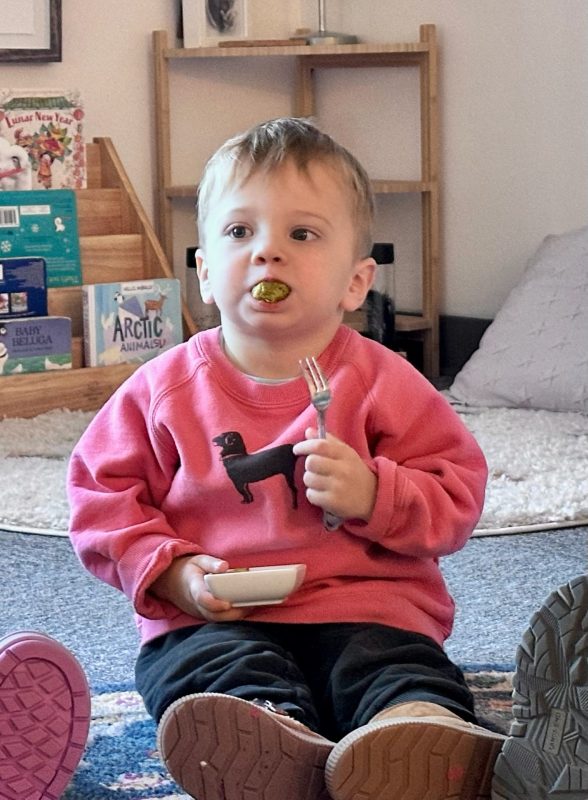
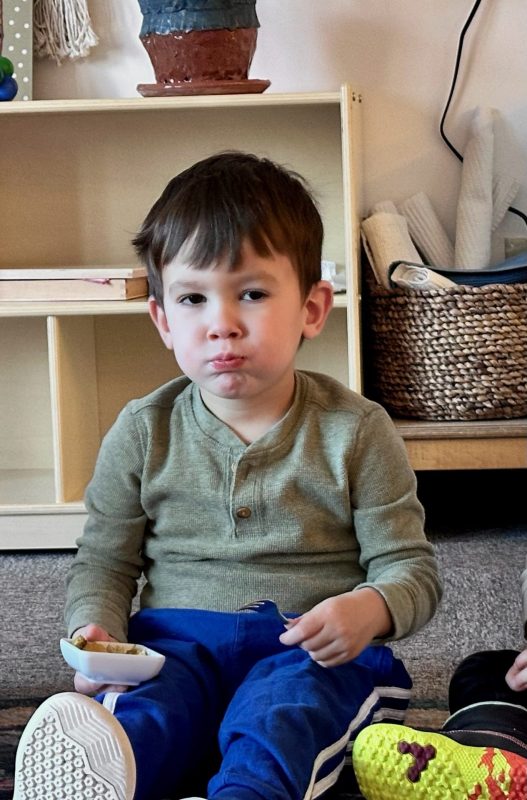
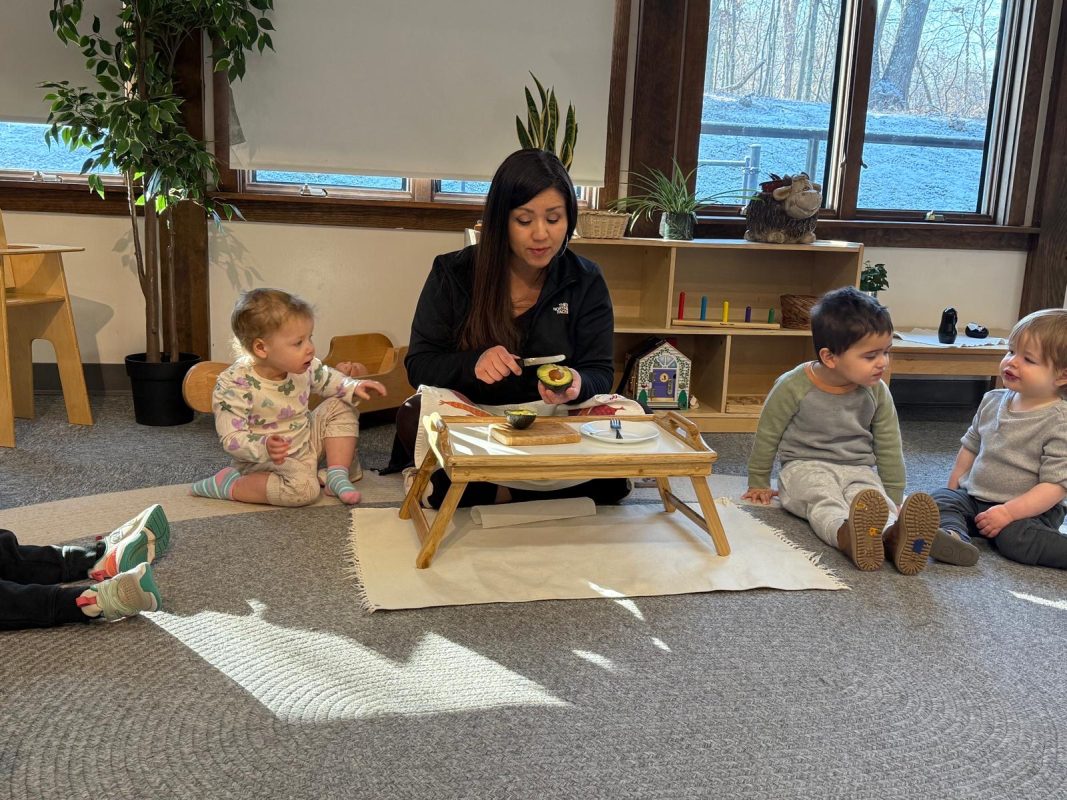
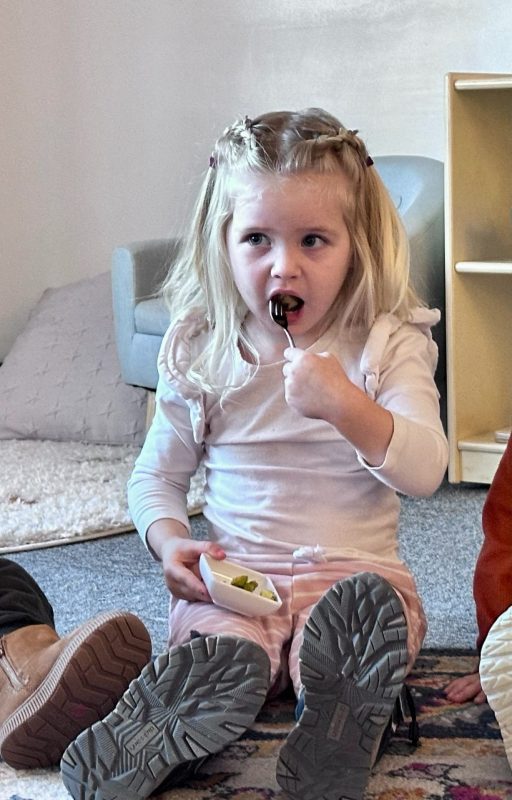
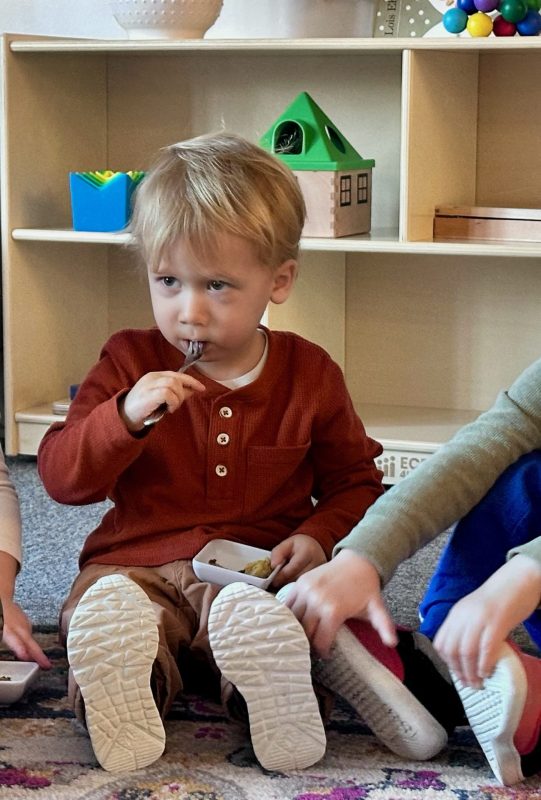
Our food-tasting adventure this week featured avocado. While some children were hesitant at first, many discovered they enjoyed its flavor!
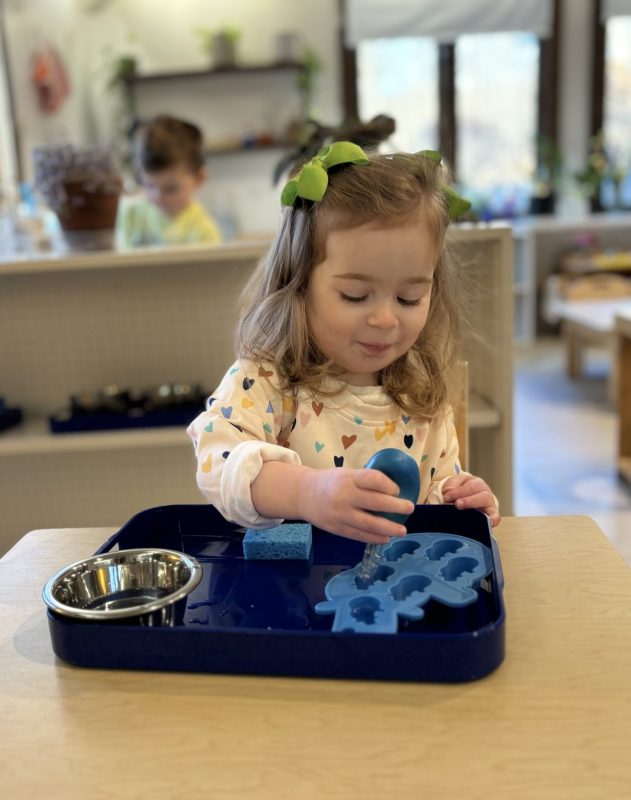
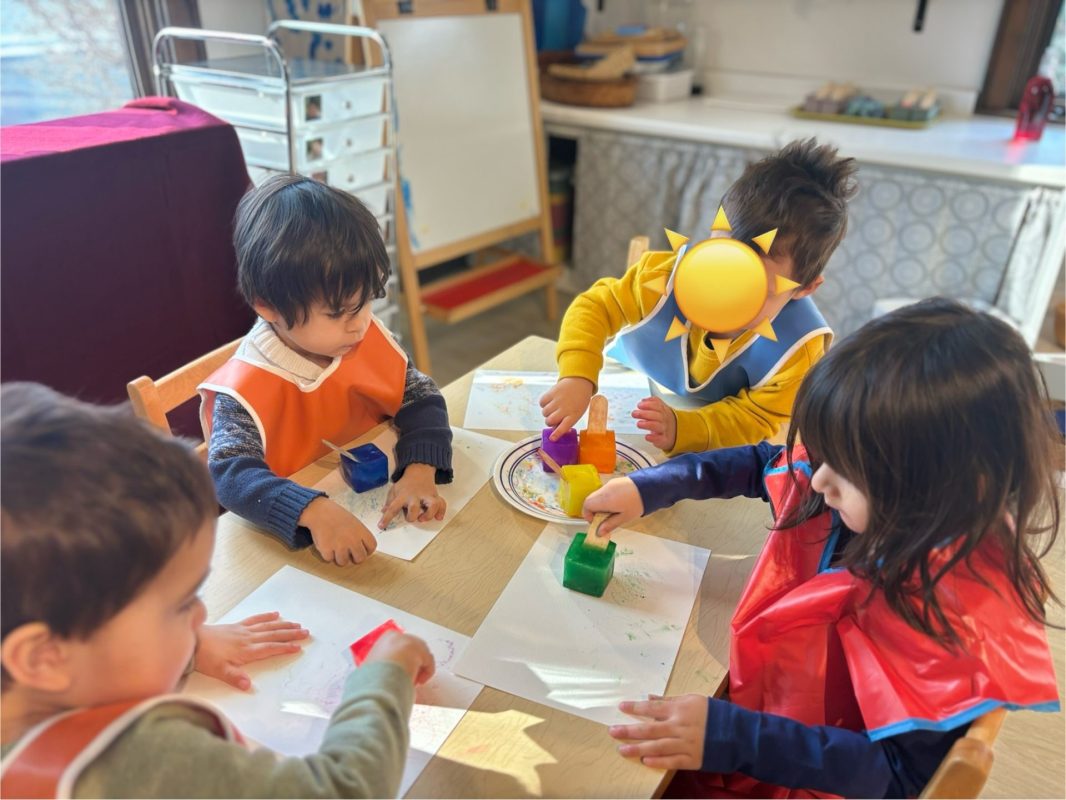
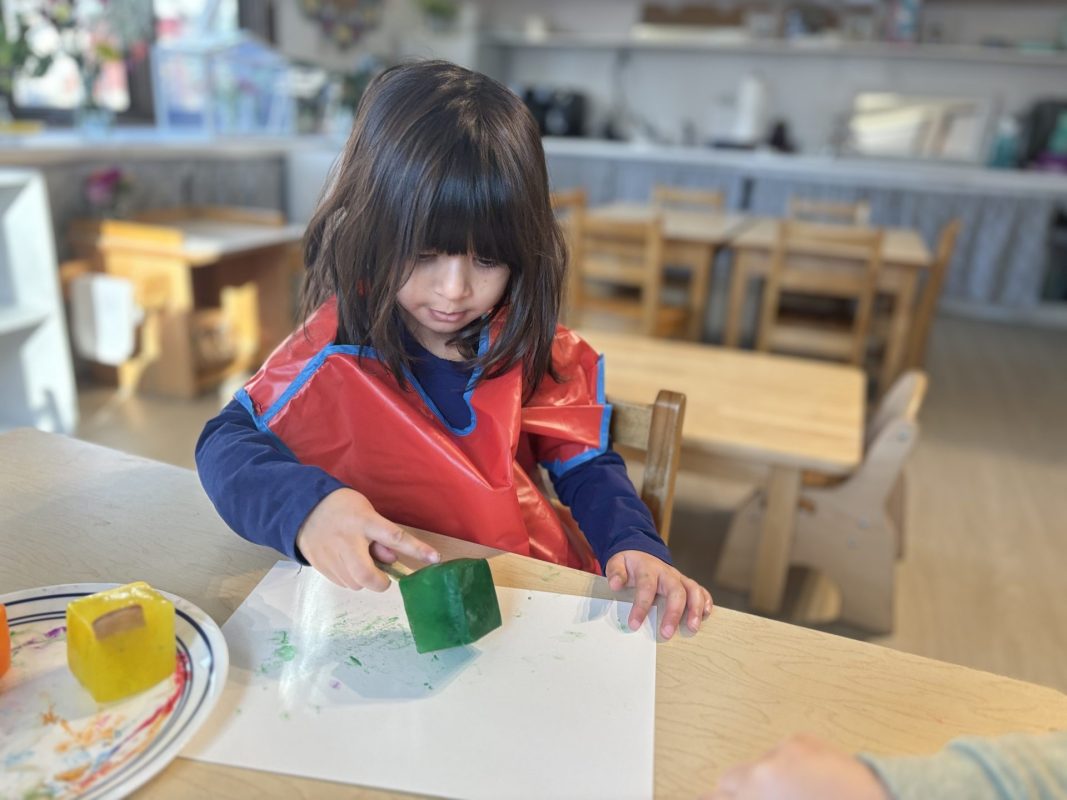
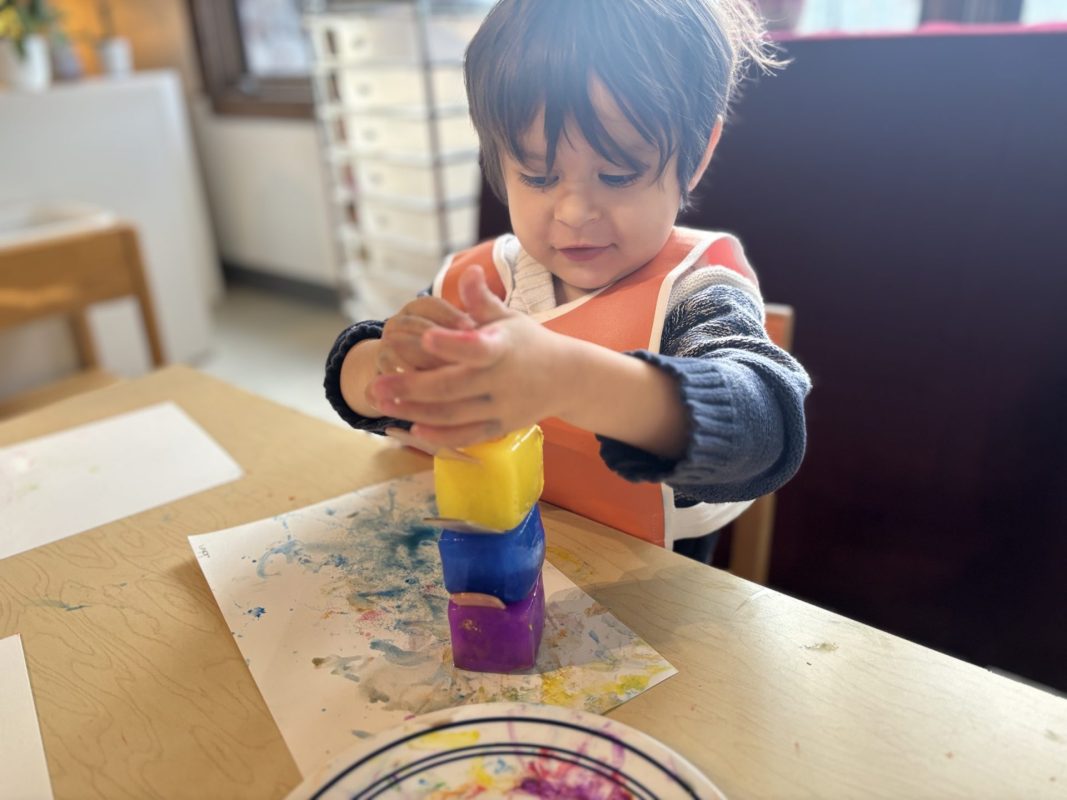
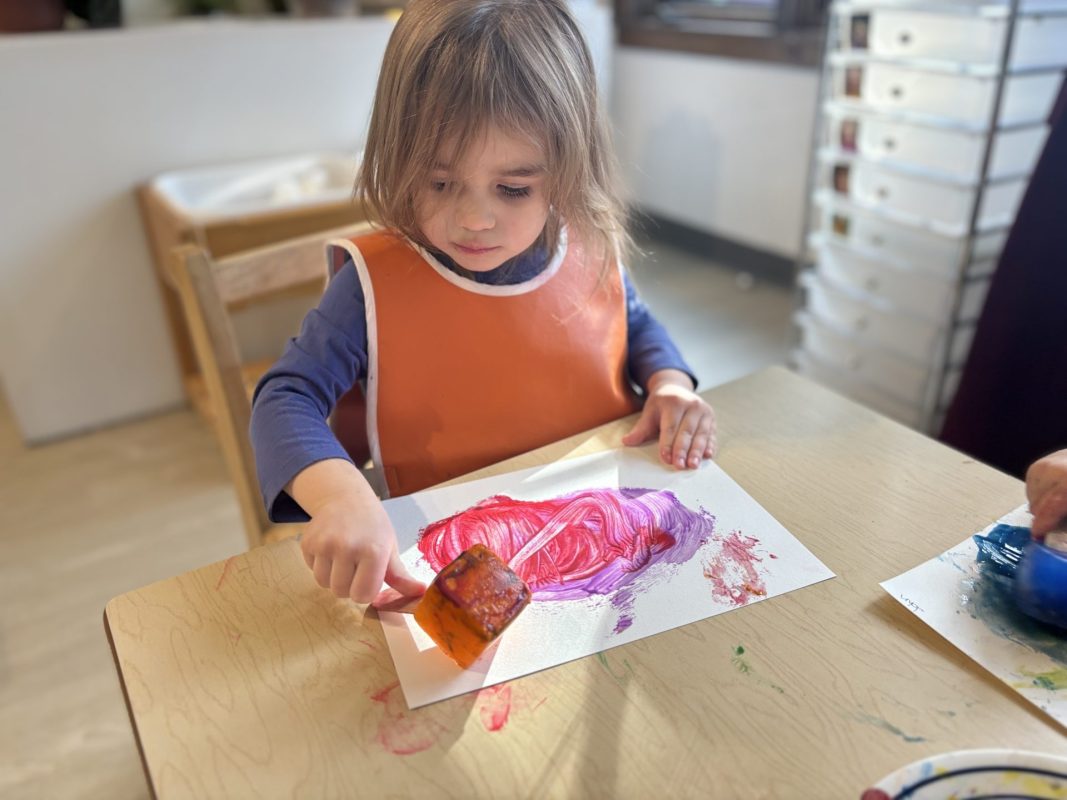
To end the week, we enjoyed a fun group sensory experience: painting with ice! The children were fascinated by the cold texture of the ice and delighted in using it to create colorful, freeform art.

As always, our story time has been filled with laughter and engagement, with some of our favorite books this week including The Itsy Bitsy Snowman by Jeffrey Burton, Winter is Here by Kevin Henkes, What Can You See in Winter? by Sian Smith, and the class’s most popular pick: Polar Bear, Polar Bear, What Do You Hear? by Bill Martin, within others.

We’re so proud of the growth and enthusiasm your children bring to our classroom every day, and we look forward to more meaningful experiences together next week!

Have a great long weekend,

Mrs. Hood and Ms. Patty


Mrs.Wilson: Building Confident Independent Humans

This week, I came across a quote about self-esteem that really resonated with me, both in my professional life and personal growth. It came from a reel that Ms. Sara shared with me: “If you do too much for your children, you are increasing YOUR self-esteem by stealing theirs.” Wow—how powerful is that? This concept comes from the book Raising Mentally Strong Kids by Daniel G. Amen, MD, and Charles Fay, PhD. While I haven’t read the book yet, I happened to spot it on our Book Tree at school later that day. I plan to read it as I want to delve deeper into these ideas, both to better myself and to be a stronger guide for the children in my care.

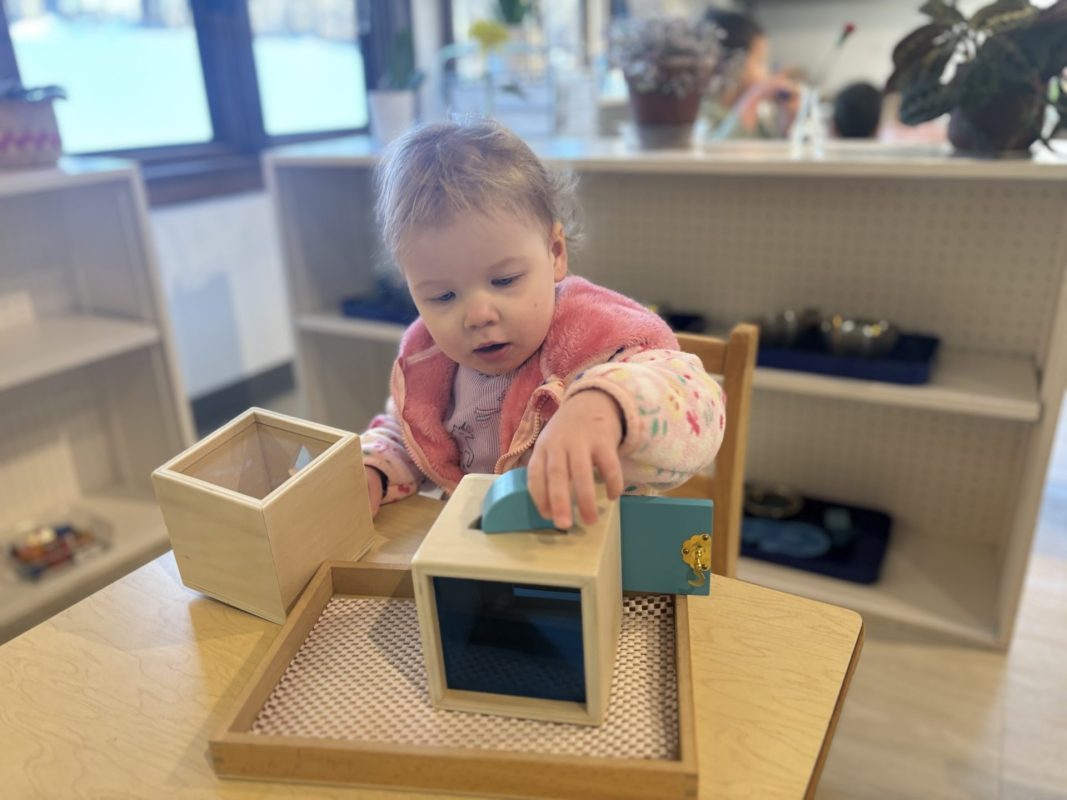
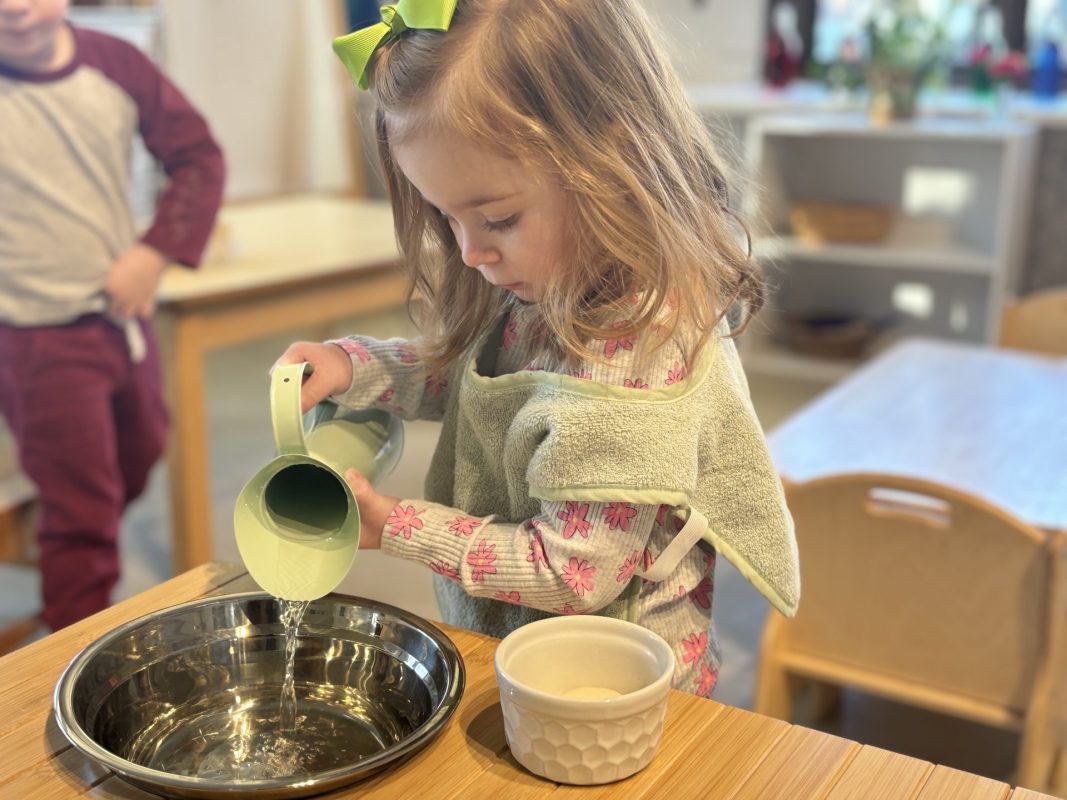
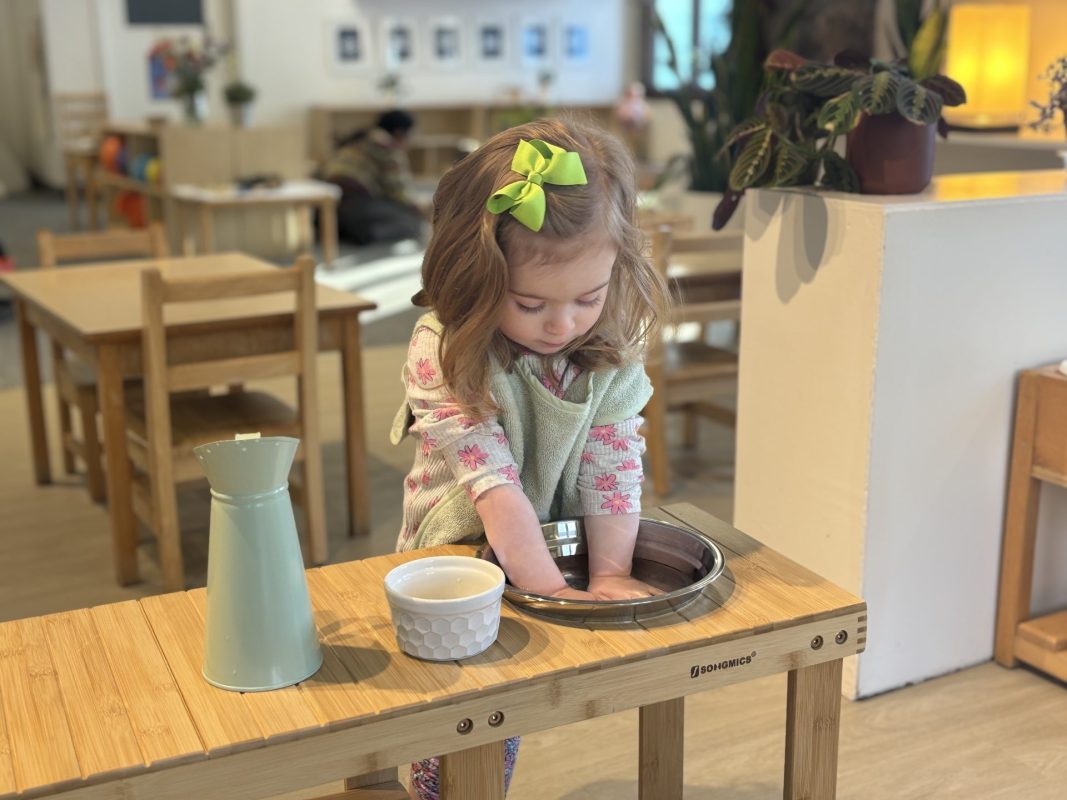
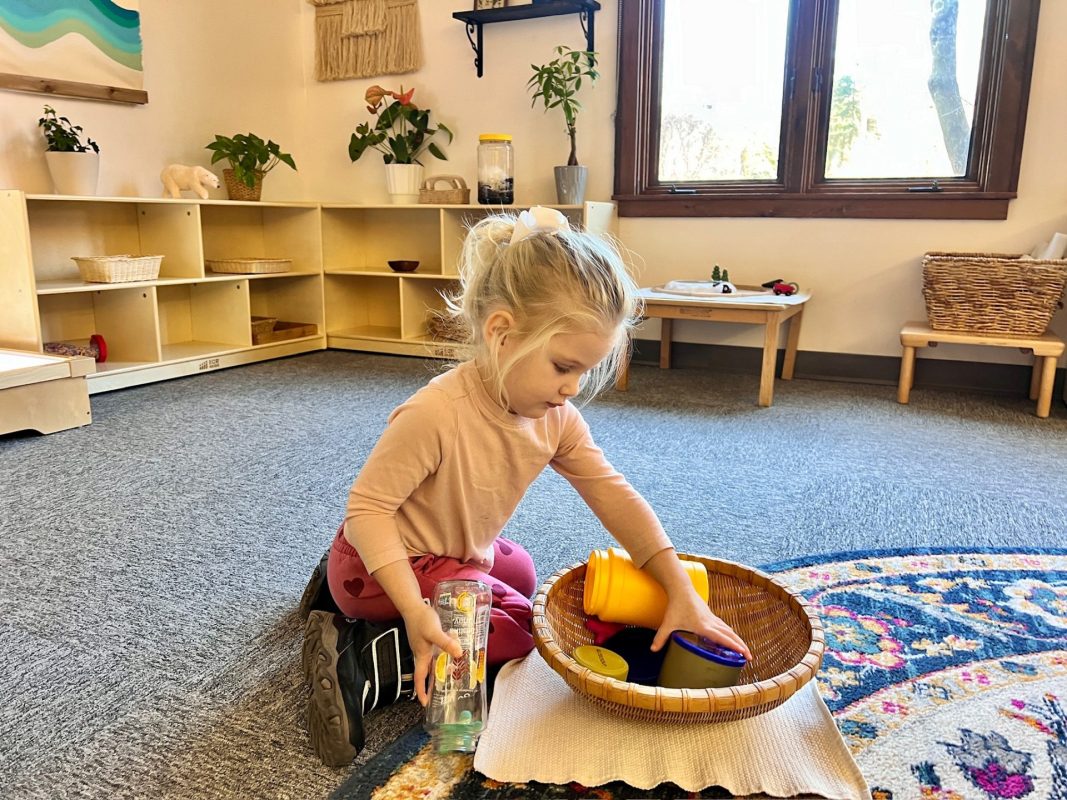
This quote aligns with the values we aim to cultivate in the classroom. In a toddler Montessori setting, our role as guides is to foster independence in children. One of Maria Montessori’s quotes is: “Never help a child with a task at which he can succeed.” When a child is learning a new skill, we strive to sit back and observe, even though our instinct may be to jump in and help. Struggling with a task is part of the learning process. It leads to success, and success builds confidence.

We only intervene when a child specifically asks for help, and even then, we offer the bare minimum—either showing them the task first or providing verbal cues. Allowing children to struggle is crucial because when they eventually succeed, they start to believe in themselves and realize their own capabilities.

As a reminder, when they do become successful, it’s important to refrain from using phrases like “Good job” or offering other rewards for their success. Instead, acknowledge their effort by saying something simple like “You did it!” or “I hope you’re proud of yourself for working so hard.” By offering praise like “Good job” or “I’m proud of you,” we unintentionally take away their intrinsic pride. It’s important they learn to take pride in their own achievements, which builds lasting self-esteem and confidence.

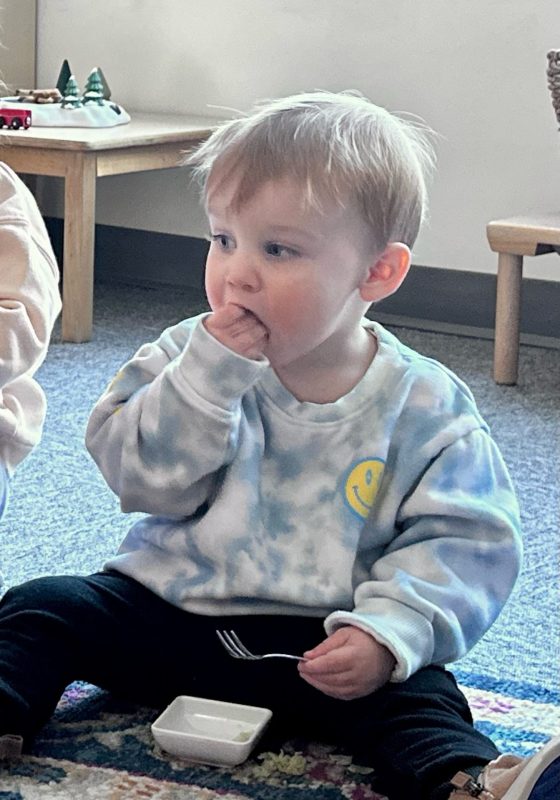
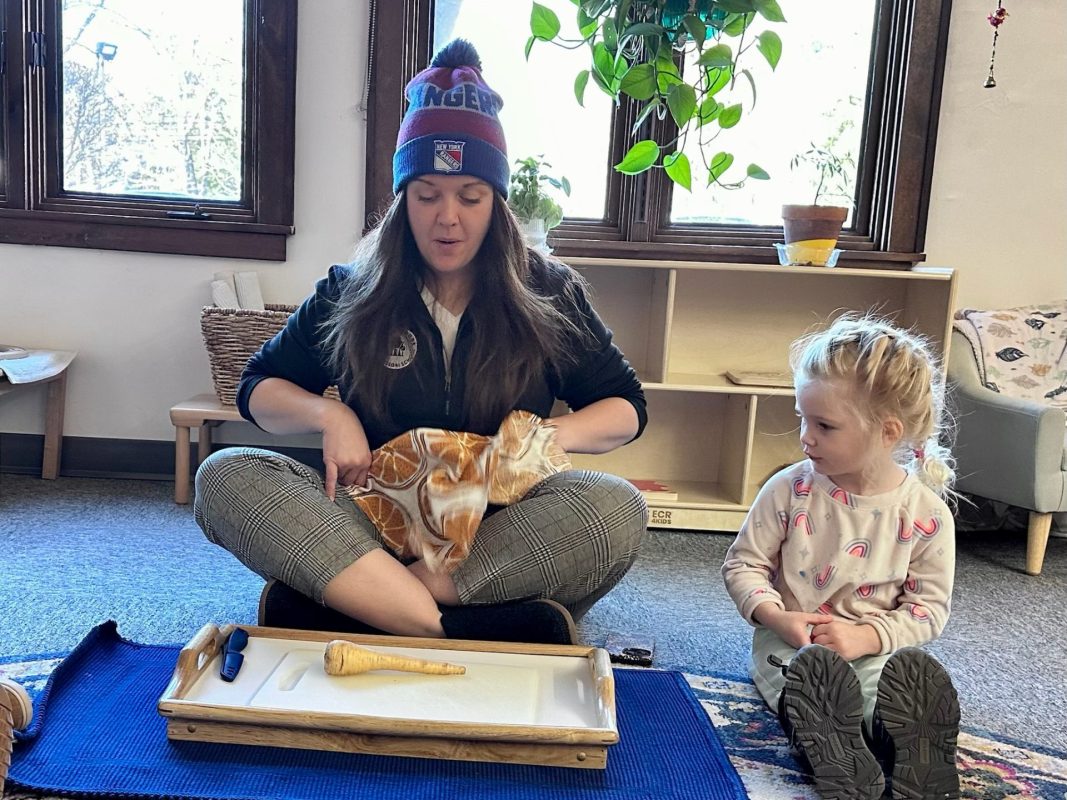
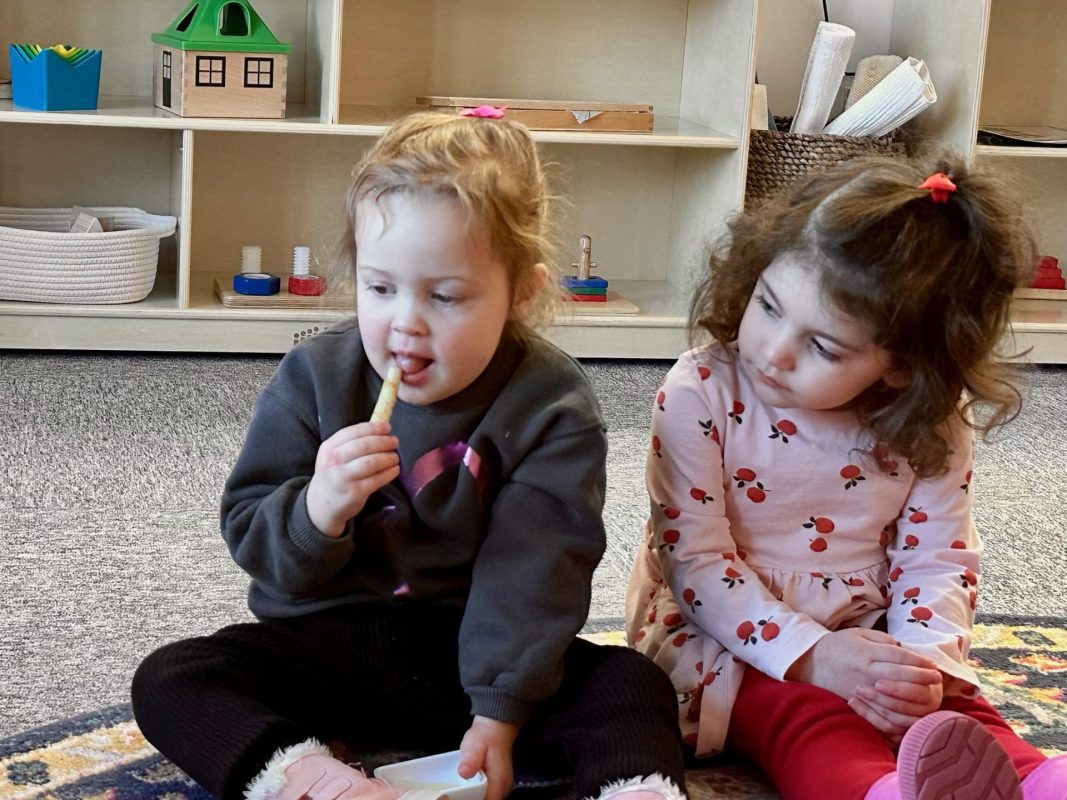
Food Tasting: We explored and tasted roasted parsnip. It was a fun experience, and one child even found the word “parsnip” amusing as we all tried to pronounce it together. If you’ve never tried parsnip before, I highly recommend giving it a taste – it’s delicious! Most of the children seemed to enjoy it, and their positive reactions made it even more enjoyable.