Ms. Mollie: November Gratitude

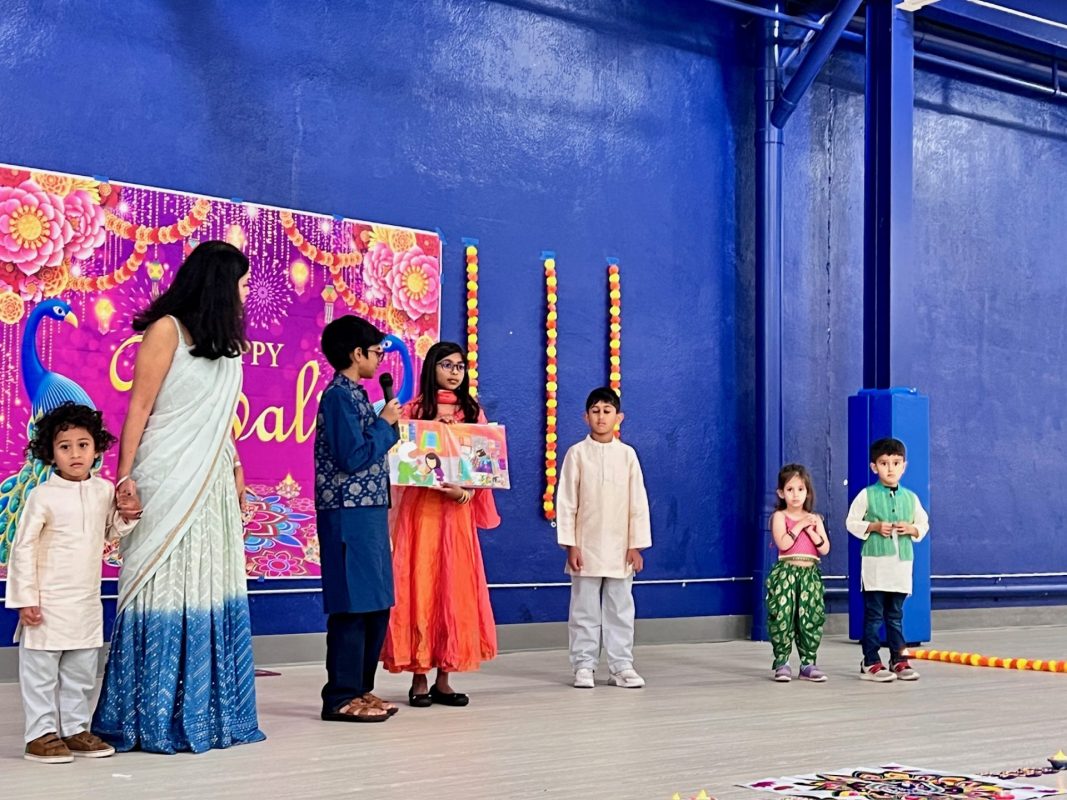
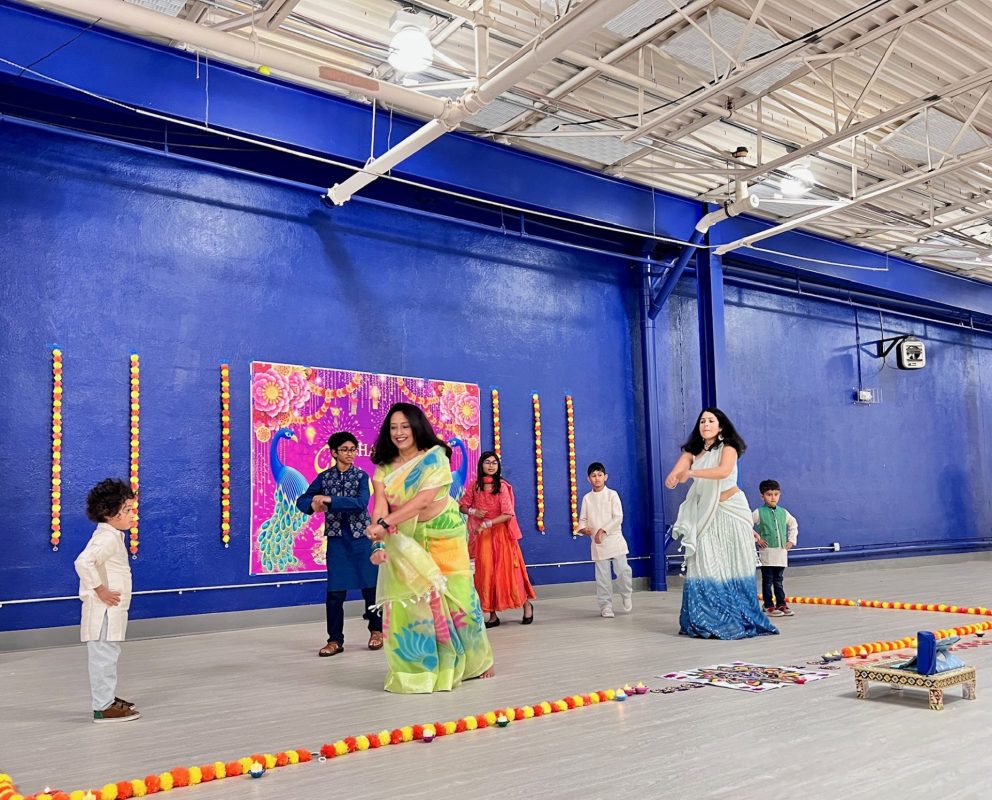
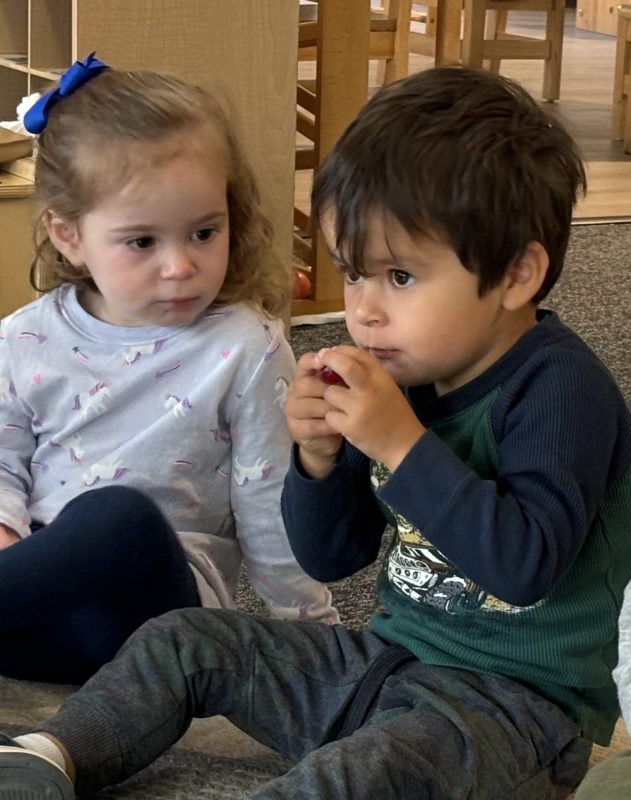
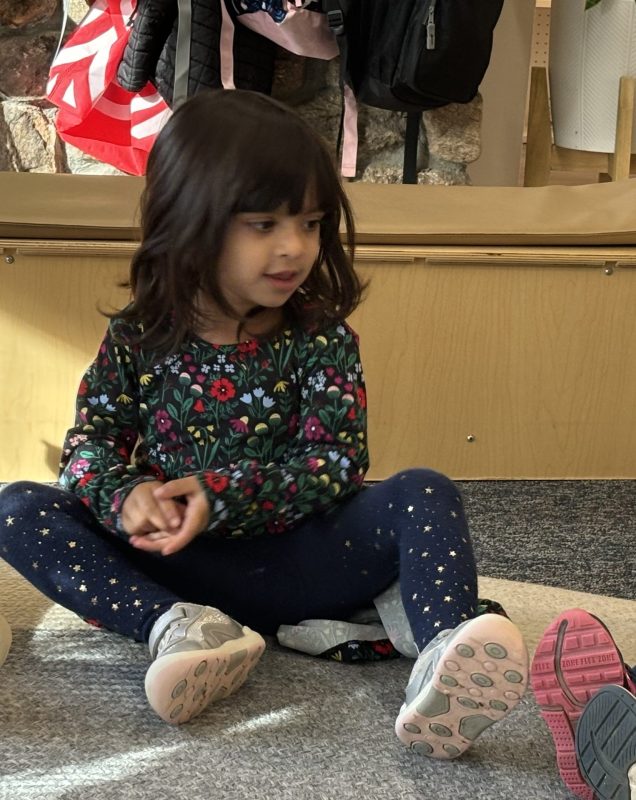
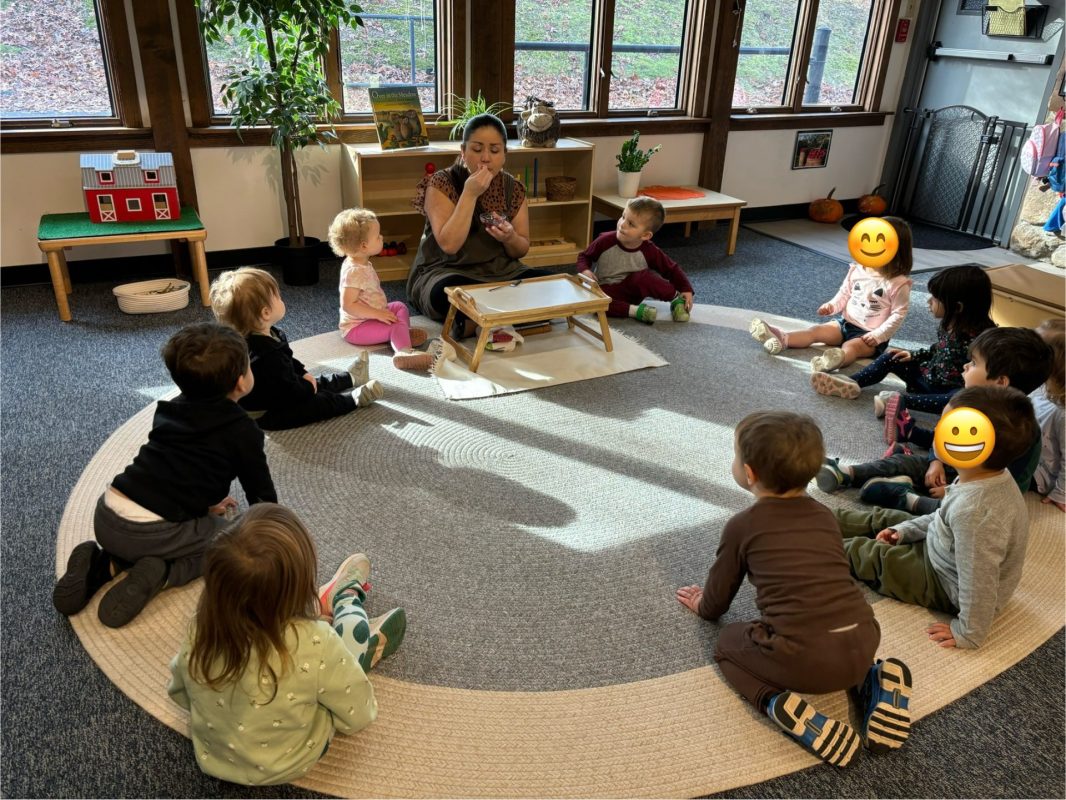
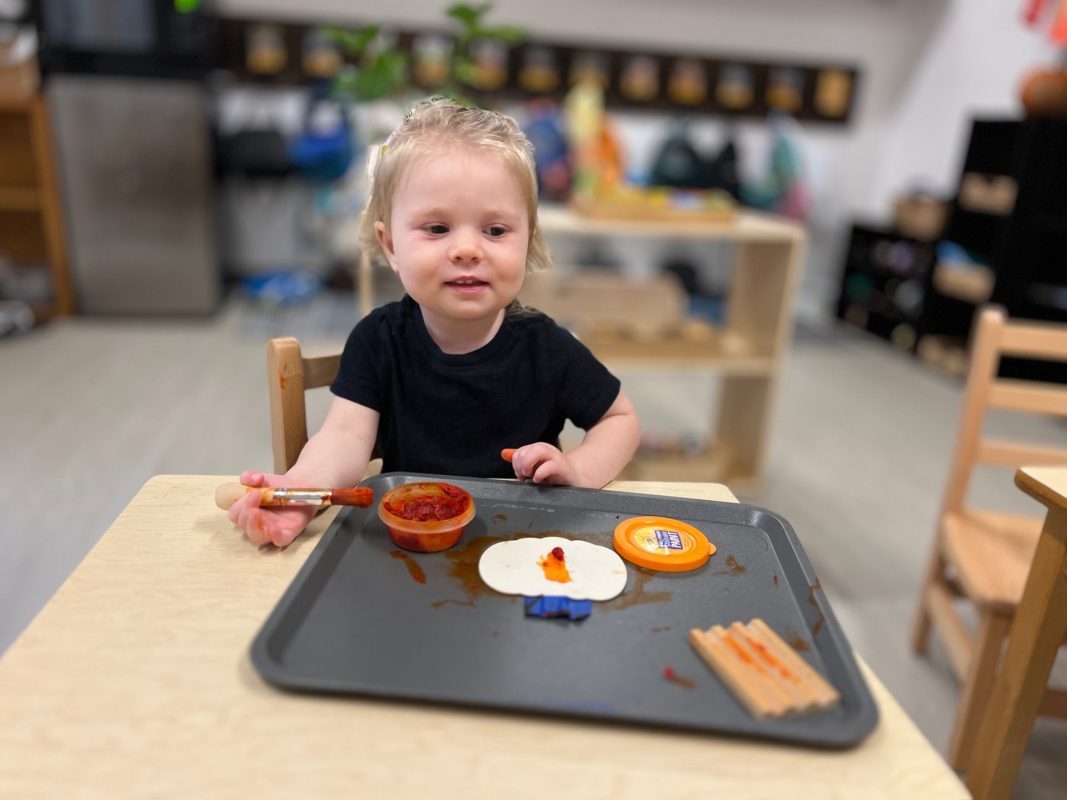
Our week has been a very busy week! We had so much fun and many celebrations; this week, we enjoyed Veterans Day, reading books about heroes, our military men and women, and doing all the Red, White, and Blue paintings! We also had the privilege of attending our first Diwali celebration, Fraser’s style! We were amazed by the beauty of the celebration, the colorful clothes, the lights, and the Dancing! The children were delighted to see Ms. Paromita dancing with other children and parents in the most upbeat, happy dance! We also got to try the most delicious foods, rice, and gulab jamun- a sweet treat! At the end of the celebration, our small friends were invited to dance! So many thanks to all the families and children and to Paromita for a wonderful celebration!

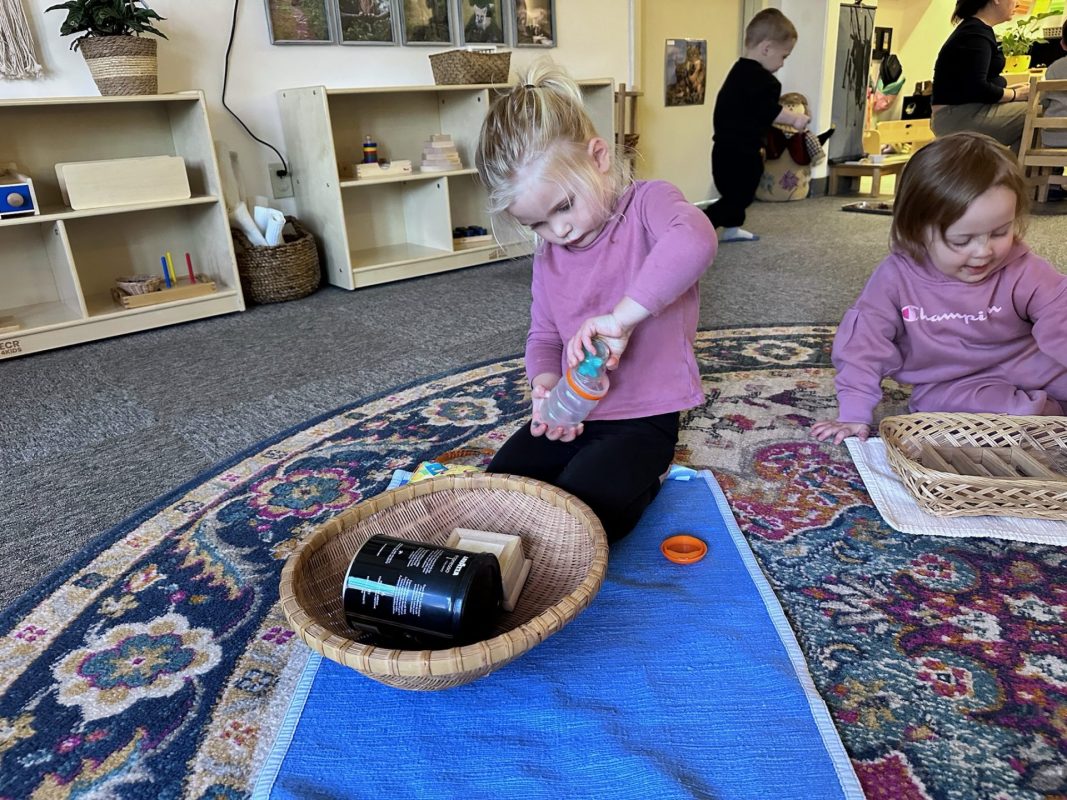
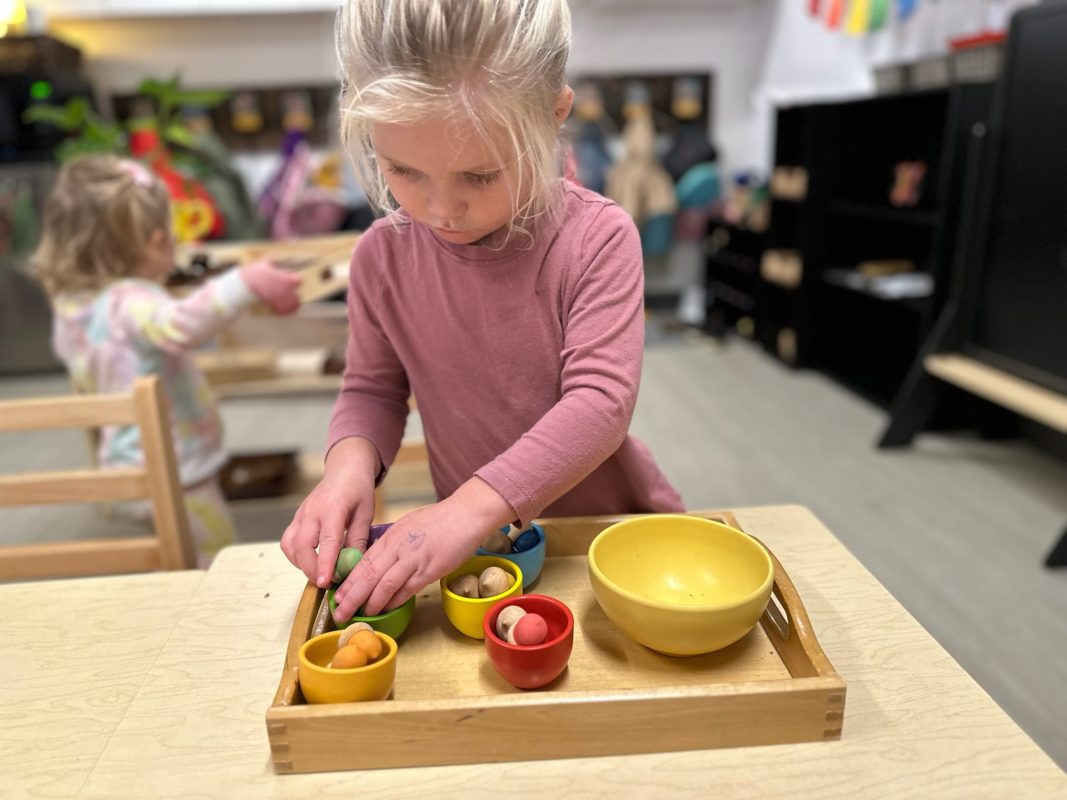
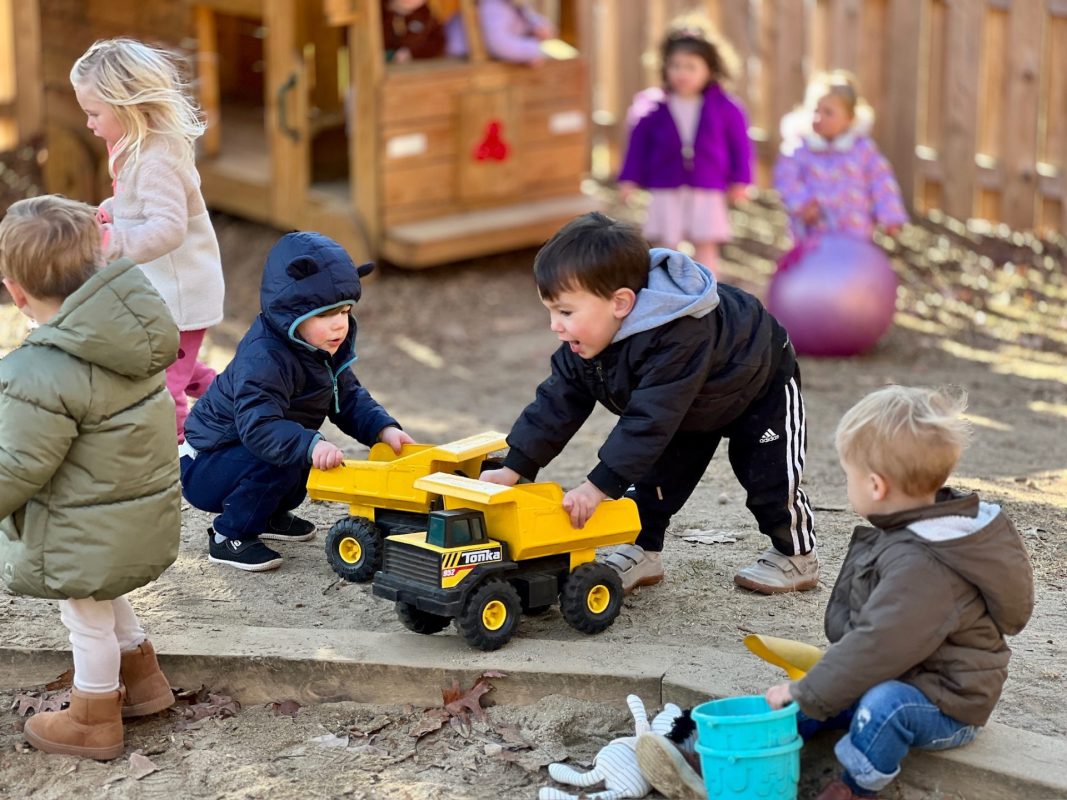
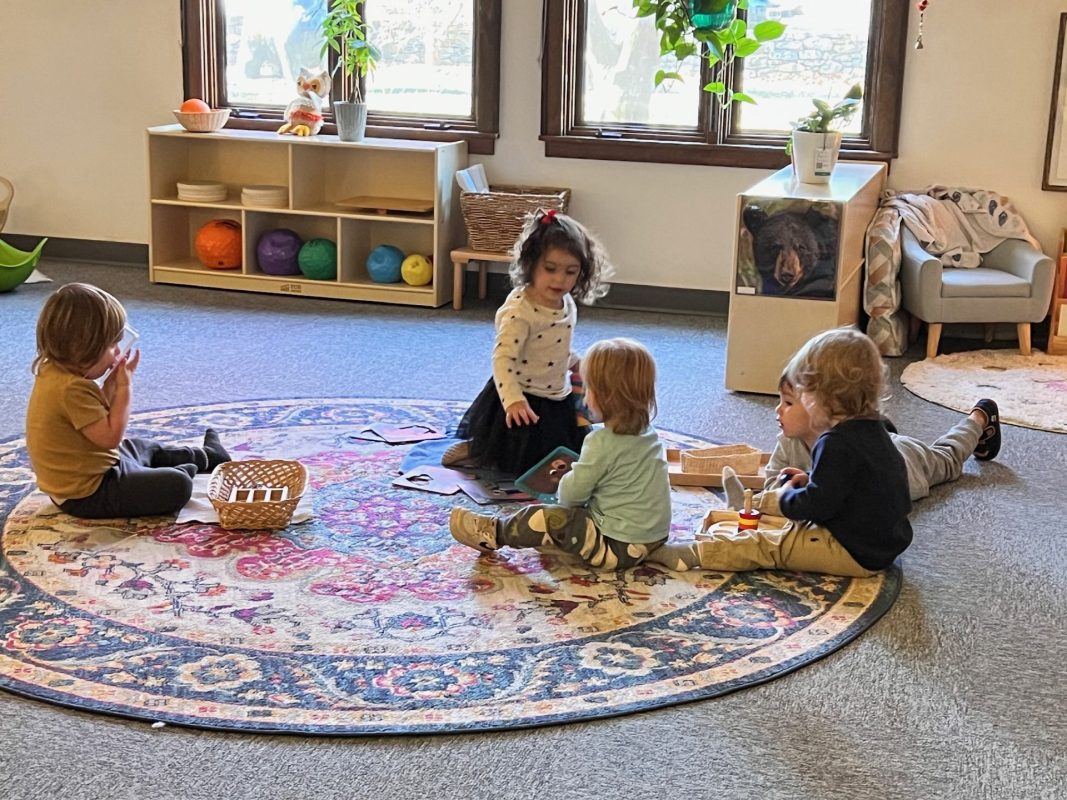
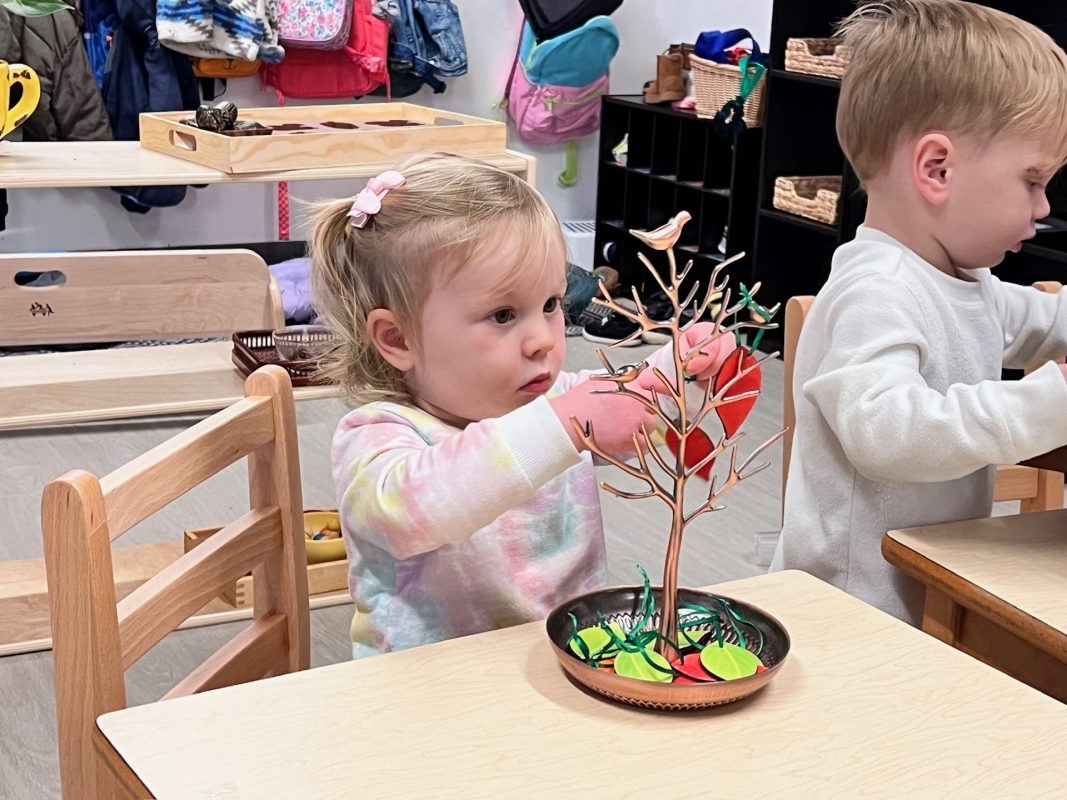
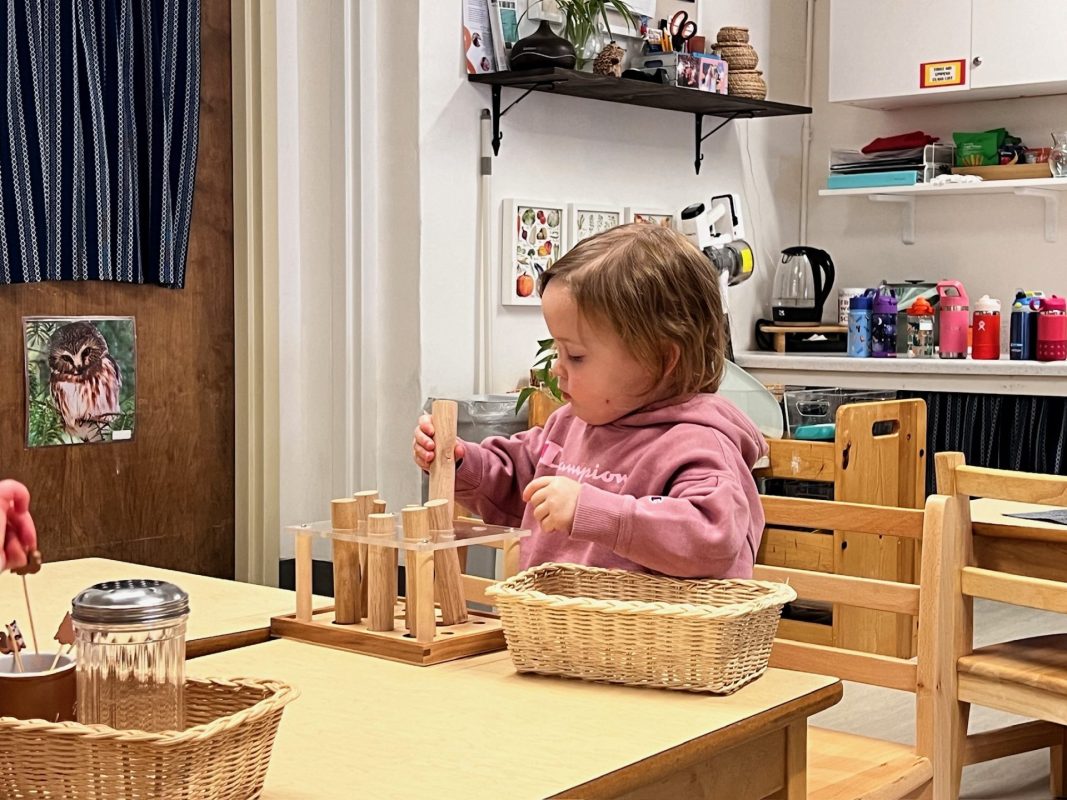
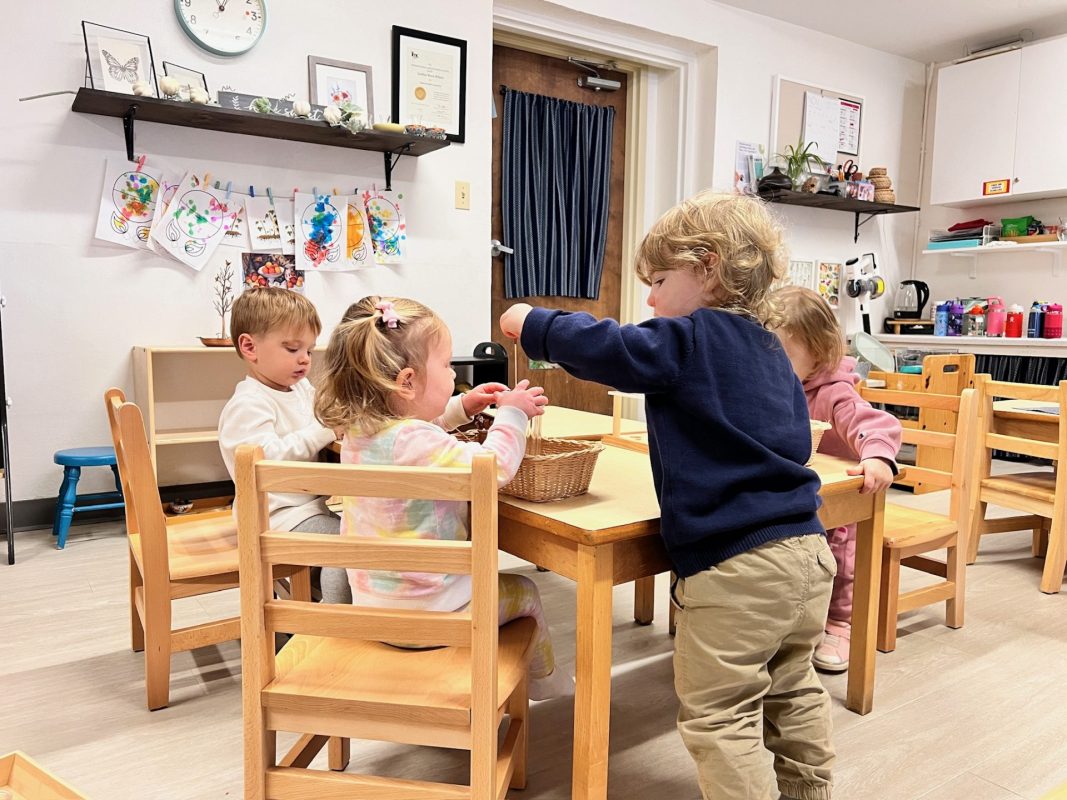
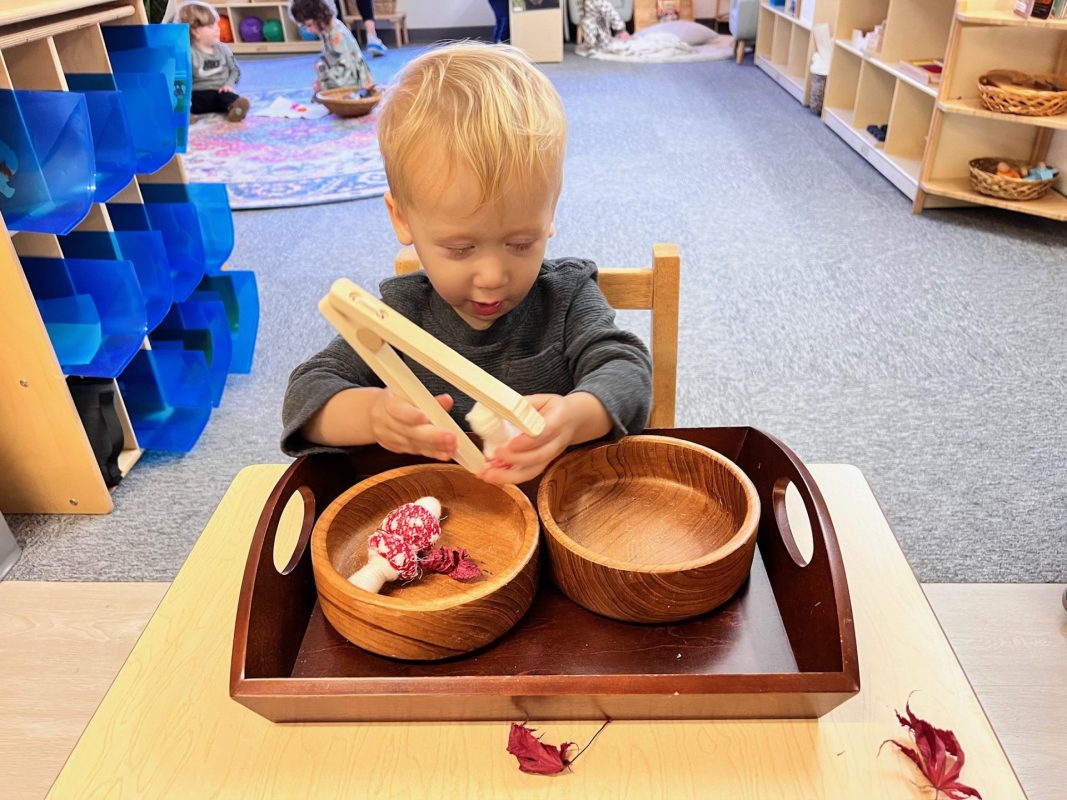
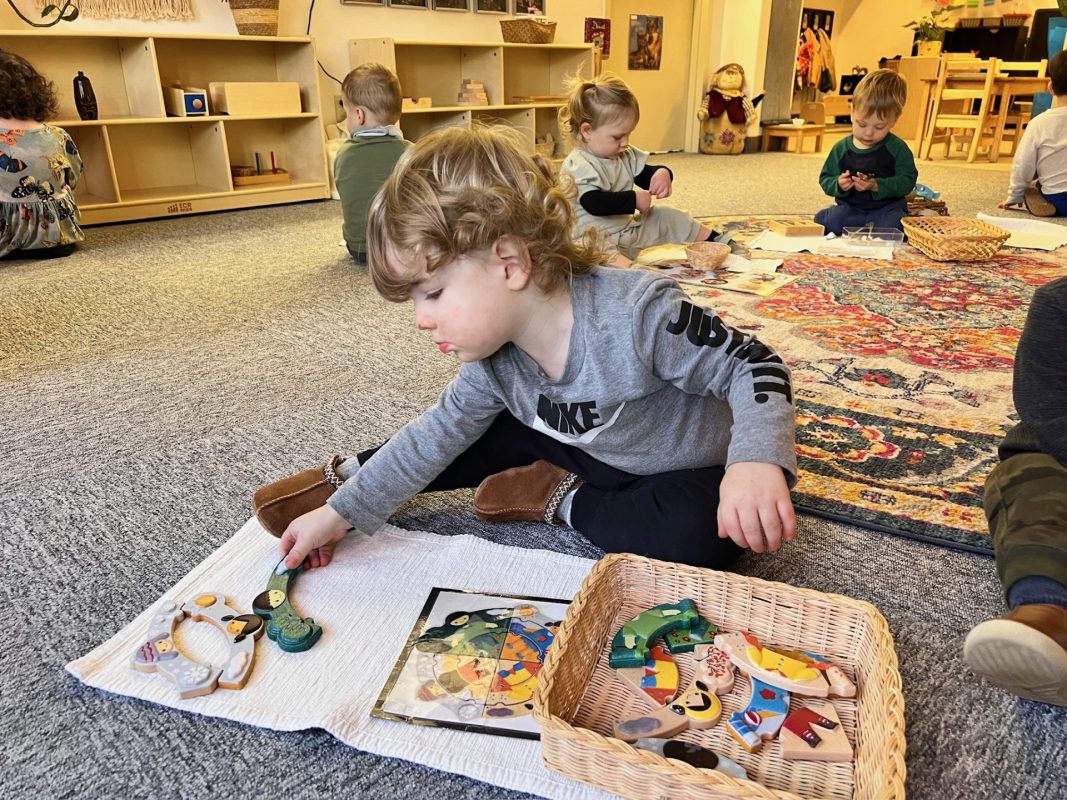
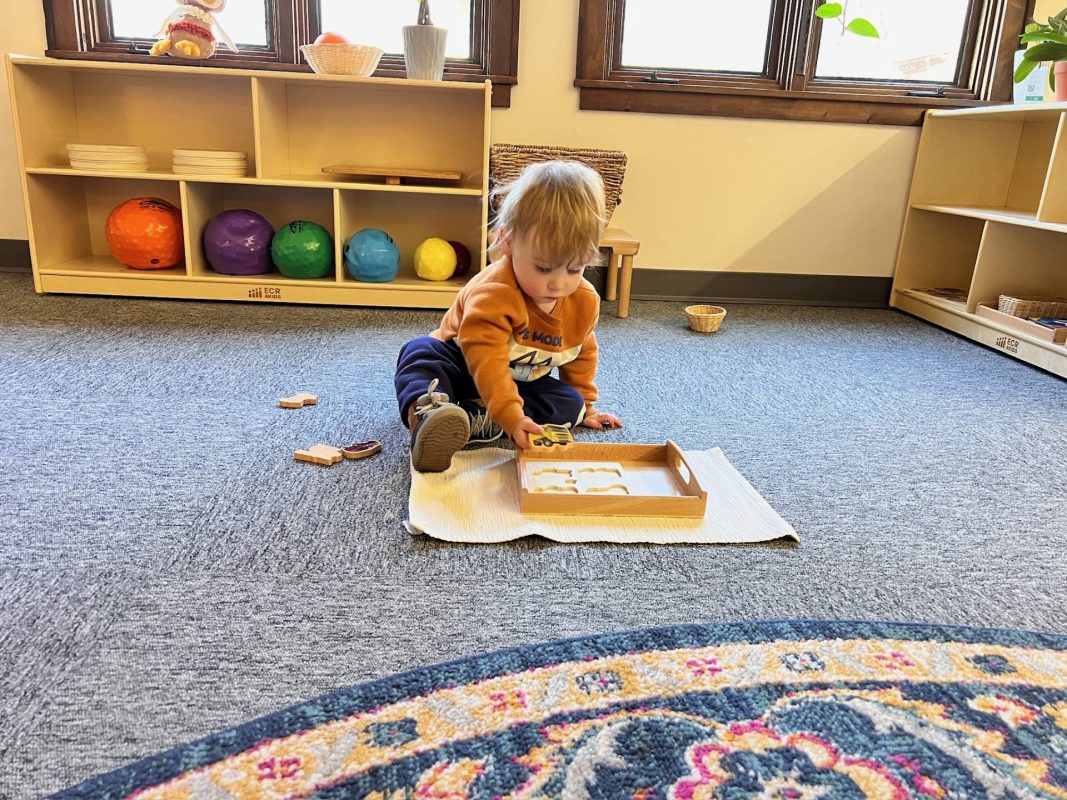
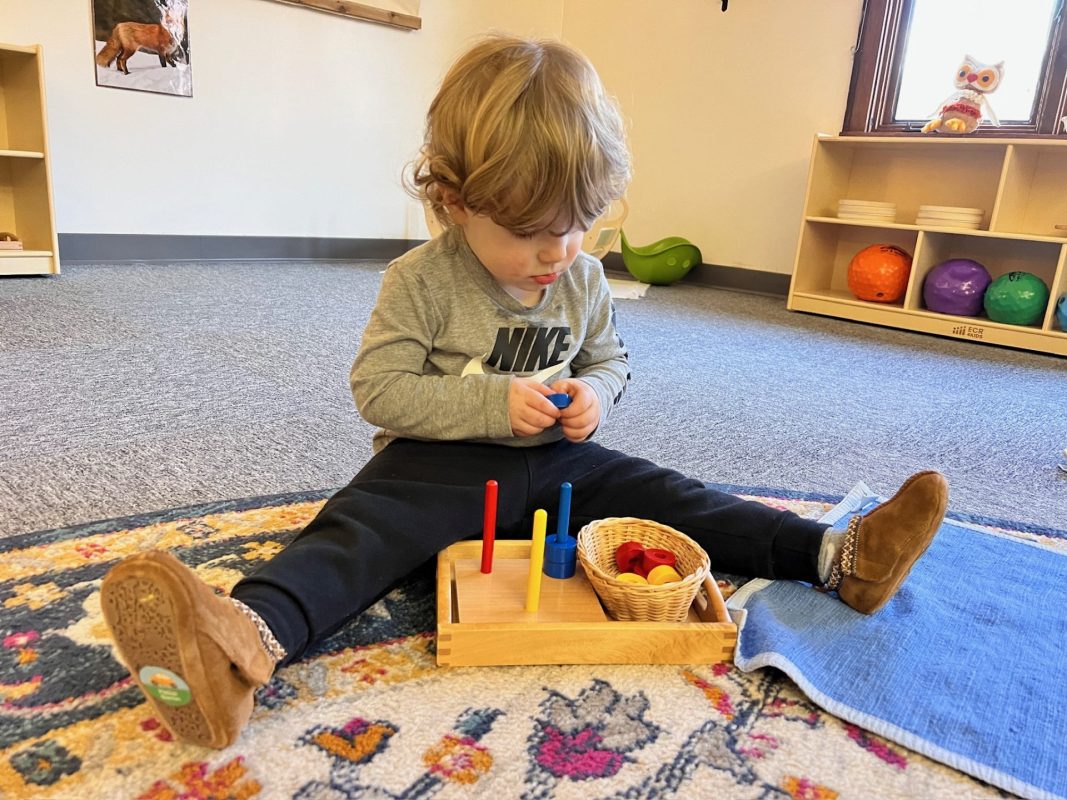
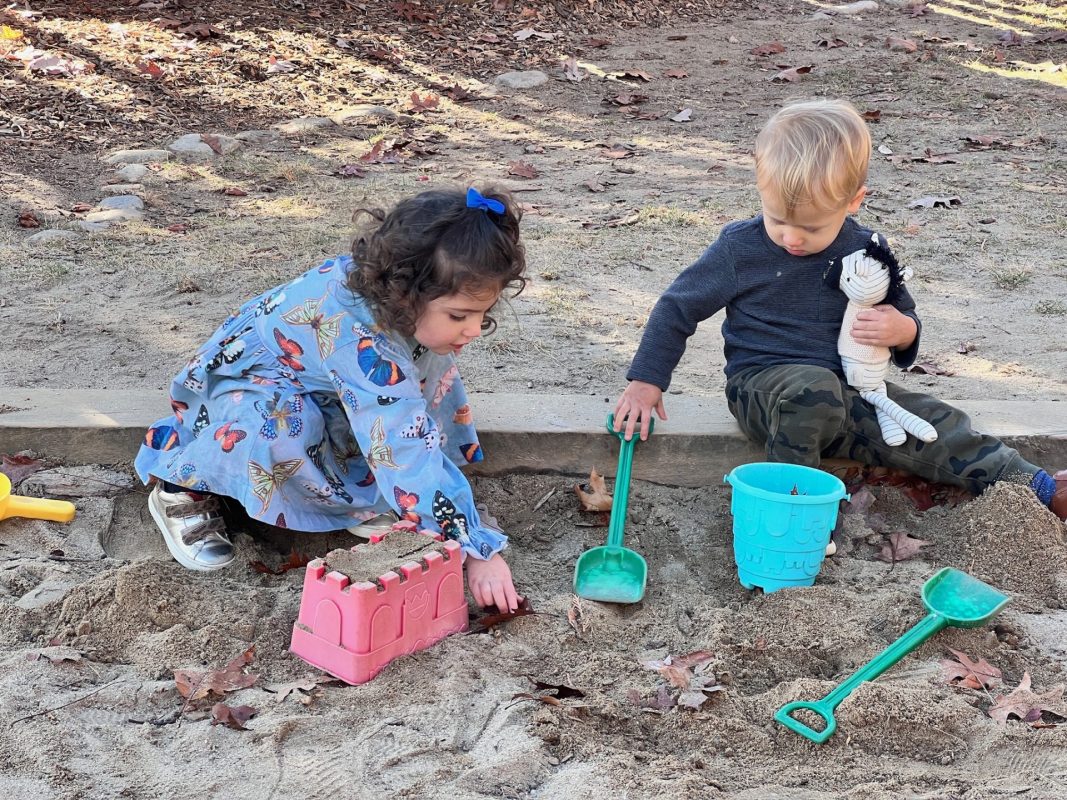
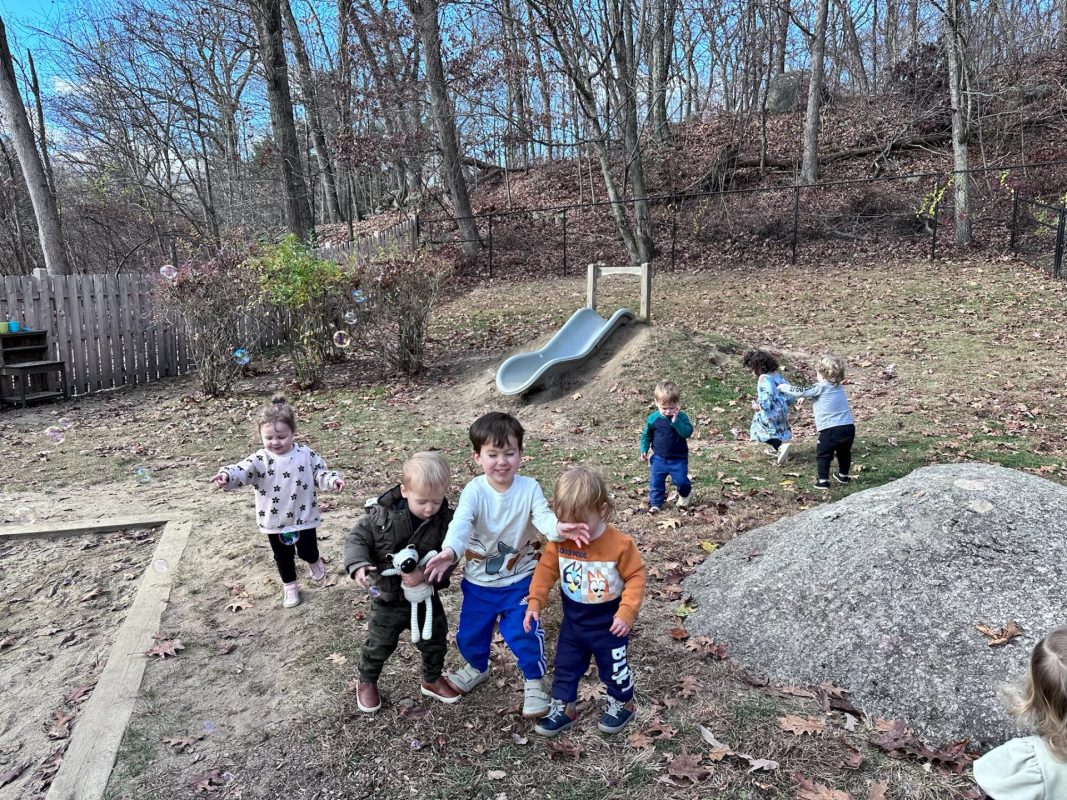
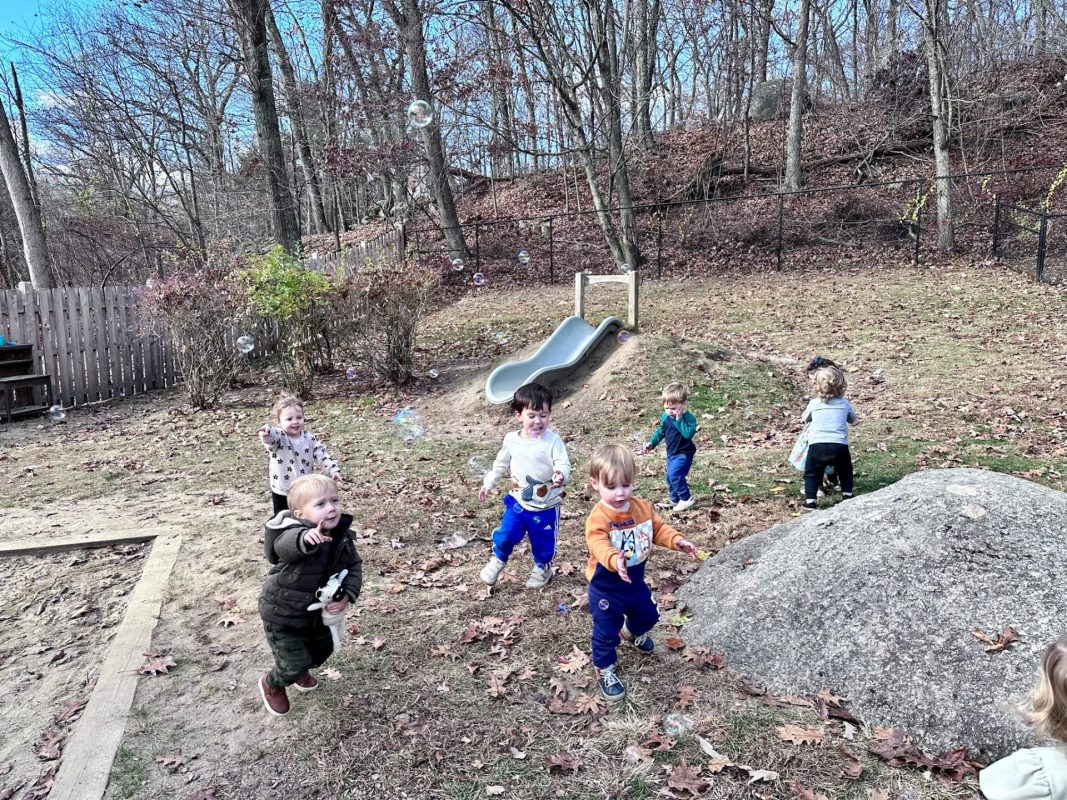
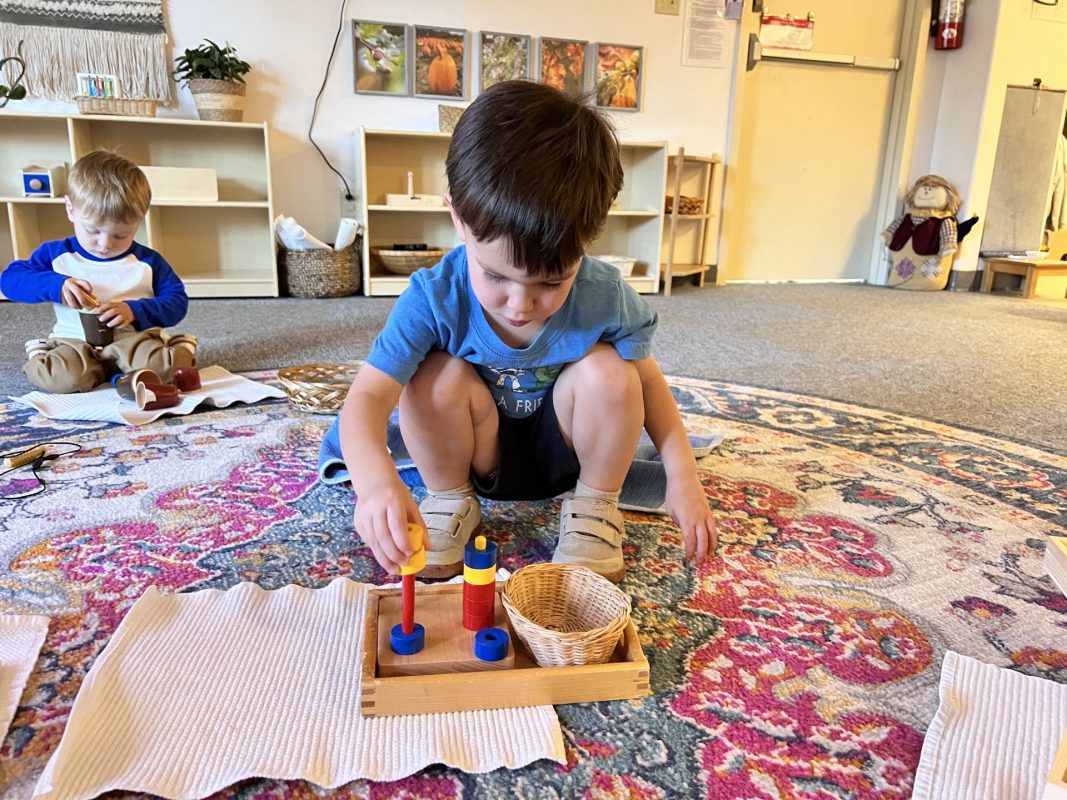
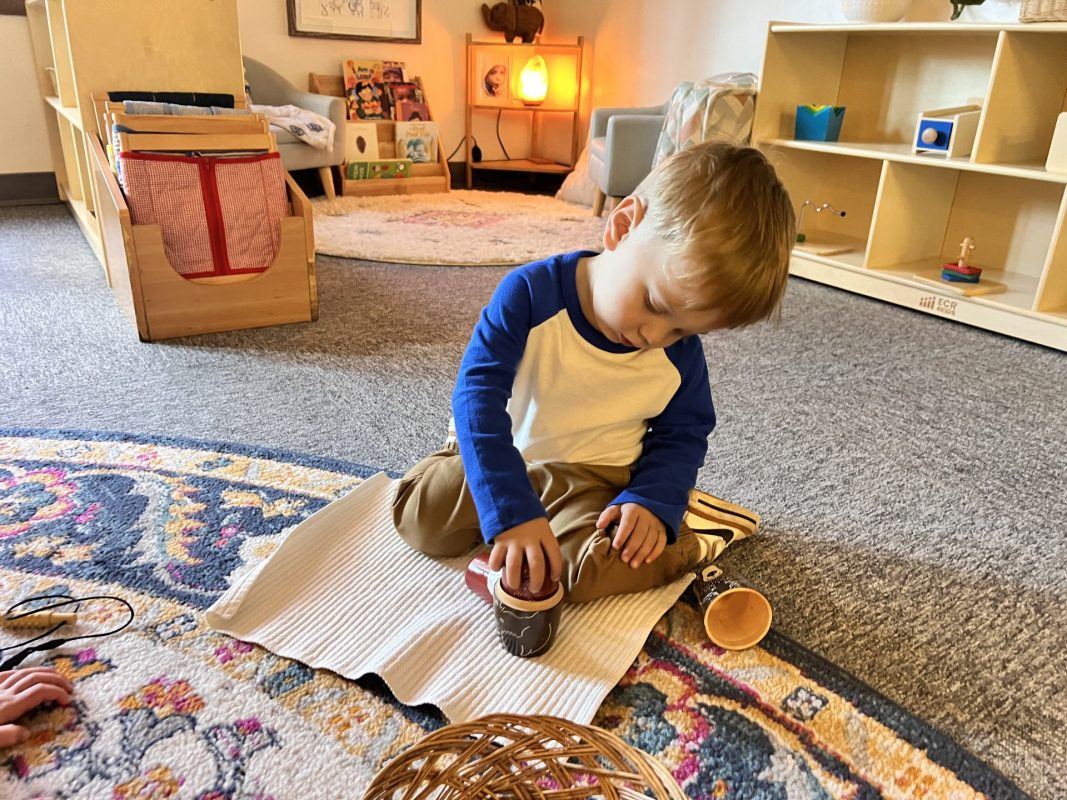
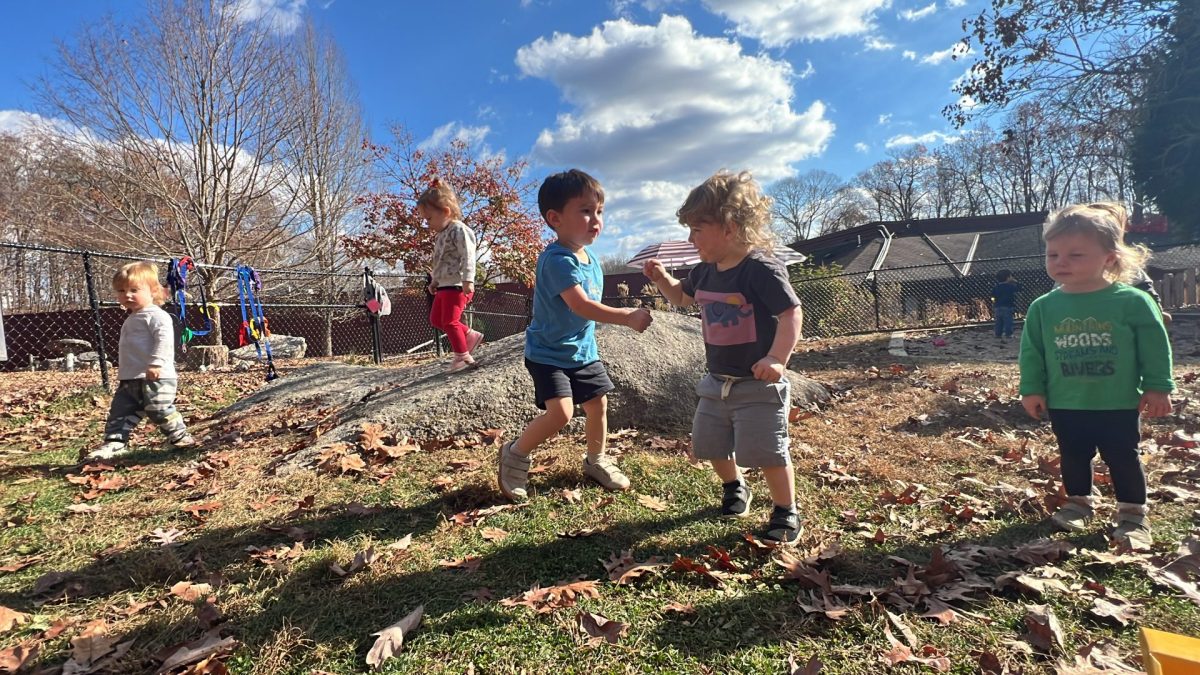
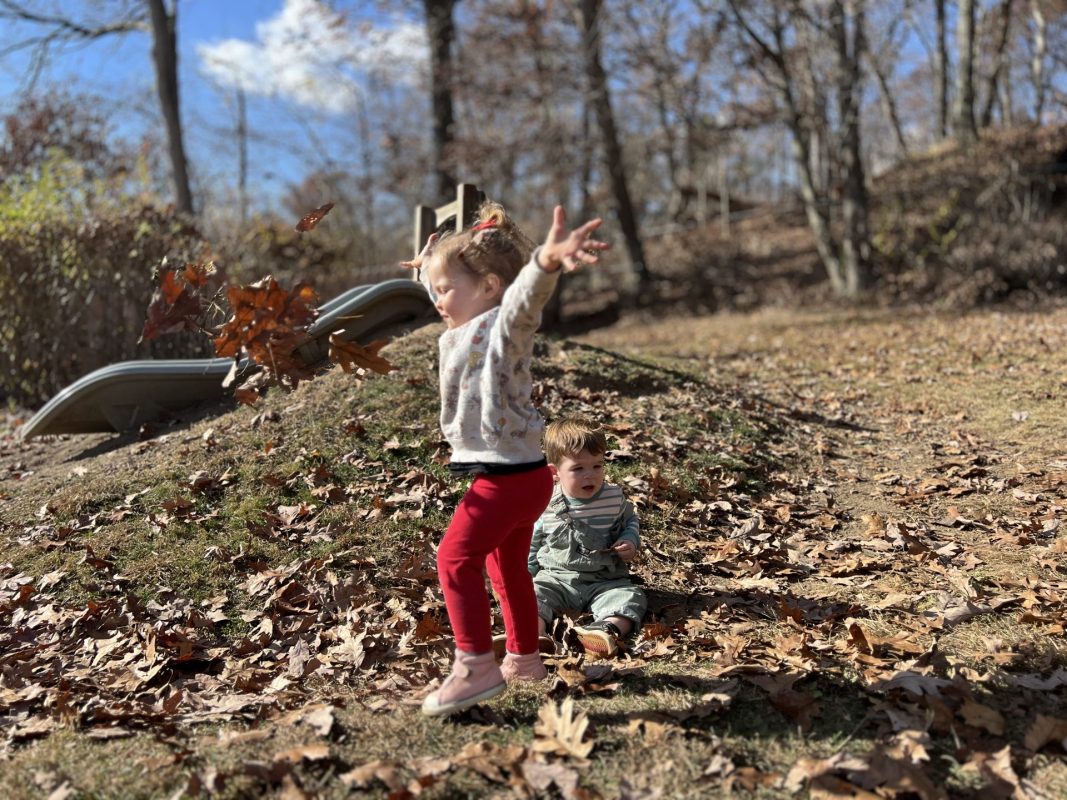
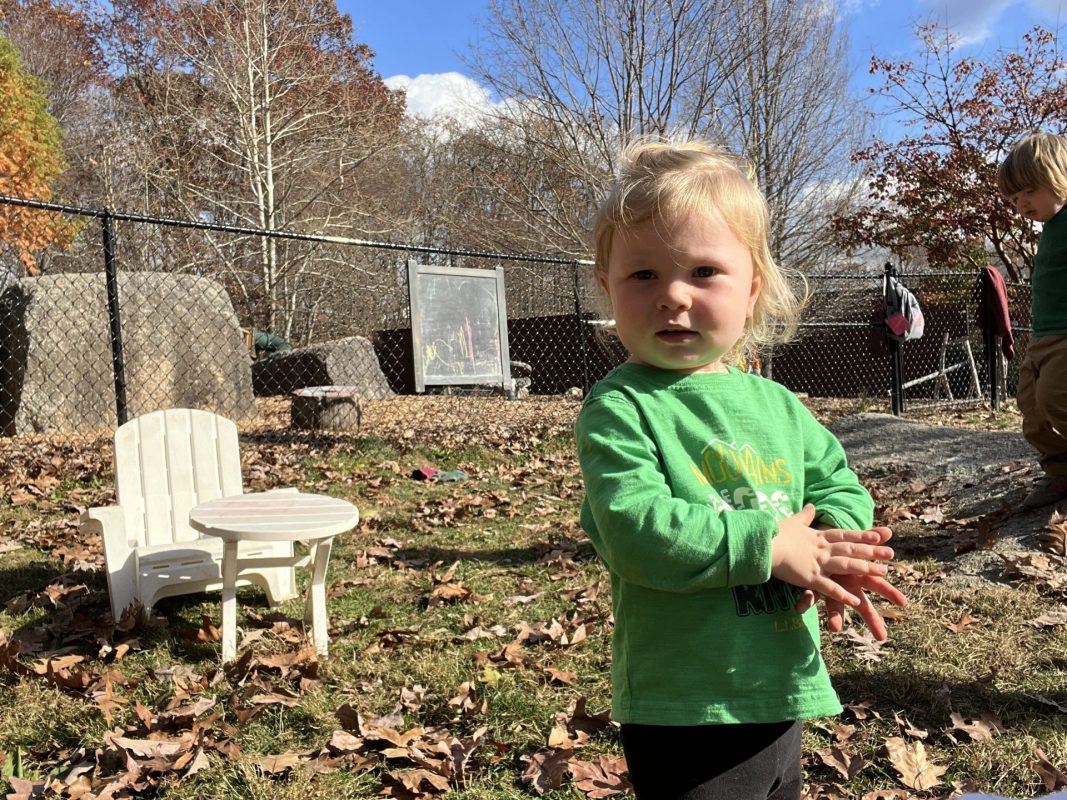
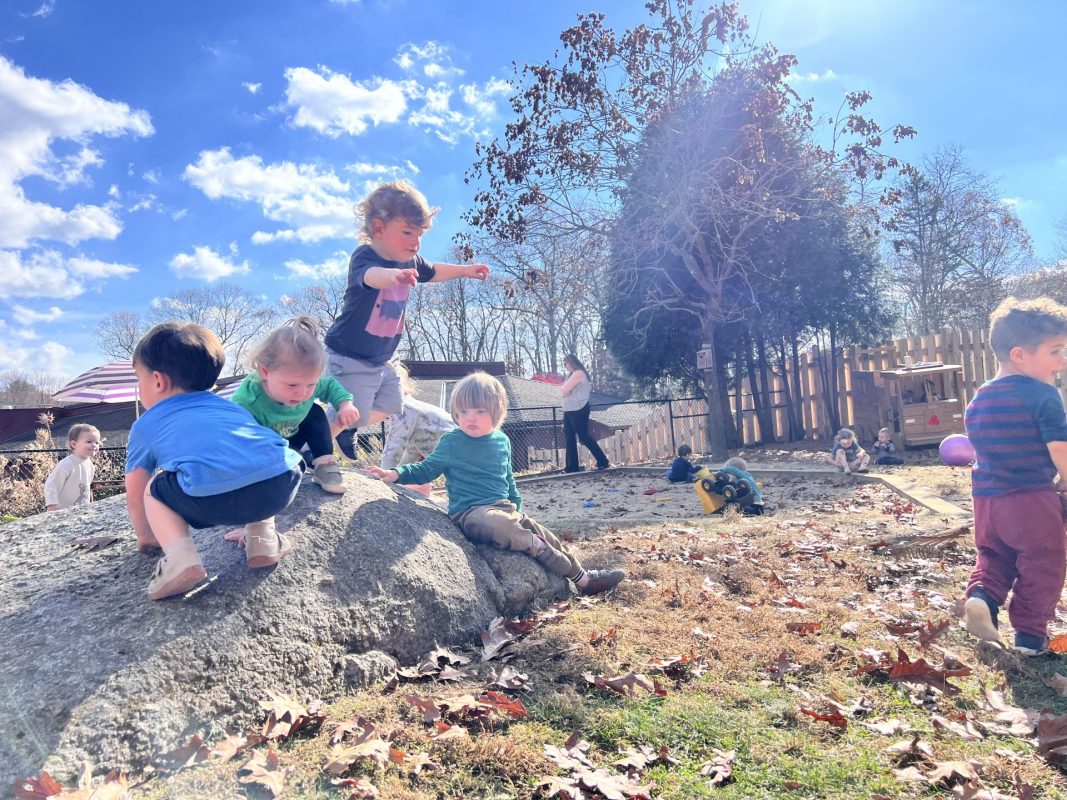
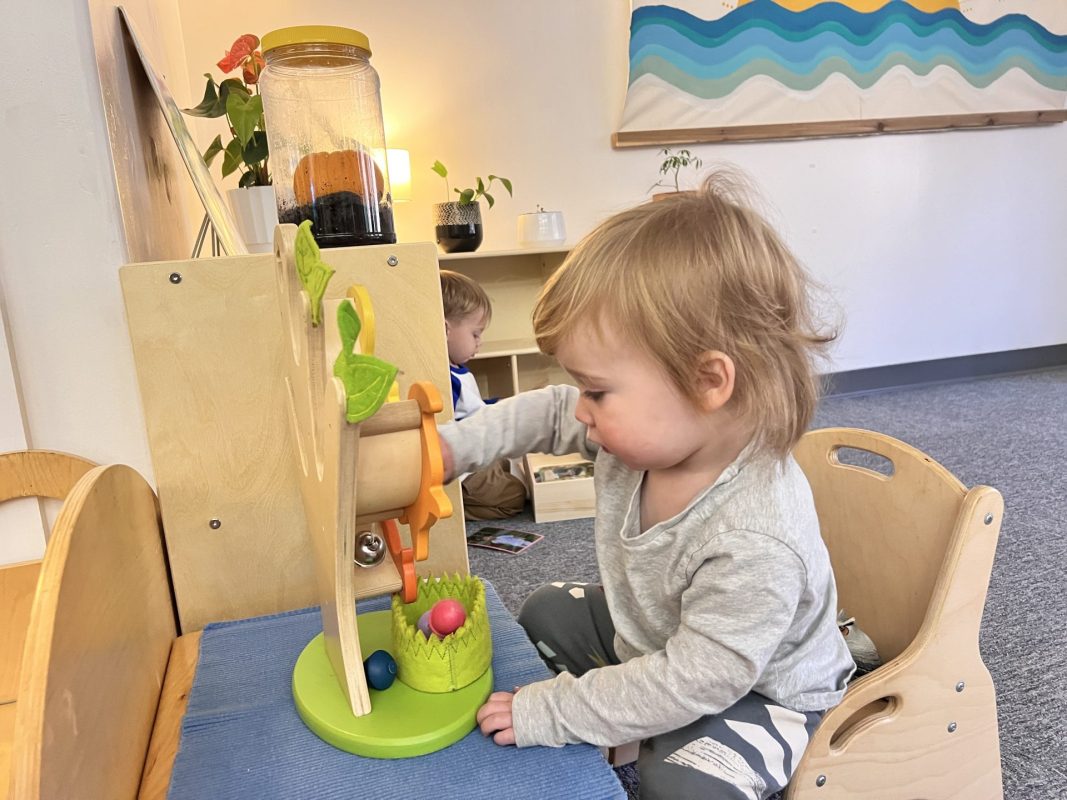
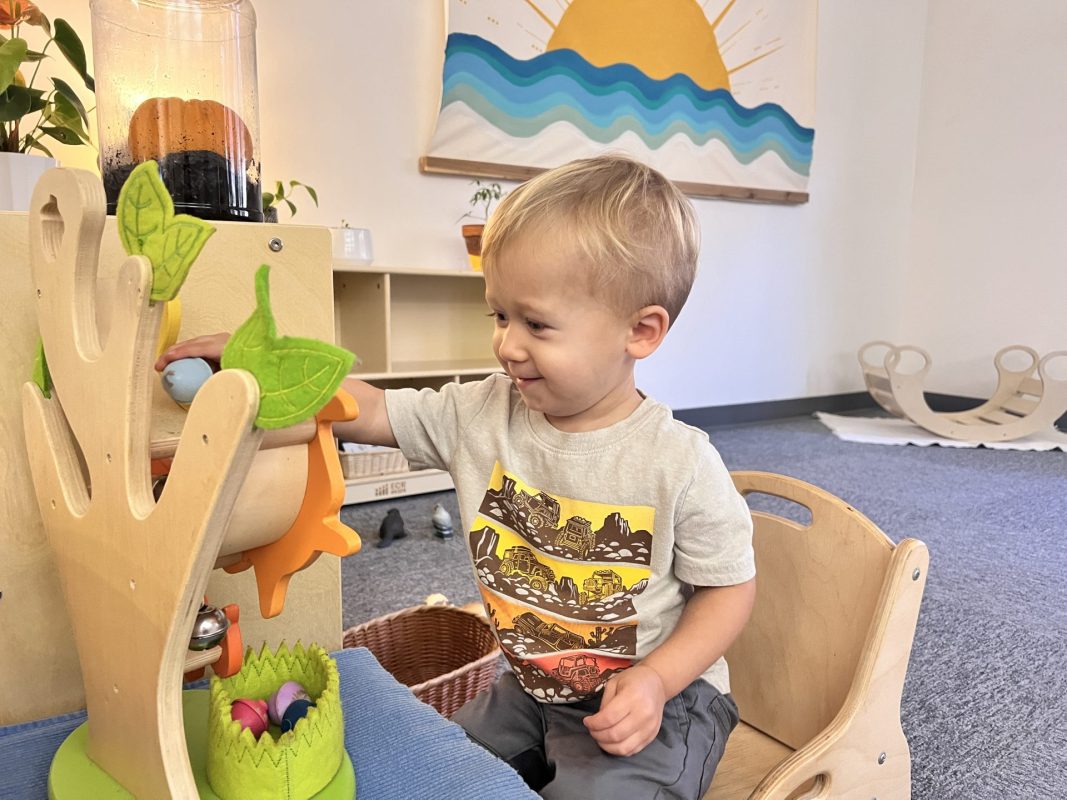
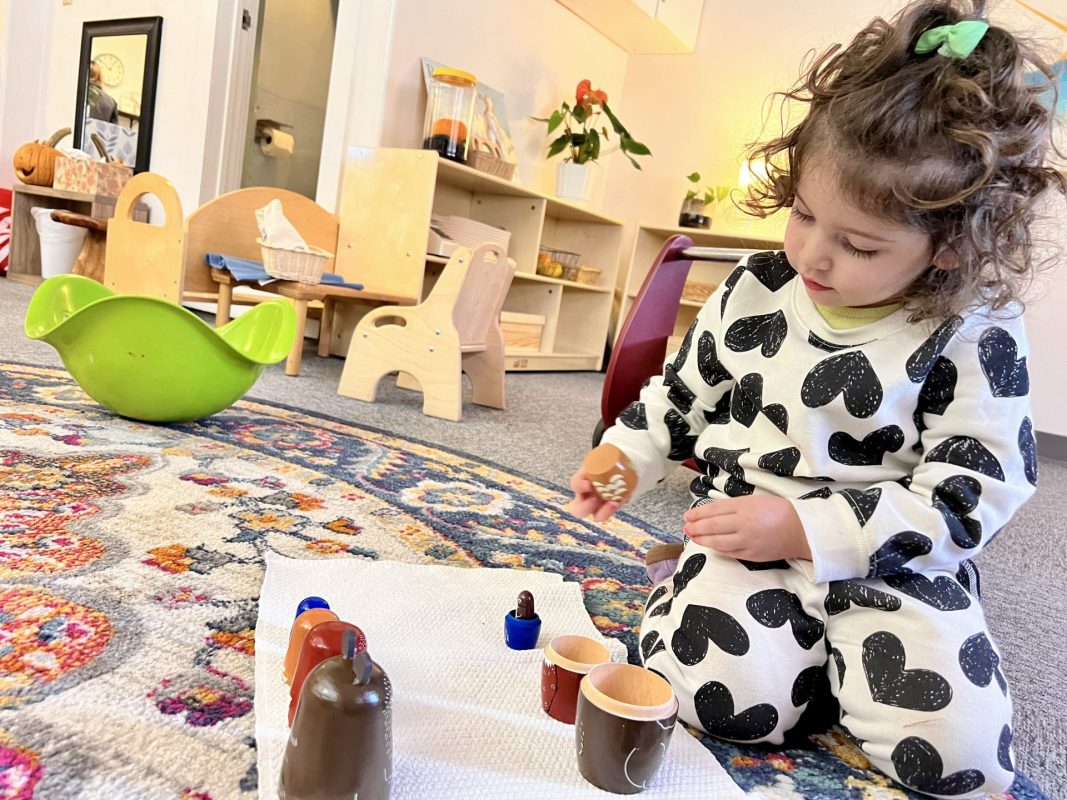
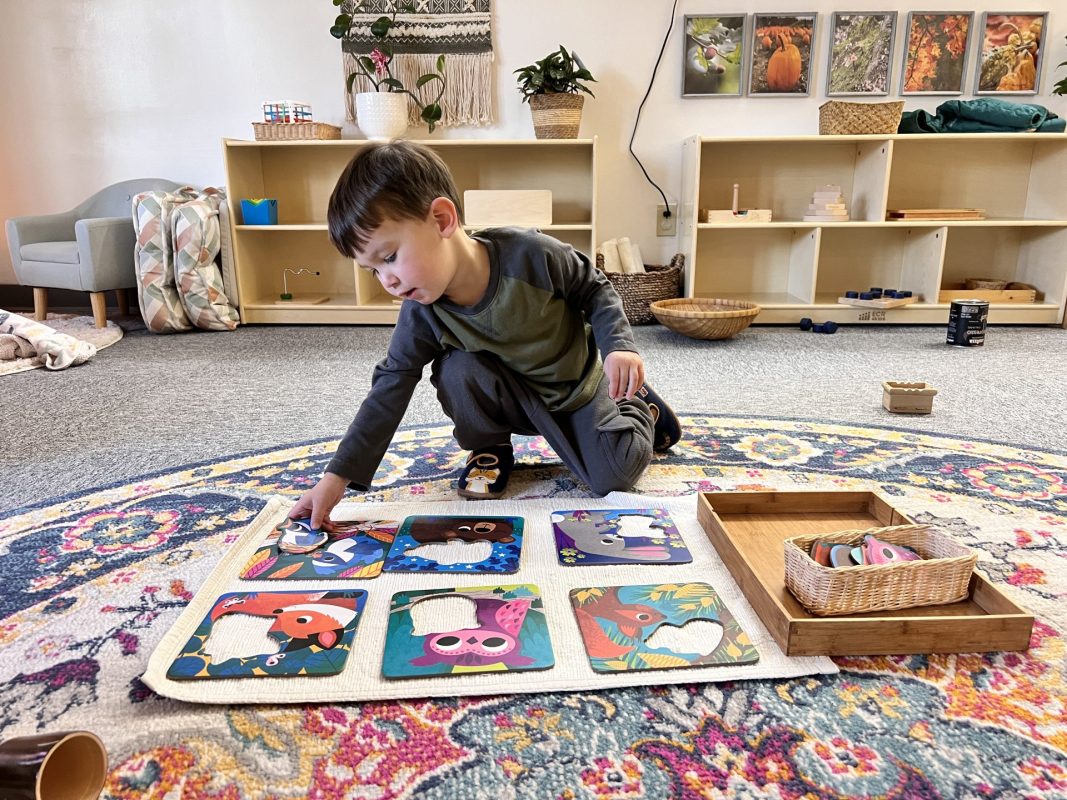
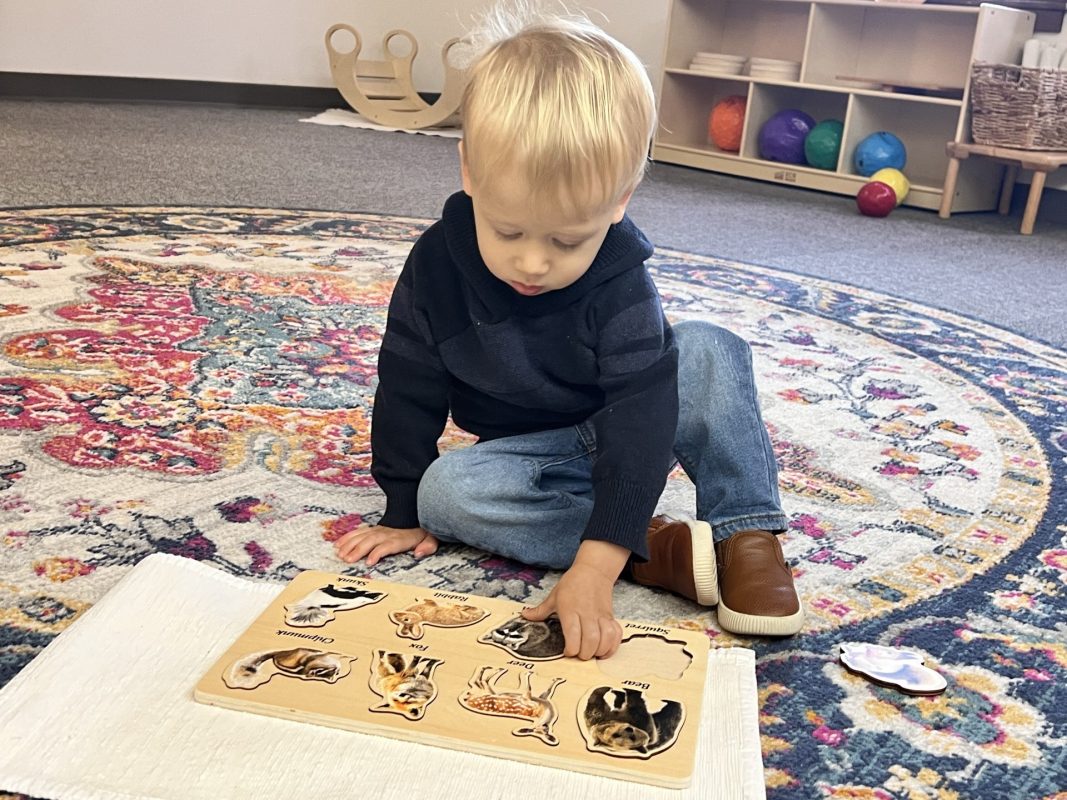
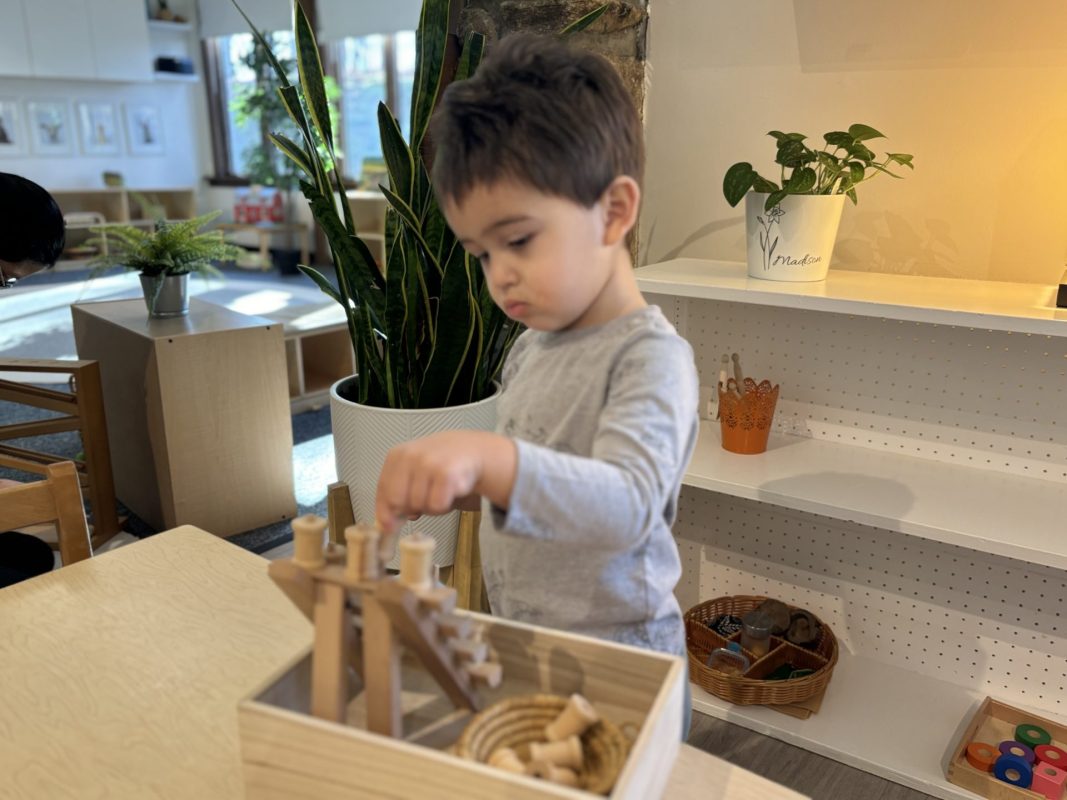
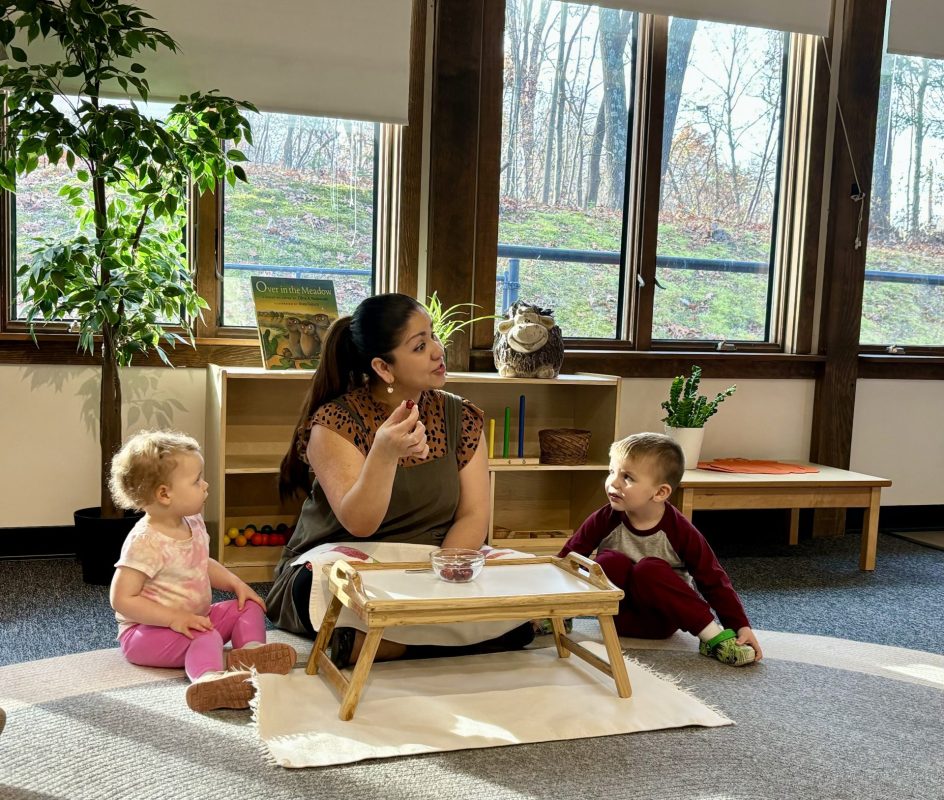
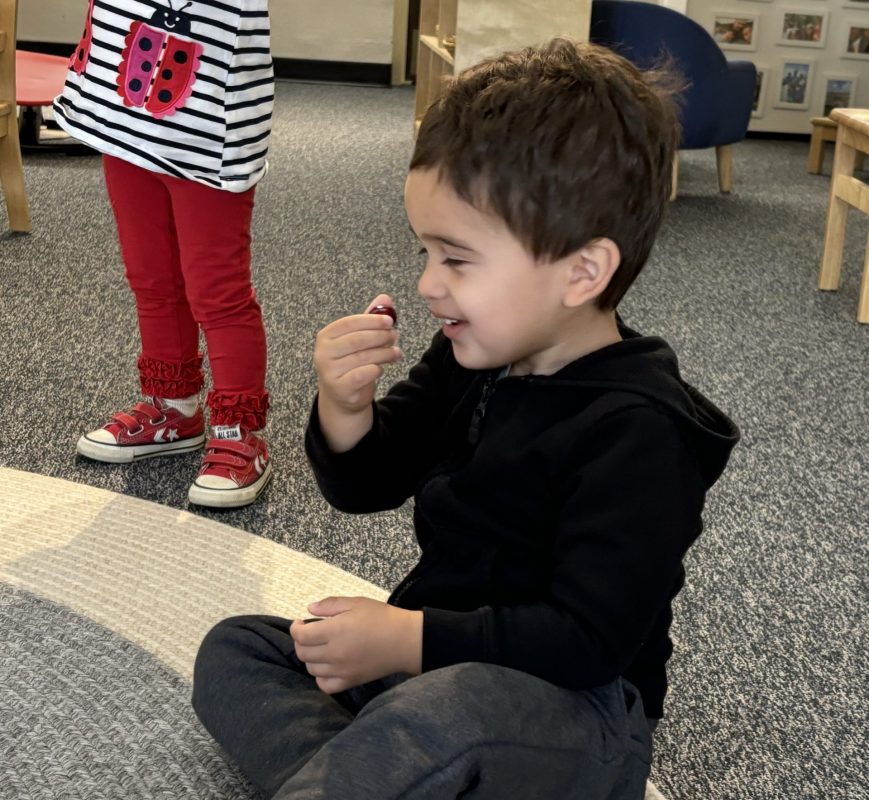
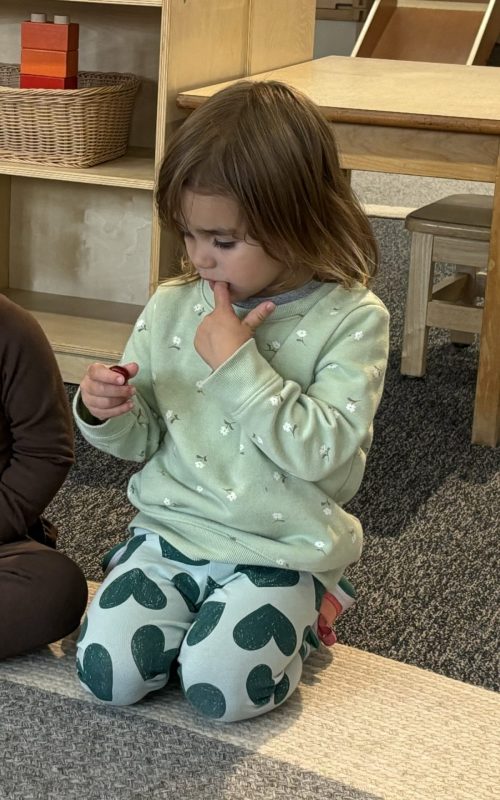
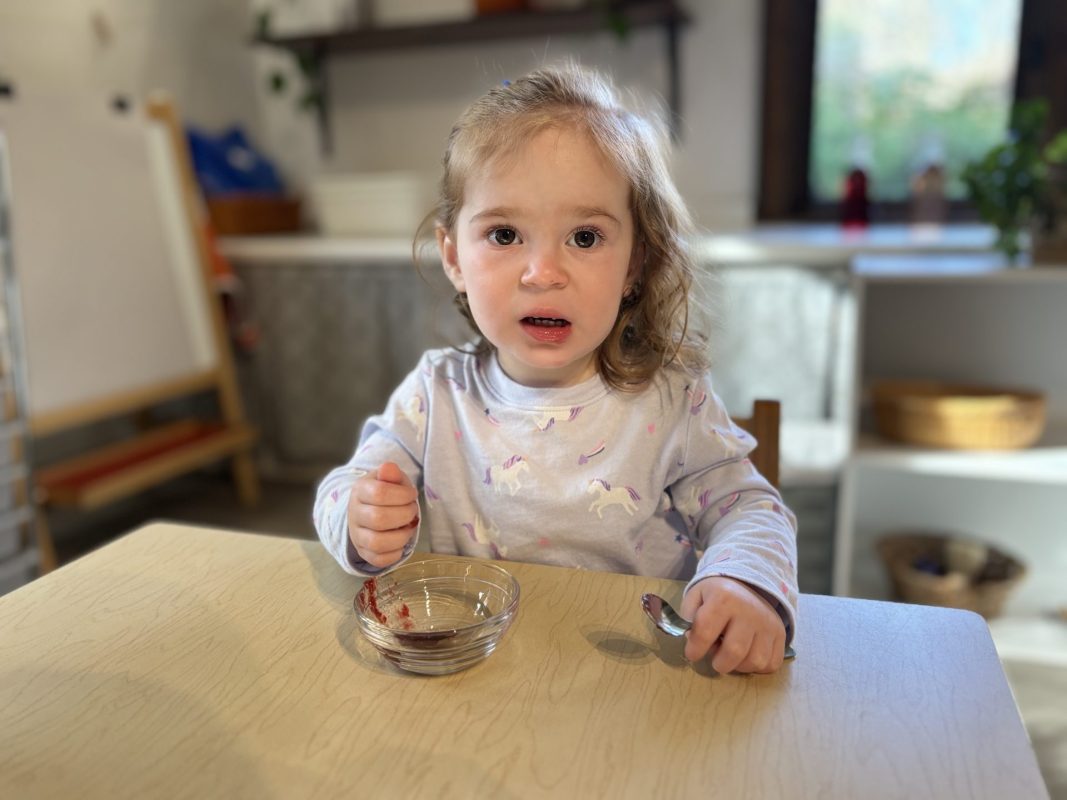
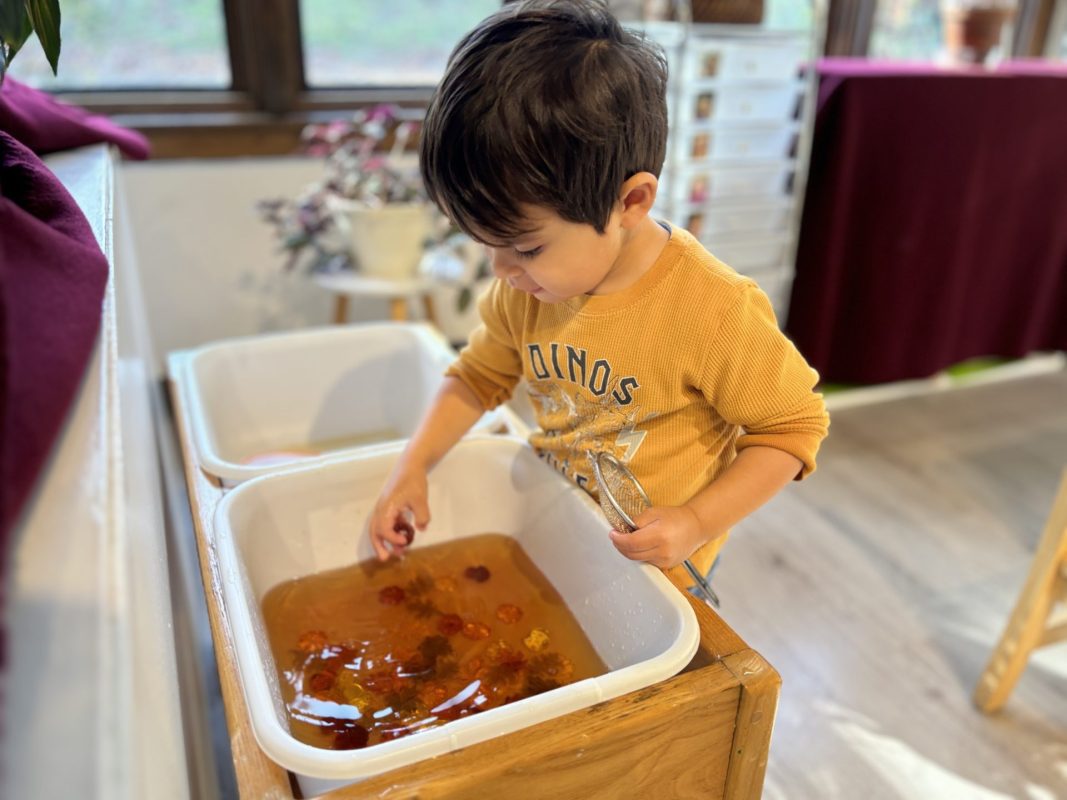
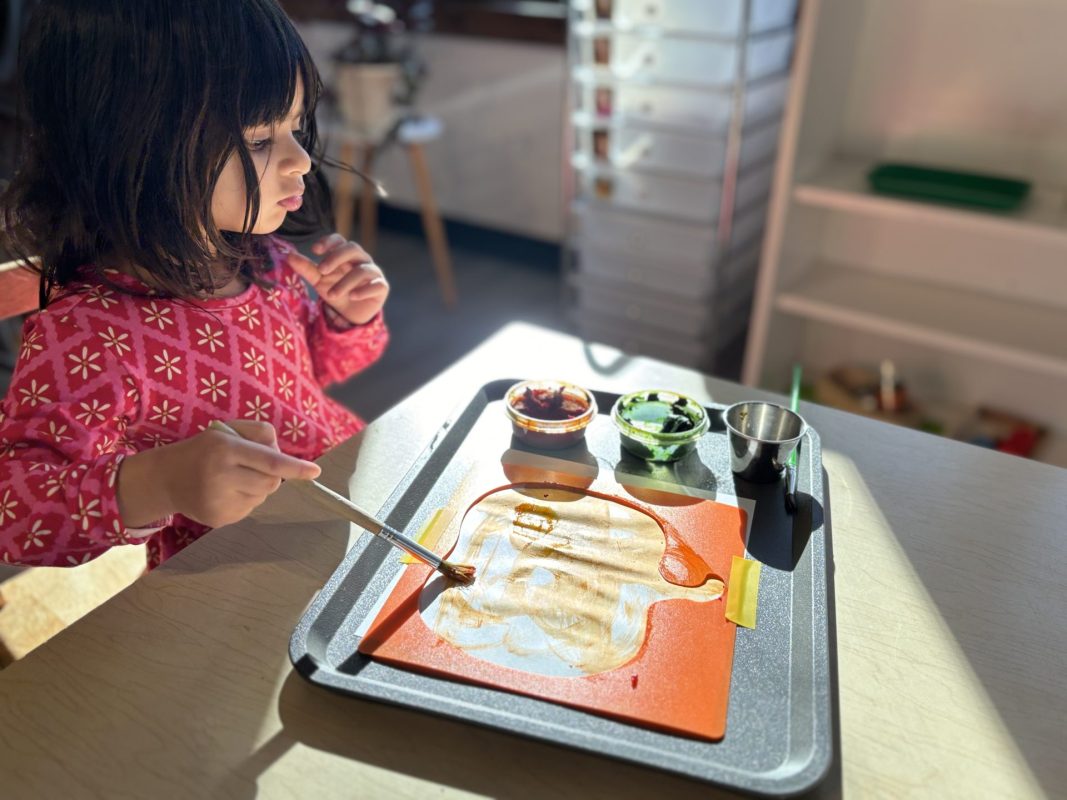
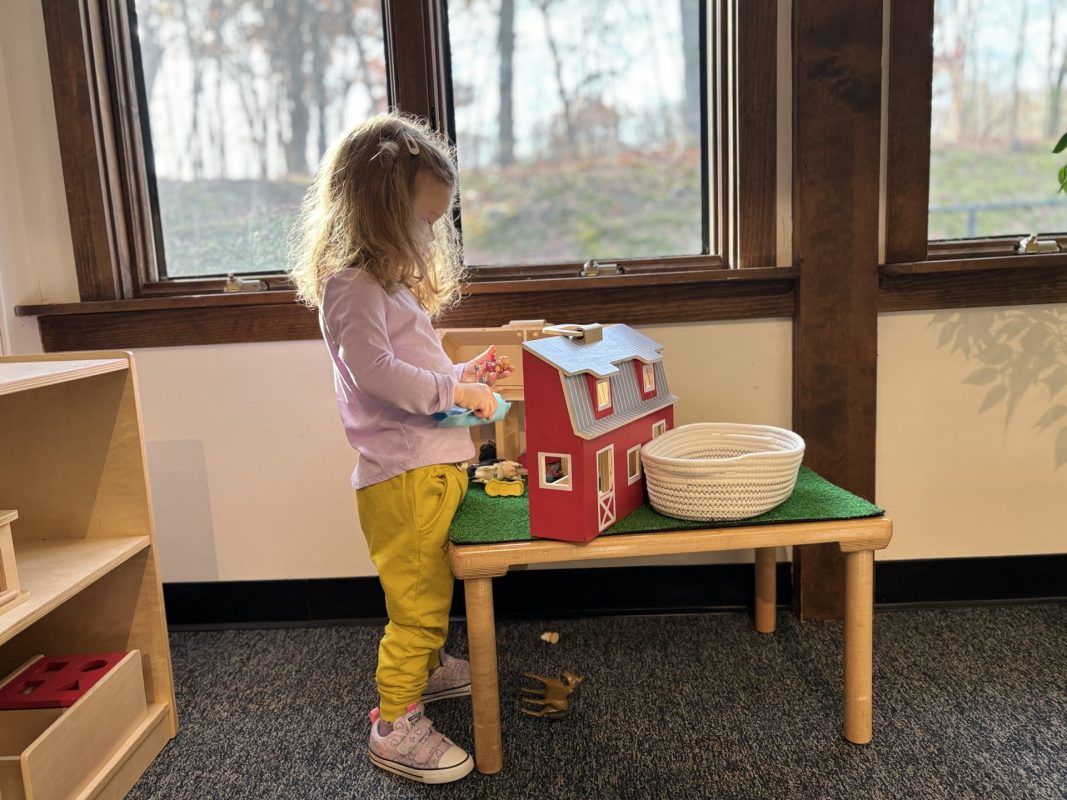
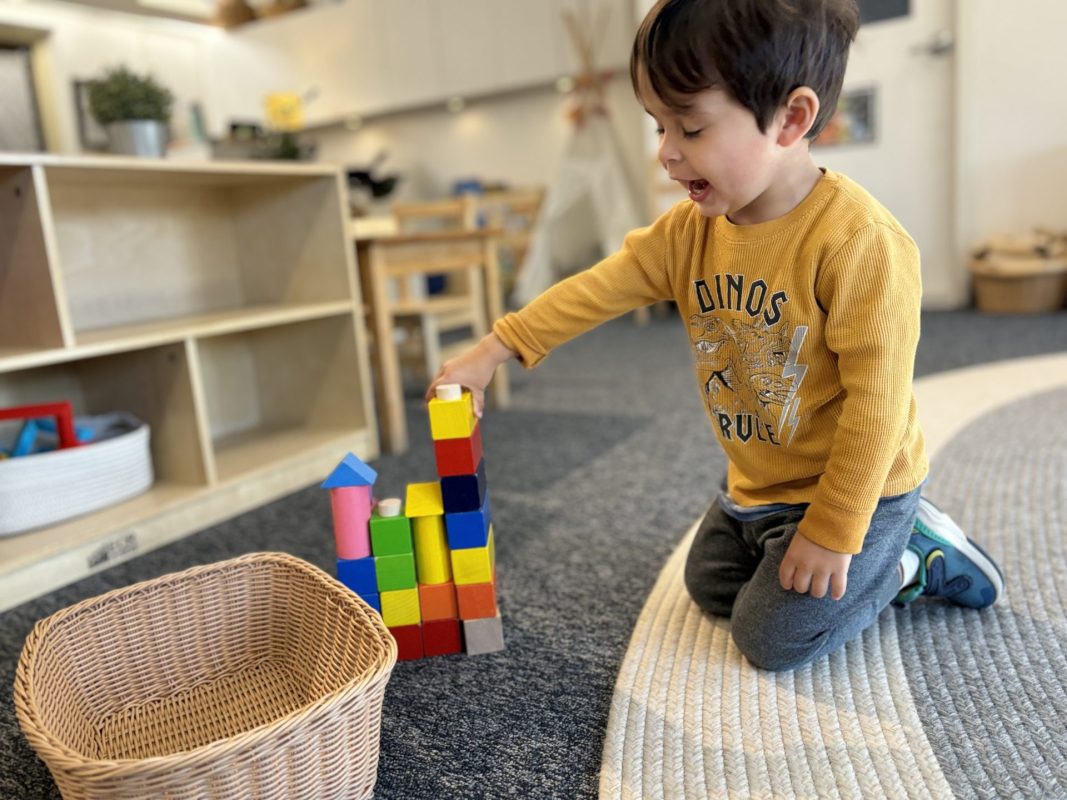
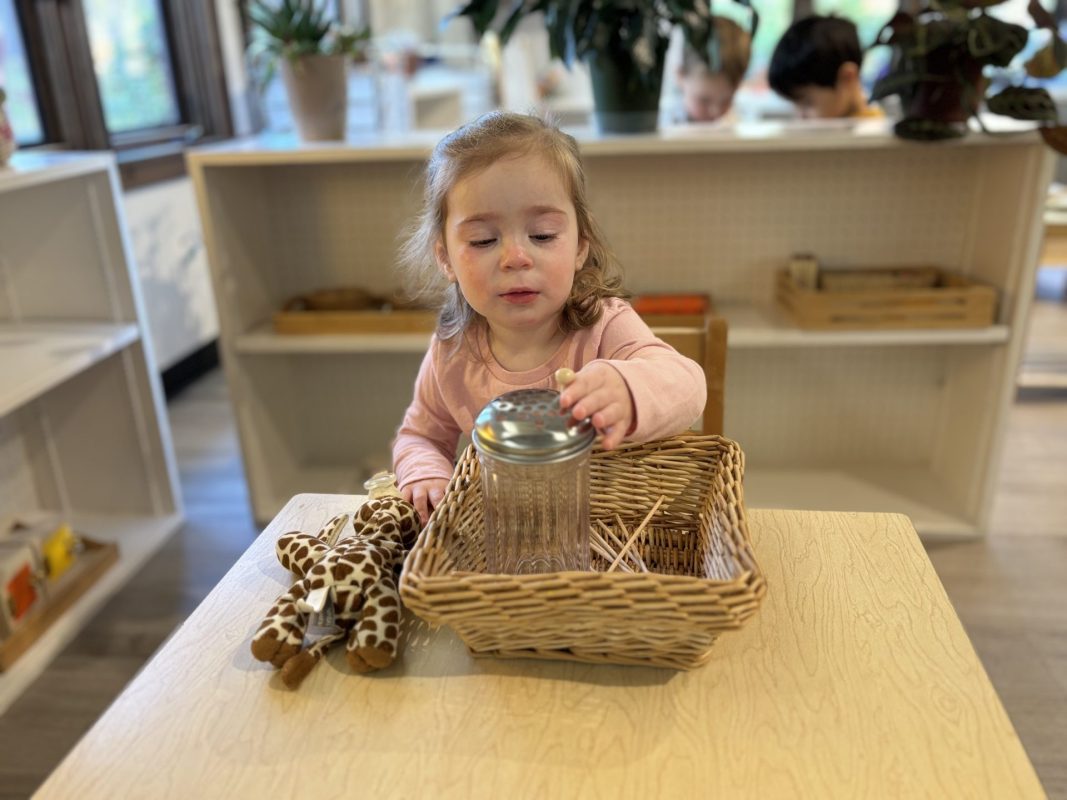
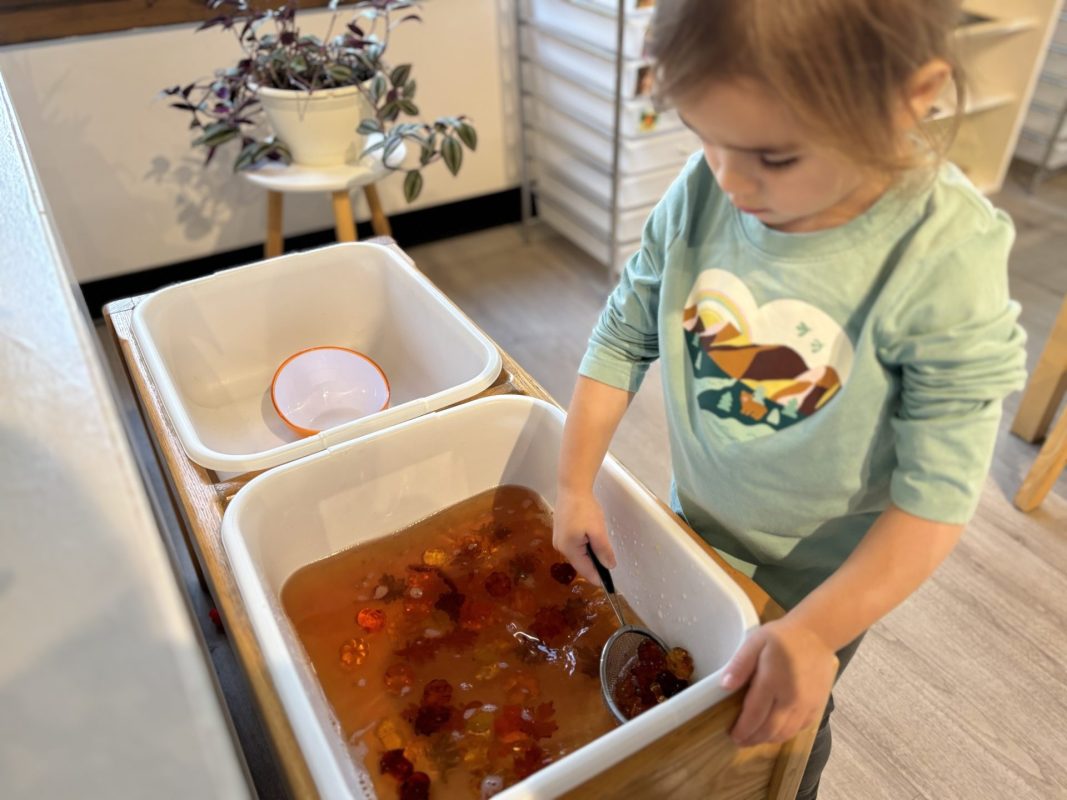
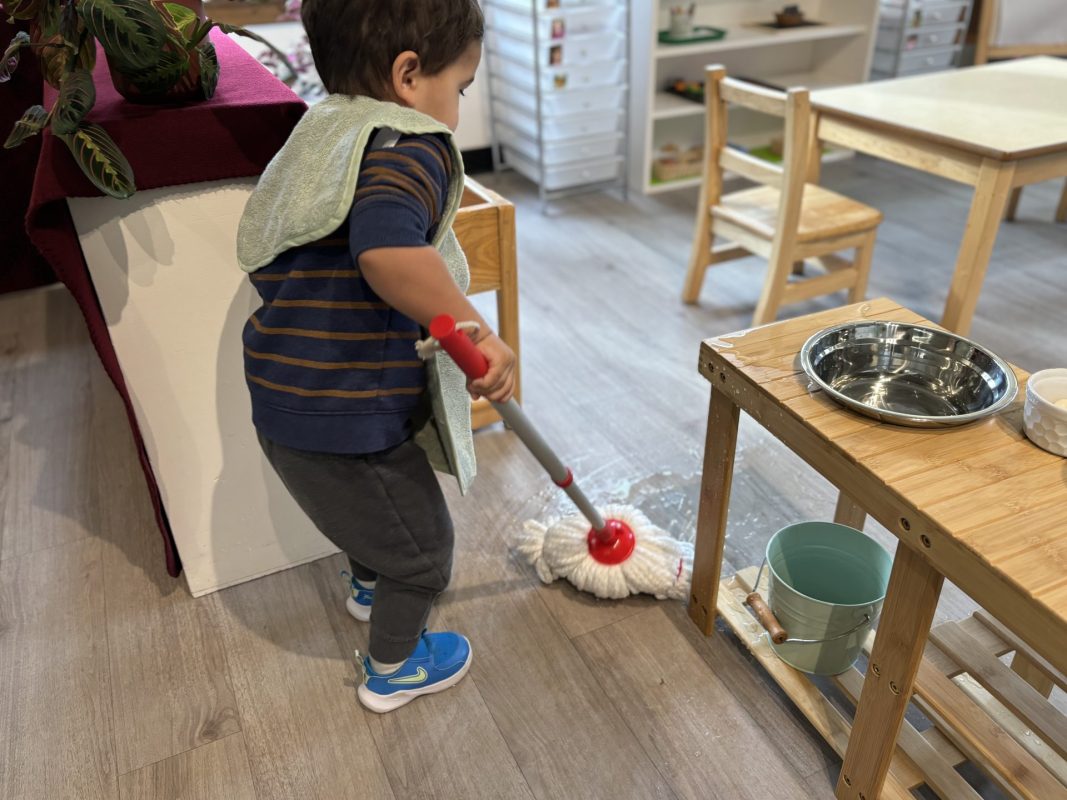
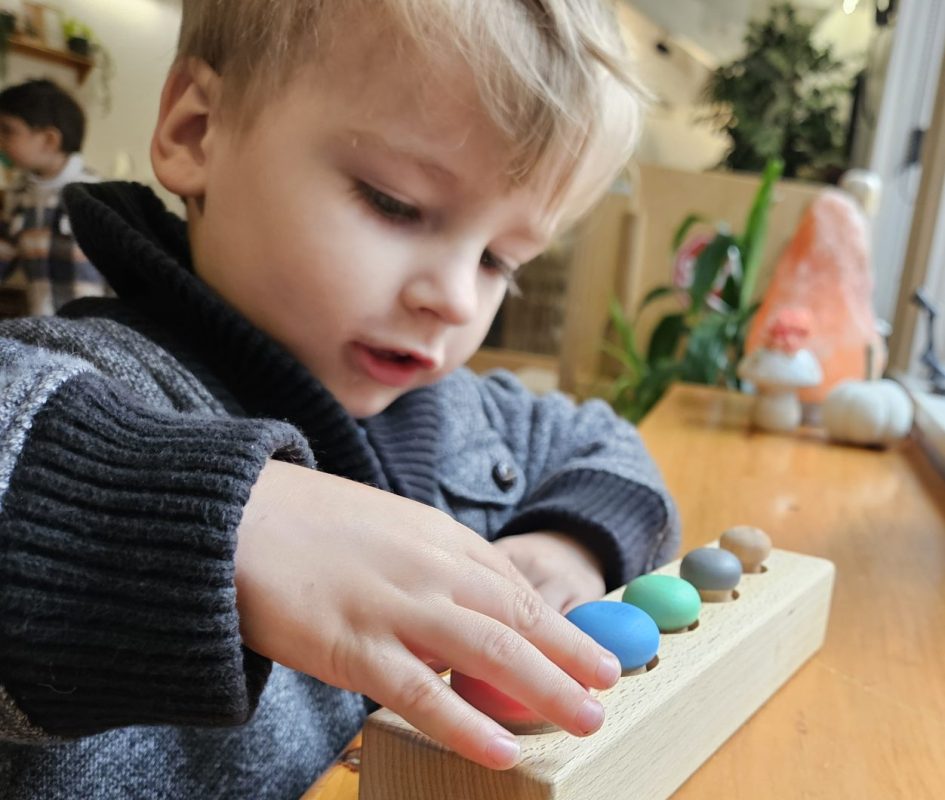
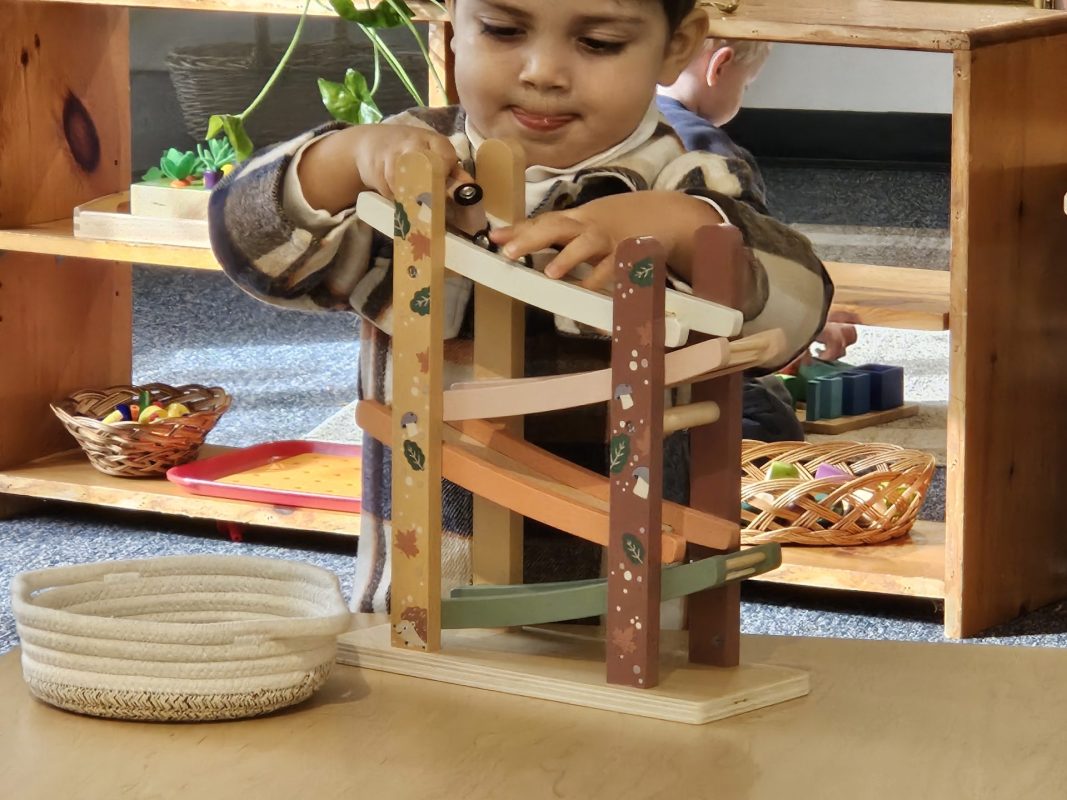
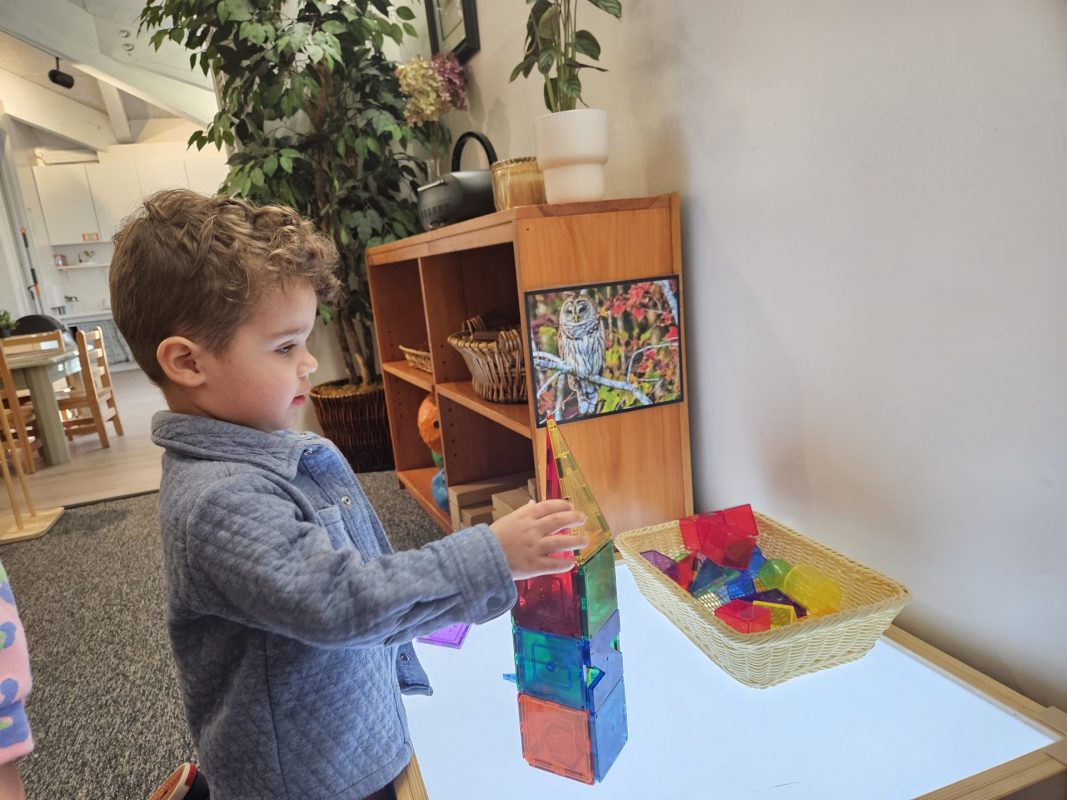
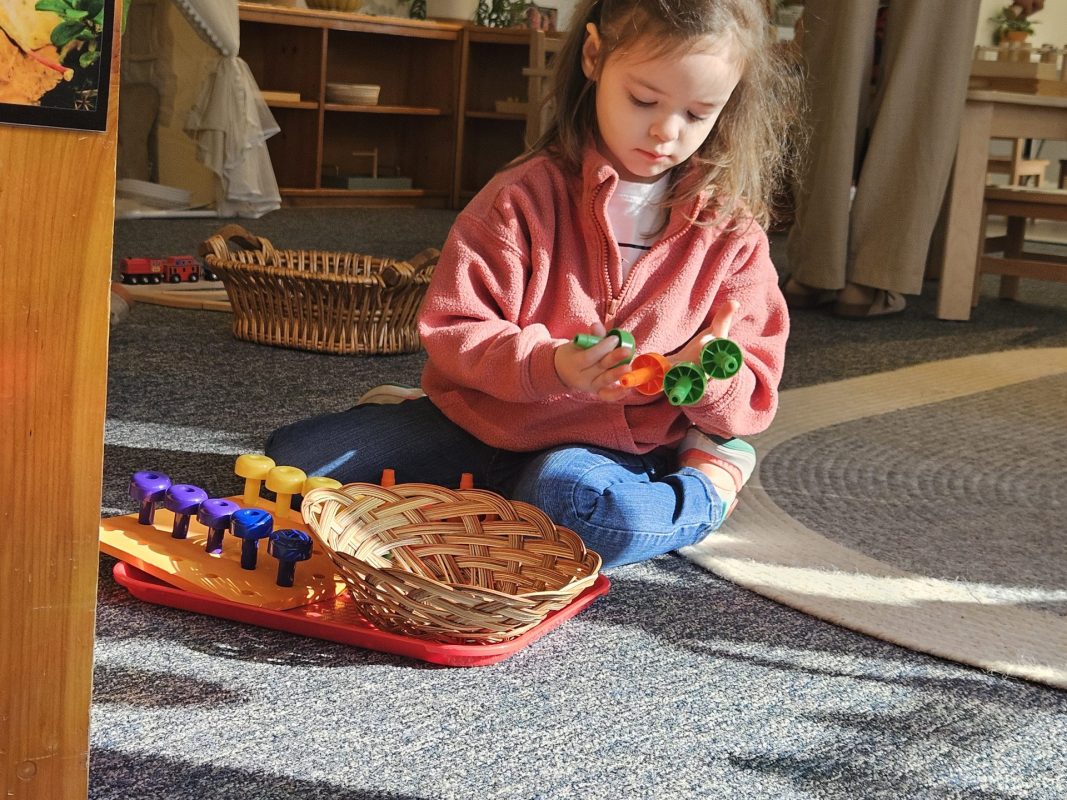
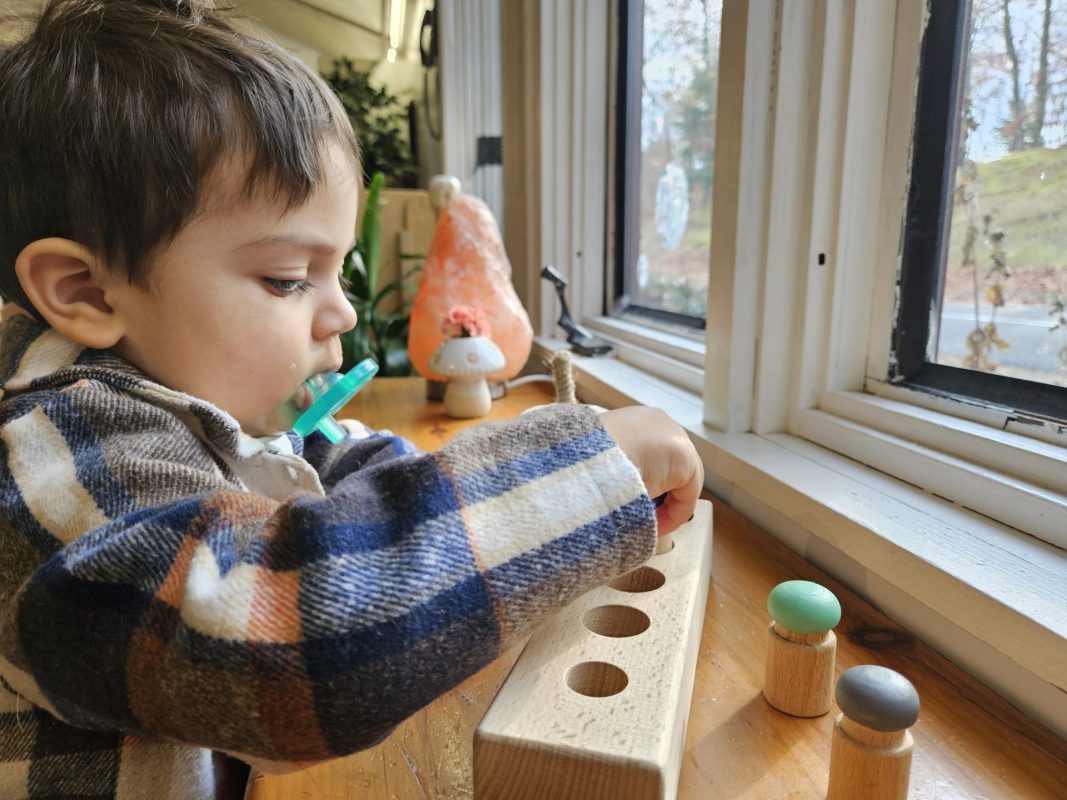
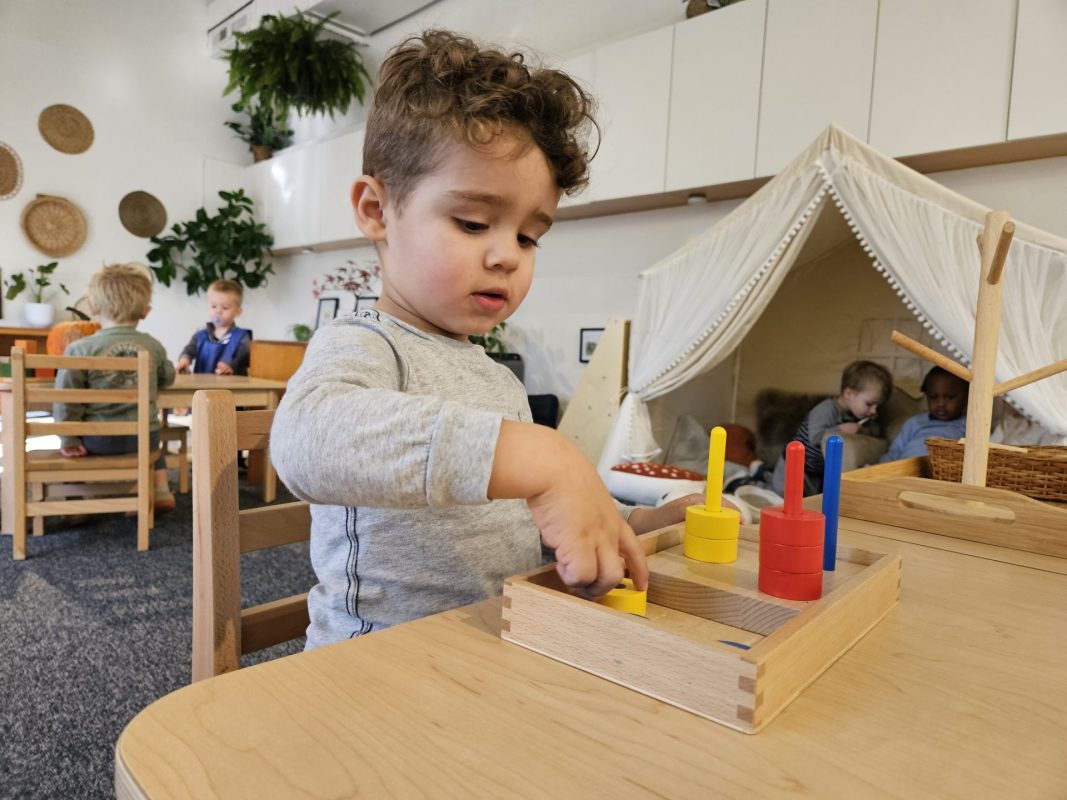
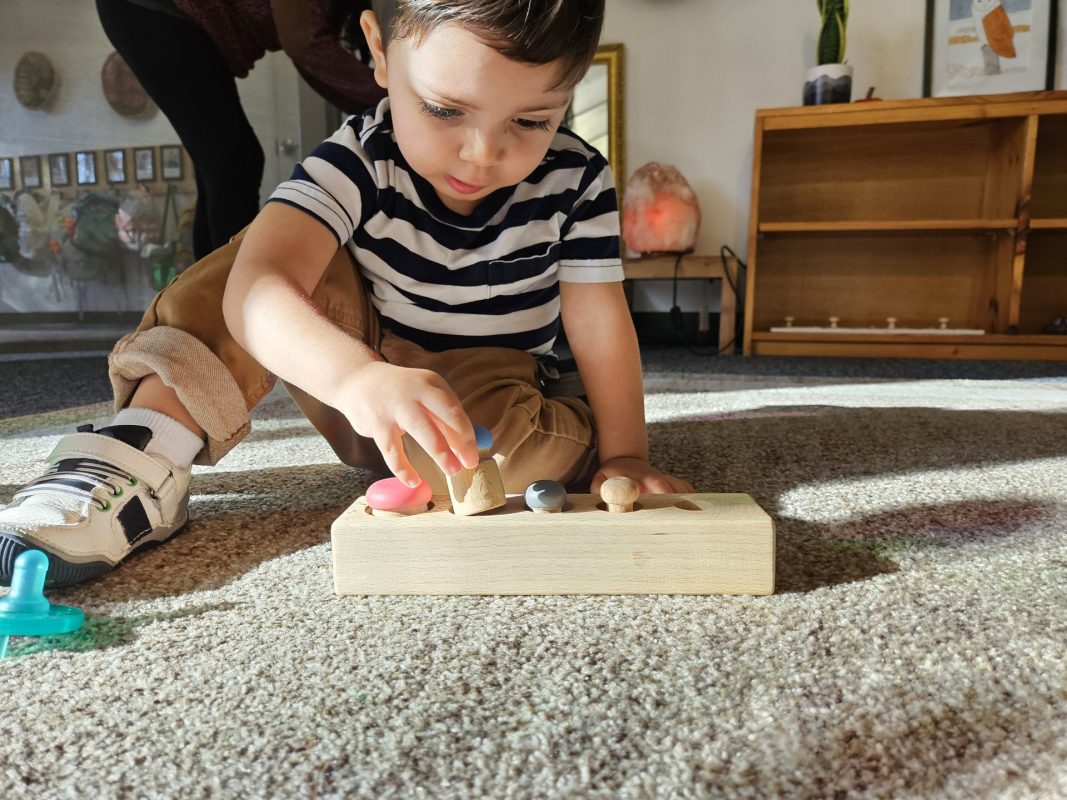
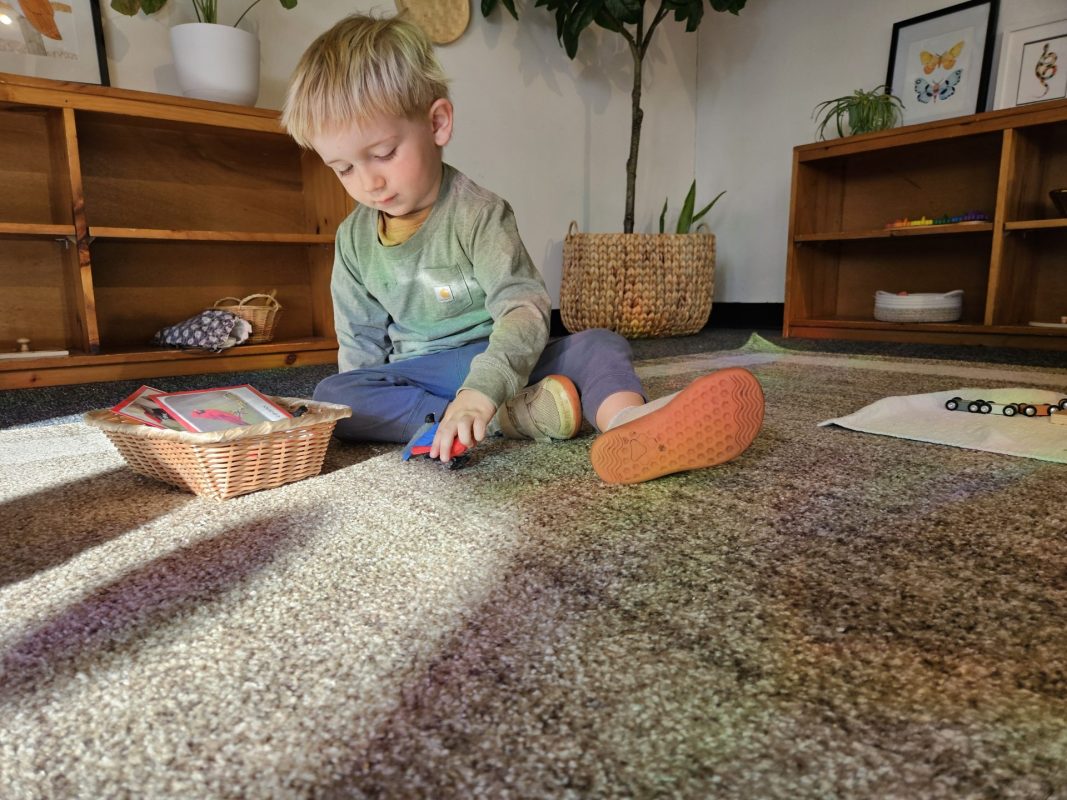
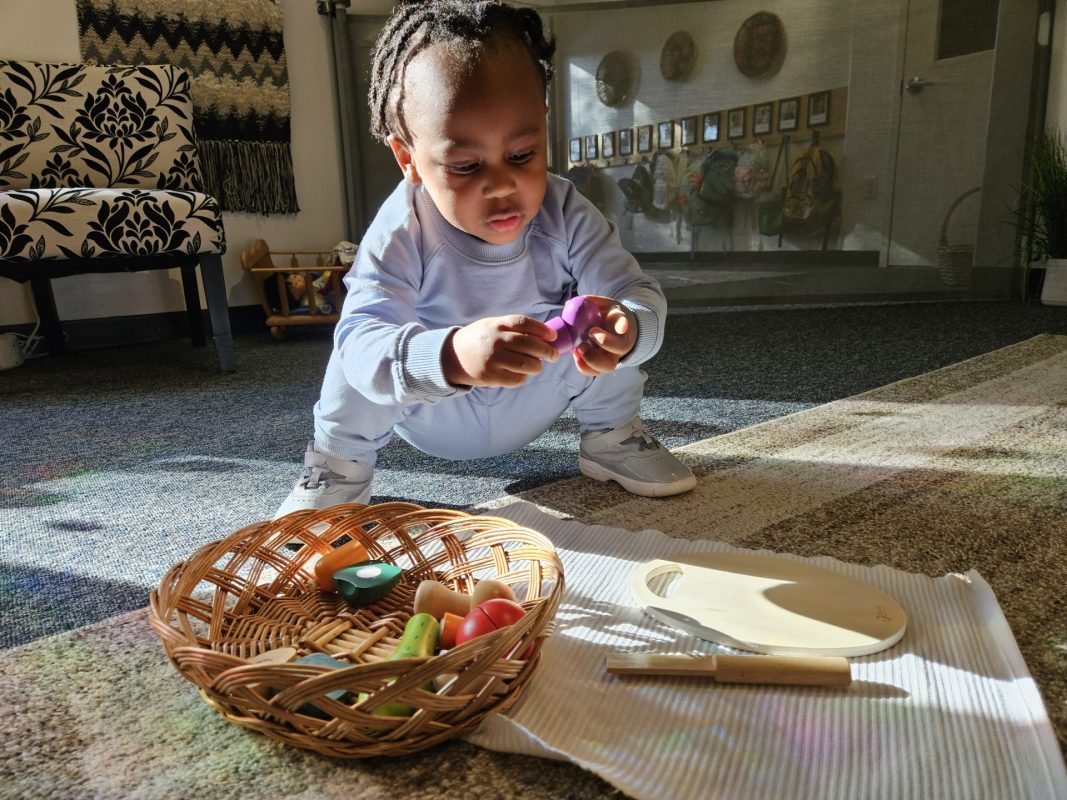
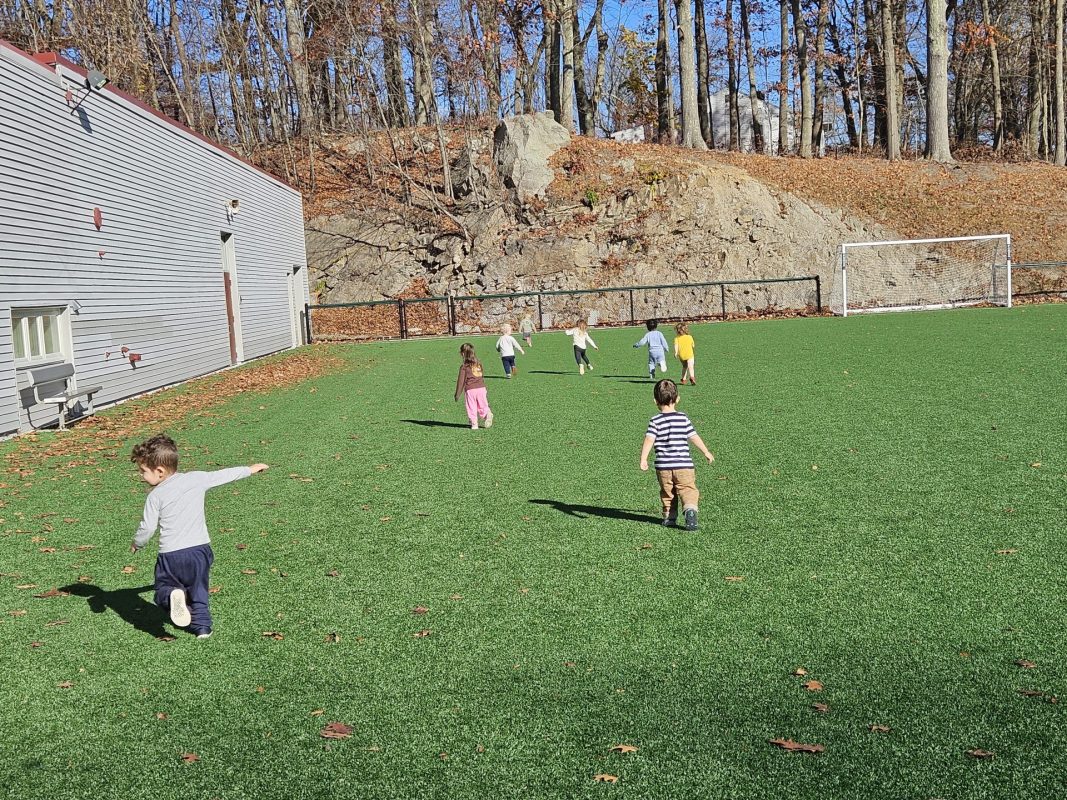
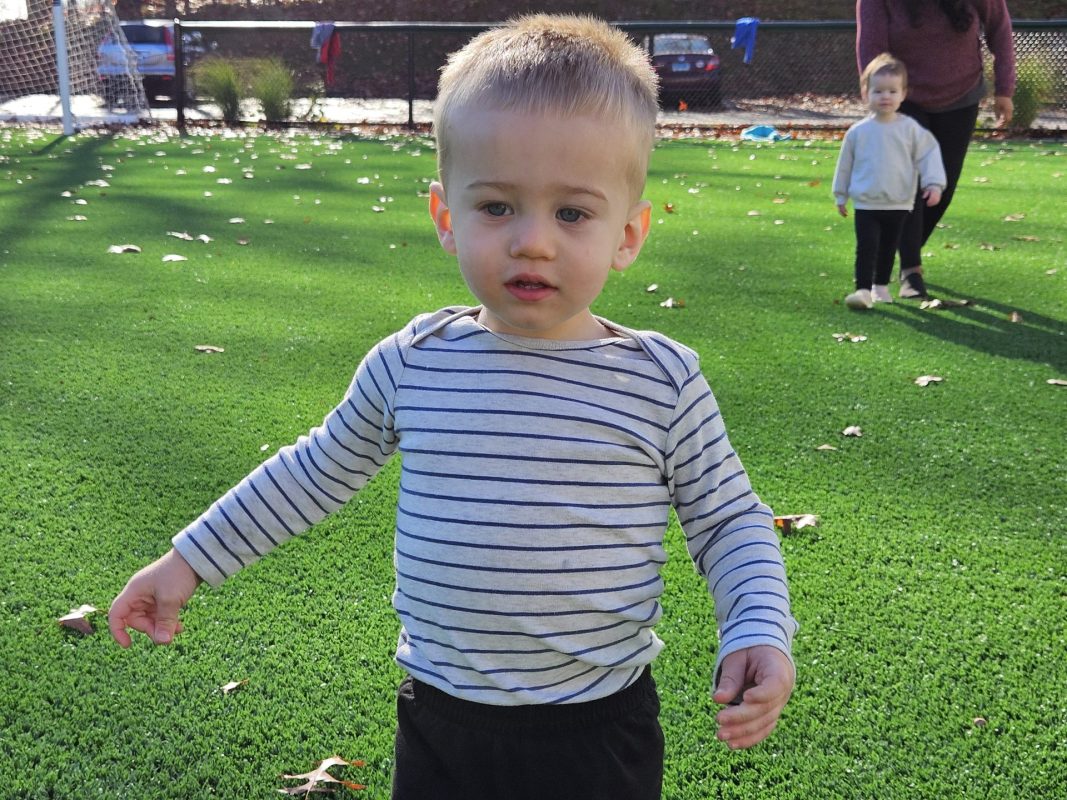
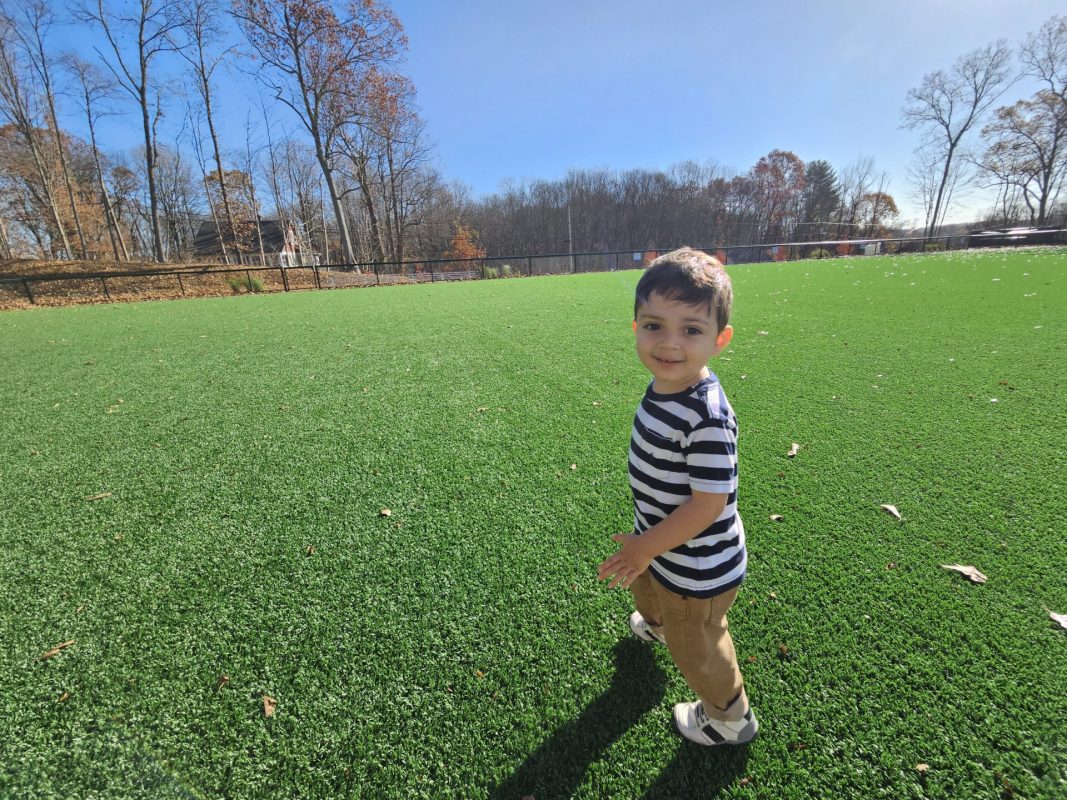
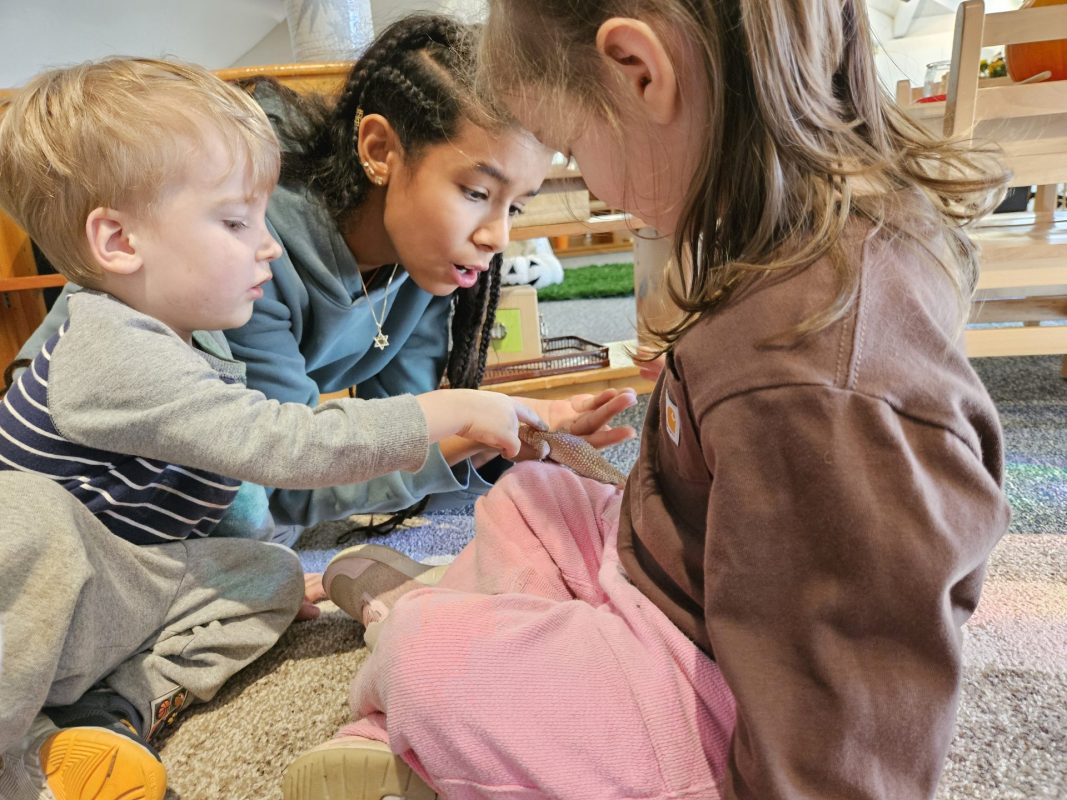
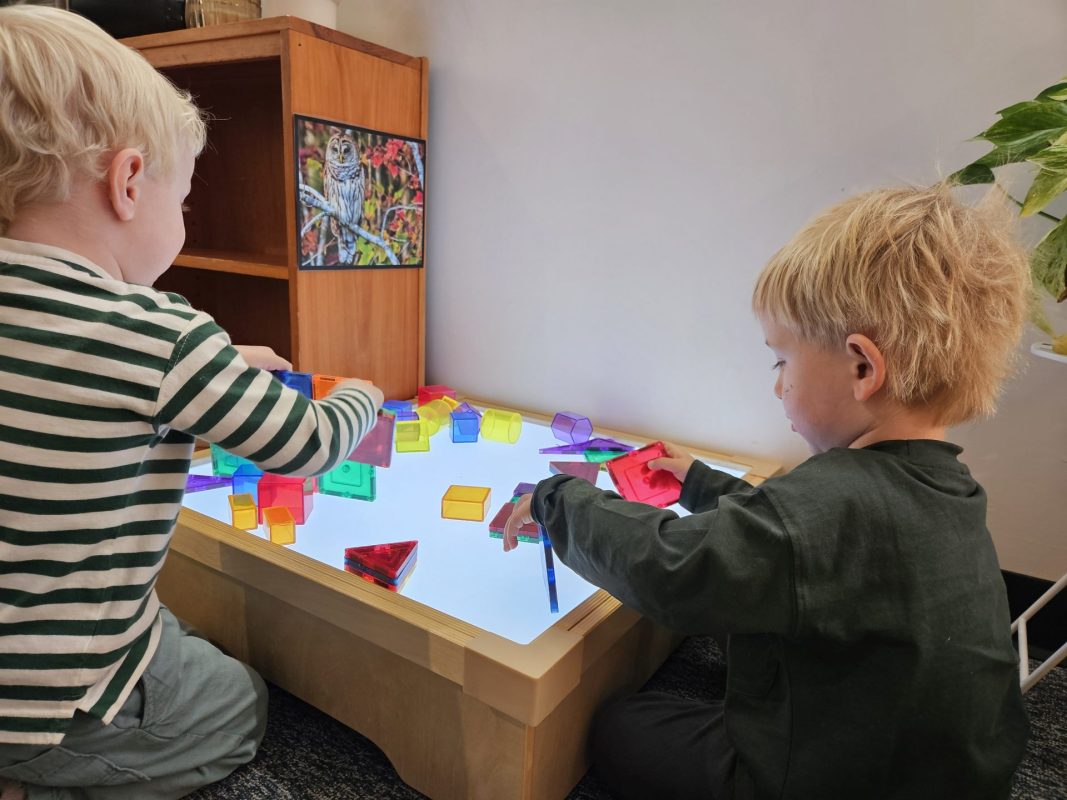
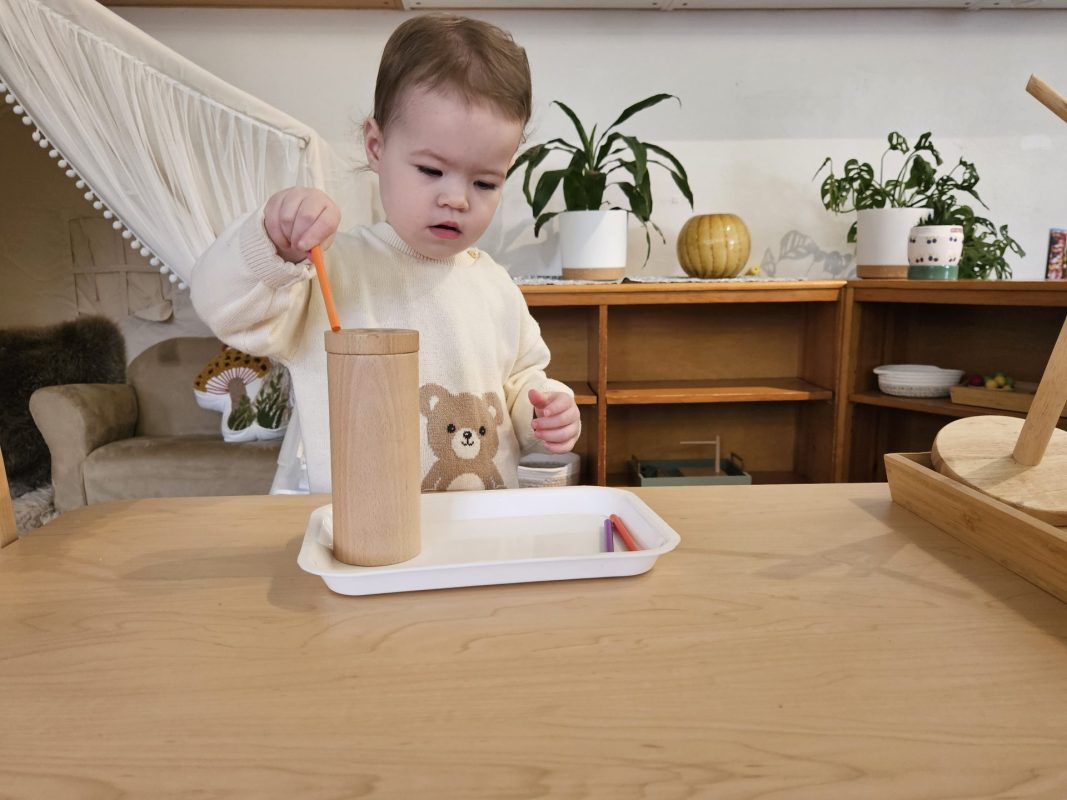
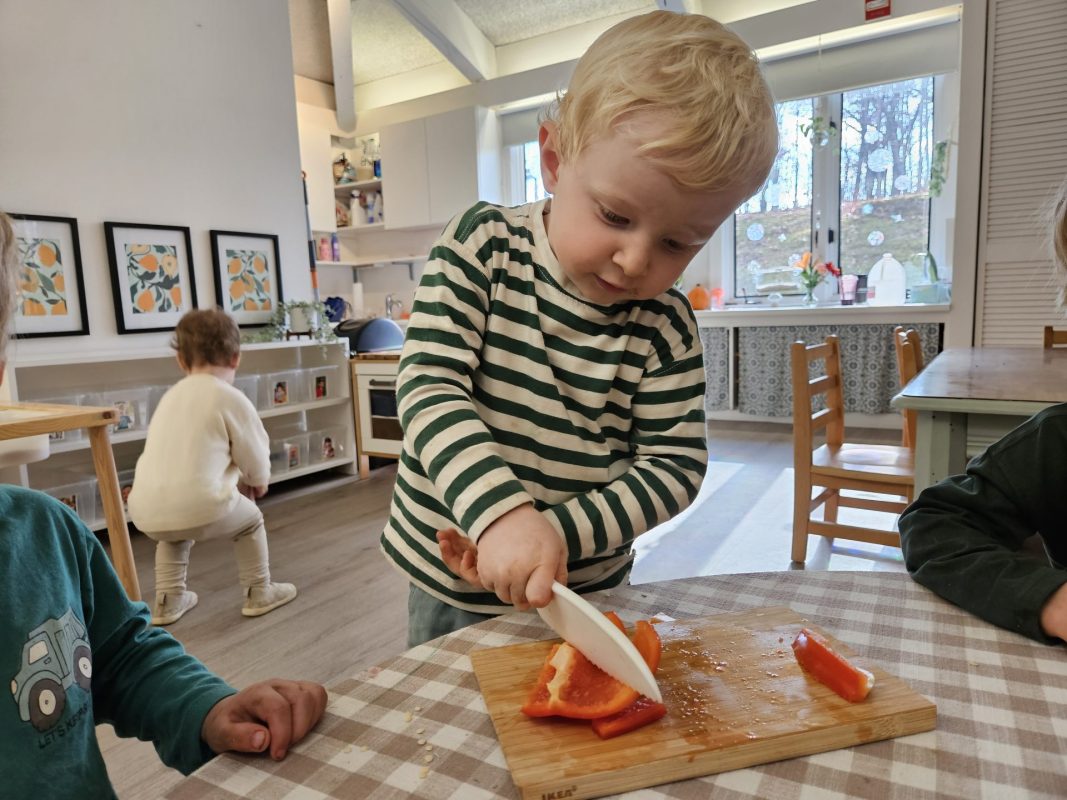
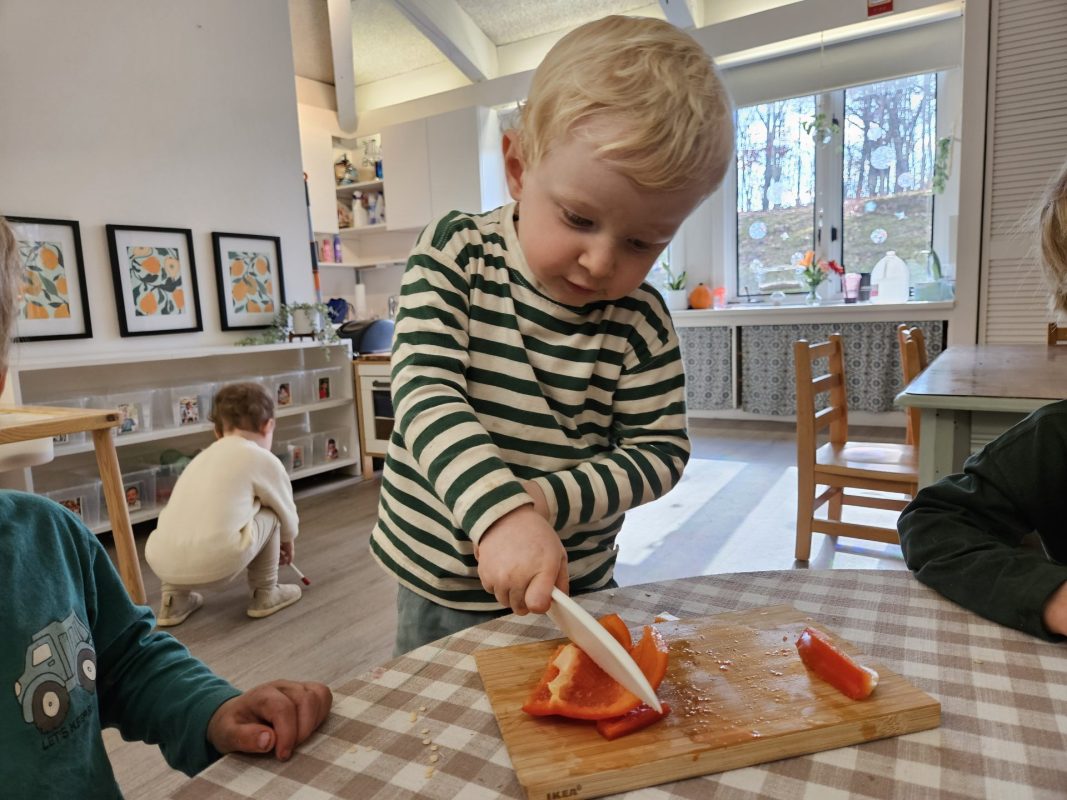
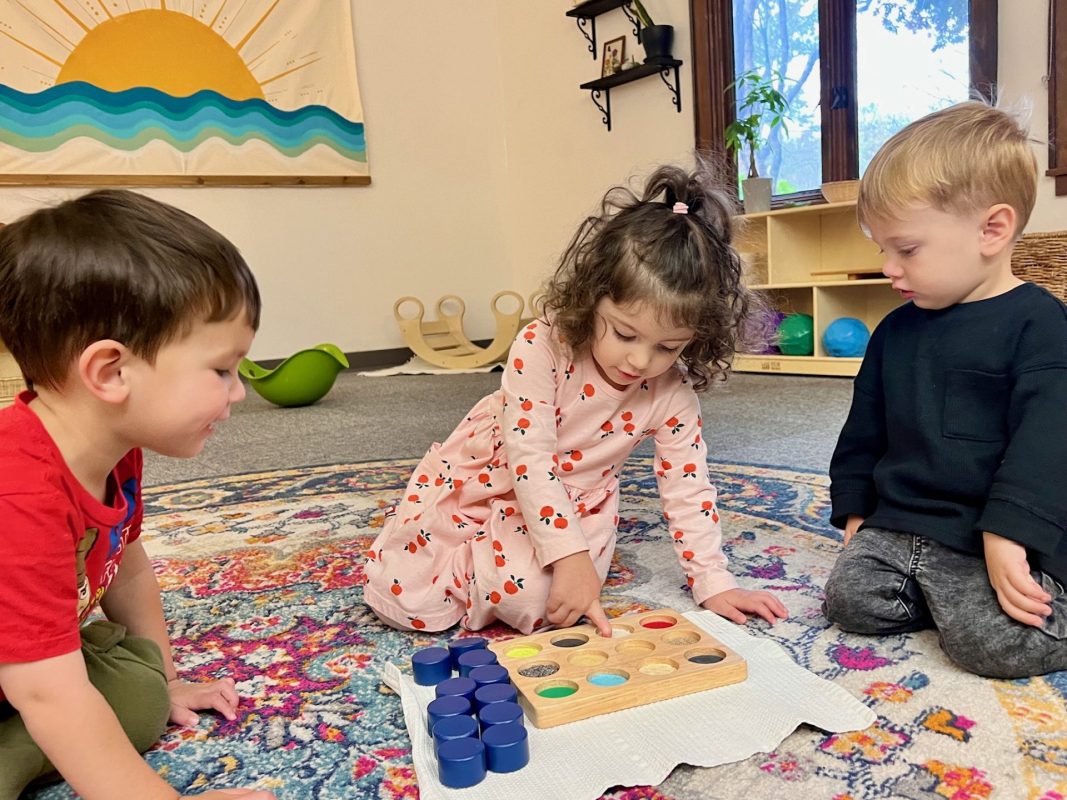
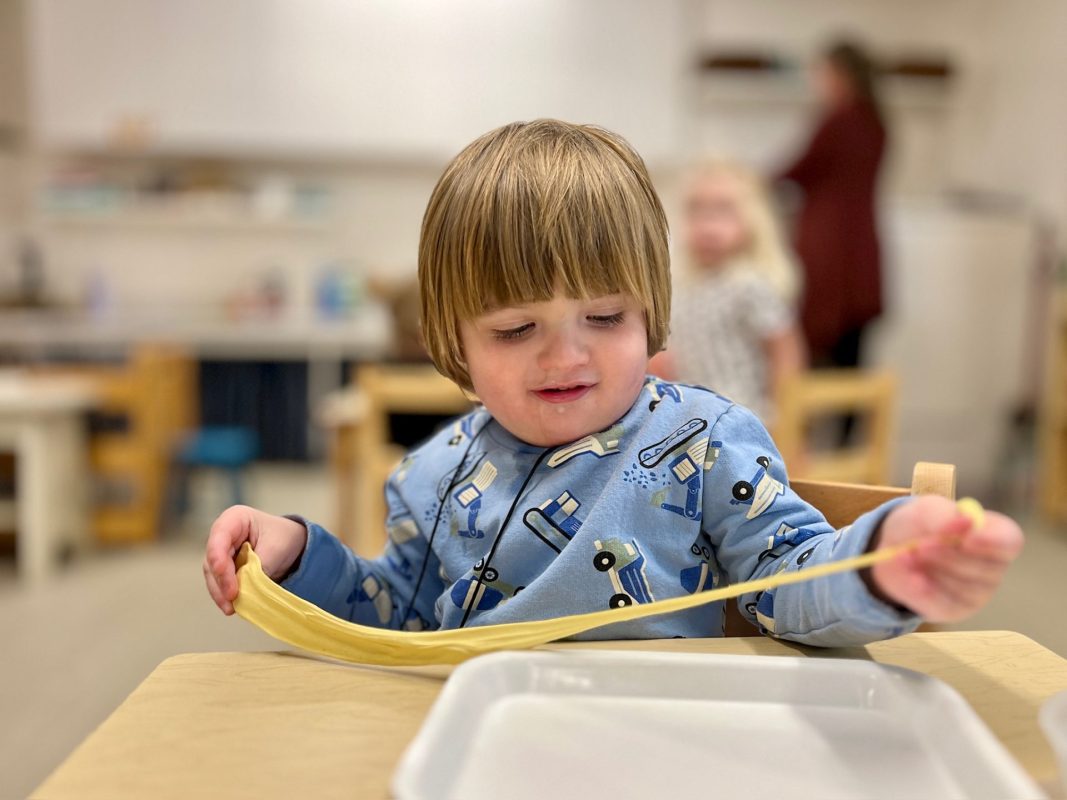
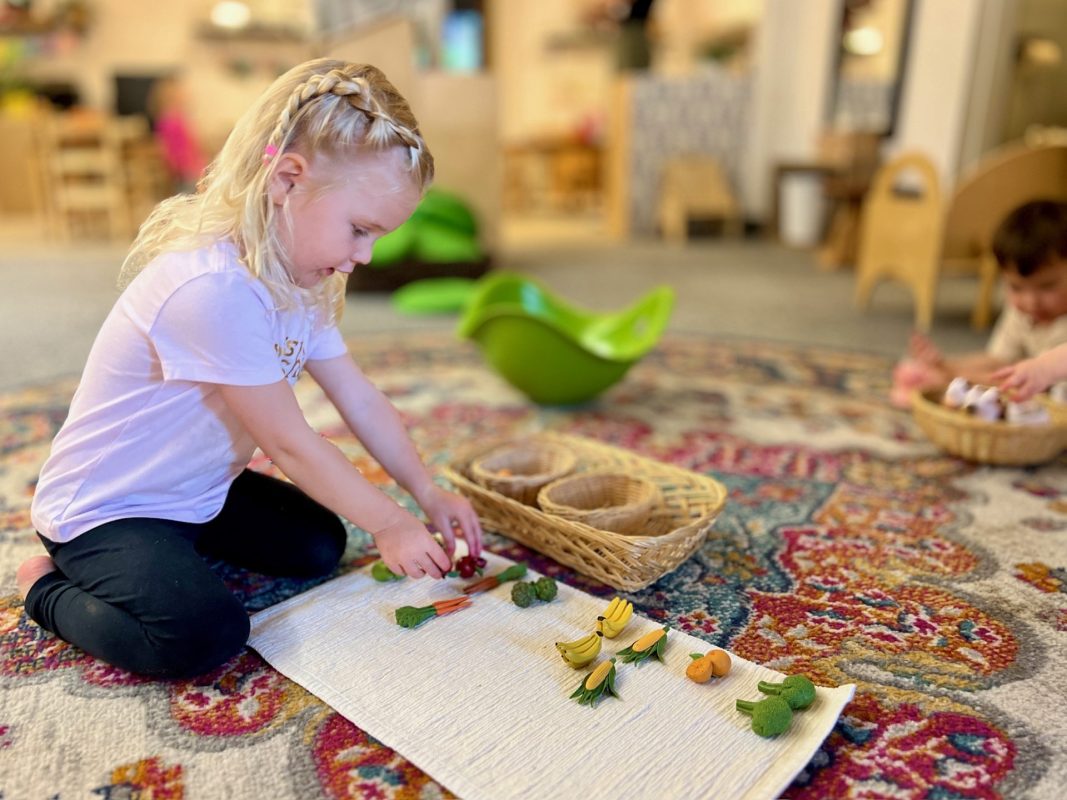
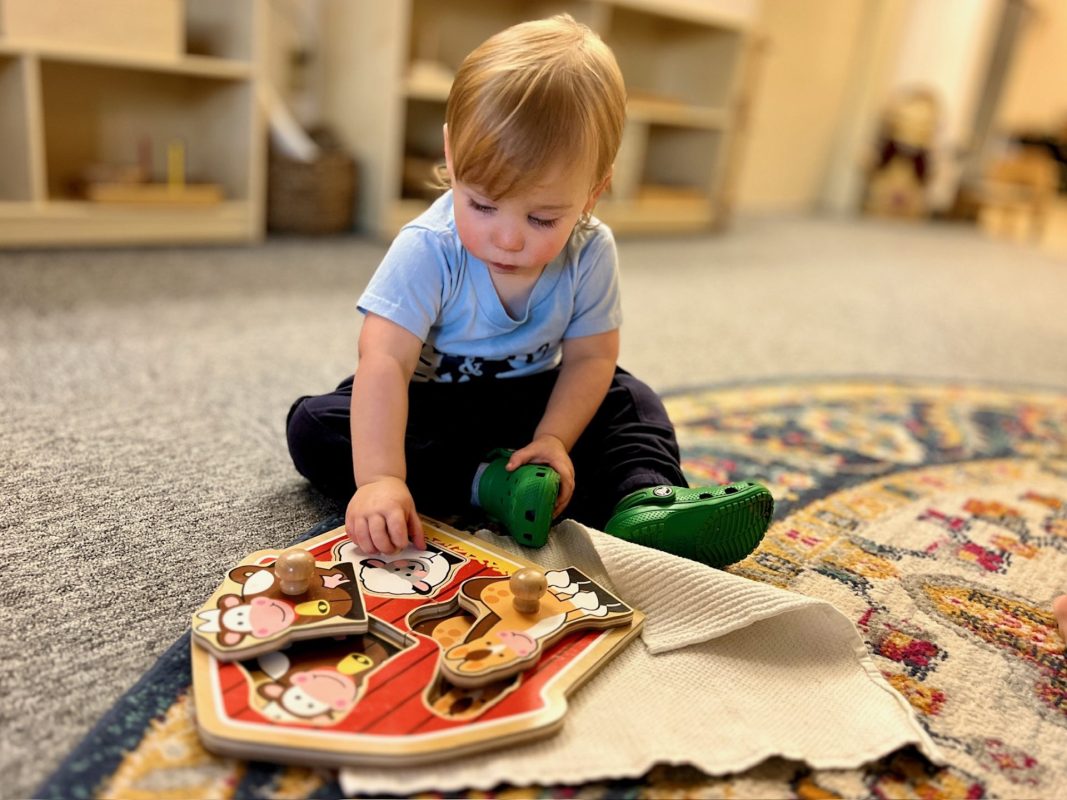
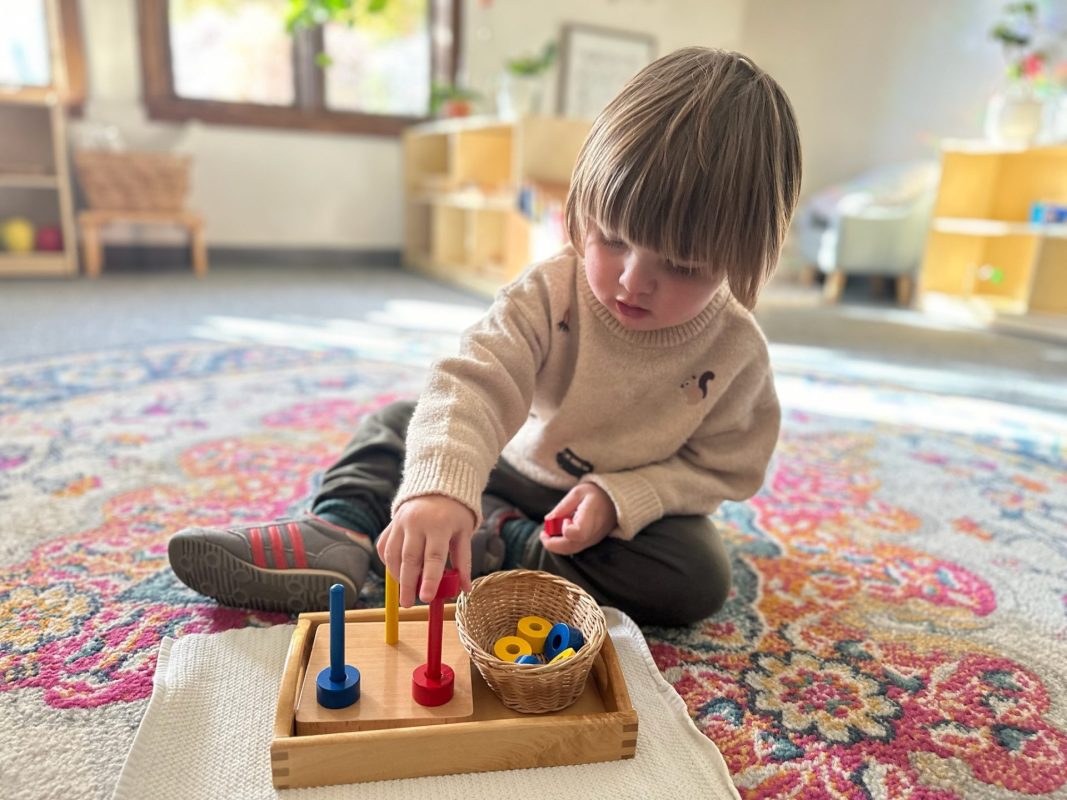
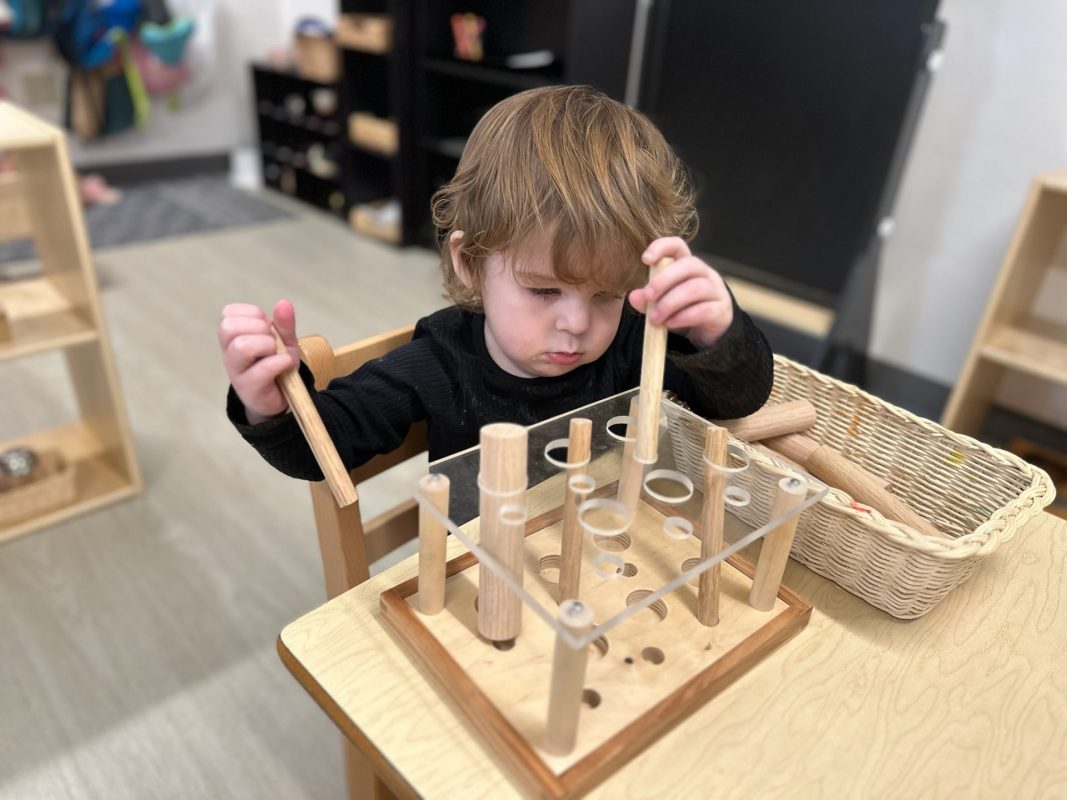
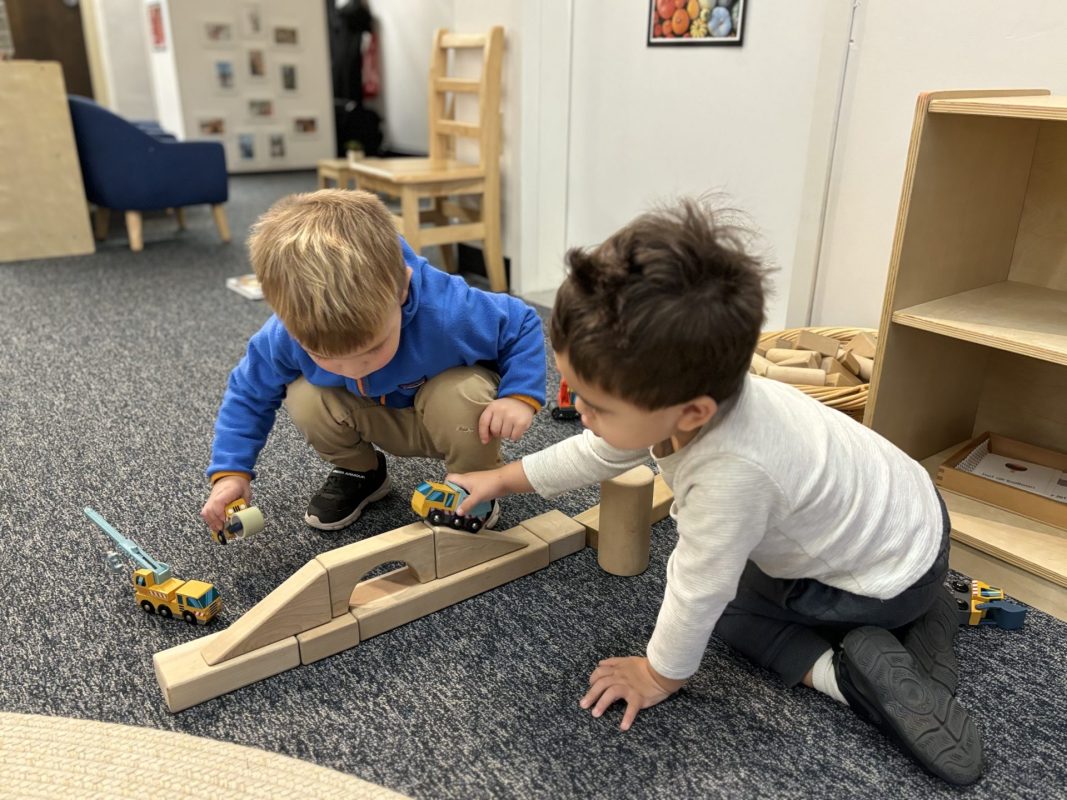
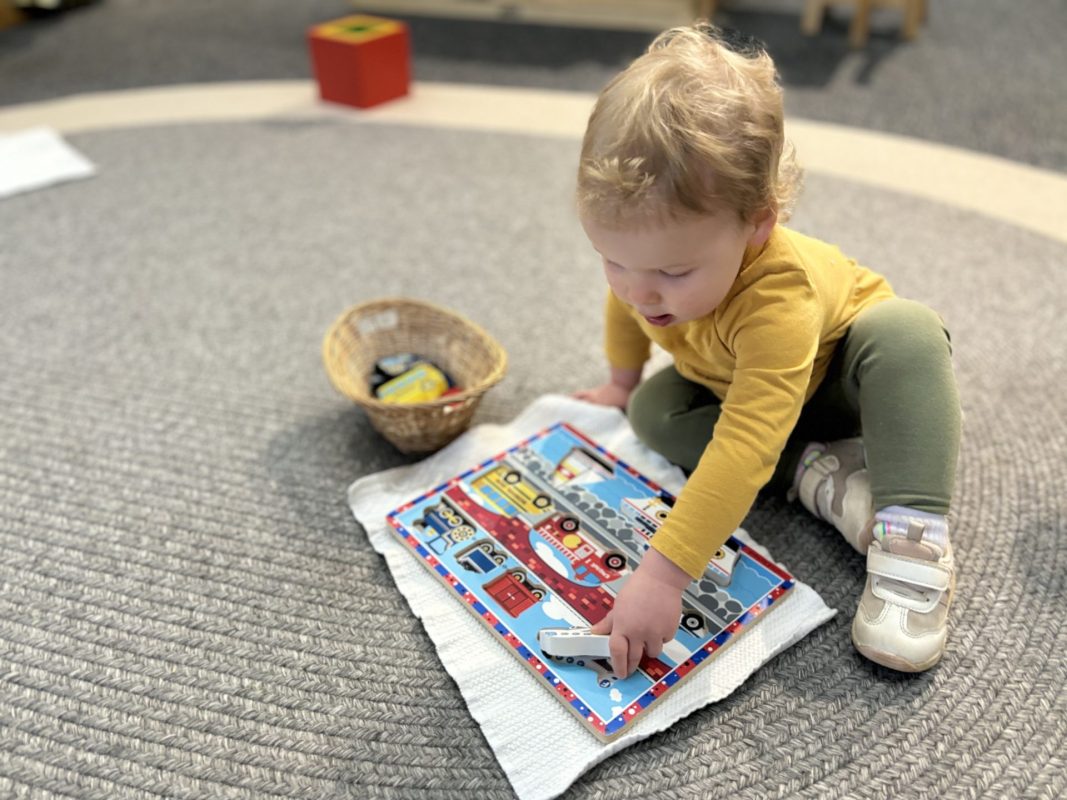
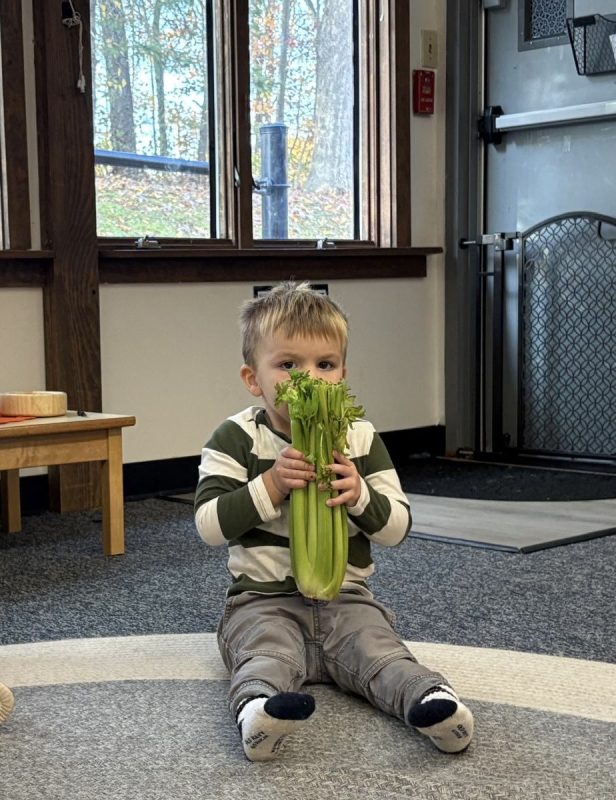
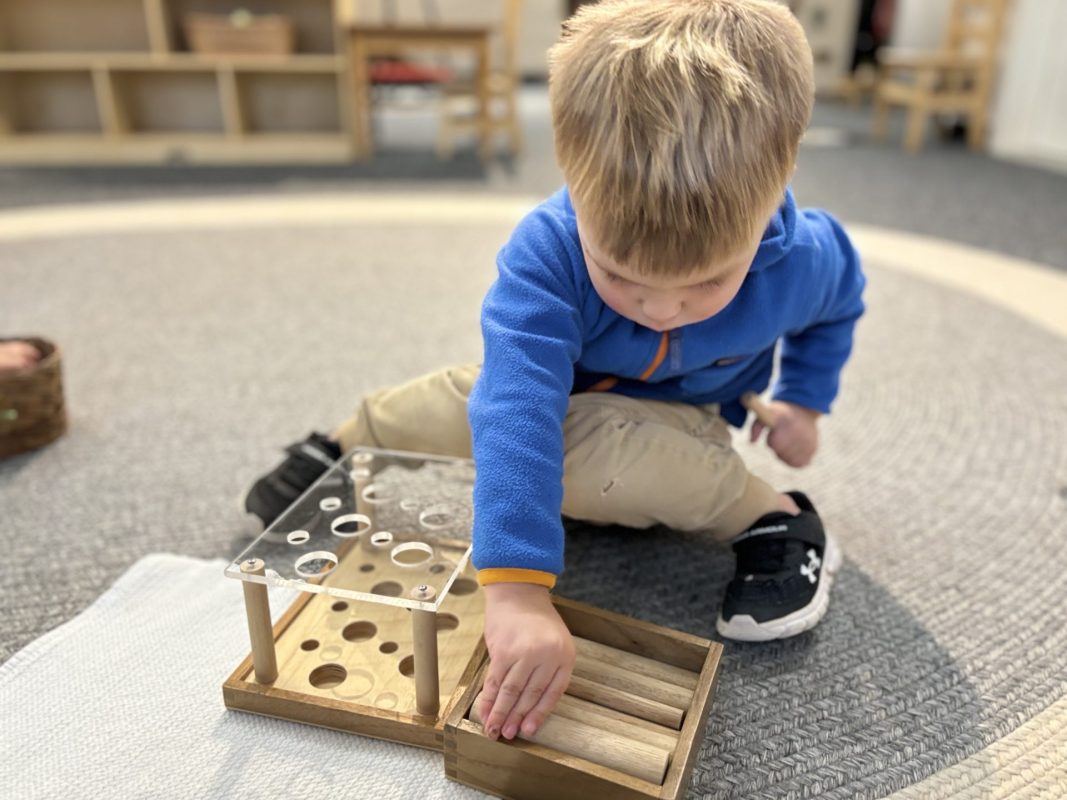
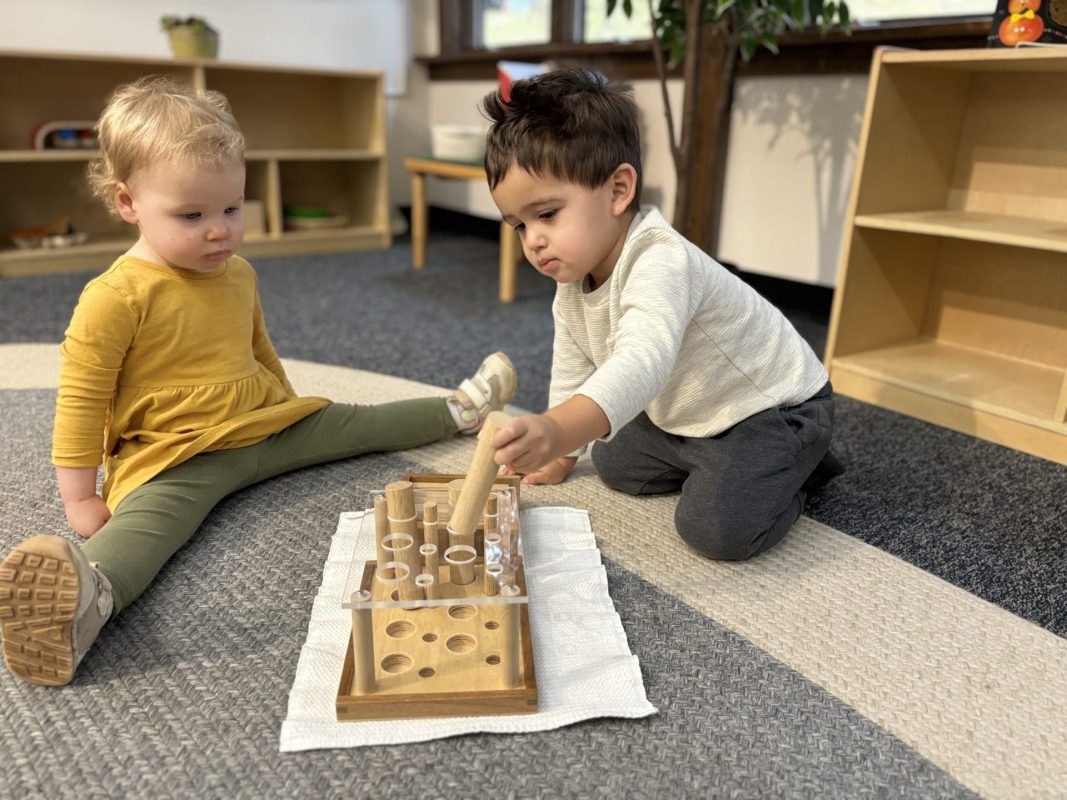
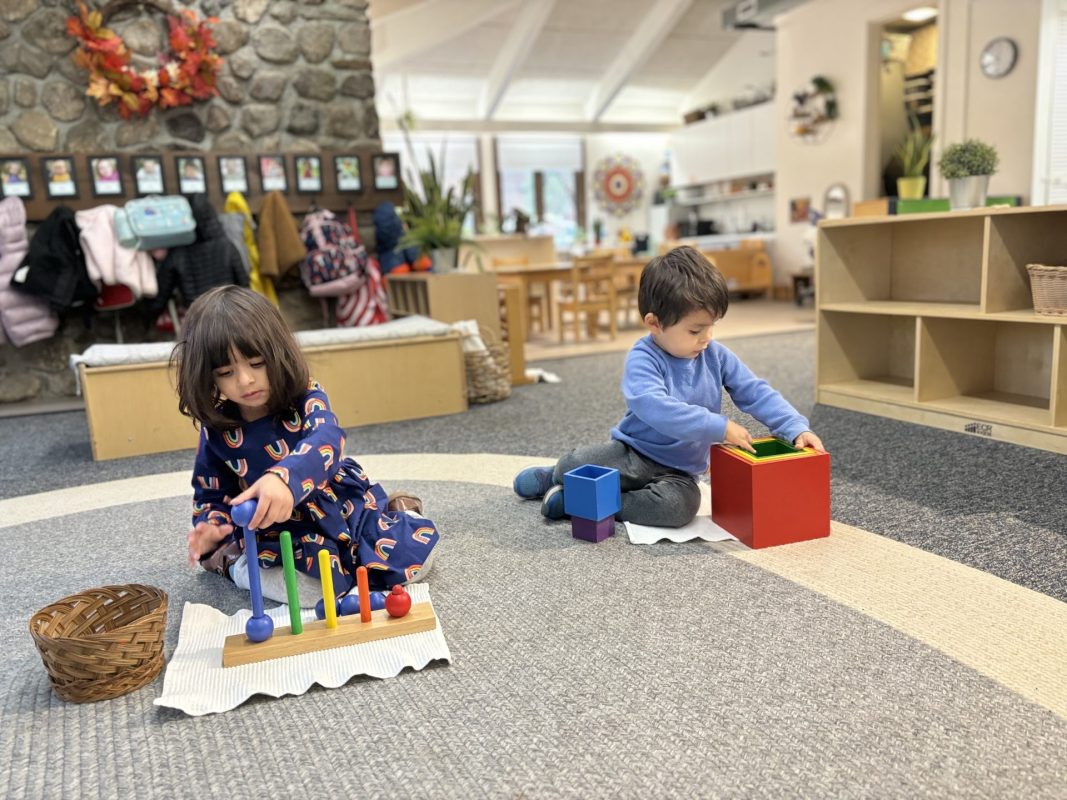
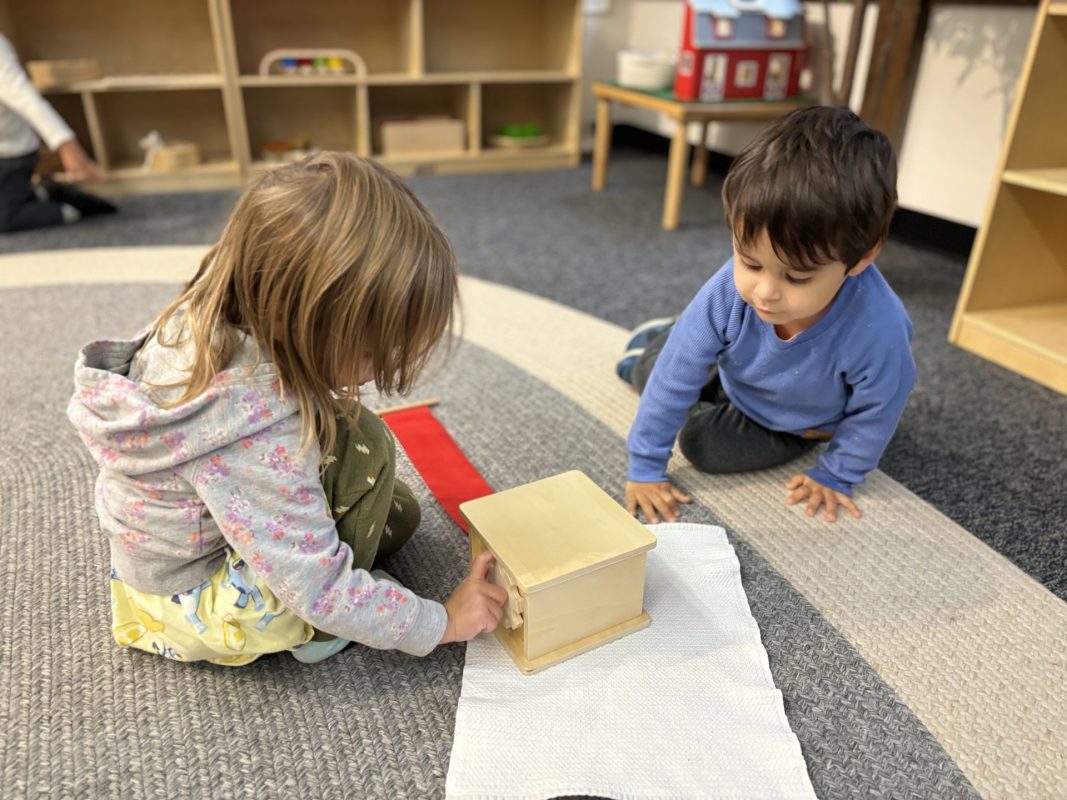
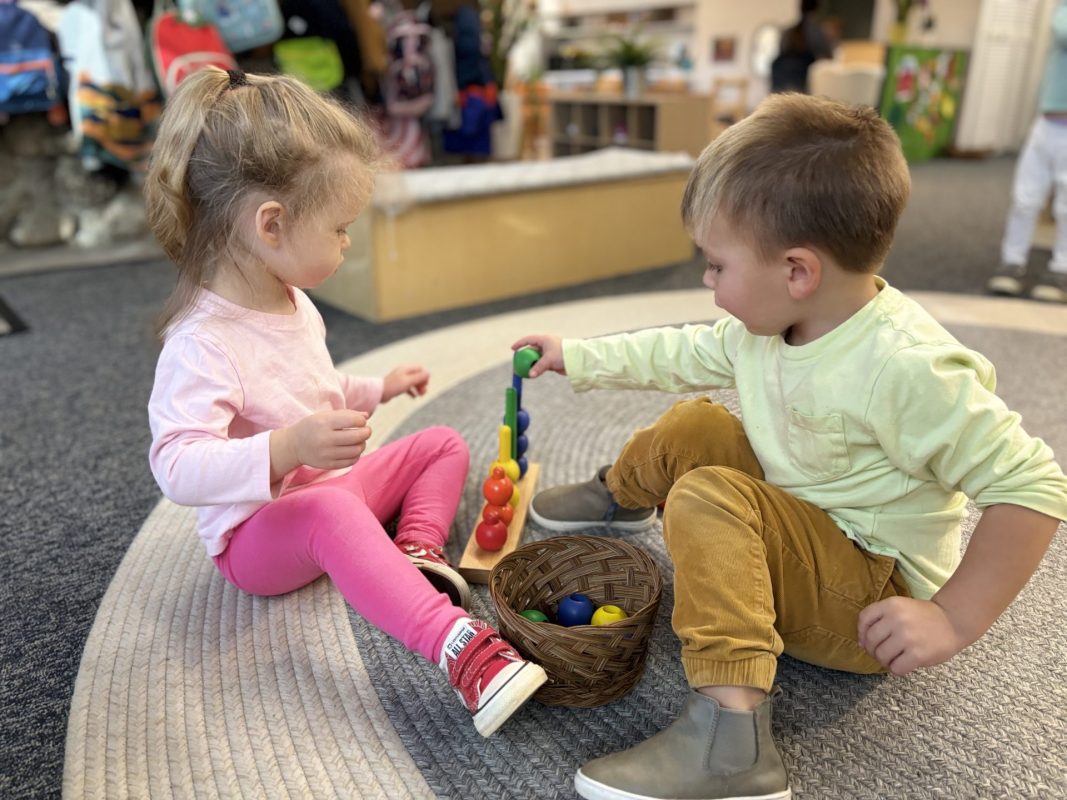
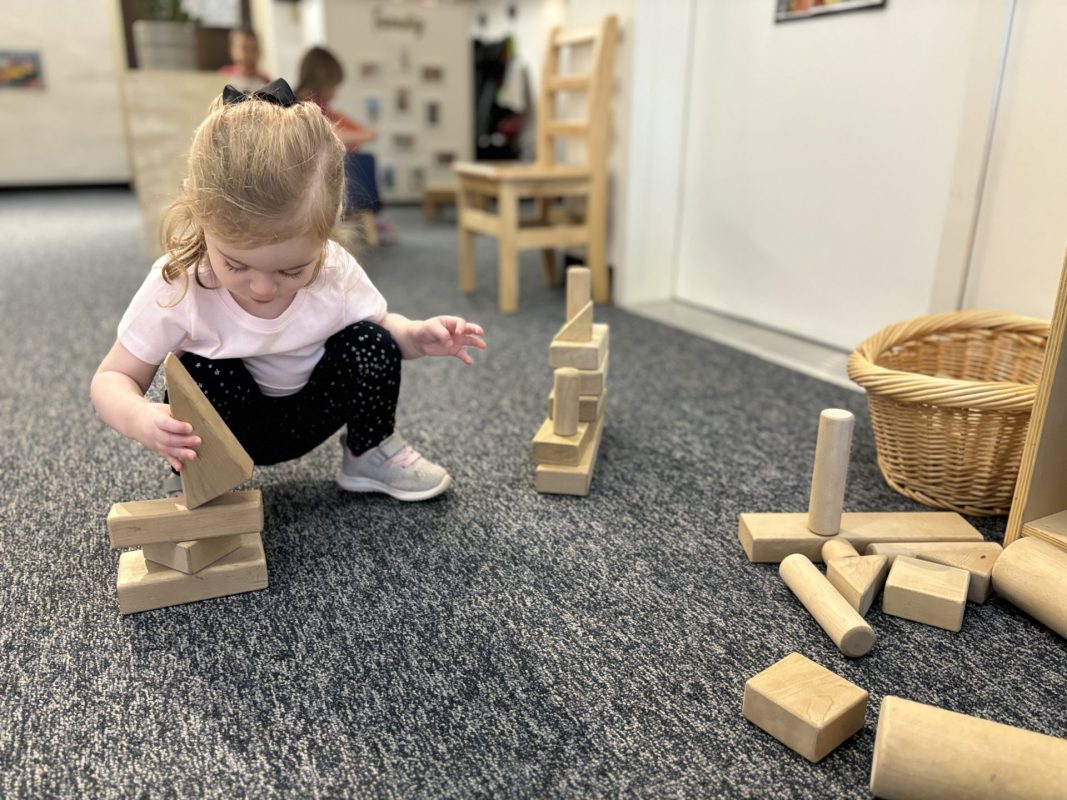
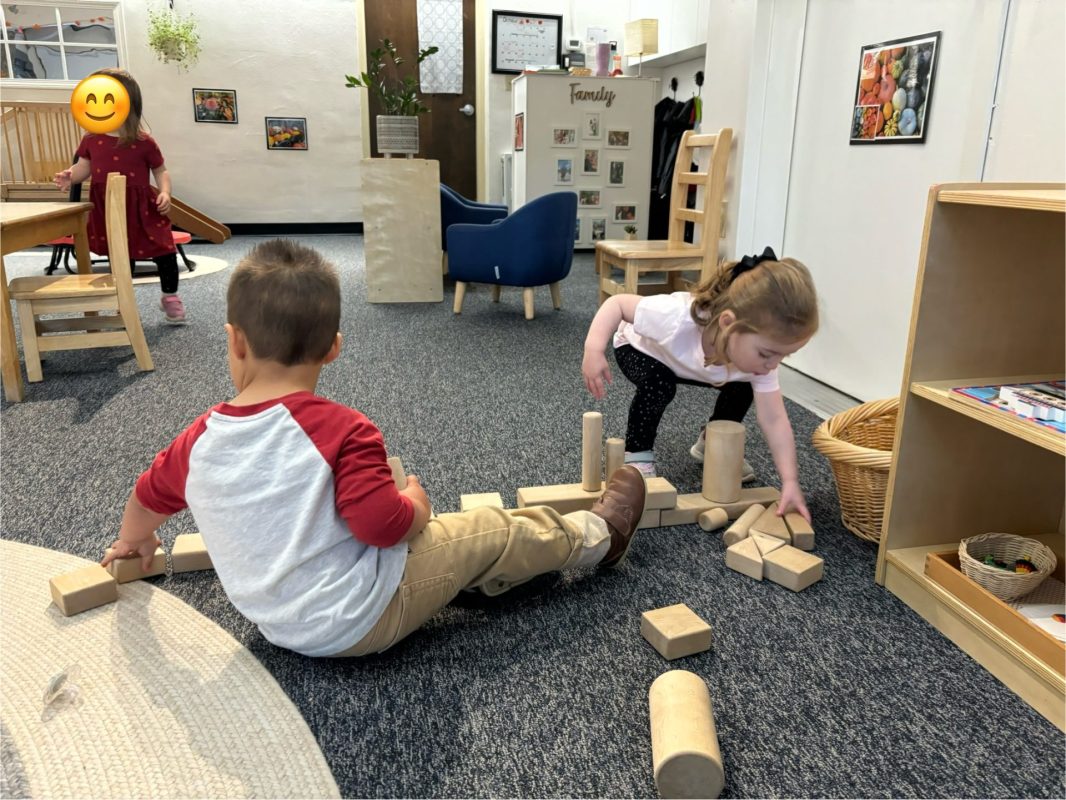
After such a busy two days, we settled into our daily flow in the classroom. The children, like always, went right to work exploring the materials and found contentment in the work that they did. I do apologize for less pictures, we lived in the moment this week and enjoyed one another.

With full hearts,
Ms. Mollie and Ms. Lizette


Mrs. Hood: Let the festivities begin!

As families around the world eagerly embrace the holiday season, we at the school are equally excited to join in the festive spirit! This week was particularly special as we celebrated the beautiful Festival of Lights—Diwali!

Diwali is a magical time symbolizing new beginnings and the victory of light over darkness, good over evil, and knowledge over ignorance. This five-day celebration is observed across the globe, with unique rituals in every region. Homes glow warmly with diyas (candles) and oil lamps, while vibrant rangoli patterns adorn entrances, adding splashes of color. Families dress in beautiful new clothes, often with shimmering jewelry, and gather to share joy, laughter, and delectable treats.

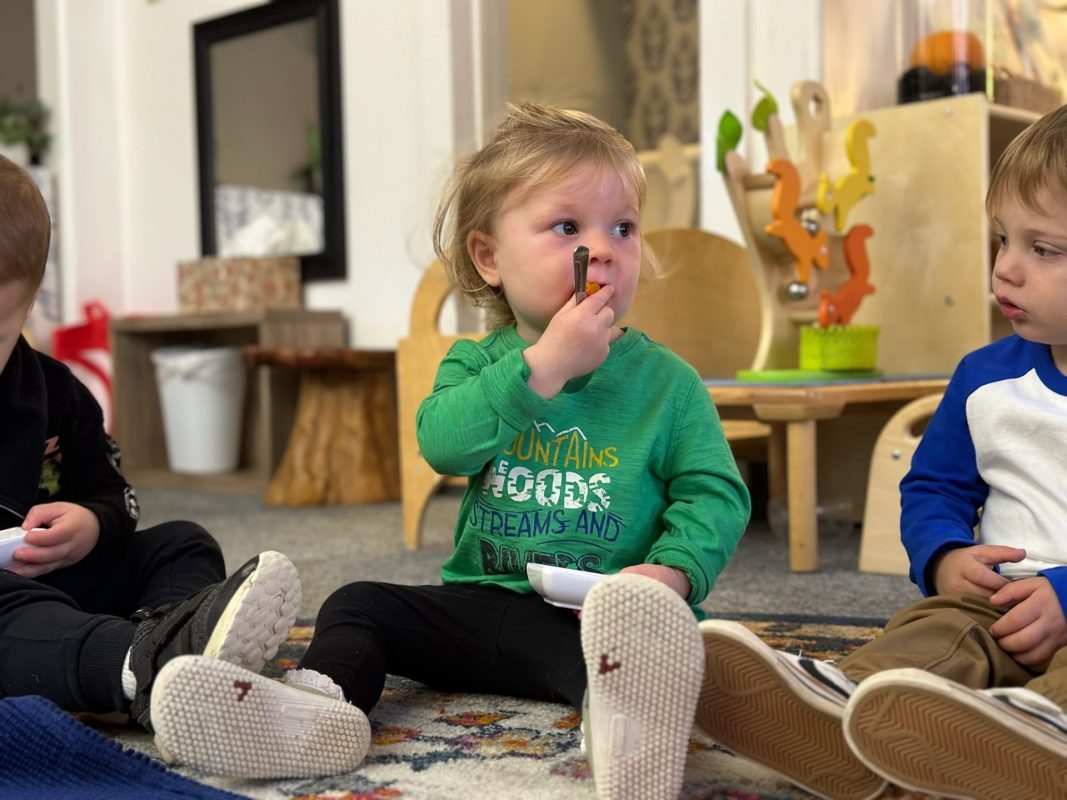
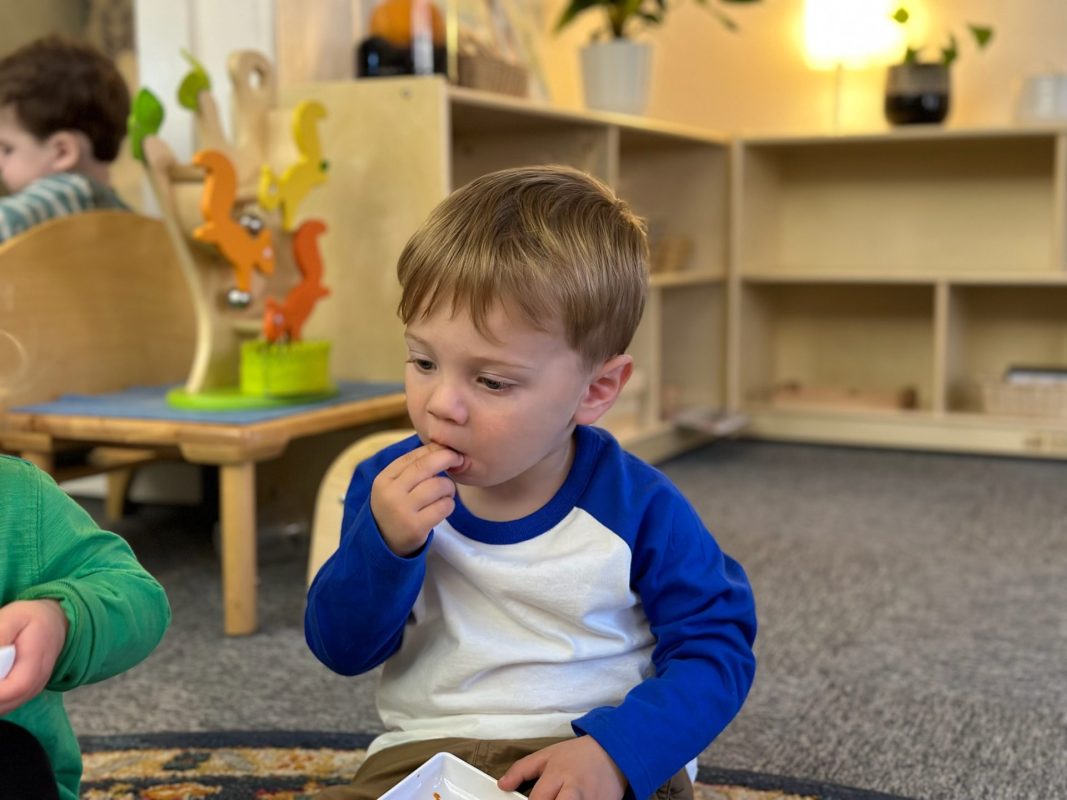
Our little ones embraced the joy of Diwali! They were captivated by a colorful presentation and a mesmerizing Indian dance performance by some of our own FWM students, administration members, teachers, and parents. Of course, no Diwali celebration is complete without sweets! The children savored the soft, syrupy deliciousness of gulab jamun and enjoyed the flavorful goodness of rice pulao.

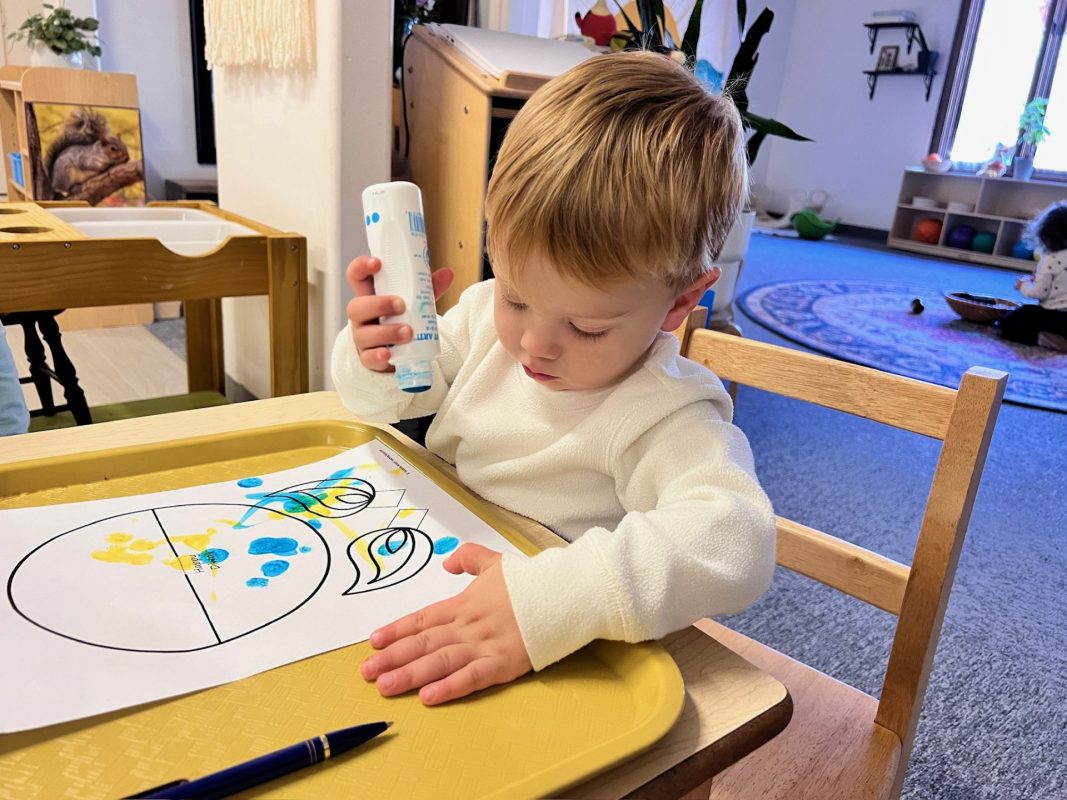
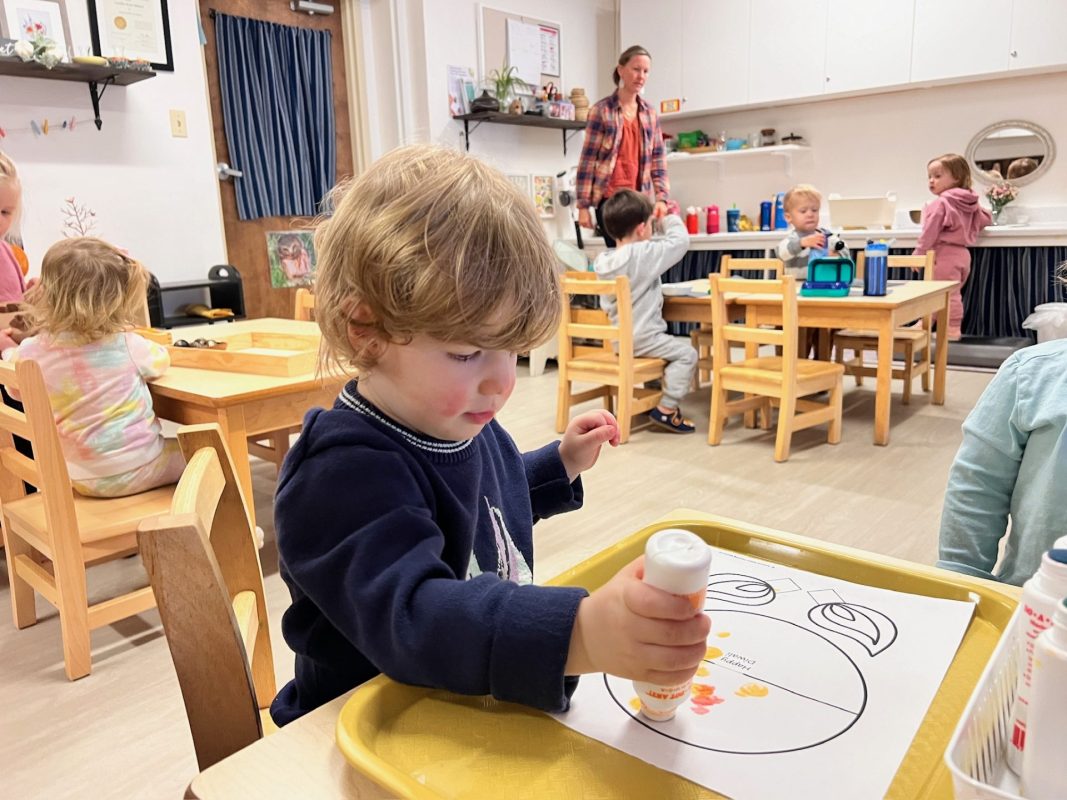
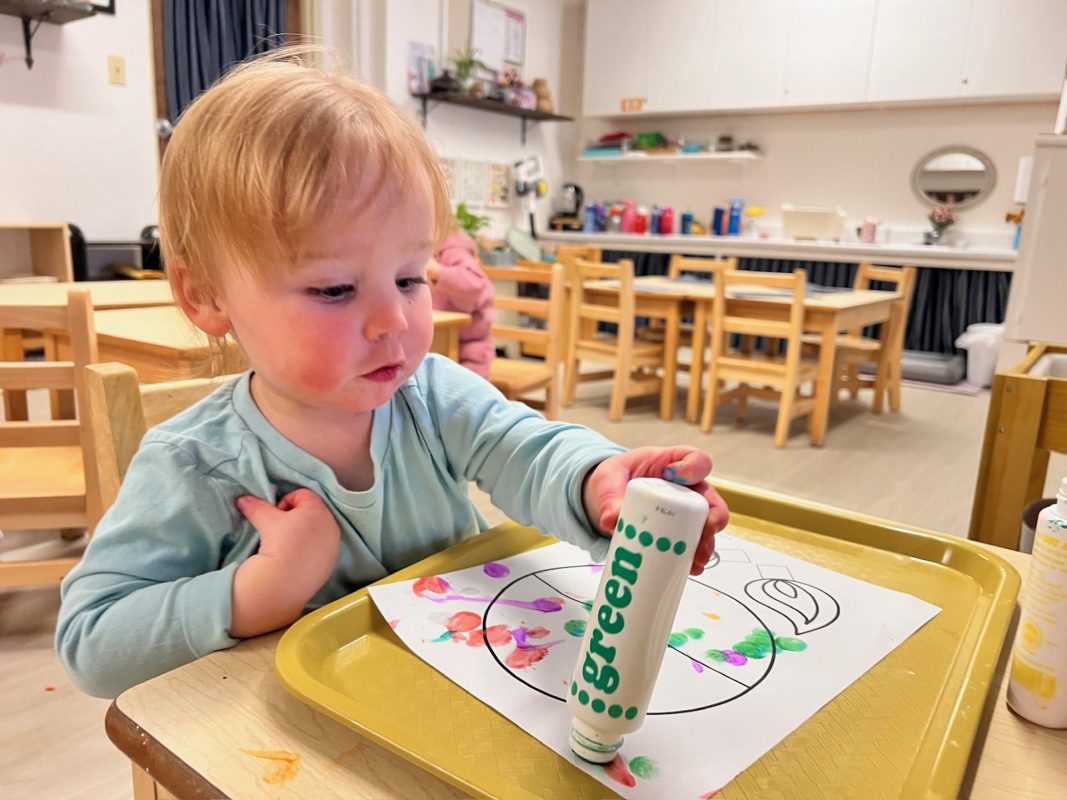
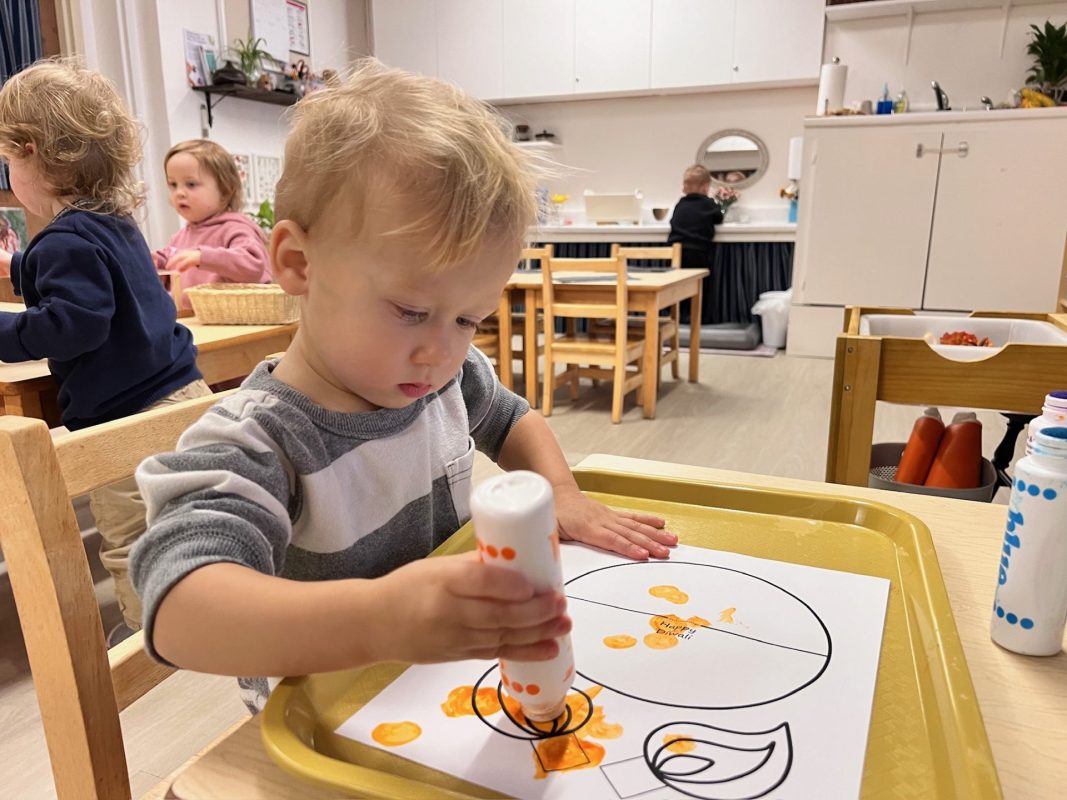
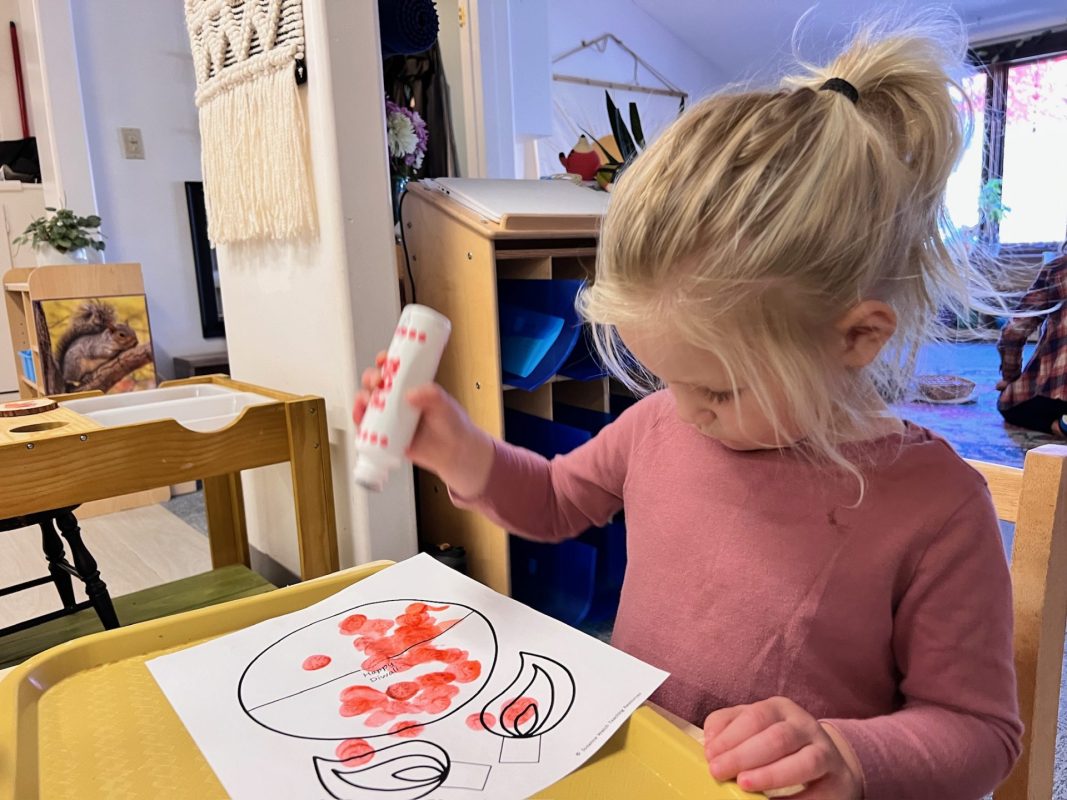
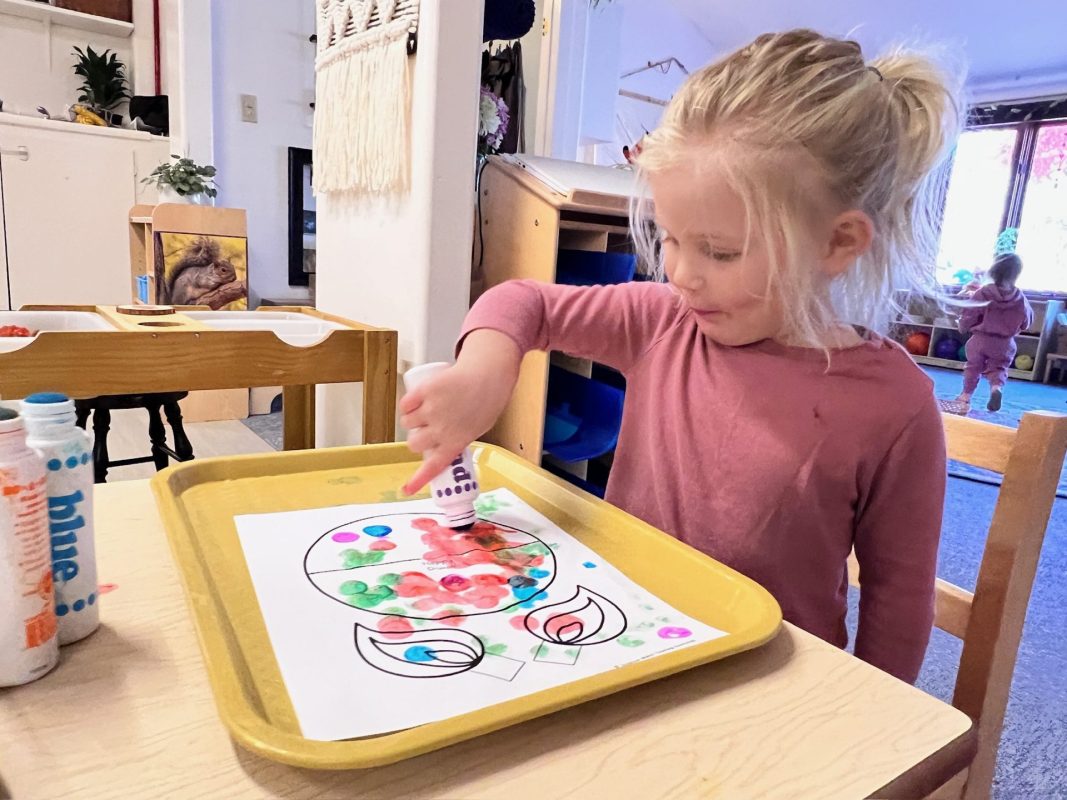
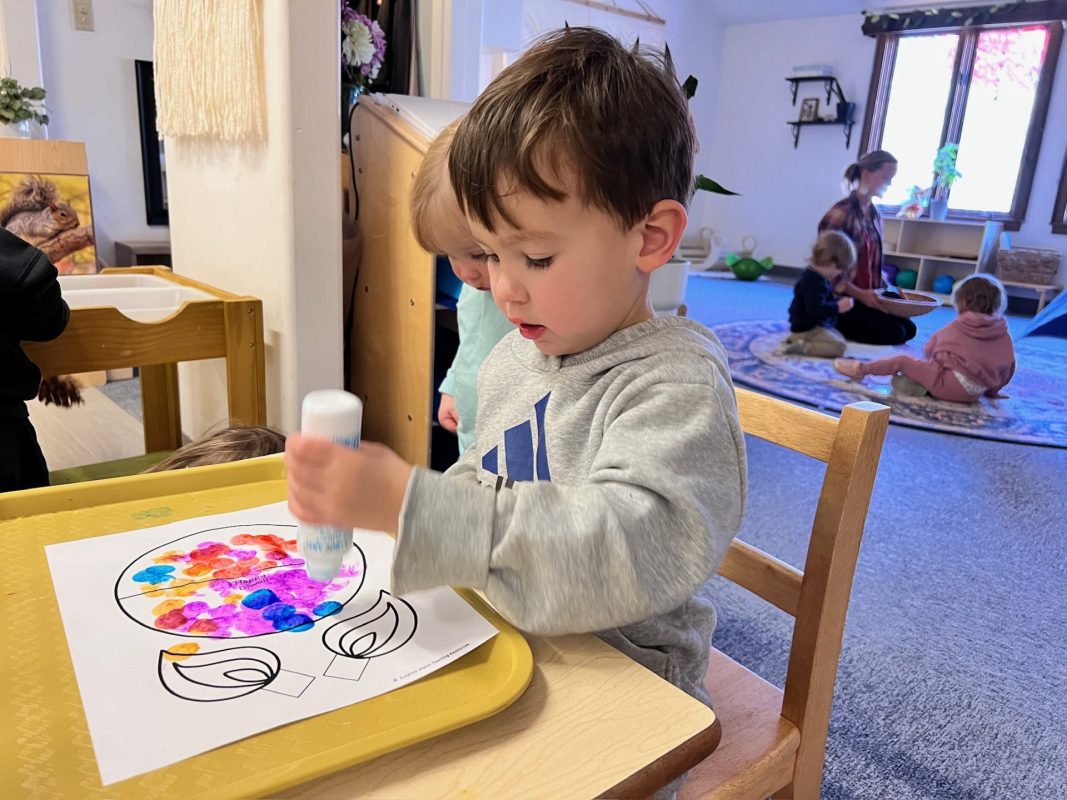
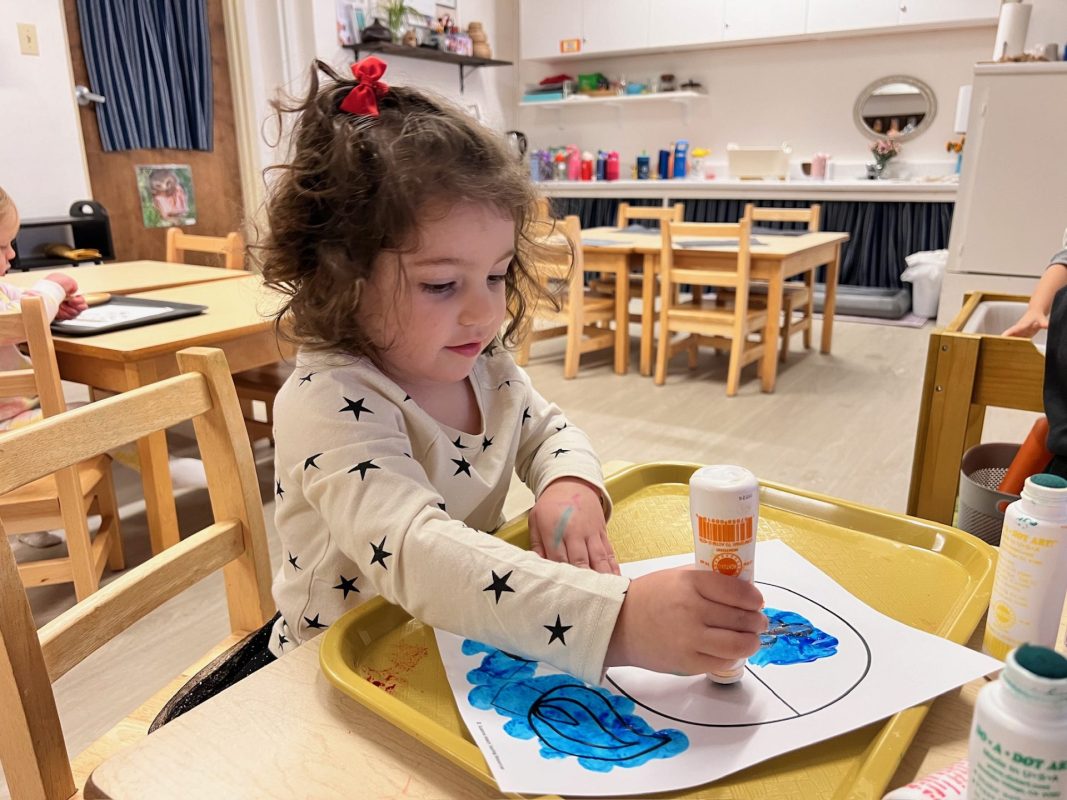
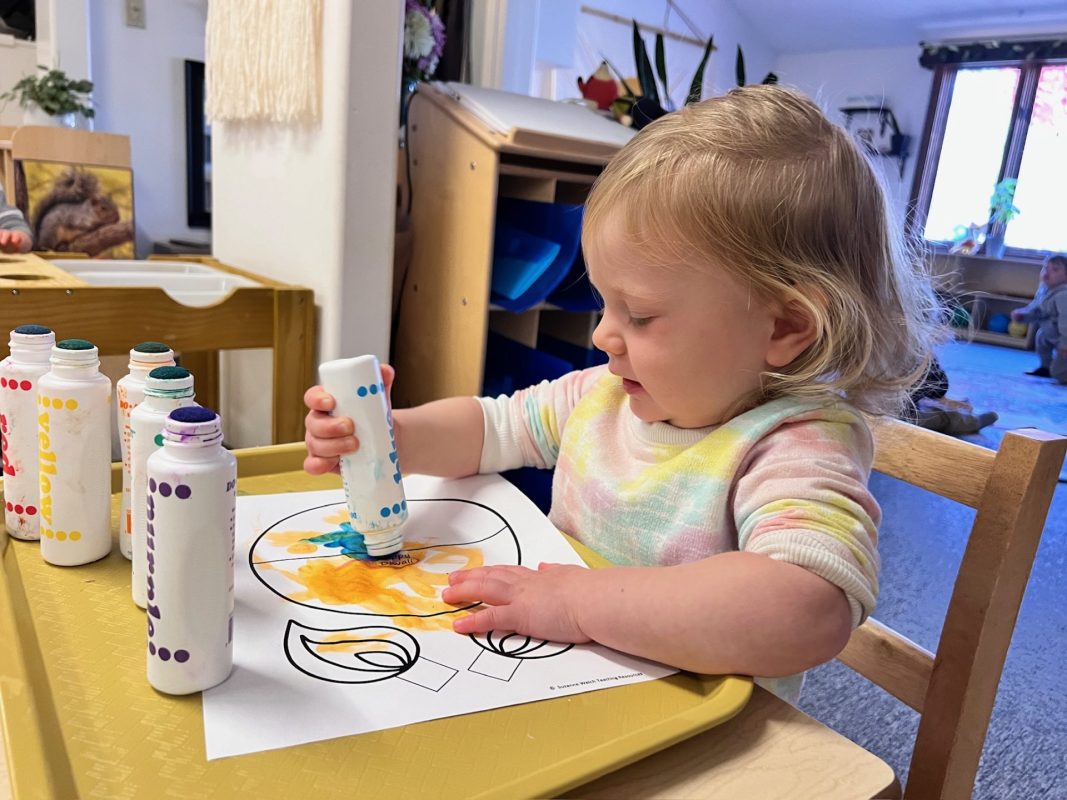
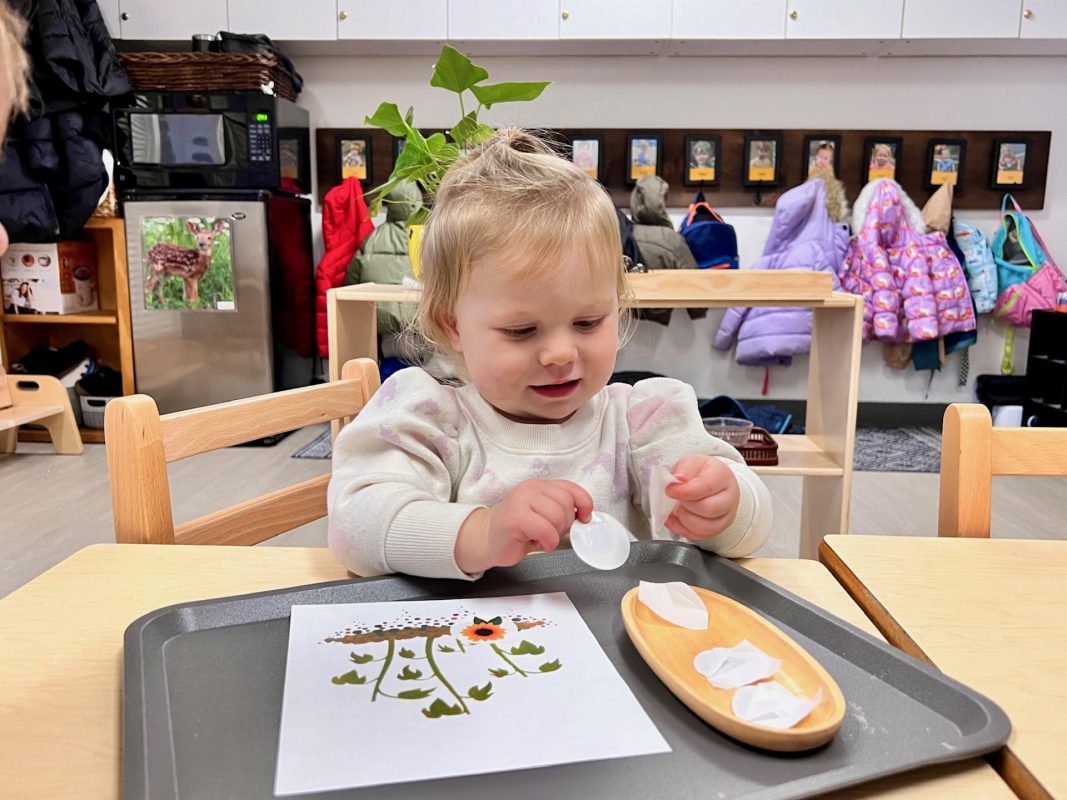
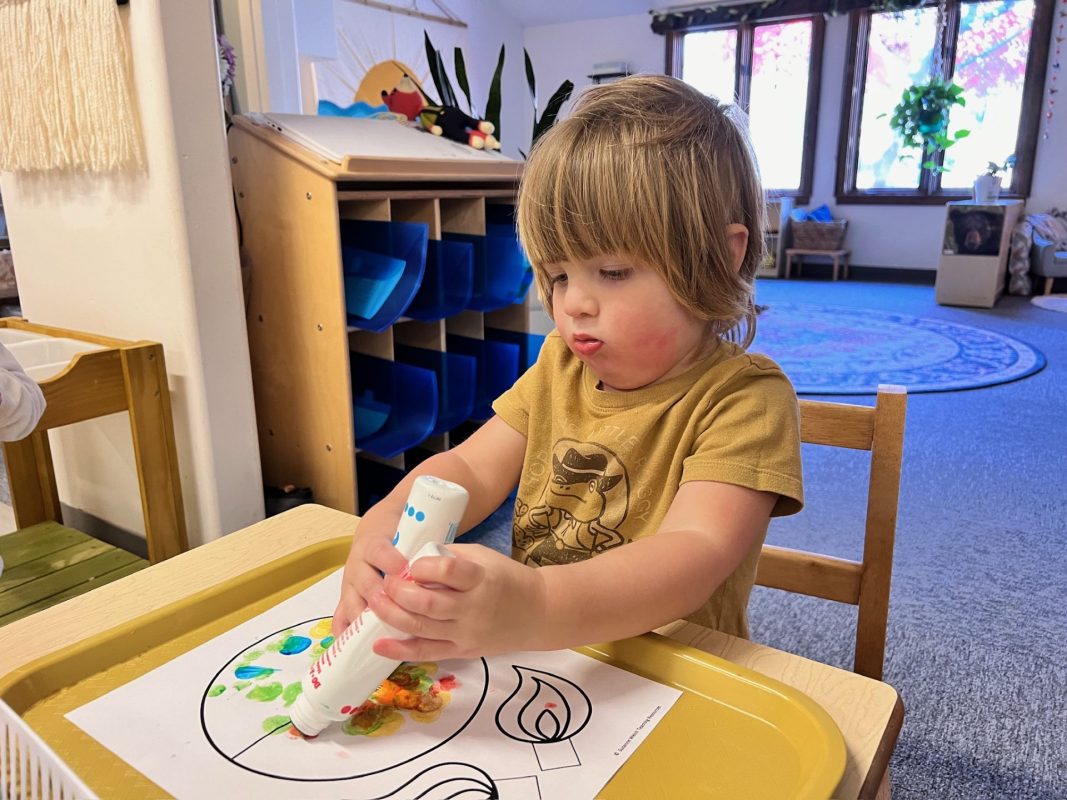
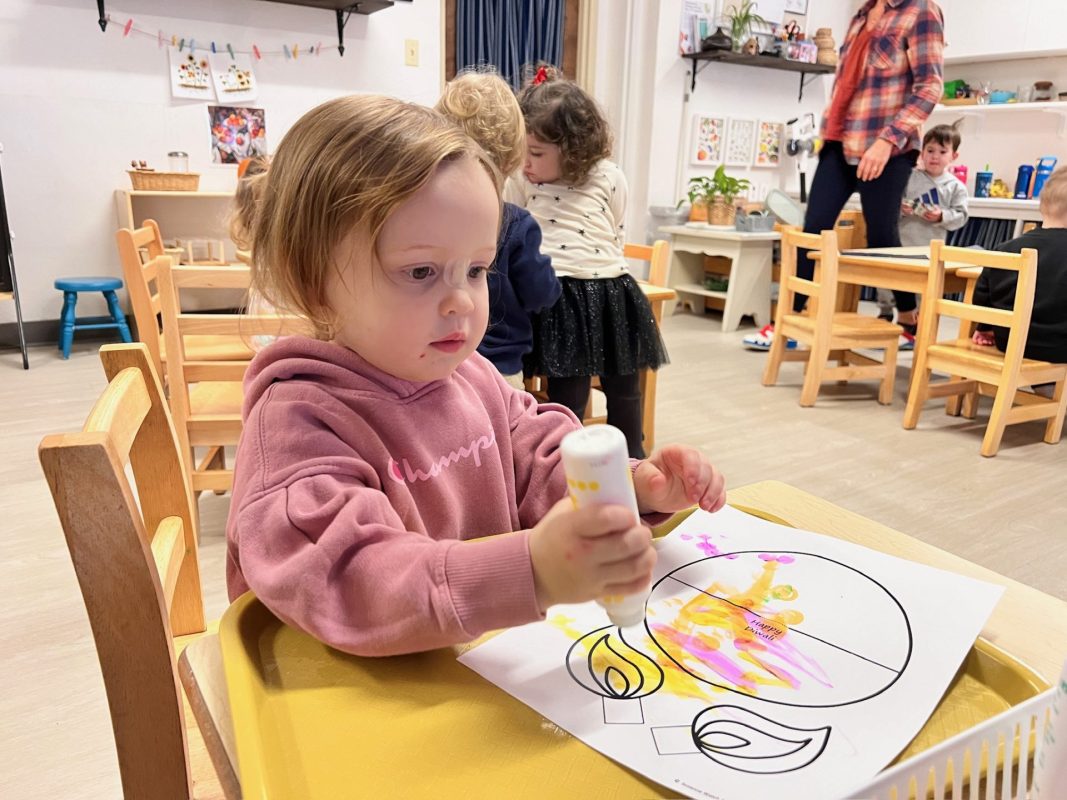
In the classroom, creativity bloomed as the toddlers designed and decorated their very own diyas using vibrant colors and a sprinkle of imagination.

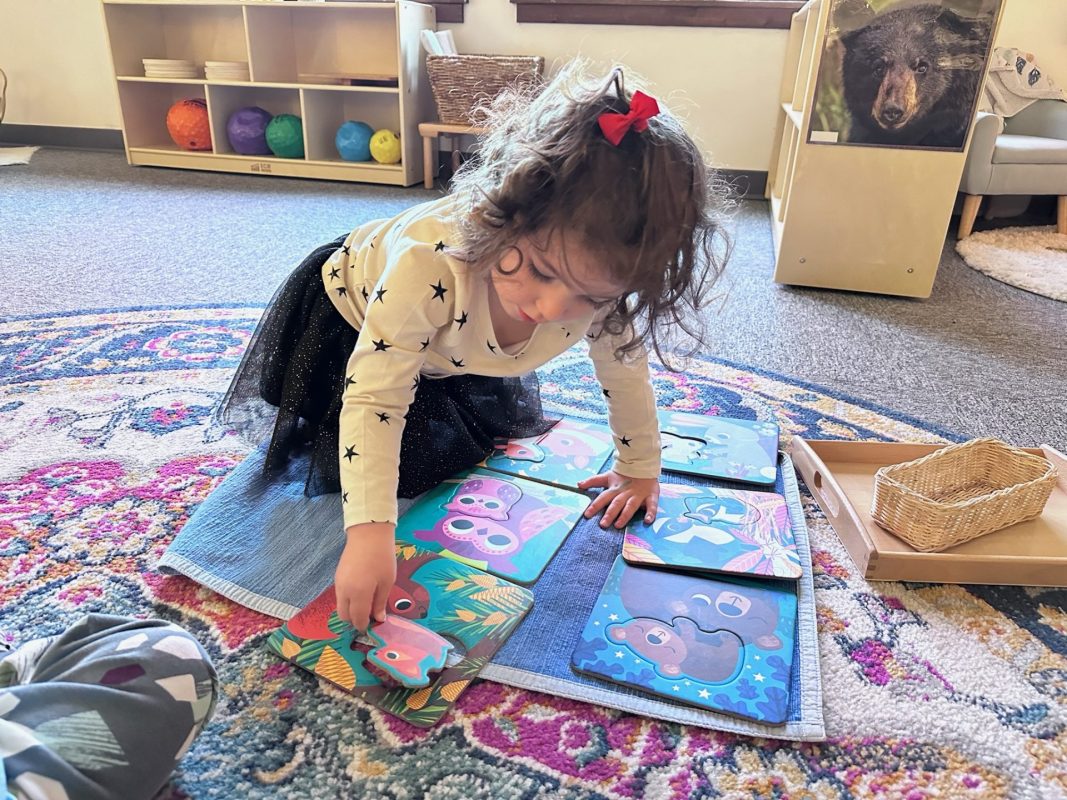
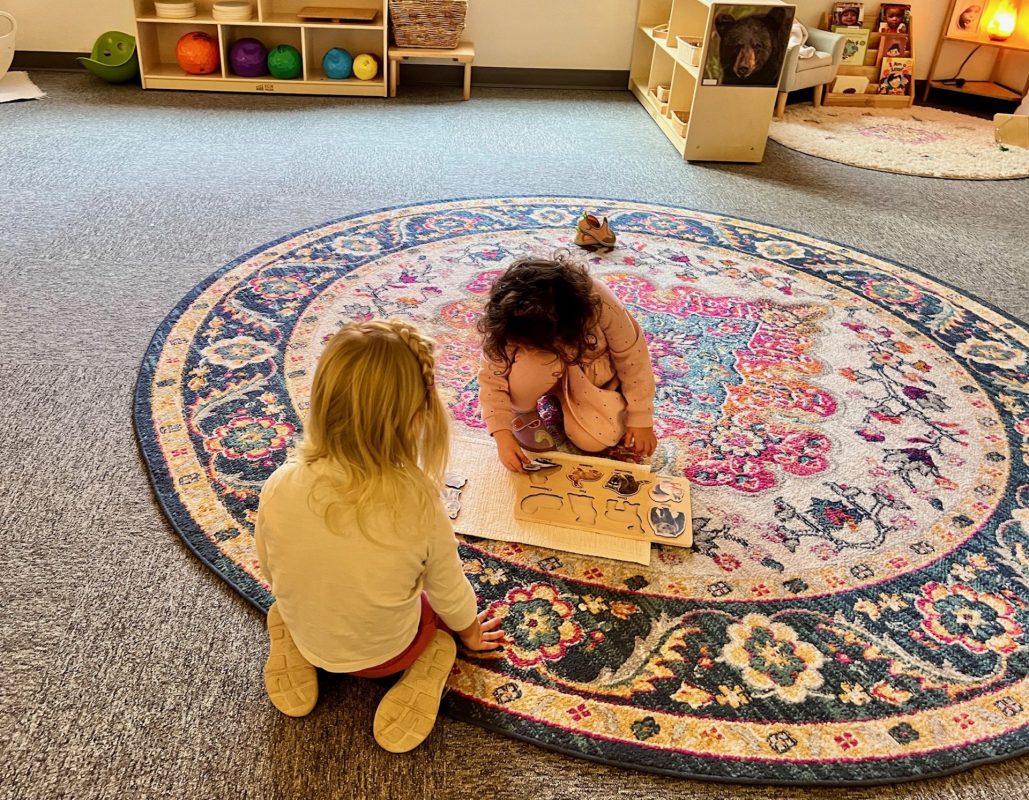
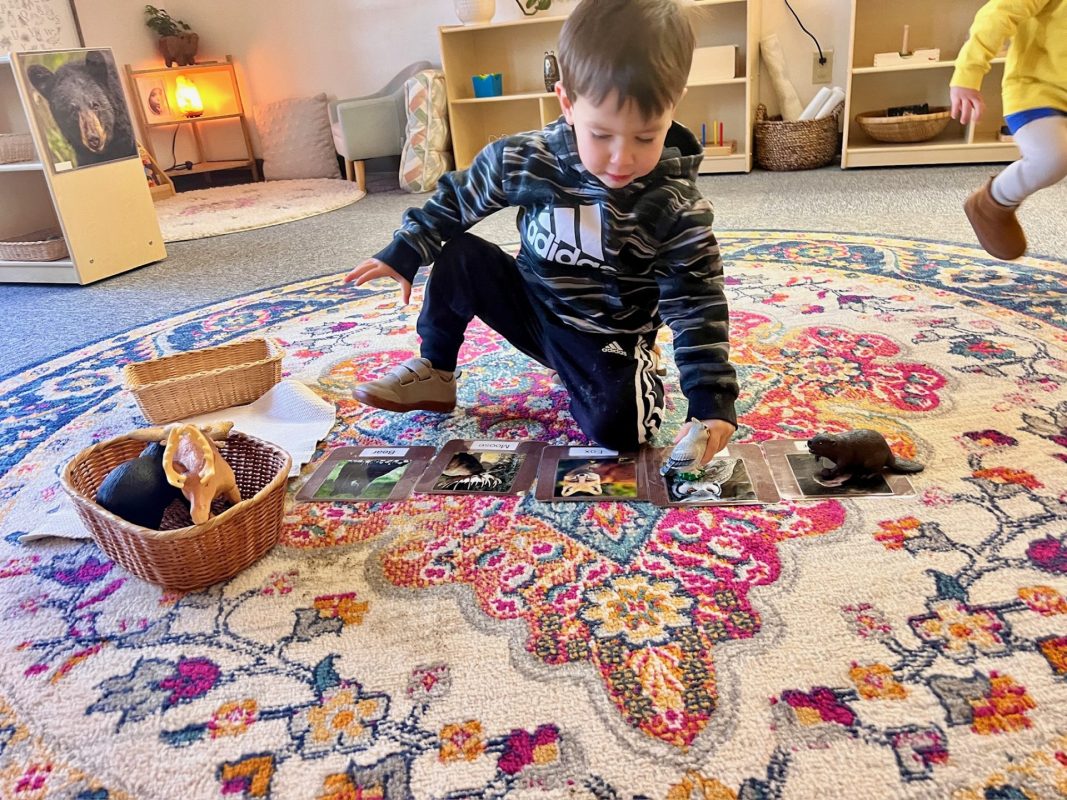
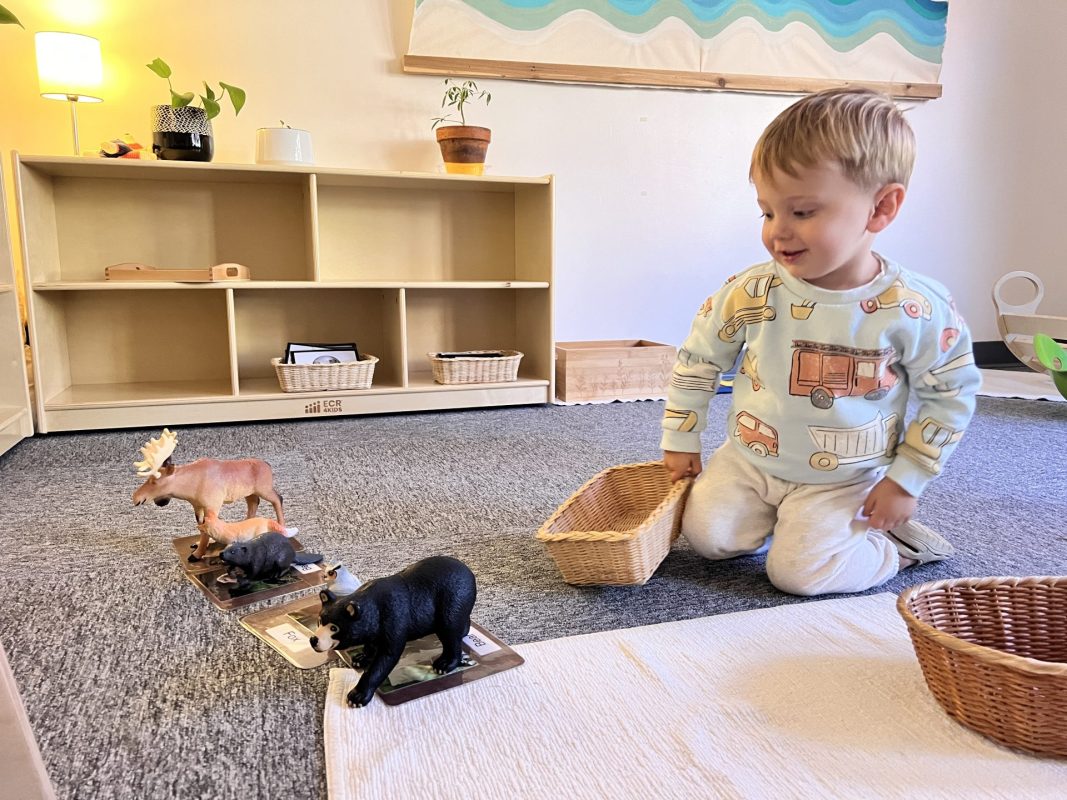
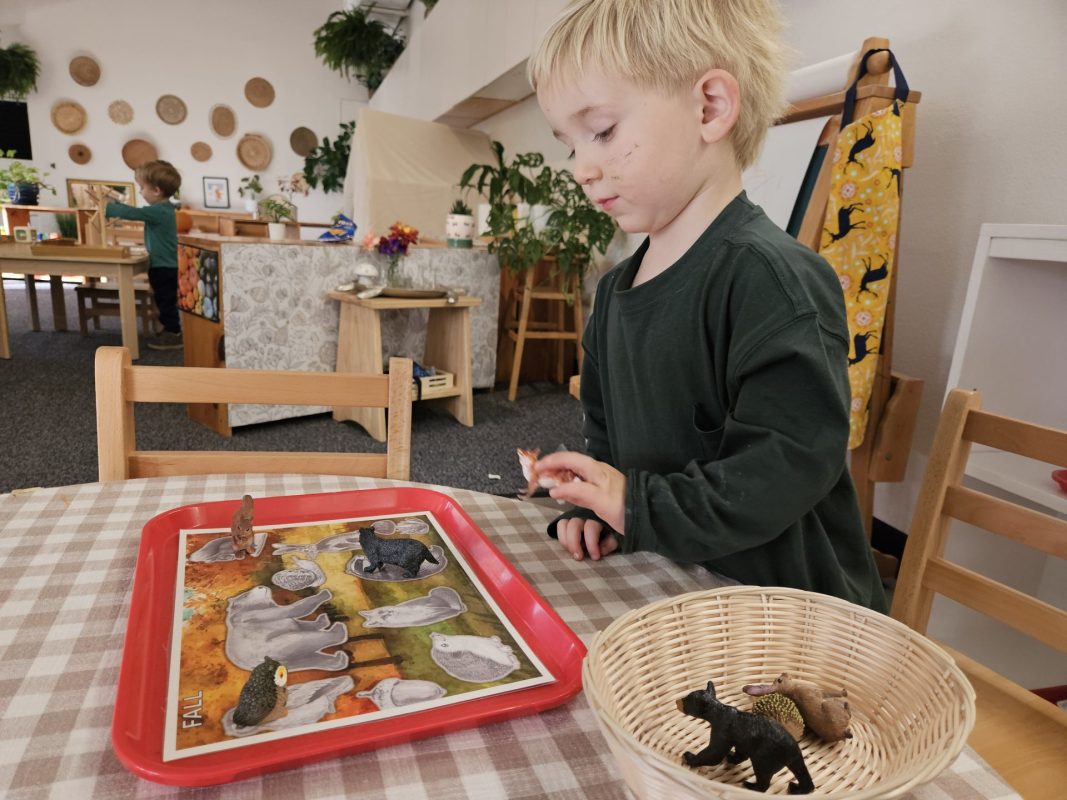
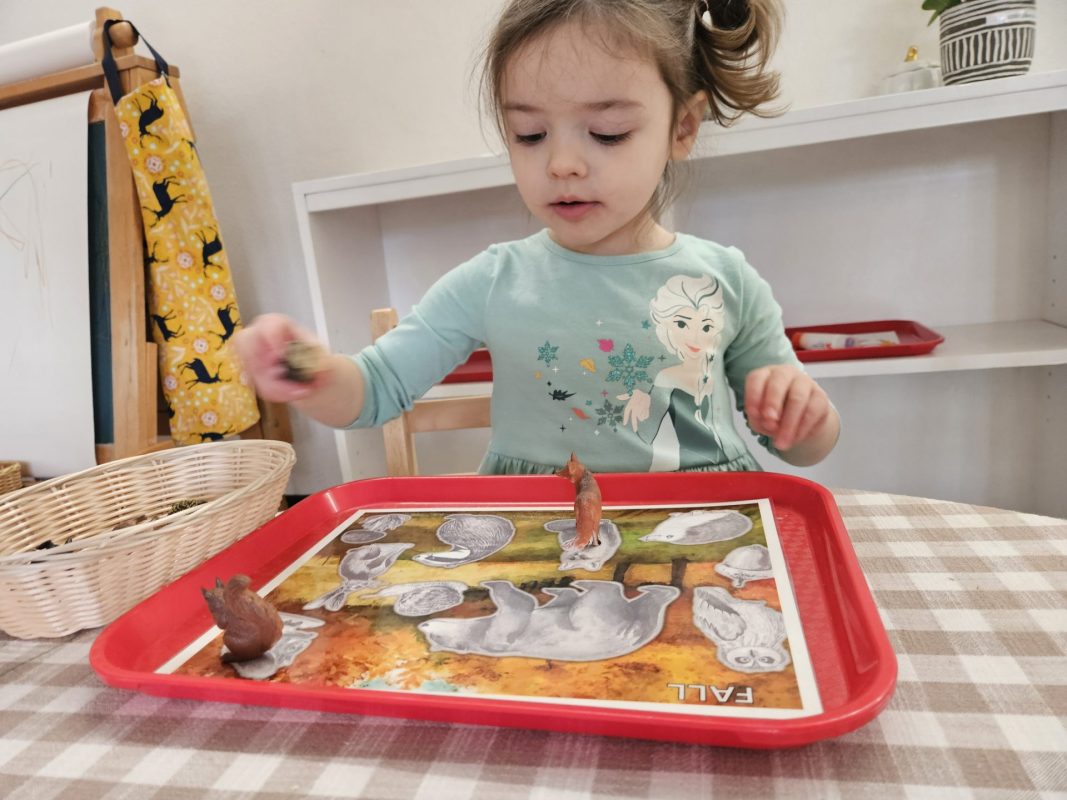
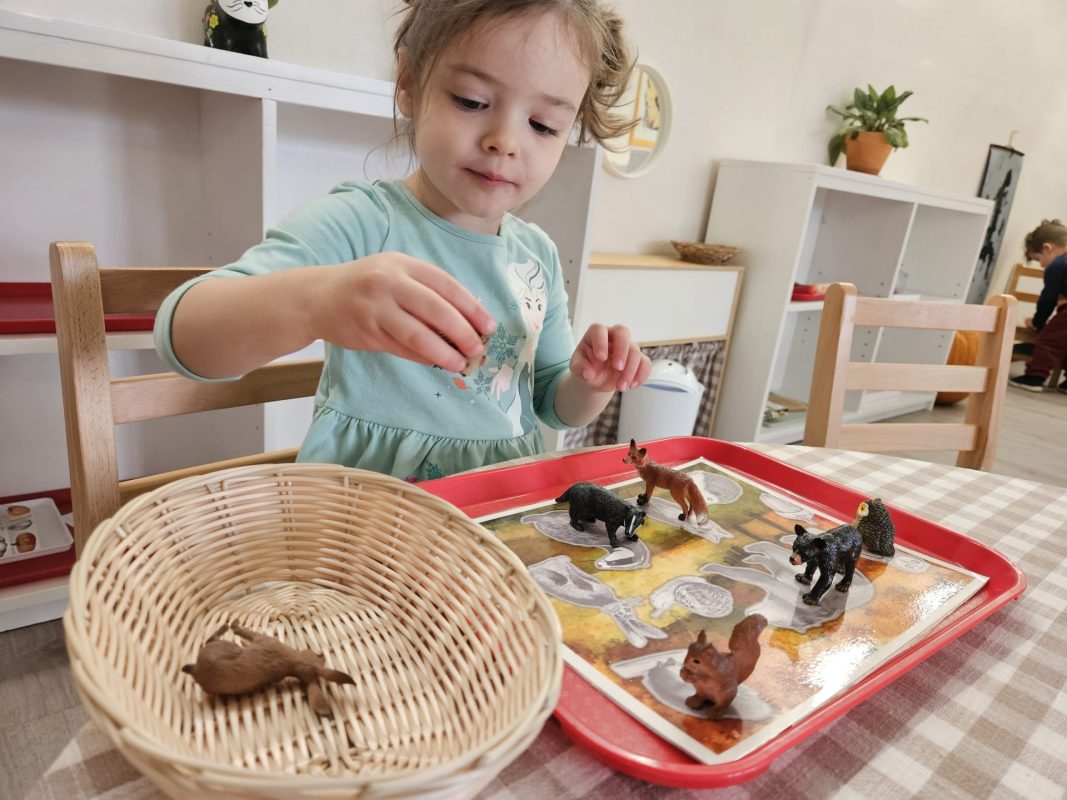
Switching gears, we’ve also started exploring the wonders of the forest with our new unit on woodland animals. This week, the children met five fascinating creatures and learned a couple of facts about them:

  • Black Bear: A big, furry animal that loves to munch on berries, fish, and honey. We learned how they hibernate in cozy dens during the winter!
  • Moose: The tallest animal in the forest with long, strong legs and huge antlers. Moose enjoy munching on leaves, twigs, and even water plants.
  • Fox: A sly and clever animal with a bushy tail. Foxes are excellent at sneaking around to find their dinner. I told them the story of a fox that comes every day to my home to see if he can eat one of my chickens!
  • Beaver: A hardworking animal with big teeth and a flat tail. Beavers build homes, called lodges, using sticks and mud!
  • Owl: night-loving bird with big, glowing eyes. The toddlers were amazed to learn that owls can turn their heads almost all the way around!

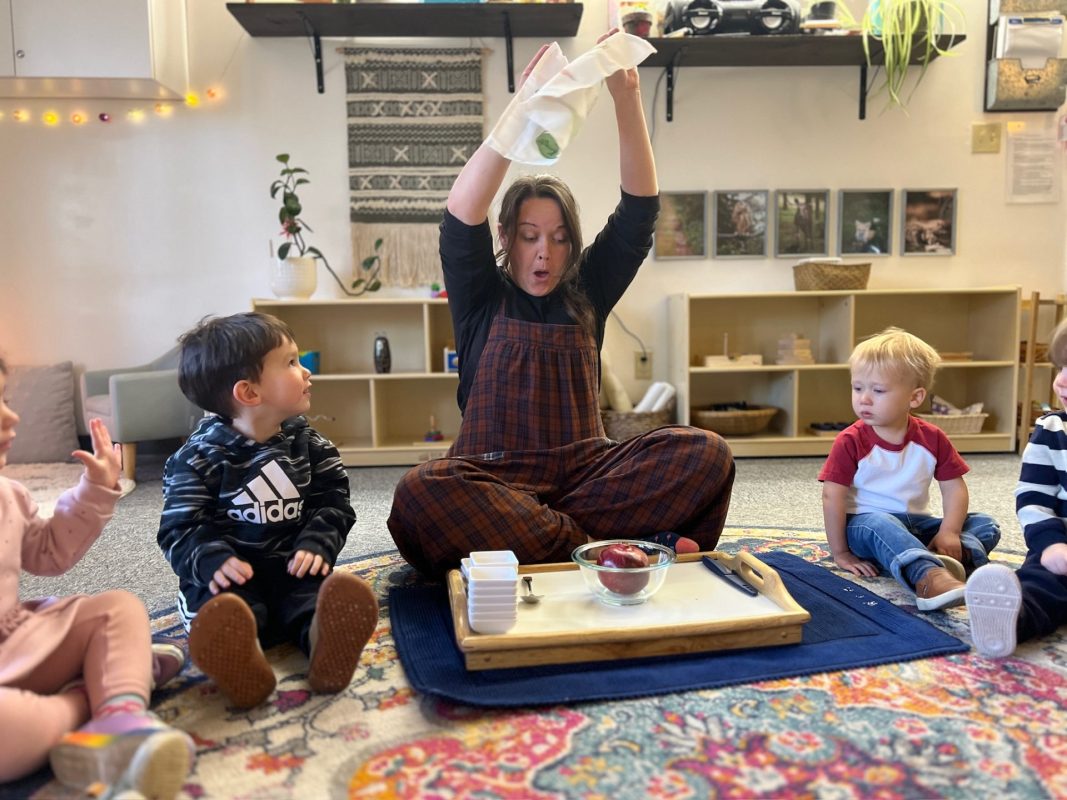
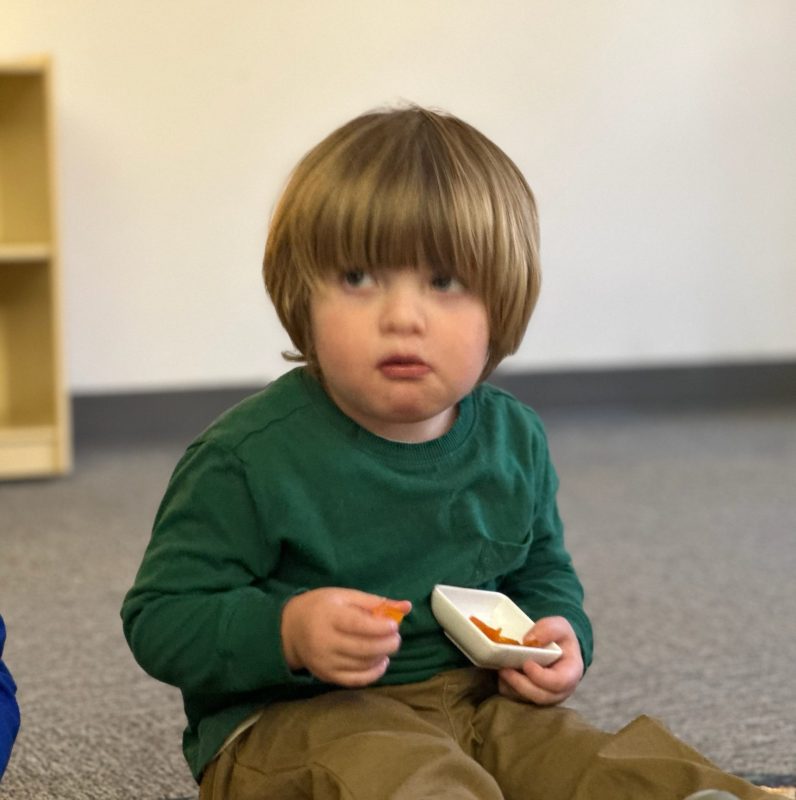
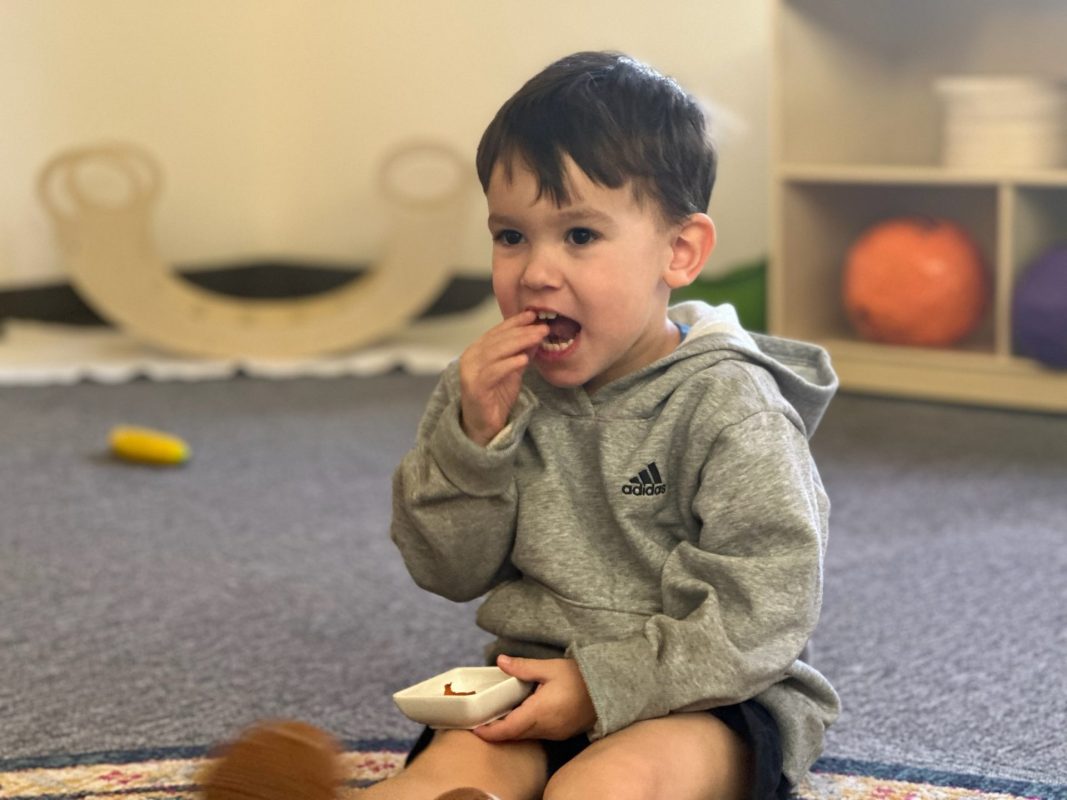
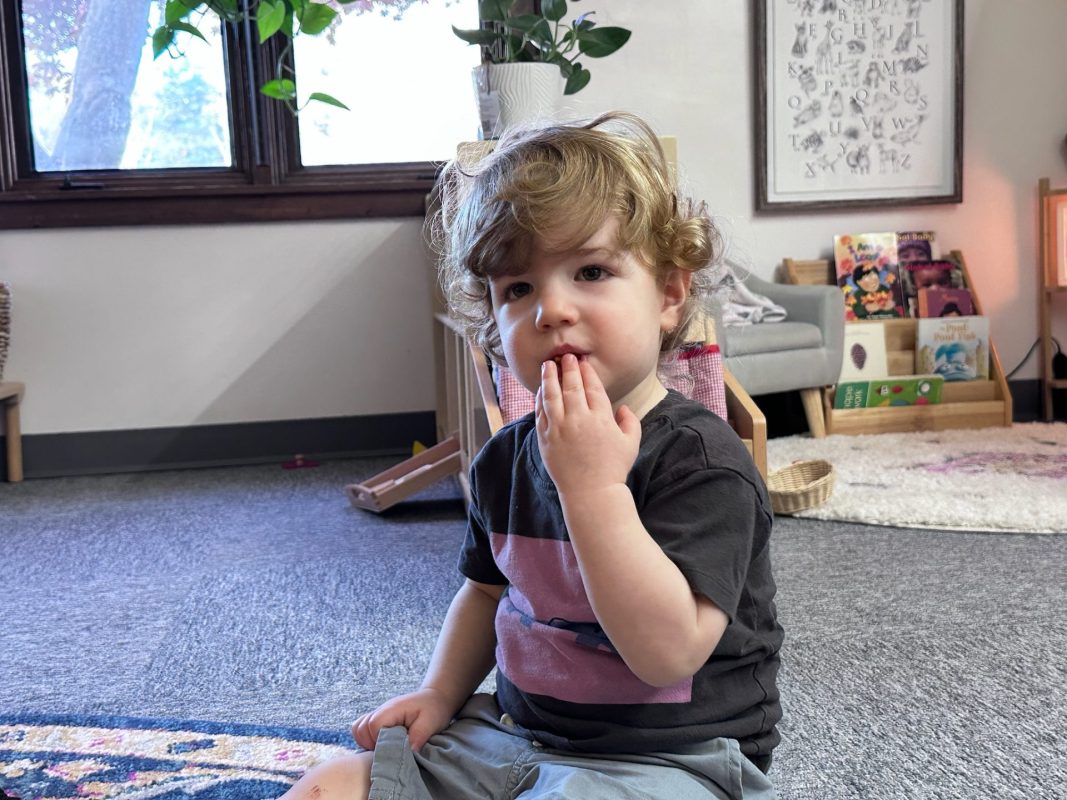
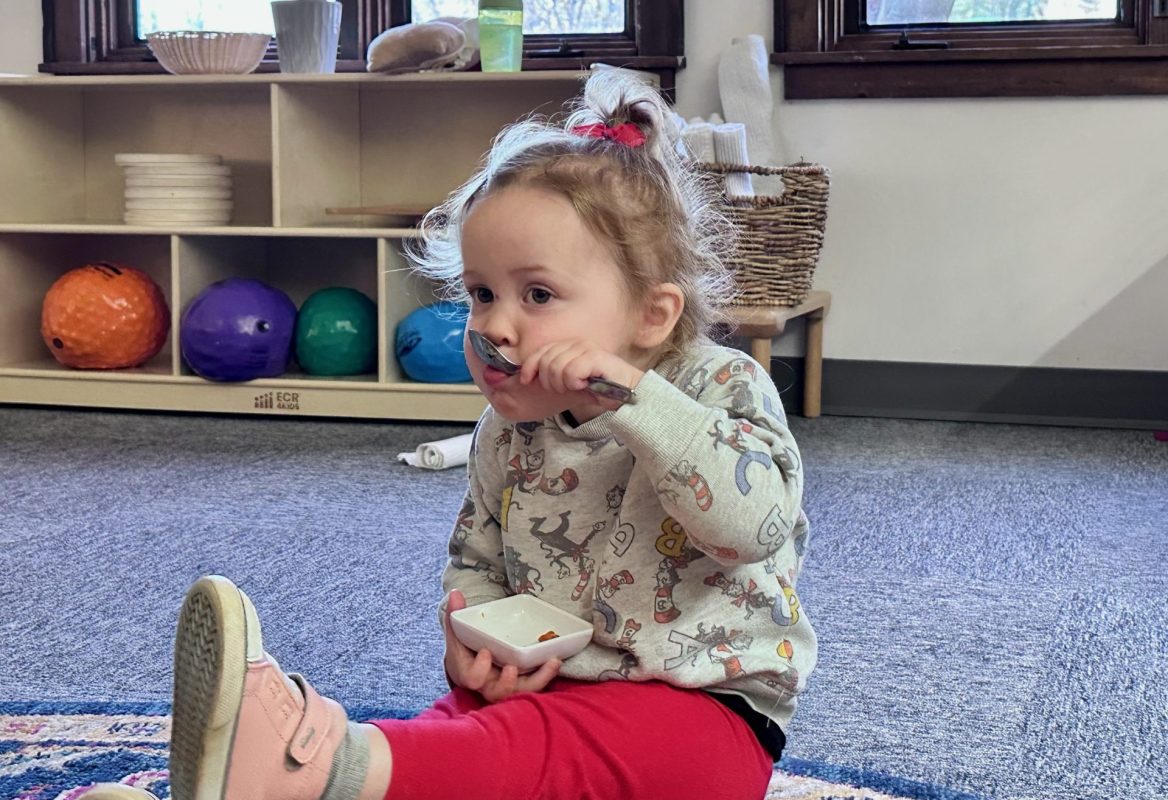
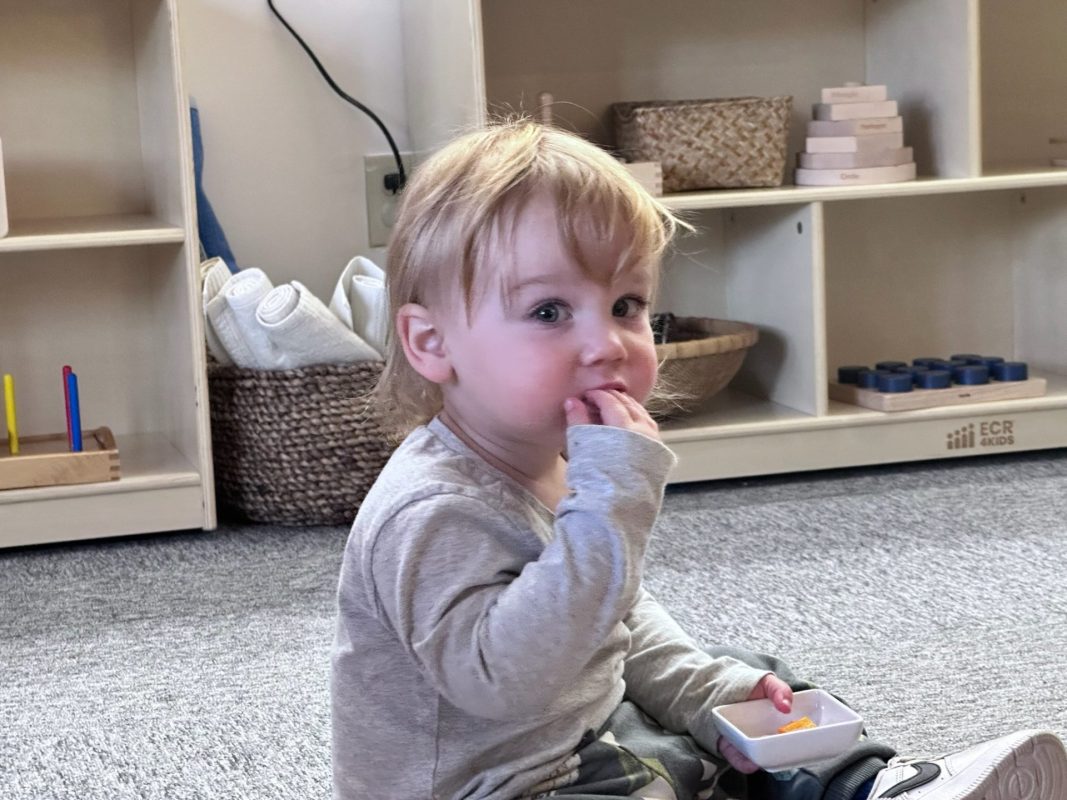
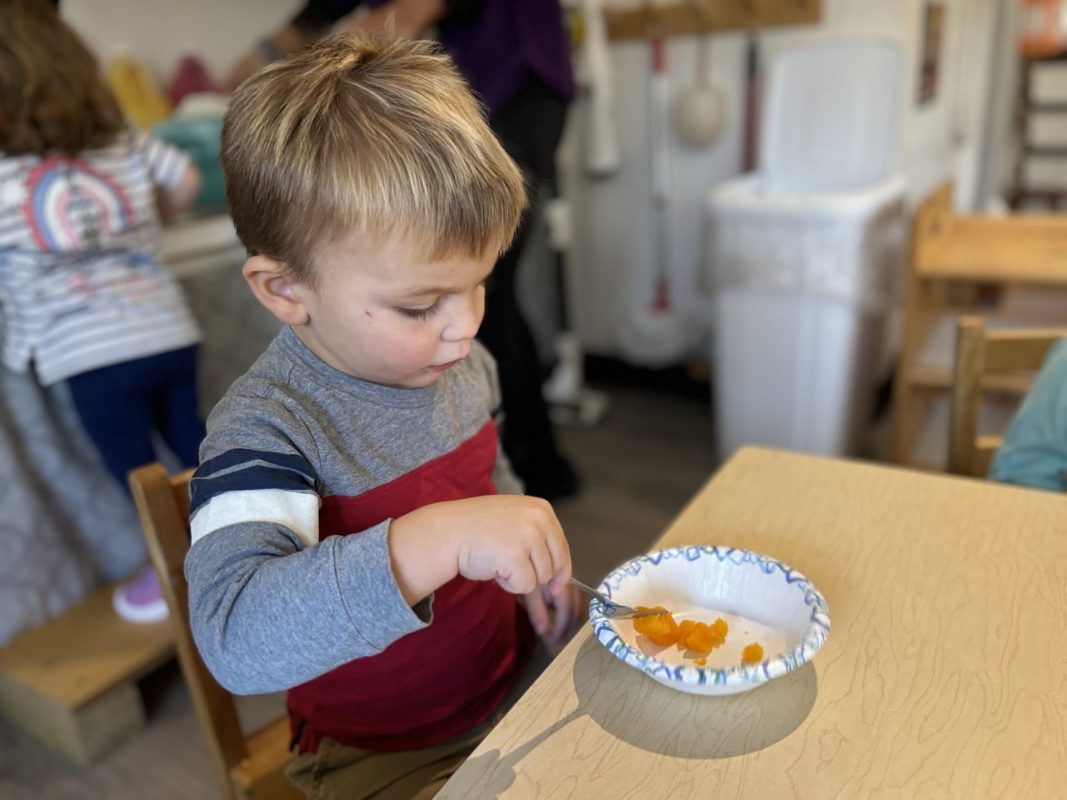
Finally, our week ended on a sweet note during the food-tasting lesson! The children sampled juicy pears, and this fresh, yummy fruit was a hit—earning a 99% approval rating from our toddlers.

Enjoy the weekend,

Mrs. Hood and Ms. Patty


Mrs. Wilson: Diwali Presentation

On Tuesday, November 12th, Ms. Paromita and a few students from all grade levels gave a presentation about Diwali, the Festival of Lights celebrated in India and other countries. The children listened to a story read by one of the students and then enjoyed a Bollywood-style dance performance. Afterward, the children had the opportunity to taste an Indian sweet called Gulab Jamun. To further explore the theme of Diwali, the students later in the week colored a diya lamp using dot markers. Thank you to Ms. Paromita and the children and their families for gifting us this beautiful experience.

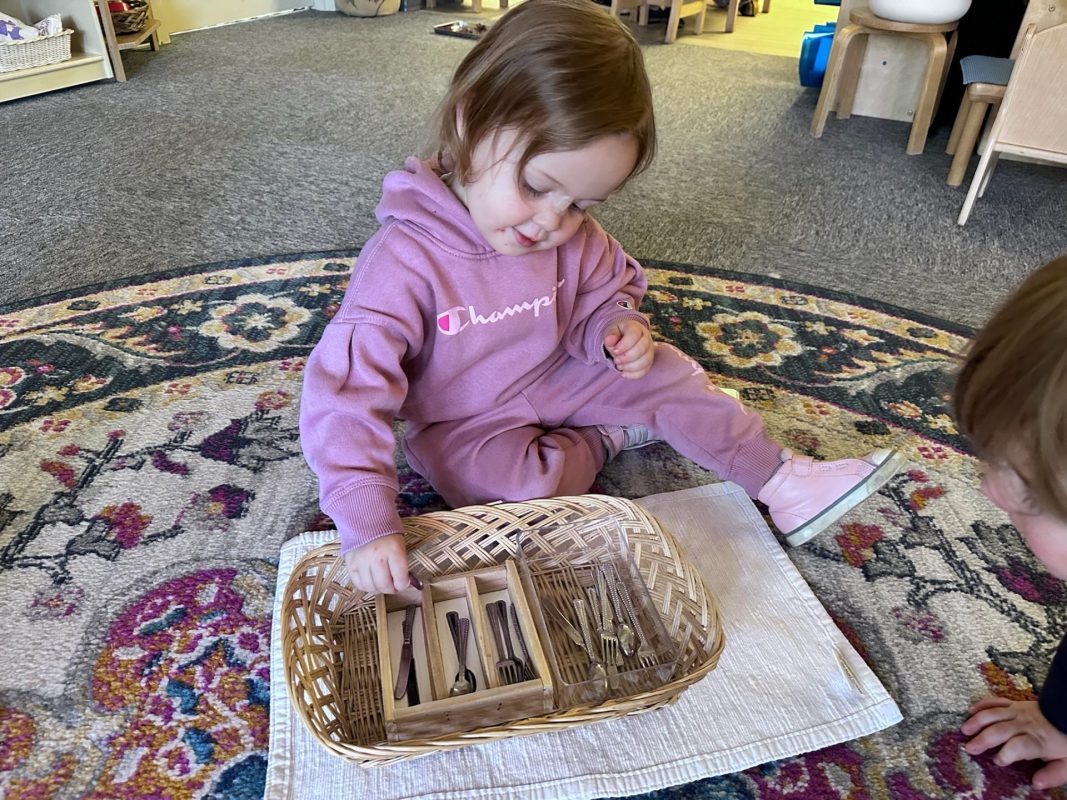
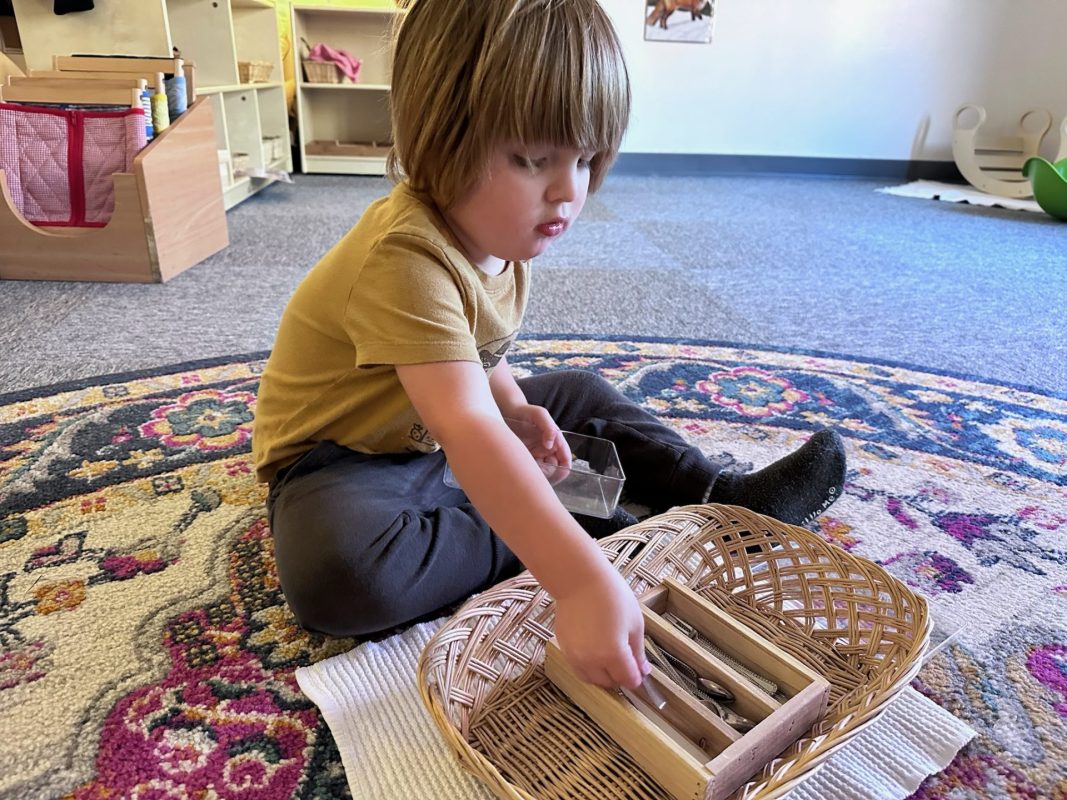
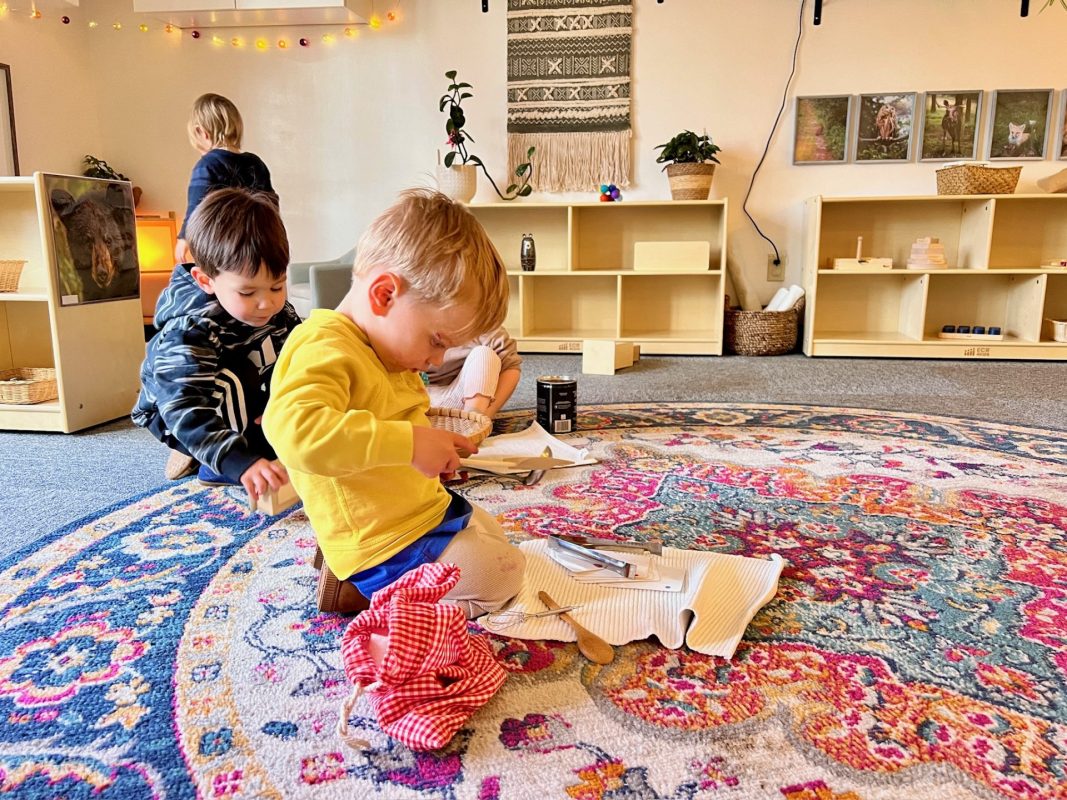
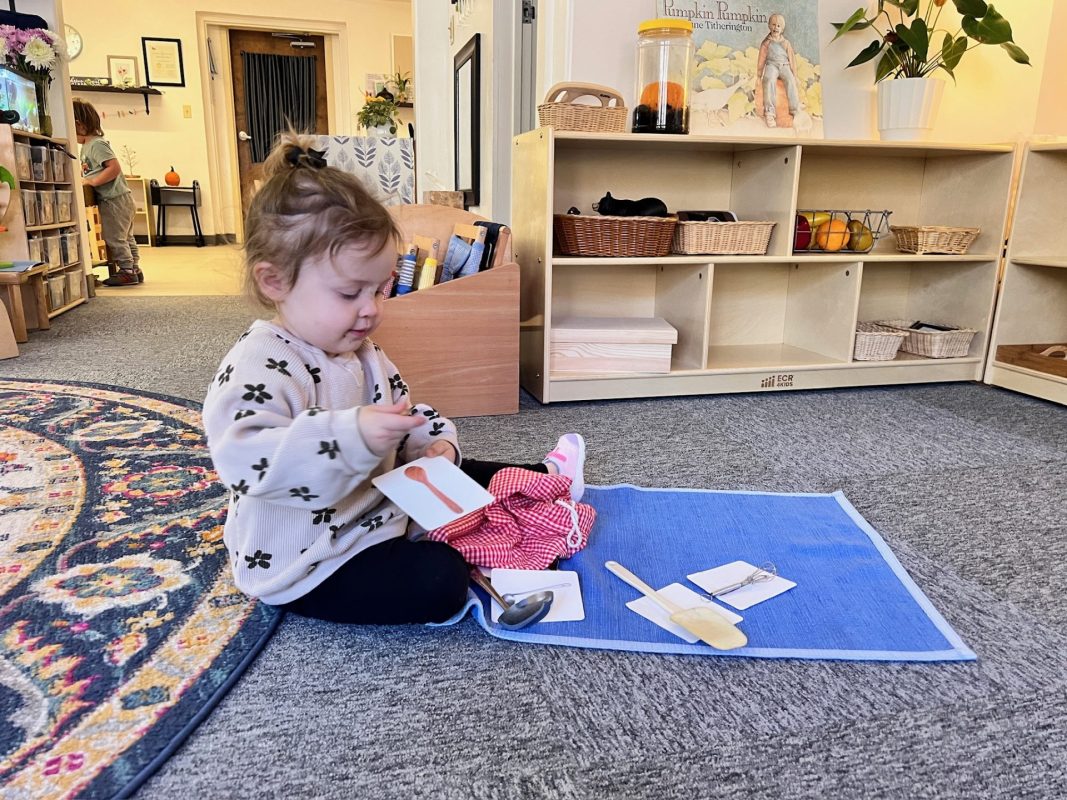
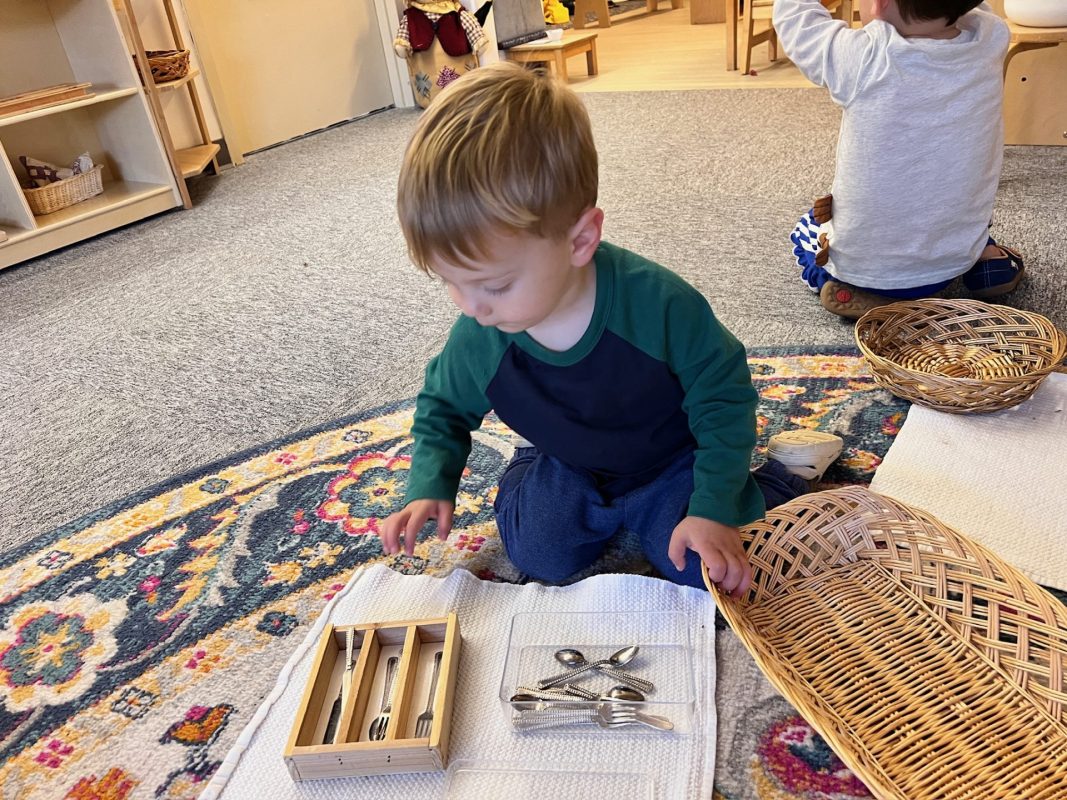
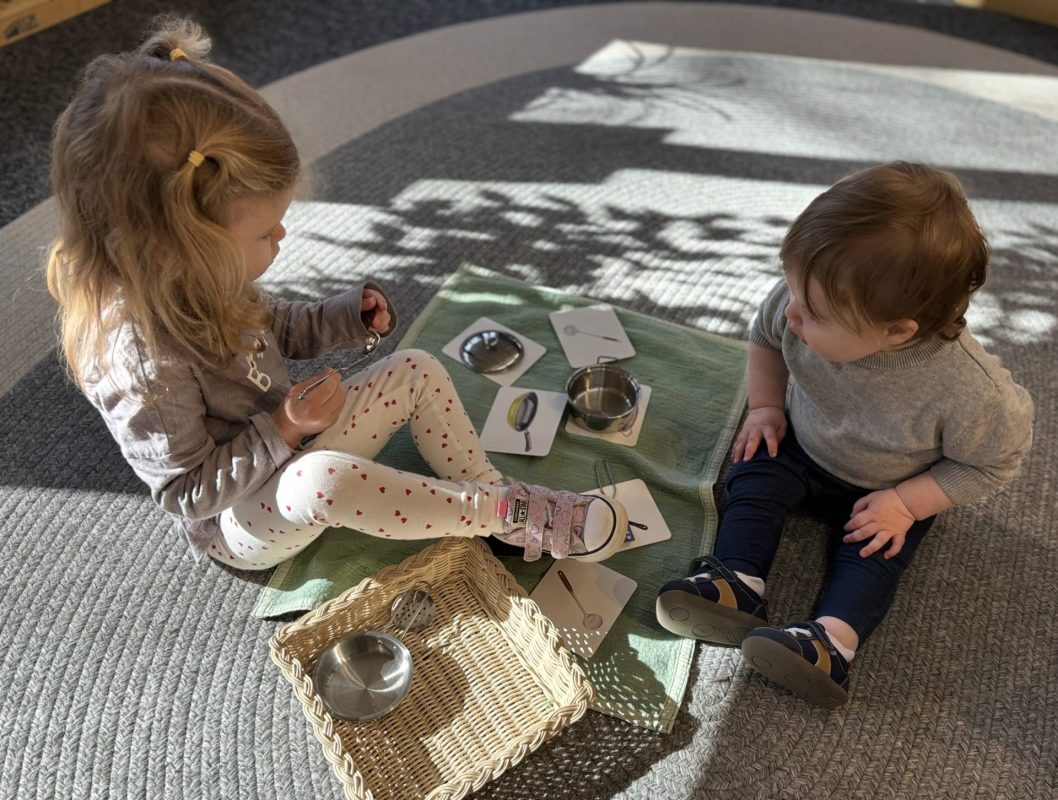
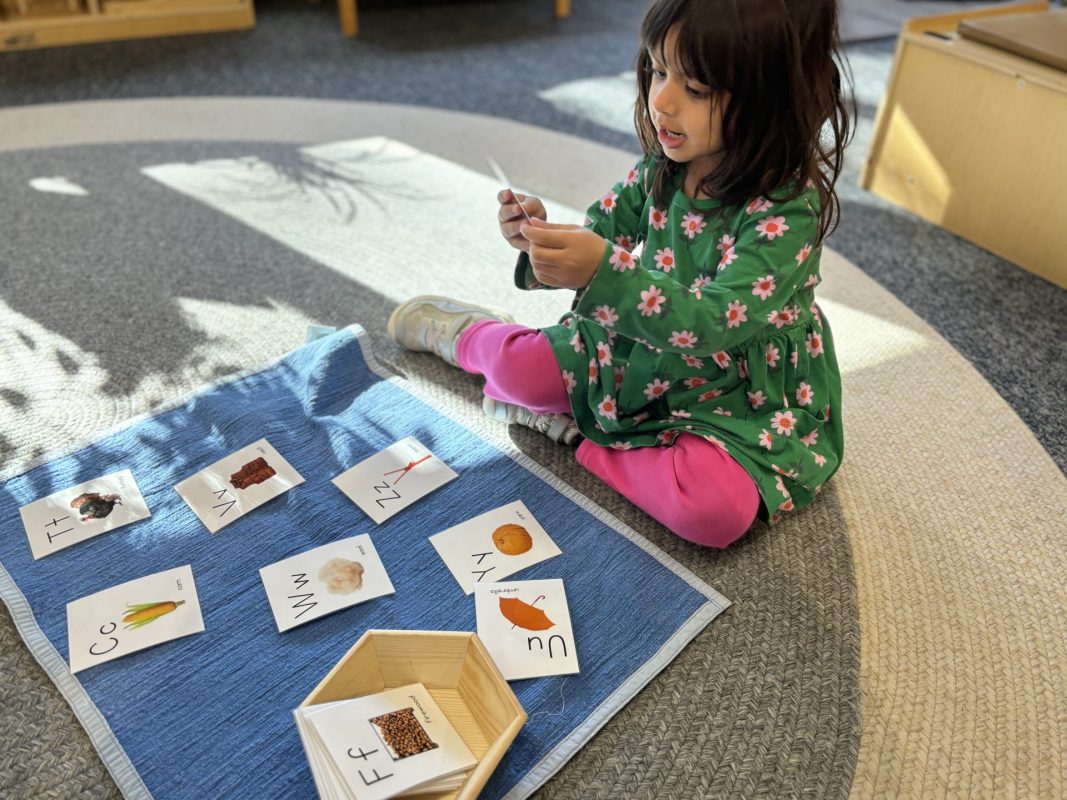
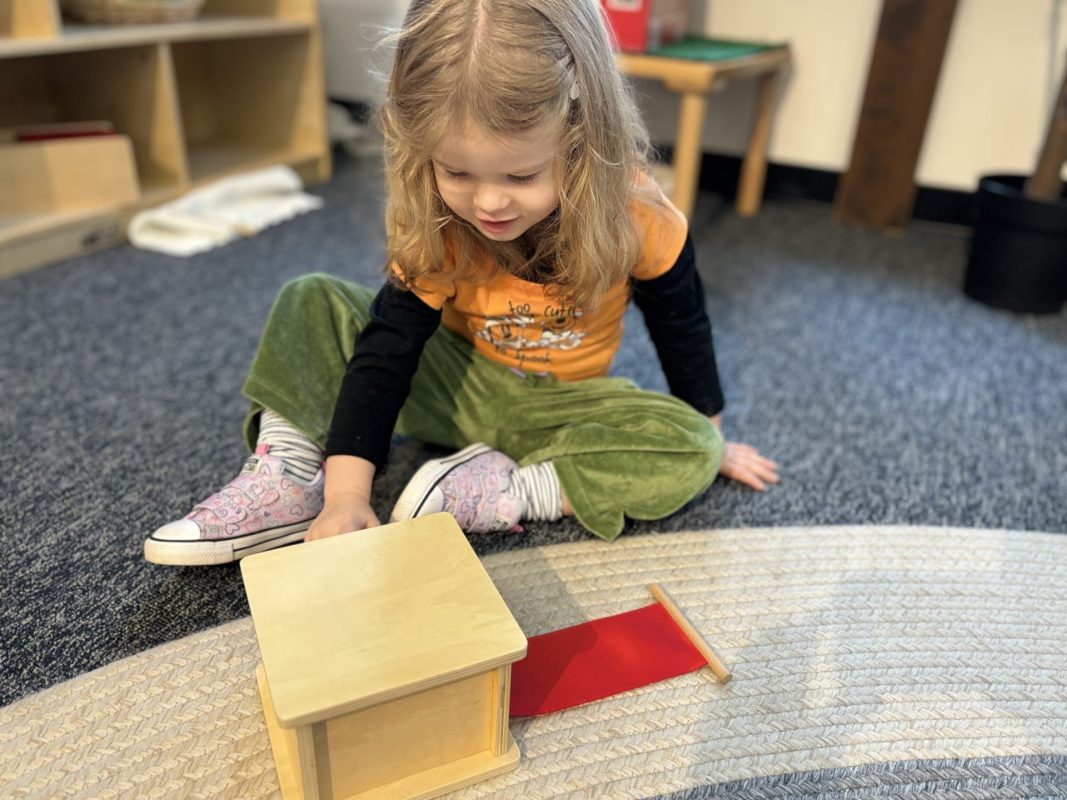
In addition to learning about the fall season, the children are exploring topics related to cooking. With Thanksgiving approaching, they are learning cooking-related vocabulary through activities like object-to-picture matching for cooking utensils and sorting mini forks, spoons, and knives. They are also practicing how to set a table as part of their practical life lessons.

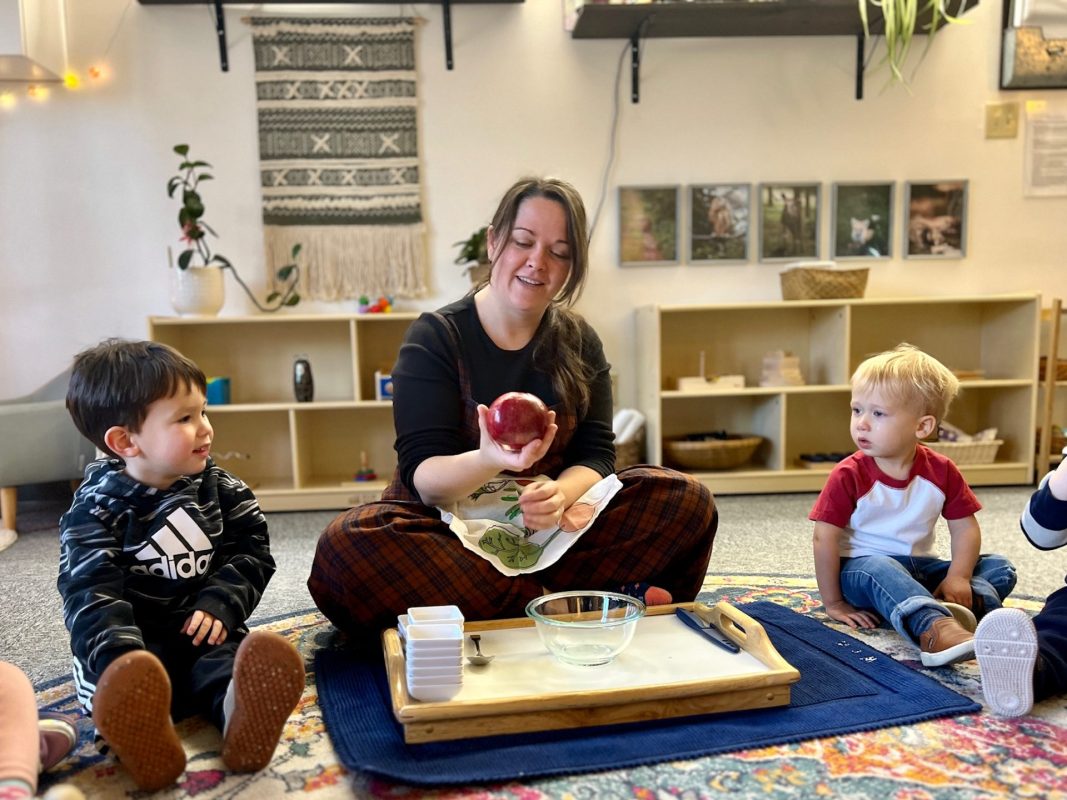
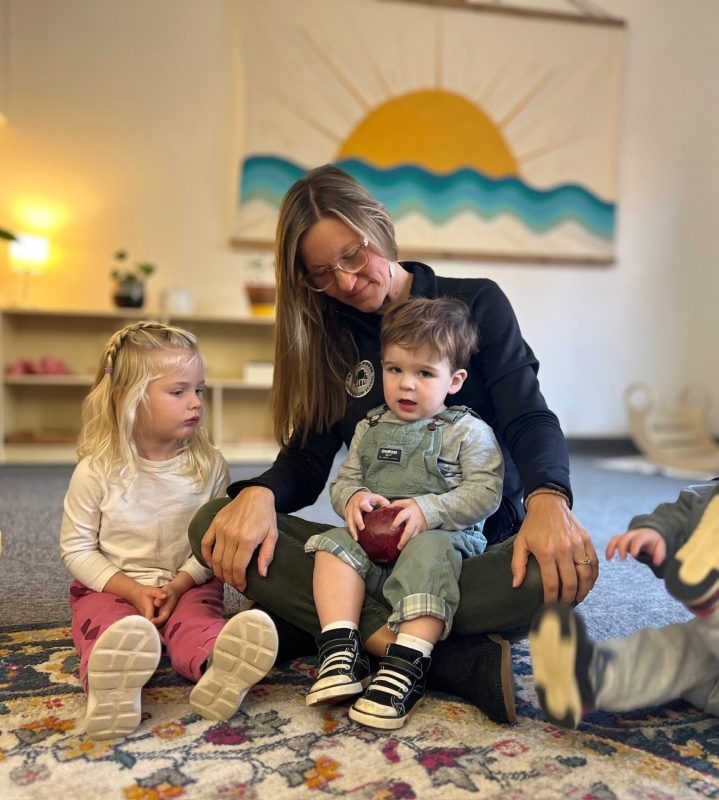
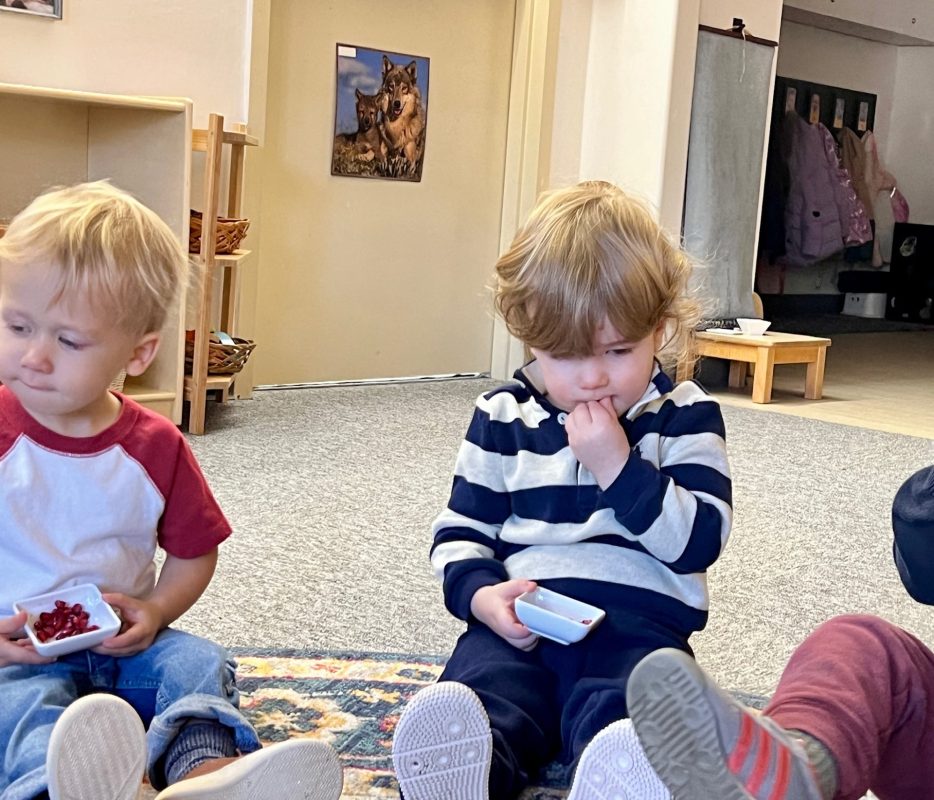
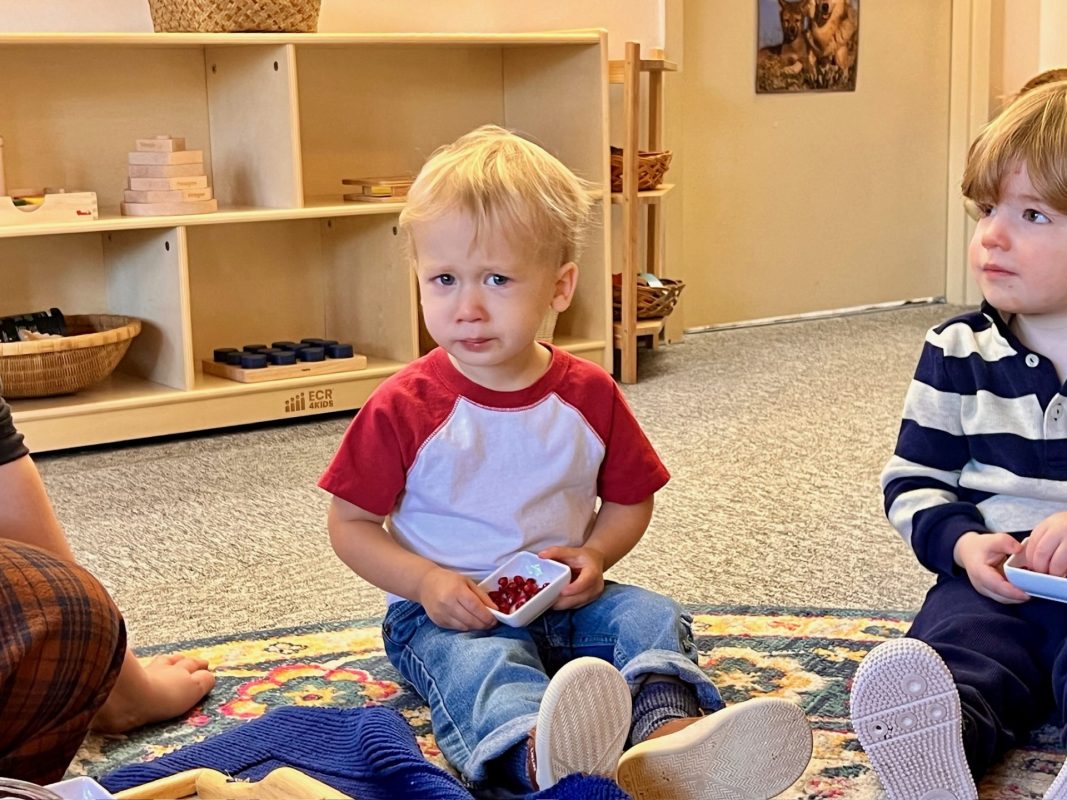
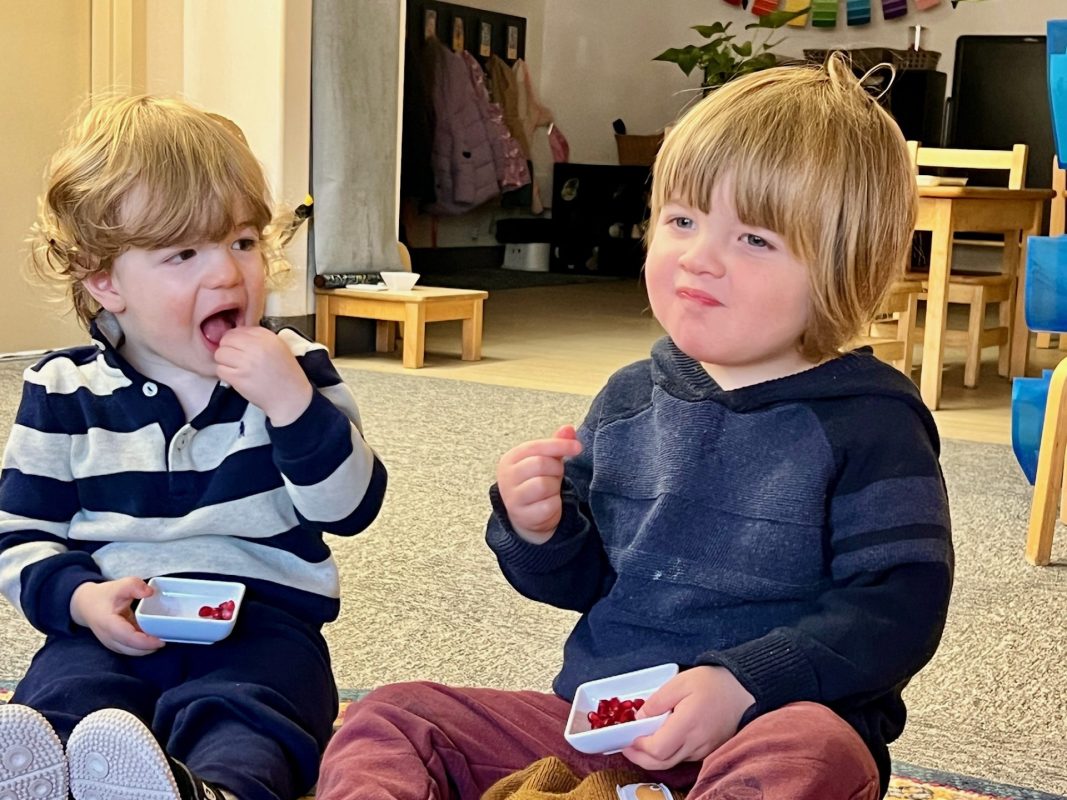
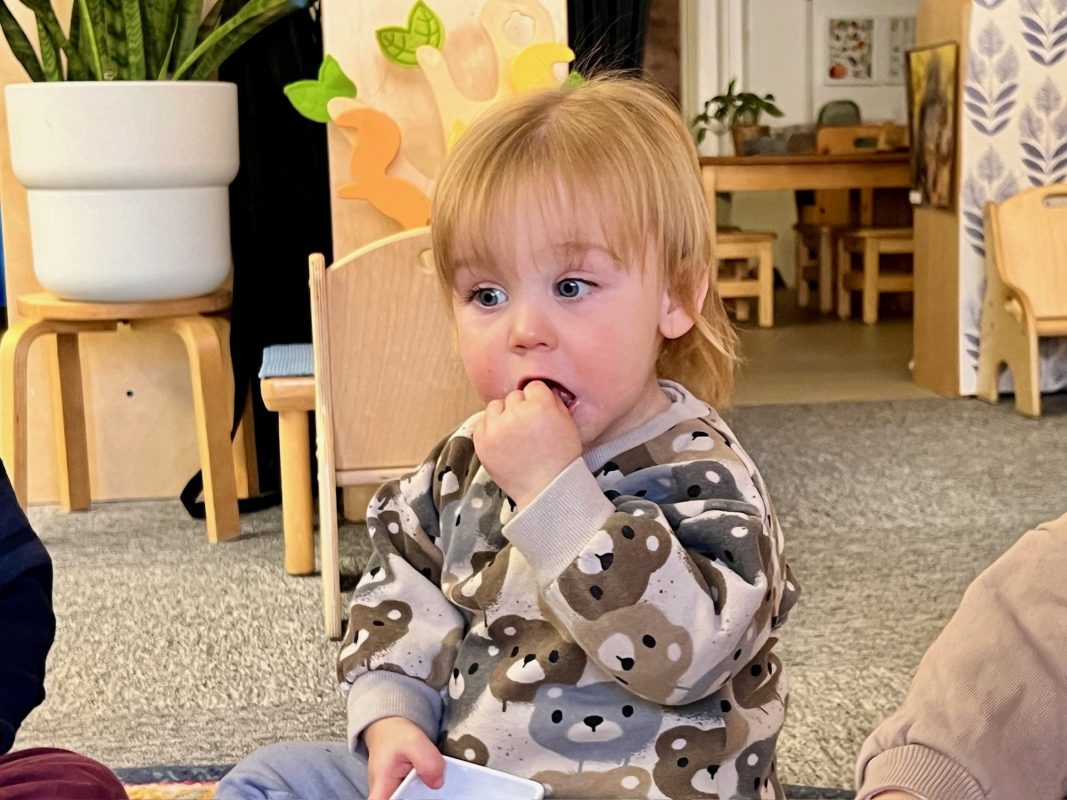
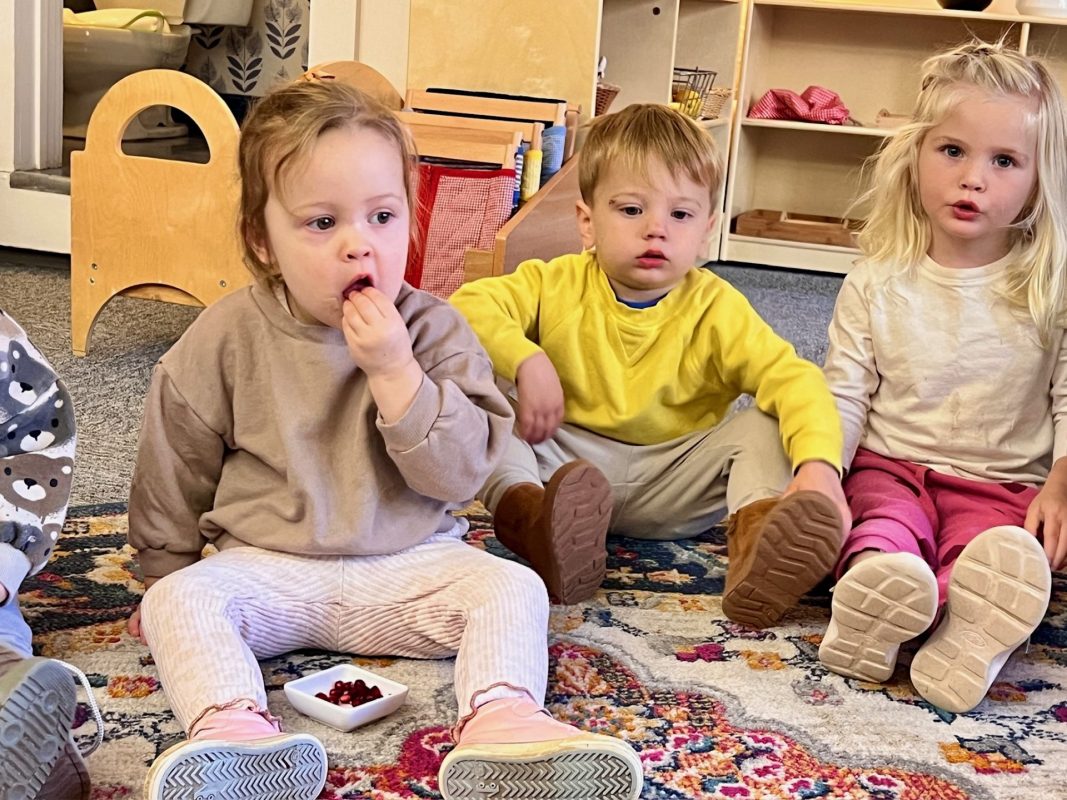
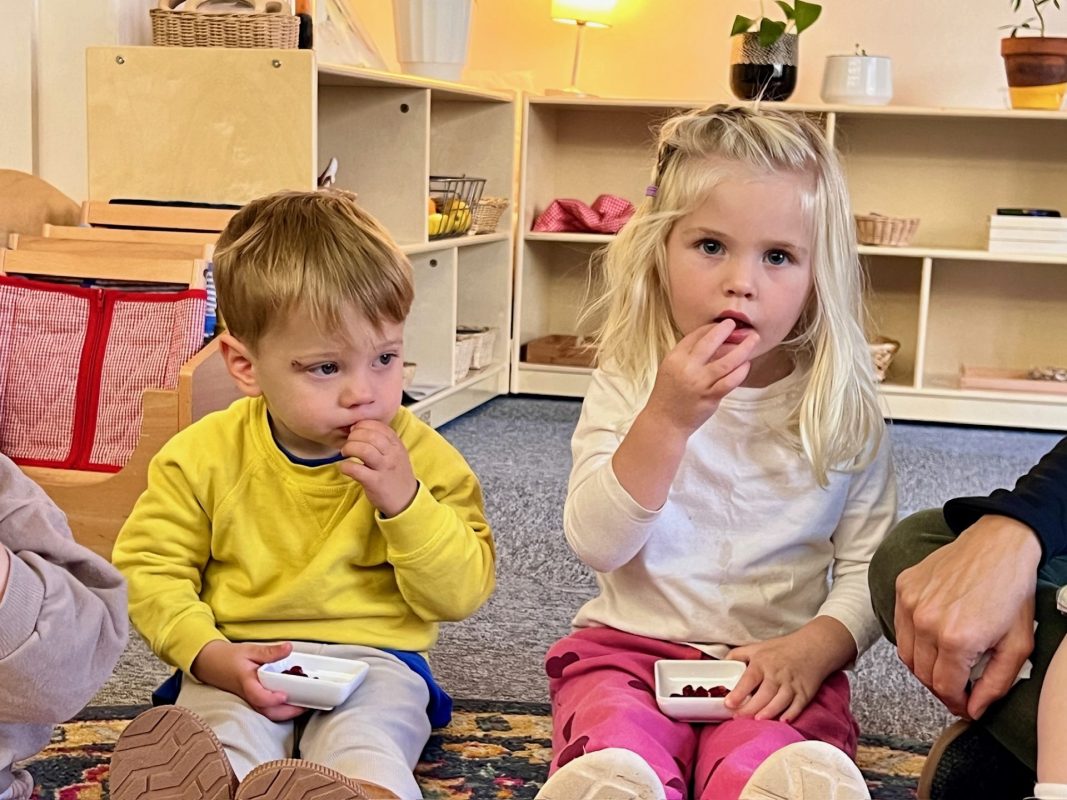
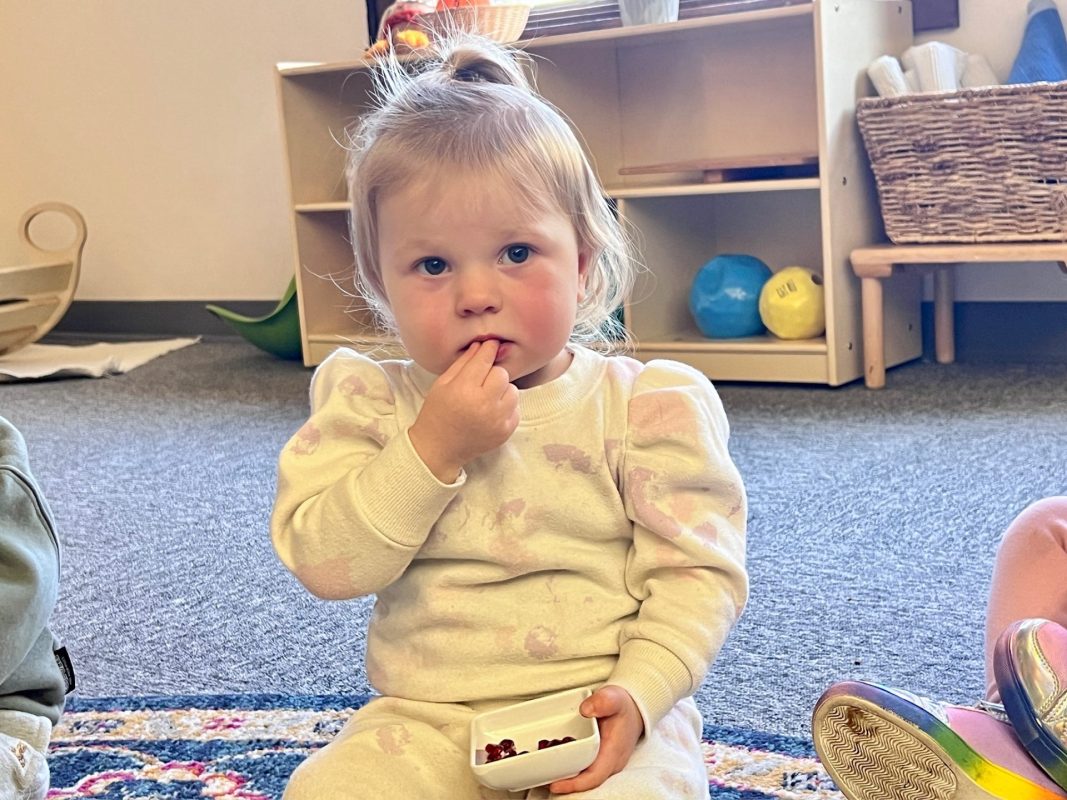
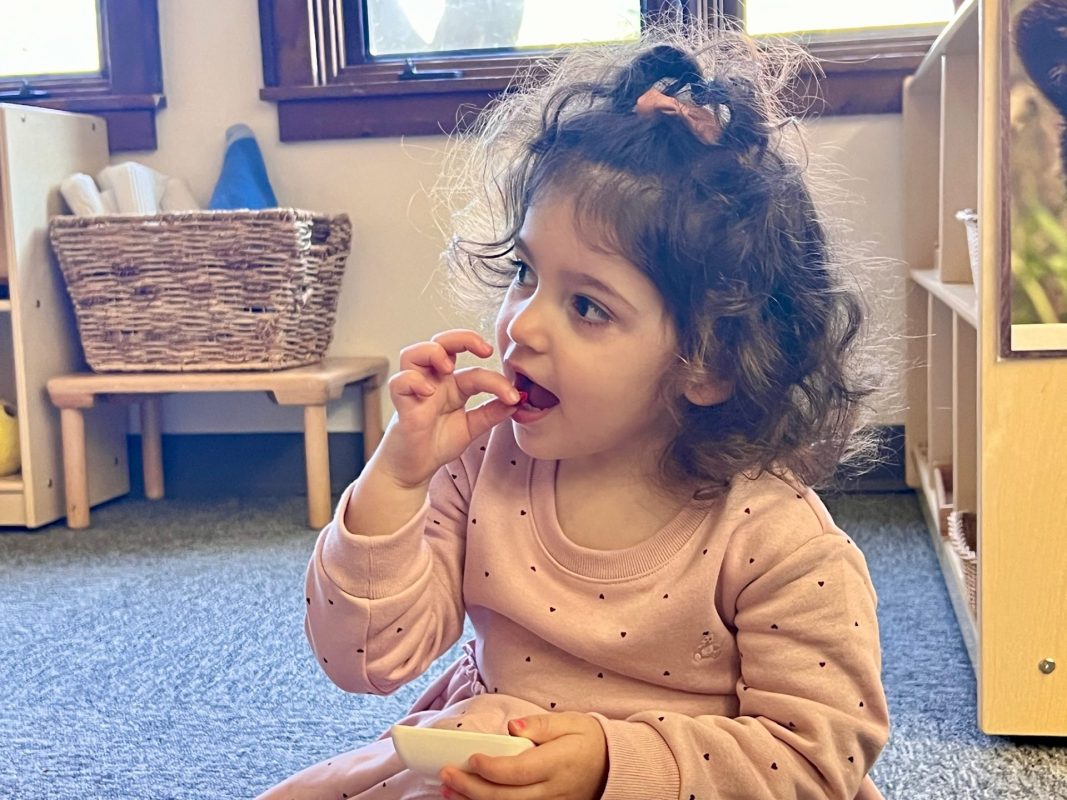
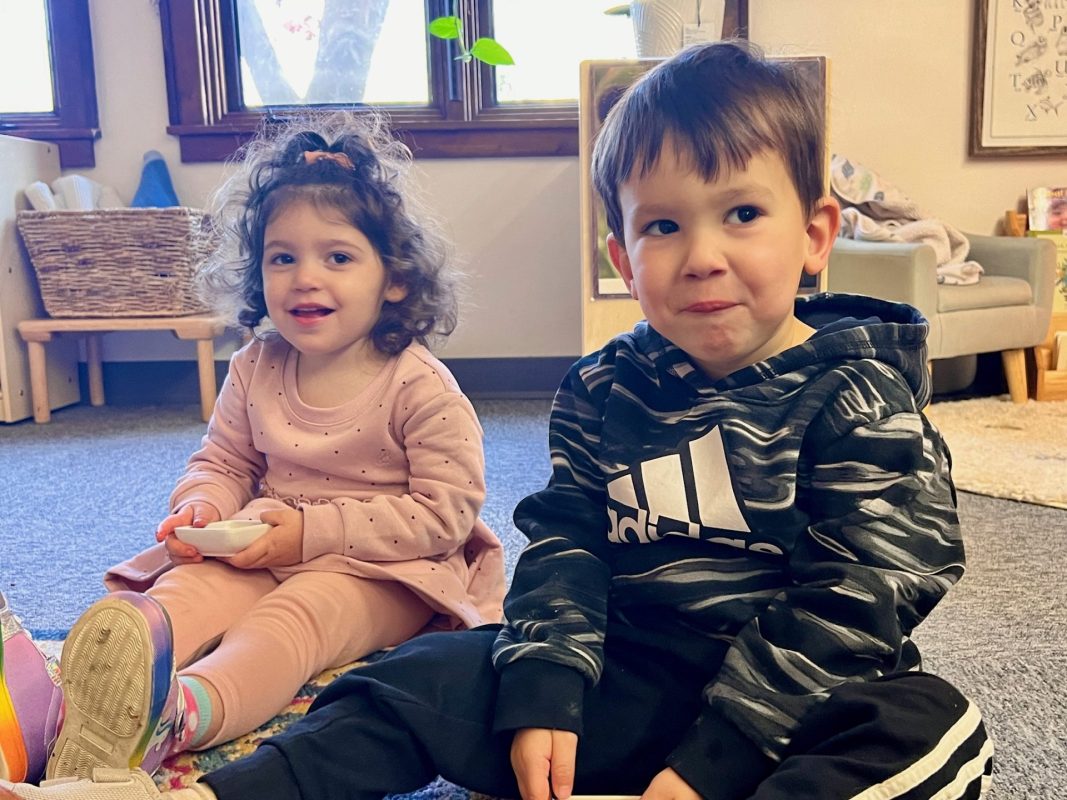
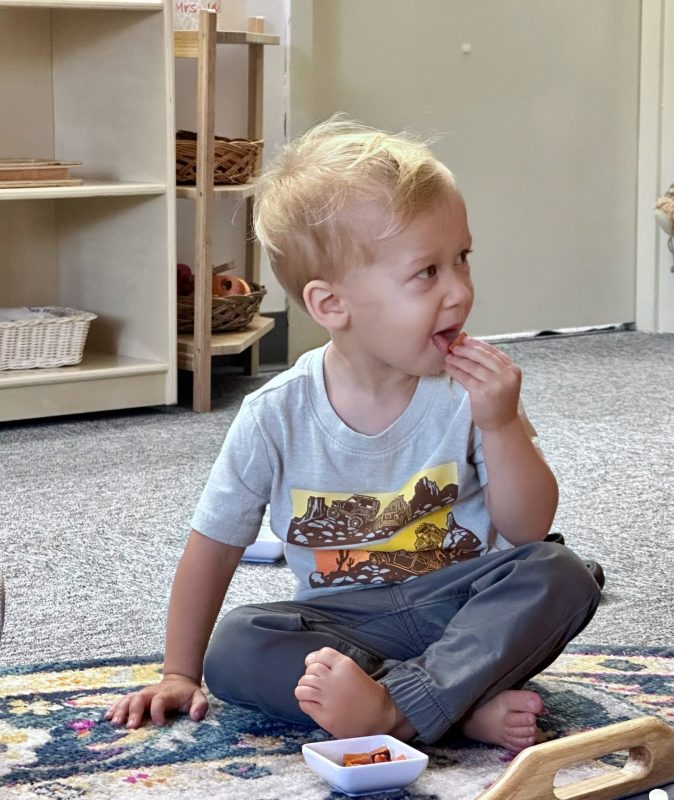
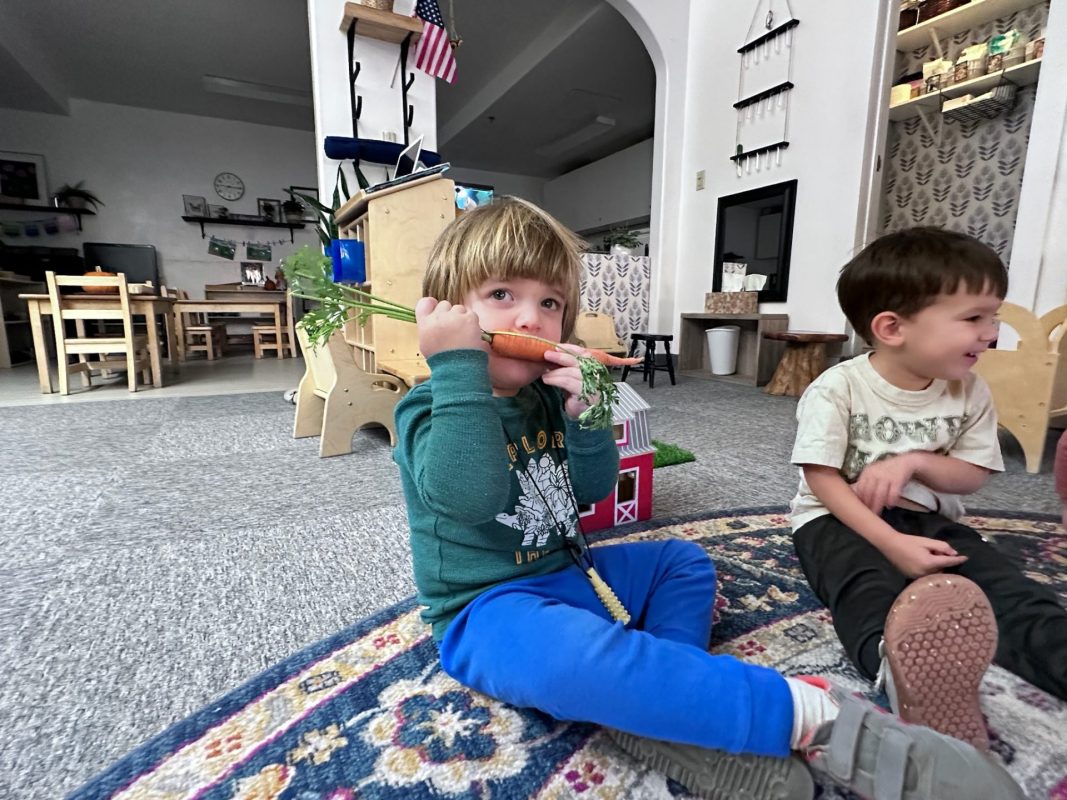
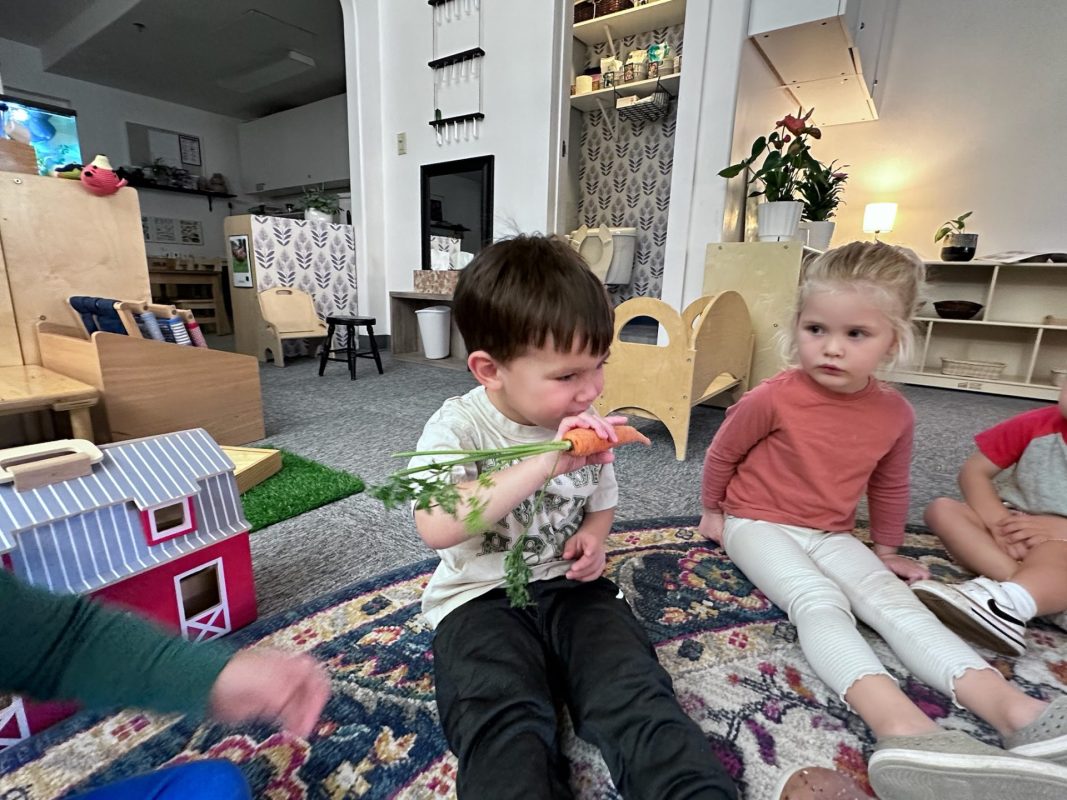
For this week’s food tasting, the children tried pomegranate. They waited patiently as I opened the fruit and removed the seeds. Everyone seemed to enjoy the juicy, tiny seeds, making it a fun and educational experience.


Mrs. Wilson: Discovering Fall

This week, we welcomed a new friend to our community! Please join us in welcoming Wright and his family.

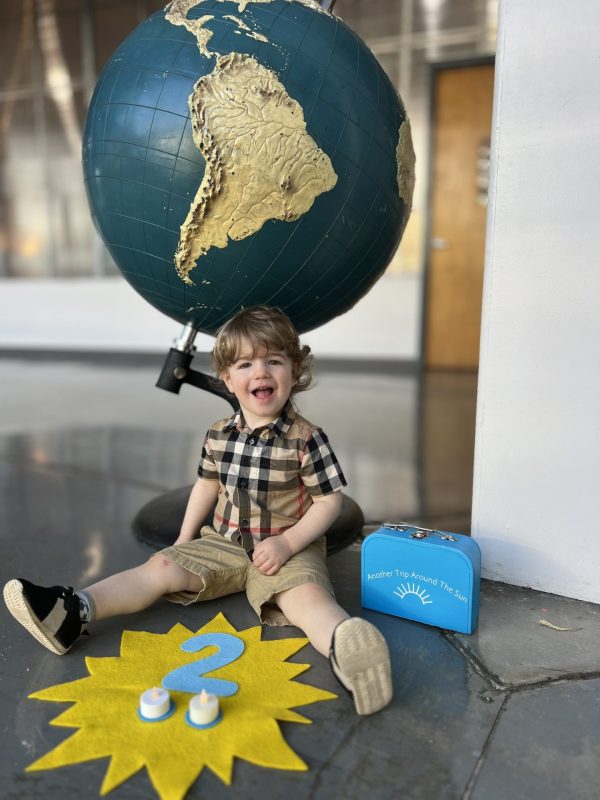
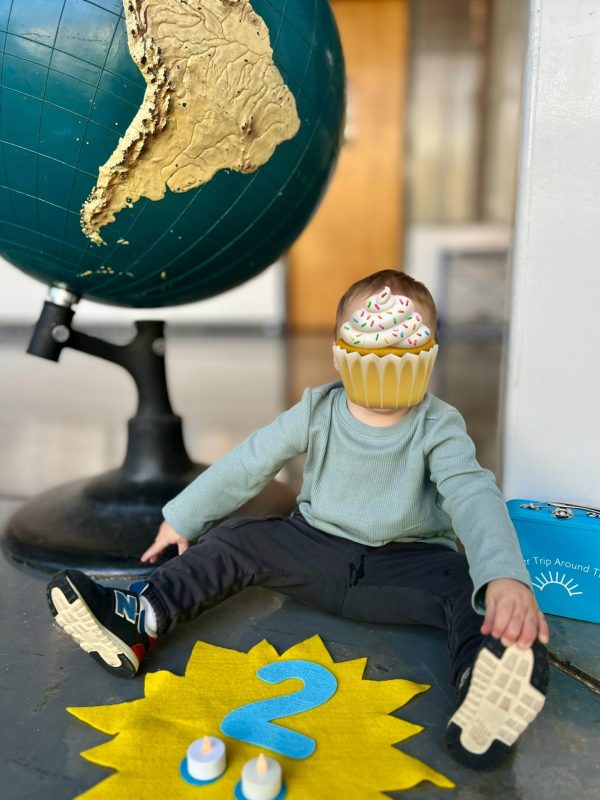
We also celebrated two friends who turned two this week—happy birthday to them!

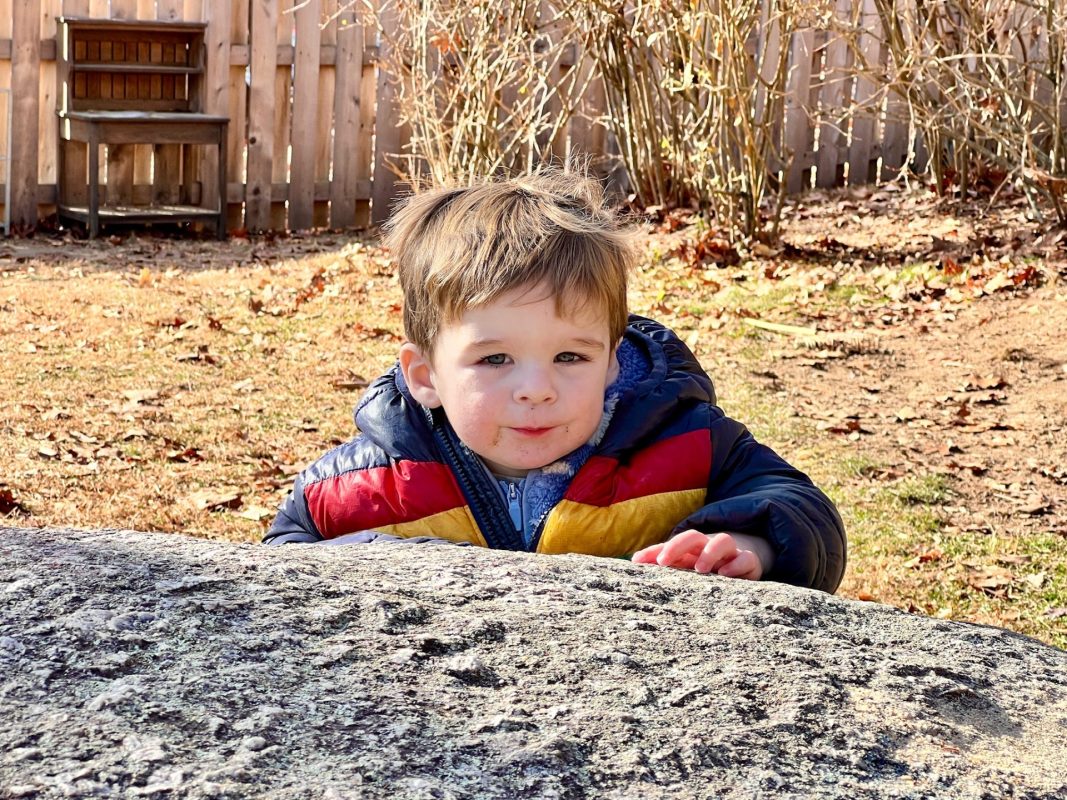
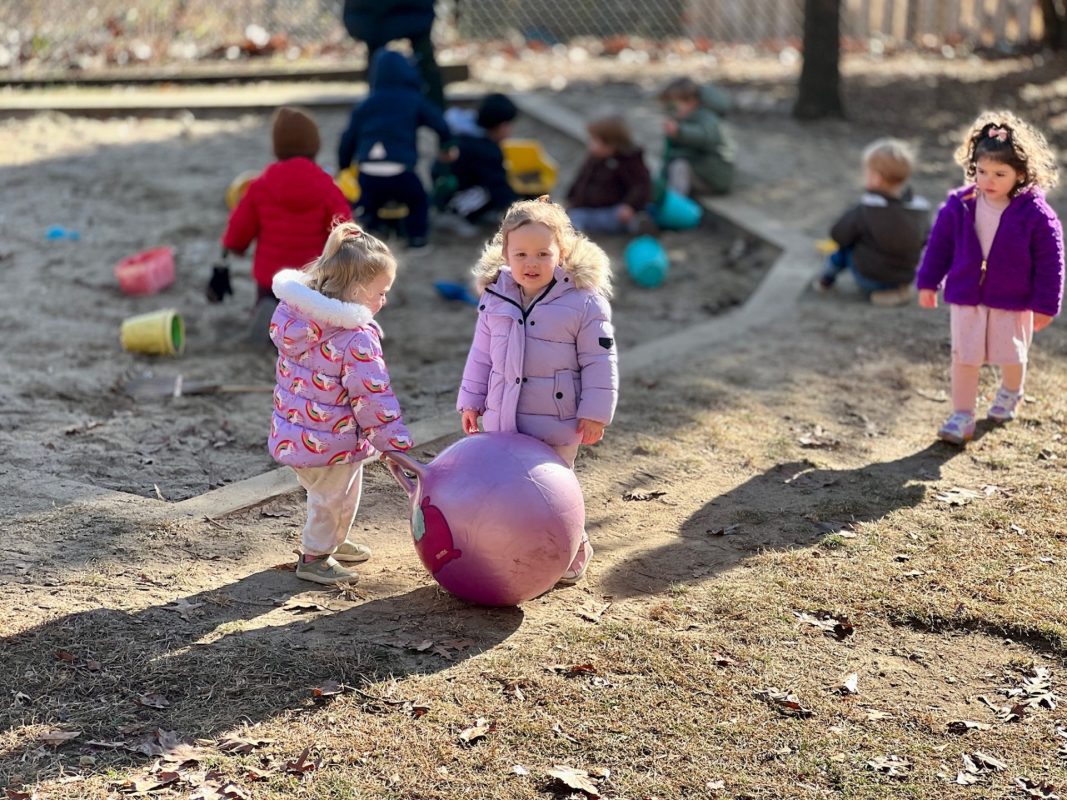
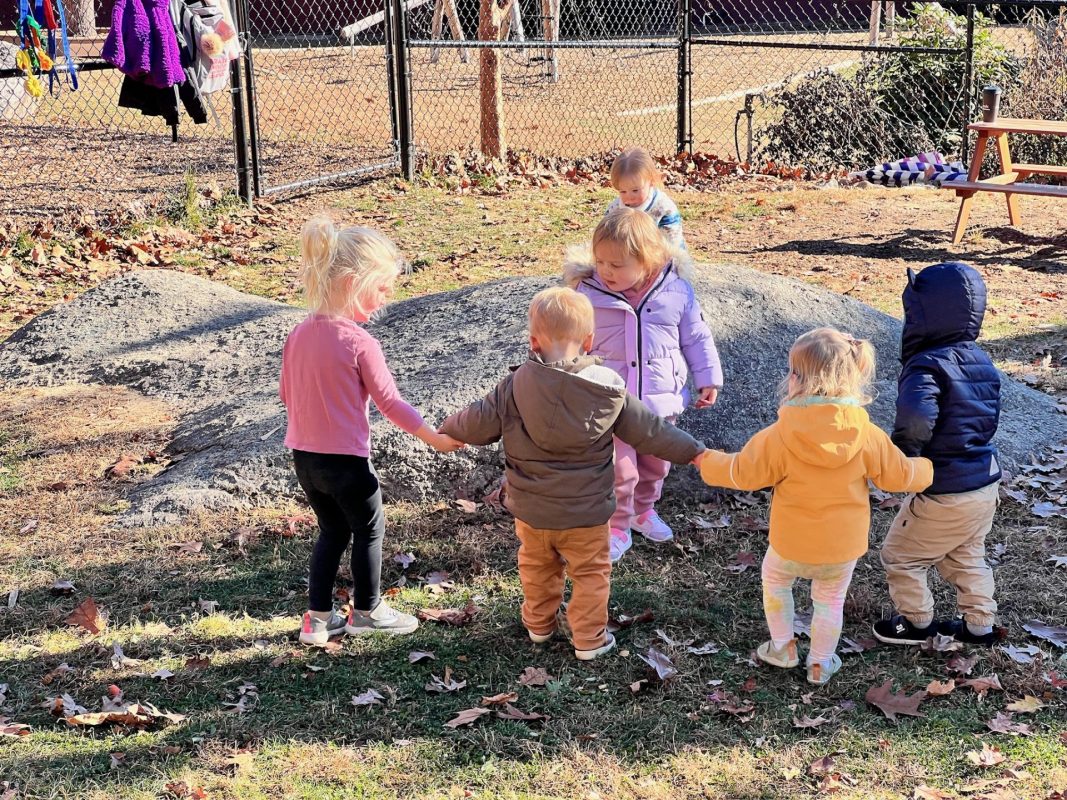
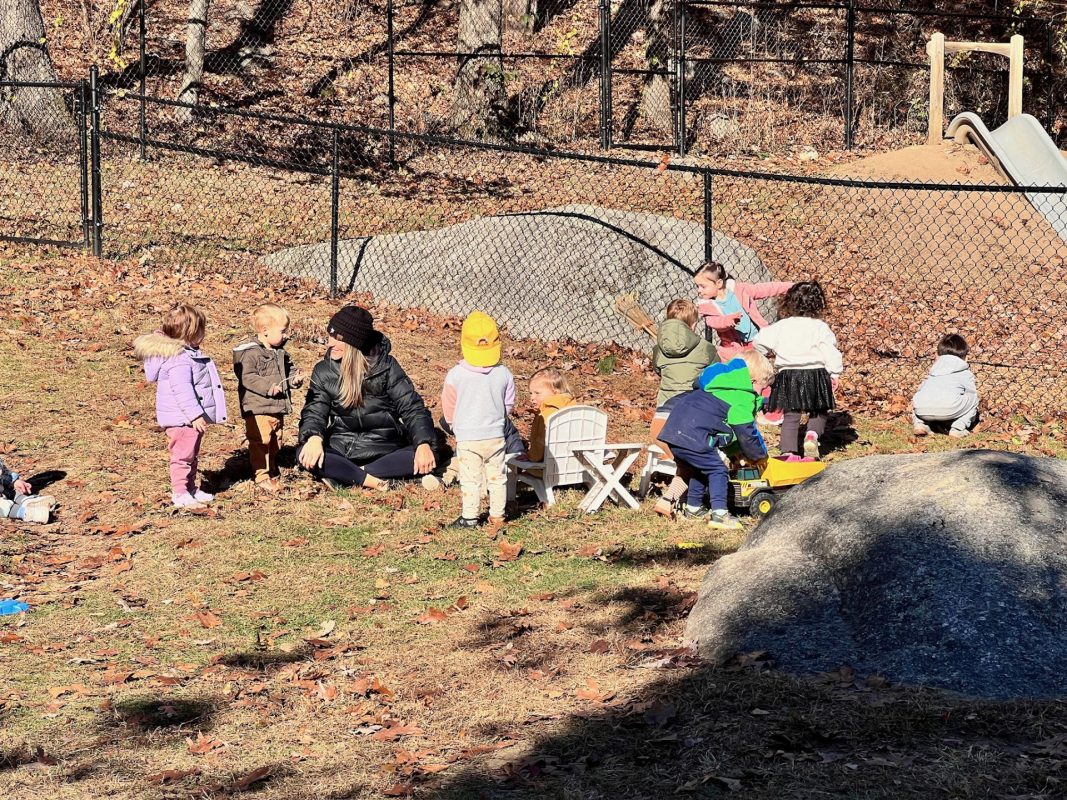
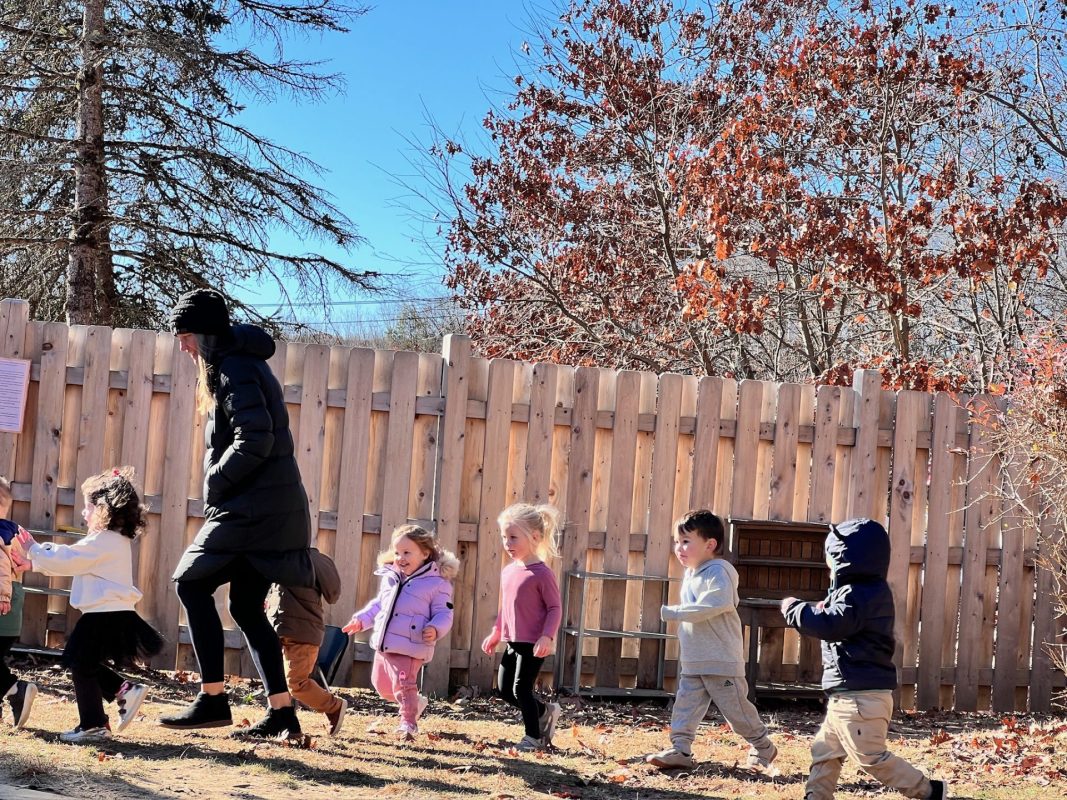
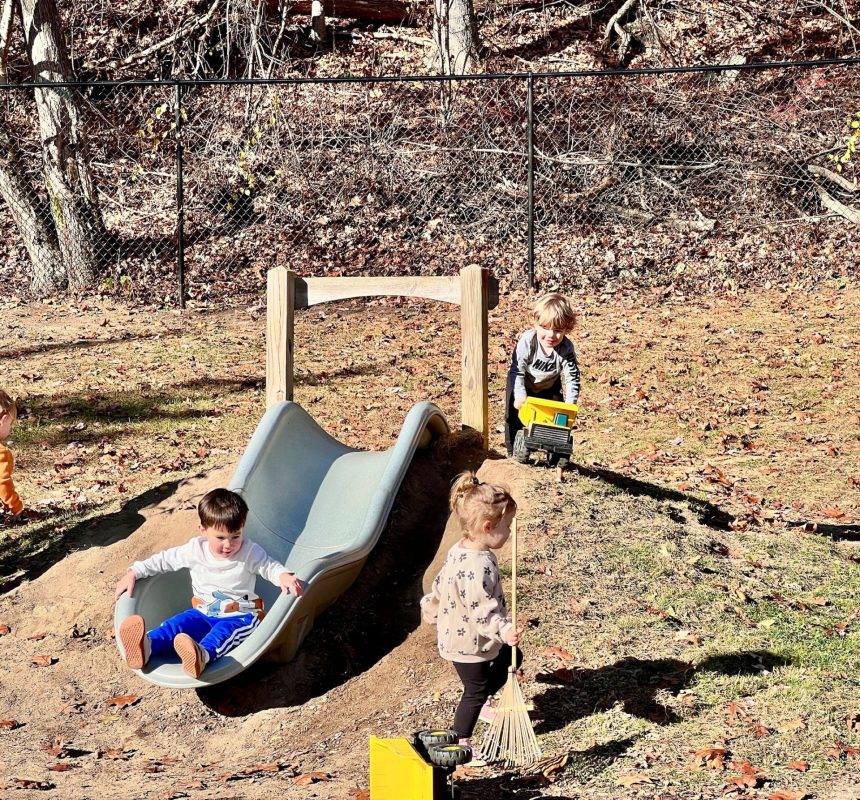
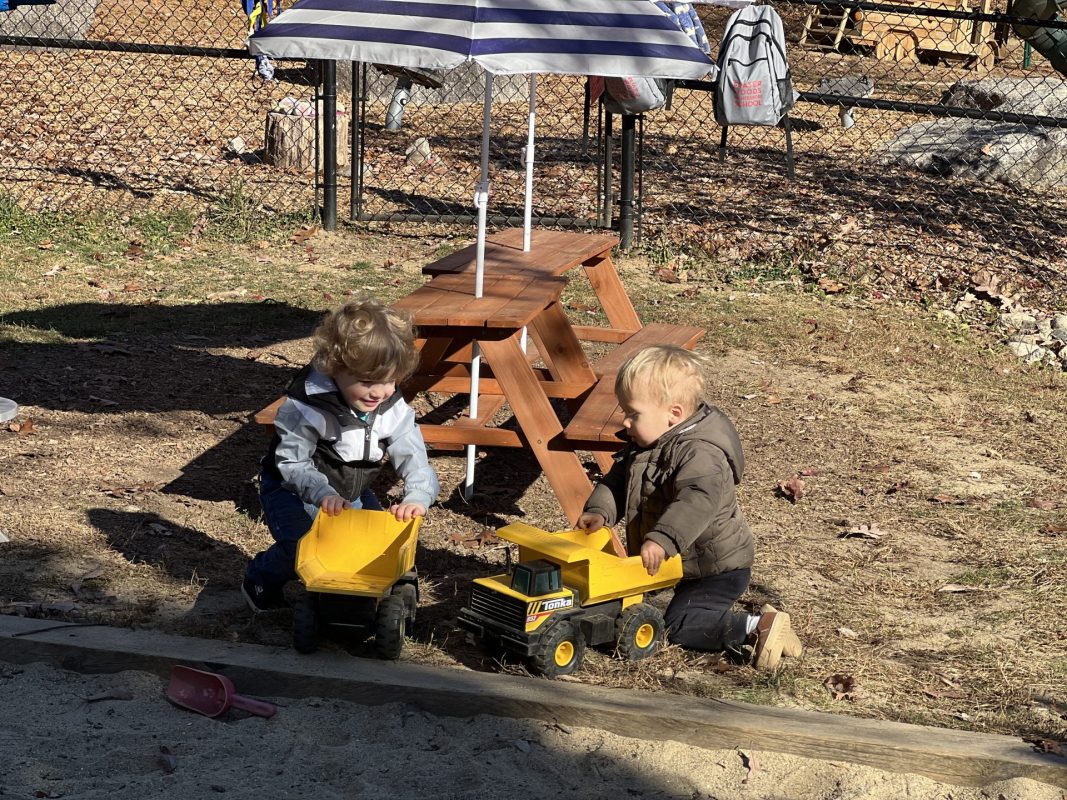
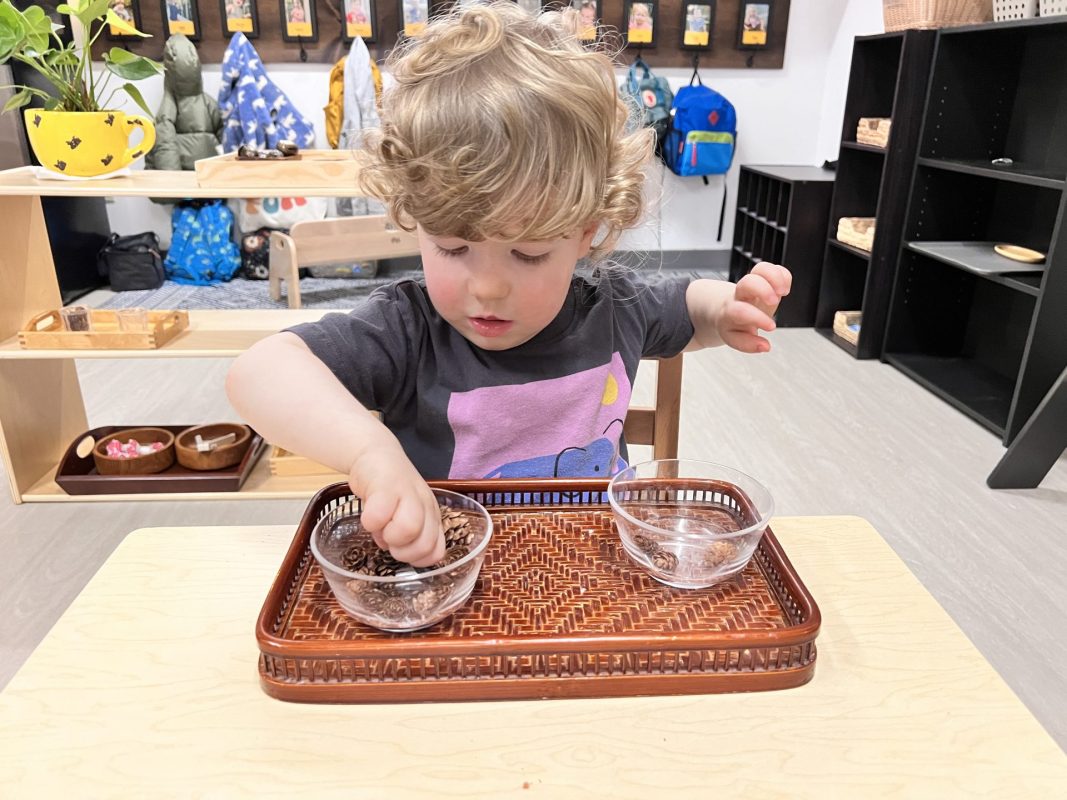
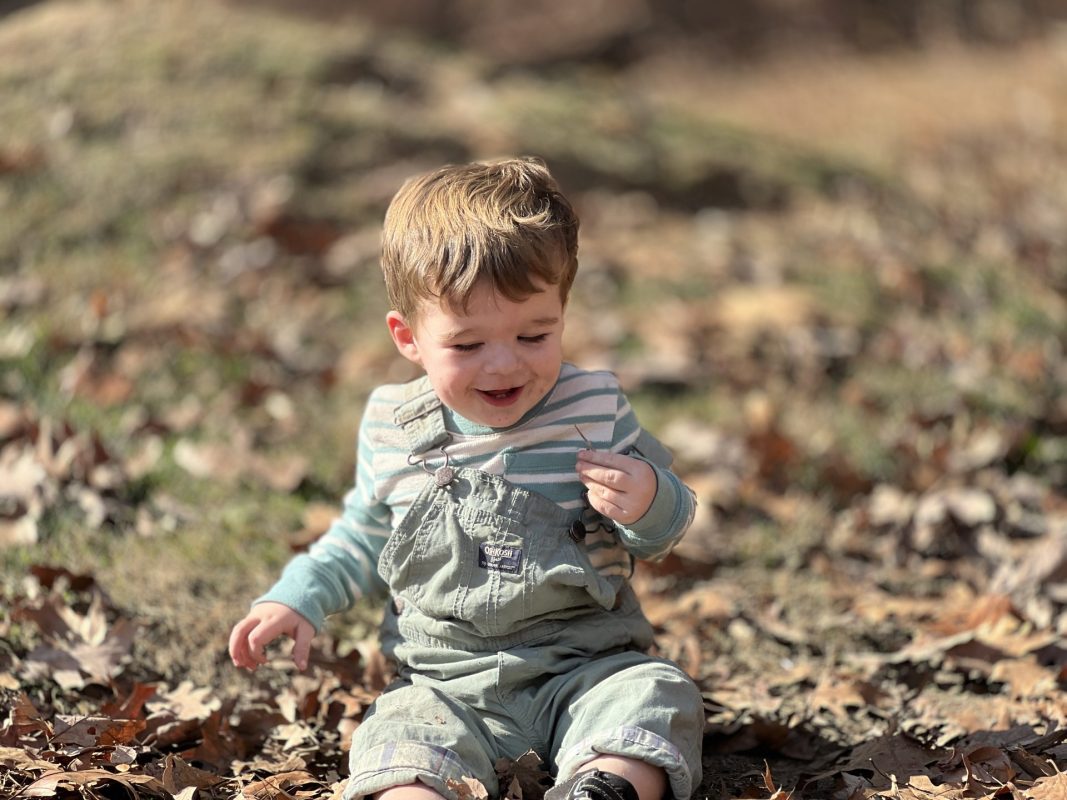
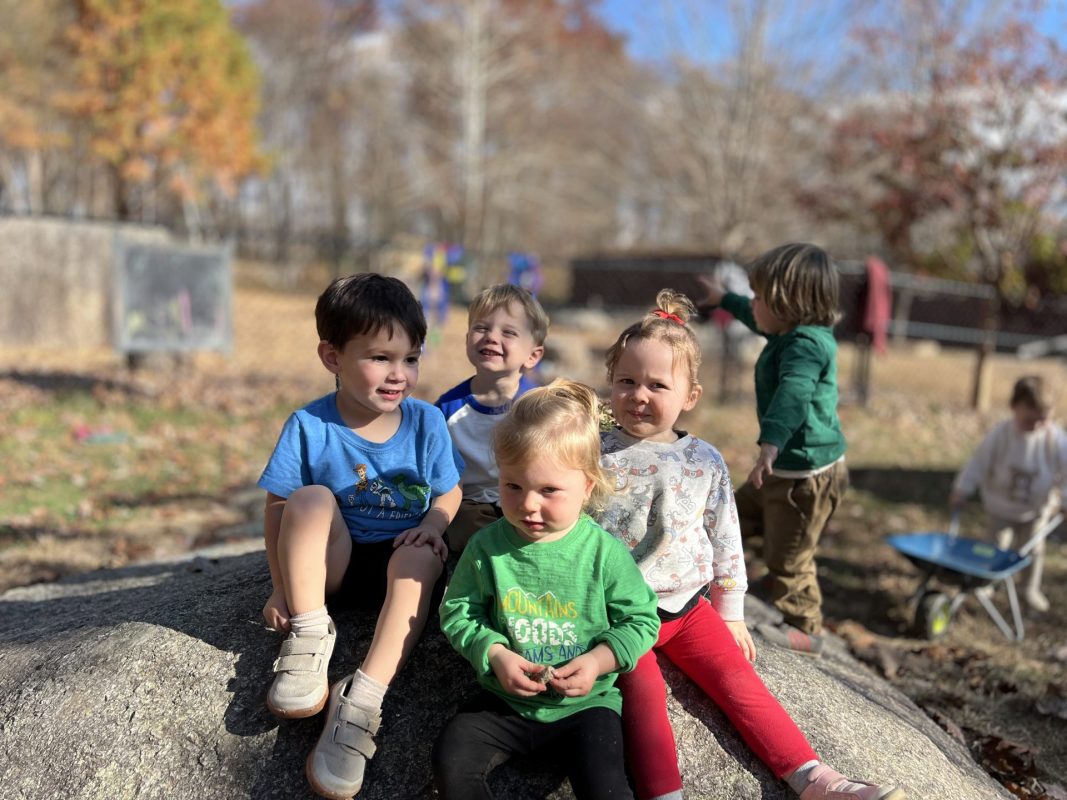
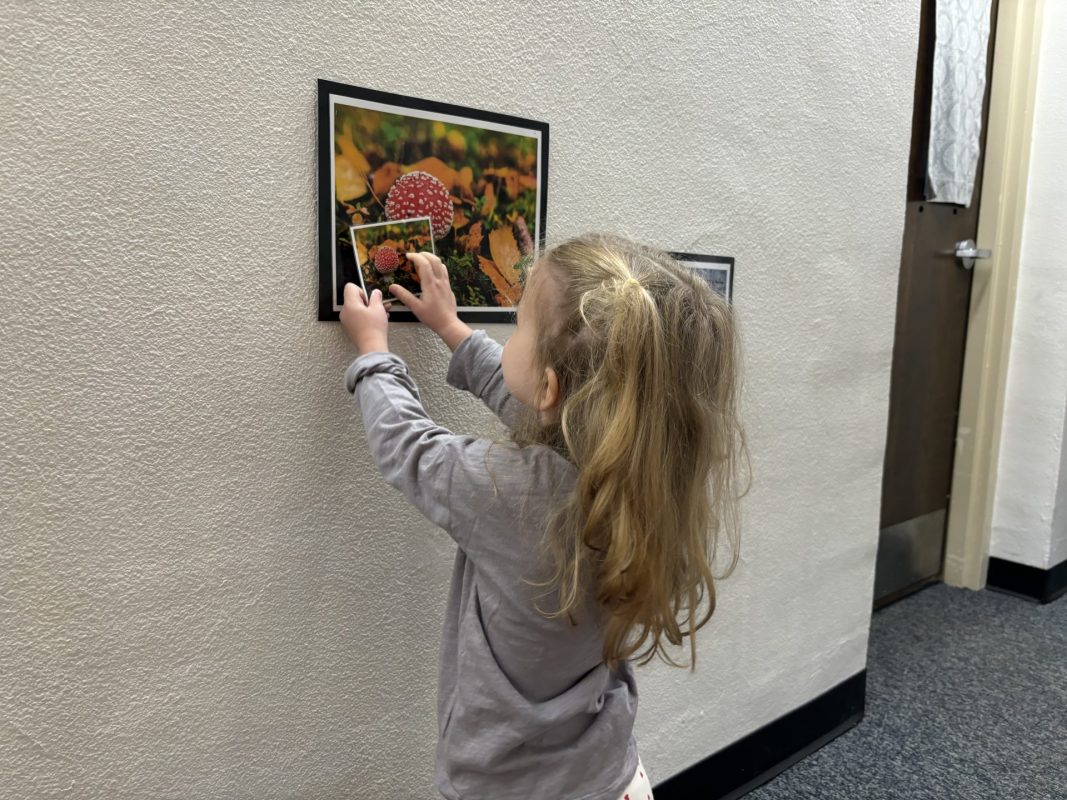
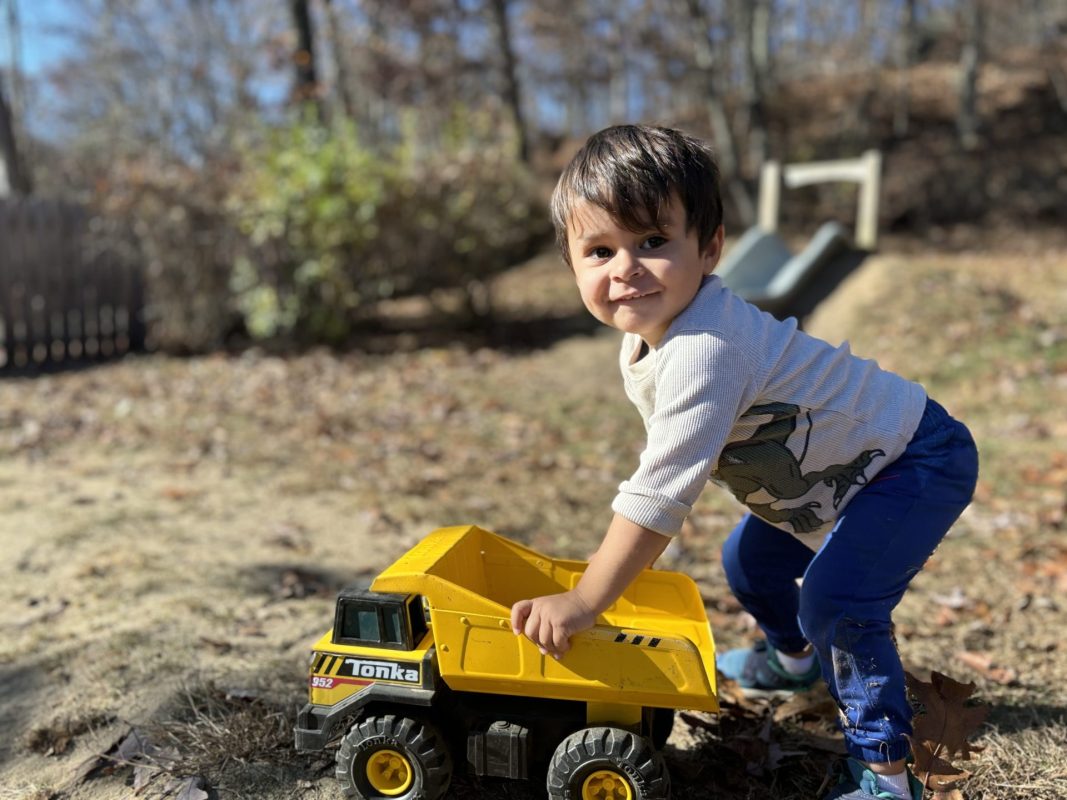
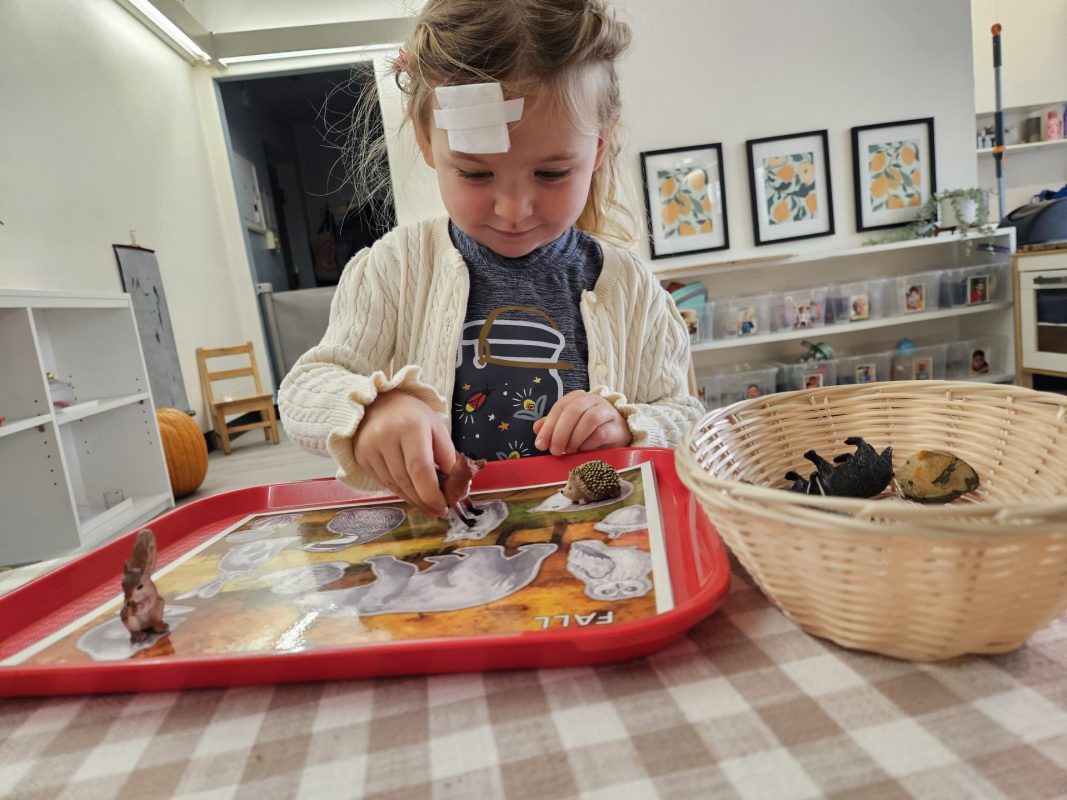
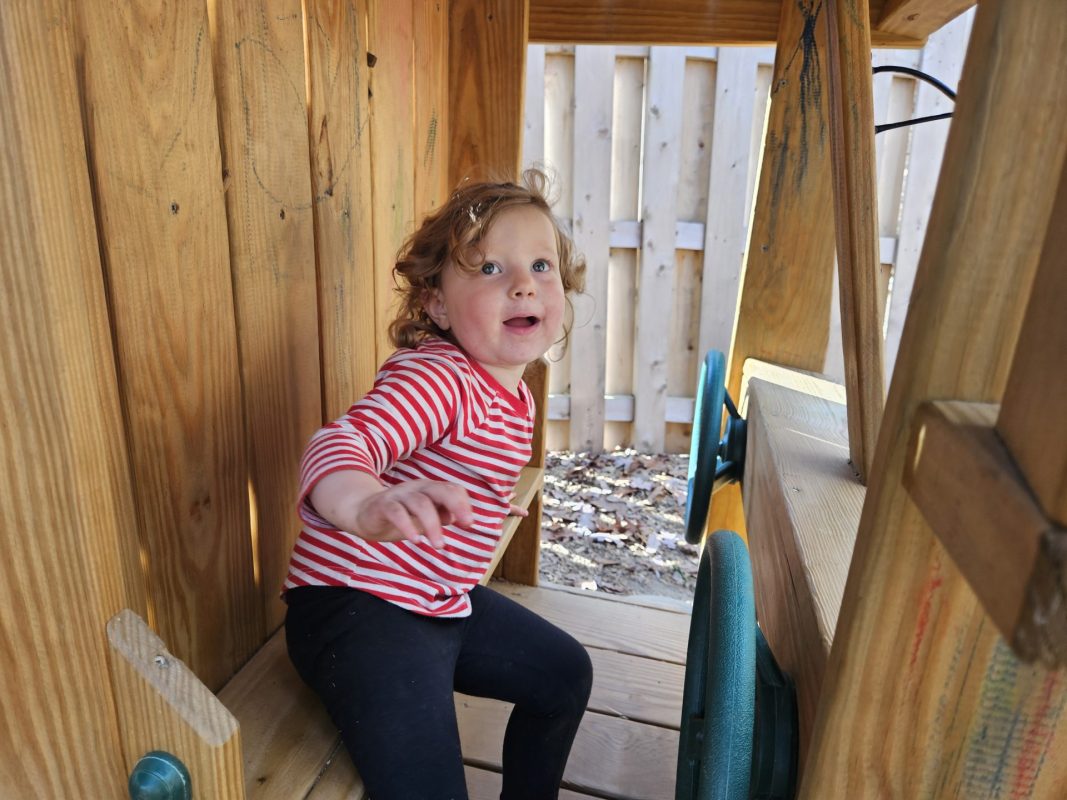
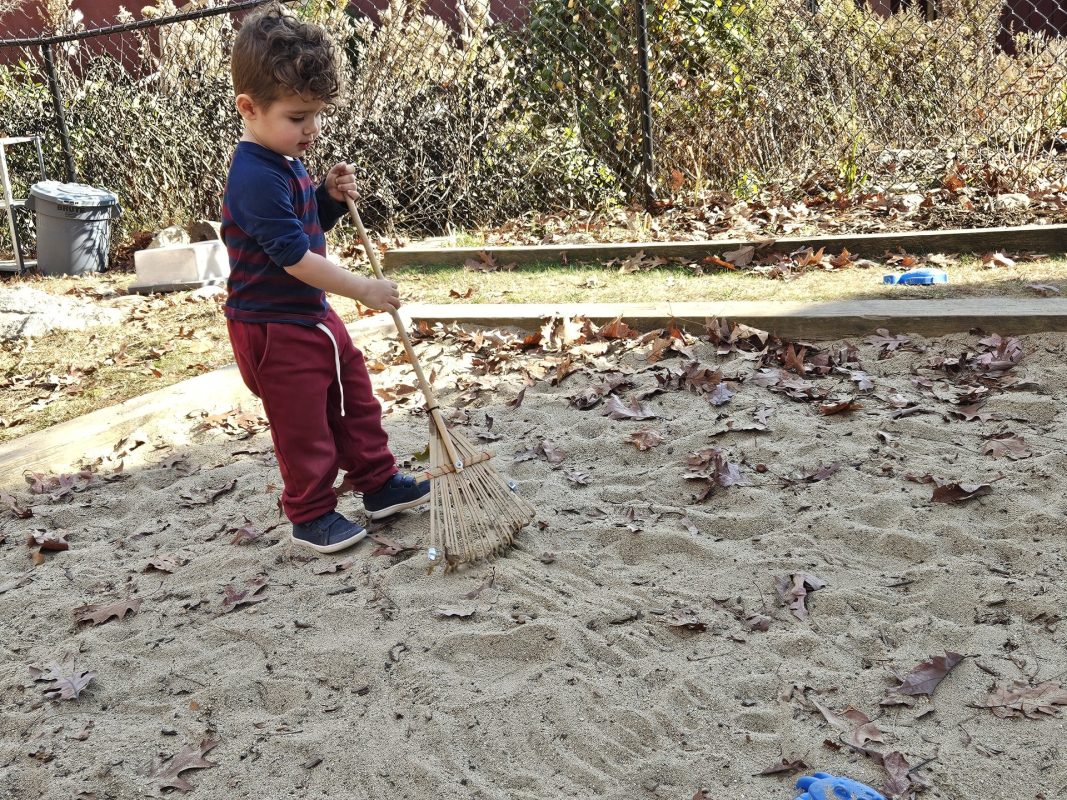
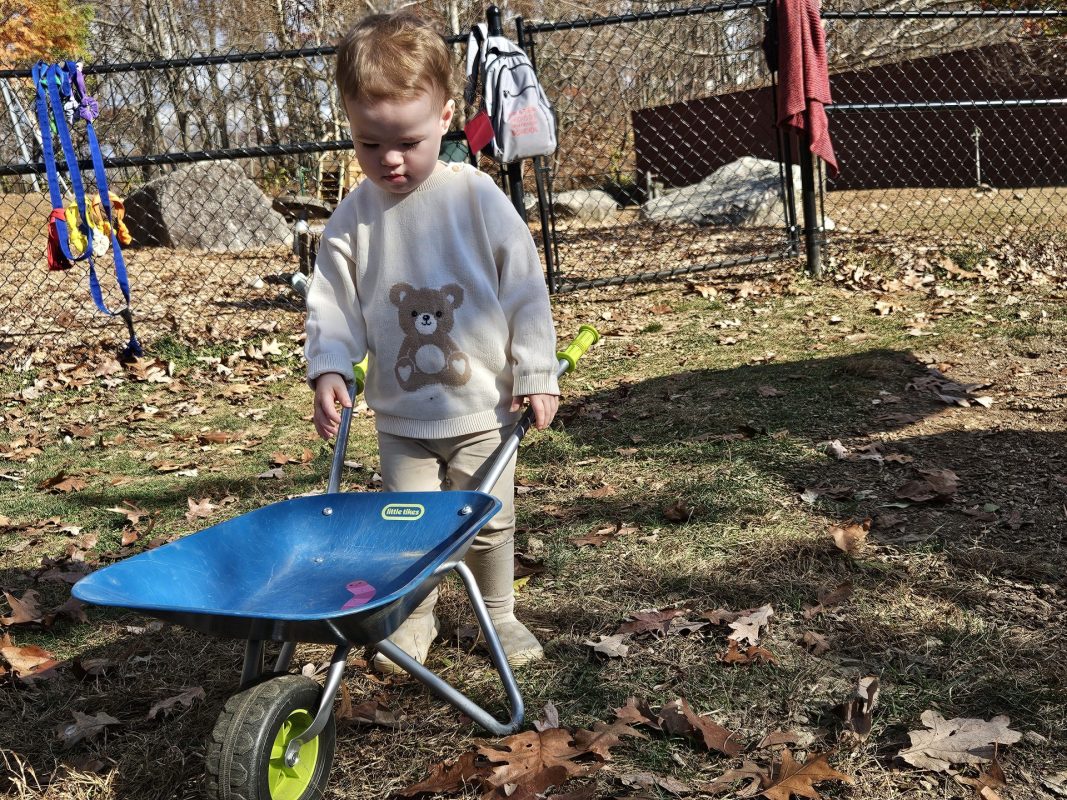
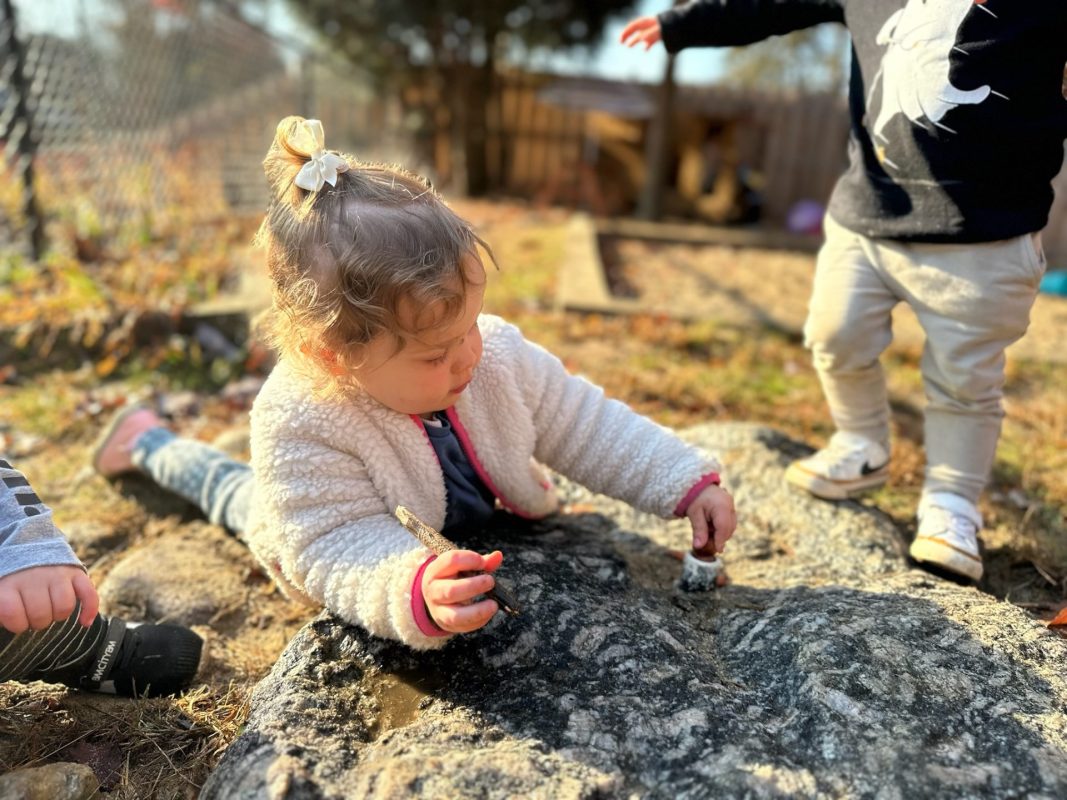
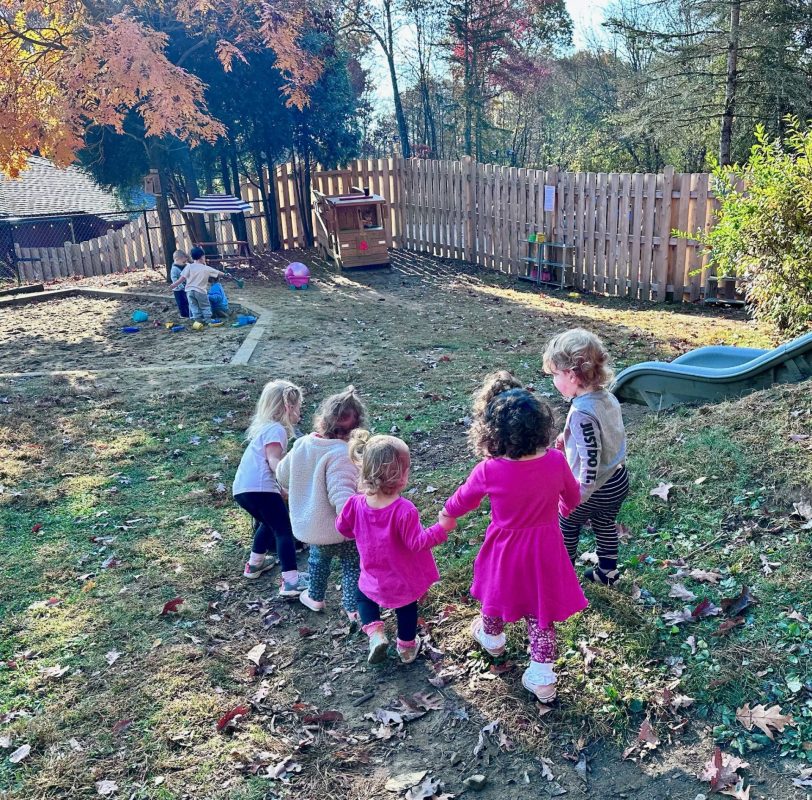
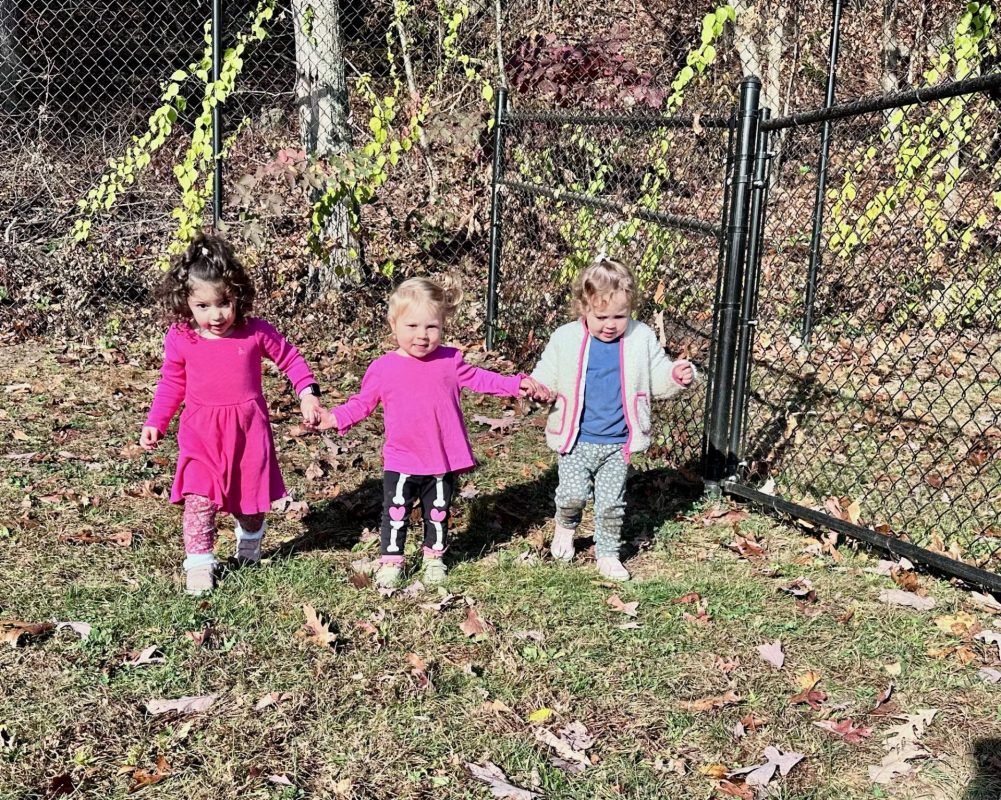
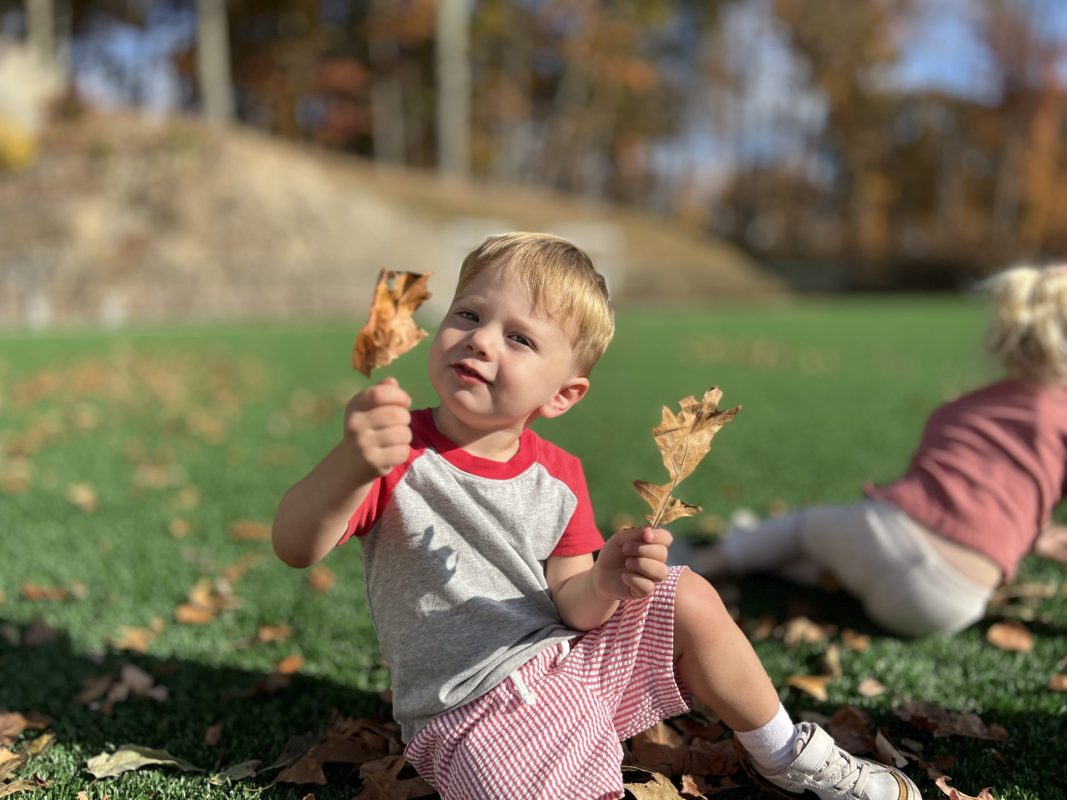
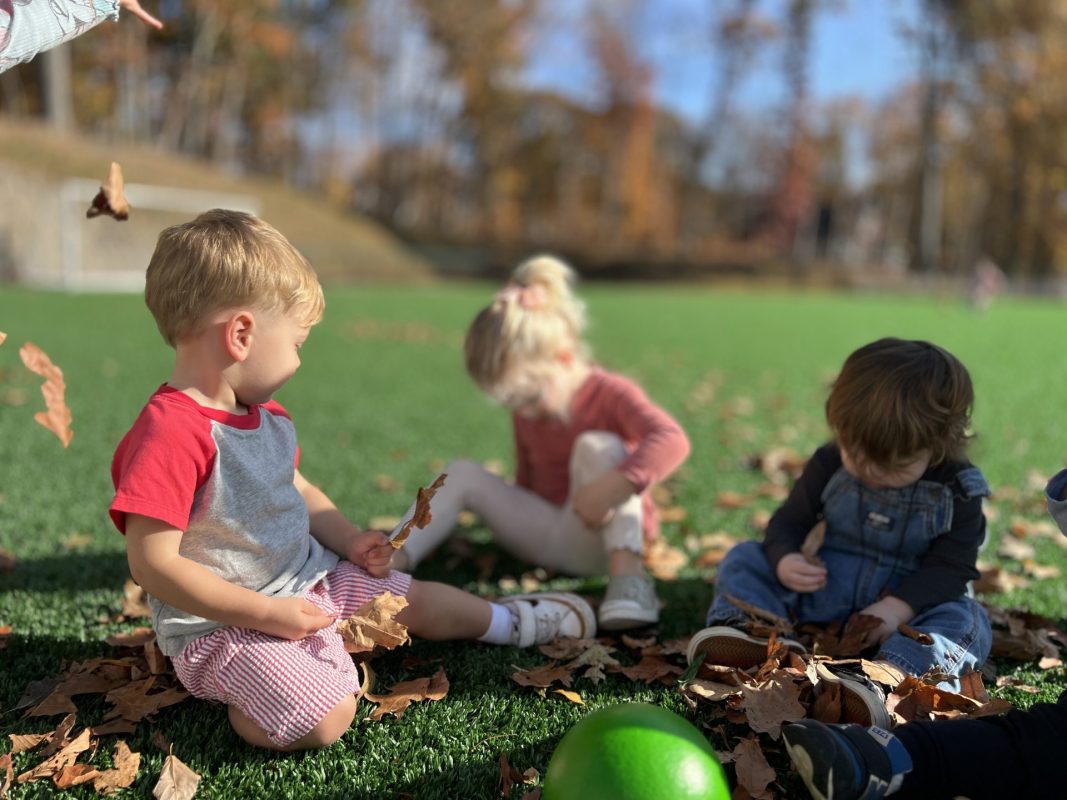
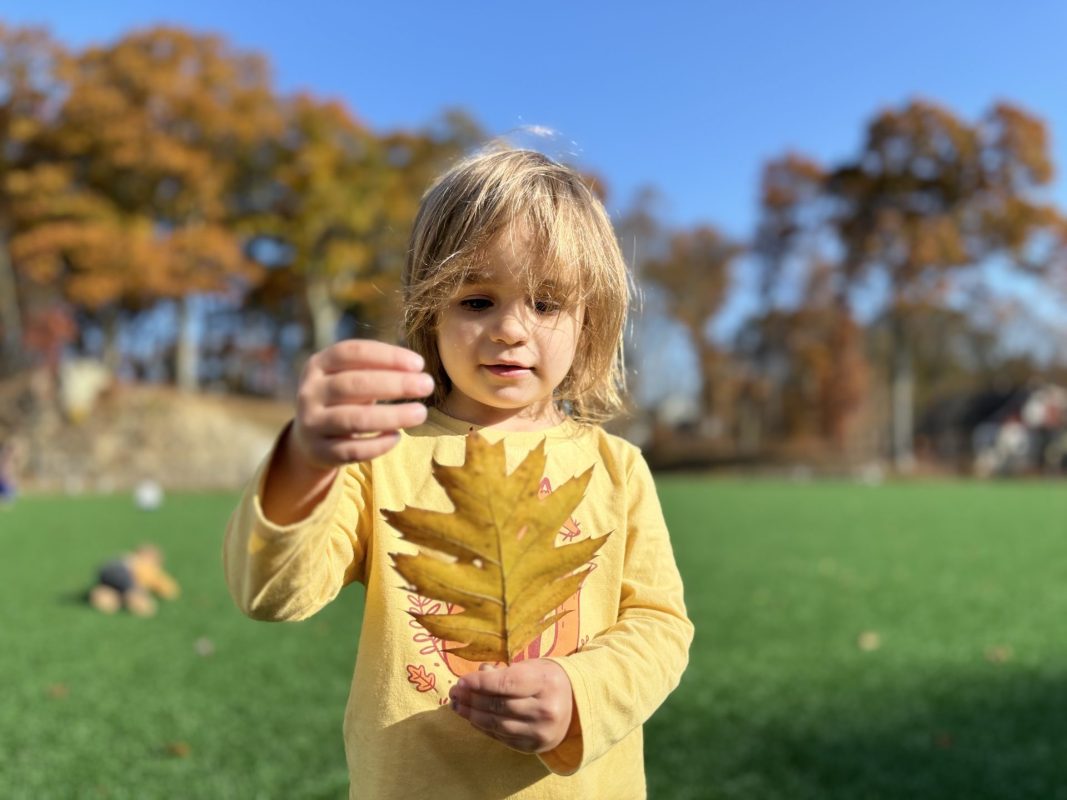
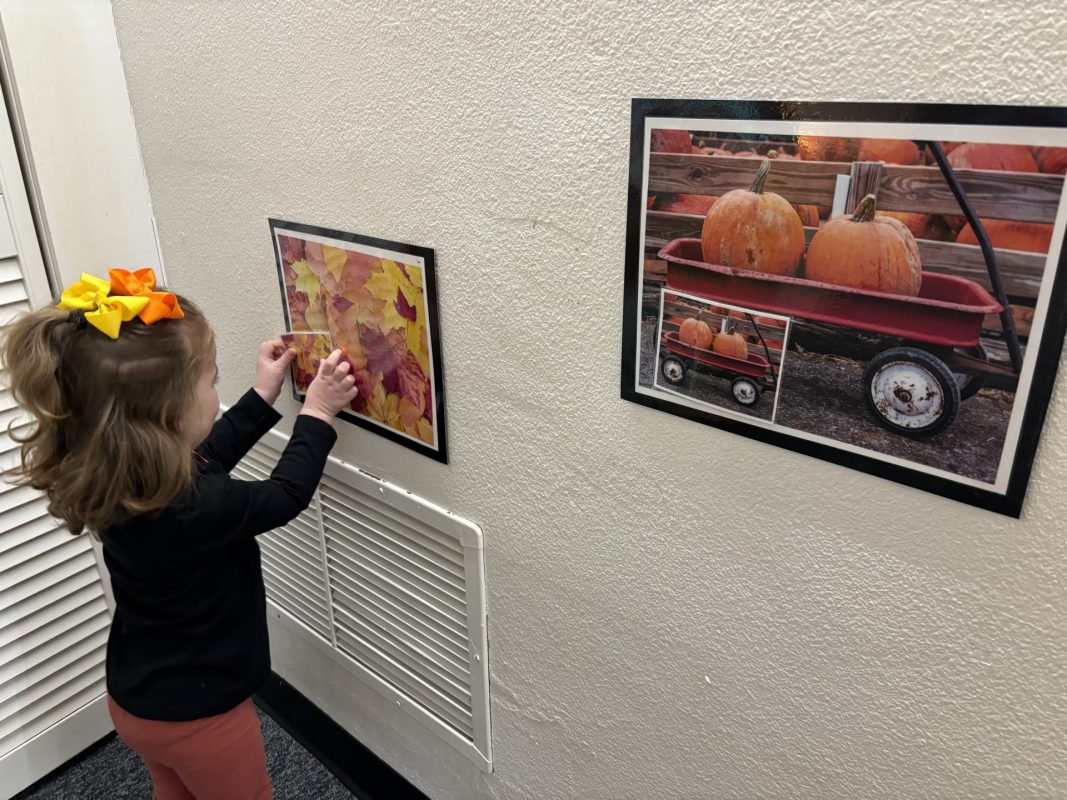
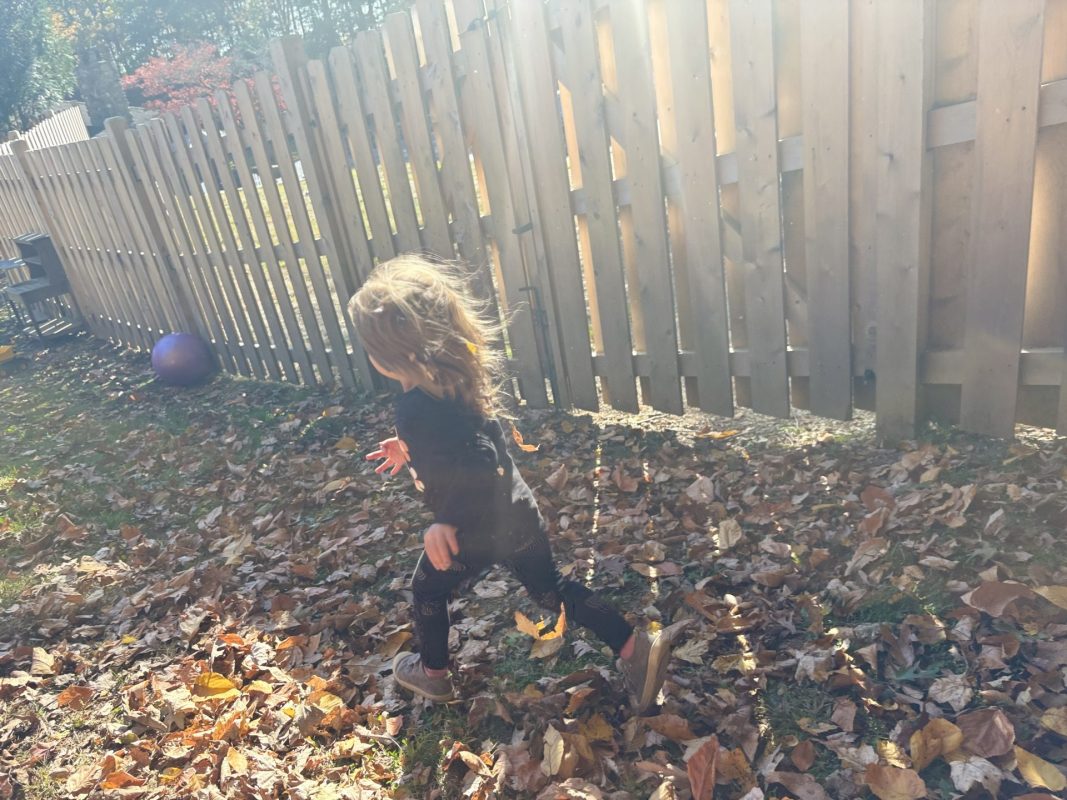
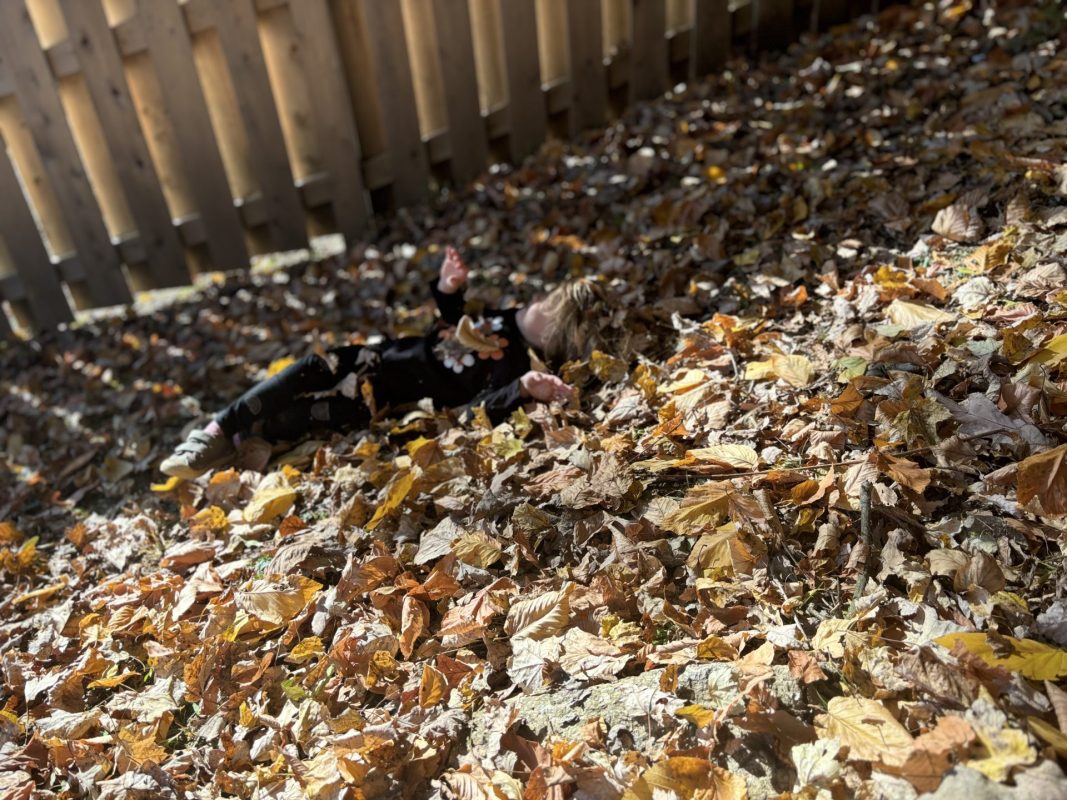
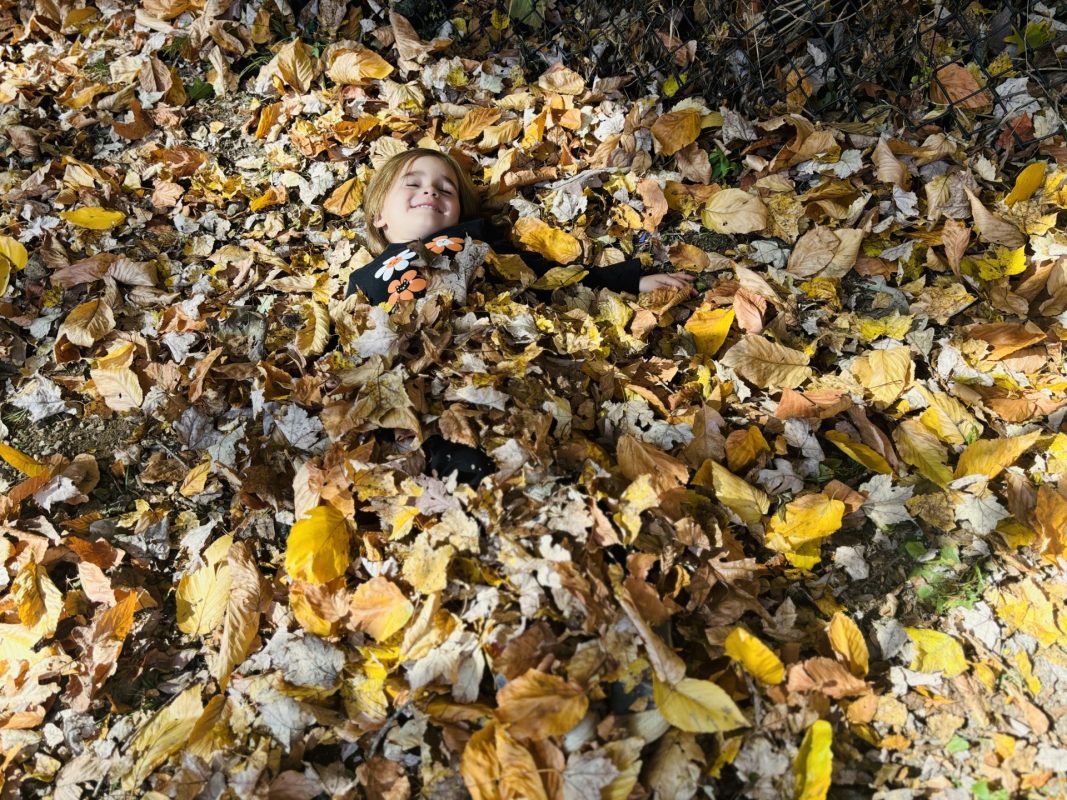
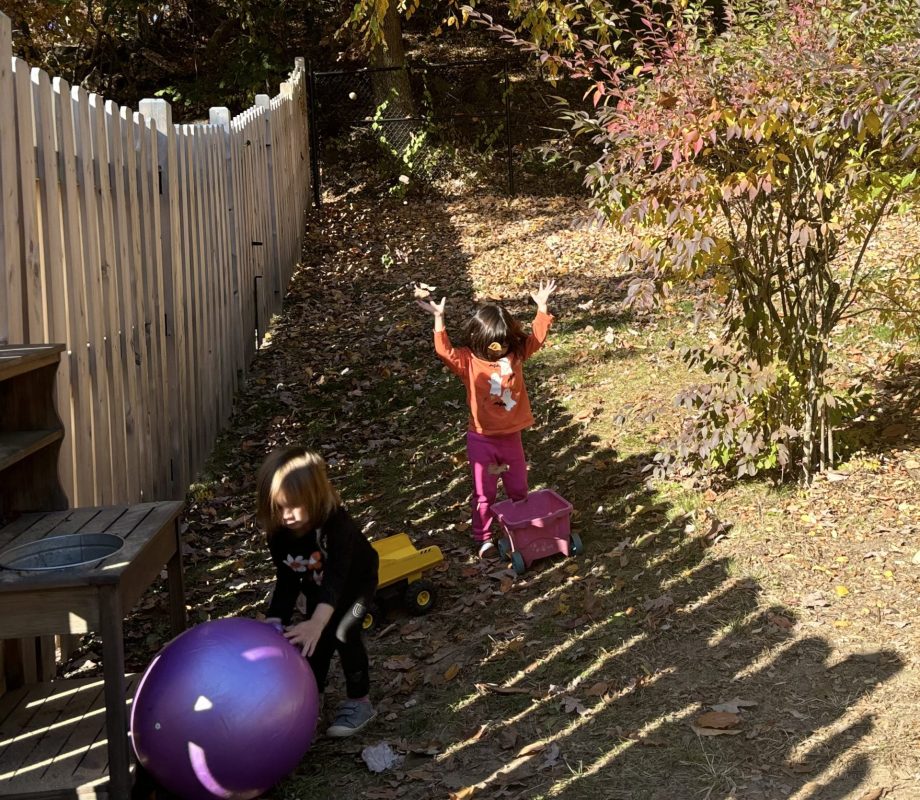
Throughout November, the children will have the opportunity to discover the beauty of autumn both indoors with seasonal representations and outdoors with natural elements. During outdoor time, they’ll collect leaves of various shapes, sizes, and colors, as well as acorns, pinecones, and other natural treasures.

We’ll also explore woodland animals, discussing their names and how they gather food to prepare for winter. To extend this learning experience at home, consider taking your child on a nature walk to collect leaves, acorns, pinecones, or any other interesting finds. We’d love for you to share these nature treasures with the class!

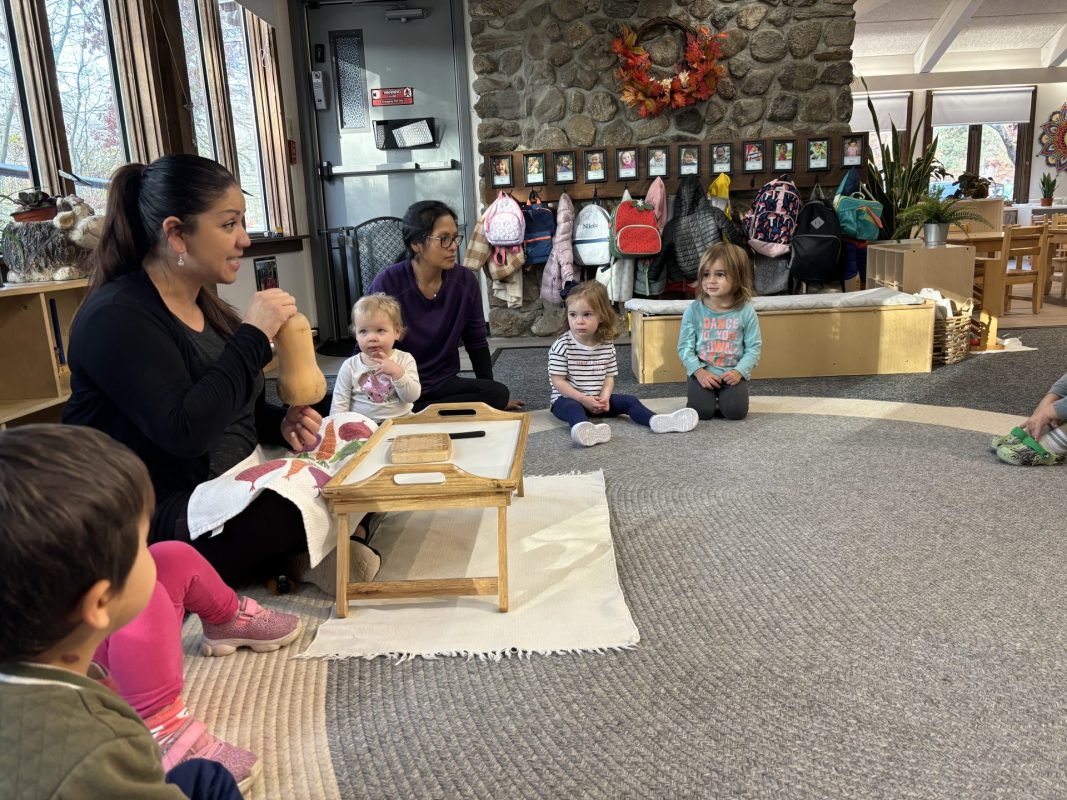
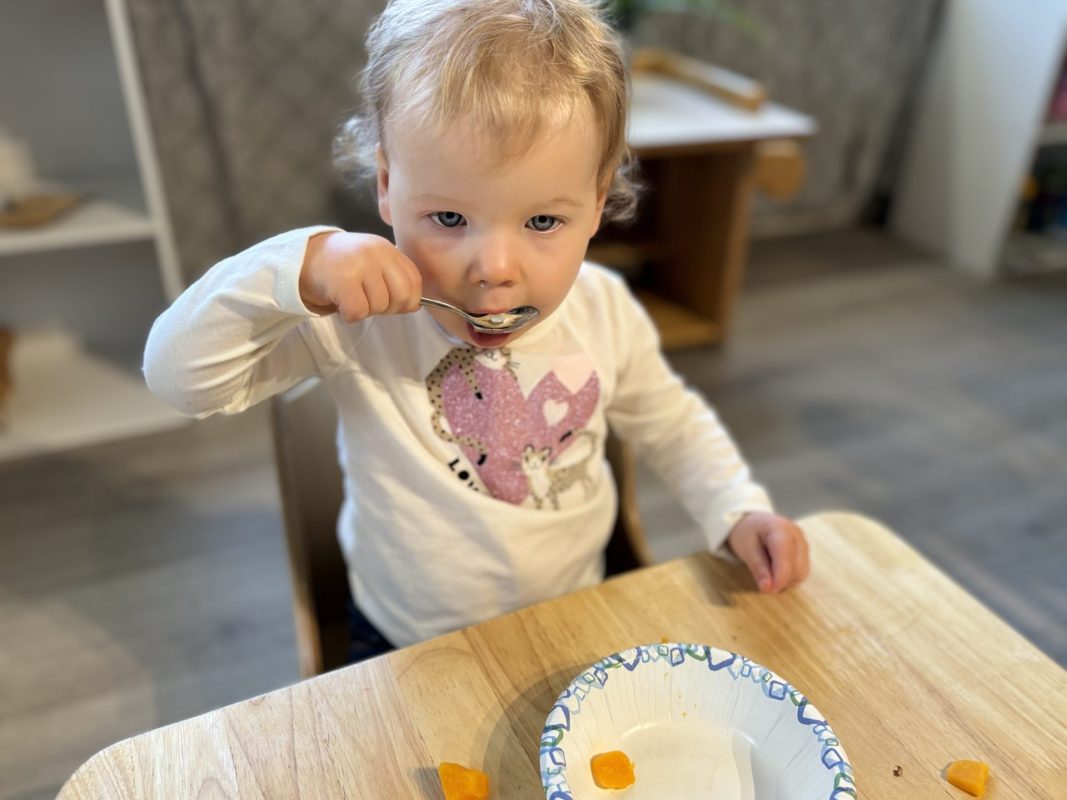
Food Tasting: This week, the children explored and tasted roasted butternut squash, which many seemed to enjoy.

Love and Light,

Cynthia and Sara


Mrs. Hood: “Help me, to do it myself!”

“If teaching is to be effective with young children, it must assist them to advance on the way to independence. It must initiate them into those kinds of activities that they can perform themselves and that keep them from being a burden to others because of their inabilities. We must help them to learn how to walk without assistance, to run, to go up and down stairs, to pick up fallen objects, to dress and undress, to wash, to express their needs in a way that is clearly understood, and to attempt to satisfy their desires through their efforts. All this is part of an education for independence”.

Dr. Maria Montessori

Toddlers are naturally eager to learn these things. “Do it myself” might well be the refrain for the toddler years! Our day-to-day lives often make for less-than-ideal circumstances to help our children achieve the independence they crave. Our homes are not optimized around a little person with a height of under three feet: Objects are hard to reach, too heavy, or too big for little hands to use. Our days are not set up to move at their speed: We rarely just happen to have ten spare minutes to wait while our almost two-year-olds put on their jacket!

Yet enabling a toddler to become more independent has huge short-term and long-term benefits. Power struggles decrease when a child feels more in control. Temper tantrums are less frequent when toddlers are busy doing things for themselves rather than resisting their parent’s efforts to do things for them! A child who feels capable because they can act in the world without needing to rely on grown-ups for every little thing is a child who is developing self-confidence.

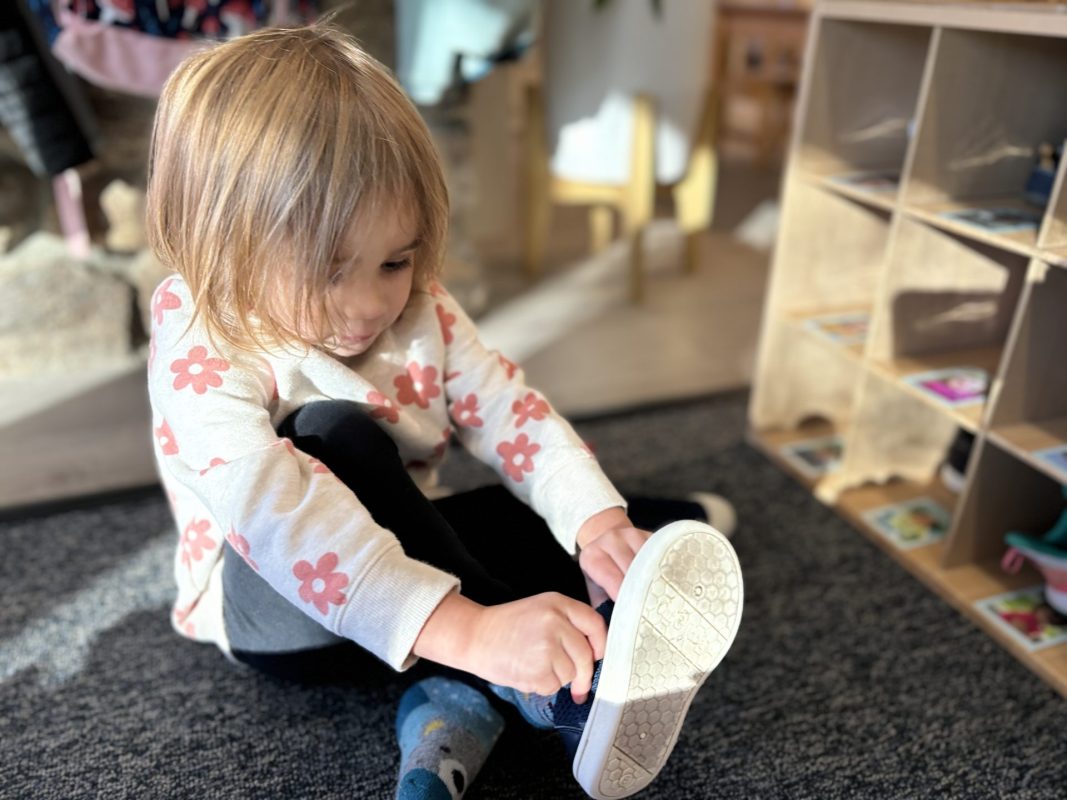
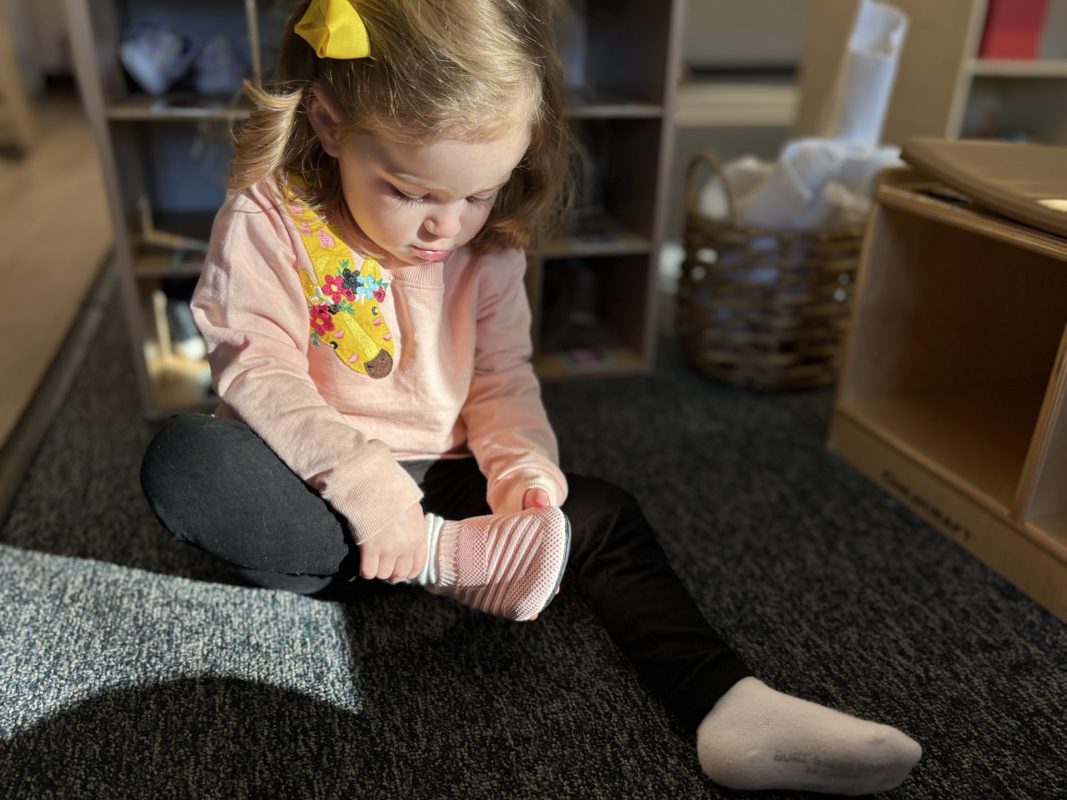
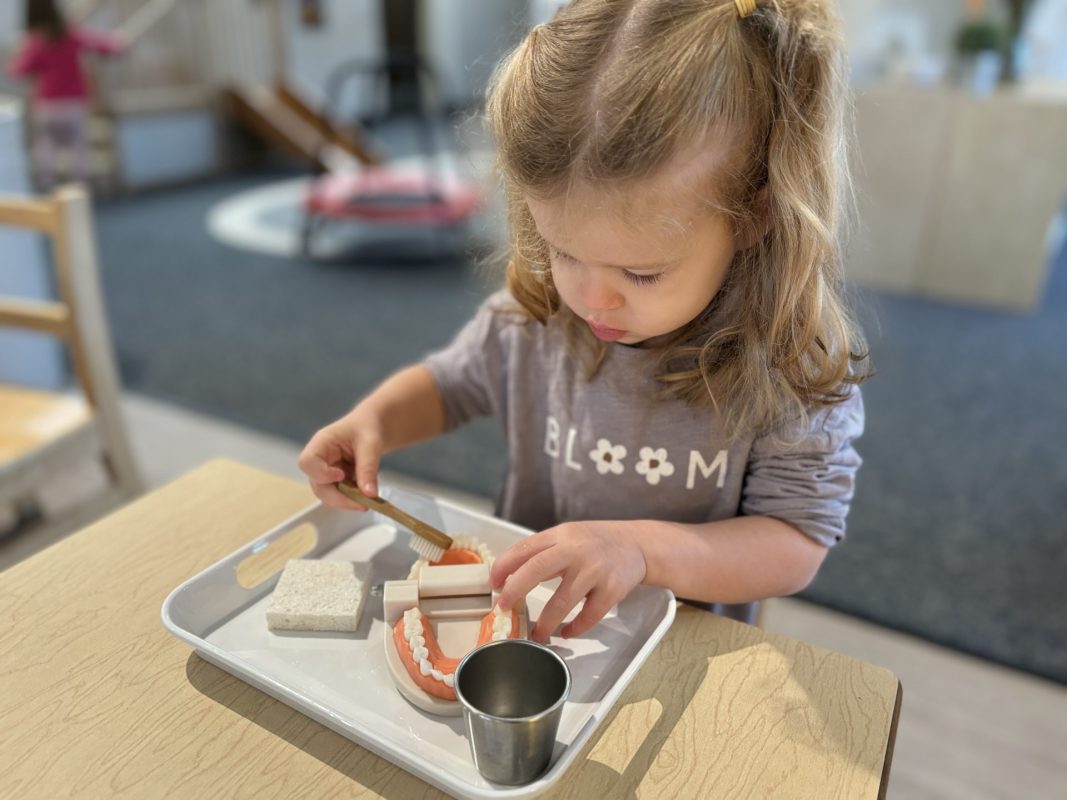
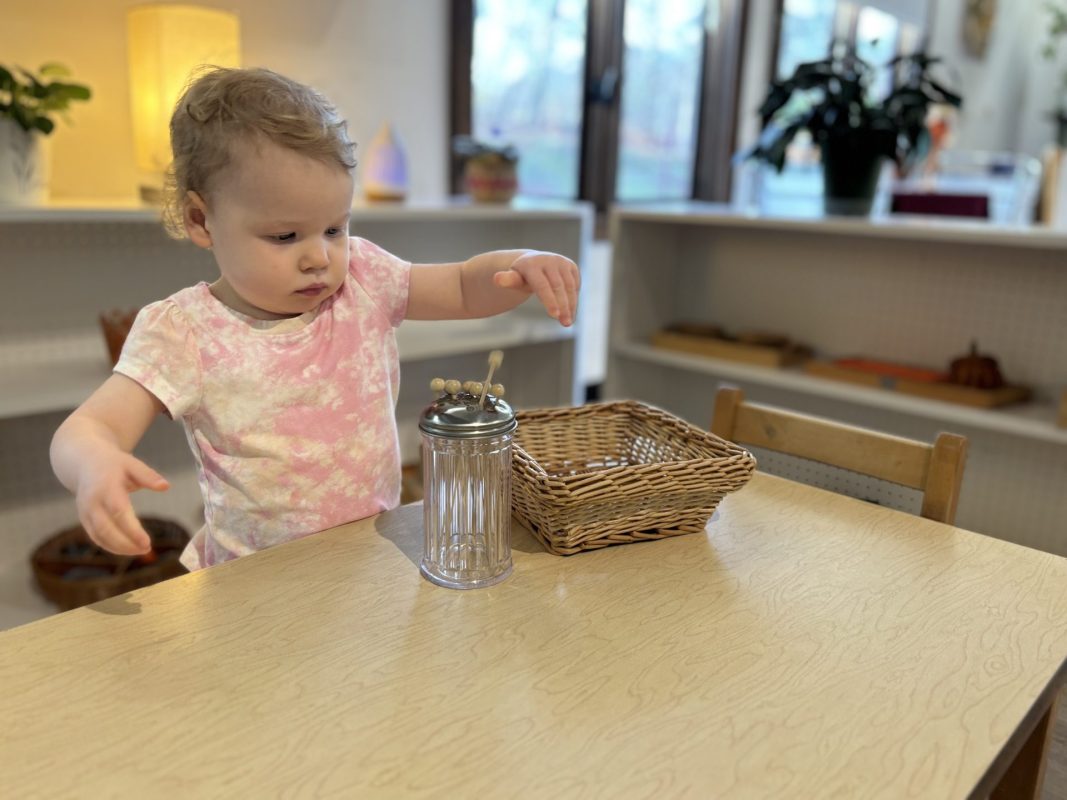
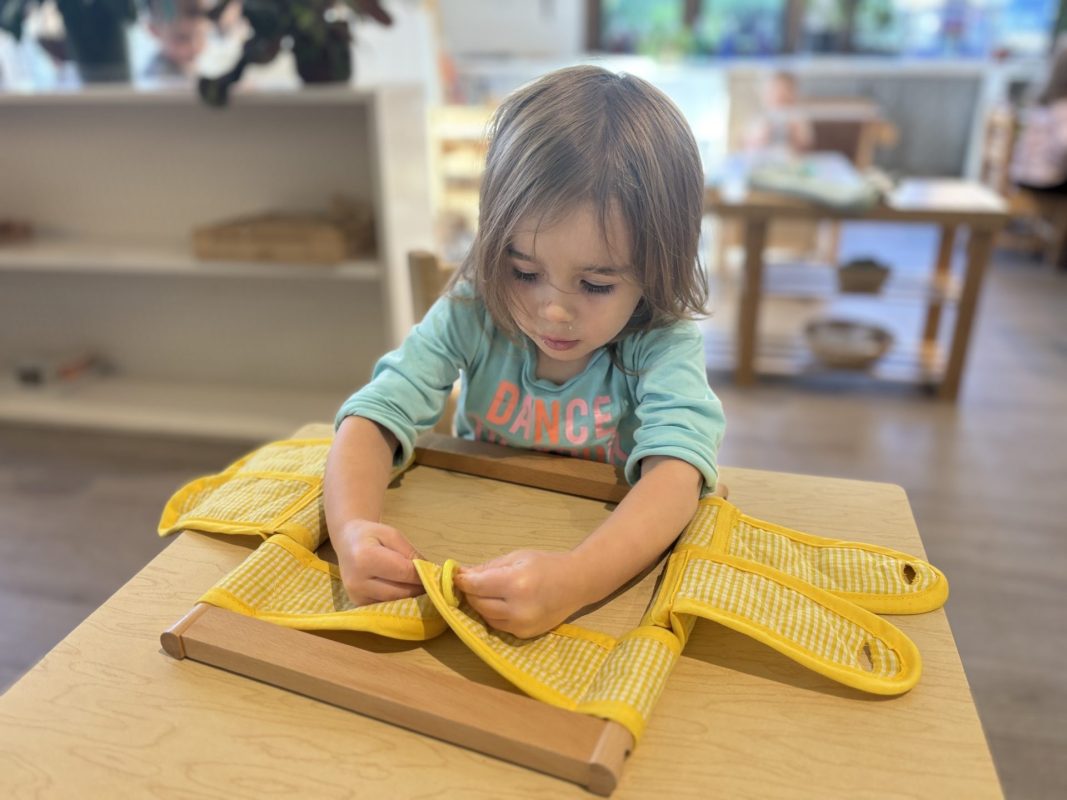
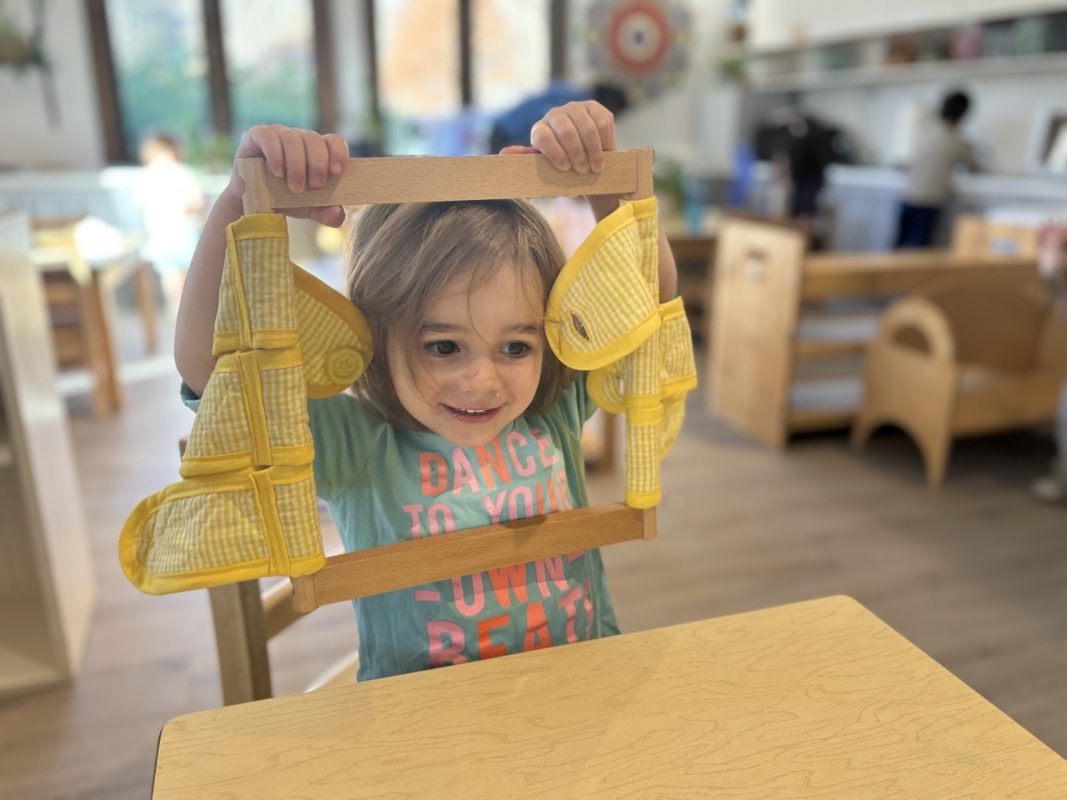
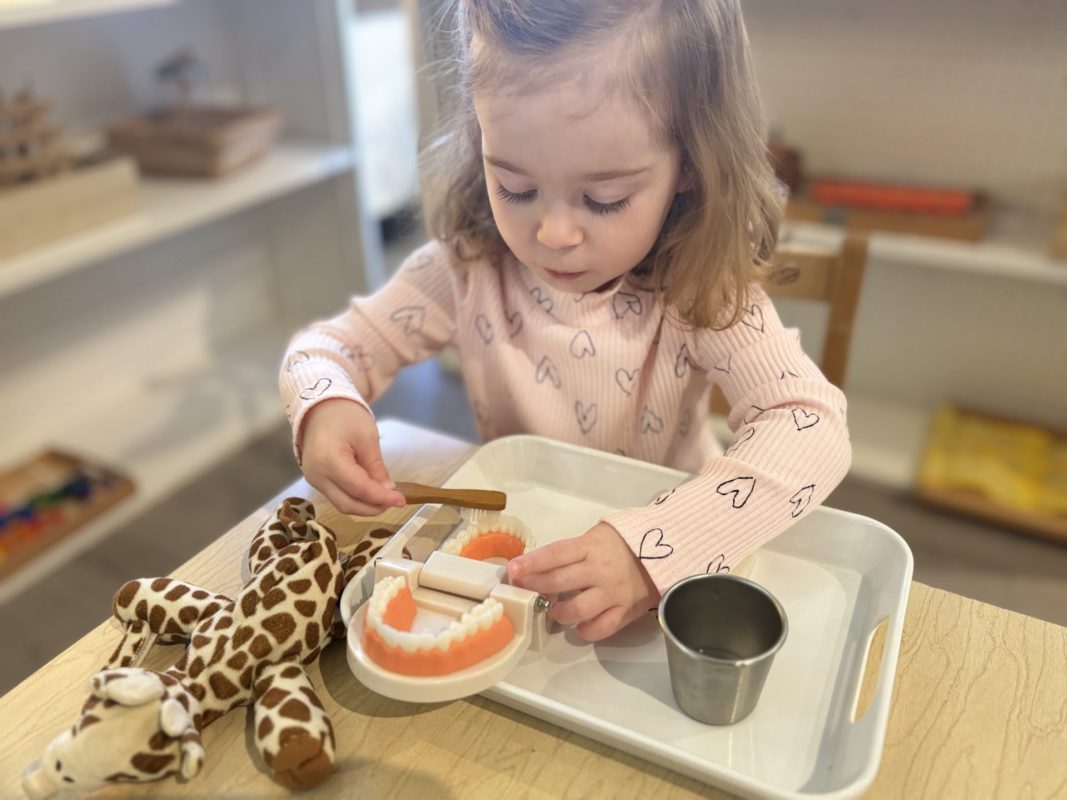
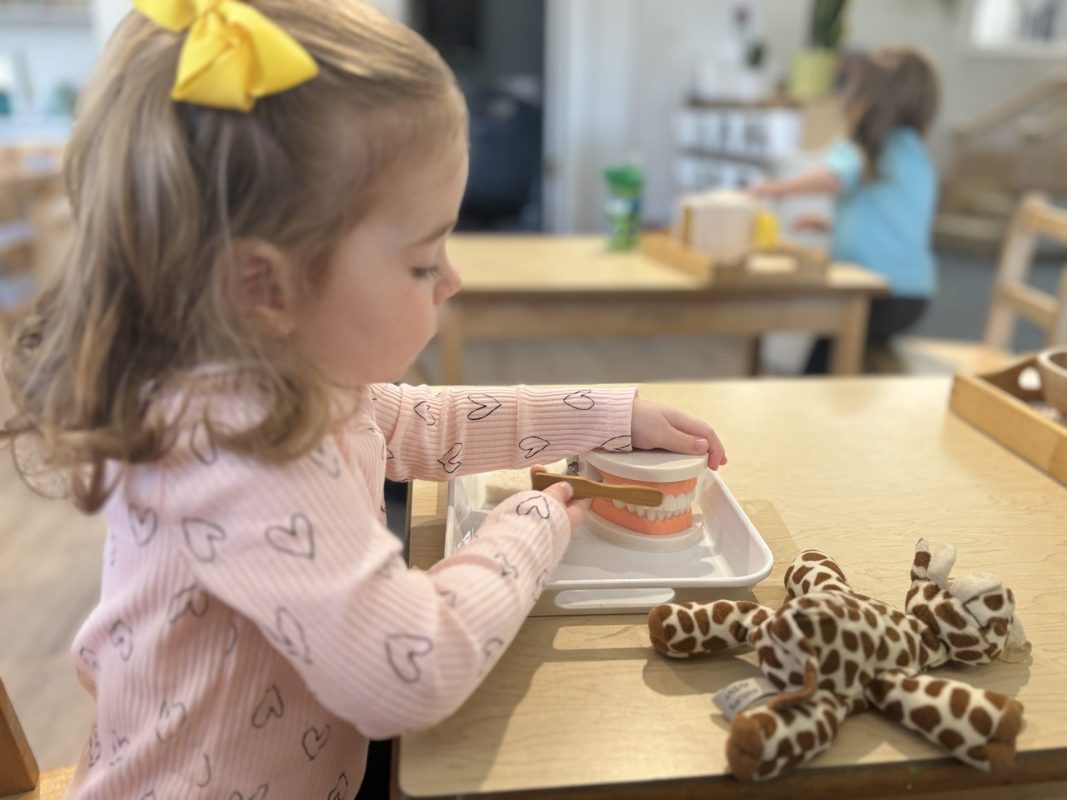
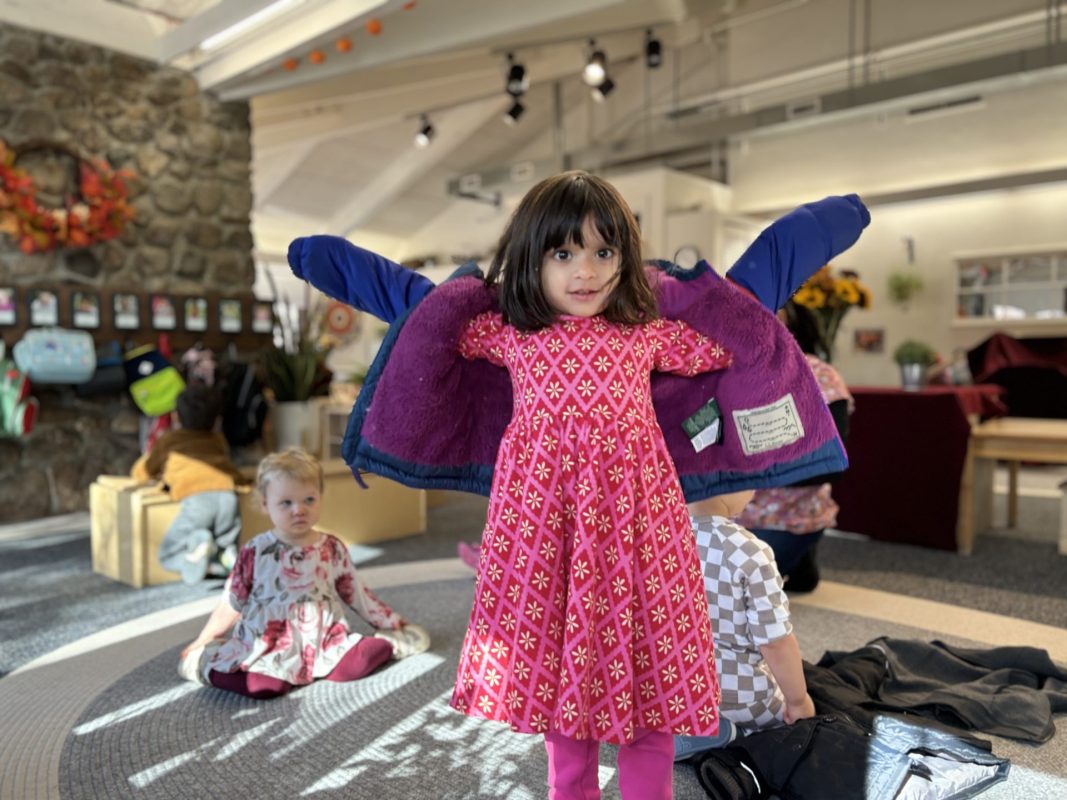
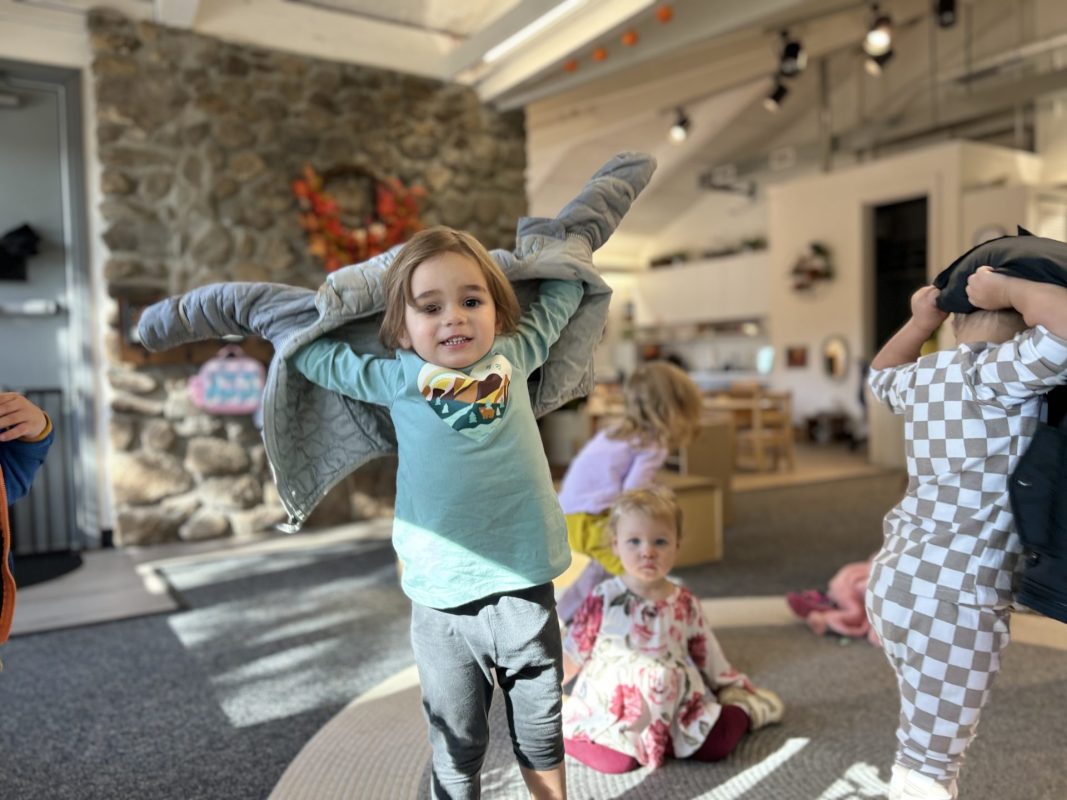
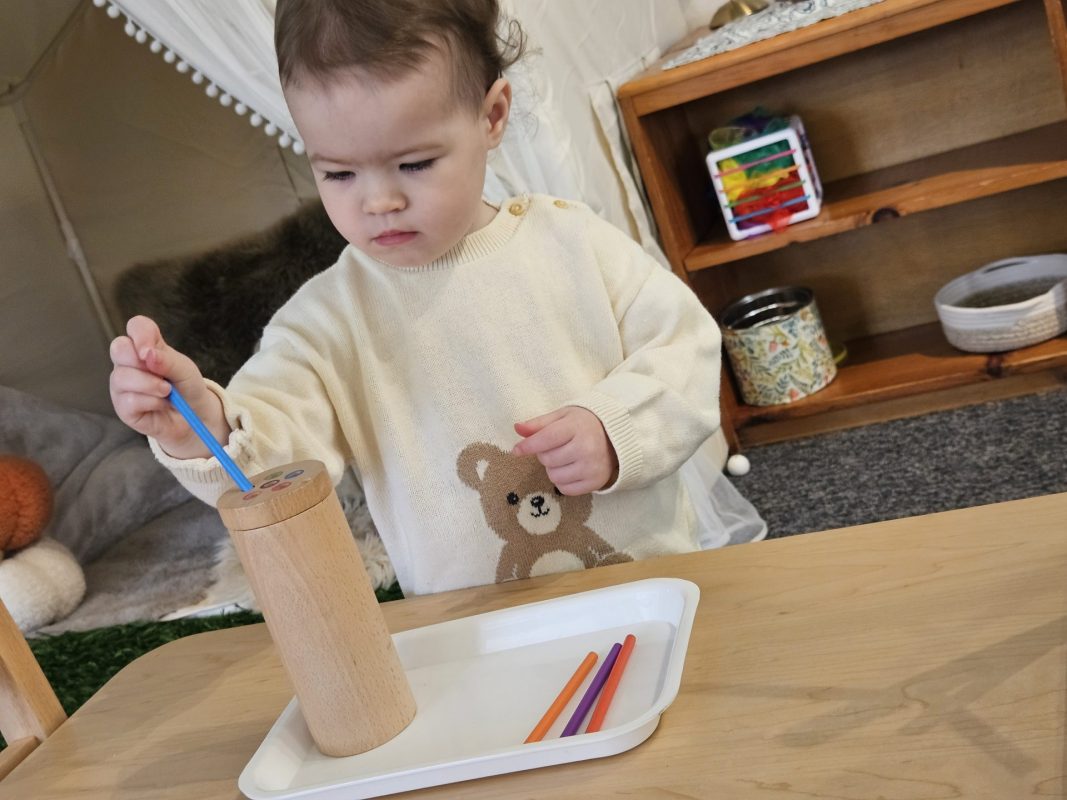
We have introduced the routine of changing into indoor shoes at the beginning of the morning! At this point, most of the children have learned to recognize their space and continue to work hard in the skill of removing their shoes, coordinating their hands to get the new shoe on, and pulling and closing the velcro tabs. In addition, they have been practicing the skill of buttoning and unbuttoning, brushing teeth, and learning how to put on their jacket independently.  Children received a lesson using what we called the “fliparoo” trick. Please see the video below on the lesson, and please support your child at home in practicing this skill.

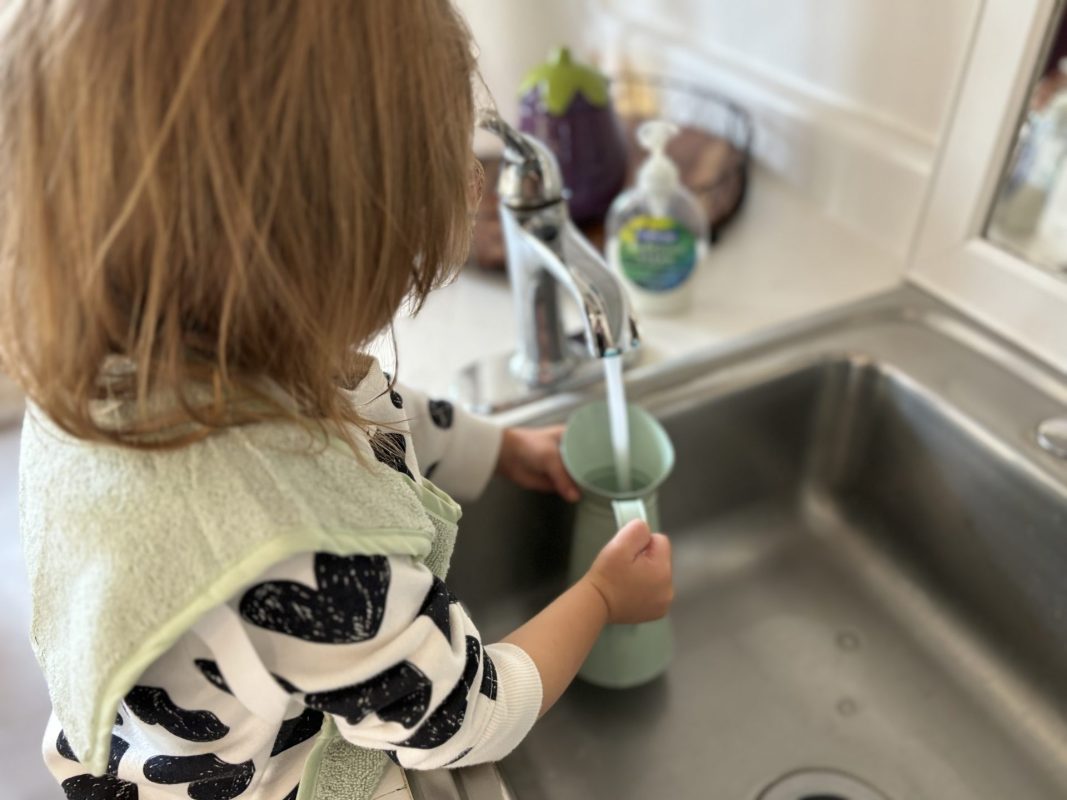
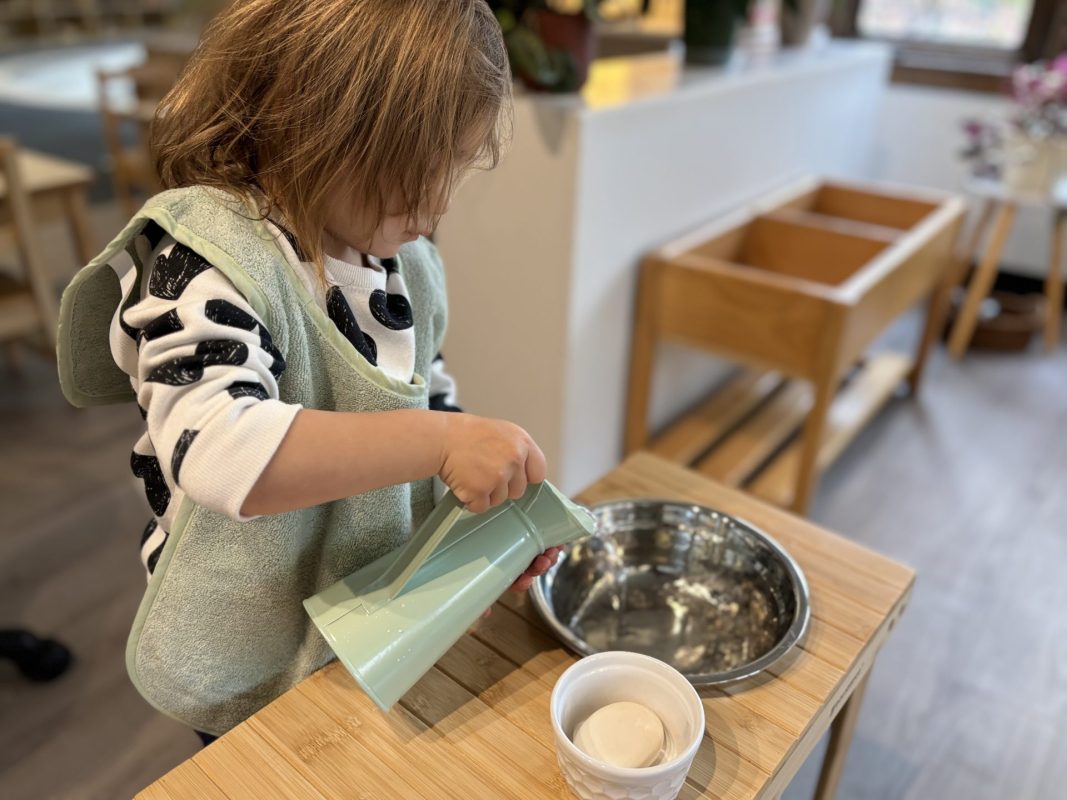
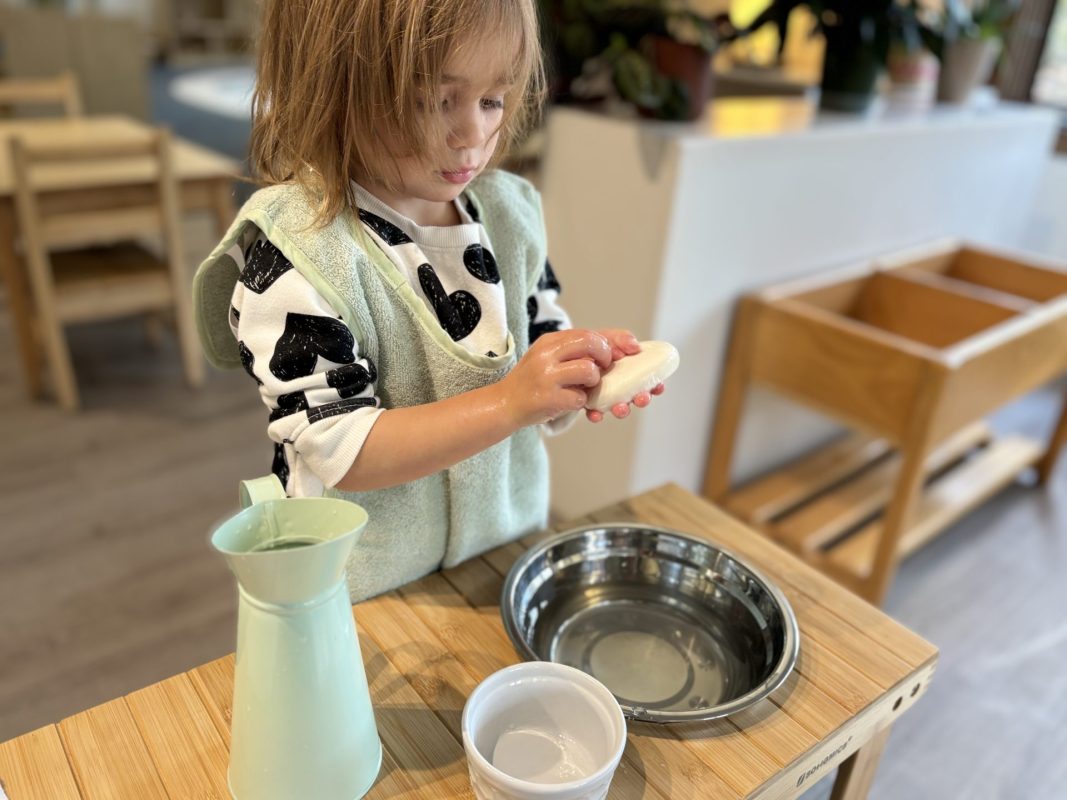
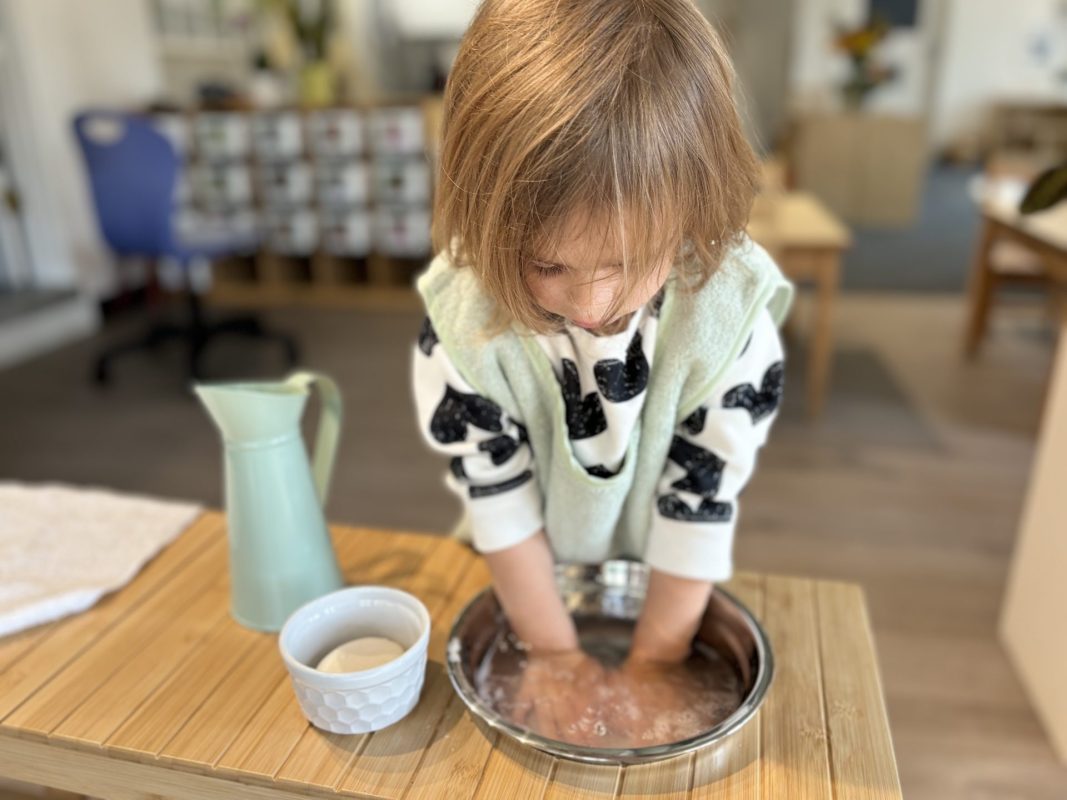
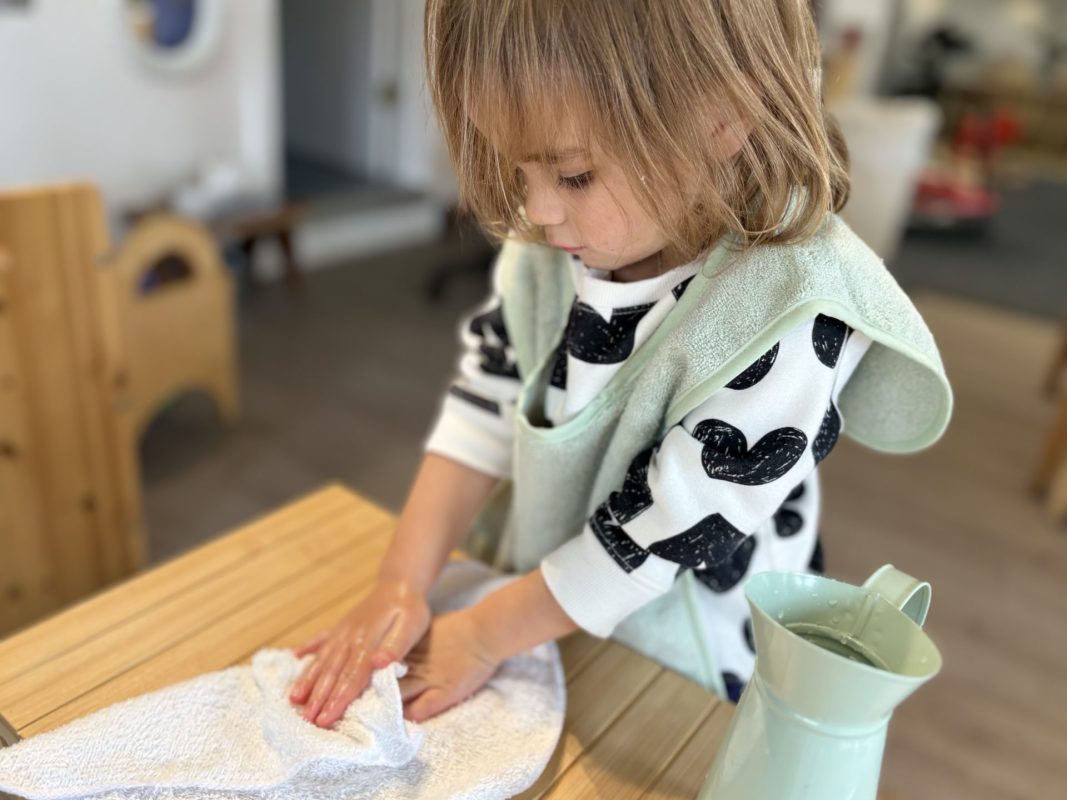
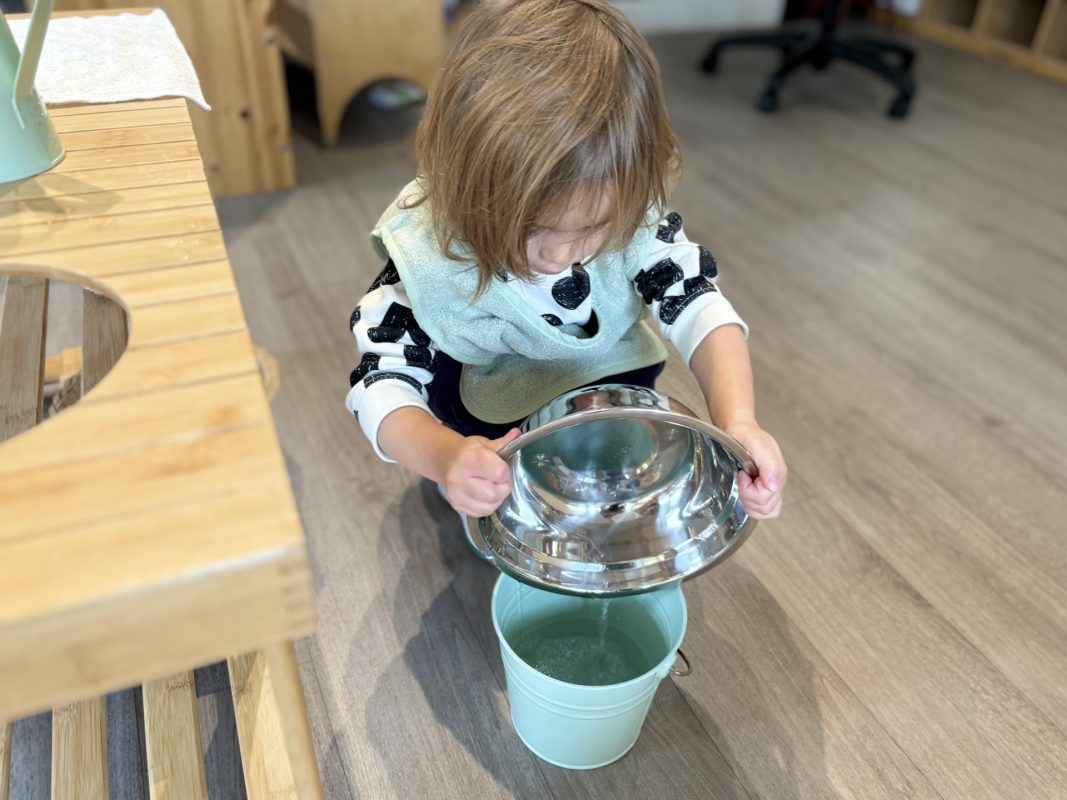
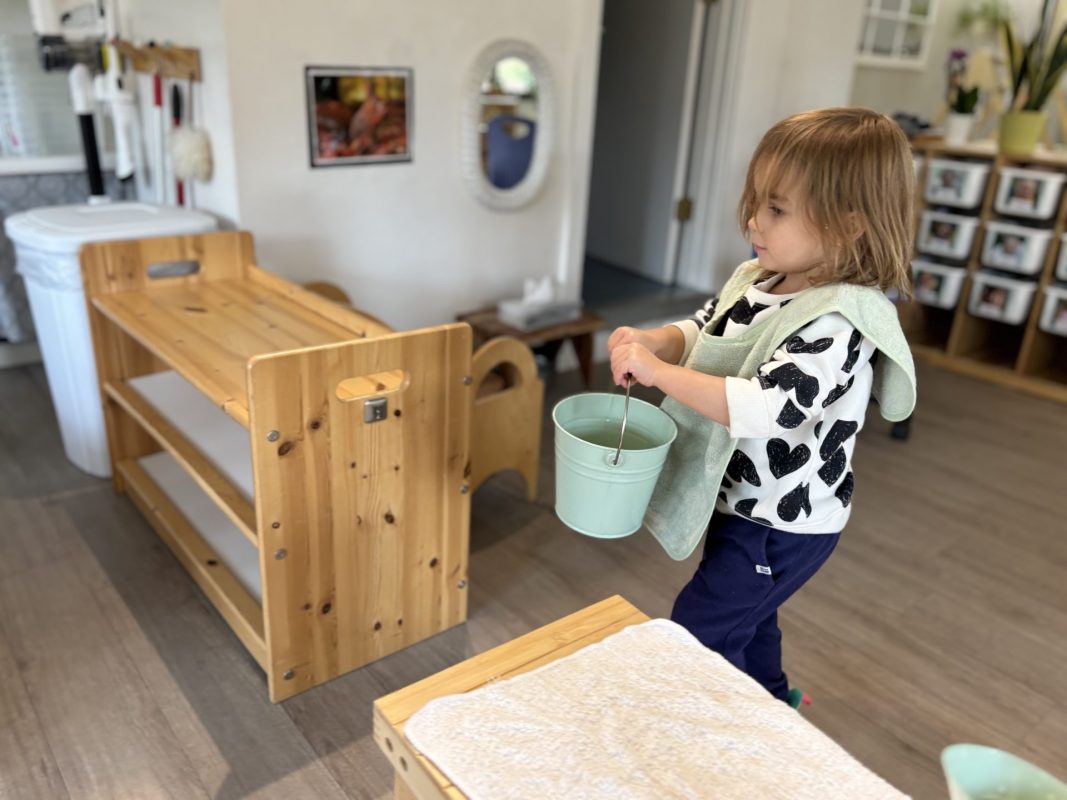
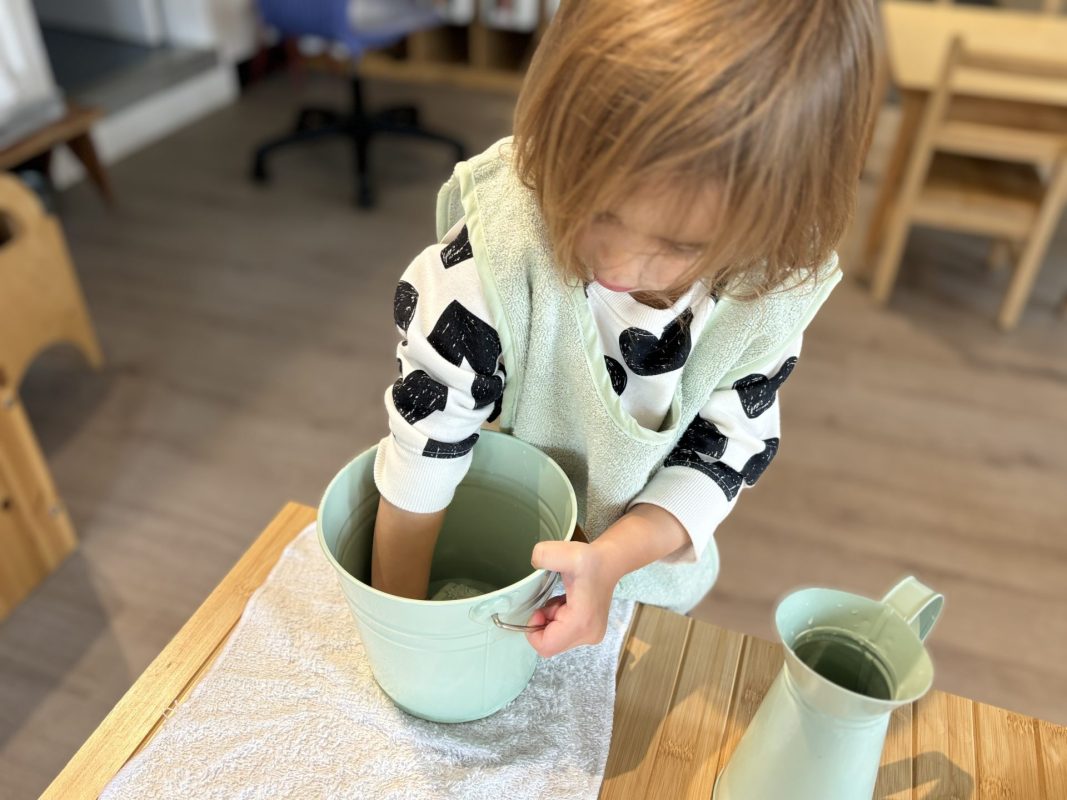
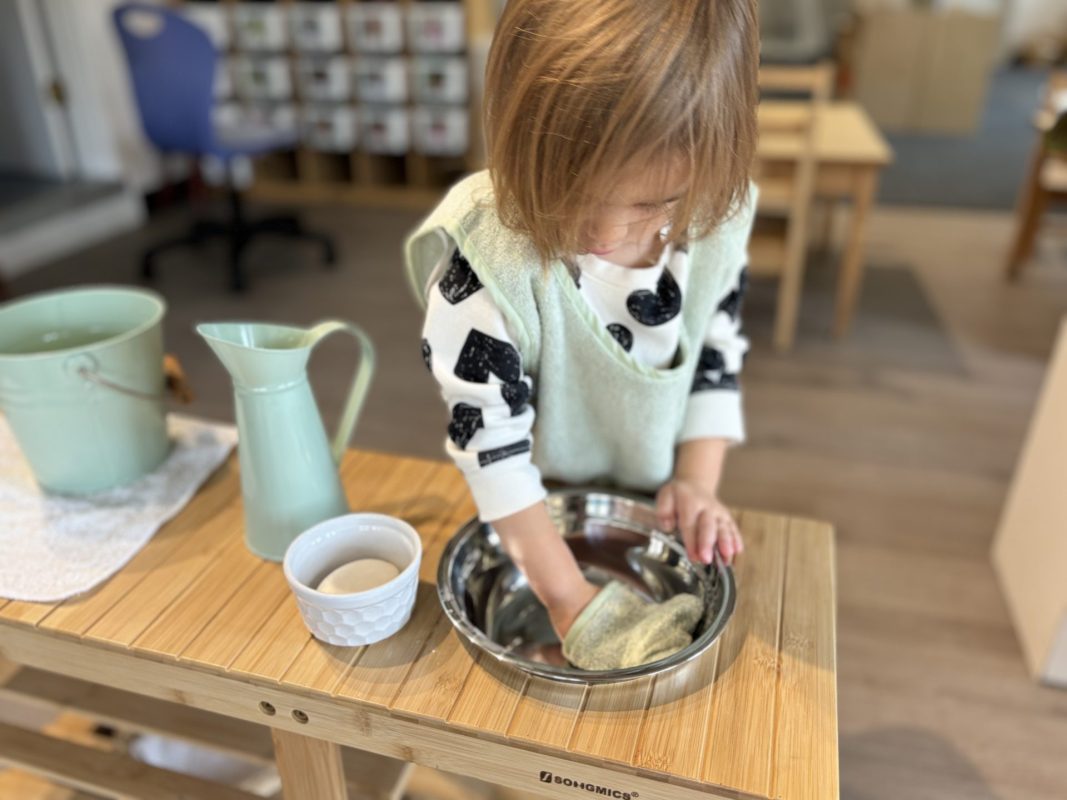
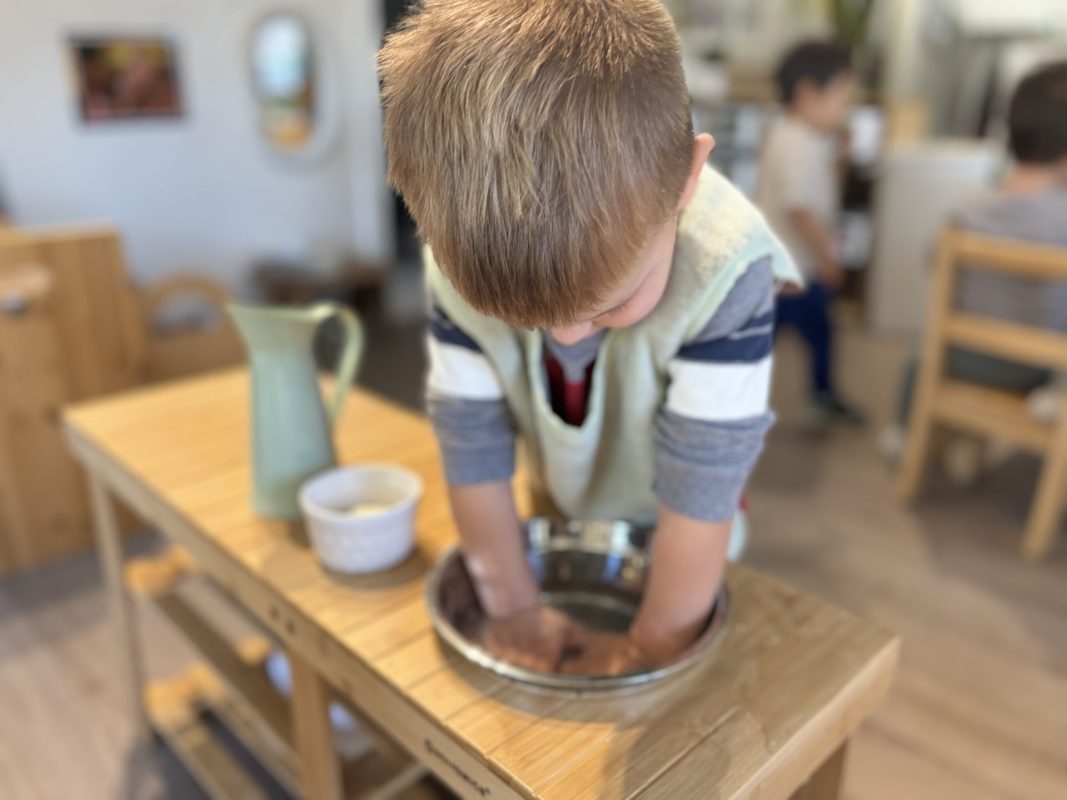
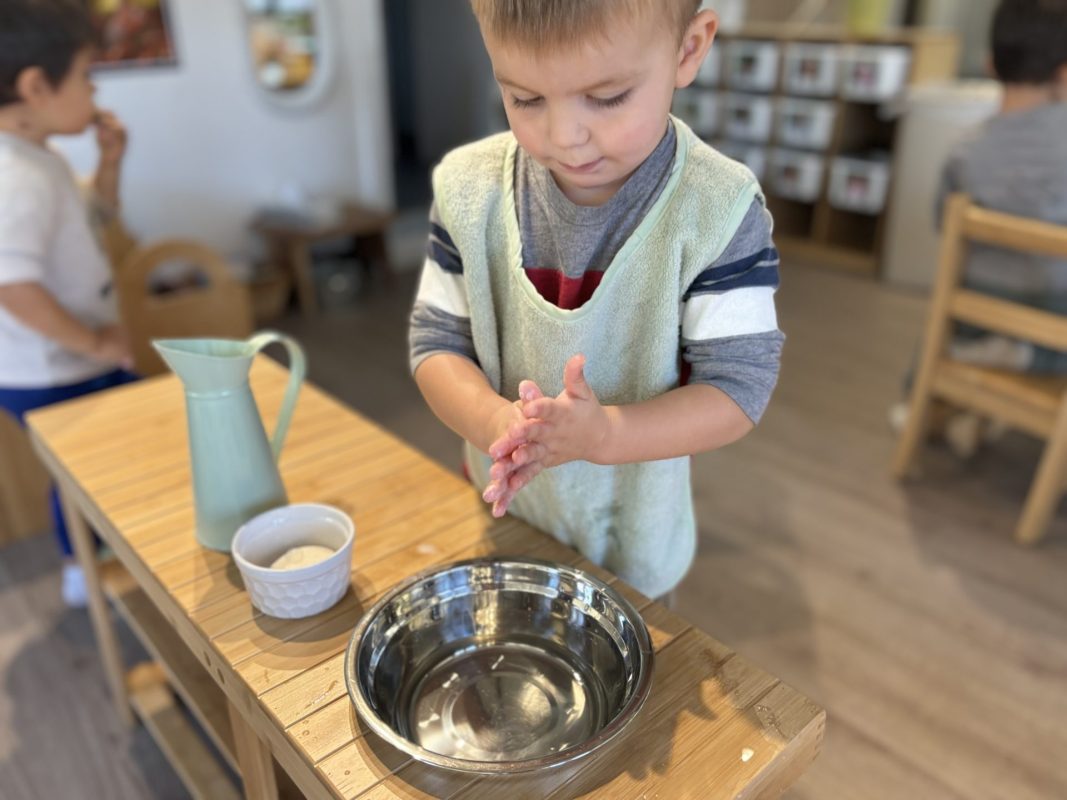
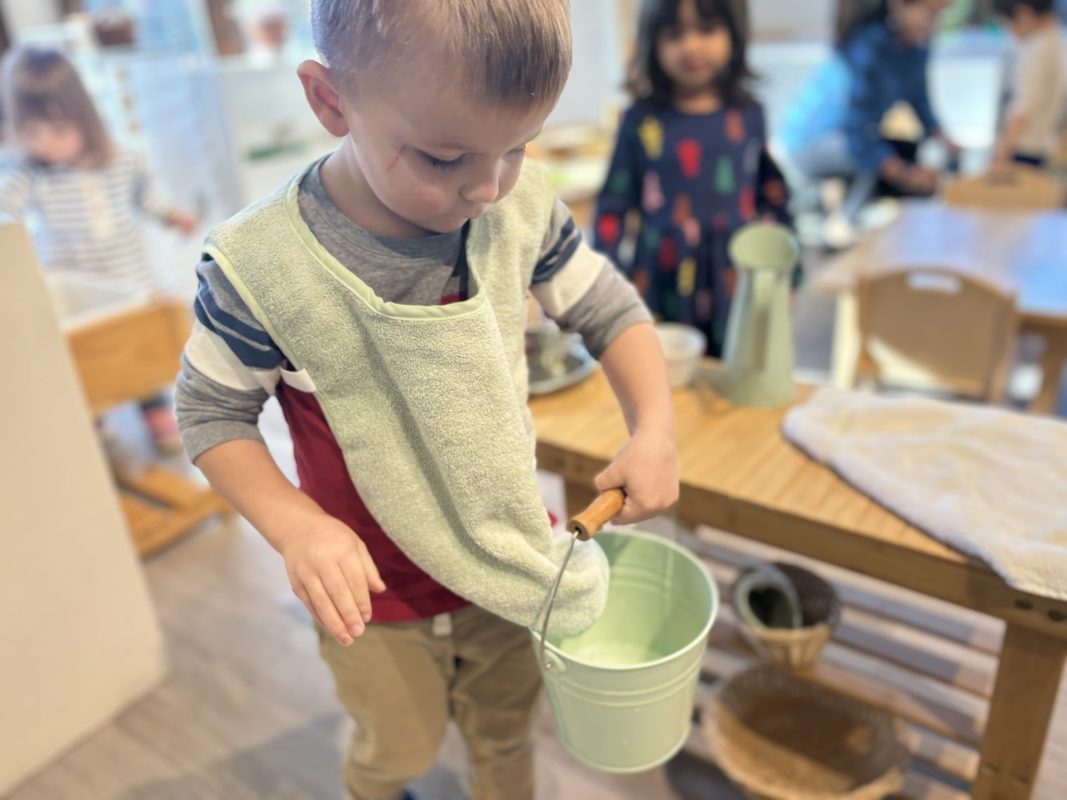
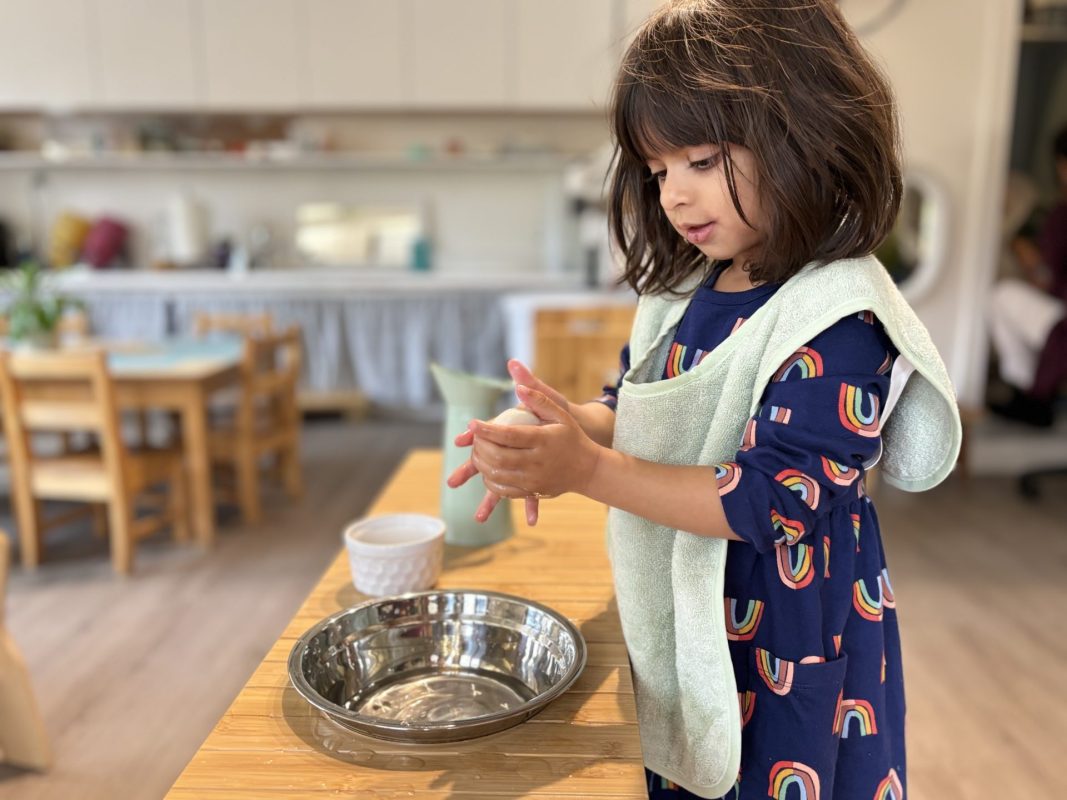
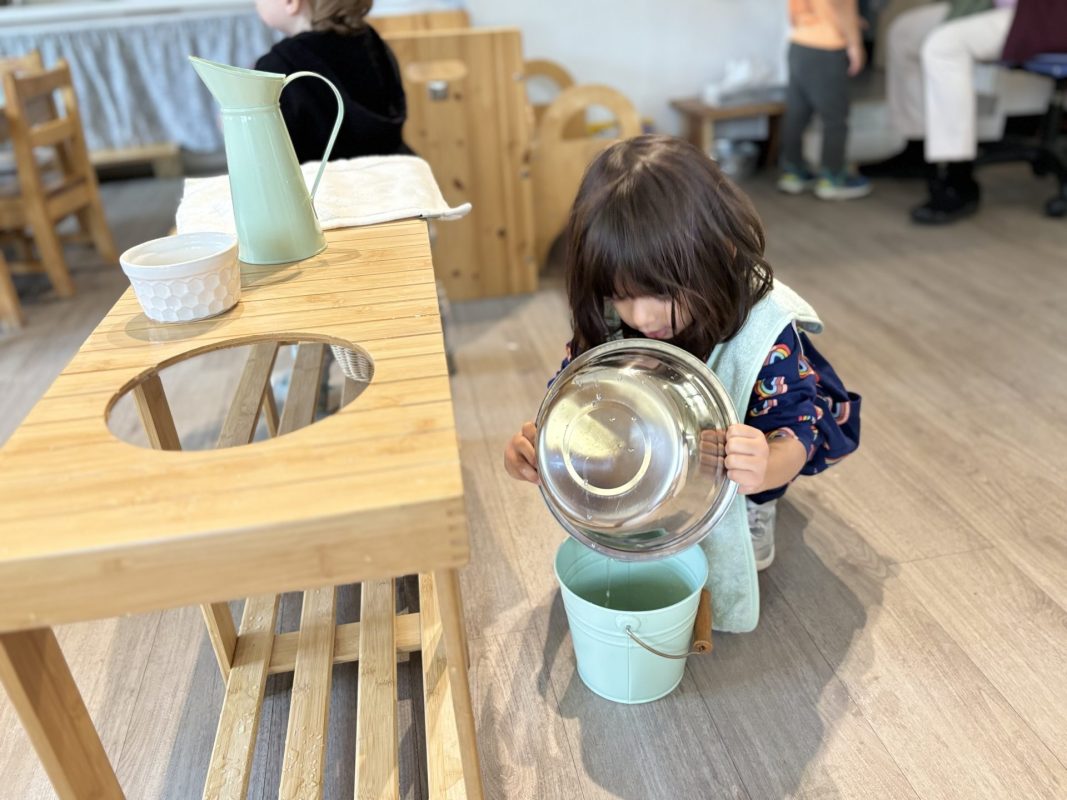
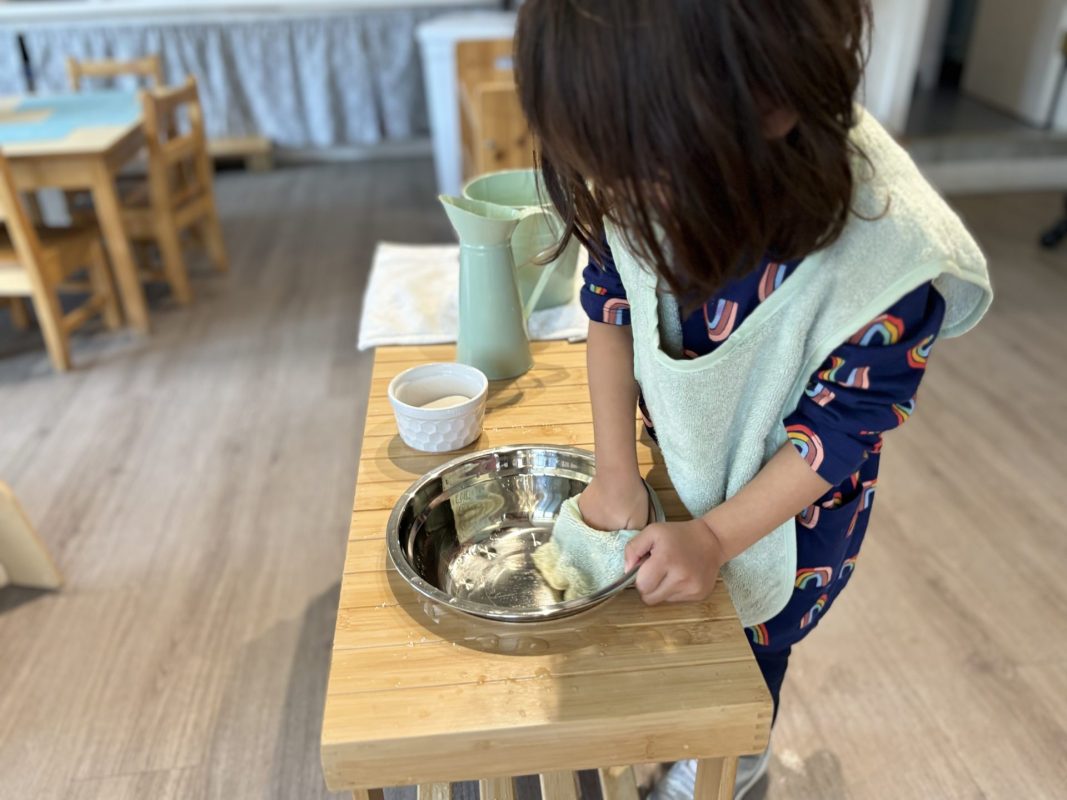
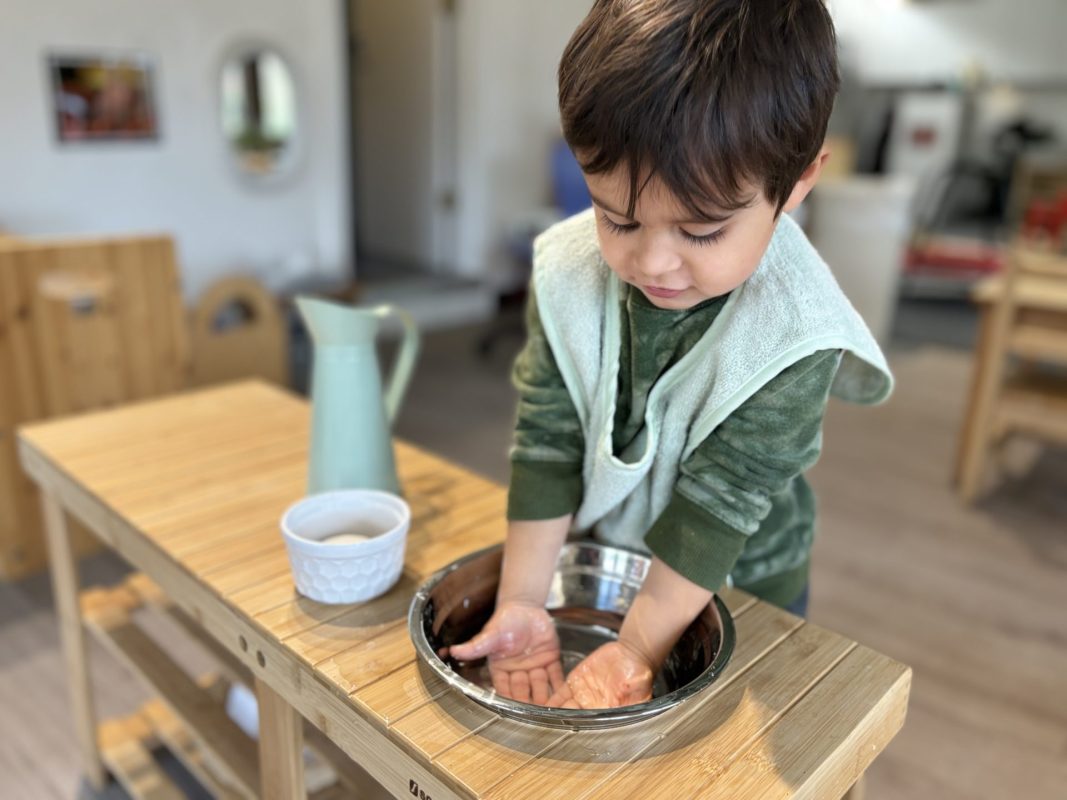
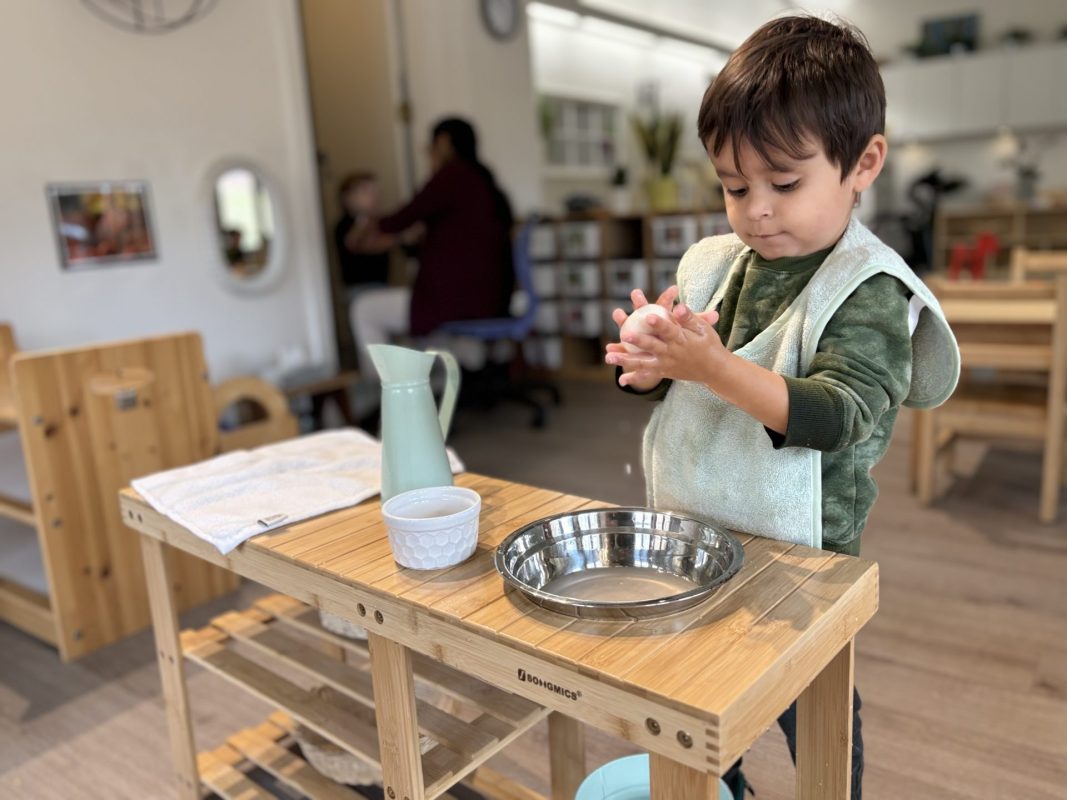
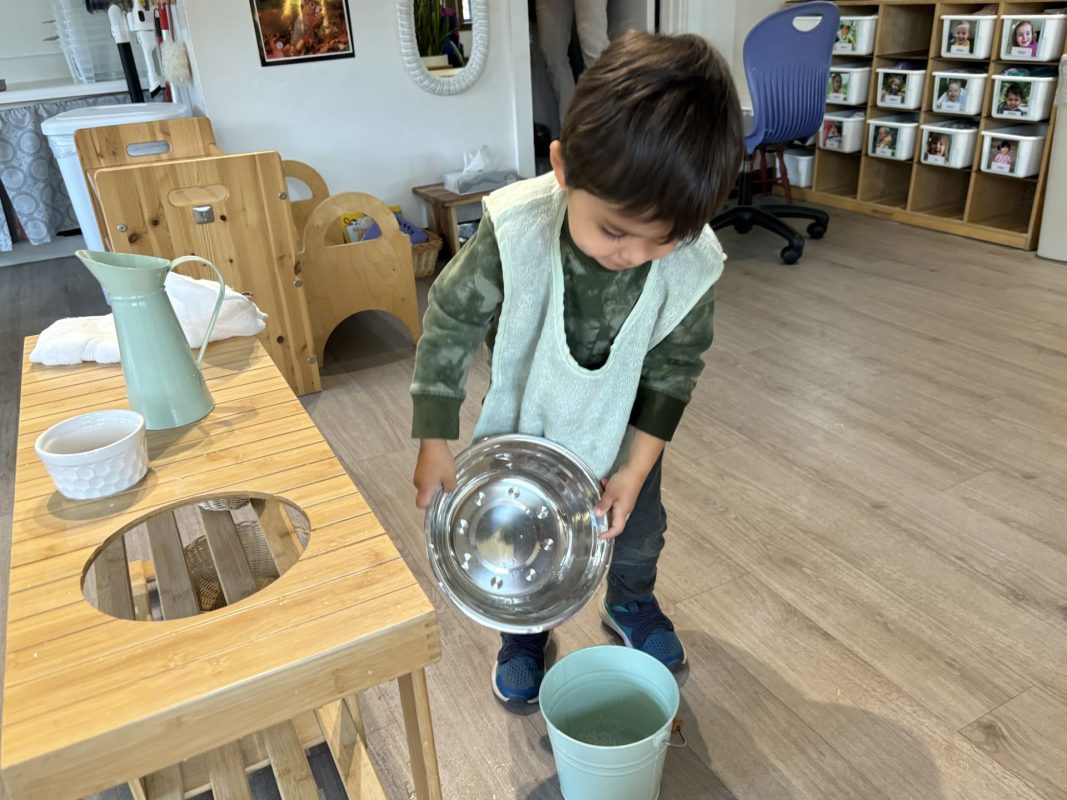
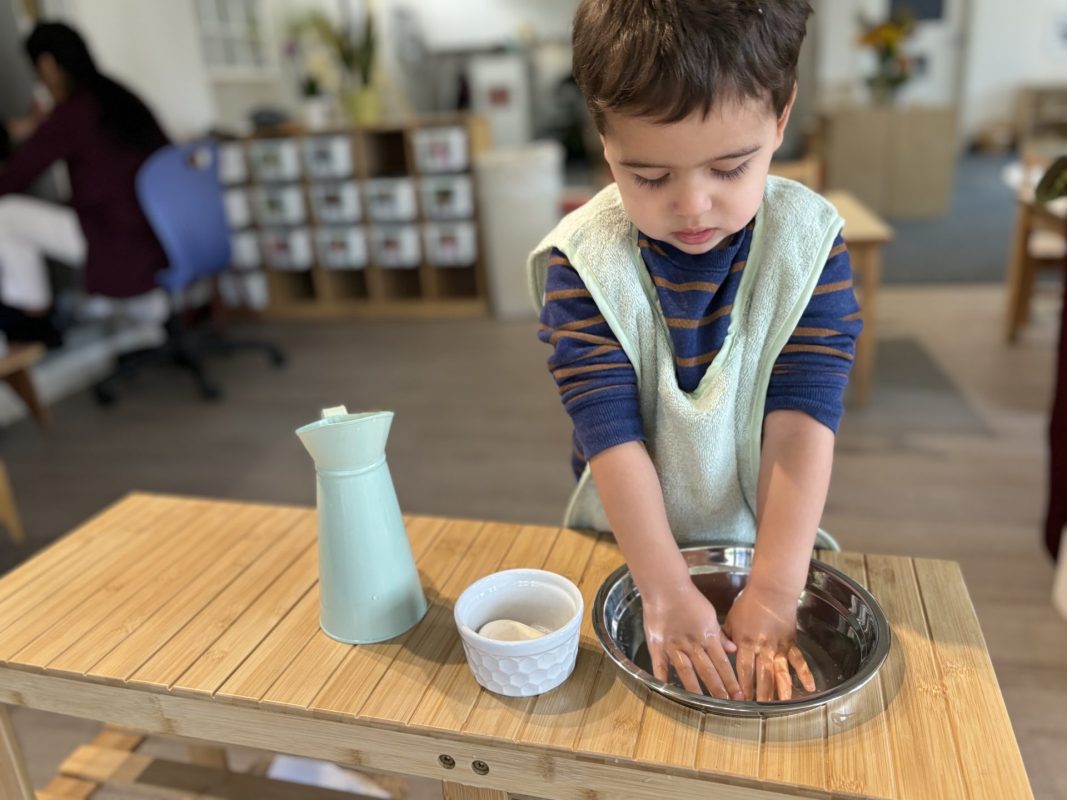
We also introduced a special work that quickly became the most popular work of the week: Handwashing.  This is a multitasking activity that builds independence, fine motor skills, and focus. Set up with child-sized materials; the handwashing station allows toddlers to complete each step independently, boosting confidence. This activity involves a sequence—wetting hands, applying soap, scrubbing, rinsing, drying, transferring soapy water into a bucket, disposing of soapy water in the sink, and drying materials —which strengthens memory and concentration. It also offers a sensory experience, as toddlers feel the cool water, slippery soap, and soft towel, deepening their awareness. Handwashing is a practical, calming activity that supports both physical and cognitive development. A big shout out to the Mica family for gifting our class this perfect little table!

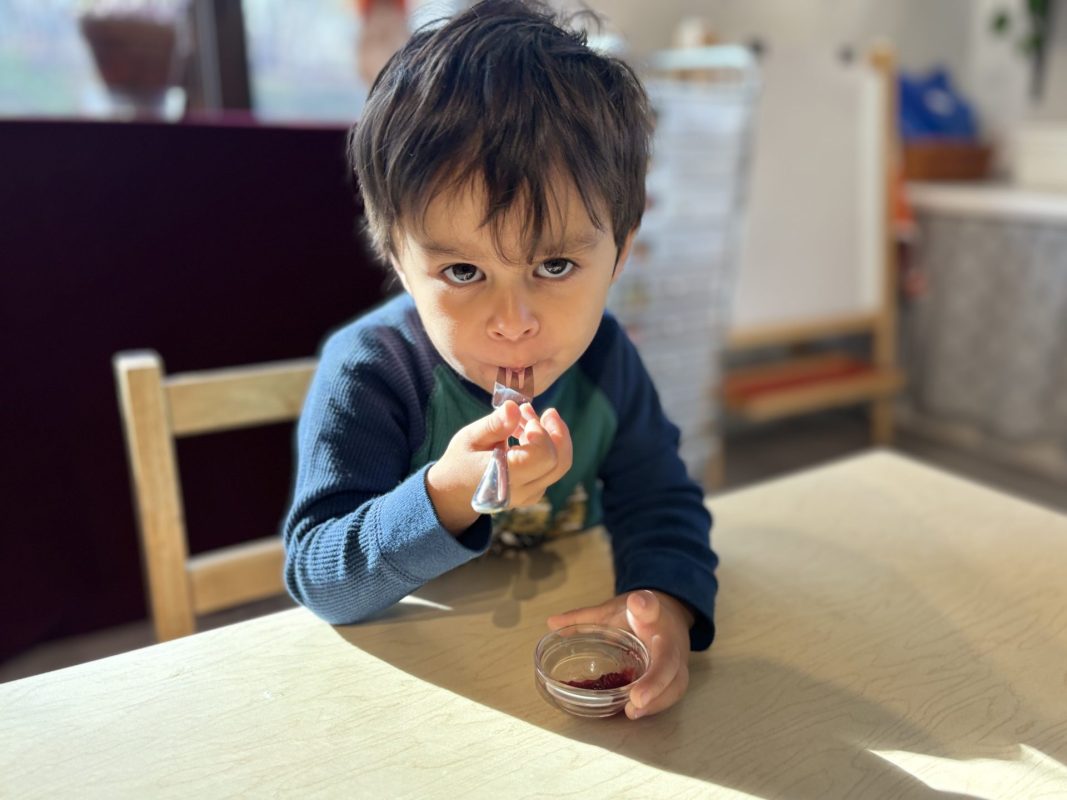
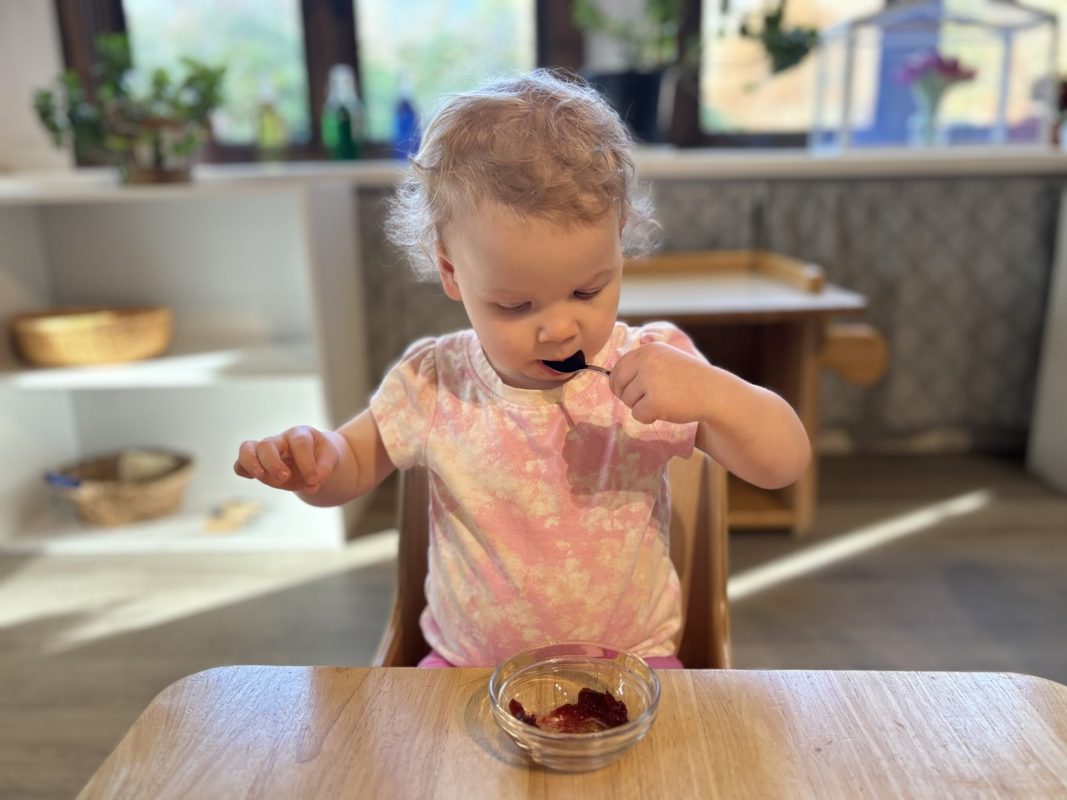
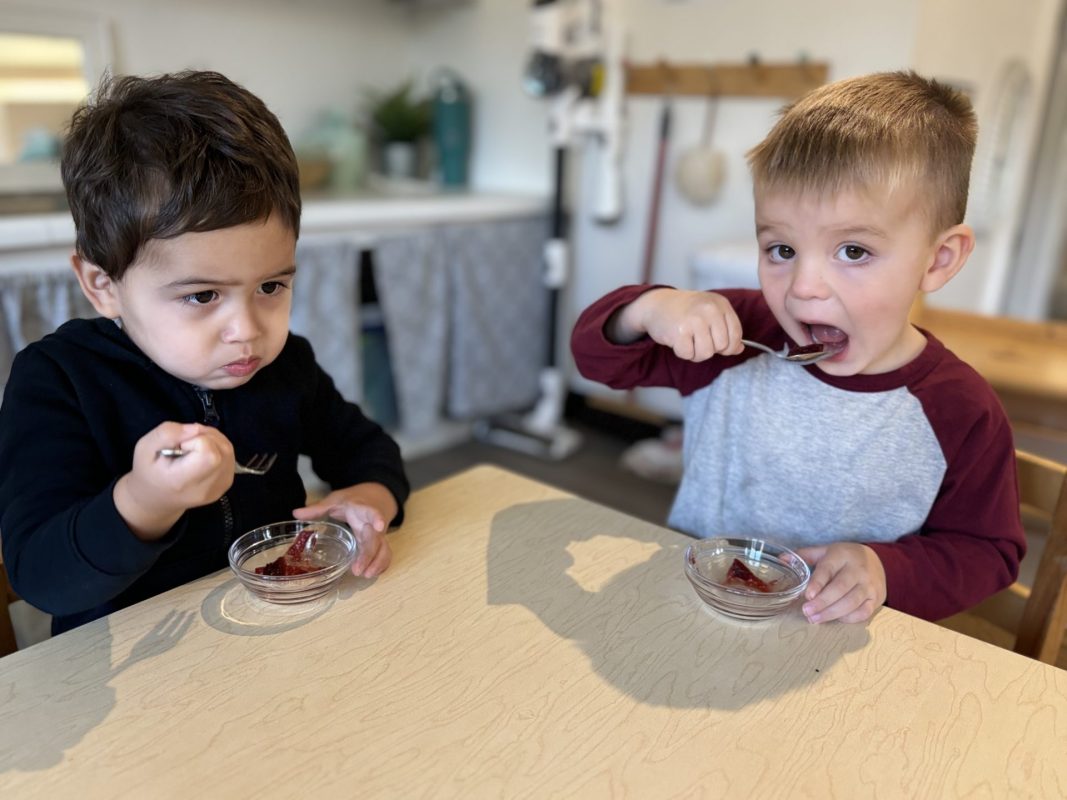
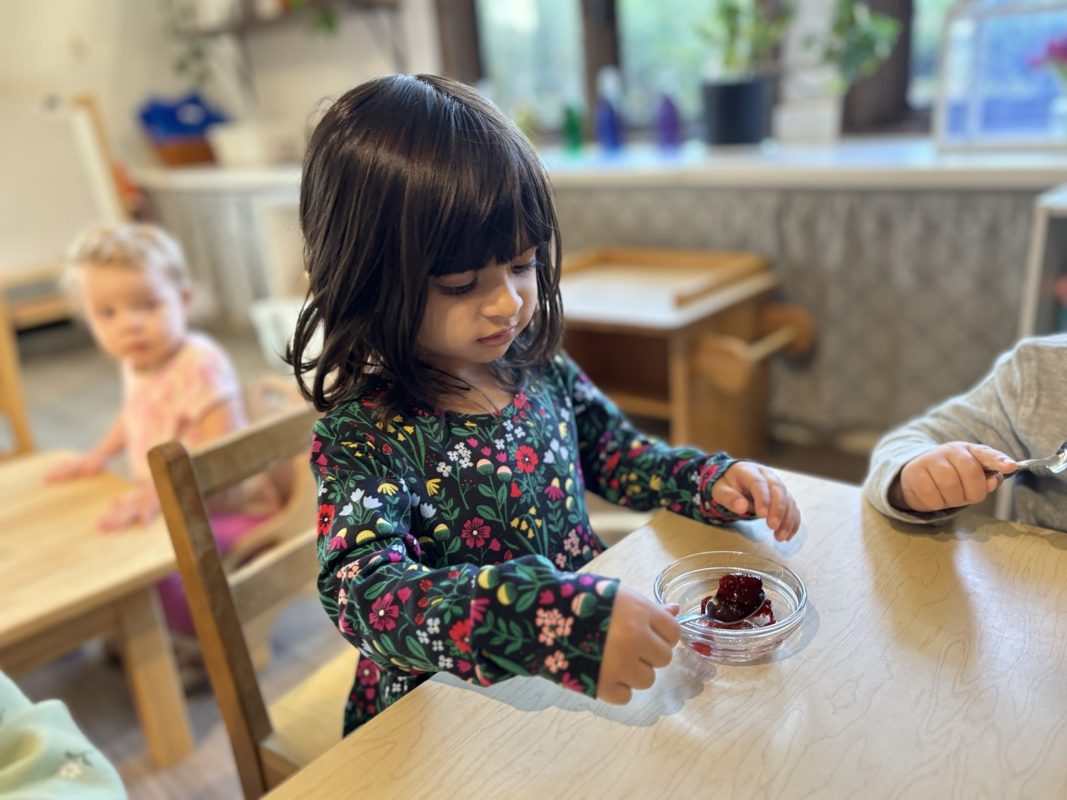
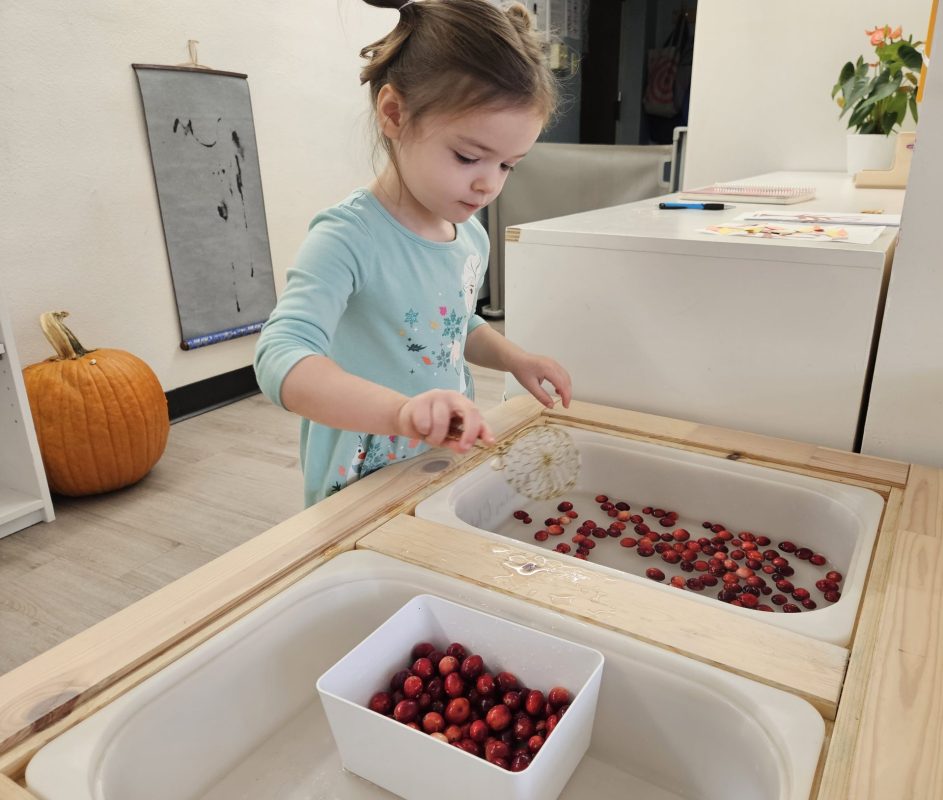
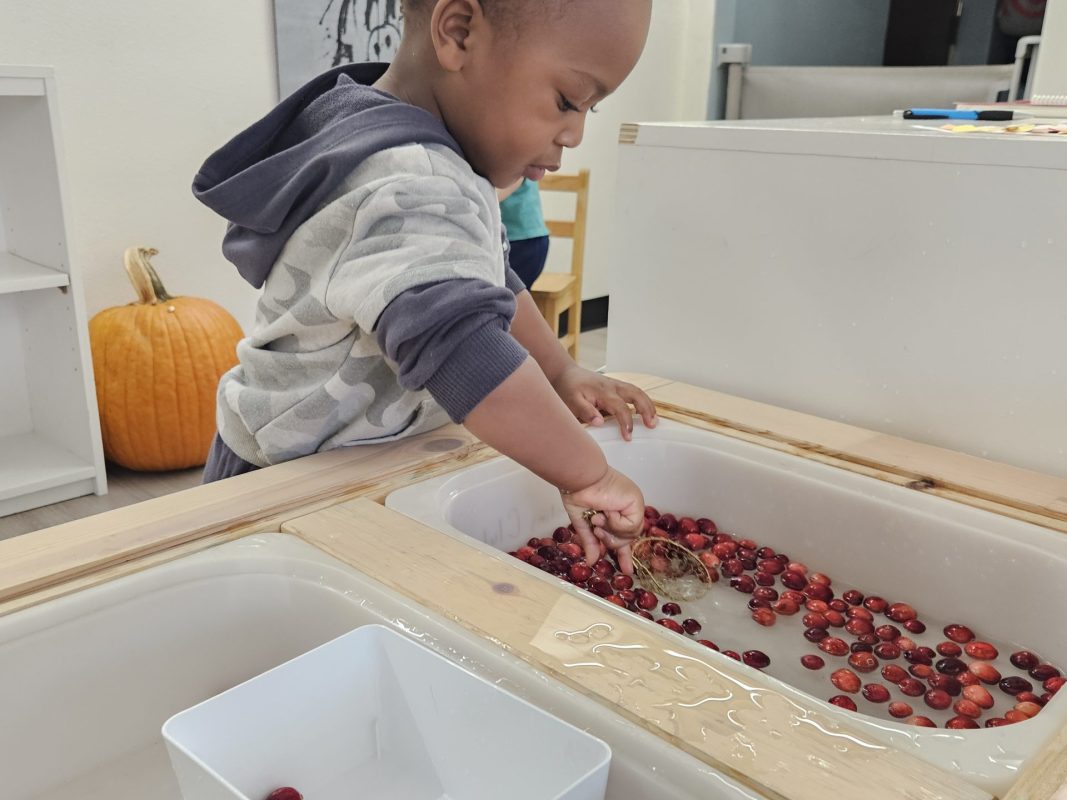
As always children enjoyed the food tasting lesson of the week. This time we explored cranberries and most of them really enjoyed some cranberry sauce !

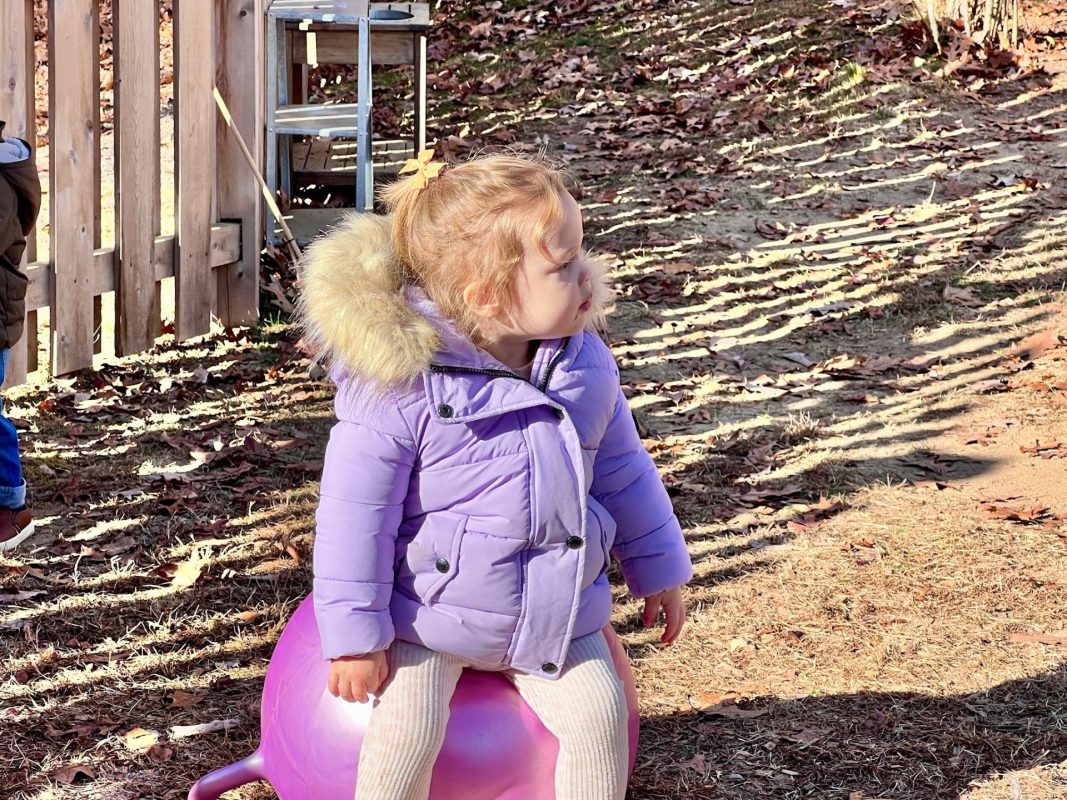
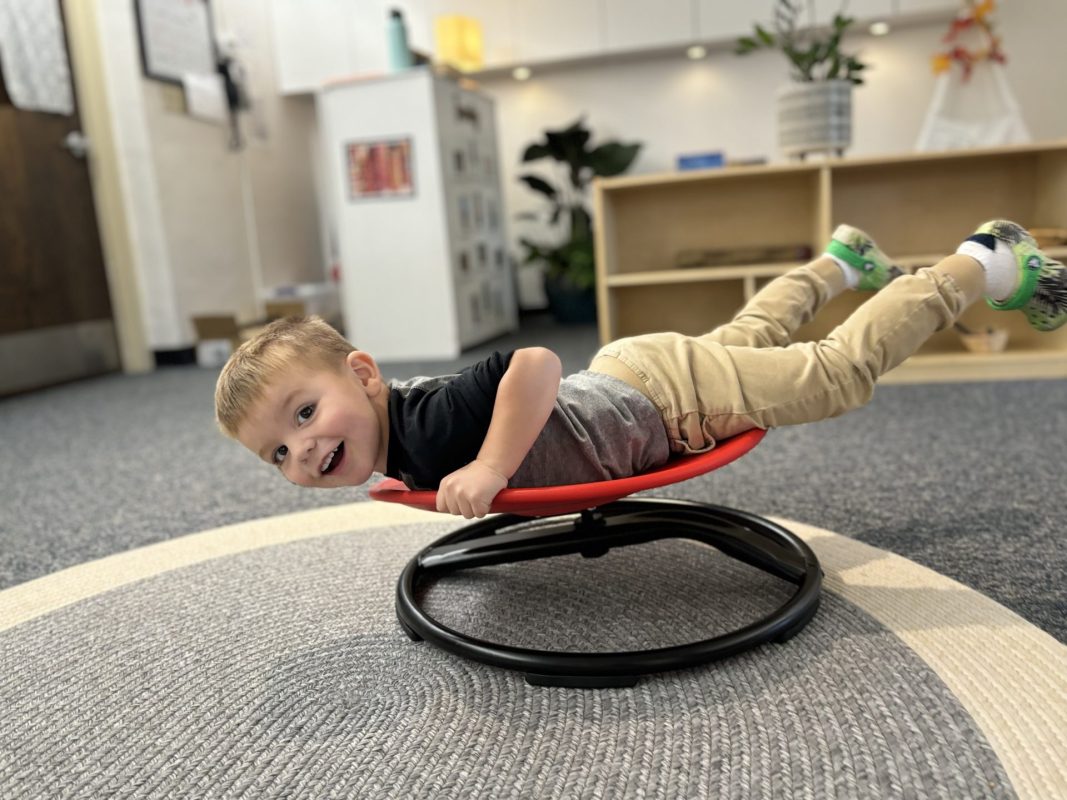
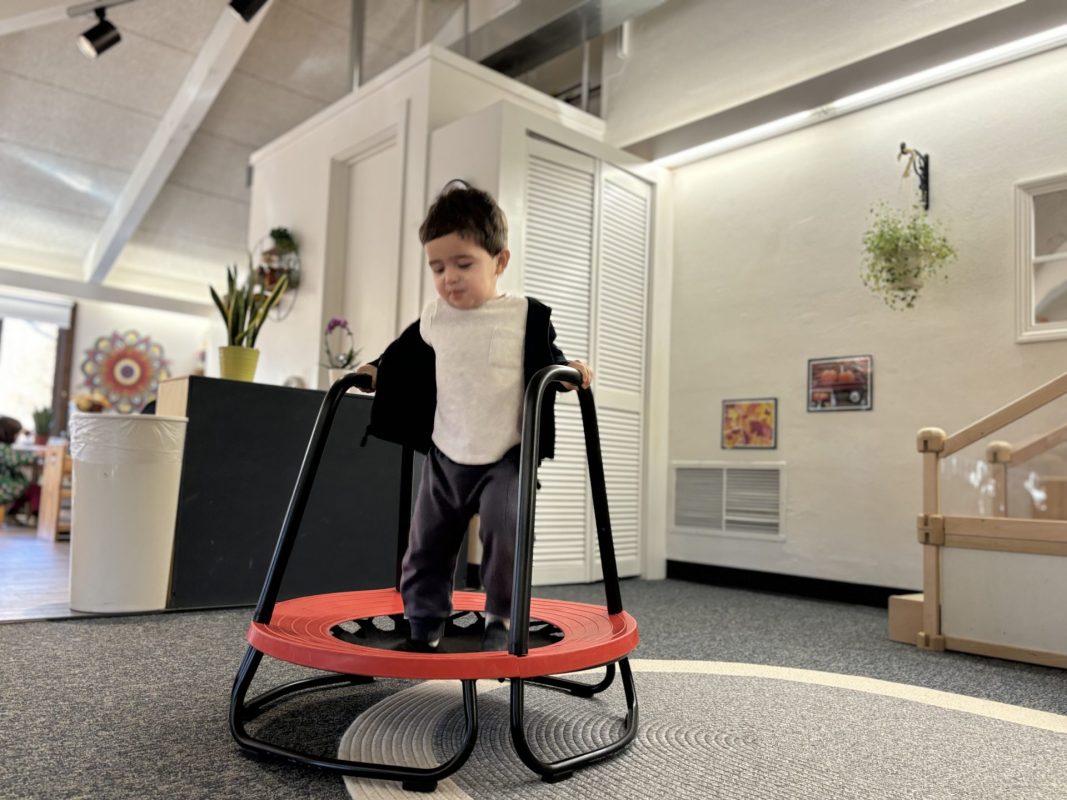
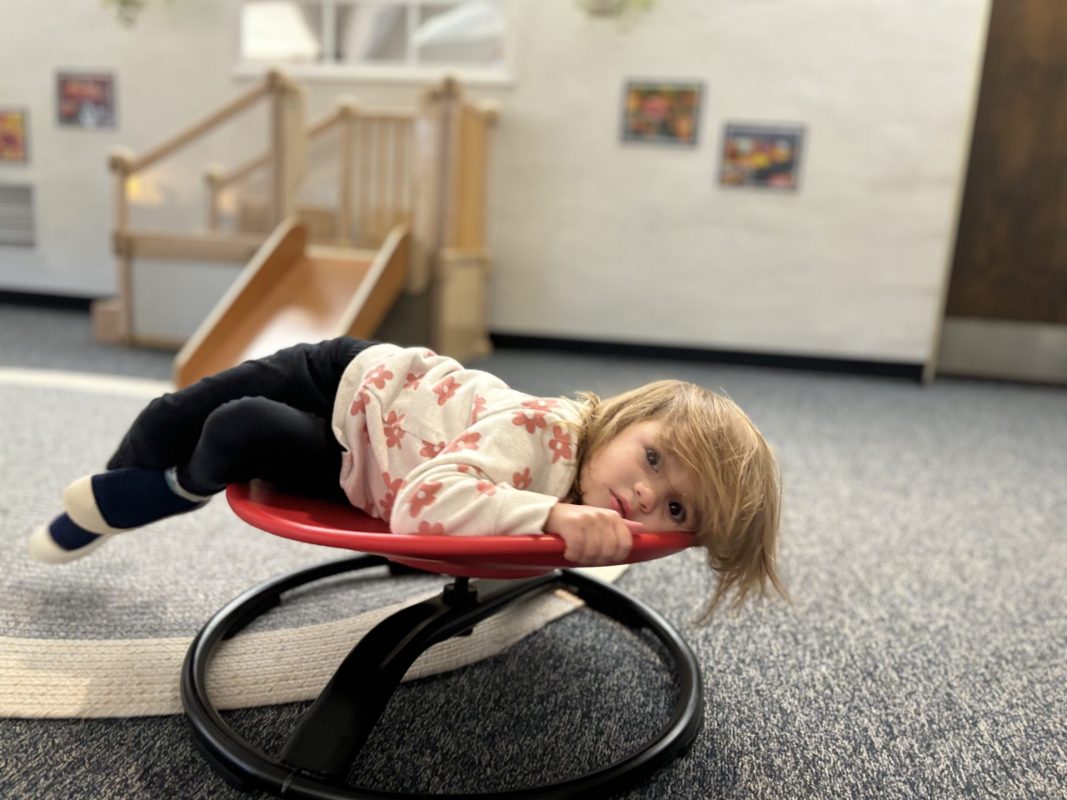
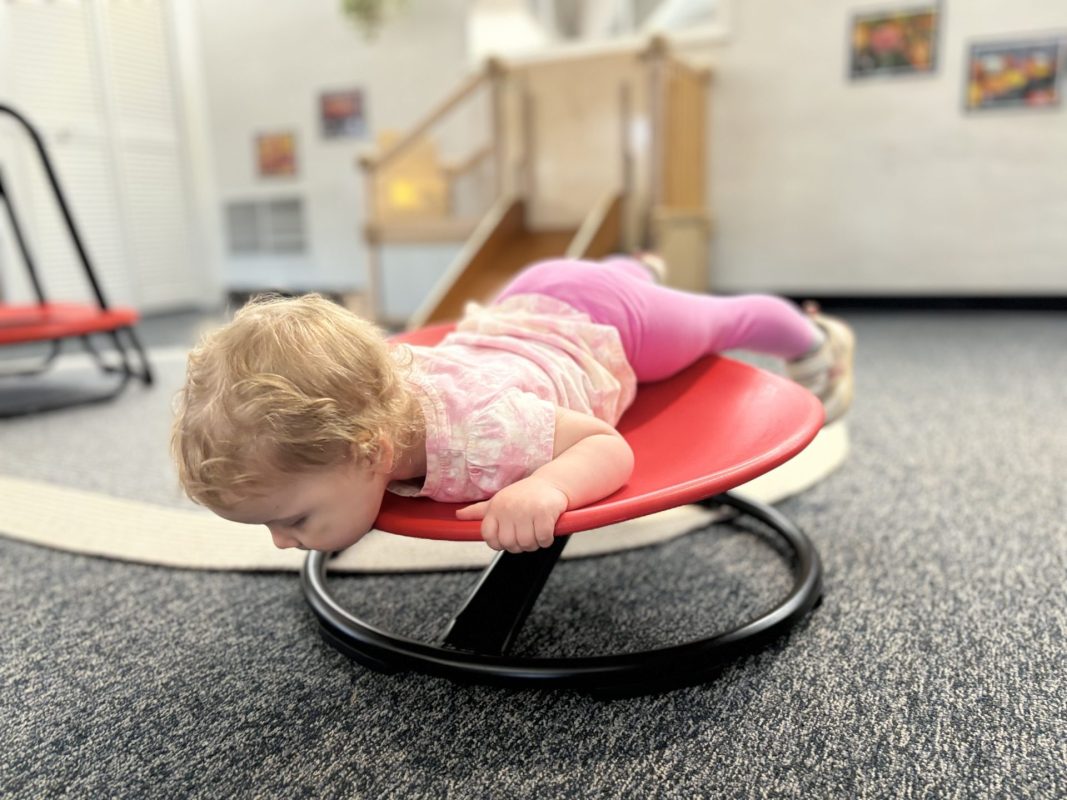
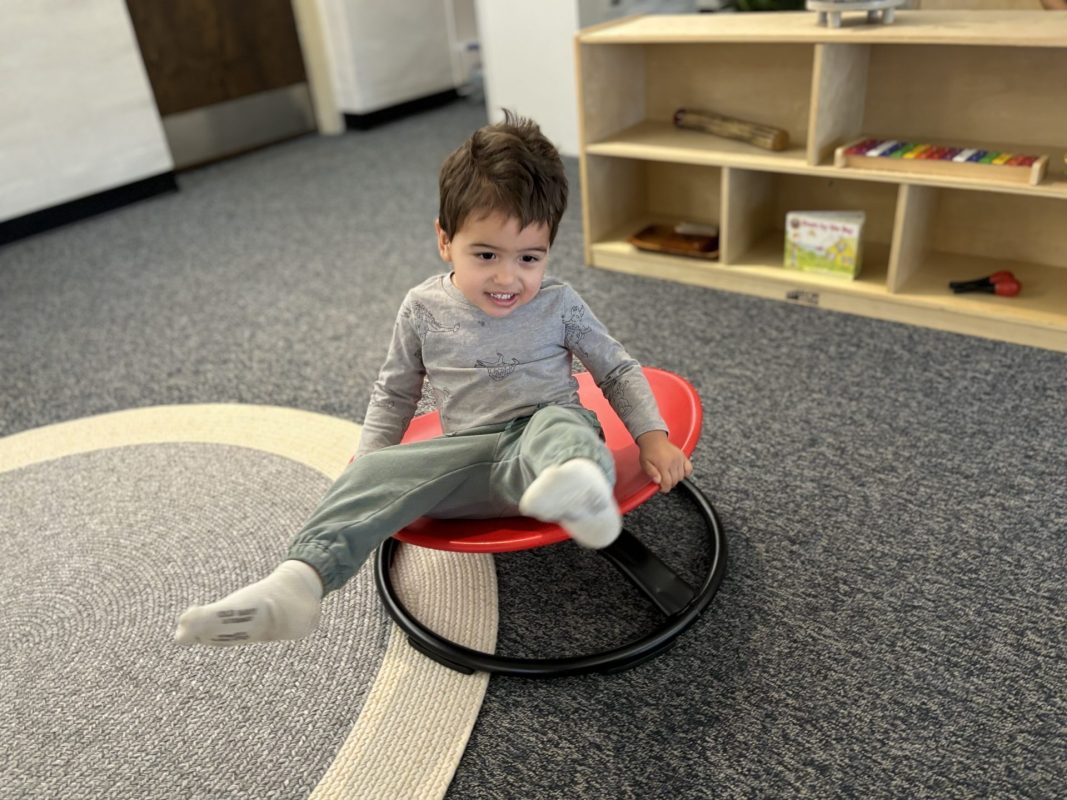
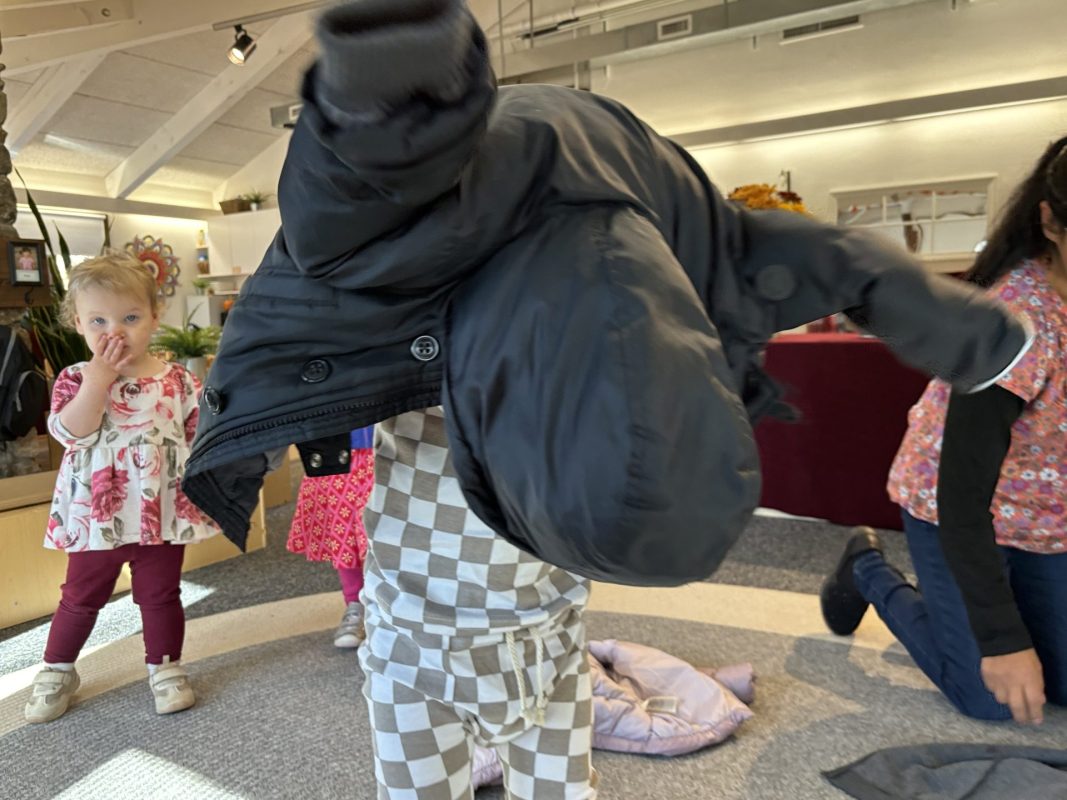
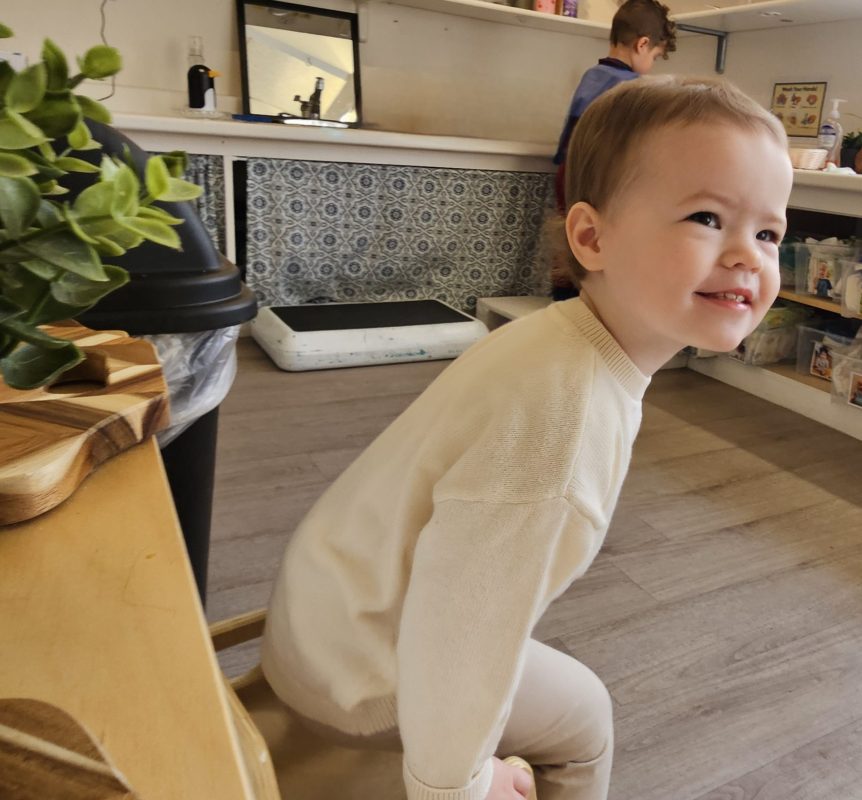
Lastly, a new popular piece of equipment was introduced in the movement area: A sensory spinning chair. Spinning on a chair provides intense vestibular input, which helps toddlers develop their sense of balance and spatial orientation. This stimulation can be calming for some children and can improve their ability to focus and attend to tasks.  Spinning on a chair requires coordination and motor planning, which can help toddlers develop their gross motor skills. It can also improve their core strength and stability, which is important for posture and overall physical development. The repetitive motion of spinning can have a calming effect on toddlers, helping them regulate their emotions and reduce feelings of anxiety or frustration. To say children LOVE this chair is an understatement!

Enjoy the weekend,

Mrs. Hood and Ms. Patty


Ms. Mollie: Hello, November!


Time seems to be flying by; we have made it to November! The children have been so busy each day they are discovering new materials that meet the needs of their growing minds! We have started the month talking about “Gratitude” and what it means to our classroom and our families. I emphasize how we can show gratitude with our words and with our actions…..I know you’re all thinking they are toddlers! Yes, the toddler child can show gratitude, empathy, and kindness and still be a little spicy, but that is what makes toddlers so perfect. We will continue to talk, read, and show gratitude, kindness, thankfulness, and all those big words that are basically about the care and love we choose to give to others.

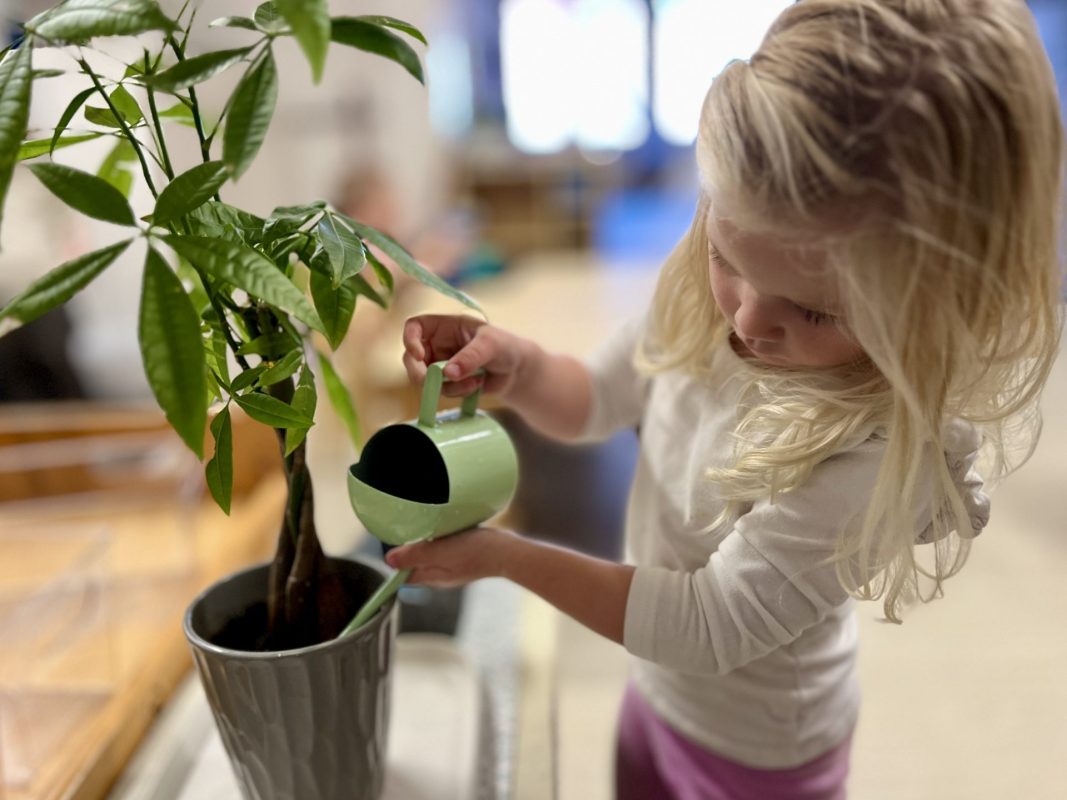
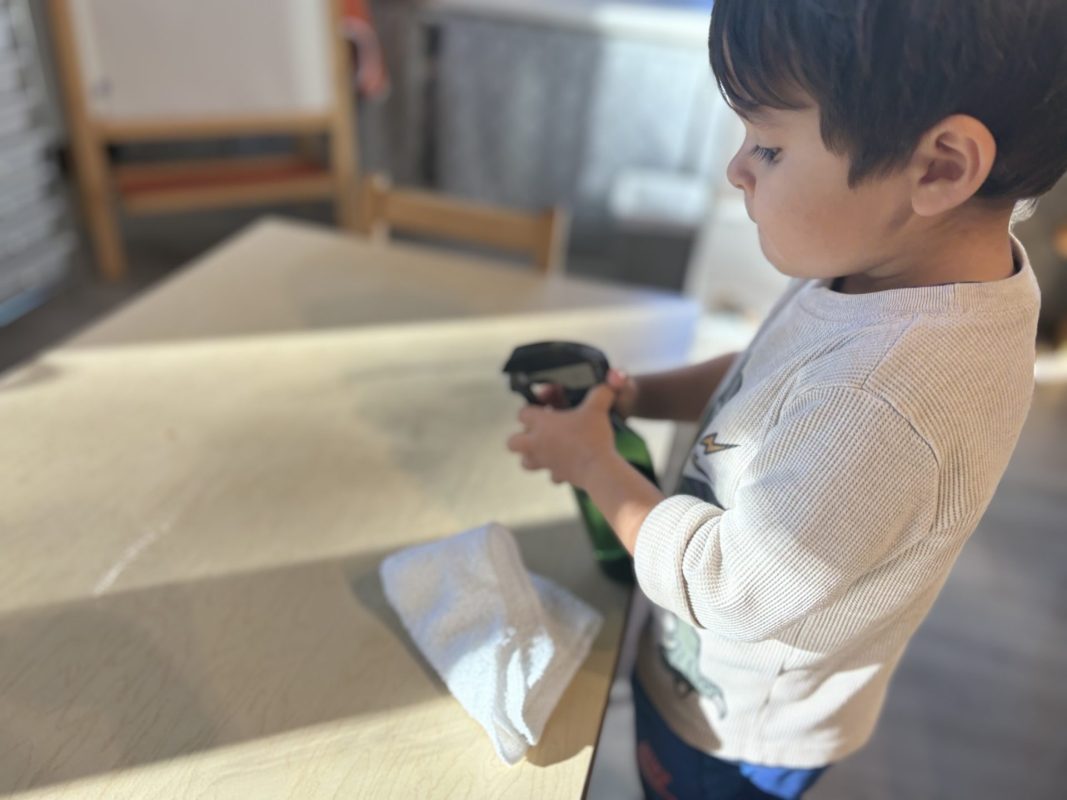
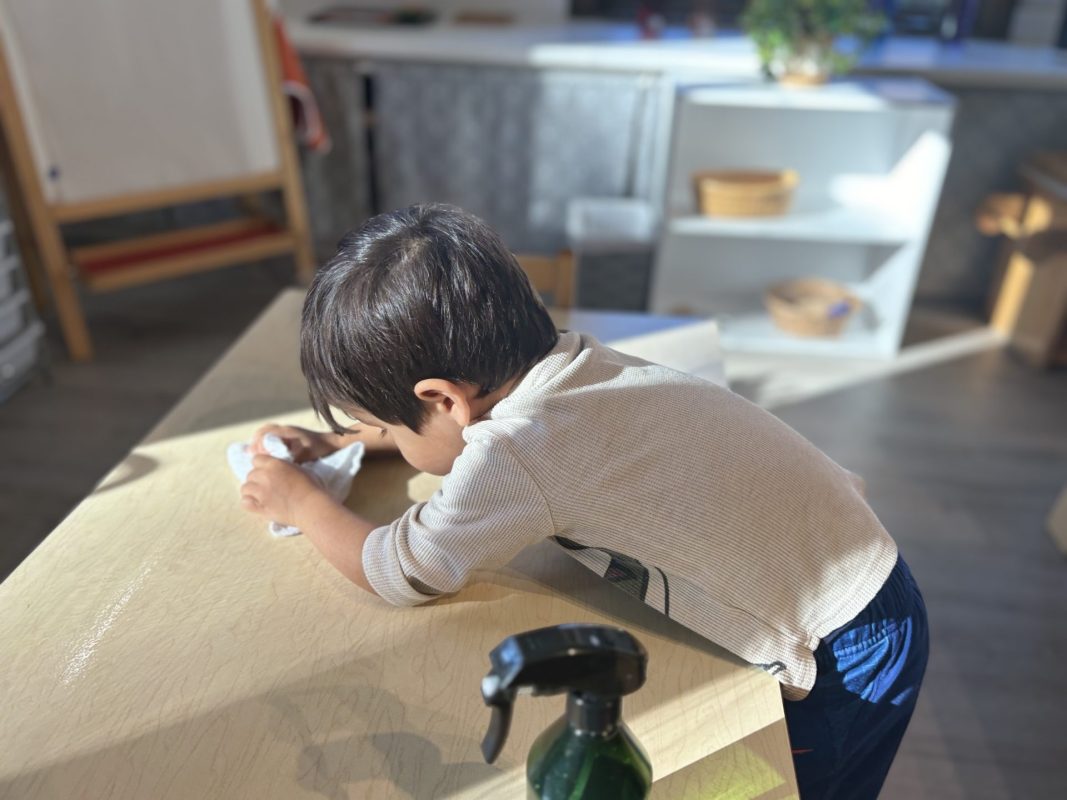
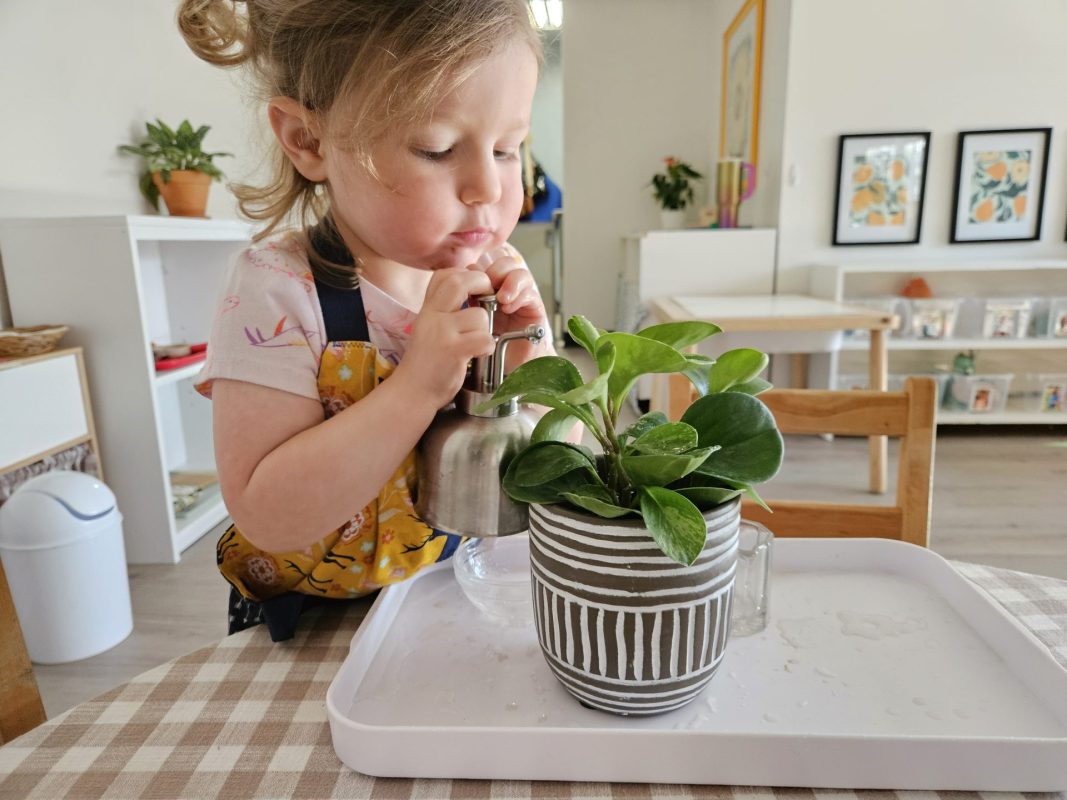
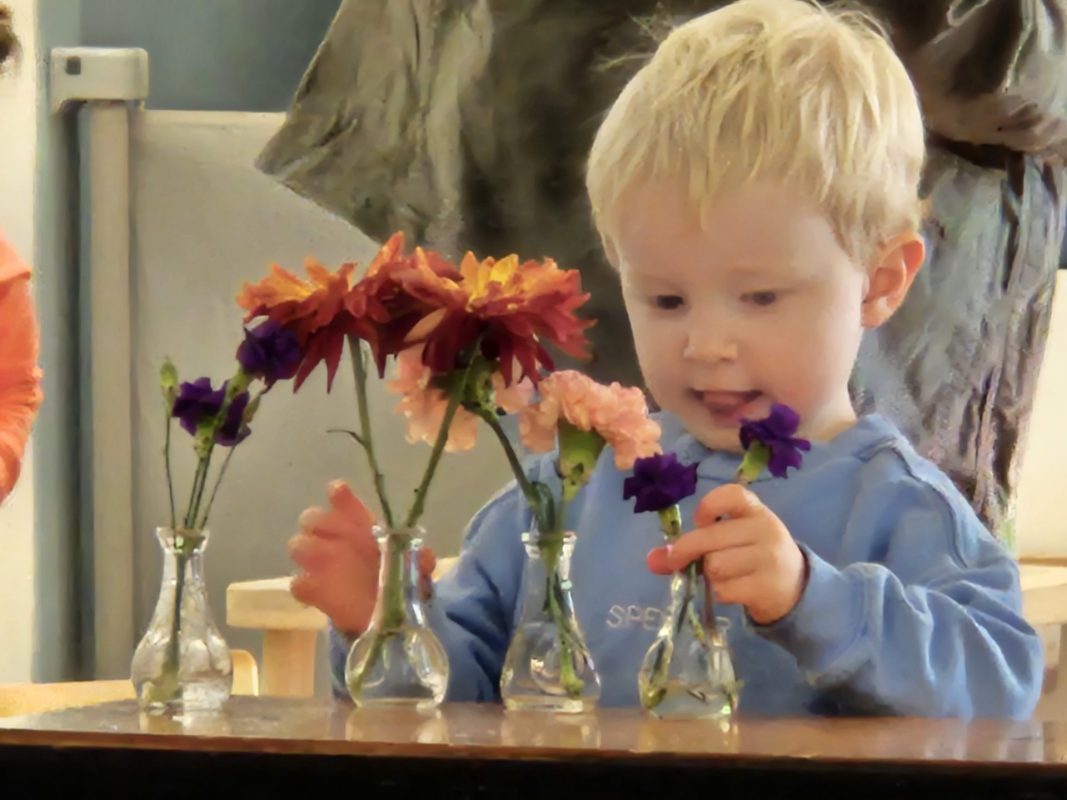
One of the newest works in the classroom is plant care and flower arranging, both have been highly satisfying work and the children take such care in making our classroom feel beautiful. They have been taking in the smallest details of the plants and flowers. The children are very aware of how fragile the plant is, when dusting them you have to have a lightness of touch, so we don’t rip the plant leaf. While they are young, these children know and understand that even the smallest plants need great care. Dr. Montessori once said, “Children indeed love flowers, but they need to do something more than remain among them and contemplate their colored blossoms. They find their greatest pleasure in acting, knowing, exploring, even apart from the attraction of external beauty.”

I leave you with one simple little task: think about what gratitude means to you as a family and how you can express this to your child.

With full hearts,
Ms. Mollie and Ms. Lizette


Mrs. Wilson: Pumpkin Pumpkin

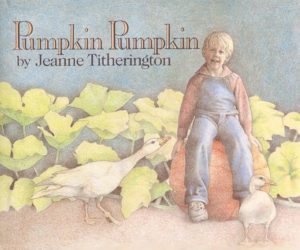
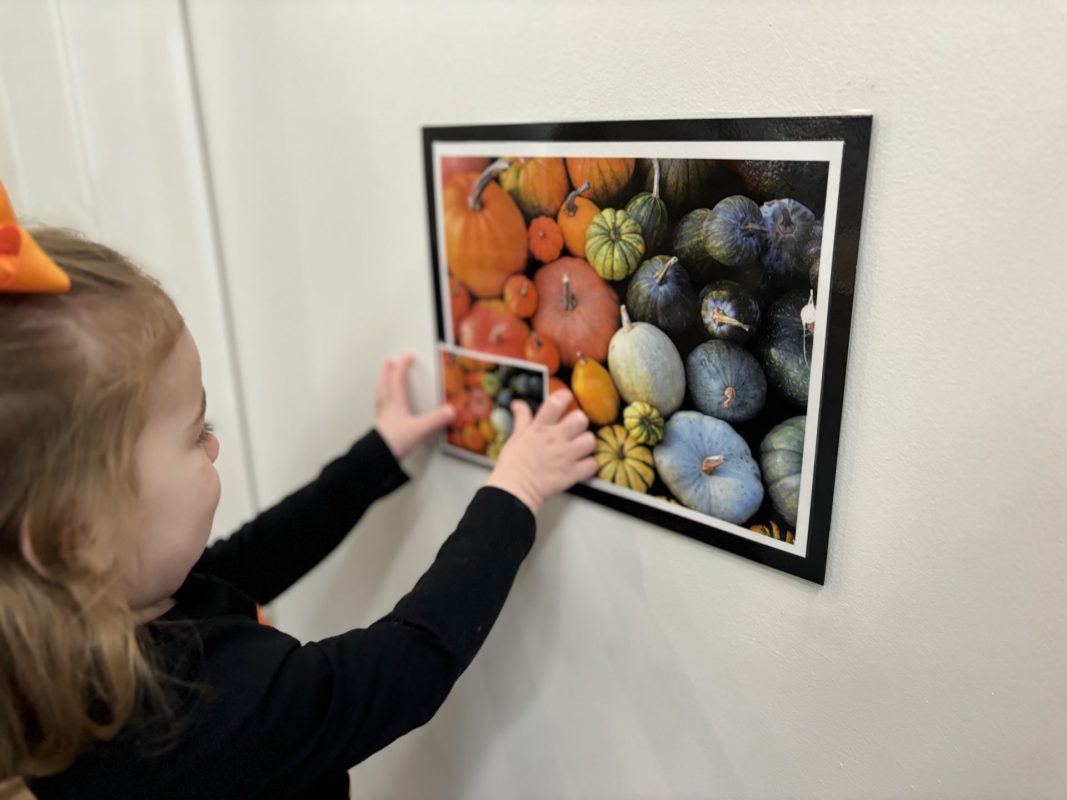
Over the past two weeks, the children have been immersed in the story Pumpkin Pumpkin by Jeanne Titherington. This delightful tale follows a child named Jamie as he plants a pumpkin seed and explores the pumpkin’s life cycle. We began our exploration by discussing key vocabulary related to this cycle, including seed, pumpkin sprout, pumpkin plant, pumpkin flower, and pumpkin. By the middle of the second week, some children were able to finish my sentences, while others confidently repeated the vocabulary or actively processed the information.

On our language shelf, we have life cycle sequence cards for the children to explore in conjunction with the story.

We then took a small pumpkin and placed it in a container to observe its decomposition, allowing the children to experience the pumpkin’s life cycle visually. We hope this will eventually grow our very own pumpkin plants.

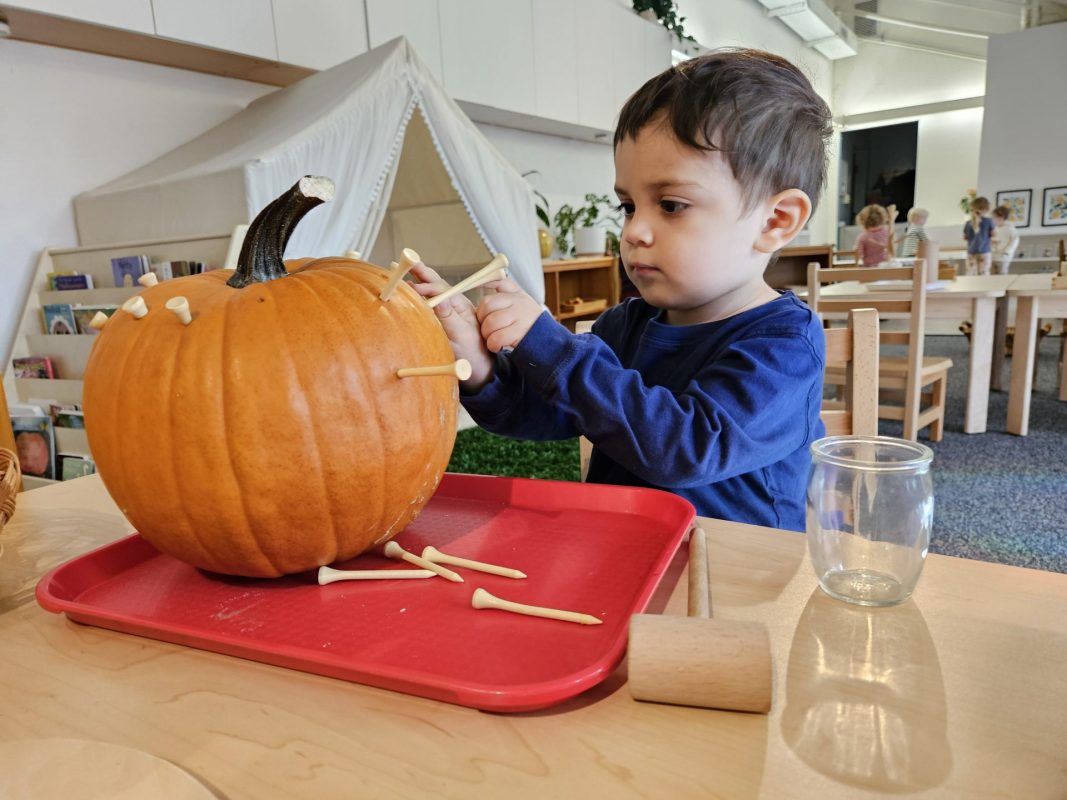
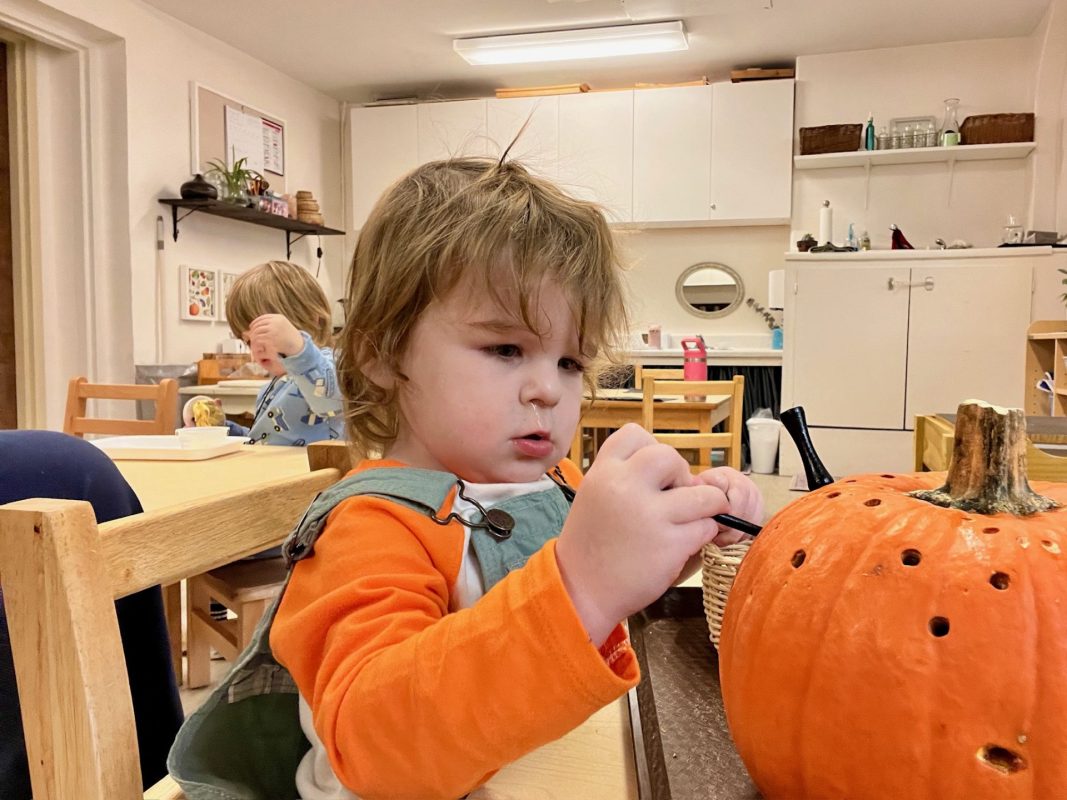
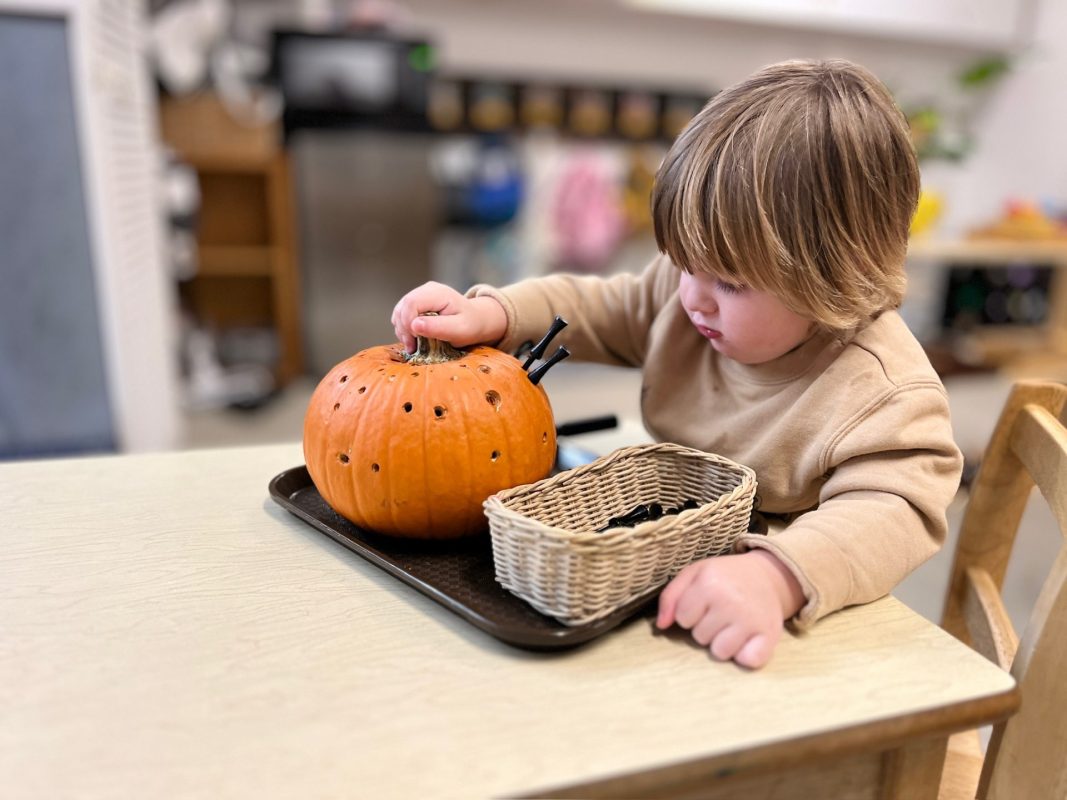
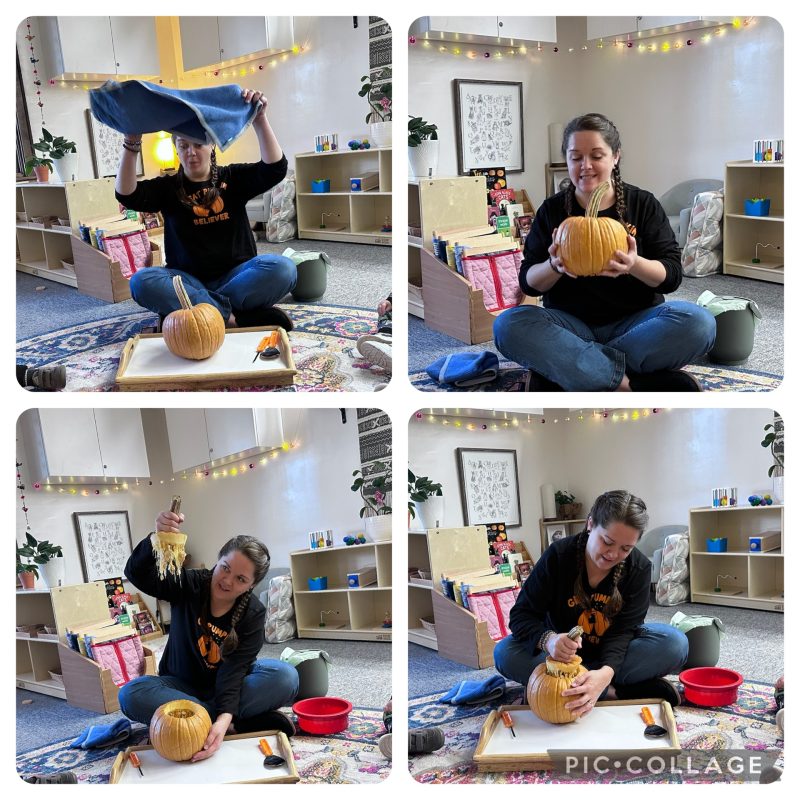
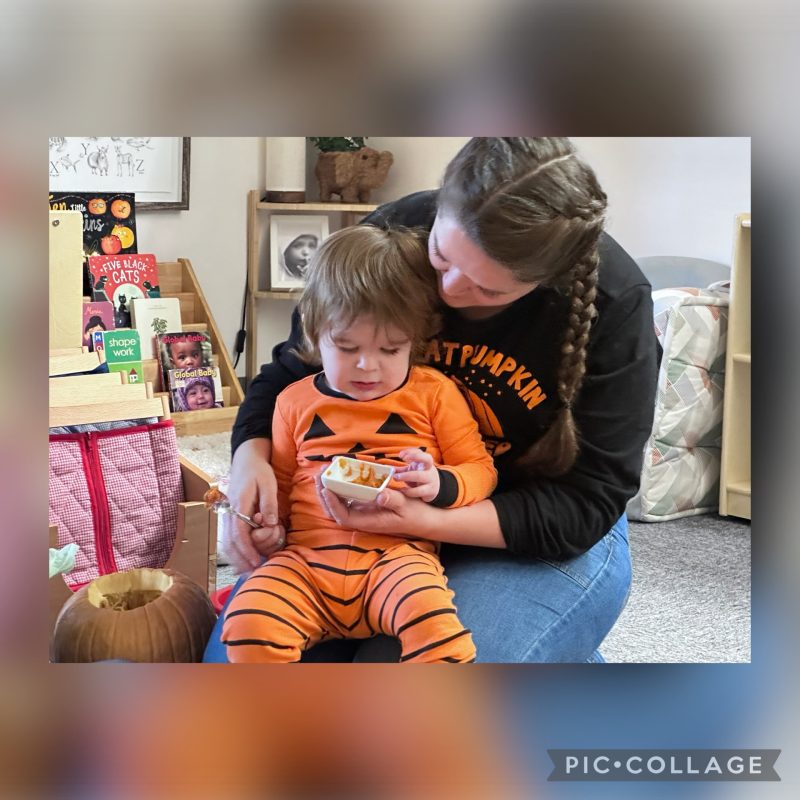
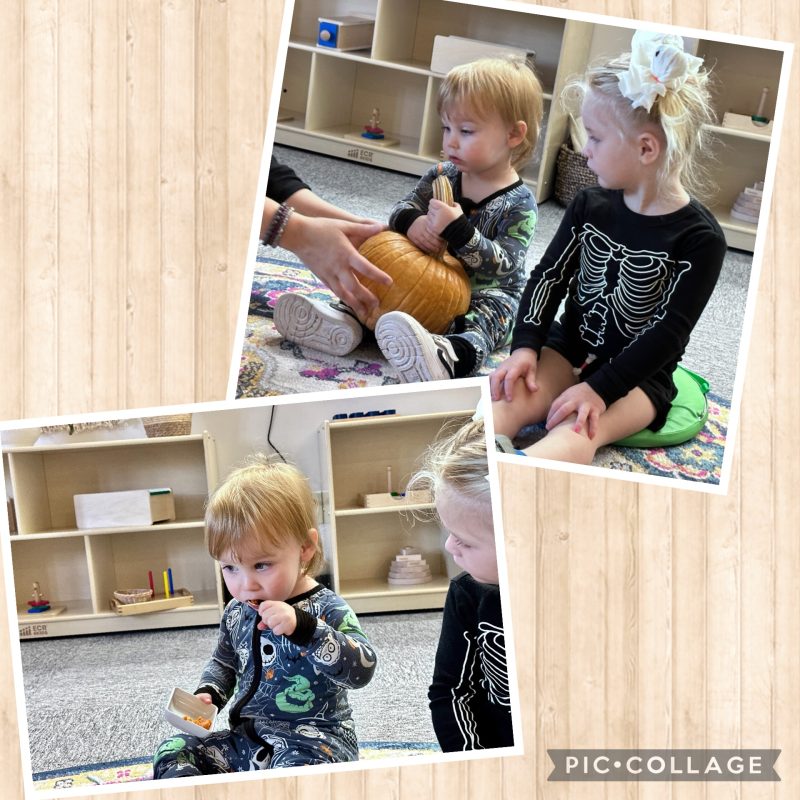
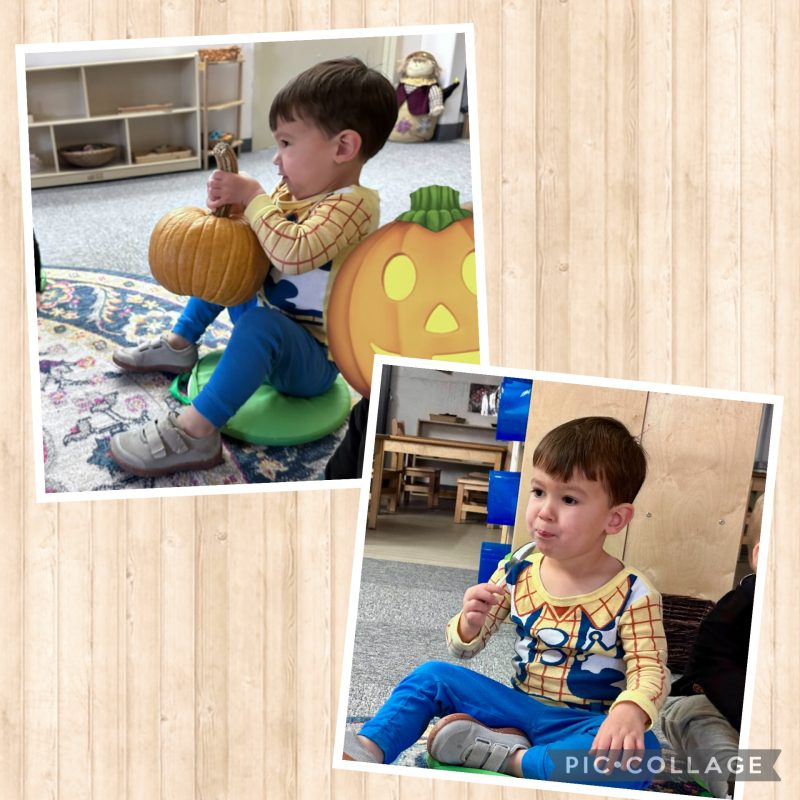
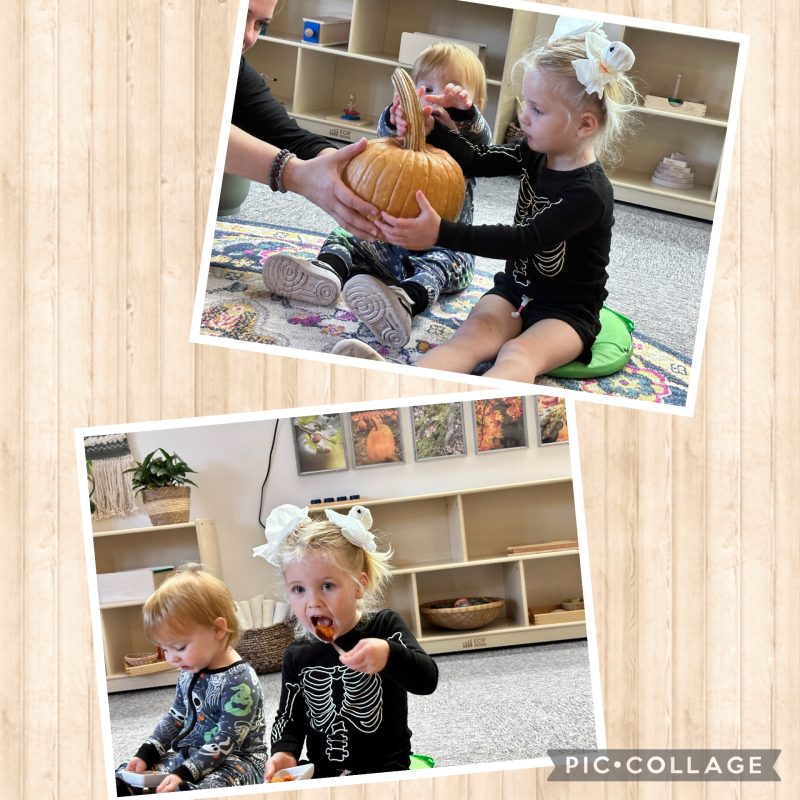
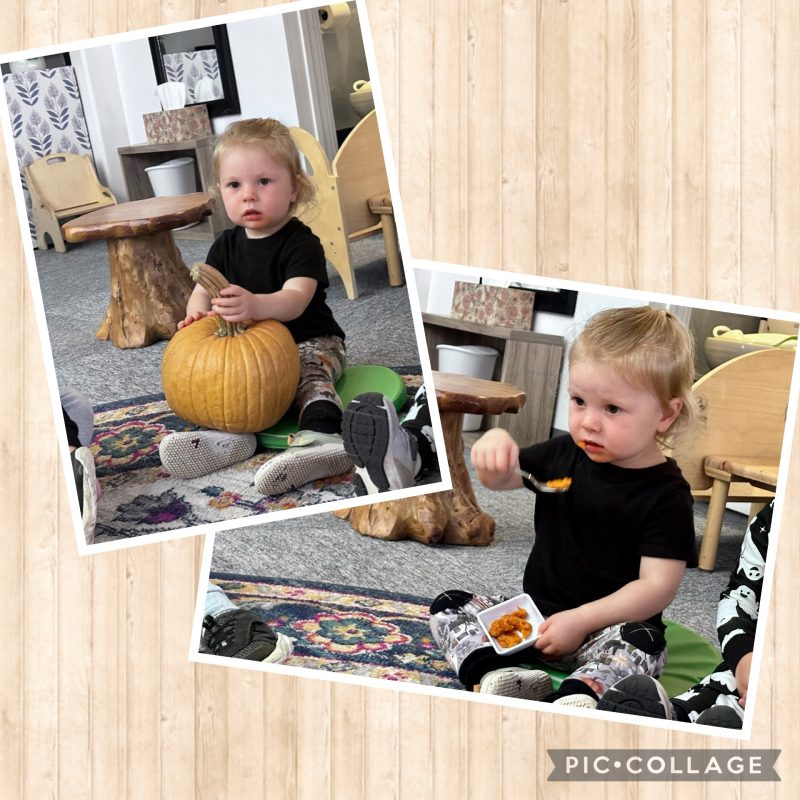
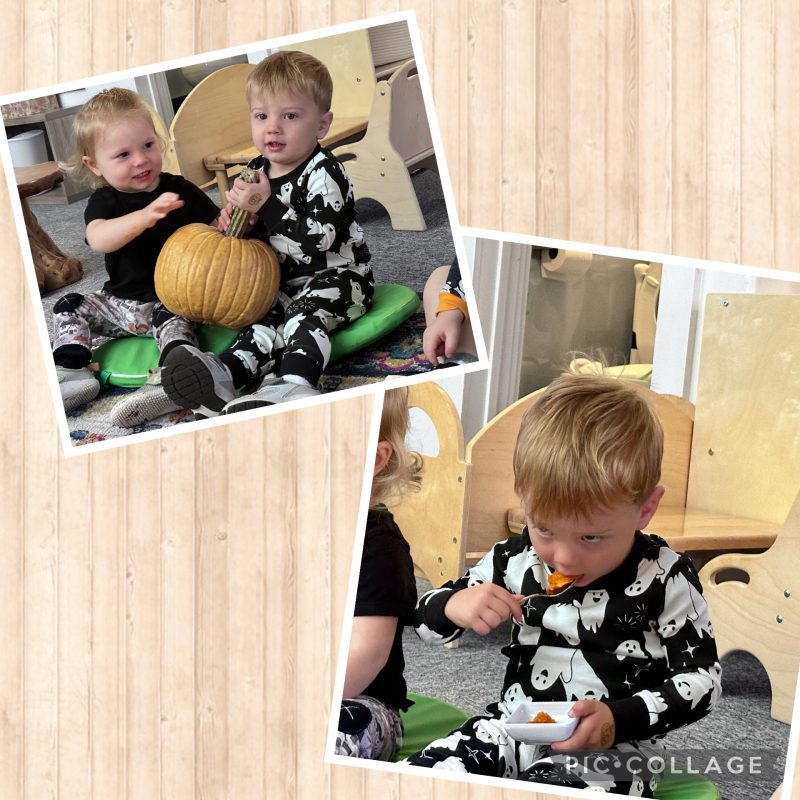
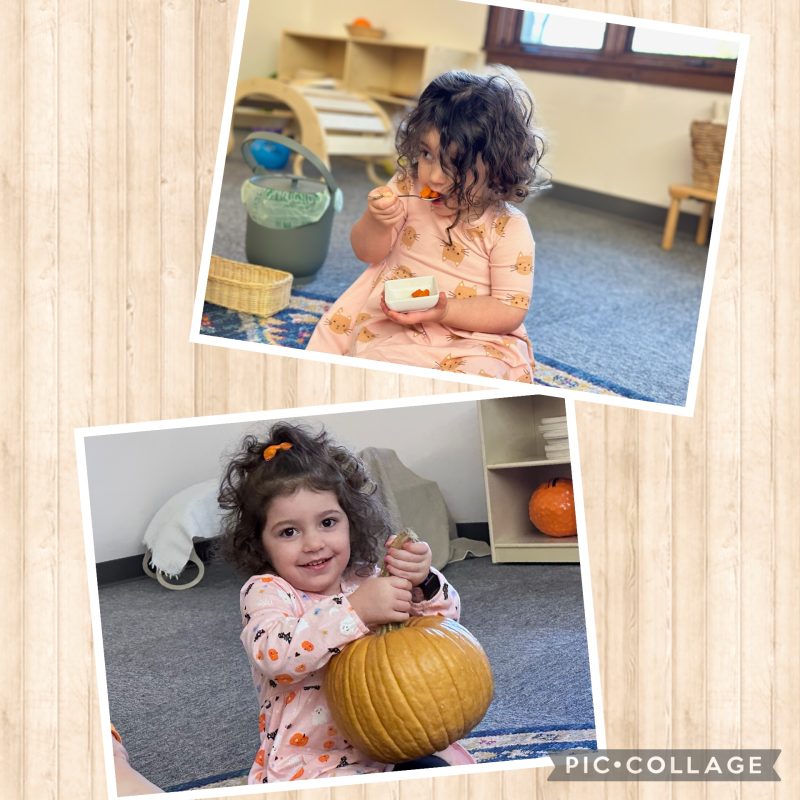
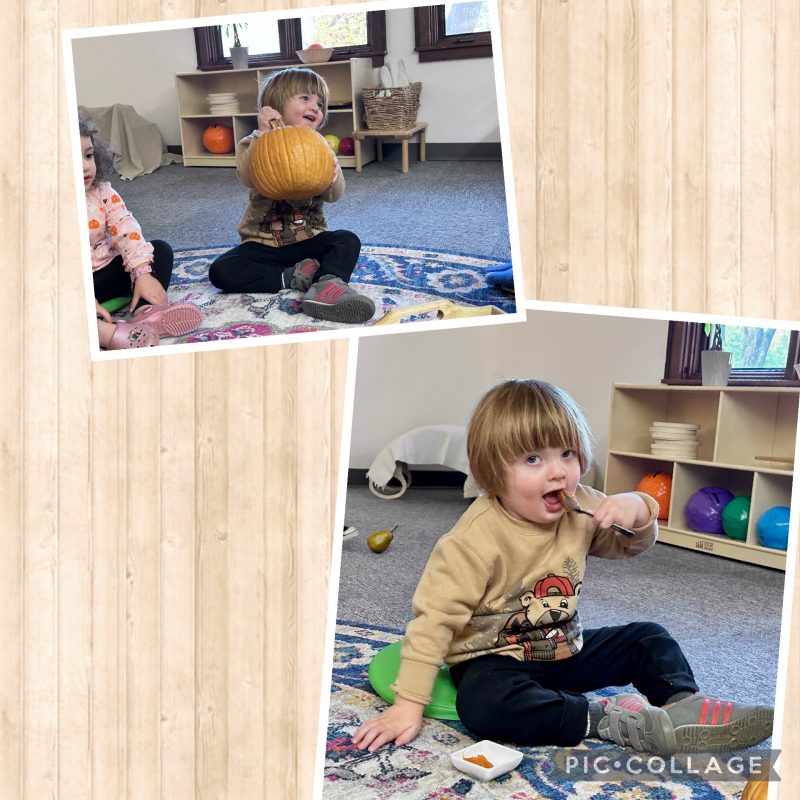
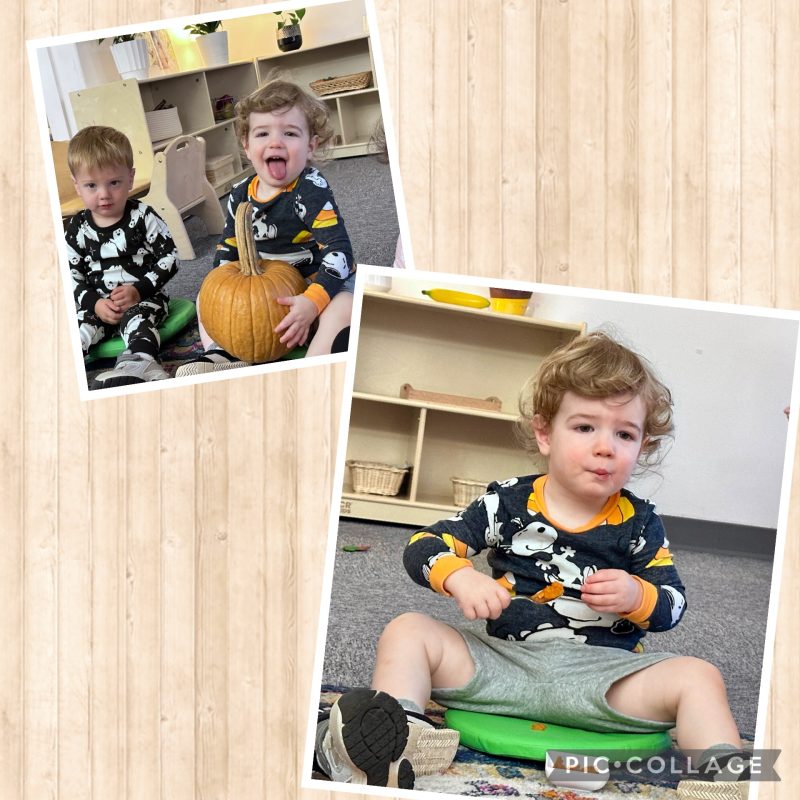
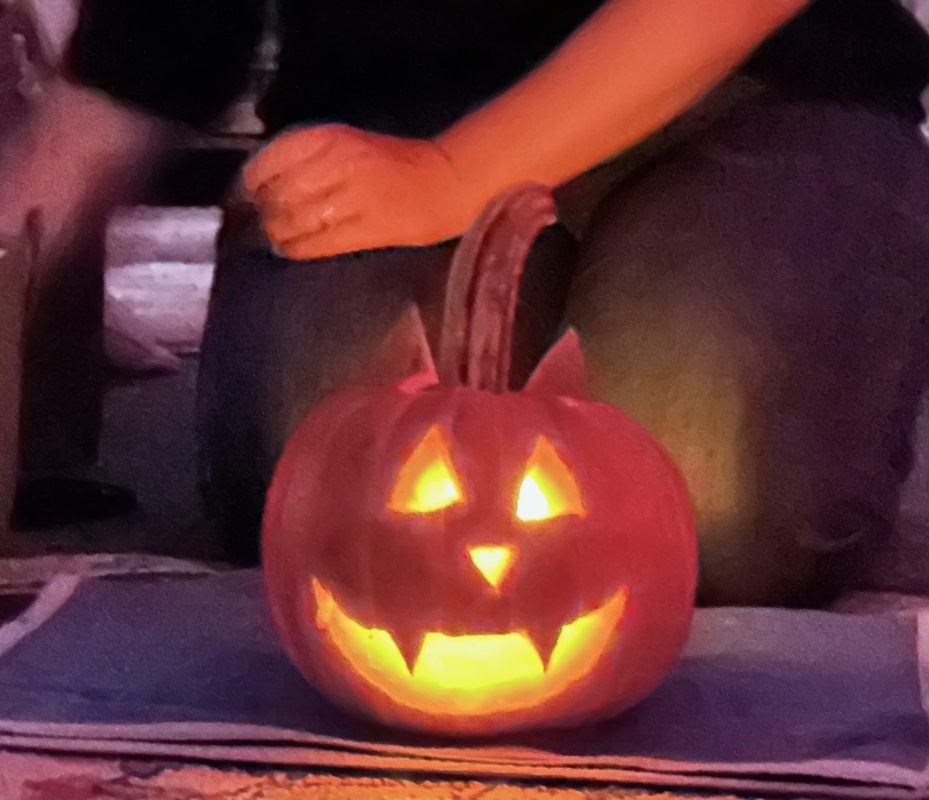
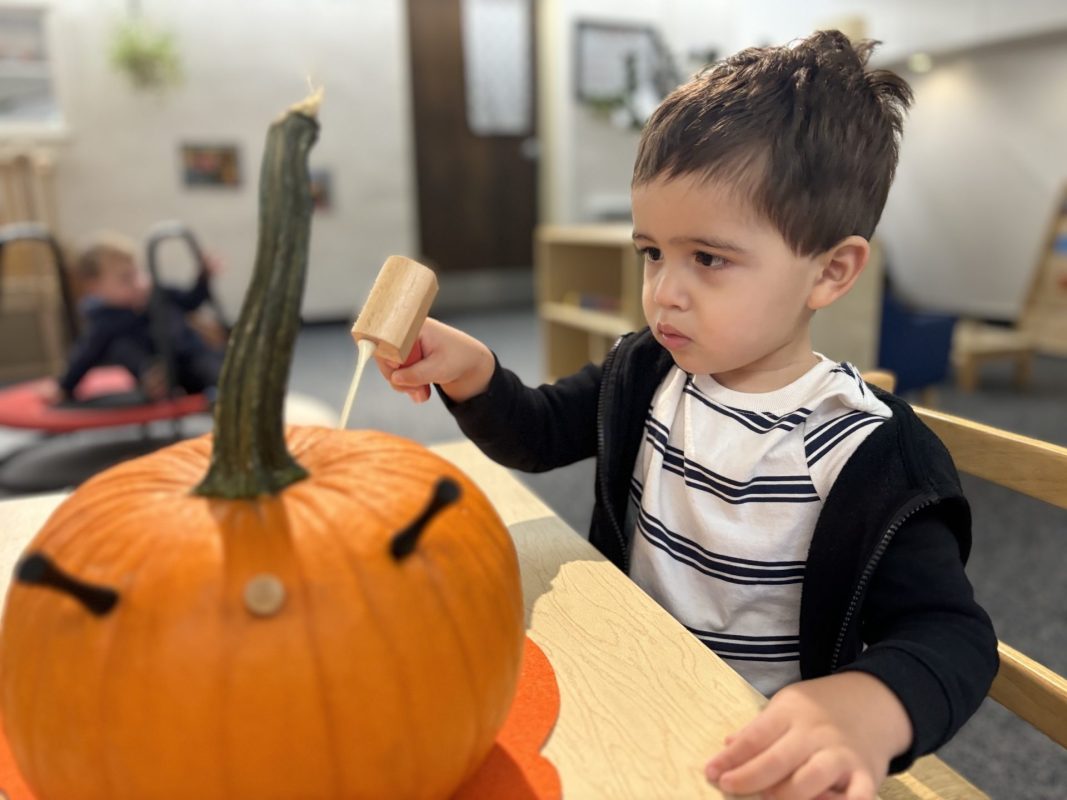
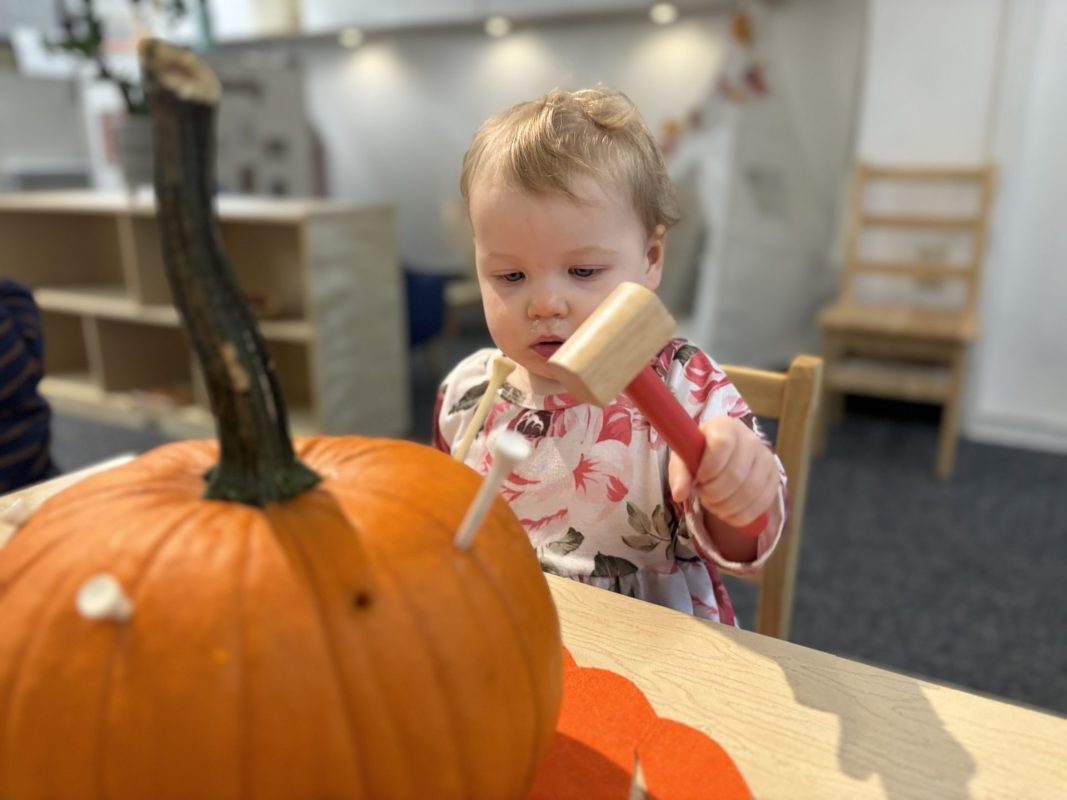
To conclude our pumpkin exploration, just in time for Halloween, the children tasted pumpkin. They examined both the exterior and interior of a pumpkin and then had the opportunity to taste it. Finally, we carved our own pumpkin face, just like Jamie did in the book.

To add to the Halloween fun, the children watched the Halloween parade with students from Lower Elementary through Middle School. There were many fun costumes; some children created their own costumes in our maker space program.

Love and Light,

Cynthia and Sara


Mrs. Hood: Music, Art and Autumn Magic

Maria Montessori used the scientific method to study children’s natural ways of learning, and her findings still resonate today. She observed that from birth to age six, children absorb the world around them effortlessly, taking in the culture they’re surrounded by like little sponges. Whatever they hear, see, and feel gets woven into their sense of self, almost like an imprint on their soul. For example, if a child grows up with music—hearing parents sing, watching them dance—that child often develops a love for music, too. Montessori called this remarkable capacity the “Absorbent Mind.”
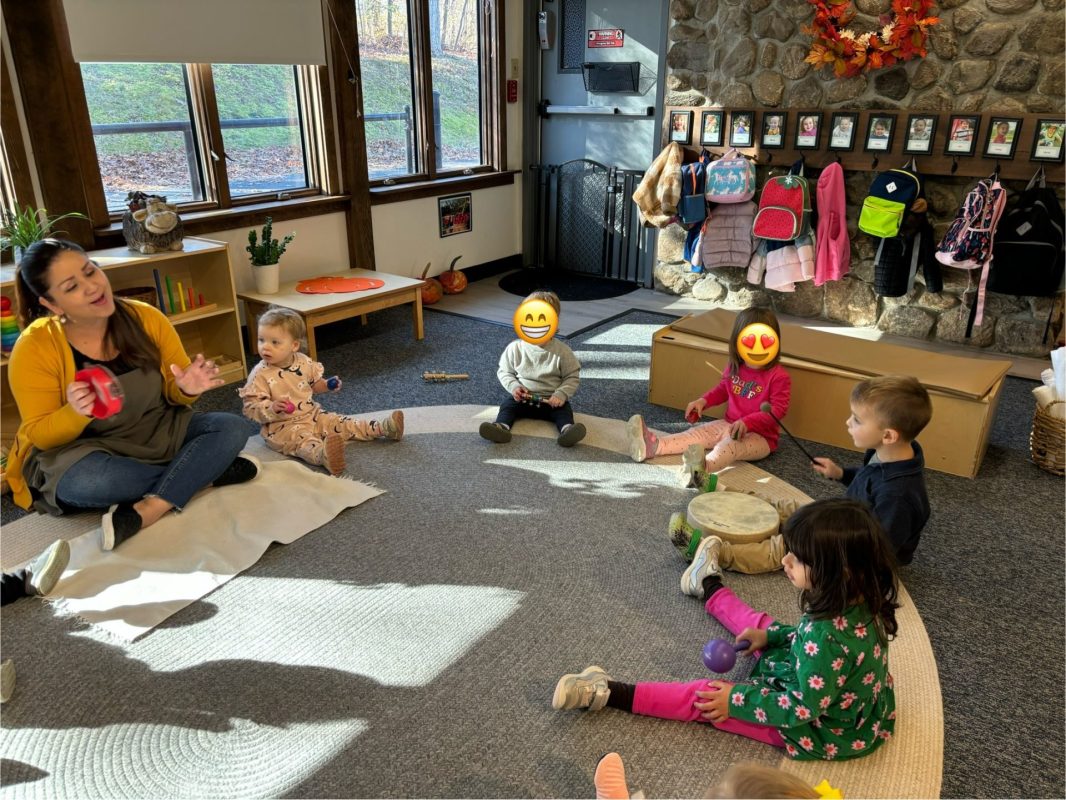
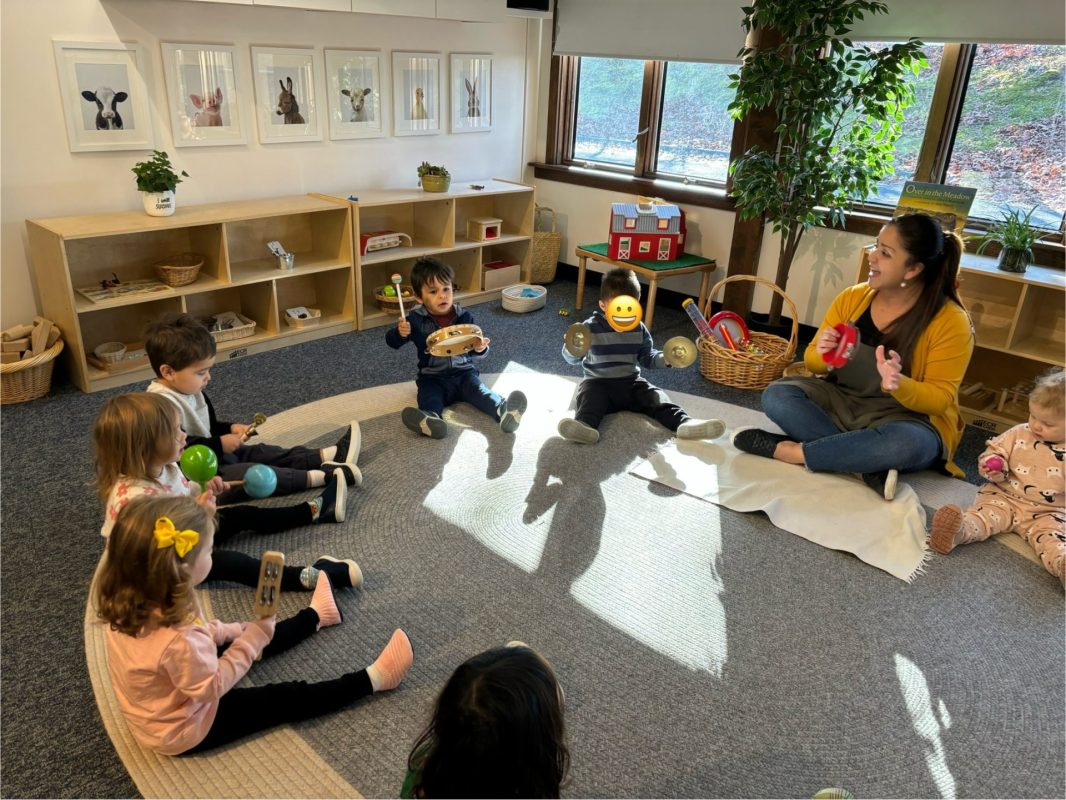
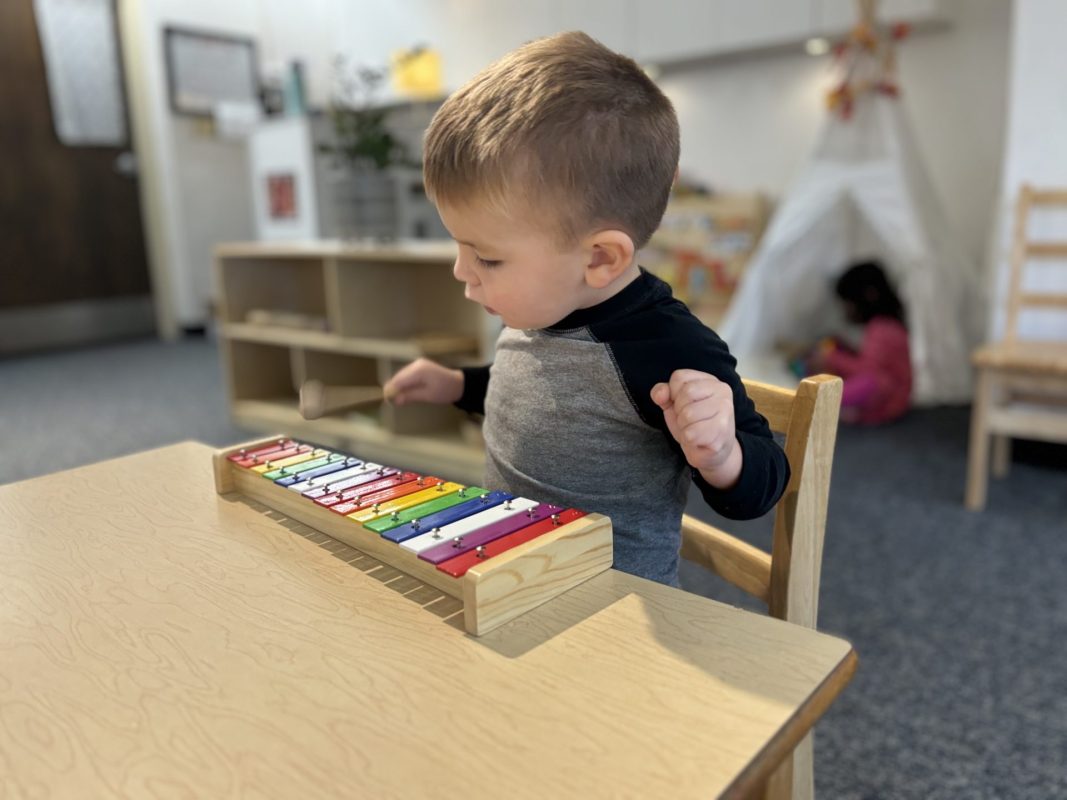
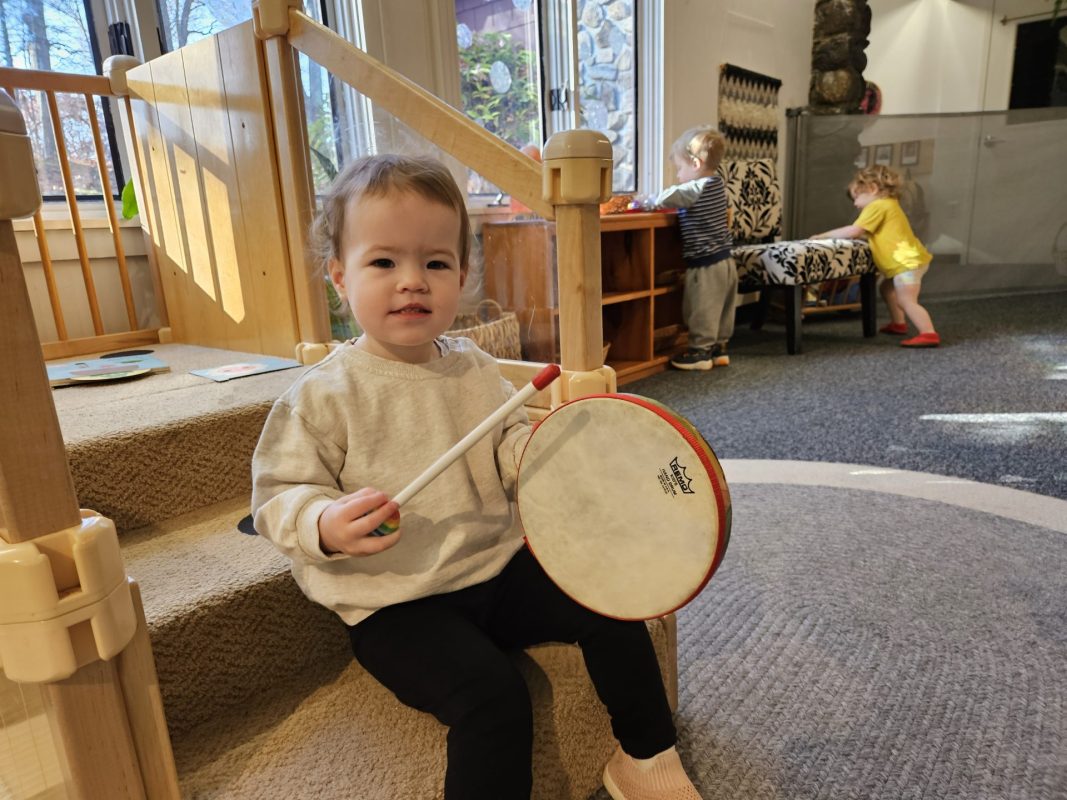
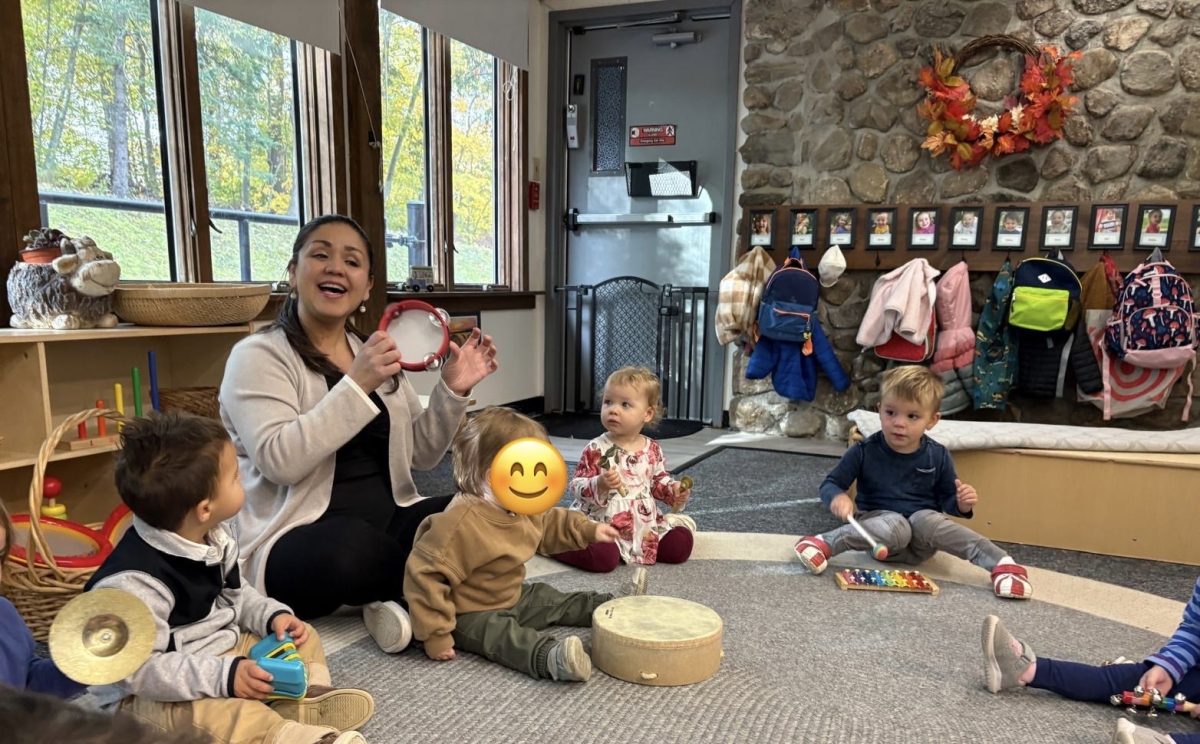
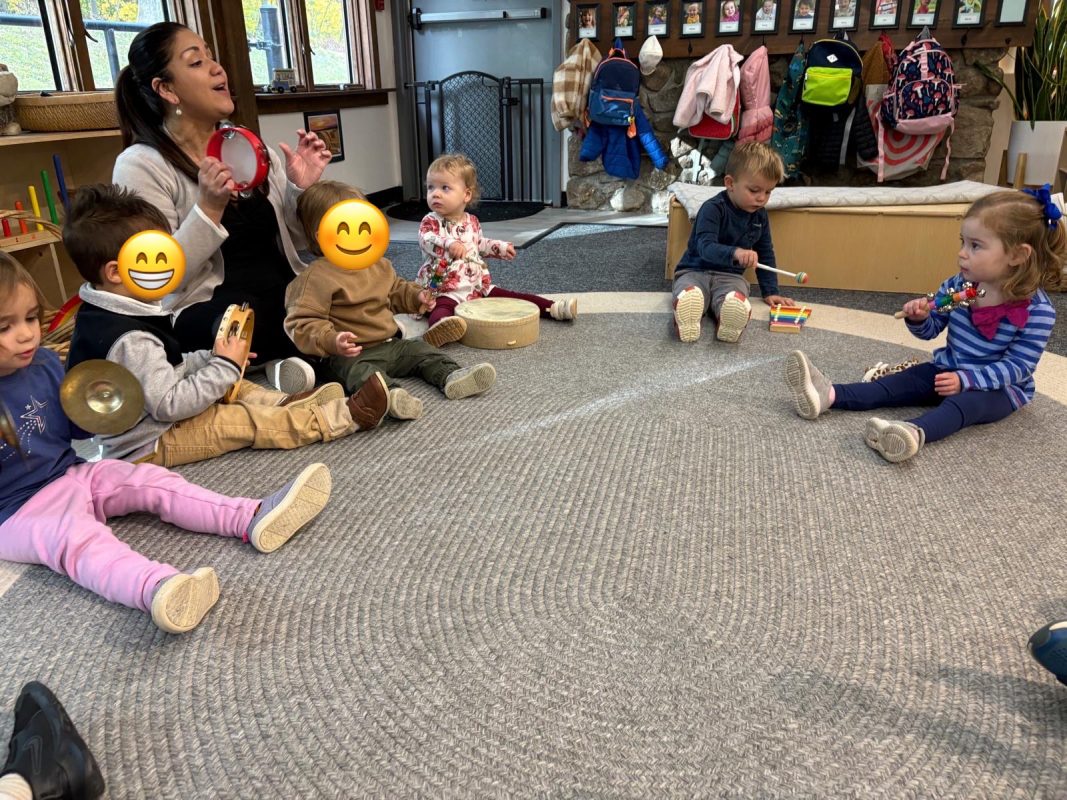
In our classroom, we honor this “Absorbent Mind” by weaving meaningful musical experiences into every day. Mornings are lively with whole-body movement songs, fingerplays, and instrument time. We have a rotating shelf of musical instruments so children can explore, learn each instrument’s name, and practice handling them with care. Music time isn’t only about fun; it’s also a chance to build social skills. We gently introduce grace and courtesy by encouraging children to wait patiently until everyone has an instrument so we can all play together. It’s a lovely practice in self-control and teamwork, essential skills as they learn to manage their impulses.
One of our favorite moments is watching the children follow hand signals to change tempo, go soft or loud, and then stop their instruments in sync. Their joy when they all stop at once is priceless, and we lovingly call this “band time.” It’s definitely a favorite group activity in our class!

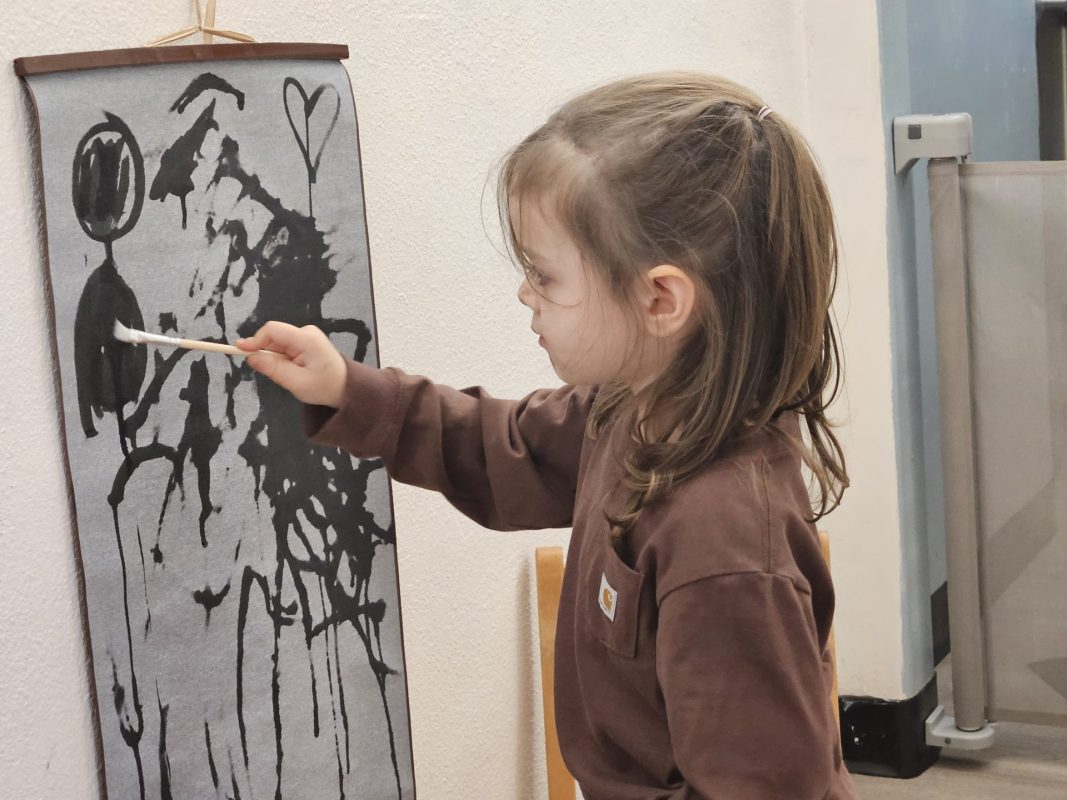
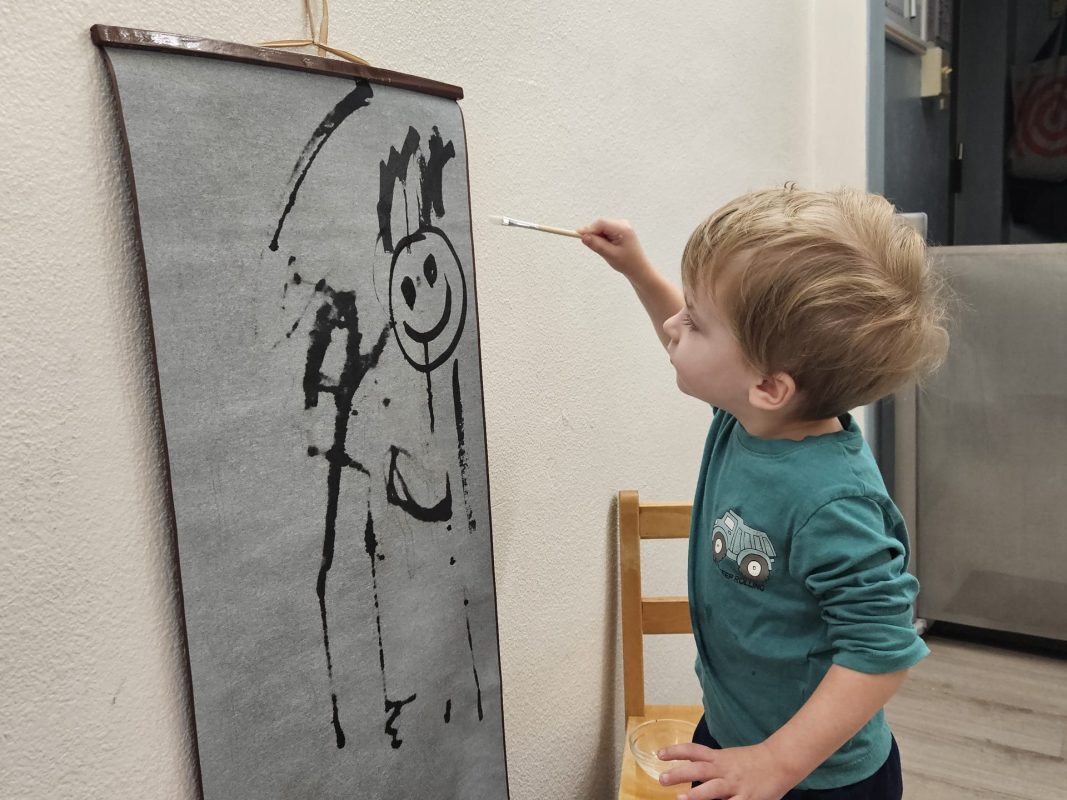
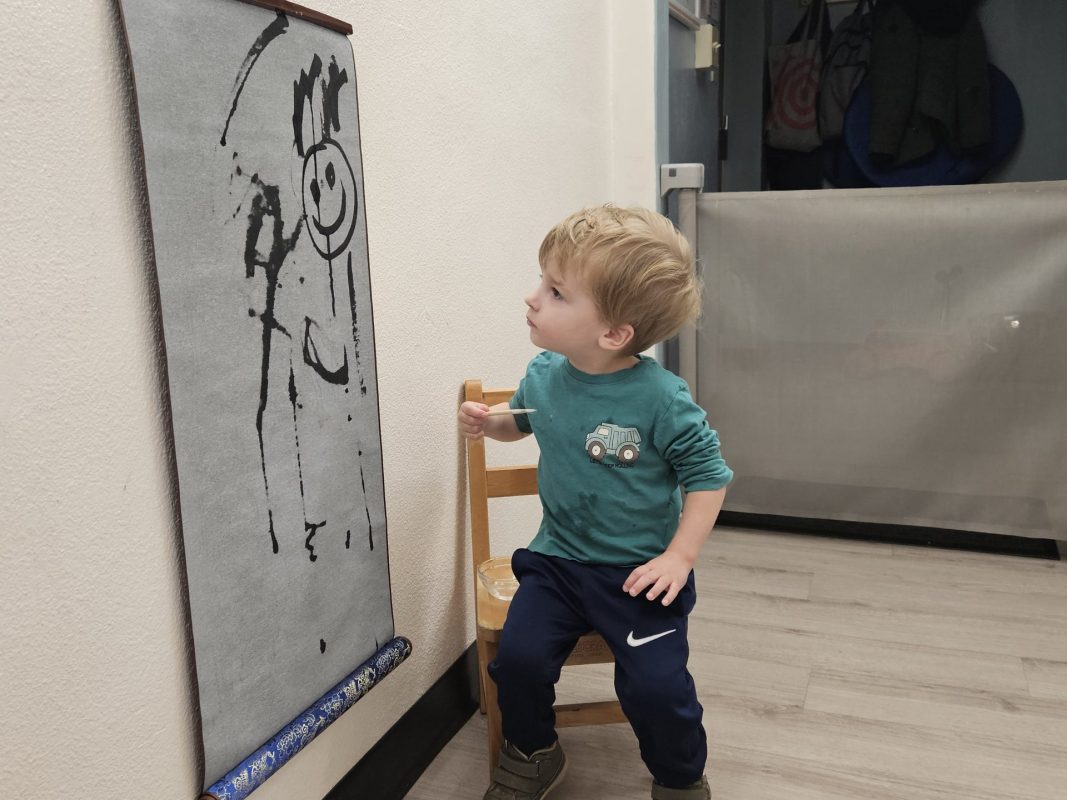
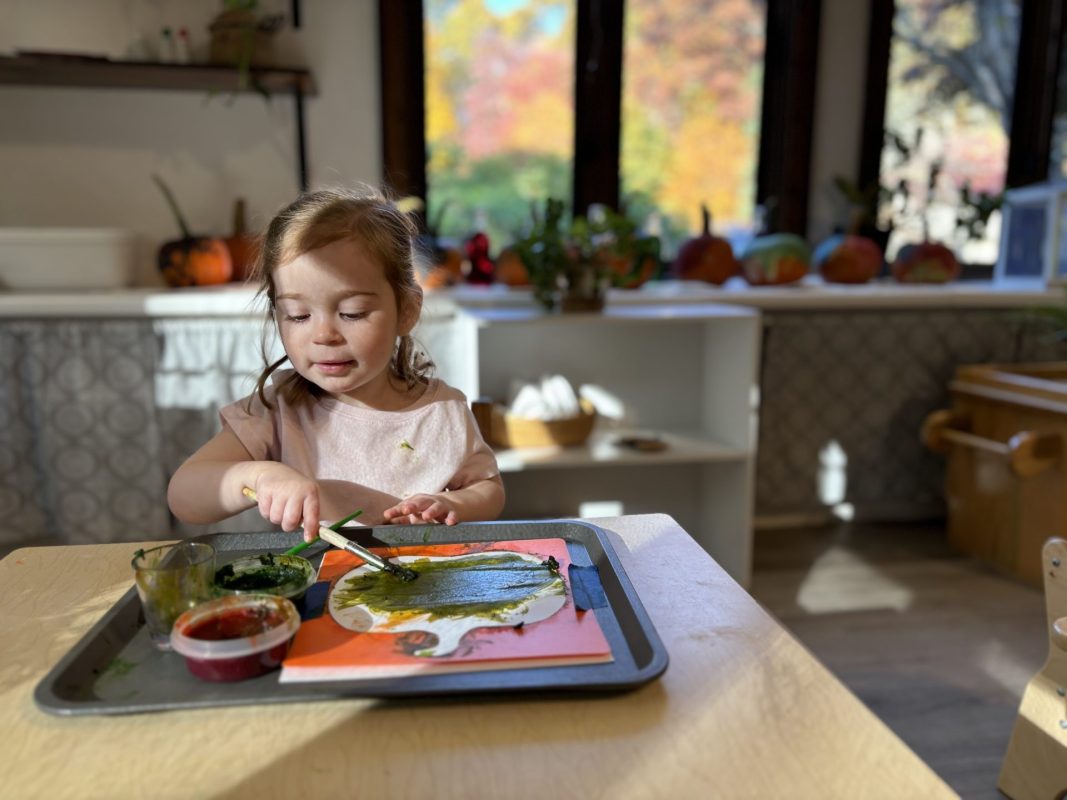
In our art corner, children are growing in other important ways. This week, we introduced easel painting, a wonderful activity that strengthens hand-eye coordination as they dip brushes in paint and carefully apply it to the paper. Painting also builds fine motor skills and lets them express themselves creatively, with no strict rules to follow—just a simple guideline to keep their work on the paper. Watching them beam with pride over their unique artwork is always a treat.

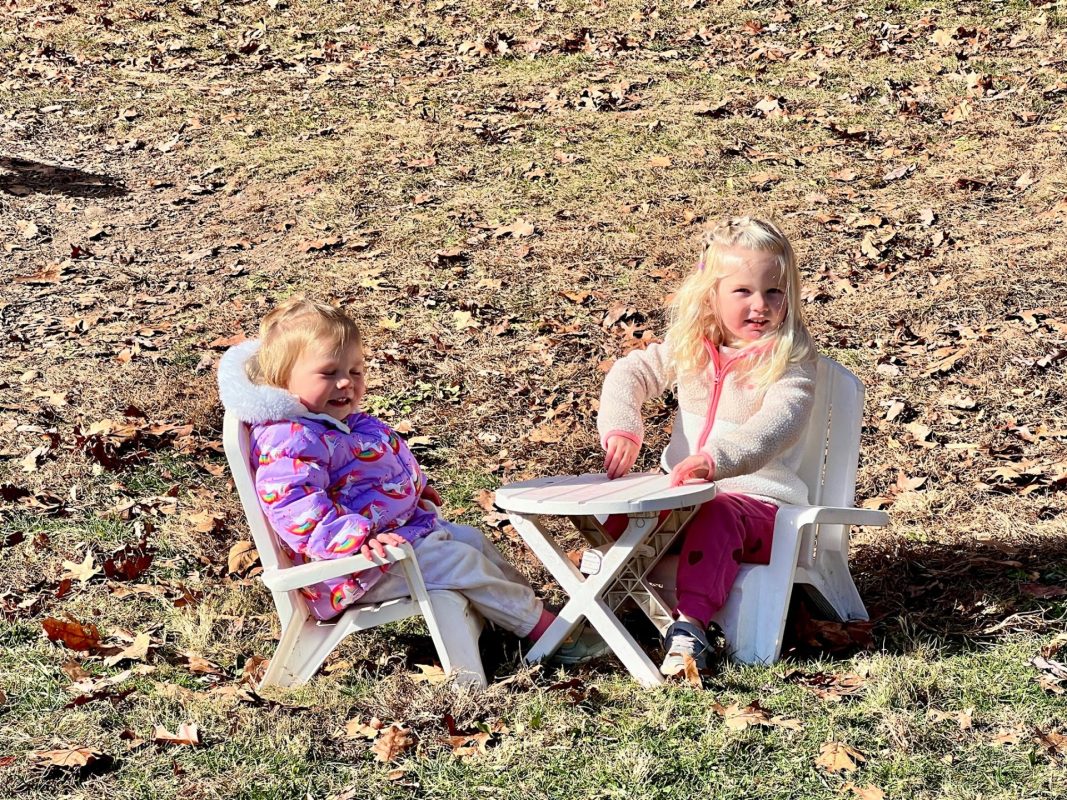
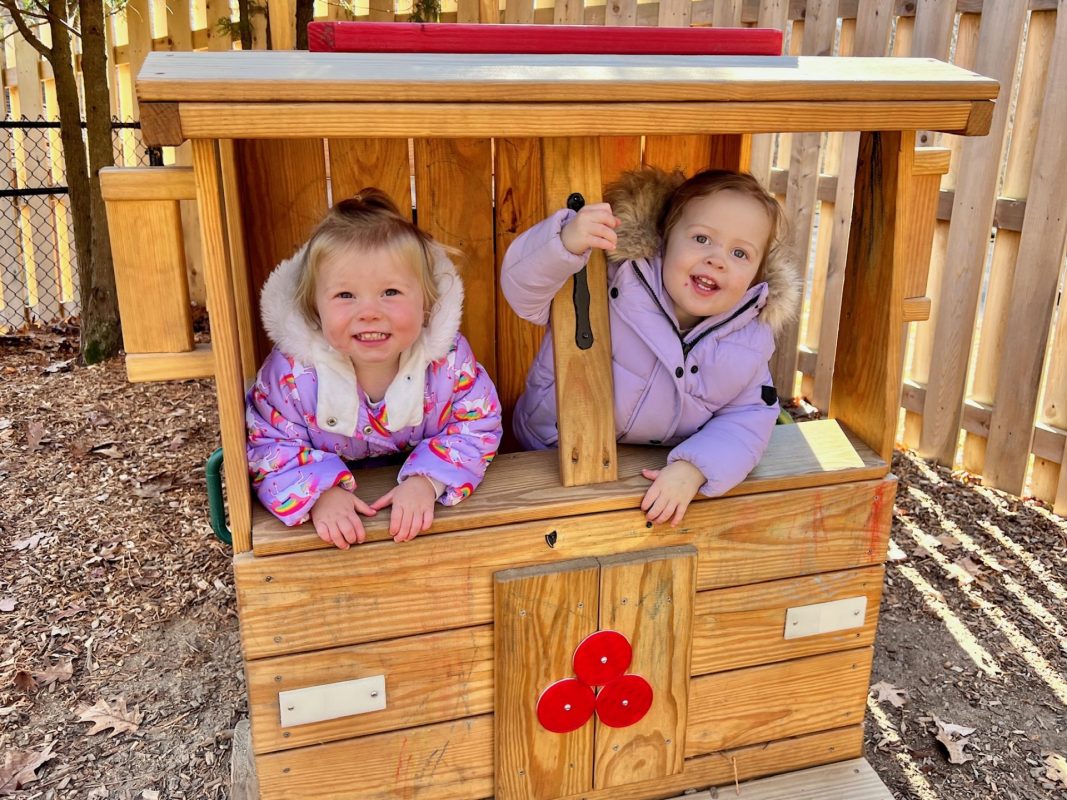
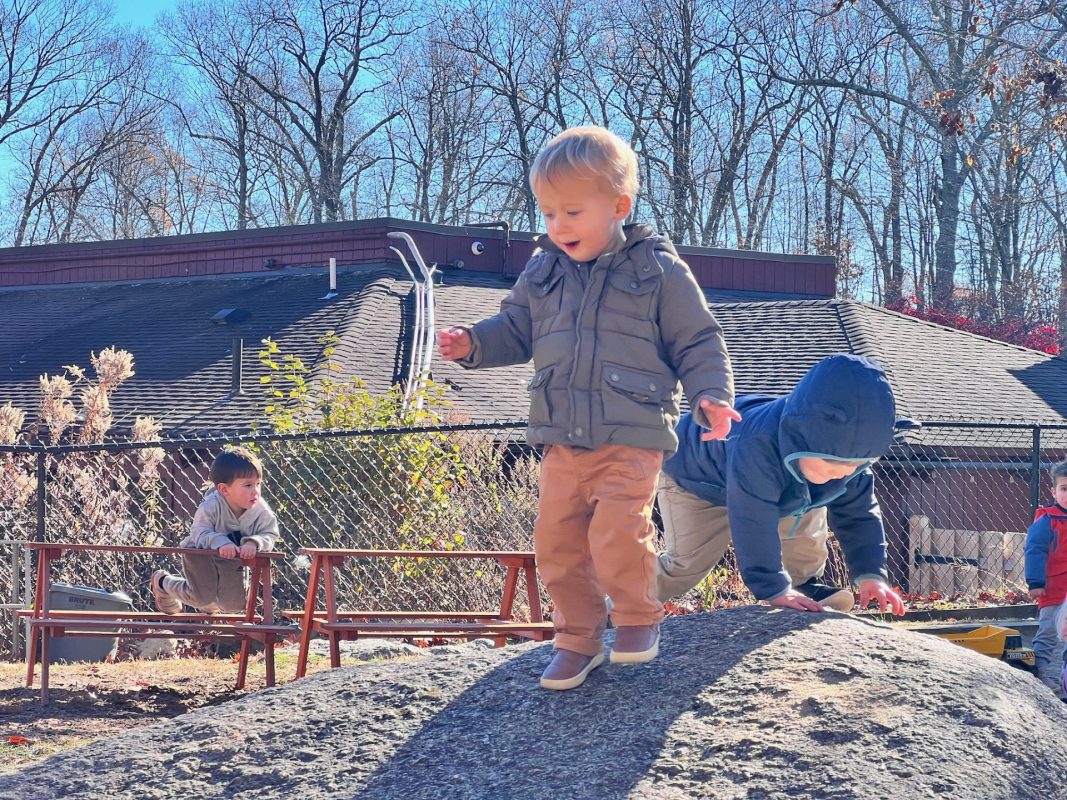
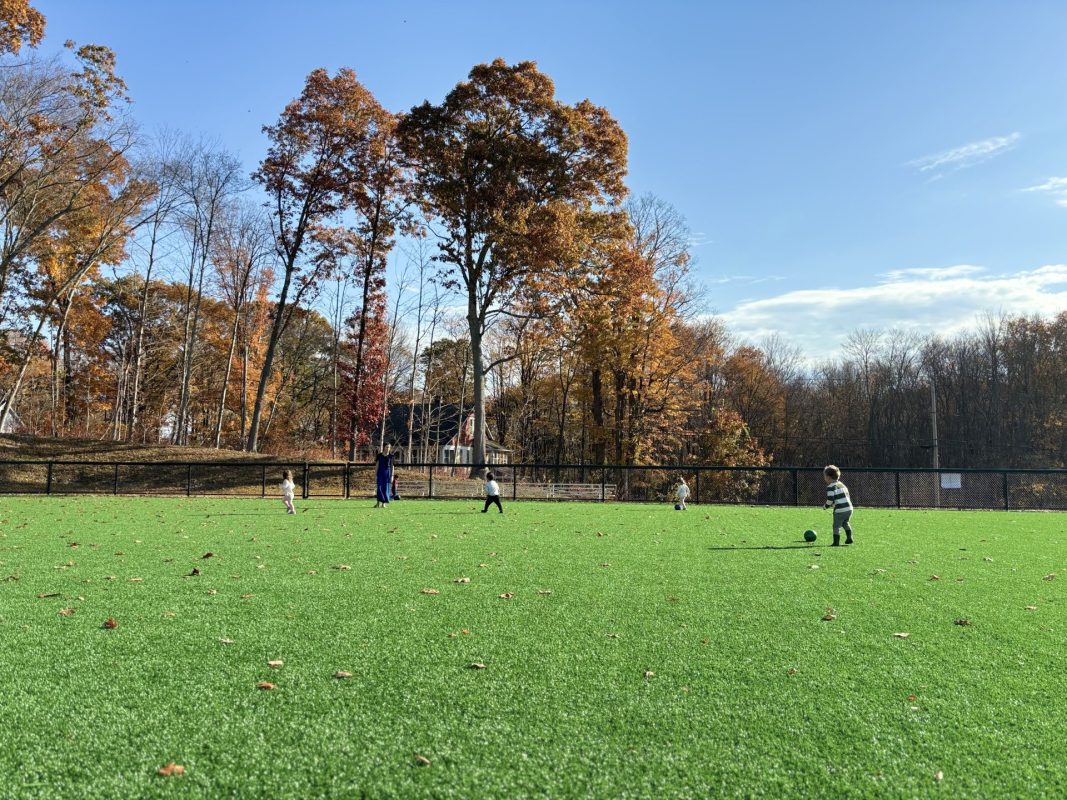
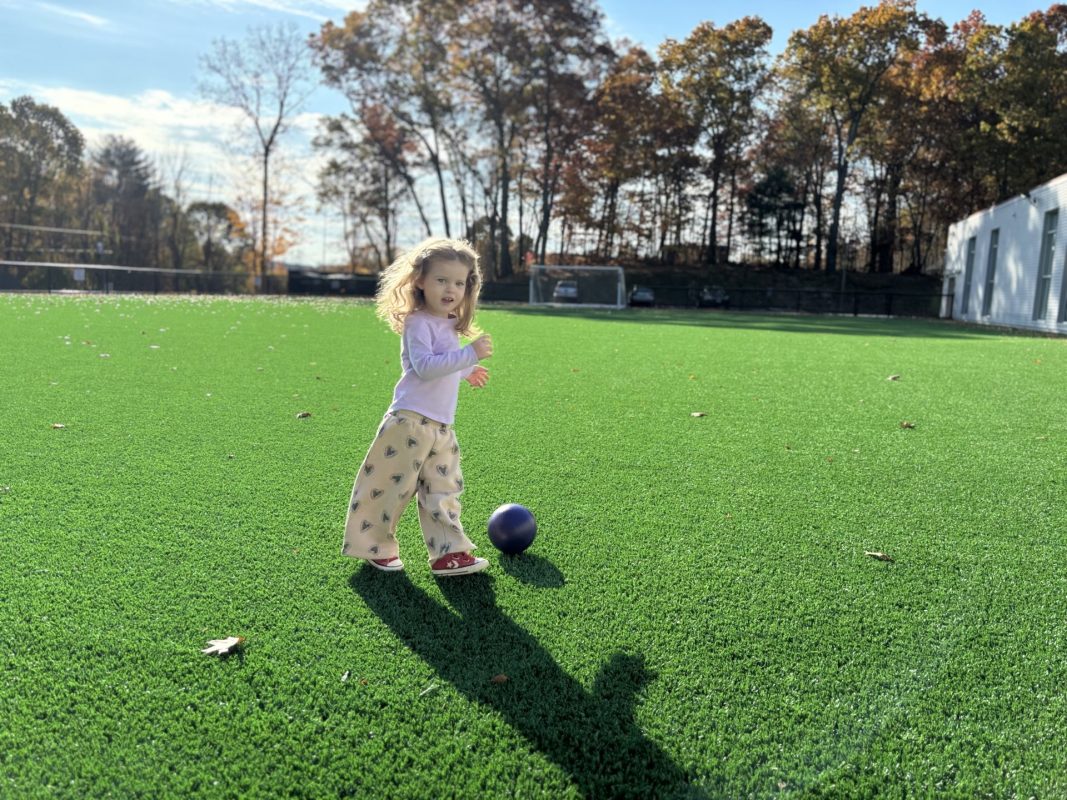
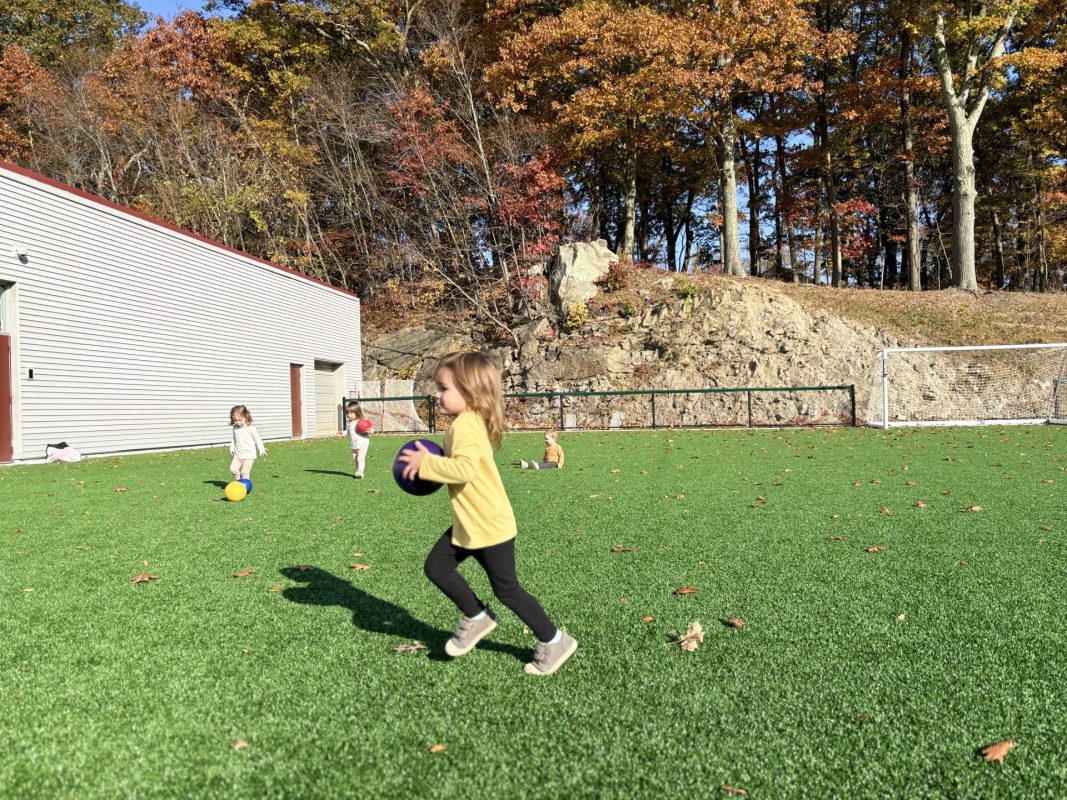
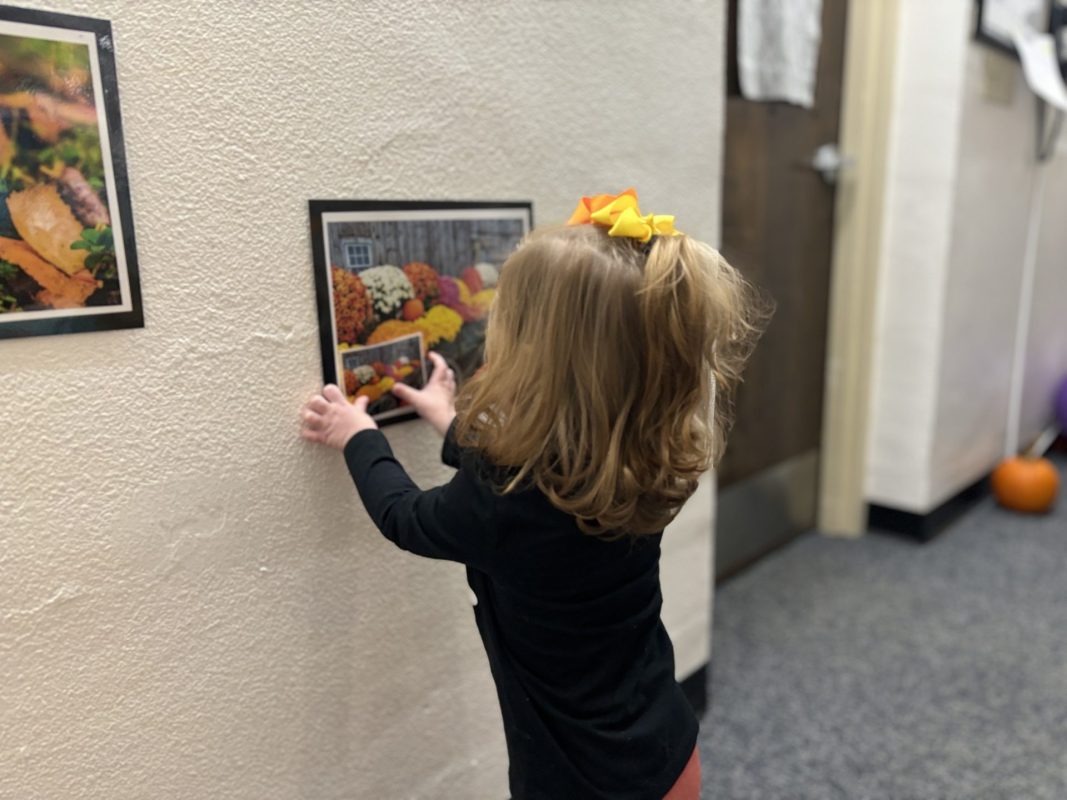
With fall in full swing, your children have been soaking up all the wonders of the season. They’re thrilled by the sight of colorful leaves drifting to the ground, the feel of crisp autumn air (the unexpected warmth as well), and the fun of exploring outdoors. Leaf collecting has become a popular activity as they pick out their favorite shapes and colors. A special moment this week was watching the Halloween Parade with the older students from Lower Elementary, Upper Elementary, and Middle School putting on a show for everyone to enjoy, as well!

We hope you enjoy a cozy, joy-filled long weekend surrounded by the beauty of fall!

Best,

Mrs. Hood and Ms. Noelle