Mrs. Hood: Toileting the Montessori Way!

“Learning to use the toilet is a natural process that begins when your child’s desire to be grown up and his neurological development have reached the point where he can control his bladder and bowels. We don’t train children to use the toilet, we support them when they are ready.” (How to Raise an Amazing Child: The Montessori way to bring up caring confident children, by Tim Seldin)

As children continue to work on their self-care skills, we want to focus our attention this week on a special topic (and sometimes a dreaded one) between parents: potty training.

In our Montessori environment, we call it “toilet learning” since we believe that using the toilet is a very natural and gradual process that develops at the child’s pace, rather than when the adult decides the child is going to be toilet ‘trained.’ In our experience as Montessorians, we have witnessed toddlers as early as 20 months to as late as closer to three years old master these skills. Also, we have observed that apart from the developmental stage the child is in, one of the main factors for success relies on the parent’s commitment early on to support this process at home by making their child an active participant in the diaper changing process as we do in our environment.

You might be asking yourself, “But how do we do this? How can we support our child at home?”

As this topic can be extensive due to the fact that this type of support can start even when your child is a young baby, we are going to leave you here with some important tips focused on your toddlers and their stage of development:

  1. Ditch the changing table and start changing your child in the bathroom area. This is important as it sends a clear message to the child that this is where we go to be changed and use the toilet.
  2. Prepare the environment. You may use a potty to start if you feel your child needs more balance, or you may add a toilet seat to your regular toilet. If using the latter, please find a stable stool where your child will feel secure and encouraged to use the toilet. Add a basket with clean diapers, wipes, and books so children are encouraged to sit on the toilet and wait when needed. If your child is showing signs of readiness, a basket of clean training underwear and a basket for wet underwear should be part of this area.
  3. Incorporate CONSISTENT toileting into your child’s routine. Offer the potty/toilet at times when the child normally urinates or has bowel movements (after waking up, before going outside, after coming in from outside, after lunch/before nap, etc.)
  4. Say, “It’s time to use the toilet,” rather than “Do you want to go to the toilet?” (The answer will usually be no.) As the child becomes more aware of their body, they will be able to tell you, “No, I don’t need to go.” You can then say something like, “Of course, I know you will tell me if you need any help when you need to go.” You can also use an alarm clock set at regular intervals to remind them to go, “The clock says it’s time to use the toilet.”
  5. Never force a child to use the toilet or potty.
  6. Do not interrupt the child to use the toilet—for example, wait until they have finished their puzzle, etc. before offering the toilet.
  7. Focus on encouraging your child to be an active part of the process by asking them to push their pants down, open the tabs of their diaper, and recognize if they have had a bowel movement or not (we always ask this to teach the children that if they have had a bowel movement, they will need our support to remove the diaper), wipe (when having a bowel movement we provide a small stool where they can turn around and put their hands on it for stabilization and the adult will clean them), place diaper in the trash, pull their pants up after receiving a new diaper and wash/dry hands. This is a daily routine in our environment. As soon as you incorporate this at home, we believe your child will increase their interest, and signs of readiness will become more obvious.
  8. Provide clothing that supports the process. Avoid zippers, buttons, tight clothing, dresses, onesies, jeans, overalls, rompers, etc. Reminder: Please avoid this type of clothing on your child for school as well.

When should my child transition into wearing underwear?

When your child is staying dry for long periods, telling you when they are wet or soiled and they are having consistent success using the toilet at home and at school, it may be time to transition into underwear. The thick, quilted training pants work best as they allow the child to feel the wetness and are more absorbent than the thinner cotton underwear. When circumstances allow, you may let the child go bare bottom at home. This can help them see and understand what is happening. Please be aware that toddlers usually show signs of readiness at home first, and as they become more confident in the process, the transition into school life is usually peaceful and successful.

Communication between home and school is vital in this process. Please always reach out with any questions you may have! We will be more than happy to assist you!

Have a great weekend,

Mrs. Hood and Ms. Noelle

“There should be no pressure, no reward or punishment, no adult deciding when the child should learn to use the potty. The environment is prepared, and the child is free to explore and imitate in these natural developmental stages.” (The Joyful Child)
Mrs. Wilson: Highlights From Our Week

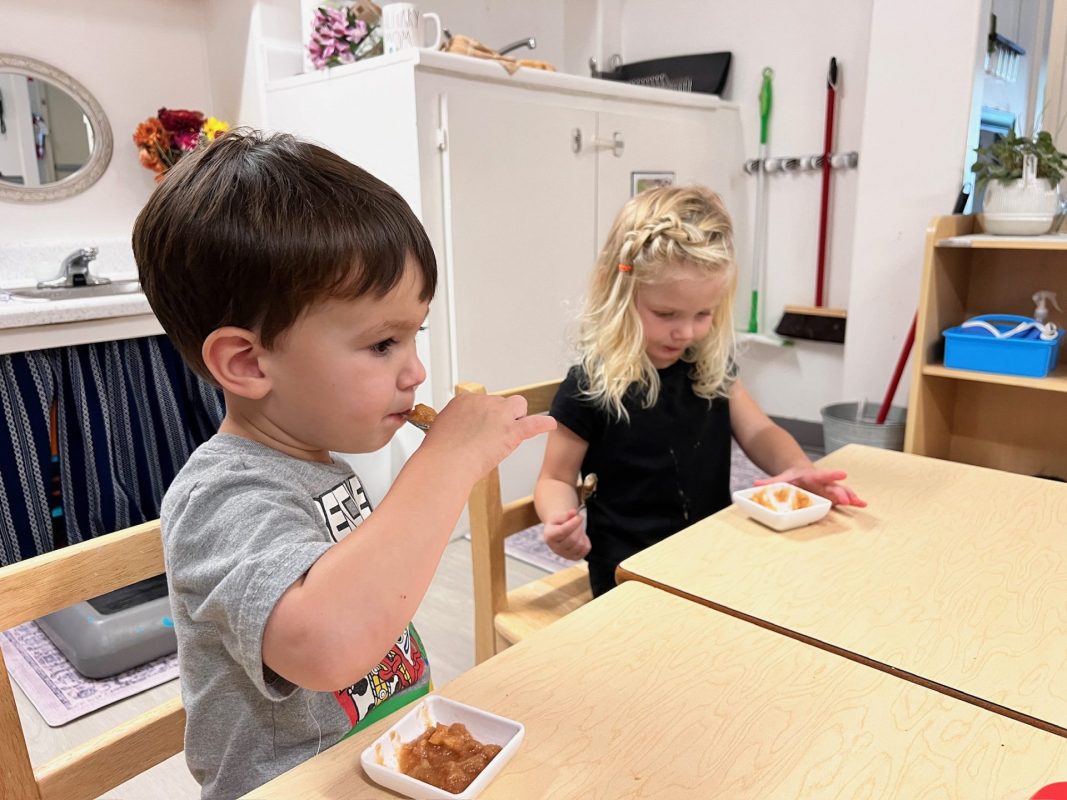
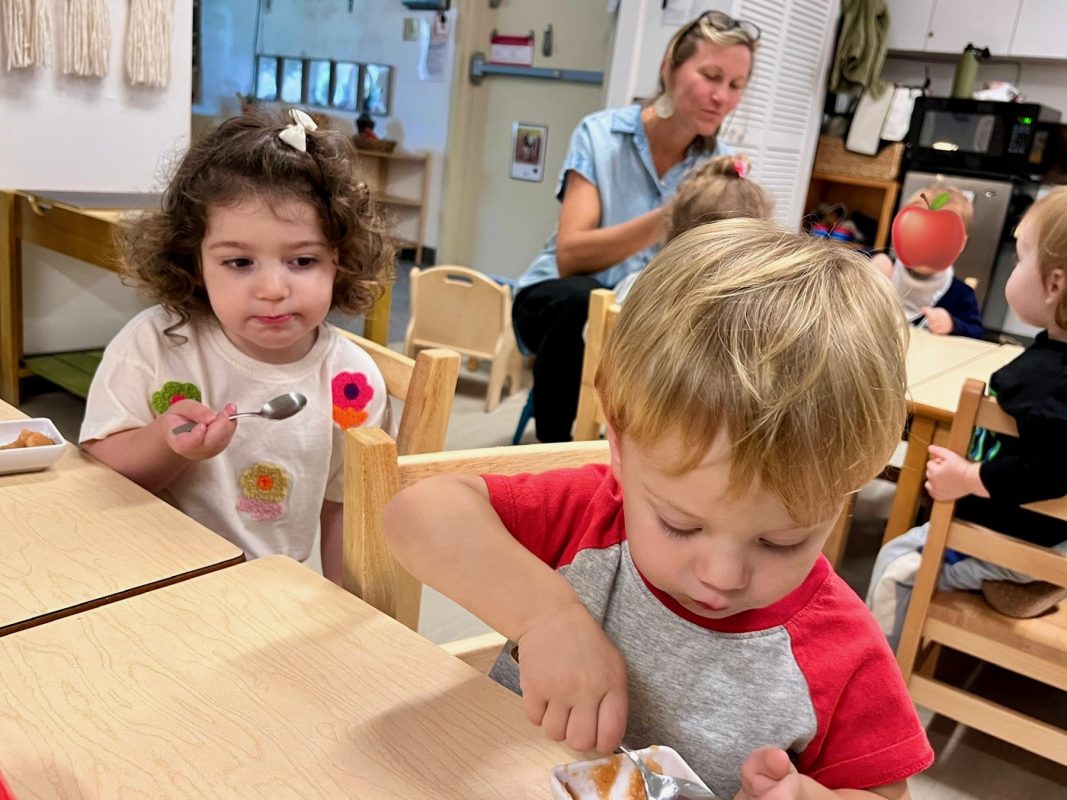
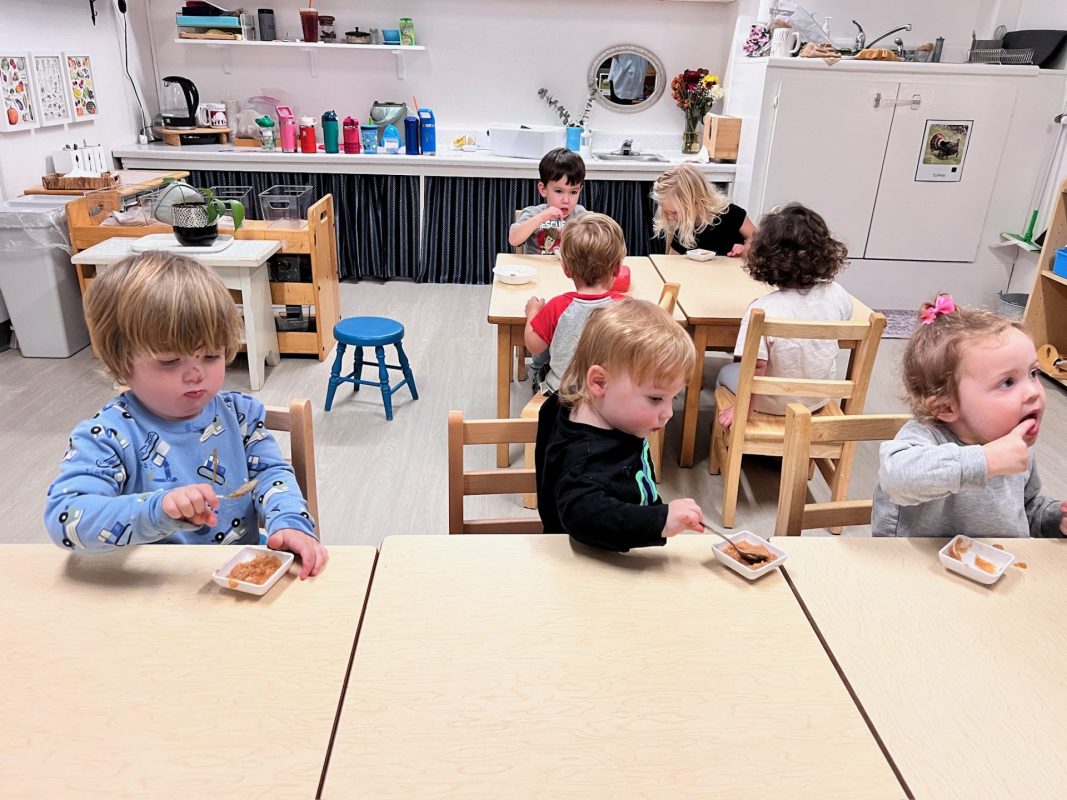
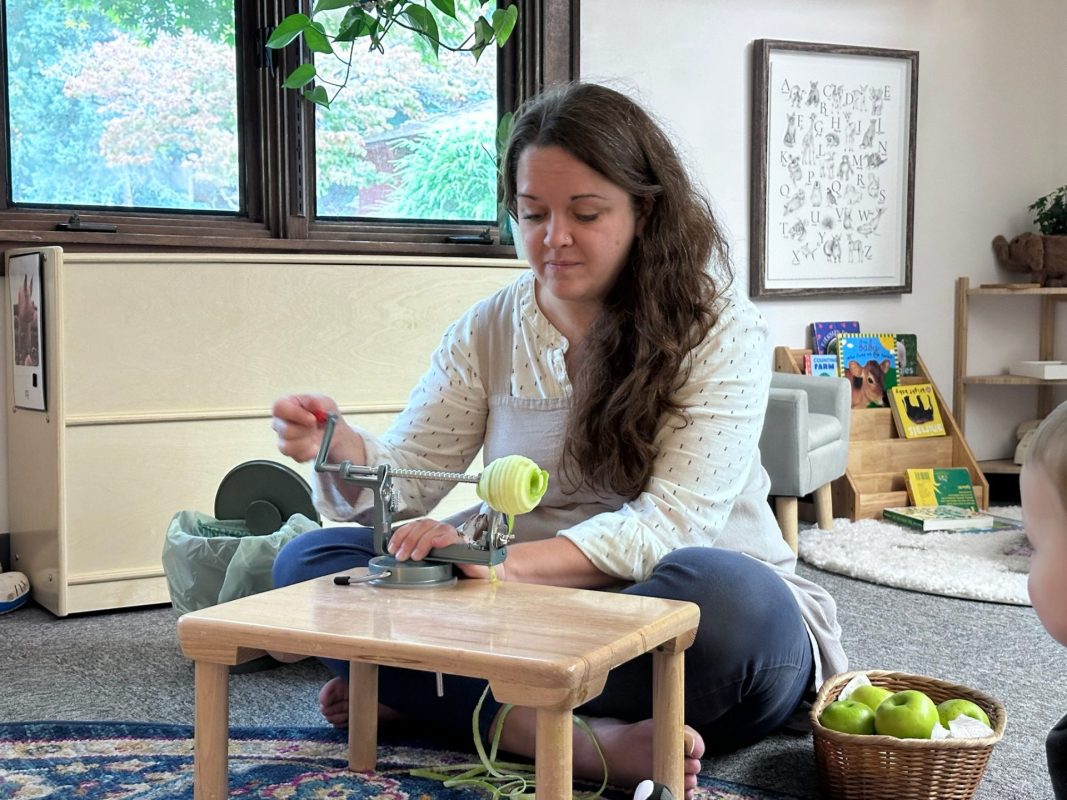
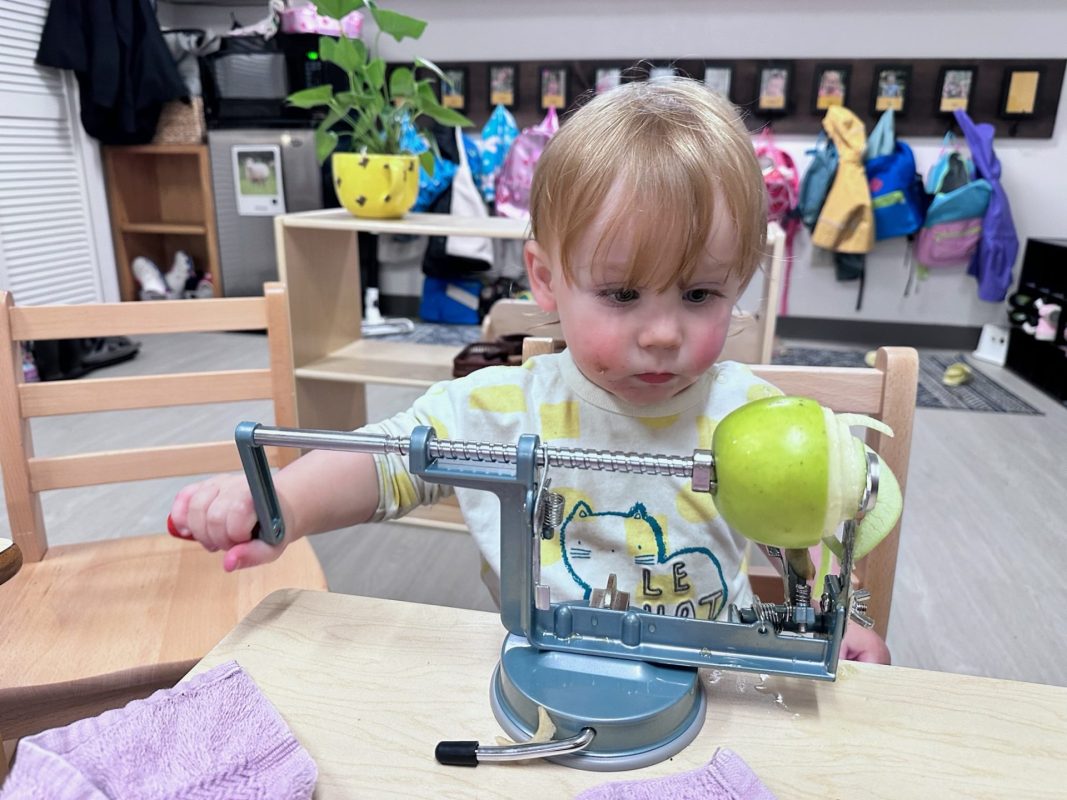
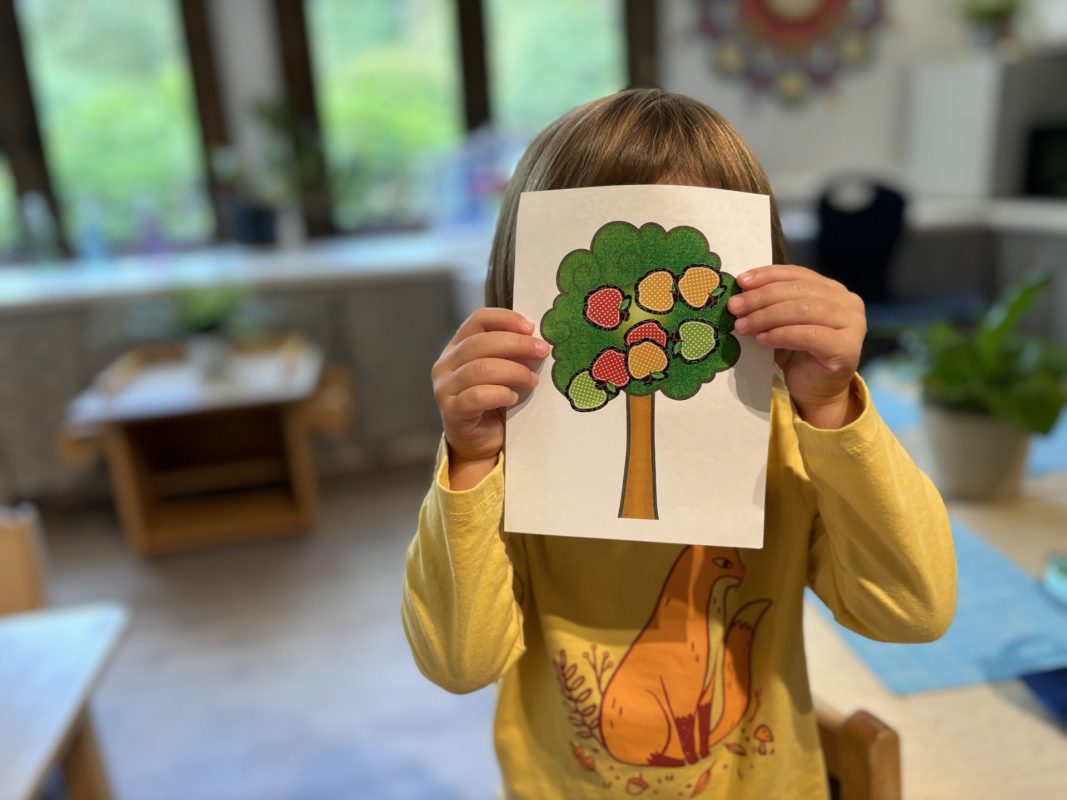
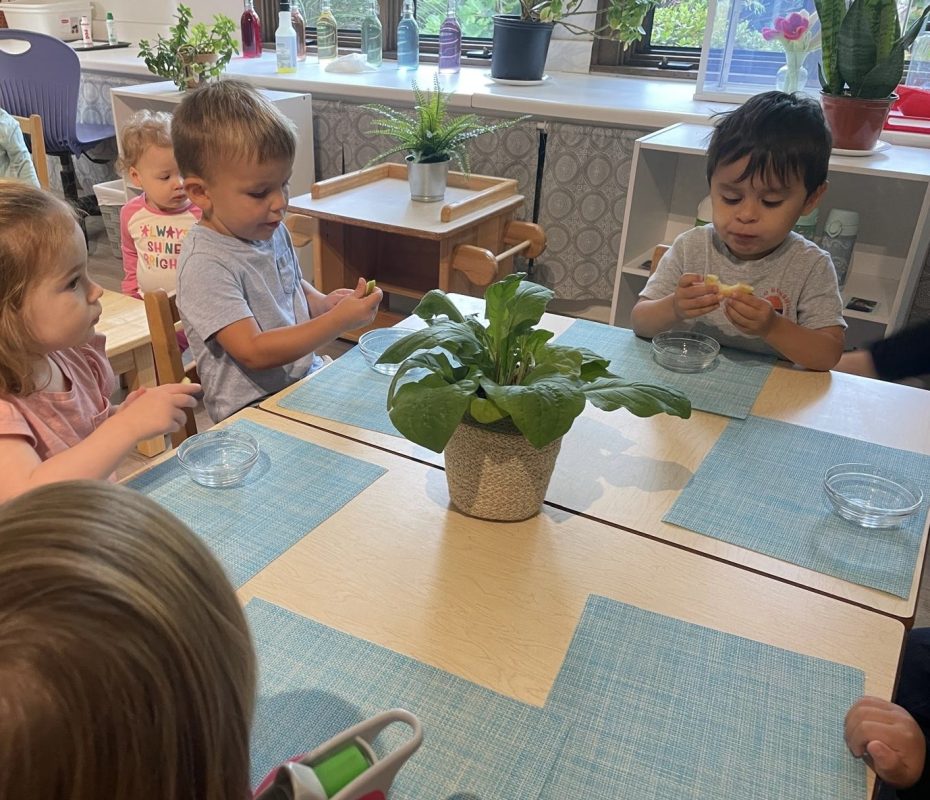
This week, we began by savoring the fruits of our labor. Since the applesauce was still cooking last week, we decided to wait until Tuesday to enjoy it together. Most of the children loved their treat, and many had two servings!

We also conducted our first fire drill of the year. To avoid startling the children, we held this drill without an alarm. They were briefed on what to expect and what actions to take. Once the announcement was made, they held onto the walking rope and walked to our designated spot beautifully. While the whole school was outside for the drill, we took a school-wide photo. I can’t wait to see our community captured in one photograph!

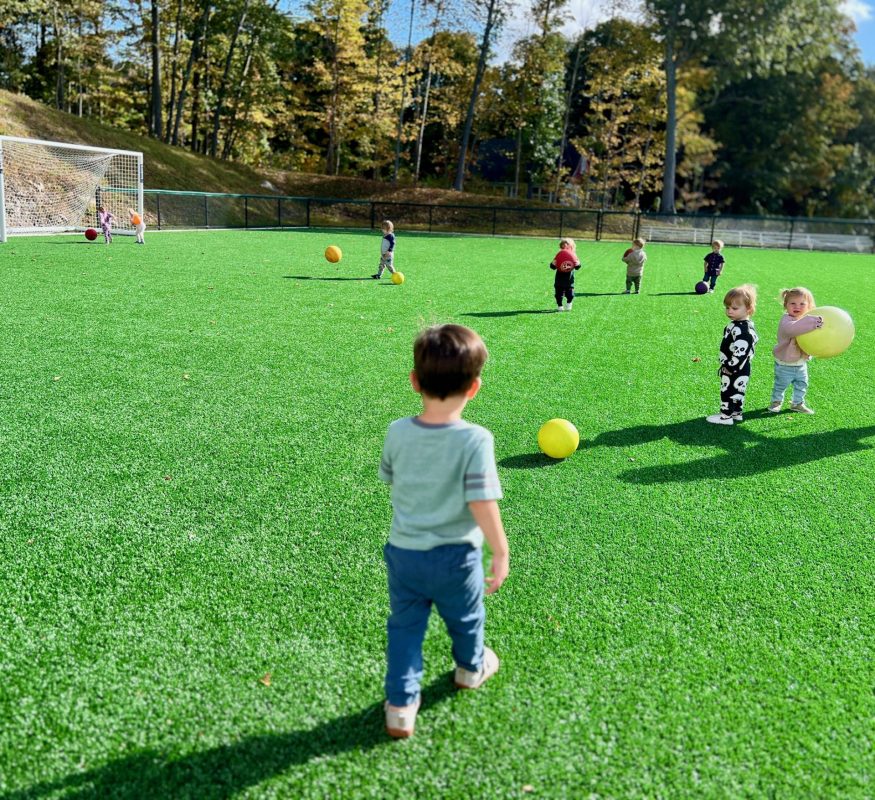
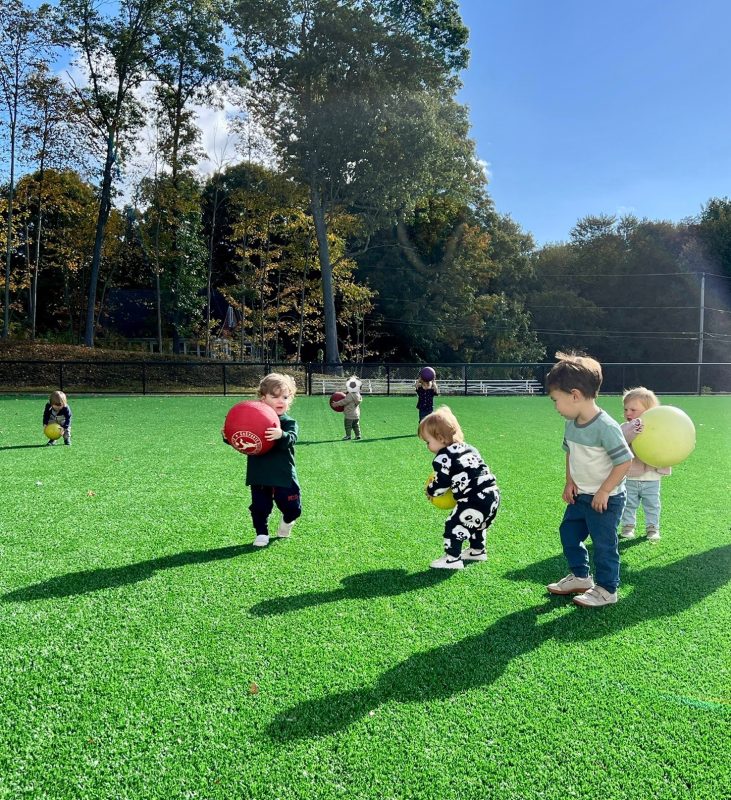
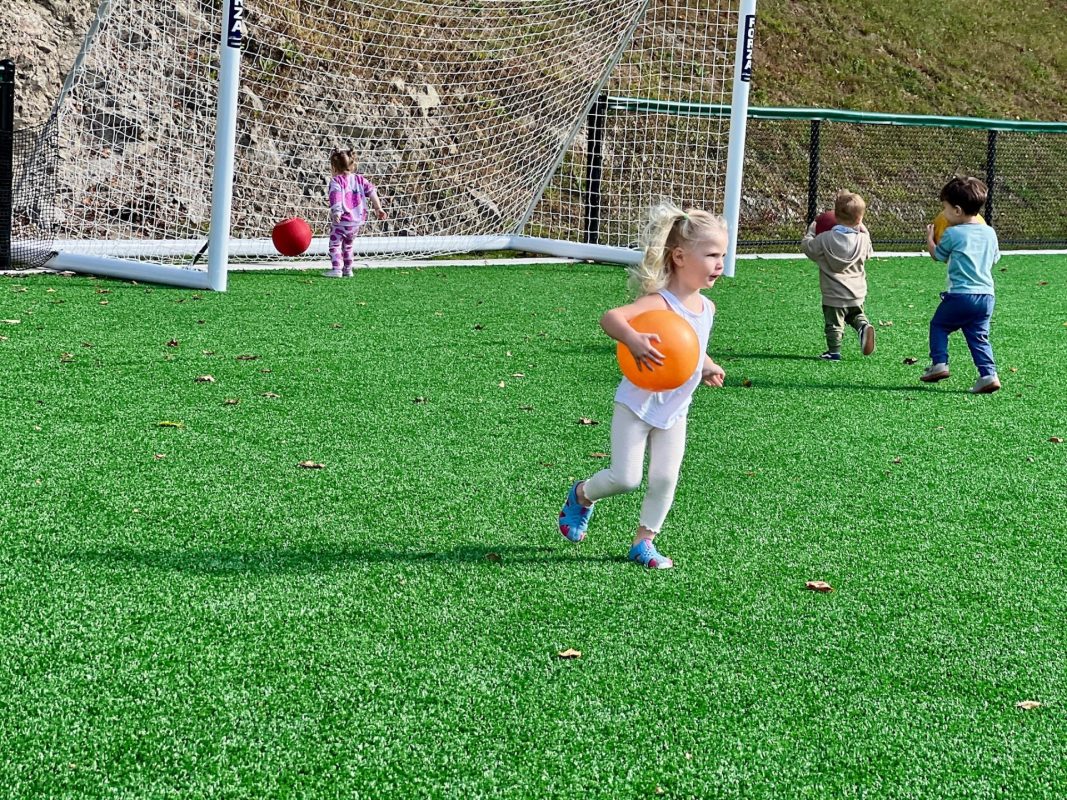
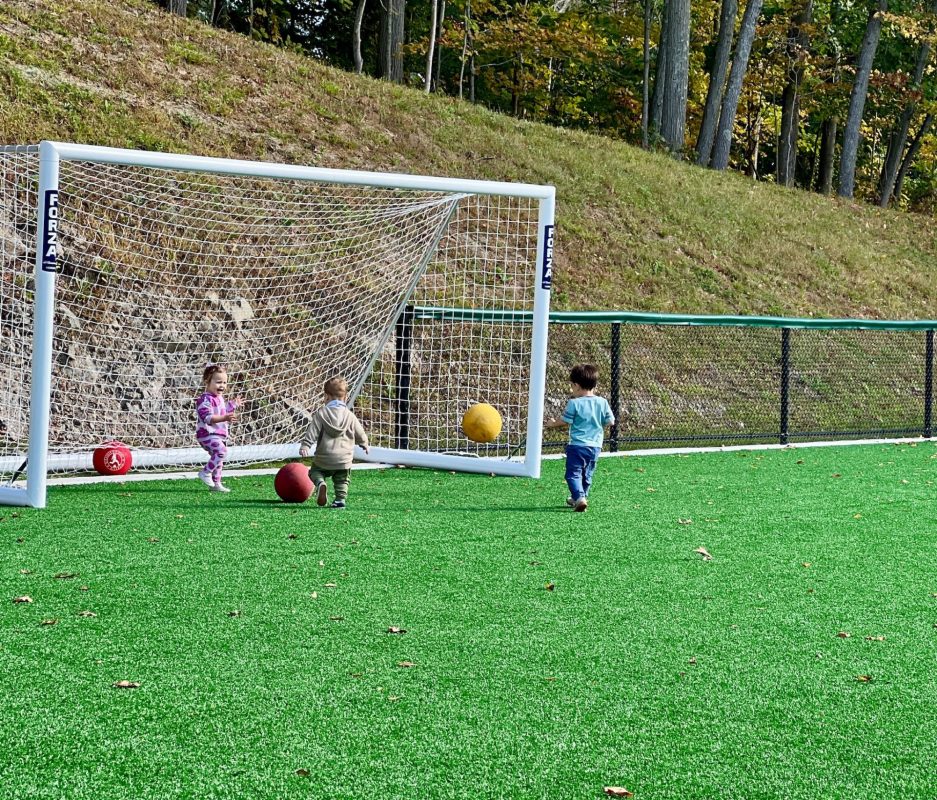
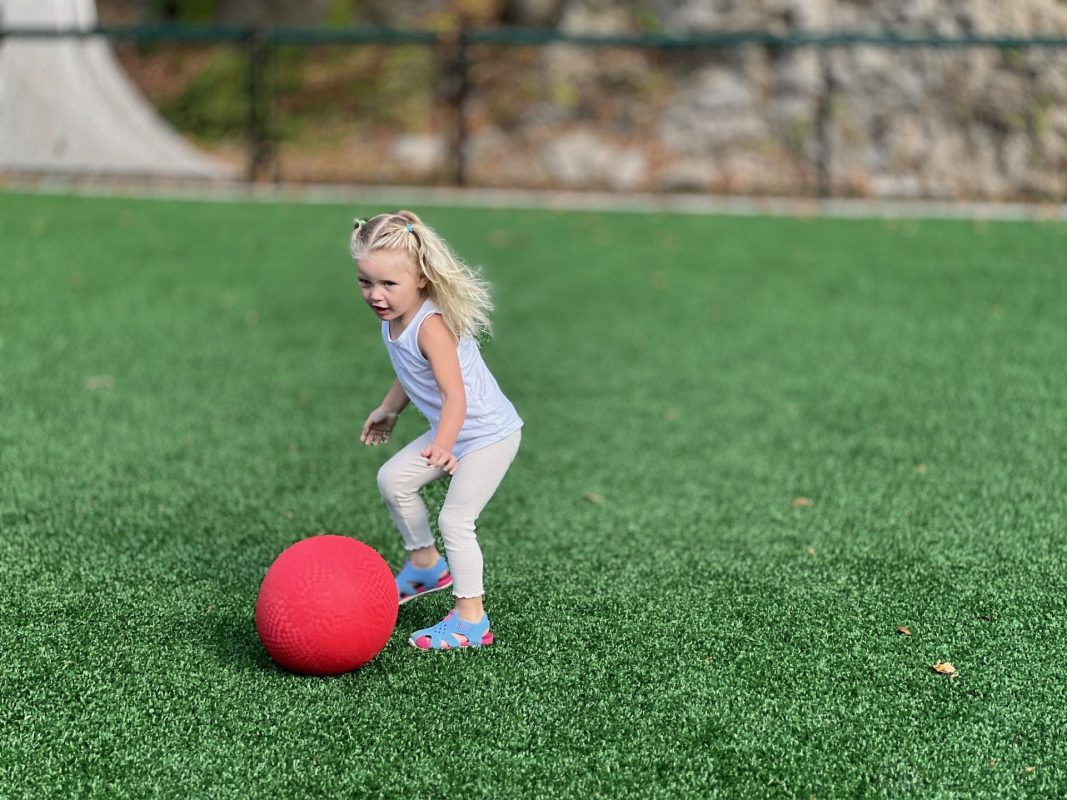
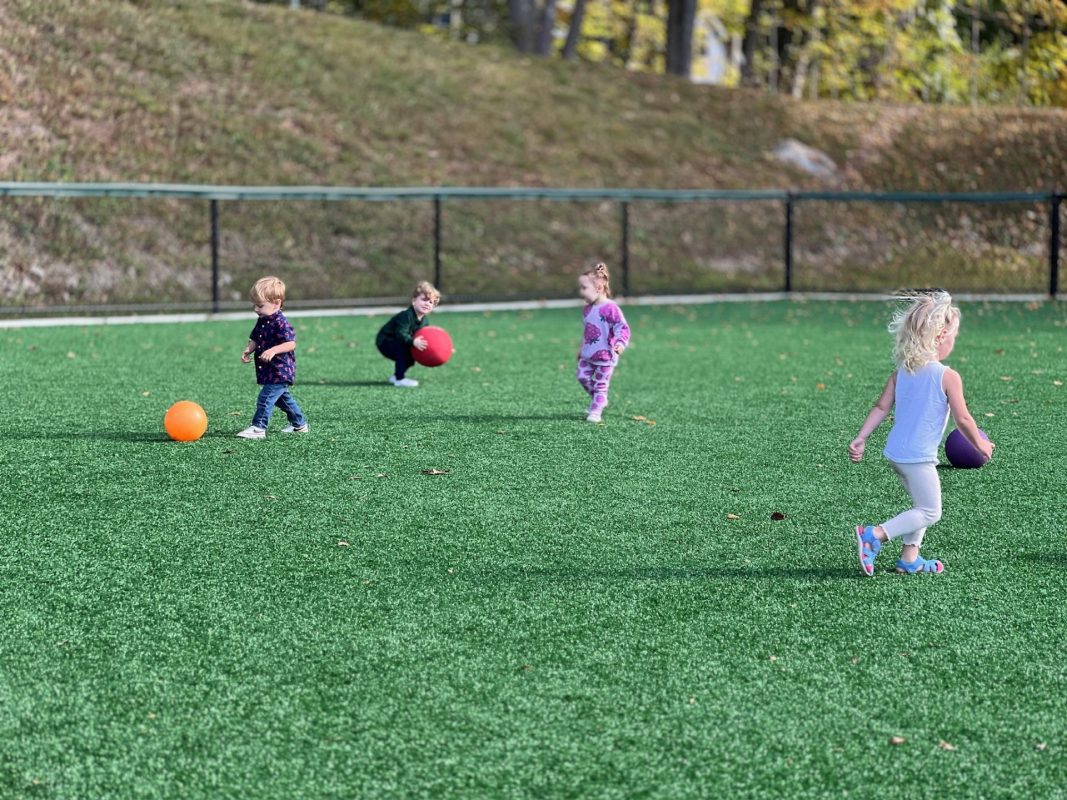
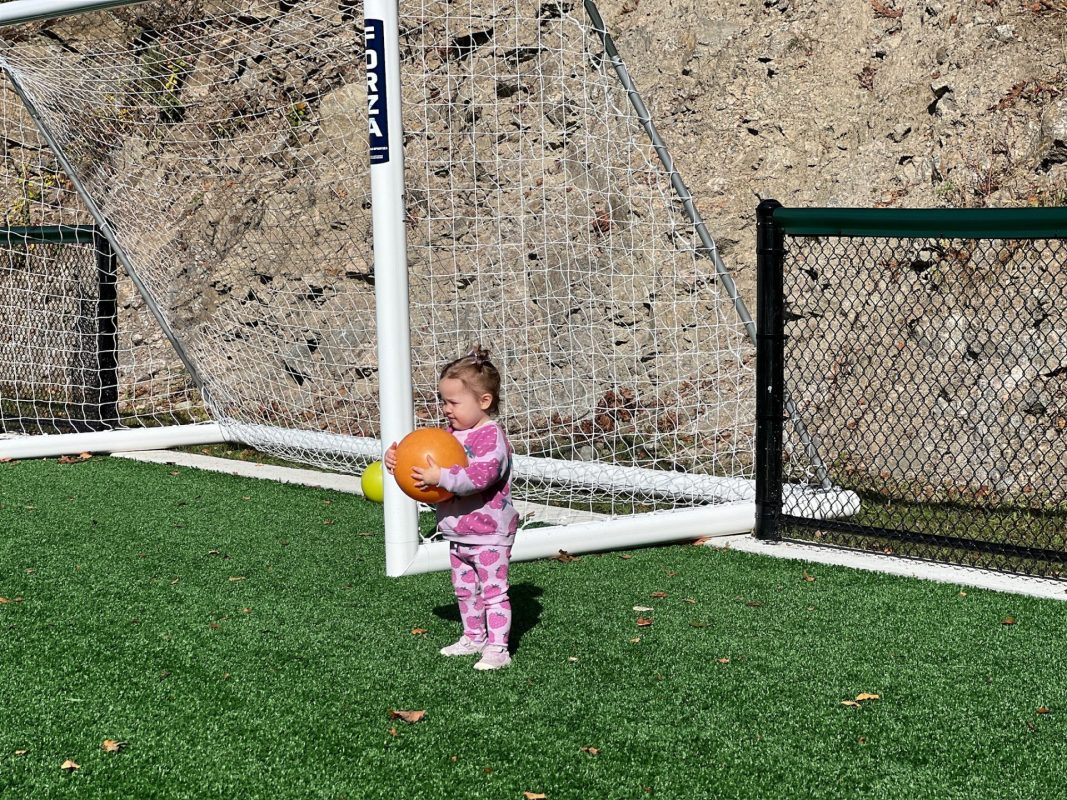
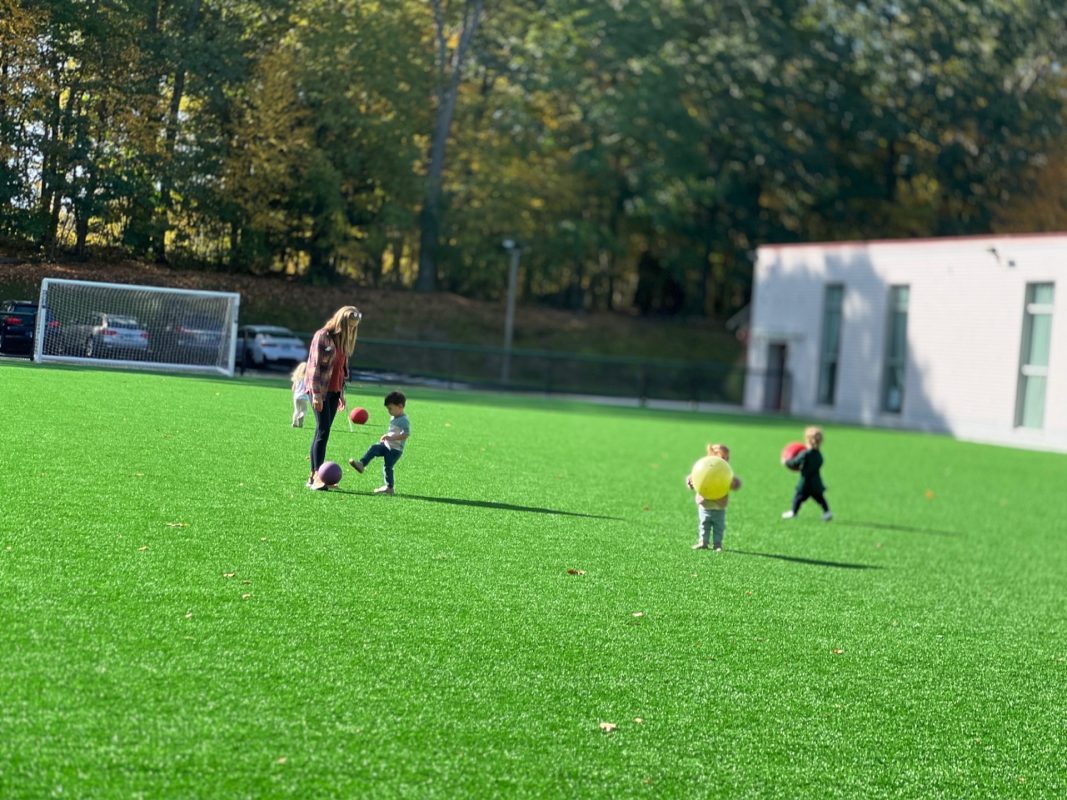
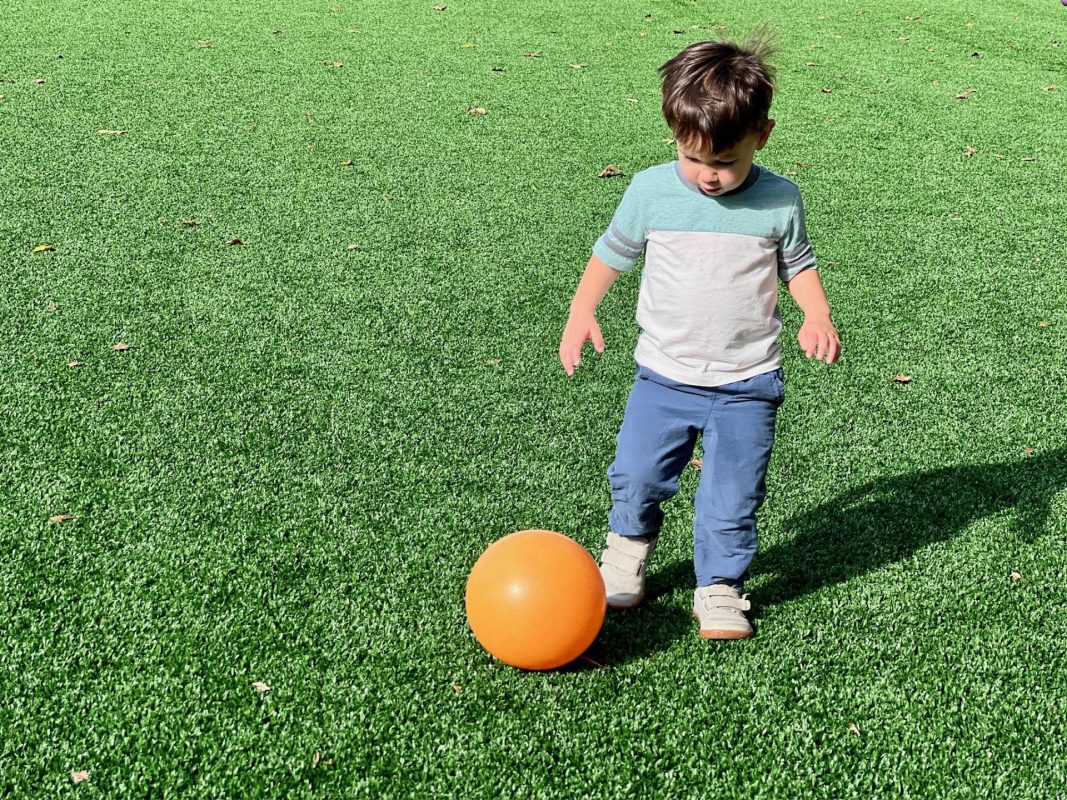
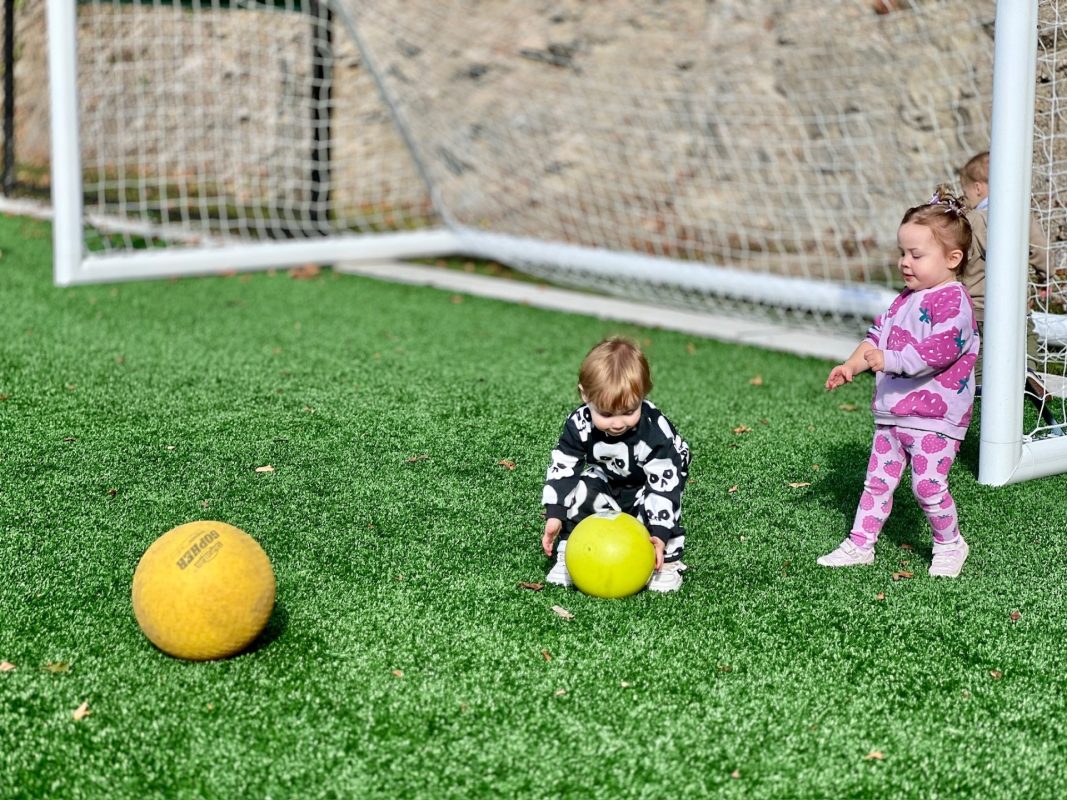
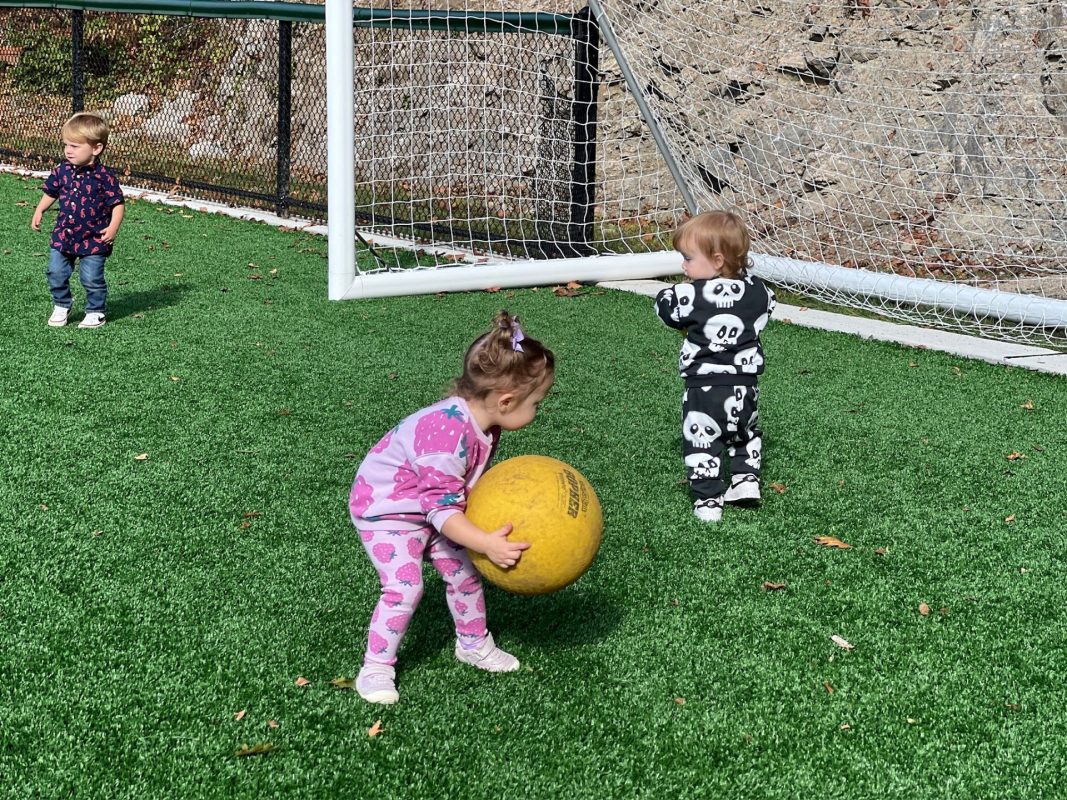
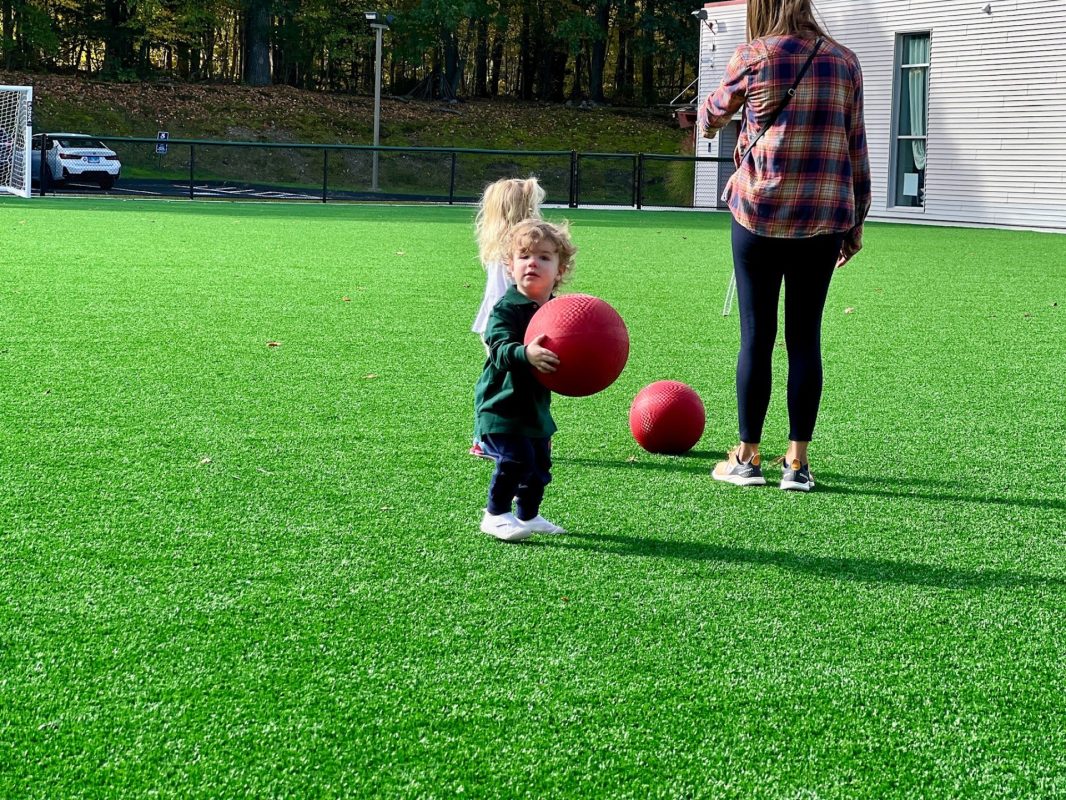
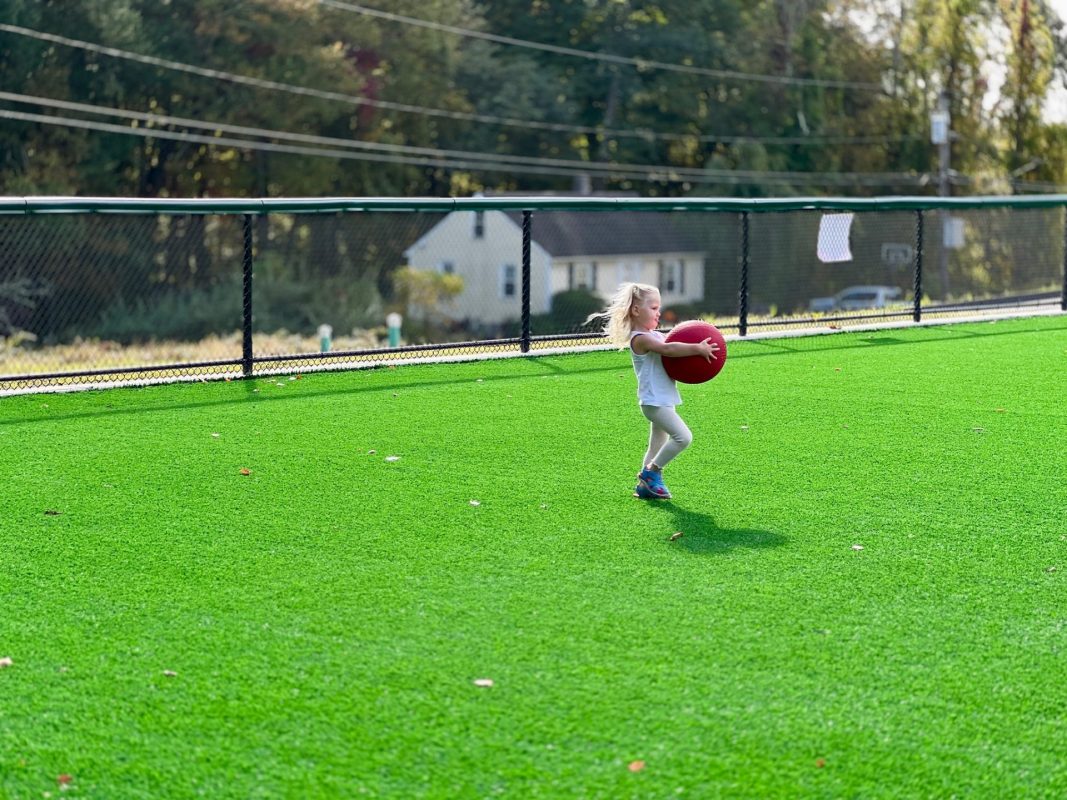
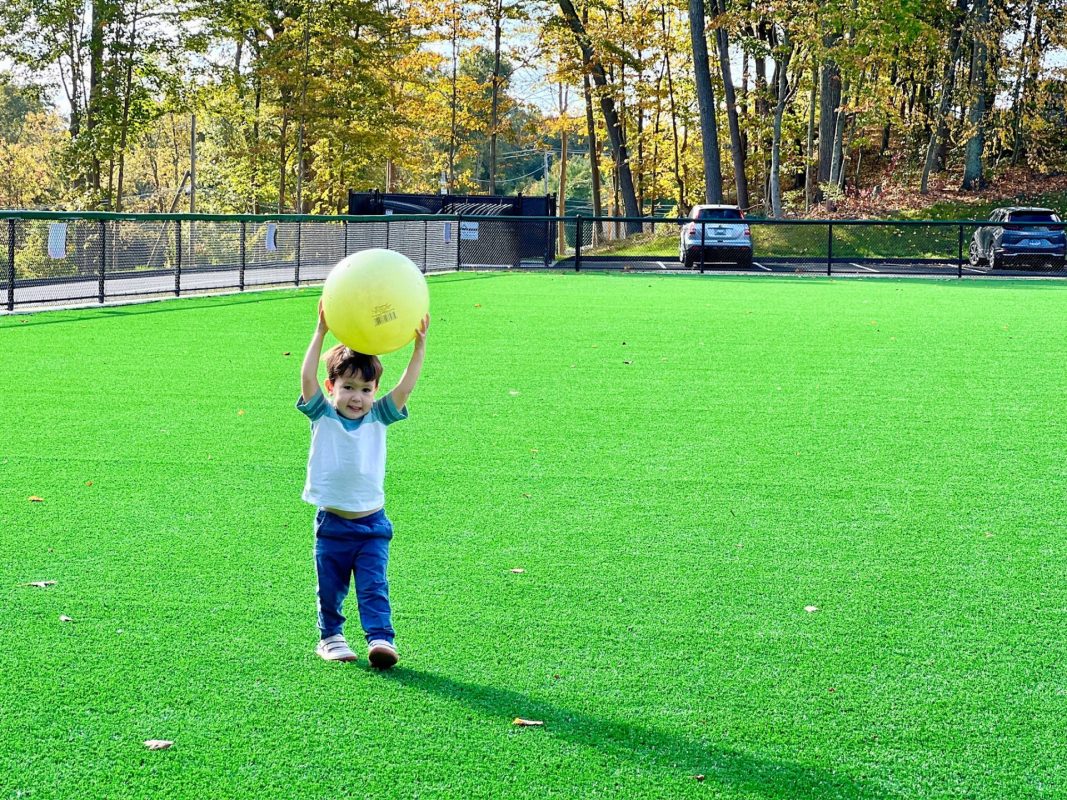
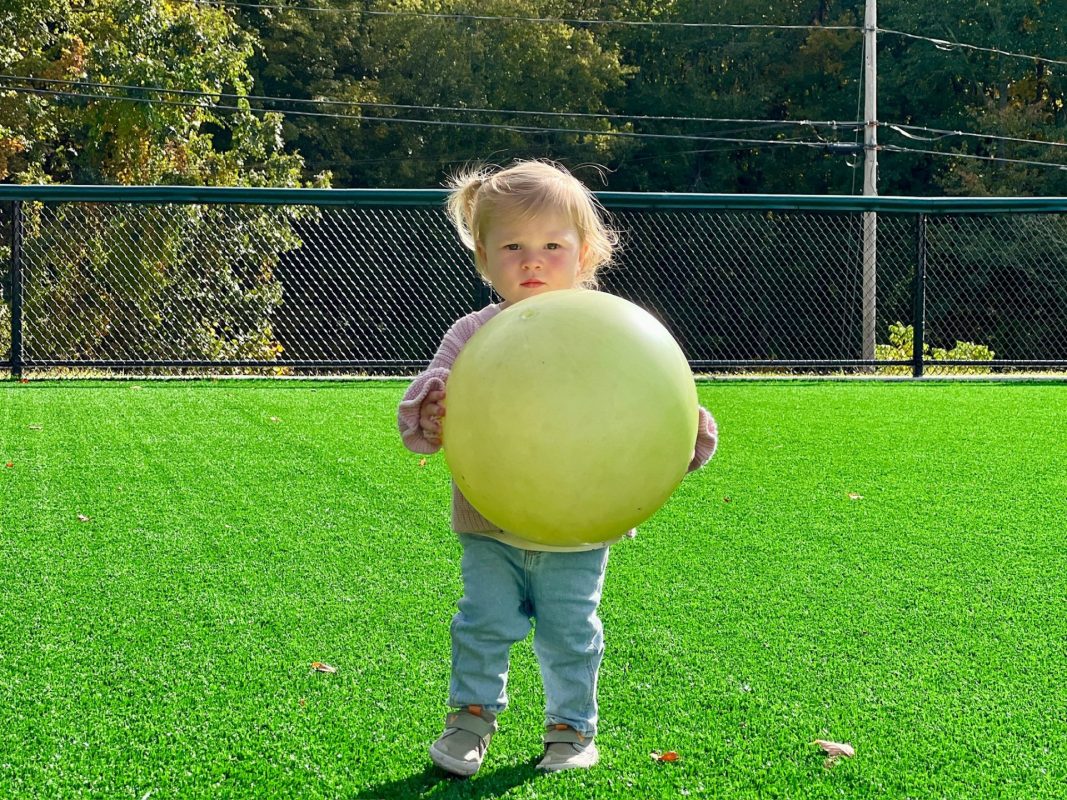
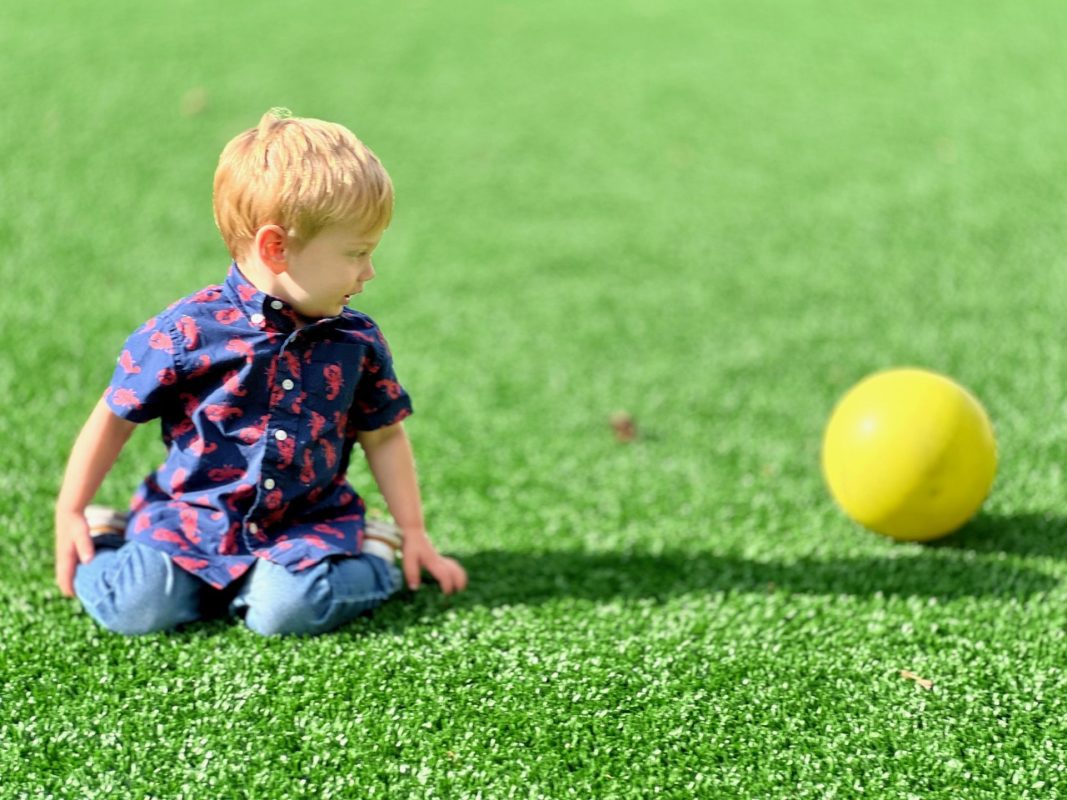
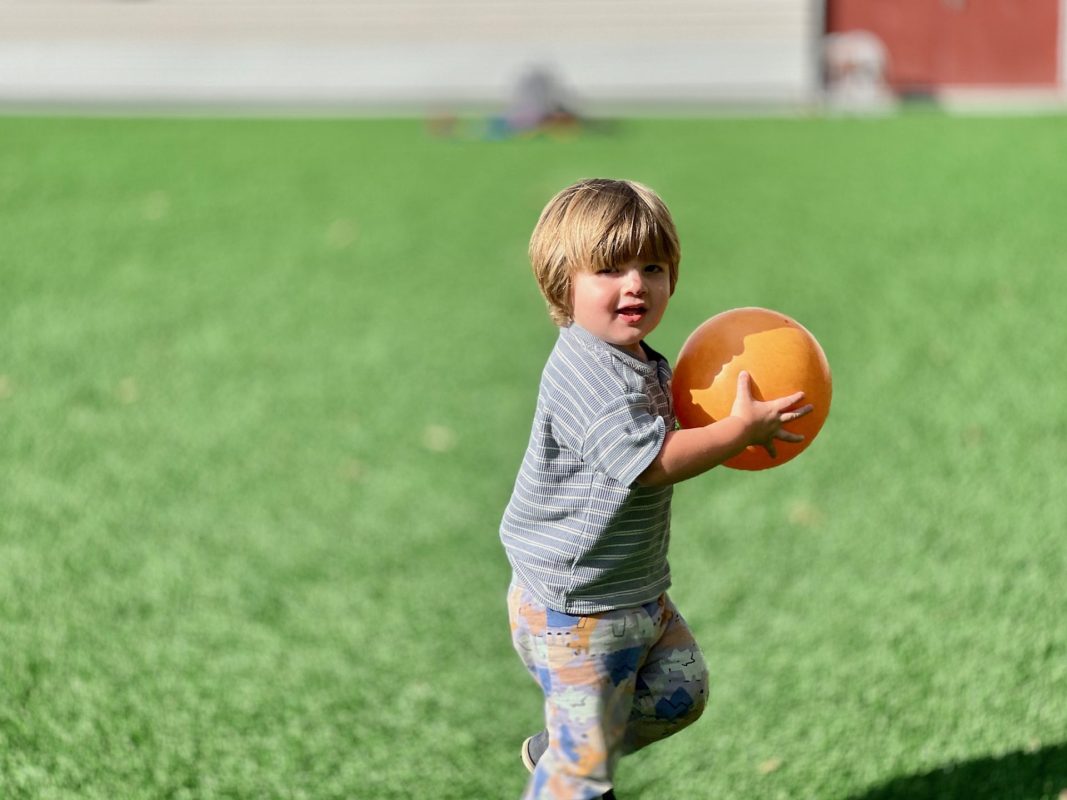
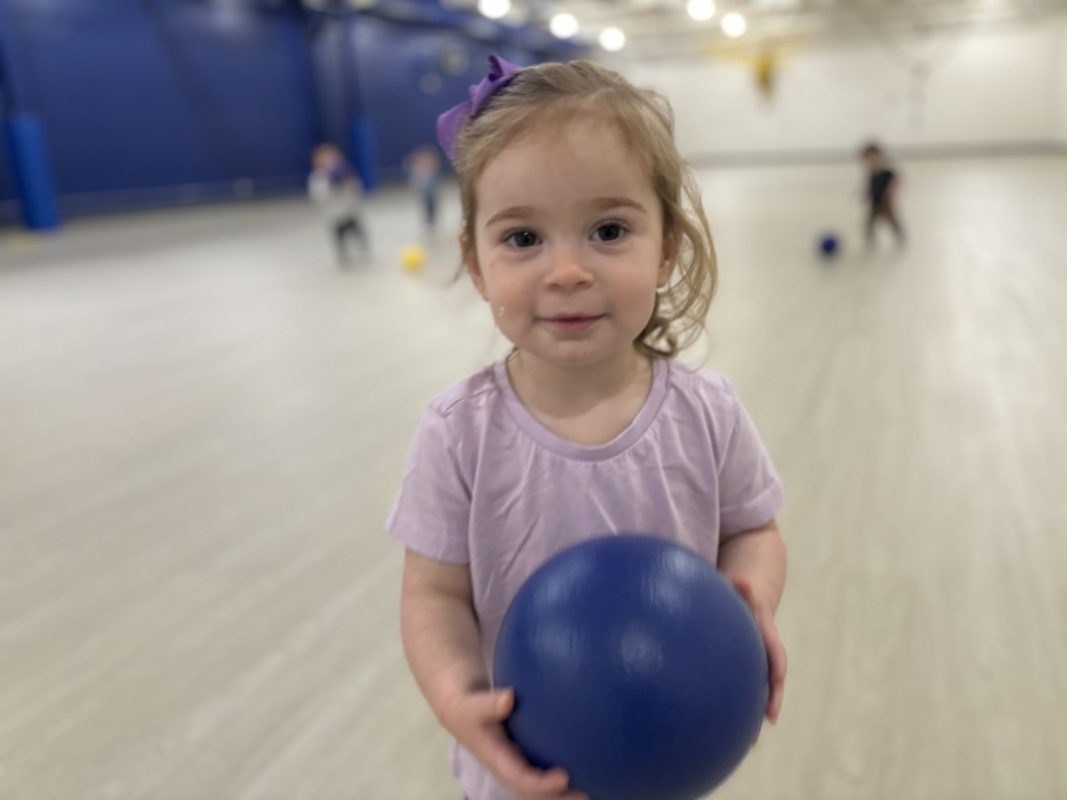
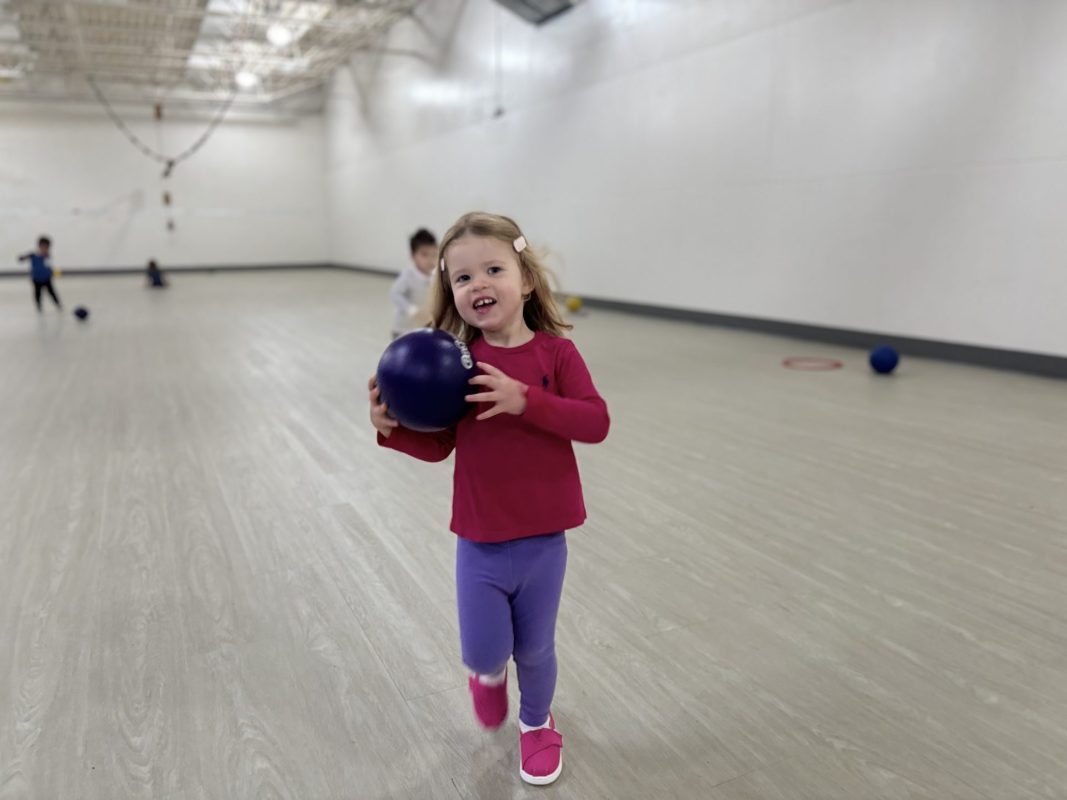
After the fire drill and photo, our class decided to stay outside and use the new turf field for recess. The children were filled with excitement as they ran around with the balls—it was a great time for everyone.

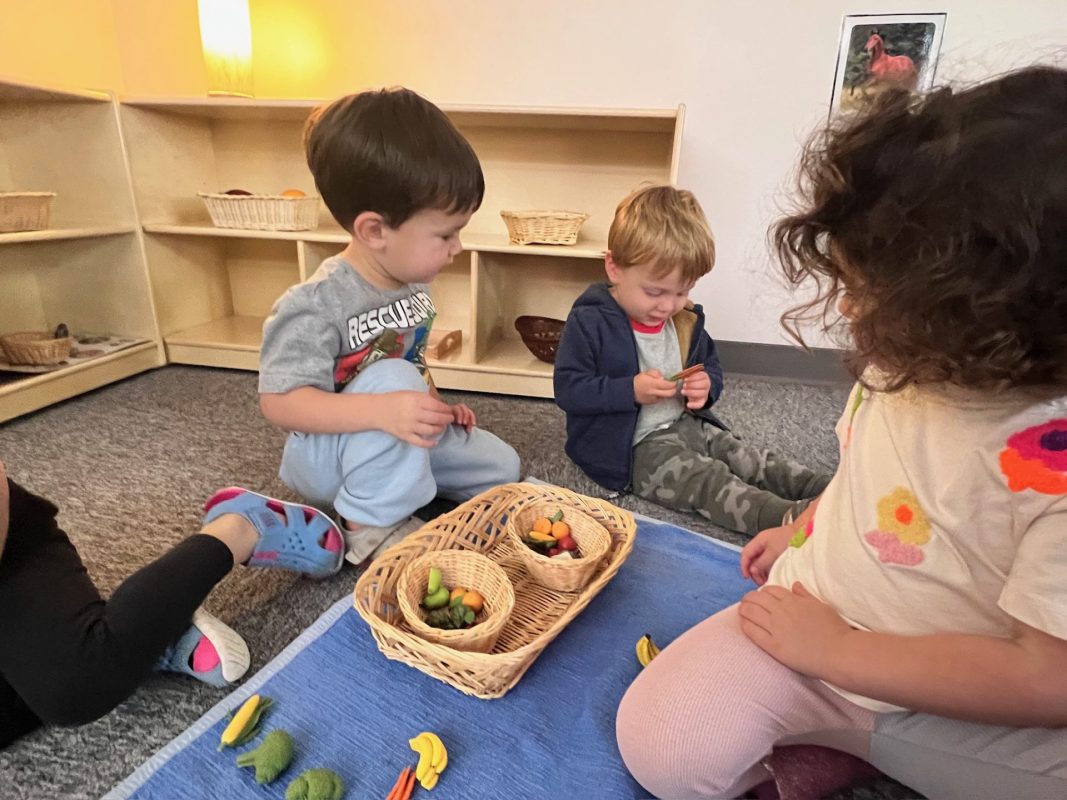
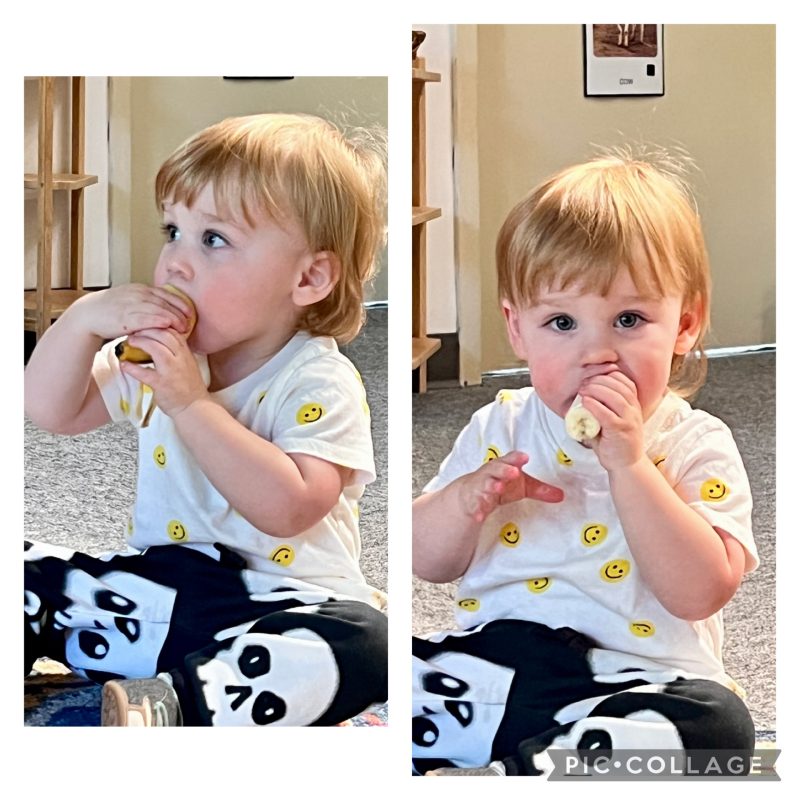
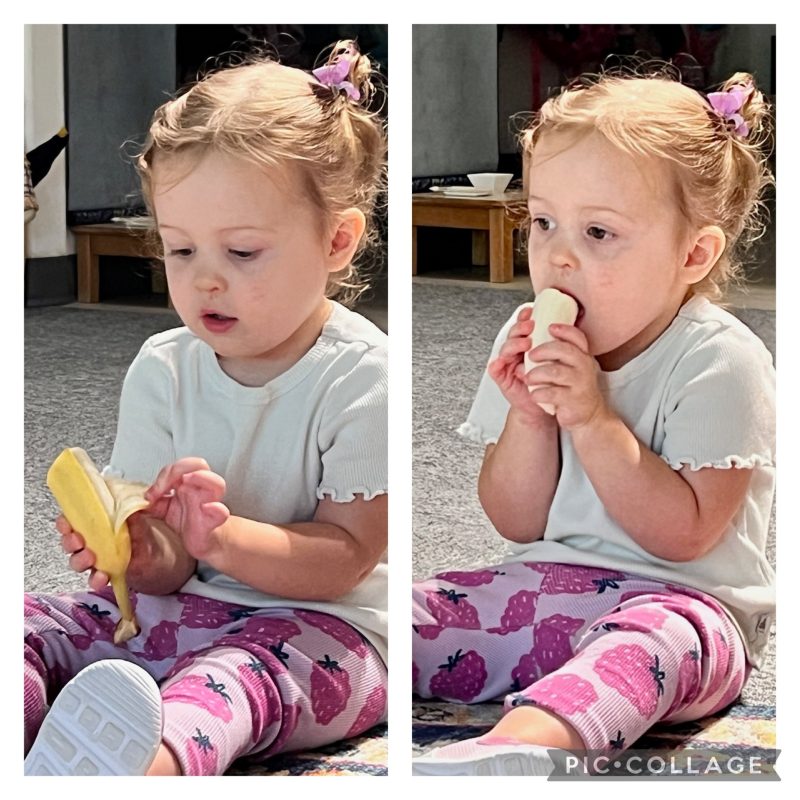
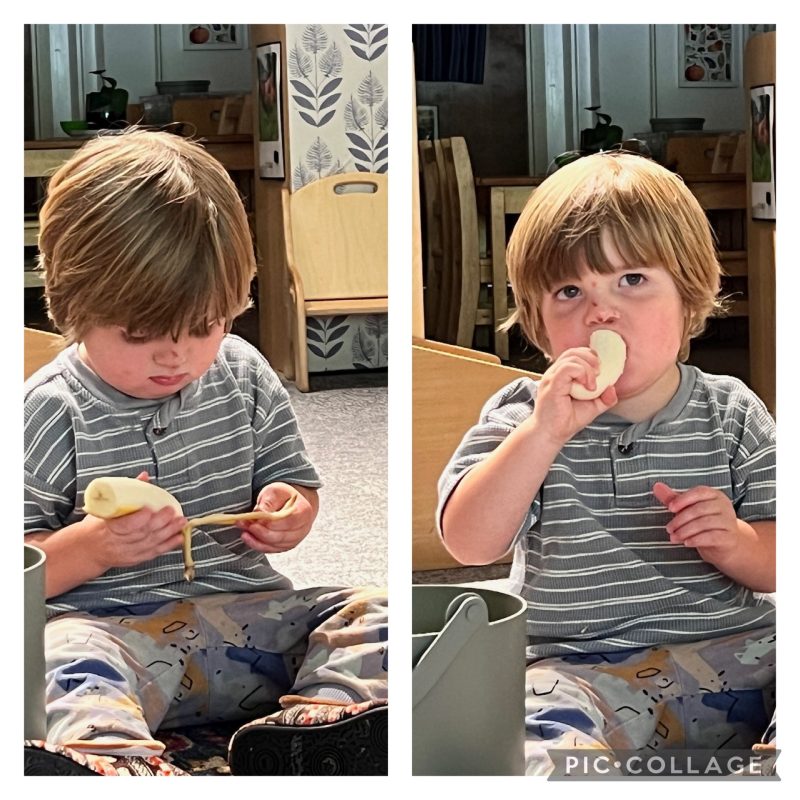
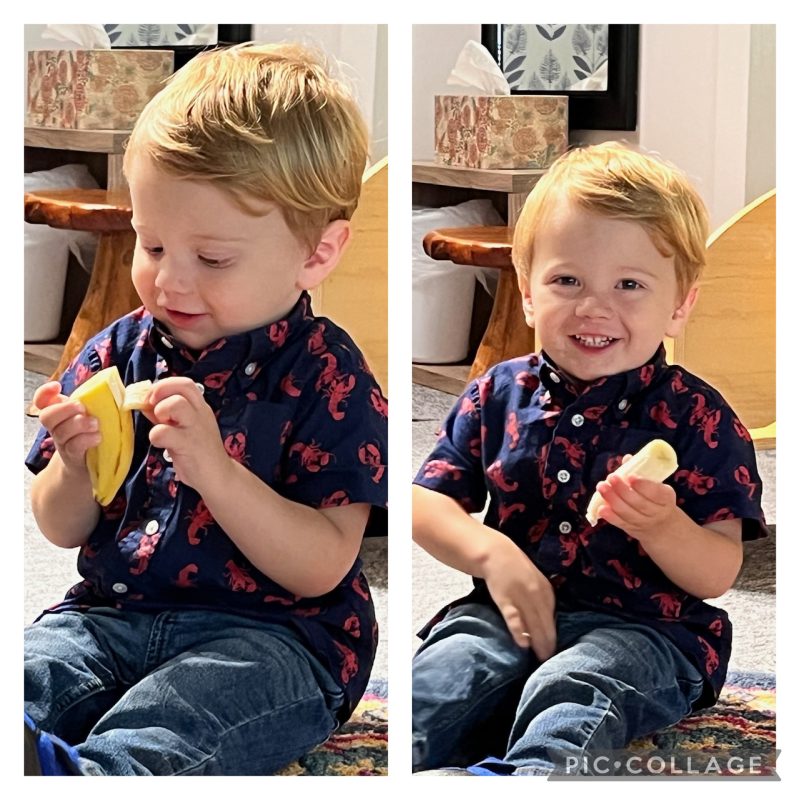
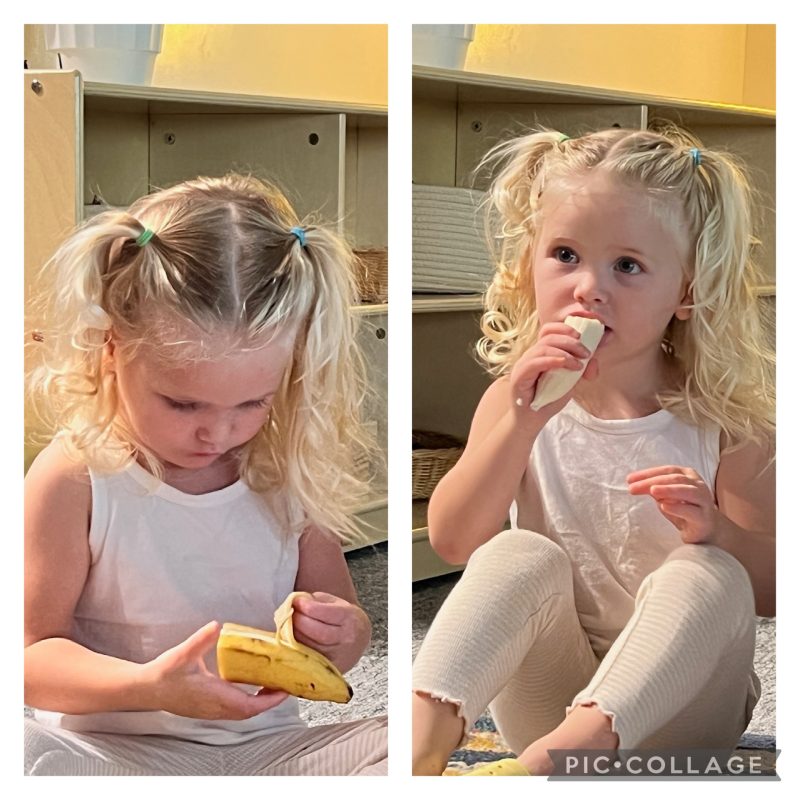
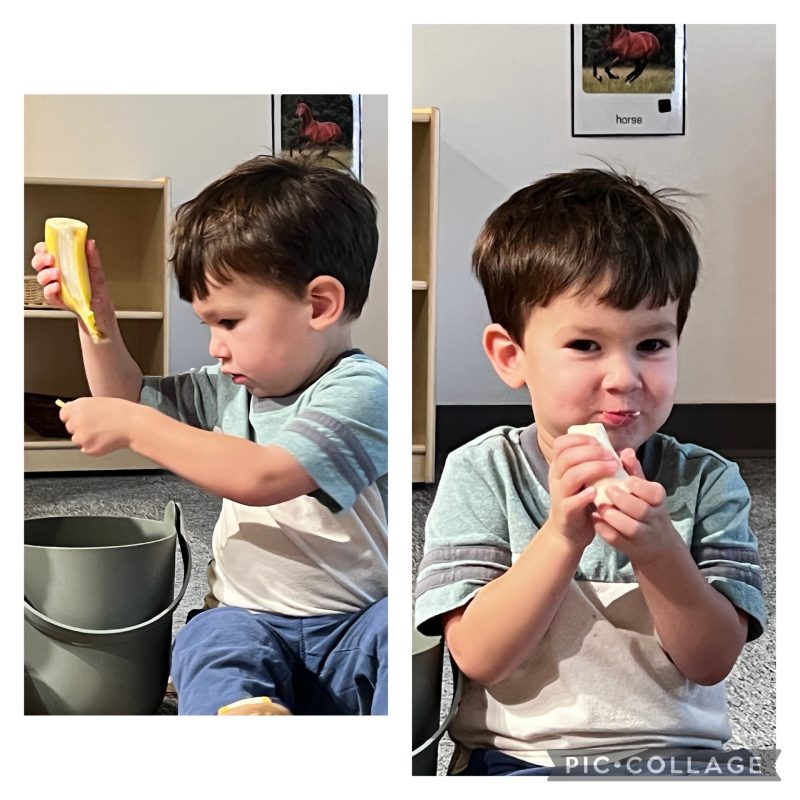
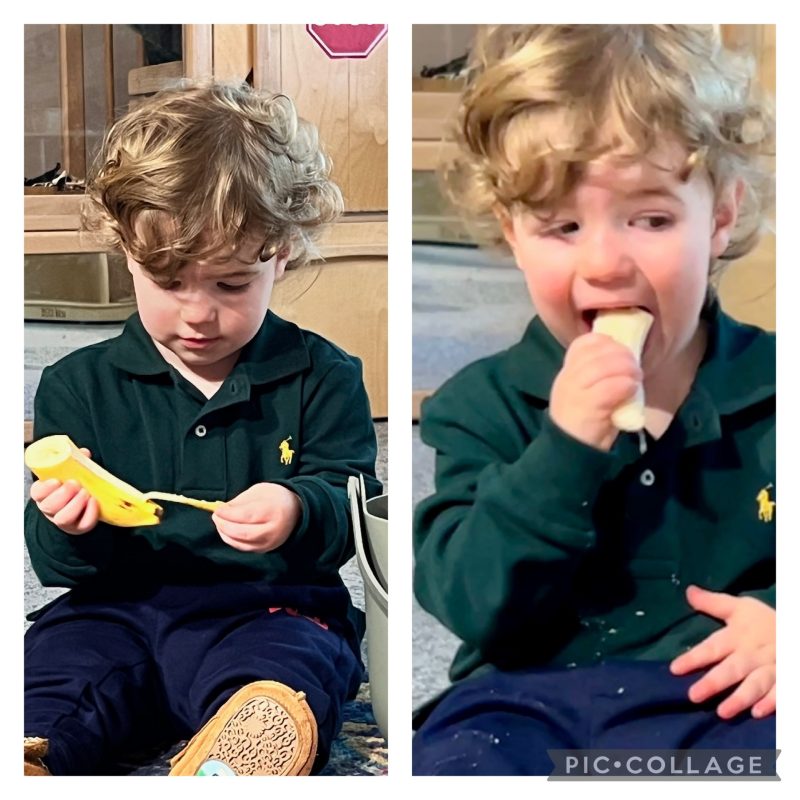
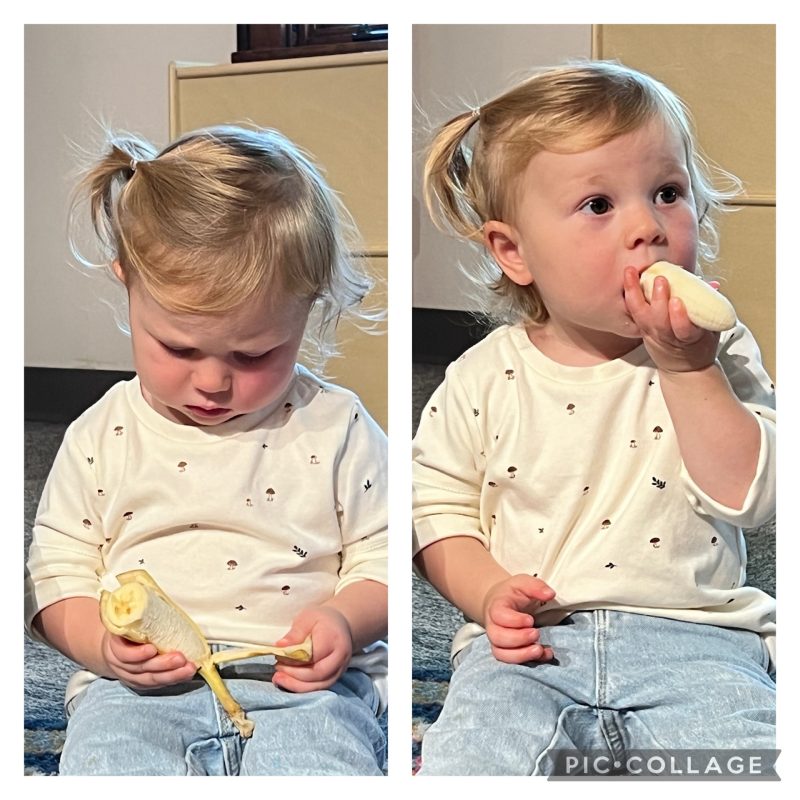
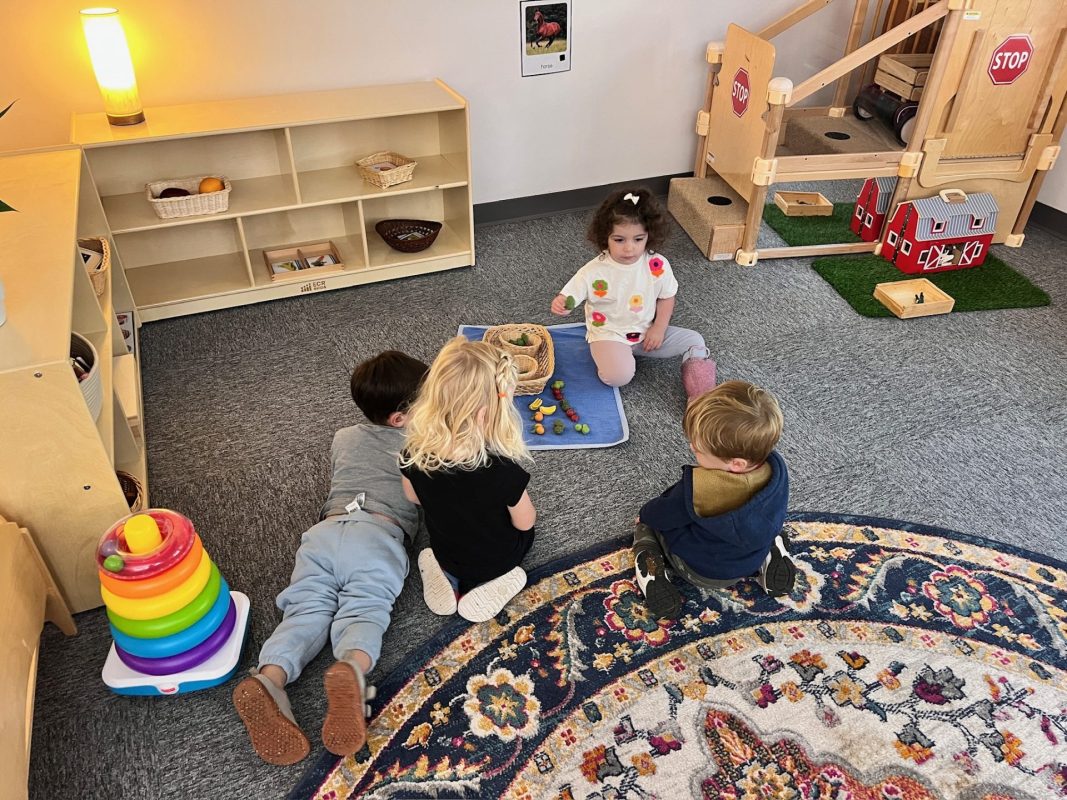
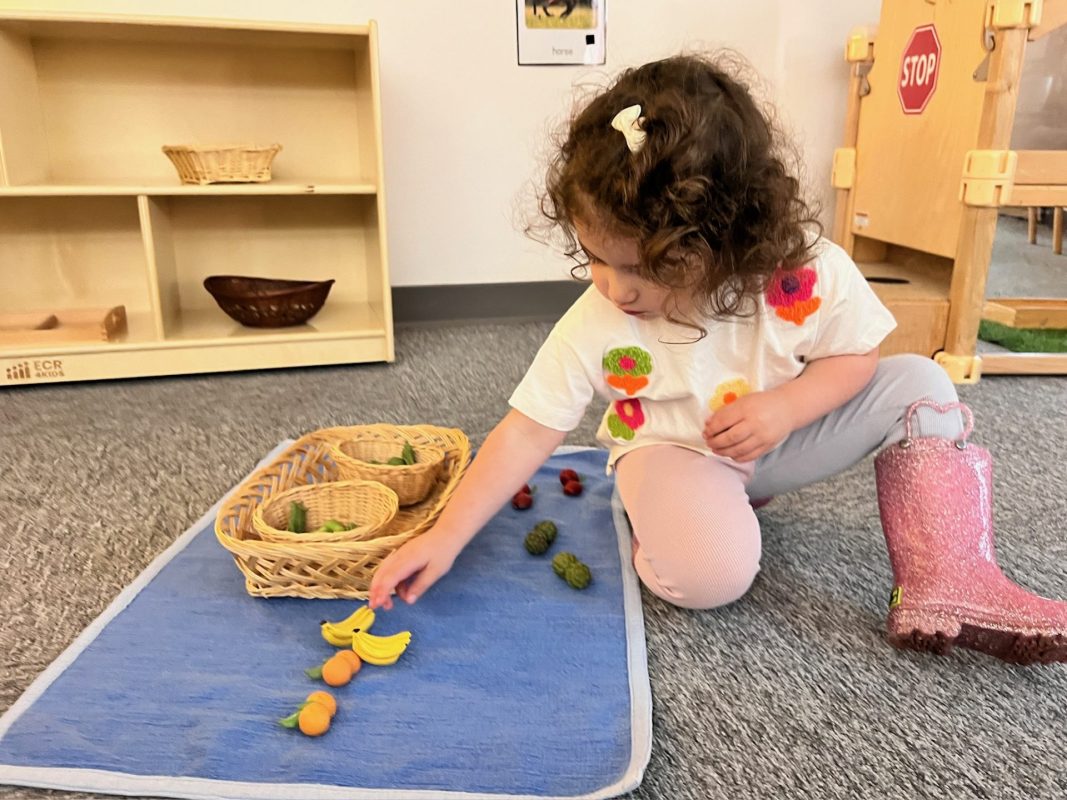
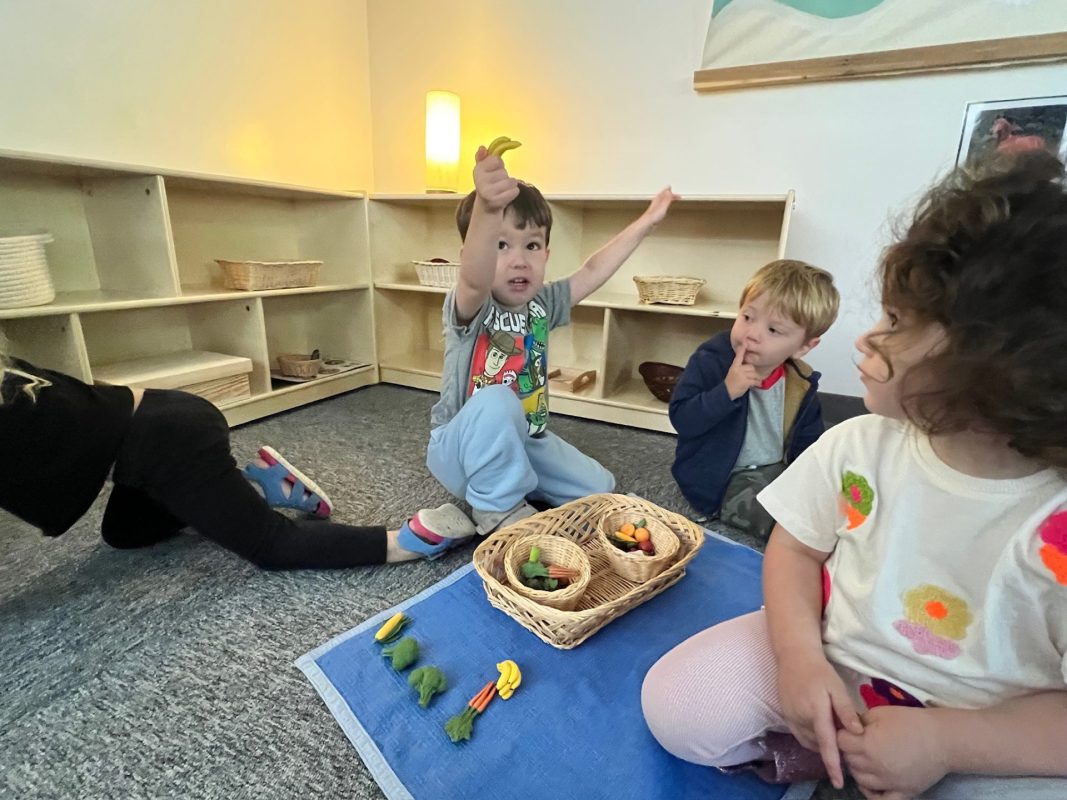
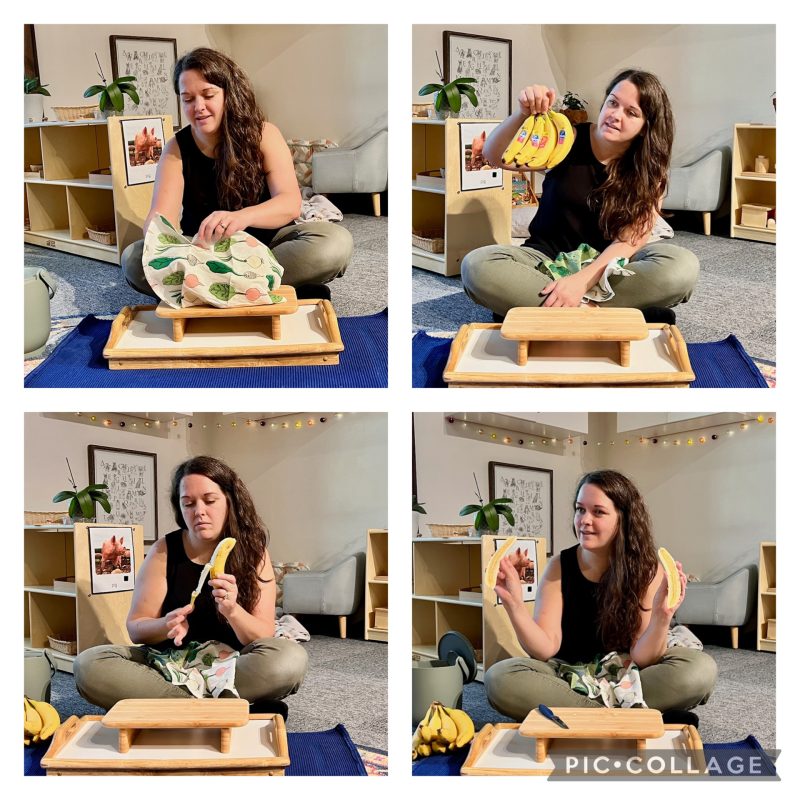
In our food tasting activity, the children participated in food prep by peeling bananas before tasting them. While some children tried to skip this step and dive right into eating, it was a fun and engaging experience overall.


Mrs. Wilson: A Flavorful Week

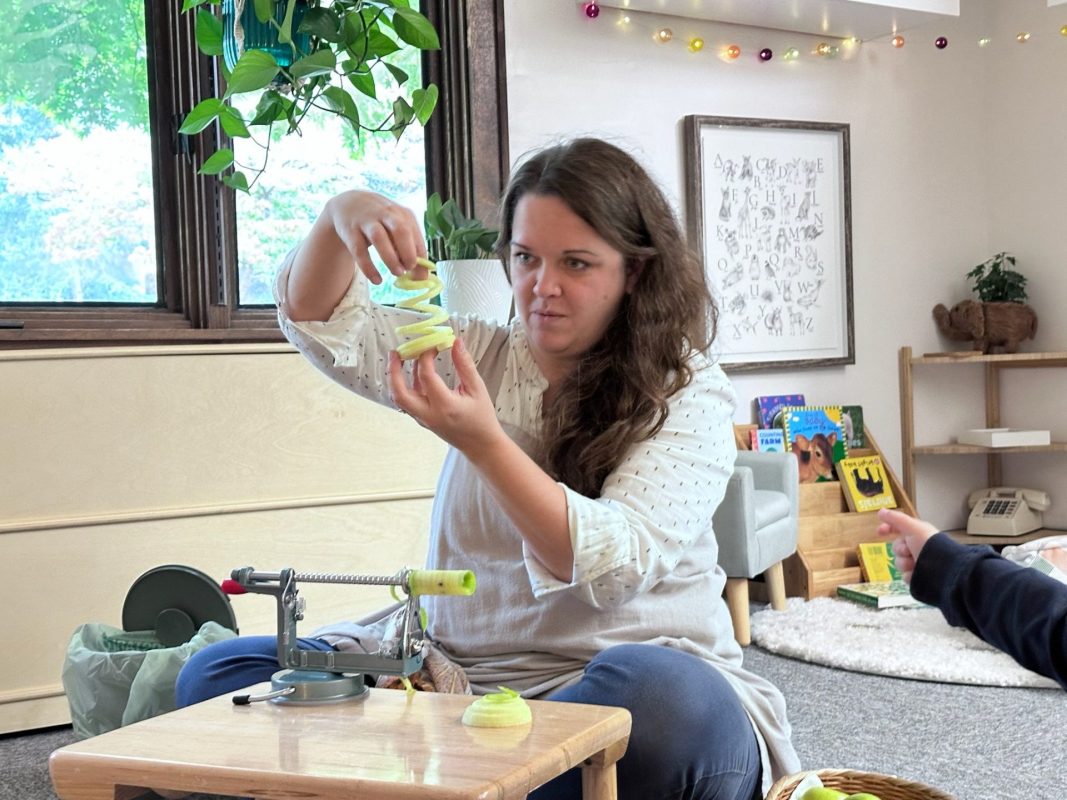
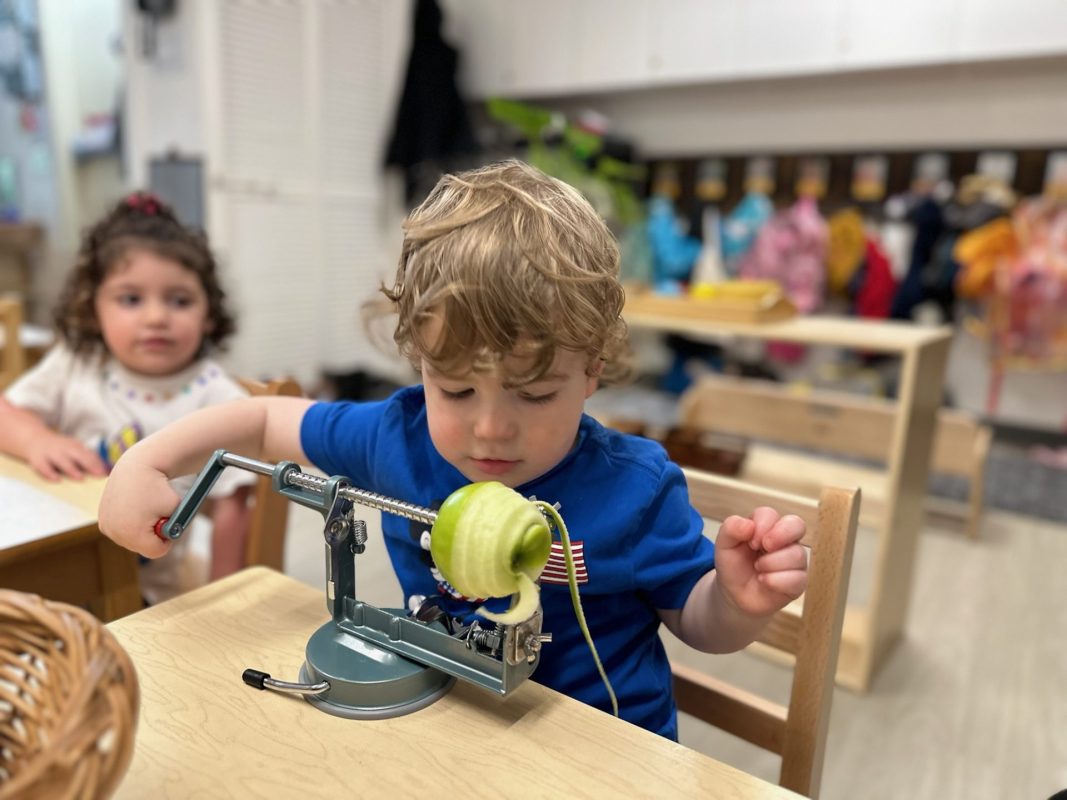
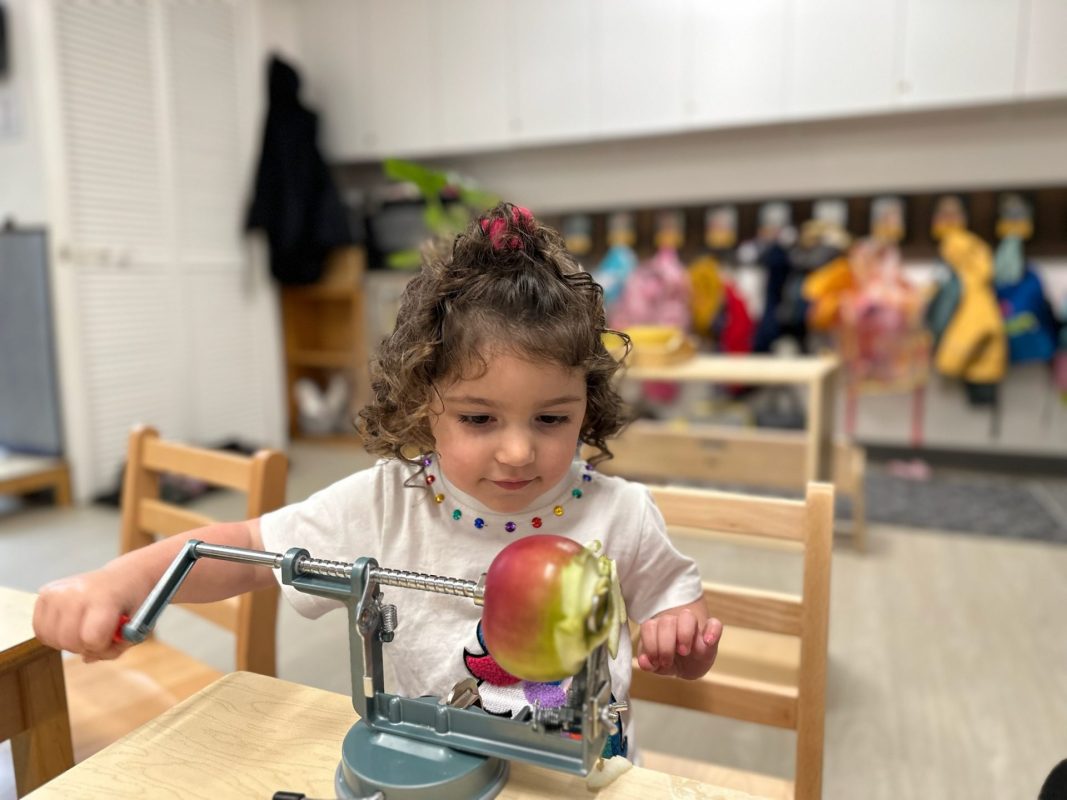
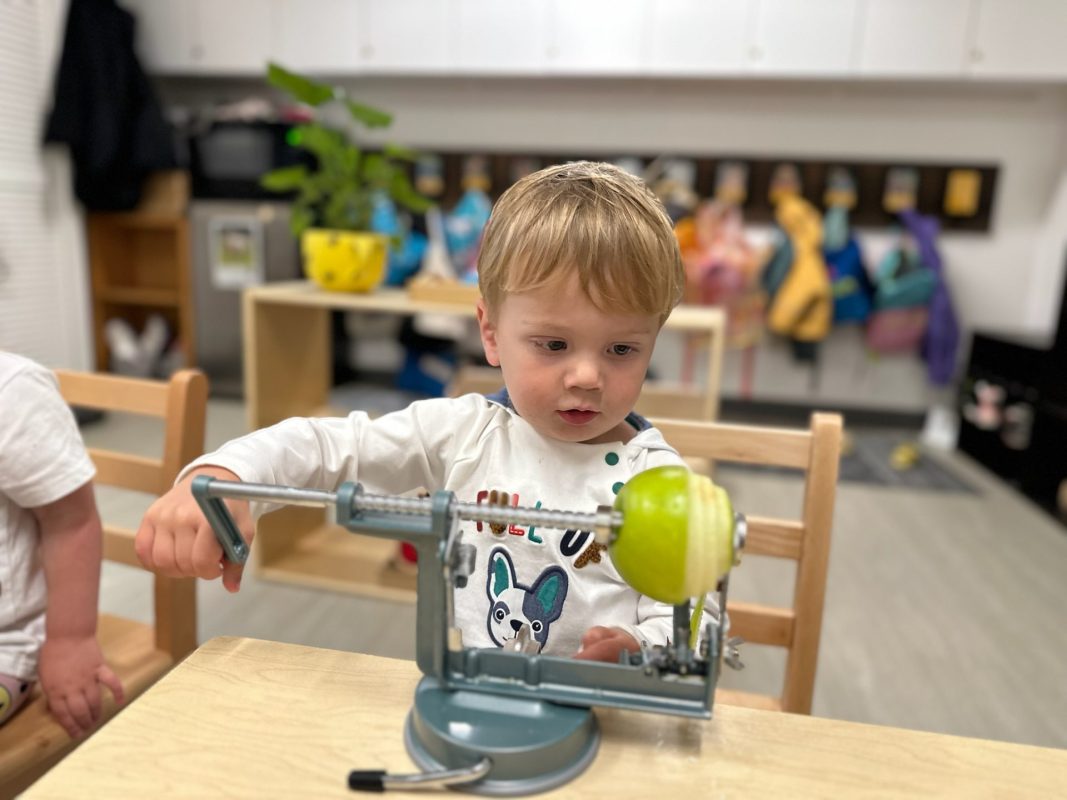
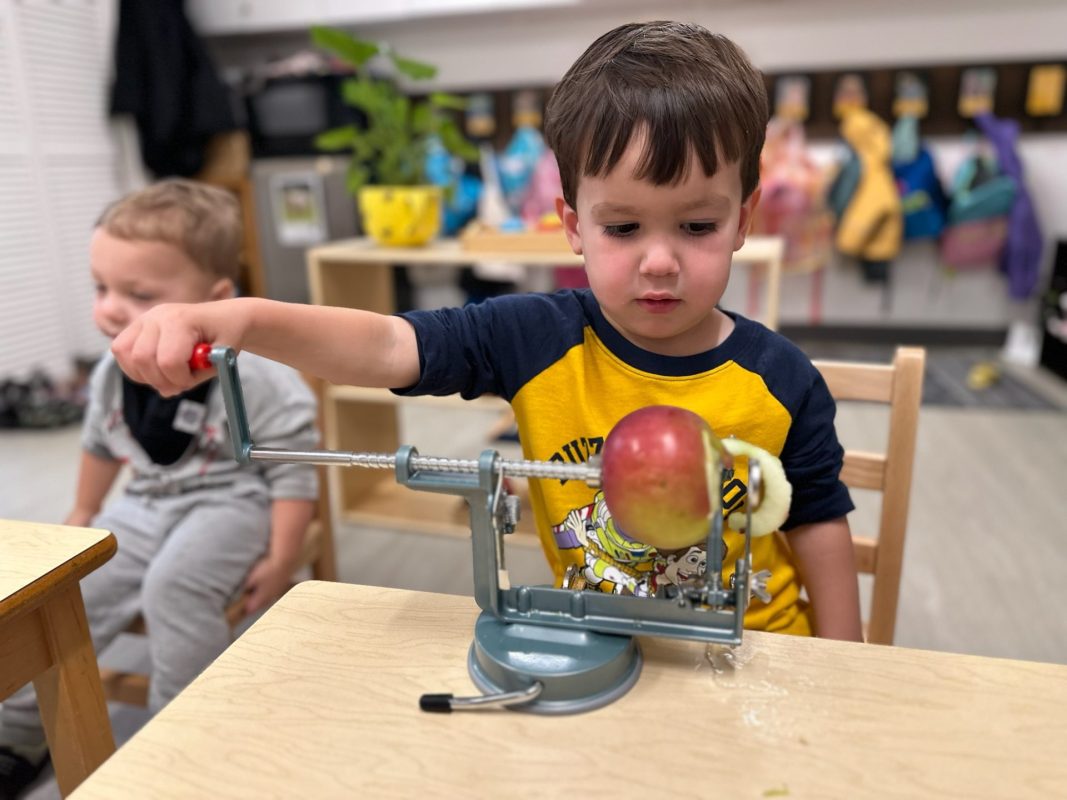
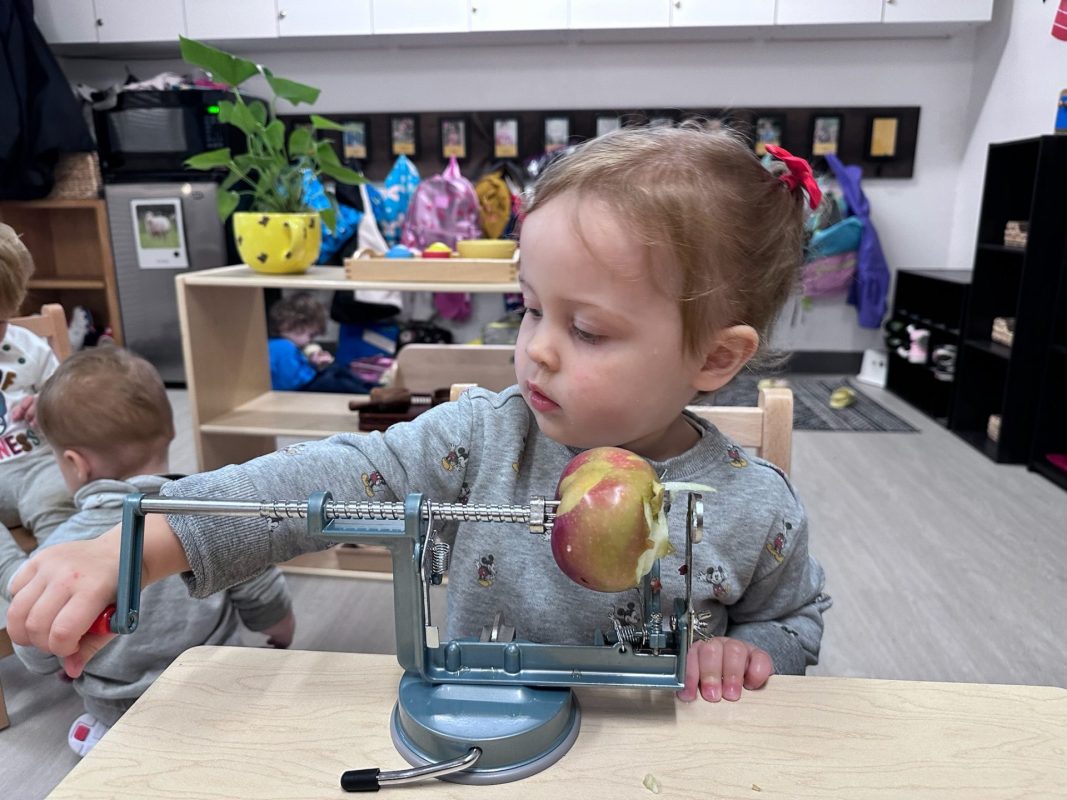
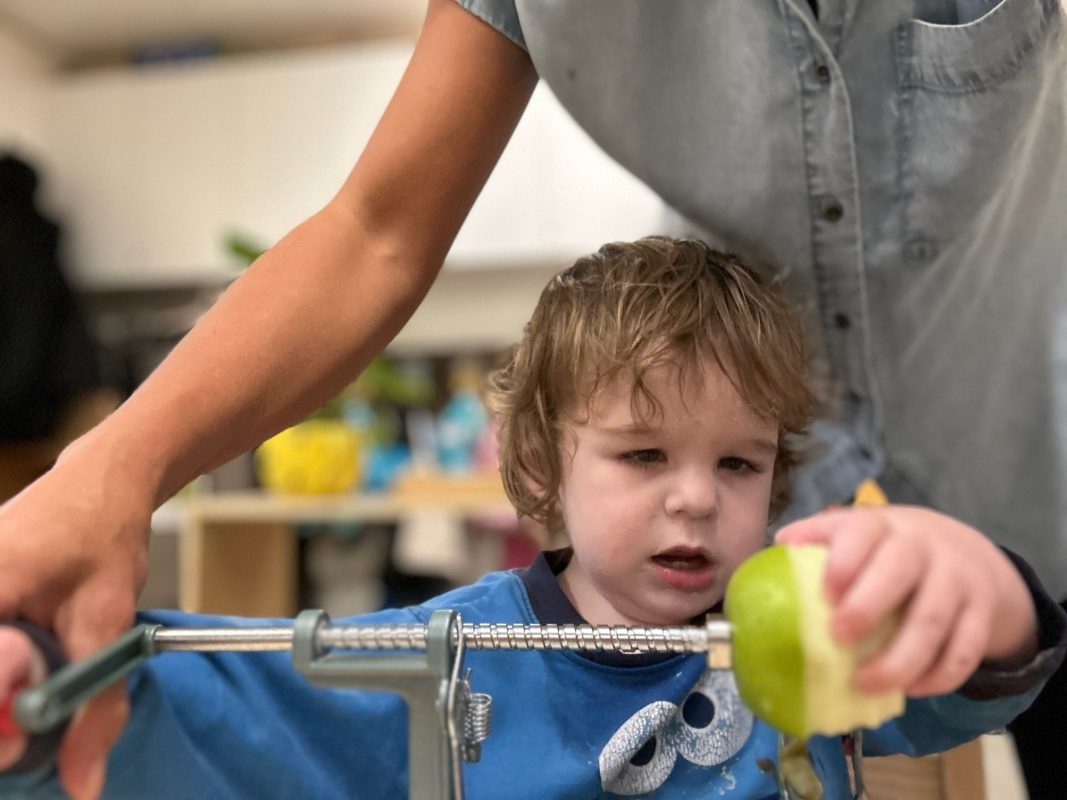
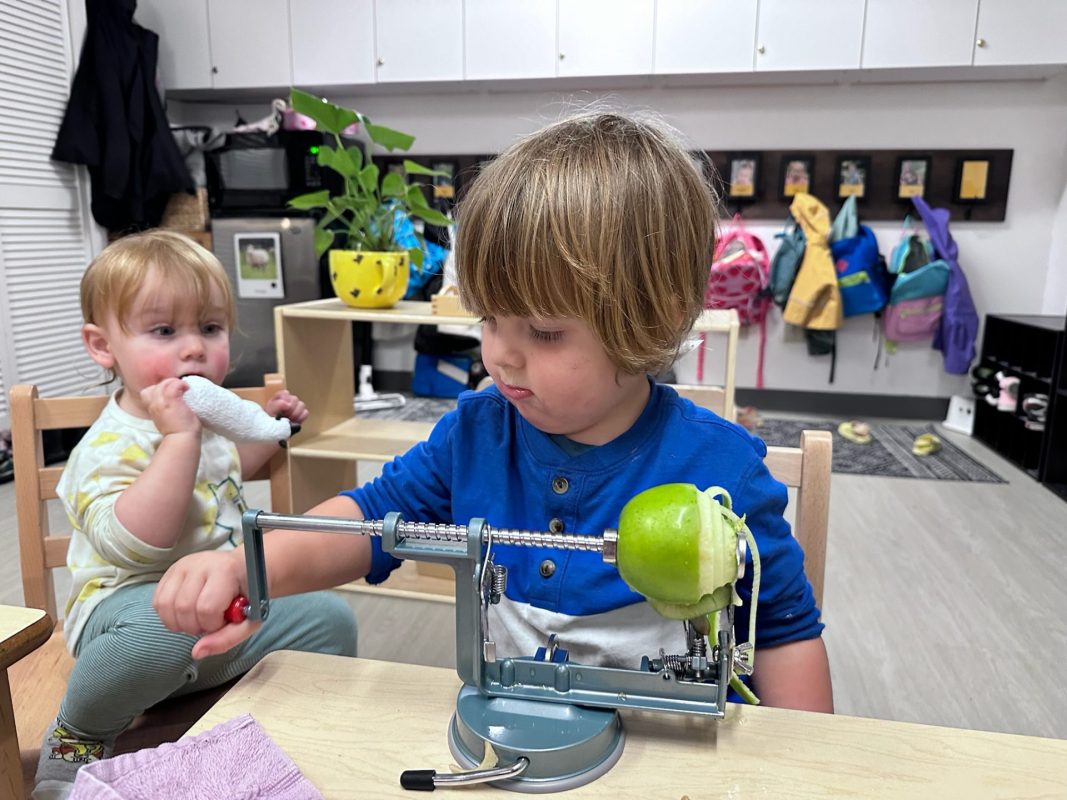
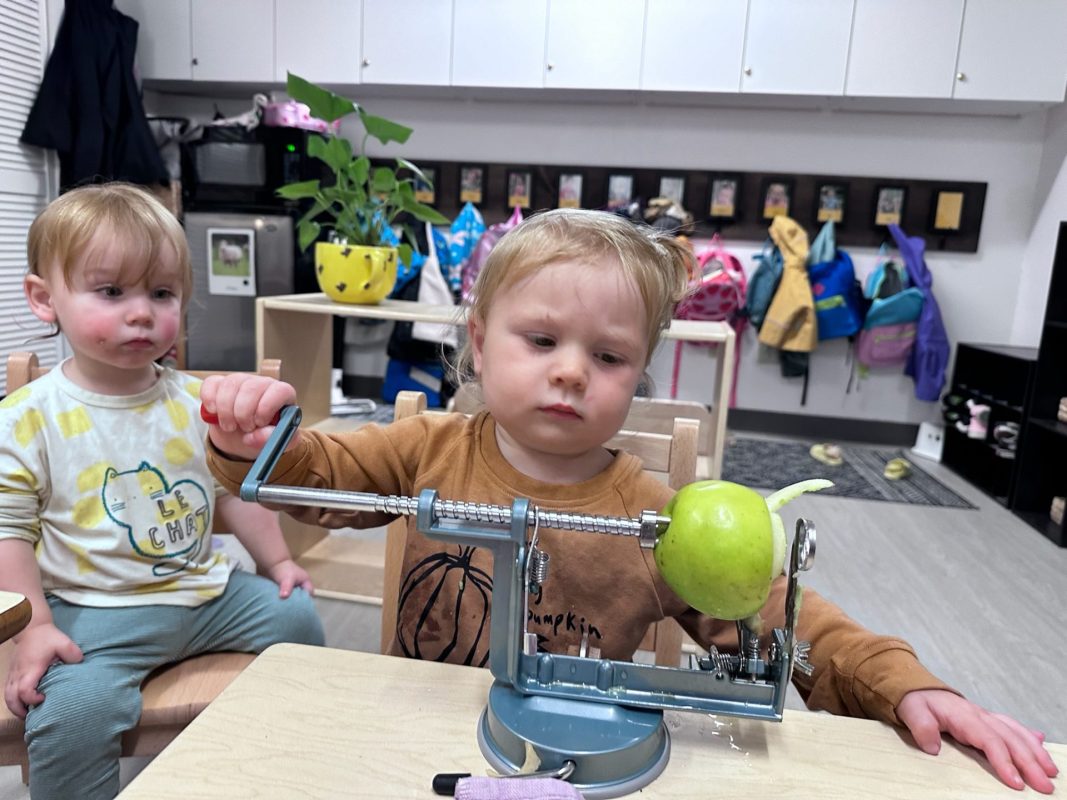
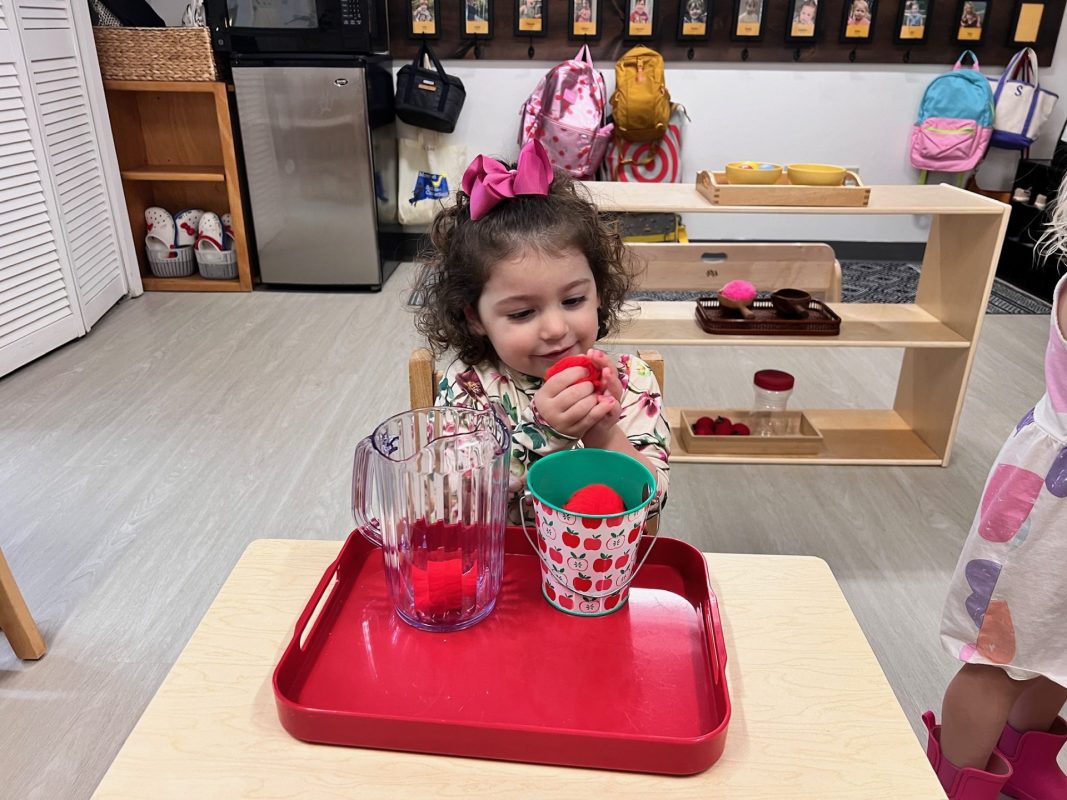
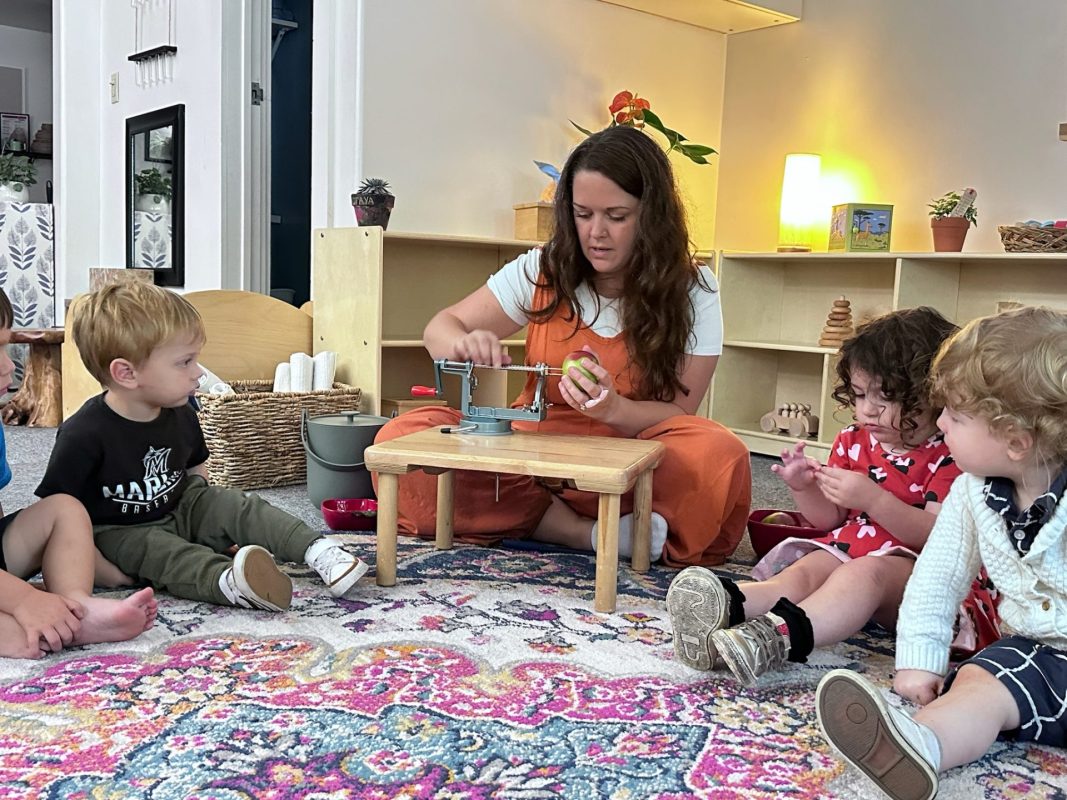
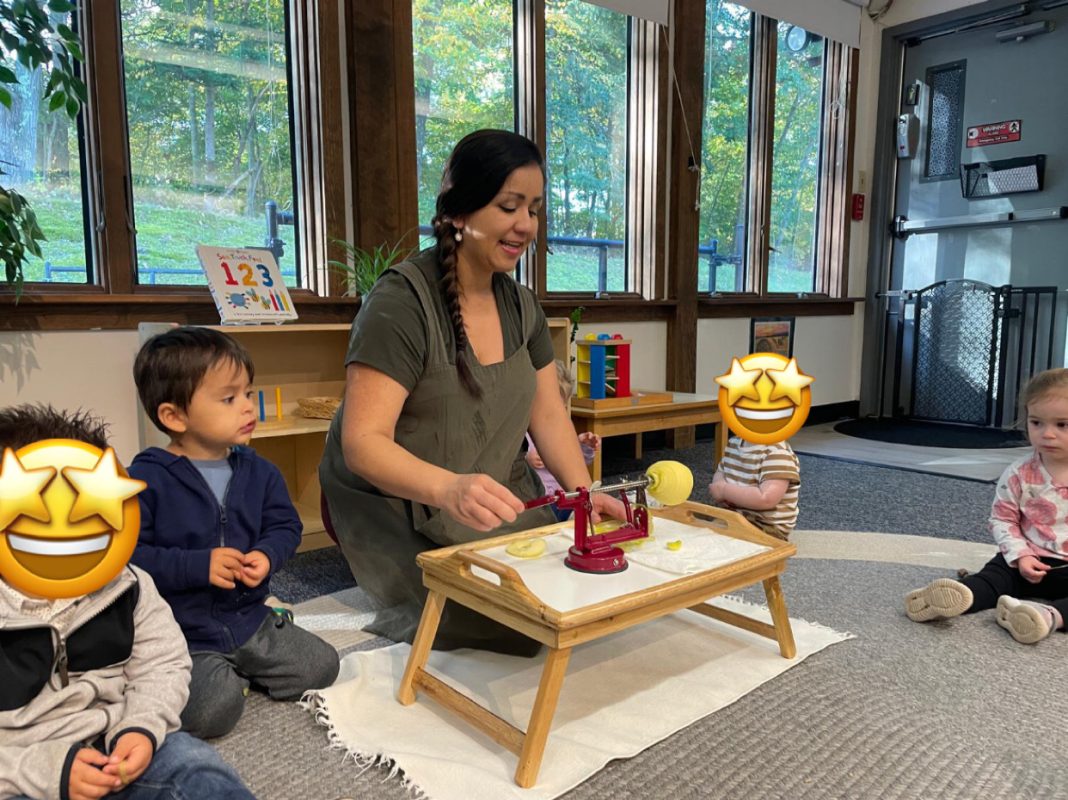
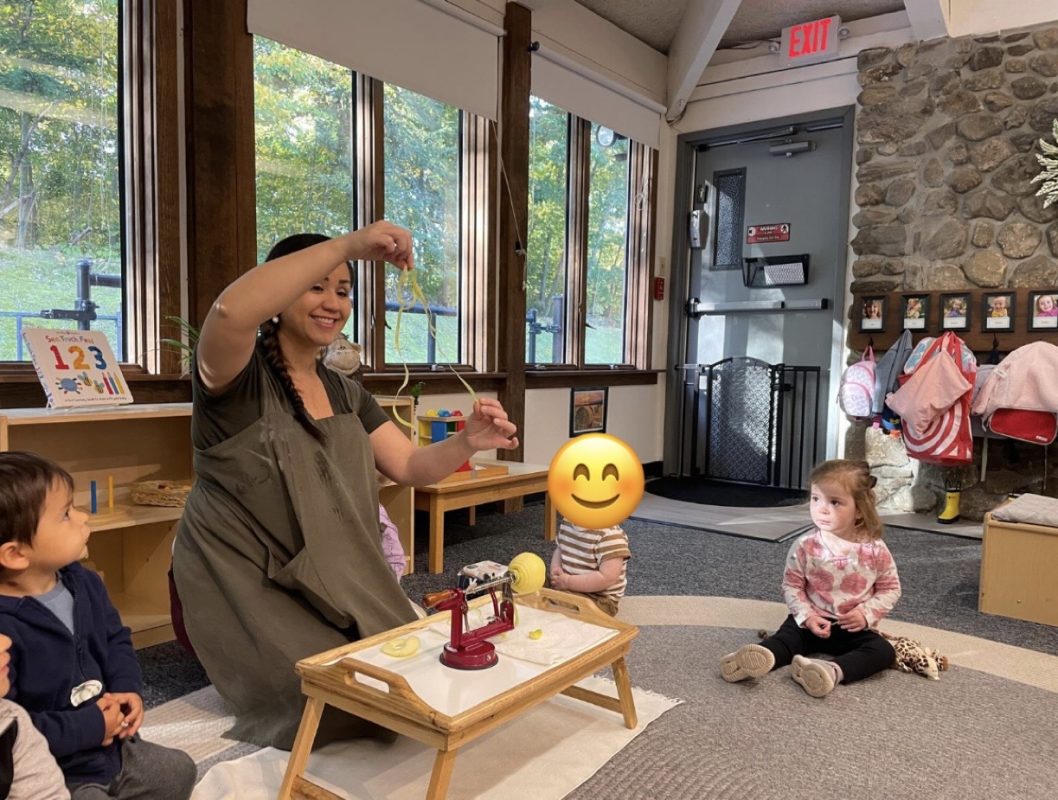
We are now at the end of September, and we wrapped up the week with a fun applesauce preparation activity. Over the past two weeks, the children have enjoyed sampling both red and green apples and watching a demonstration of the apple peeler and corer. This week, they had the chance to help make applesauce, filling our room with the delightful aroma of warm cinnamon and apples.

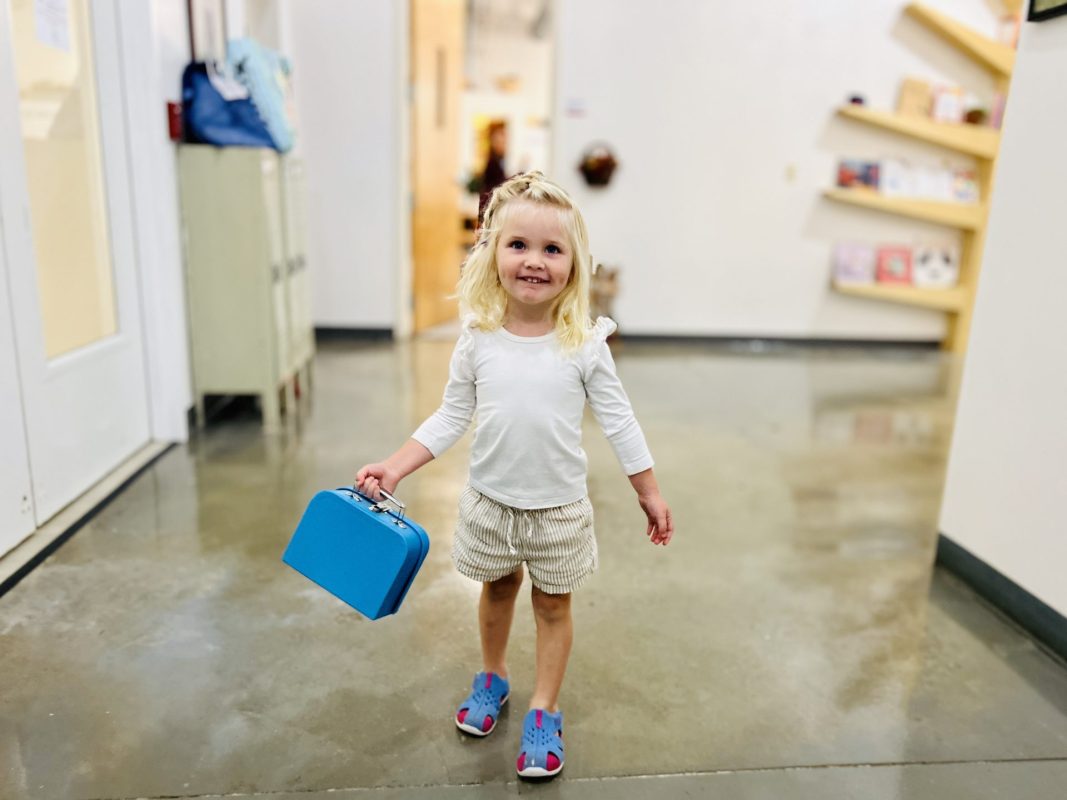
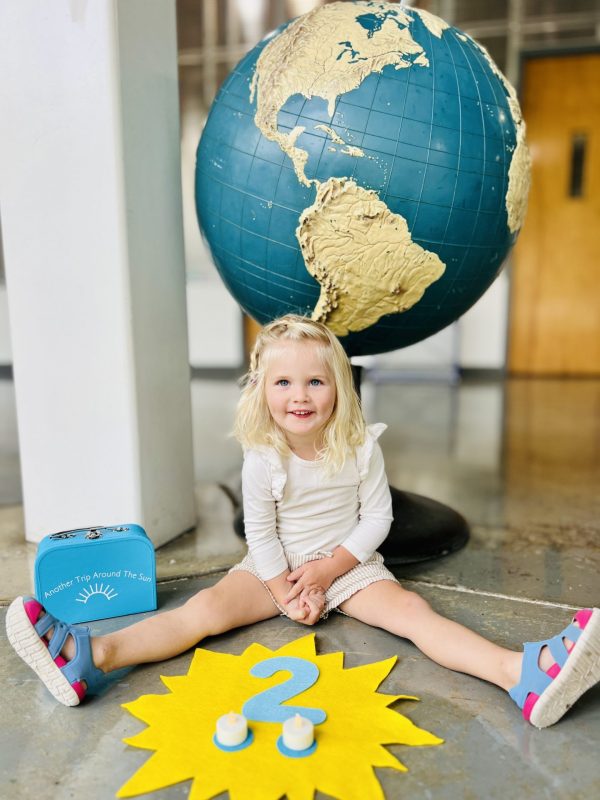
We also kicked off the week by celebrating the birthdays of two of our friends. Happy Birthday to our two friends!

It’s heartwarming to see the children becoming more comfortable in our classroom and forging stronger bonds with one another and their teachers. I’m pleased to report that, aside from a few small tears at drop-off, their days are filled with joy and laughter.

Love and Light,

Cynthia and Sara


We look forward to seeing you at Parent-Teacher Conferences on October 25. Please sign up for your conference here


Mrs. Hood: La Vaca Lola!

Have you heard of La Vaca Lola?

Maria Montessori believed that the first six years of life are crucial for a child’s language development, and research backs her up. From birth, children thrive on the right kinds of stimulation, especially when it comes to language. Many specialists agree, particularly when discussing the benefits of learning foreign languages at an early age.

Studies show that learning a second language boosts problem-solving, critical thinking, and listening skills. It also improves memory, concentration, and even multitasking! Bilingual children often show signs of enhanced creativity and mental flexibility, which is why we immerse your toddler in Spanish every day in our environment.

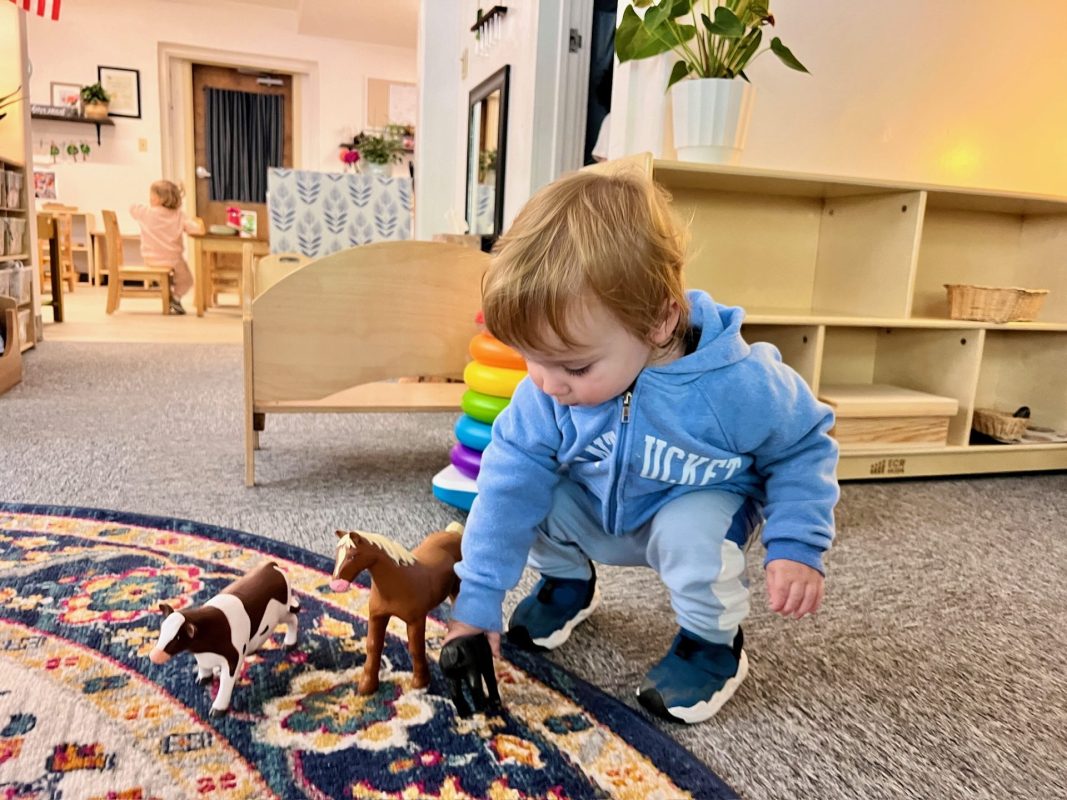
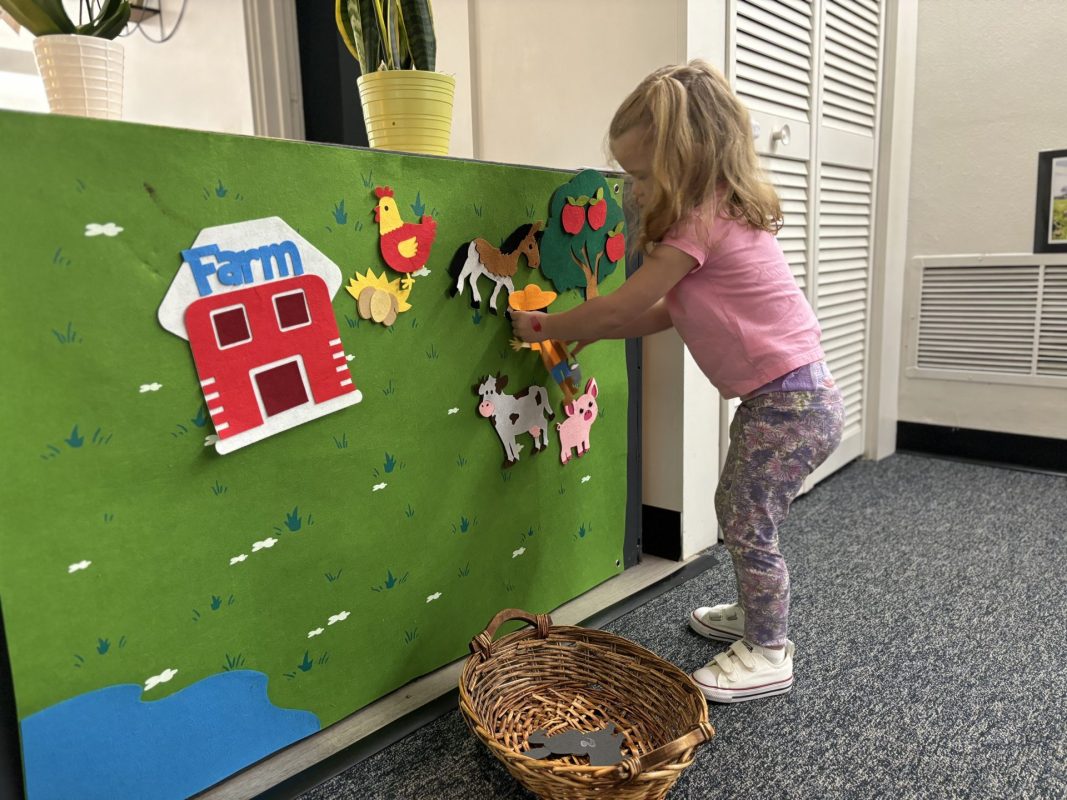
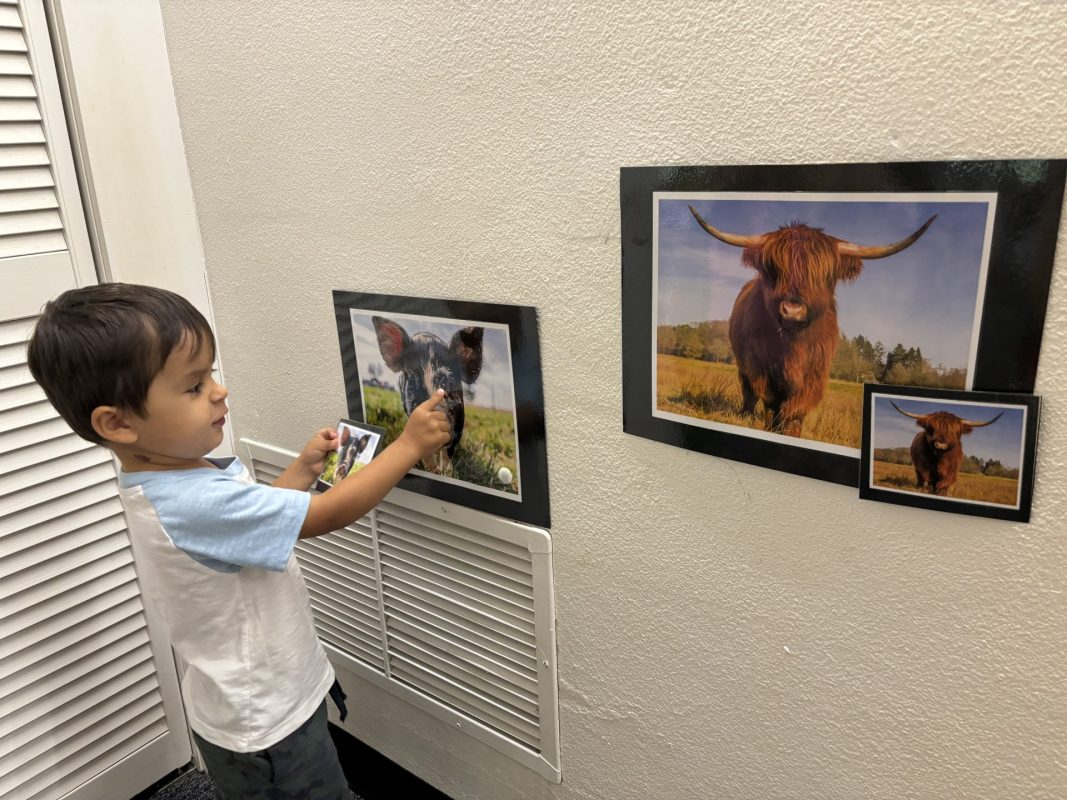
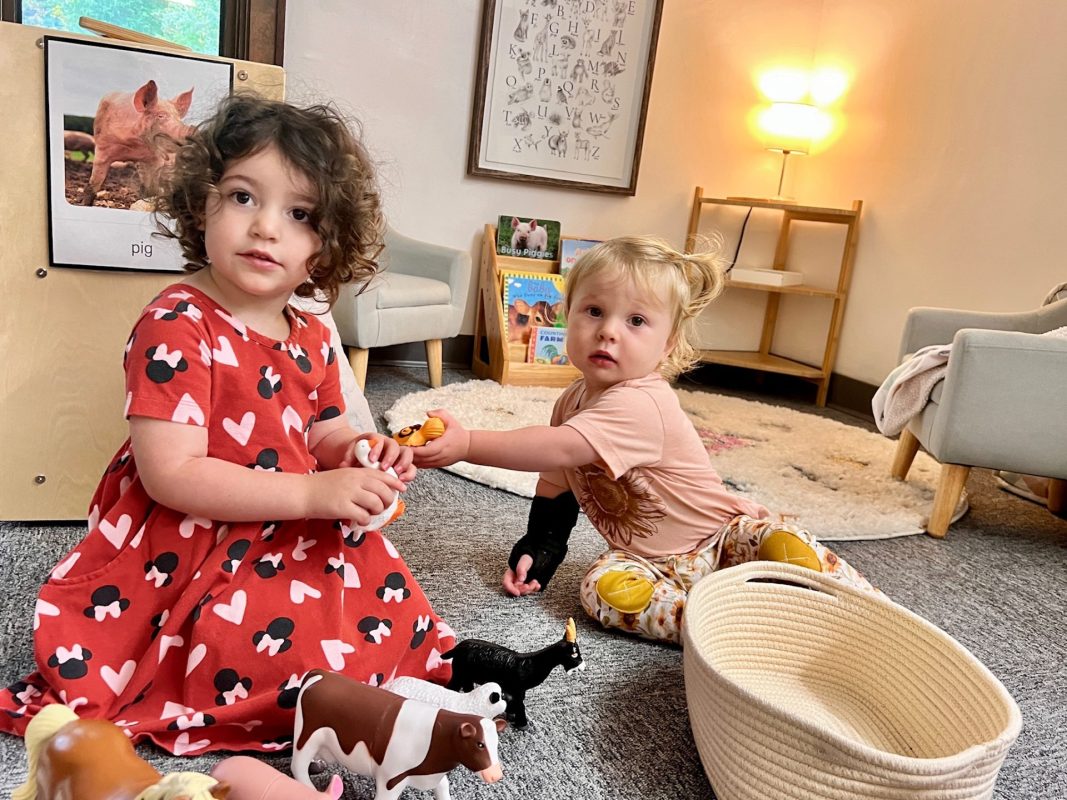
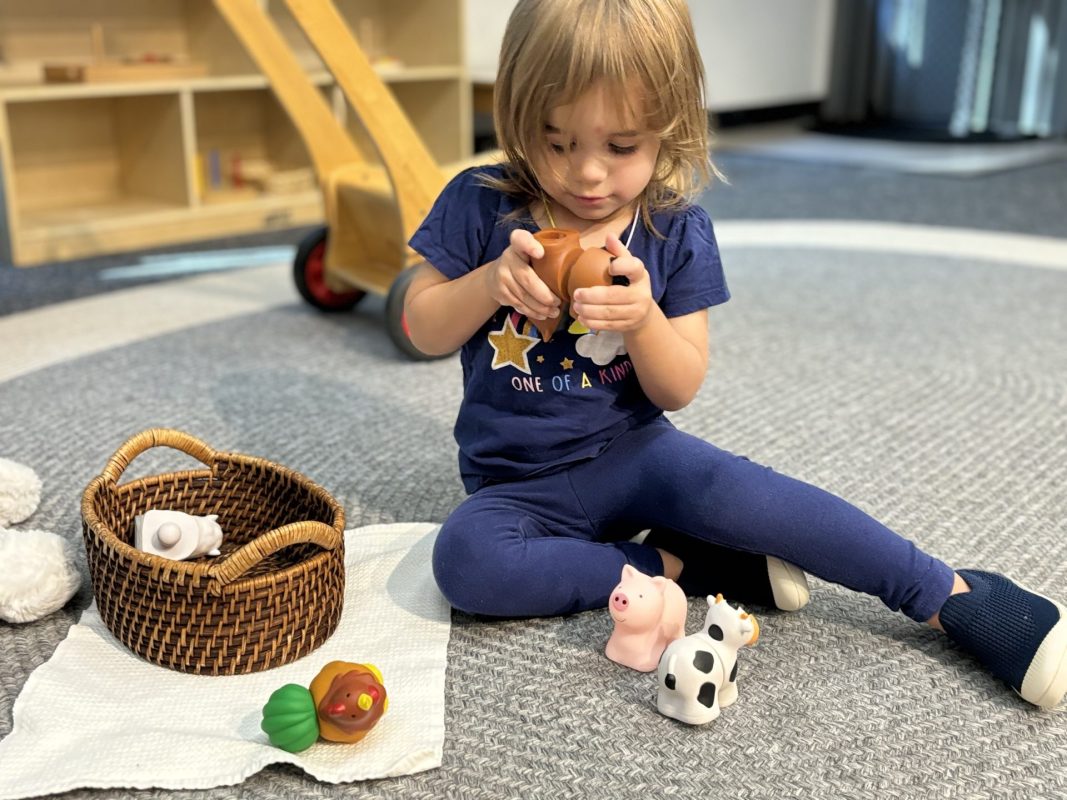
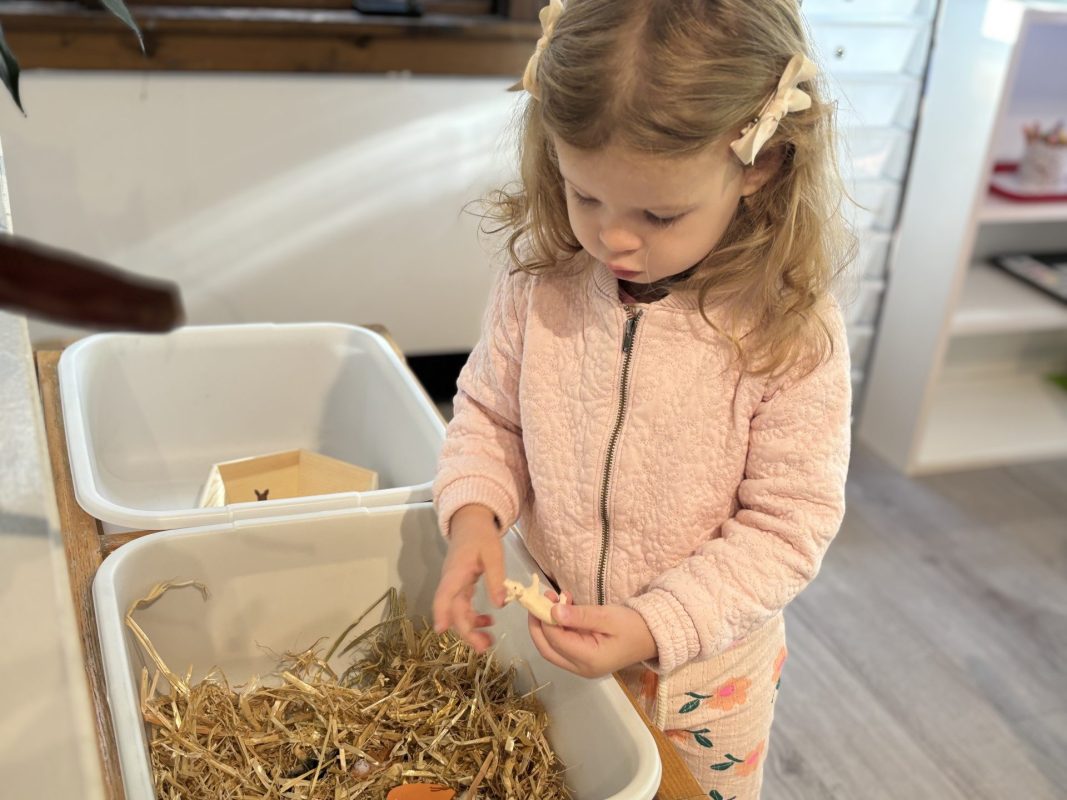
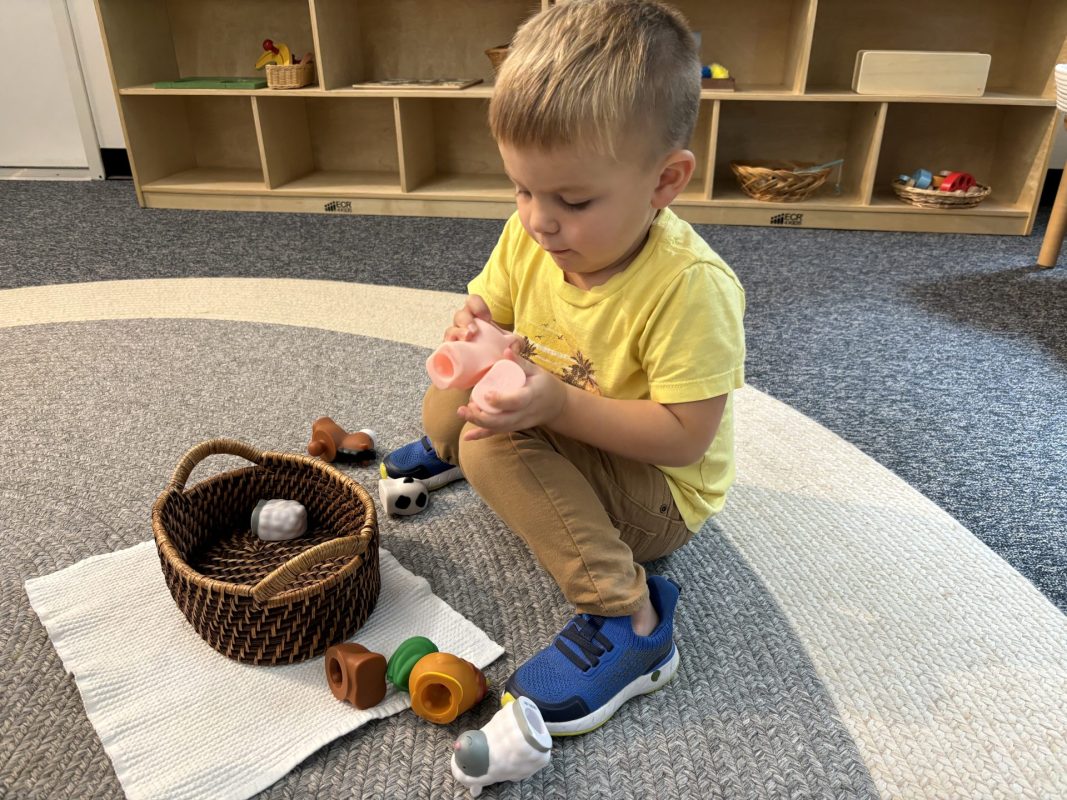
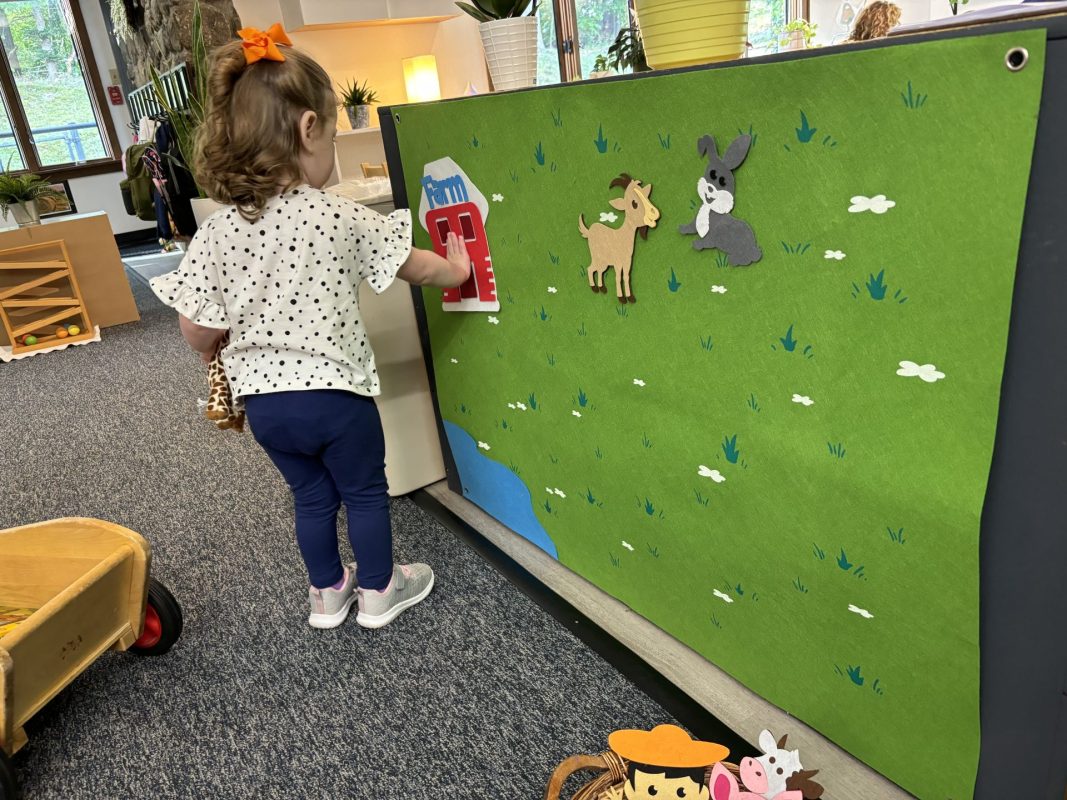
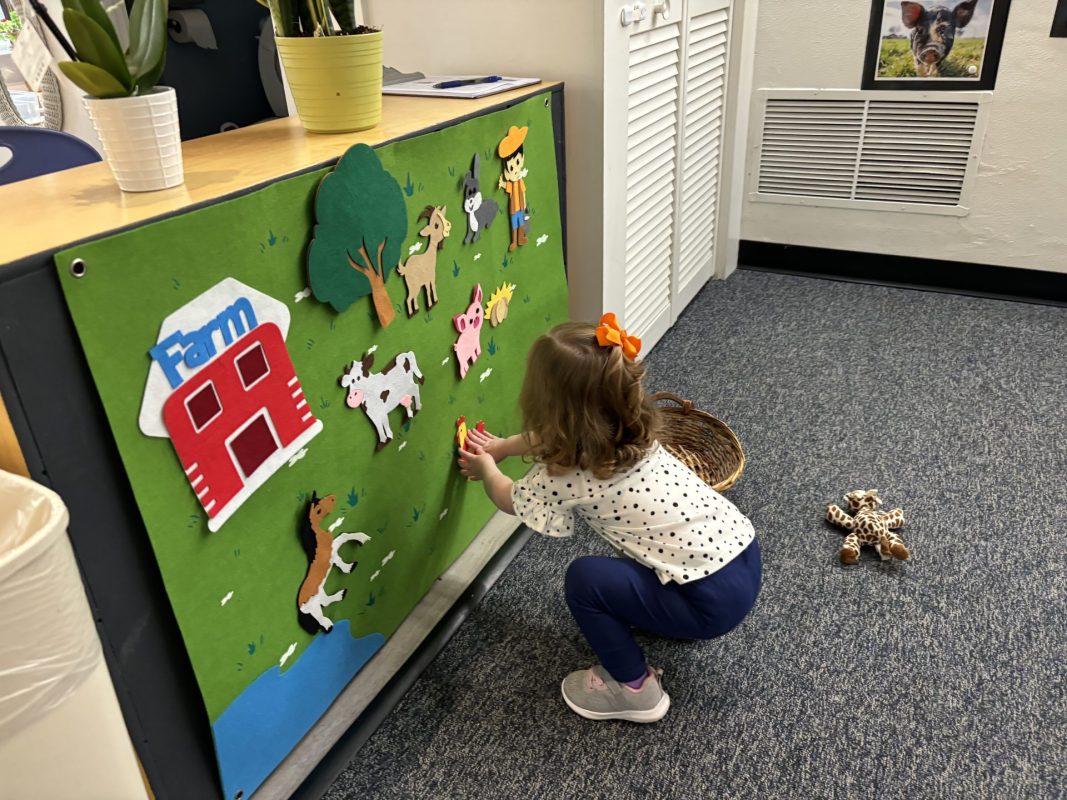
For the past few weeks, we’ve been exploring farm life and animals with the children. Mimicking animal sounds, like “moo” or “baa,” helps toddlers practice the rhythm and cadence of speech. These simple, repetitive sounds are easy for them to reproduce, strengthening their ability to form and articulate words. They also sharpen auditory discrimination, a key skill for distinguishing between similar sounds as their vocabulary grows.

To tie our farm theme with learning Spanish, we introduced “La Vaca Lola” (The Cow Named Lola) this week, a lively song that instantly caught the children’s attention! It’s been wonderful to see some of our students already singing the words in Spanish while others watch closely and listen as I sing. To keep the fun going at home, I encourage you to take advantage of this beautiful weather and visit a farm nearby! Point out the animals, name them, and practice their sounds with your child. You’ll be amazed at how quickly they catch on.

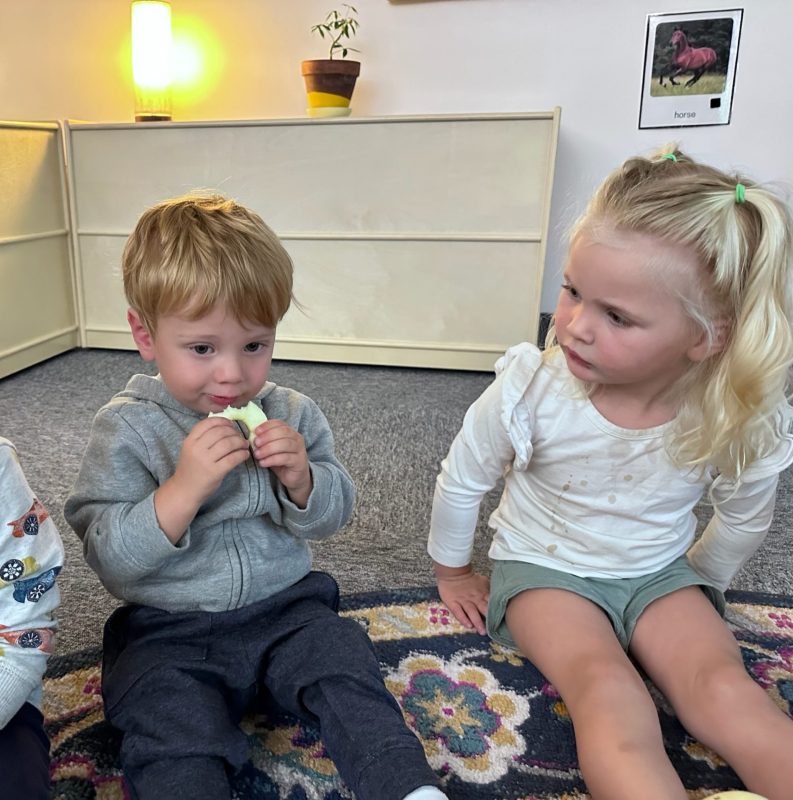
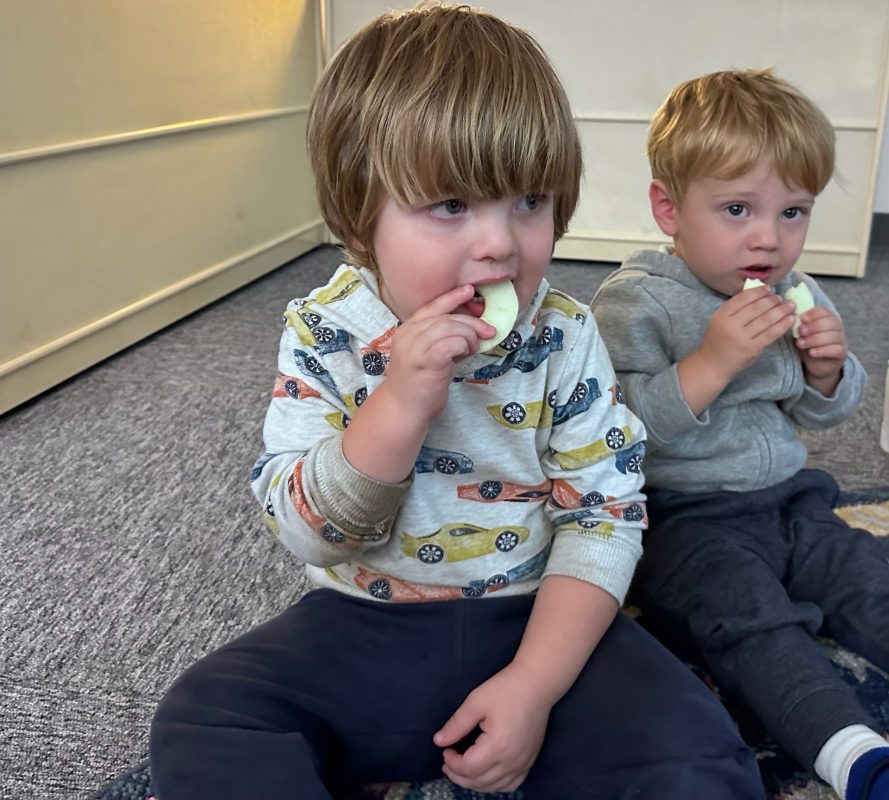
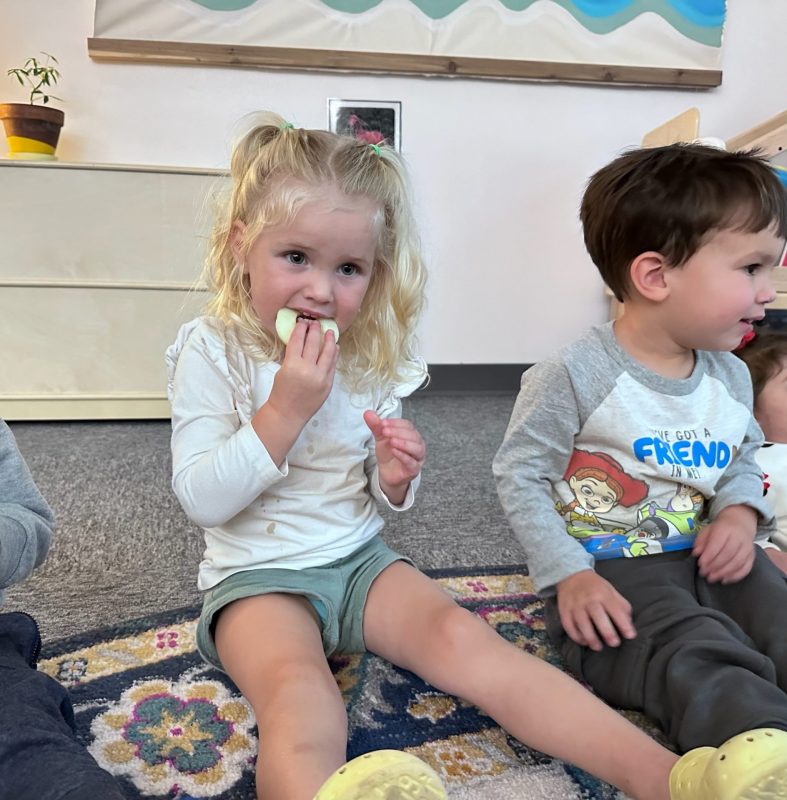
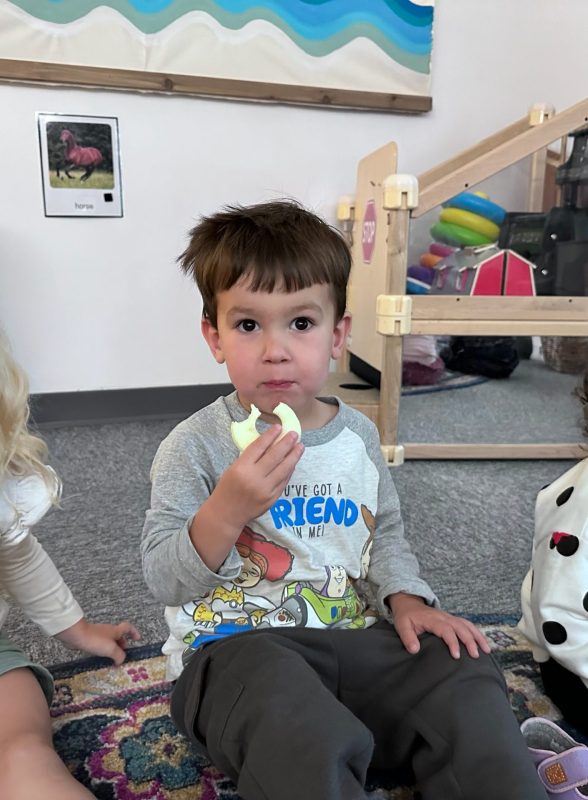
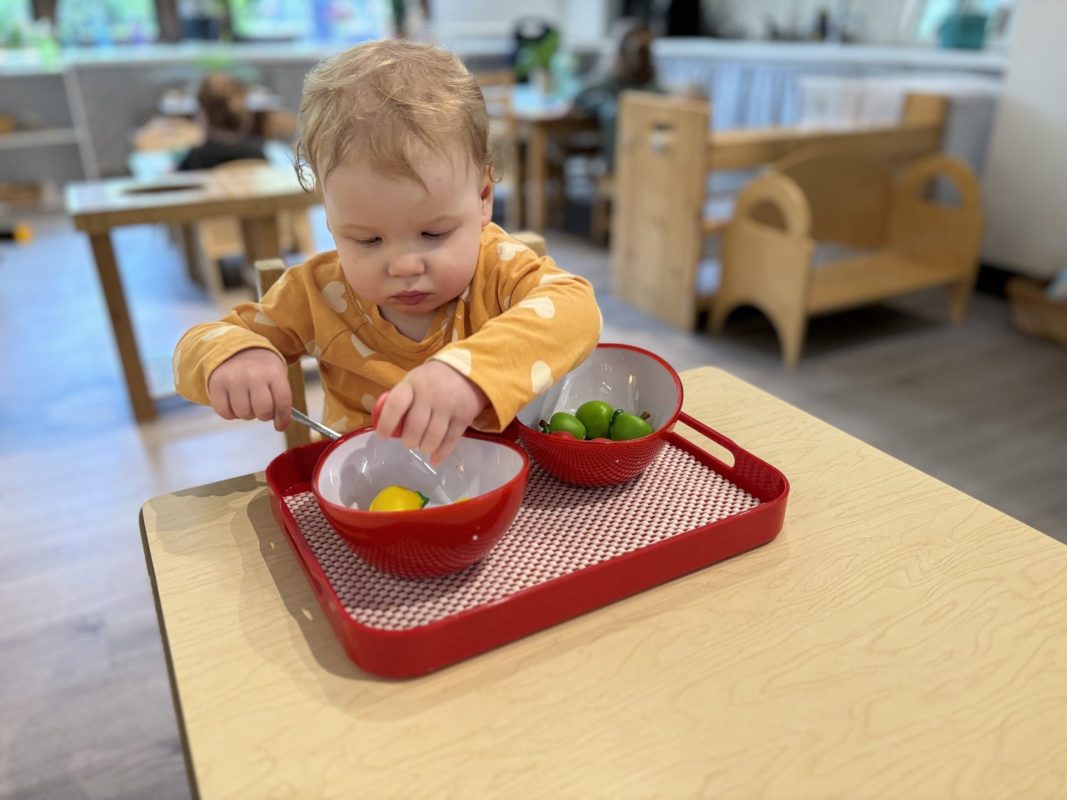
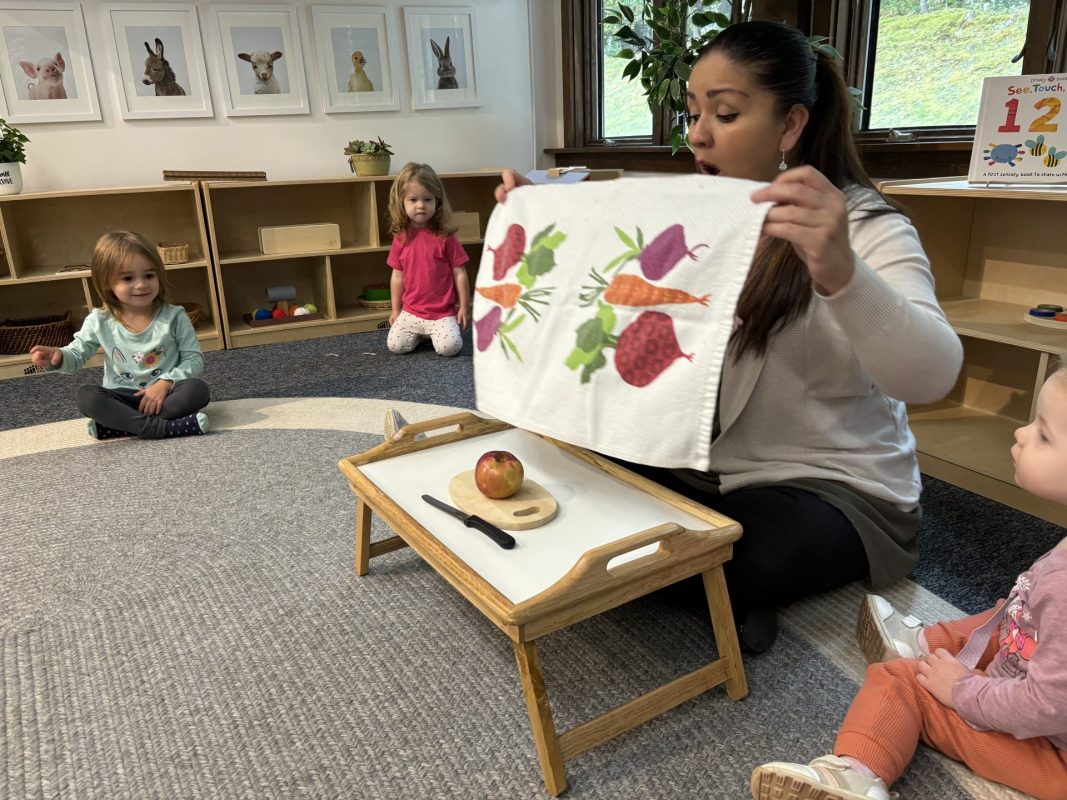
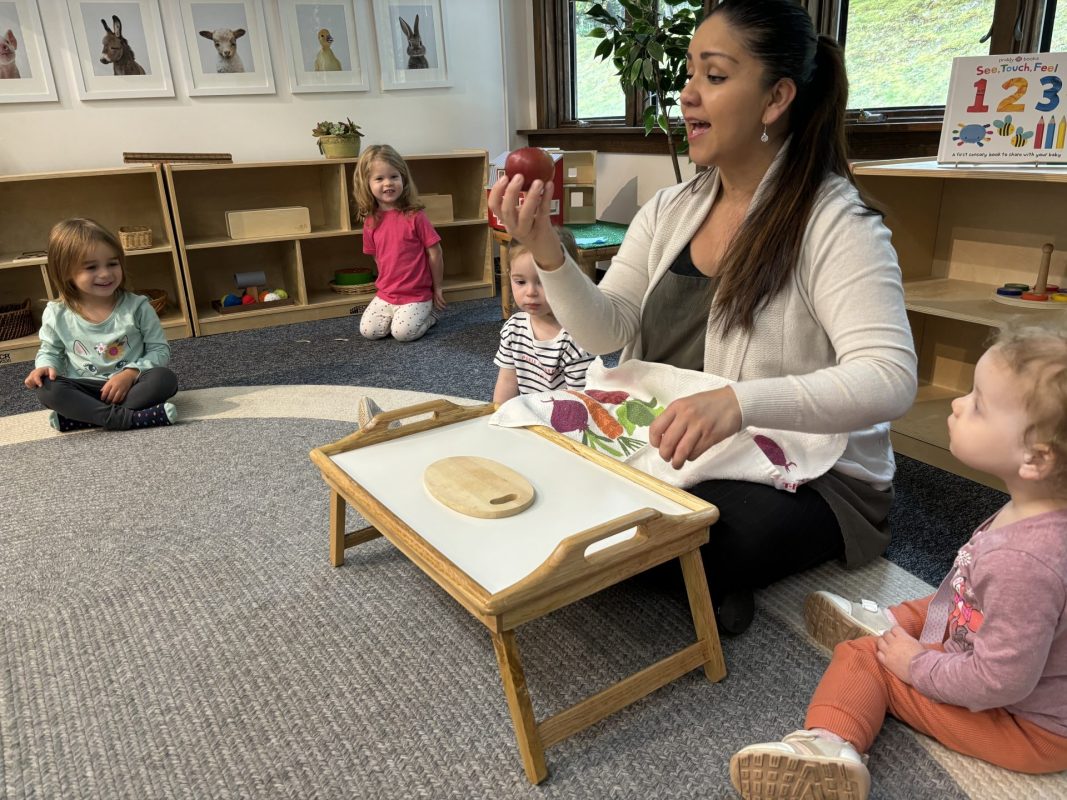
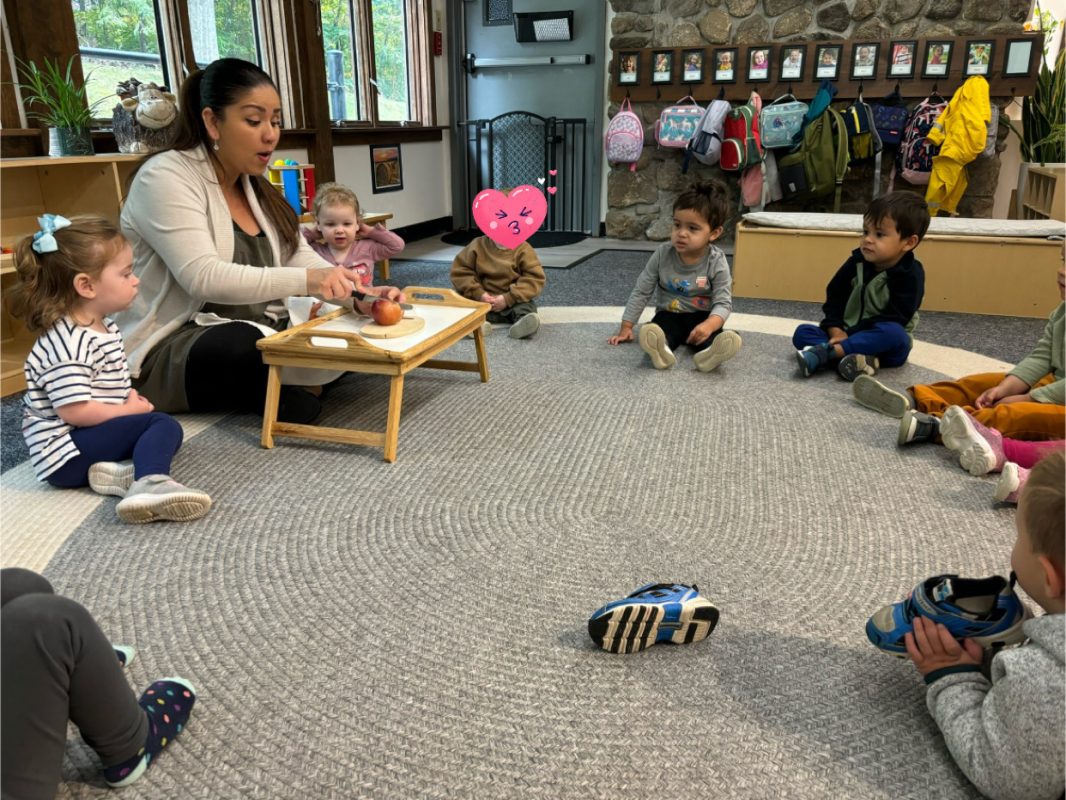
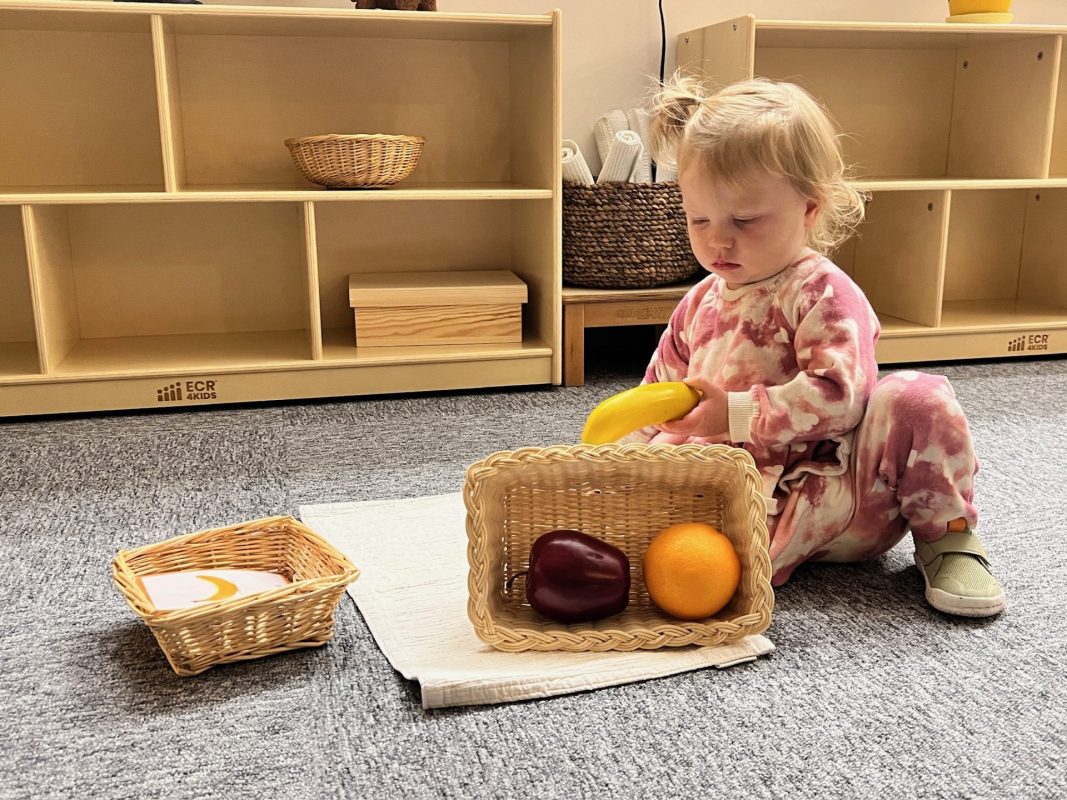
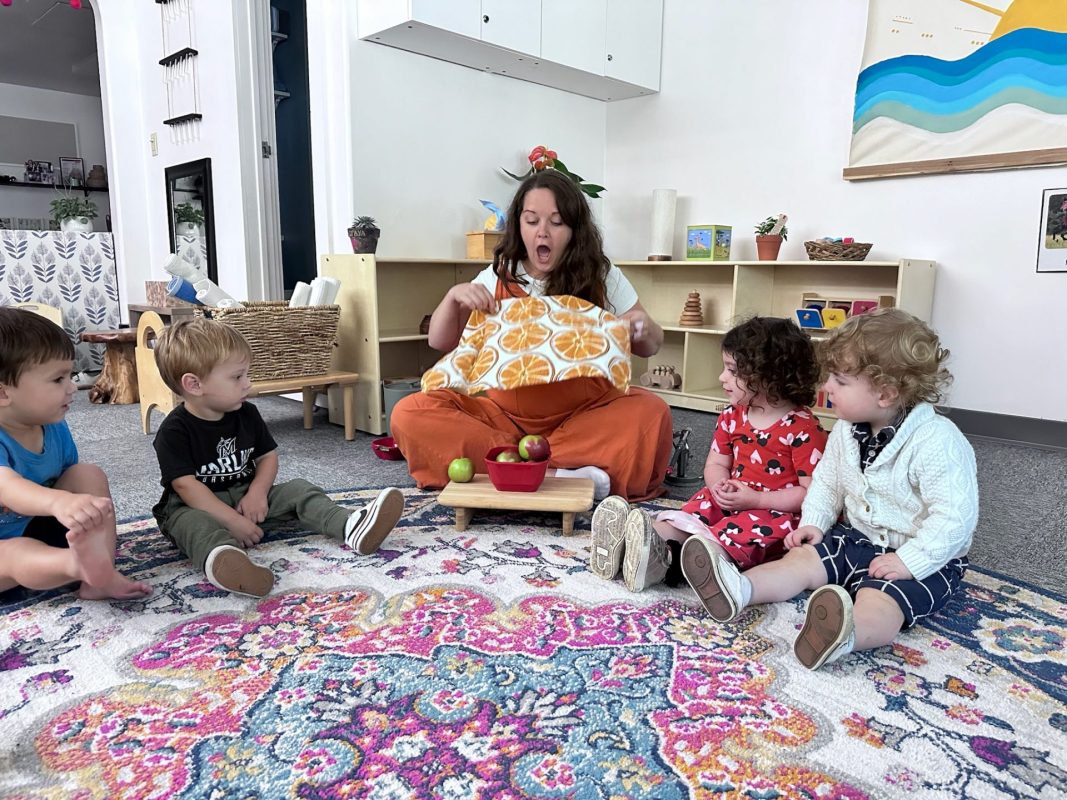
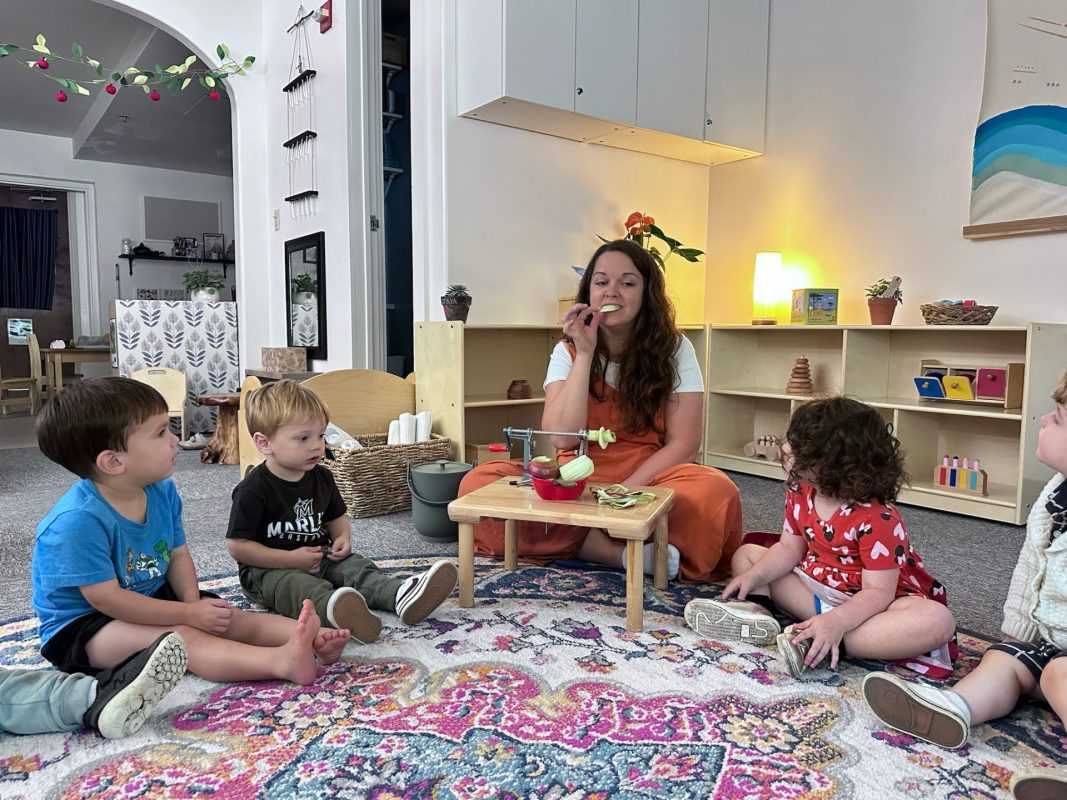
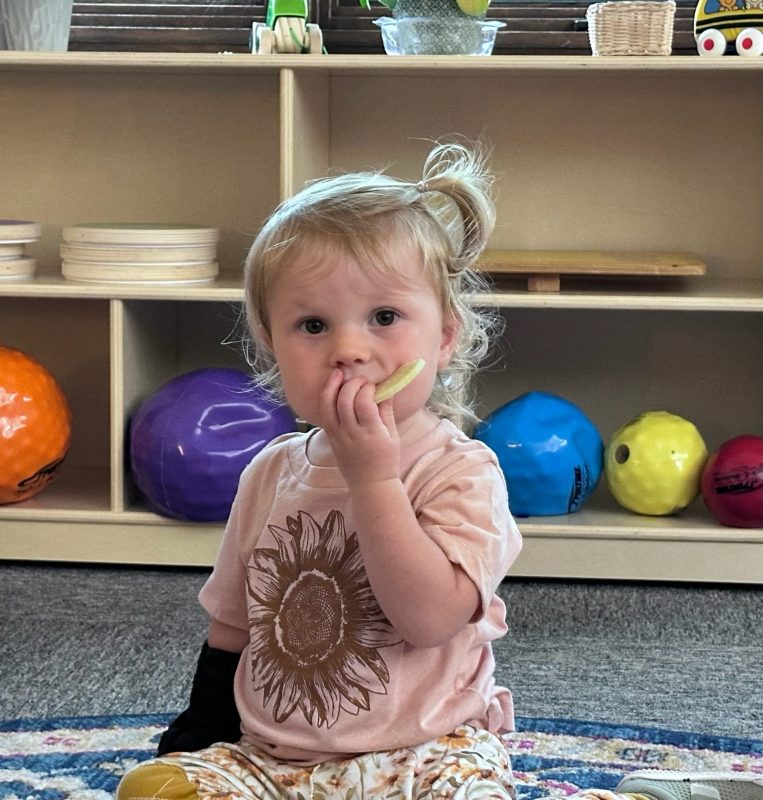
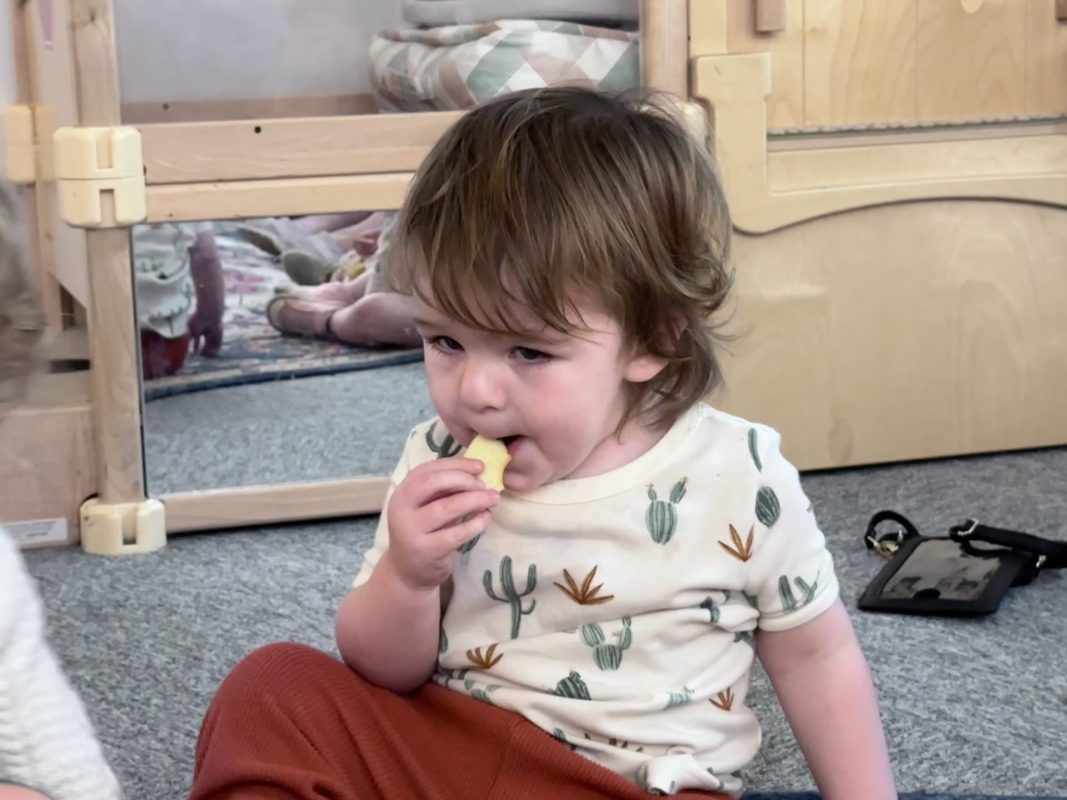
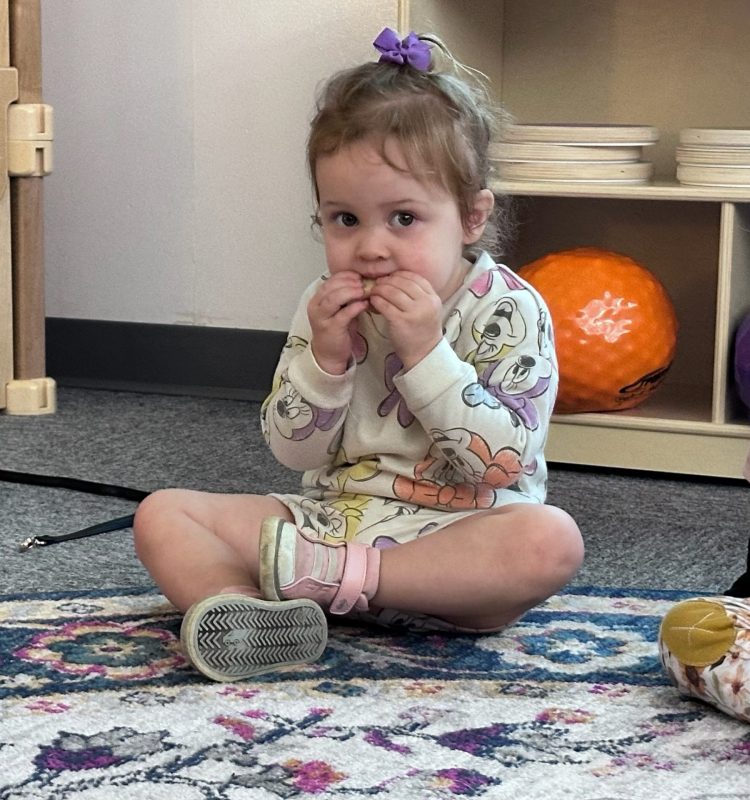
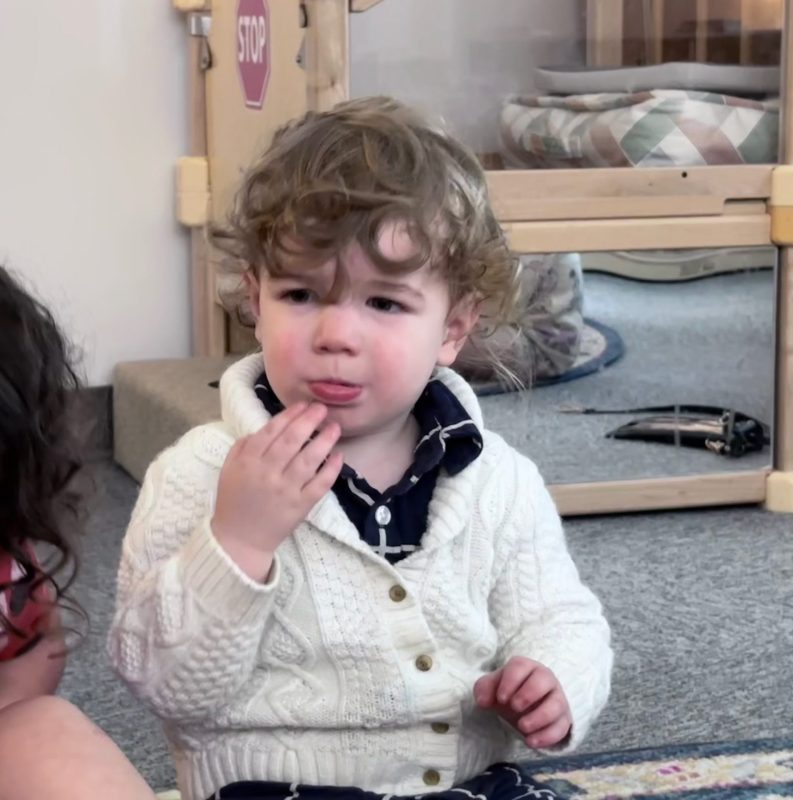
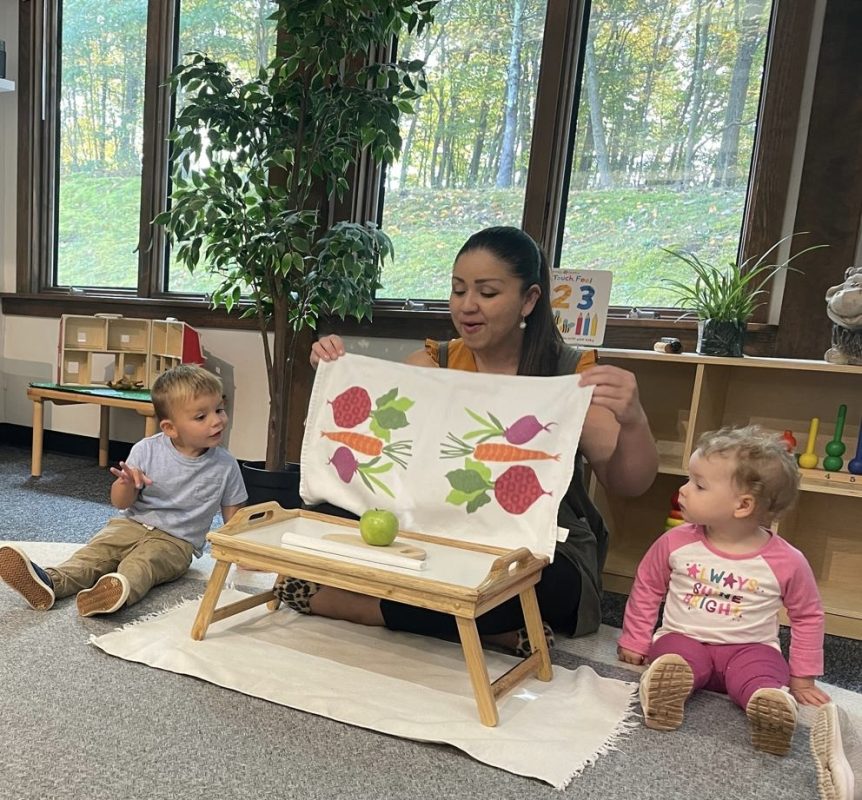
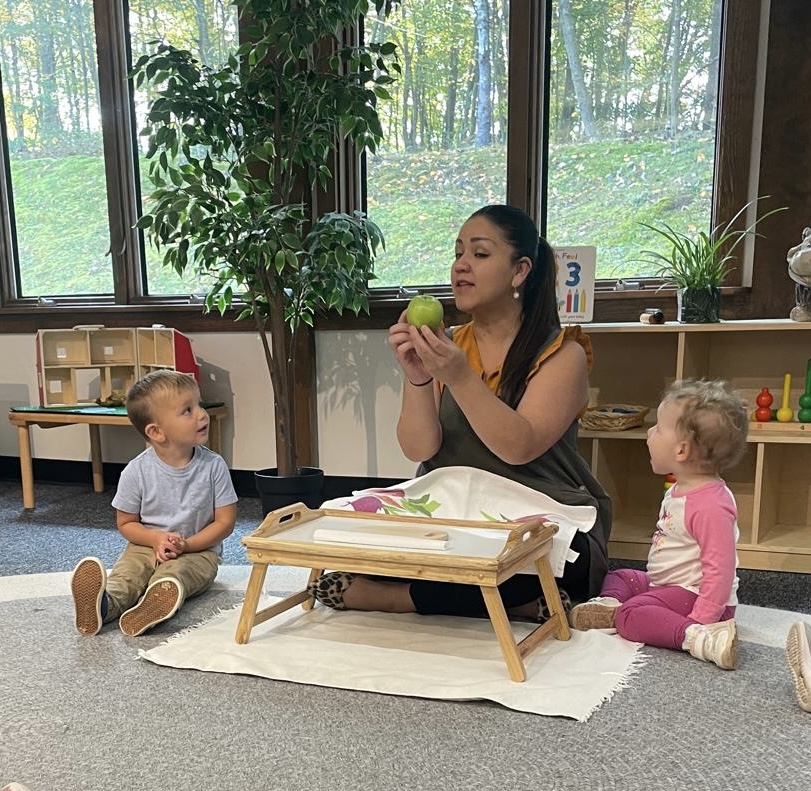
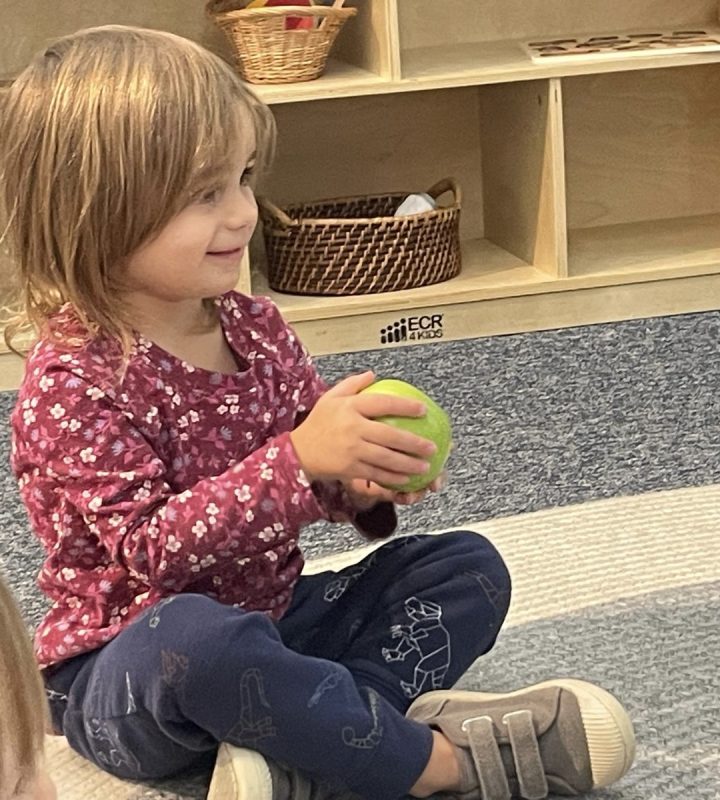
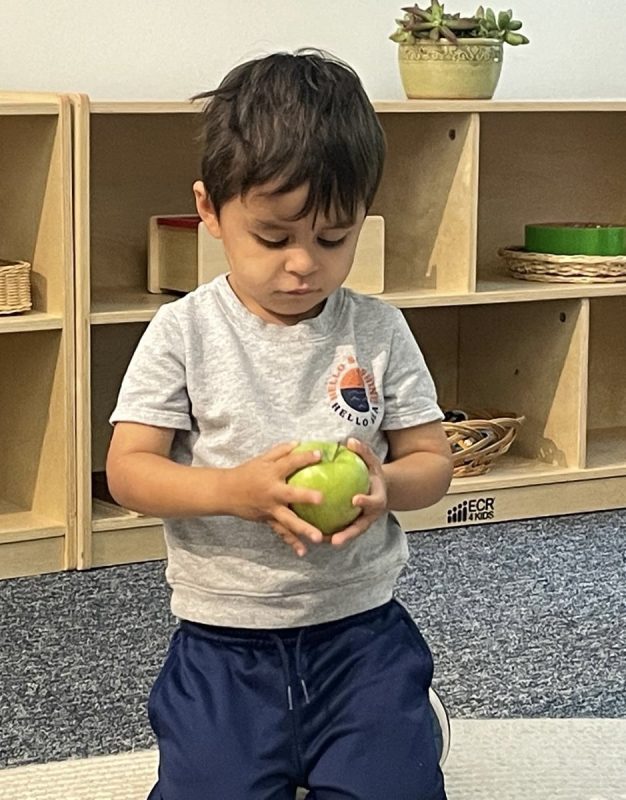
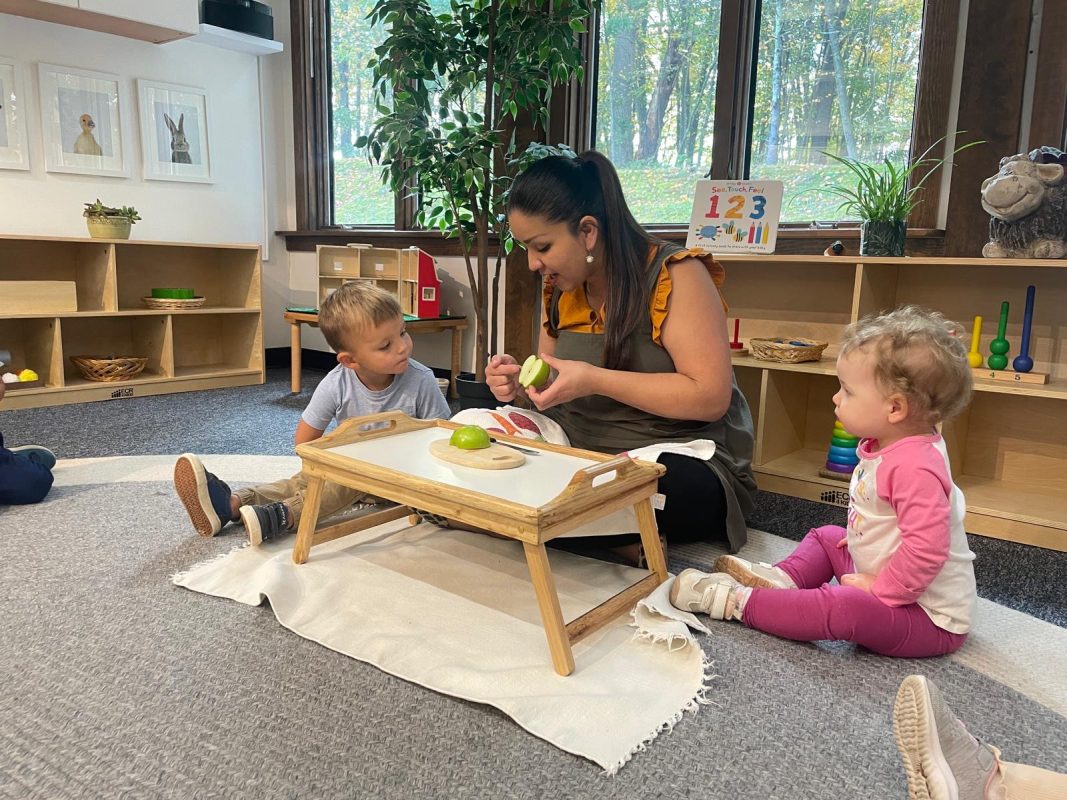
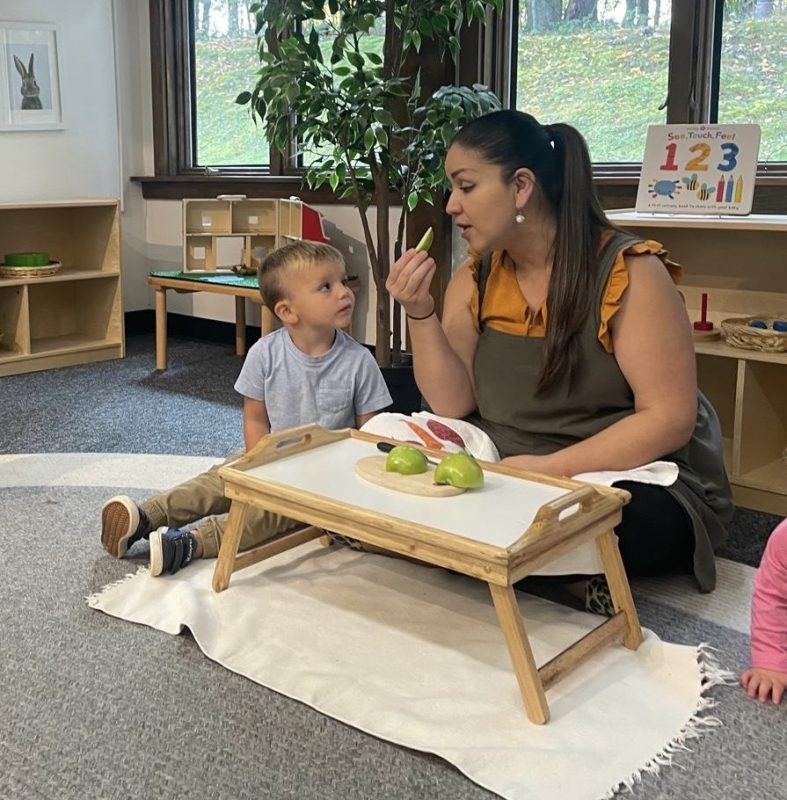
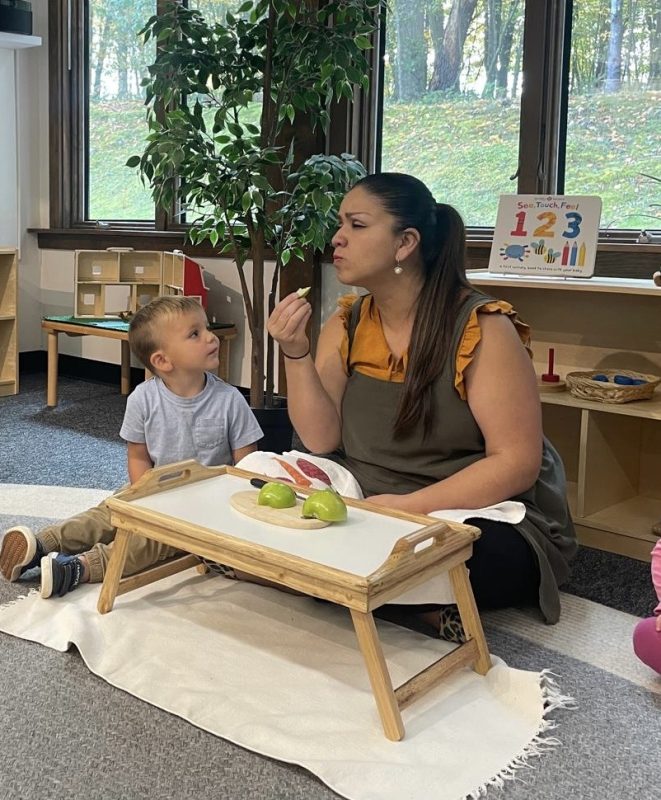
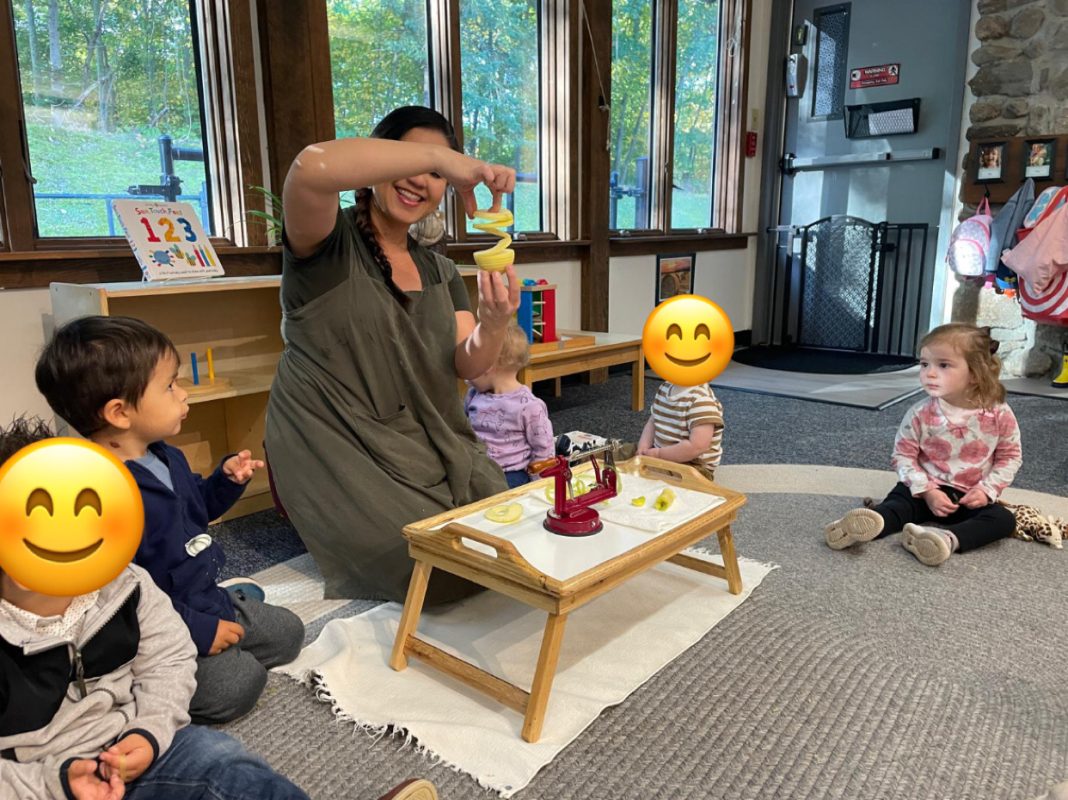
On another note, we had a big highlight this week: the introduction of our first food-tasting lesson! The excitement was high as I placed the food-tasting tray in front of the children, especially for our second-year students, who knew what was coming. The children gathered quietly, eyes wide with anticipation, as I slowly lifted the towel to reveal the surprise underneath—an apple!

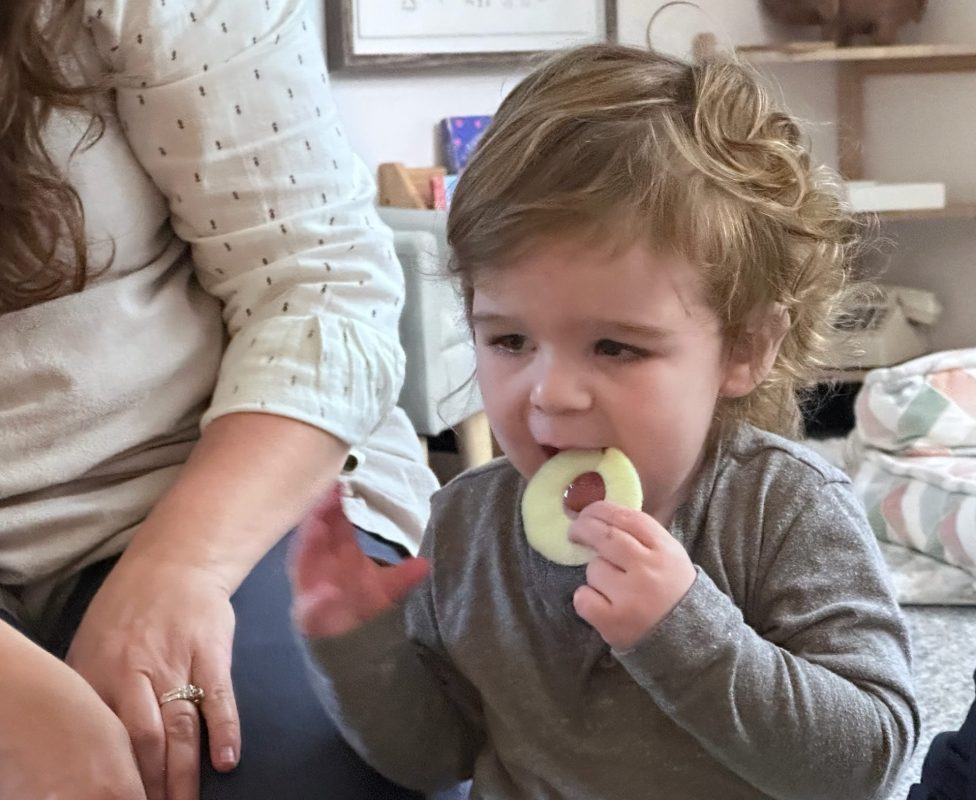
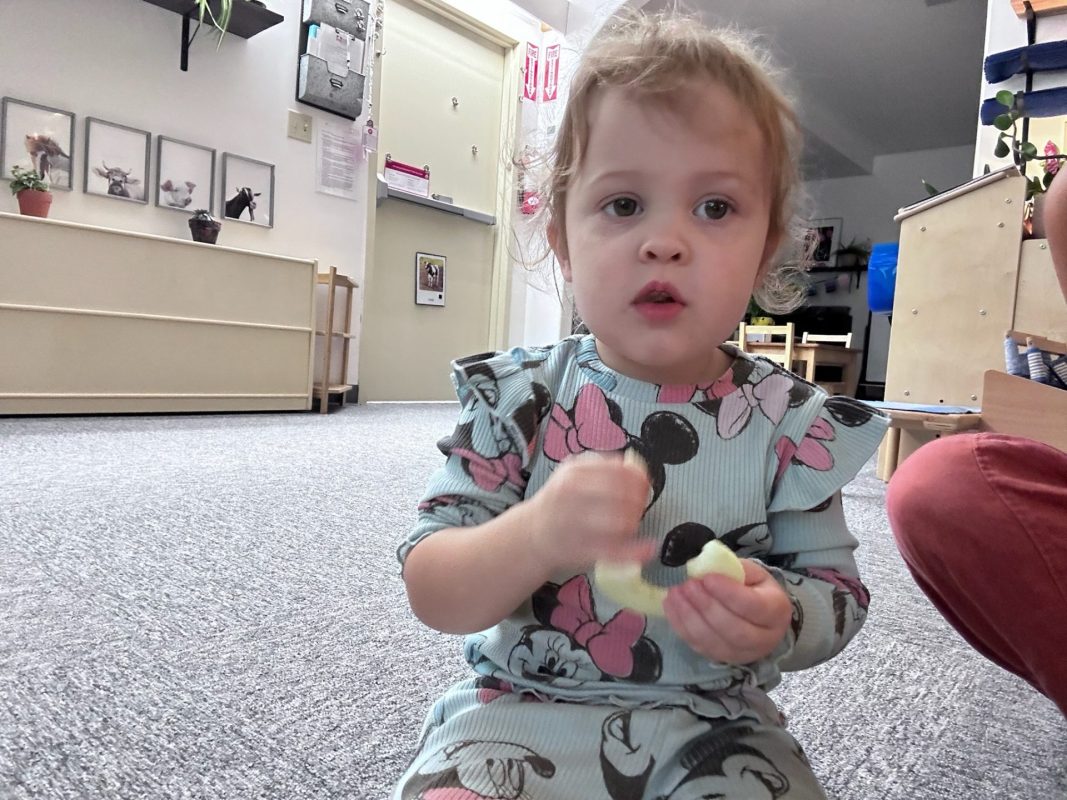
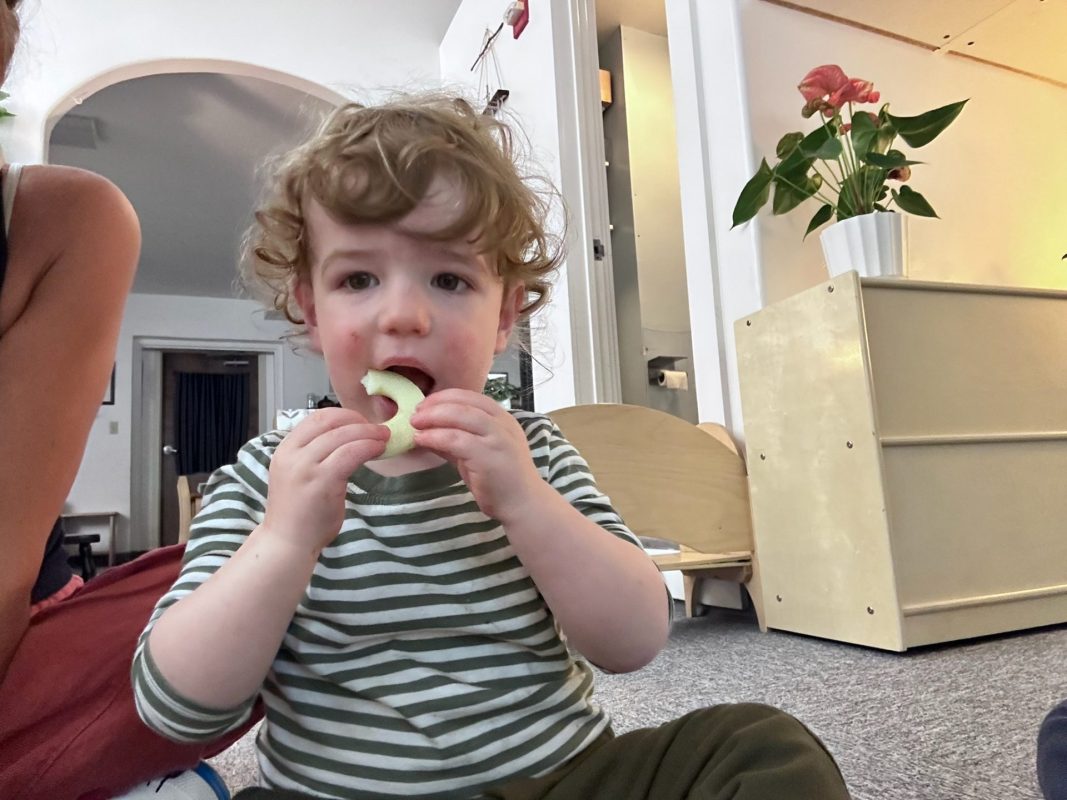
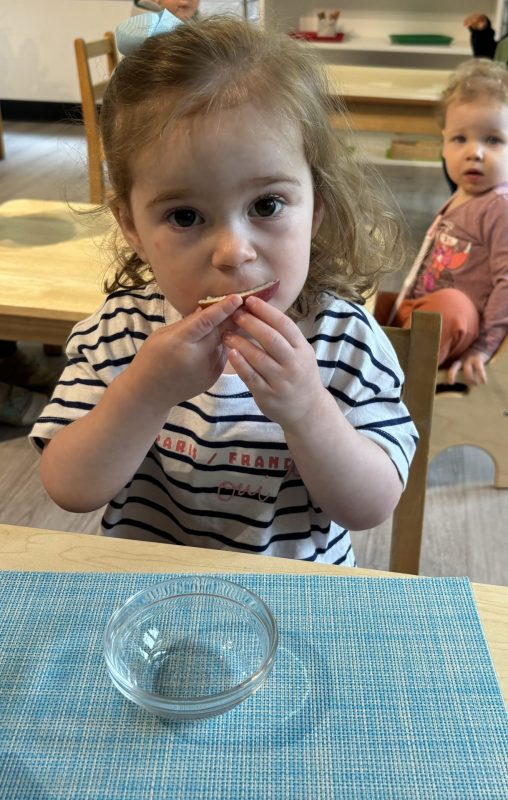
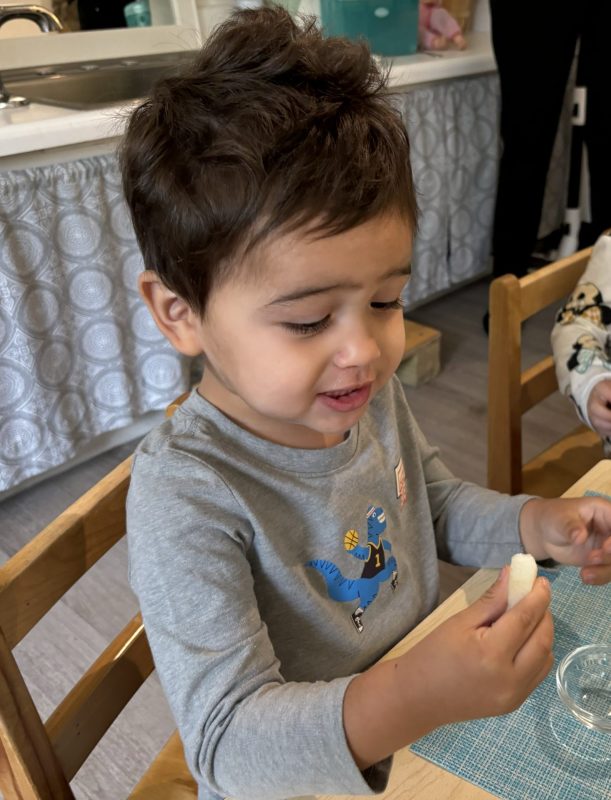
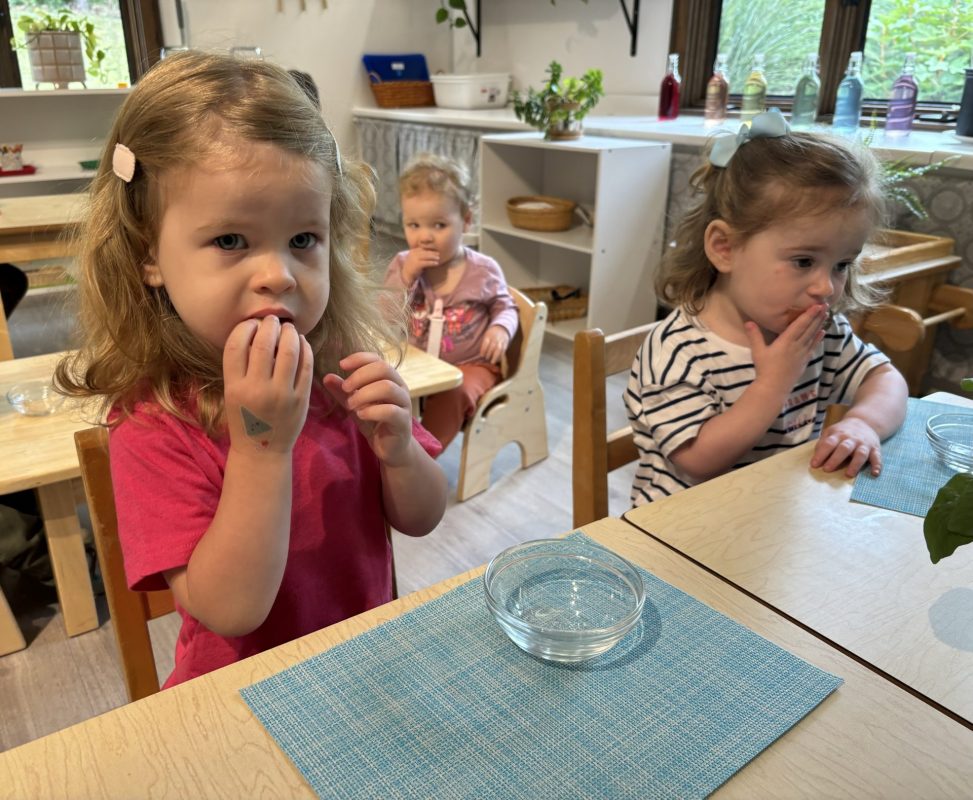
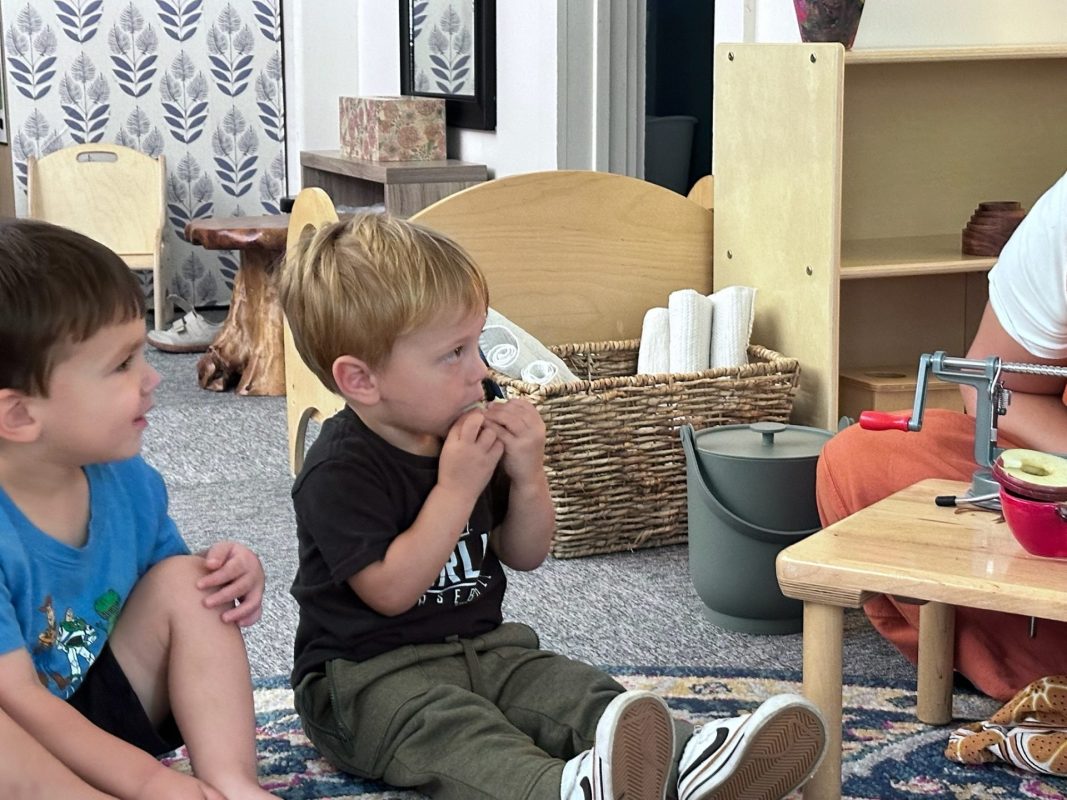
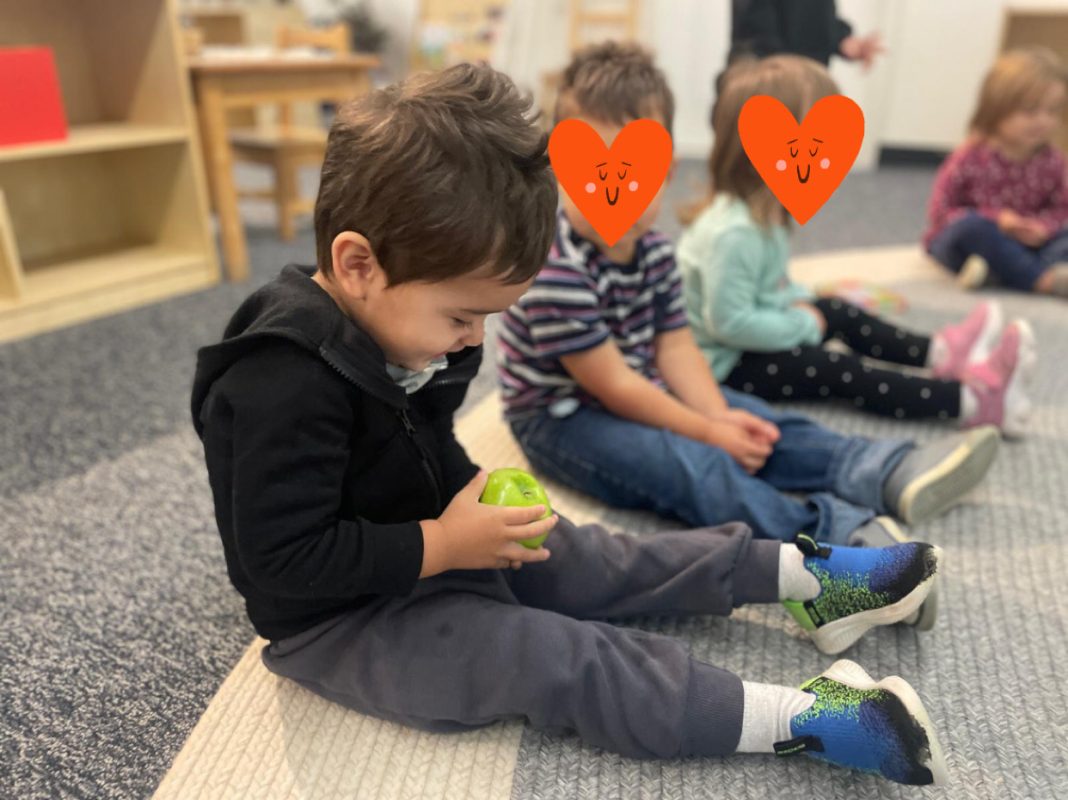
First, I showed the apple whole, then cut it in half, and finally, served it in slices. We used descriptive words like “cold,” “smooth,” “red,” and “tasty” to expand their vocabulary while they touched and examined the fruit. I took a piece and tasted it slowly and dramatically, building their curiosity and excitement before inviting them to taste. Everyone joined in and enjoyed some delicious apple slices. This food-tasting activity is a favorite every year, and we can’t wait to explore new flavors each week.

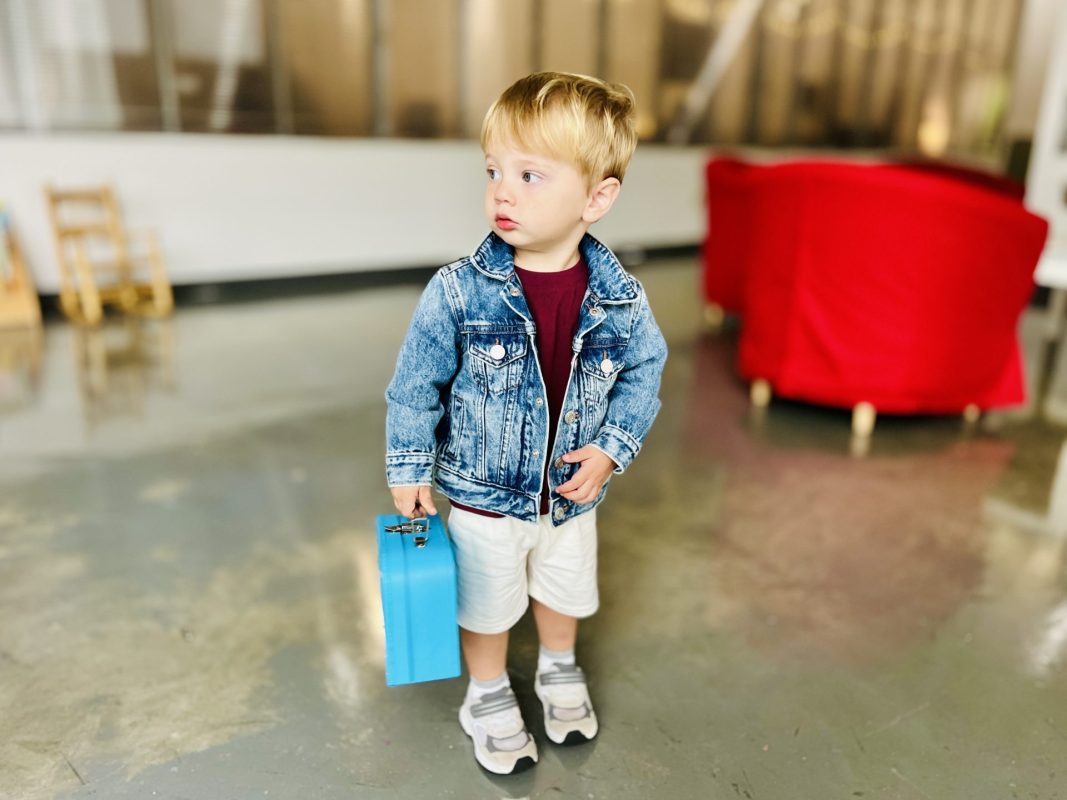
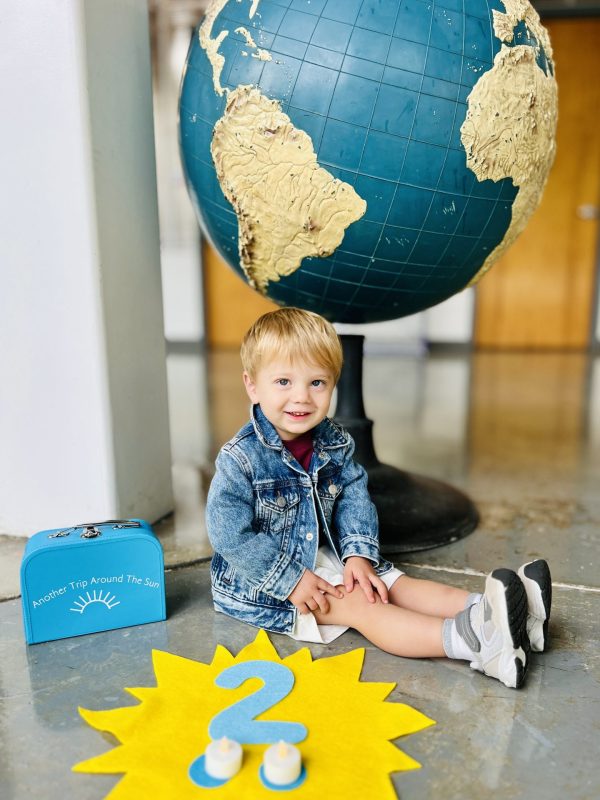
We also had a special celebration this week—our first classroom birthday! It’s amazing to watch how much our little friends grow in such a short time.

And just for some extra fun at home, I’ve included the music video of “La Vaca Lola” below. Go ahead, turn up the volume, and enjoy it with your little ones!

Enjoy the weekend,

Mrs. Hood and Ms. Noelle

La vaca Lola (The cow named Lola)

La vaca Lola (The cow named Lola)

Tiene cabeza (has a head)
Y tiene cola (and it has a tail)
Y hace moo! (and she says moo)


We look forward to seeing you at Parent-Teacher Conferences on October 25. Please sign up for your conference here.


Hello Fall with Ms. Mollie’s Class


Hello Fall

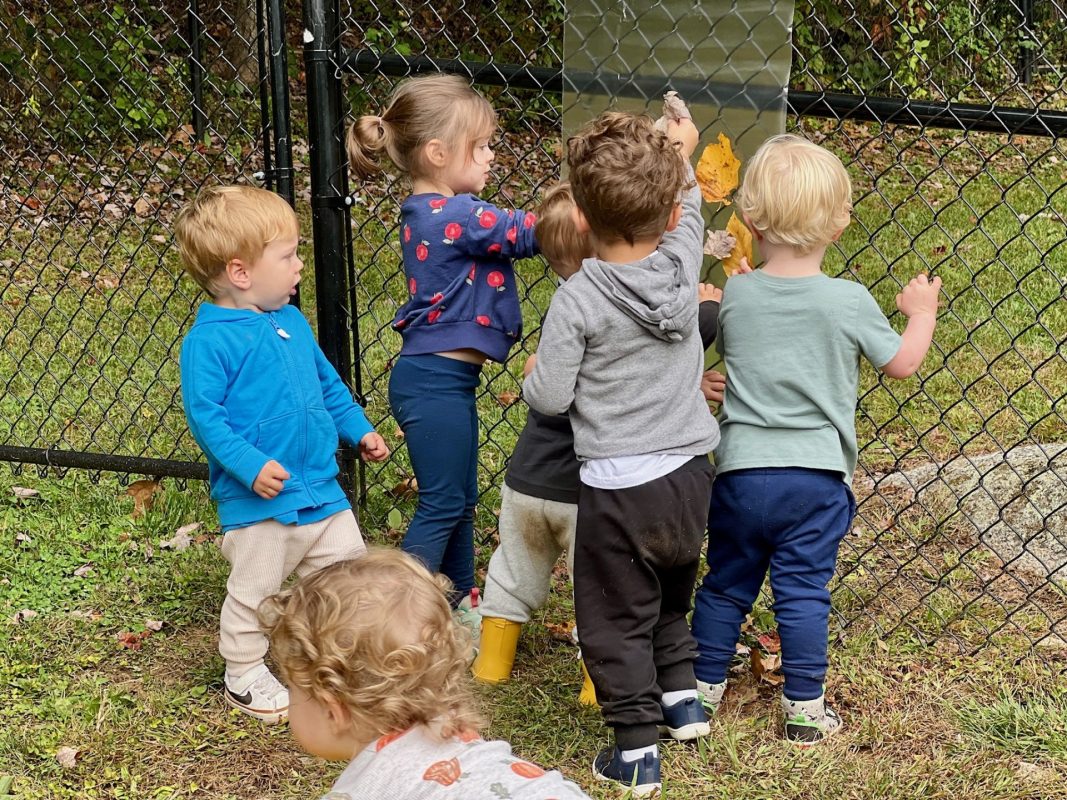
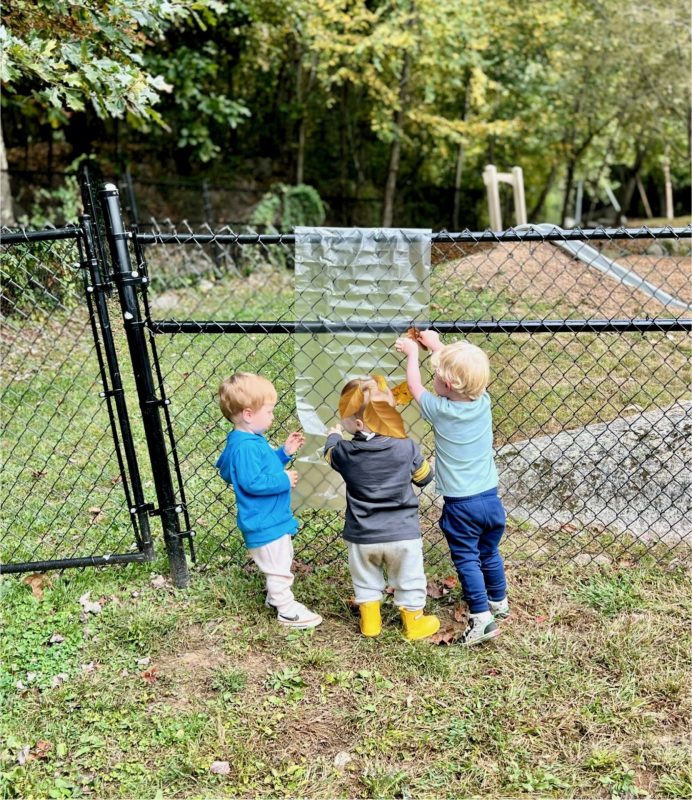
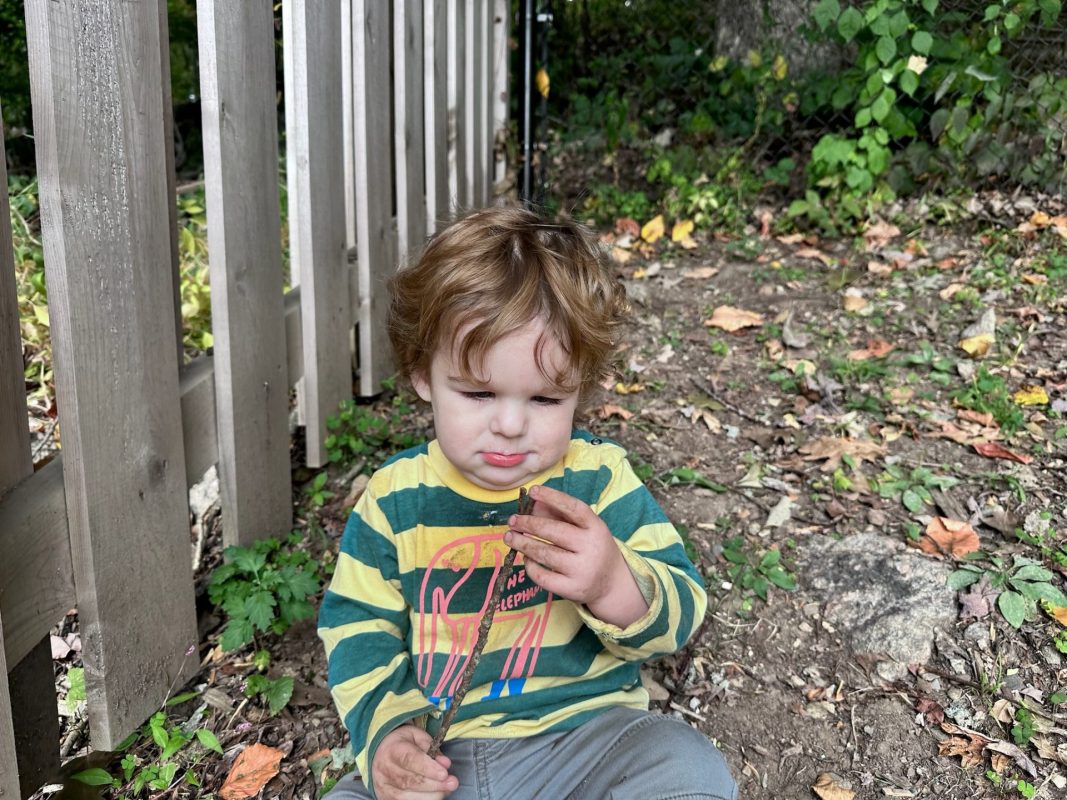
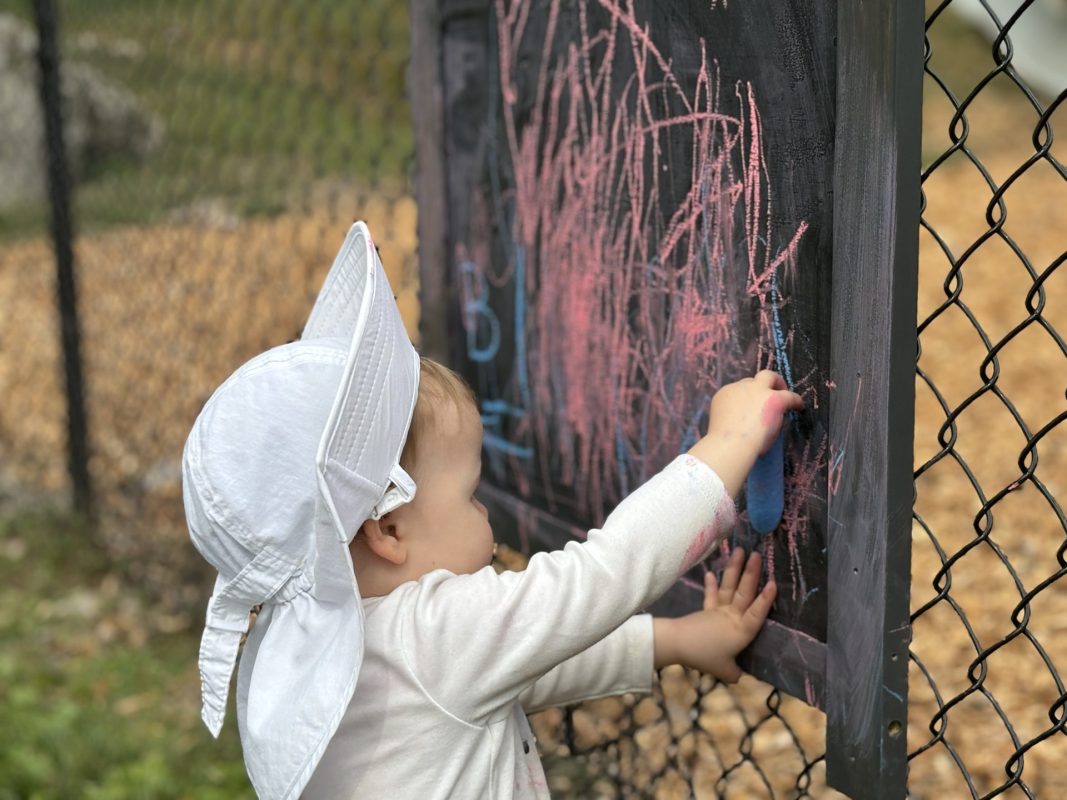
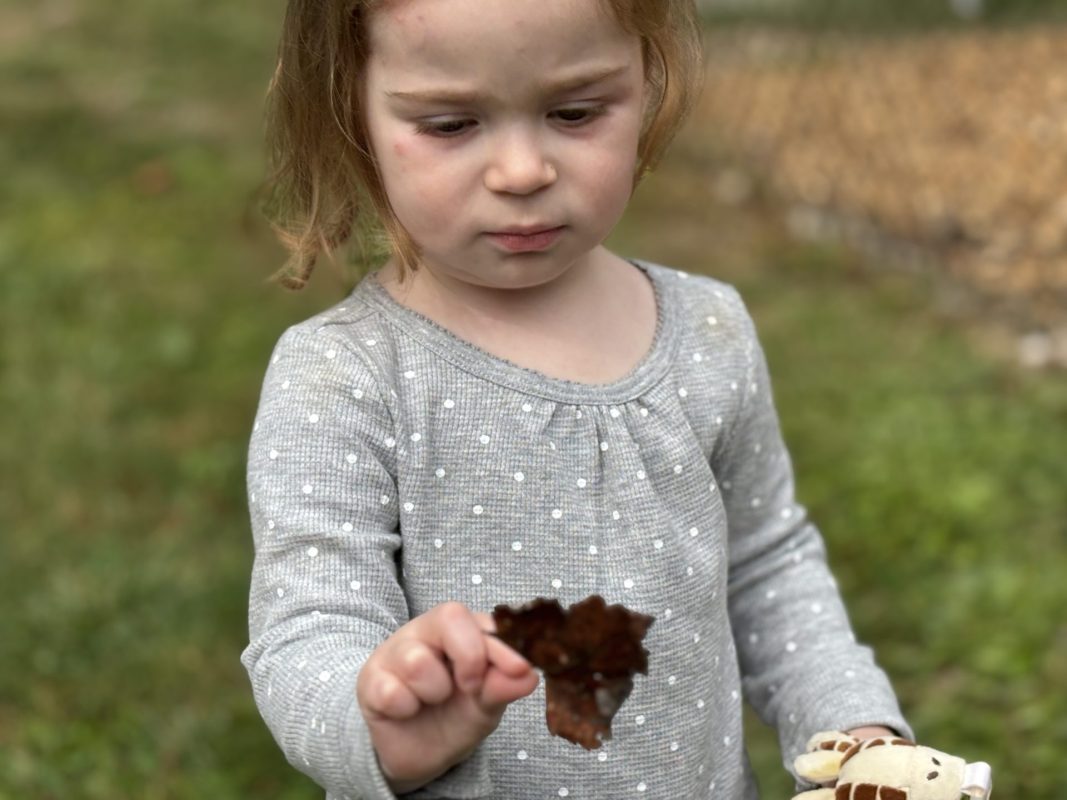
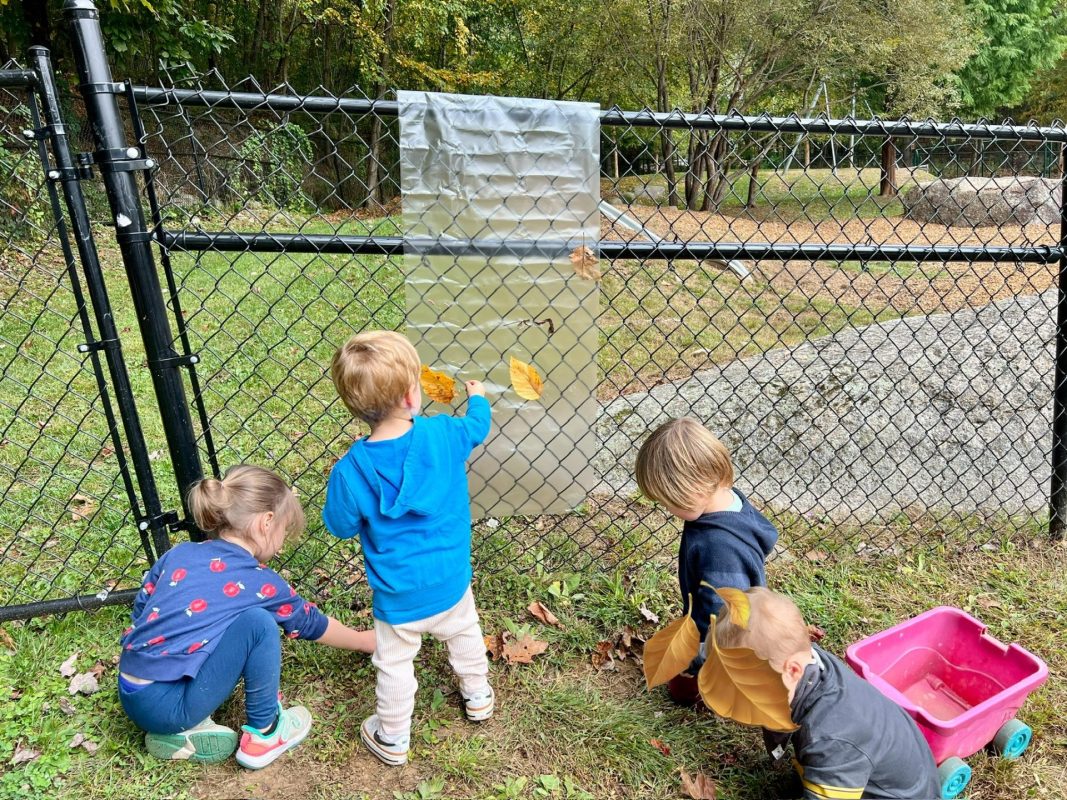
This week has been a week of exploration, observation, and enjoying the fall weather. We have been enjoying the cool but warm days on the playground, collecting different colored leaves, and watching leaves fall from the trees.  Our bird feeder on our window outside the classroom is one of our greatest joys; the children are so excited when a bird comes to the feeder, sometimes scaring the bird away with pure excitement. The black-capped chickadee is by far a favorite. The children are now in the natural rhythm of coming into school; the tears that we once had are now replaced with giggles and the “why” of the day. At this age, the children are so inquisitive, asking “Why?” the beauty of Montessori is that instead of brushing off the question, we take our time and explain and encourage more exploration. It has been a wonderful week with your children, and I  feel so lucky to be with them each day!

With full hearts,

Ms. Mollie and Ms. Lizette


We look forward to seeing you at Parent-Teacher Conferences on October 25. Please sign up for your conference here.


Mrs. Wilson: Welcome To The 2024/25 School Year!

Welcome to the first blog of the 2024/25 school year!

For the past two weeks, the children have been adjusting to a new environment and building a sense of community. The phase-in process is challenging but crucial for the children’s development. They have been working hard to embrace the new experiences, and I am proud to say they are making daily progress.

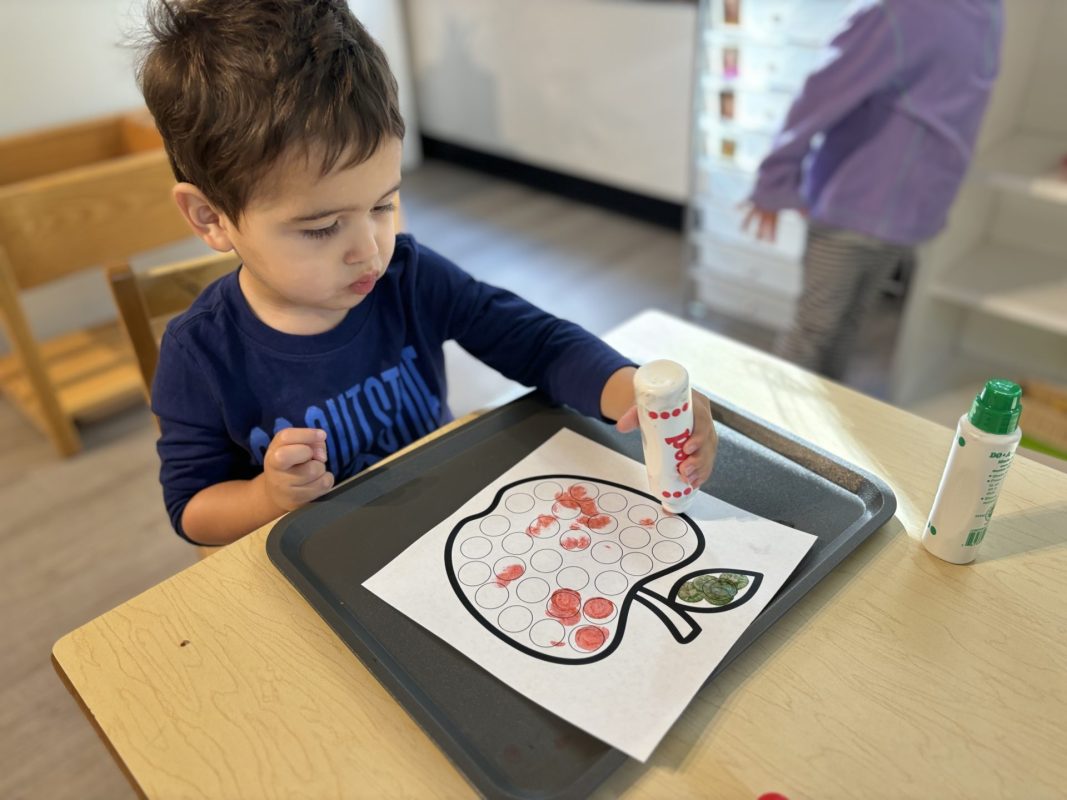
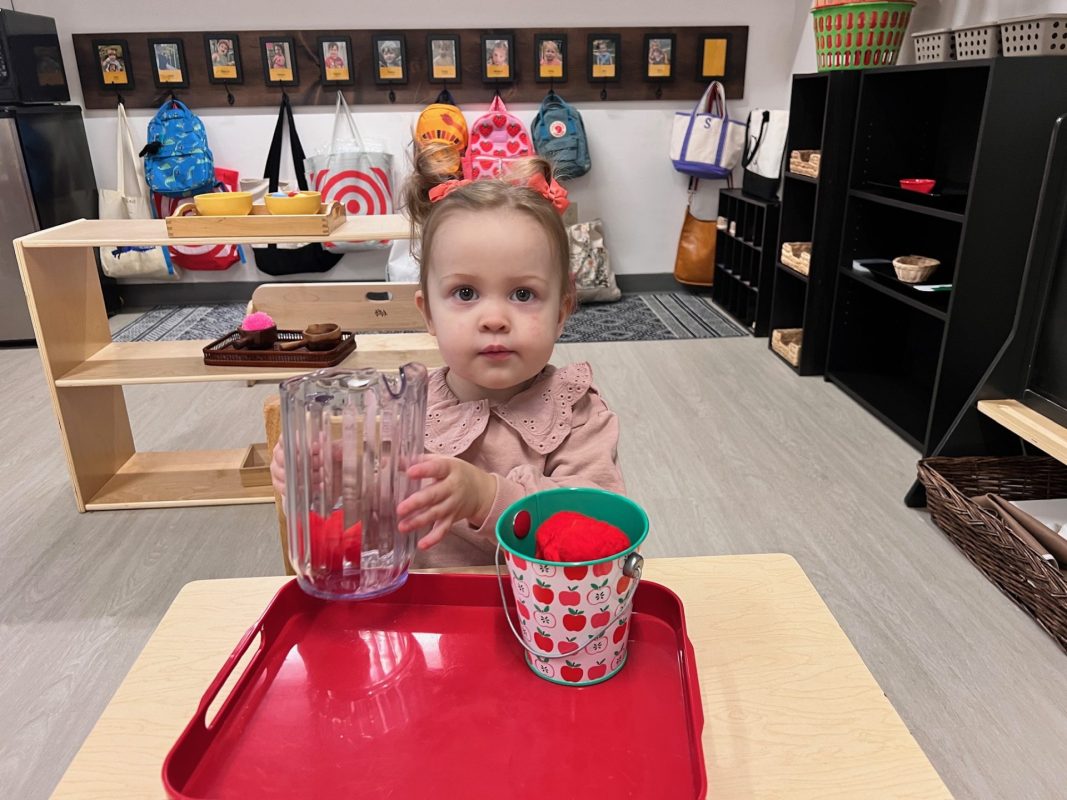
Initially, we focus on the basics and keep the materials simple and minimal. As the children become familiar with the classroom guidelines and their needs evolve, we introduce new materials for them to explore. Our lessons also align with the seasons, and in September, the children will be learning about apples and the color red.

This week, we conducted our first food-tasting activity. This activity aims to encourage the children to try various types of produce. One effective approach is to exhibit genuine excitement! You will have the opportunity to experience this activity next week at curriculum night.

Additionally, we celebrated the first of three of the September birthdays. Happy Birthday to our friend!


Love and Light,

Cynthia and Sara


Ms. Mollie: Day by Day


The saying, “We take it day by day,” is the most accurate word ever said about a Montessori Toddler Classroom. Our “Phase In” process has been wonderful, it is a time that we create bonds, build trust and create boundaries for the children. Each day is a new day of learning, observing, and playing. We do have some tears sprinkled in here and there, but within seconds, the tears are dried, and they are ready to explore again. Ms. Lizette and I are so thankful each day that you are sharing your children with us. We enjoy watching them learning and growing, and we cannot wait to see where the year takes us!

As we say in our classroom, See ya Later, Alligator! 

Ms. Mollie and Ms. Lizette


Mrs. Hood: Embracing growth and Independence!

Welcome to the FWM 2024-2025 Toddler School Year!

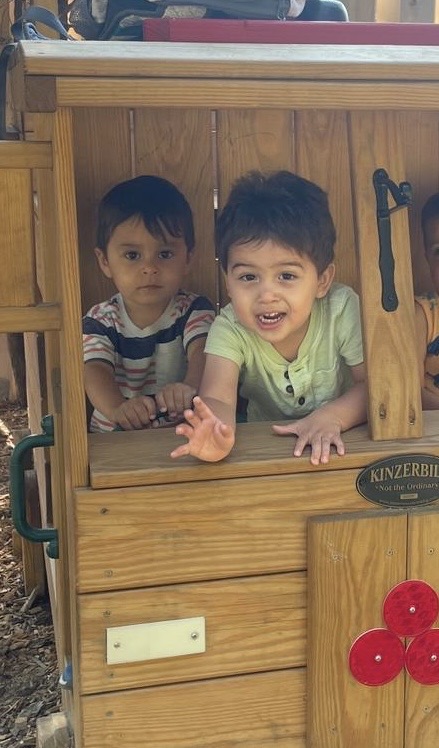
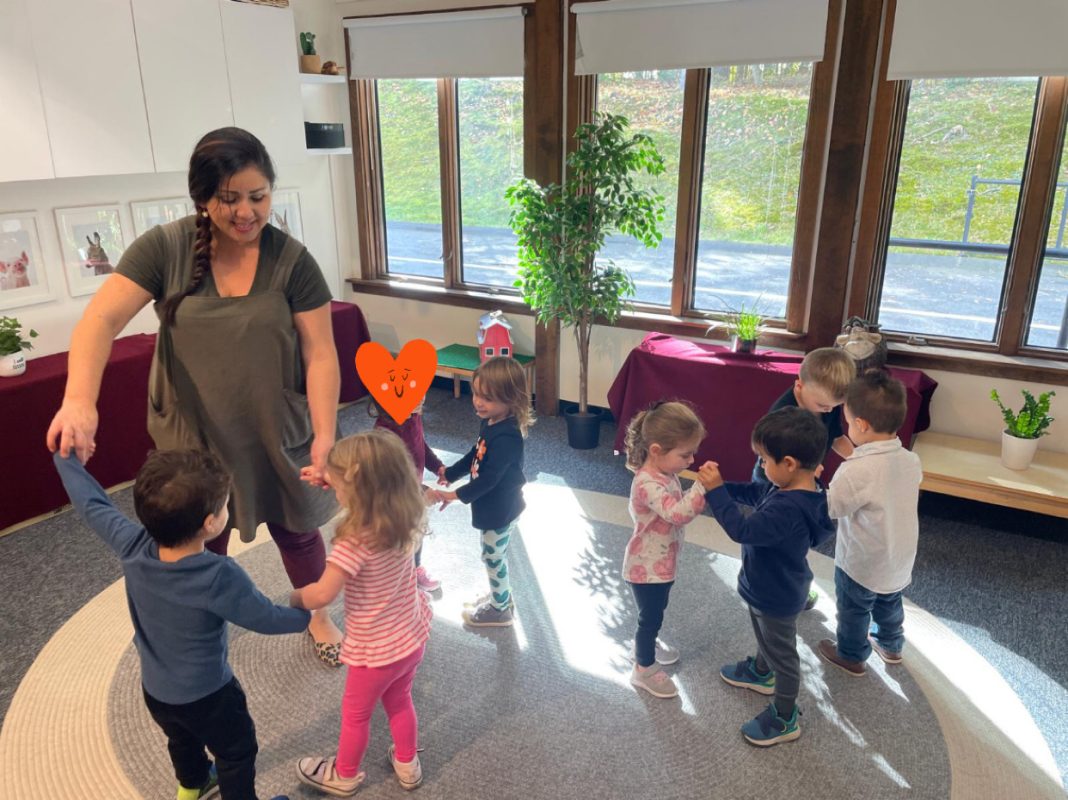
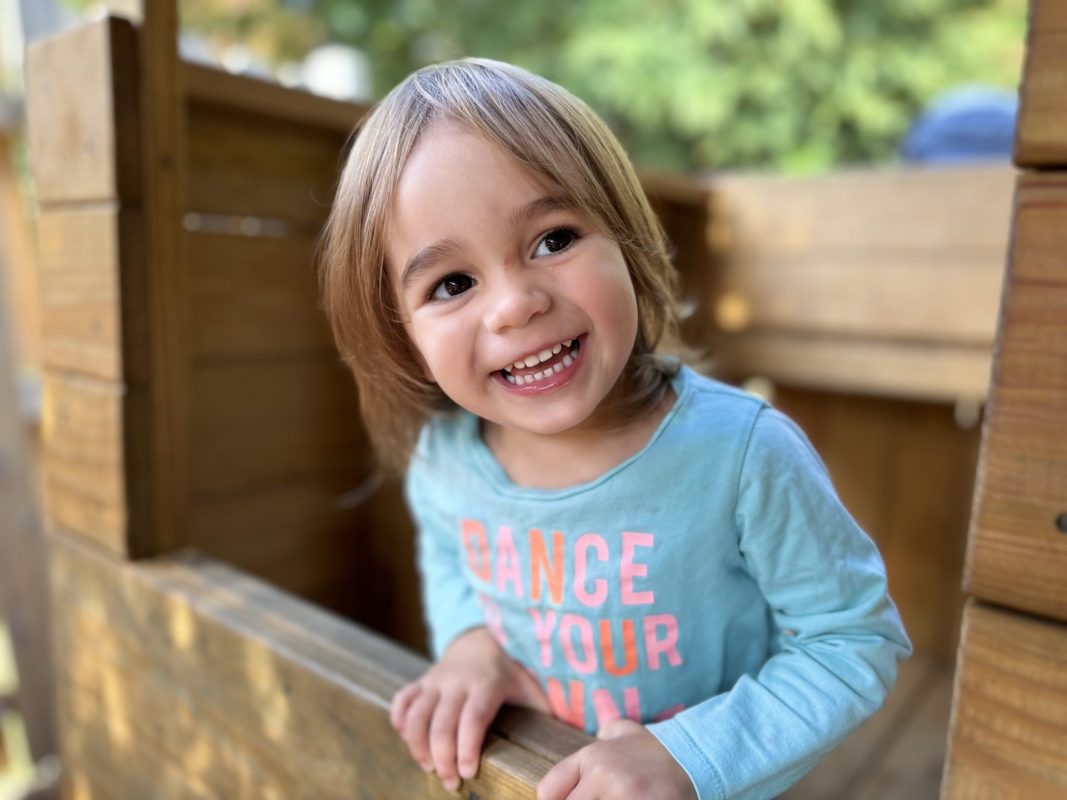
As we wrap up our phase-in period, we are beyond thrilled with the progress we’ve seen in your toddlers! Each day, we witness fewer tears at drop-off and more dancing, laughter, and joy throughout the morning. It’s truly heartwarming to see them grow more confident and comfortable in their new environment.

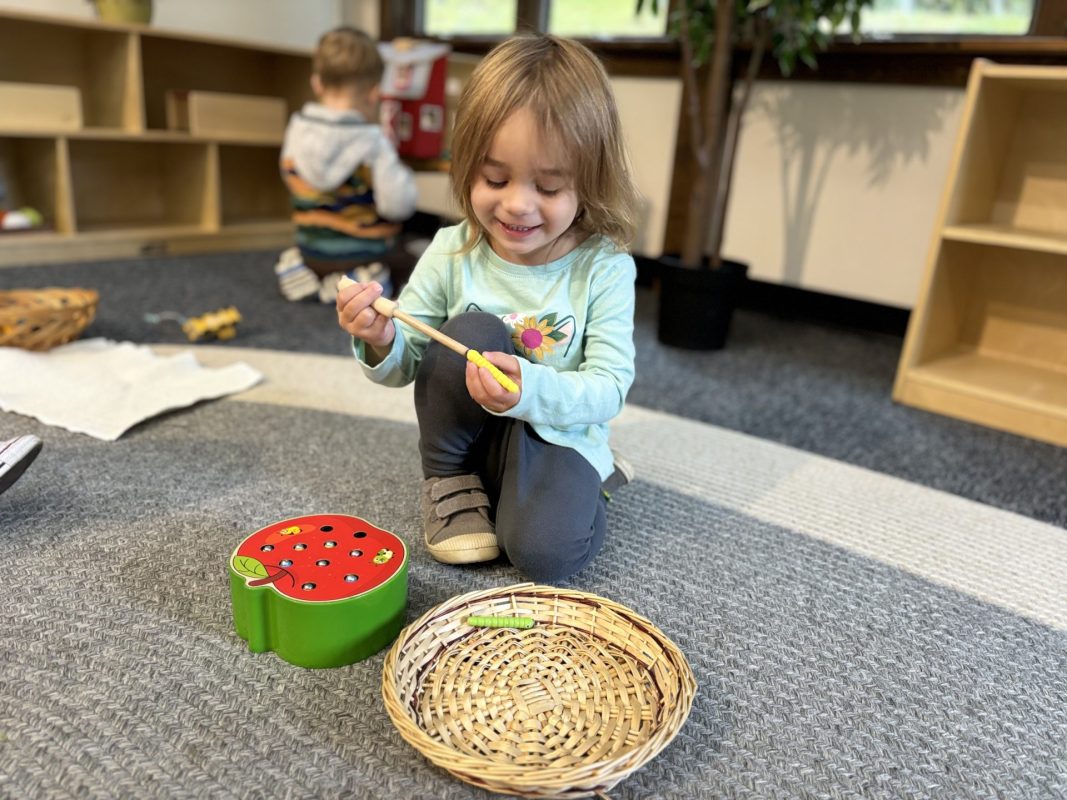
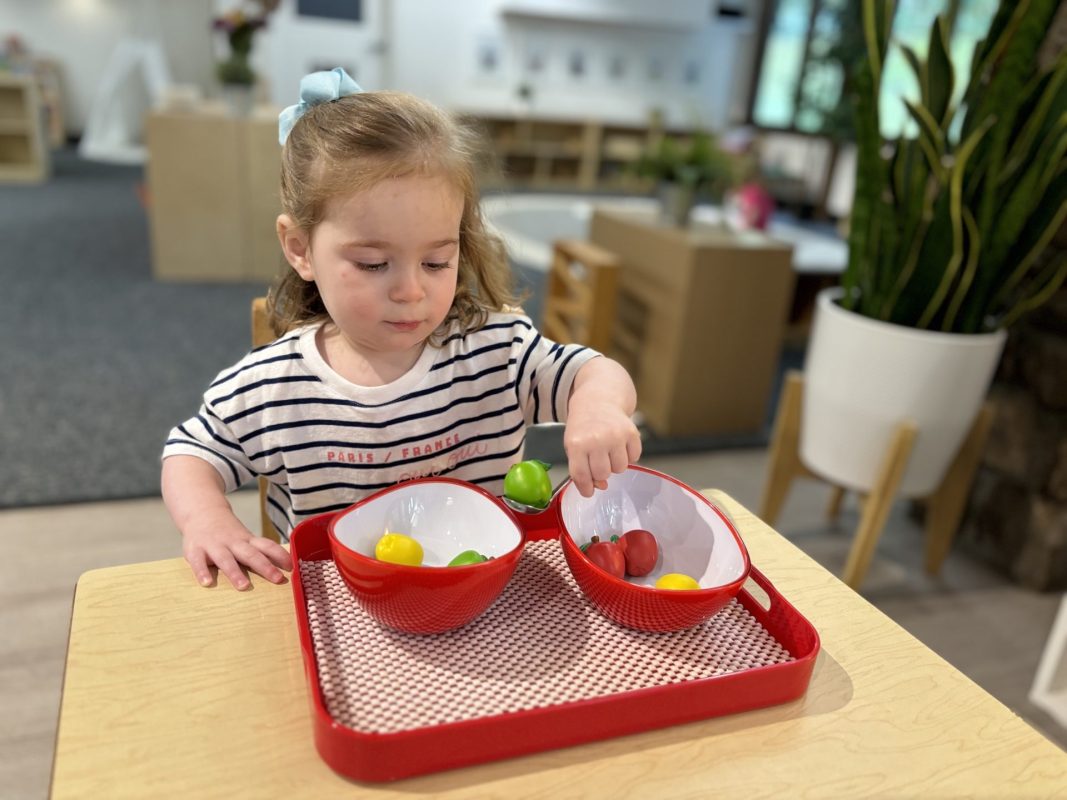
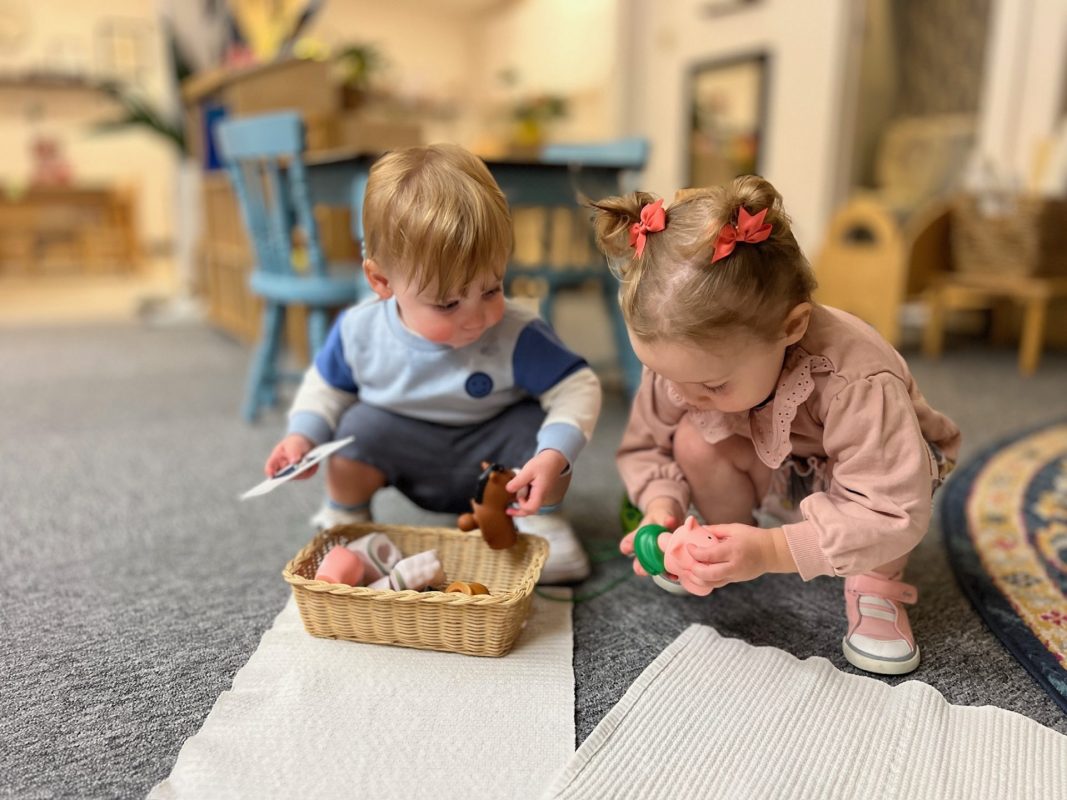
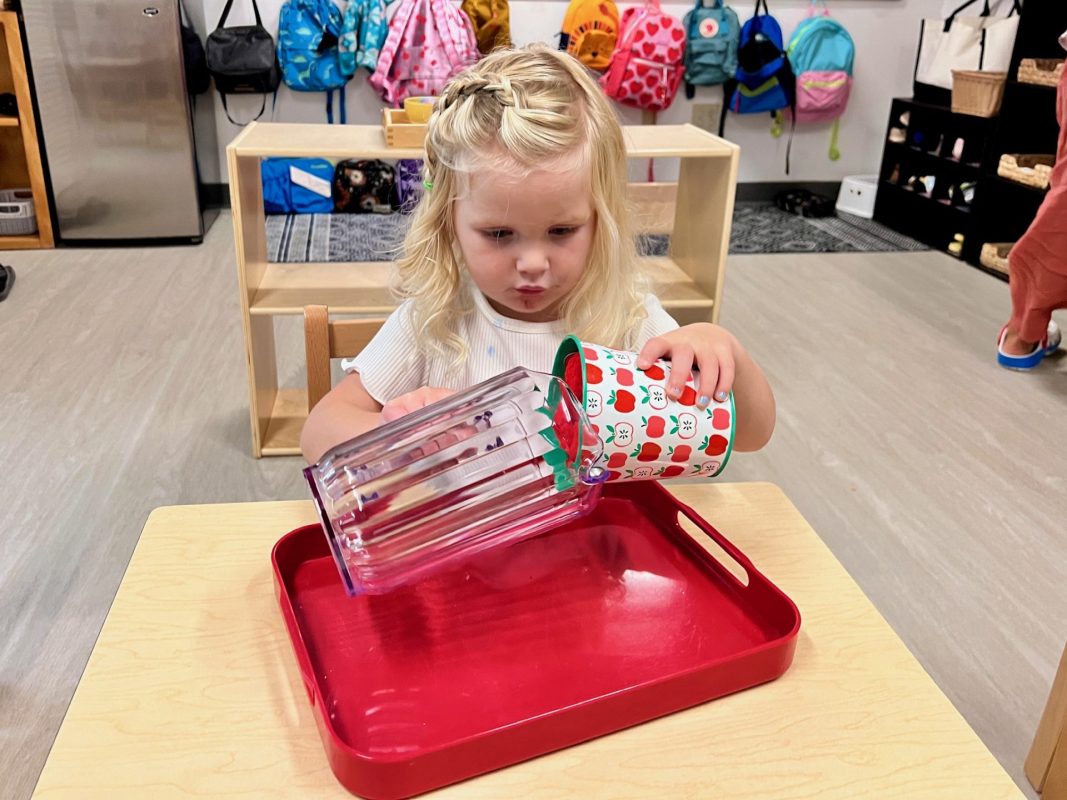
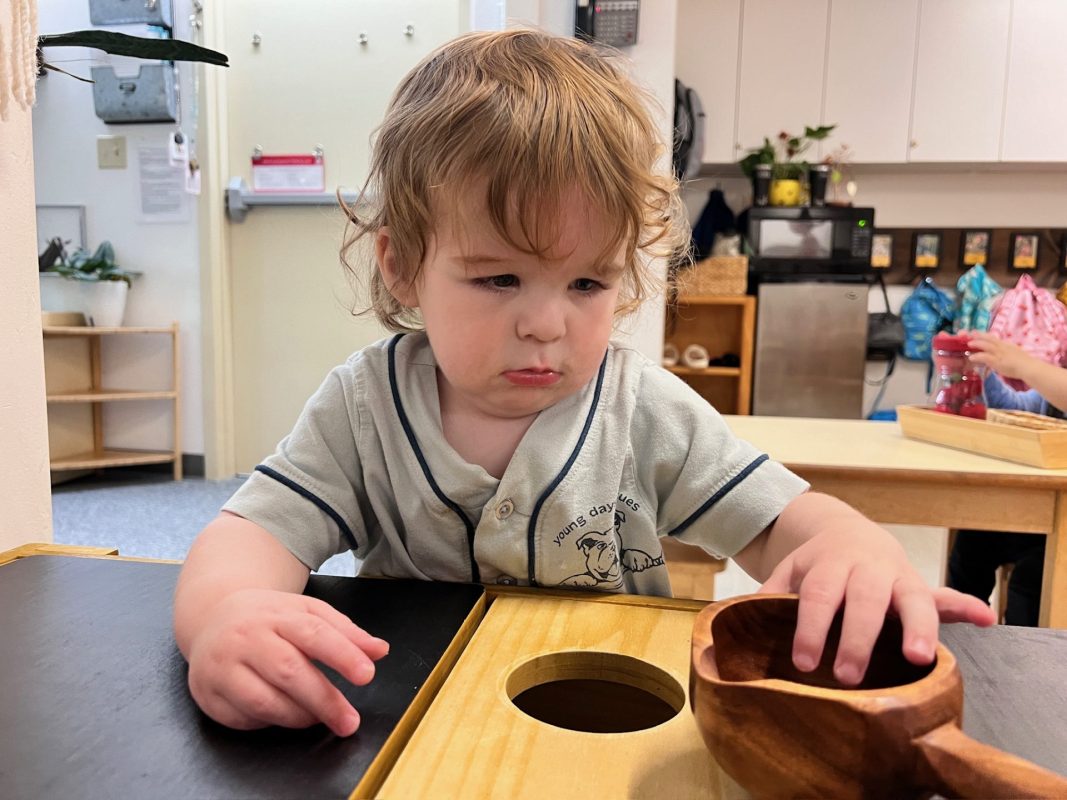
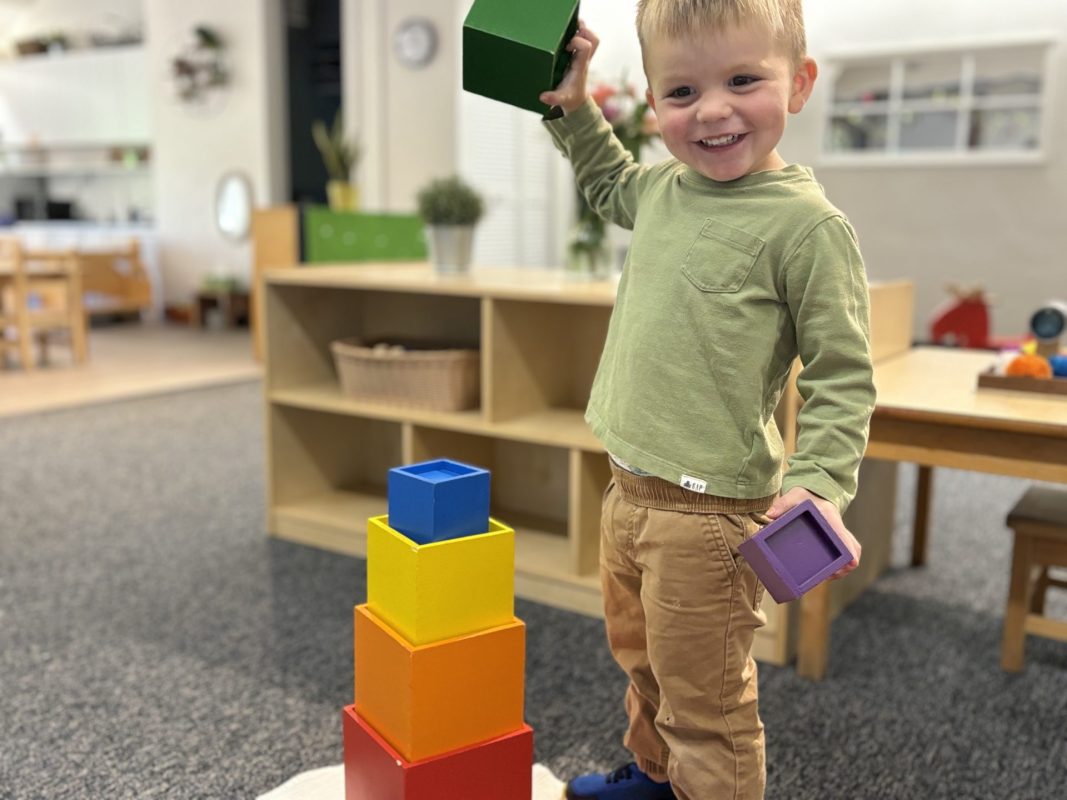
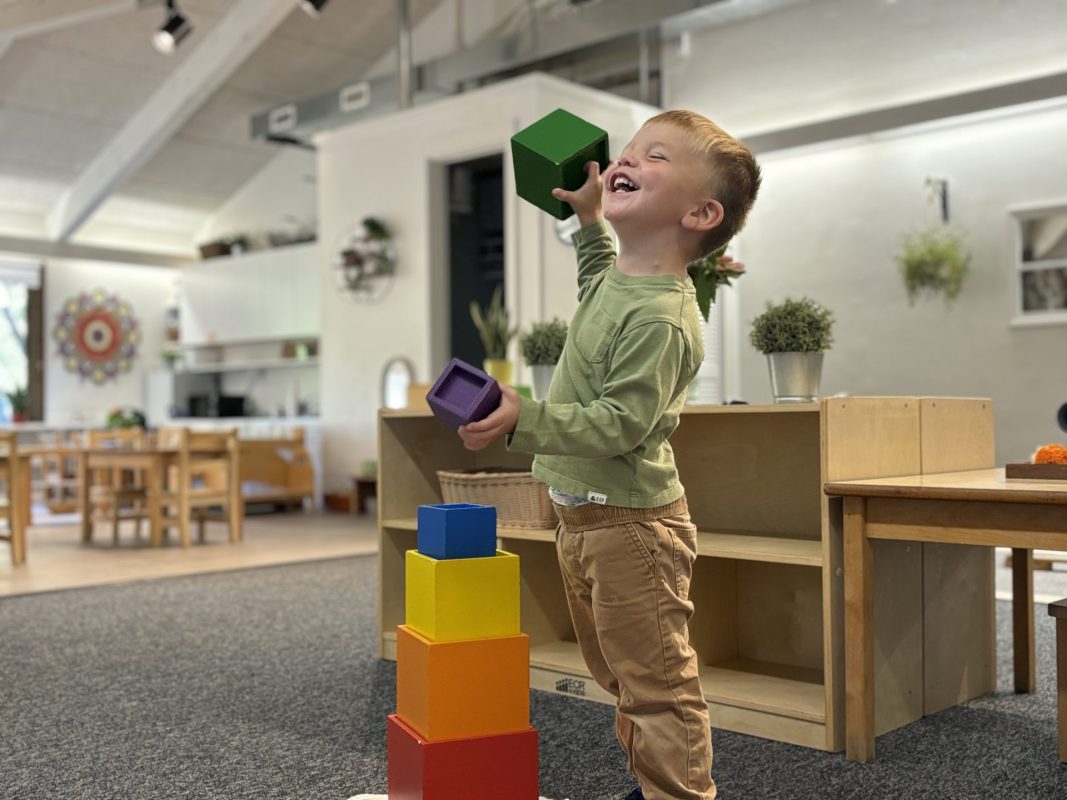
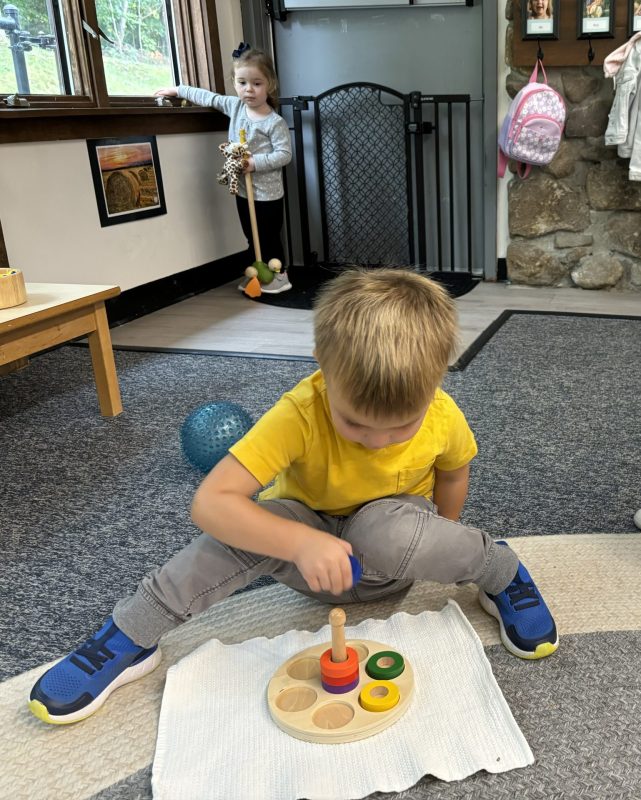
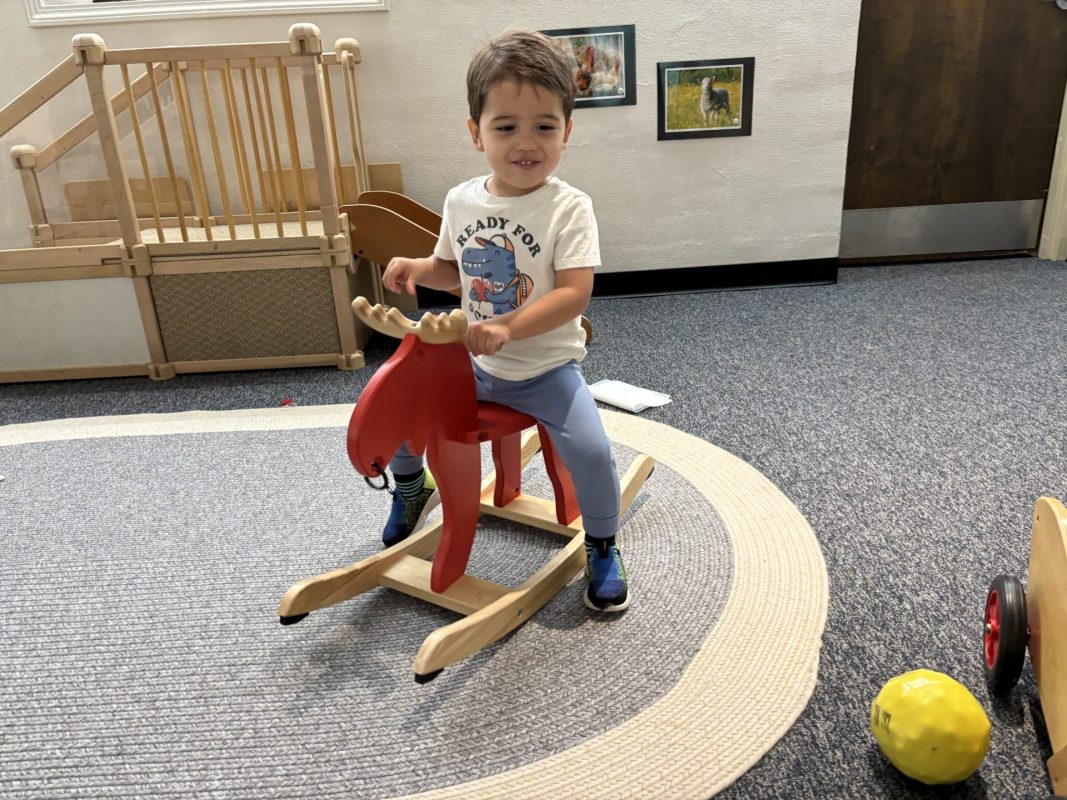
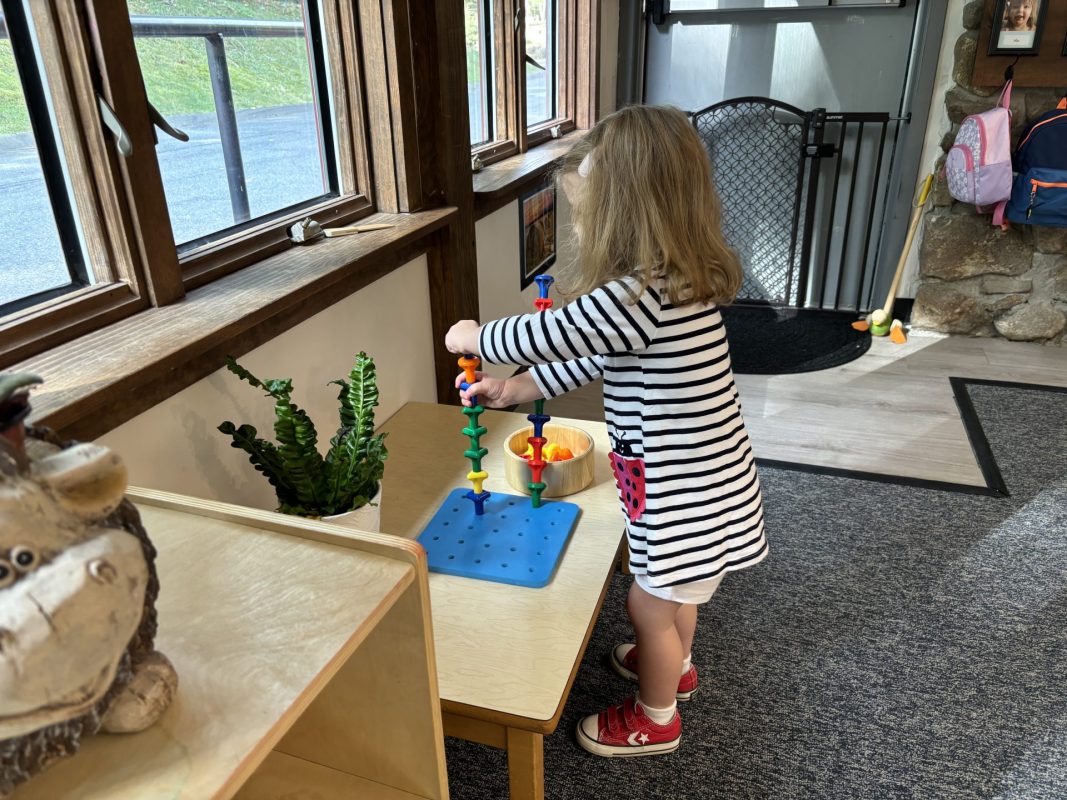
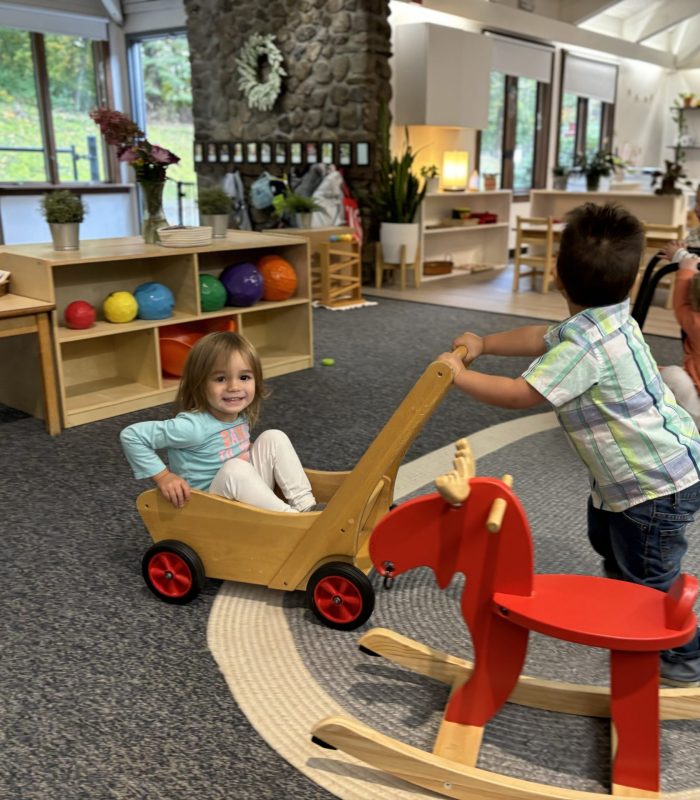
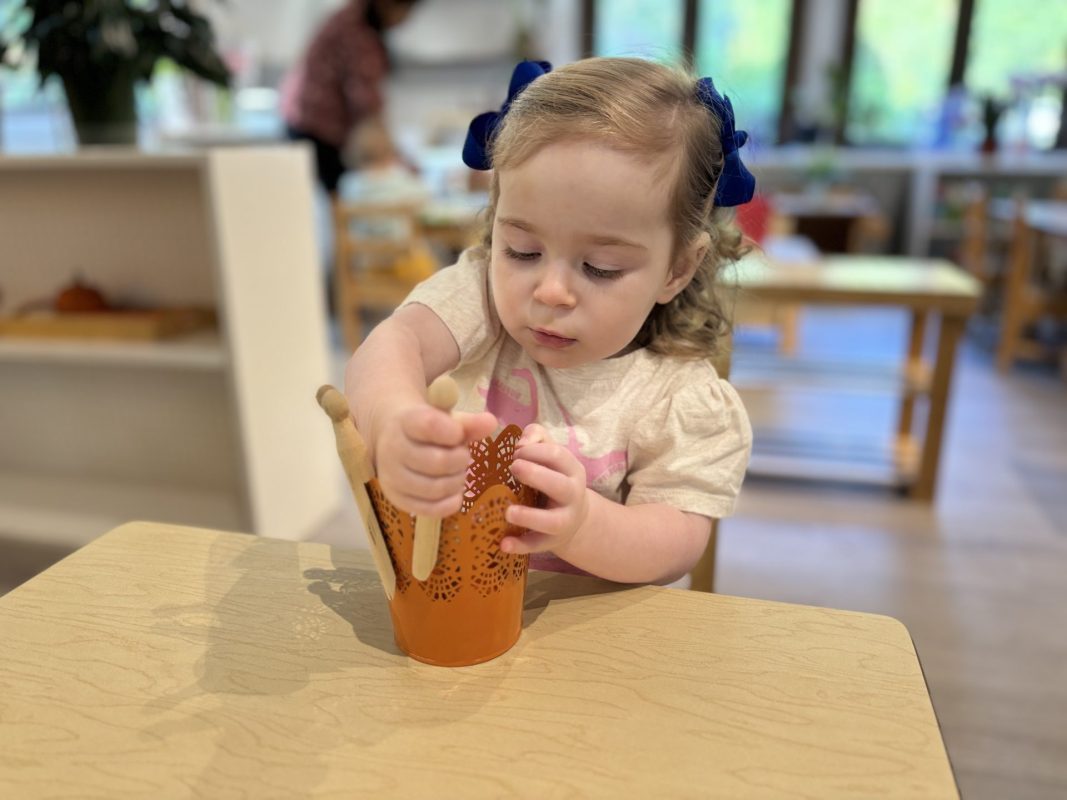
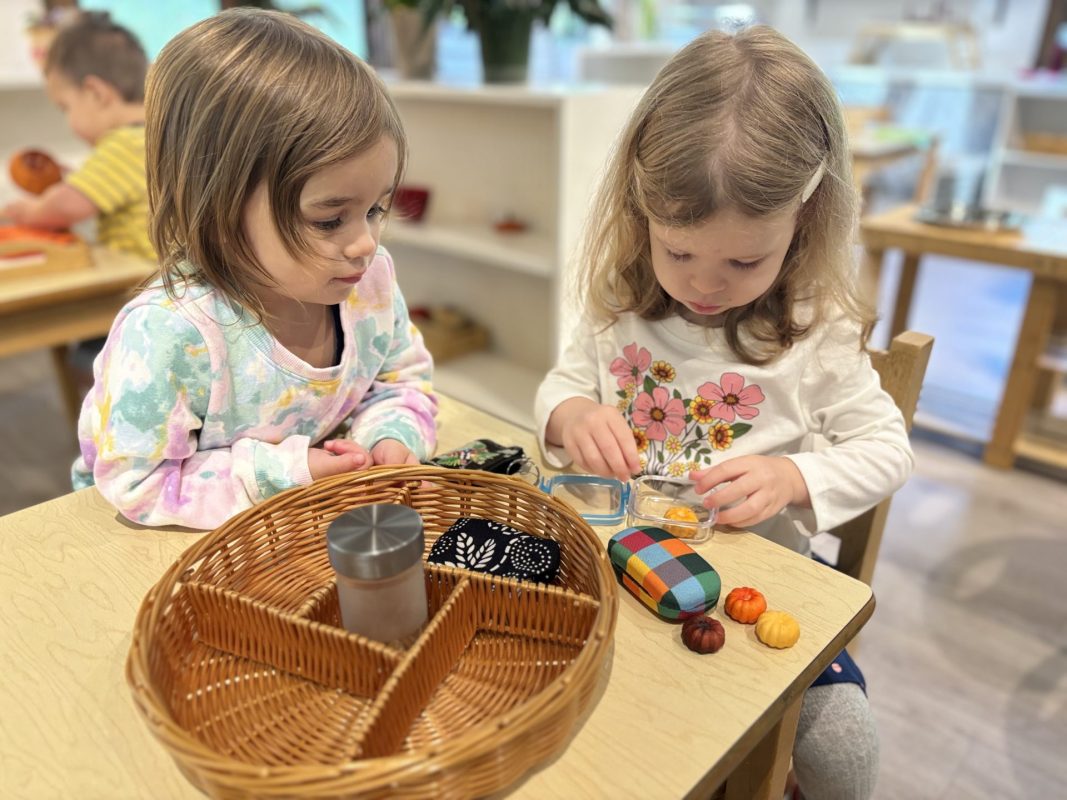
Over the past two weeks, the children have been busy exploring their surroundings and becoming familiar with the space. Our learning environment is designed to promote independence, freedom, and choice. Here, children are empowered to make decisions while gradually learning the importance of caring for each other, their materials, and the classroom itself.

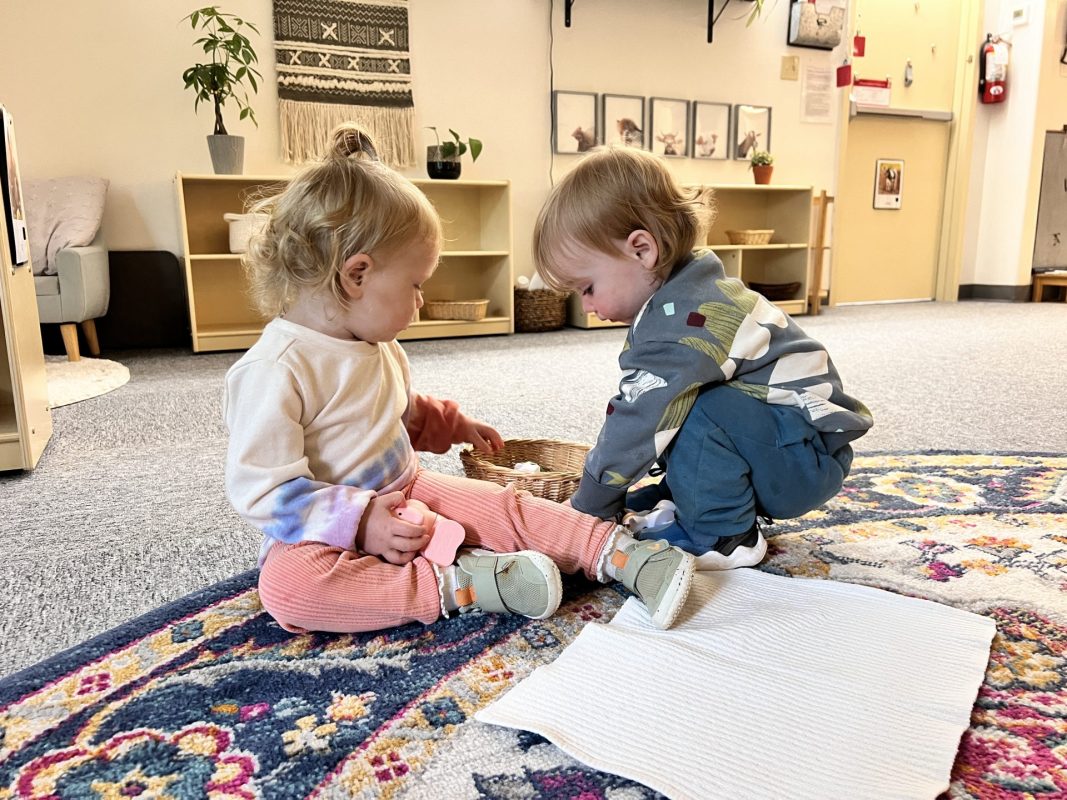
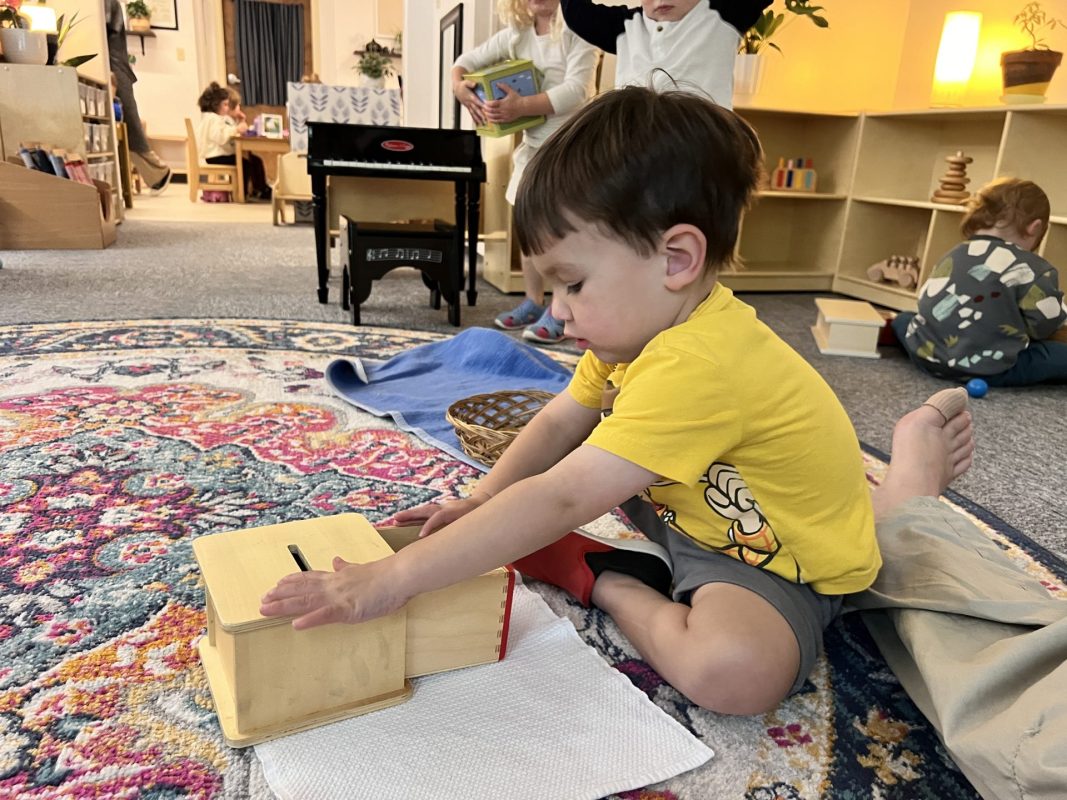
As we encourage this freedom, we’ve also begun introducing some foundational ground rules. One key rule is Respect for Others’ Work. In traditional school settings, young children are often encouraged to share. While sharing is an important value, at this stage of development, children are not yet ready for it. Instead, we focus on taking turns, which fosters patience, mindfulness, independence, order, and concentration. By removing the pressure of having their materials taken away, children can work peacefully until they are finished. When a child wishes to work independently, we encourage them to say, “This is my work. Please don’t touch it.” We also teach them to quietly observe their peers at work—it’s wonderful to see even our youngest students mastering these skills with a bit of gentle guidance.

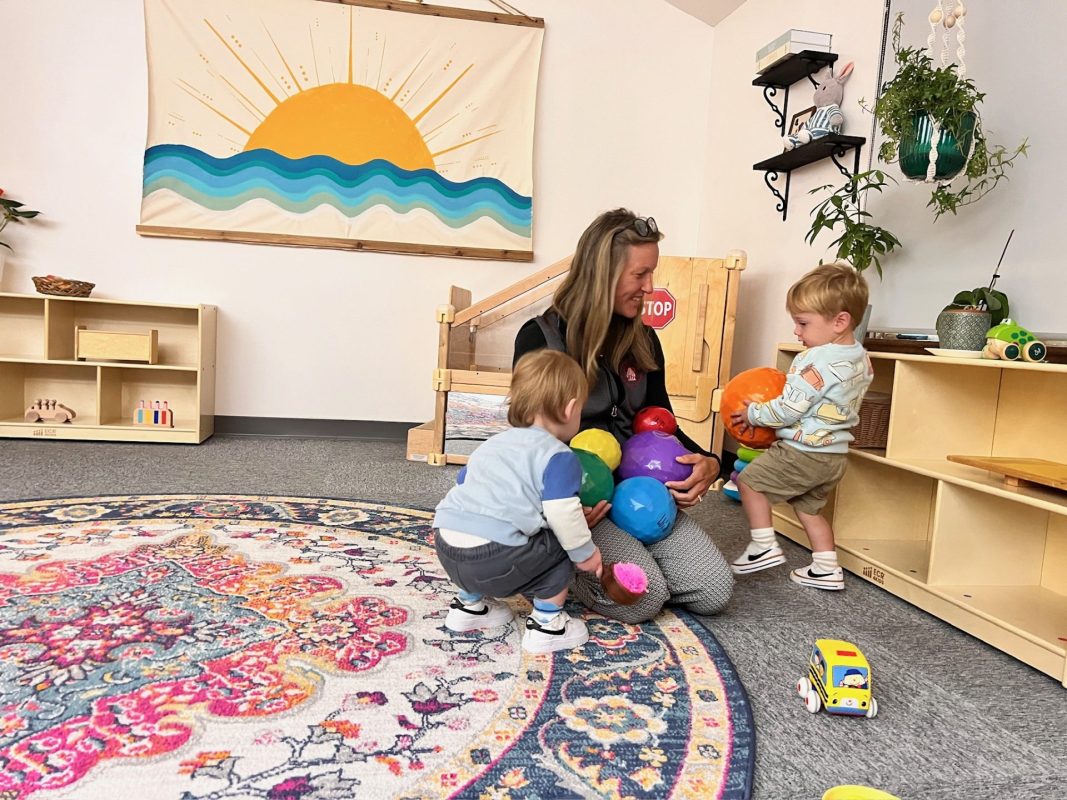
Another rule we’ve introduced is Respect for Our Materials. As guides, we model the importance of handling materials with care and gentleness. If a child decides to throw a piece of material, we redirect them to an appropriate alternative, like a ball, while reinforcing positive behavior with simple verbal cues such as, “We throw the ball,” or “We are gentle with our materials.”

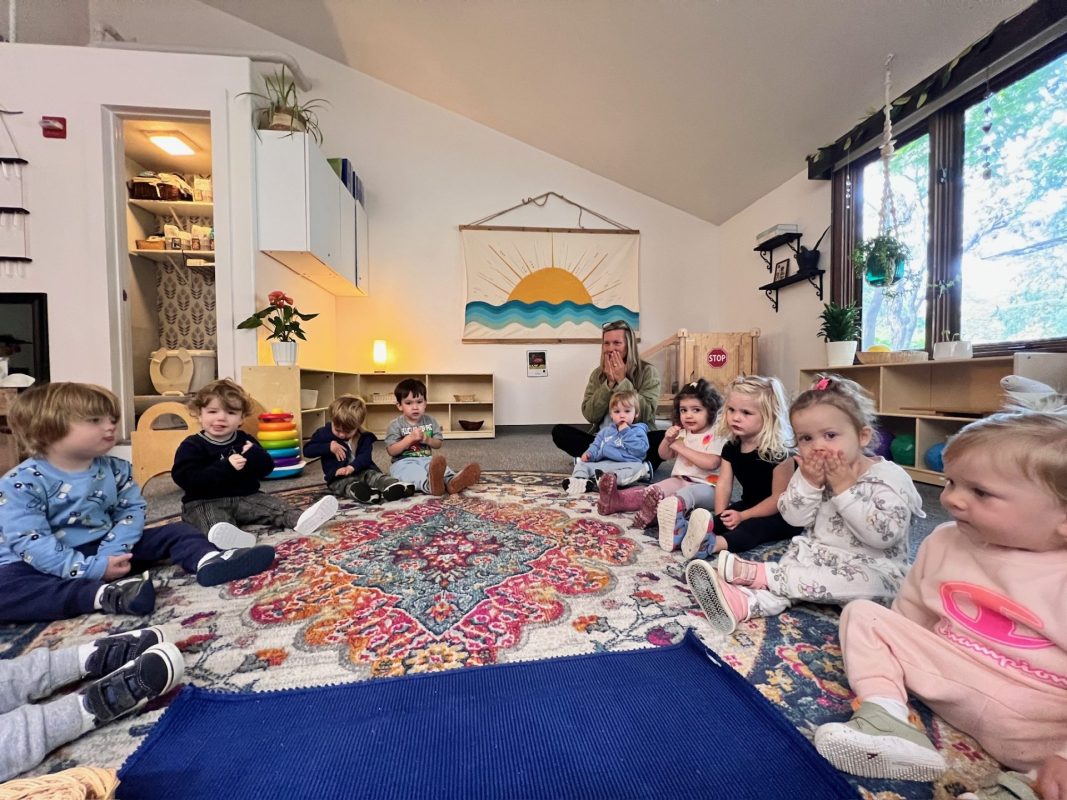
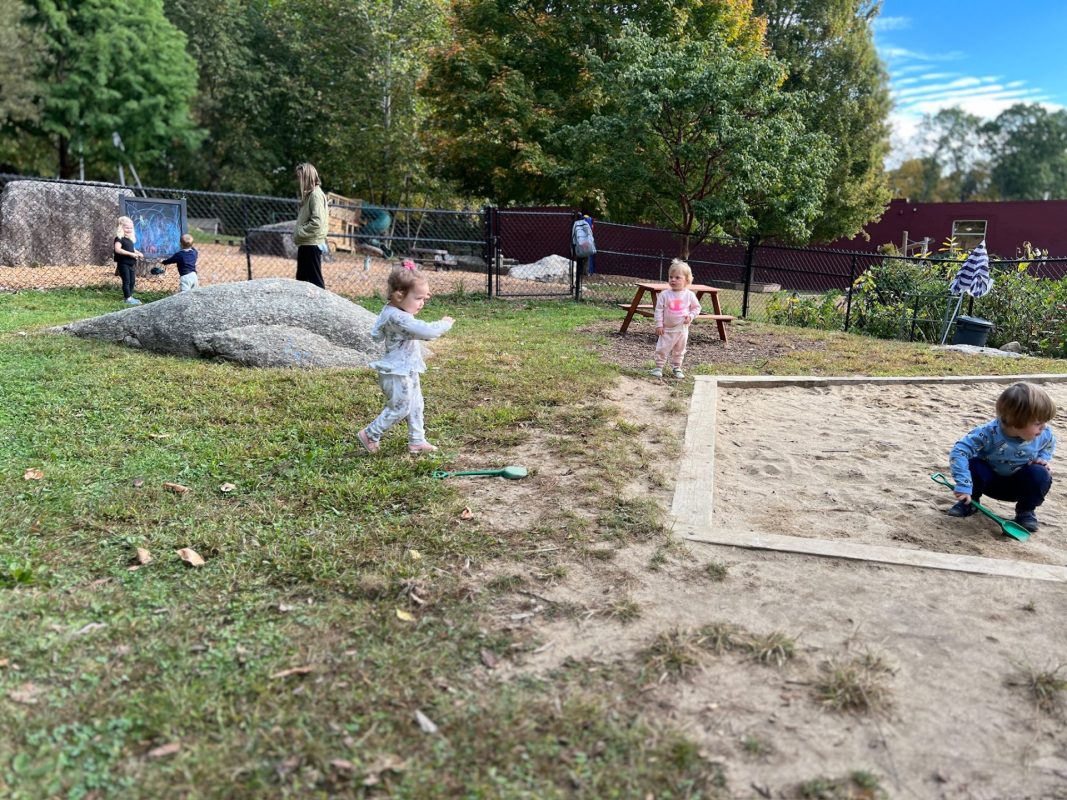
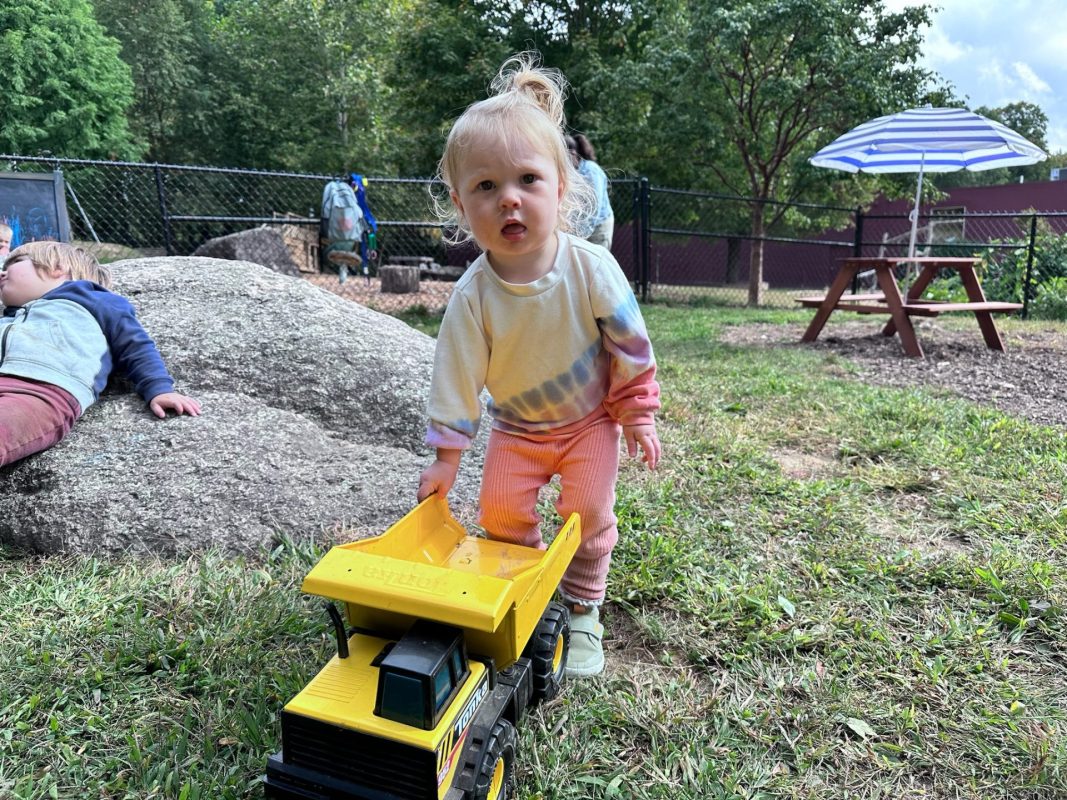
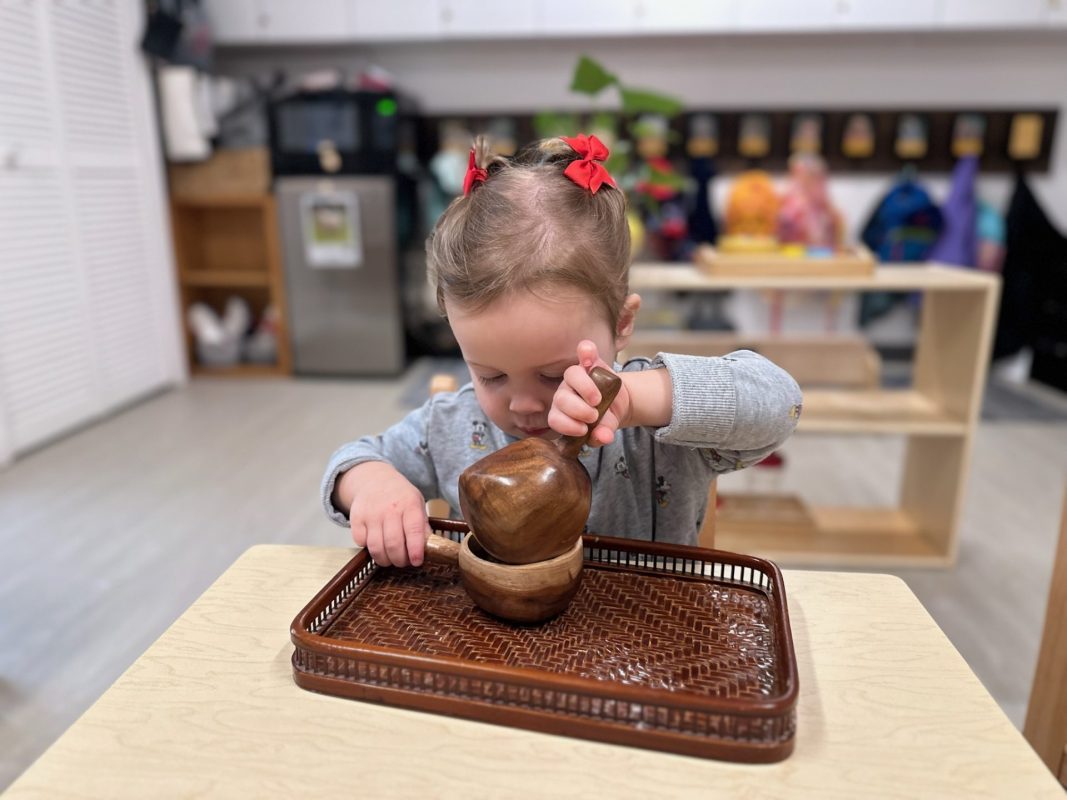
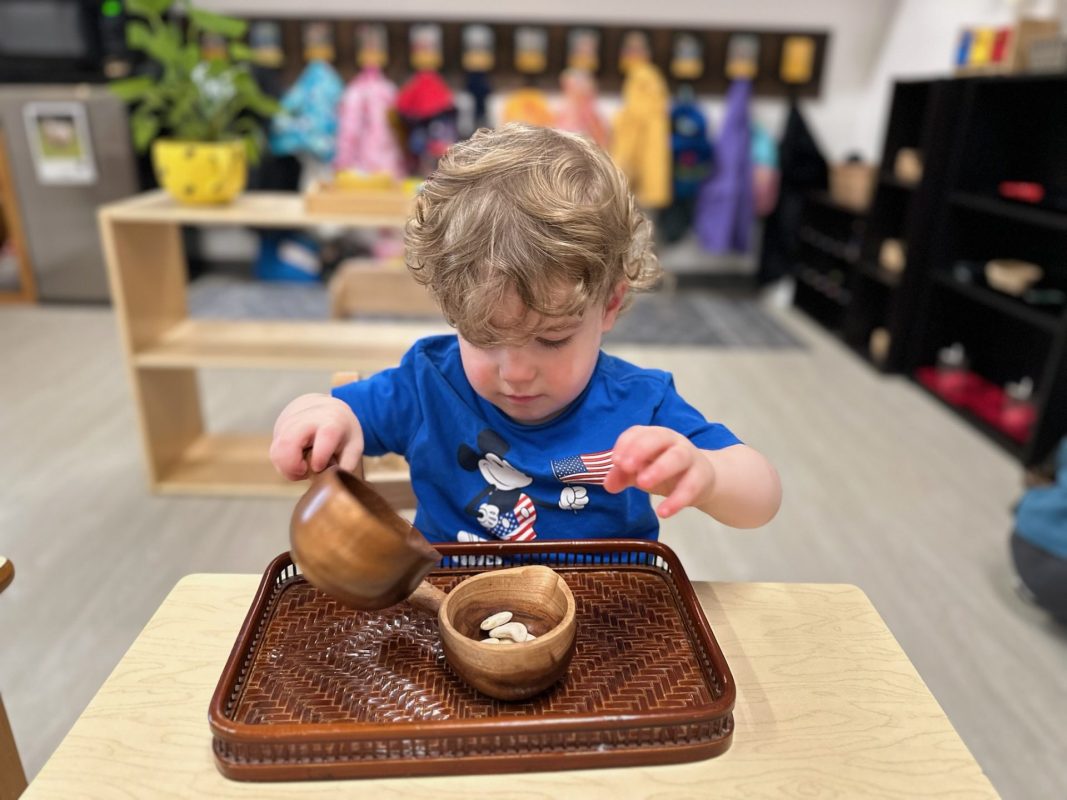
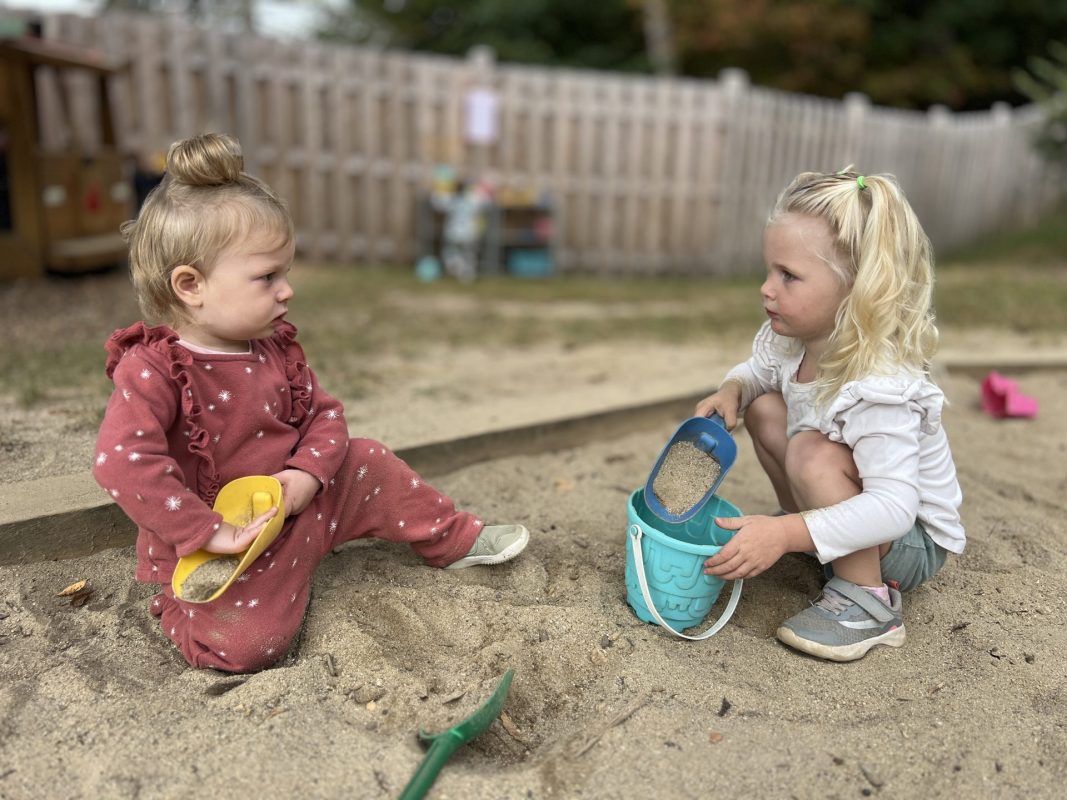
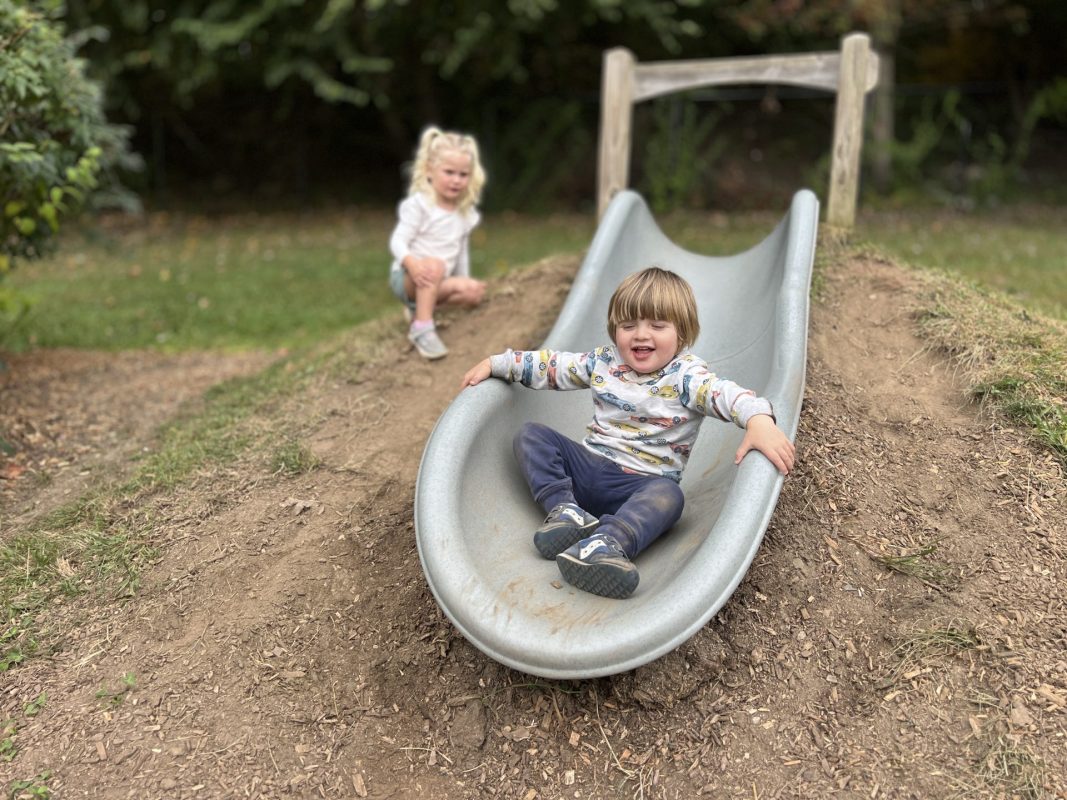
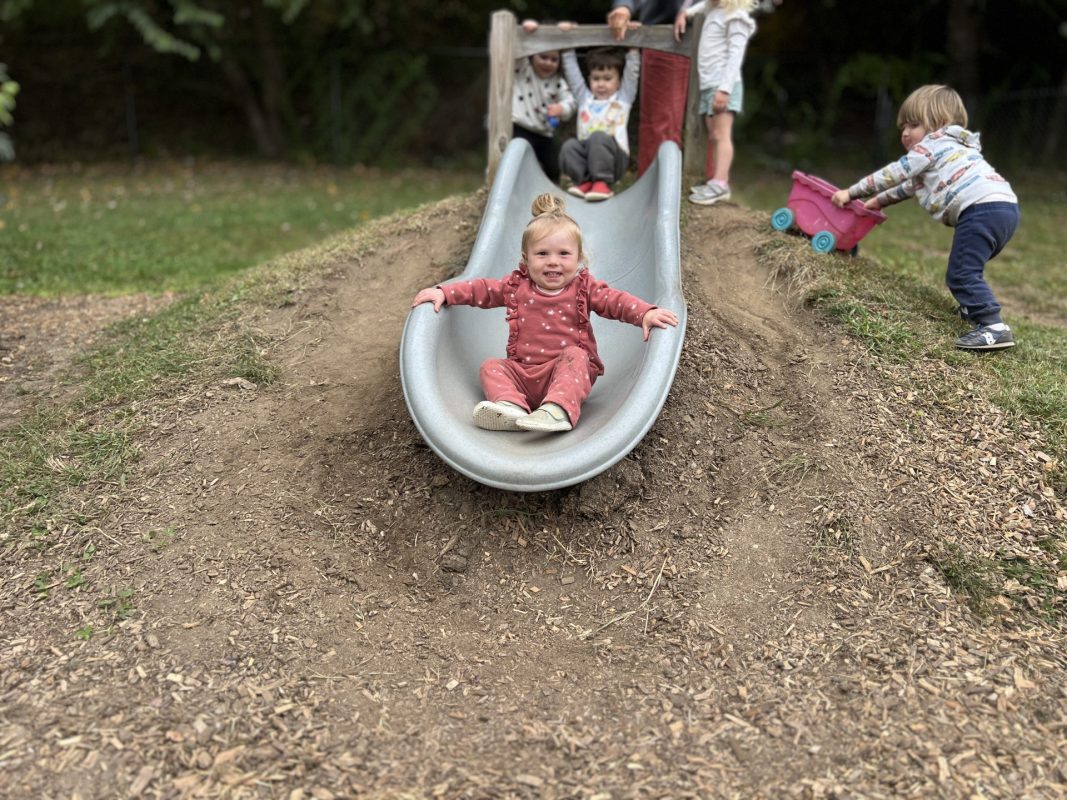
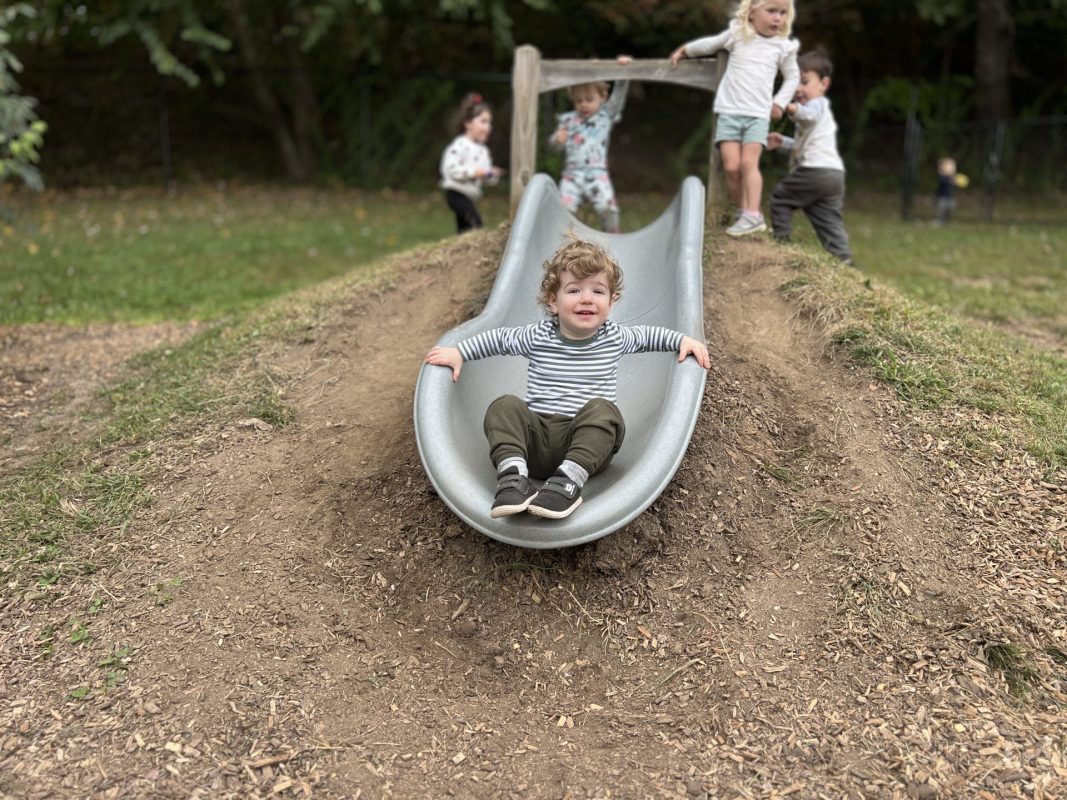
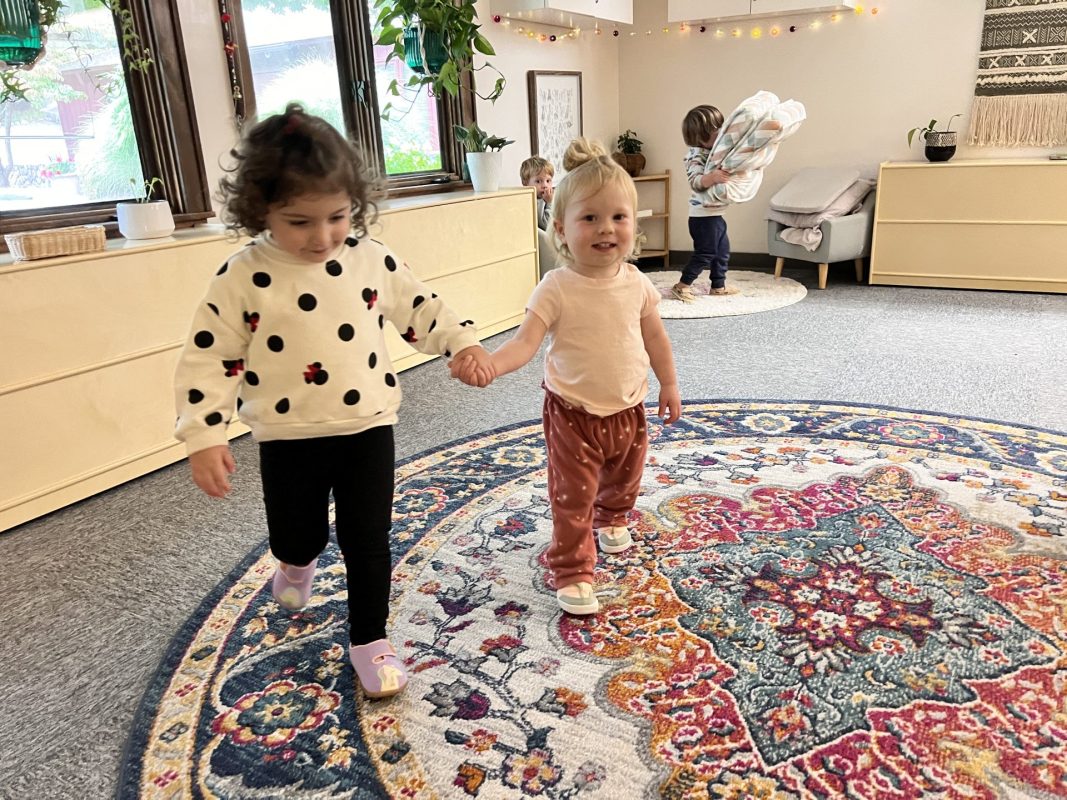
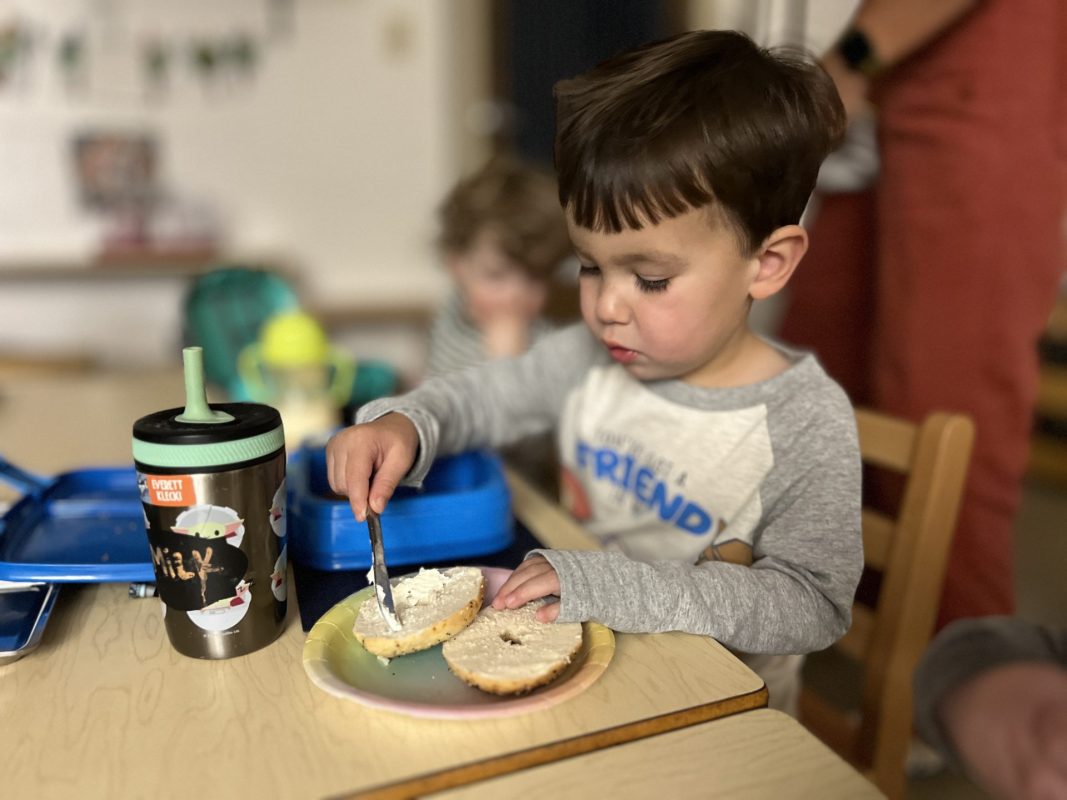
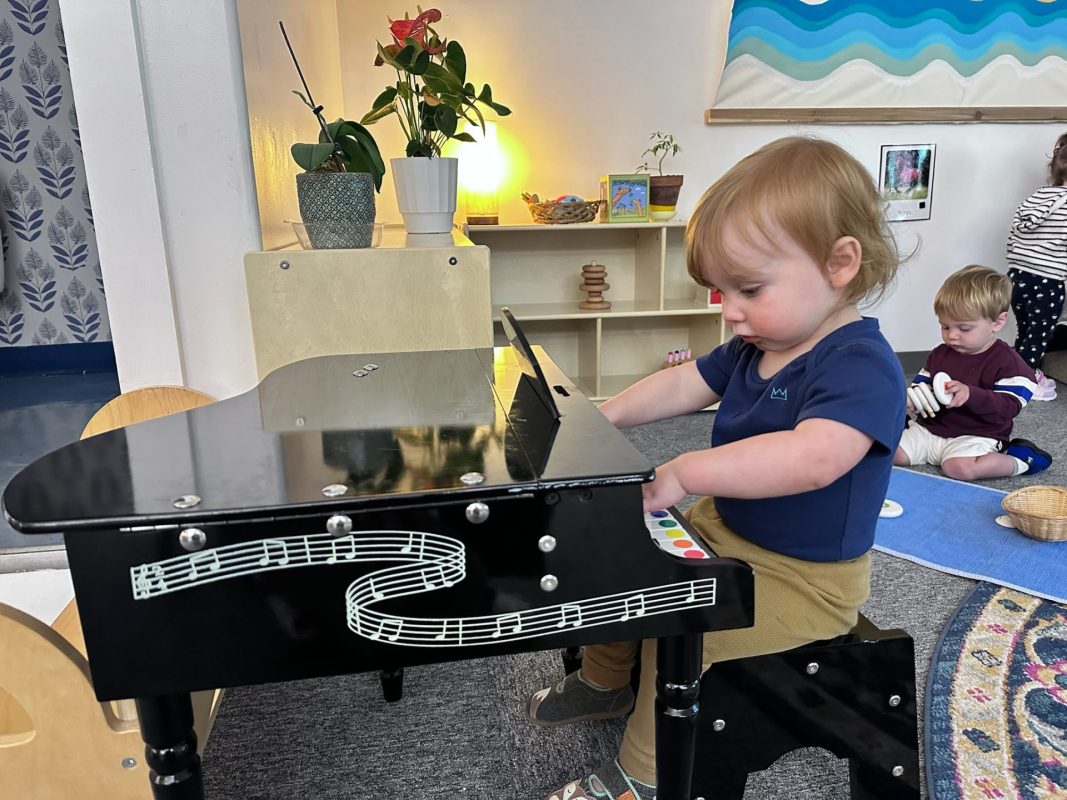
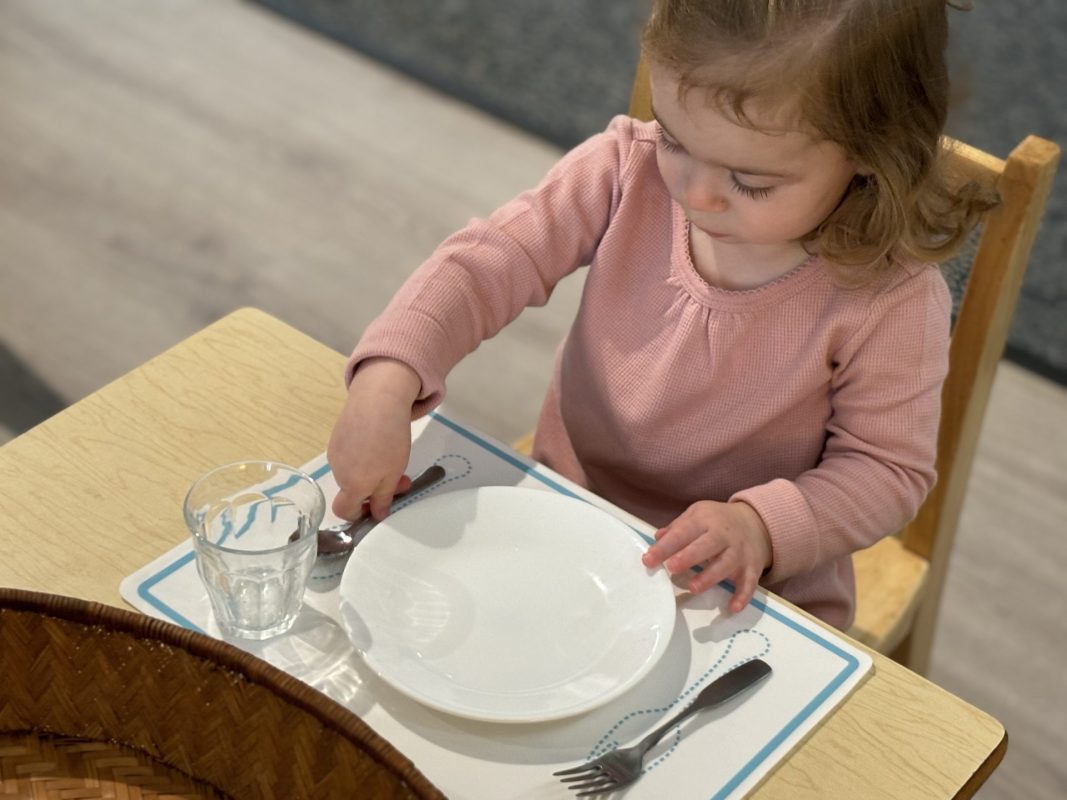
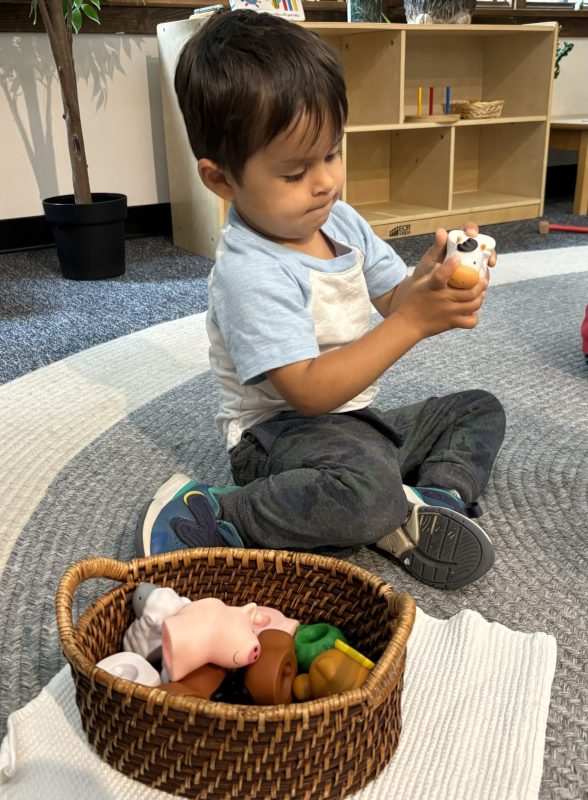
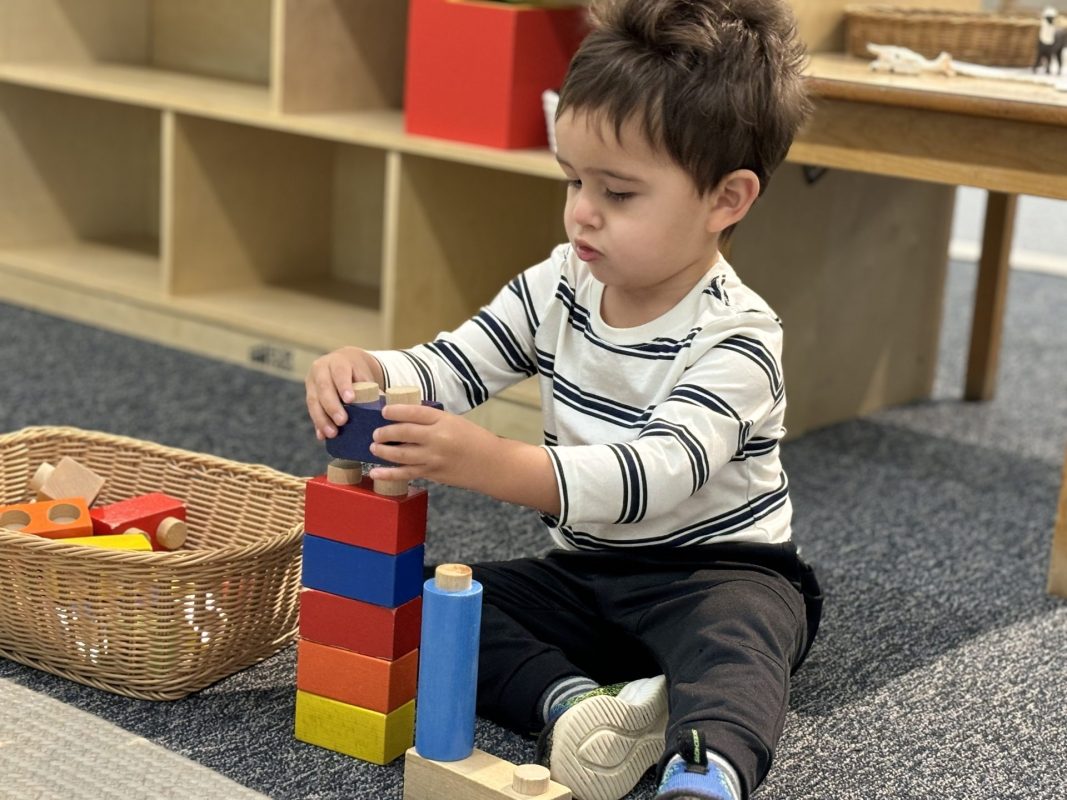
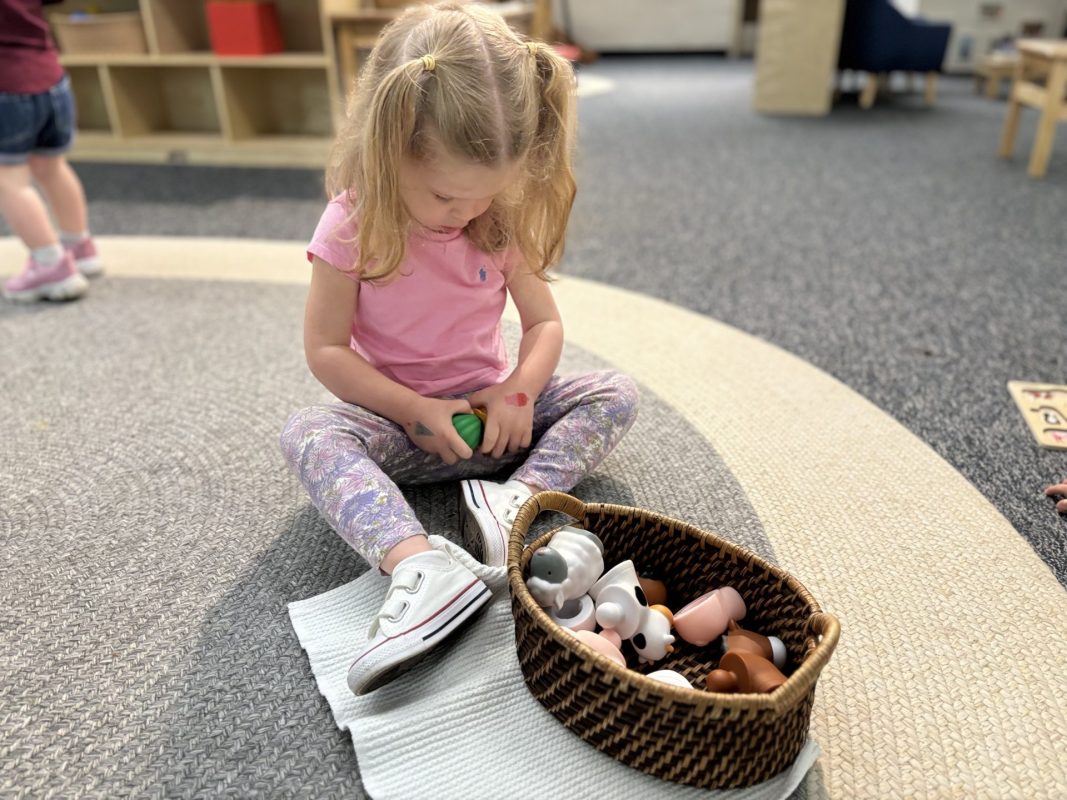
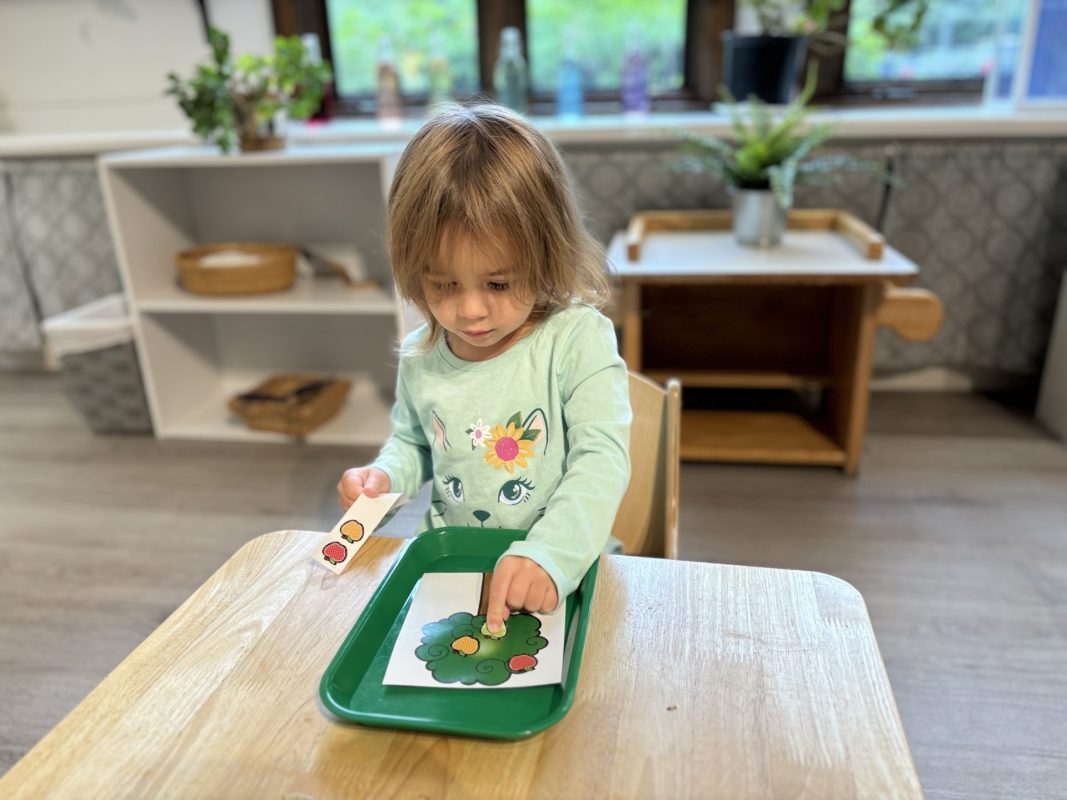
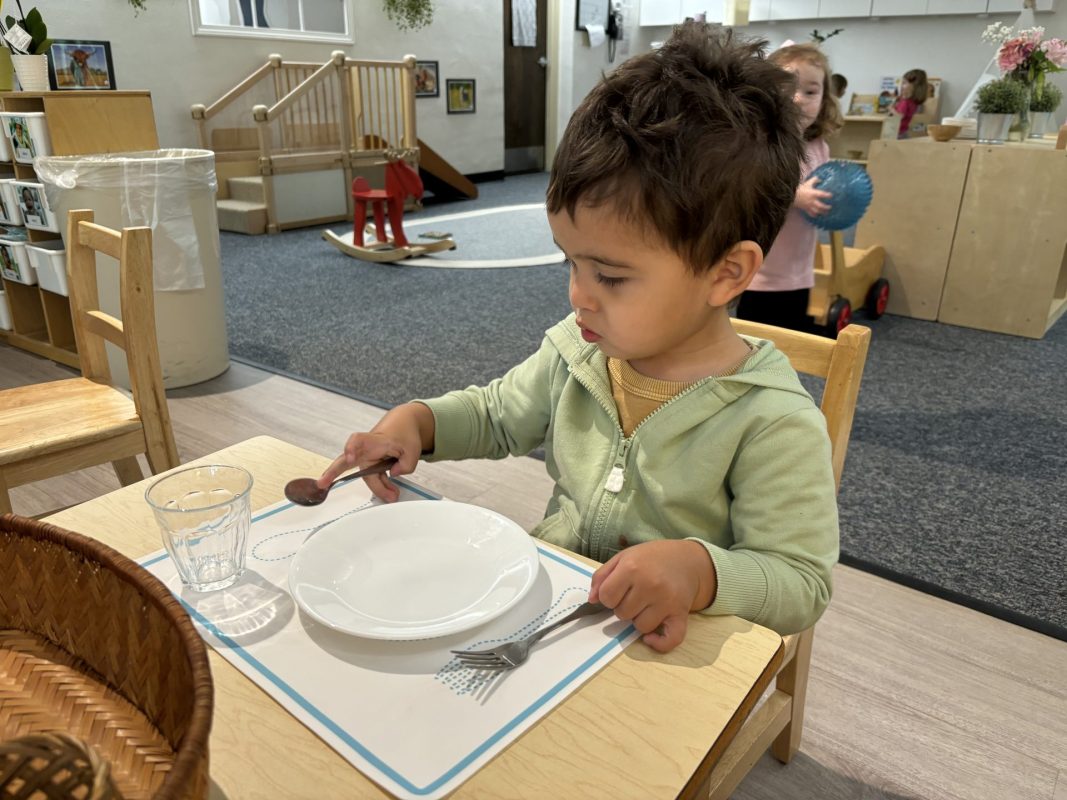
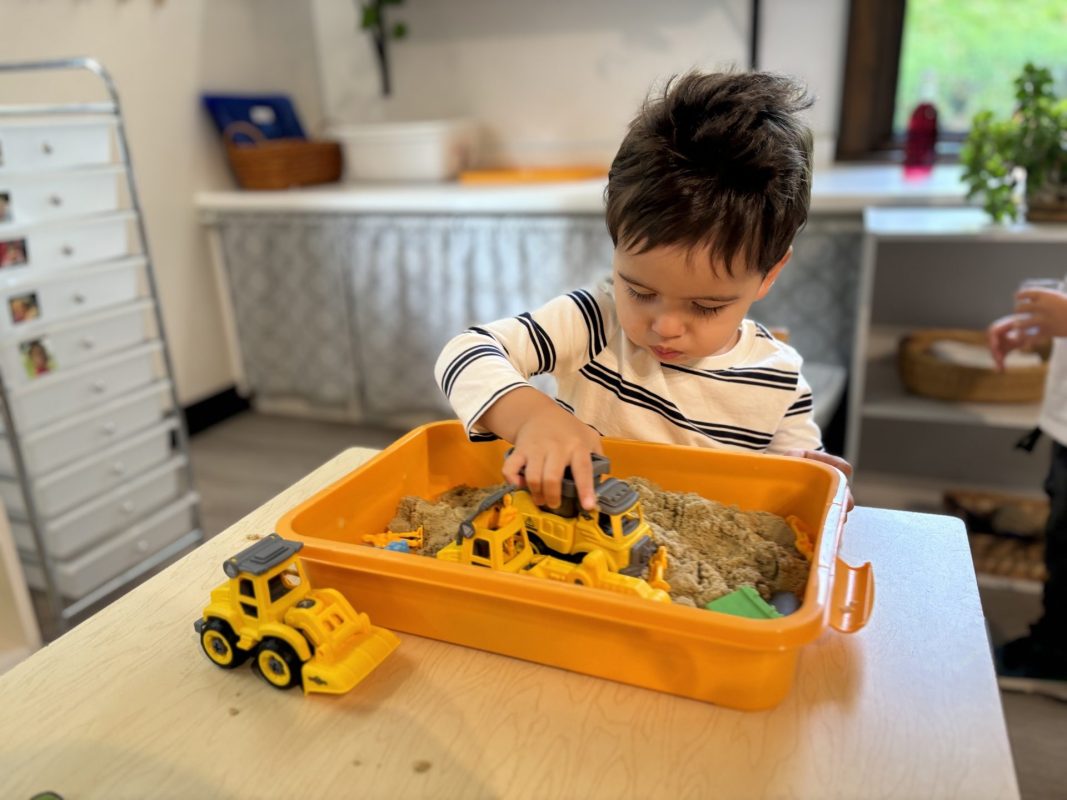
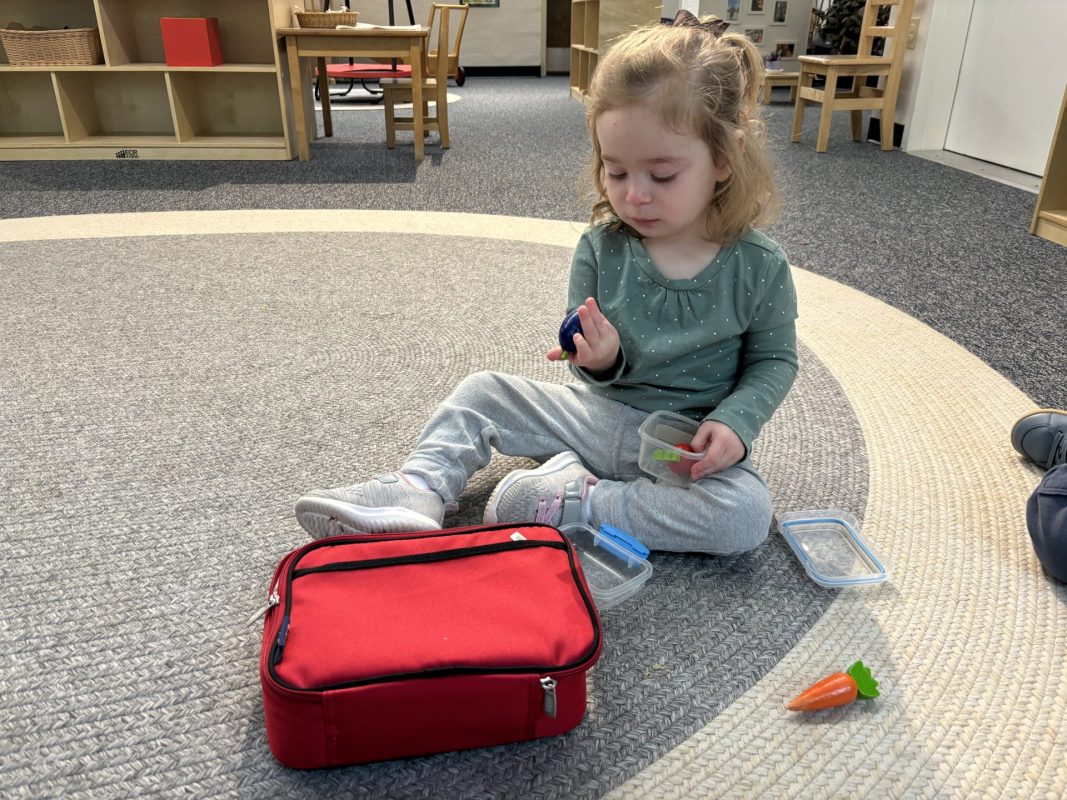
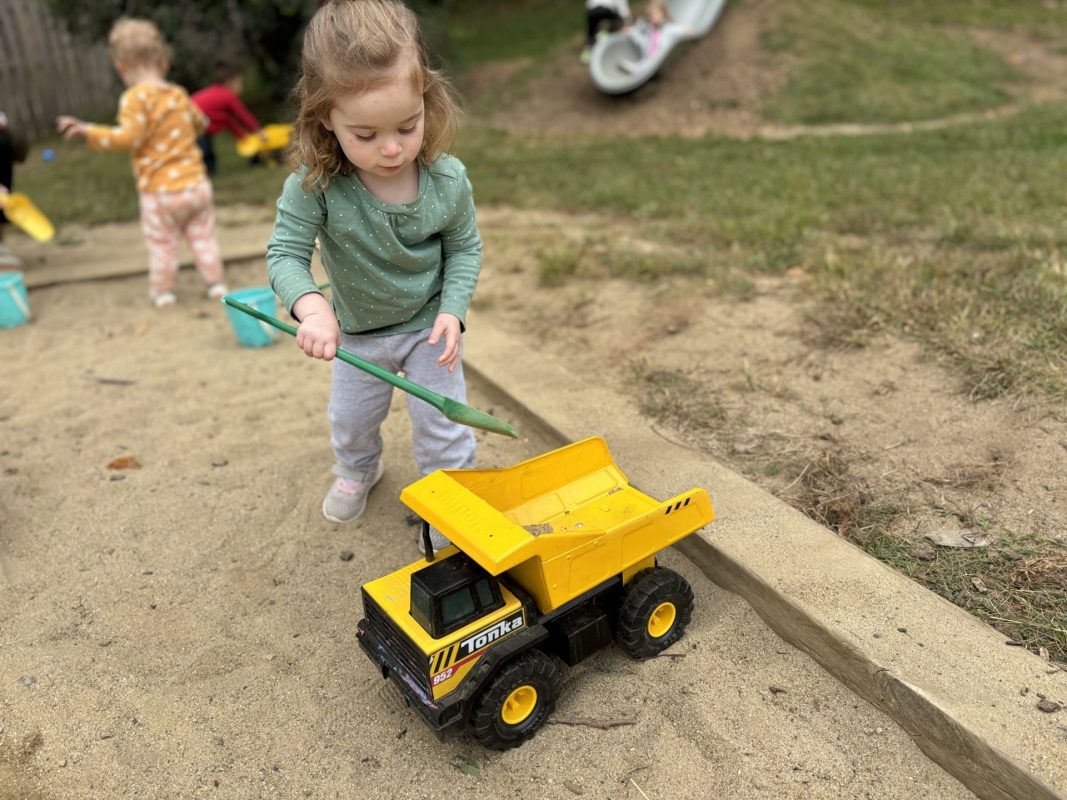
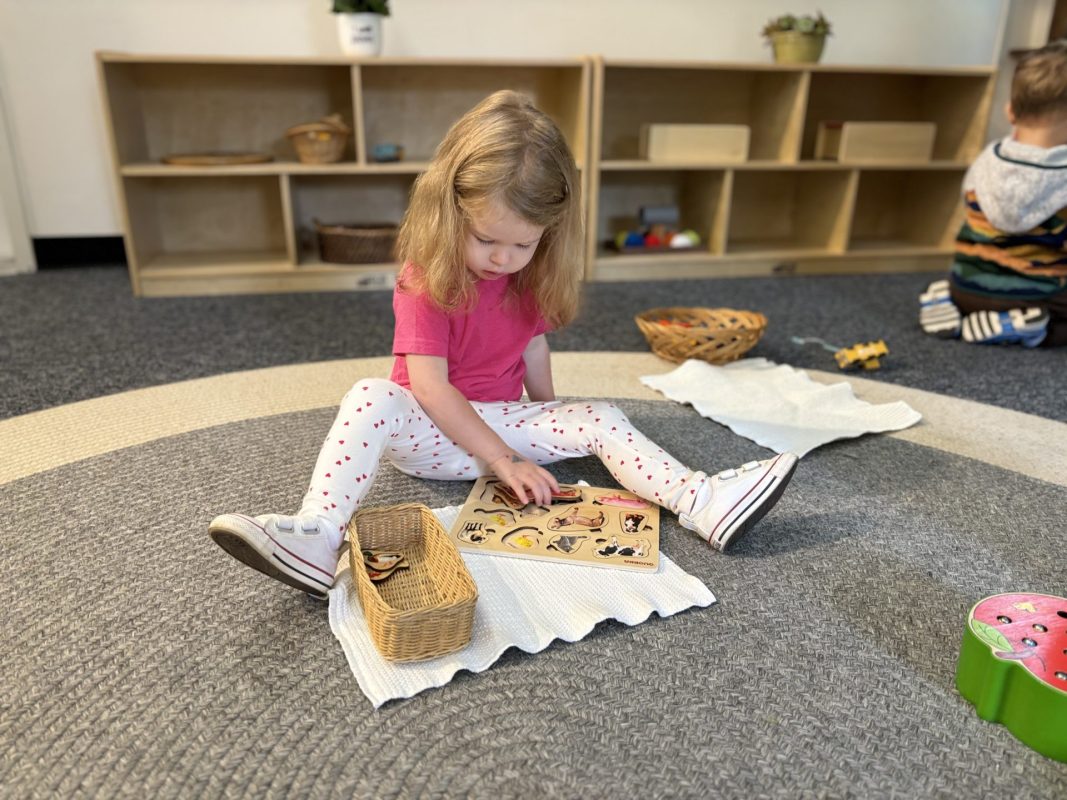
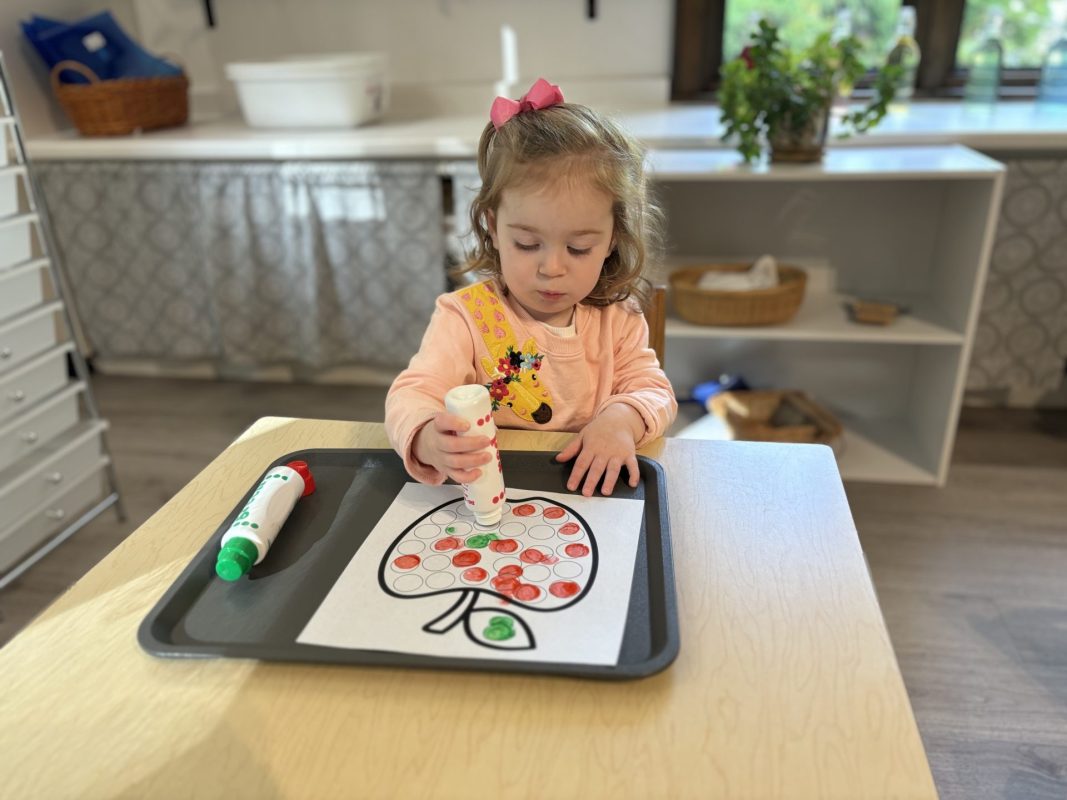
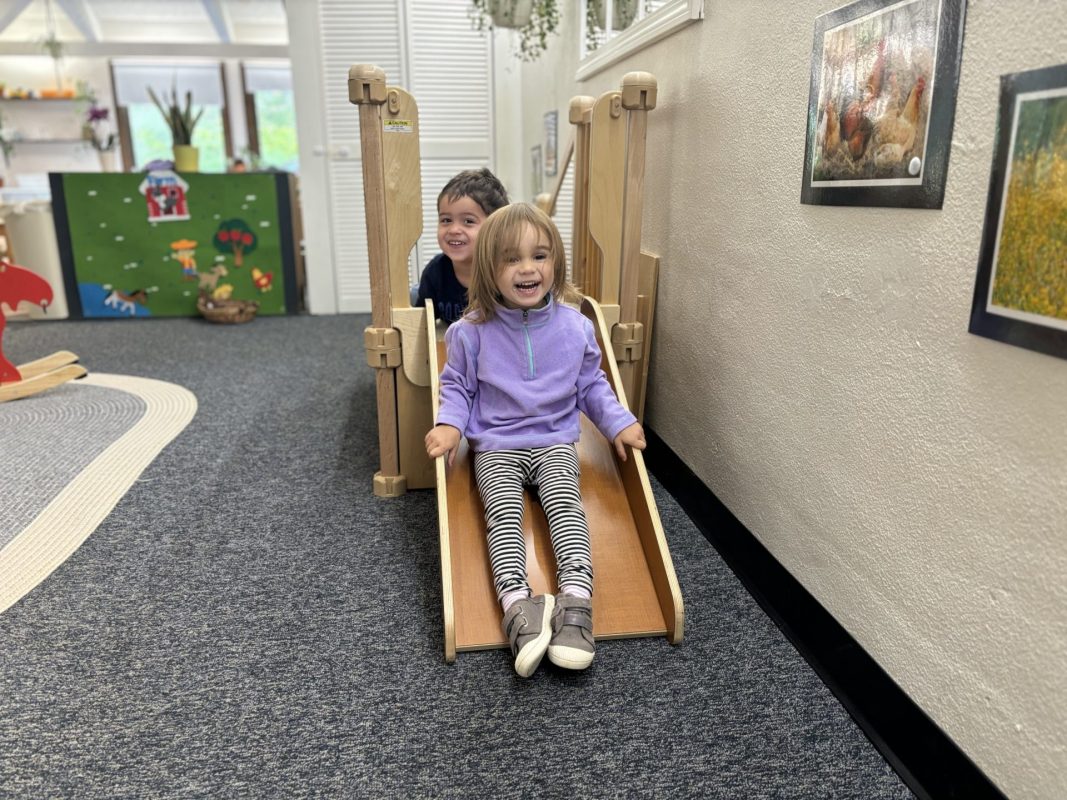
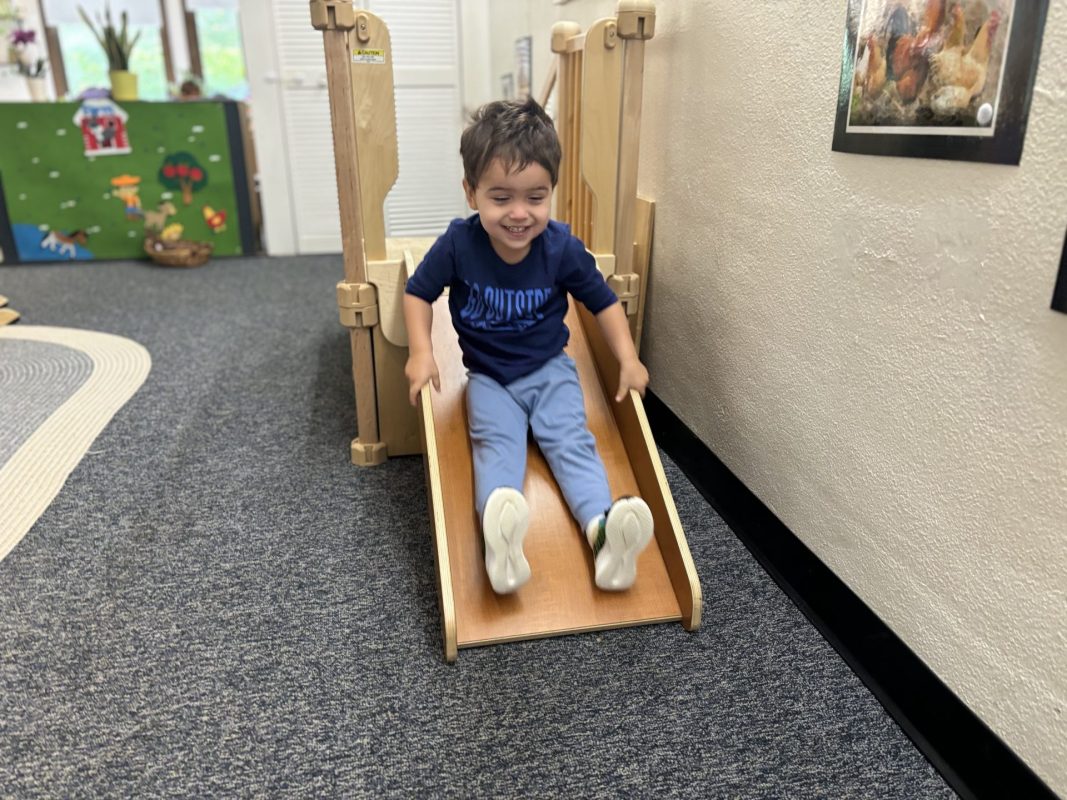
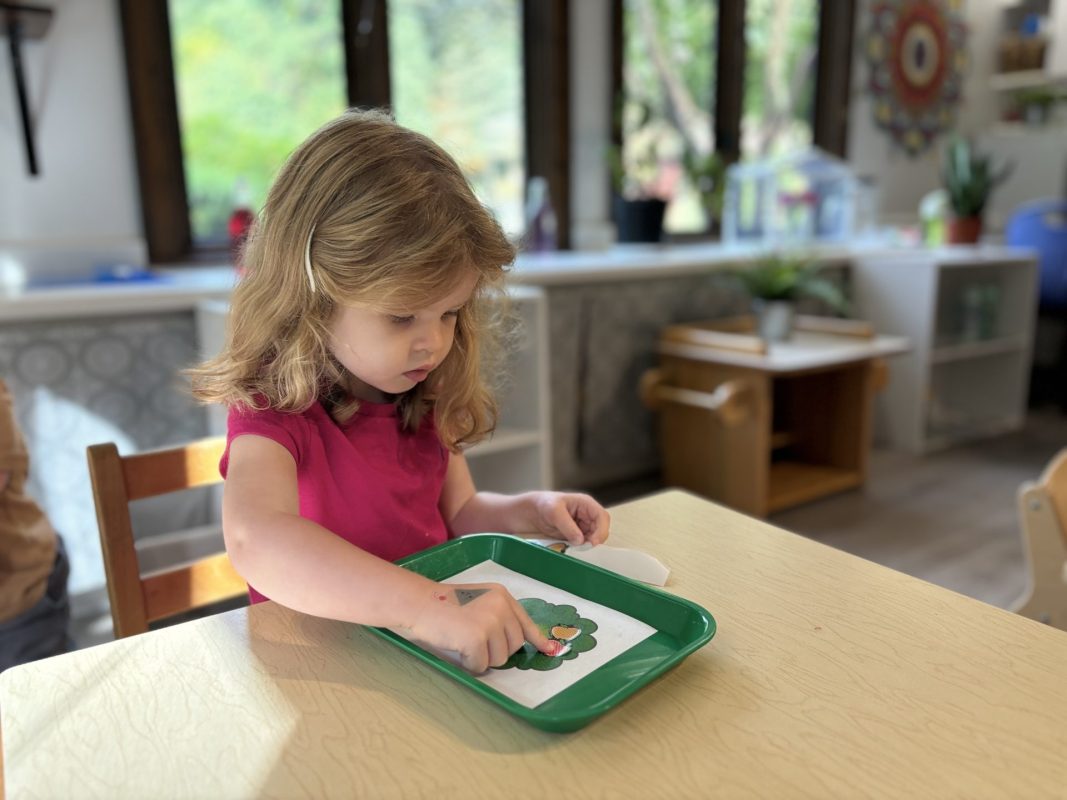
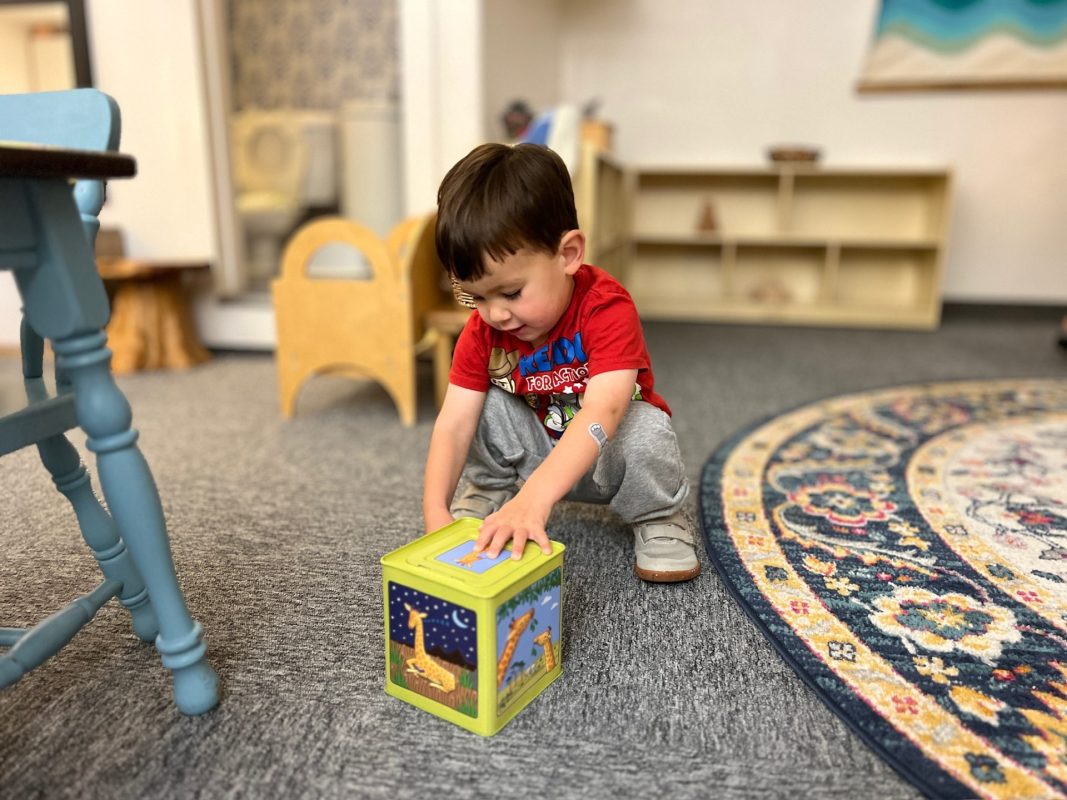
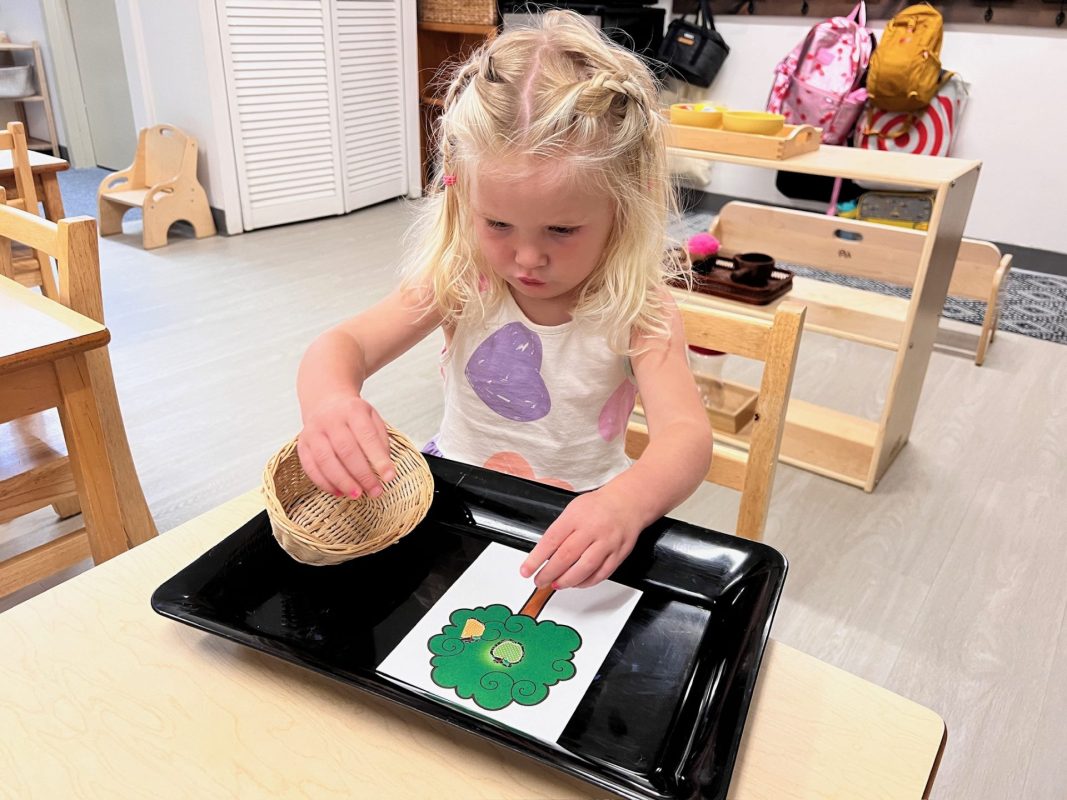
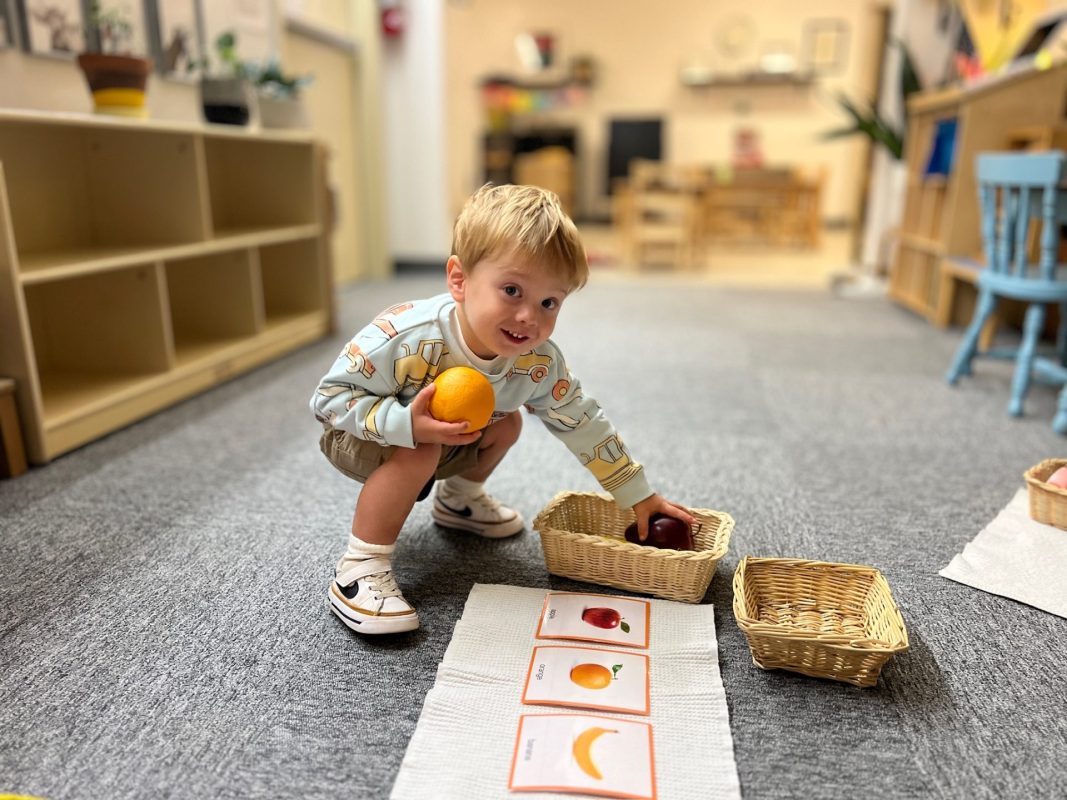
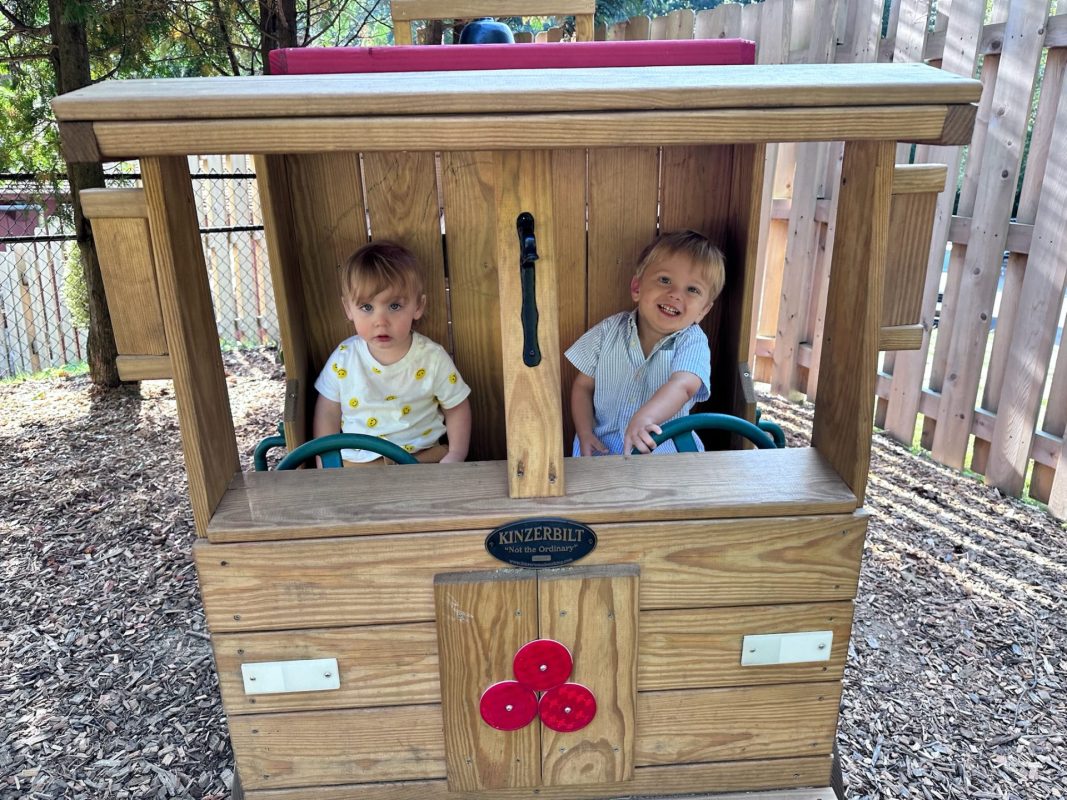
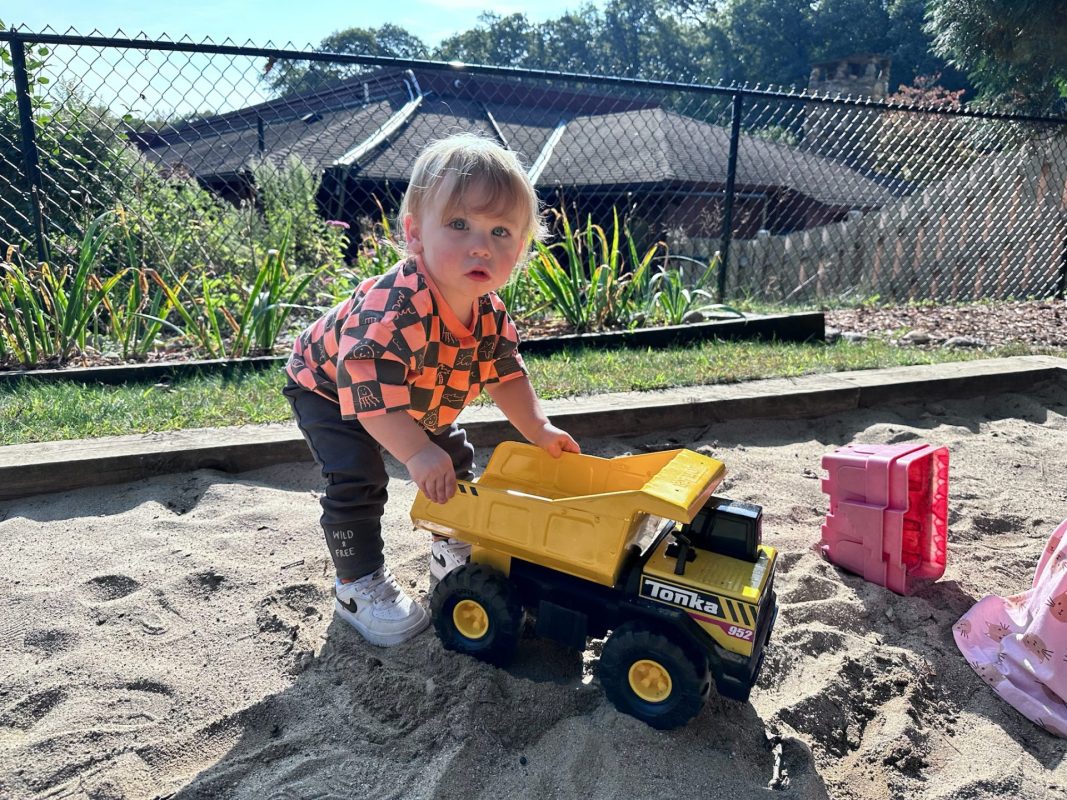
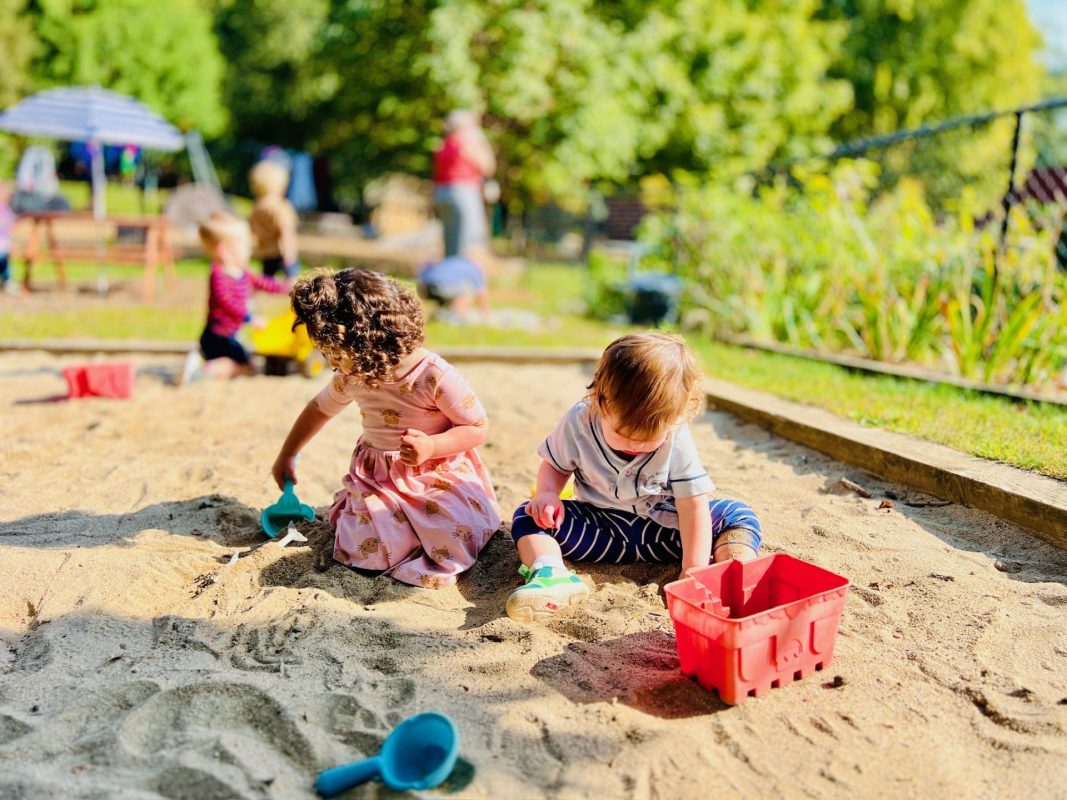
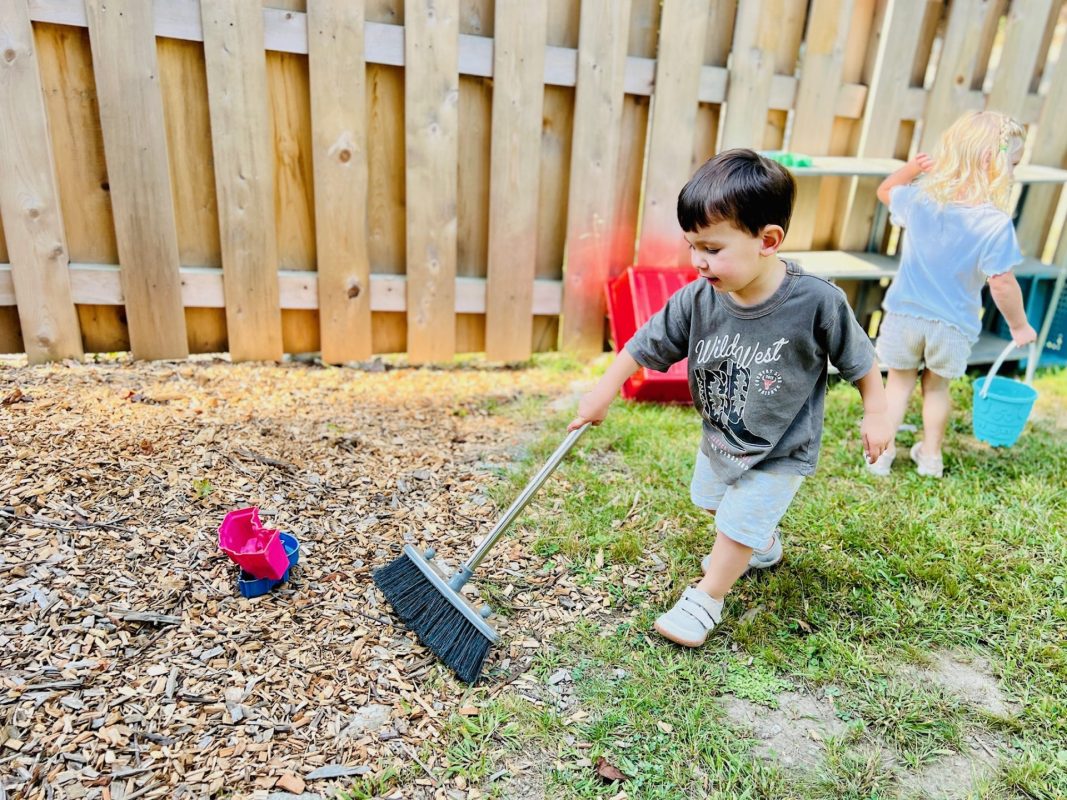
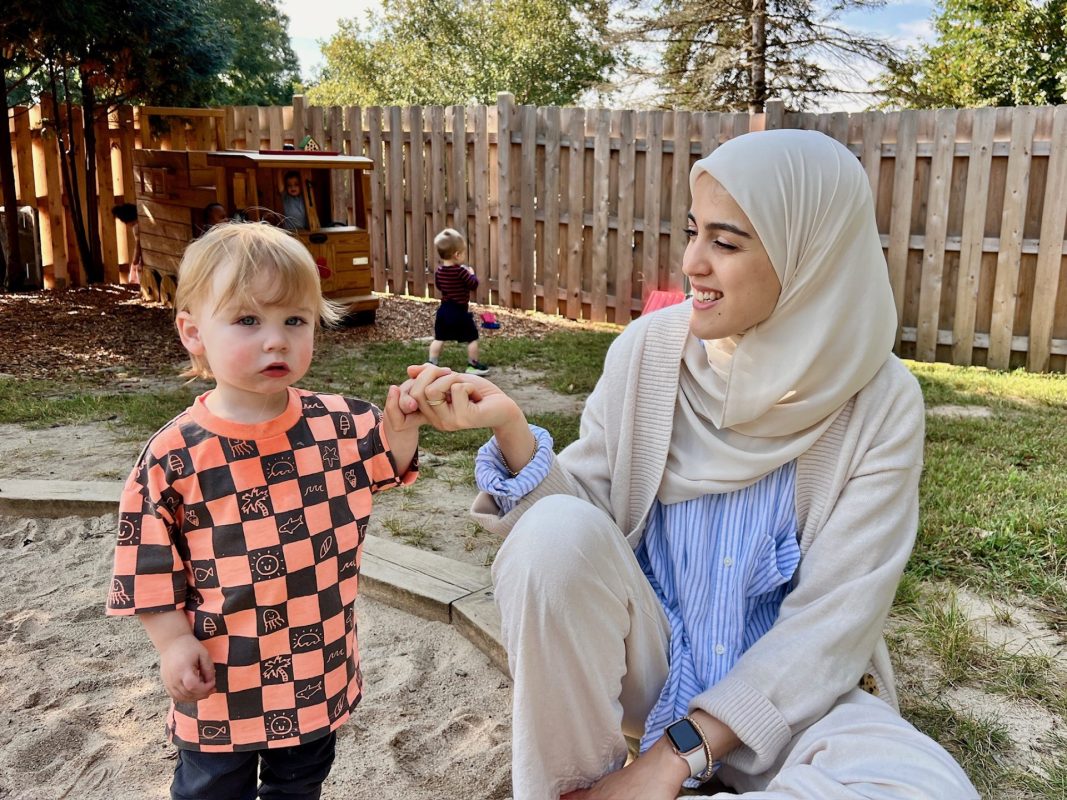
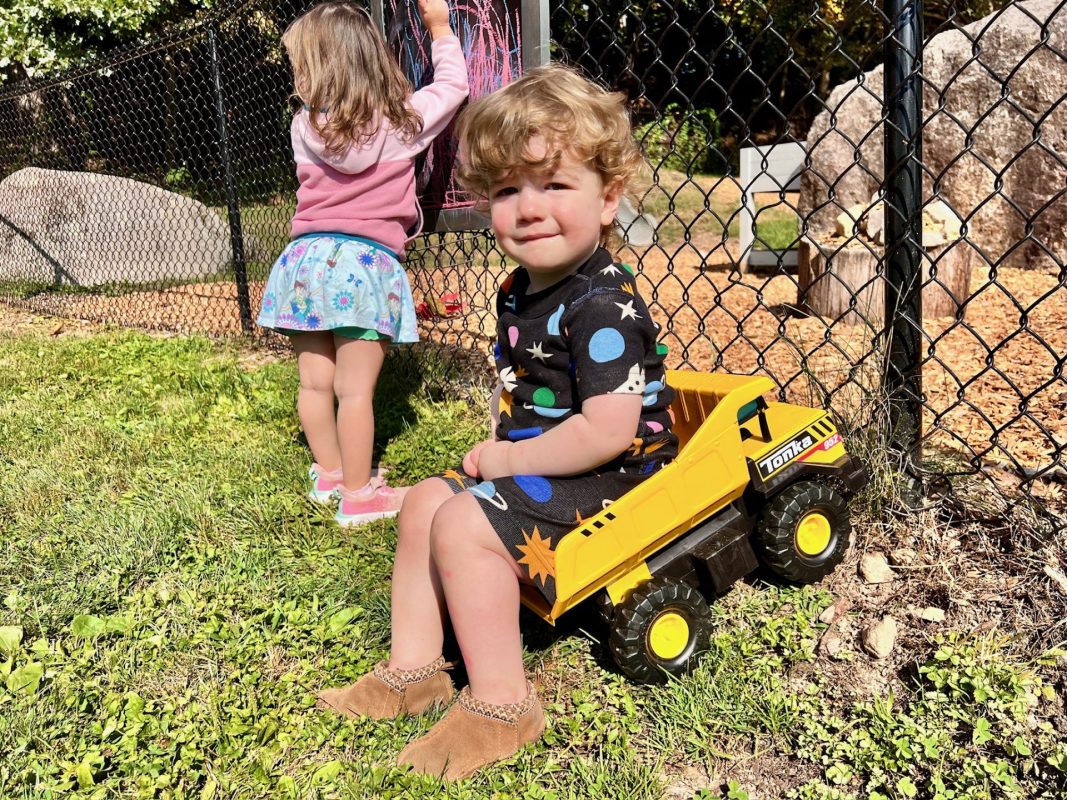
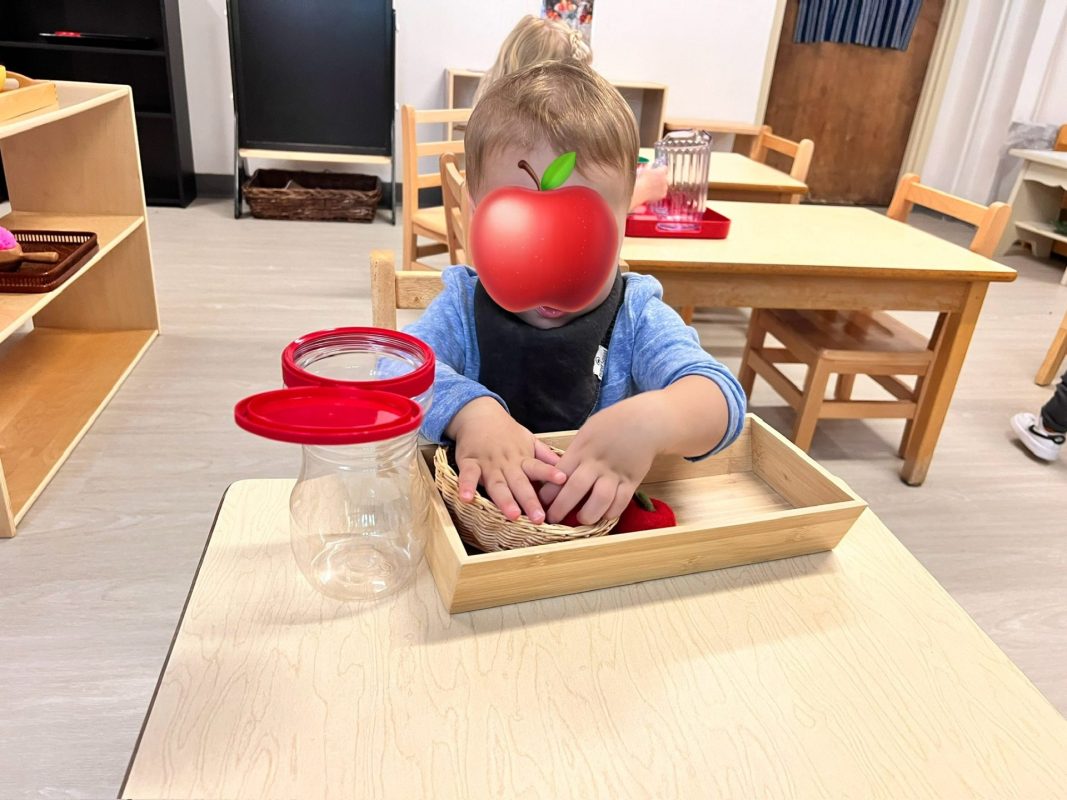
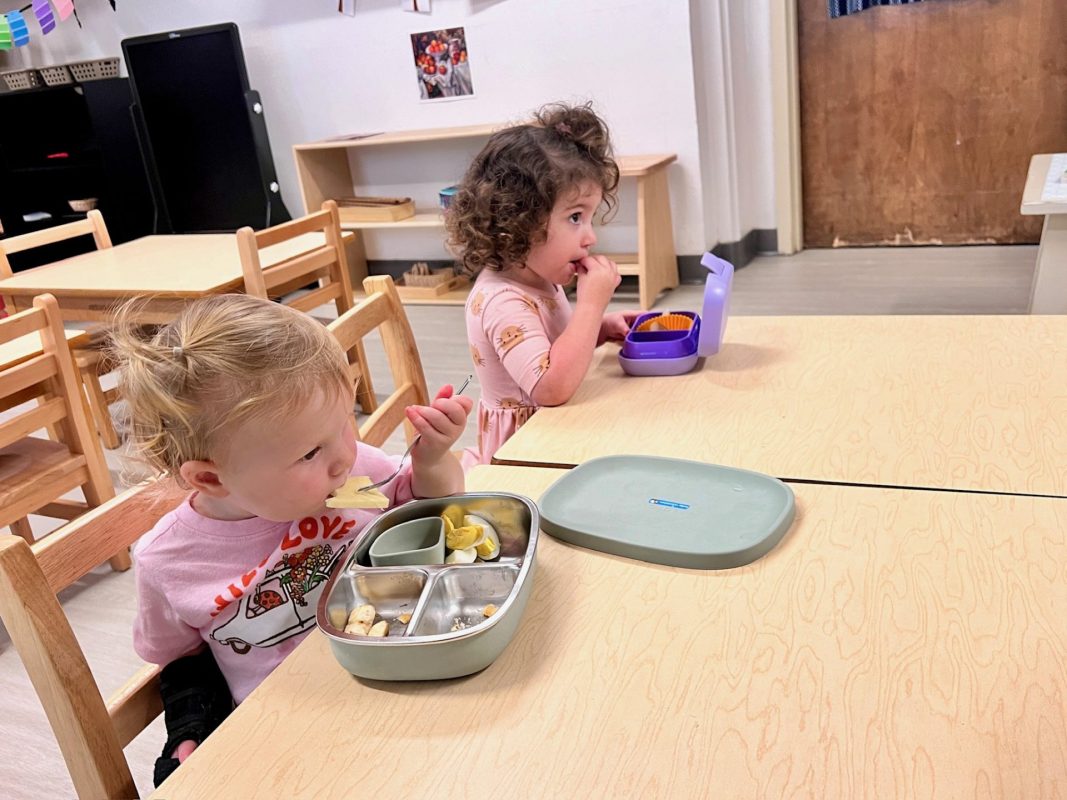
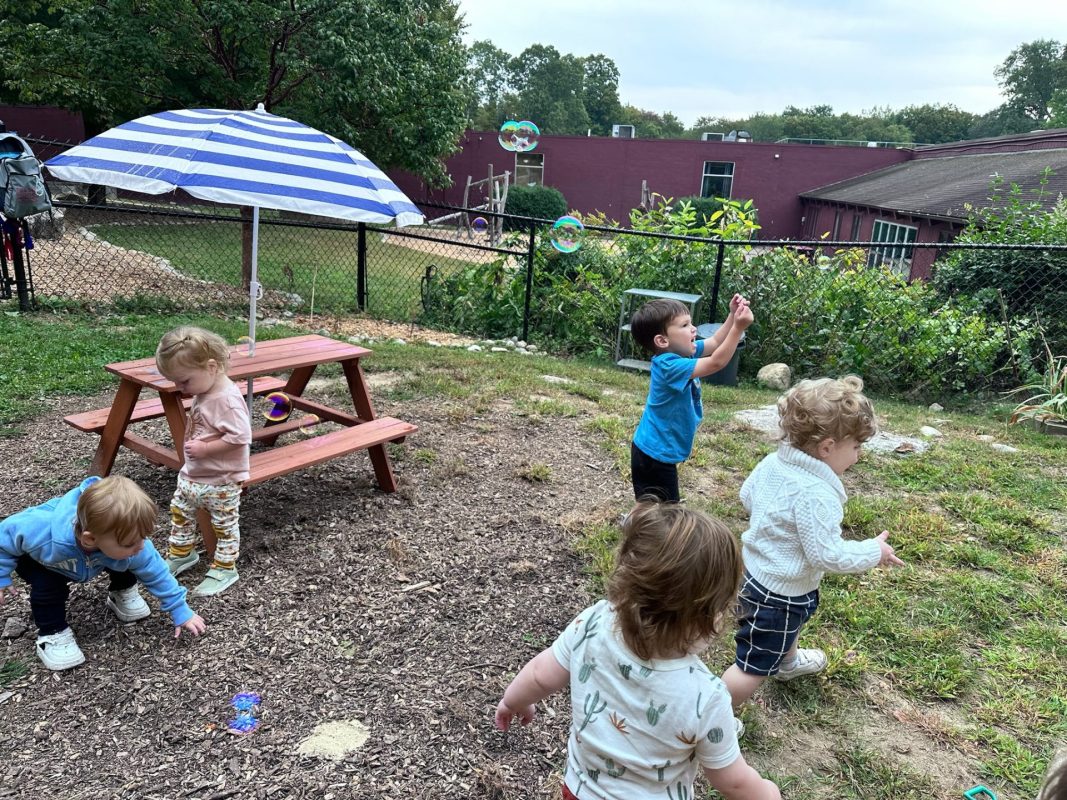
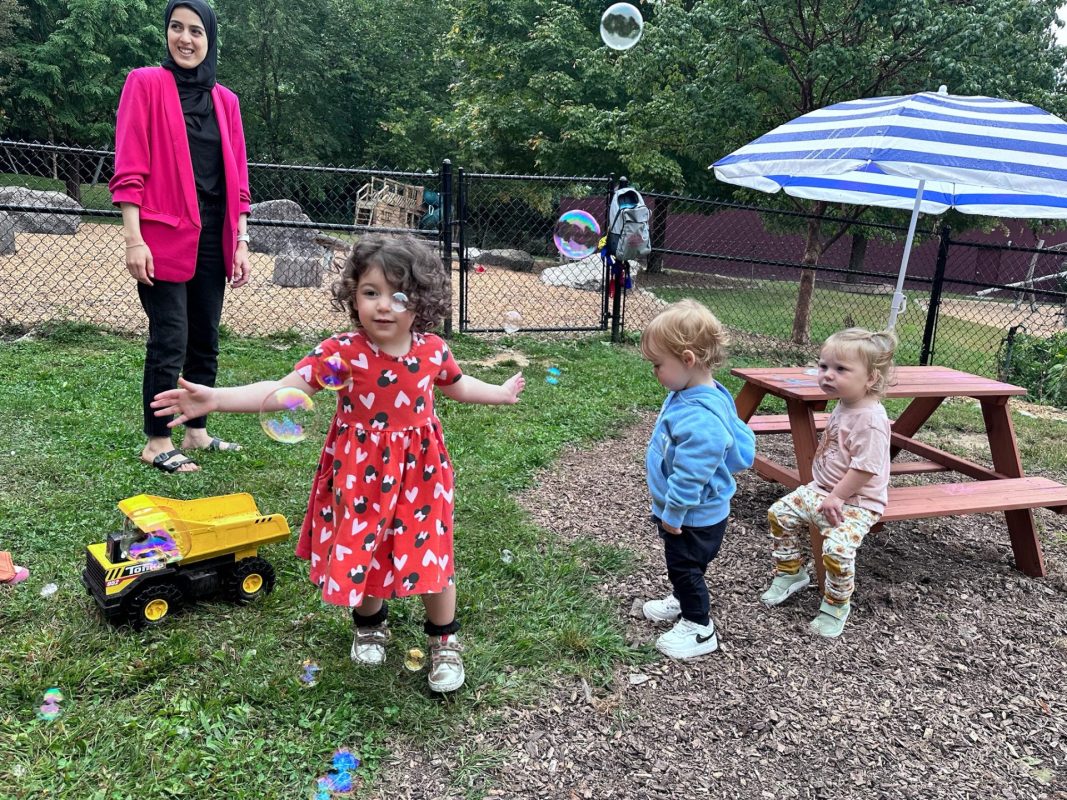
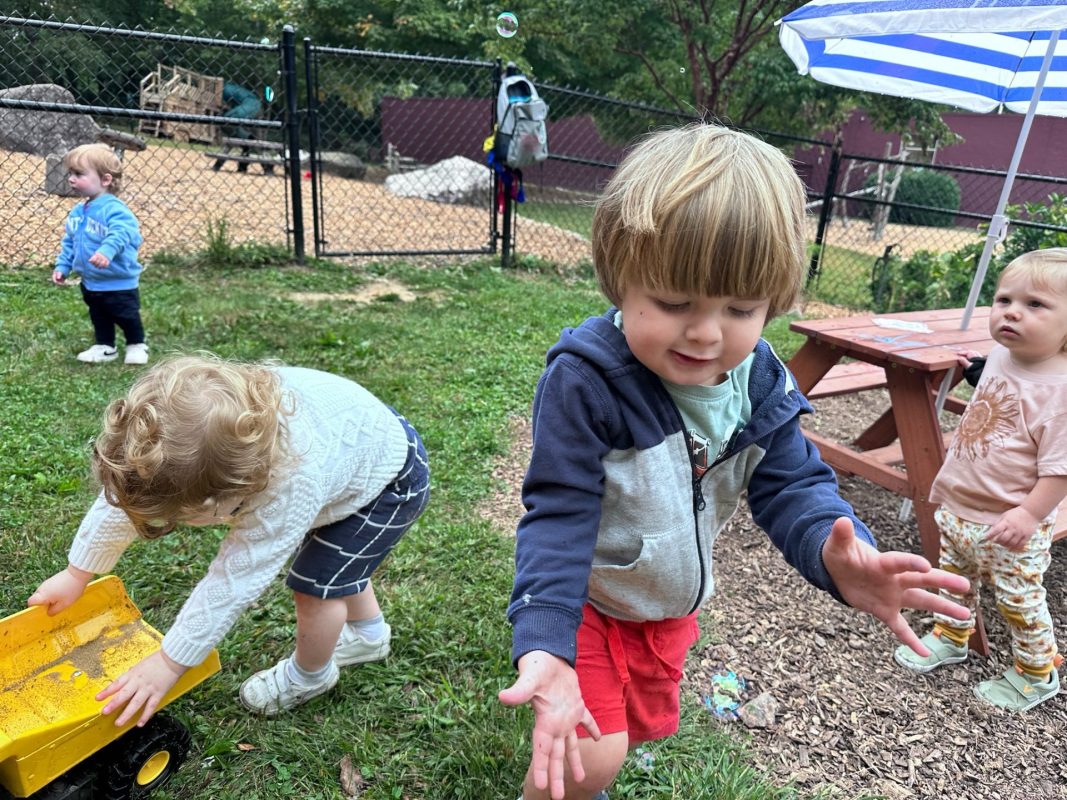
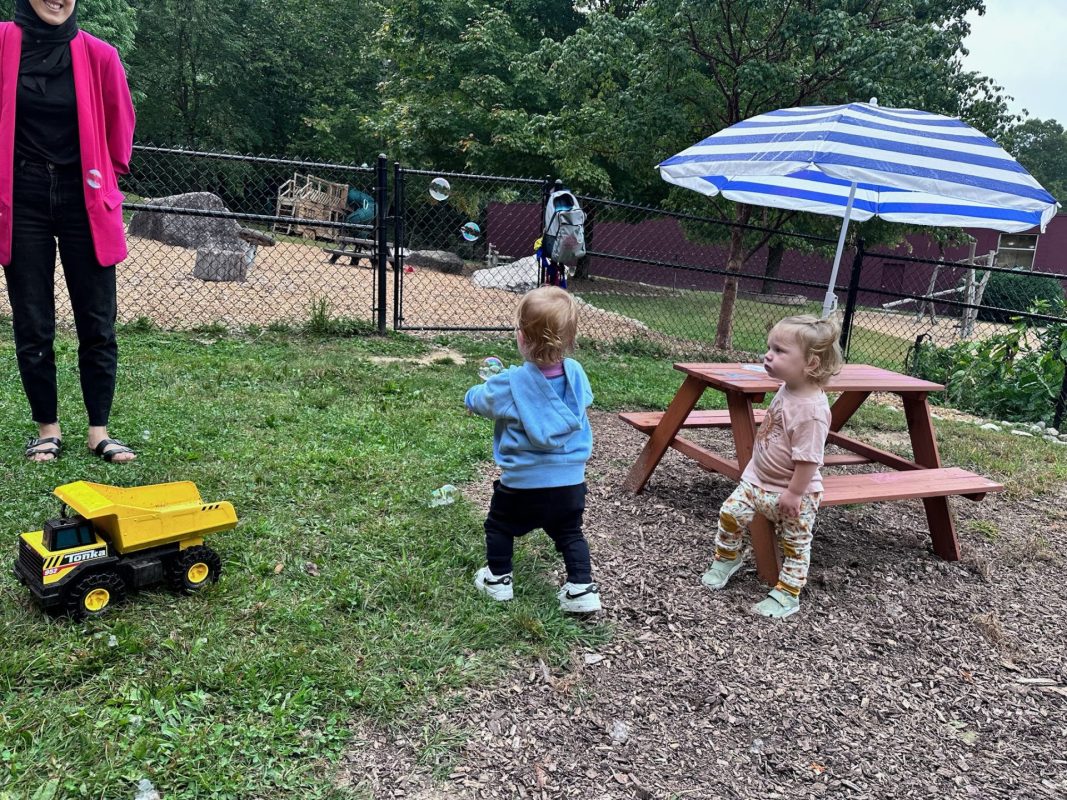
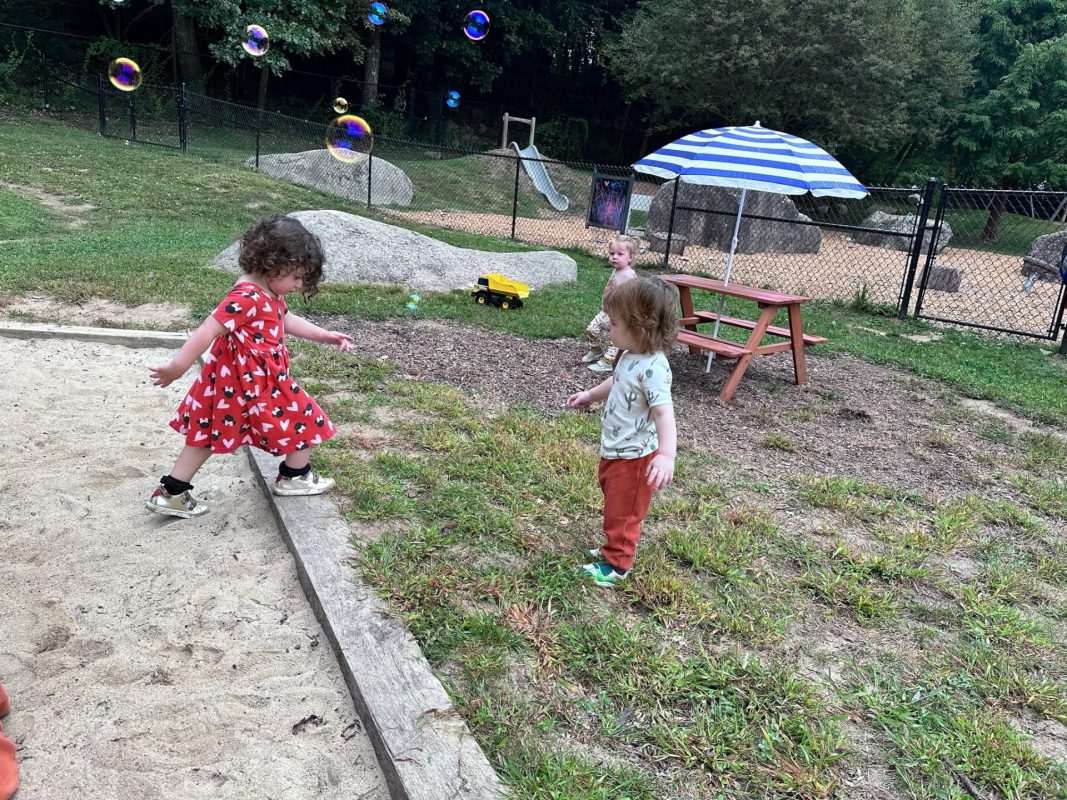
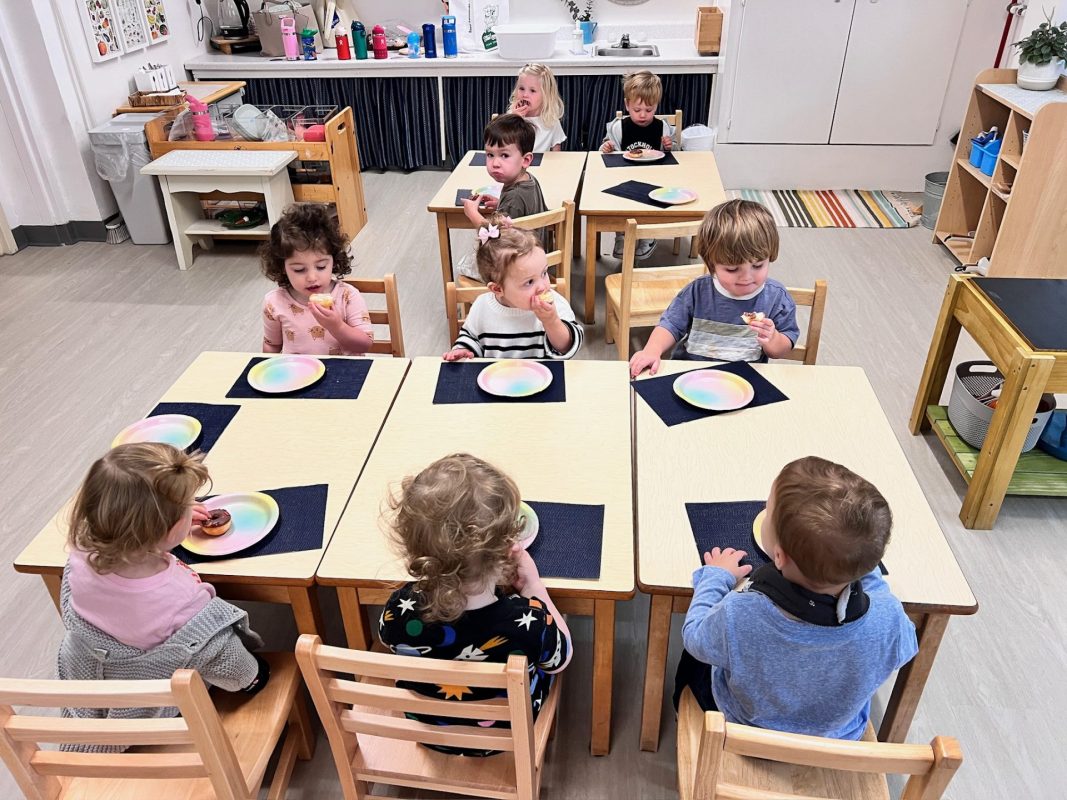
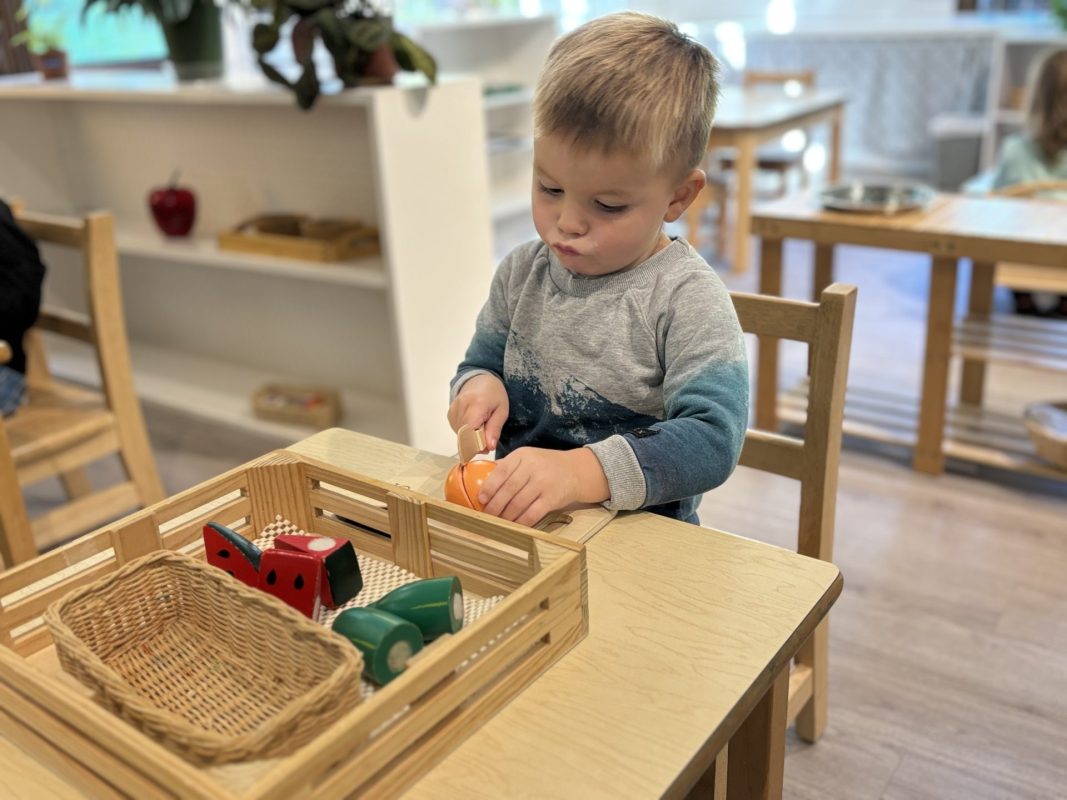
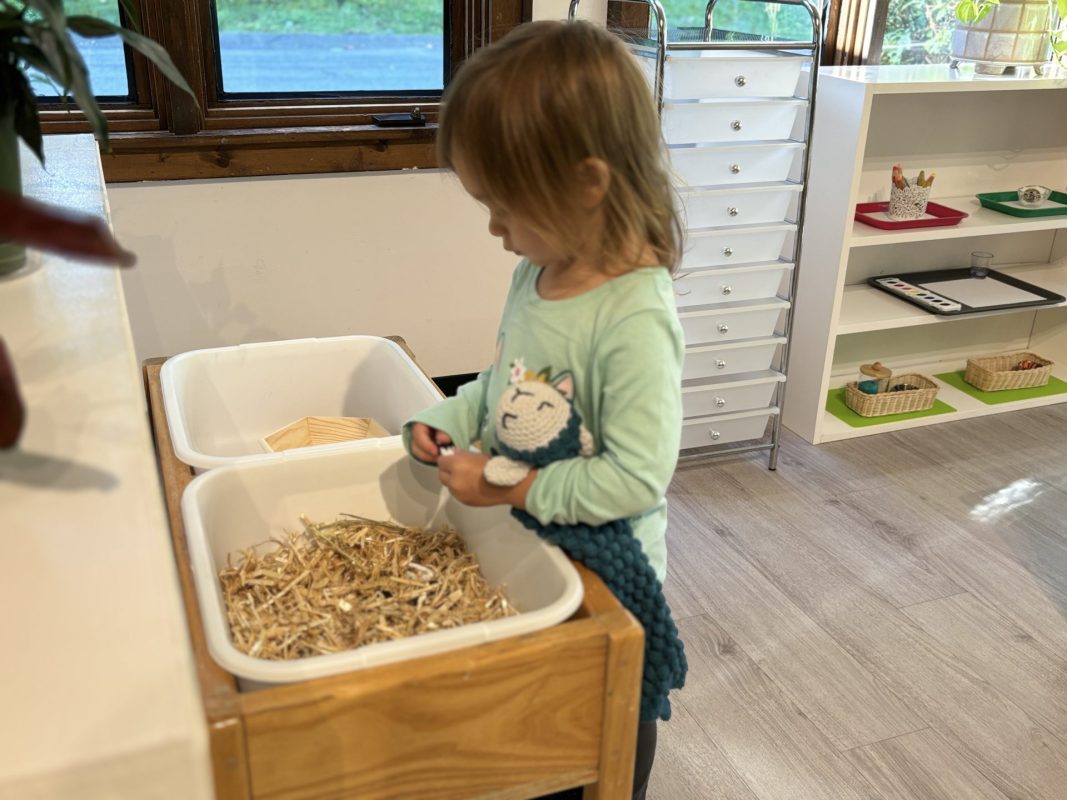
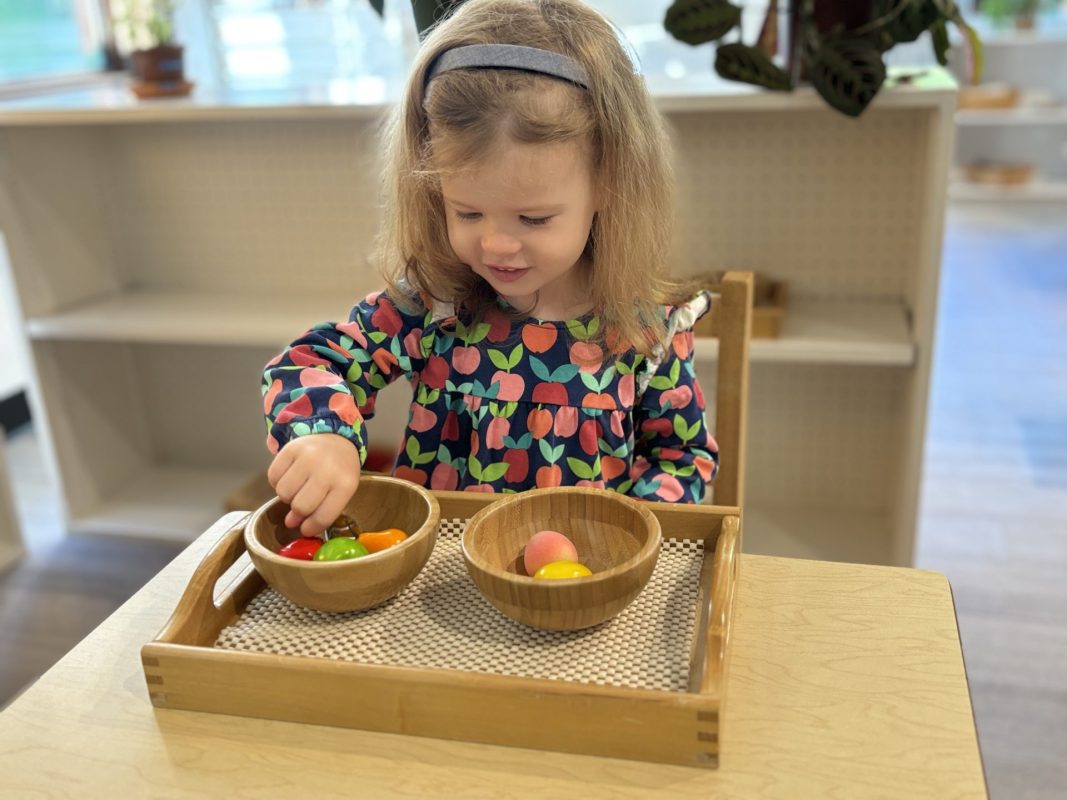
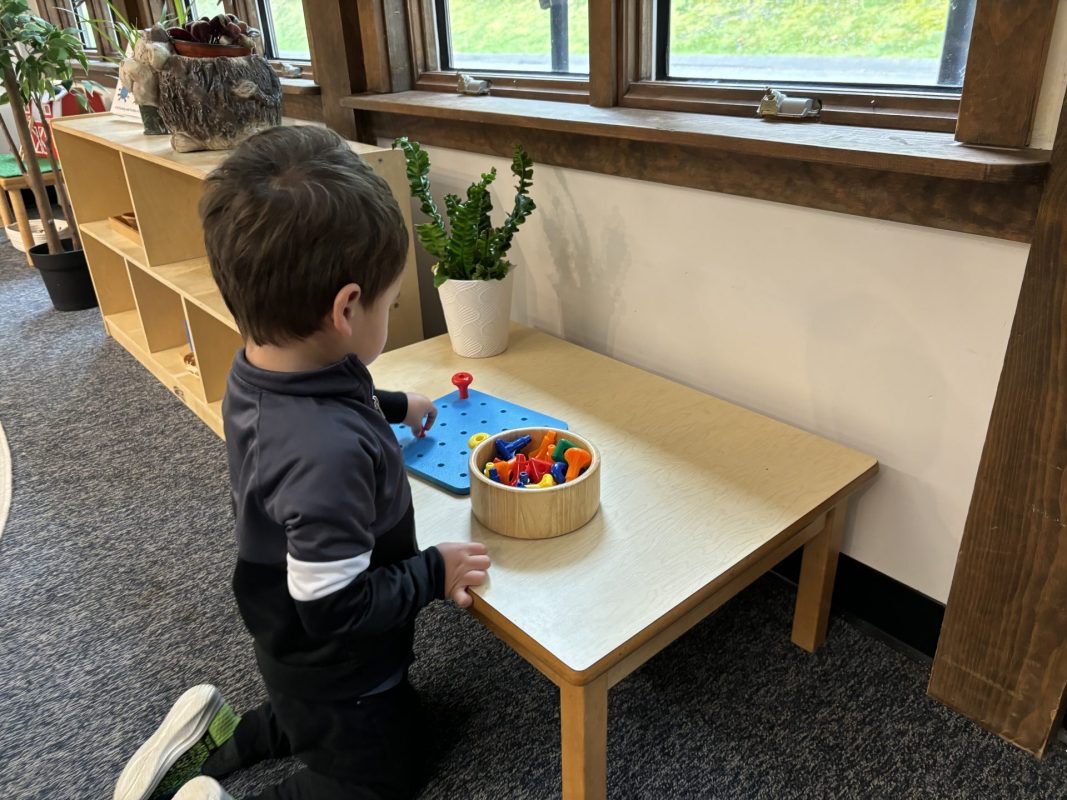
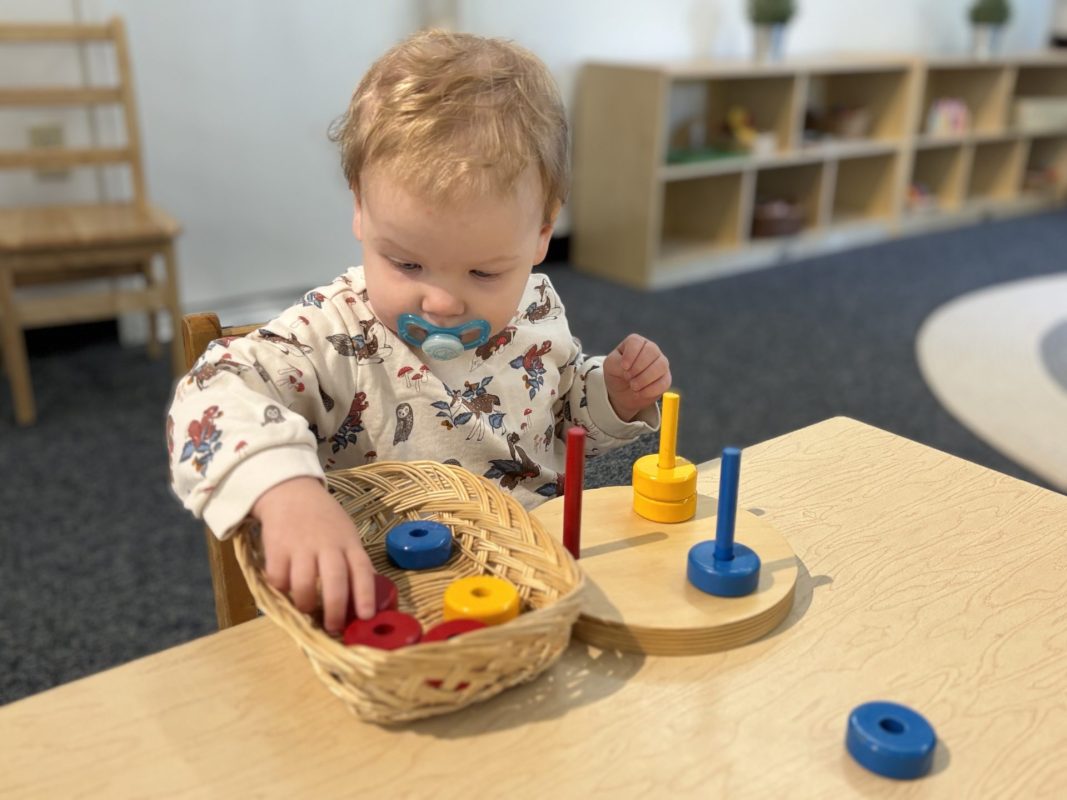
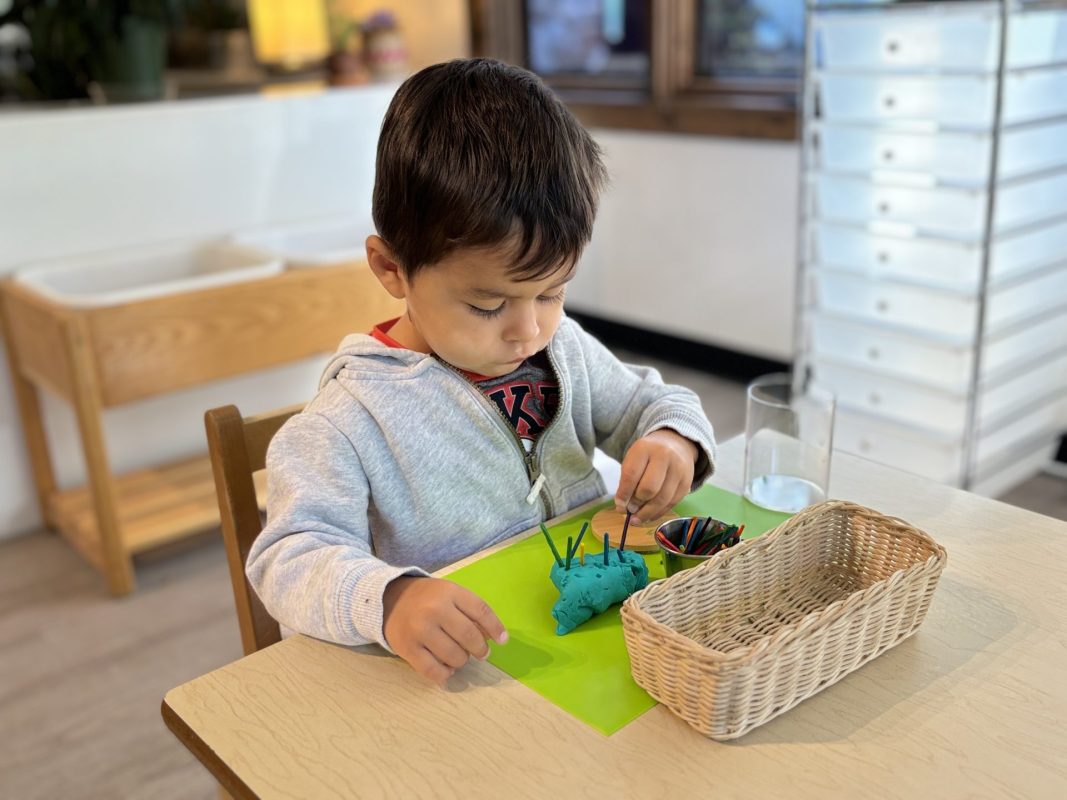
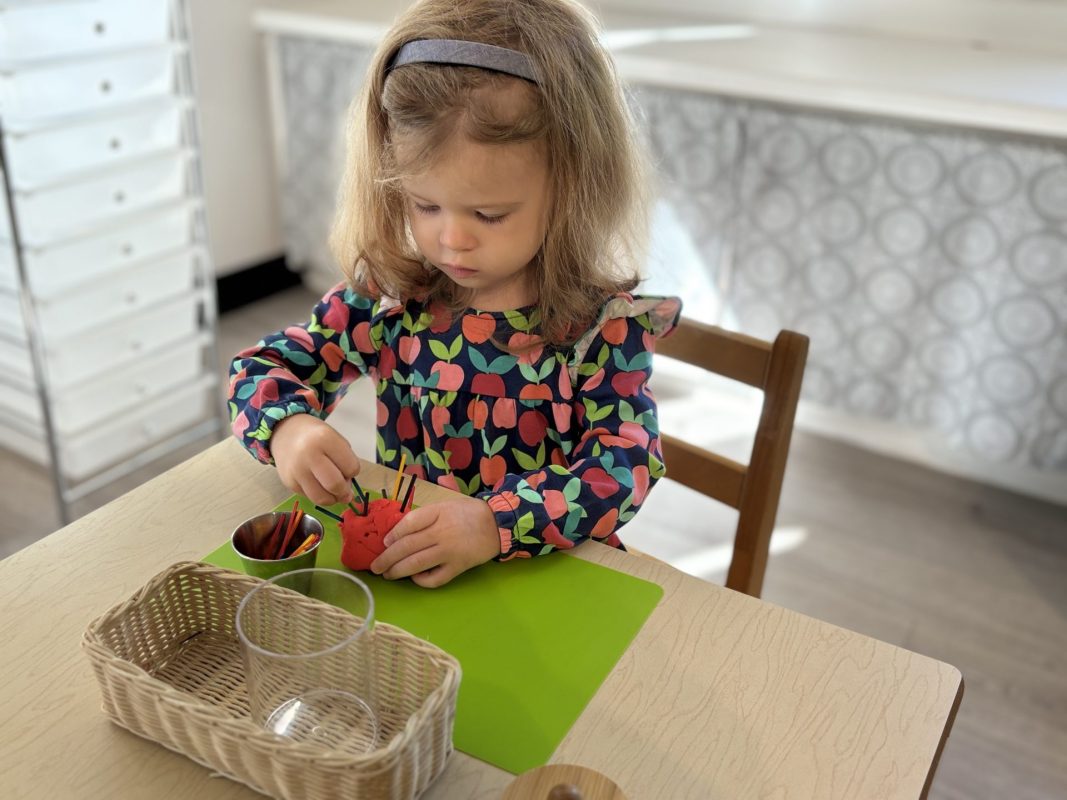
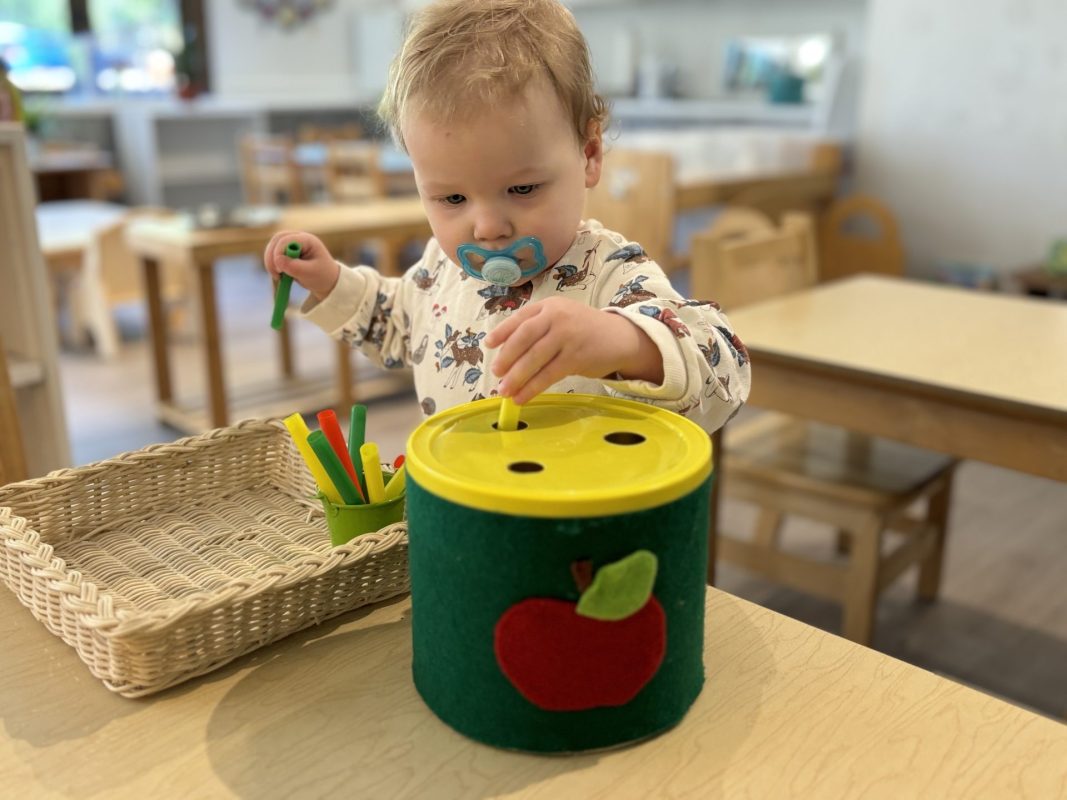
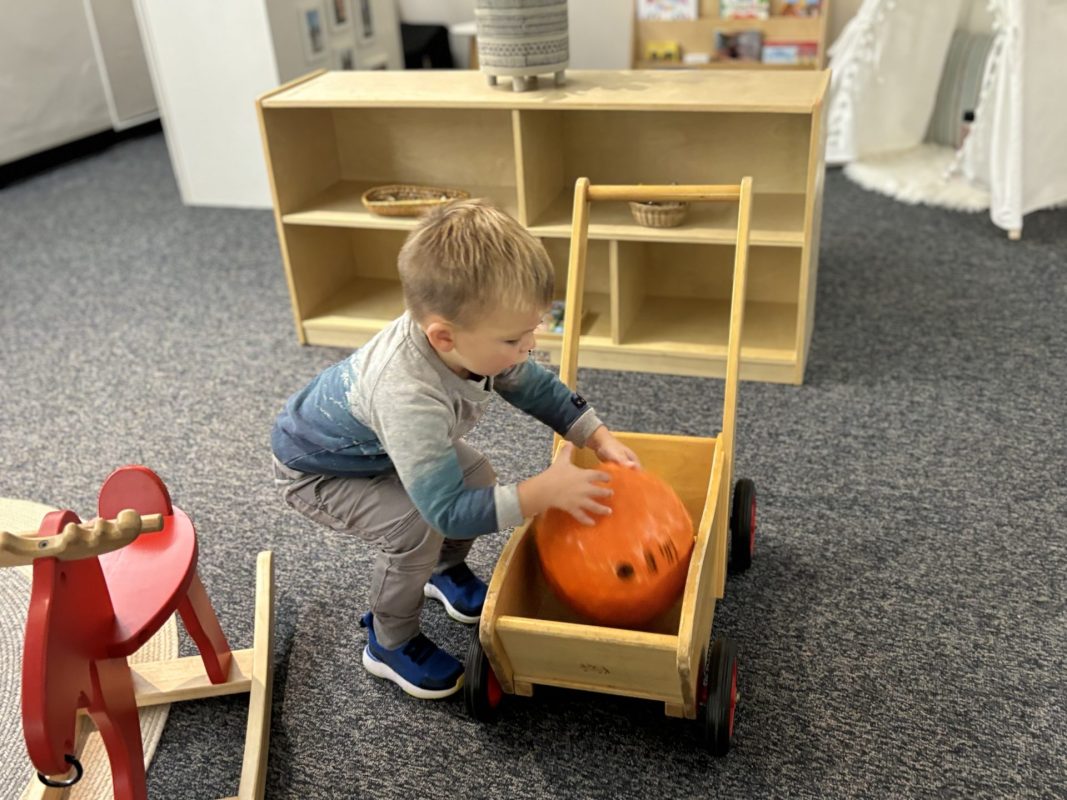
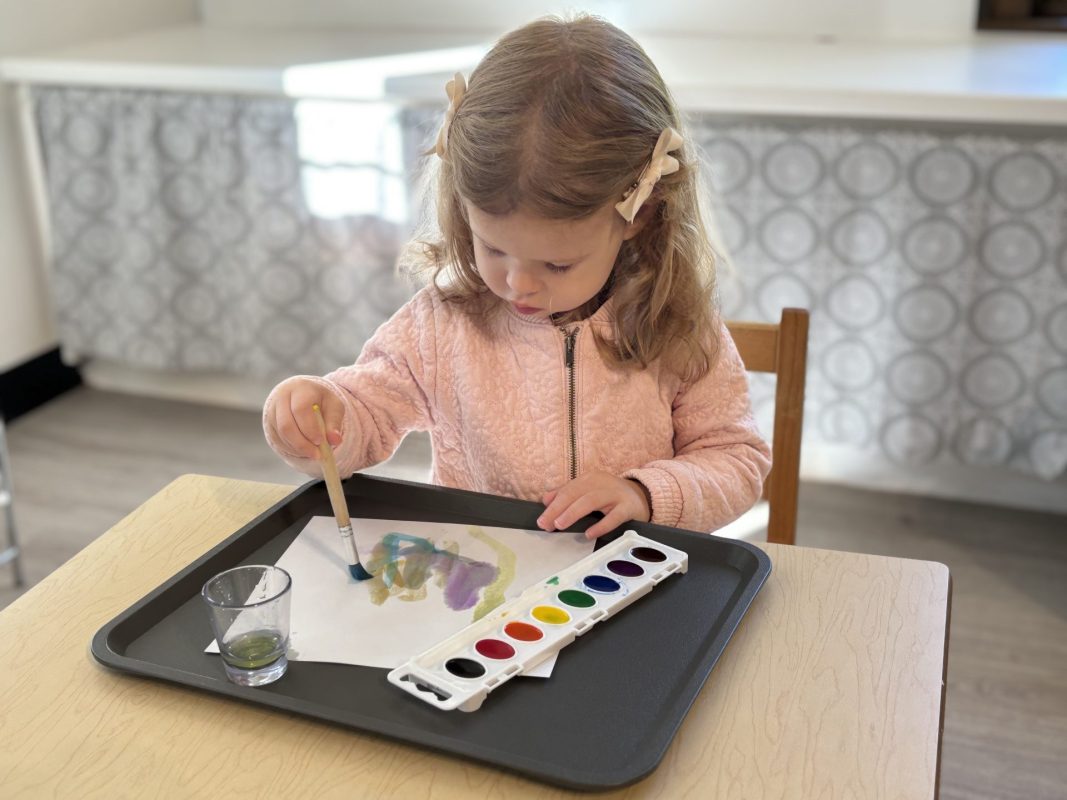
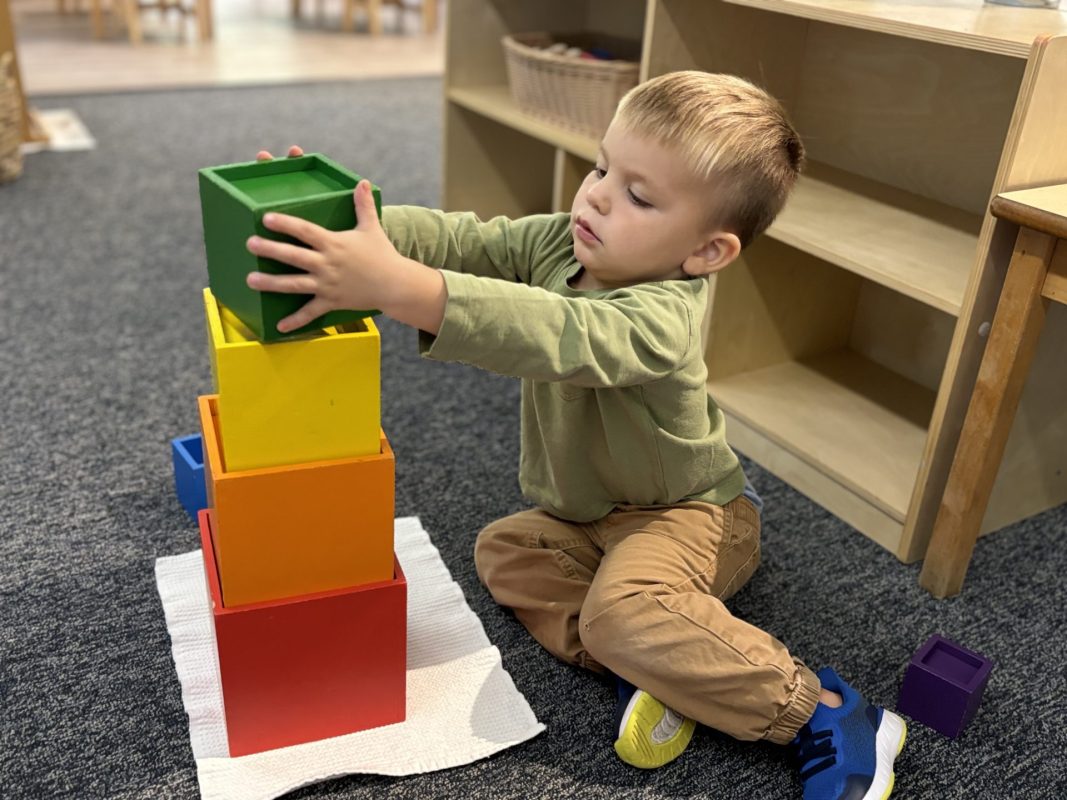
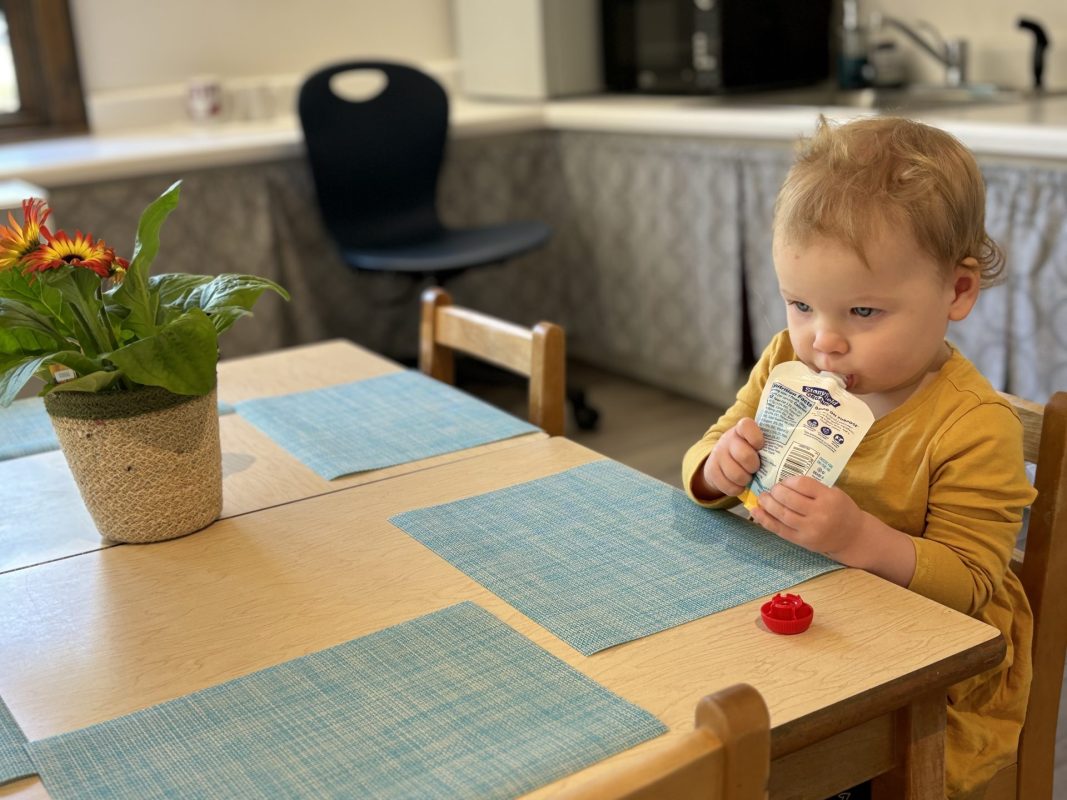
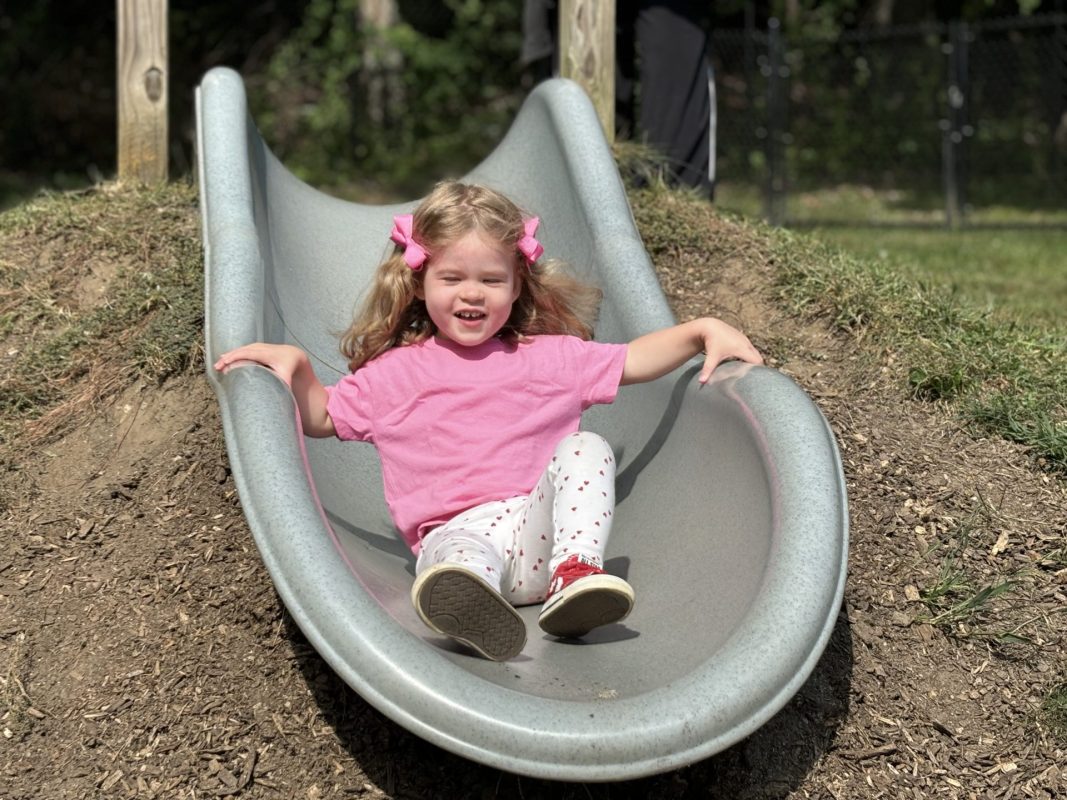
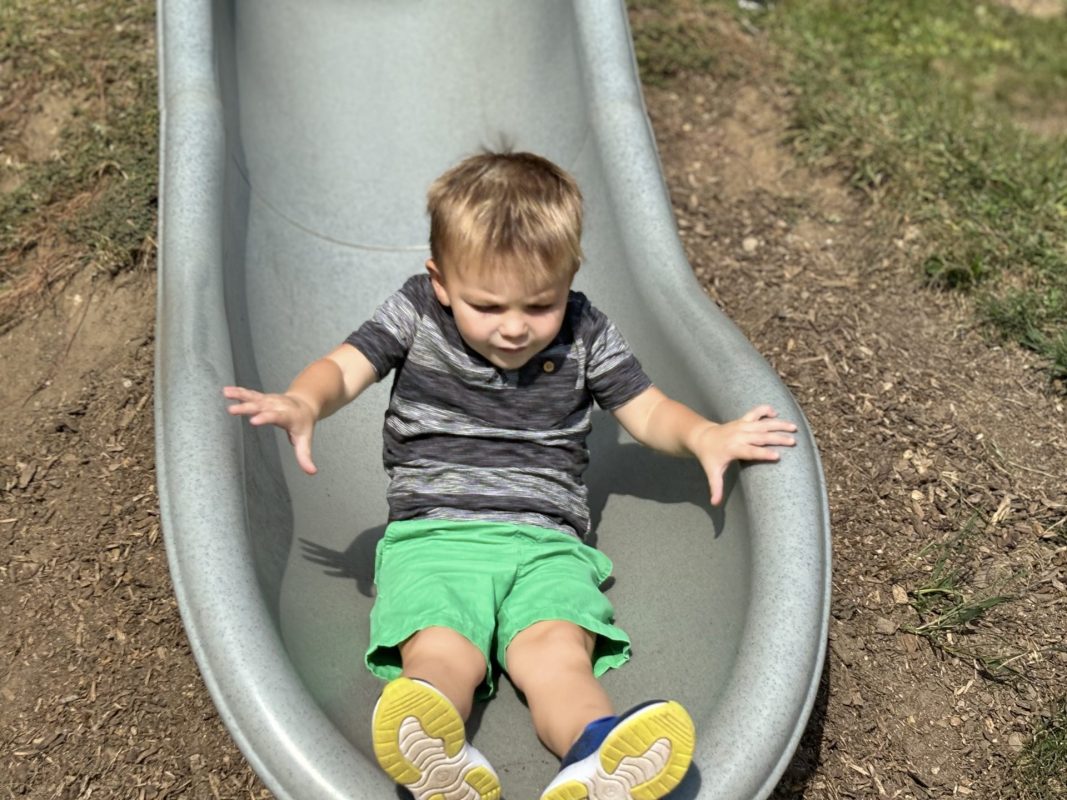
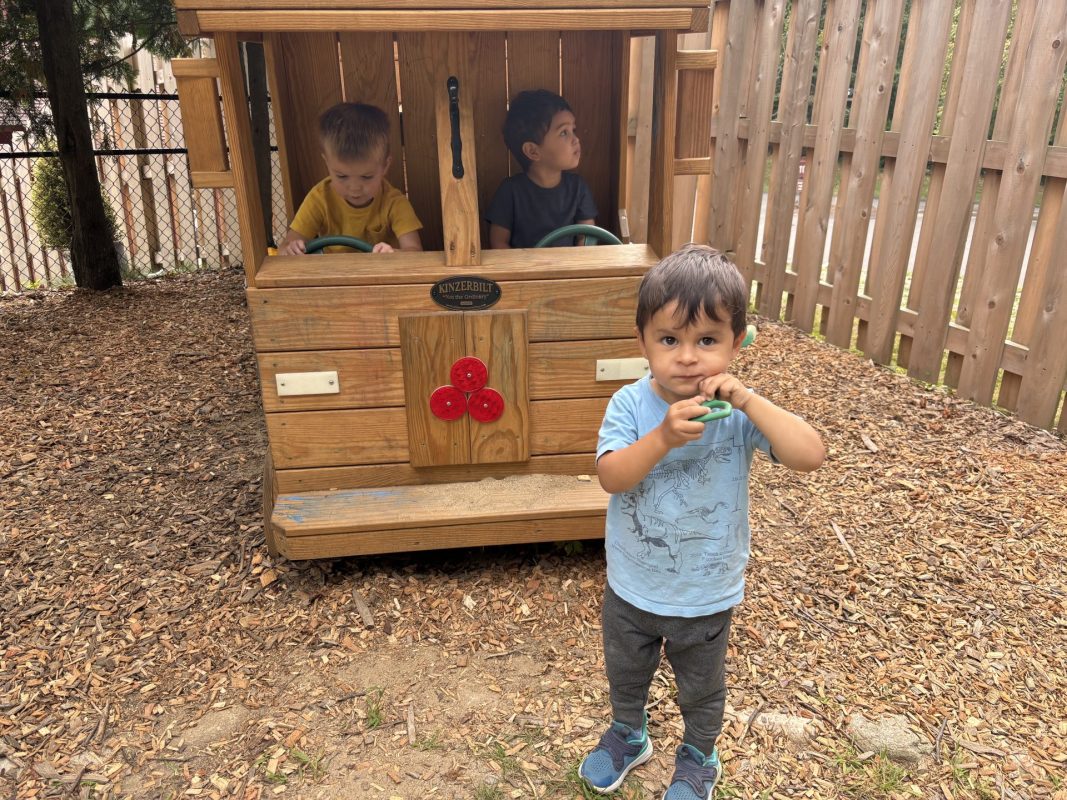
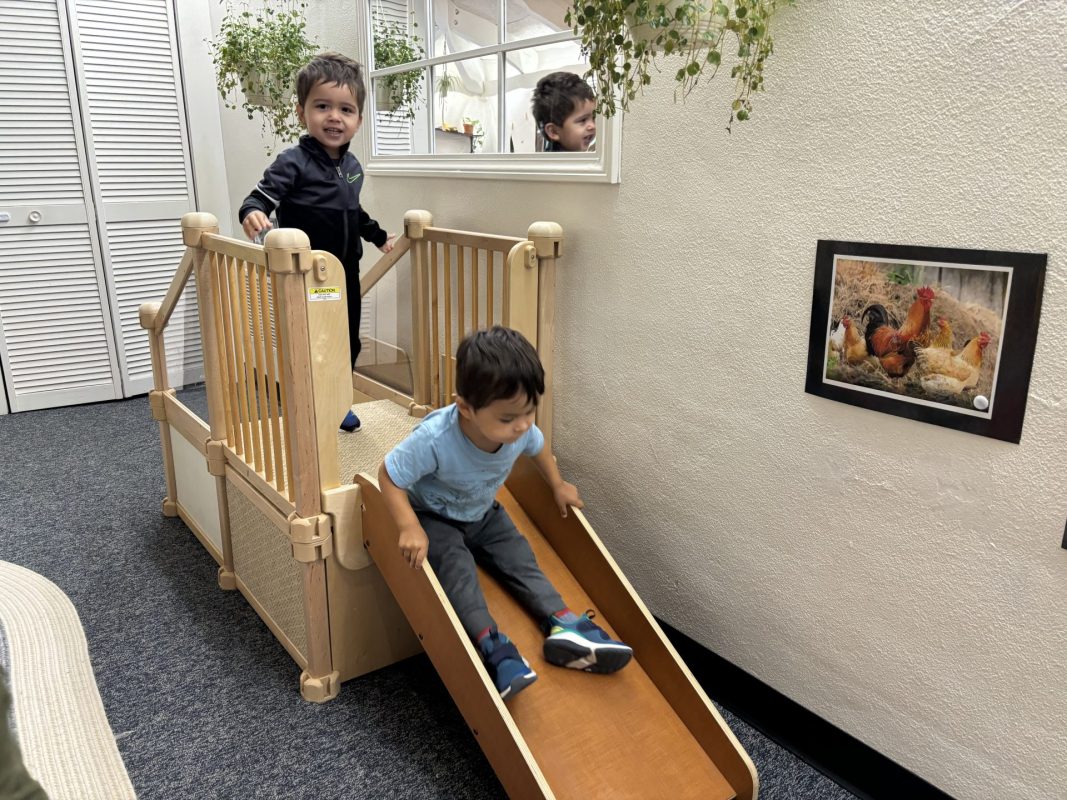
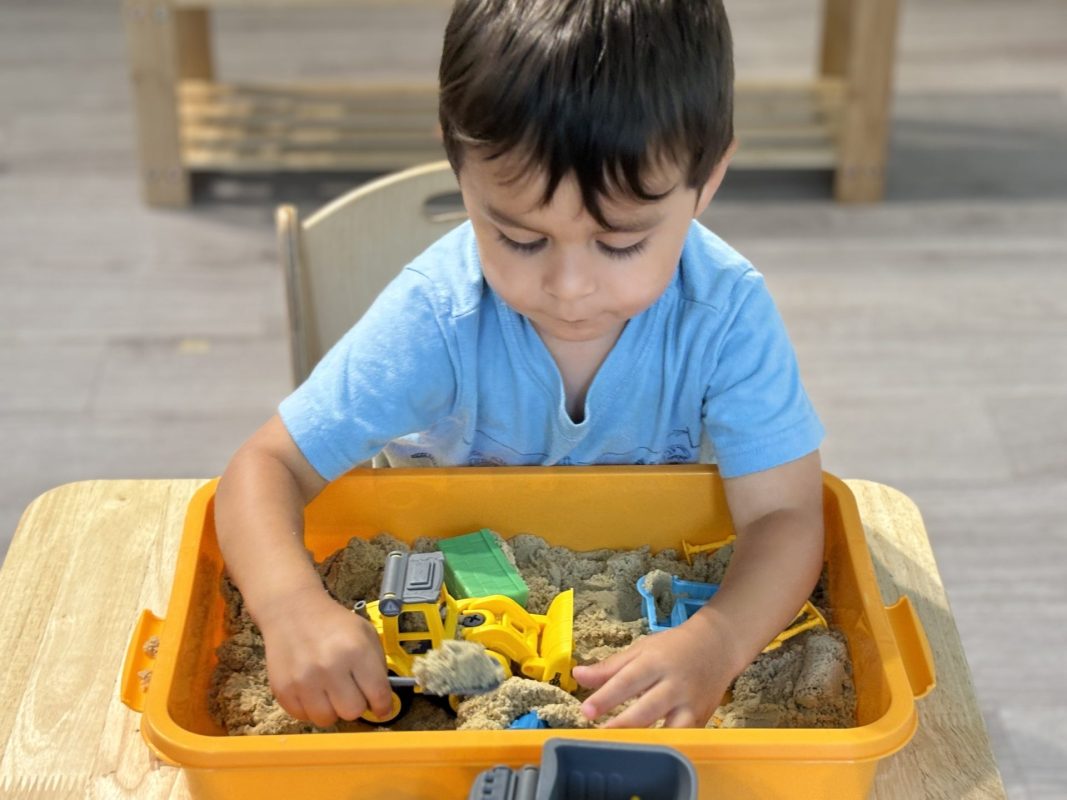
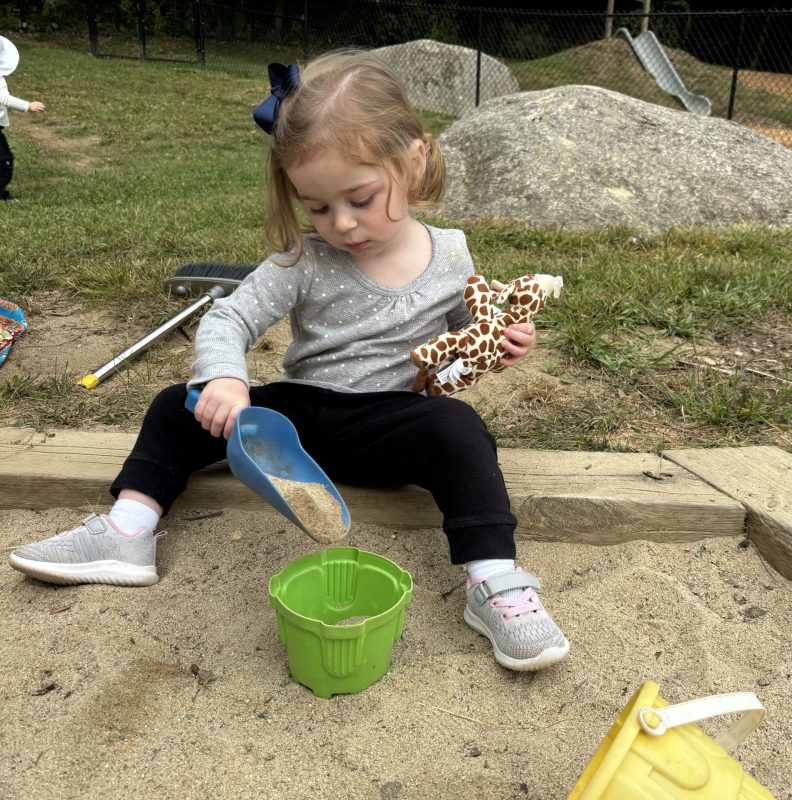
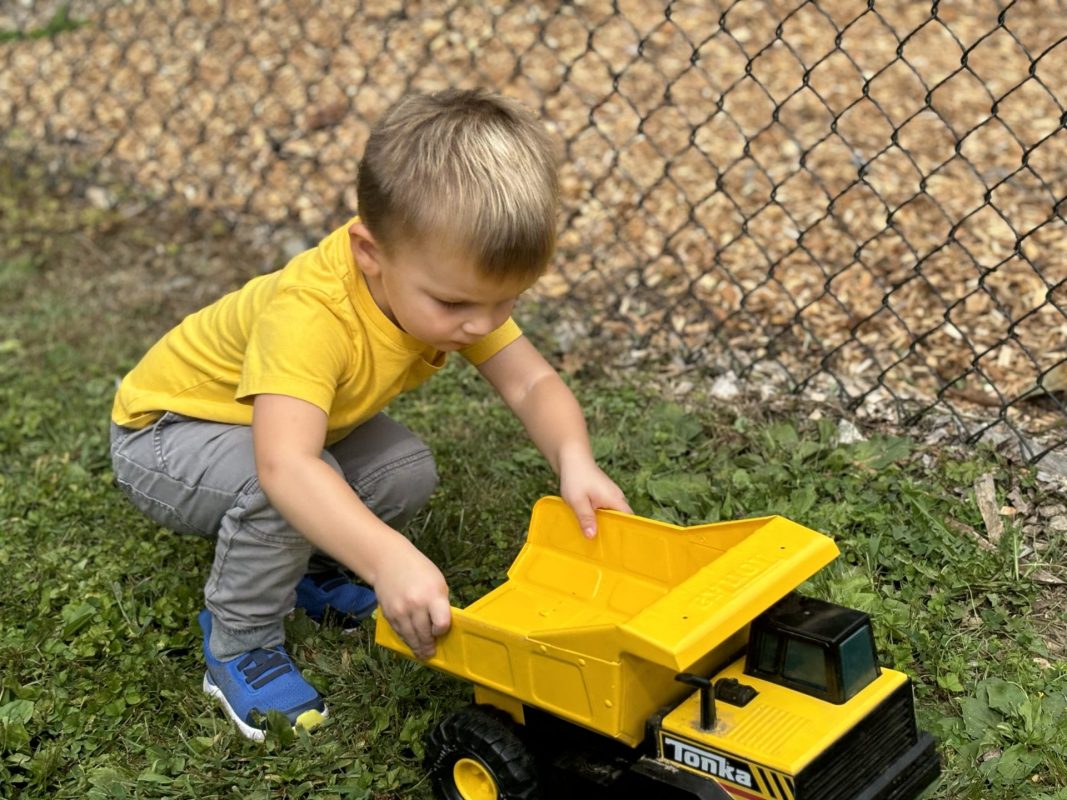
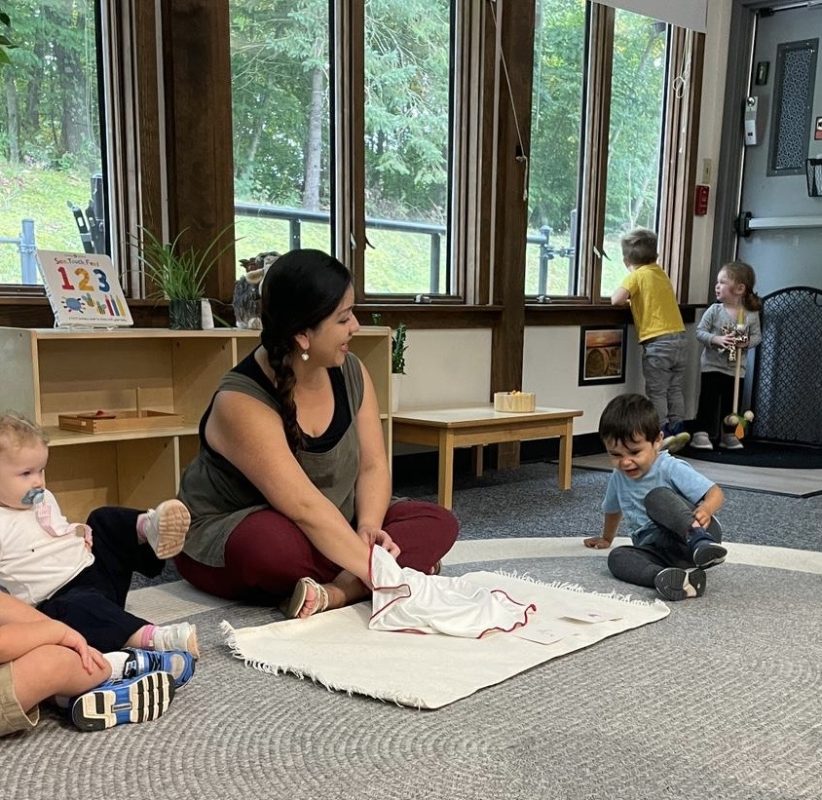
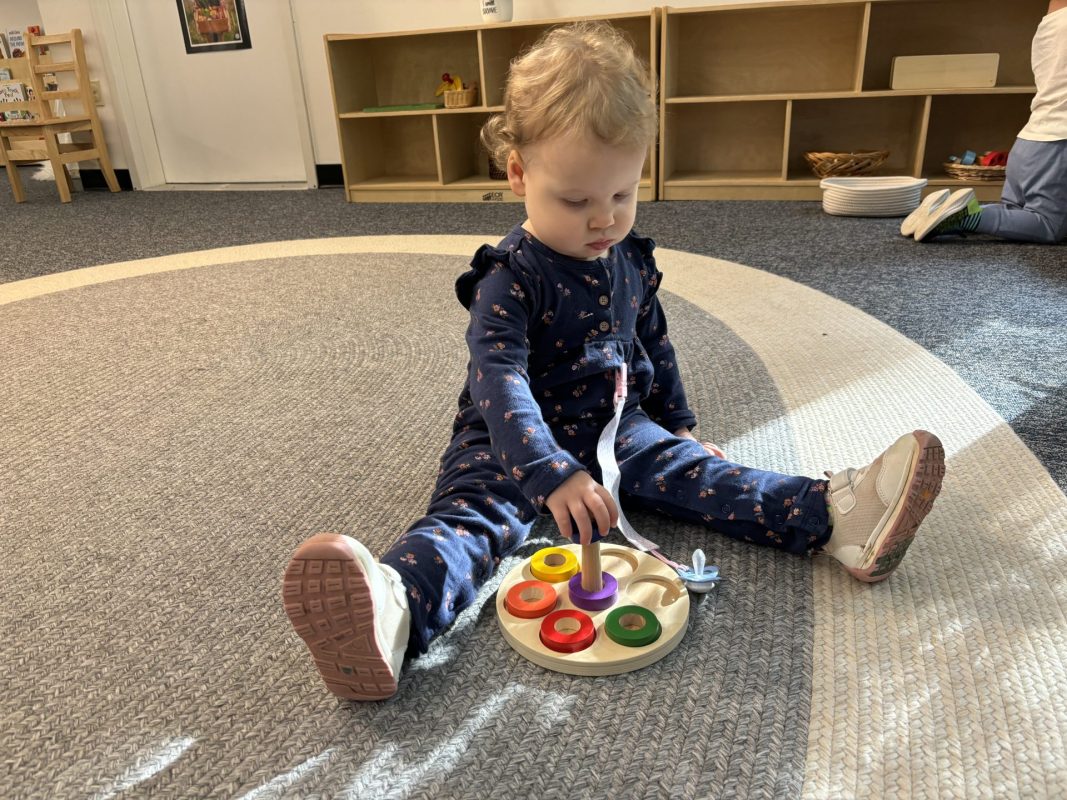
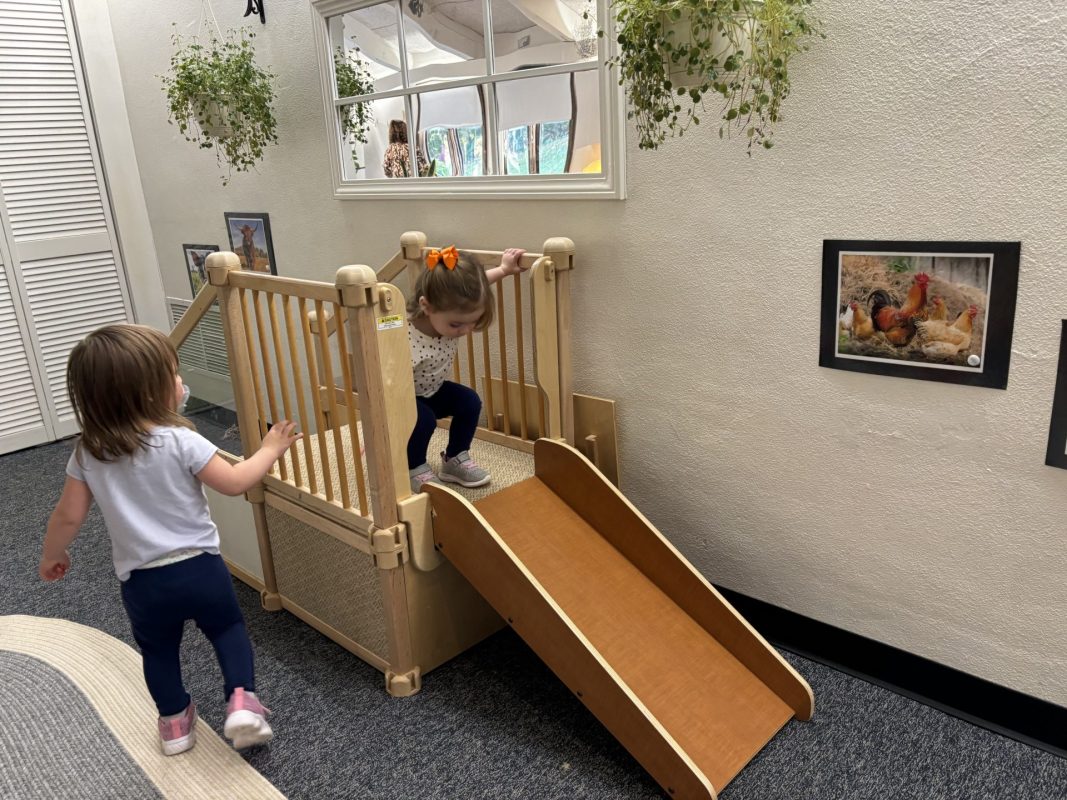
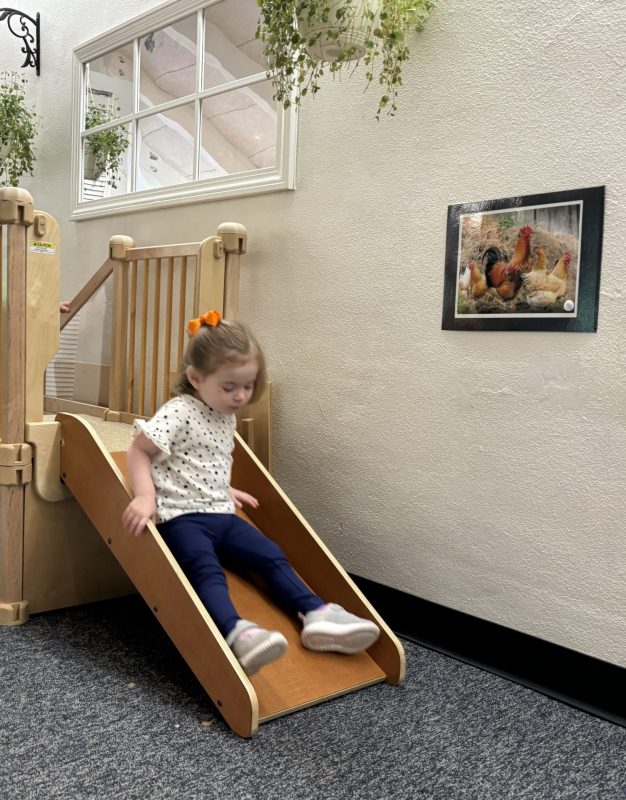
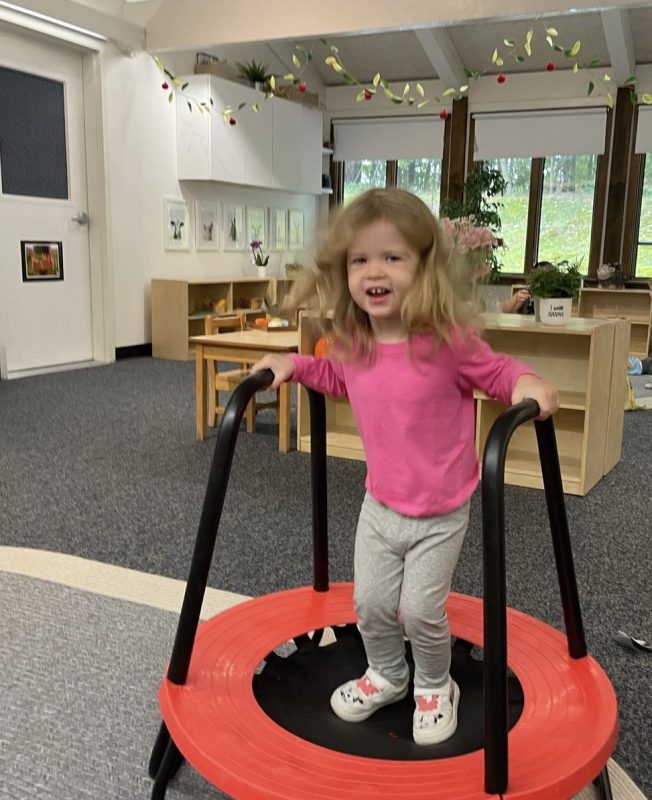
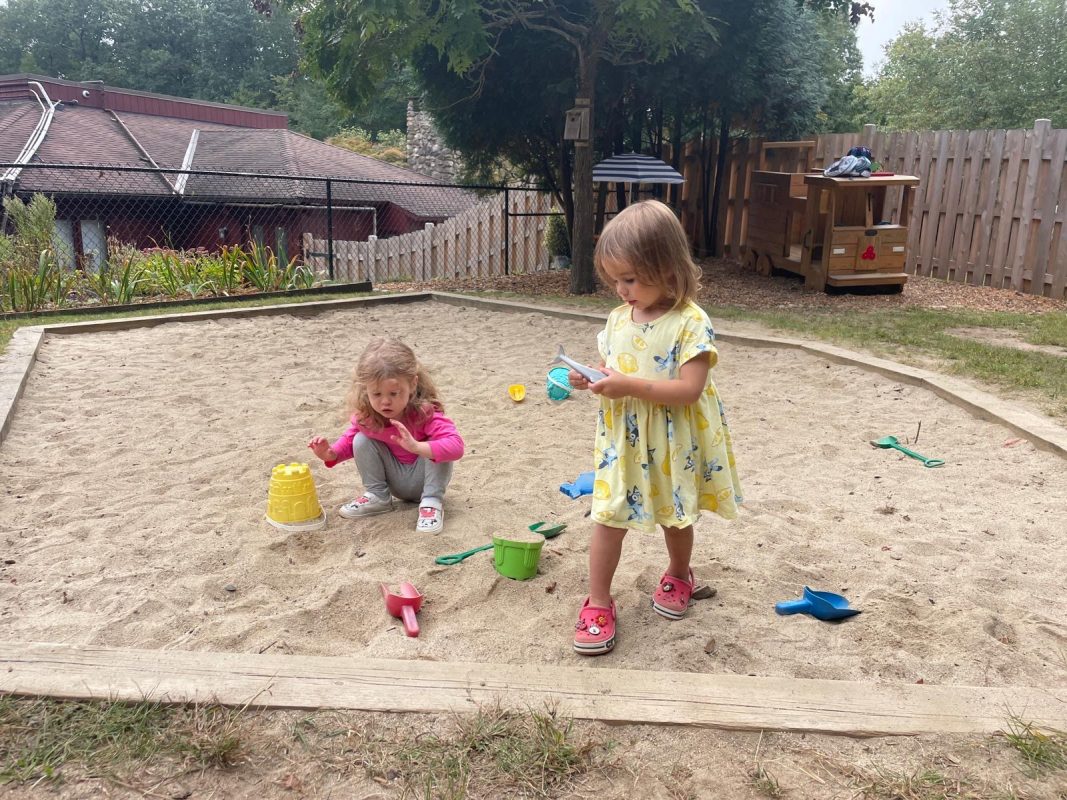
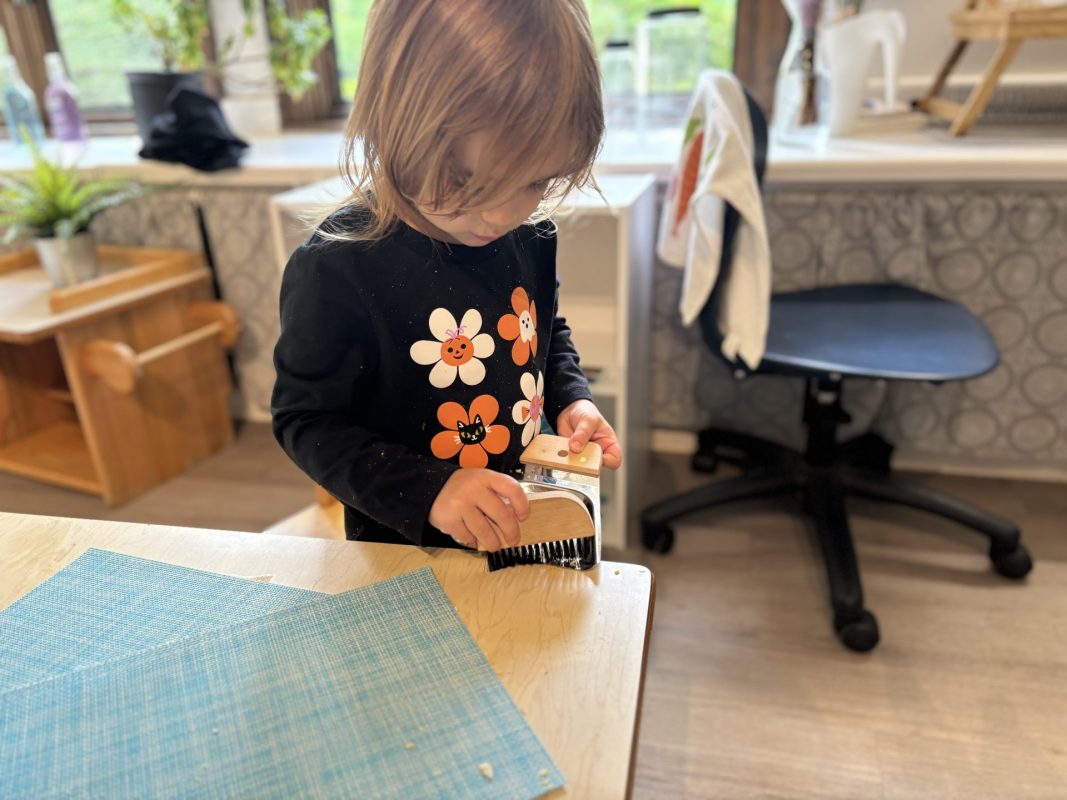
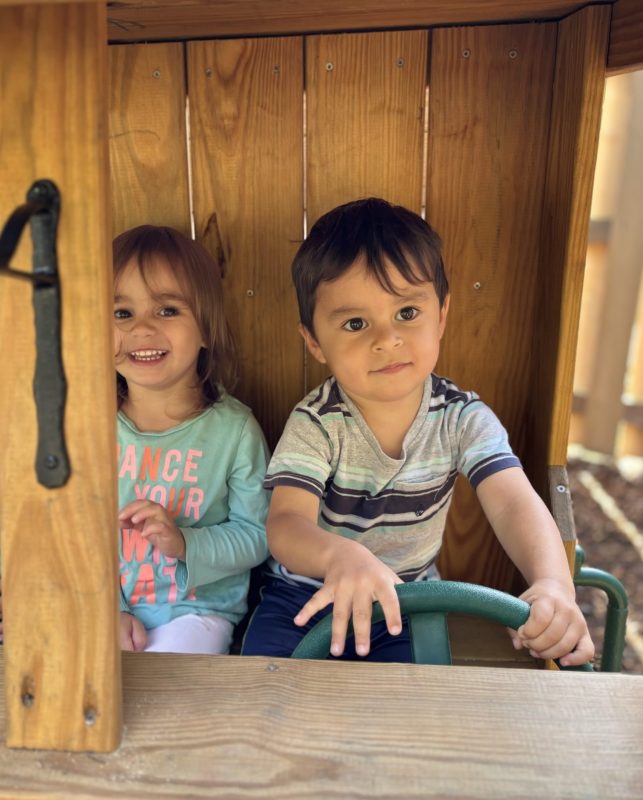
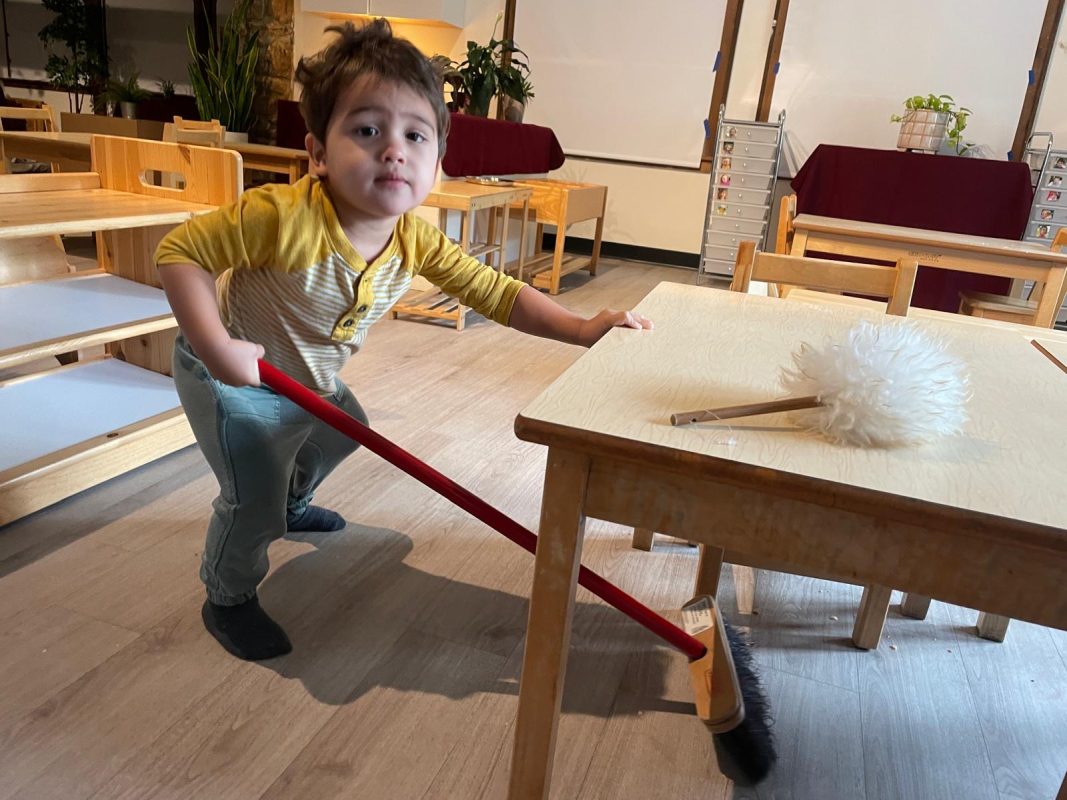
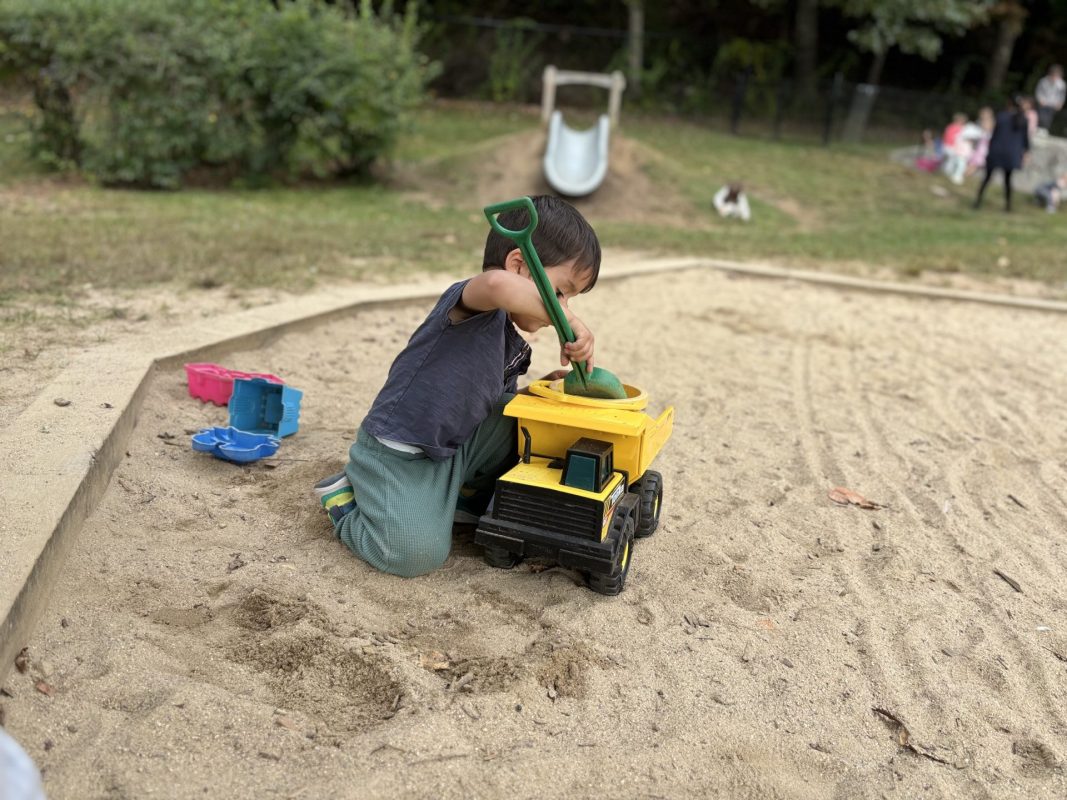
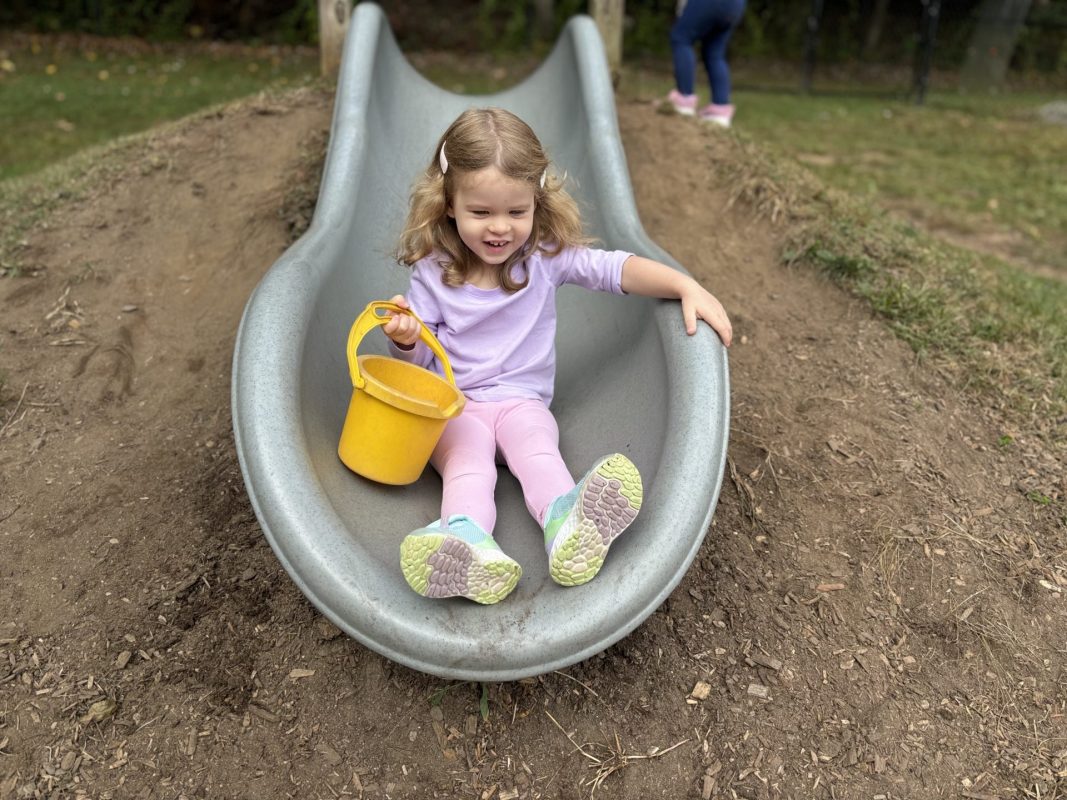
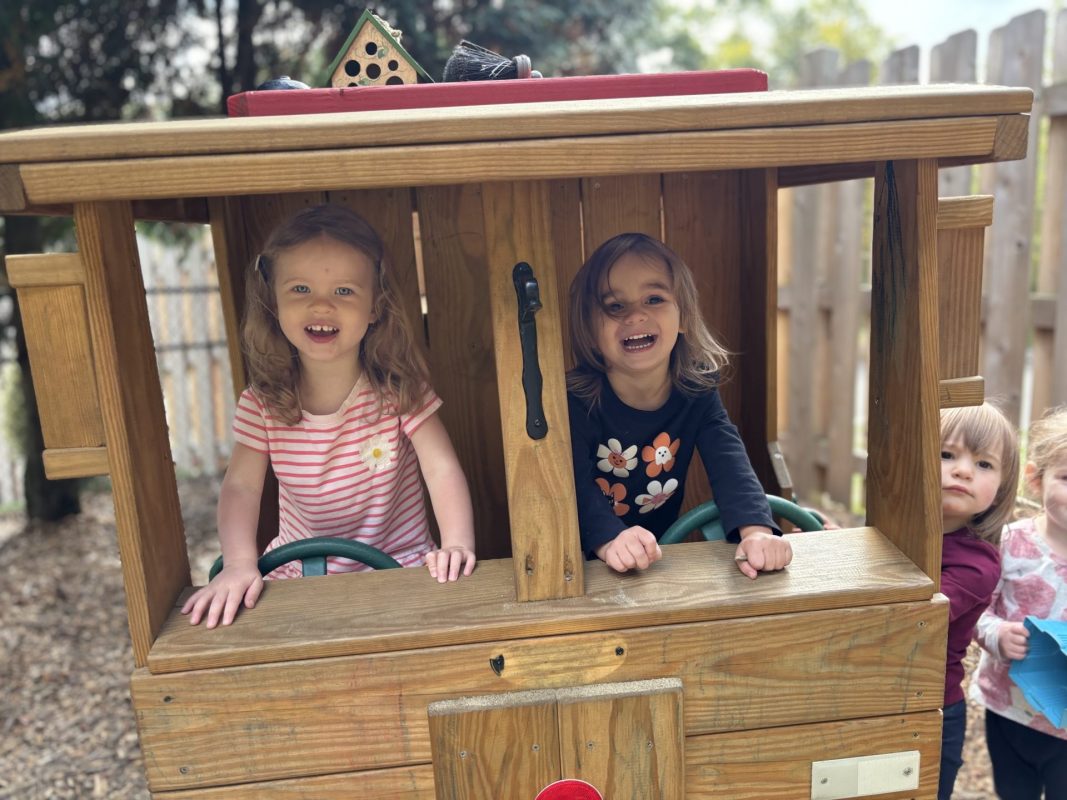
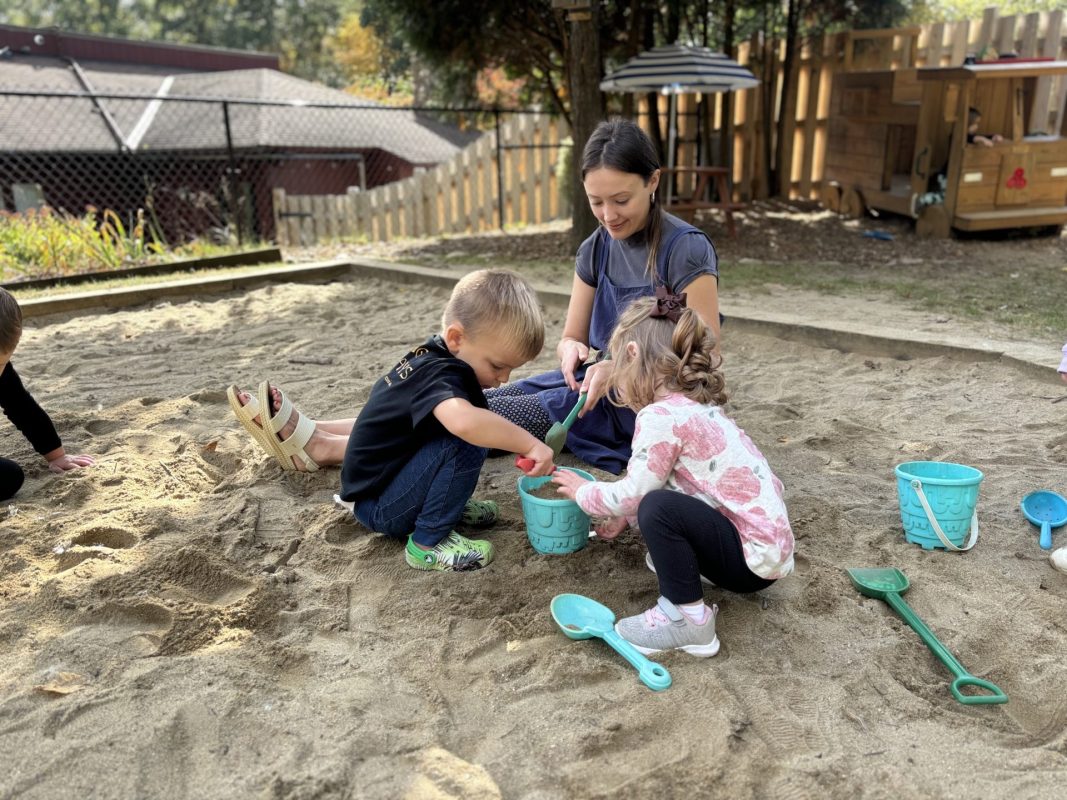
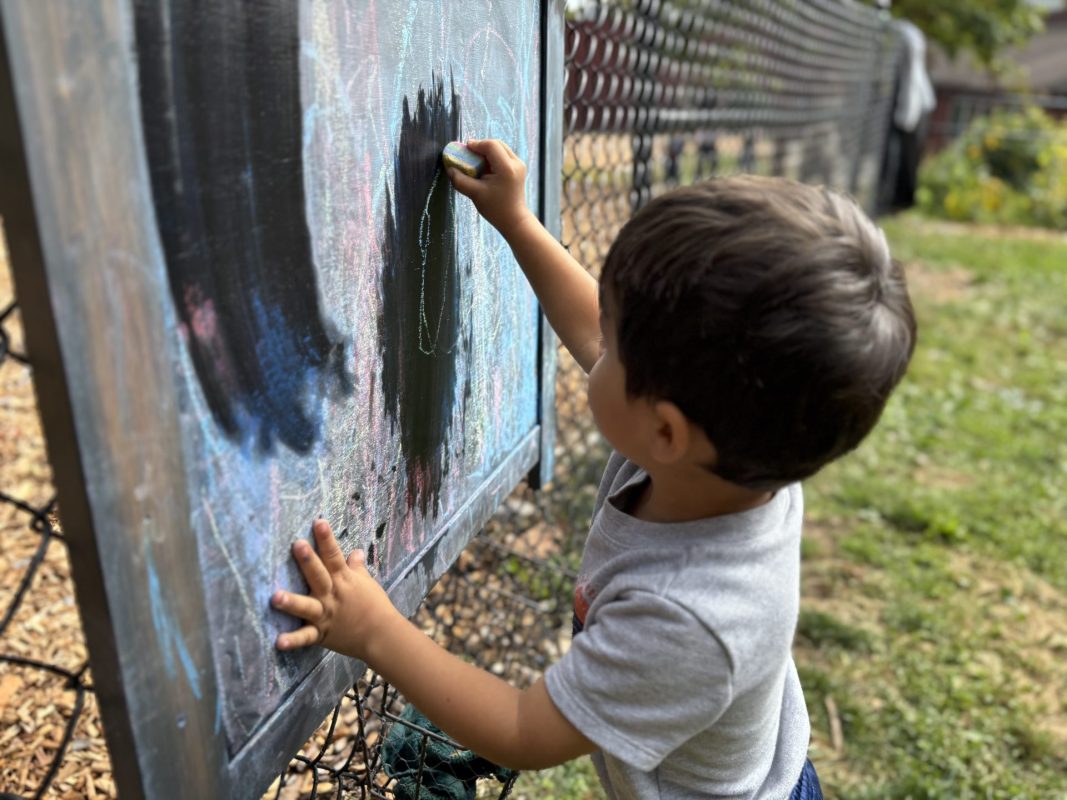
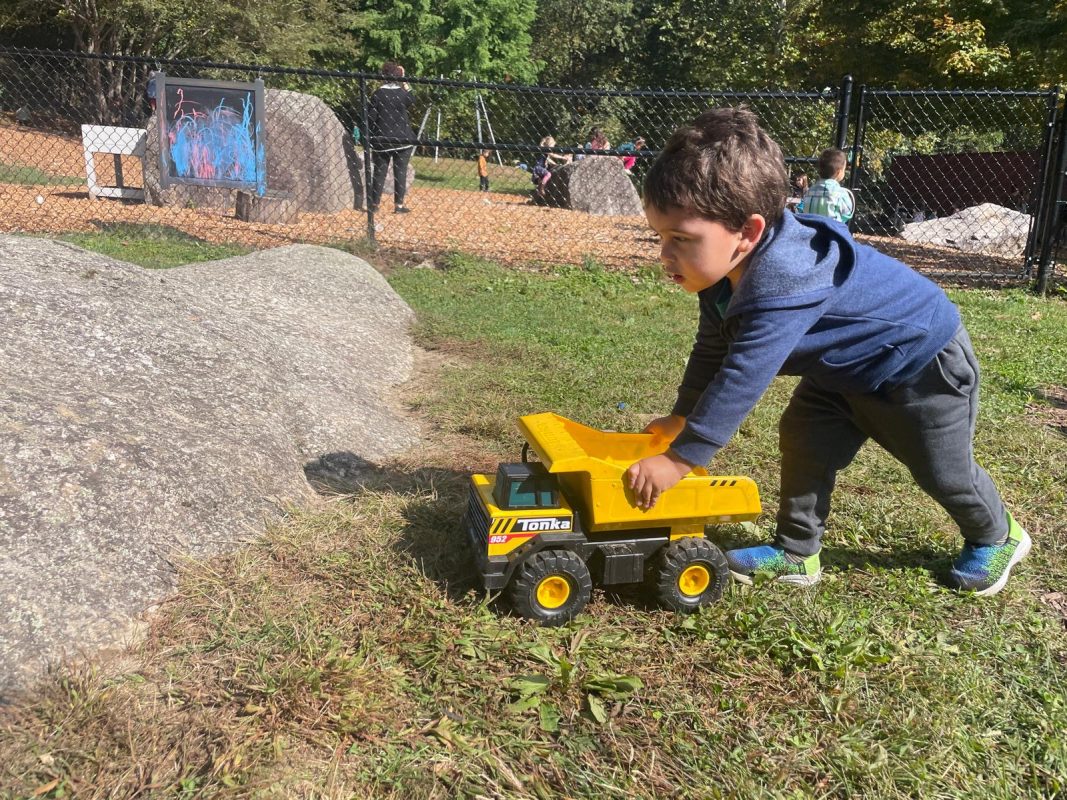
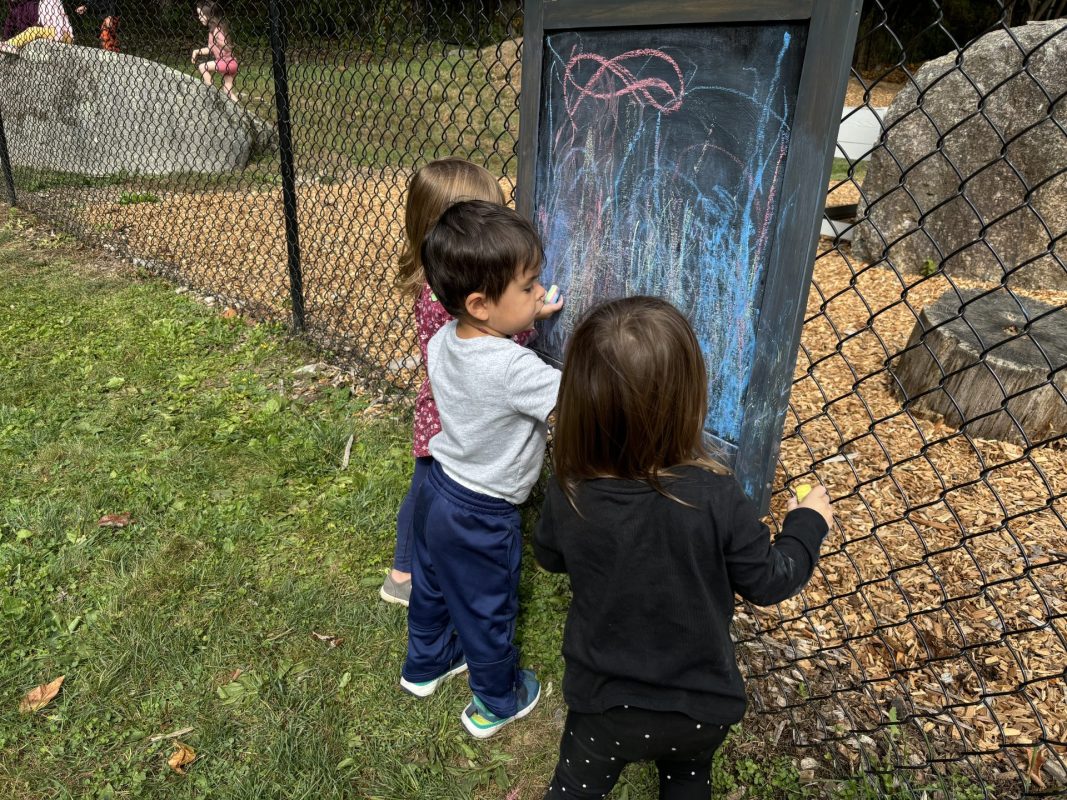
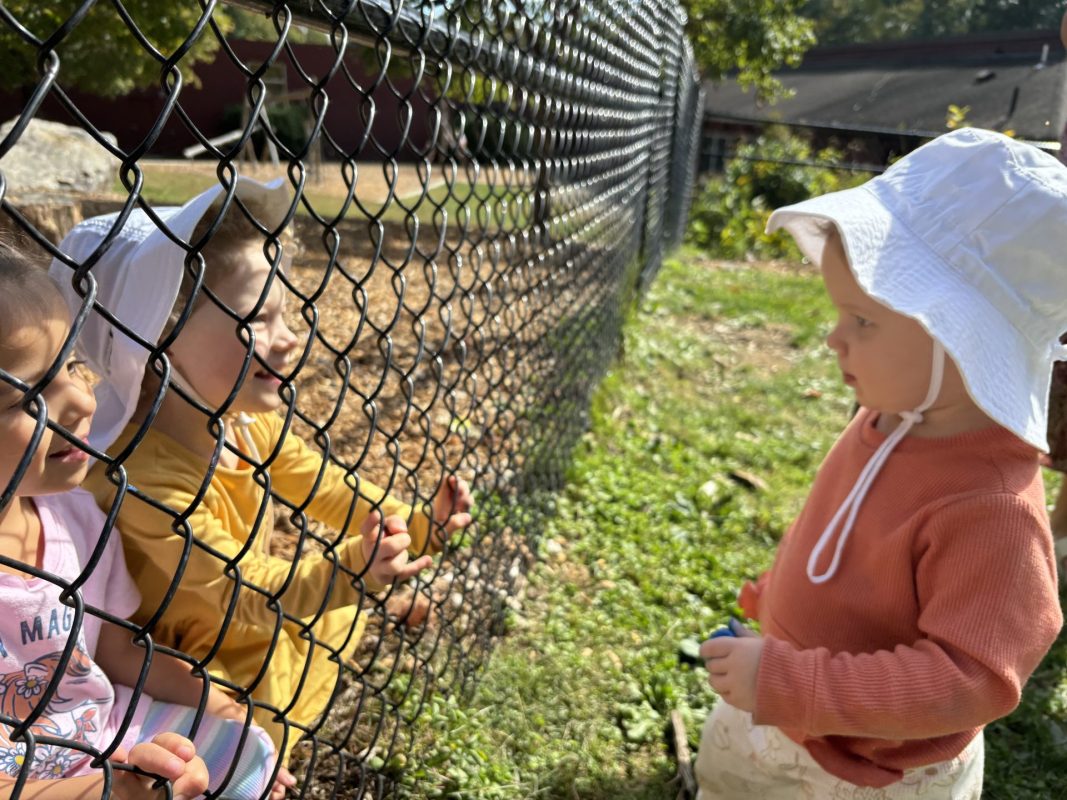
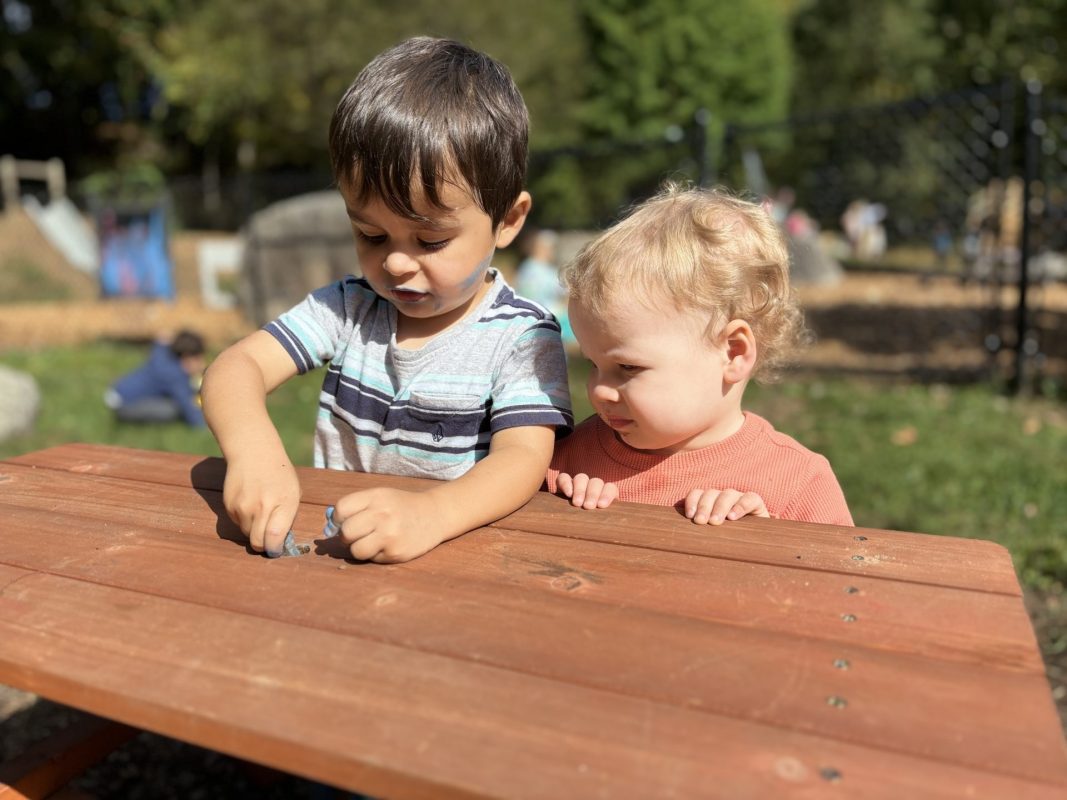
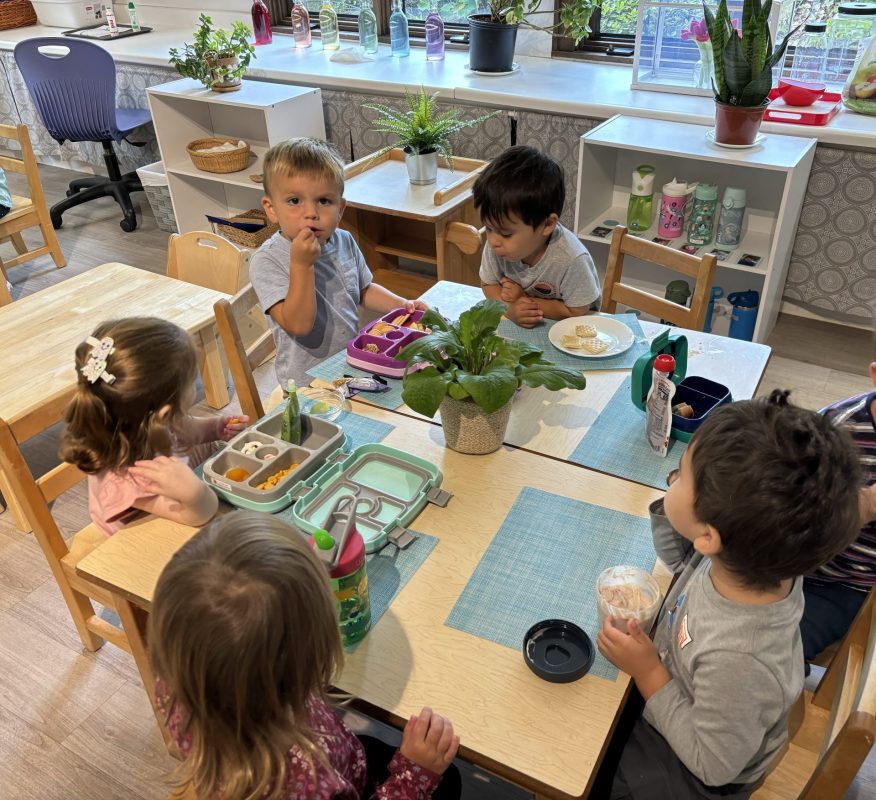
In addition to learning classroom expectations, the children have been practicing a variety of practical life skills: sitting in a community circle, self-serving snacks, participating in the toileting process, using white mats for working on the ground, cleaning up before moving on to another activity, and transitioning smoothly between places. Of course, they’ve also enjoyed plenty of outdoor time on the toddler playground, a favorite part of their day!

Some of the children’s favorite songs this week include: “Walking in the Jungle” by Super Simple Songs, “We Are the Dinosaurs” and “The Goldfish” by Laurie Berkner, “The Wheels on the Bus” by Cedarmont Kids, and “Old McDonald Had a Farm.” It’s always a joy to see them light up when these tunes play!

The phase-in period lays the foundation for a successful year of learning, and we want to express our gratitude for your support in helping us create a safe and nurturing space for your children. Thank you for entrusting us with your most precious jewels—we have already formed special bonds with each child, bonds that will only continue to grow throughout the year.

This is shaping up to be an incredible school year, and we can’t wait to see what’s ahead!

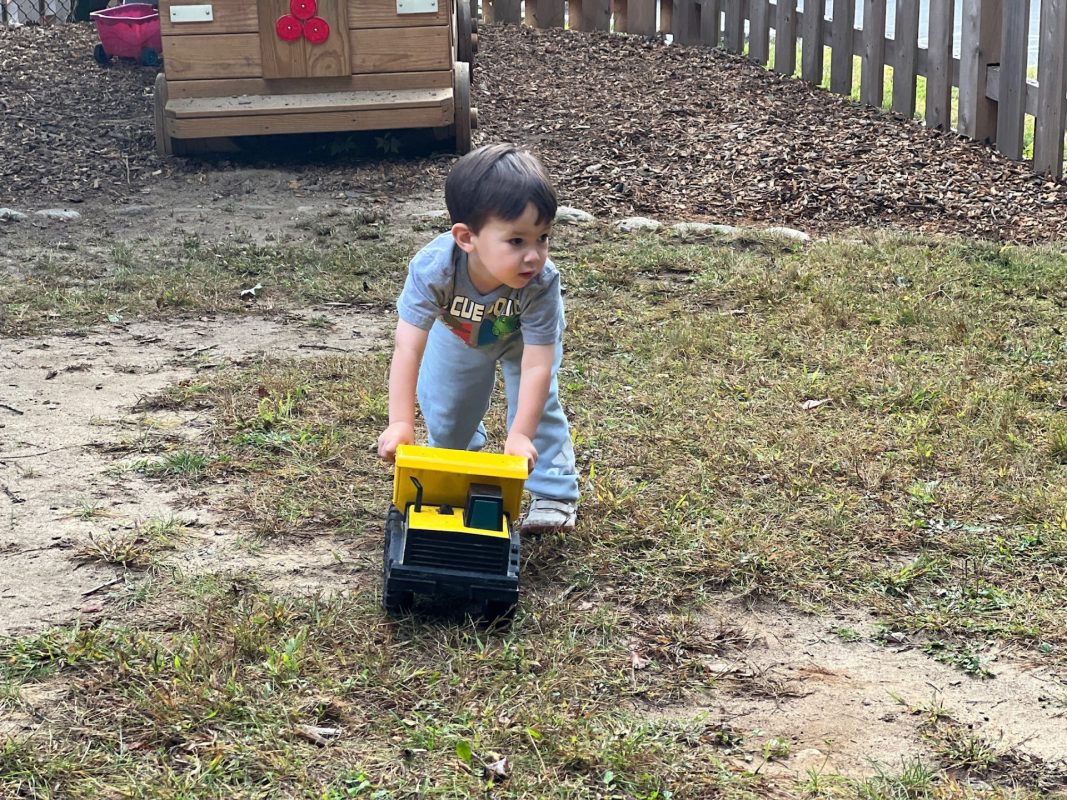
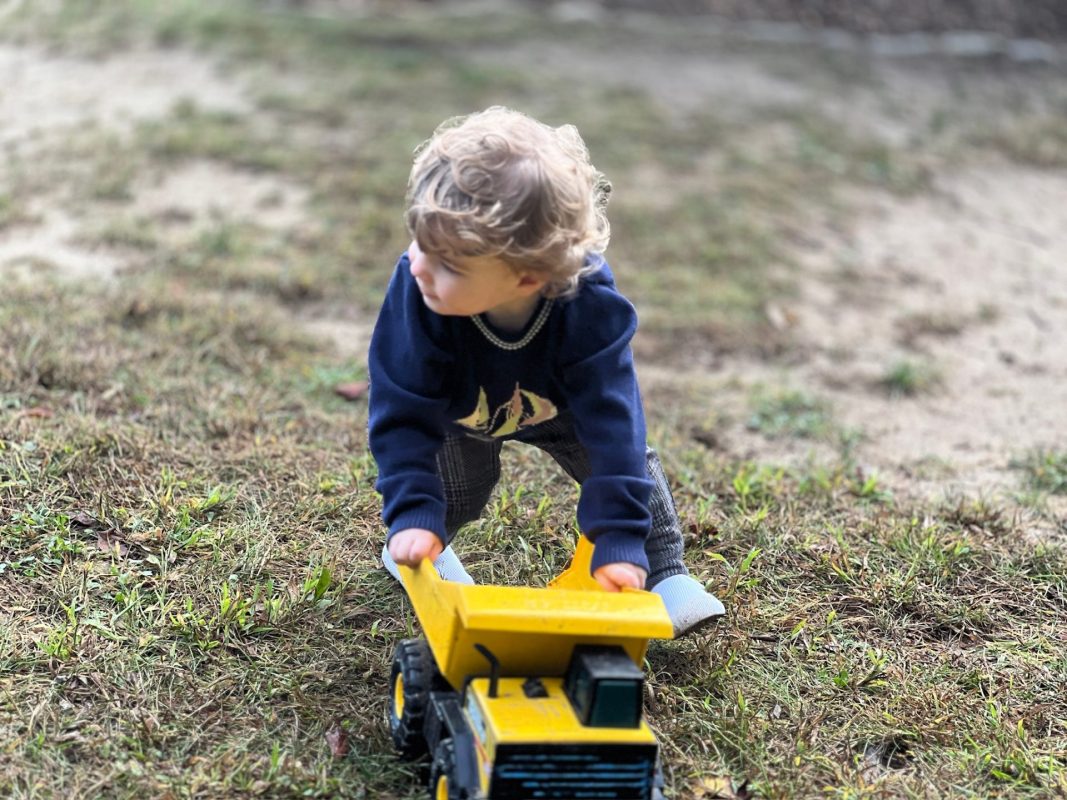
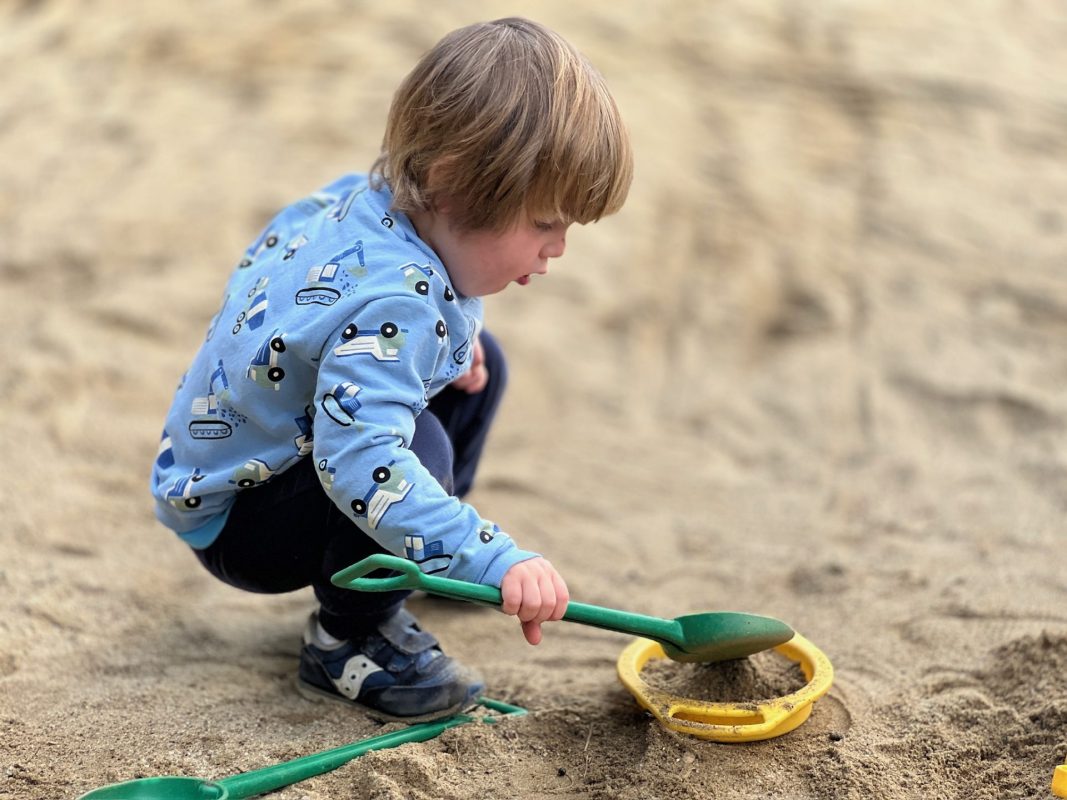
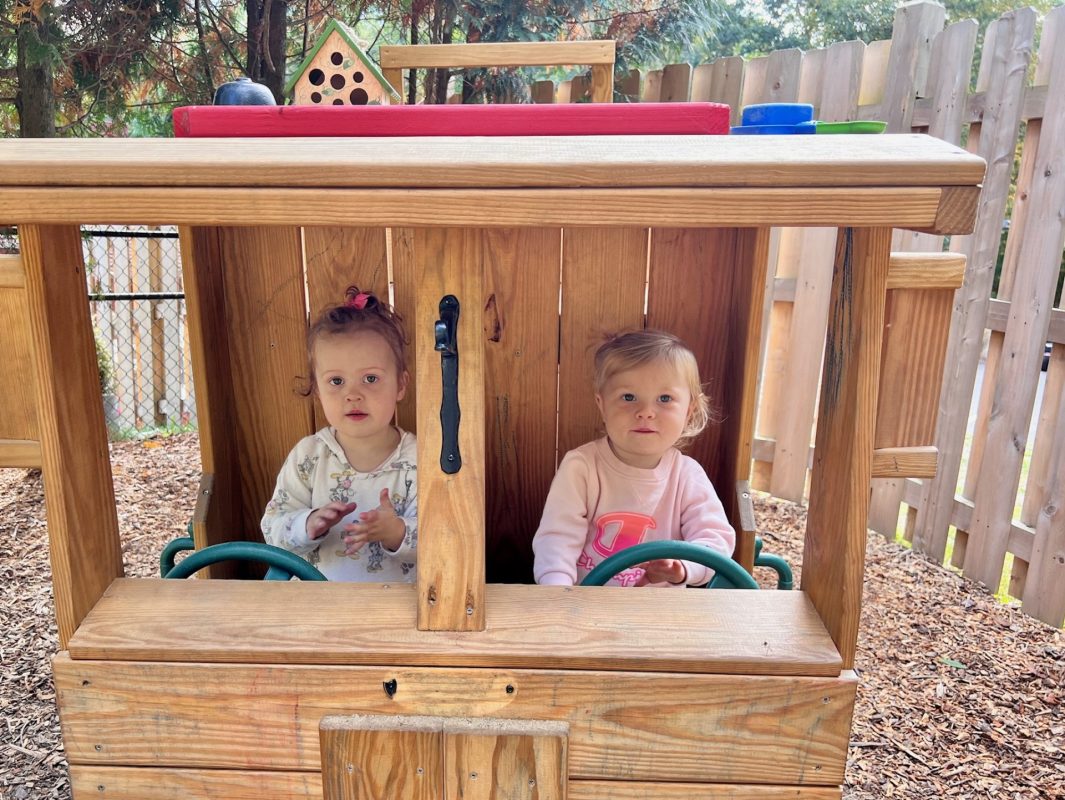
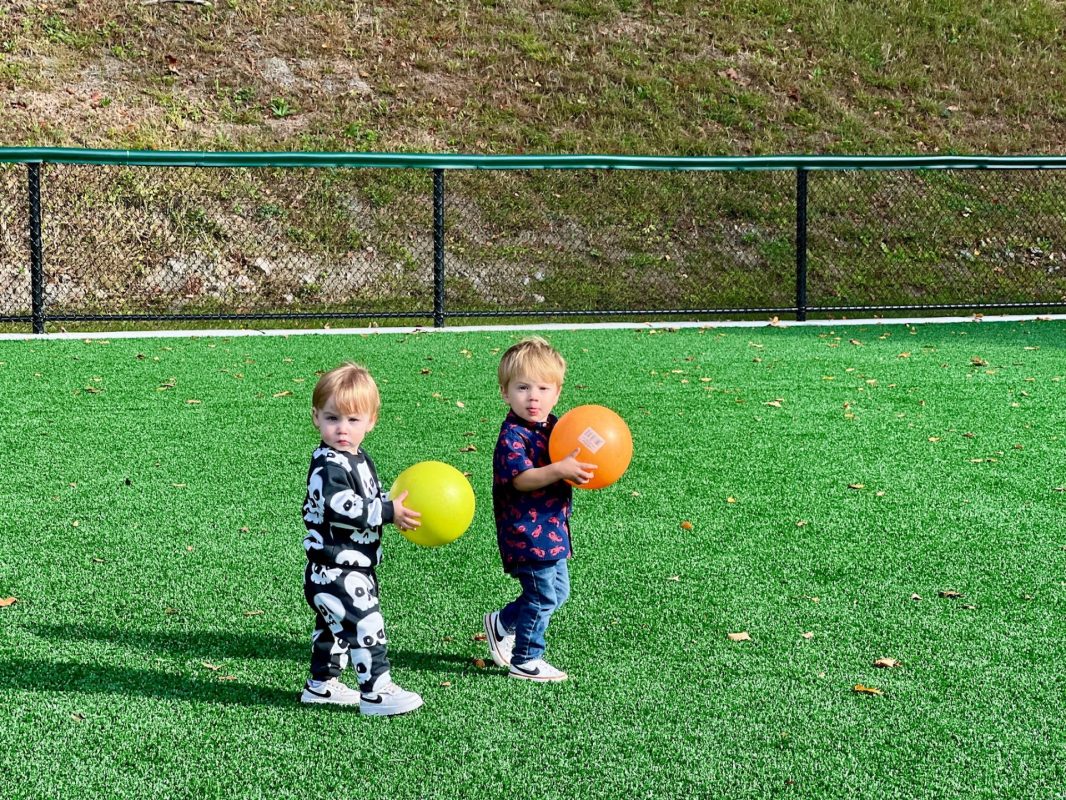
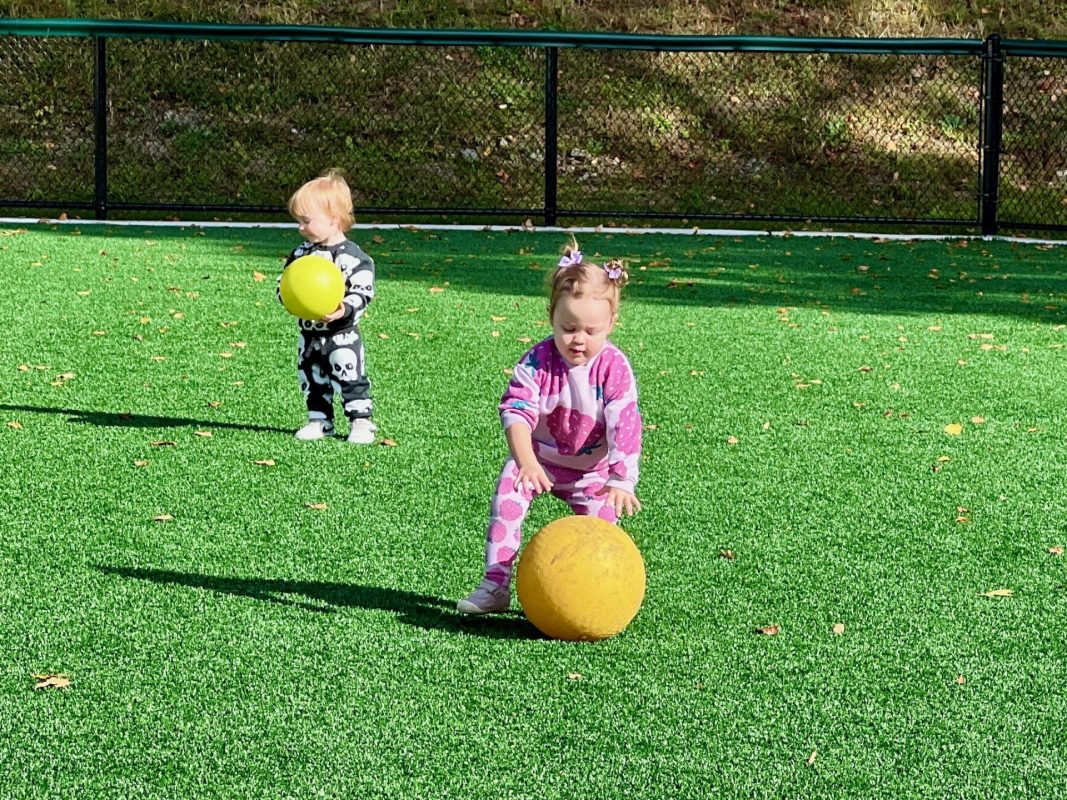
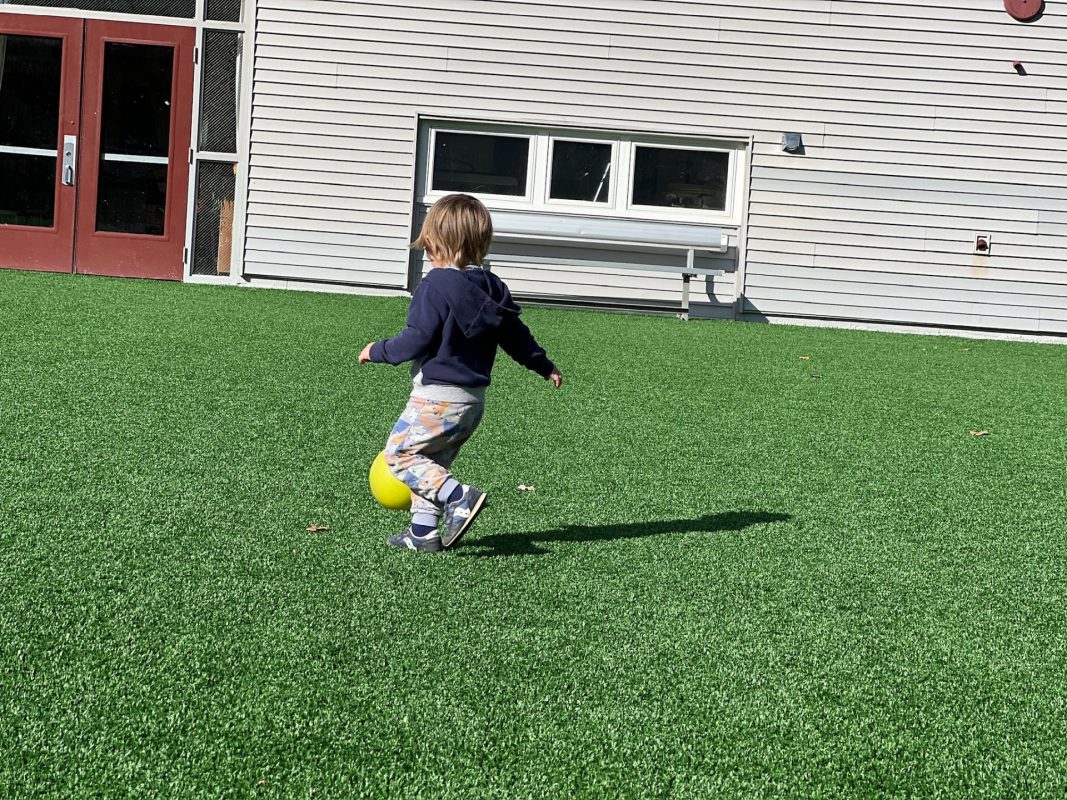
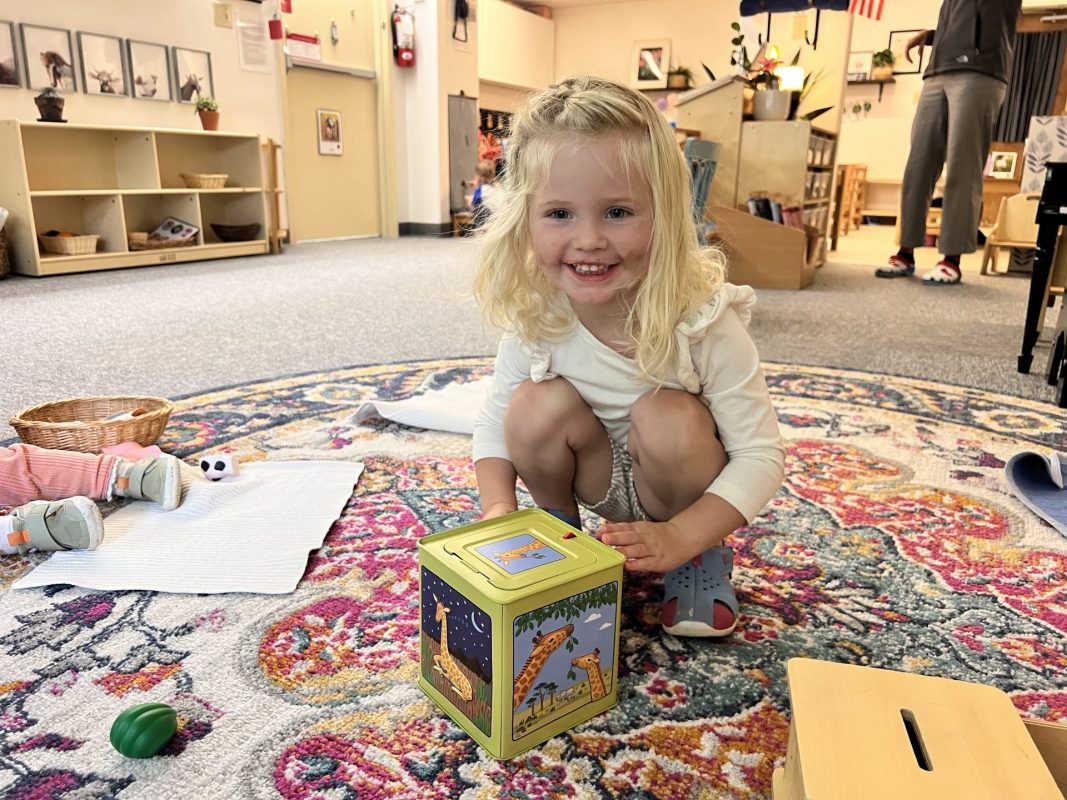
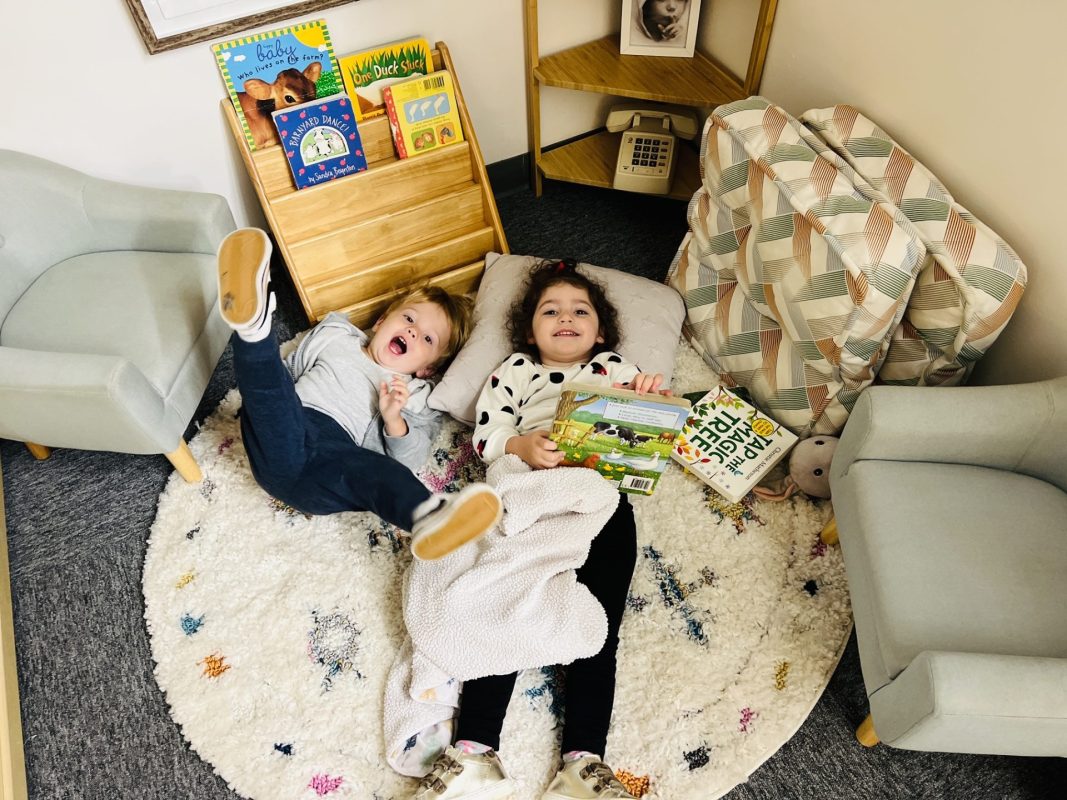
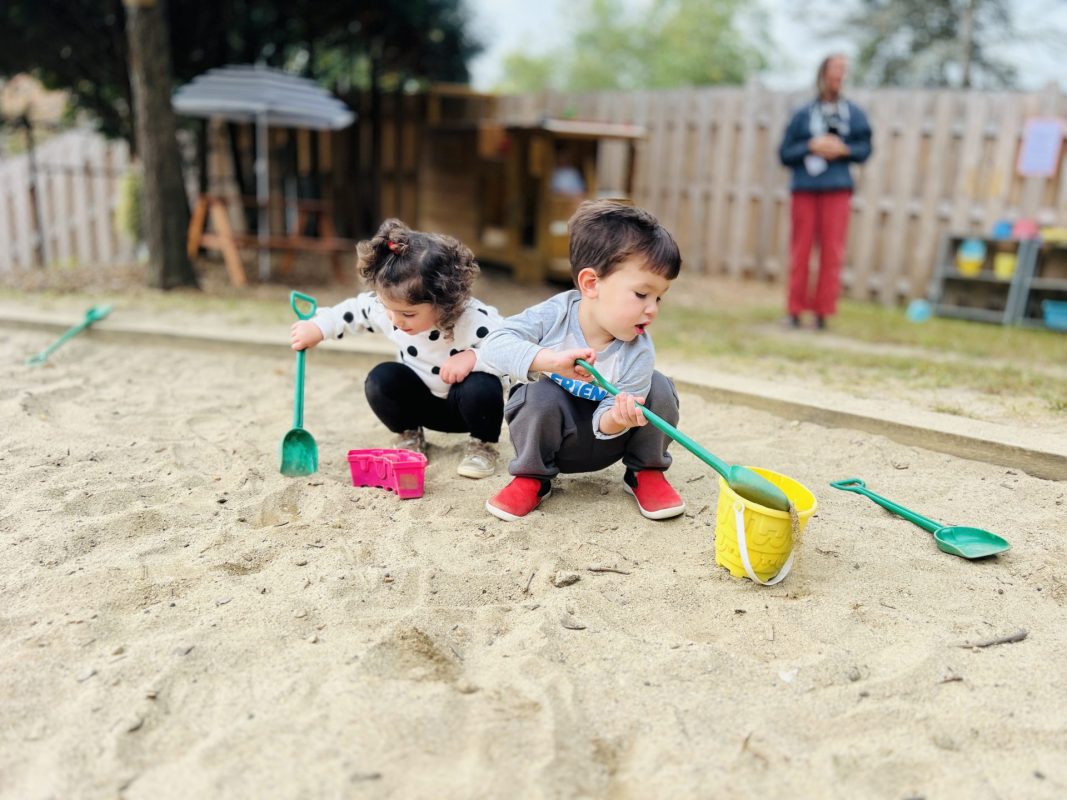
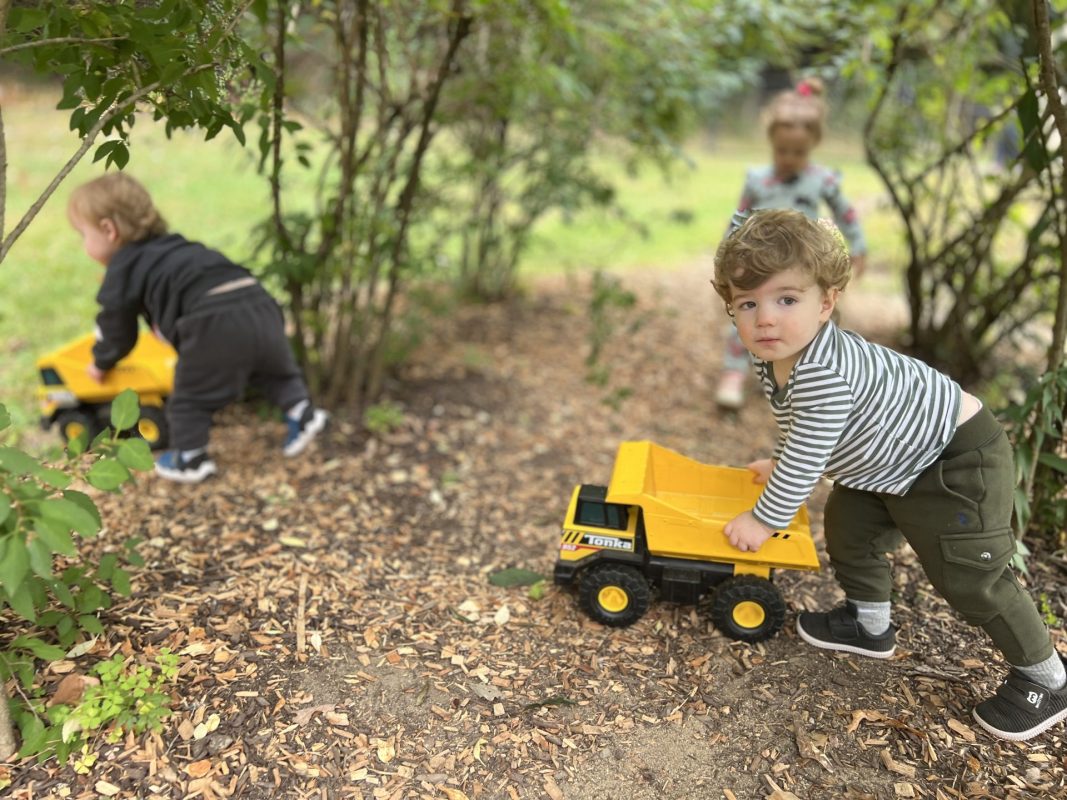
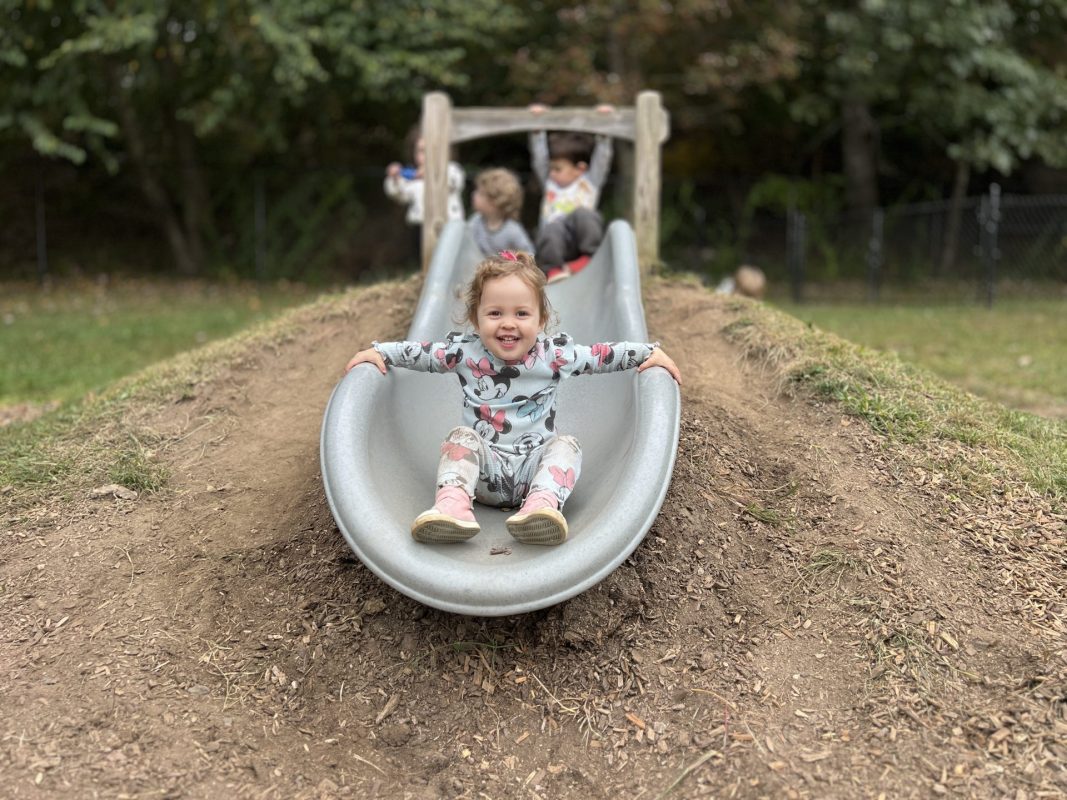
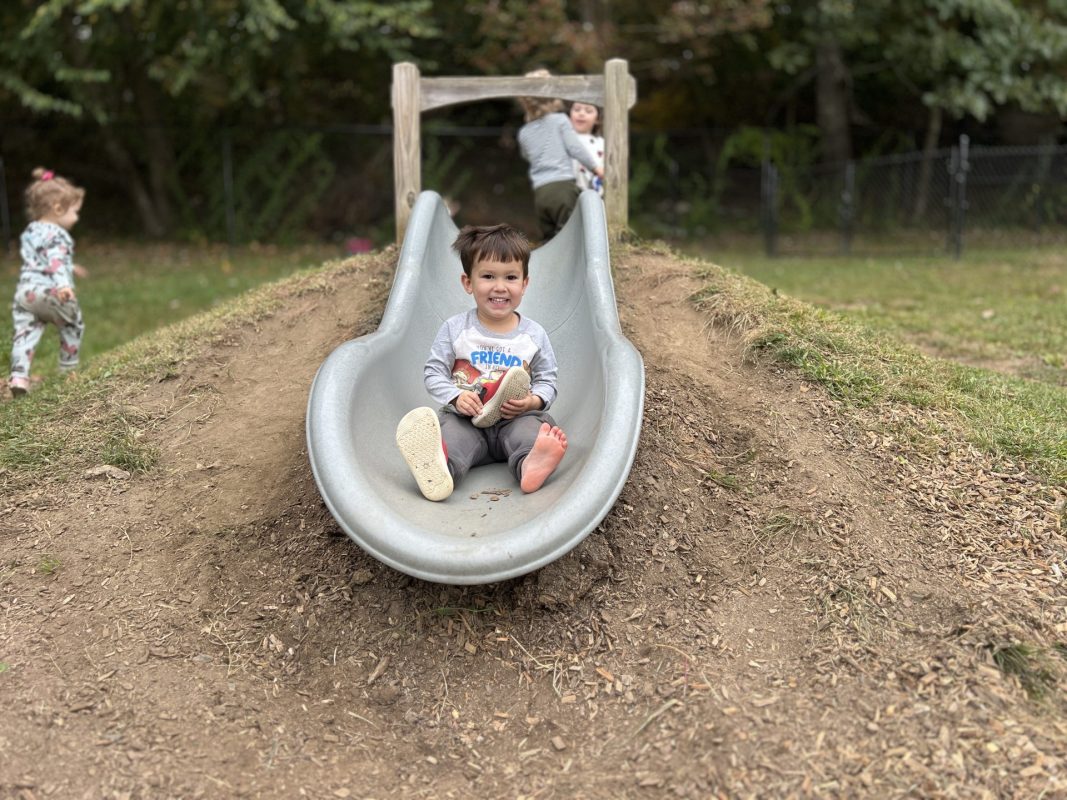
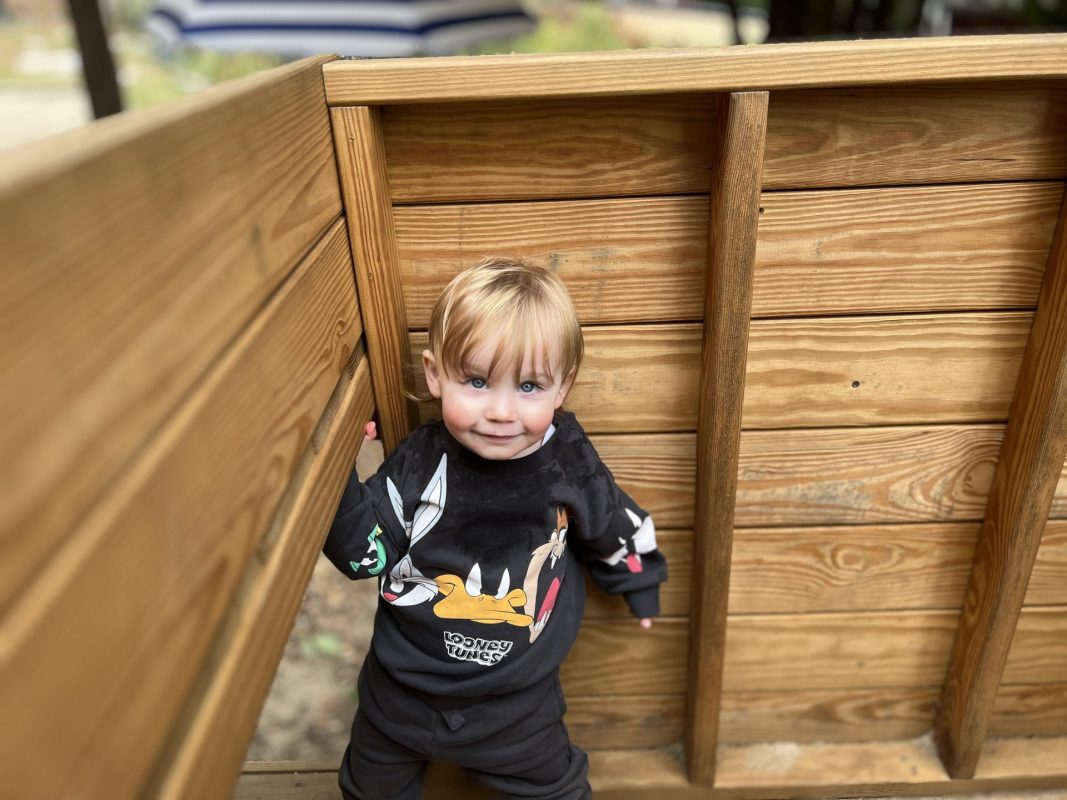
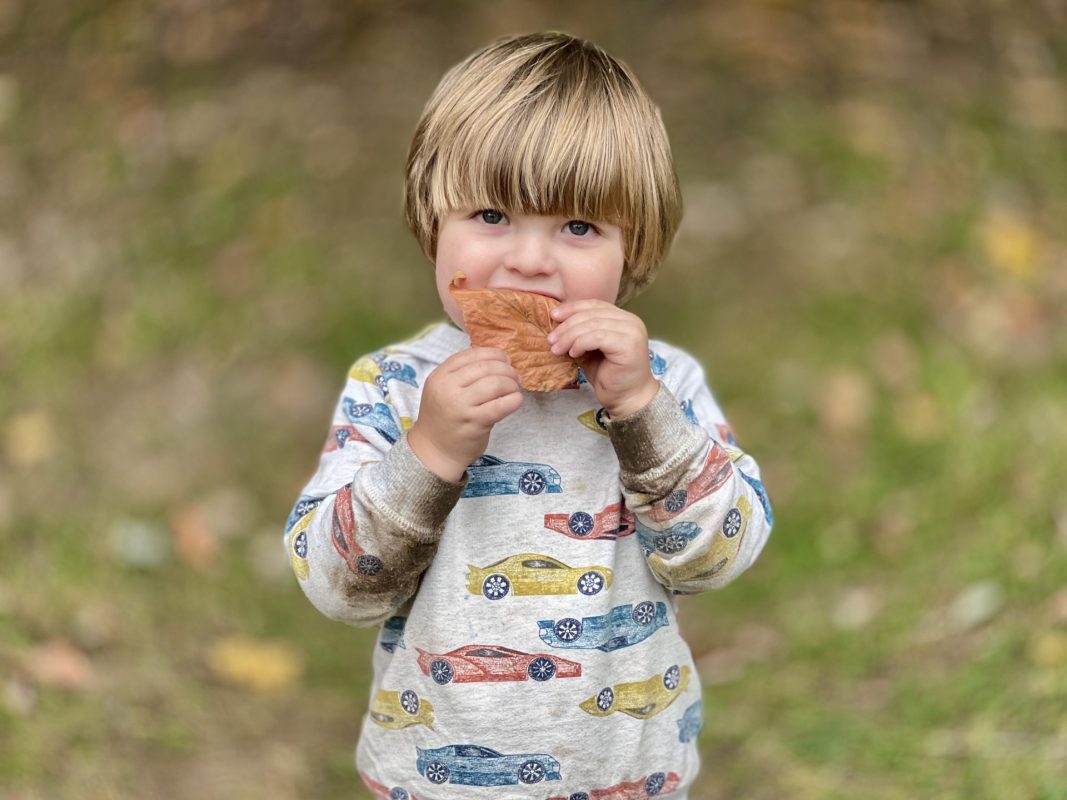
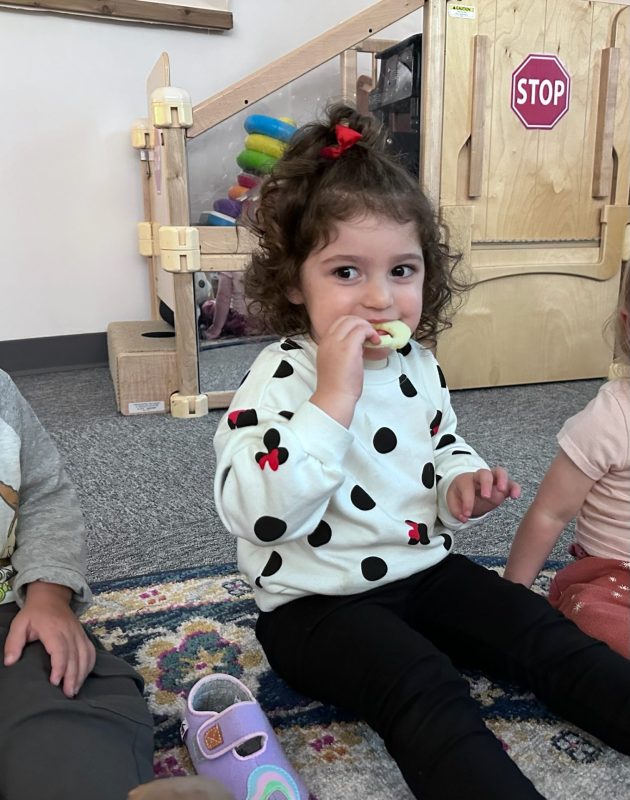
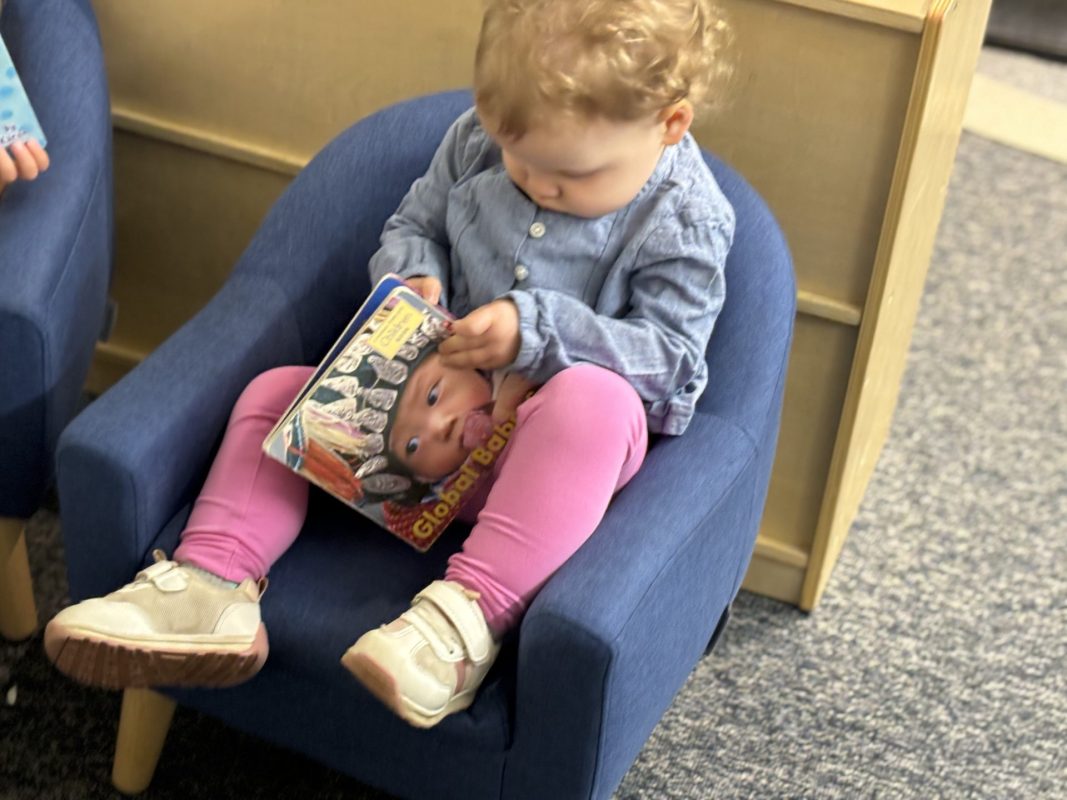
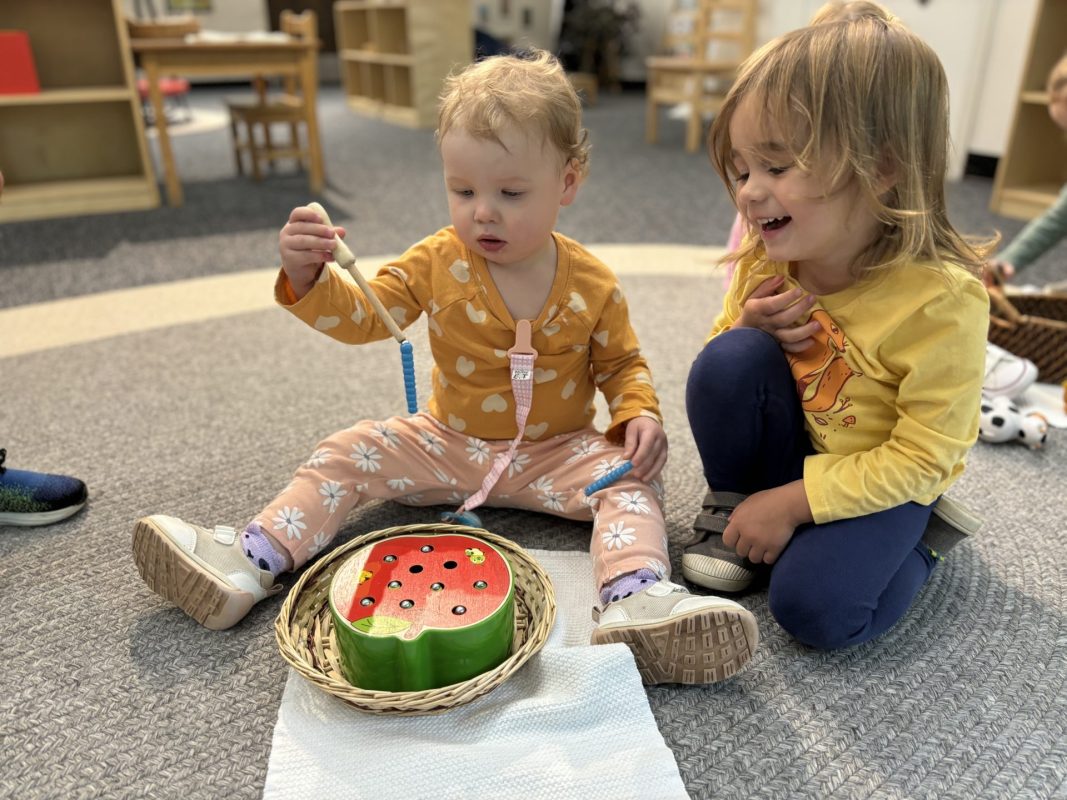
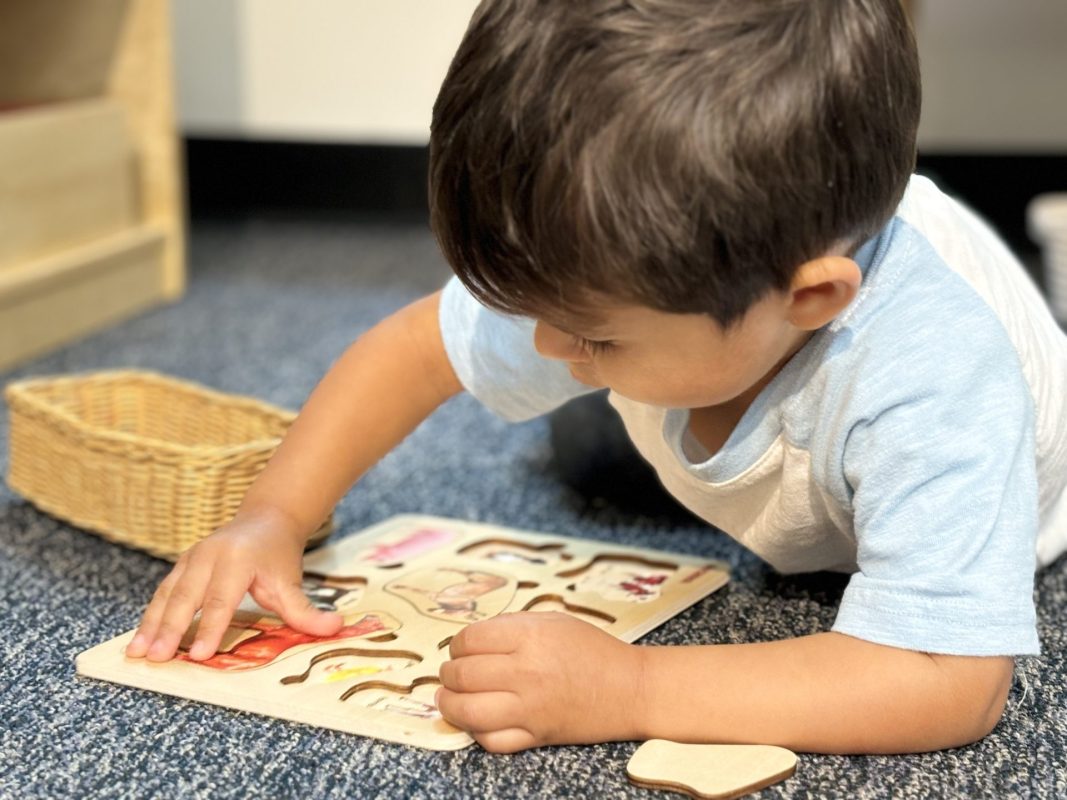
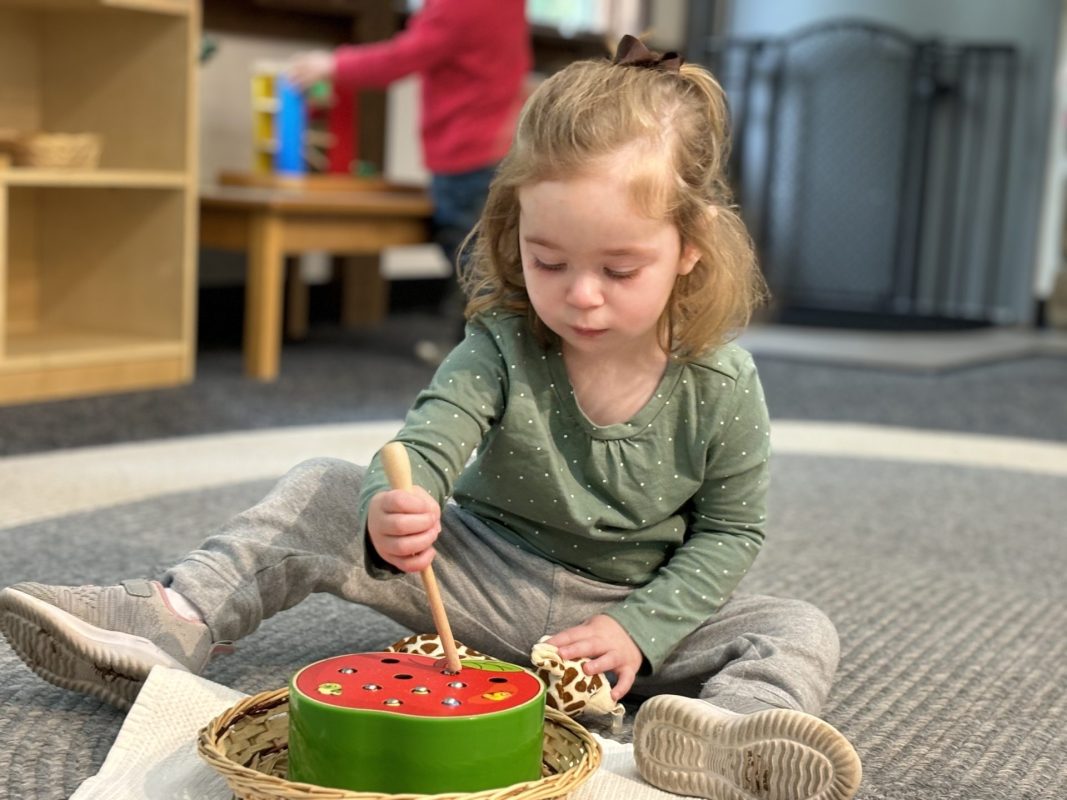
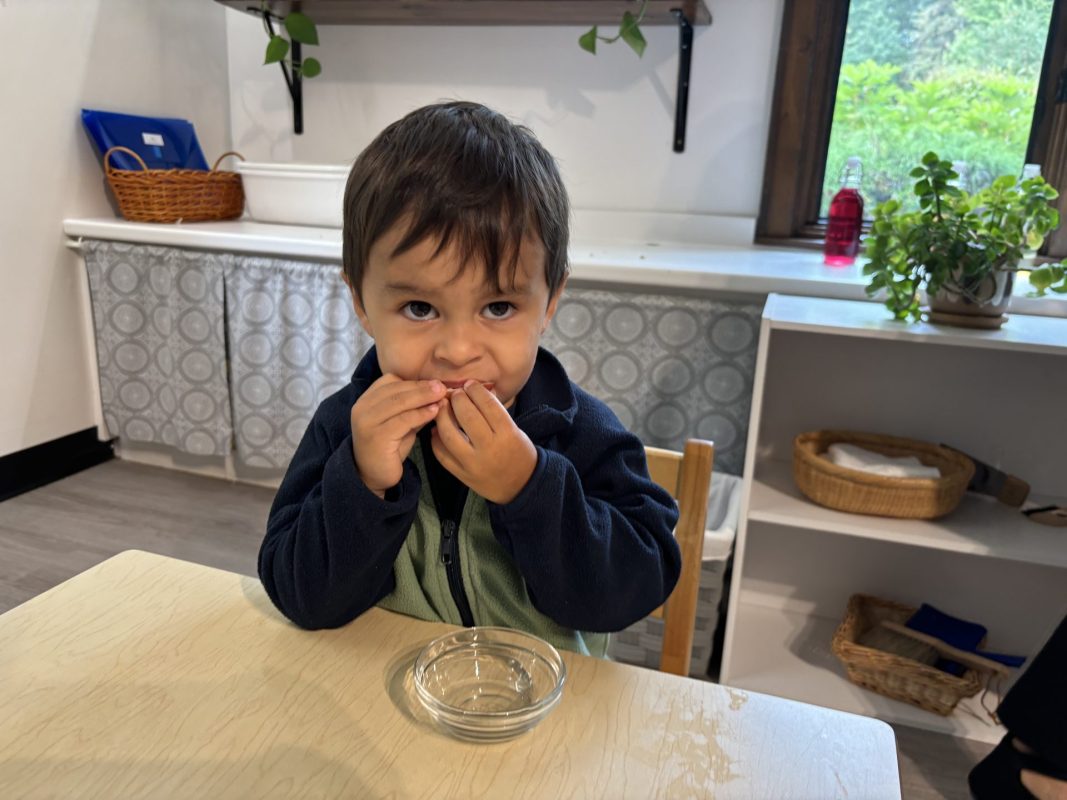
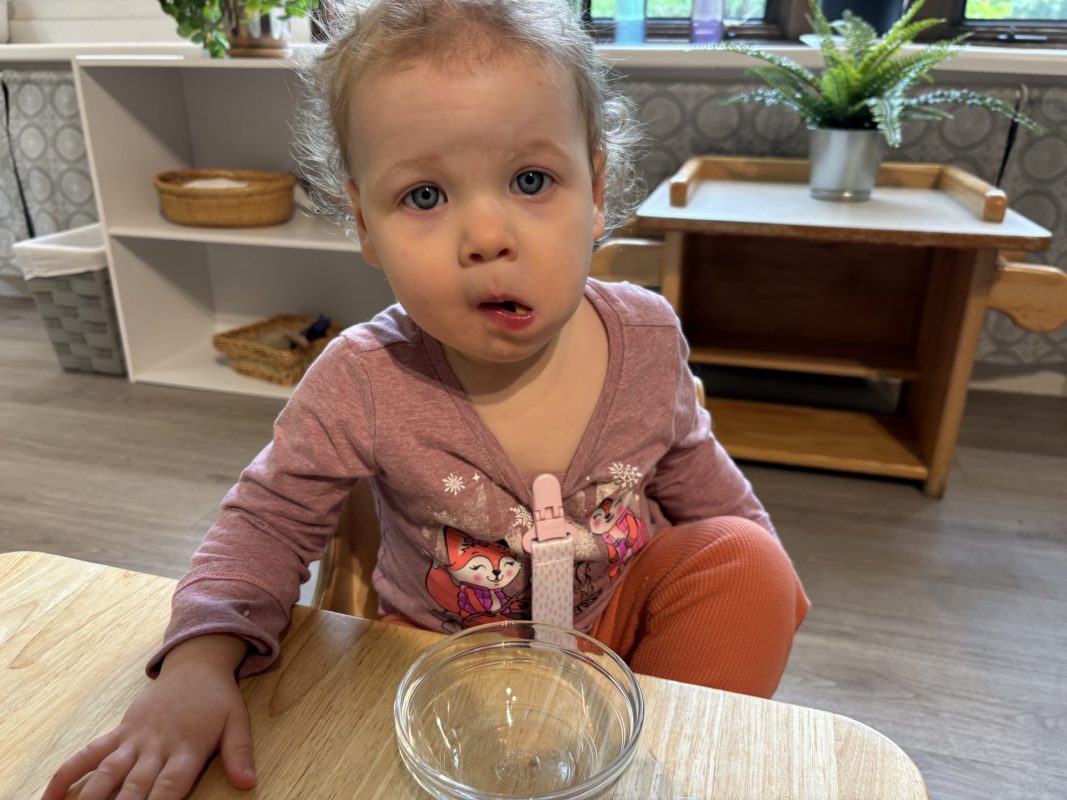
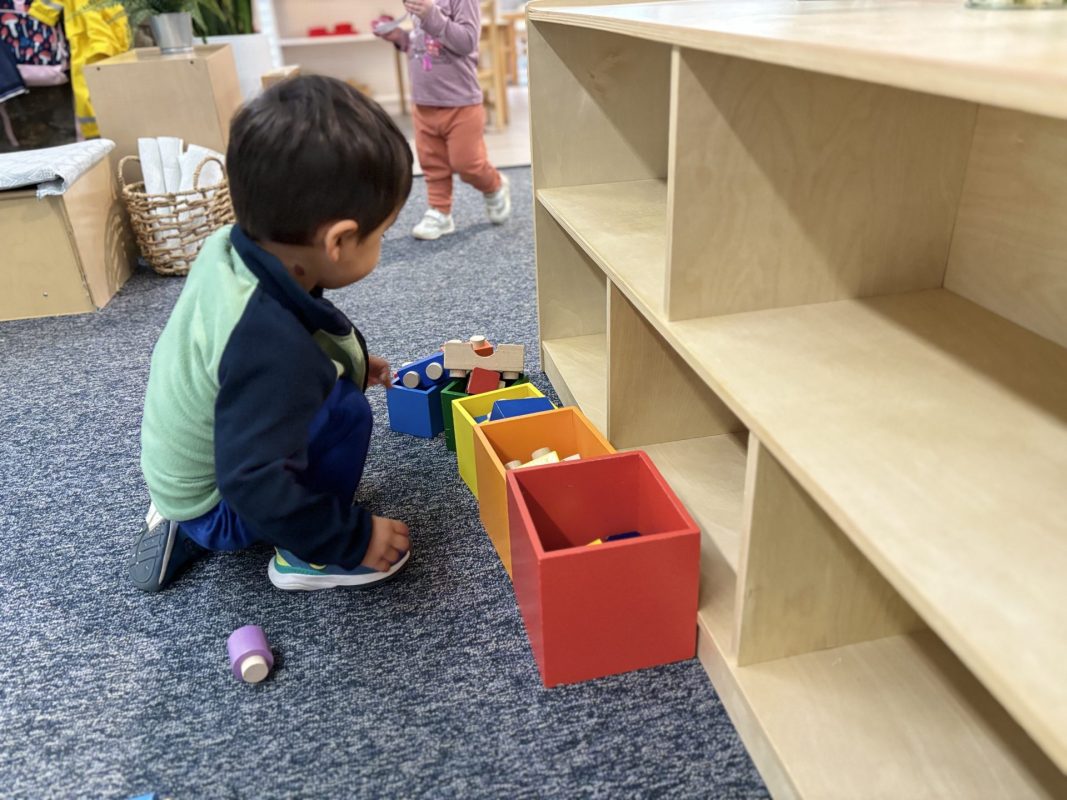
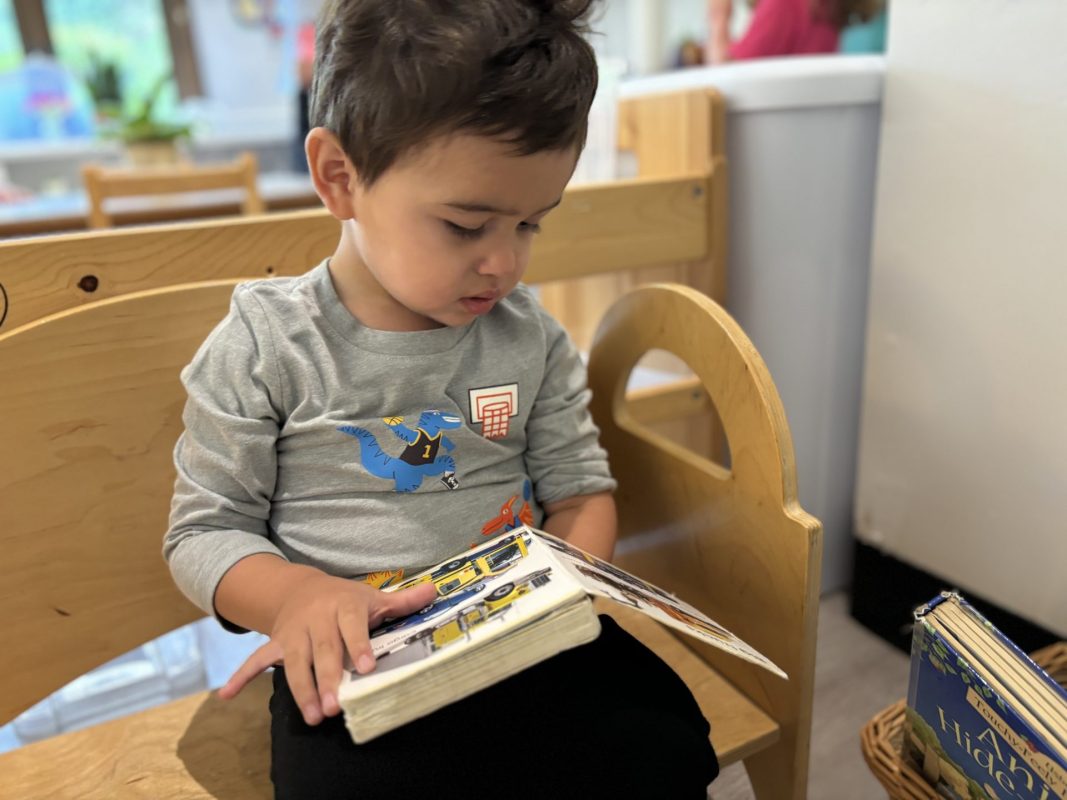
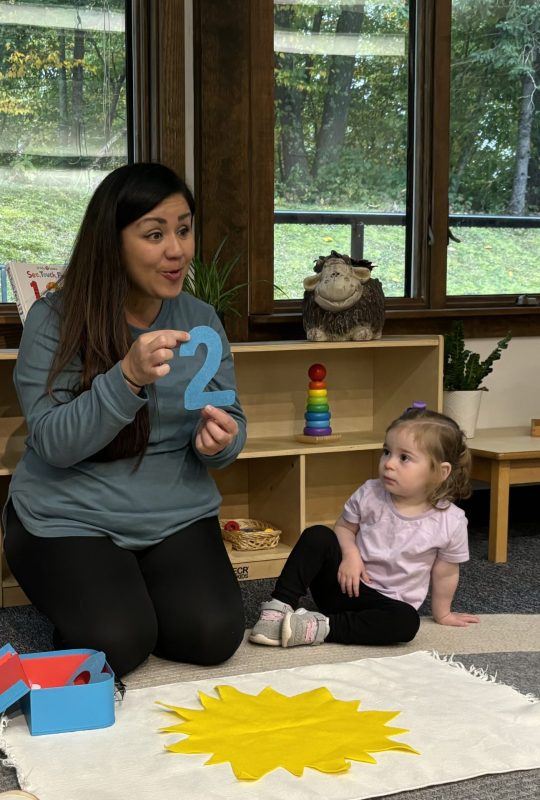
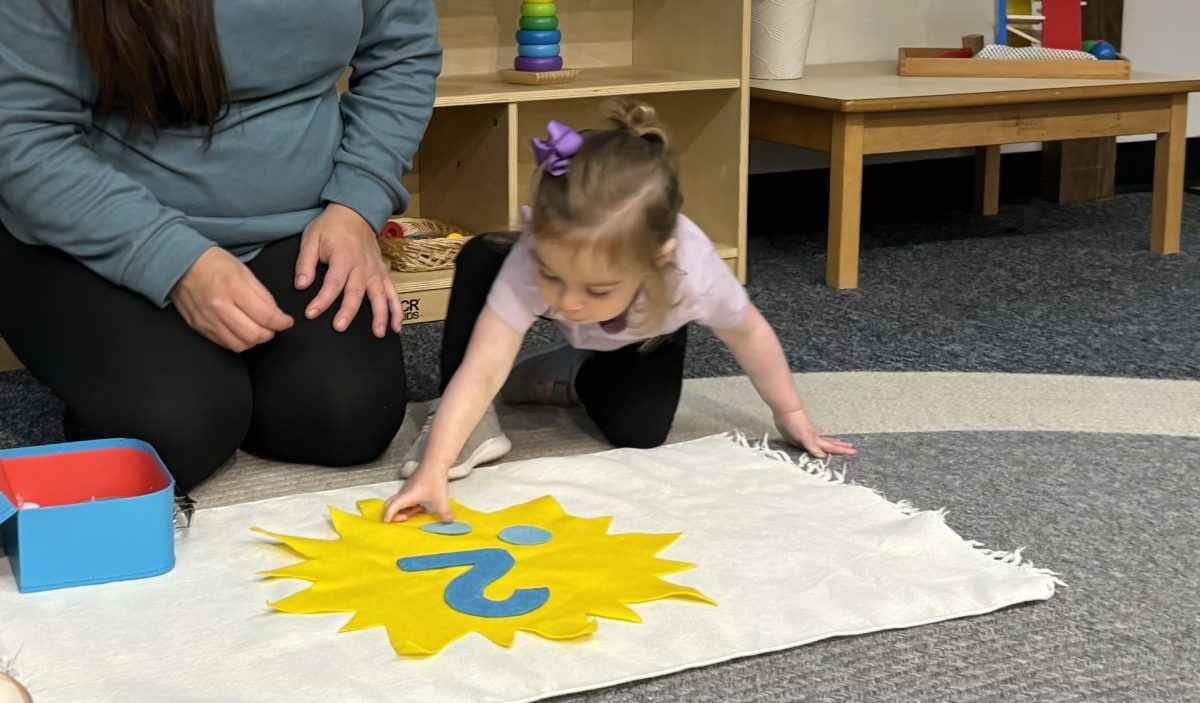
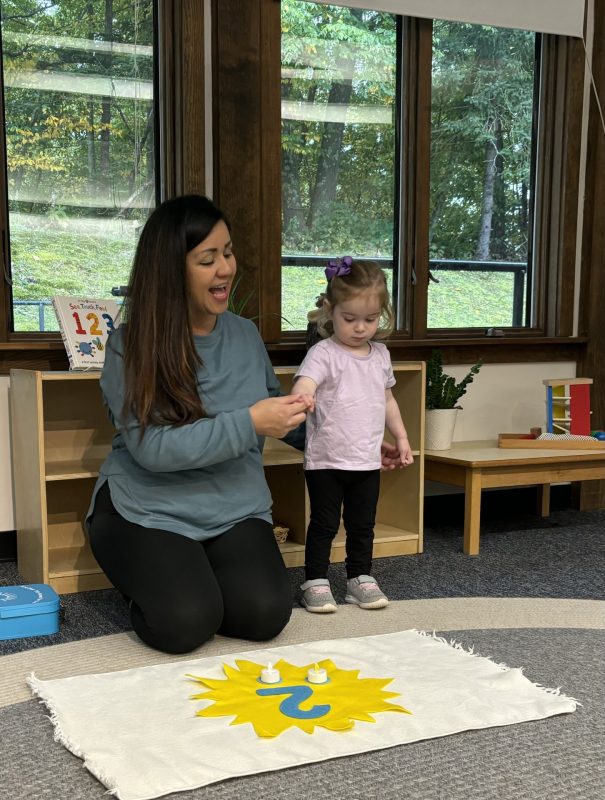
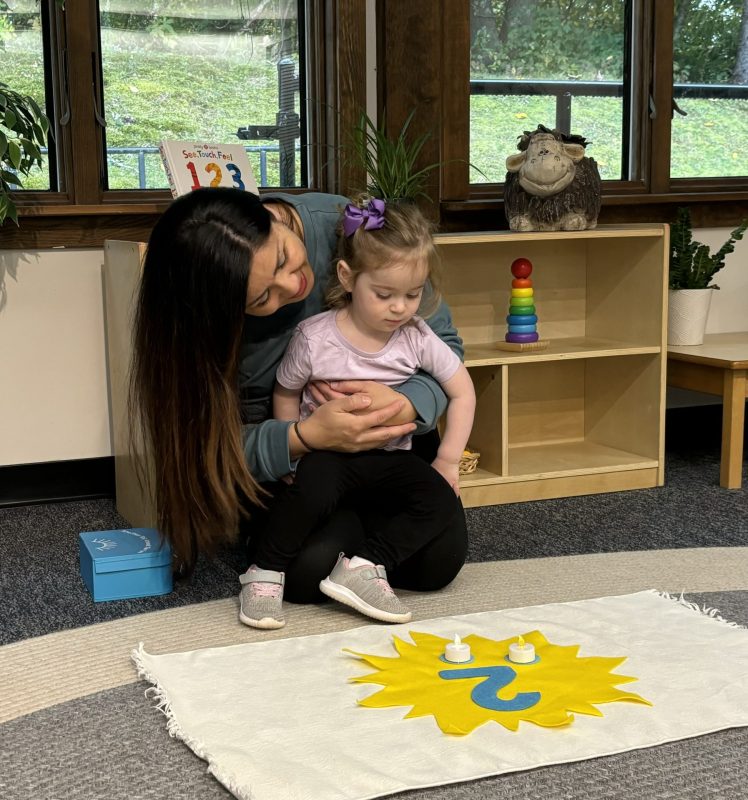
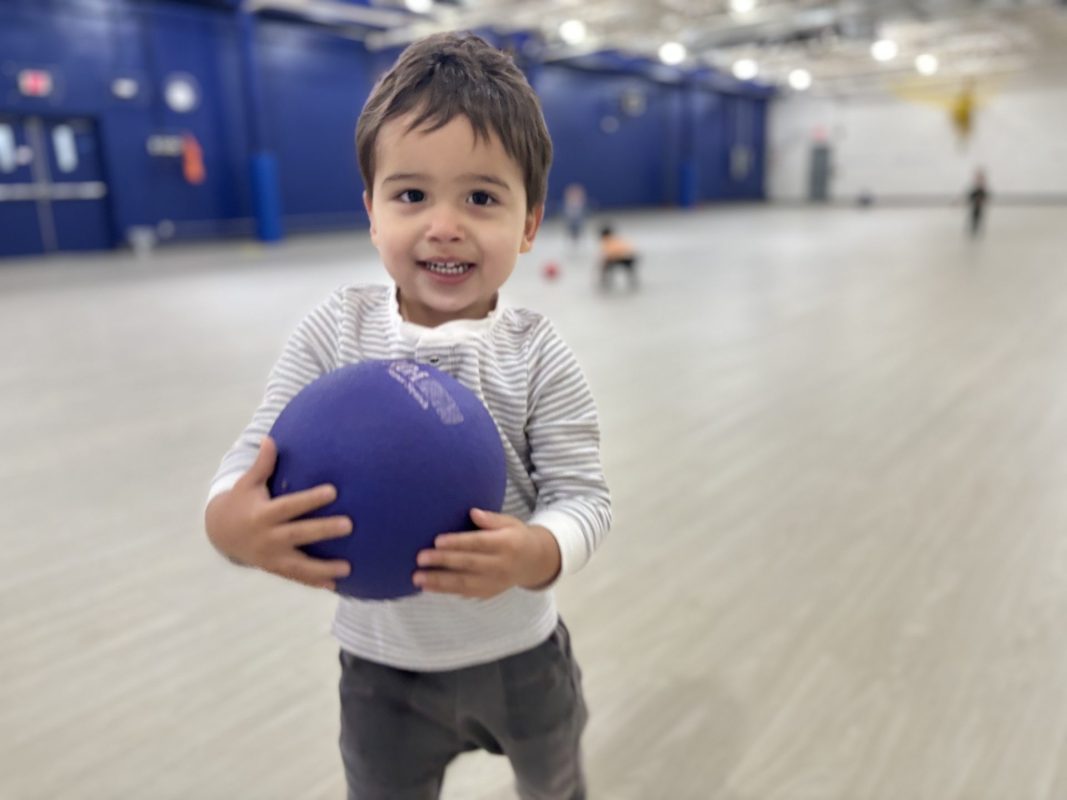
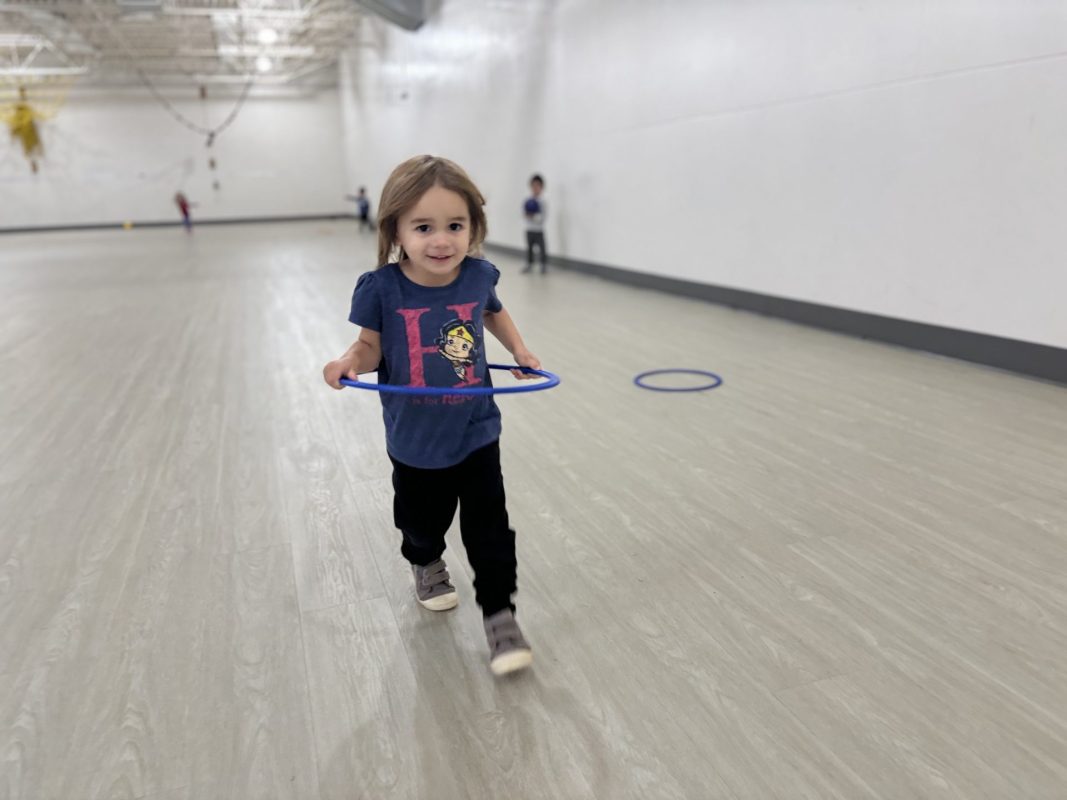
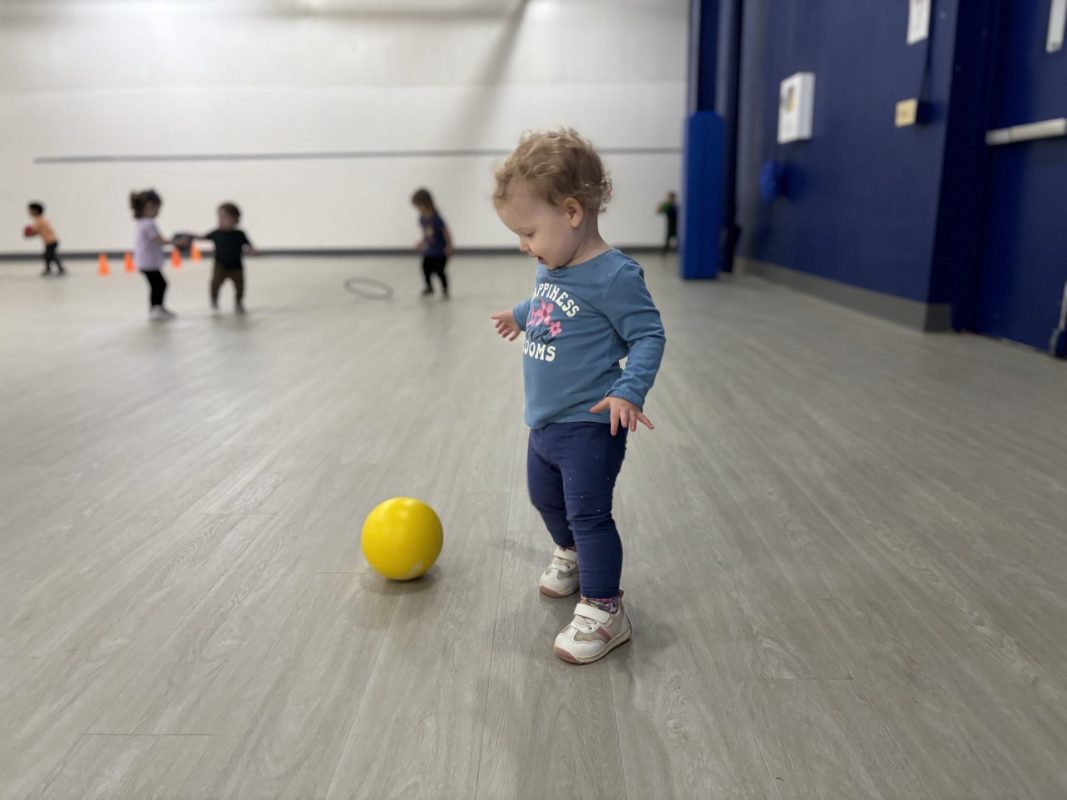
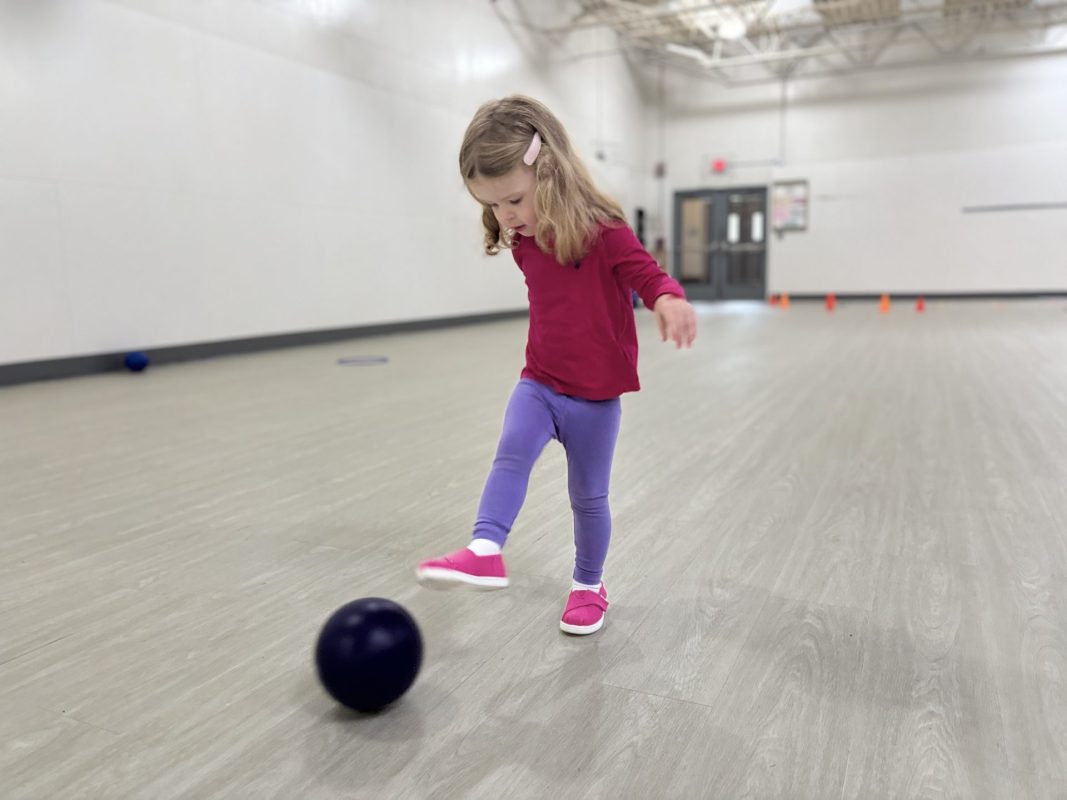
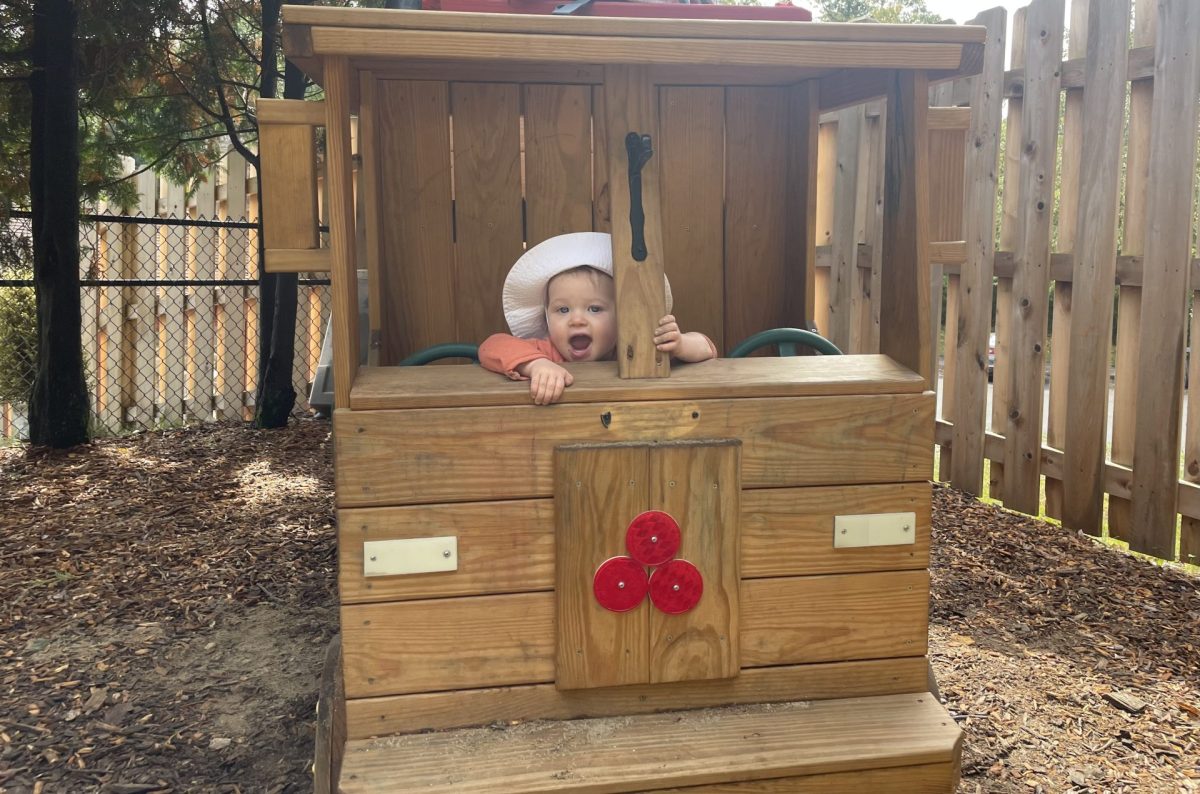
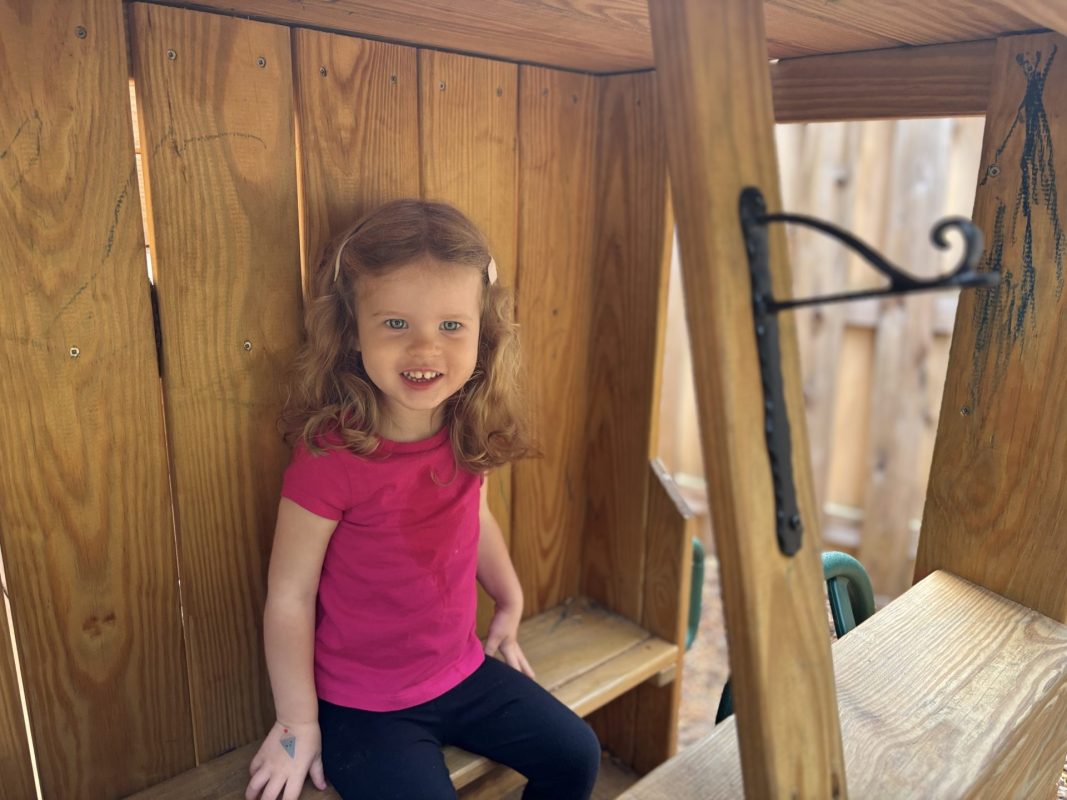
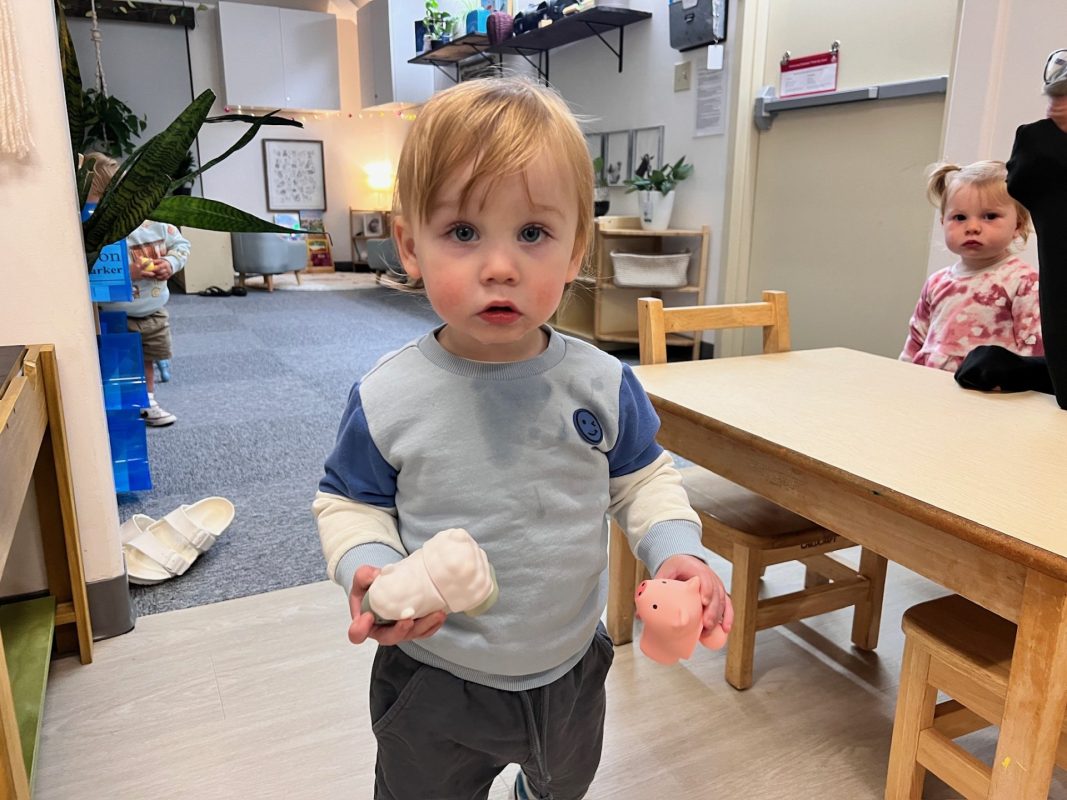
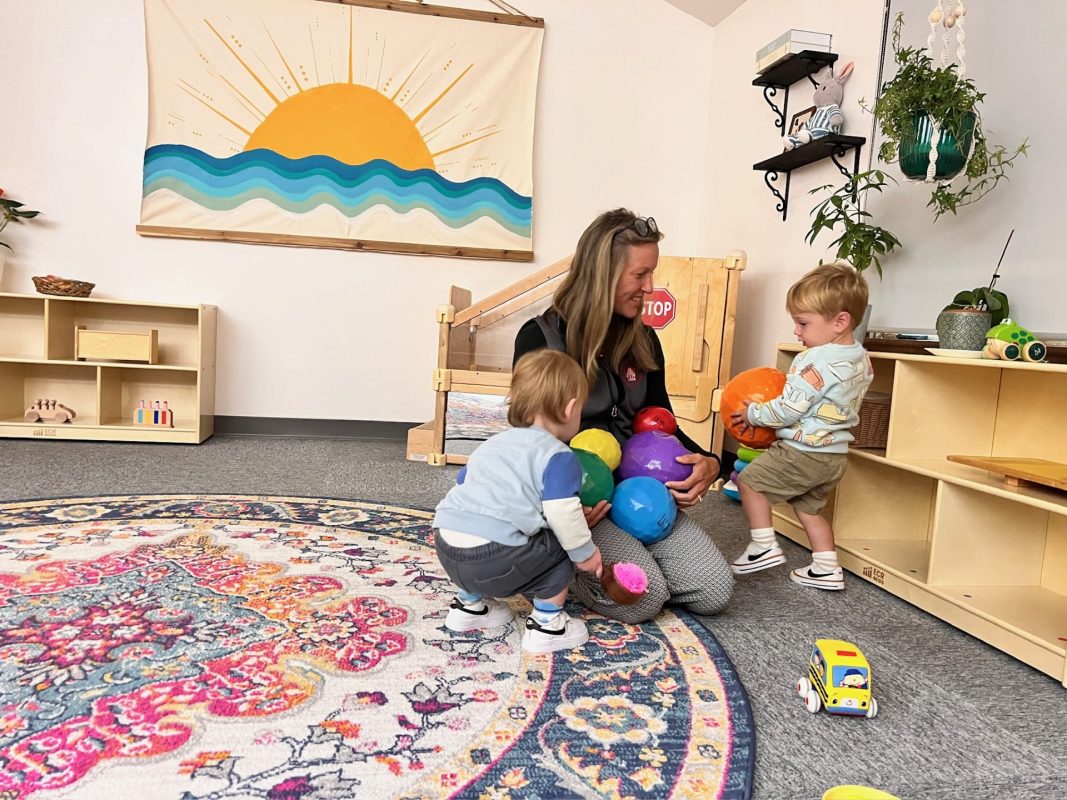
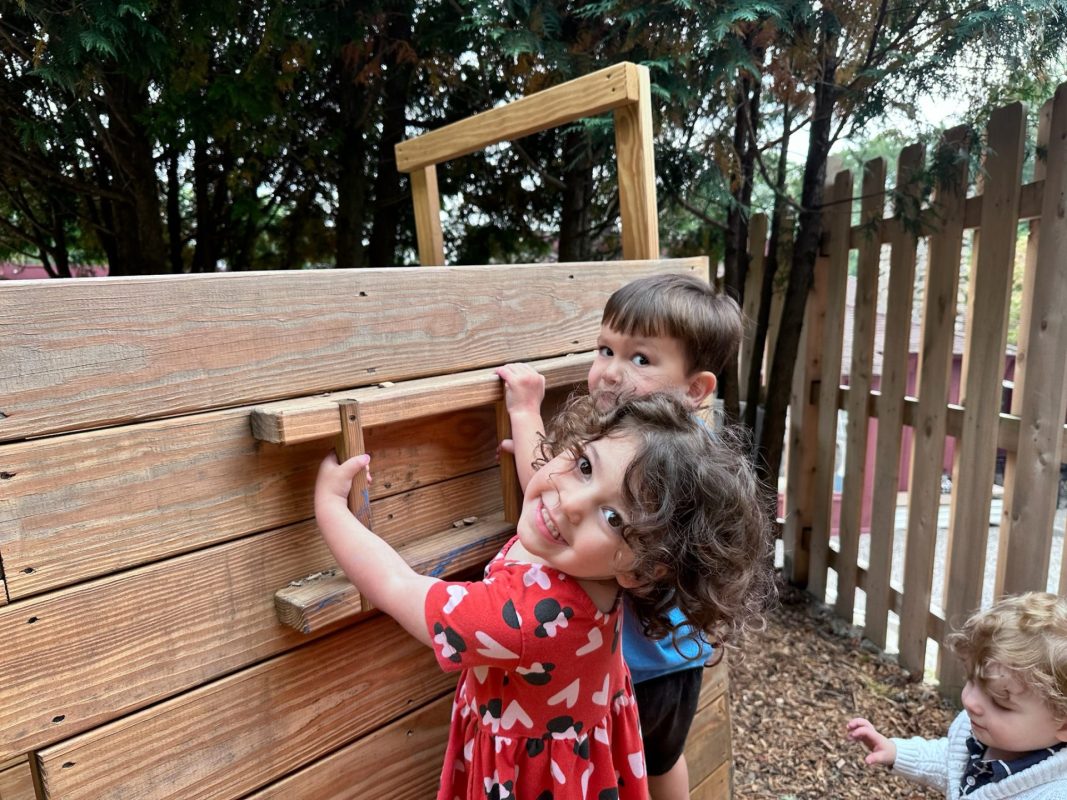
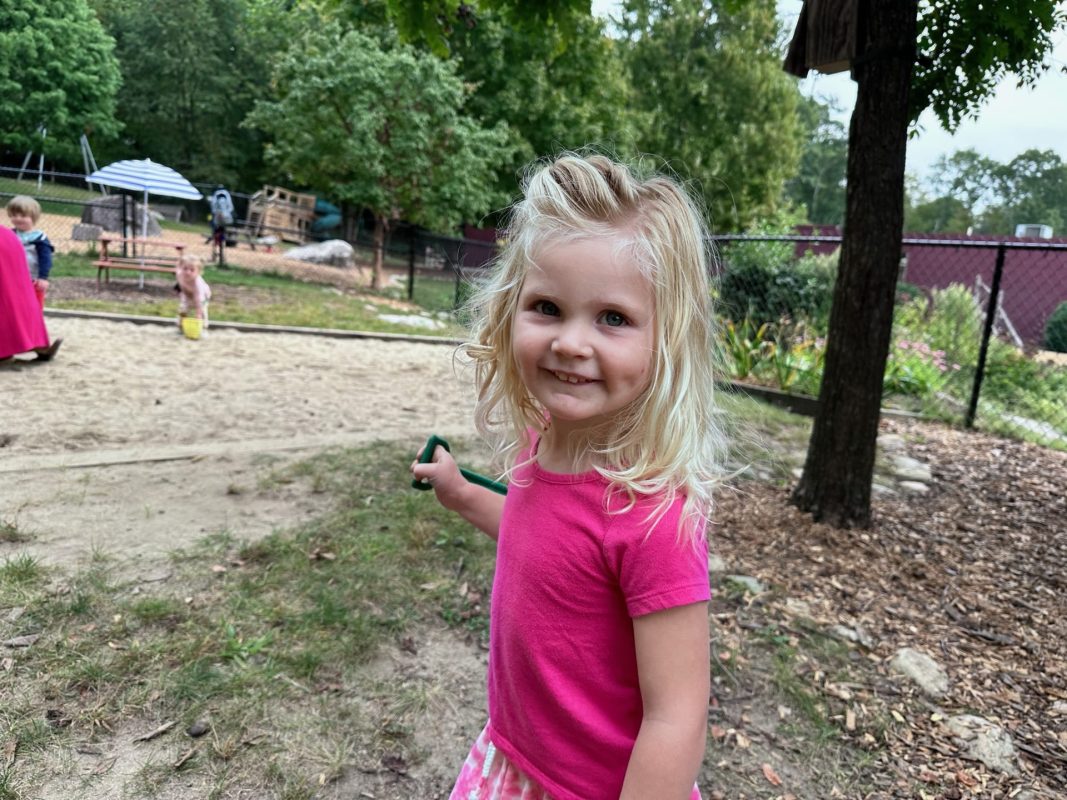
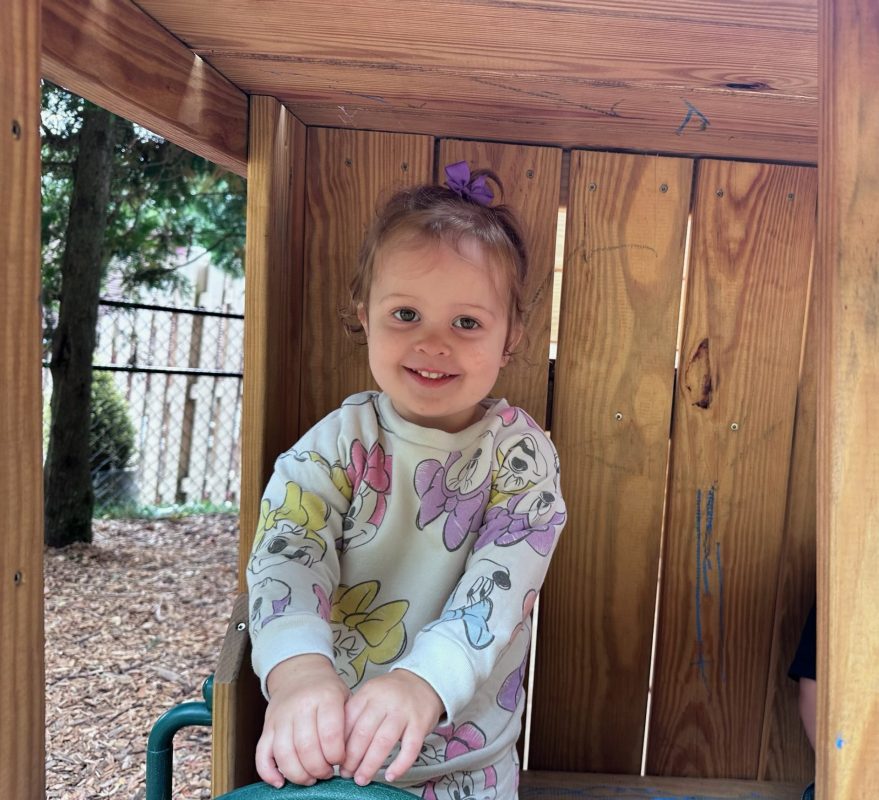
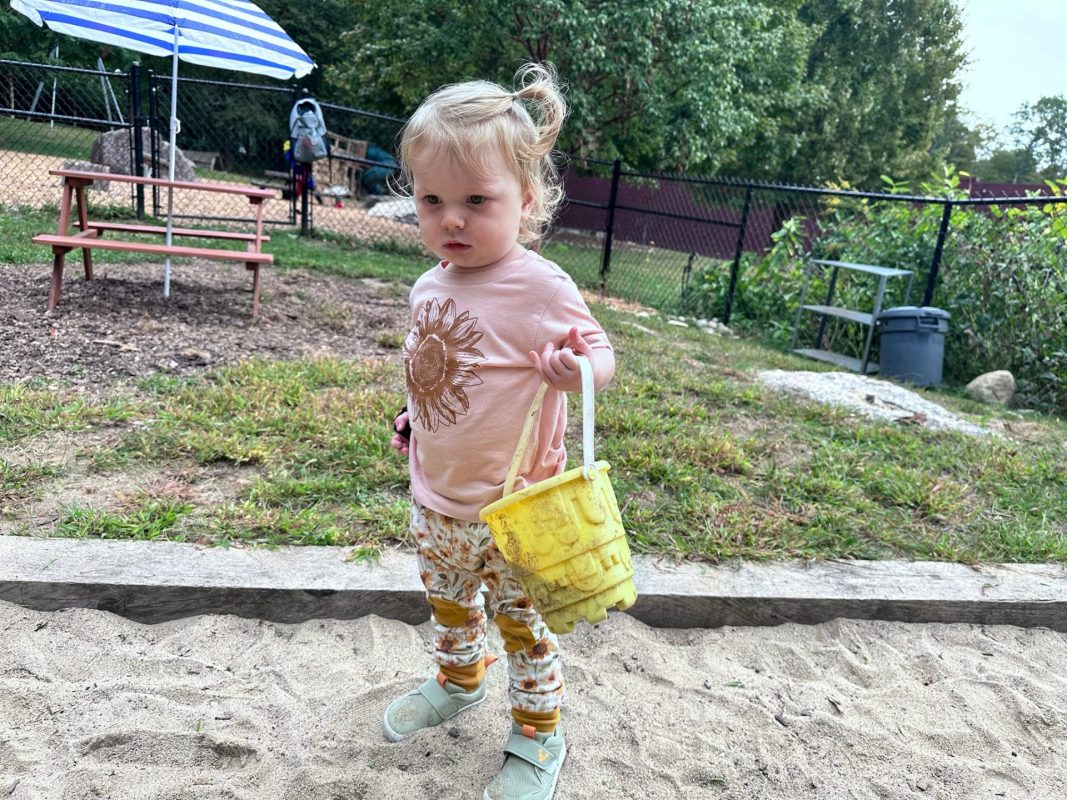
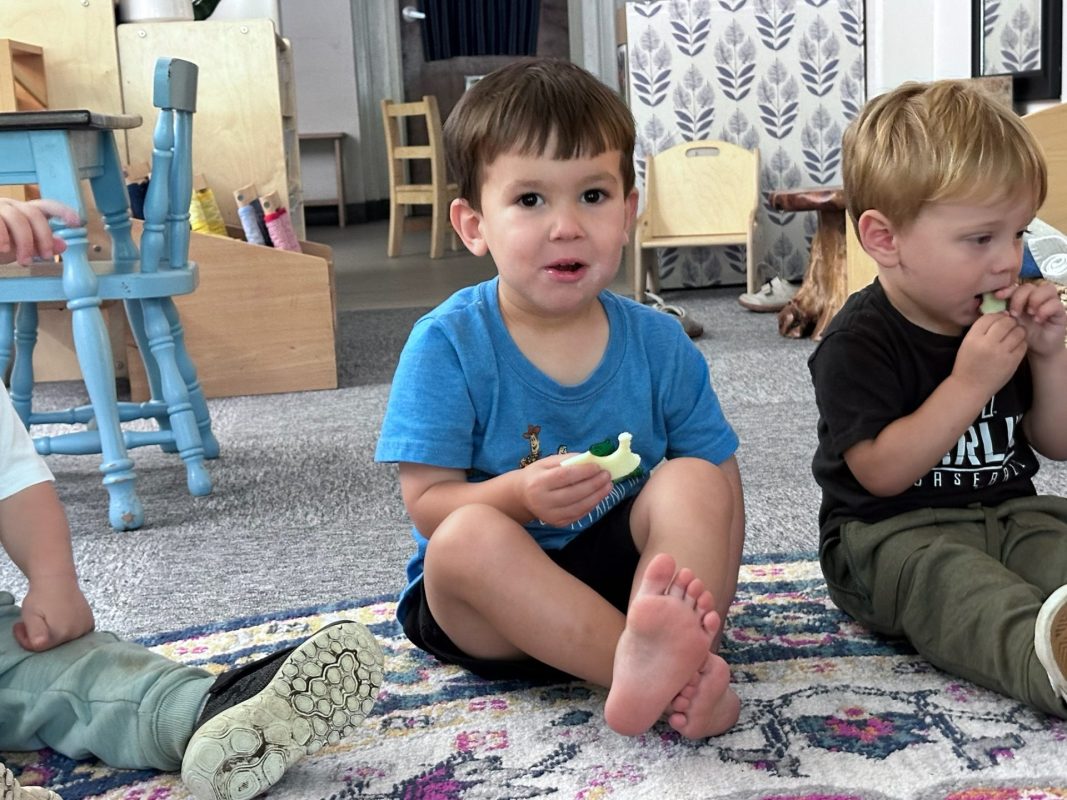
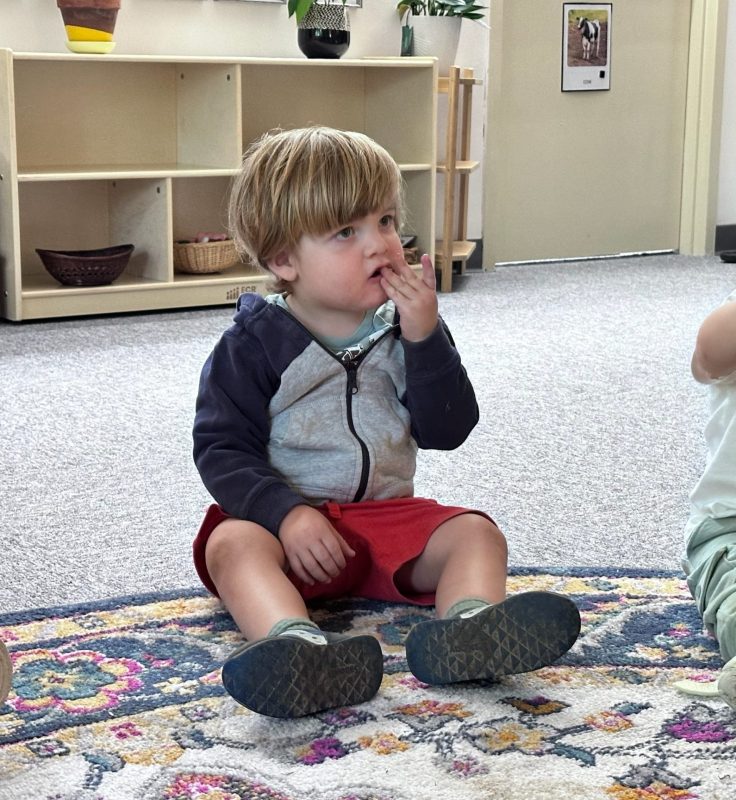
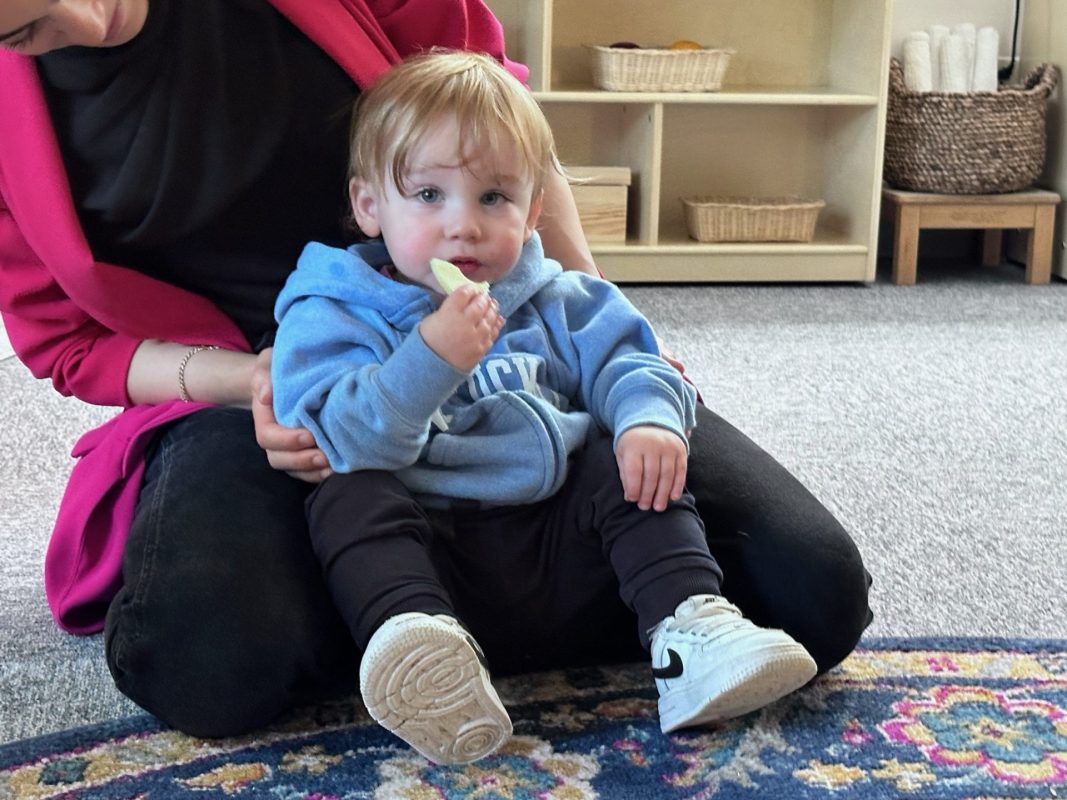
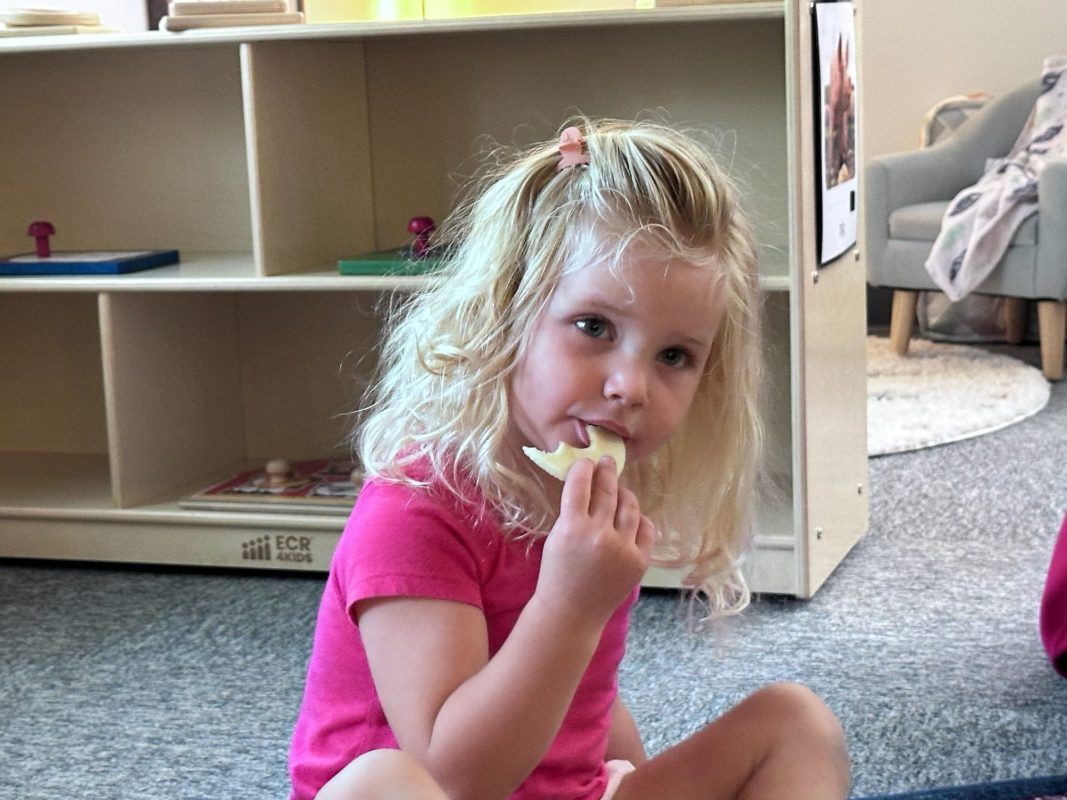
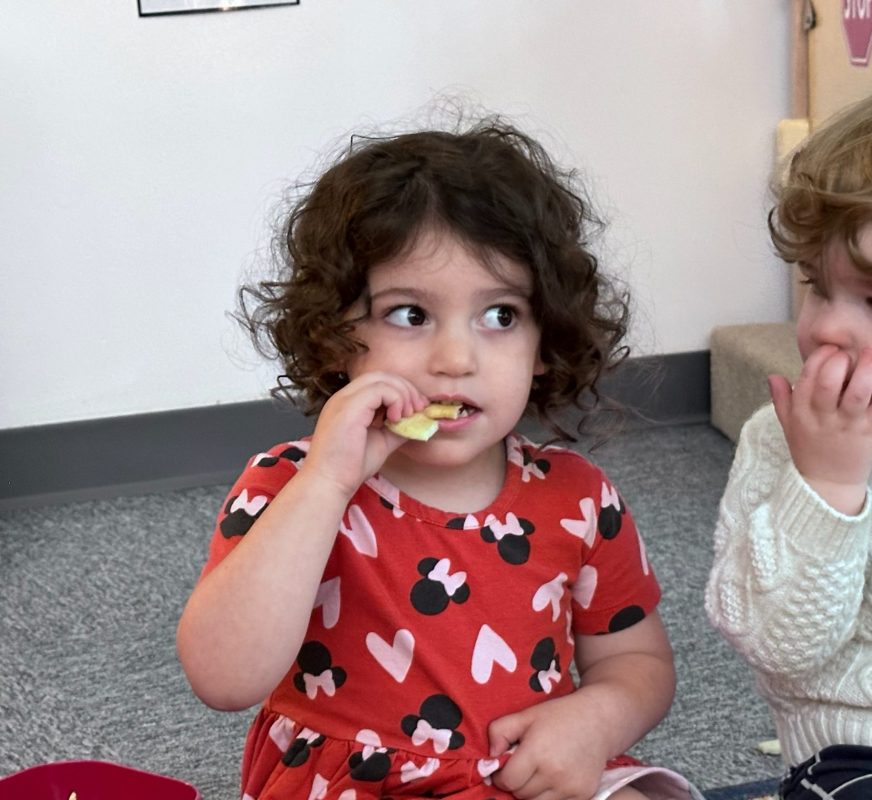
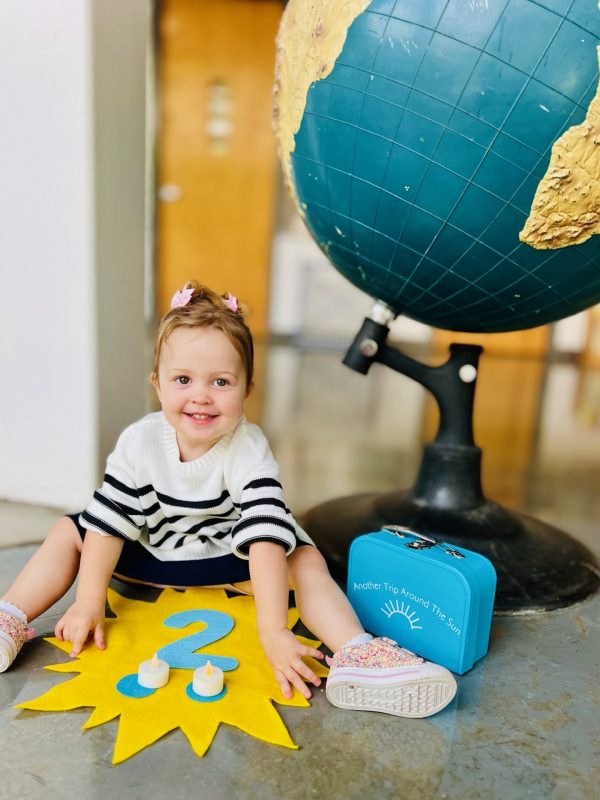
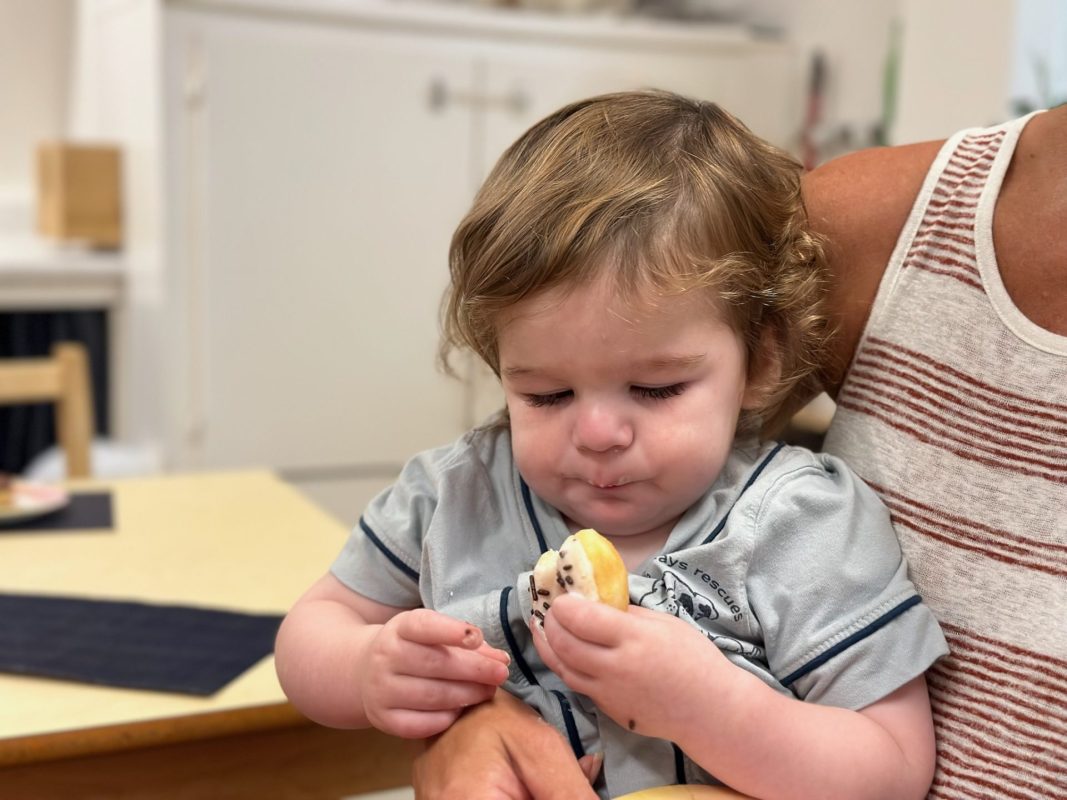
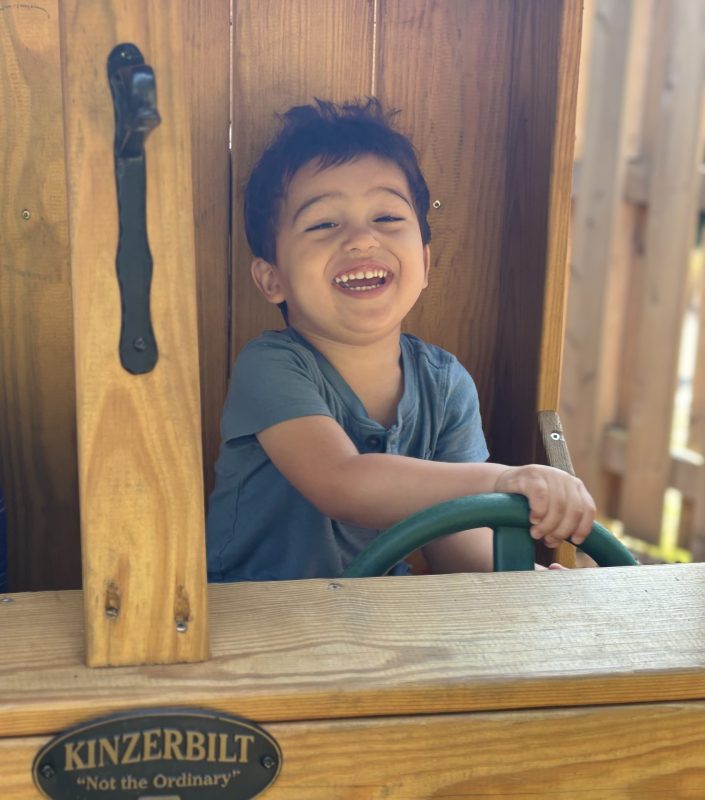
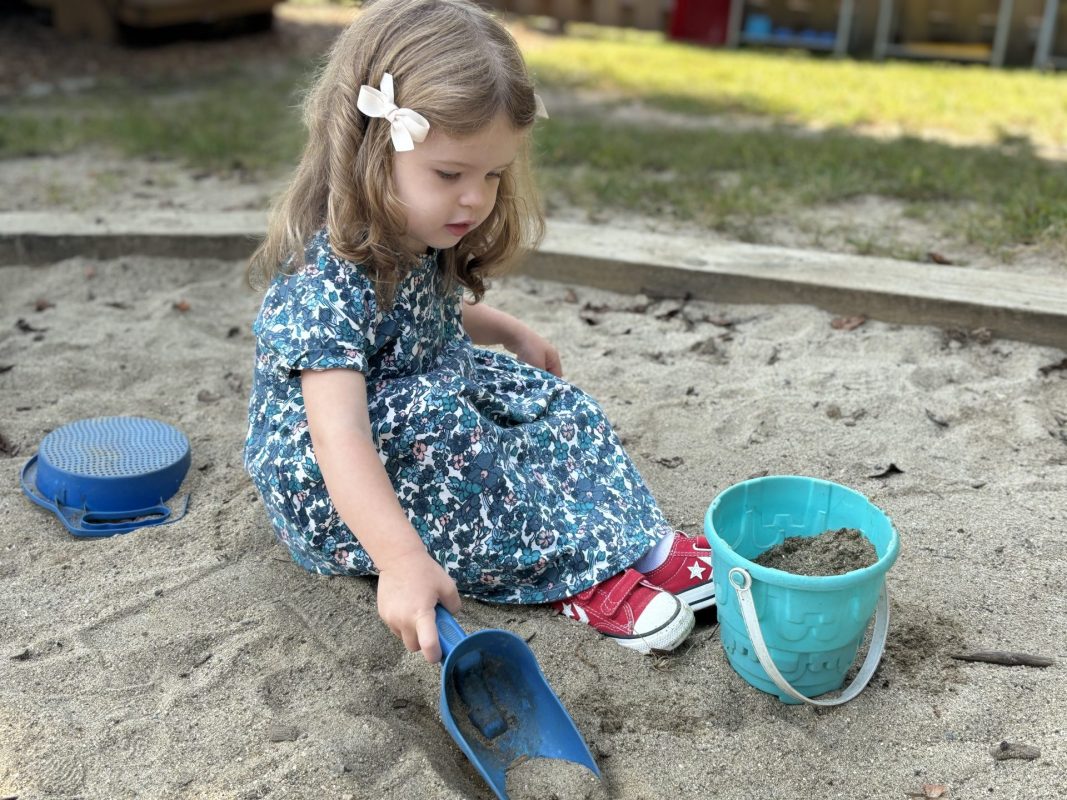
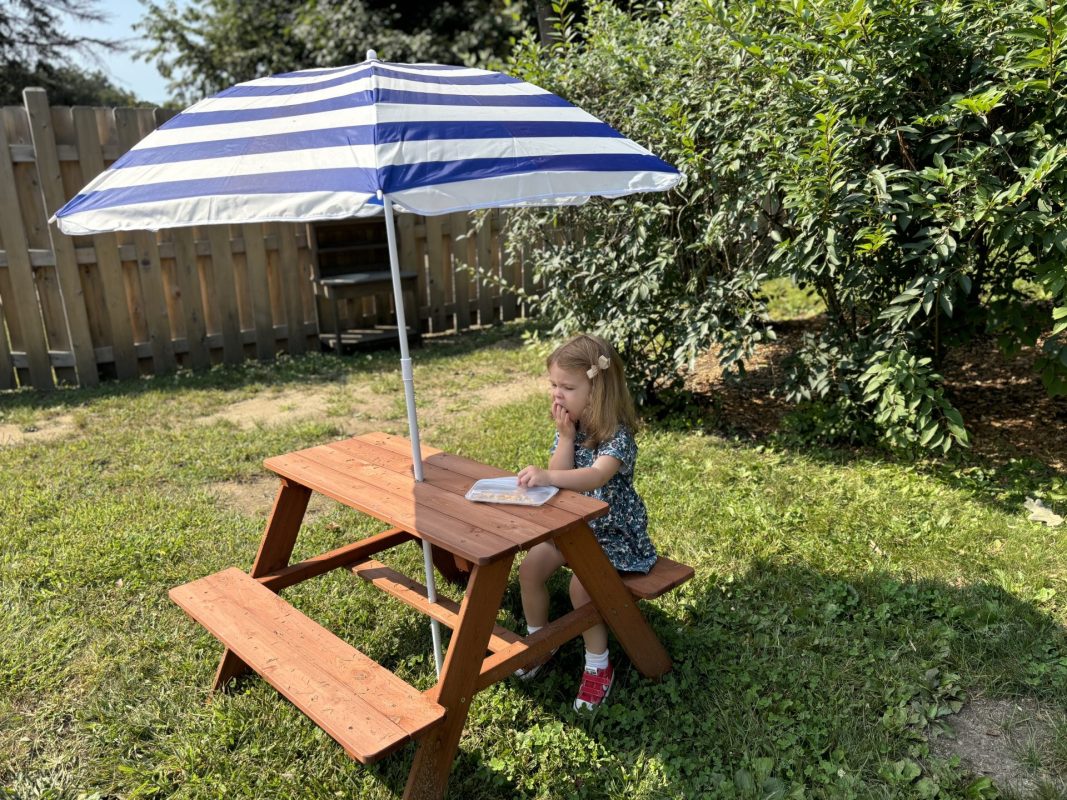
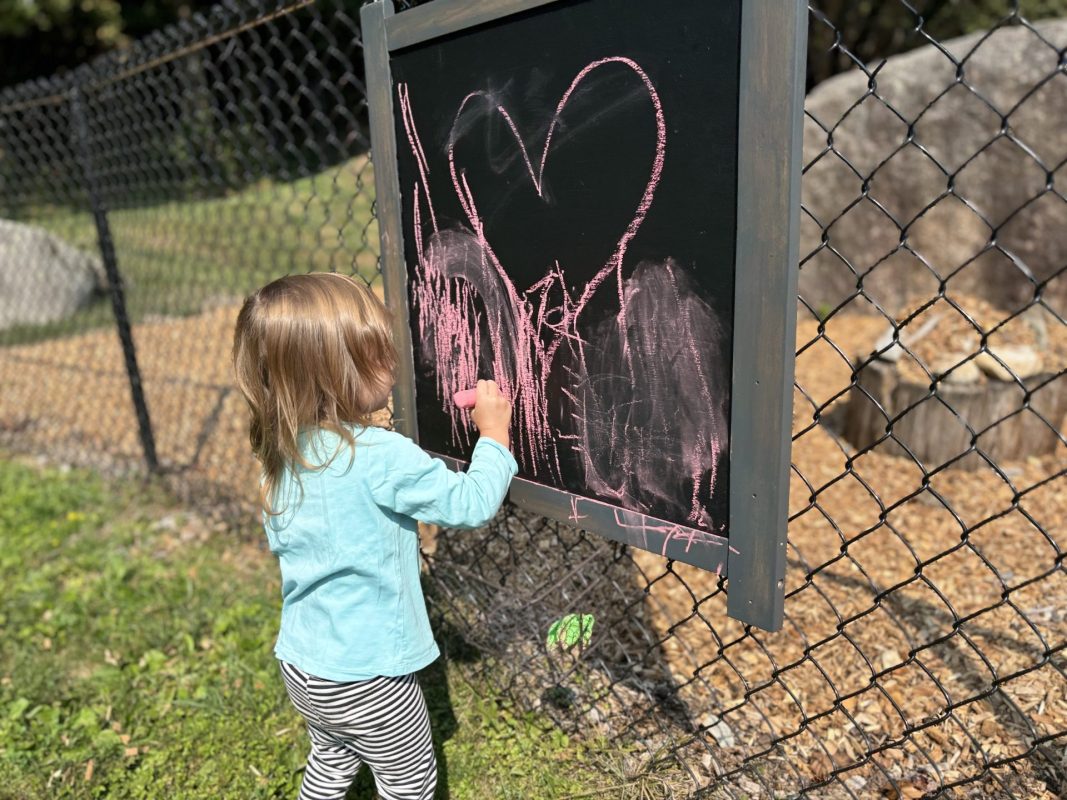
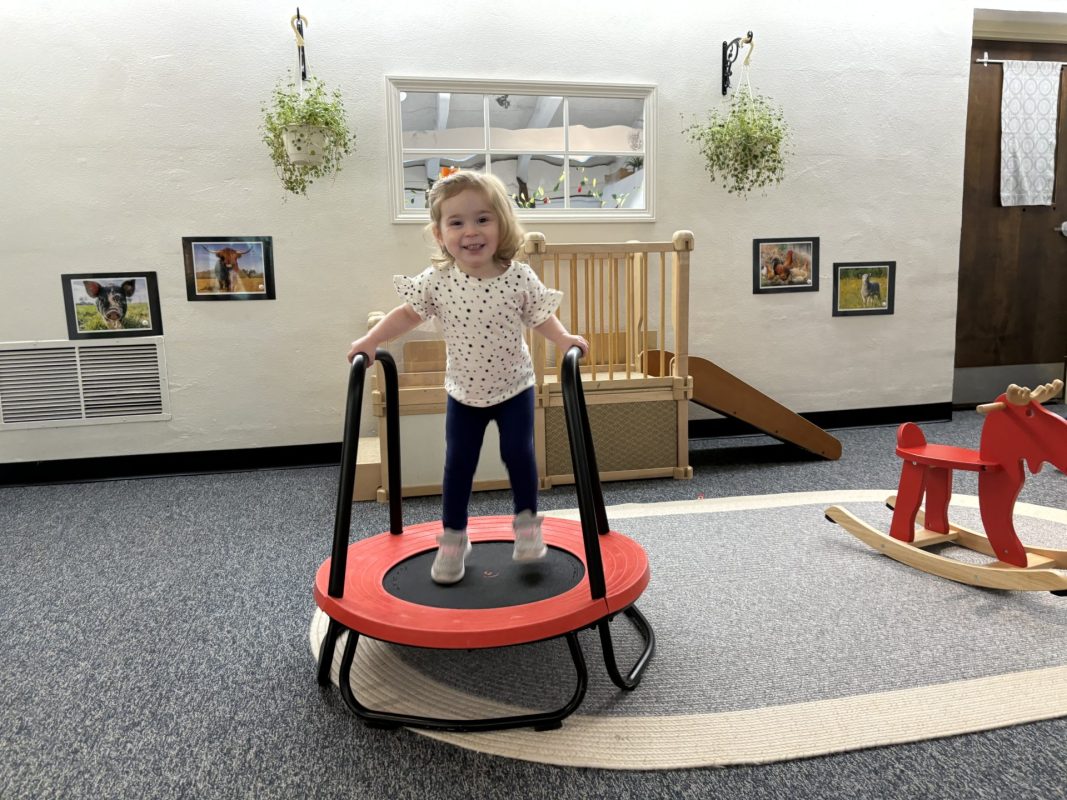
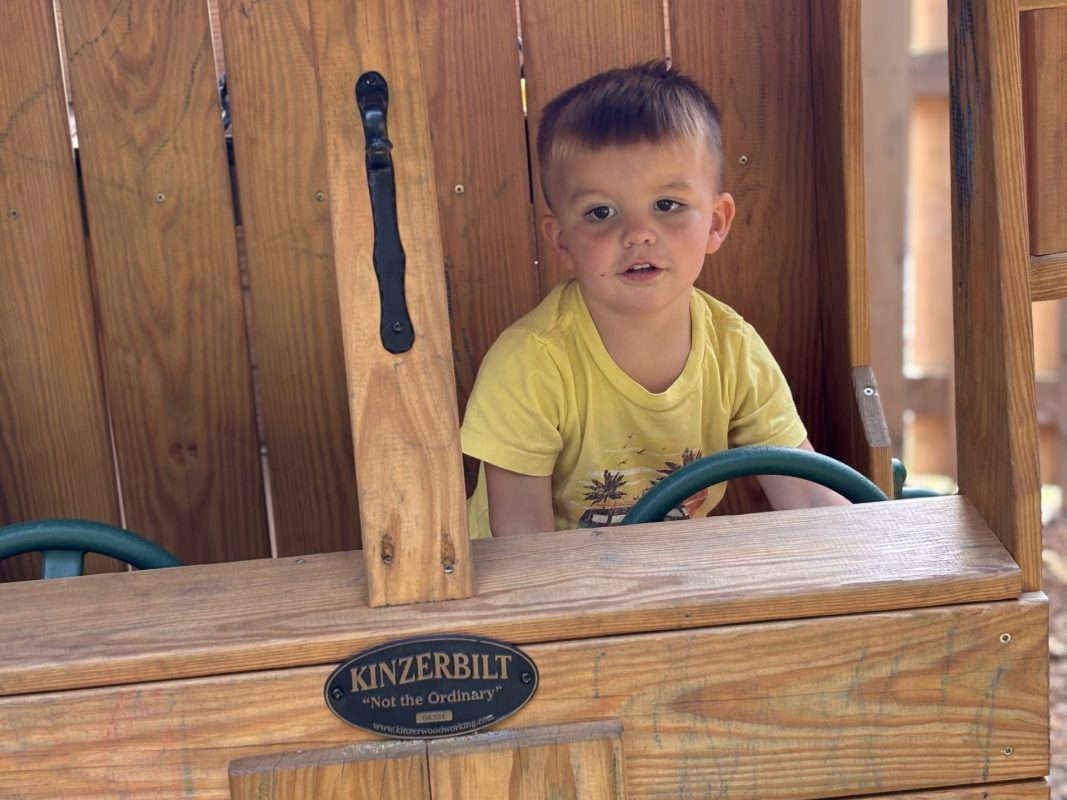
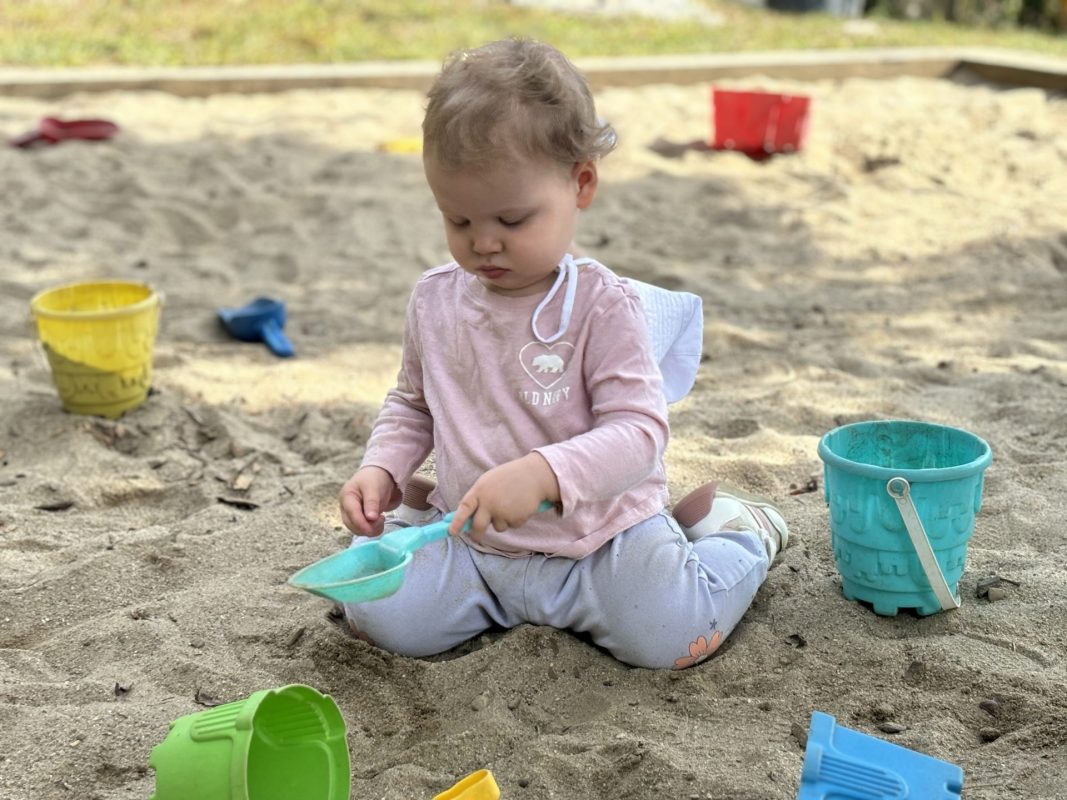
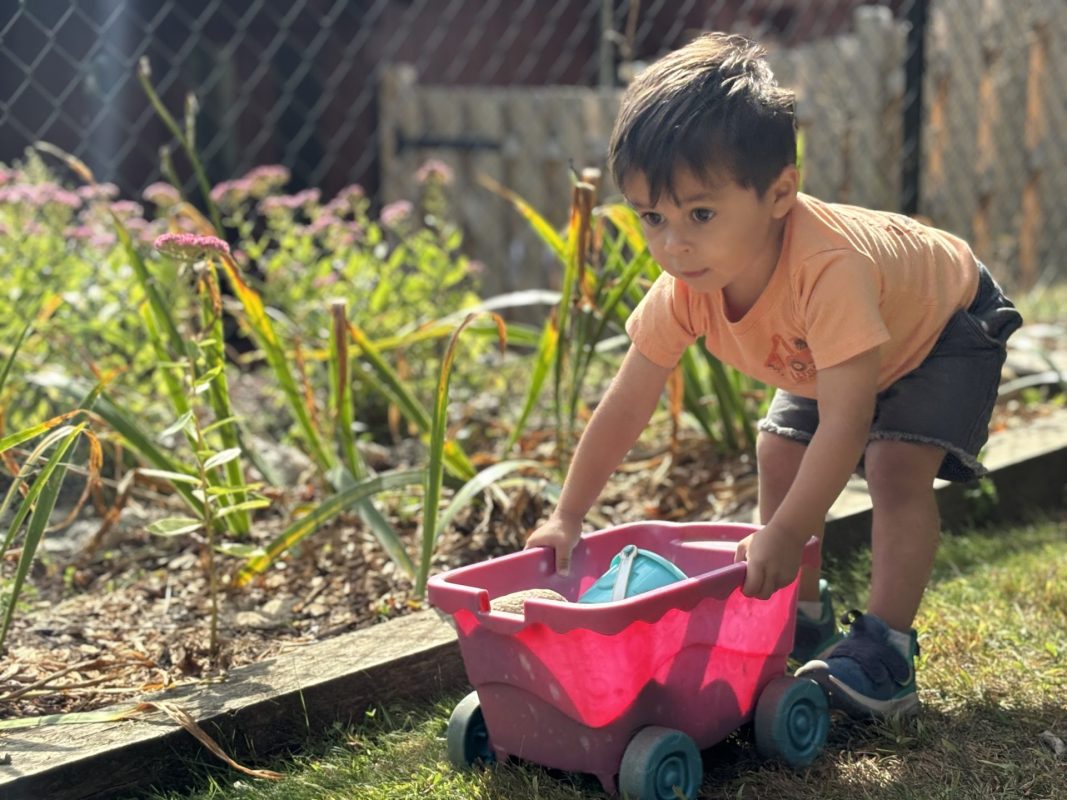
Enjoy some photos of your beautiful children,
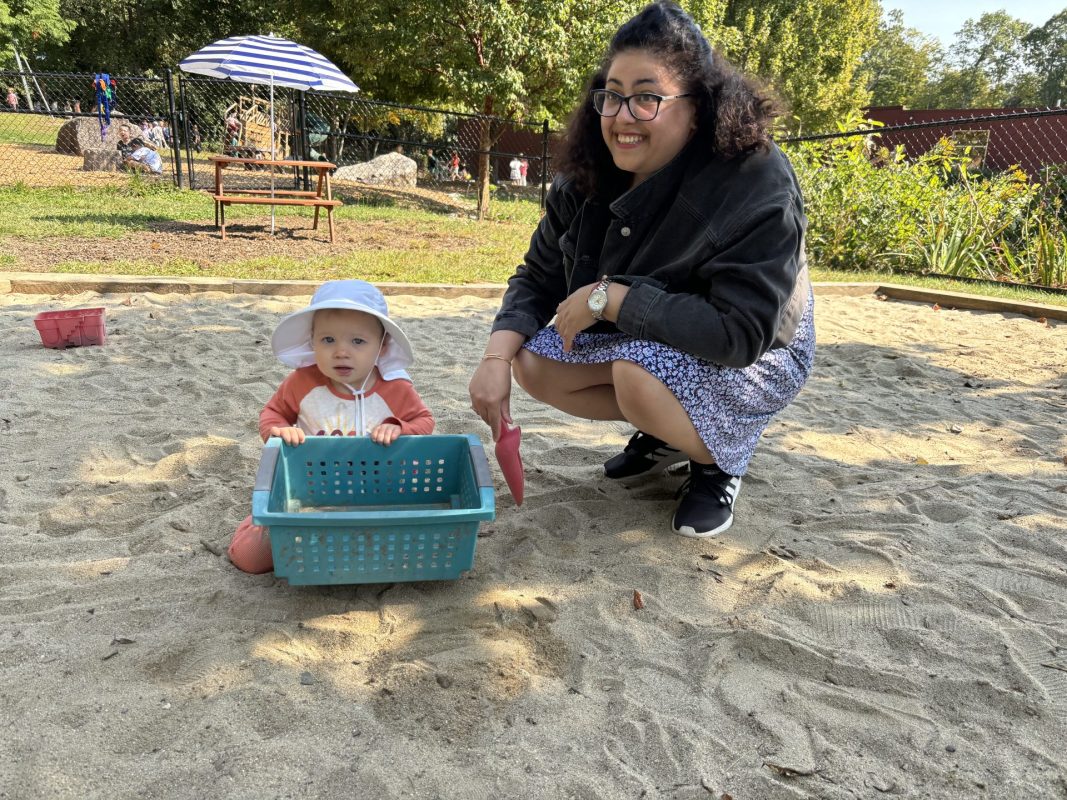
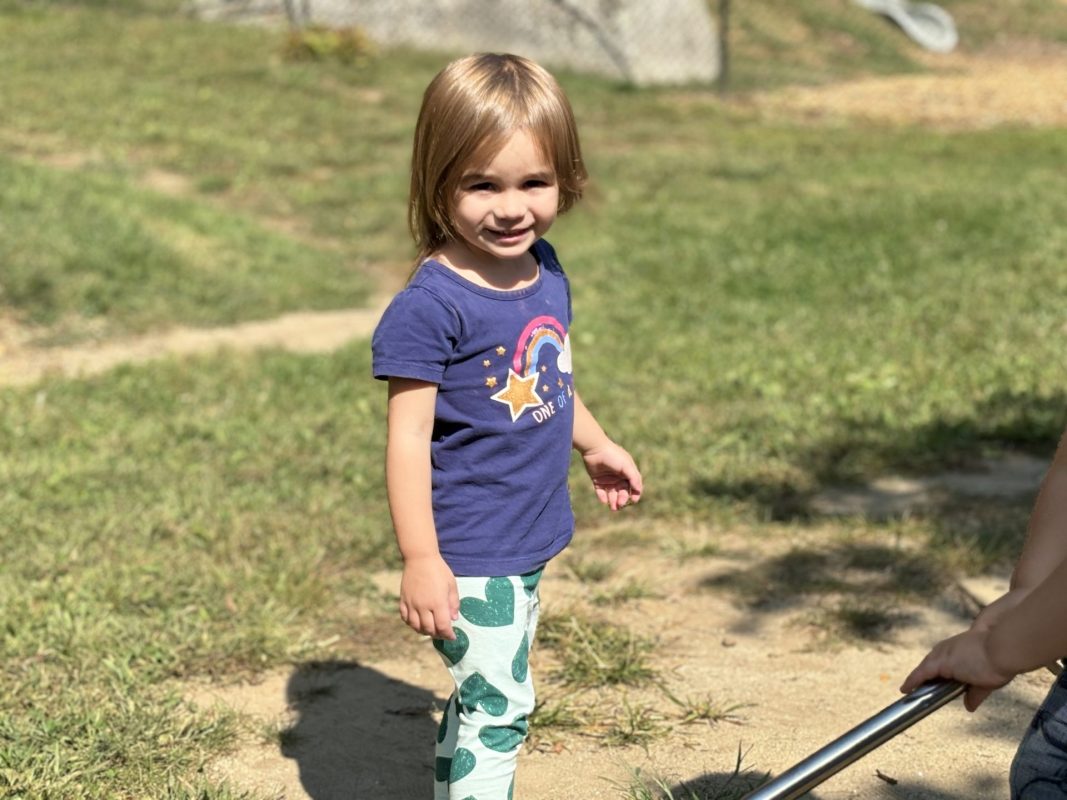
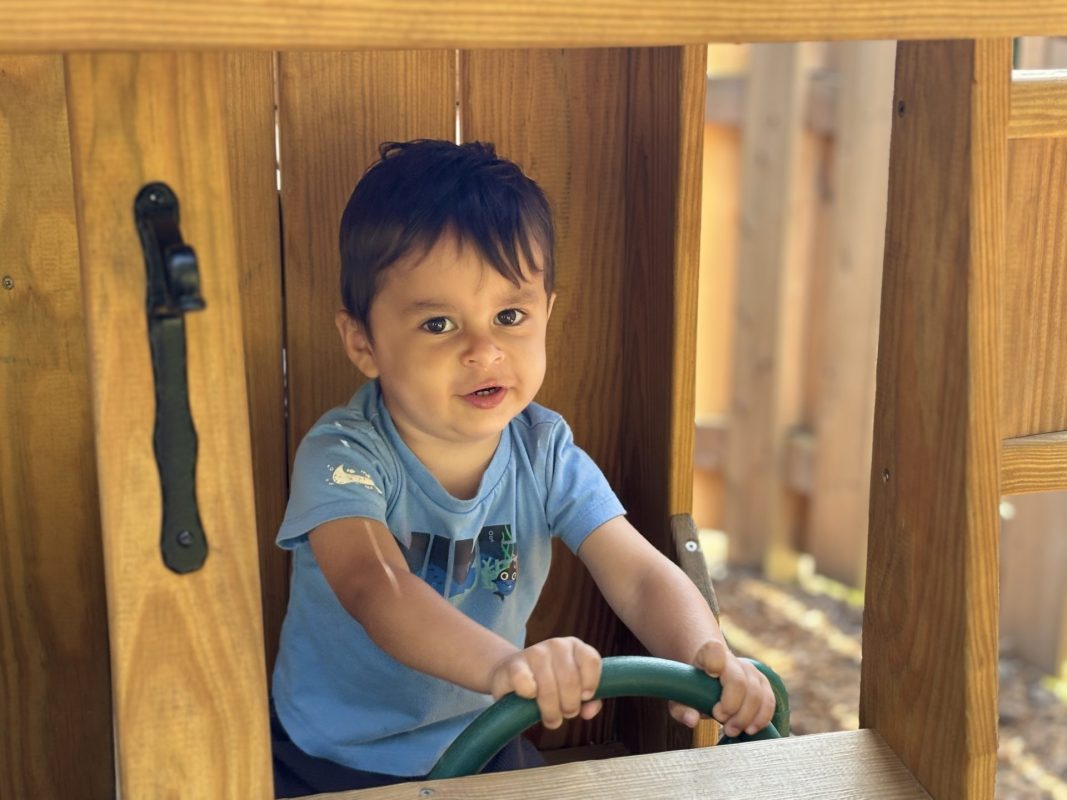
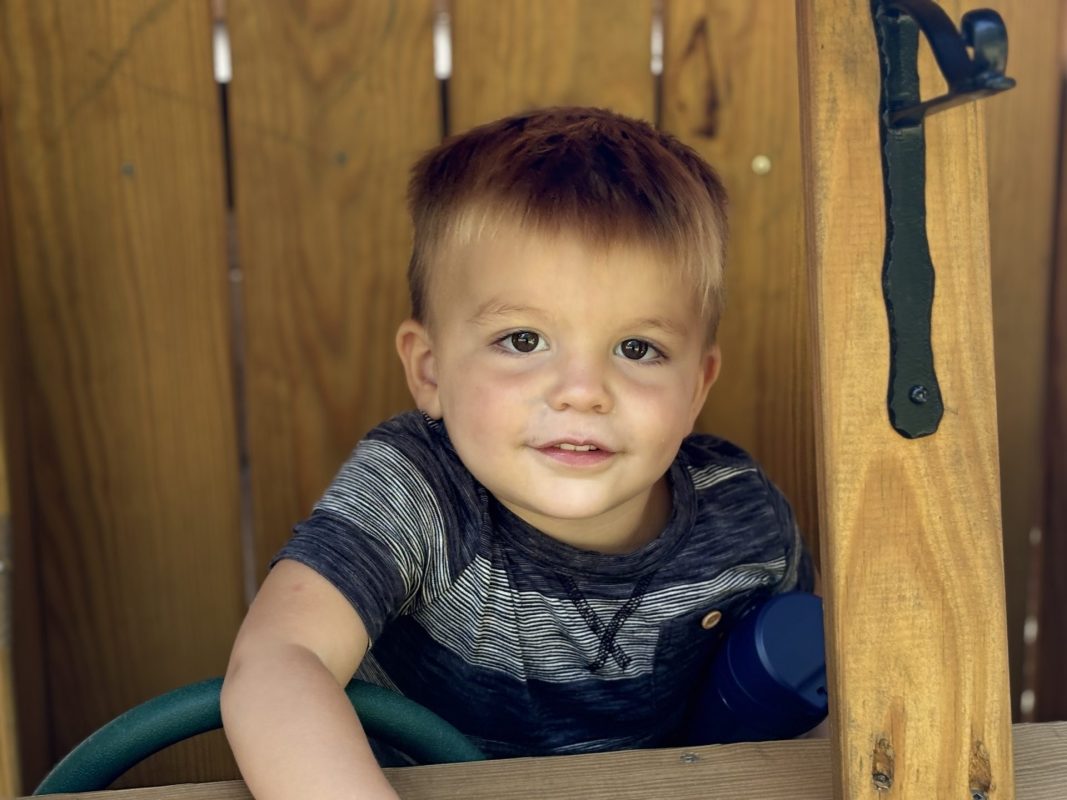
Mrs. Hood and Ms. Noelle