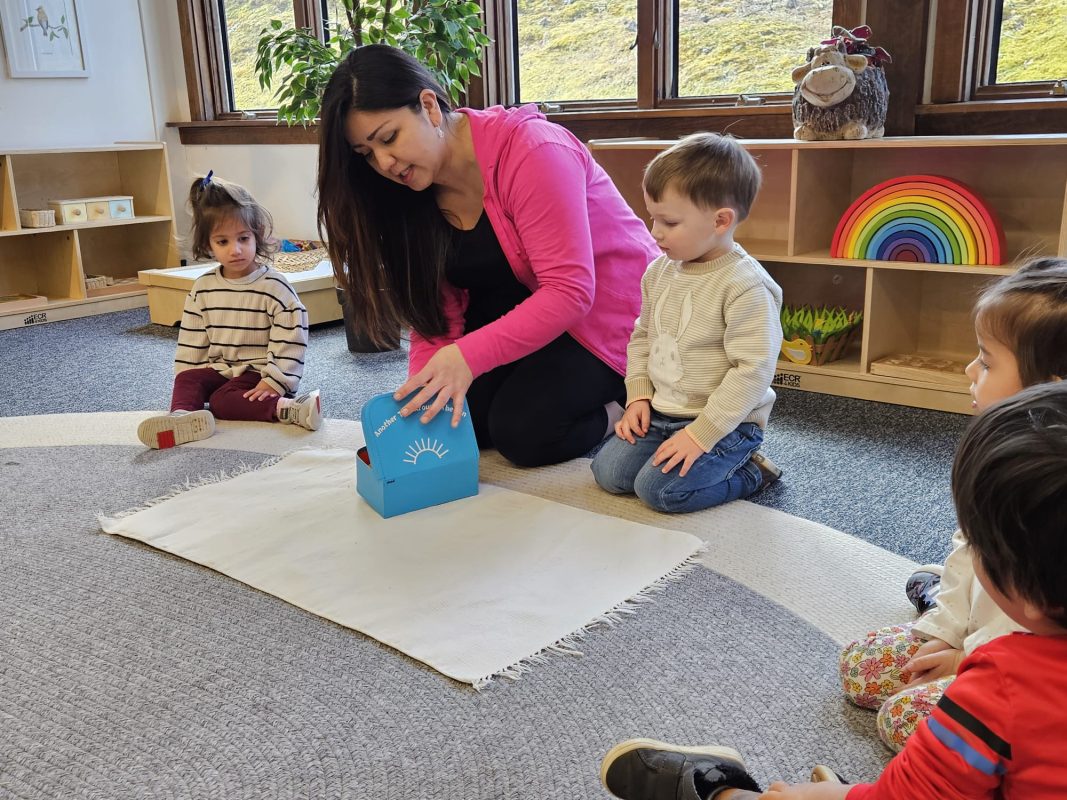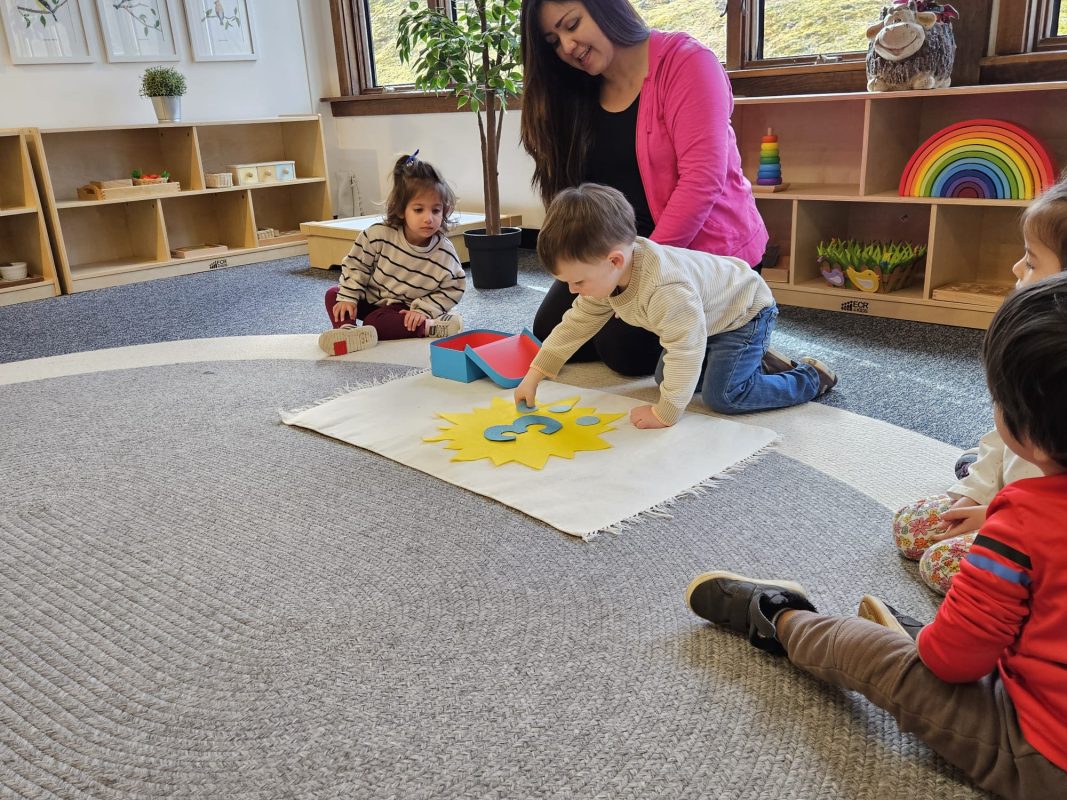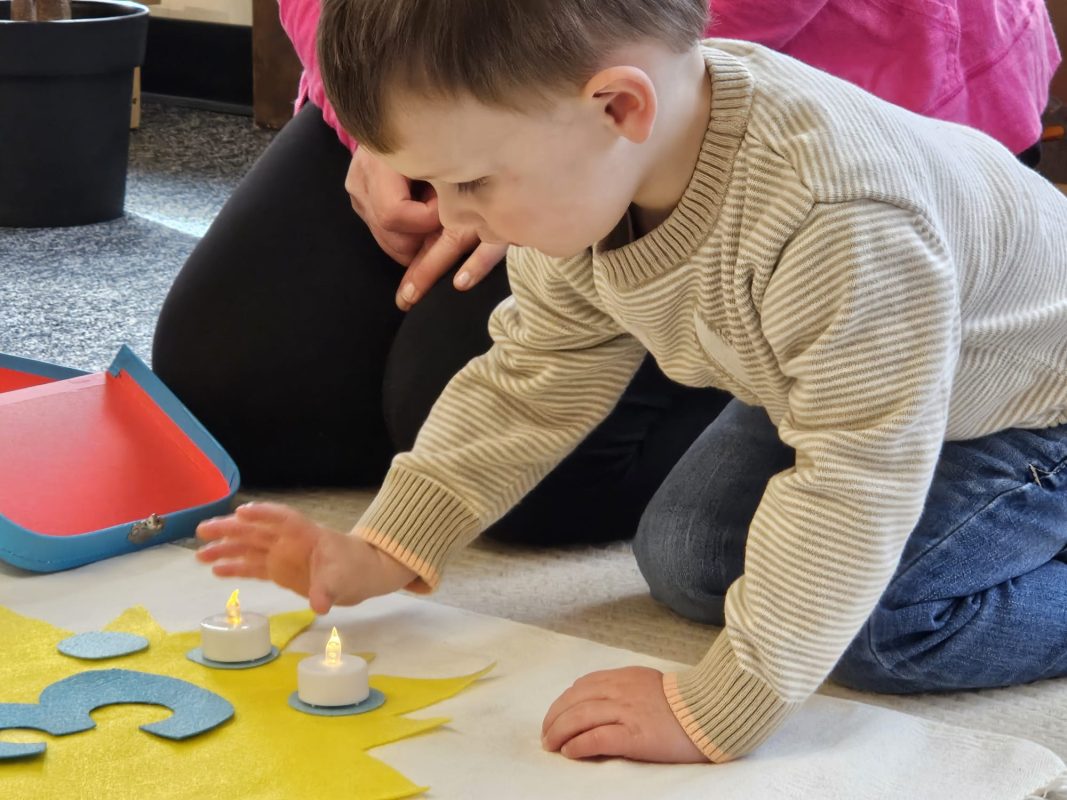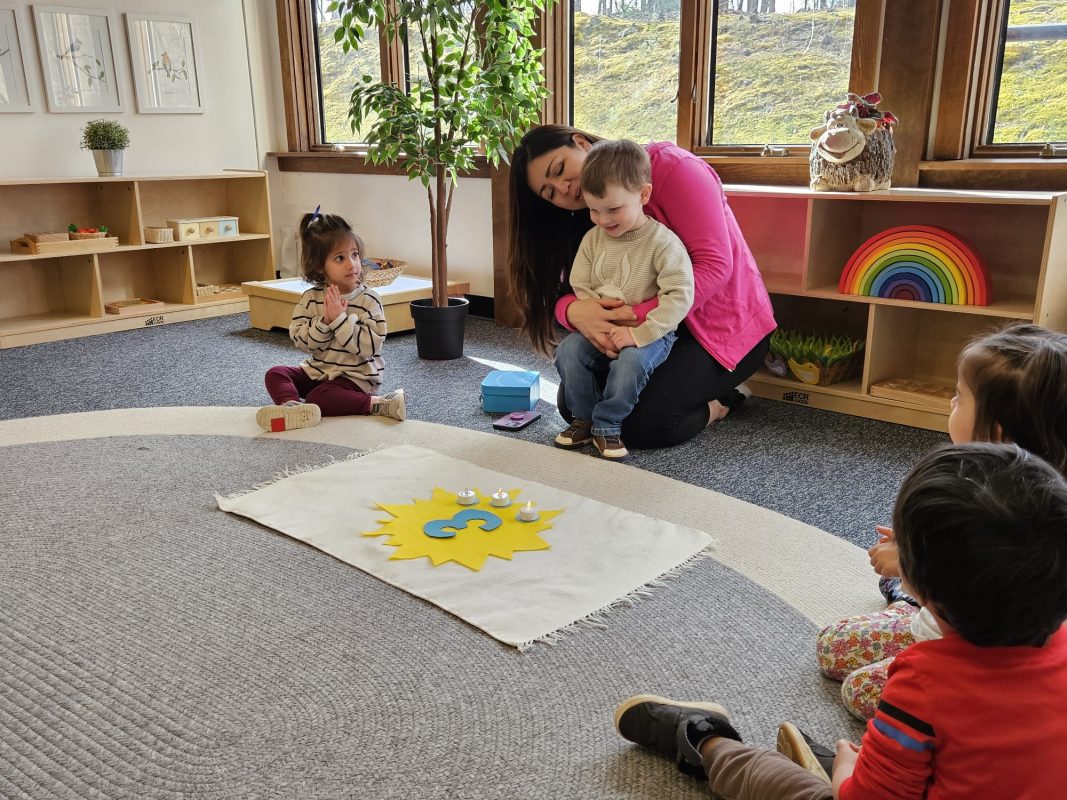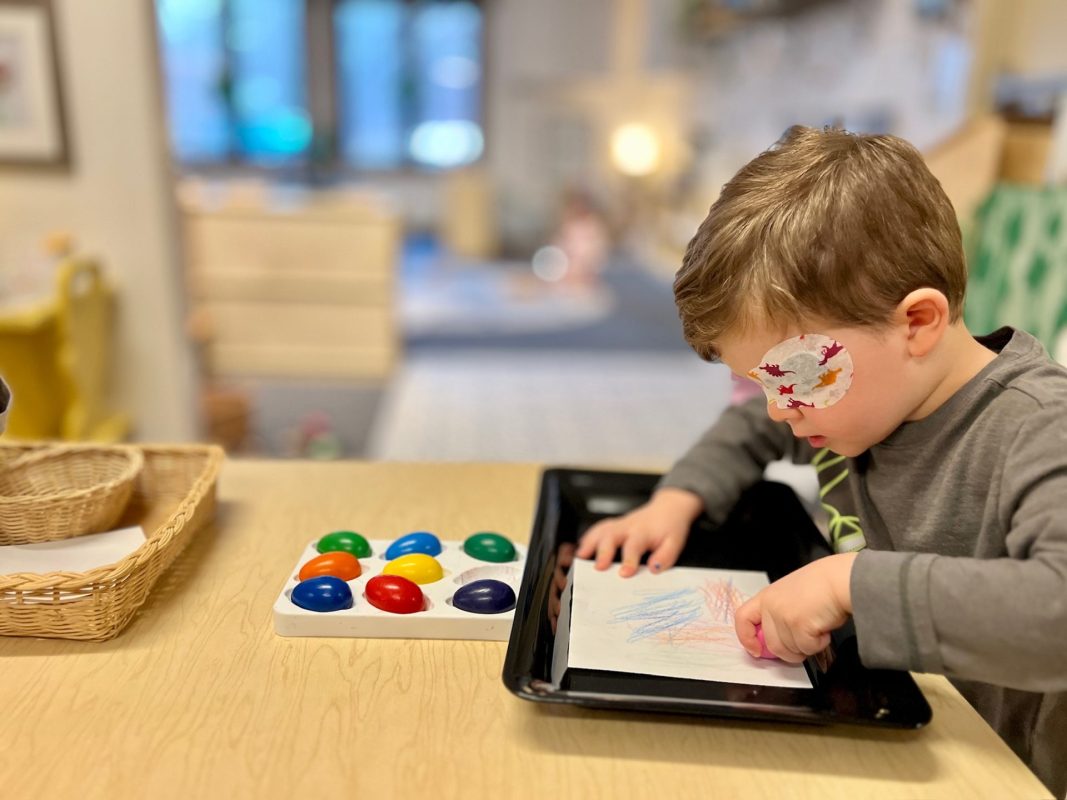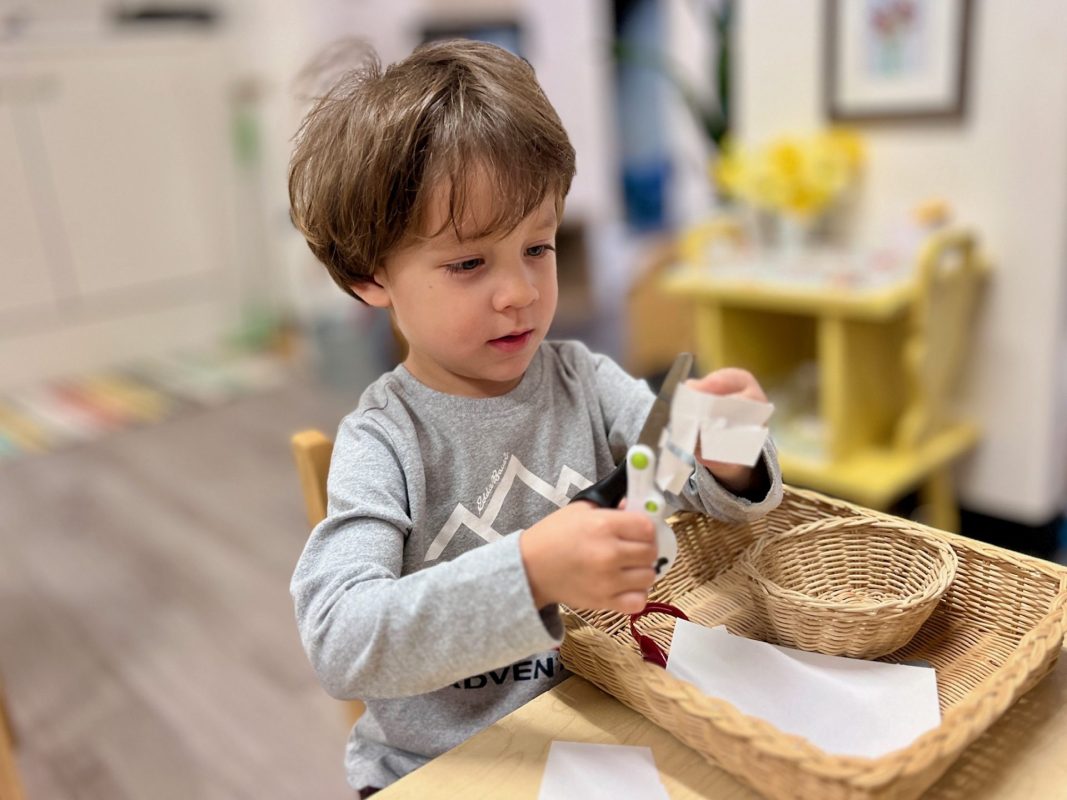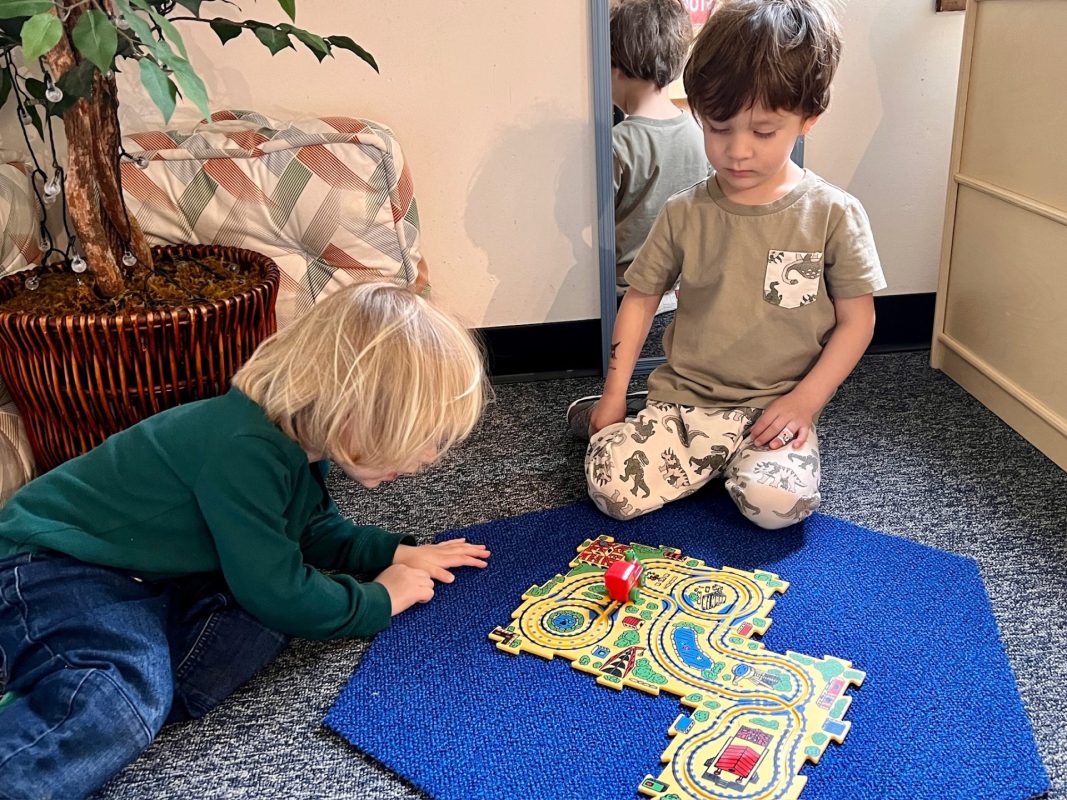
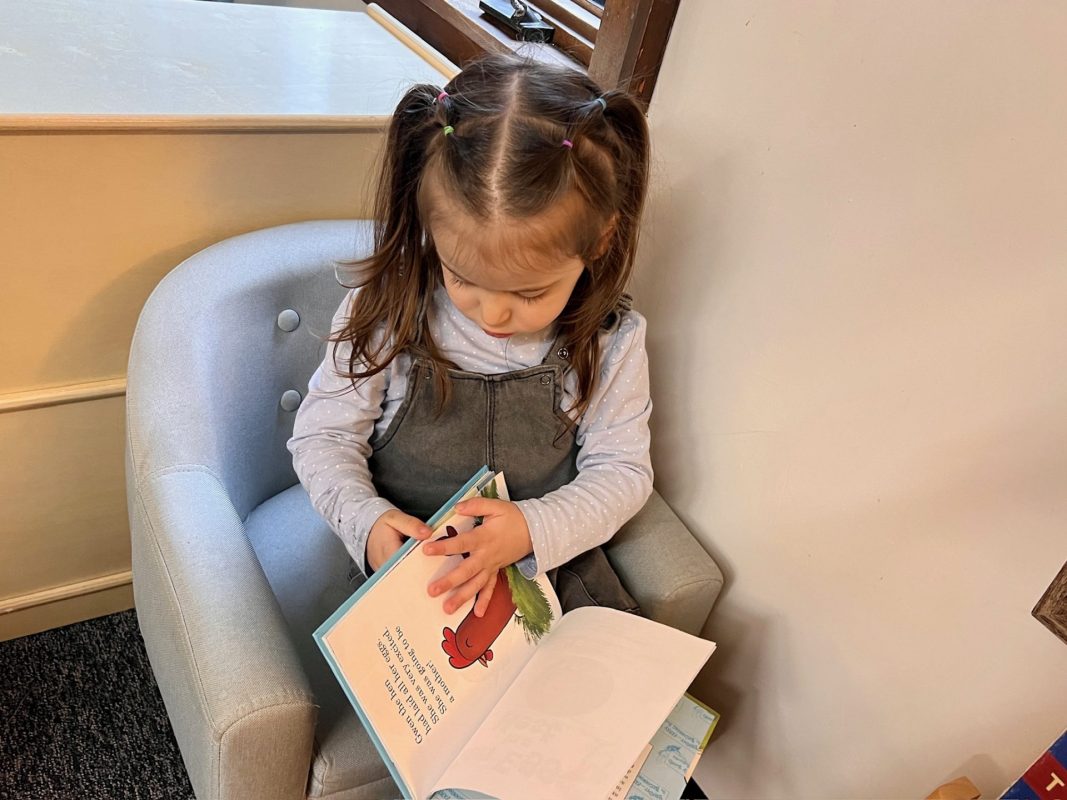
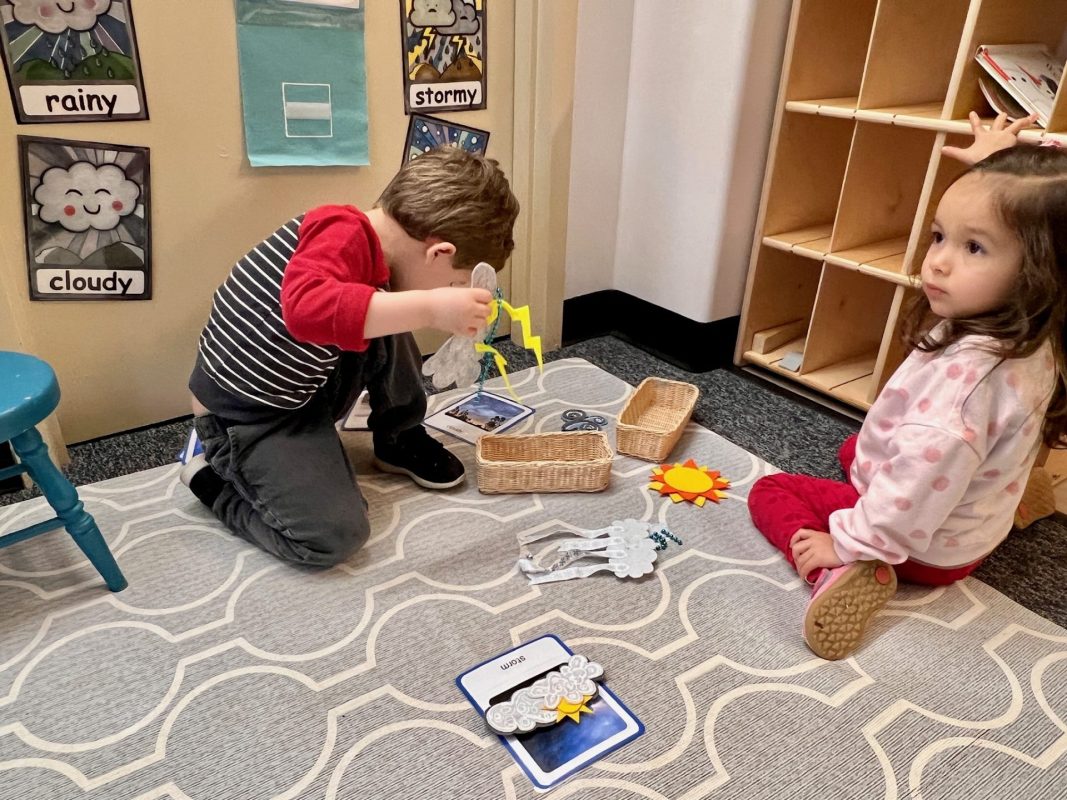
Mrs. Wilson: Toileting in the Montessori Classroom

Maria Montessori discovered that children have sensitive periods during their development. These are specific time frames when children are particularly open to learning certain skills or concepts. During these periods, children become highly focused, repeat activities, and show a strong inclination toward specific tasks. For toddlers, the most prominent sensitive periods are related to order, movement, language, independence, and socialization. 

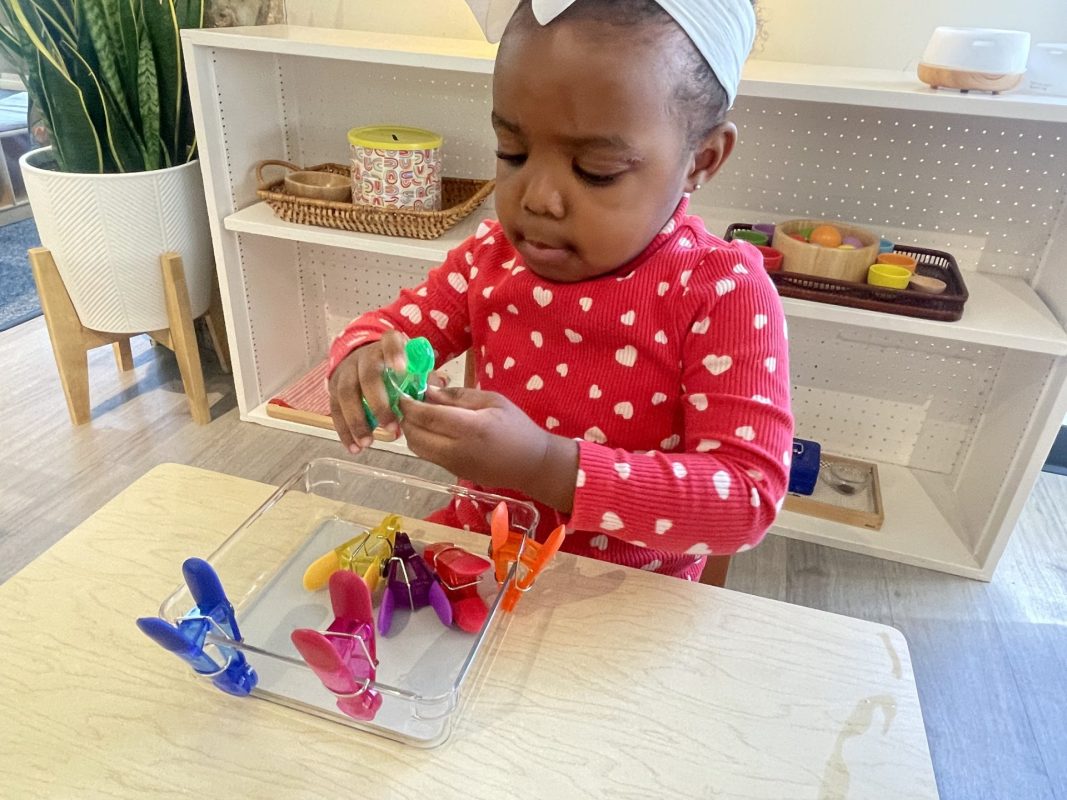
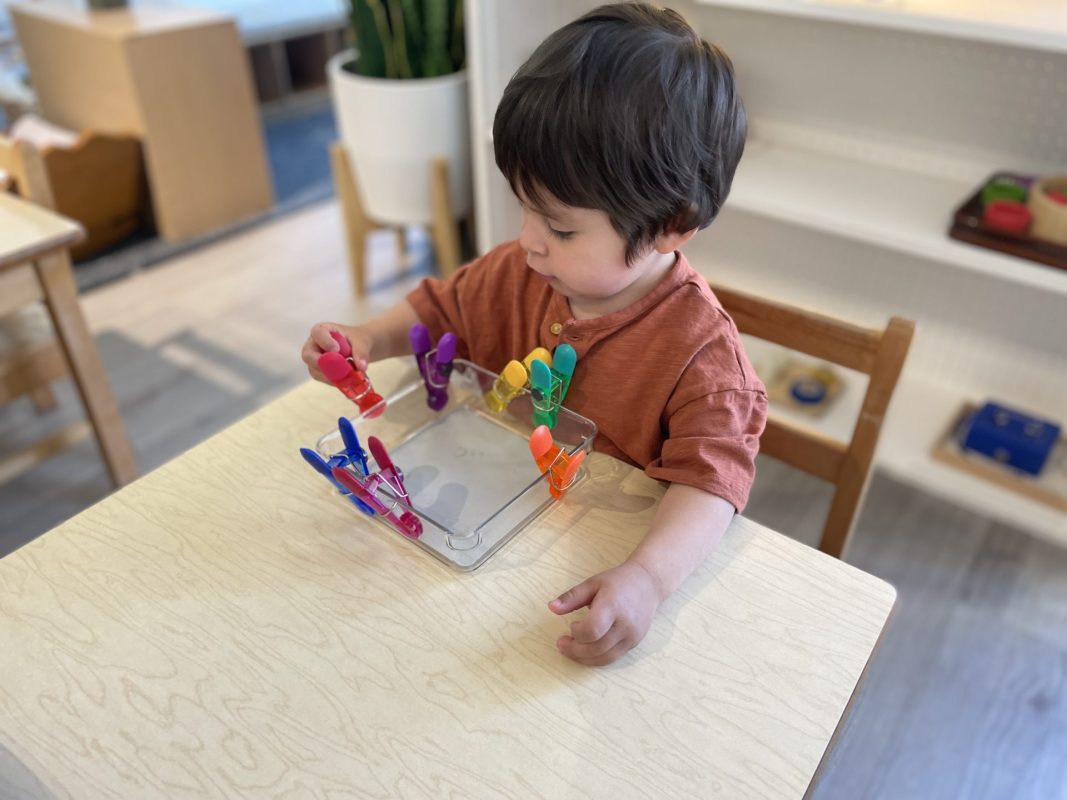
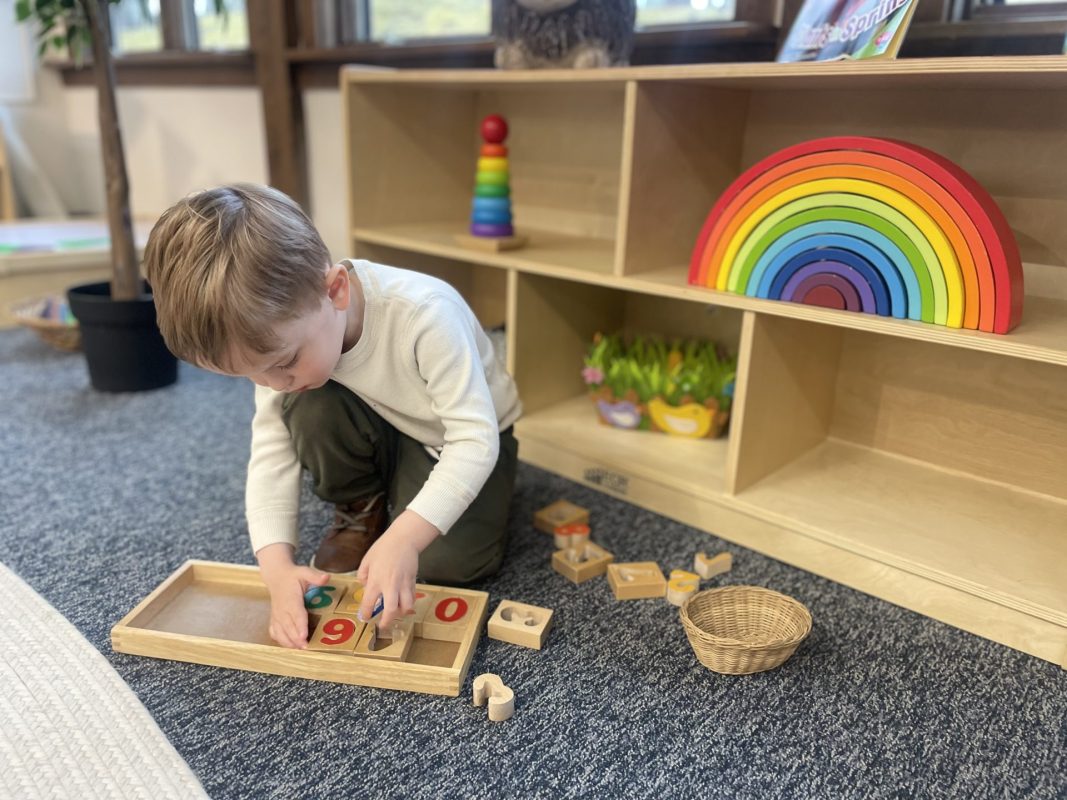
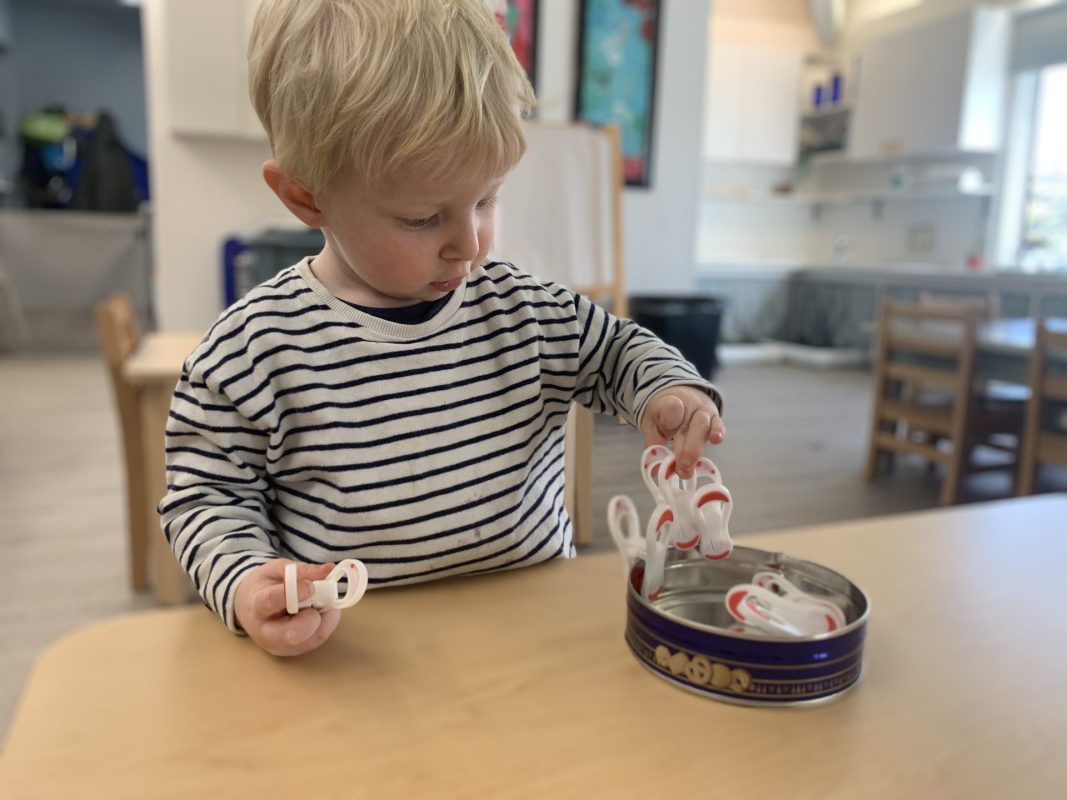
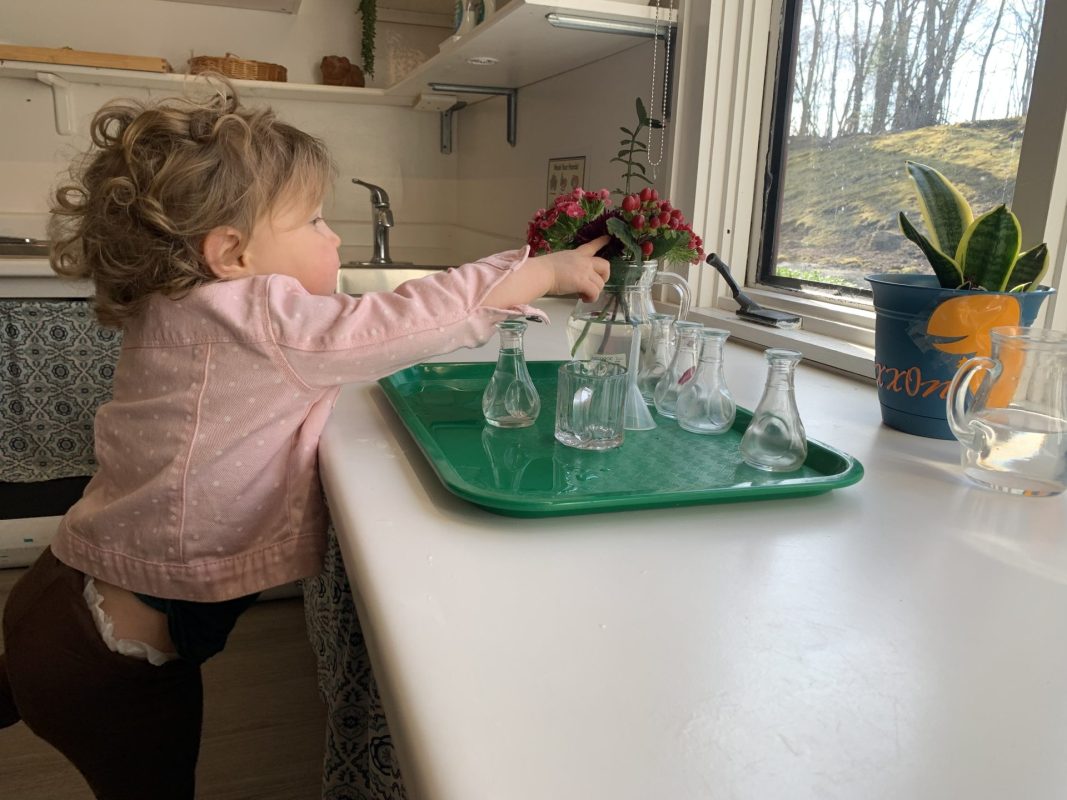
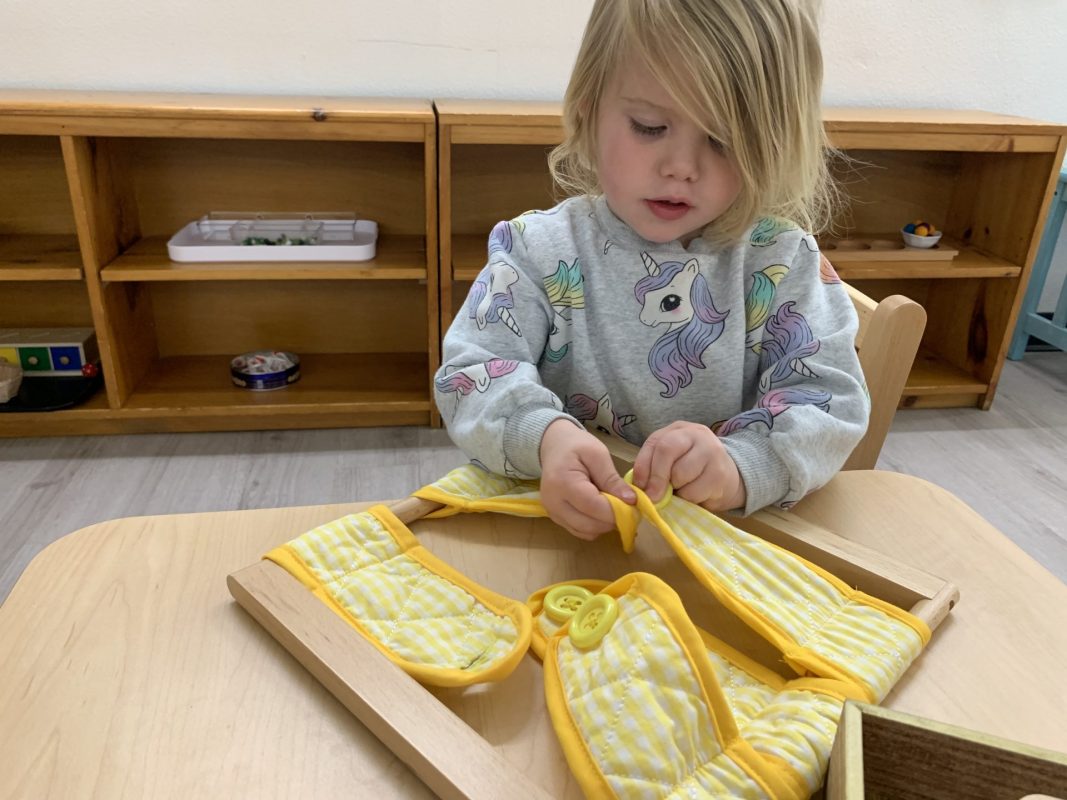
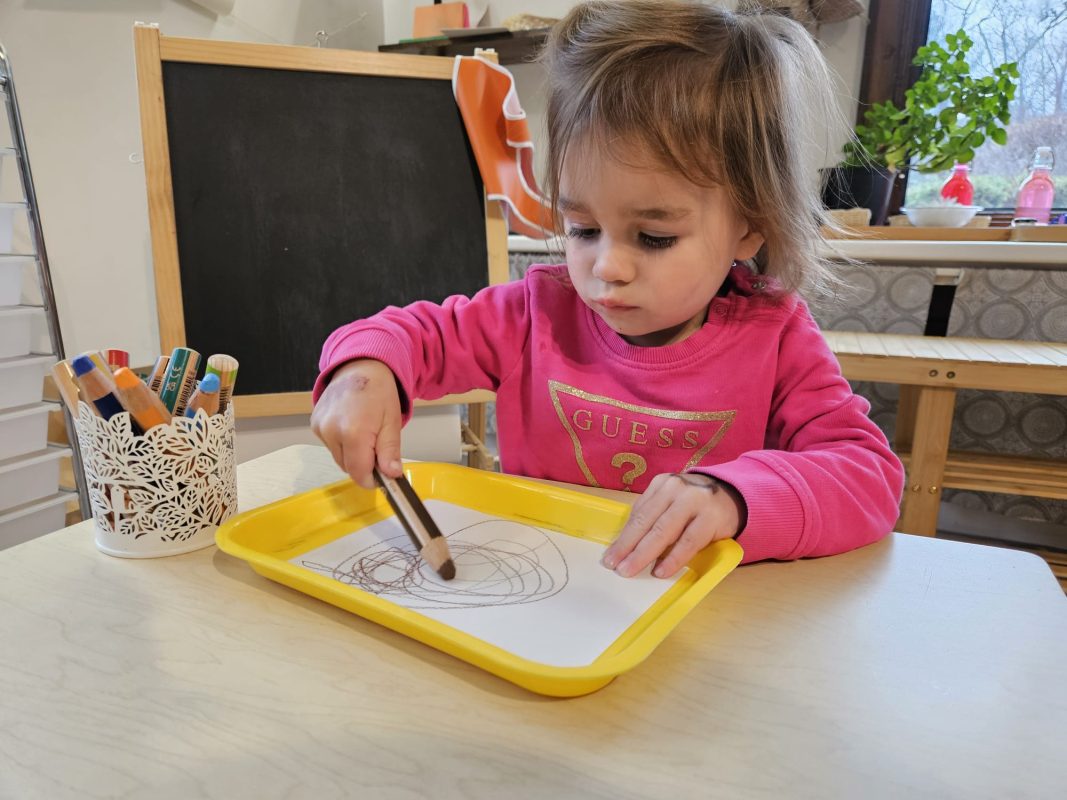
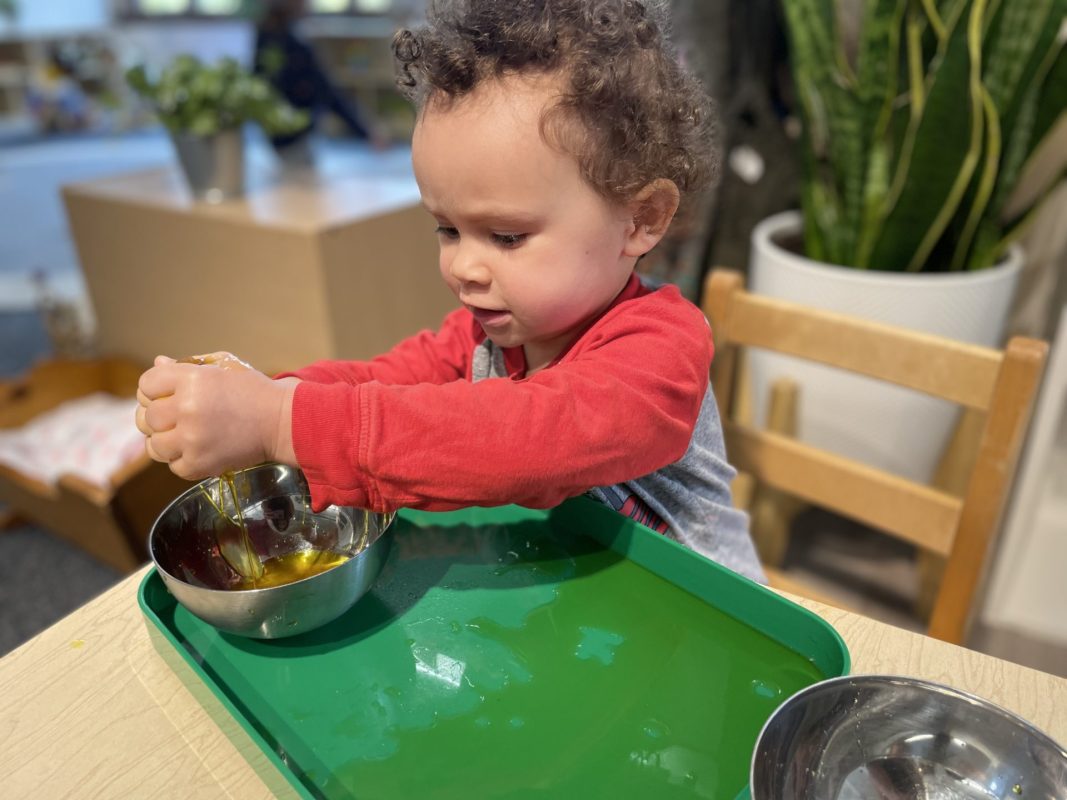
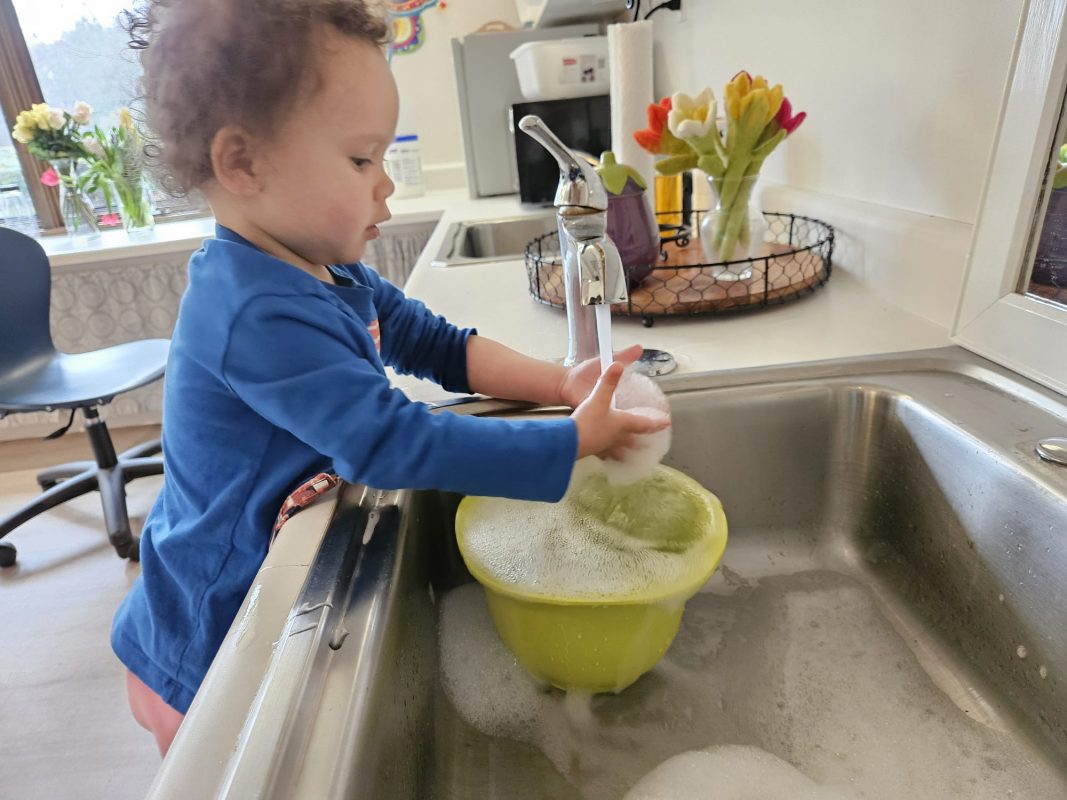
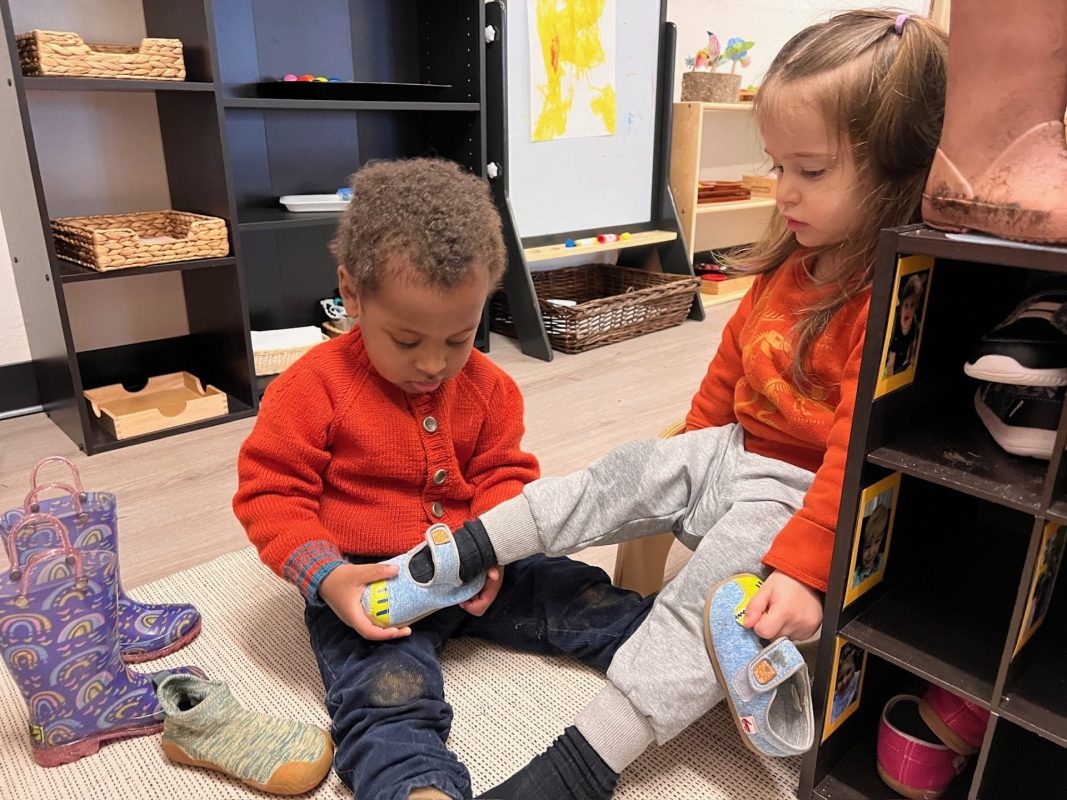
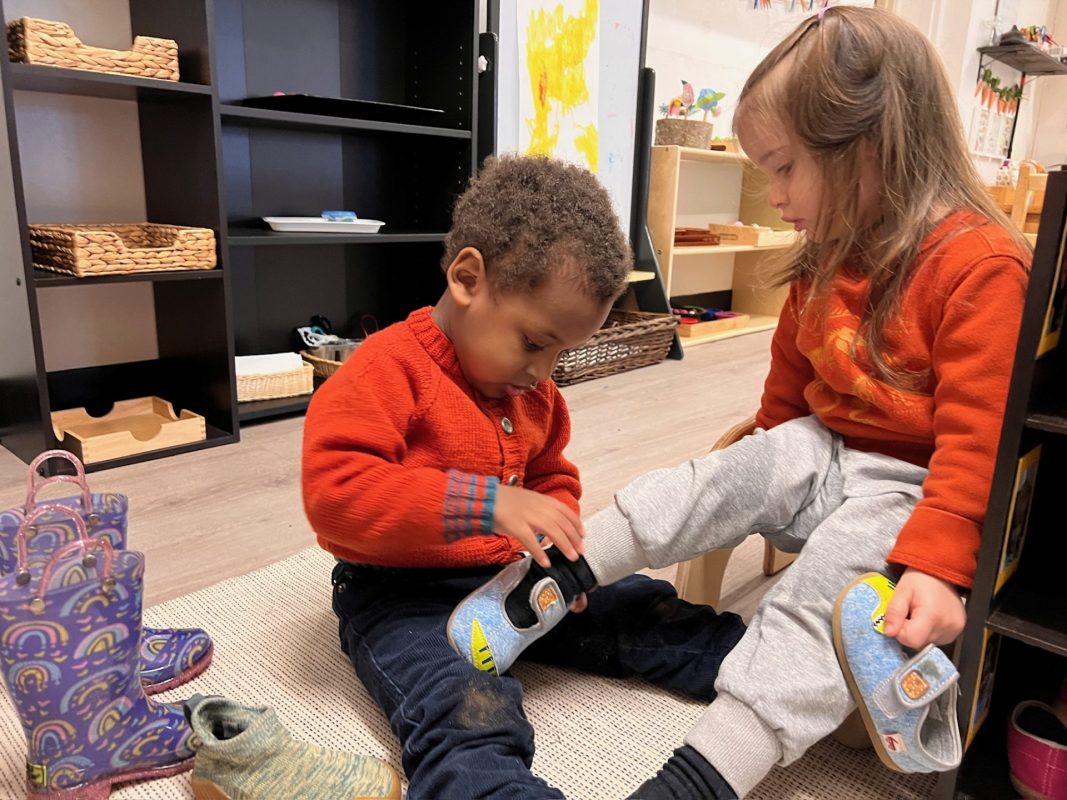
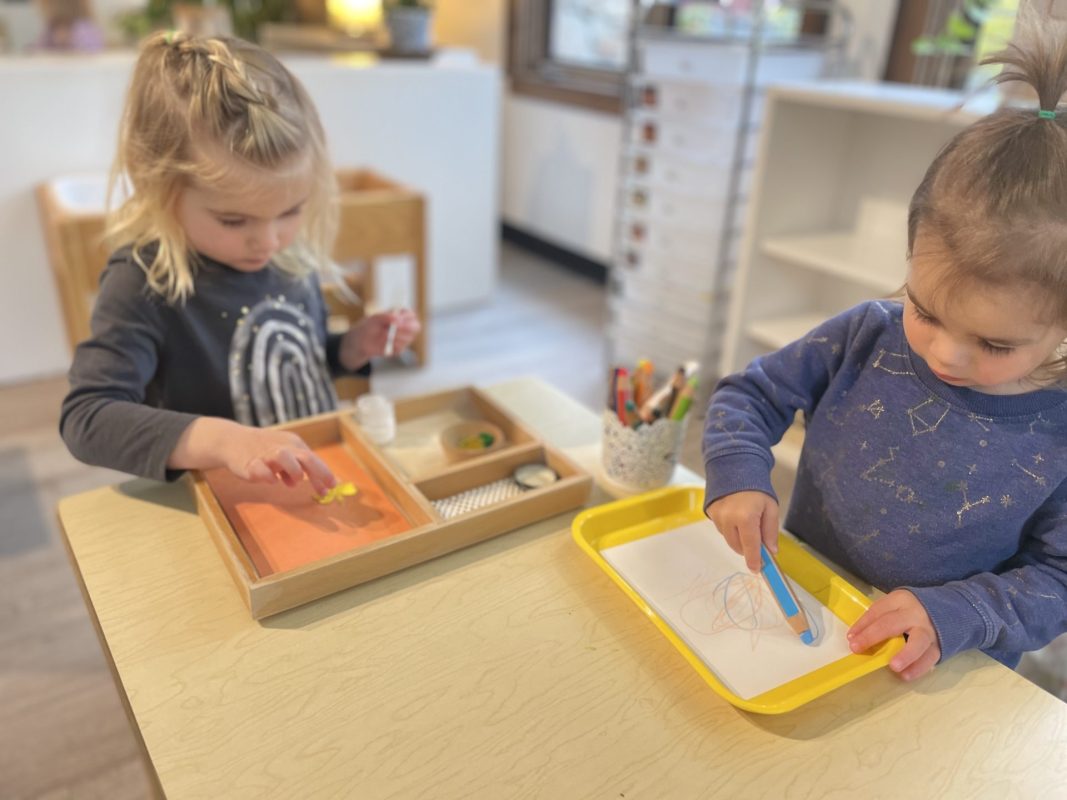
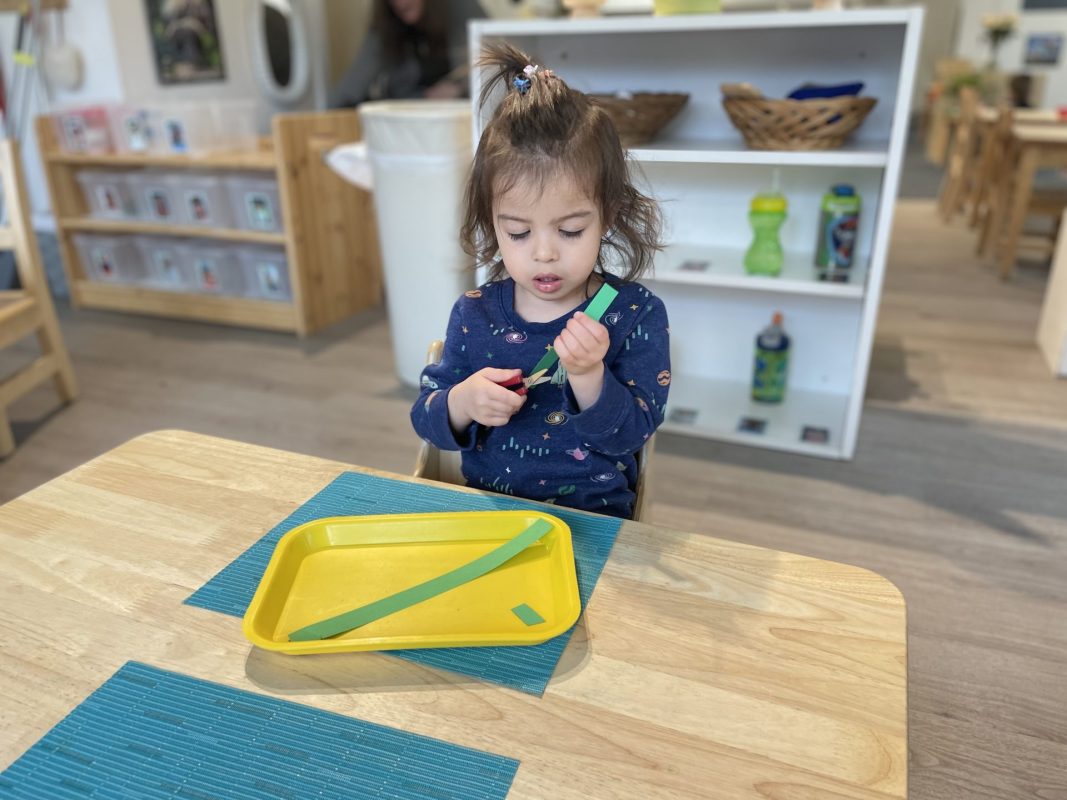
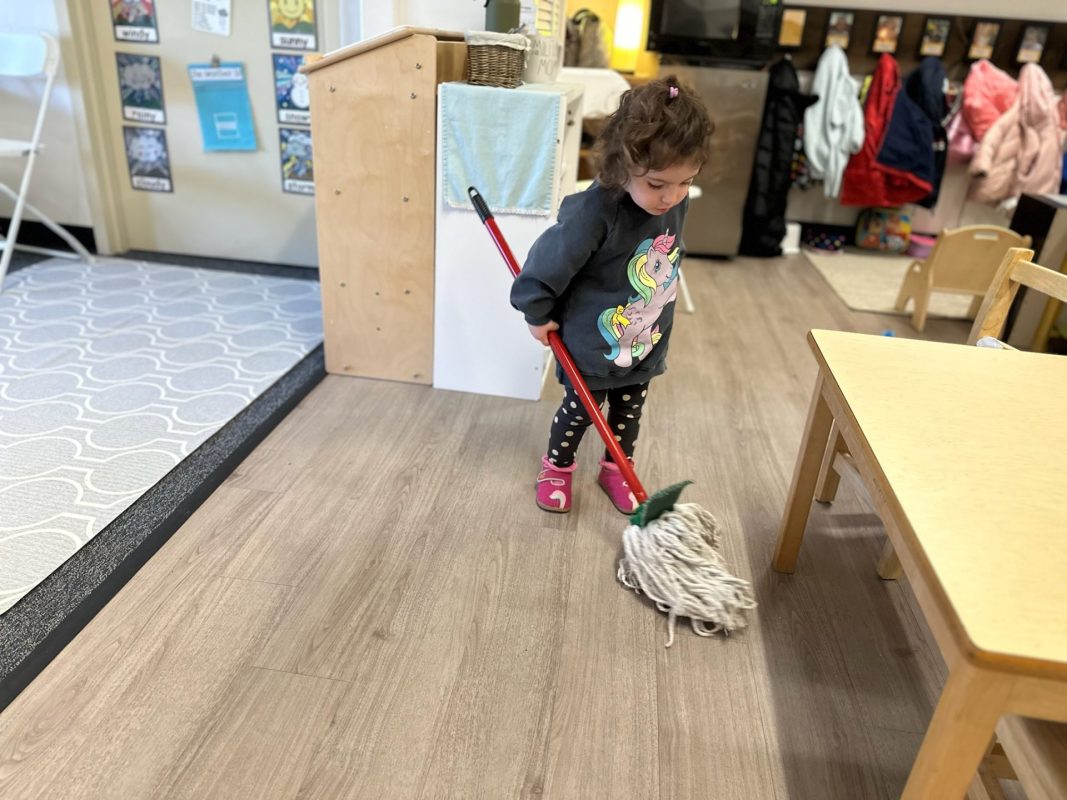
During the sensitive period for independence, toddlers tend to crave autonomy. They feel the need to do things by themselves and assert their budding sense of agency. This is an excellent opportunity to encourage self-help skills, such as feeding, dressing, and toileting independently. 

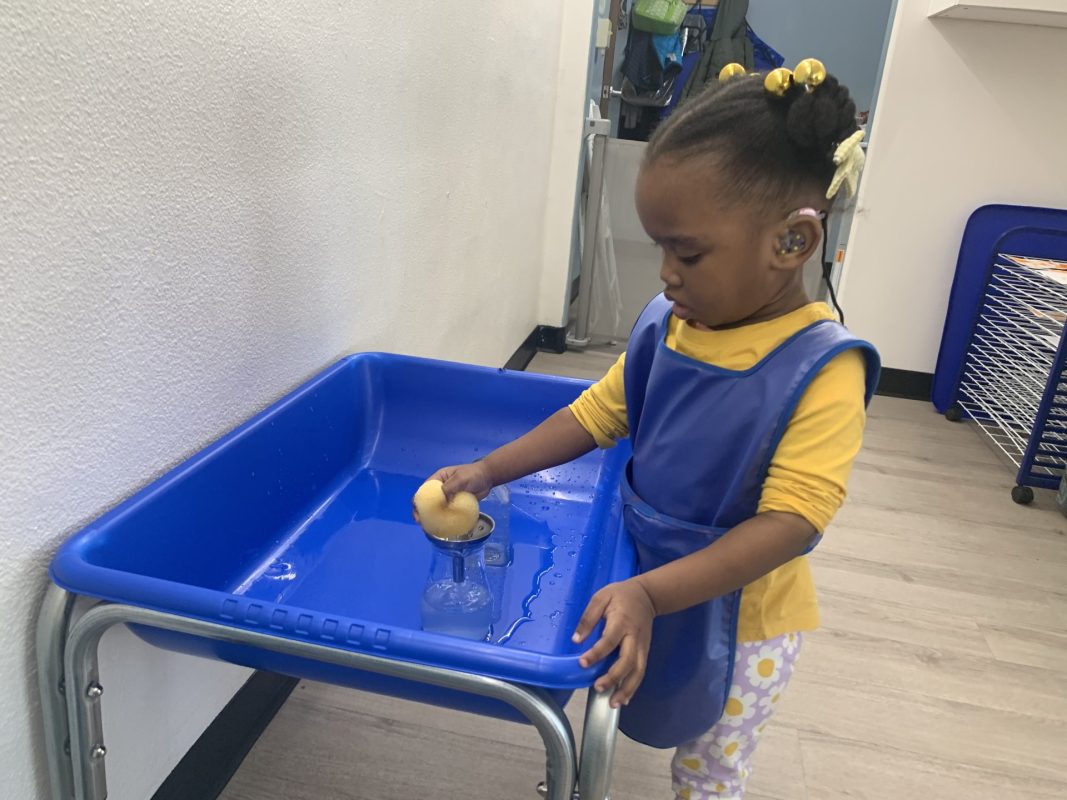
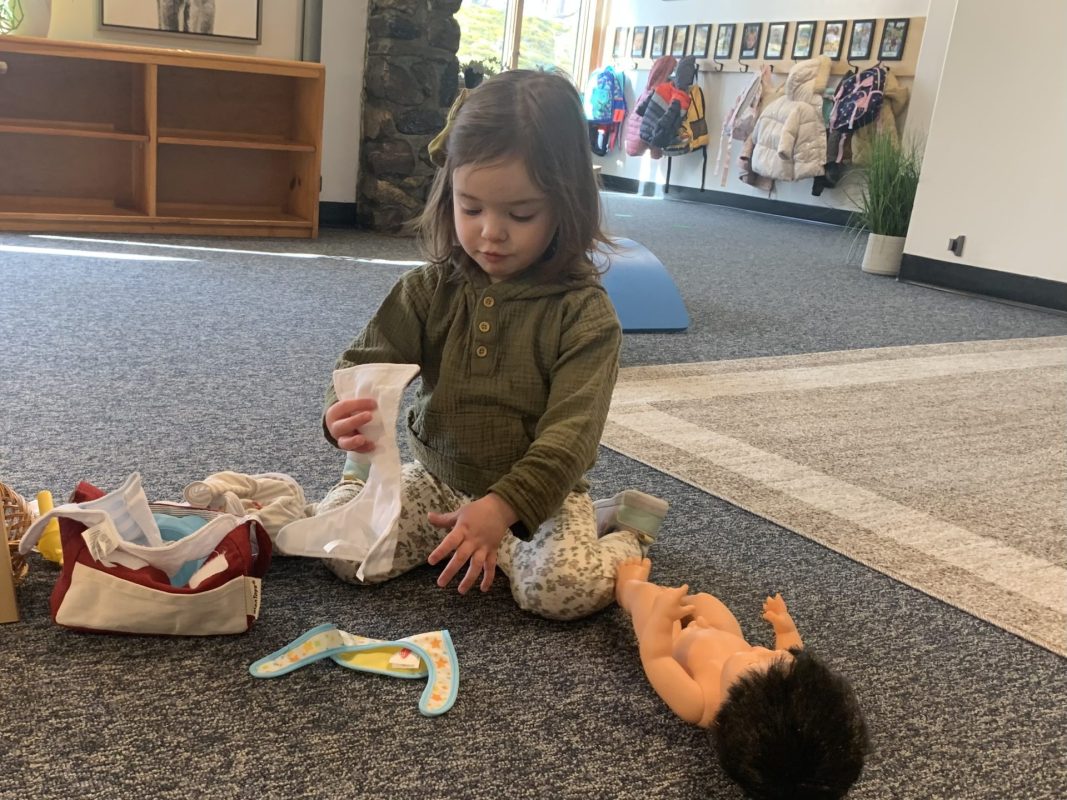
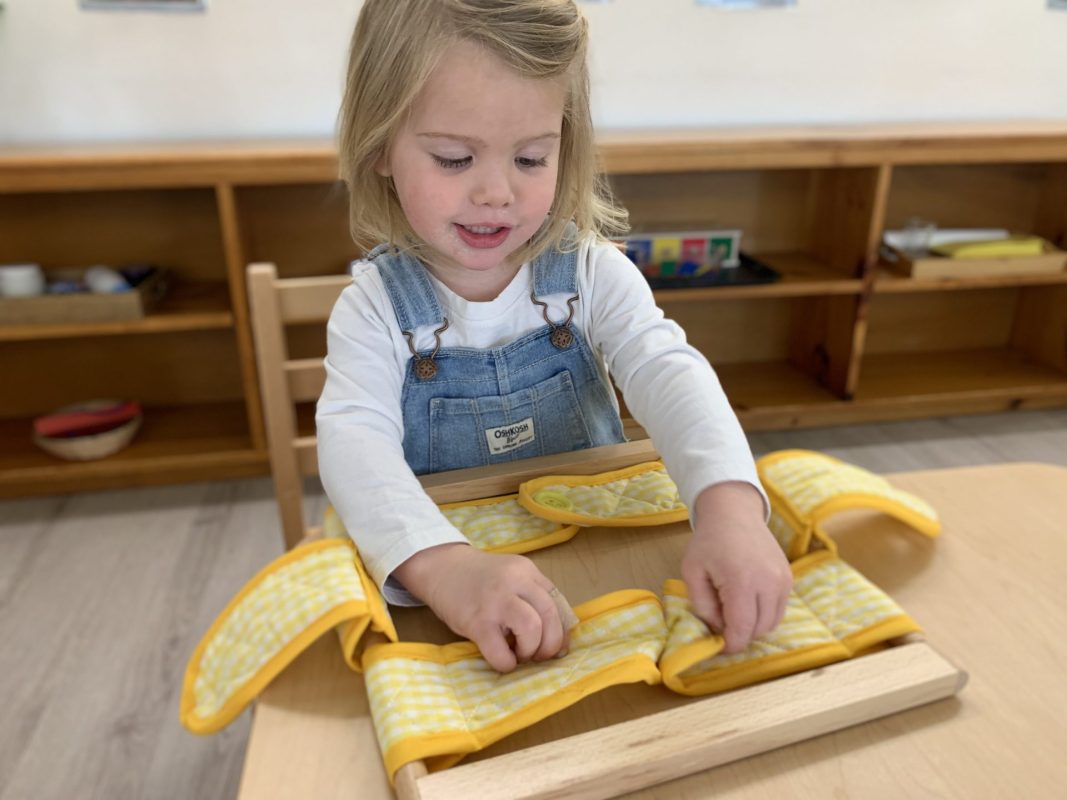
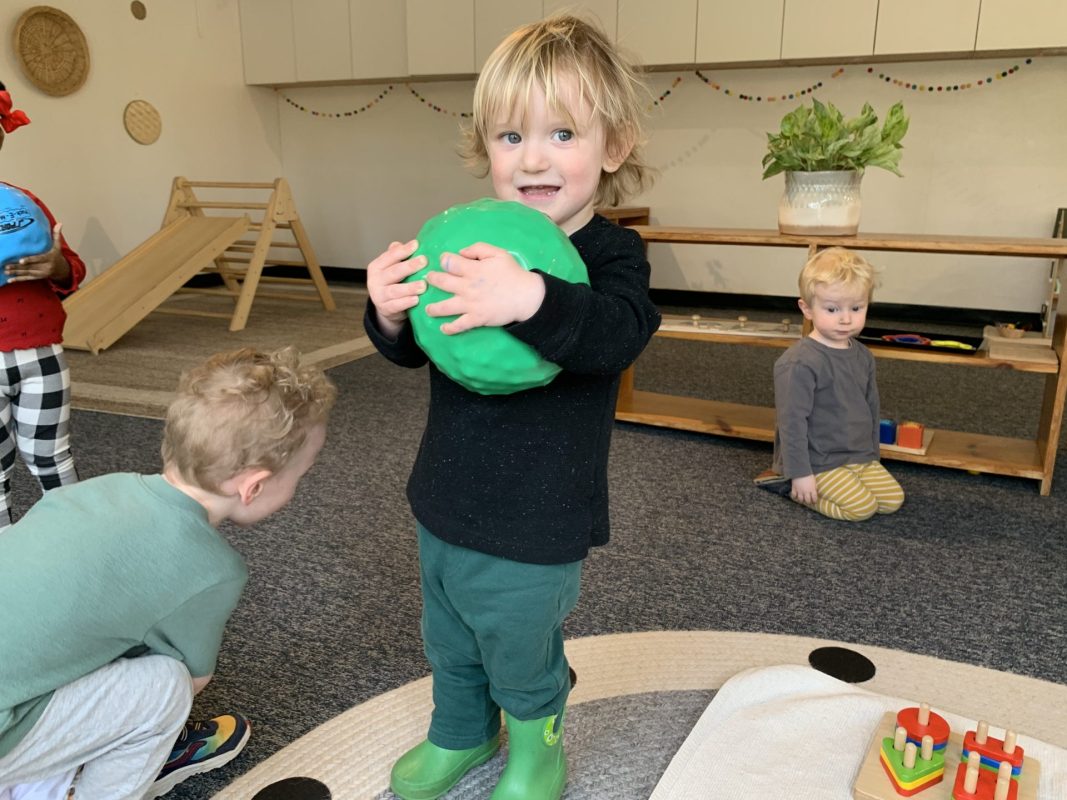
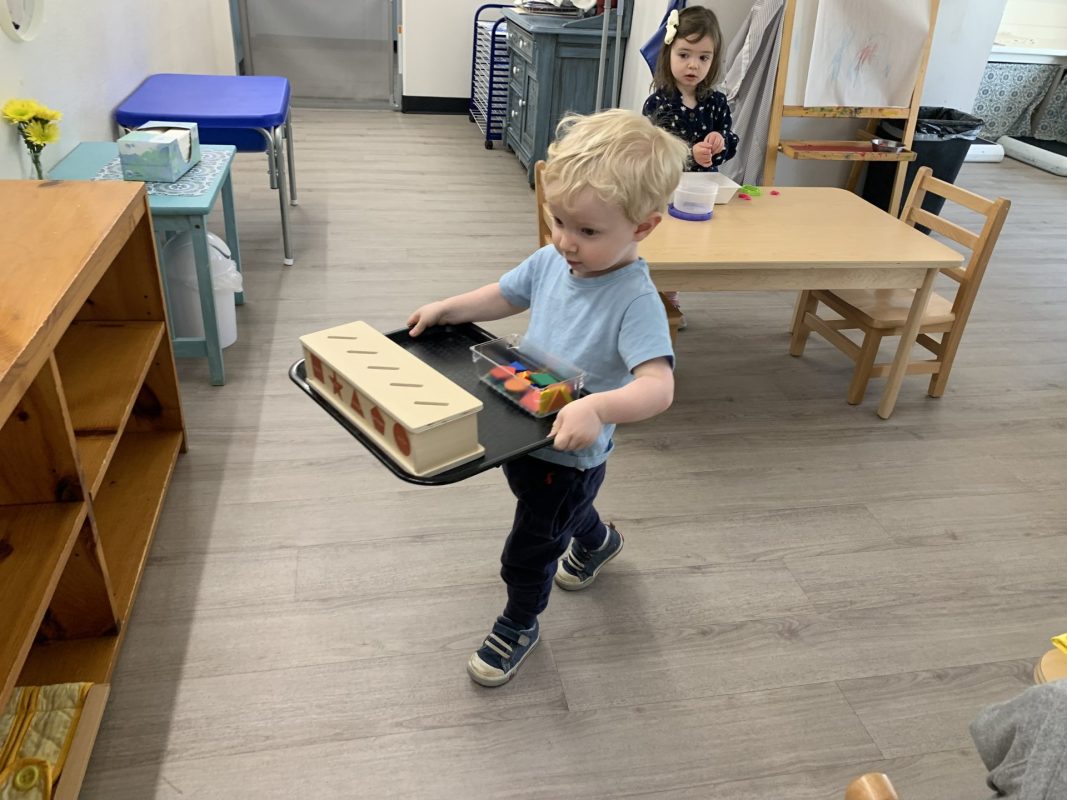
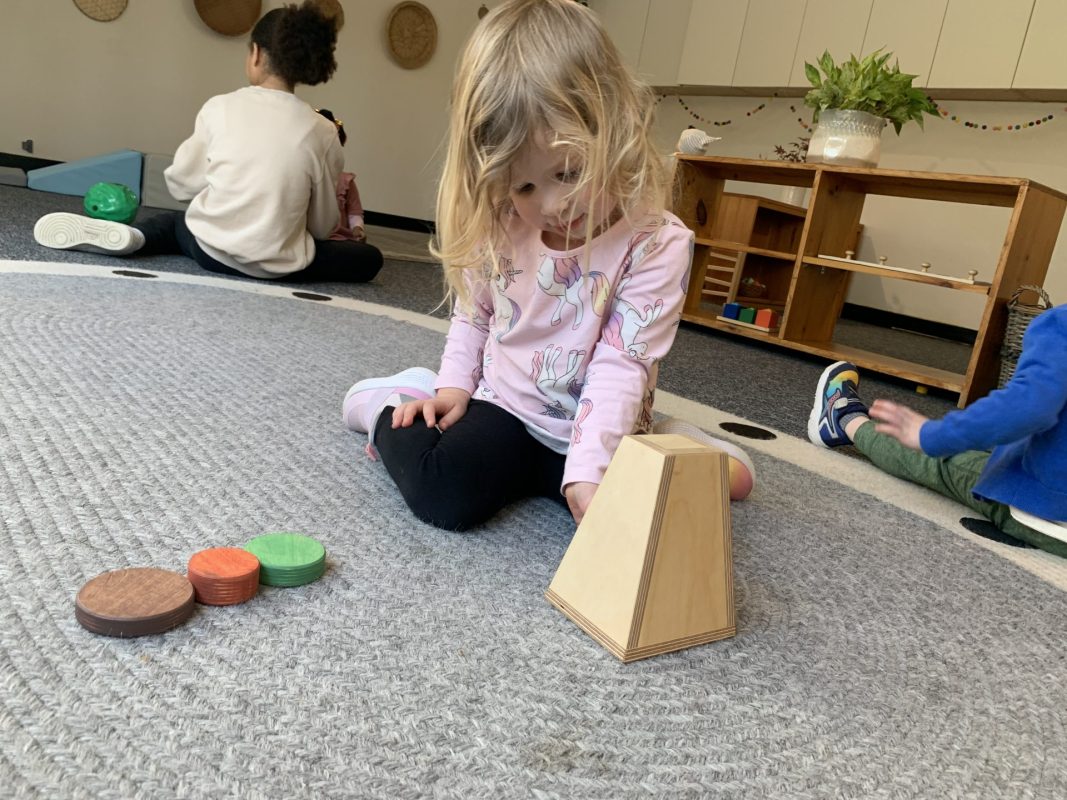
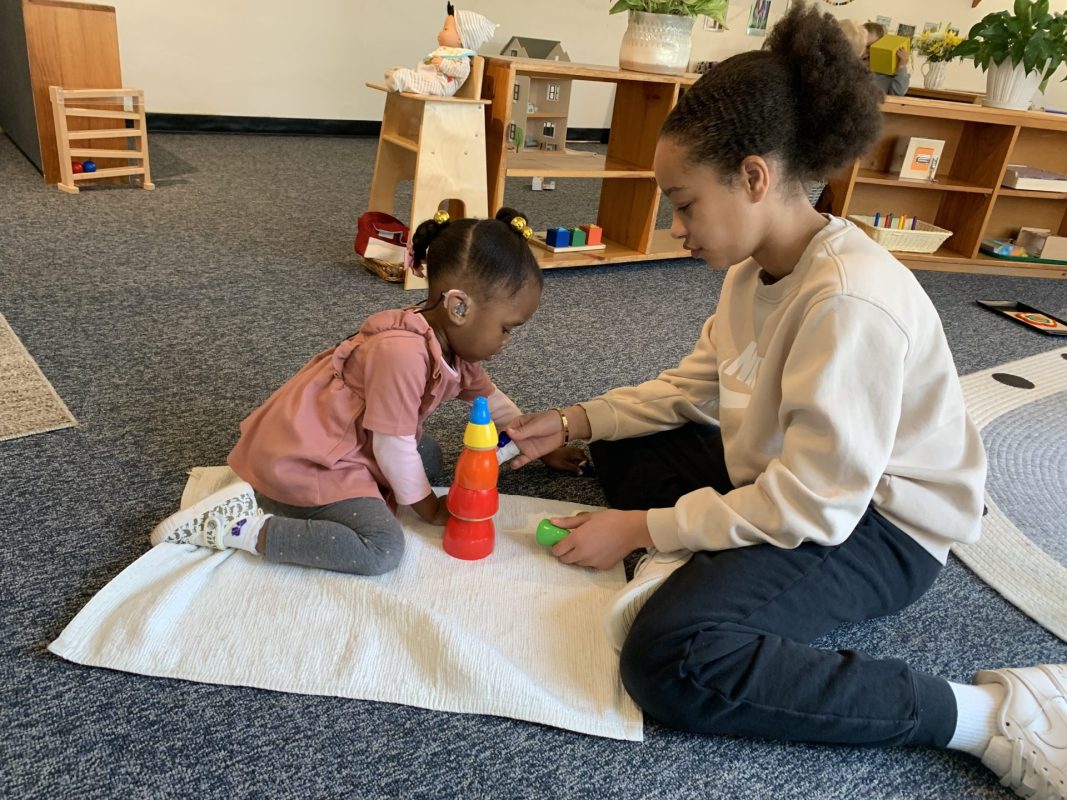
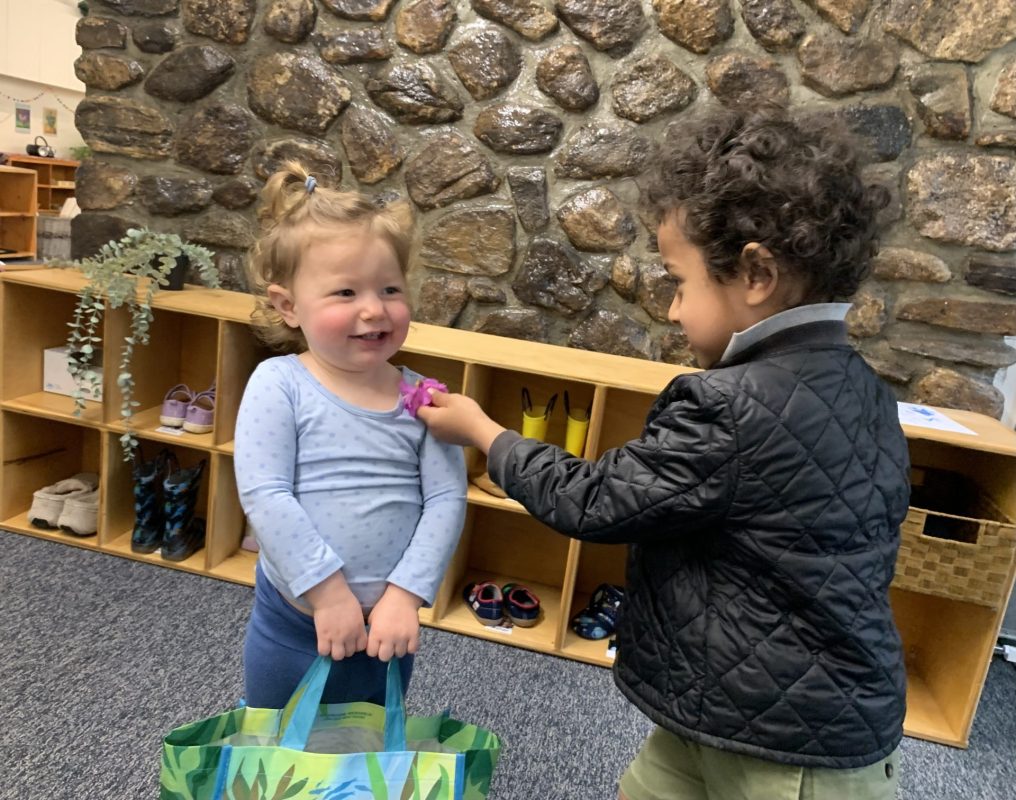
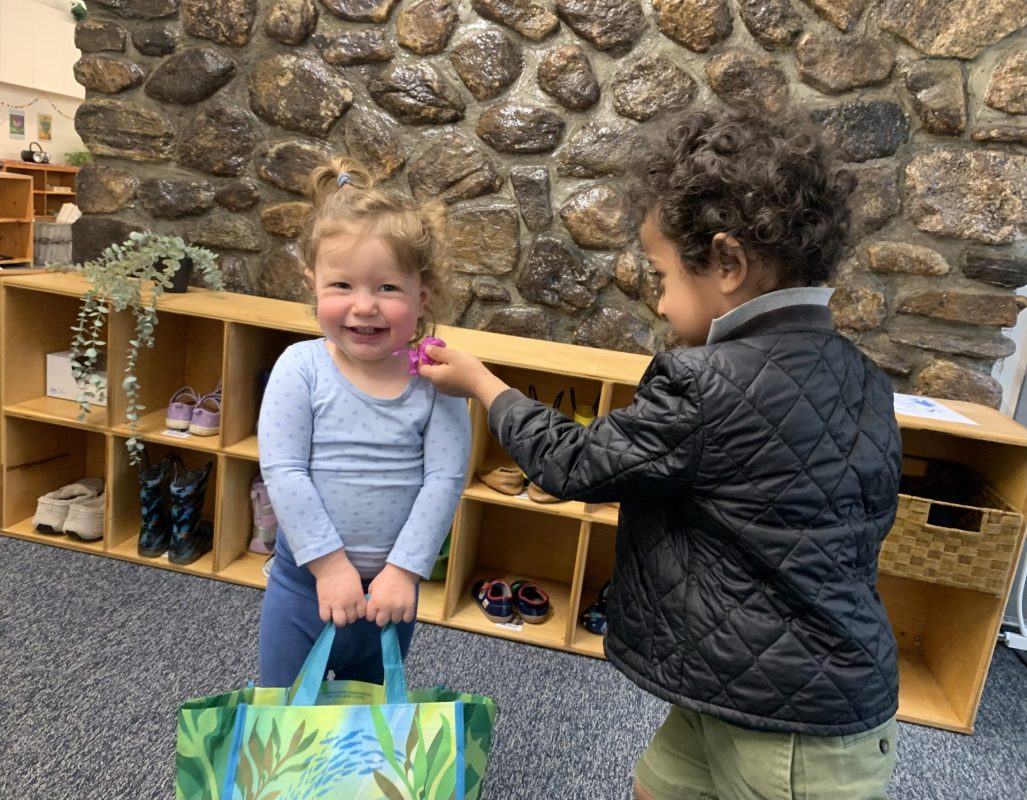
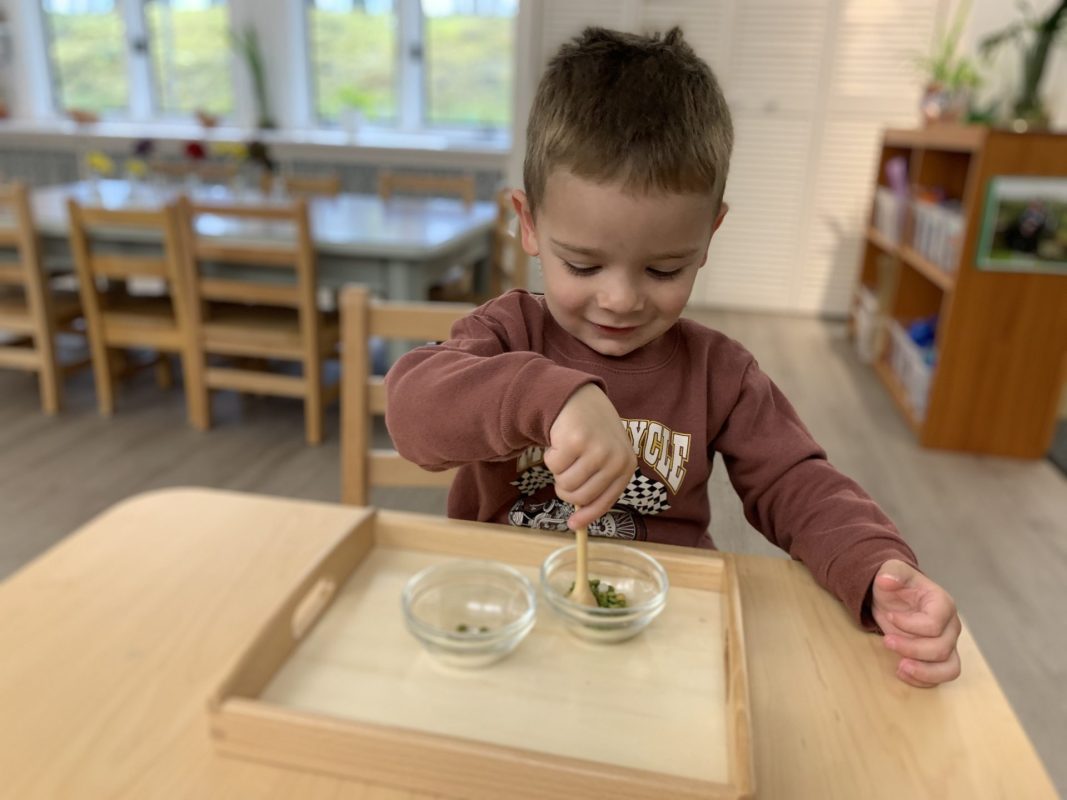
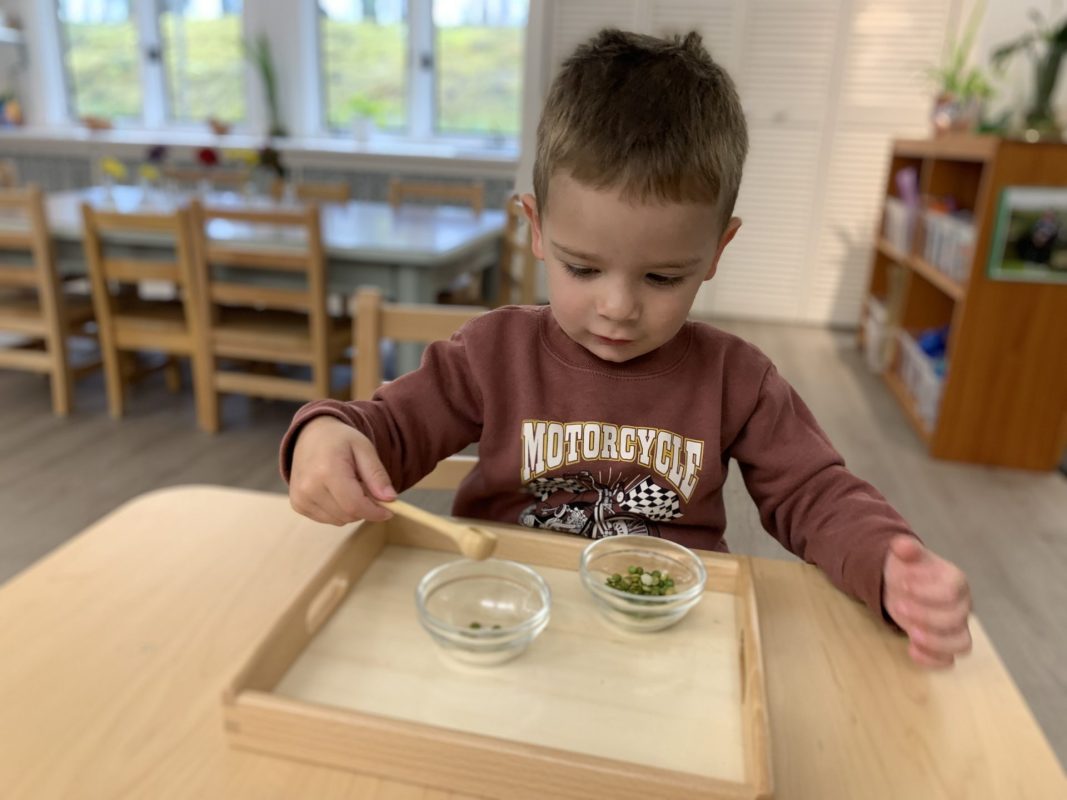
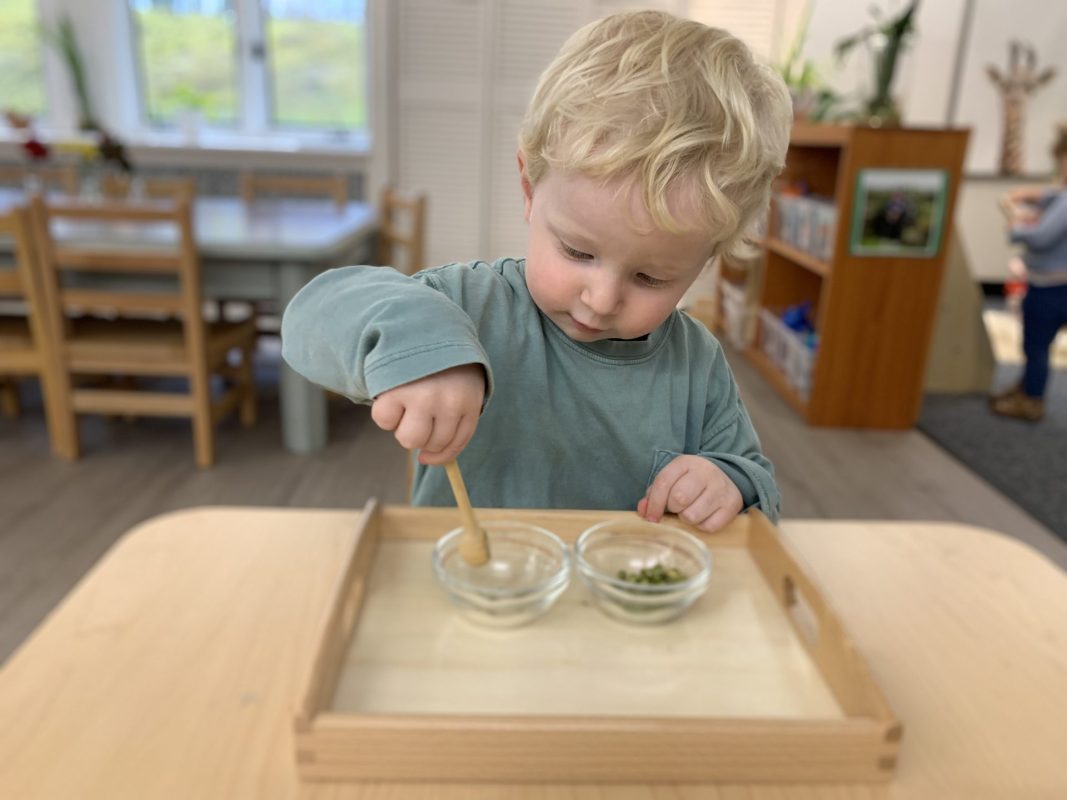
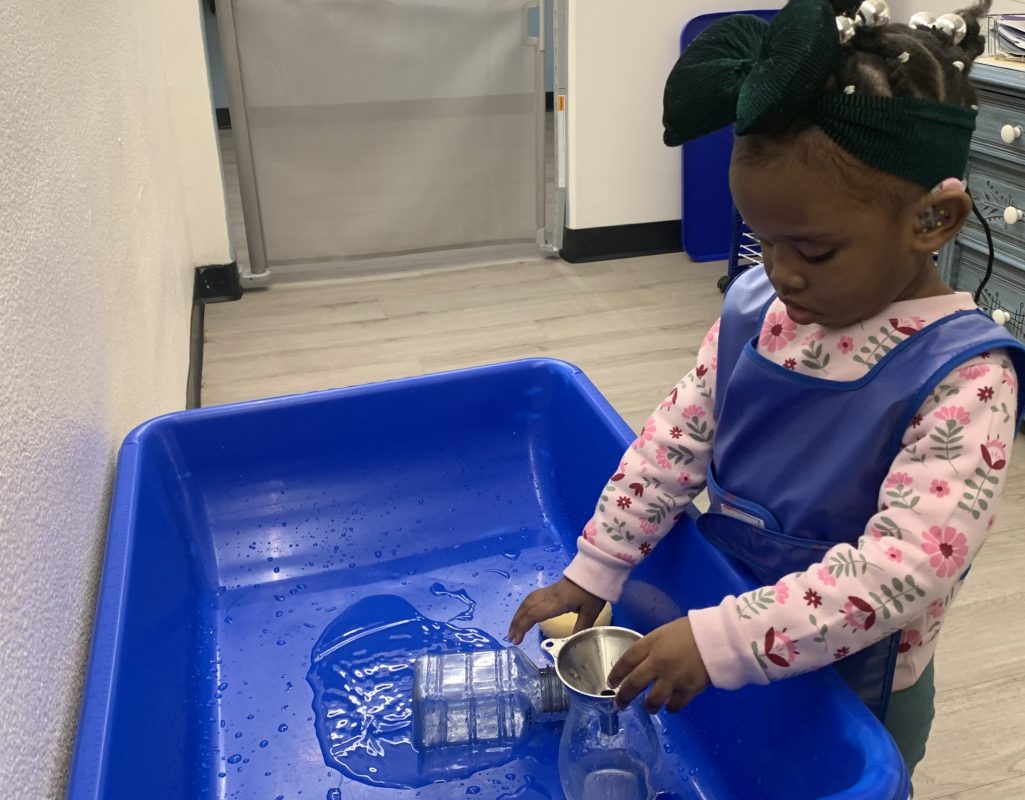
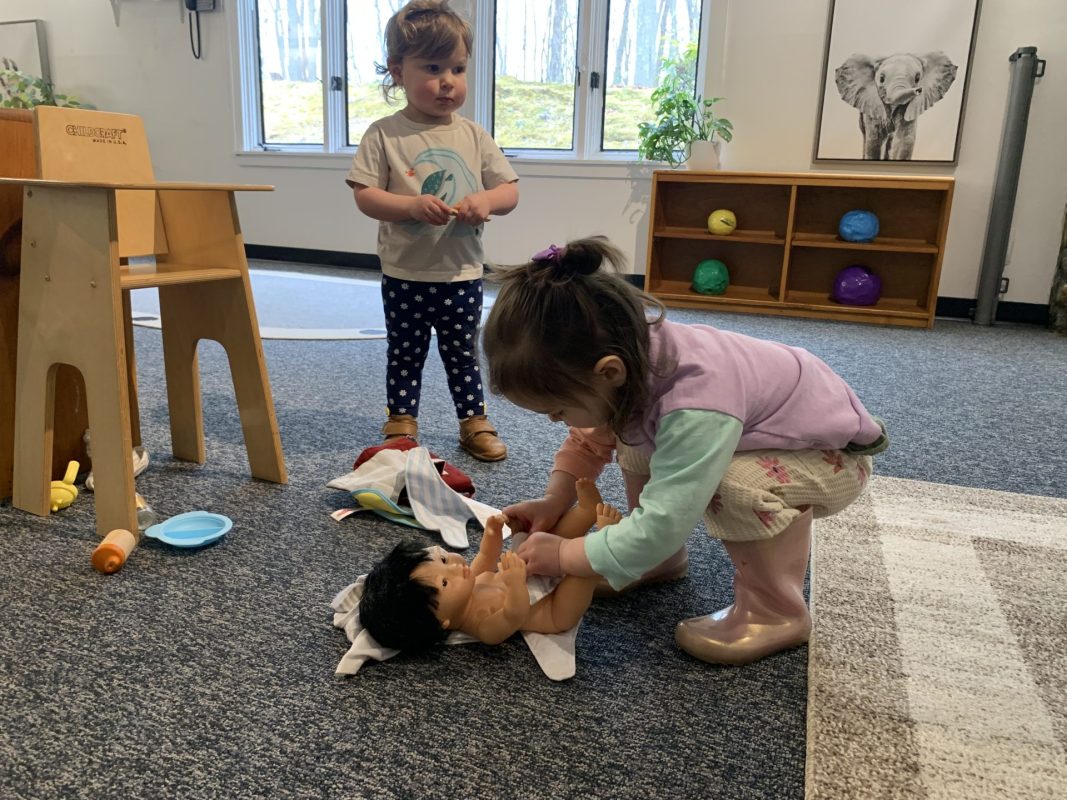
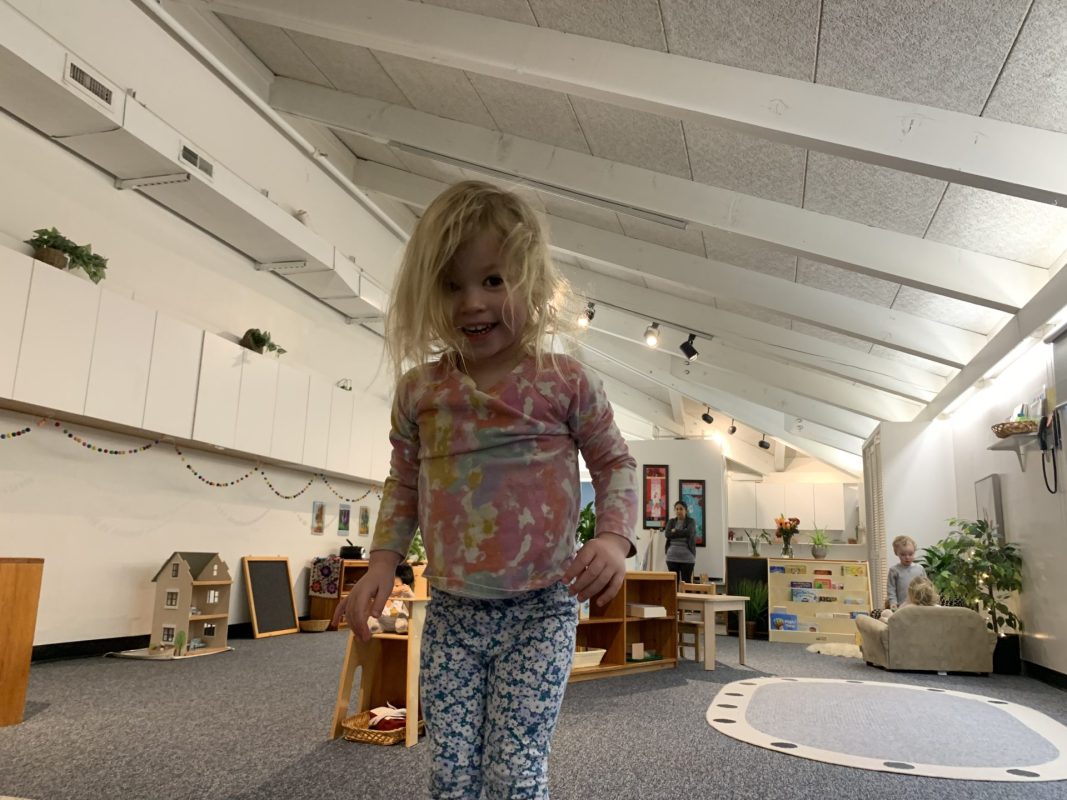
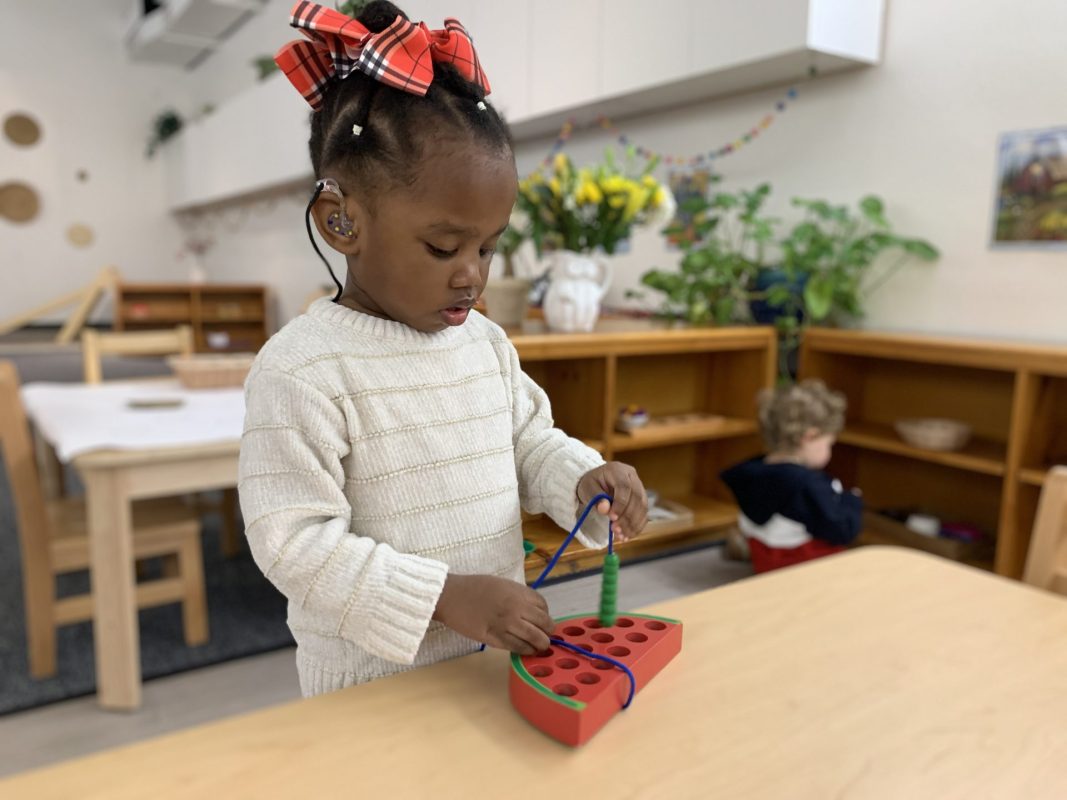
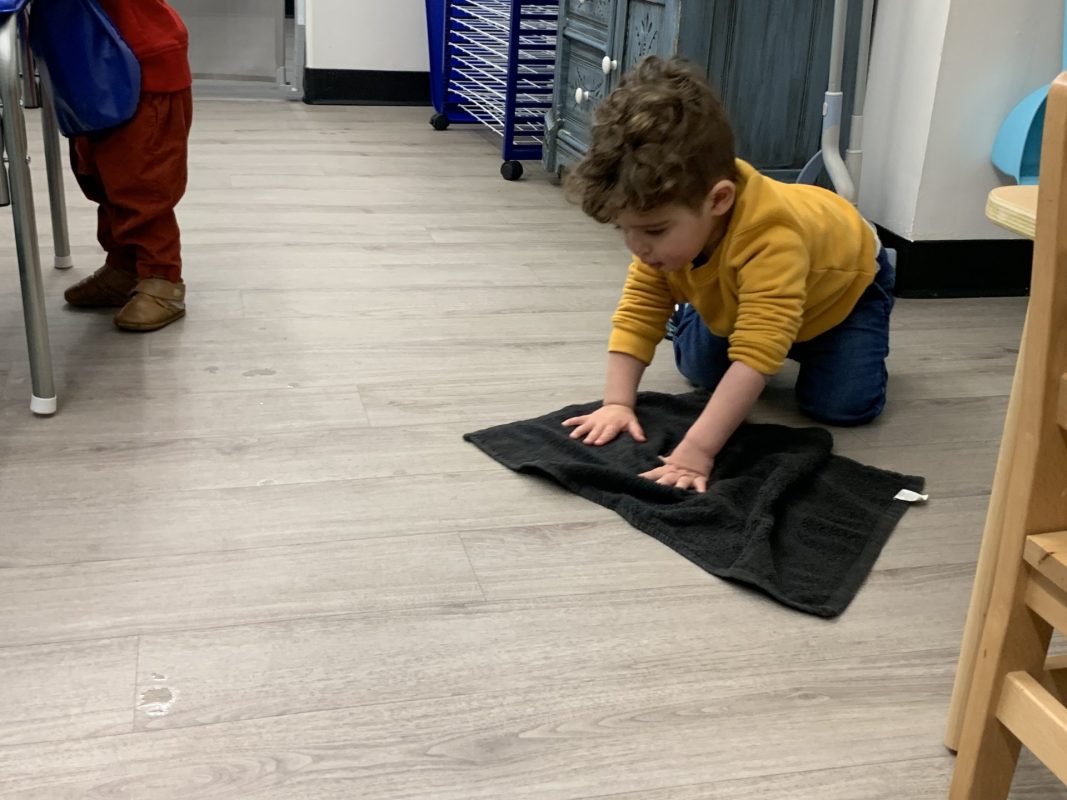
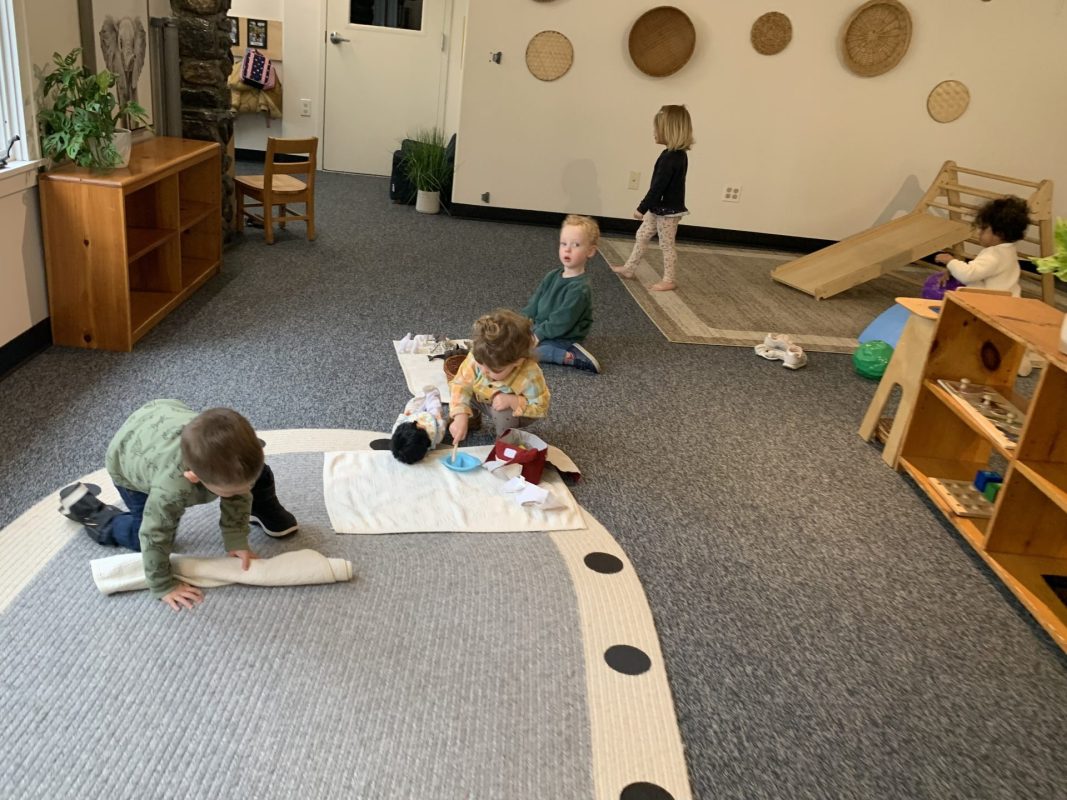
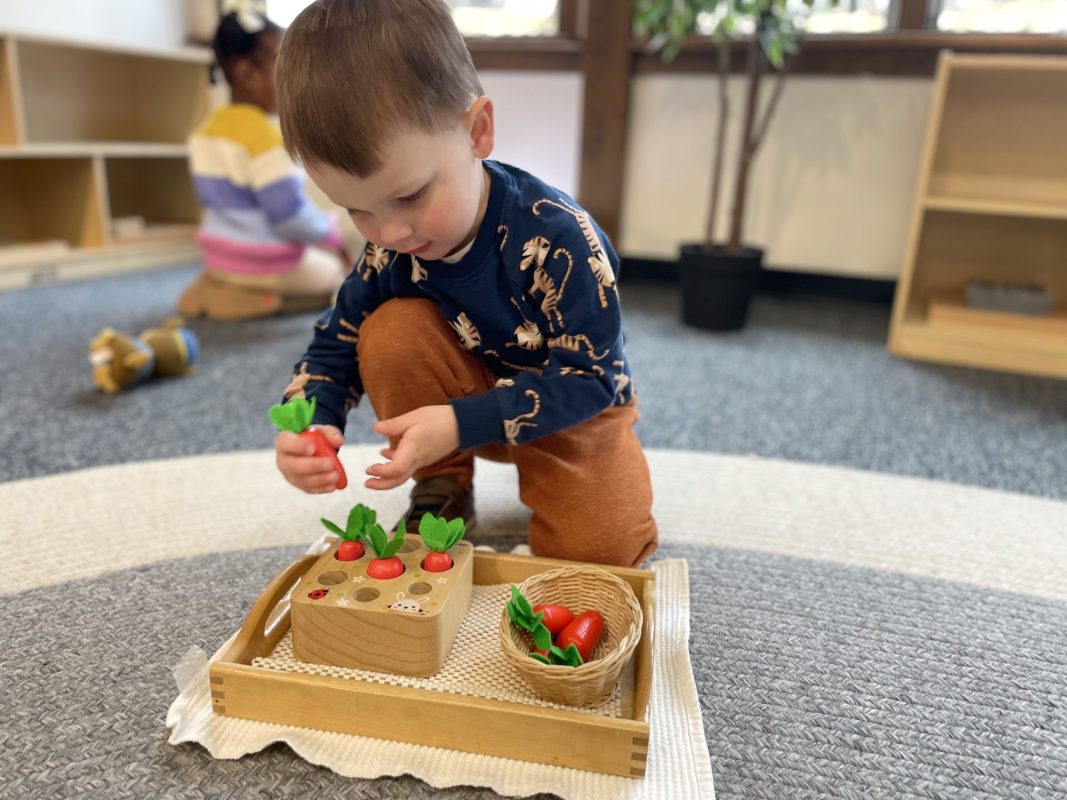
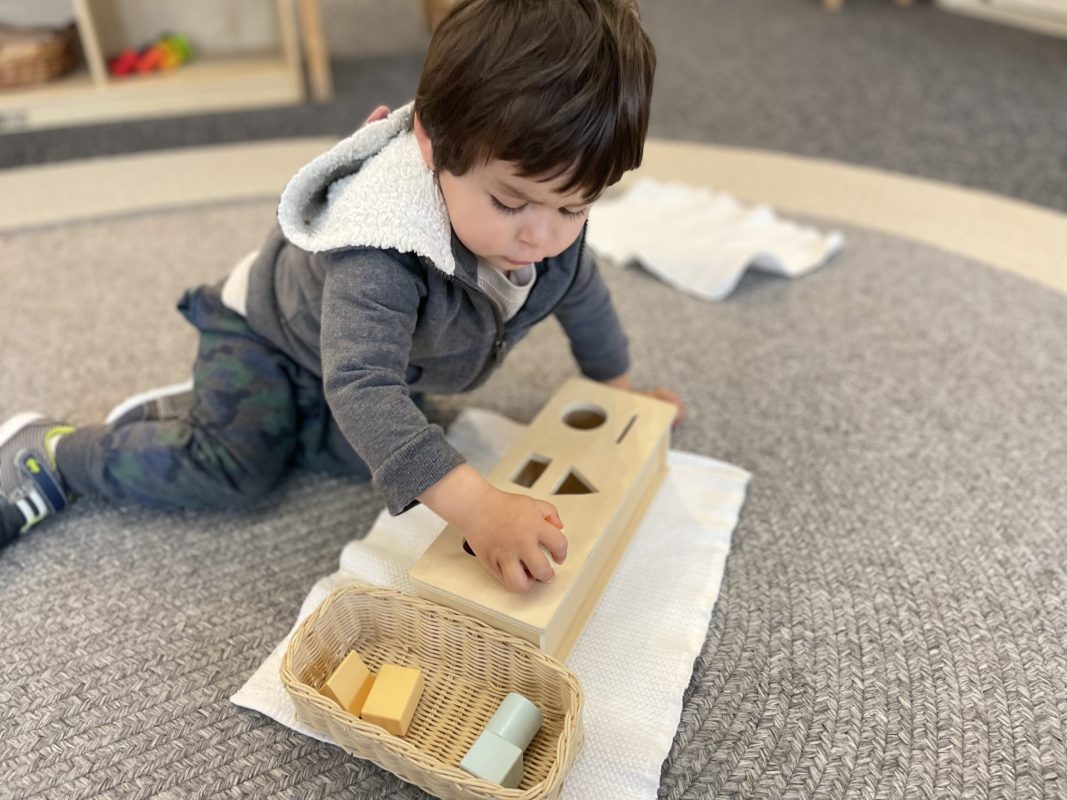
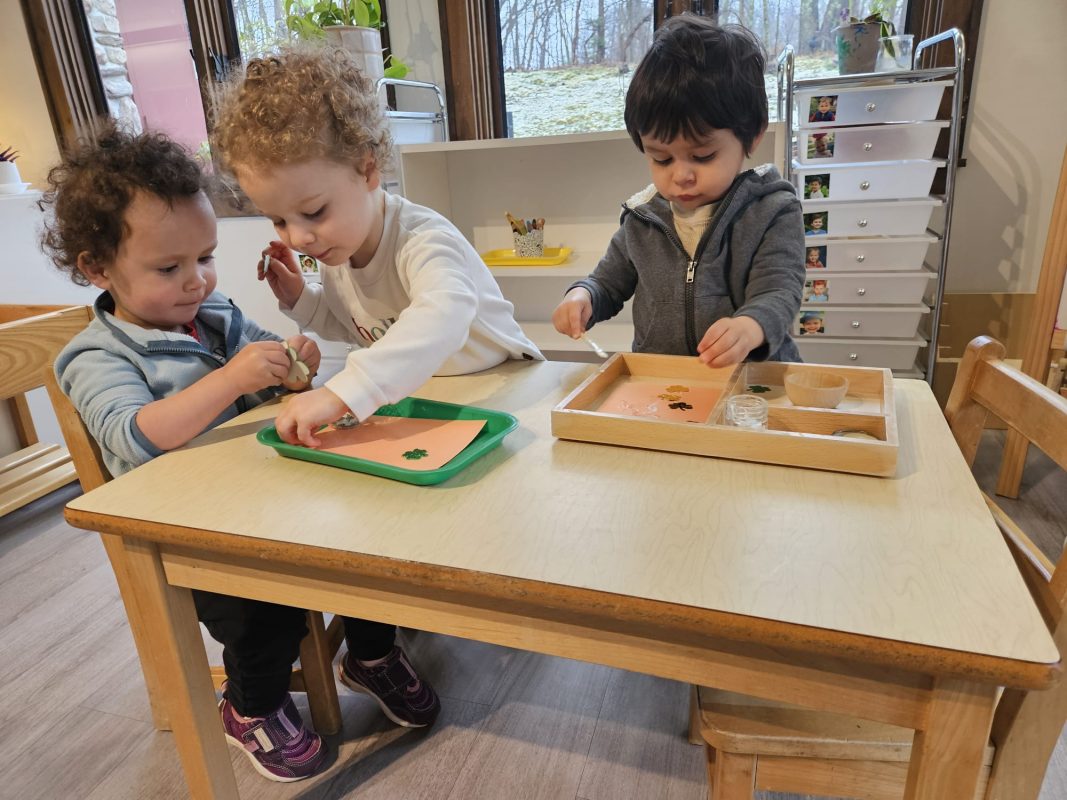
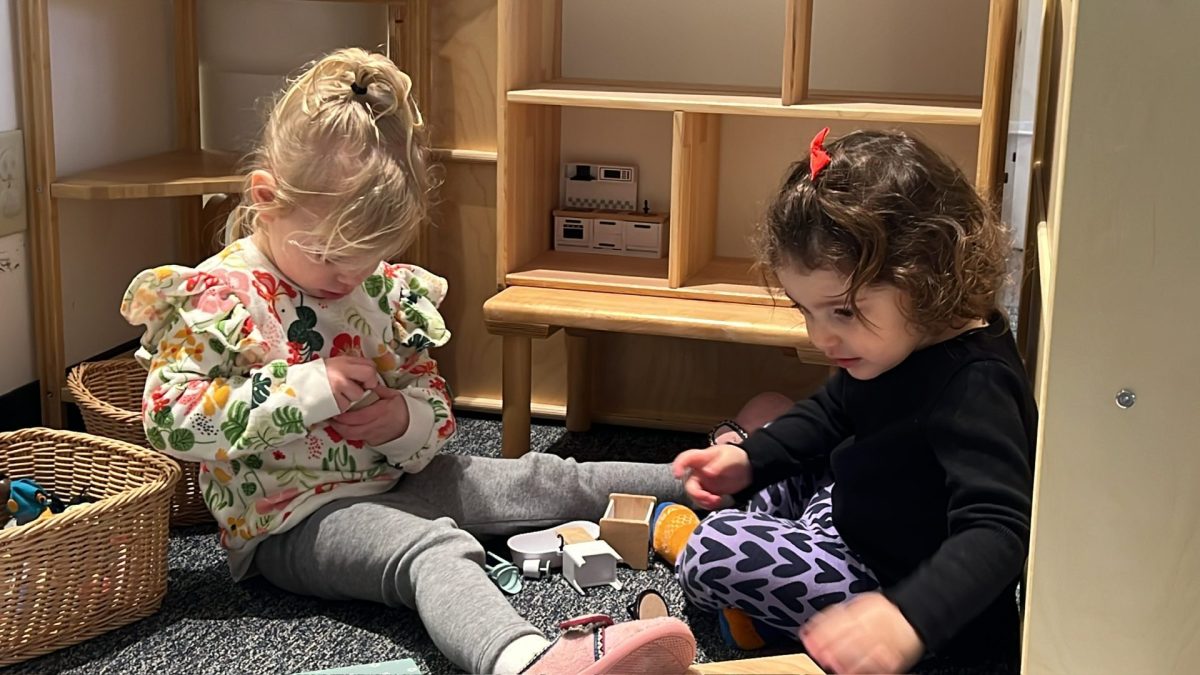
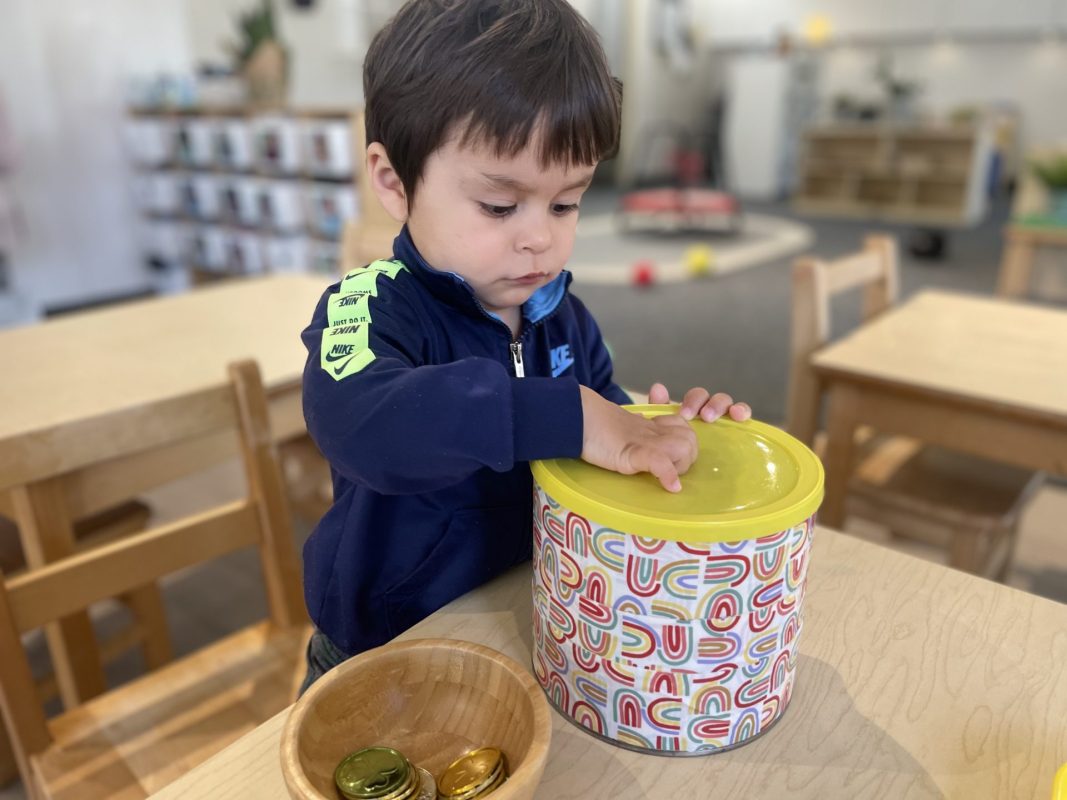
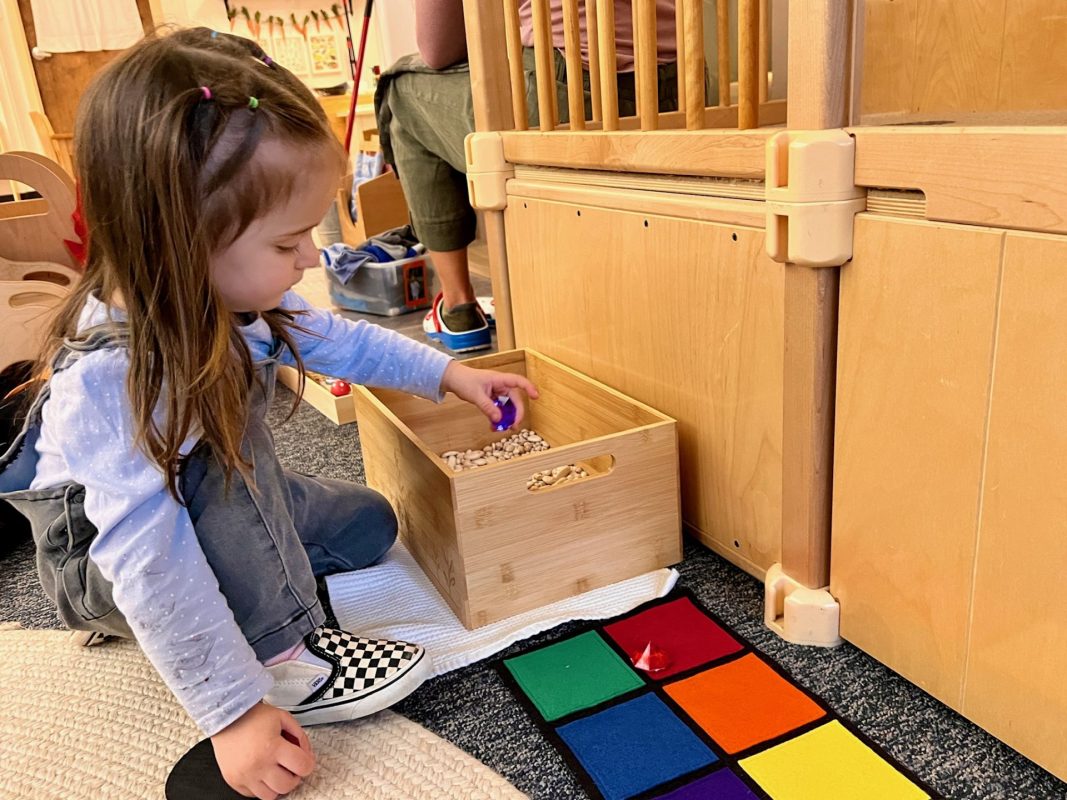
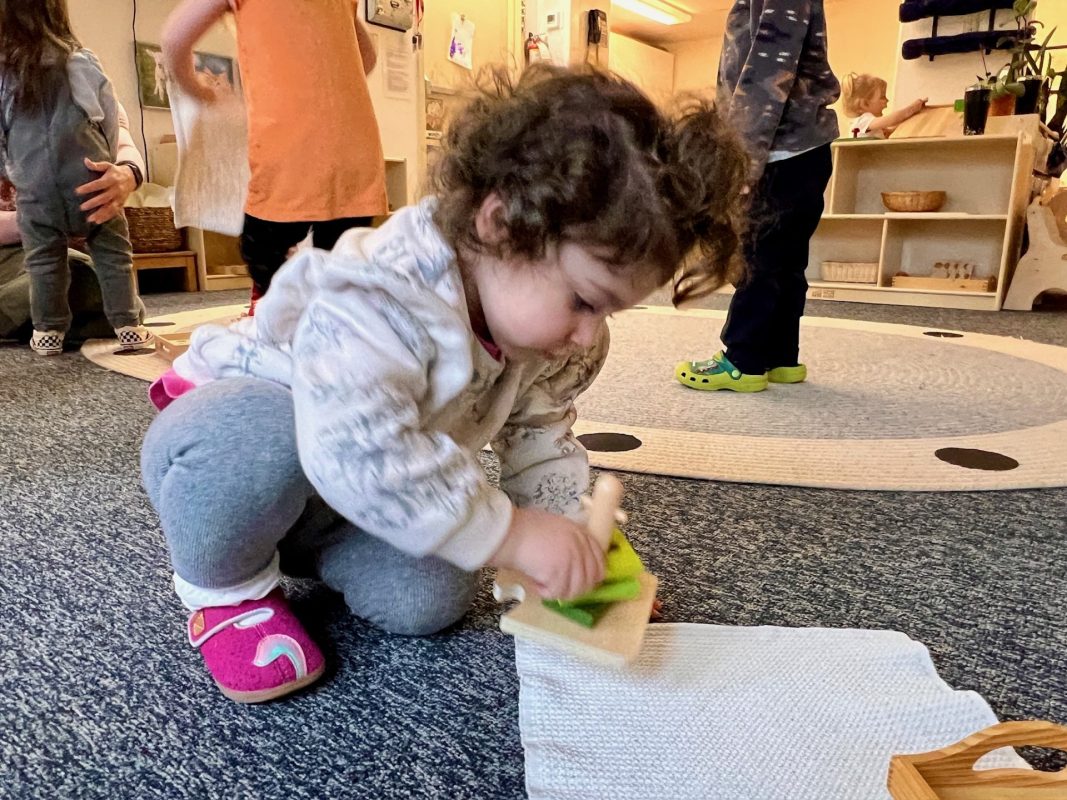
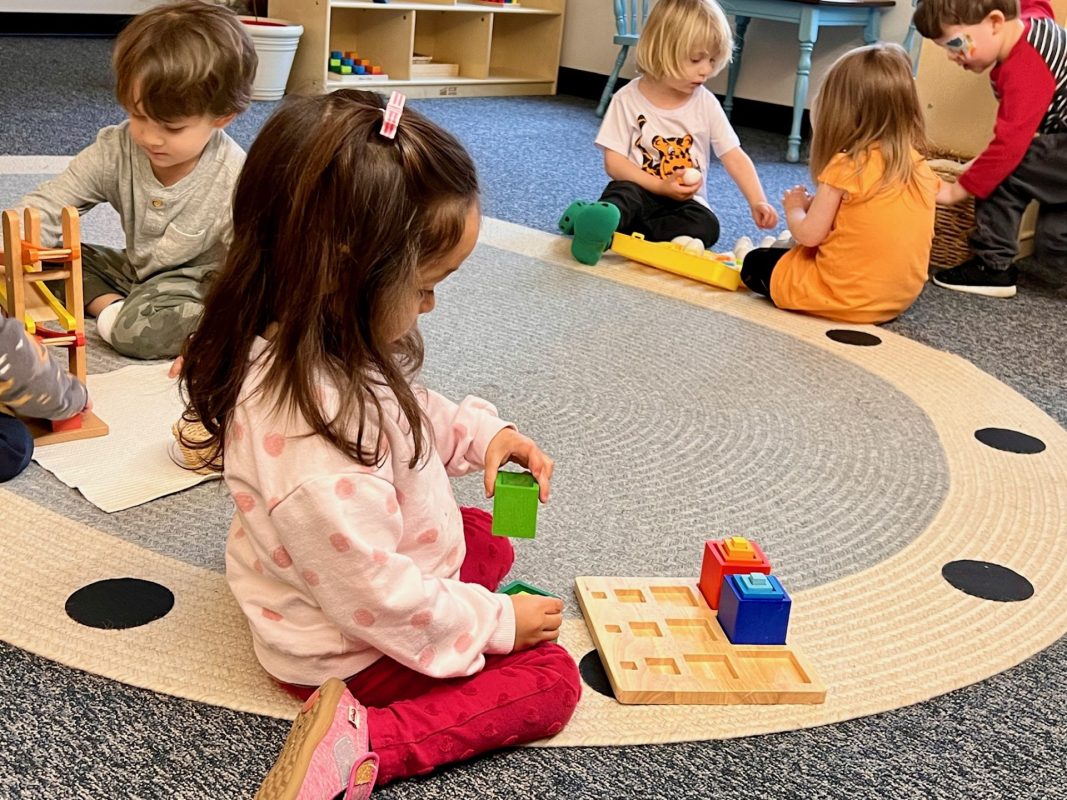
In our classroom, we have children at different stages of toilet training. While some have almost mastered it, others are showing only slight interest. As a prepared environment, we have set up child-sized toilets and sinks that encourage most toddlers to take control of their own needs. 

Toilet training is not just about learning how to use the toilet; it also involves developing self-care skills and building confidence. Our role is to guide and support children, encouraging them to take the lead in their toileting journey. During a child’s early years, they can control three things: eating, sleeping, and toileting. 

Here are some ways to assist your child with toilet training at home: 

  1. Stand up diapering and allow the child to be a part of the process. 
  2. Offer the toilet at every diaper change. Use opportunities for natural motivation (e.g., we are going to use the toilet before going outside).
  3. Dress your child in loose clothing, especially elastic waistband pants without buttons that allow the child to push down and pull up successfully. 
  4. Avoid using negative connotations (e.g., stinky, dirty, accidents, etc.).
  5. Become familiar with your child’s elimination patterns.
  6. Follow the child.

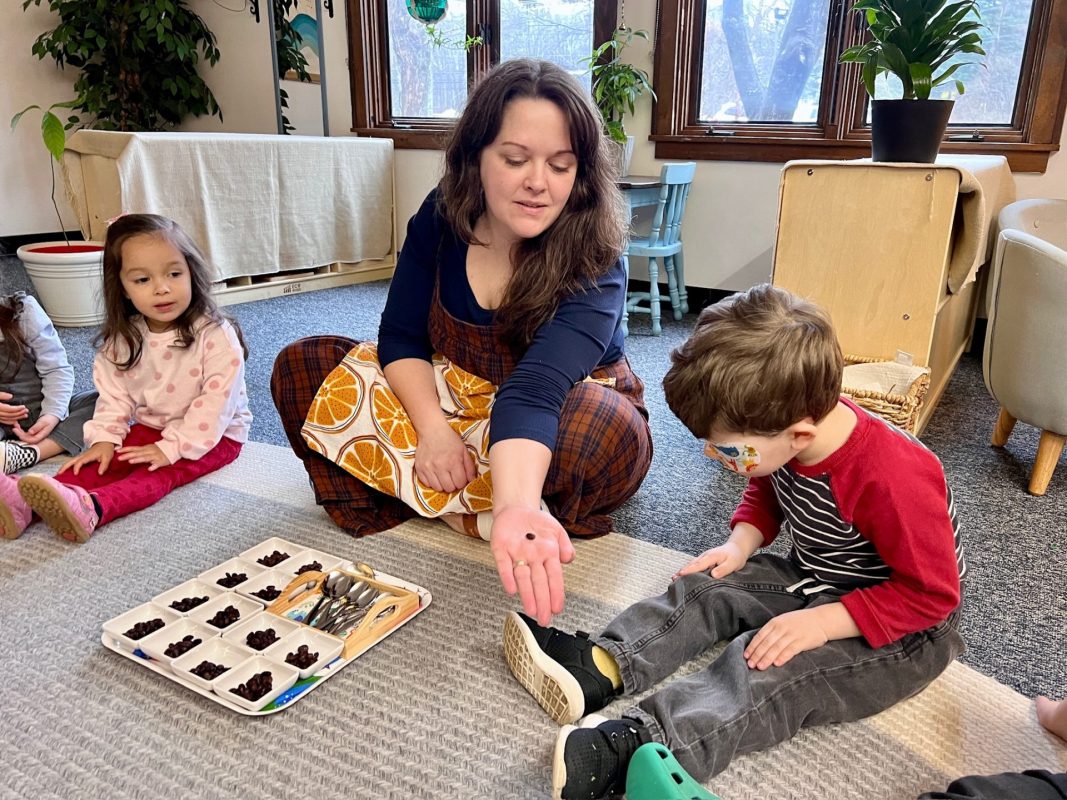
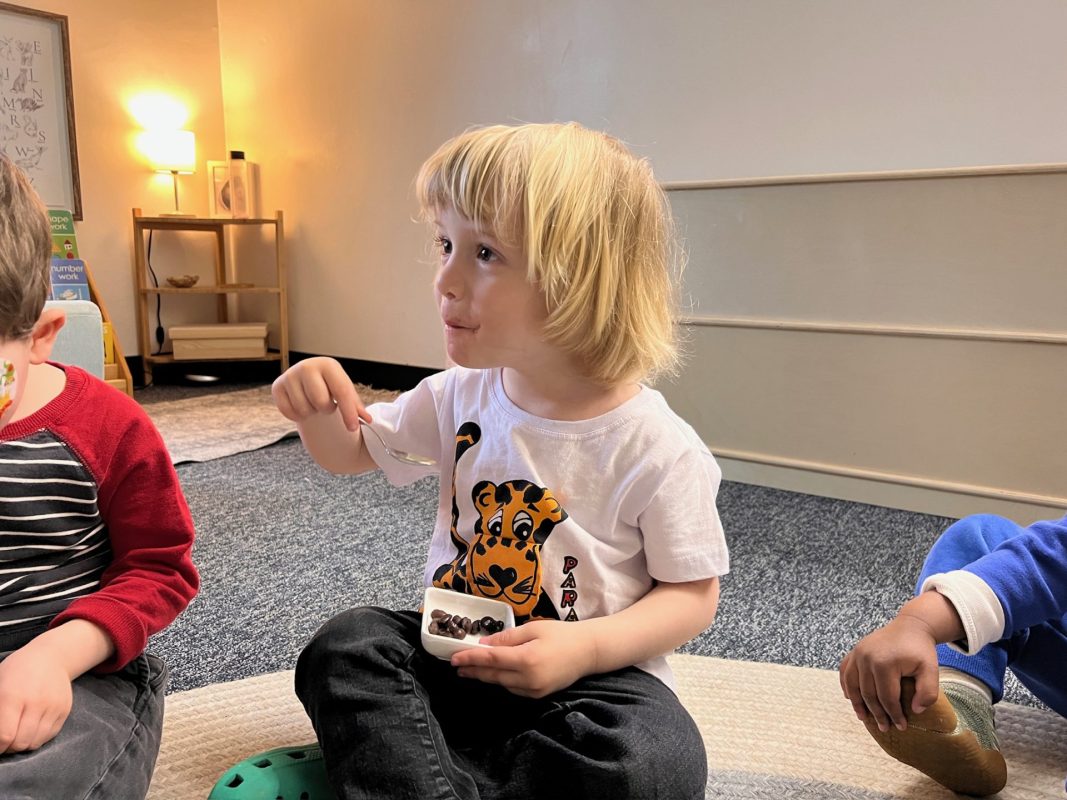
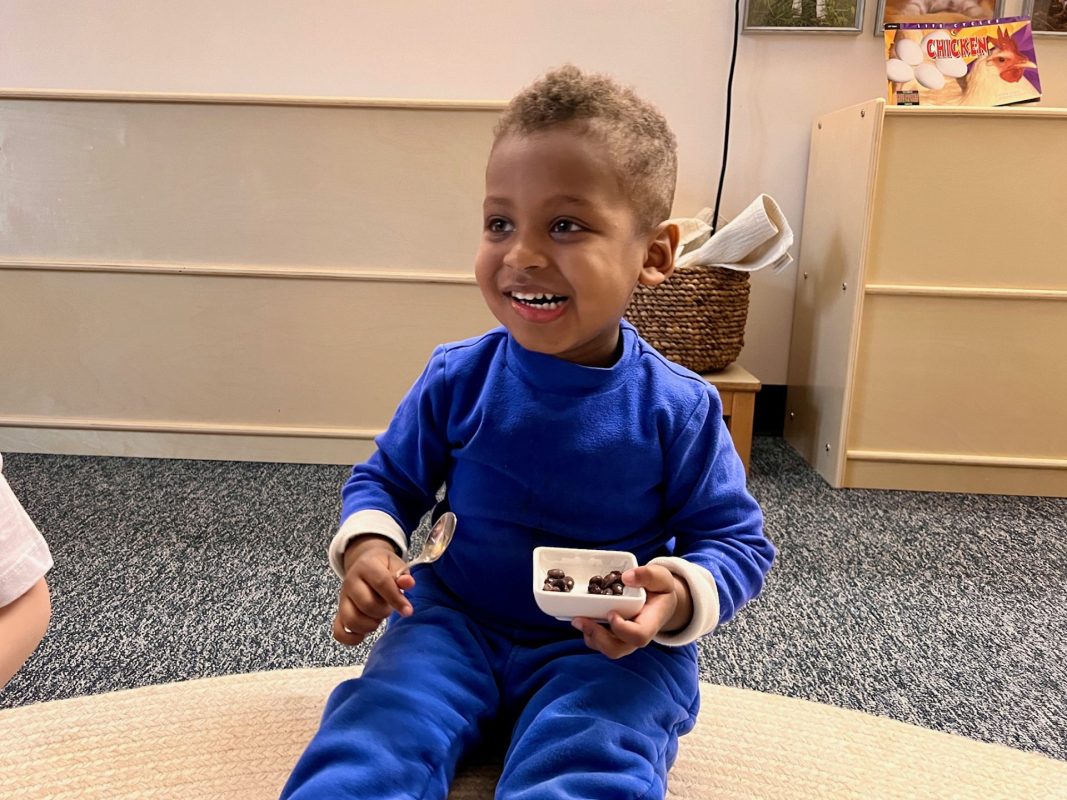
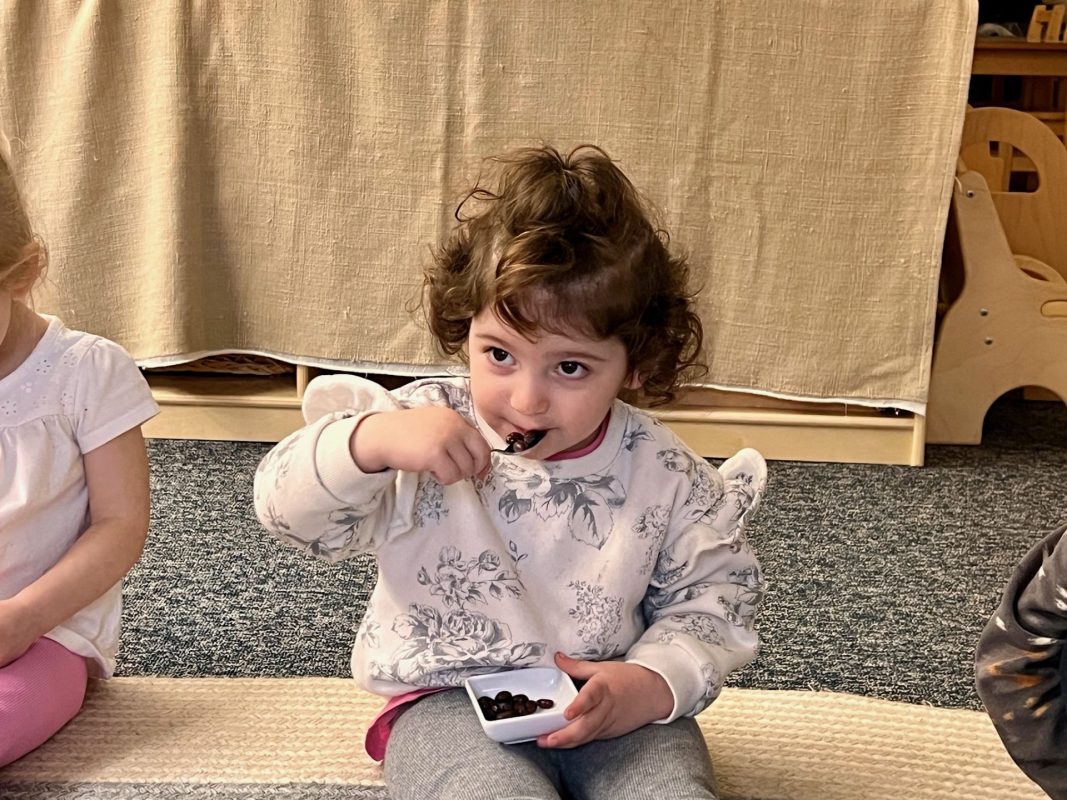
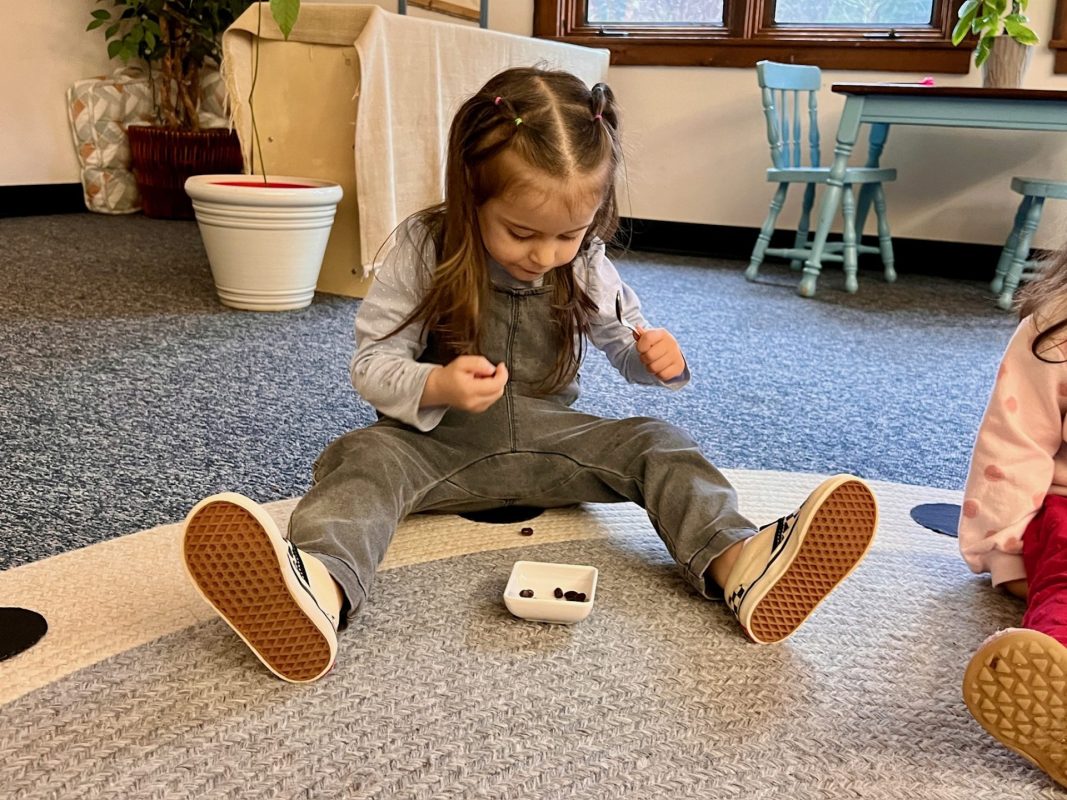
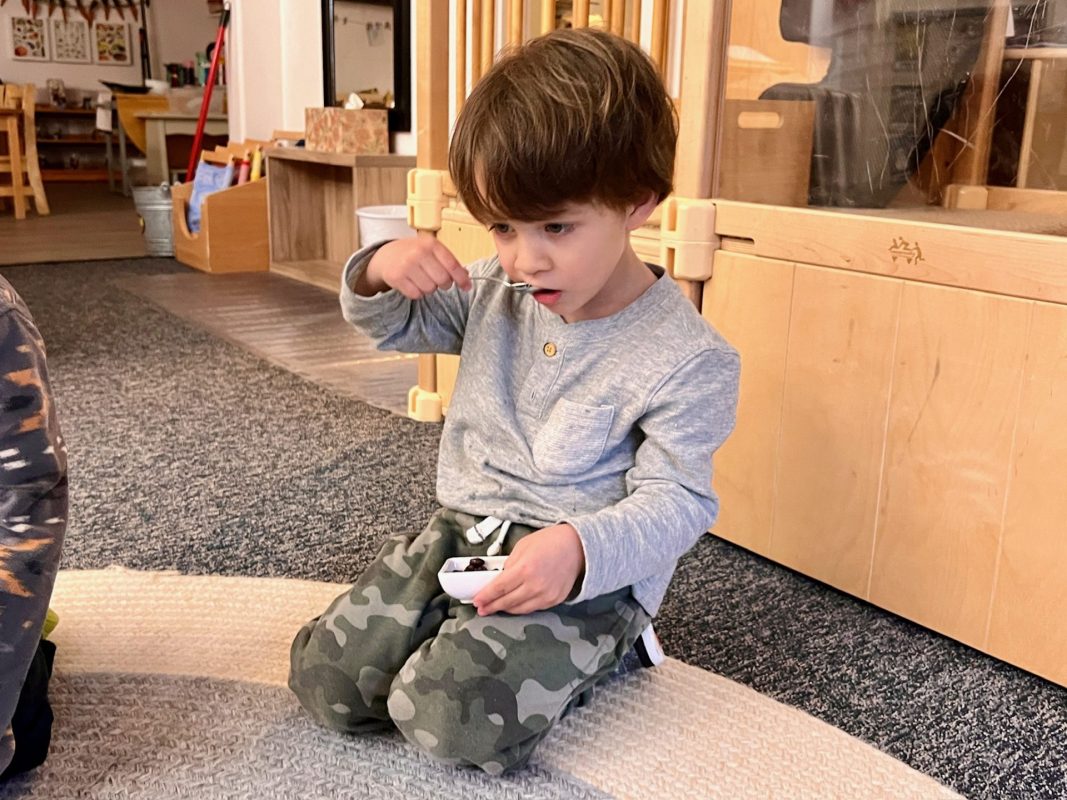
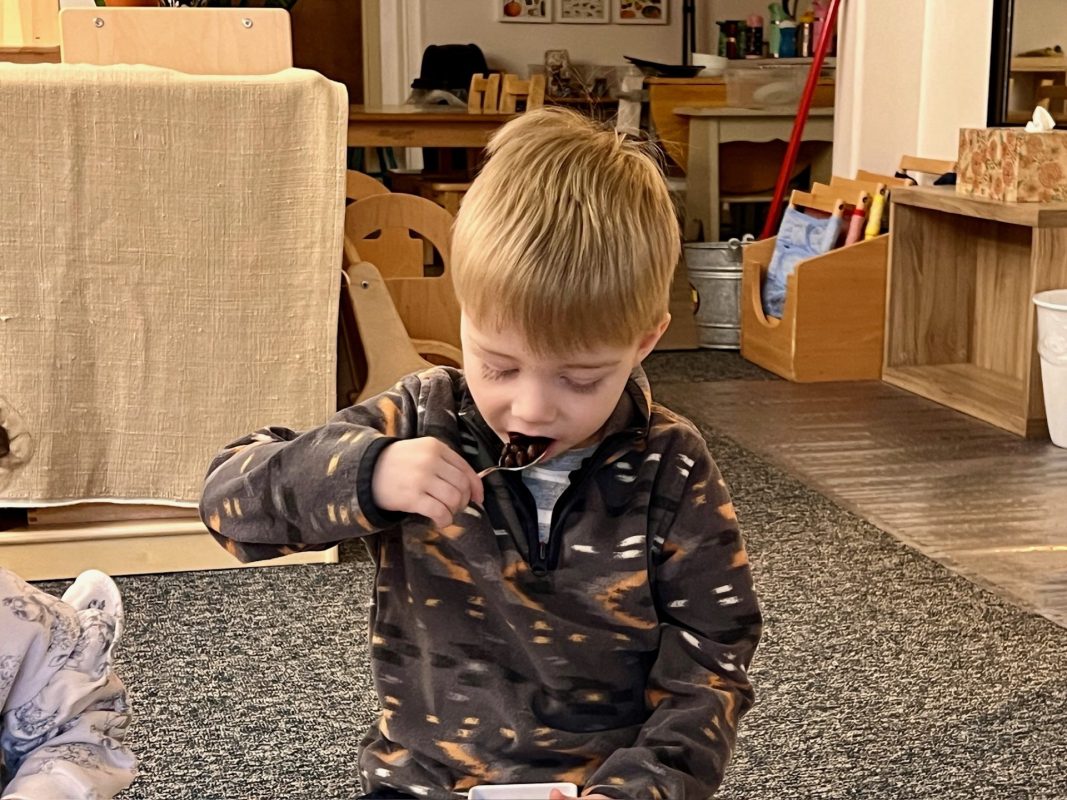
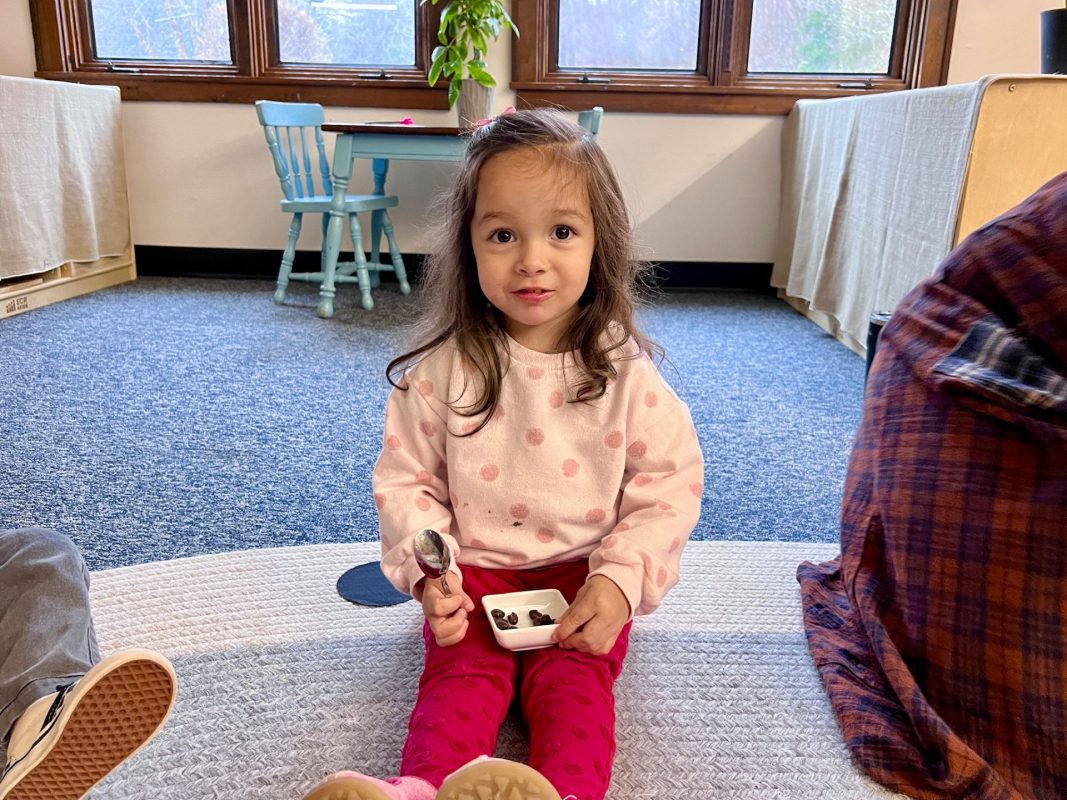
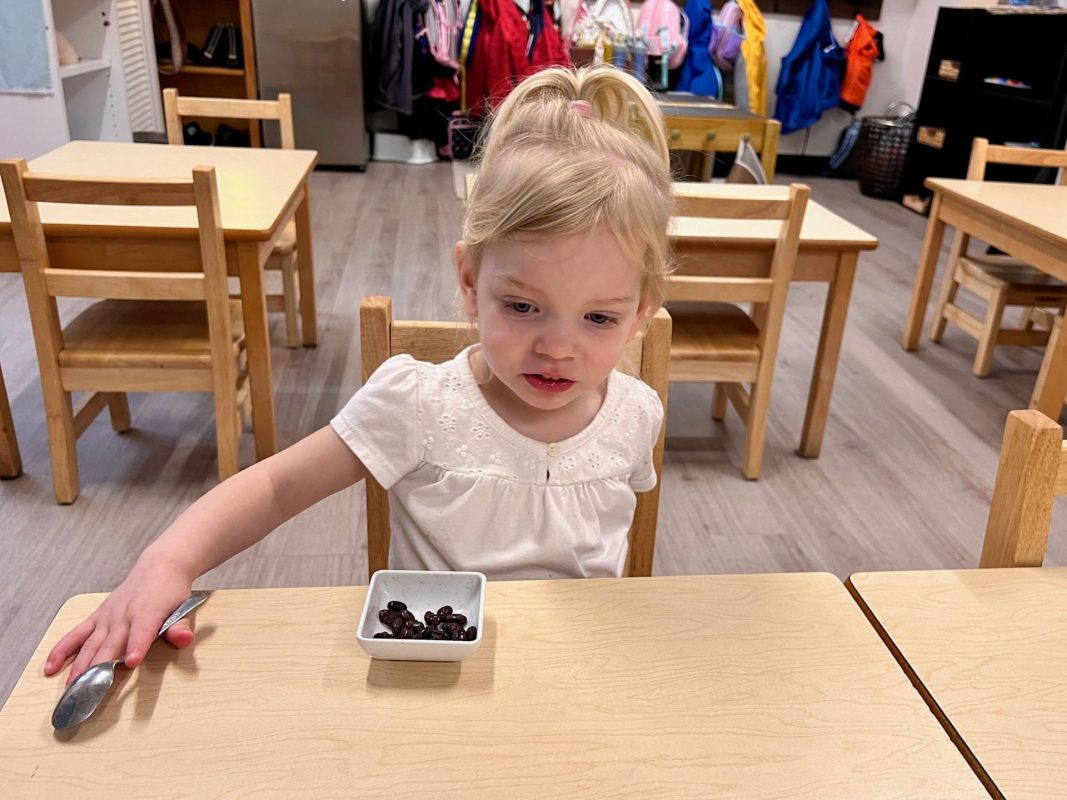
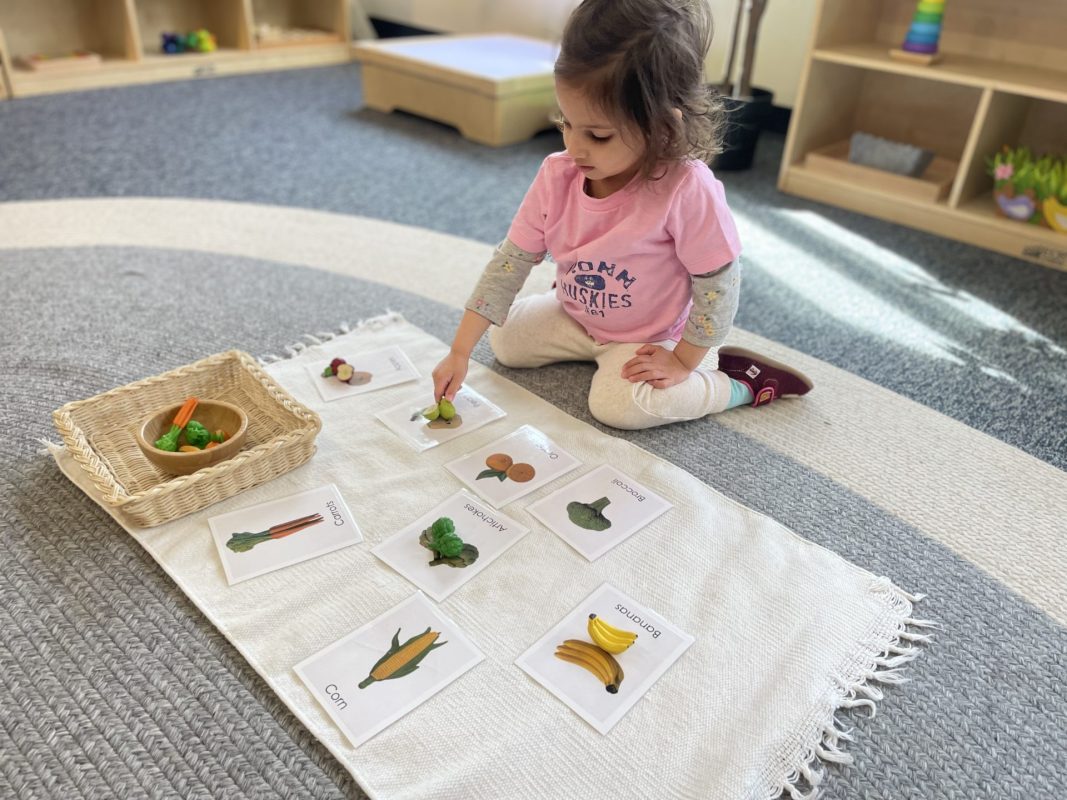
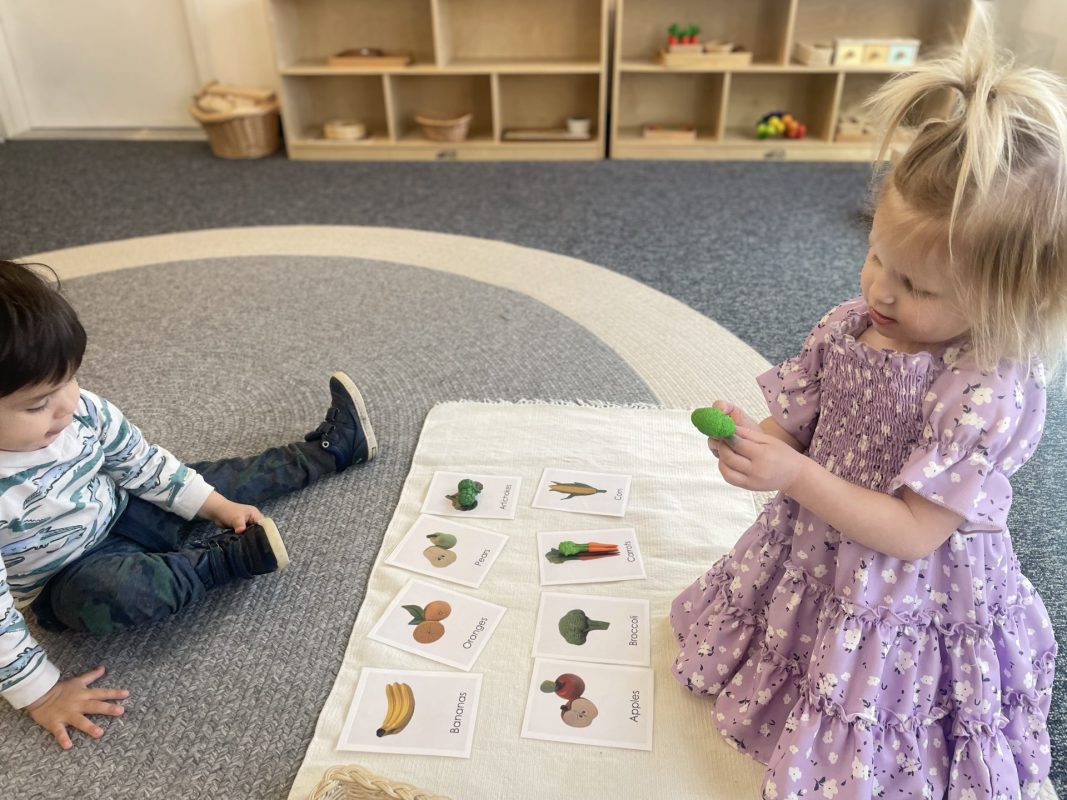
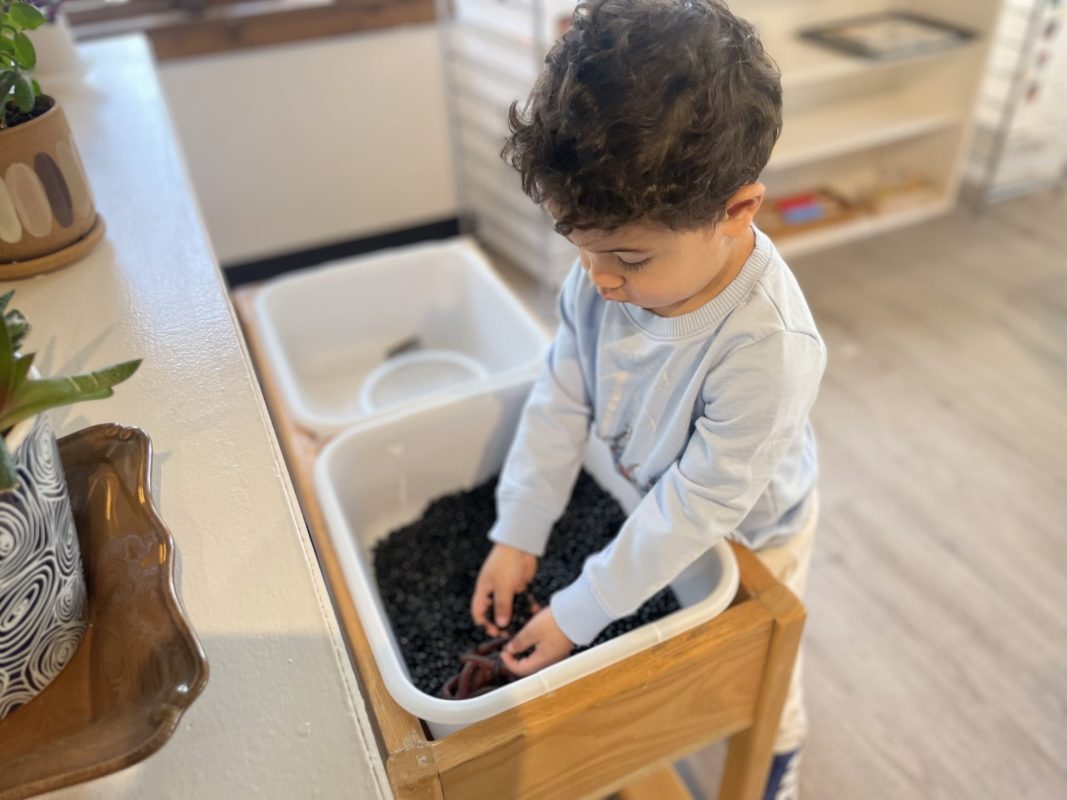
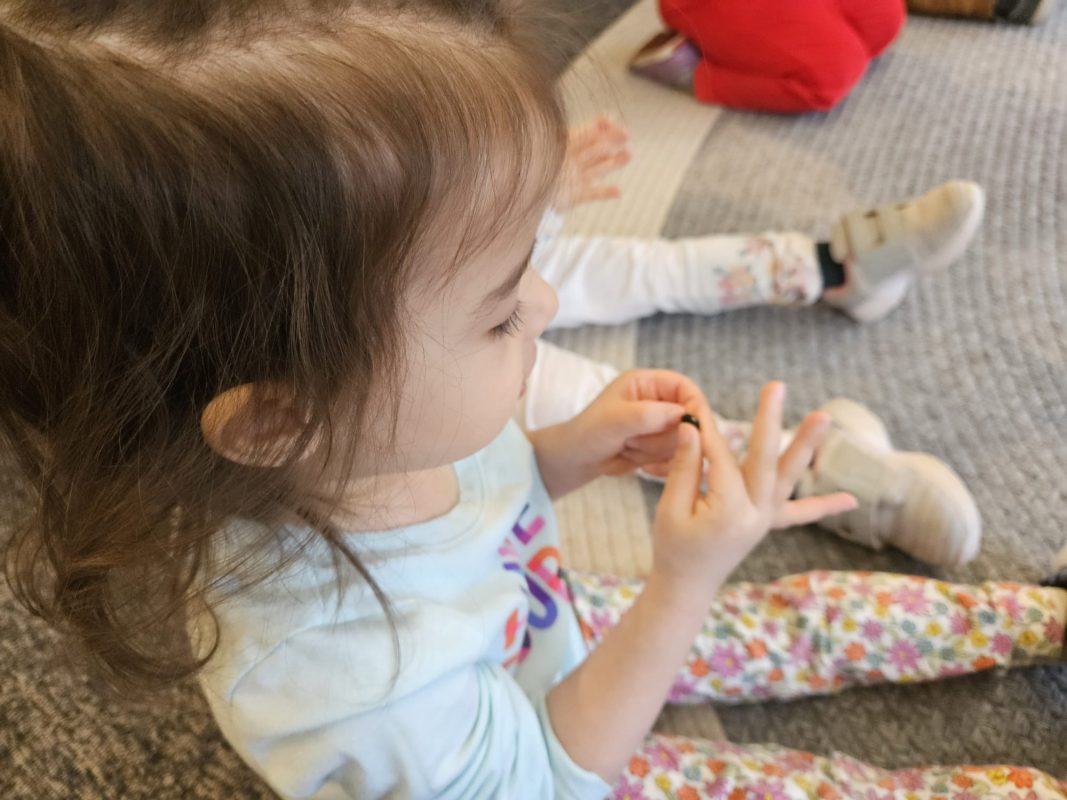
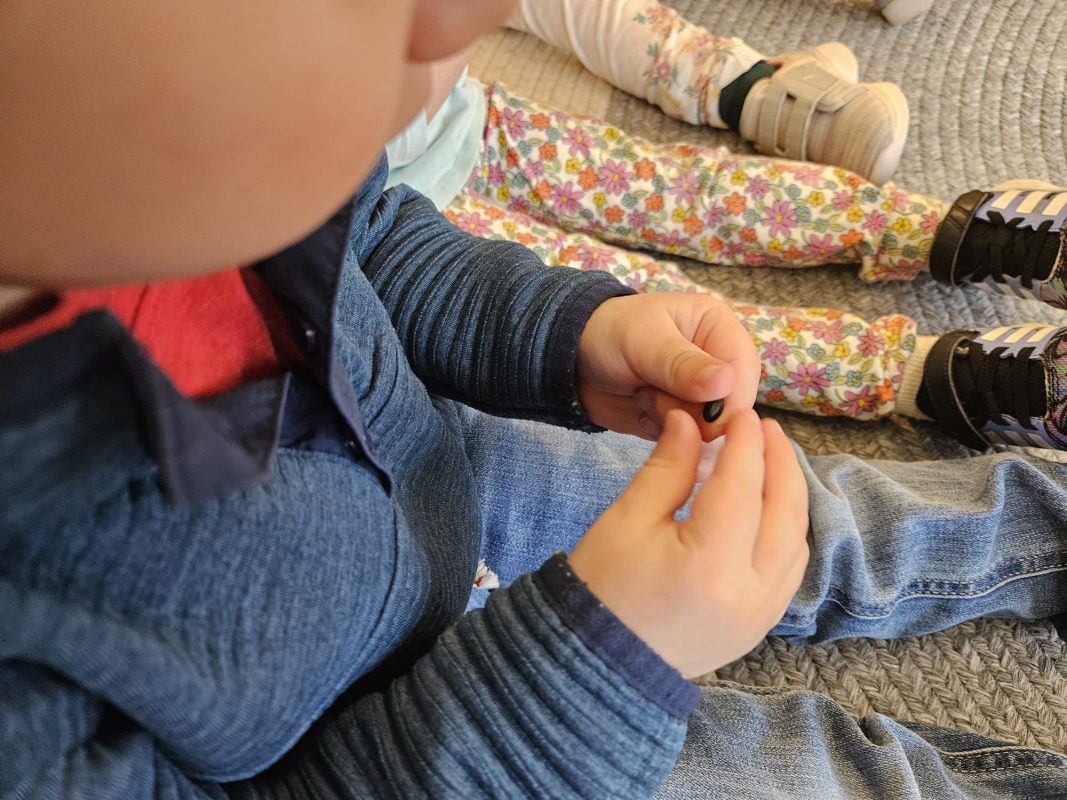
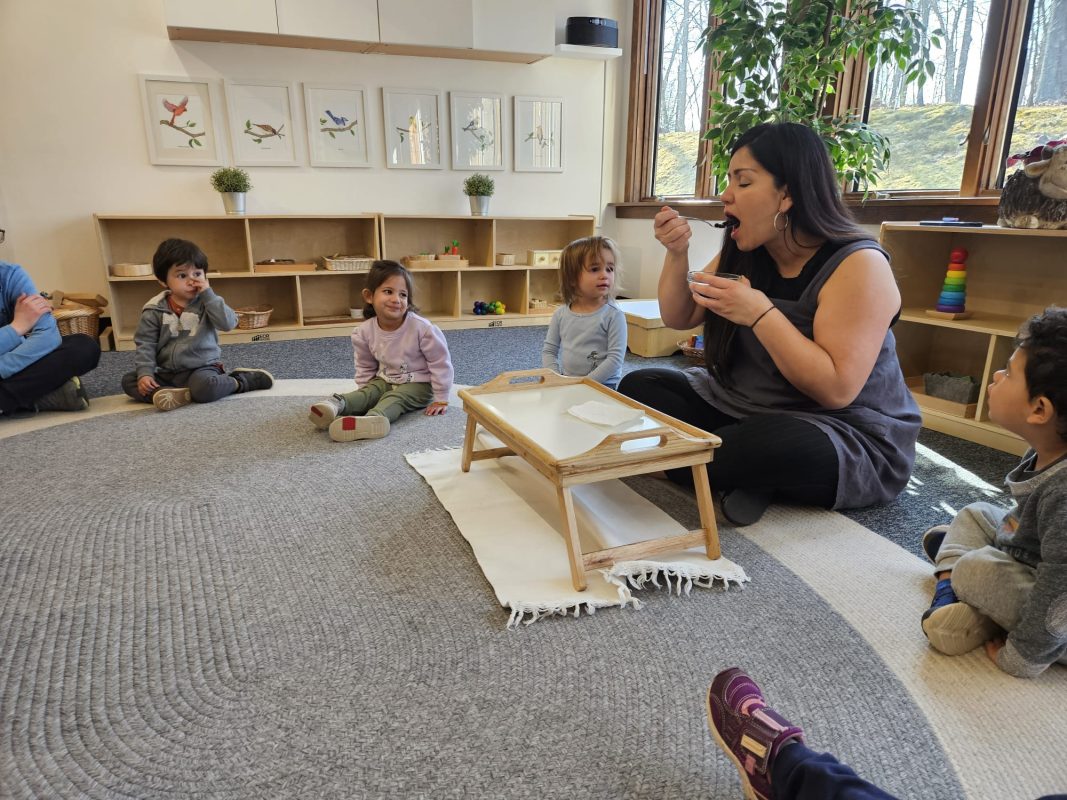
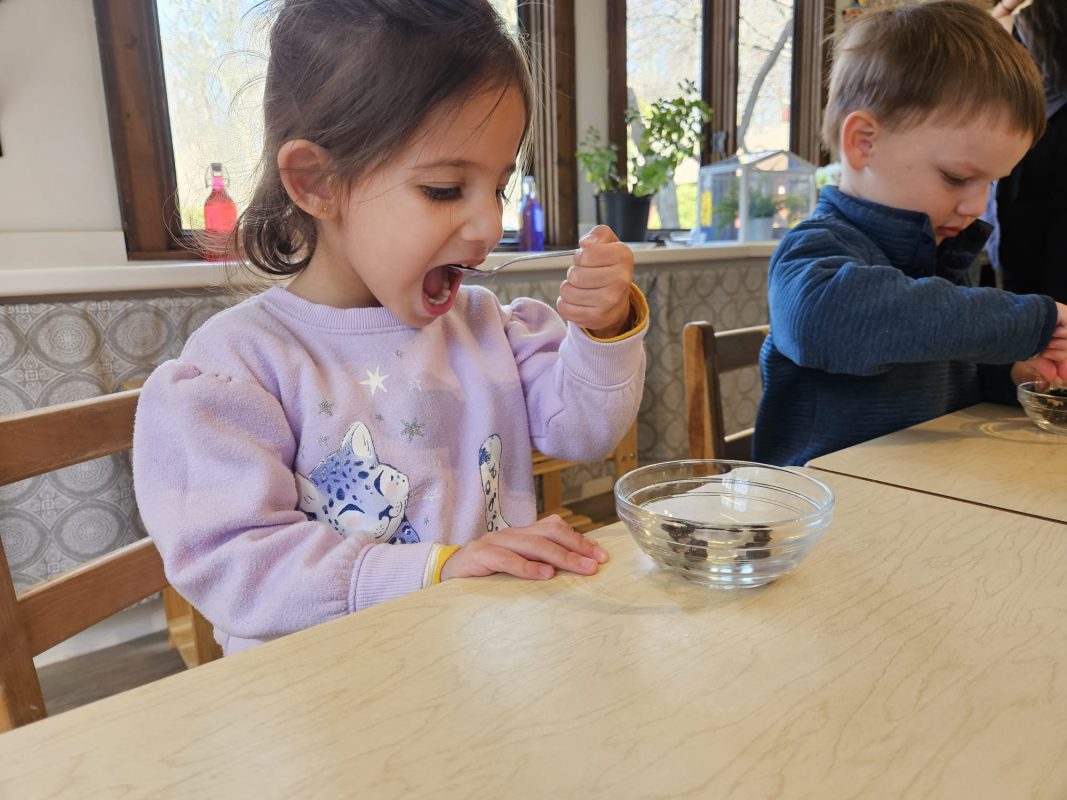
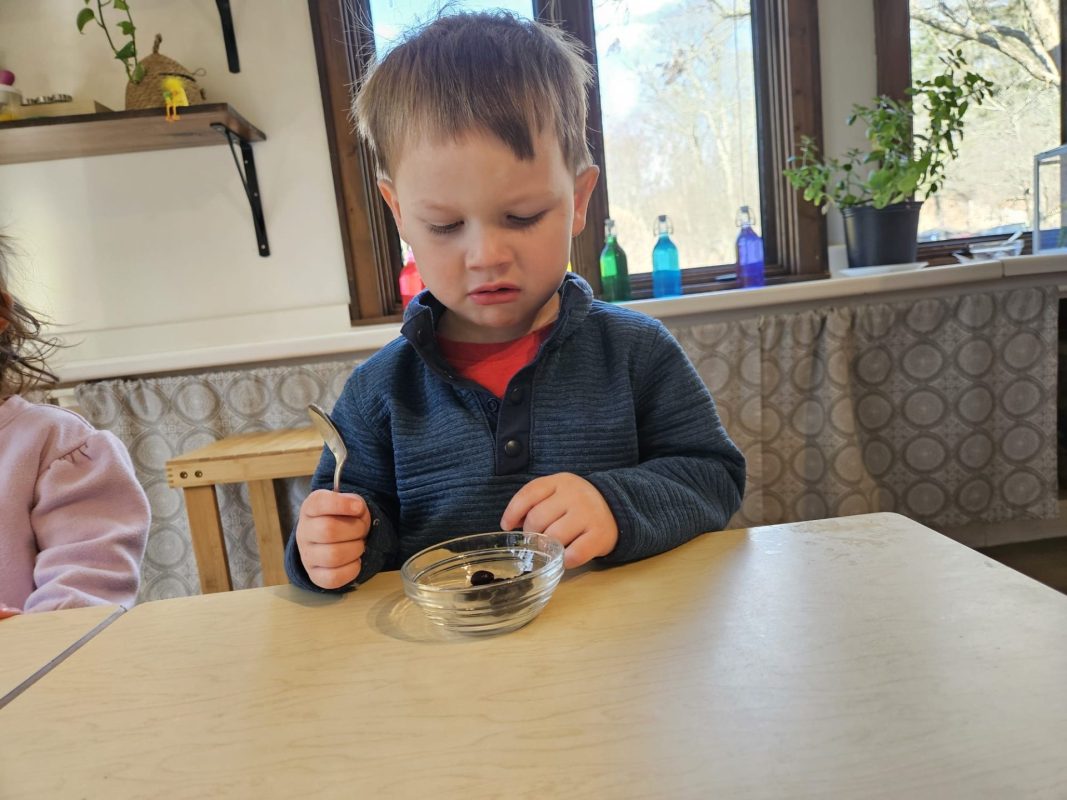
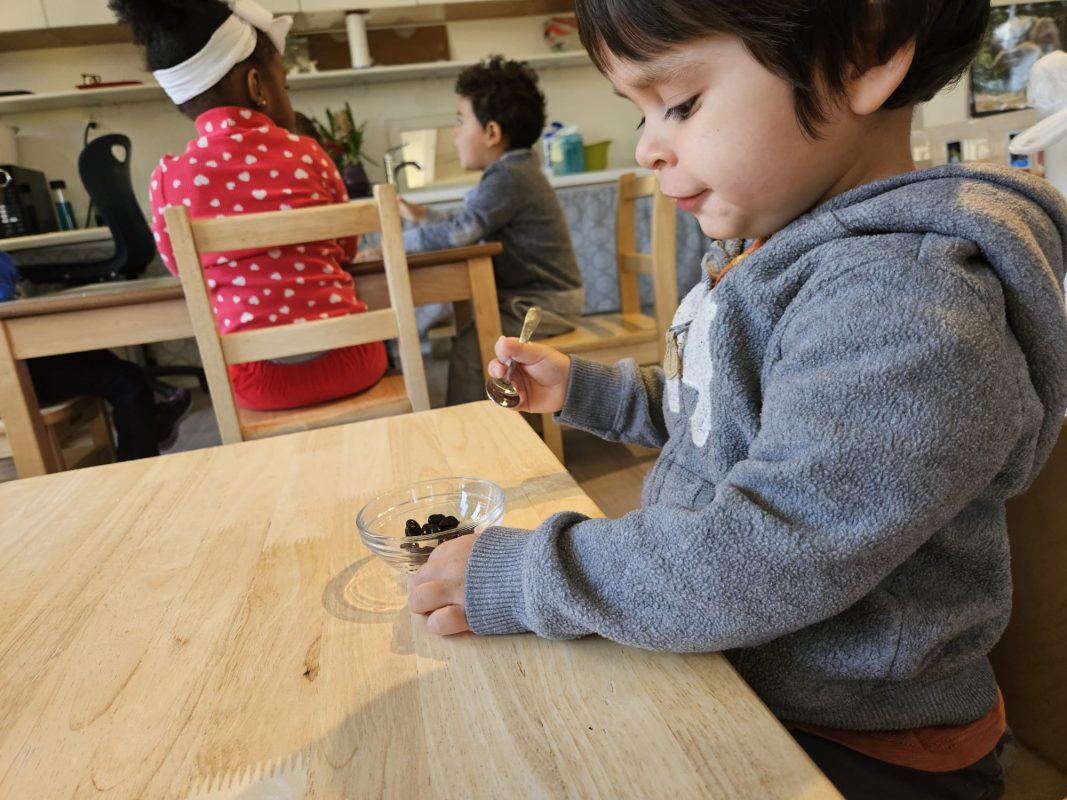
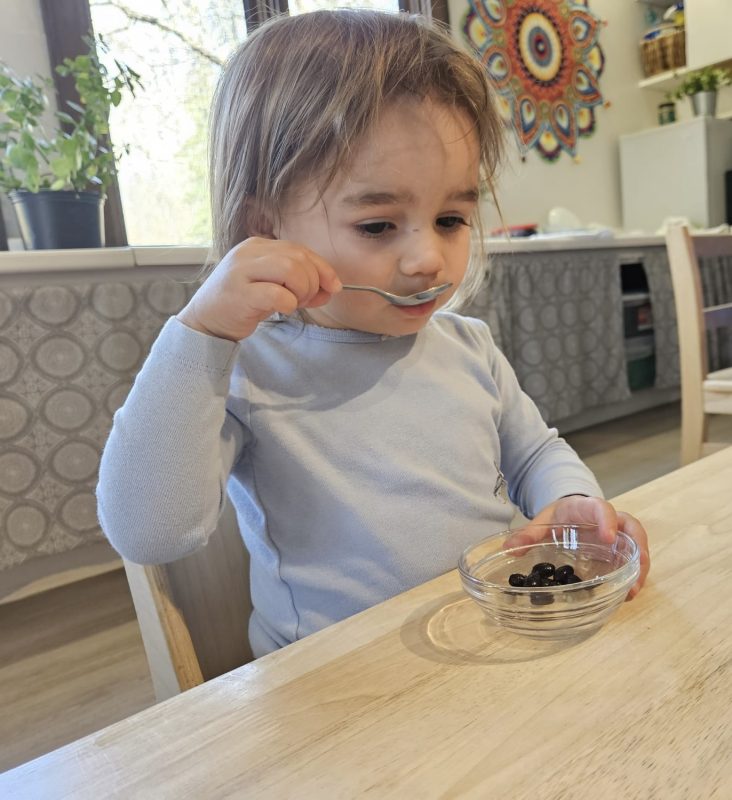
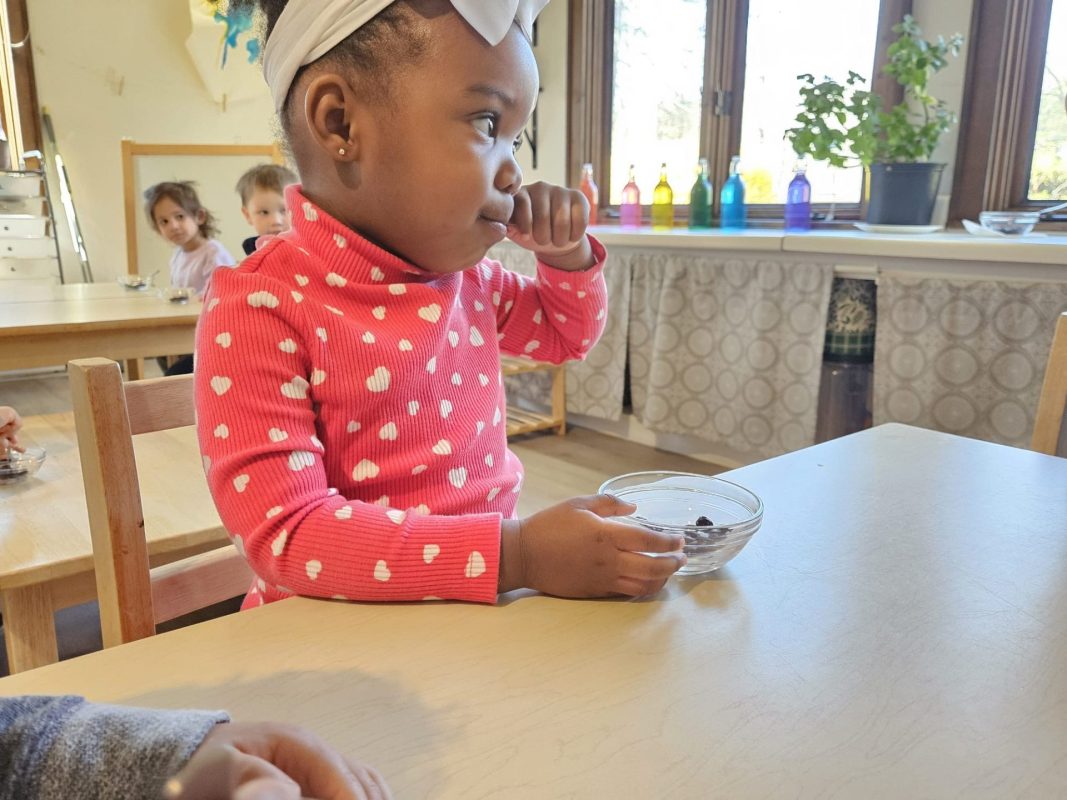
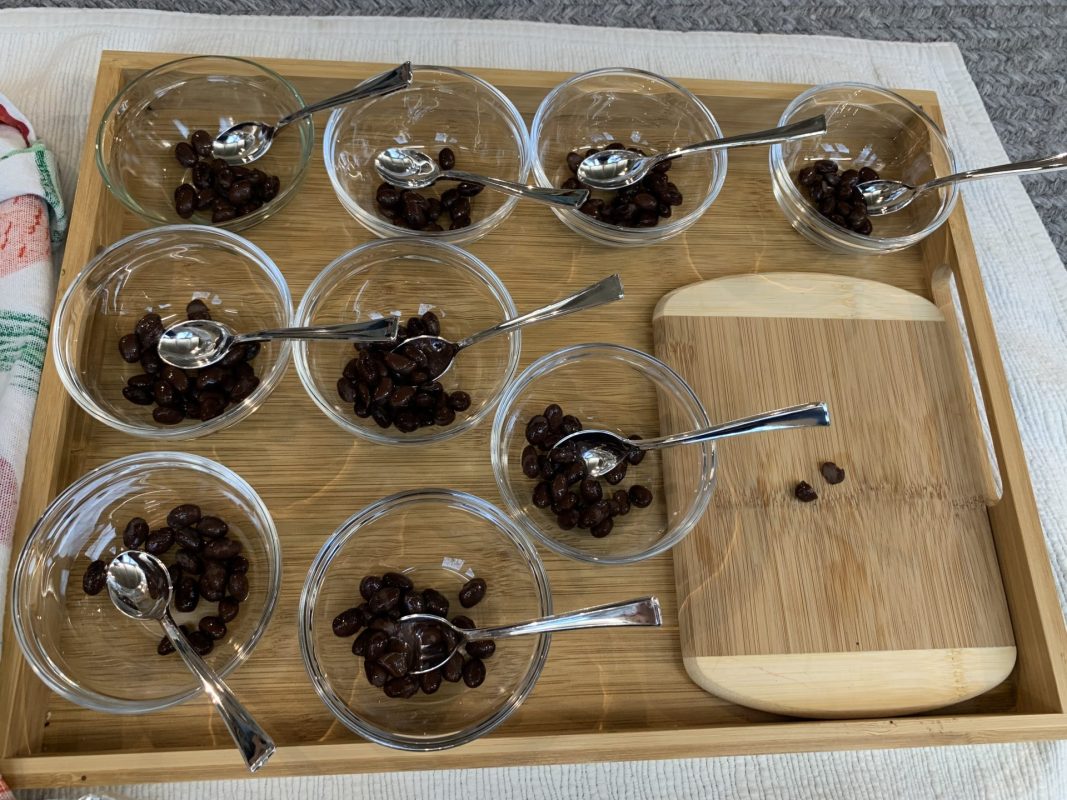
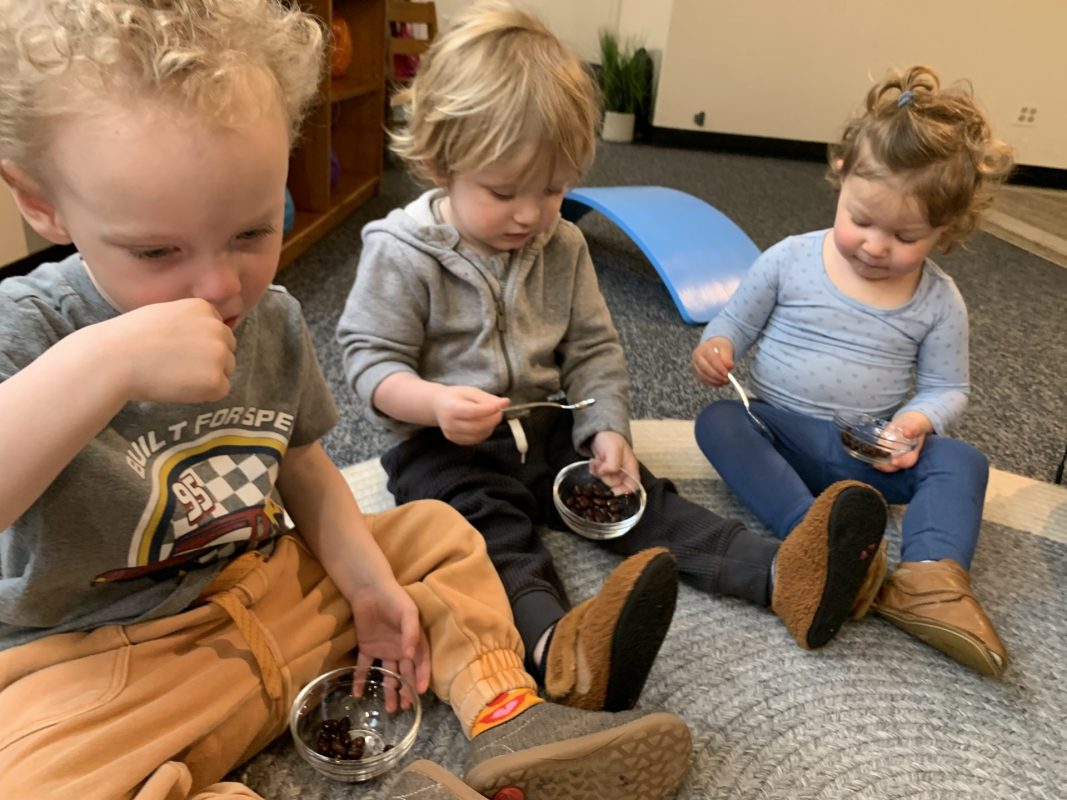
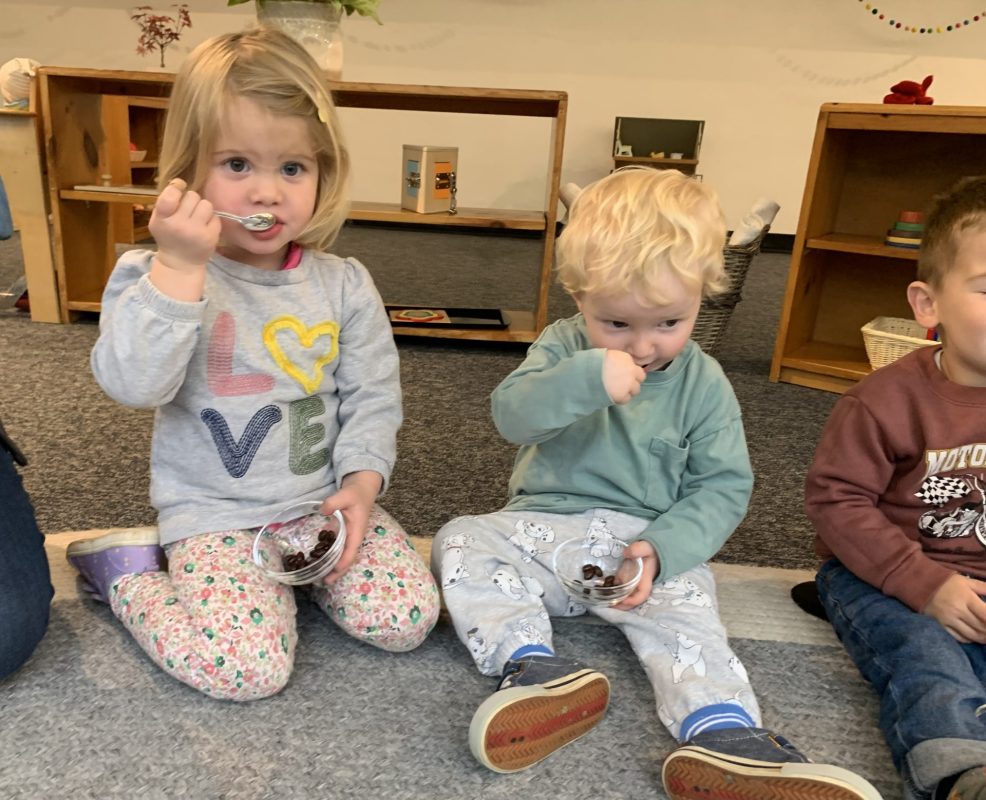
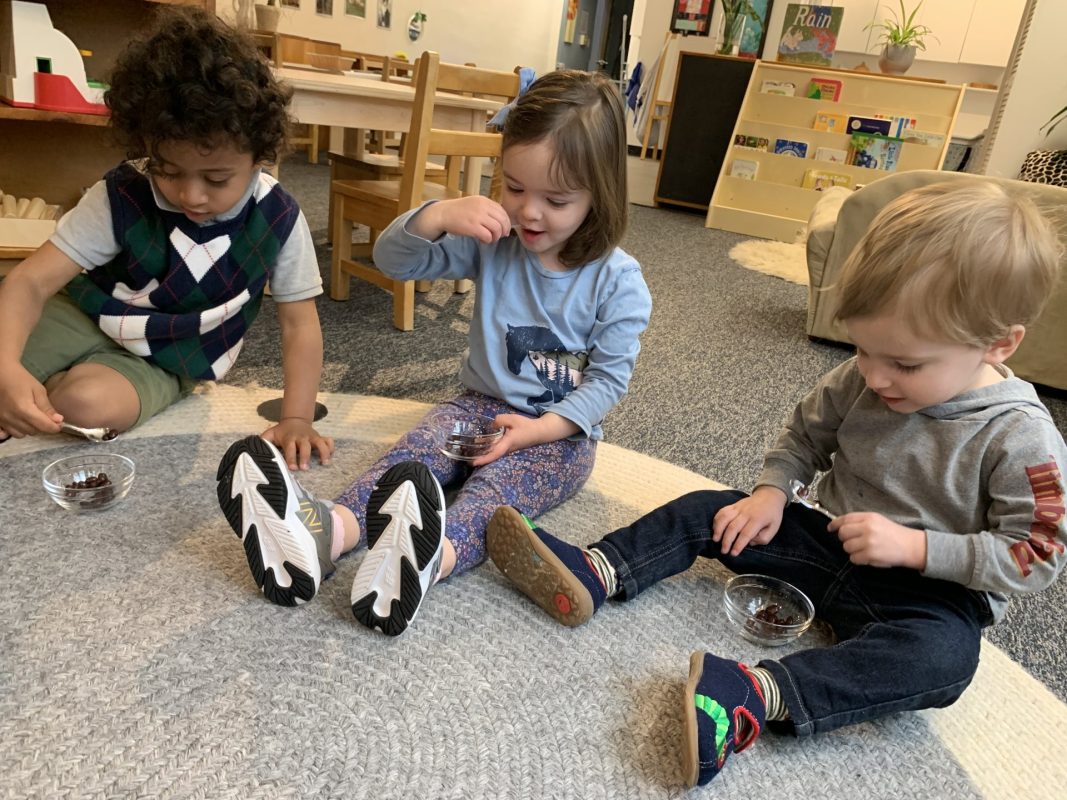
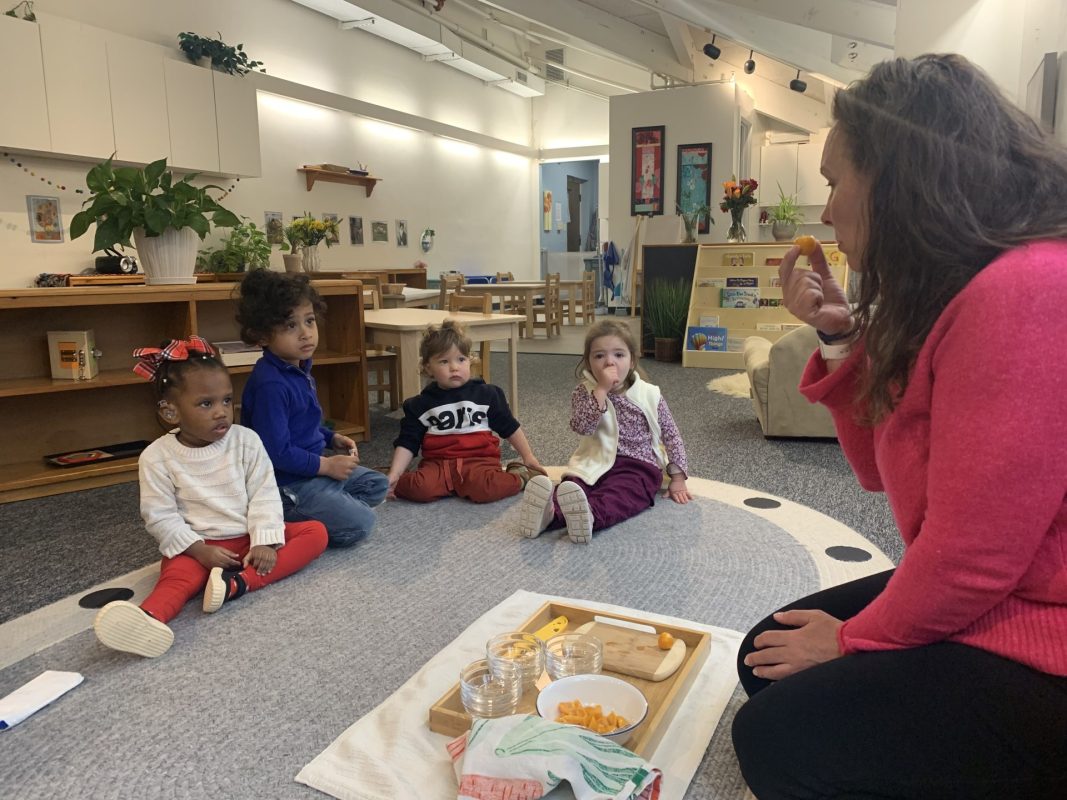
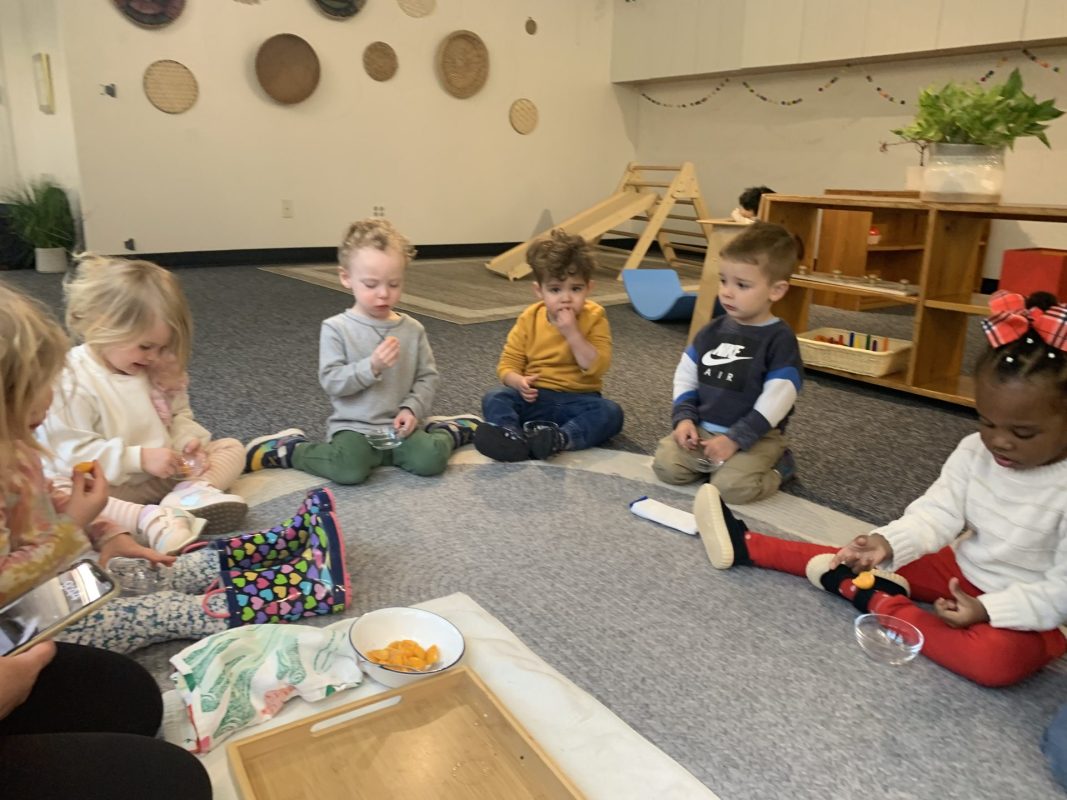
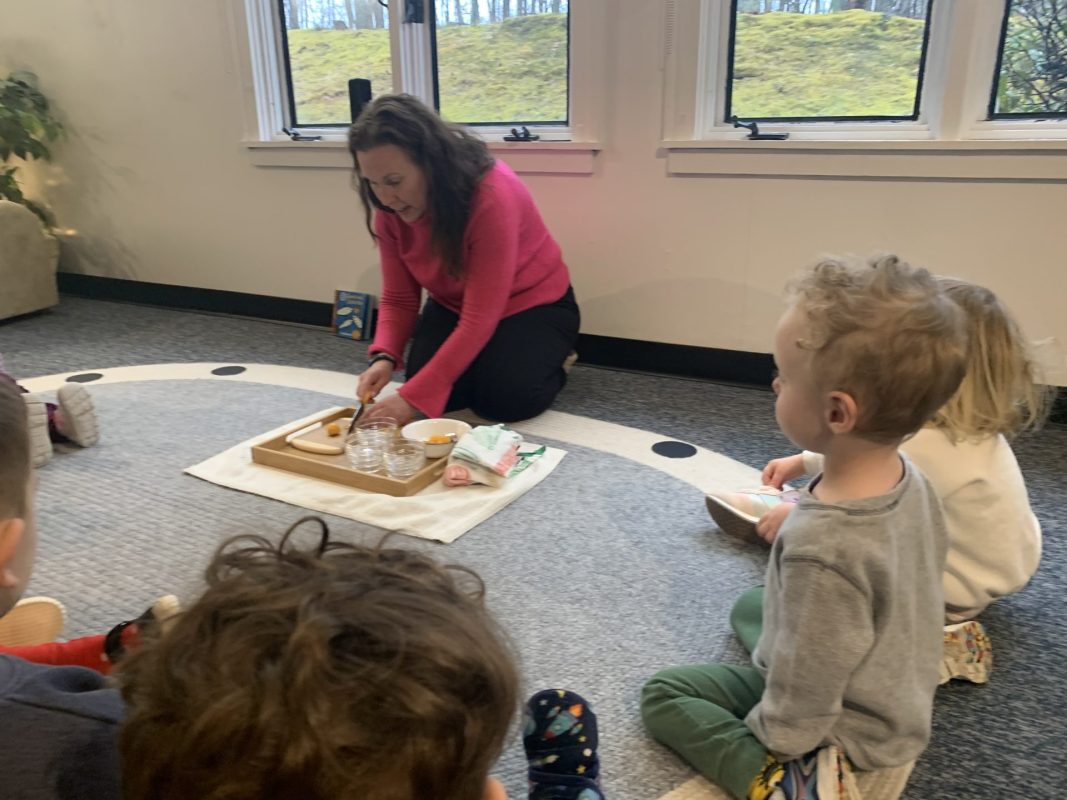
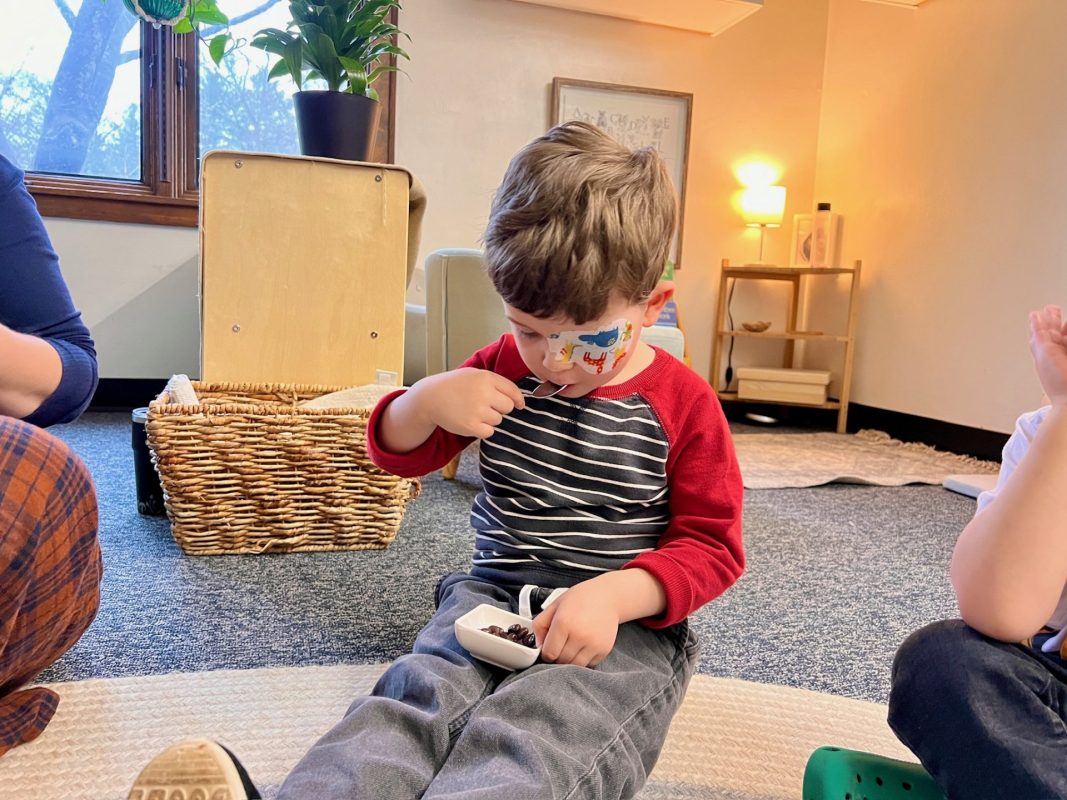
Food Tasting: While creating the food-tasting schedule, I included new foods we don’t usually have. Typically, we only stick to fruits and vegetables, which we show both whole and cooked. We will taste black beans, garbanzo beans (chickpeas), and green and black olives for the next three weeks.

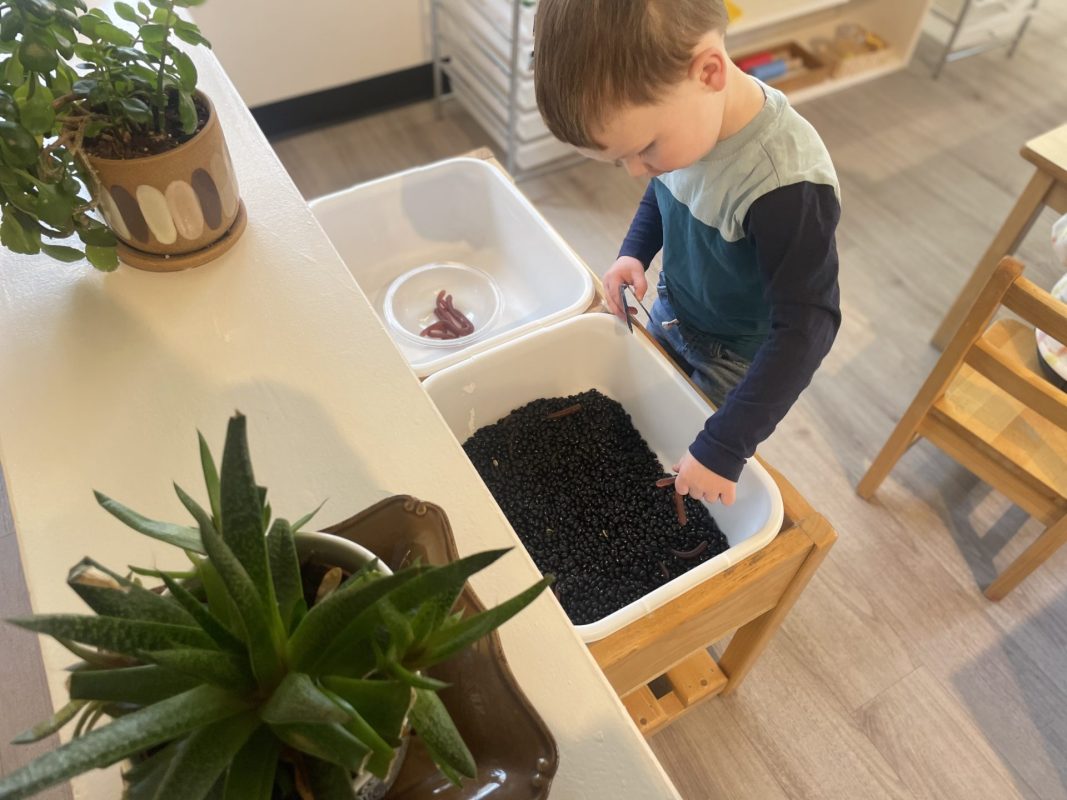
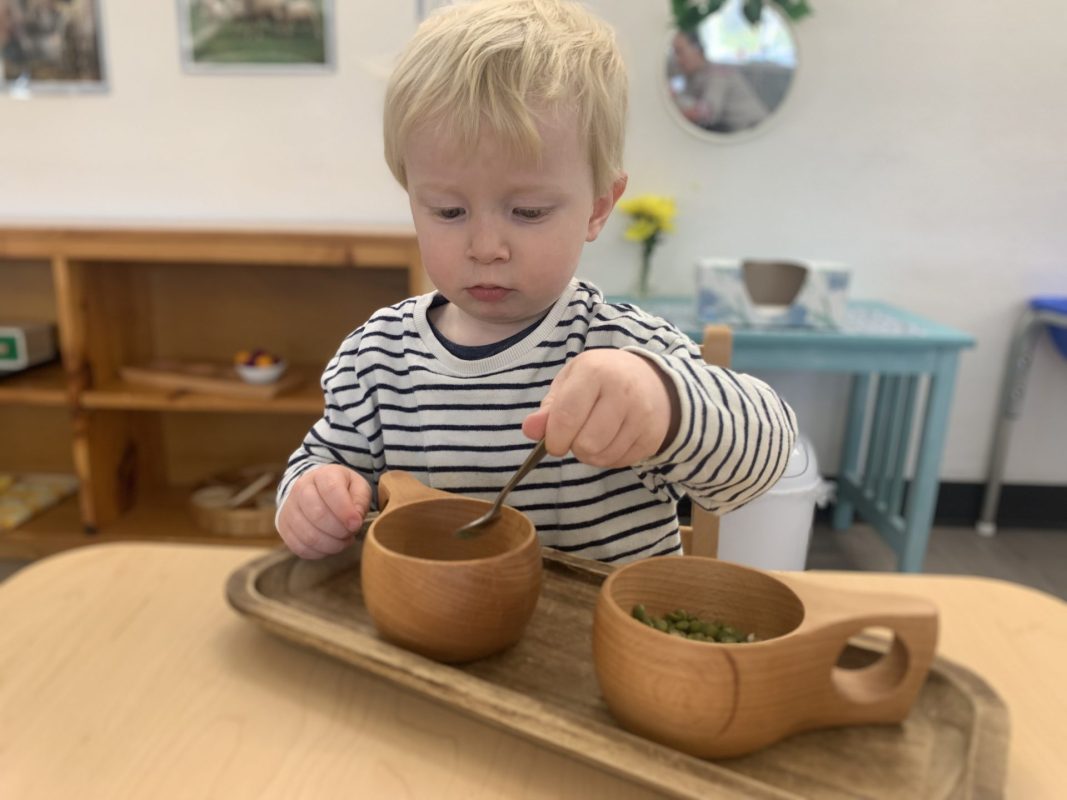
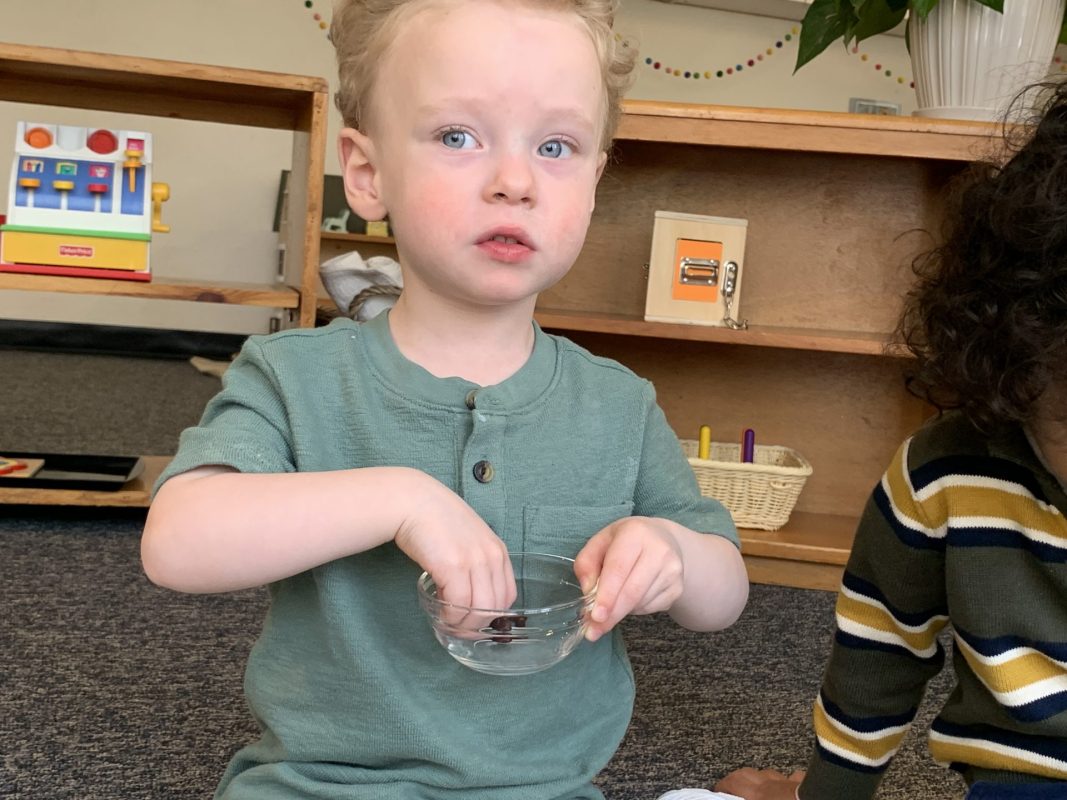
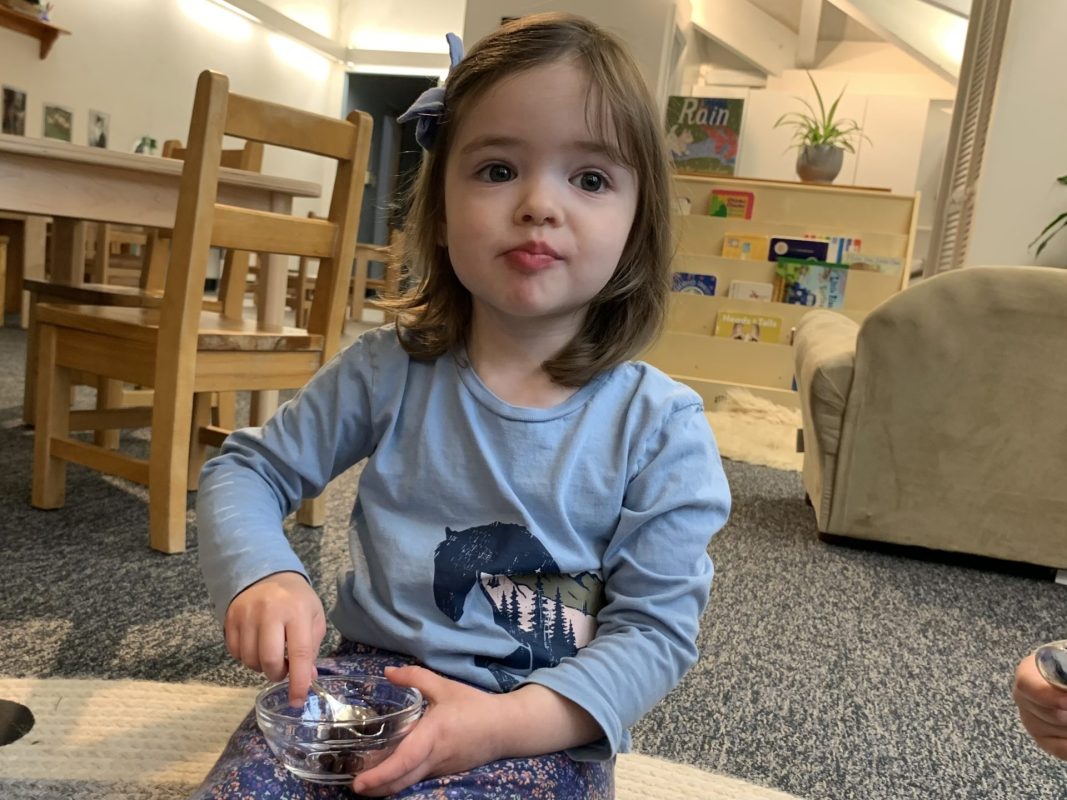
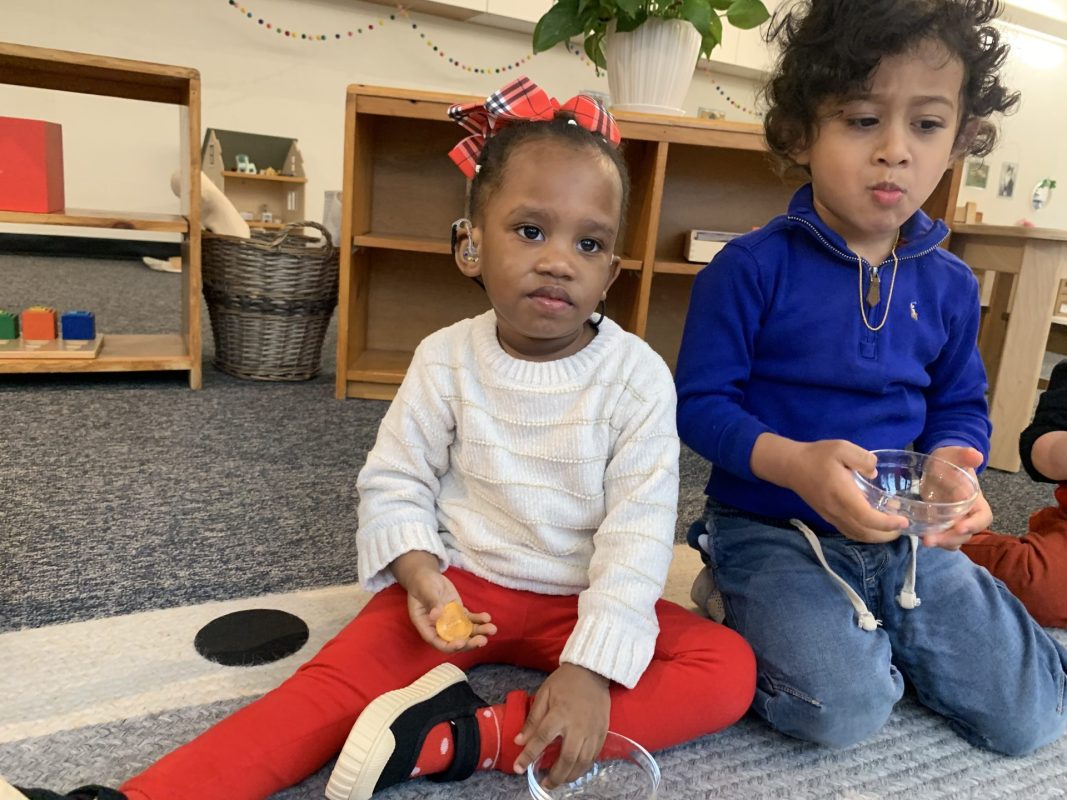
This week, the children tasted cooked black beans. Most of the children liked black beans.

And one last message……

With the Gala just around the corner on April 27th, we can’t wait to see our families there, adding to the warmth and love of the evening. Sara and I will be there, shining bright and ready to hit the dance floor. But what would truly make the evening complete is having you there with us.

If you haven’t already secured your ticket, consider this a friendly reminder to do so by April 22nd. Trust us, you won’t want to miss out on this extraordinary event. It’s not just a Gala; it’s a celebration of community, togetherness, and the bonds that unite us.

So, mark your calendar, dust off your shiniest attire, and get ready to join us for a night to remember. Let’s make memories together at the Gala!

http://fraserwoods.com/auction

A message from Middle School: Order your 8th-grade-designed 2024 FWM sweatshirt ASAP! Orders close on April 27! Click here to order.

Love and Light,

Cynthia and Sara
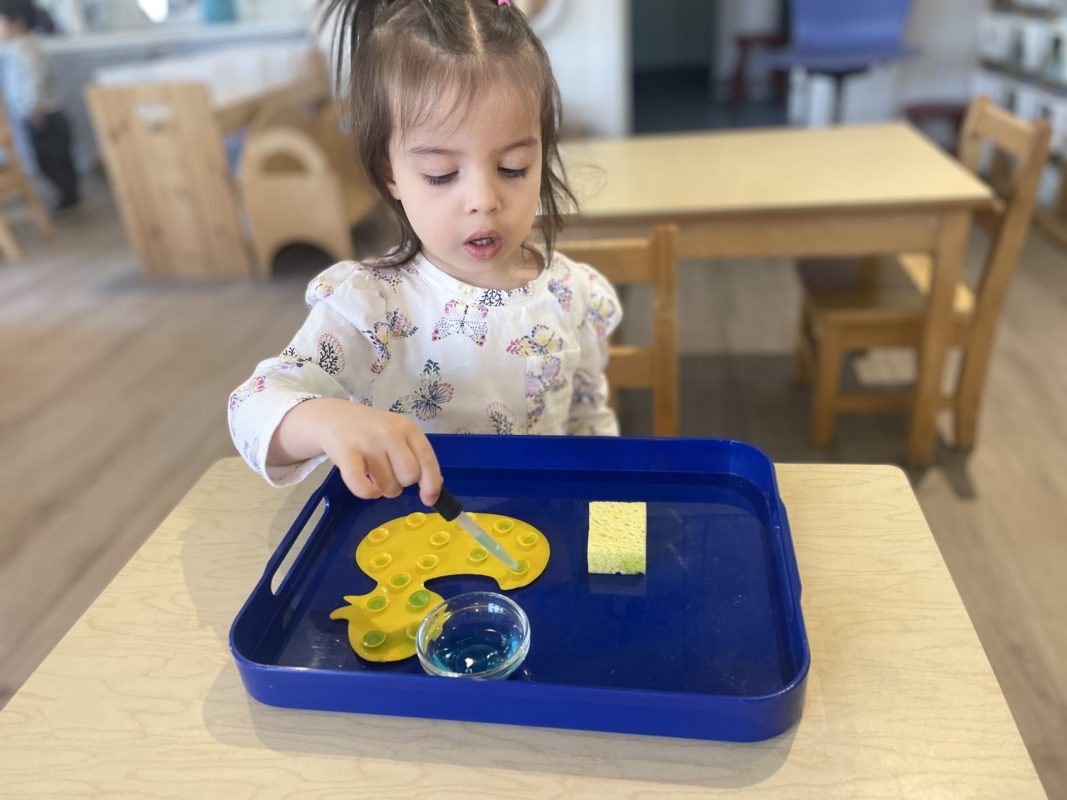

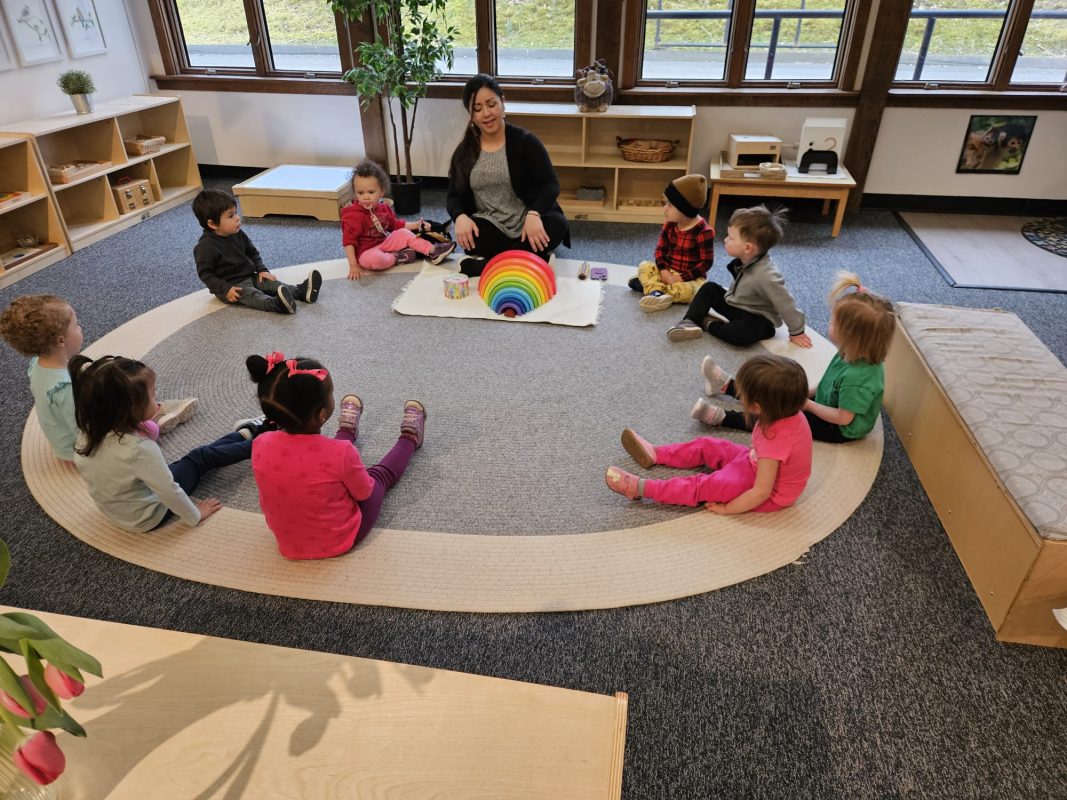
Mrs. Hood: Sharing Time!

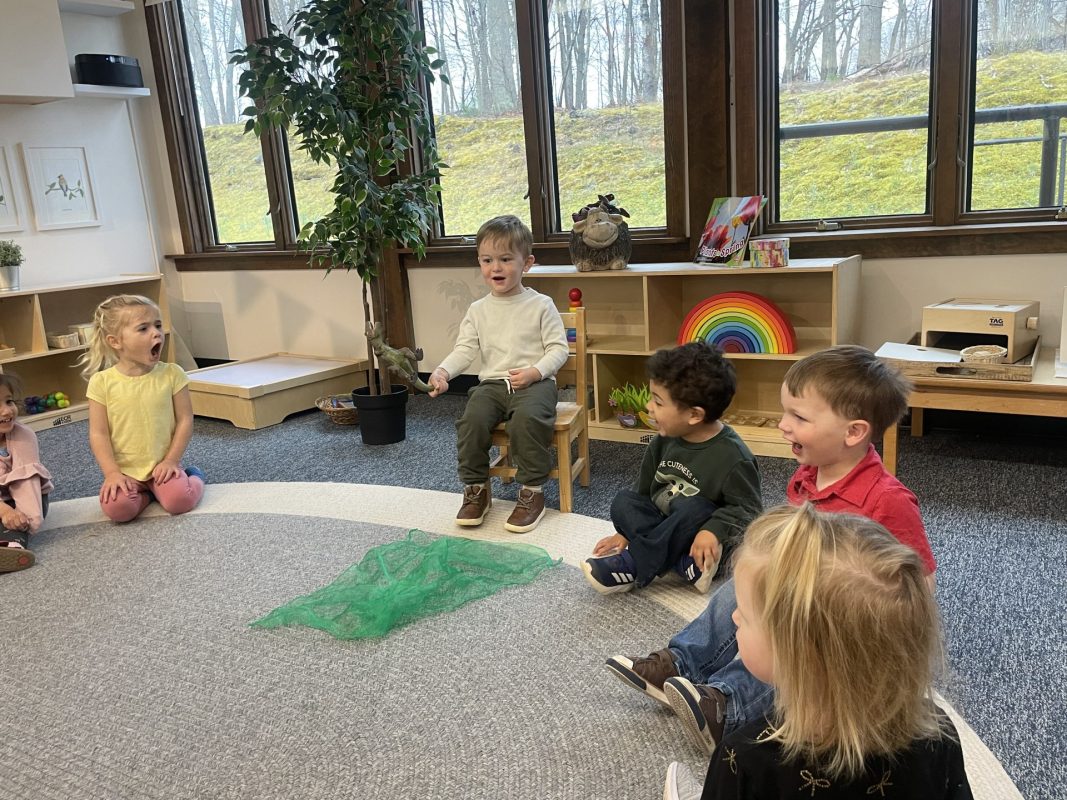
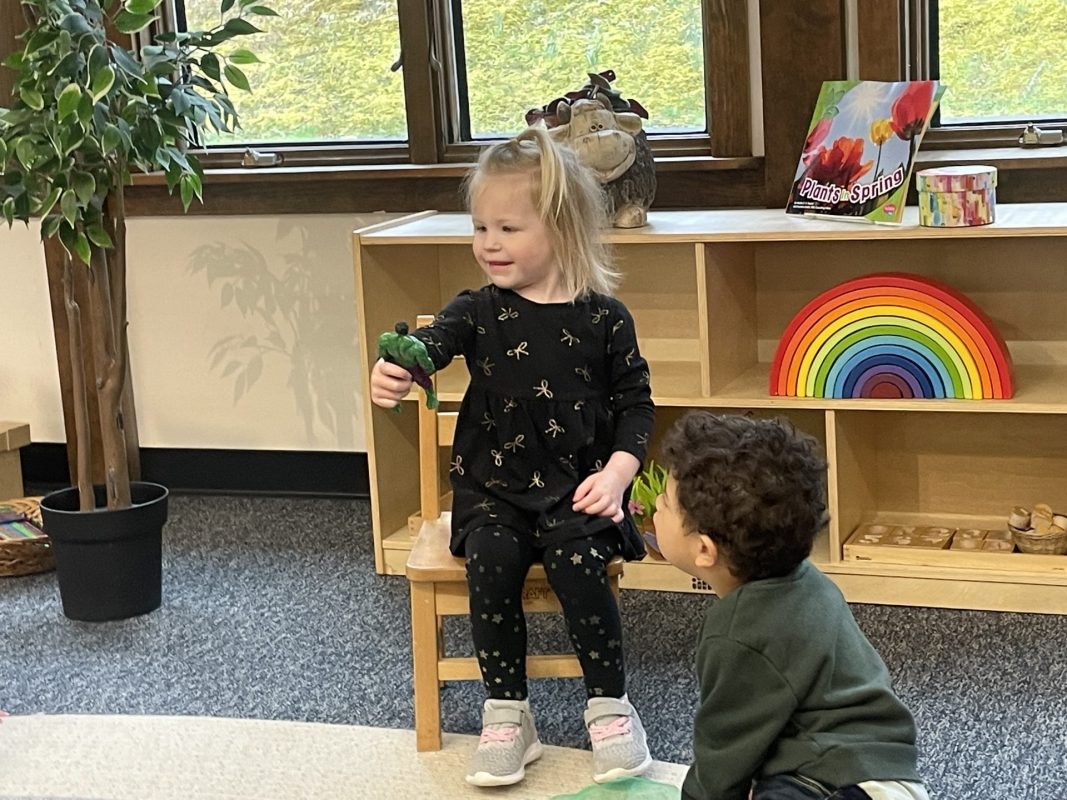
In recent weeks, we’ve witnessed a blossoming of language in our classroom that’s been truly remarkable. Children are eagerly sharing stories, crafting narratives, posing thoughtful questions, and engaging in conversations with their peers like never before.

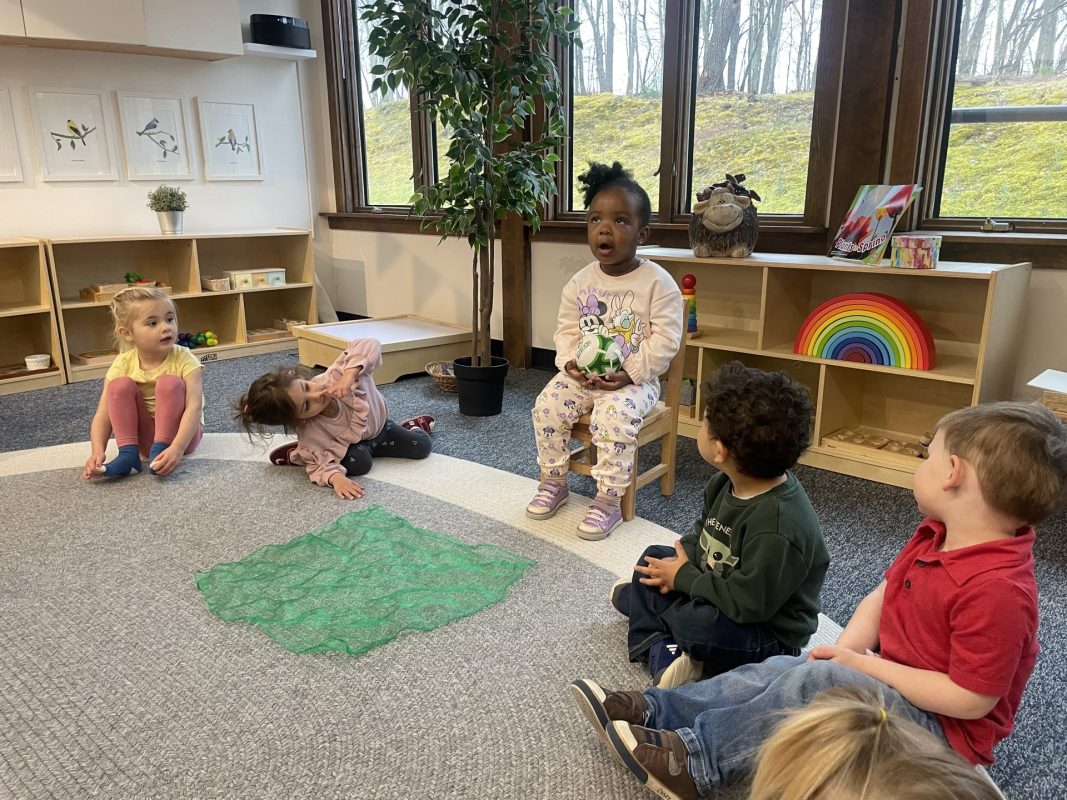
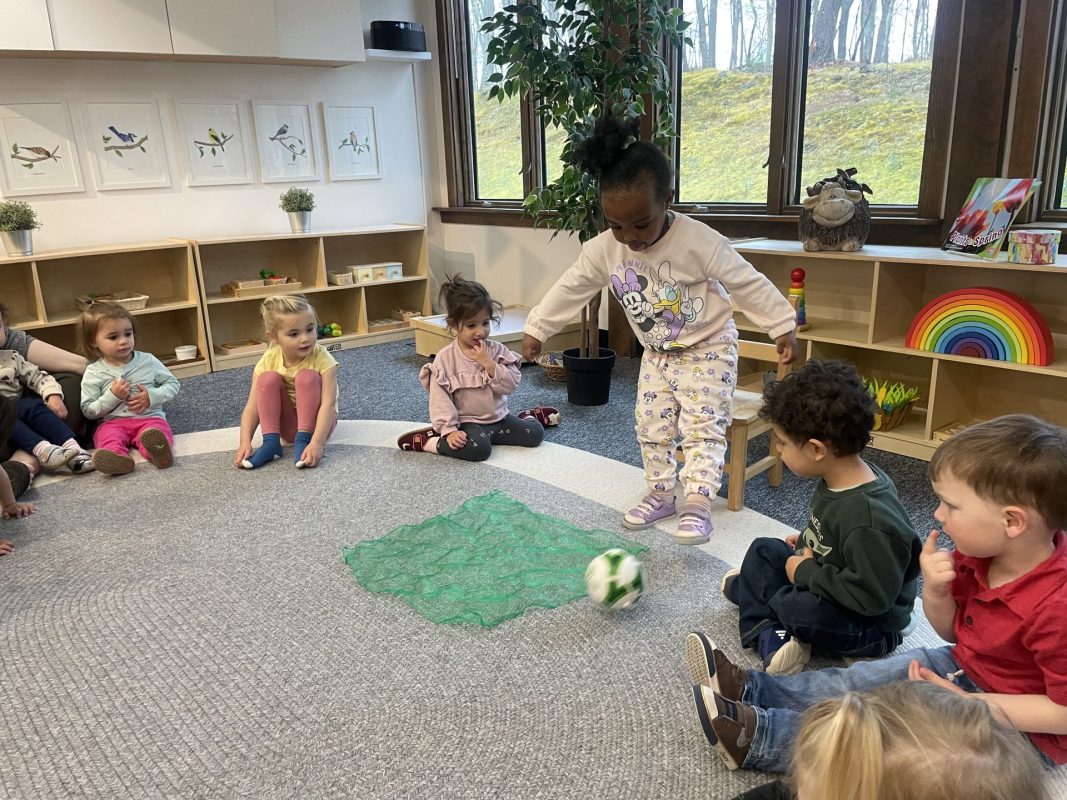
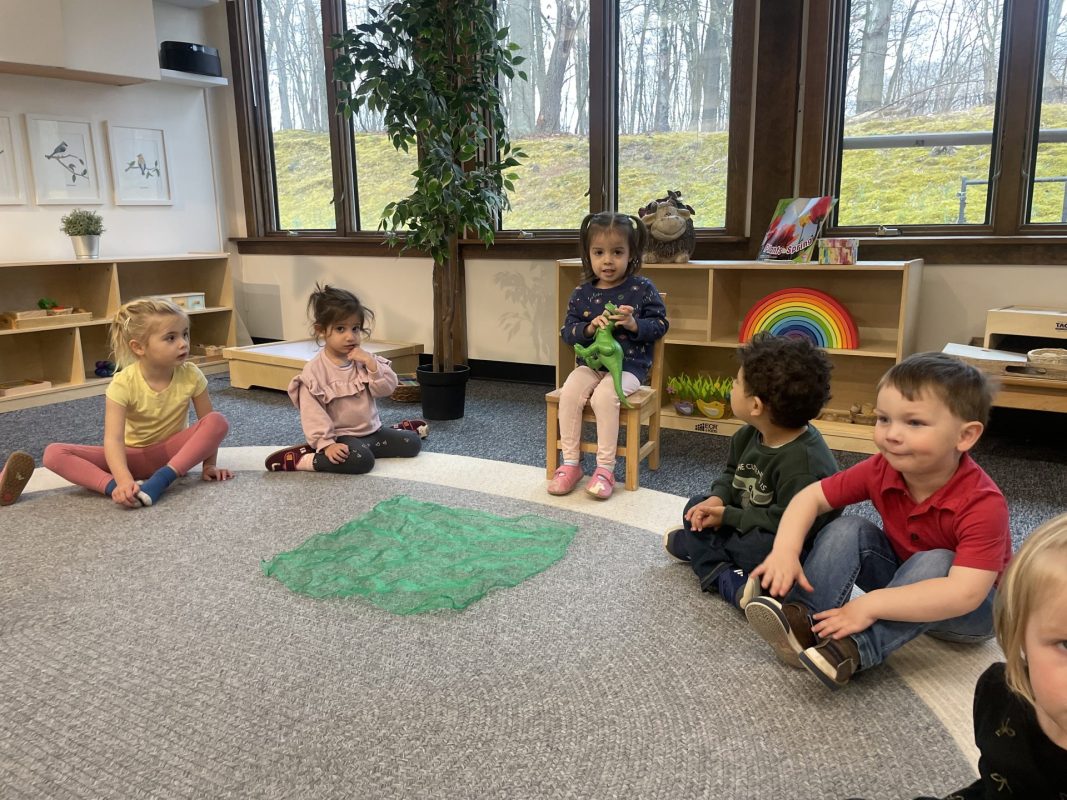
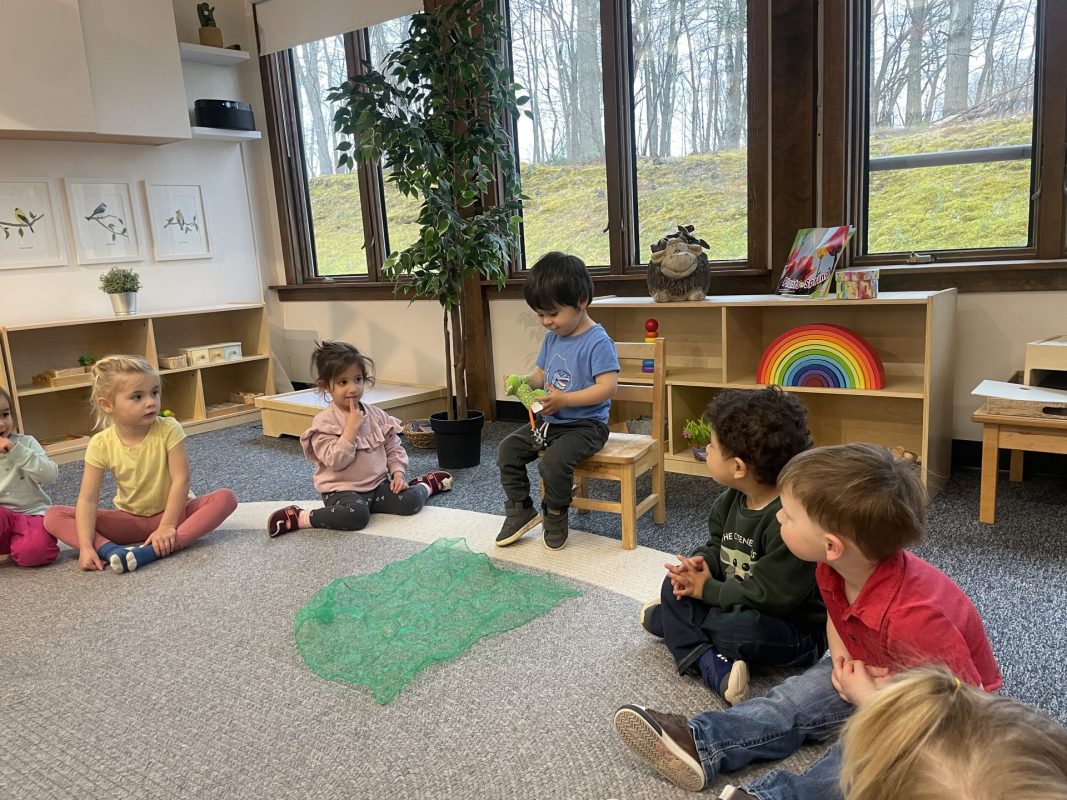
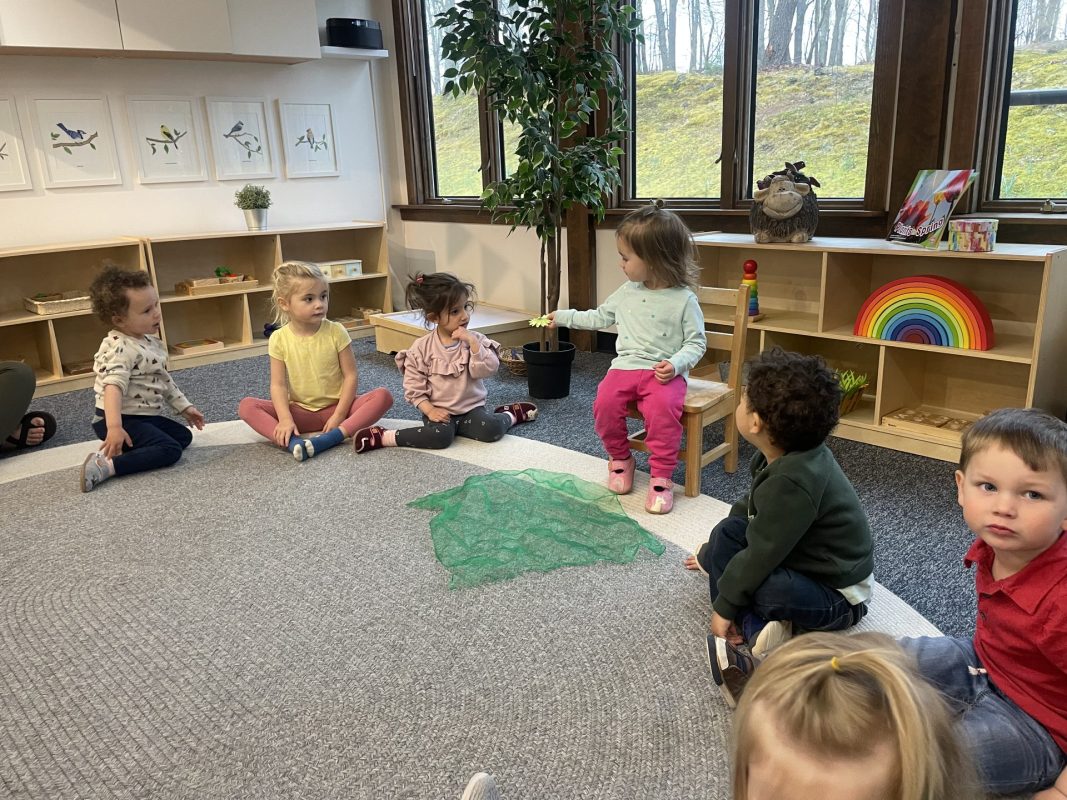
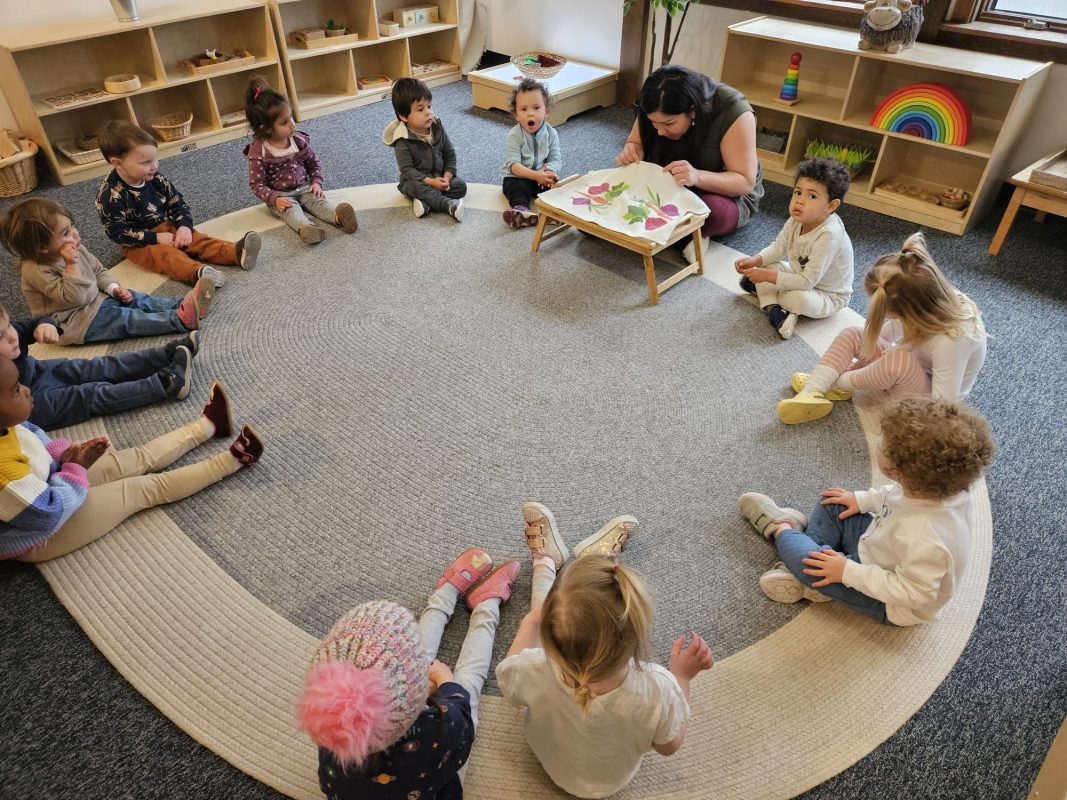
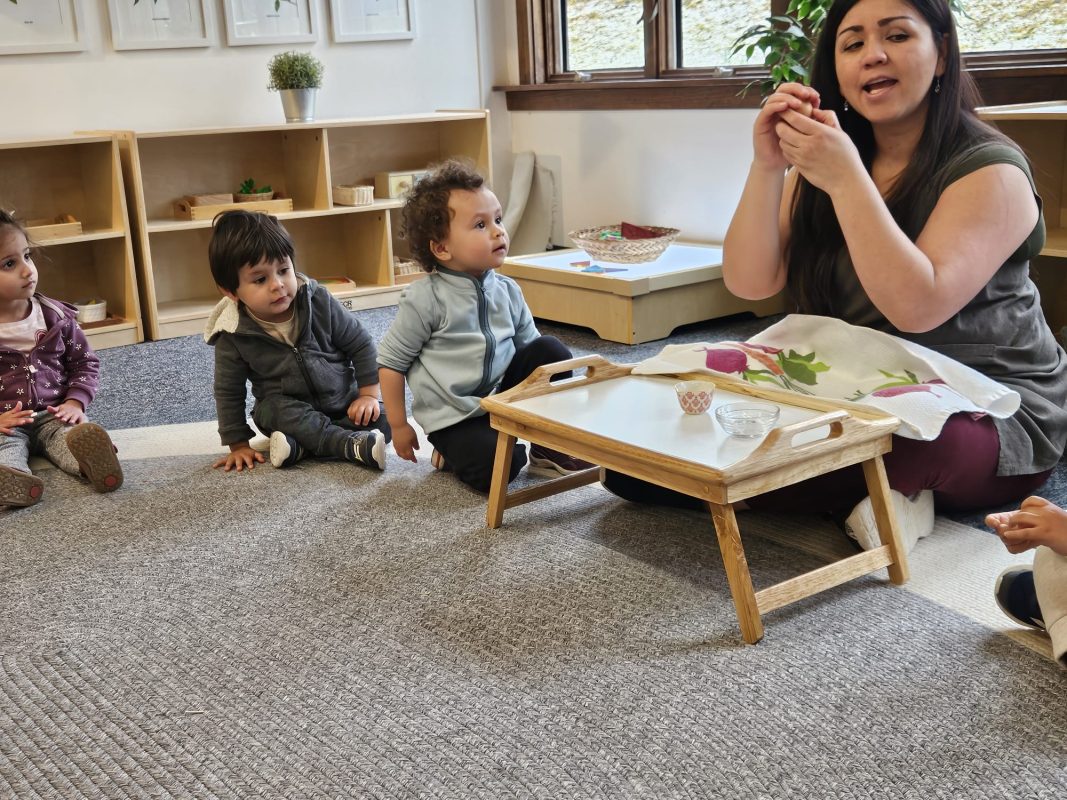
In response to this wonderful surge in vocabulary and communication skills, we introduced a cherished activity this week: Sharing Time! Personally, I adore this activity as it offers your child a platform to nurture their expressive language abilities. Through Sharing Time, they’re learning to organize their thoughts coherently, select appropriate words, and articulate their ideas clearly—an invaluable skill set they’re already mastering with such enthusiasm!

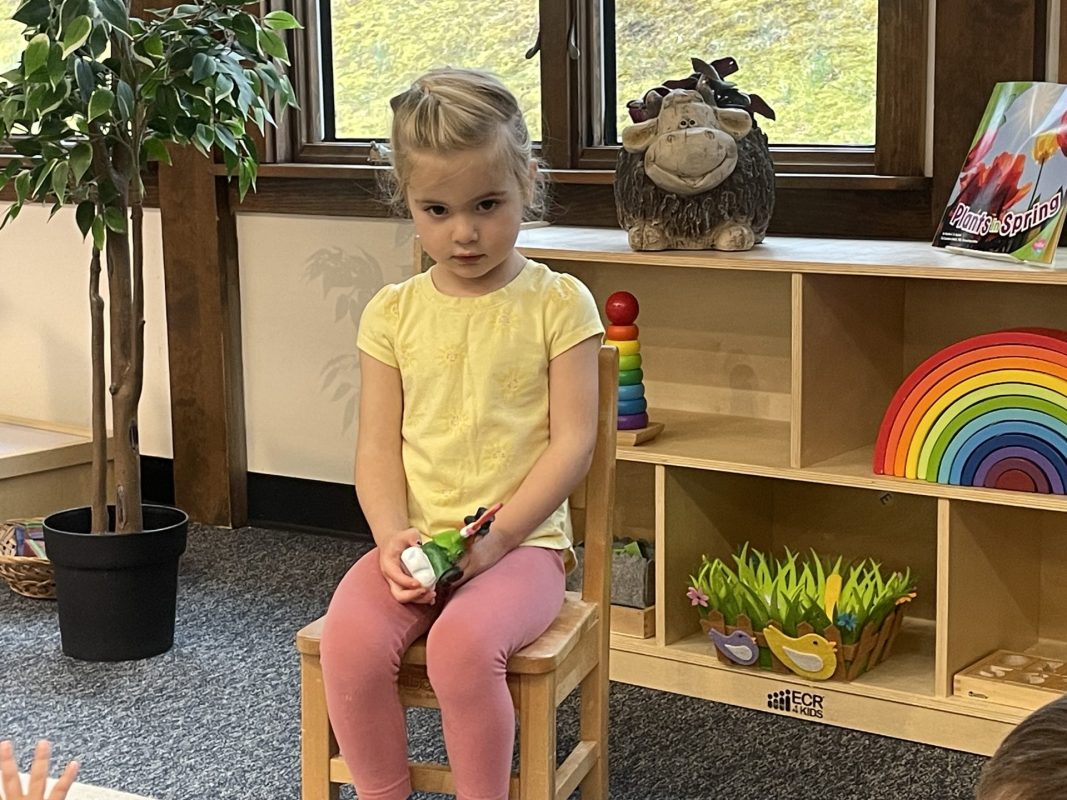
But the benefits extend far beyond language development. Sharing Time is also a powerful confidence booster. As children share snippets of their world with each other, they bask in the attention of their peers, realizing that their stories matter and that others are genuinely interested in what they have to say. Witnessing their beaming faces as they take their turn to share and seeing how proud they are is truly priceless. And let’s not forget the coveted teacher’s chair—the ultimate symbol of importance in their eyes!

Moreover, Sharing Time serves as an early foray into public speaking, fostering confidence in a nurturing and familiar setting. It’s a joy to watch as children hone their receptive language skills, attentively listening to and comprehending their friends’ words.

As Guides, we treasure Sharing Time as a window into your child’s world—a chance for us to observe and assess their speech and language skills, social interactions, emotional needs, independence levels, and self-esteem while also gaining insights into their interests and passions.

We’re grateful for your continued support and for the thoughtful notes you send along in your child’s bag. They provide invaluable prompts for meaningful conversations.

And speaking of community support, the much-anticipated FWM Gala is just around the corner! We’re eagerly anticipating the opportunity to connect with all of you, indulge in delicious food, and hit the dance floor for some fun-filled moments. If you haven’t secured your tickets yet, there’s still time—let’s make this event one to remember!

A message from Middle School: Order your 8th-grade-designed 2024 FWM sweatshirt ASAP! Orders close on April 27! Click here to order.

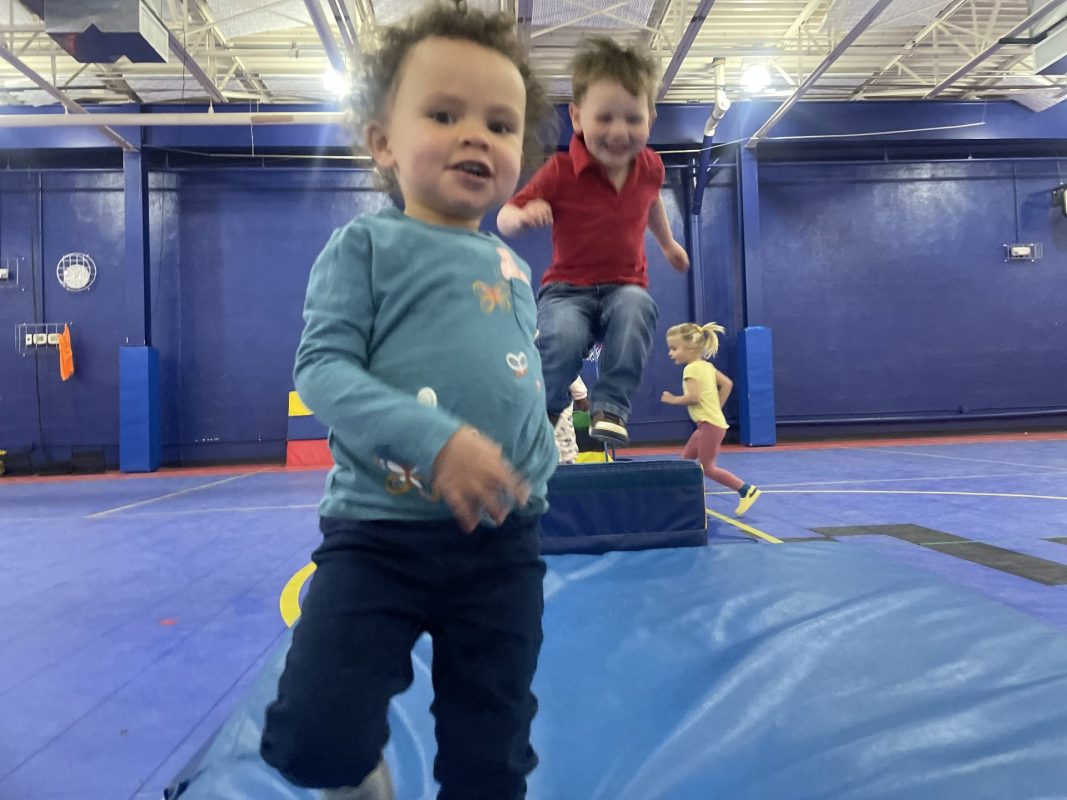
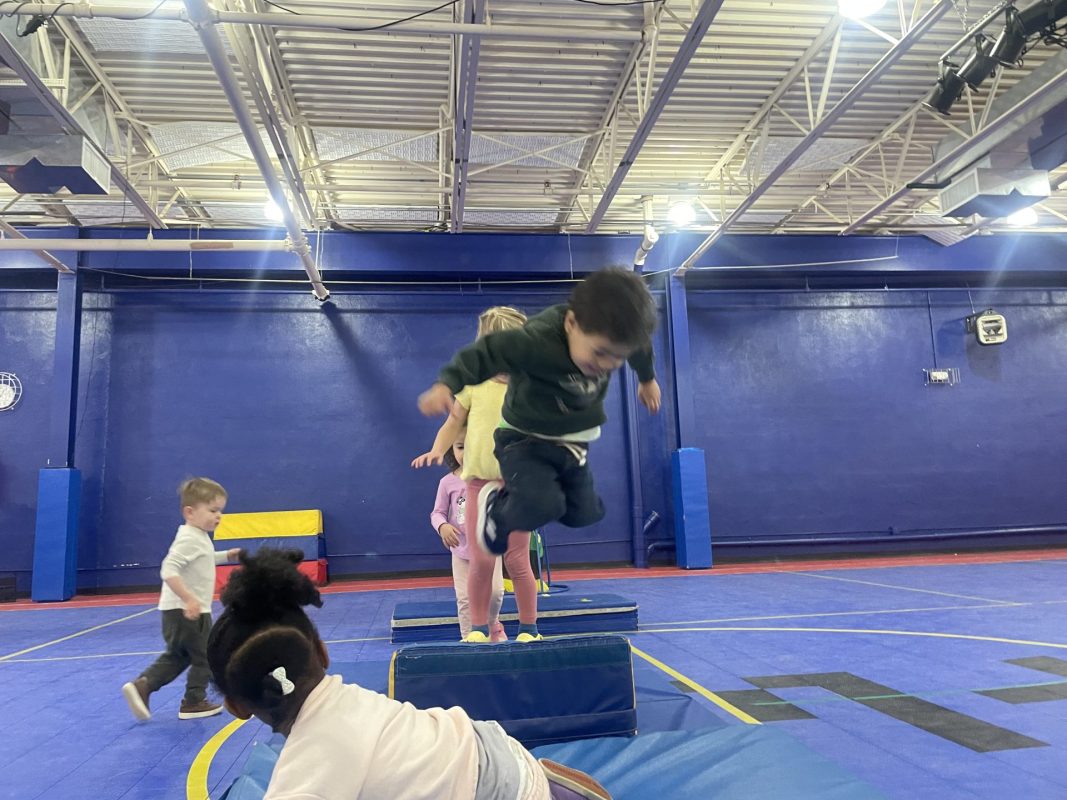
In the meantime, enjoy a glimpse of our week through some pics.

Warm regards,

Mrs. Hood and Ms. Mollie


Mrs. Sargeant: A Peek at the Week

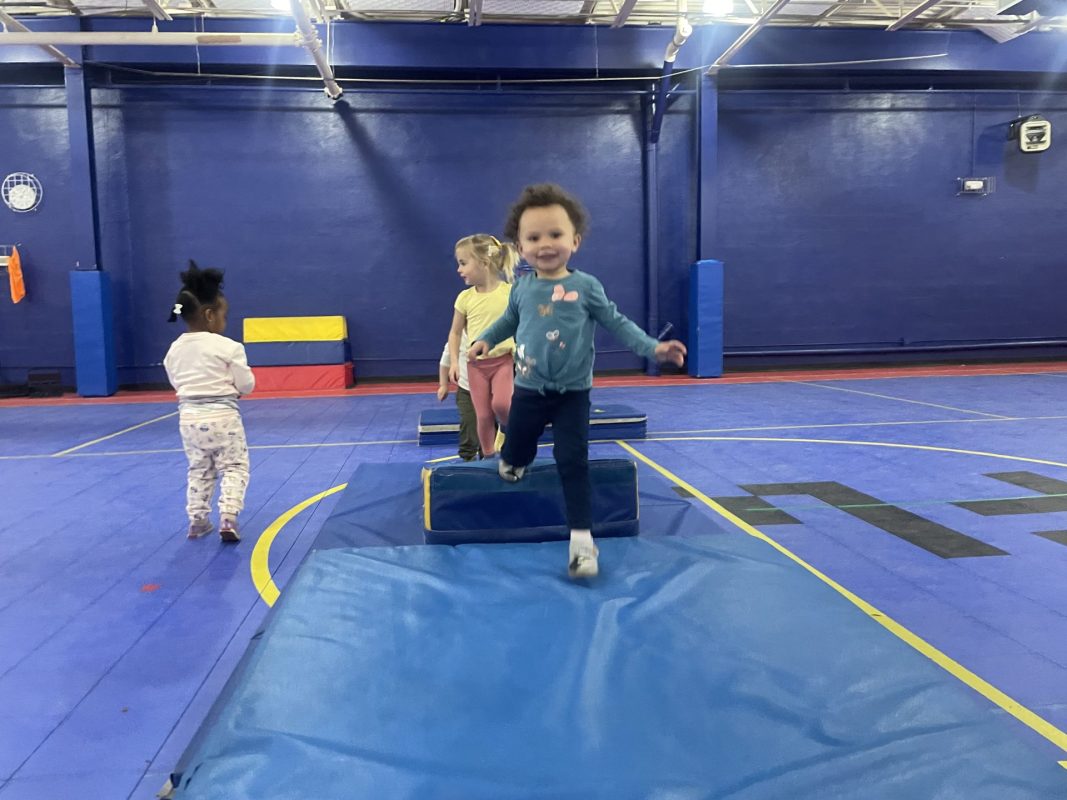
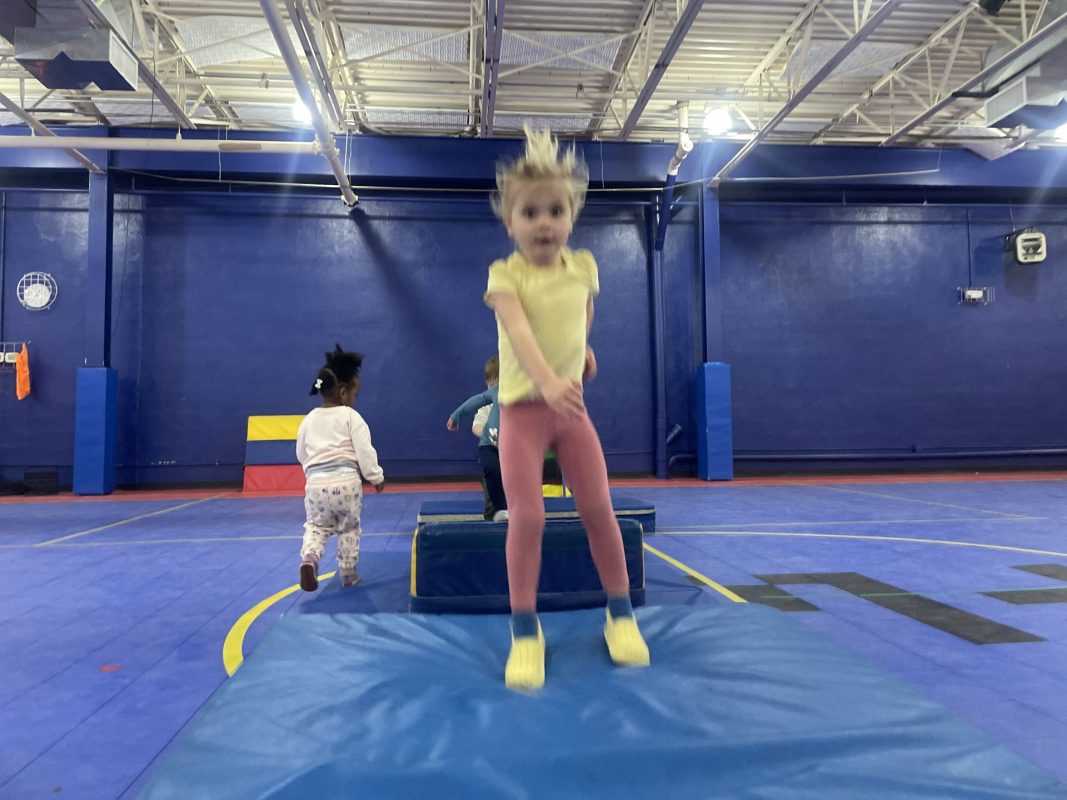
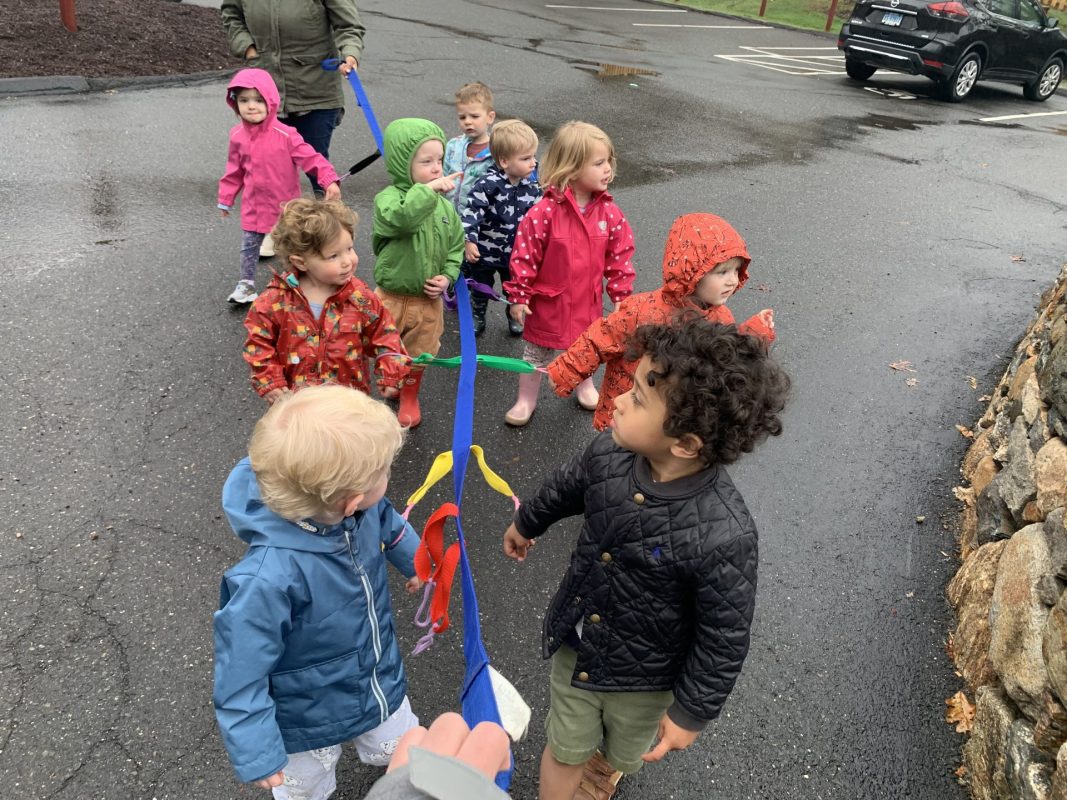
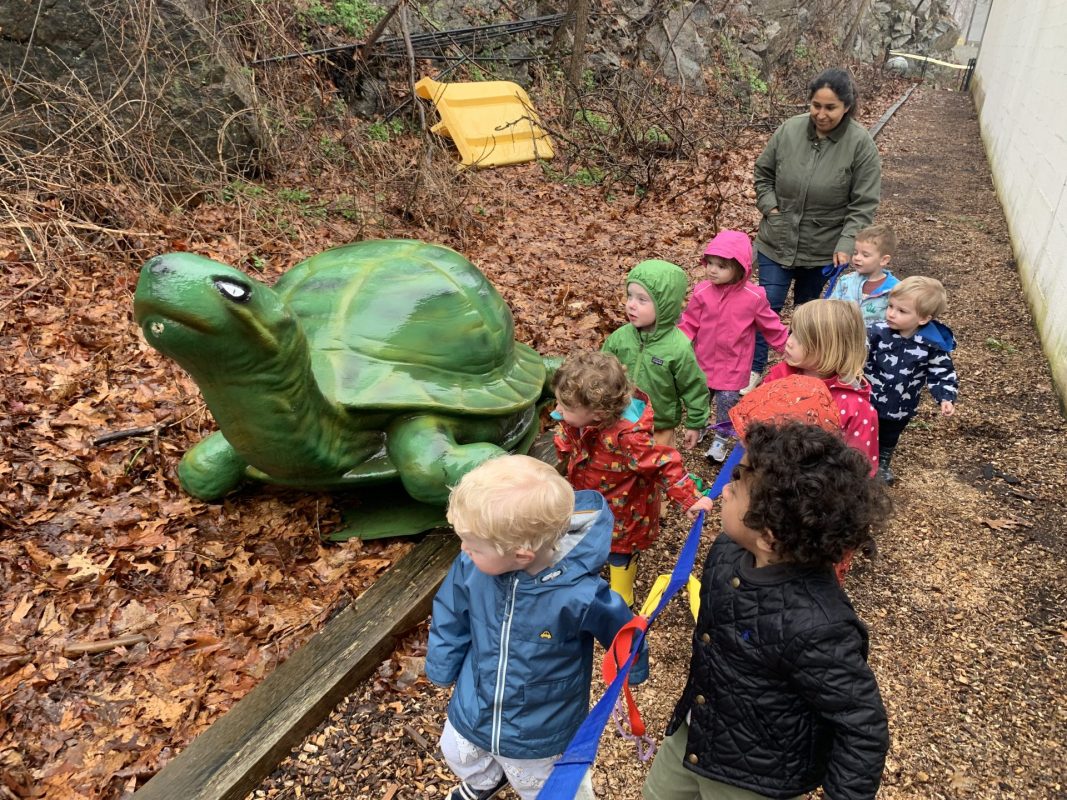
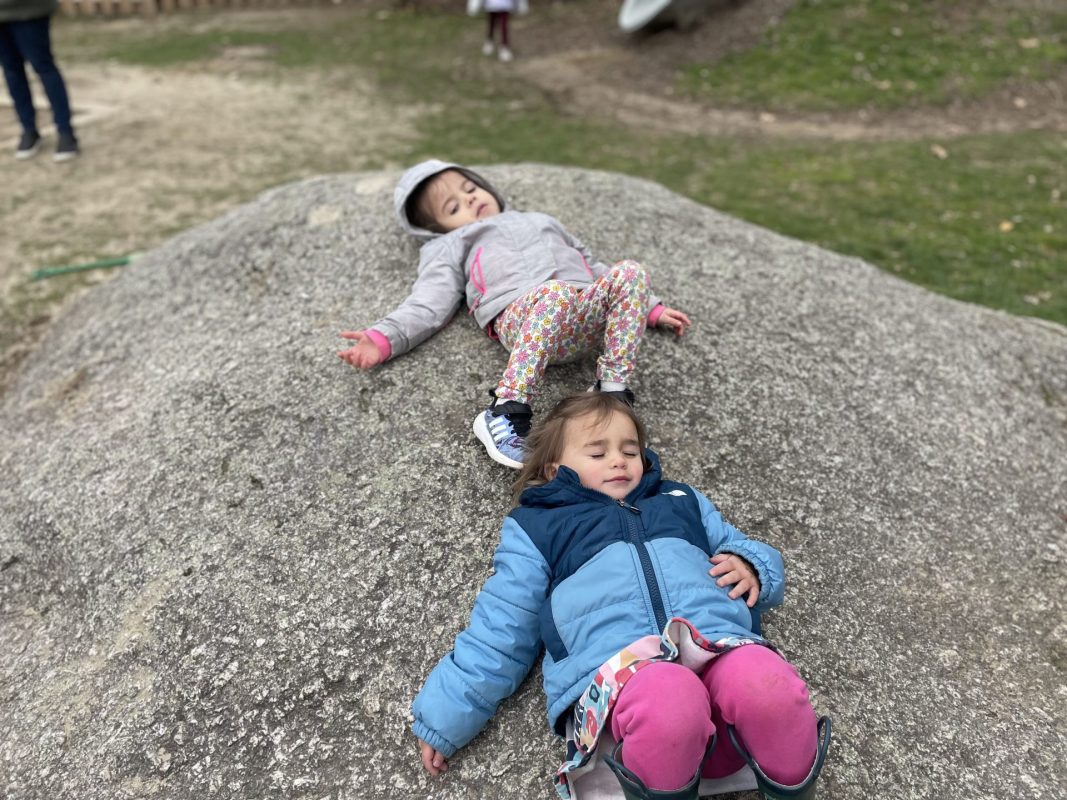
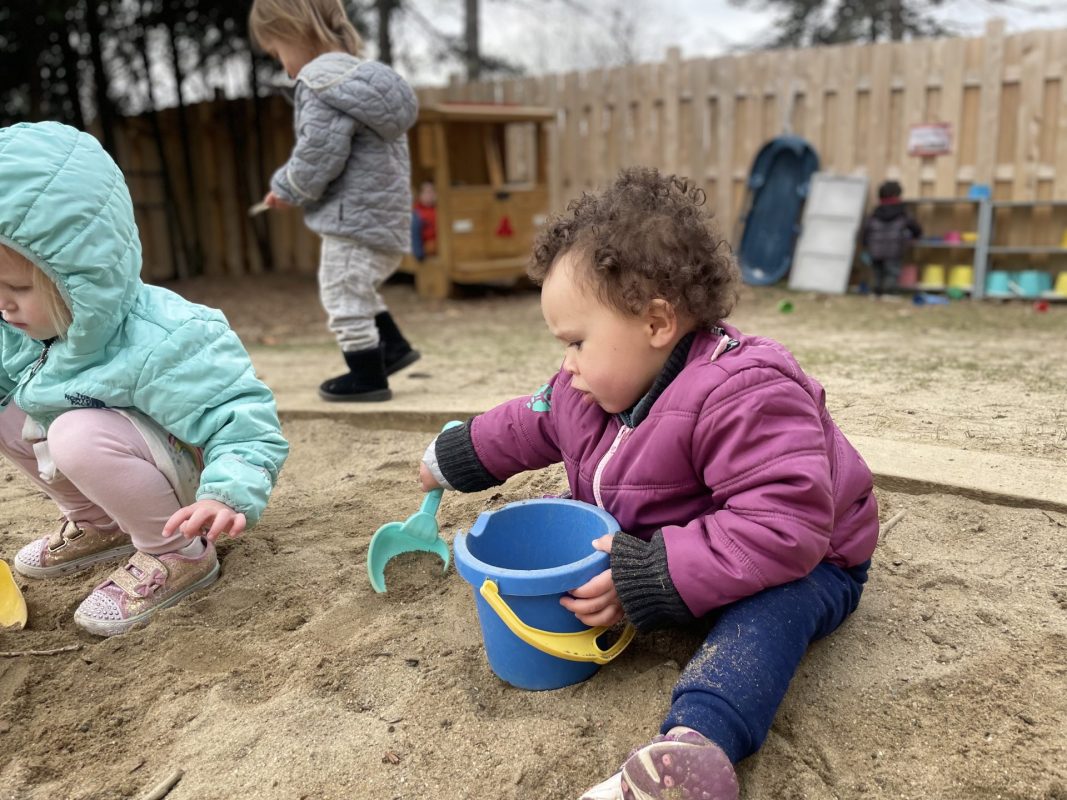
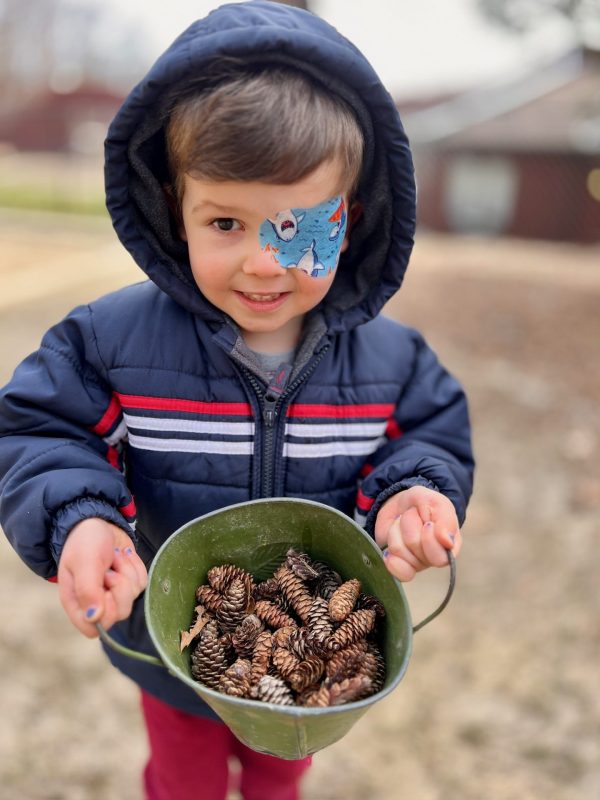
We made the most of the rainy days this week. We played in the gym, in addition to a few rainy walks outdoors. We were inspired by one of our favorite books, We’re Going on a Bear Hunt, to sing our song as we walked and were delighted to stumble upon the bear on the front lawn! How exciting! On the warm days, we were all thrilled to be outside on the playground without any coats!

We tried black beans this week, and almost all the children loved them. We looked at pictures of them in pods and sprouting. 

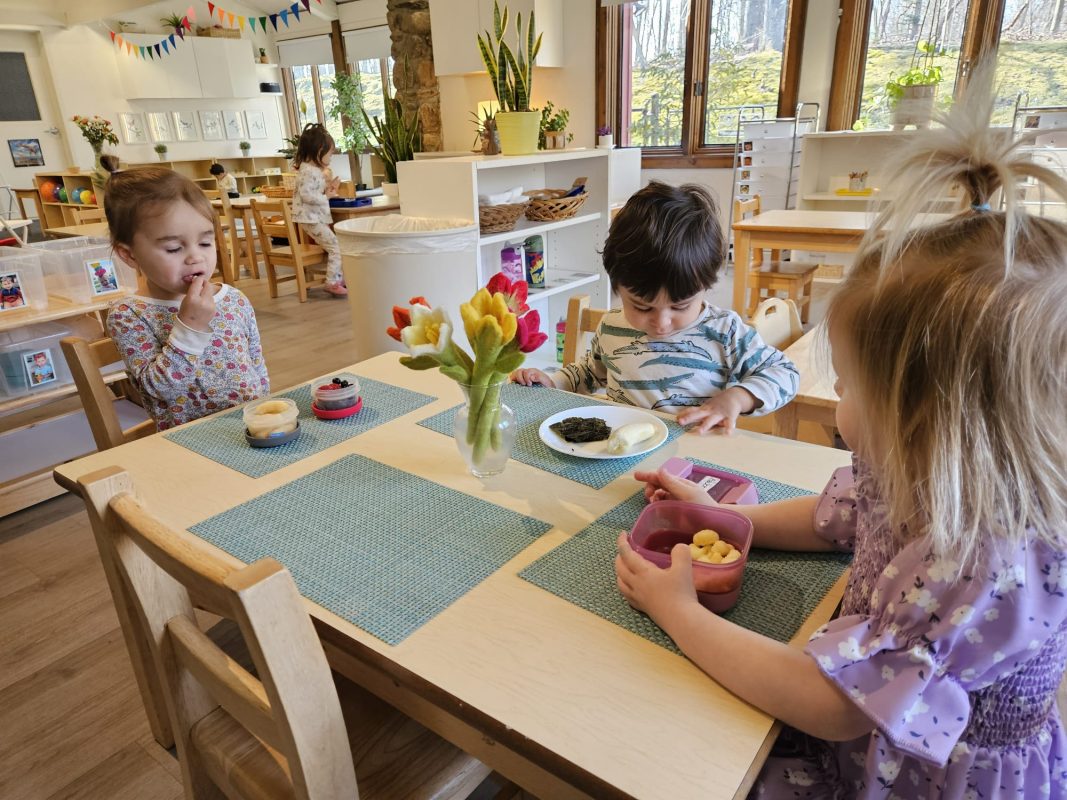
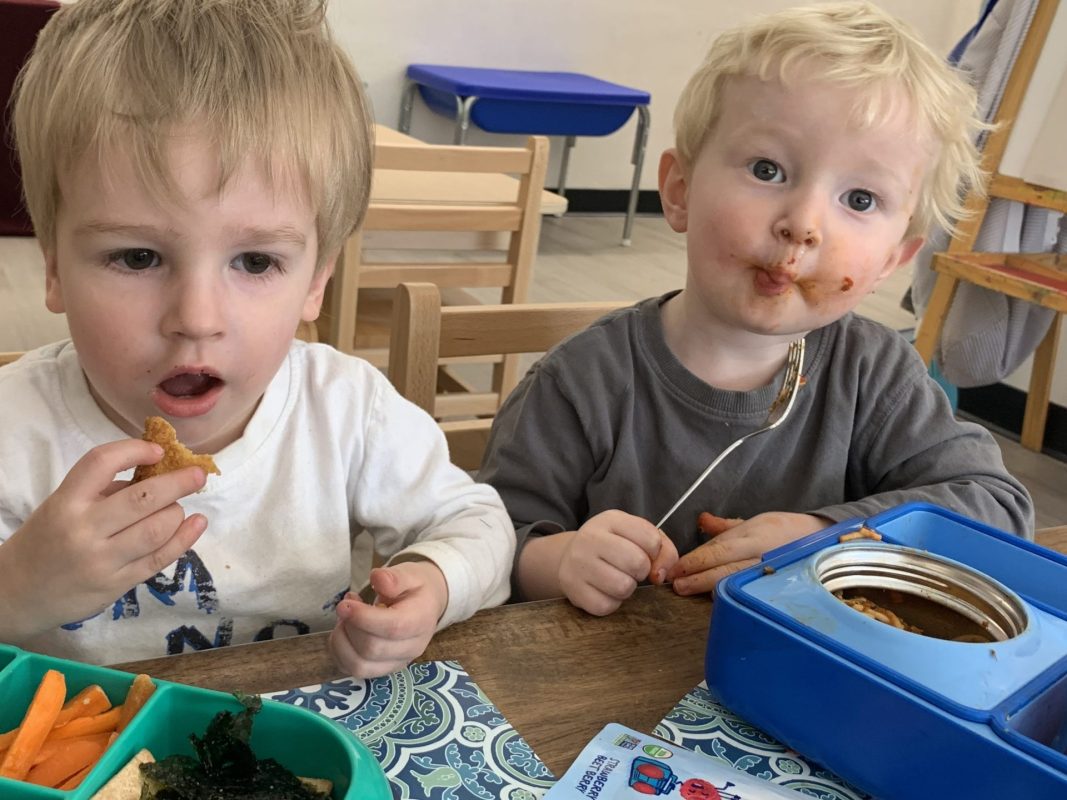
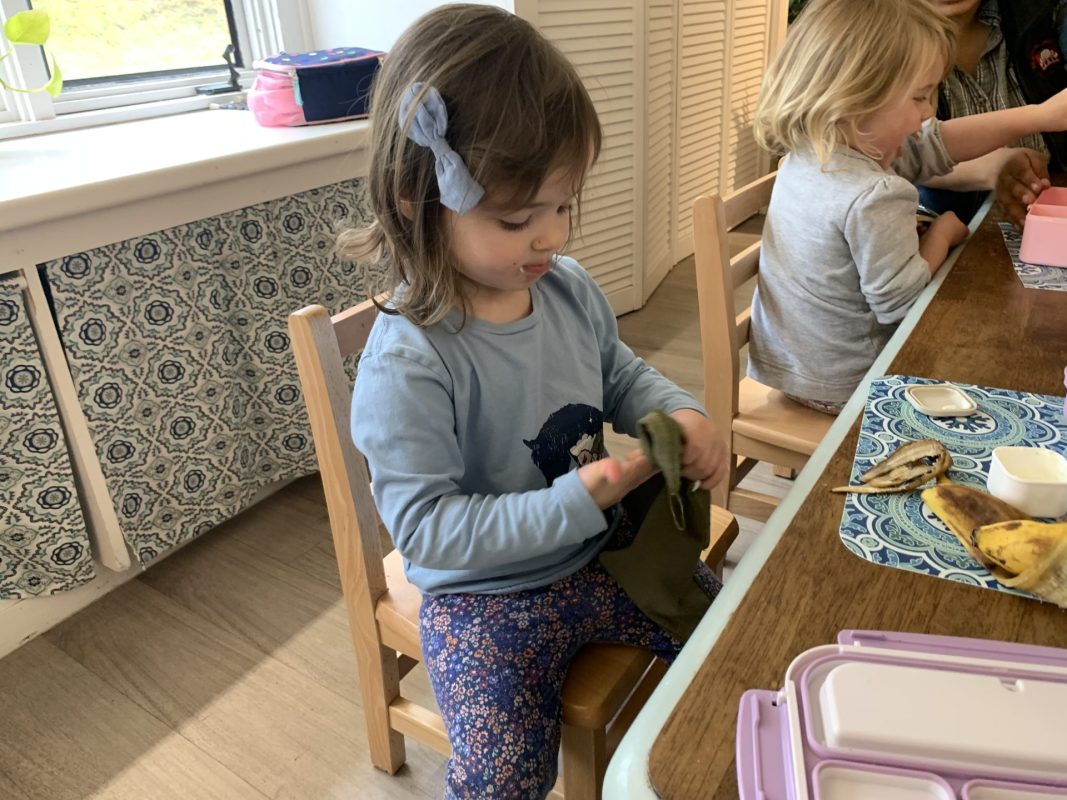
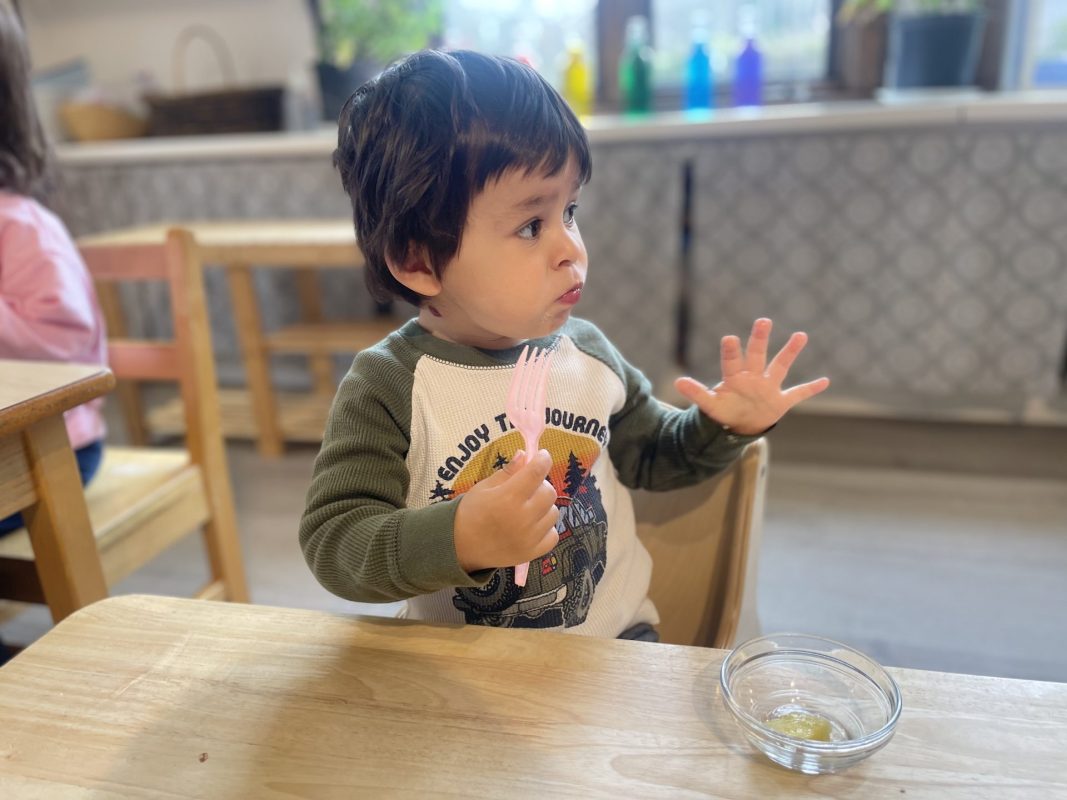
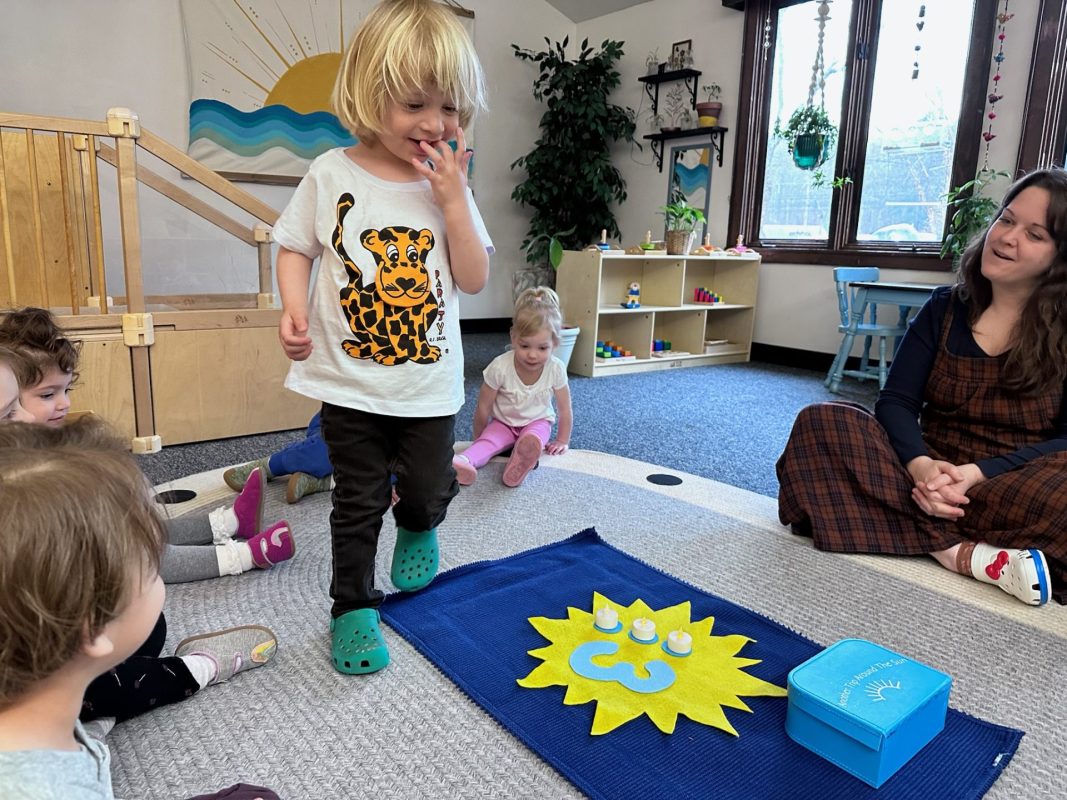
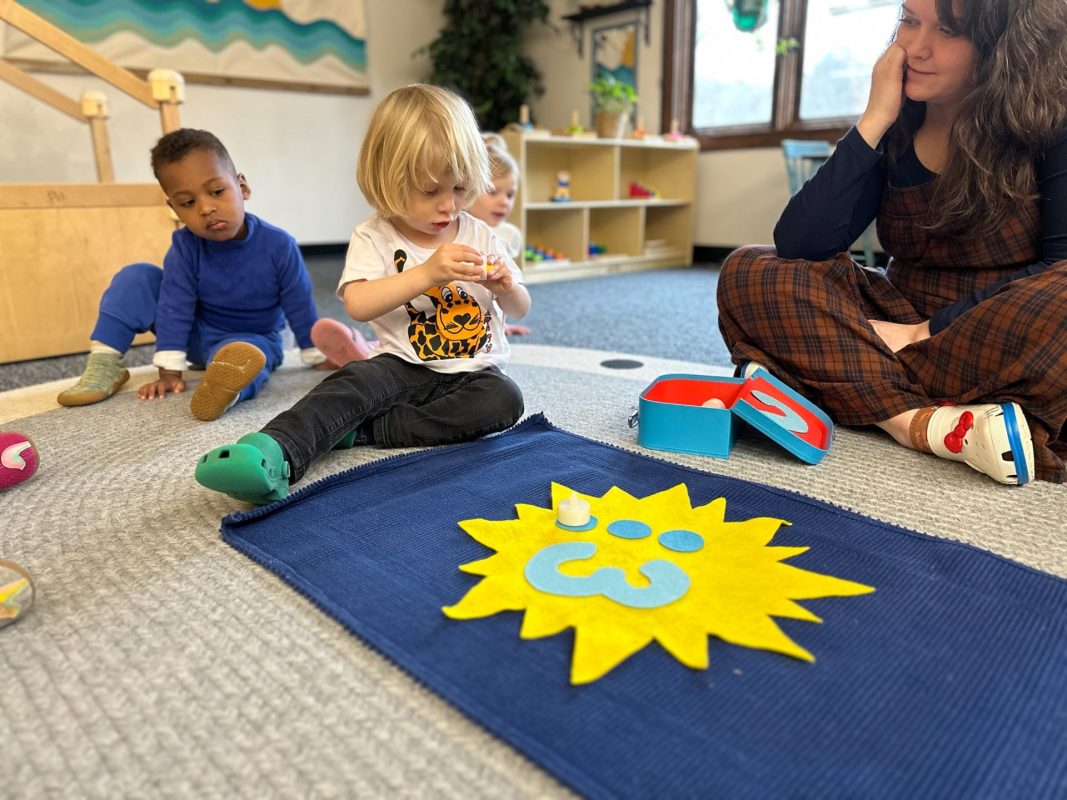
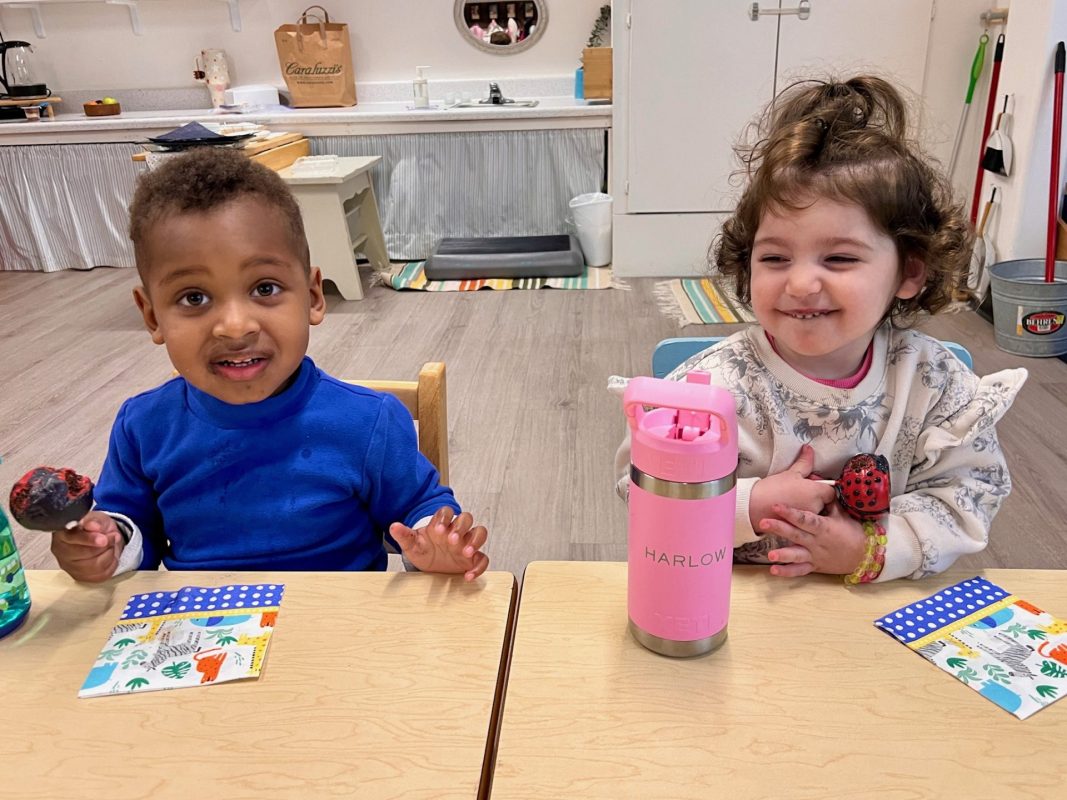
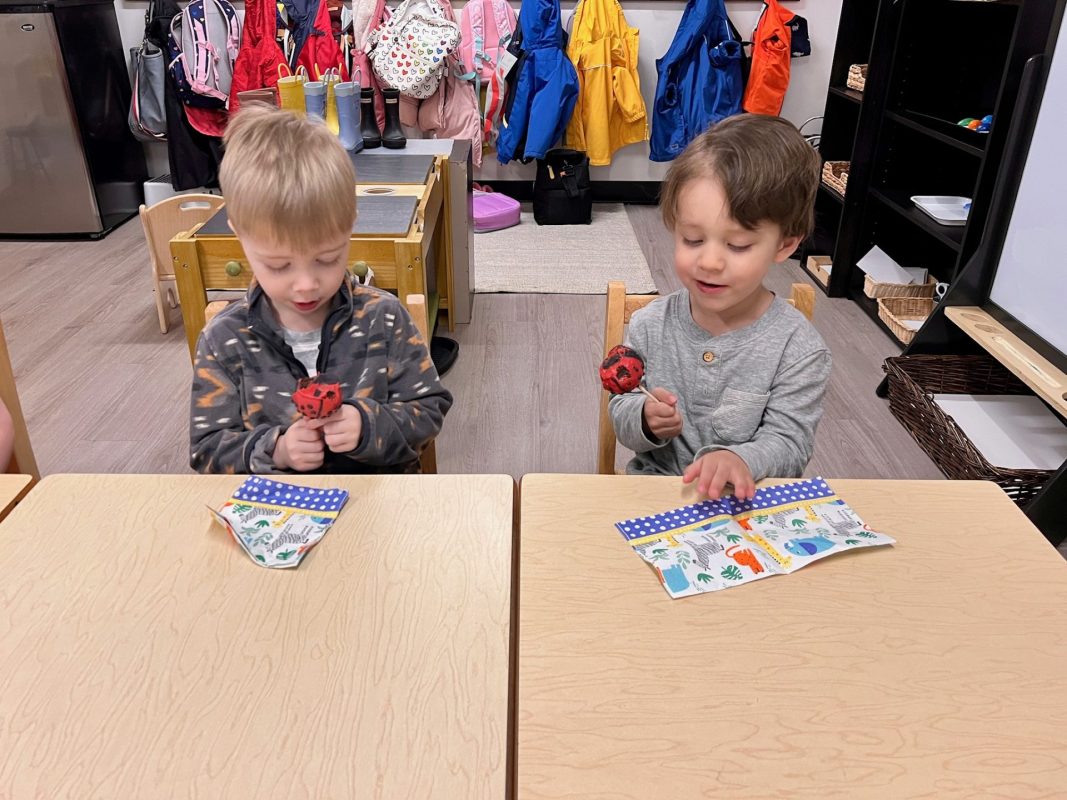
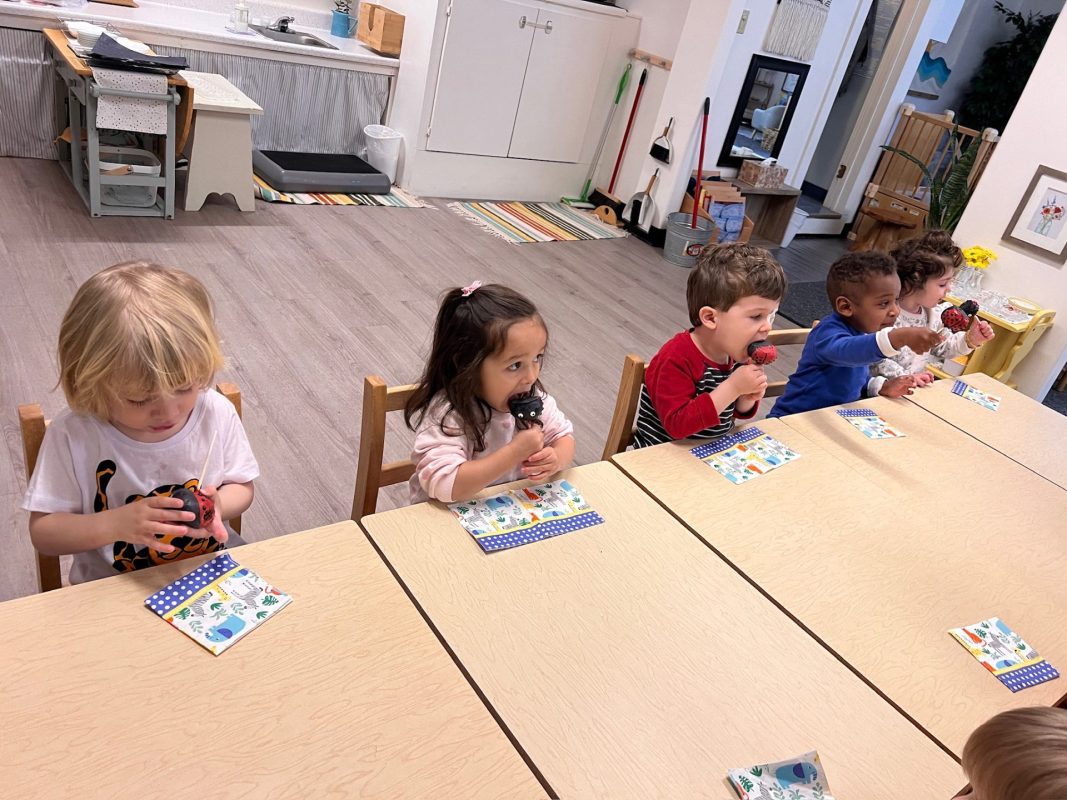
Grace and courtesy are fundamental parts of the Montessori curriculum. In short, this means teaching children to be respectful, kind, and empathetic; it is all about helping them understand how to be polite. Table manners are a grace and courtesy lesson that we have the opportunity to work on daily. 

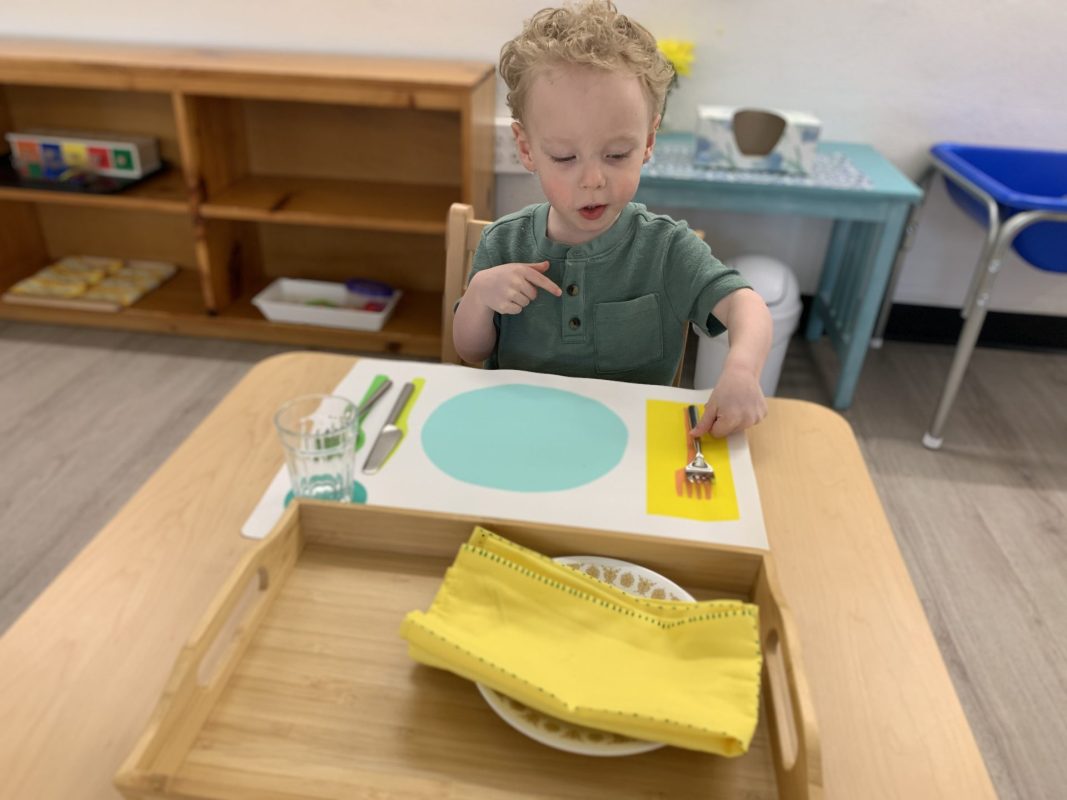
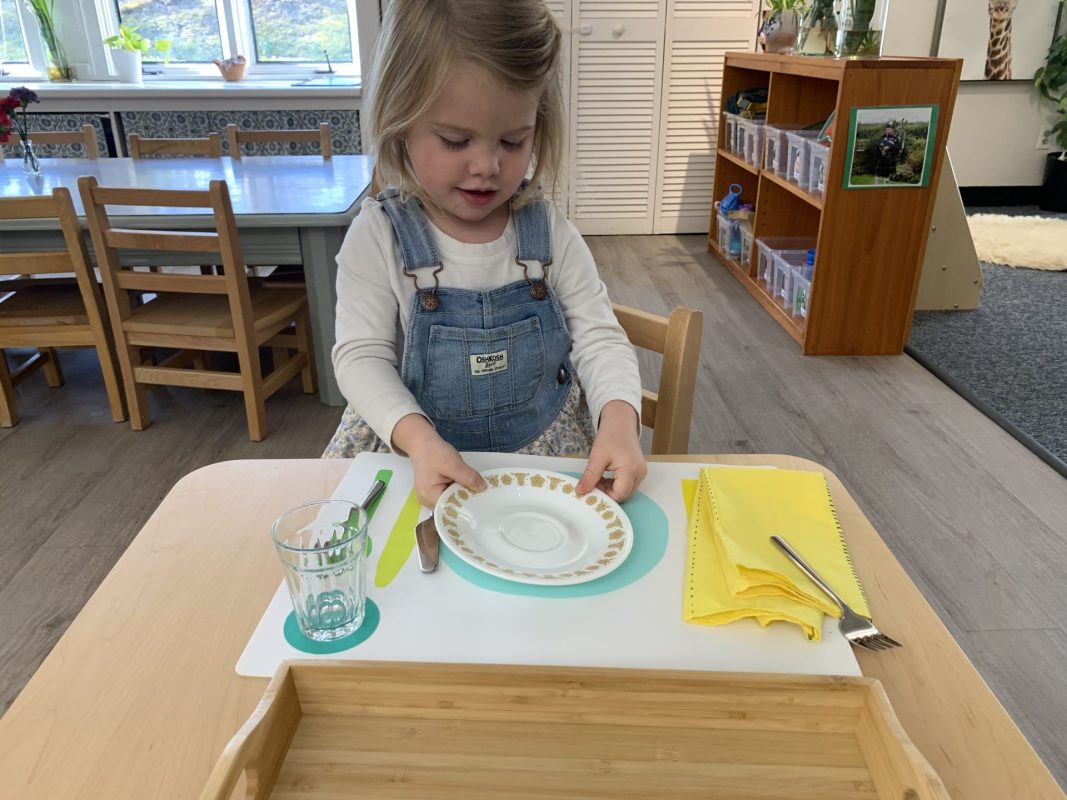
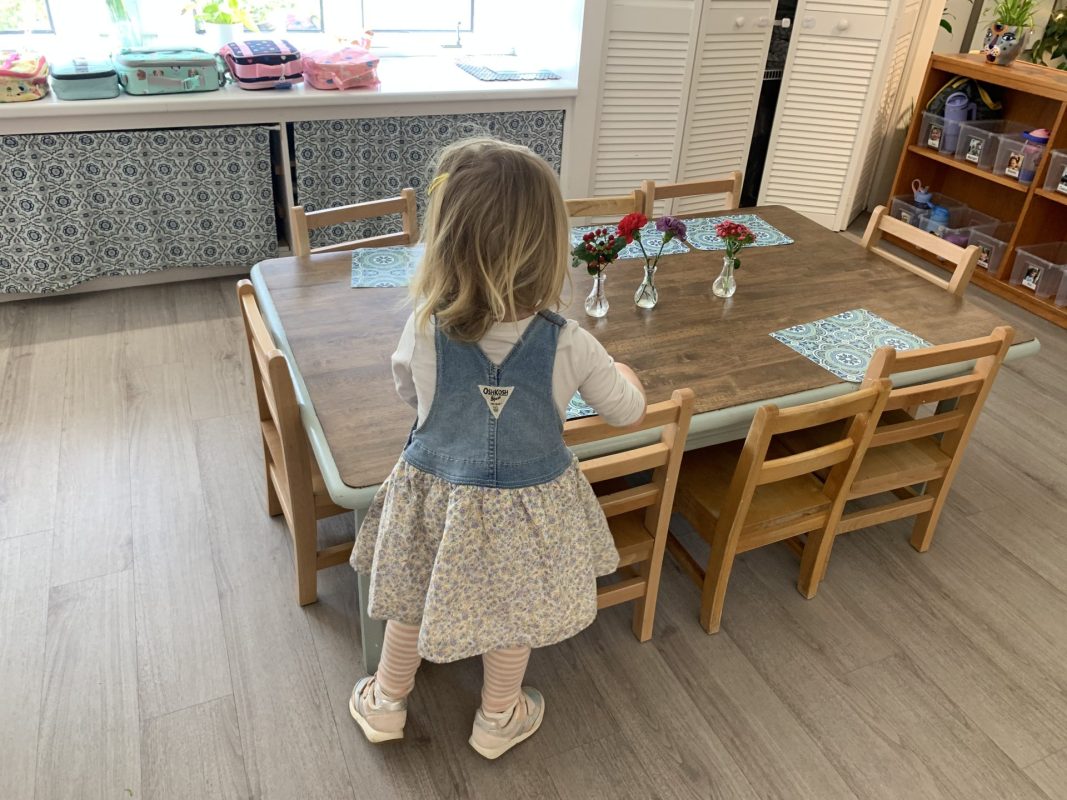
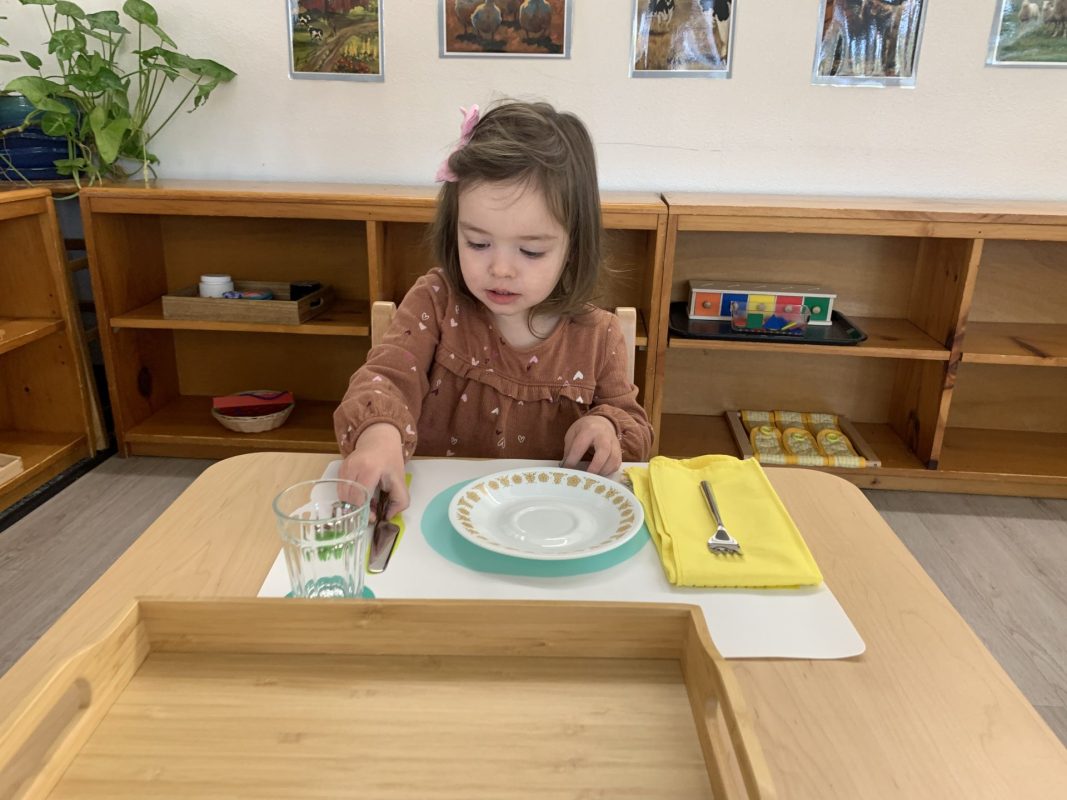
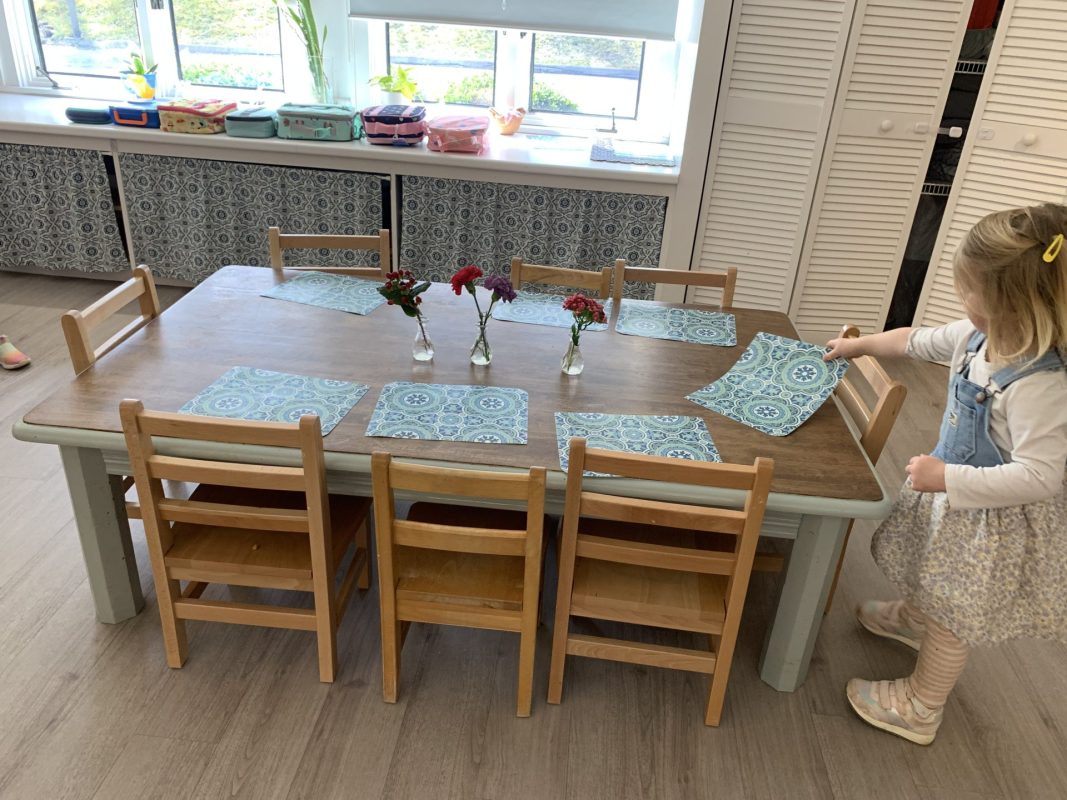
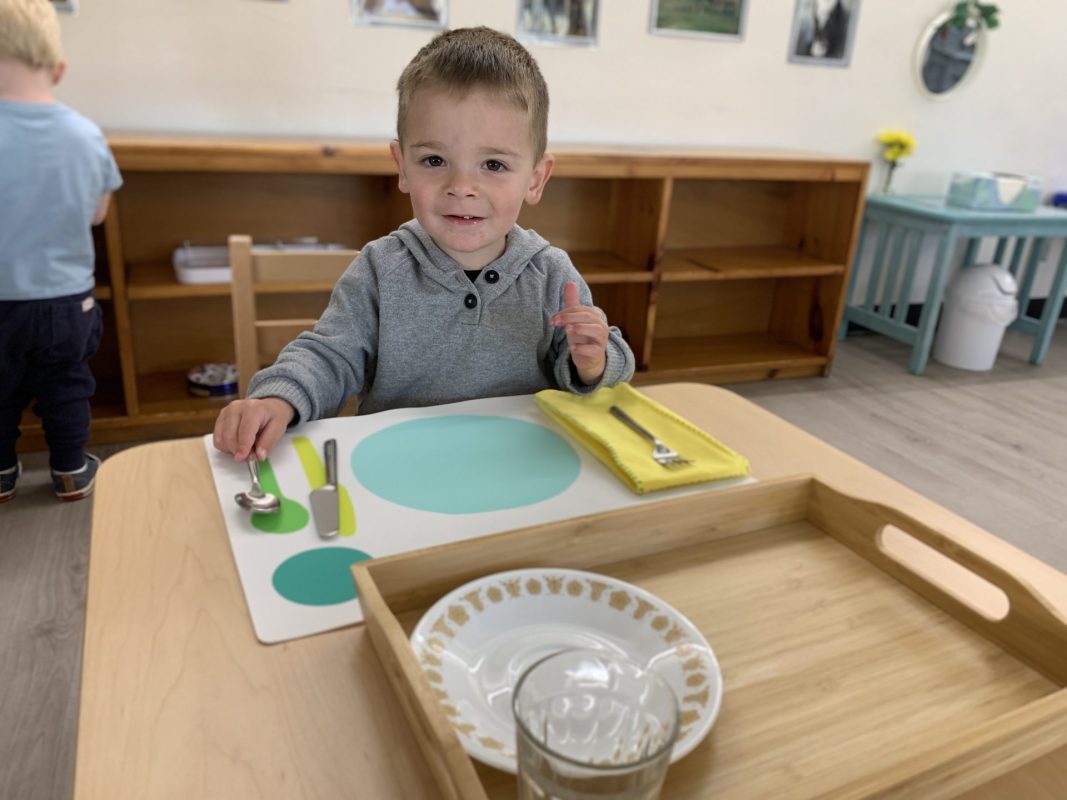
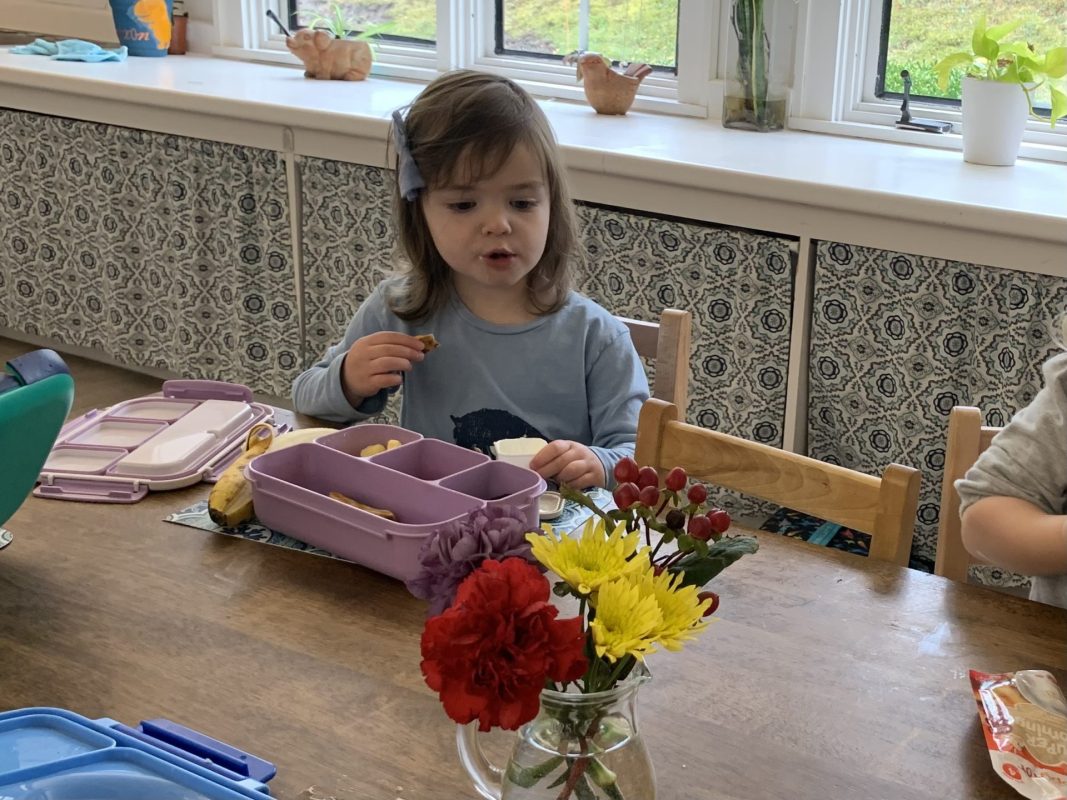
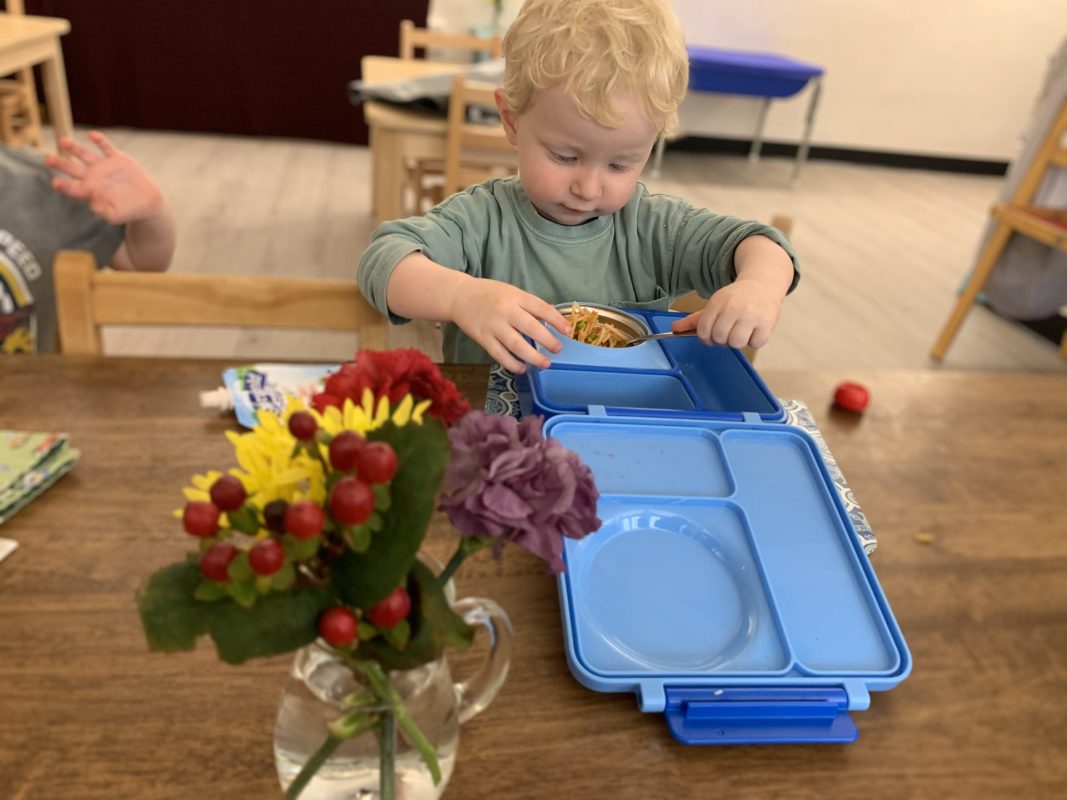
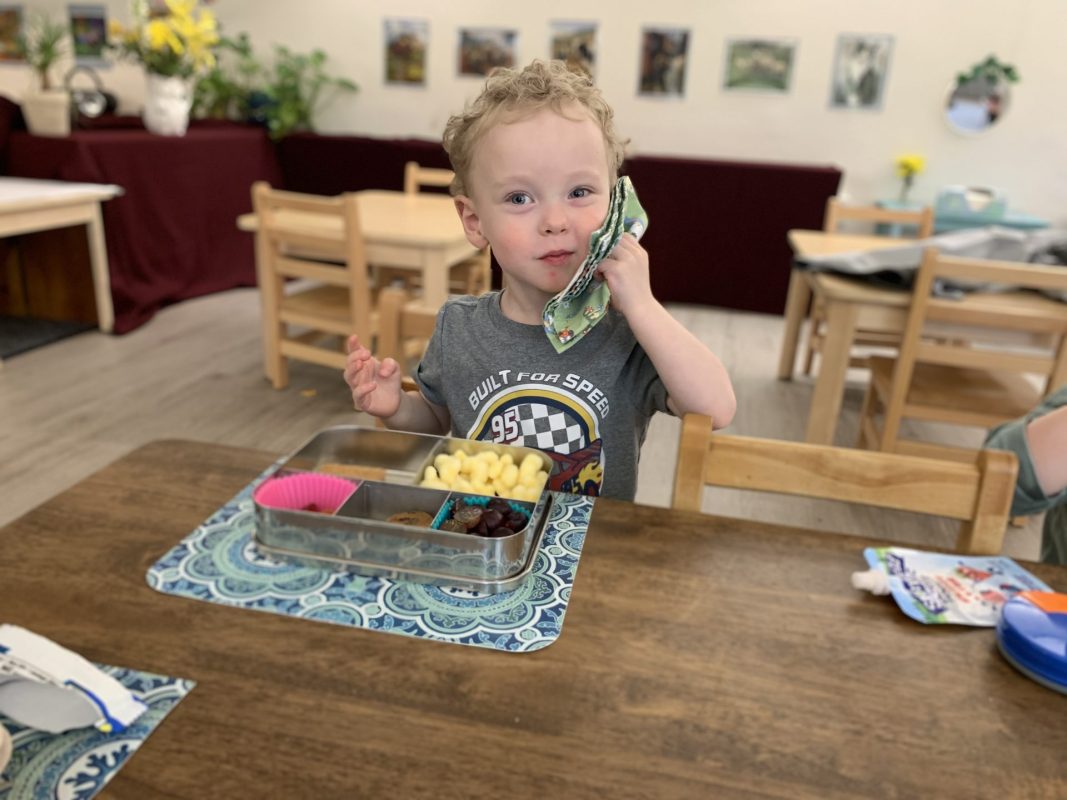
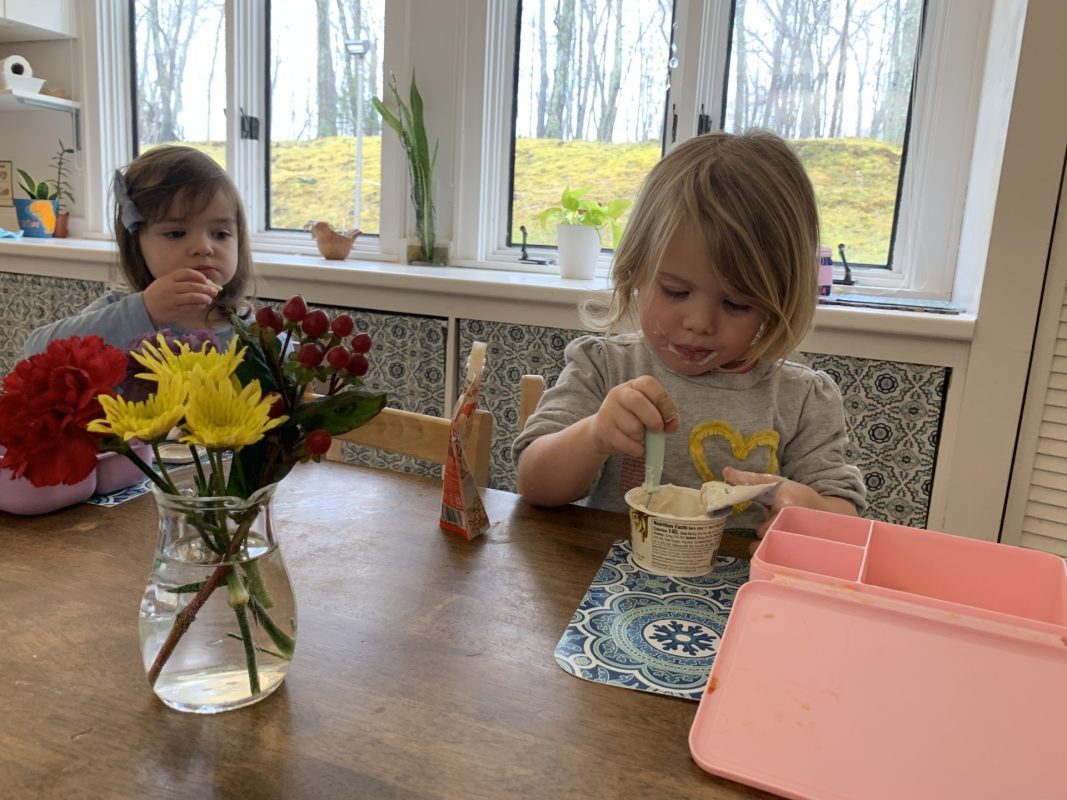
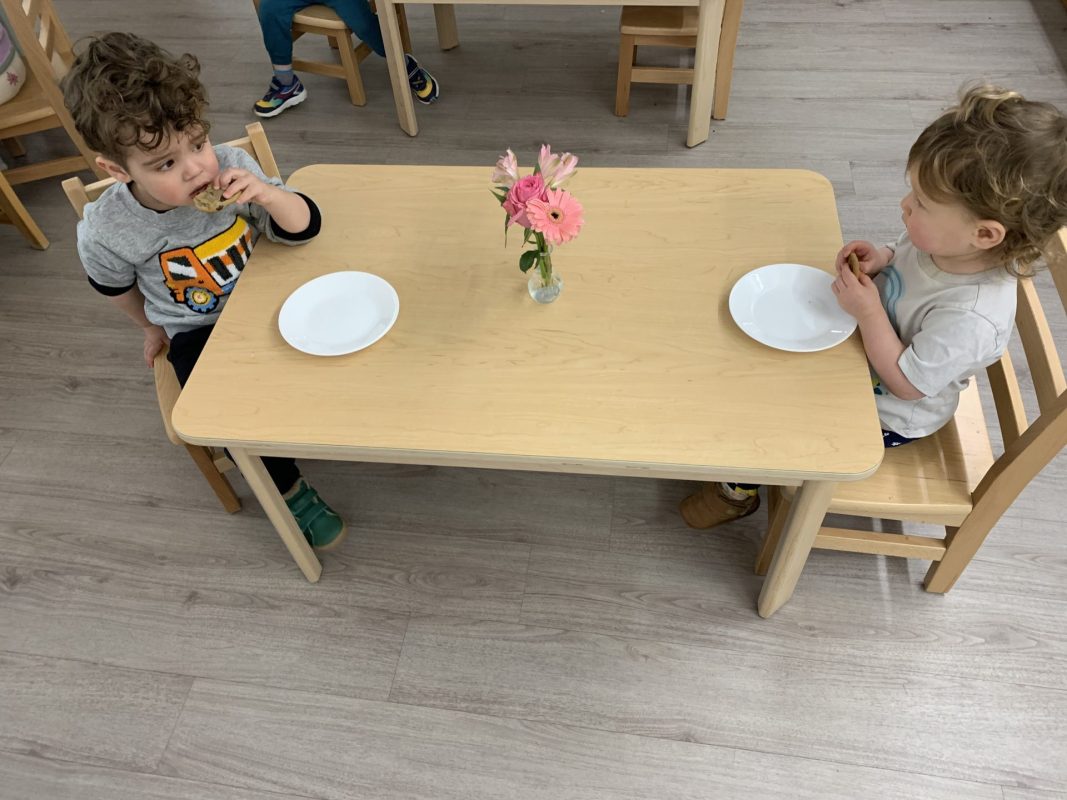
Modeling appropriate table manners is key. We only eat food at the table. We model how to use utensils, chew with mouths closed, and how to ask for more food. We use placemats at lunchtime, set the table with either flowers or candles (flameless at school!), and play peaceful music. Mealtime is also a wonderful time for vocabulary enrichment. There are many adjectives to use in describing their food and beverages! 

Here are some ideas to keep in mind to encourage proper table manners at home:

-Prepare the environment: Set up a child-sized table and chair where your toddler can comfortably sit and reach their plate and utensils. Ensure that everything they need, such as napkins and water, is accessible to them.

-Involve them in meal preparation: Encourage your toddler to participate in meal preparation activities appropriate for their age, like washing fruits and vegetables or setting the table. This instills a sense of ownership and respect for the mealtime process.

-Teach basic etiquette: Use simple language to explain basic table manners, such as saying “please” and “thank you” and using napkins.

-Encourage self-serving: Provide small pitchers or bowls of food and allow your toddler to serve themselves. This promotes independence and develops fine motor skills.

-Maintain a positive atmosphere: Mealtime should be a pleasant experience, so create a calm and inviting atmosphere free from distractions like electronic devices. Engage in conversation and enjoy the opportunity to connect with your toddler.

See you all next week! Christine & Lizette 

PS. Don’t forget to purchase your tickets to the gala! We hope everyone can make it. The last day to get your tickets is April 22nd. Purchase tickets here.

A message from Middle School: Order your 8th-grade-designed 2024 FWM sweatshirt ASAP! Orders close on April 27! Click here to order.


Mrs. Sargeant: A Peek at the Week

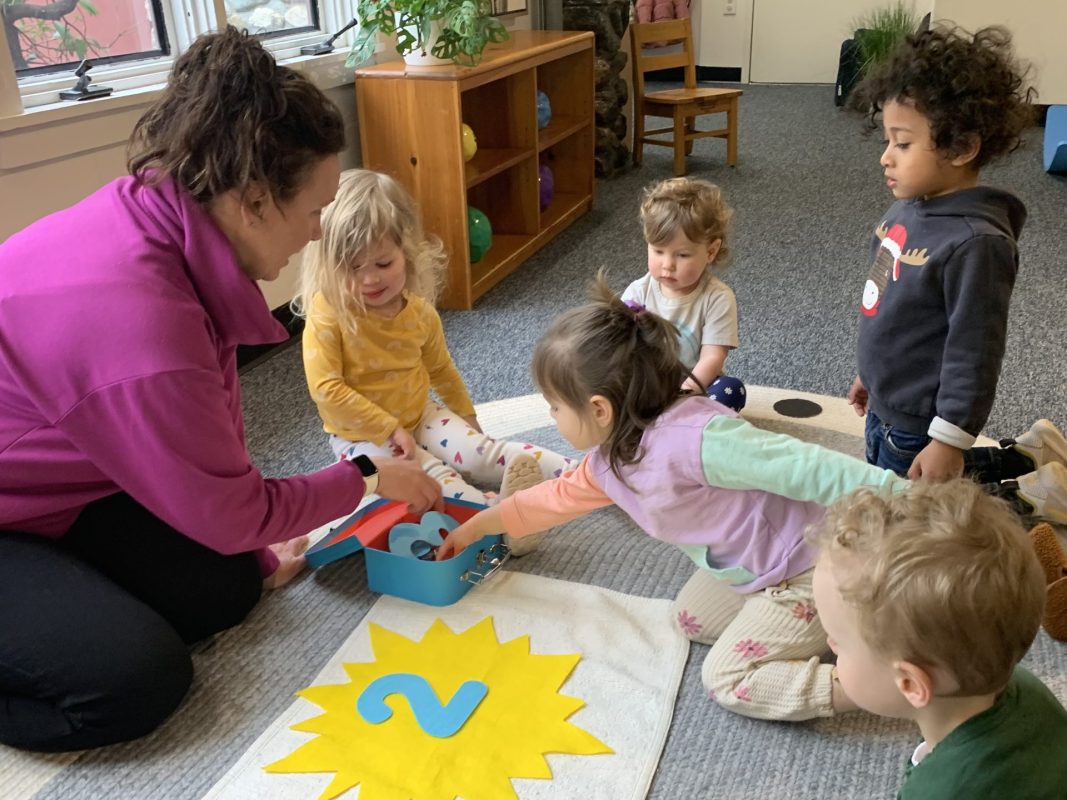
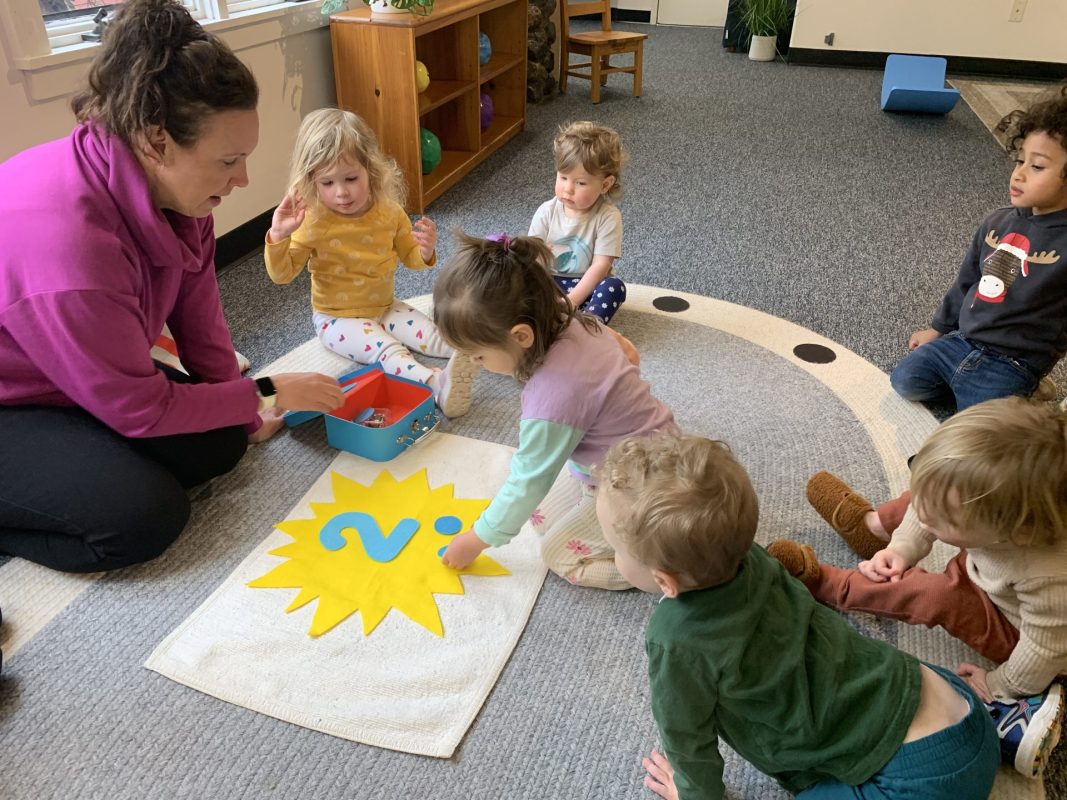
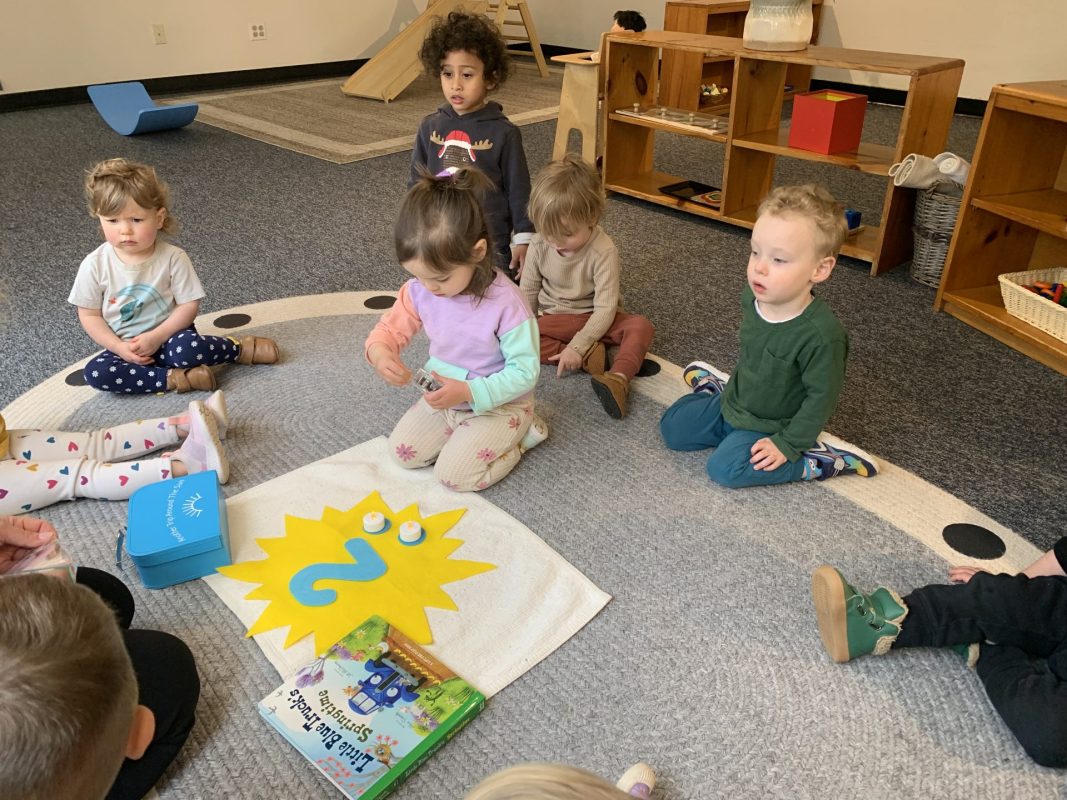
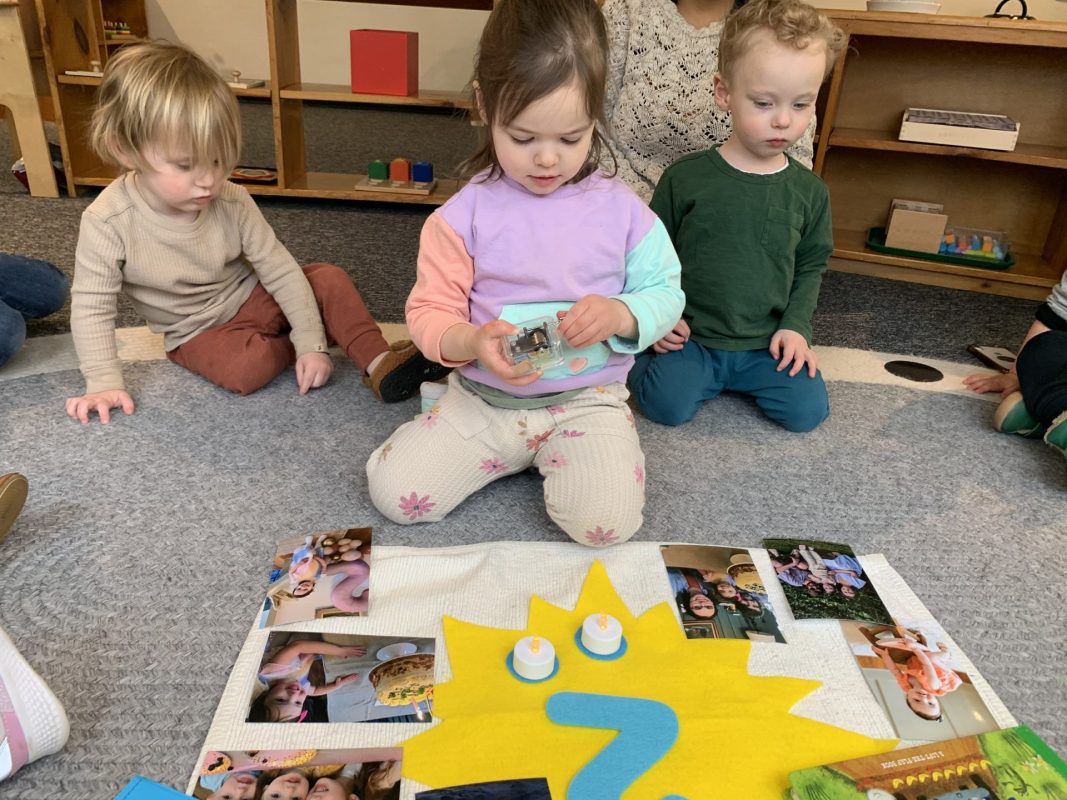
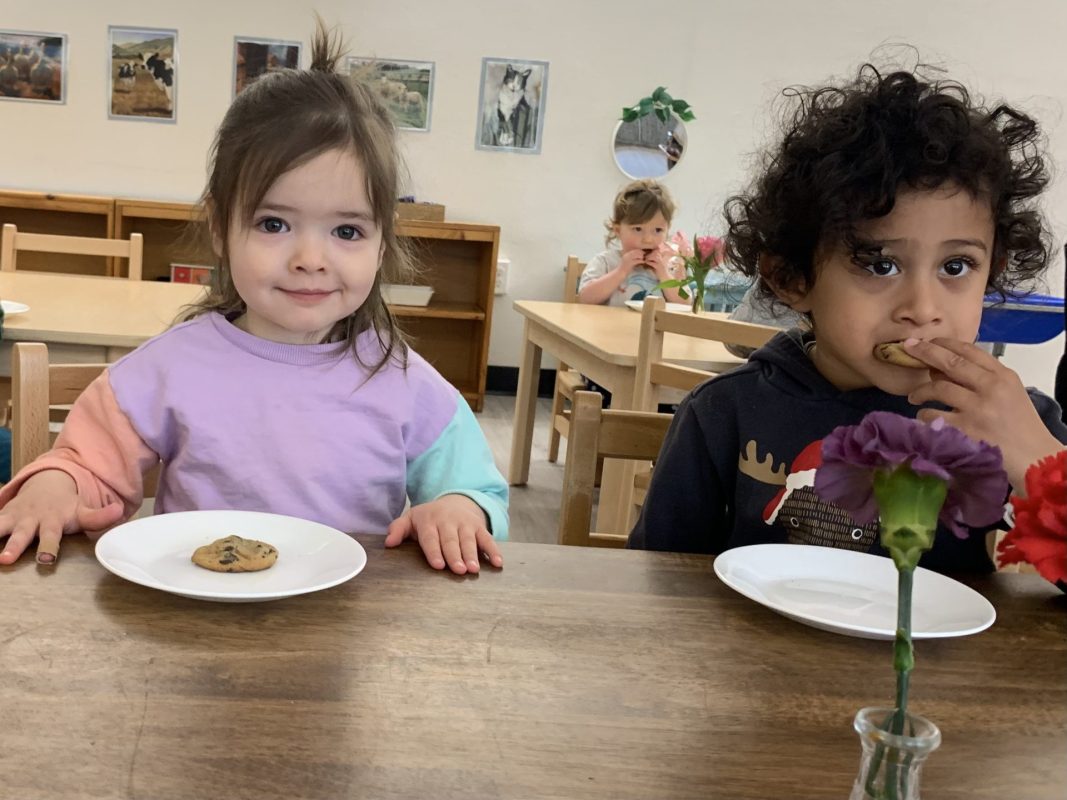
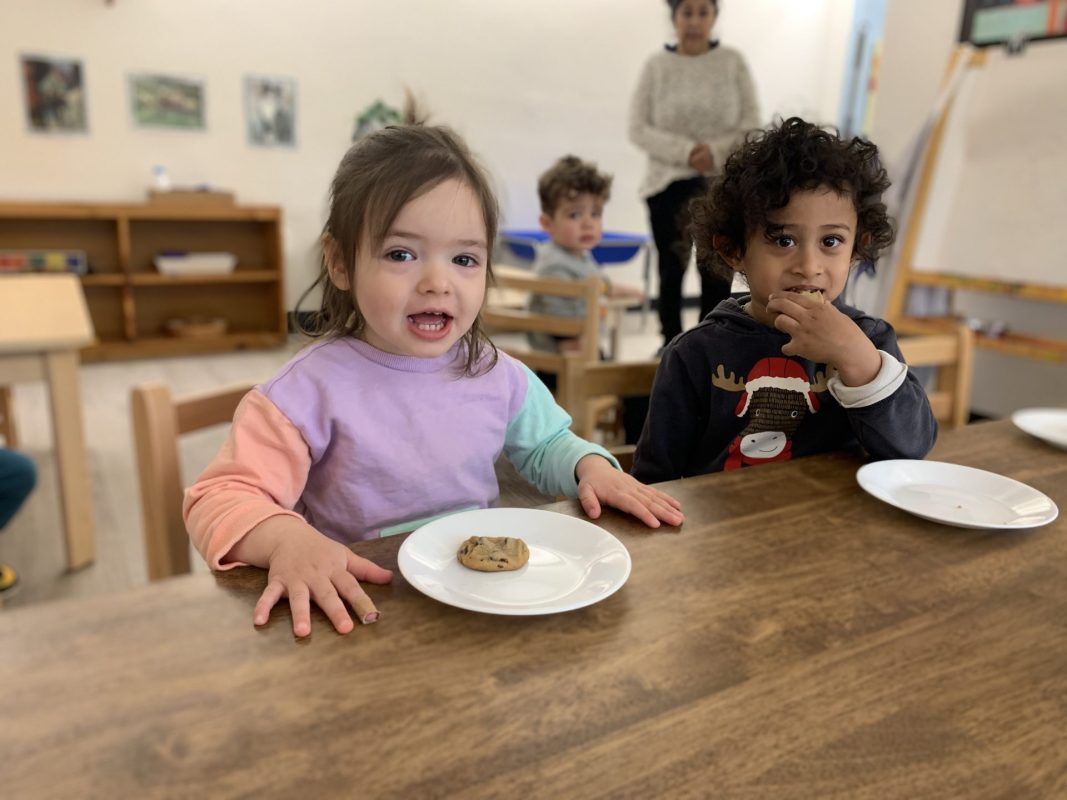
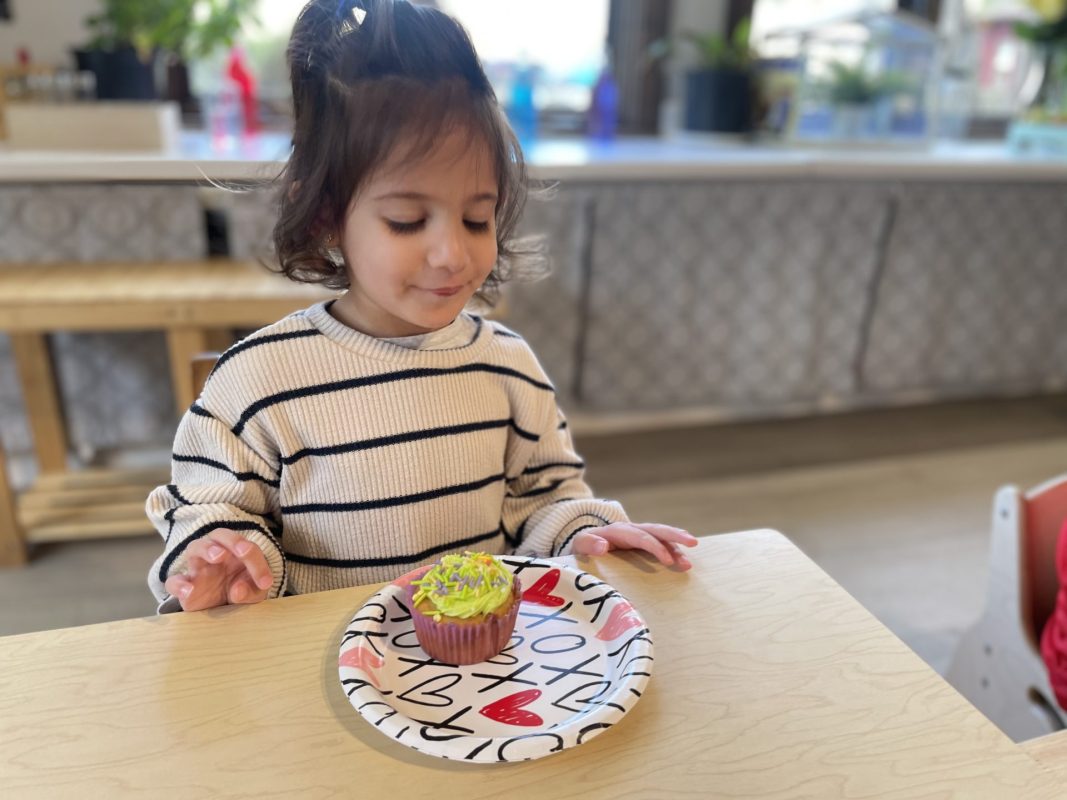
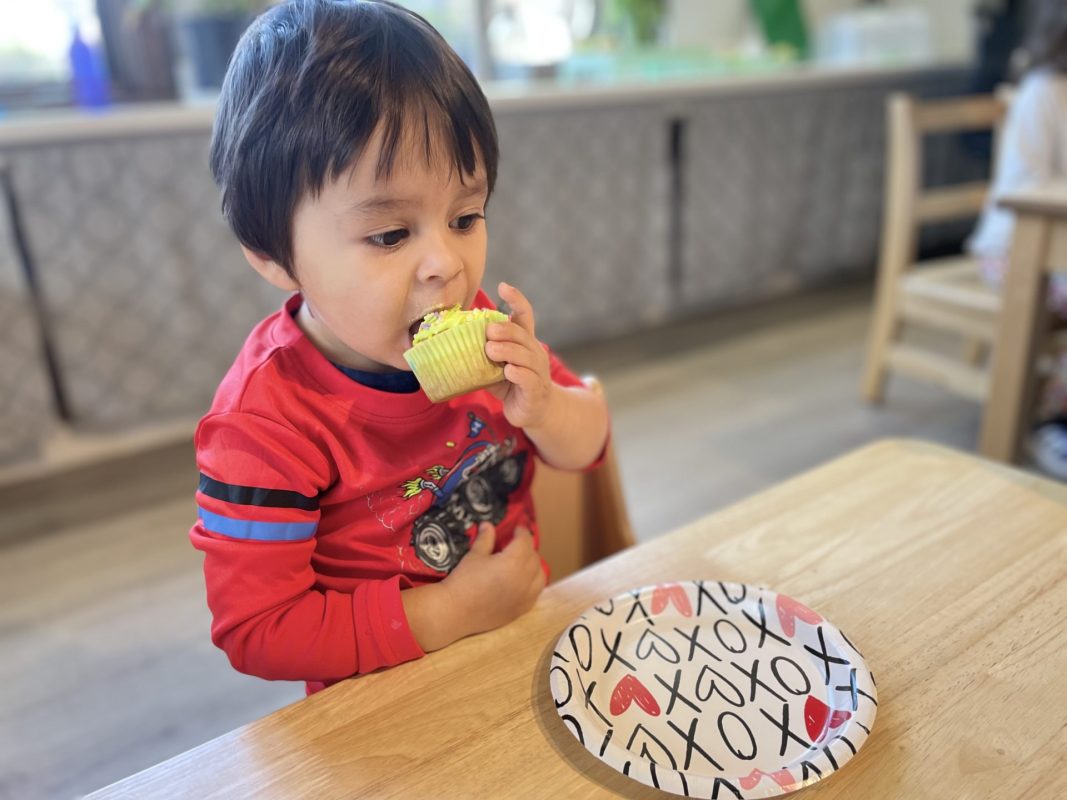
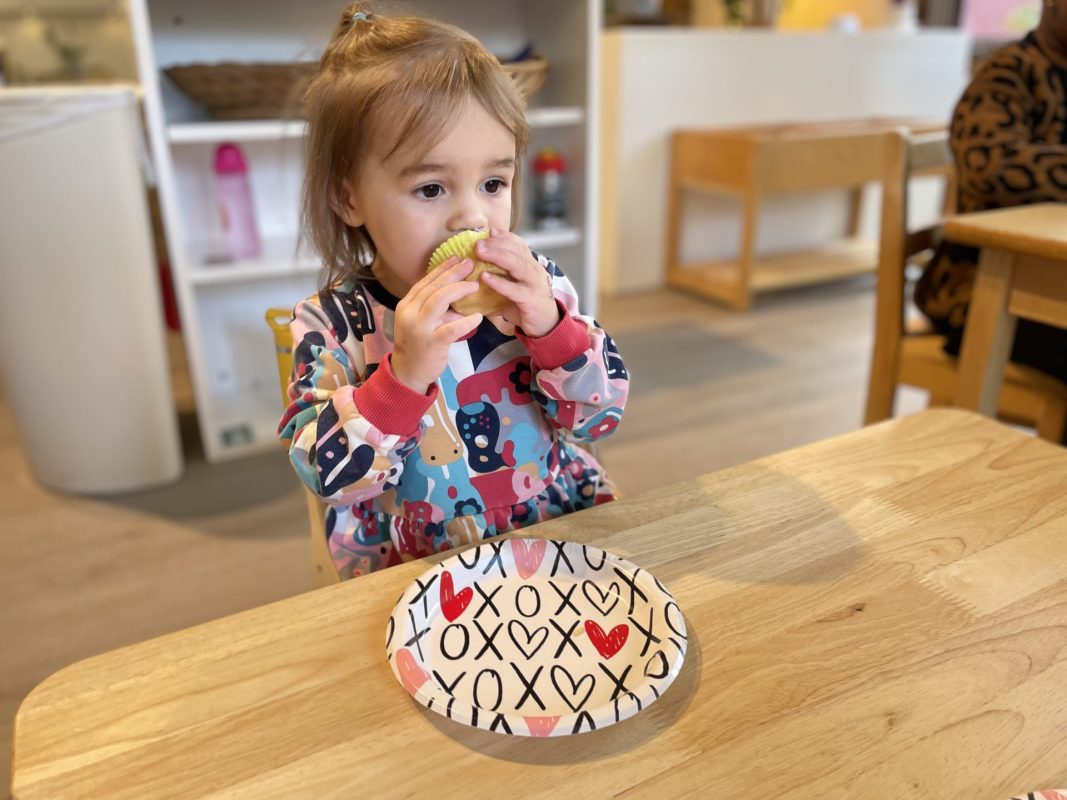
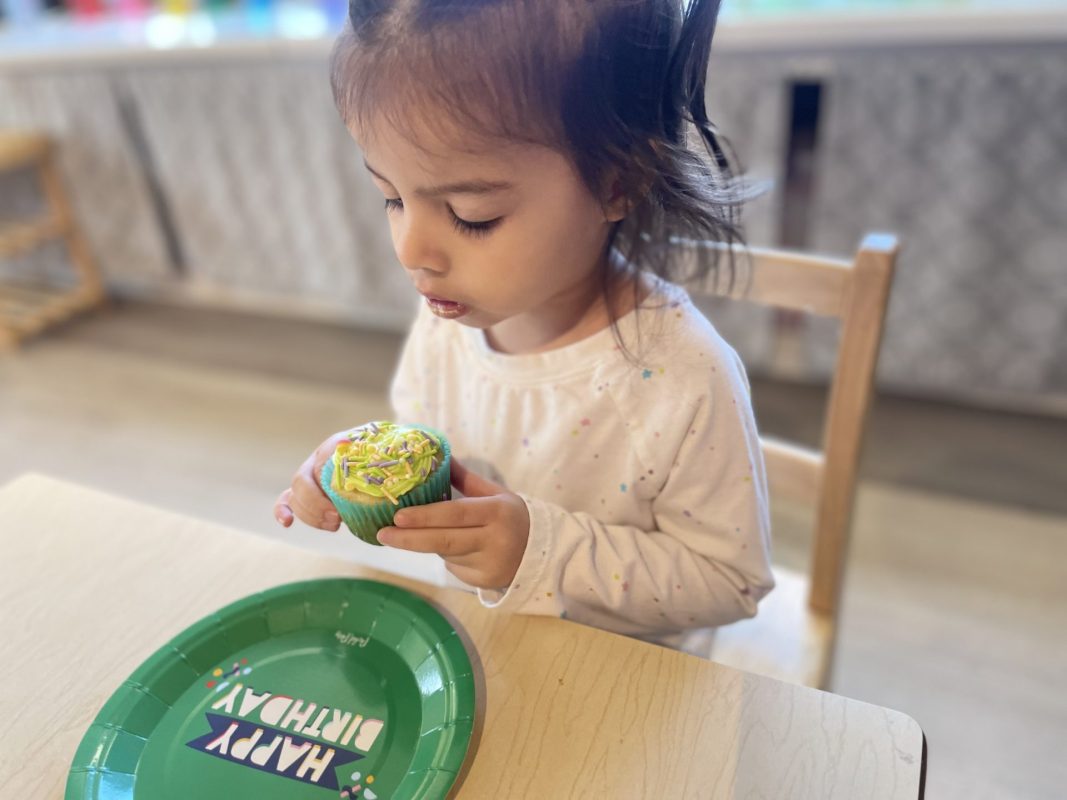
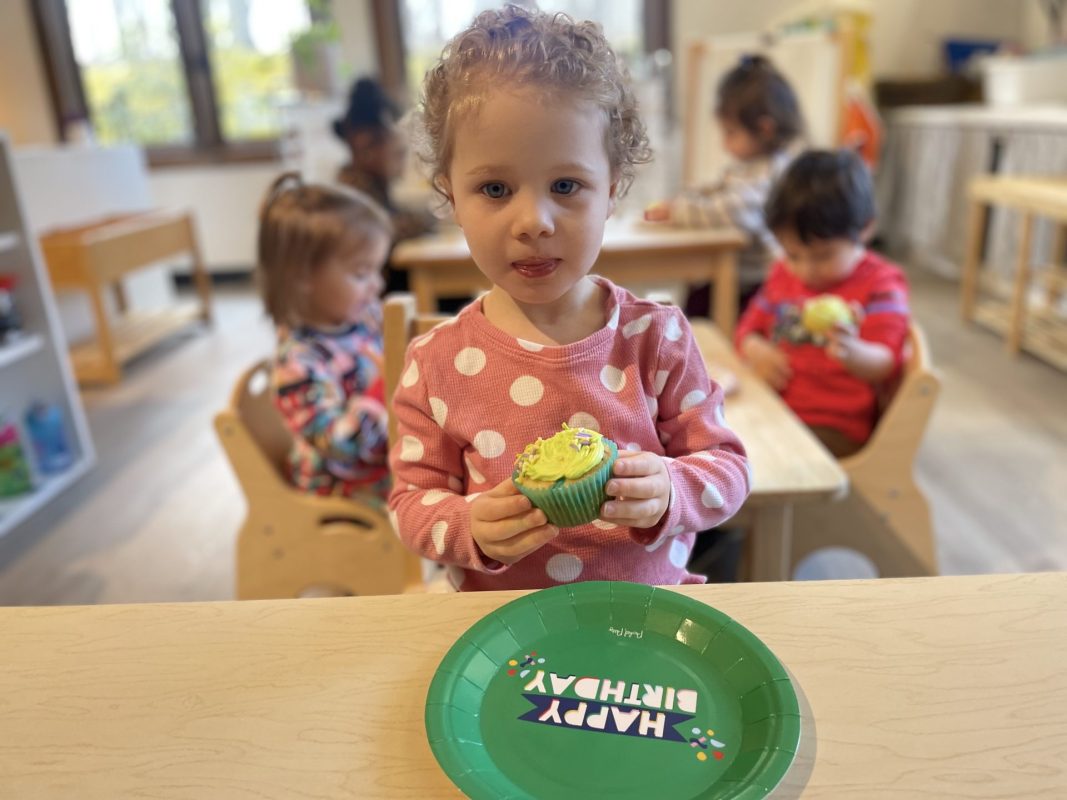
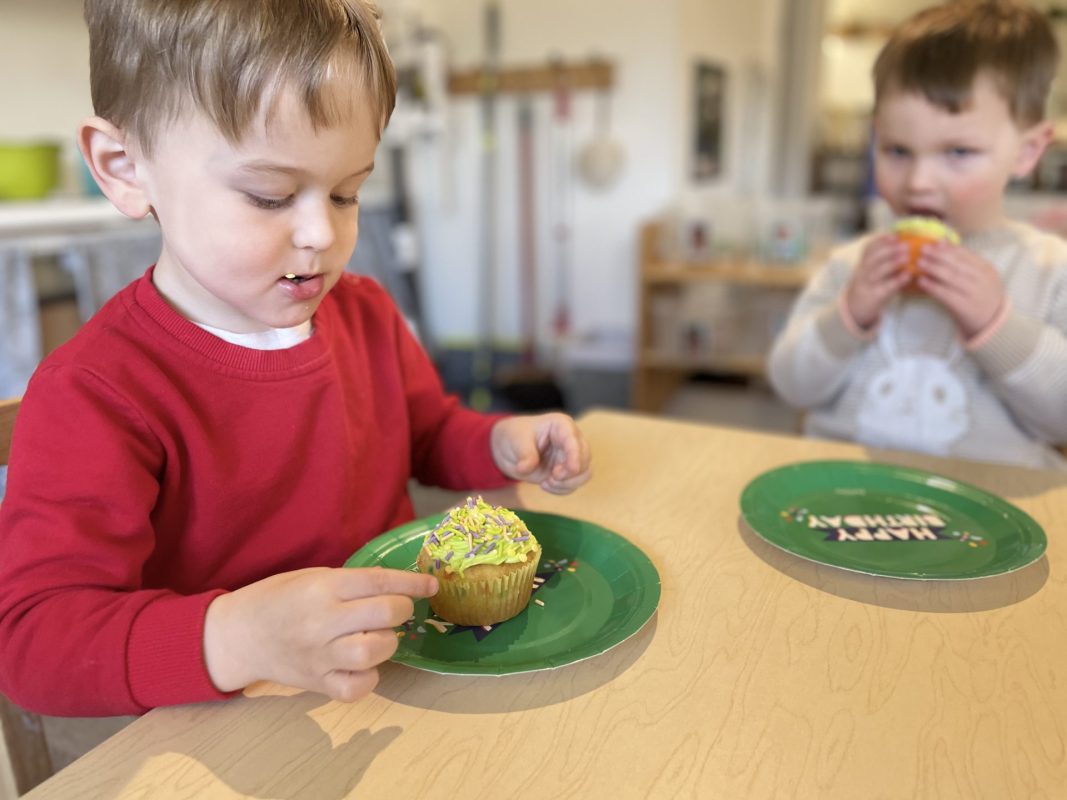
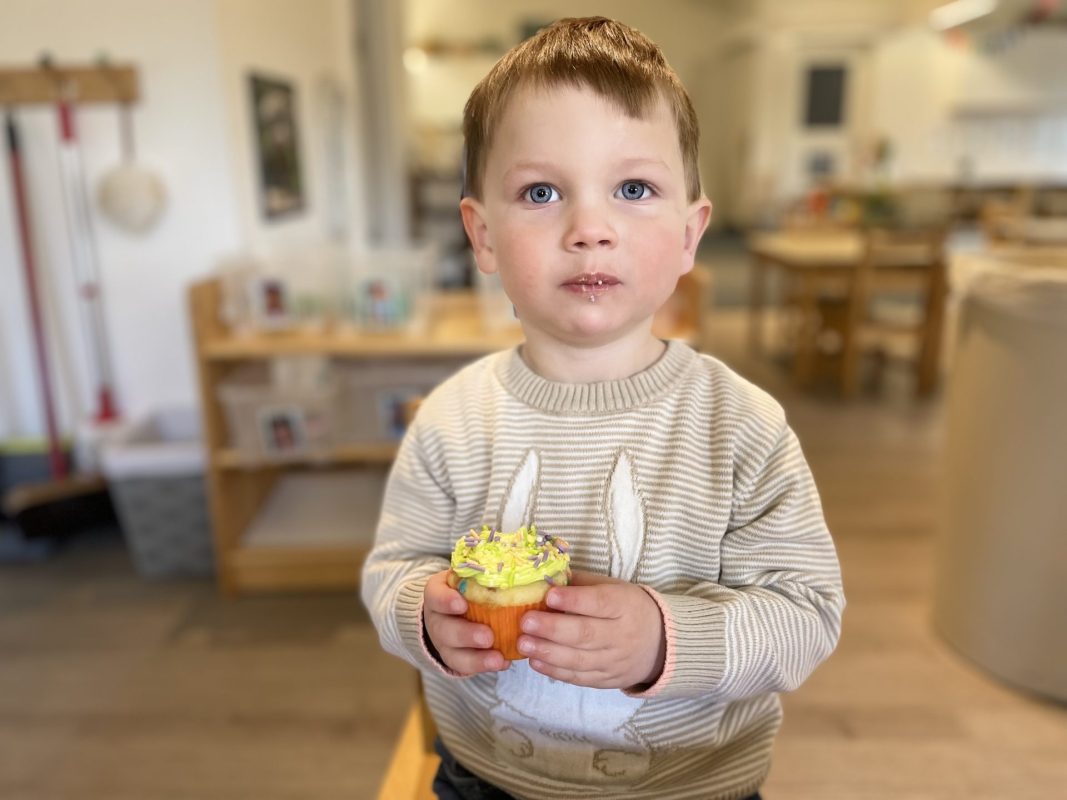
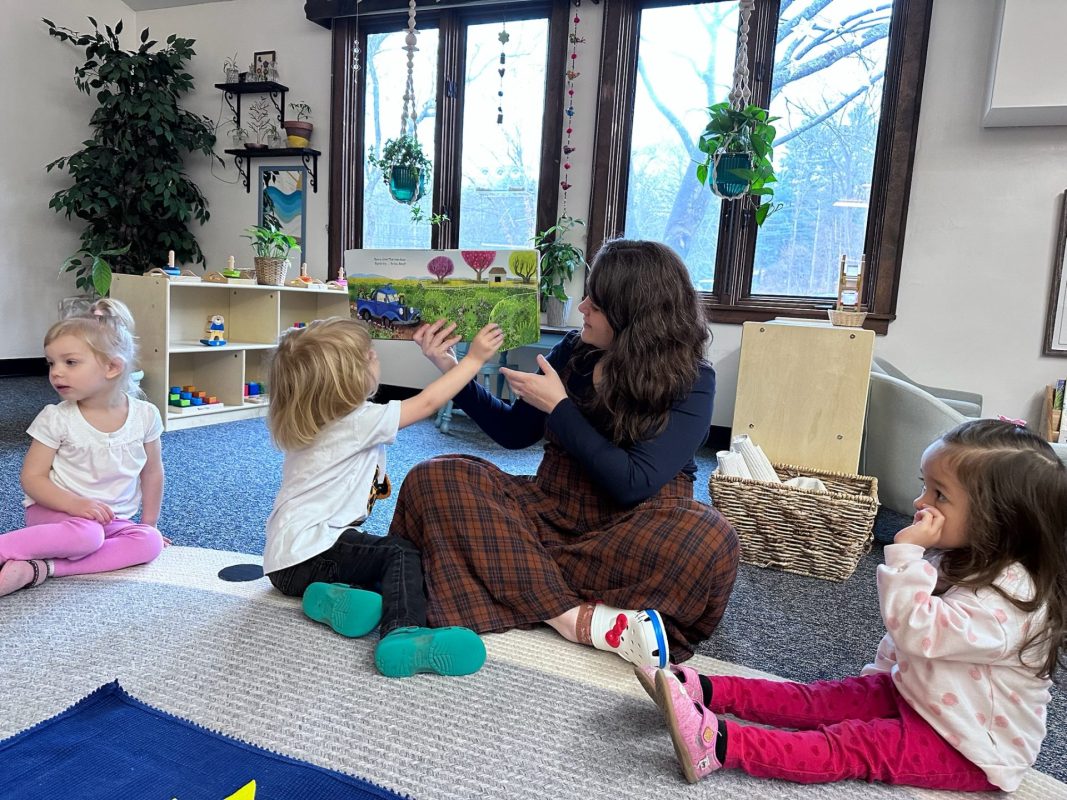
We celebrated another birthday this week! This time we shared a special snack of delicious chocolate chip cookies and read one of the birthday girl’s favorite books, Little Blue Truck’s Springtime,  which the children have continued to enjoy all week long. It was a lovely celebration for our sweet friend. 

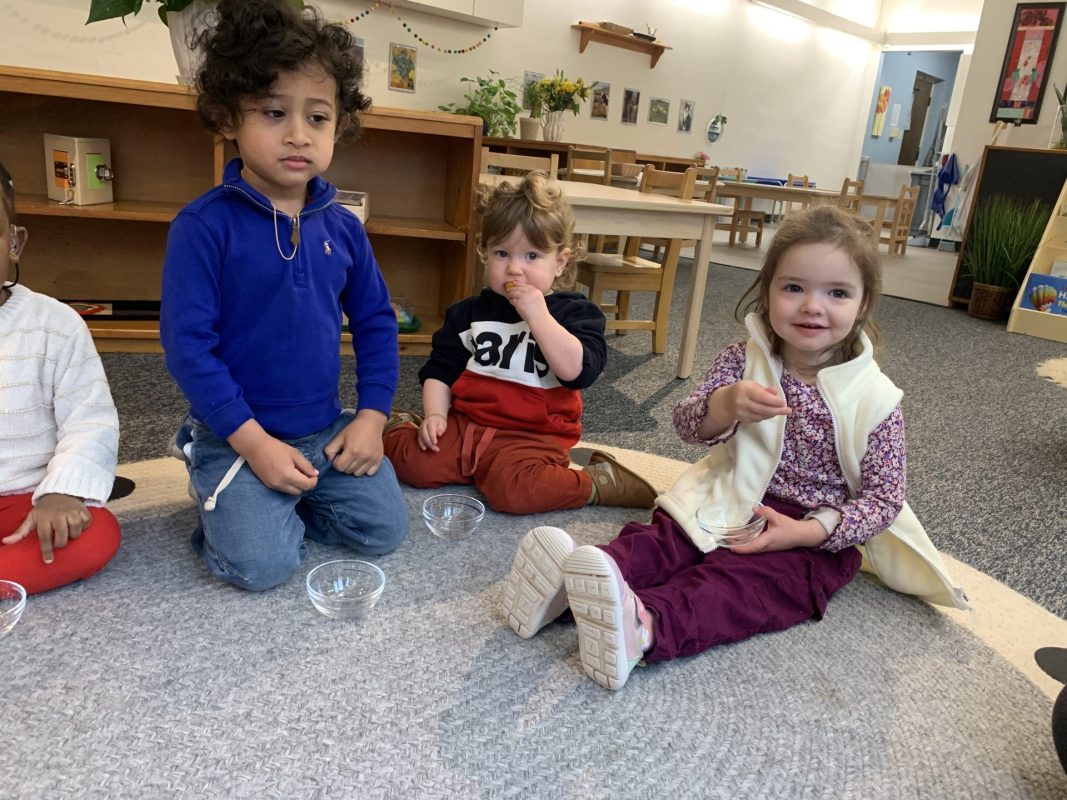
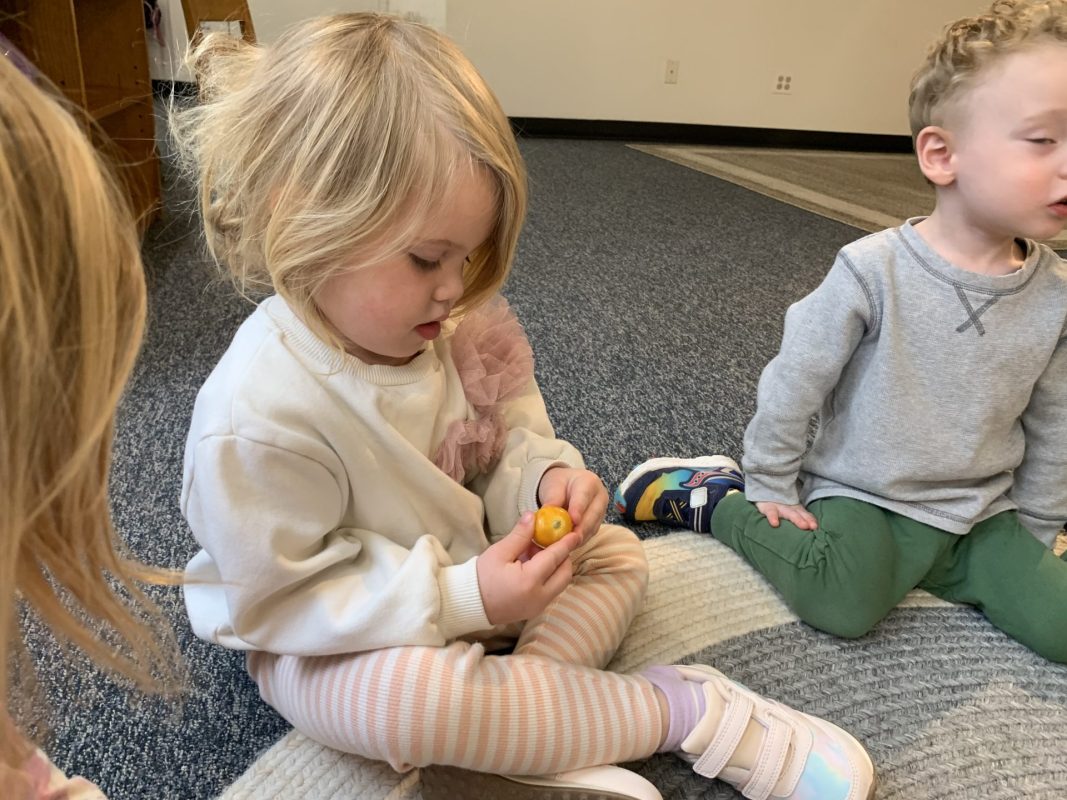
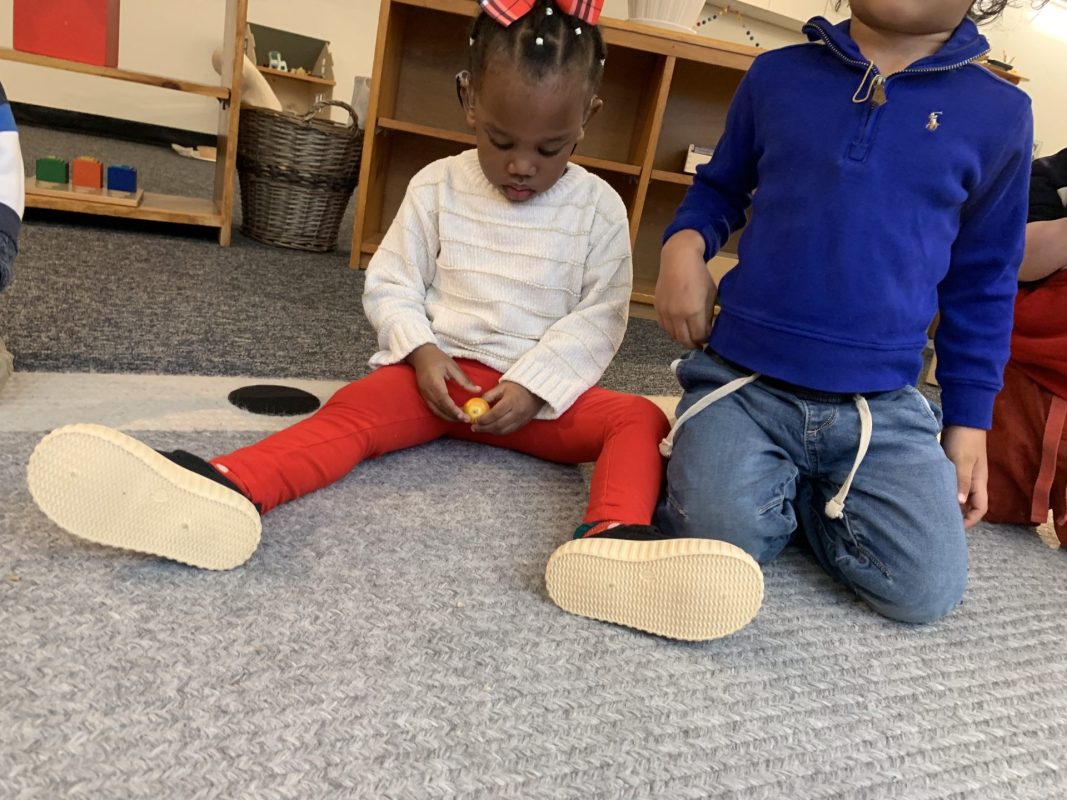
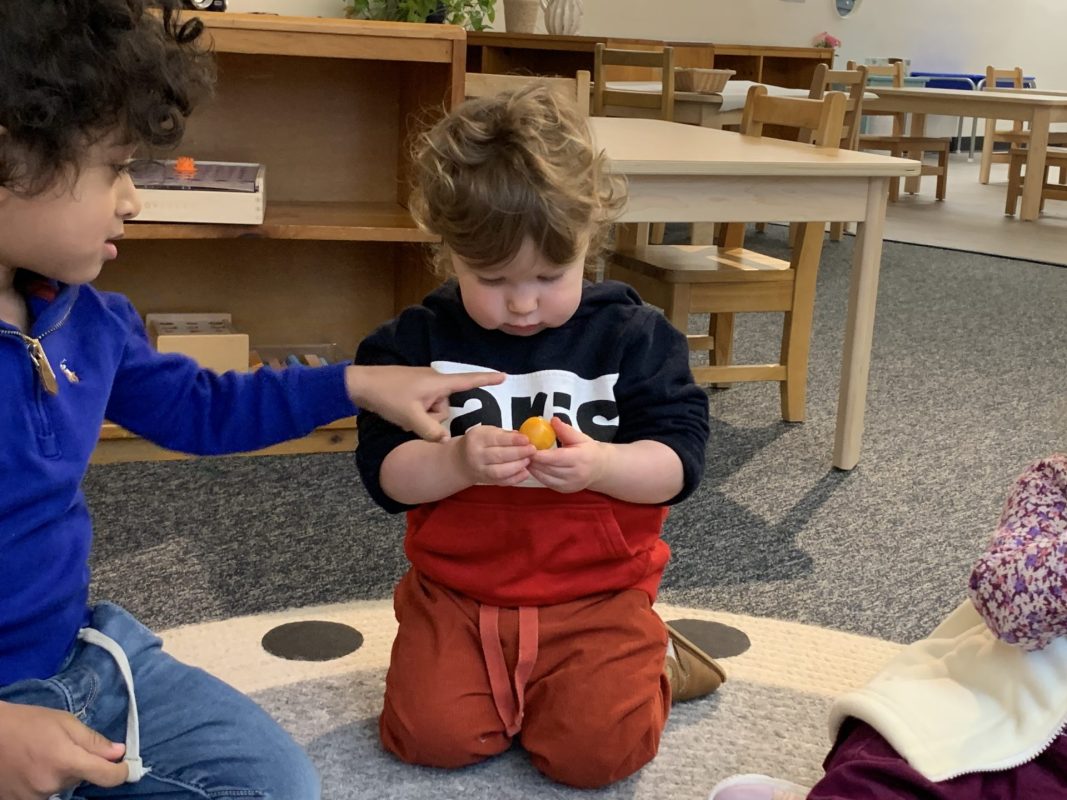
Food tasting was a huge hit this week. We tried golden berries. Golden berries belong to the nightshade family and are native to Chile and Peru. They are closely related to the tomatillo with a sweet, tropical taste somewhat reminiscent of pineapple and mango. I was trying this fruit for the first time along with many of the children, which was exciting. Such an interesting fruit with an impressive nutrient profile!

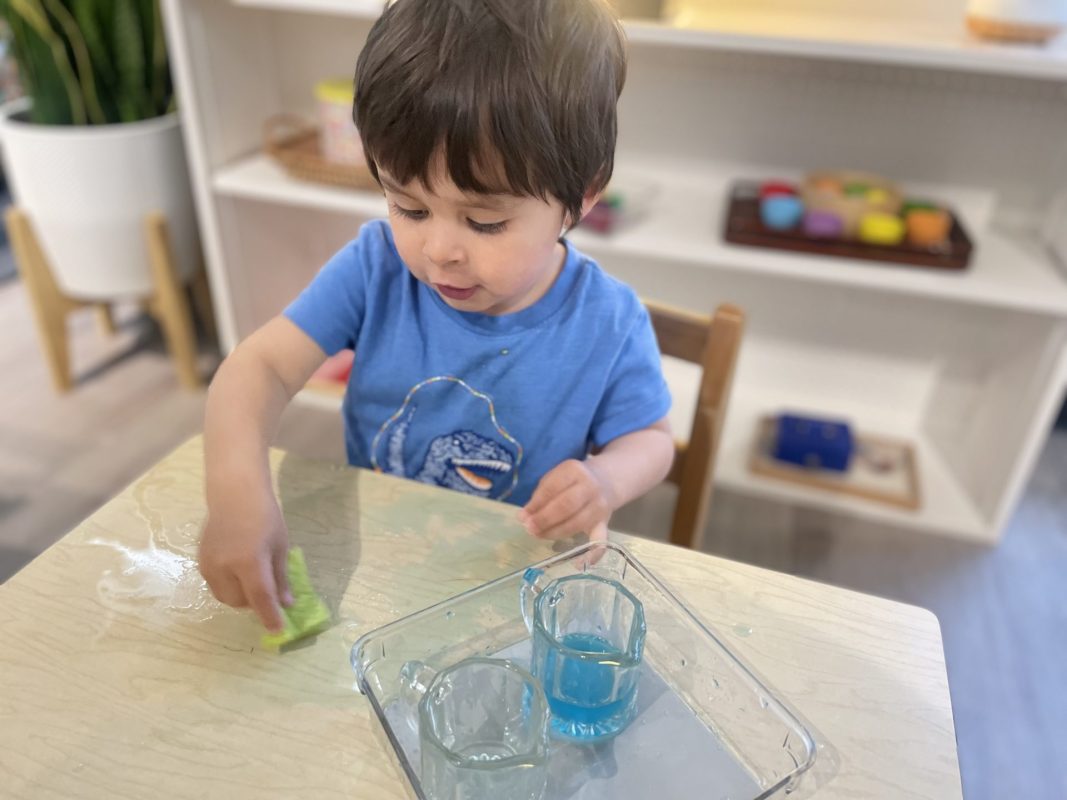
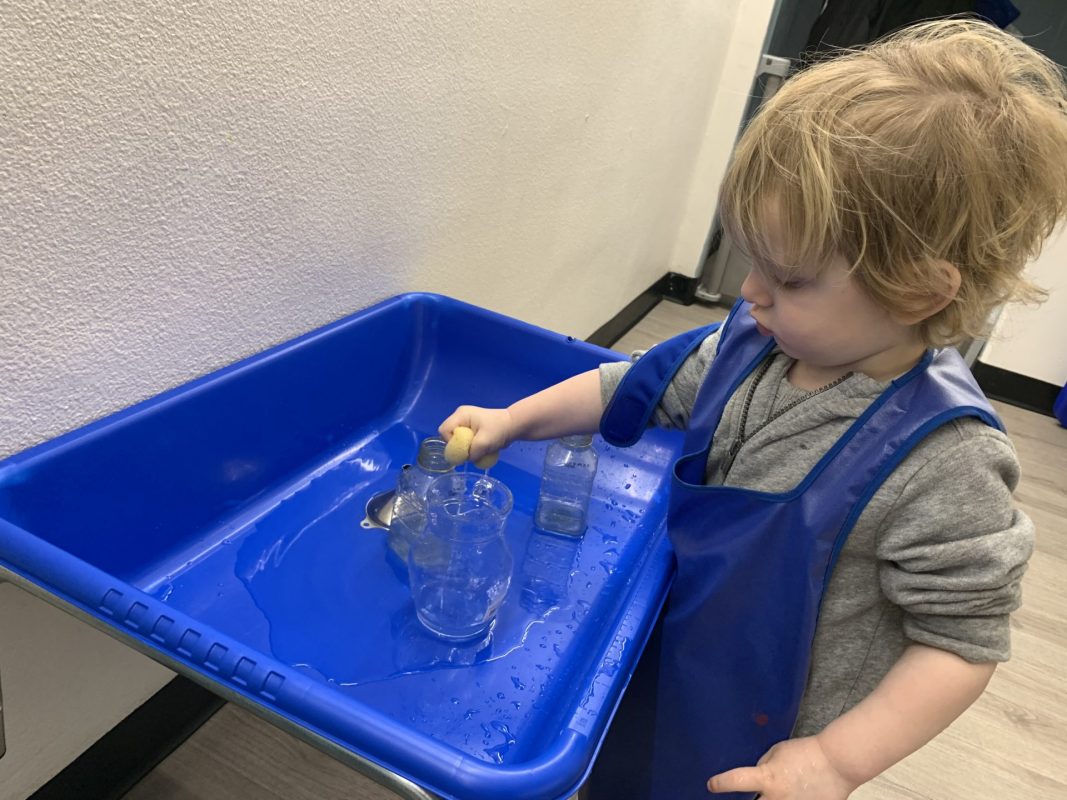
We continue to encourage the children to “catch” their cough with their elbow. We’d love your help to encourage this at home as well. We also walk each child through the steps of washing their hands at the sink. First, they roll up their sleeves (most need help with this). Then, they place one hand under the soap pump, and the other hand pushes the pump. We tell them that their hands will share the soap, and we show them how to rub their palms together and look for the bubbles, then show them how to rub the tops of each hand. As we show them how to rinse, we mention that we are cleaning some of the germs off our hands. Then, we show them how to use a towel to dry each hand. 

Wishing you all a happy weekend! 

Christine & Lizette


Mrs. Hood: Los pollitos!

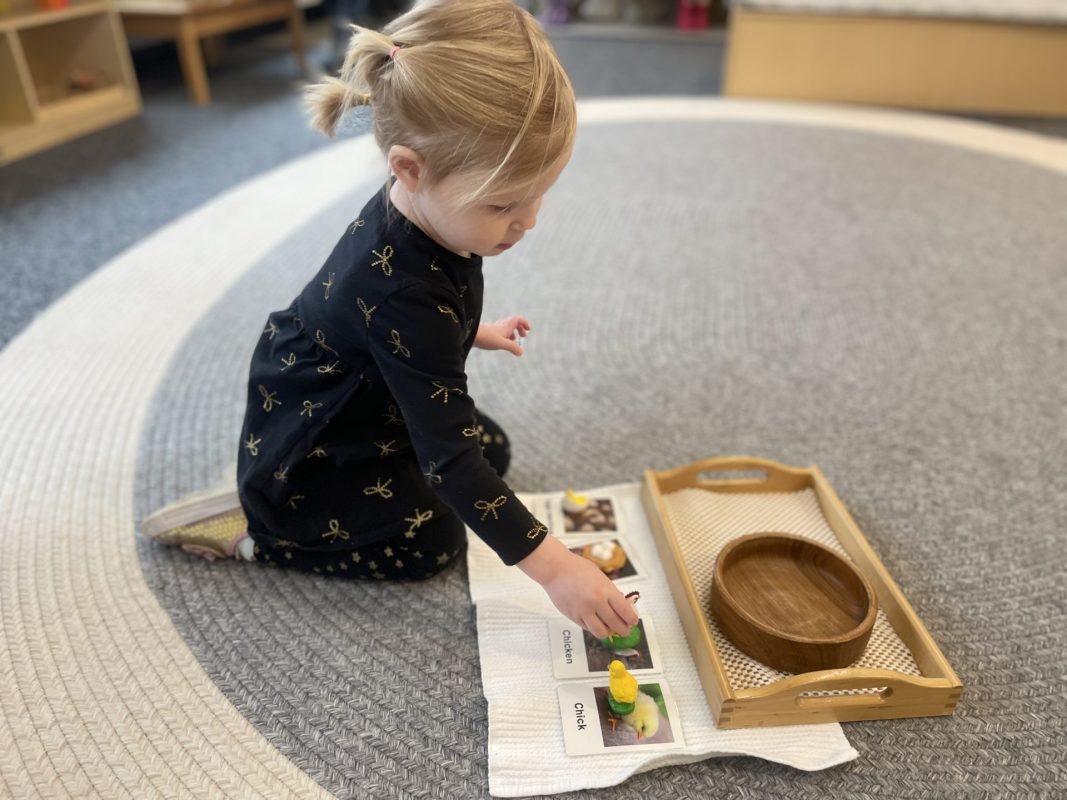
Toddlers are curious about the world around them and eager to learn new things. One educational topic that captures their imagination is the life cycle of living things! Teaching toddlers about life cycles has numerous benefits, including building scientific knowledge, fostering curiosity and wonder, enhancing vocabulary and language skills, encouraging hands-on learning, and instilling empathy and respect for nature.

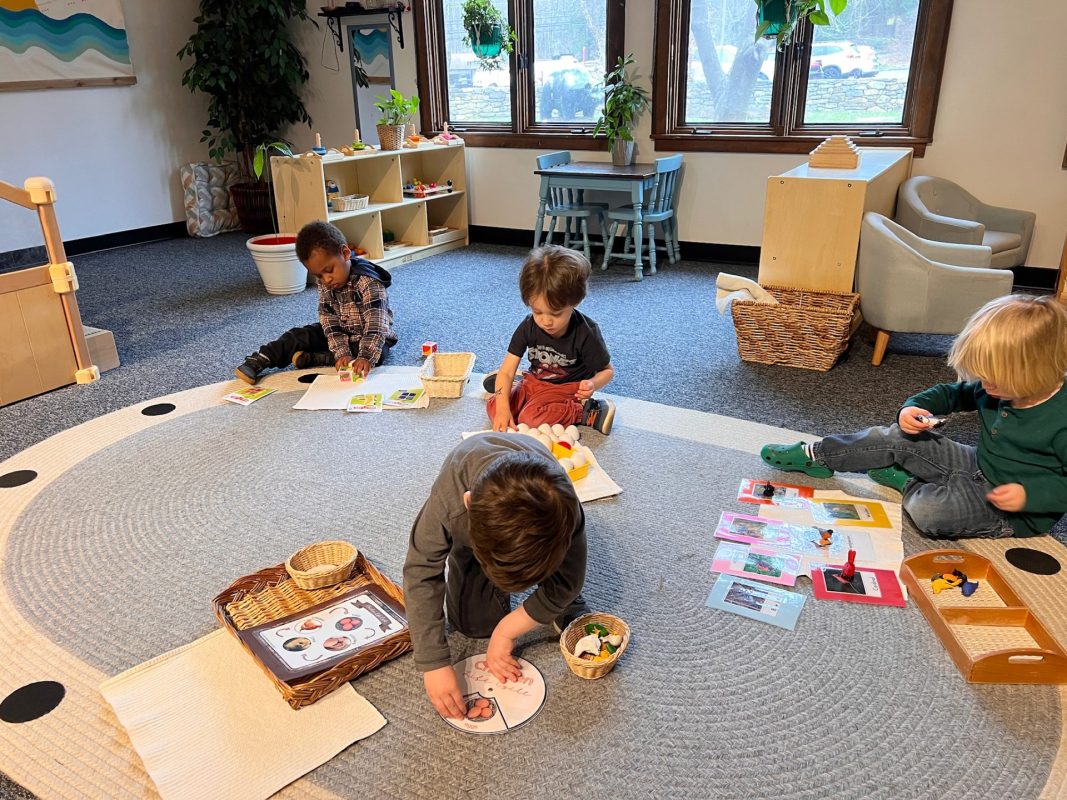
Spring is the perfect season to introduce these concepts (even though winter had a sneaky appearance, huh?)! So, this week, we started our studies on the life cycle of a chicken! From interesting eggs to fluffy chicks to clucking hens, the journey of a chicken from egg to adult is a fascinating process that toddlers always seem to enjoy!

So far, we have focused on two concepts: chickens come from eggs, and a baby chicken is called a chick. Children enjoyed some short educational videos where they could observe the hatching process. The smiles on the children’s faces were so priceless.

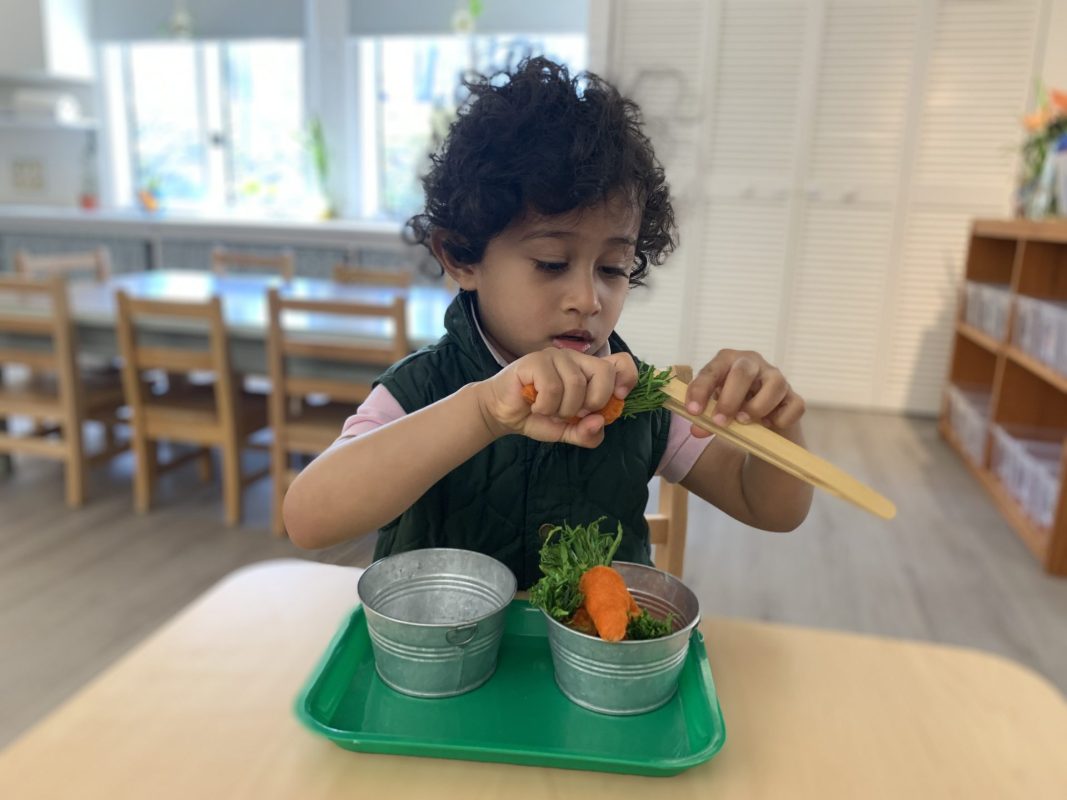
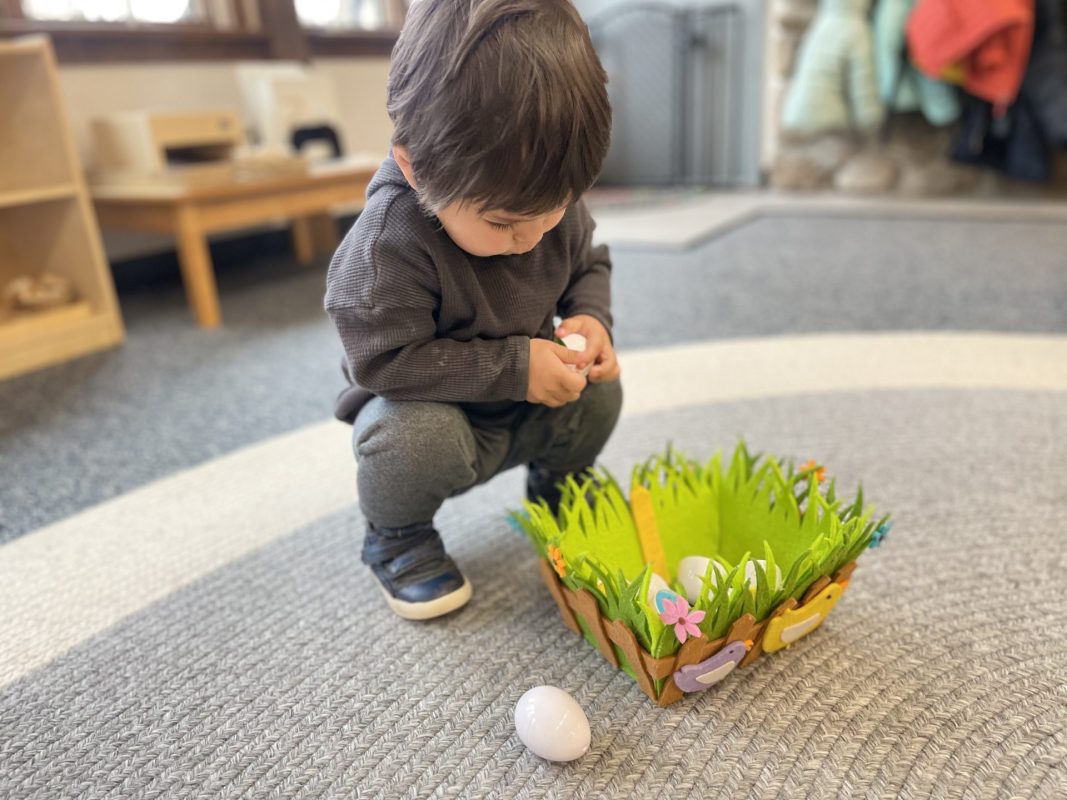
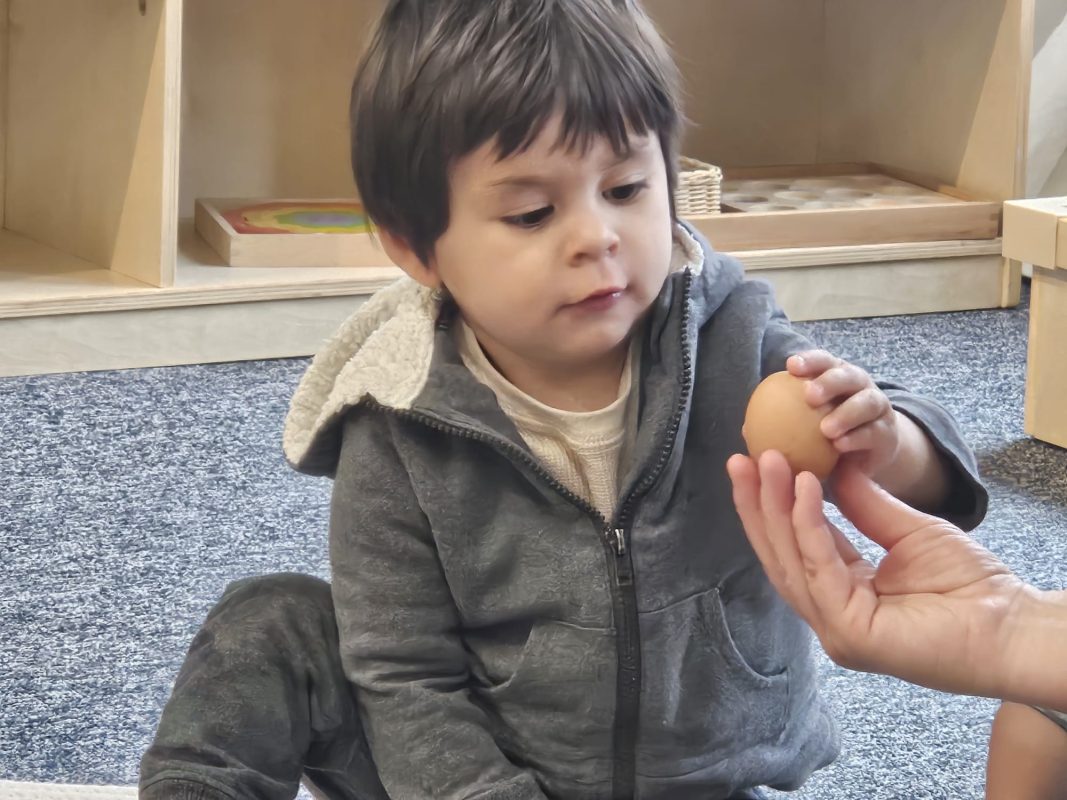
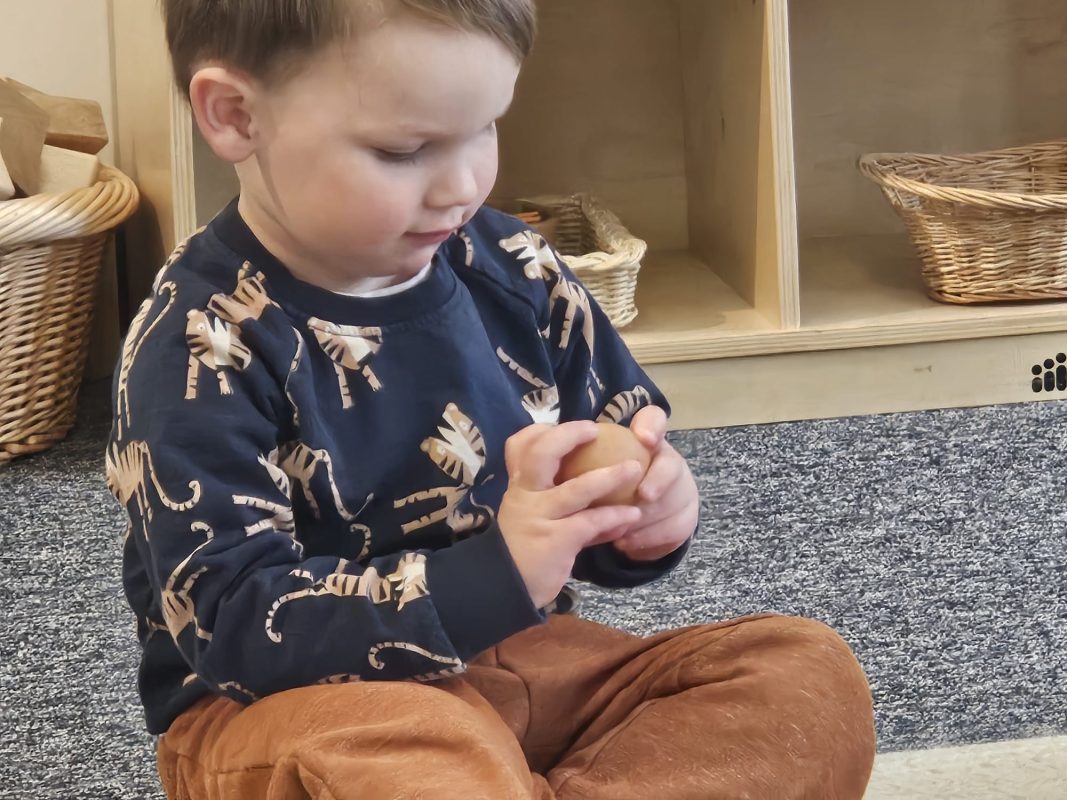
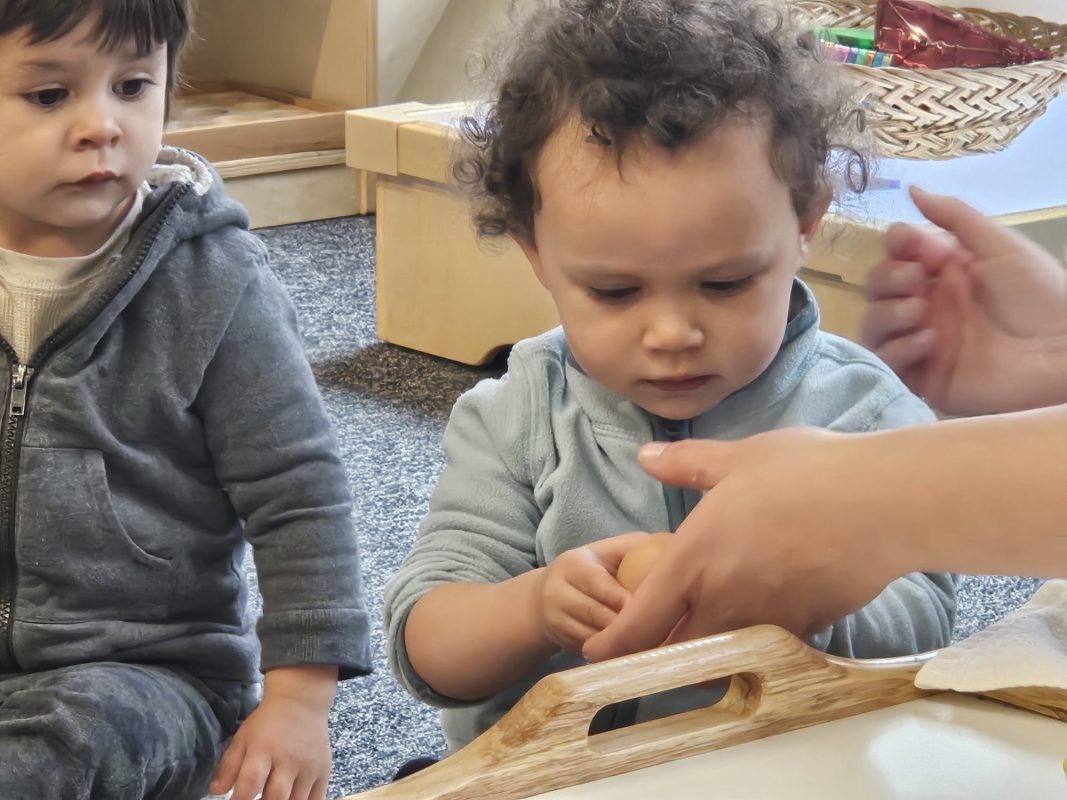
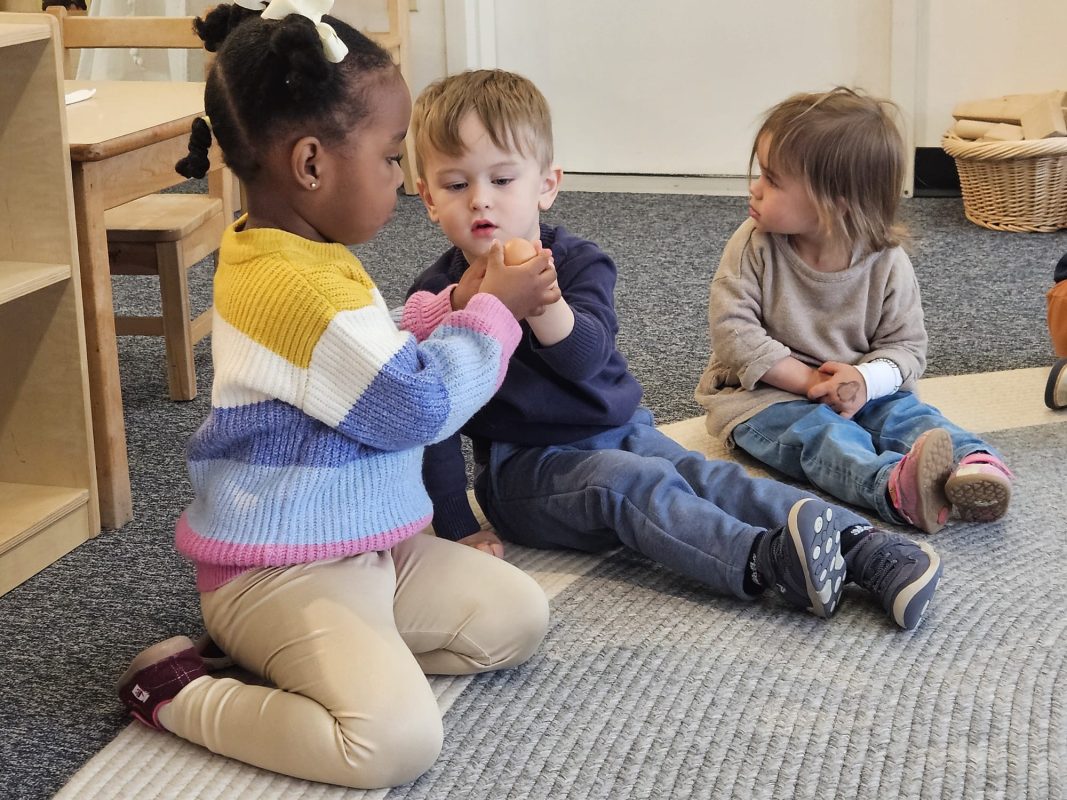
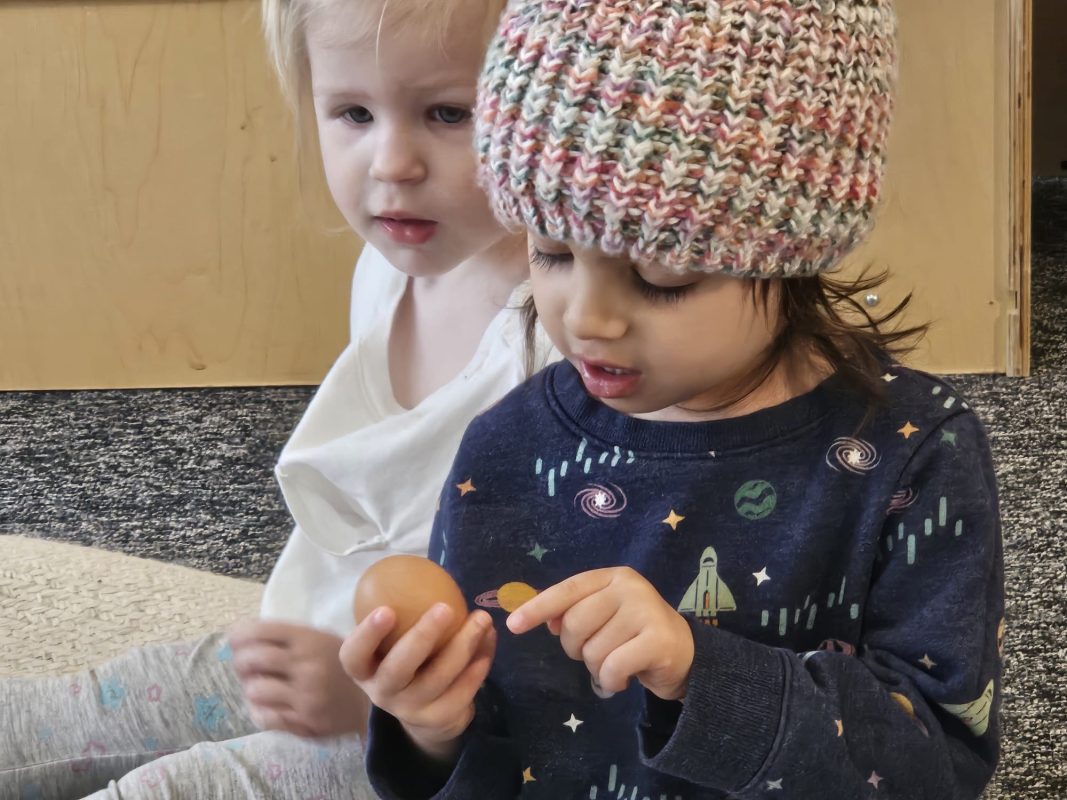
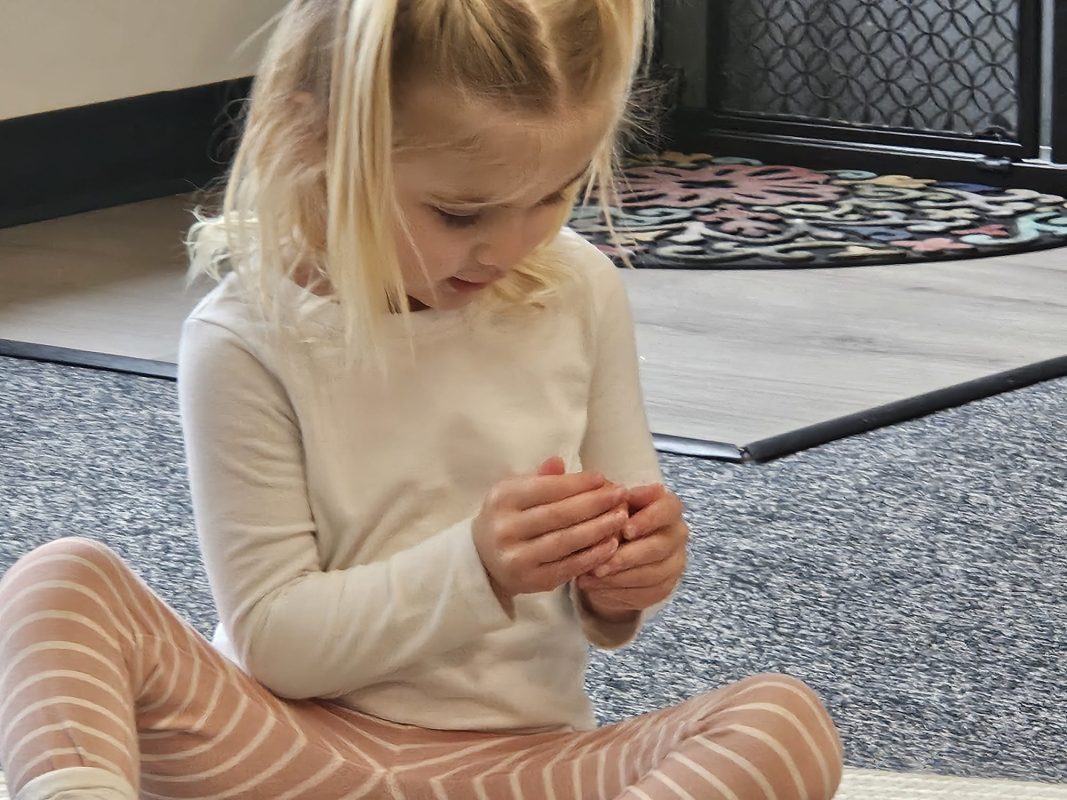
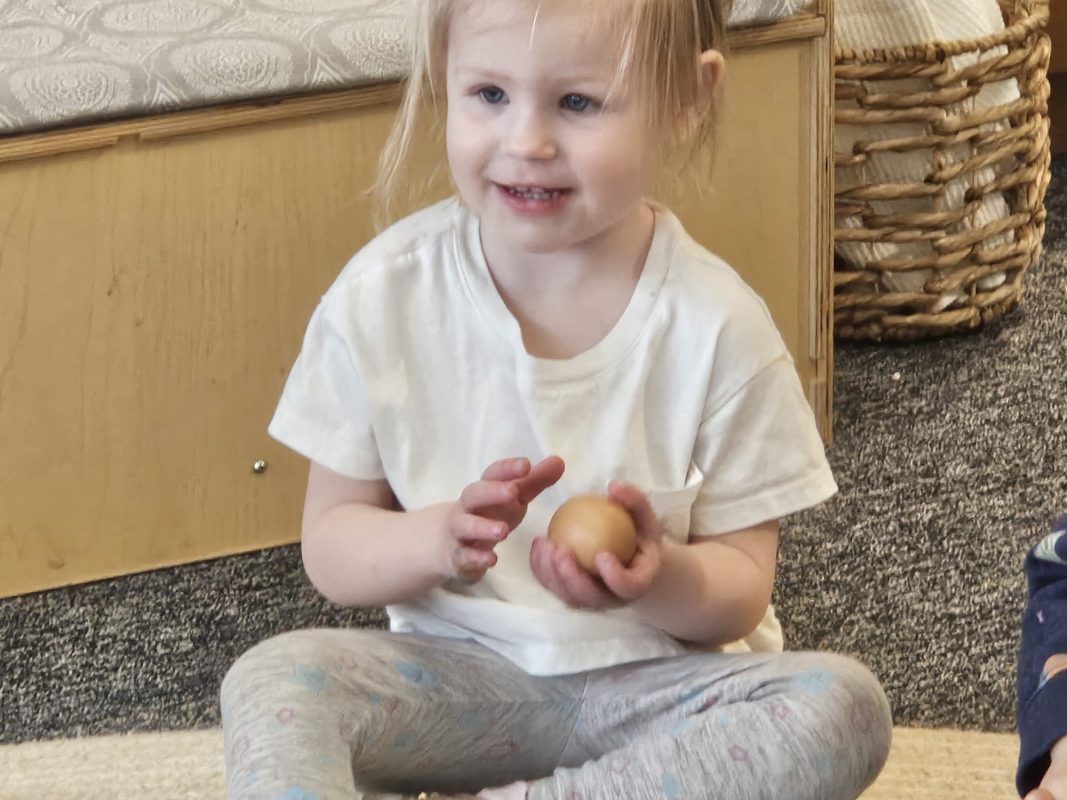
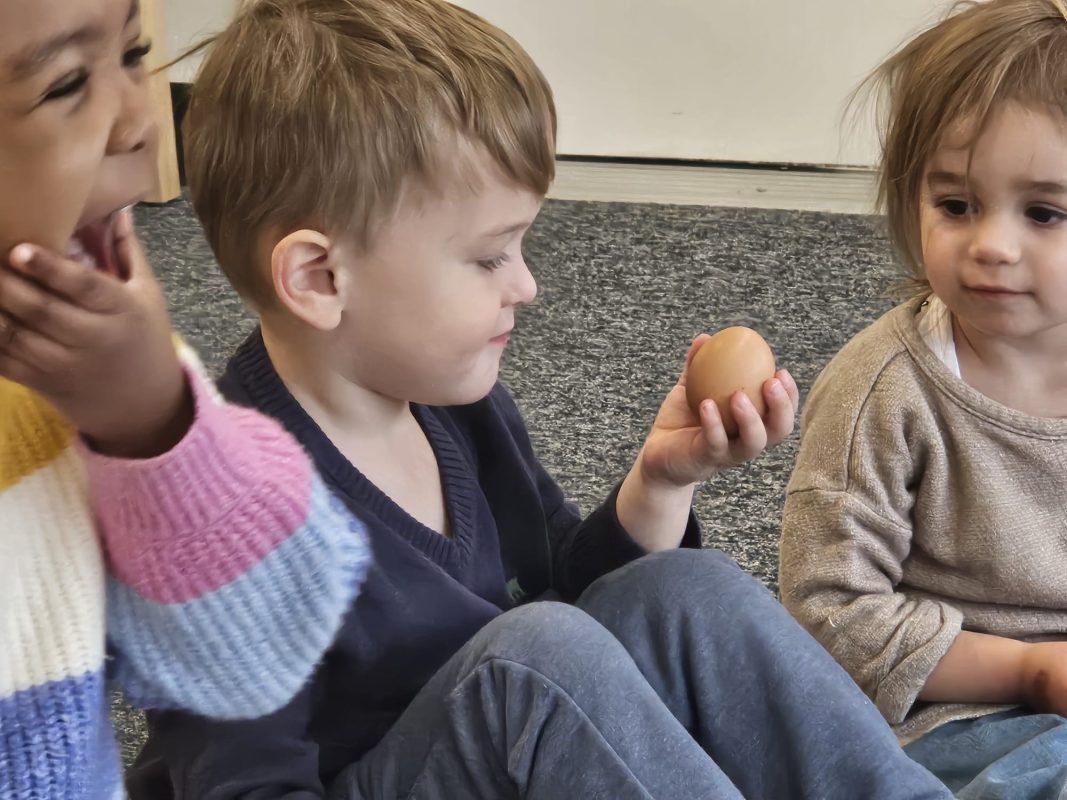
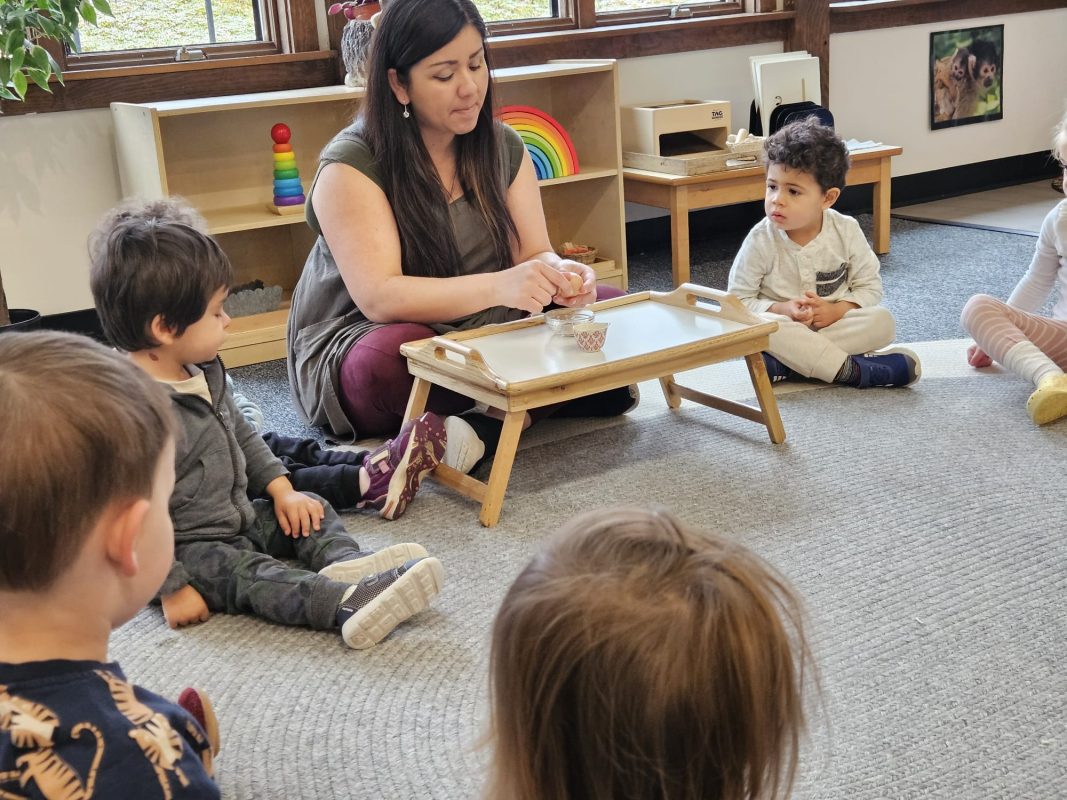
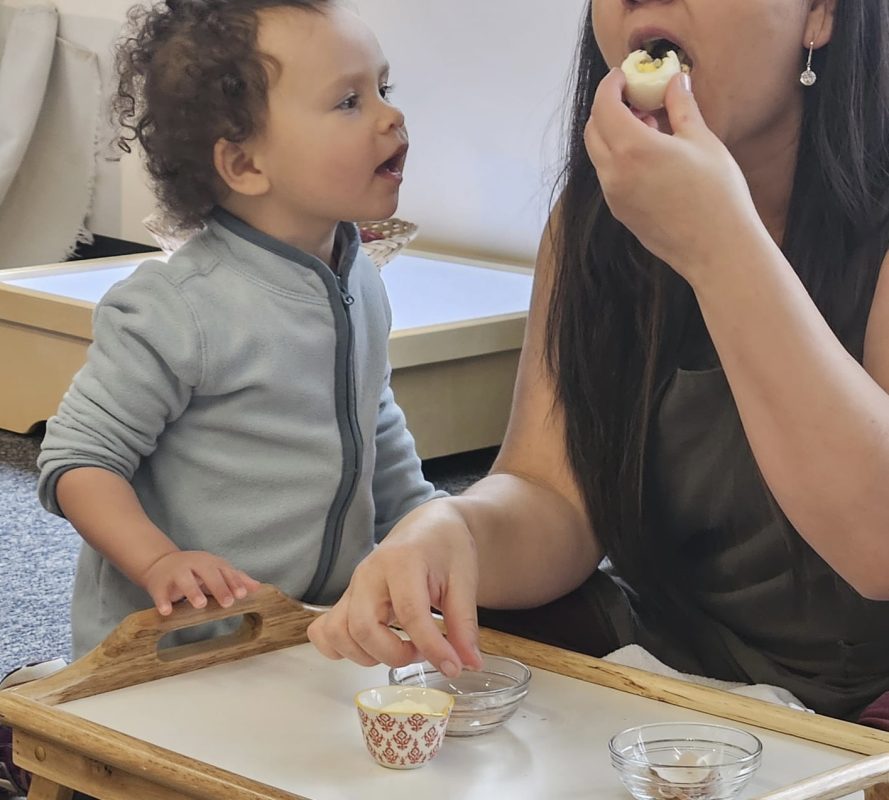
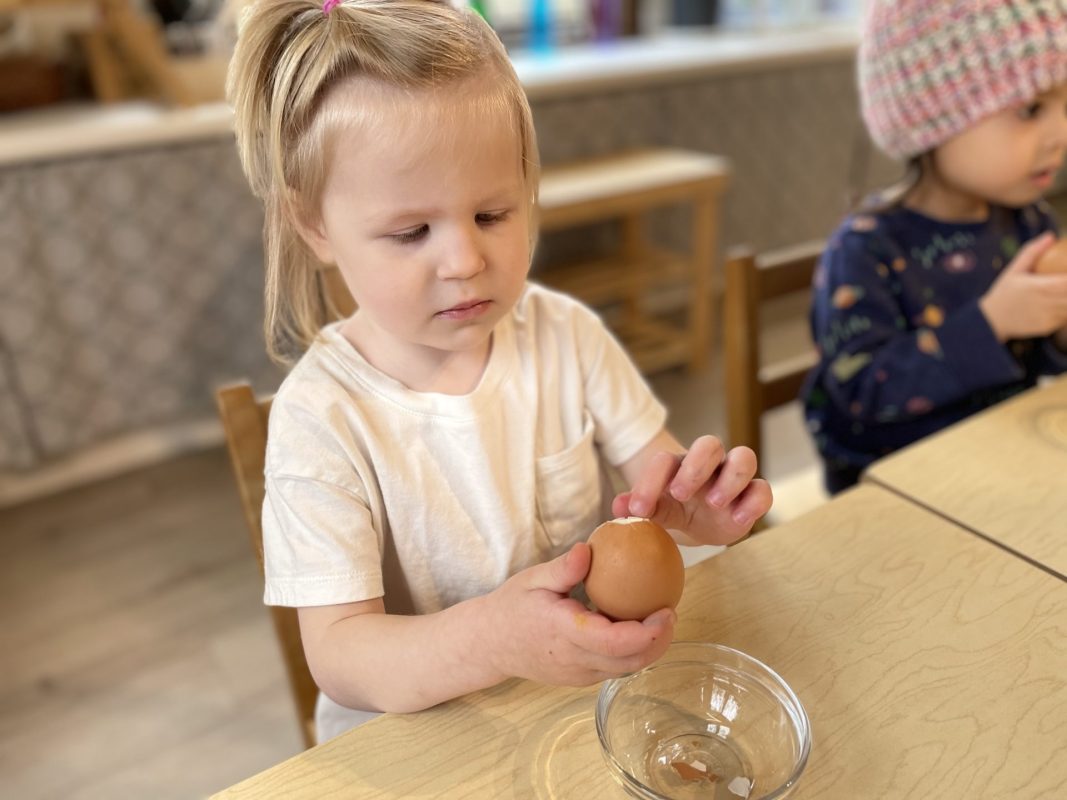
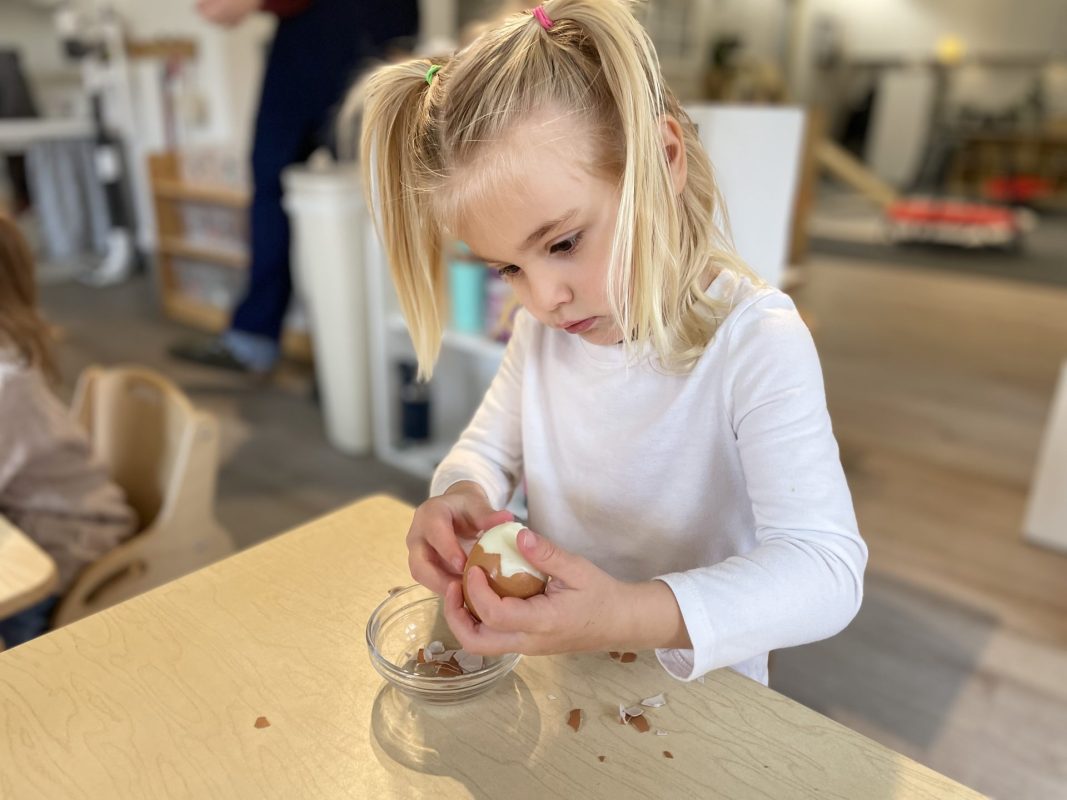
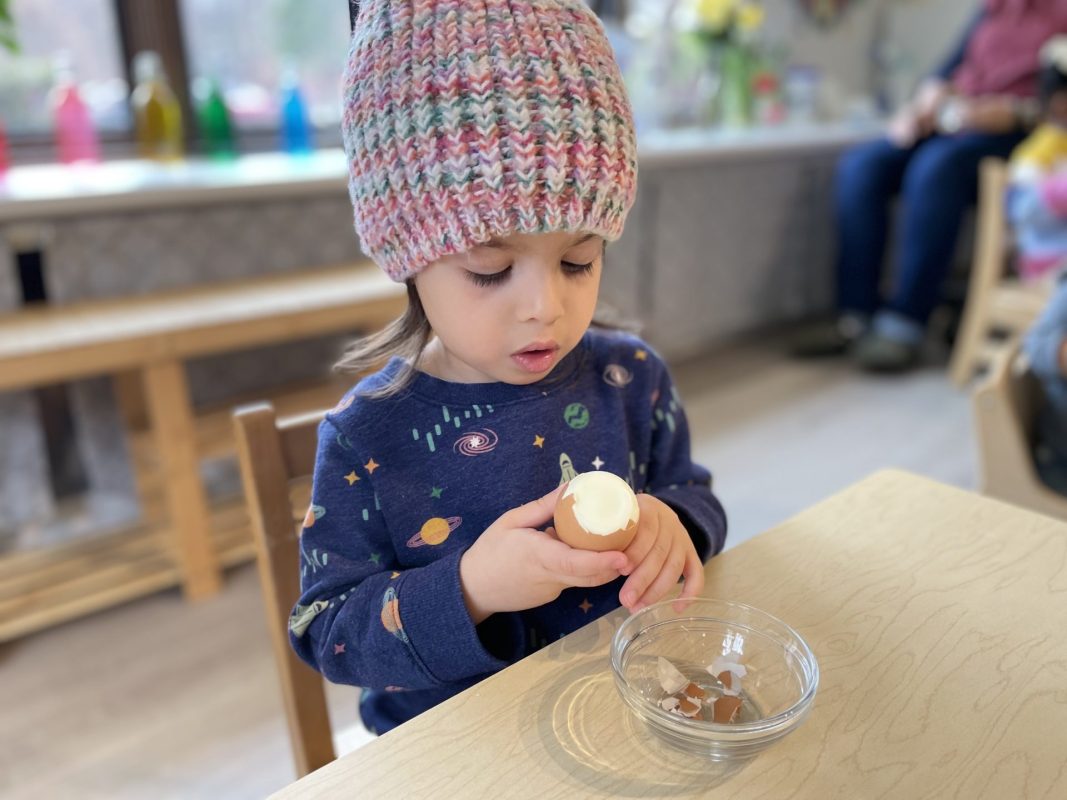
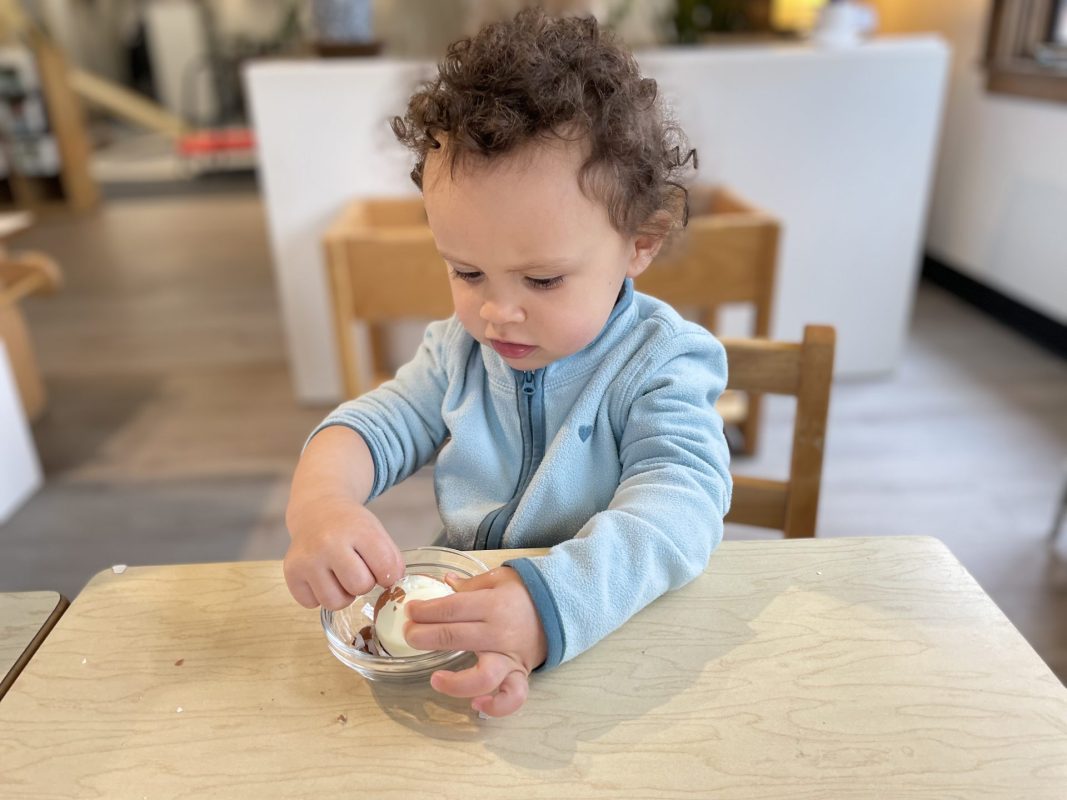
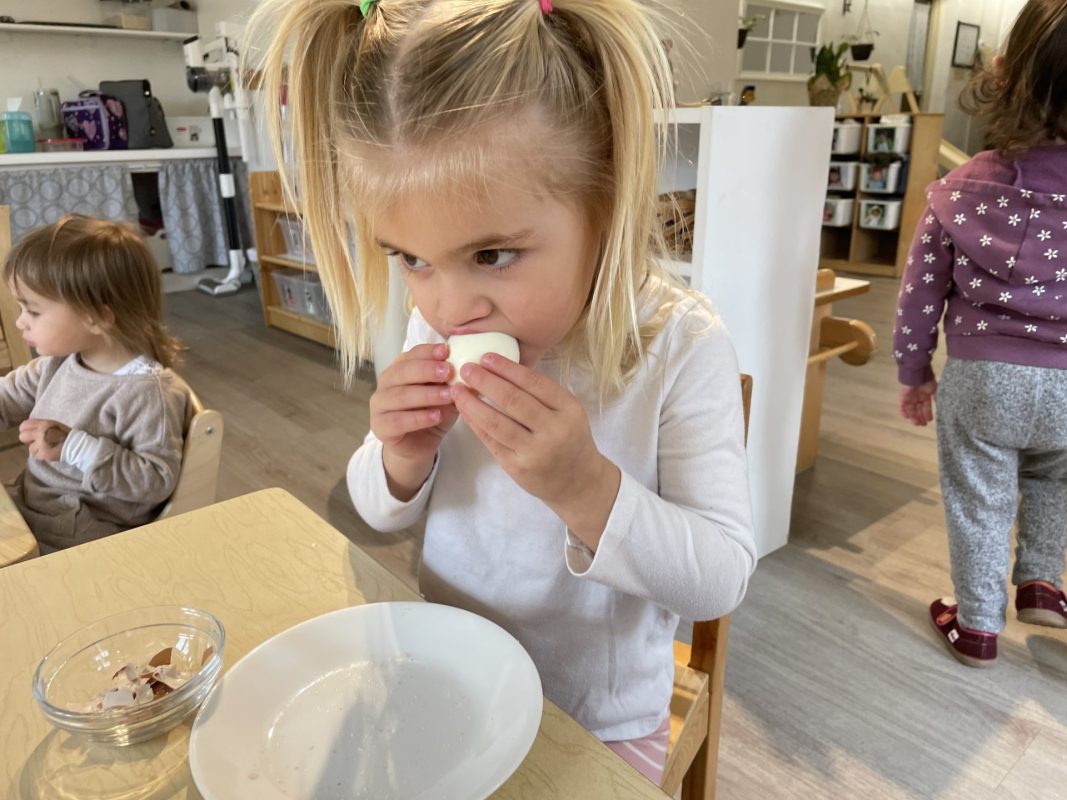
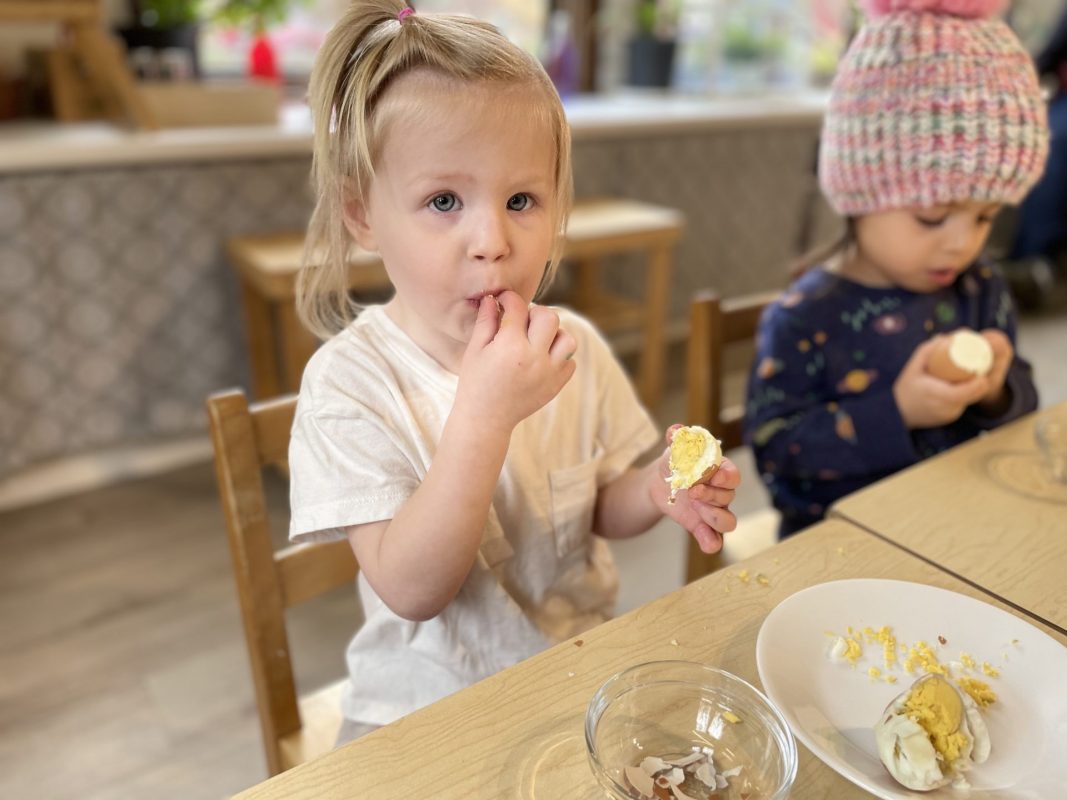
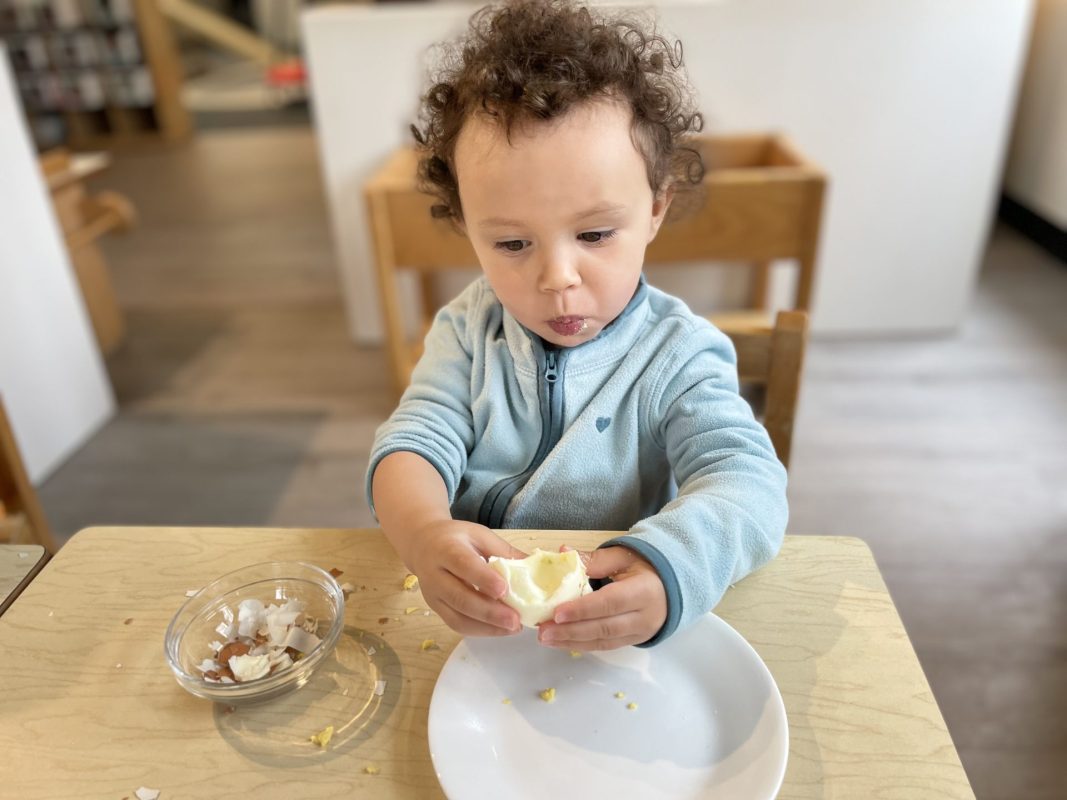
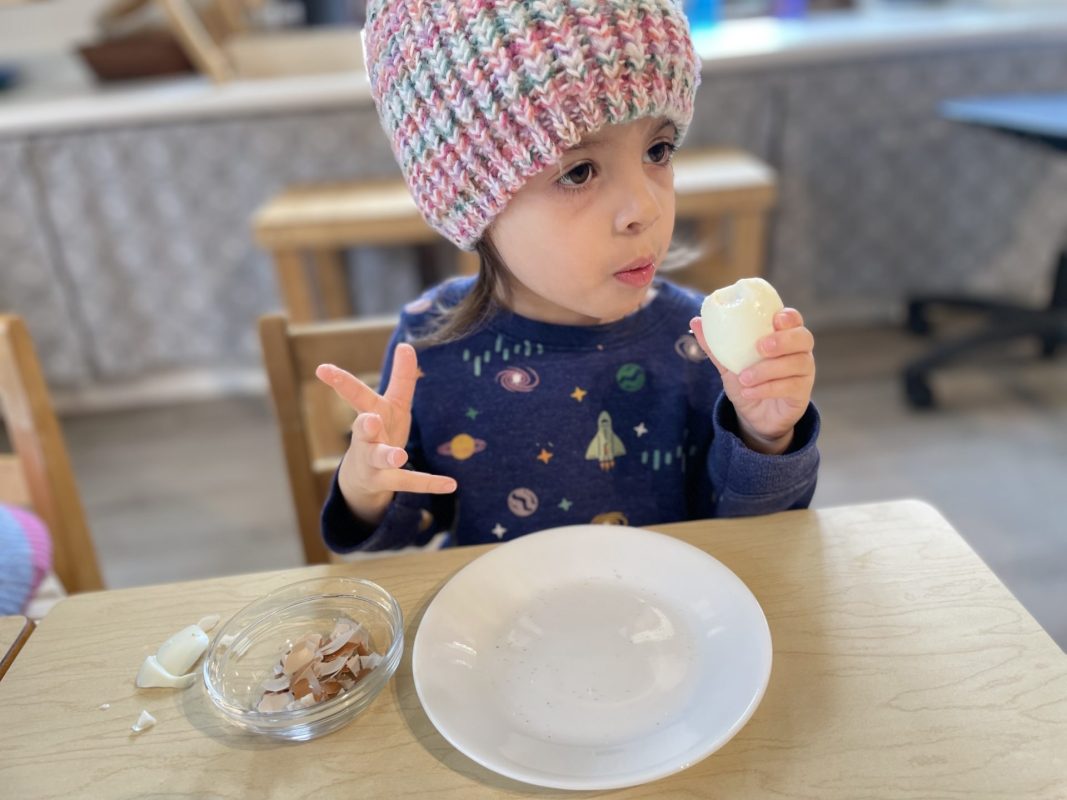
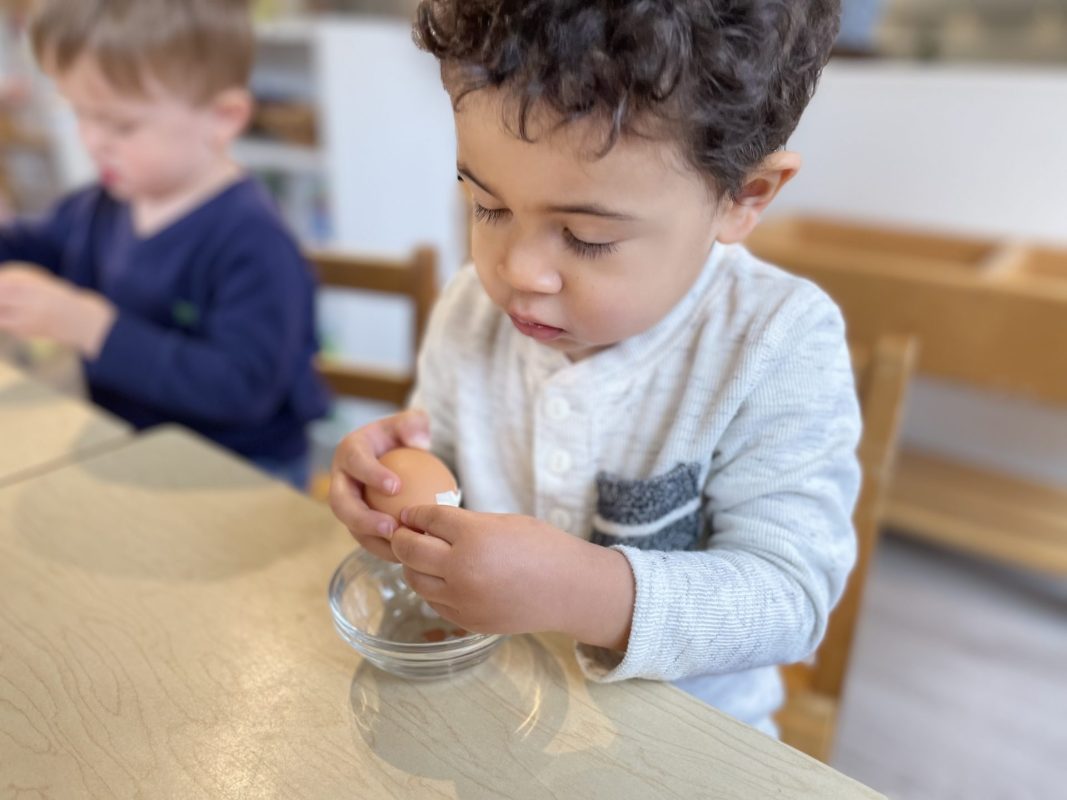
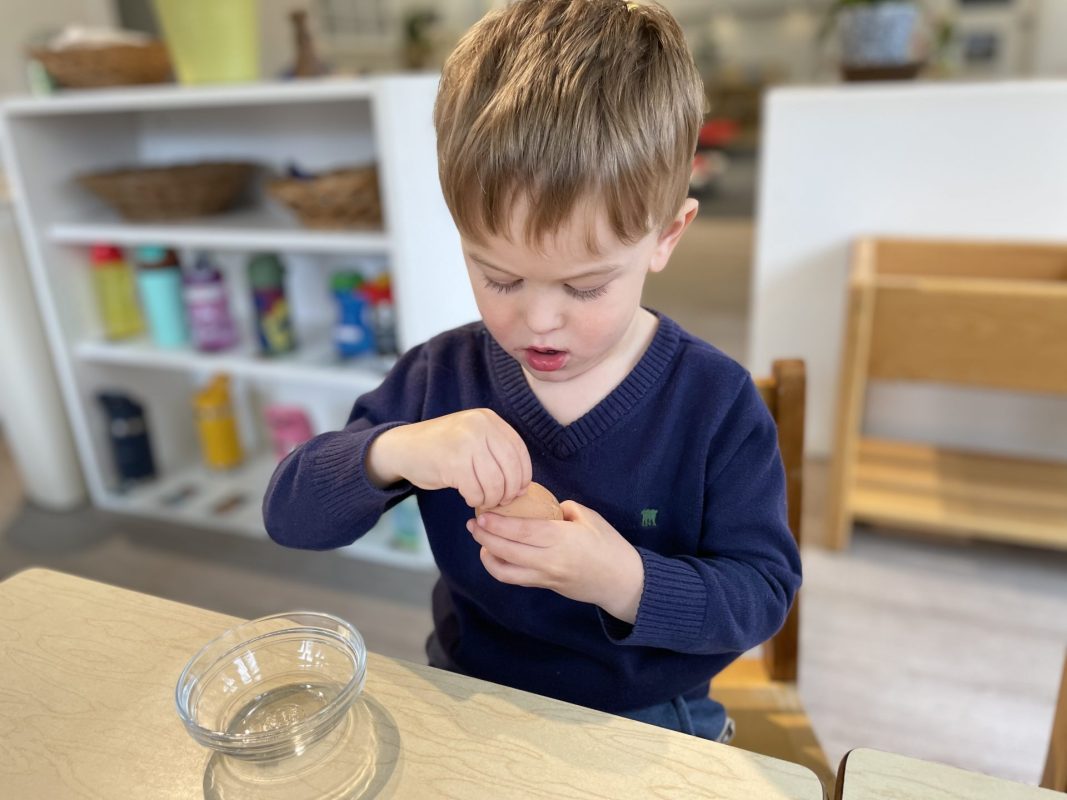
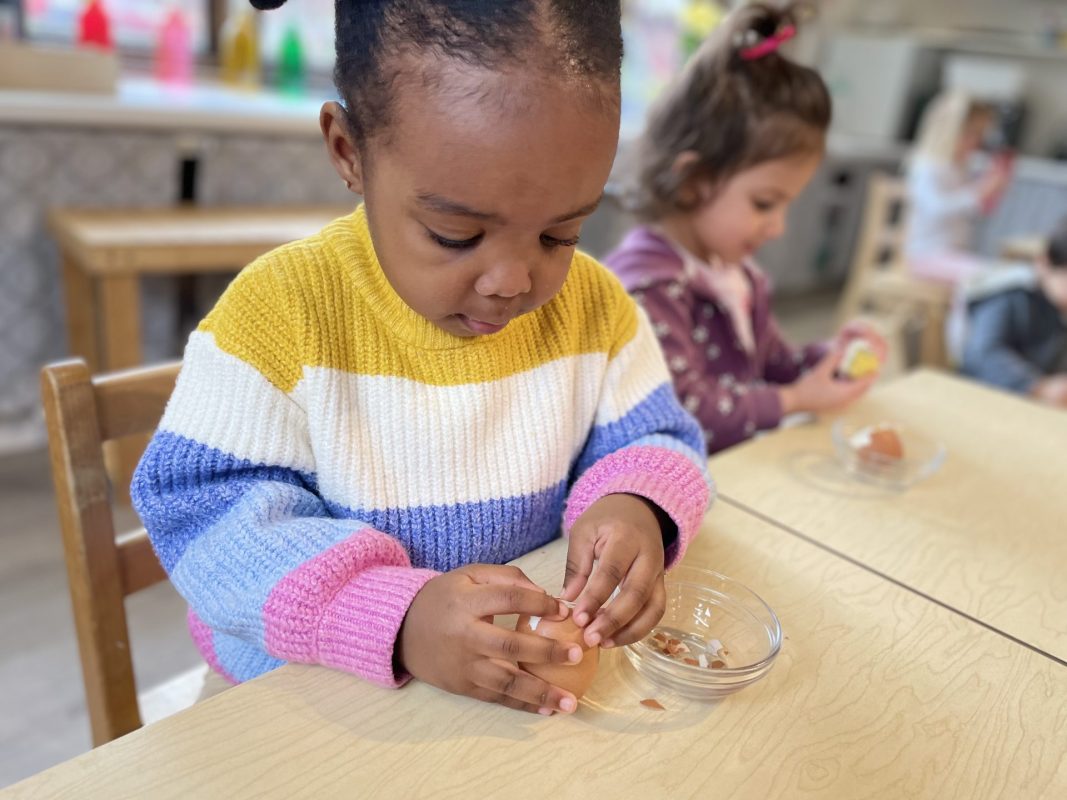
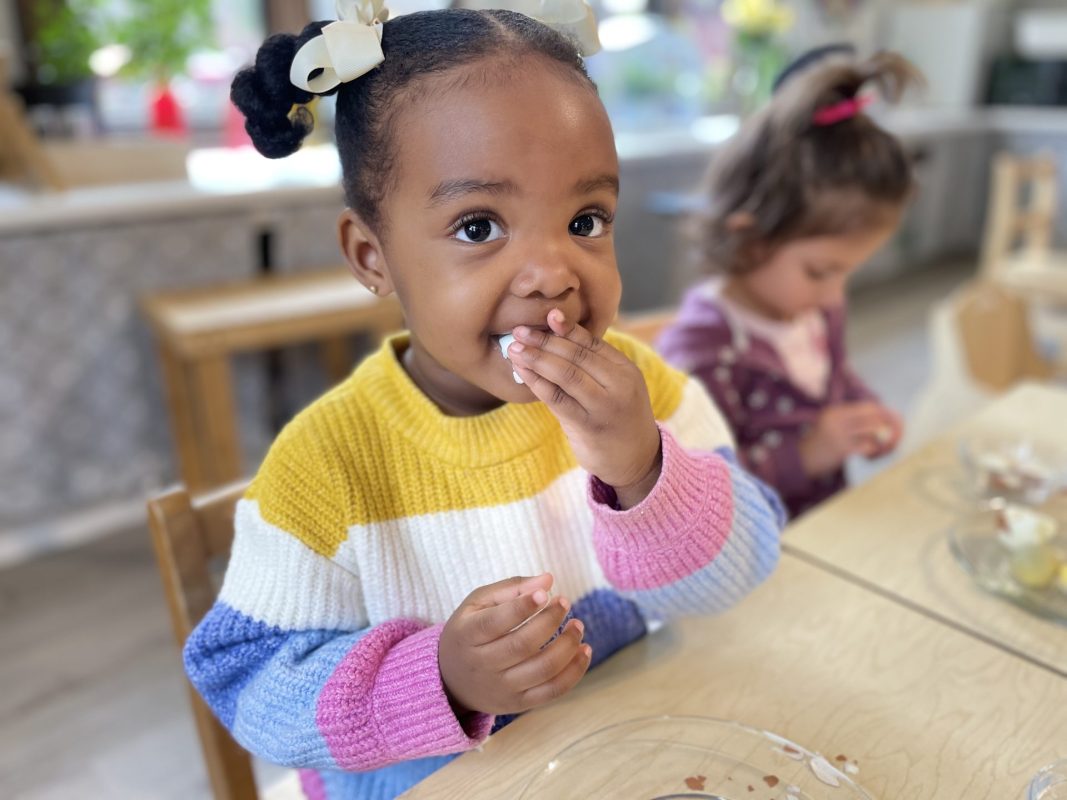
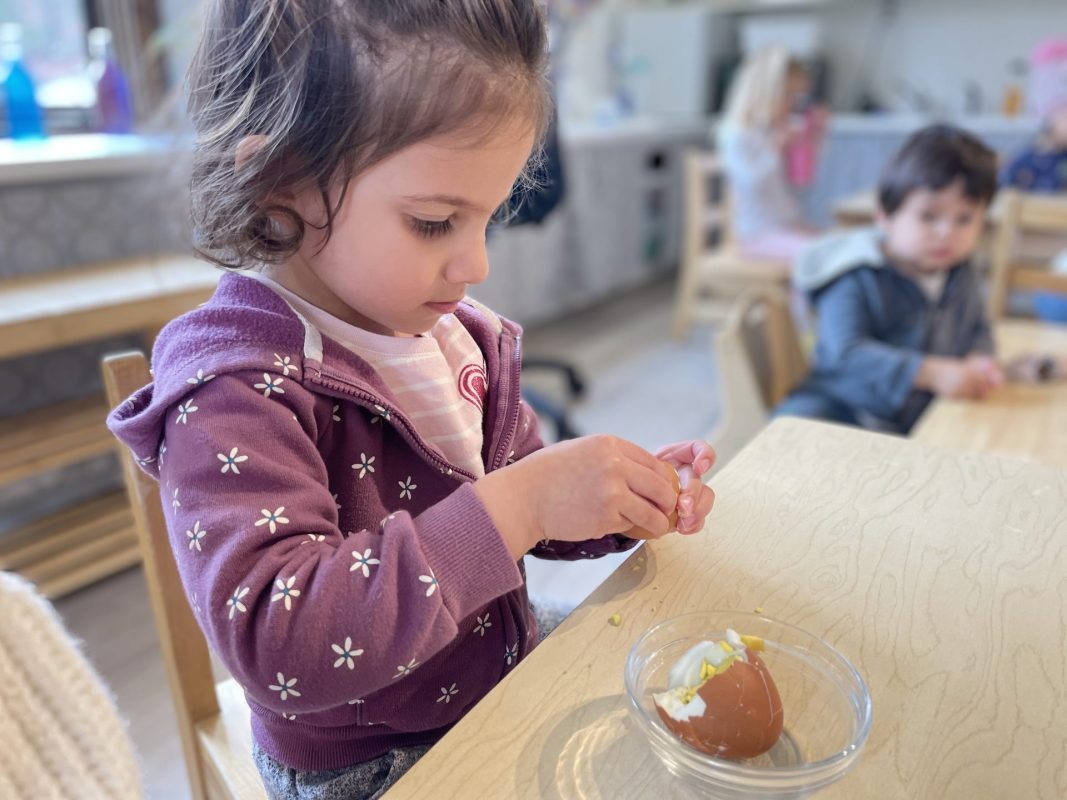
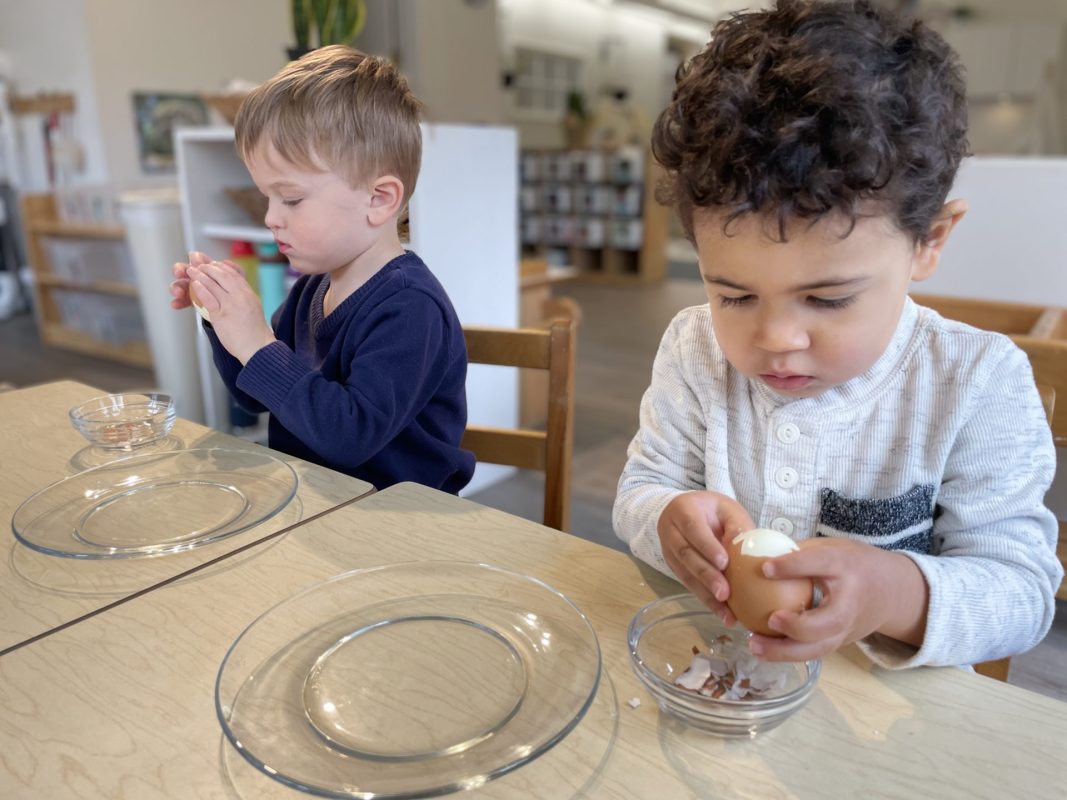
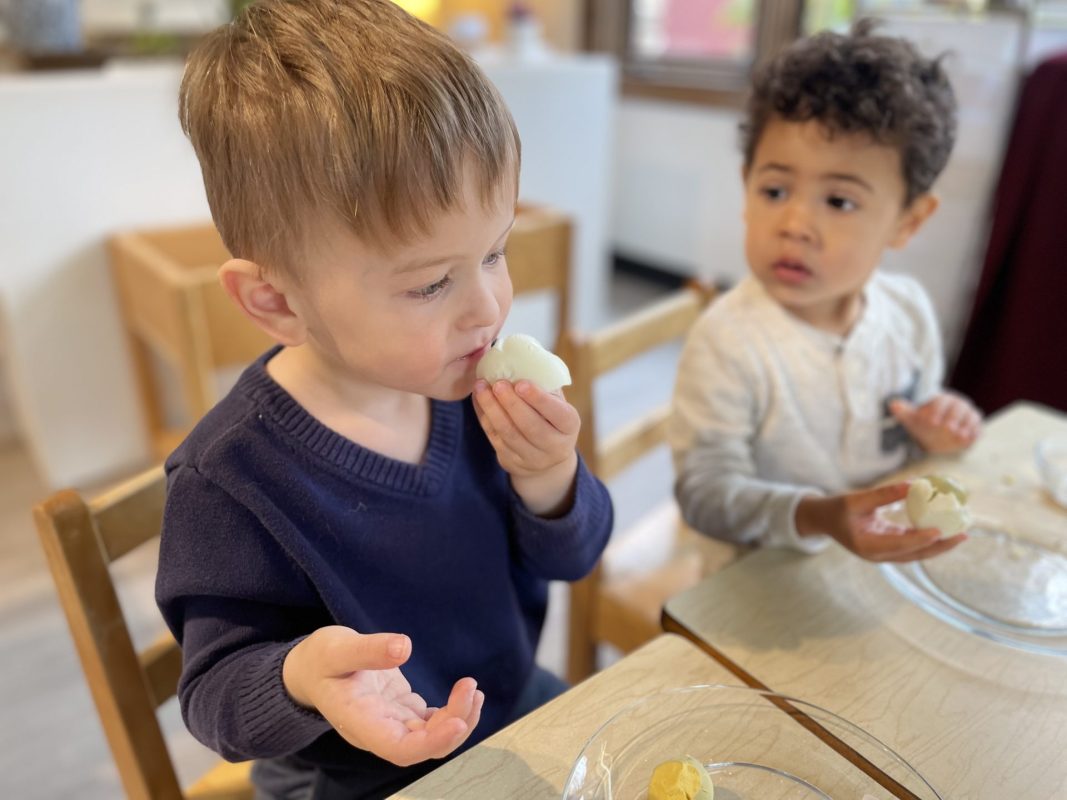
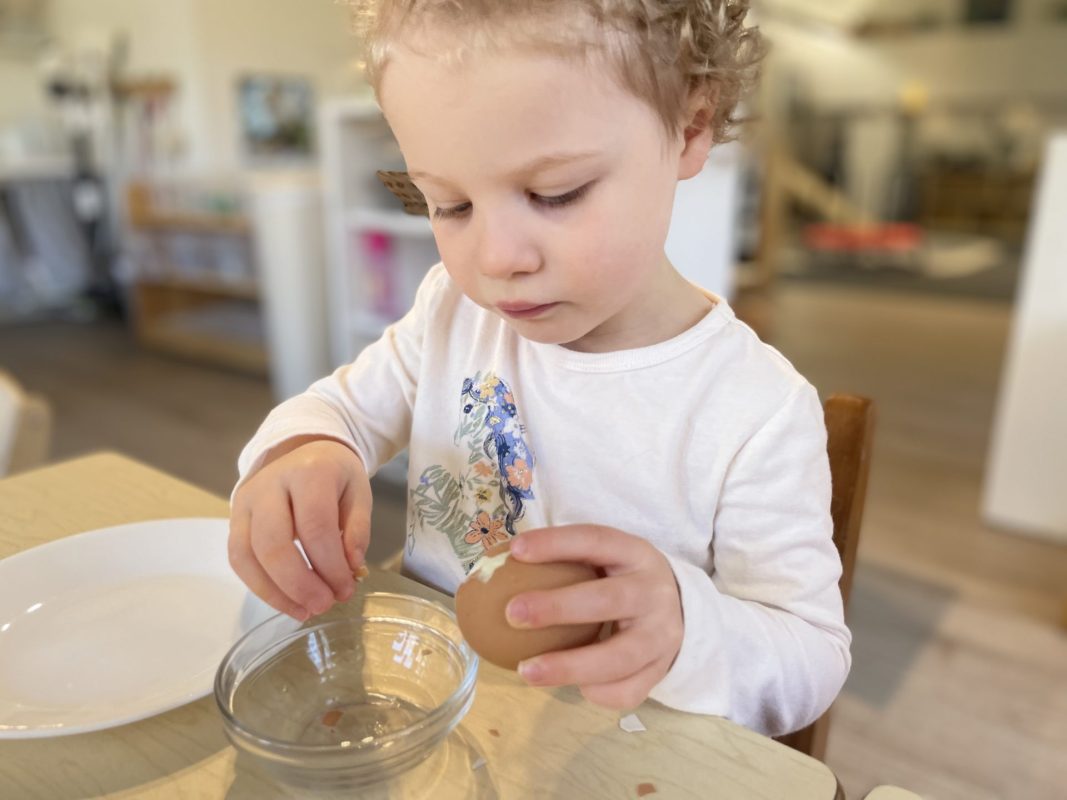
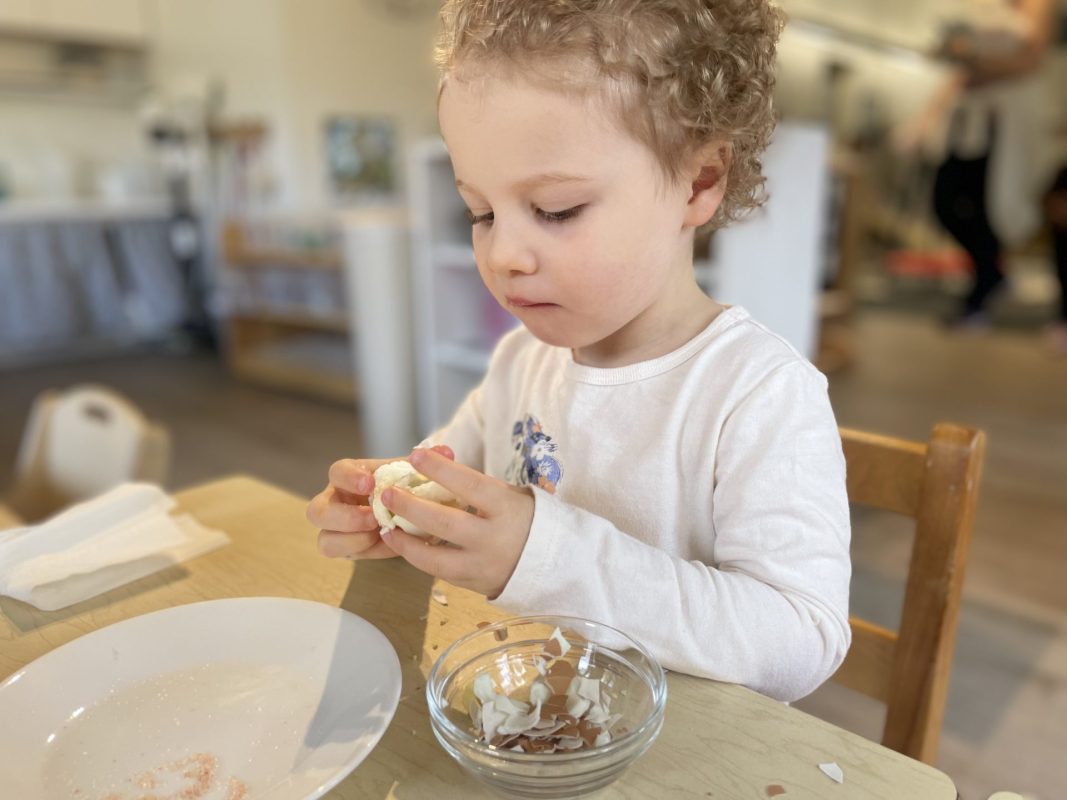
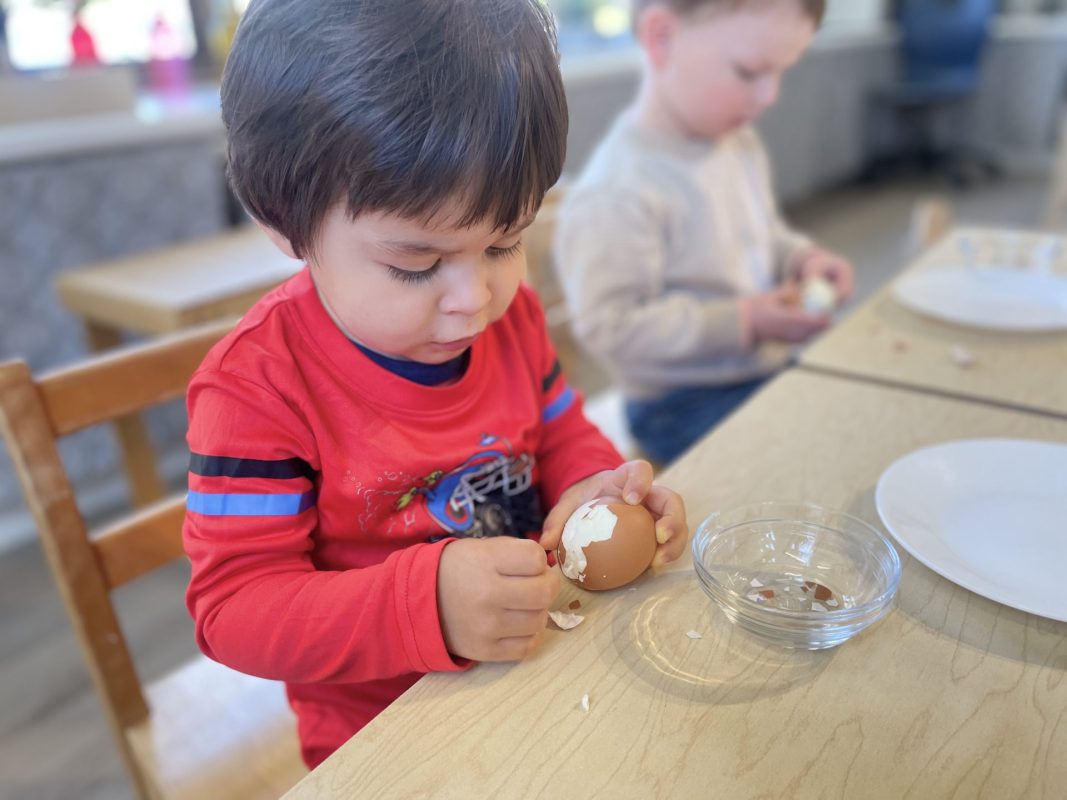
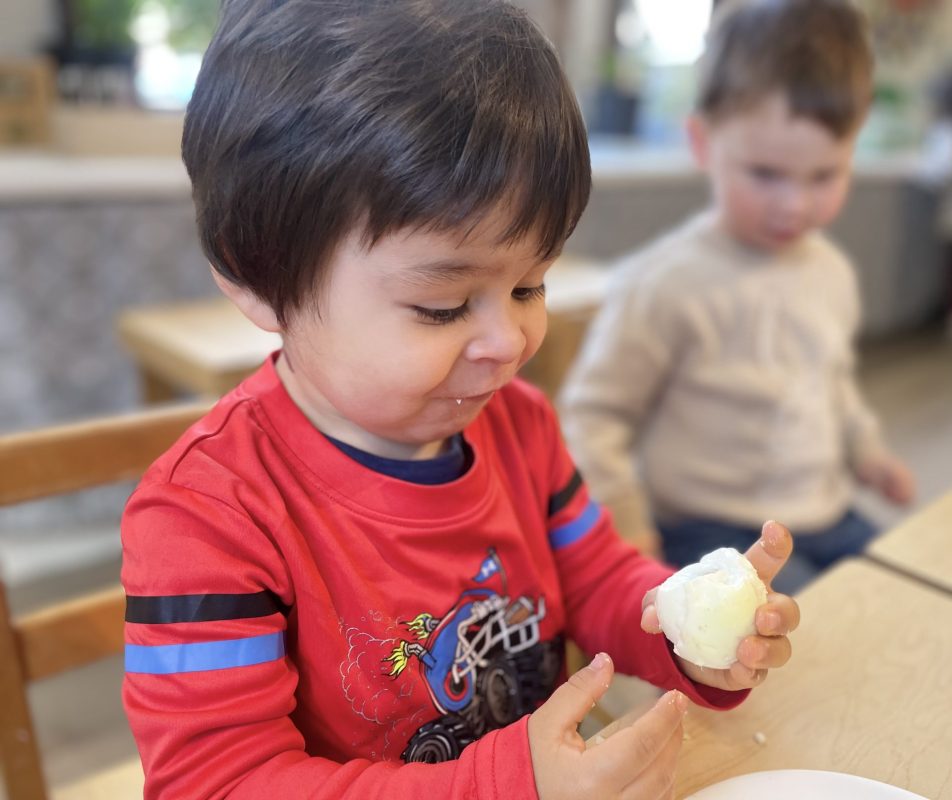
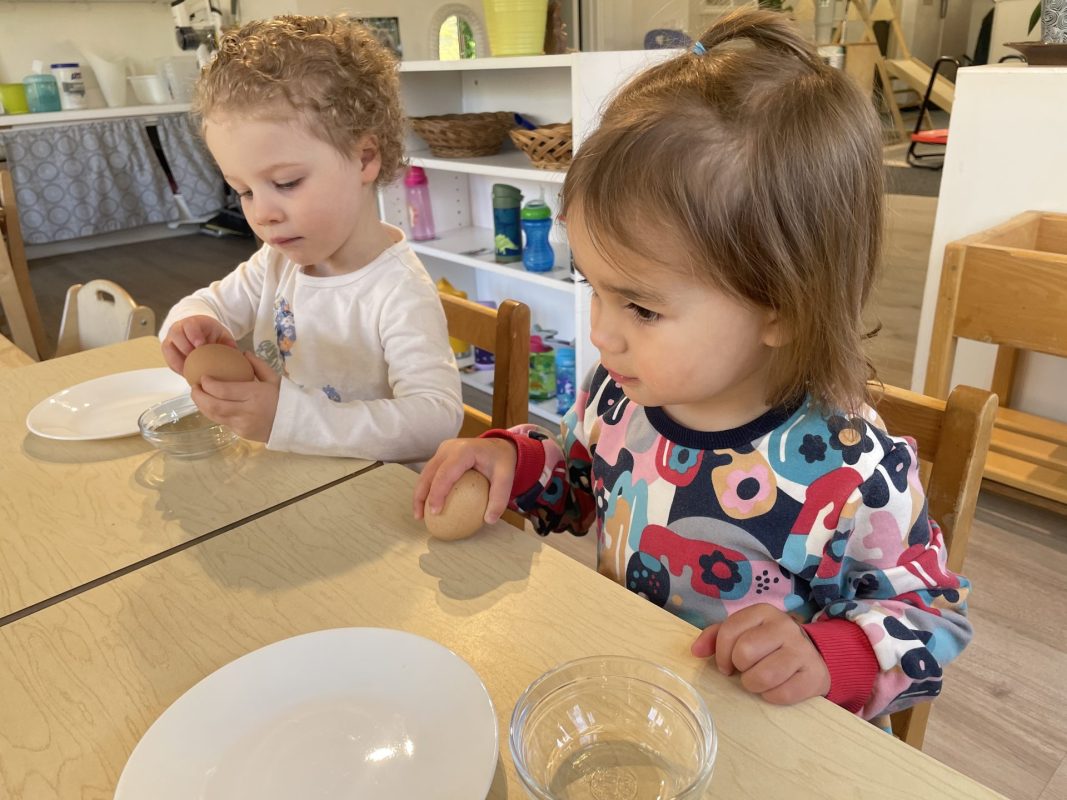
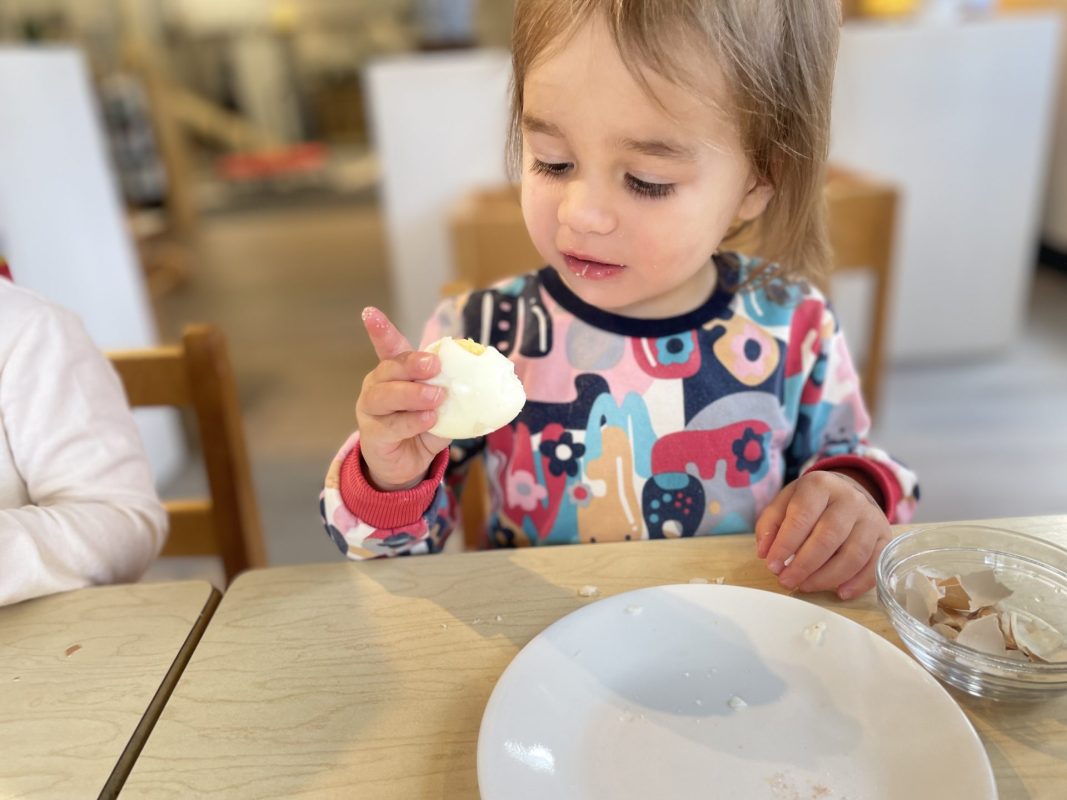
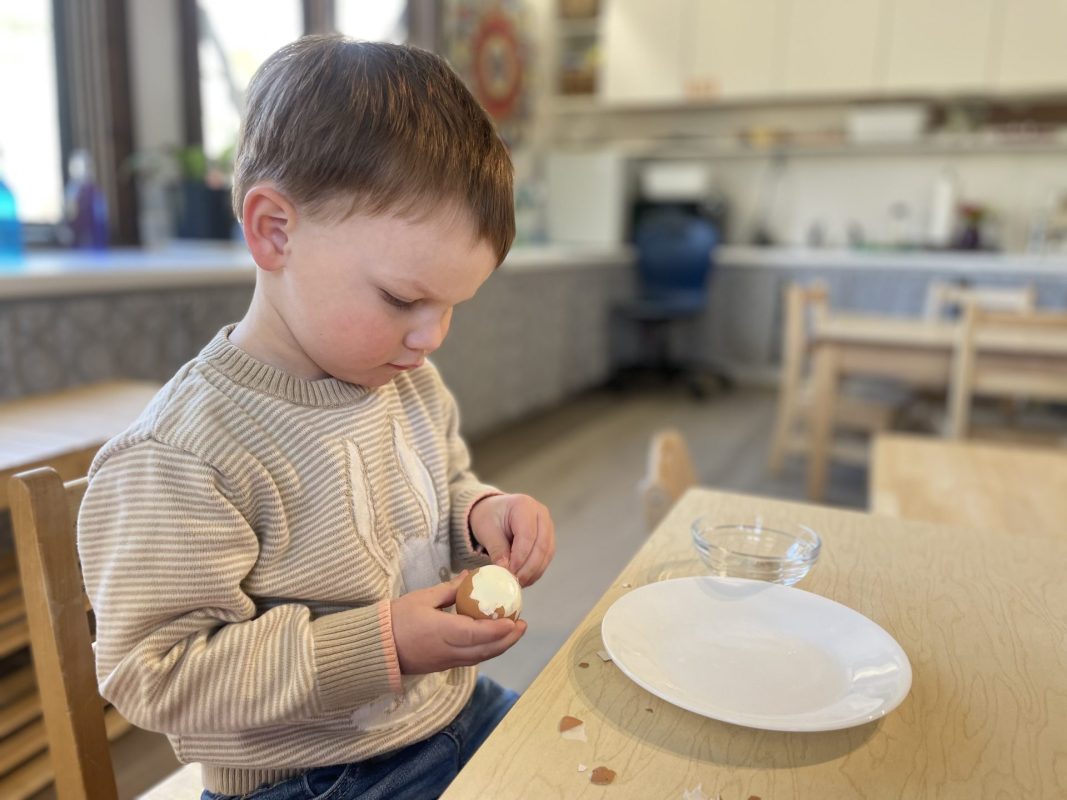
To bring a real-life experience to this topic, we explored an egg as part of our food-tasting lesson. We introduced vocabulary words like shell, egg white, and yolk. Children seemed surprised to find “a yellow ball” -as one of the children called it-  inside the egg. Children were able to take their time and strengthen their fine motor skills by learning how to peel their eggs.  They seemed to enjoy cracking the egg and carefully peeling the shell. I encourage you to allow your toddler to practice this skill at home. It’s truly a great exercise! Peeling an egg requires coordination between the fingers and thumb. This can improve dexterity and precision in hand movements, plus it helps their patience and persistence tremendously! 😀 The children seemed to feel proud of themselves.

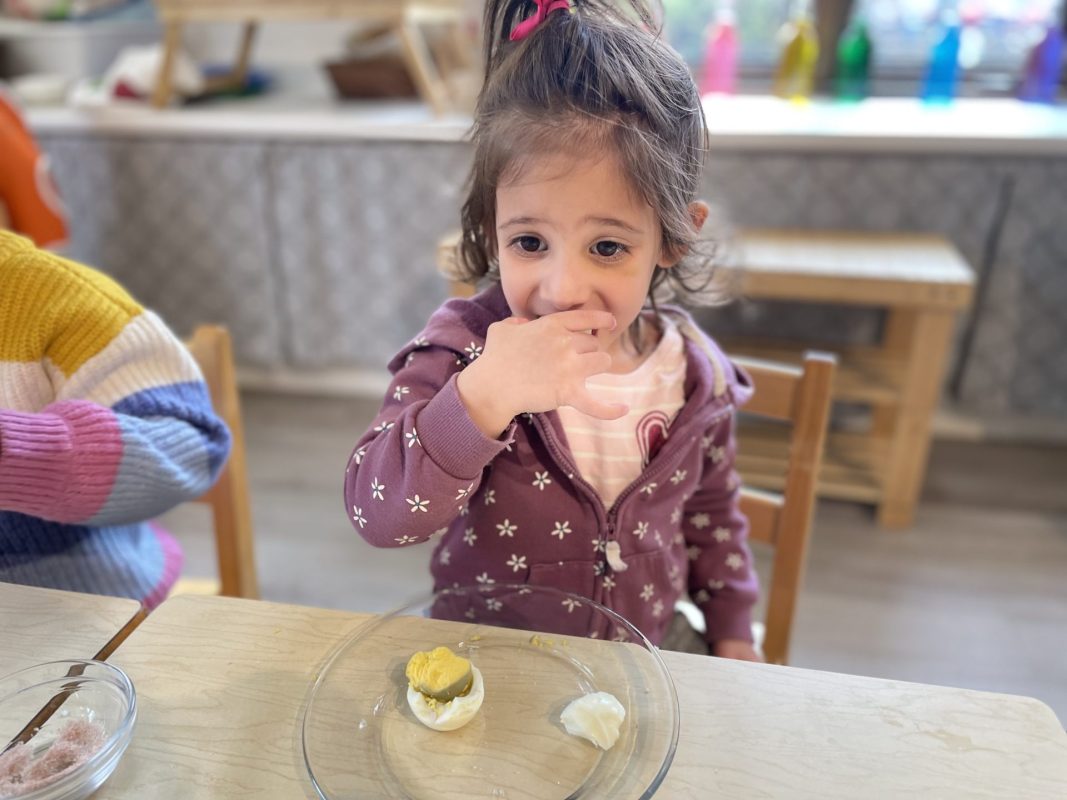
Some of the children didn’t find the sliminess of the boiled egg very attractive and didn’t want to taste the egg, but other children kept asking to repeat the activity and taste another egg. It’s always fun to observe how the children react to these sensory experiences and how their brain seems to work hard on classifying the textures and flavors of the food items we introduce. To reinforce the Spanish language, the children were also introduced to a fun Spanish song called Los Pollitos. In Spanish, the chicks say, “pio, pio,” instead of “chirp, chirp.” Just an interesting cultural bonus sent your way :). I hope you enjoy the song at the bottom of this note and practice with your children at home if you would like.

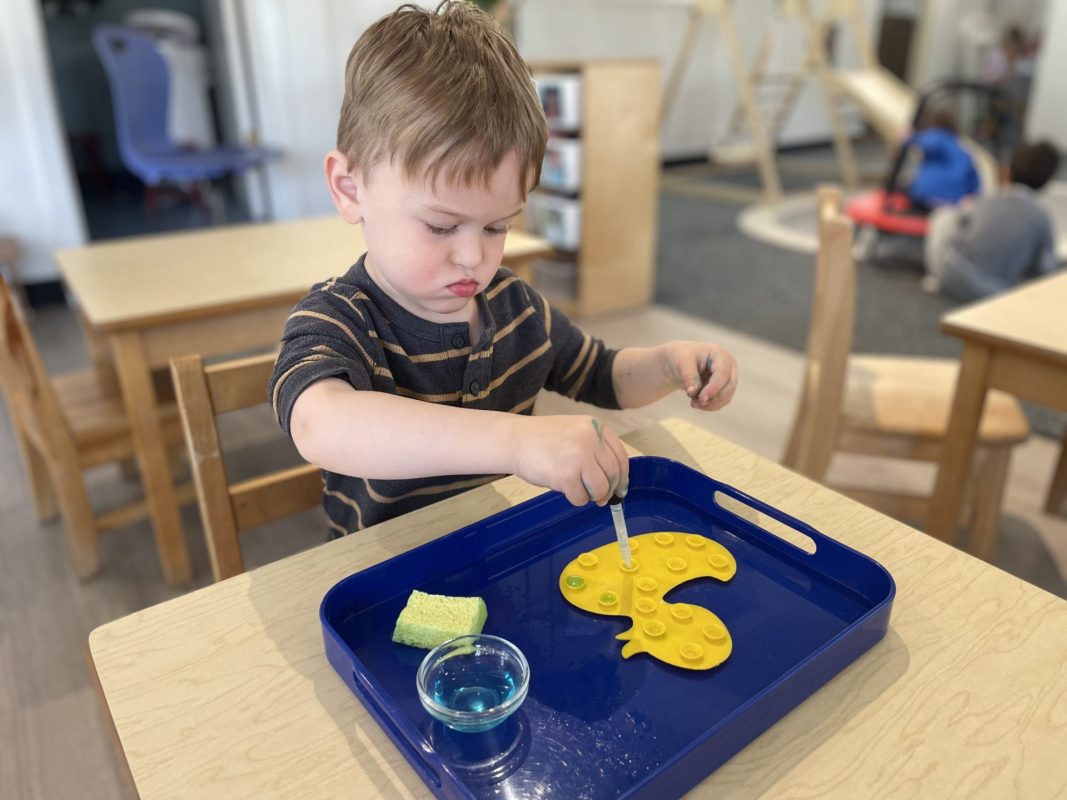
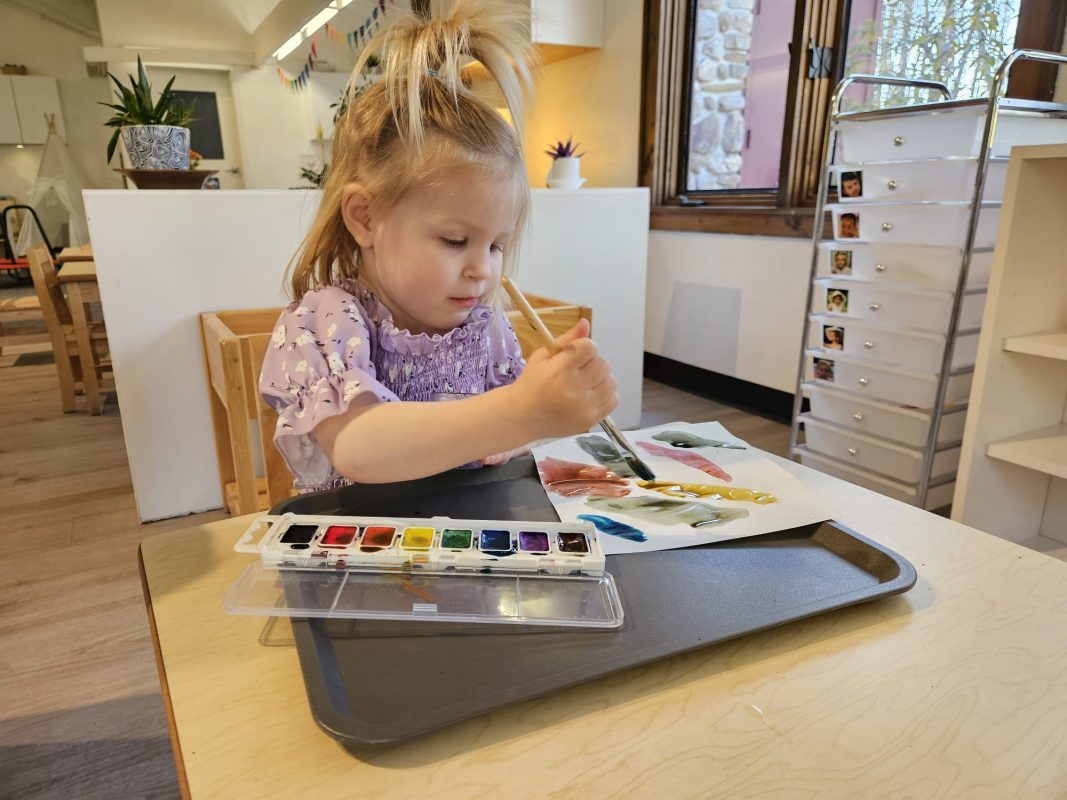
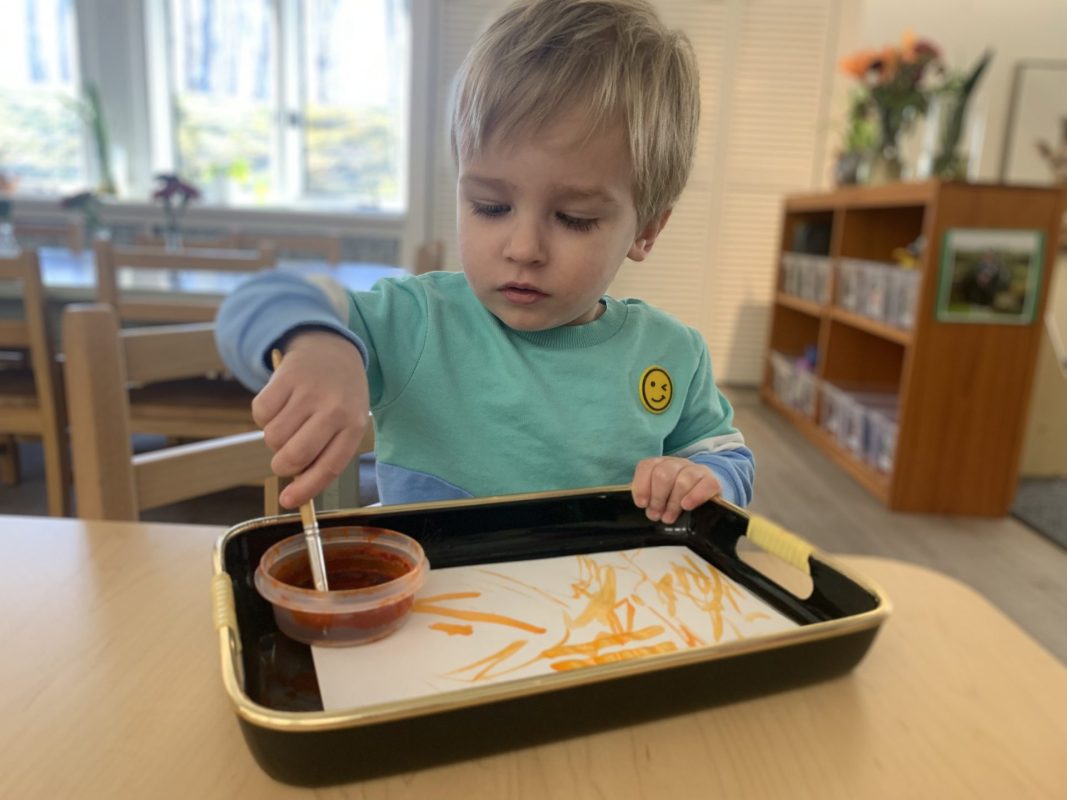
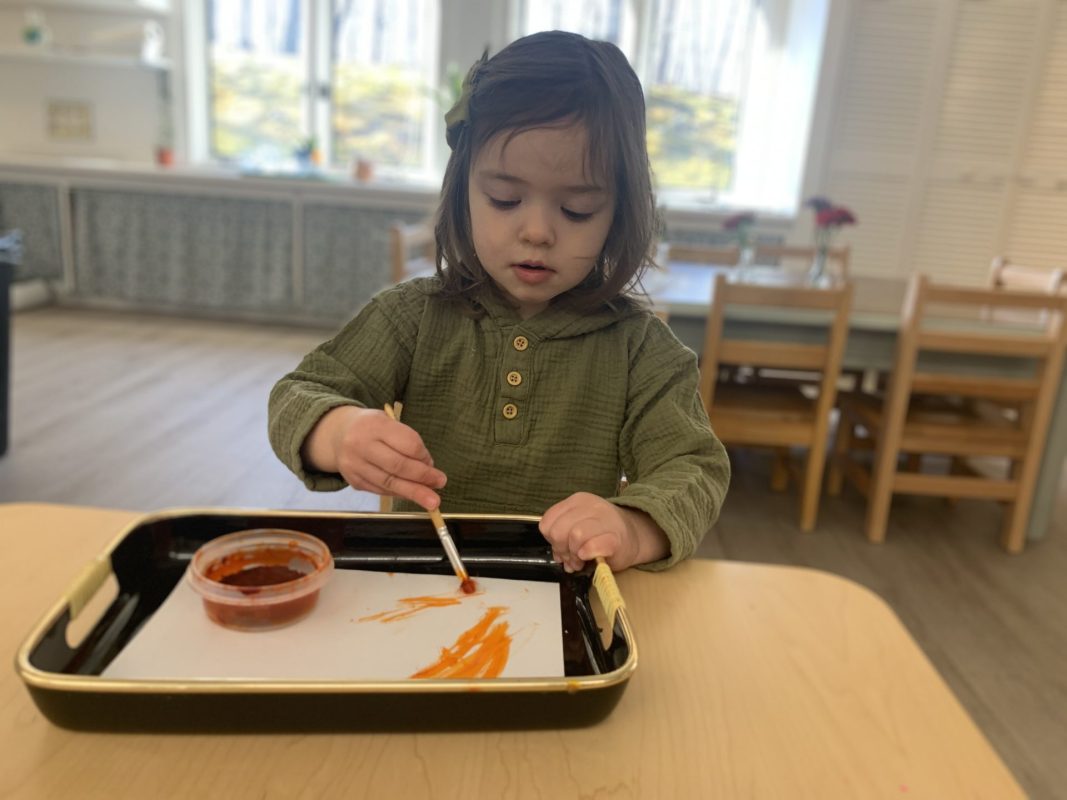
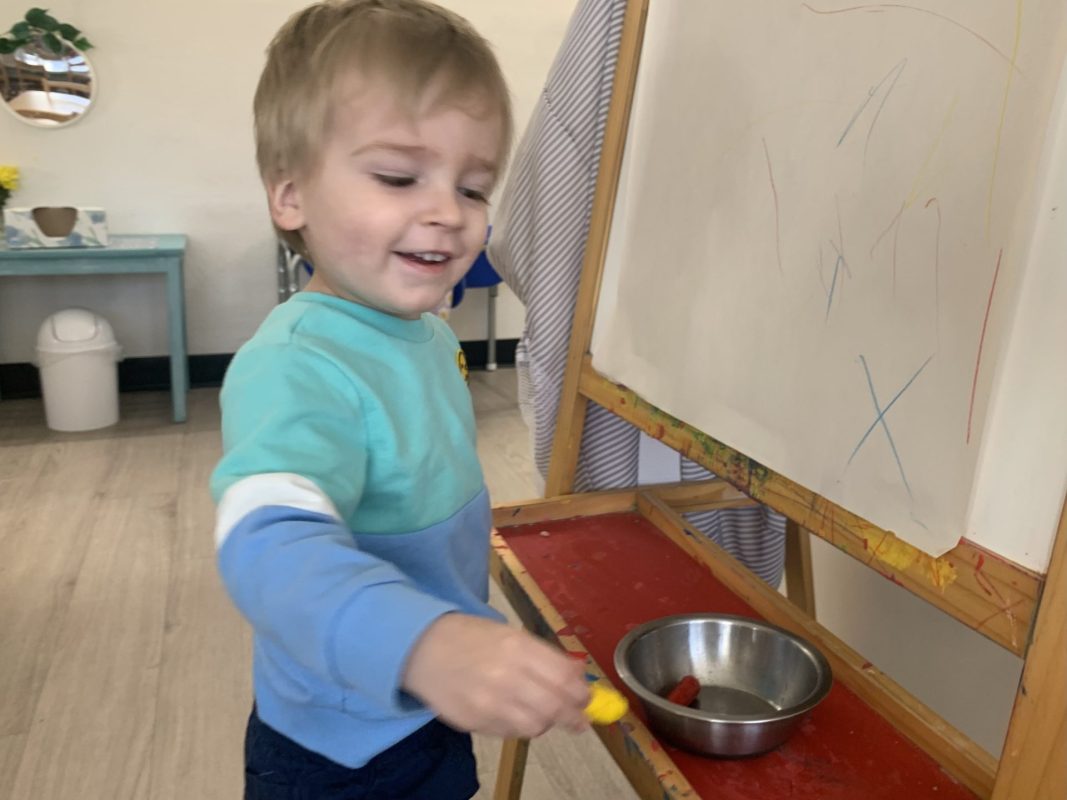
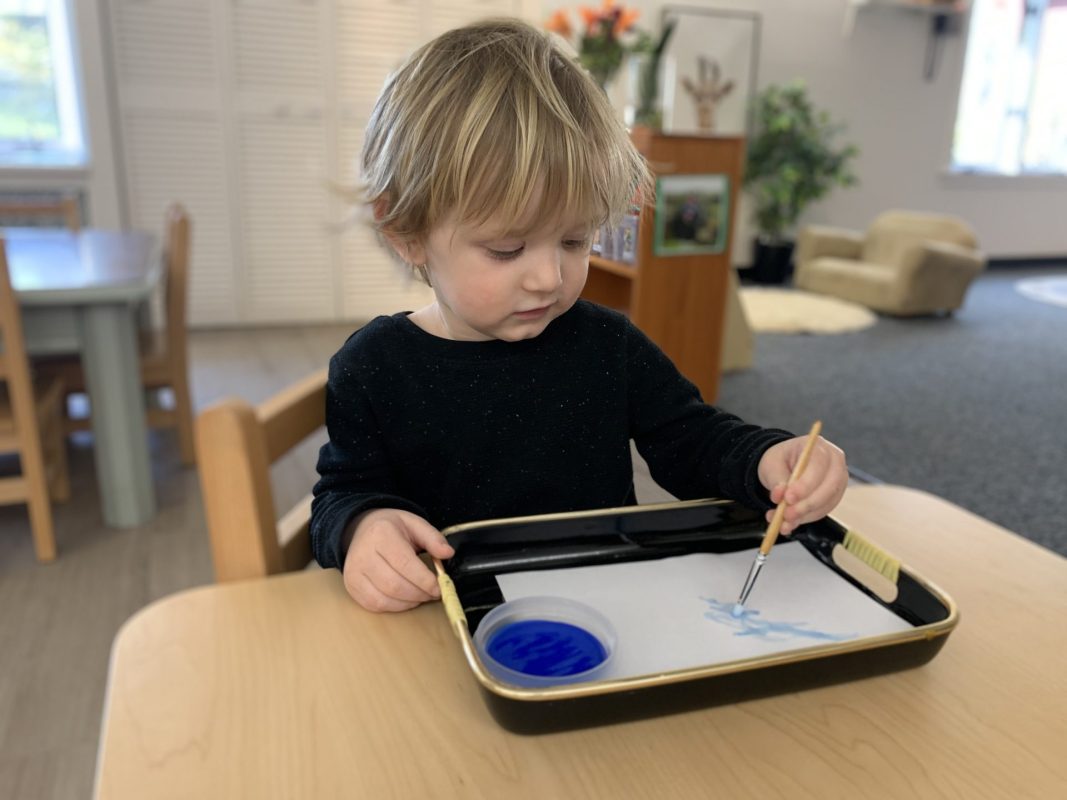
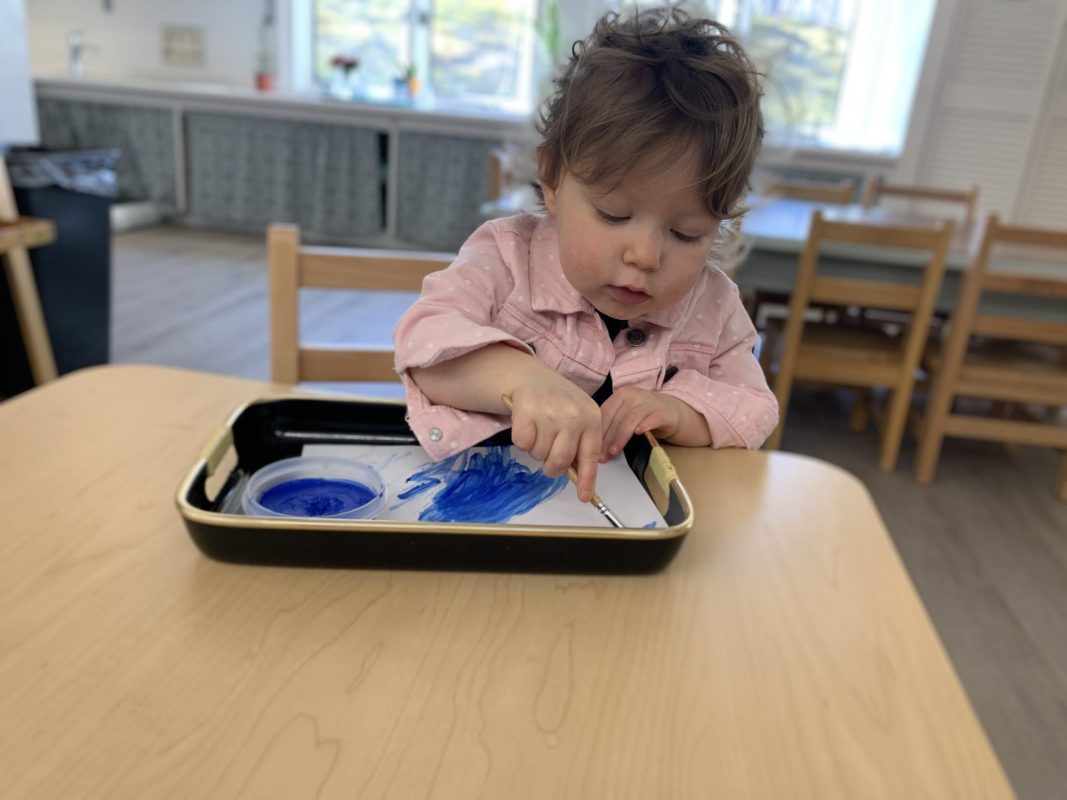
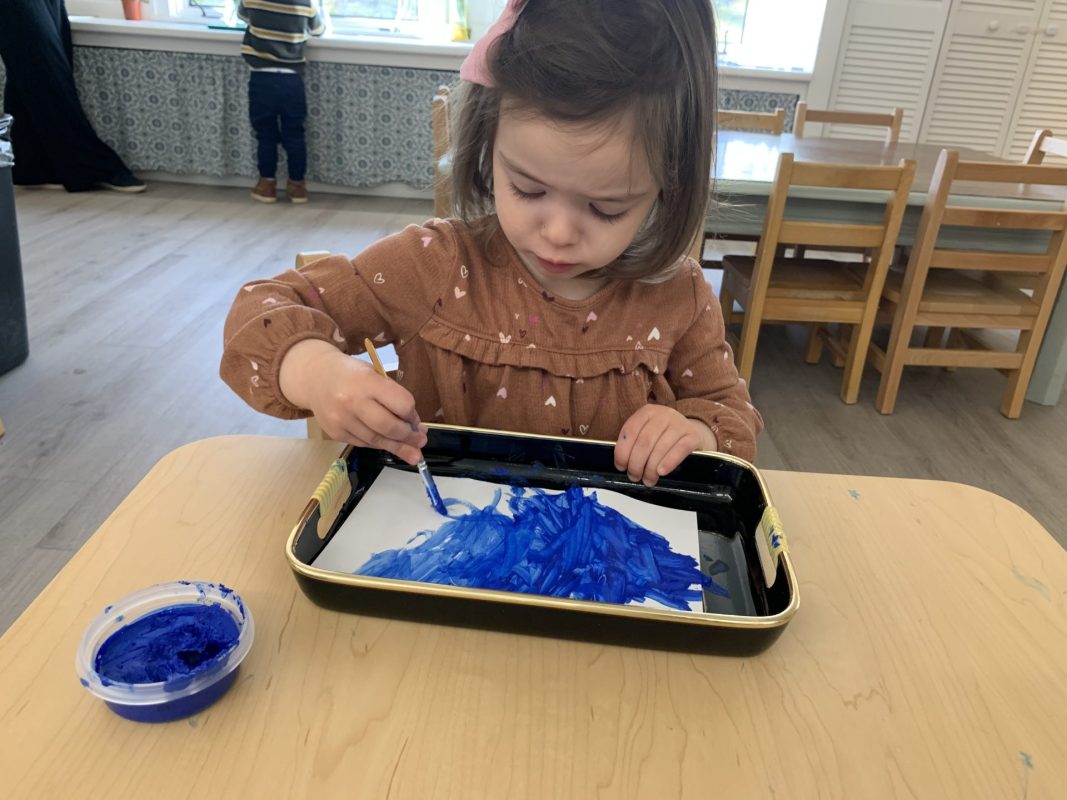
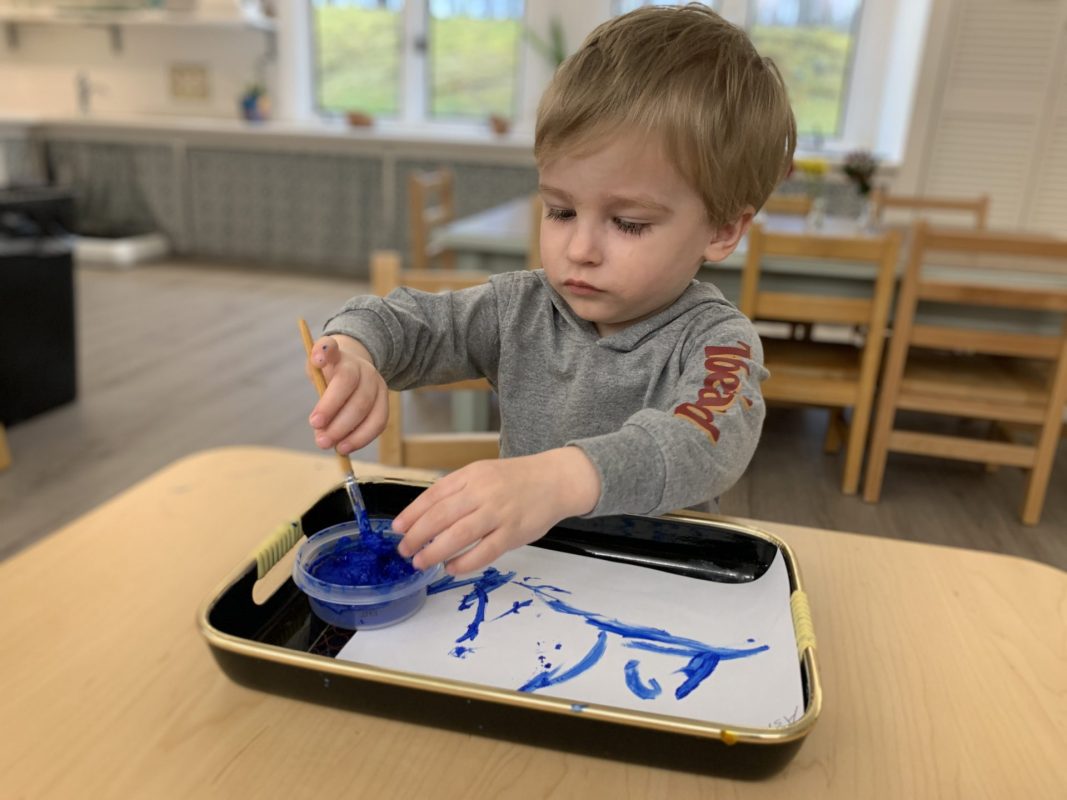
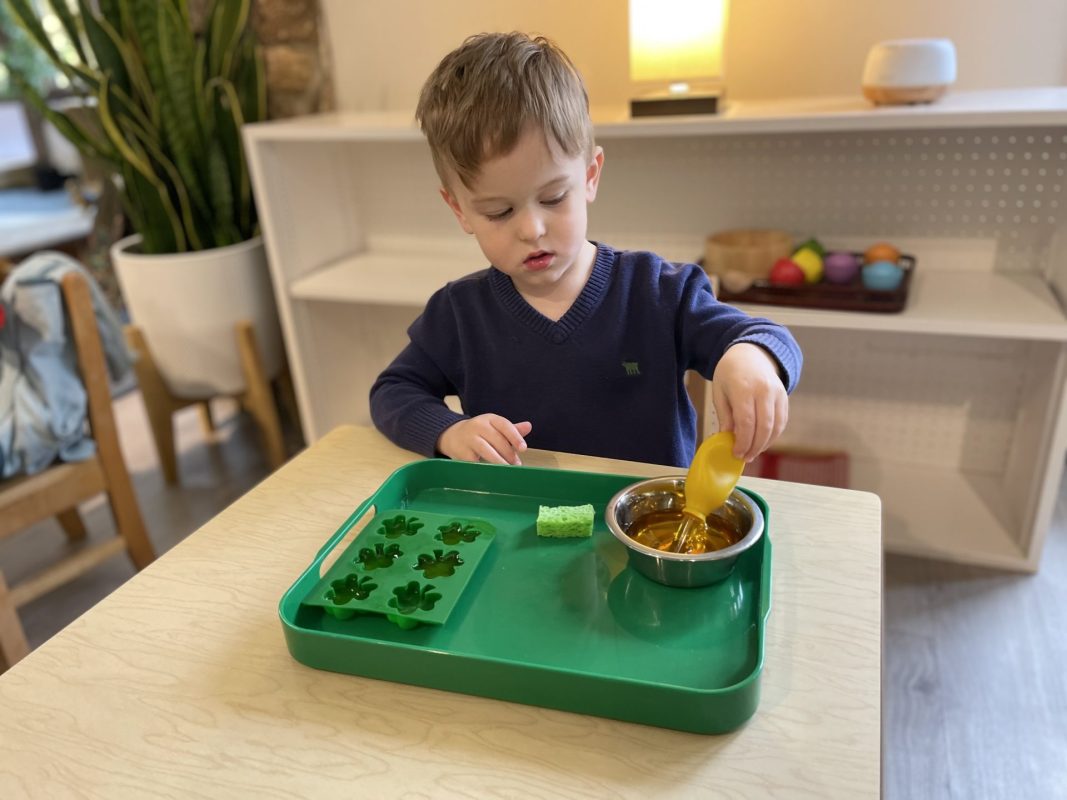
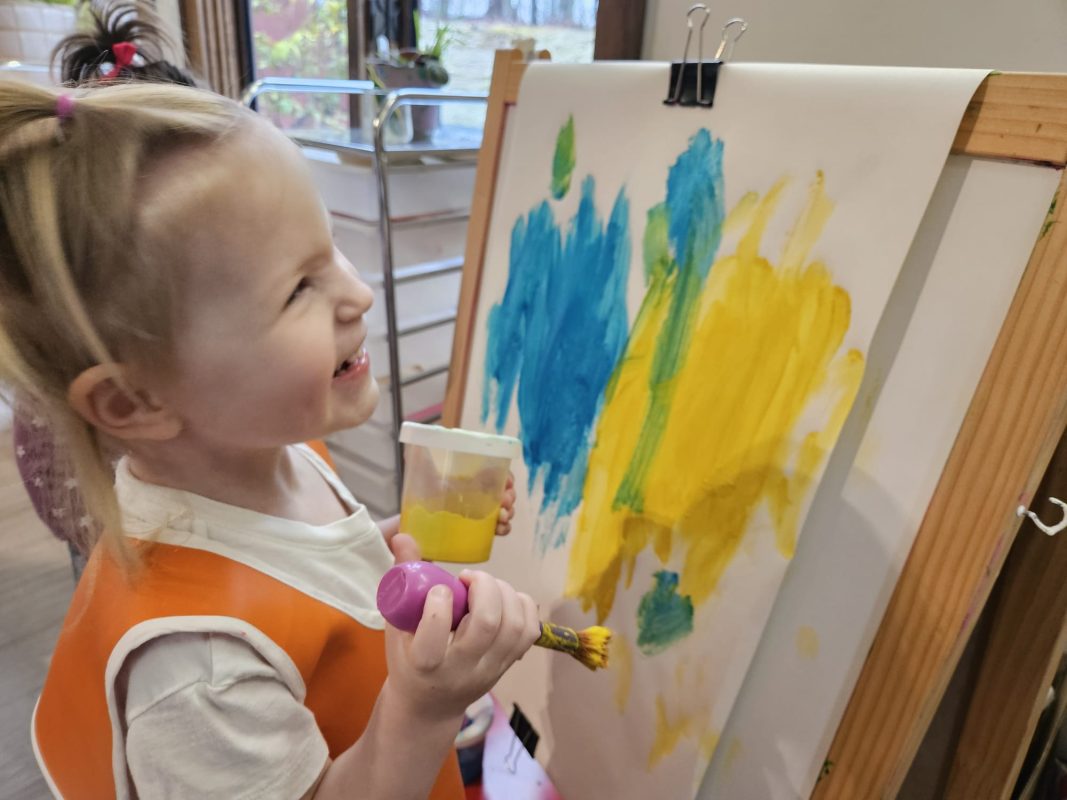
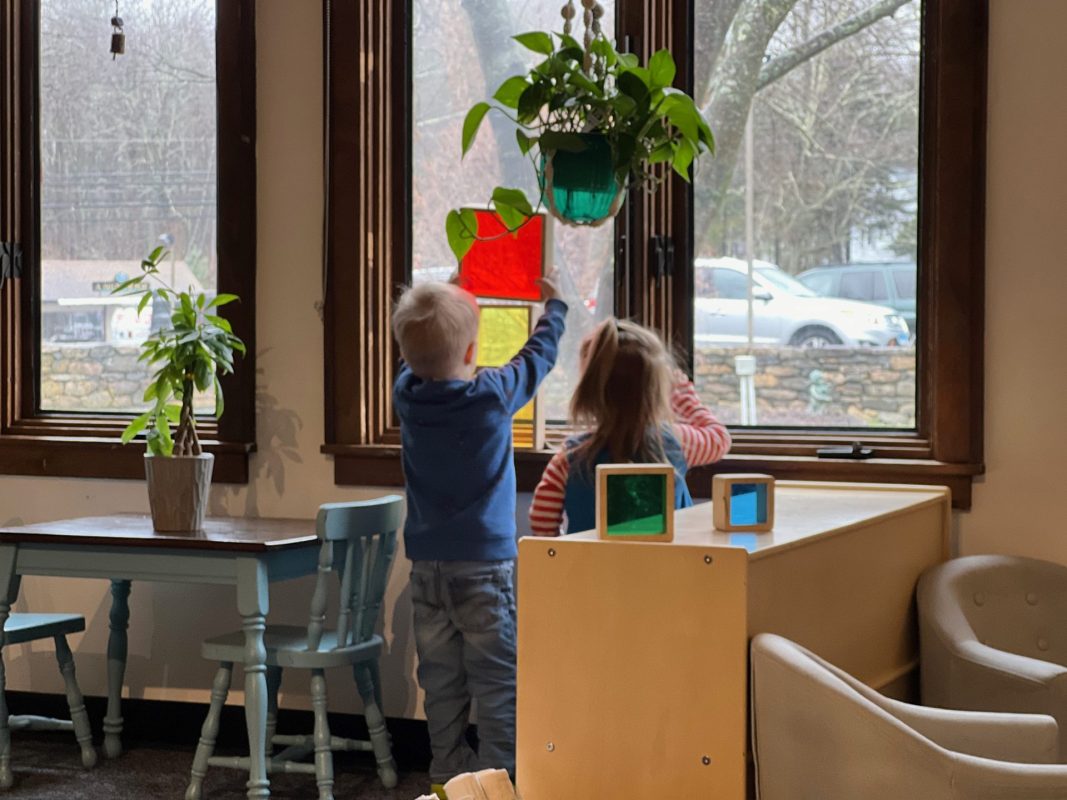
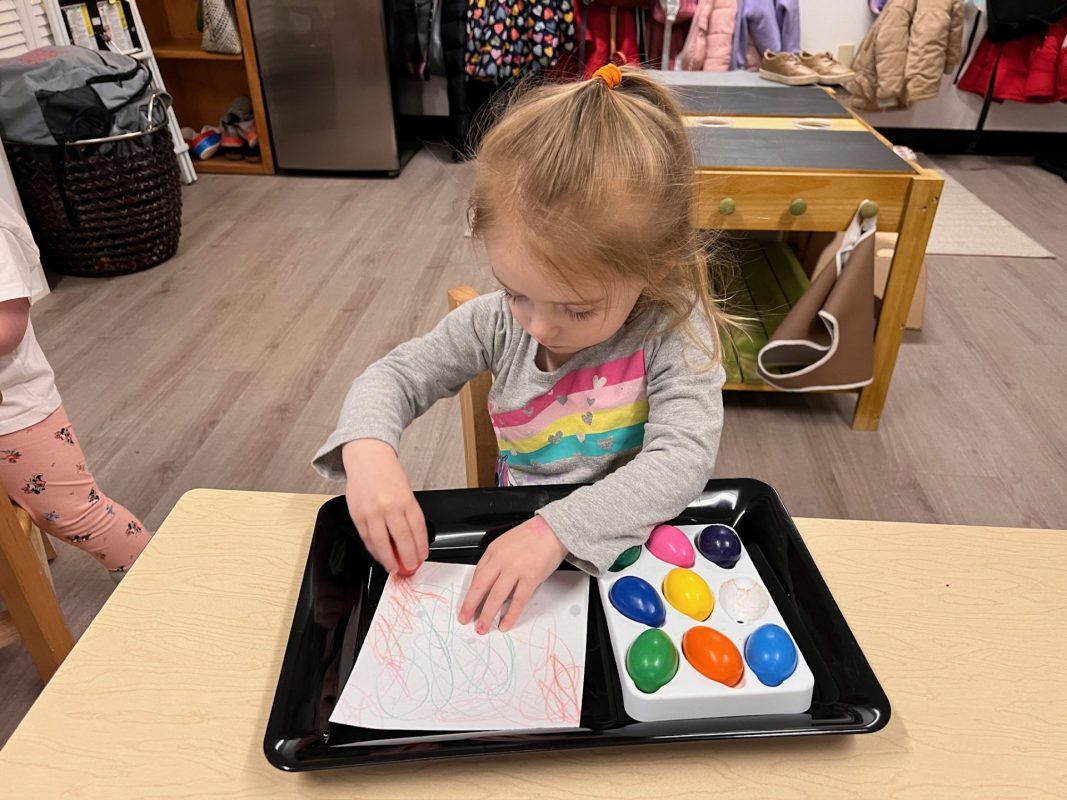
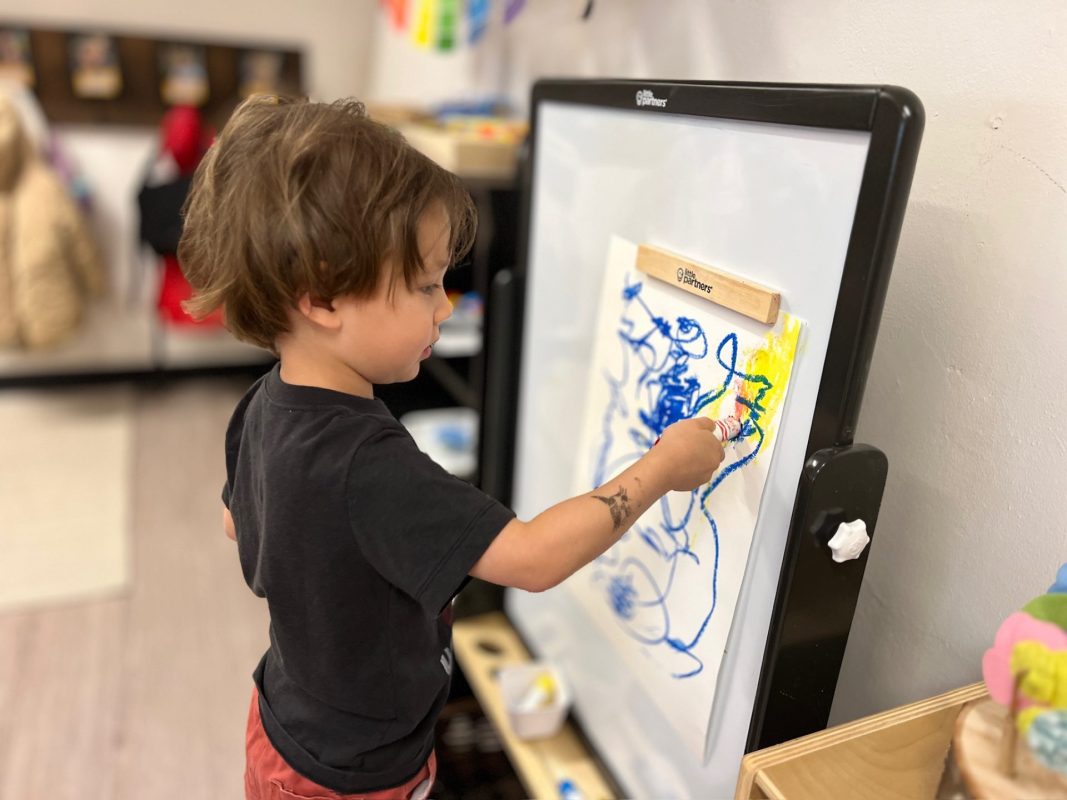
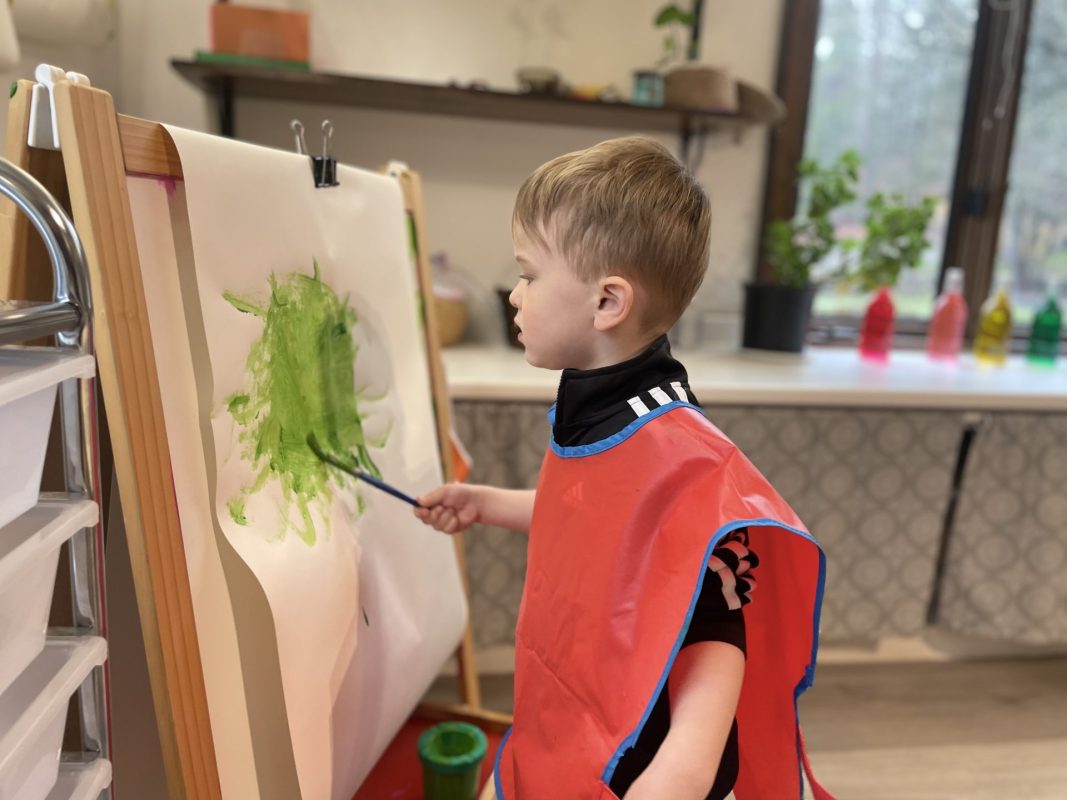
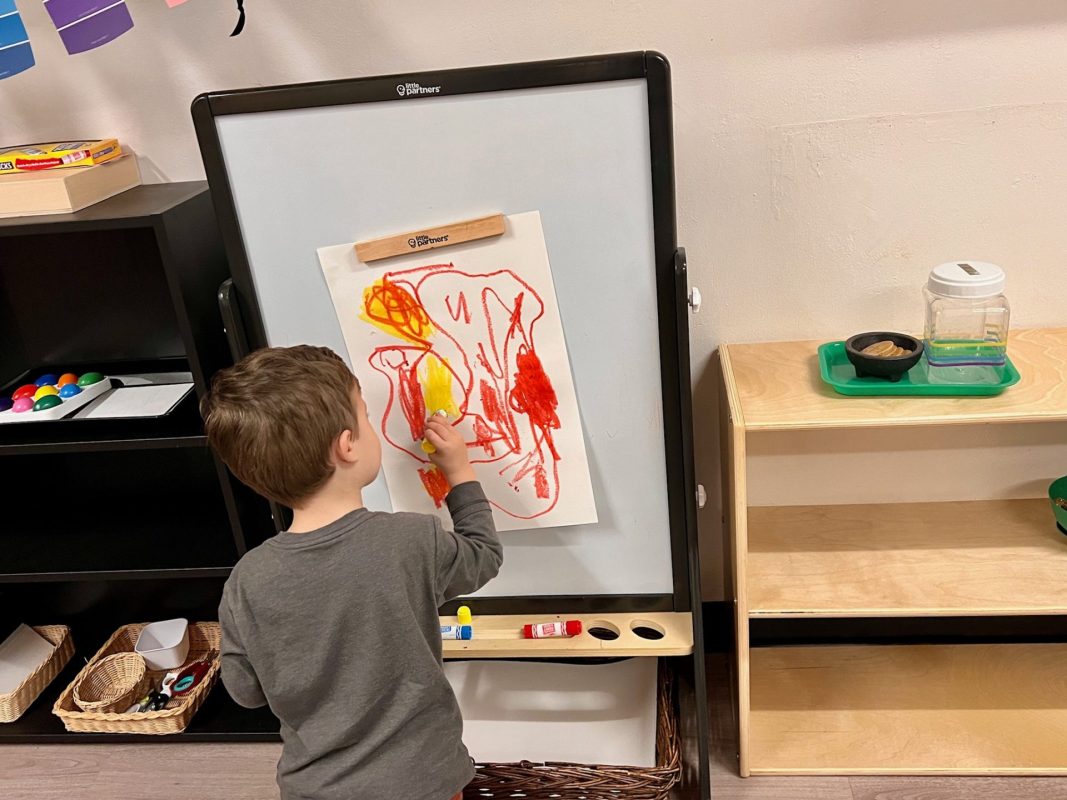
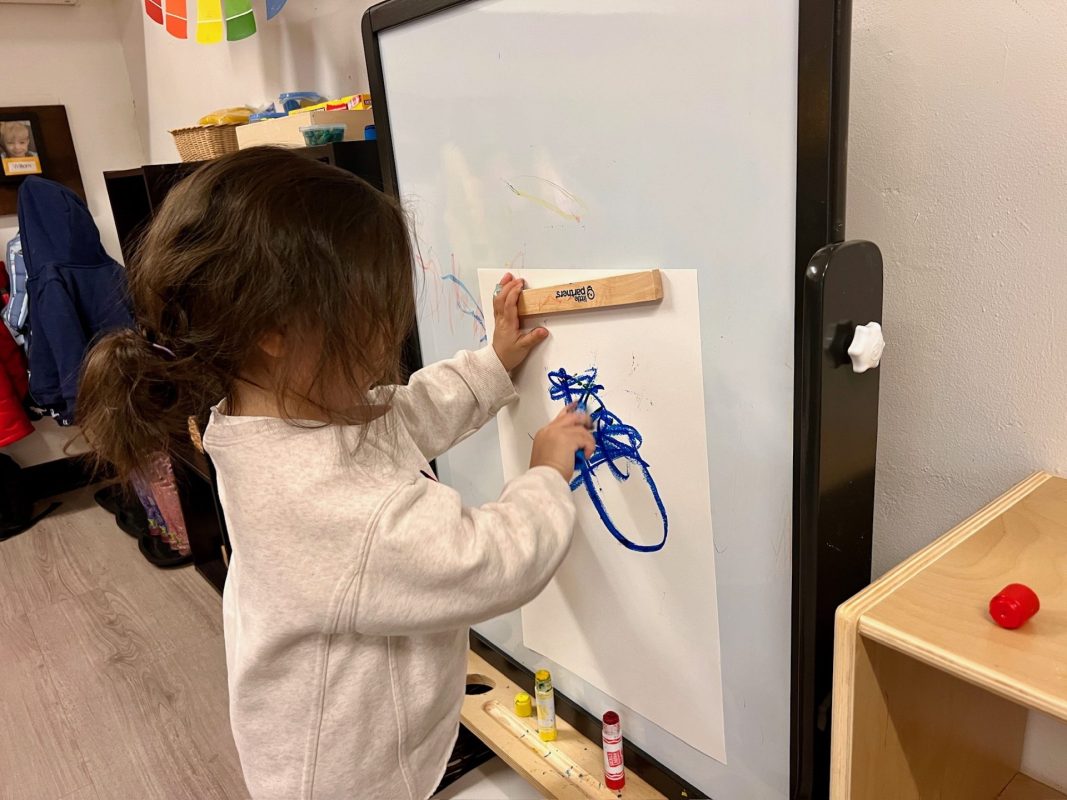
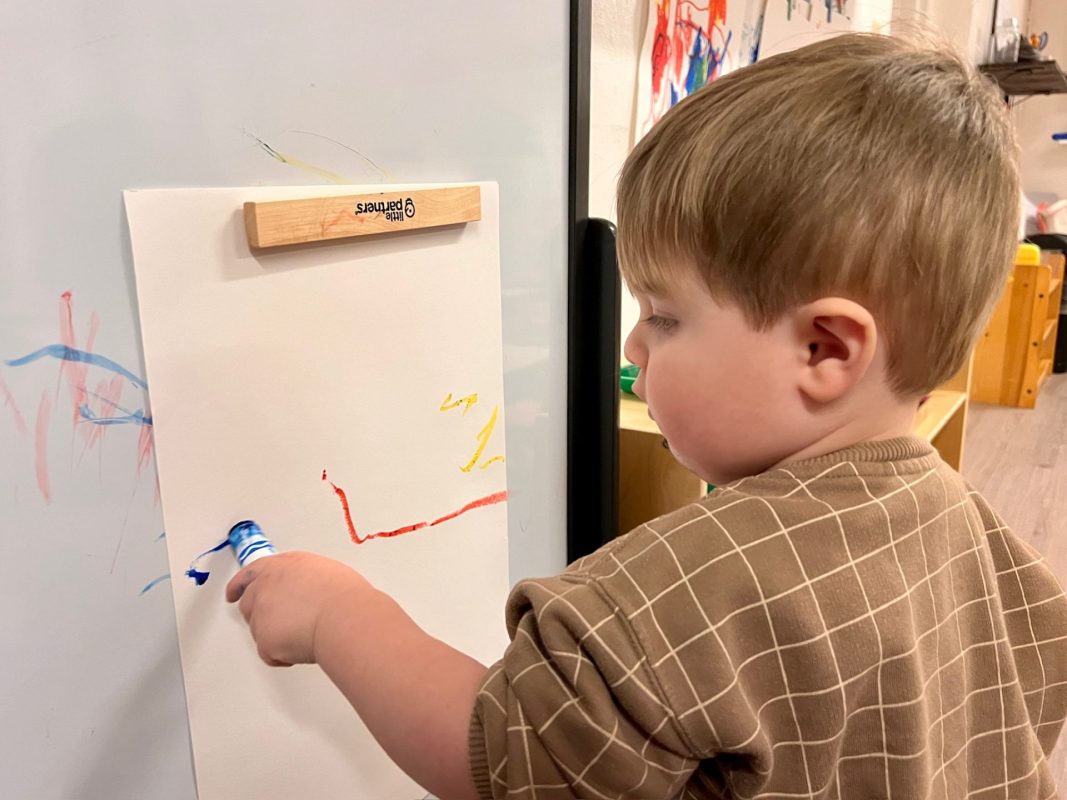
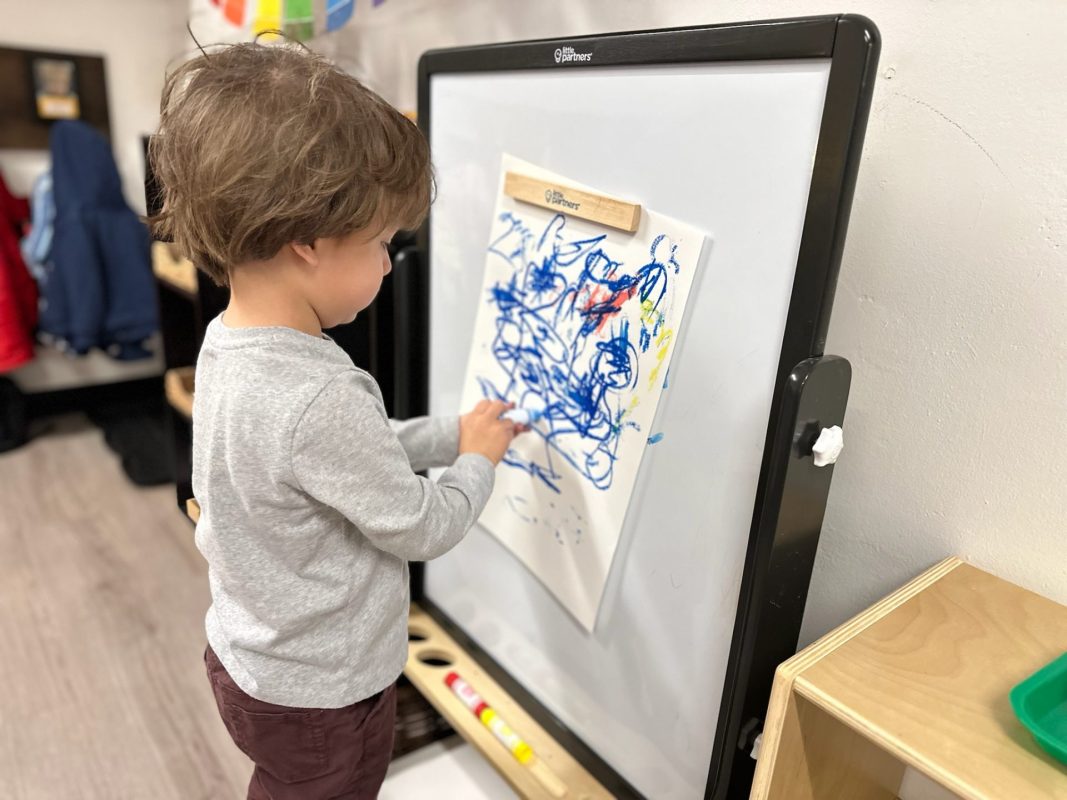
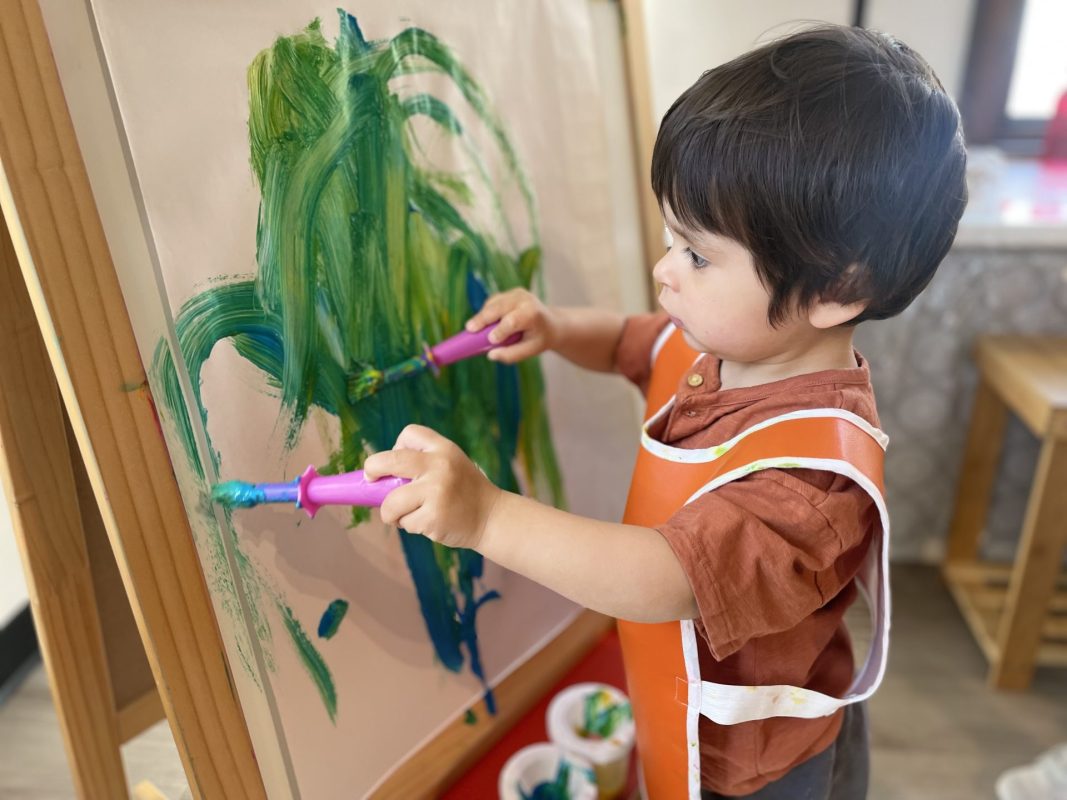
Based on our color studies, we introduced the concept of color mixing to the children this week. We gathered the children to circle and showed them what happens when you mix yellow with blue color. It was a magical moment! The children’s expressions were amazing! They couldn’t believe that we had made a new color. Their faces seemed to be in awe! Immediately, they were ready to take a turn at the easel and make the magic happen by themselves!

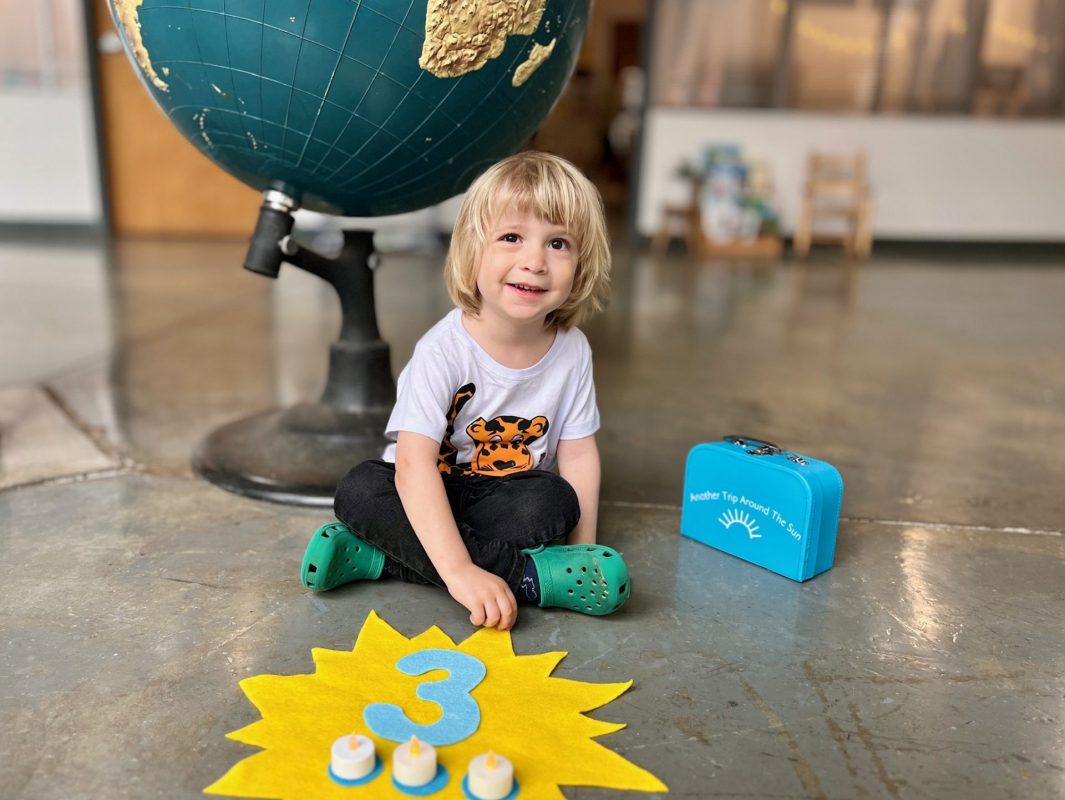
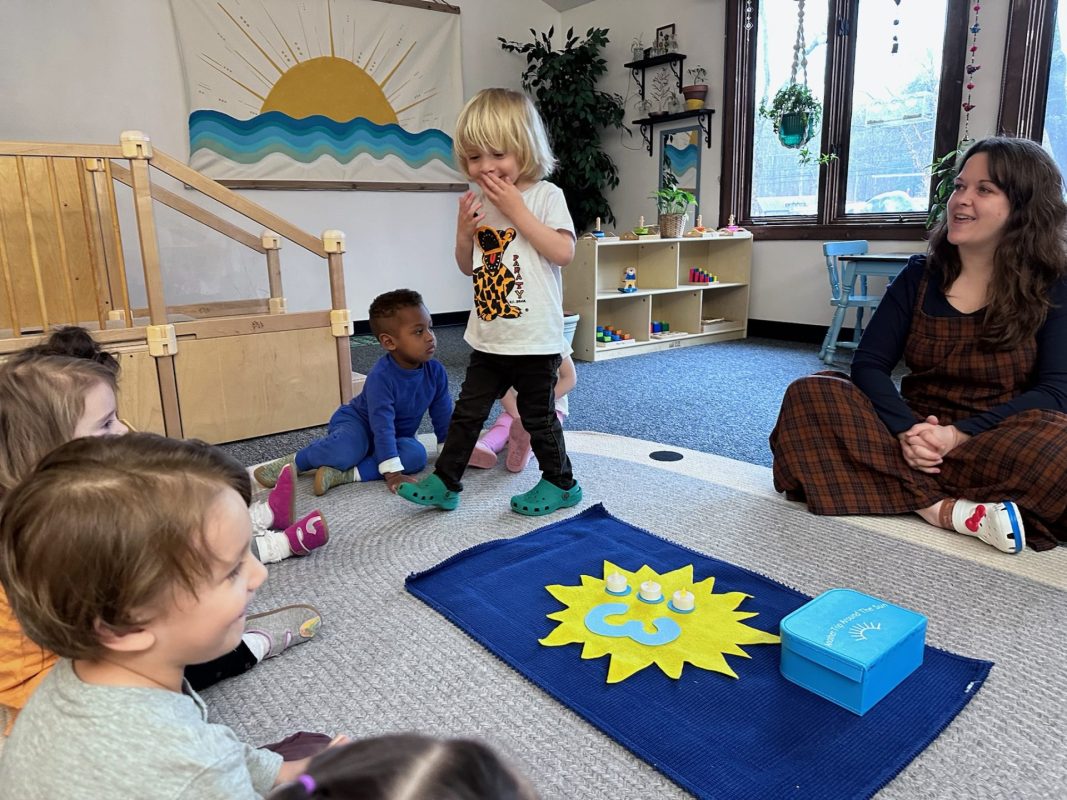
Lastly, we celebrated another 3-year-old birthday in our class! It’s always such a special day for all!

We hope you all have a wonderful weekend. If you are planning to visit a farm as a fun spring activity, please take the time to observe the chickens and talk with your toddler about what you see.

Best,

Mrs. Hood and Ms. Mollie 


Mrs.Wilson: Welcome Spring?

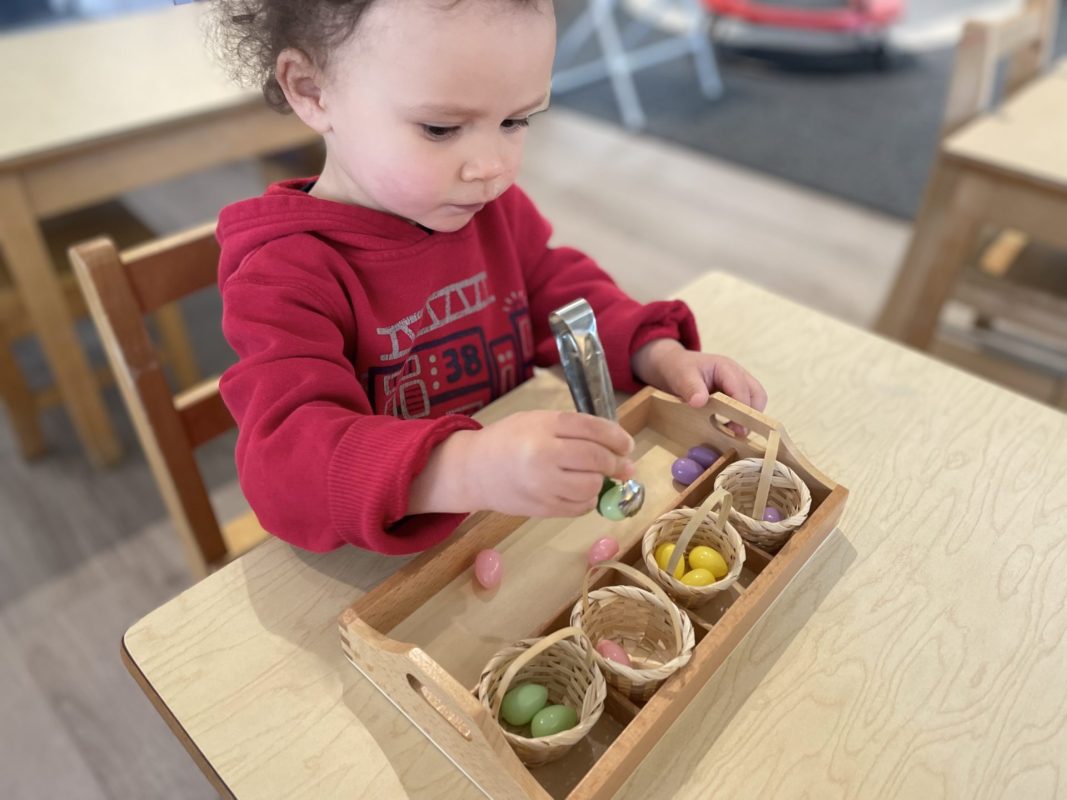
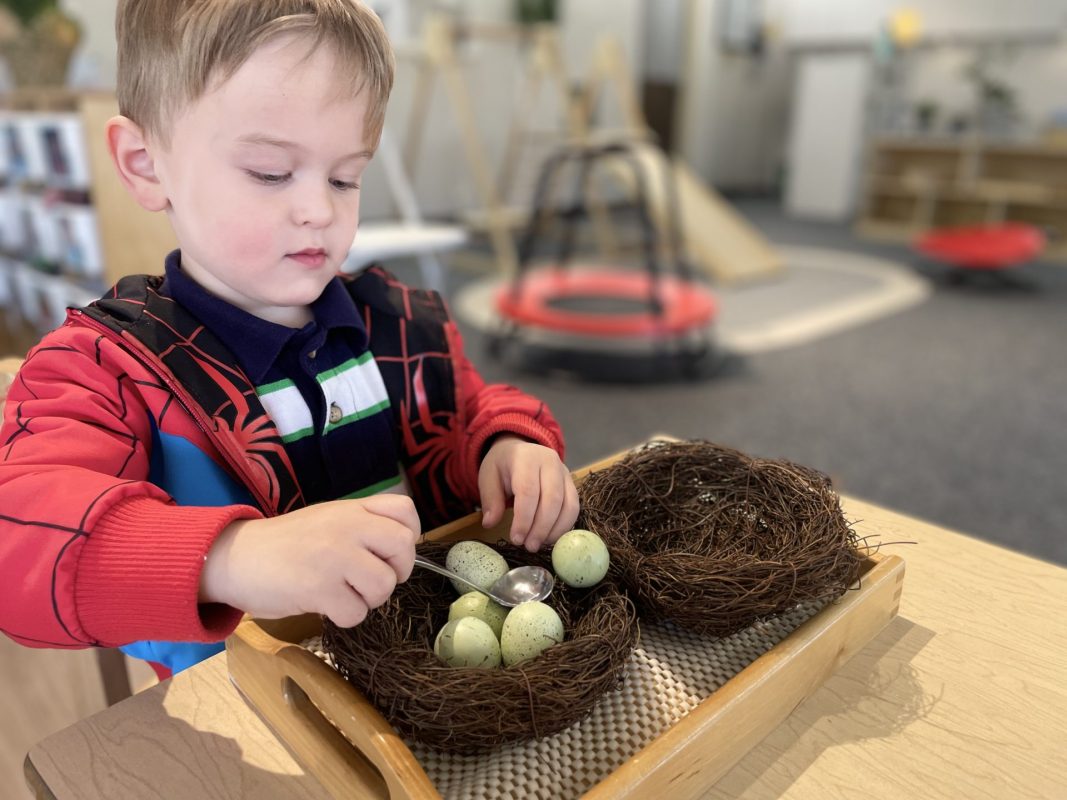
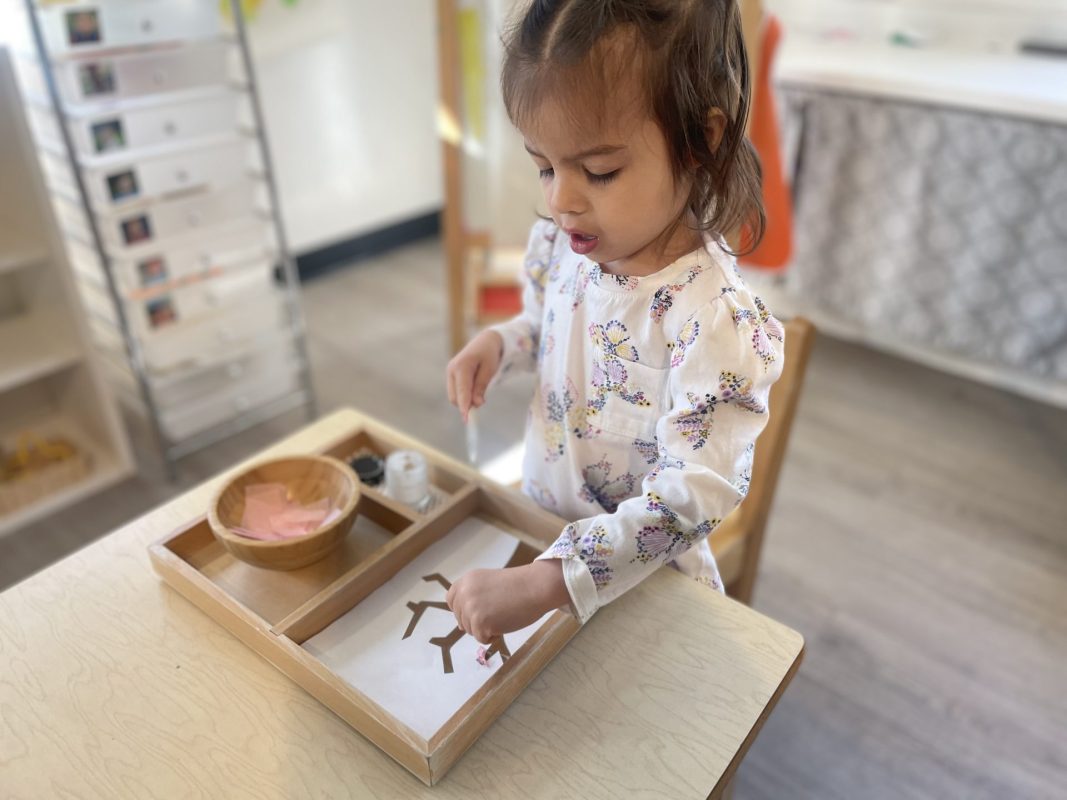
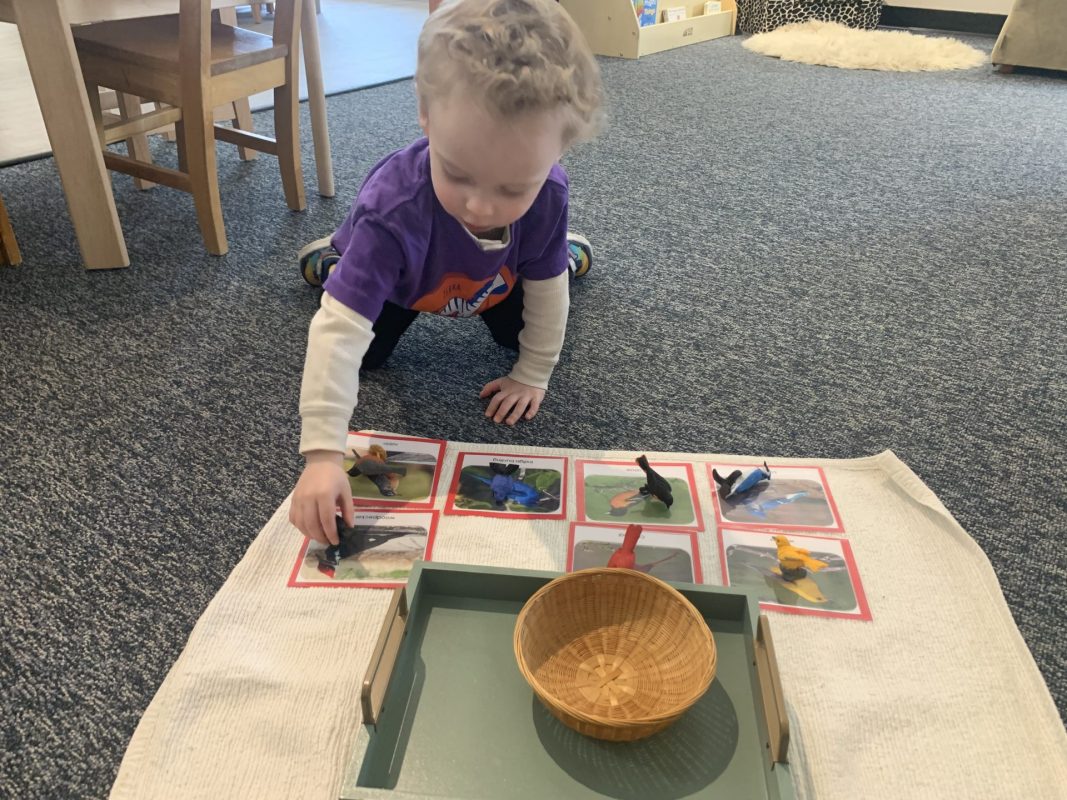
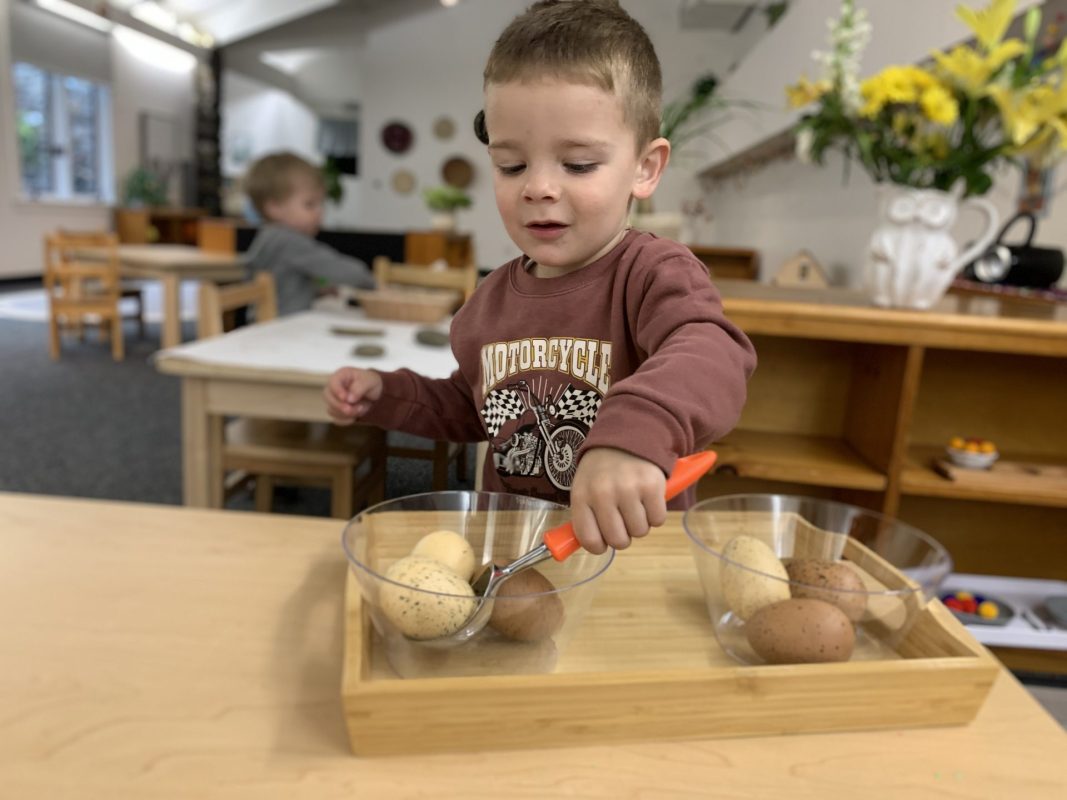
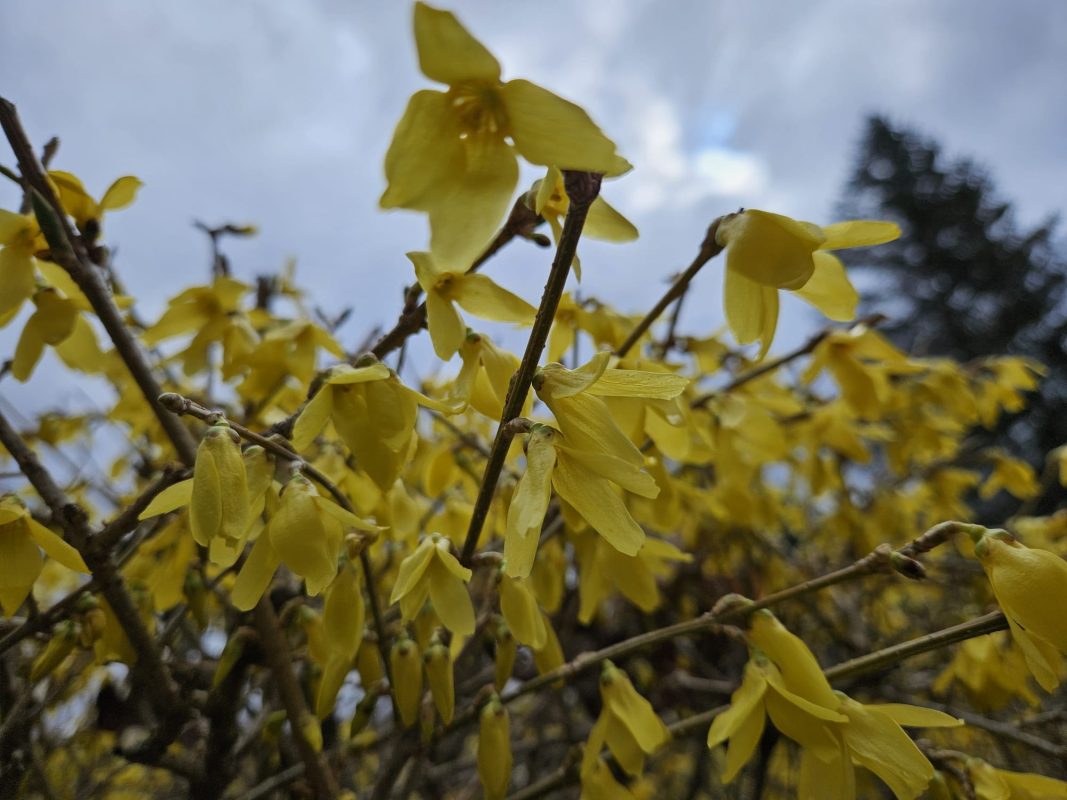
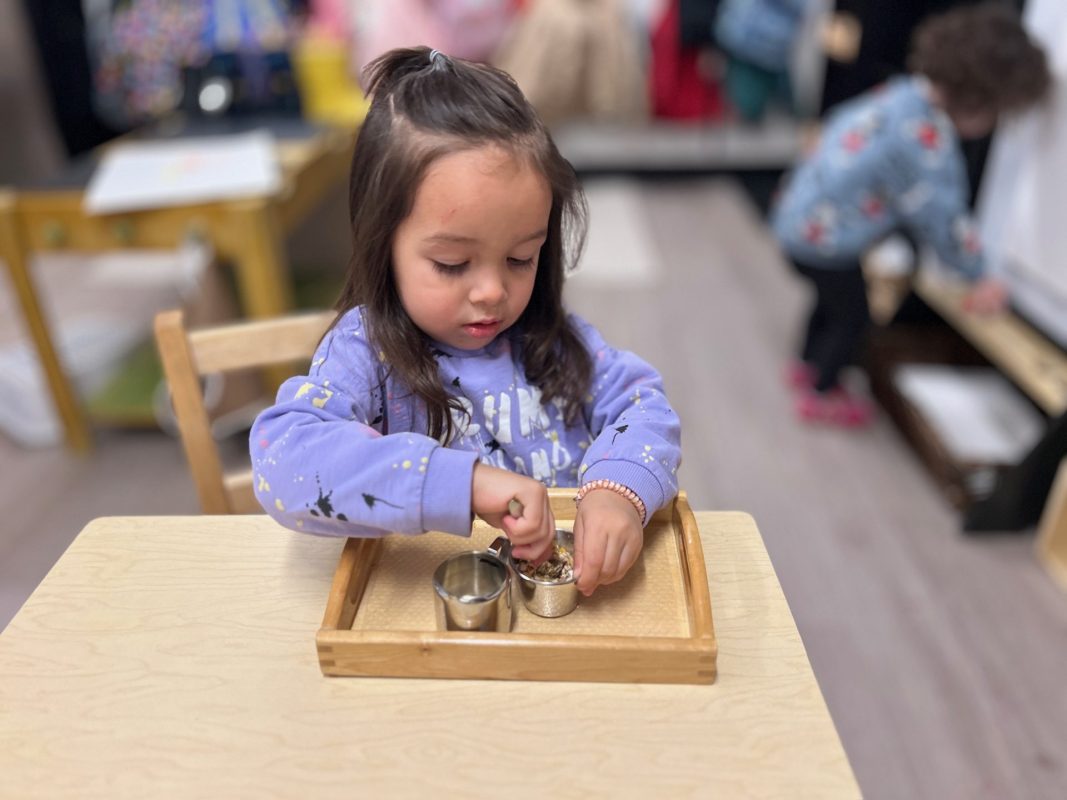
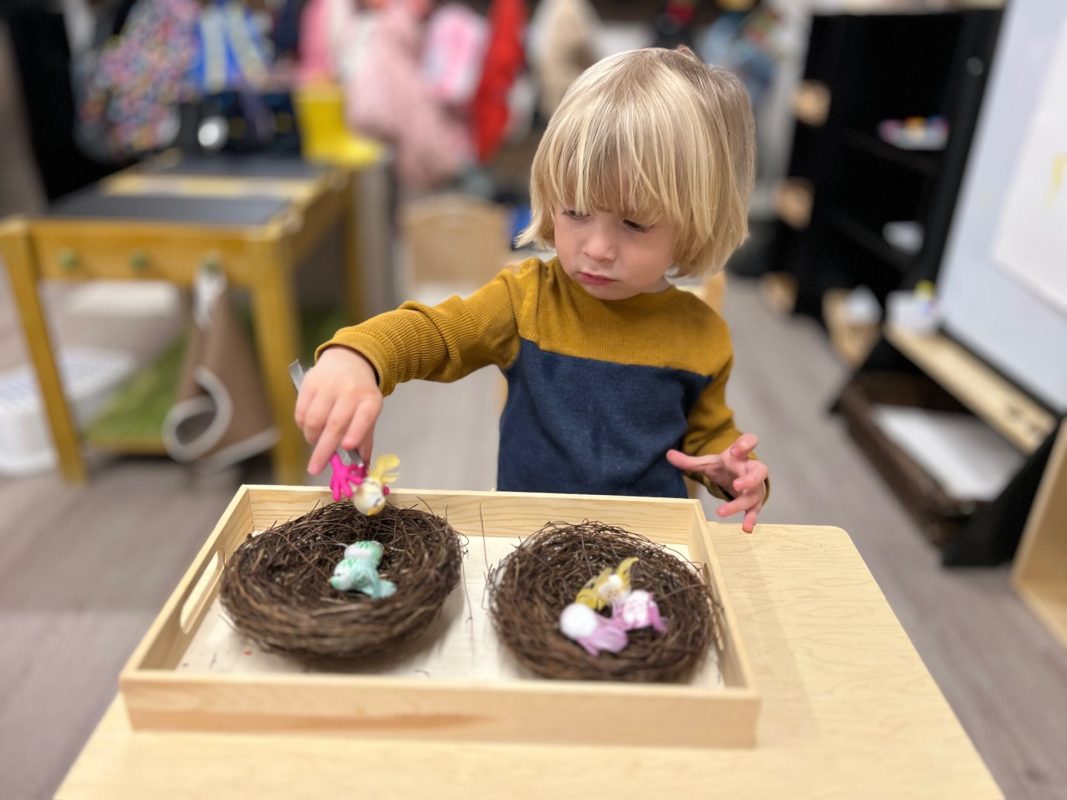
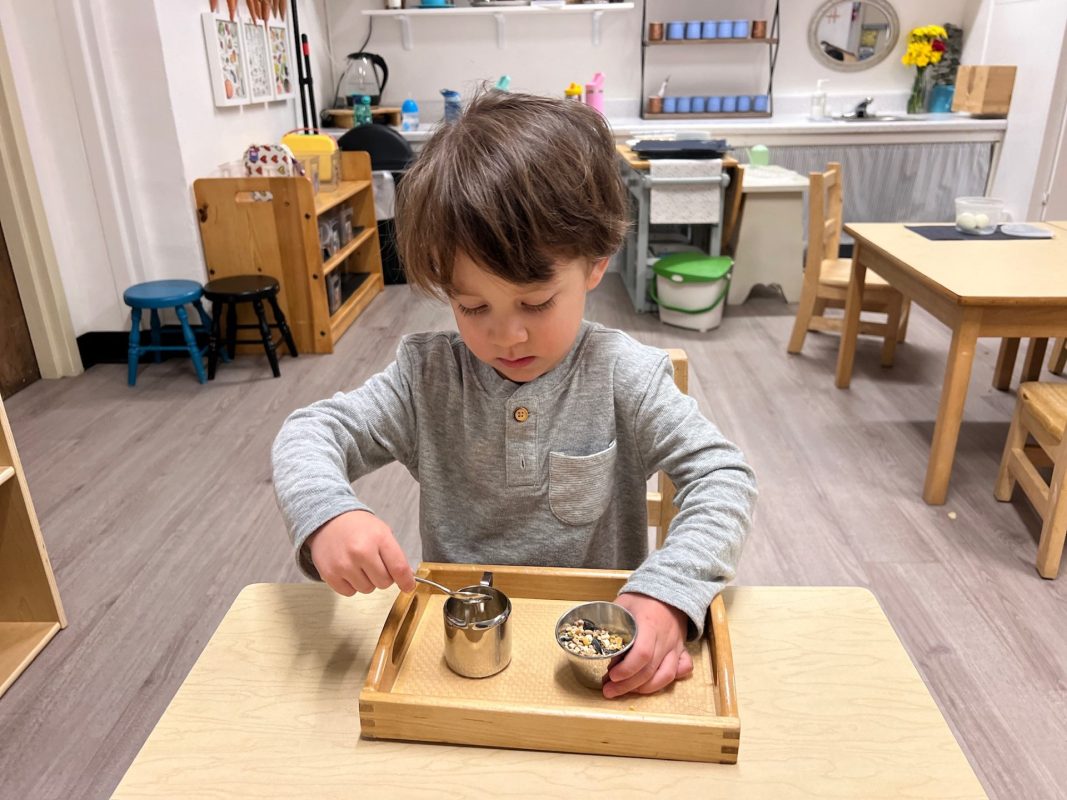
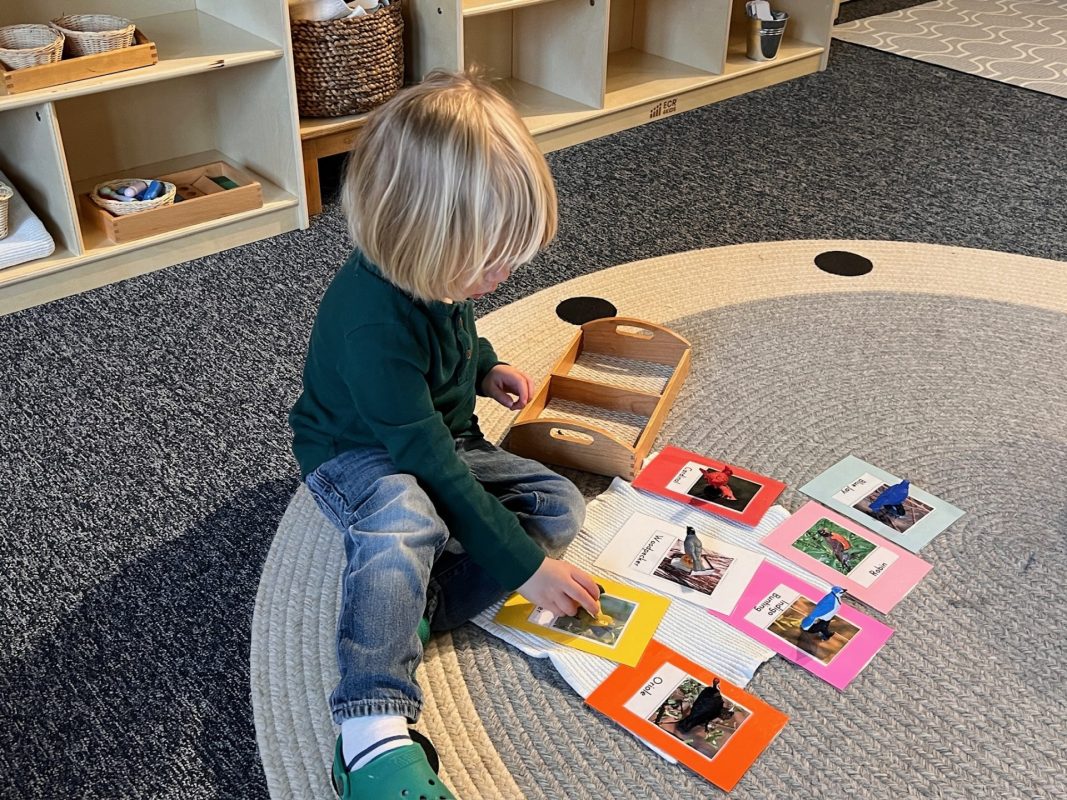
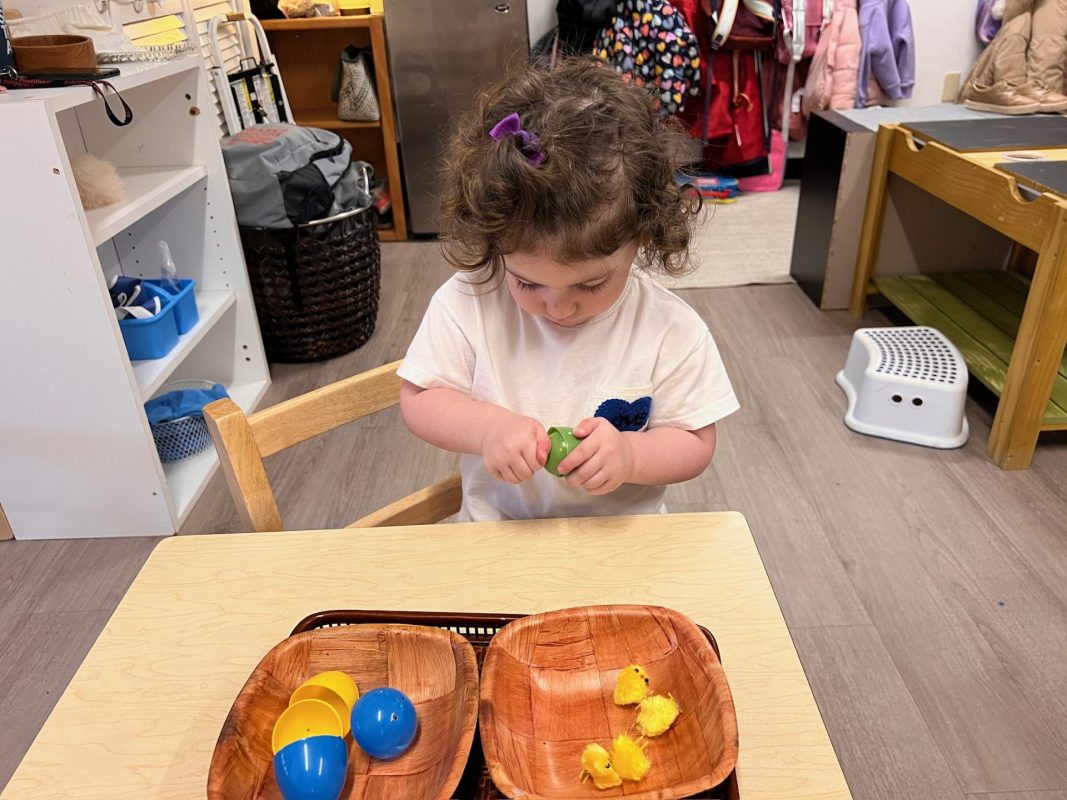
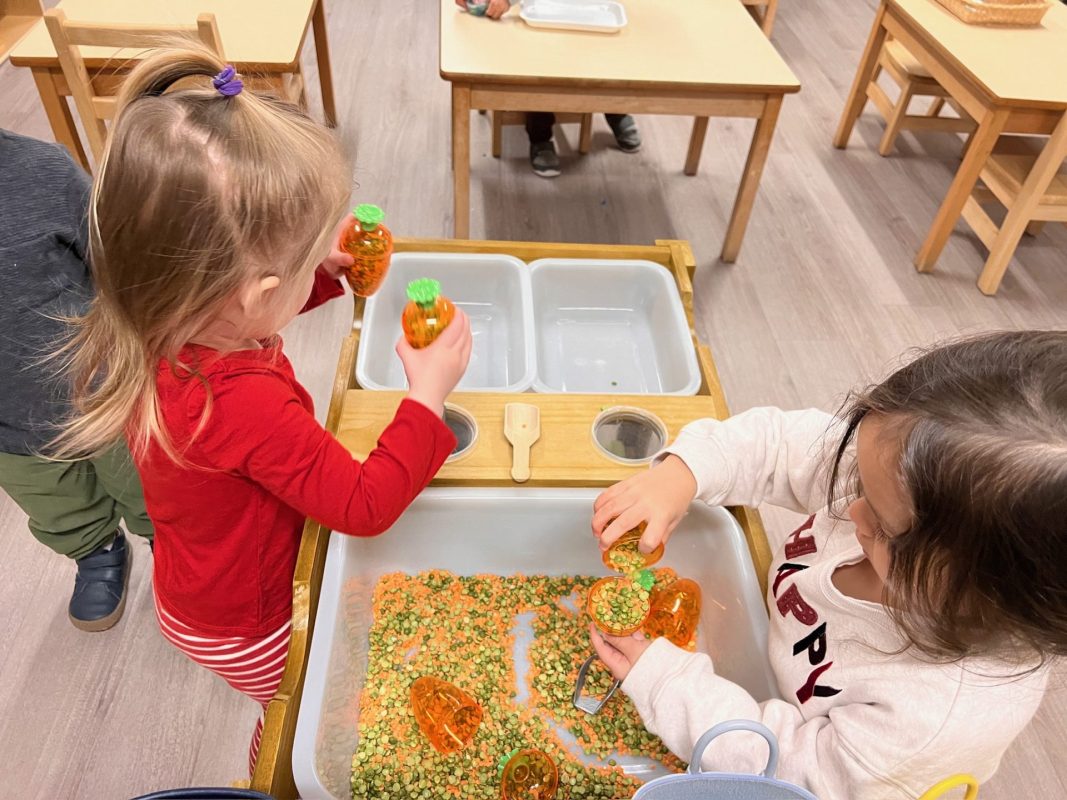
Although the weather didn’t quite match the springtime vibe, we’ve transformed our classroom into a lively celebration of the season. Through hands-on activities with seeds, eggs, and birds, we’re immersing the children in all things spring. In the weeks ahead, they’ll discover the world of backyard birds and learn how to care for them by refilling feeders and providing fresh water.

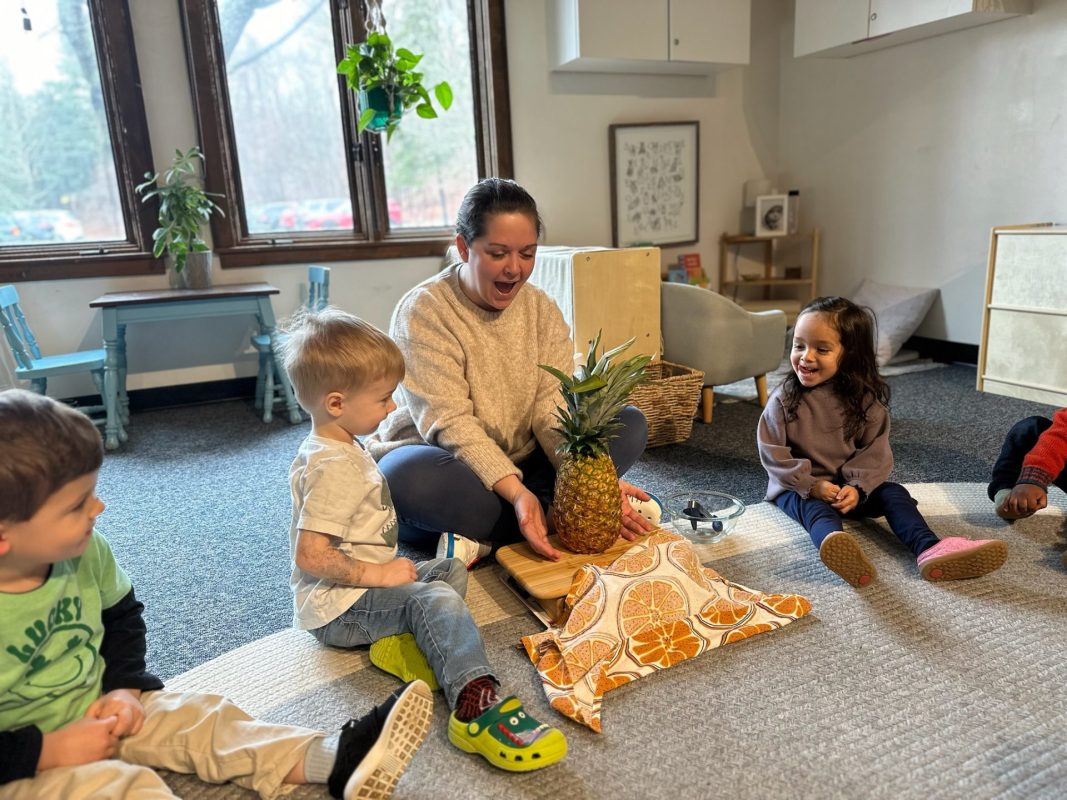
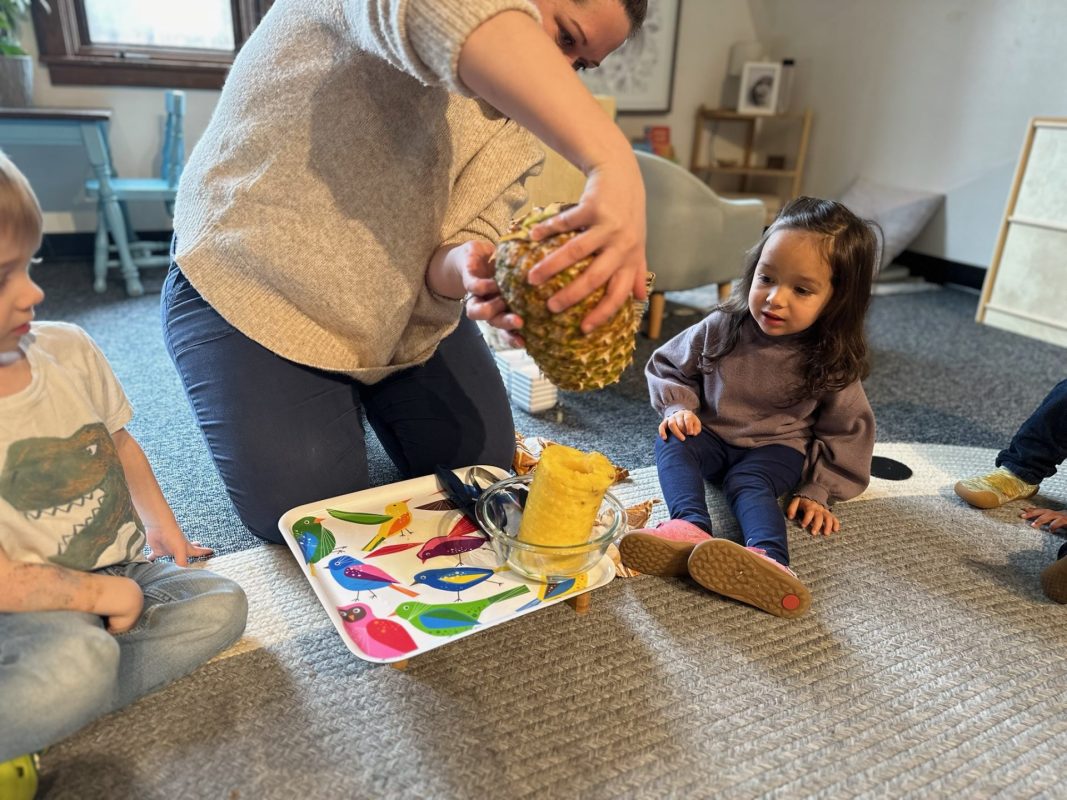
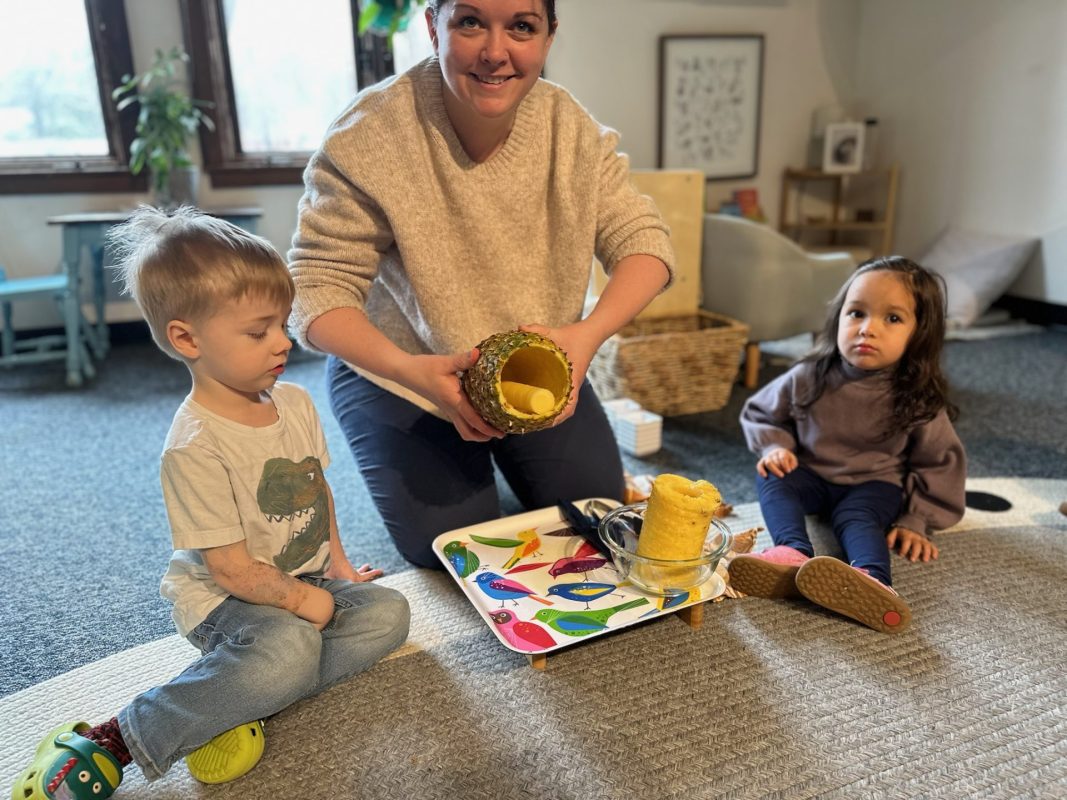
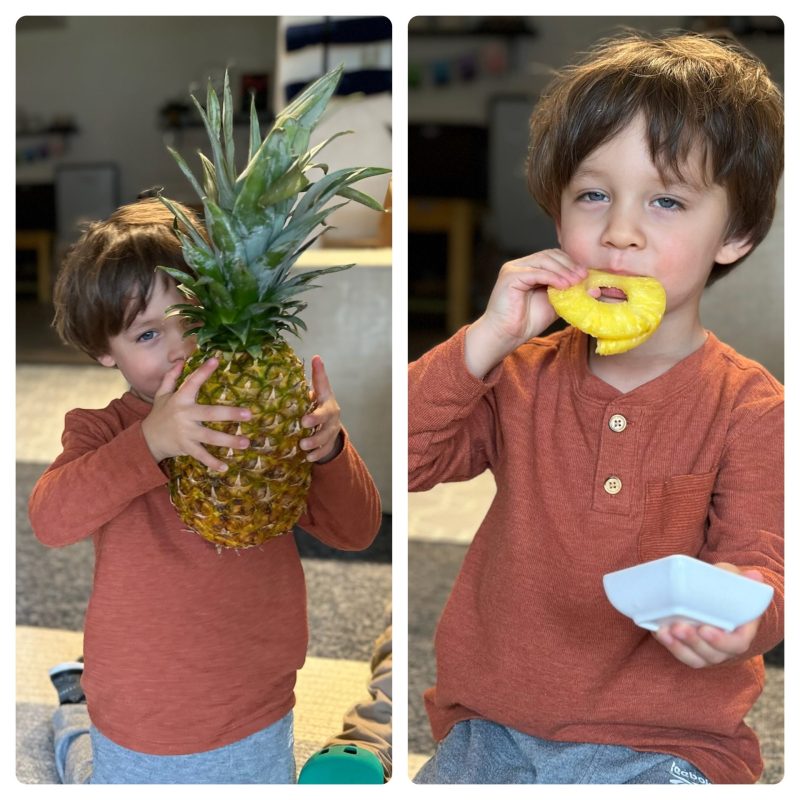
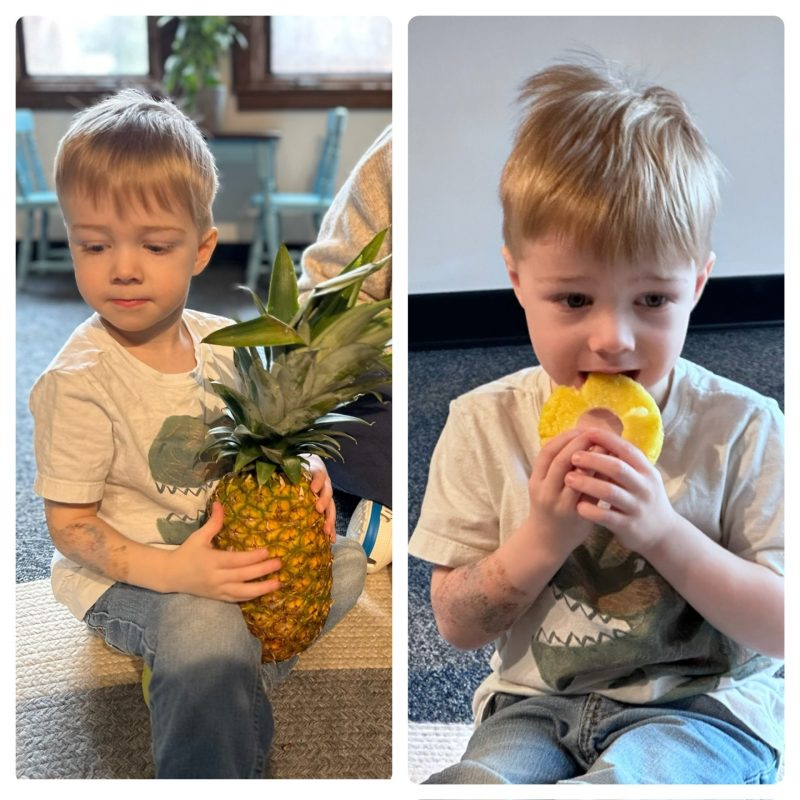
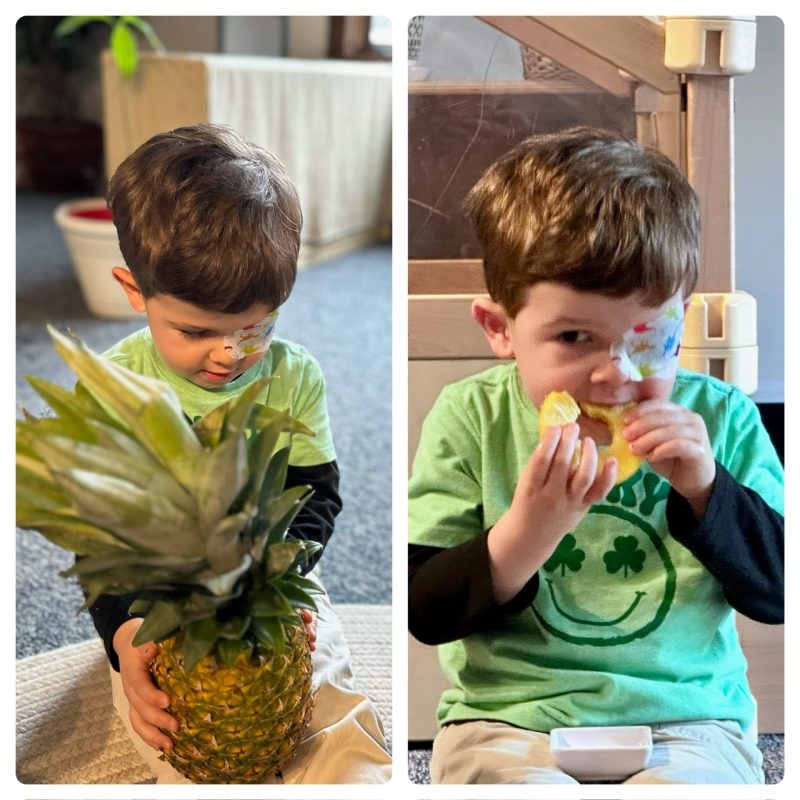
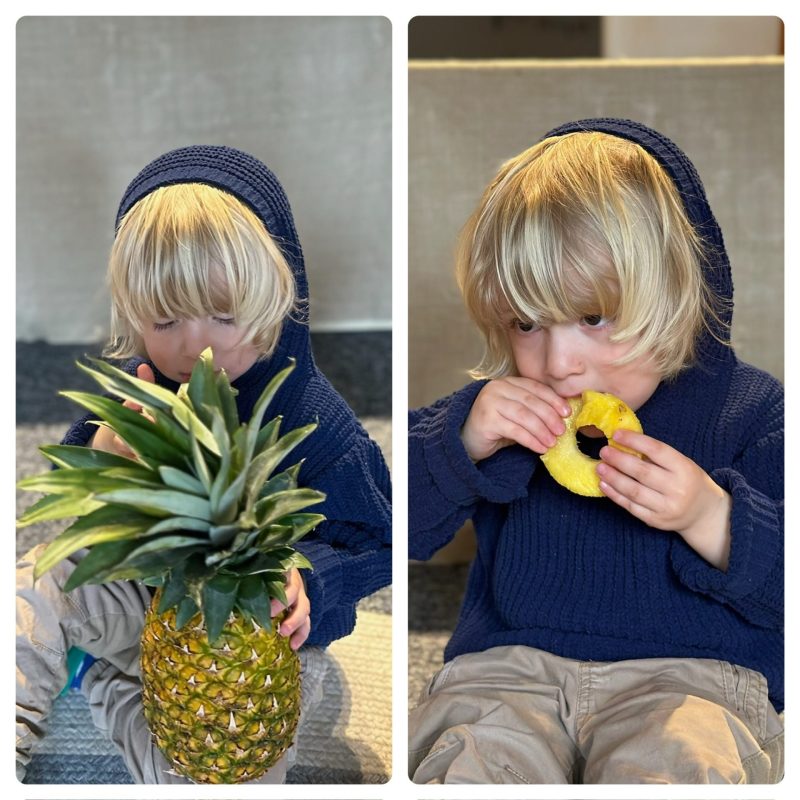
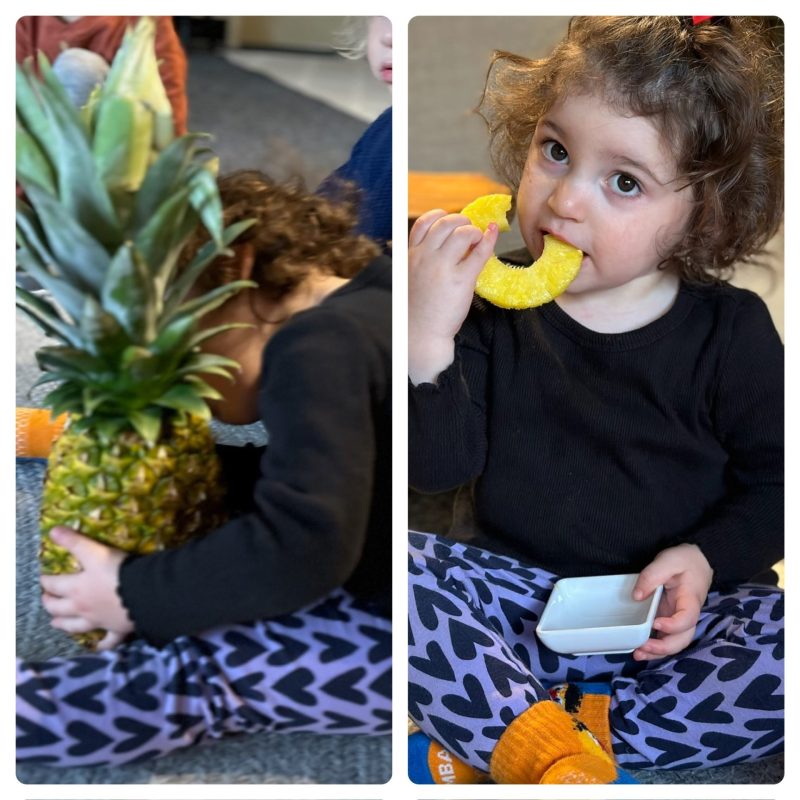
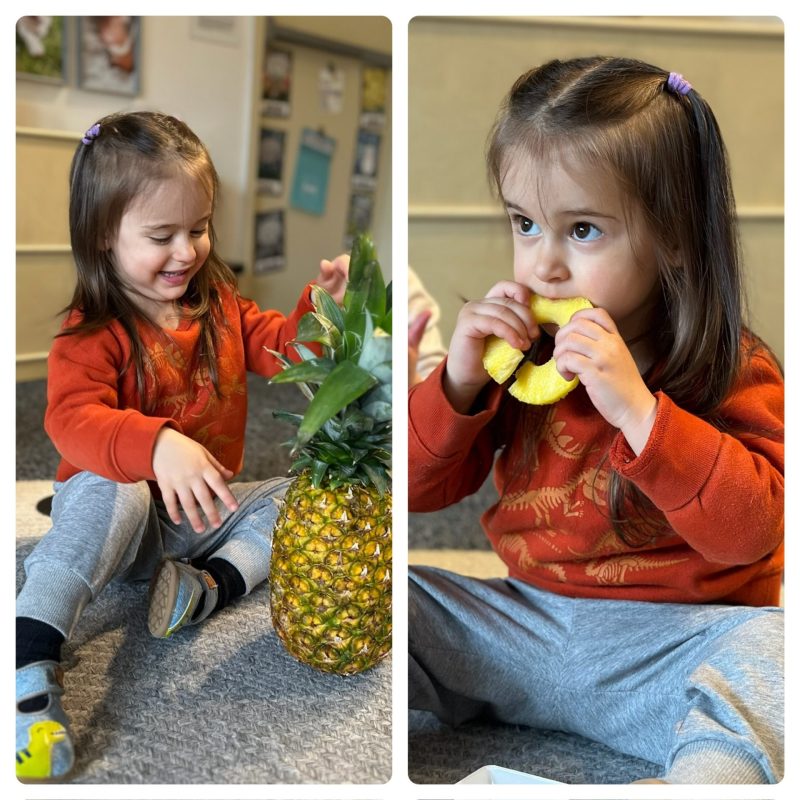
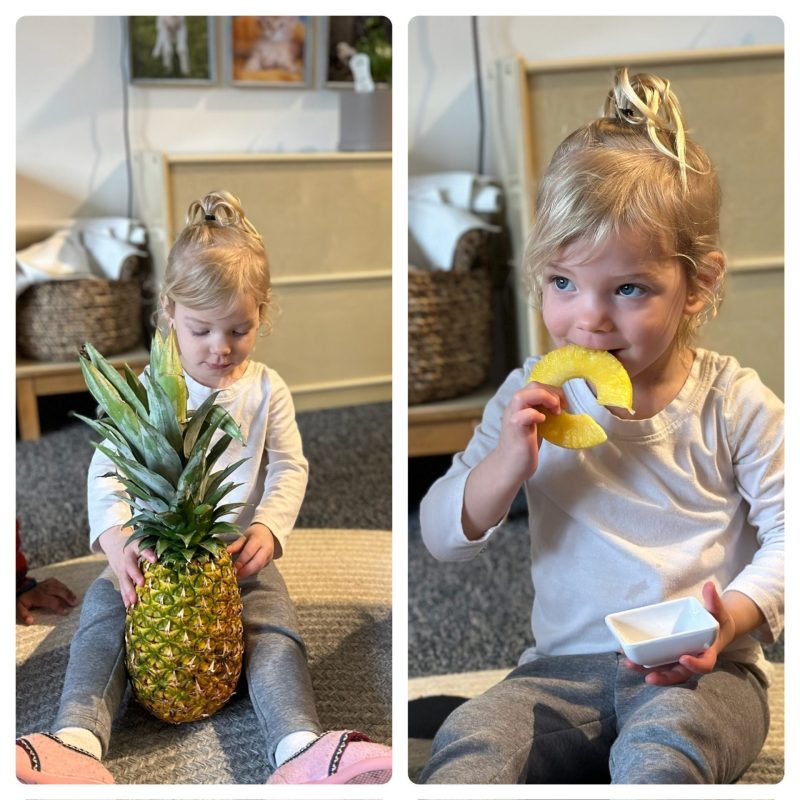
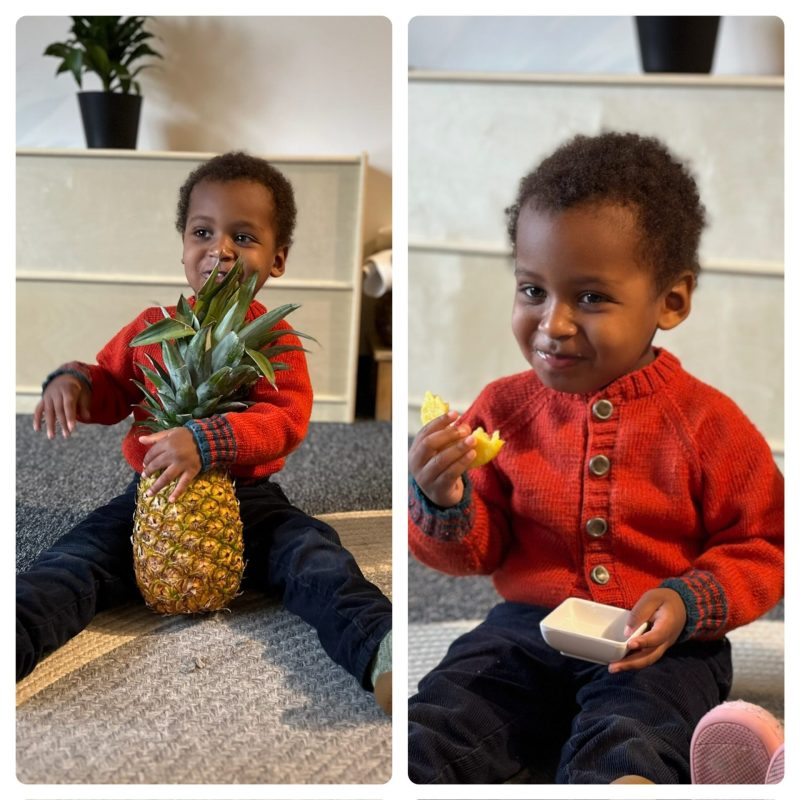
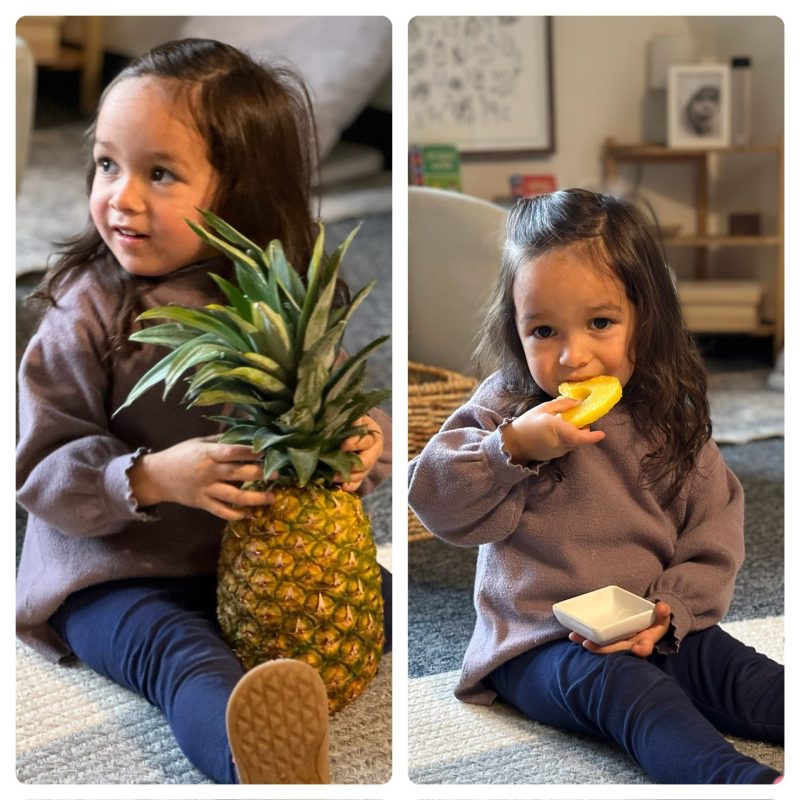
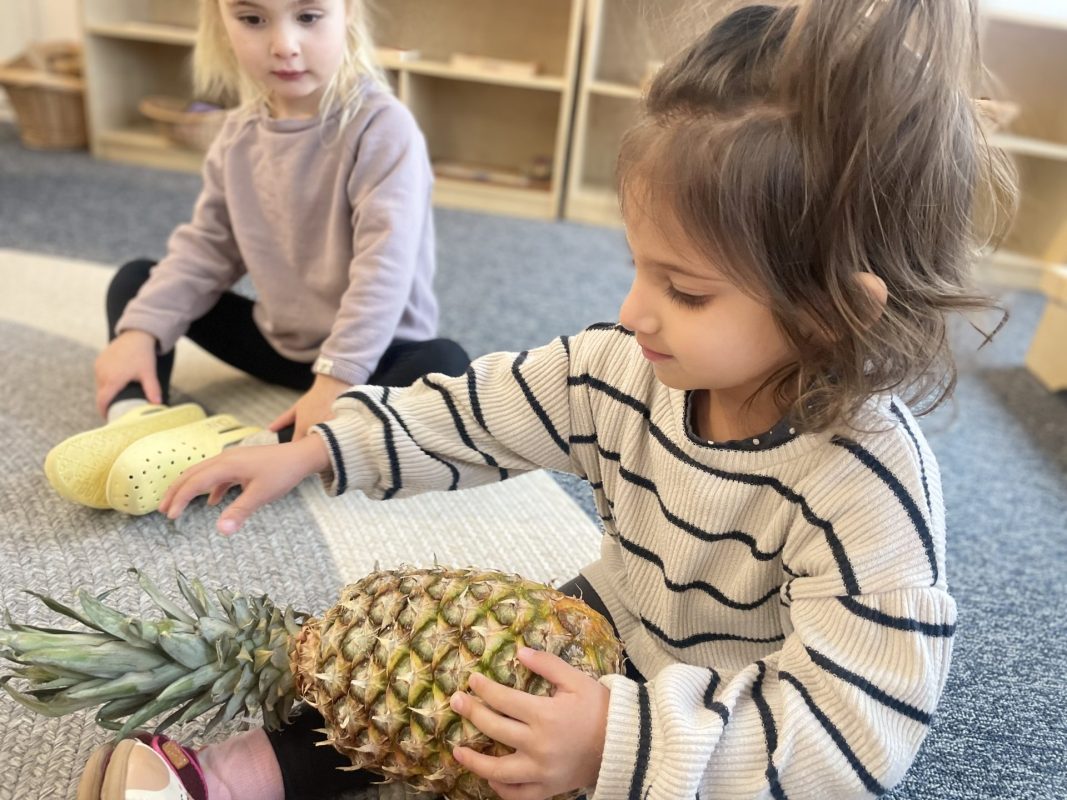
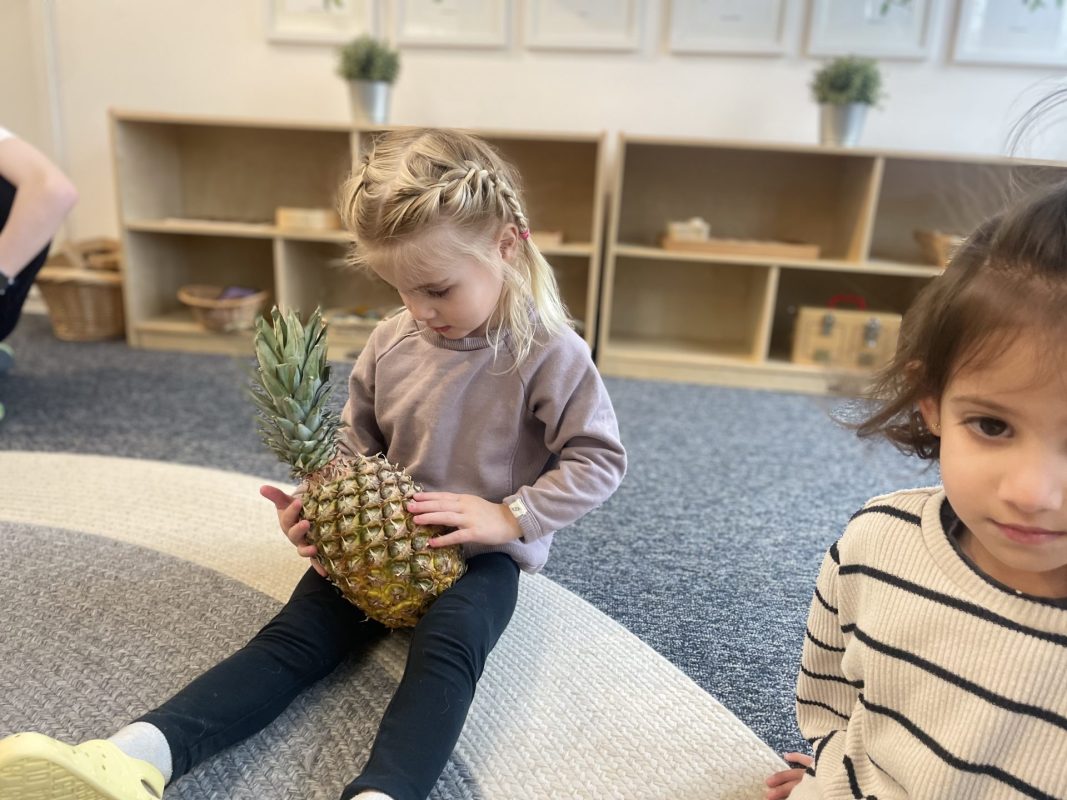
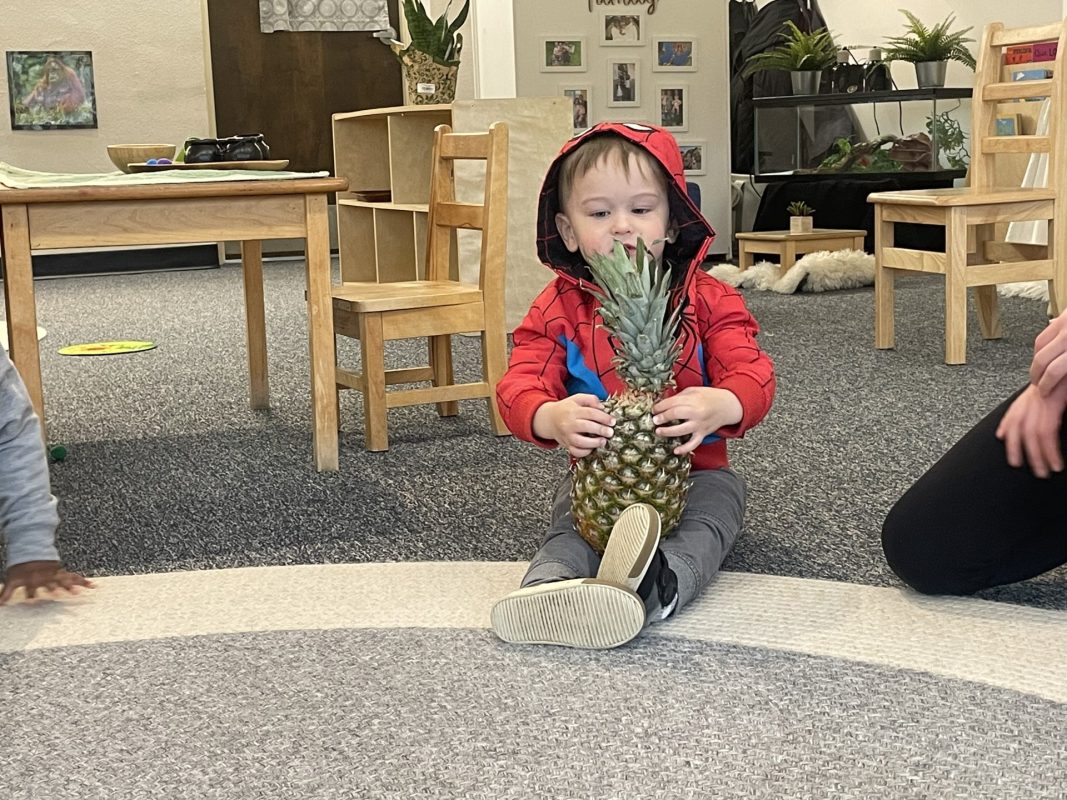
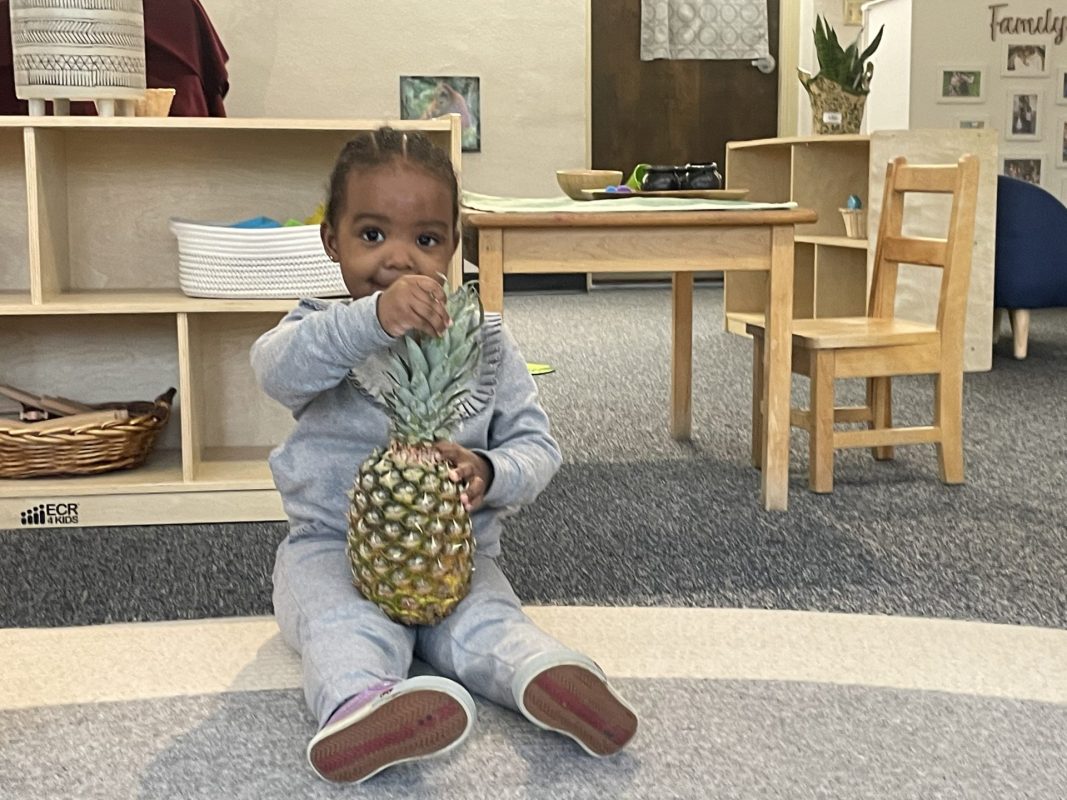
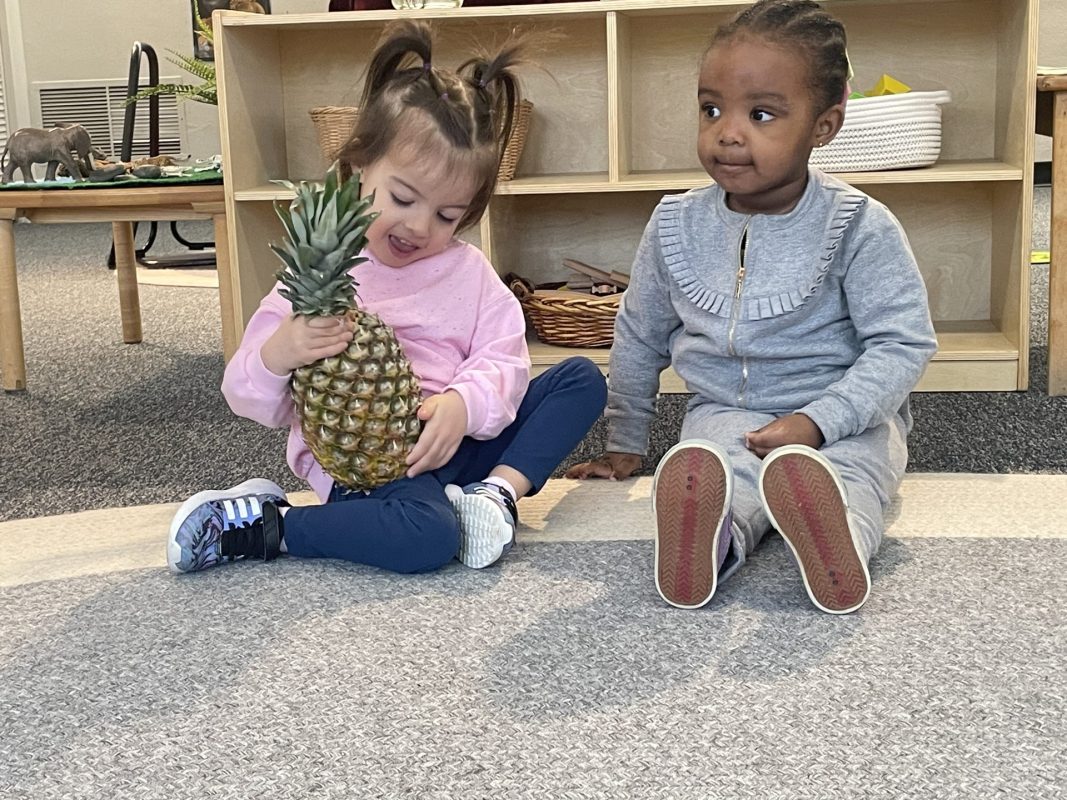
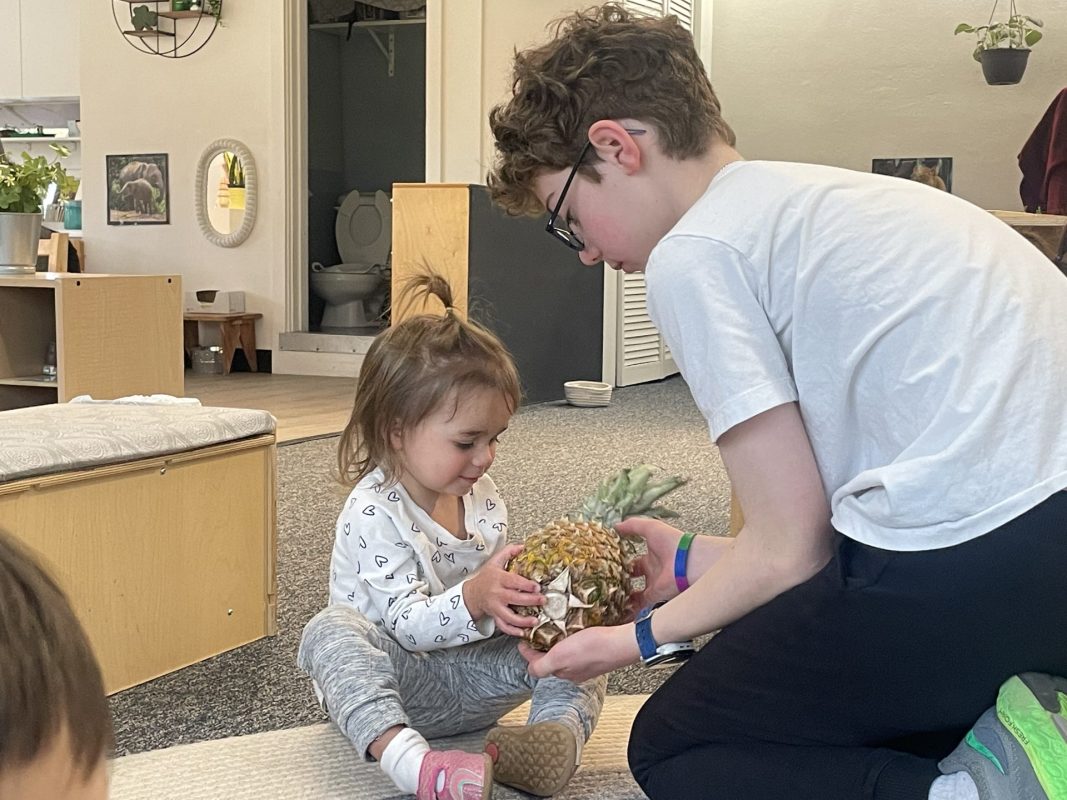
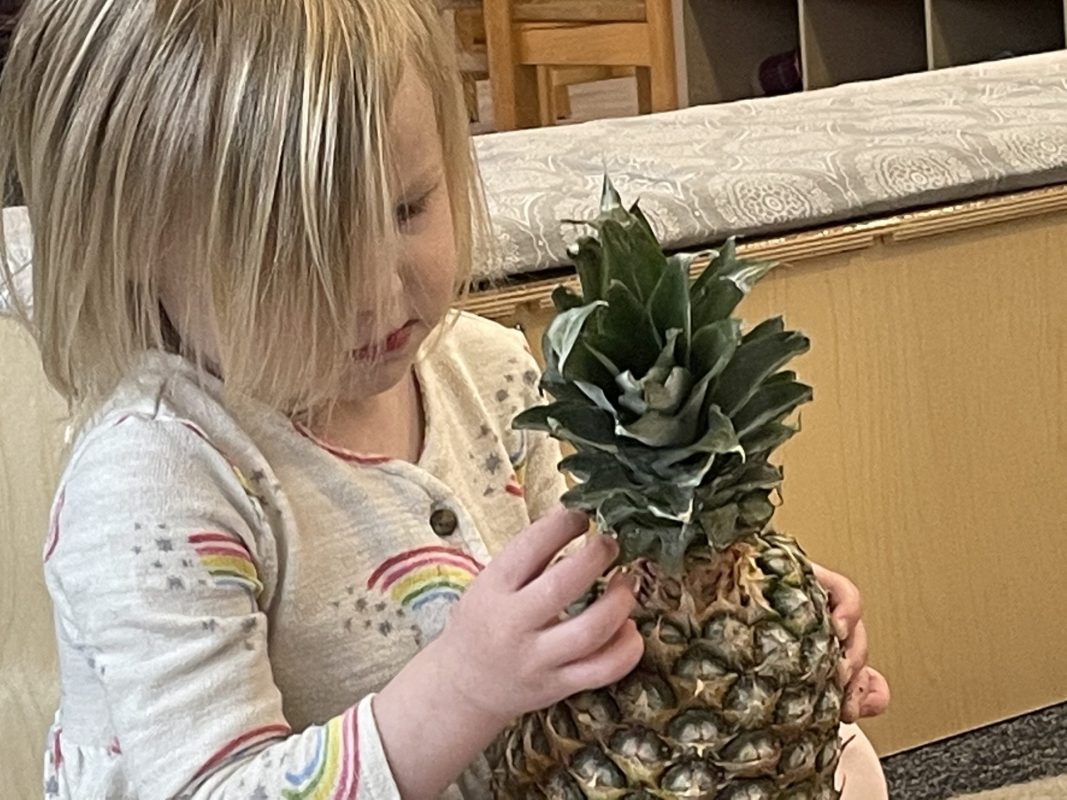
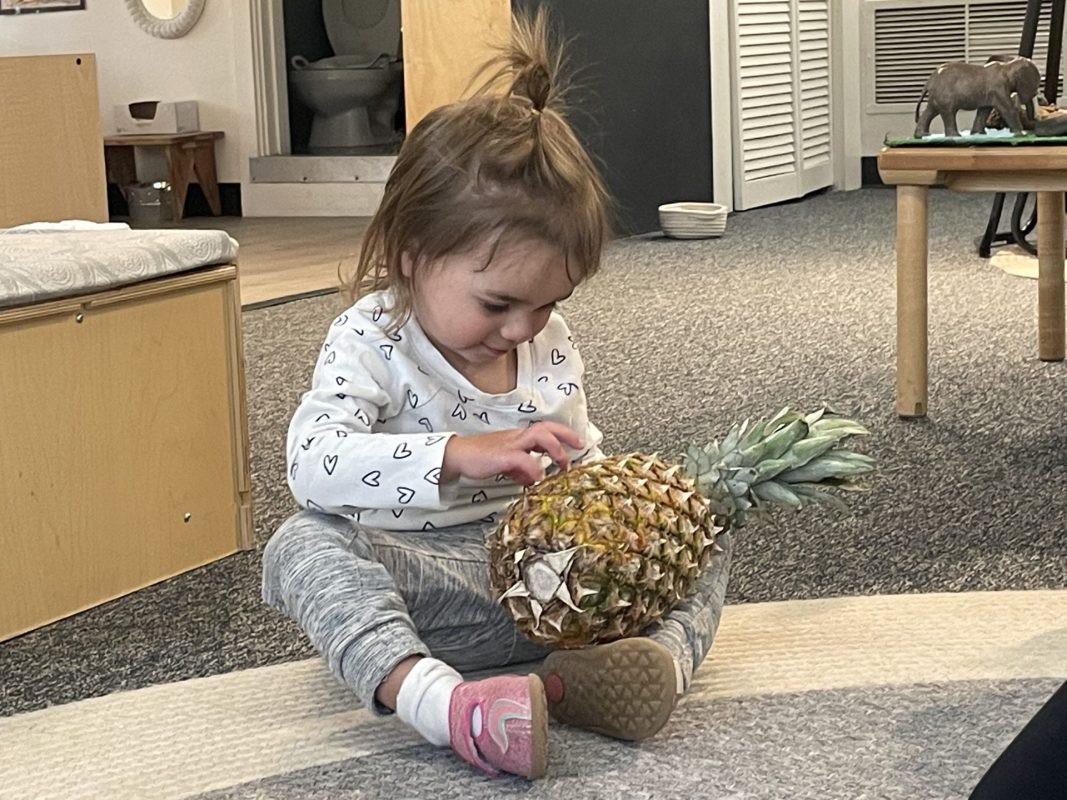
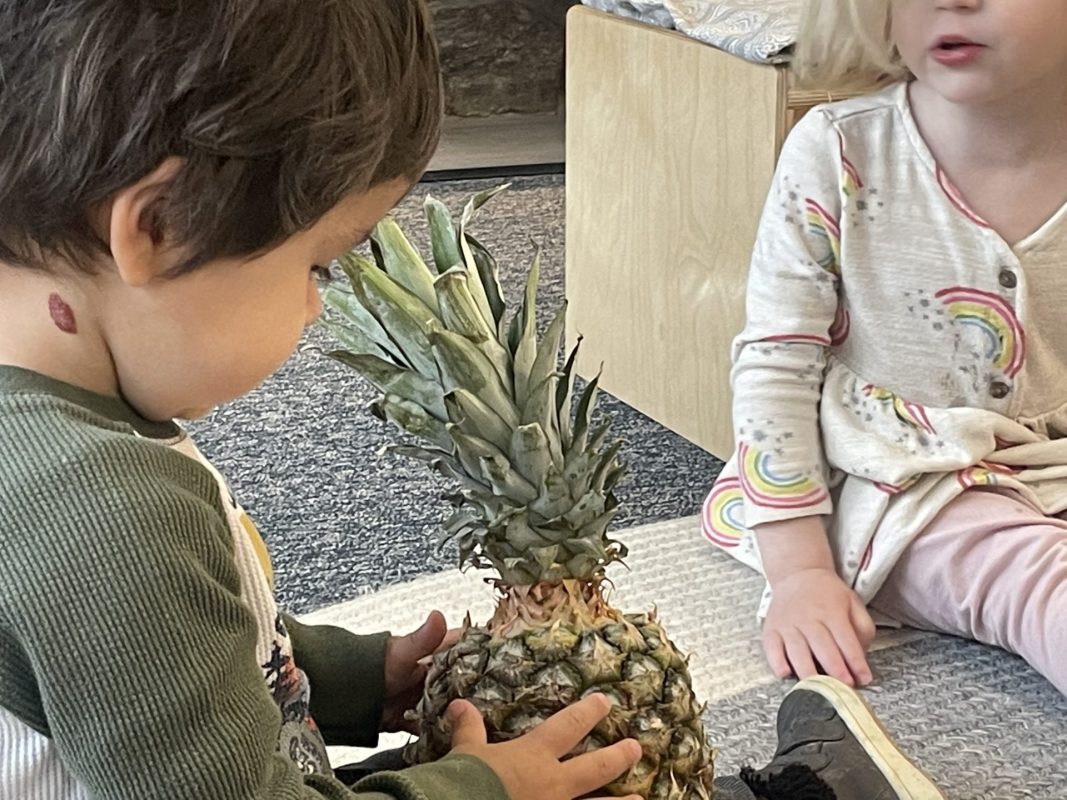
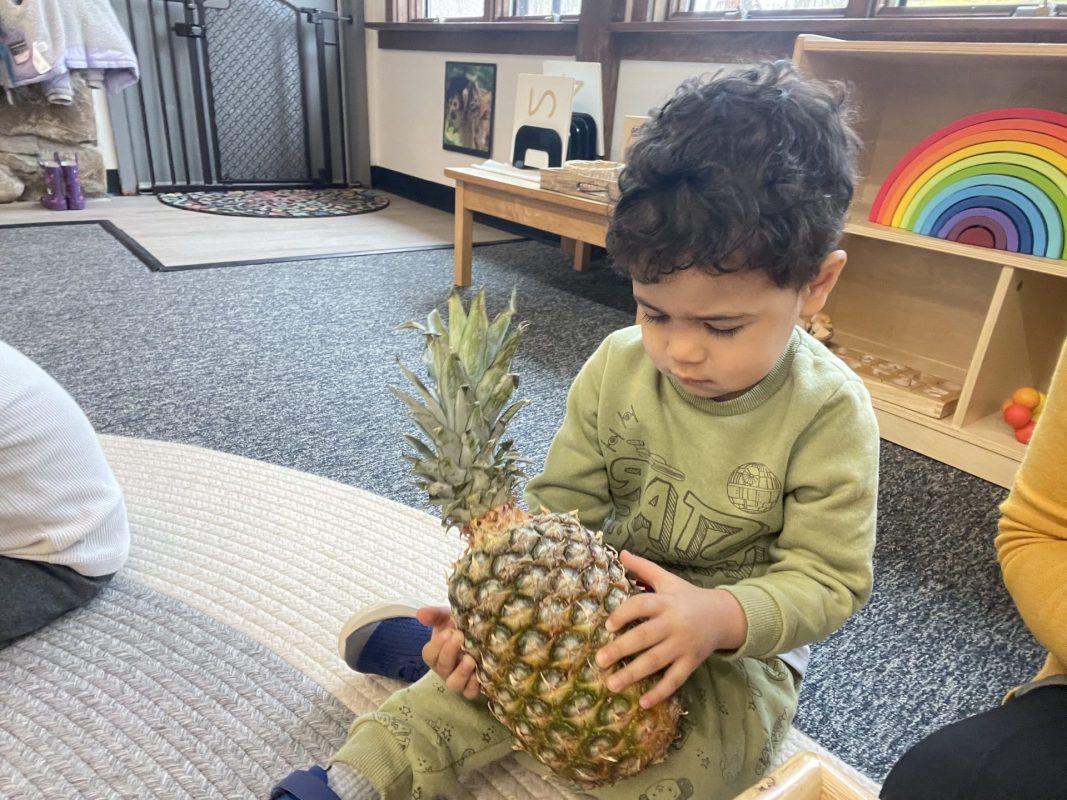
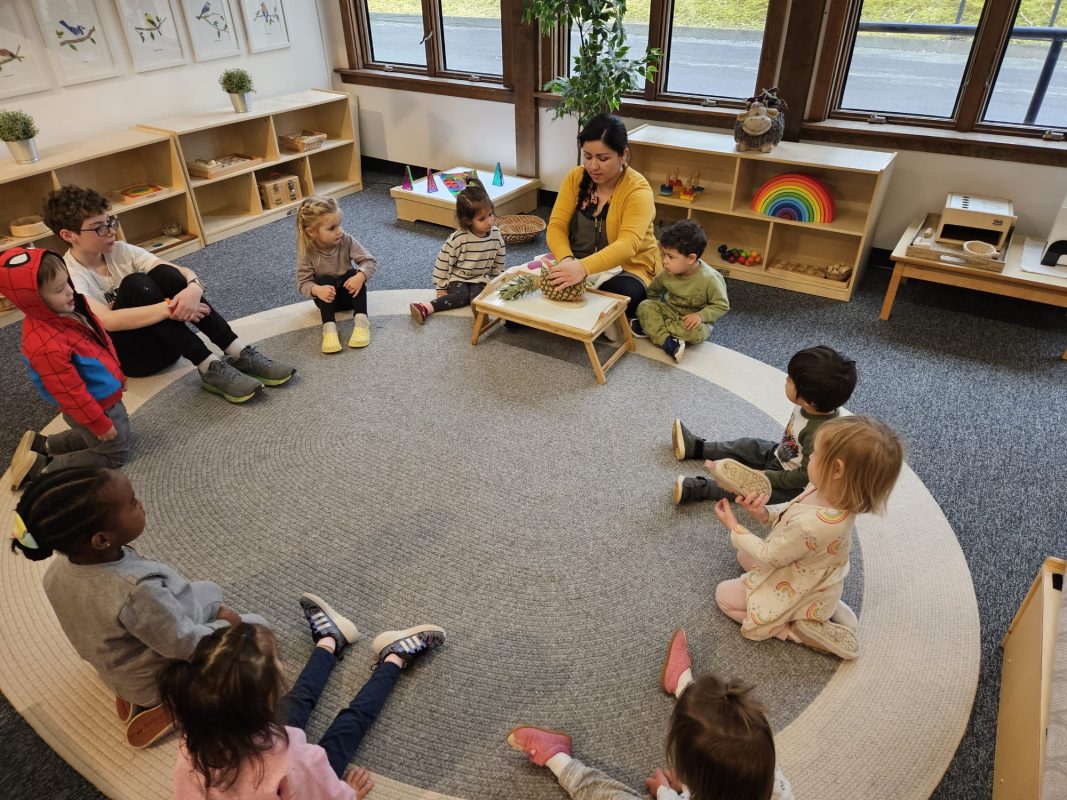
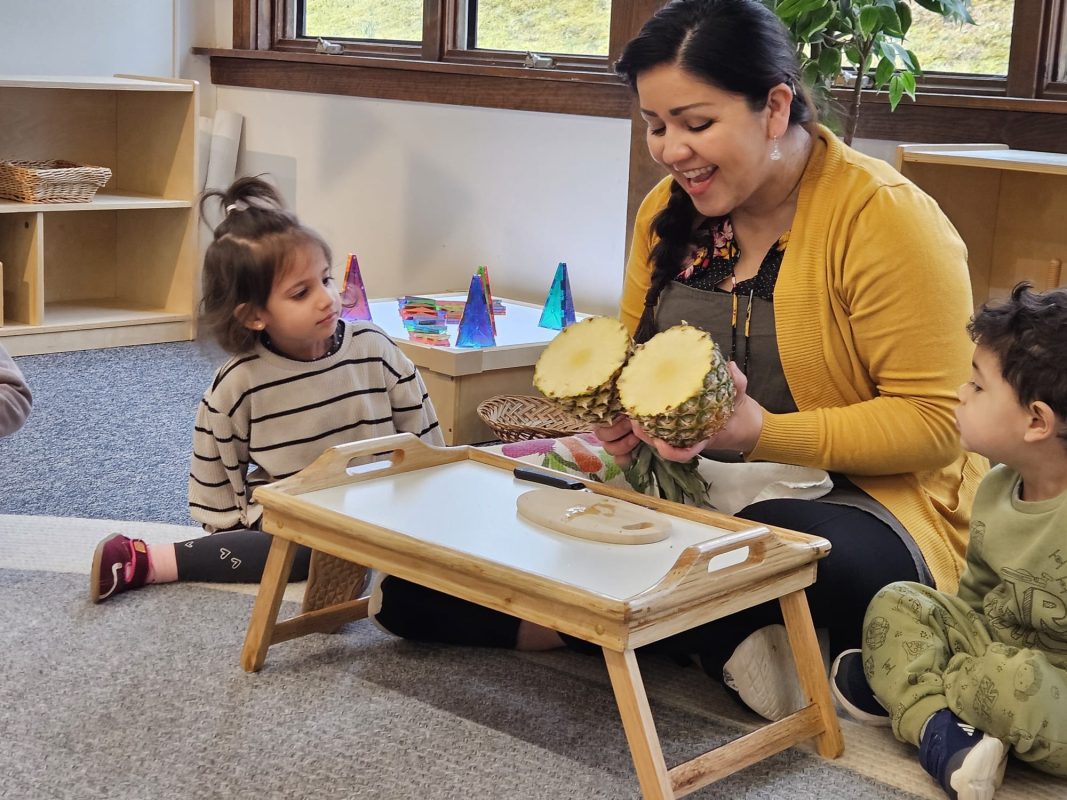
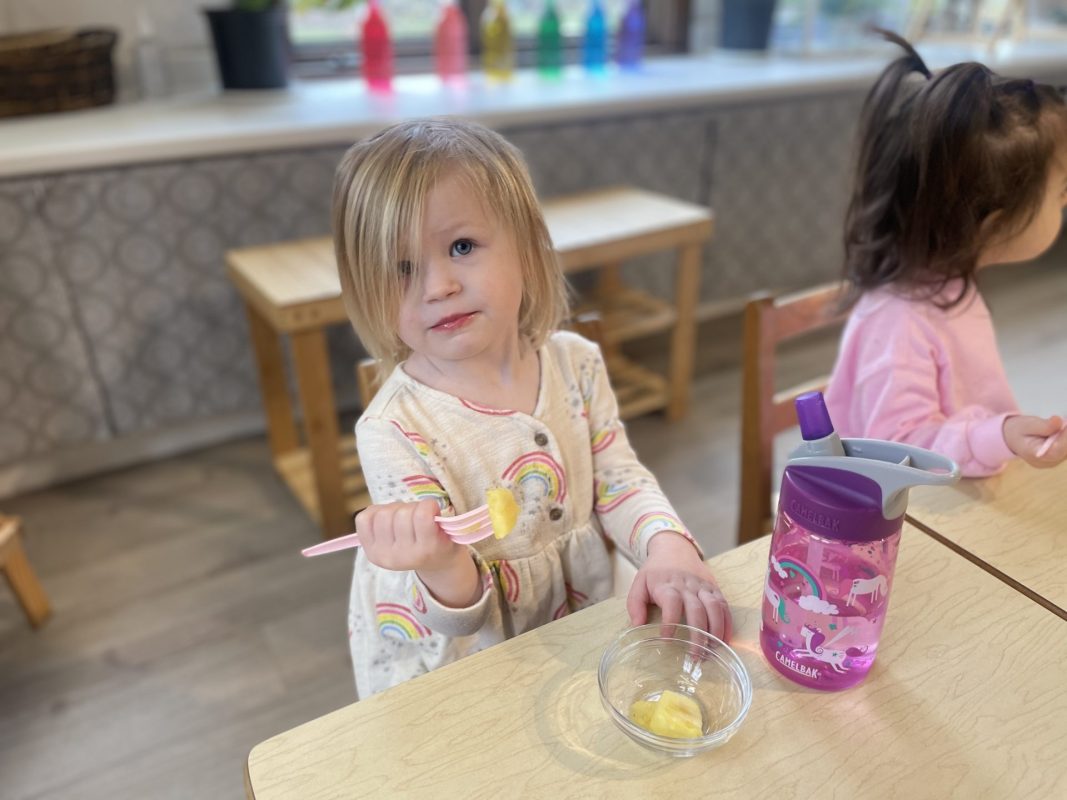
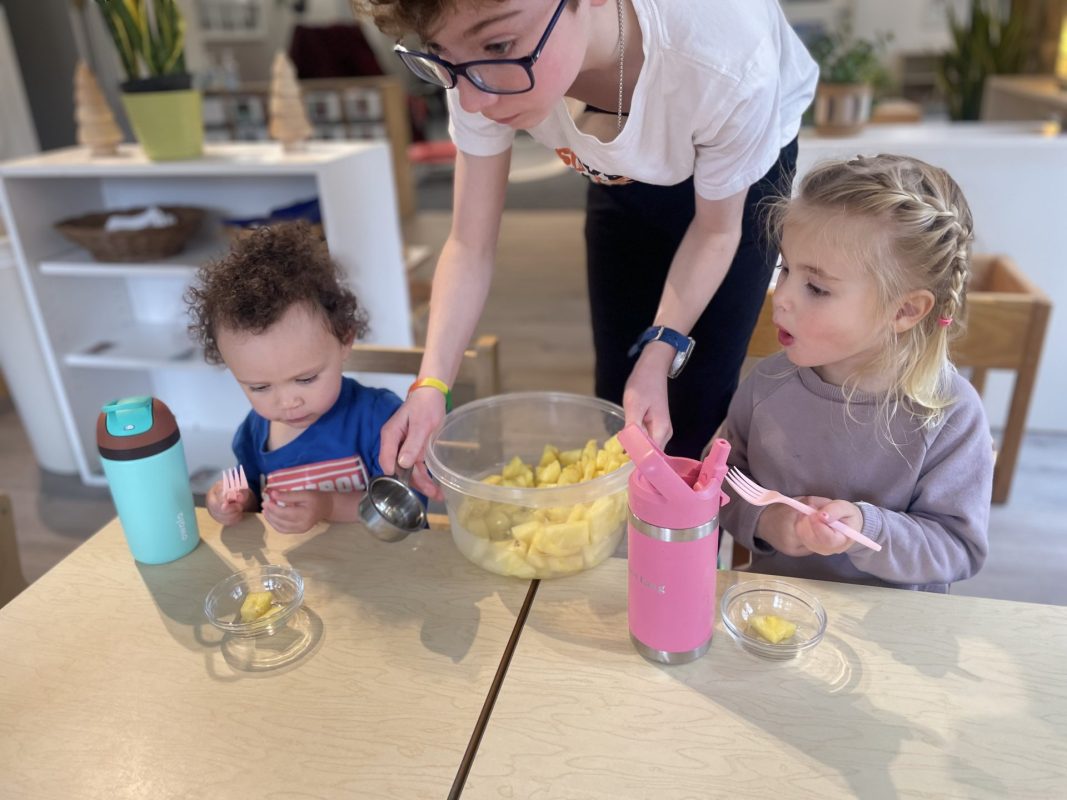
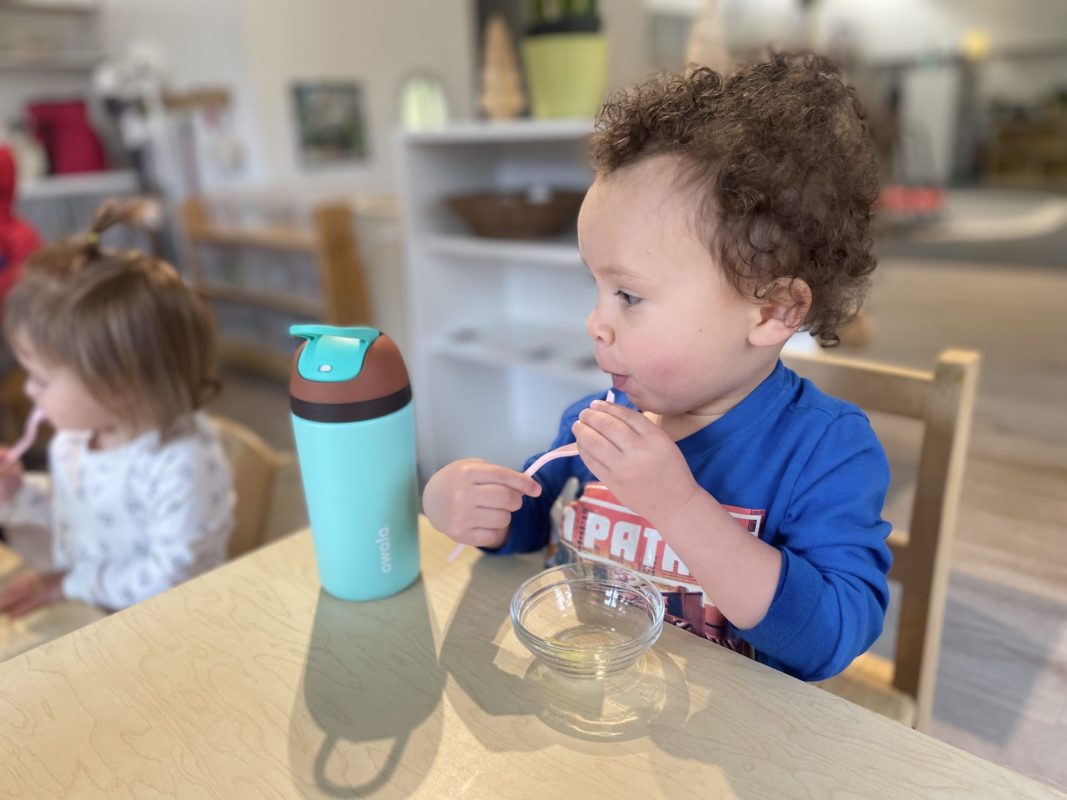
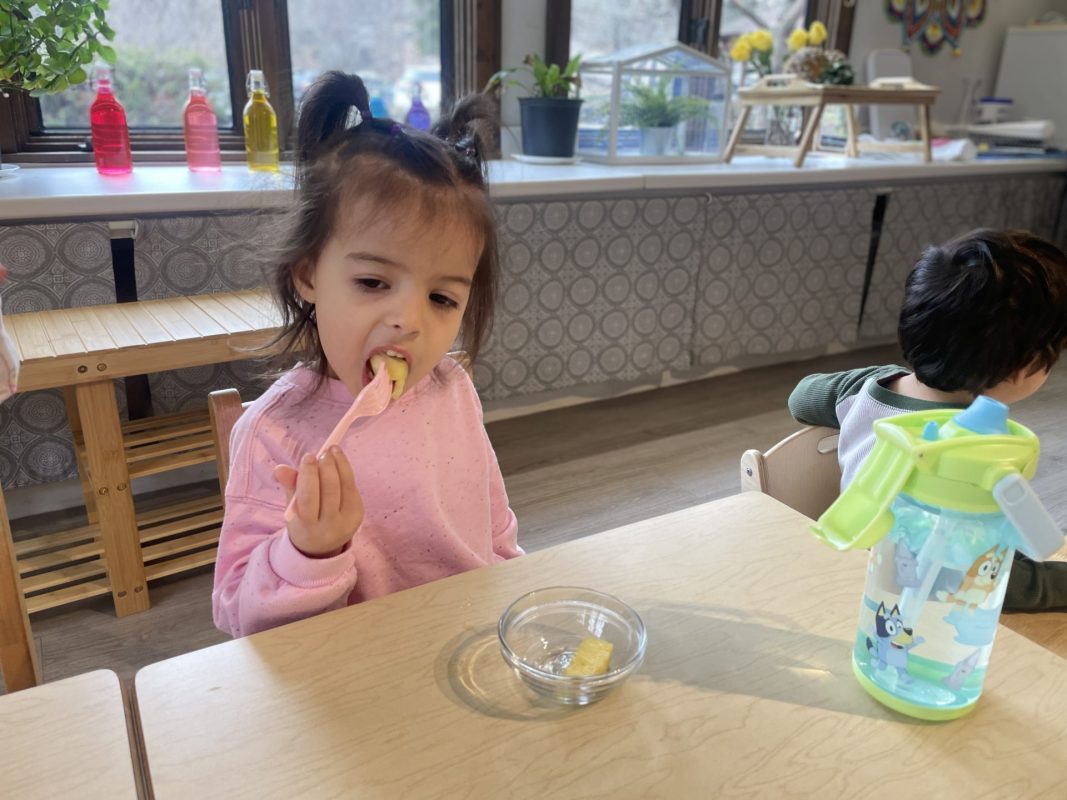
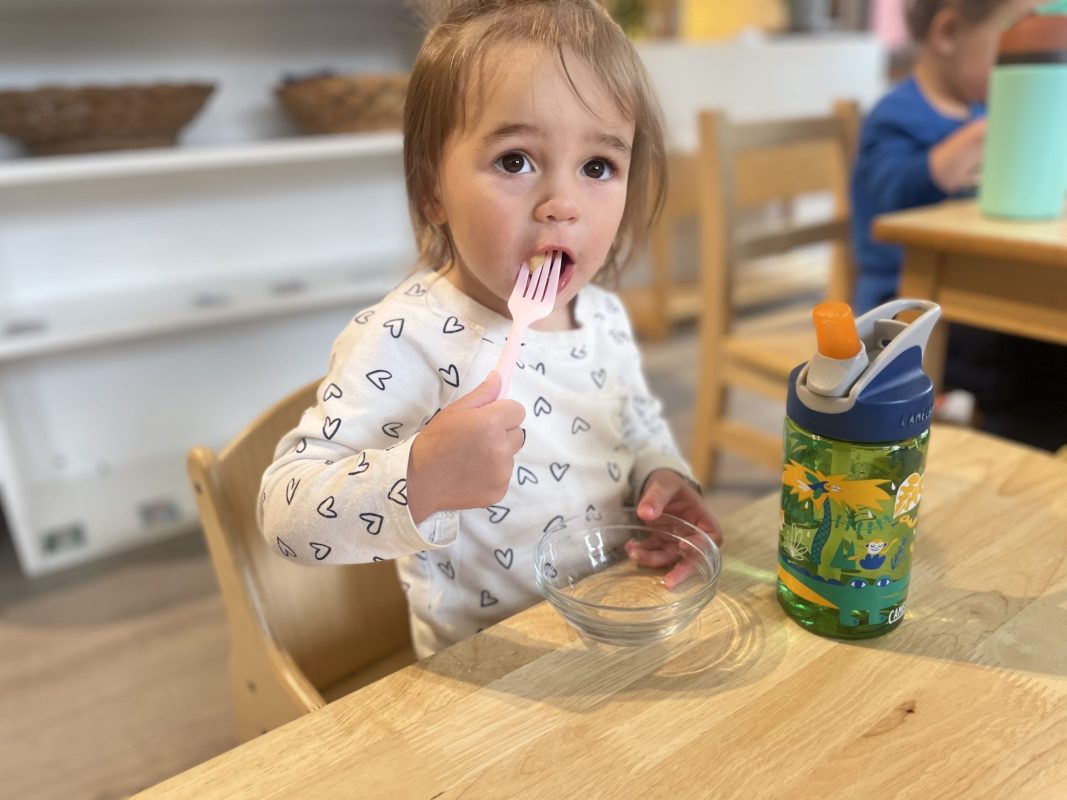
Food Tasting: The children tried a sweet, tangy, and juicy pineapple. The pineapple was hidden under a towel, and the children guessed what it could be, with one guess being a pickle. However, when the pineapple was revealed, everyone enjoyed its juicy and delicious taste without any complaints.

Cynthia and Sara

Mrs. Hood: Springing Back into Learning!

Hello Parents! Welcome back!

As we return from our rejuvenating spring break, I am delighted to share some of the wonderful happenings in our environment this week. It’s been a joyous transition as our little ones settled back beautifully into their routines, demonstrating their ever-growing curiosity and engagement with the world around them.
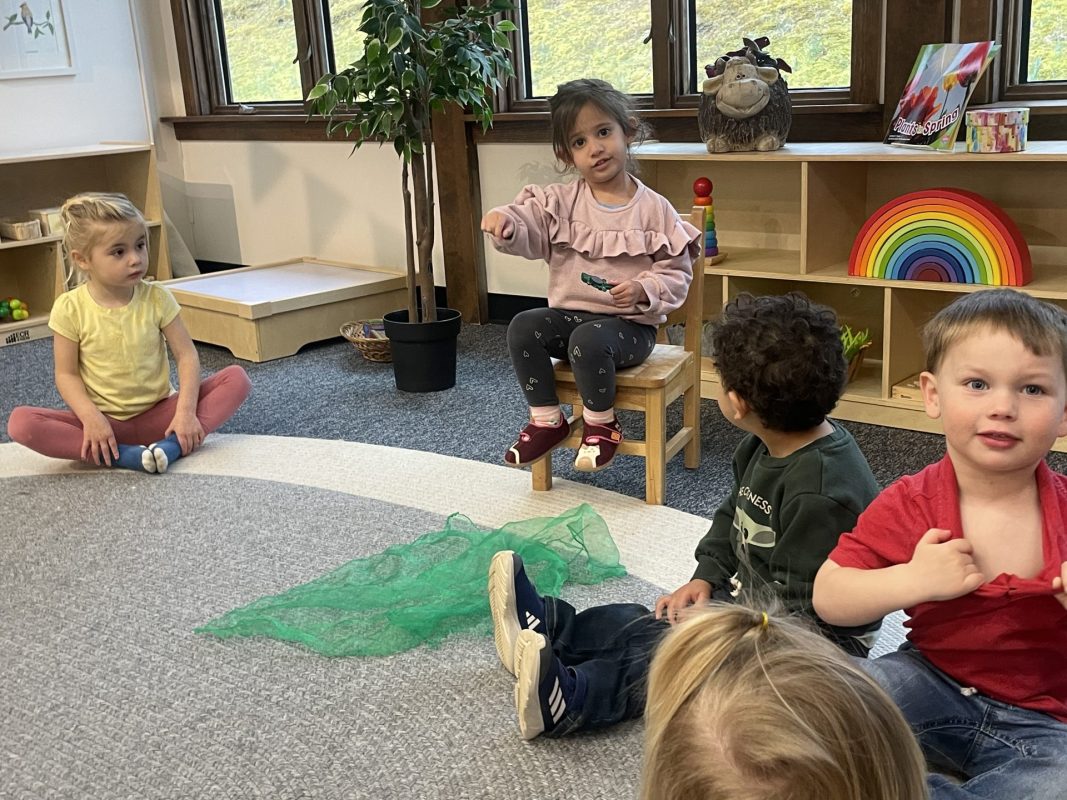
Firstly, I’m thrilled to introduce a new addition to our classroom family: Rowan. Please join me in extending a warm welcome to Rowan and her parents, James and Shevon. It has been truly heartwarming to witness the kindness and empathy our students have shown in embracing Rowan, offering support and guidance as she navigates the environment, and embodying the values of compassion and inclusion that are at the core of our classroom community.
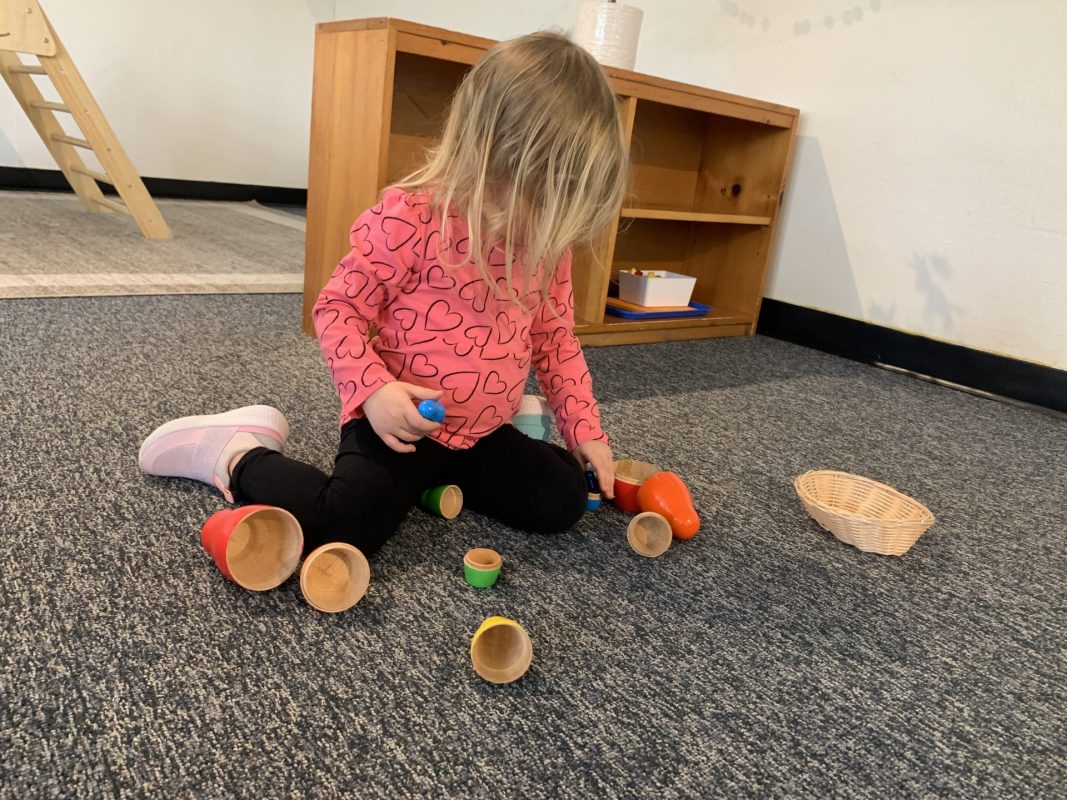
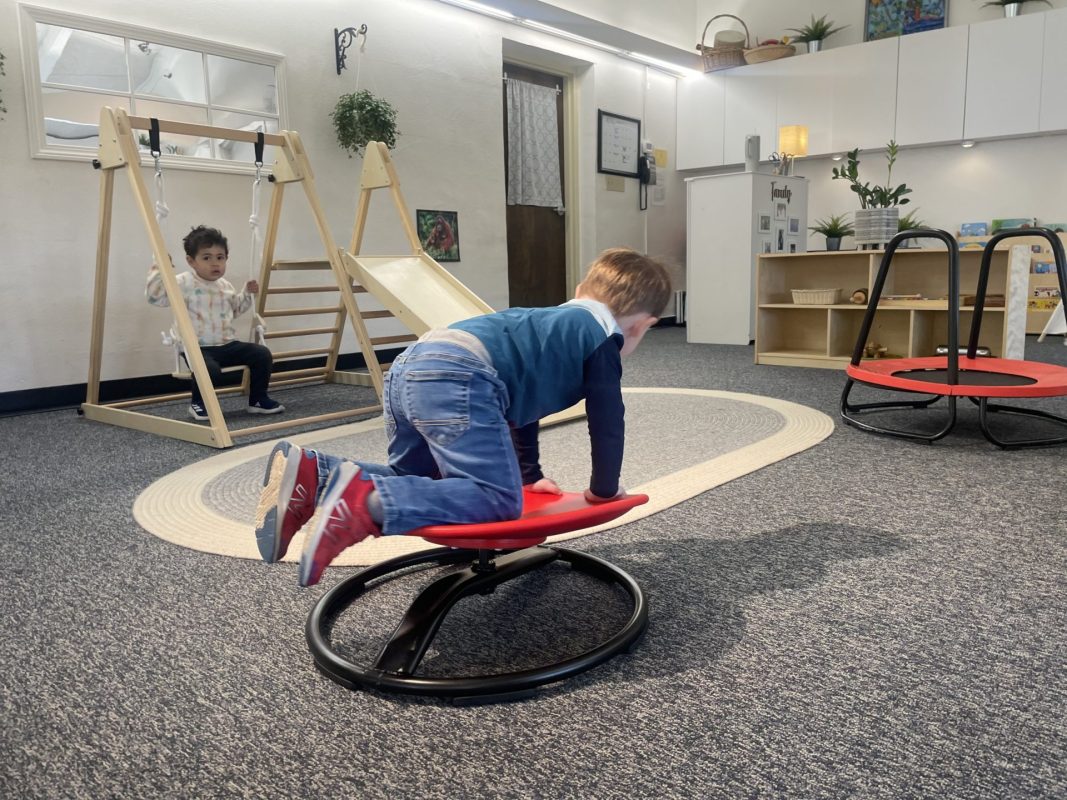
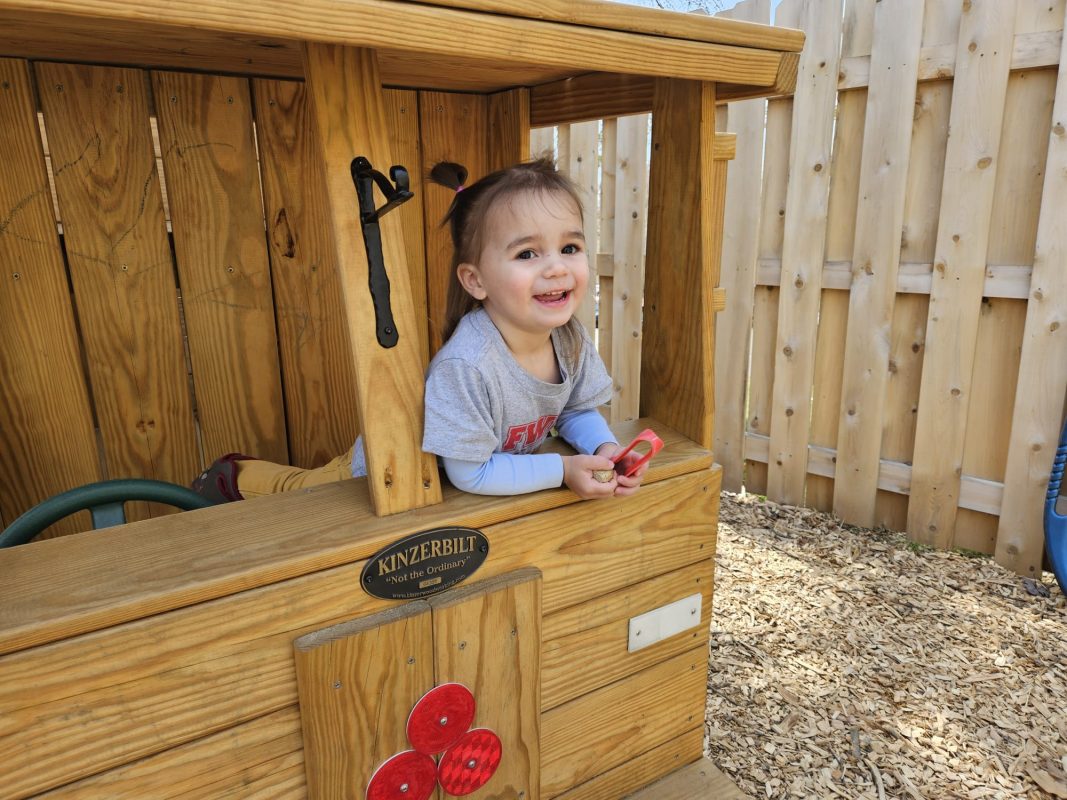
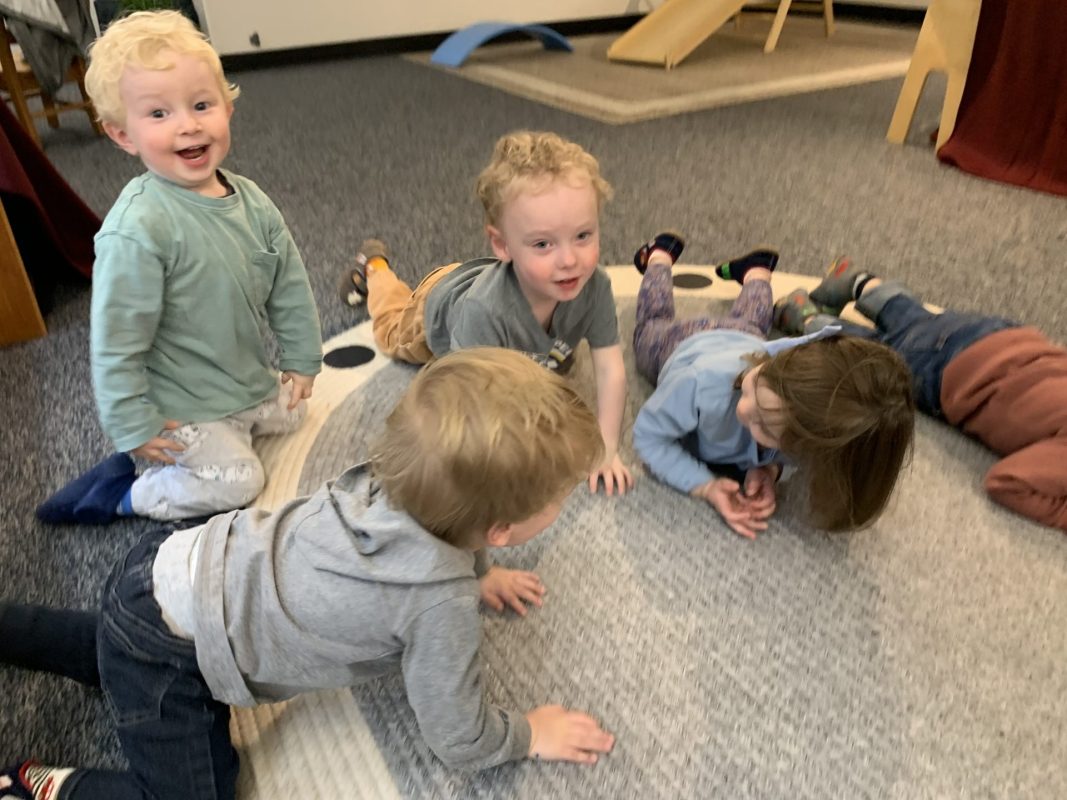
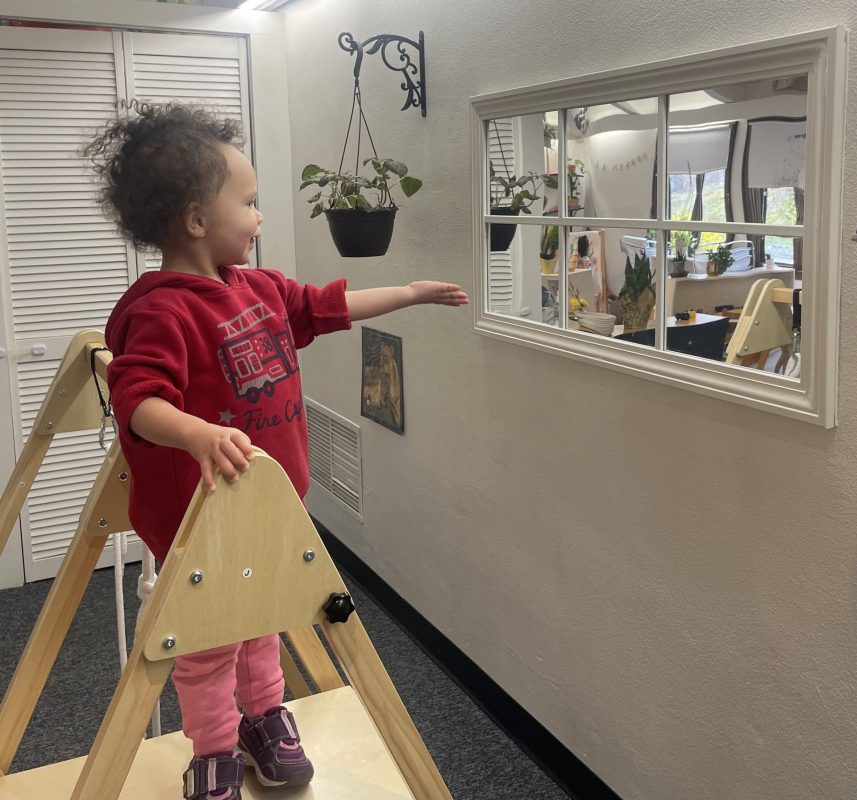
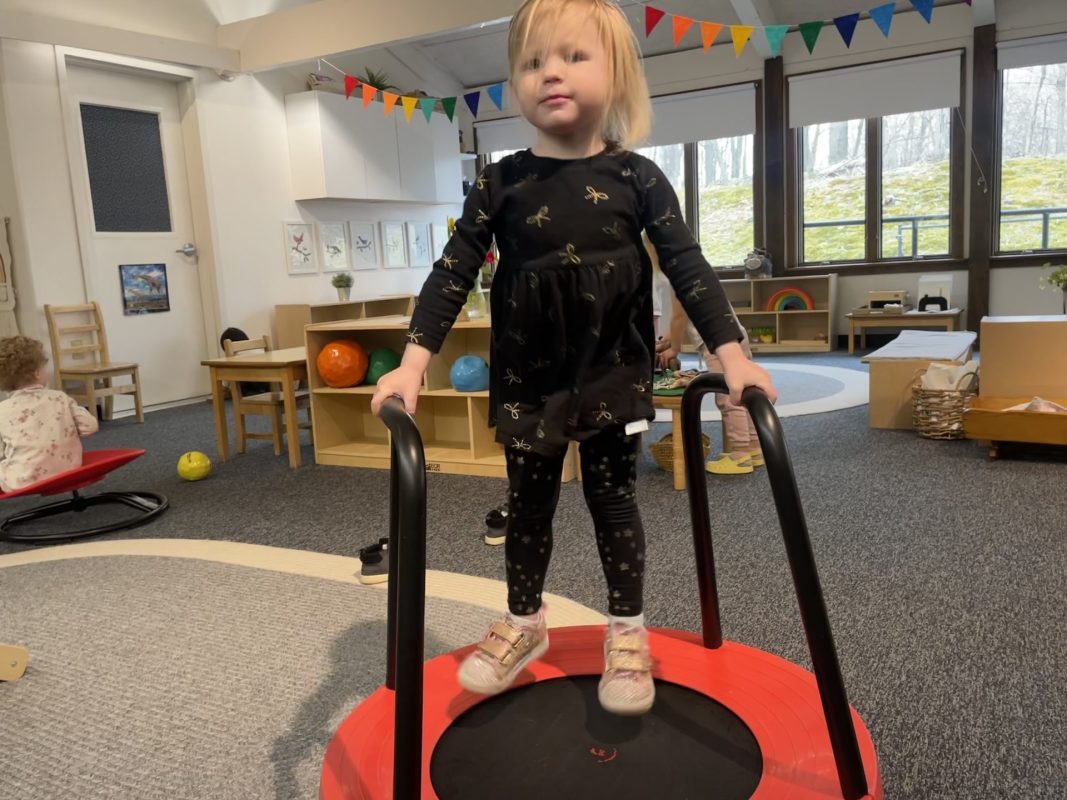
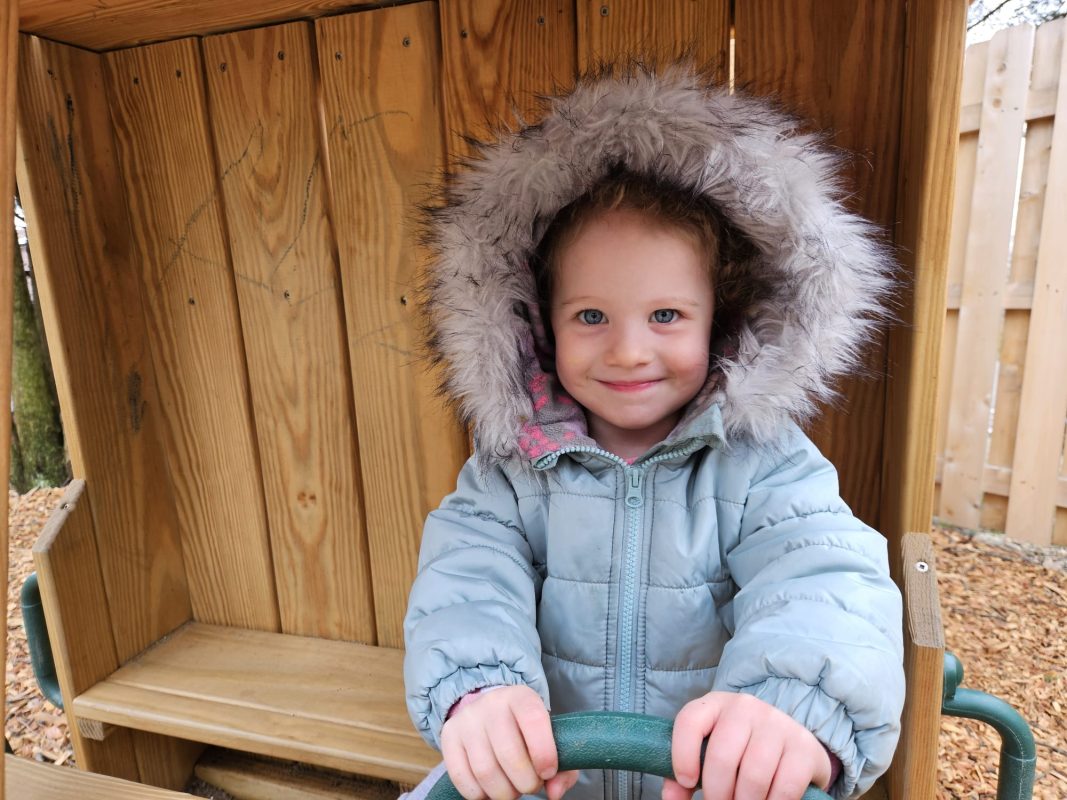
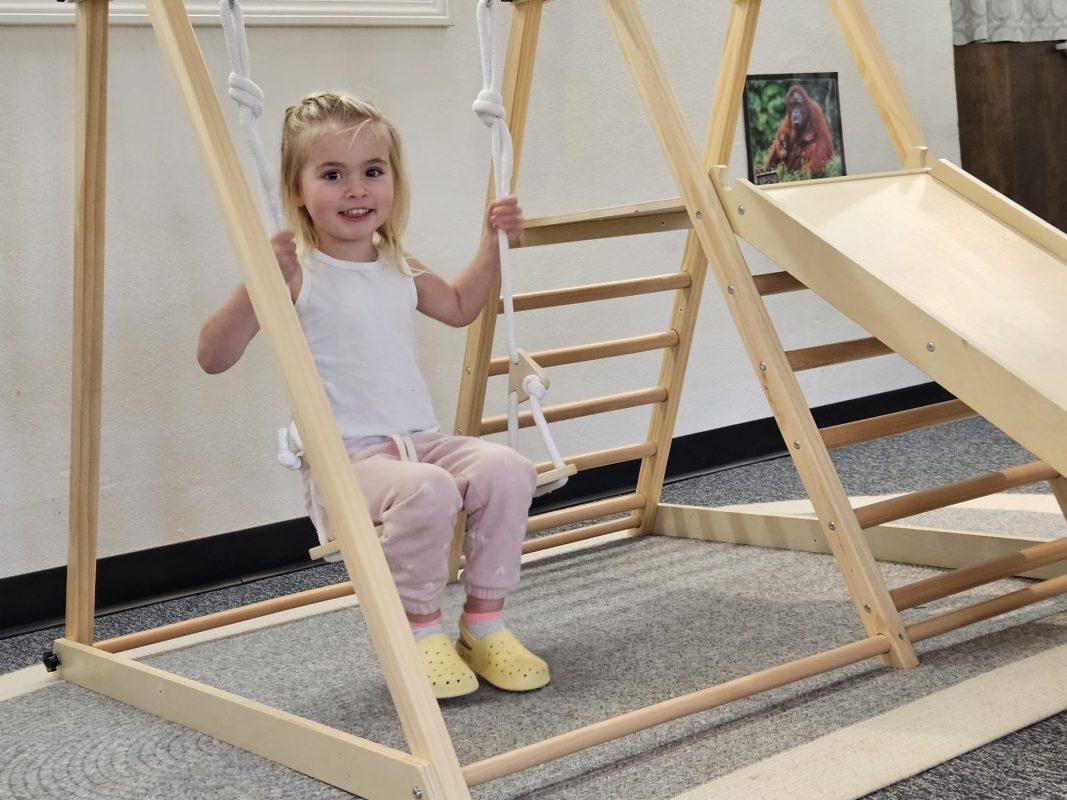
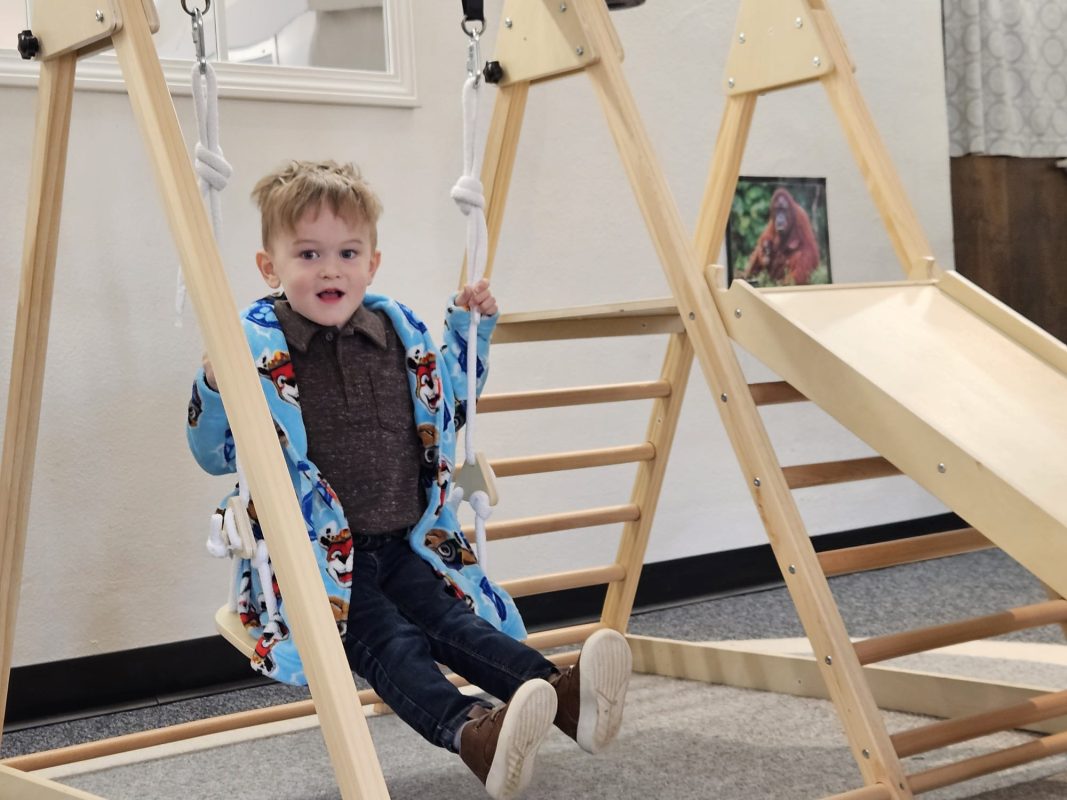
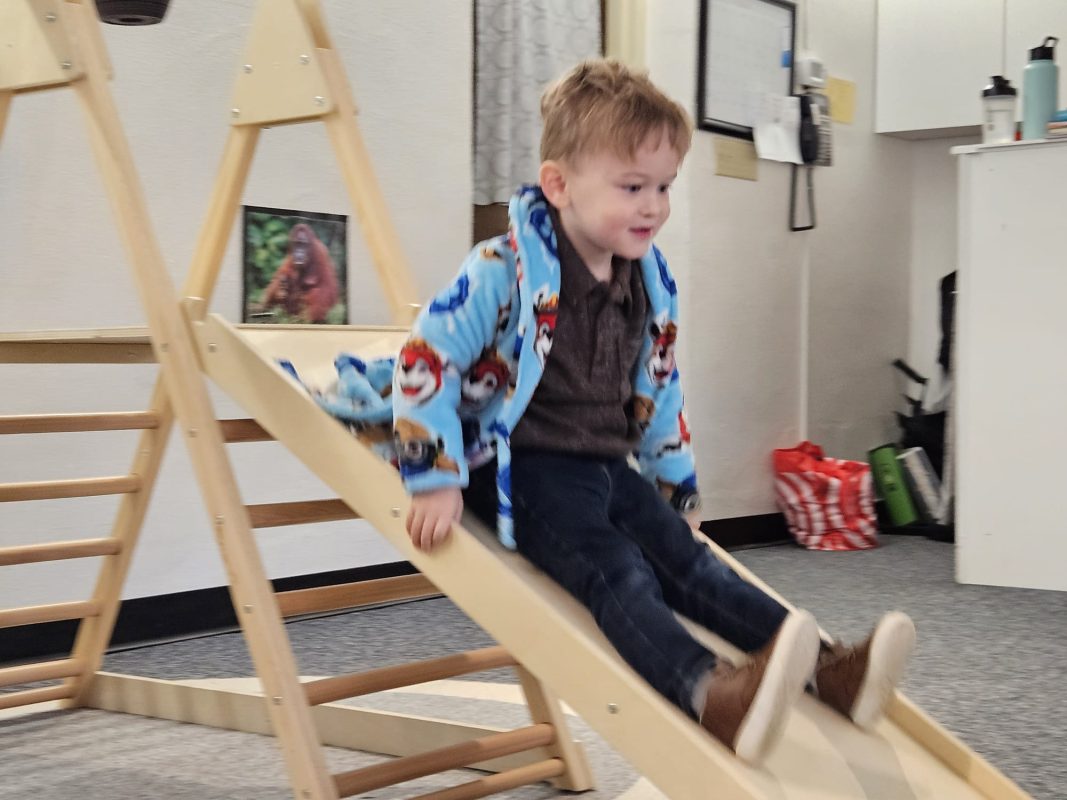
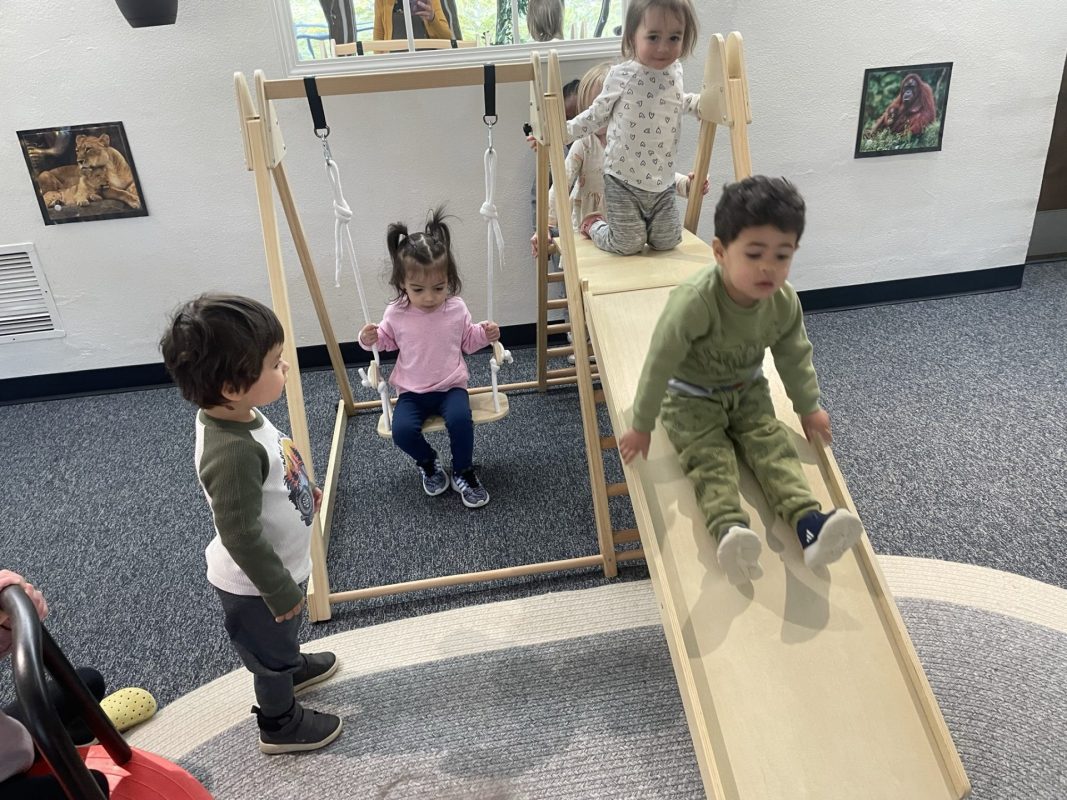
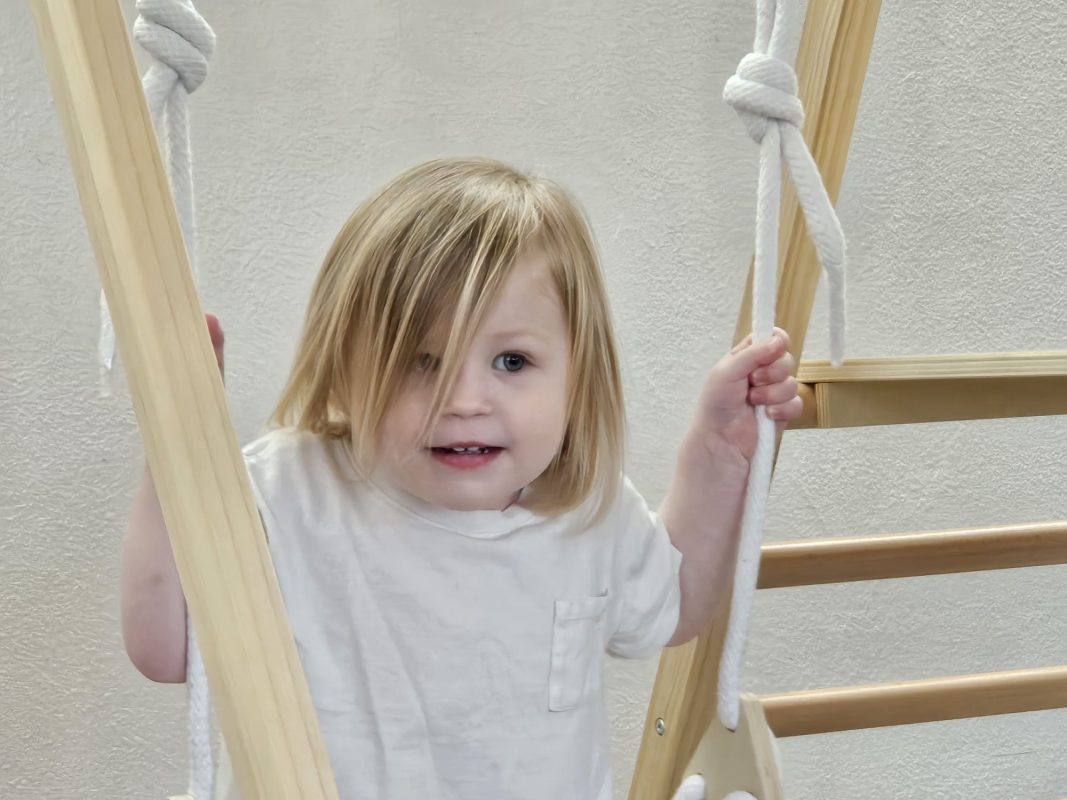
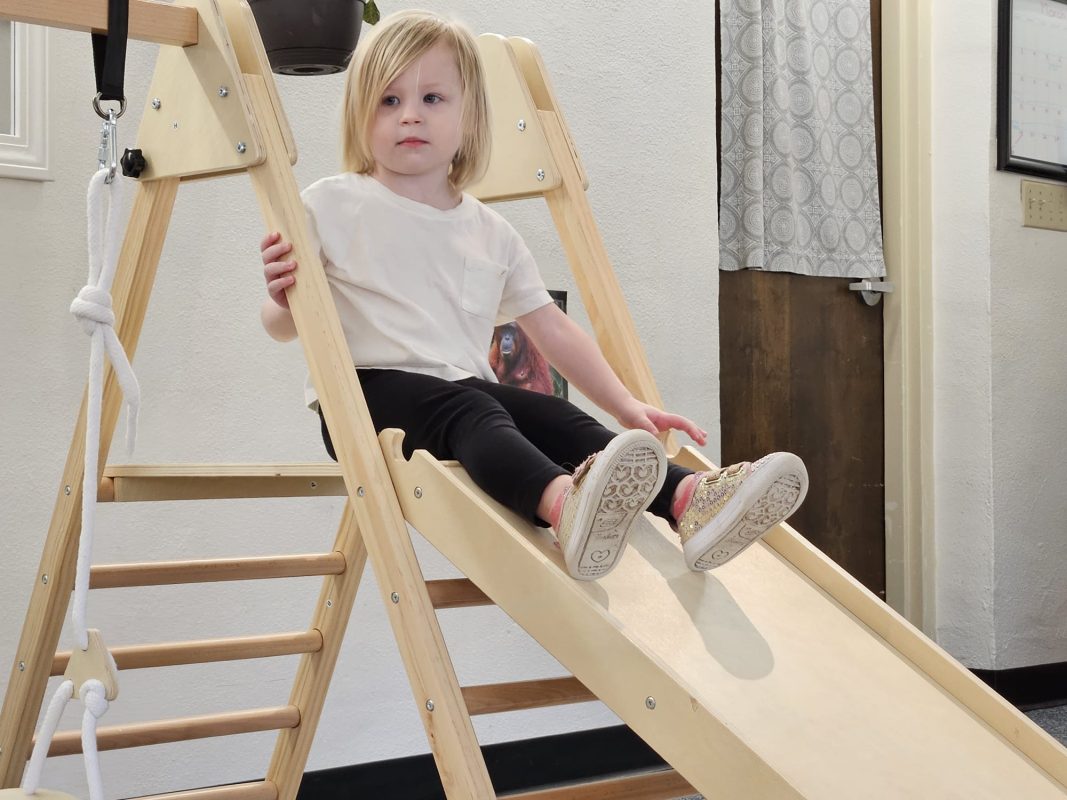
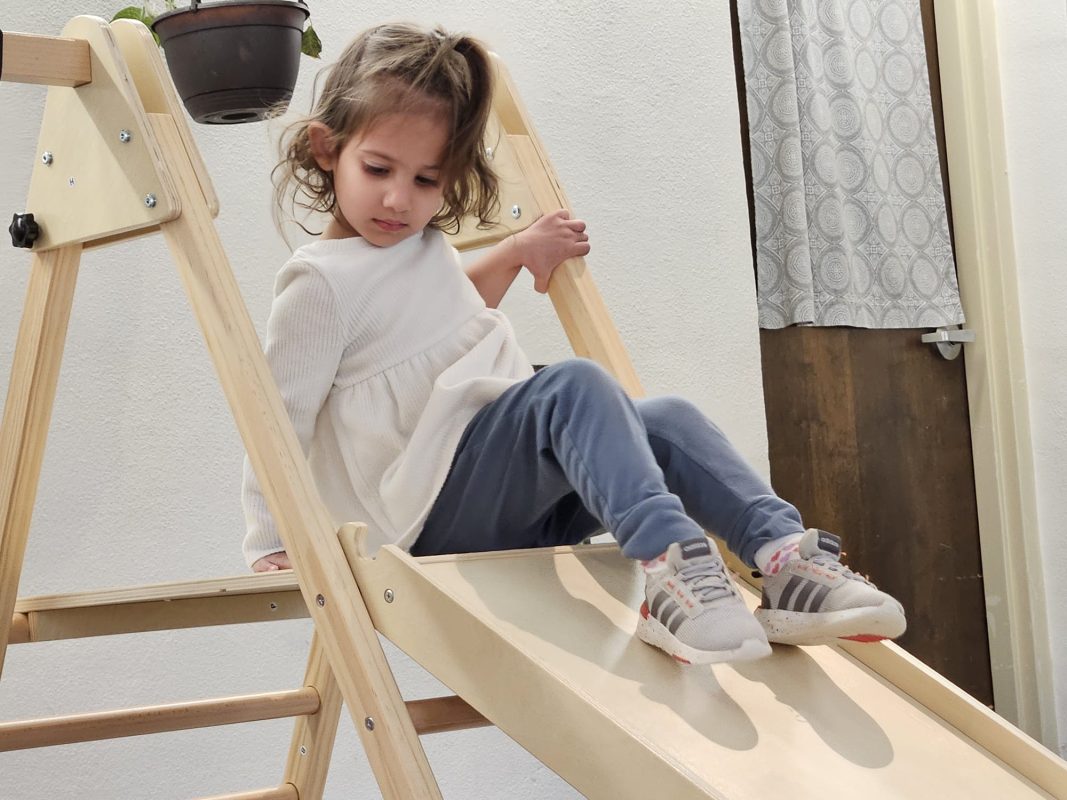
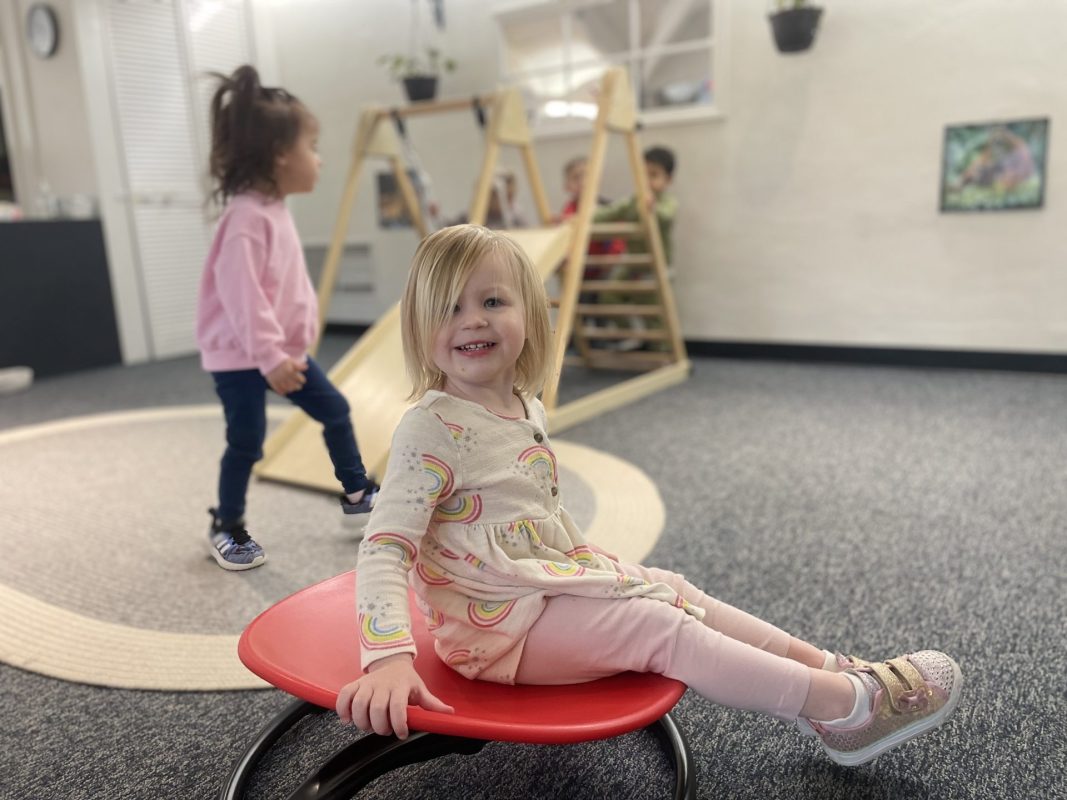
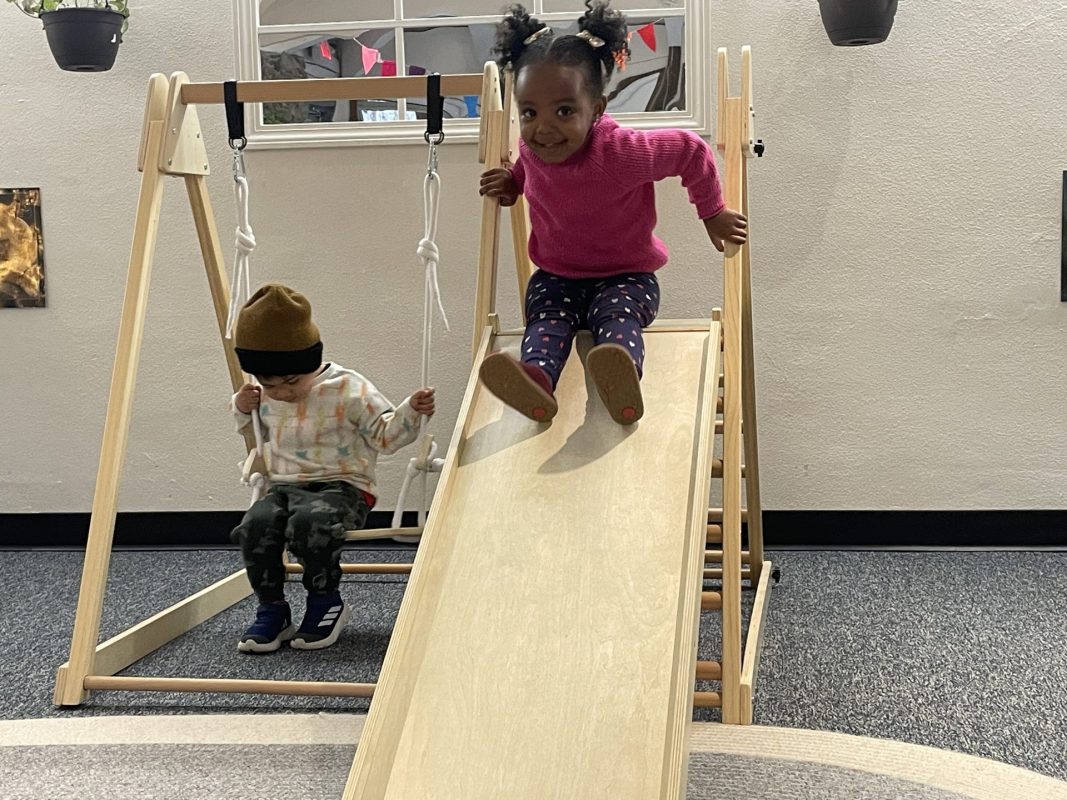
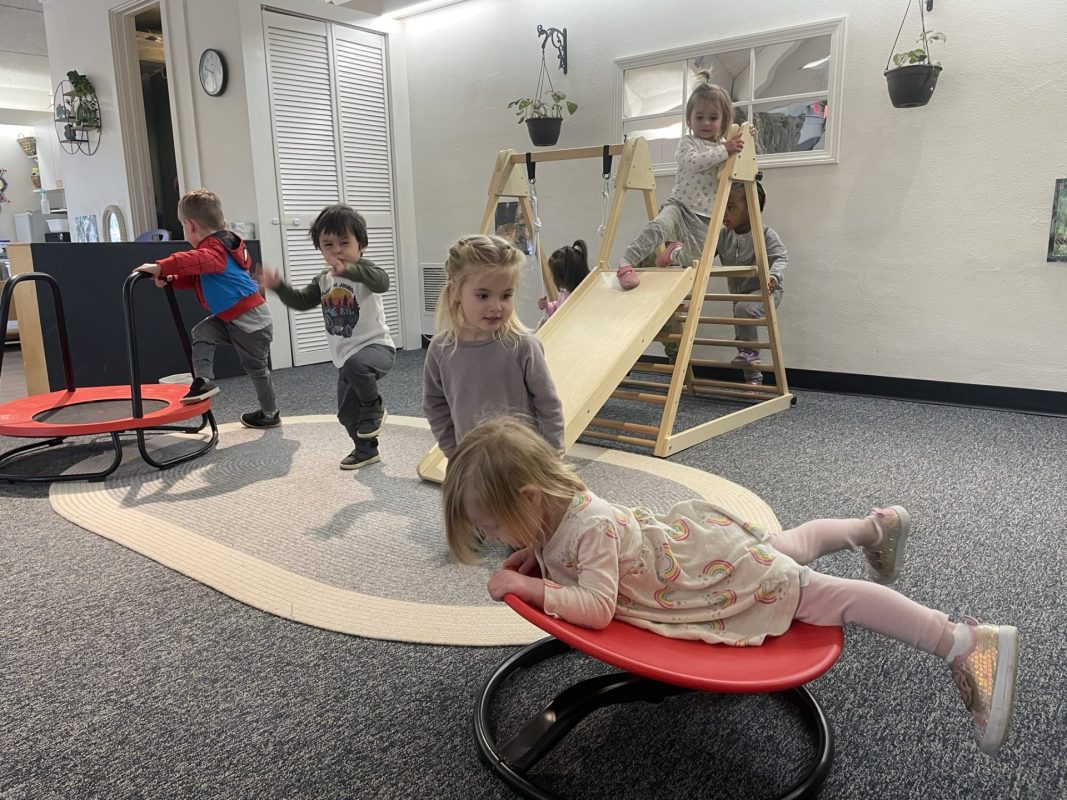
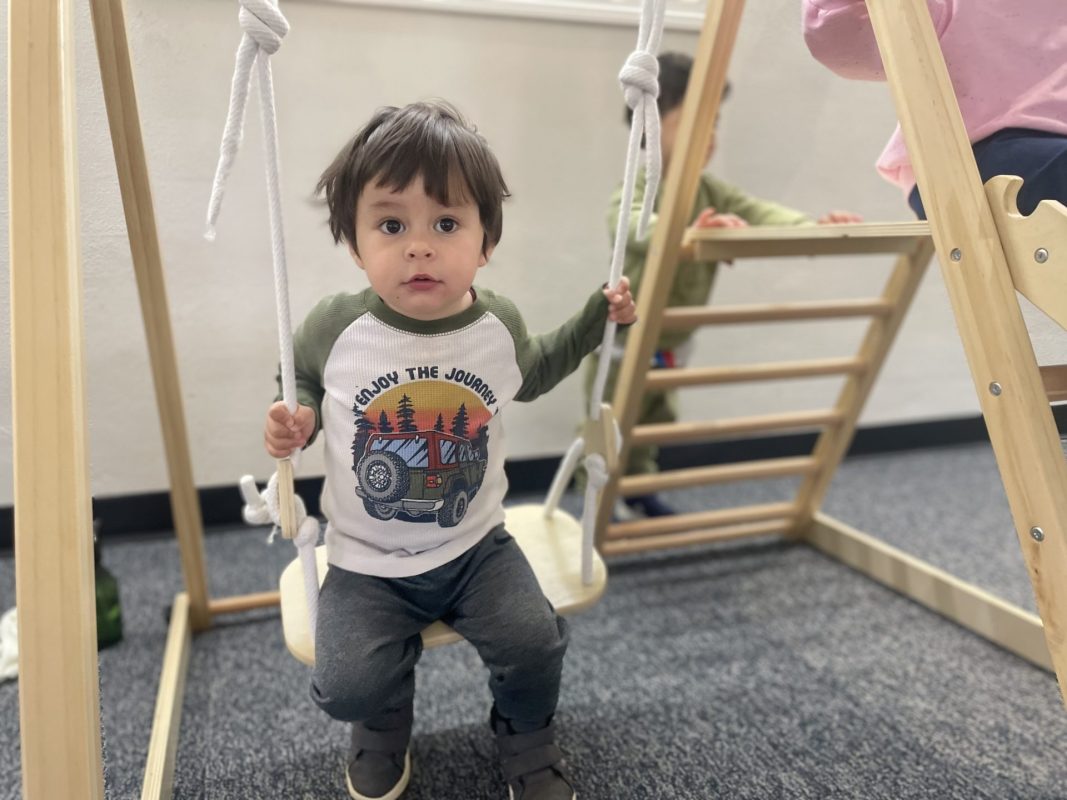
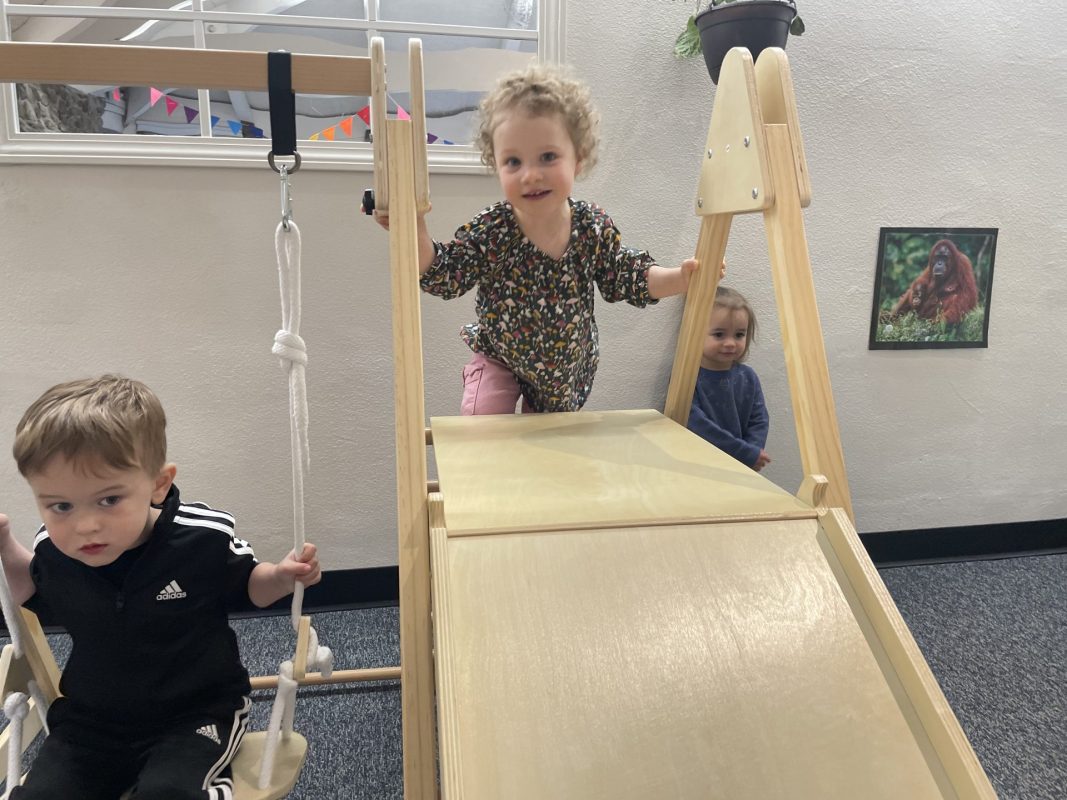
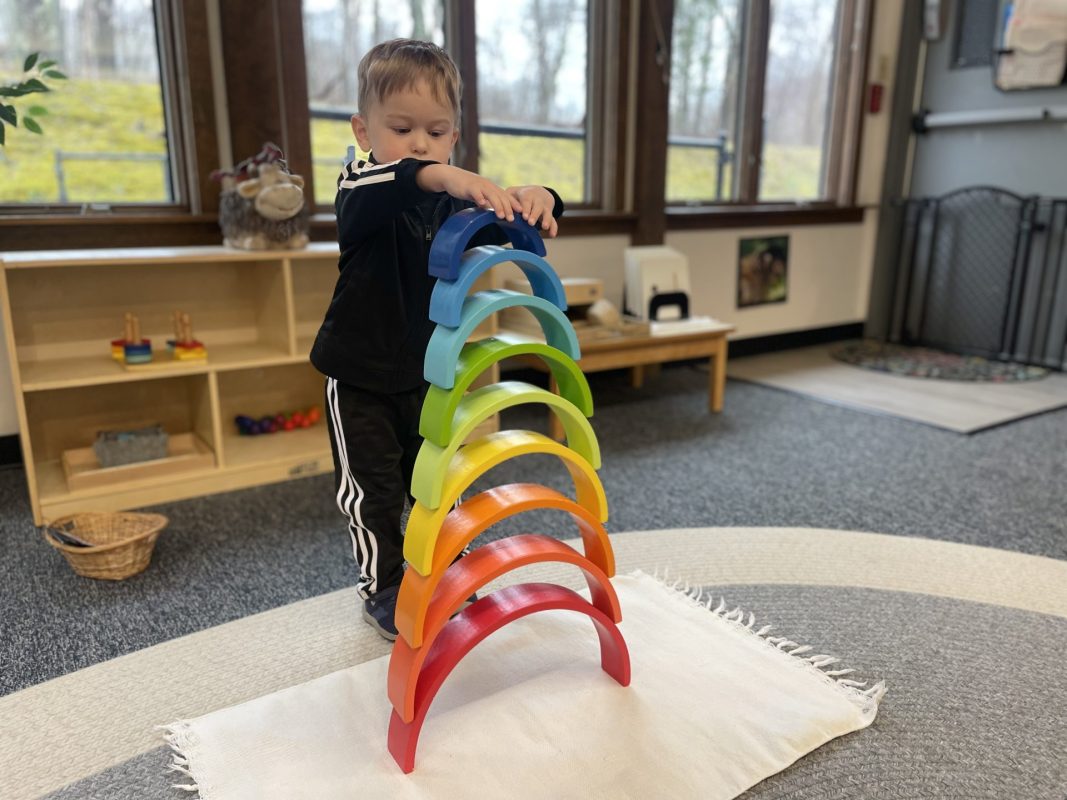
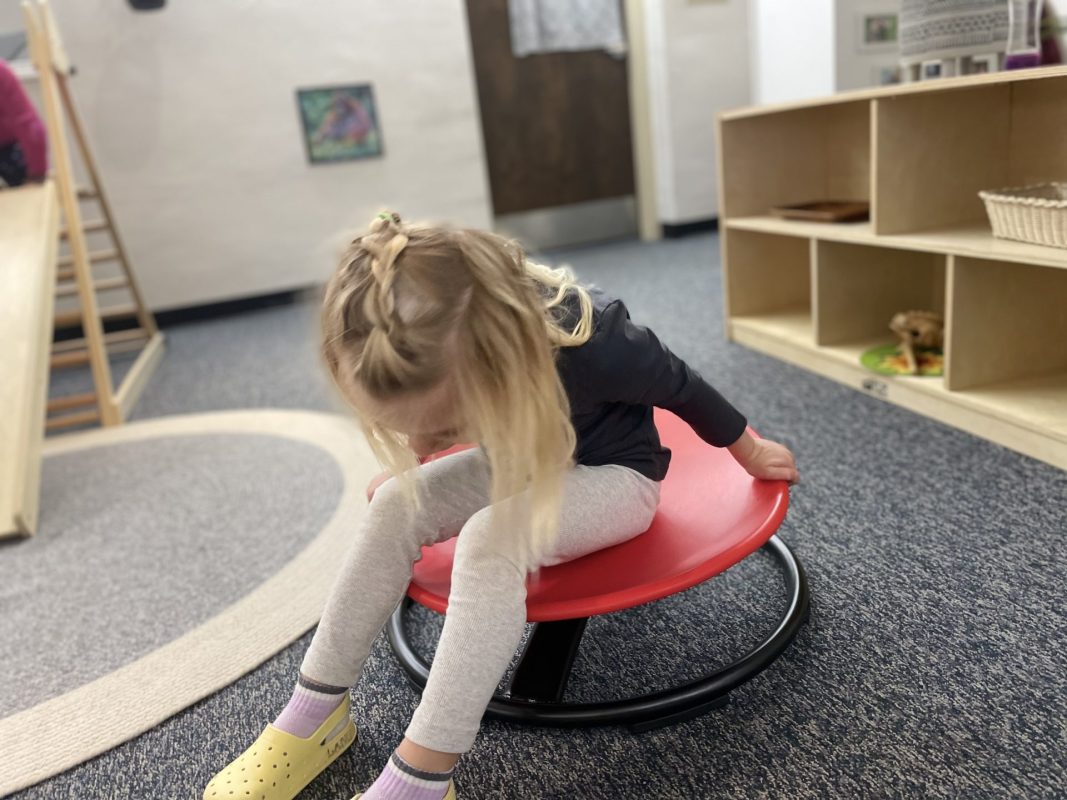
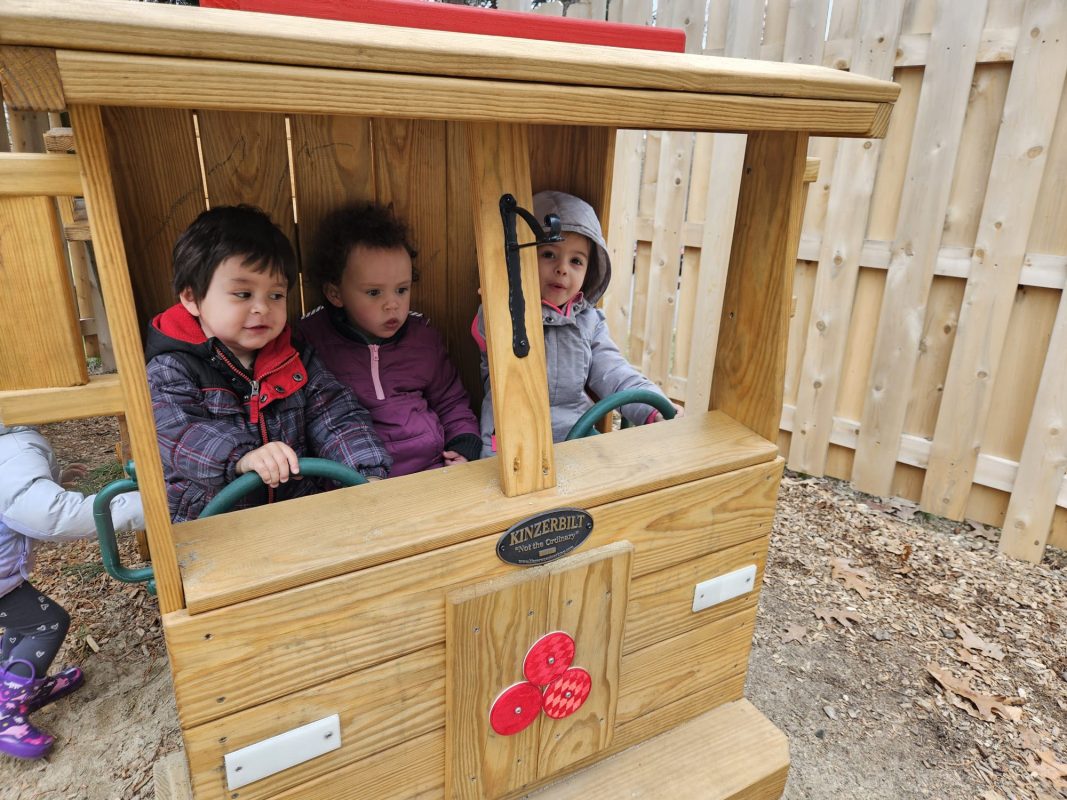
In addition to welcoming Rowan, we’ve also introduced an exciting new movement structure to our classroom—a climbing side complete with a taller slide and A SWING! I am not sure if you are familiar with the benefits of swing in a toddler’s life but this extends beyond mere amusement. Swinging not only provides physical exercise but also enhances sensory integration and balance. As children sway back and forth, they engage their vestibular system, which plays a crucial role in spatial orientation and coordination. Additionally, swinging encourages proprioceptive input, helping children develop a sense of body awareness and control. Moreover, the rhythmic motion of swinging has a calming effect, promoting relaxation and emotional regulation. Children LOVE it! They literally spent so much time in the movement area this week!

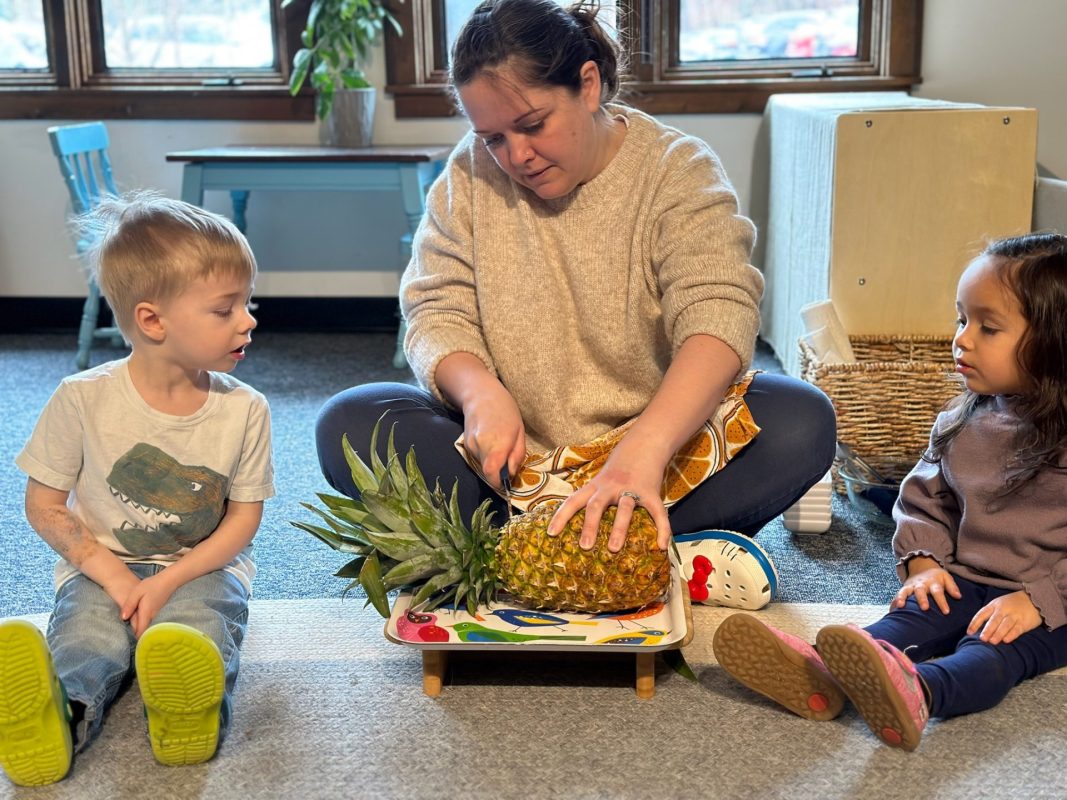
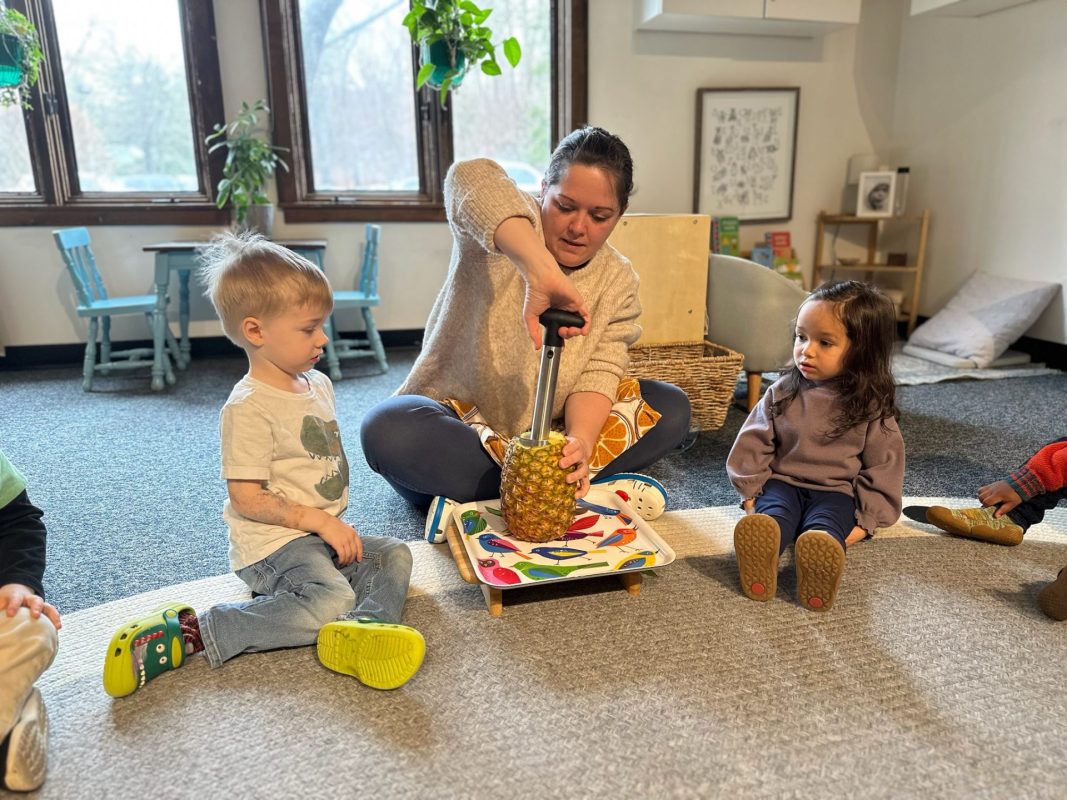
Our food-tasting lesson this week centered around exploring a large pineapple, a fruit as fascinating as it is delicious. As we dissected the pineapple, we delved into learning about its various parts, from the prickly skin to the juicy flesh and the fibrous core. The children were naturally curious about the weight and texture of the skin, fostering an appreciation for sensory exploration and the diversity of fruits in nature.

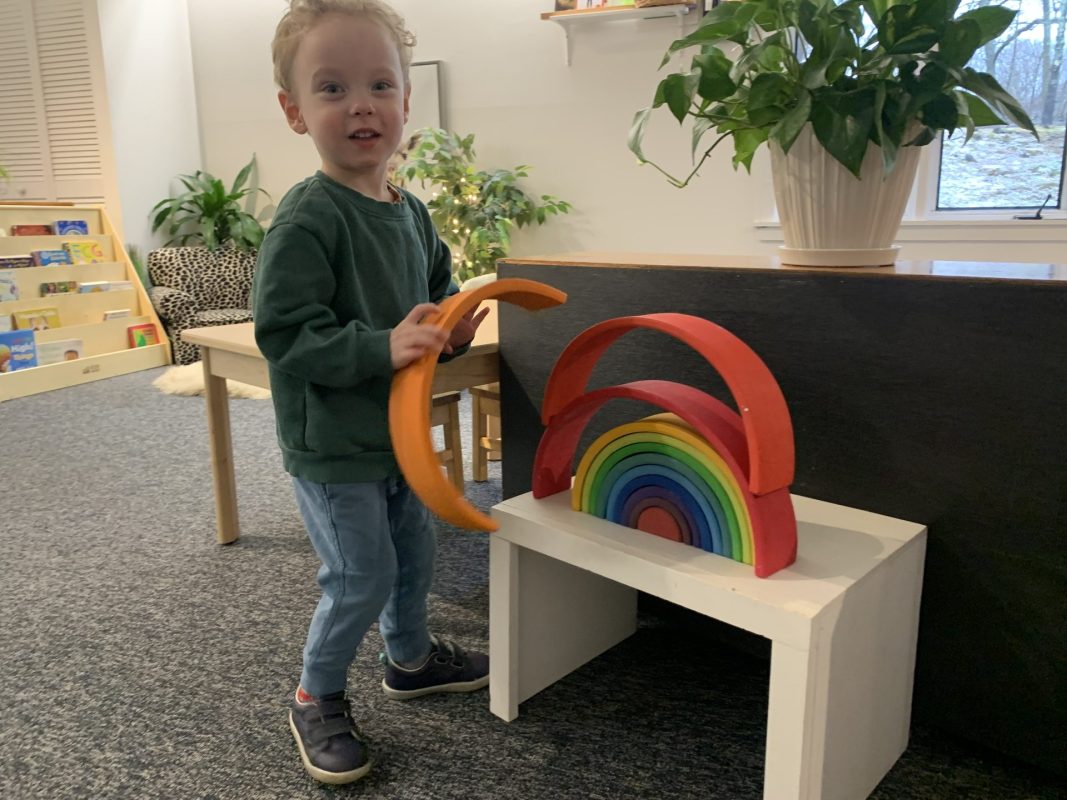
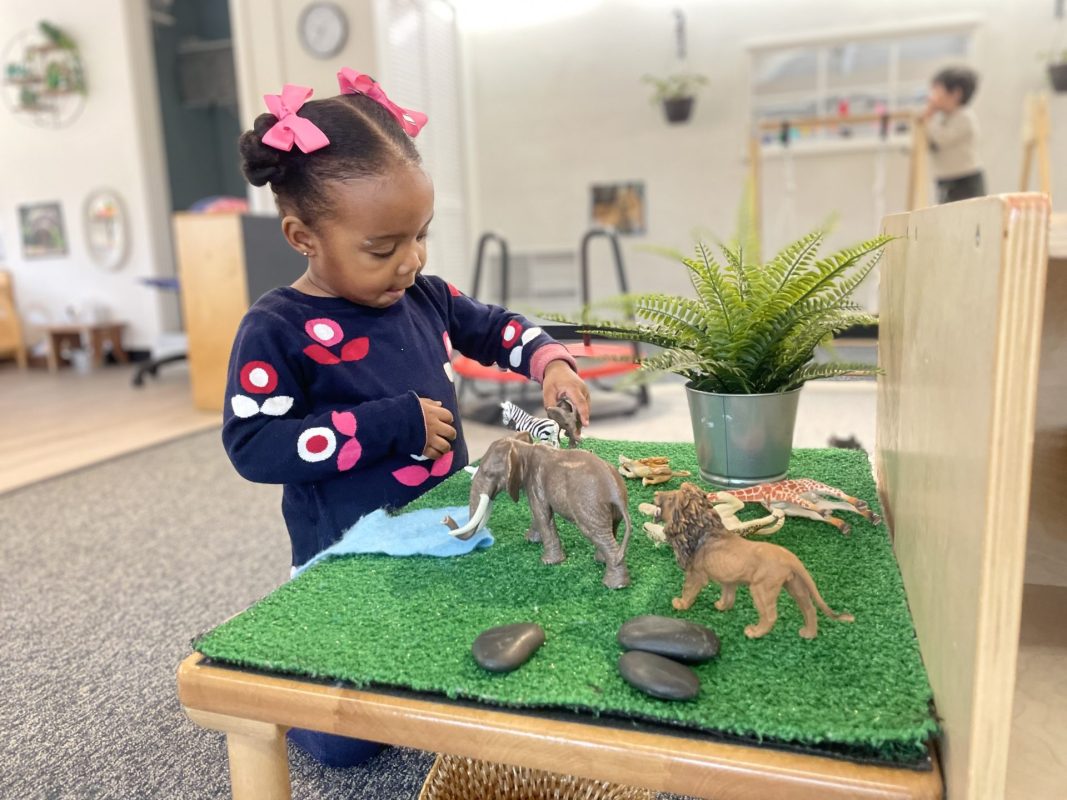
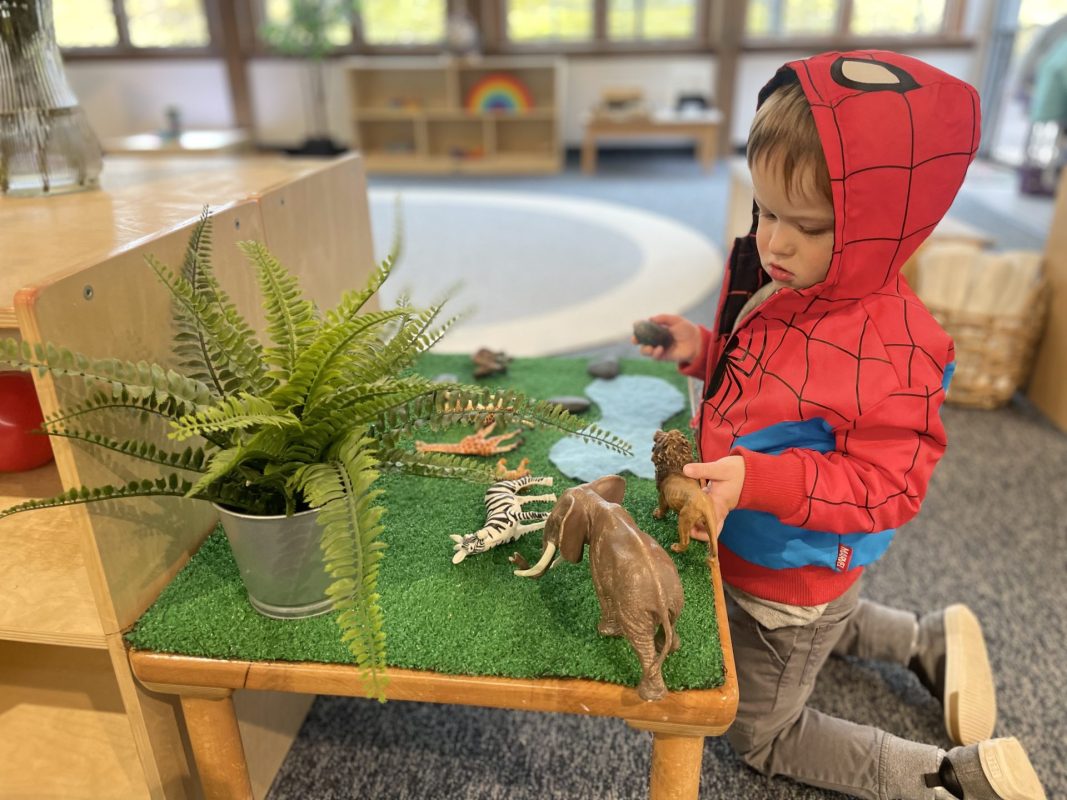
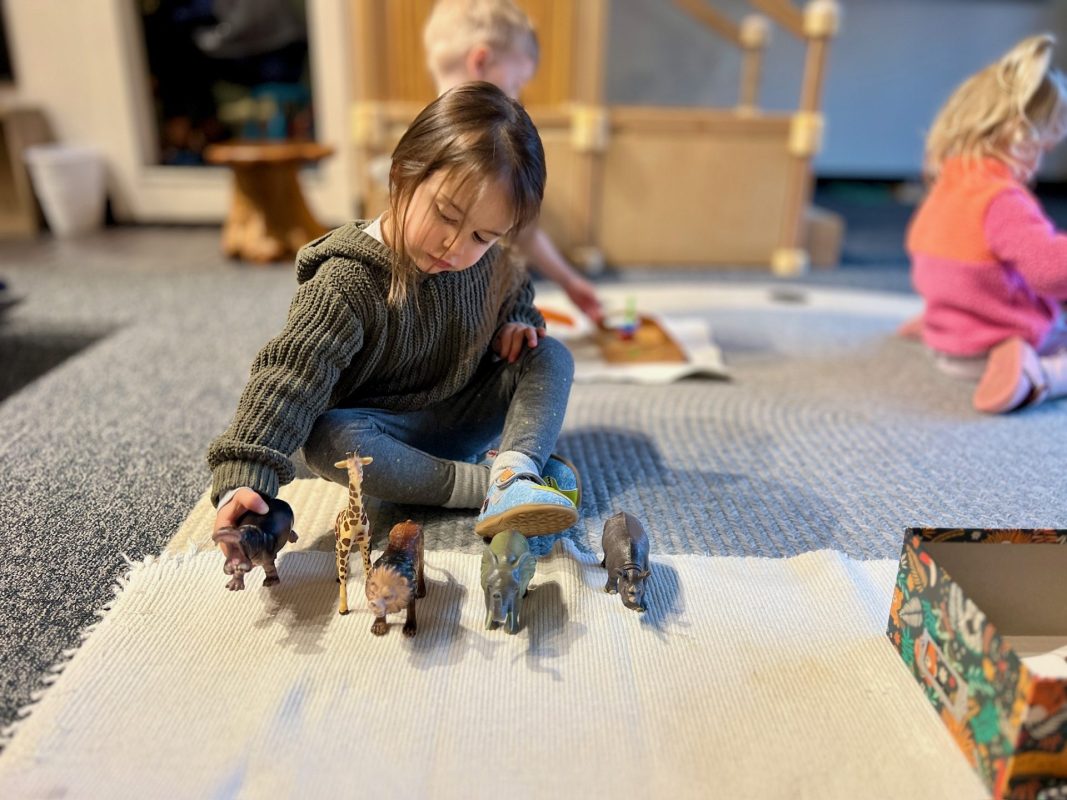
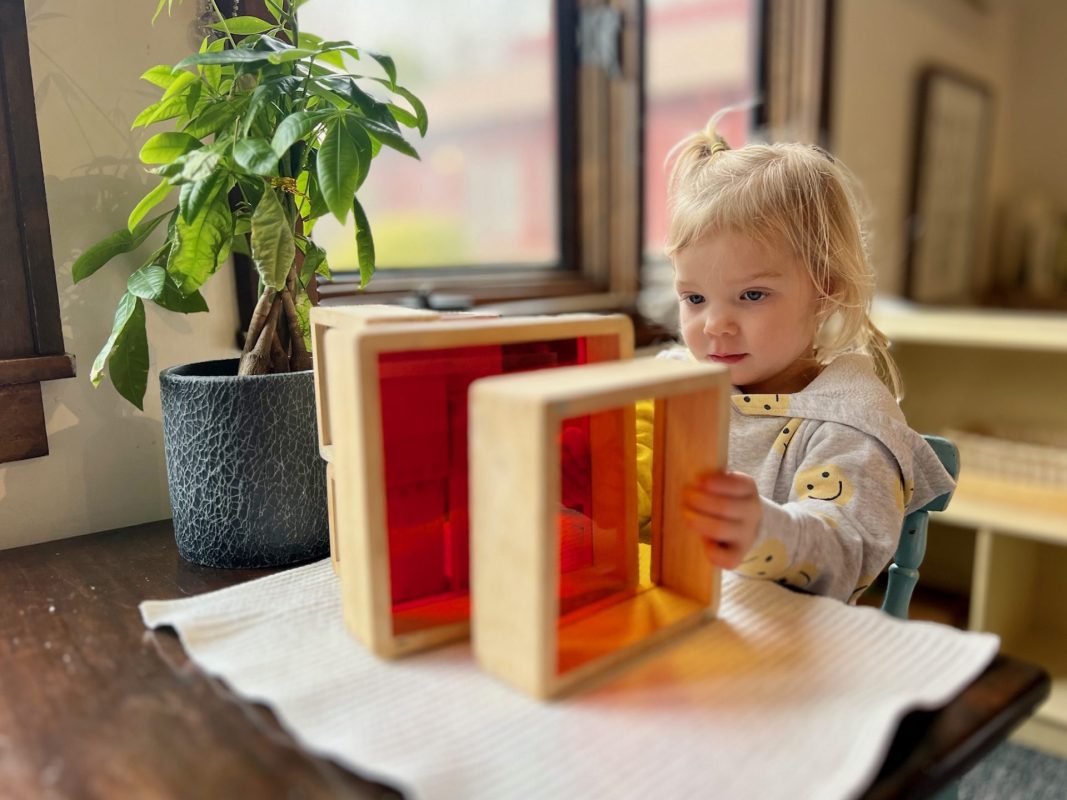
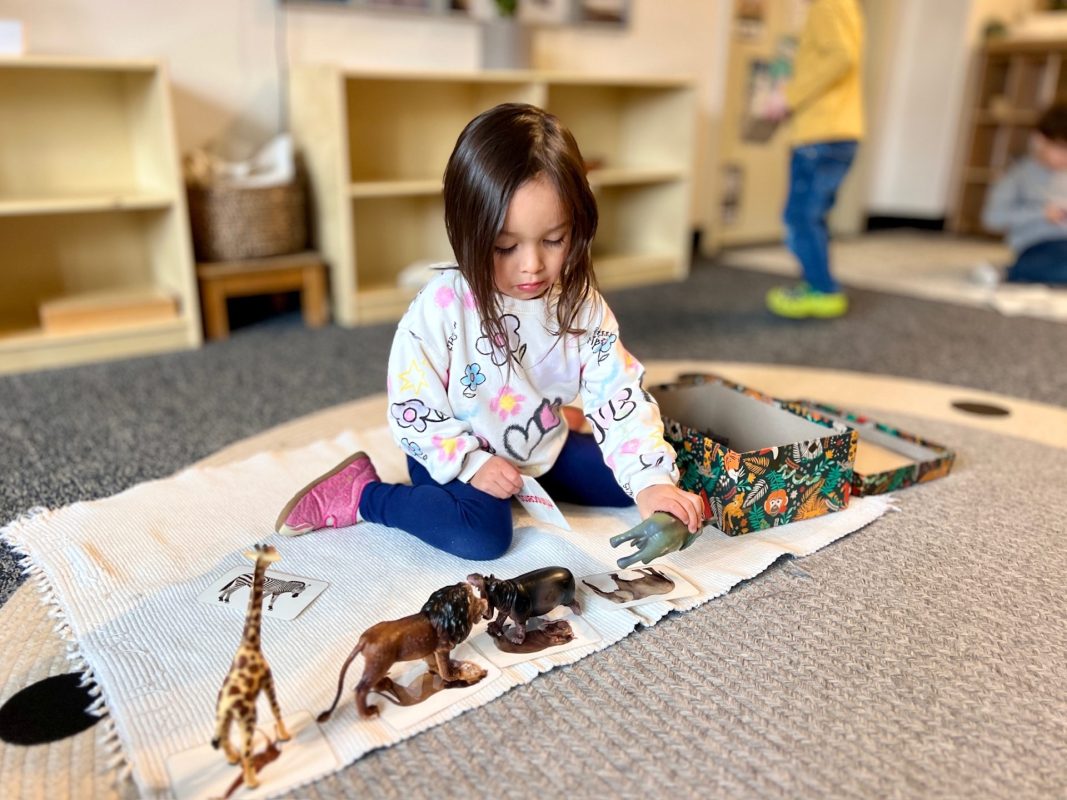
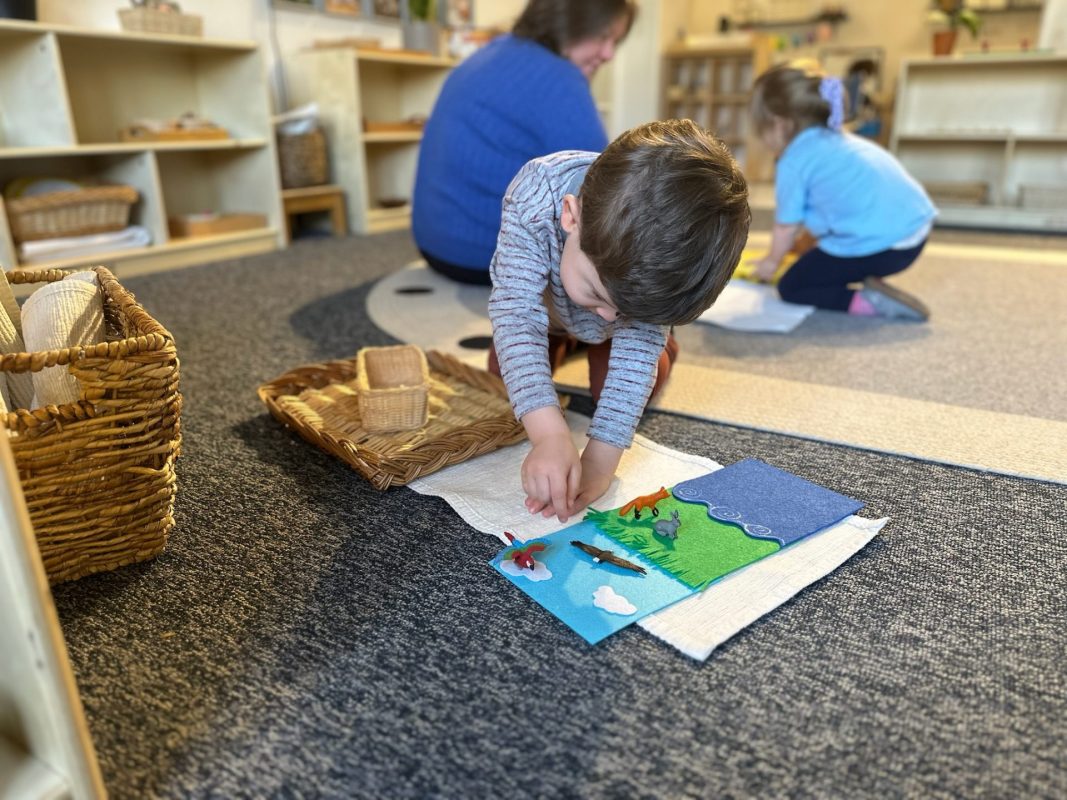
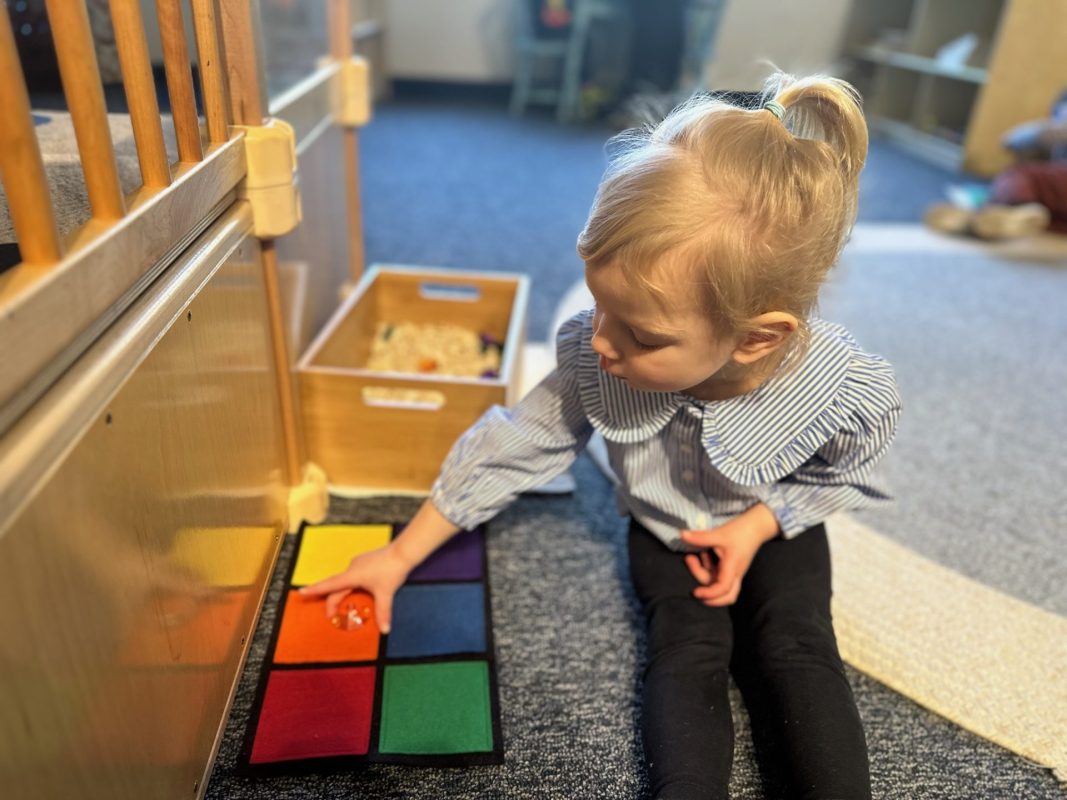
Furthermore, we have begun to delve into the fascinating world of wild animals while continuing our exploration of colors in the environment. By incorporating these themes into our curriculum, we aim to spark curiosity, encourage observation, and instill a sense of wonder and respect for the natural world.

As we navigate the remainder of the school year together, I am confident that these new additions and engaging experiences will continue to inspire and empower our toddlers to flourish and grow. Thank you for your ongoing support and partnership in nurturing the curiosity and potential of each child in our classroom.

Enjoy the pics,

Mrs. Hood and Ms. Mollie


Mrs. Wilson: Exploring Color Mixing

March flew by quickly, and the children returned from their two-week break full of energy. They were excited to see their friends and teachers and quickly settled back into their routines, eager to learn new skills.

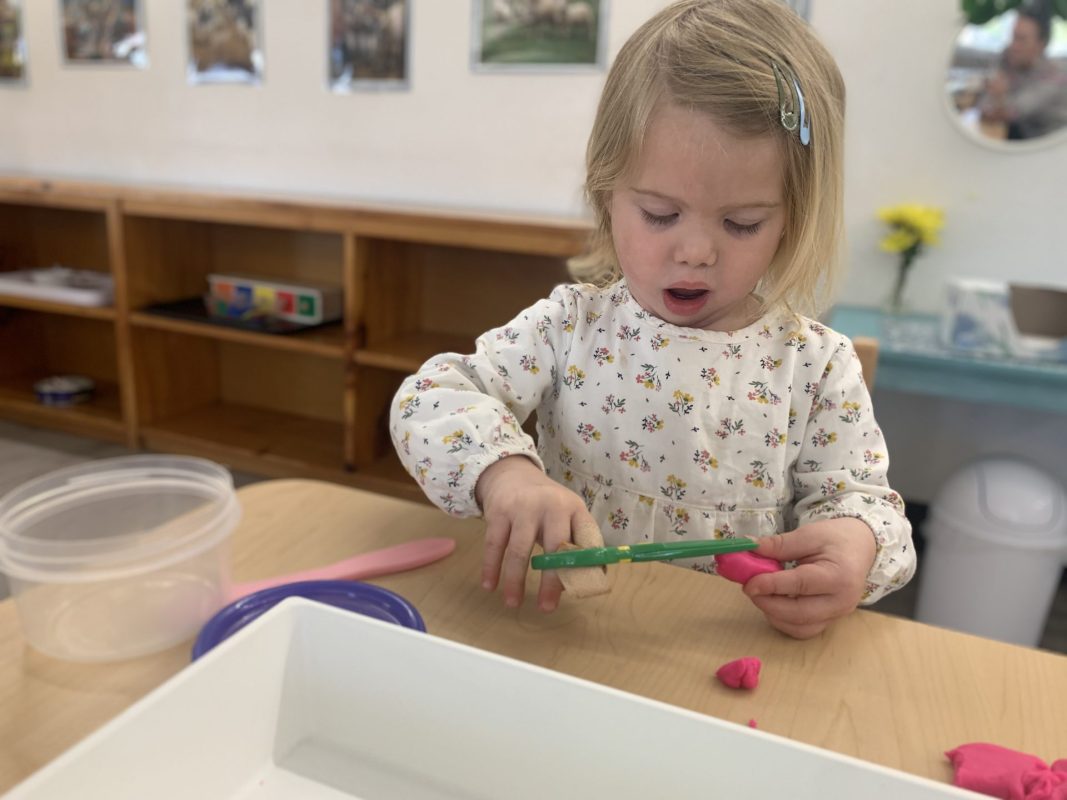
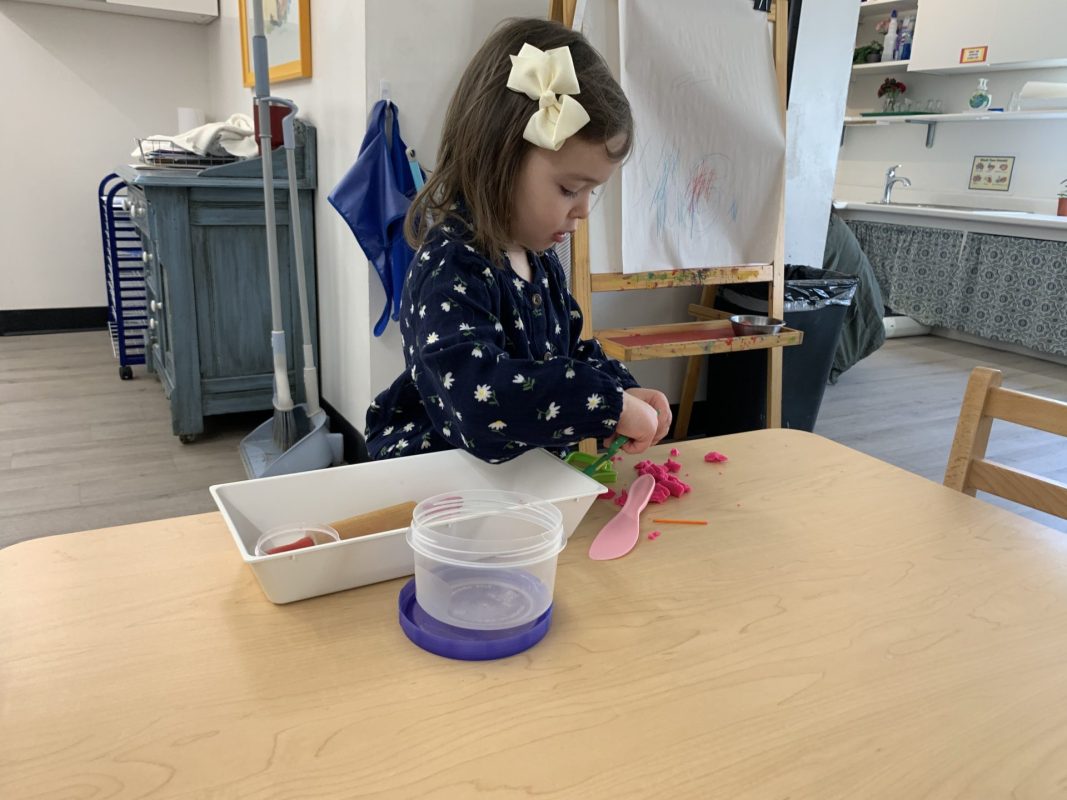
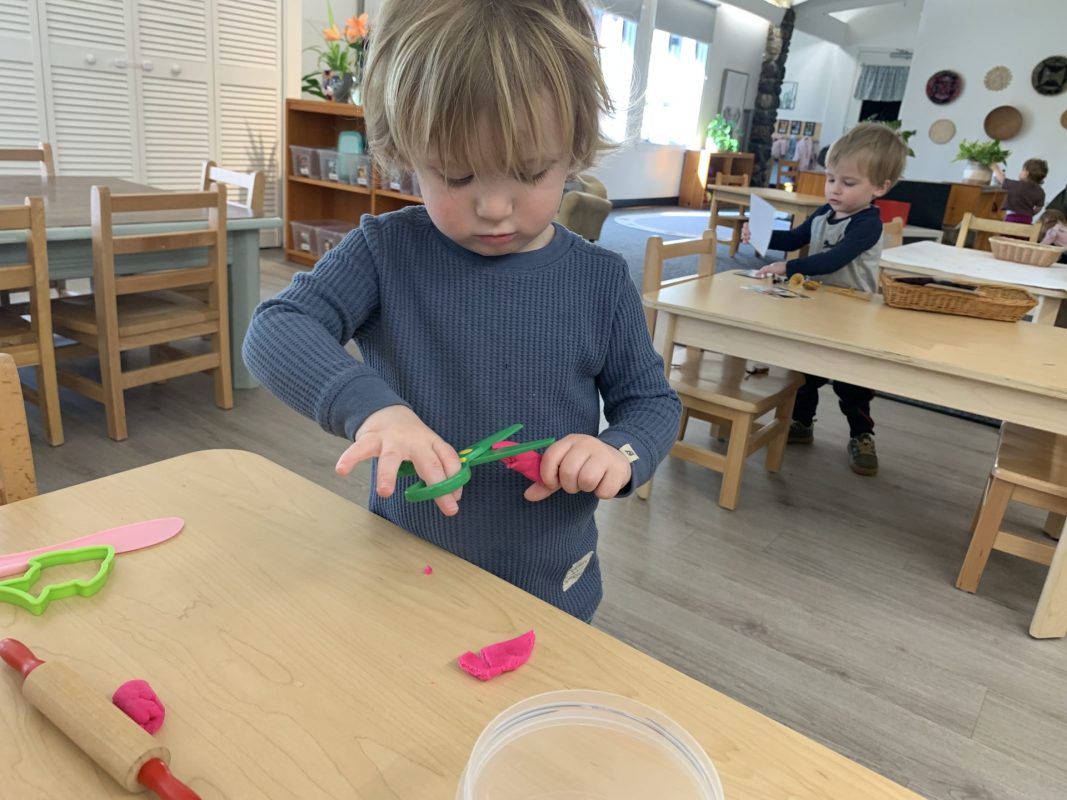
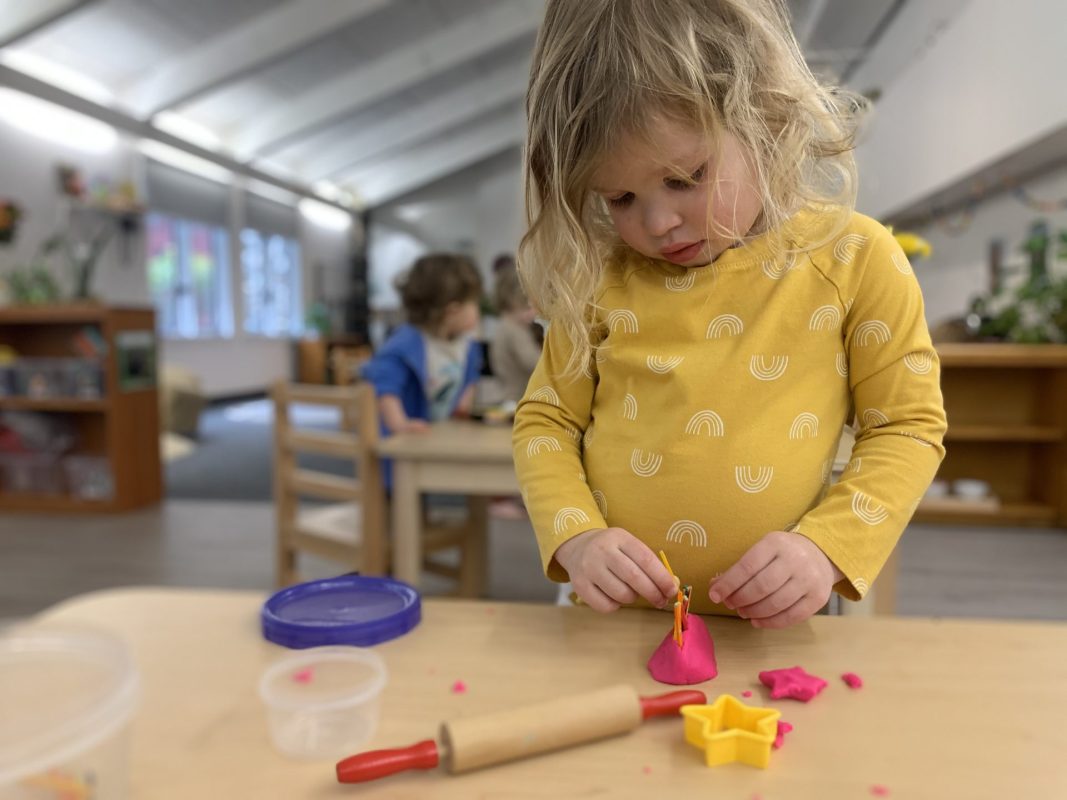
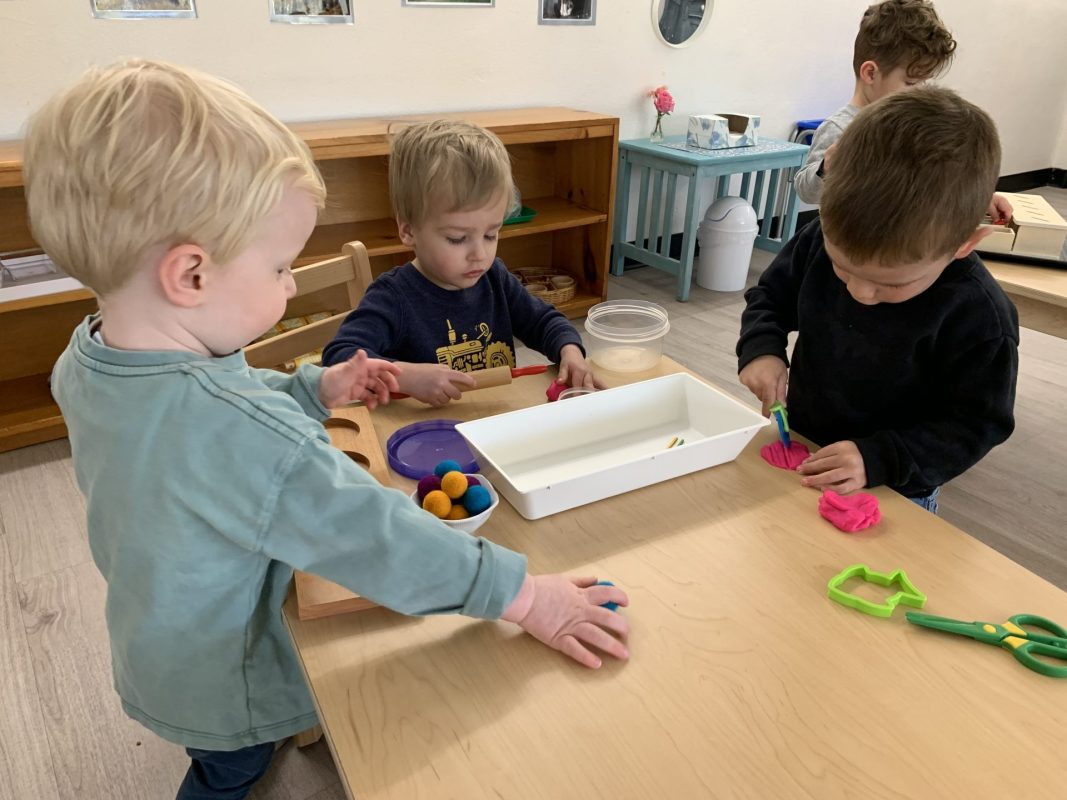
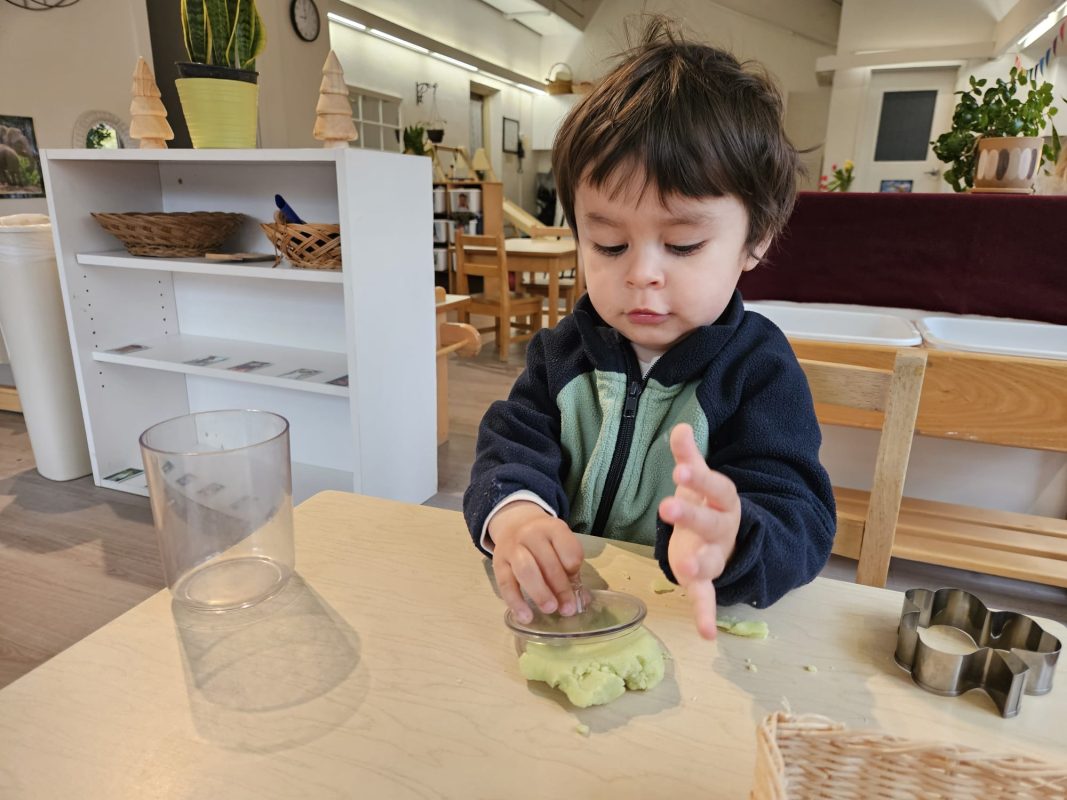
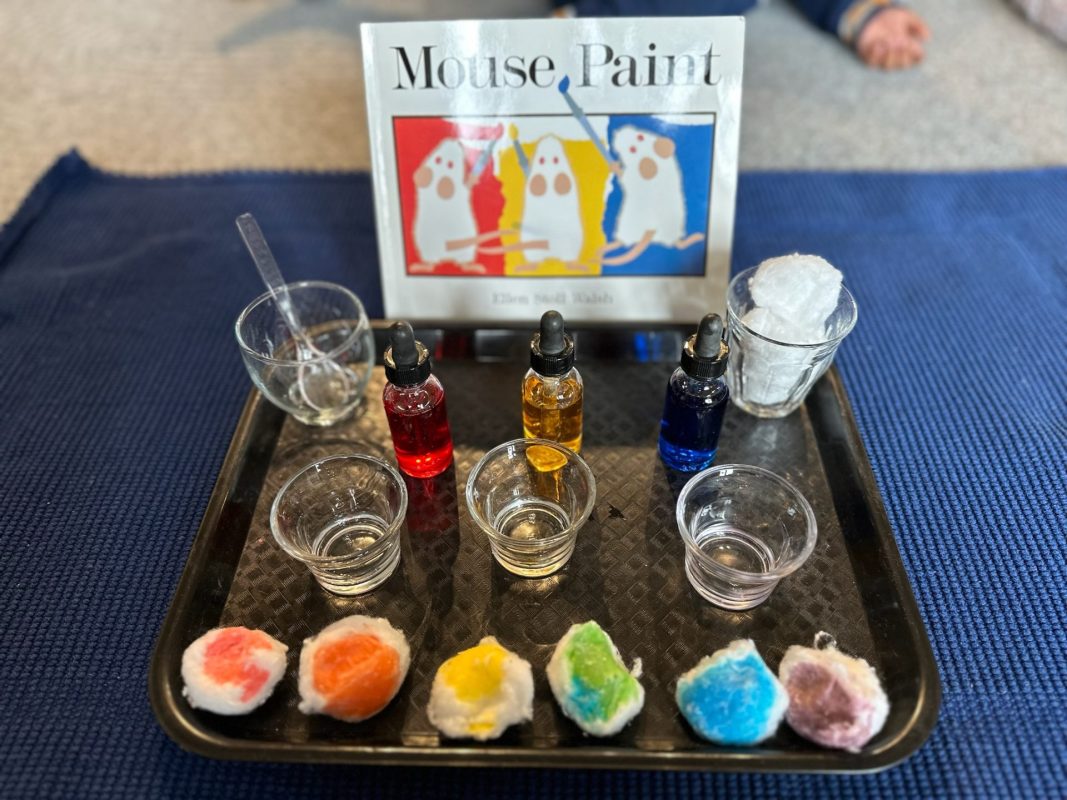
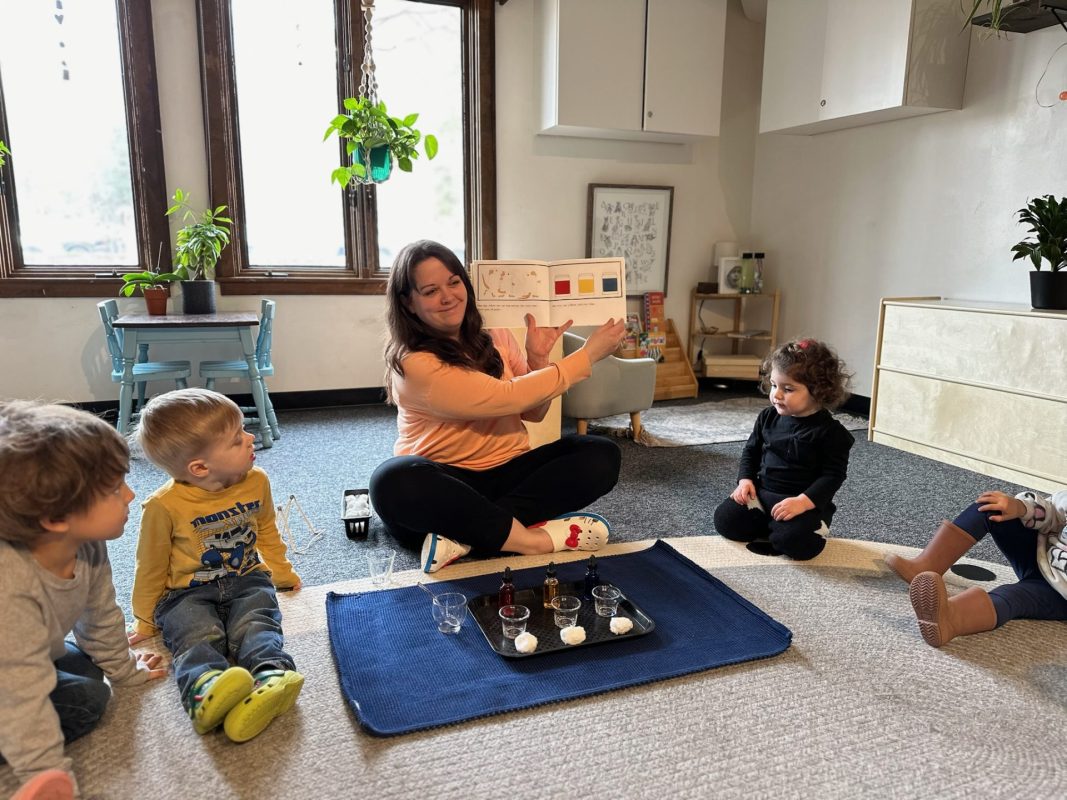
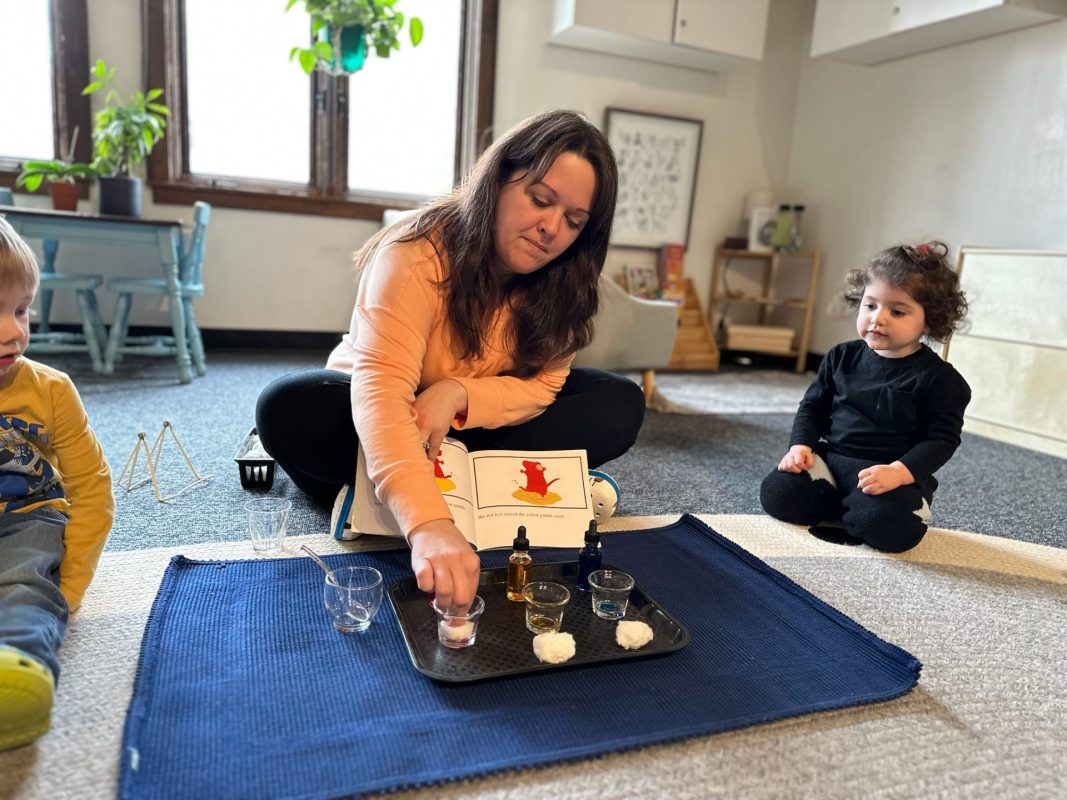
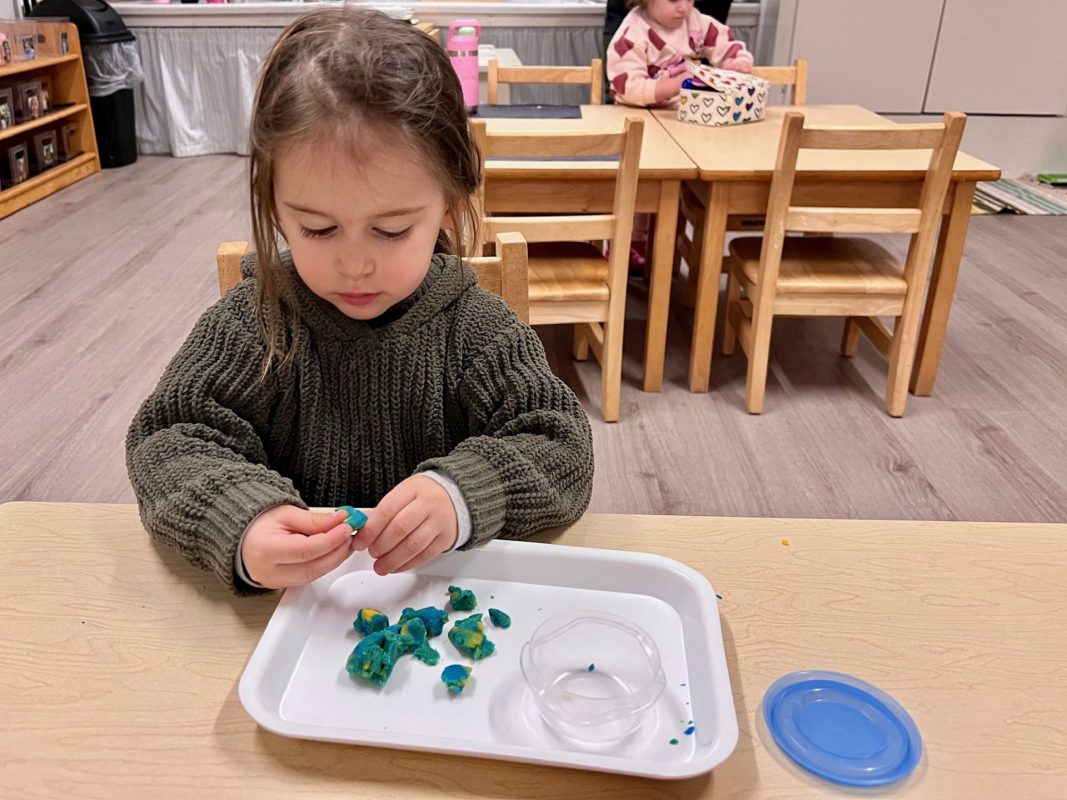
On Monday, they were introduced to two new lessons. The first was based on the book Mouse Paint by Ellen Stoll Walsh, which taught the children about color mixing. They not only listened to the story but also got a visual representation of how primary colors mix. We did this by using food coloring and cotton balls as the mice. To extend this lesson, over the next two weeks, the children will be able to mix their colors using playdough and take it home.

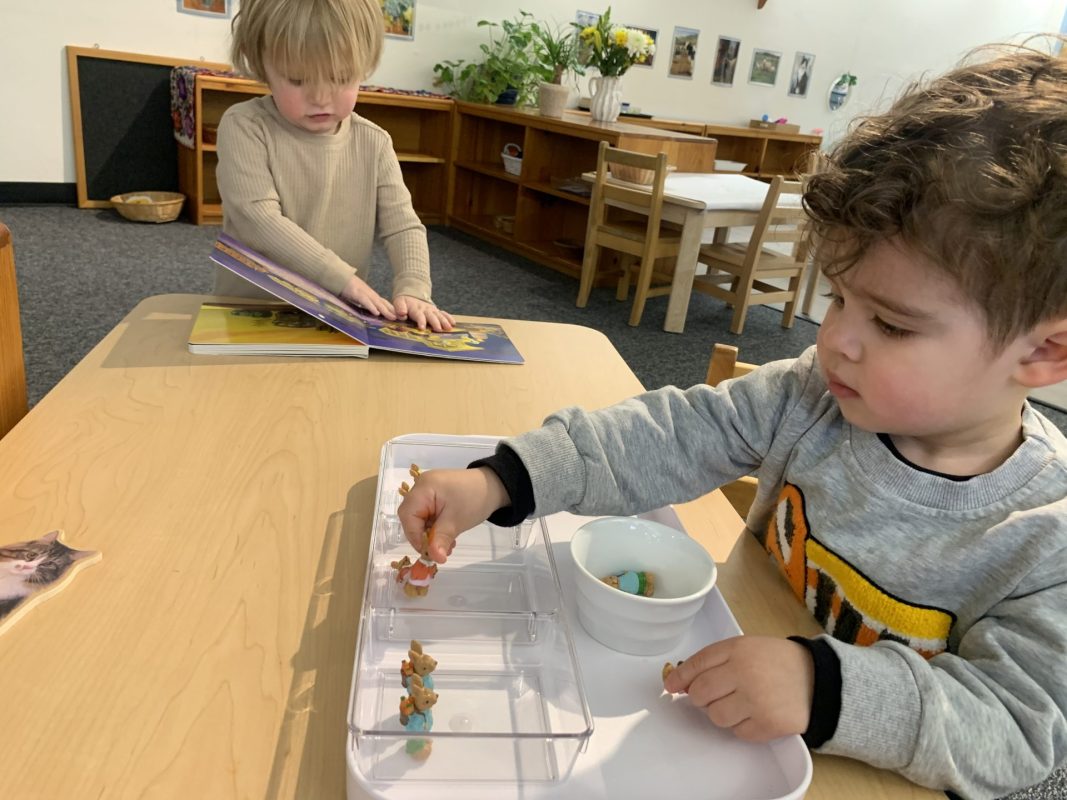
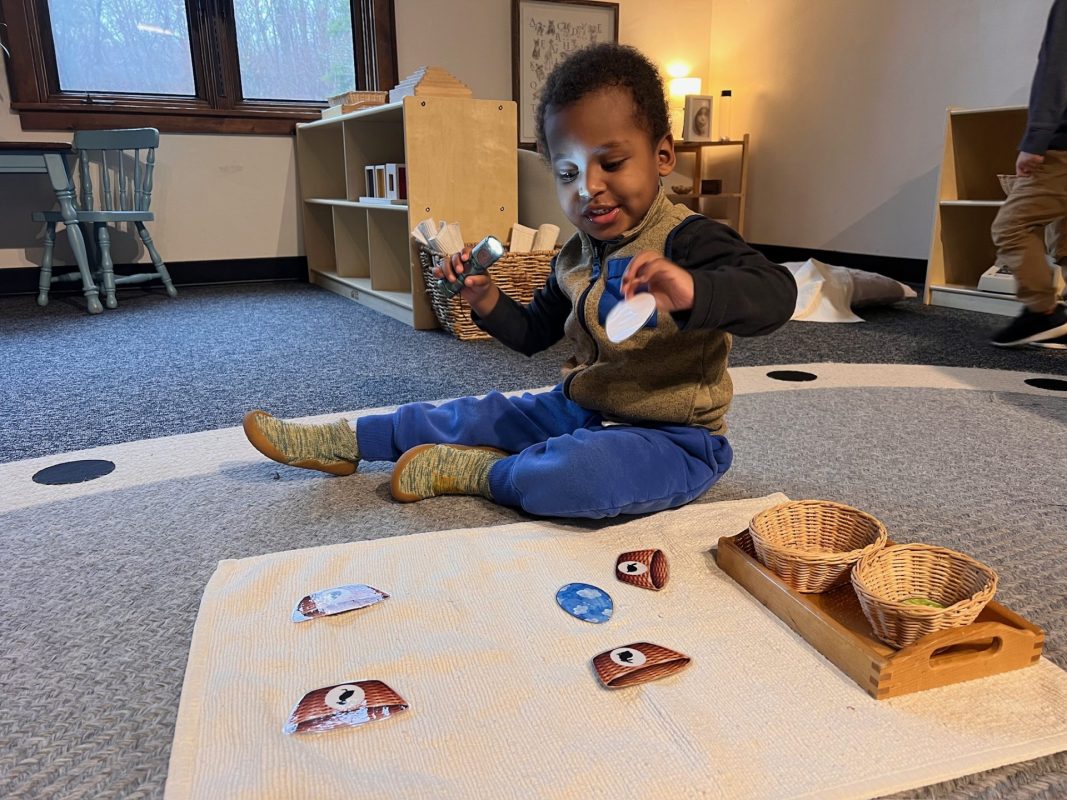
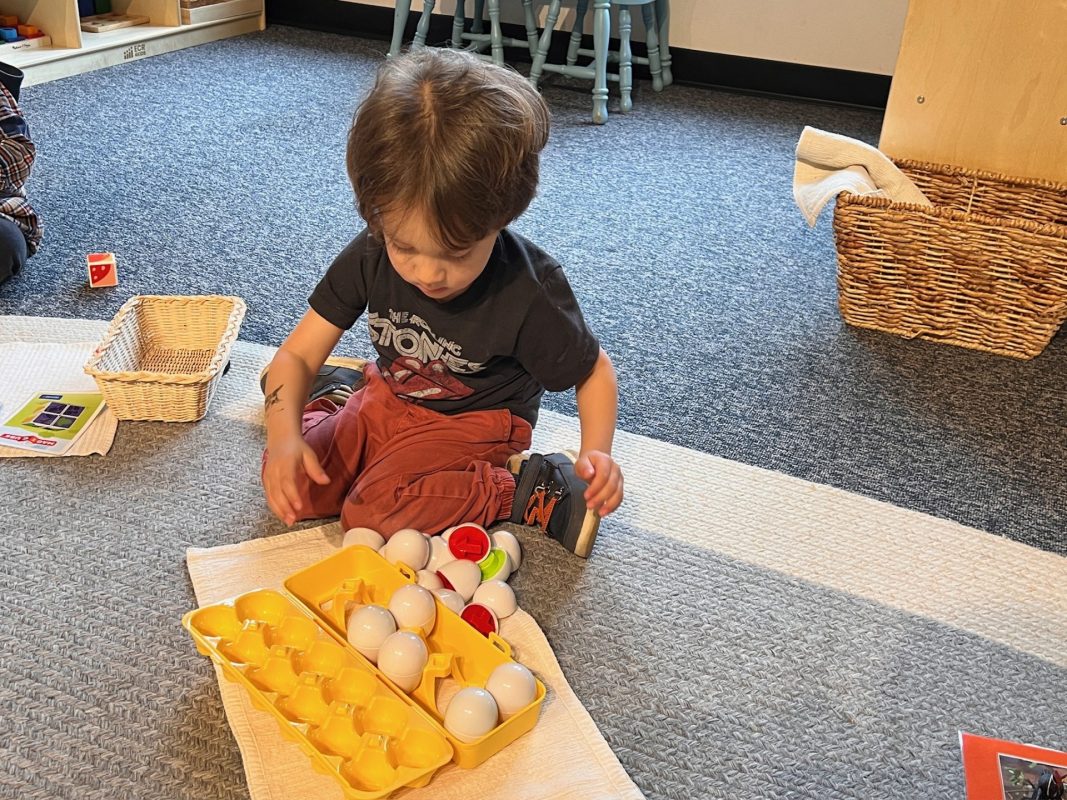
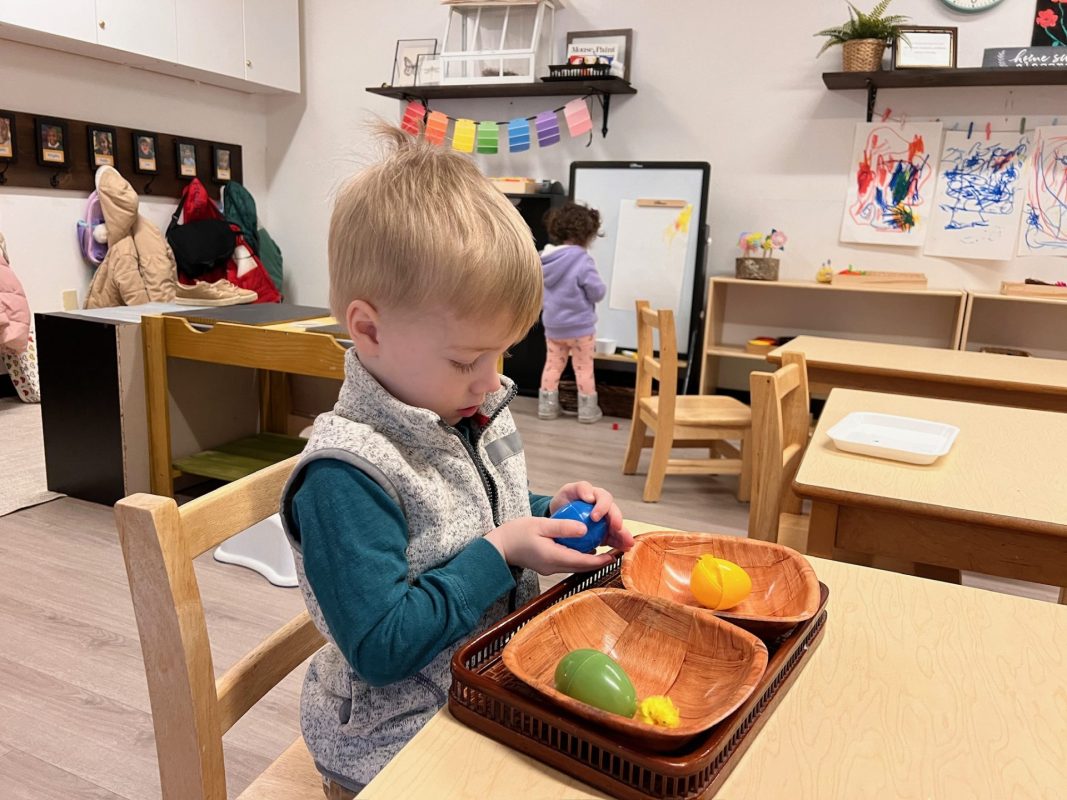
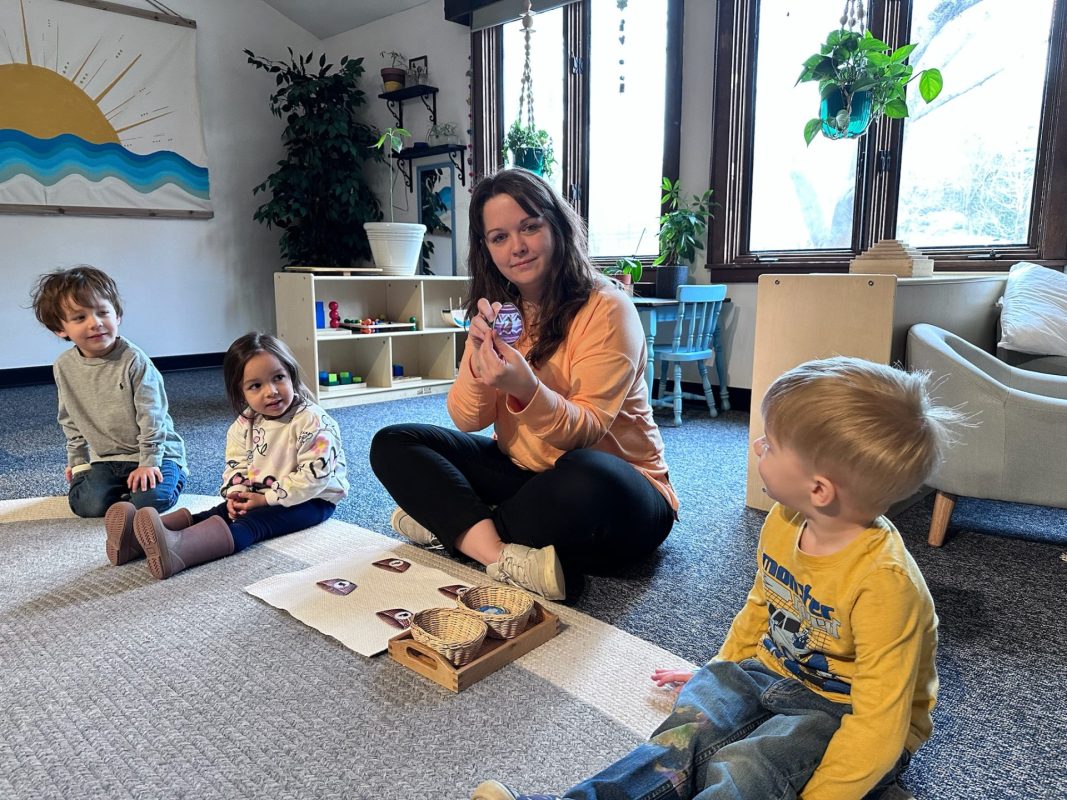
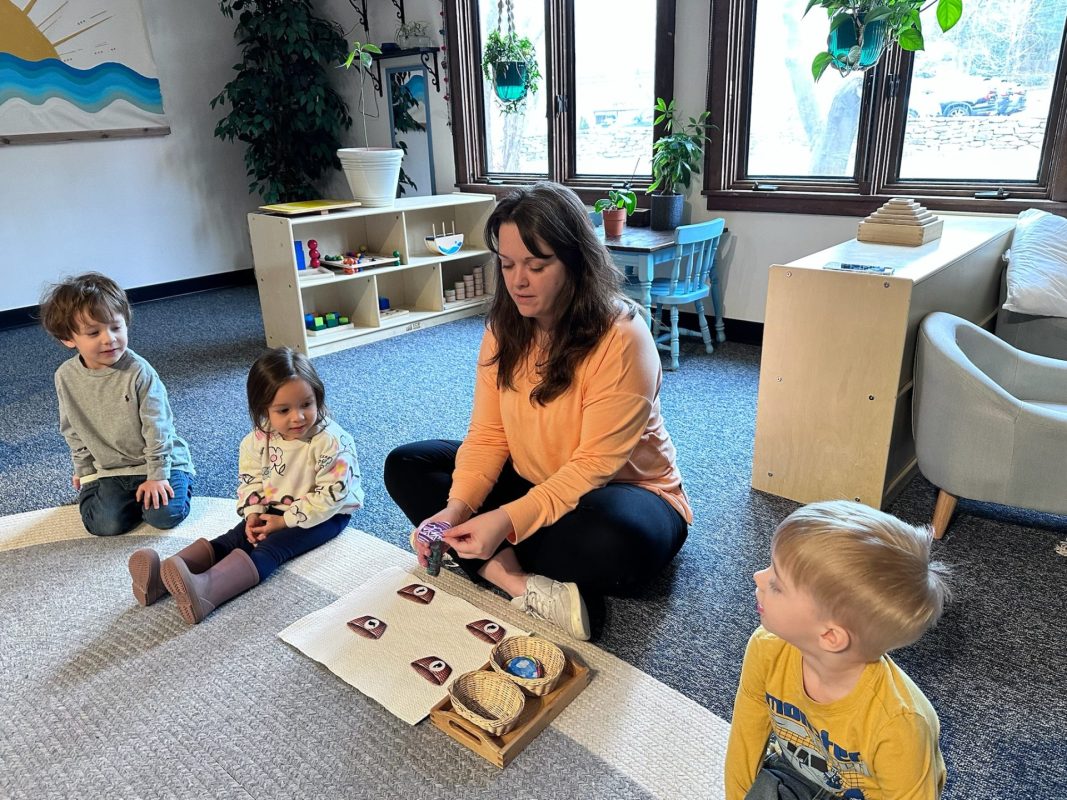
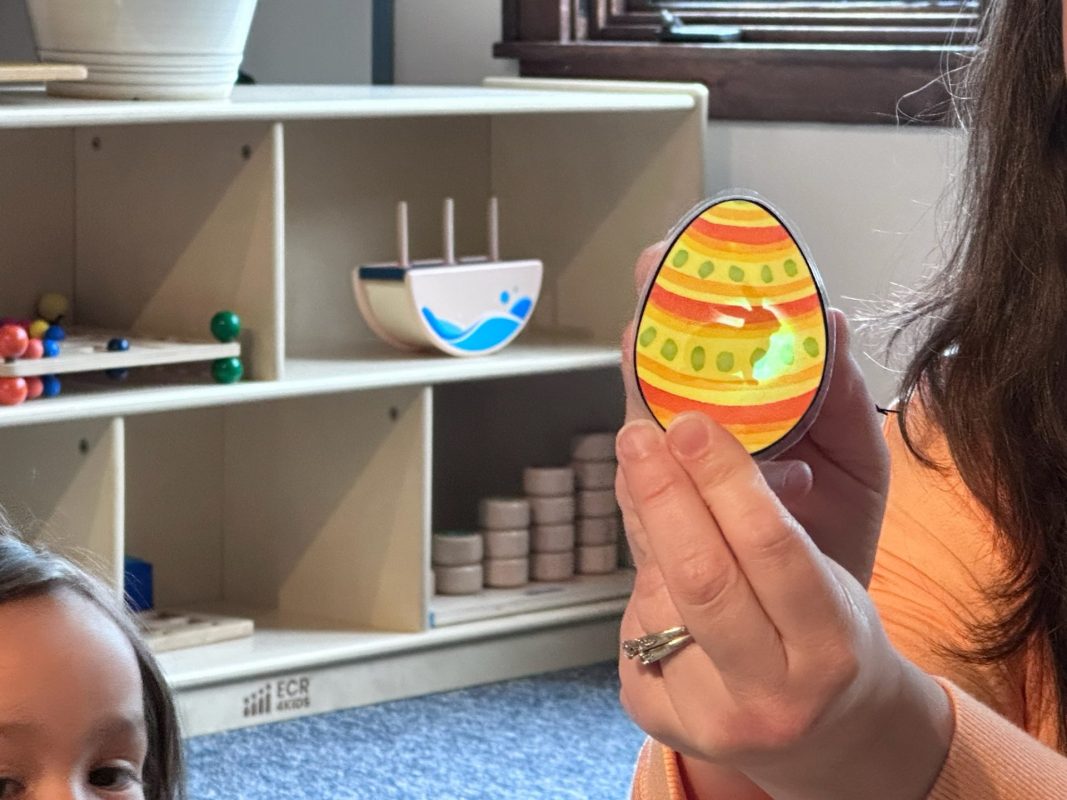
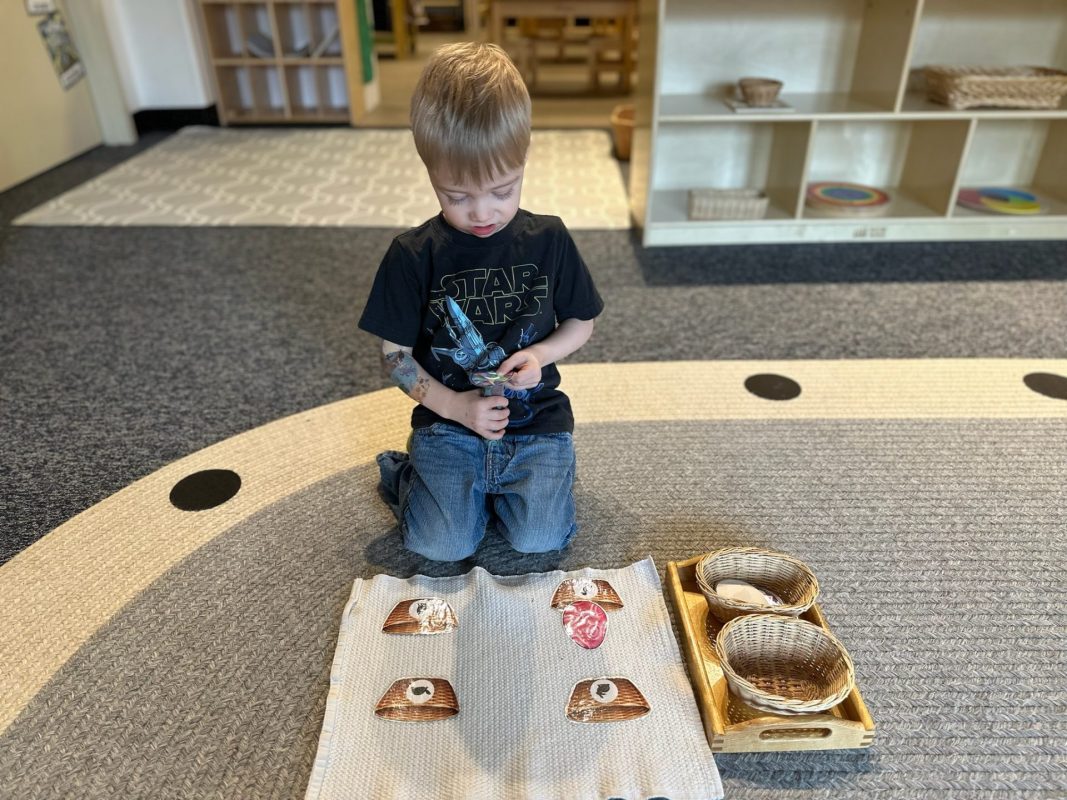
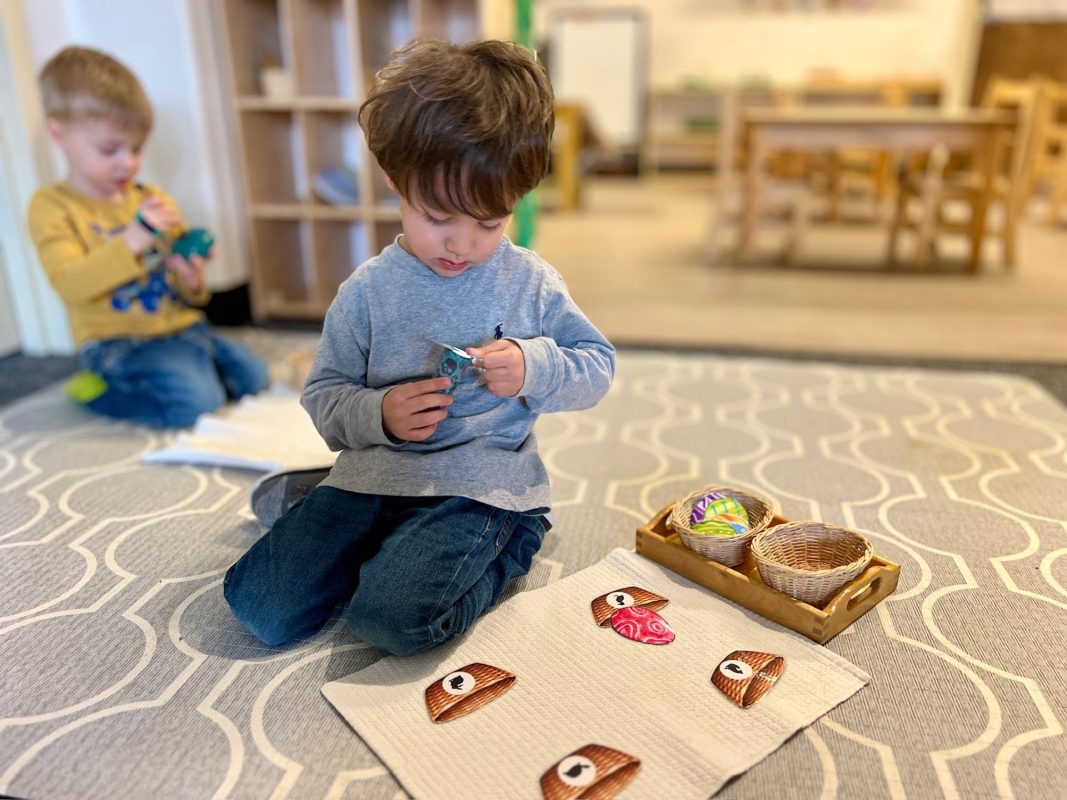
The second lesson involved an animal-matching activity using a flashlight. The children used a flashlight to find a hidden animal on an egg-shaped card and then matched it to the corresponding basket.

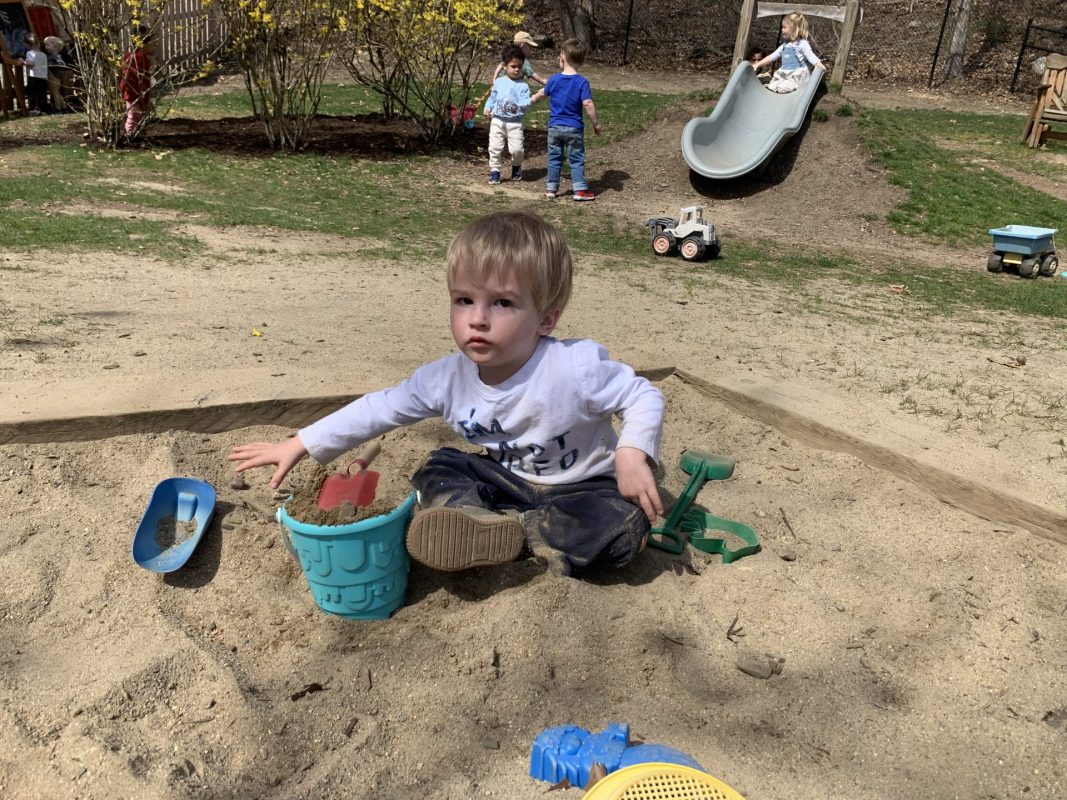
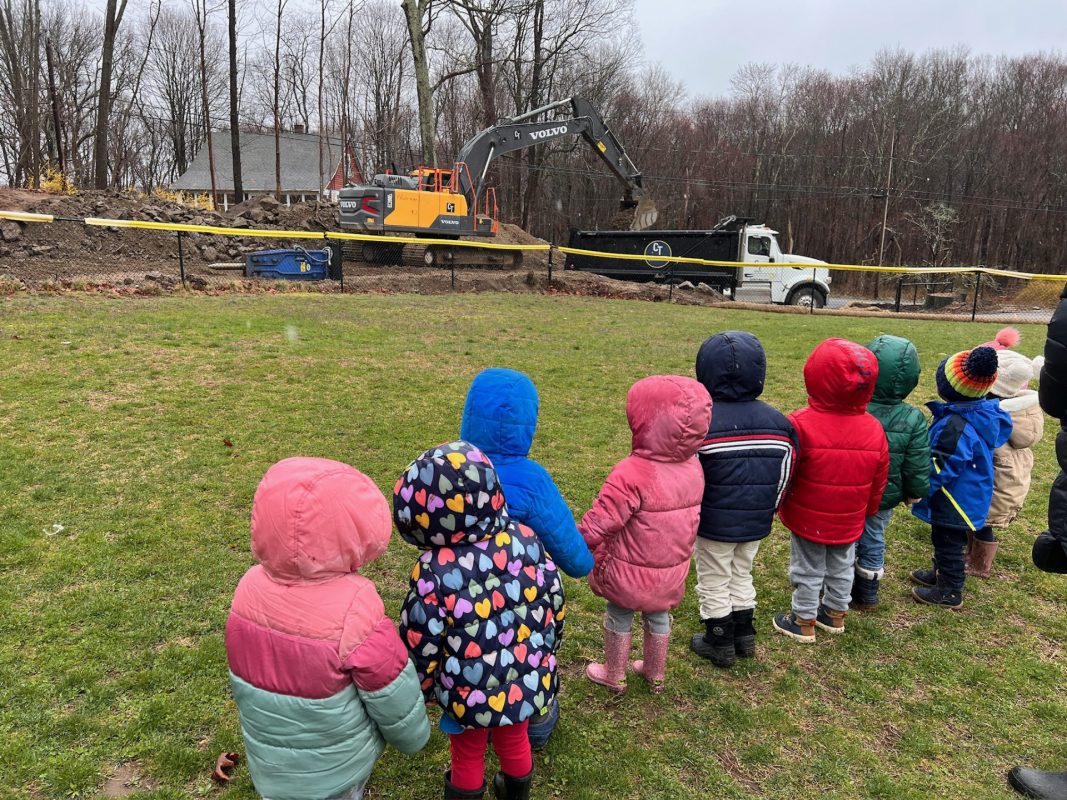
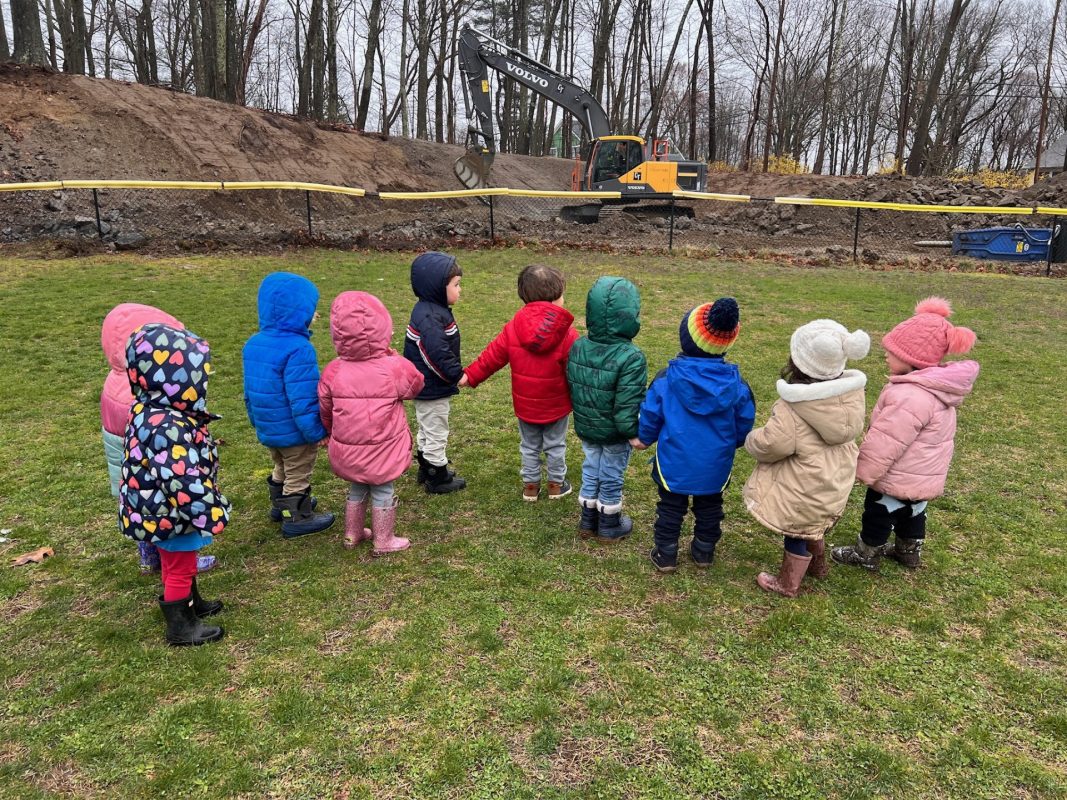
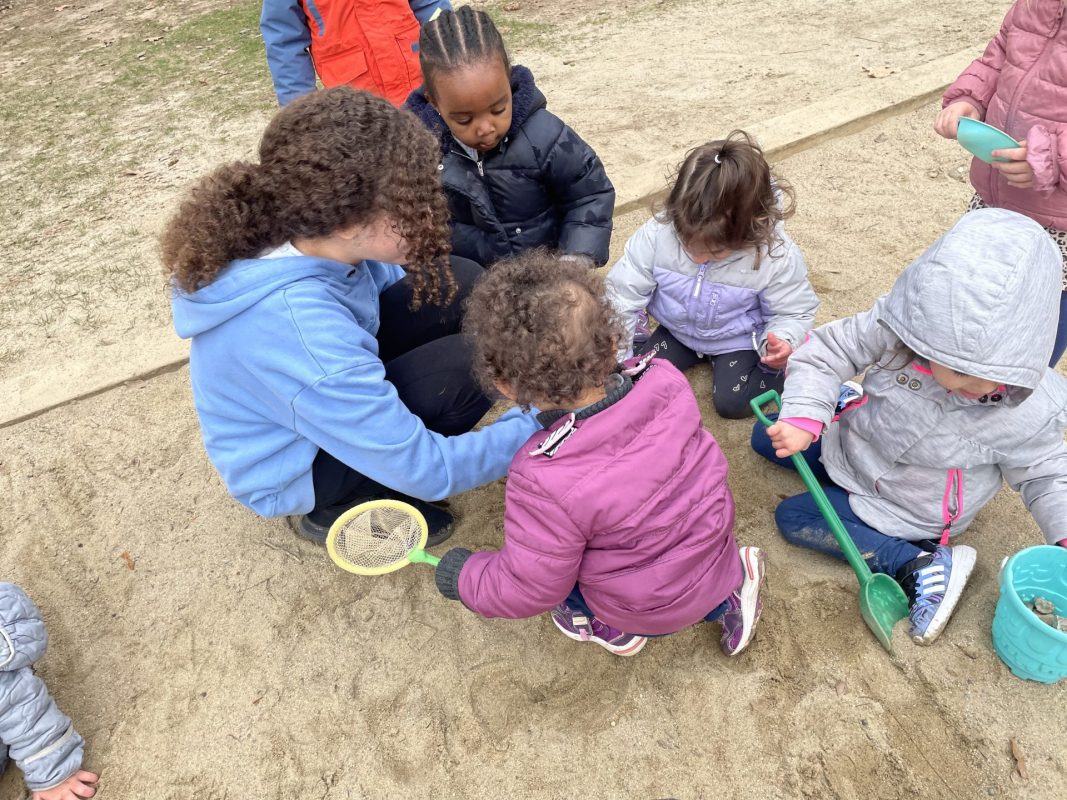
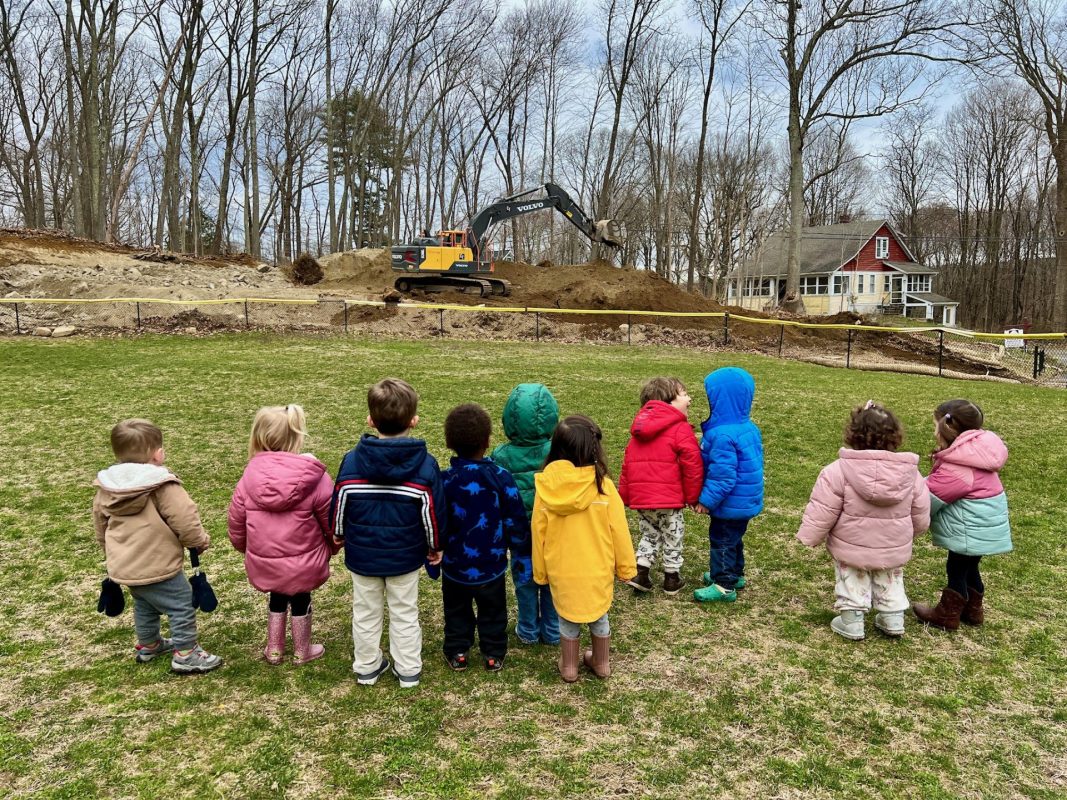
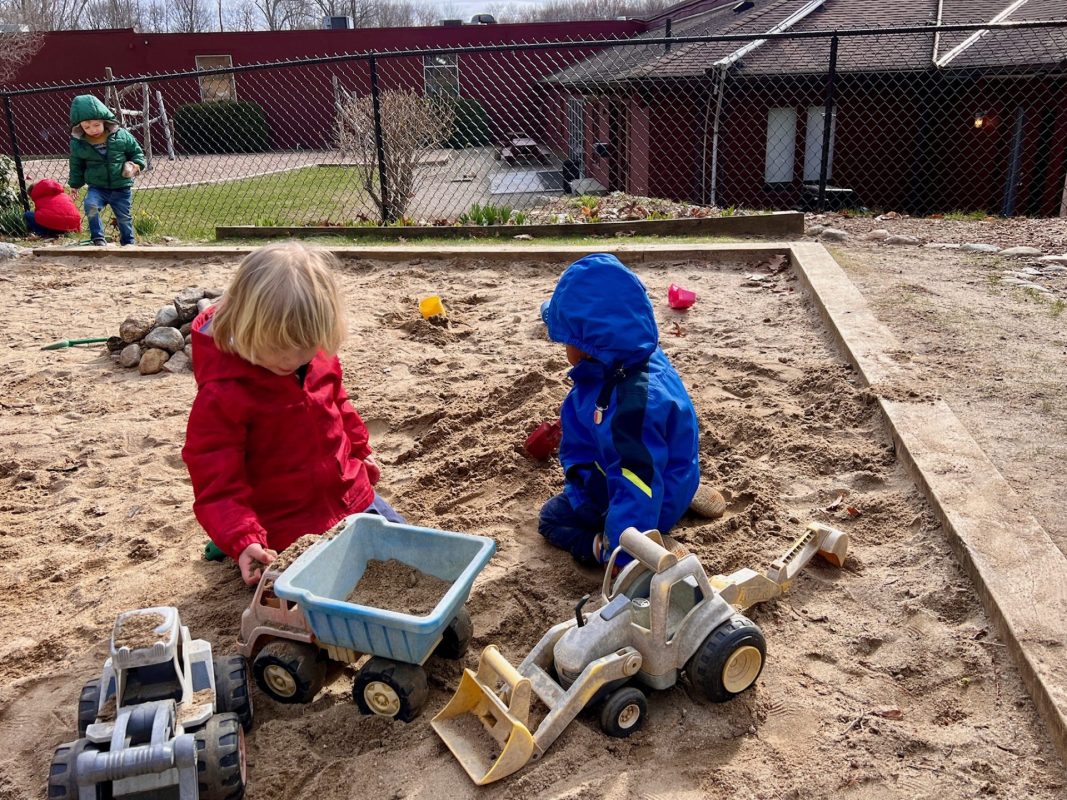
The most exciting moment of the week was when we gathered on the back field to observe the machines working hard. The kids were completely engrossed as the excavator filled up the dump truck. To the delight of the children, the driver of the dump truck honked a couple of times.

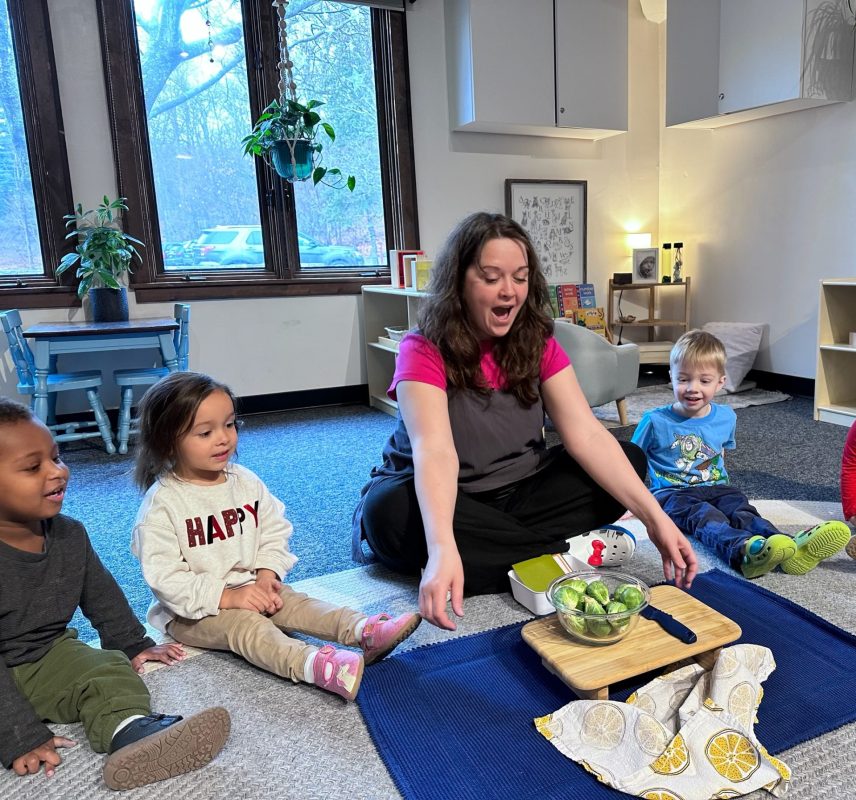
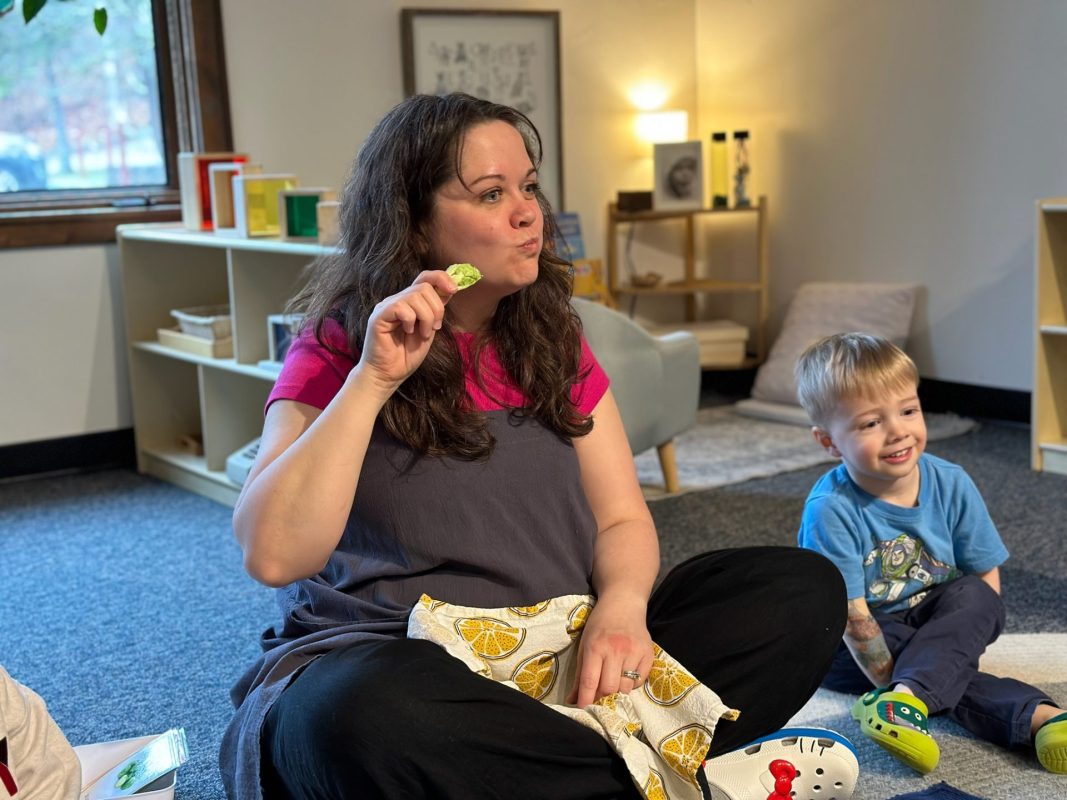
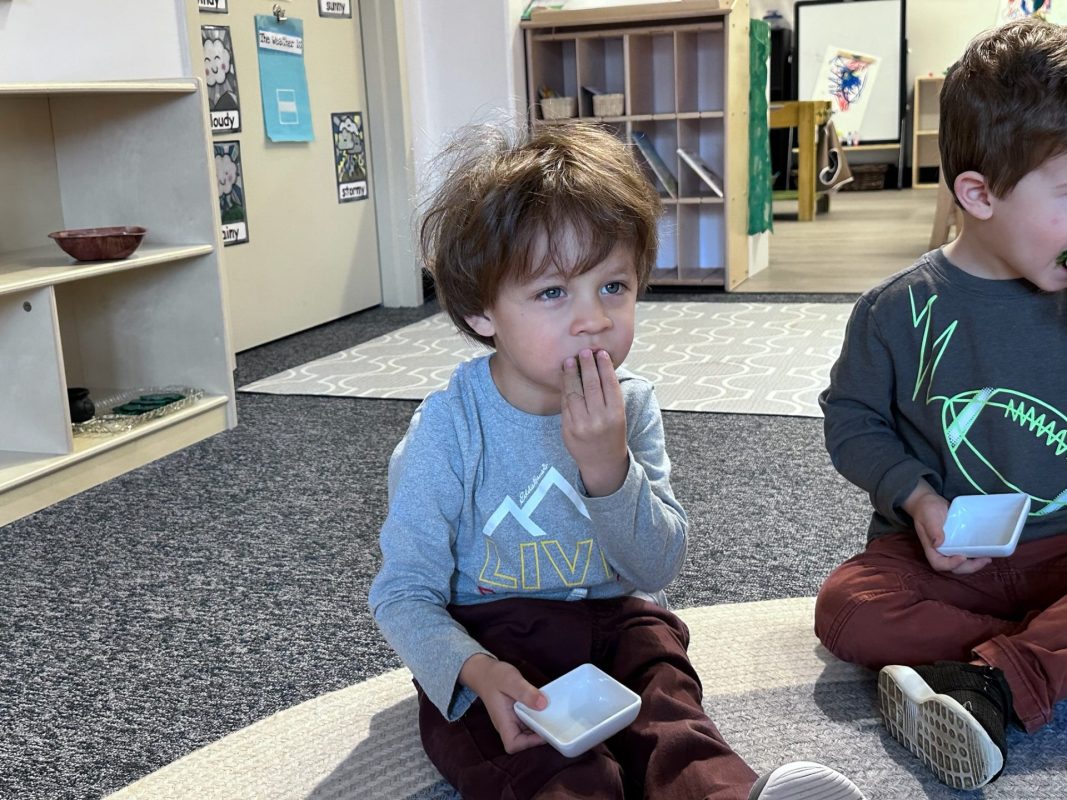
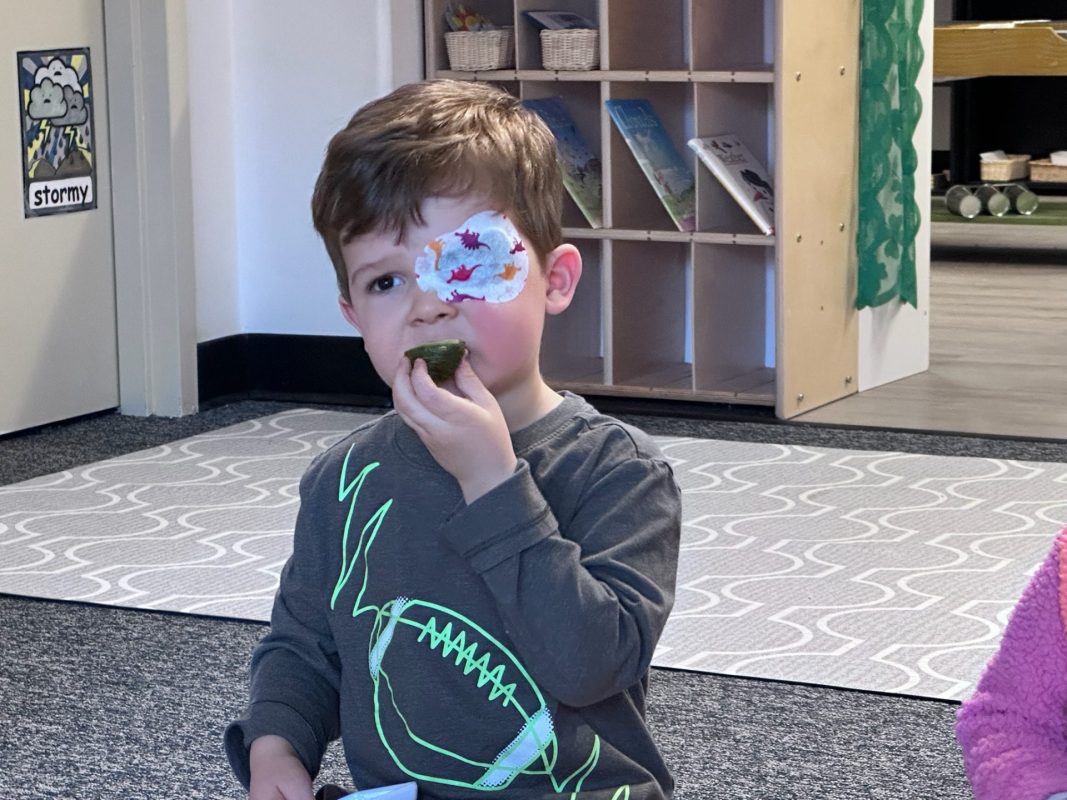
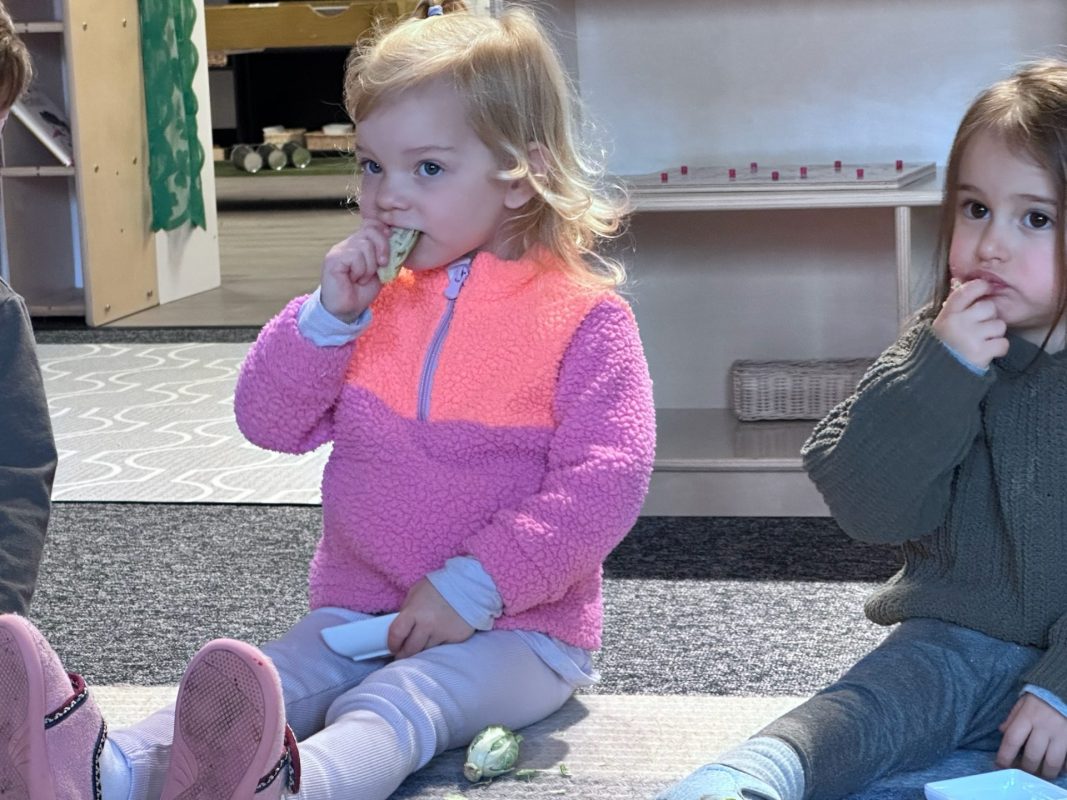
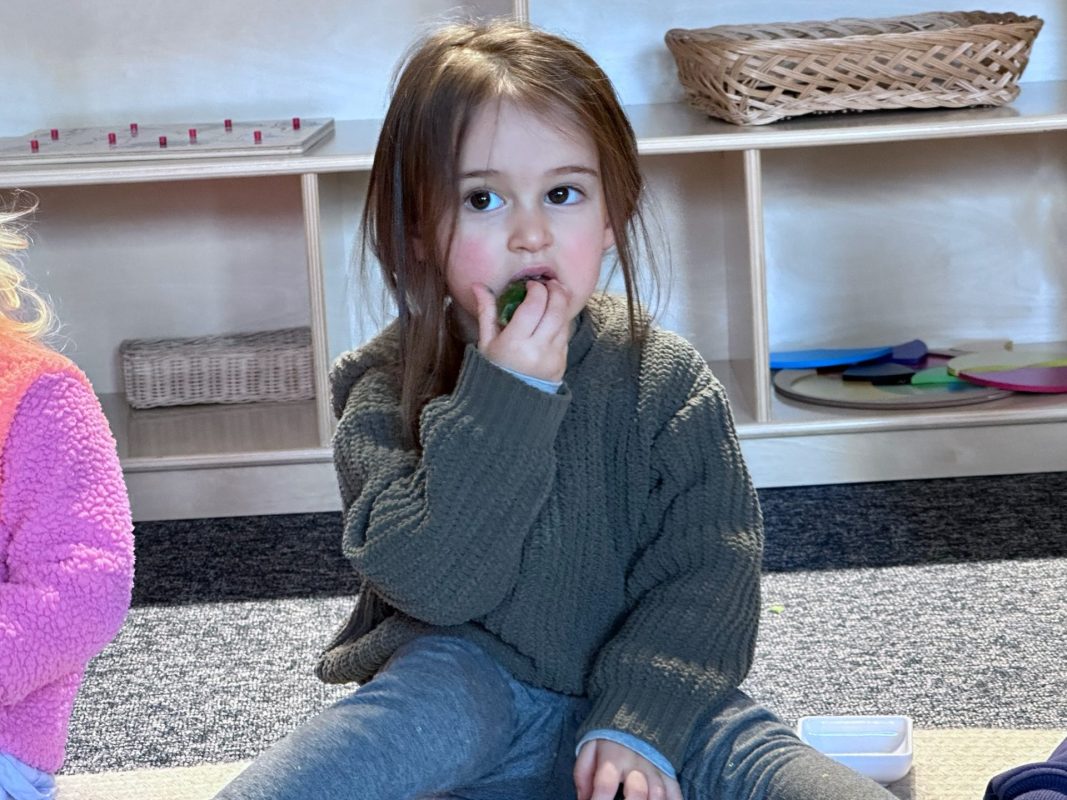
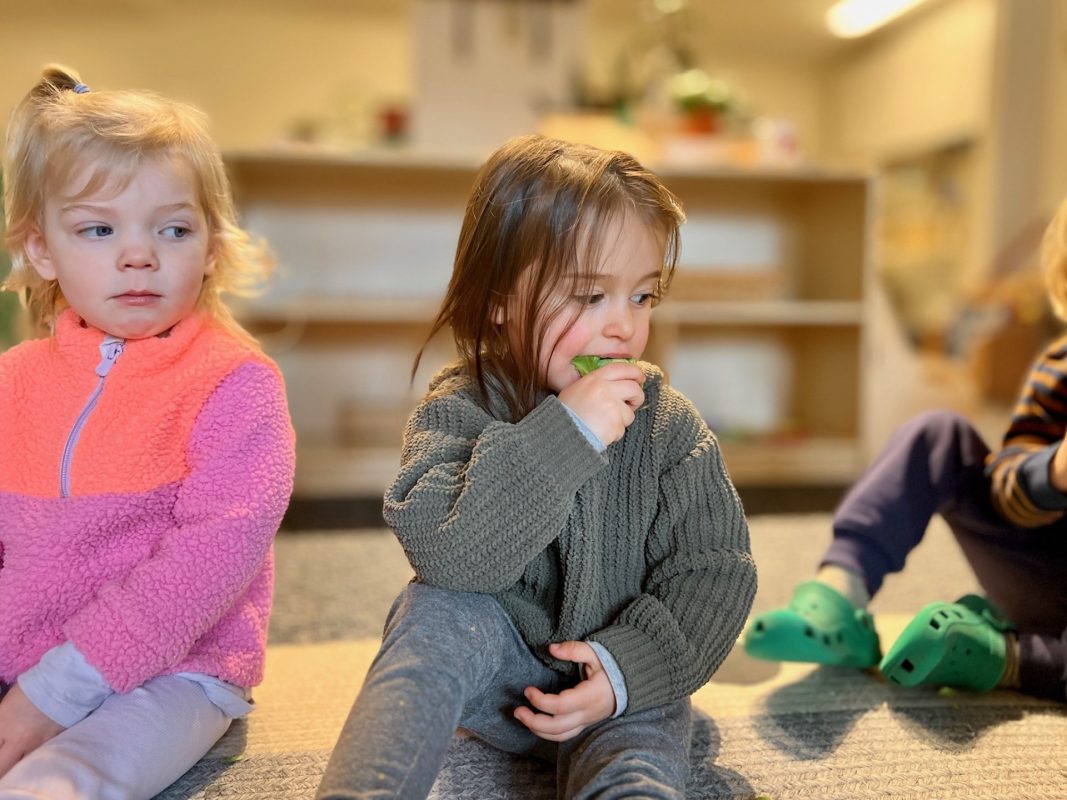
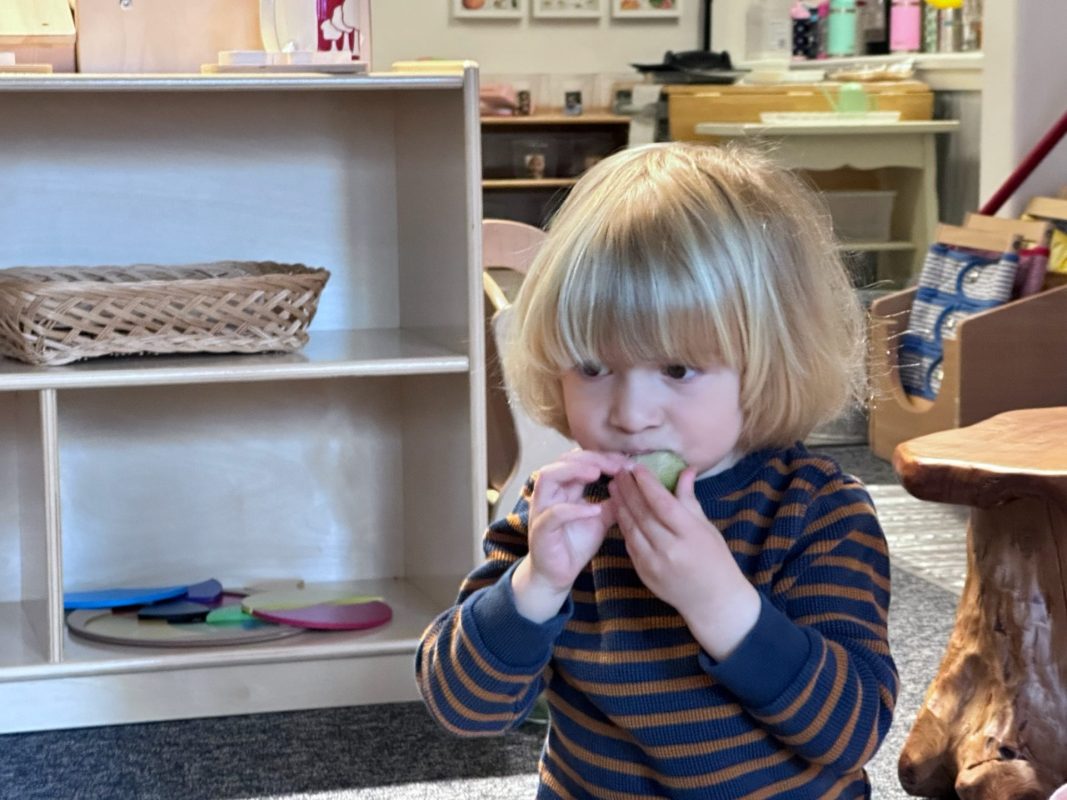
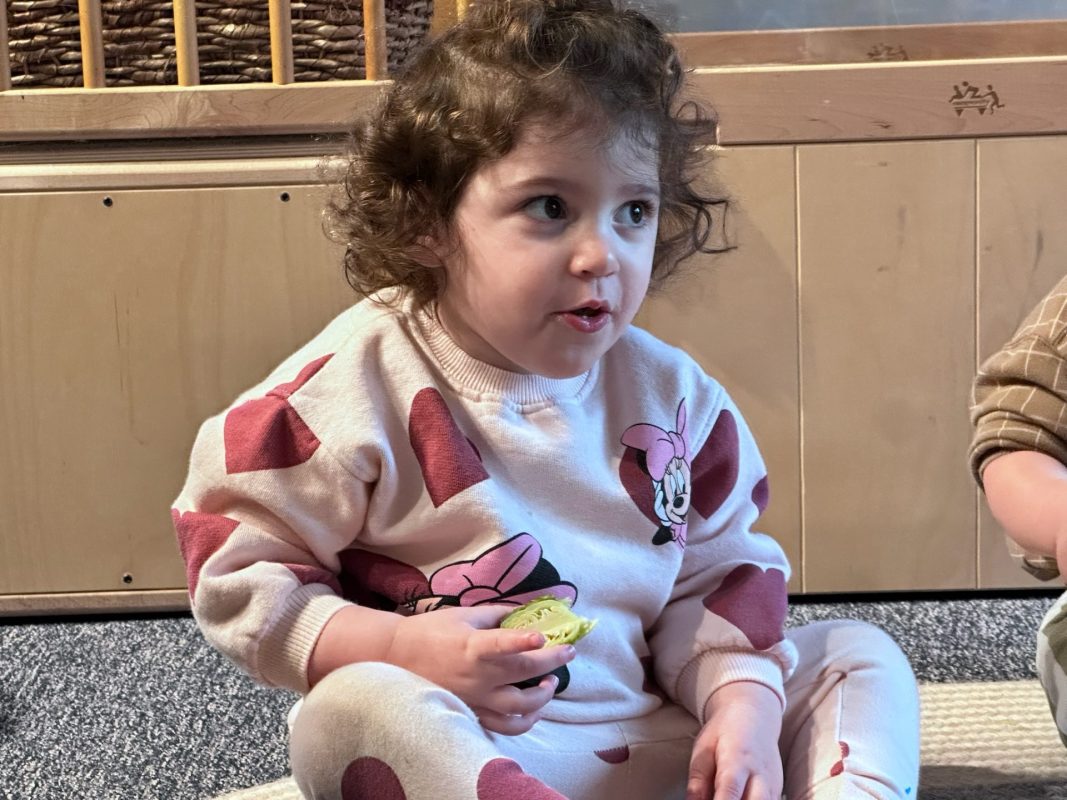
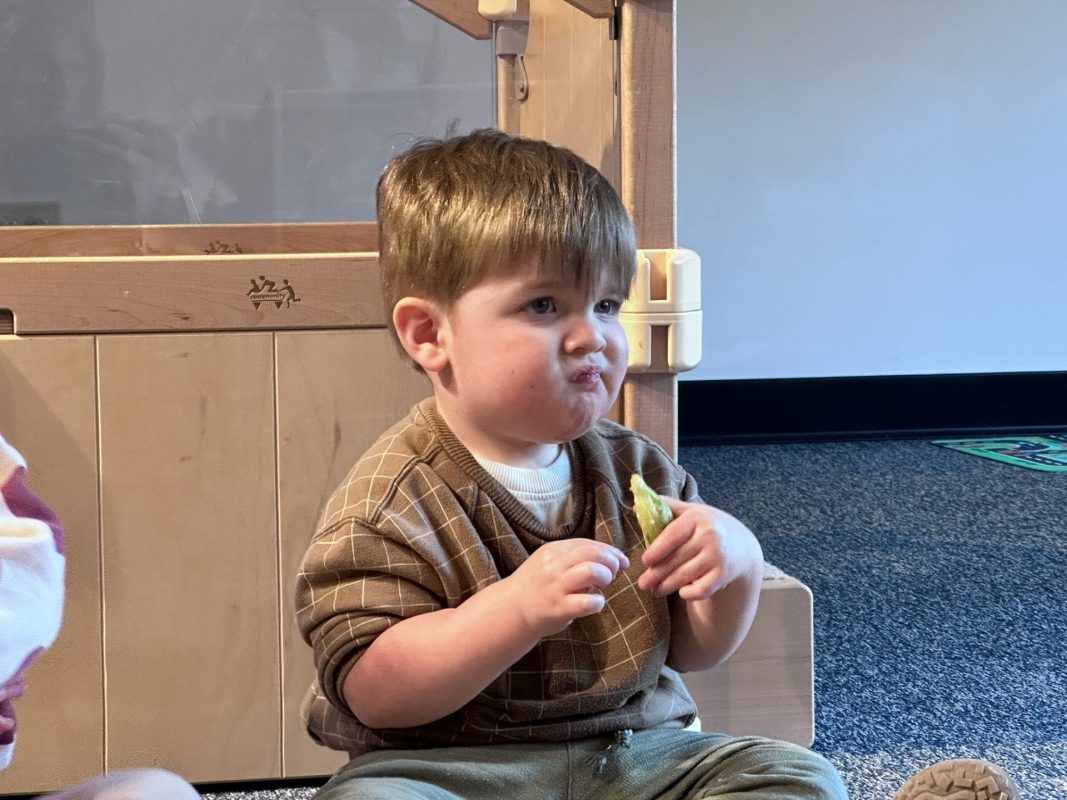
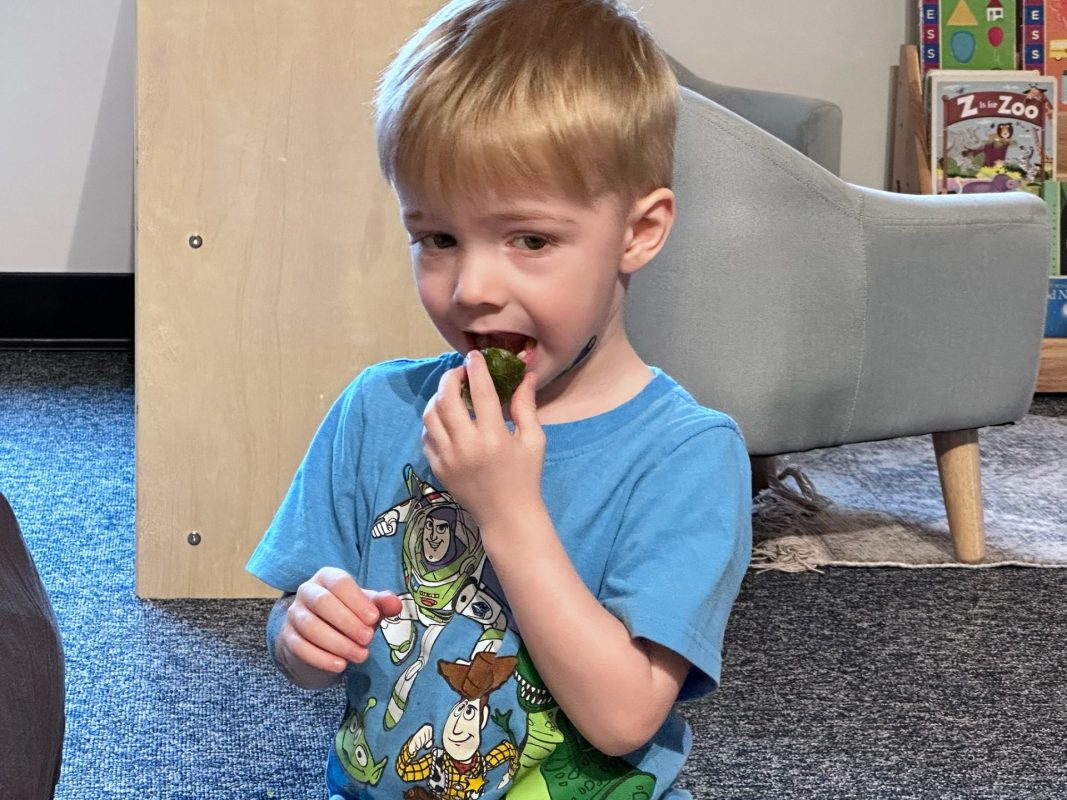
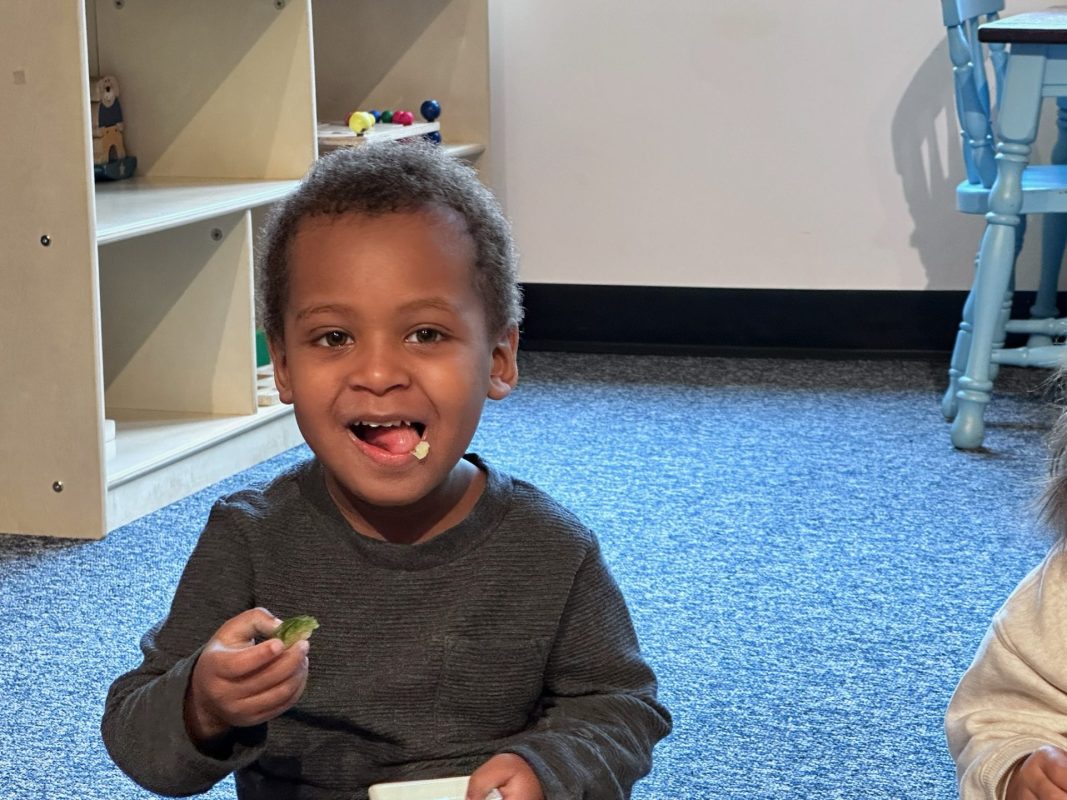
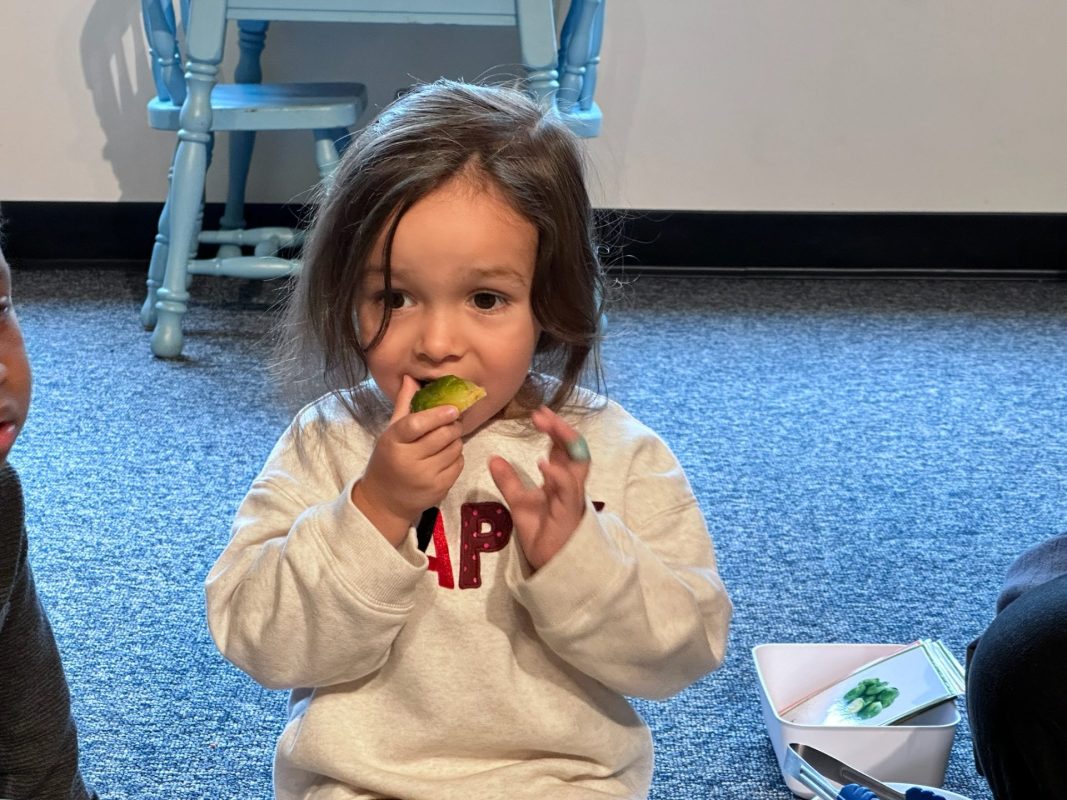
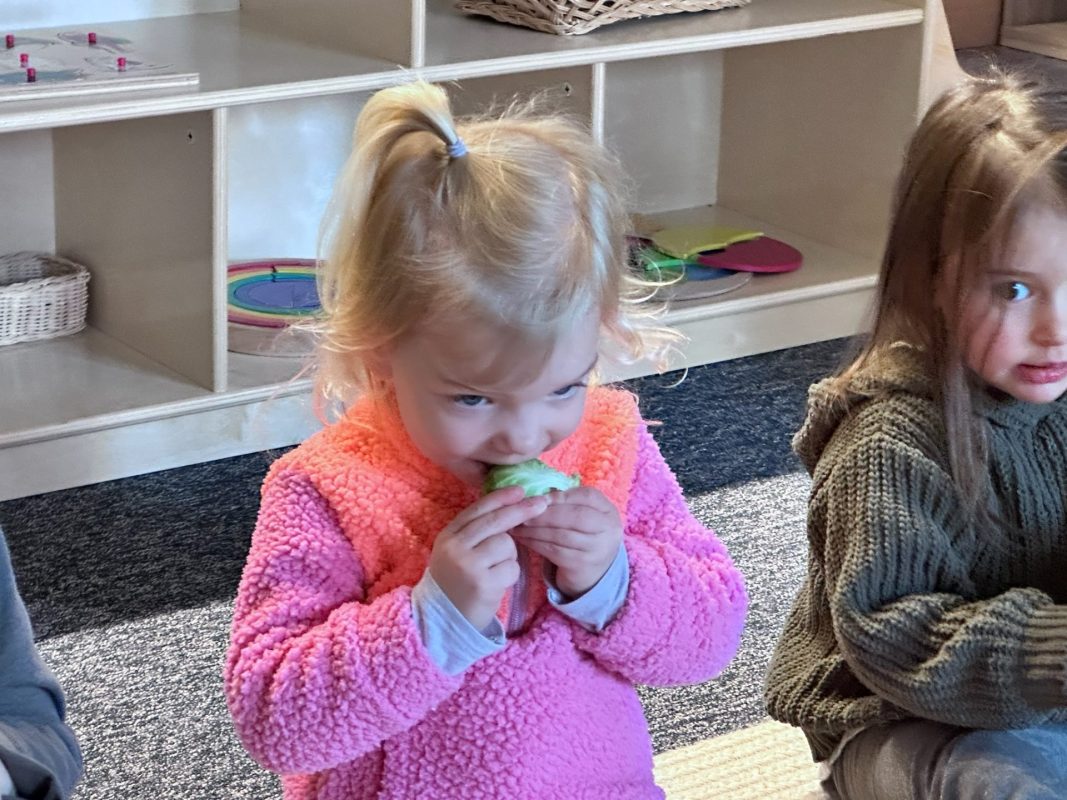
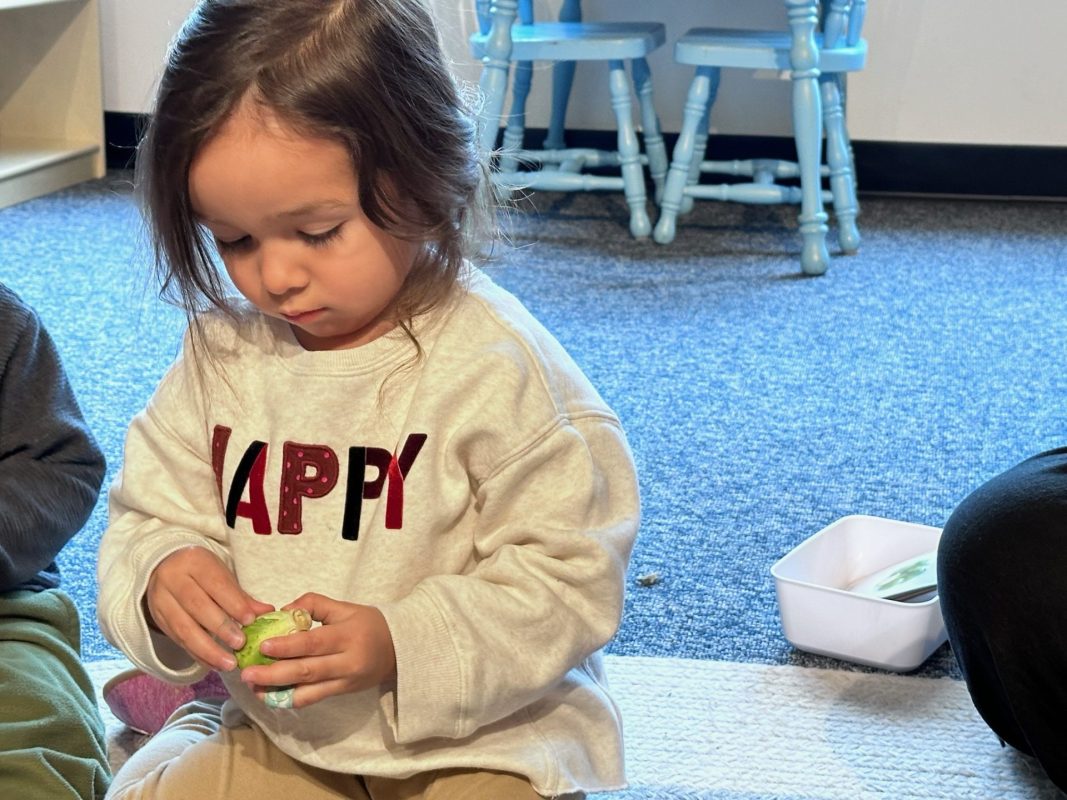
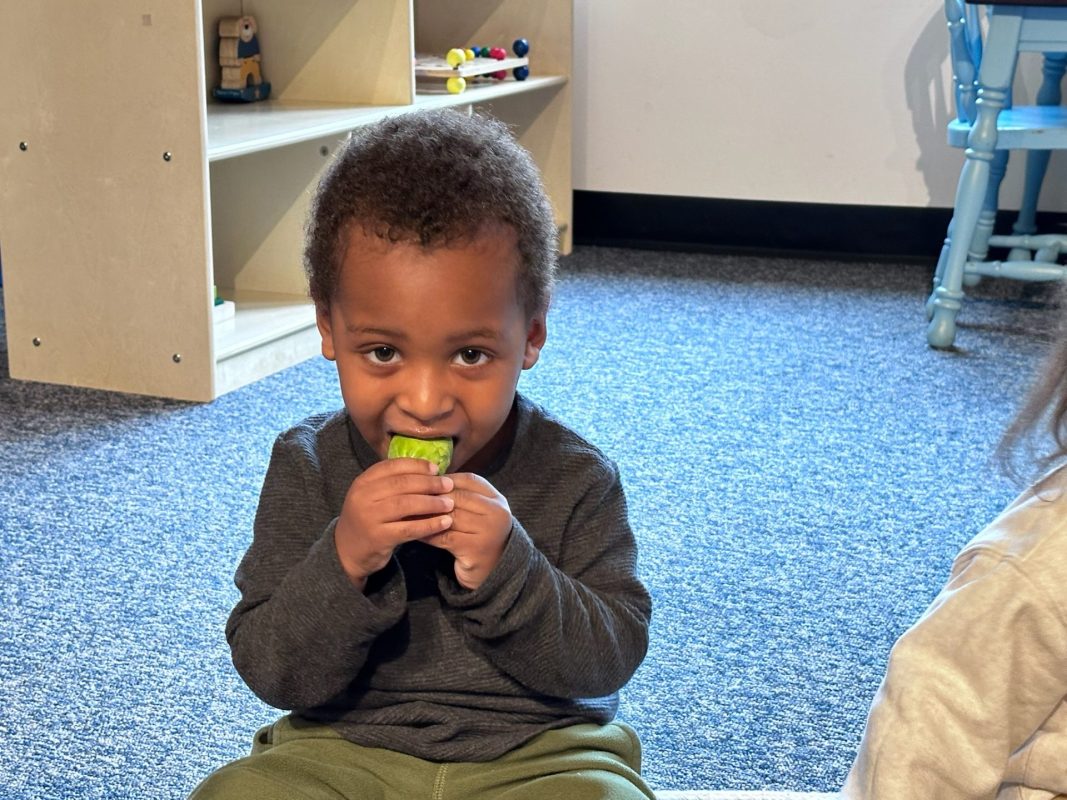
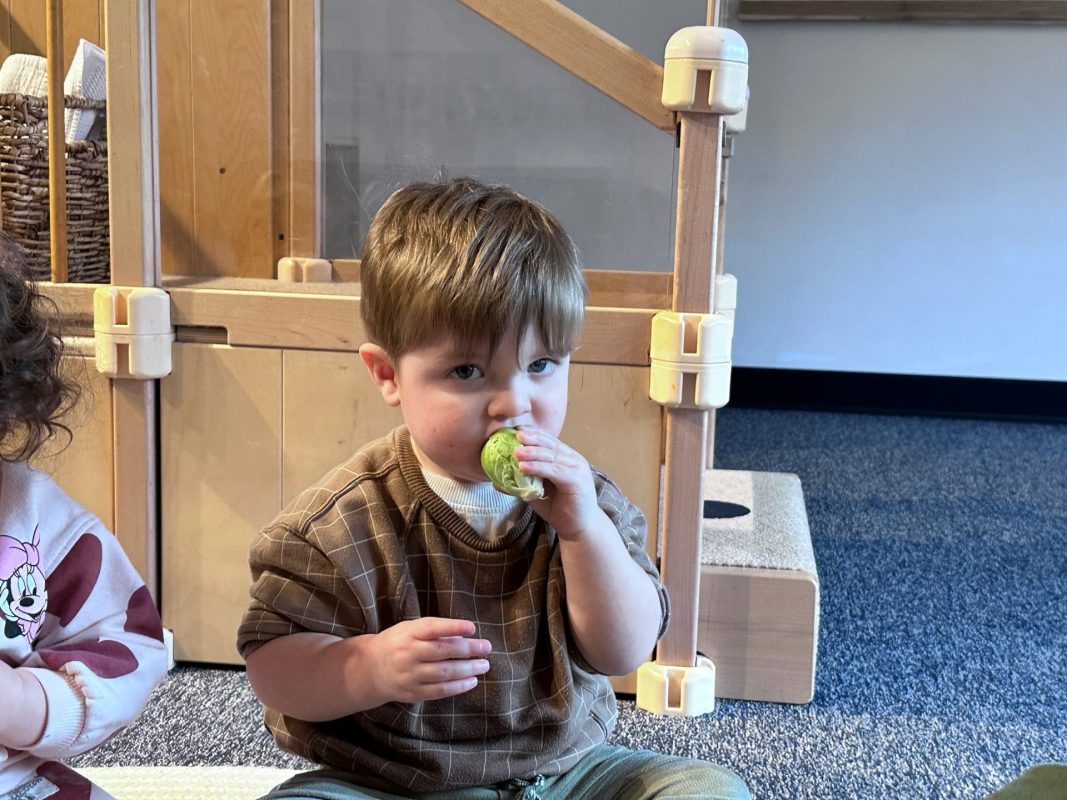
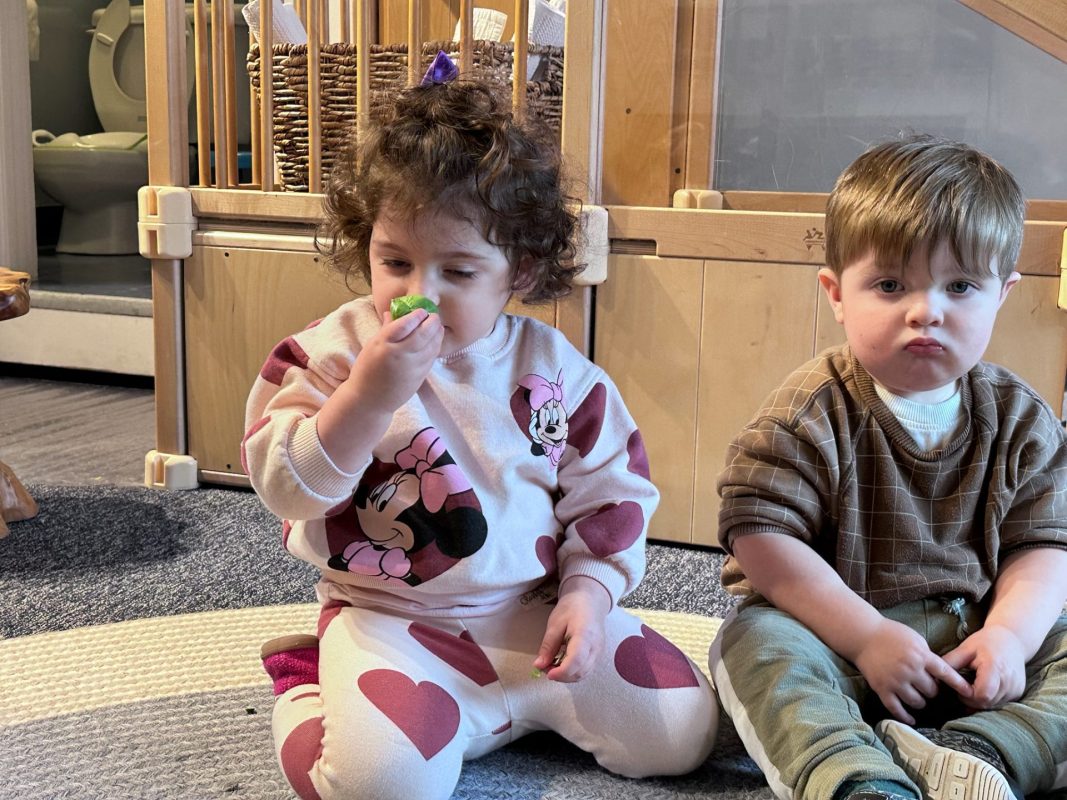
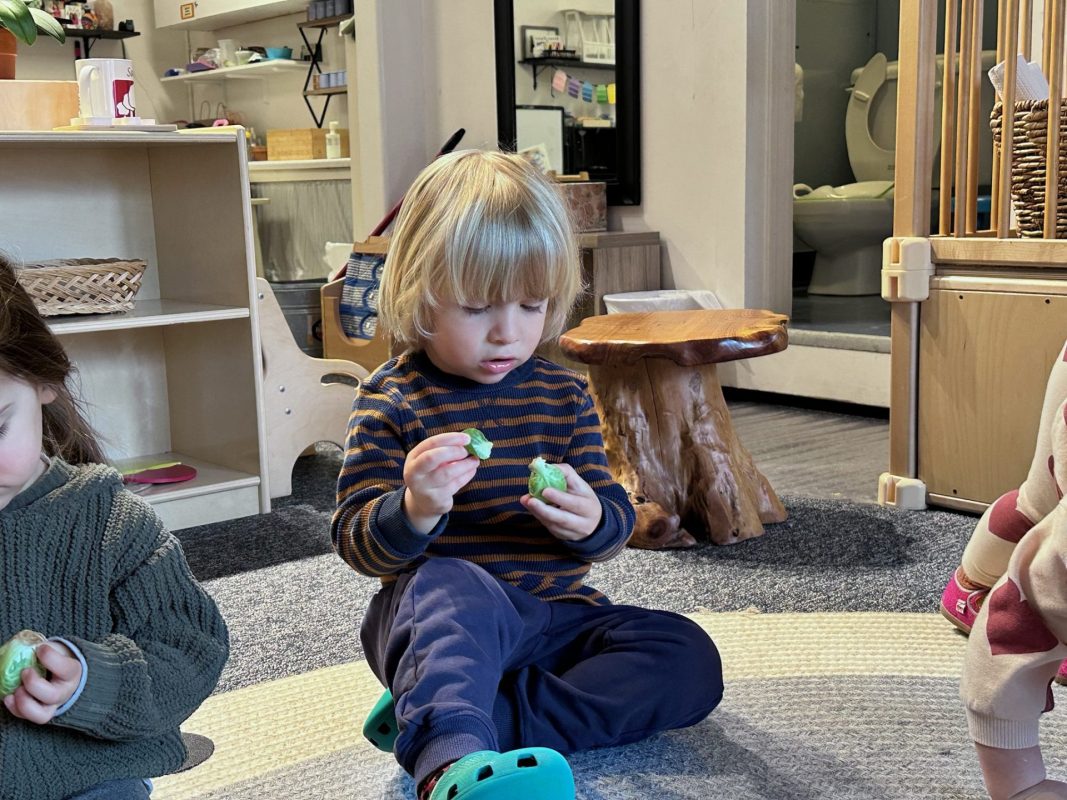
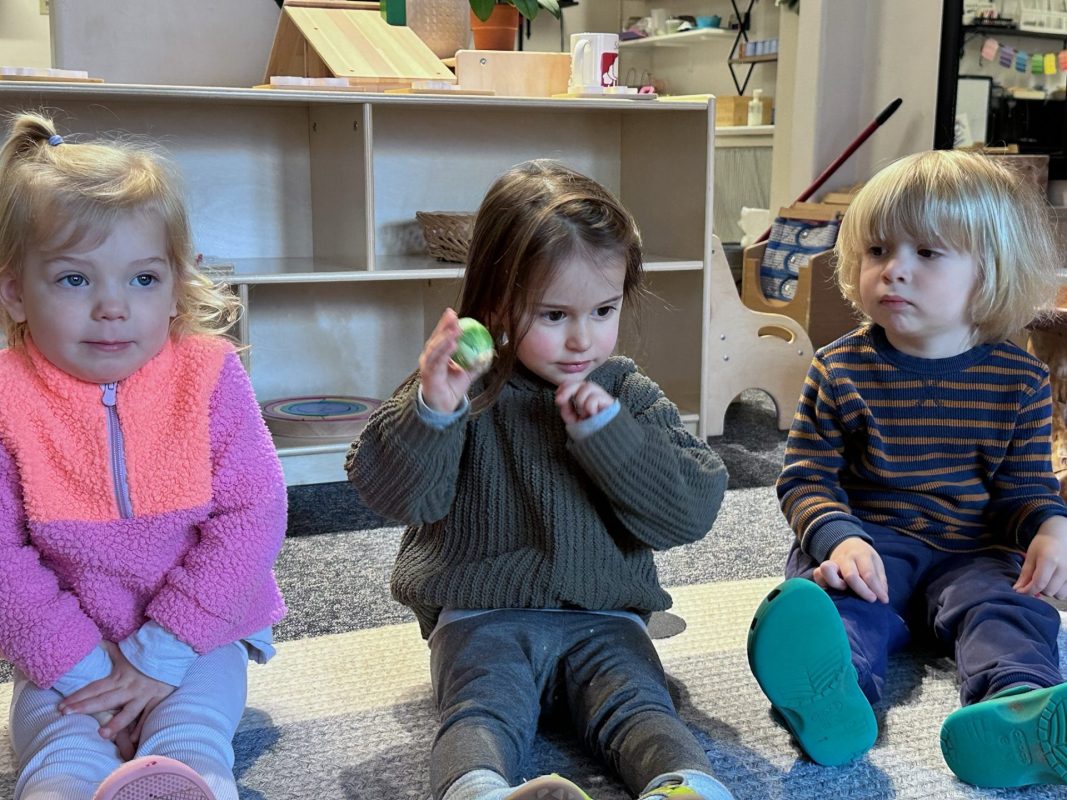
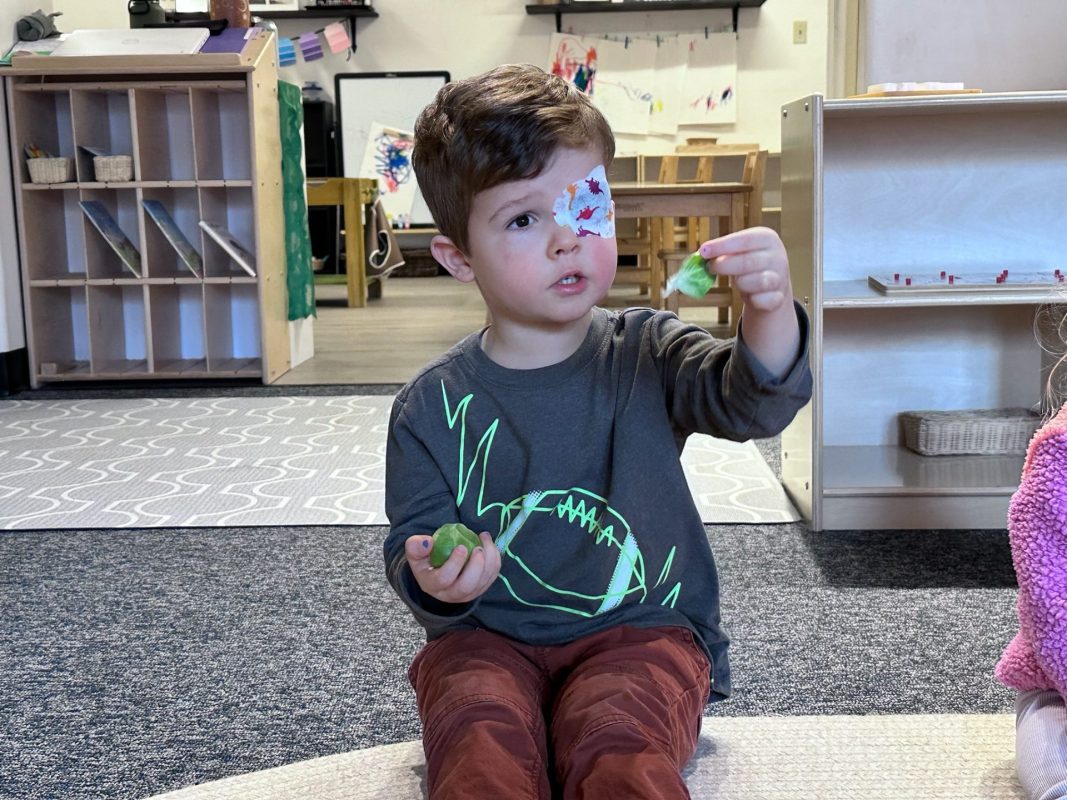
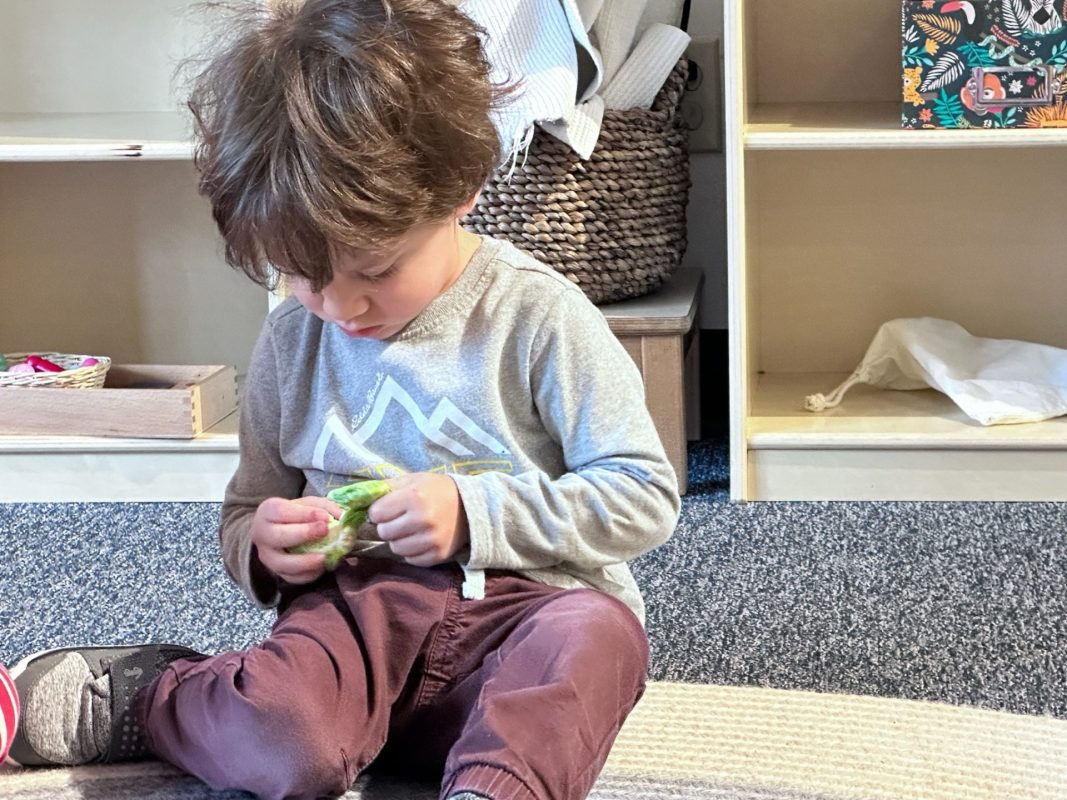
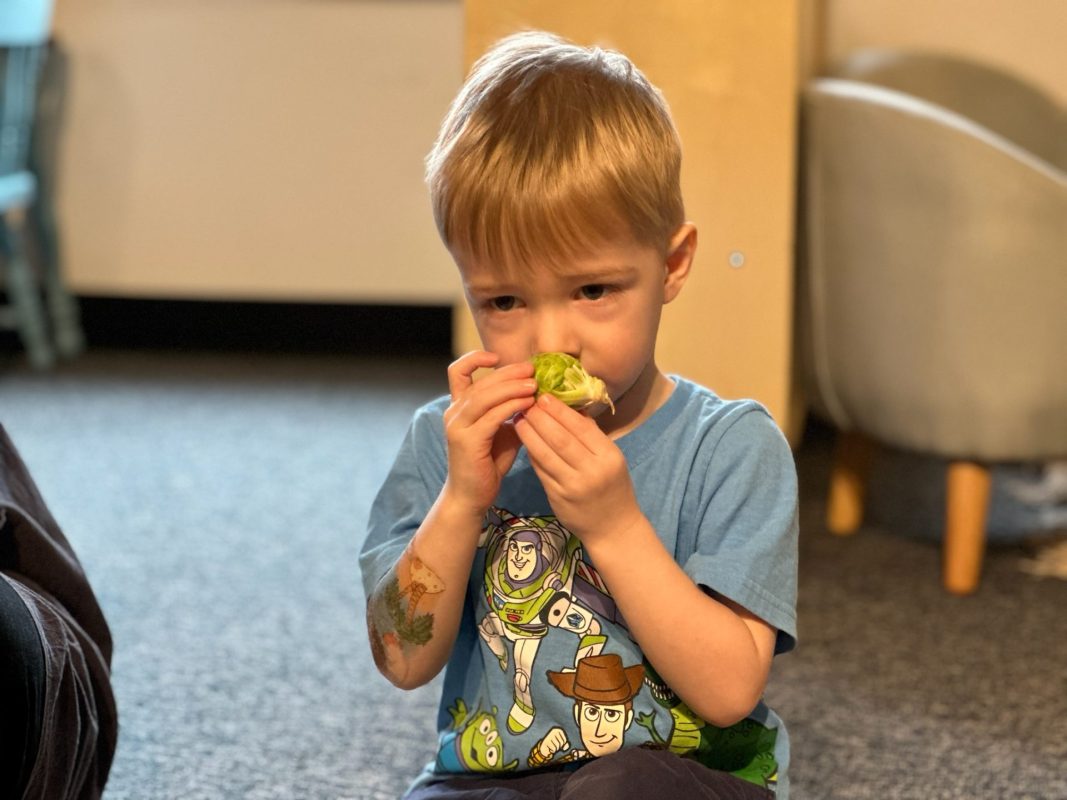
Food Tasting: This week, the children tasted Brussels sprouts. They were each given a whole raw Brussels sprout to explore and eat and also a steamed version to taste. While a few didn’t mind crunching on the raw Brussels sprouts, they all seemed to prefer the steamed version better.

For those who celebrate, have a beautiful Easter weekend.

Cynthia and Sara