Mrs. Sargeant: A Montessori Approach to Sharing

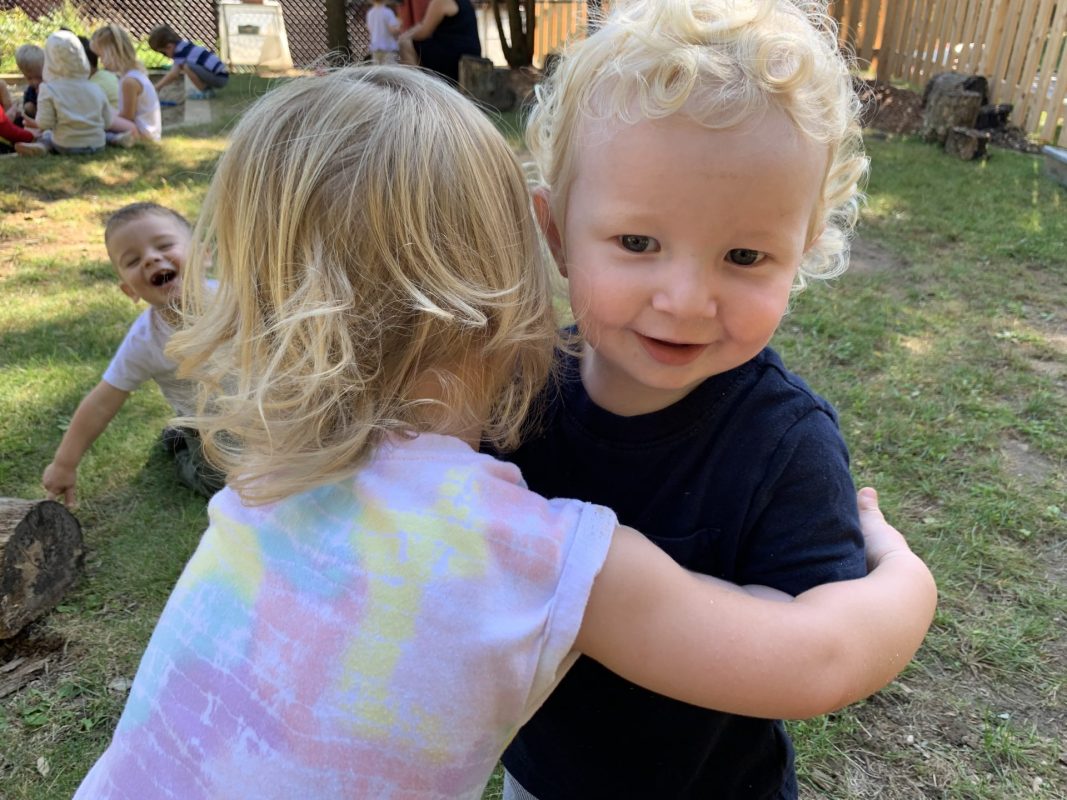
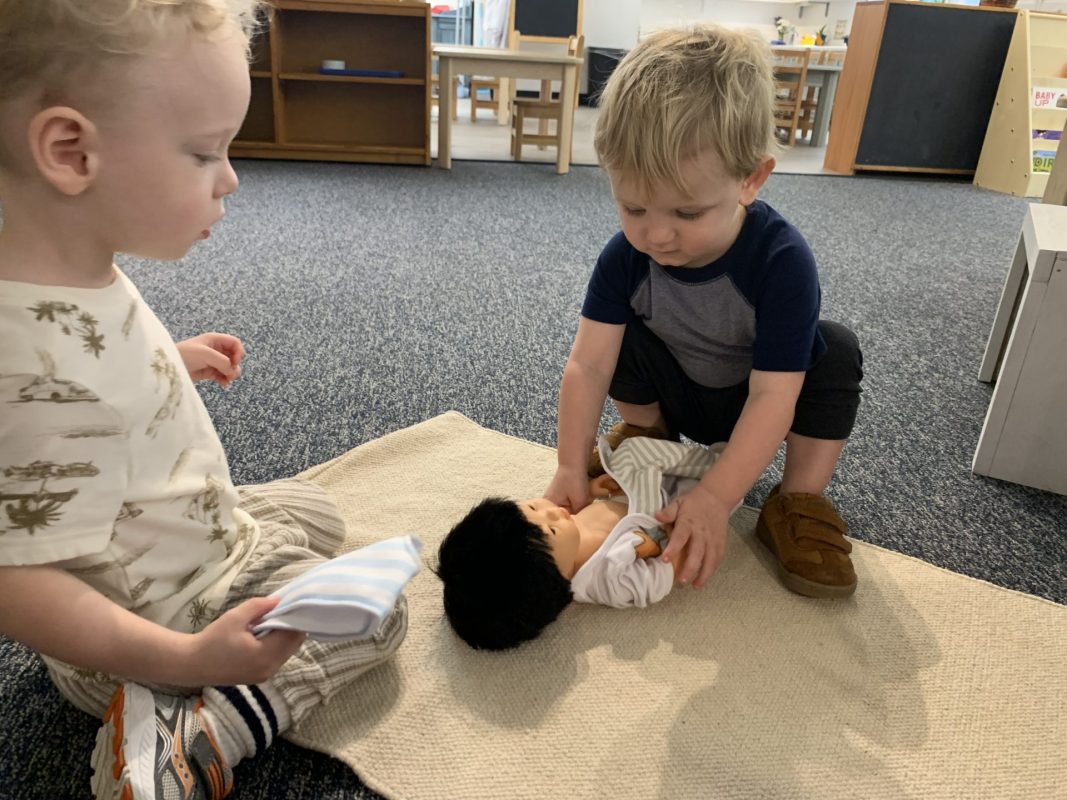
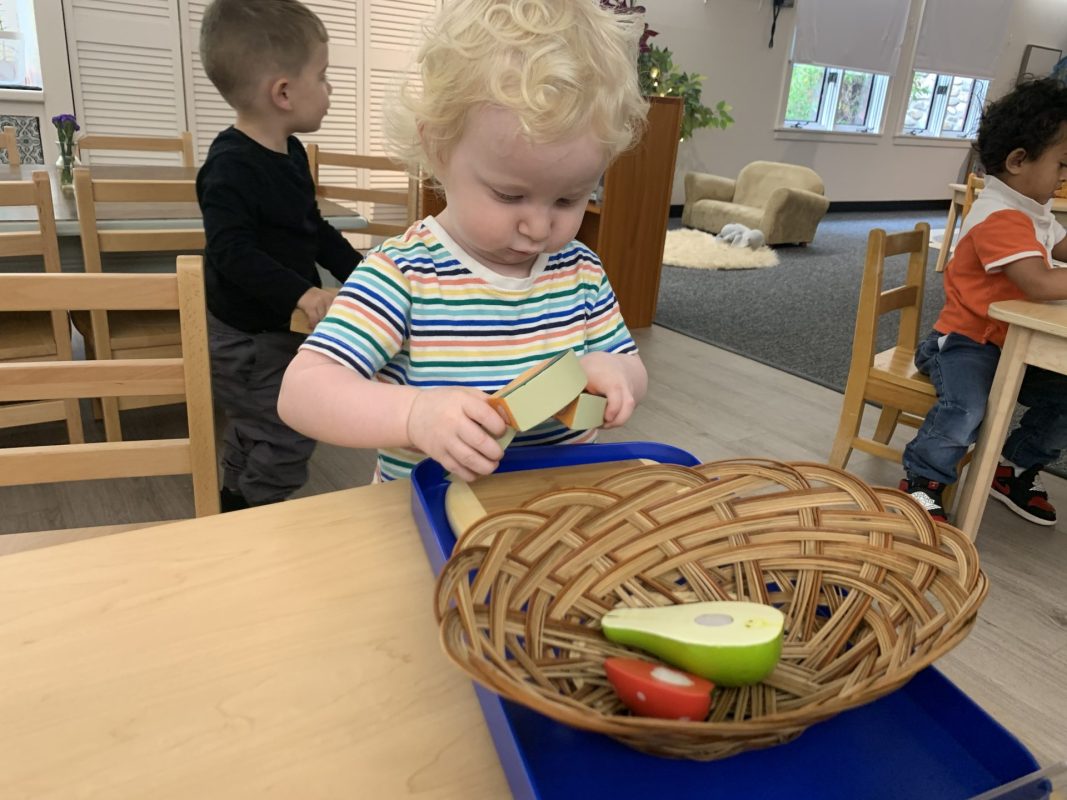
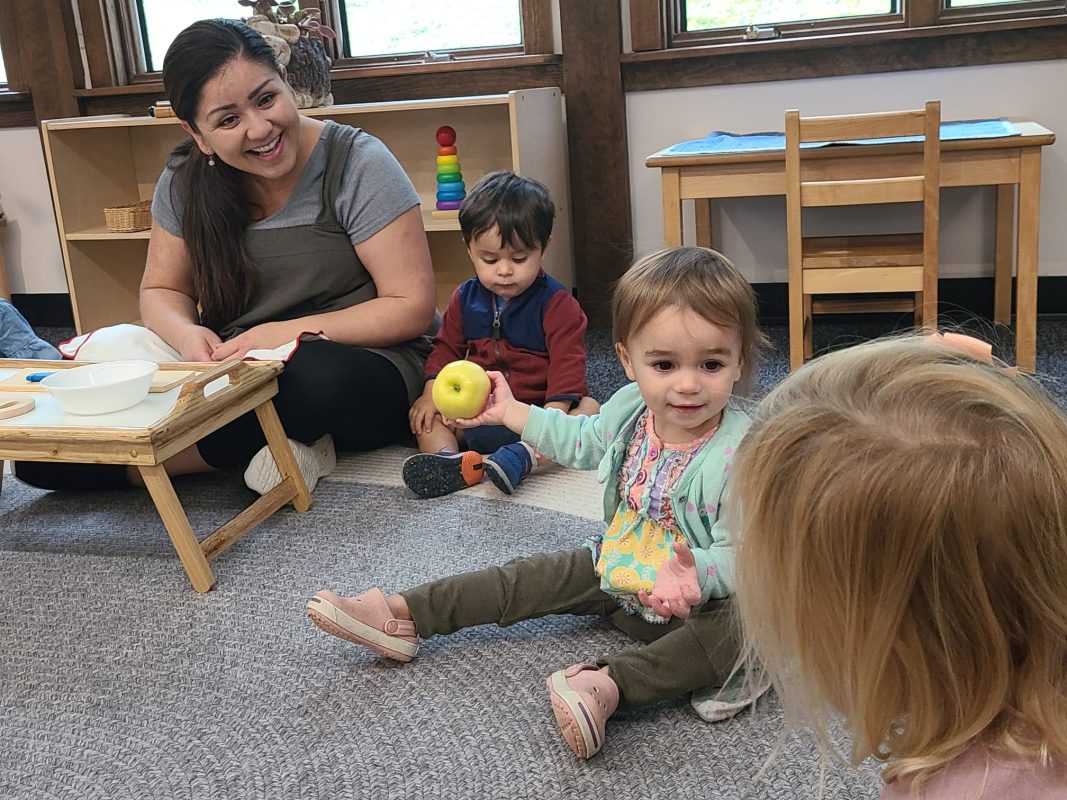
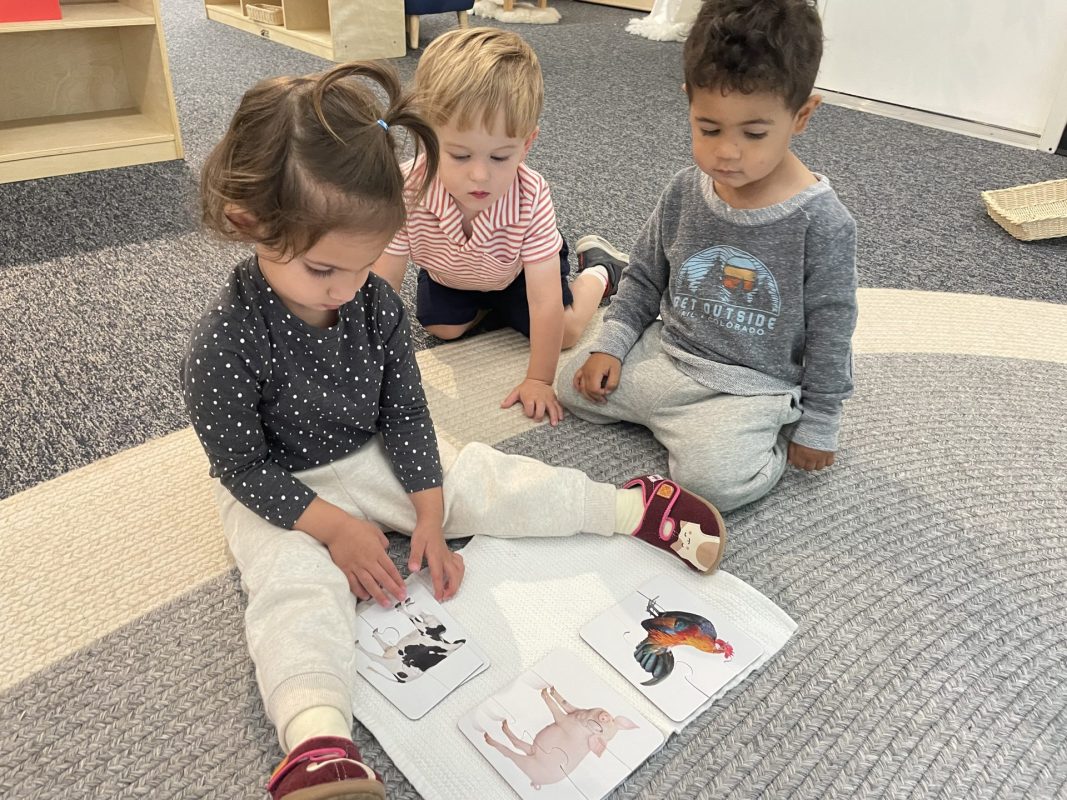
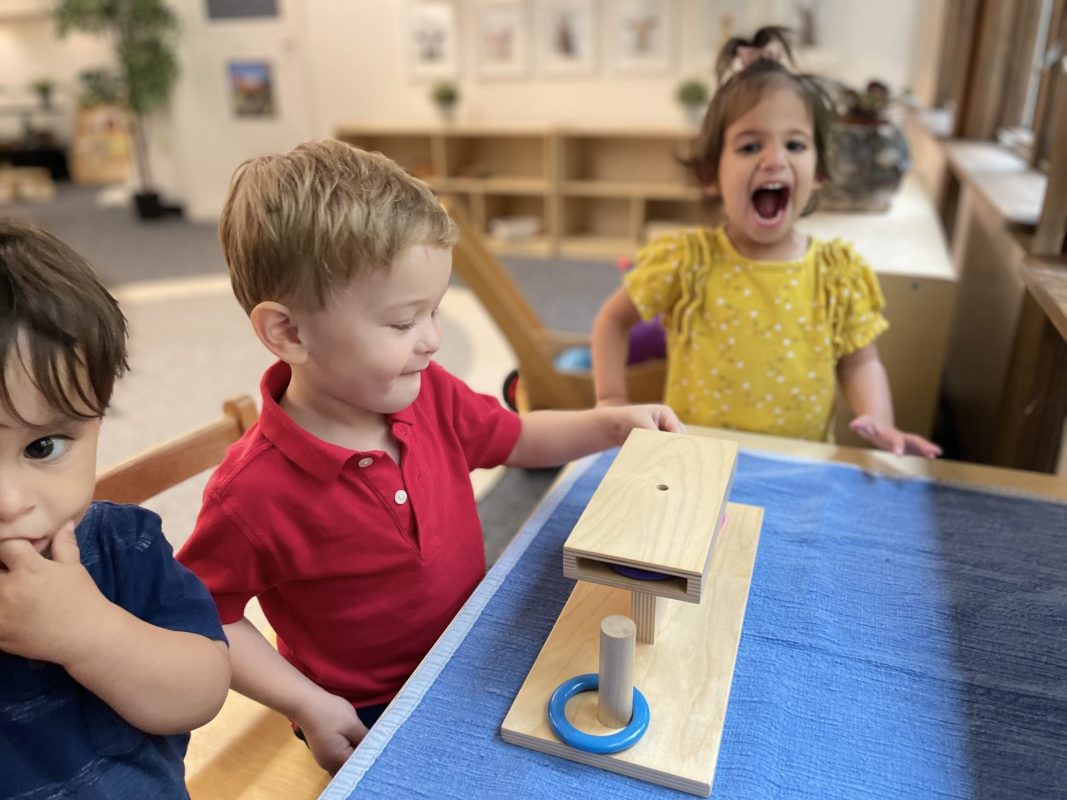
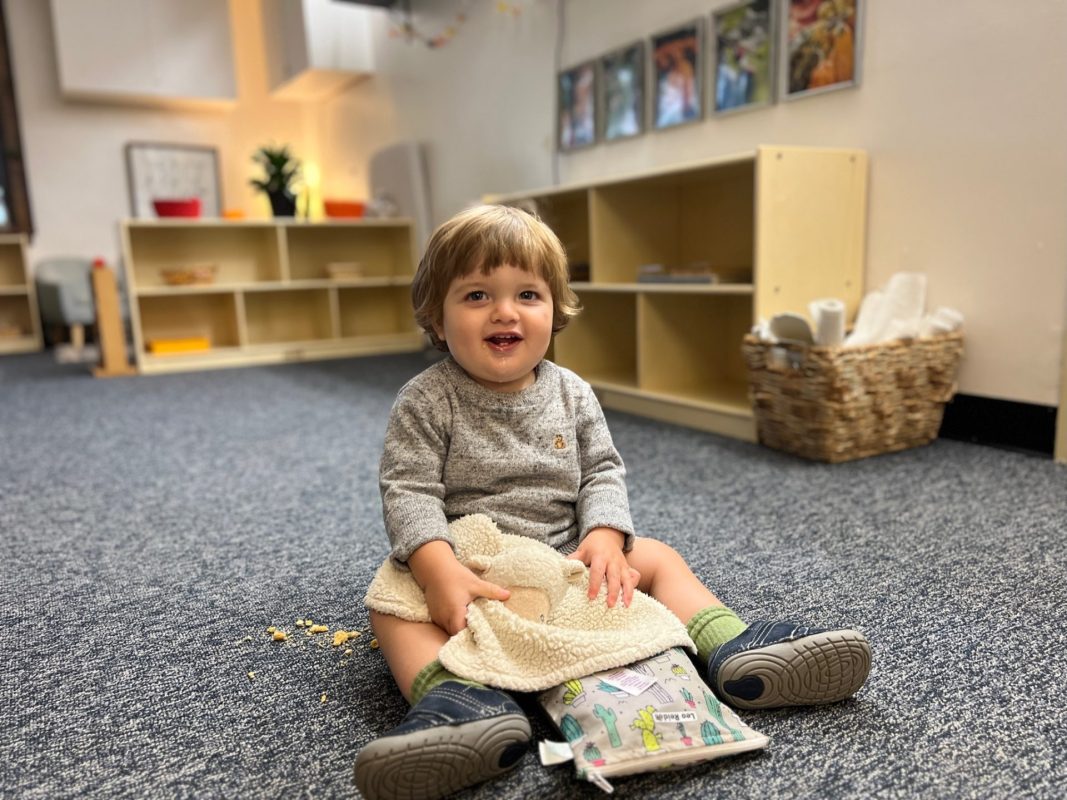
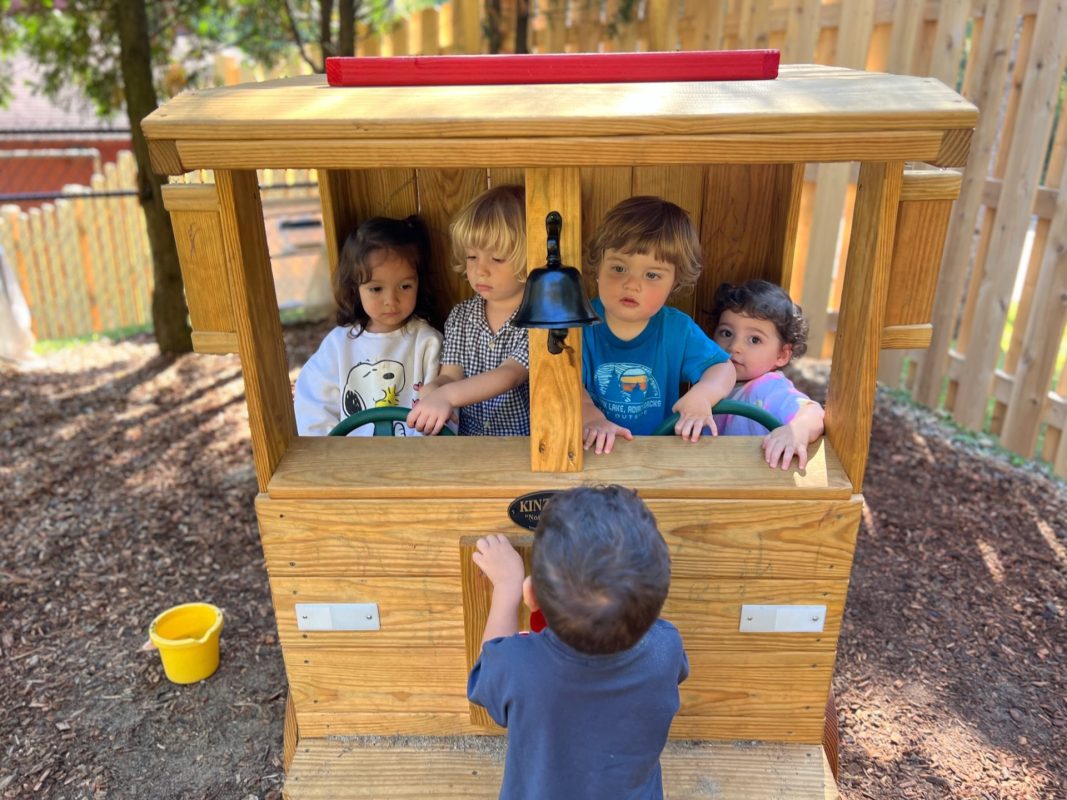
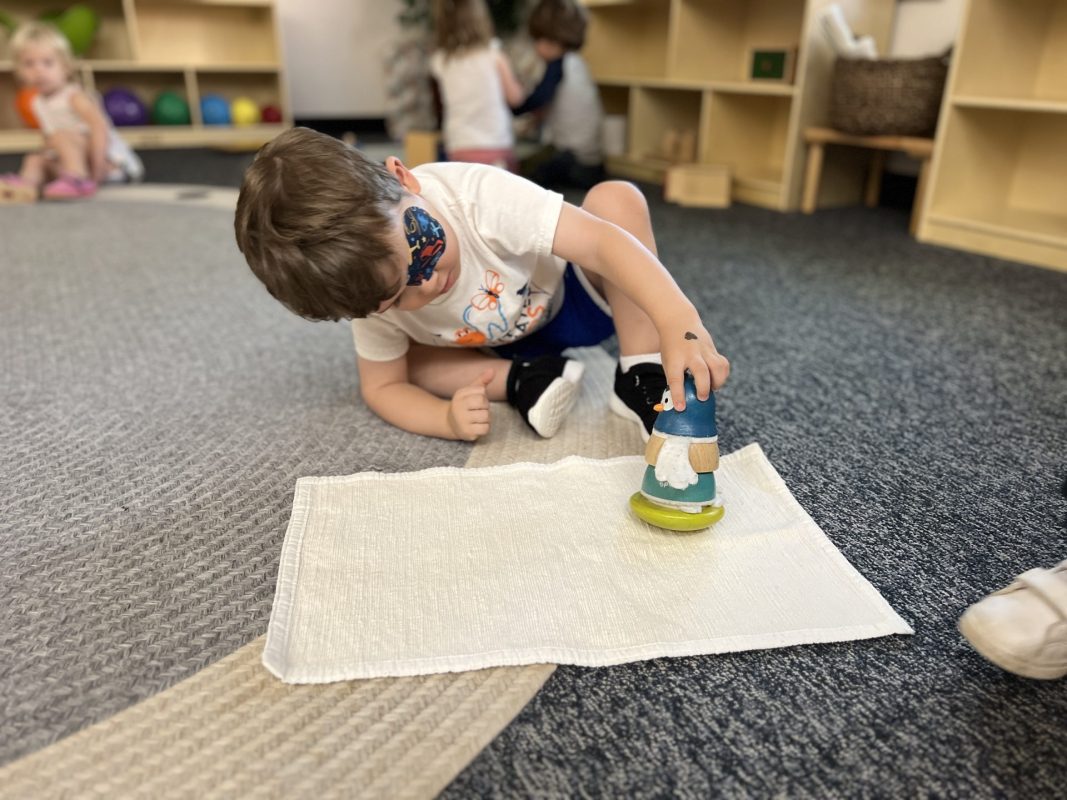
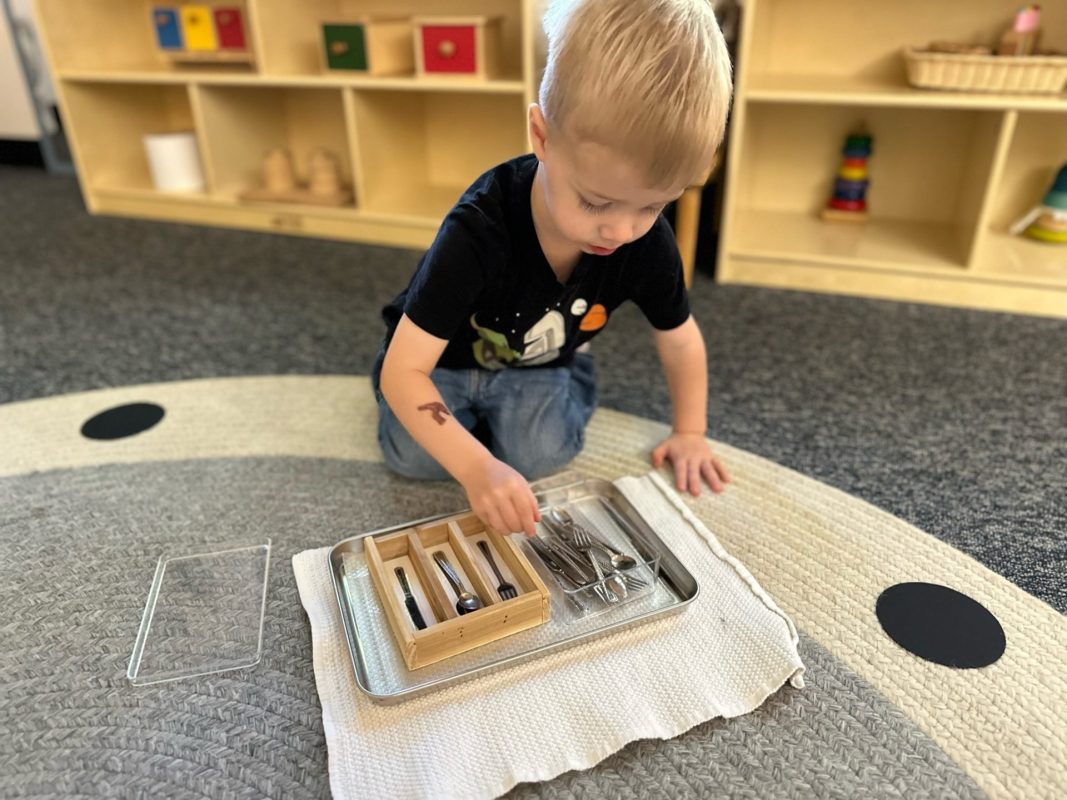
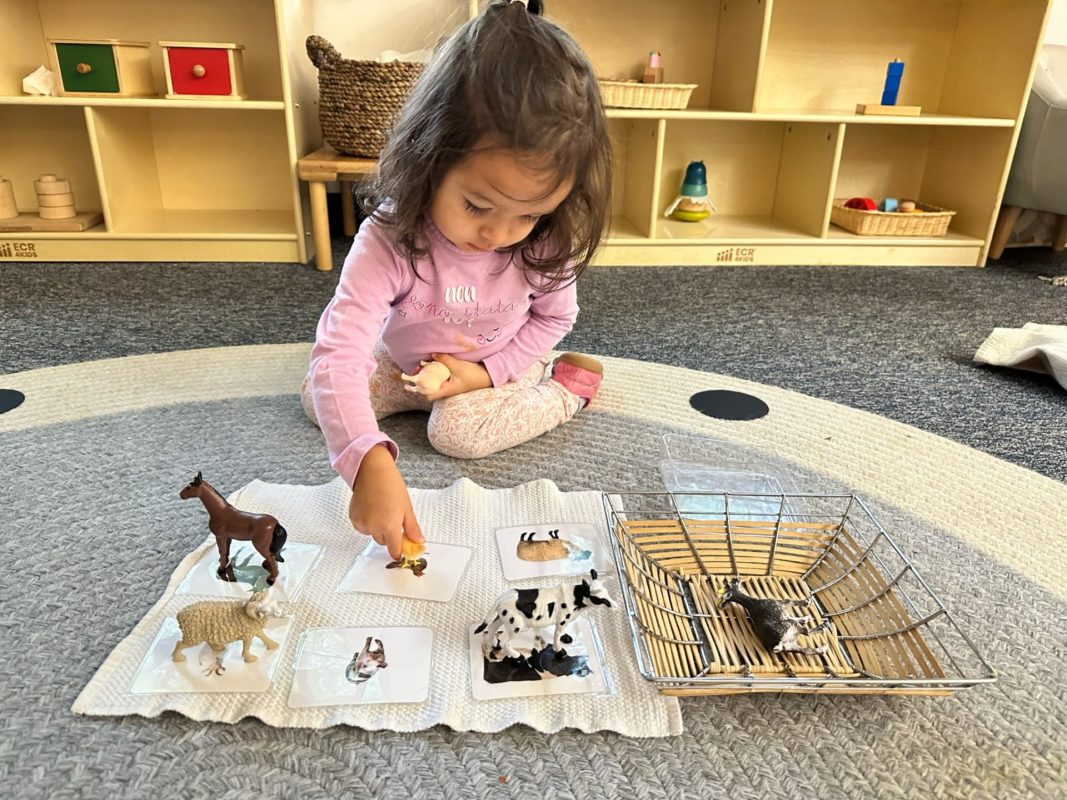
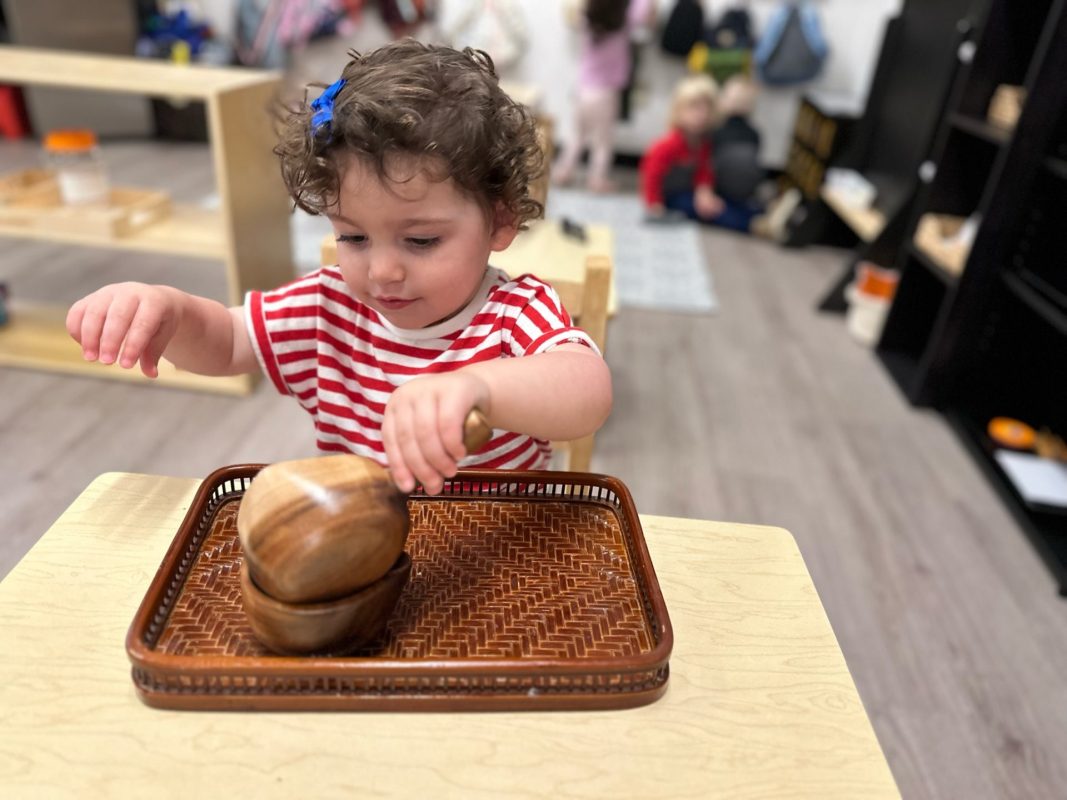
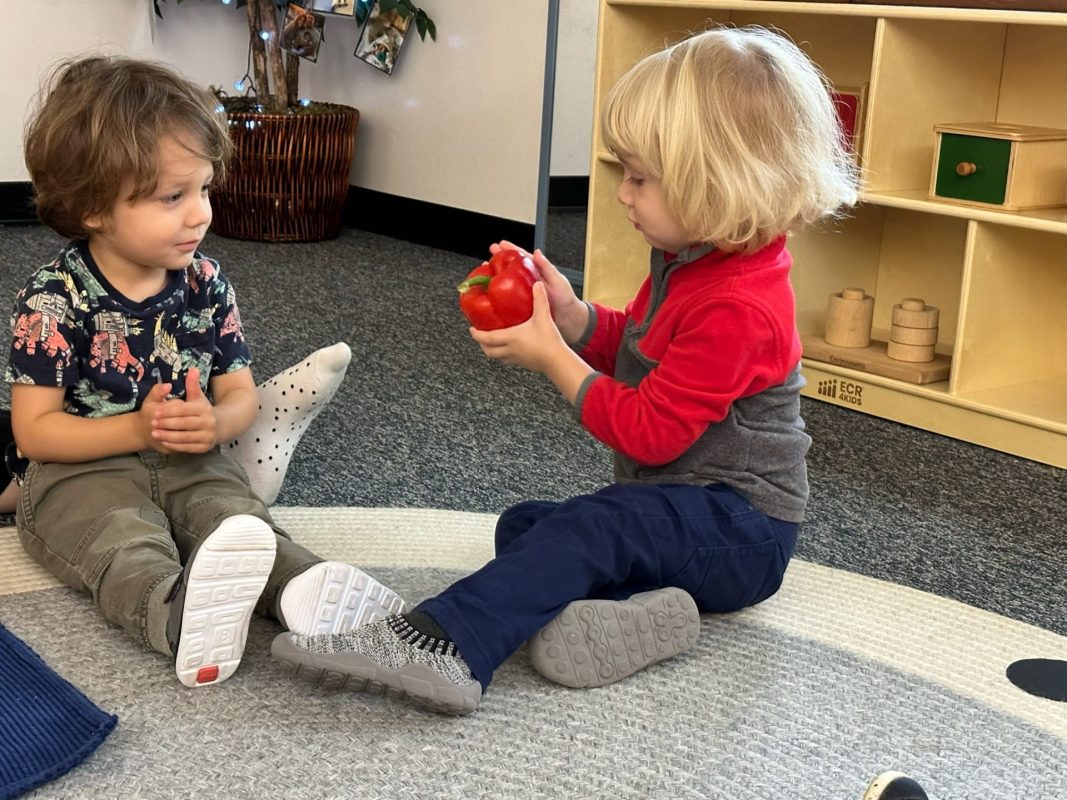
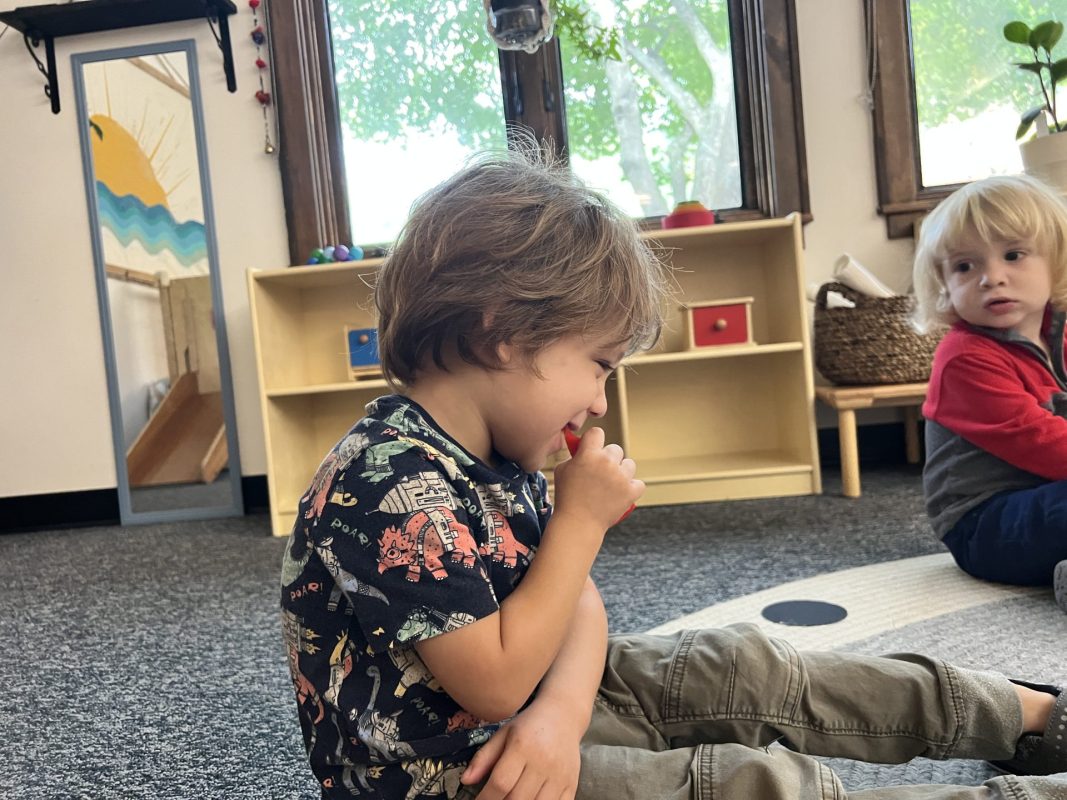
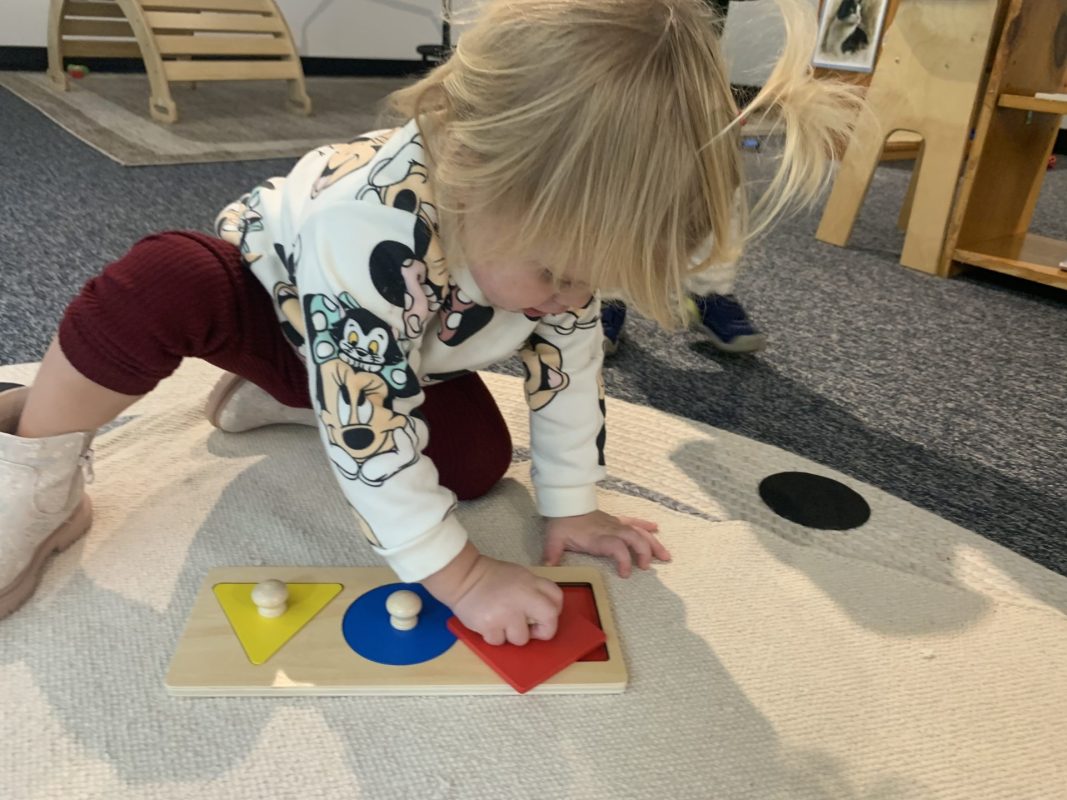
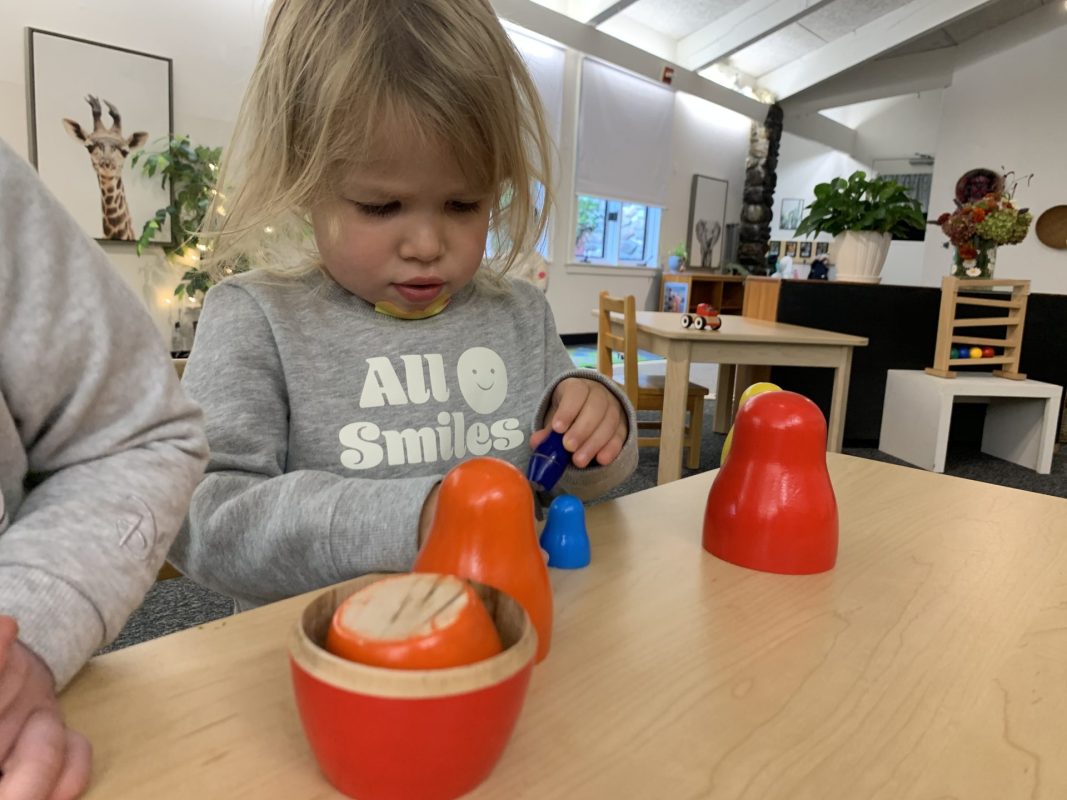
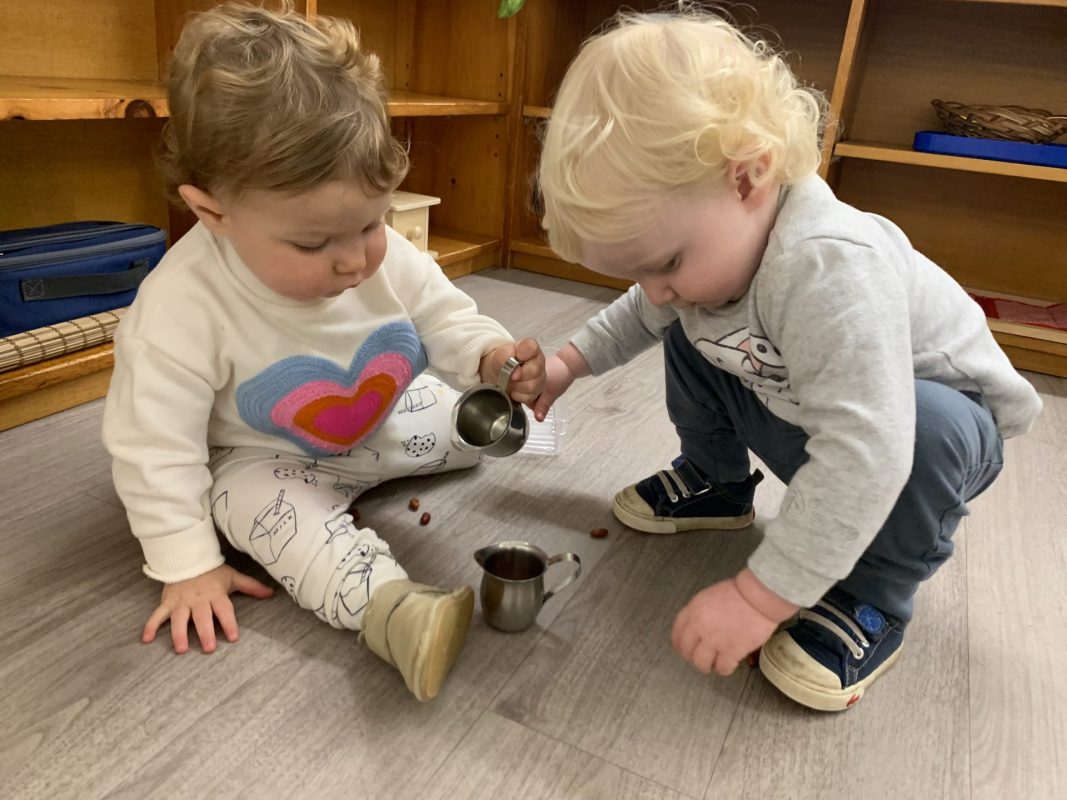
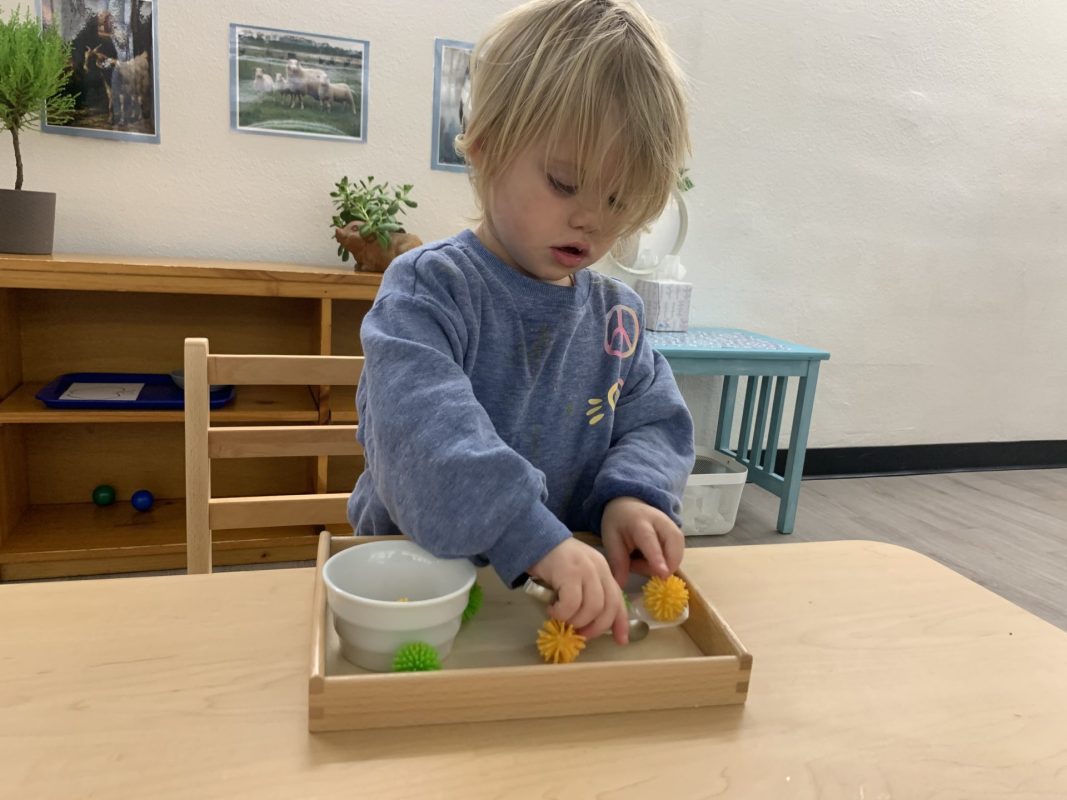
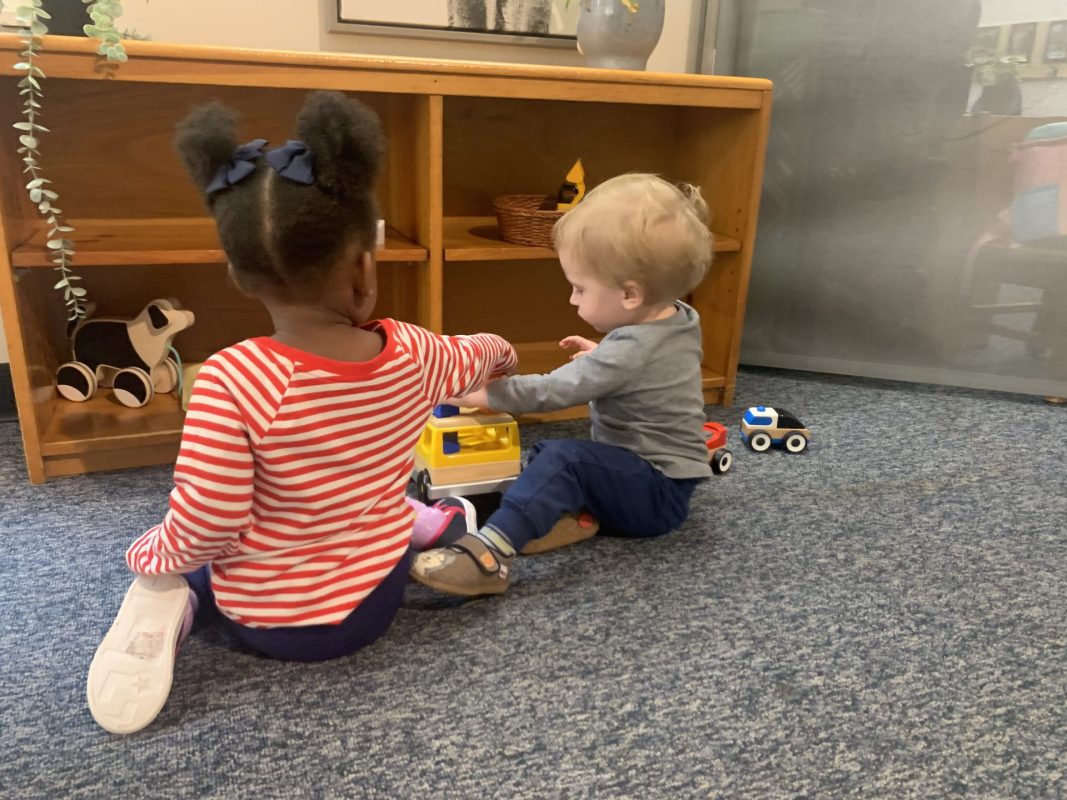
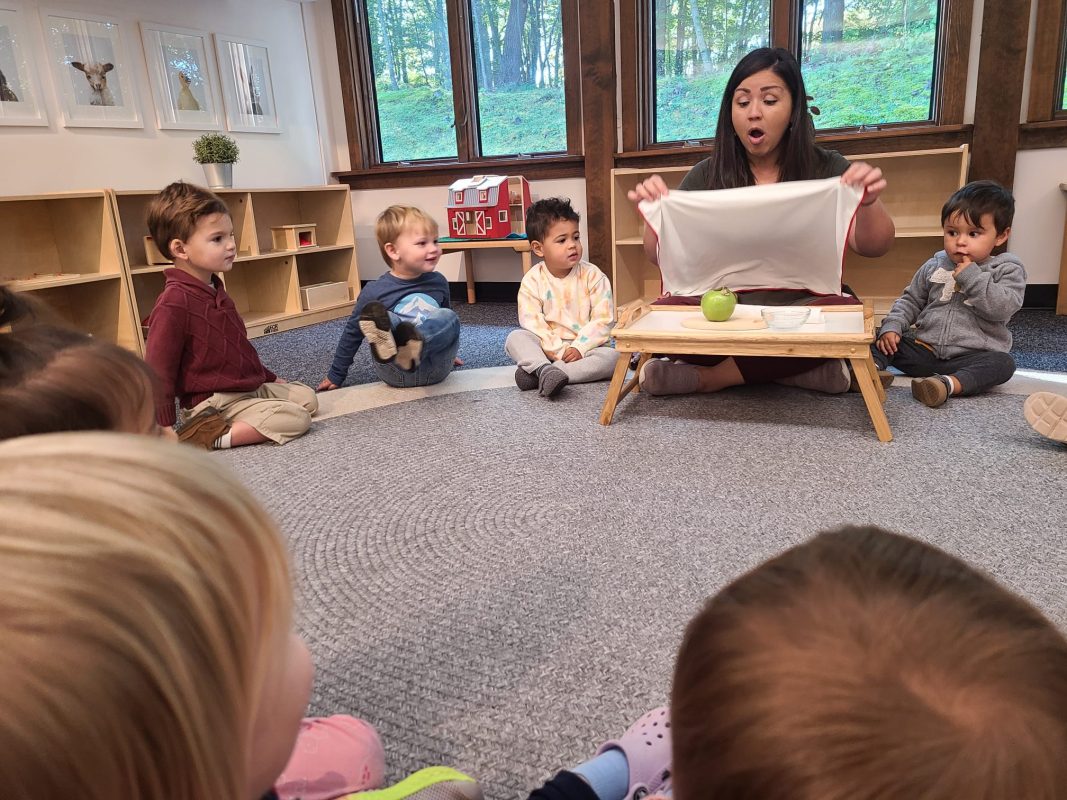
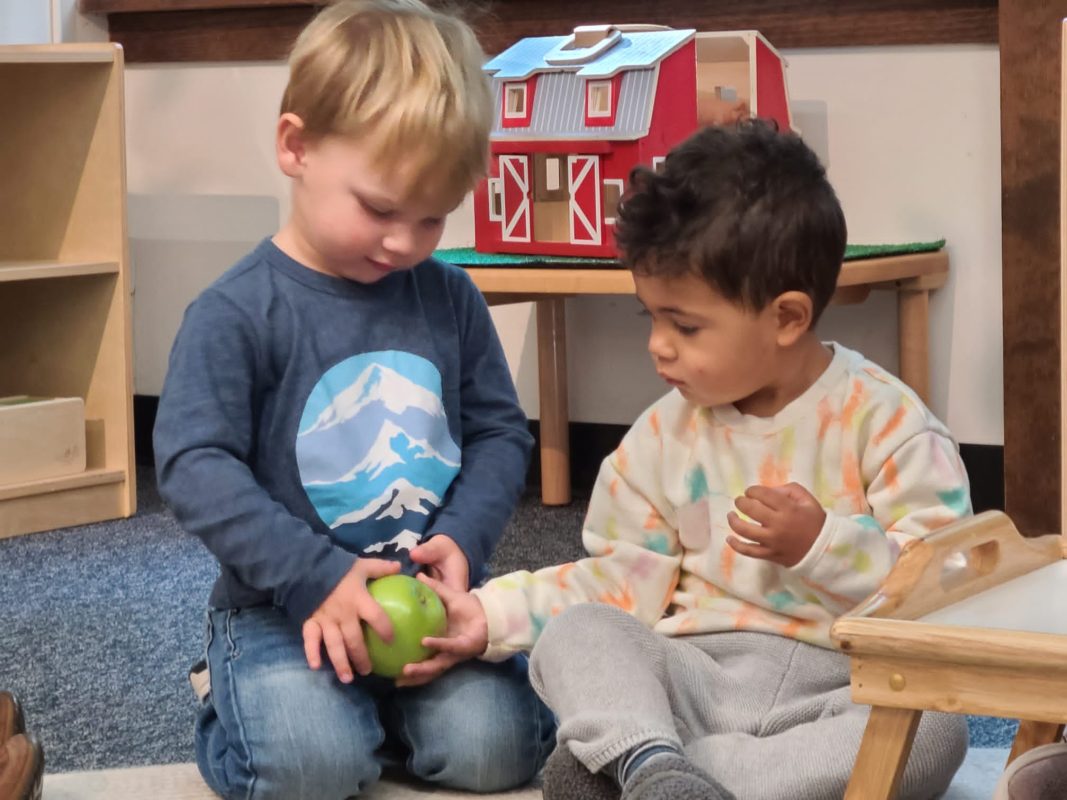
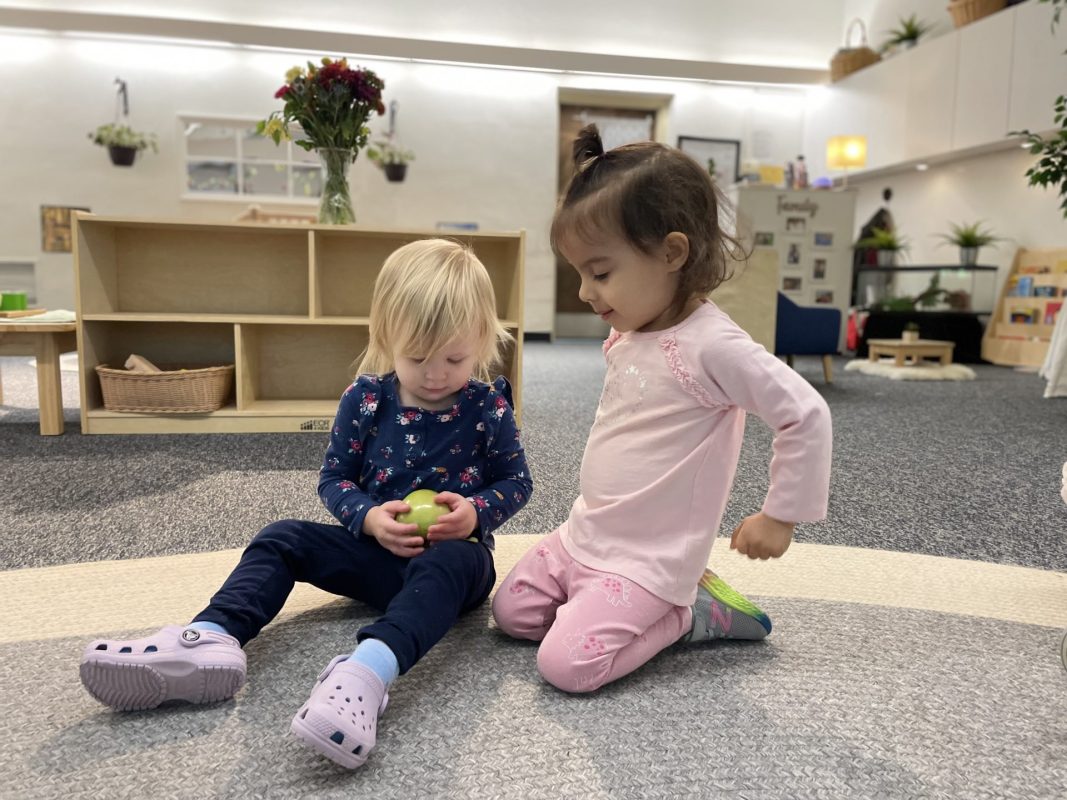
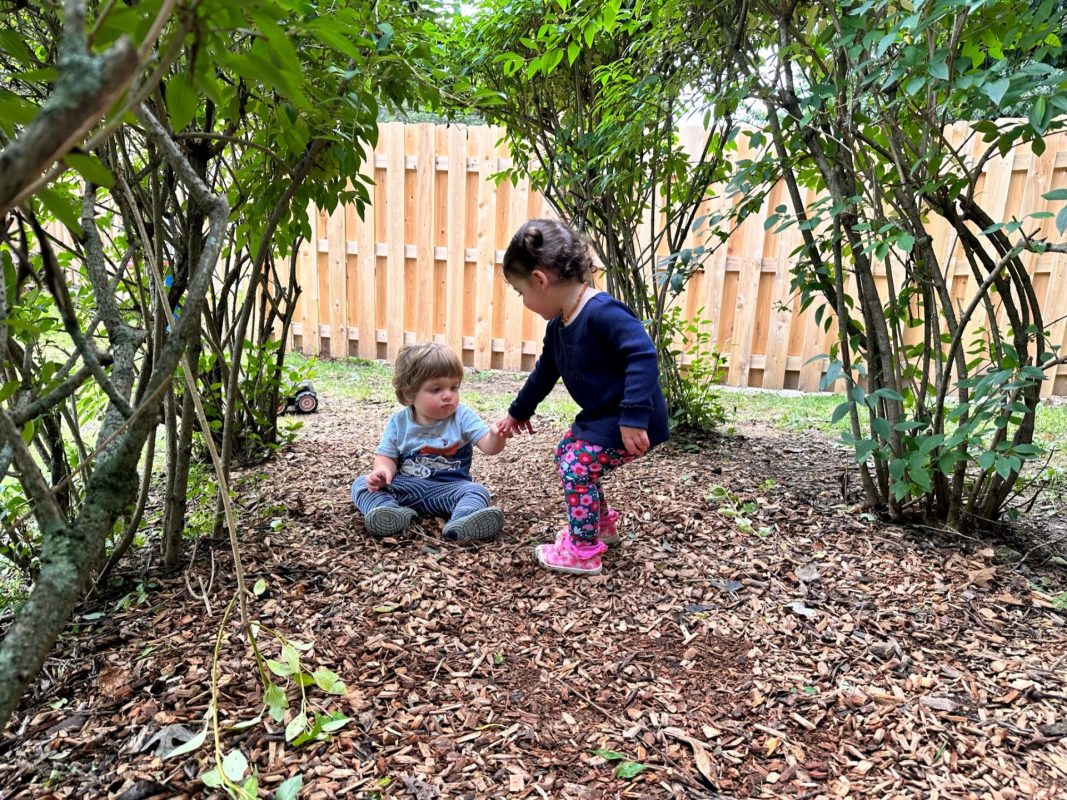
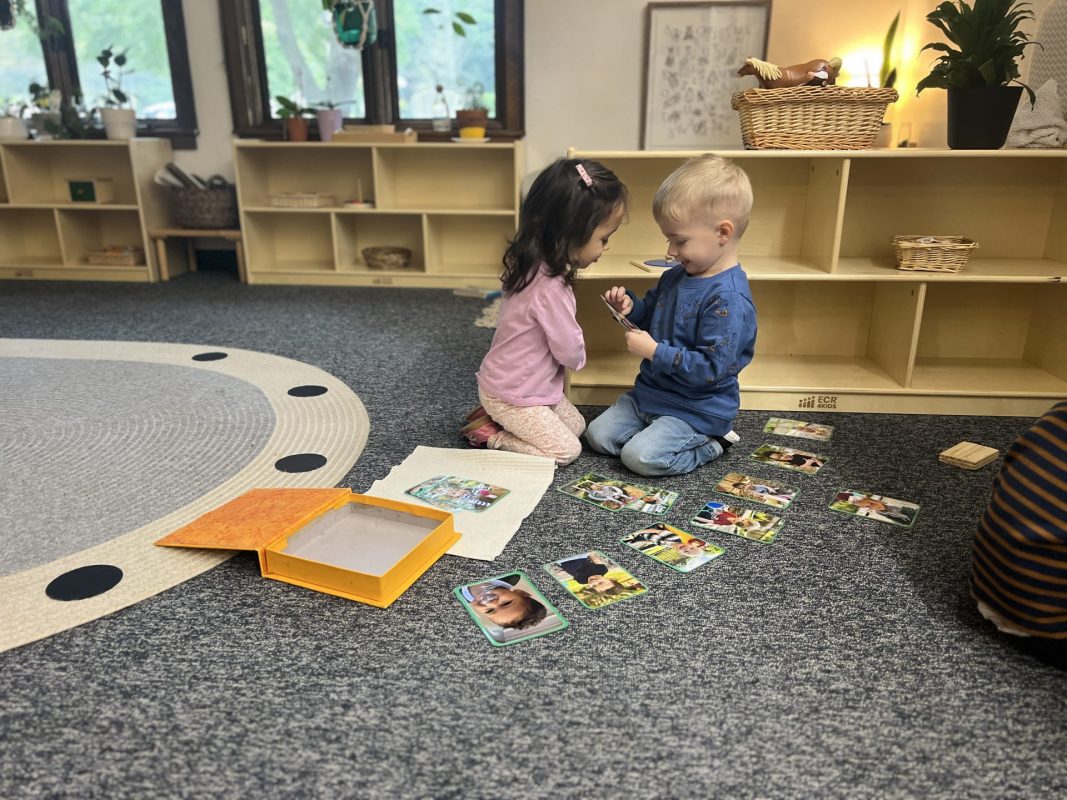
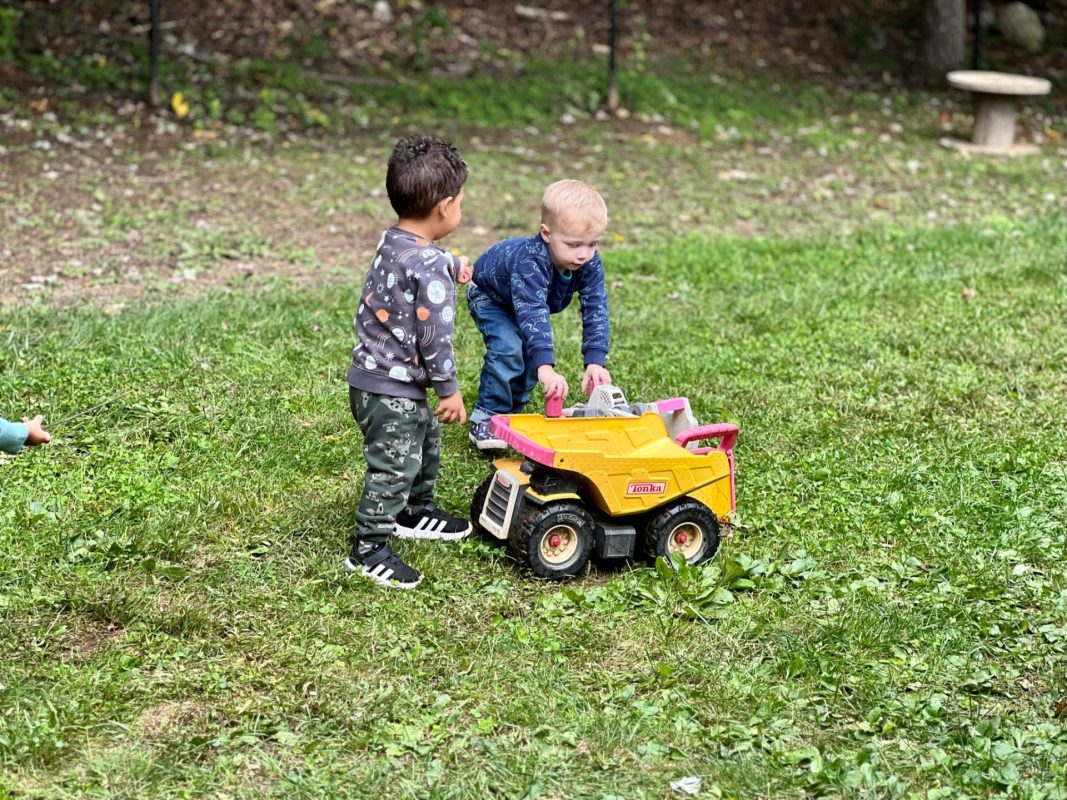
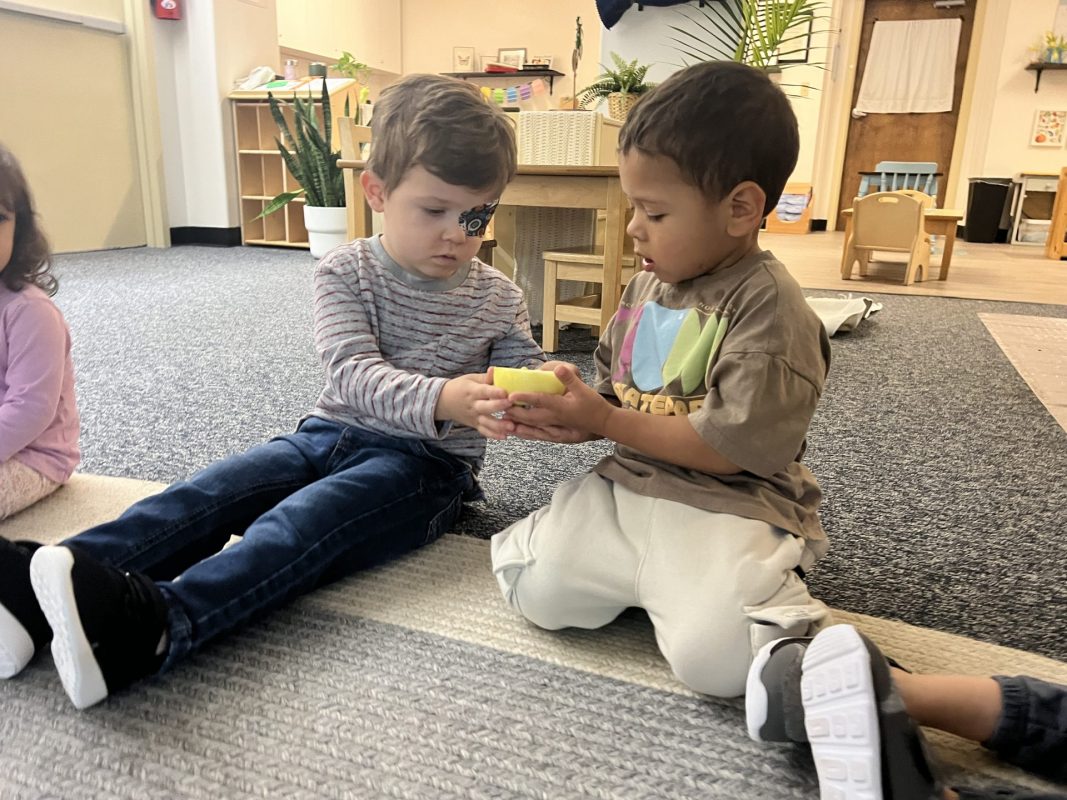
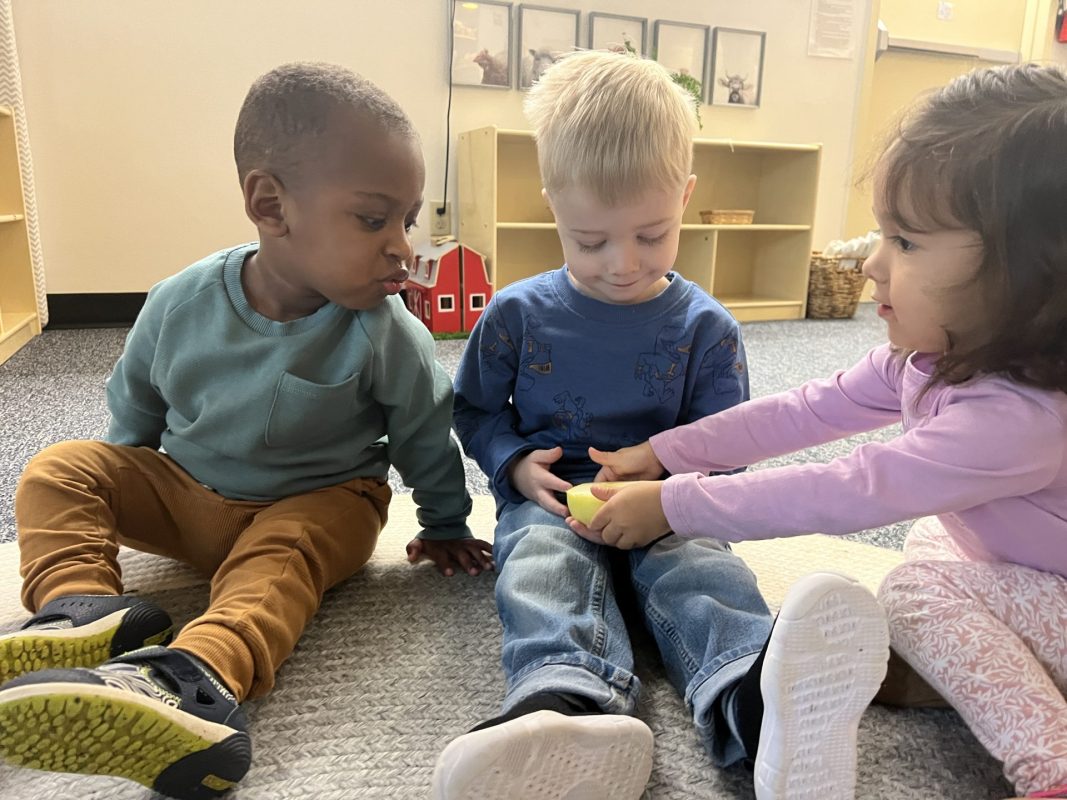
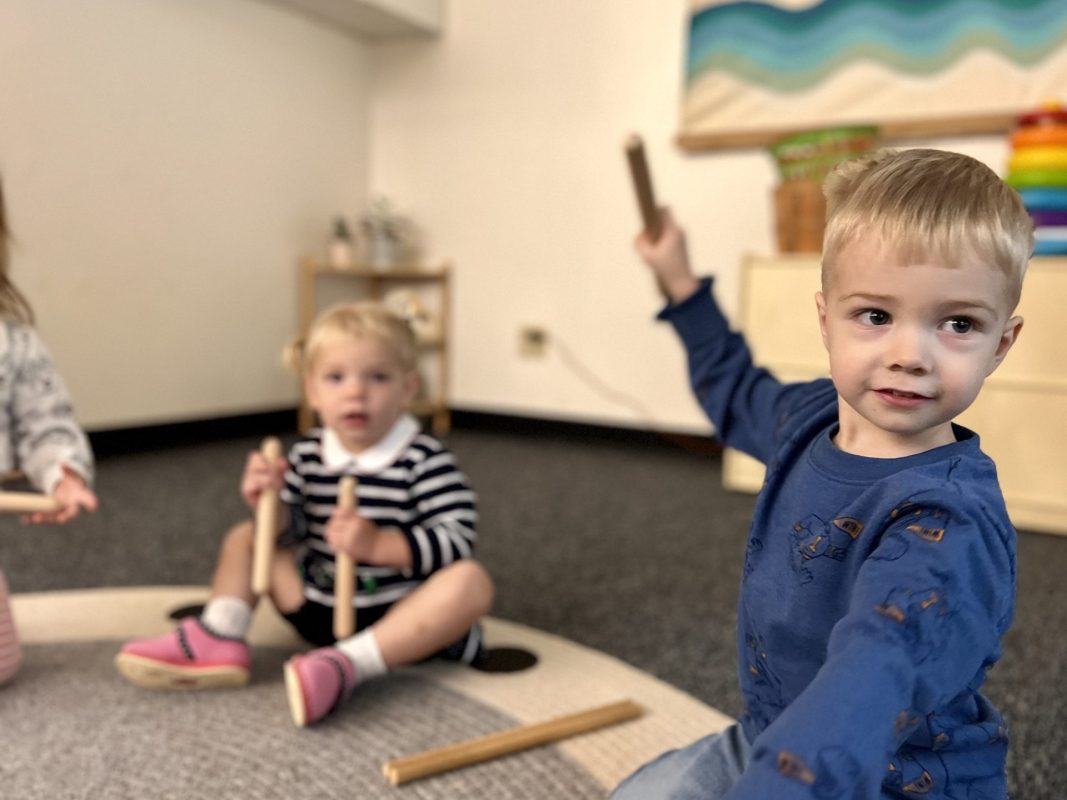
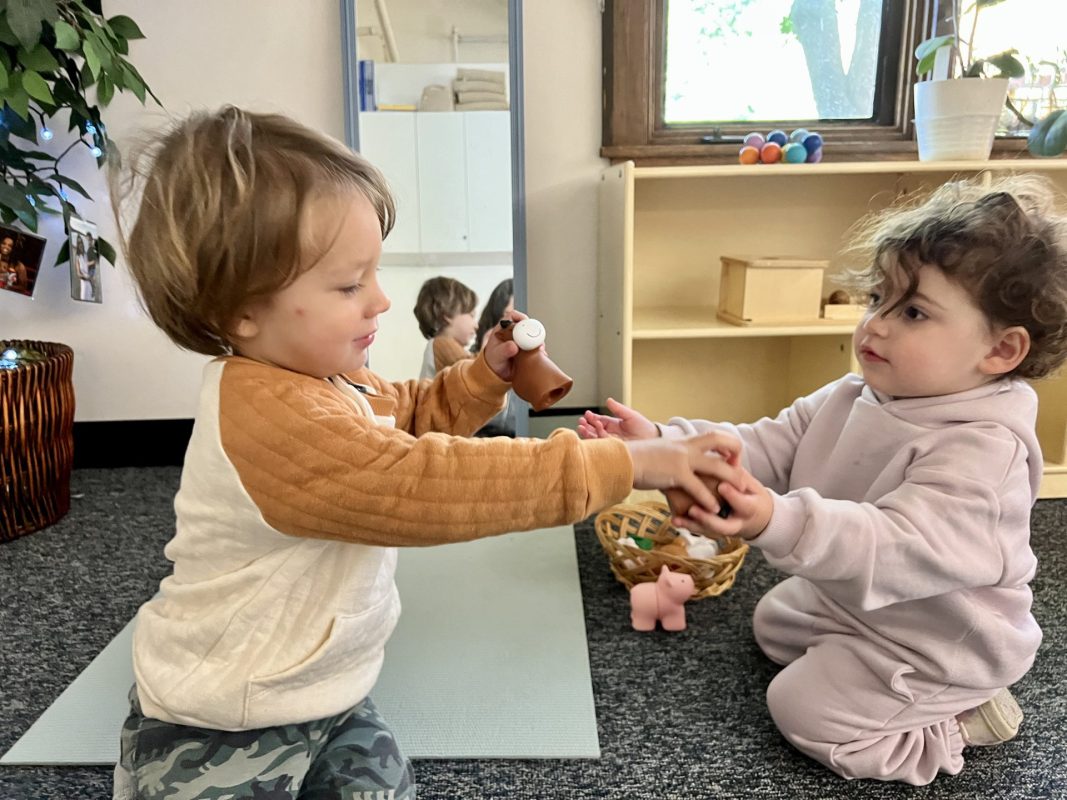
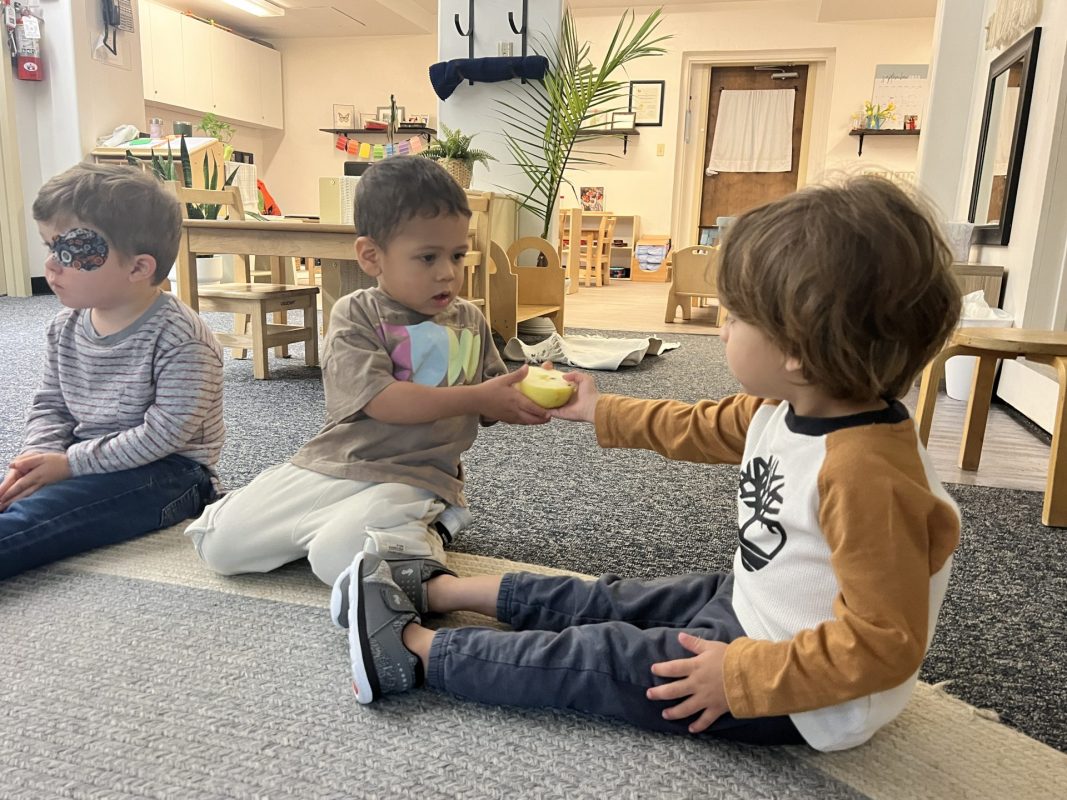
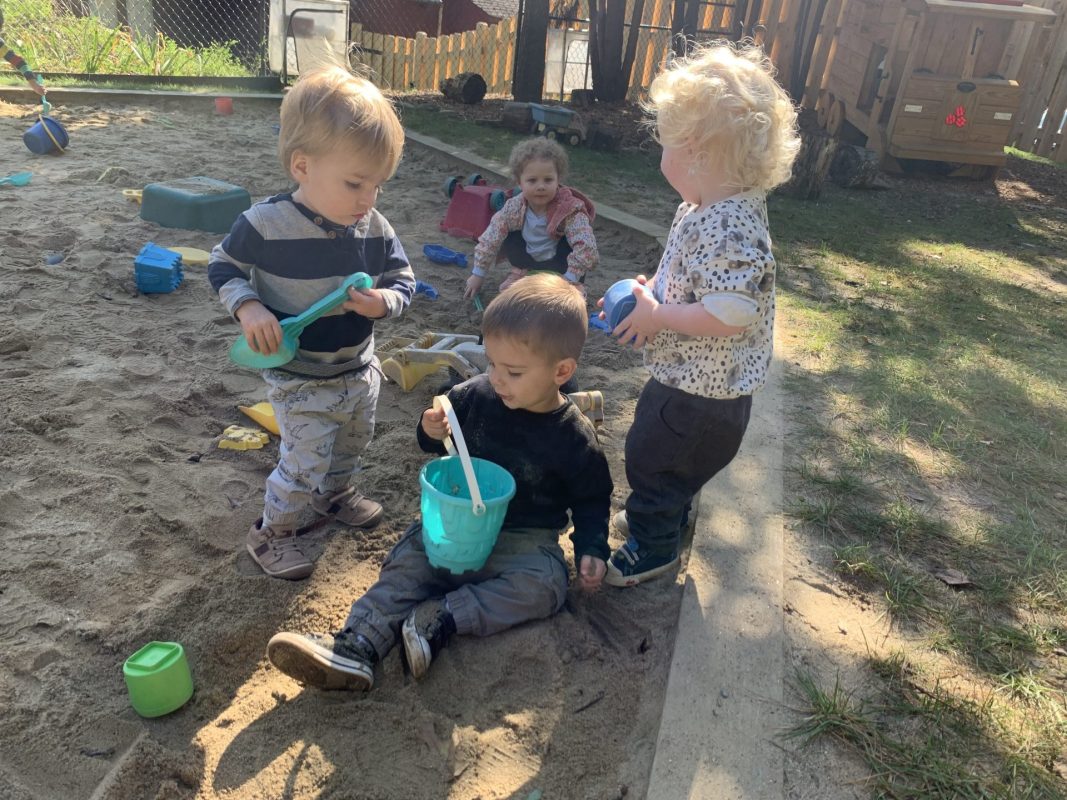
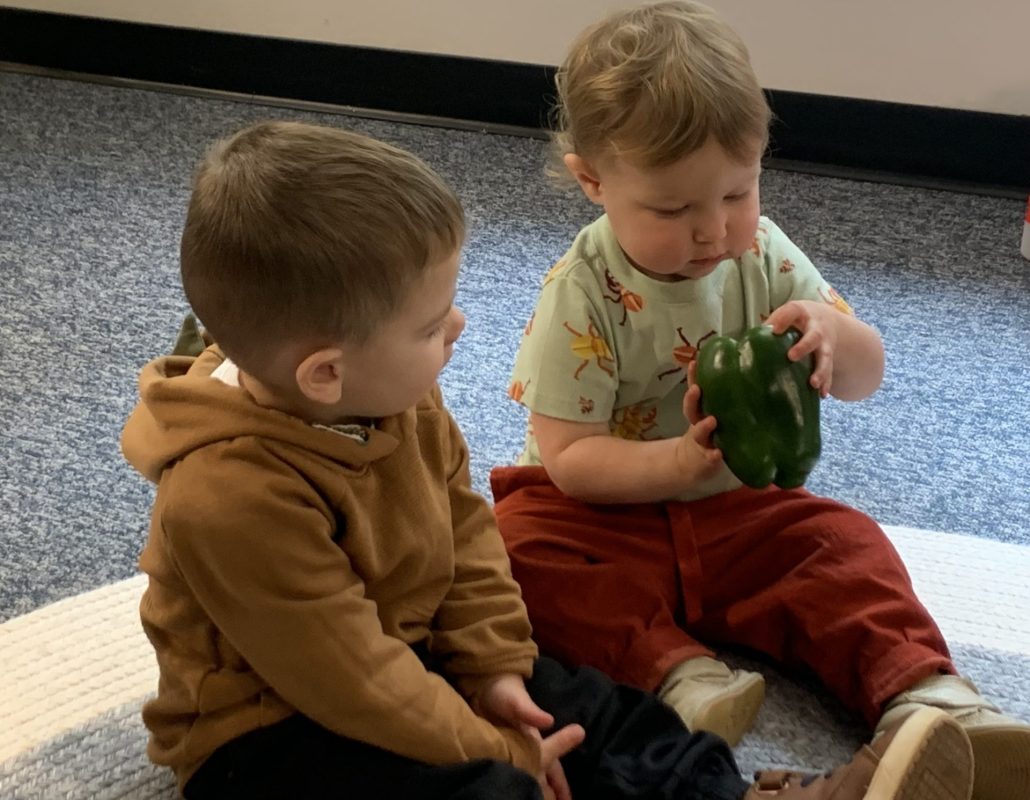
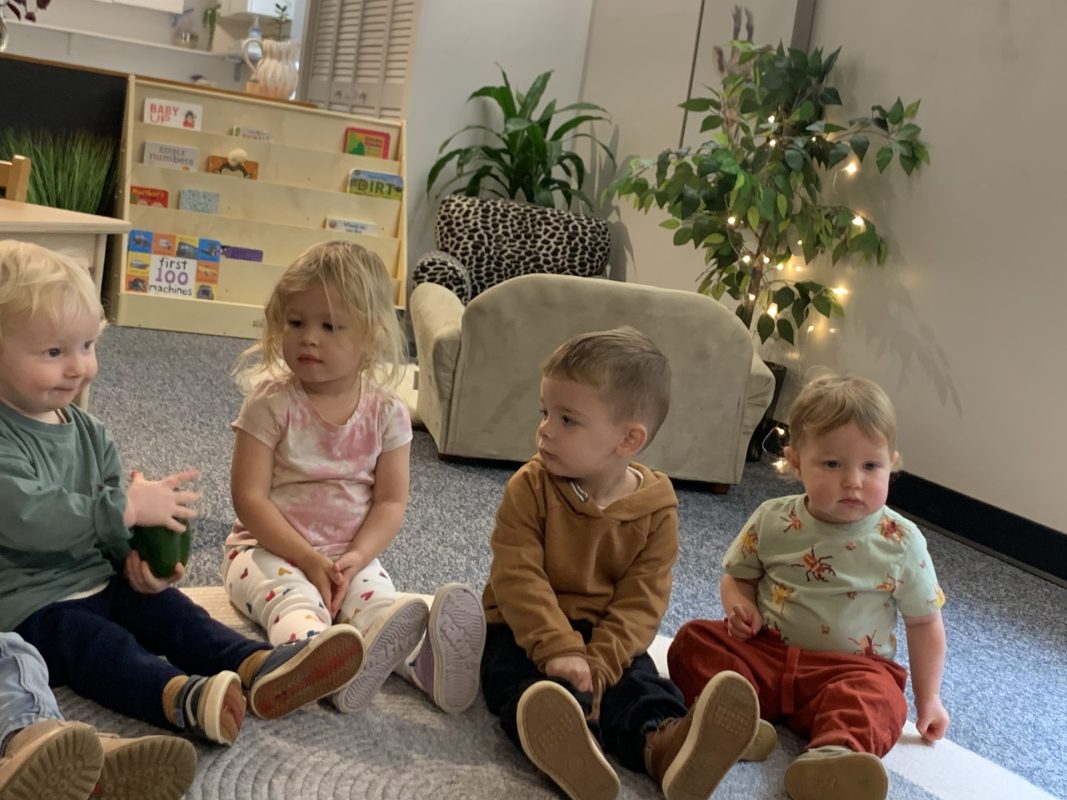
Sharing does not come naturally to children under the age of three. They are not developmentally ready to share. From a Montessori point of view, sharing should never be imposed upon a young child. We emphasize independence, self-directed learning, and respect for each child. As adults, it is our job to protect the concentration and focus of the children when they are deeply engrossed in an activity. It is also our responsibility to empower the children and model for them how to advocate for themselves and communicate effectively and respectfully with their peers.

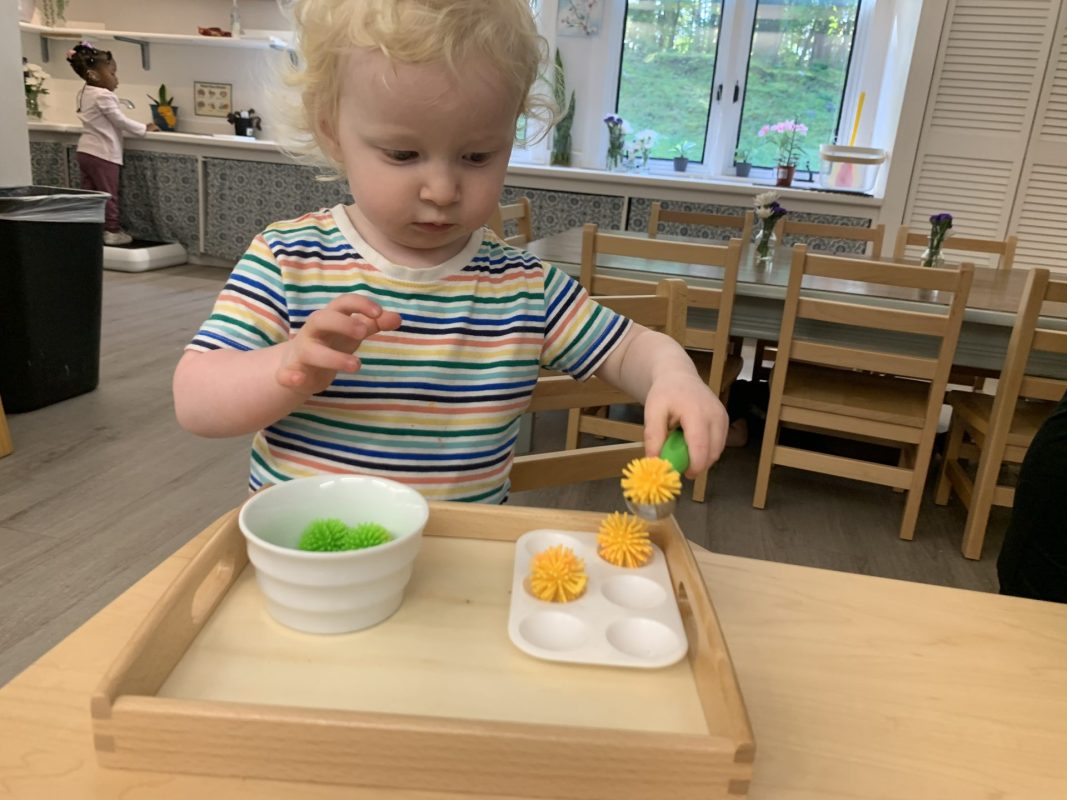
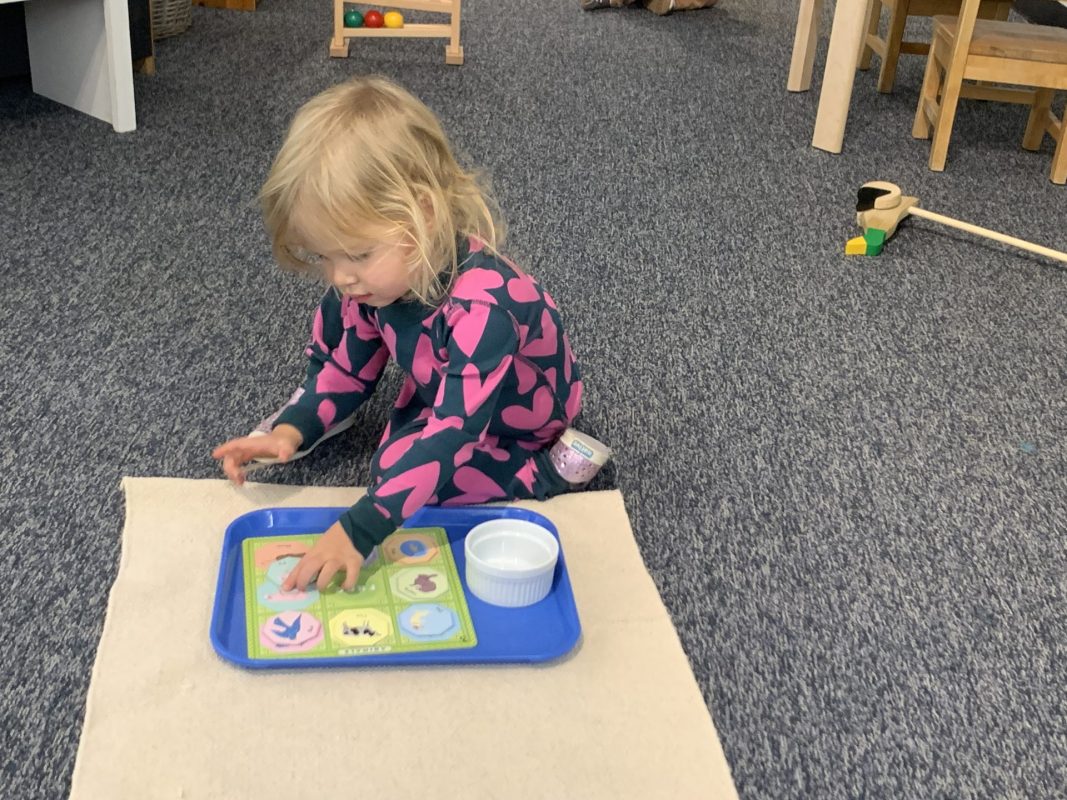
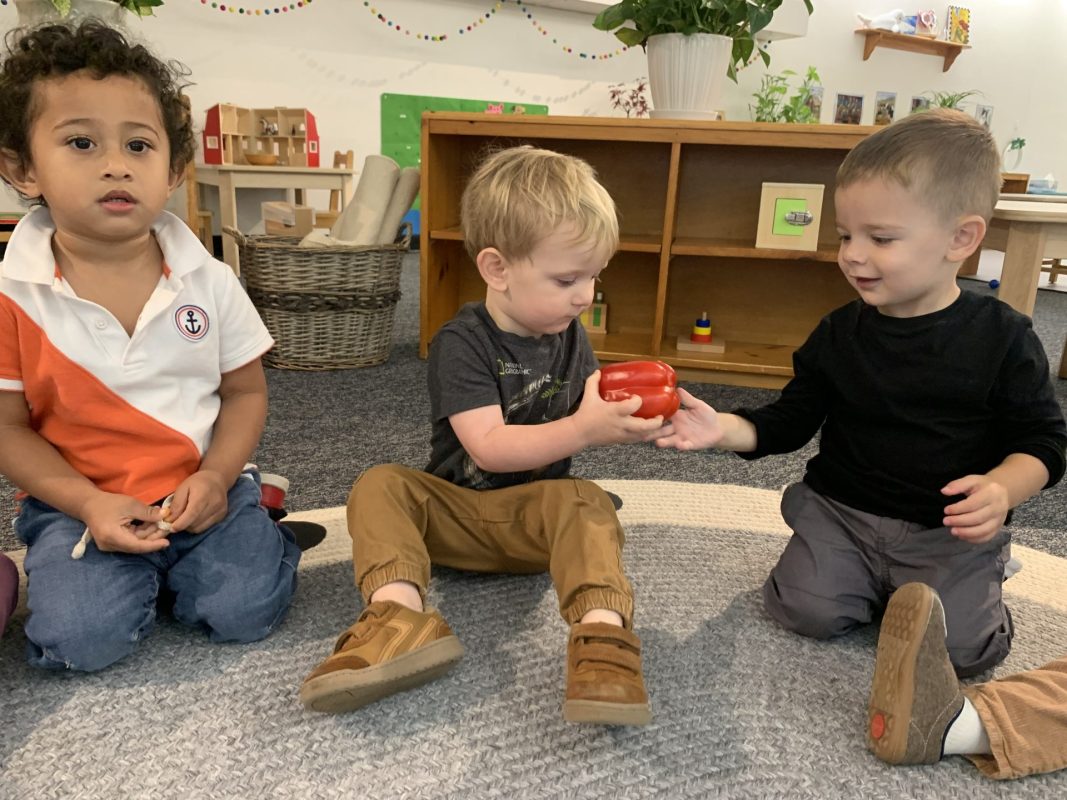
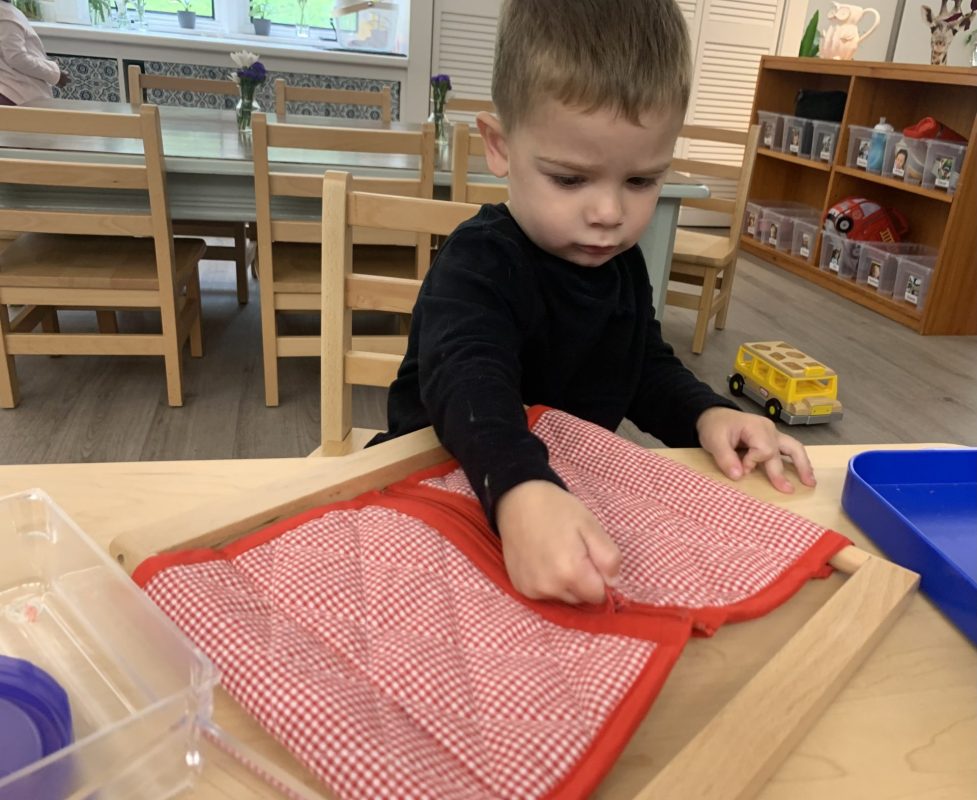
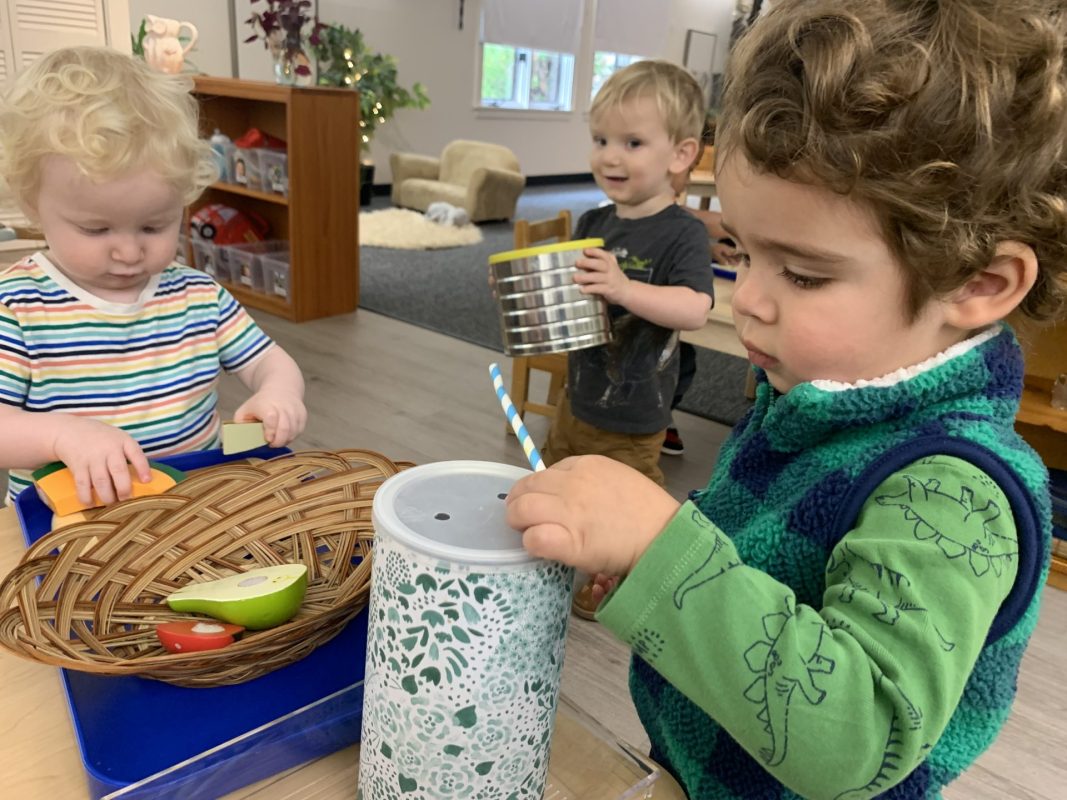
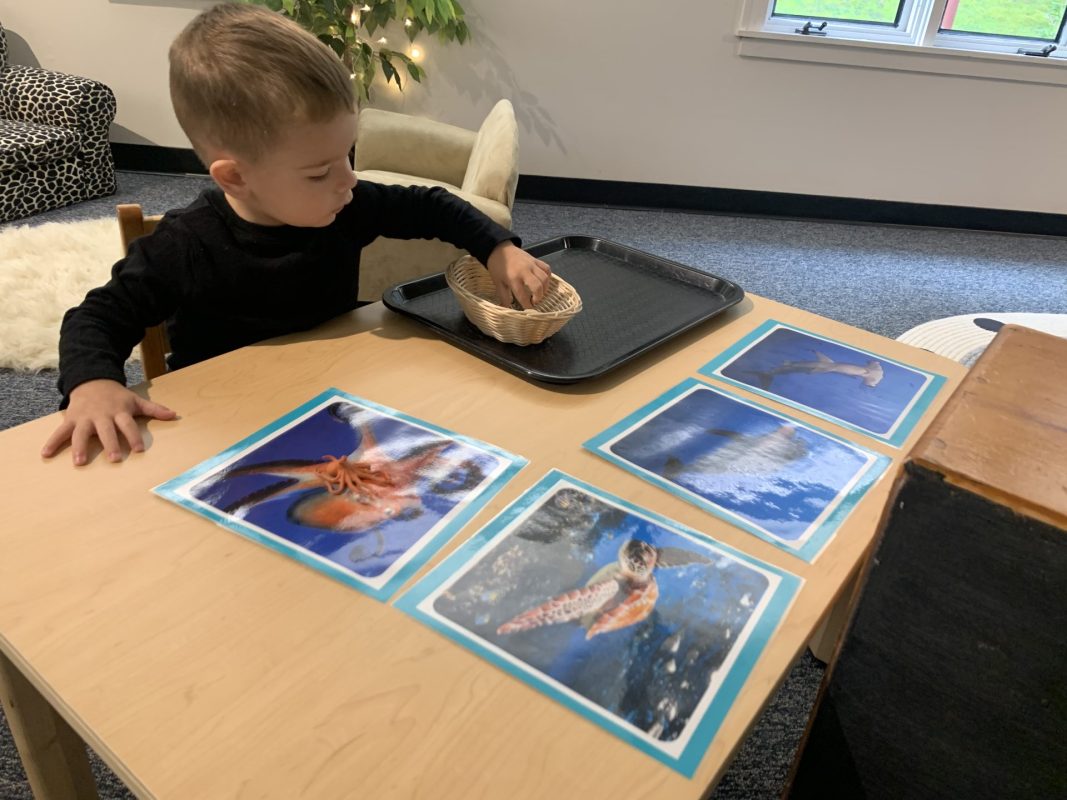
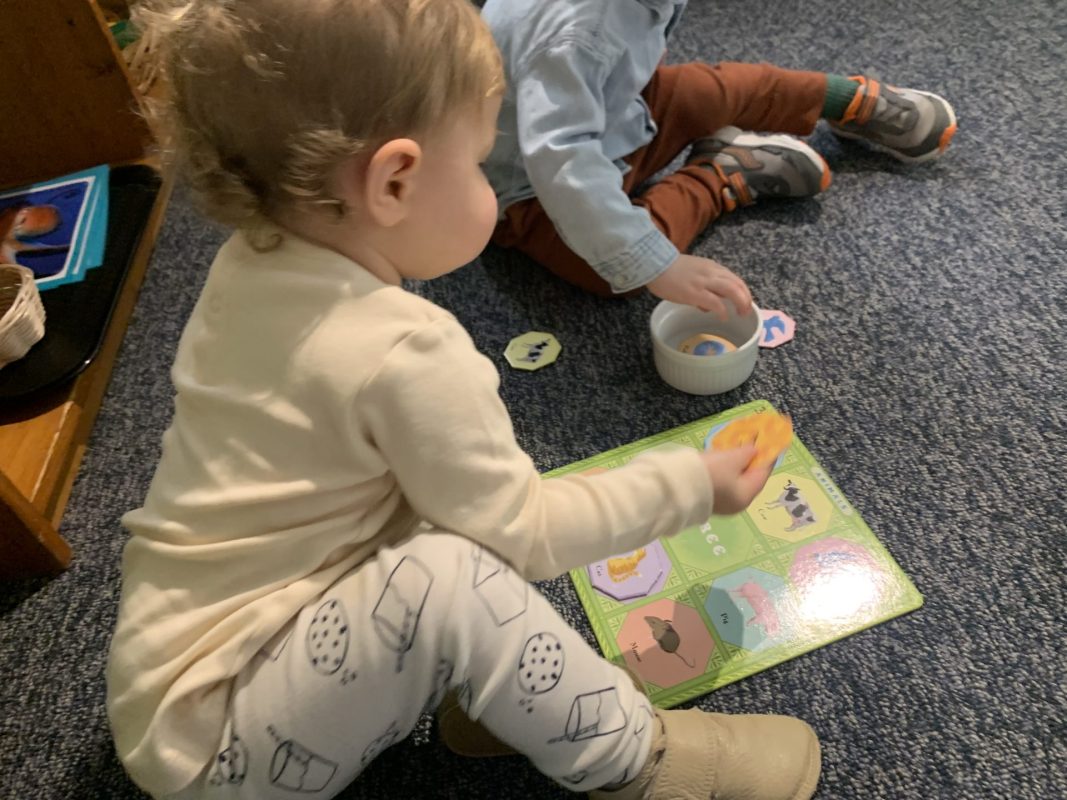
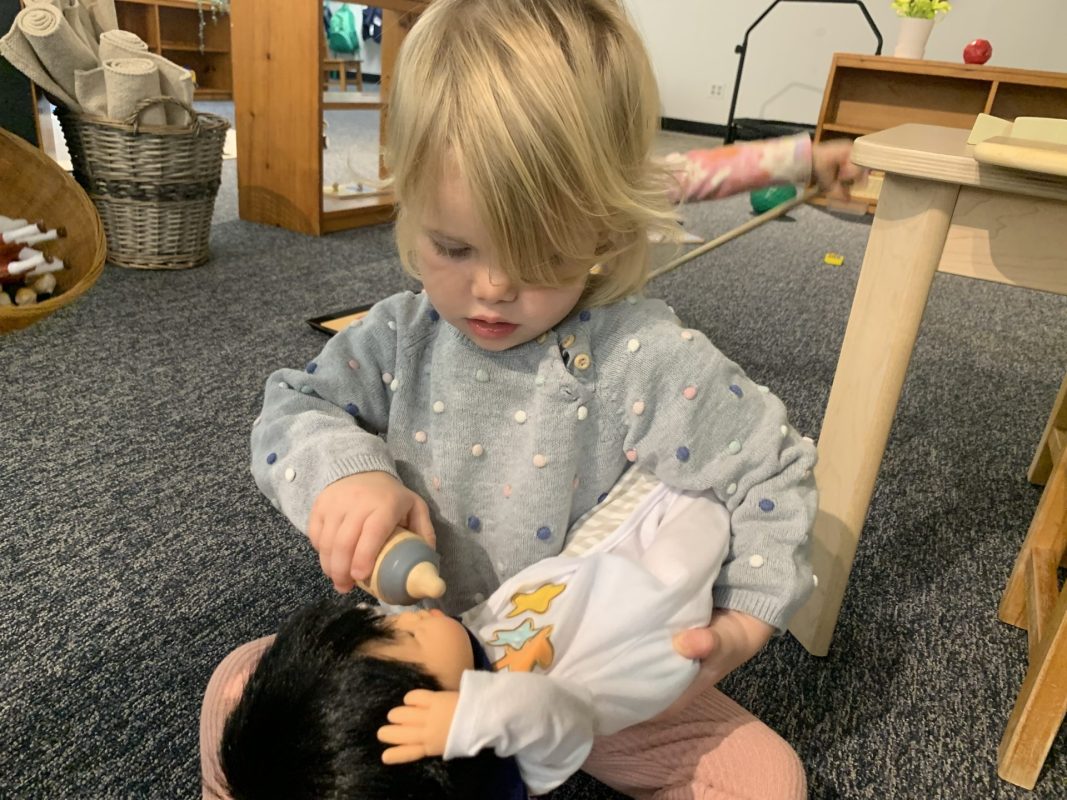
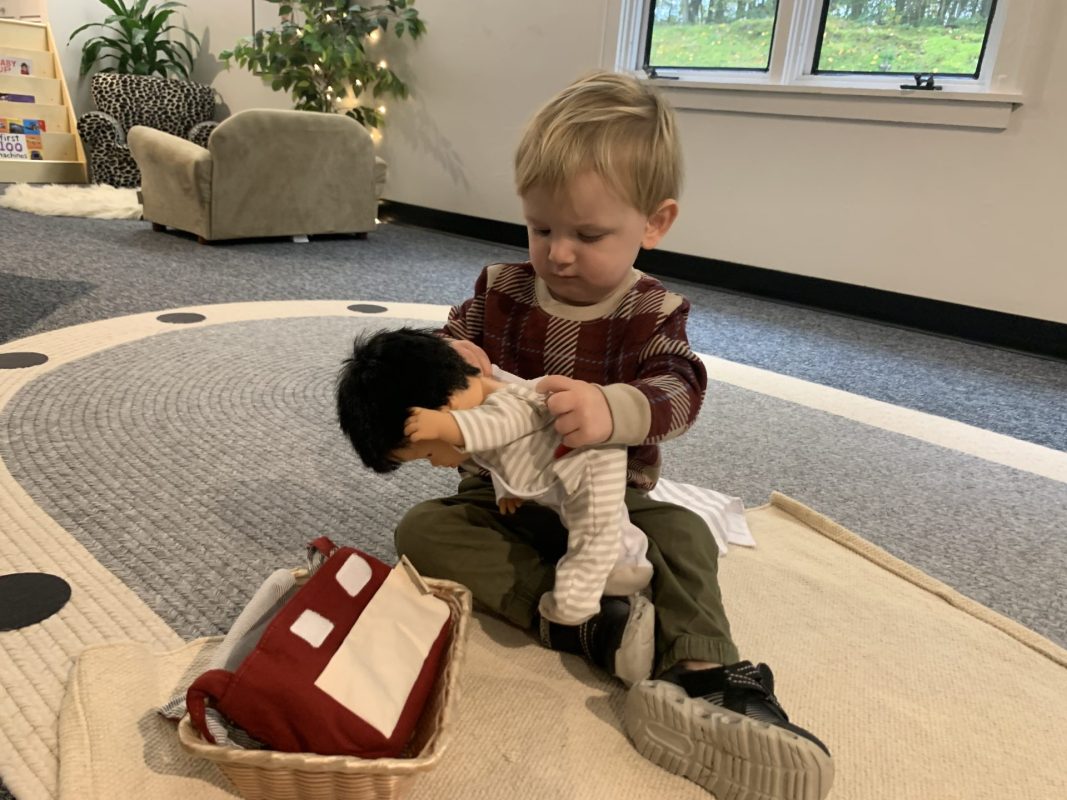
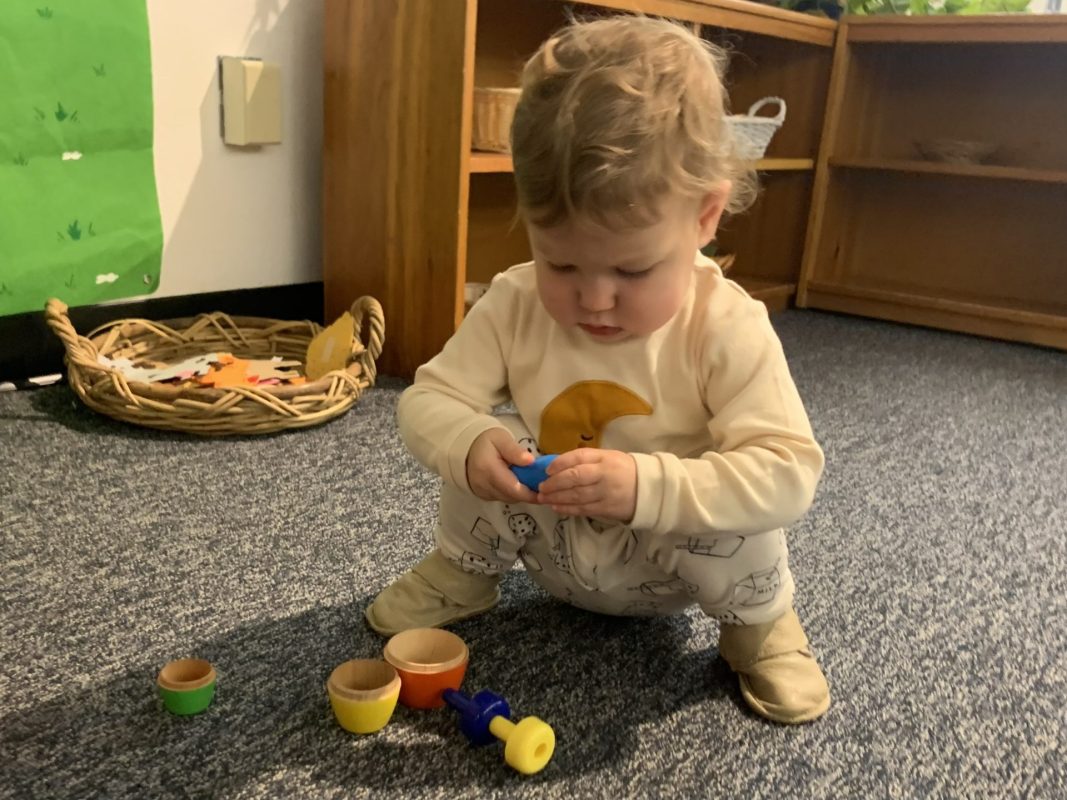
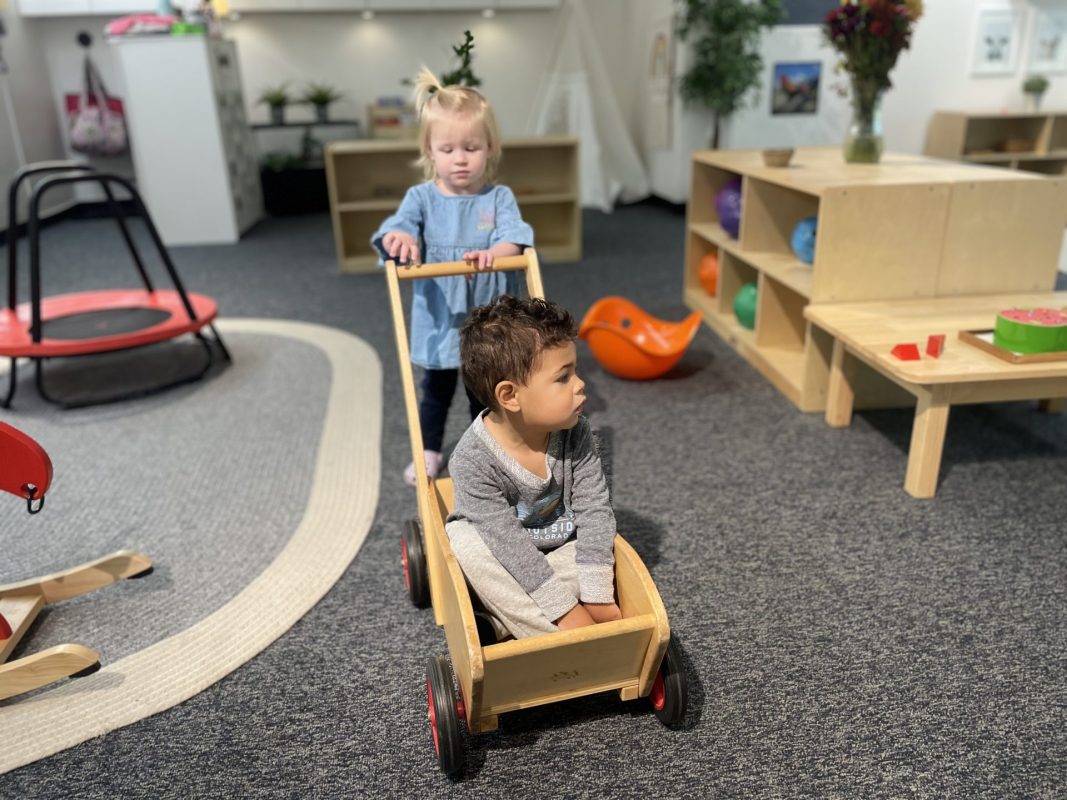
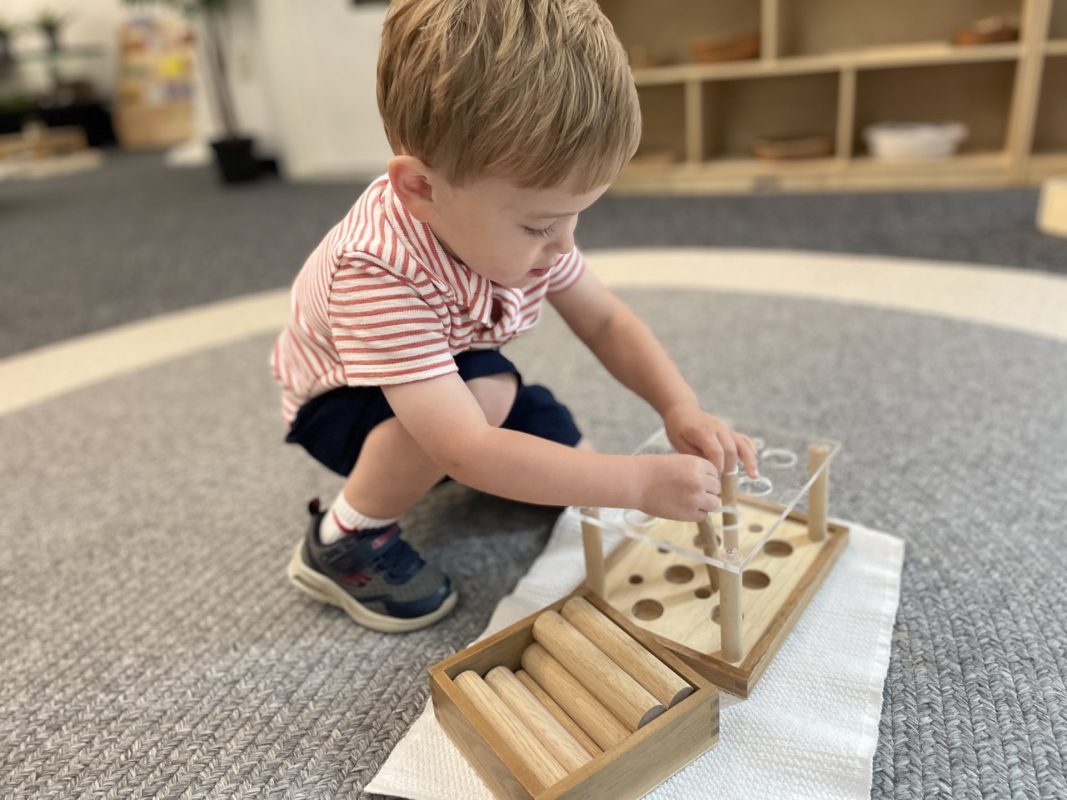
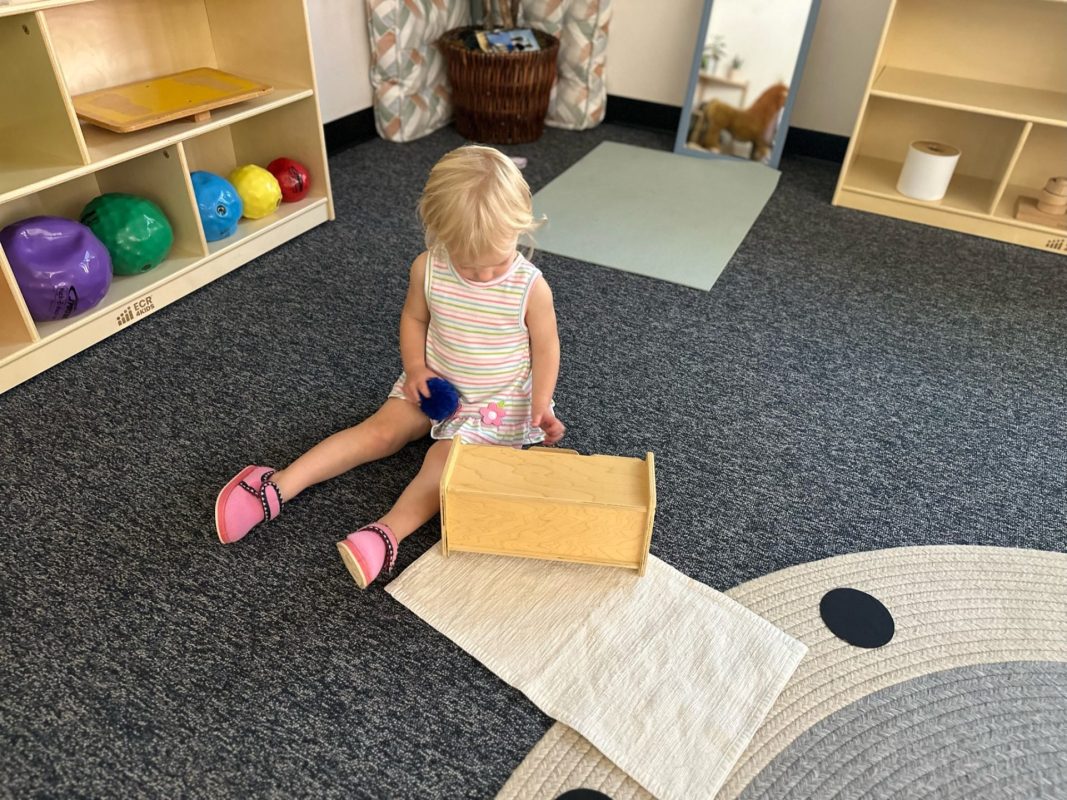
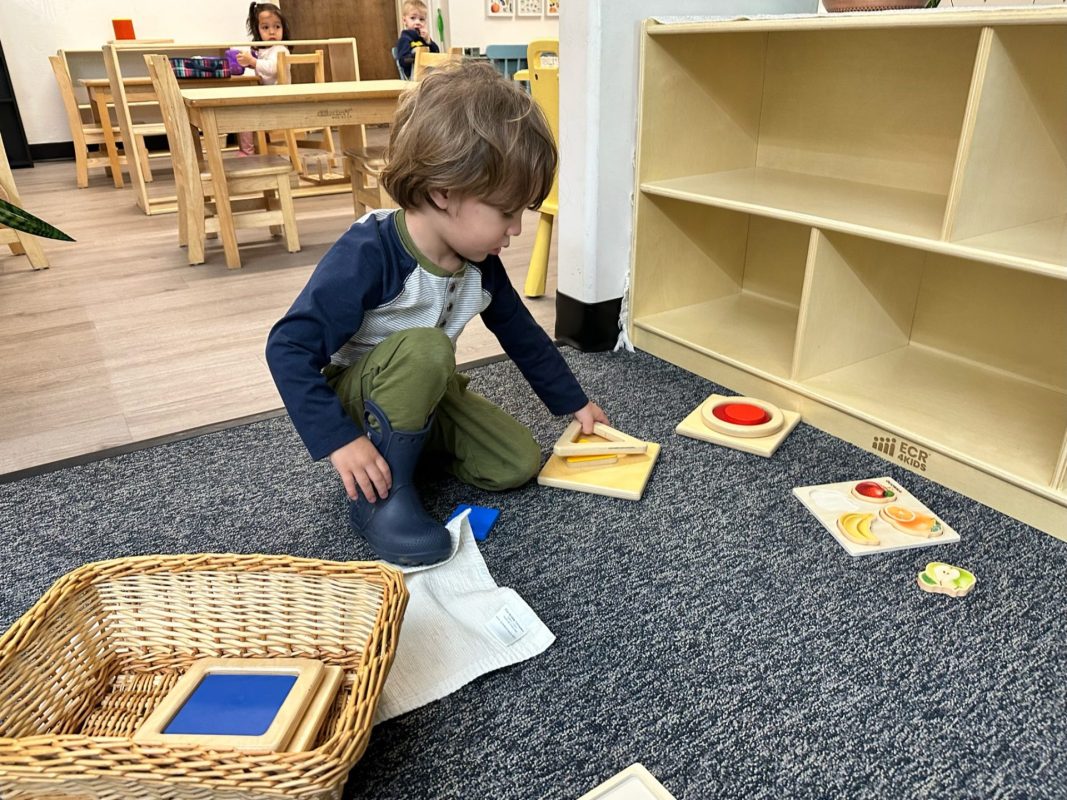
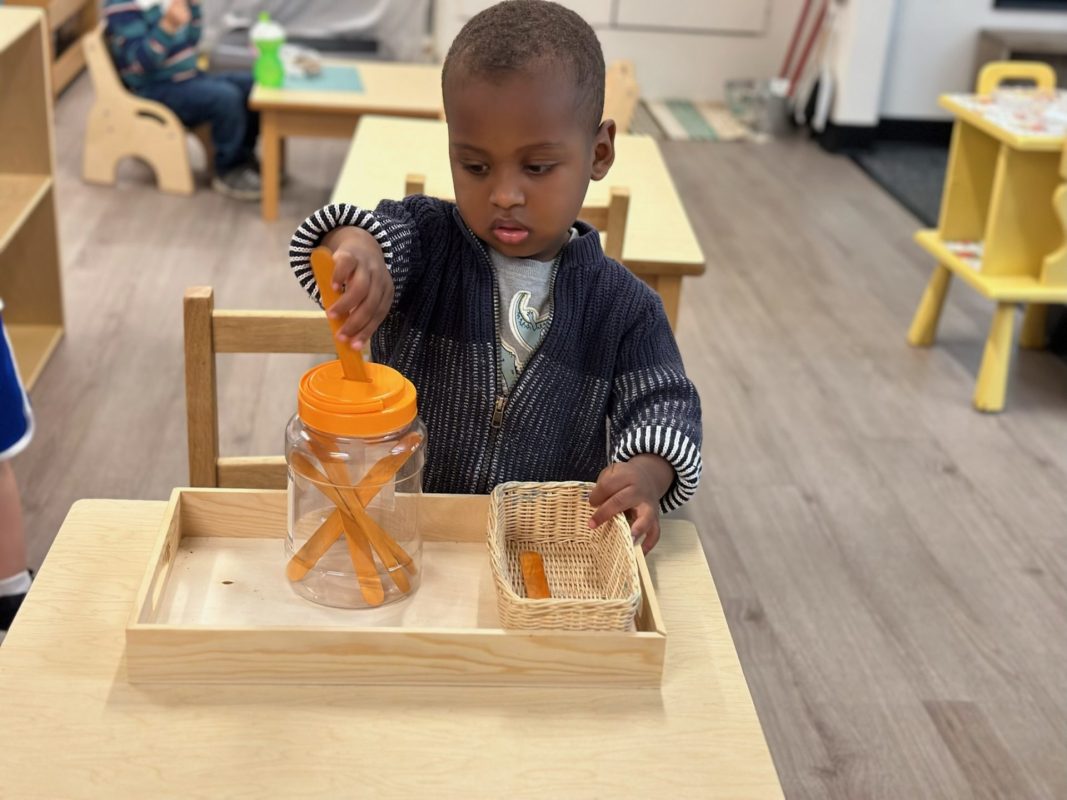
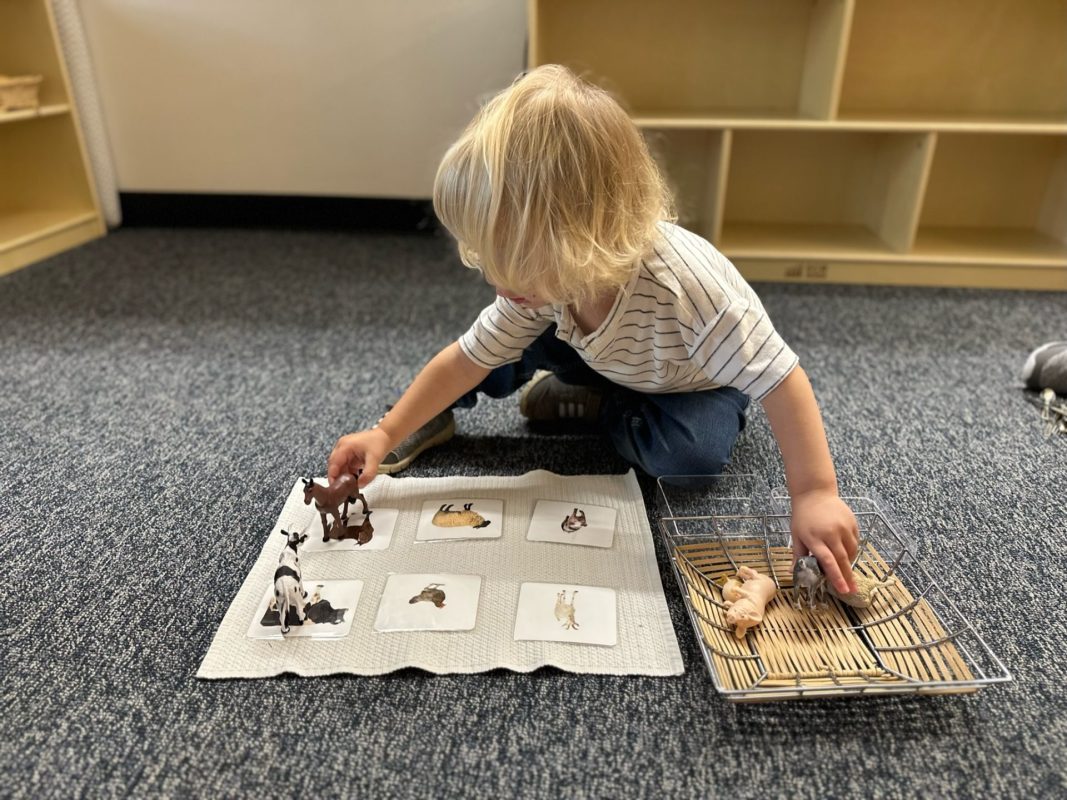
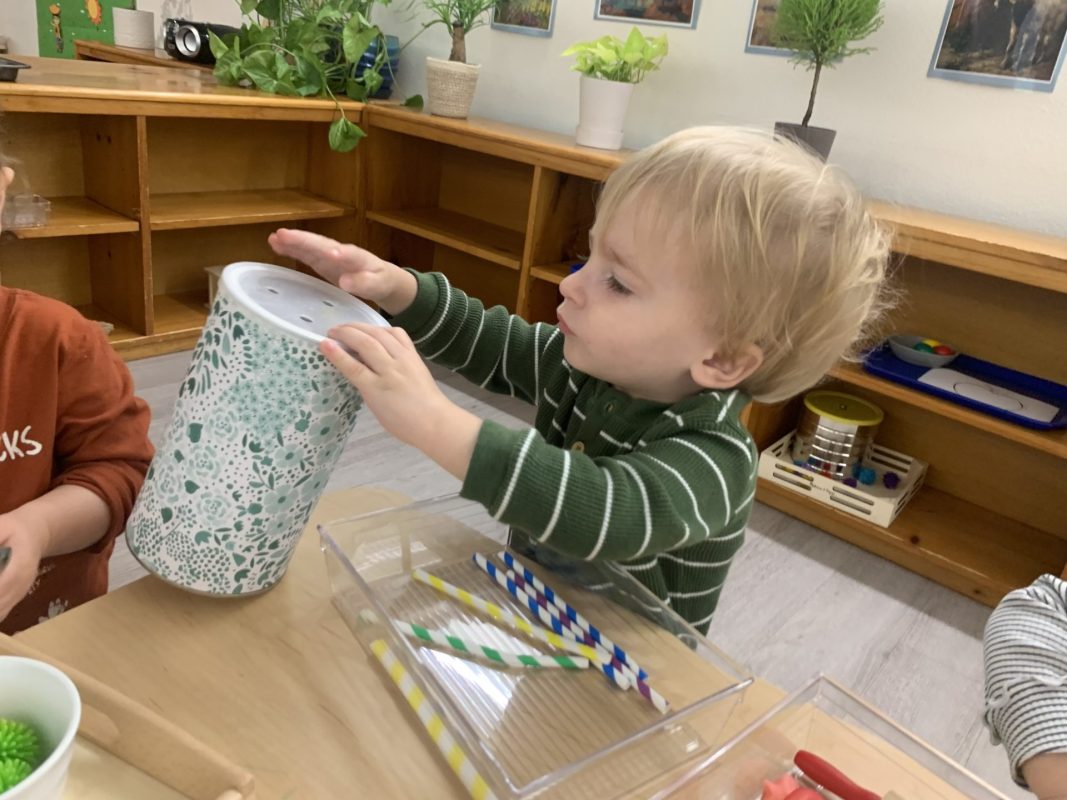
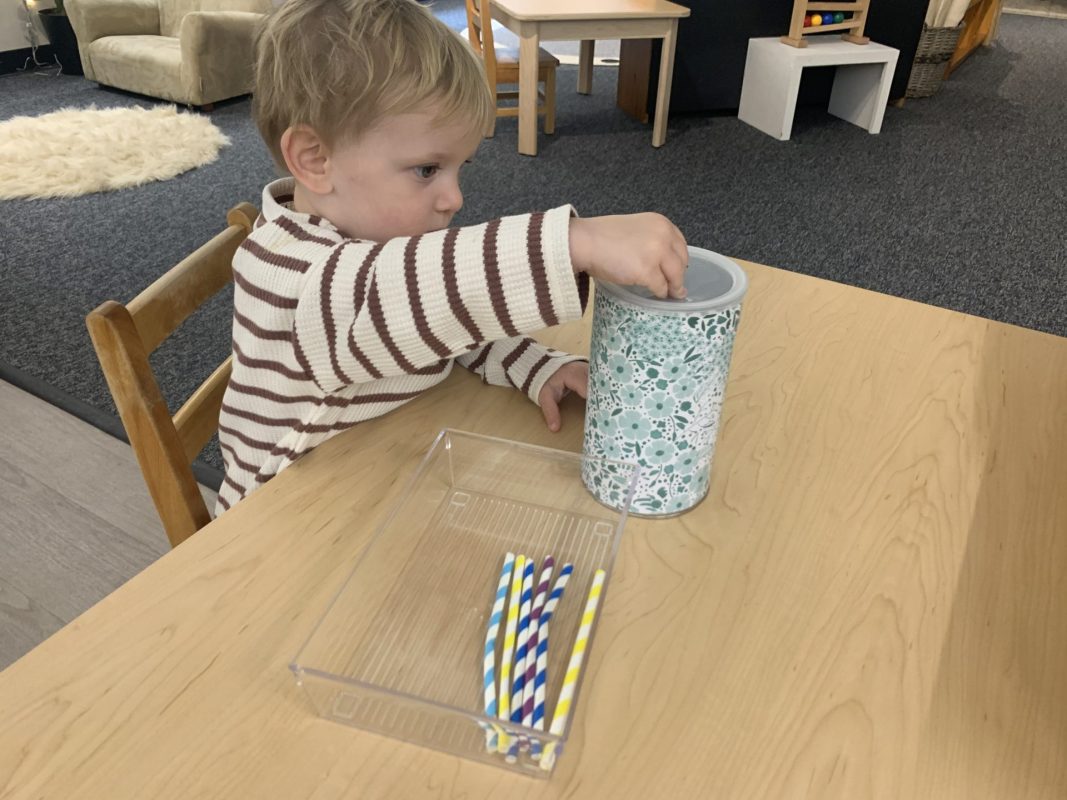
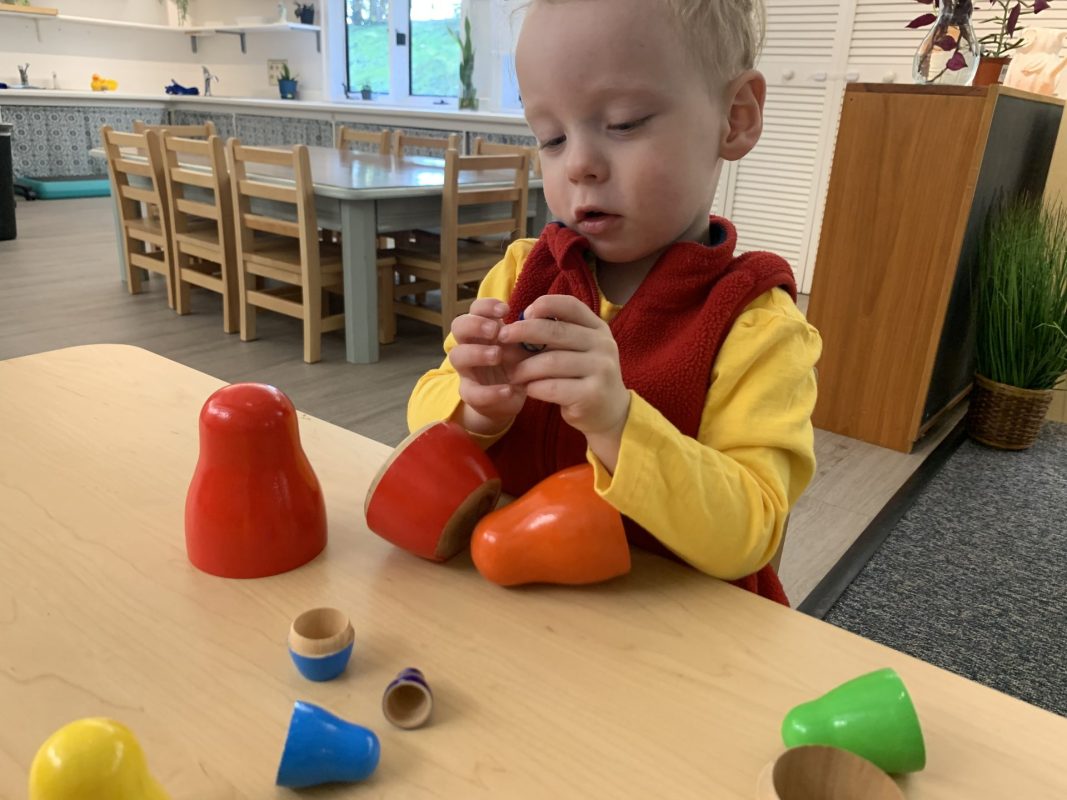
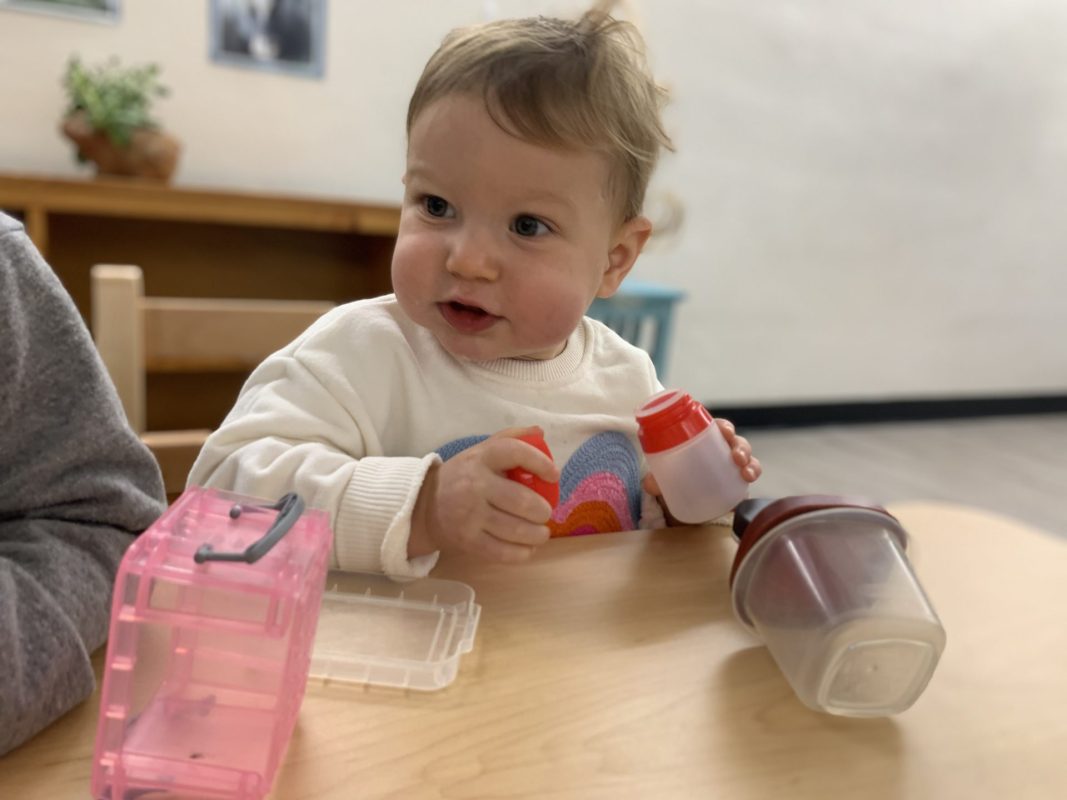
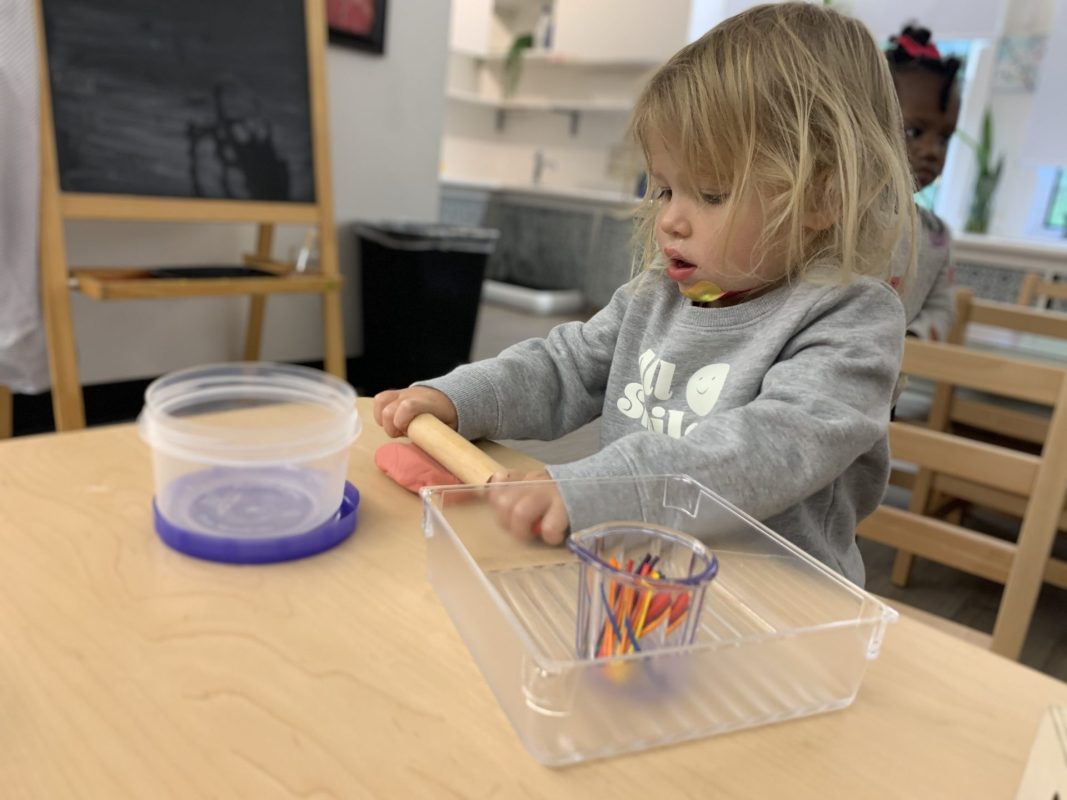
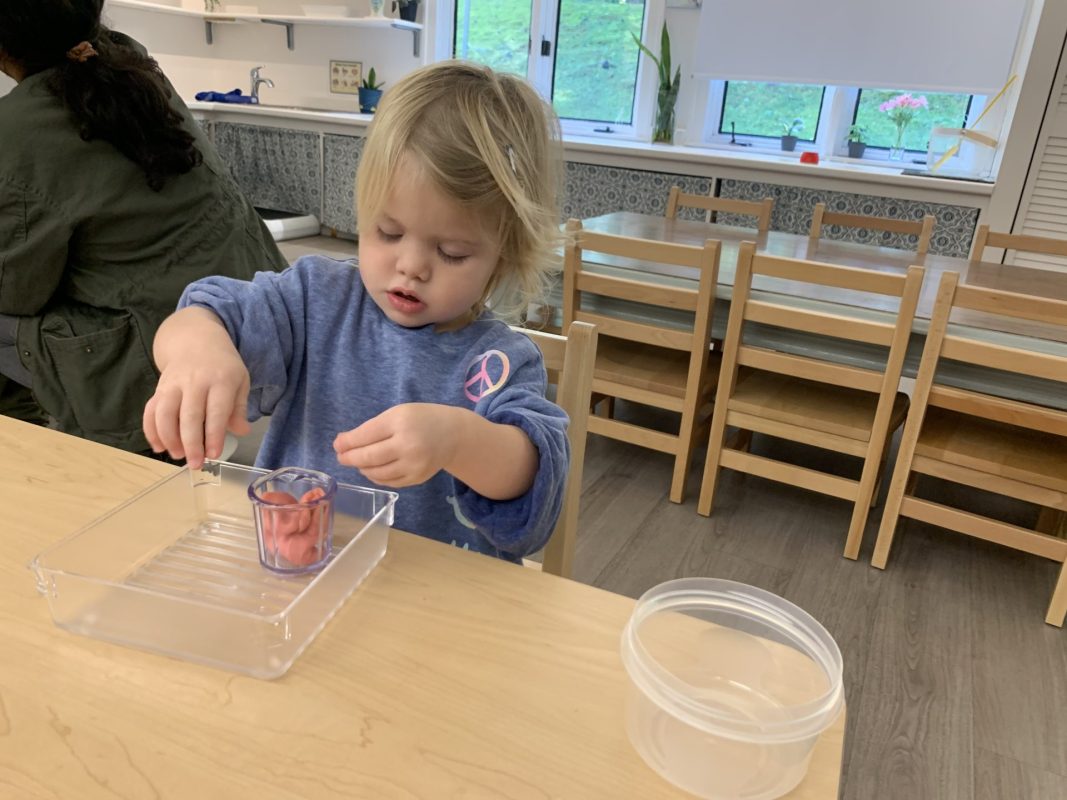
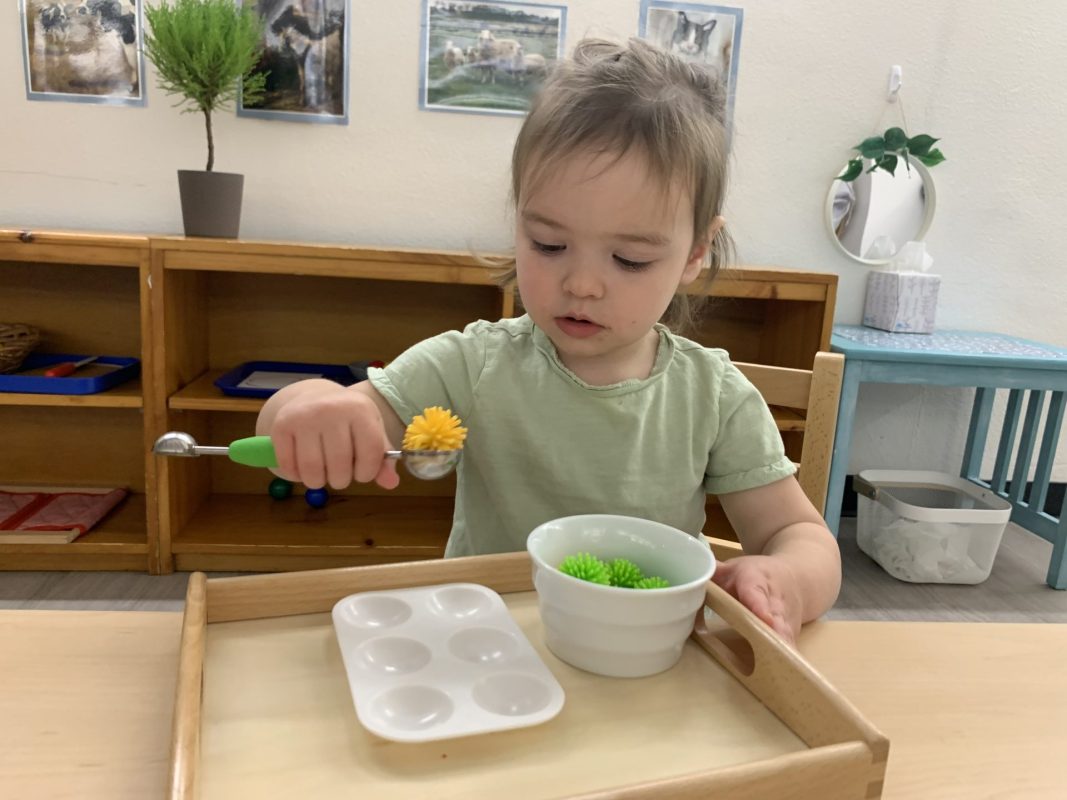
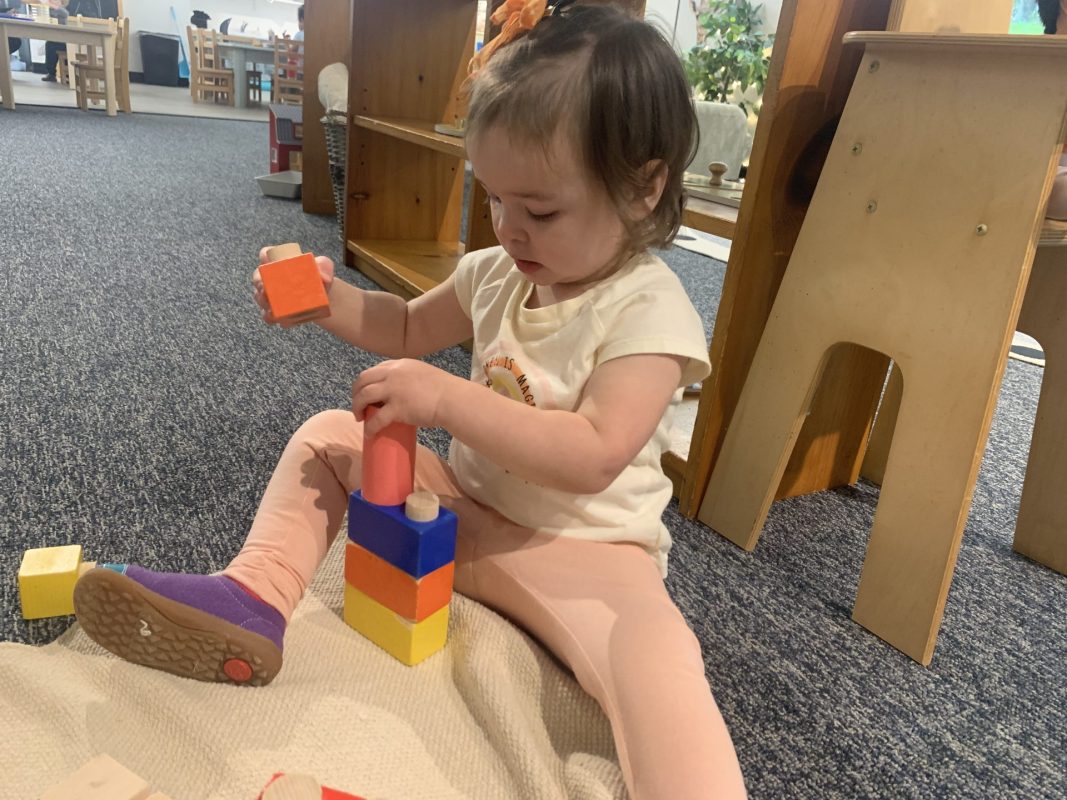
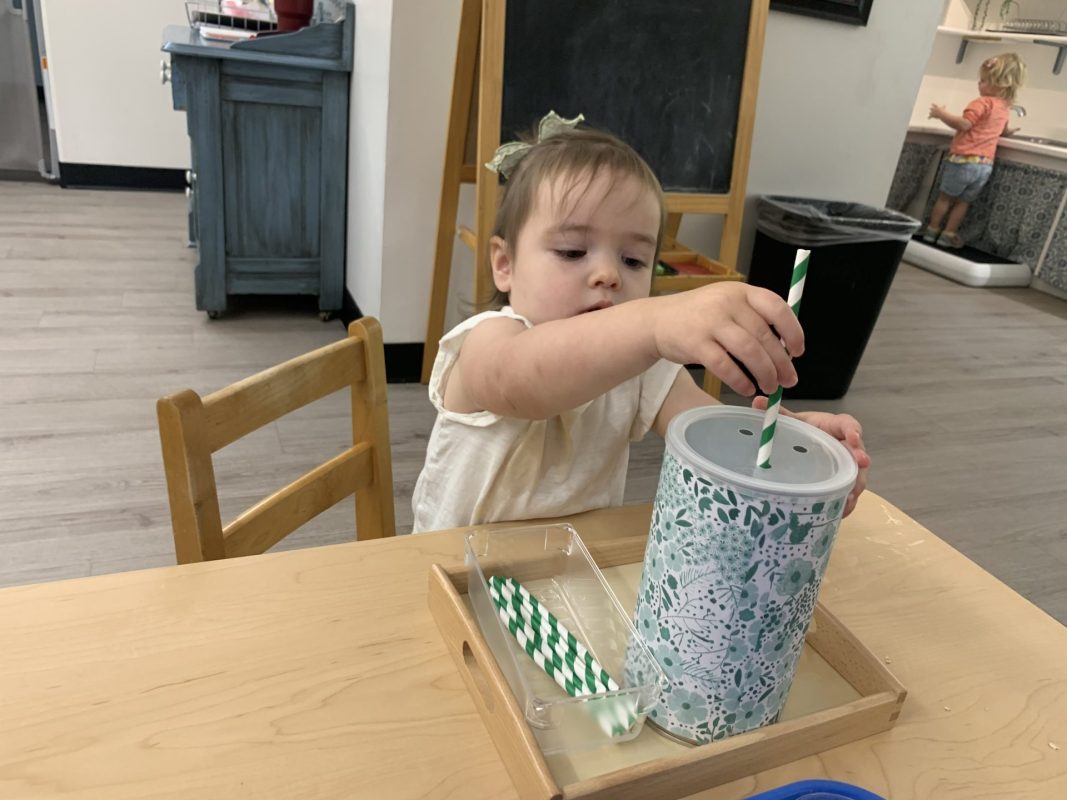
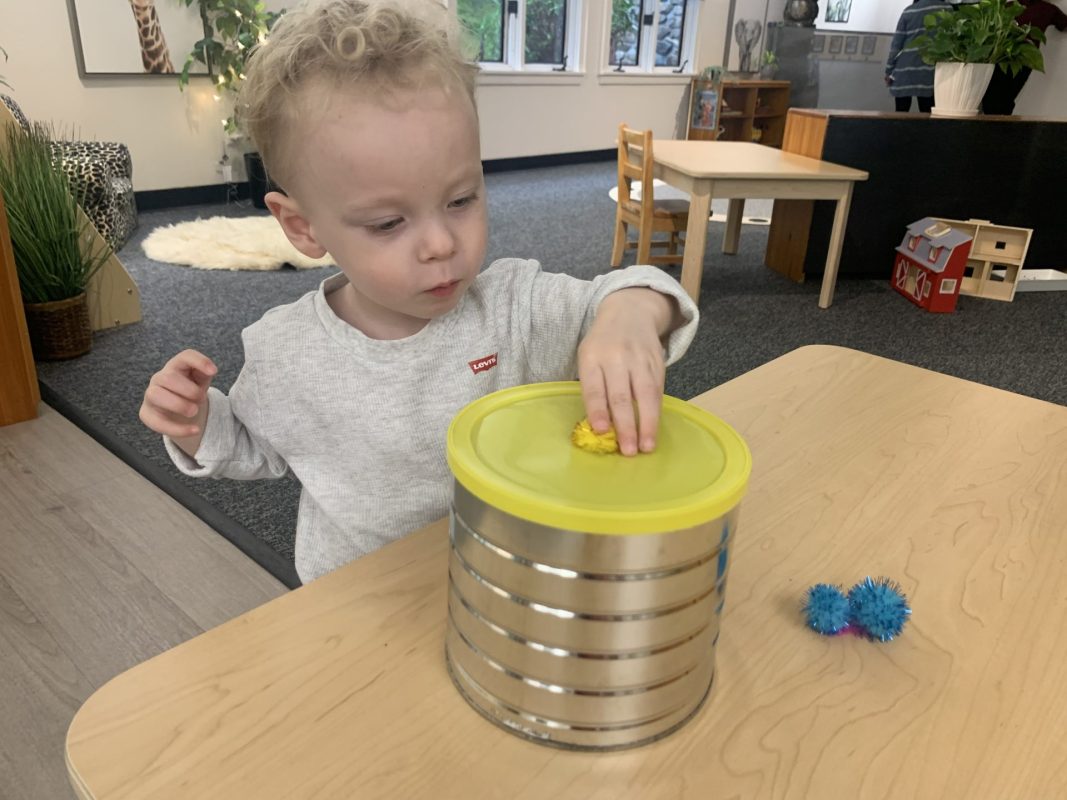
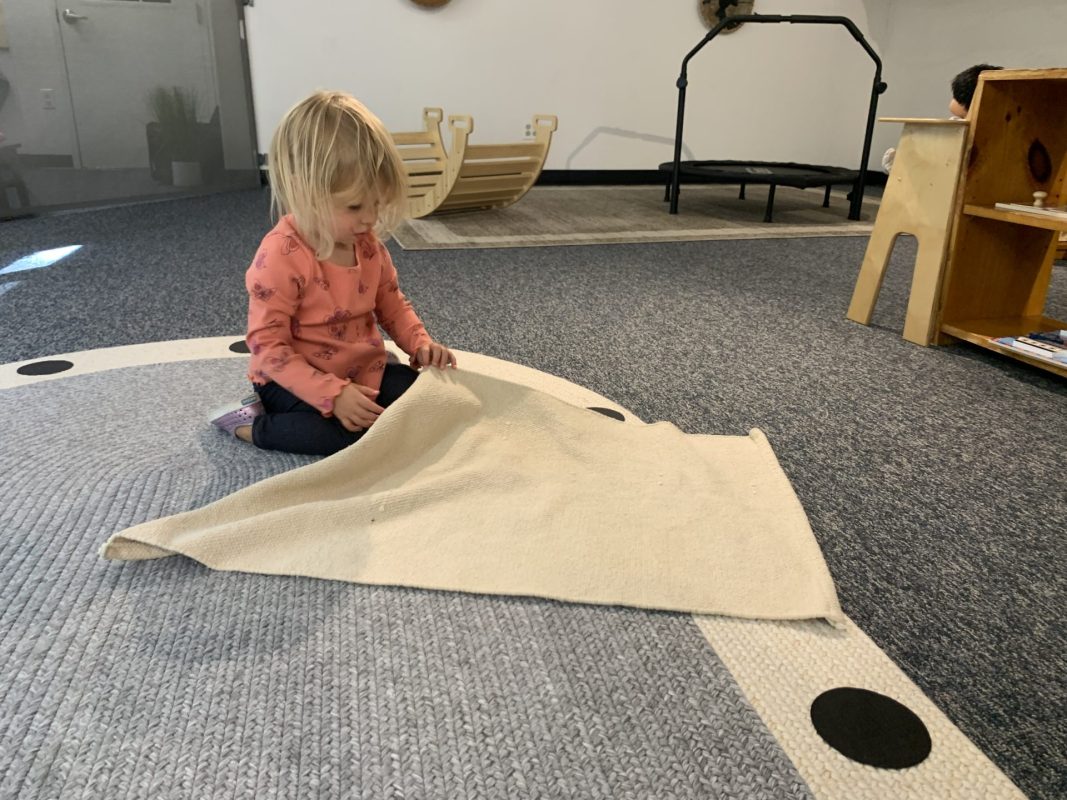
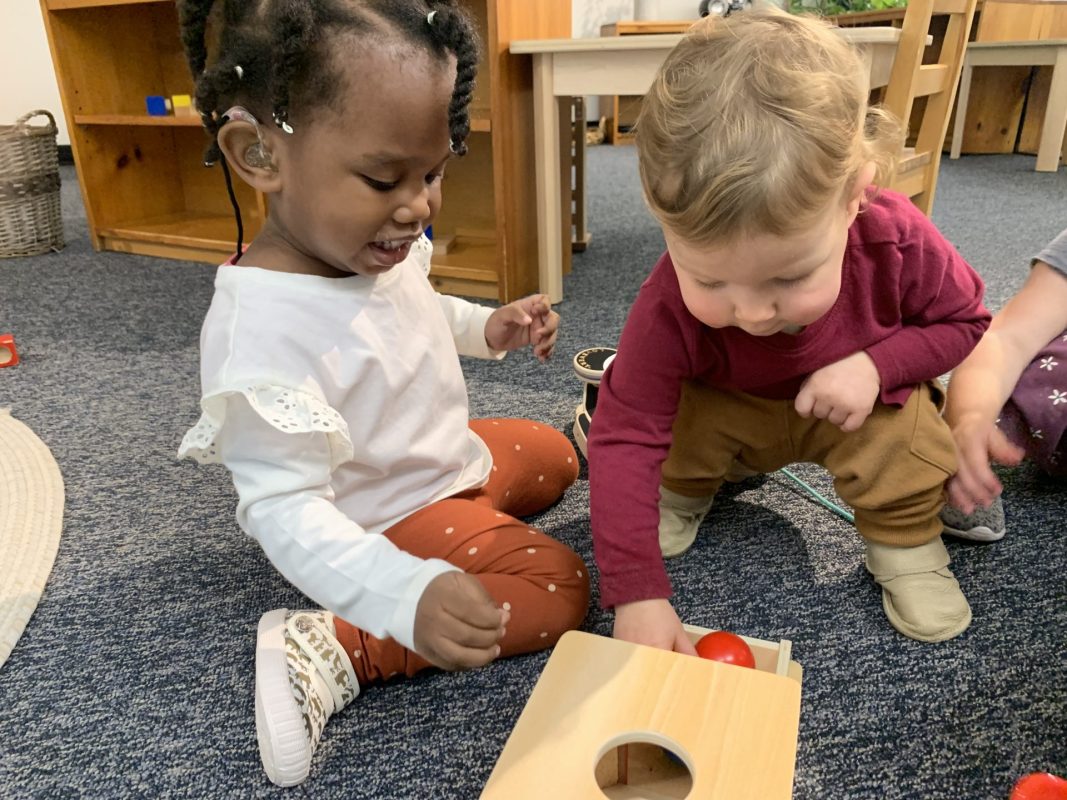
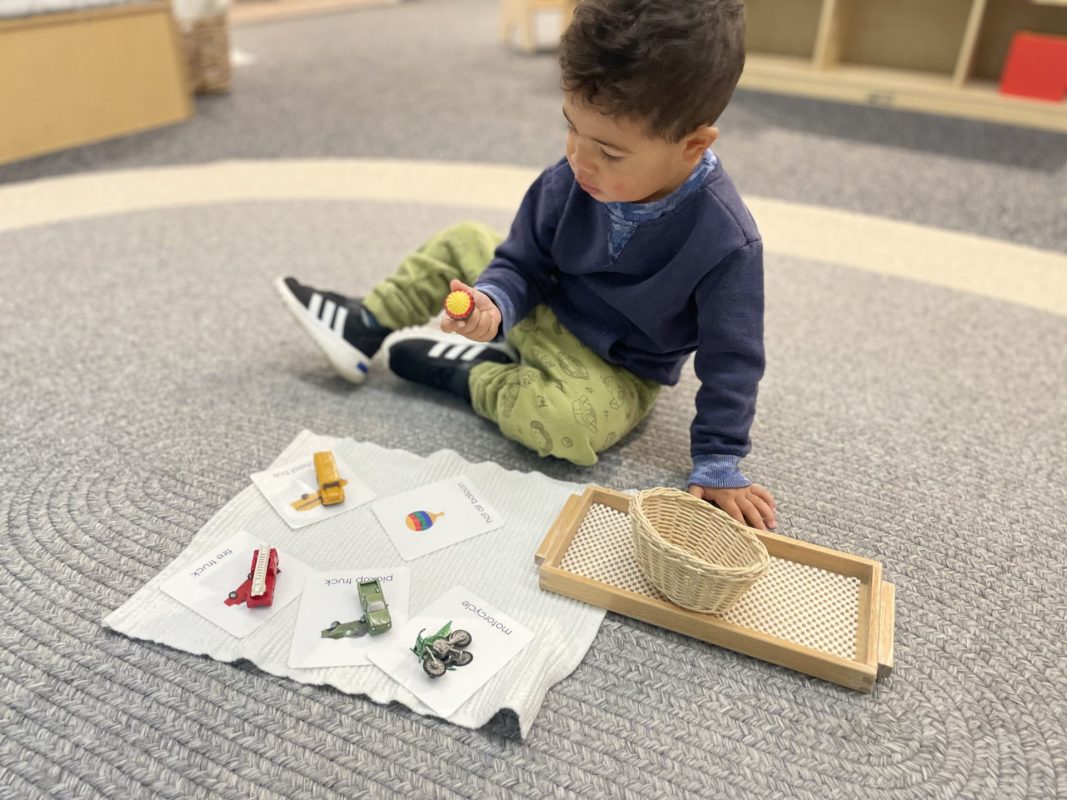
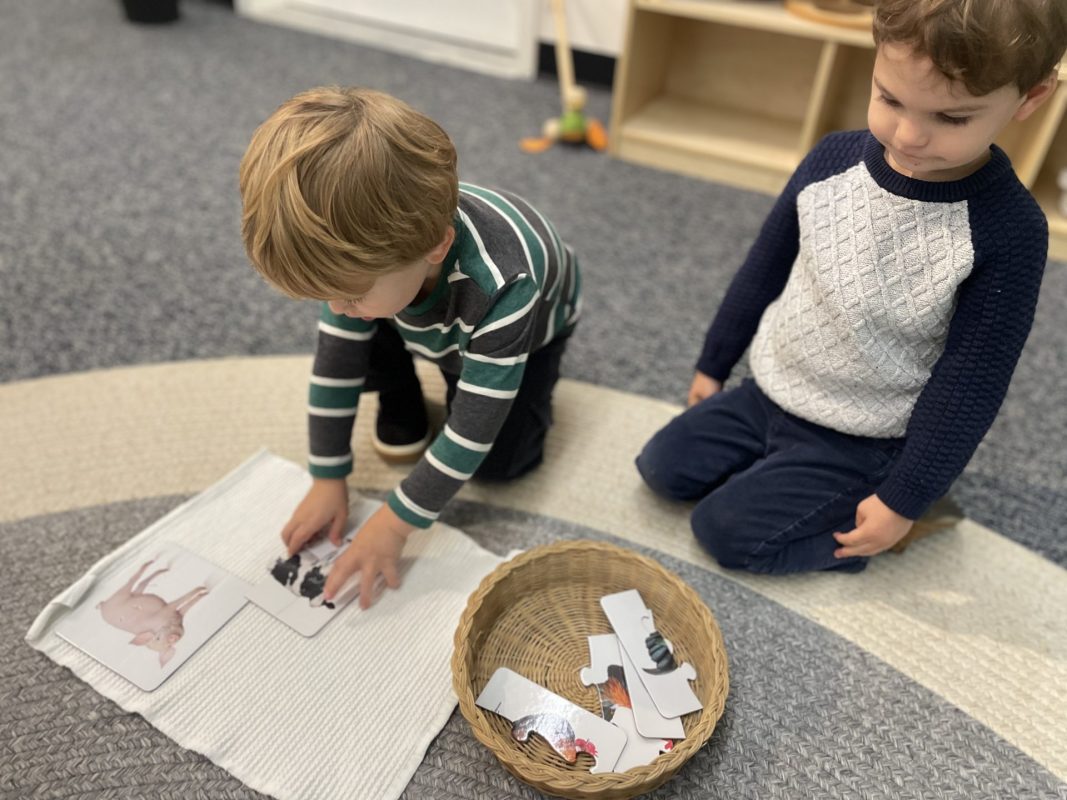
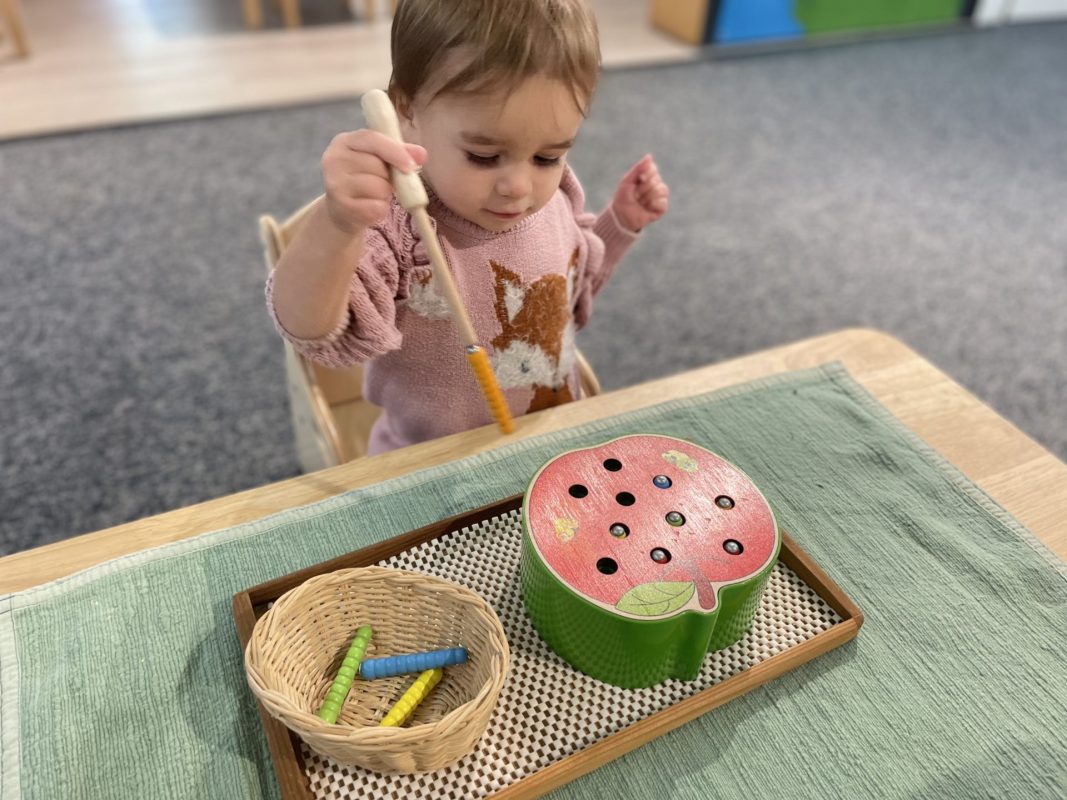
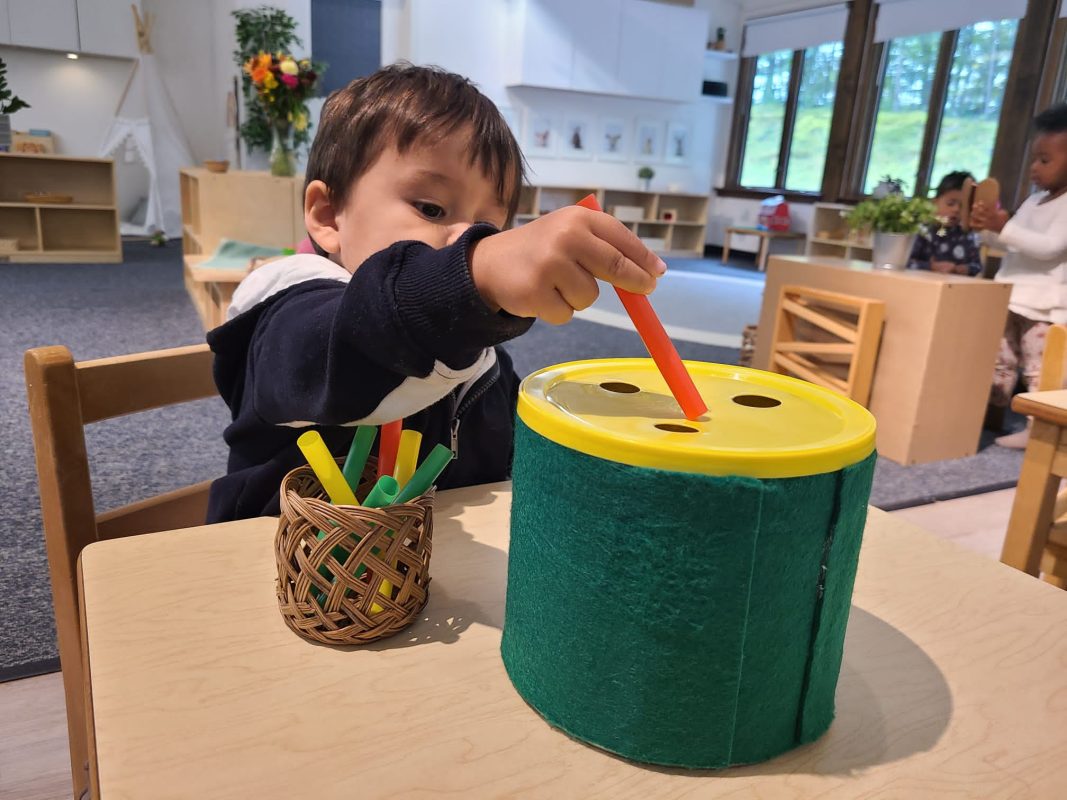
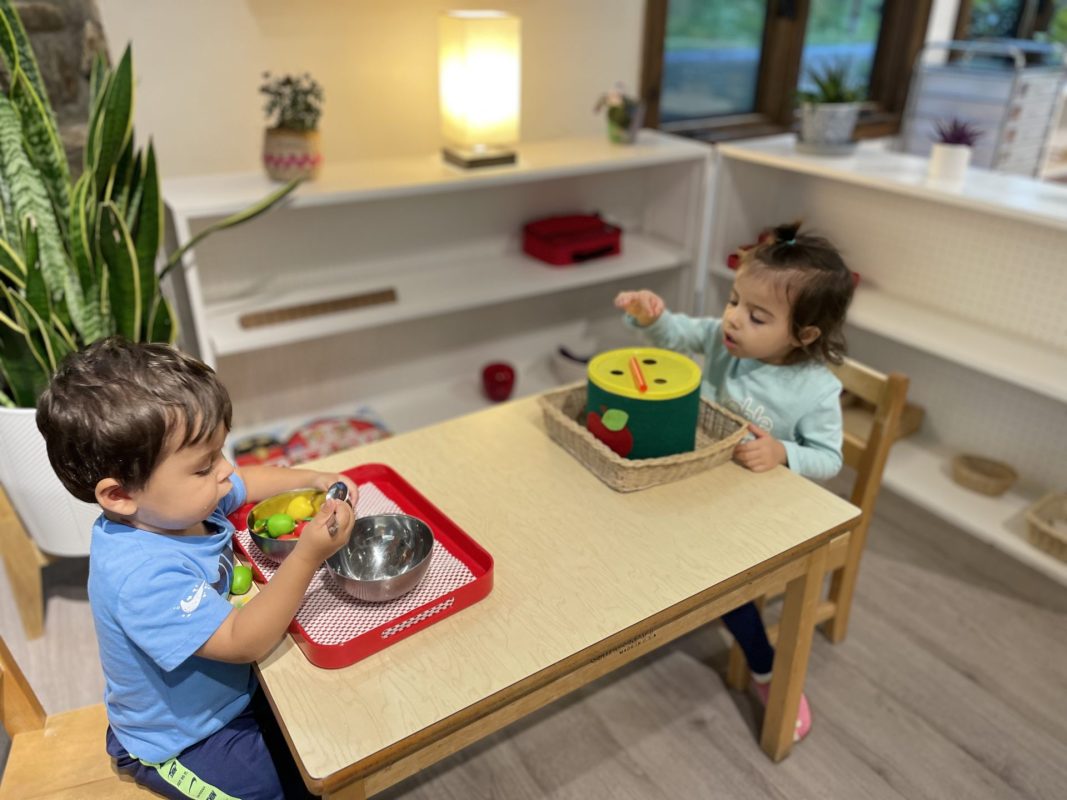
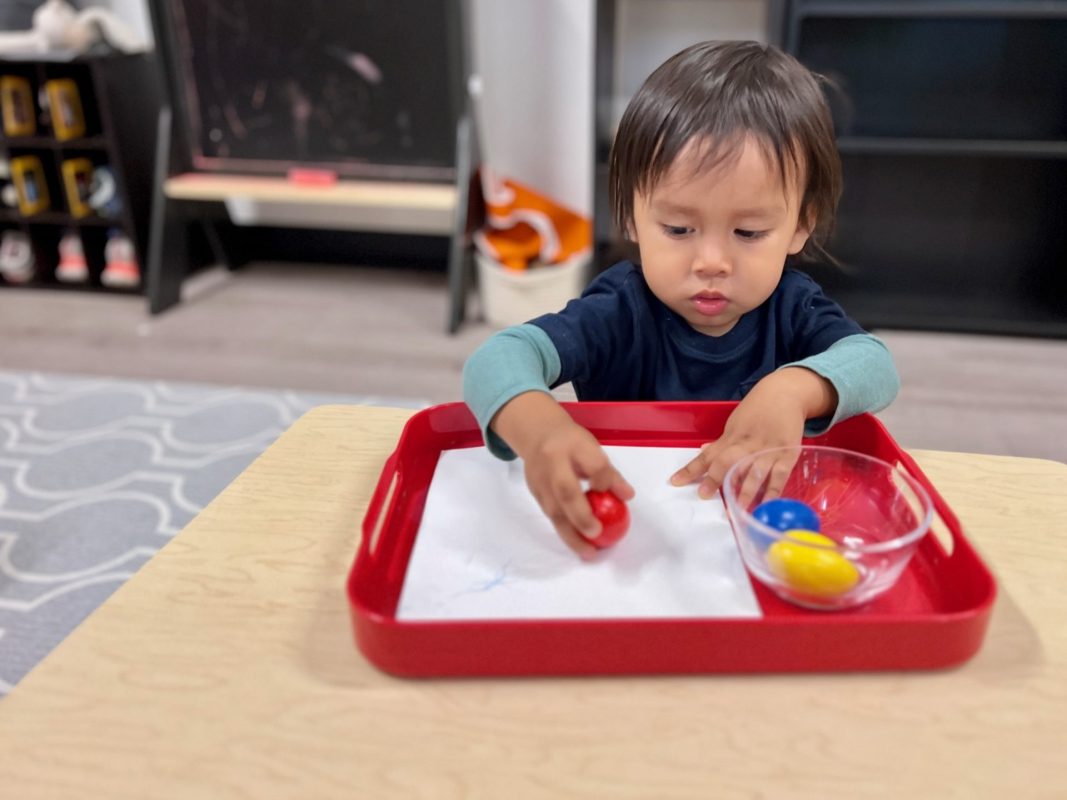
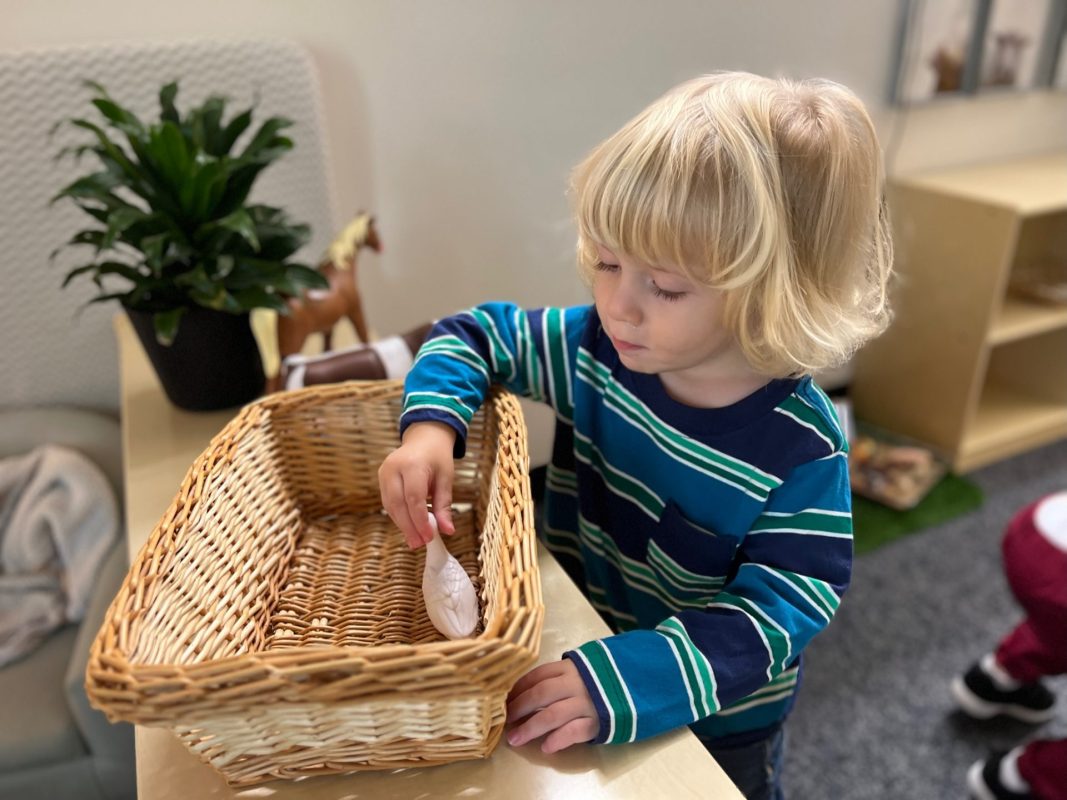
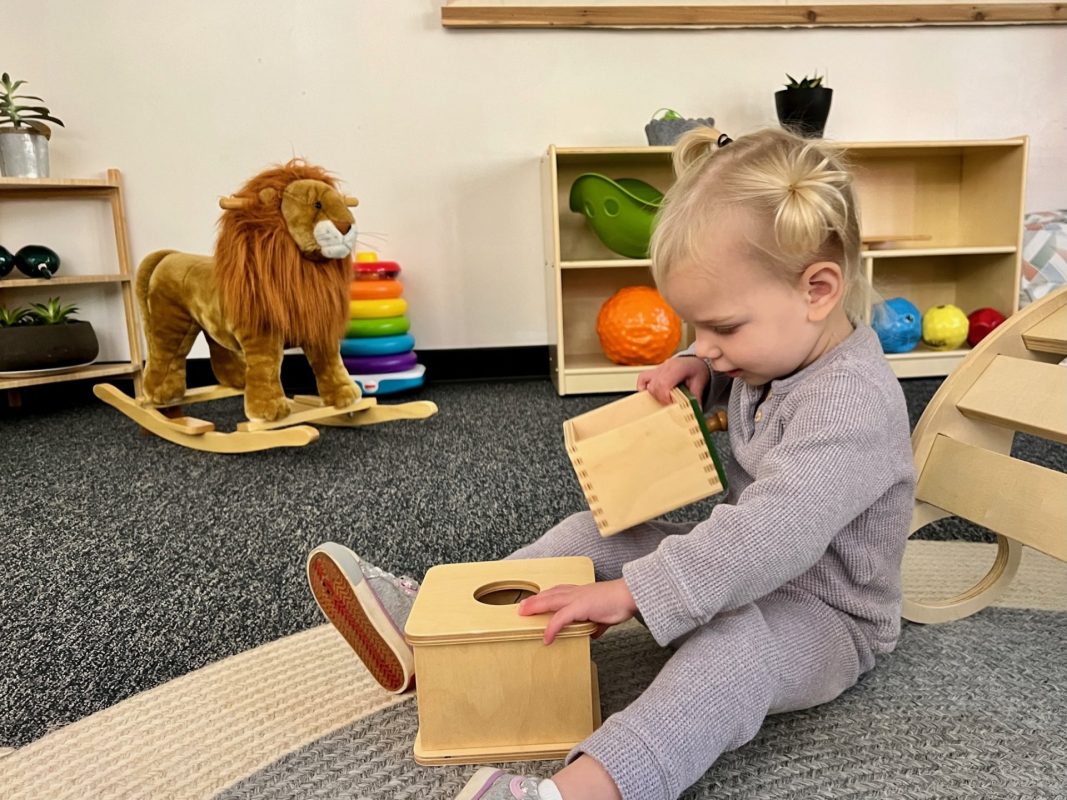
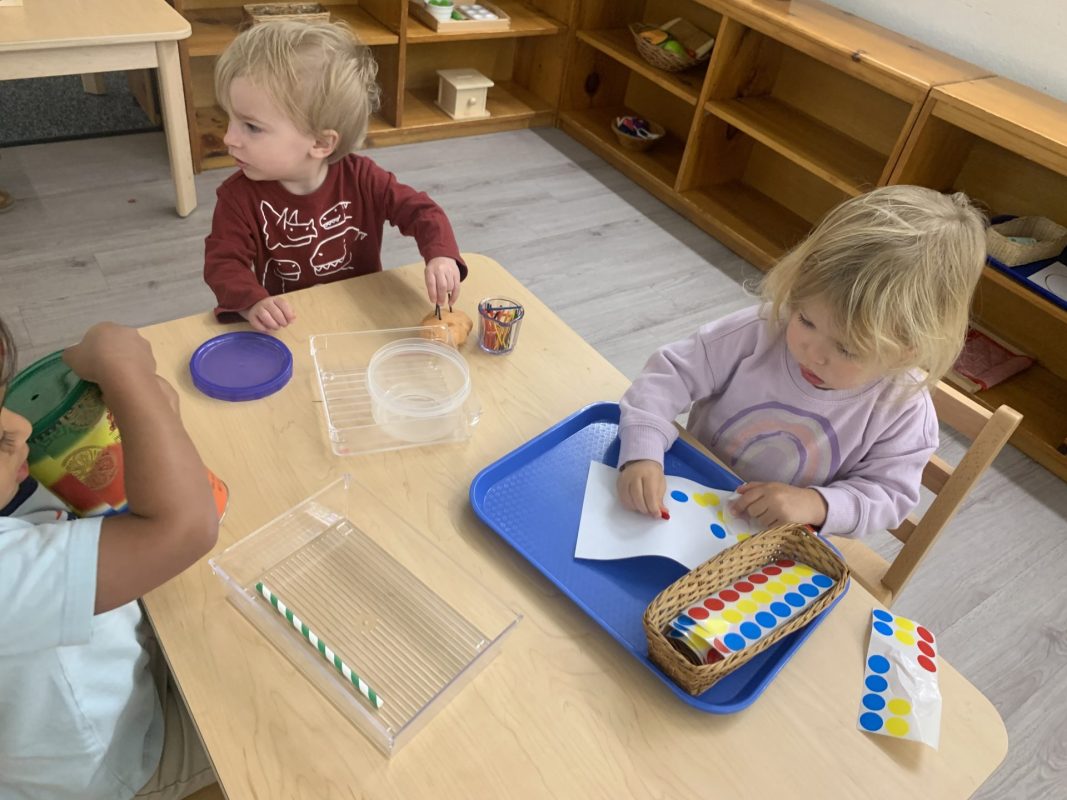
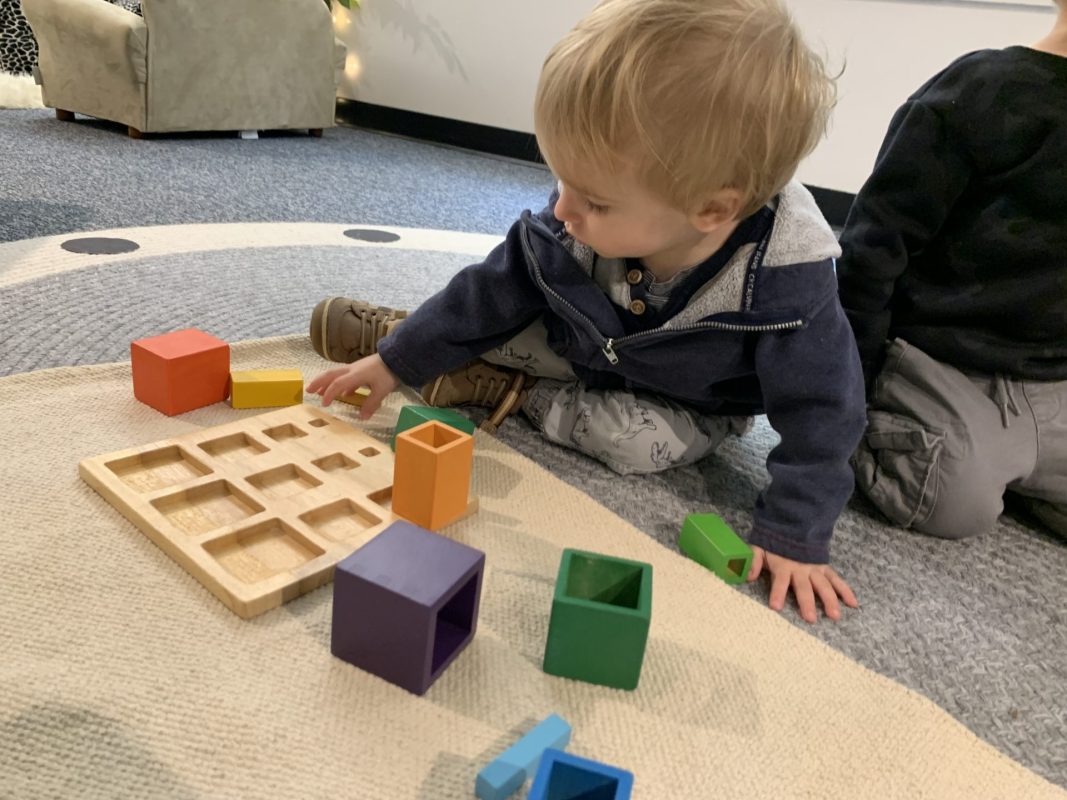
Most of the activities in a Montessori classroom are set up for just one child at a time. All the materials are shared by all the children. However, each child is free to work as long as they’d like with any material. The children learn that if an activity is not present on the shelf, then it is unavailable. Once the activity is returned to the shelf, then it becomes available, and it can be another child’s “turn”.

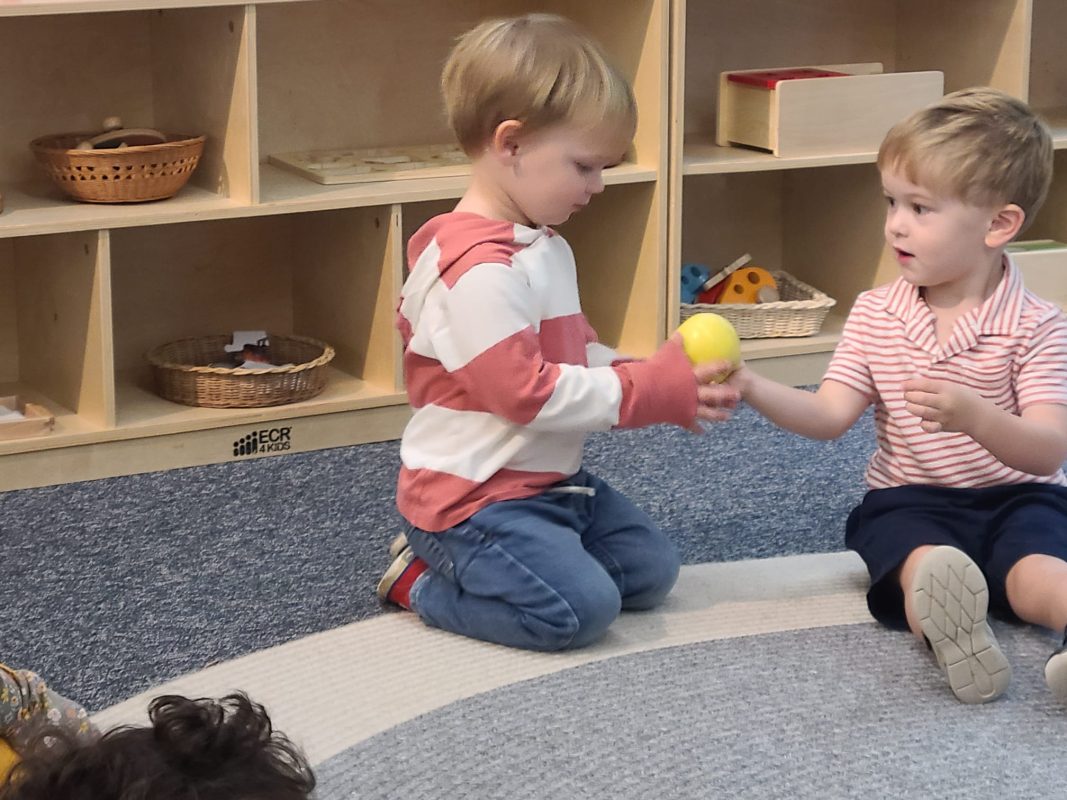
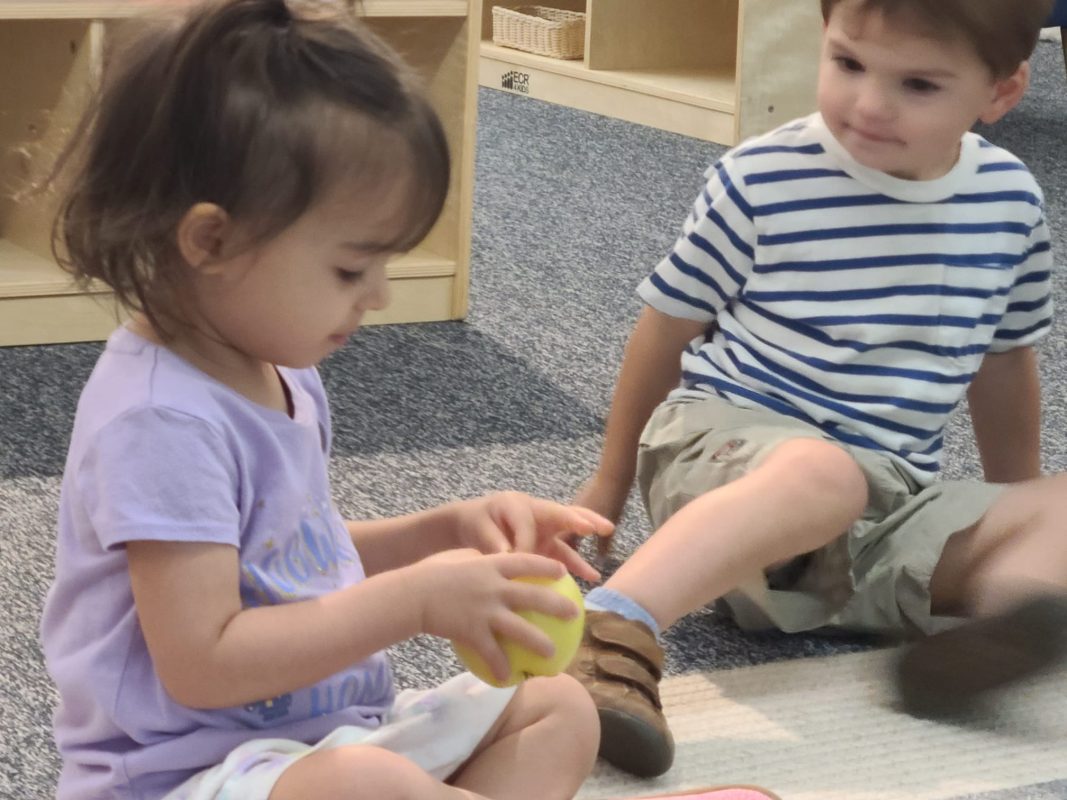
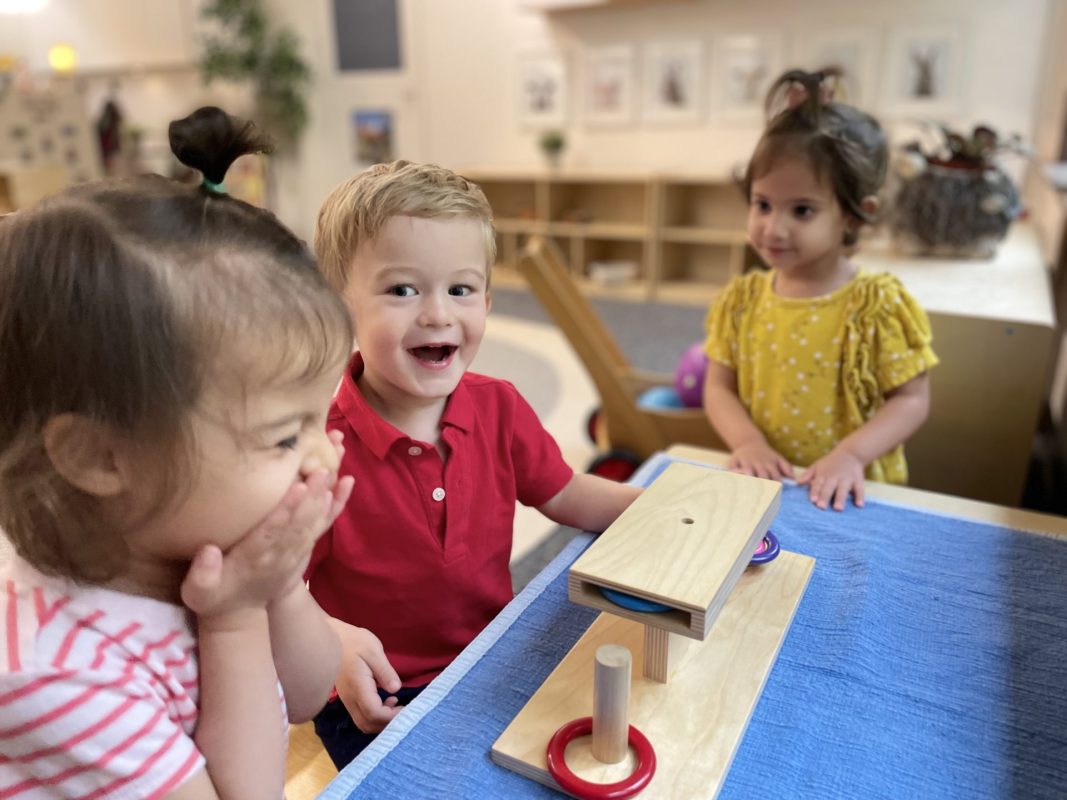
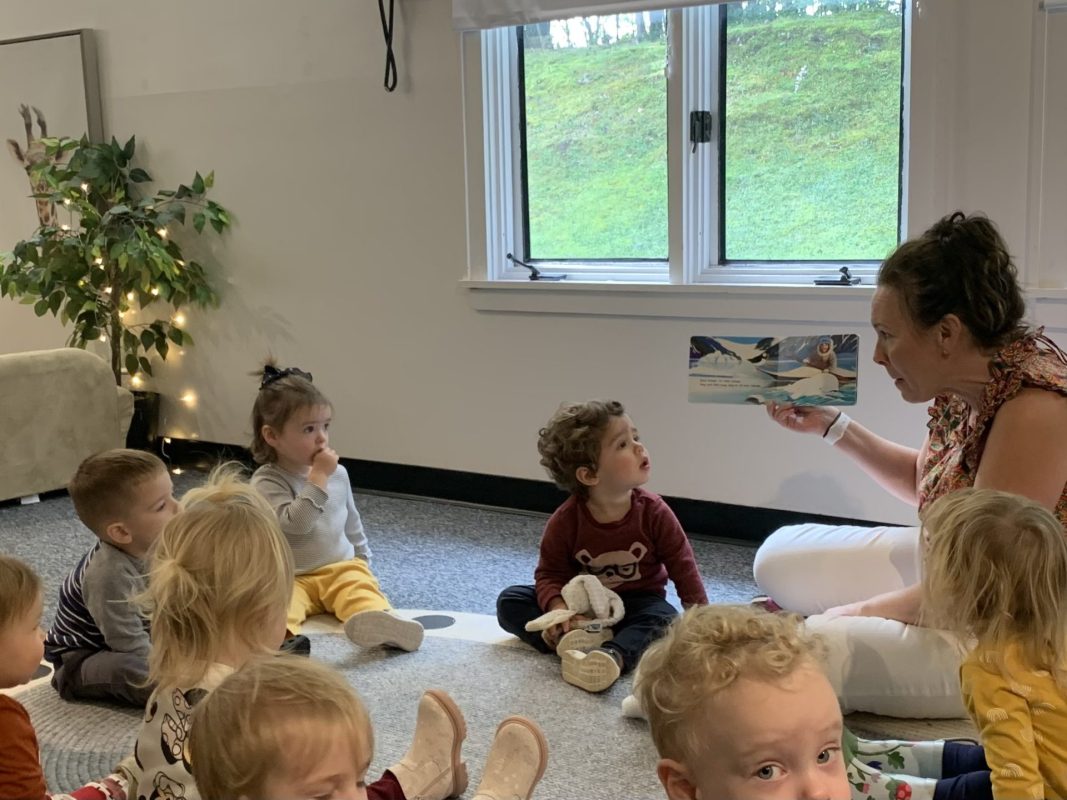
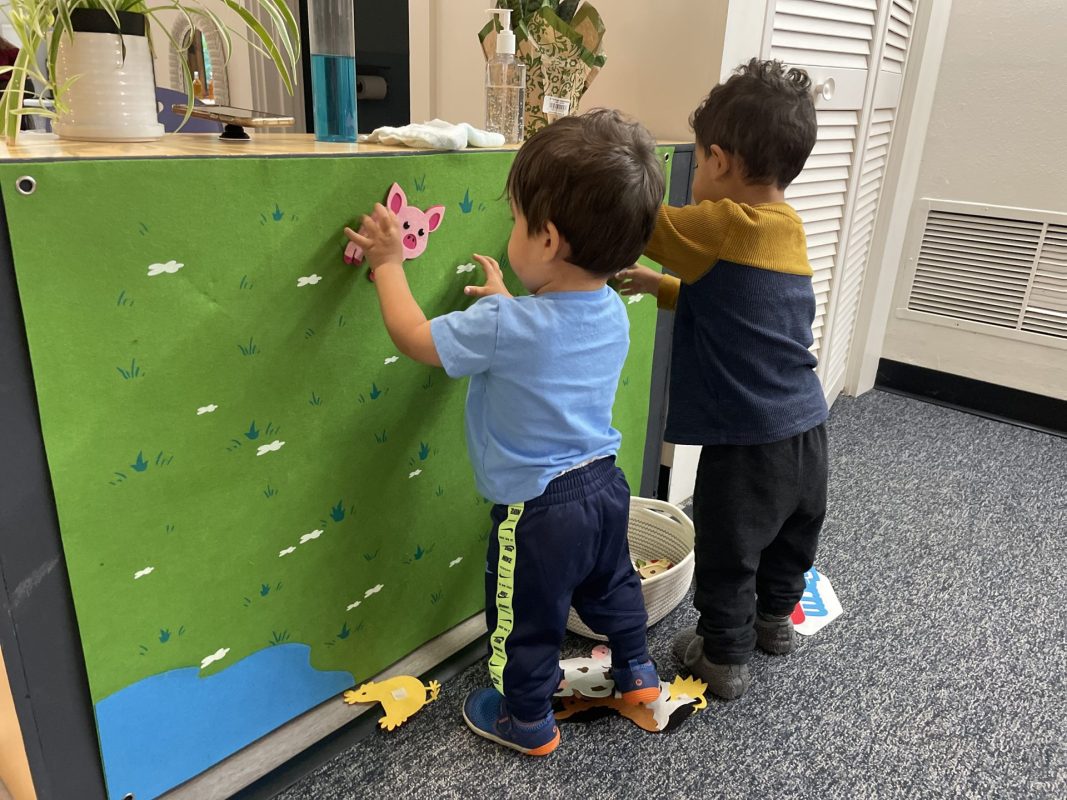
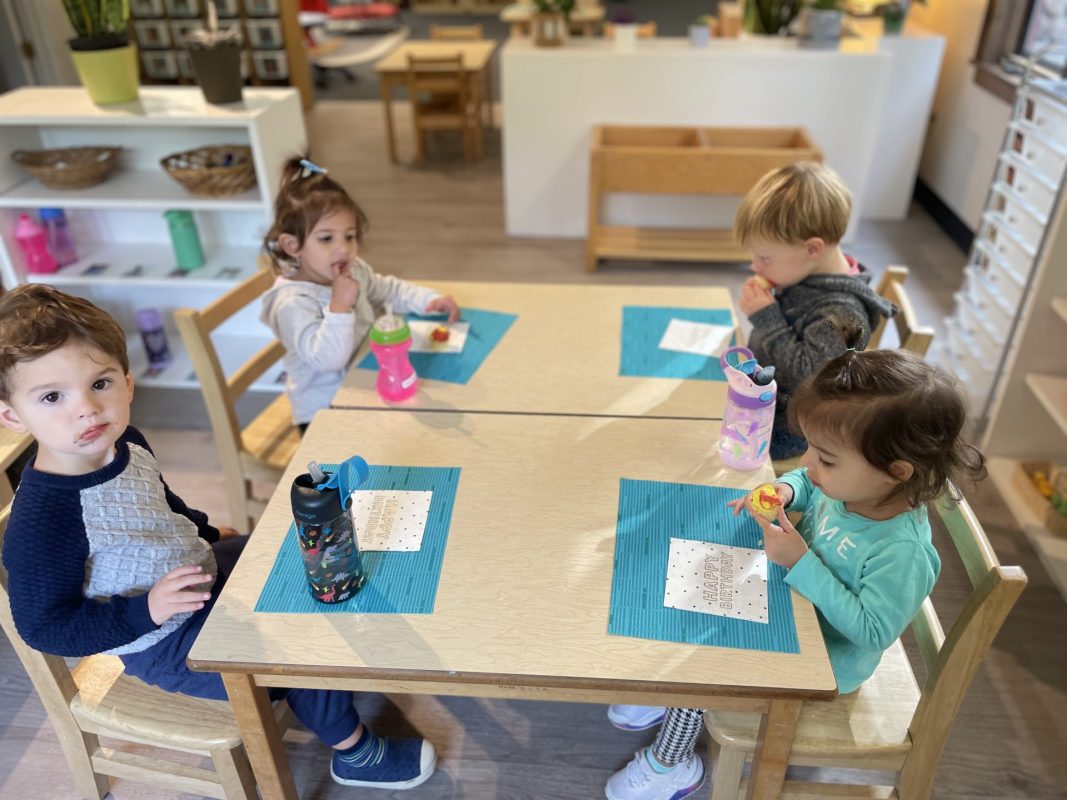
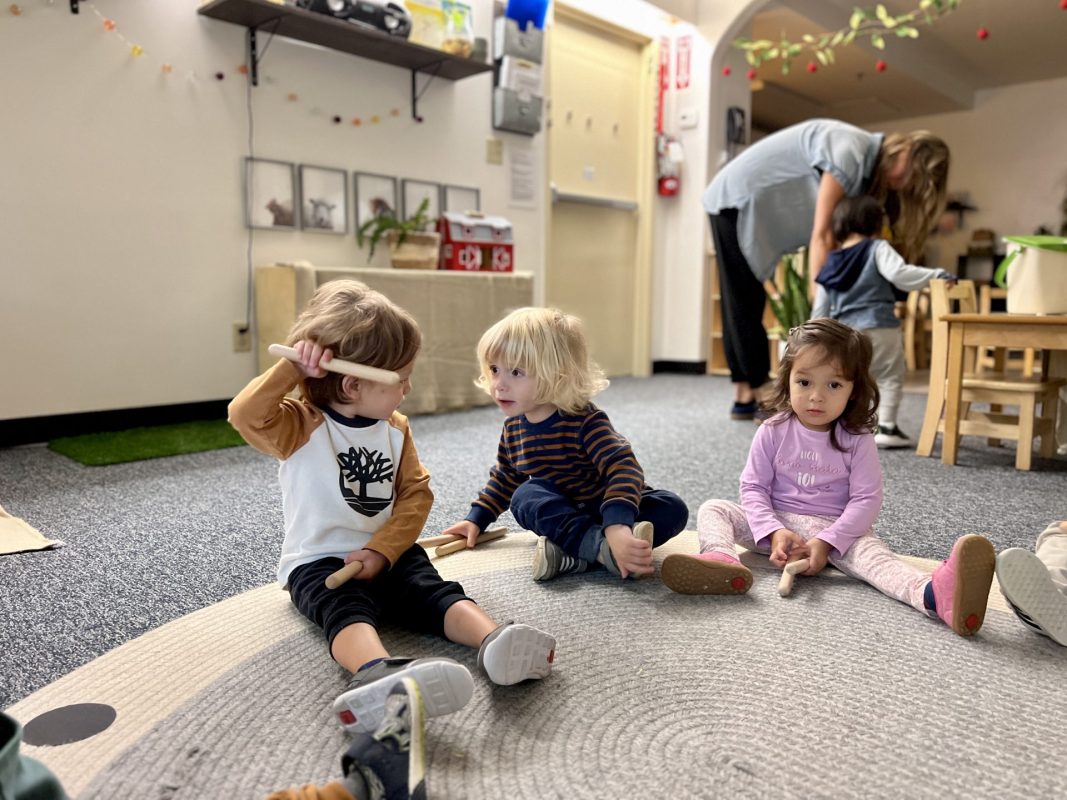
Instead of forcing immediate sharing, Montessori teachers often encourage turn-taking. If a child is using a material or working on an activity, another child might be asked to wait or observe until it’s their turn. This approach helps children develop patience and understand the concept of taking turns.

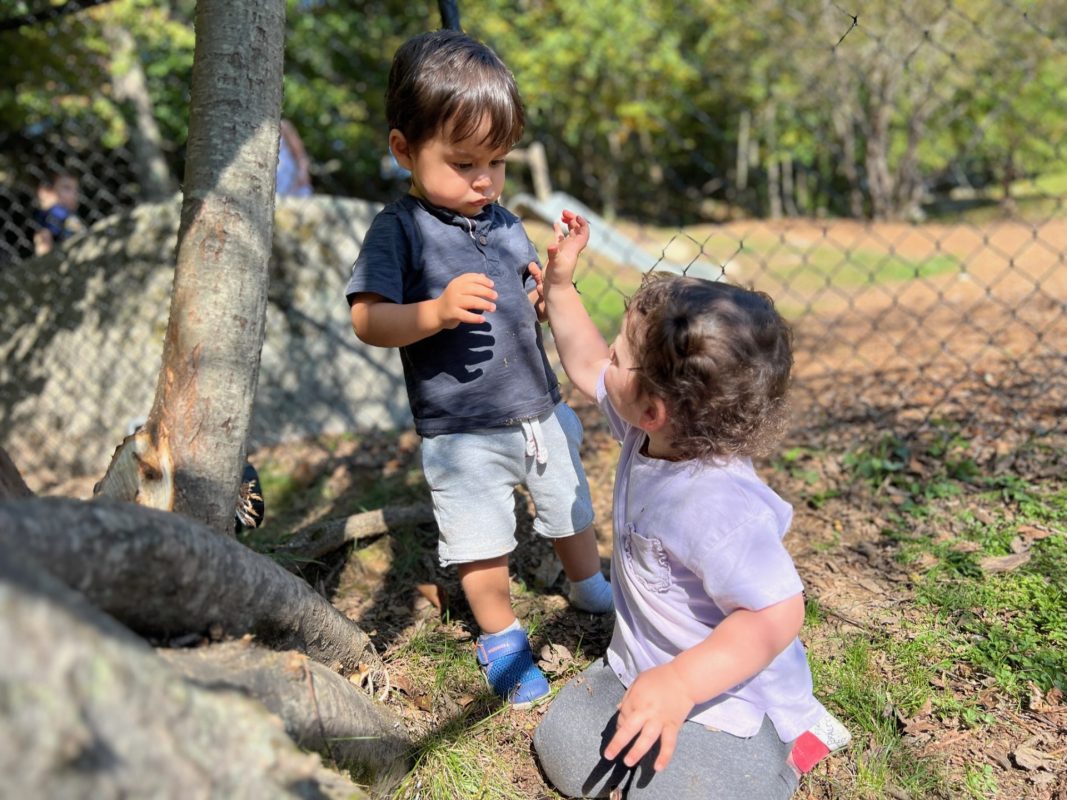
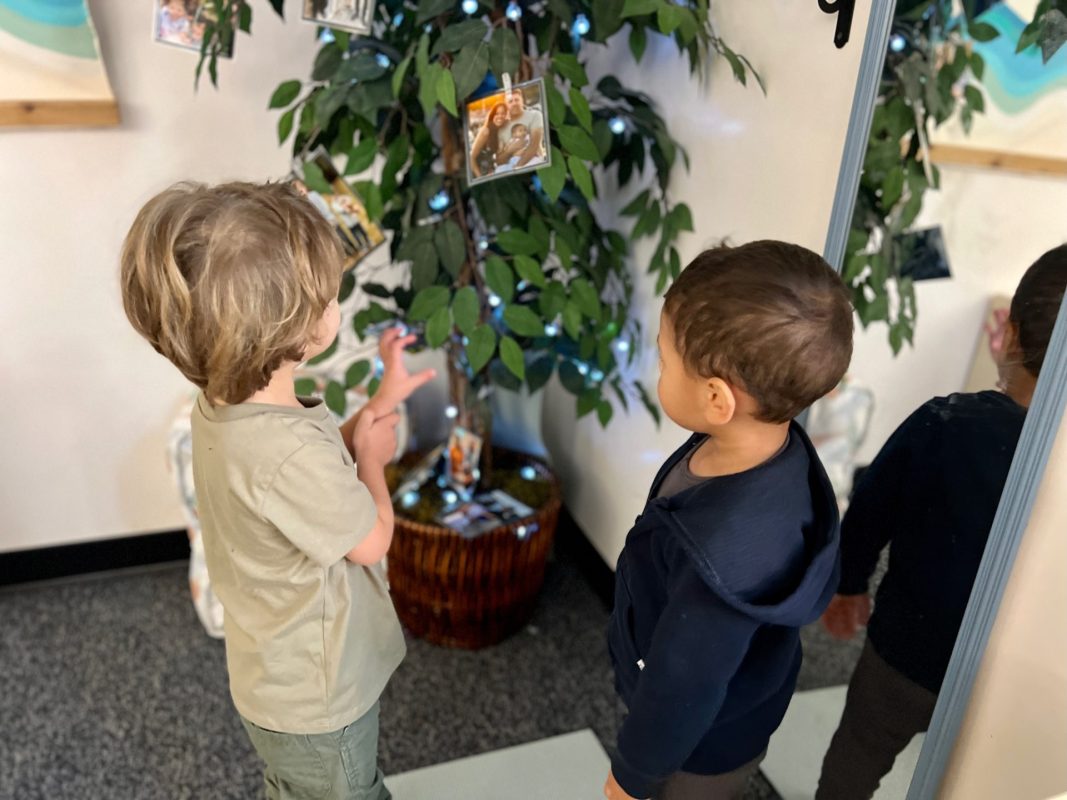
Throughout the day, you will hear many murmurs of  “This is my work” and “I’m using this right now”, as well as “May I take a turn?” It is important for children to feel comfortable saying ‘no’ and also to respect when others do, too.

Forcing children to share may unintentionally send the message to the child that their needs and opinions don’t matter. Often, children also learn that crying or throwing a tantrum is a way to immediately get what they want.

The goal of Montessori education is to support the child’s development of social skills in a respectful and individualized manner. While sharing is an important aspect of social development, it is approached in a manner that aligns with the child’s natural development and readiness to understand and practice this skill. It is exciting to observe the children’s growth in both patience and confidence (and, down the road, empathy).
Mrs. Sargeant: A Peek at the Week
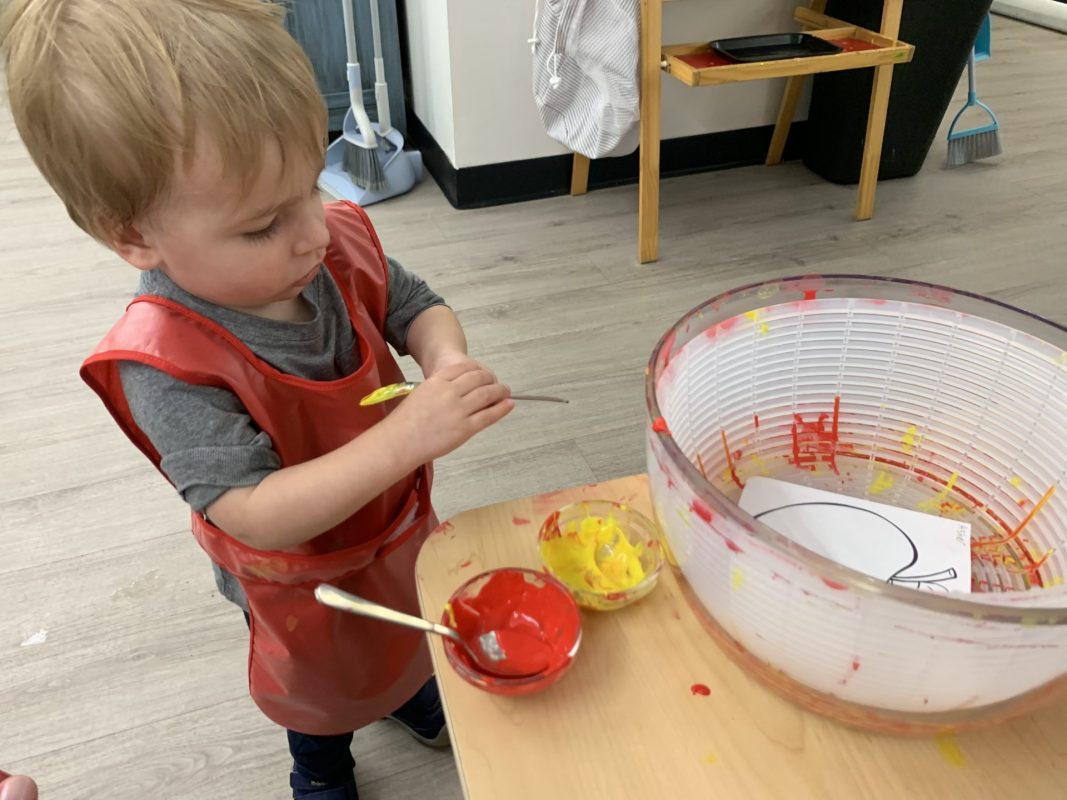
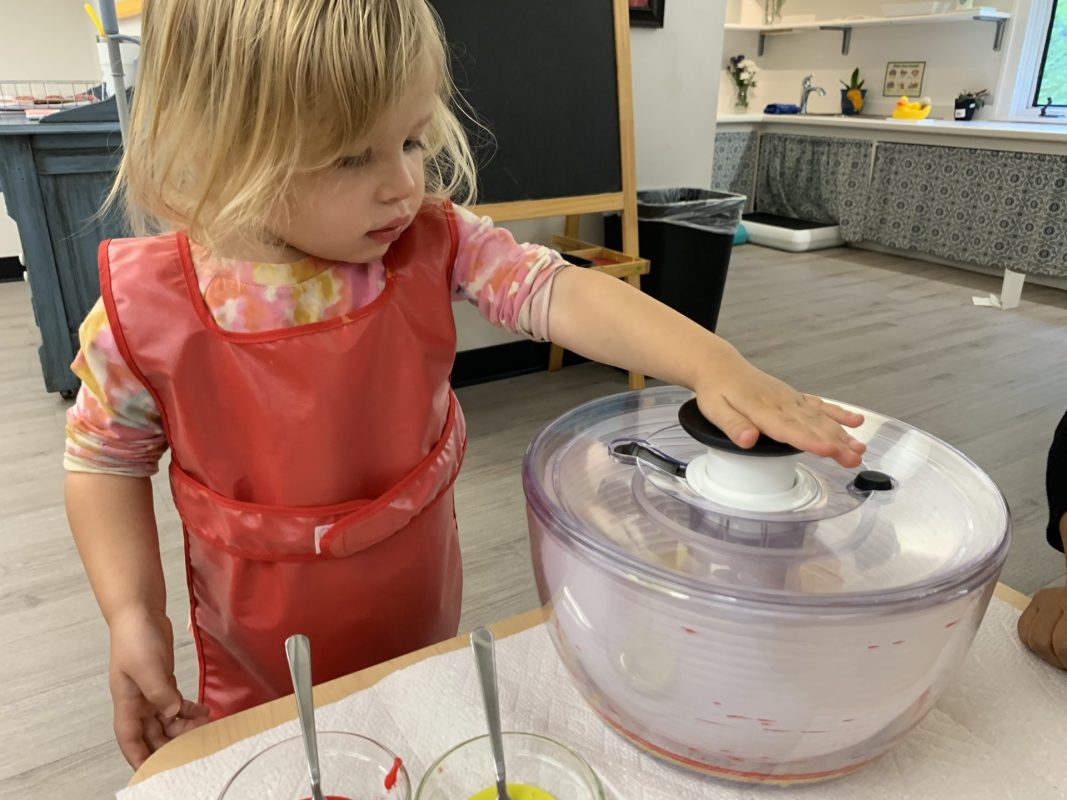
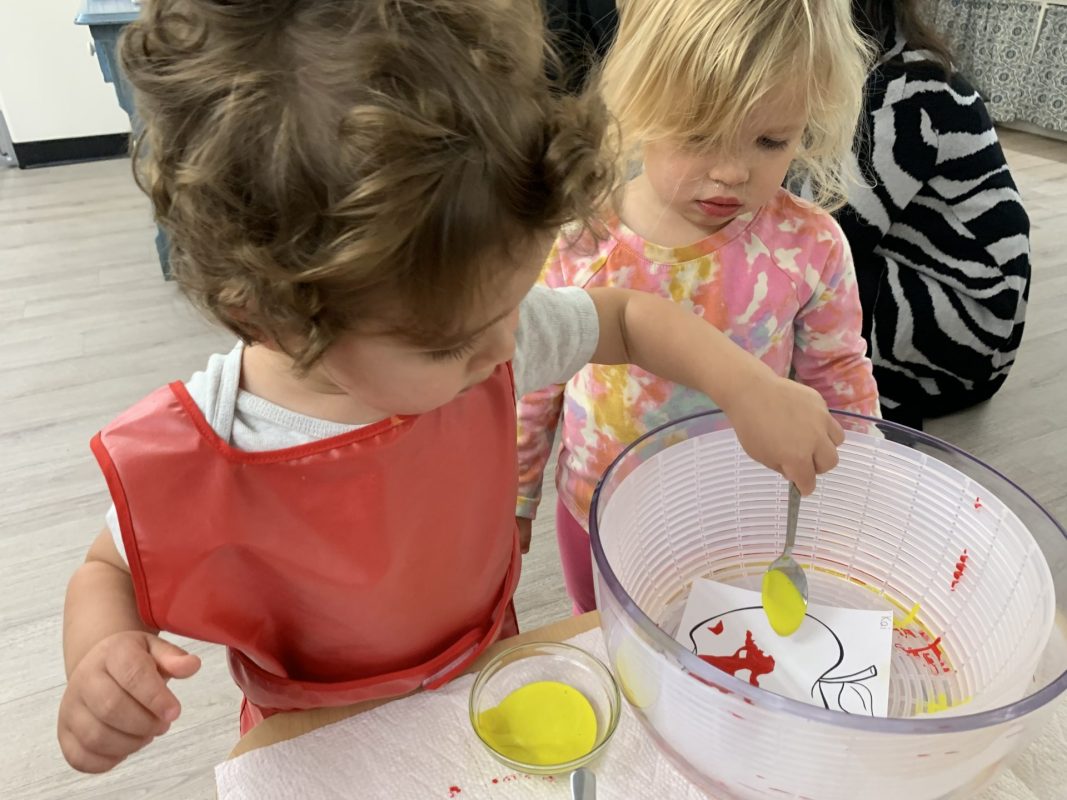
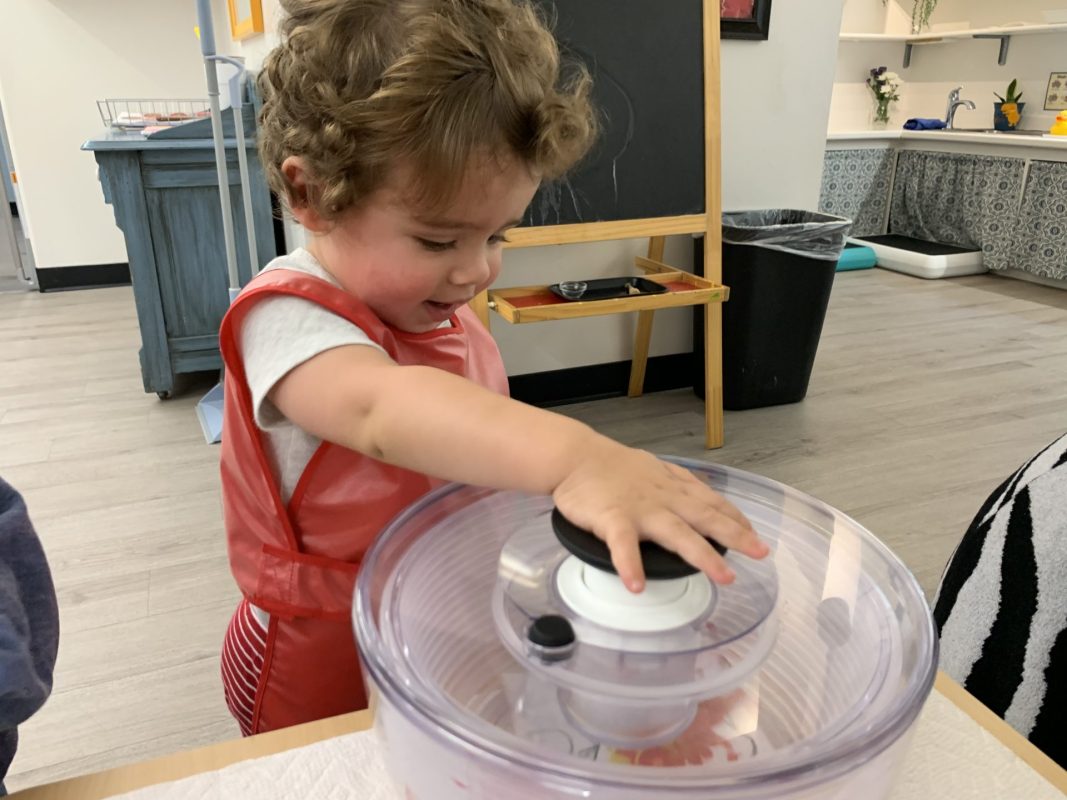
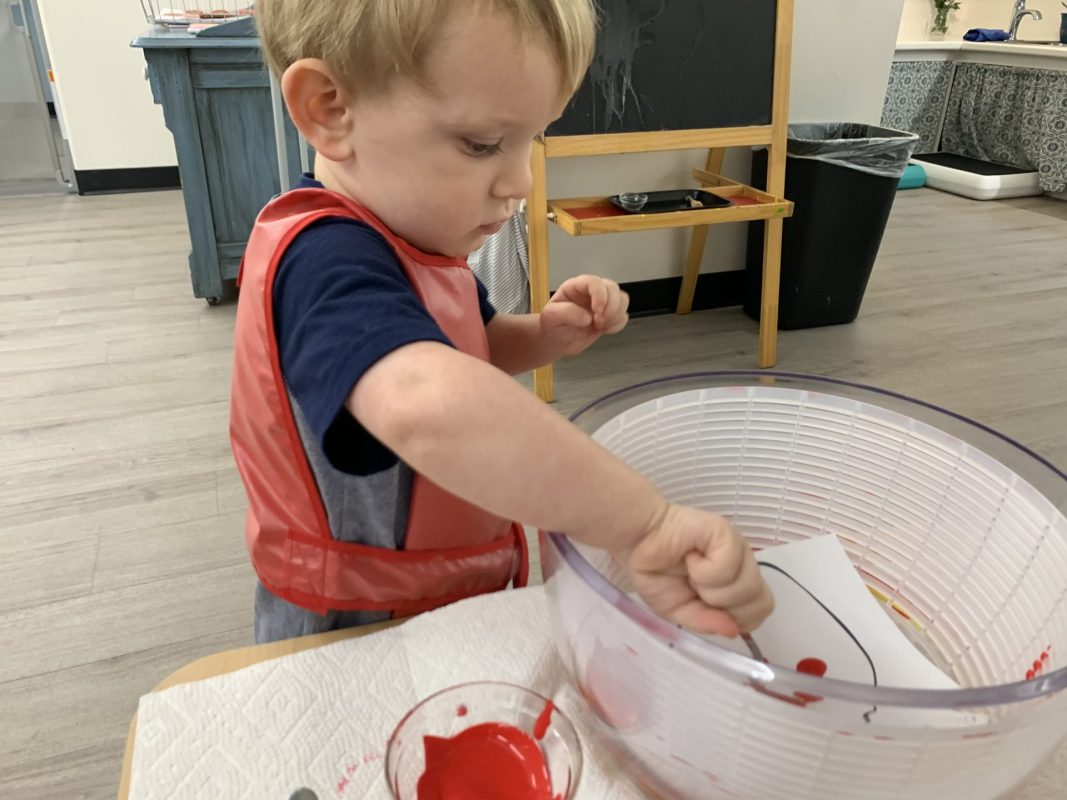
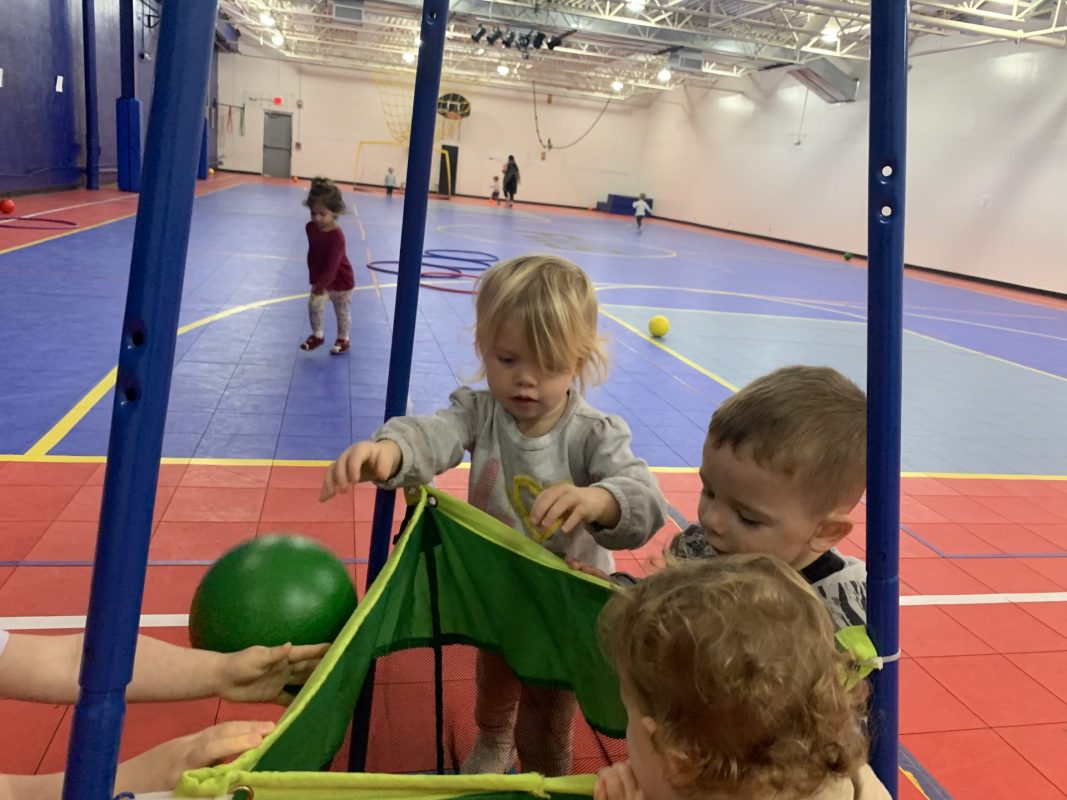
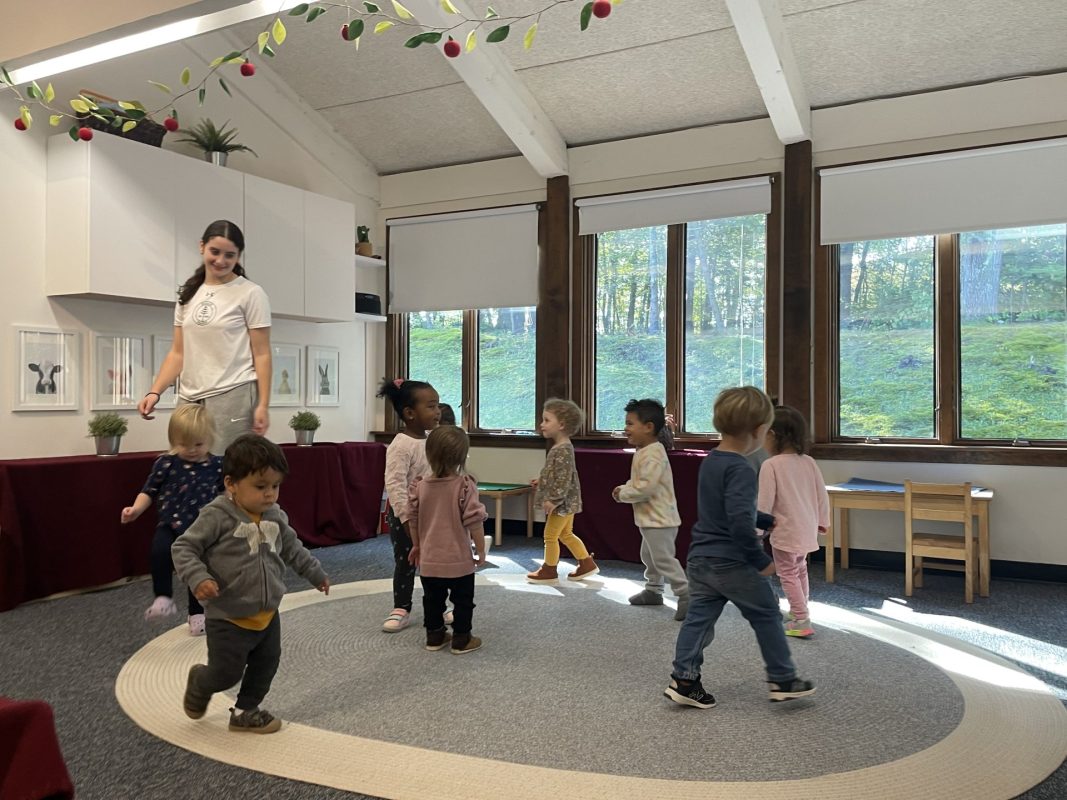
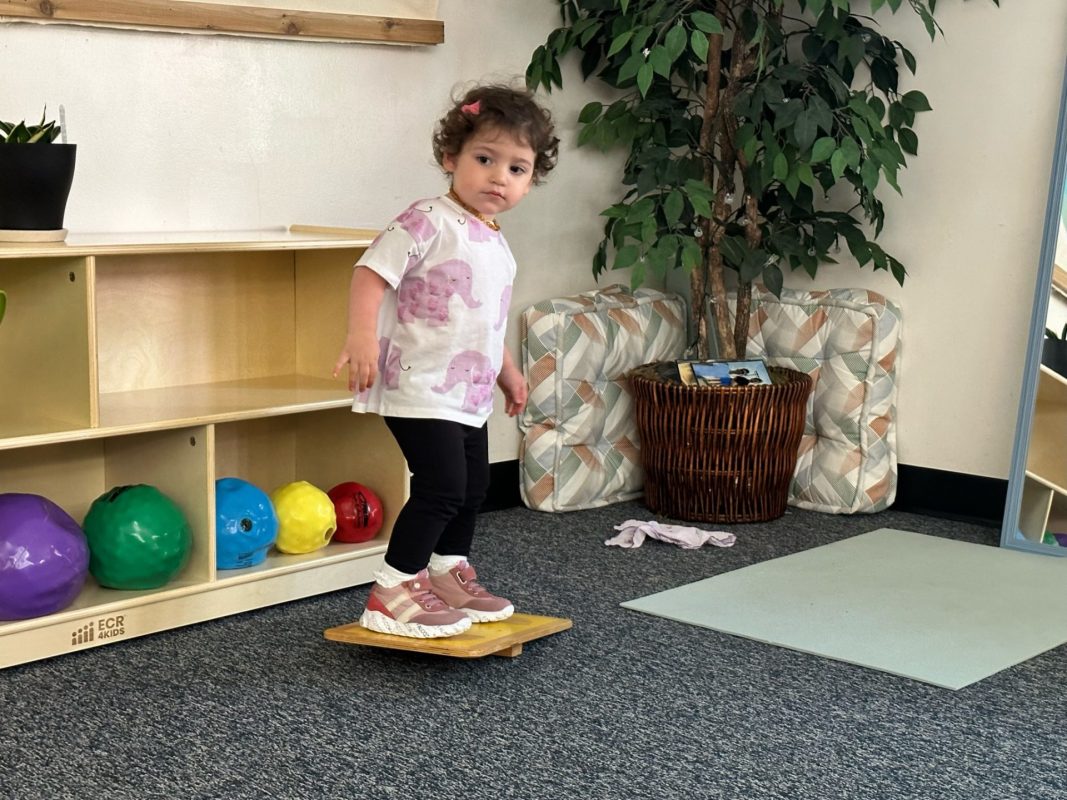
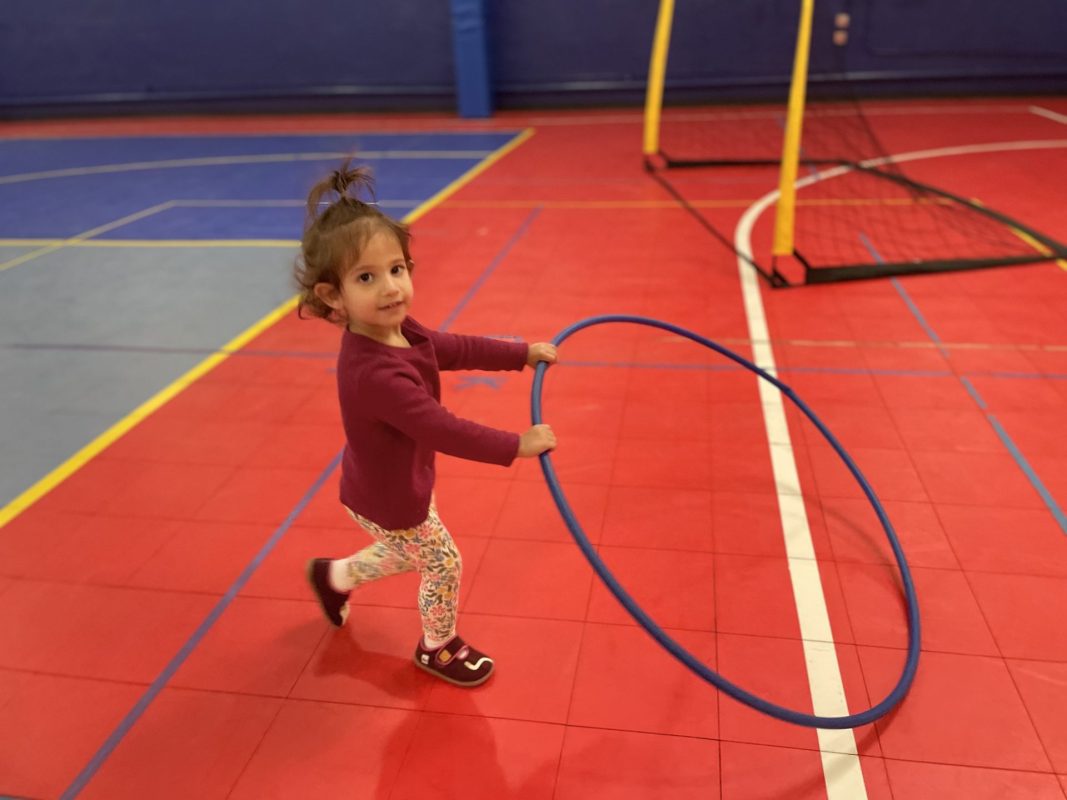
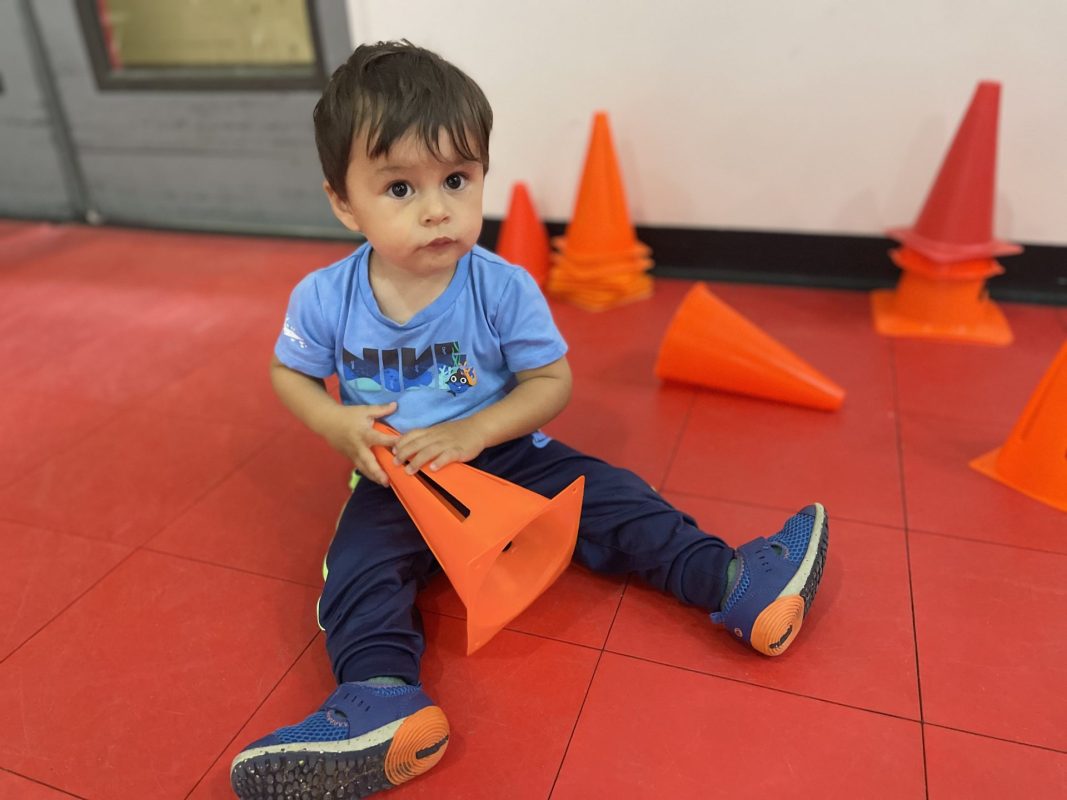
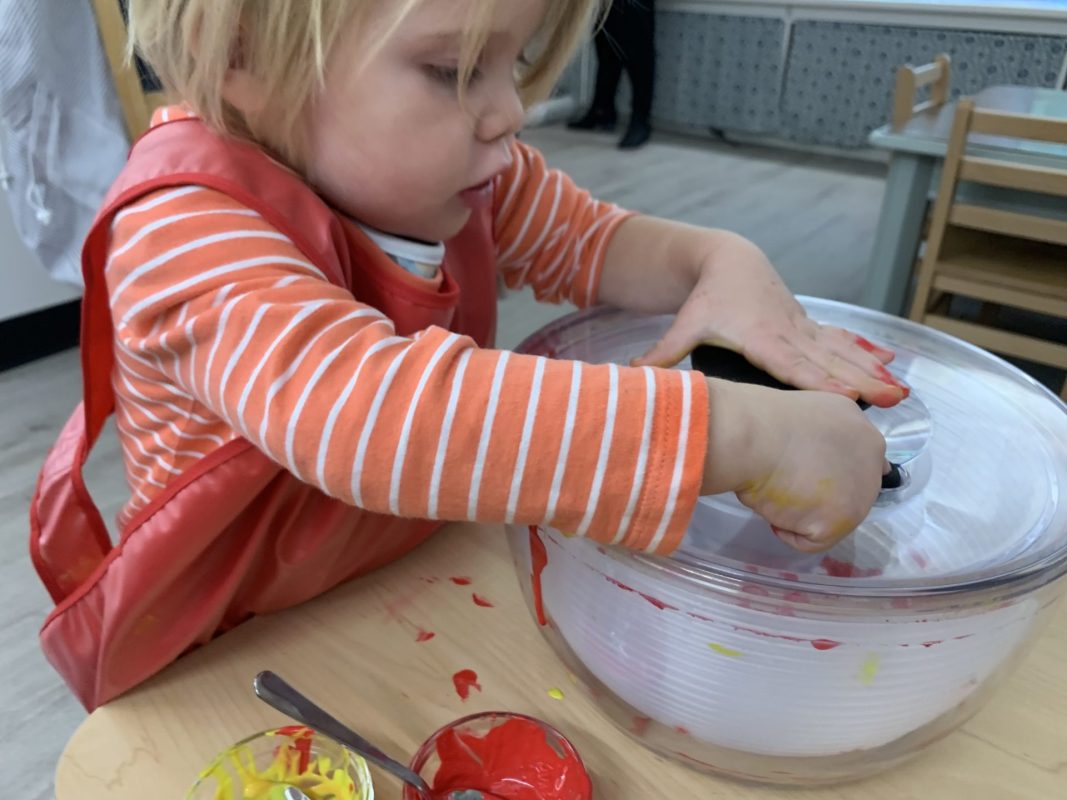
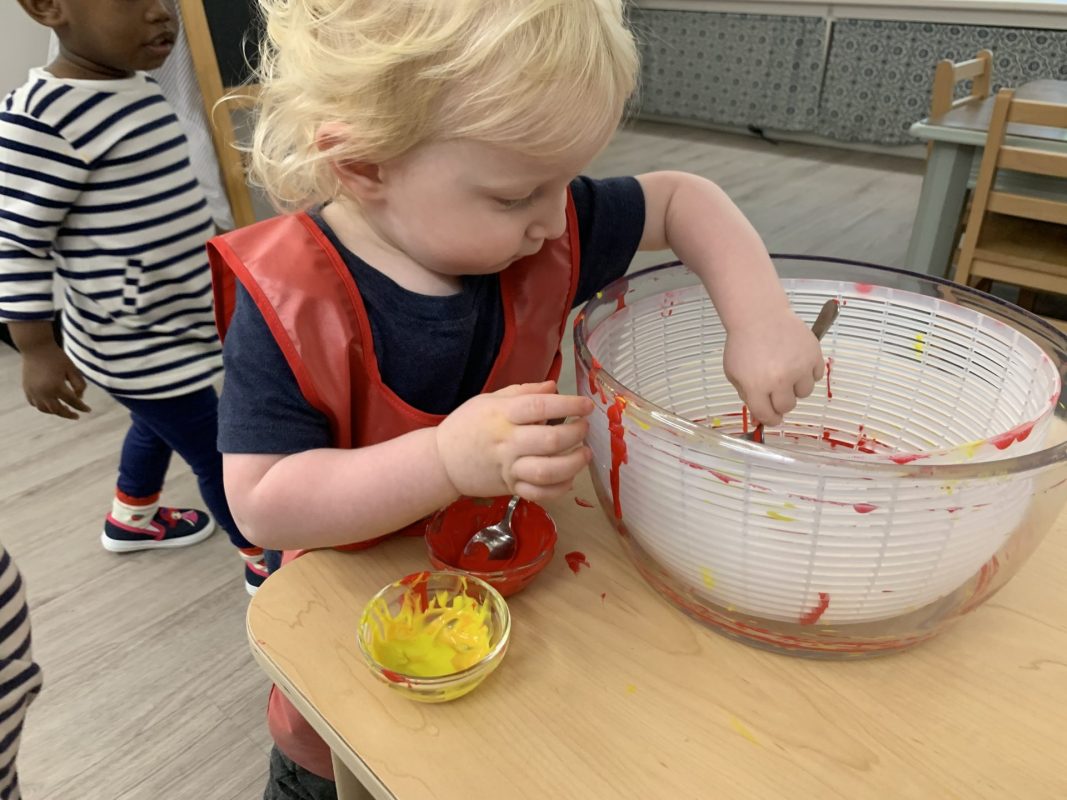
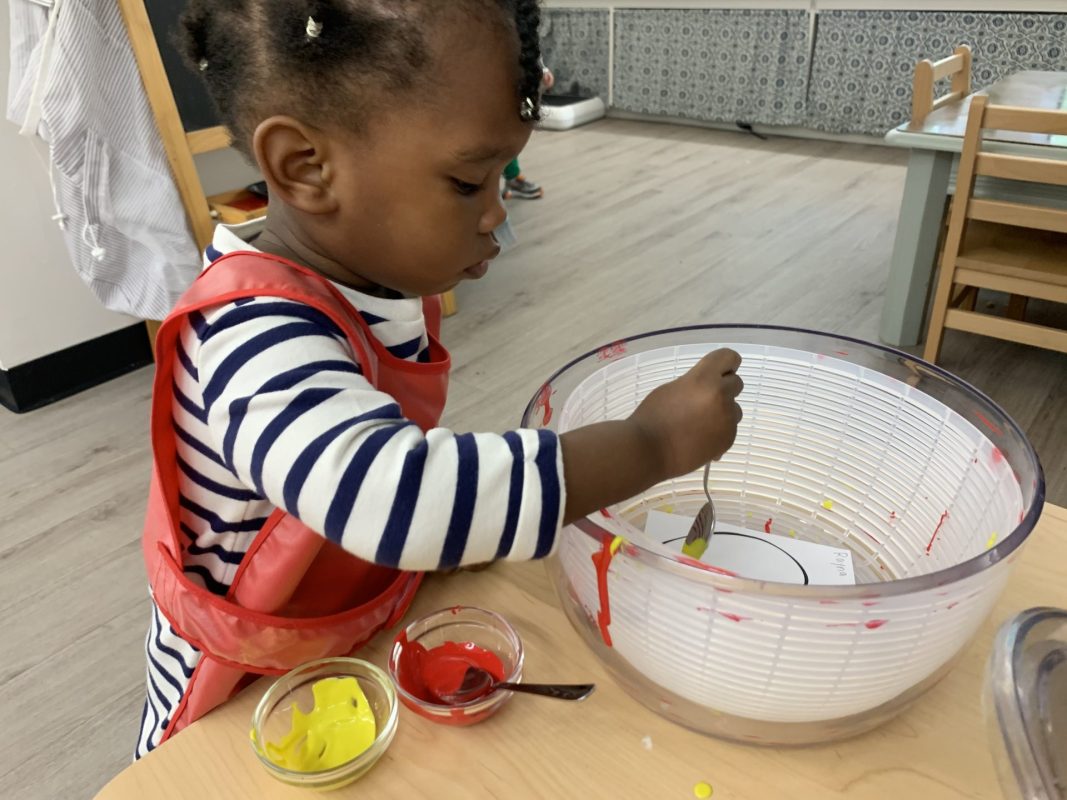
With all the rain over the past week, we had to find ways to have fun and move our bodies indoors. We played in the gym – used hula hoops, balls, stacked cones, climbed on foam blocks, and enjoyed running safely in the wide open space. In the classroom, we danced with scarves and used a salad spinner to paint!
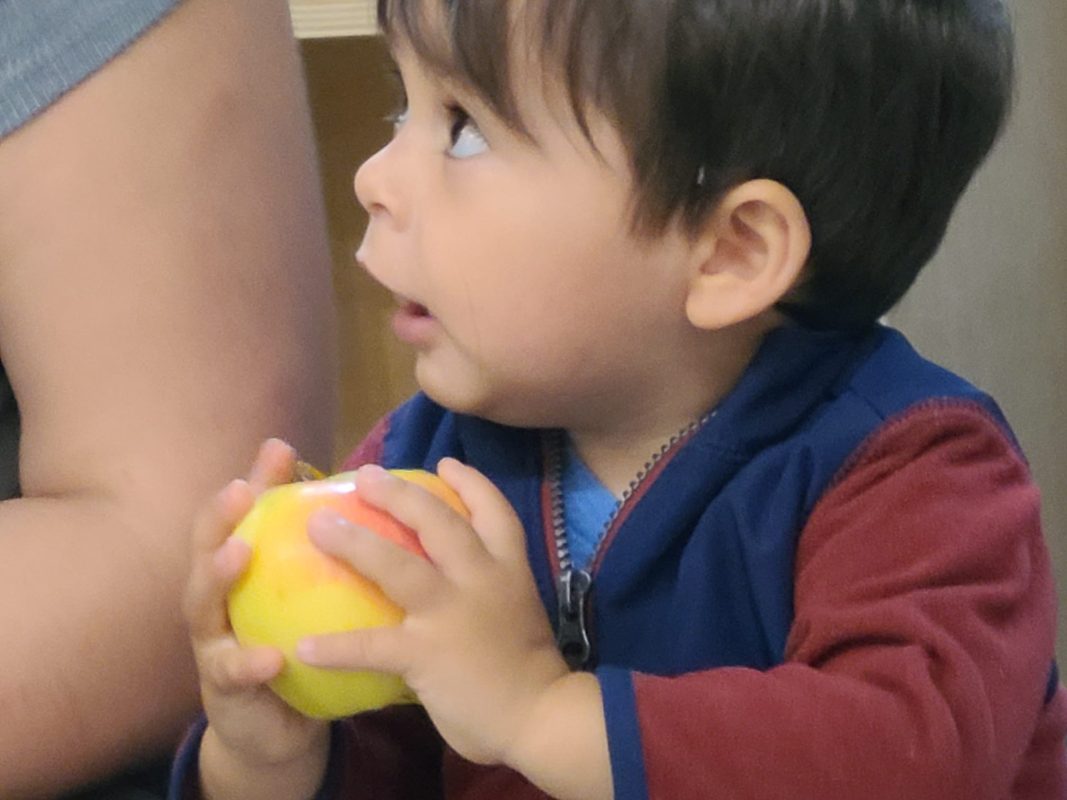
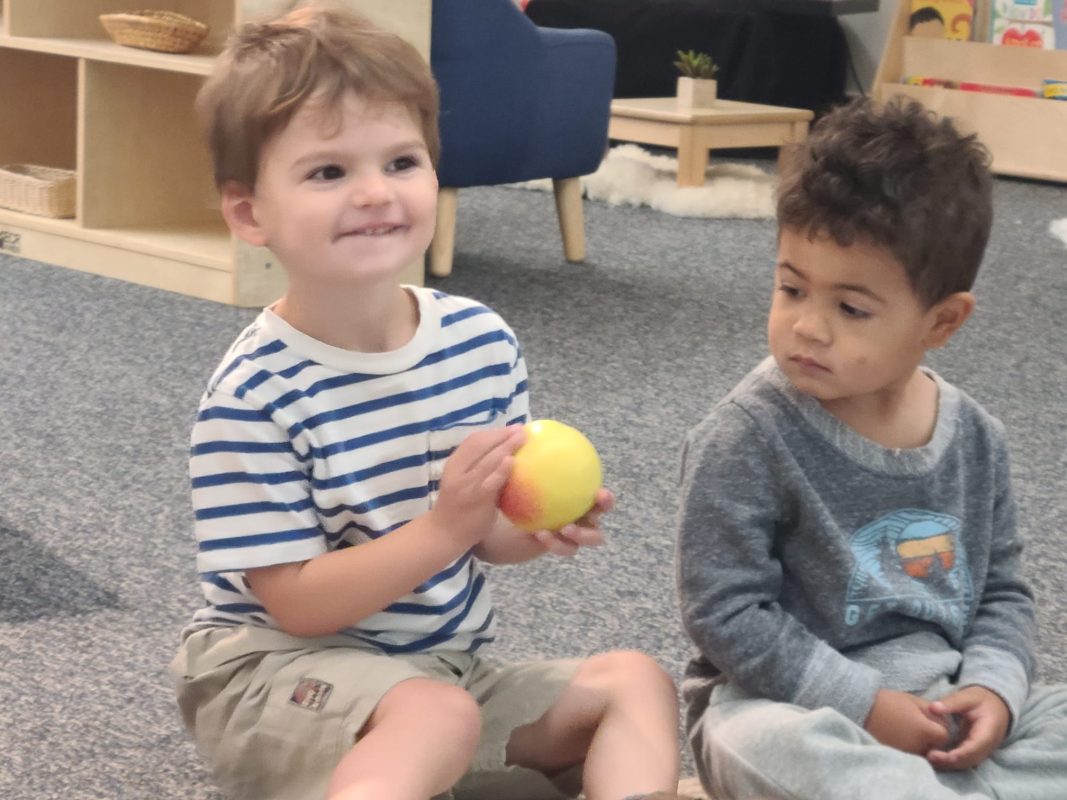
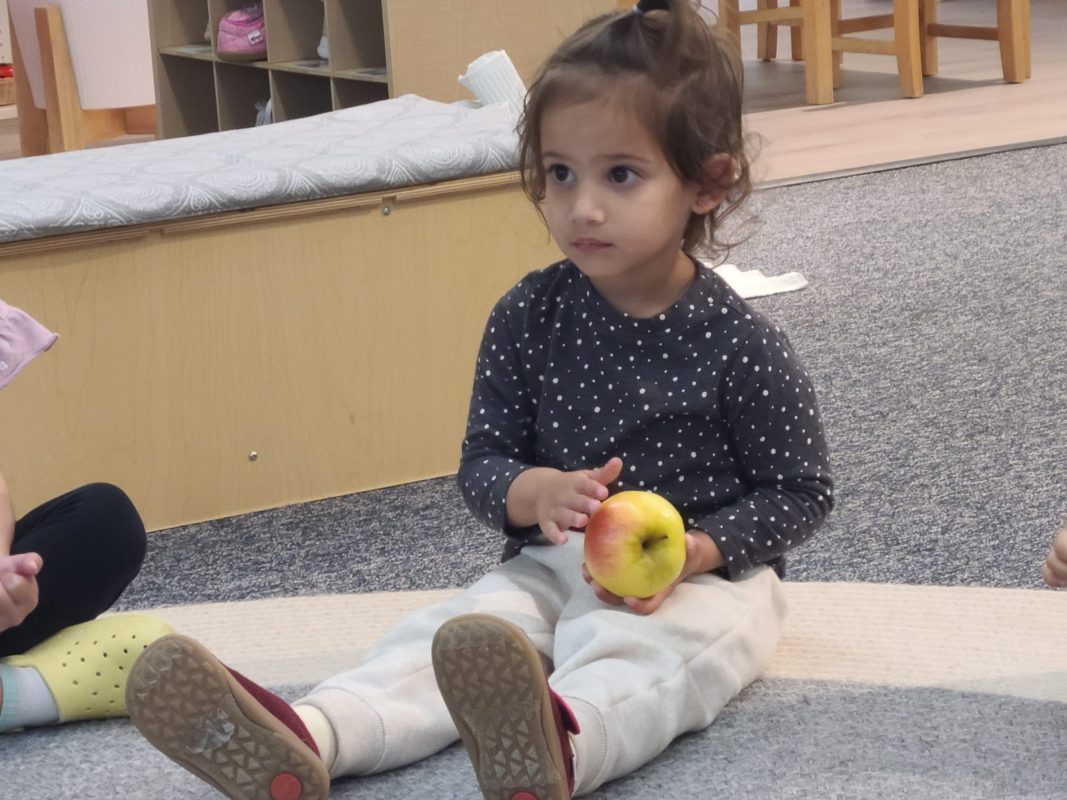
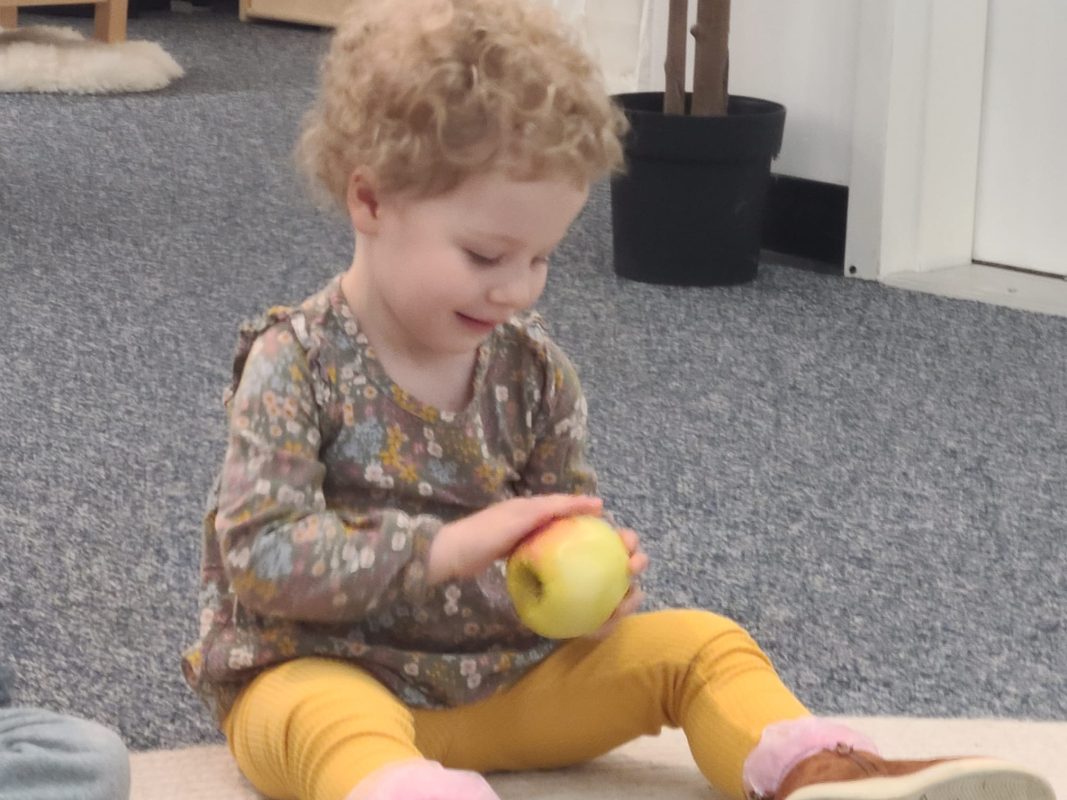
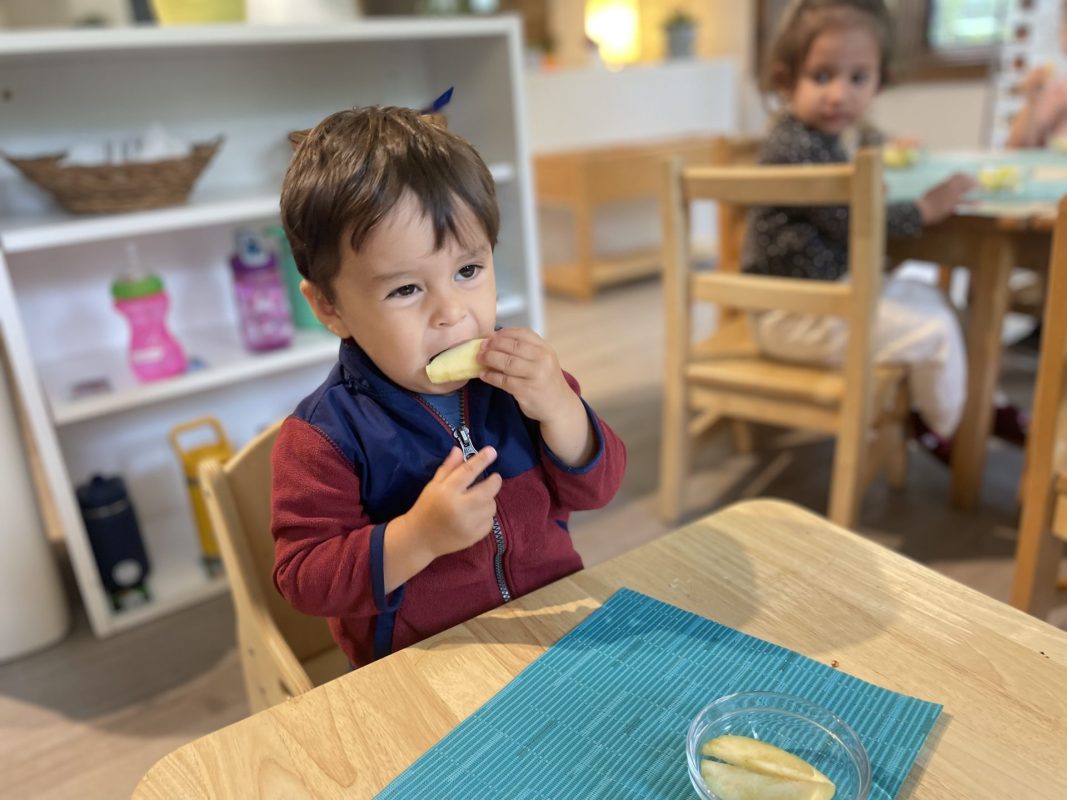
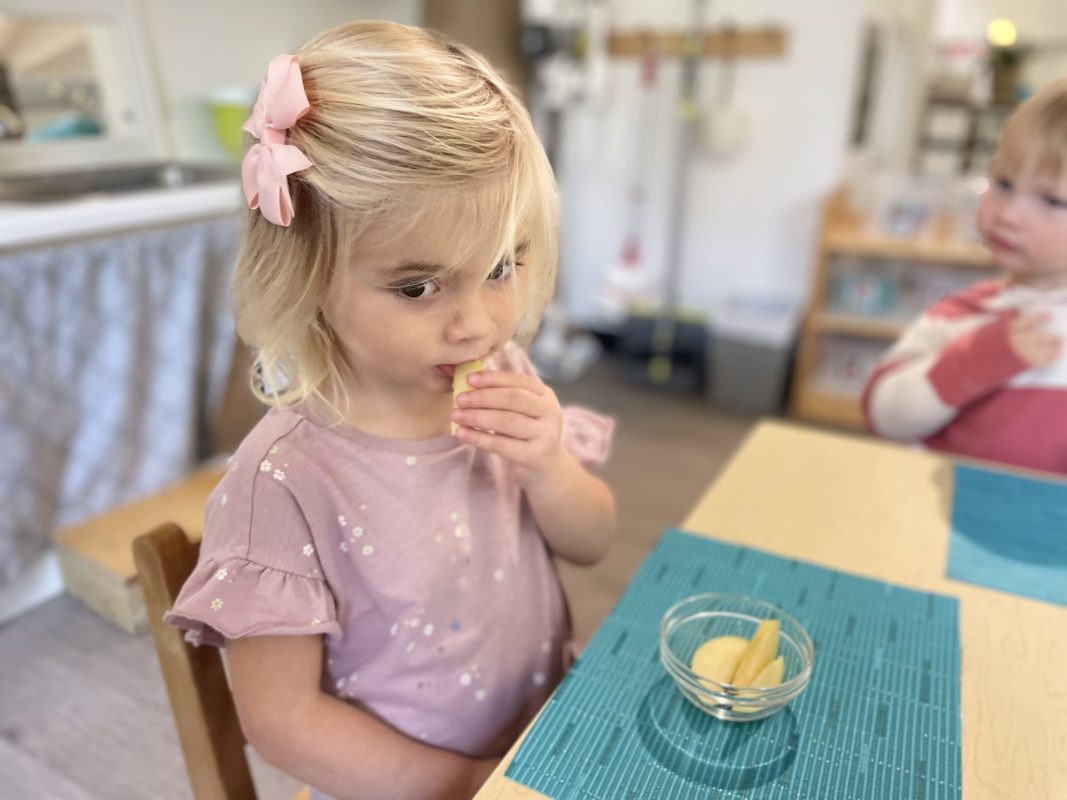
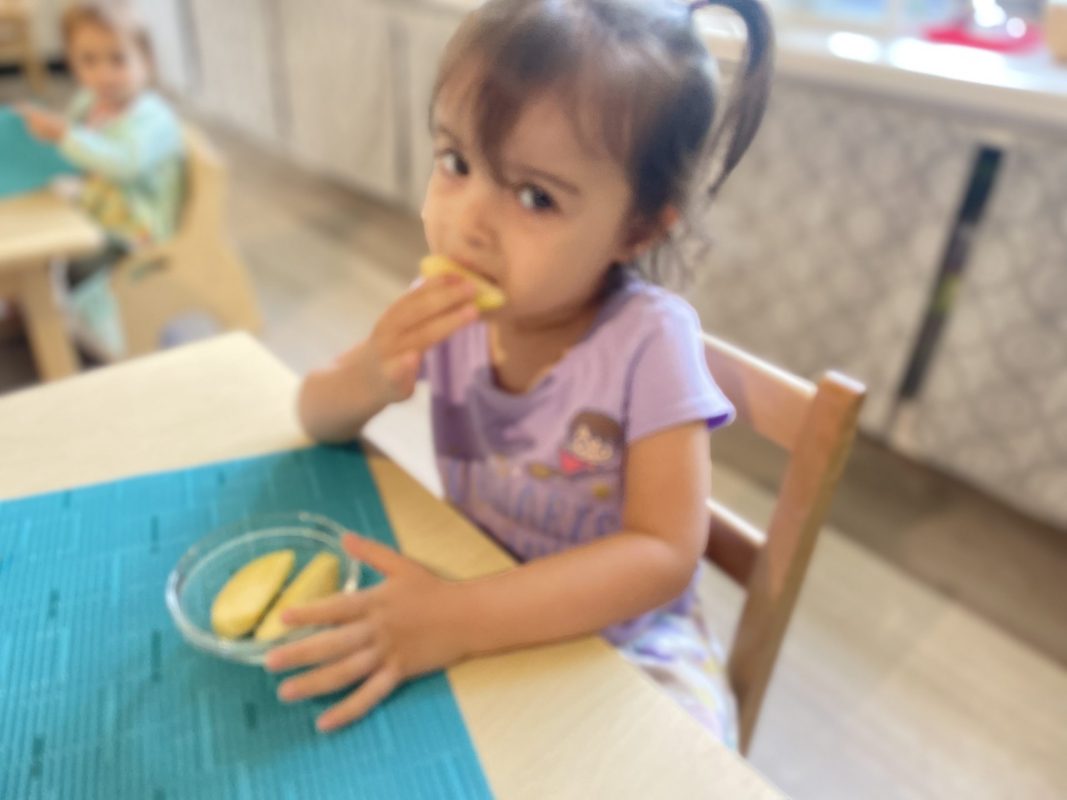
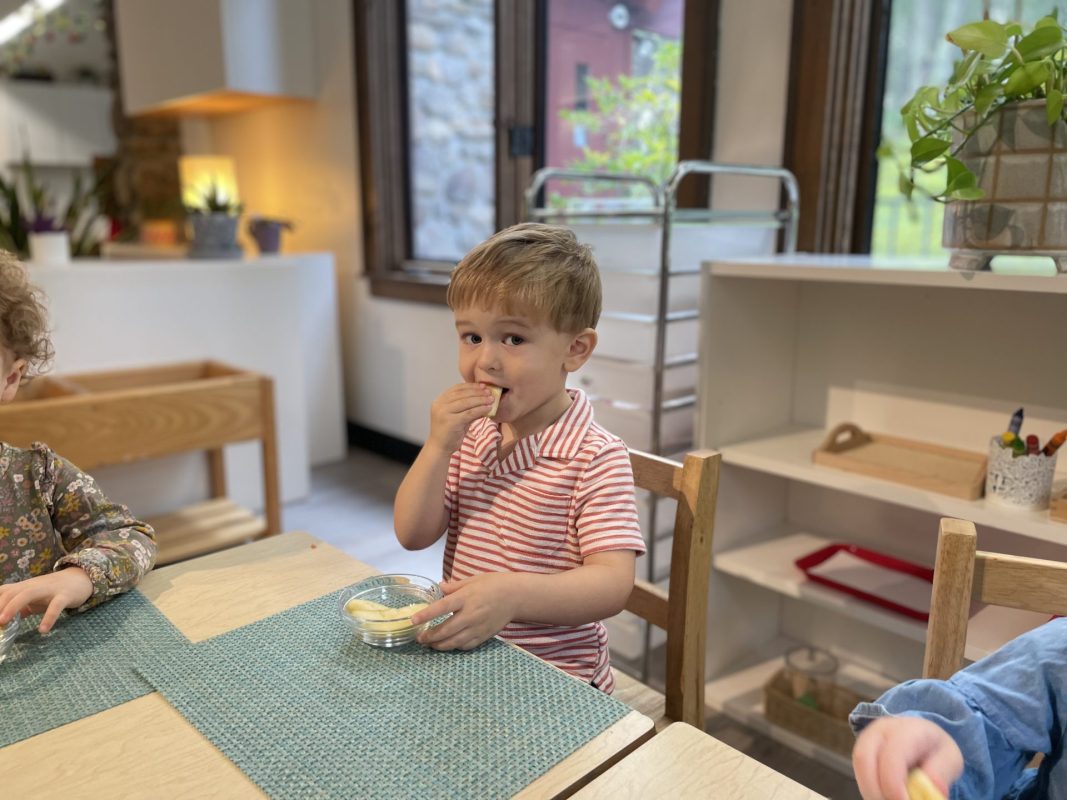
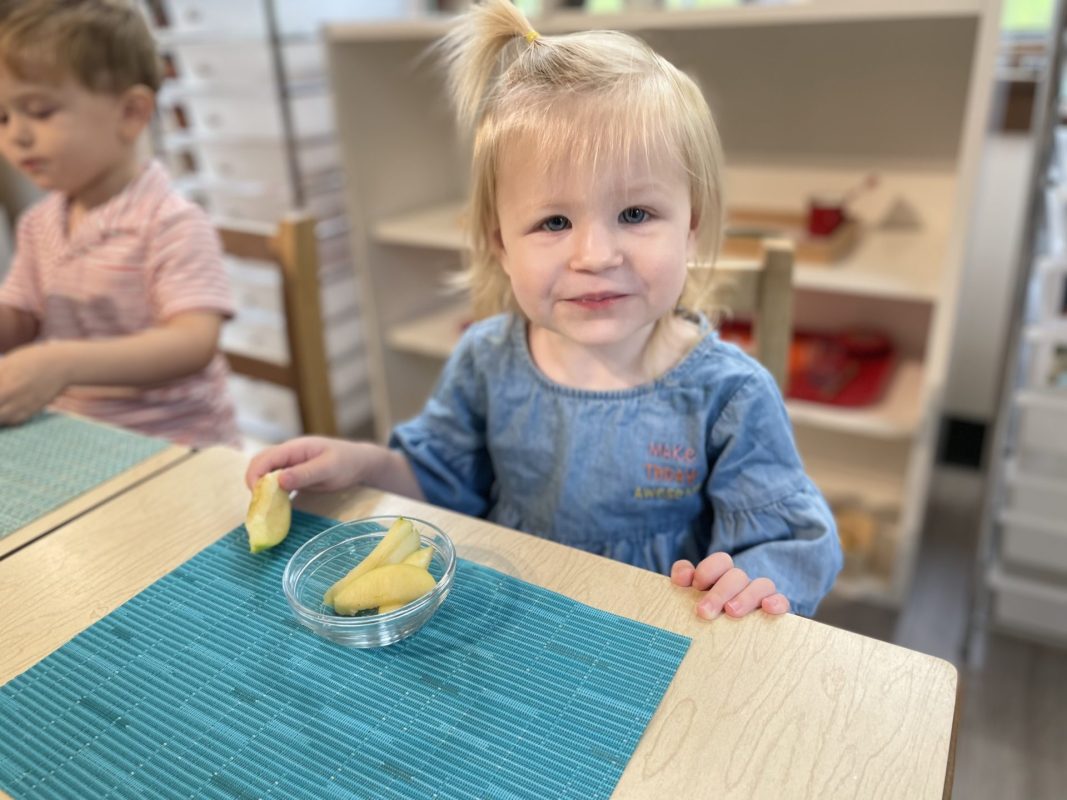
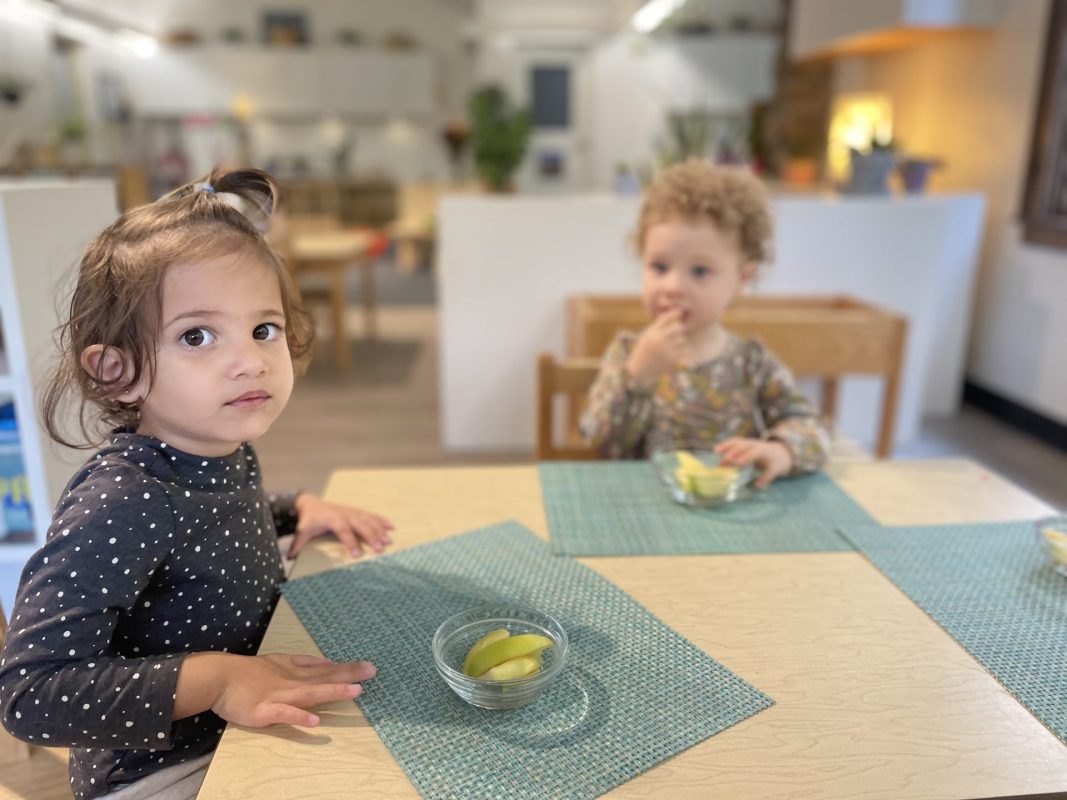
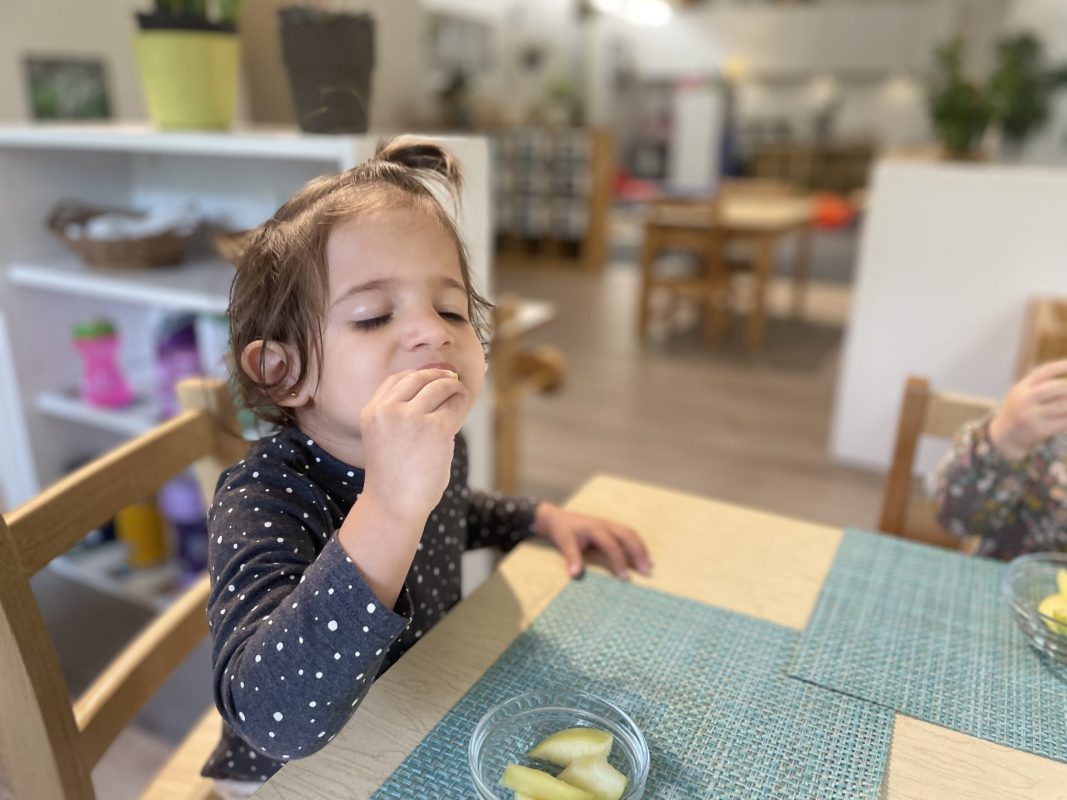
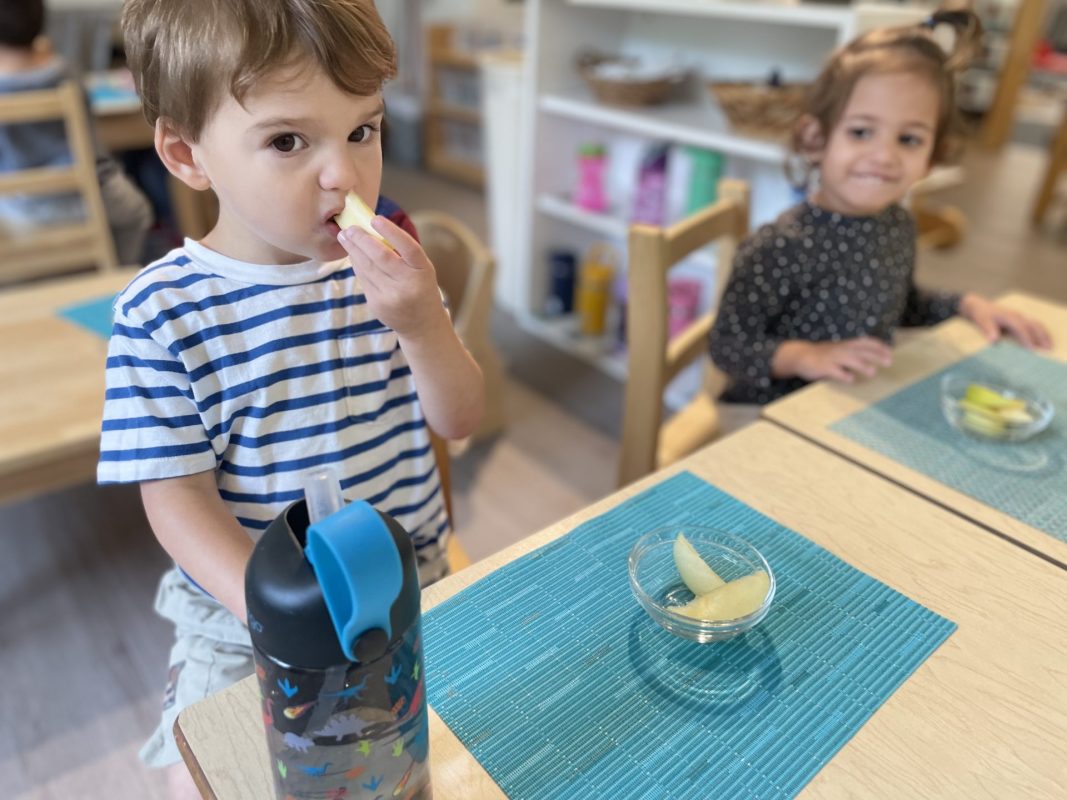
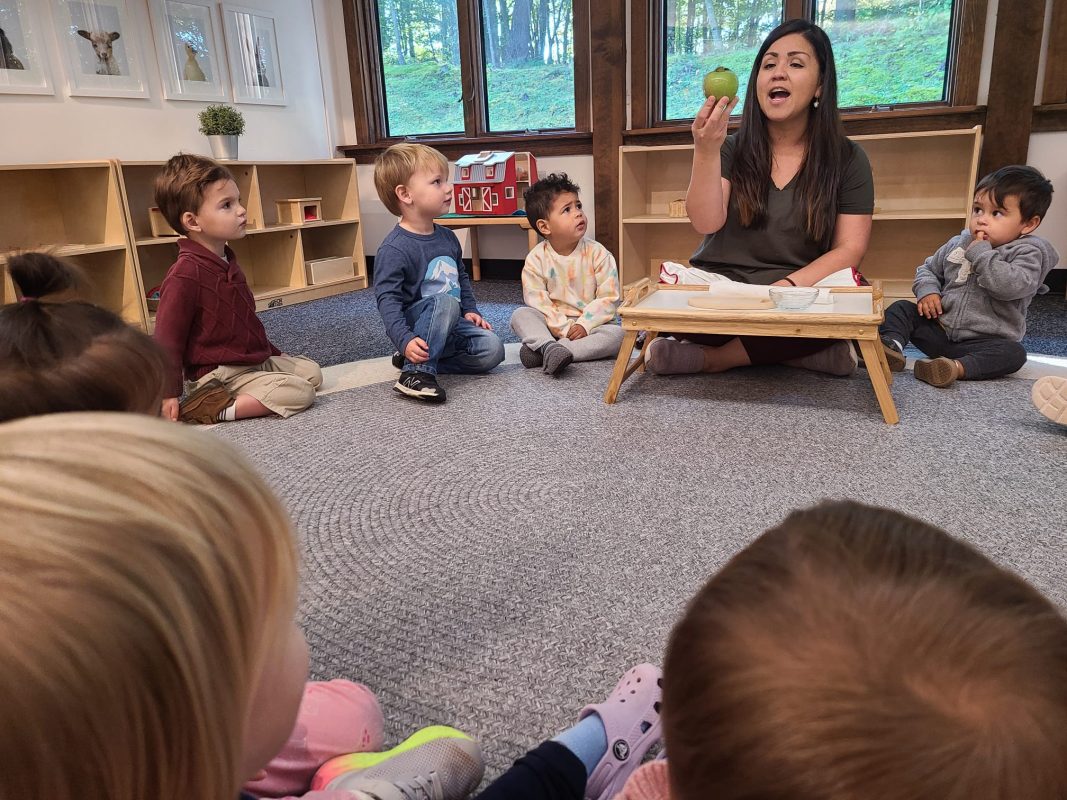
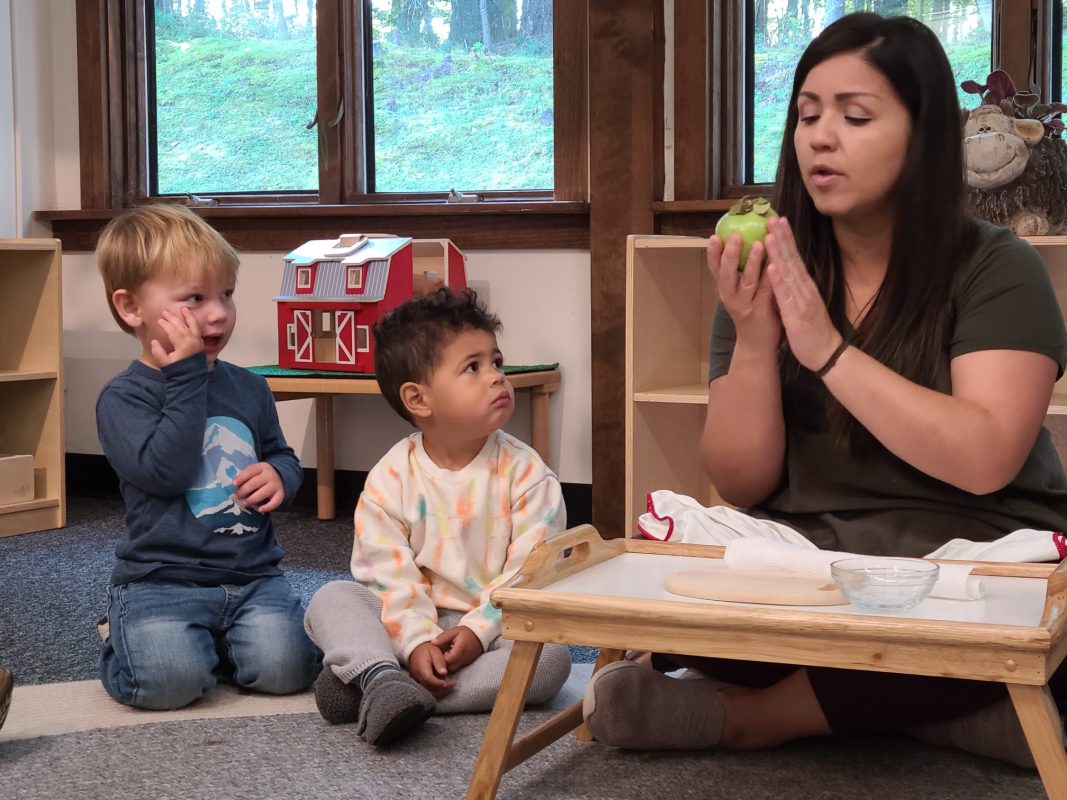
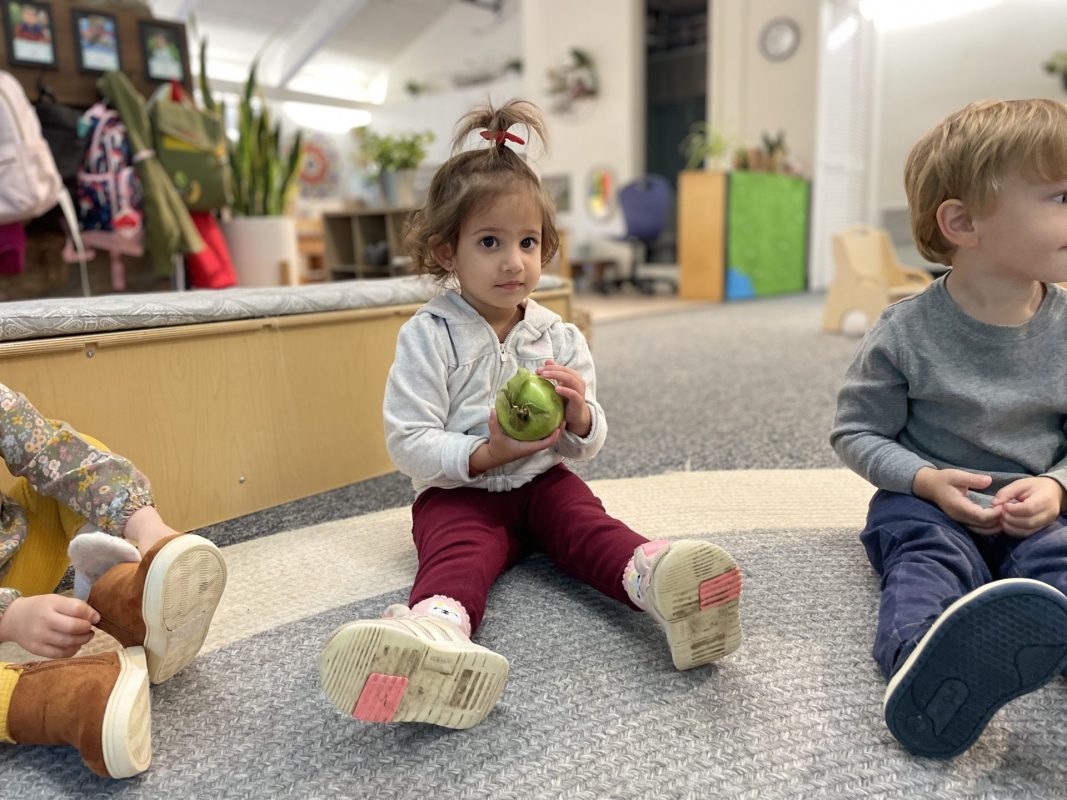
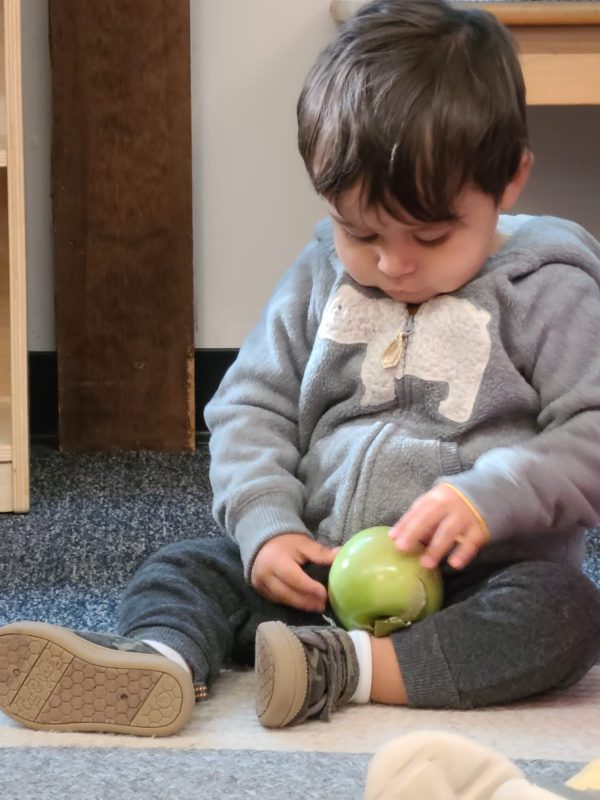
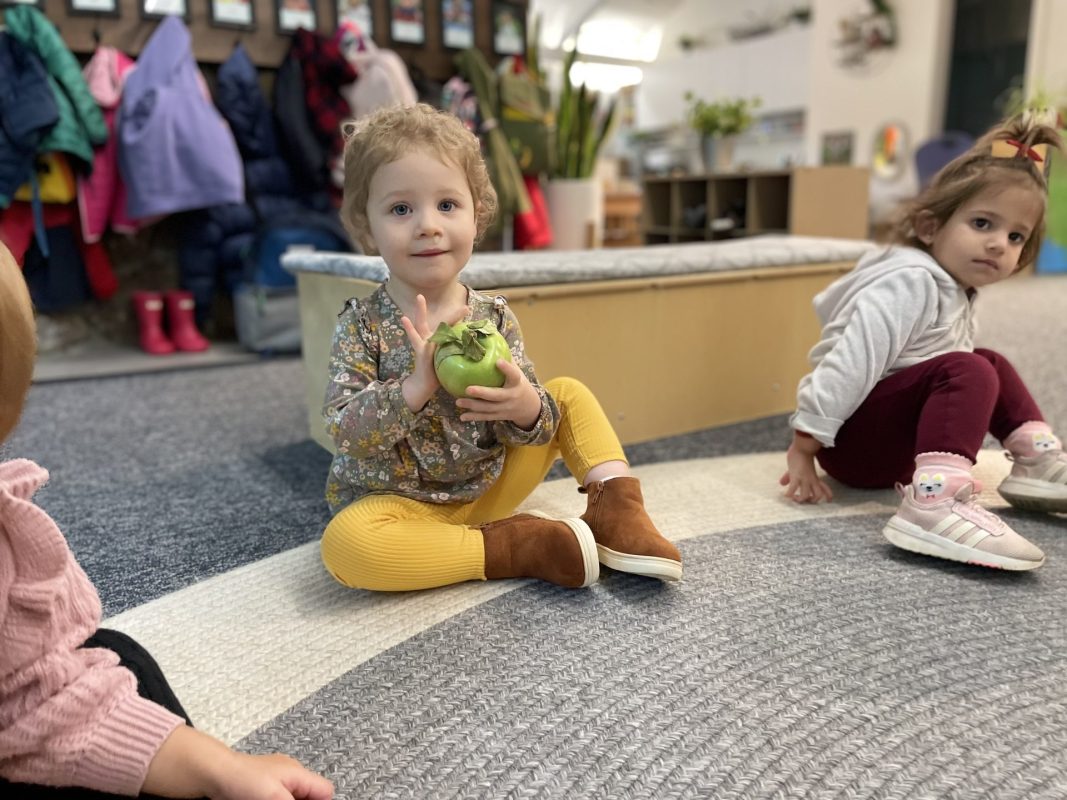
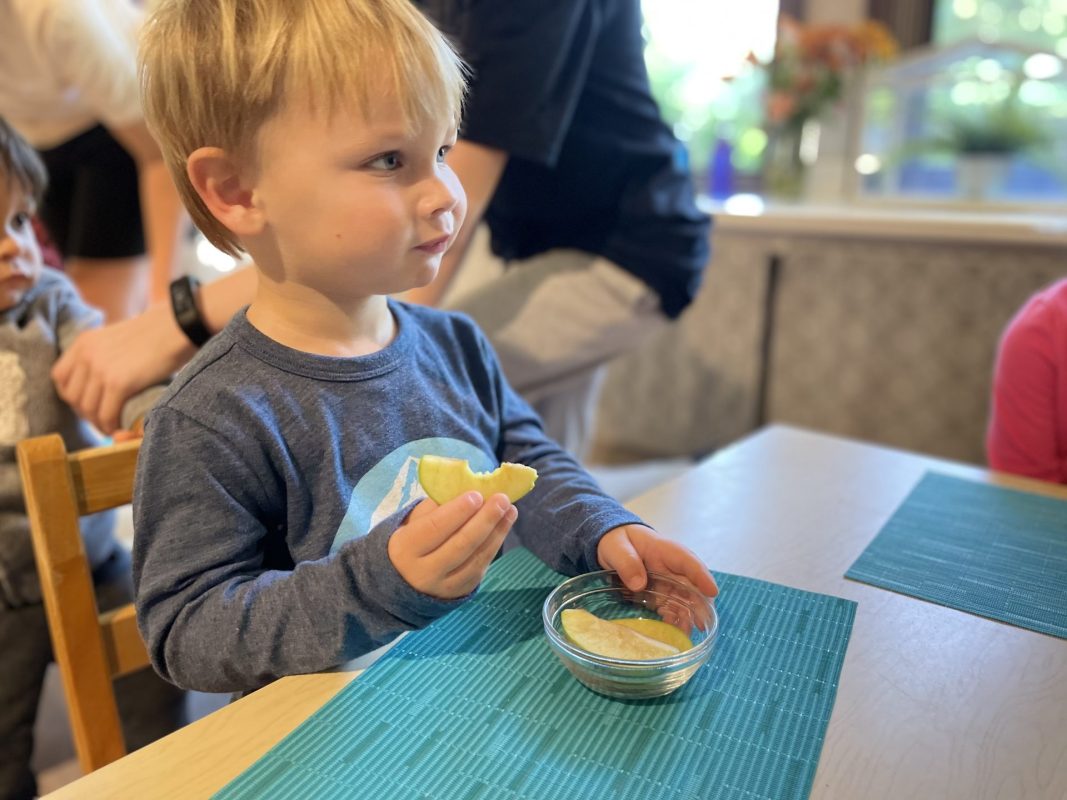
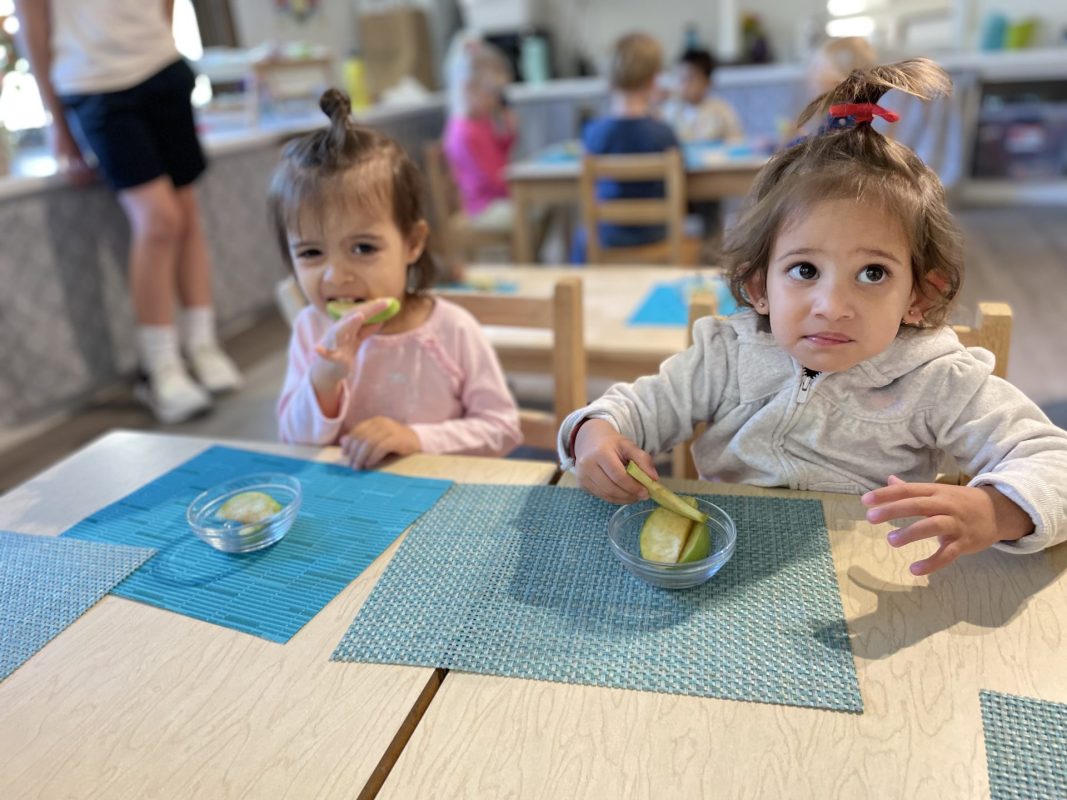
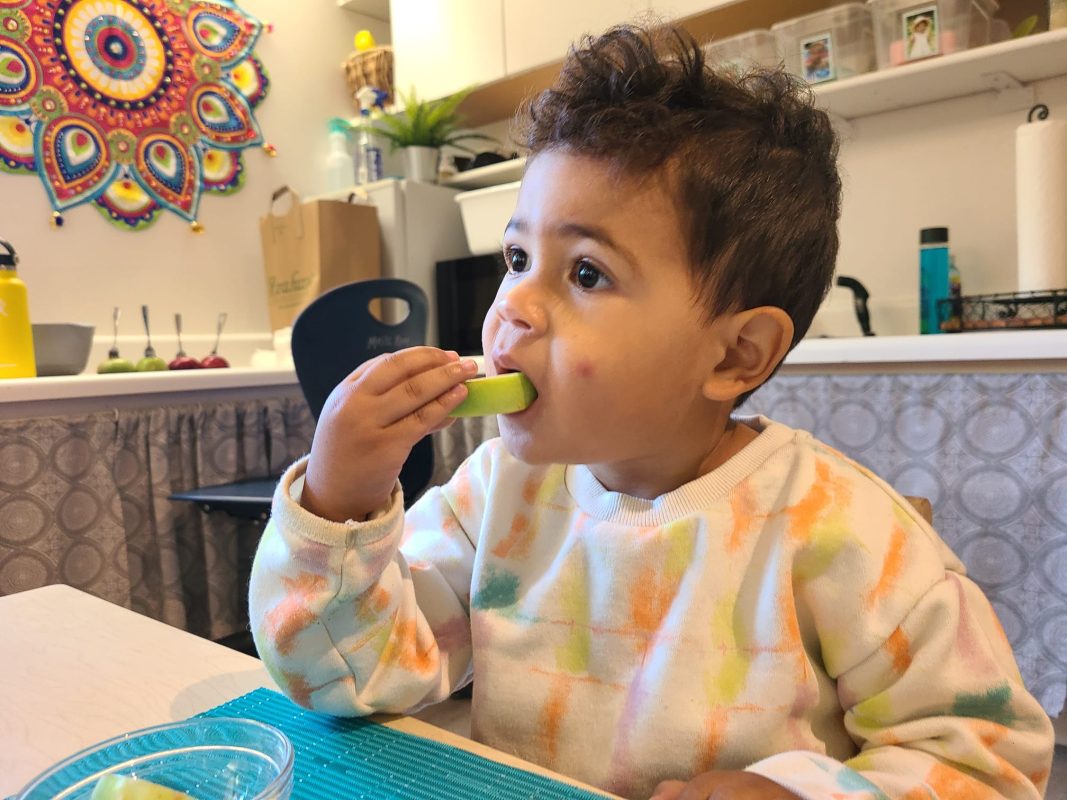
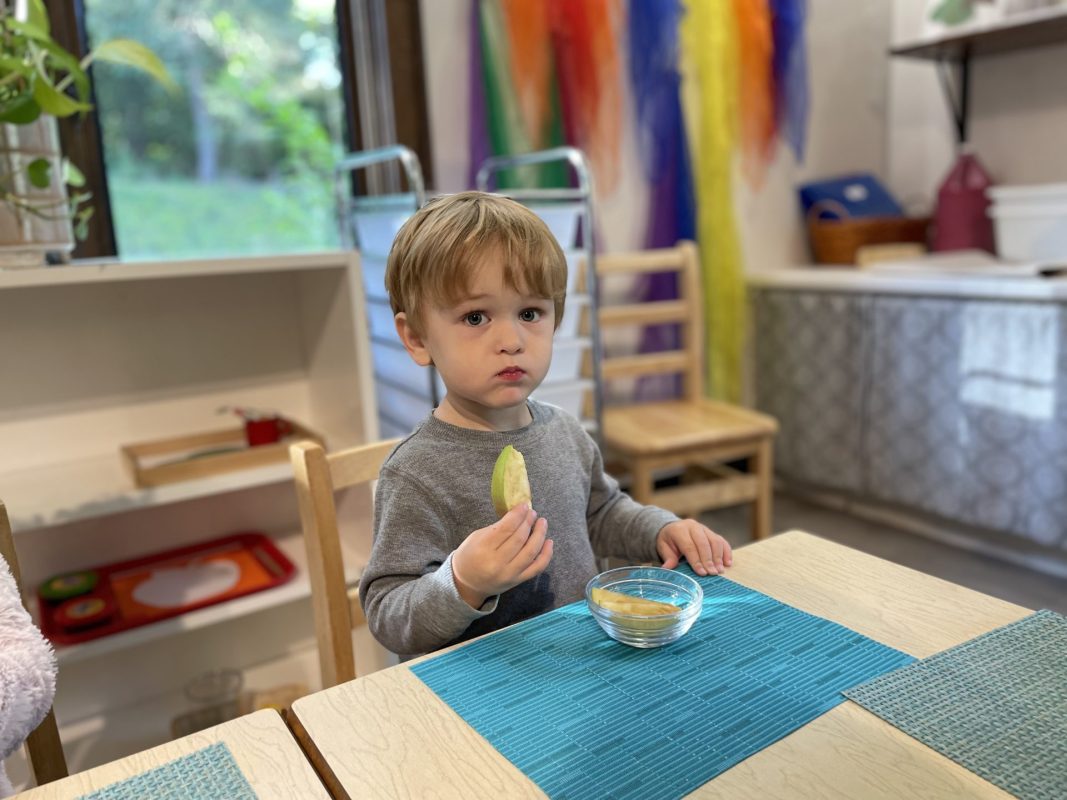
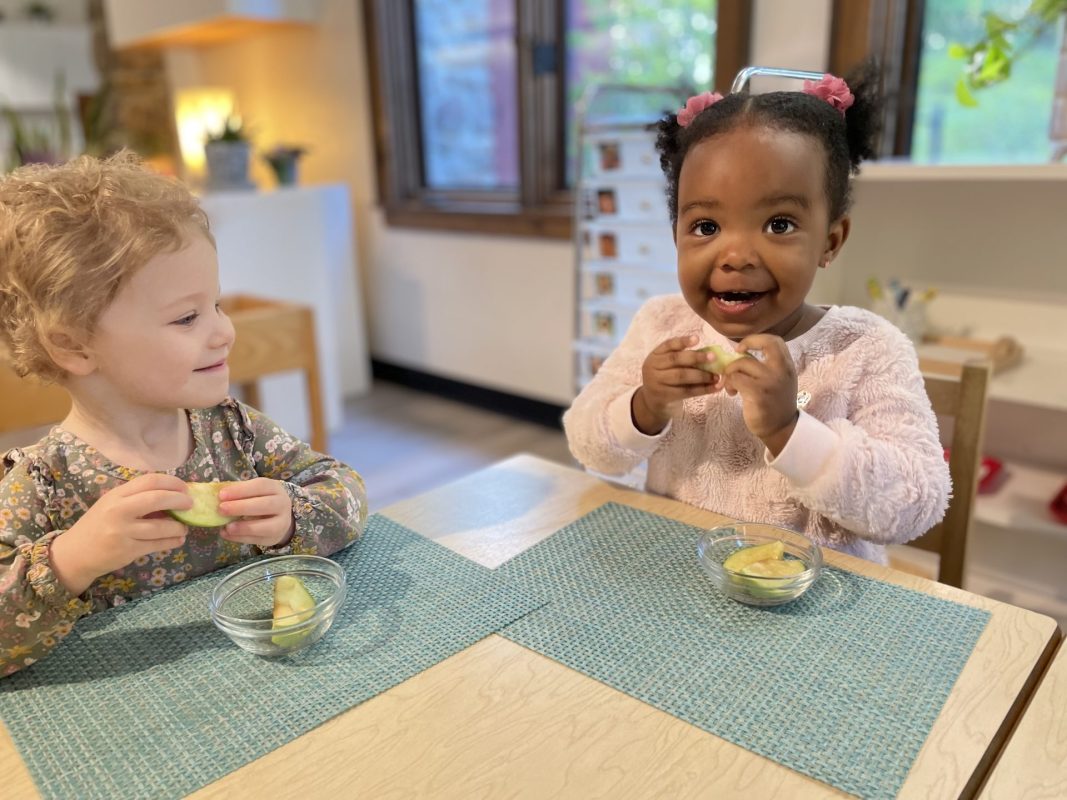
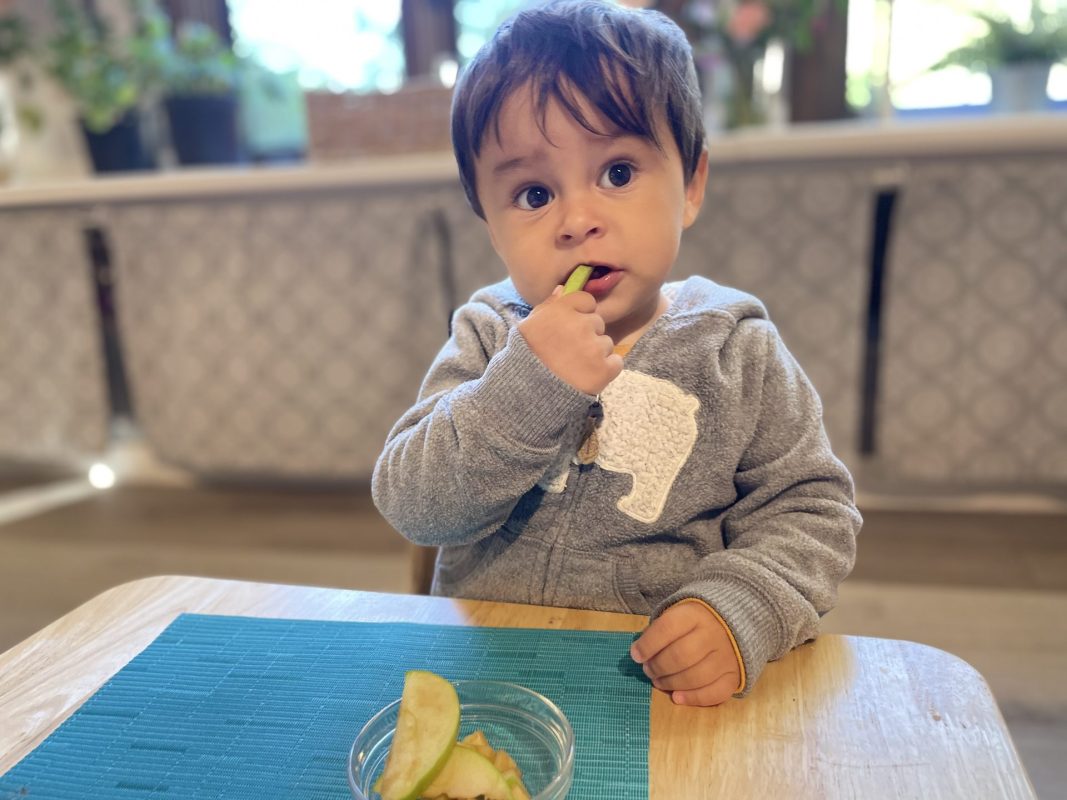
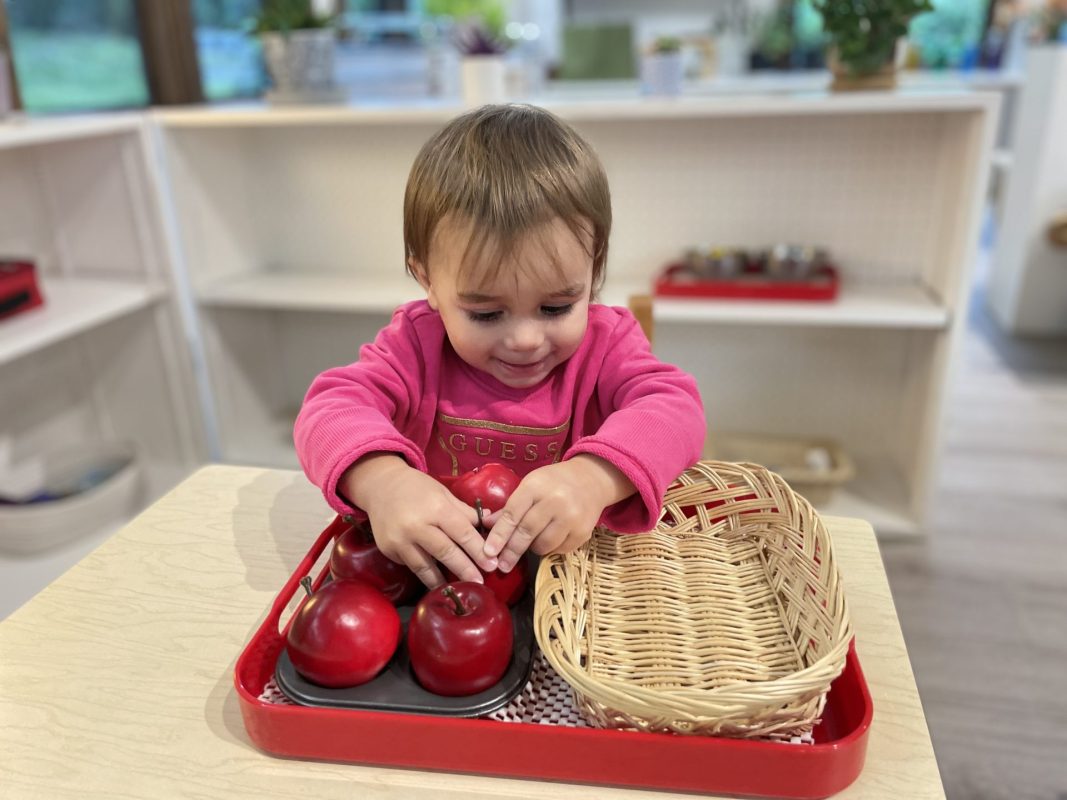
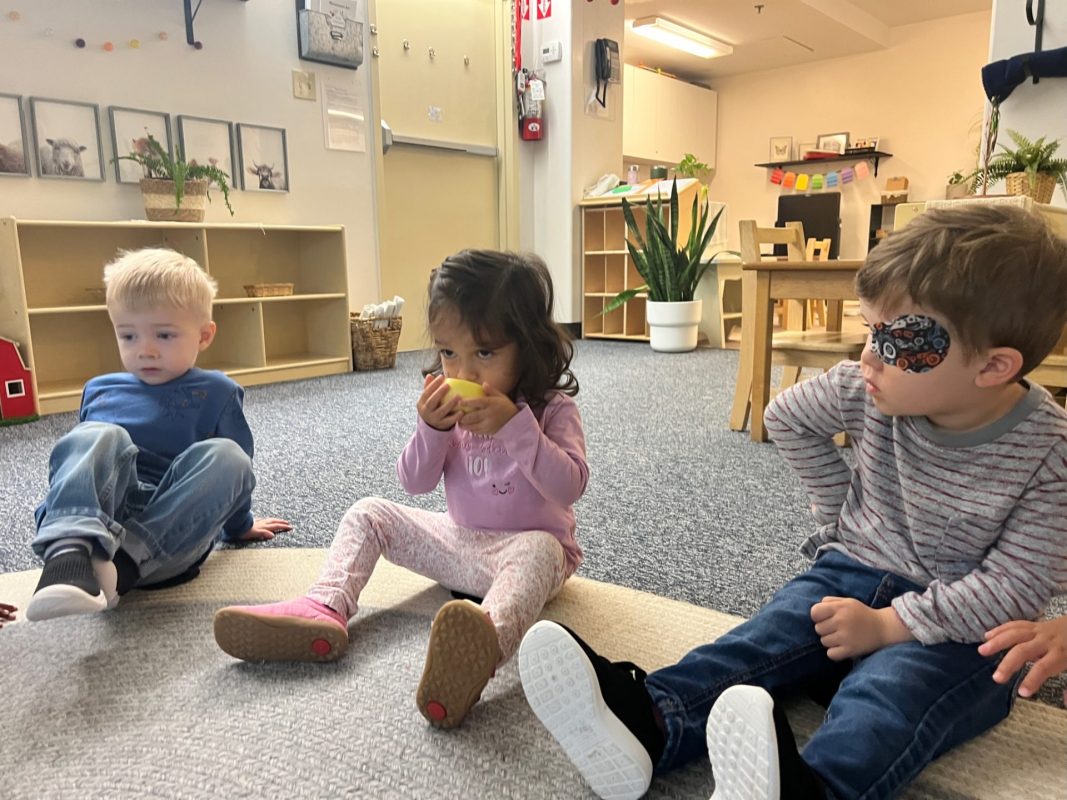
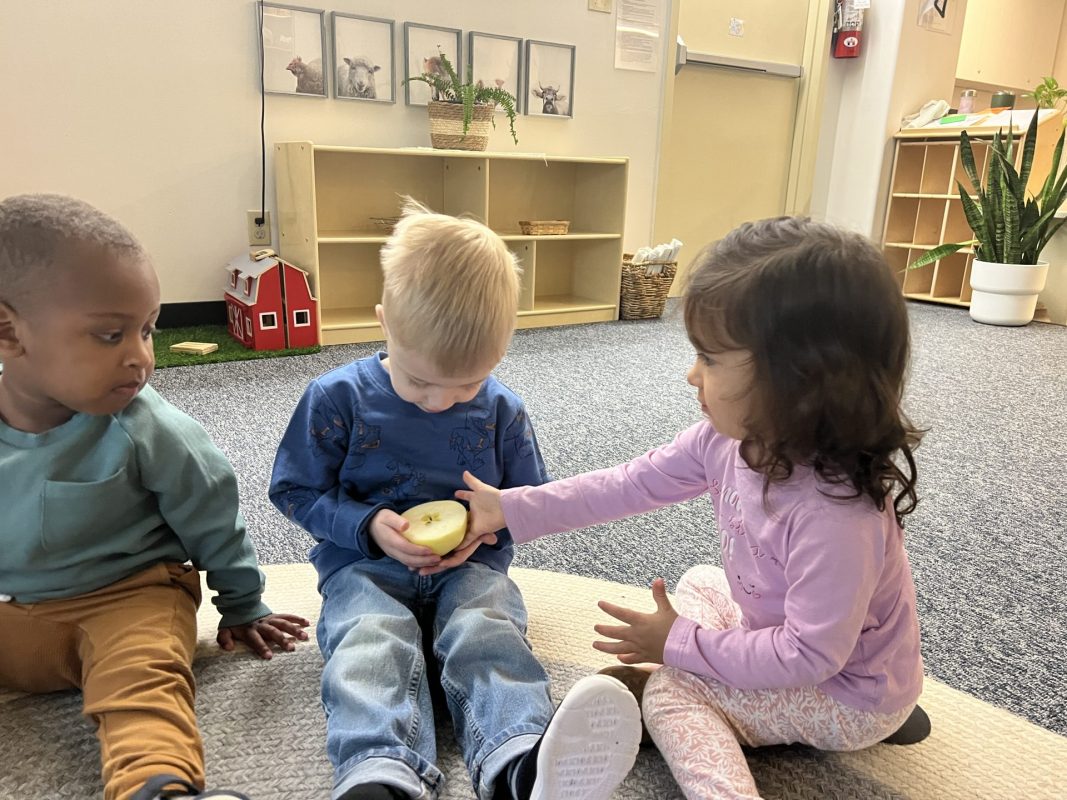
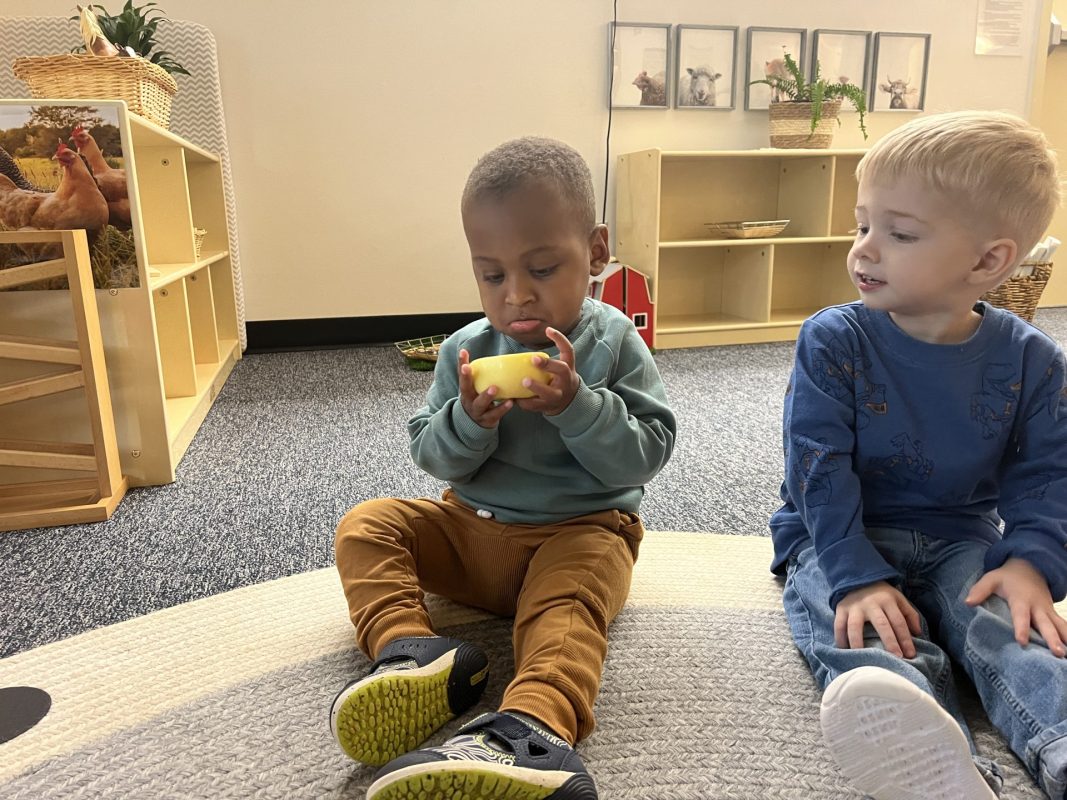
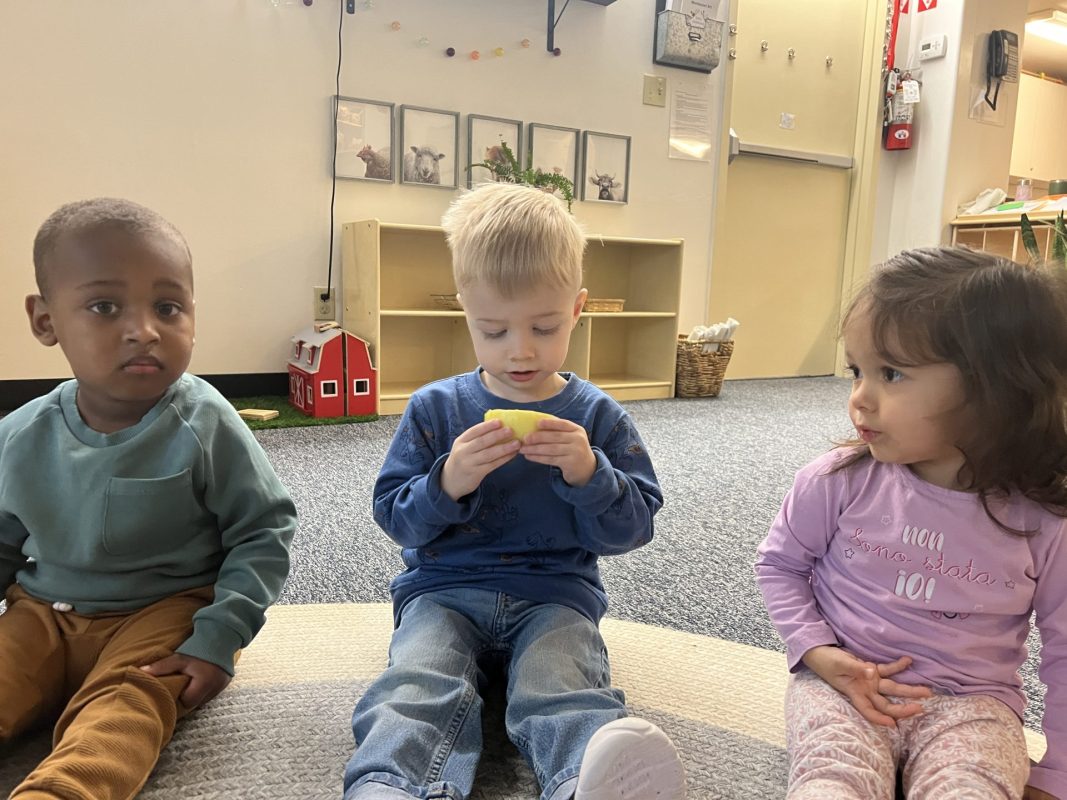
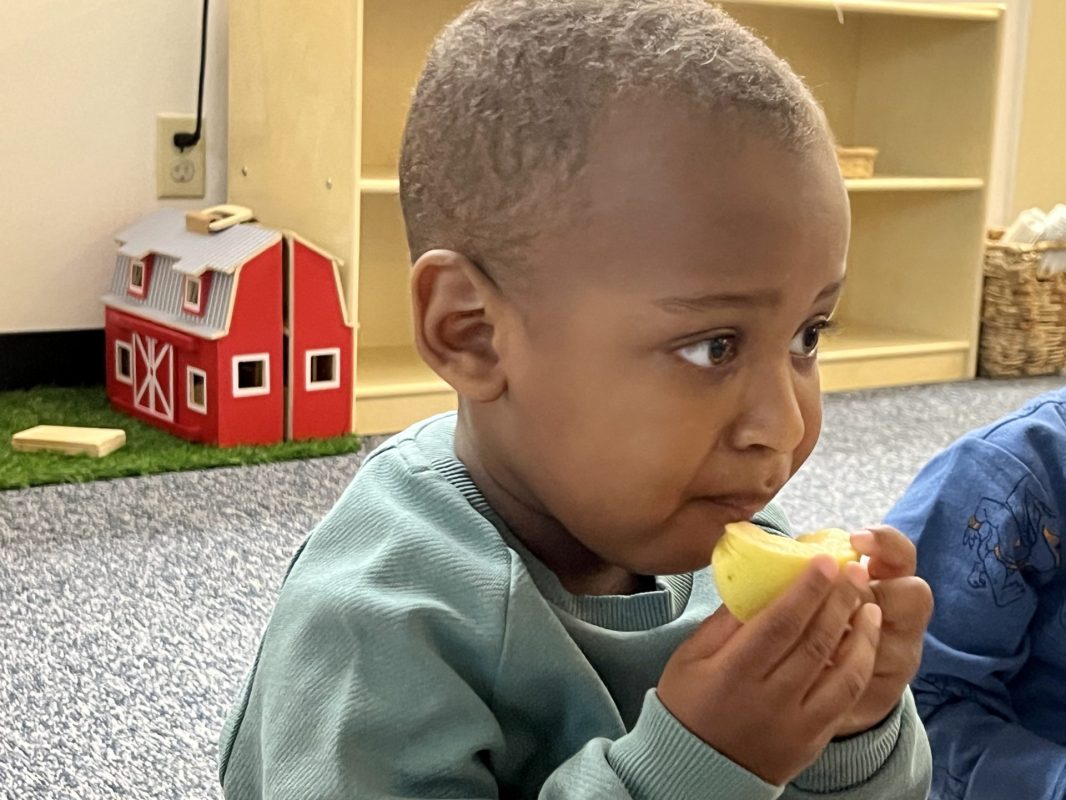
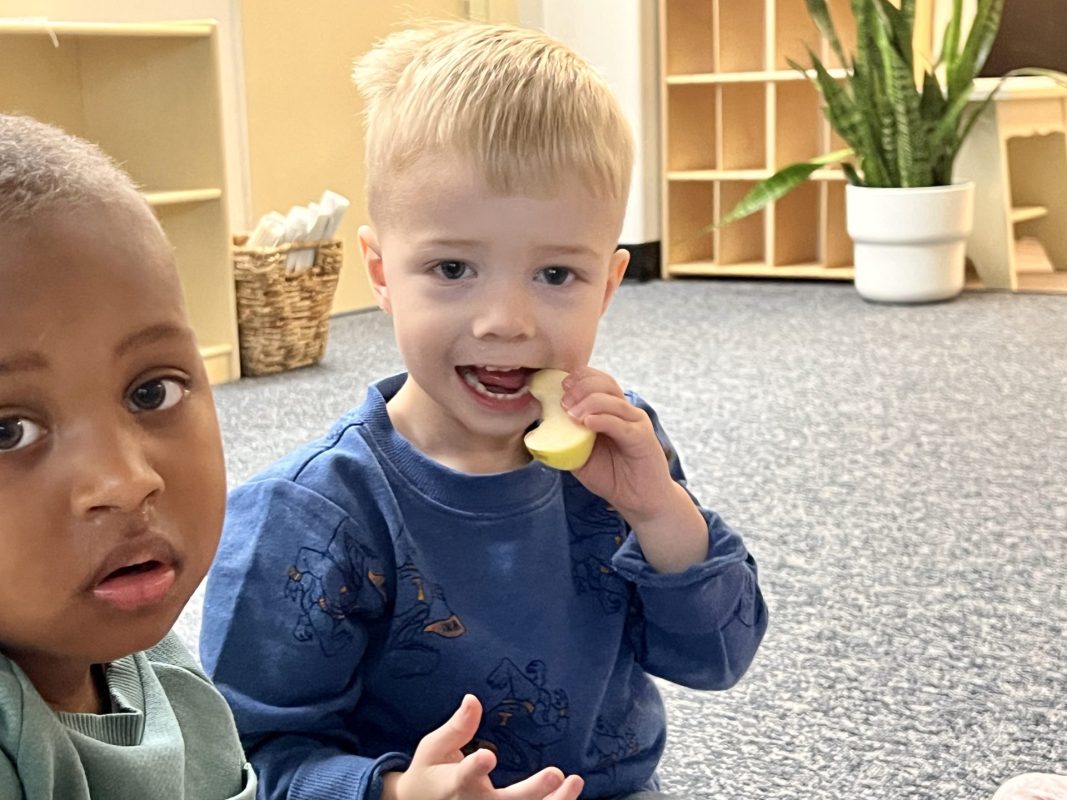
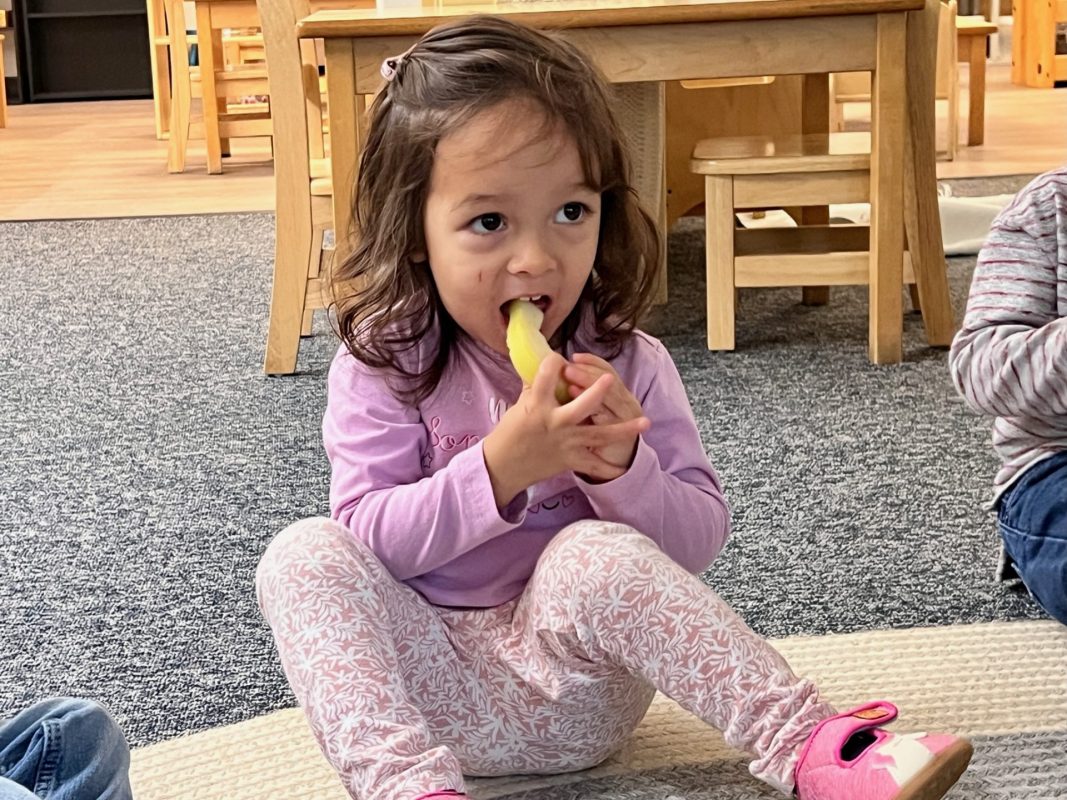
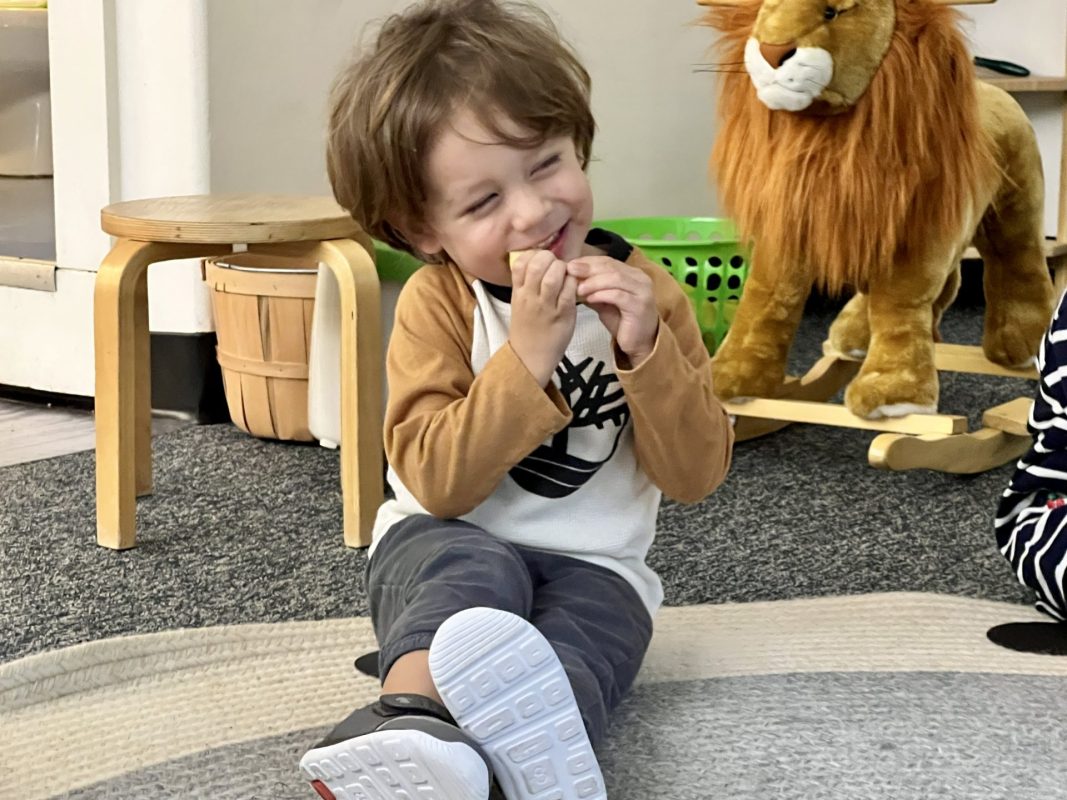
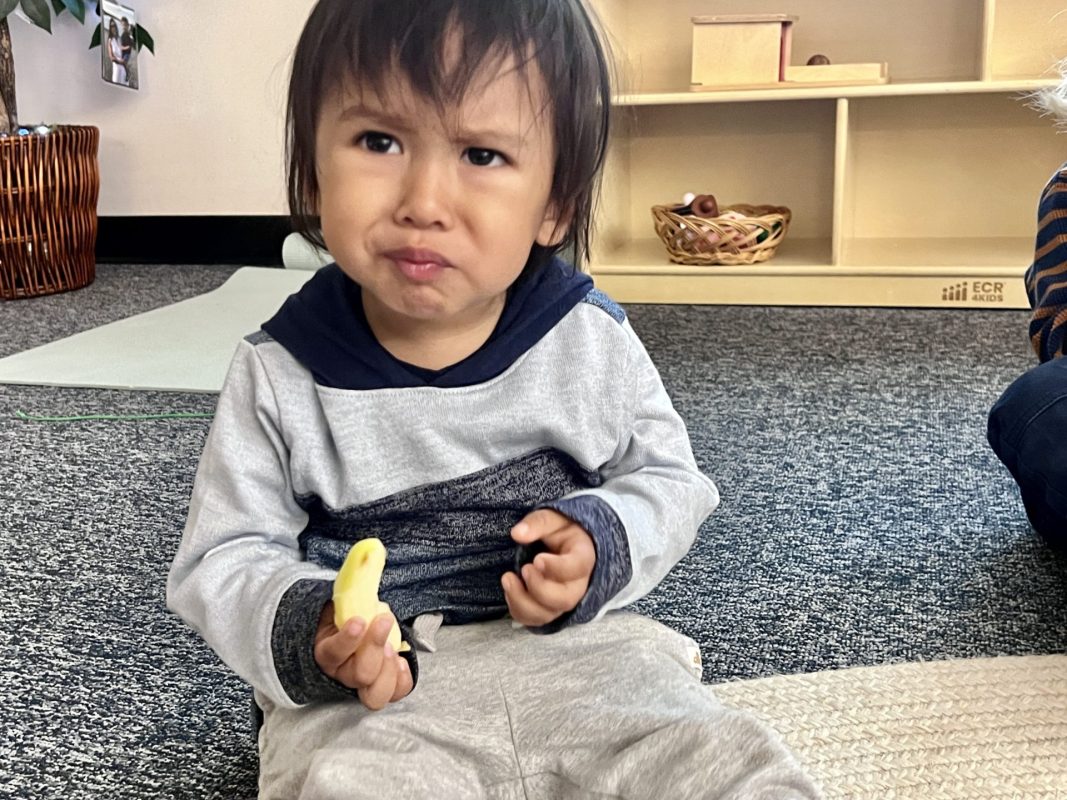
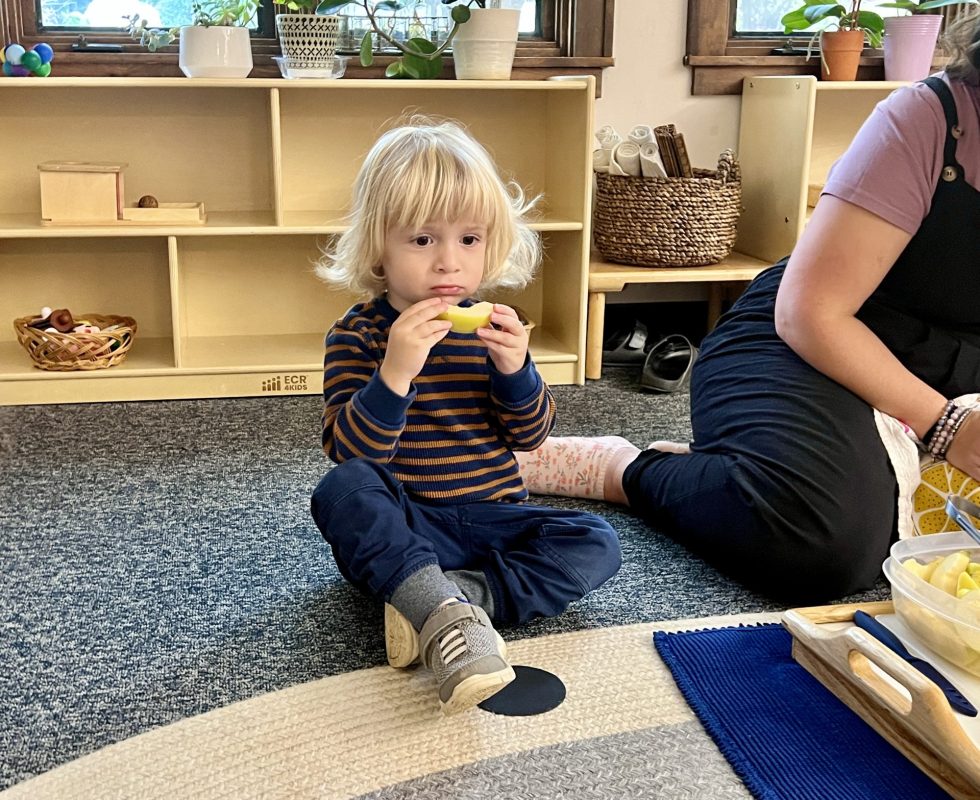
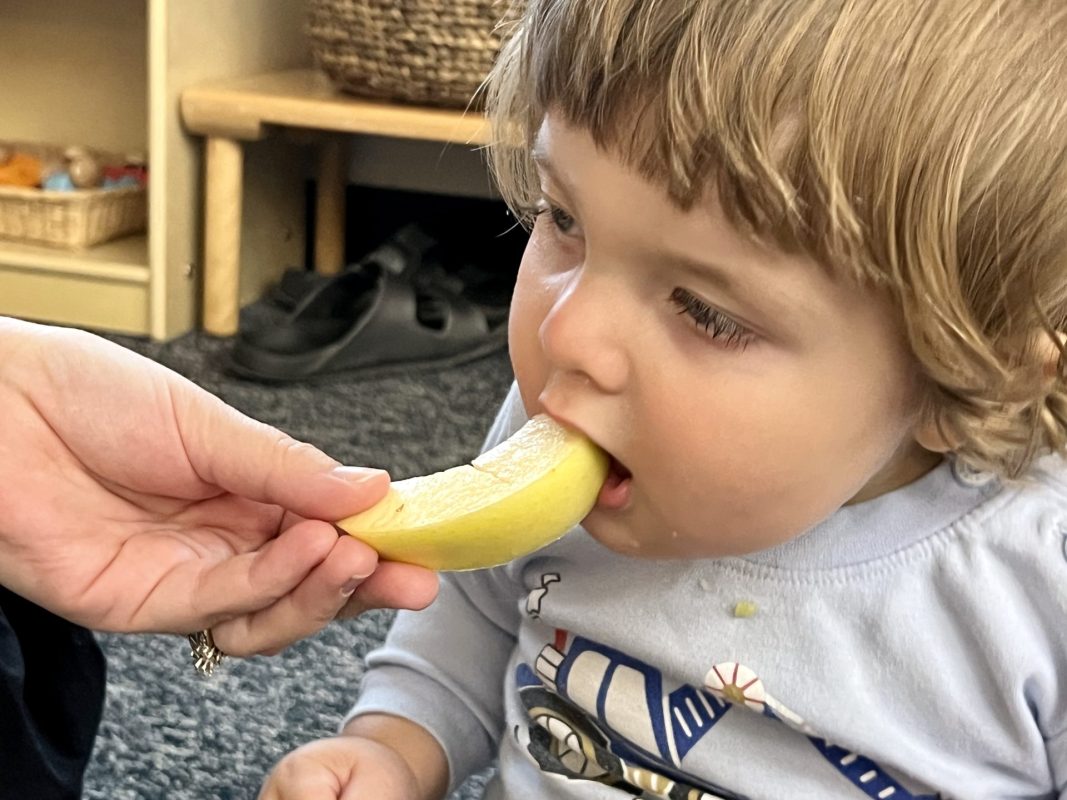
We finished sampling red, green, and yellow apples. Do you know which type your child likes best? The yellow received the most requests for “more, please!”

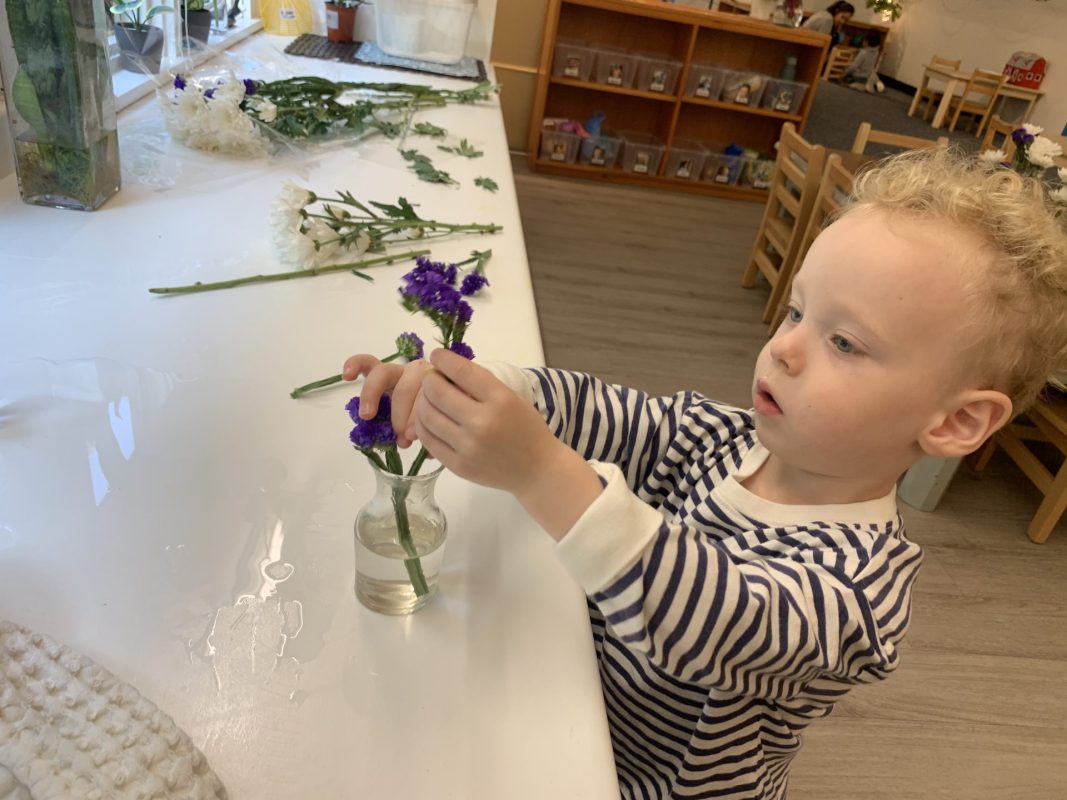
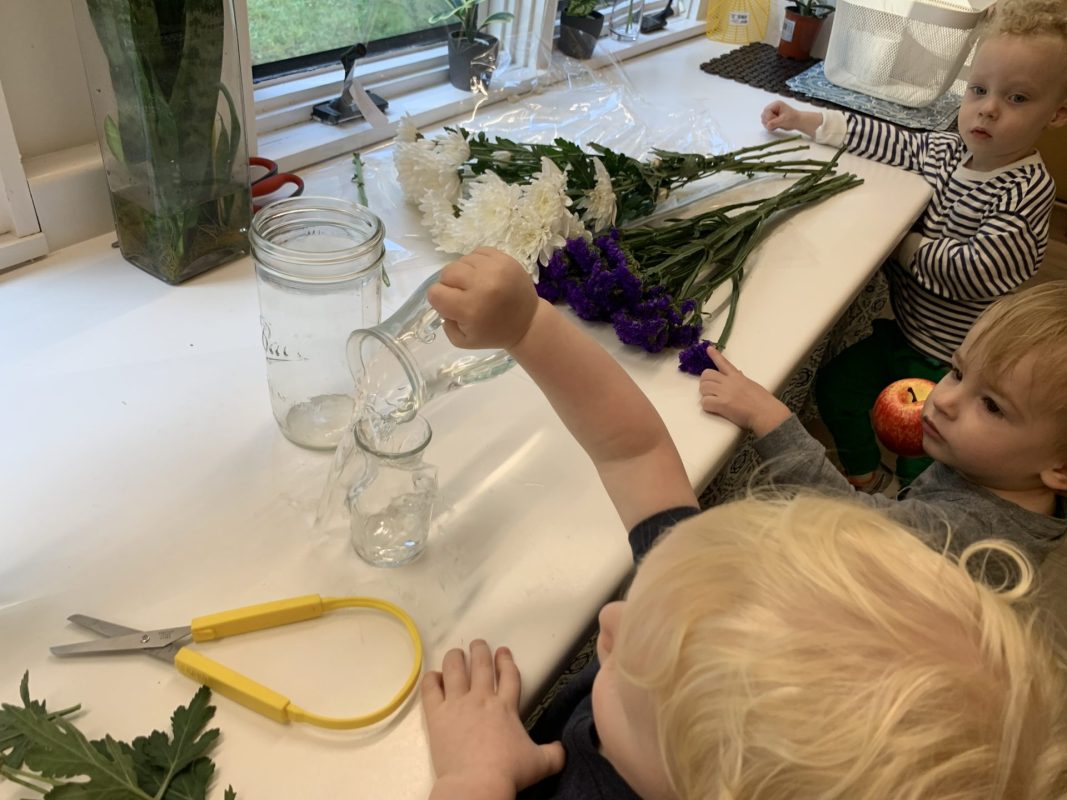
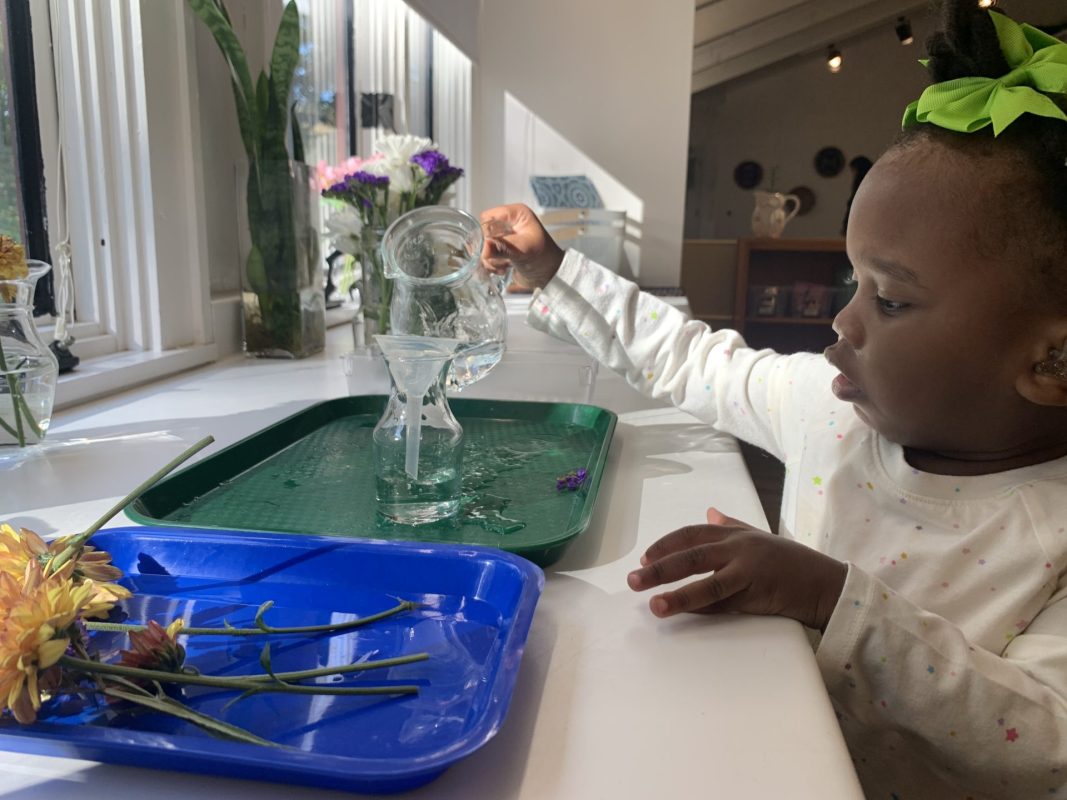
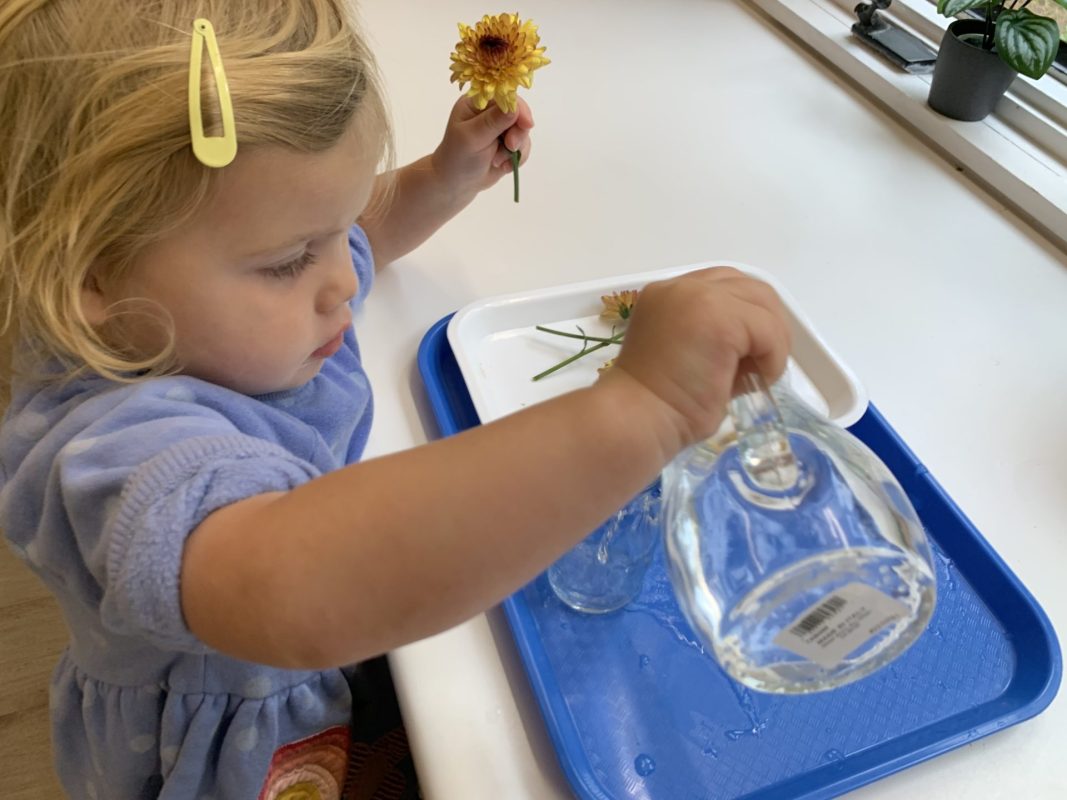
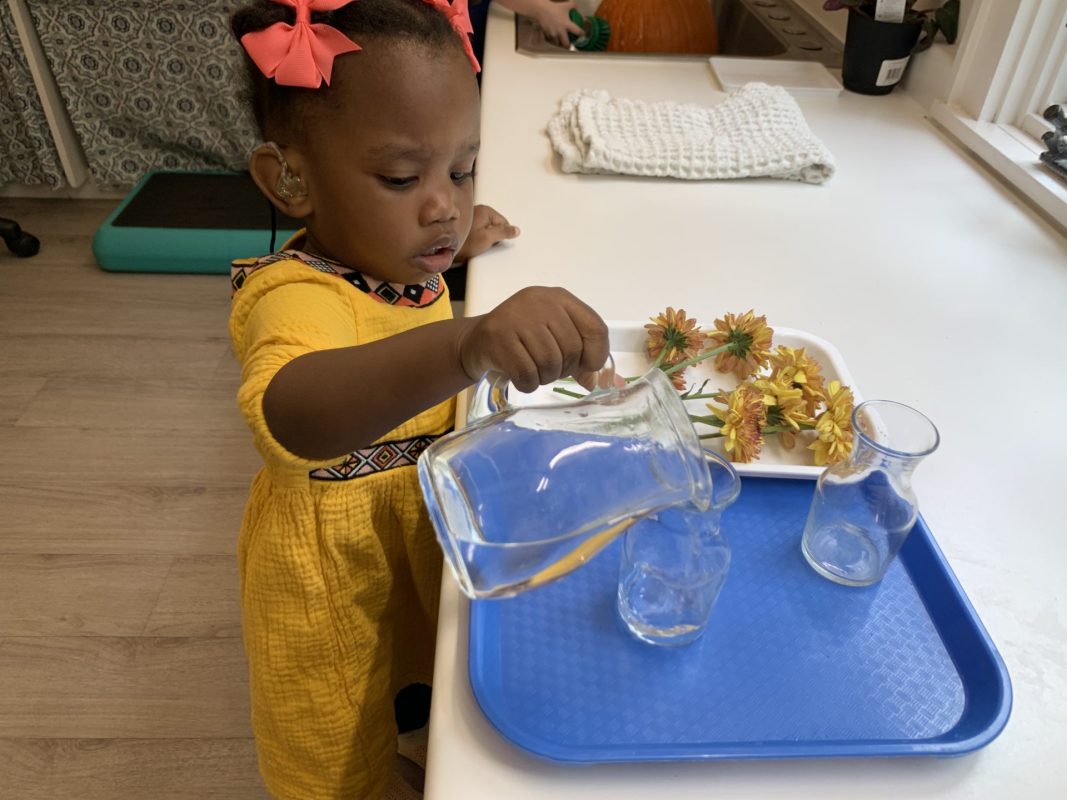
The children enjoyed arranging flowers to add beauty to our classroom.

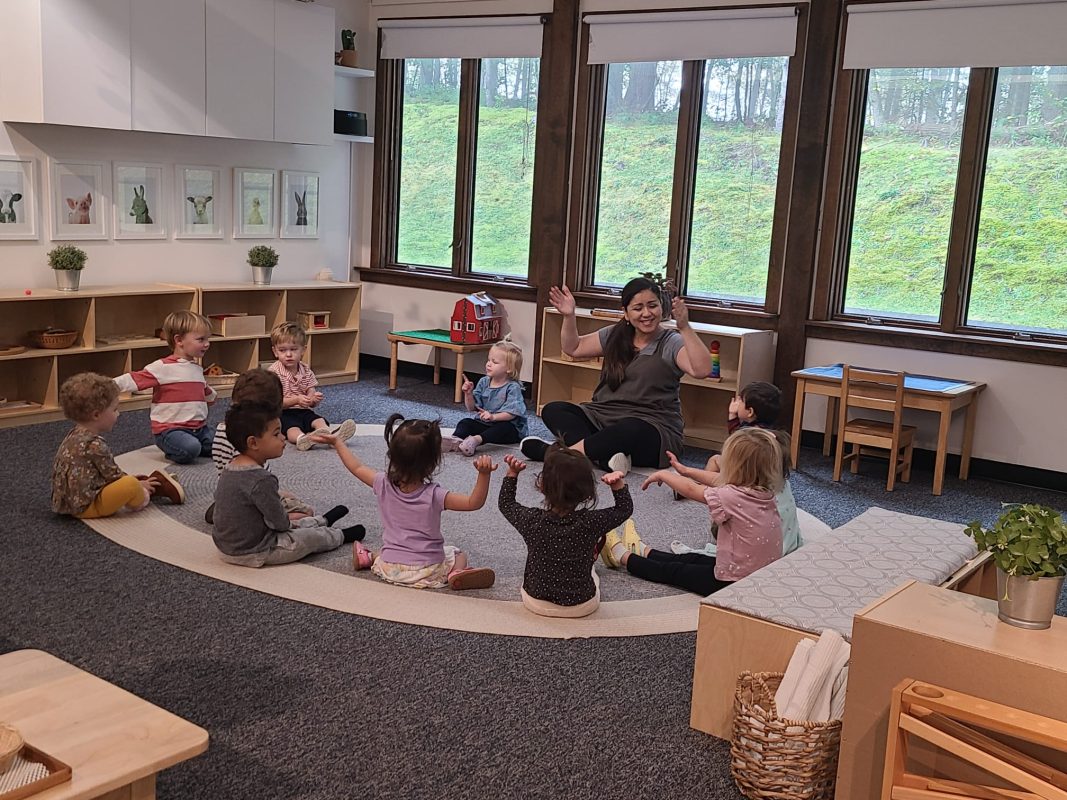
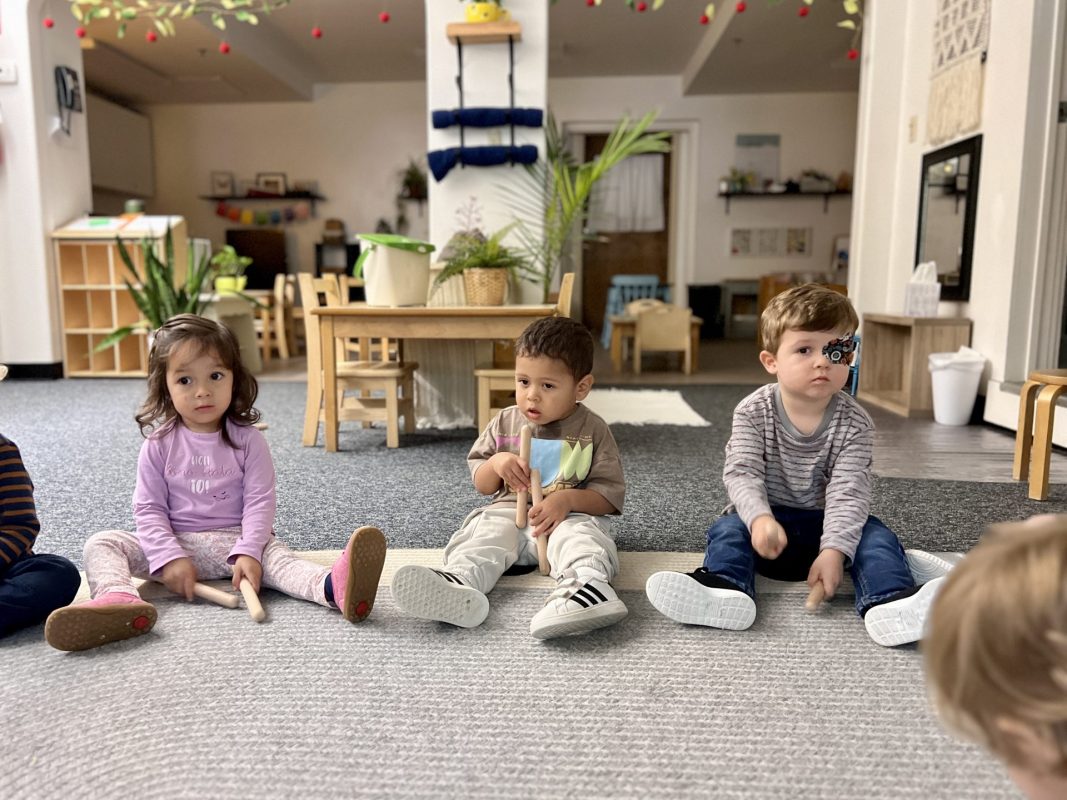
We’ve been singing a variety of songs – they love ‘Baa Baa Black Sheep’ and ‘Cluck Cluck Red Hen,’ especially the exaggerated head nod as they say ‘yes’ in both songs. The children who stay for lunch have been listening to Dave Brubeck’s greatest hits while they eat. We’ve been listening for different instruments, and I’ve noticed a few children moving their bodies subtly to the music as it plays. 

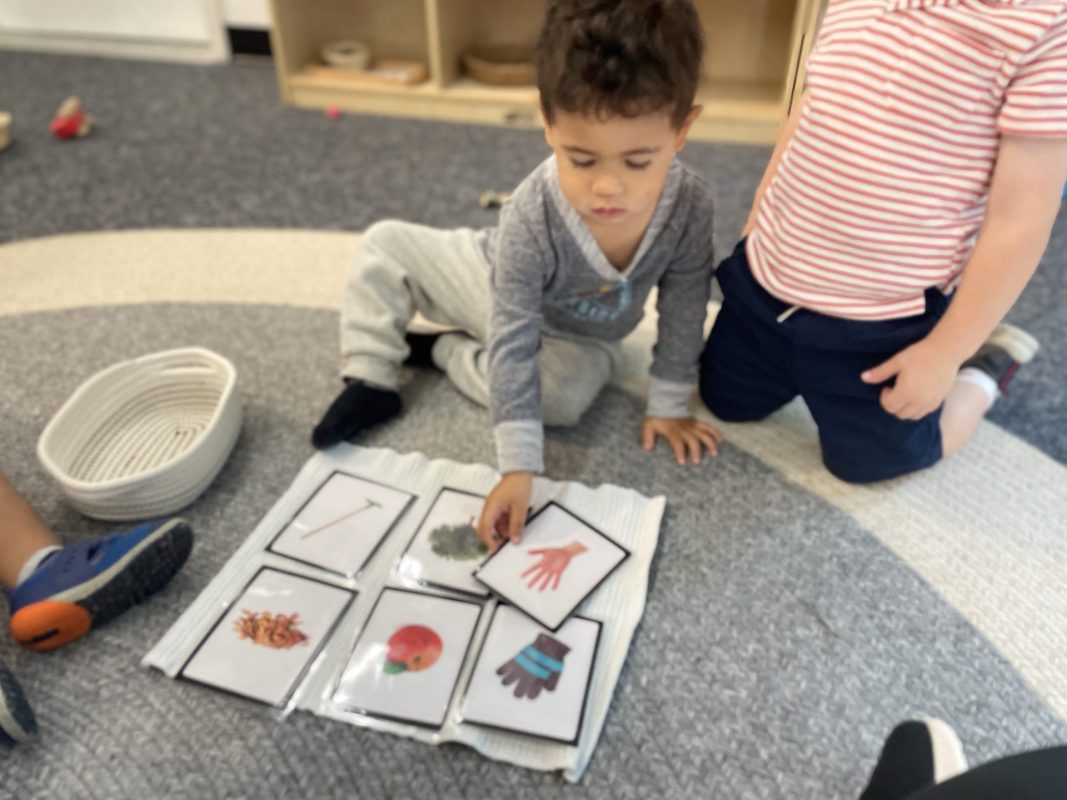
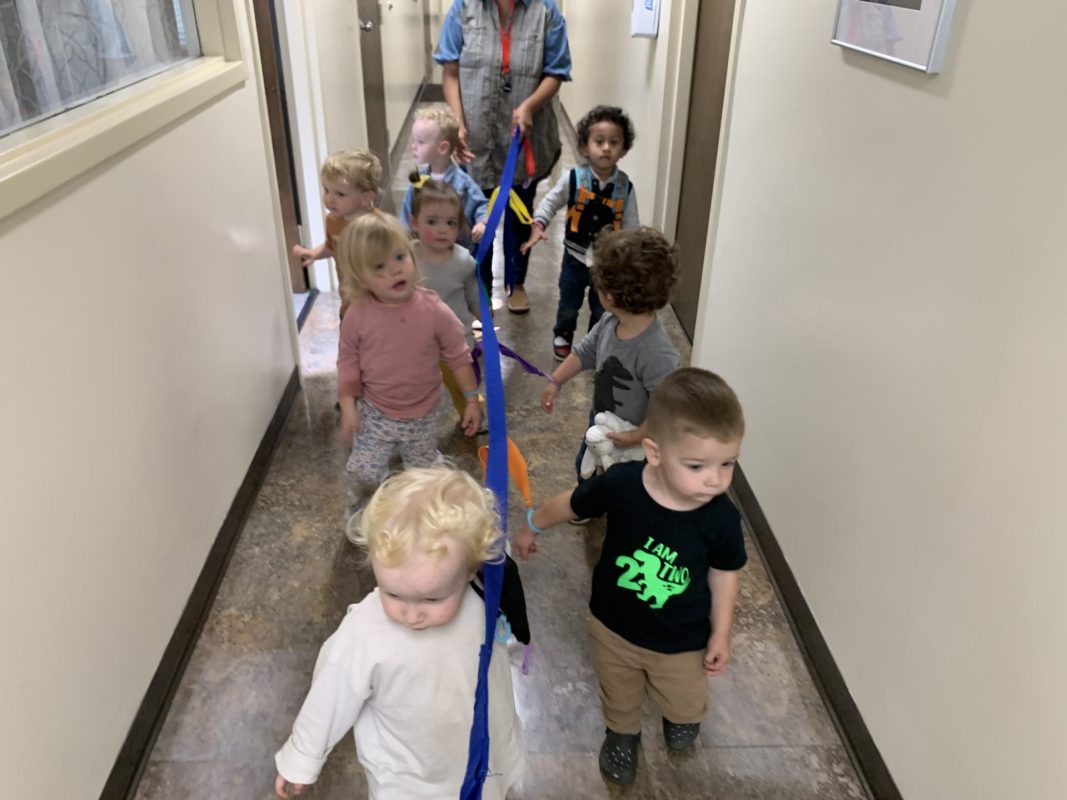
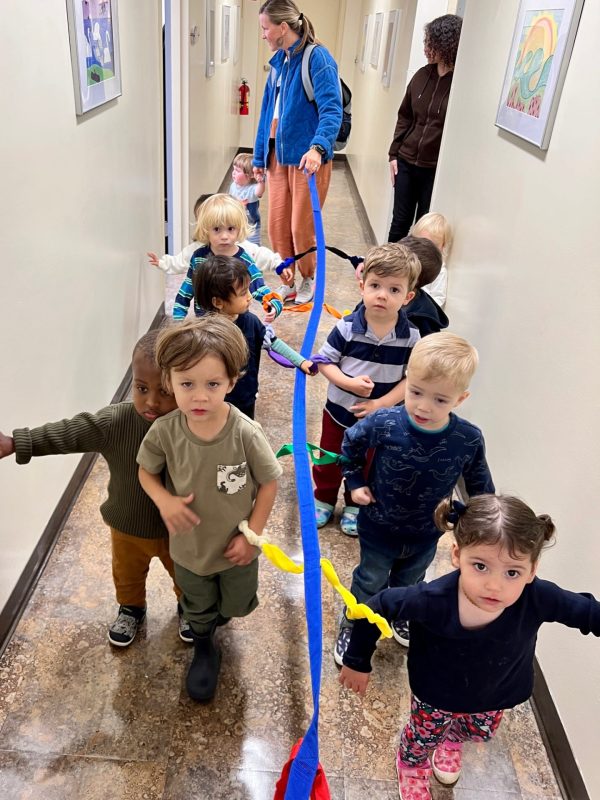
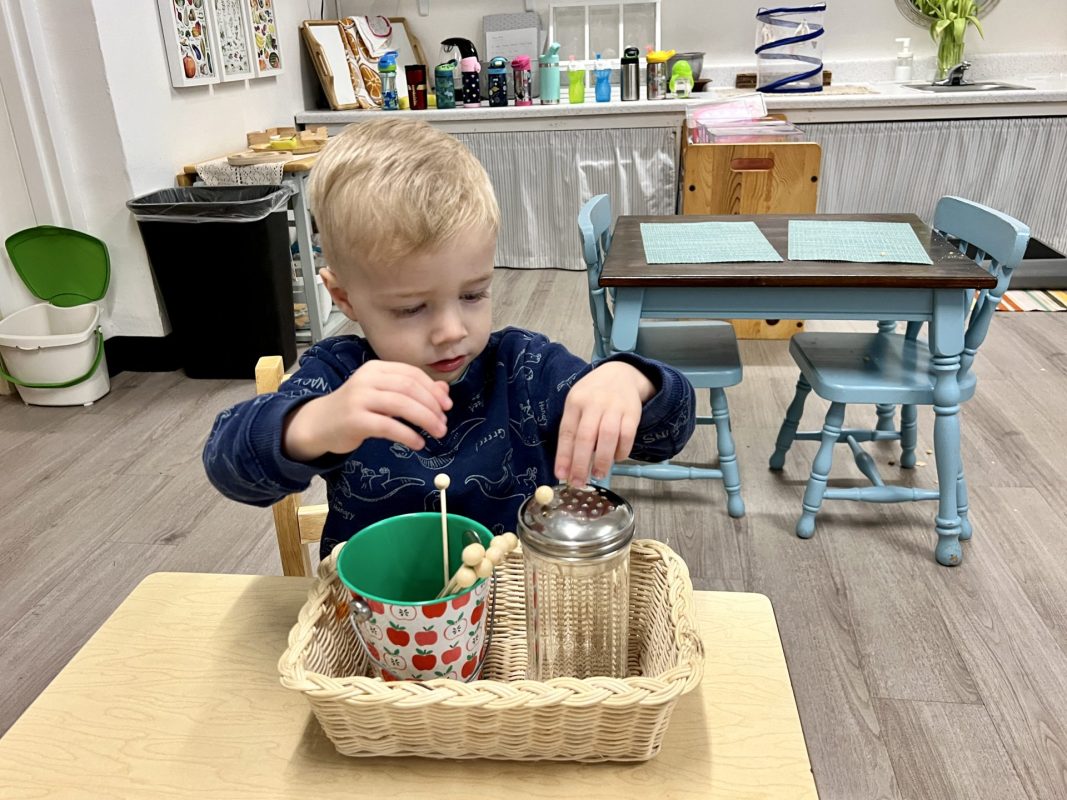
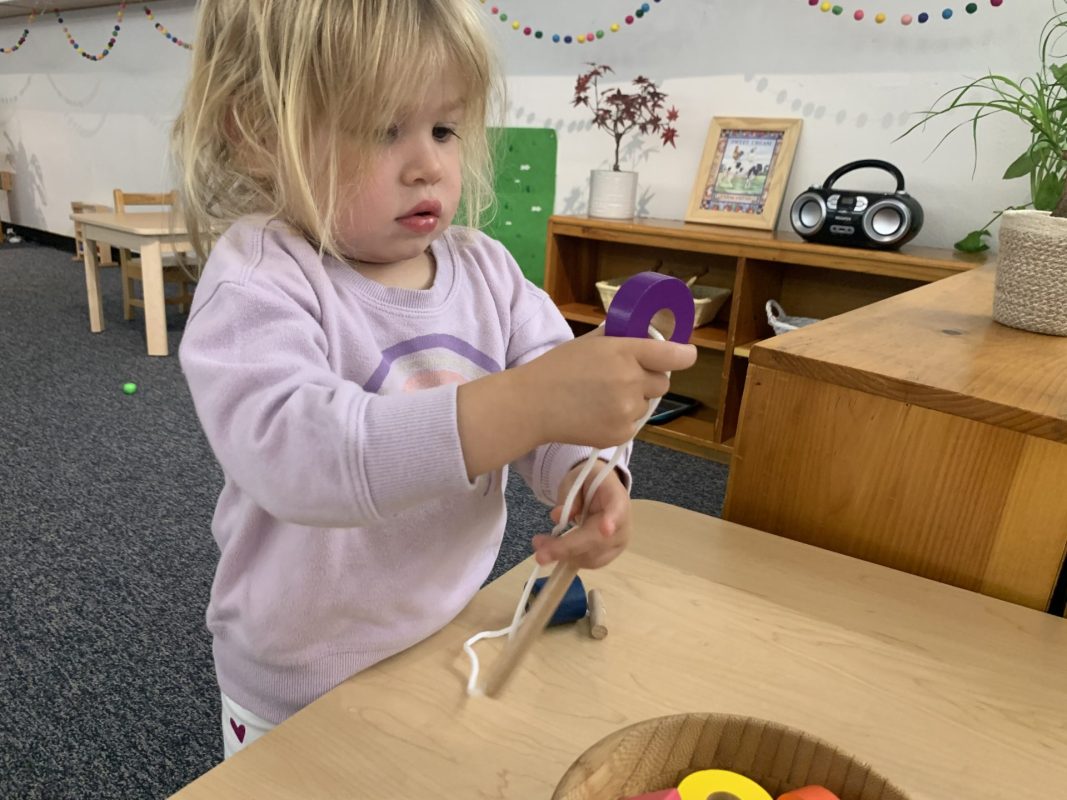
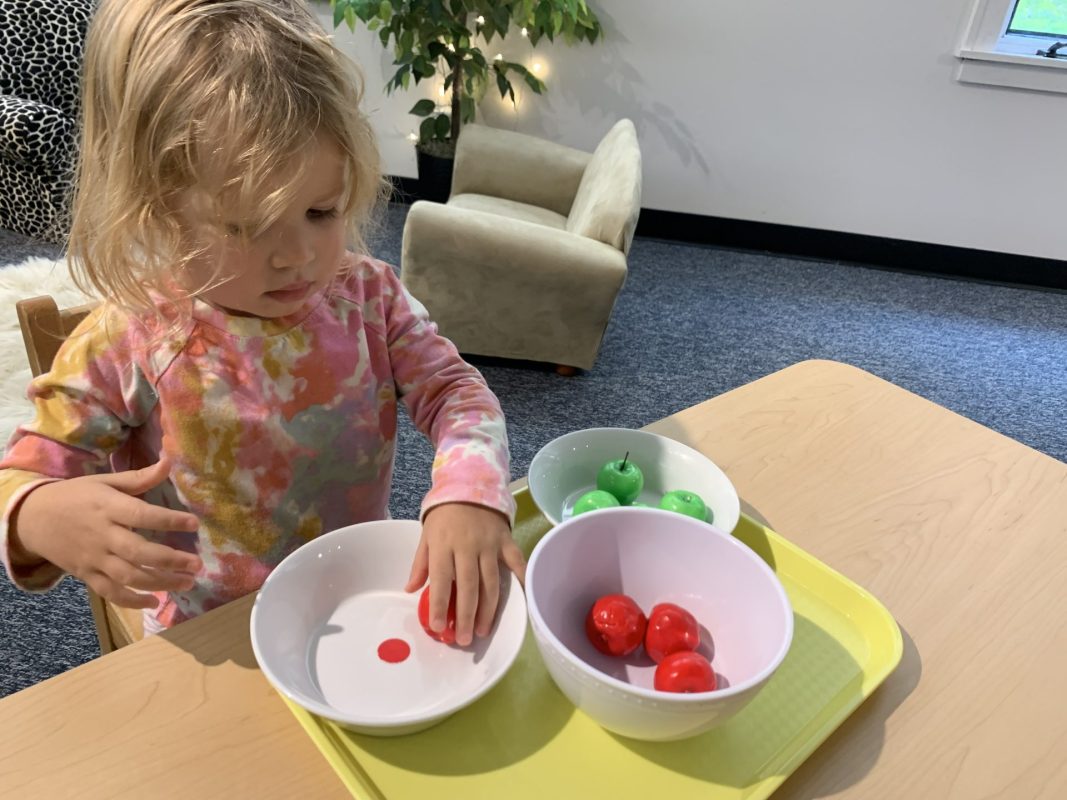
We’ve been counting everything! We count the children when we line up, we count the animals on the pages of books, the beads we are stringing, the apples we are sorting, the number of times we push the salad spinner, and the list goes on!

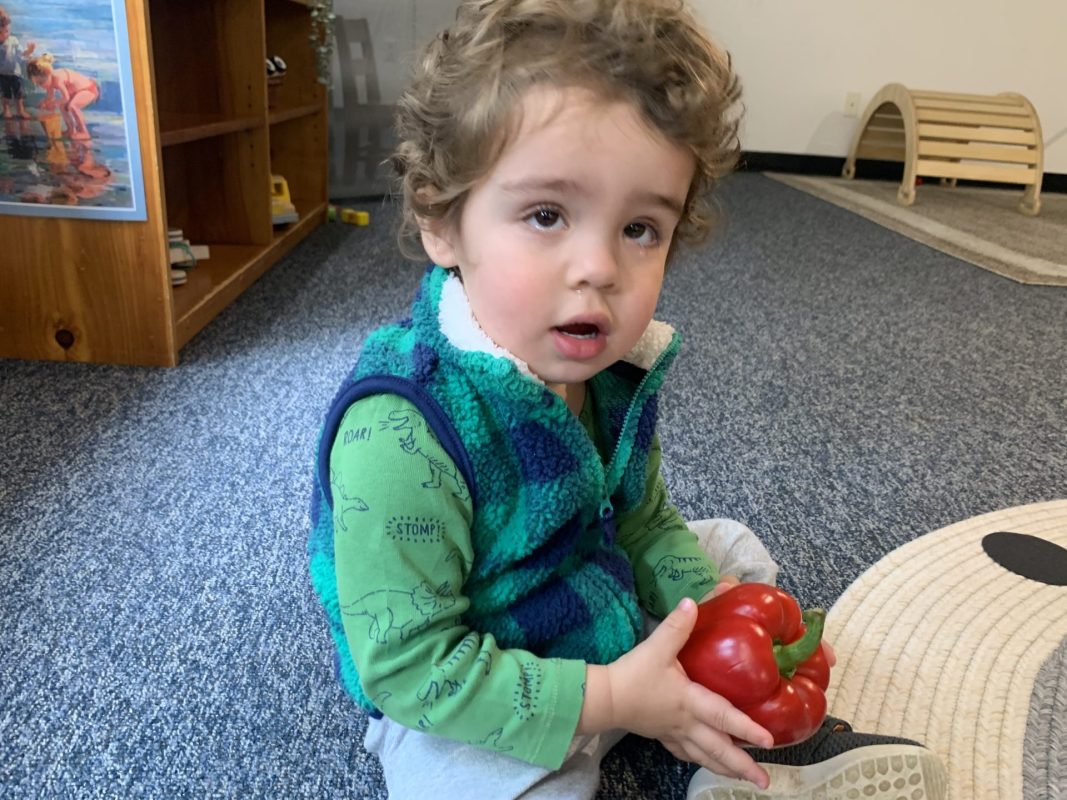
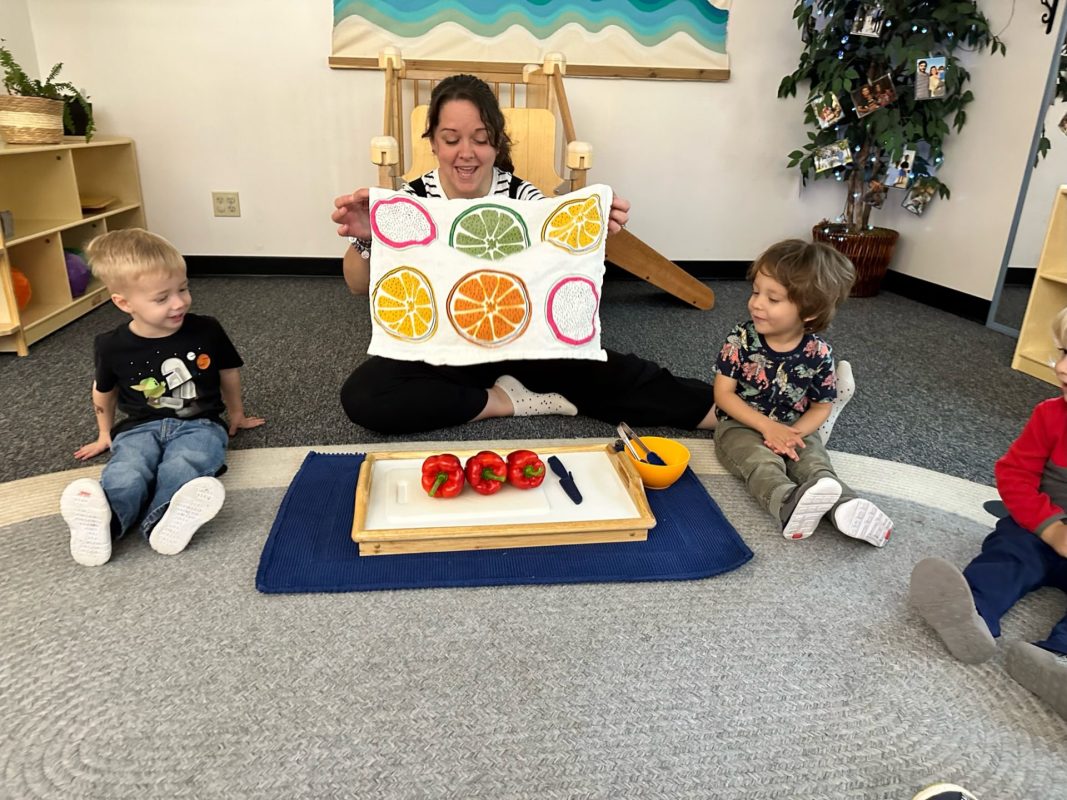
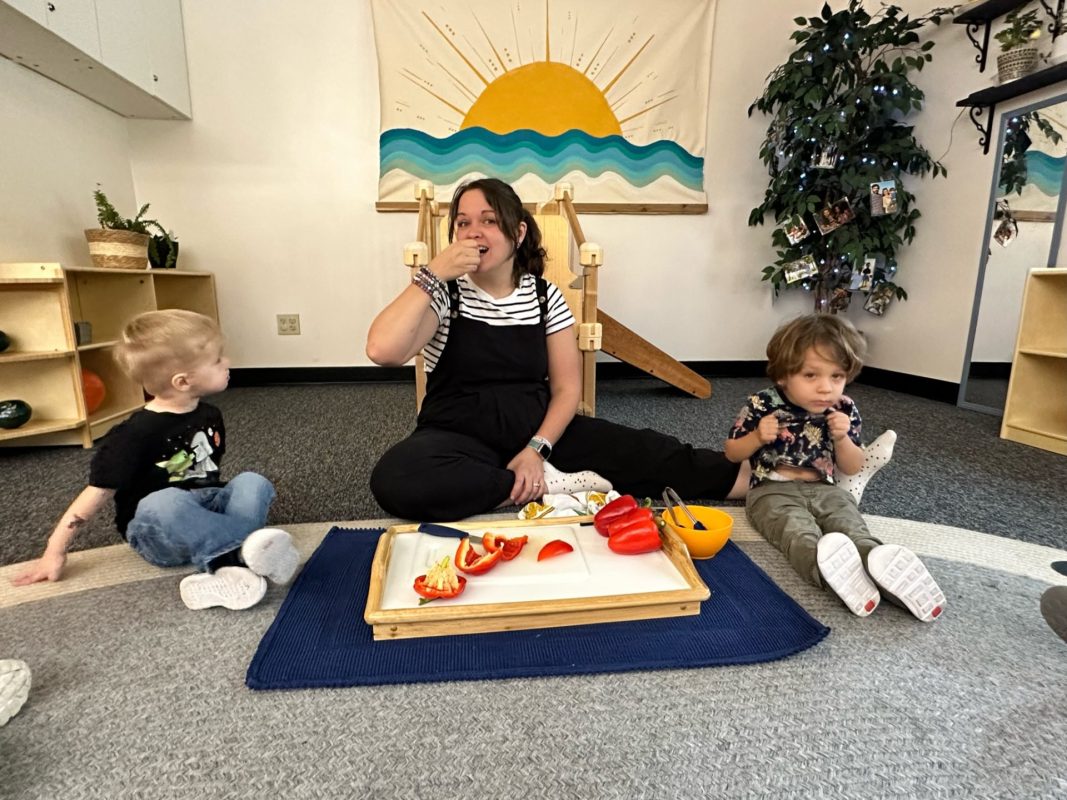
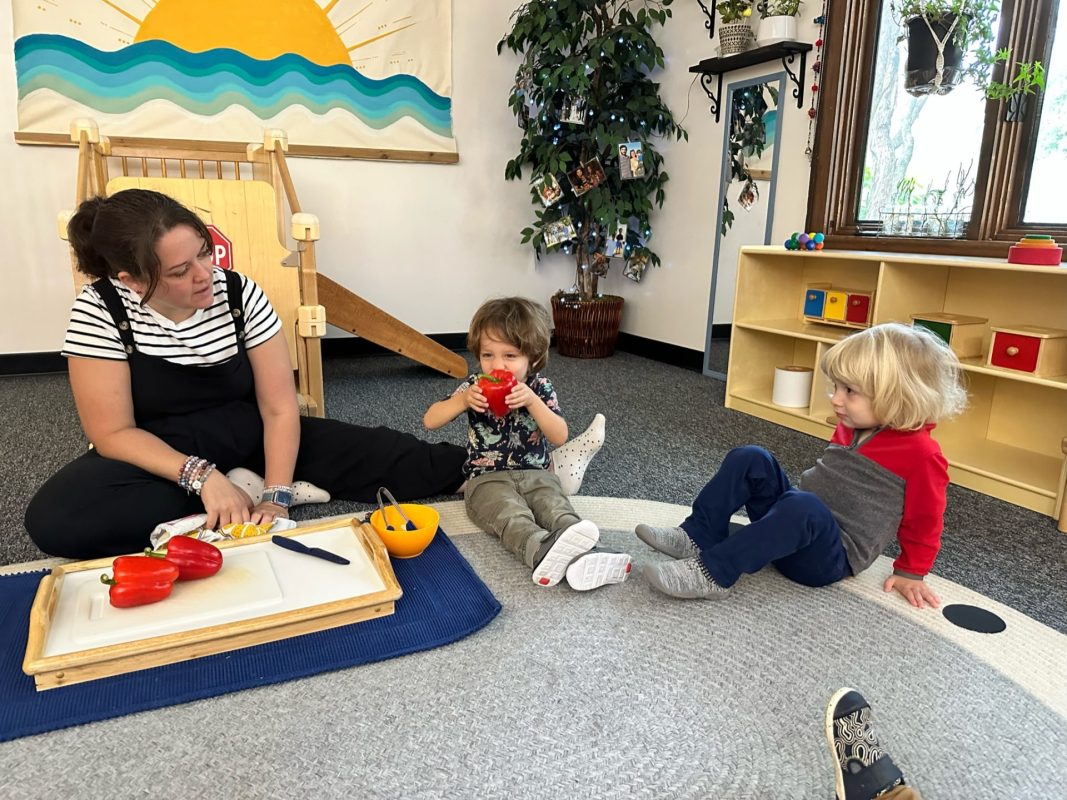
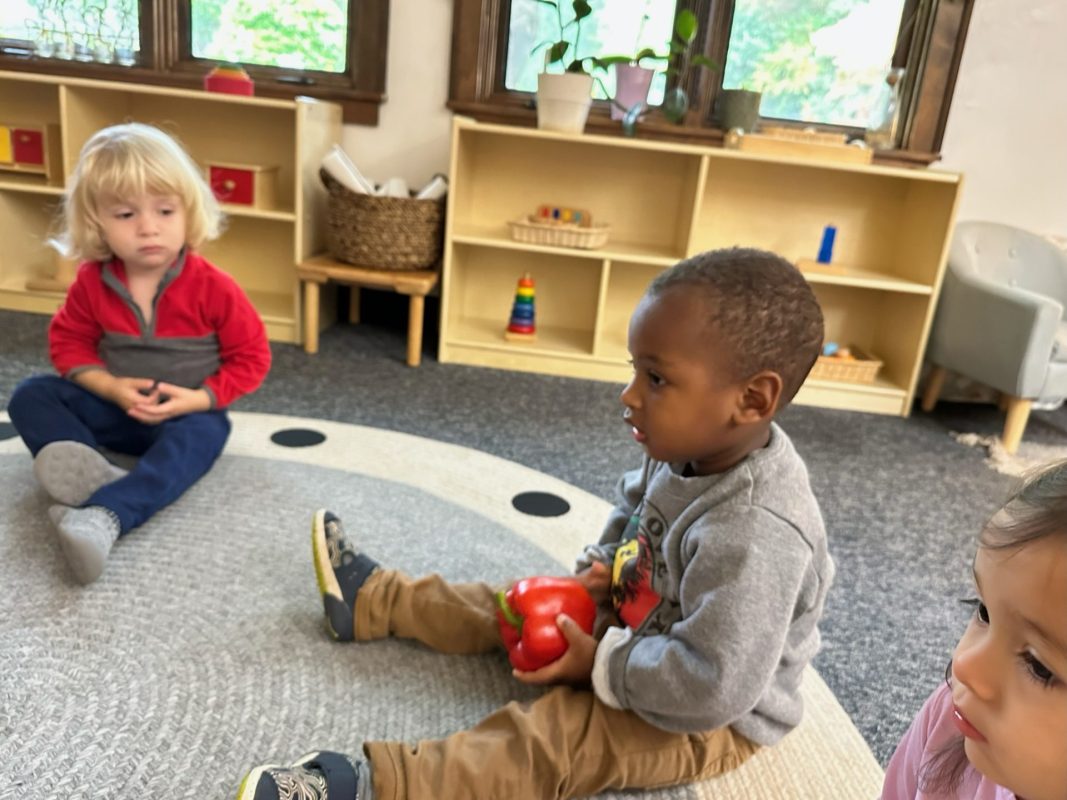
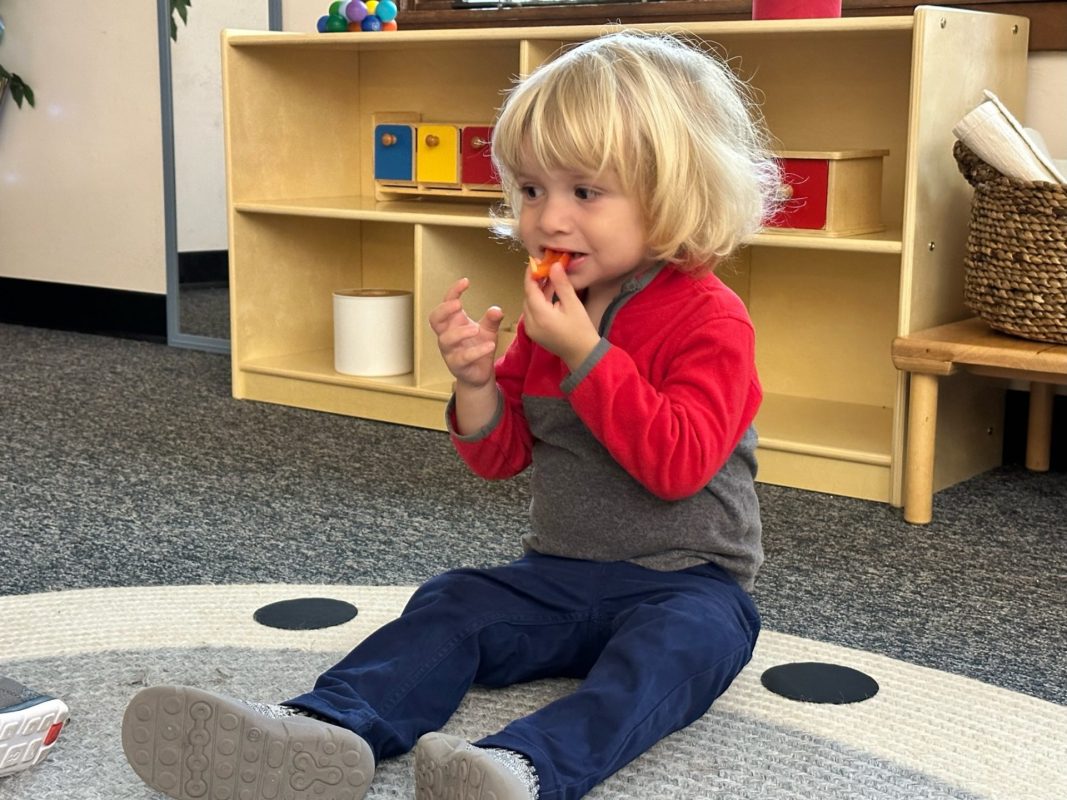
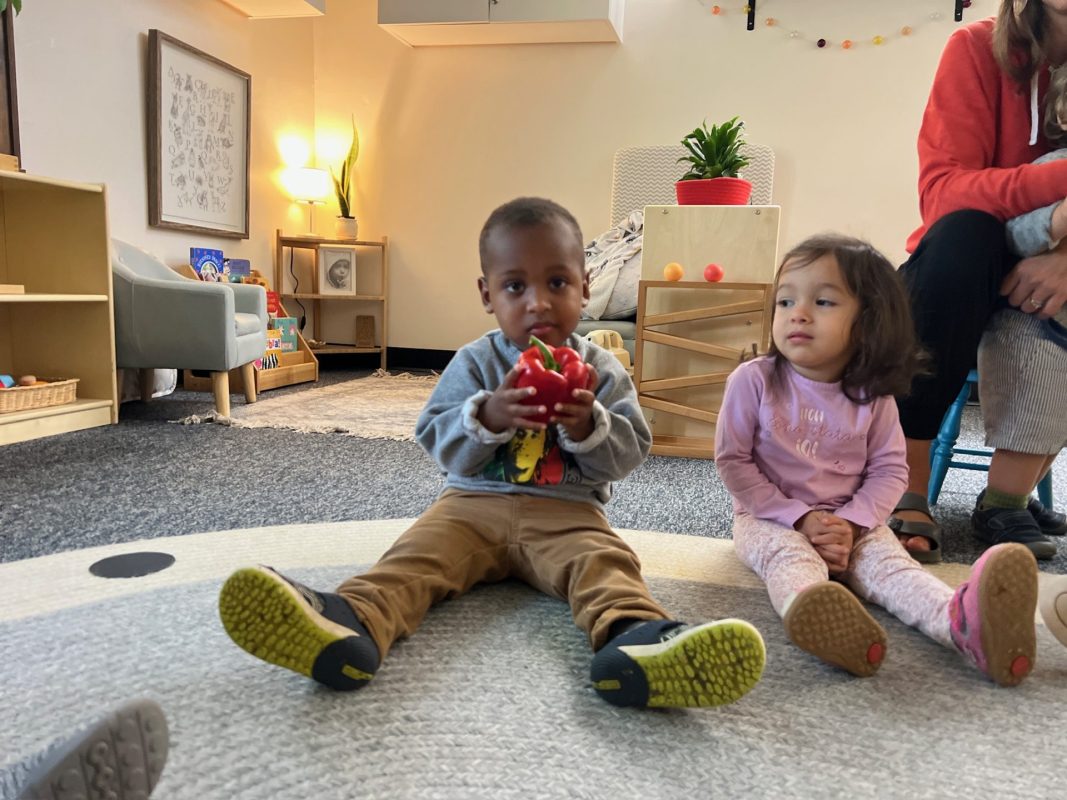
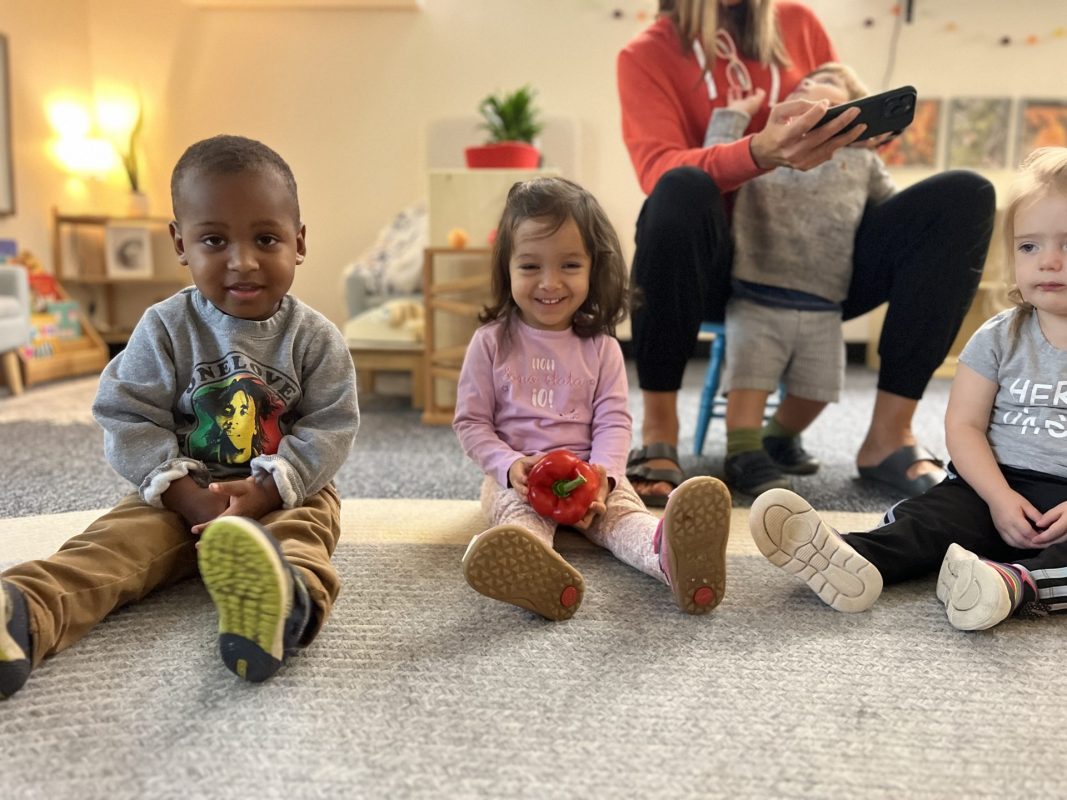
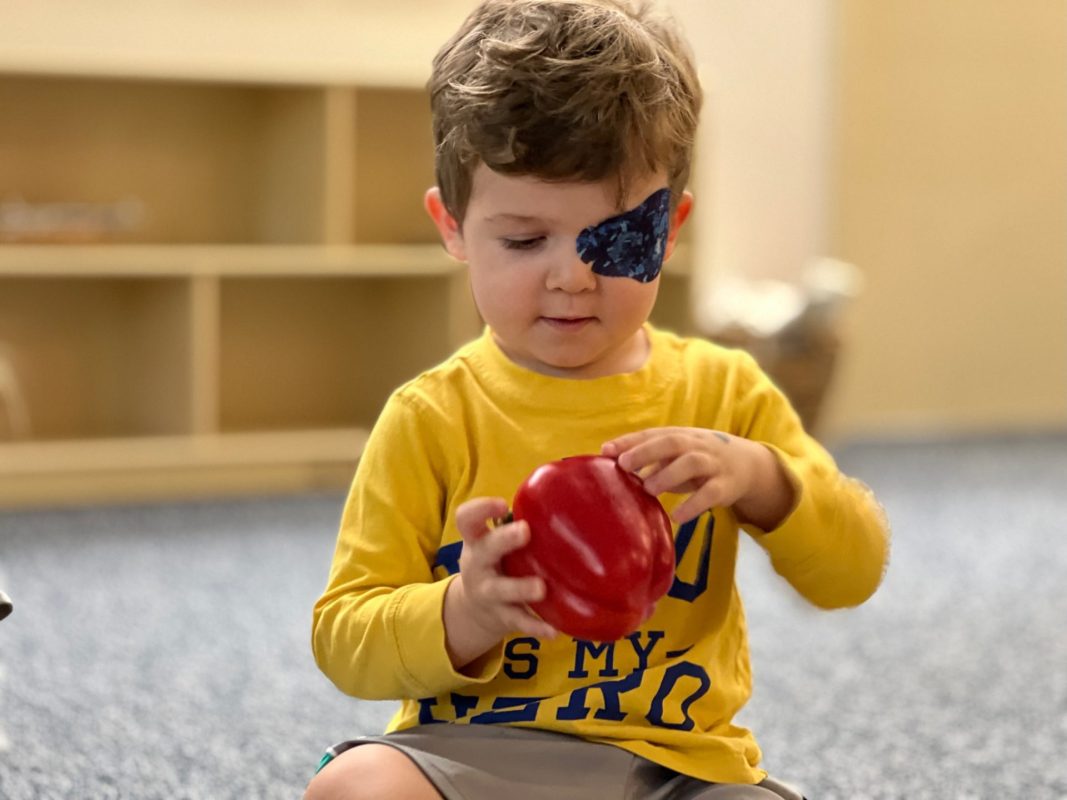
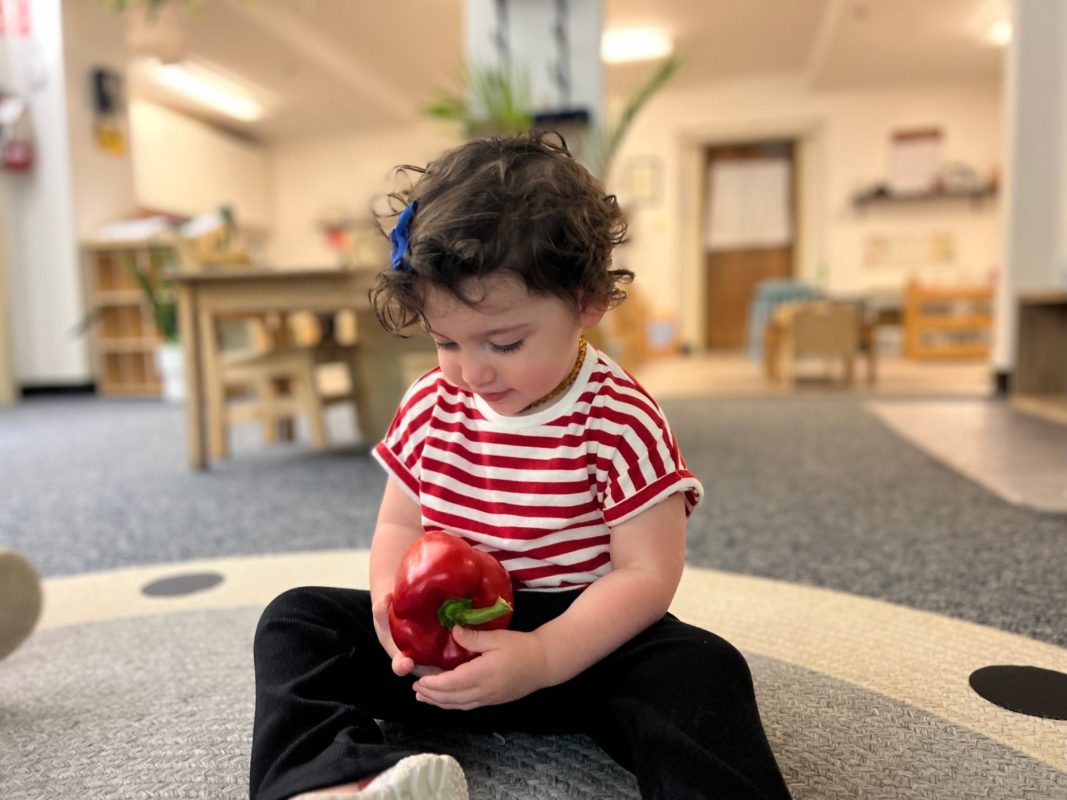
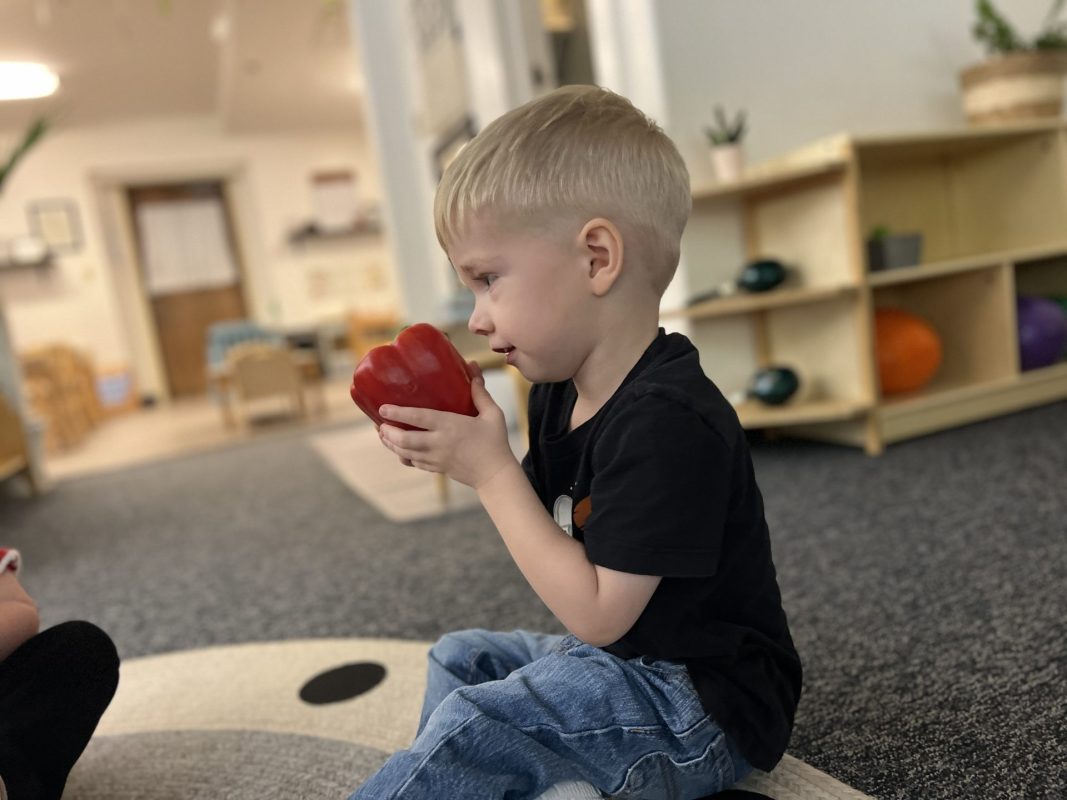
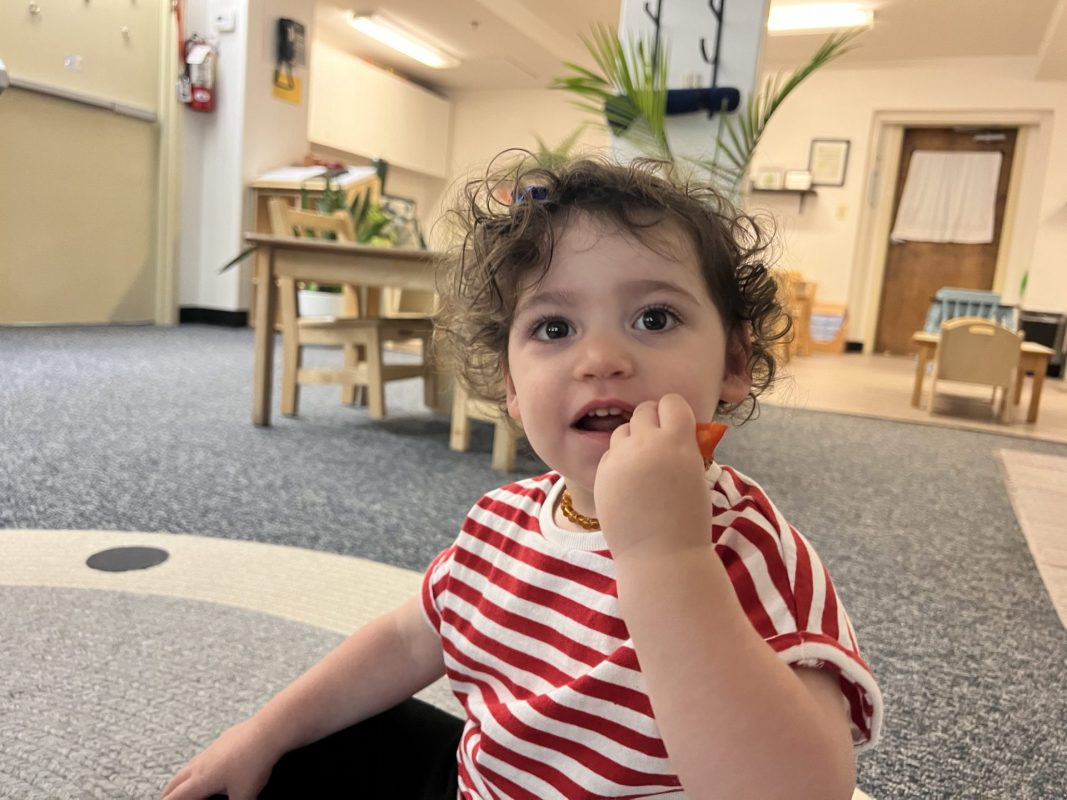
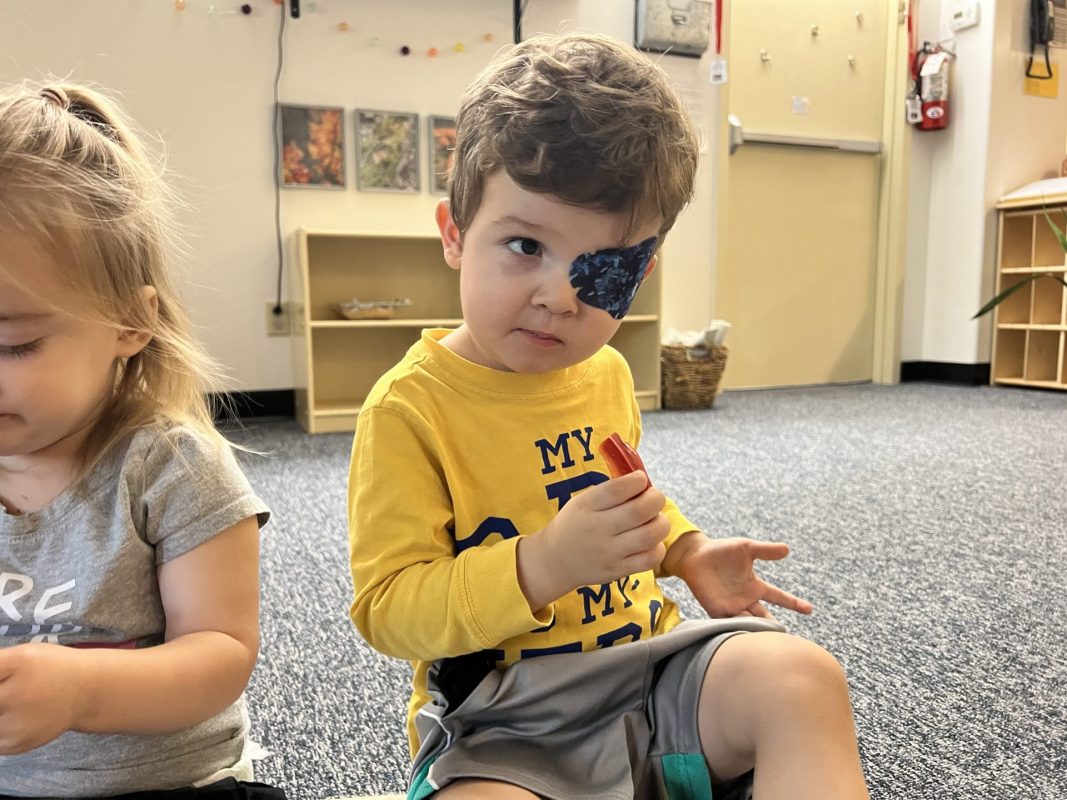
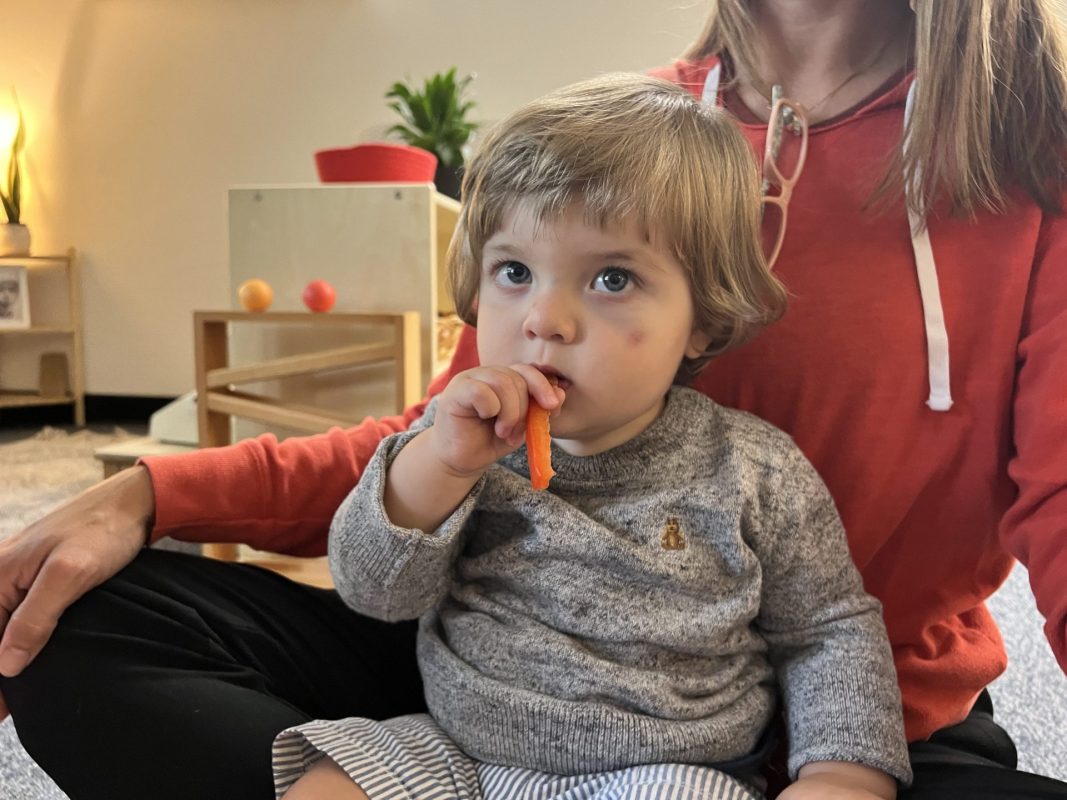
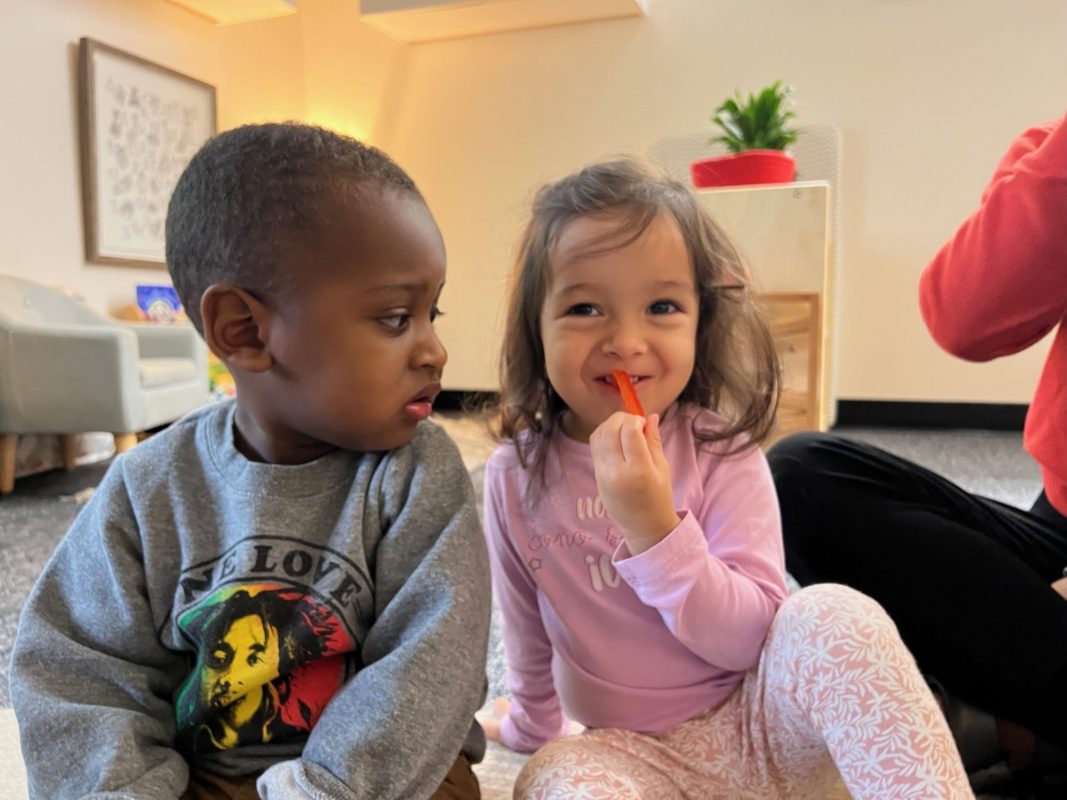
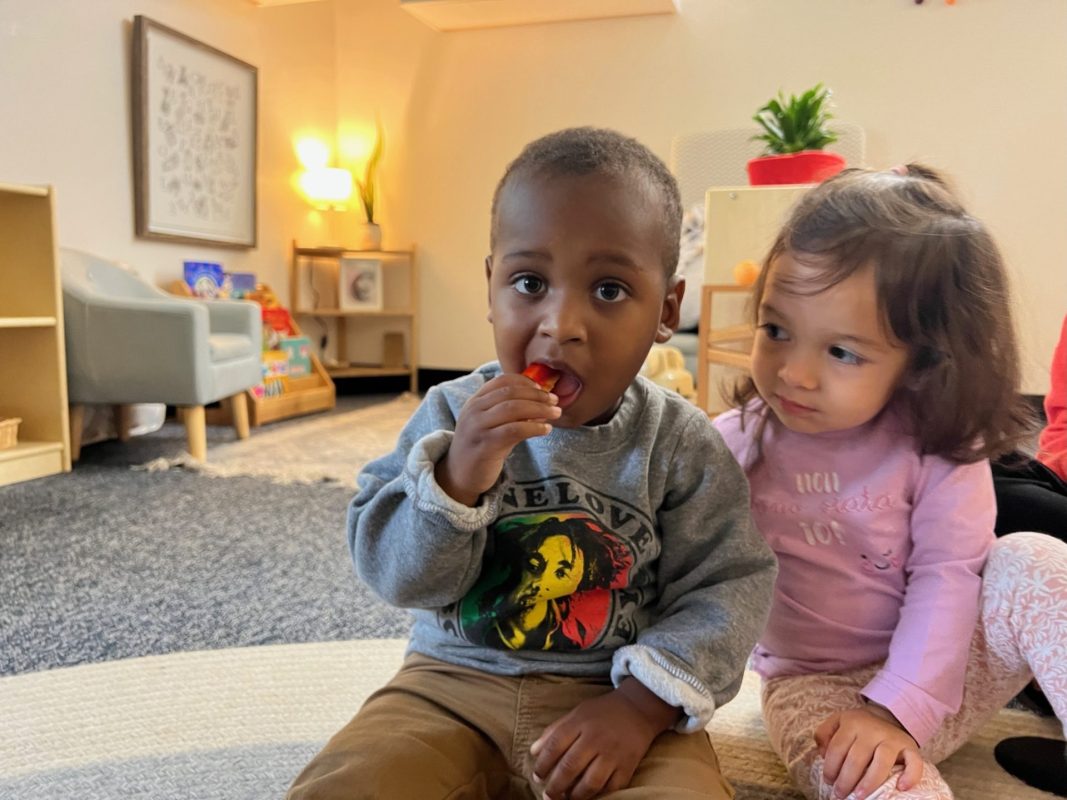
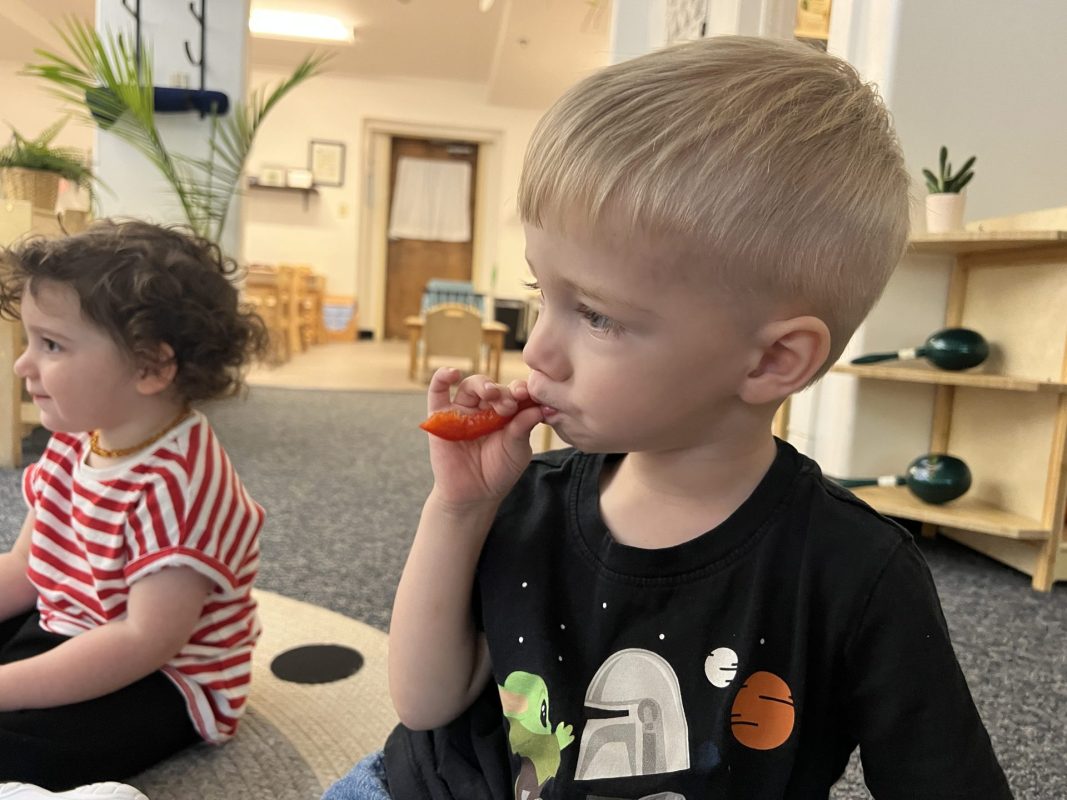
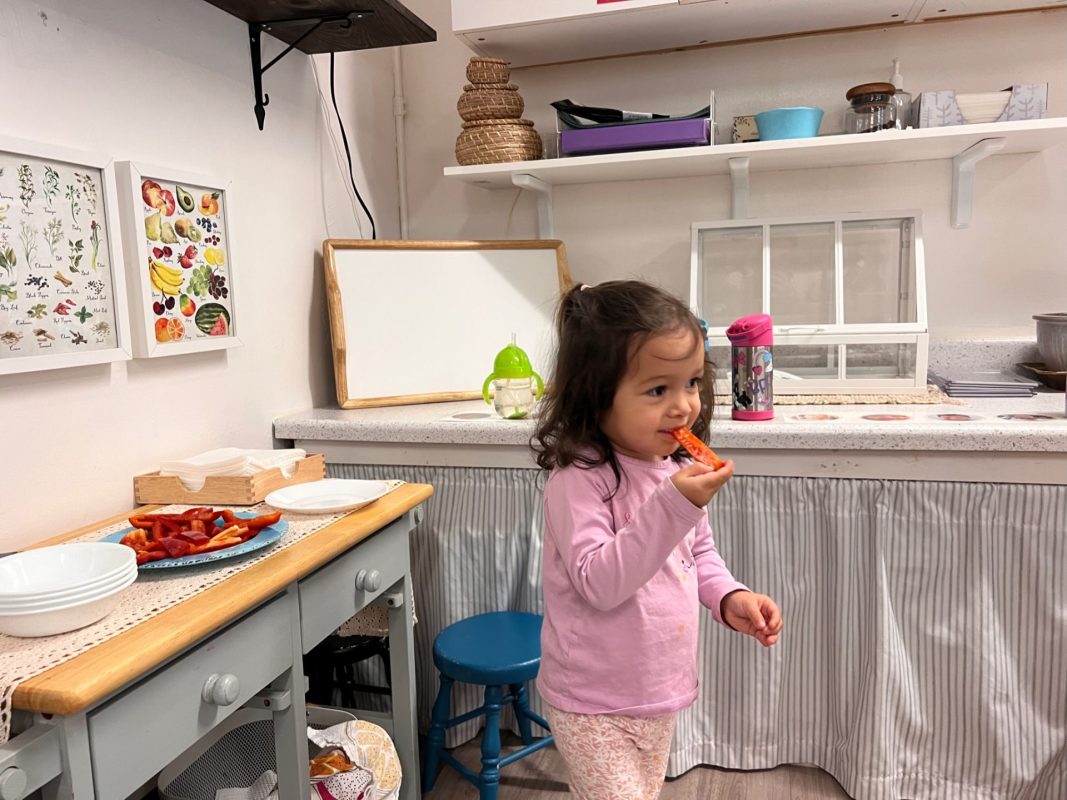
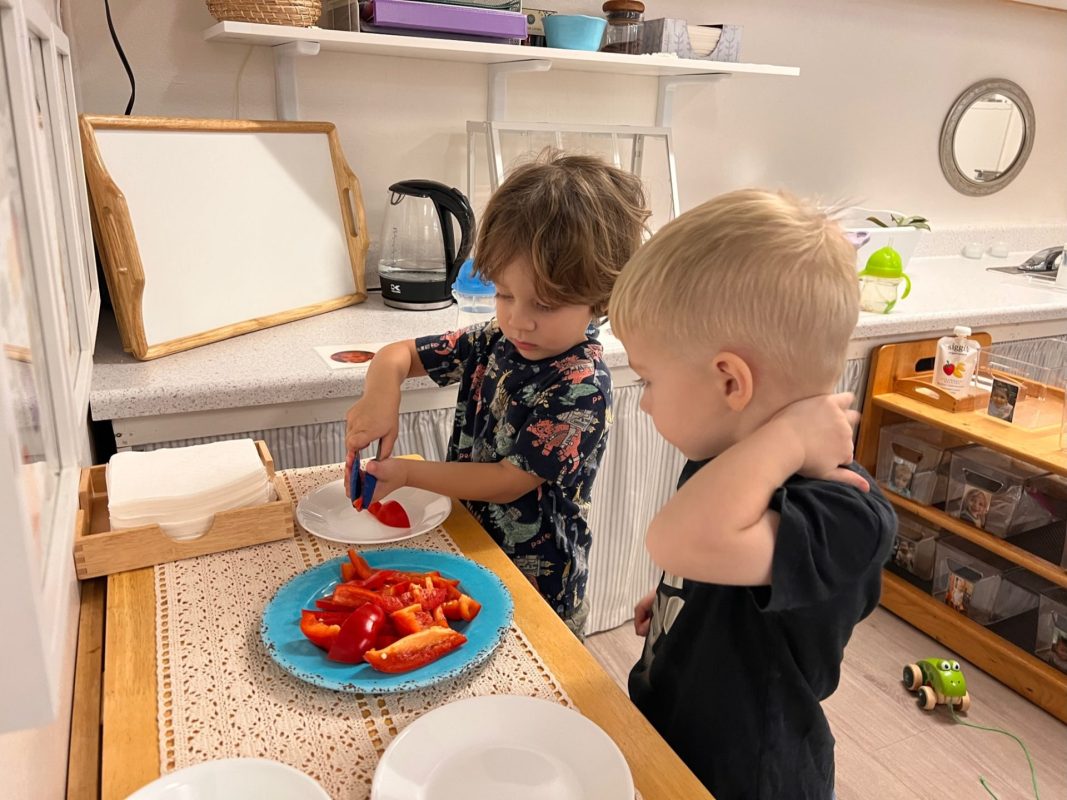
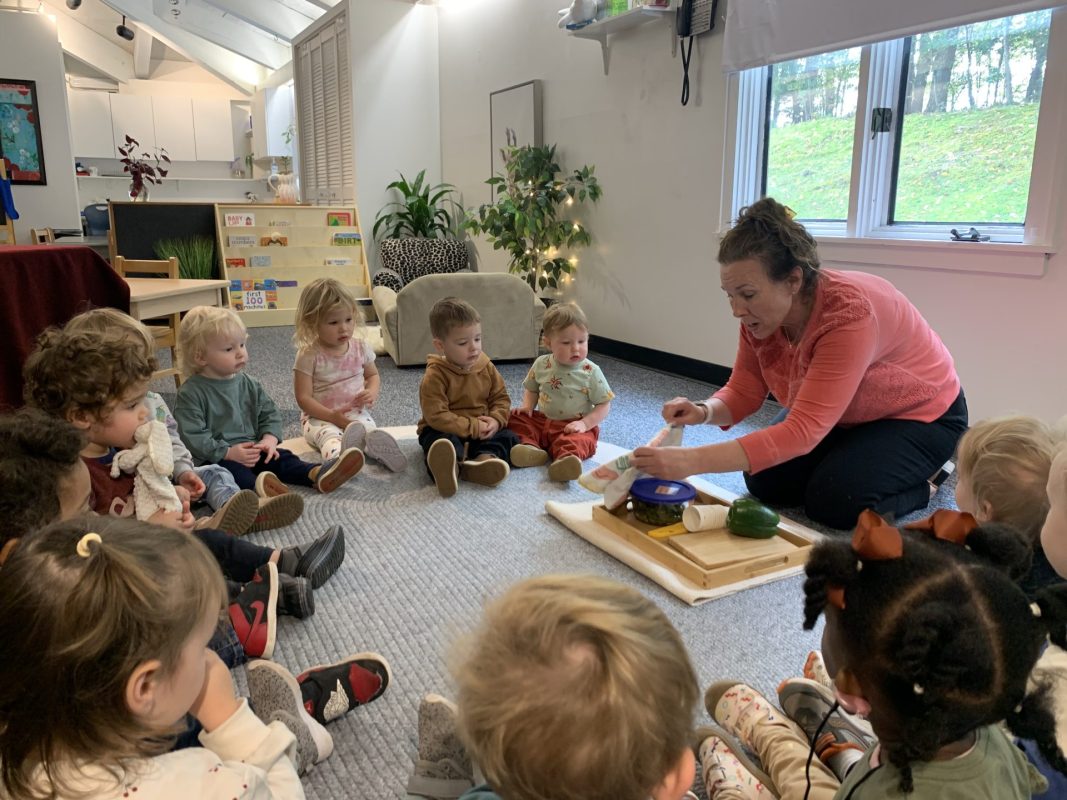
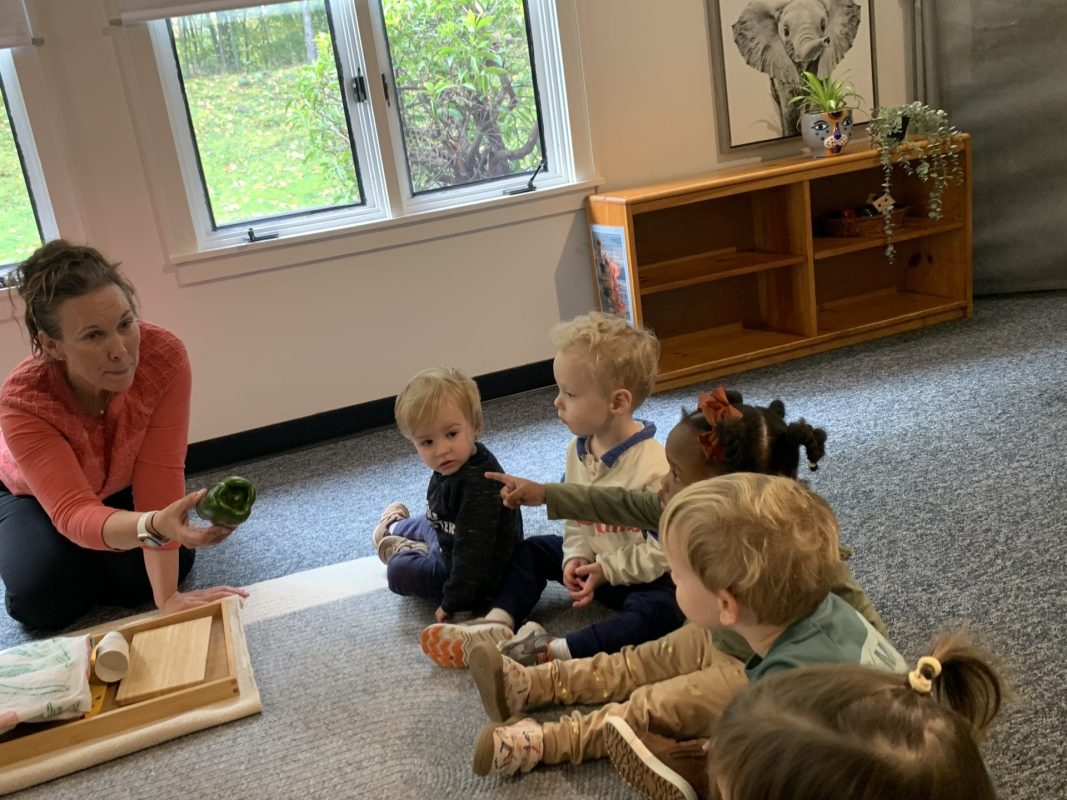
This week, we tried red bell peppers. The children had been so used to having apples for the past three weeks that the pepper was quite a surprise! Throughout the week, we tried both cooked and raw. Raw was the clear favorite! 

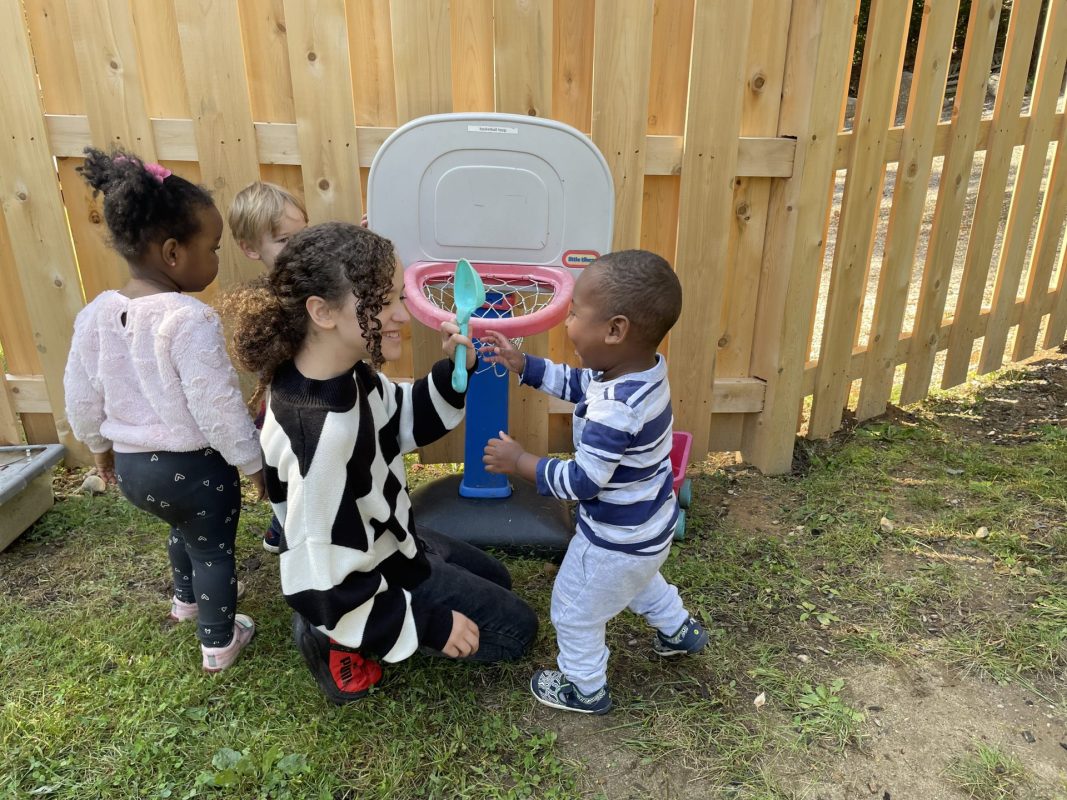
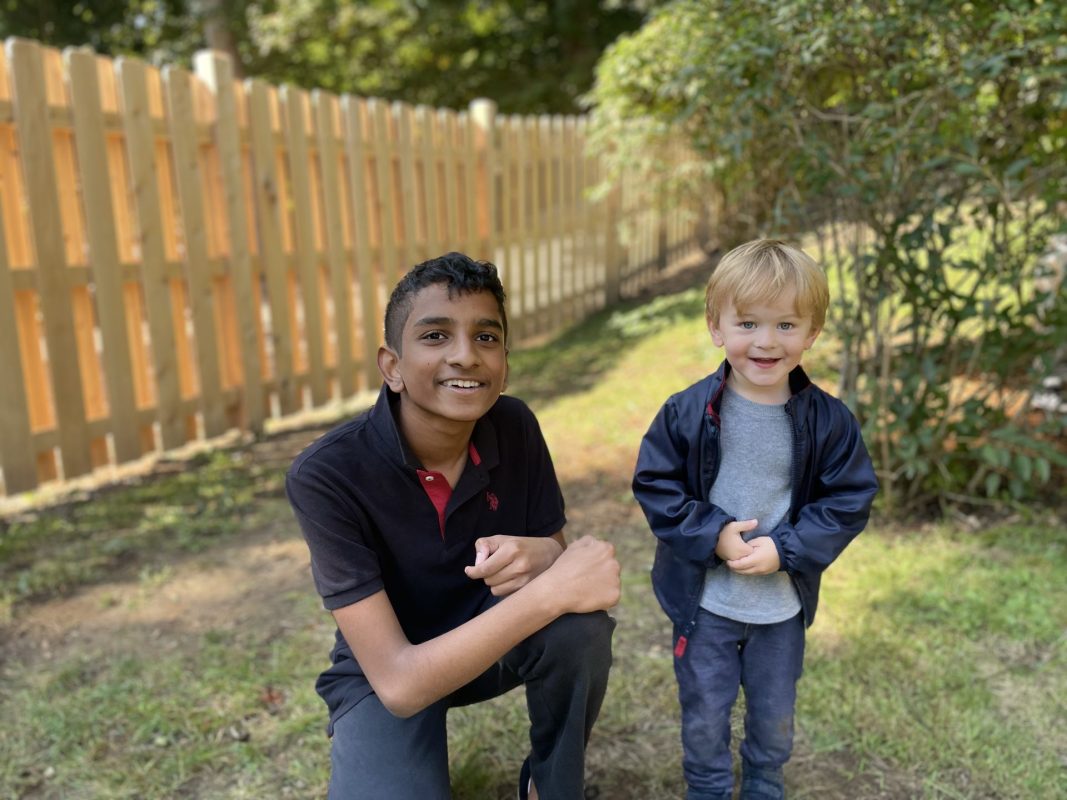
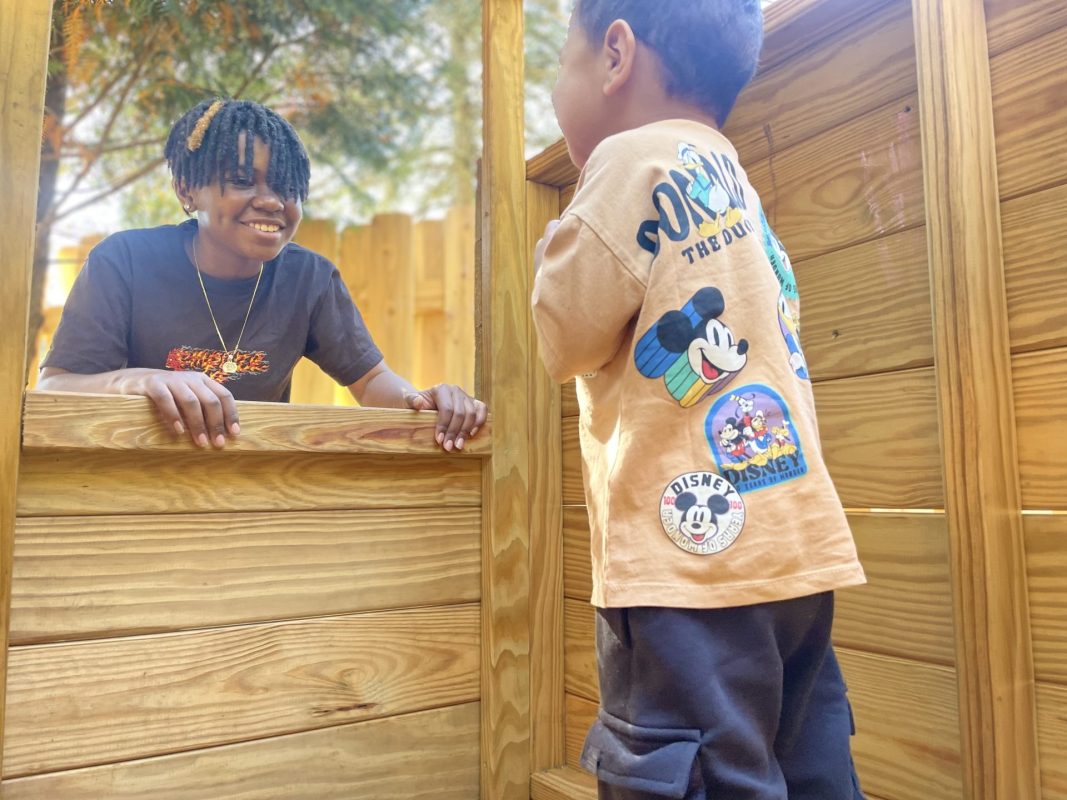
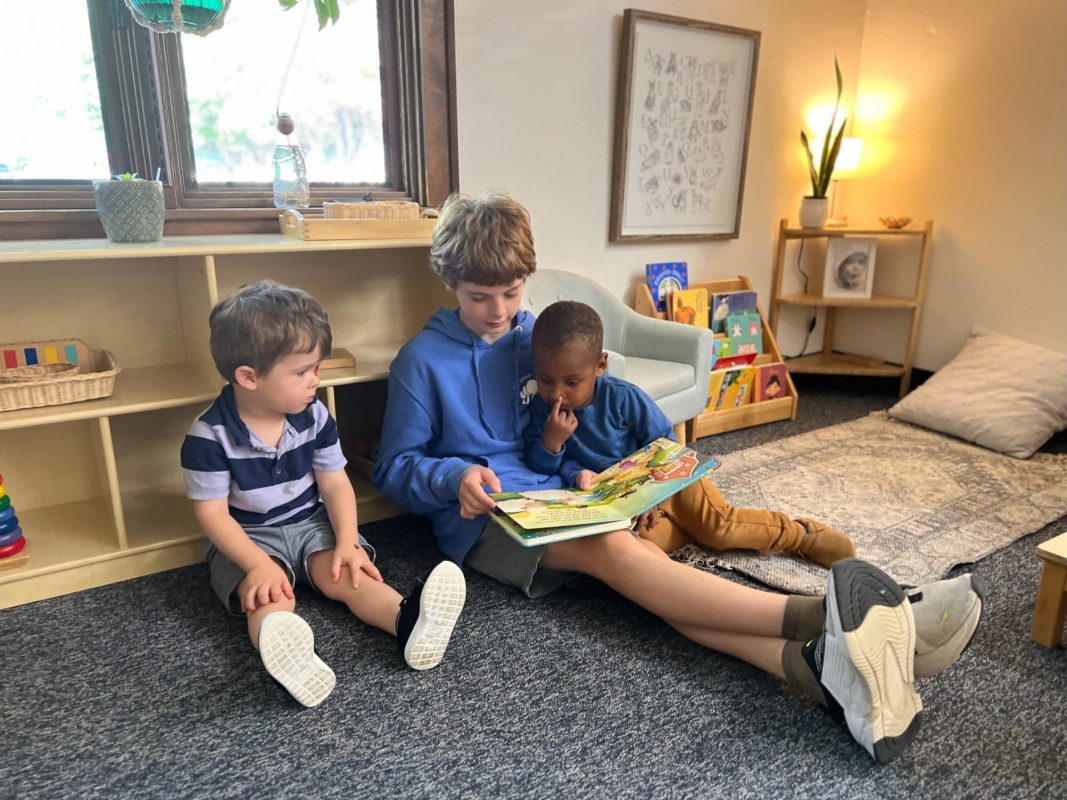
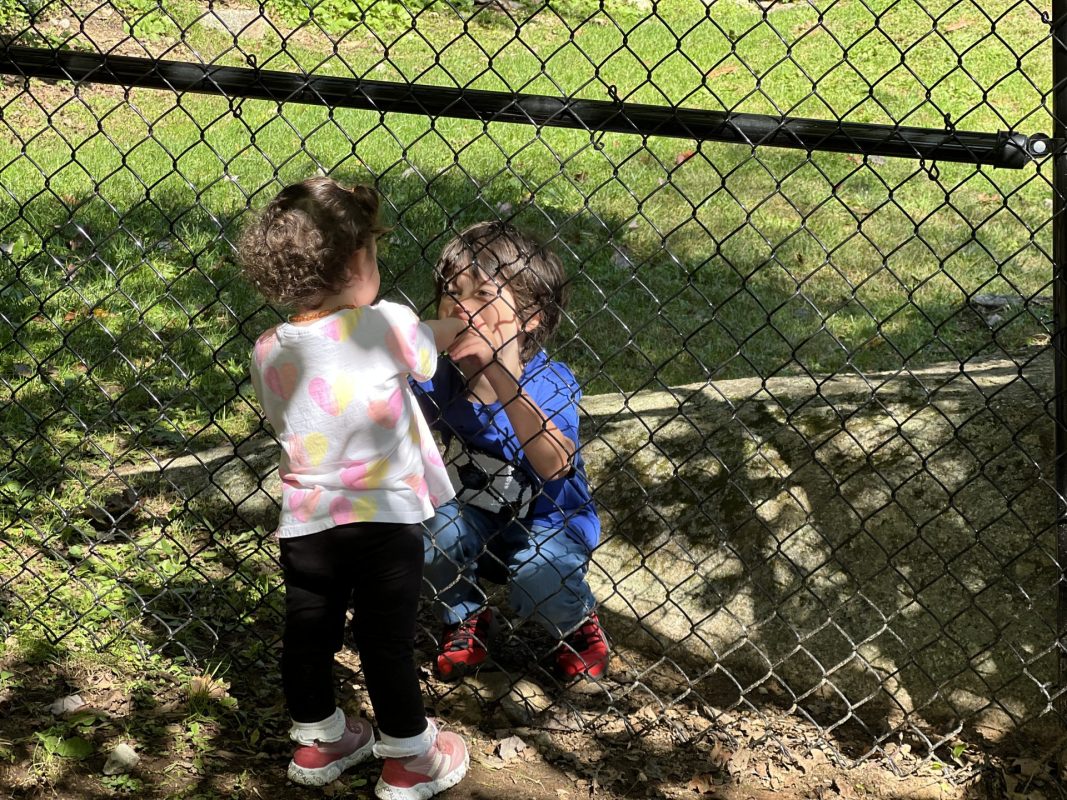
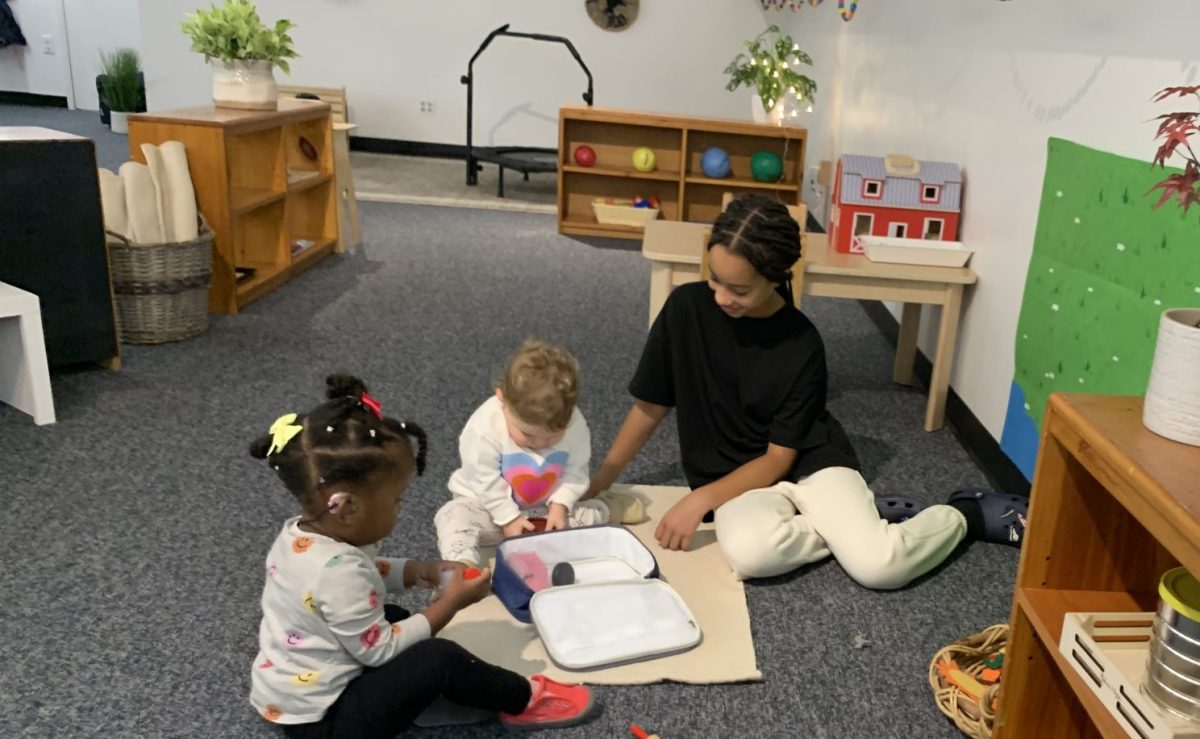
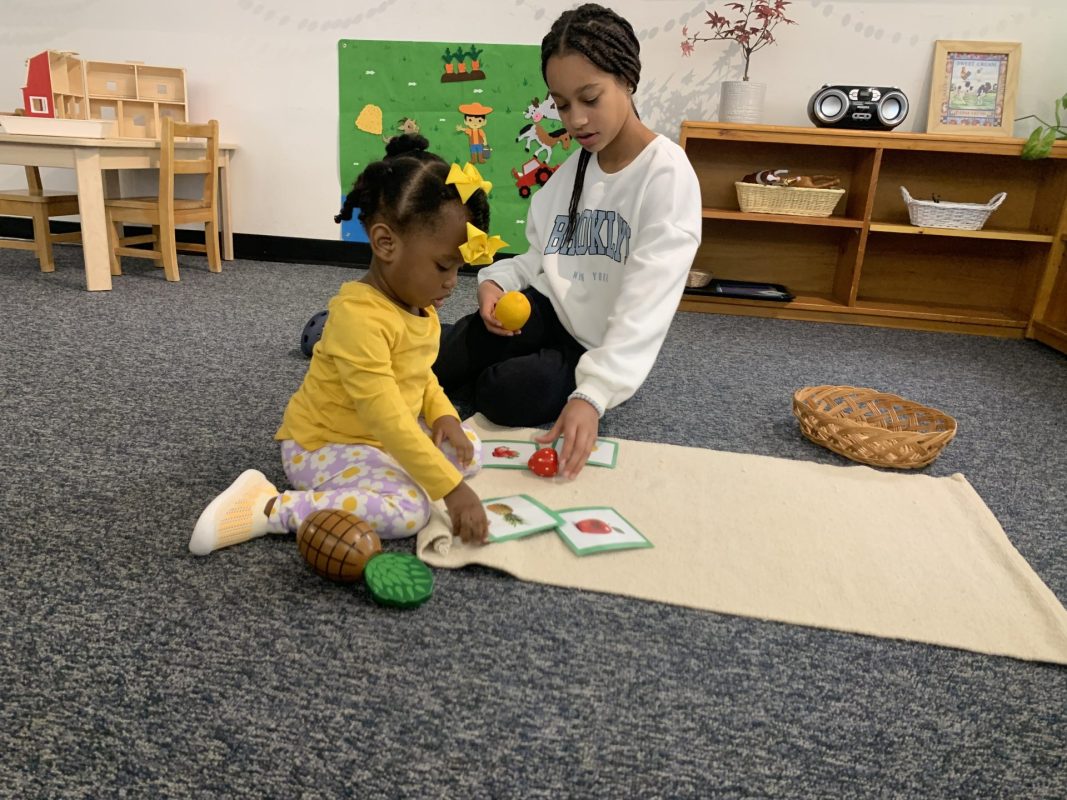
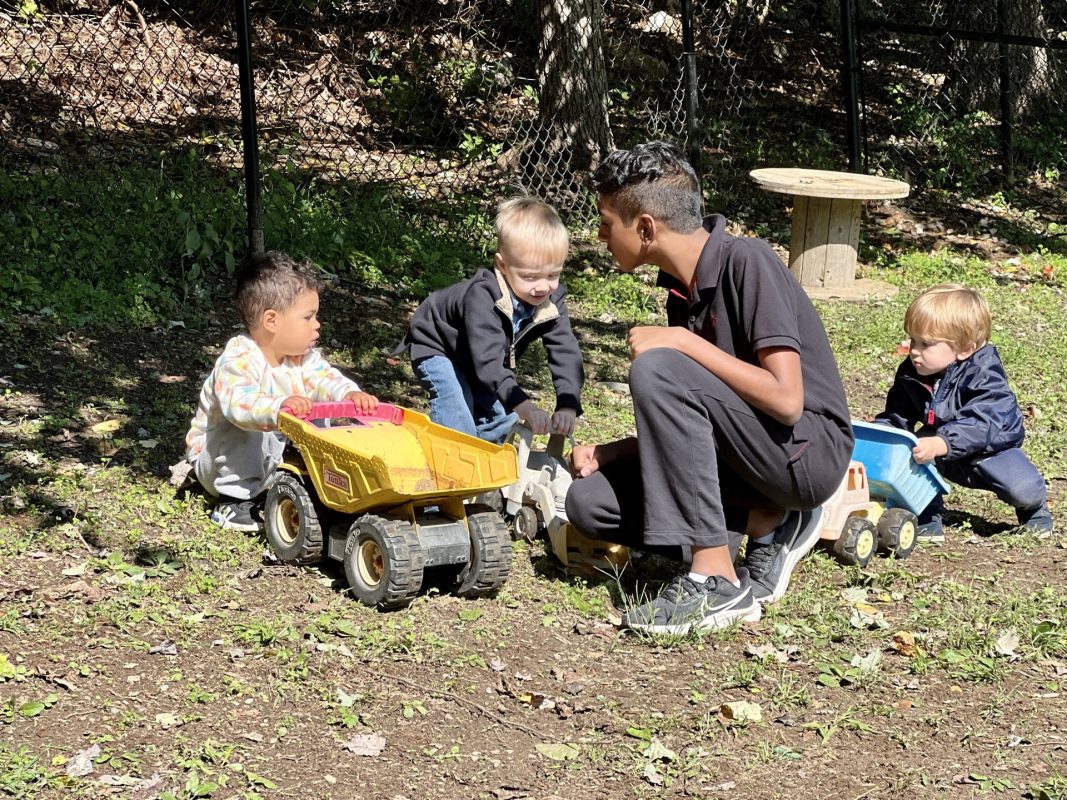
We’ve had the same group of middle school students visiting on Wednesdays. The children eagerly greet them upon their arrival. Chloe and J.C. come first. When they leave, William joins us. Then Mia meets us on the playground. This program clearly benefits everyone involved. I’ve been pleasantly surprised to witness the interest and care between the toddlers and middle schoolers.

Enjoy the weekend with your families. We are looking forward to beginning a new week with your children on Tuesday!

Mrs. Sargeant & Ms. Lizette


Mrs. Hood: Food Prep and Friends!

One of our goals at FWM is to create caring, empathetic students who are capable of thinking beyond themselves. Dr. Montessori’s vision was that a peaceful world, starting with children, would make the world a better place. Social Impact is a program led by Middle School students and one of our Montessori strategies to help develop and educate the whole child. Students learn the joy of giving of themselves and develop compassion because of these real, practical life volunteer experiences.

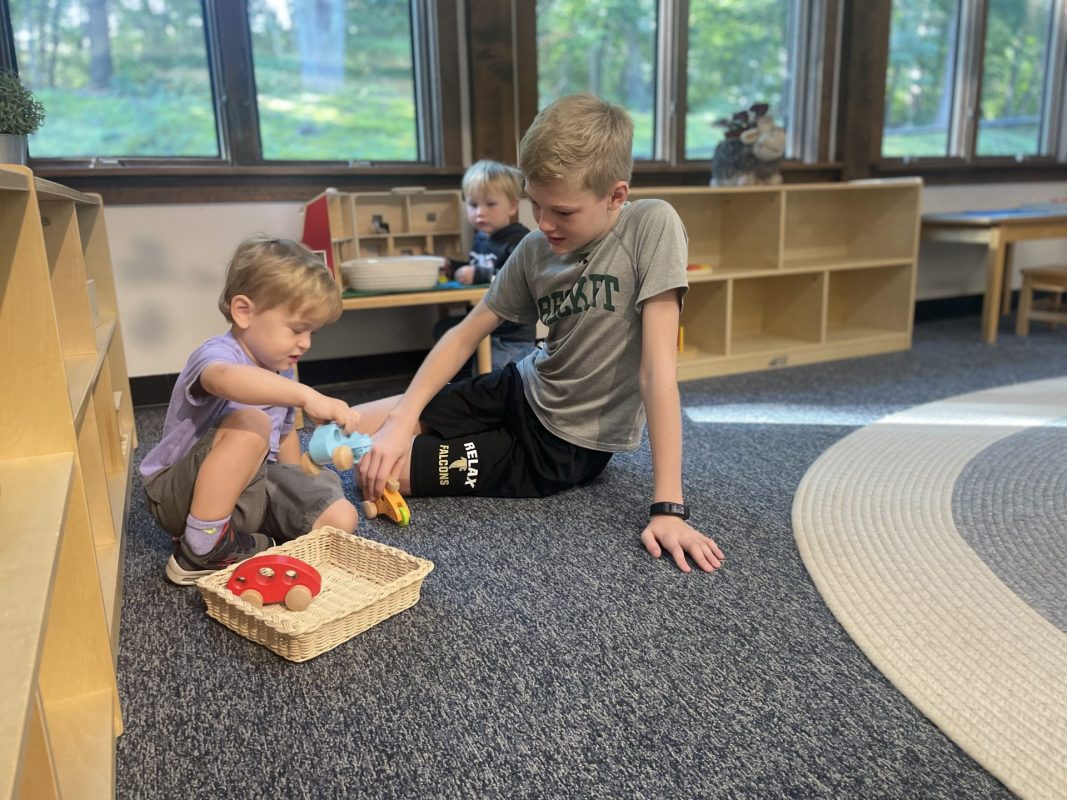
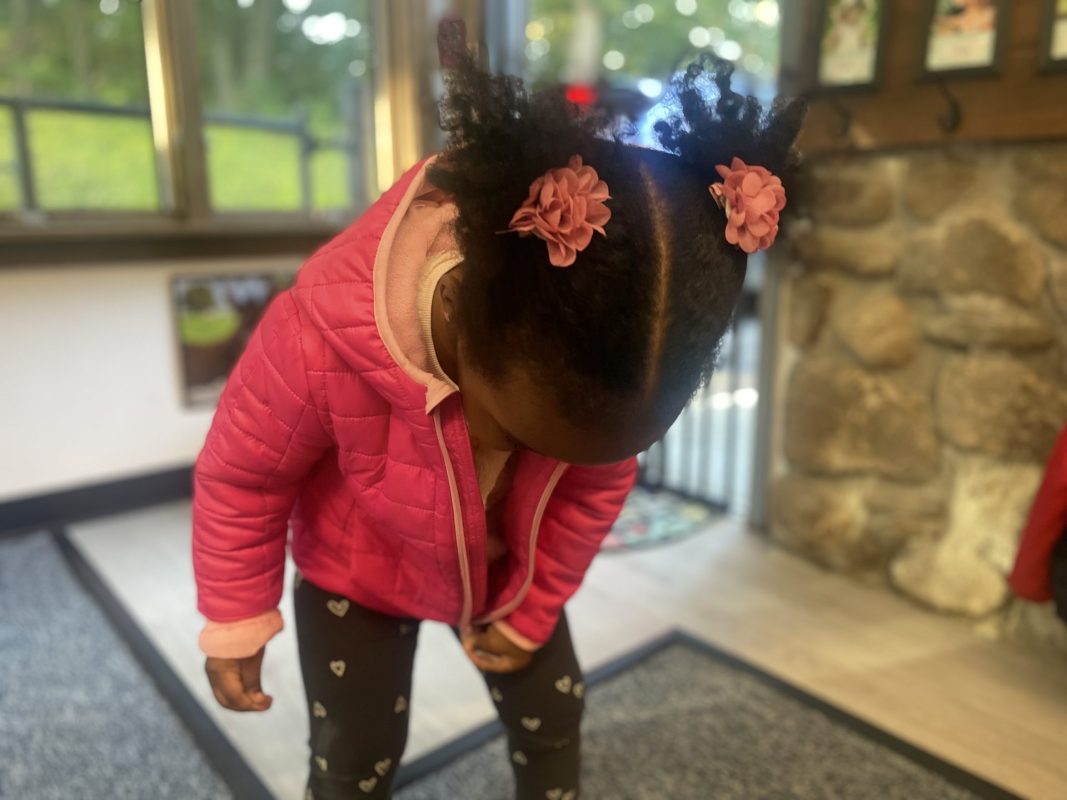
Once a week, middle school students visit our environment and work with our toddlers. They do so by reading and working with the different materials on our shelves. They assist your children in how to put on their shoes and jackets, how to clean their face and hands, they look for ways of comforting their younger peers when they are having a hard time, and they love to join in the fun when we sing, dance and play games together. They are great role models, and your children LOVE when they enter our environment and get to spend time with them.

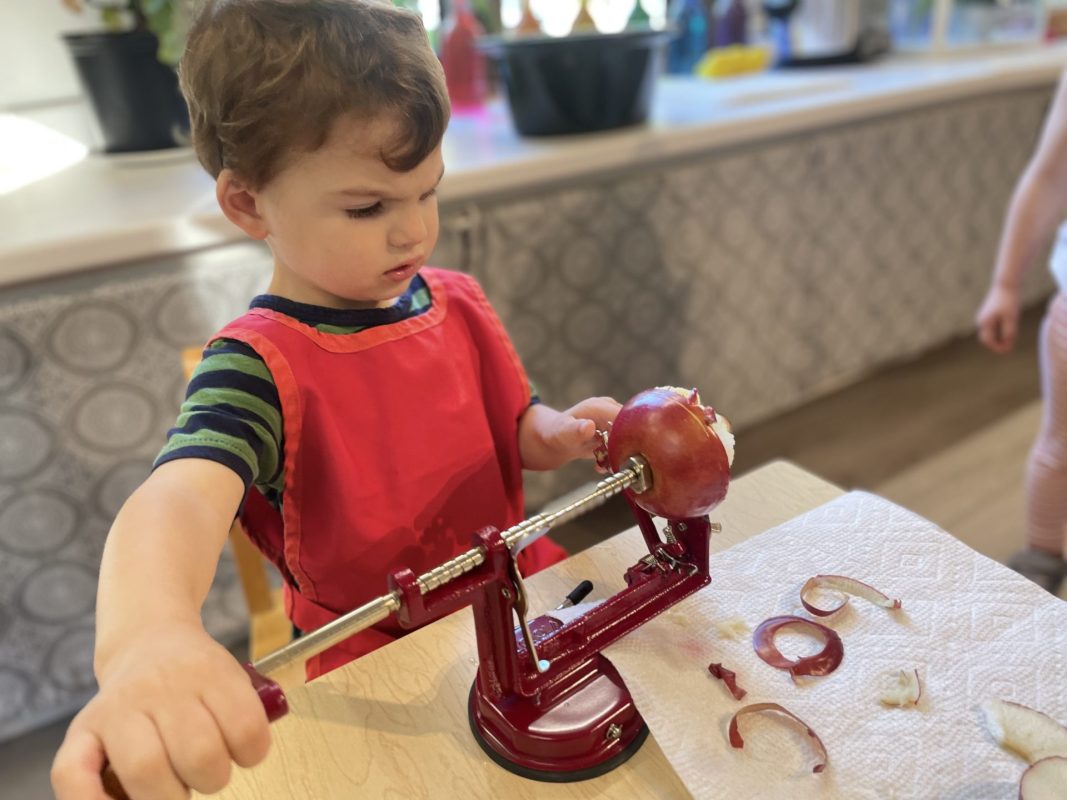
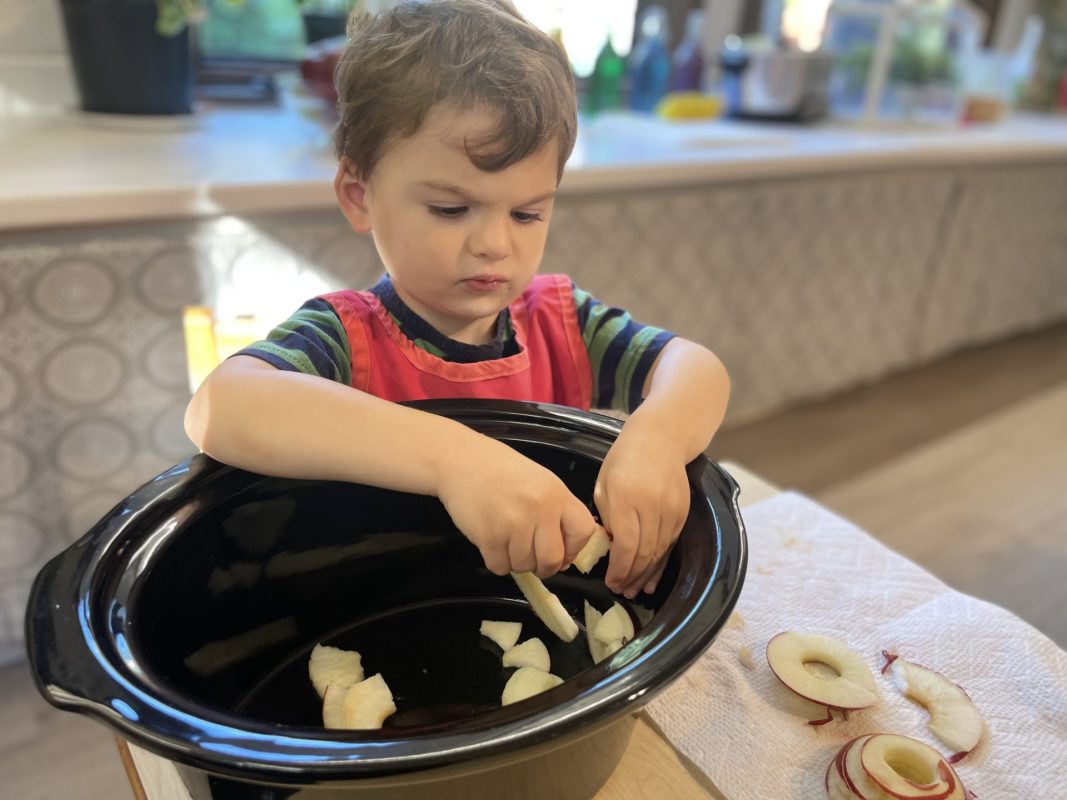
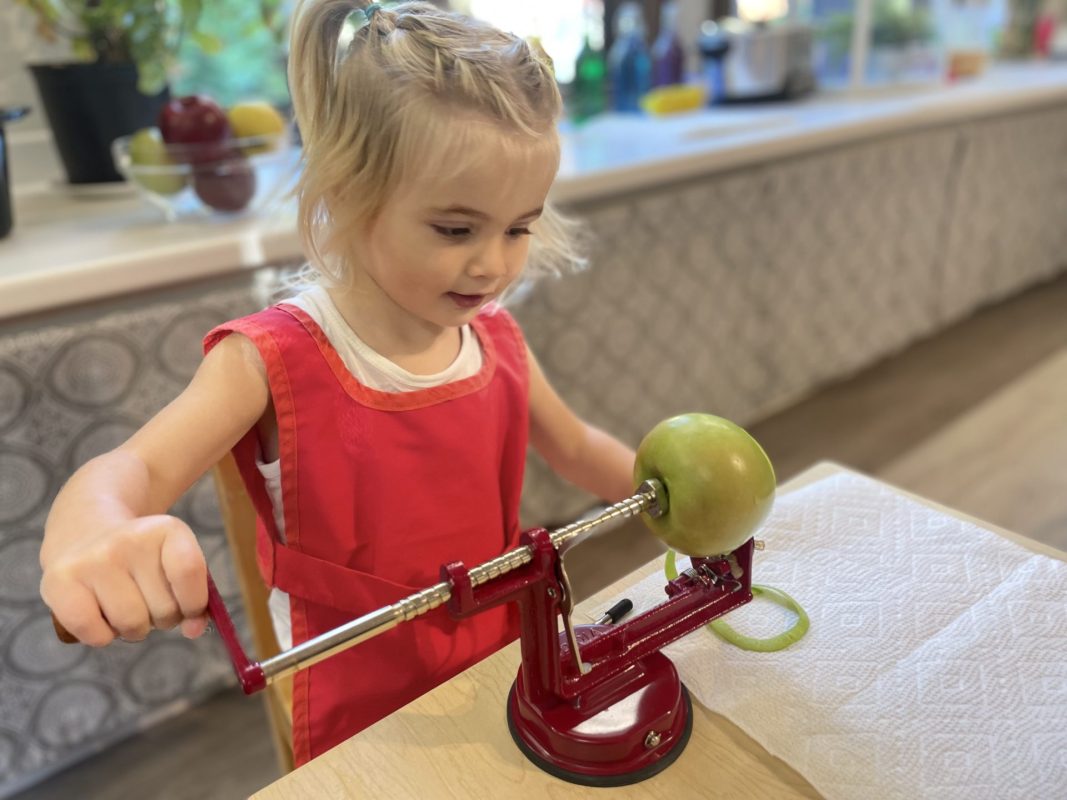
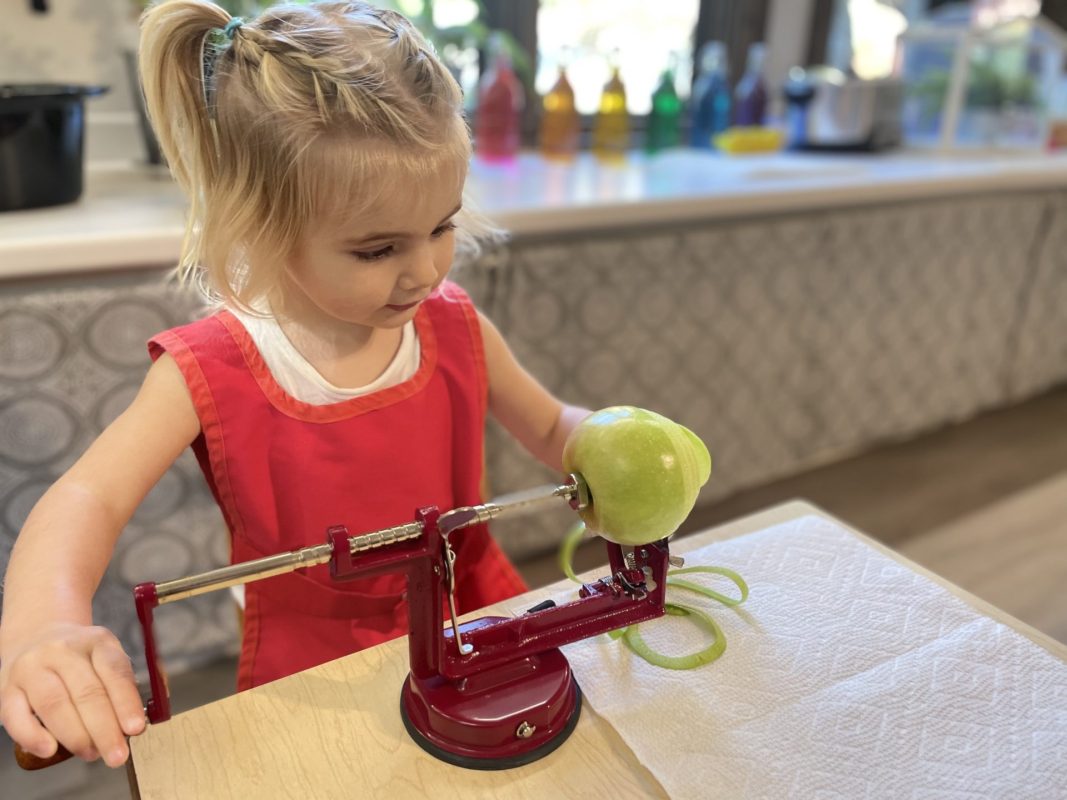
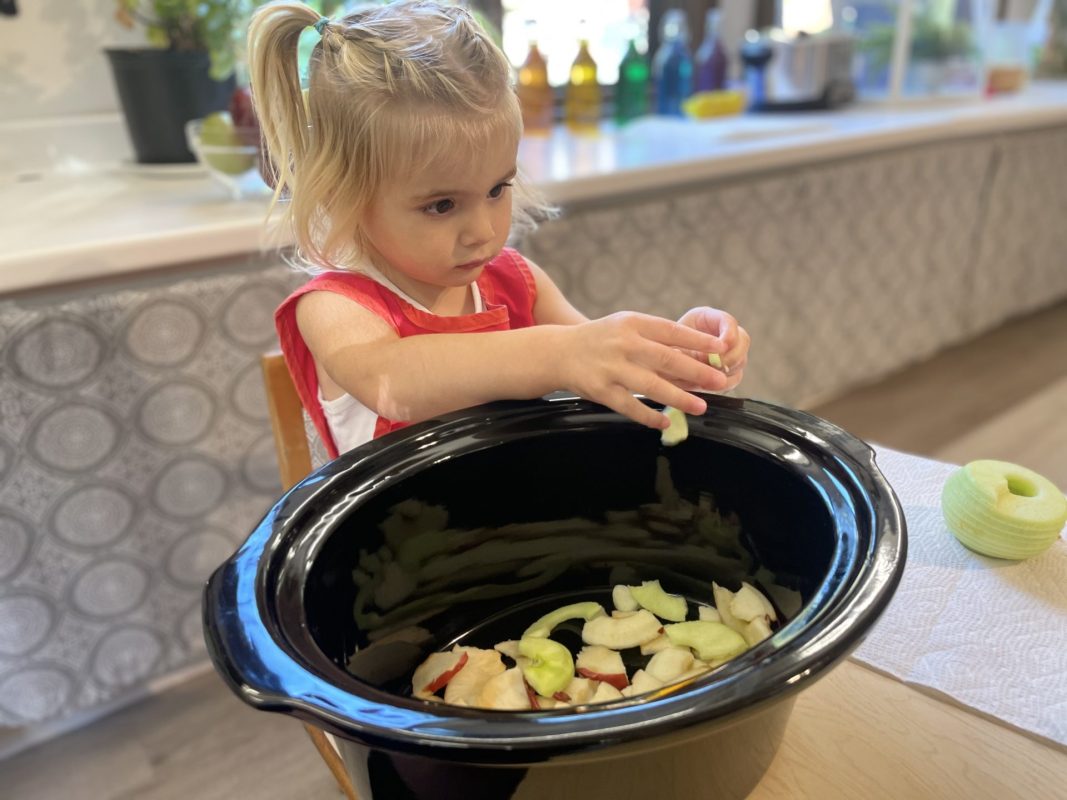
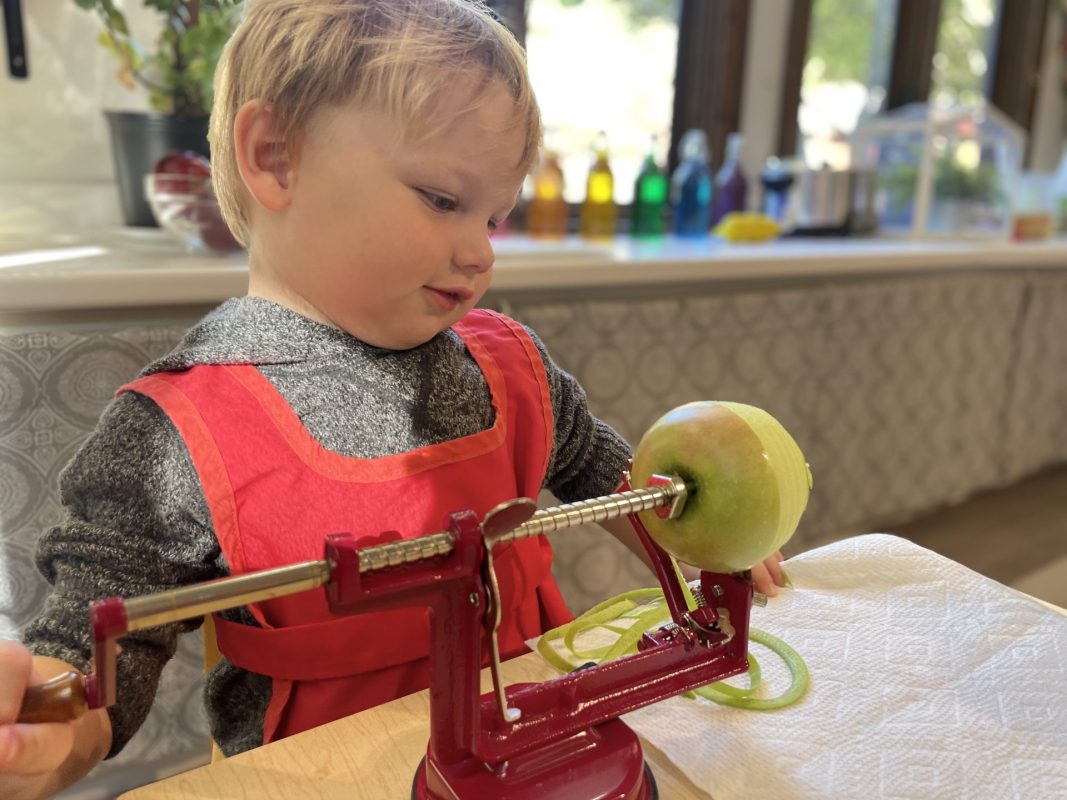
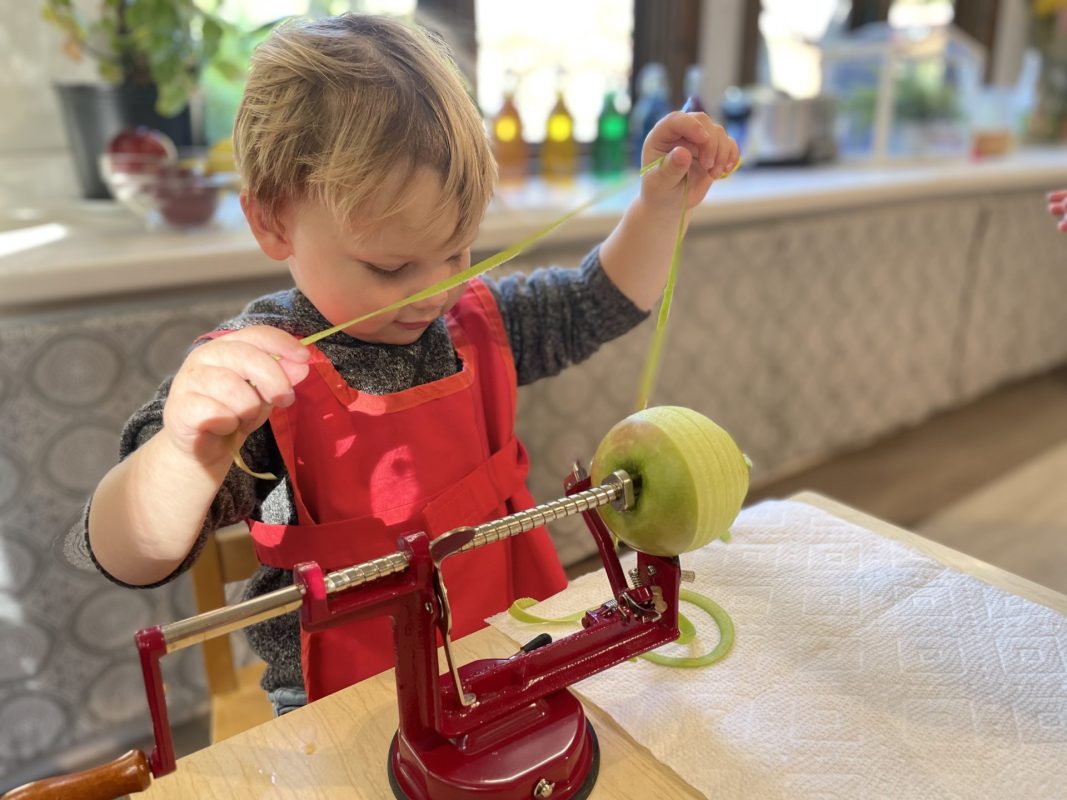
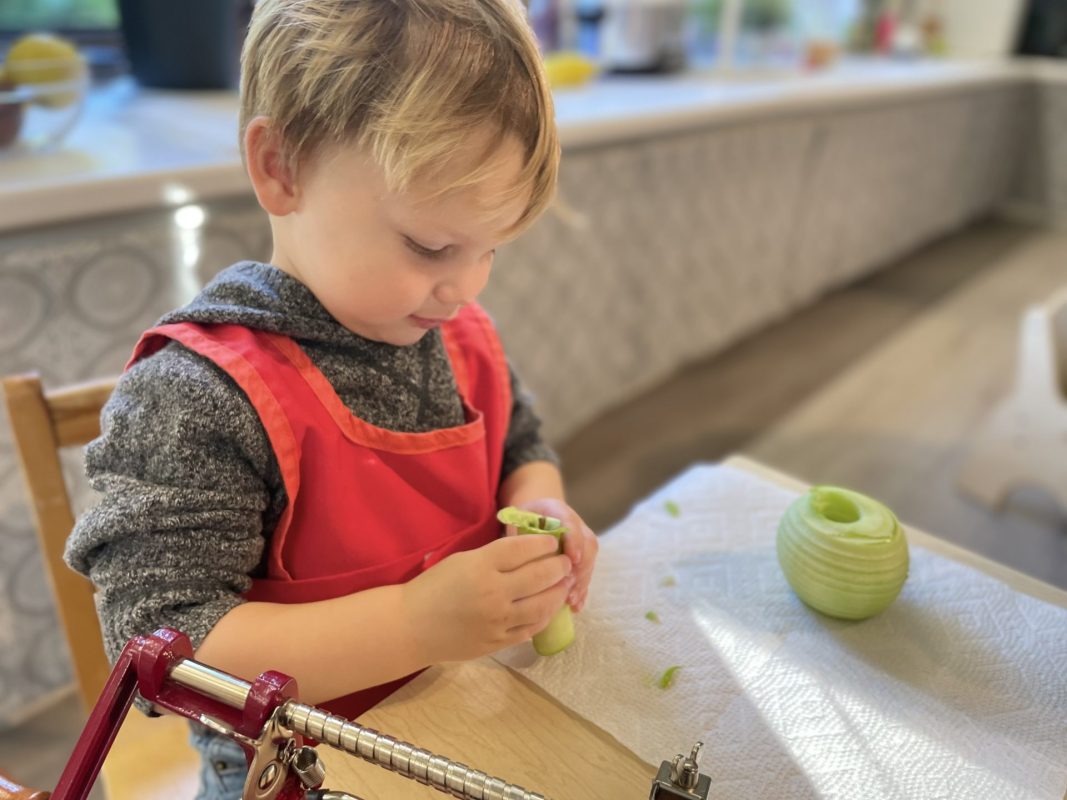
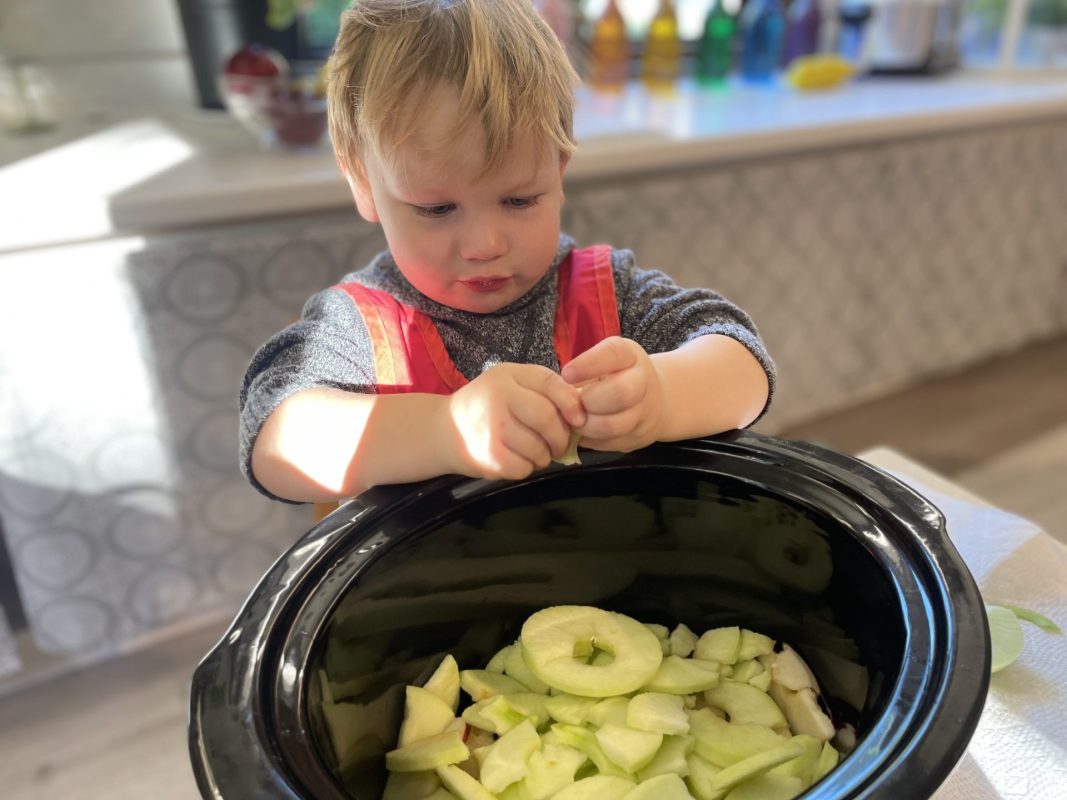
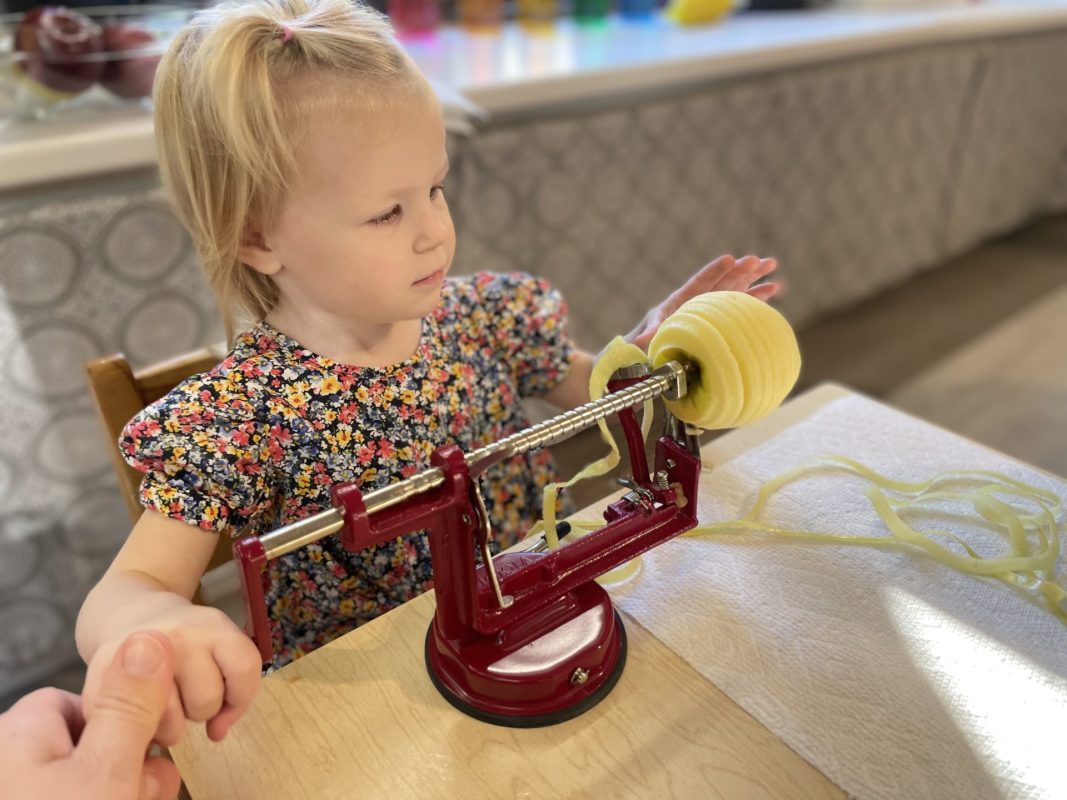
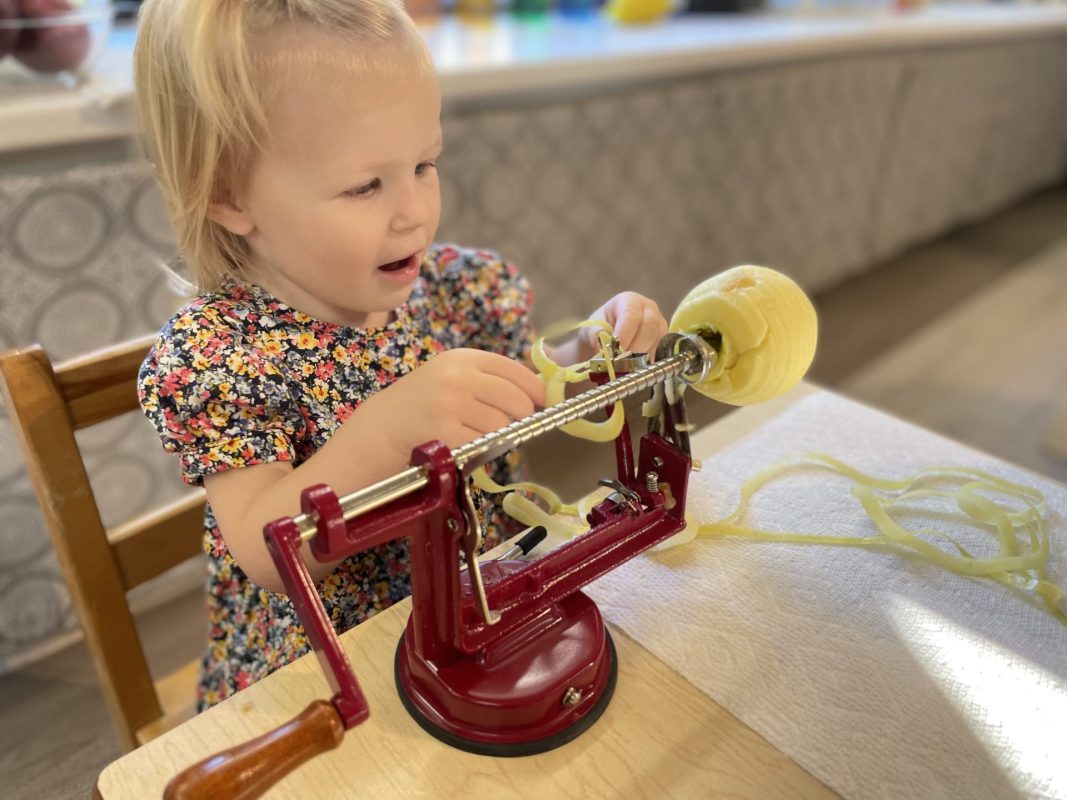
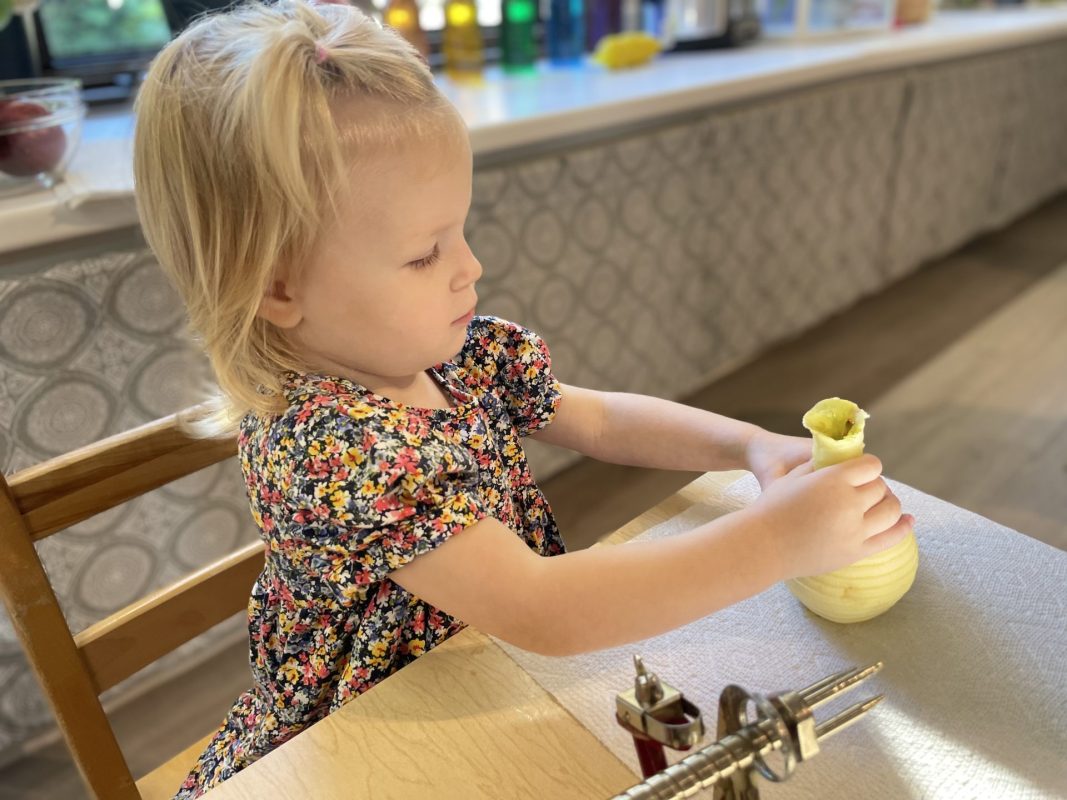
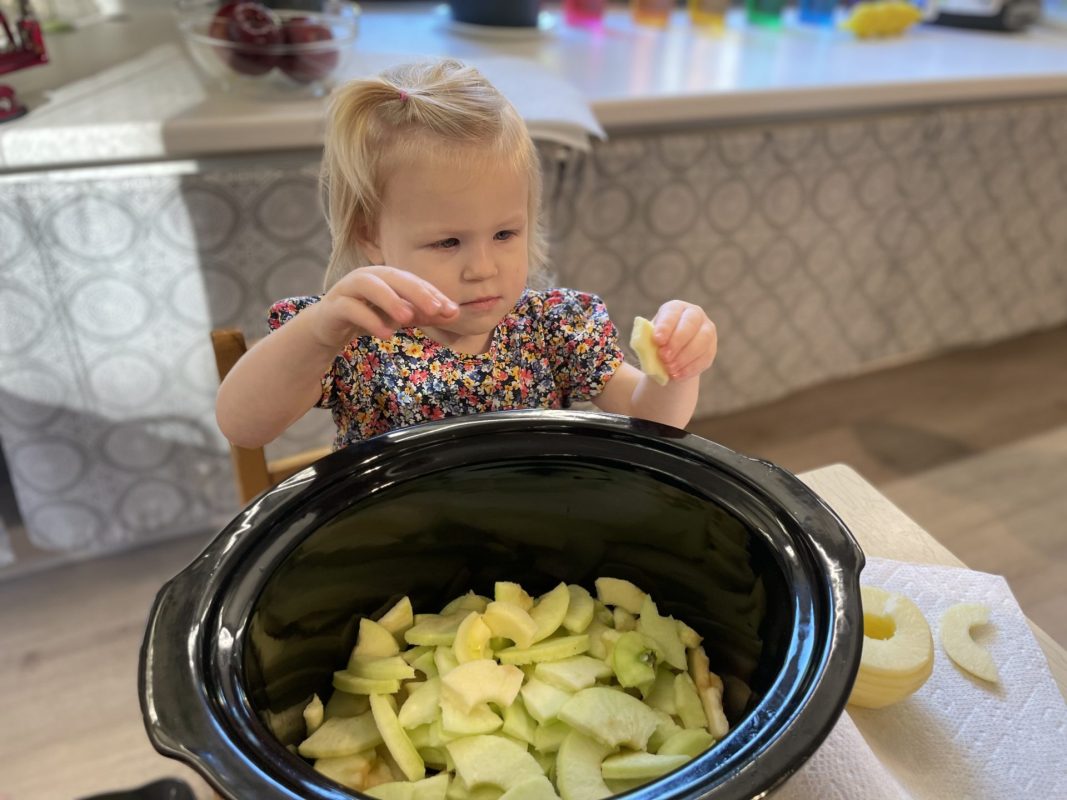
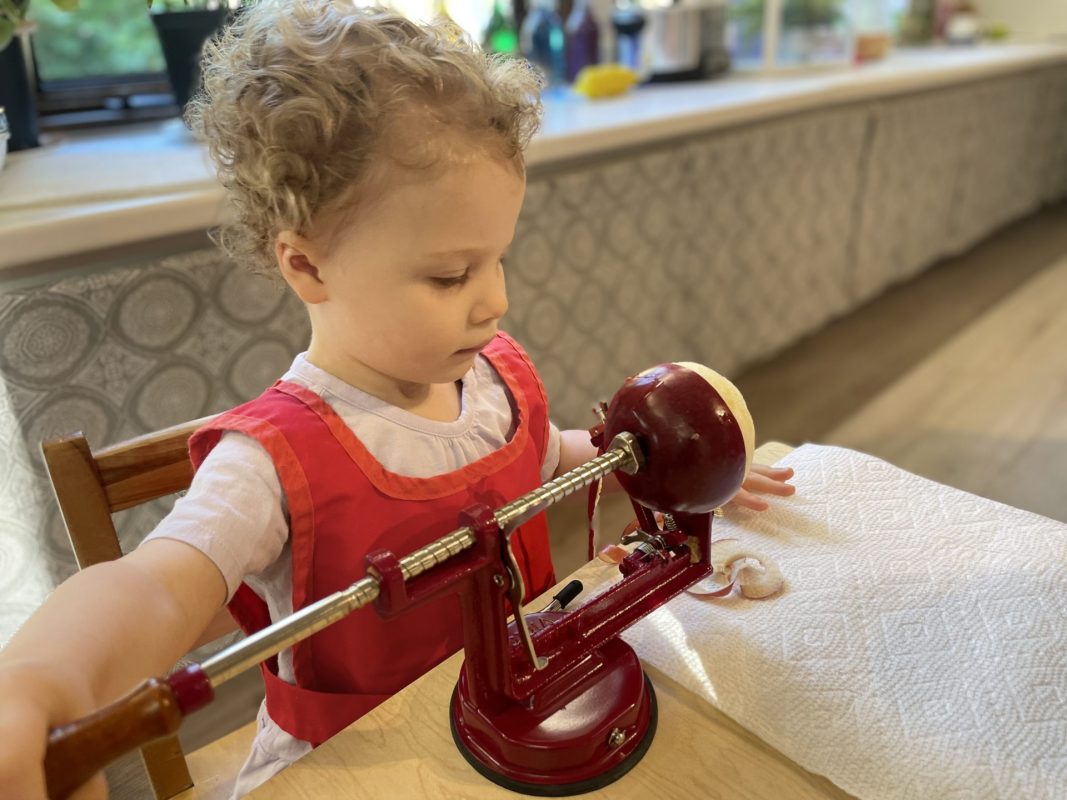
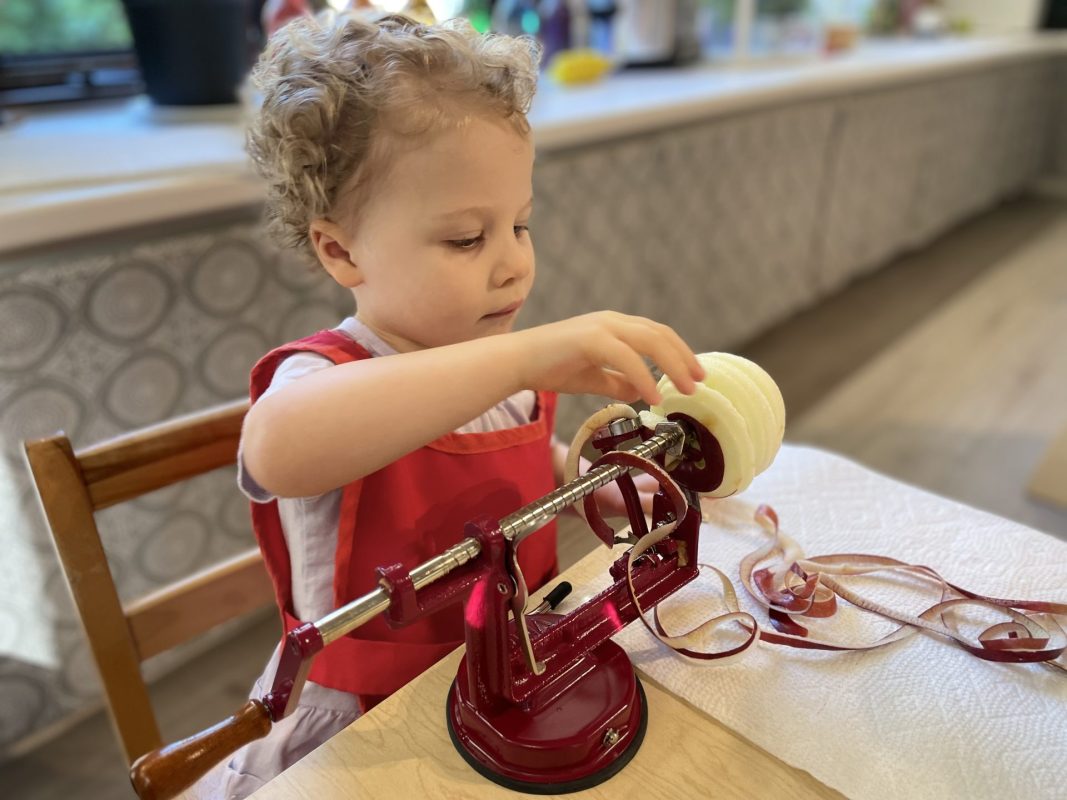
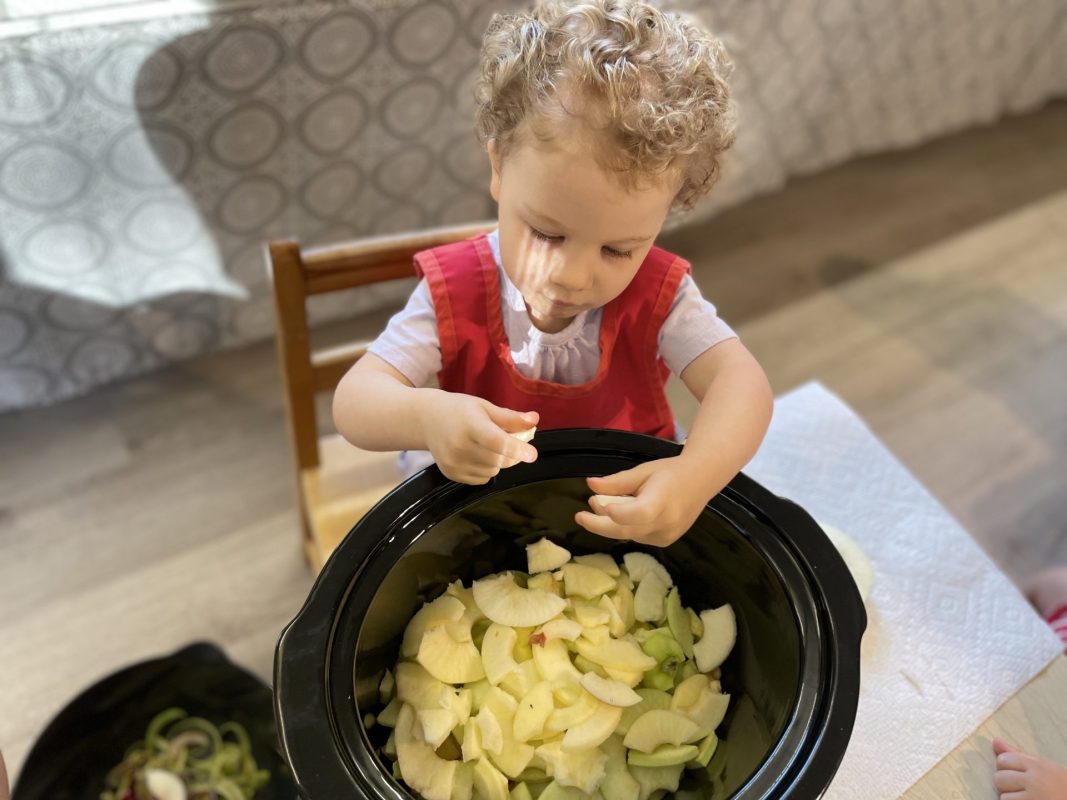
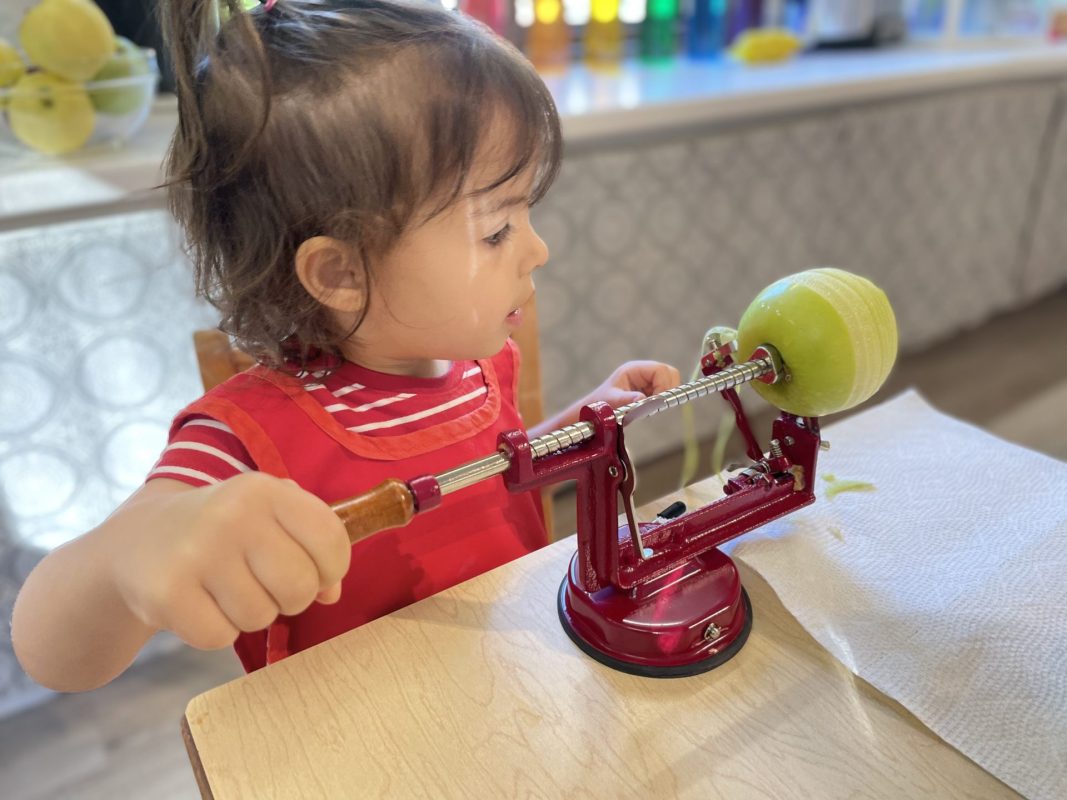
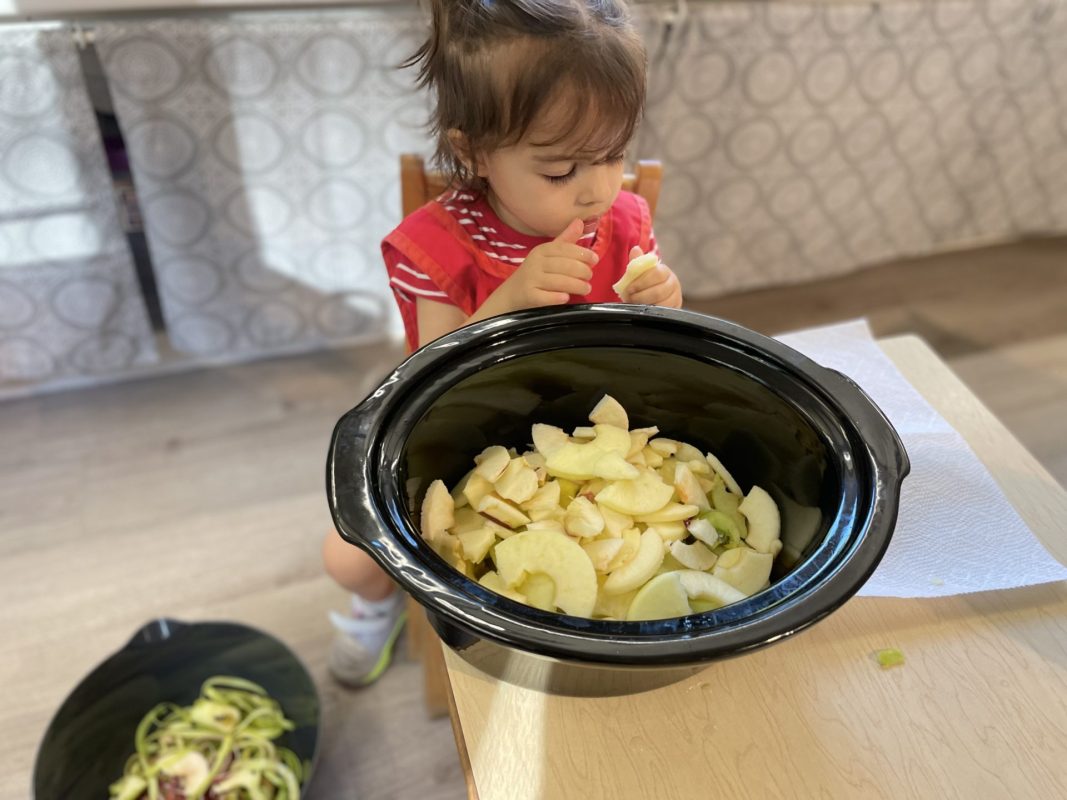
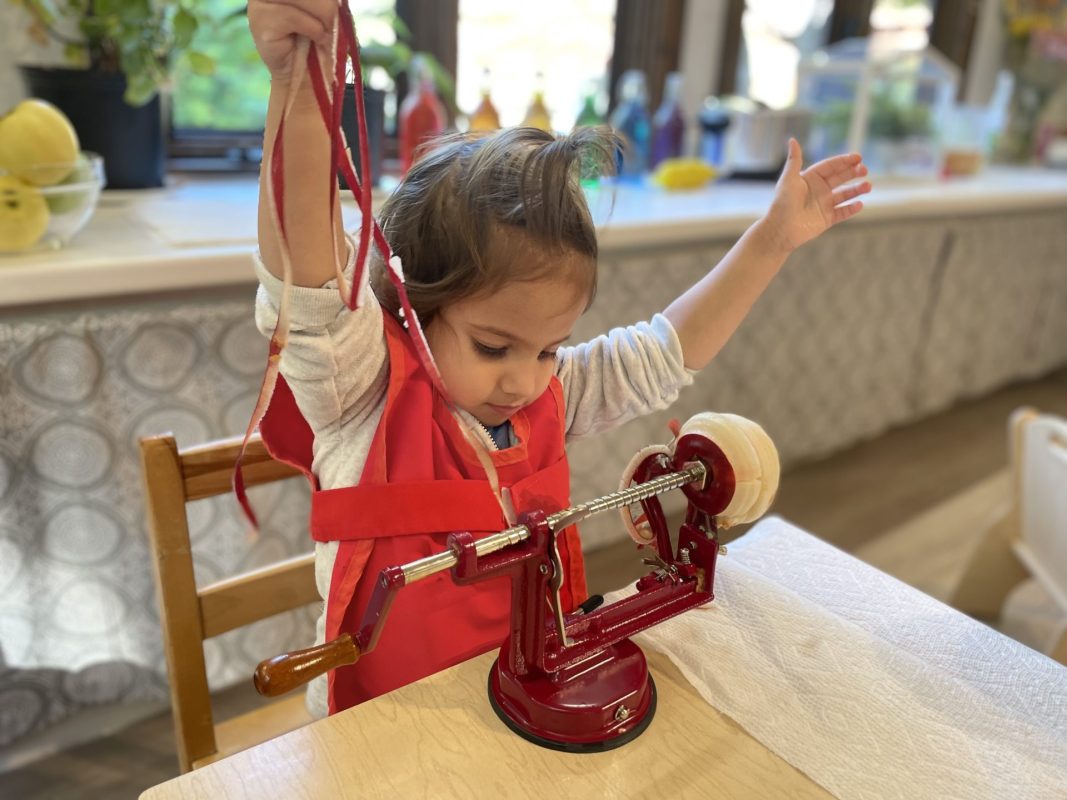
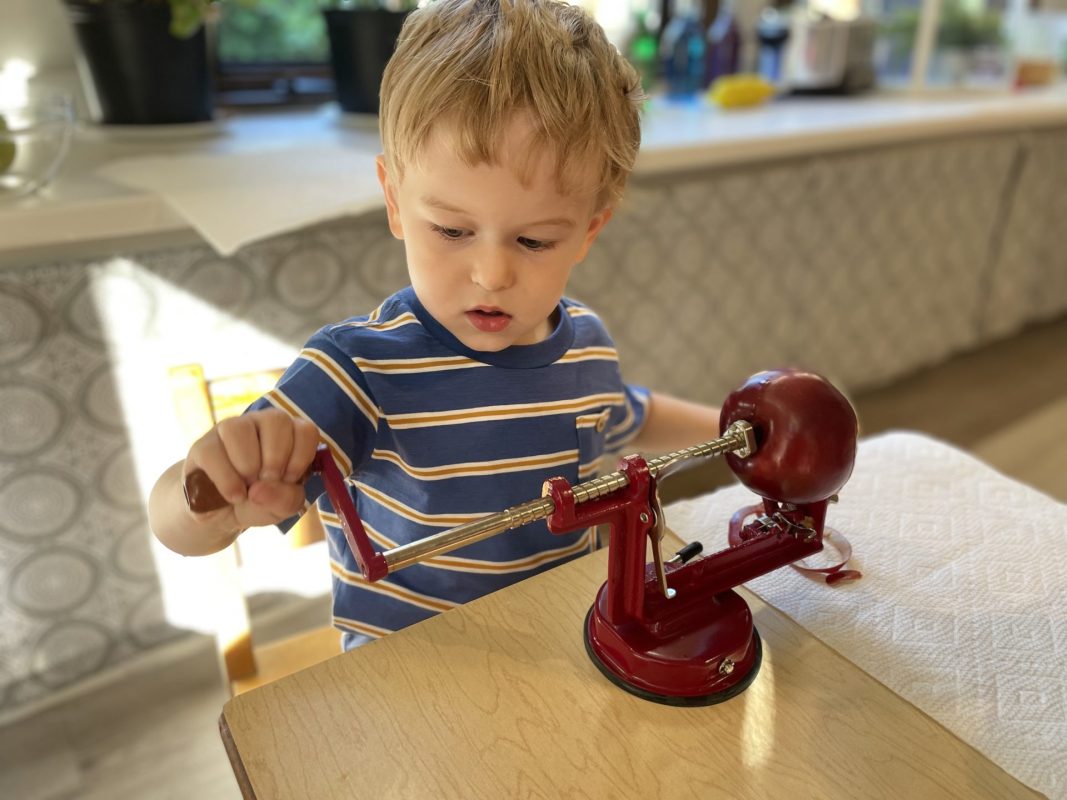
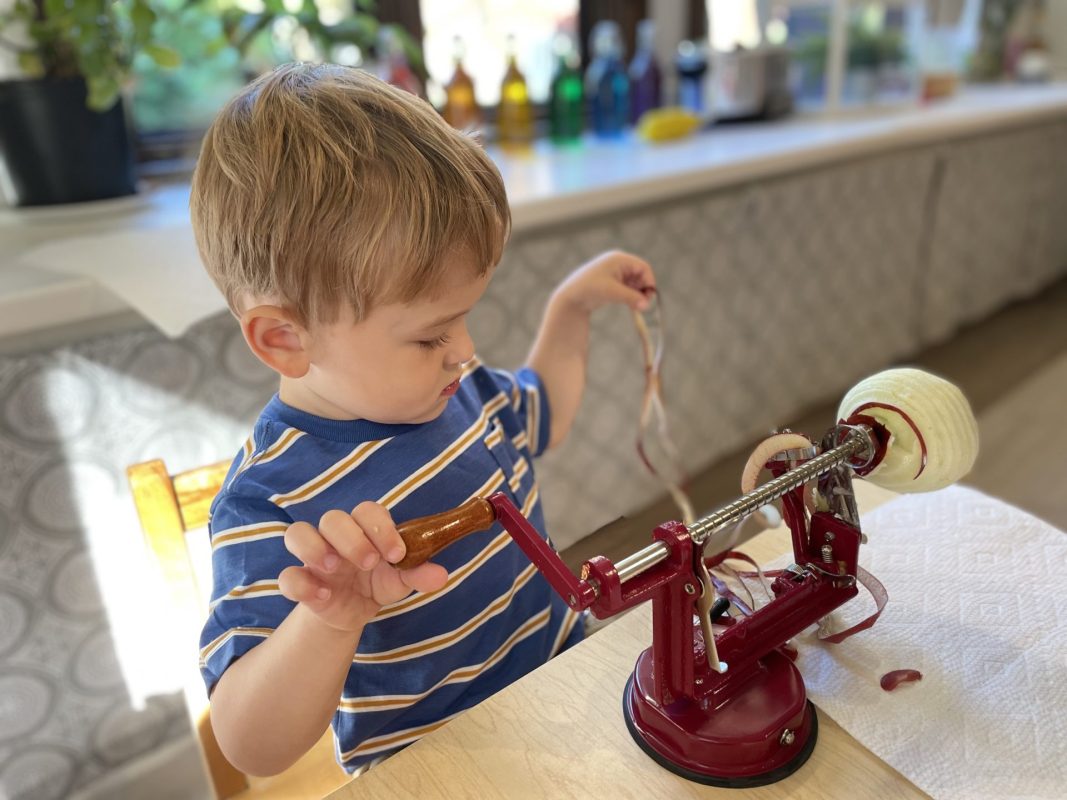
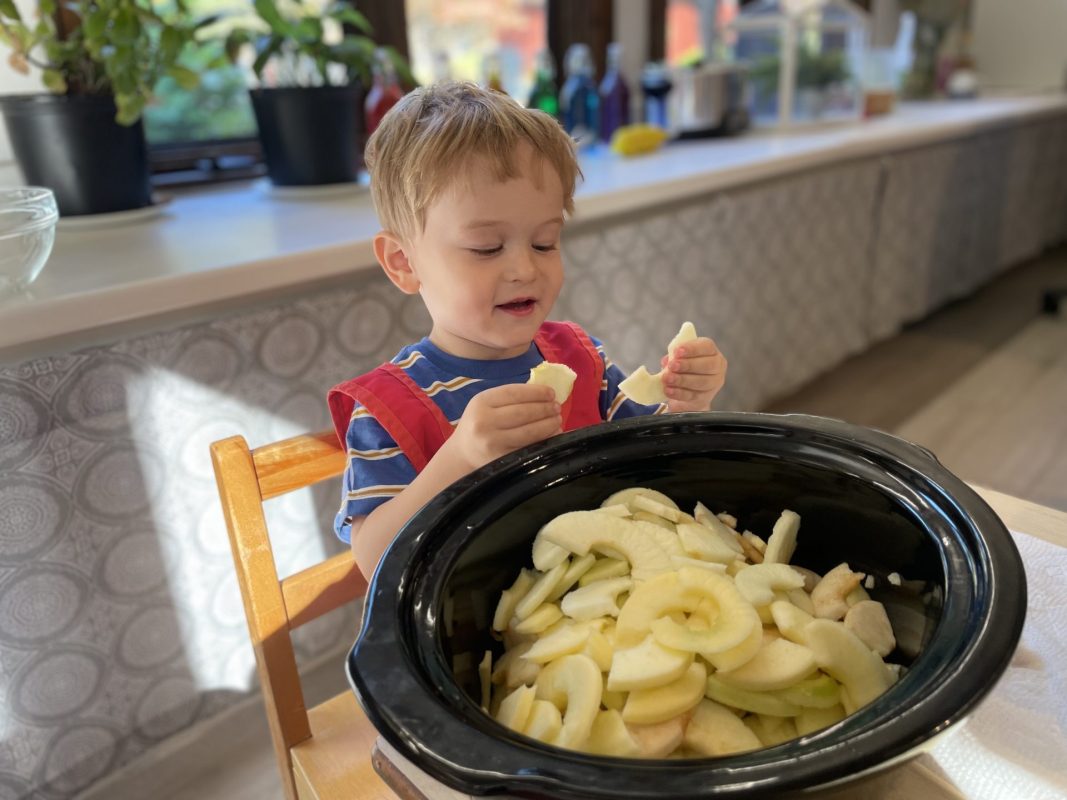
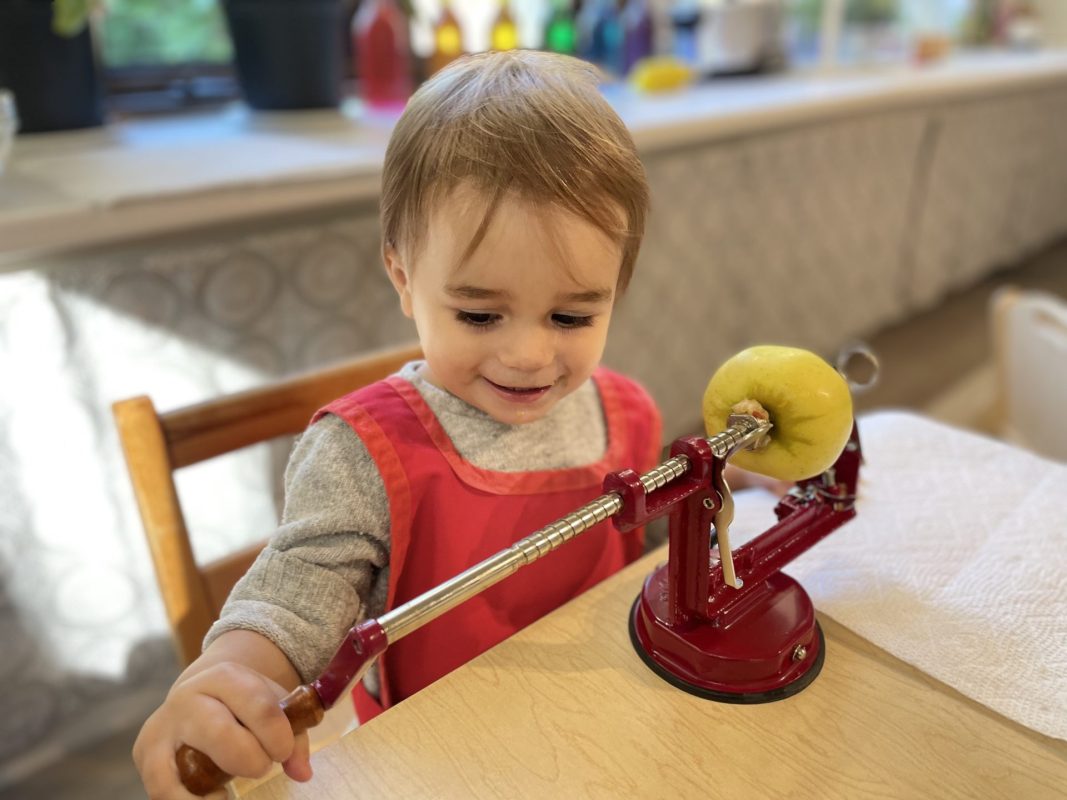
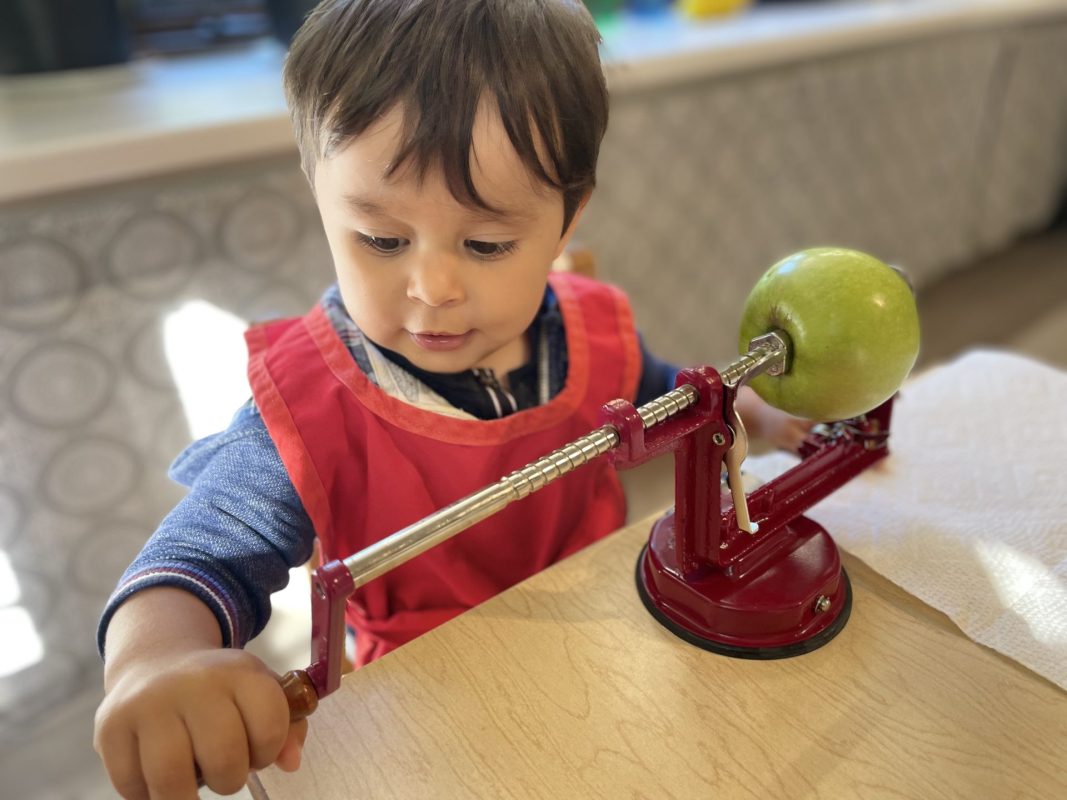
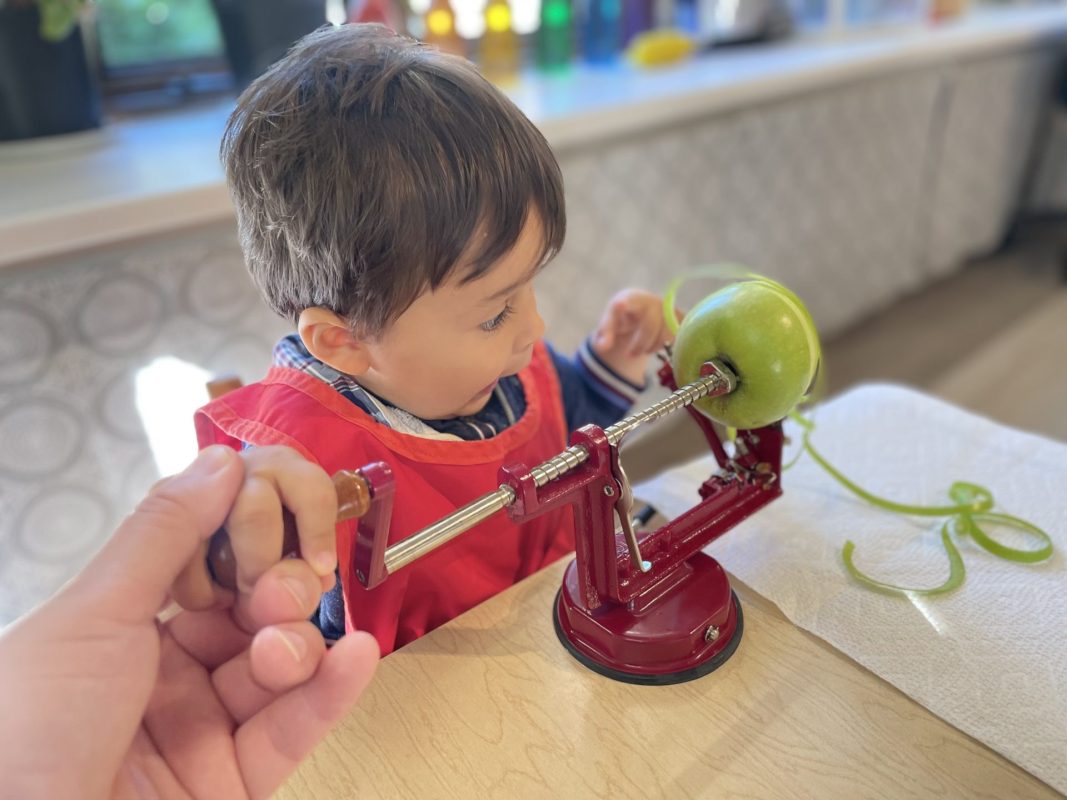
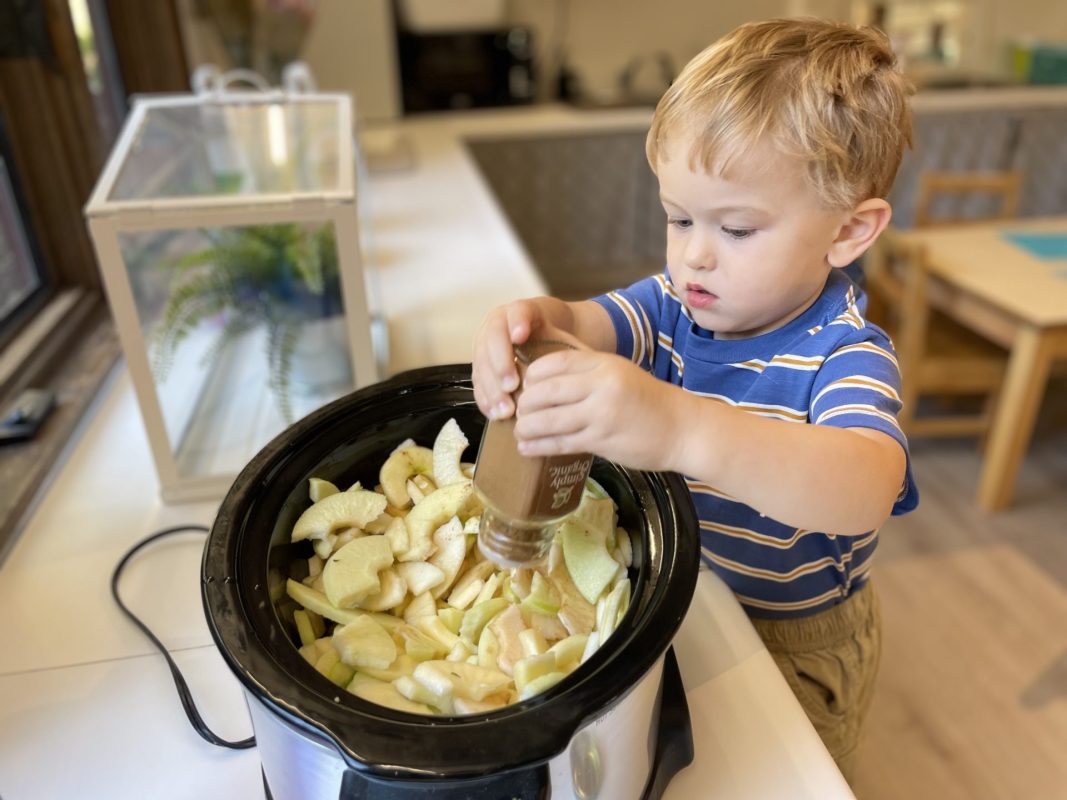
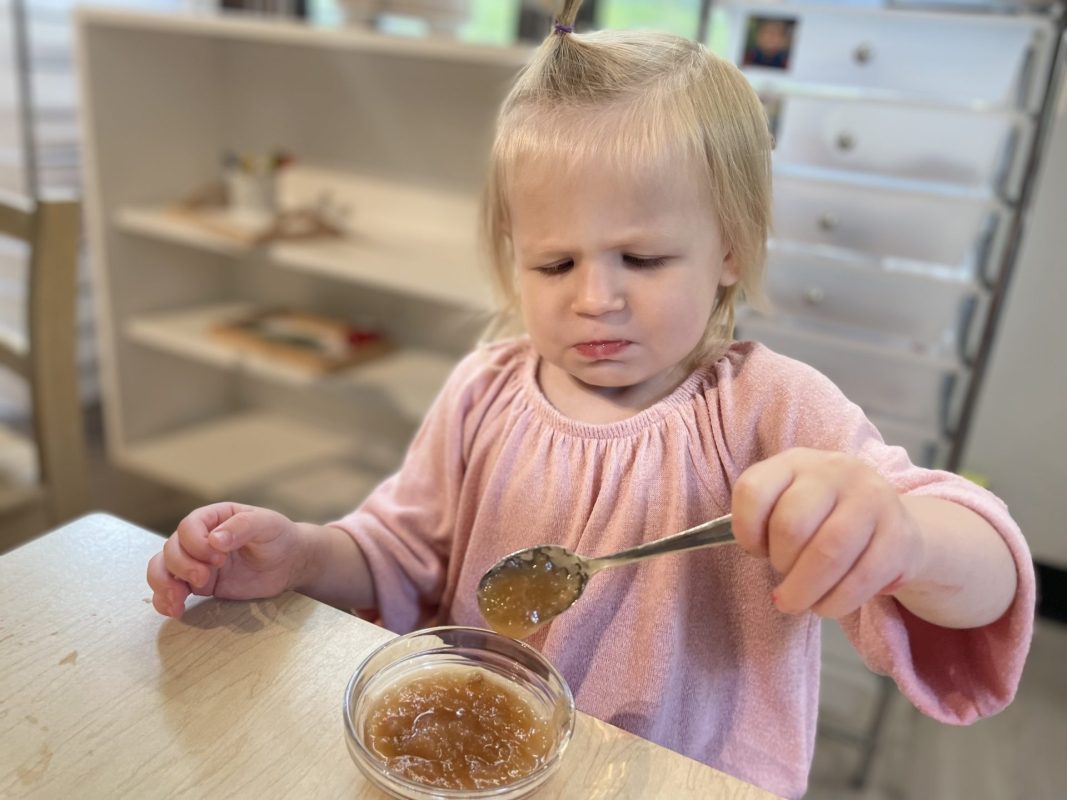
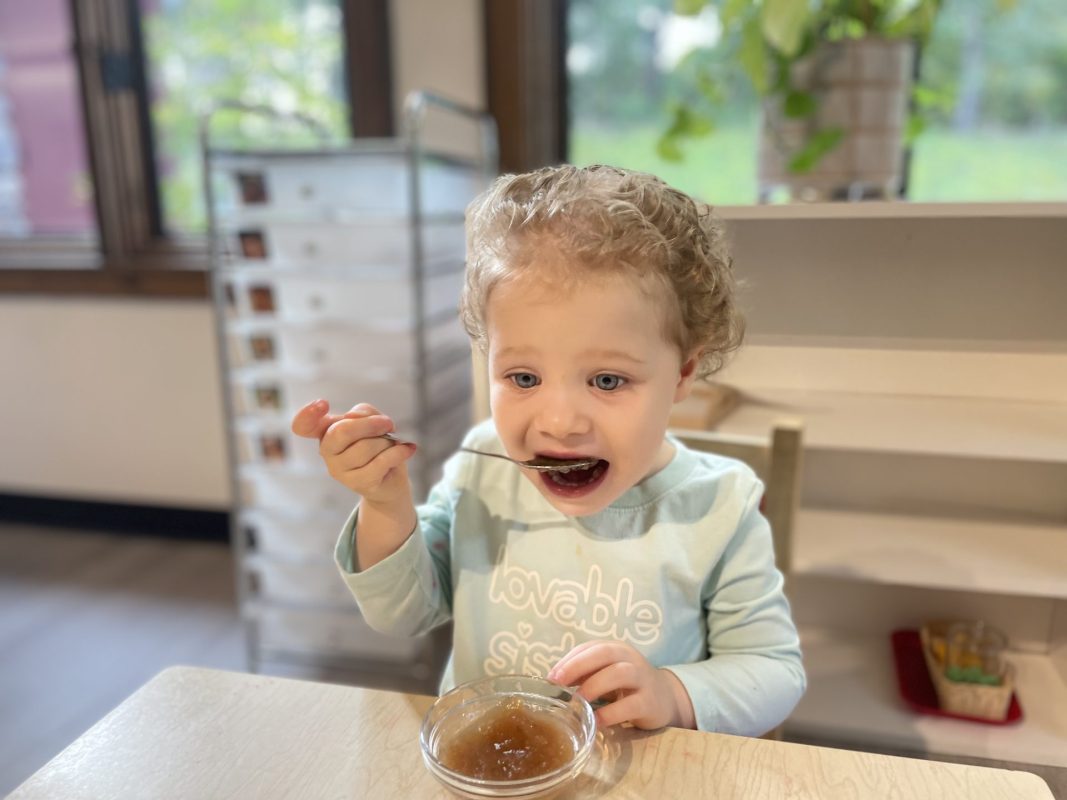
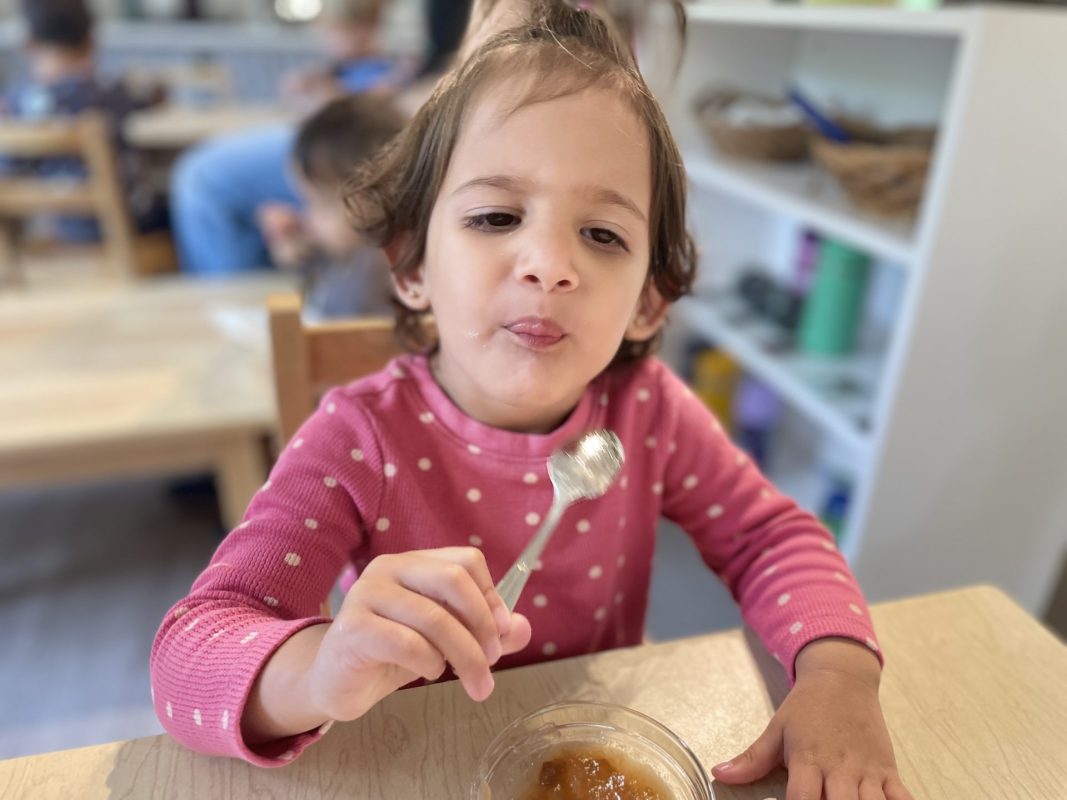
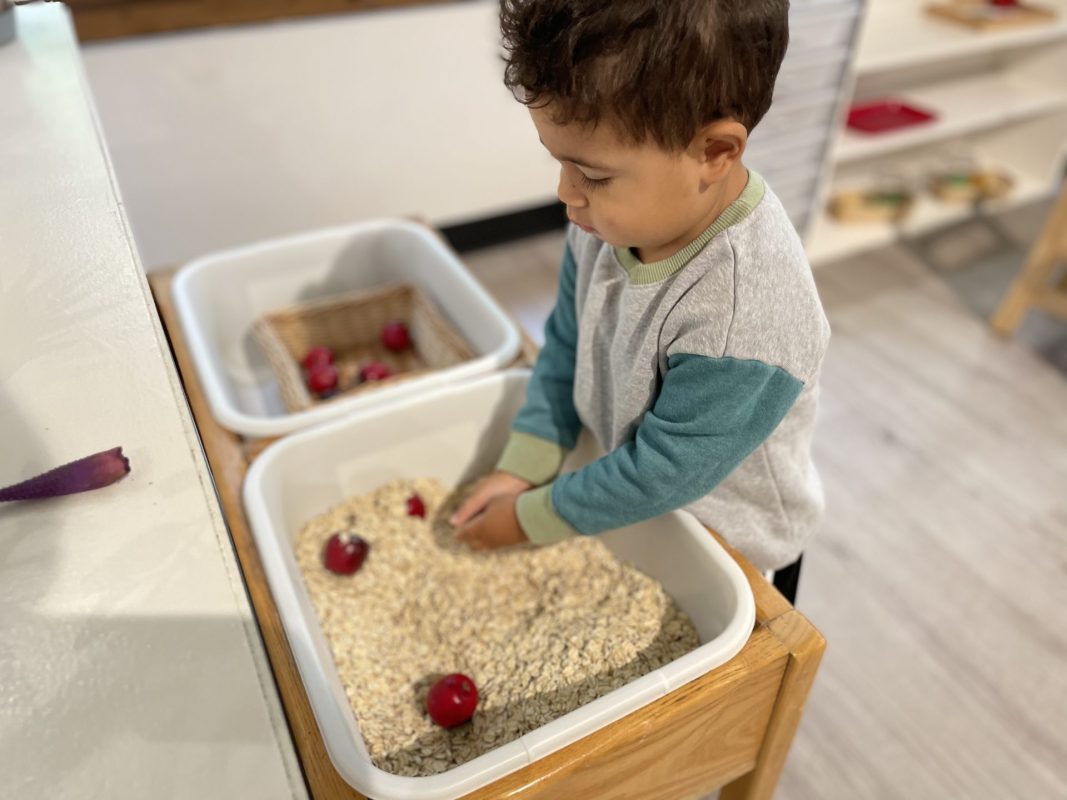
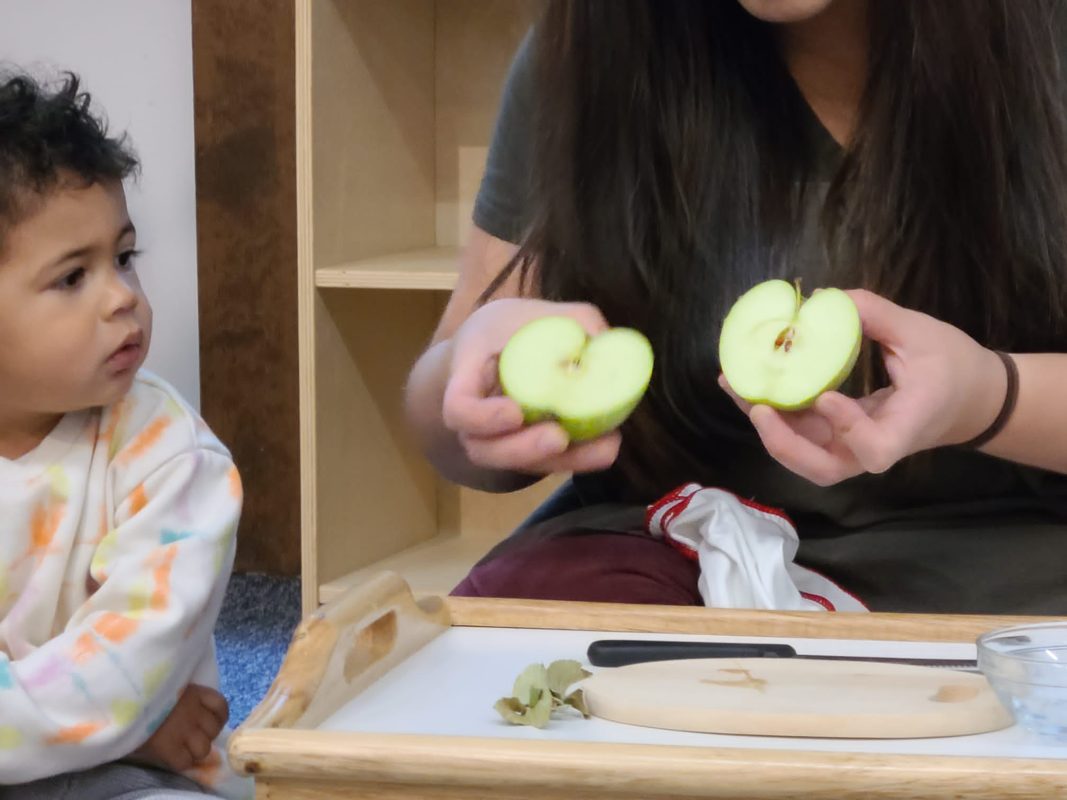
On another note, in continuation with our apple studies, we explored a yellow apple for our food-tasting lesson this week. We also closed this unit with a fun Sensorial experience. Each of your children dissected an apple, and oh boy! They really seemed to enjoy it!

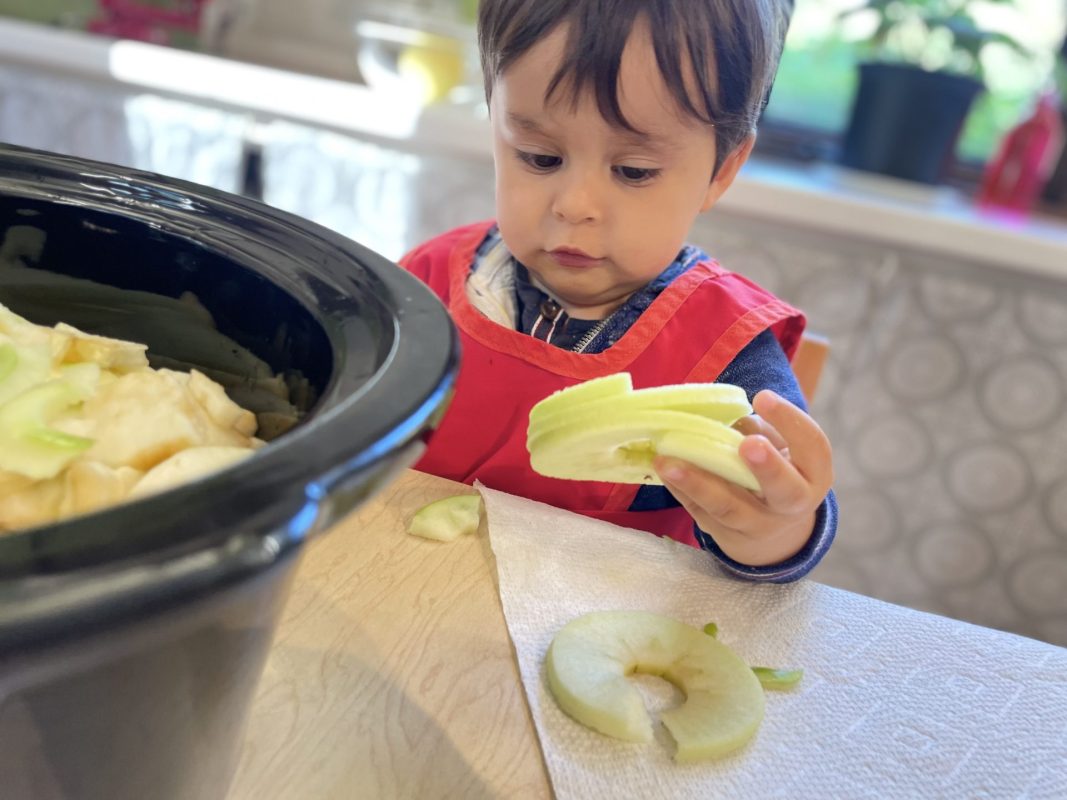
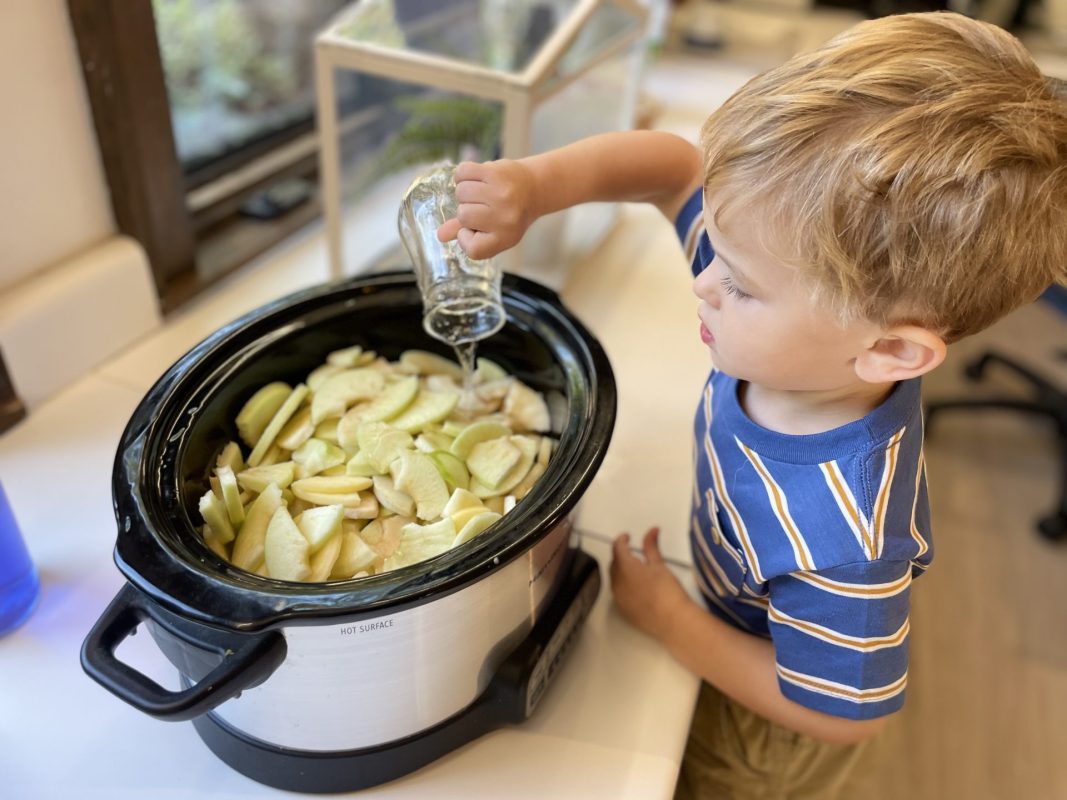
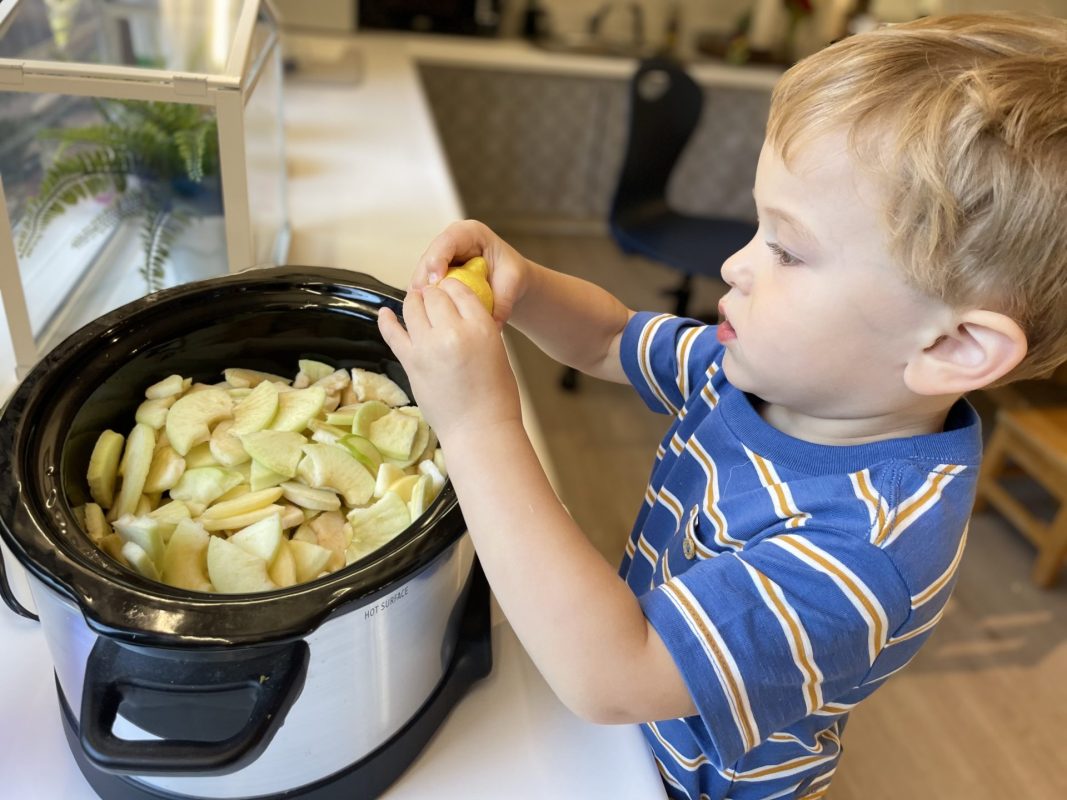
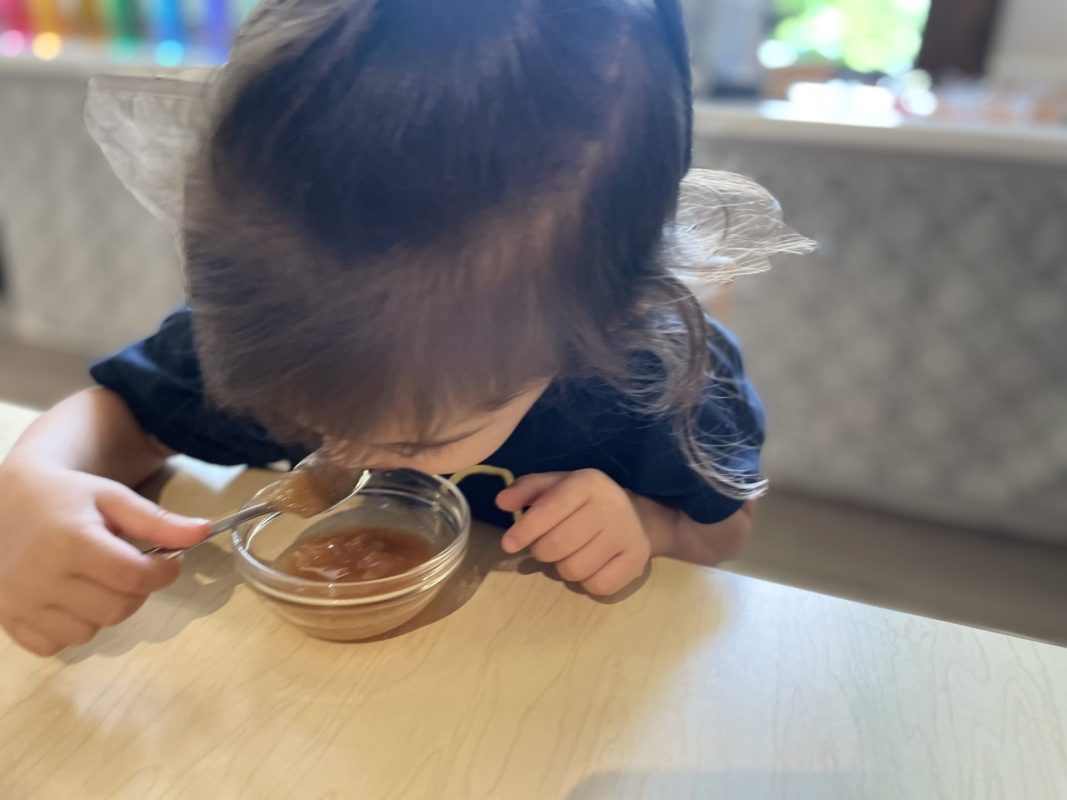
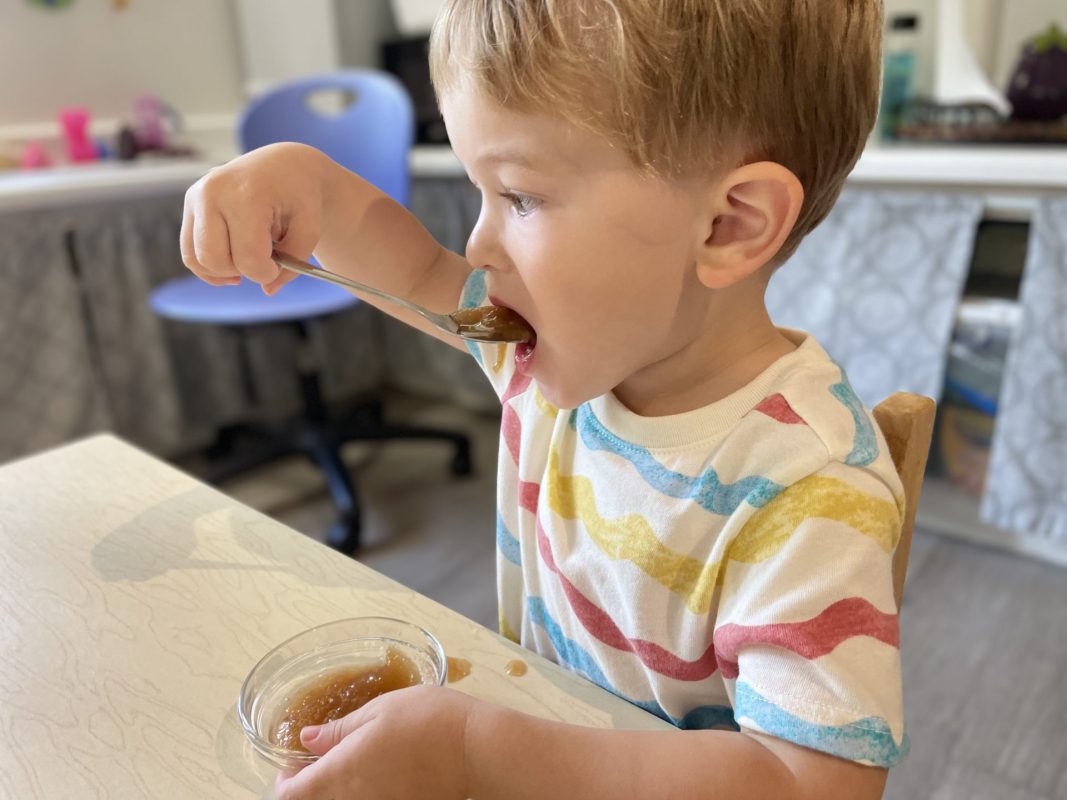
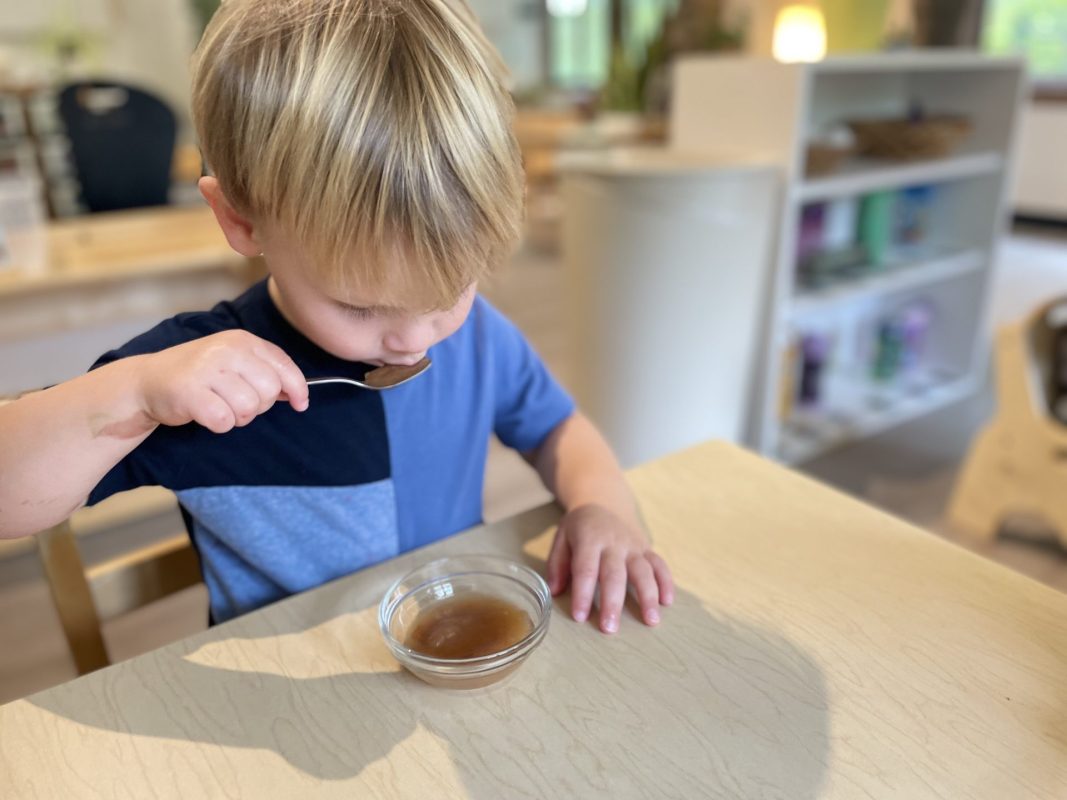
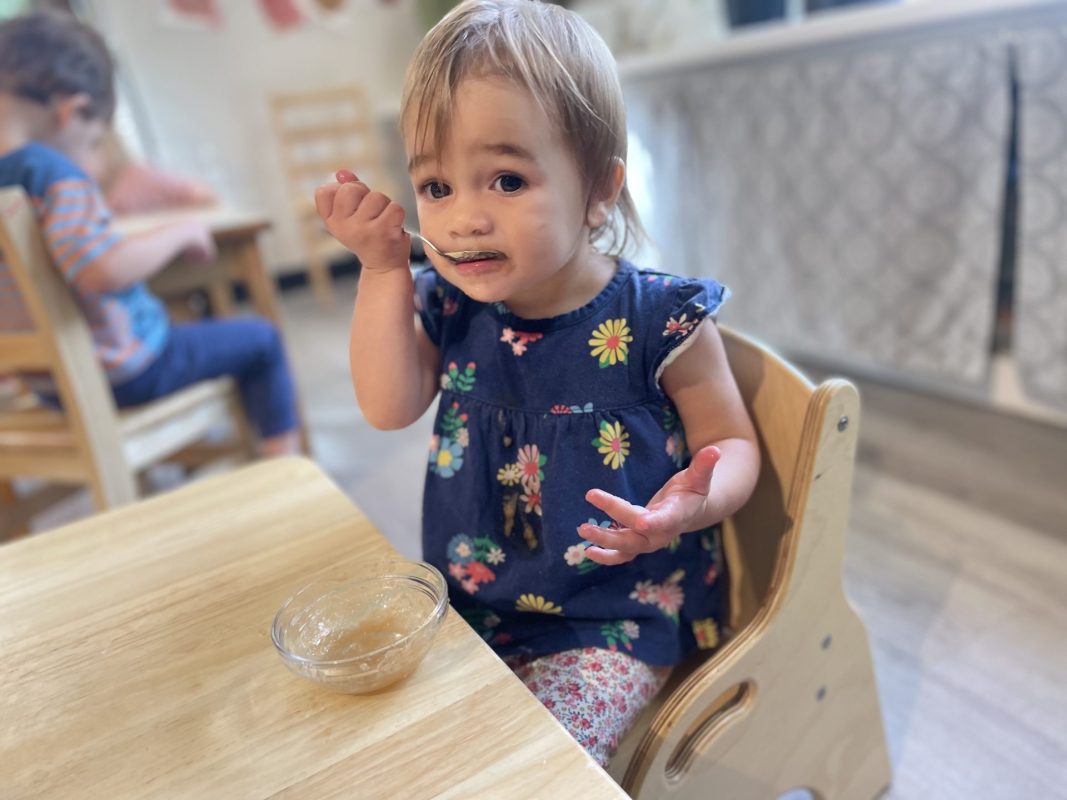
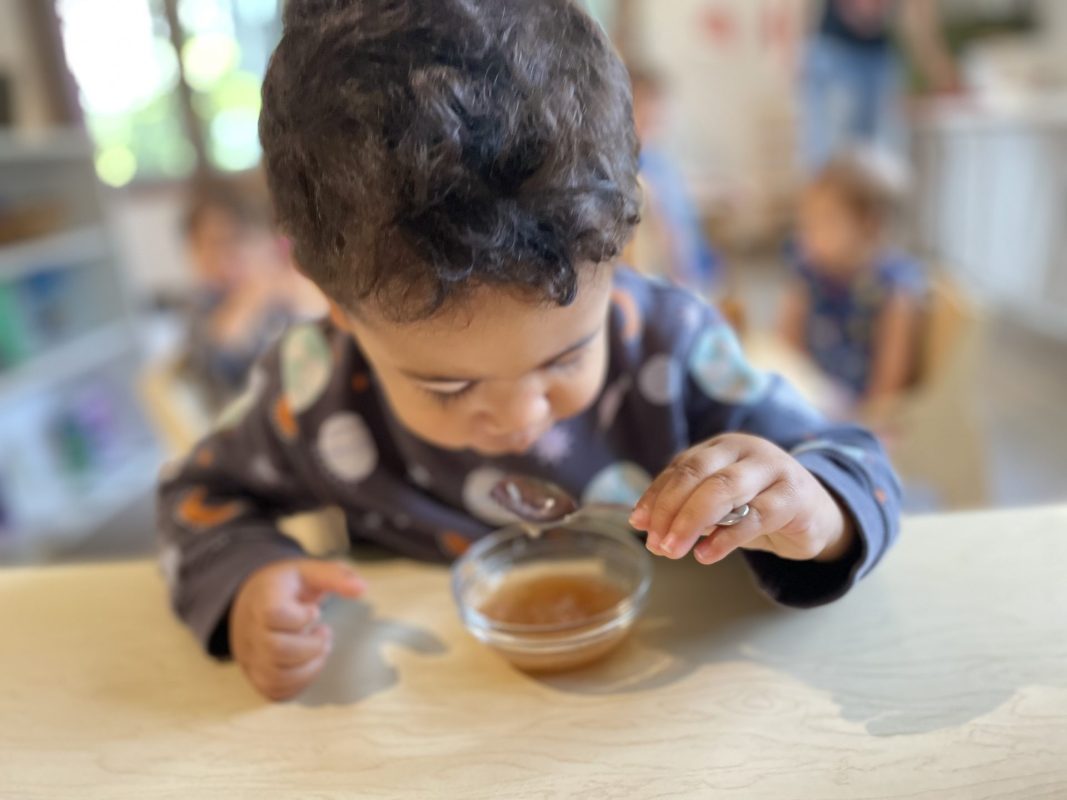
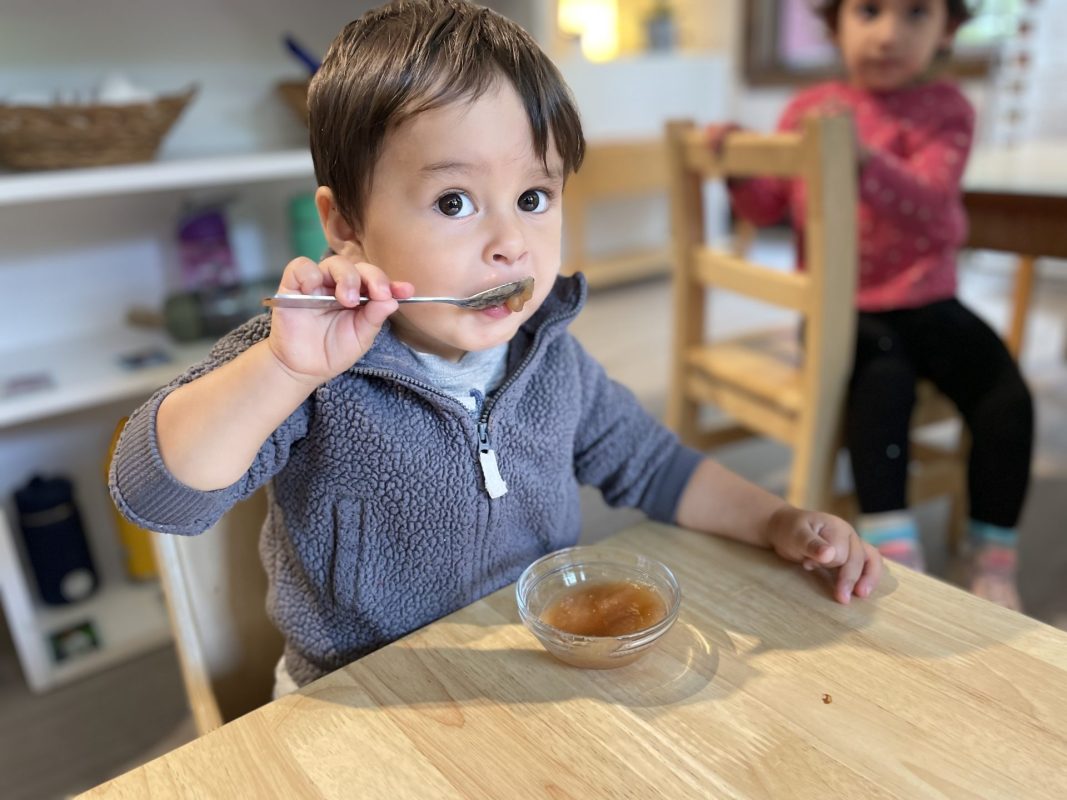
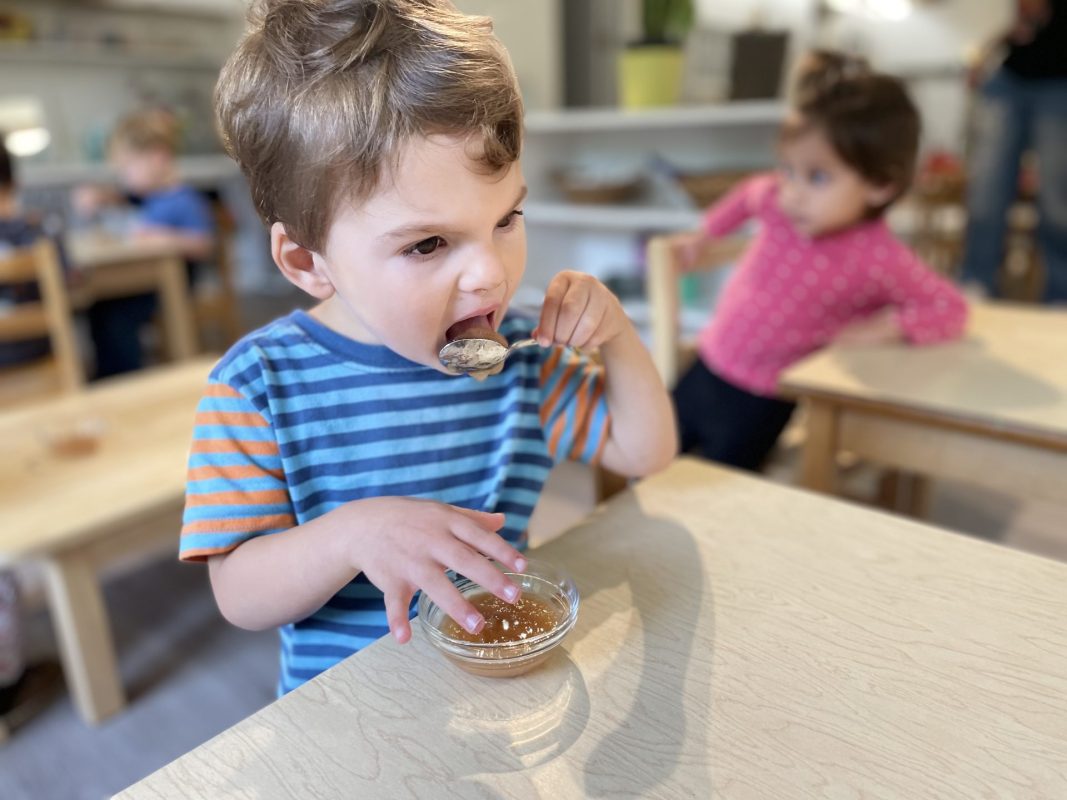
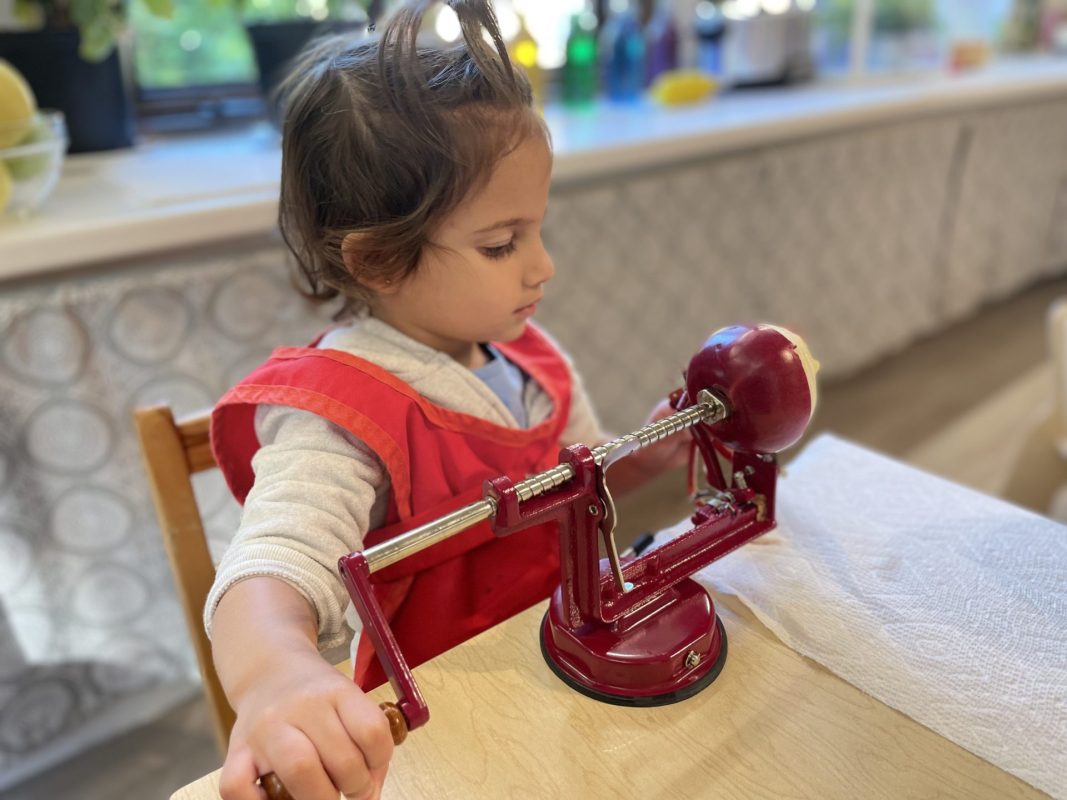
With senses full of curiosity, children touched, observed, smelled, peeled, and cored a delicious apple. The children found it very fun and interesting to use the handle of the peeler, but their eyes sparkled, and their smiles bloomed when they watched the skin of the apple peel and fall on the napkin. They explored the core and the seeds in it. They also helped break the apple into pieces and place it inside our crock pot to be cooked and turned into a delicious apple sauce! The next morning, we gathered as a class, and the children enjoyed the fruits of their work. Most of them kept asking for more!

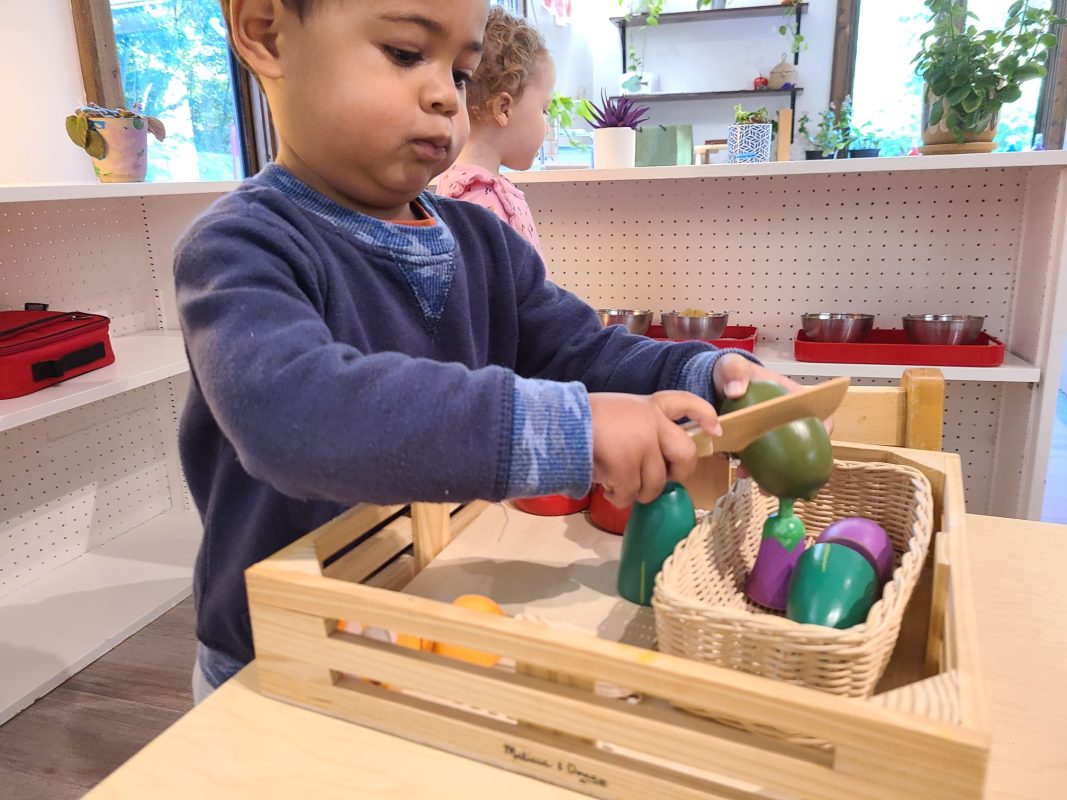
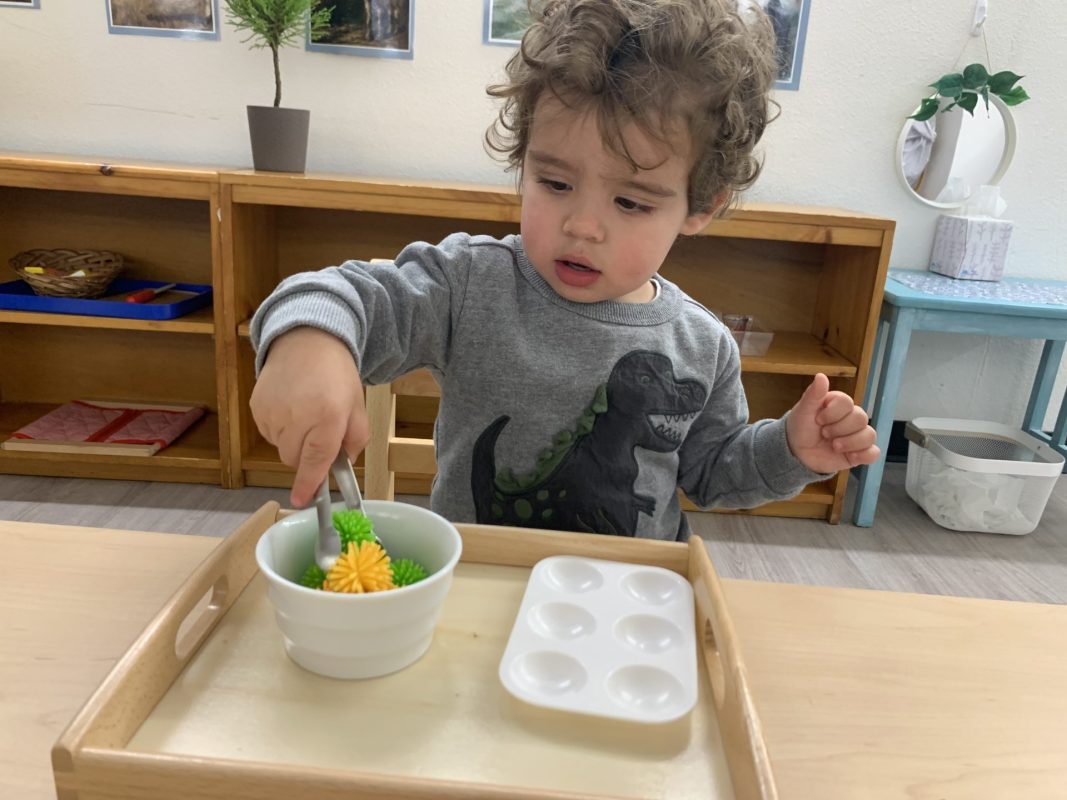
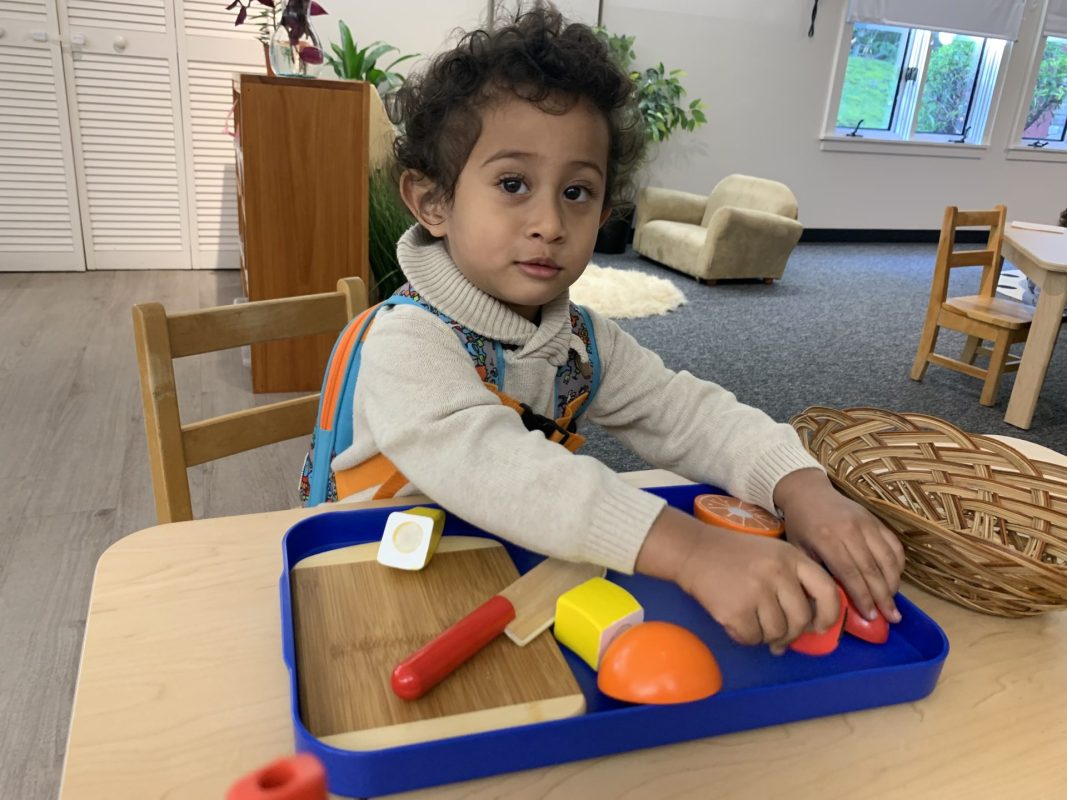
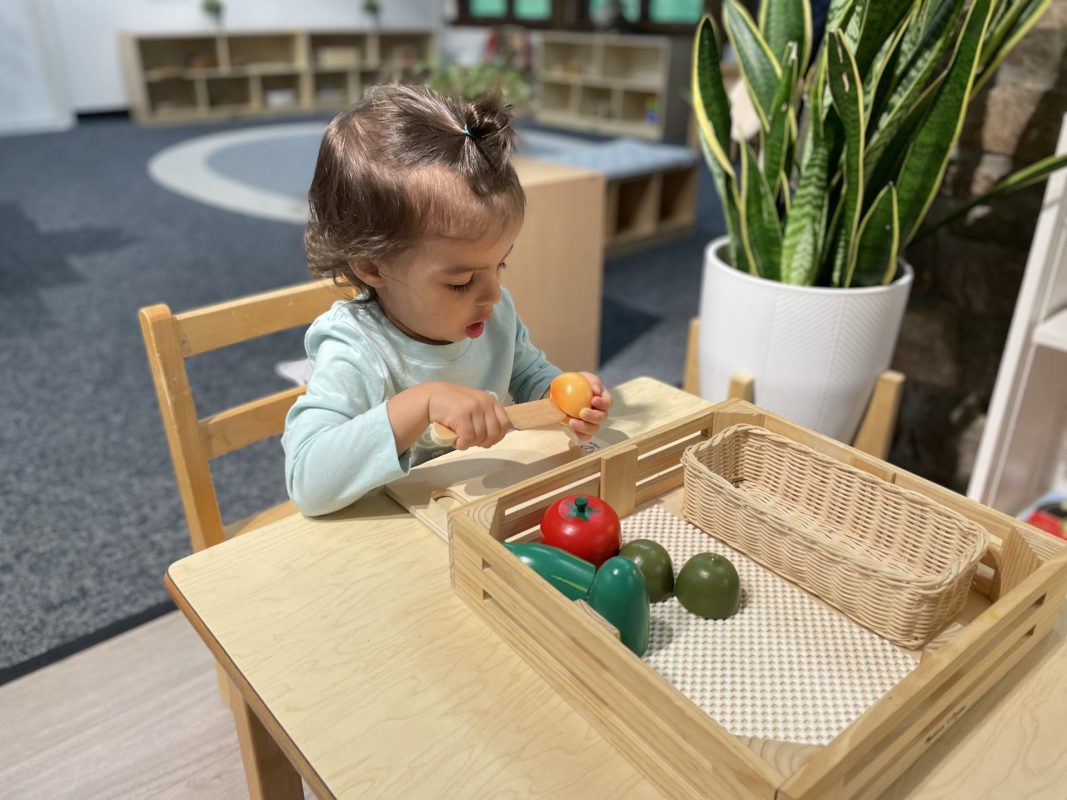
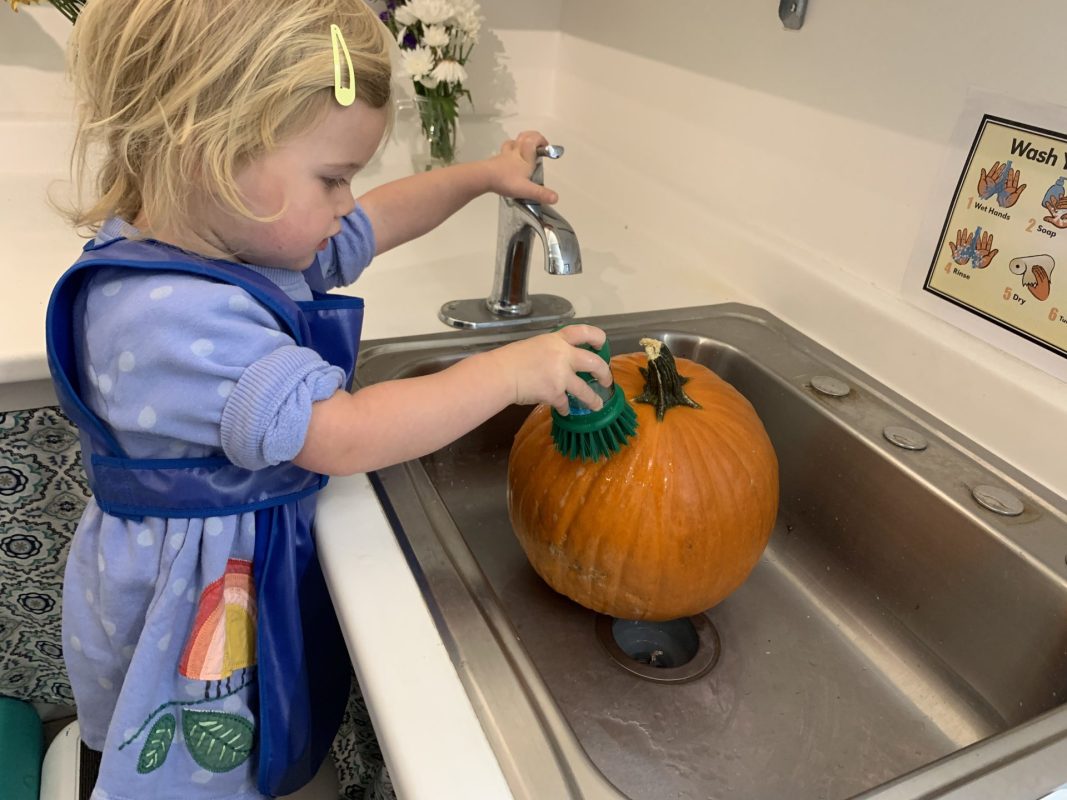
Food preparation is one of the main areas in our Practical Life curriculum! There are many benefits to involving children in food prep. Even the pickiest of eaters have been known to be more willing to try things when they have had a hand in preparing them. These works also help develop fine motor skills, build coordination, create a sense of community, and increase knowledge of nutrition, science, and math. We will continue to provide individual and group experiences like this throughout the year.

We encourage you to make experiences like this available at home as well. Here are just some examples of how you can include your toddler in food preparation at home:

  • Scoop cereal into a bowl
  • Add milk to cereal
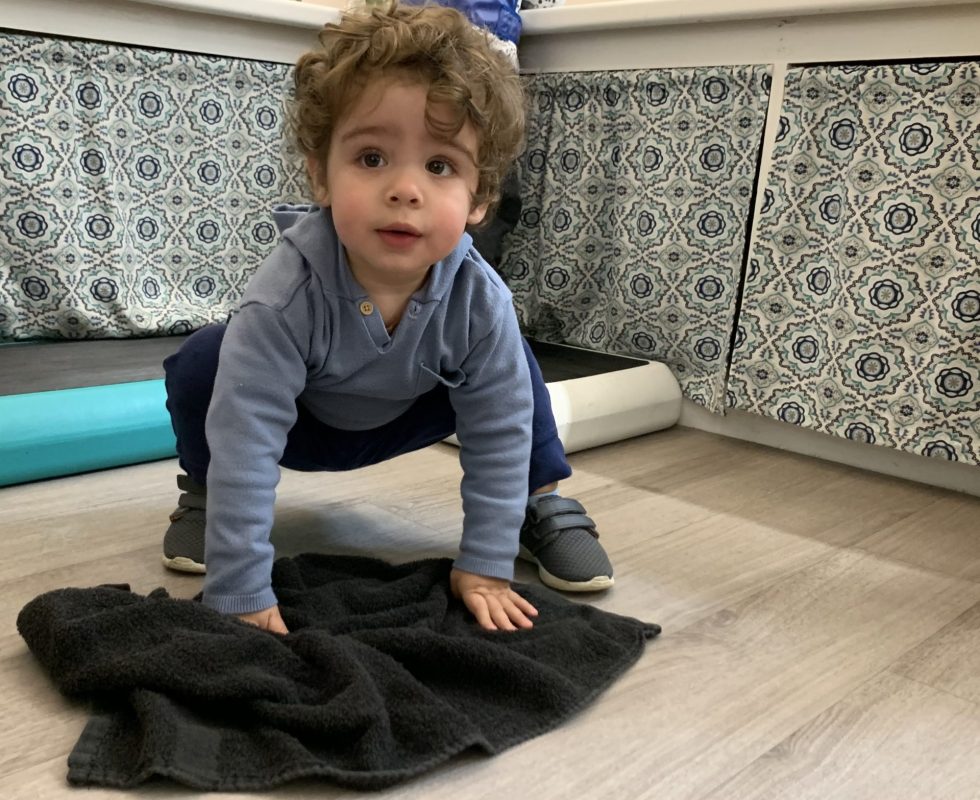
  • Wipe up spills with a small towel
  • Take the plate to the kitchen
  • Prepare a sandwich
  • Spread sun butter/jelly/cream cheese on crackers
  • Peel and slice a banana
  • Peel a mandarin orange
  • Peel and cut an apple with assistance
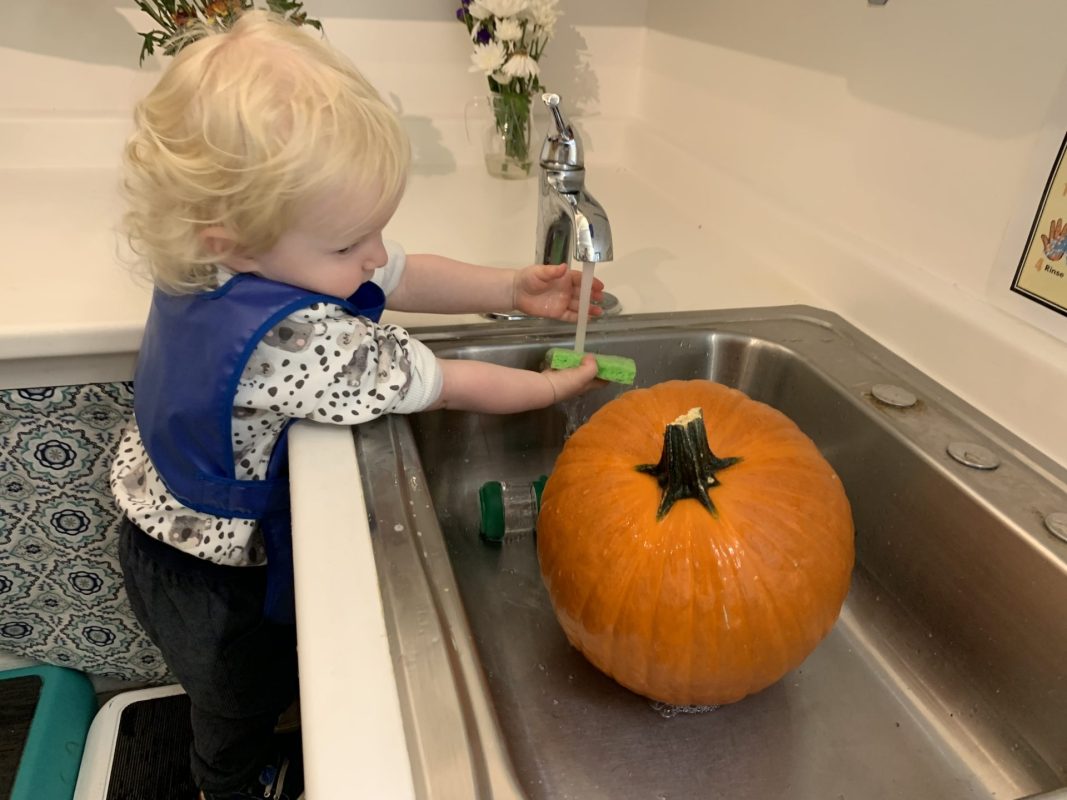
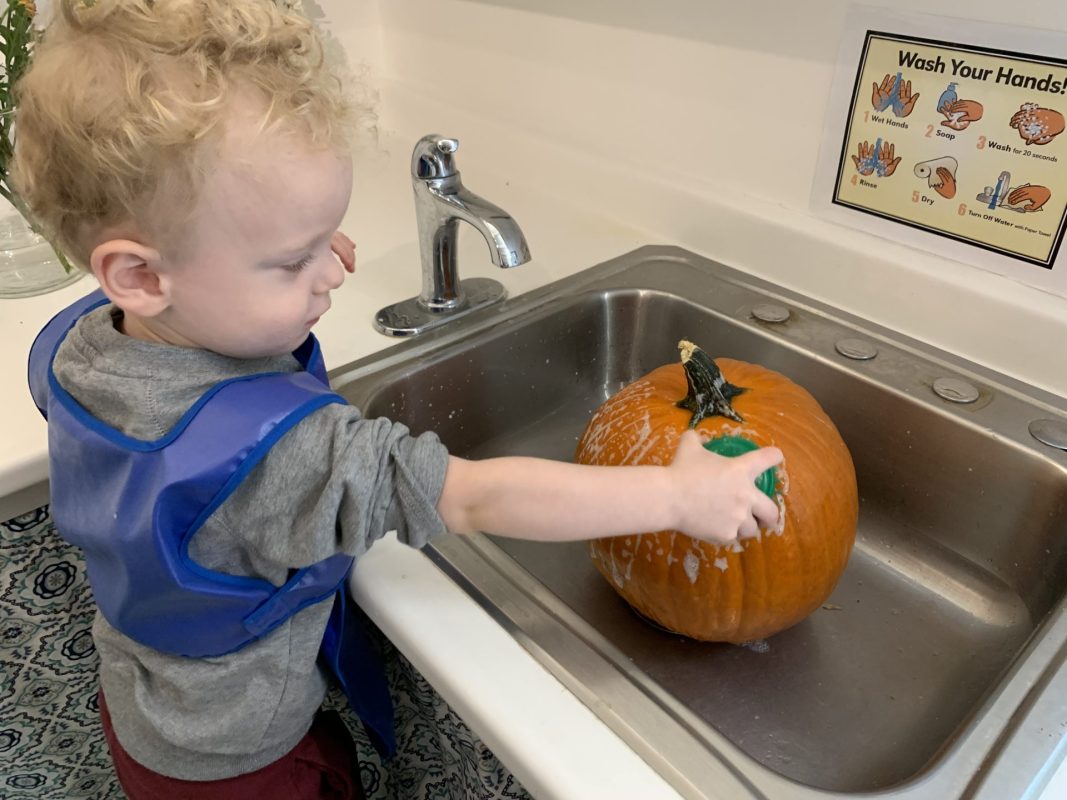
  • Wash fruits and vegetables
  • Make orange juice
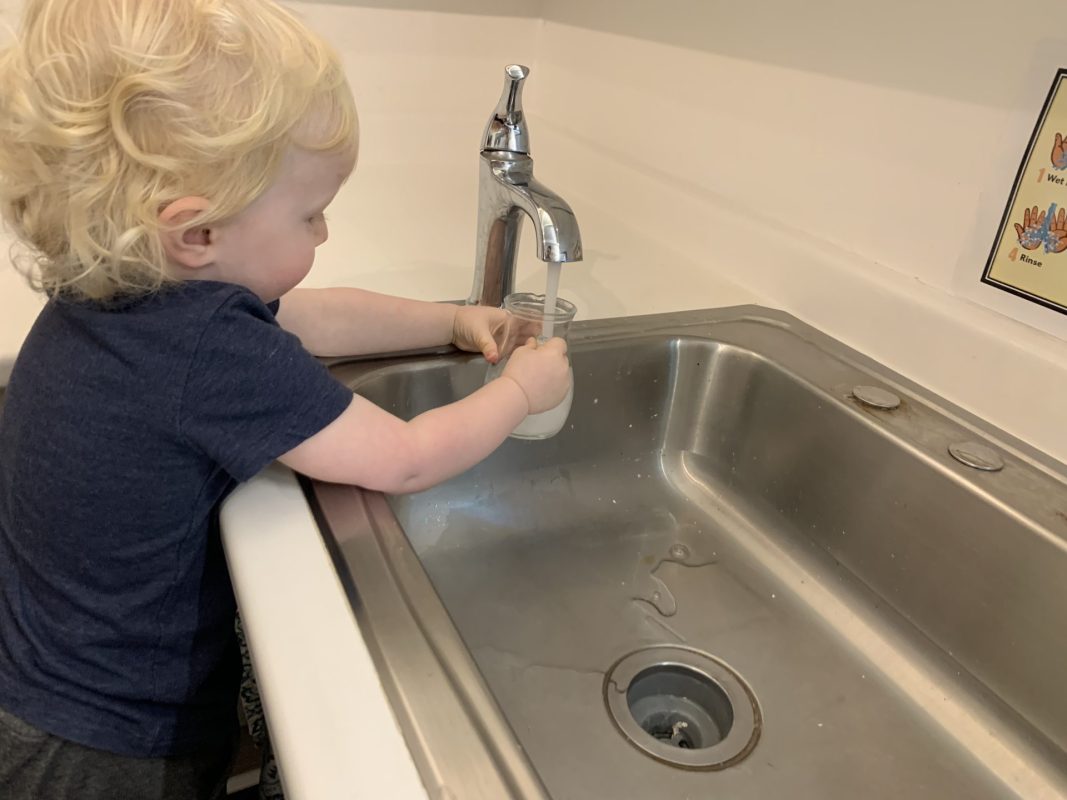
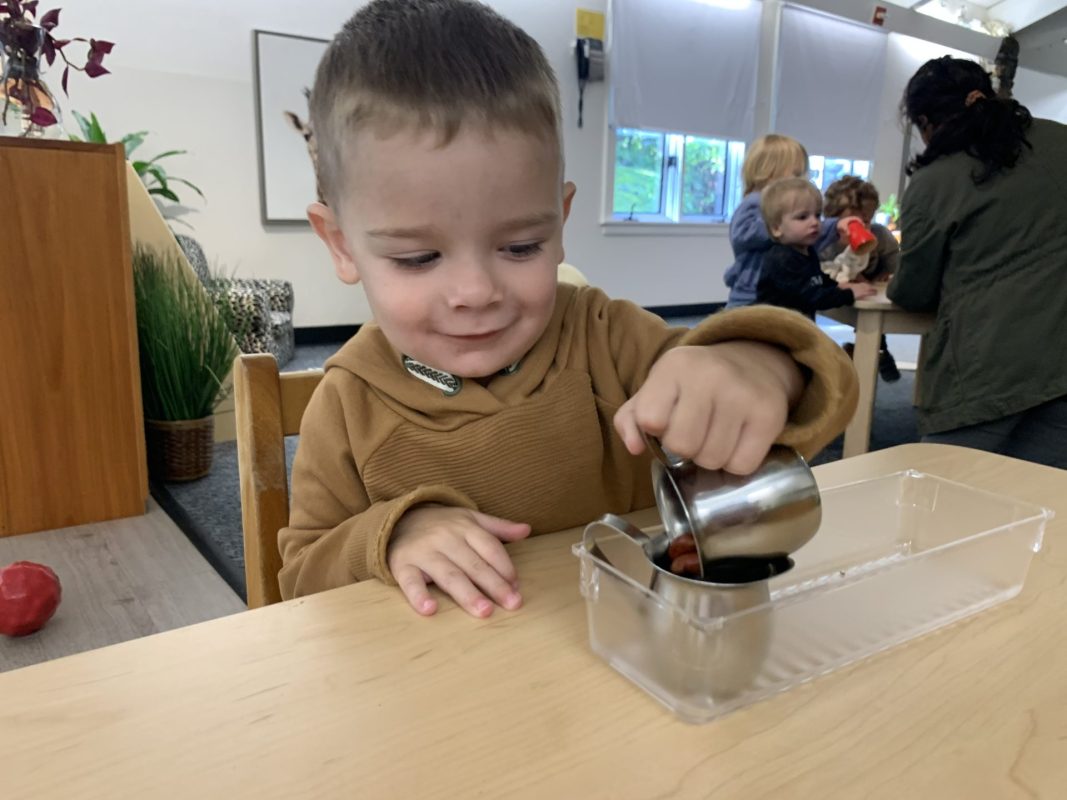
  • Pour a glass of water or milk using a small jug- use a small amount of liquid to avoid a large spill.
  • Drink from a glass
  • Follow a recipe with assistance using measuring cups
  • Set the table/clear the table
  • Wipe the table
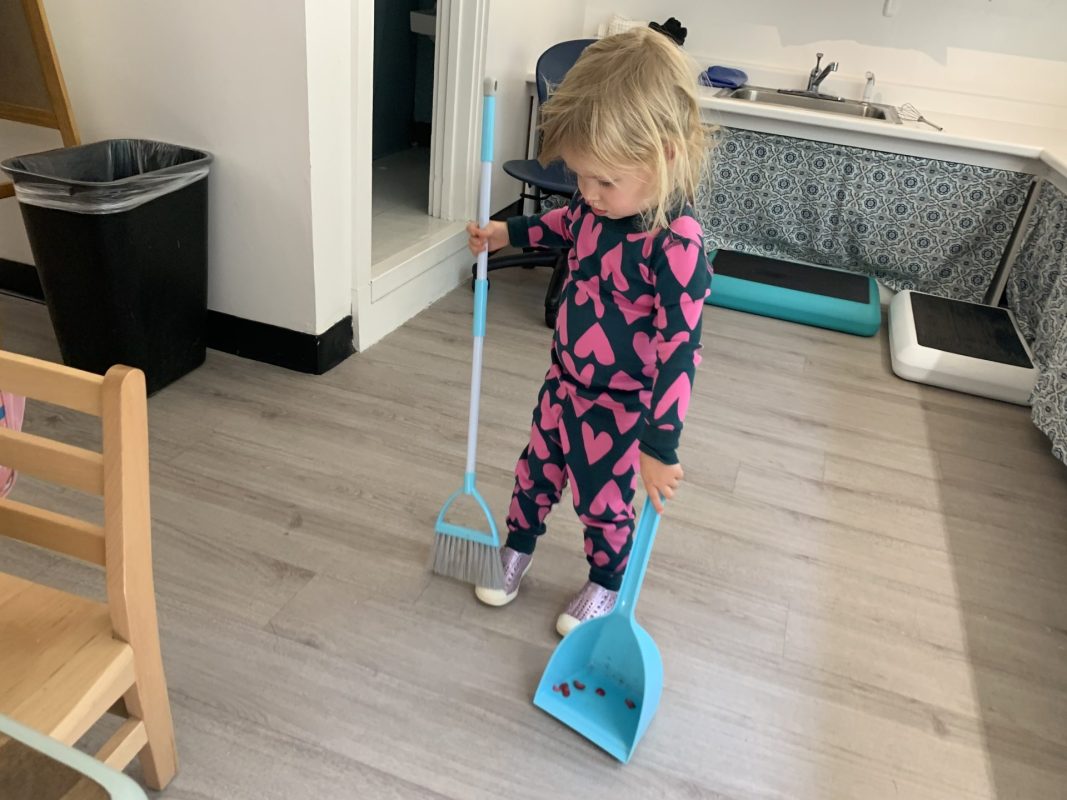
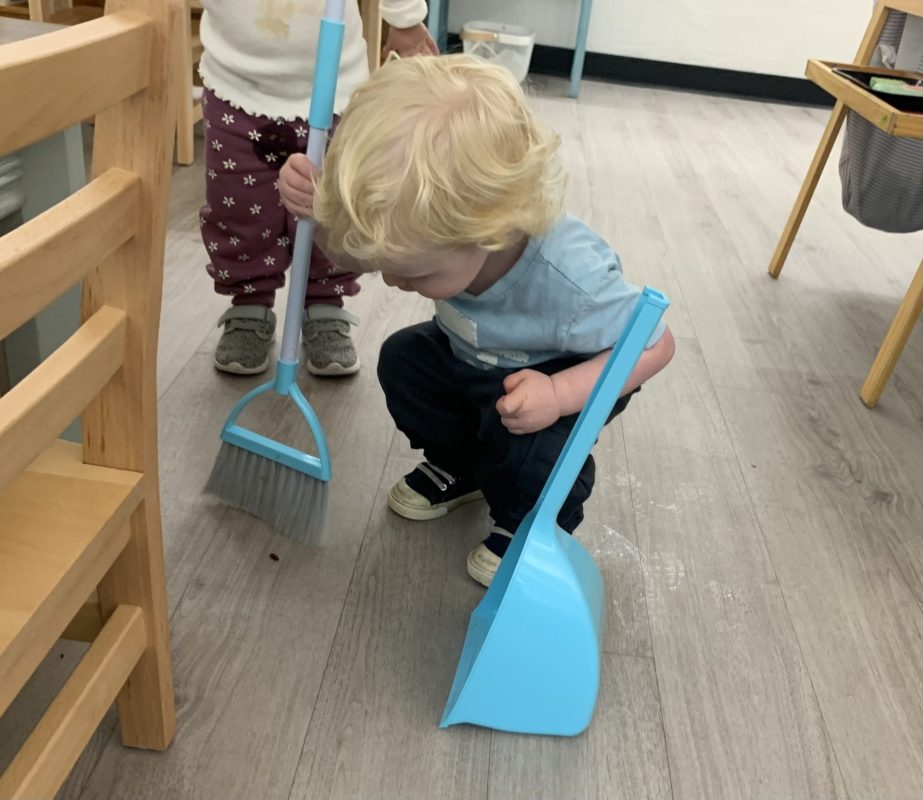
  • Sweep the floor -use a dustpan and brush

Enjoy the weekend,

Mrs. Hood and Ms. Mollie


Mrs. Wilson: Hello October!

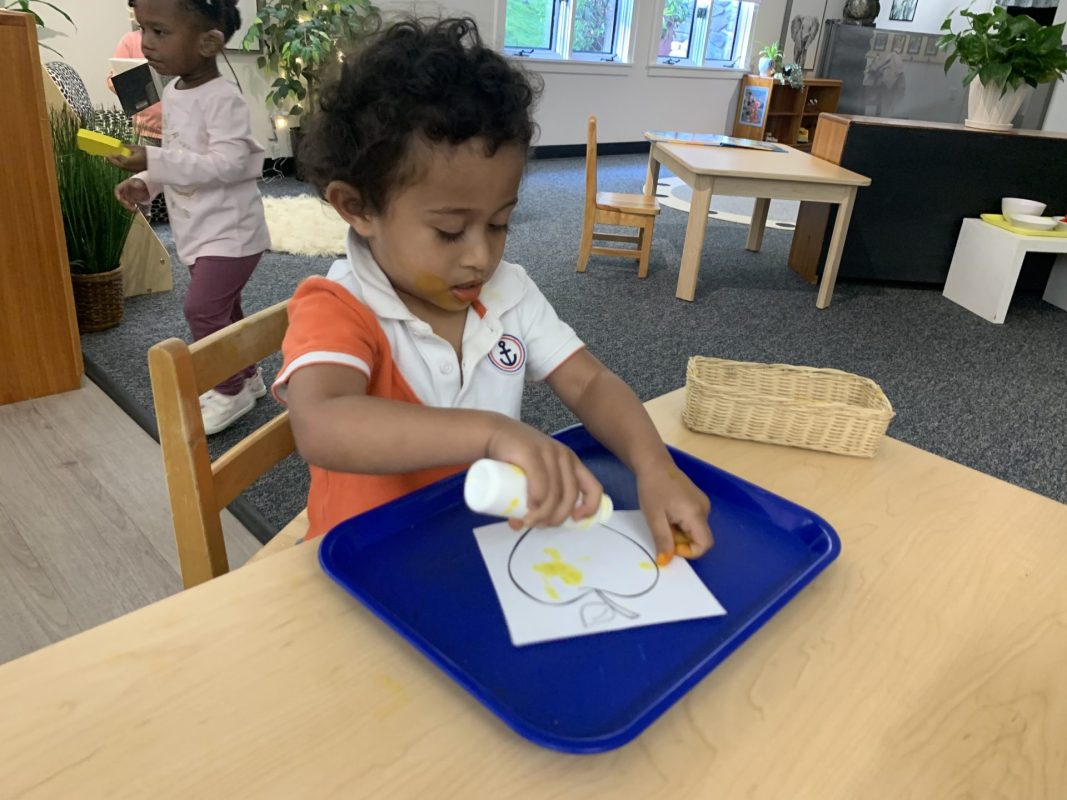
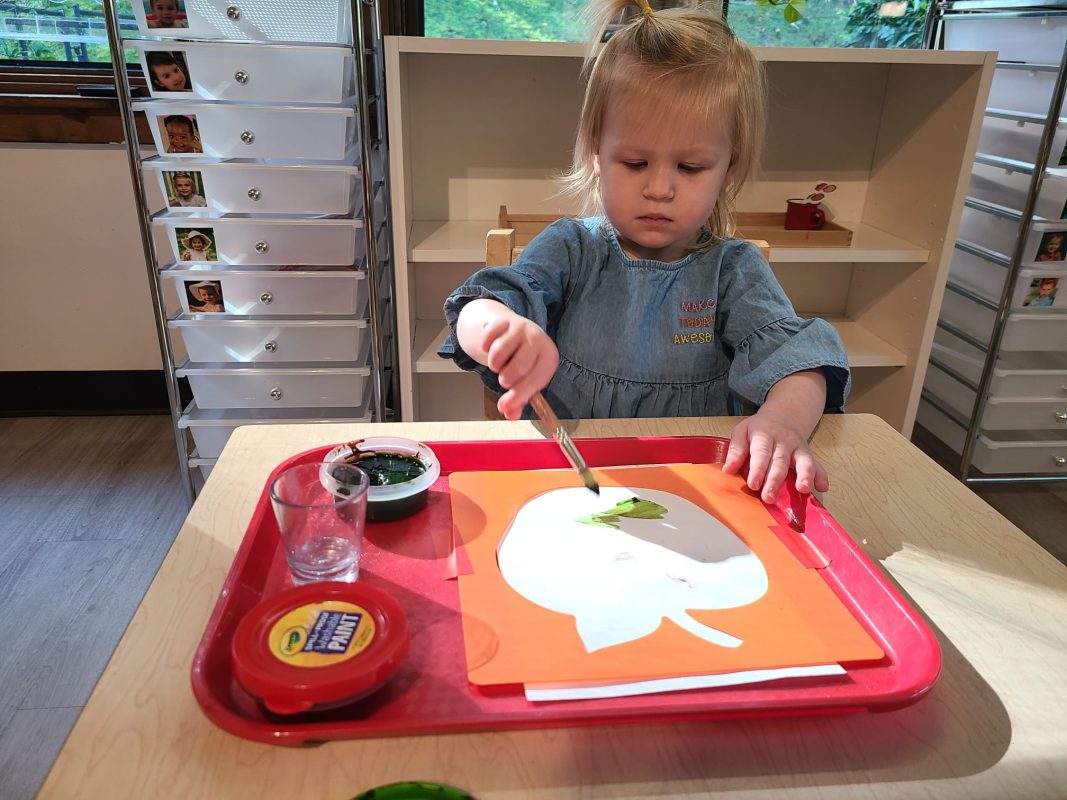
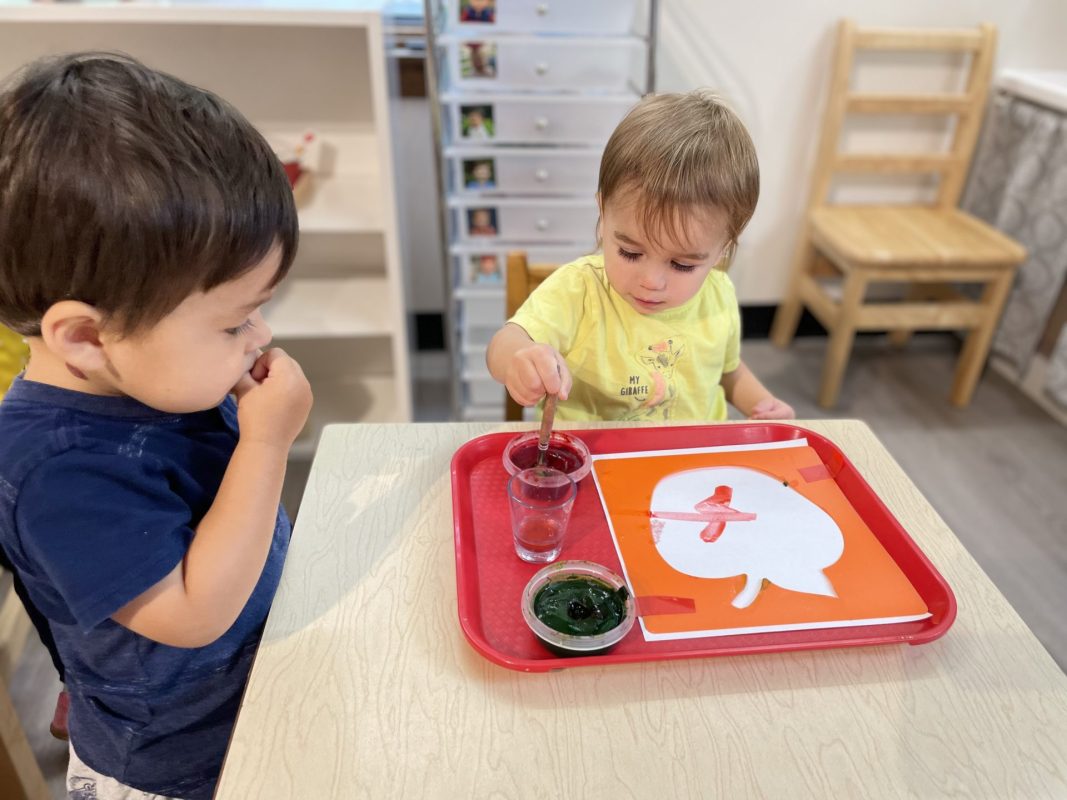
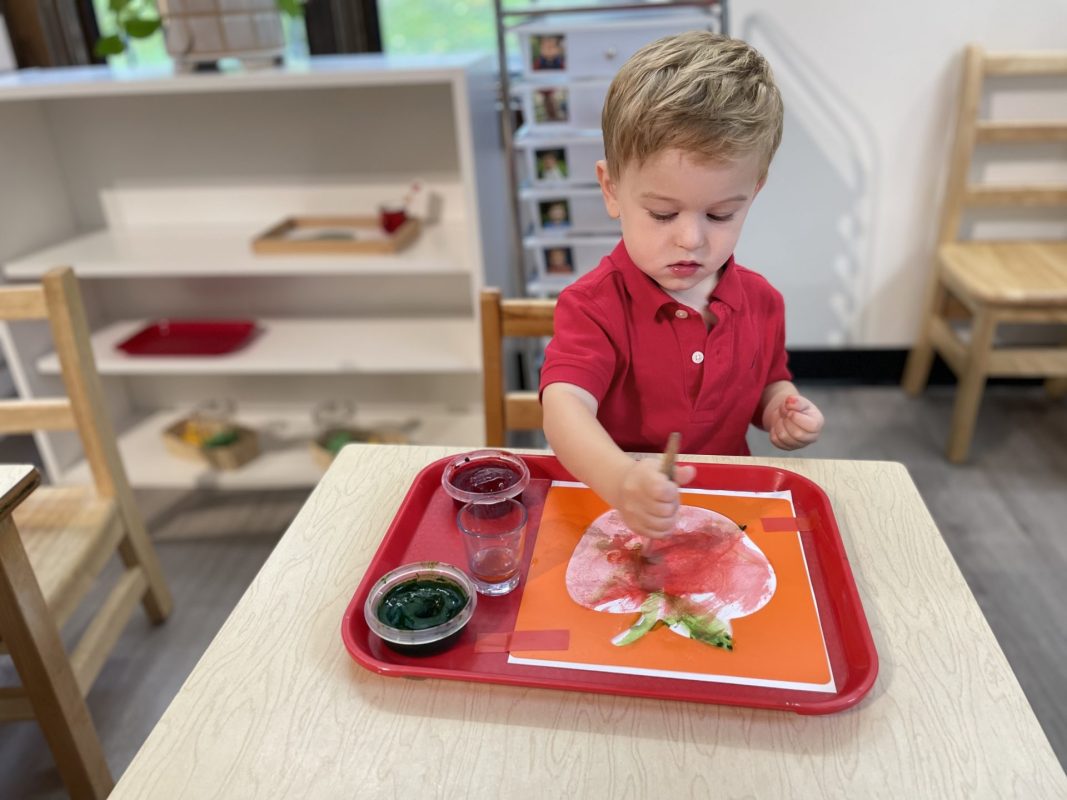
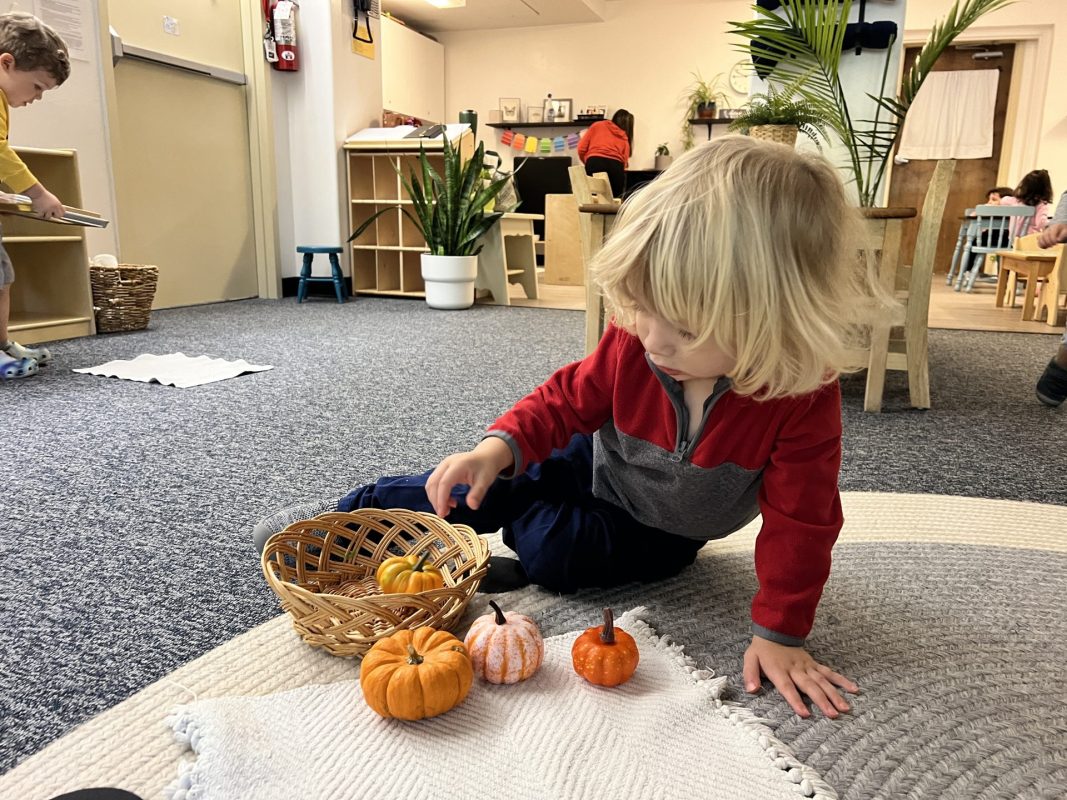
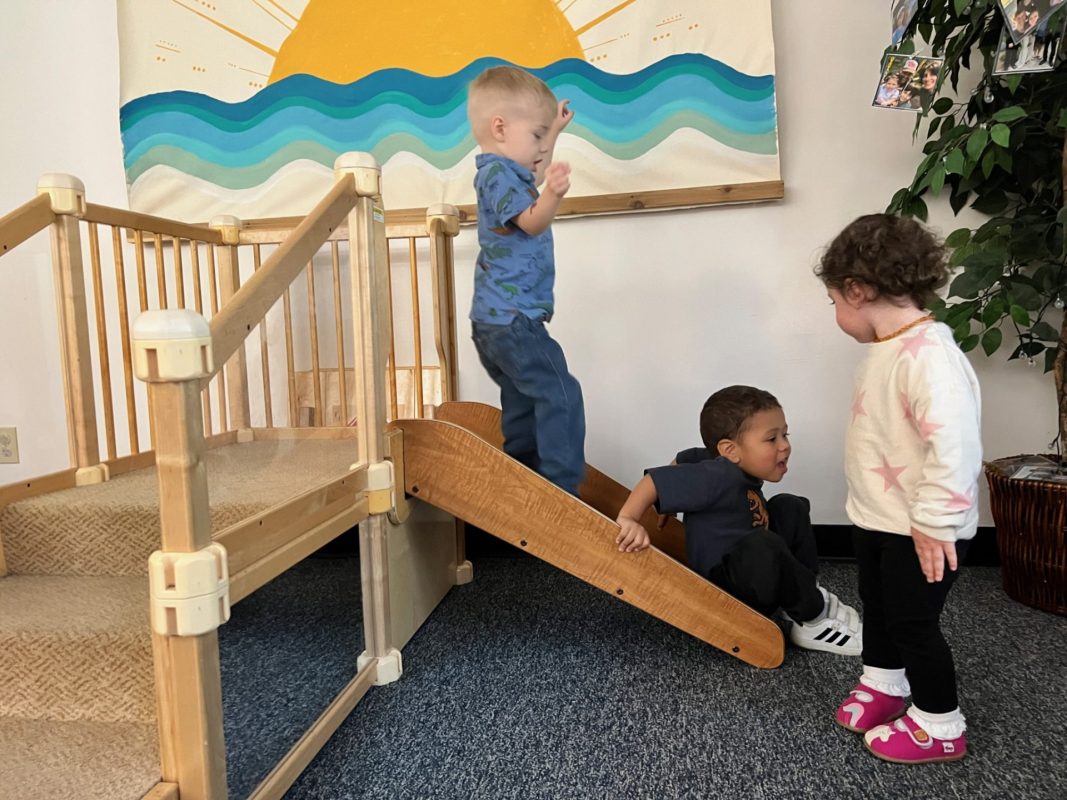
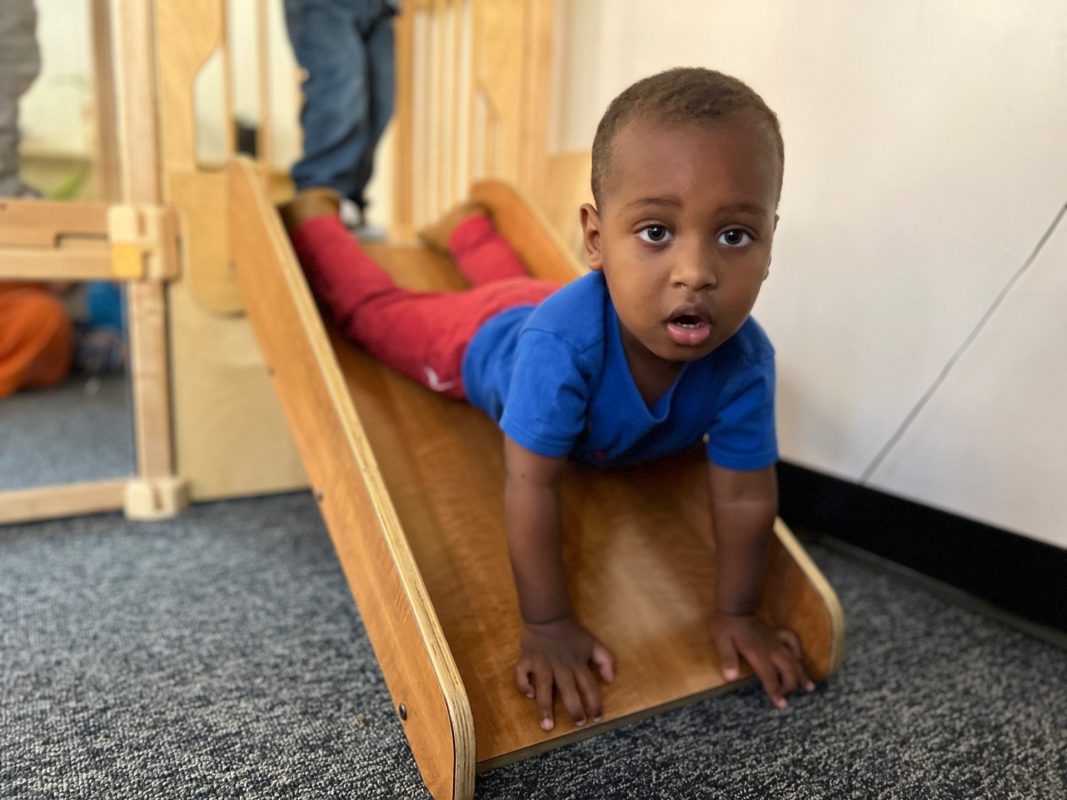
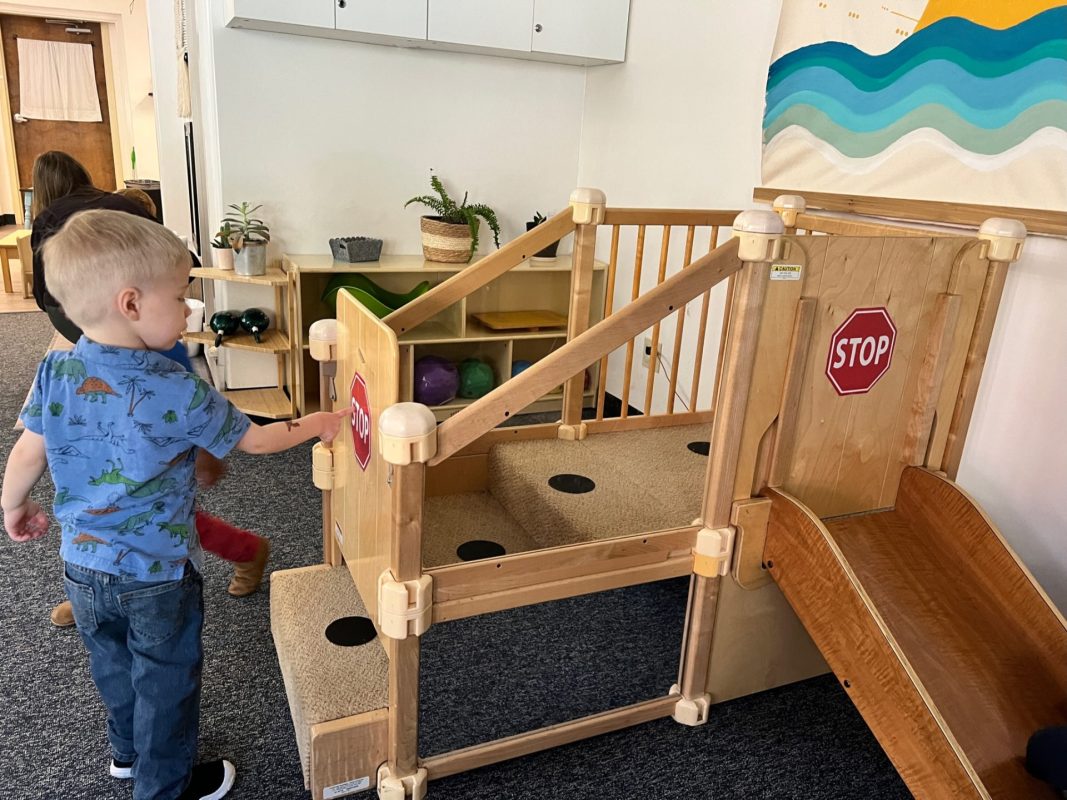
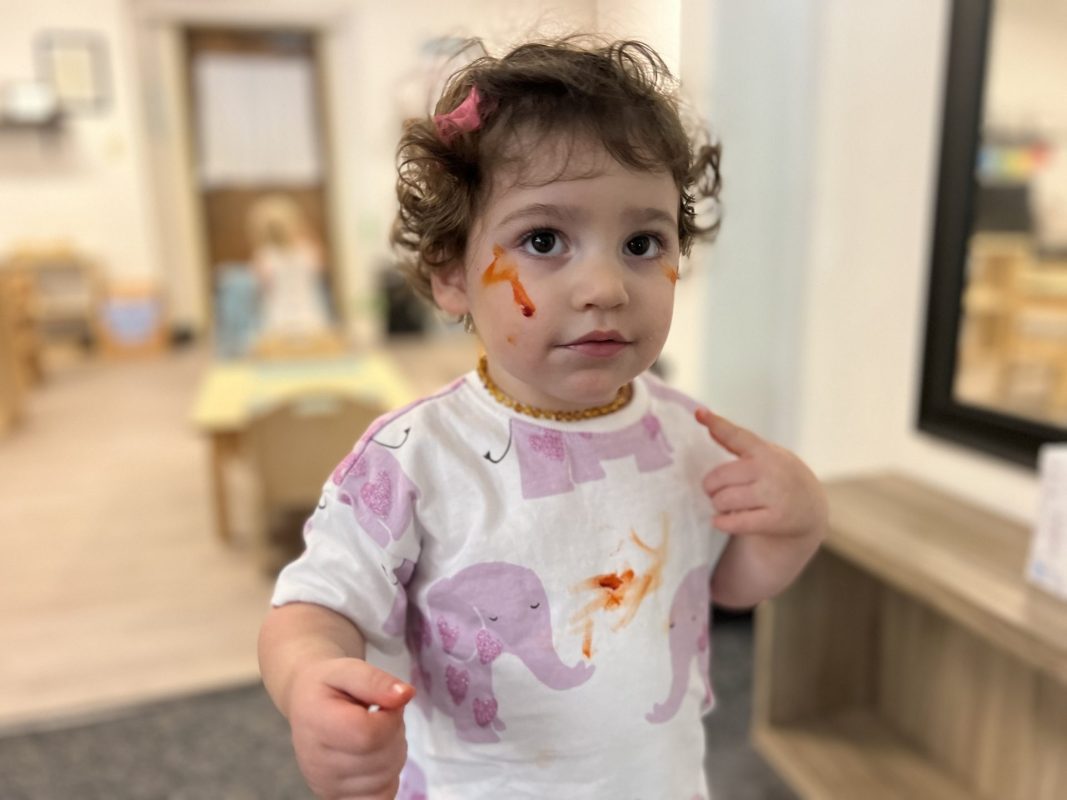
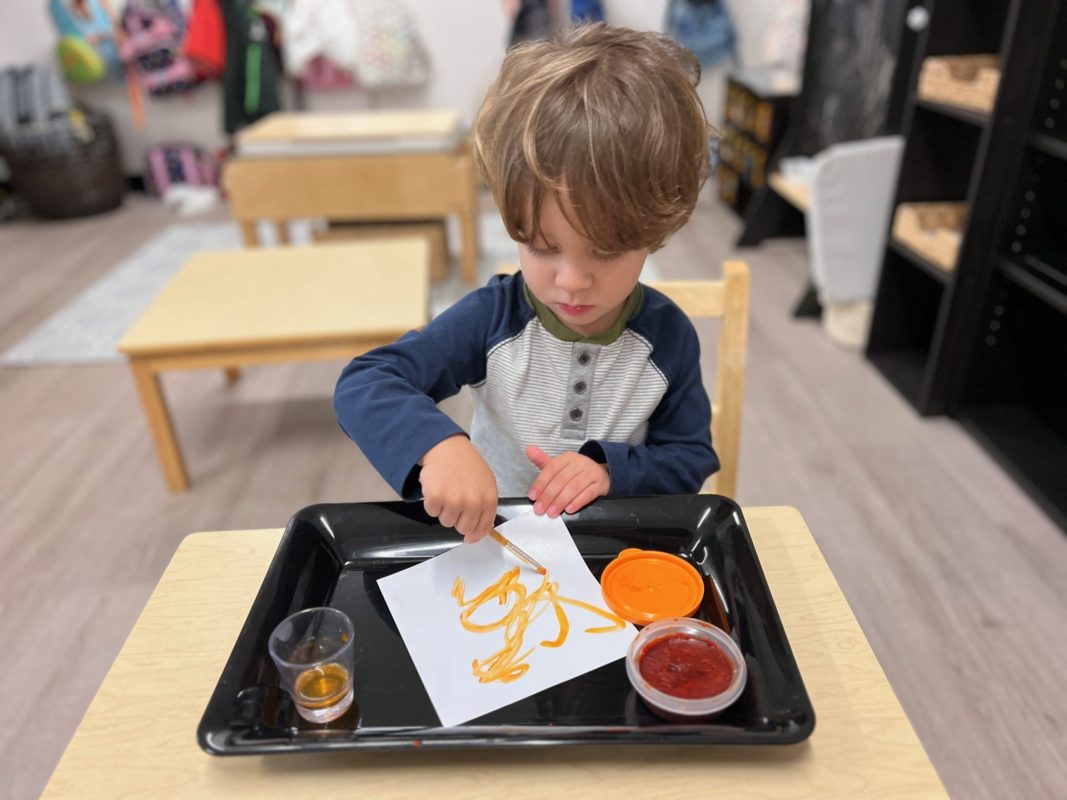
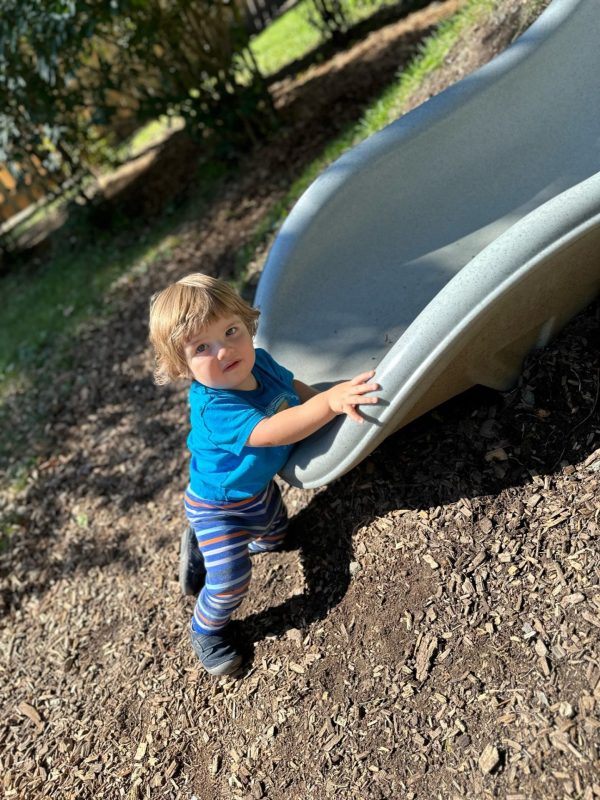
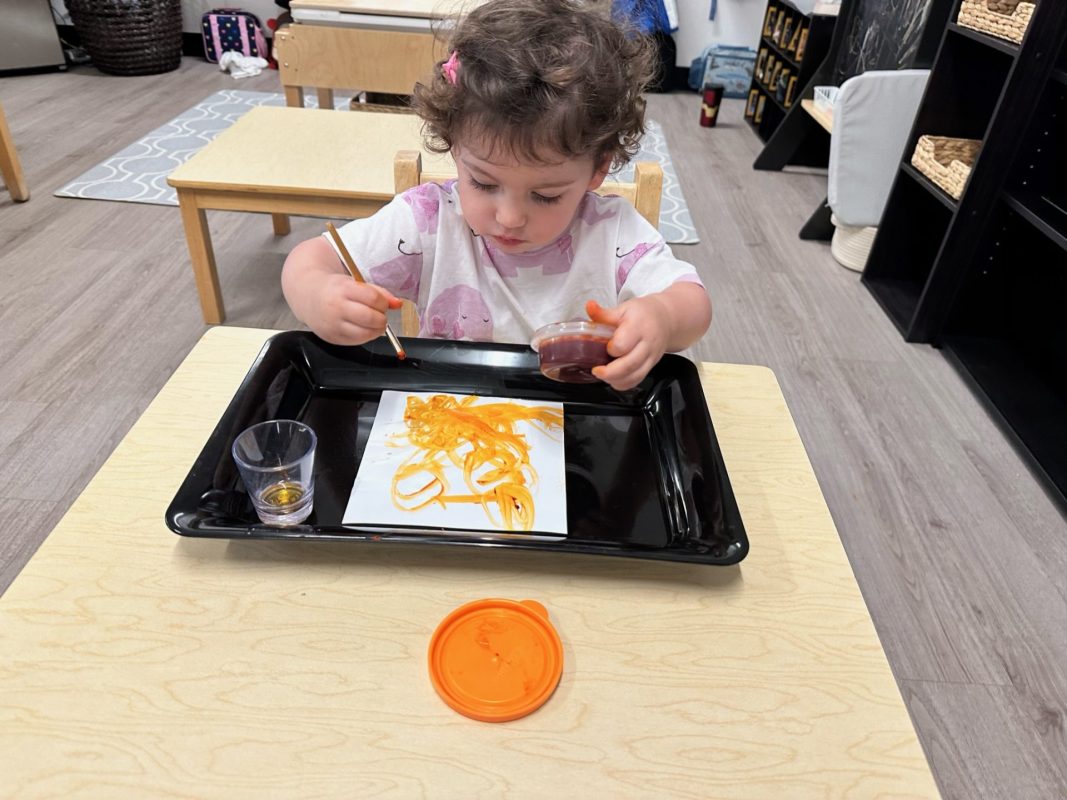
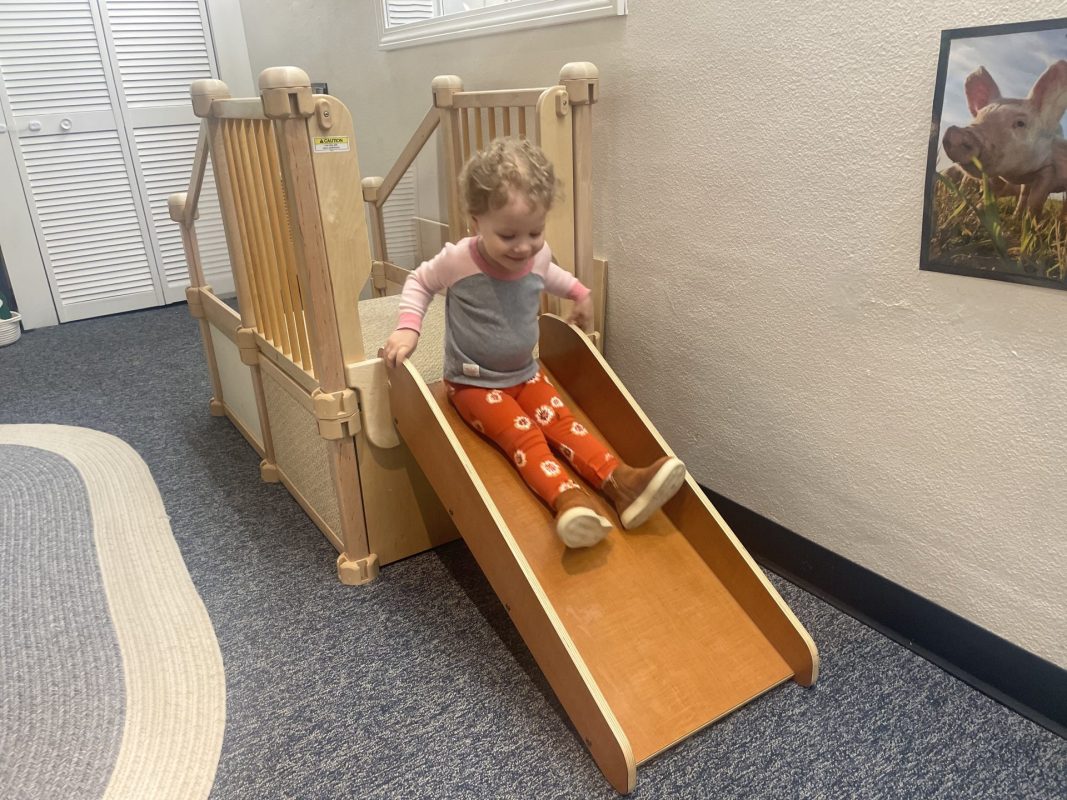
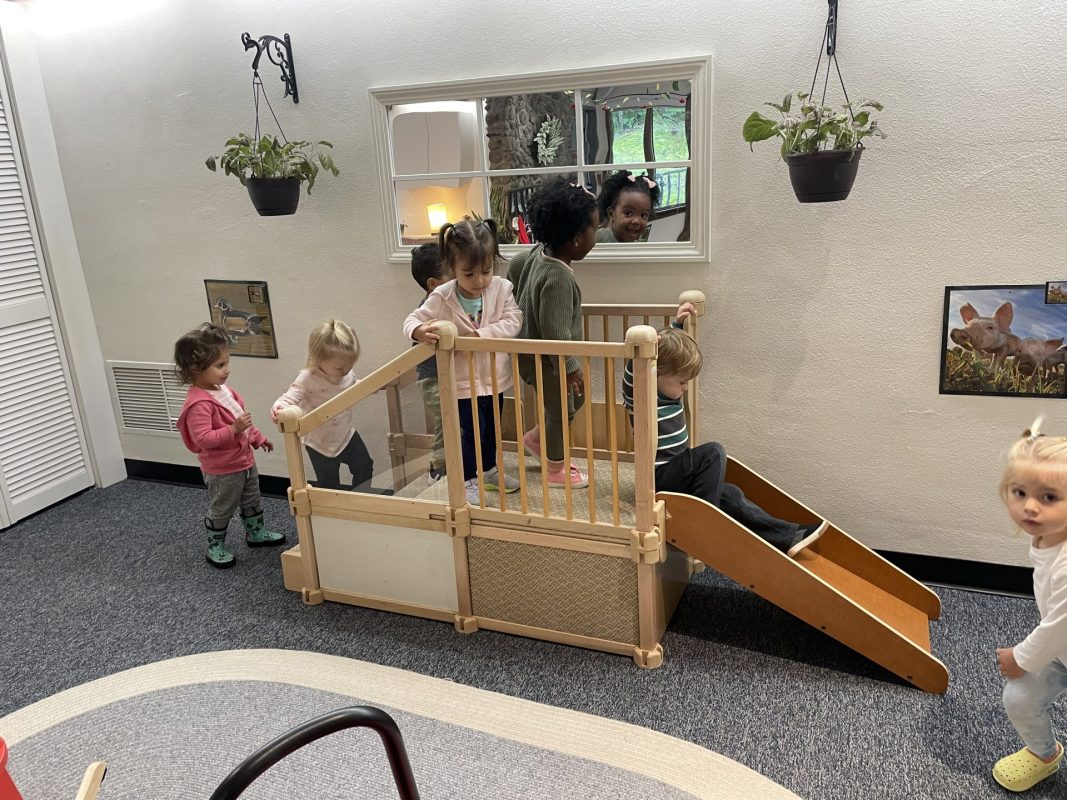
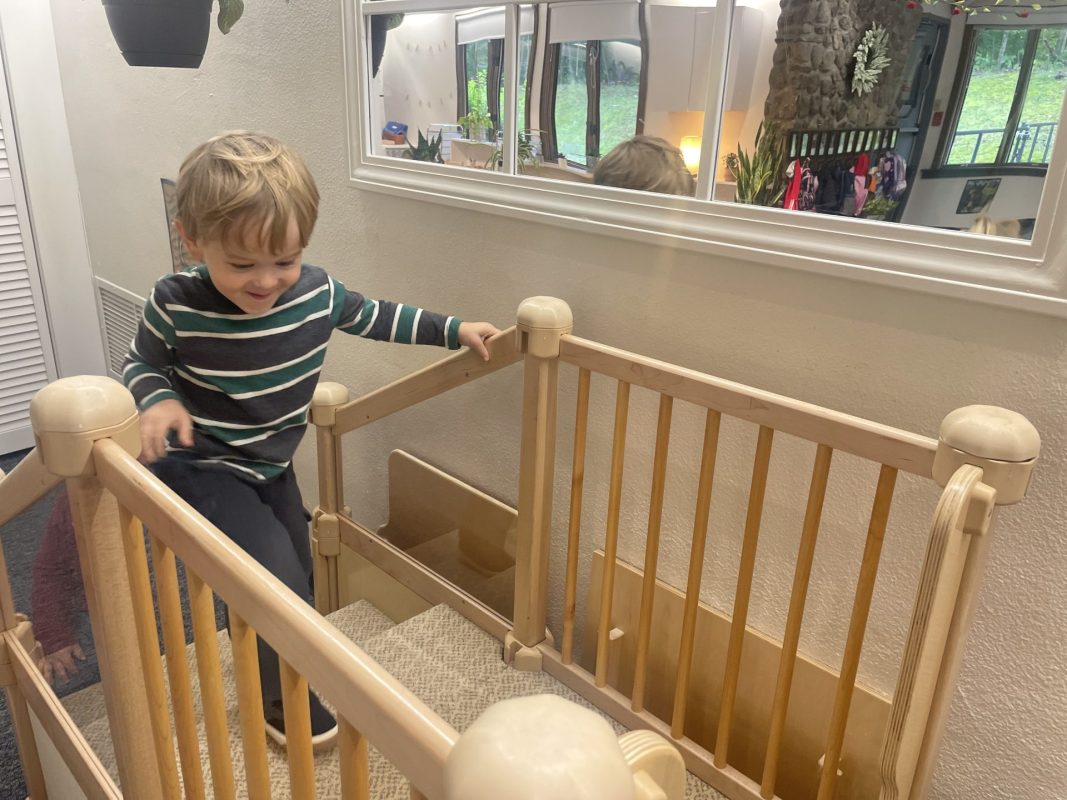
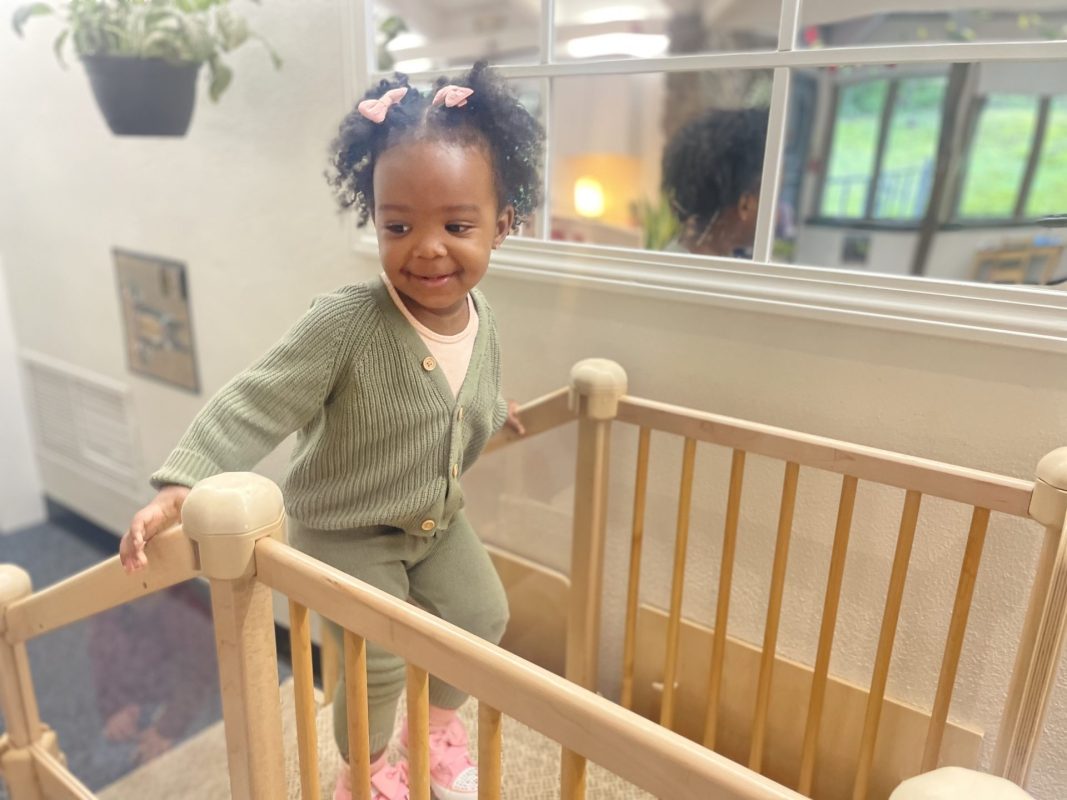
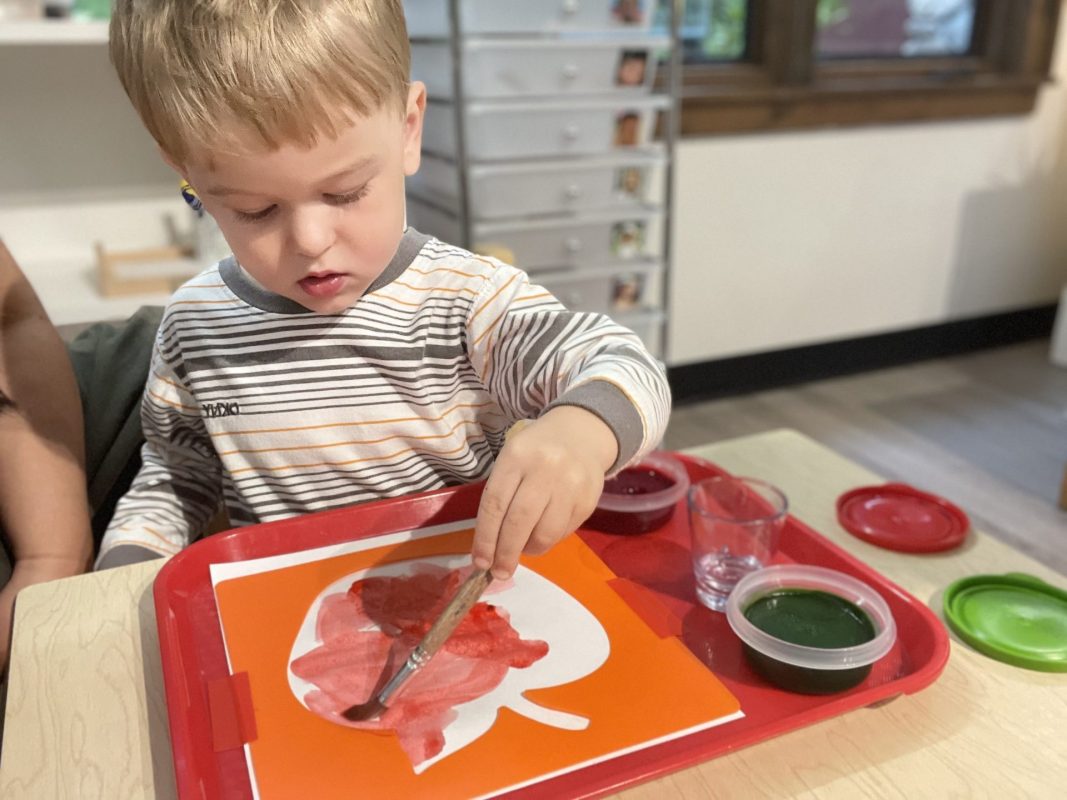
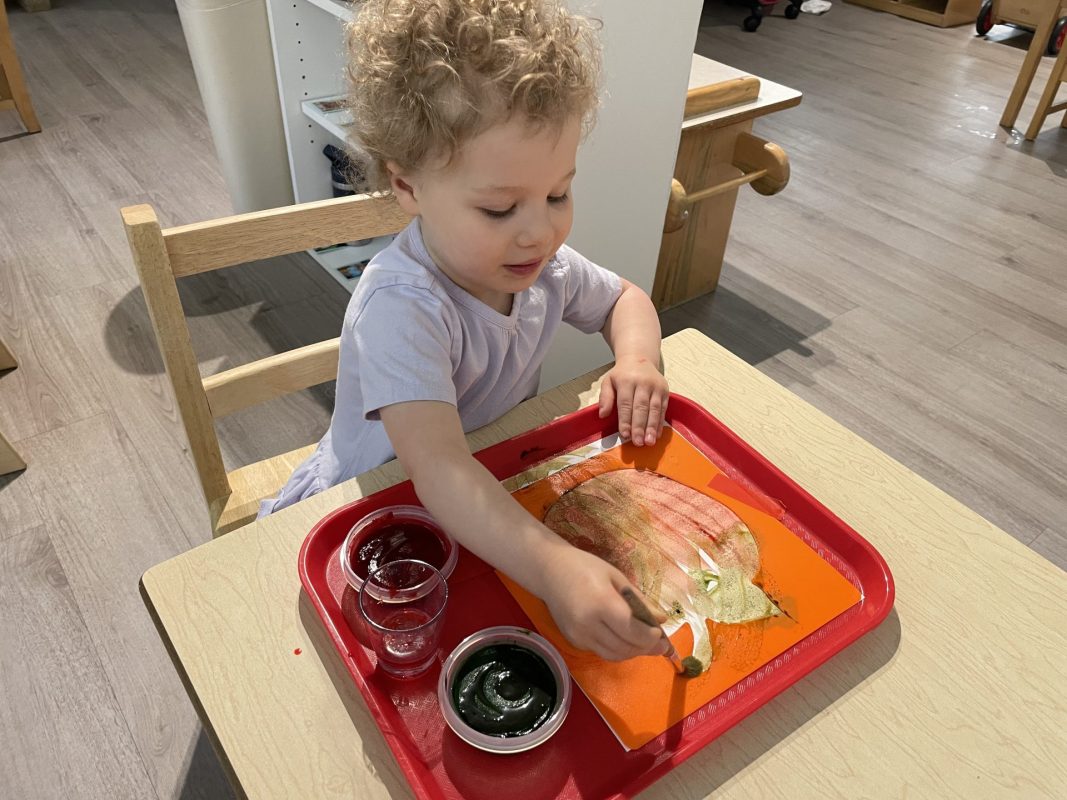
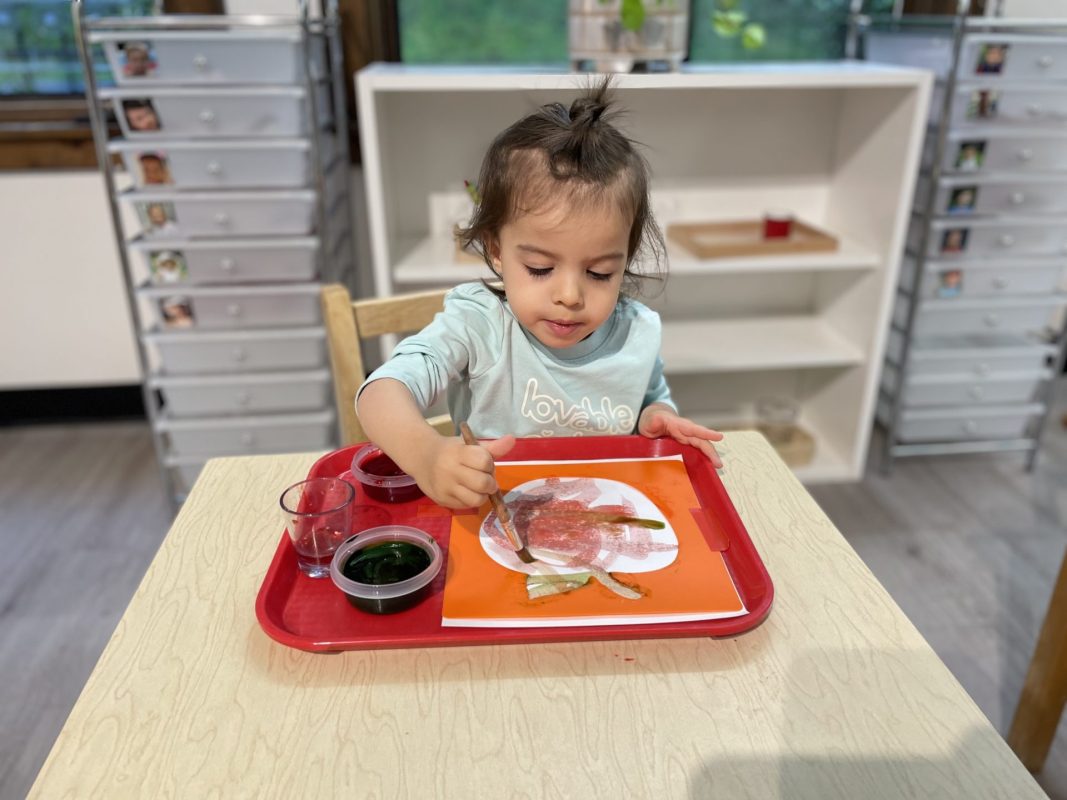
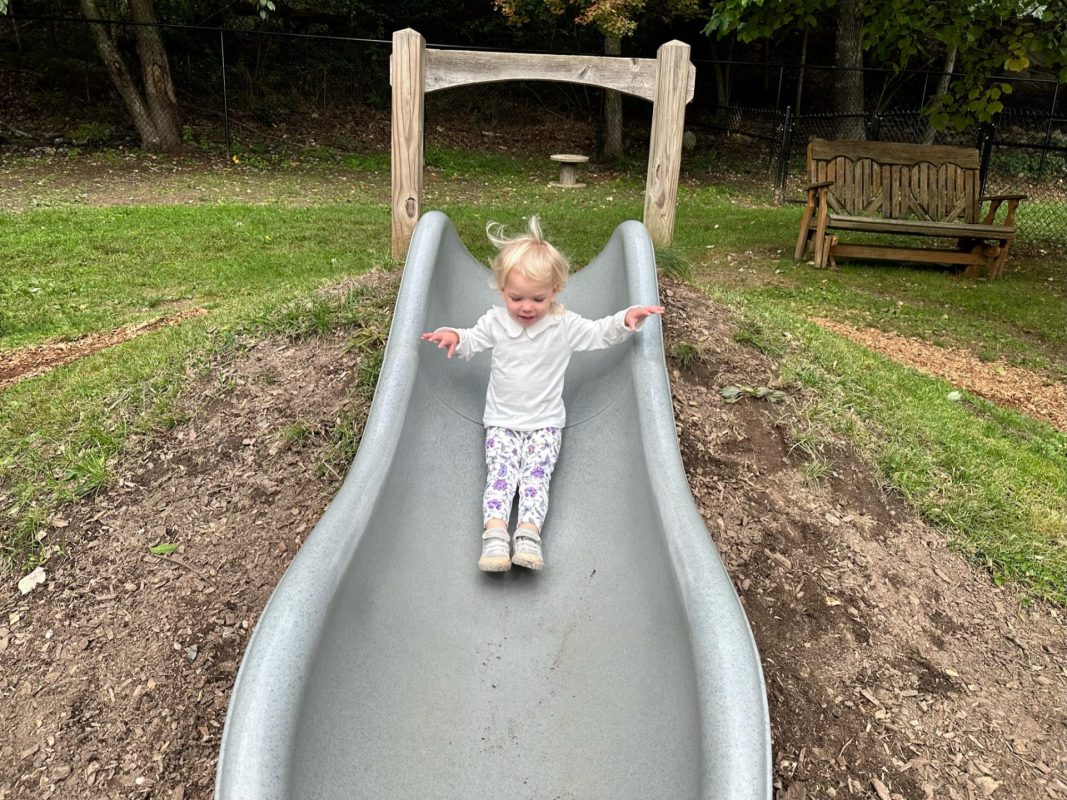
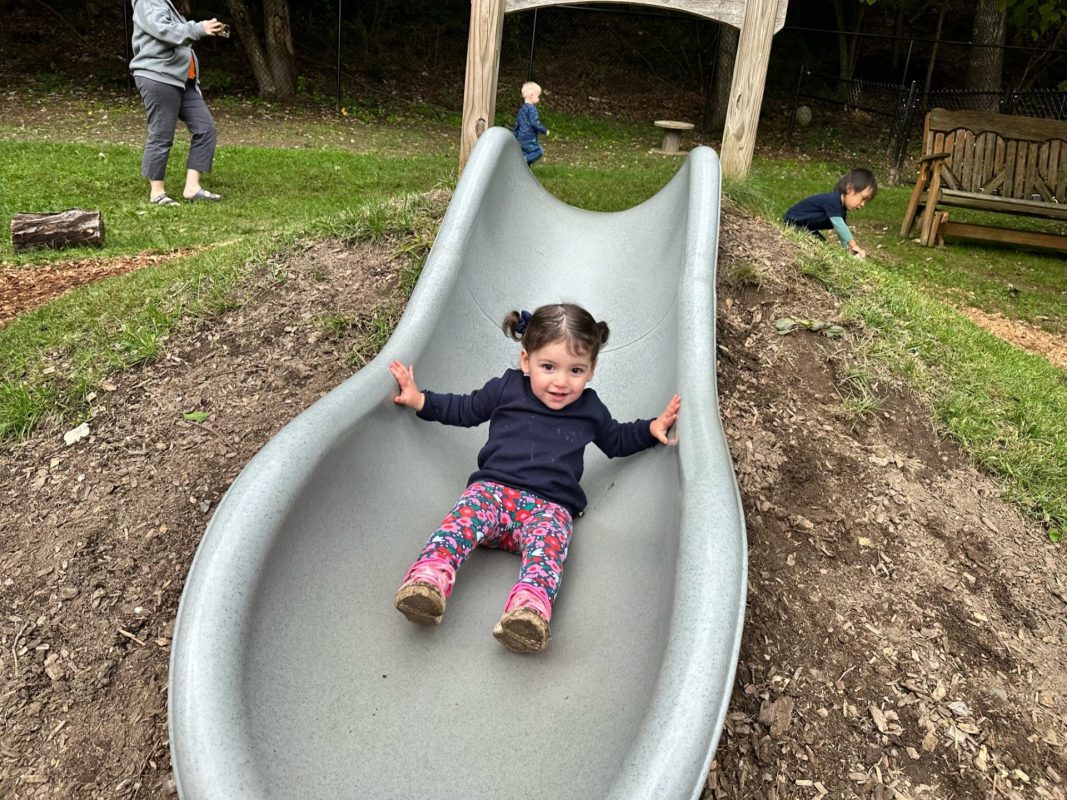
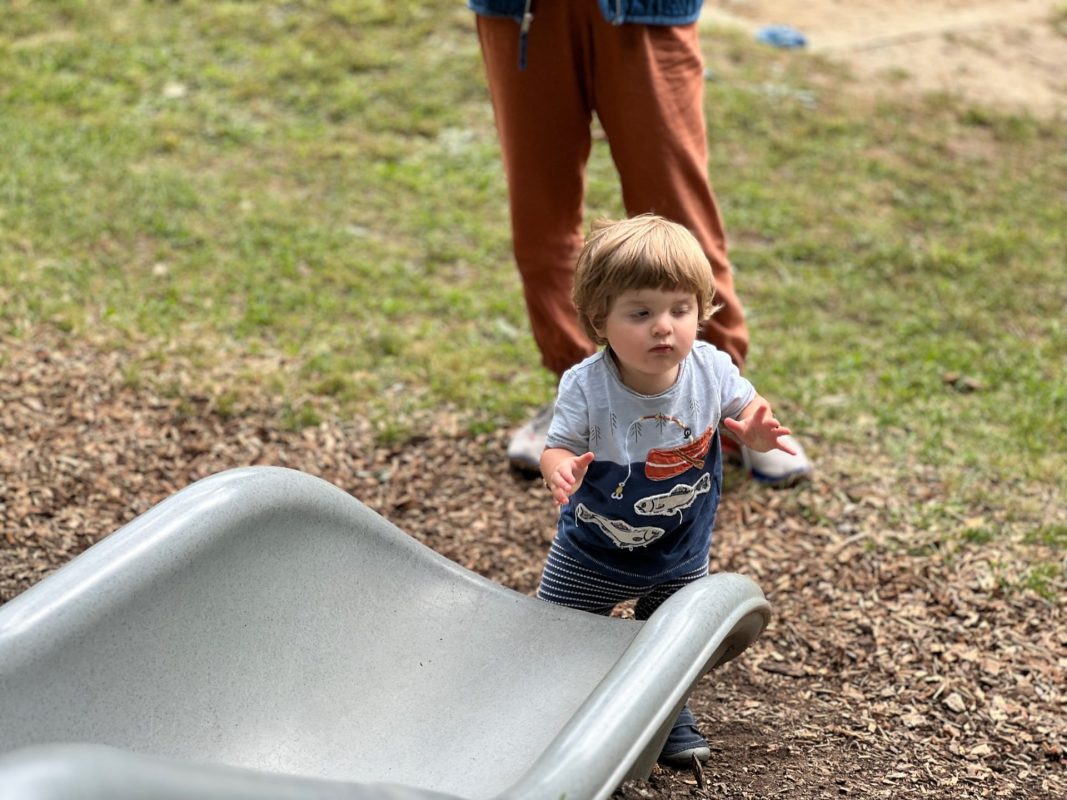
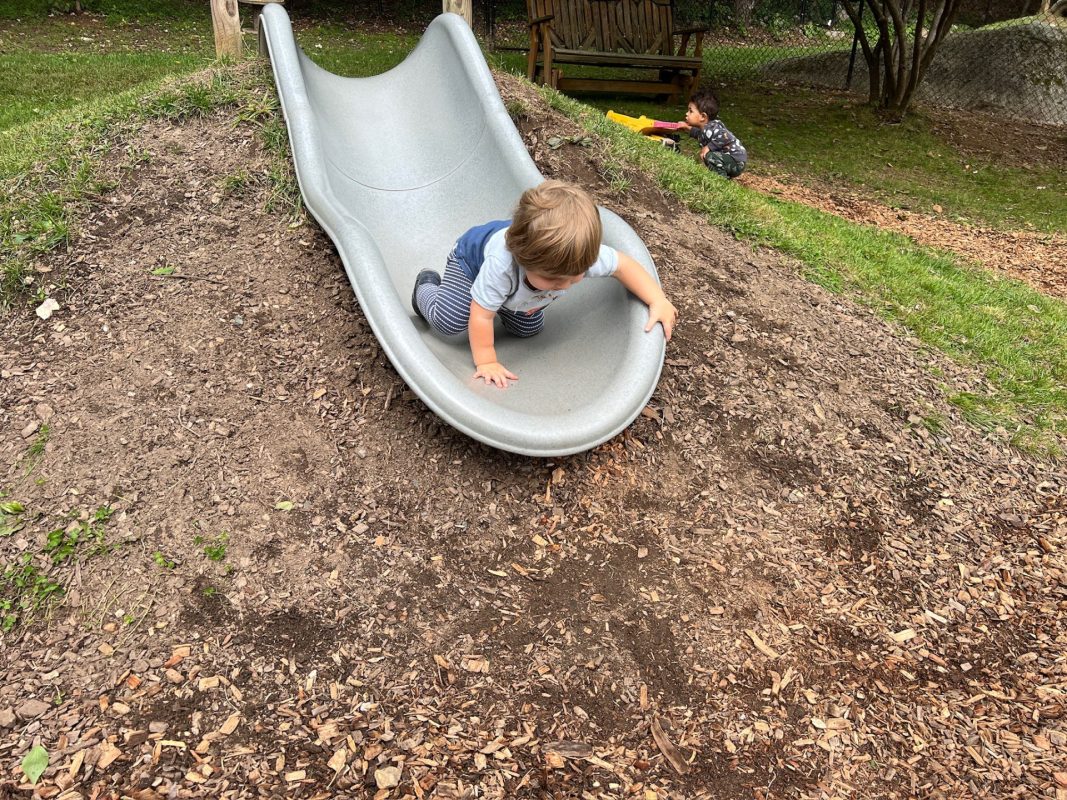
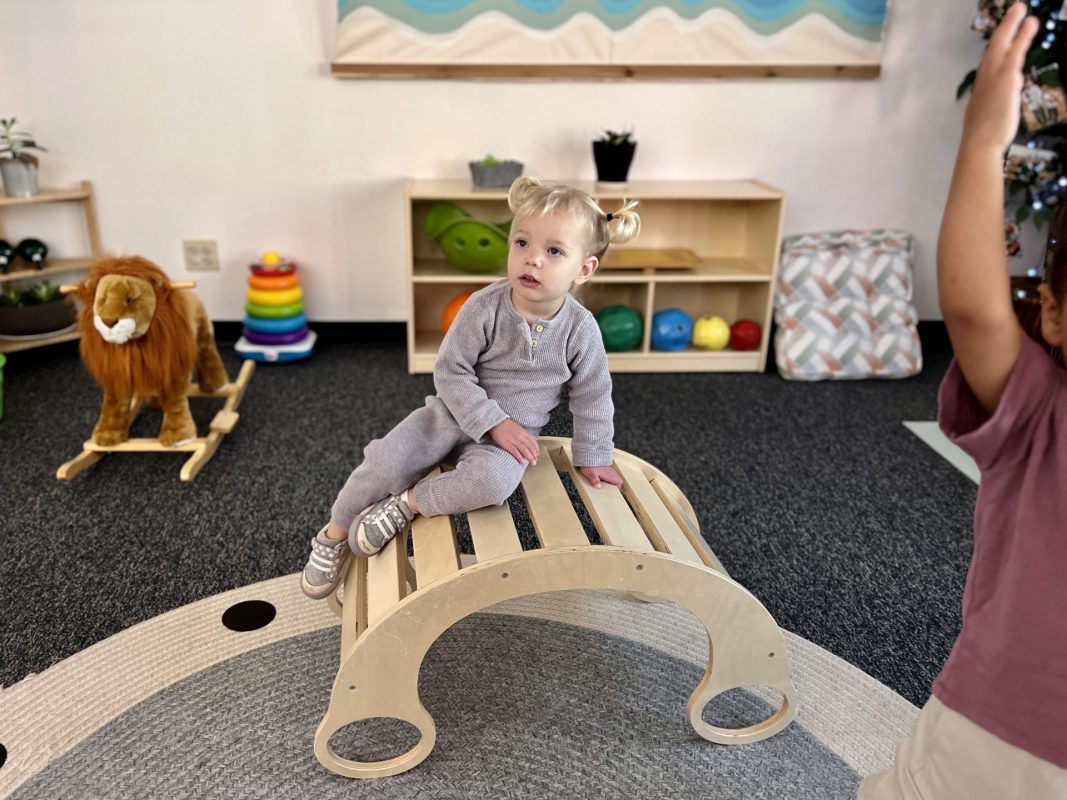
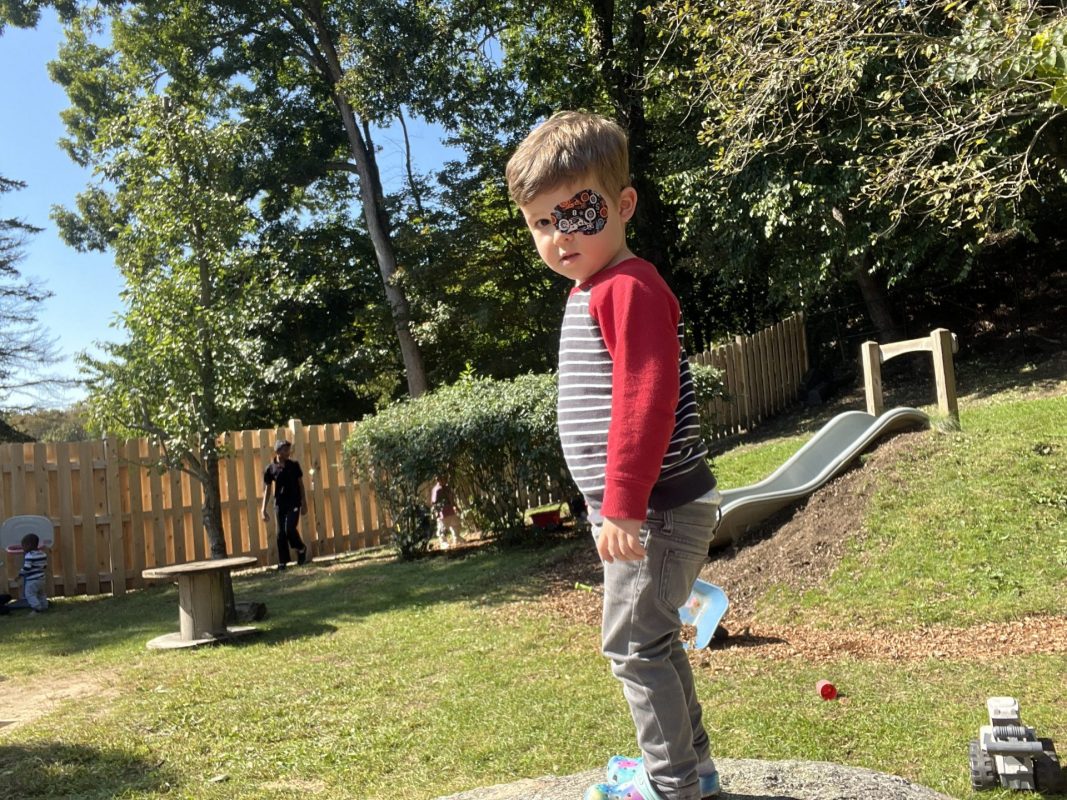
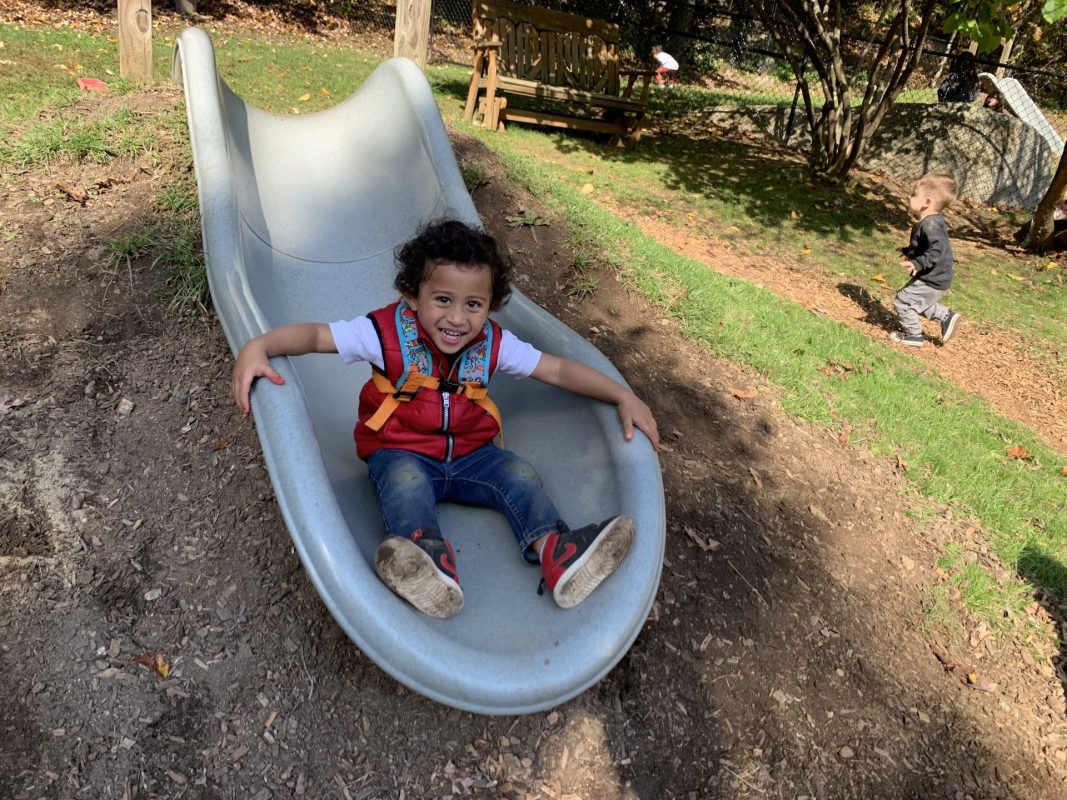
The children were greeted with numerous delightful changes as they returned to the classroom. The materials were swapped out to include lessons and items centered around pumpkins, such as pumpkin-themed materials and the color orange. Moreover, painting was introduced to the children this week, so if you see any orange stains on their clothing, rest assured that they are washable. To further enhance the children’s gross motor skills, we installed a climber and slide, which promotes the development of grace and courtesy as they patiently wait for their turn to slide up or down. We were very grateful for the beautiful weather, and we are enjoying every ounce of sunshine that we can soak up.

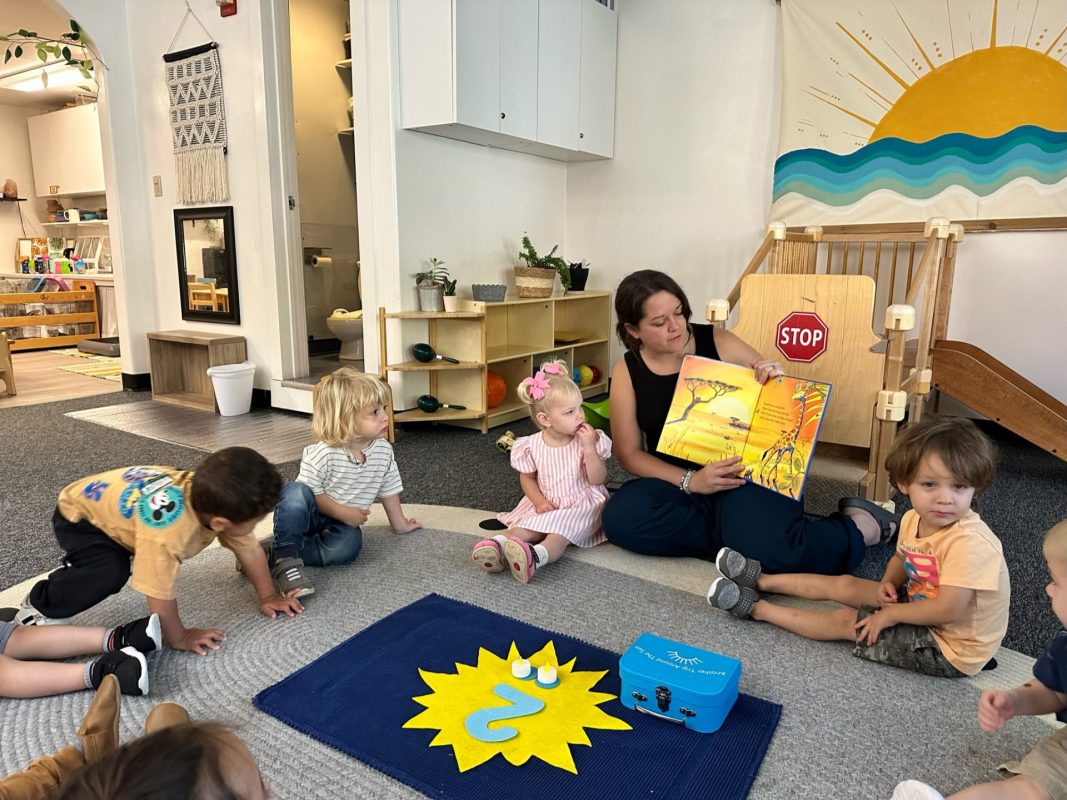
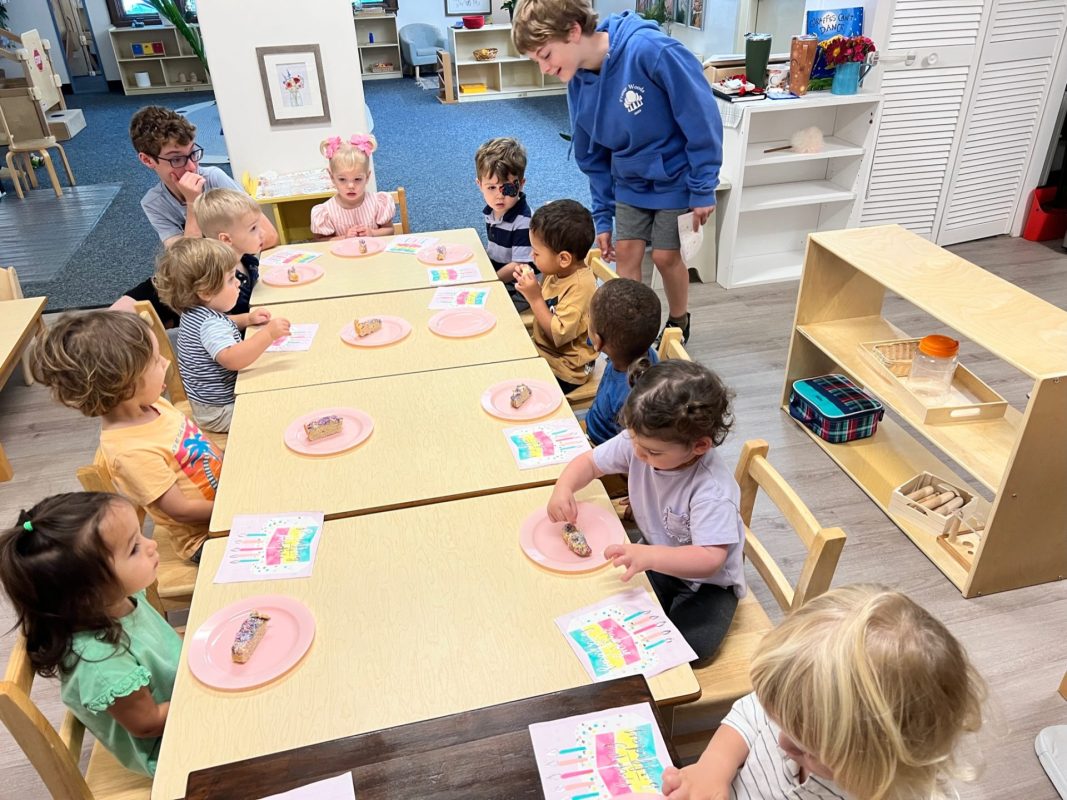
We celebrated our friend’s birthday with delicious ice cream bread this week. Our friend shared her favorite book, Giraffes Can’t Dance, by Giles Andreae.

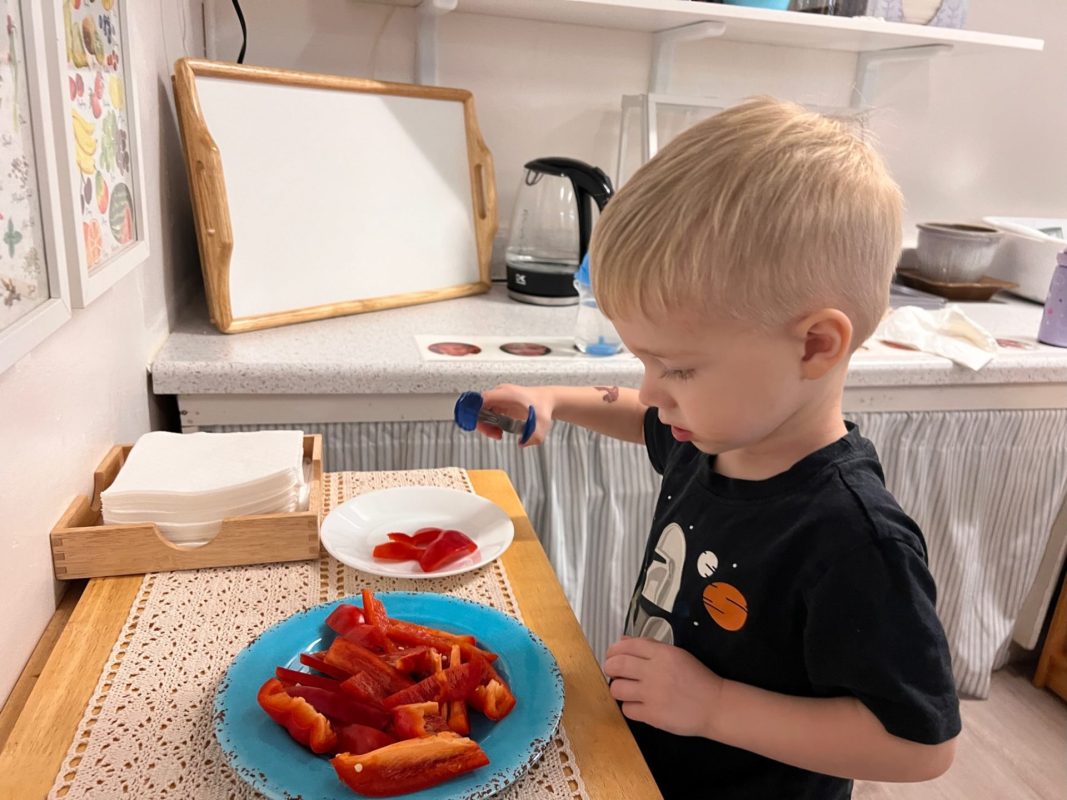
Food Tasting: We tried red peppers, but I disliked them. I still smiled politely and took a small bite for the children. Shhh! They don’t know that Mrs. Wilson’s least favorite vegetable is peppers. Most of our friends seem to enjoy them. Once we concluded our food-tasting endeavor, I opted to try something new. I gathered the leftover peppers and placed them on a tray with serving tongs. Then, I positioned the tray on the food prep table alongside some dishes. Observing the children’s reactions was intriguing as they explored the setup and independently helped themselves to the peppers.

Happy Weekend,

Cynthia and Sara


Mrs. Sargeant: Help me to do it myself!


“Help me to do it myself” is the core of the Montessori classroom. Maria Montessori said that these words reveal the inner needs of the child.

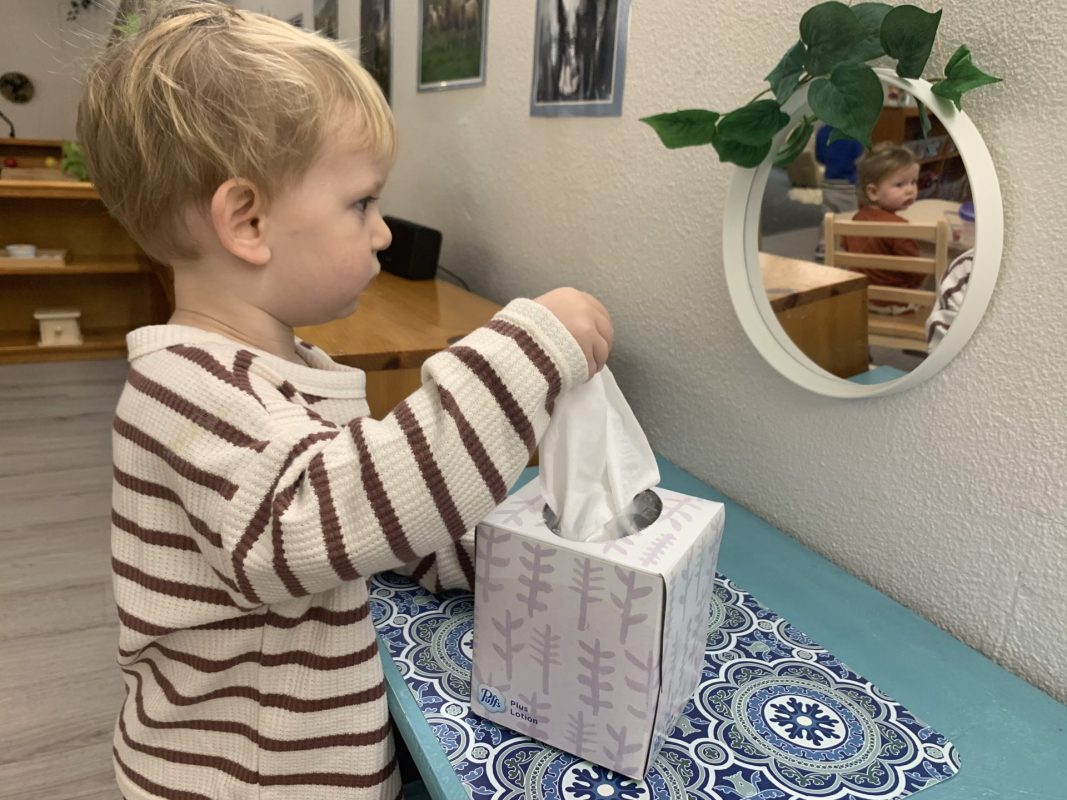
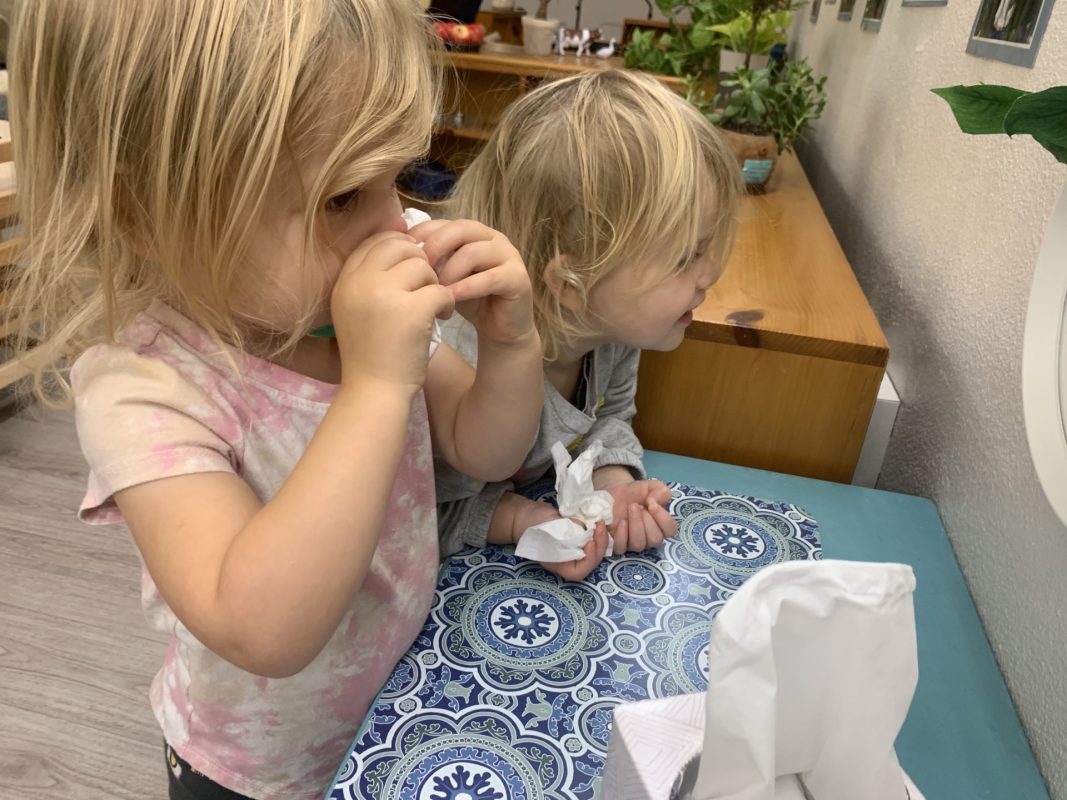
Maria Montessori once recounted an incident where she had given a nose-blowing lesson in front of a group of children at the Casa de Bambini. She observed that the children were fascinated by the lesson and expressed gratitude by clapping and thanking her afterward. This experience led her to realize the significance of teaching self-care to children. Dr. Montessori recognized that children have a natural inclination to learn and practice self-care tasks. She understood these skills are essential for preserving a child’s dignity and building self-esteem.

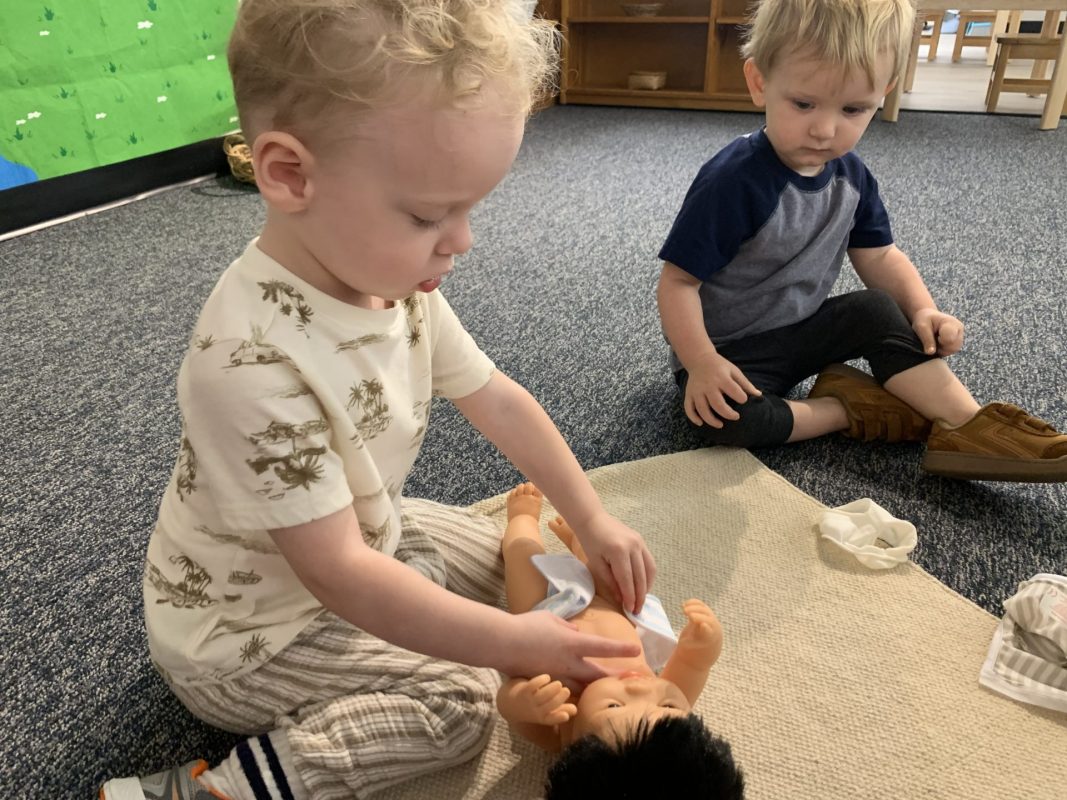
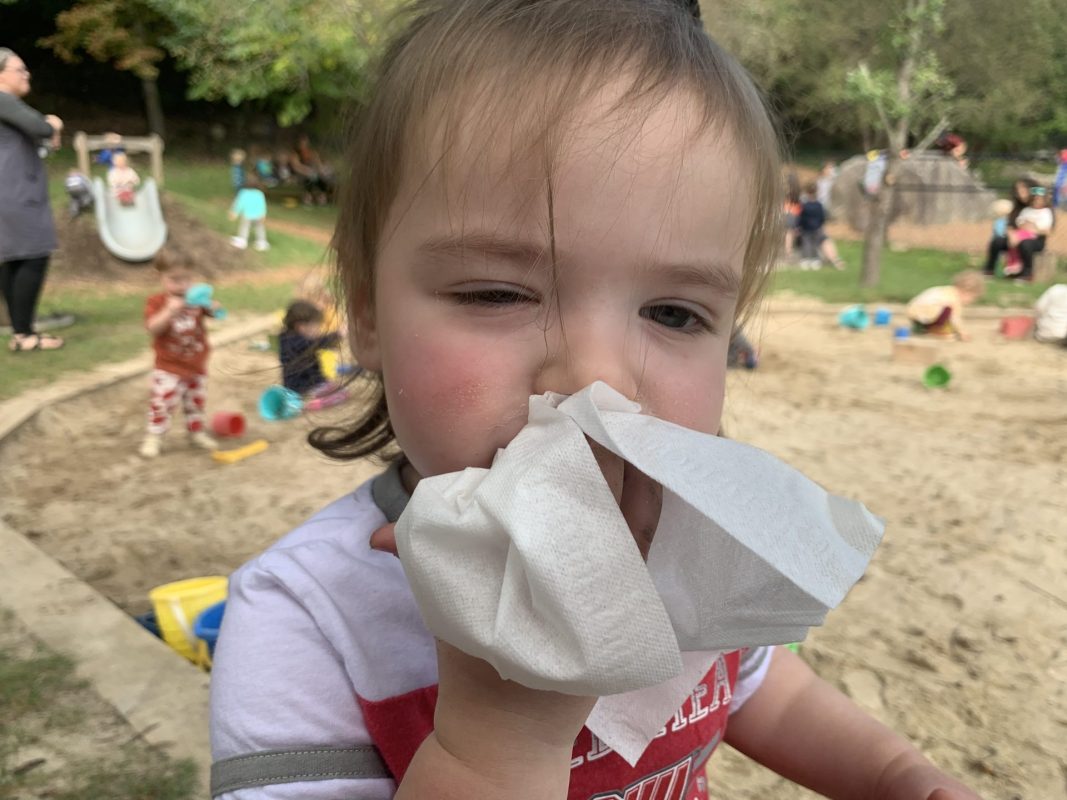
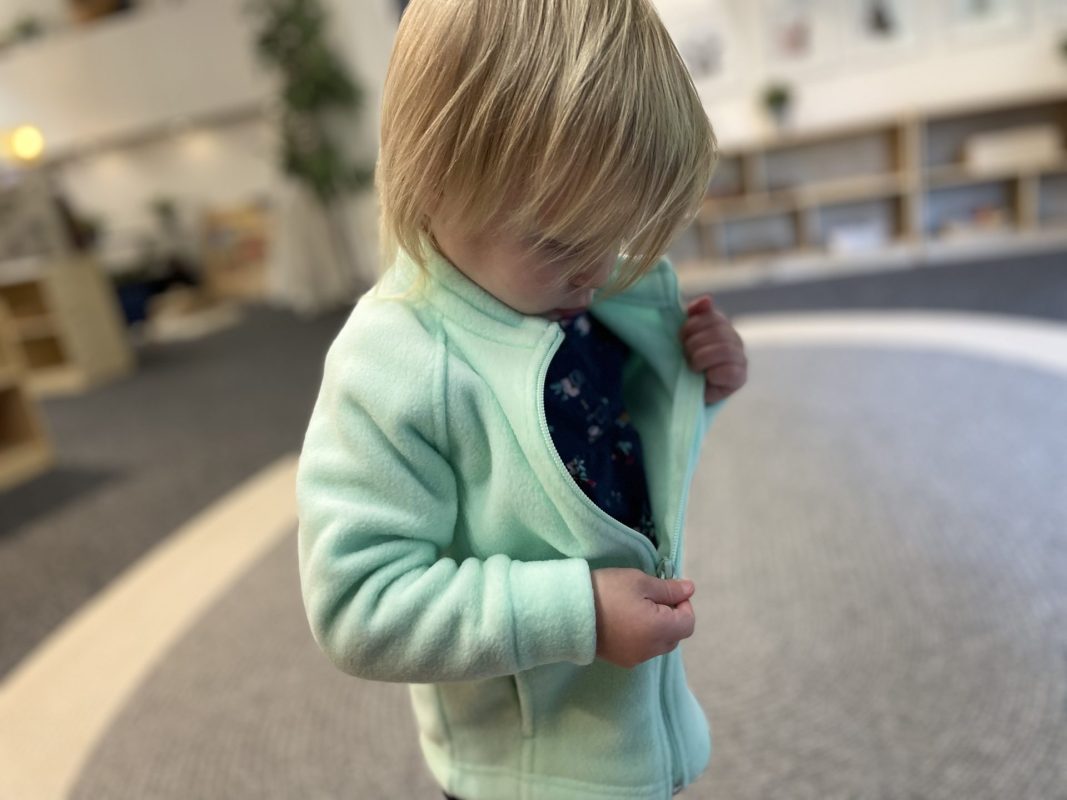
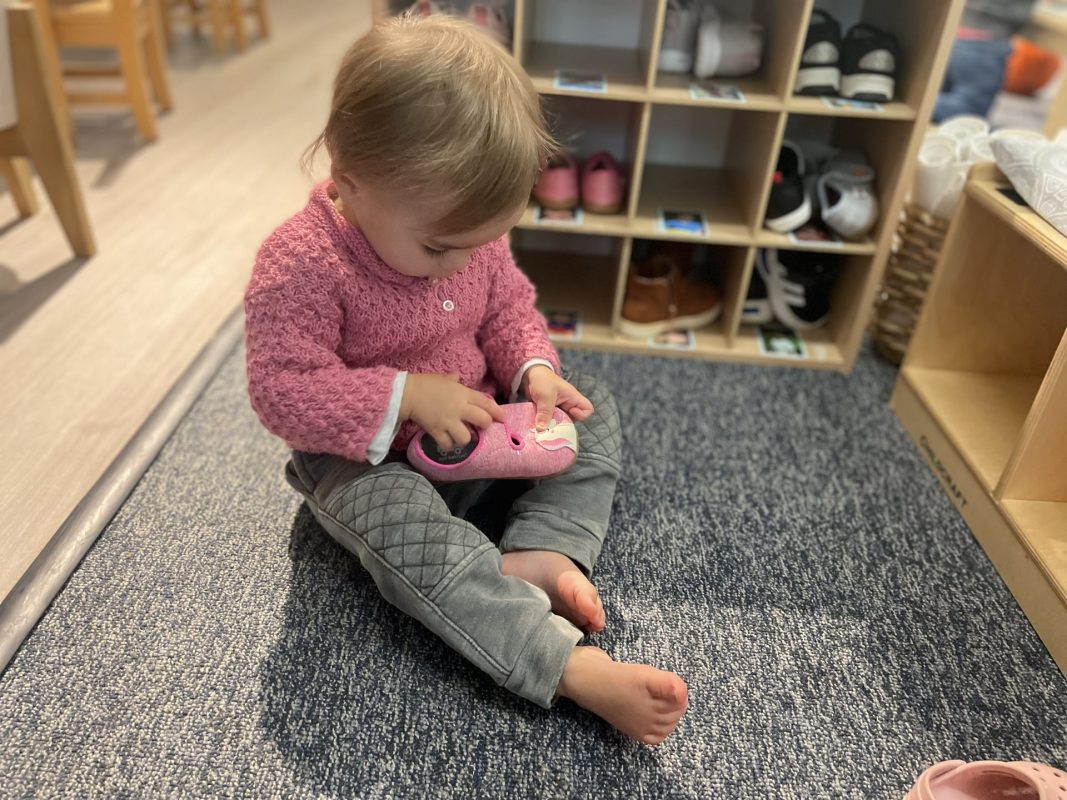
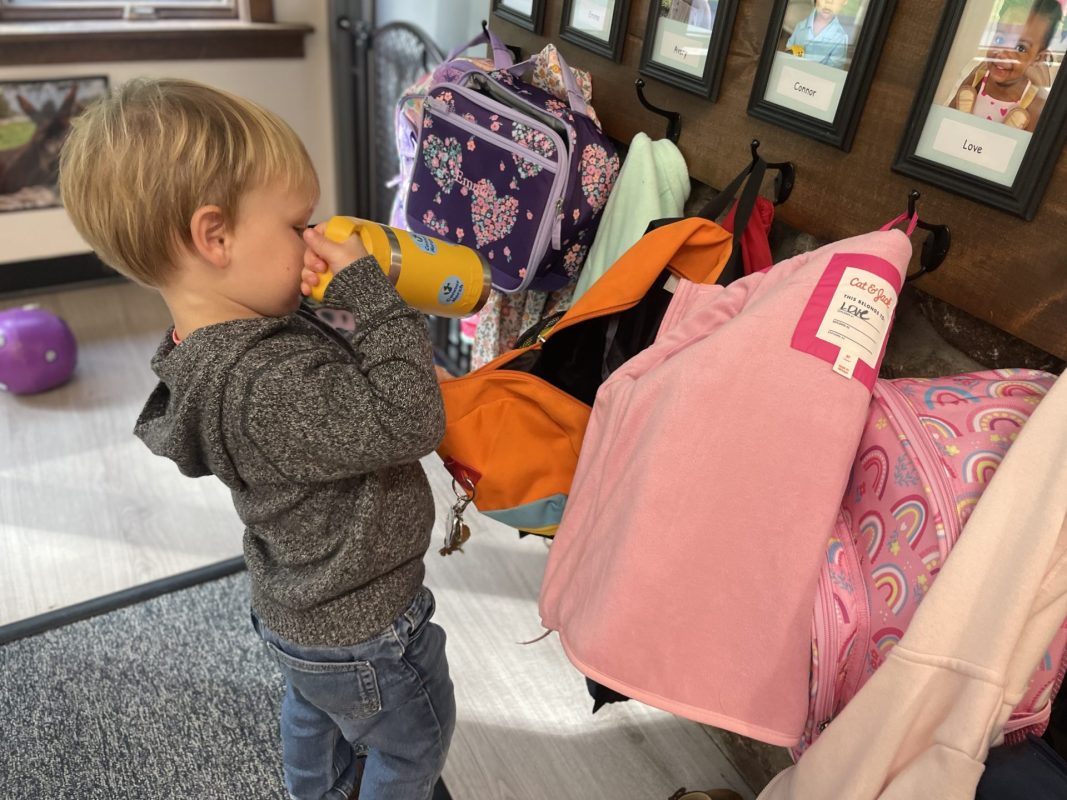
We encourage children to do things for themselves each day: hanging their backpacks, removing their shoes, washing their hands, dressing themselves, and even wiping or blowing their noses. Of course, jumping in and doing these tasks for the children is easier and quicker. However, the time spent teaching the children to do something independently will not only build their self-confidence and concentration but will eventually save time and increase your family’s happiness!

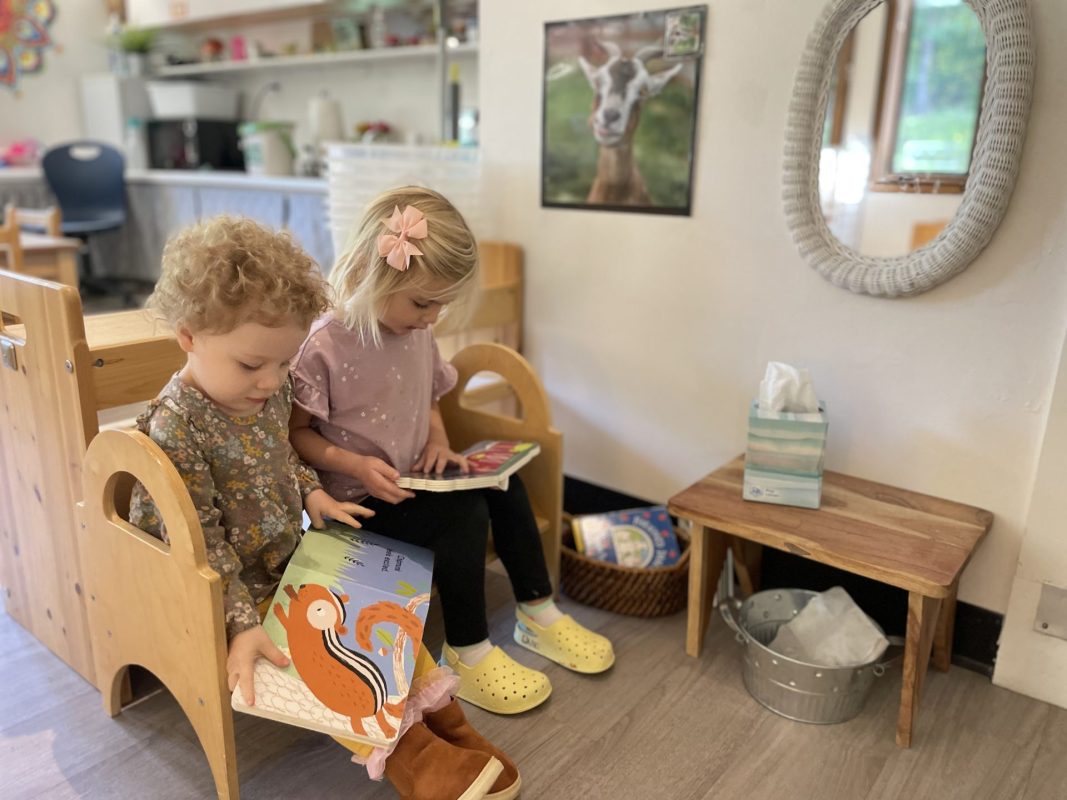
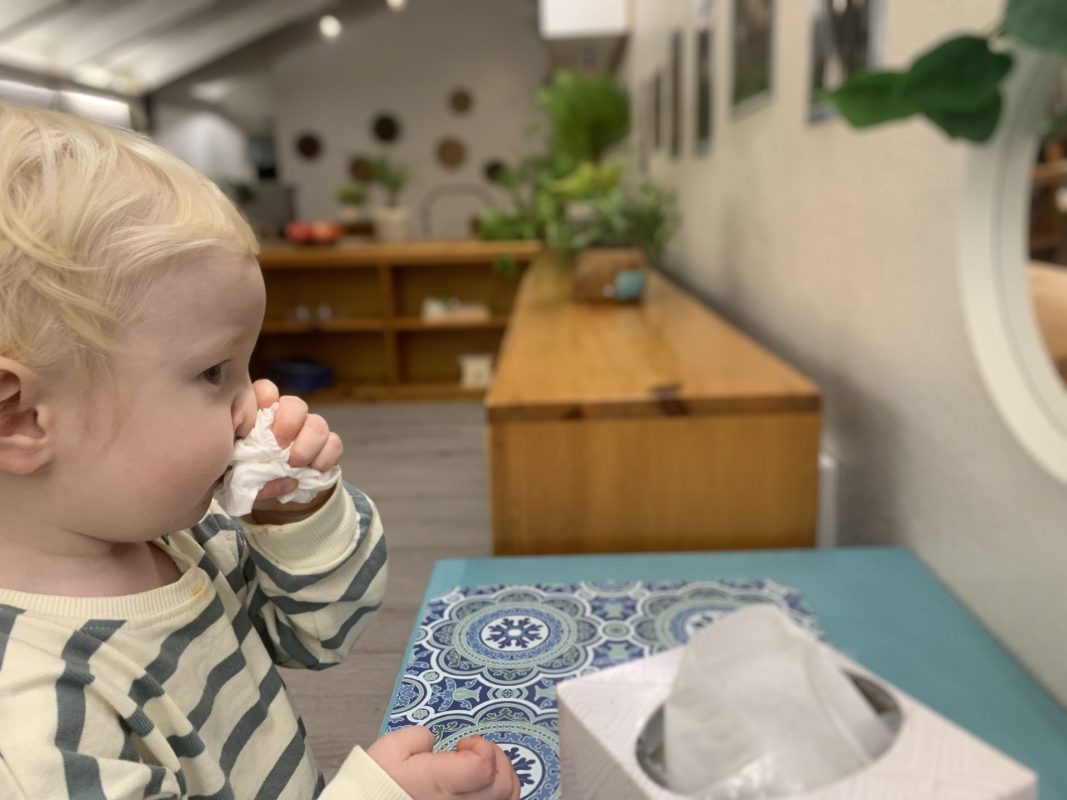
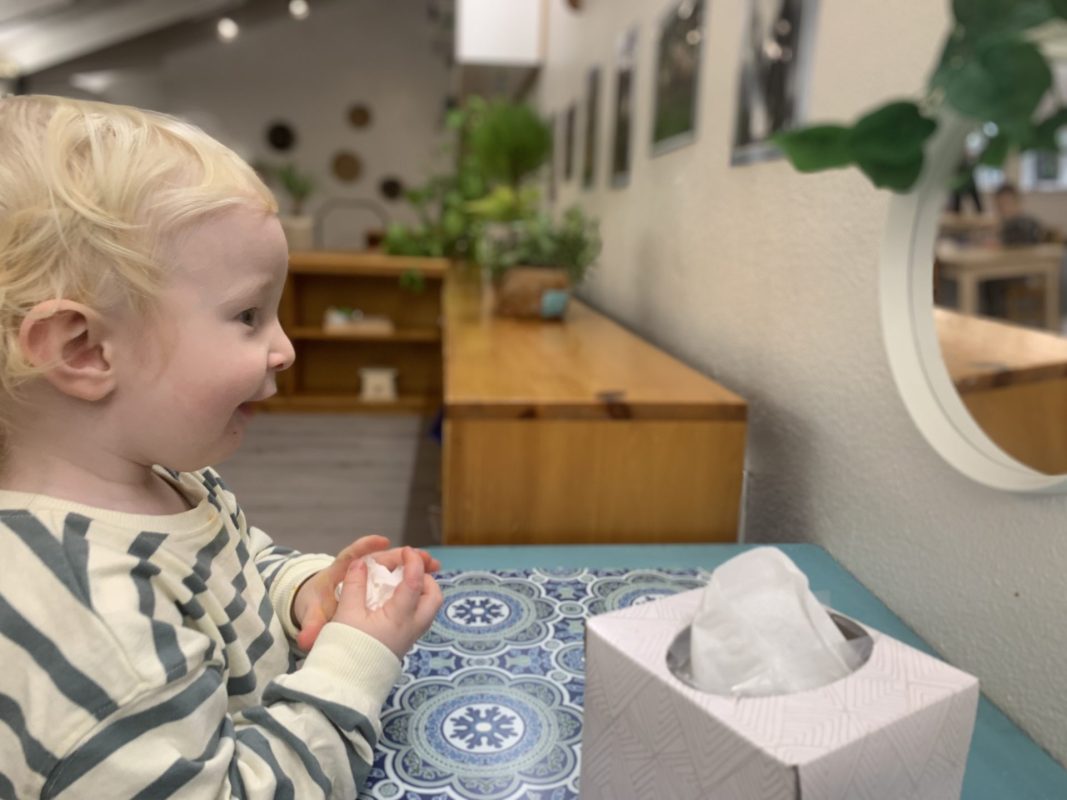
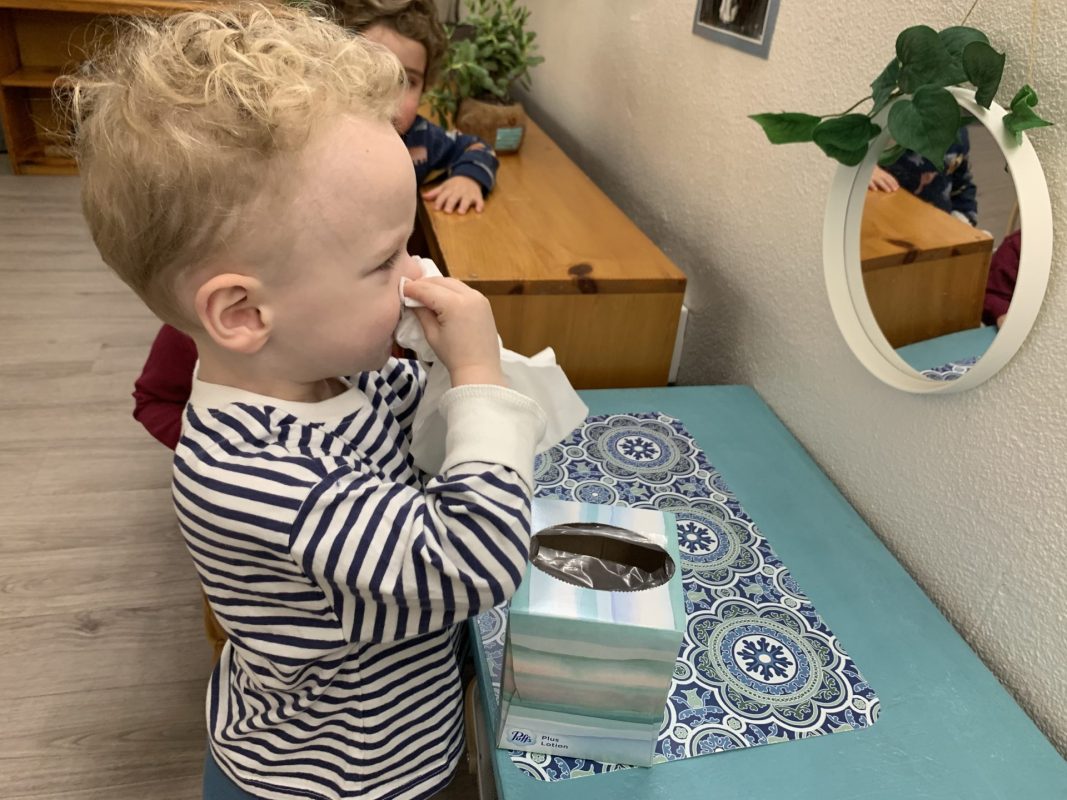
Since entering the season of colds and runny noses, we have been focused on showing the children how to use a tissue independently. If you’d like to encourage this at home, it is helpful to have an accessible tissue box and mirror. We have shown the children to pick one tissue from the box, look in the mirror, deliberately pinch their nostrils, and then pull it away. Next, they throw the tissue in the trash and wash their hands. It is truly heartwarming to see the pride in their smiles as they look back into the mirror and see a clean nose! These little people are remarkably capable.

Fostering independence in young children is a gradual process that evolves as they grow. It is essential to find a balance between providing support and allowing them to take on more responsibility as they become more capable. This approach helps them to develop the skills and confidence they need to become self-sufficient individuals.


Mrs. Hood: “Help me to do it myself!”

“If teaching is to be effective with young children, it must assist them to advance on the way to independence. It must initiate them into those kinds of activities that they can perform themselves and that keep them from being a burden to others because of their inabilities. We must help them to learn how to walk without assistance, to run, to go up and down stairs, to pick up fallen objects, to dress and undress, to wash, to express their needs in a way that is clearly understood, and to attempt to satisfy their desires through their efforts. All this is part of an education for independence”.

Dr. Maria Montessori

Toddlers are naturally eager to learn these things. “Do it myself” might well be the refrain for the toddler years! Our day-to-day lives often make for less-than-ideal circumstances to help our children achieve the independence they crave. Our homes are not optimized around a little person with a height of under three feet: Objects are hard to reach, too heavy, or too big for little hands to use. Our days are not set up to move at their speed: We rarely just happen to have ten spare minutes to wait while our almost two-year-olds put on their jacket!

Yet enabling a toddler to become more independent has huge short-term and long-term benefits. Power struggles decrease when a child feels more in control. Temper tantrums are less frequent when toddlers are busy doing things for themselves rather than resisting their parent’s efforts to do things for them! A child who feels capable because they can act in the world without needing to rely on grown-ups for every little thing is a child who is developing self-confidence.

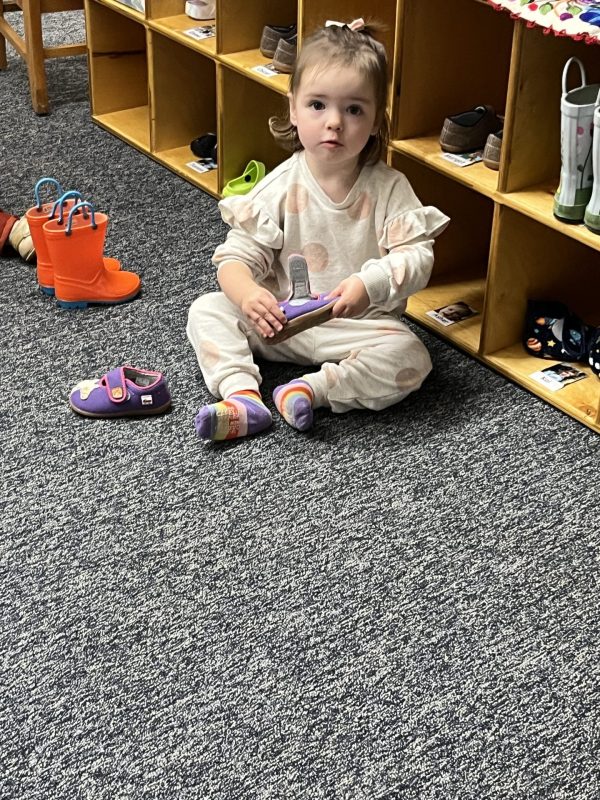
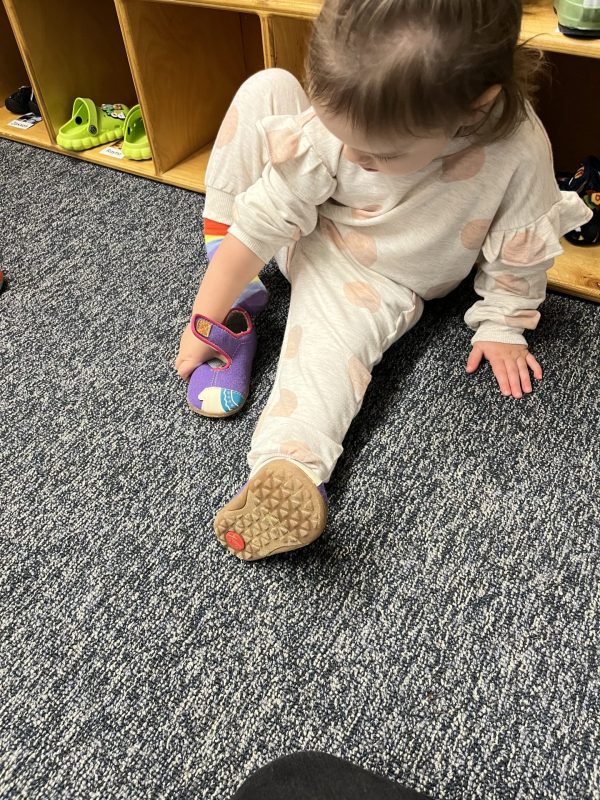
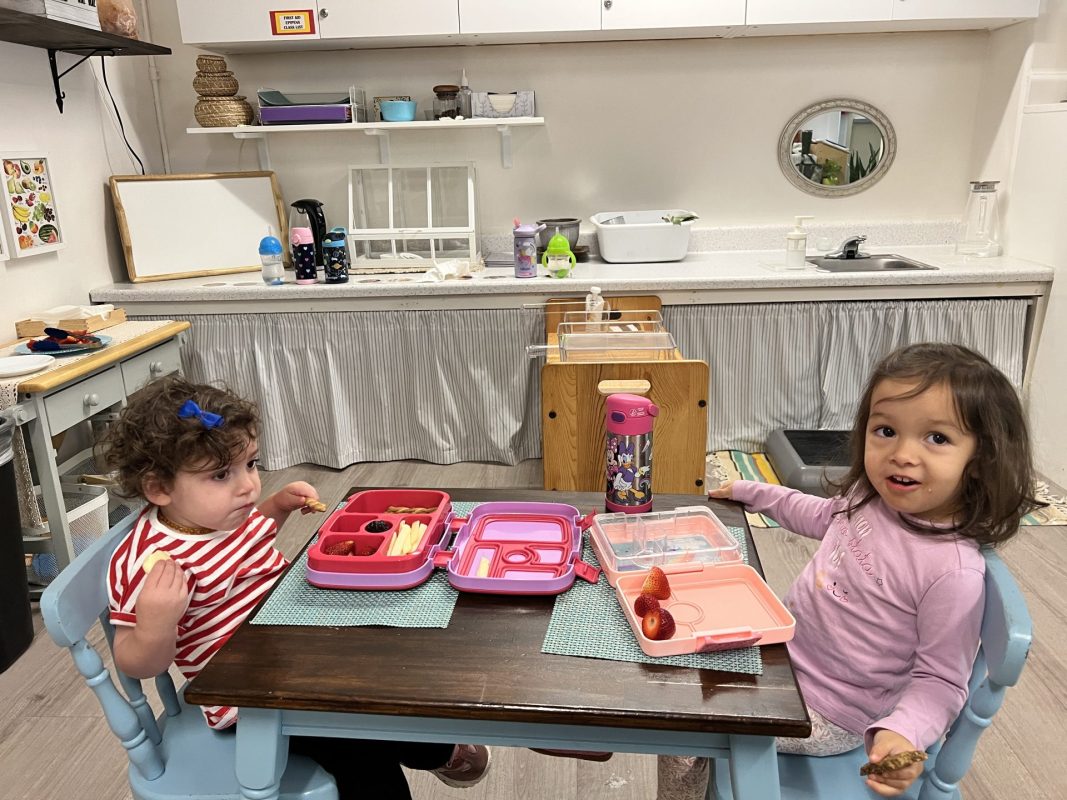
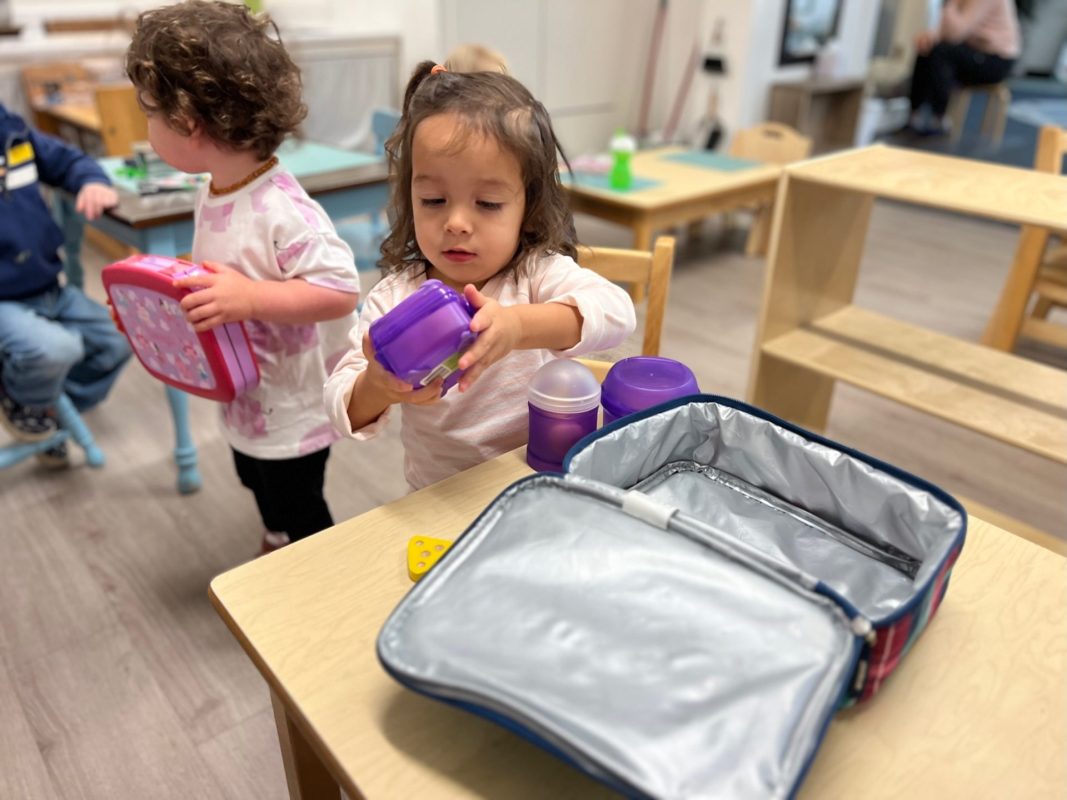
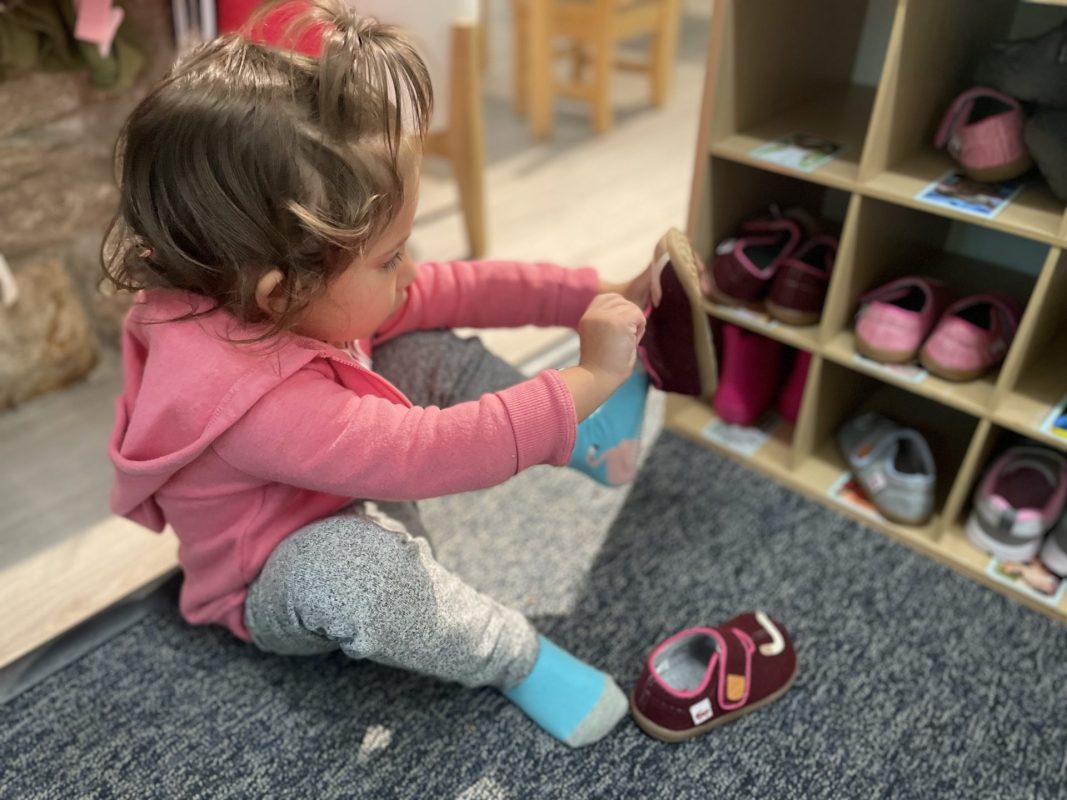
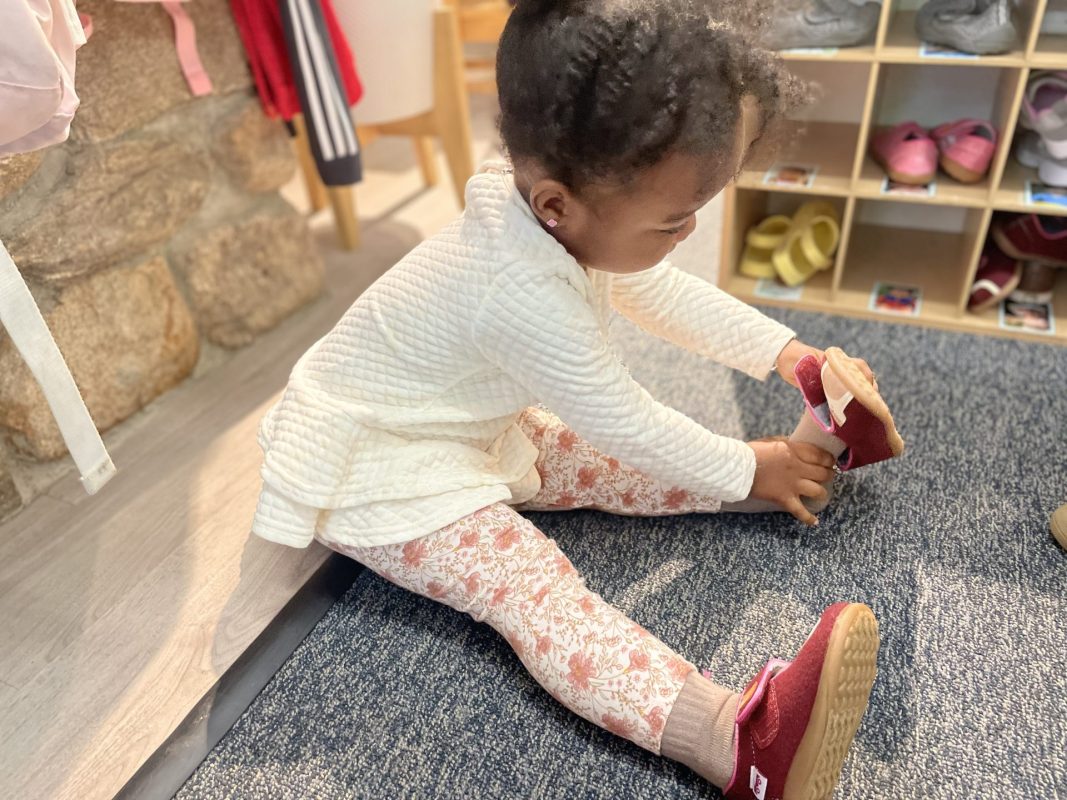
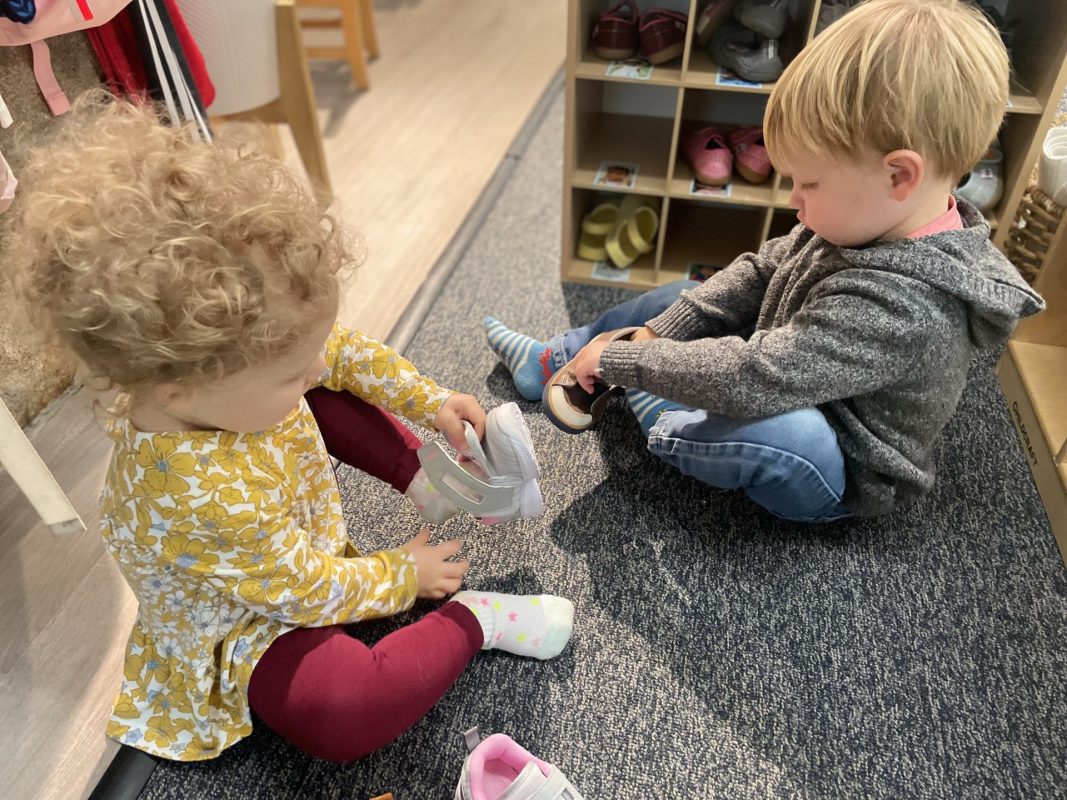
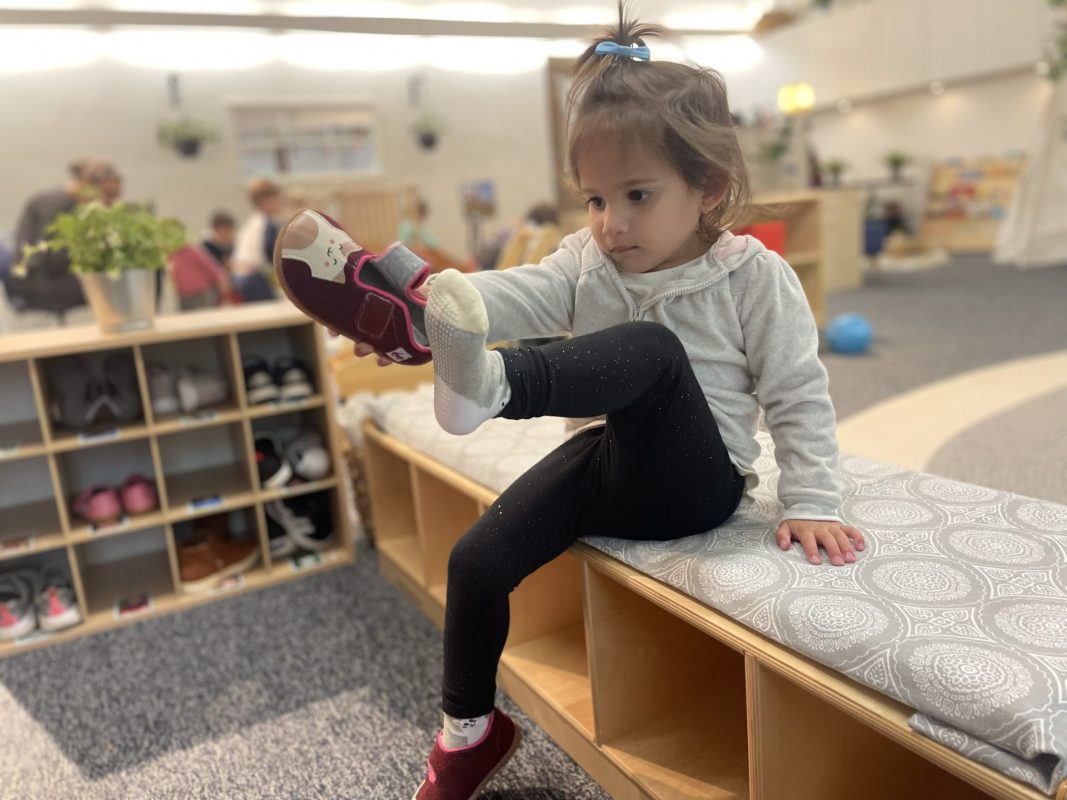
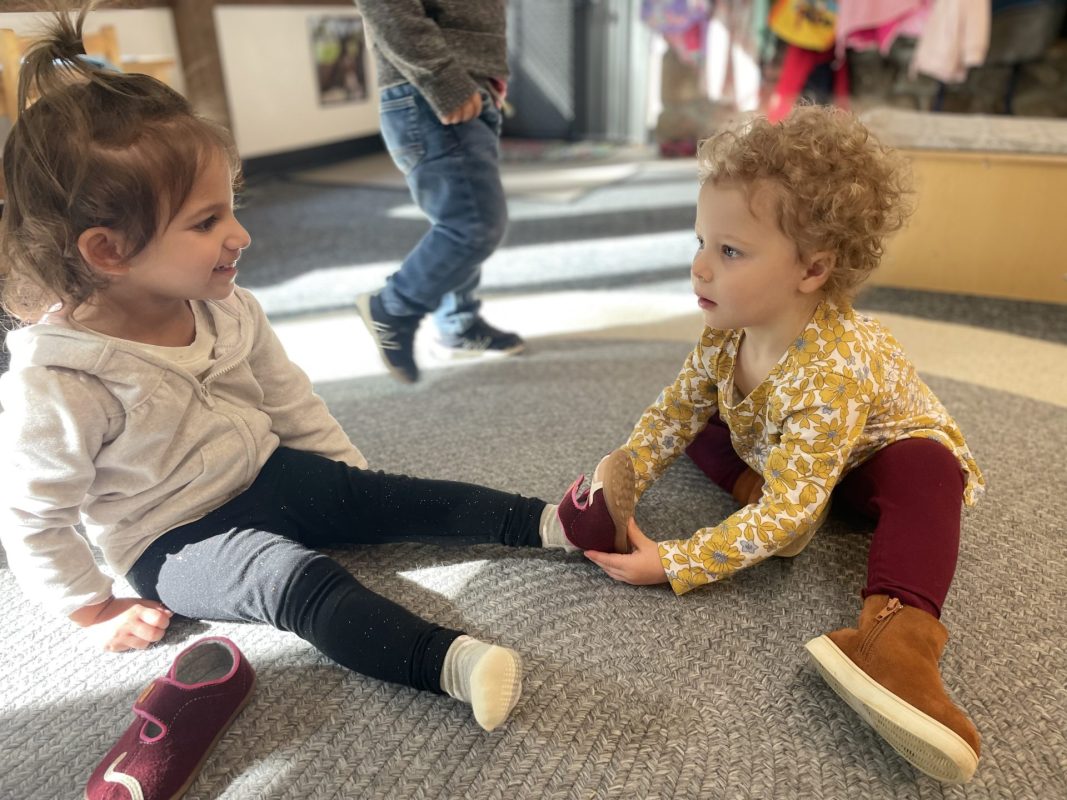
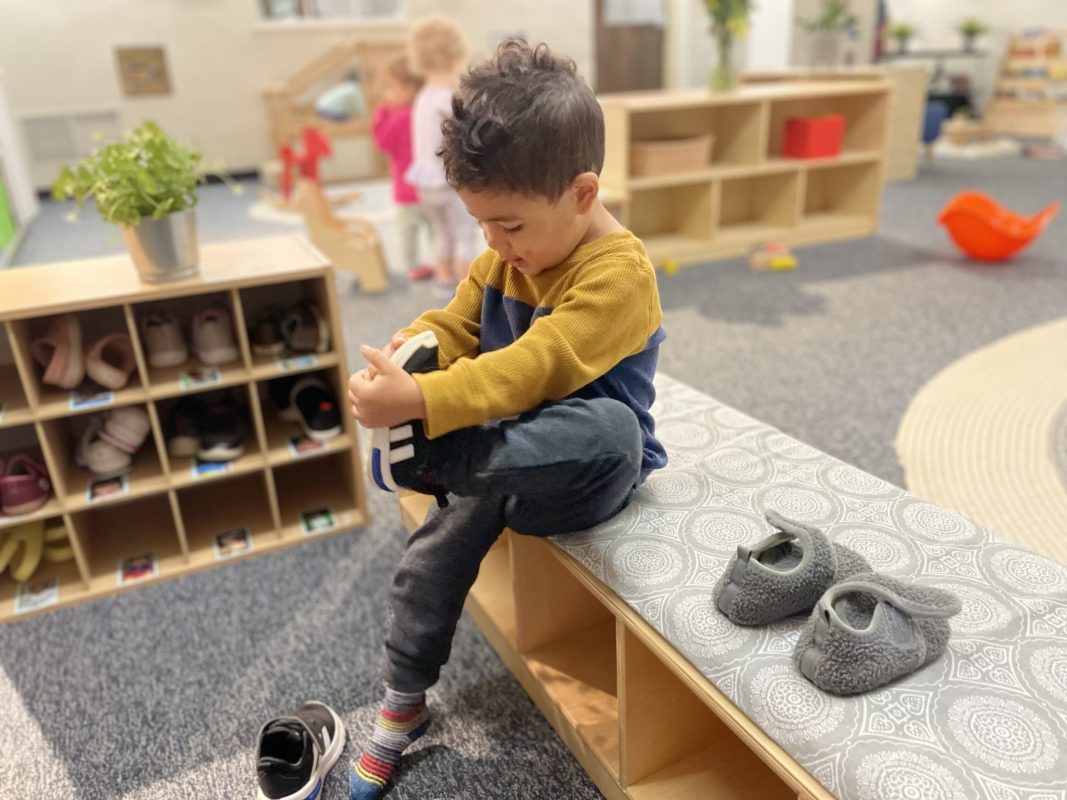
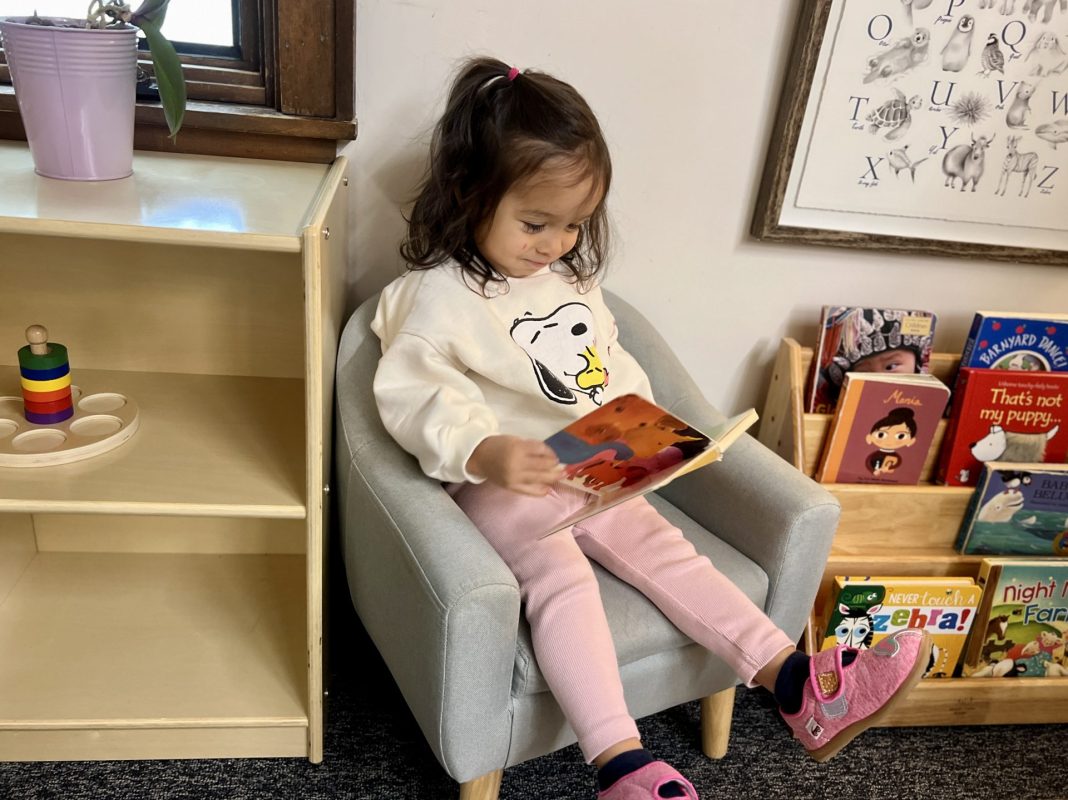
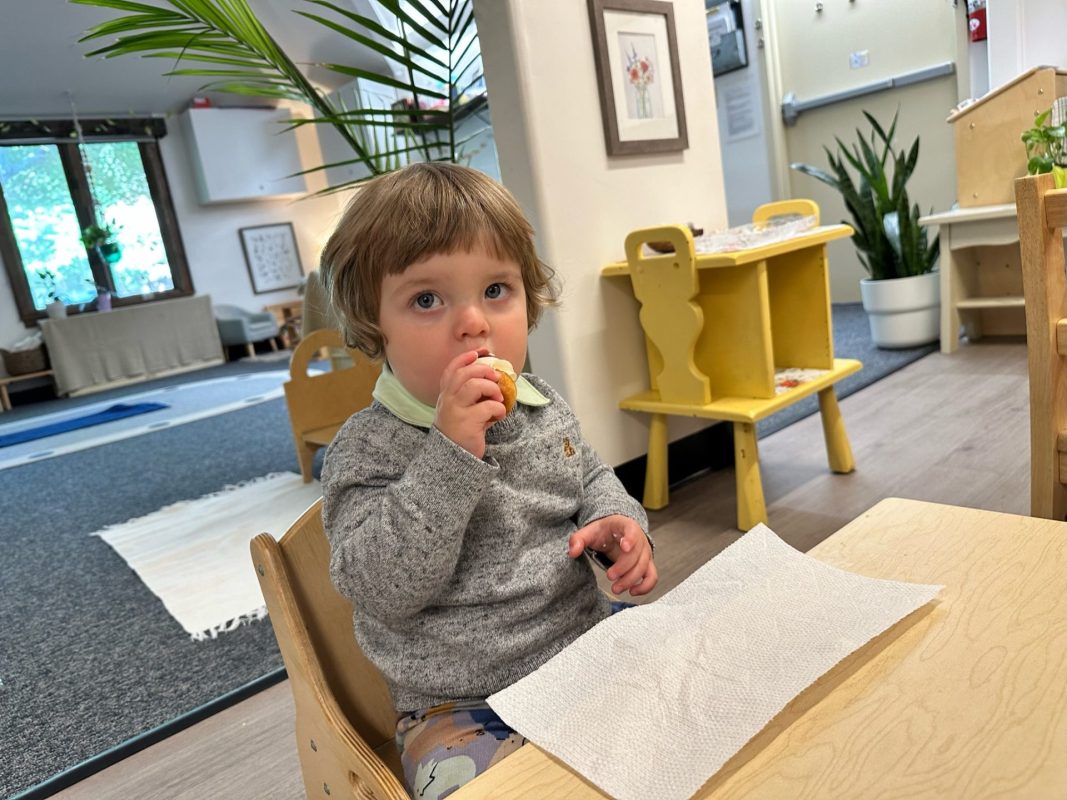
We have introduced the routine of changing into indoor shoes at the beginning of the morning! At this point, most of the children have learned to recognize their space and continue to work hard in the skill of removing their shoes, coordinating their hands to get the new shoe on, and pulling and closing the velcro tabs. Your children have been working on the skill of taking their snack box from the snack shelf as well, carrying it and bringing it to their respective table, opening the box, and taking their snack out. In addition, they have been learning the importance of asking for help when needed and remaining seated while eating. These are big steps for little people, but your children have been absorbing the routines beautifully, and their skills improve daily.

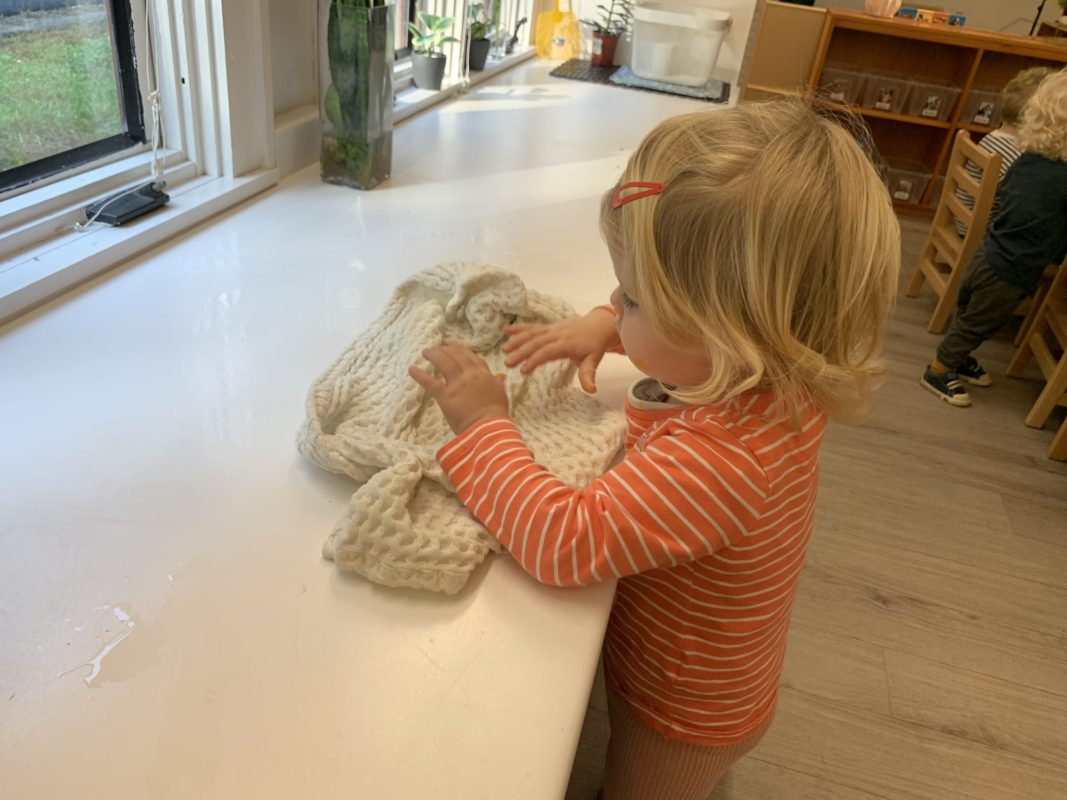
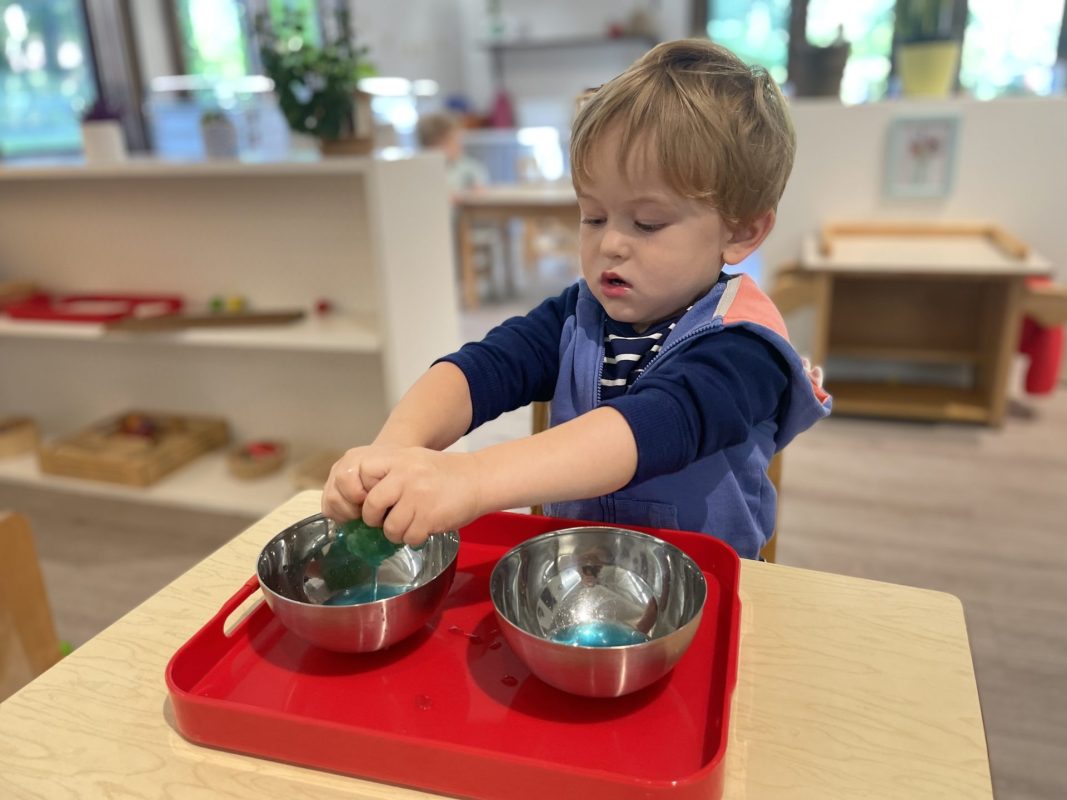
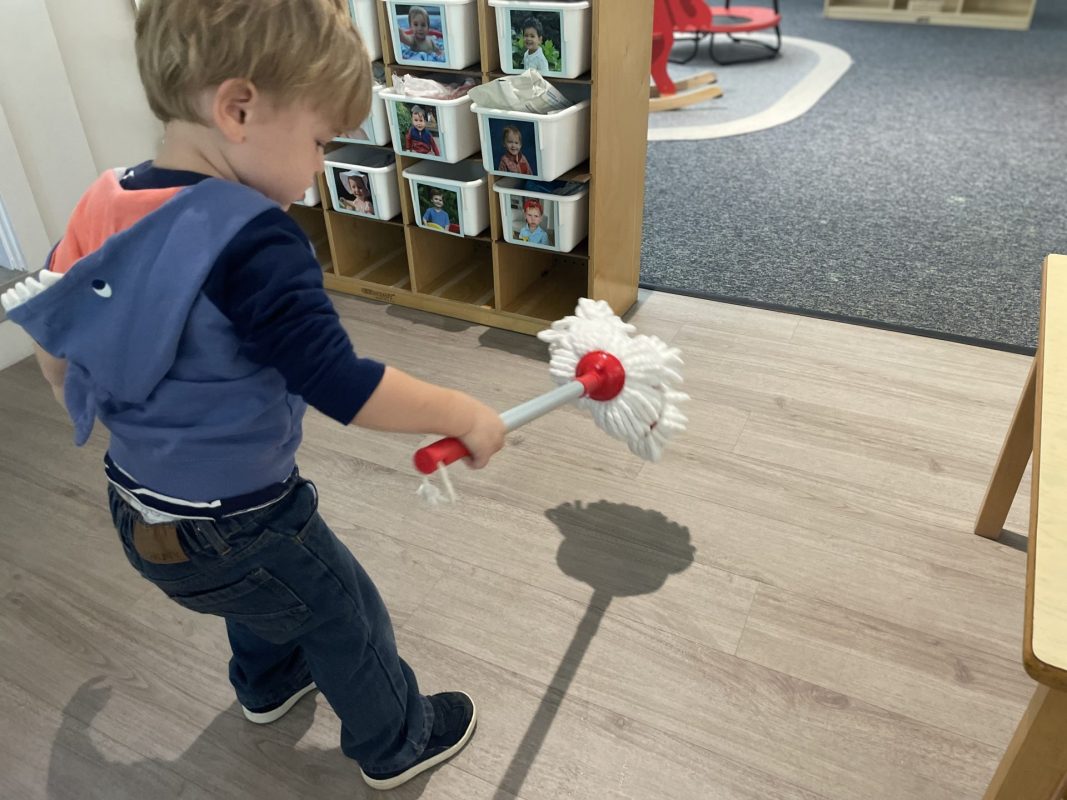
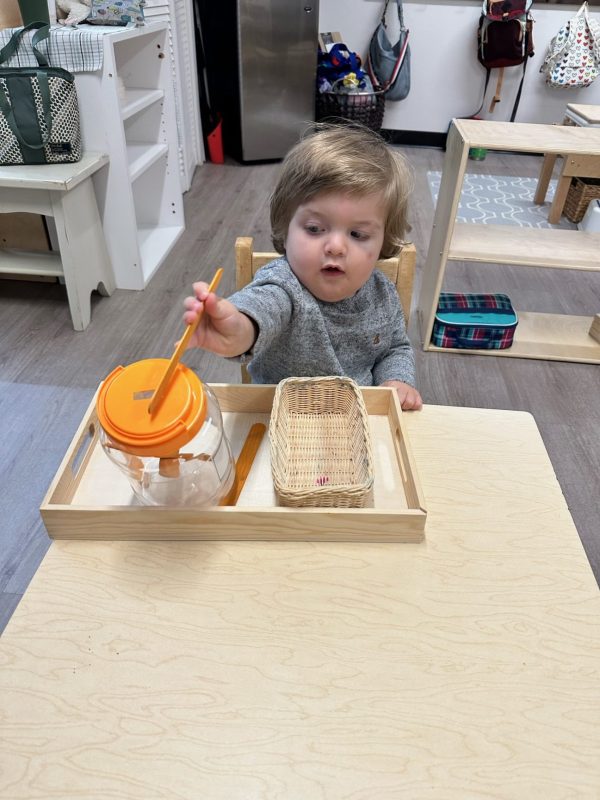
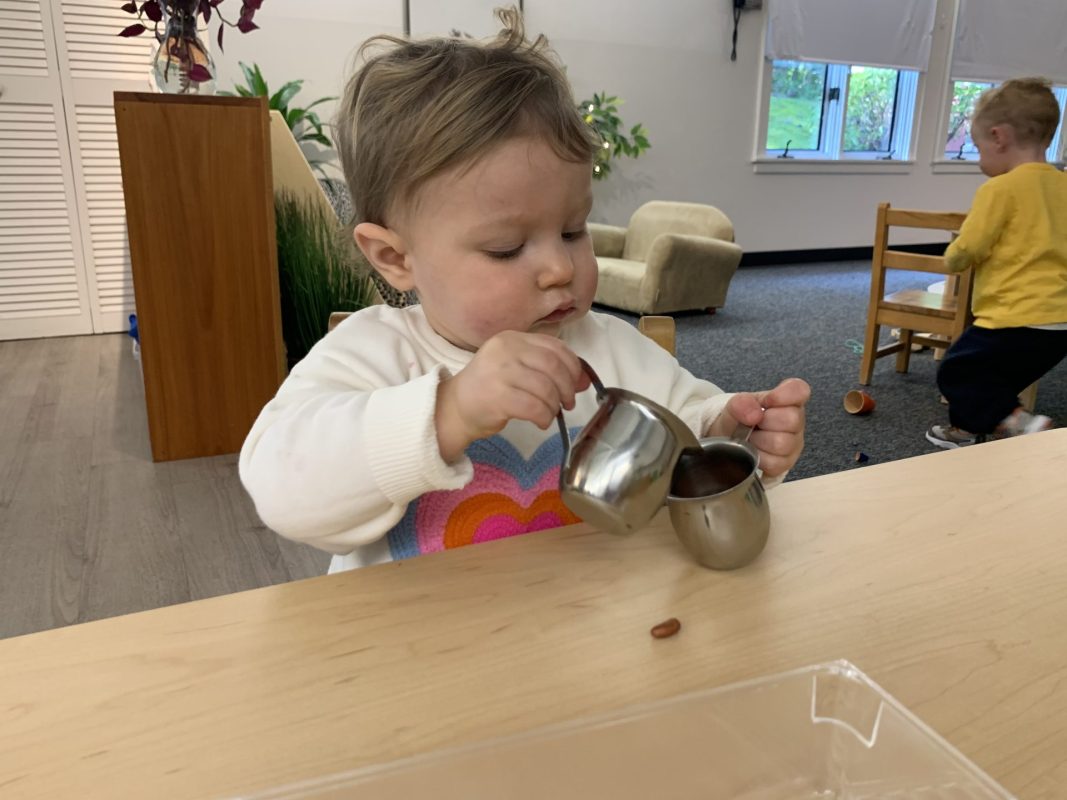
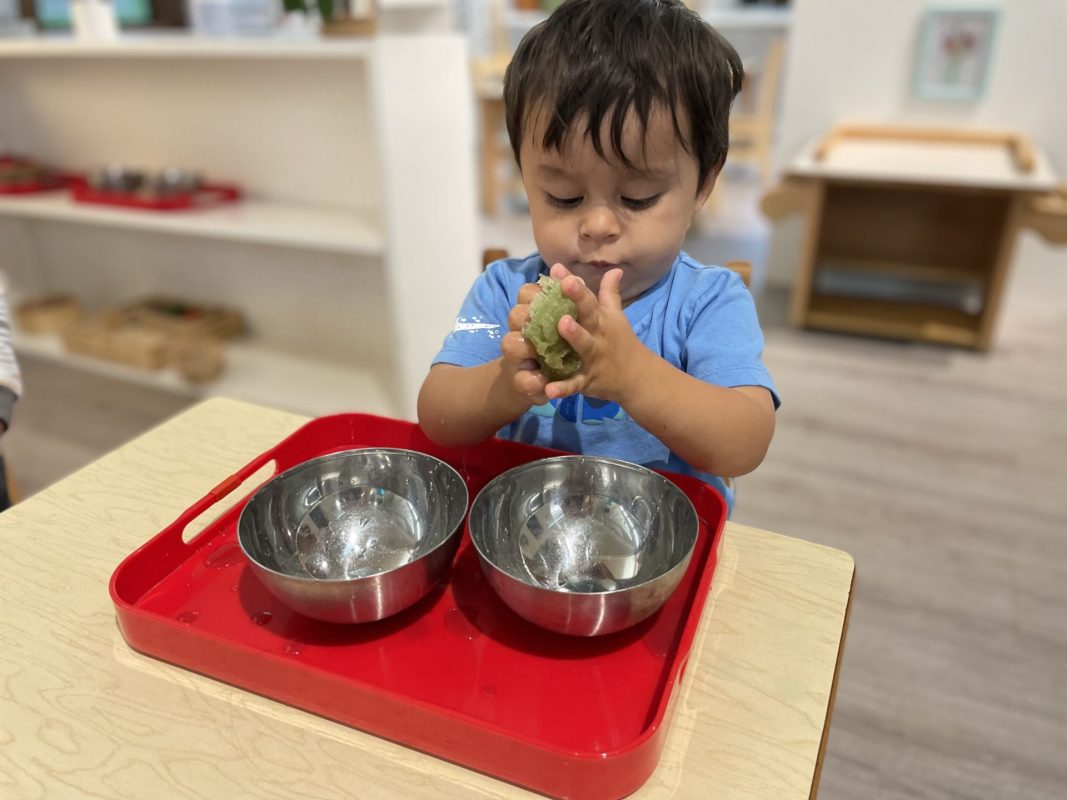
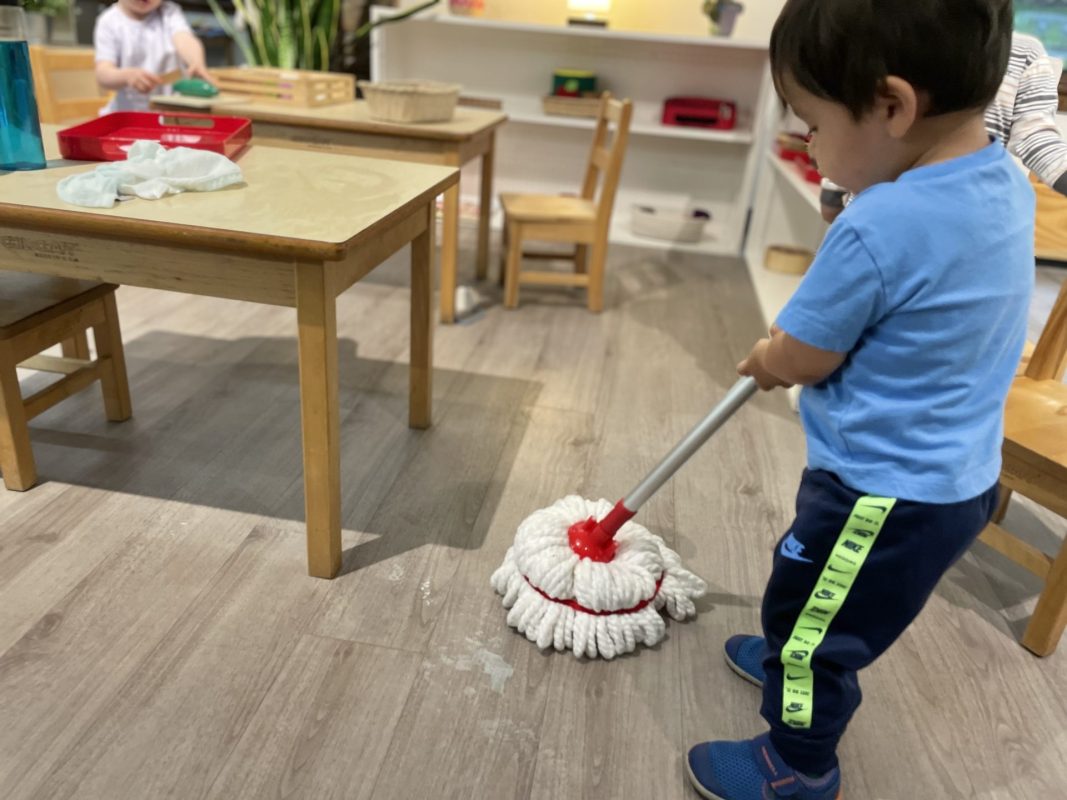
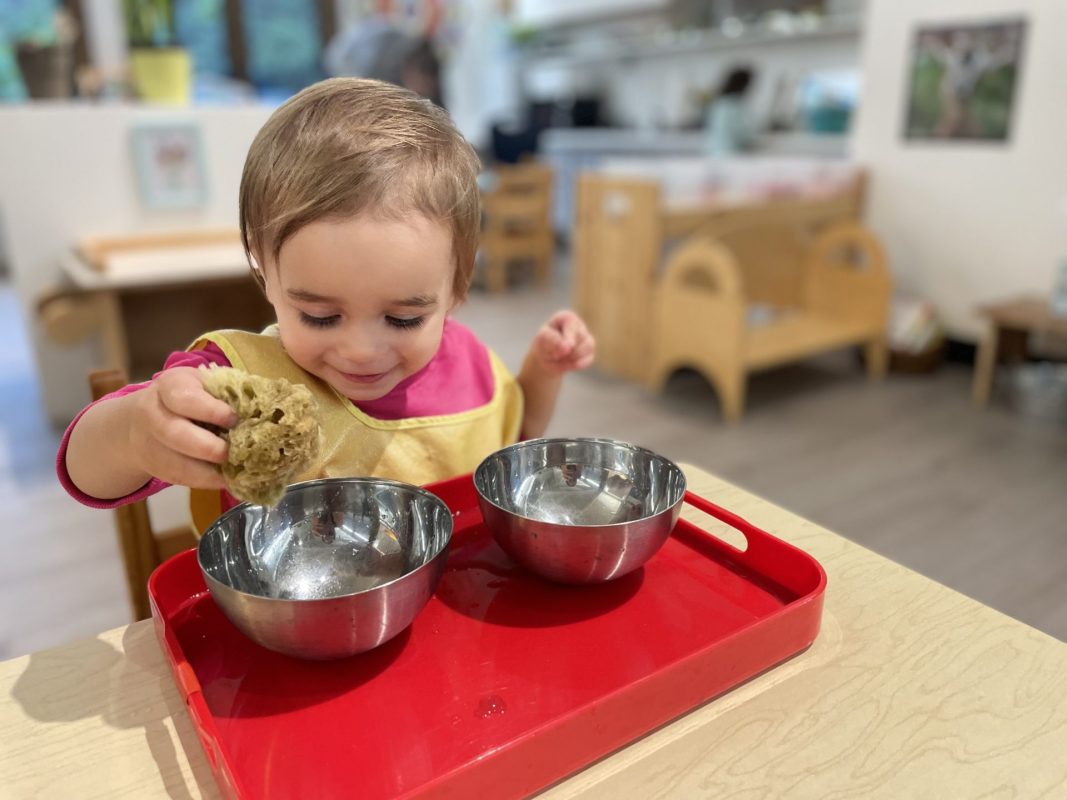
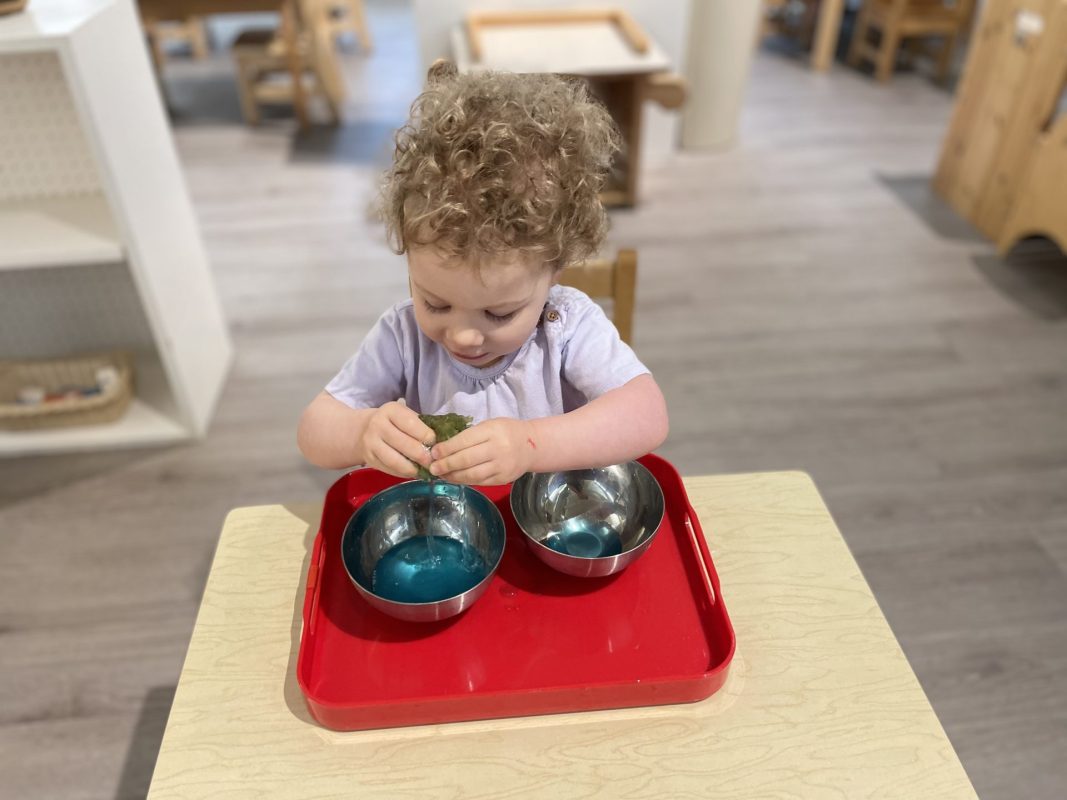
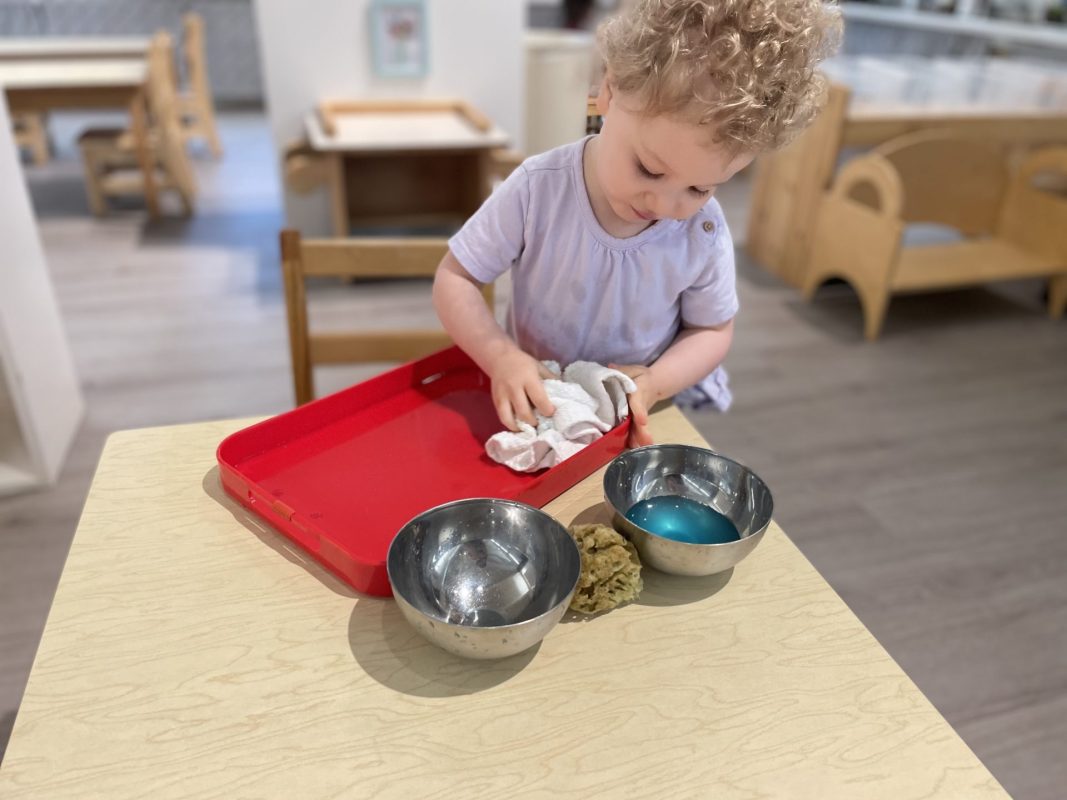
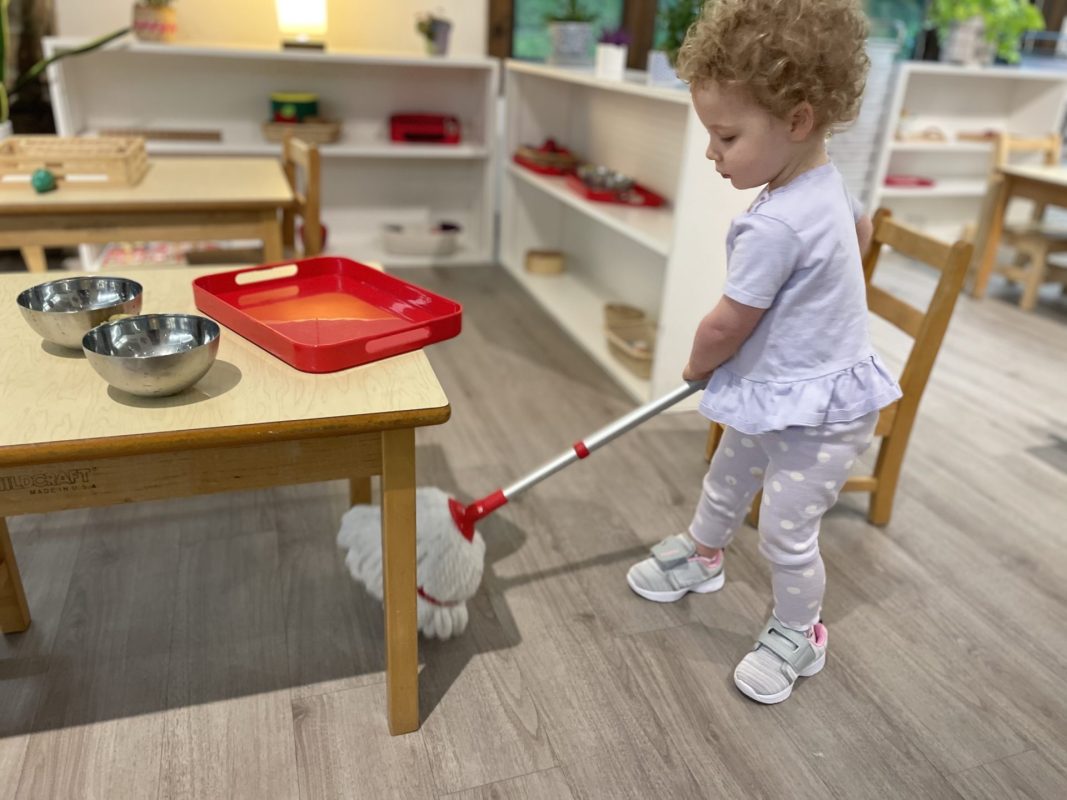
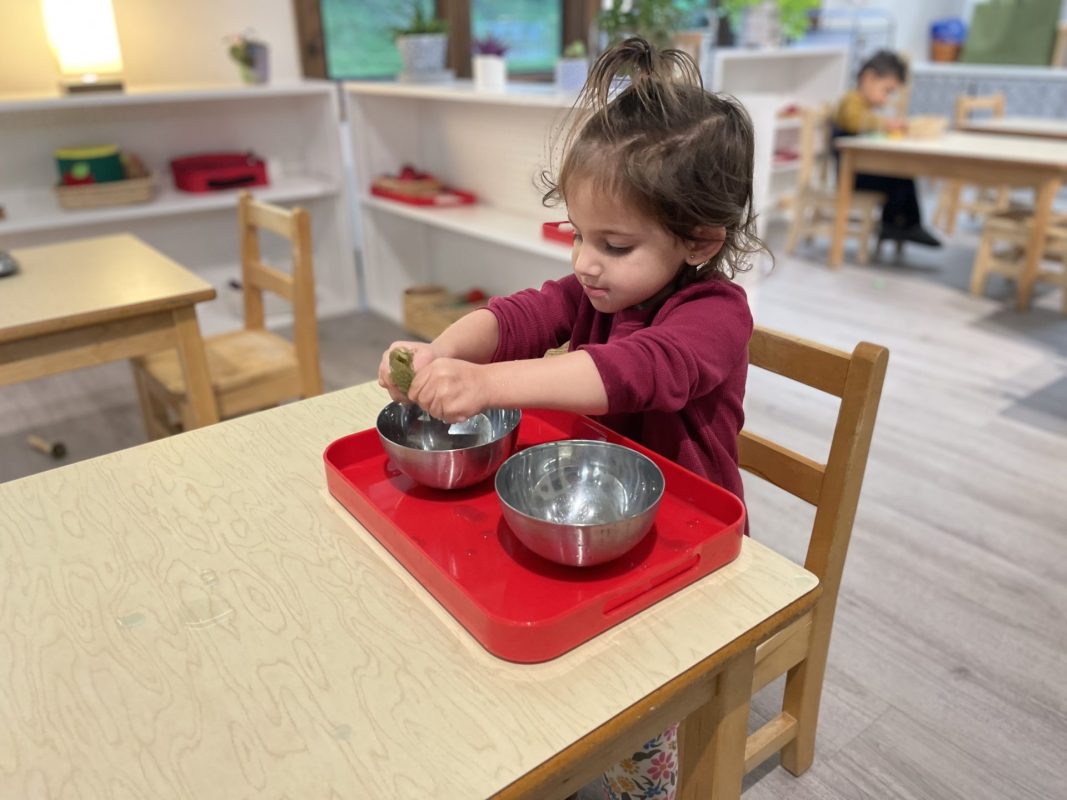
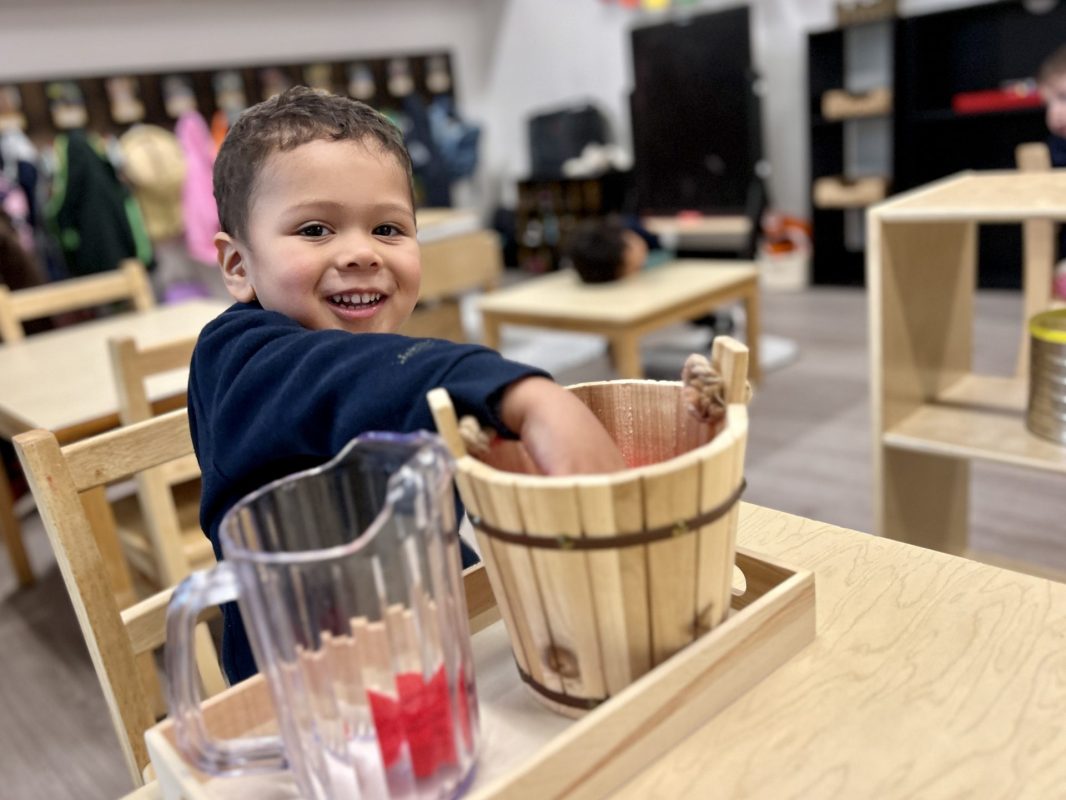
Children received a lesson on water transferring this week. To make it even more interesting, we used a sea wool sponge for transferring. The “magic” of watching the water disappear and get inside the sponge is fun, but it’s even more fun when suddenly you squeeze the sponge and all the vanished water comes out. Children received two new vocabulary words when observing the bowls used for the transfer. They like to repeat them over and over: empty and full. At the end of the activity, they were encouraged to look for spills and wipe them up on the table with a towel and on the floor with a mop.

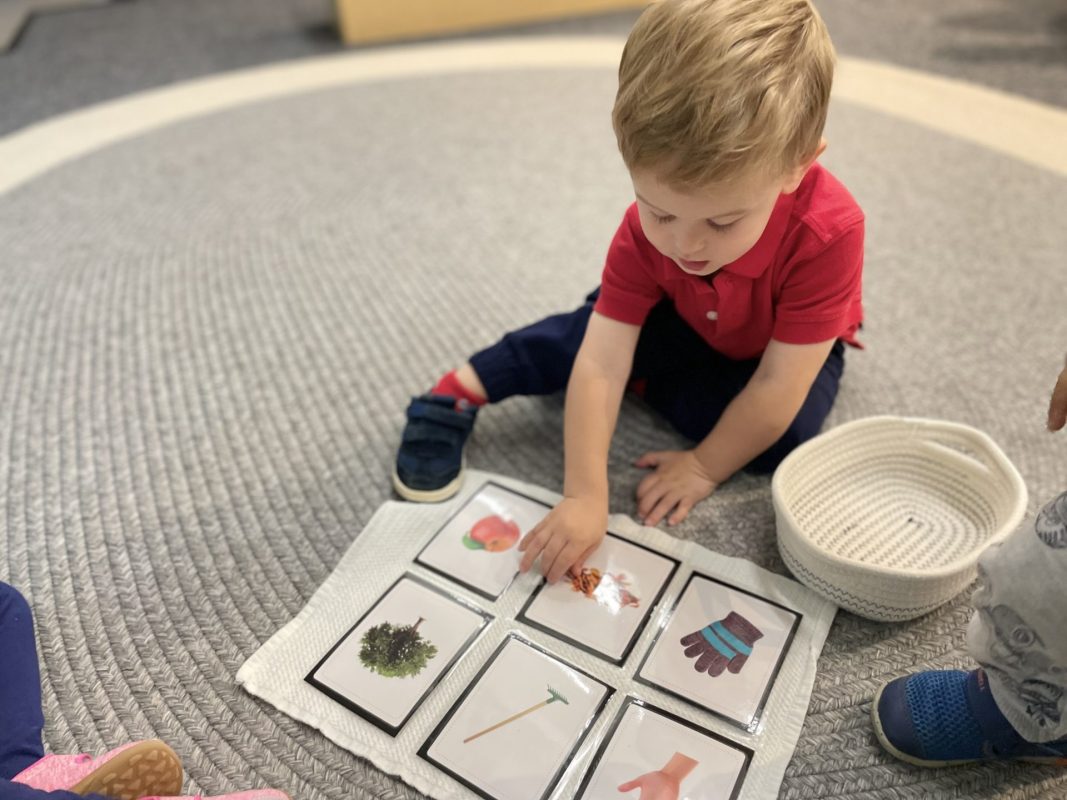
Continuing our apple studies this week, we explored a Granny Smith apple for our food-tasting lesson. Skin, flesh, stem, core, and seeds are vocabulary words we often repeat these days.

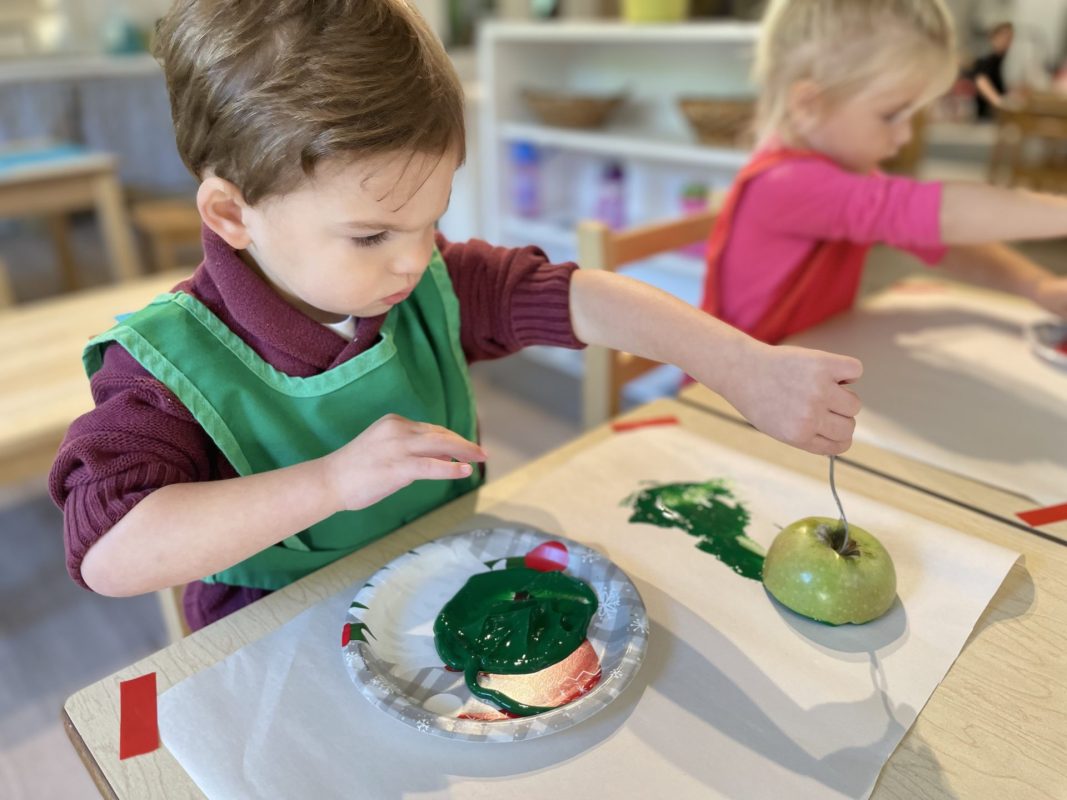
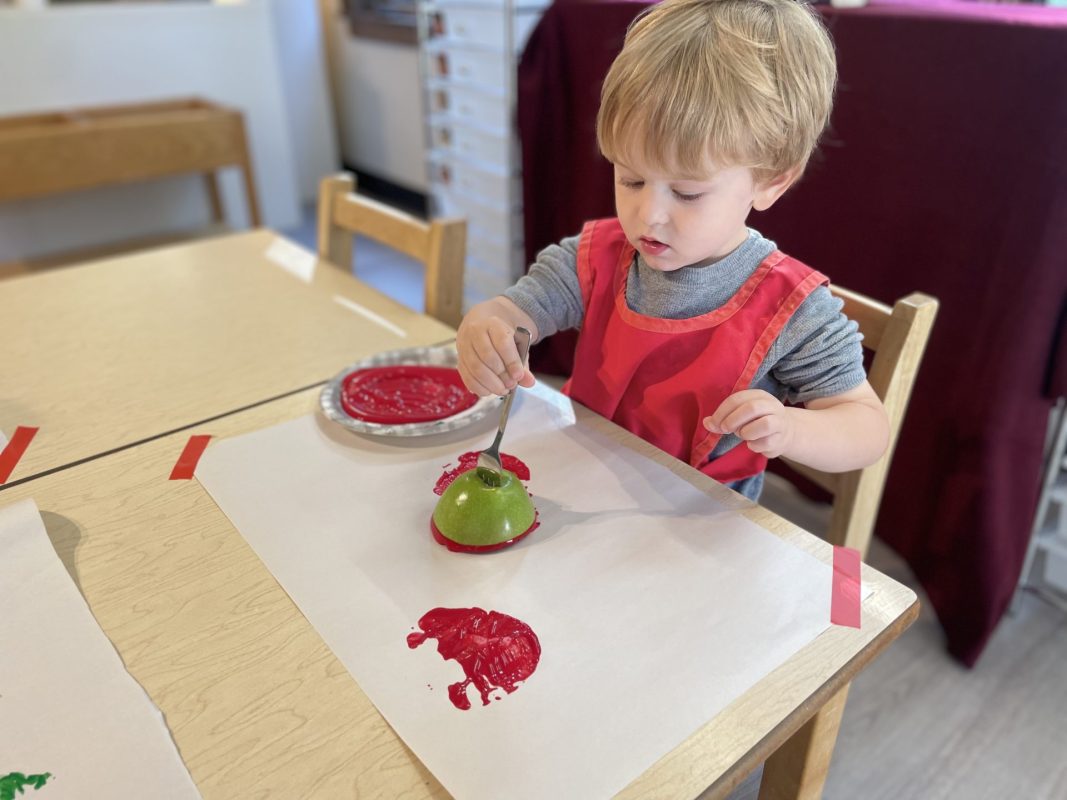
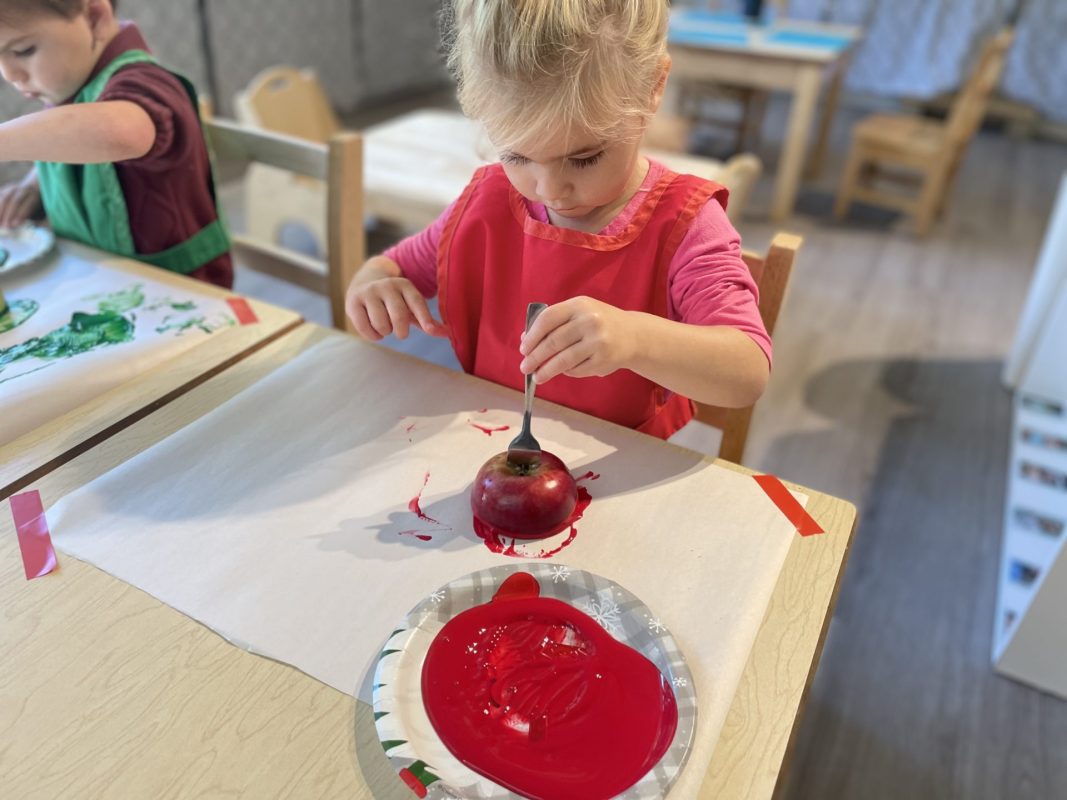
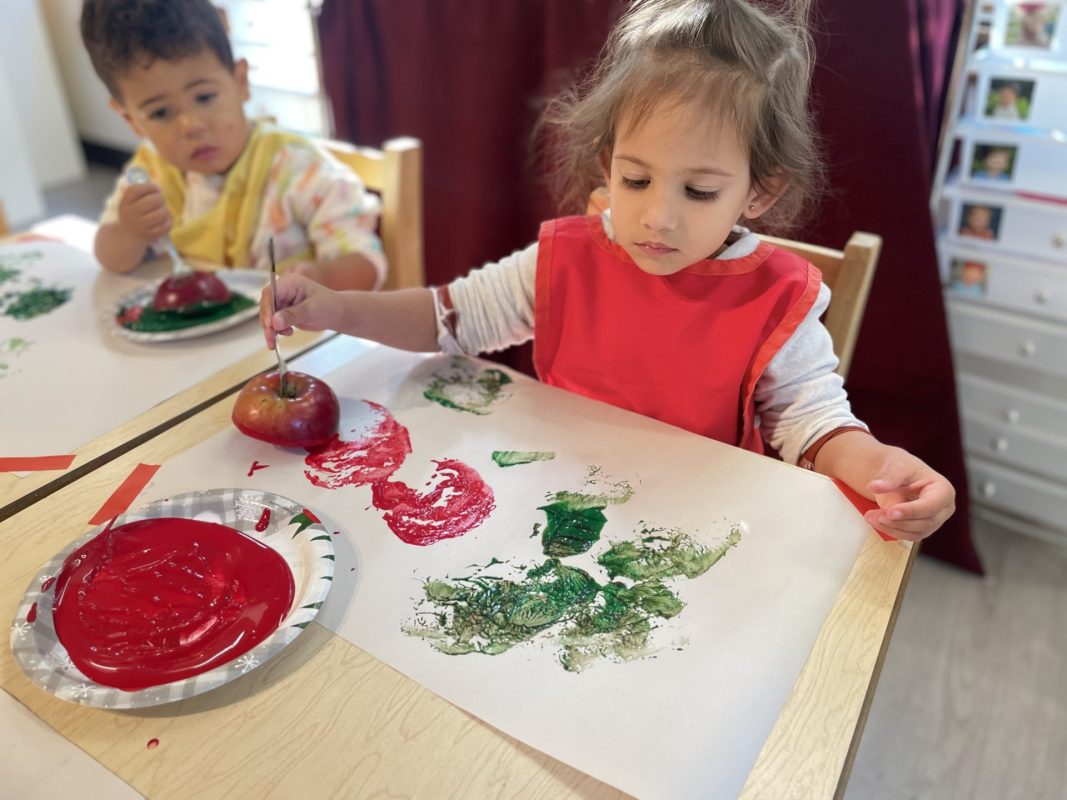
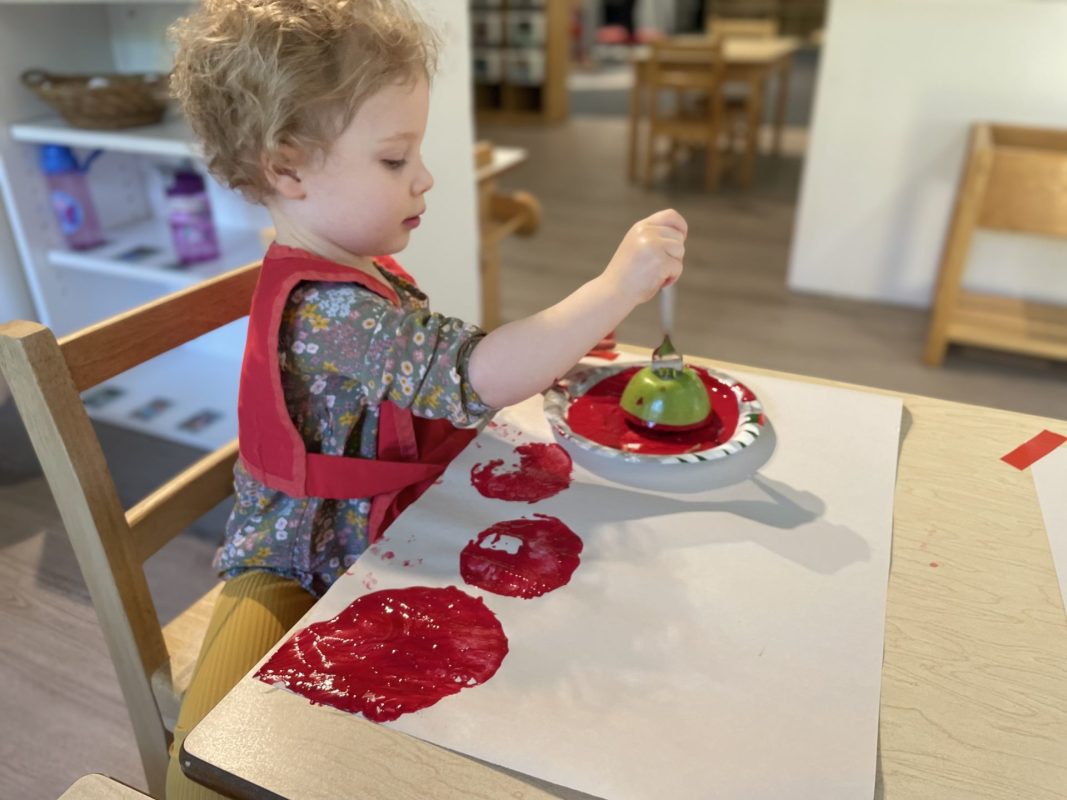
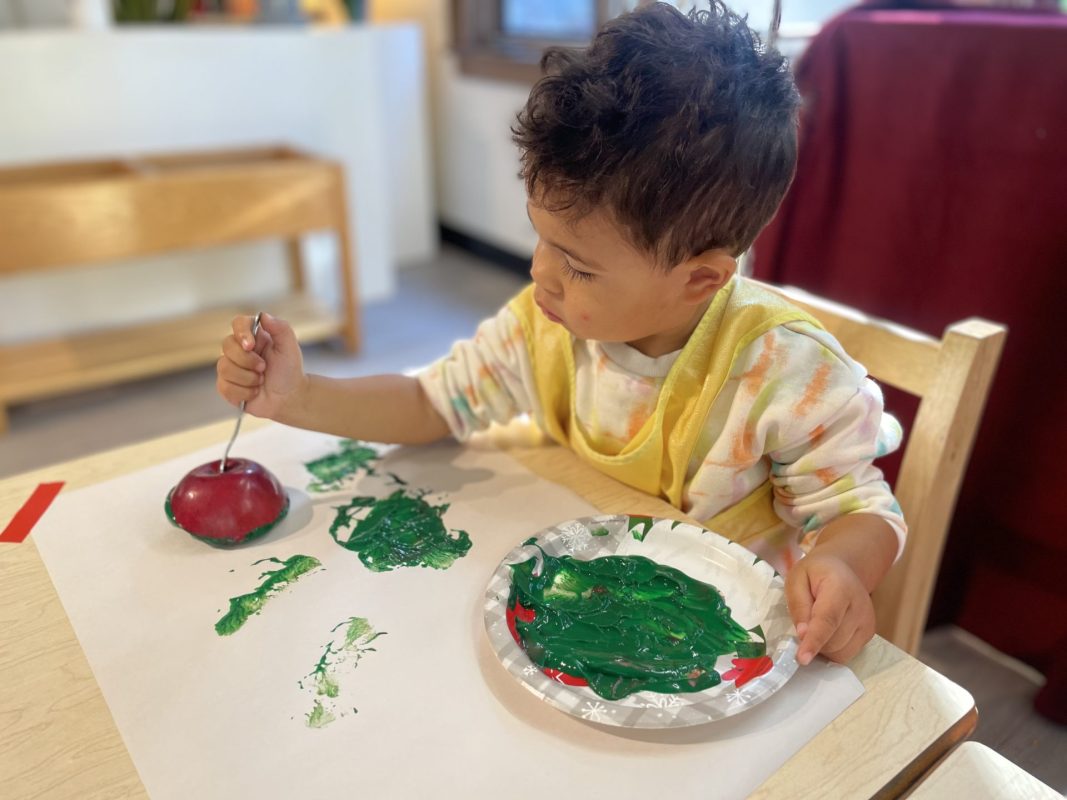
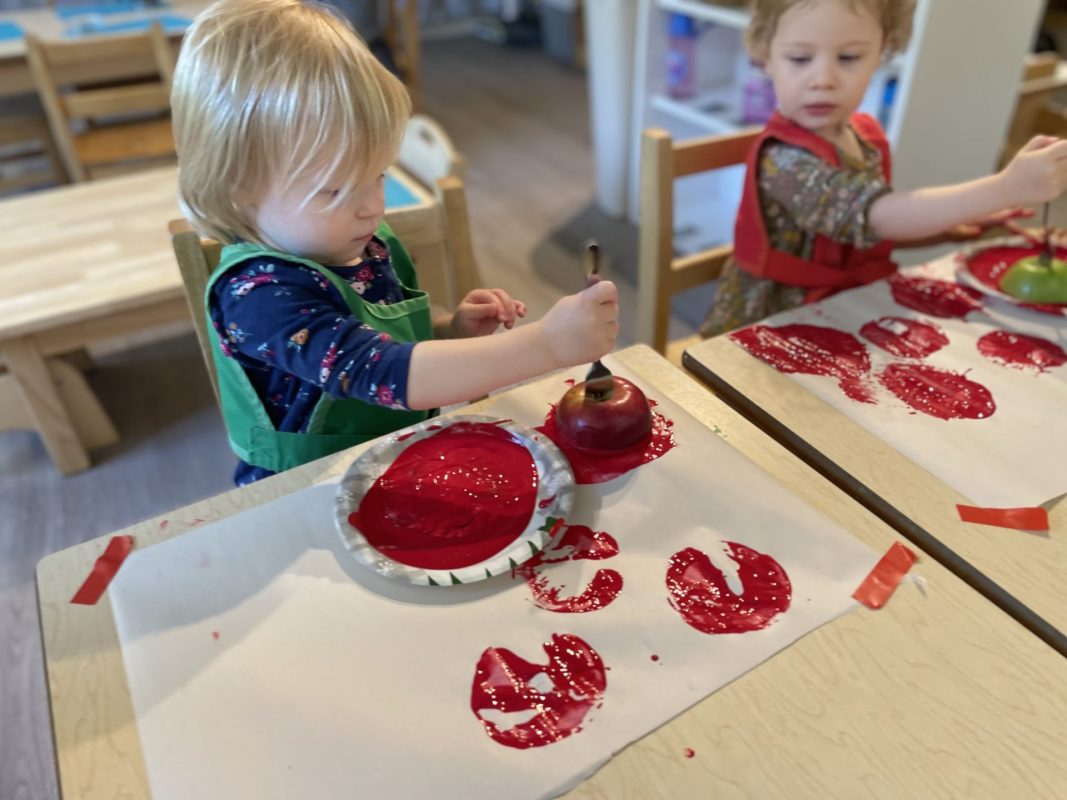
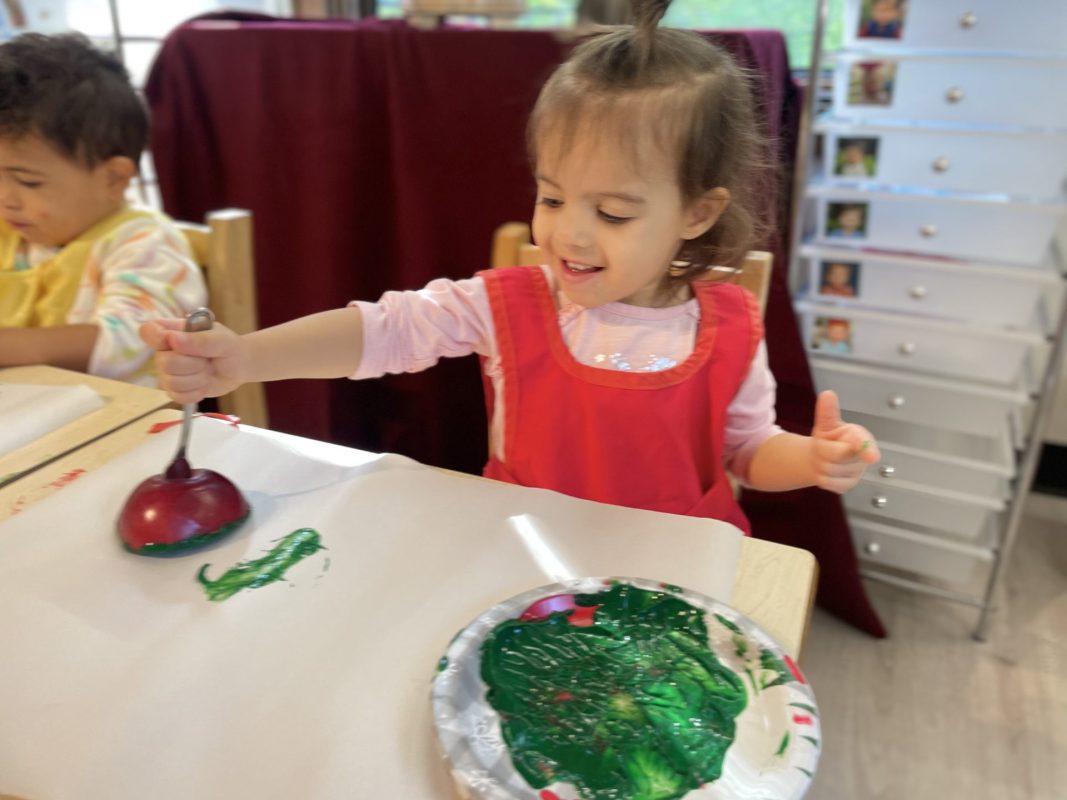
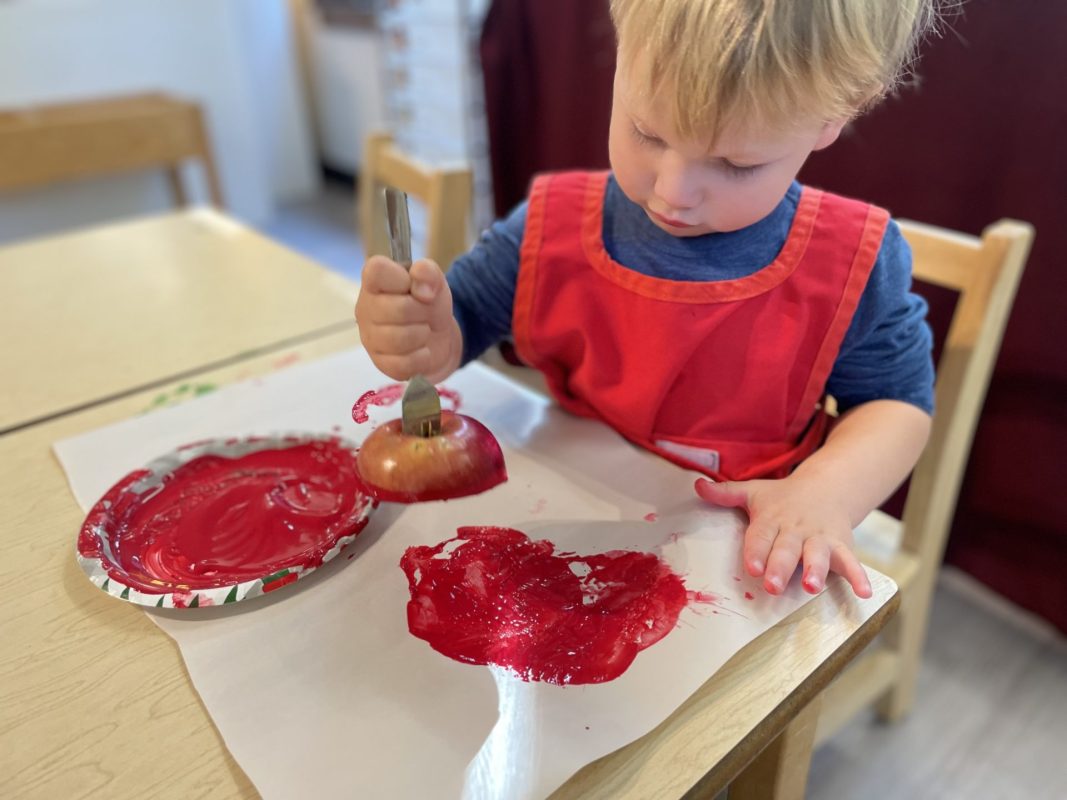
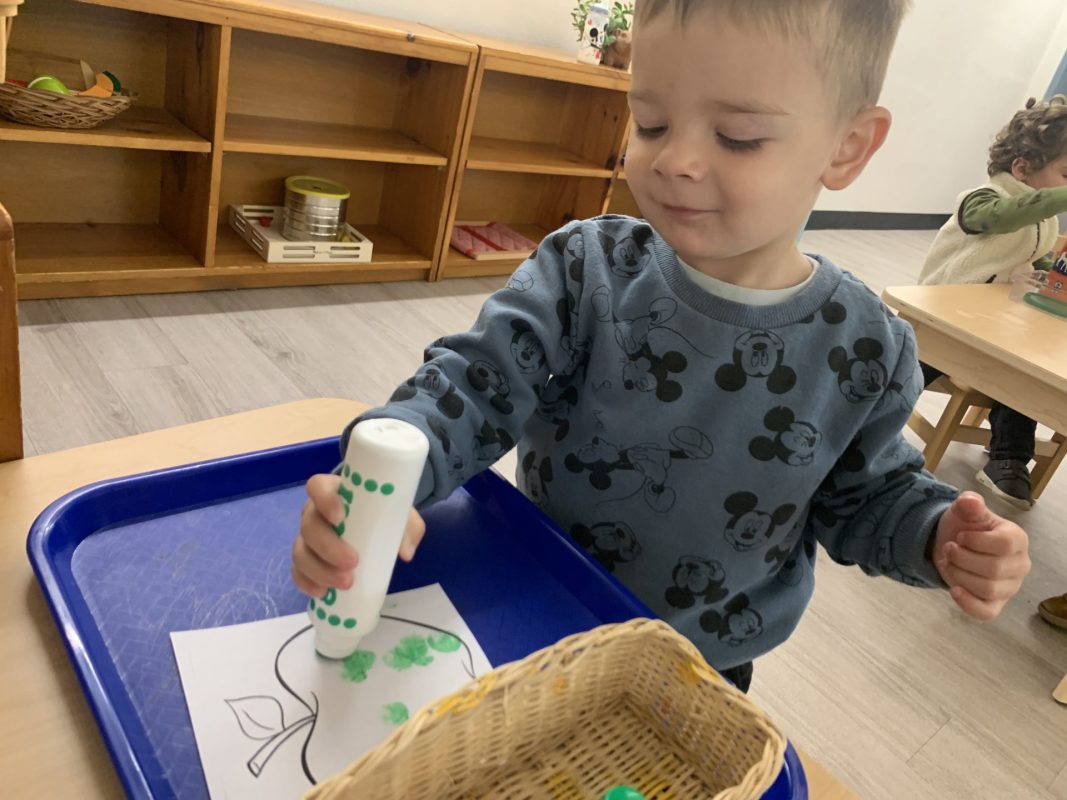
As an extra sensorial addition, we worked on an apple stamping art piece. Children enjoyed dipping the apple halves into different colored paints and stamping them all over their papers! They seemed very proud of their work!

We celebrated another birthday, and the children were, of course, really happy to celebrate, especially because they knew there was a special treat! 🙂

Lastly, children seemed to enjoy our new song, “Way Up High in the Apple Tree.” Children practiced the numbers one through five using their hands. As children are working on copying fingerplays and growing in language, feel free to practice it at home with your child.

Way up high in that apple tree. (Place left hand under right elbow and lift right arm with fingers open, forming a tree.)
Five red apples smiled down at me. (wiggle fingers)
I shook that tree as hard as I could. (shake right arm and hand)
Down came an apple! Mmmmm, it was good! (hide your thumb and pretend to eat an apple.)
Way up high in the apple tree, four red apples smiled down at me (count fingers)

Repeat the song until there are zero apples in the tree.

Have a great weekend,

Mrs. Hood and Ms. Mollie


Mrs. Wilson: Growth and Celebration

It has been a fantastic week! The children are gradually developing their routines, becoming more aware of transitions, and learning the rhythm of the day.

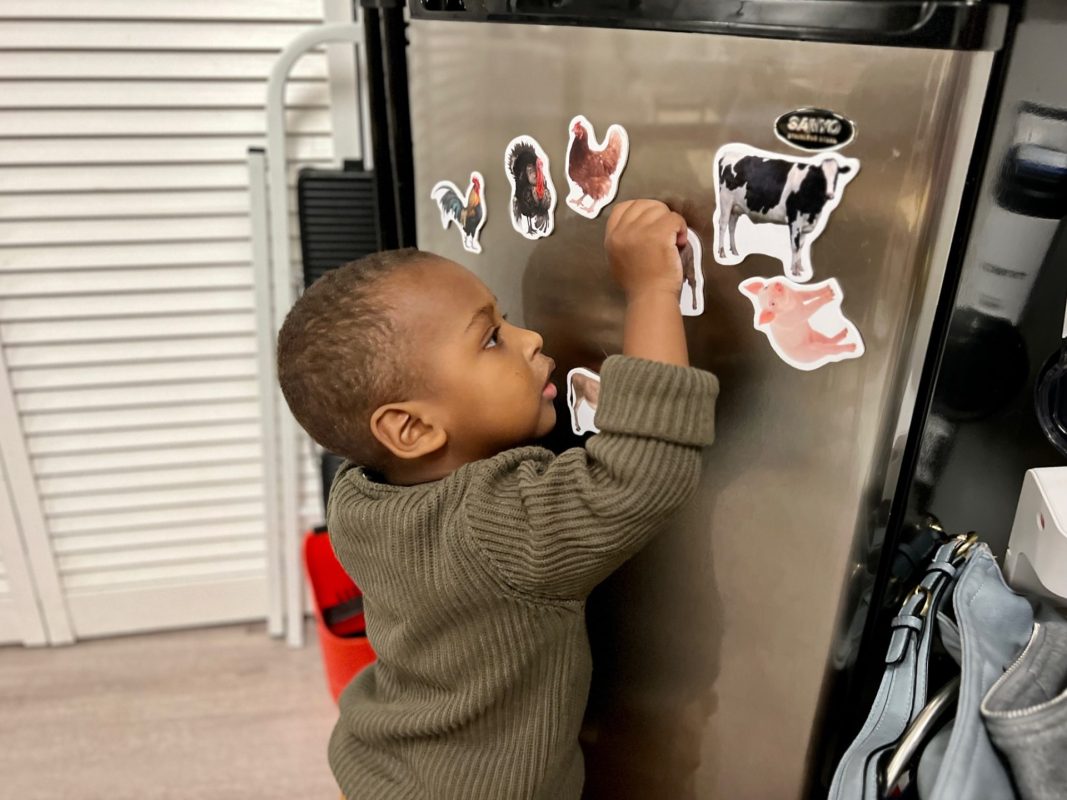
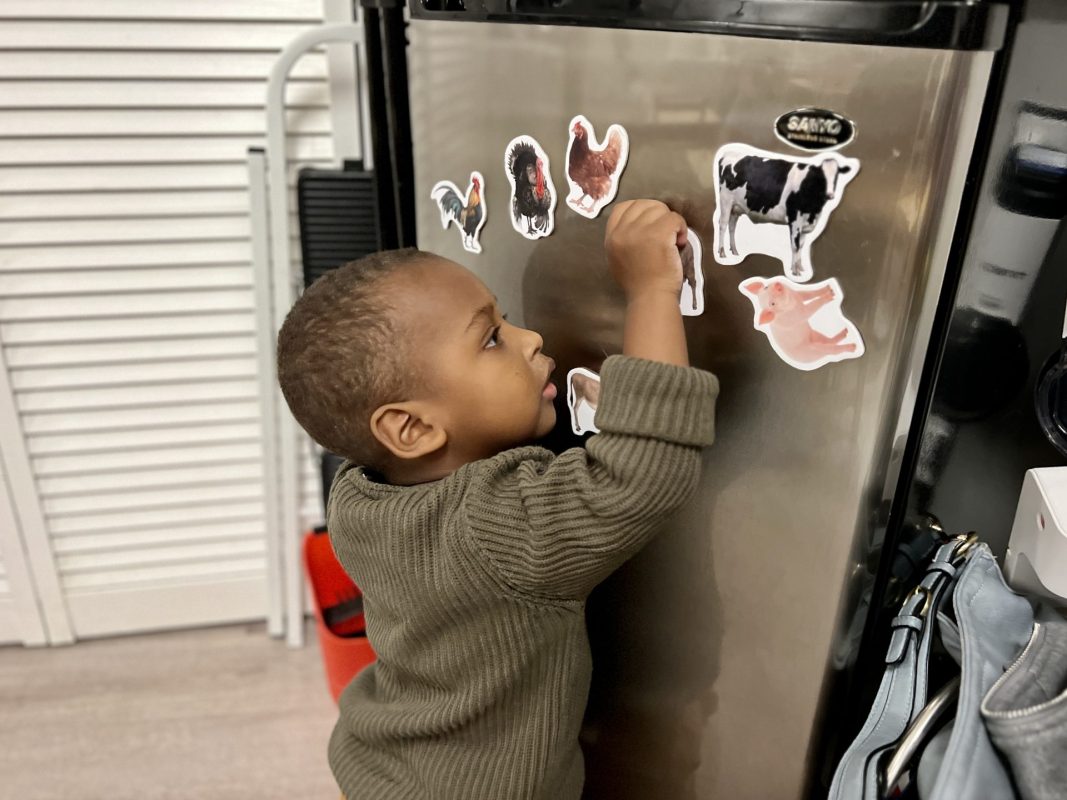
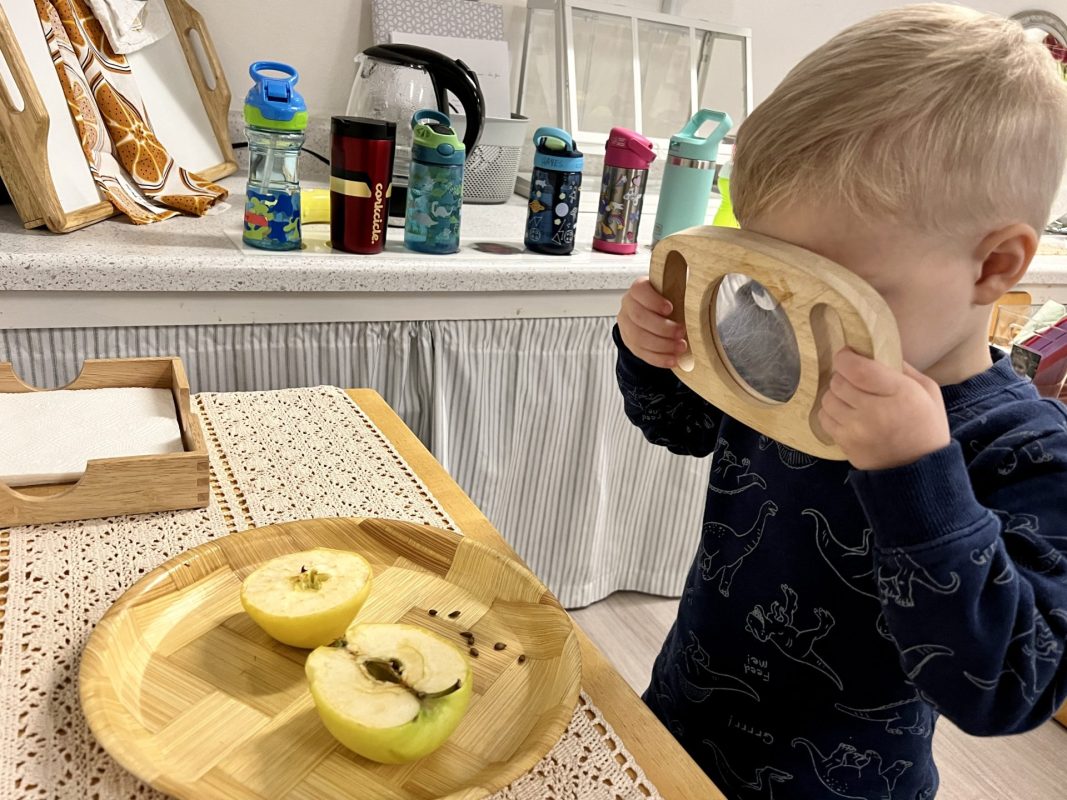
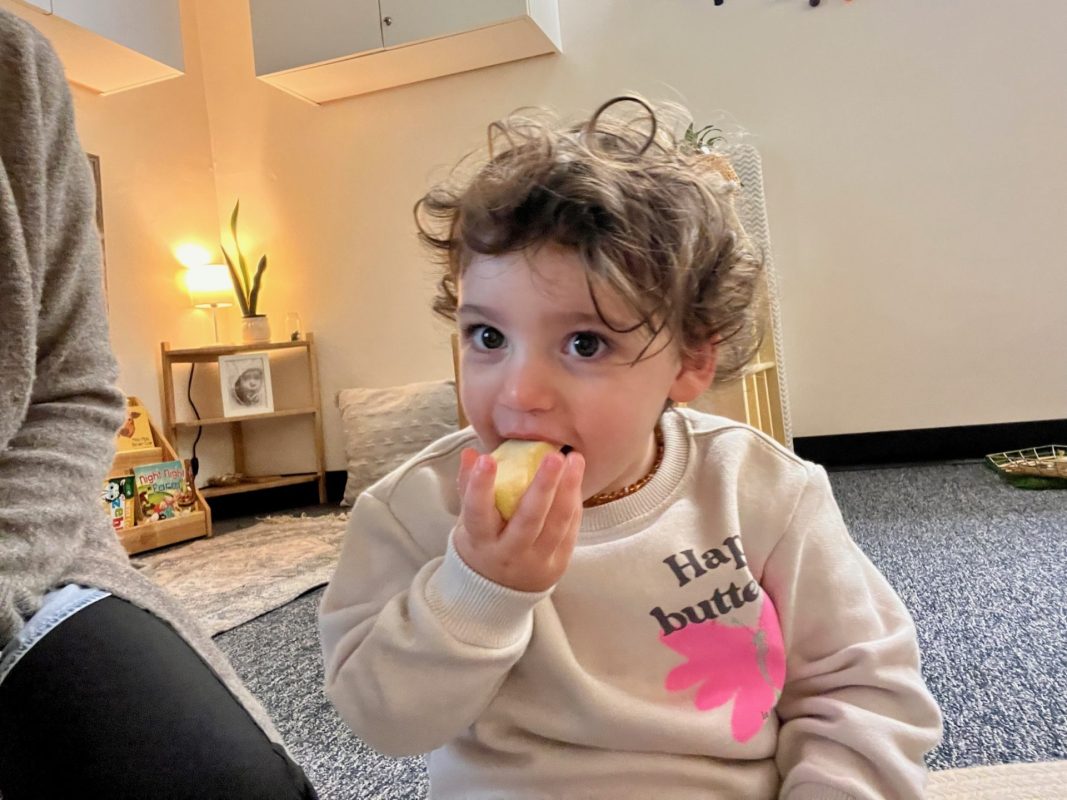
This week, we concluded our apple exploration and farm animal sounds. Furthermore, we had a food-tasting activity where we sampled a yellow apple and learned about its different parts, including the skin, stem, core, seeds, and flesh. The children visually examined the apple parts up close with a magnifying glass.

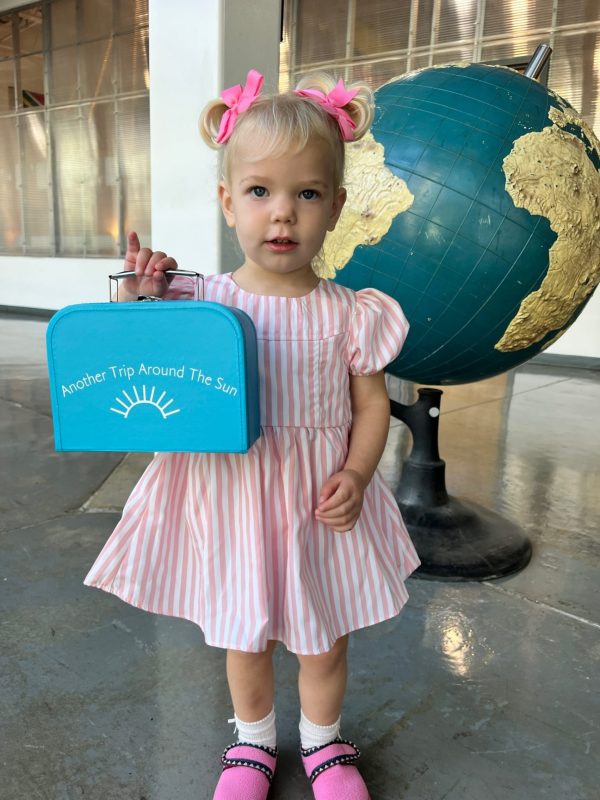
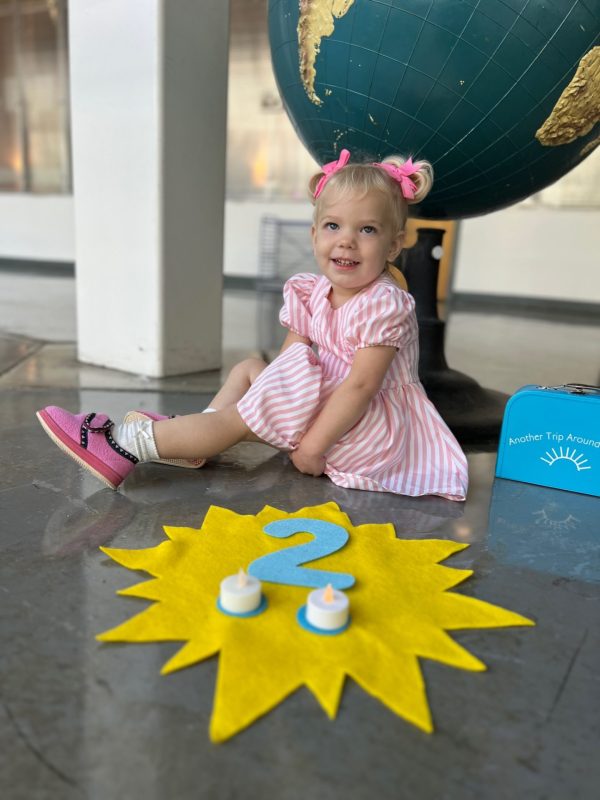
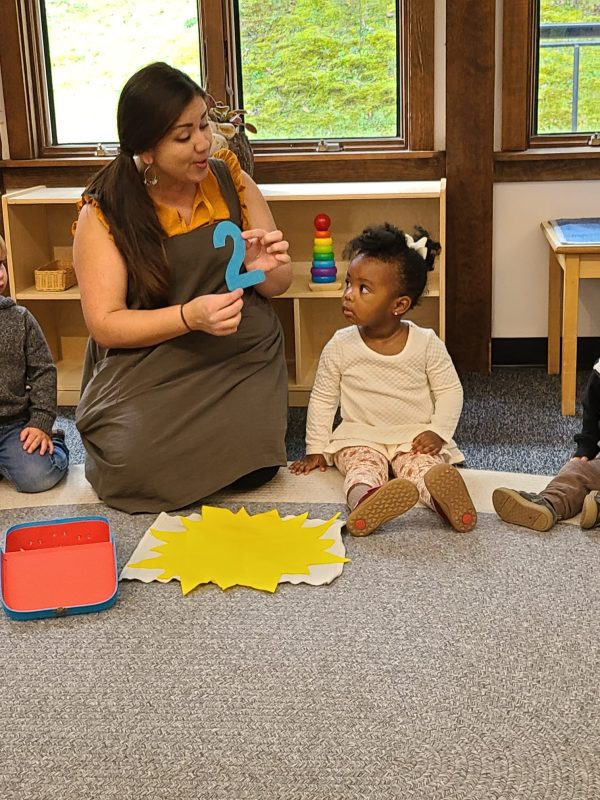
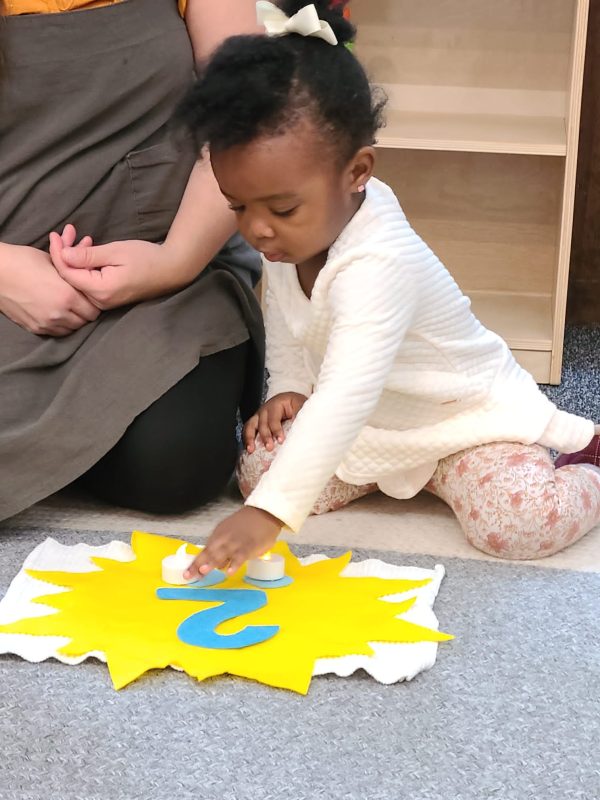
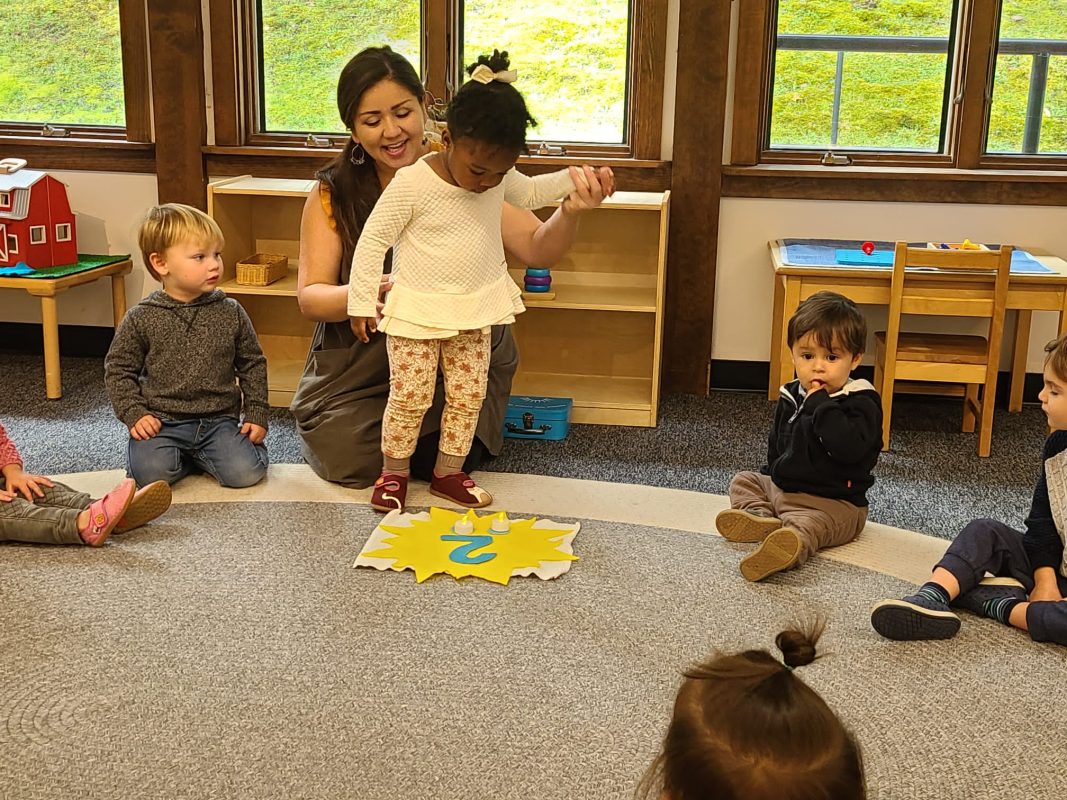
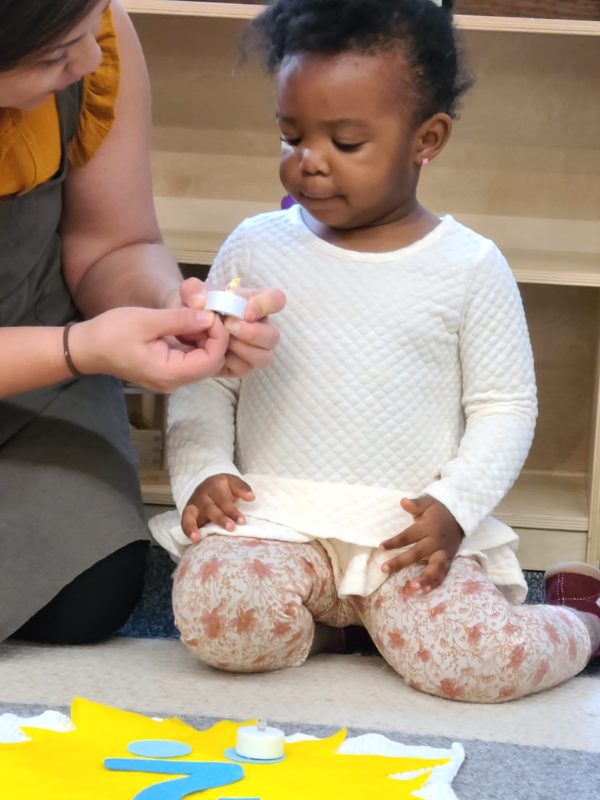
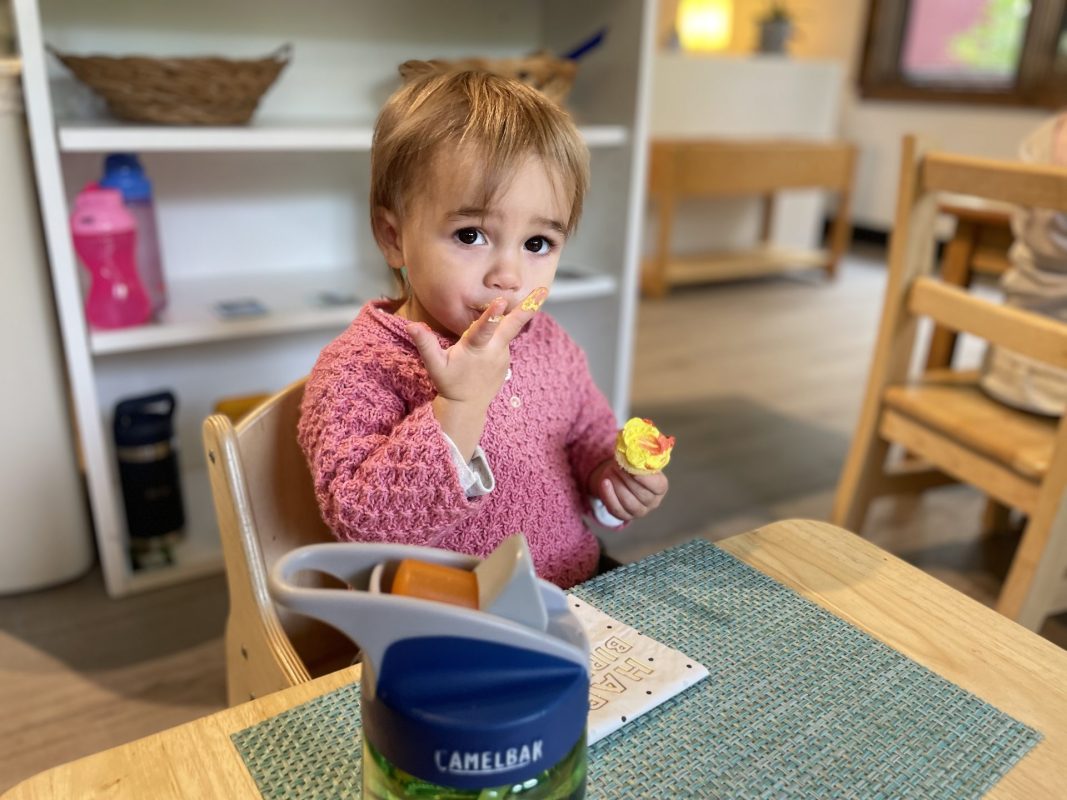
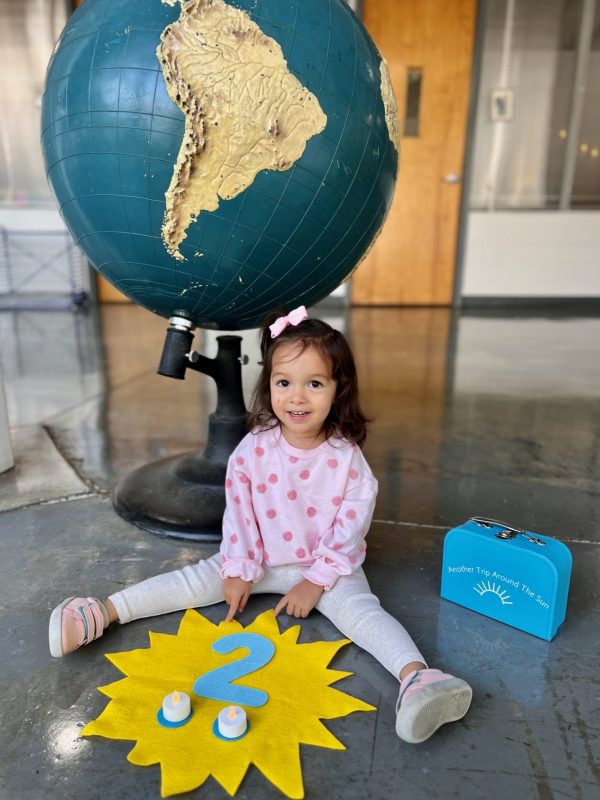
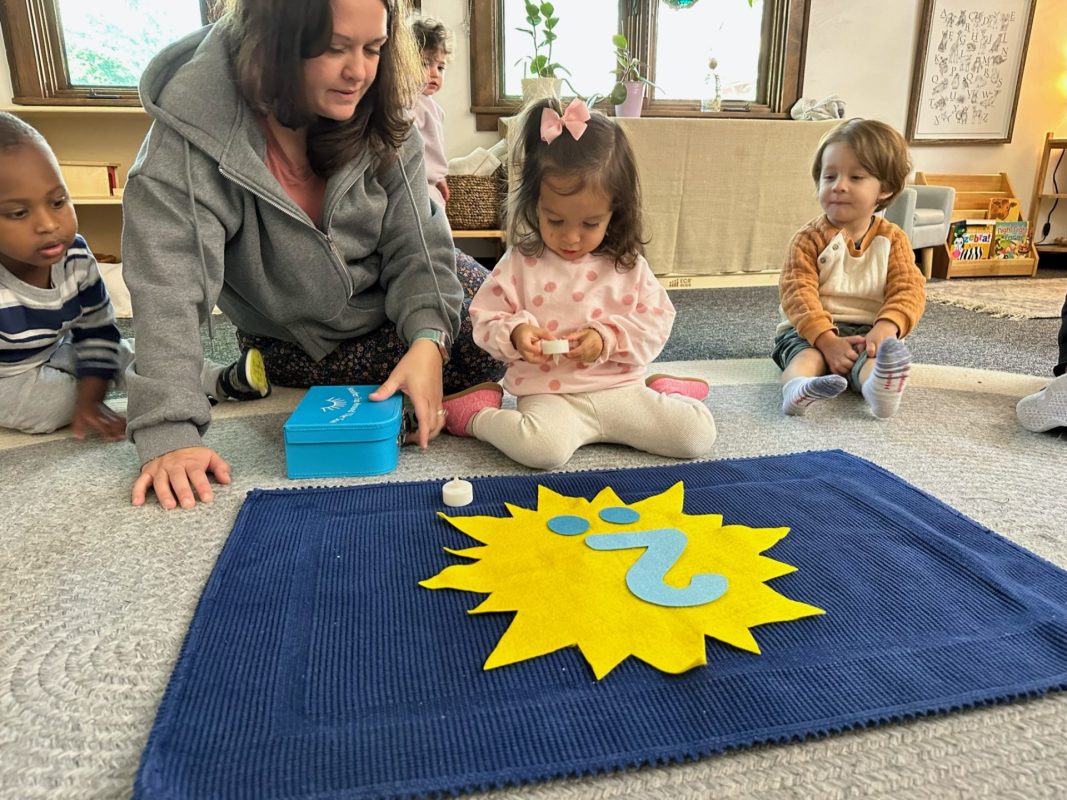
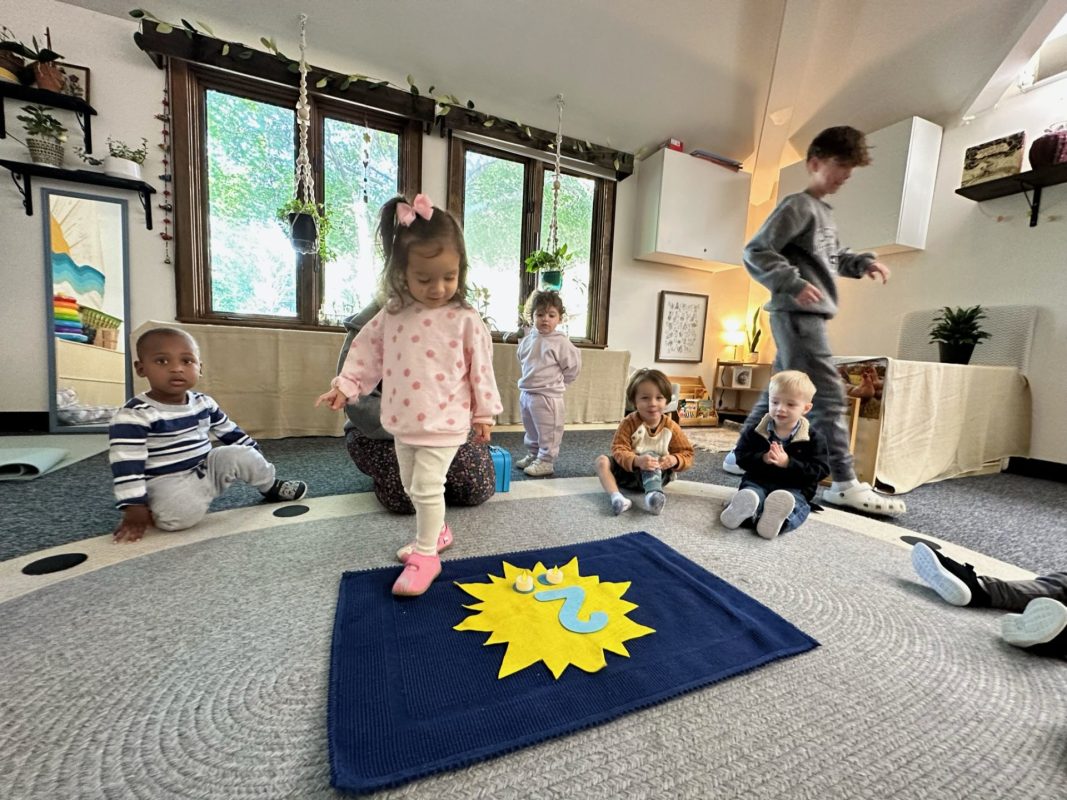
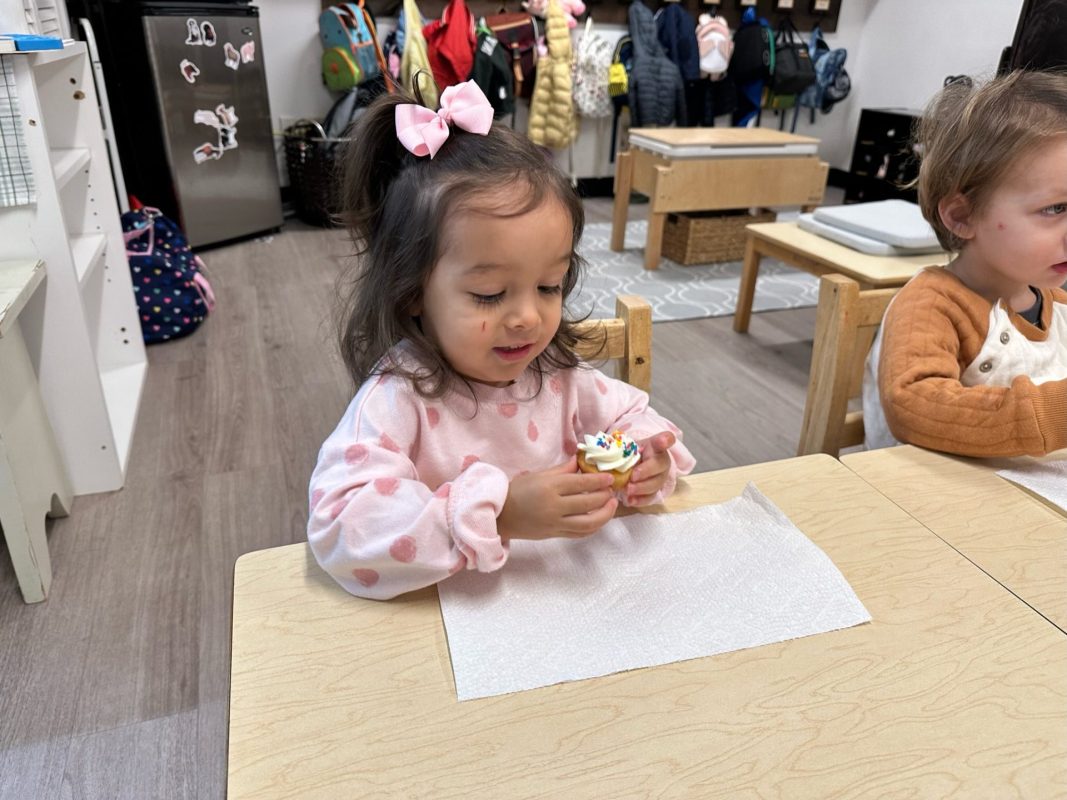
We celebrated our first birthday of the school year. During the celebration, the birthday child helped to set up a sun with a numeral two, two dots, and two candles. We sang “Happy Birthday” while she walked around the sun. Afterward, we all sat together, enjoyed a small, delicious cupcake, and read her favorite book, What Do You Say Little Blue Truck.

Overall, it was a successful and enjoyable week.

Have a wonderful weekend,

Cynthia and Sara


Mrs. Sargeant- A Wonderful Week


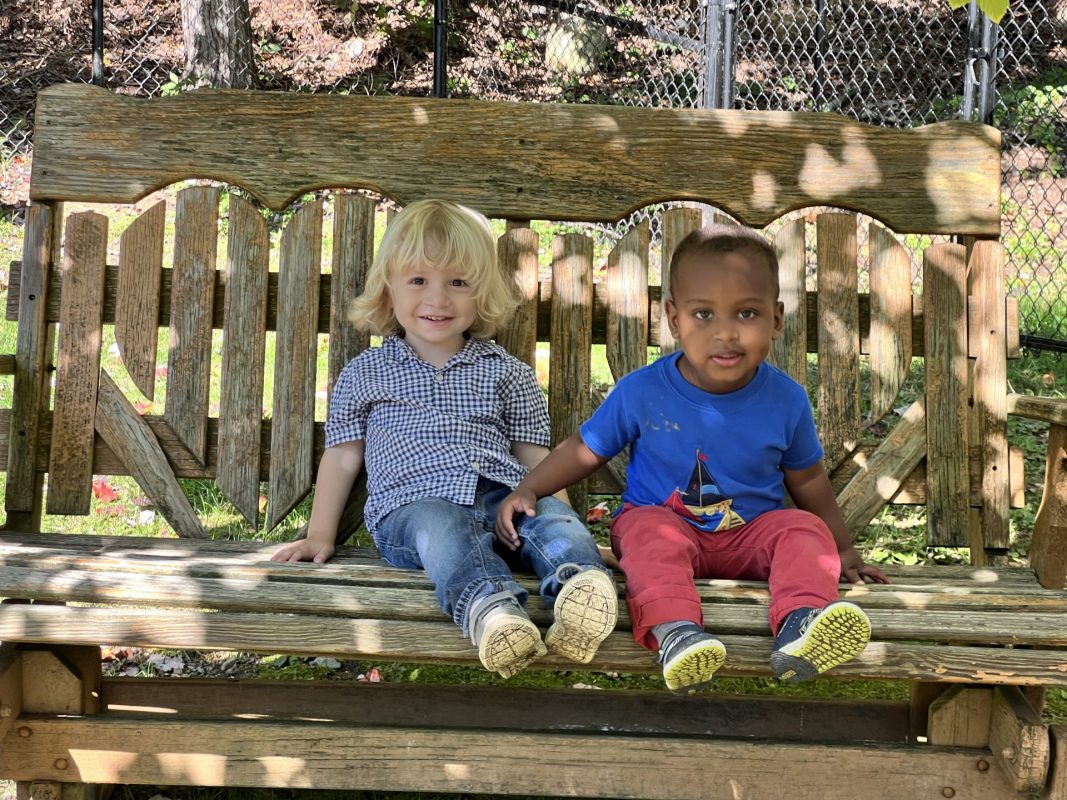
It was truly a wonderful week! The children seem to really enjoy each other. Their faces light up each morning when they are reunited, and they notice when their peers are absent. Observing the children help one another with various tasks has been heartwarming.

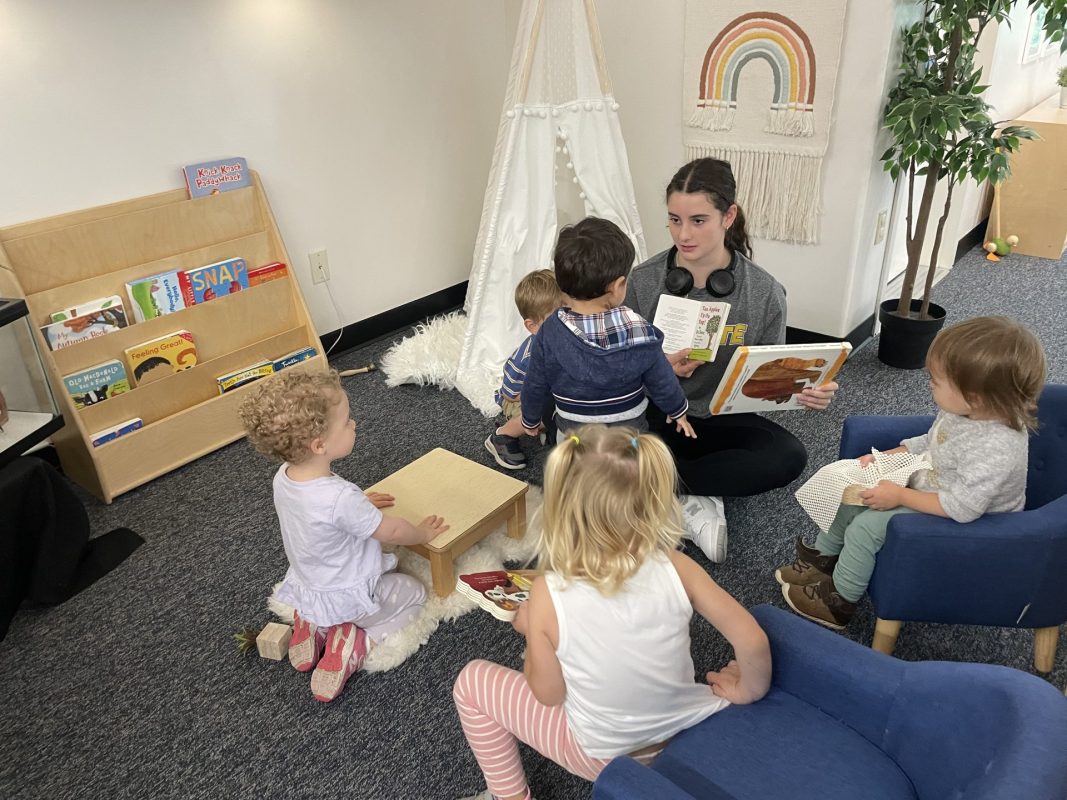
We welcomed a few Middle School students into the class as part of their “Social Impact” experience. The toddlers warmed up quickly and were fascinated by these role models. They seemed to especially enjoy looking at books and building with blocks beside their new friends. This is such a wonderful way to build community at our school. We’re looking forward to another visit next week!

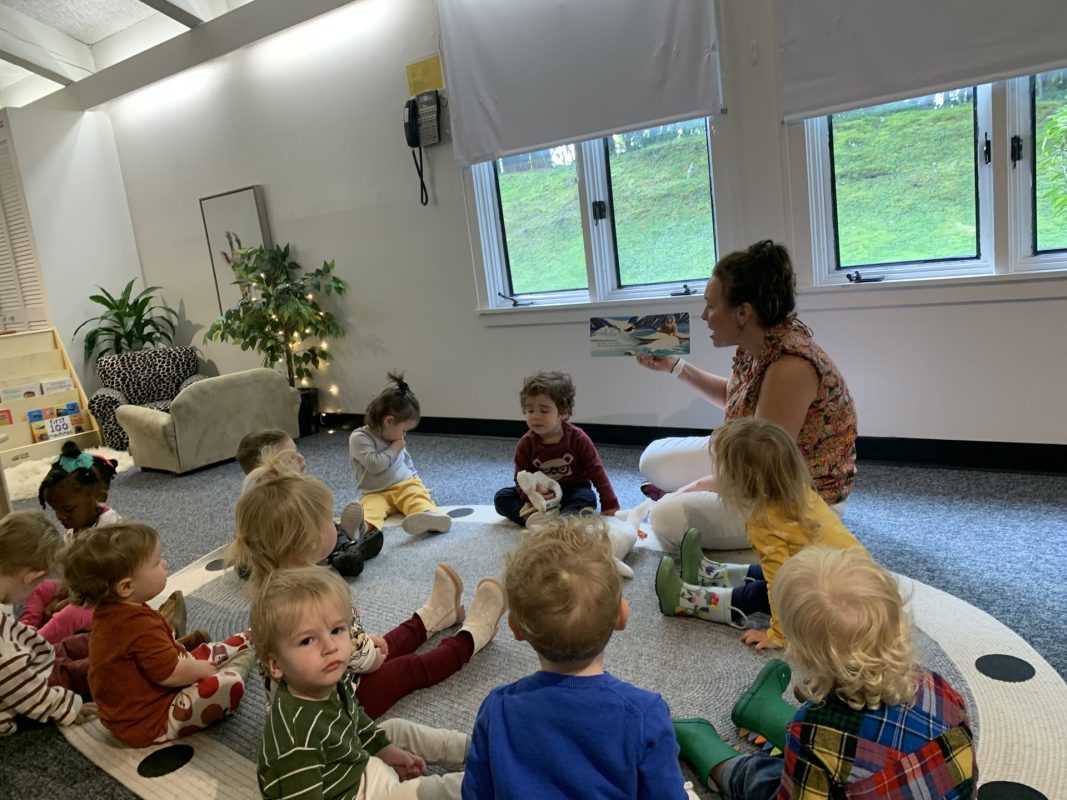
We had a peaceful circle time to celebrate International Day of Peace. We sang ‘Light a Candle for Peace’ as we each “lit” a candle and took turns to hug our Earth pillow. Later, we joined the whole school on the field to sing the song together.

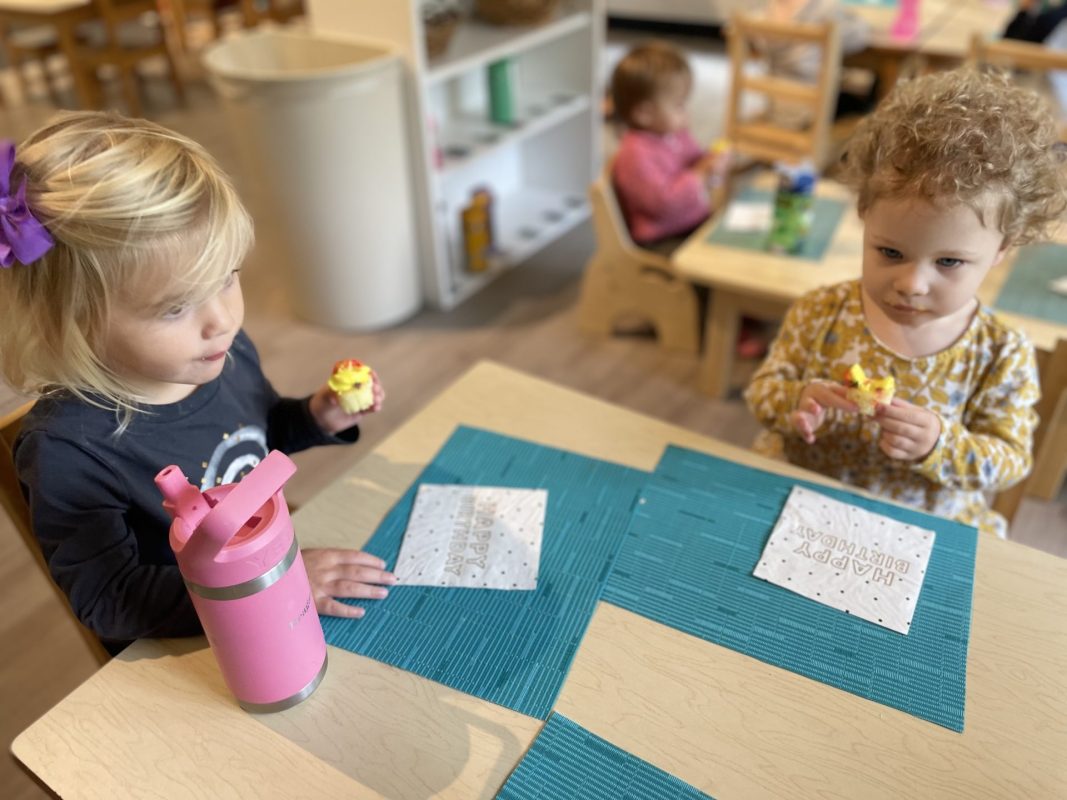
We celebrated a friend’s second birthday this week. Happy Birthday, Jaxxon! Thank you for buying a copy of your favorite Bluey book for our classroom library.

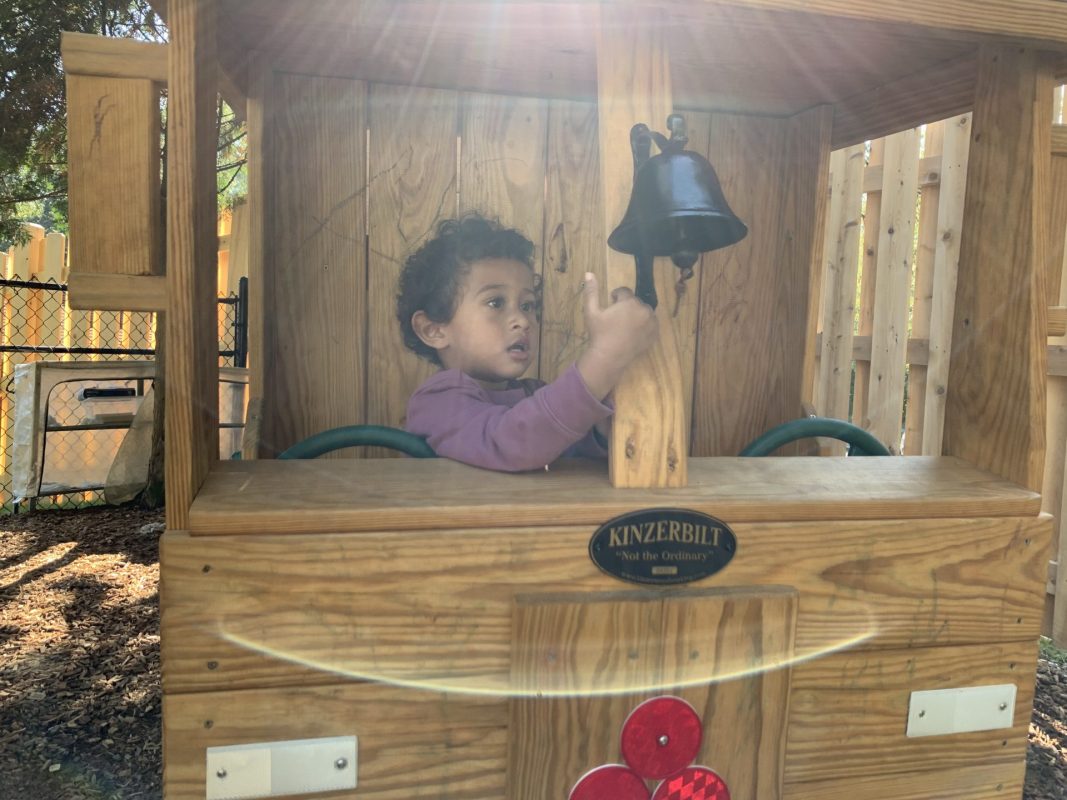
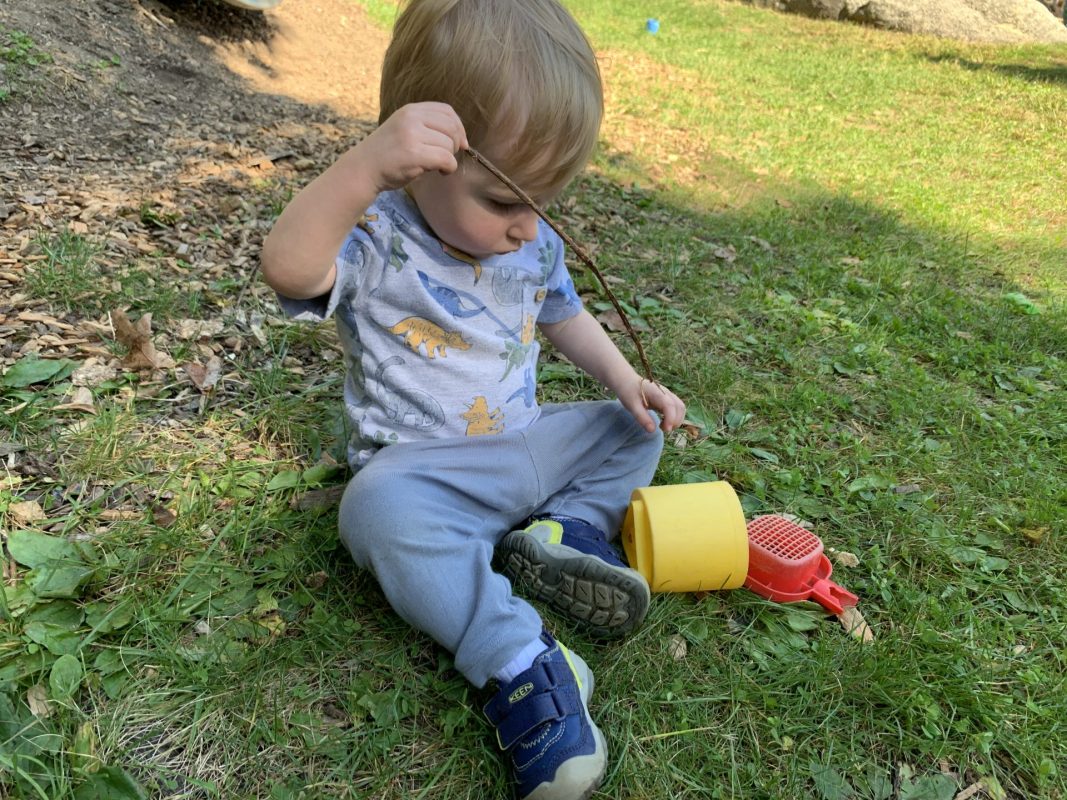
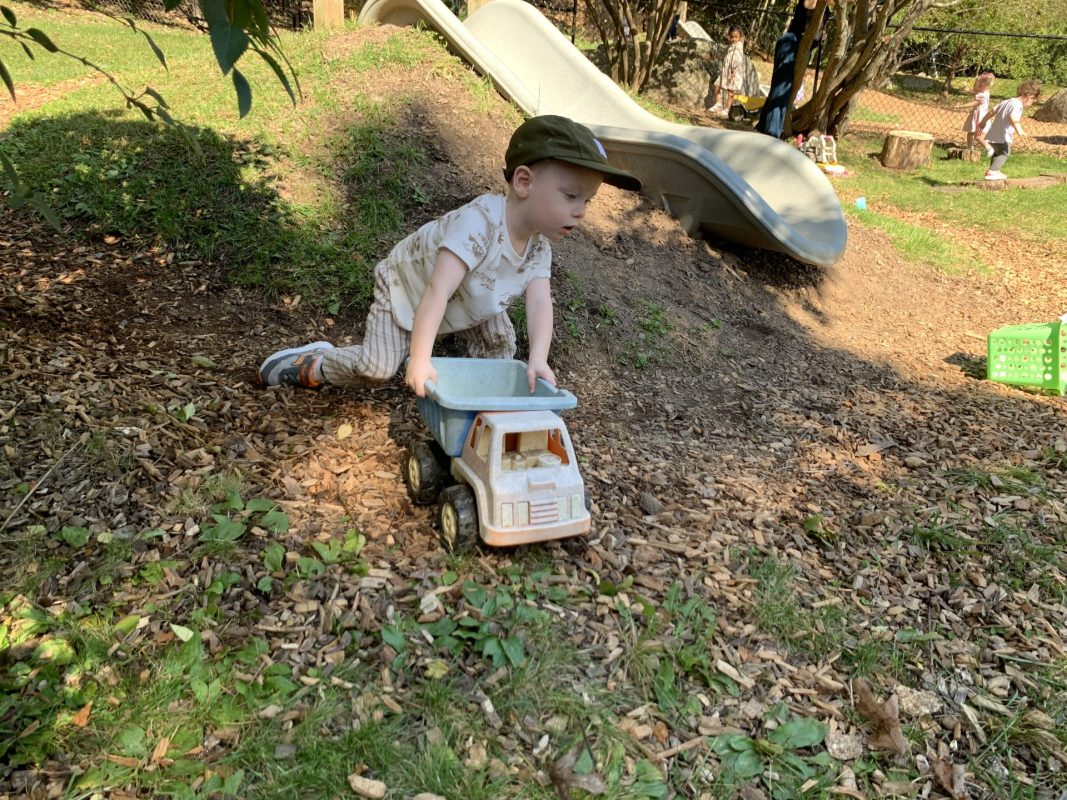
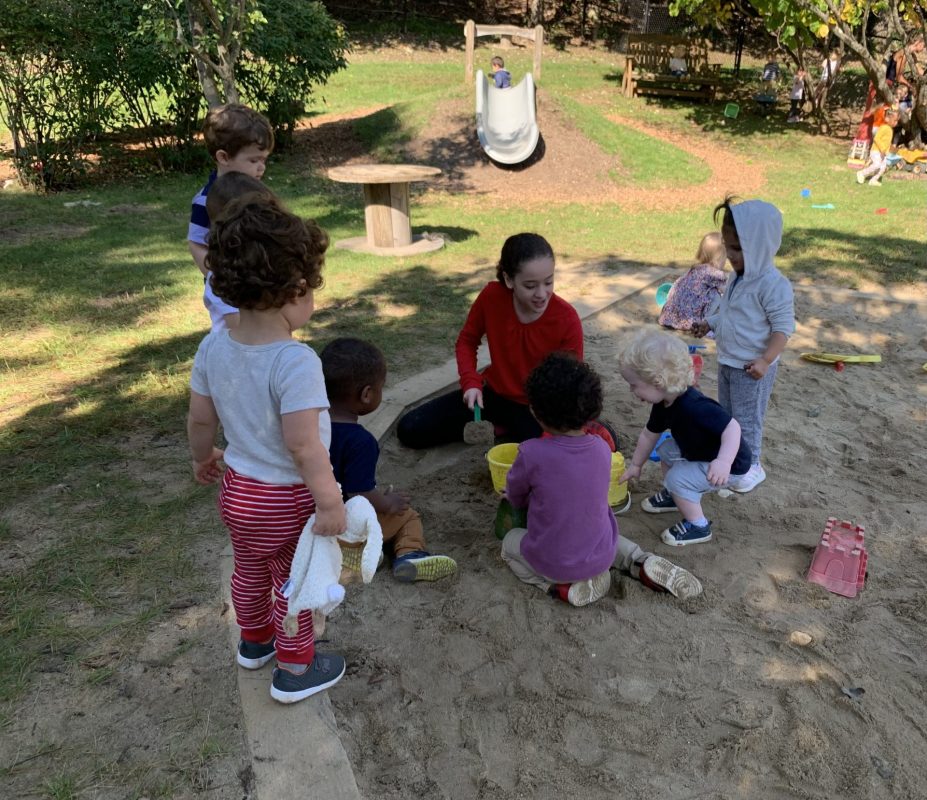
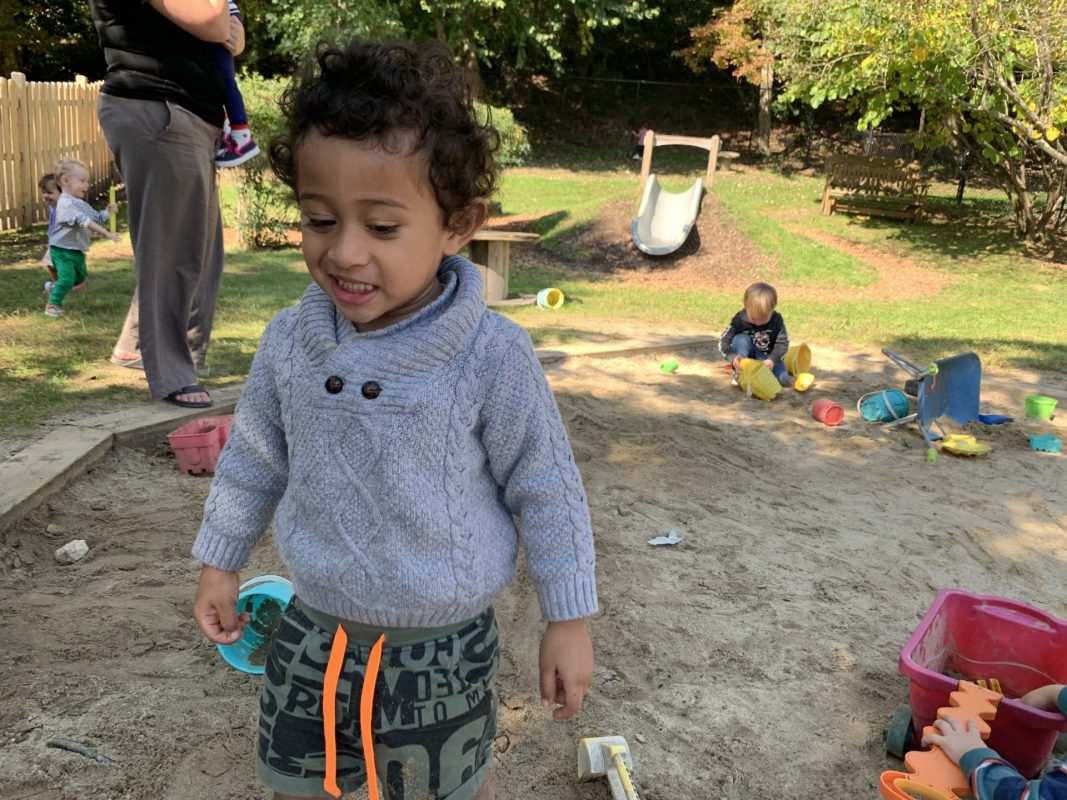
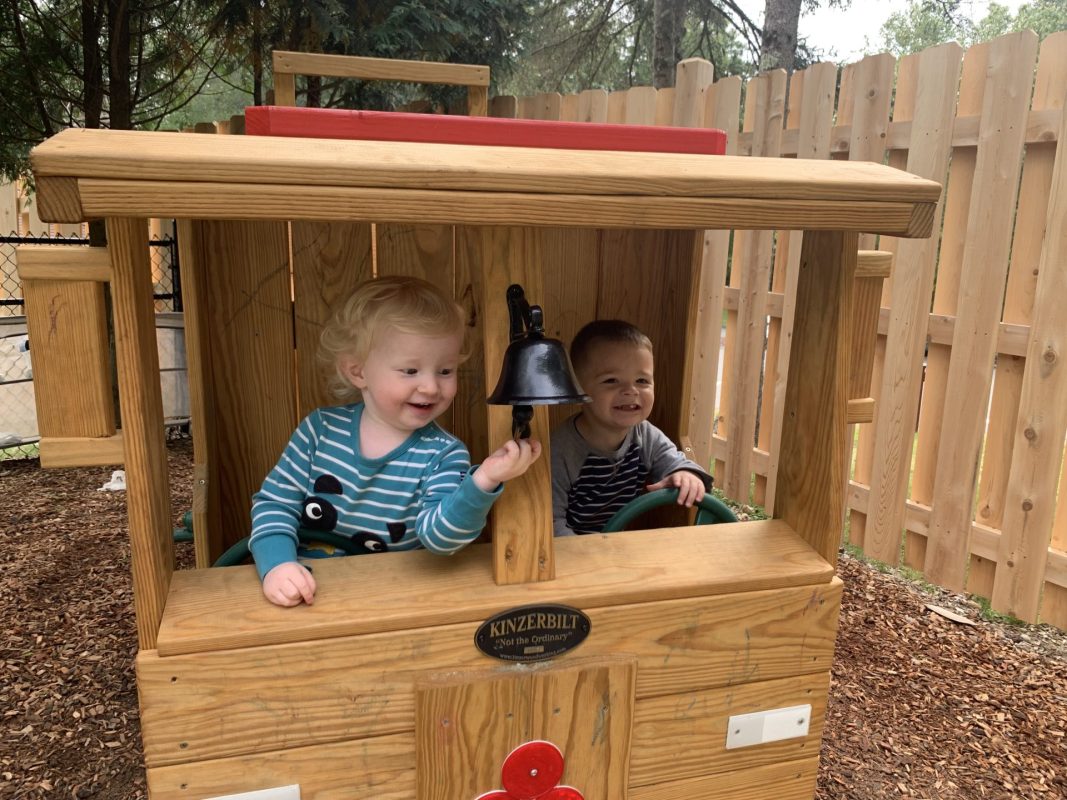
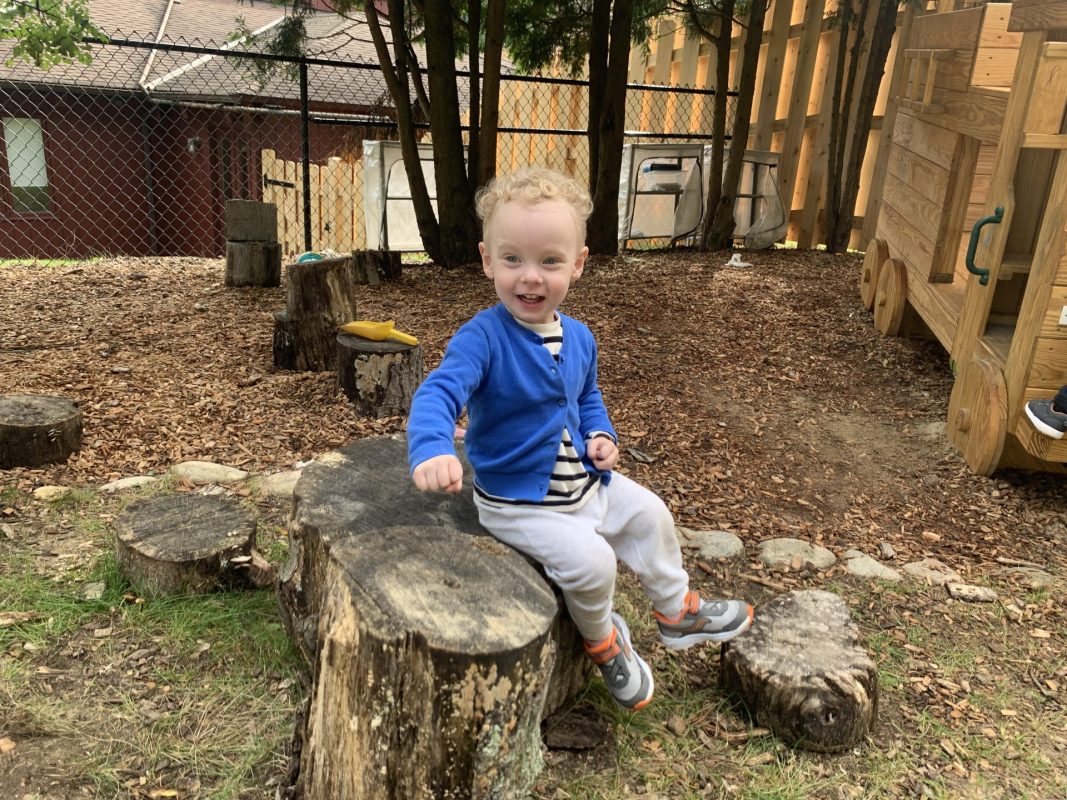
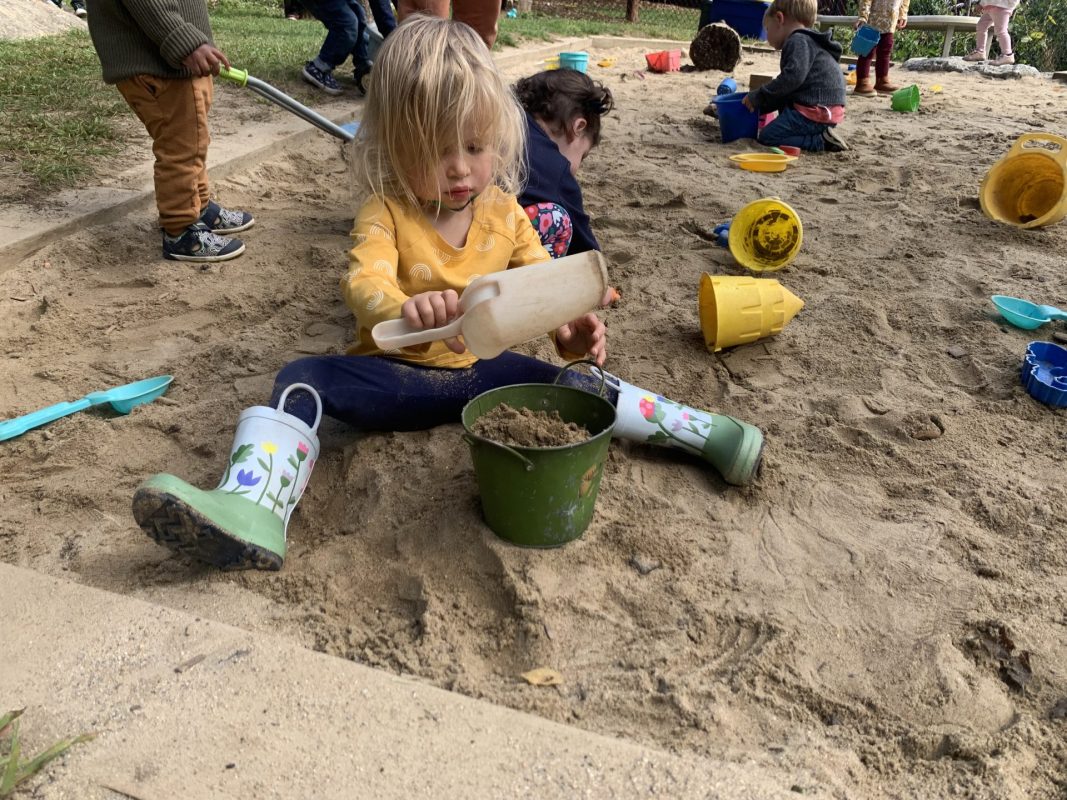
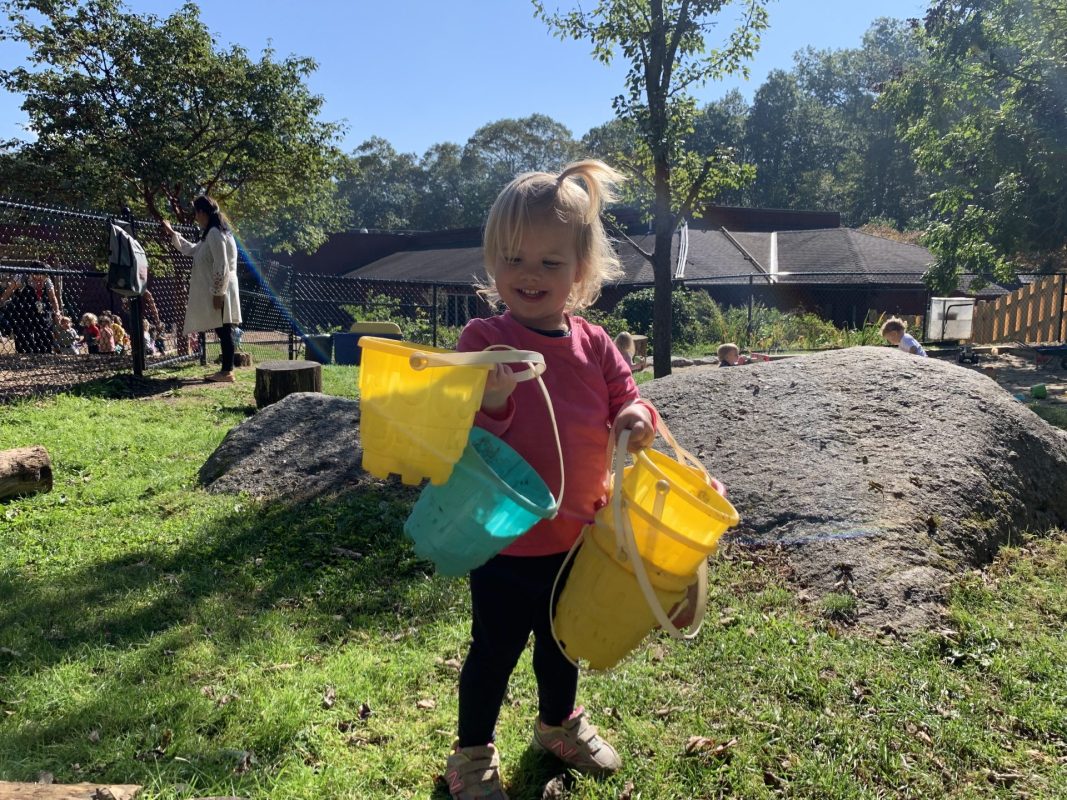
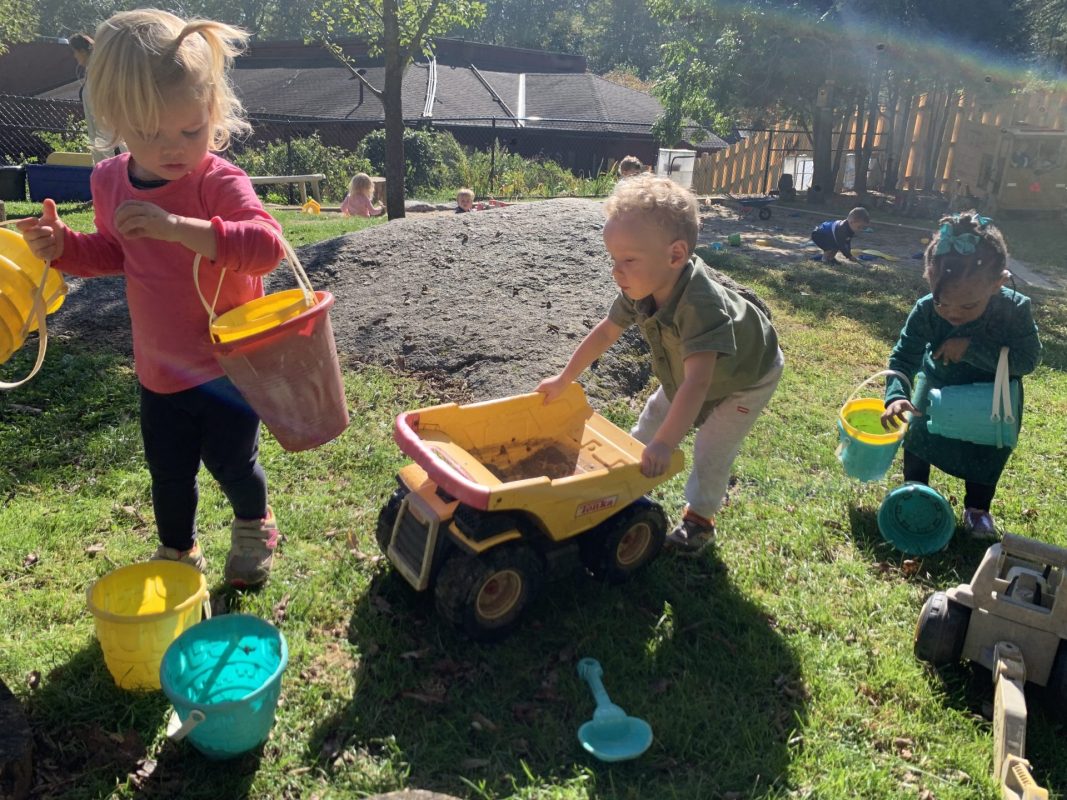
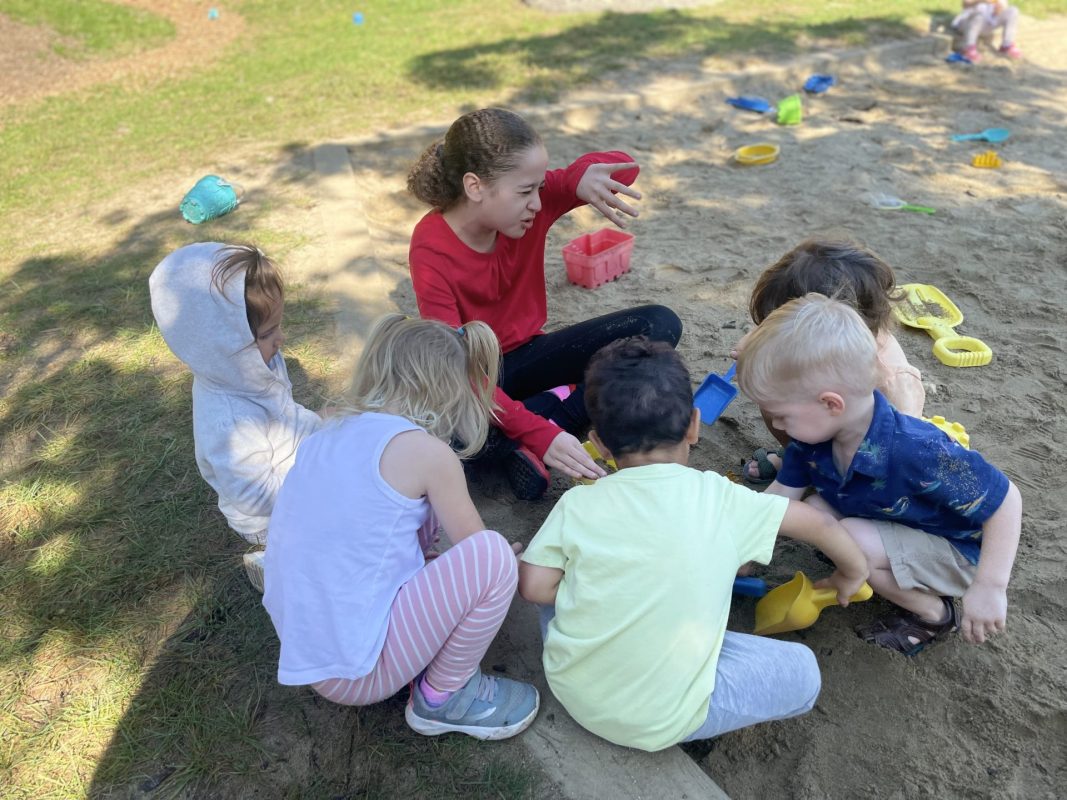
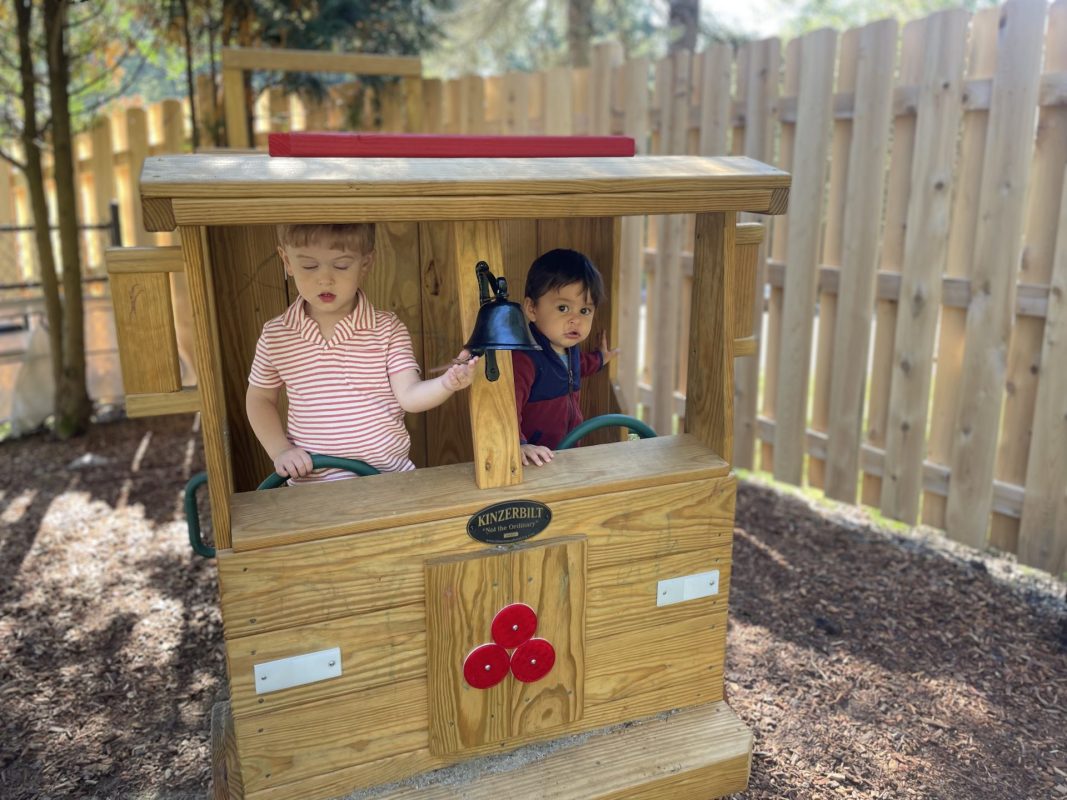
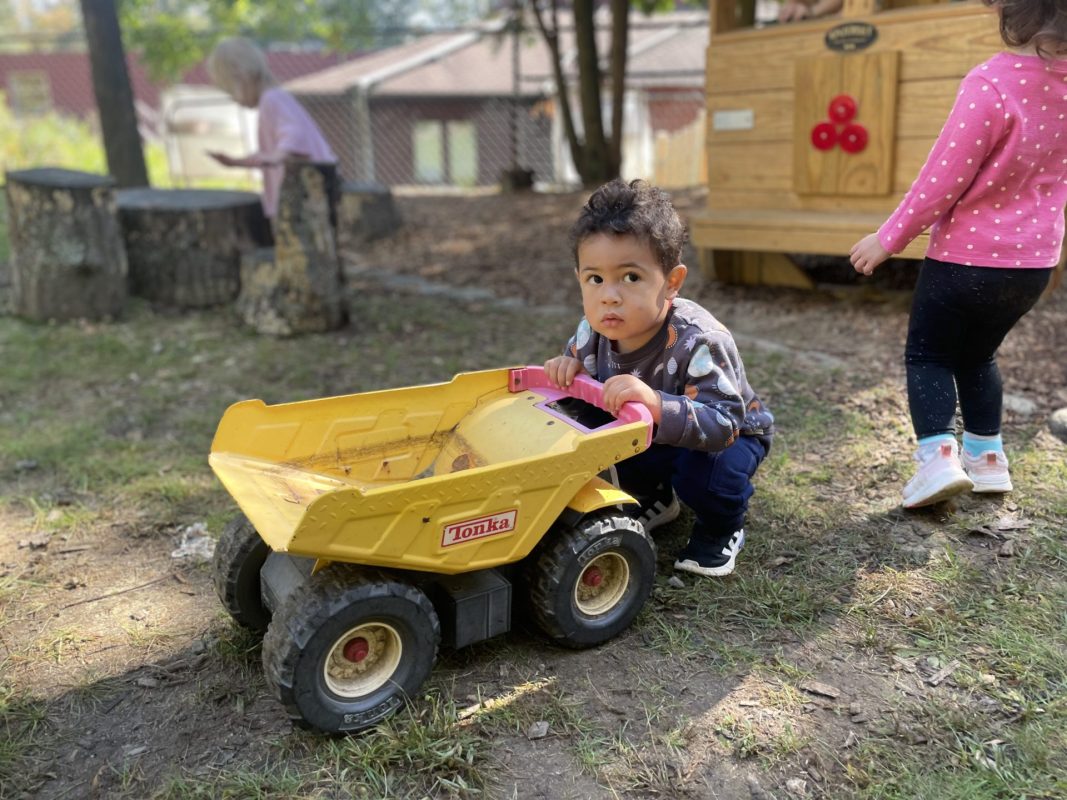
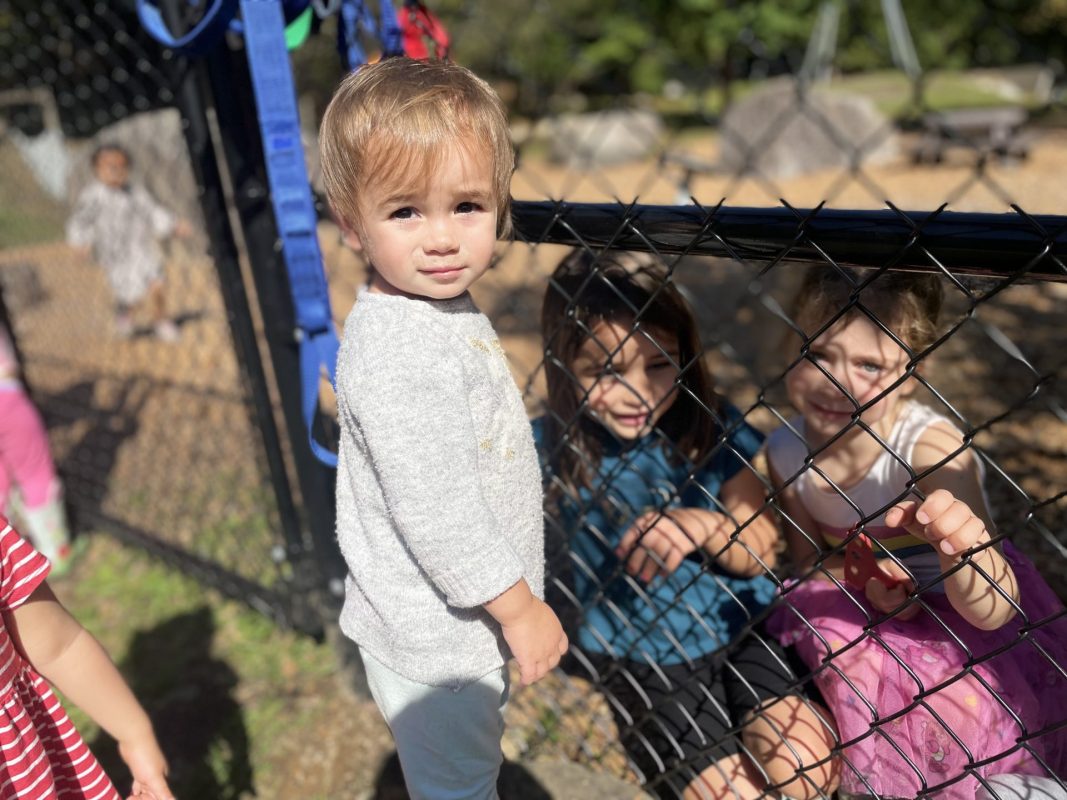
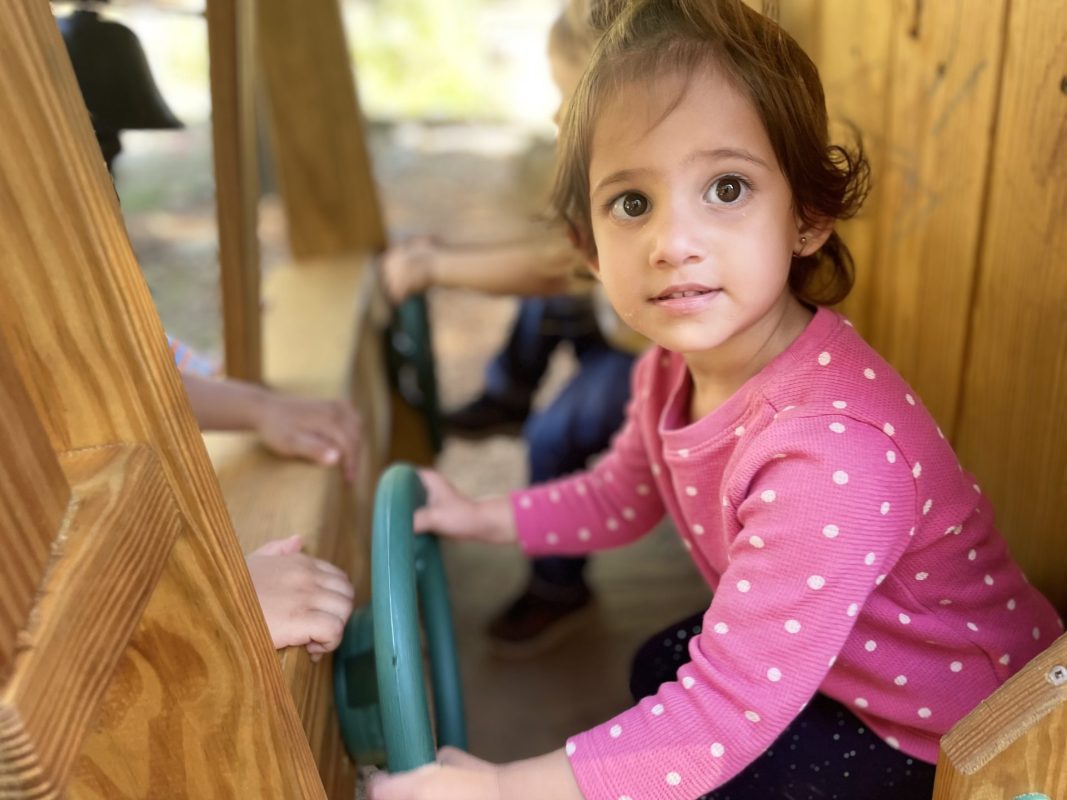
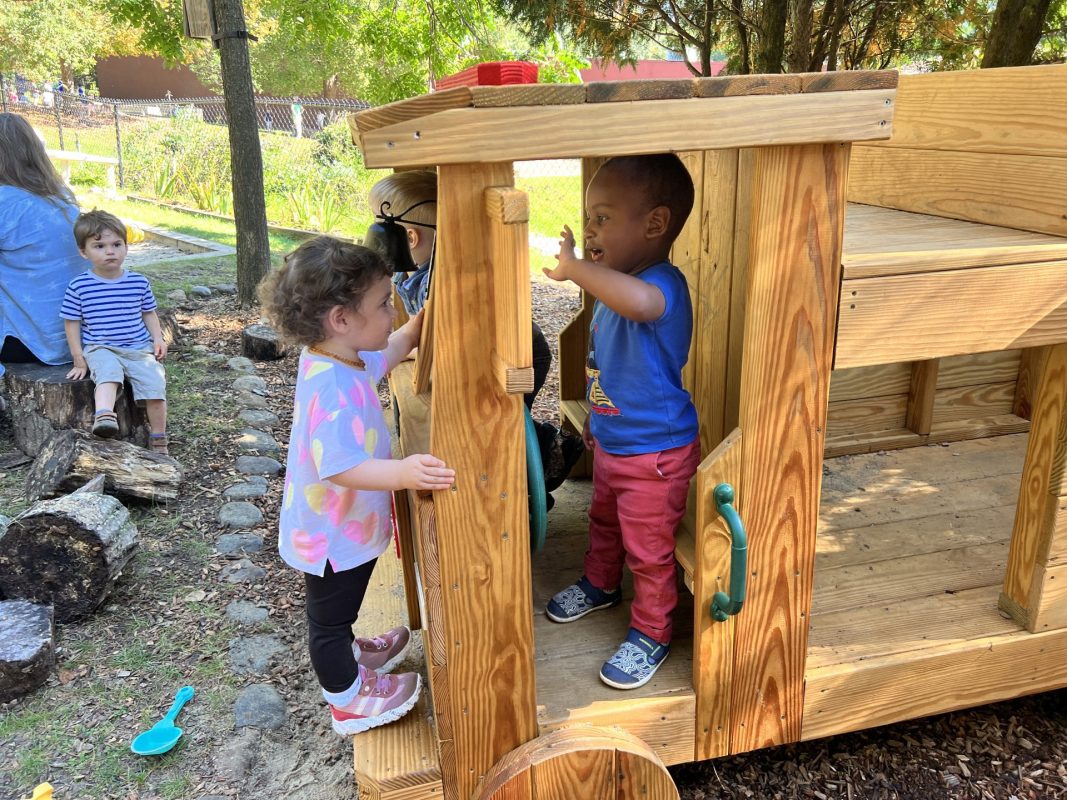
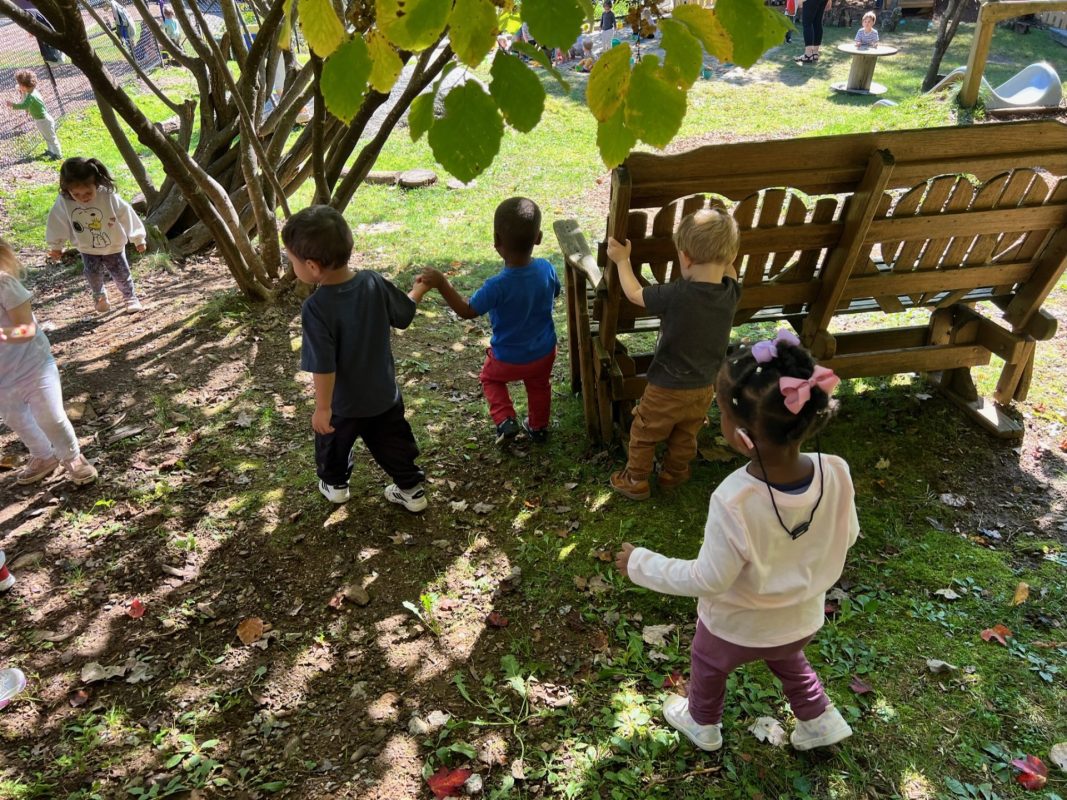
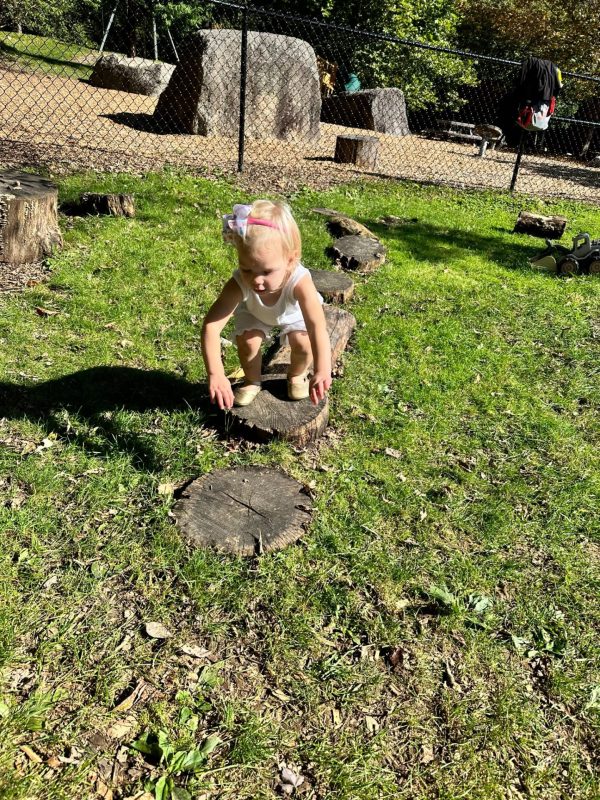
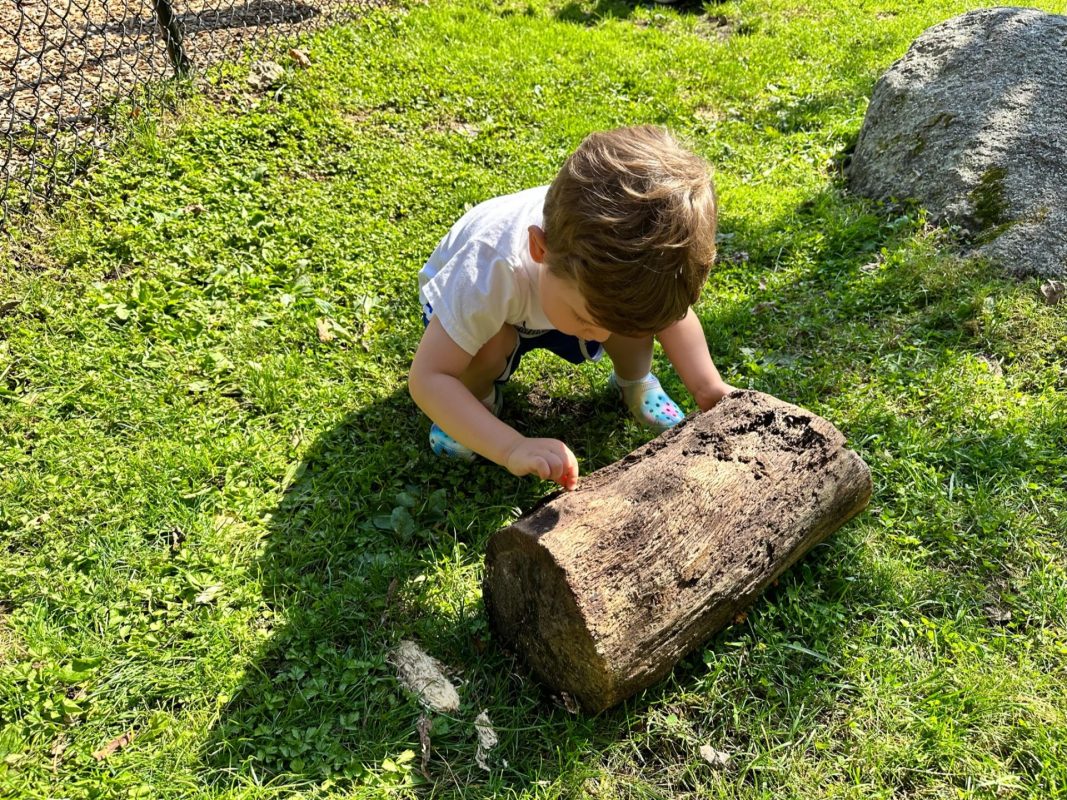
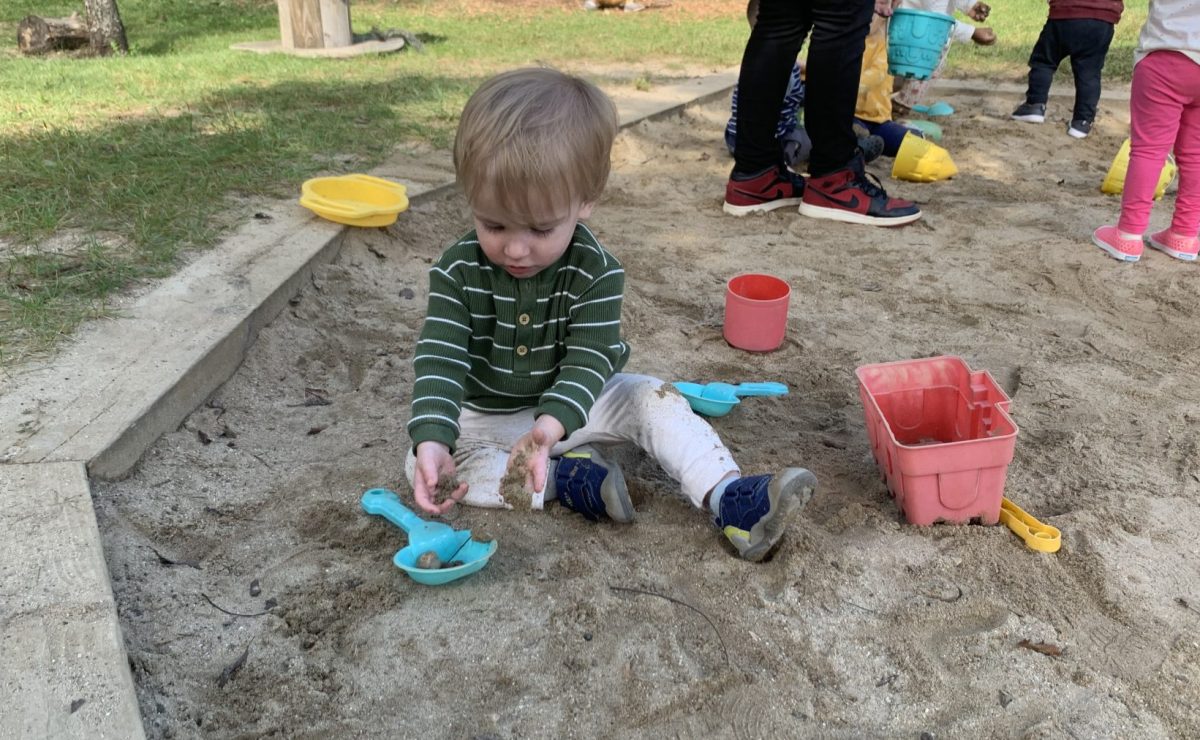
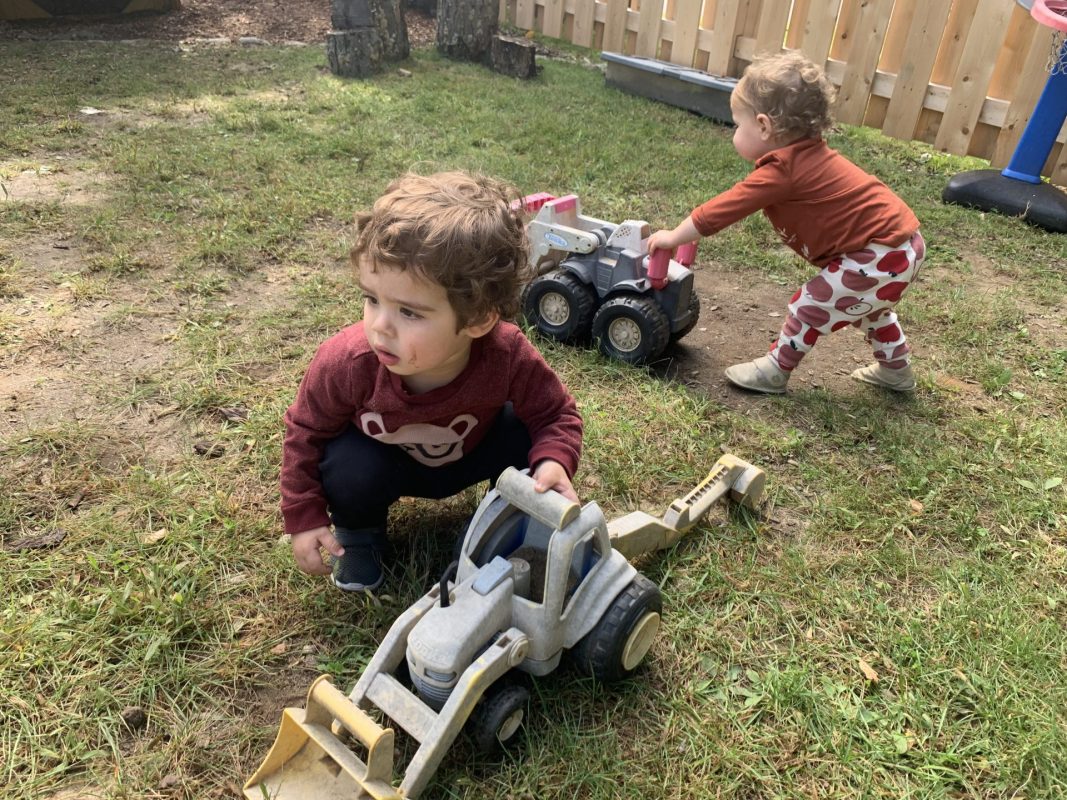
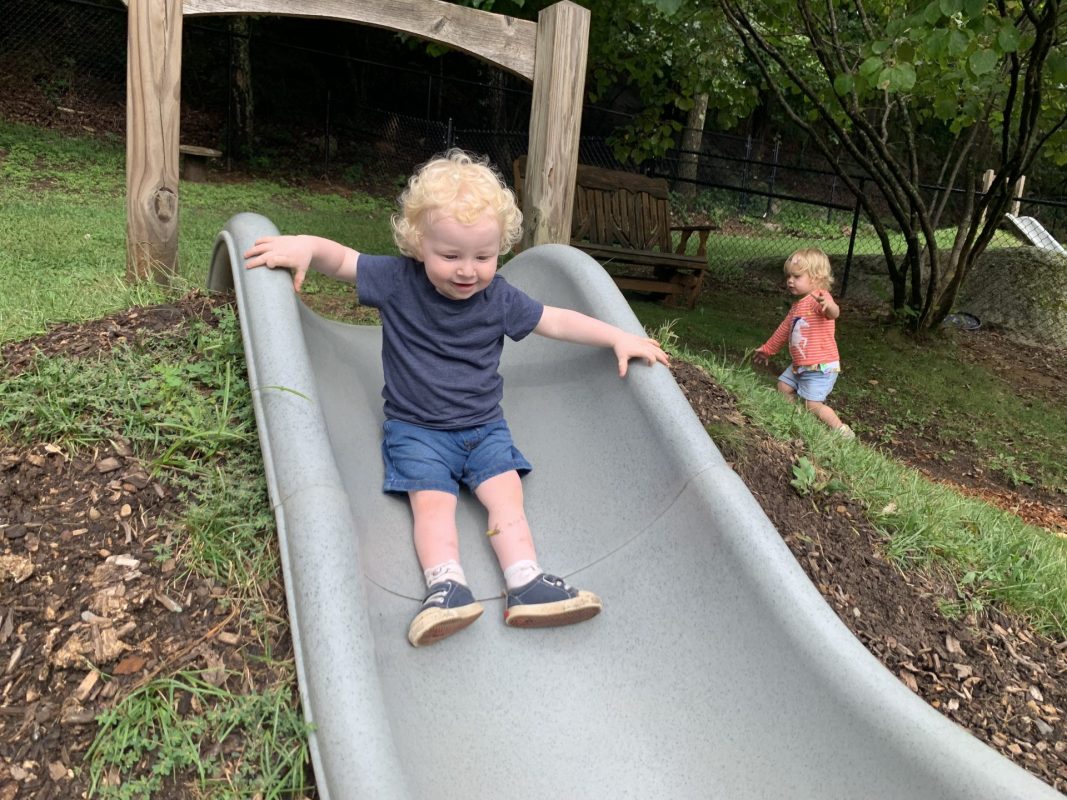
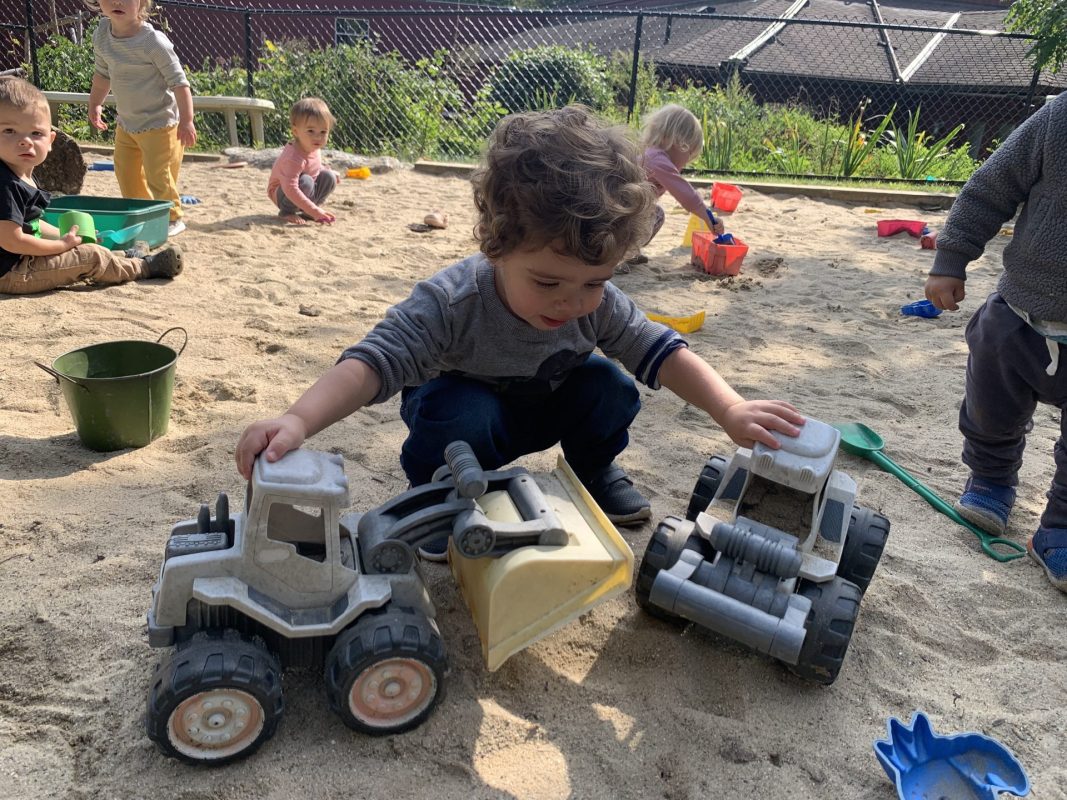
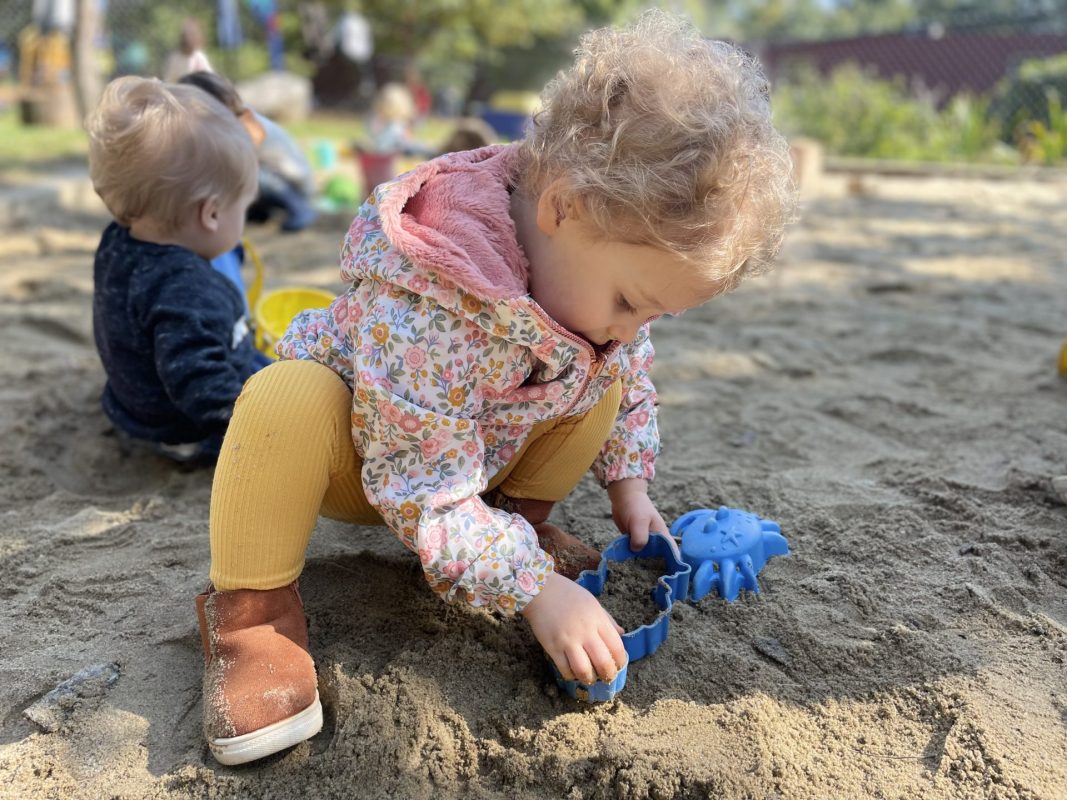
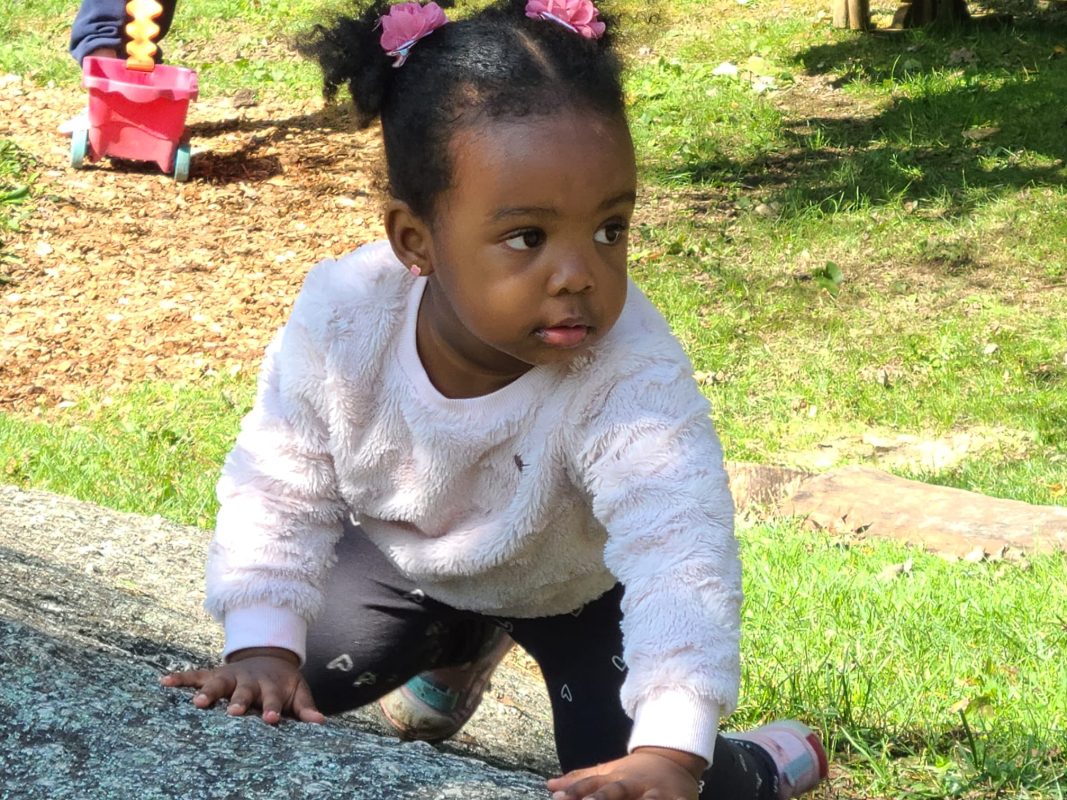
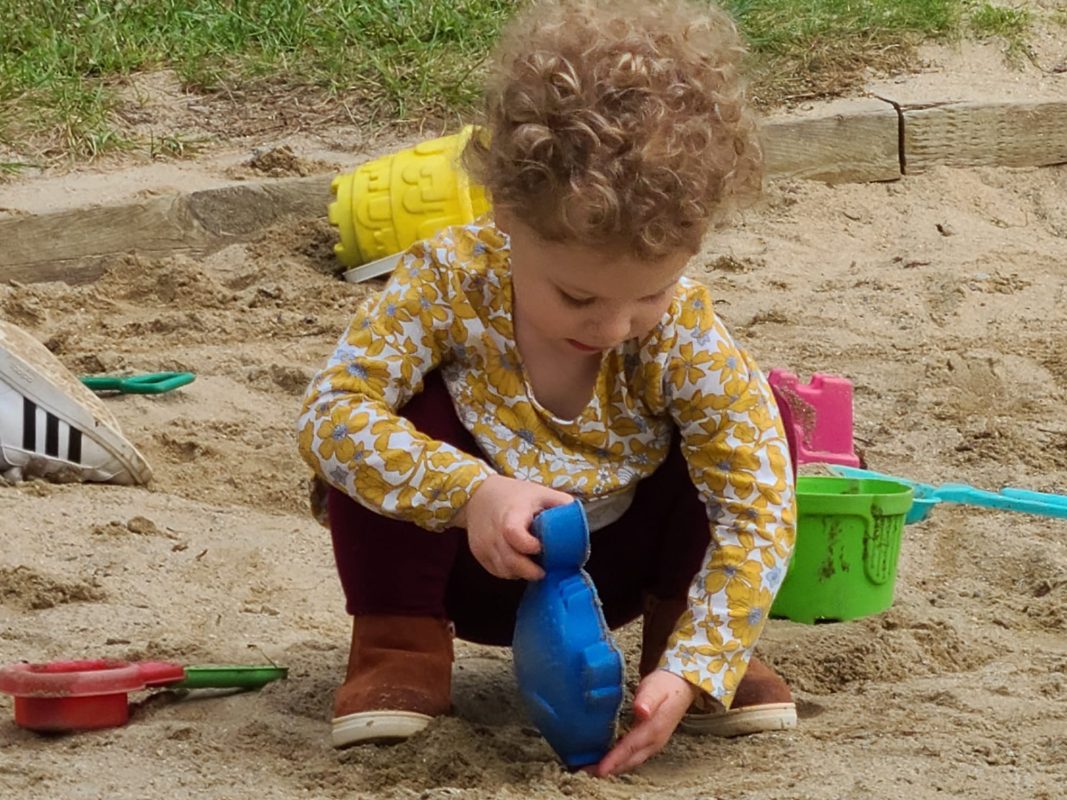
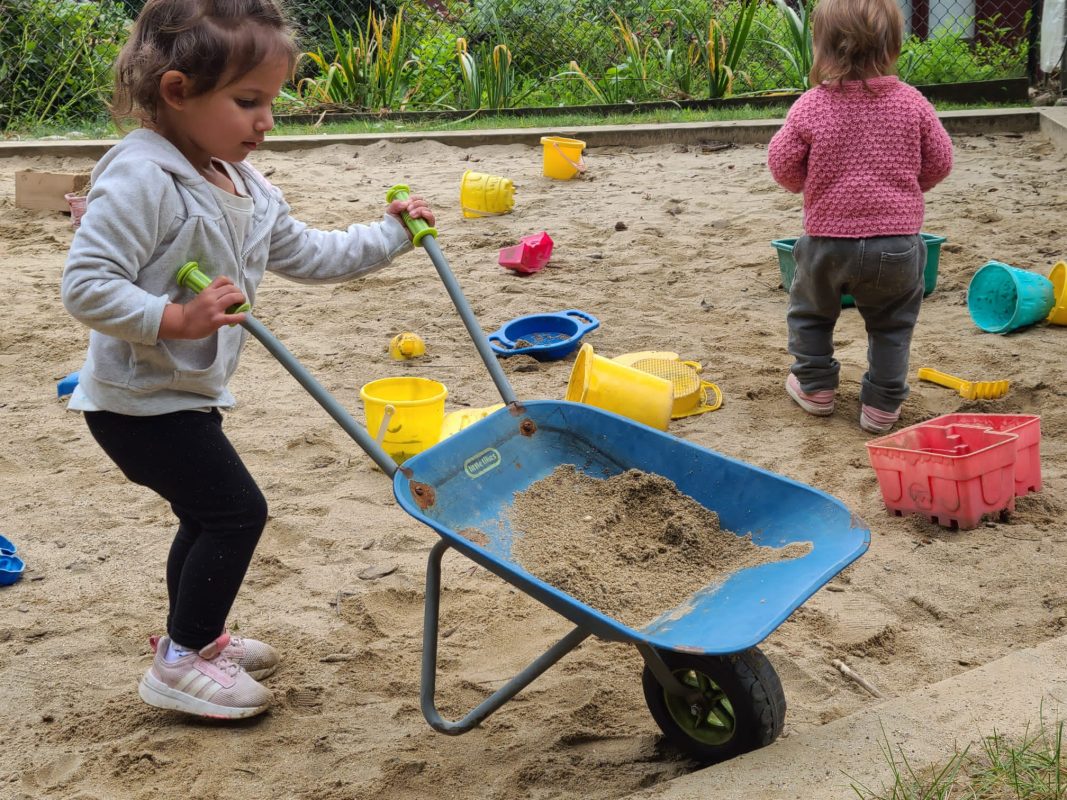
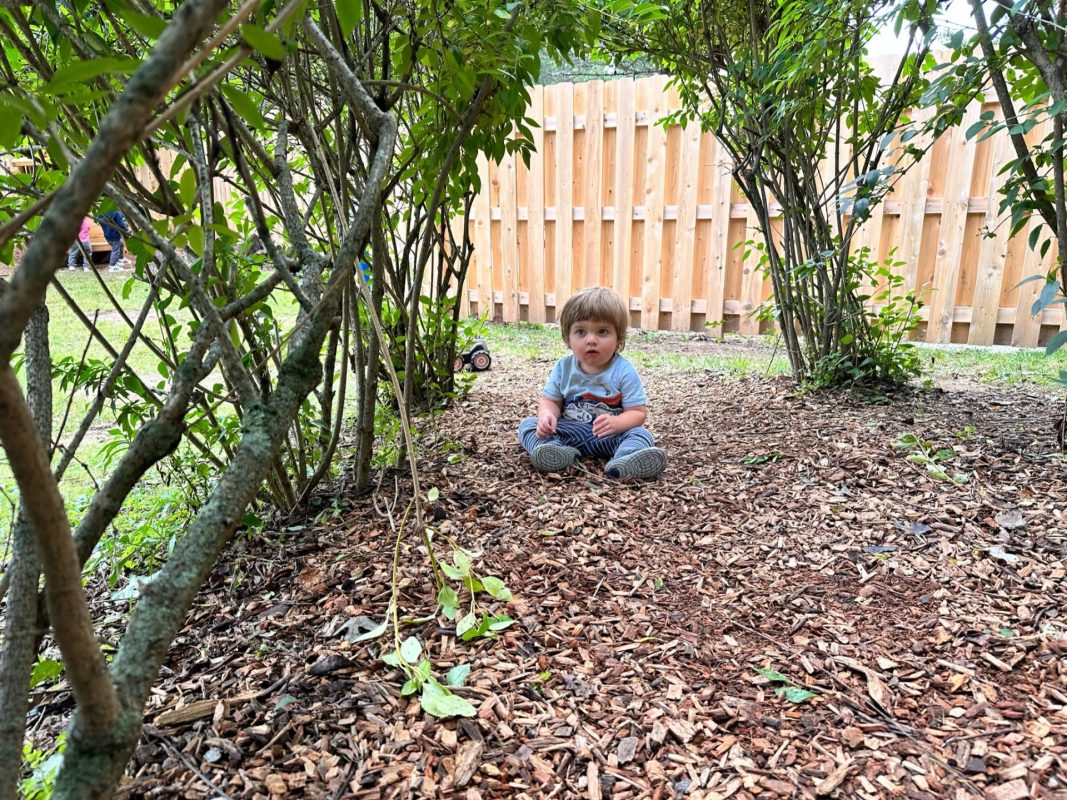
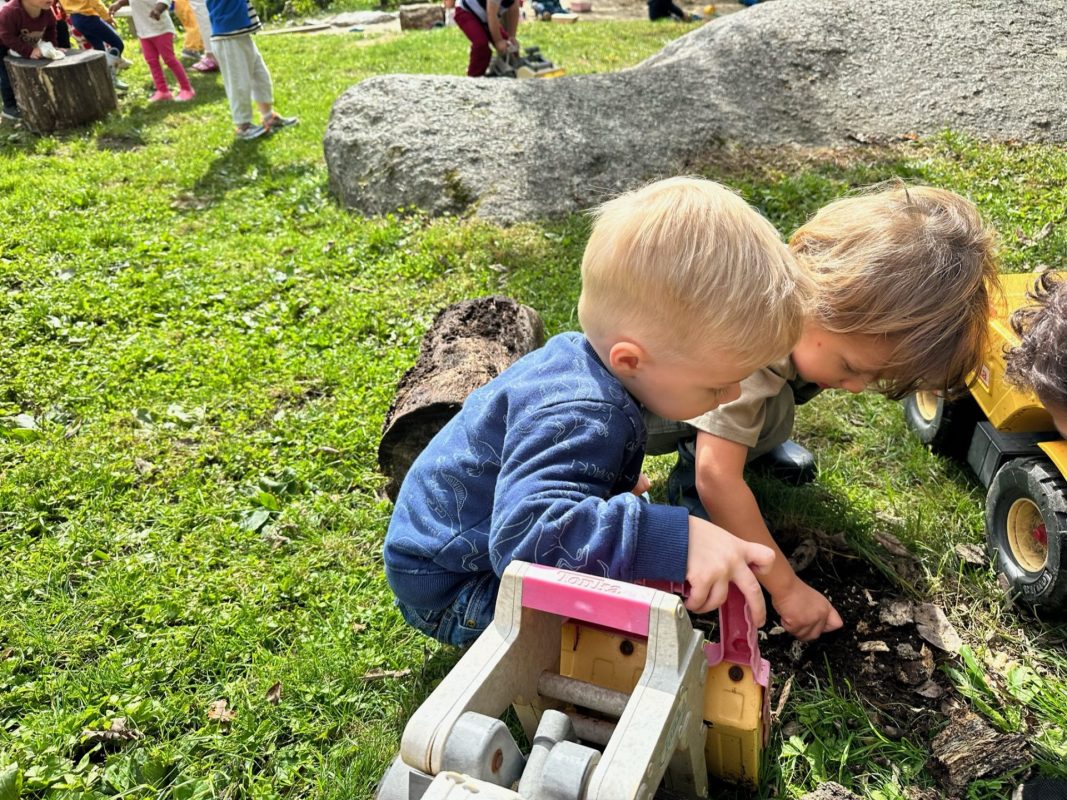
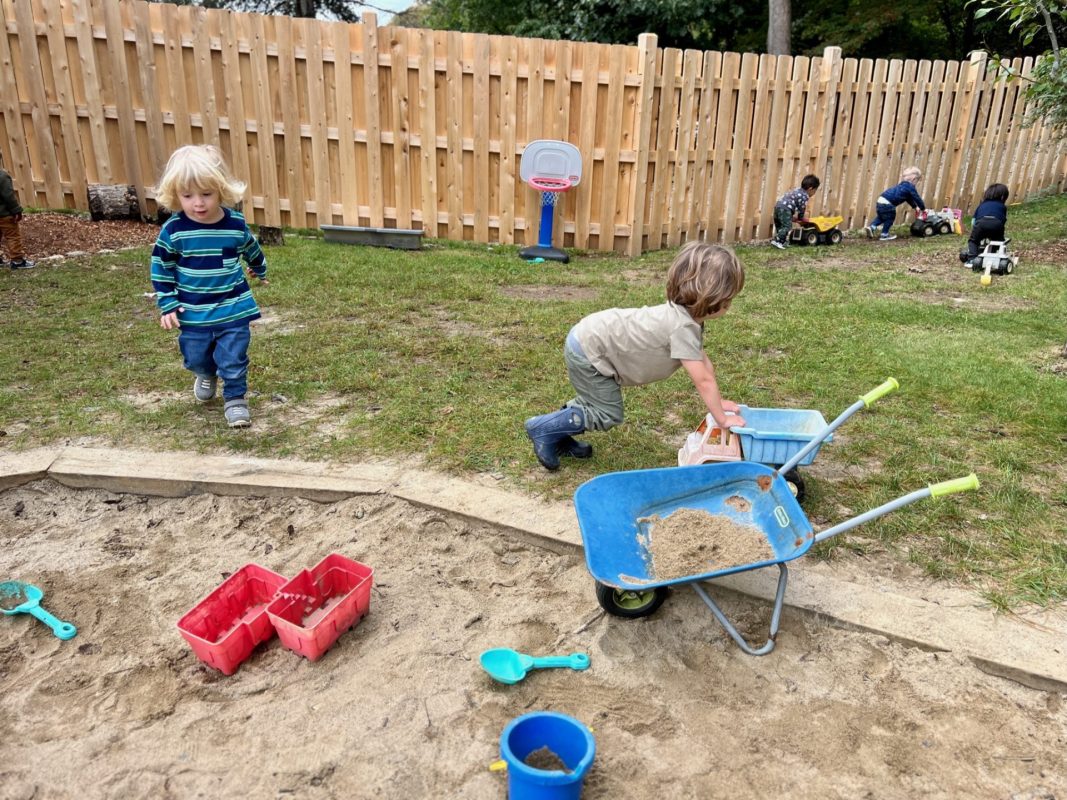
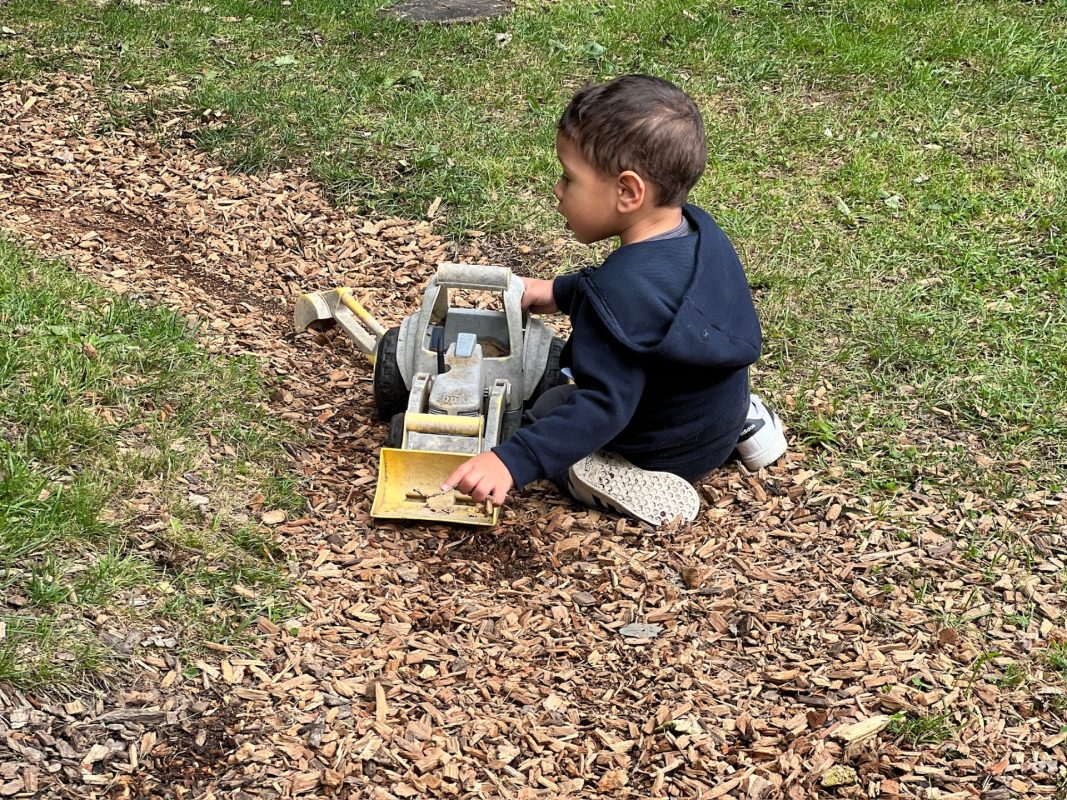
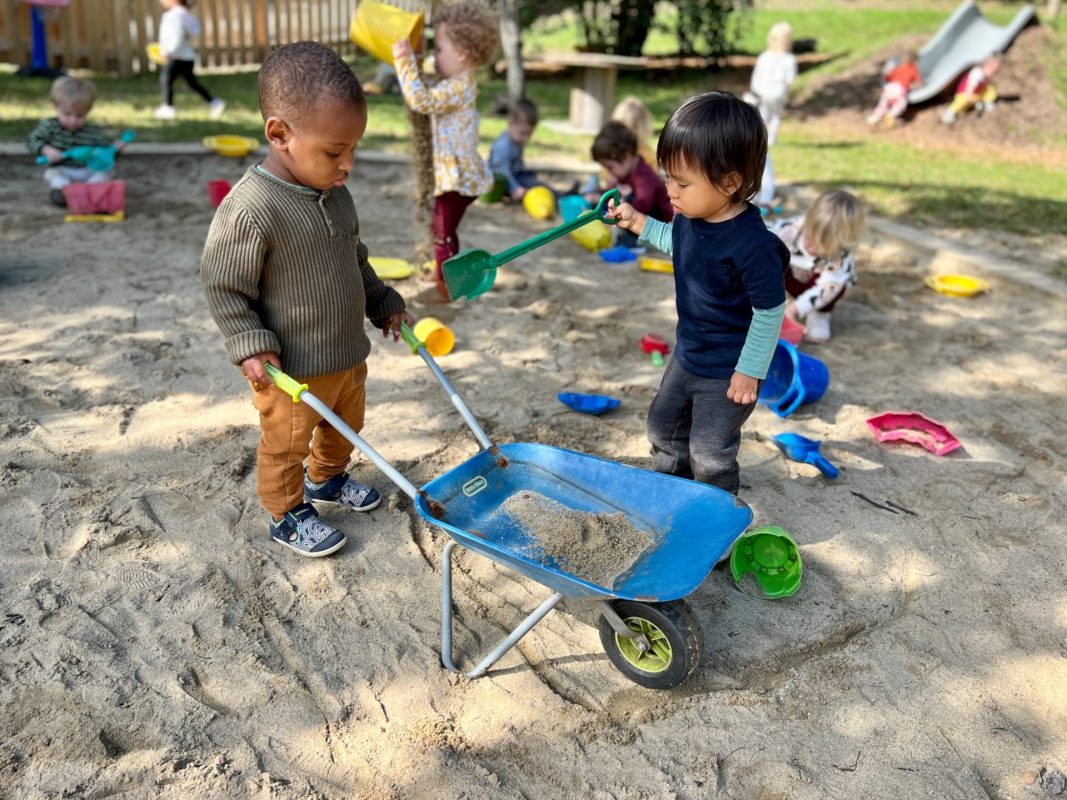
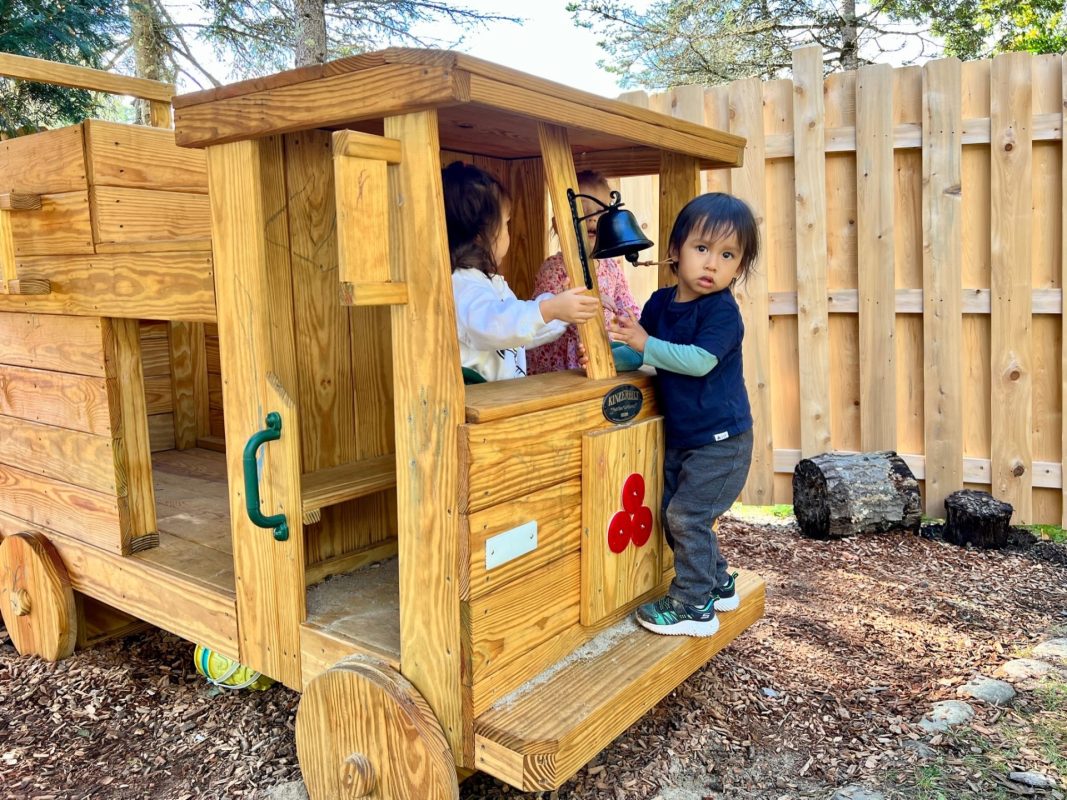
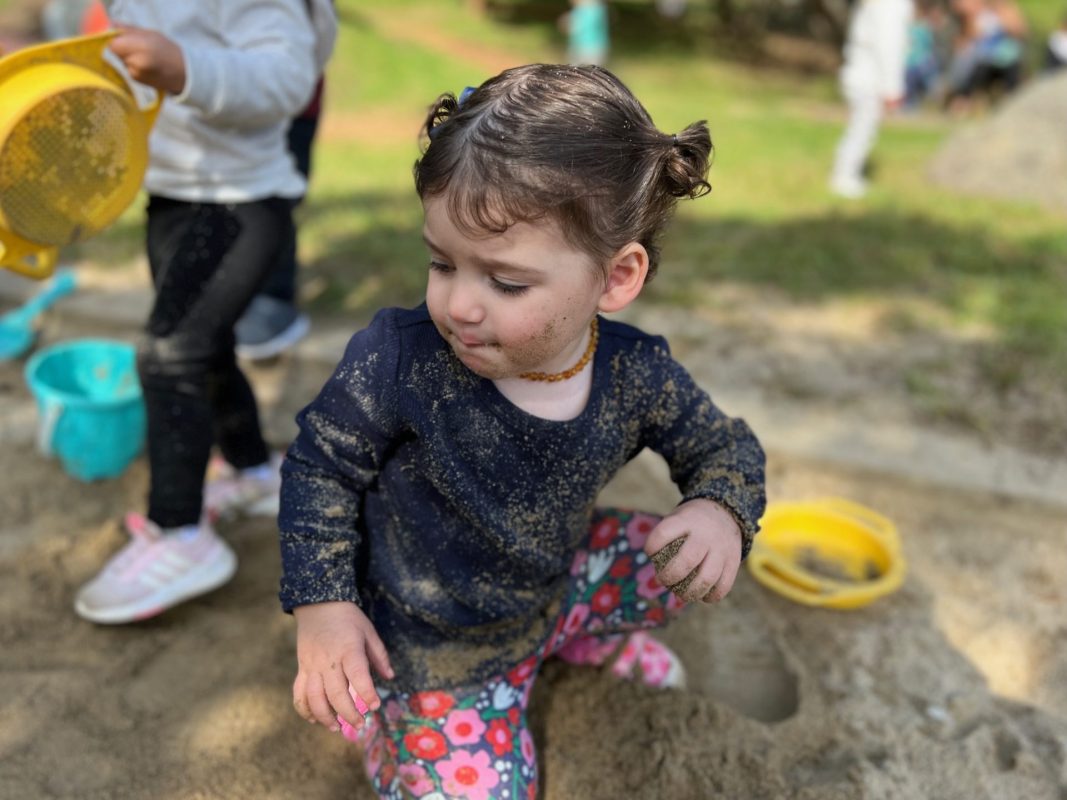
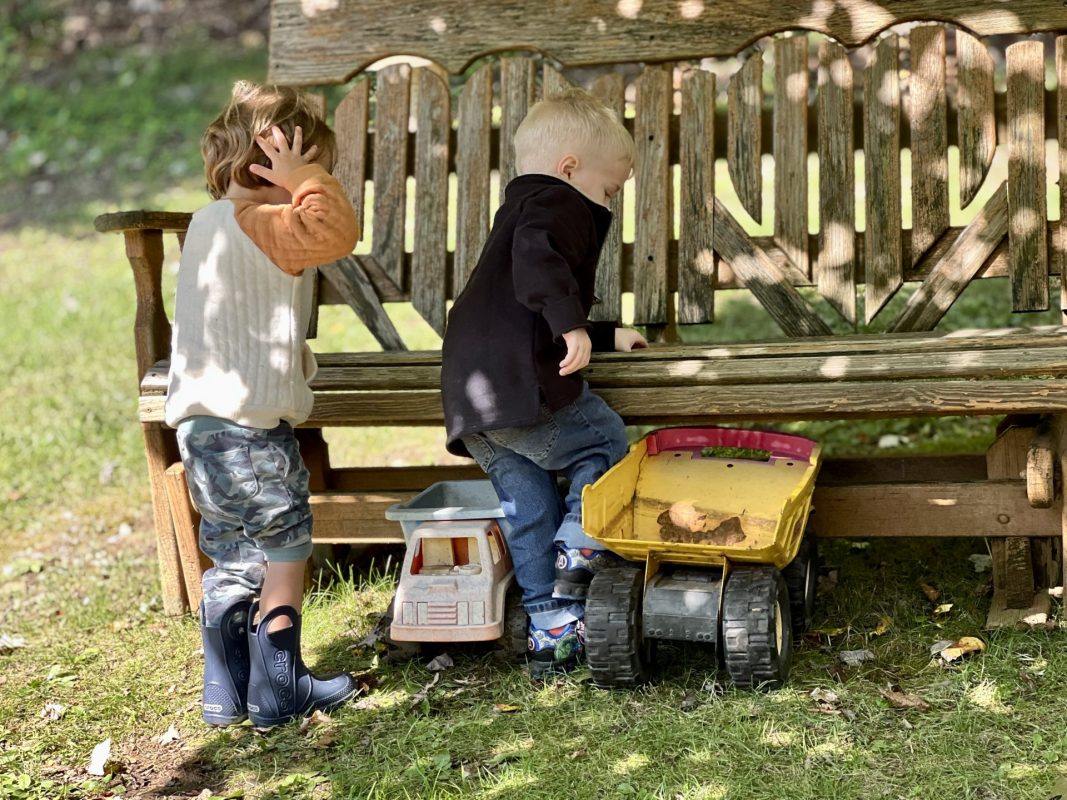
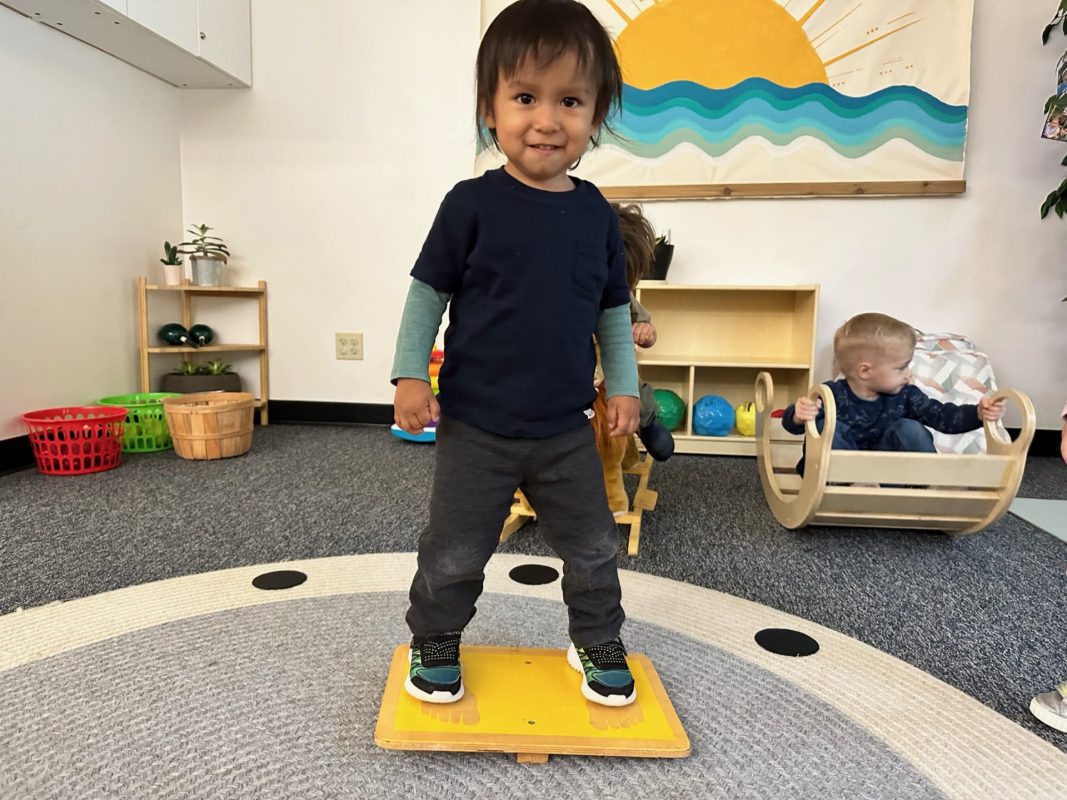
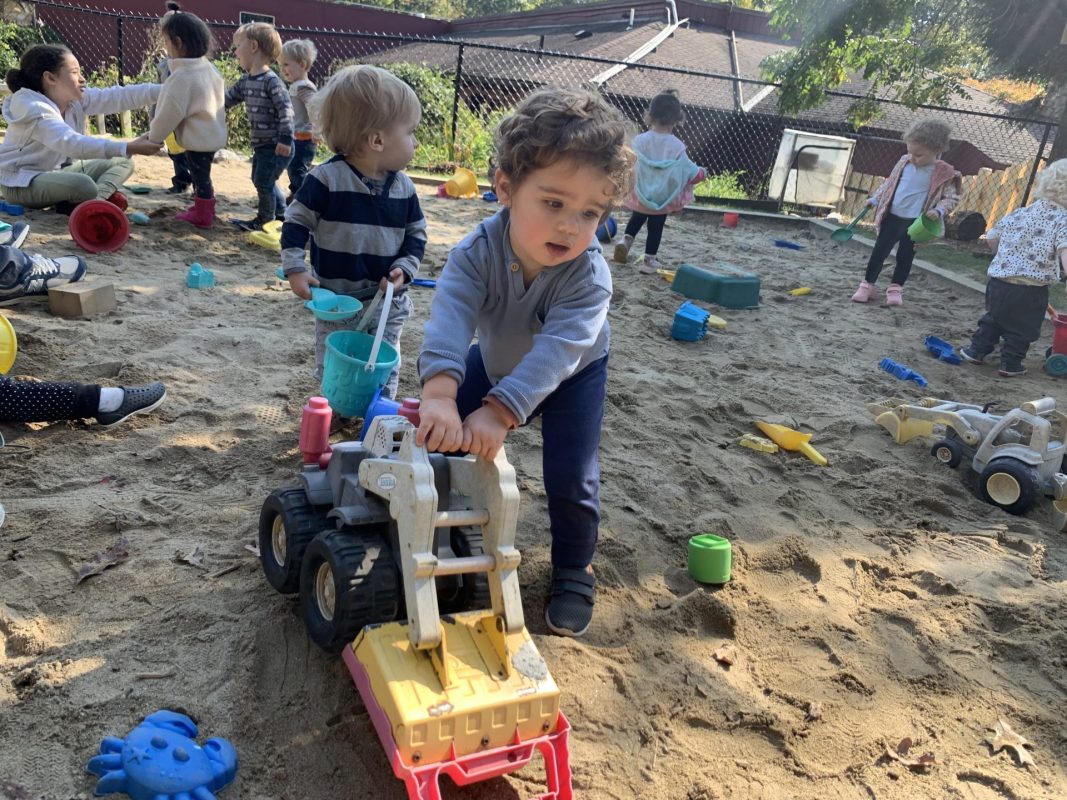
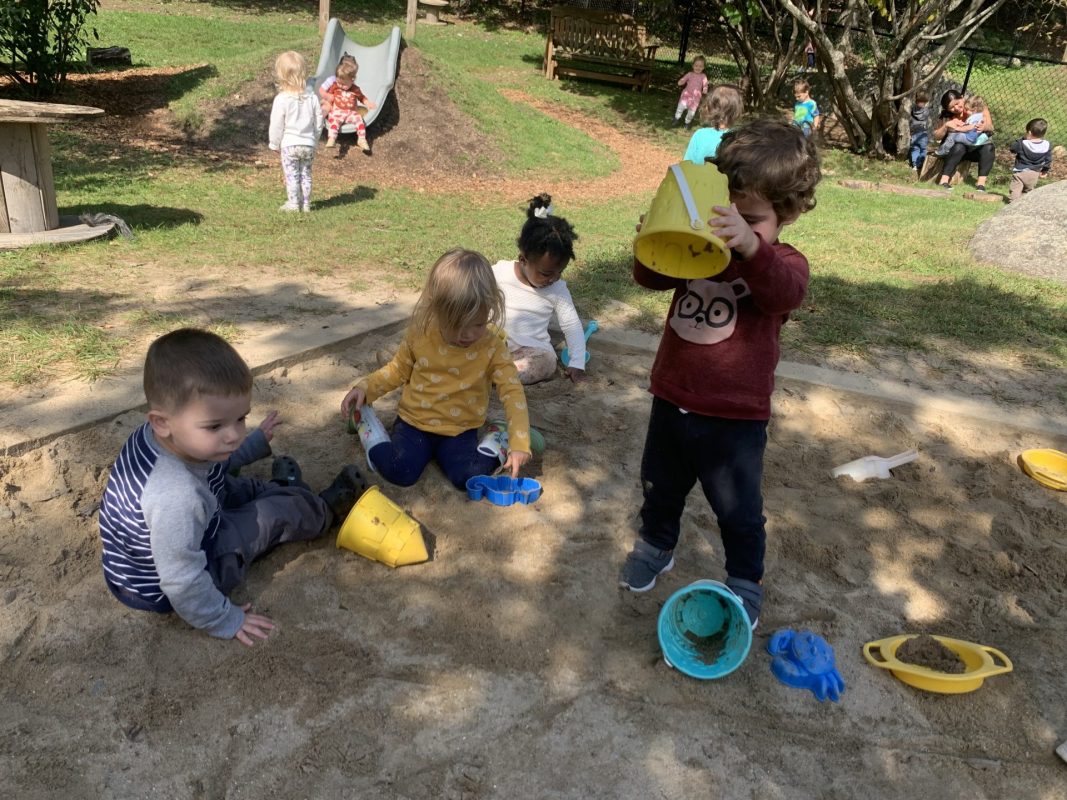
This week, the trampoline has been a big hit. The children are learning to take turns while waiting patiently for their friend to finish jumping. Outdoors, they’re taking turns on the slide. Most of the children now love our outside time on the playground. Some children enjoy discovering and collecting twigs and acorns. Others spend much of their time in the sandbox. This week, a few keen observers discovered an interesting caterpillar and a colorful beetle, and another group found a toad!

We’re excited to see what adventures next week will bring!

Mrs. Sargeant and Ms. Lizette