Mrs. Wilson: Toddlers And Their Big Emotions

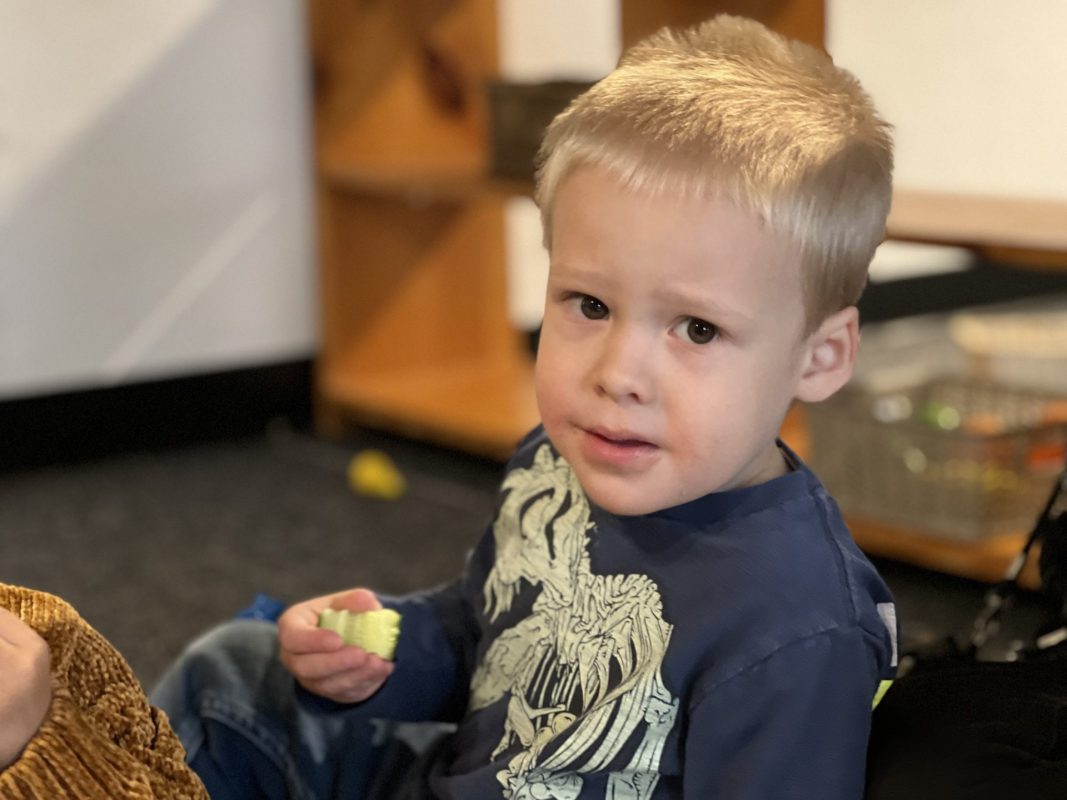
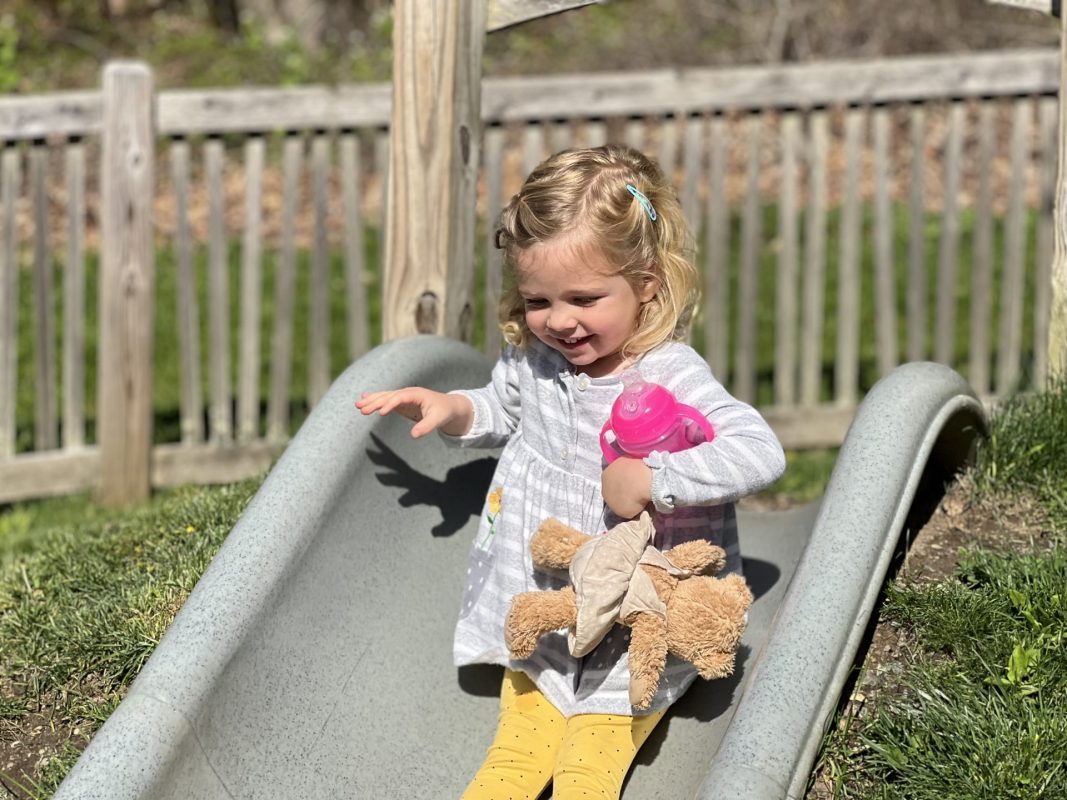
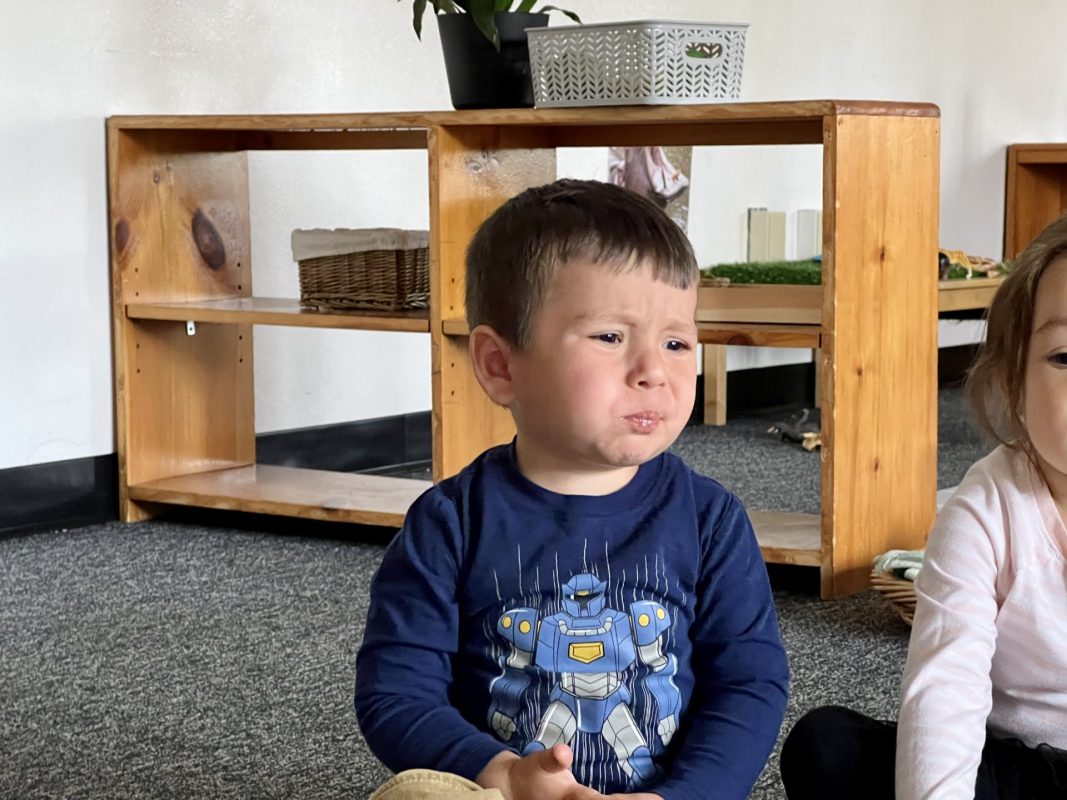
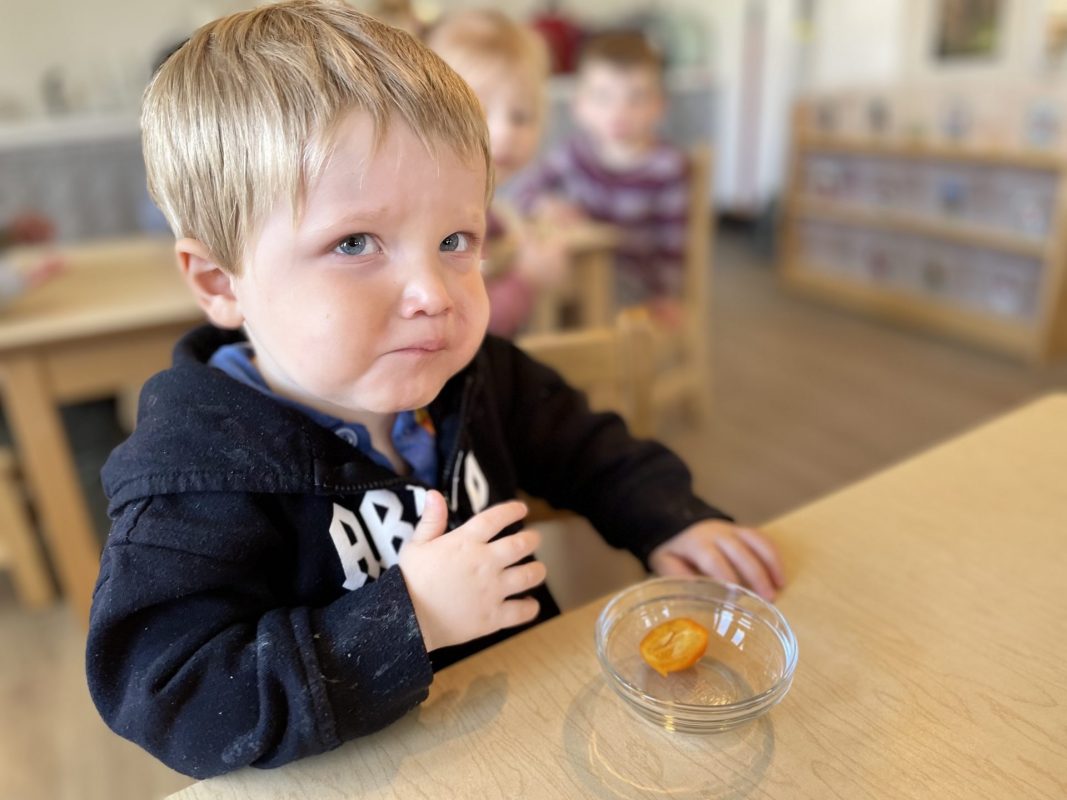
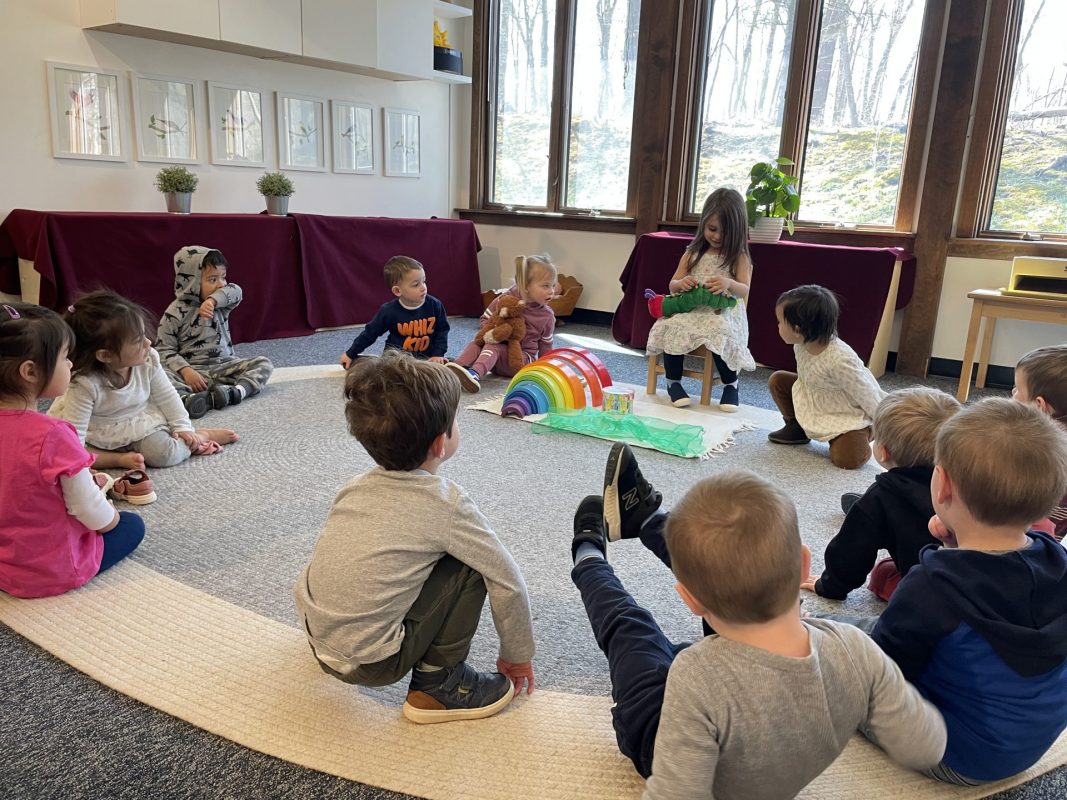
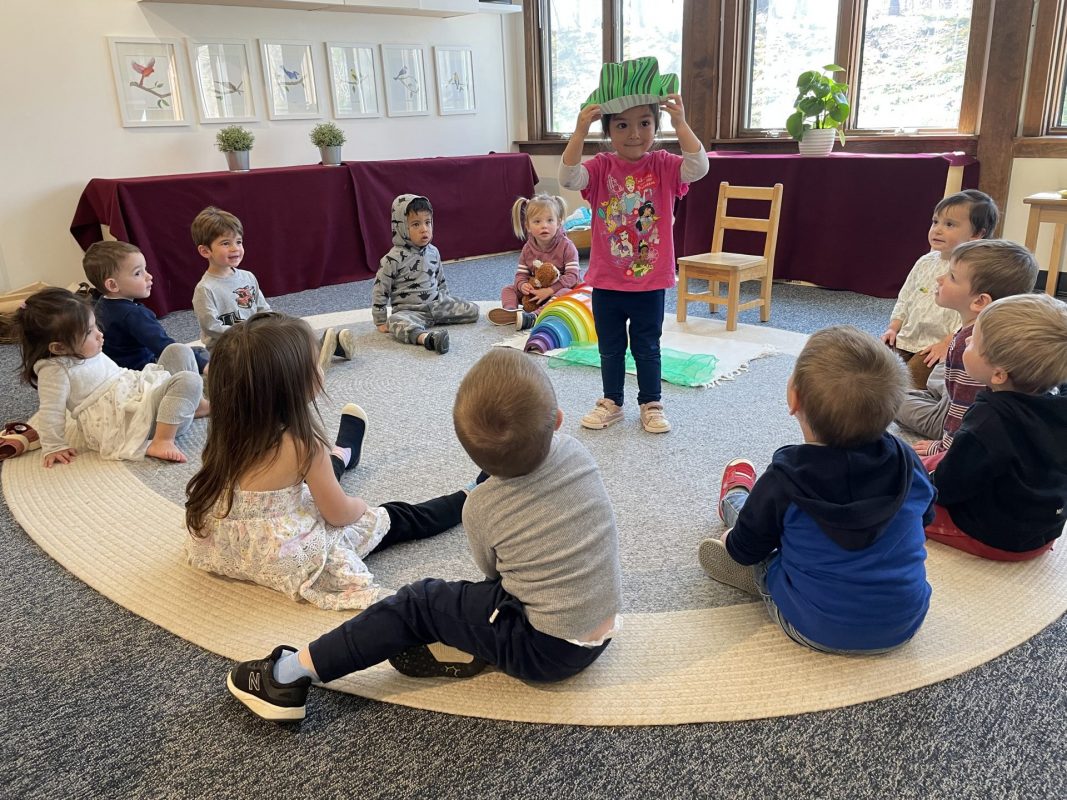
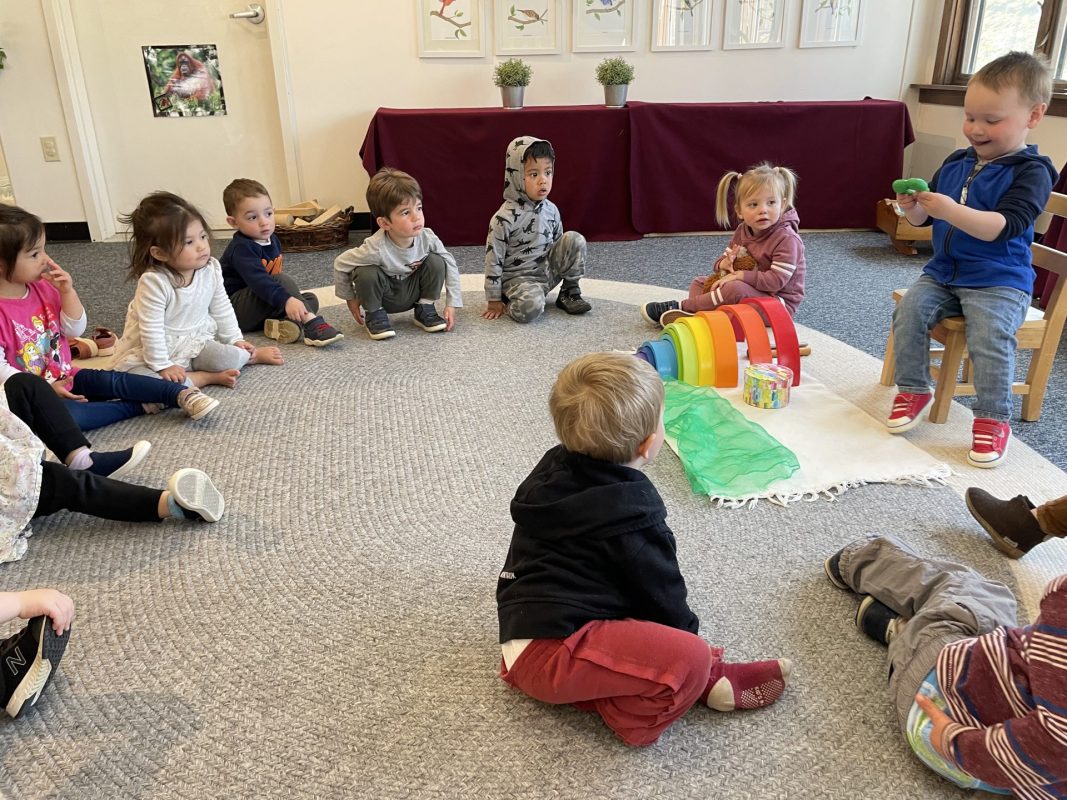
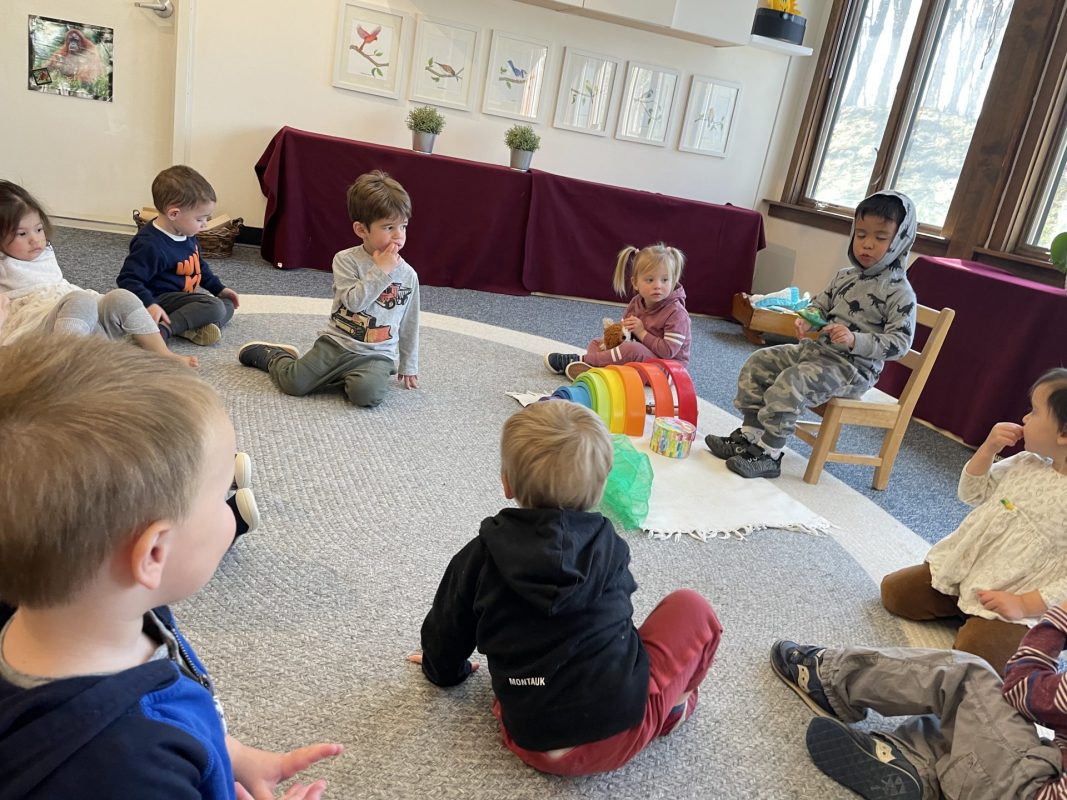
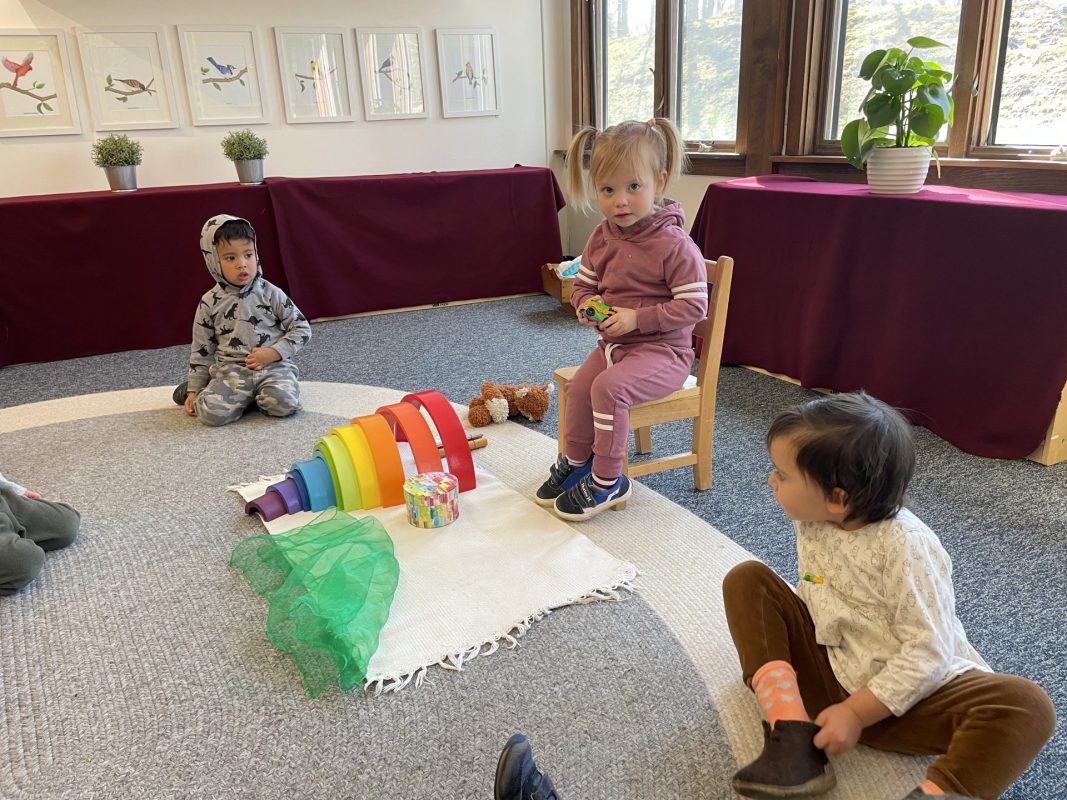
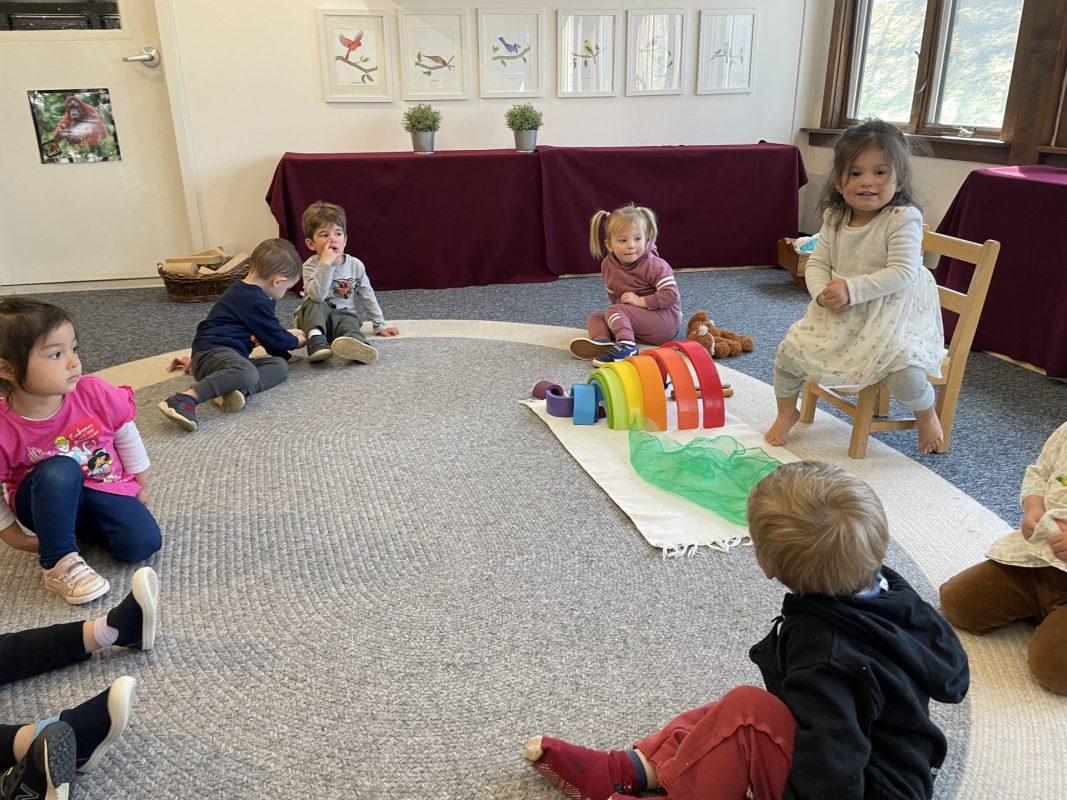
Toddlers have big emotions. They don’t always know how to express and/or articulate exactly what these feelings are. We want them to know that it is OK to be sad, frustrated, and tired. Our job is to give them the language and tools they need to help them understand their feelings and how to cope with them. We also help them to turn those frowns back into smiles.

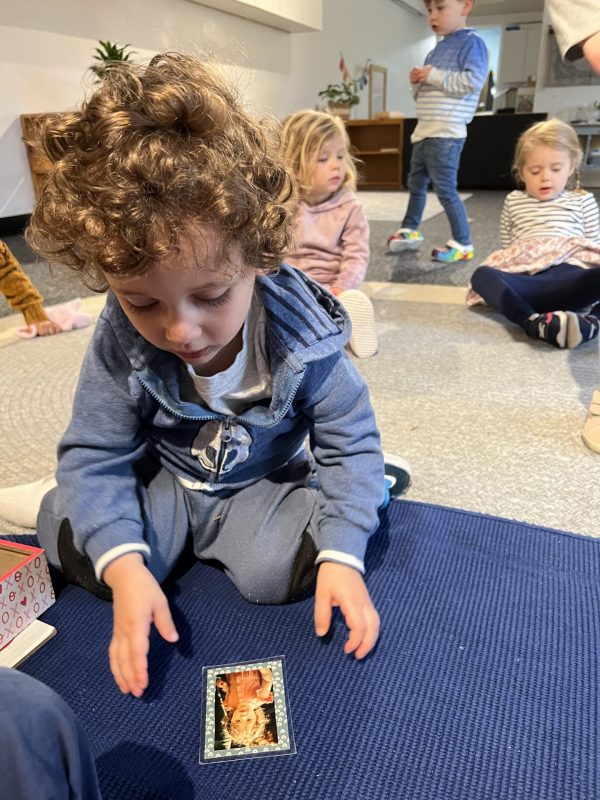
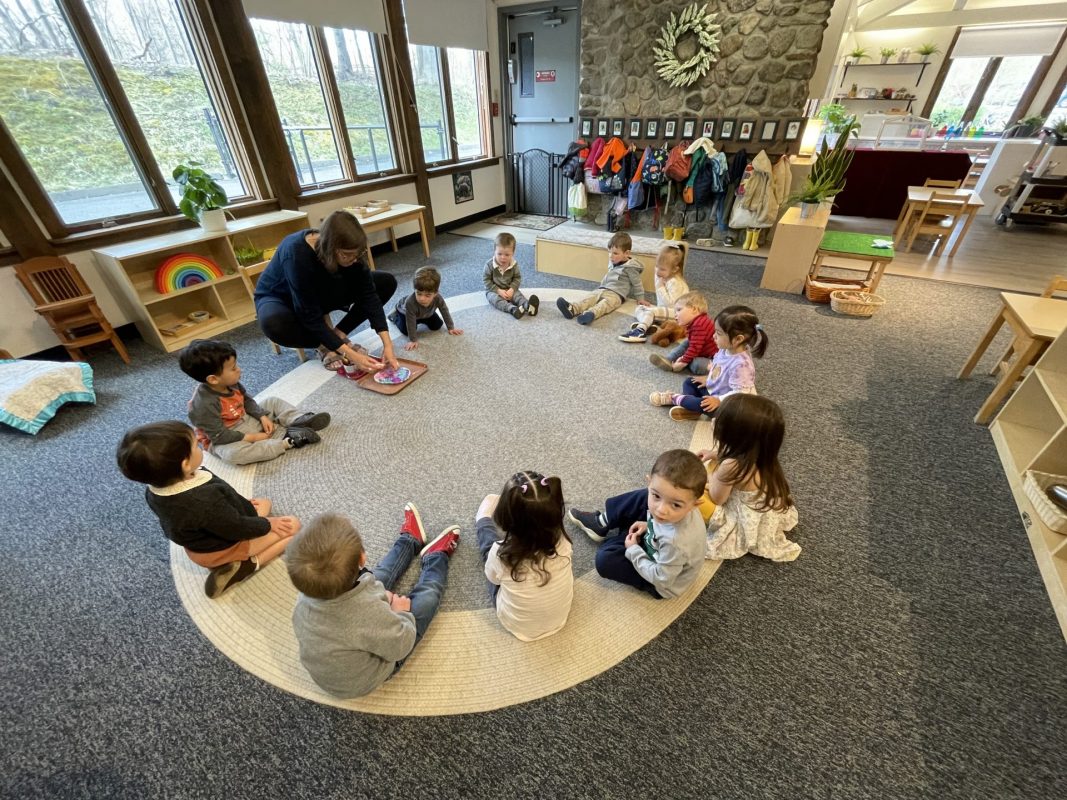
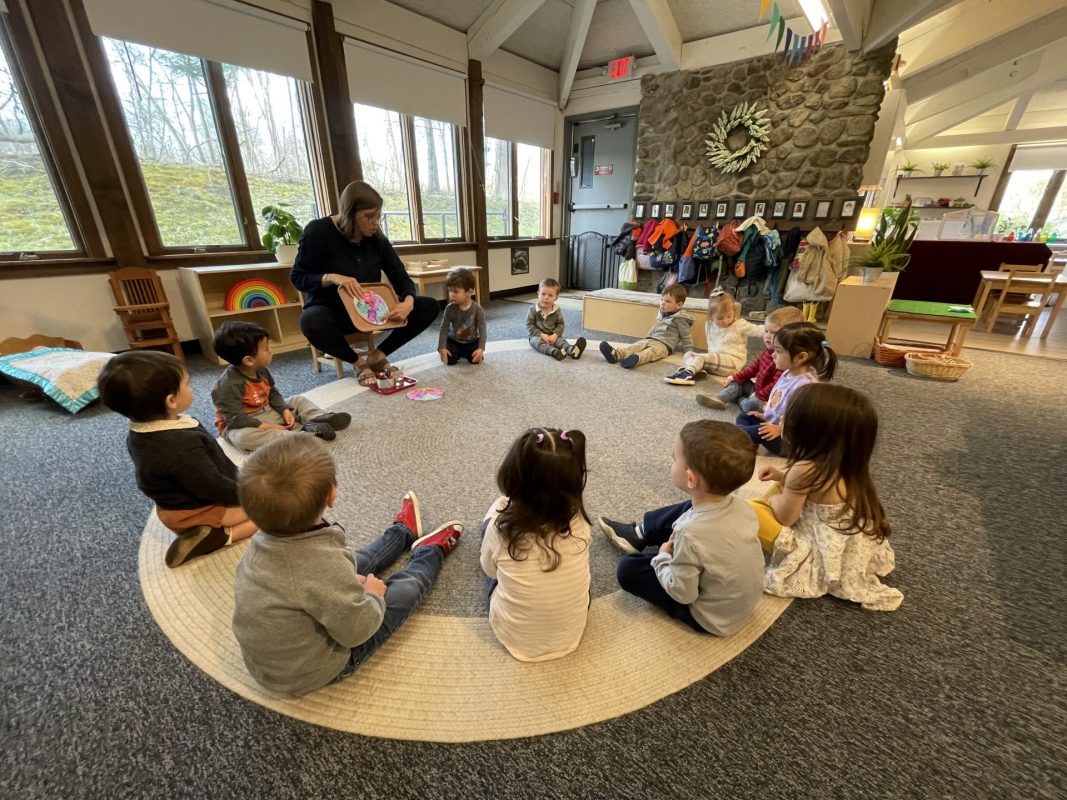
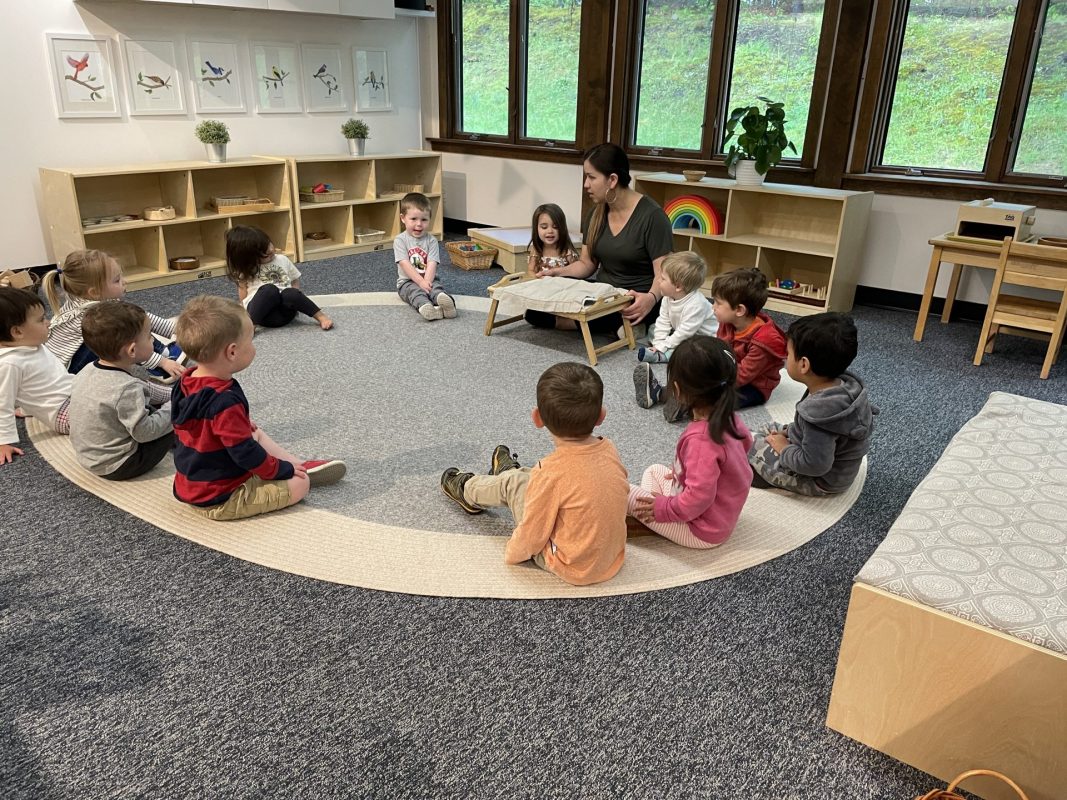
We started introducing the vocabulary for emotions. The children received a lesson using language cards with other children making the face of each emotion. This week the children learned about, Happy, Tired, Sad, Mad, and Surprise! Mrs. Crumb taught us the sign language for these emotions. That was a lot of fun!

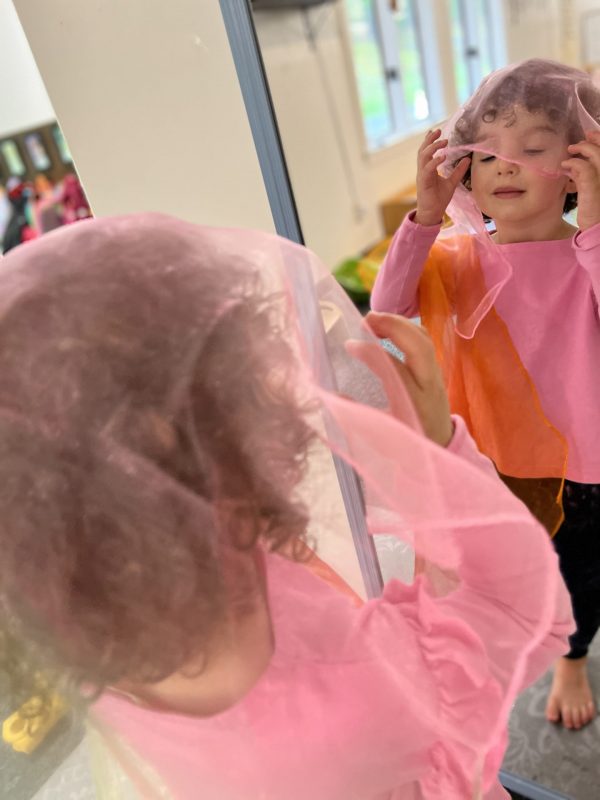
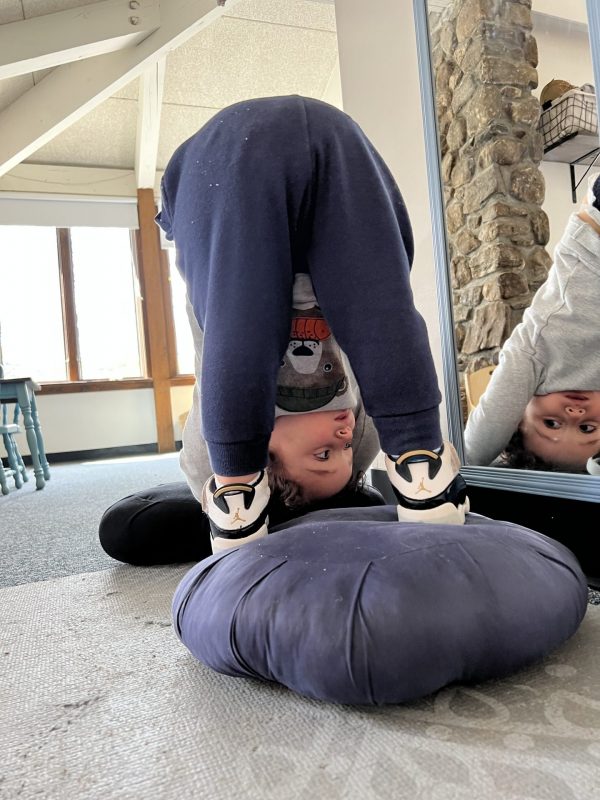
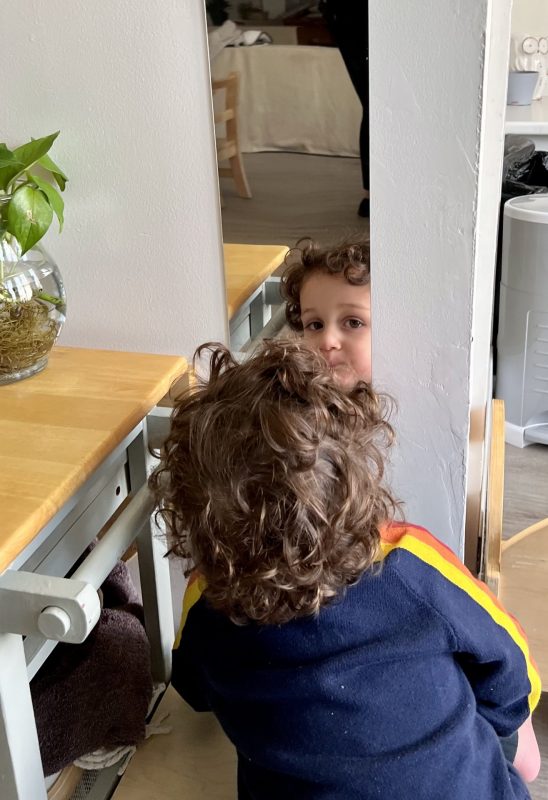
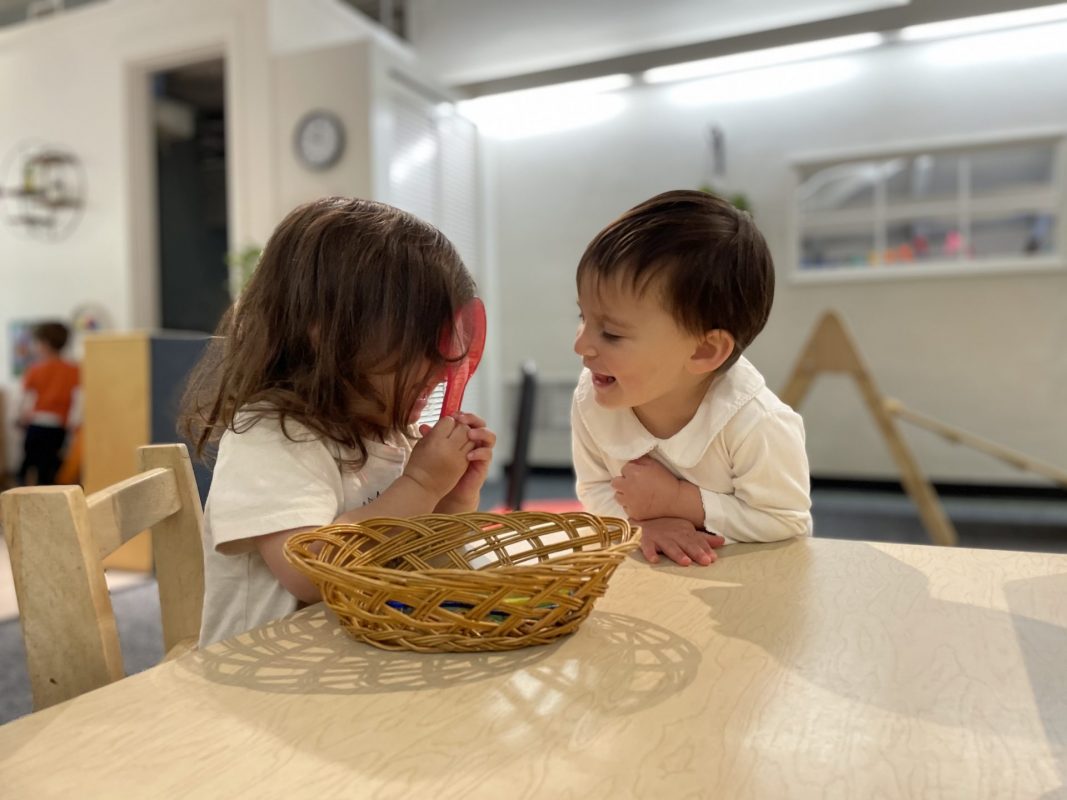
There is a special emotions box with a mirror and some language cards for the children to use and practice making these faces.

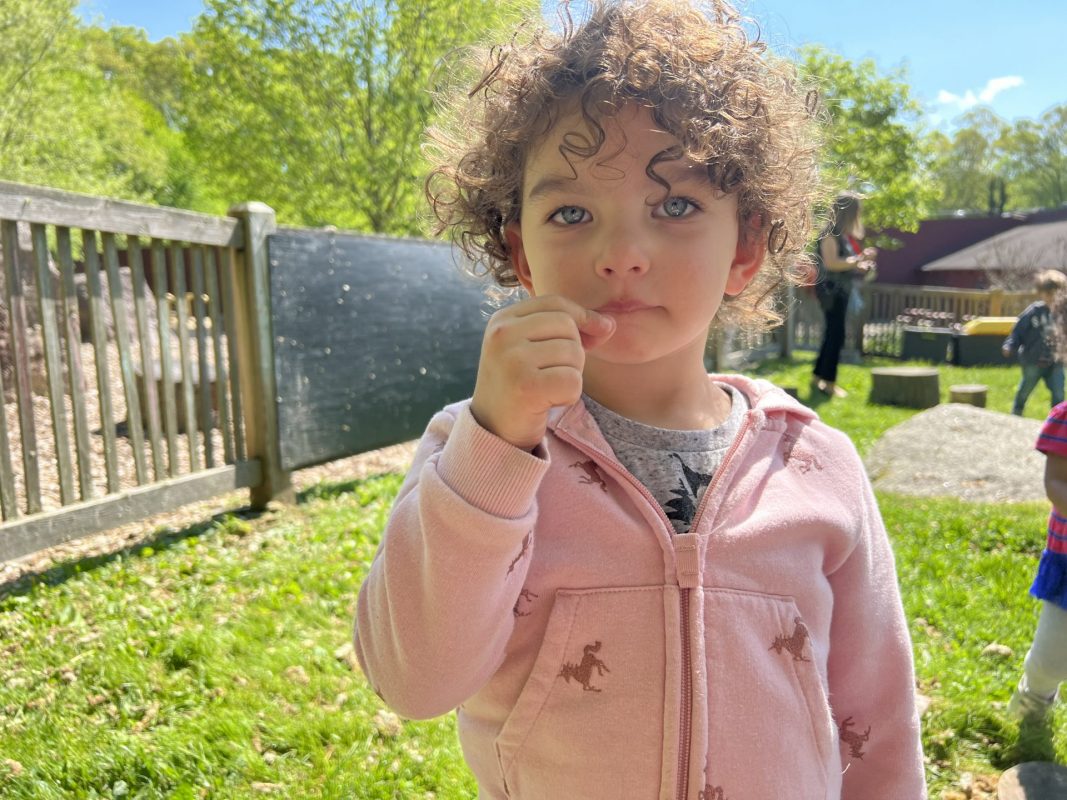
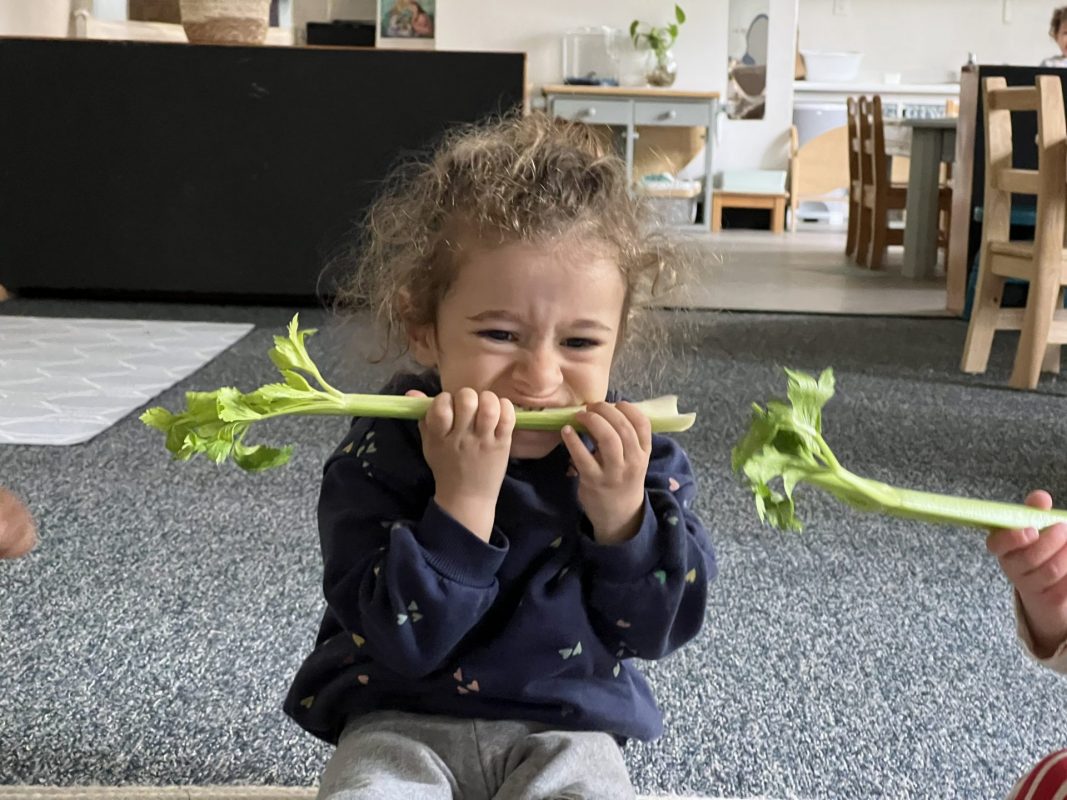
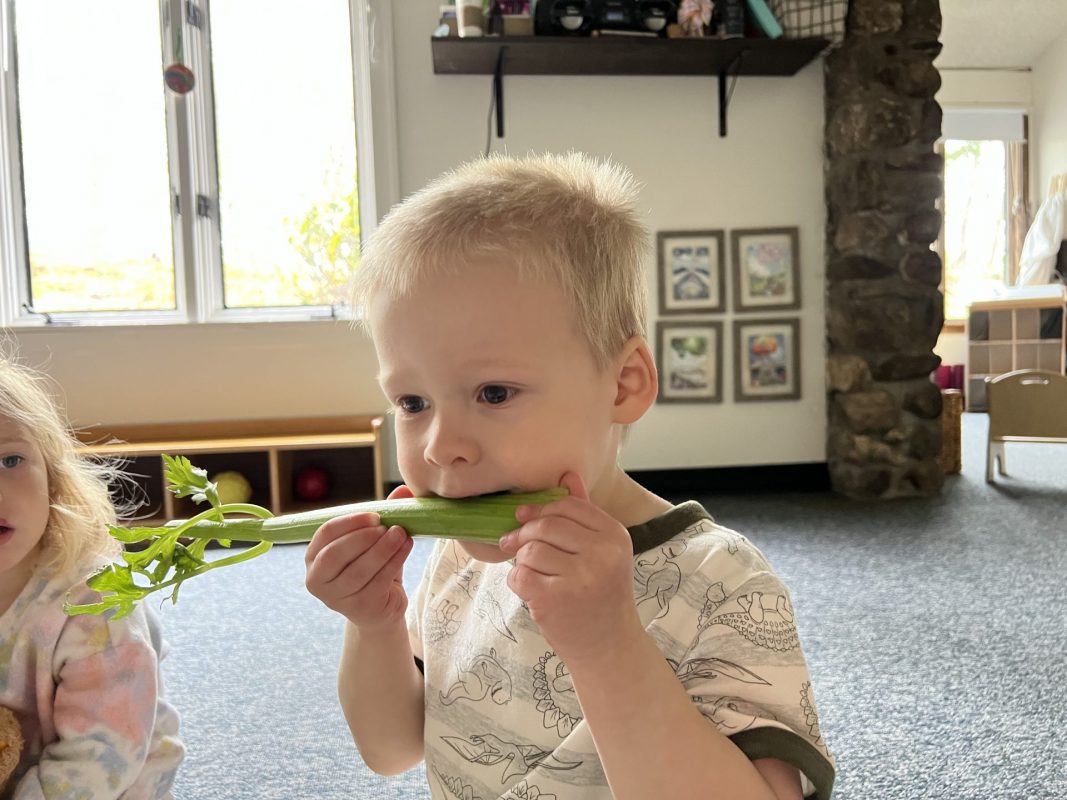
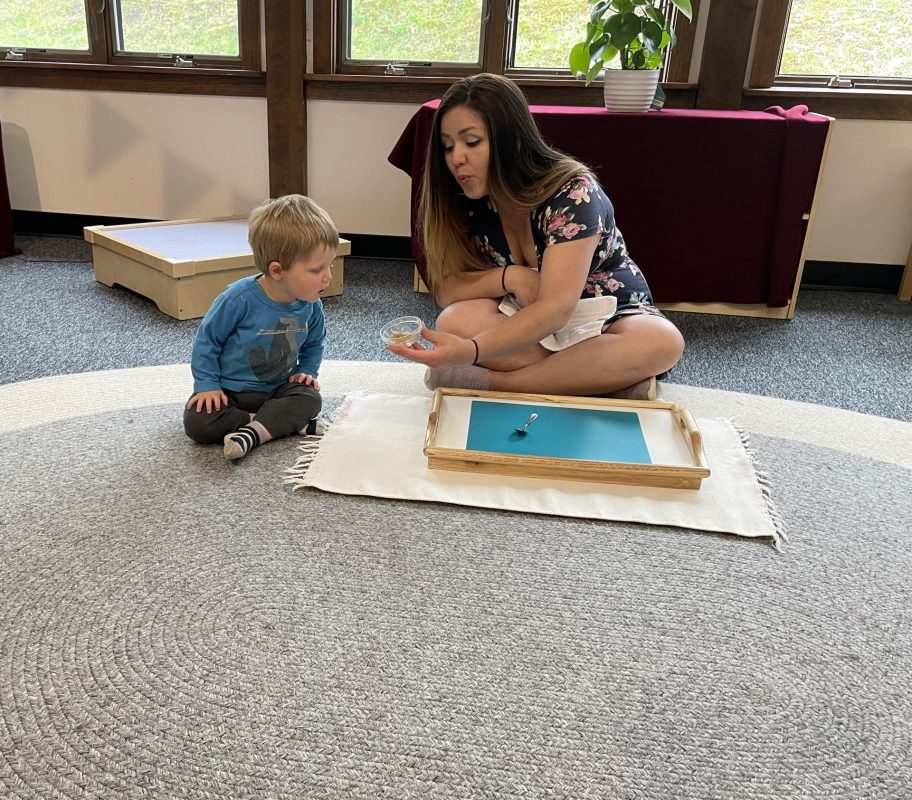
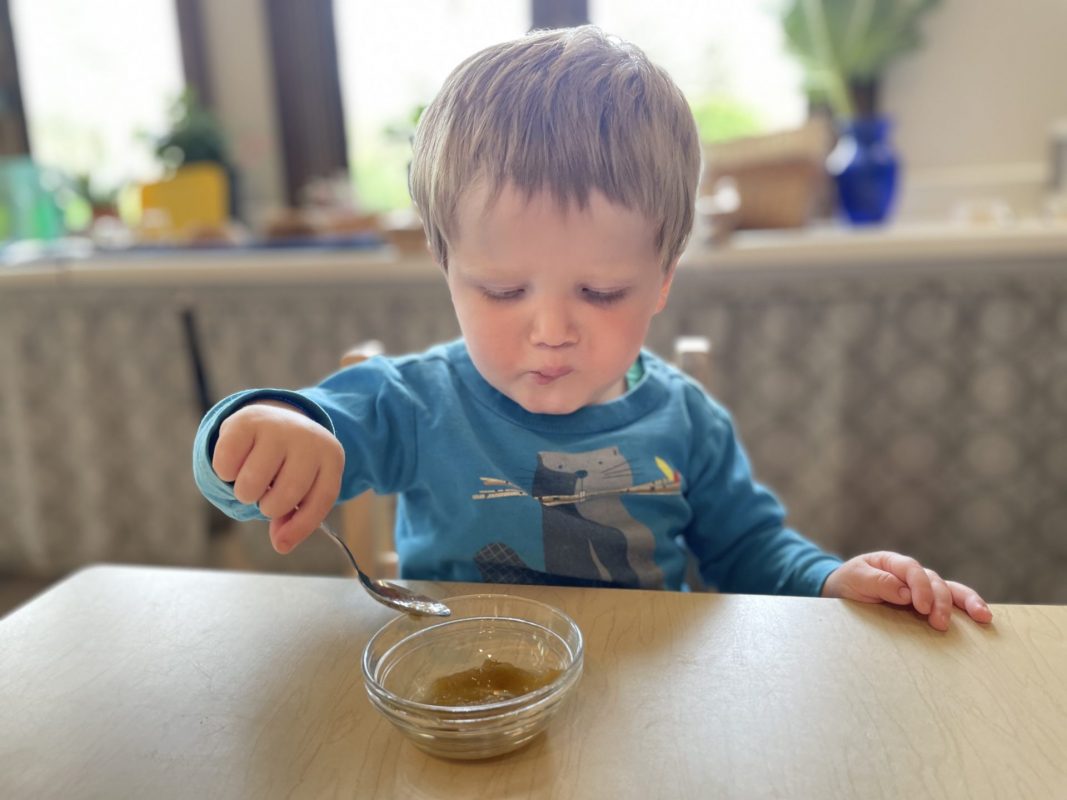
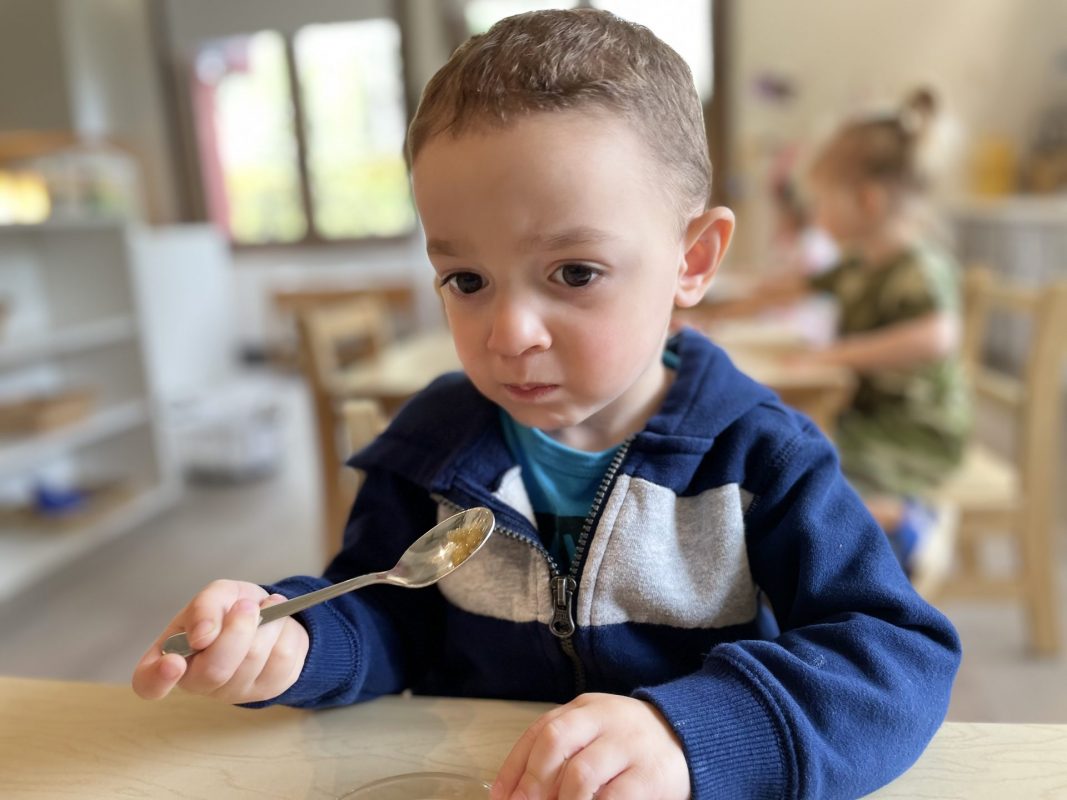
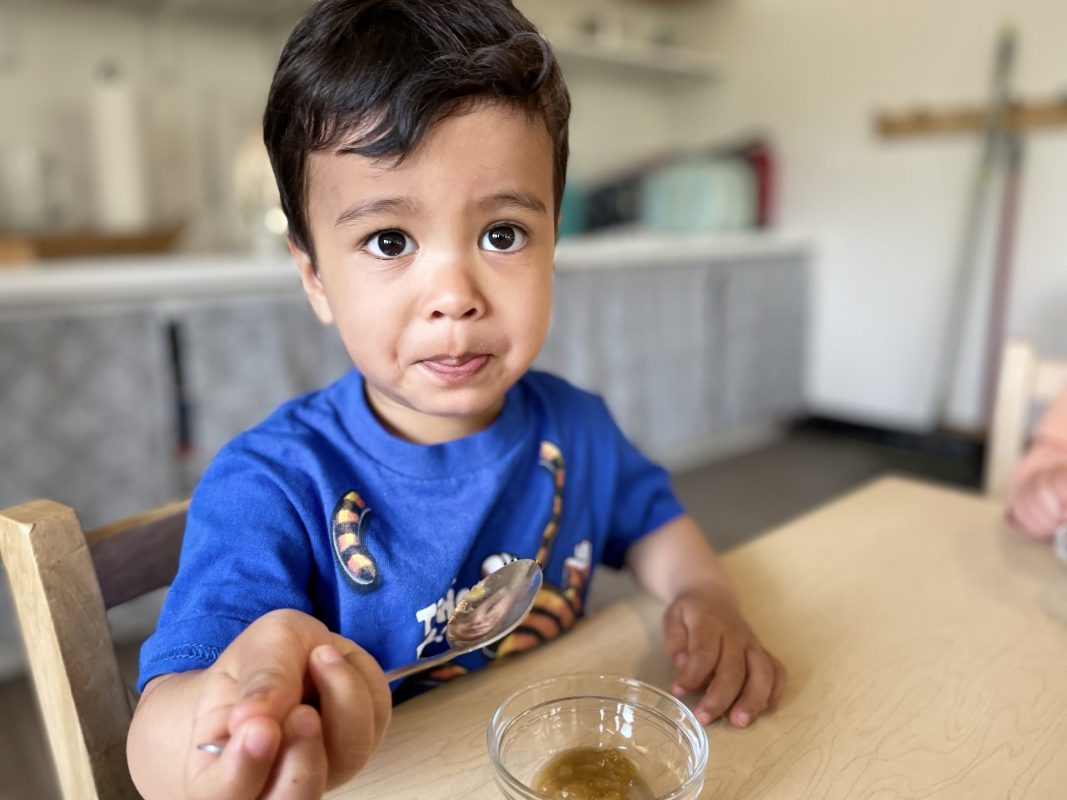
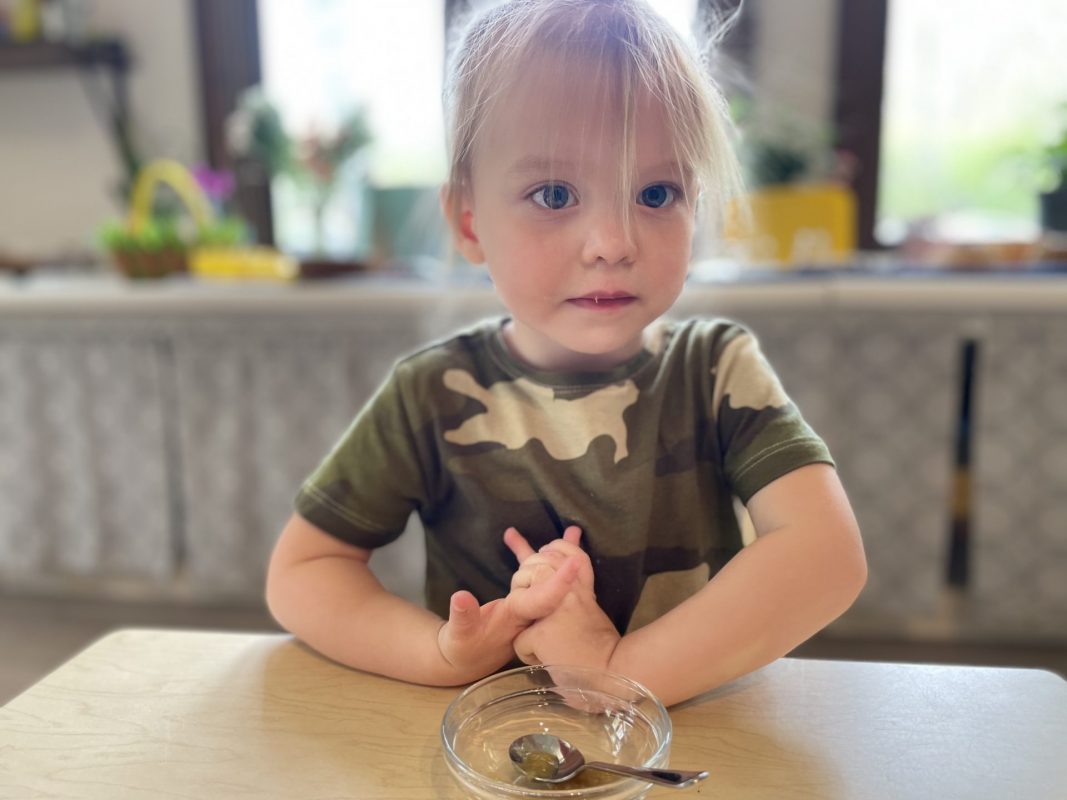
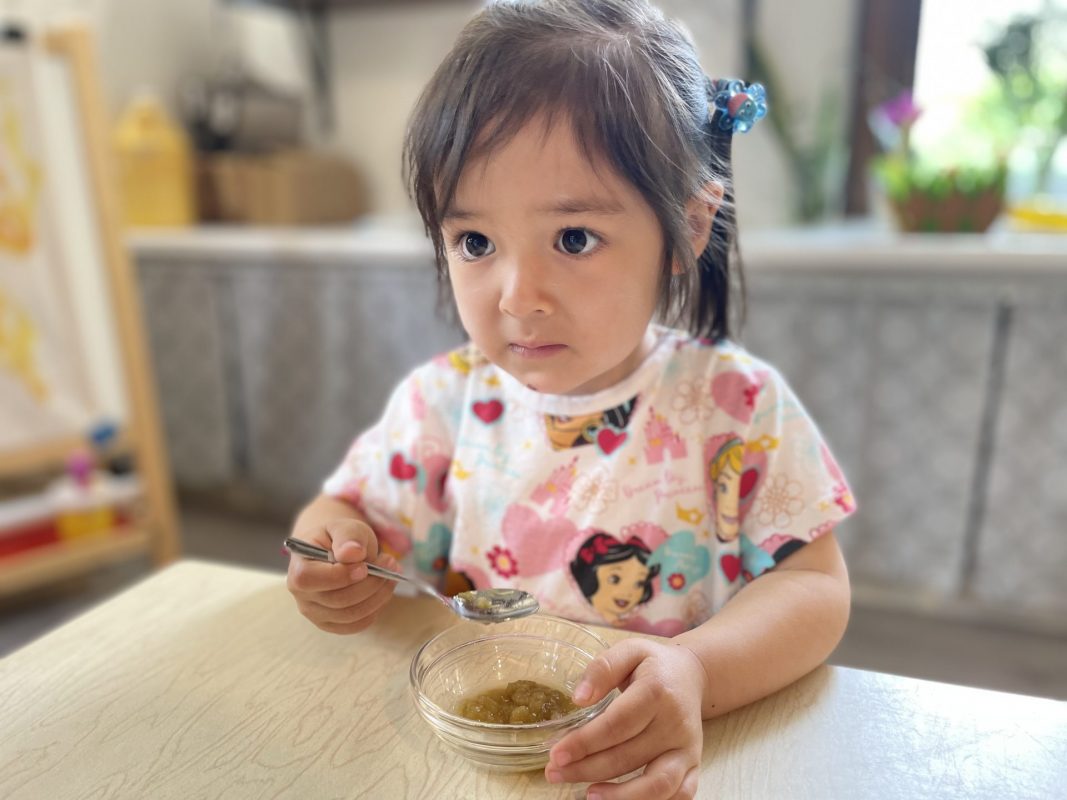
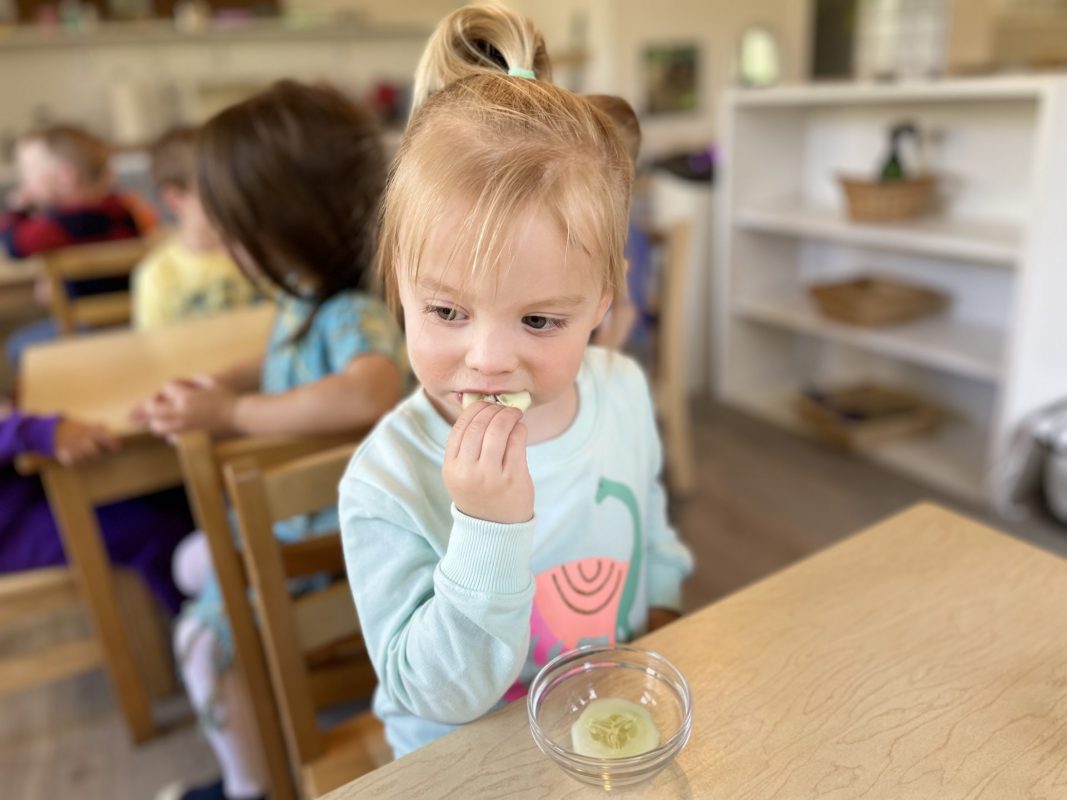
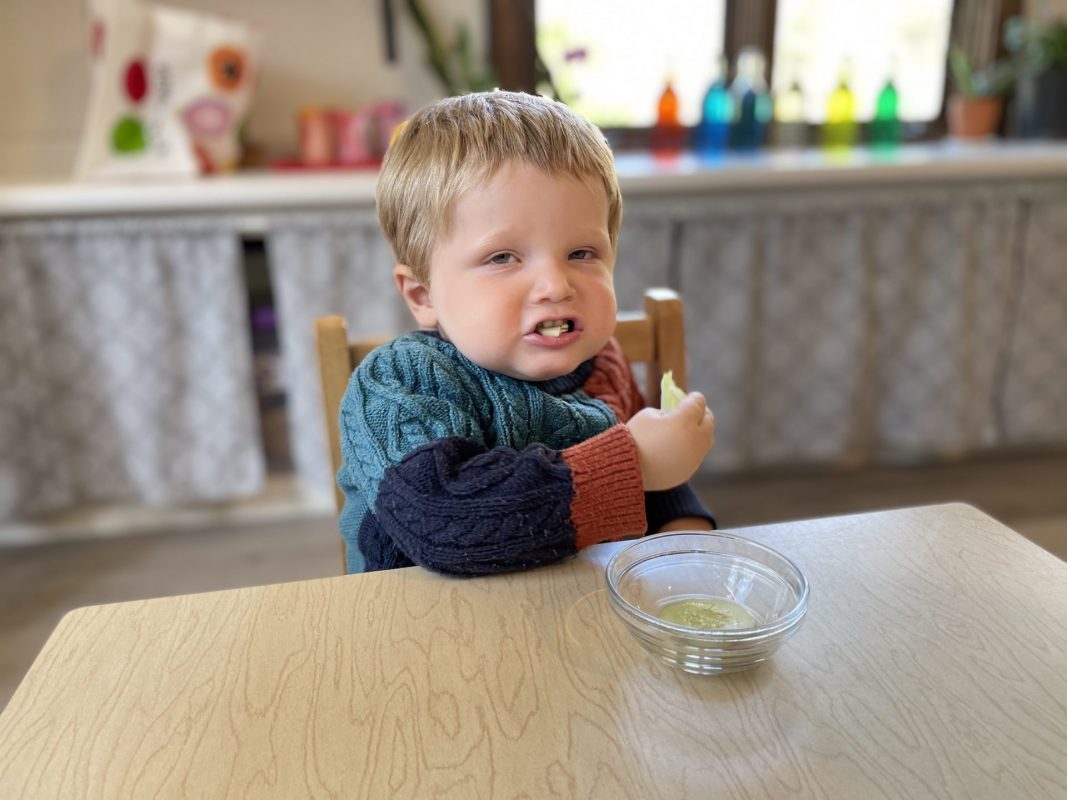
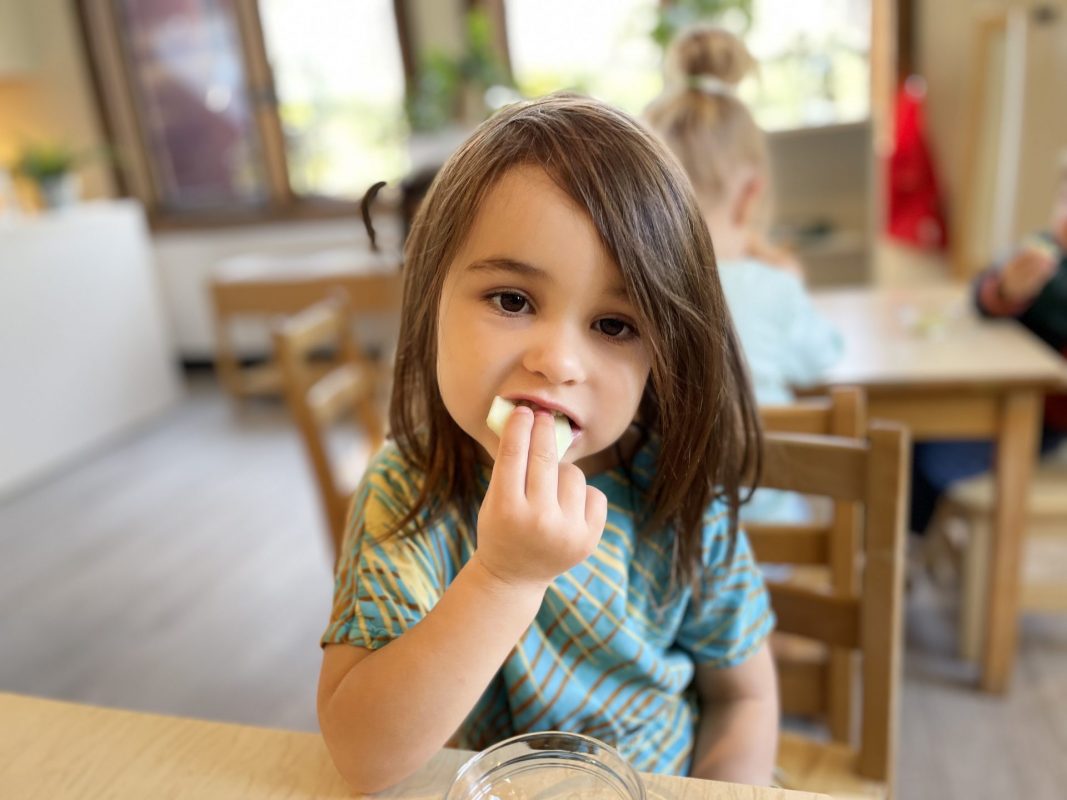
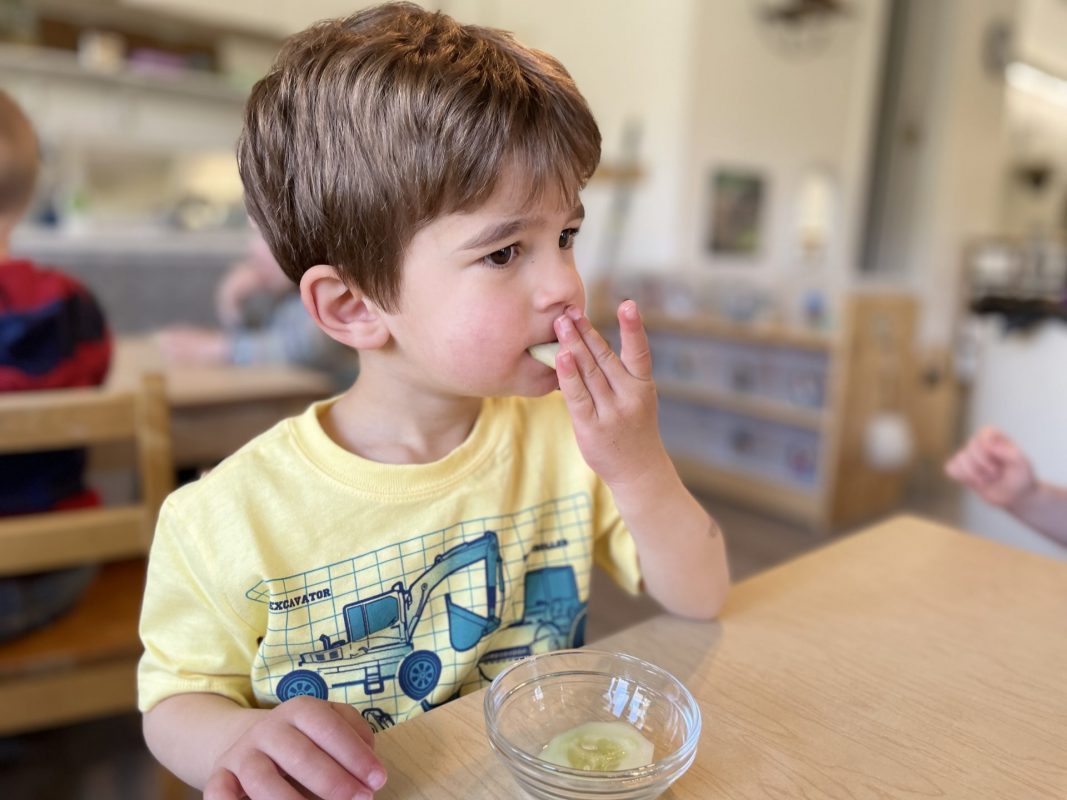
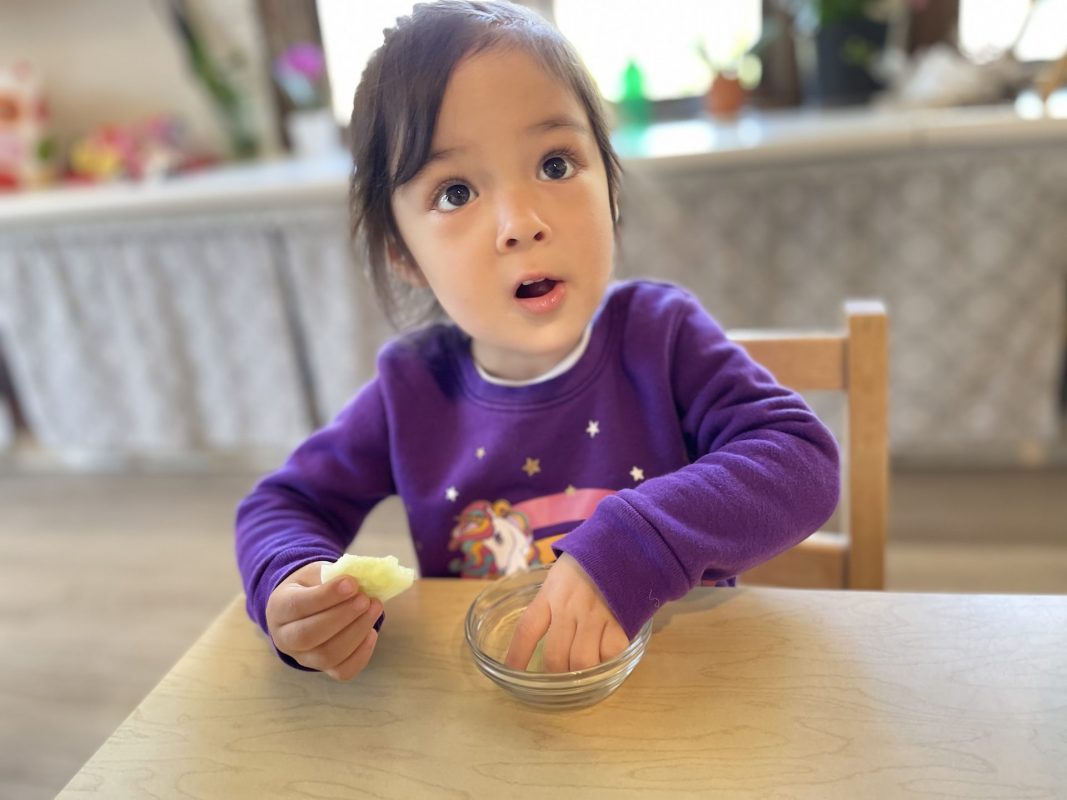
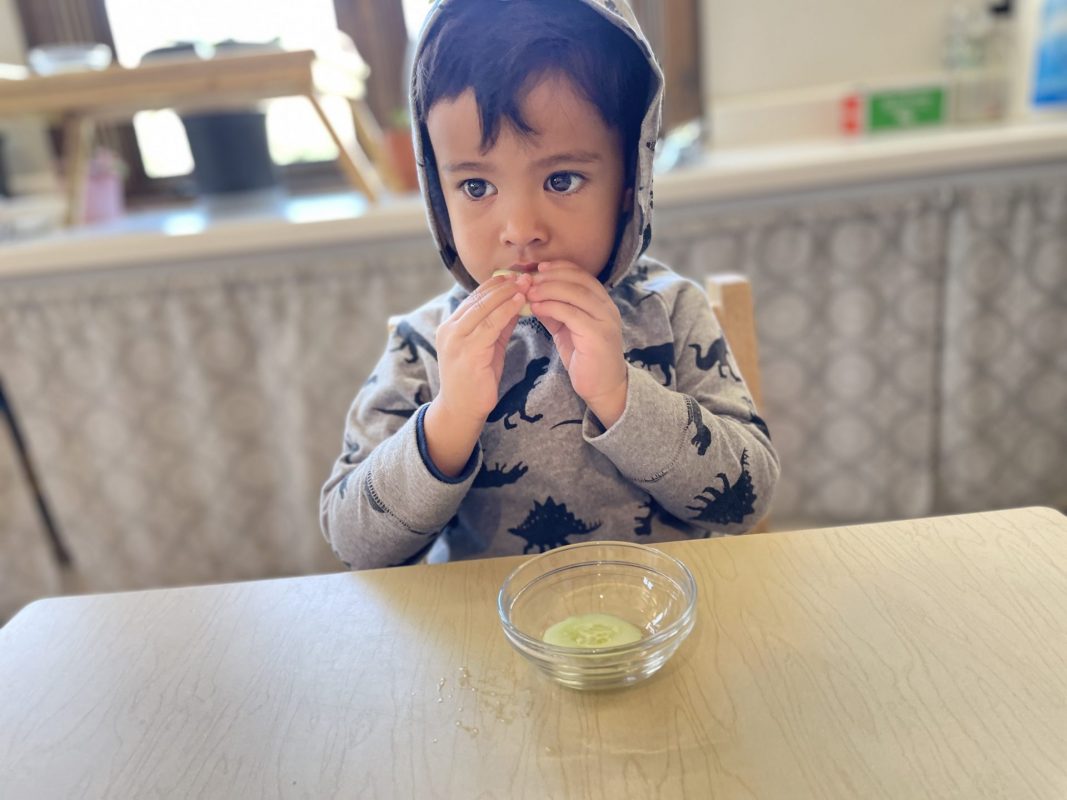
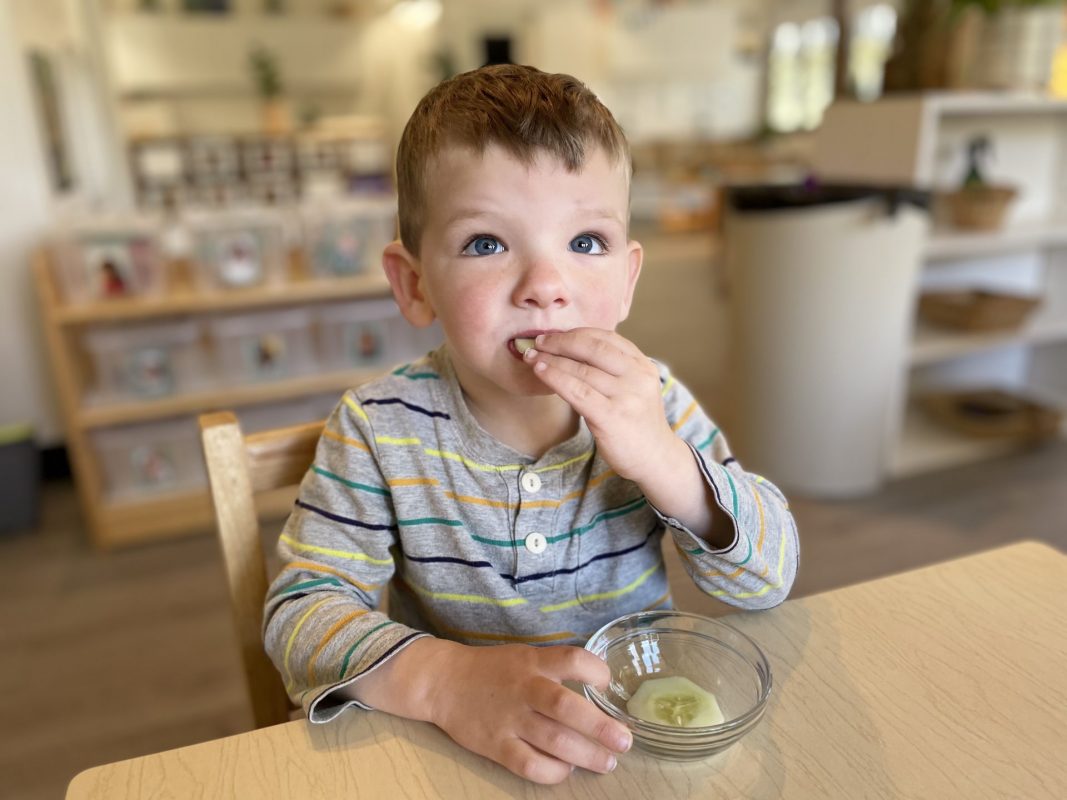
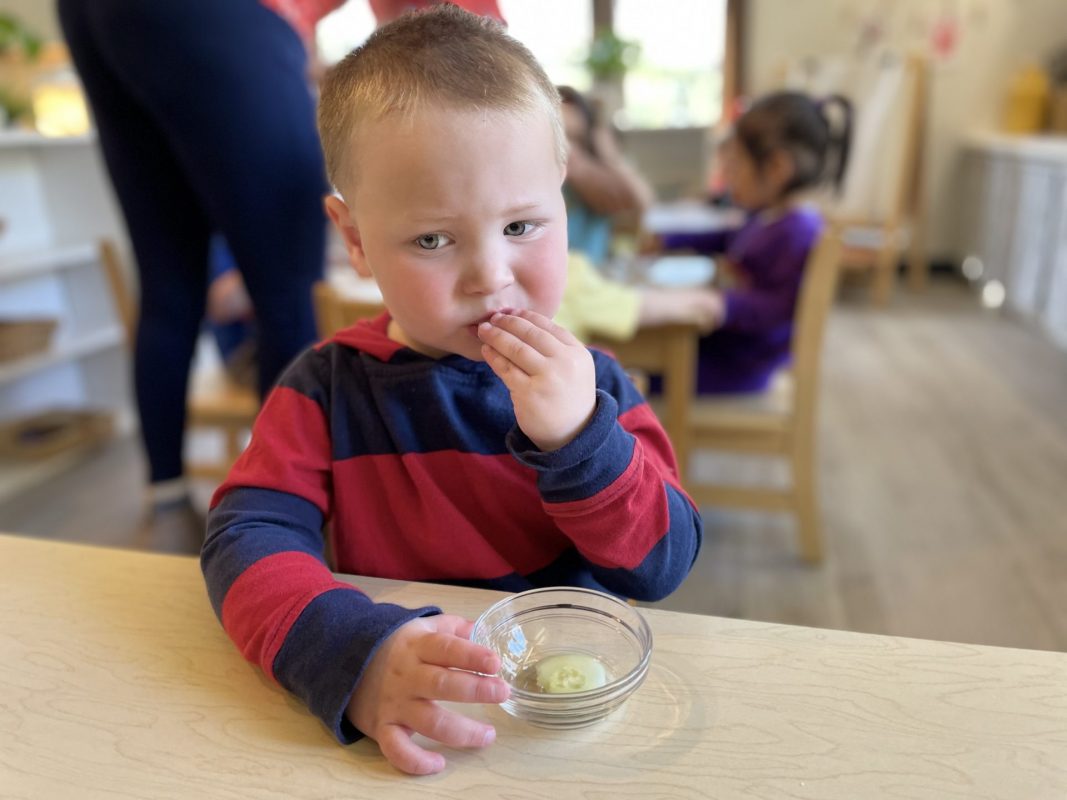
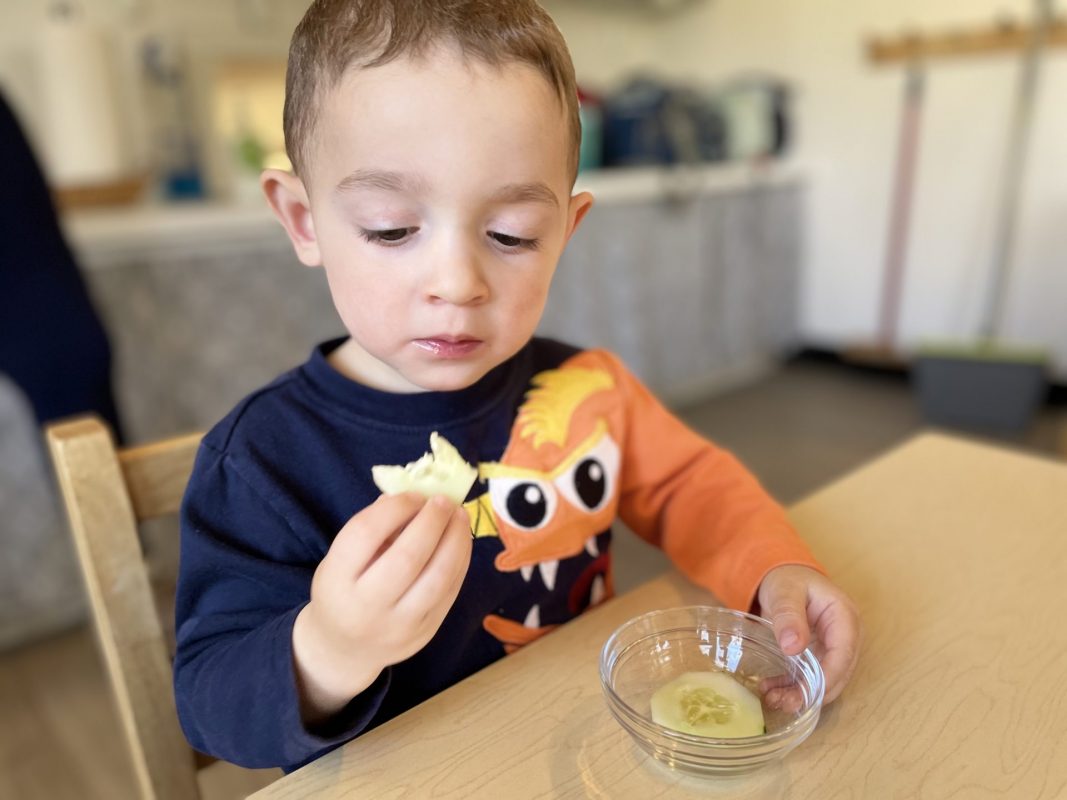
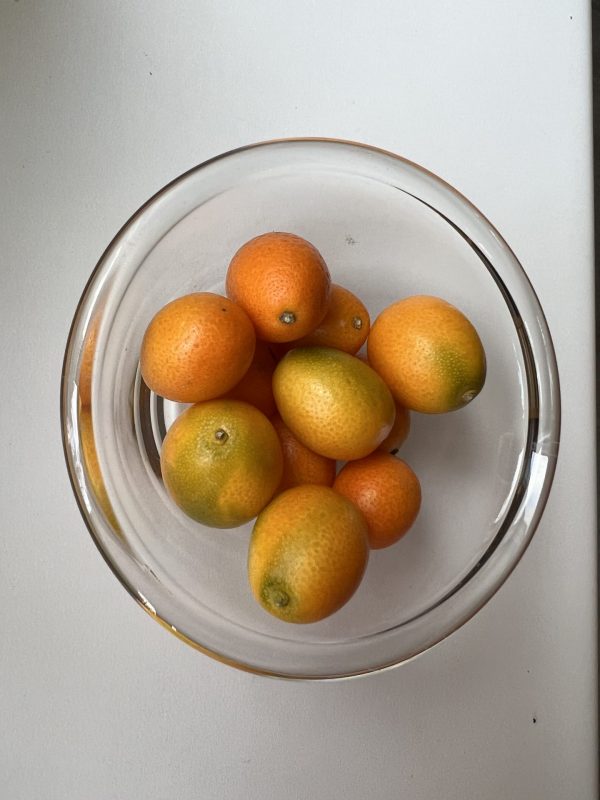
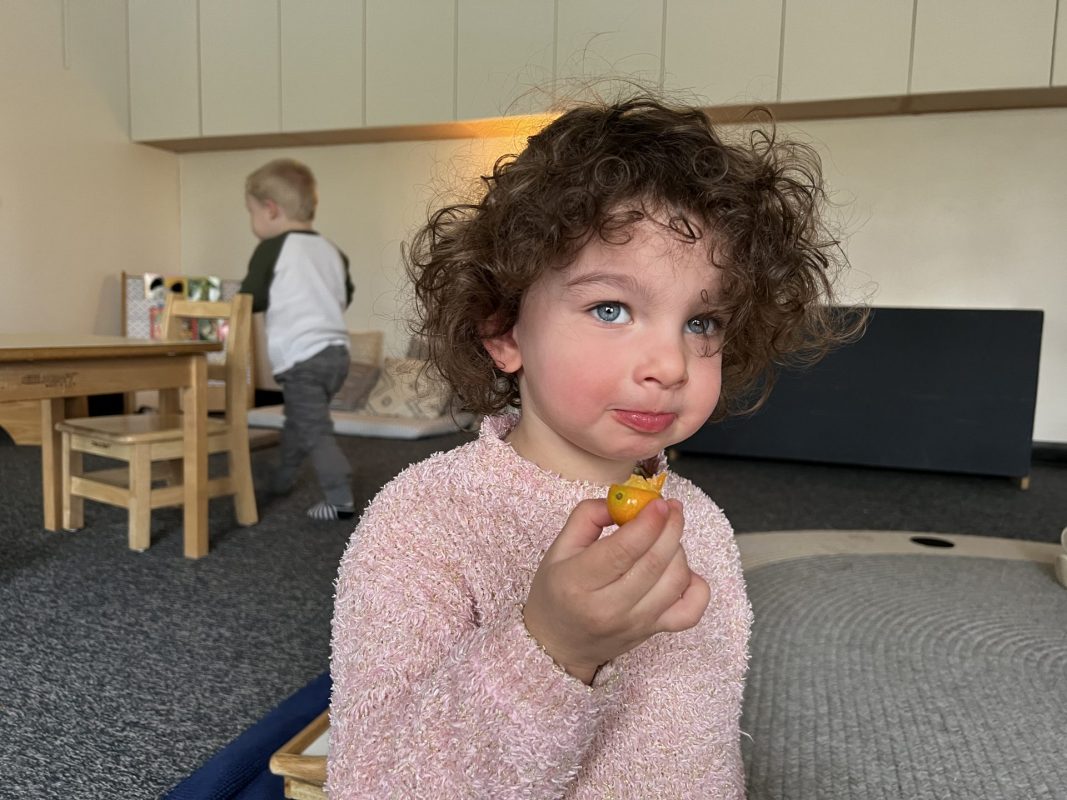
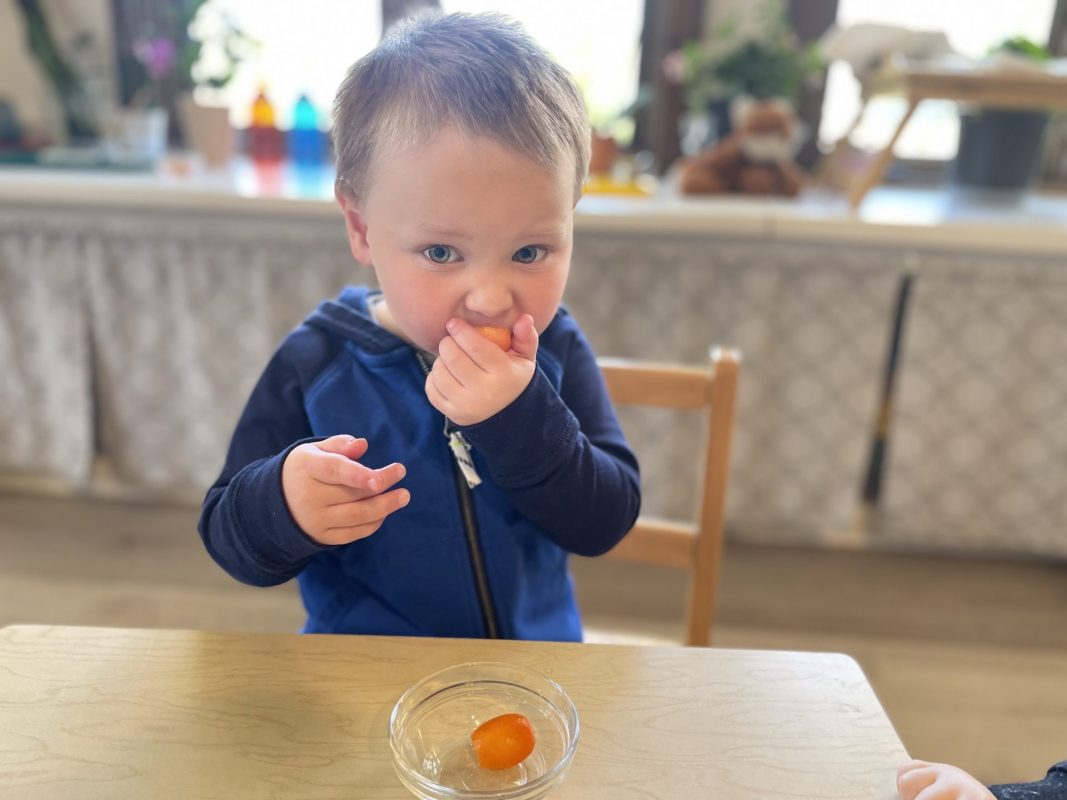
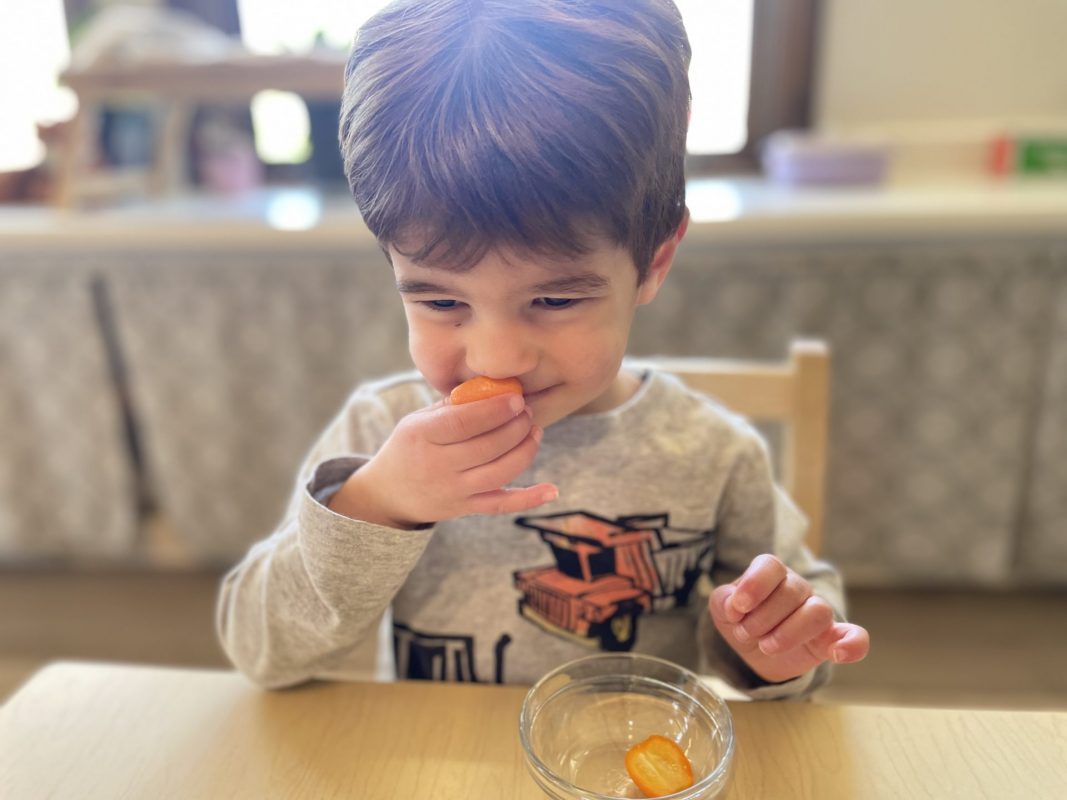
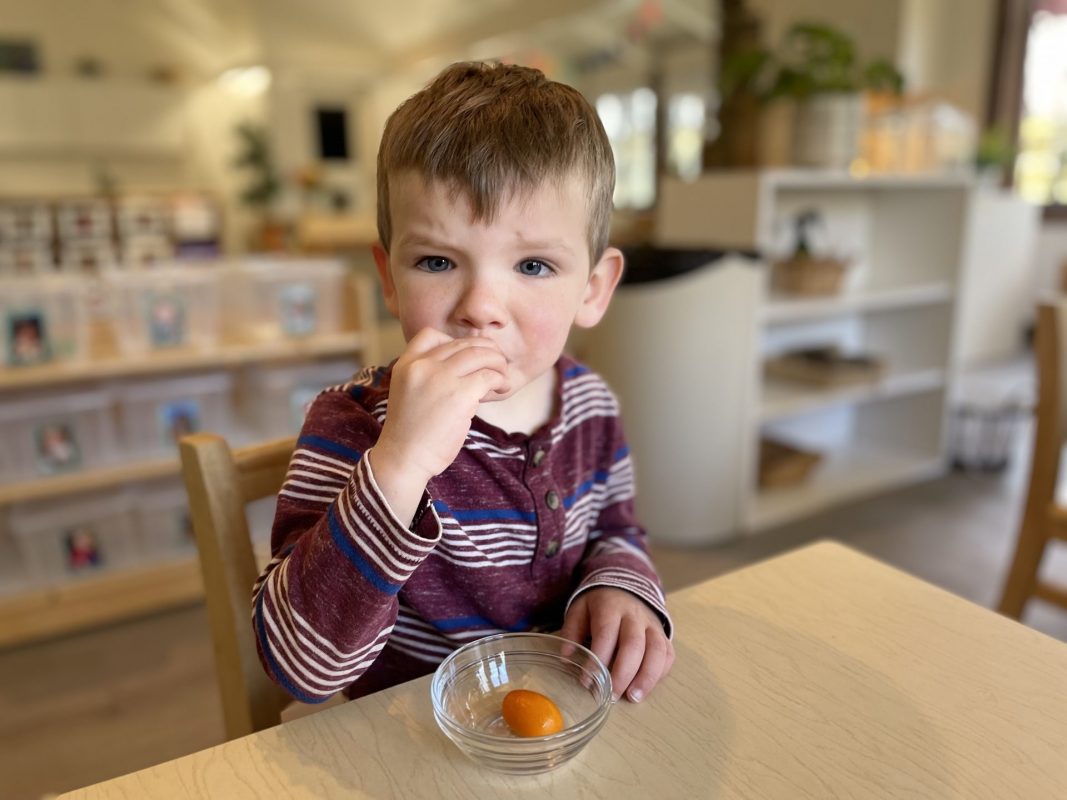
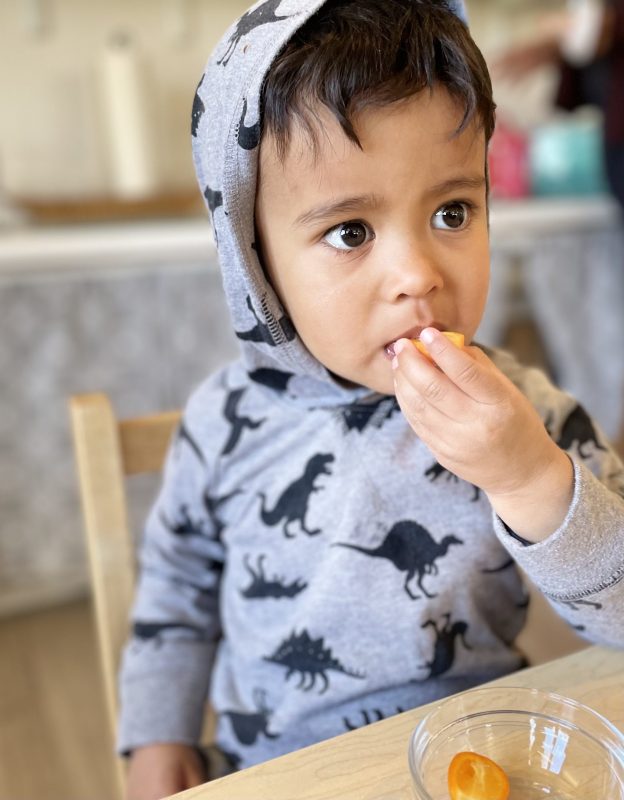
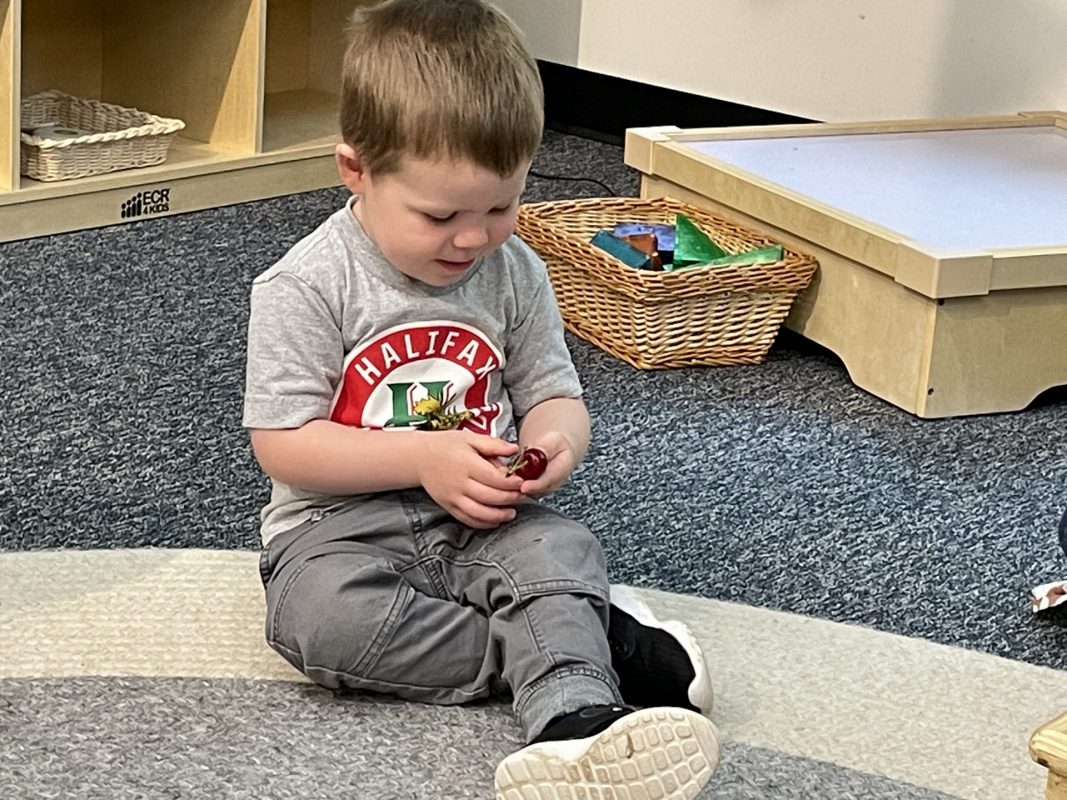
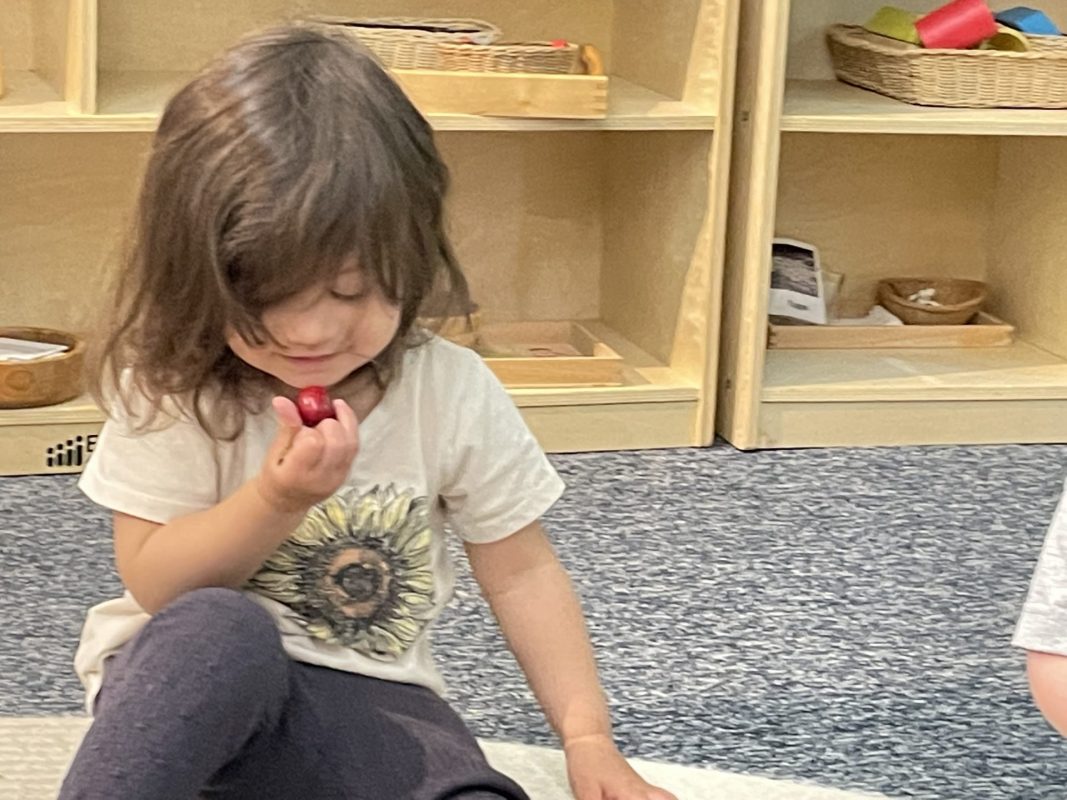
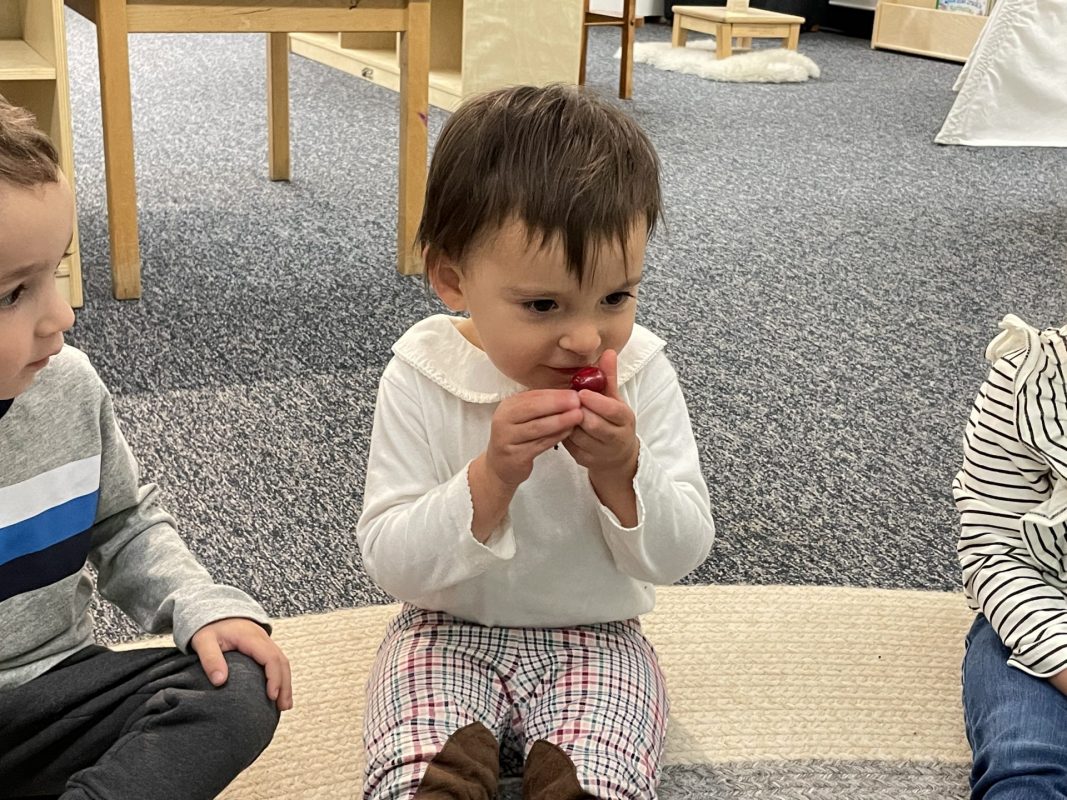
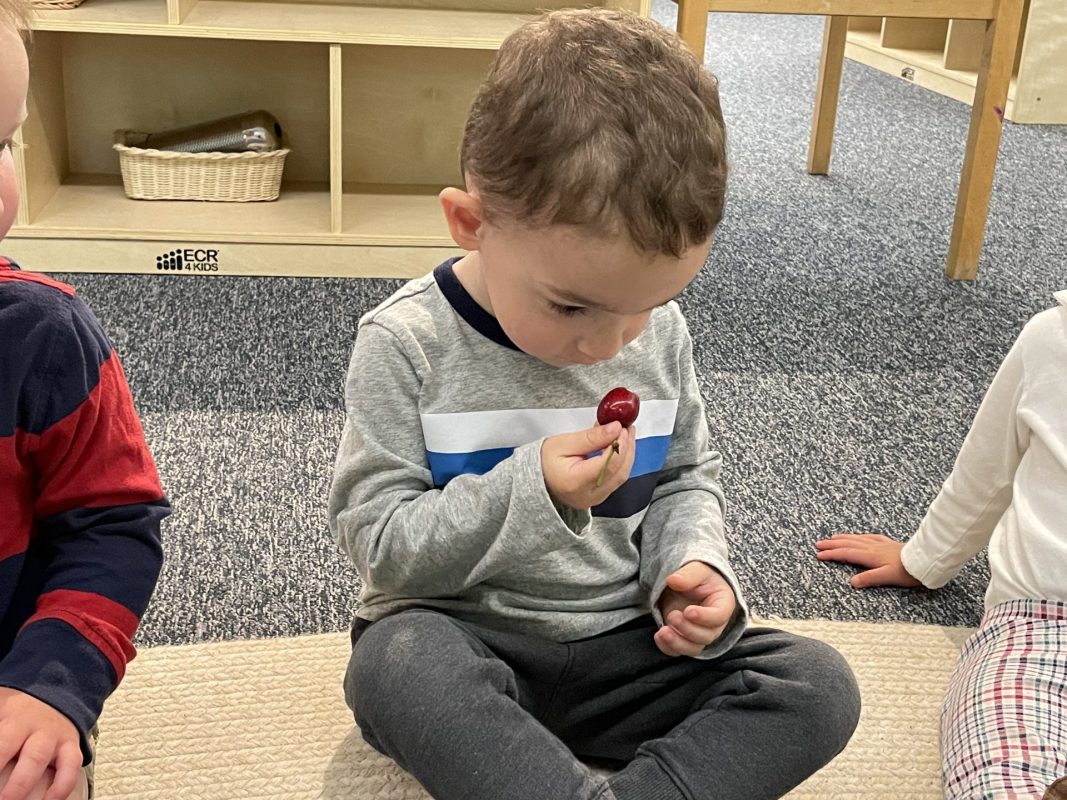
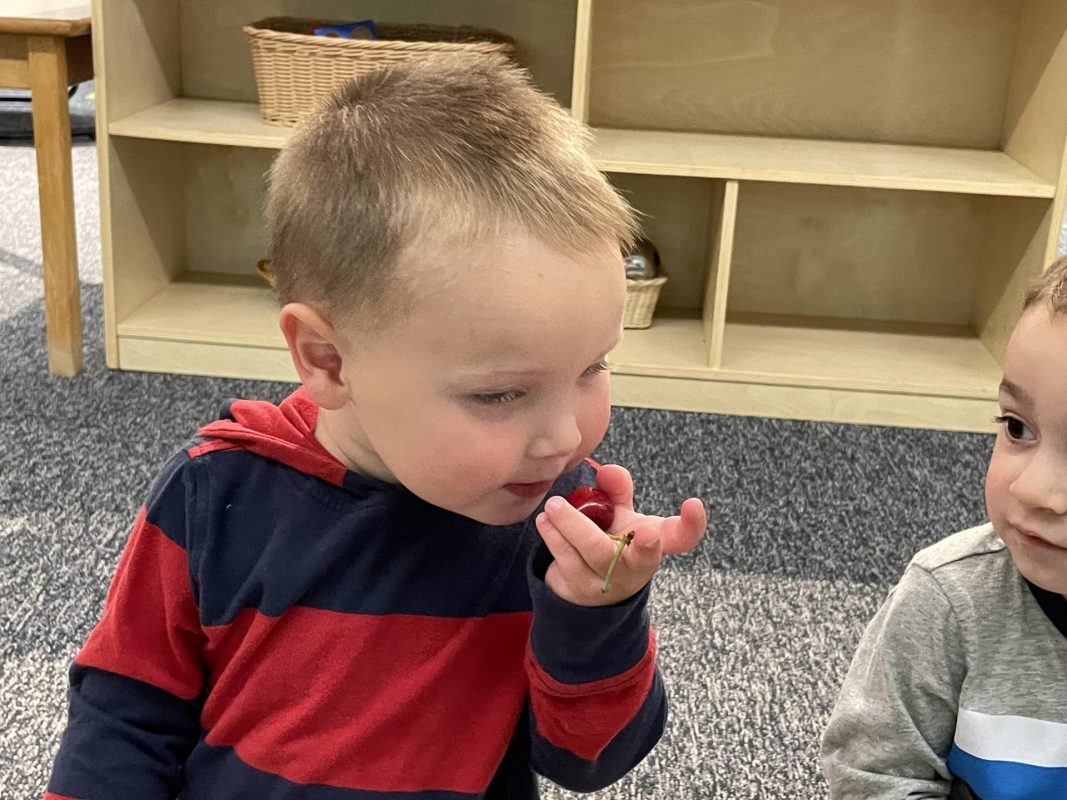
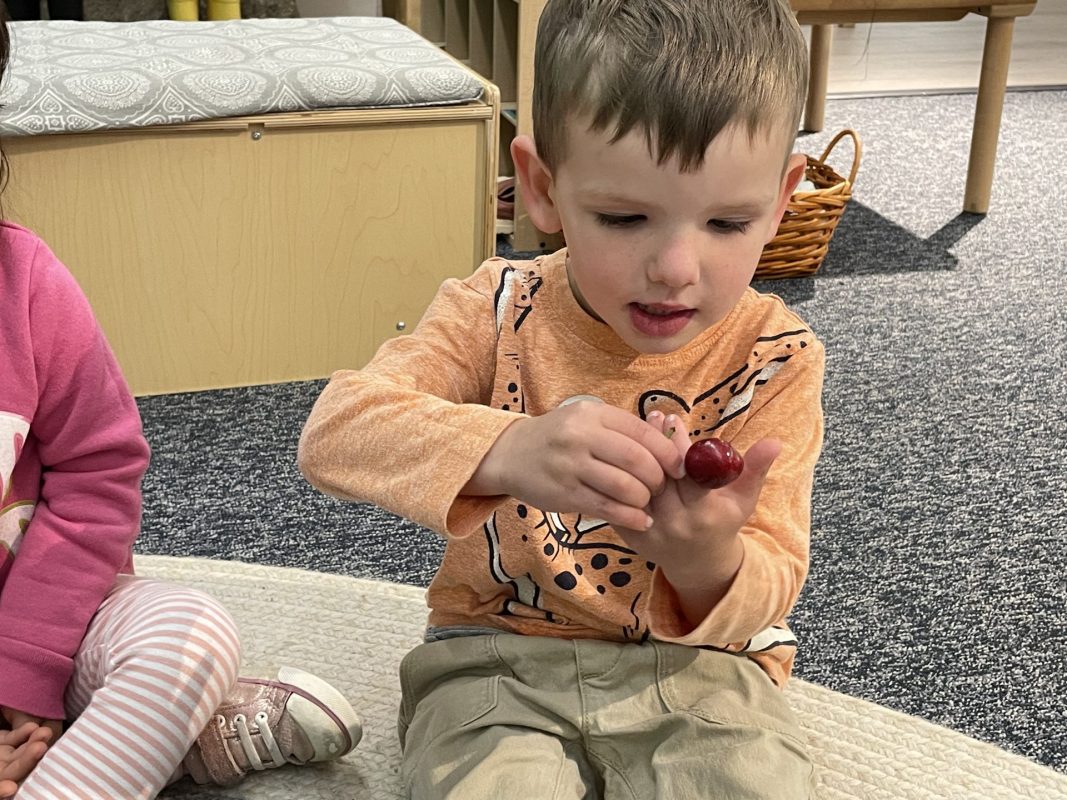
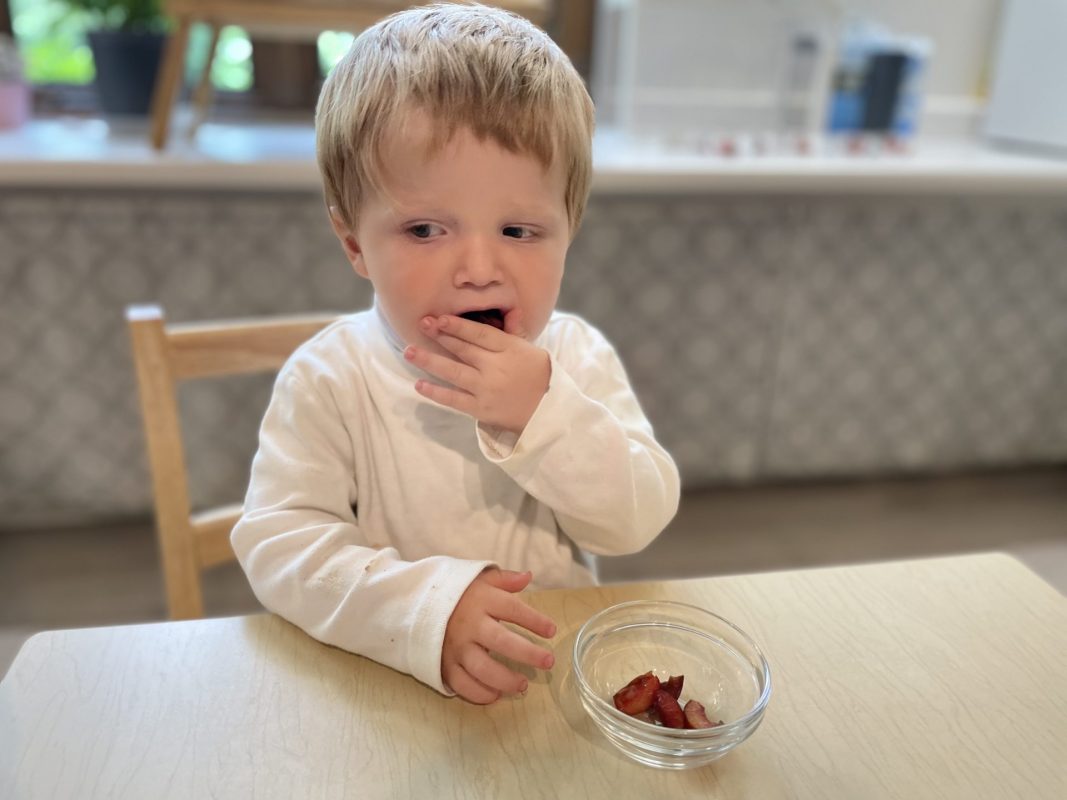
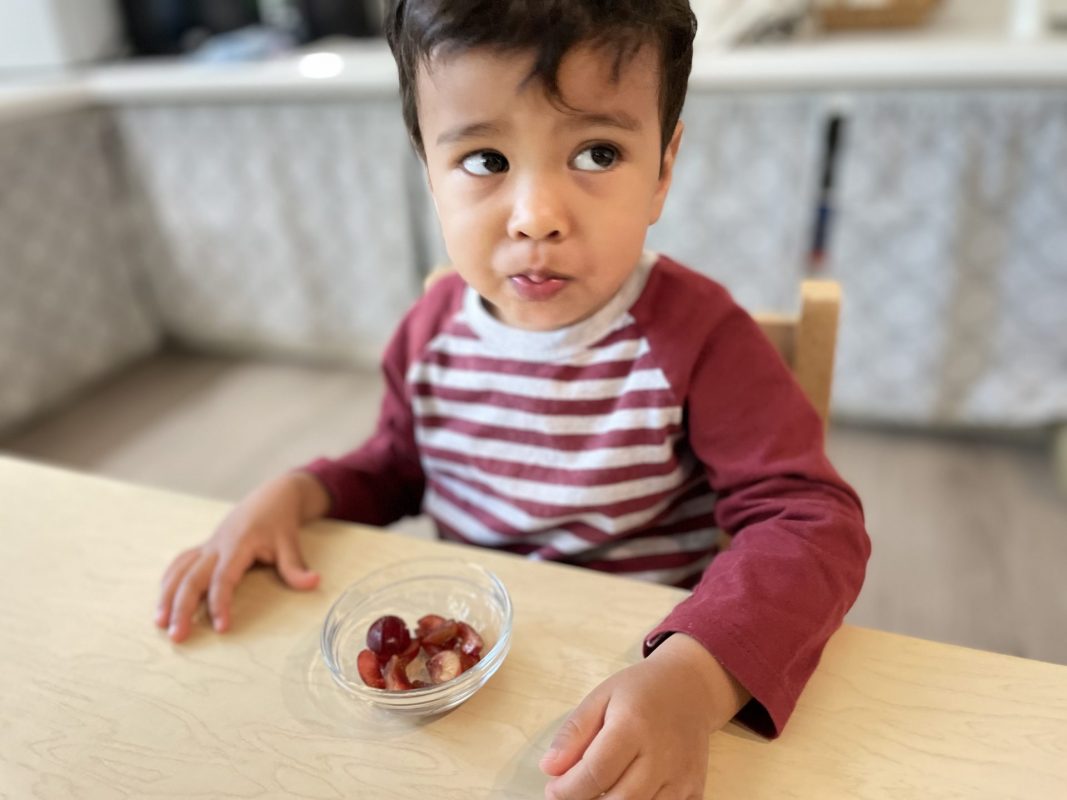
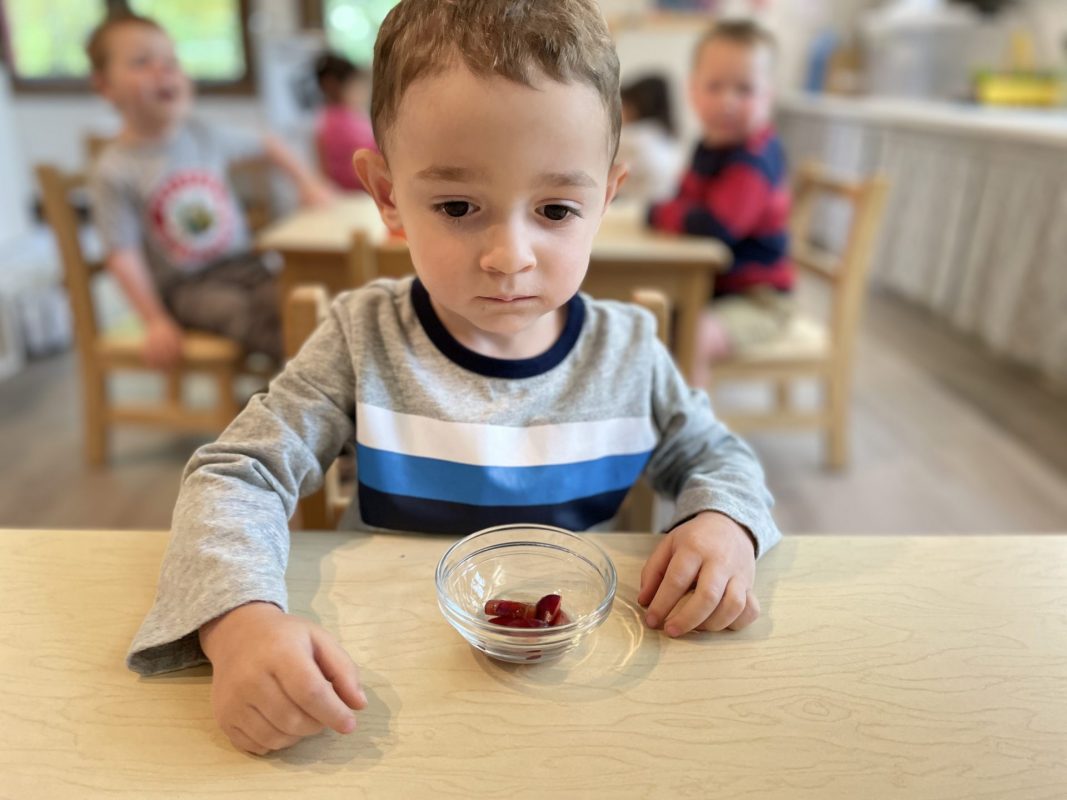
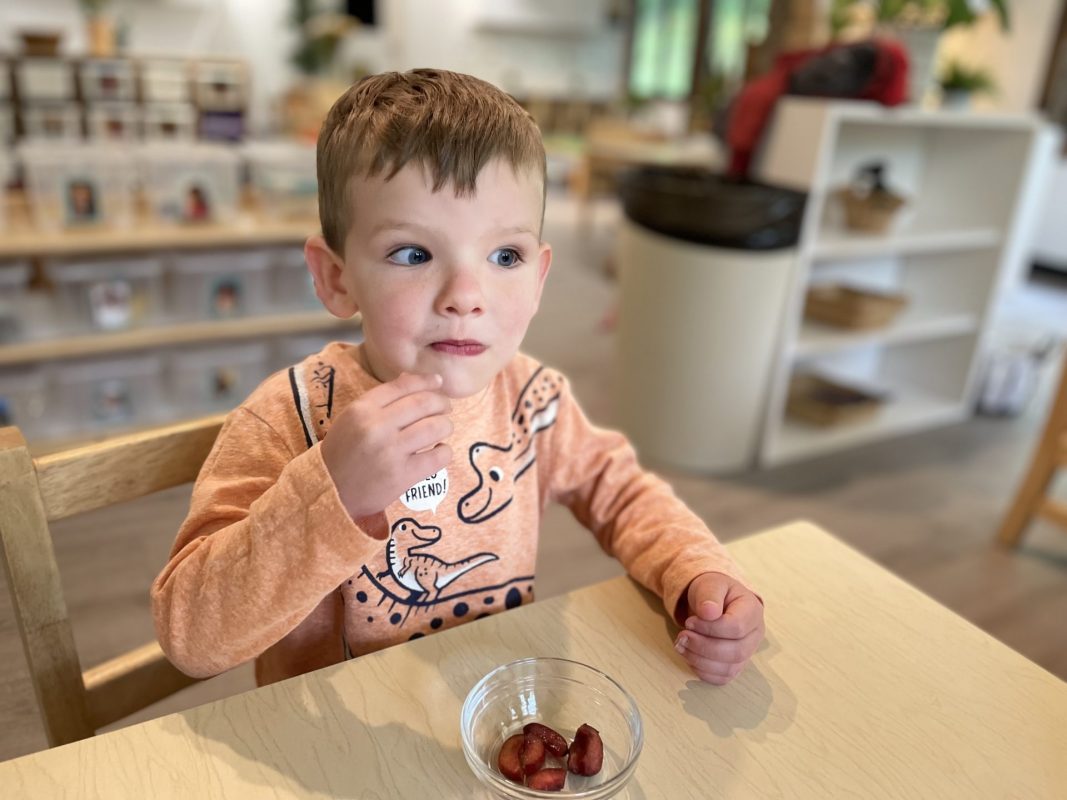
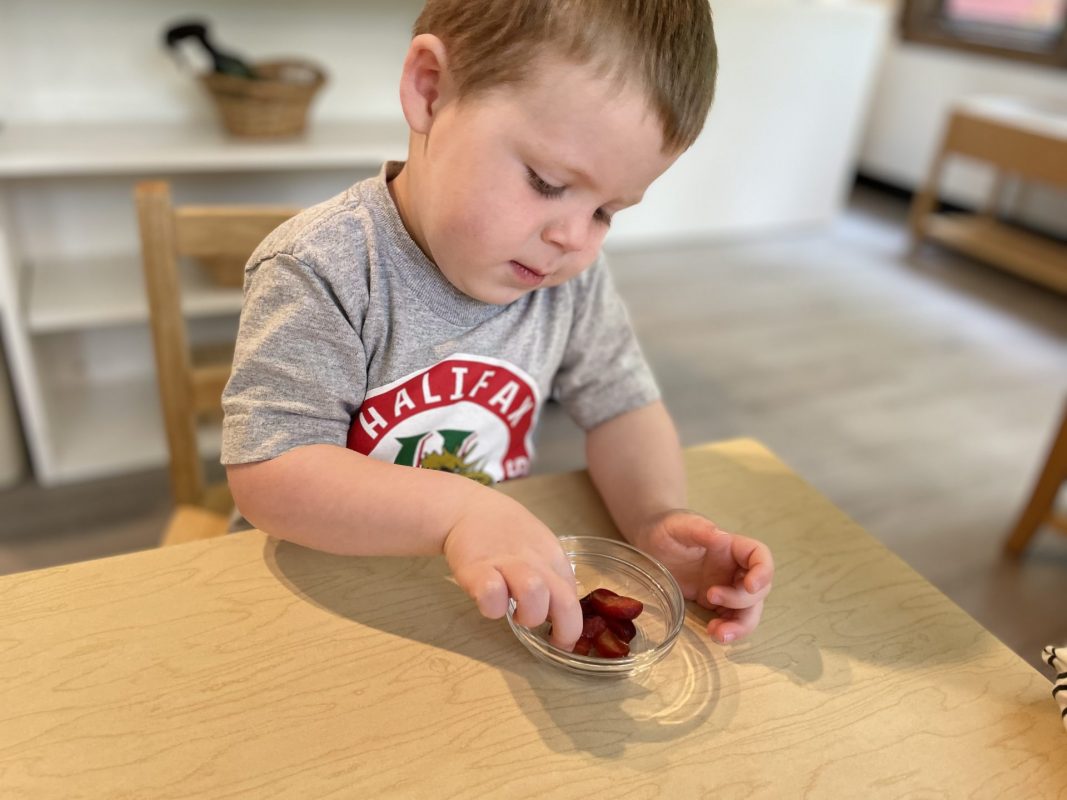
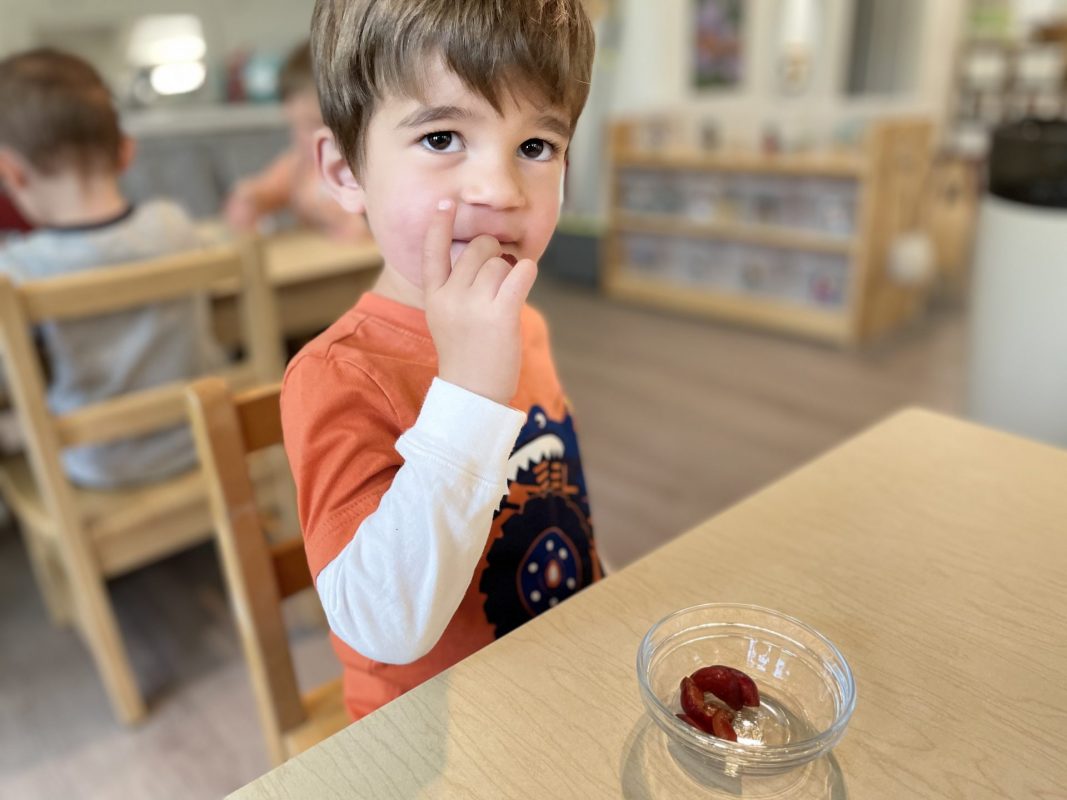
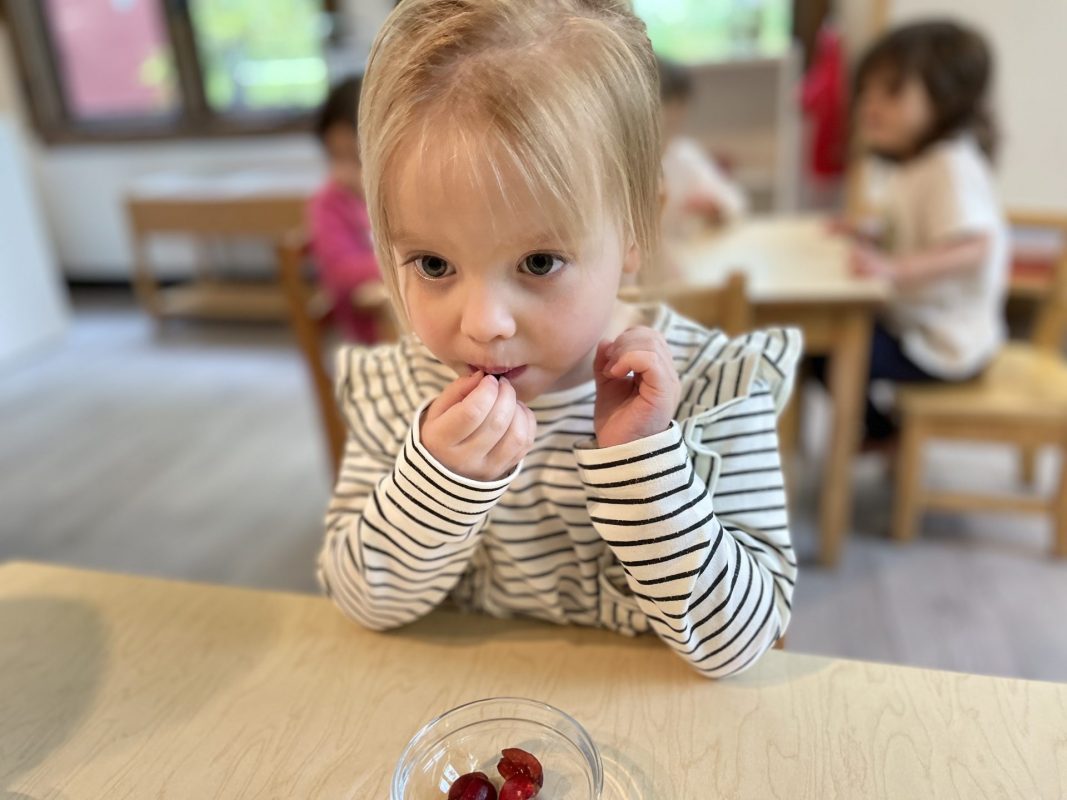
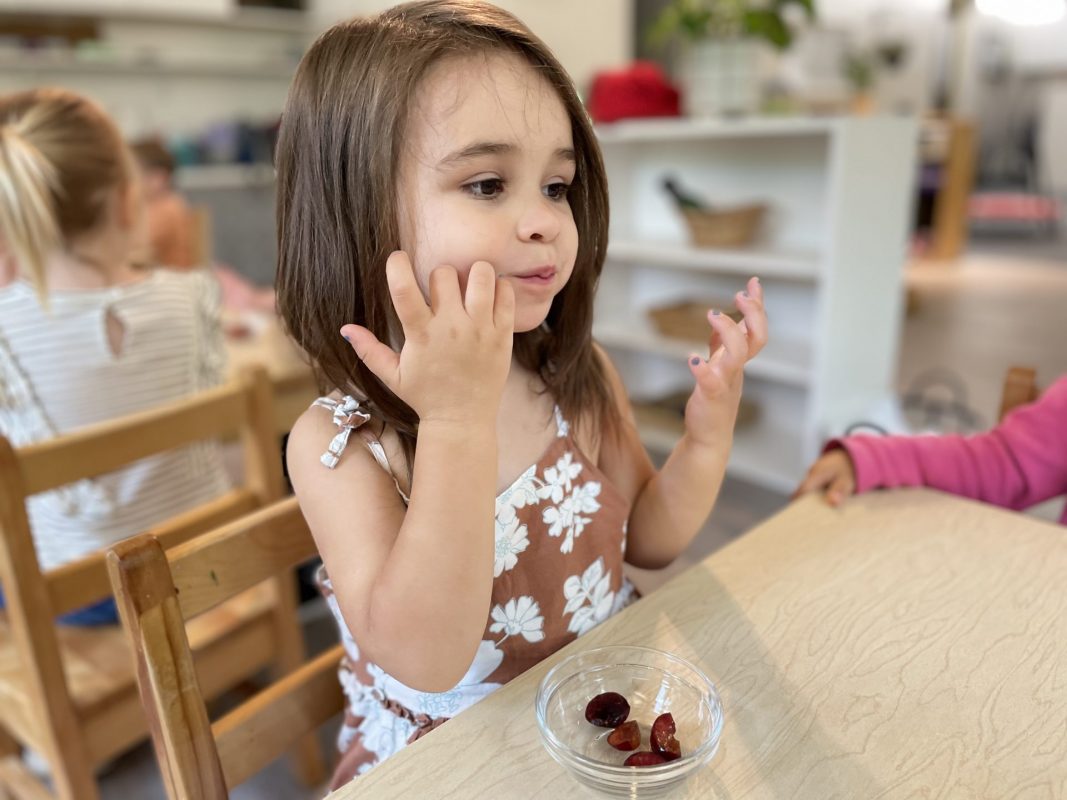
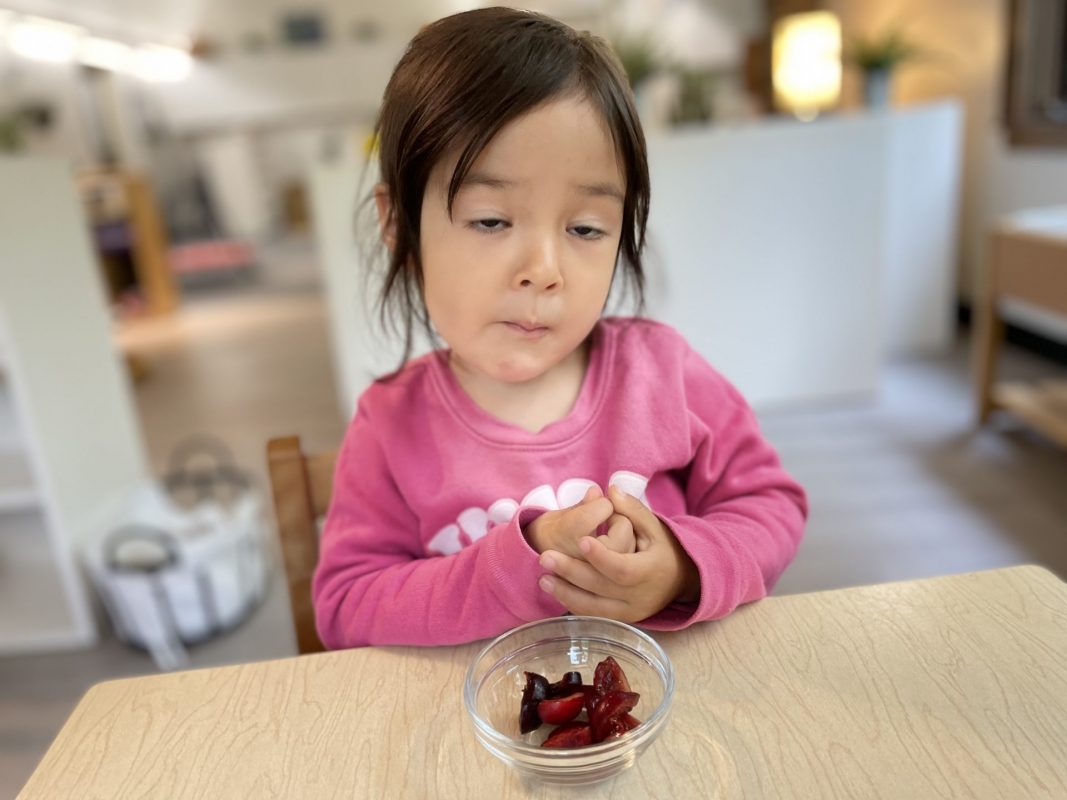
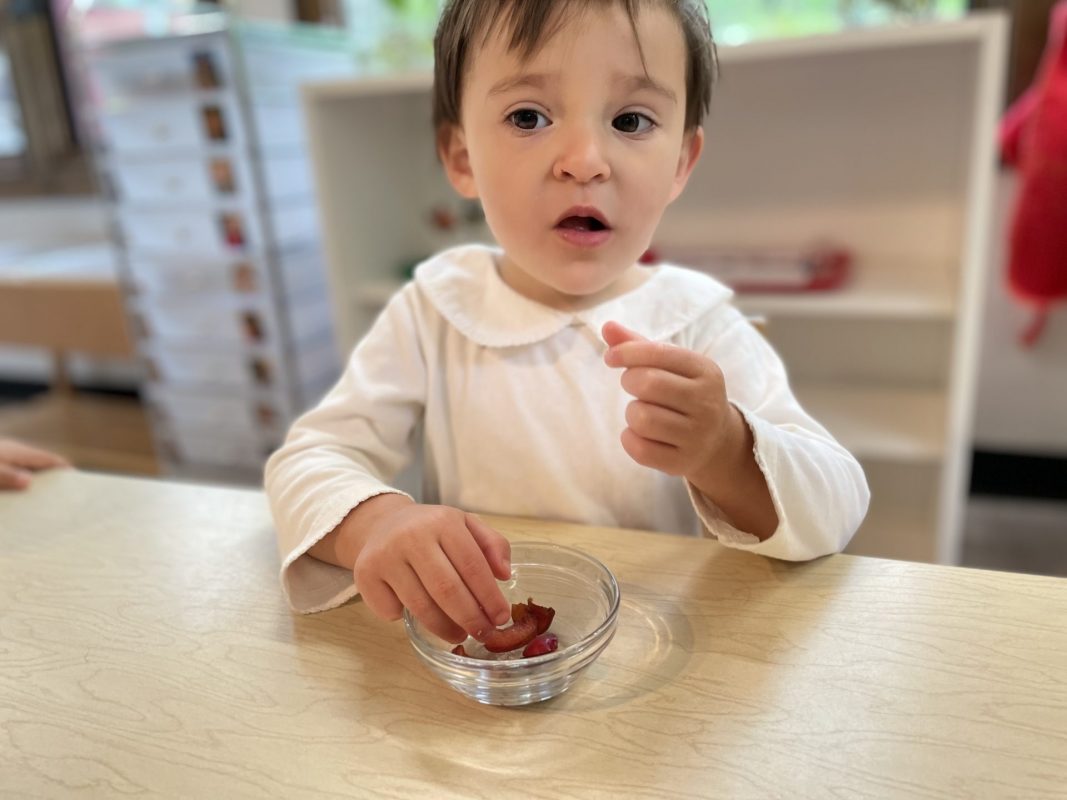
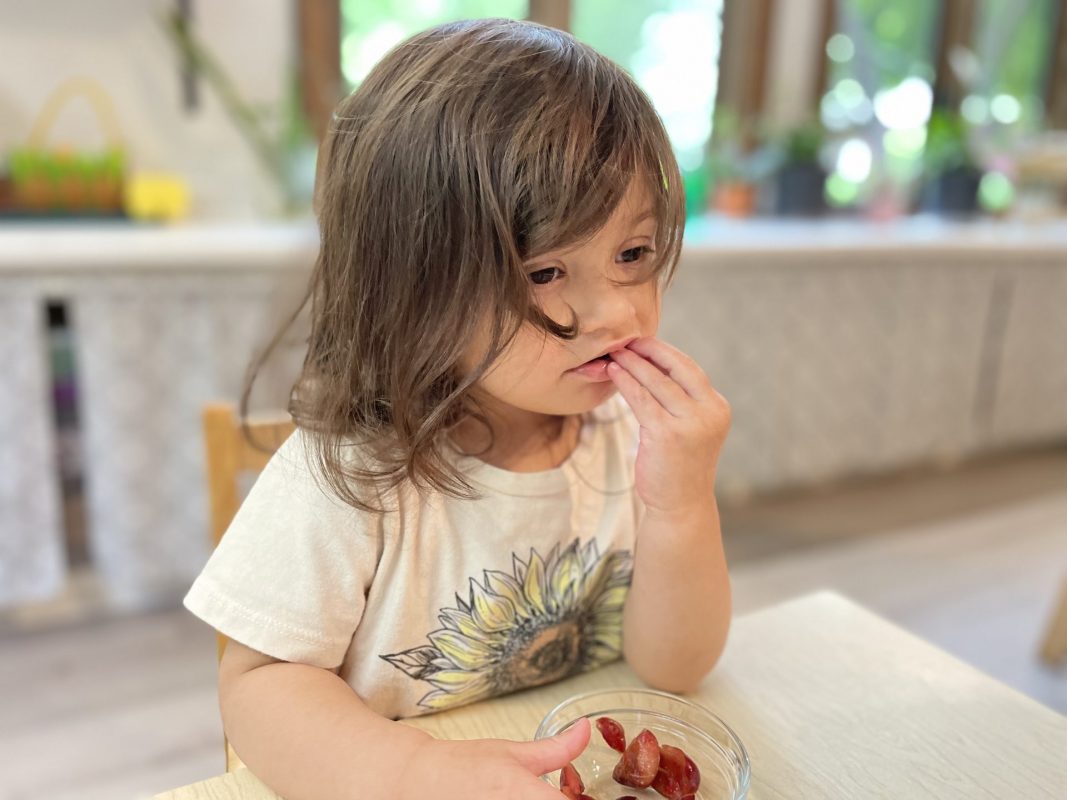
Food Tasting this week was a lemon. Surprisingly there were not many puckering faces when the children bit into the lemon wedge. Mostly everyone seems to enjoy the sour taste of lemons.


Mrs. Wilson: Celebrating The Ones We Love!

Thank you all for your time during our parent-teacher conferences. I really enjoy spending our short time together talking with you about your child’s life at school. I hope you enjoyed the long weekend with your children.

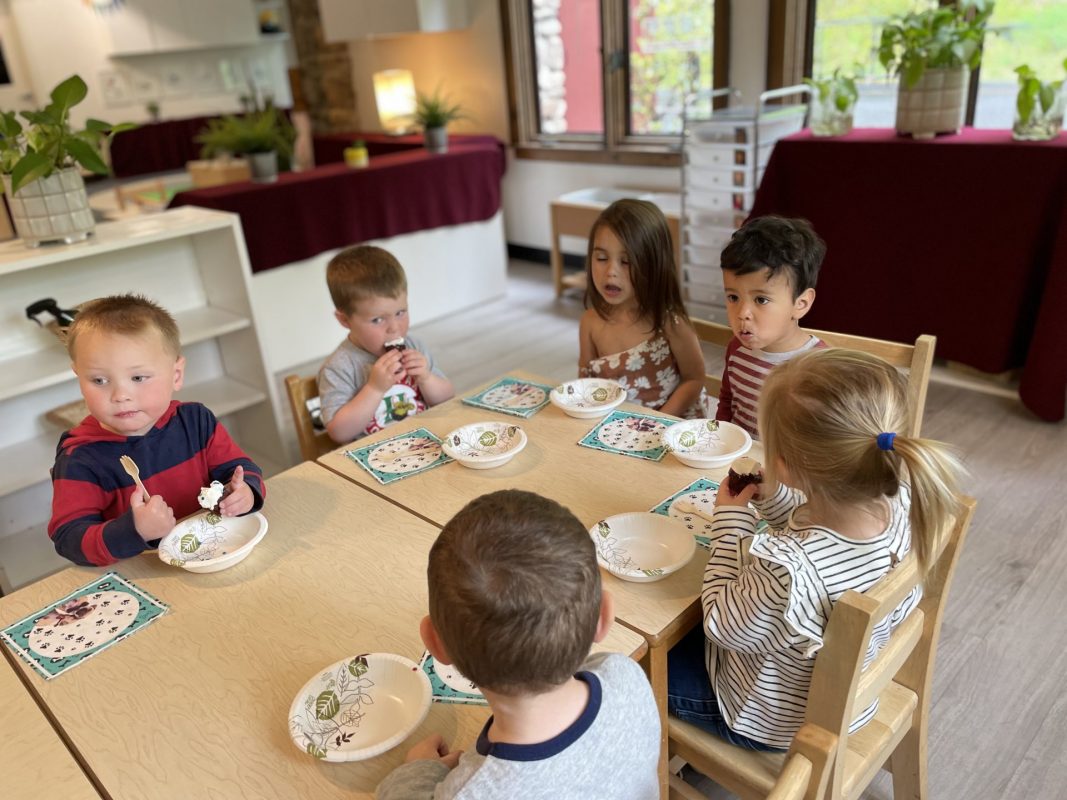
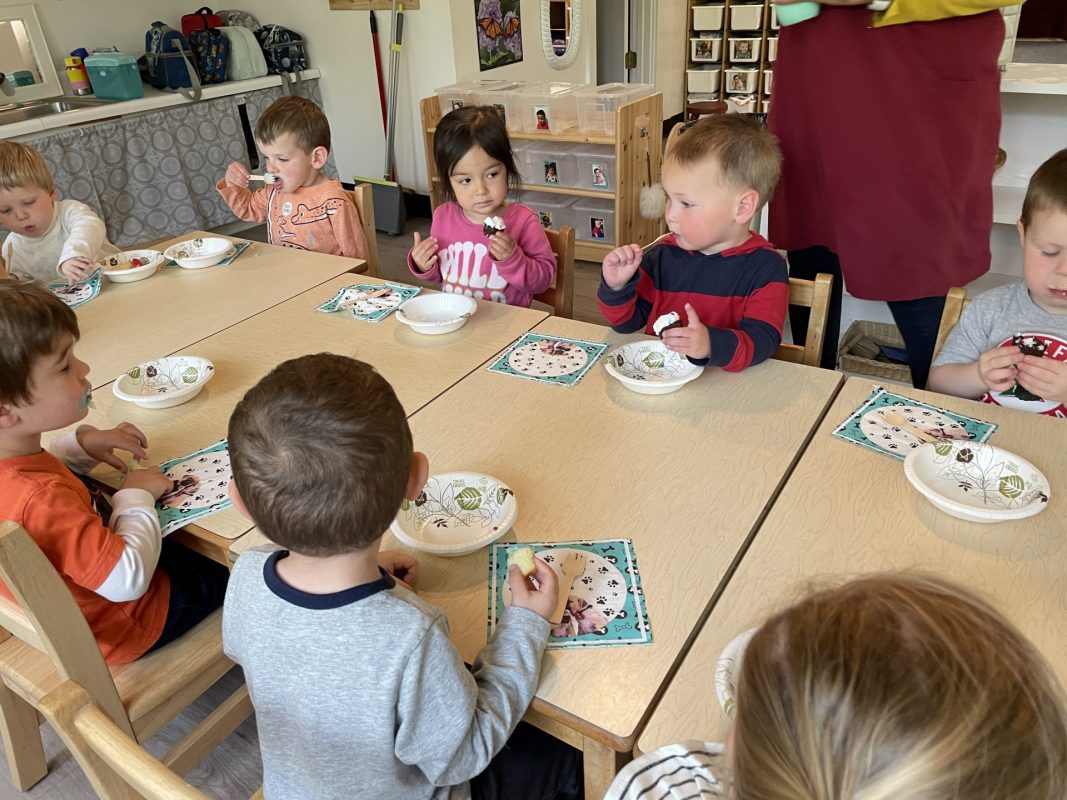
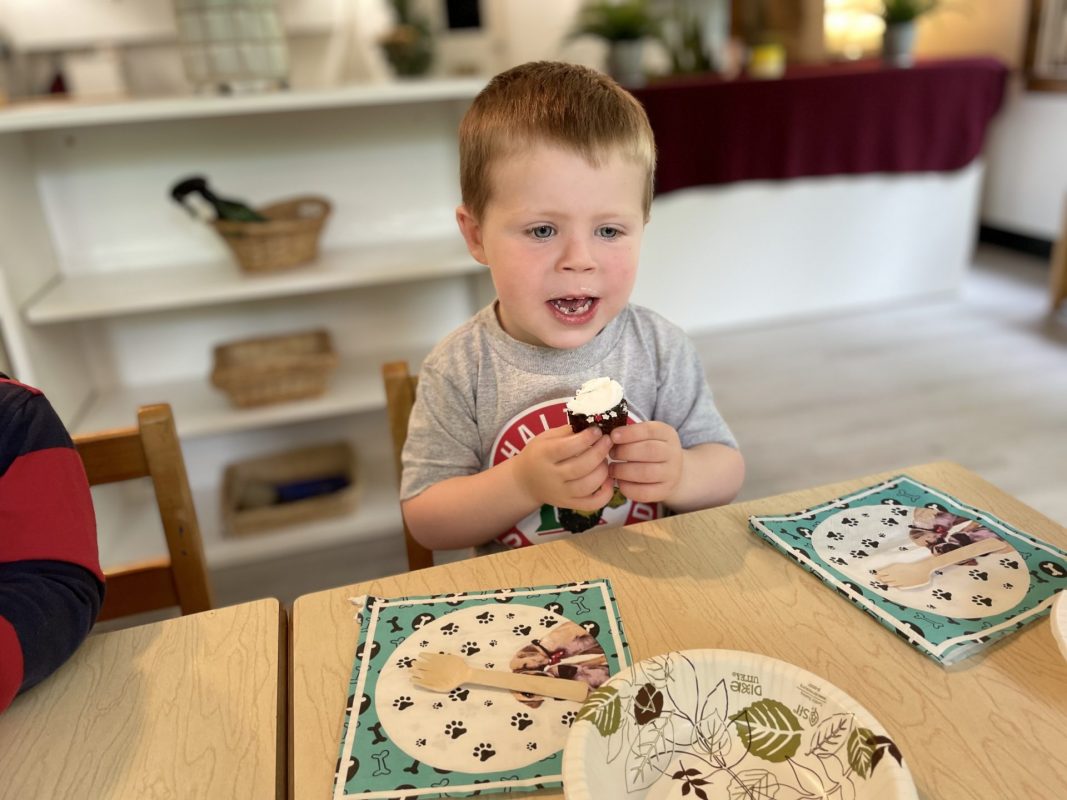
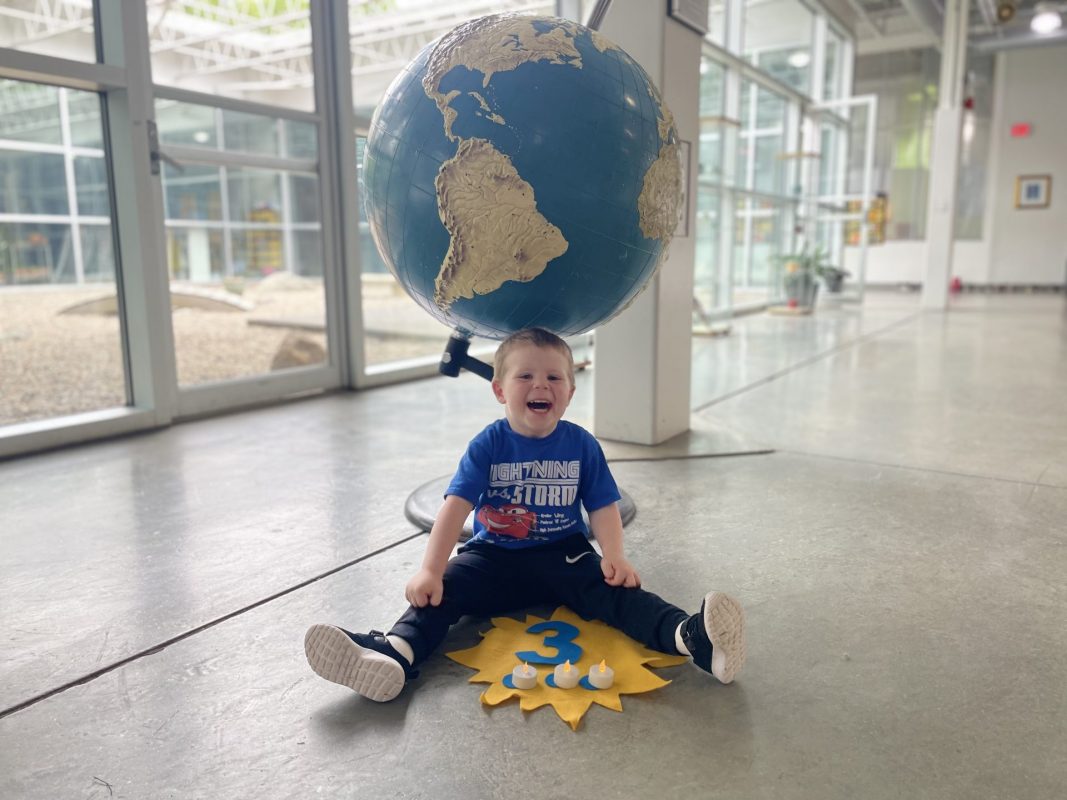
Last week we had lots to celebrate. We celebrated another friend’s birthday and Valentine’s Day. The children seem to be very excited to pass out their Valentines to their friends and enjoy some delicious treats as well. One of our special snacks that the children ate was an “apple donut”. This snack was prepared for the children as a food prep activity. They practiced spreading sunbutter on the apple slice, then spooning rainbow sprinkles on top. It seemed to me that everyone that wanted one really did enjoy it.

Thank you to all for your support in helping to make the celebration special. Also for our very own special valentines!


Mrs. Hood: Spreading Love and Kindness!

“Of all things, love is the most potent.” – Maria Montessori

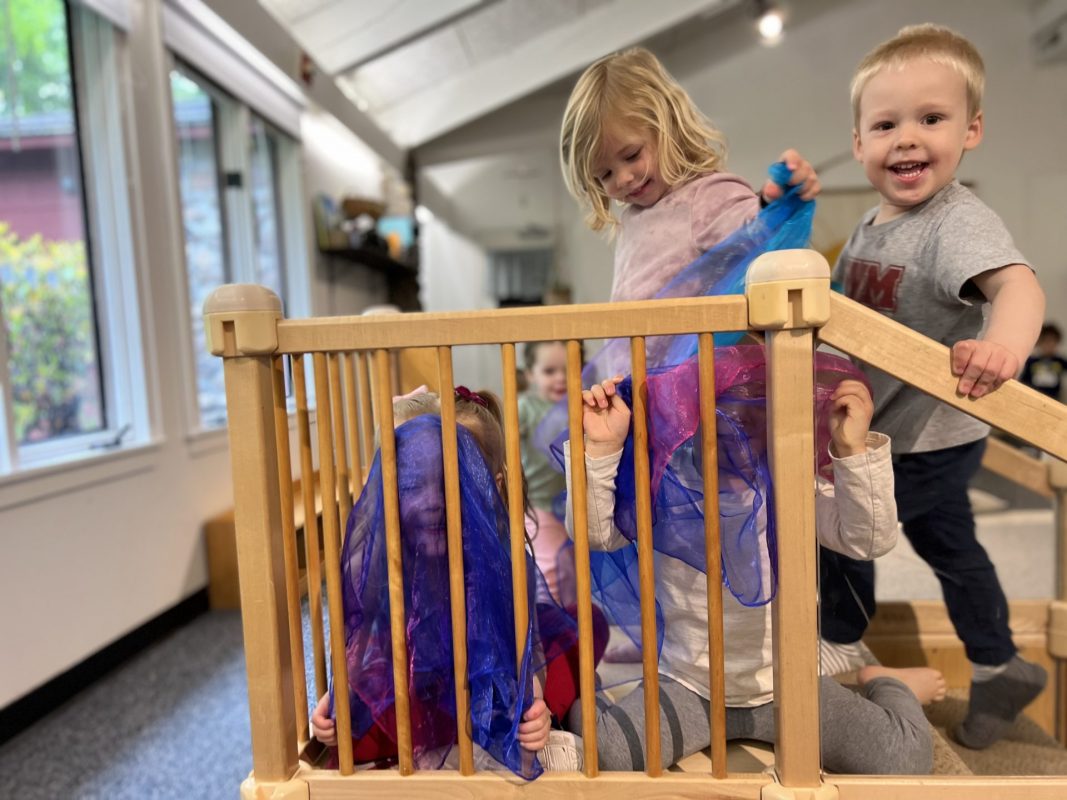
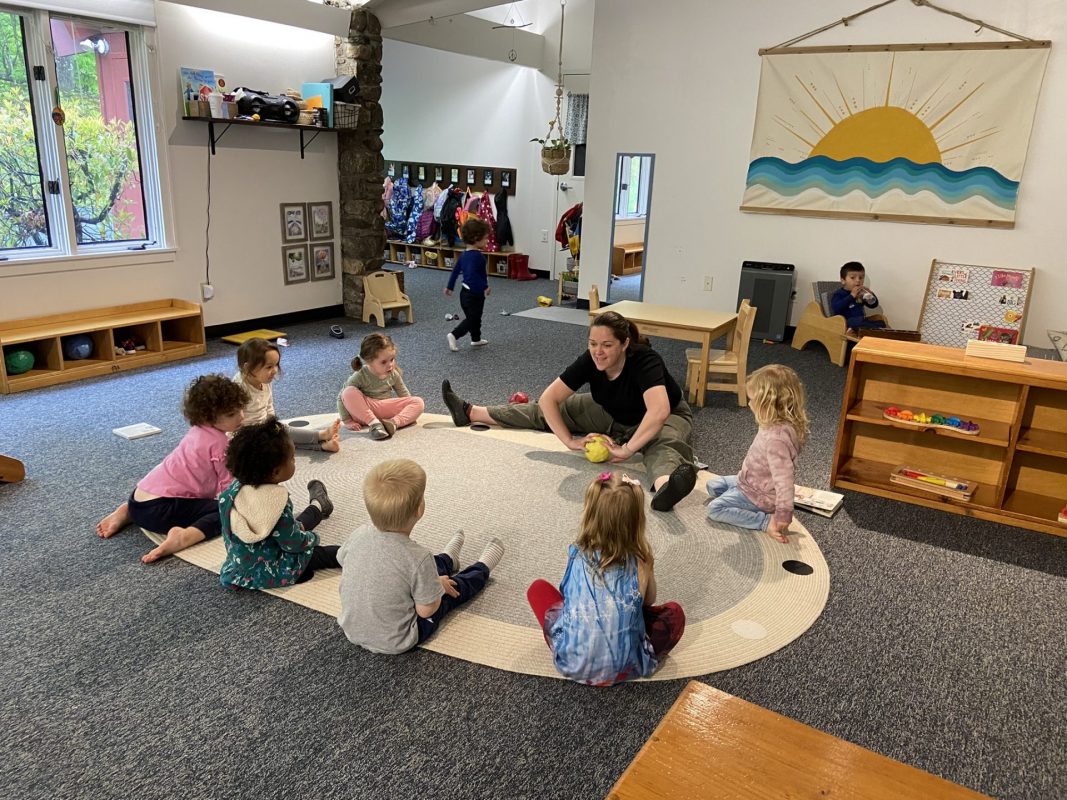
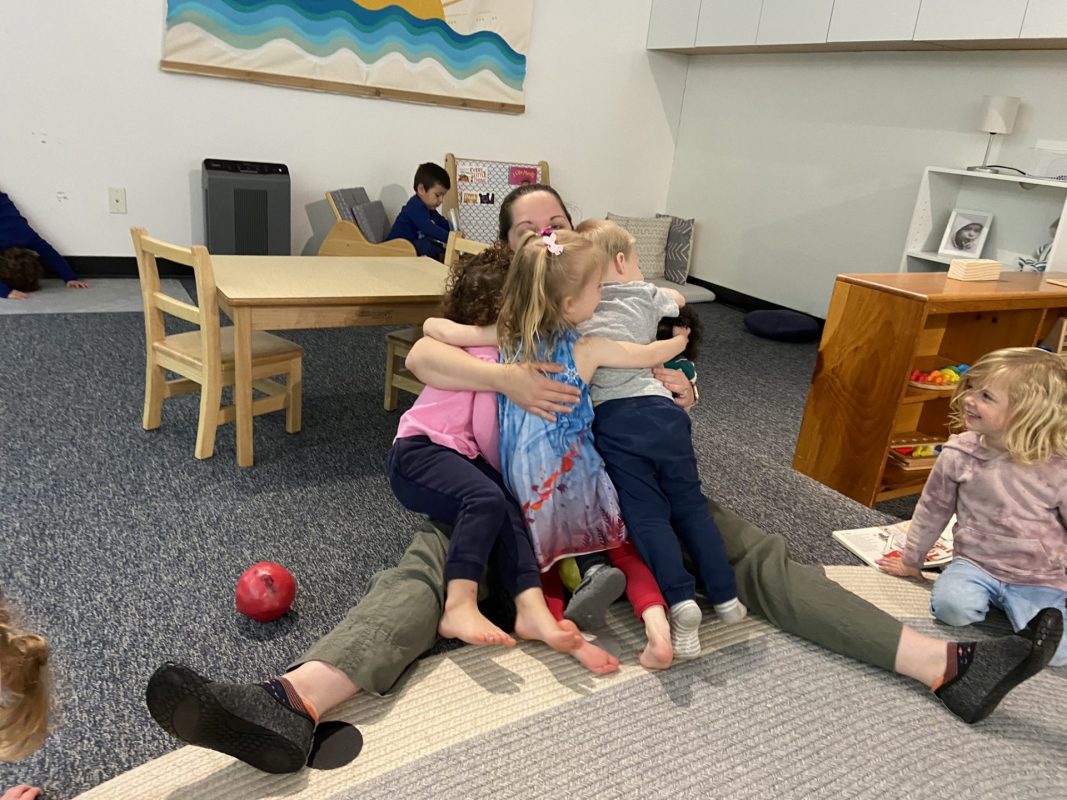
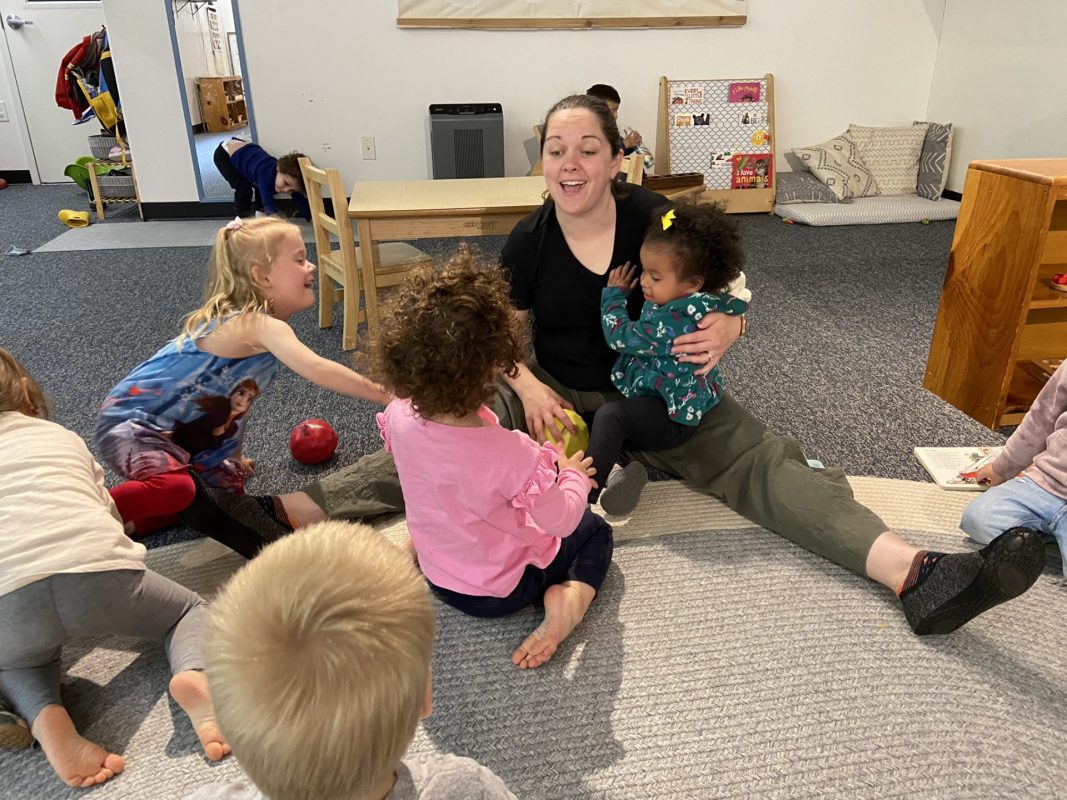
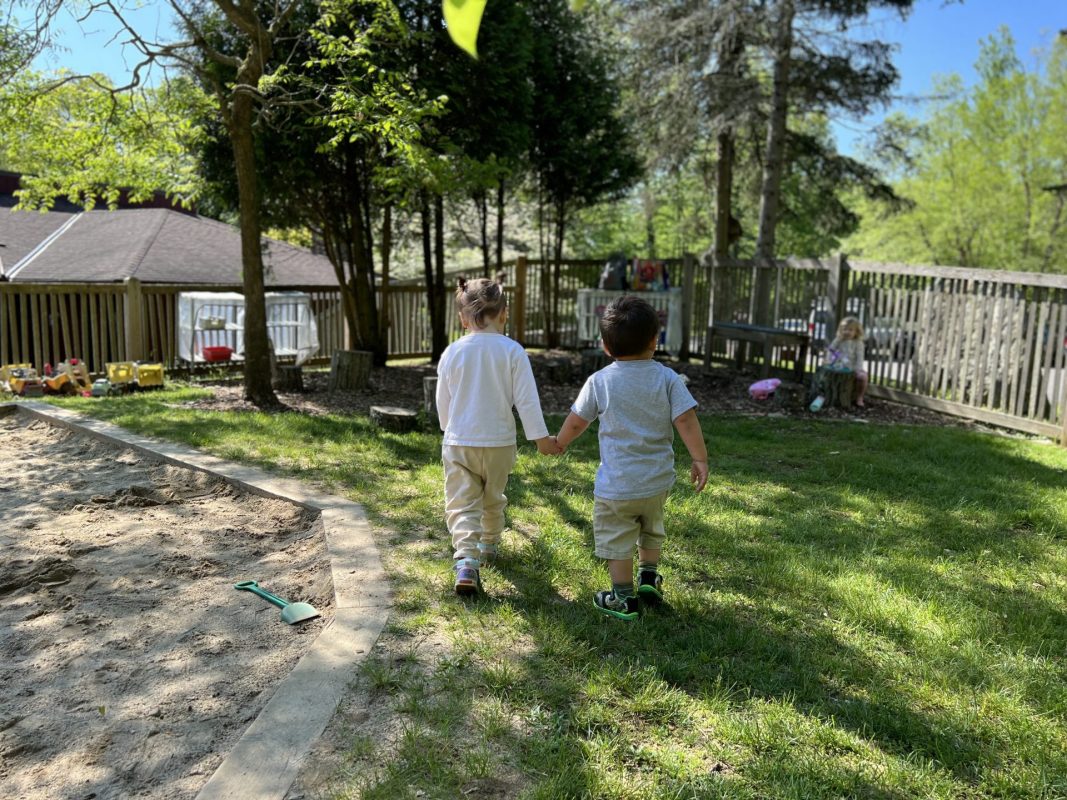
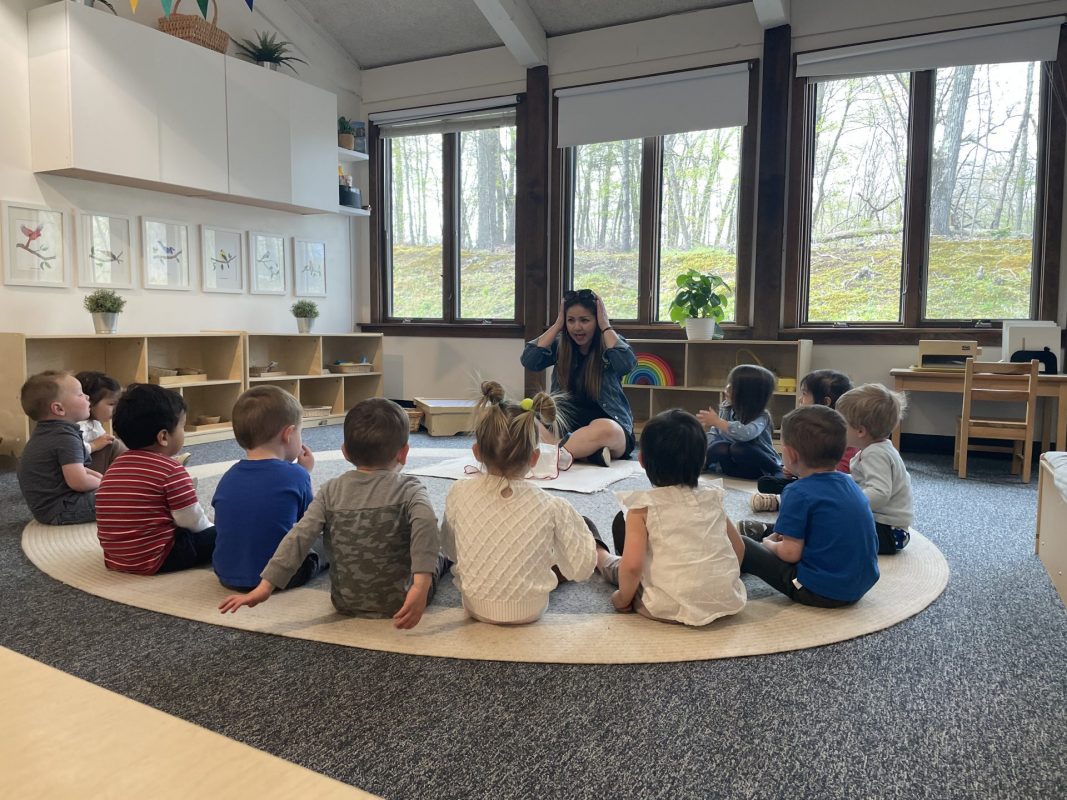
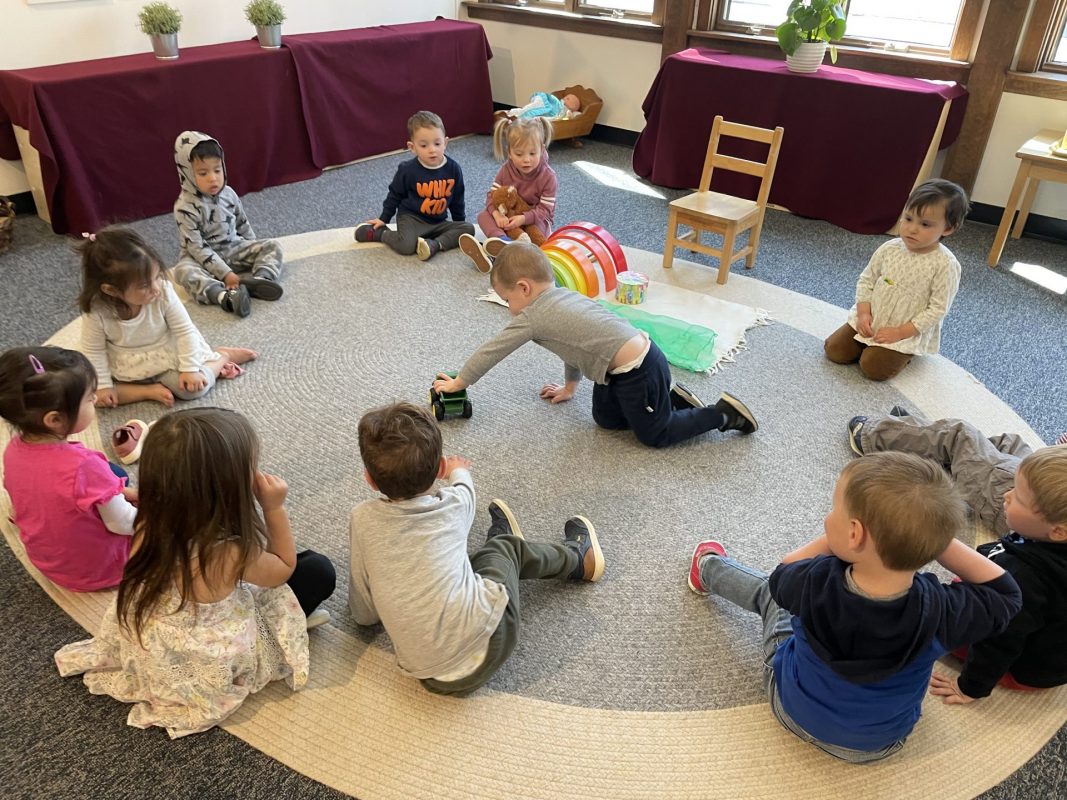
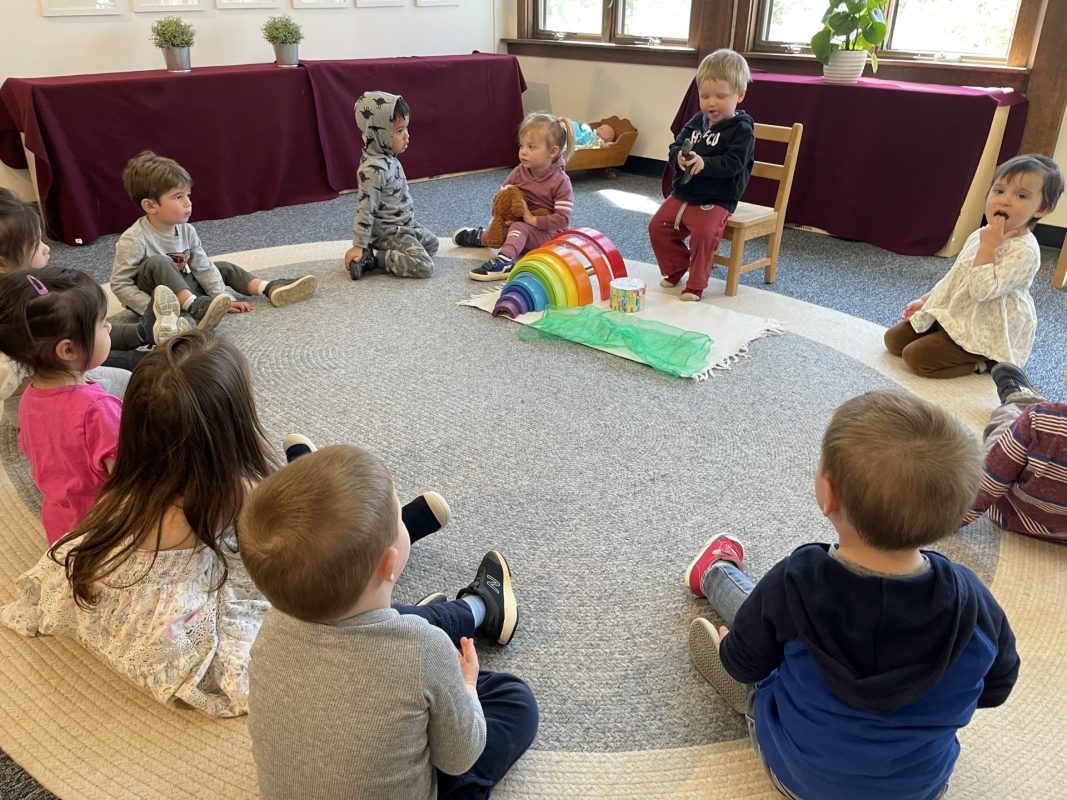
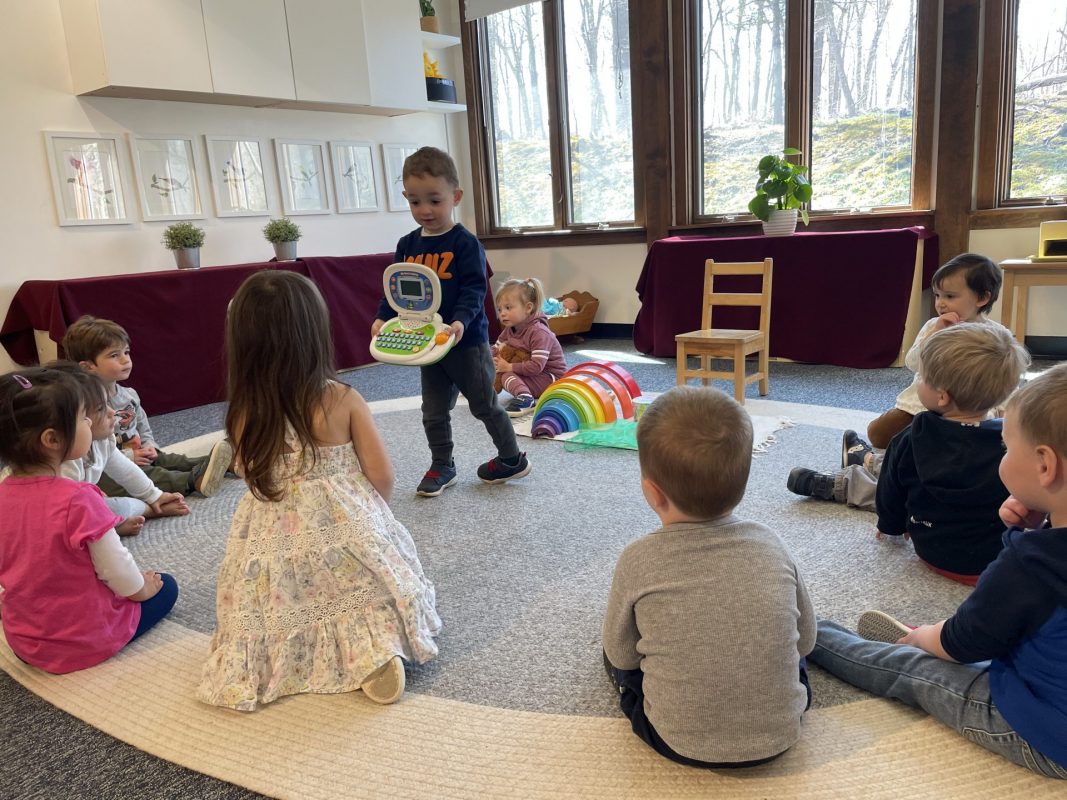
Humans have an innate desire to connect, to experience dynamic relationships with one another. At around 18 months, there are notable changes in cognitive skills that help real friendships blossom. The toddler becomes more consciously aware of themself and others. Watching toddlers making friends for the first time is truly a delight! In our environment, children show excitement every morning when they see their friends and even though some of them cannot pronounce their friends’ names yet, they point to their friends with a big smile on their faces, pat them on the back (or on their heads) and offer hugs. During circle time, children look to sit closer to their friends and they love walking while holding hands together.

Grace and courtesy is one of the most important areas in our Montessori curriculum. Grace being the outer expression of our inner selves as observed in body language and movements: facial expressions such as smiles, eye contact, tone of voice, inflection of the voice, body movements and the actual words used to express ourselves. Courtesy is the manners given for human interaction. Neither grace nor courtesy are instinctive. They are acquired. The desire to acquire social skills is a fundamental need in a child in order for them to become fully integrated into their culture and fully adapted to society. In our Toddler level the constant, daily lessons in this area are used through intentional modeling rather than specific lessons presented, as children will encounter in our Primary levels. It’s truly amazing to observe how your children have grown in this area, despite their young age. It’s SO wonderful!

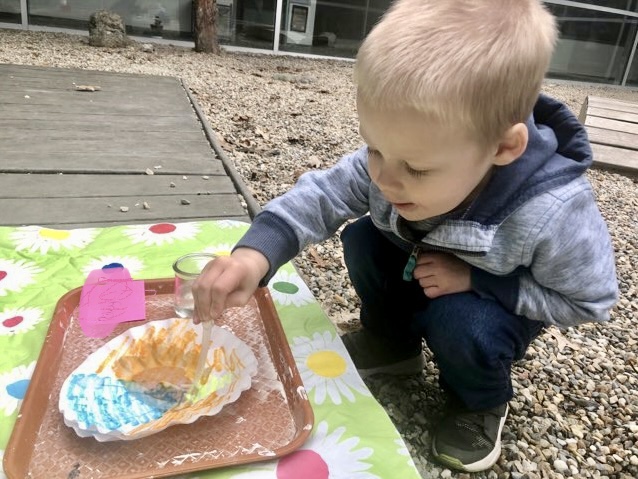
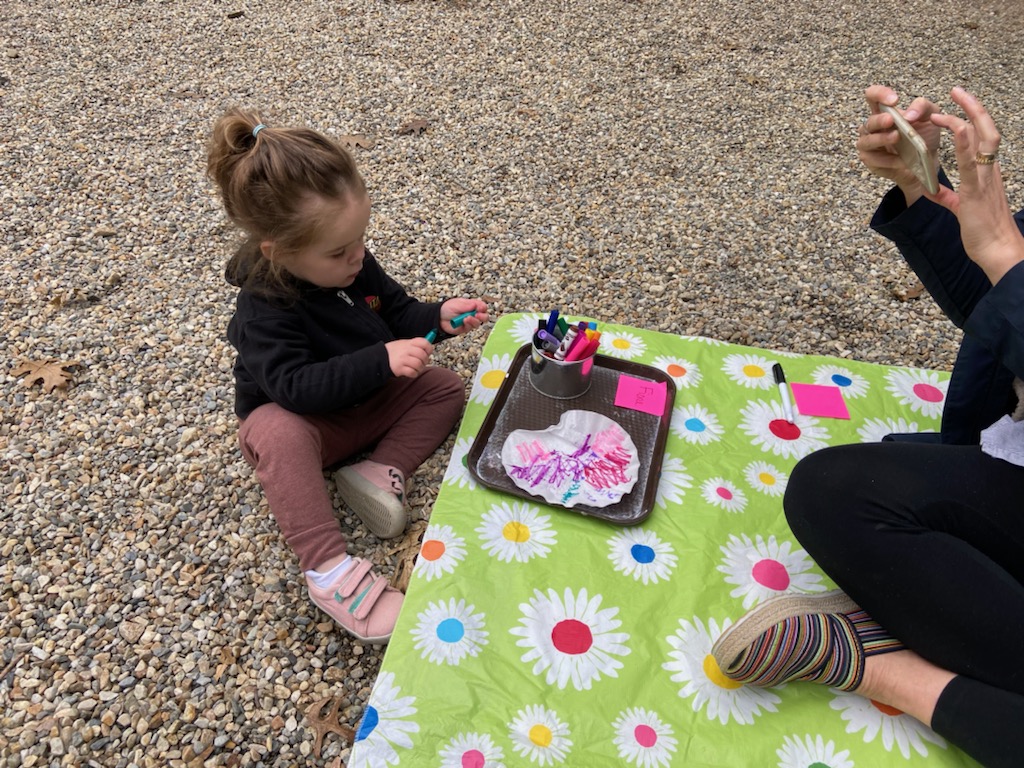
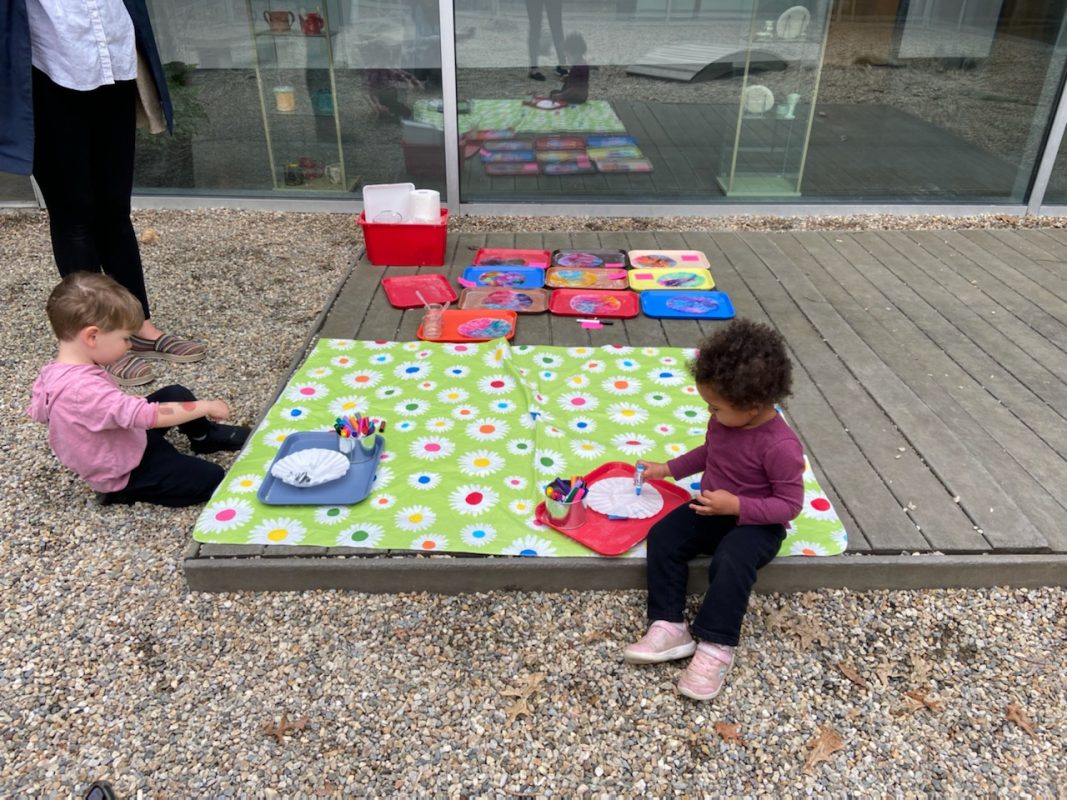
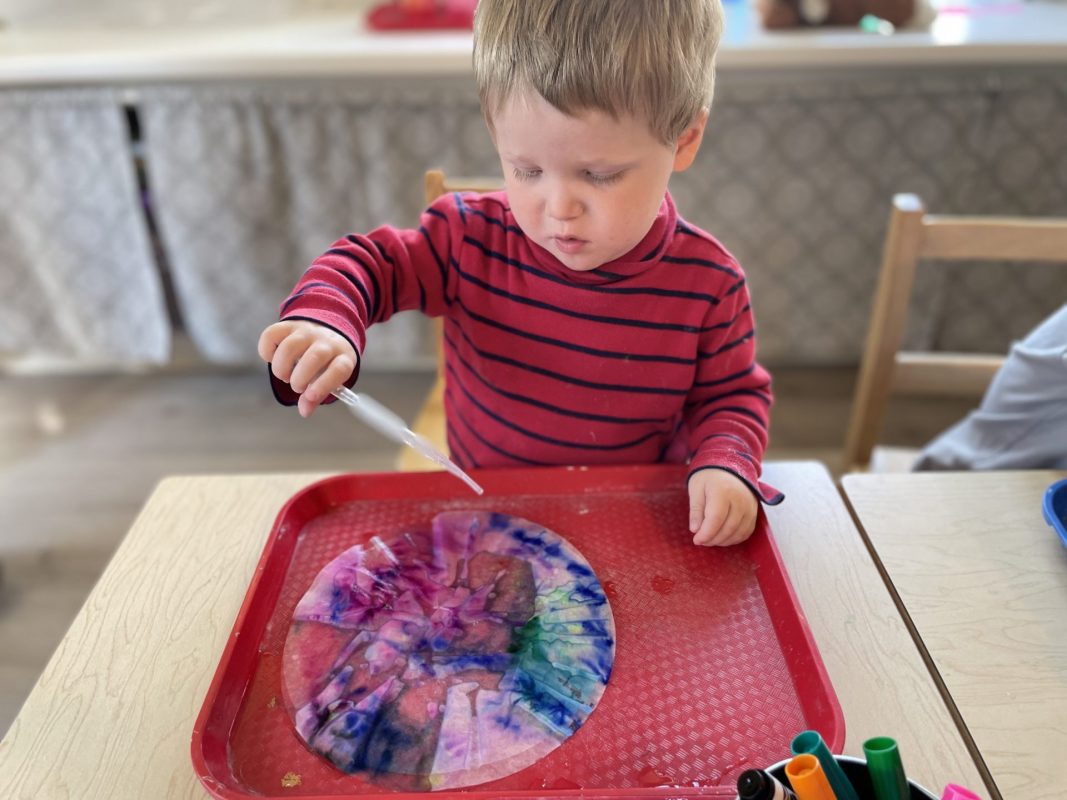
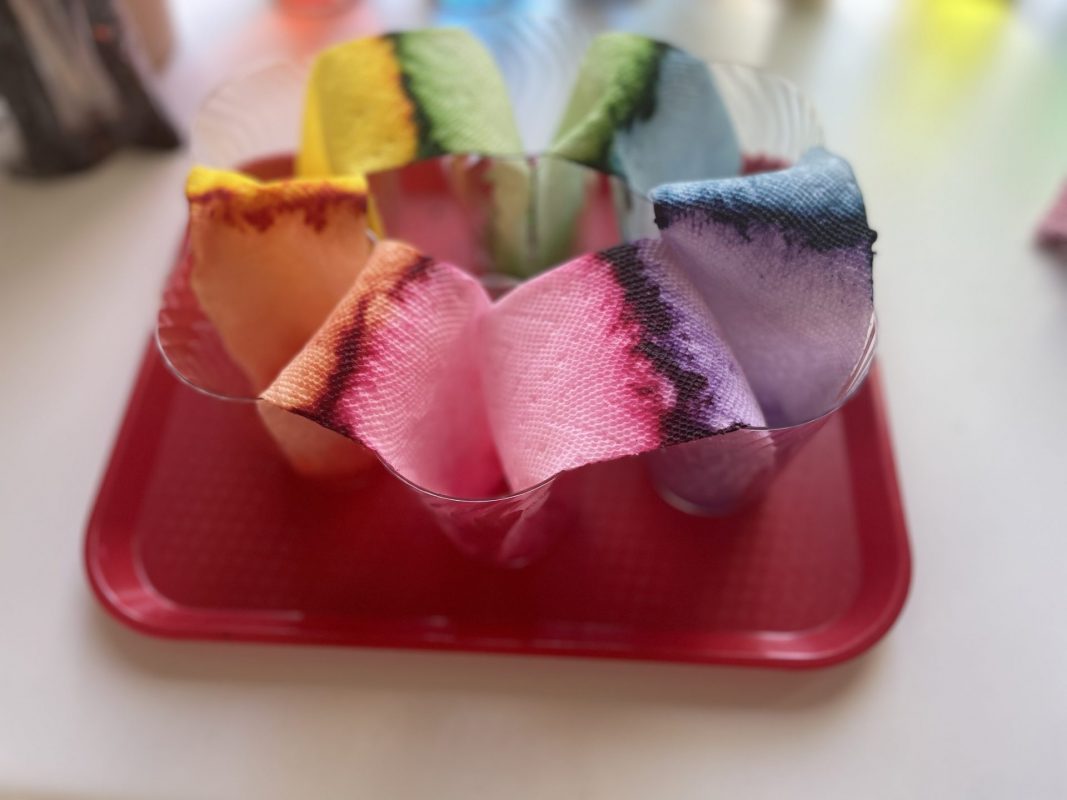
On another note, based on Valentine’s day, children had a blast preparing for our Friendship Celebration! They really enjoyed experimenting with shaving cream and food coloring to create beautiful marbled hearts to decorate their Valentine’s day bags, they practiced their food preparation skills by spreading sunbutter on a delicious apple ring and decorated it freely with sprinkles to create “donuts” and they seemed so joyful sharing their lovely valentines with each of their friends! During circle time that day, we talked about how hugs make our brain happy and it was just so amazing to see how each child chose a friend to offer a hug. We read and reflected on one of the most beloved books from your children lately called: Kindness Makes Us Strong by Sophie Beer and we finished our morning with an epic dance party with heart balloons!

Love was and IS still in the air and we couldn’t be more thankful!

Enjoy the pics,

Mrs. Hood and Ms. Maria


Mrs. Hood: Toileting the Montessori Way!

“Learning to use the toilet is a natural process that begins when your child’s desire to be grown up and his neurological development have reached the point where he can control his bladder and bowels. We don’t train children to use the toilet, we support them when they are ready.” (How to Raise an Amazing Child: The Montessori way to bring up caring confident children, by Tim Seldin)

As children continue to work on their self-caring skills, we want to focus our attention this week on what has become a popular topic (and sometimes a dreaded one) between the parents: “potty training.”

In our Montessori environment we call it “toilet learning” since we believe that using the toilet is a very natural and gradual process that develops at the child’s pace, rather than when the adult decides the child is going to be toilet ‘trained.’ In our experience as Montessorians, we have witnessed toddlers as early as 20 months to as late as closer to three years old master these skills. Also, we have observed that apart from the developmental stage the child is in, one of the main factors for success relies on the parent’s commitment early on to support this process at home by making their child an active participant in the diaper changing process as we do in our environment.

You might be asking yourself: “But how do we do this?” “How can we support our child at home?”

As this topic can be extensive due to the fact that this type of support can start even when your child is a young baby, we are going to leave you here with some important tips focused on your specific toddlers and their stage of development:

  1. Ditch the changing table and start changing your child in the bathroom area. This is important as it sends a clear message to the child that this is where we go to be changed and use the toilet.
  2. Prepare the environment. You may use a potty to start if you feel your child needs some more balance or you may add a toilet seat to your regular toilet. If using the latter, please find a stable stool where your child will feel secure and encouraged to use the toilet. Add a basket with clean diapers and wipes and also a basket with books, so children are encouraged to sit on the toilet and wait when needed. If your child is showing signs of readiness, a basket of clean training underwear and a basket for wet underwear should be part of this area.
  3. Incorporate CONSISTENT toileting into your child’s routine. Offer the potty/toilet at times when the child normally urinates or has bowel movements (Ex. after waking up, before going outside, after coming in from outside, after lunch/before nap etc.)
  4. Say “It’s time to use the toilet,” rather than “Do you want to go to the toilet?” (The answer will usually be no.) As the child becomes more aware of their body they will be able to tell you, “No, I don’t need to go.” You can then say something like, “Of course, I know you will tell me if you need any help when you need to go.” You can also use an alarm clock set at regular intervals to remind them to go, “The clock says it’s time to use the toilet.”
  5. Never force a child to use the toilet or potty.
  6. Do not interrupt the child to use the toilet—for example, wait until they have finished their puzzle, etc. before offering the toilet.
  7. Focus on encouraging your child to be active part of the process by asking them to push their pants down, open the tabs of their own diaper, recognize if they have had a bowel movement or not (we always ask this as to teach the children that if they have had a bowel movement, they will need our support to remove the diaper), wipe (when having a bowel movement we provide a small stool where they can turn around and put their hands on it for stabilization and the adult will clean them), place diaper in the trash, pull their own pants up after receiving a new diaper and wash/dry hands. This is a daily routine in our environment. As soon as you incorporate this at home, we believe your child will increase their interest and signs of readiness will become more obvious.
  8. Provide clothing that supports the process. Avoid zippers, buttons, tight clothing, dresses, onesies, jeans, overalls, rompers, etc.

Reminder: Please avoid this type of clothing on your child for school as well.
When should my child transition into wearing underwear?

When your child is staying dry for long periods, telling you when they are wet or soiled and they are having consistent success using the toilet at home and at school, it may be time to transition into underwear. The thick, quilted training pants work best as they allow the child to feel the wetness, and are more absorbent than the thinner cotton underwear. When circumstances allow, you may let the child go bare-bottom at home. This can help them see and understand what is happening. Please be aware that toddlers usually show signs of readiness at home first and as they become more confident in the process, the transition into school life usually is peaceful and successful.
Communication between home and school is vital in this process. Please always reach out with any questions you may have! We will be more than glad to assist you!
We can’t wait to share more information about this, related to your specific toddler in our parent-teacher conference next Thursday, February 17th.

Enjoy some of the pictures of your busy bees this week!

Have a great weekend,

Mrs. Hood and Ms. Maria 

“There should be no pressure, no reward or punishment, no adult deciding when the child should learn to use the potty. The environment is prepared and the child is free to explore and imitate in these natural developmental stages.” (The Joyful Child)


Mrs. Wilson: Literacy, Beyond The Books


For the past month we have been reading Polar Bear Polar Bear, What Do You Hear by Eric Carle.
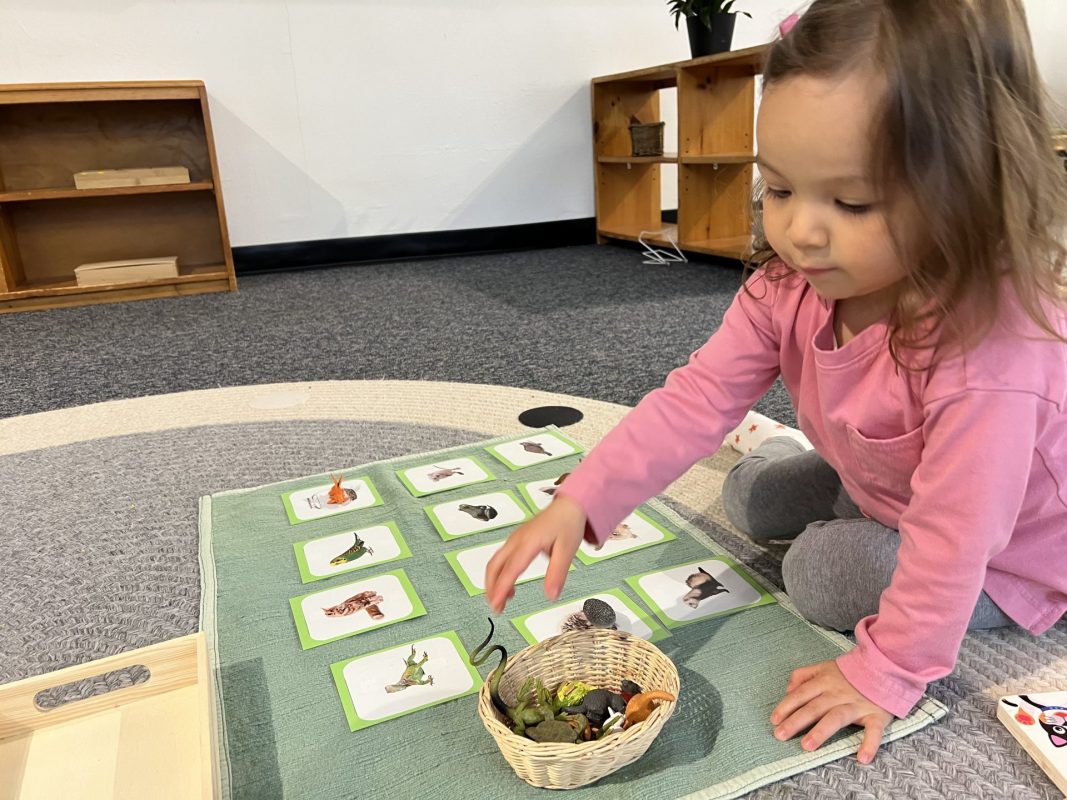
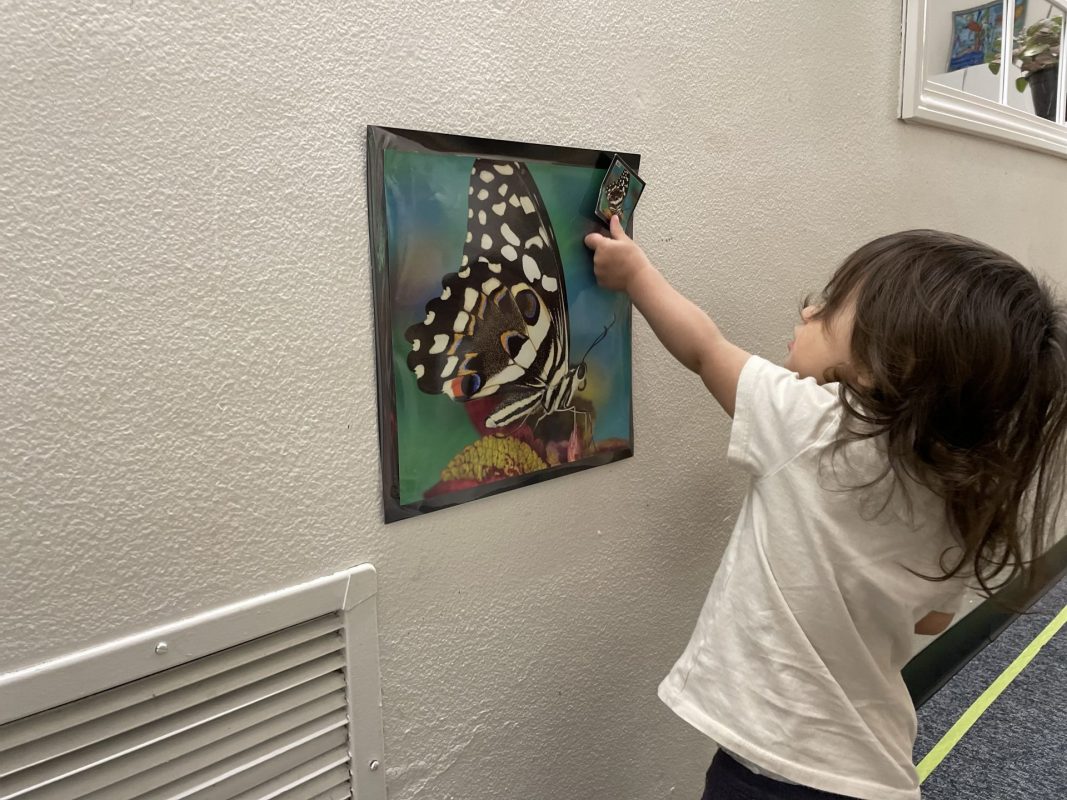
This is a great book for children due to the repetitive language used. The children start to memorize the story and will start to recite the words back. This week I have taken this book beyond a storytime favorite and created a work that the children will be free to use starting next week. I created laminated images to match the animals and the zookeeper in the book. The children can use these images to recite the story, to match the animals on each page, or to create their own version of Polar Bear, Polar Bear What Do You Hear.

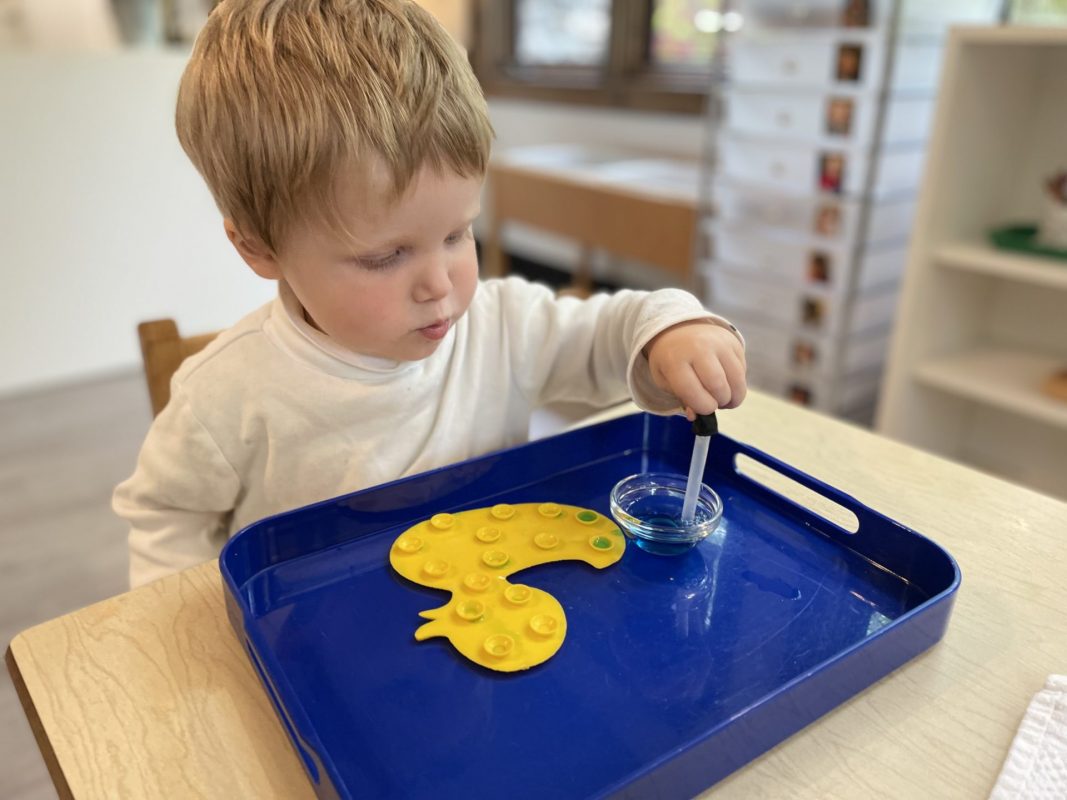
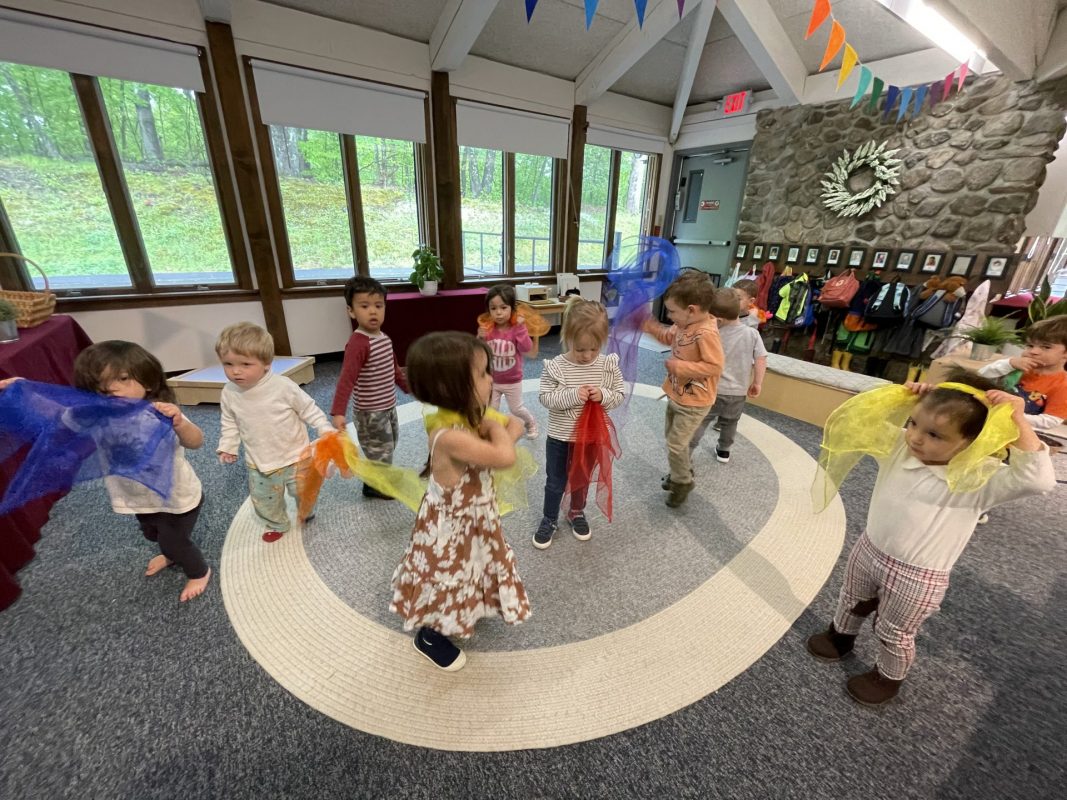
Along with this, we have been practicing listening and following directions with music, rhythm sticks, and egg shakers. These types of song activities help the children follow directions, develop hand-eye coordination, and enhance language skills. These exercises will provide the children with the tools they will need for reading readiness down the line.

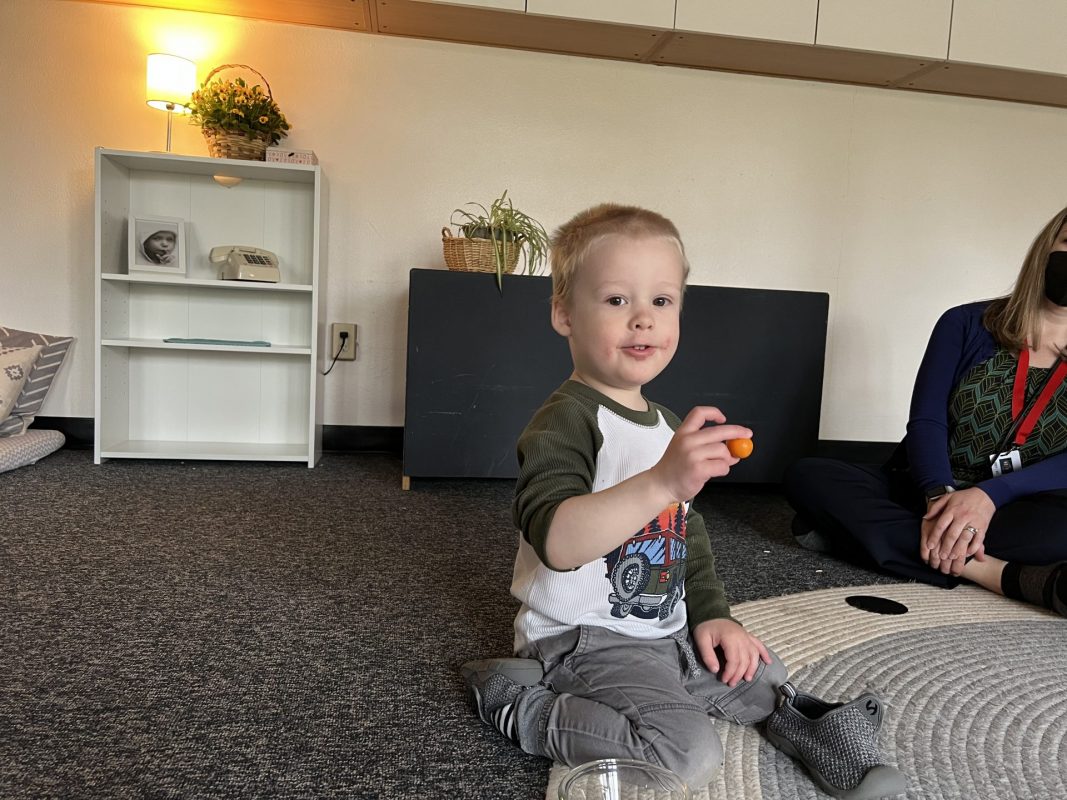
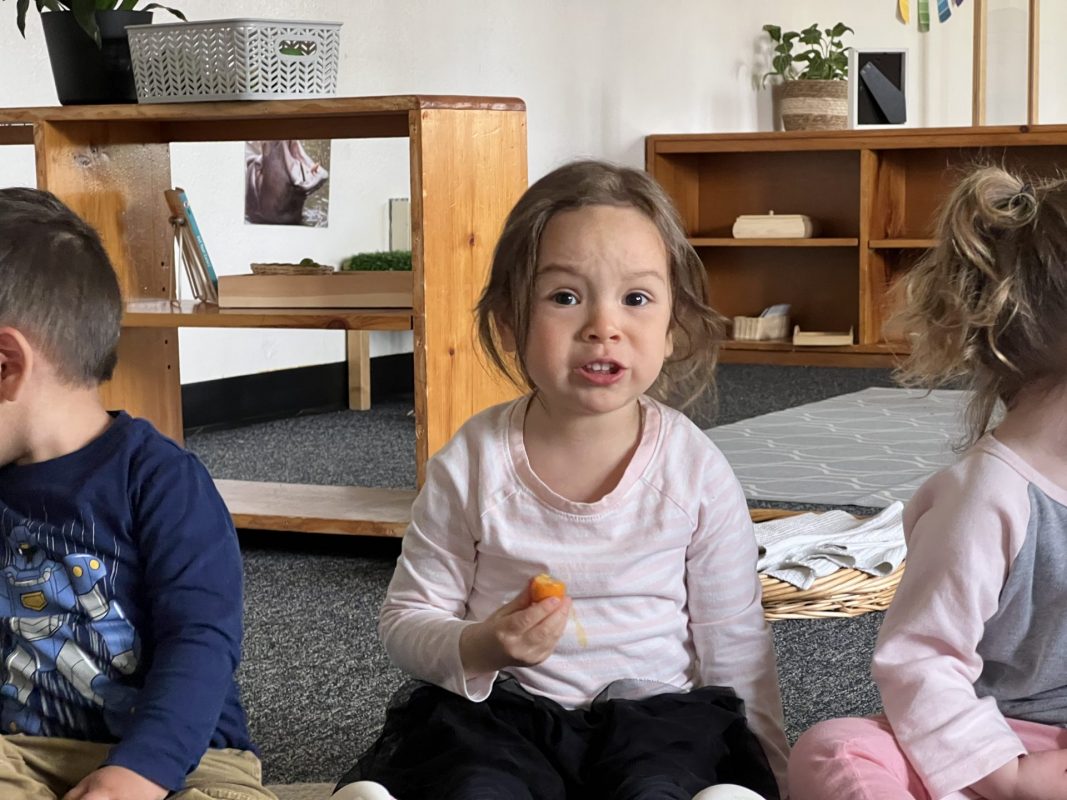
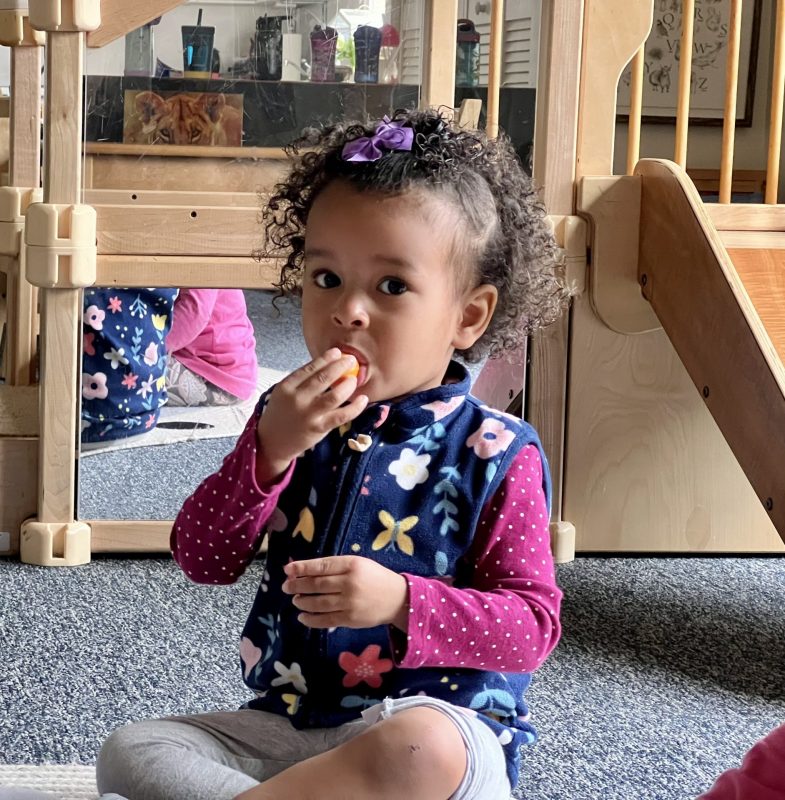
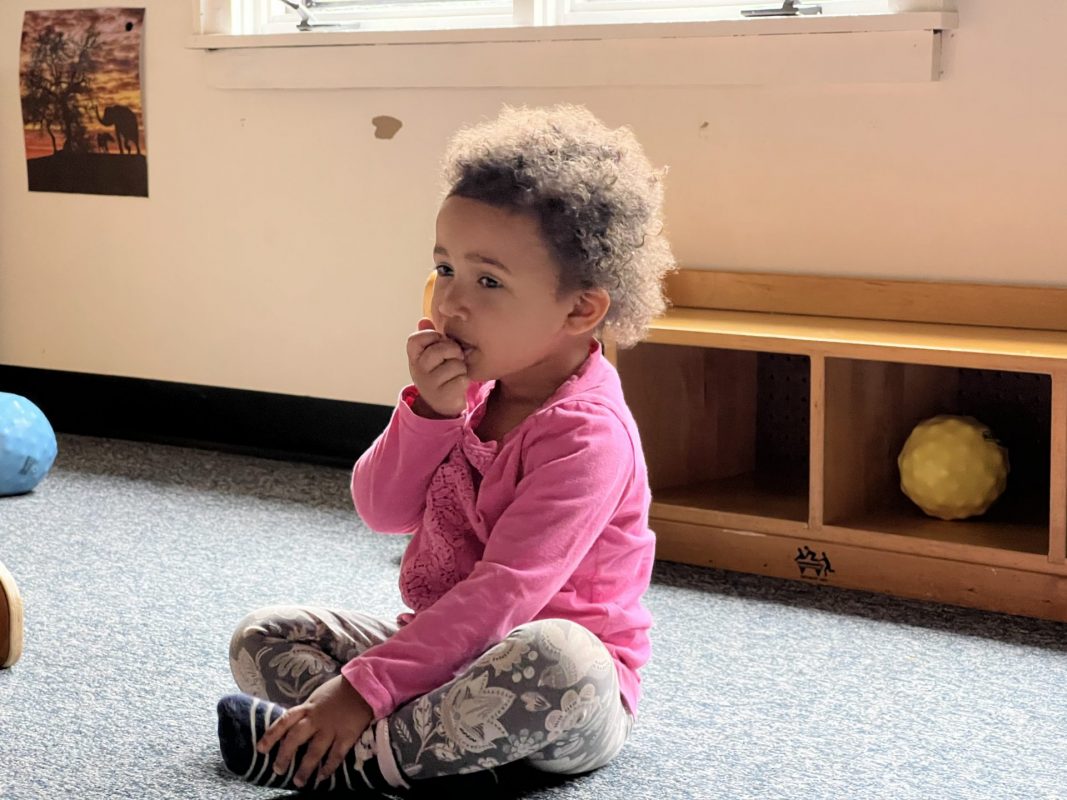
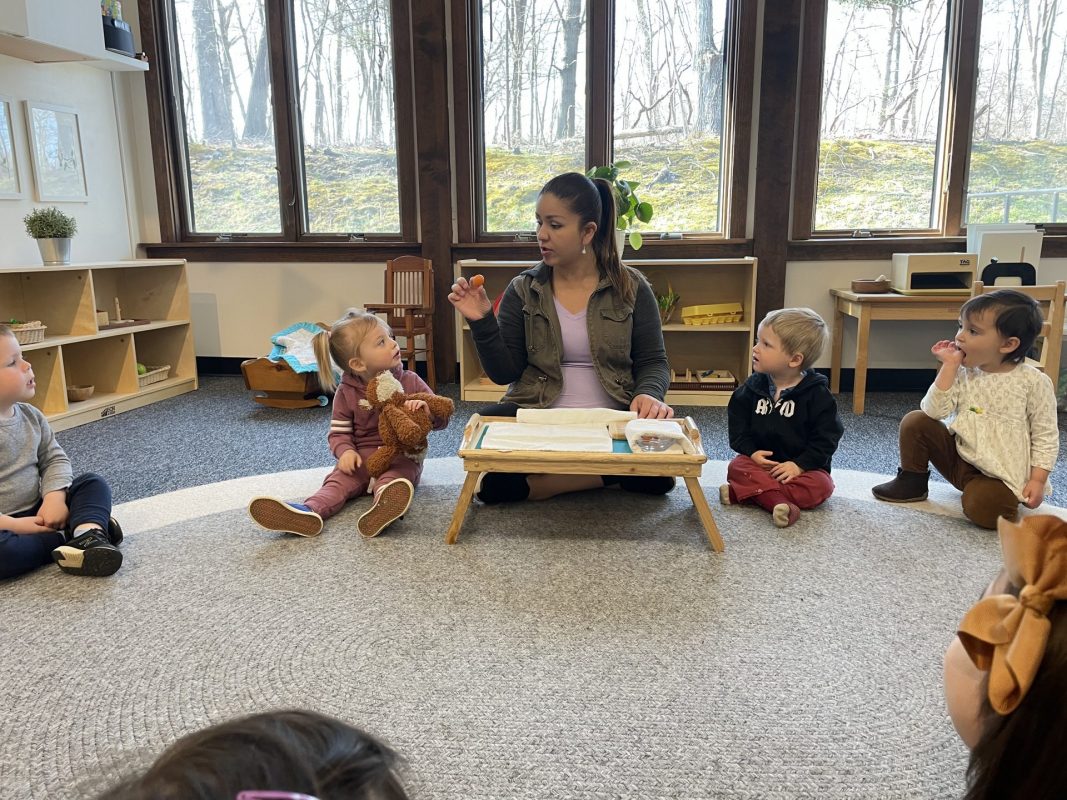
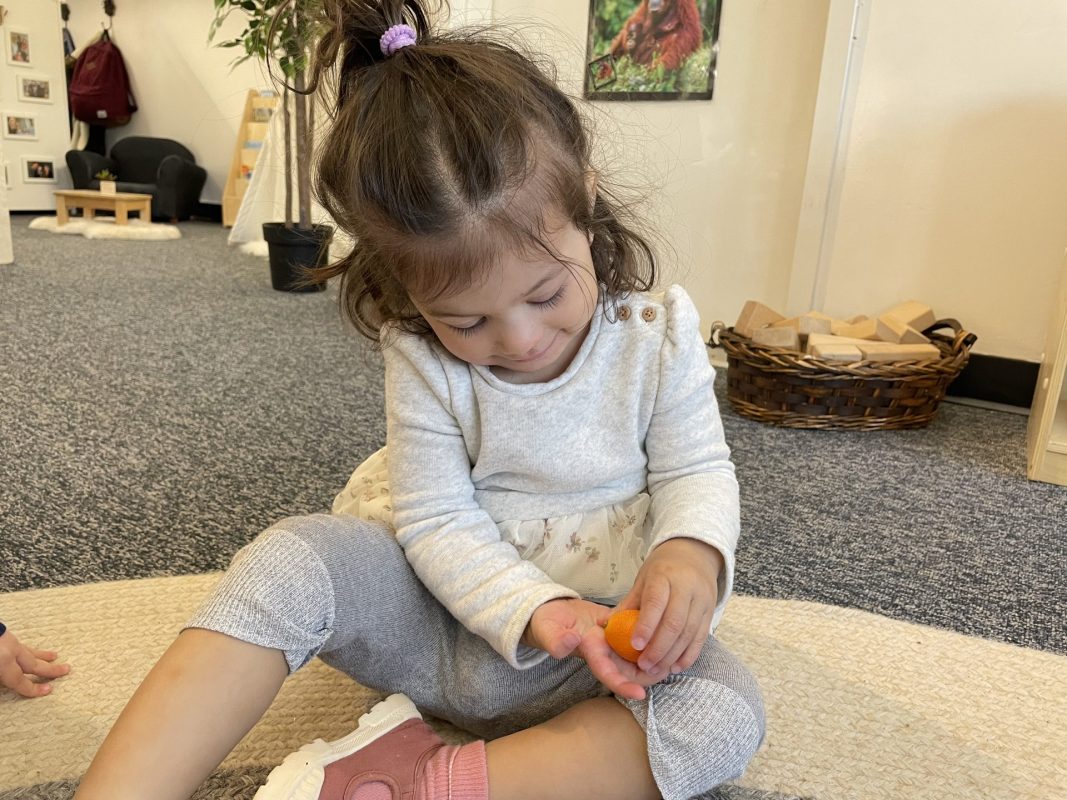
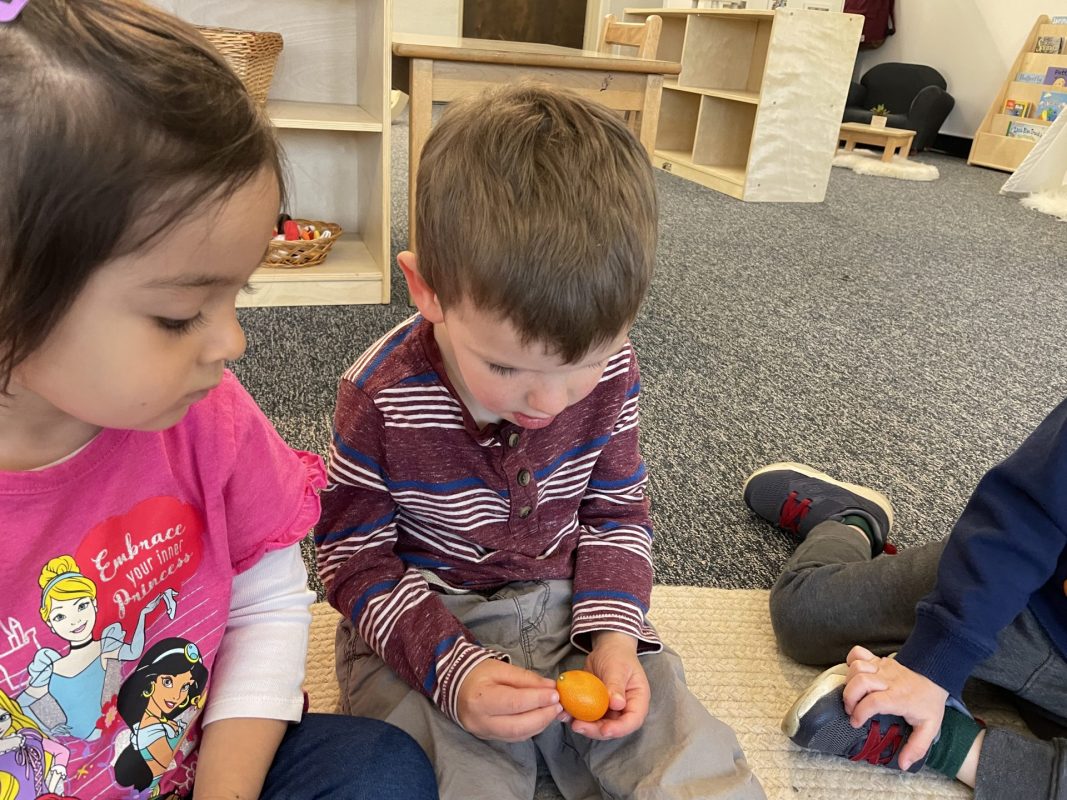
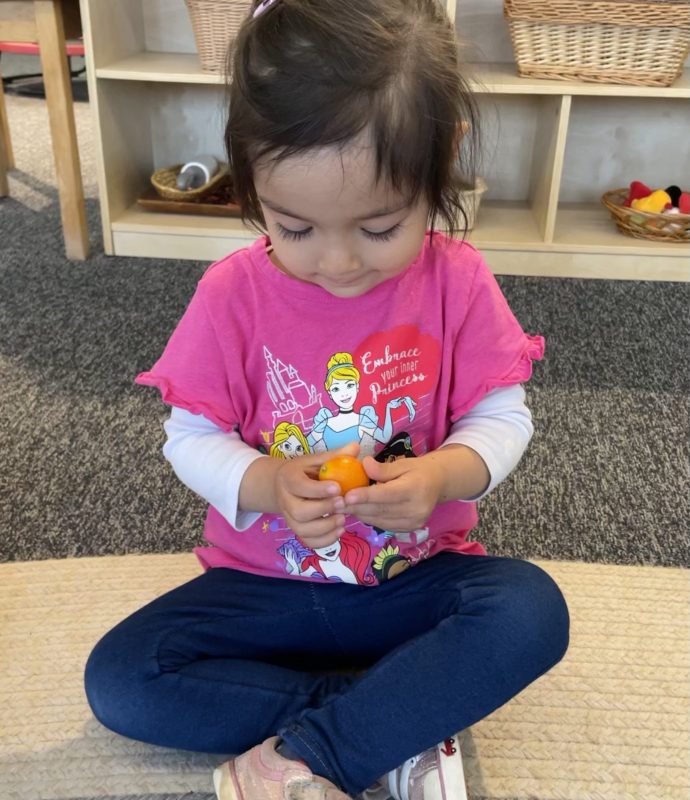
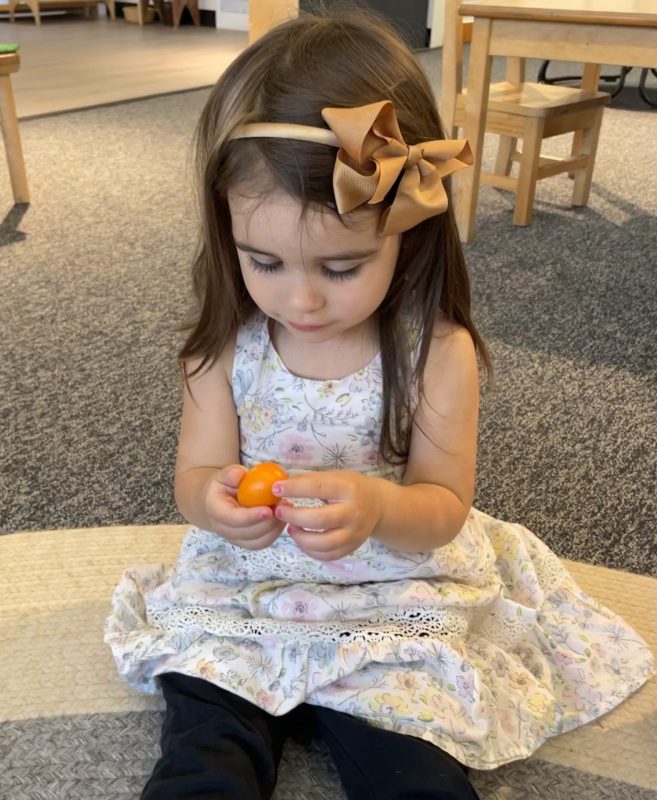
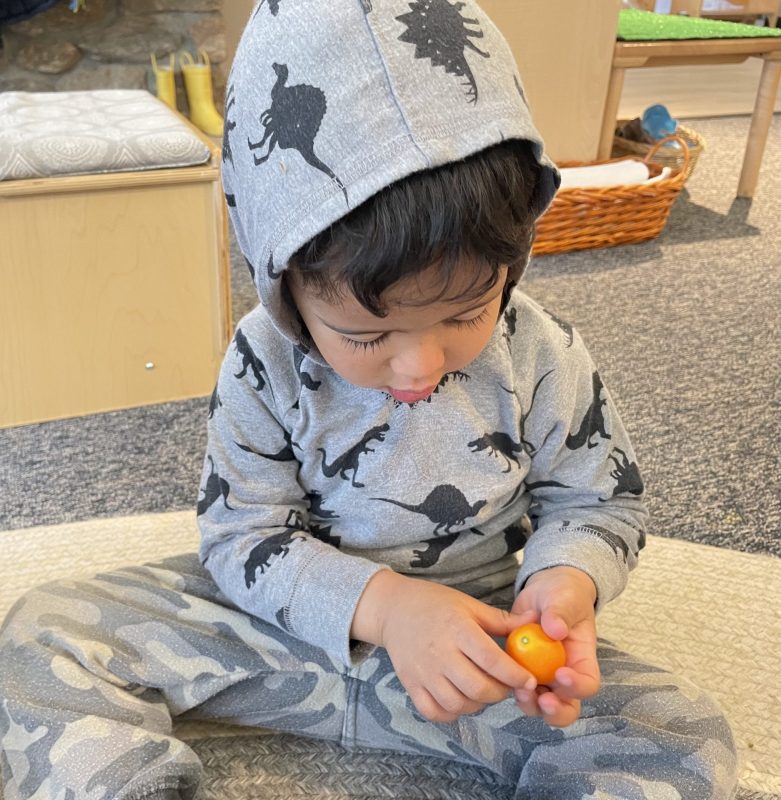
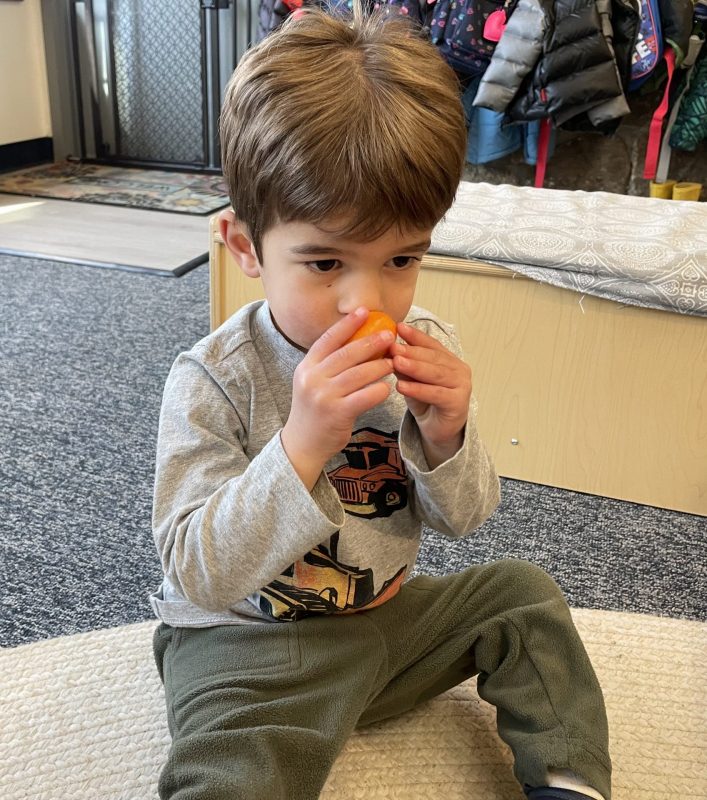
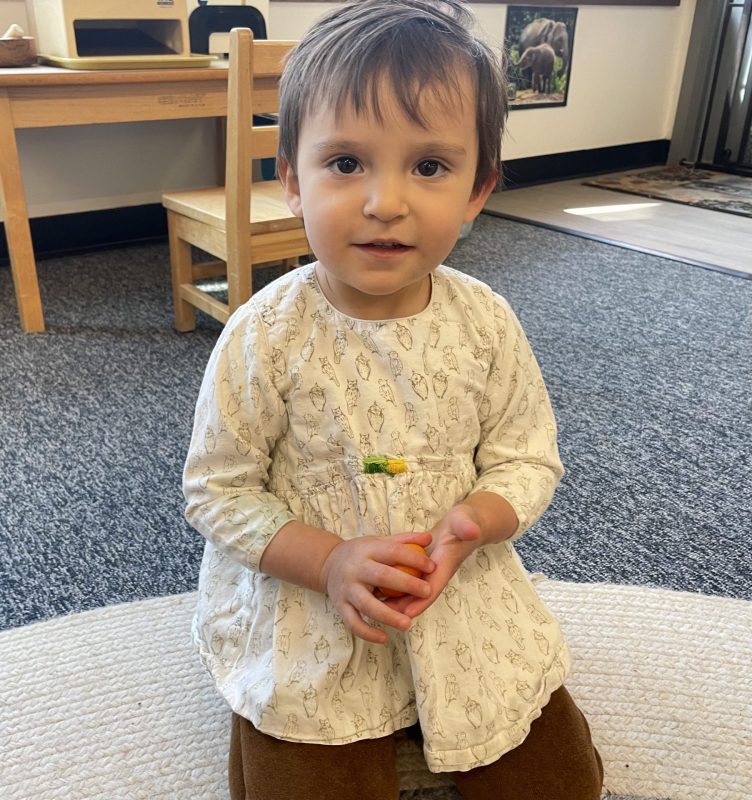
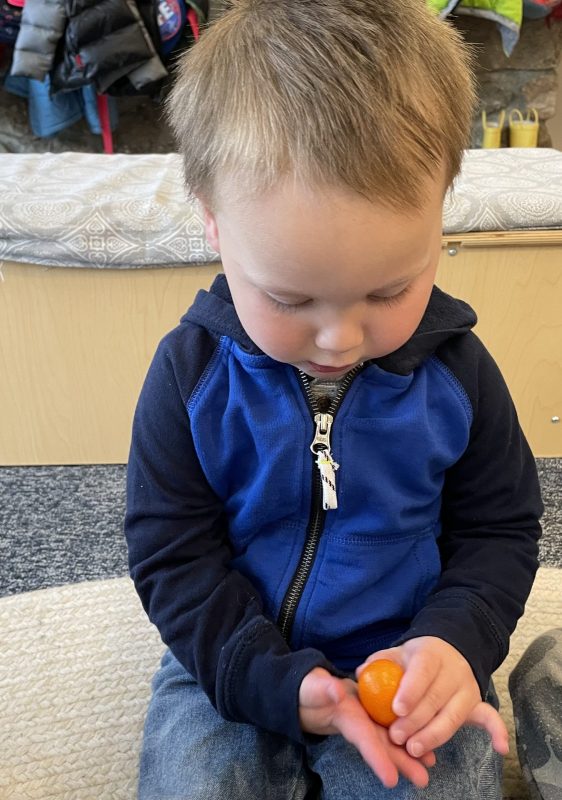
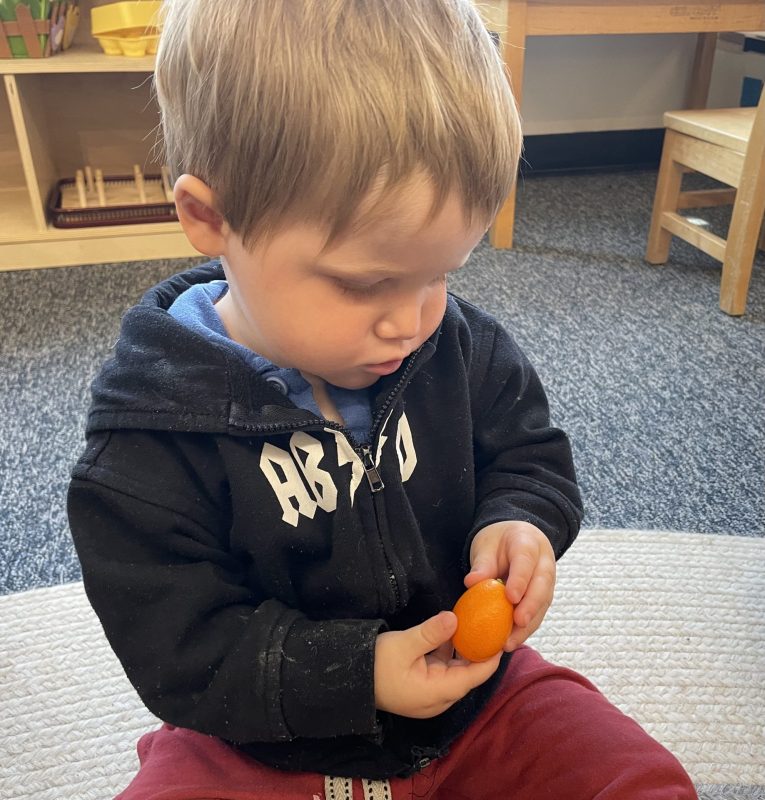
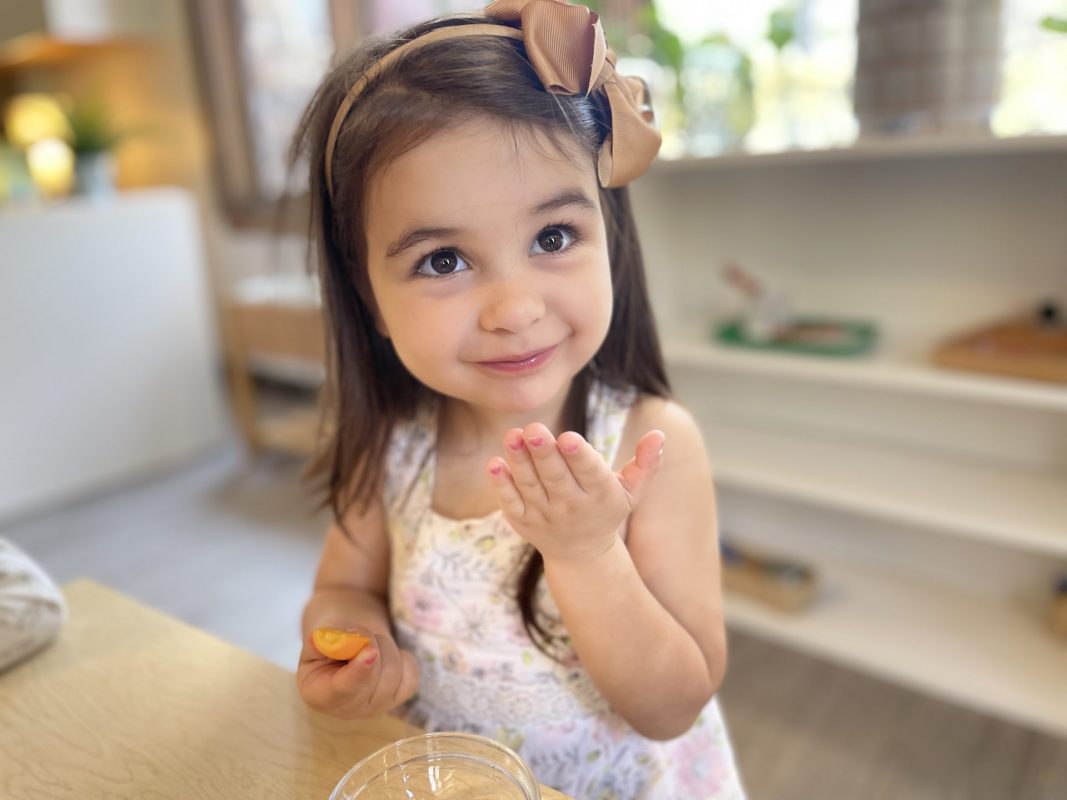
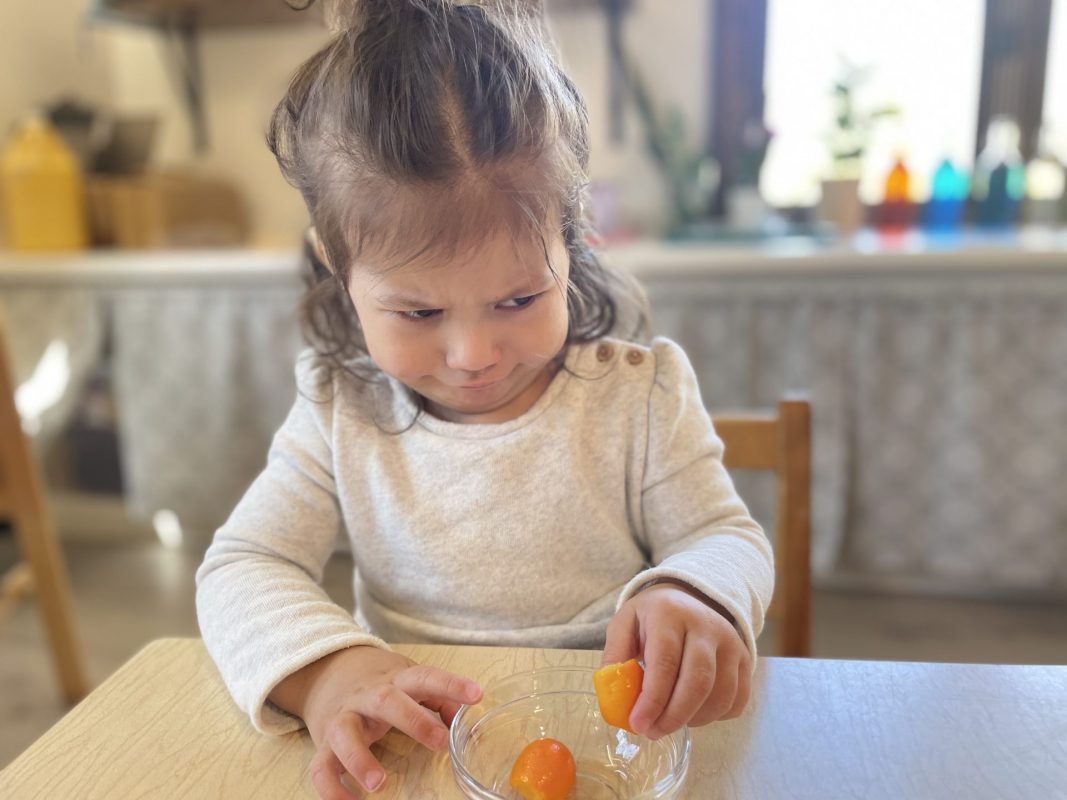
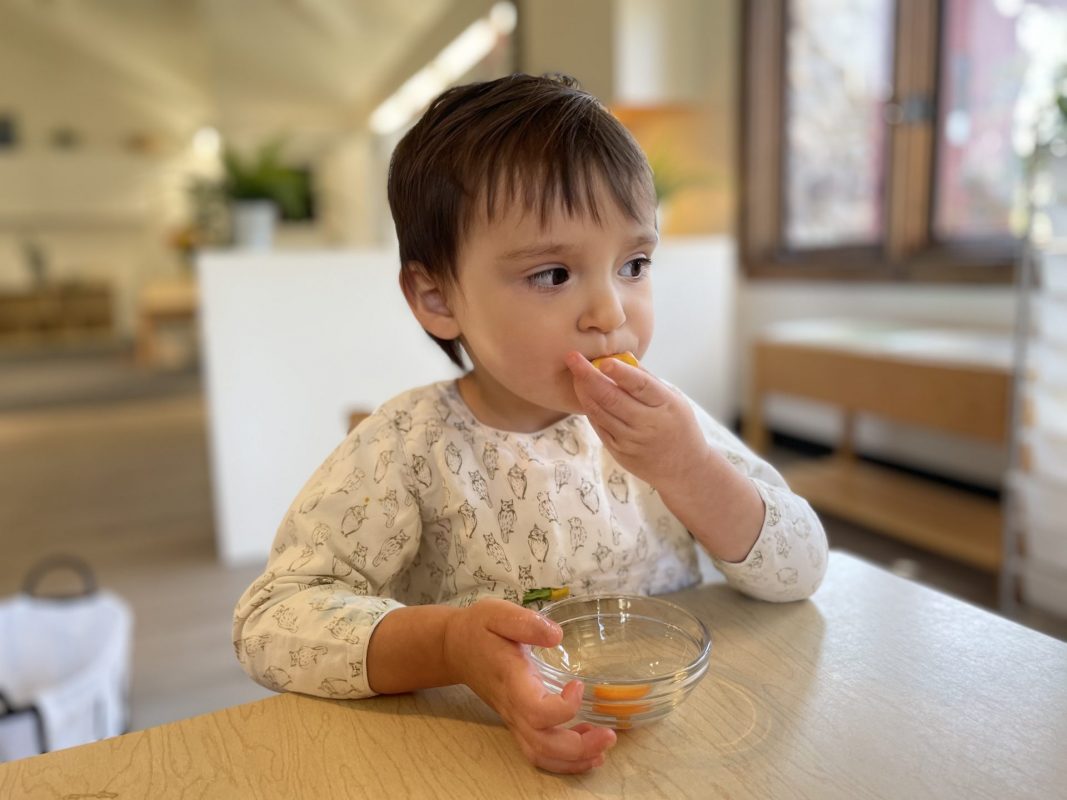
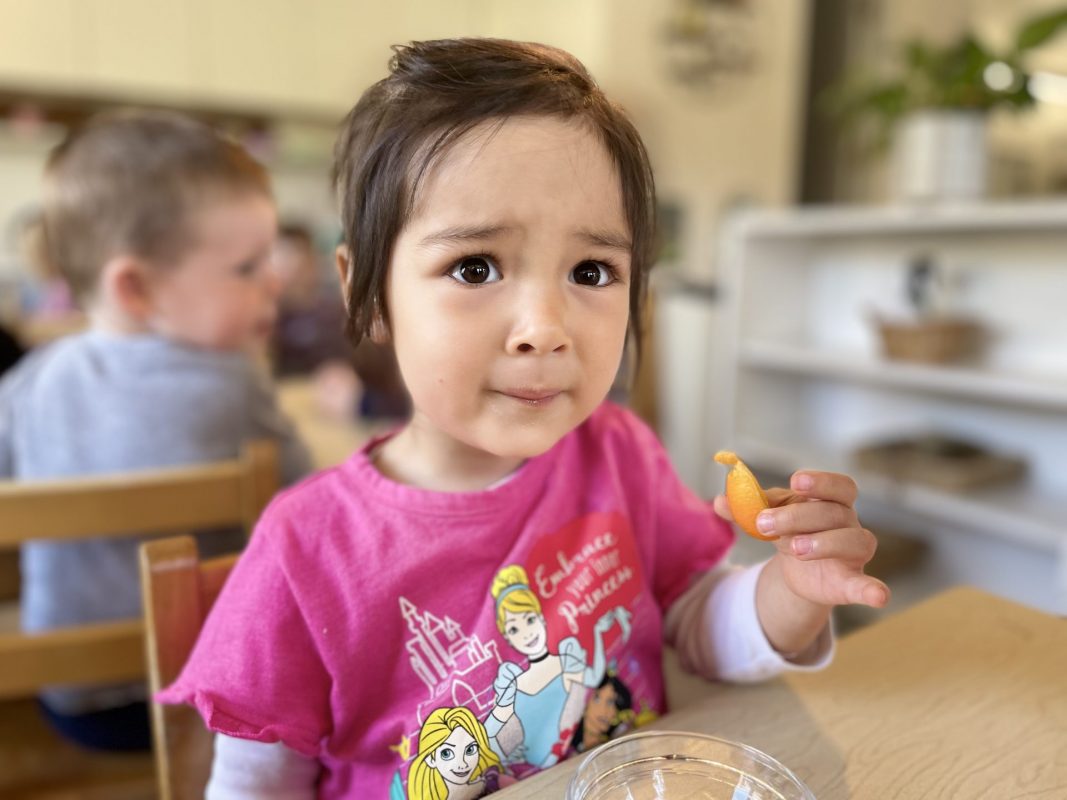
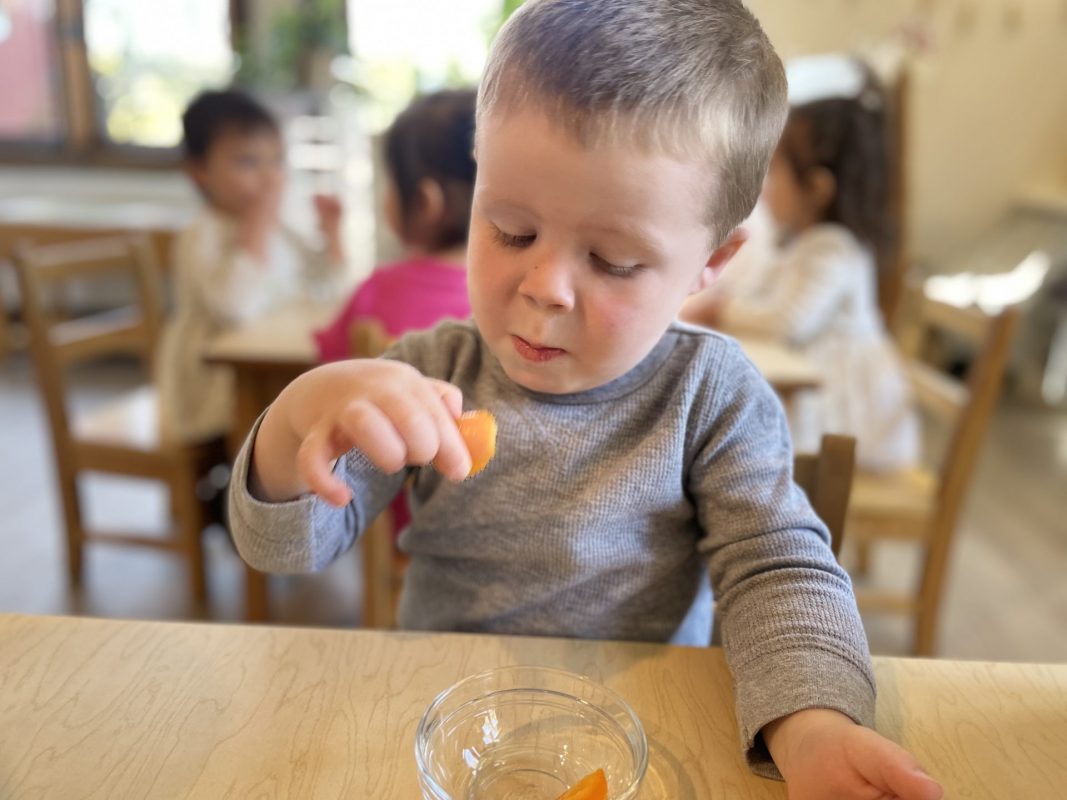
Food tasting was a clementine. Although most children have already tasted clementine, we took this opportunity to create a food prep activity. I demonstrated how to peel and separate the segments. The children all received their own to practice with.
Fun Fact: Clementines have ten segments.


Mrs. Wilson: Love Is In the Air

With February now here, we took away all winter-themed materials and replaced them with Valentine-themed materials. The “refinement of the hands” shelves have materials in the colors red and pink, heart-shapes, and Xs & Os. The sensory bin is filled with lots of heart sponges and strawberries for scooping, pouring, and squishing.

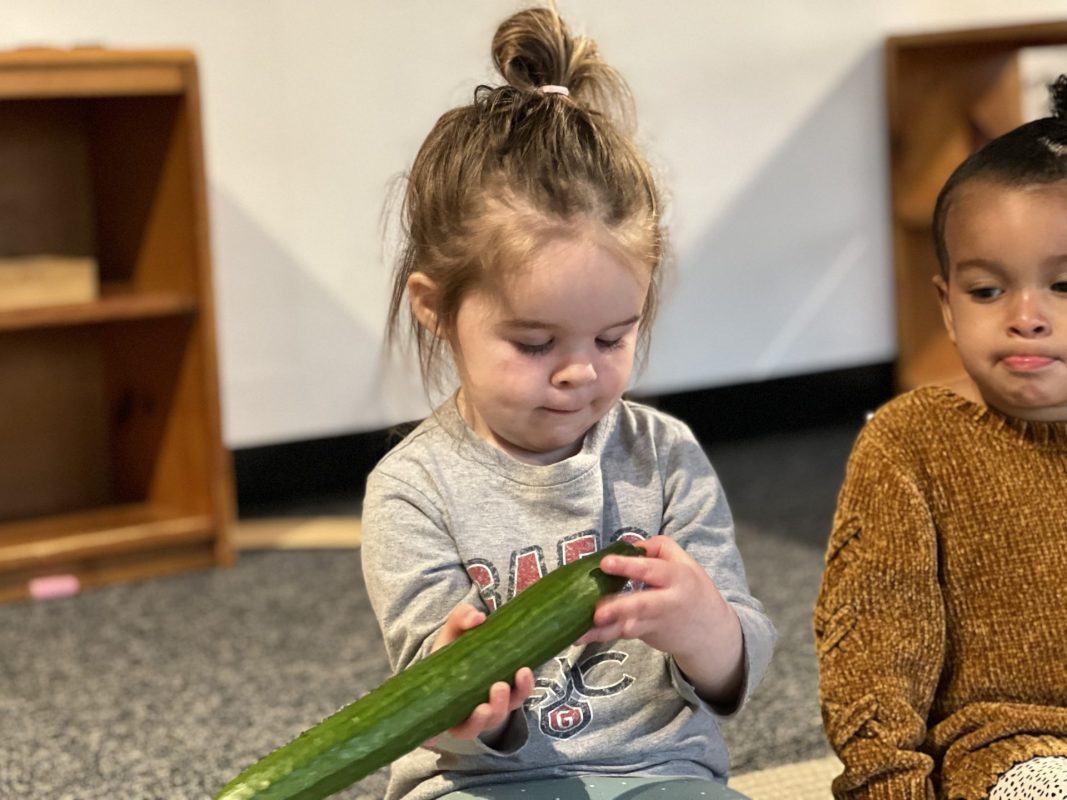
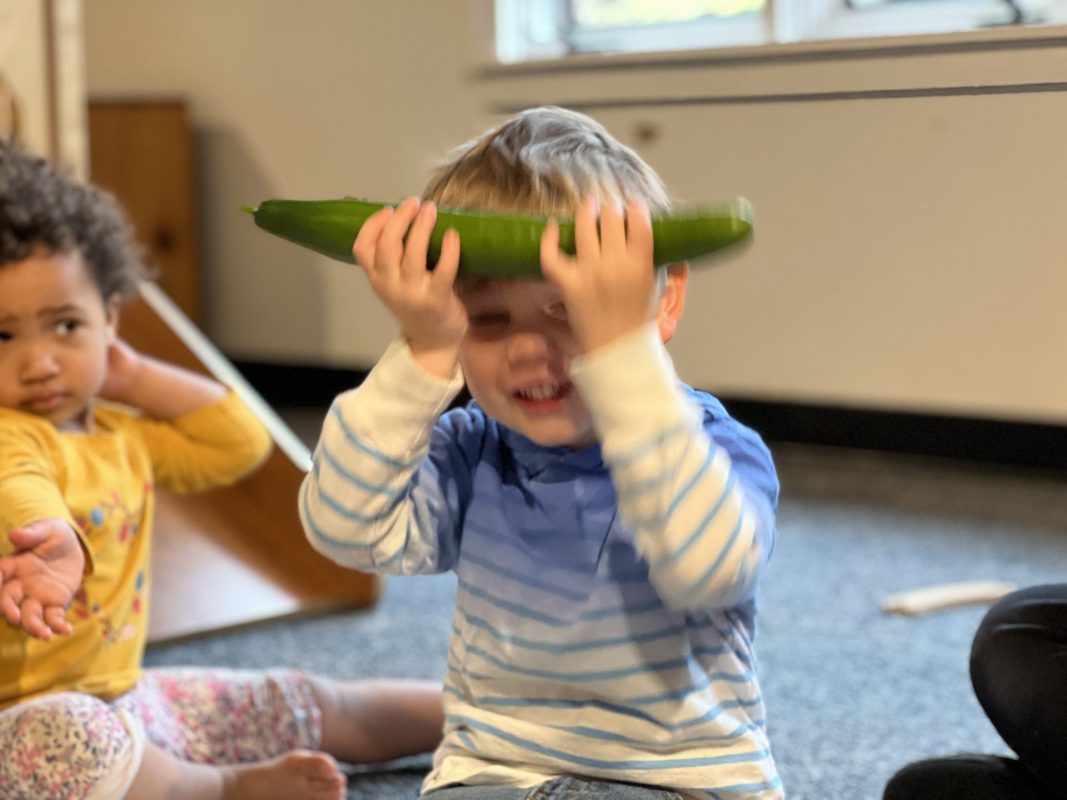
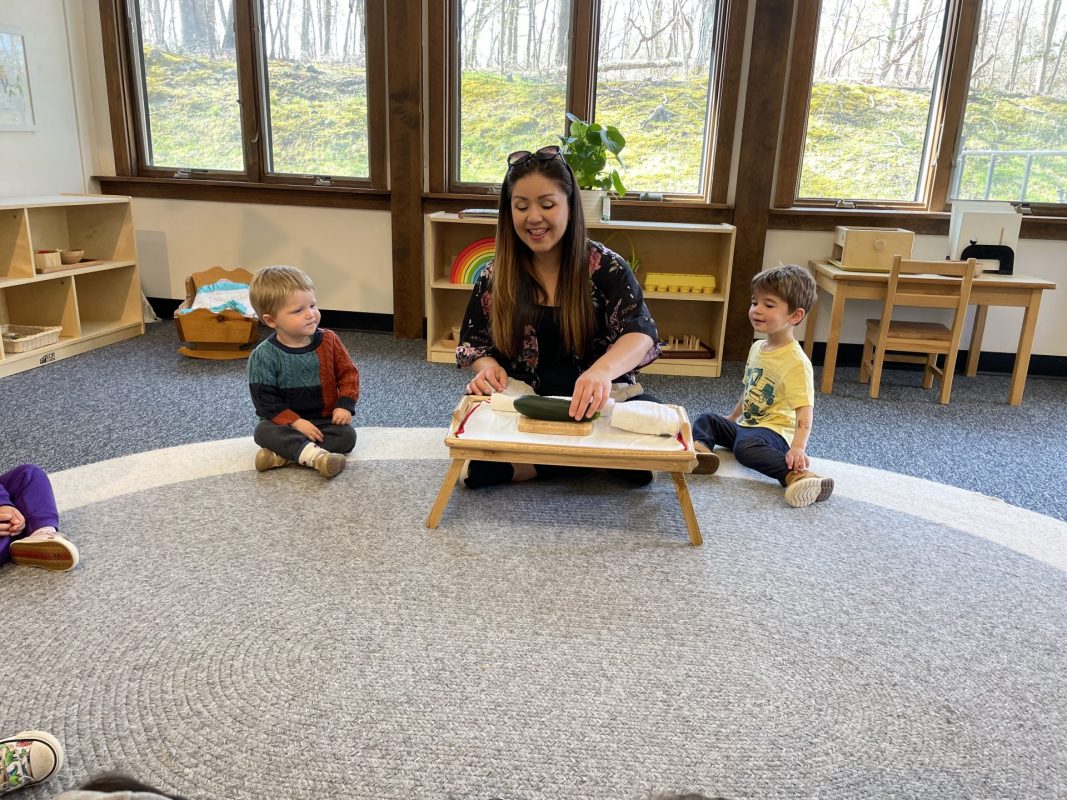
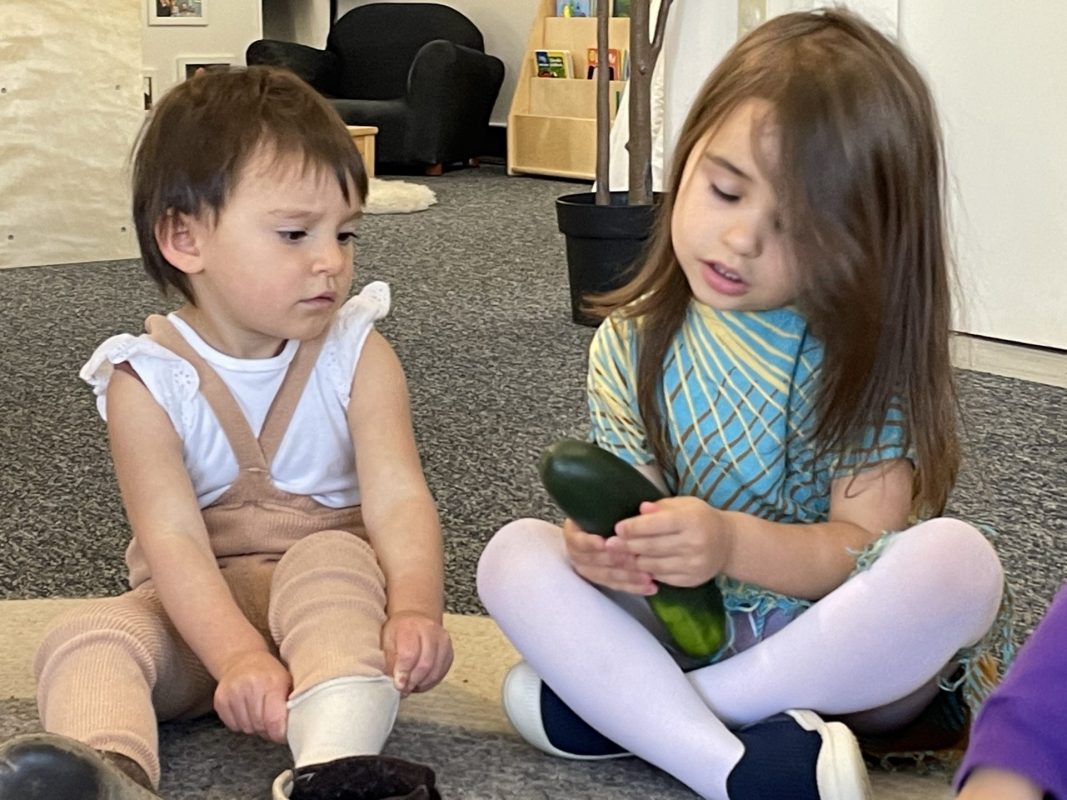
Food tasting this week was a parsnip. The children recognized its shape and called it a carrot. We talked about how it looks like and grows like a carrot but it is not a carrot. We described the parsnip on how it feels, its weight, smell, color, and how it is thick on one end and thin on the other. We tasted the parsnip two different ways, boiled and air fried with olive oil and salt. Can you guess which version was preferred? Add some air-fried parsnip to your menu!

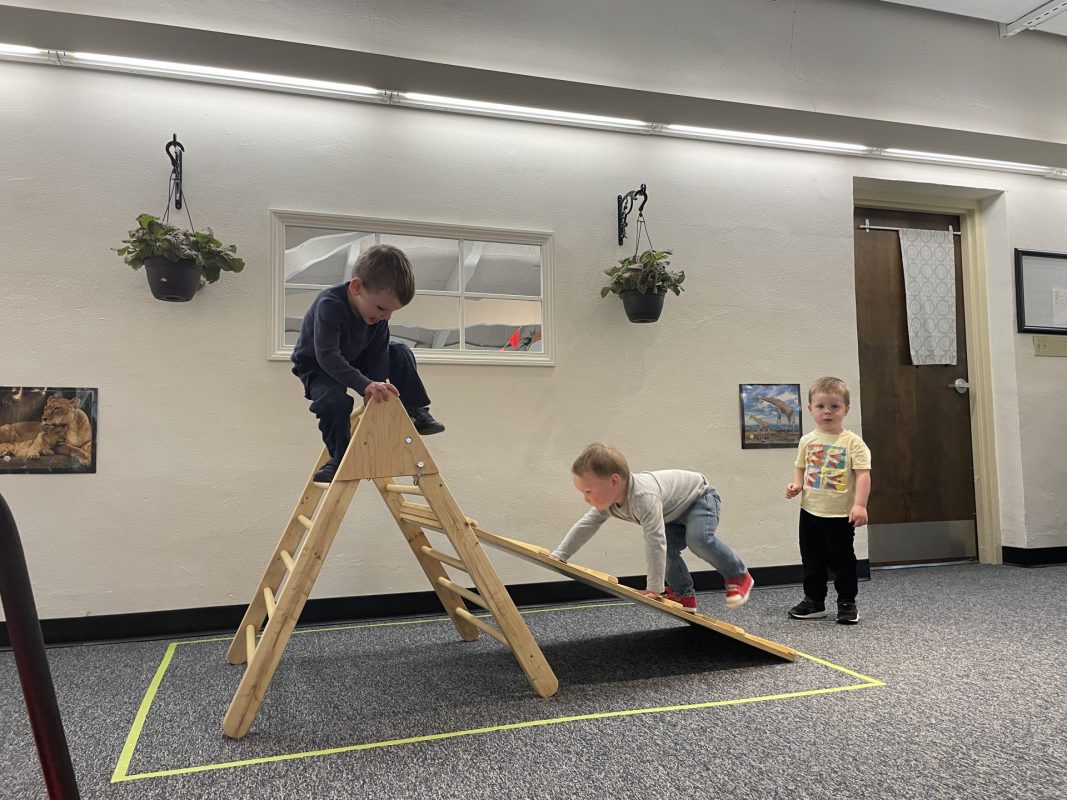
On Wednesday we gathered all the children into their snow gear and headed outside. Finally! The temp was perfect to spend a half-hour in the fresh air. The teachers and children had fun playing in the snow, having a REAL snowball fight. There were lots of smiling faces and laughter coming from the adults and children as we chased each other in the snow.

Mrs. Wilson


Mrs. Hood: Process vs. Product

“The human hand allows the mind to reveal itself.” – Maria Montessori

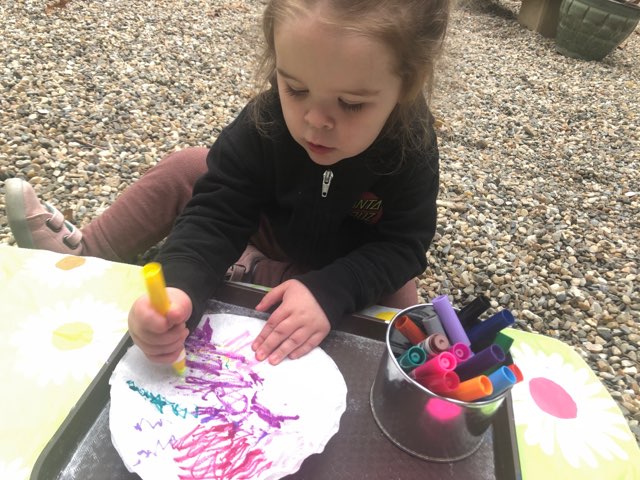
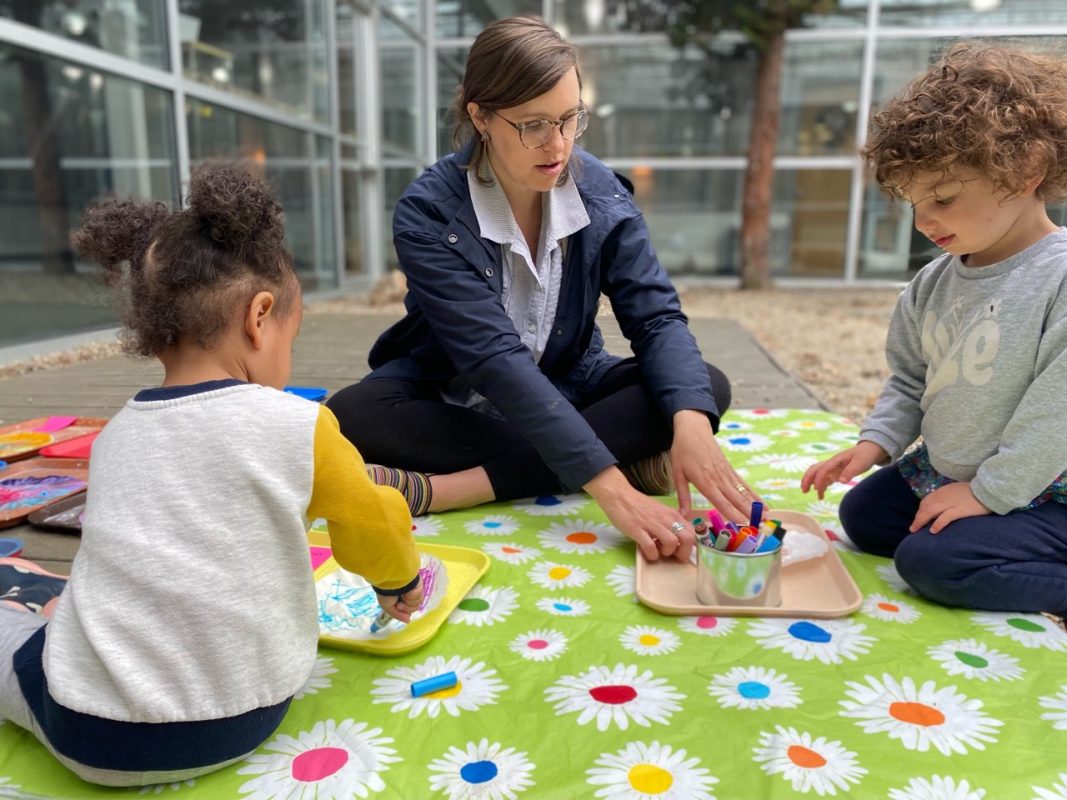
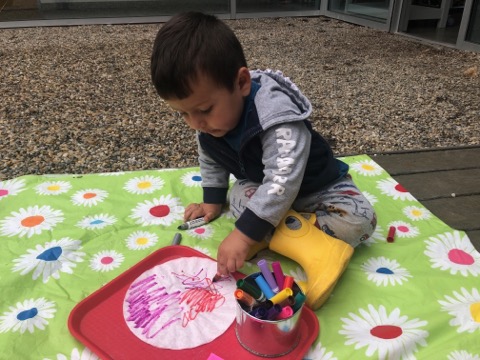
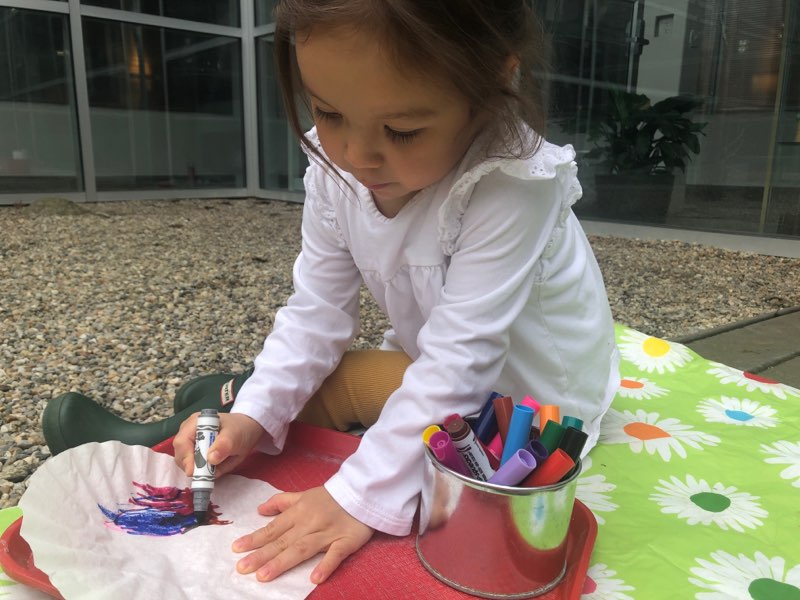
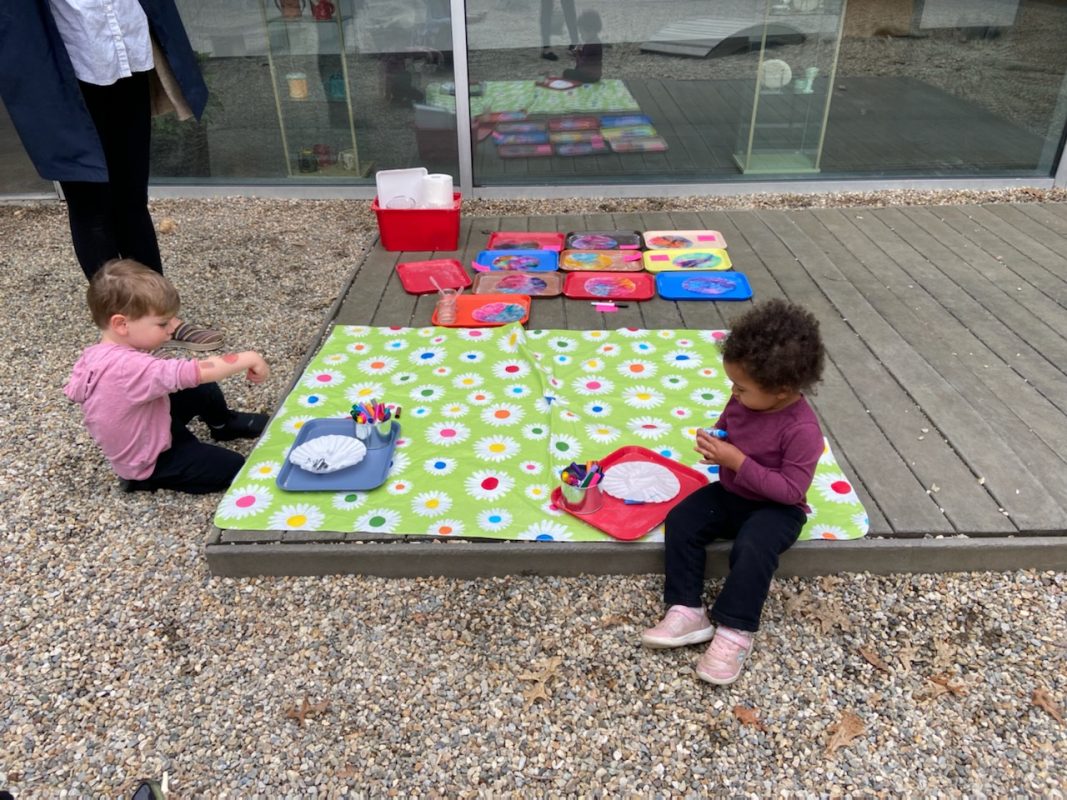
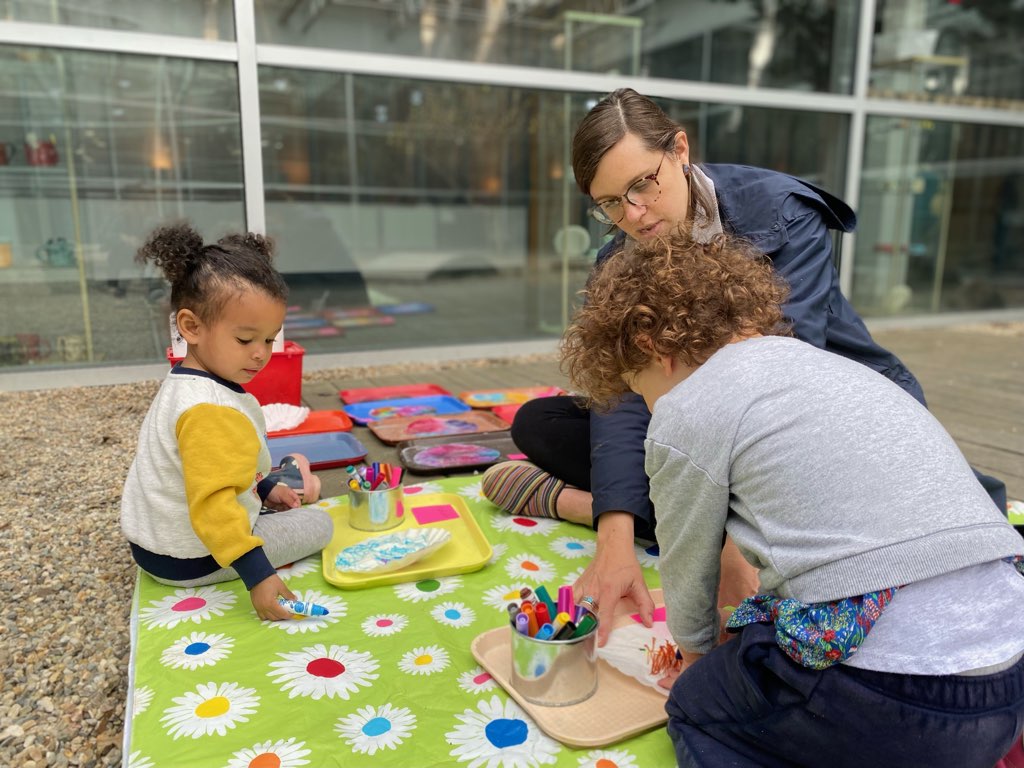
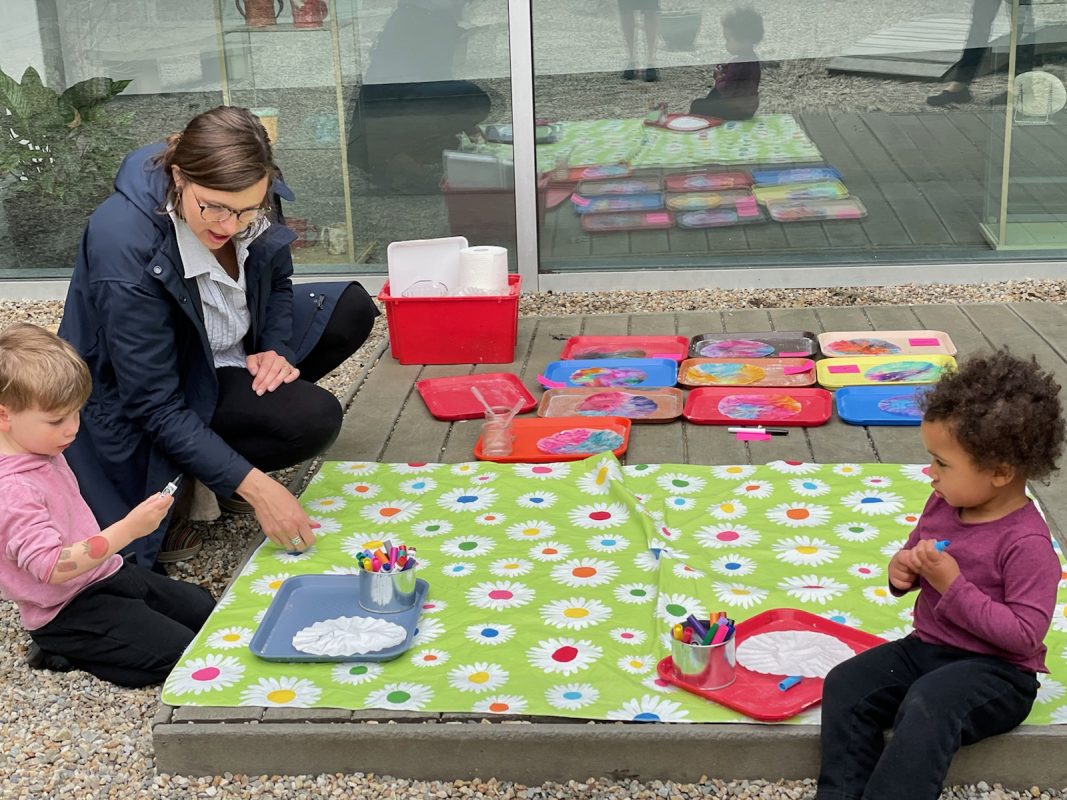
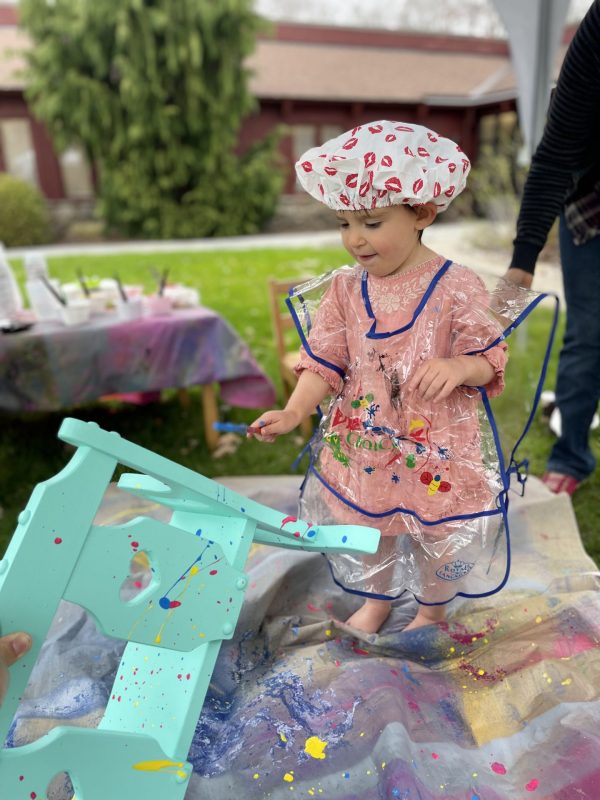
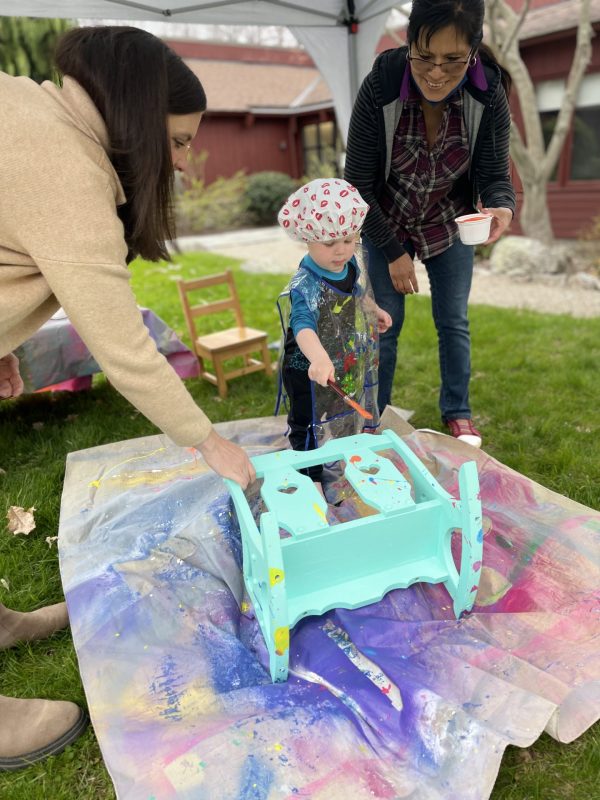
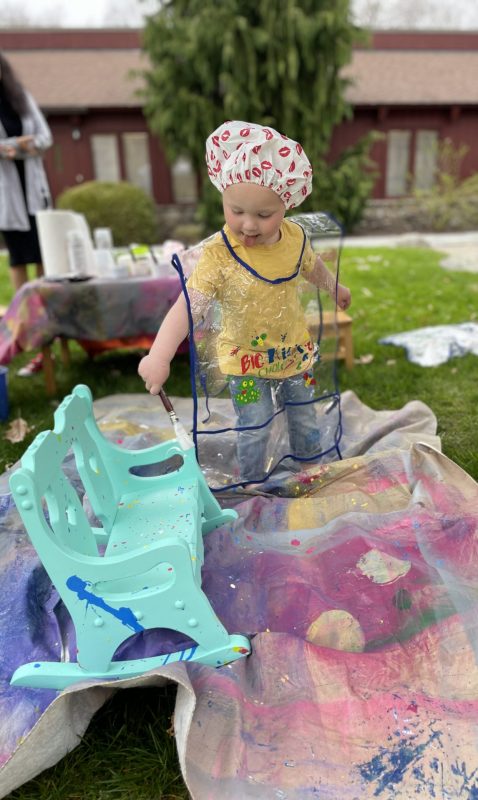
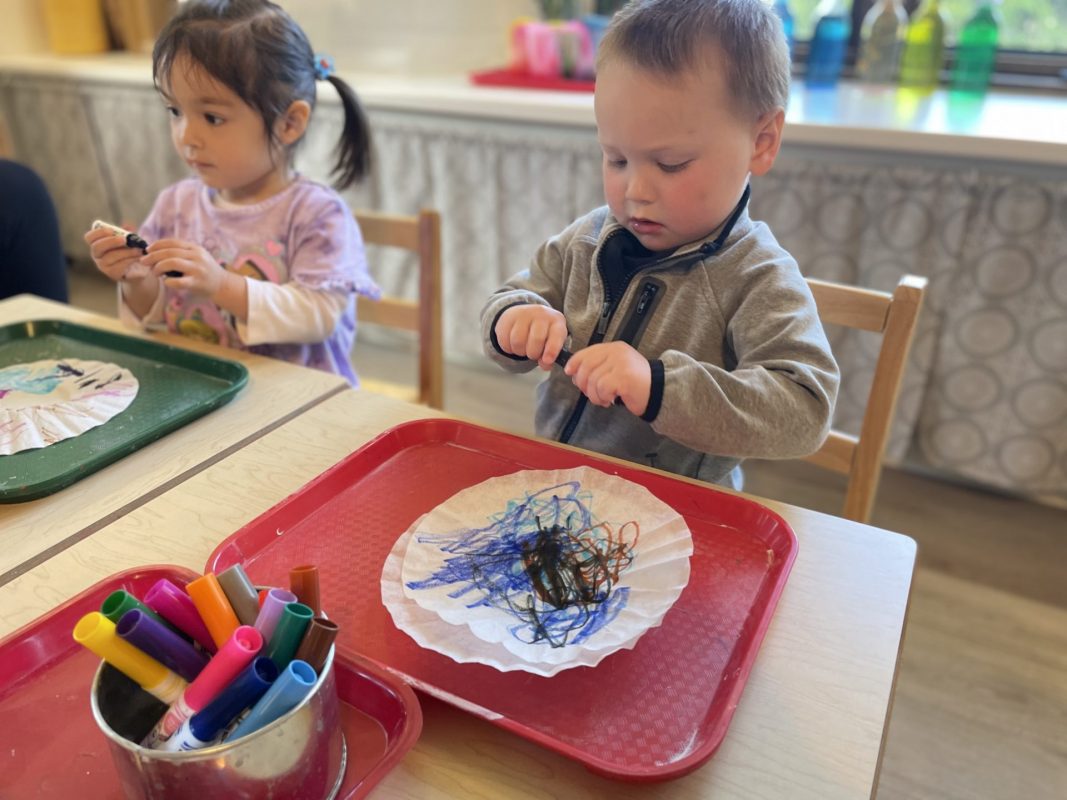
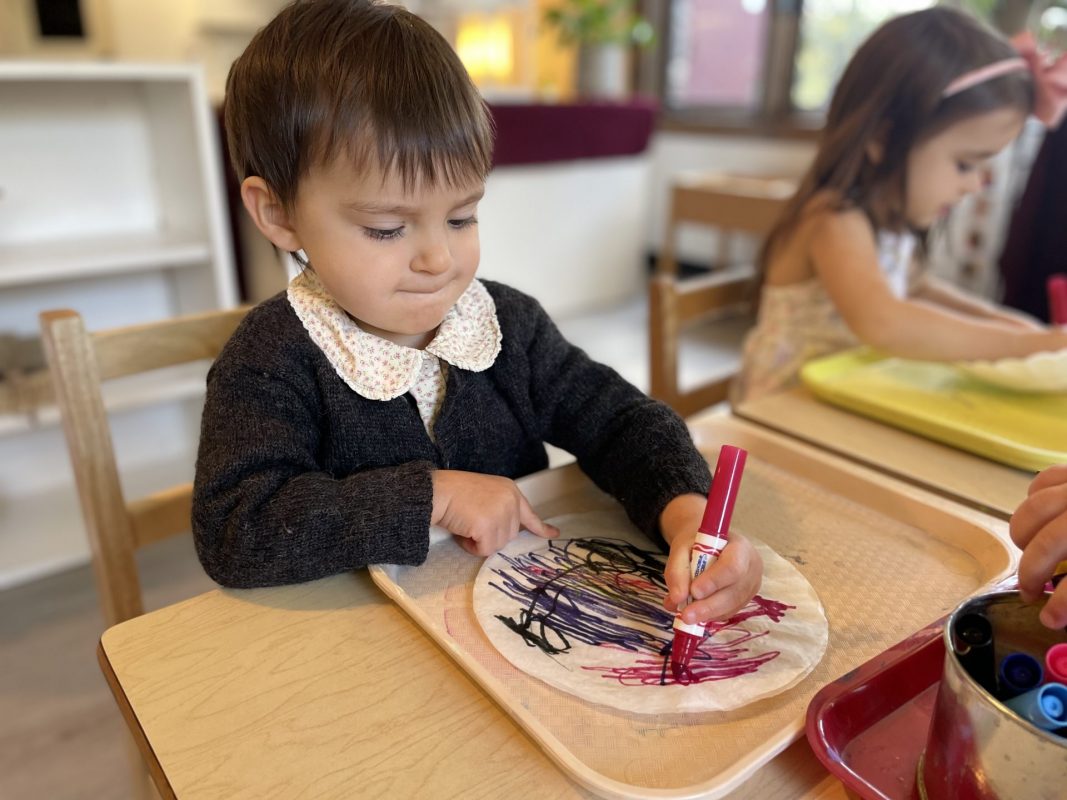
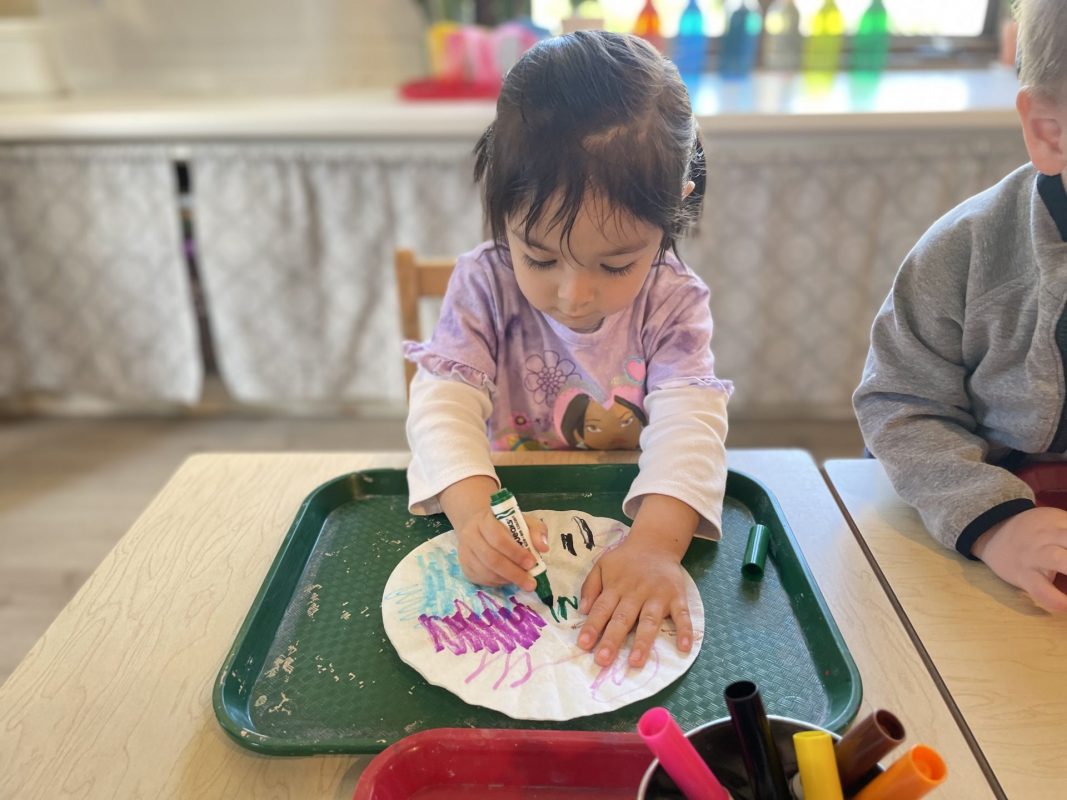
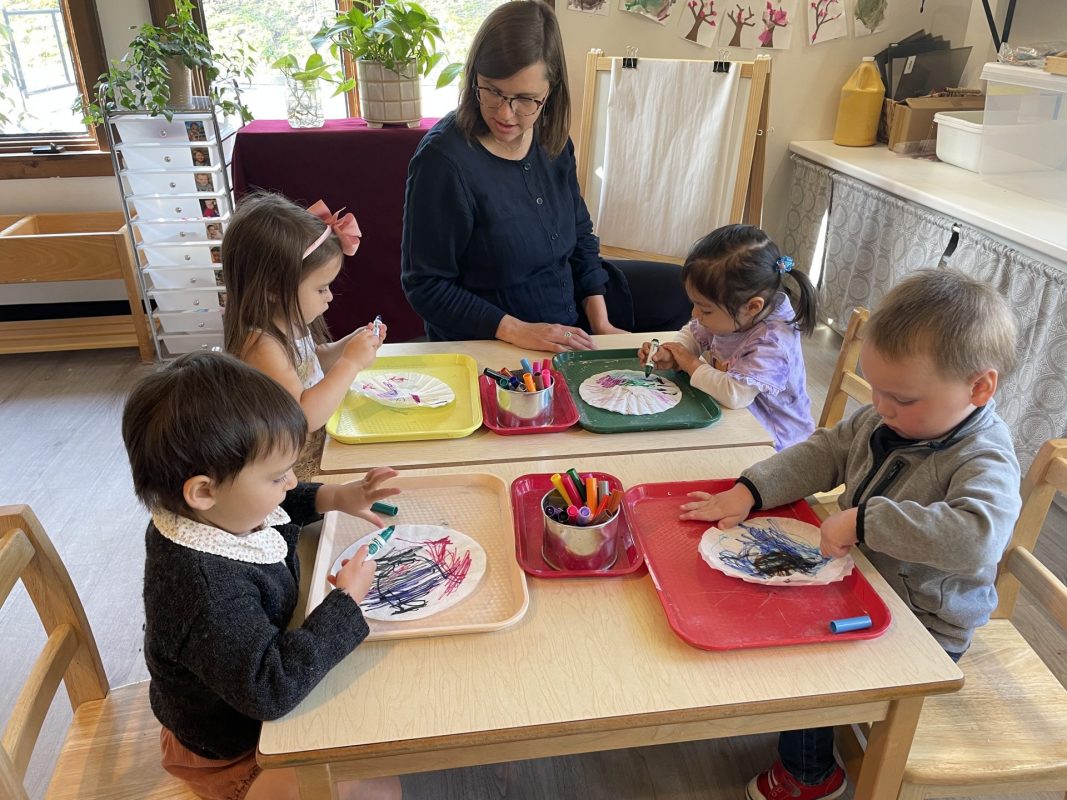
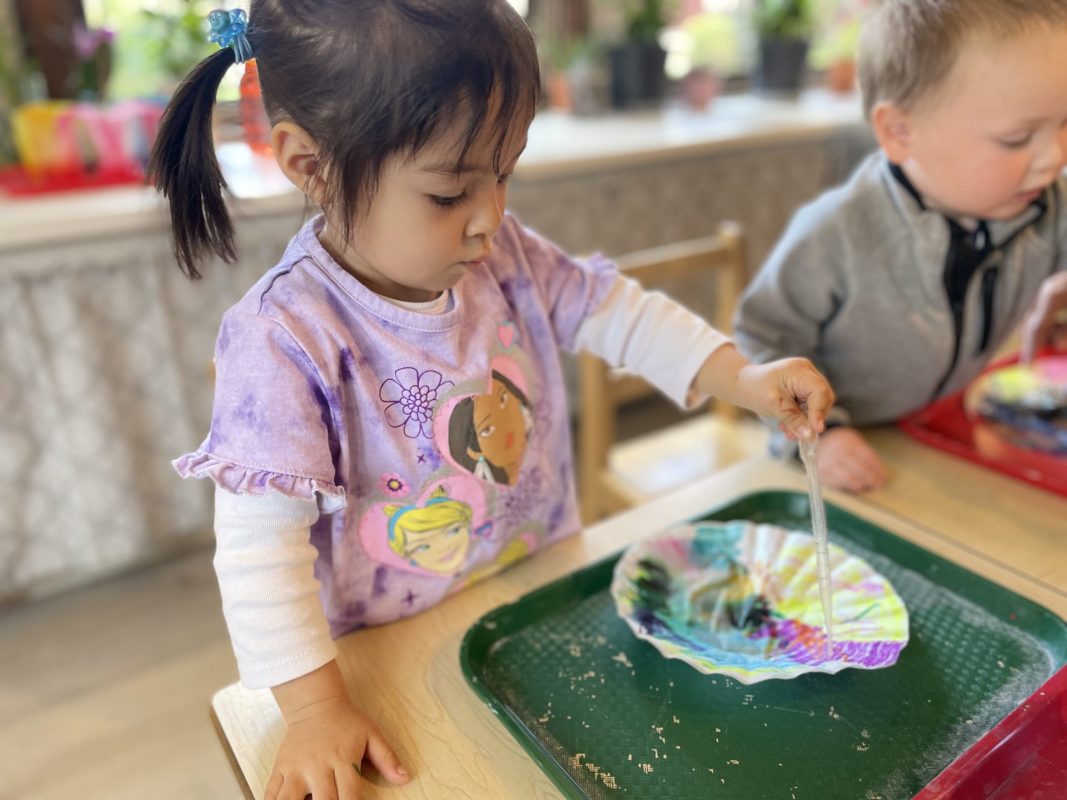
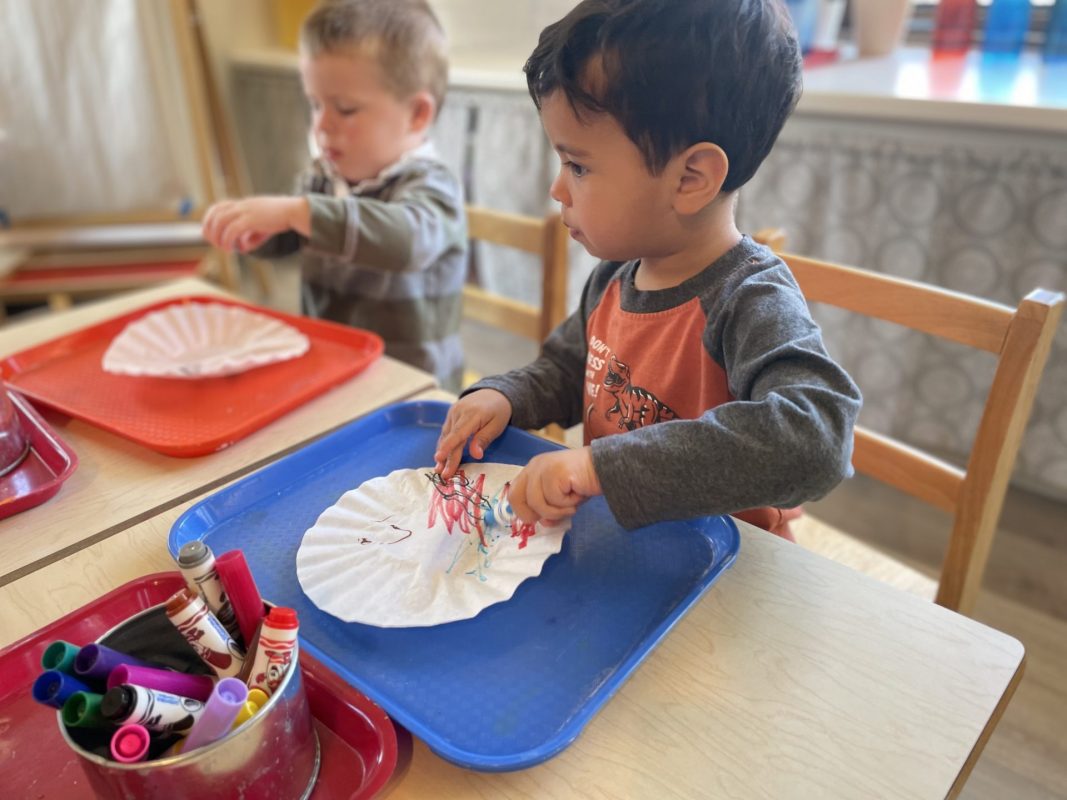
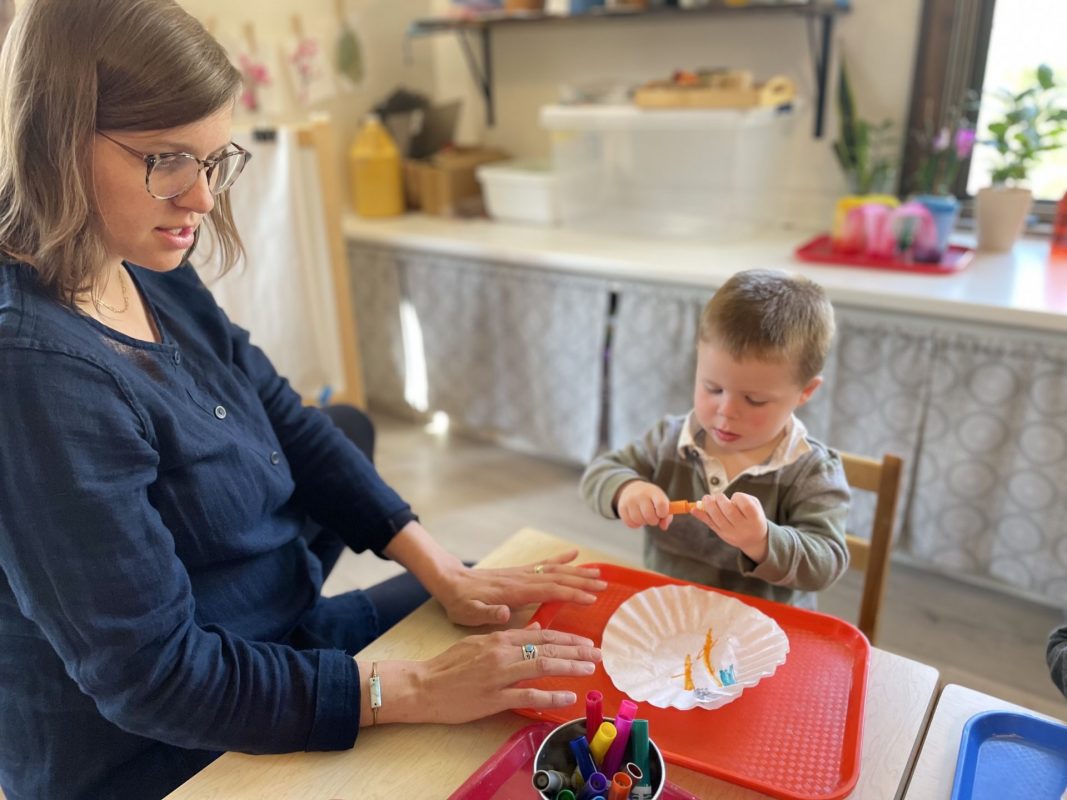
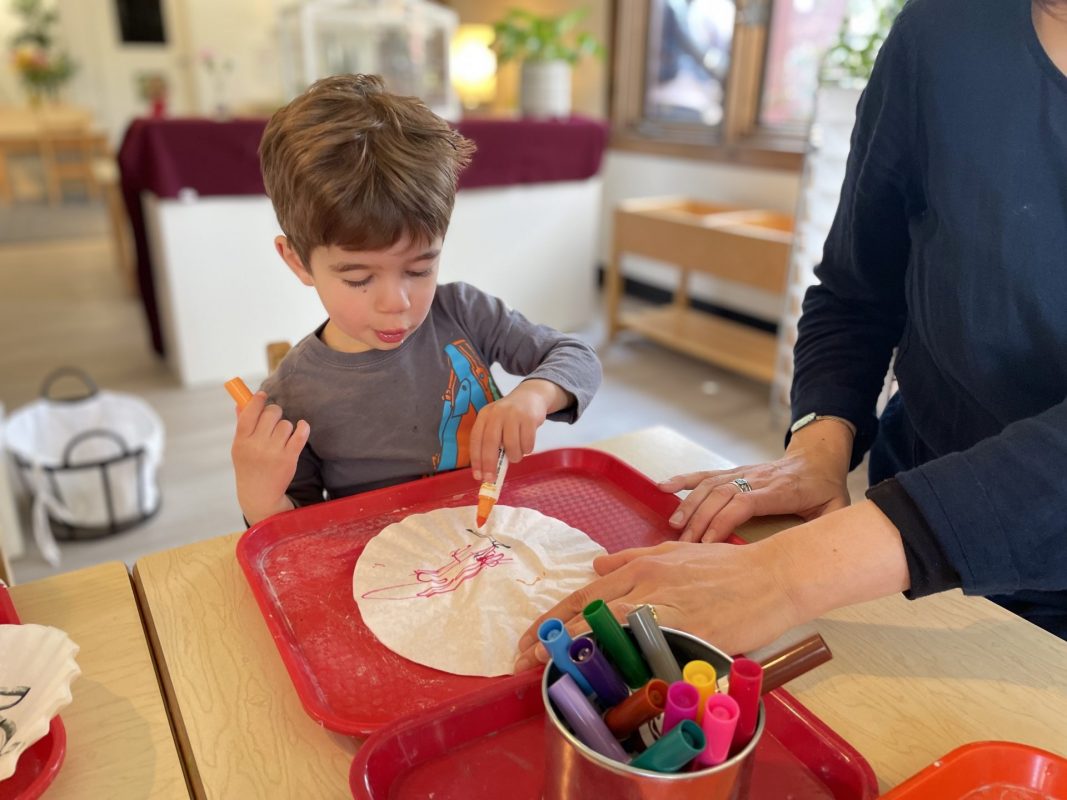
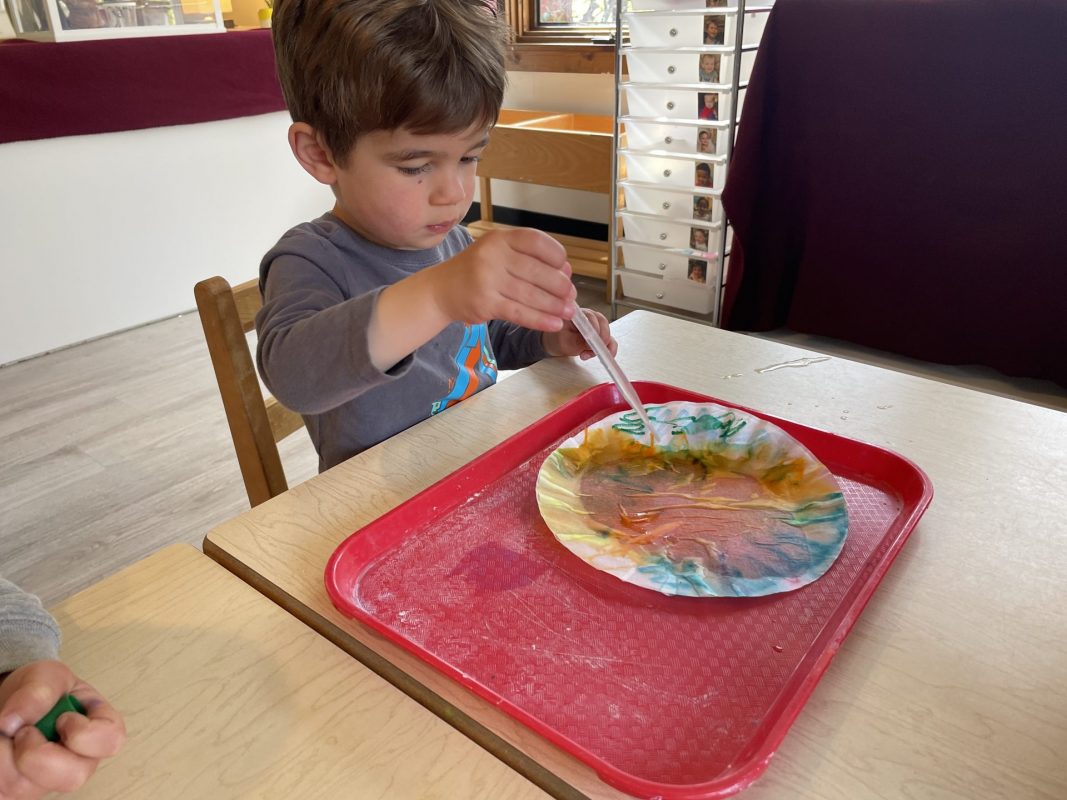
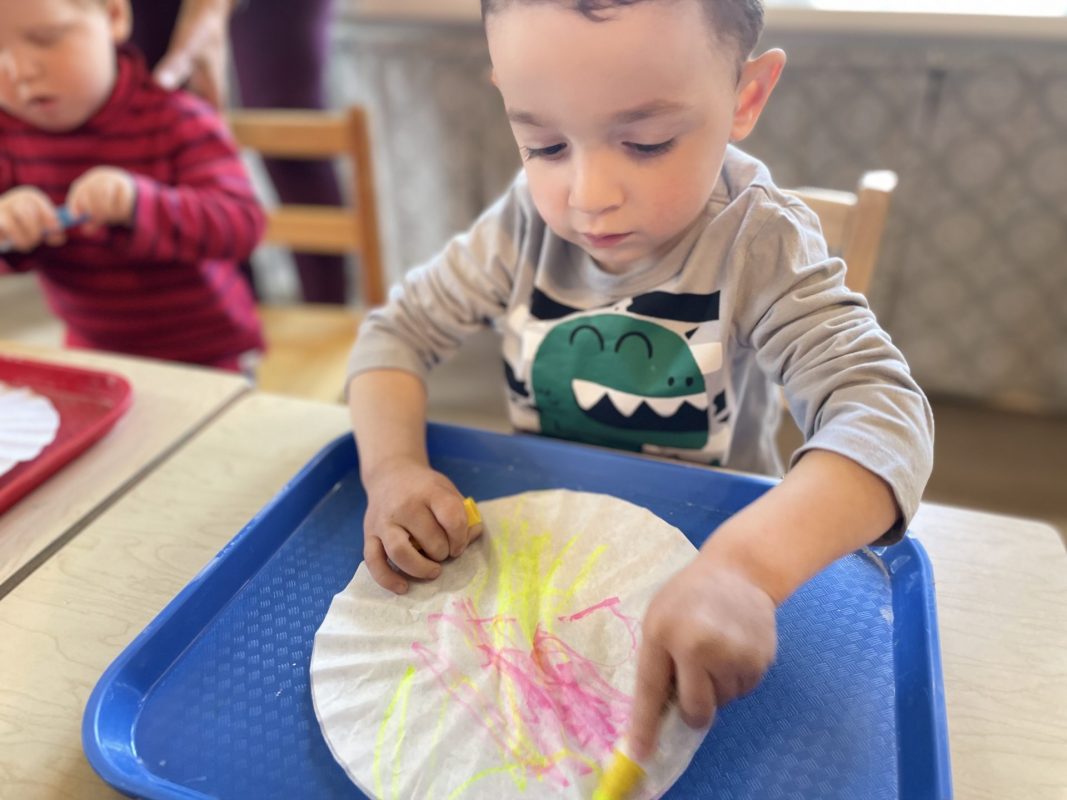
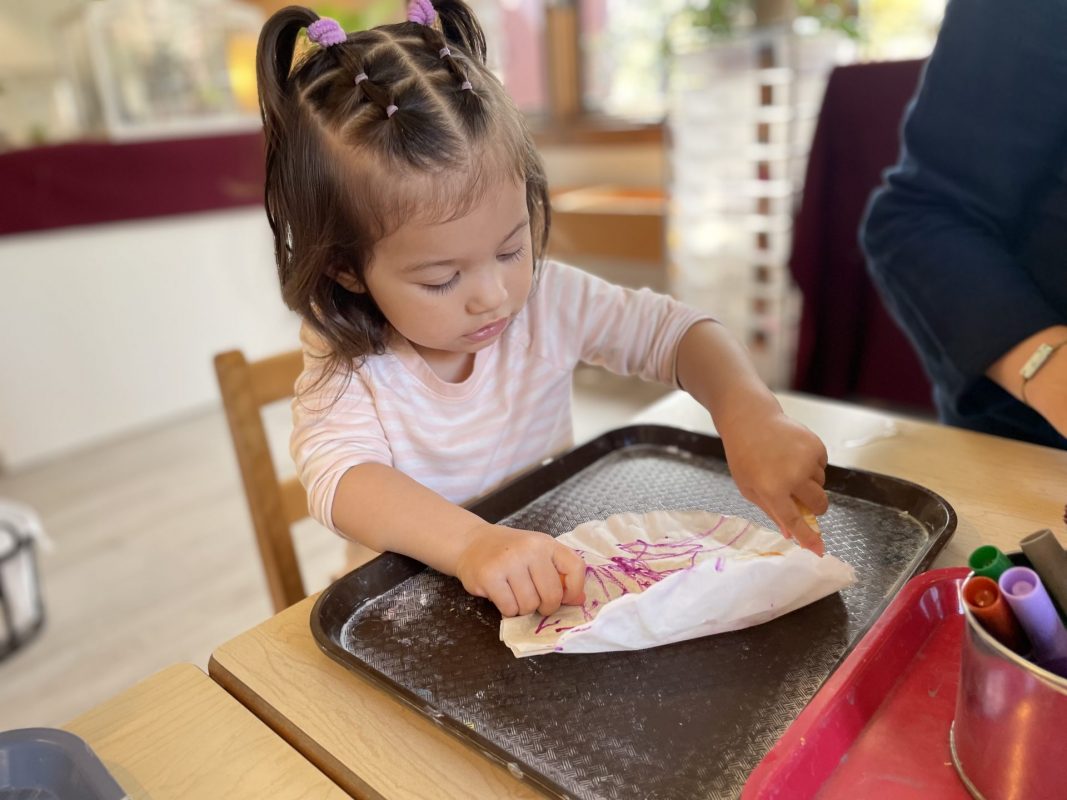
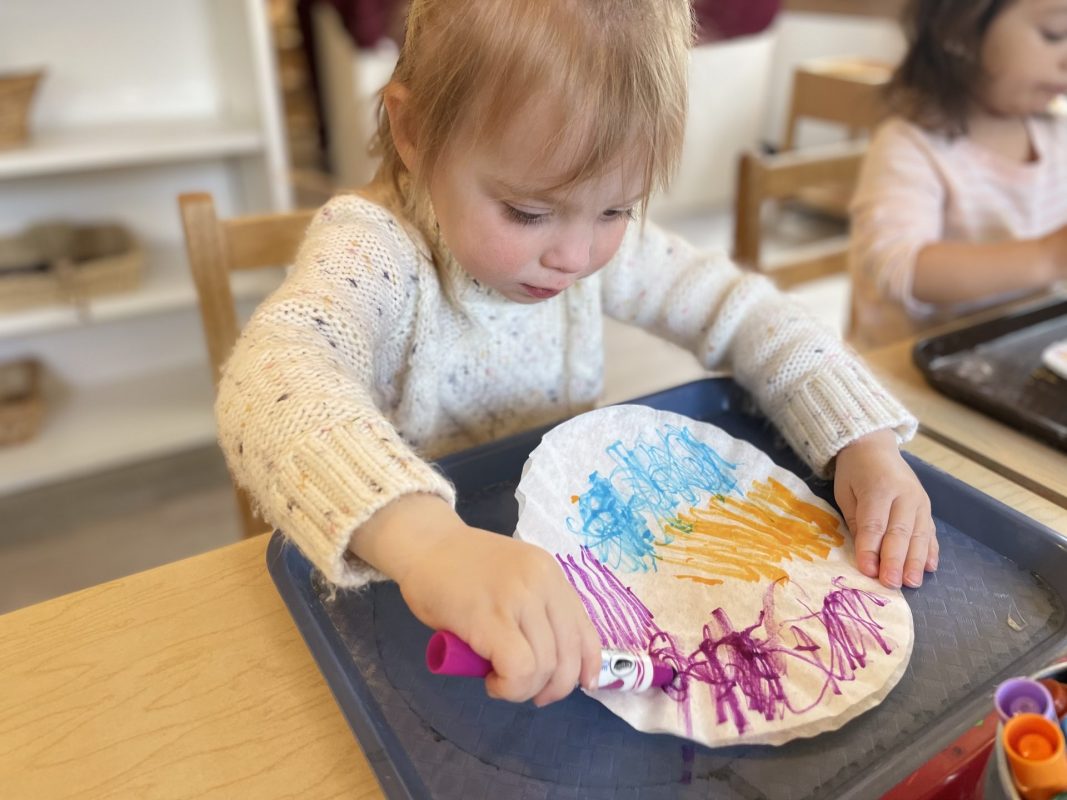
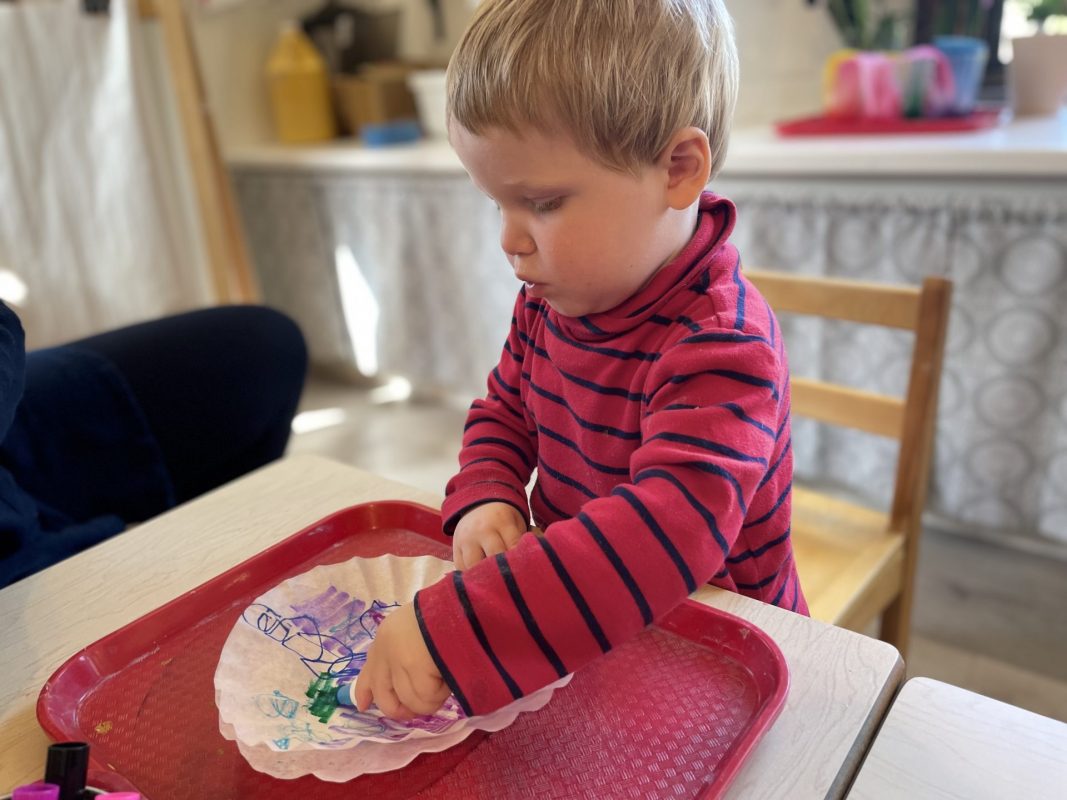
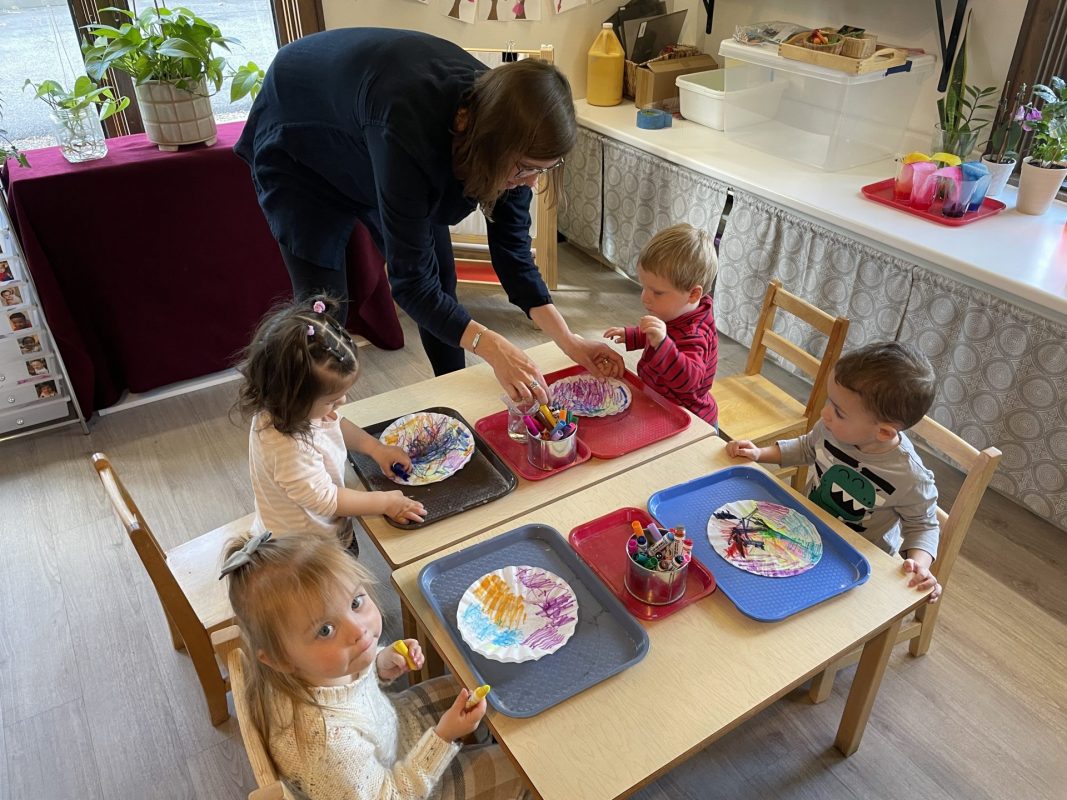
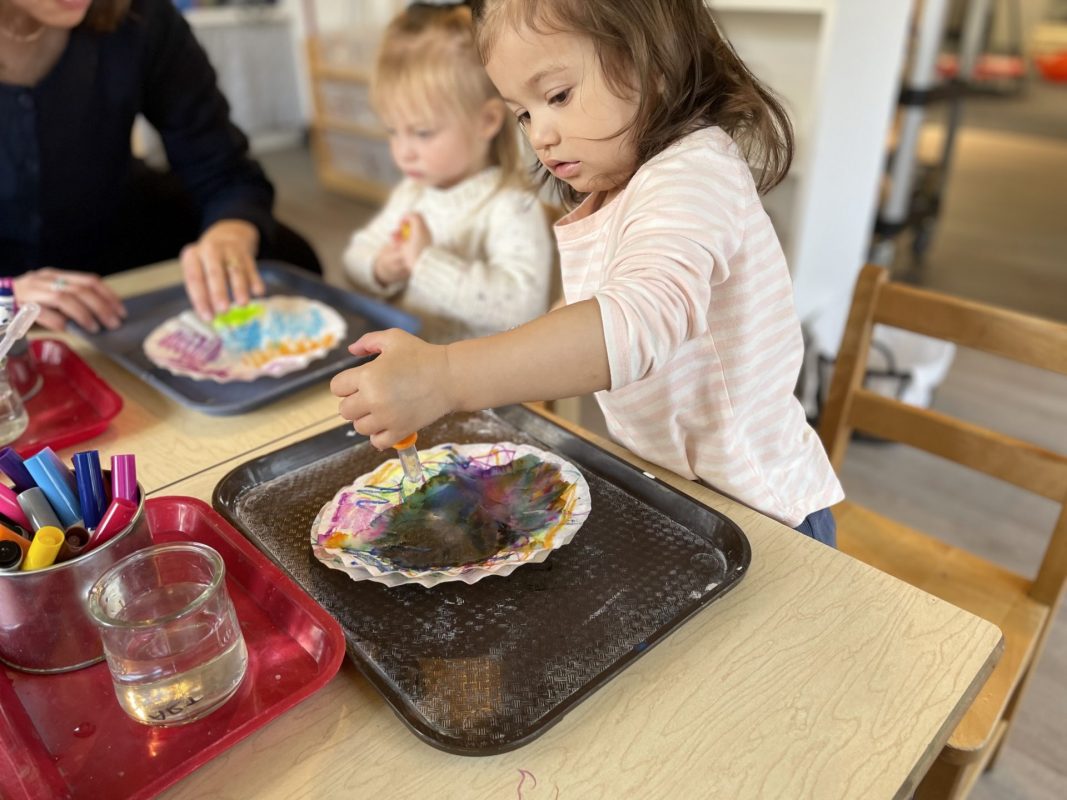
Art is one of the many ways children express themselves. When it comes to art, it is the process not the product that is important to the child. As adults our goal is to produce a product, but the child interacts with the world differently. The child works to develop self. The focus is on the process not the product. Once a child creates something, they do not feel the need to keep the product. It is the process that gives them satisfaction and inner joy.

In our Montessori environment, art materials teach each skill separately so that the children can combine them on their own: line drawing with crayons, holding and managing colored chalk, cutting without and with a guideline, stamping, working with clay, painting with watercolors, etc.  All of these skills will be mastered independently and then combined at the child’s discretion in some grand piece of artwork later on in their  development.

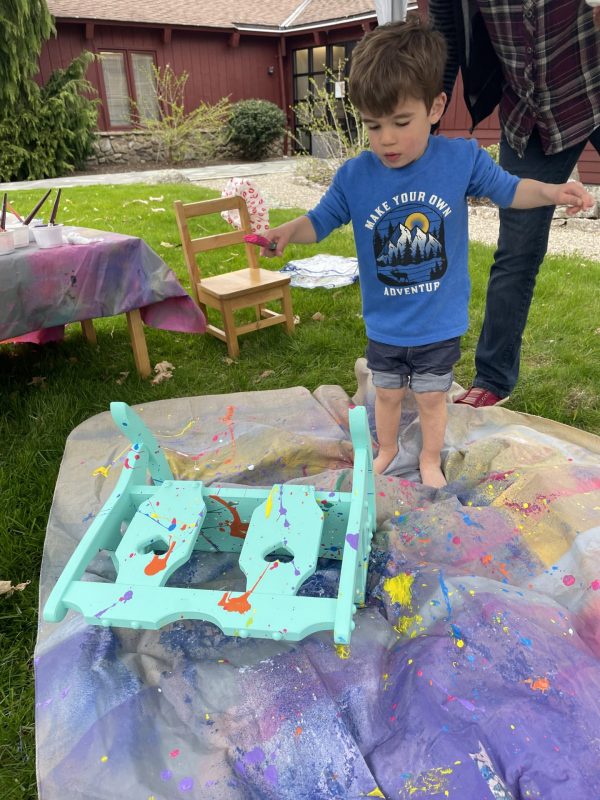
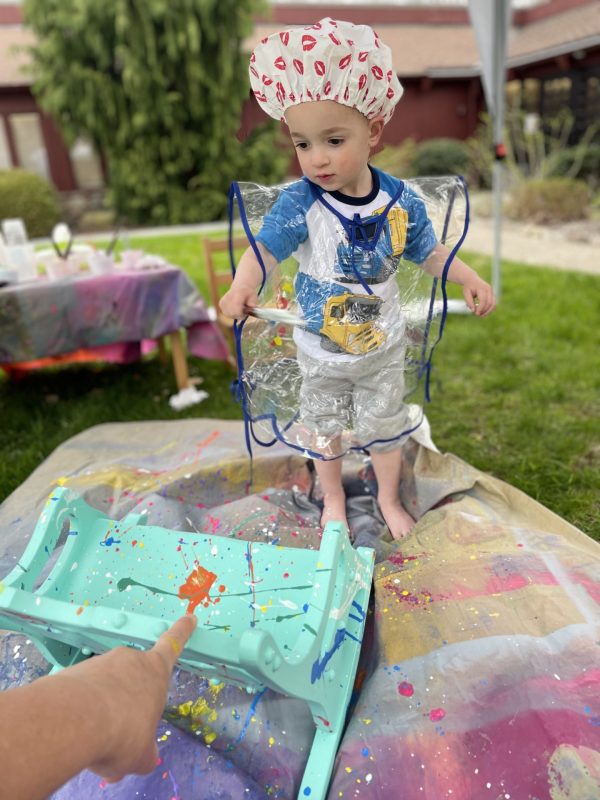
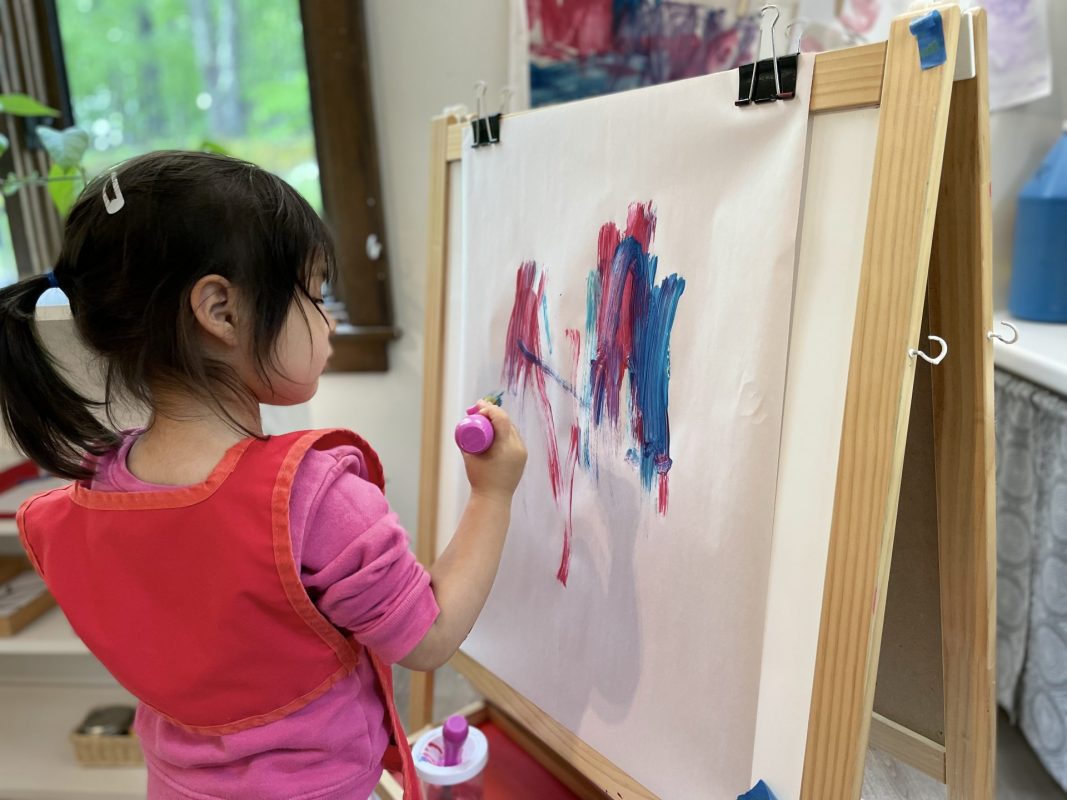
Apart from painting on the easel, we added a fun sensorial experience this week to tie in with our winter studies: ice cube painting! Children enjoyed creating different pieces of art work while combining colors, but the truly big point of interest of this exercise was to feel the coldness of the paint! They LOVED painting their hands and were mesmerized for long periods of time by the sensation on their hands!

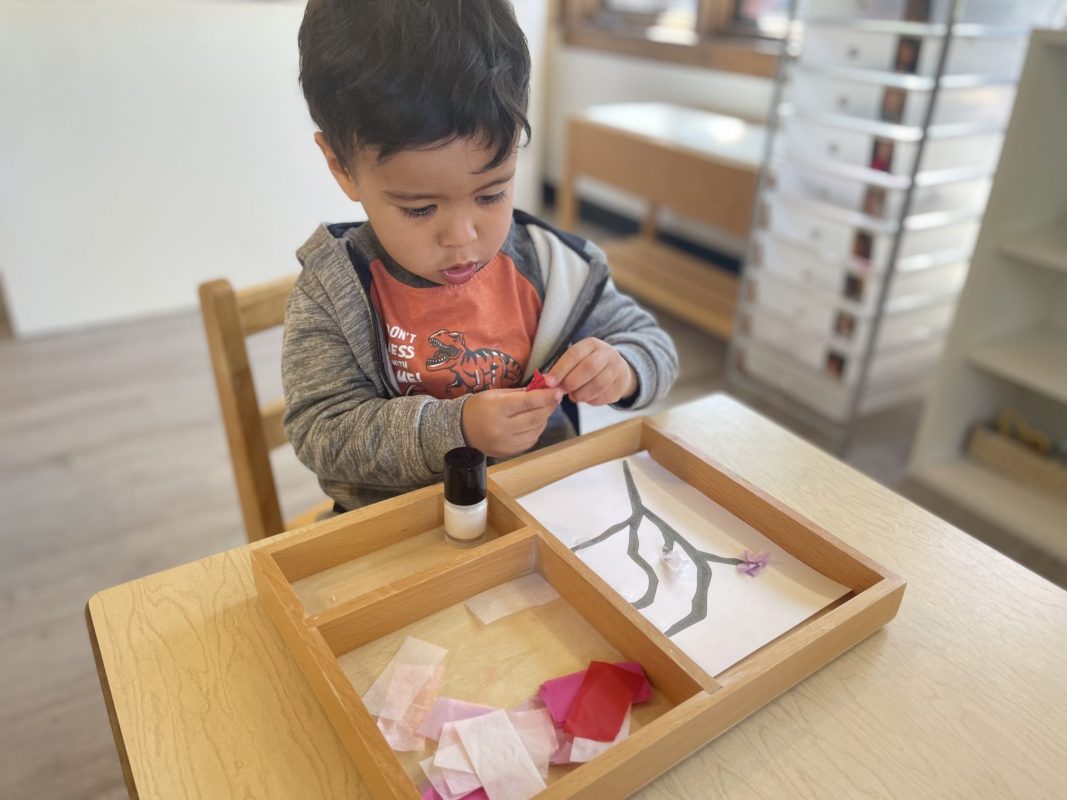
Gluing is also a very popular work in our environment! Learning to use glue develops hand-eye coordination and fine motor planning skills. It also helps your child understand the sensory concept of stickiness.

On another note, we just want to express how very proud we feel to see how far your children have come (and keep working) on their independence, especially in the area of self care. Dressing oneself  into winter gear can feel overwhelming for any toddler but your children work with such focus on mastering the necessary skills, it’s just so great to witness! Keep encouraging this at home as well; you will be amazed at how much they can do.

In case you don’t know, I’ll leave you here with a demonstration on how we have taught your children to put on their coats all by themselves. We hope it comes in handy in those moments where your little one wants to “do it myself”.

Have a great weekend,

Mrs. Hood and Ms. Maria


Mrs. Hood: The Process of Normalization

In Montessori education, the term “normalization” has a specialized meaning. “Normal” does not refer to what is considered to be “typical” or “average” or even “usual.” “Normalization” does not refer to a process of being forced to conform. Instead, Maria Montessori used the terms “normal” and “normalization” to describe a unique process she observed in child development.

Dr. Montessori observed that when children are allowed freedom in an environment suited to their needs, they blossom. After a period of intense concentration, working with materials that fully engage their interest, children appear to be refreshed and content. Through continued concentrated work of their own choice, children grow in inner discipline and peace. She called this process “normalization” and cited it as “the most important single result of our whole work (The Absorbent Mind, 1949).”

The children in our environment are on a great path to “normalization.” Every morning we get to see its signs! We also watch with joy how children have internalized the routines, and transitions are more peaceful! They recognize their friends and feel comfortable sharing and working together. Deep friendships are developing, and expressions of love and care for each other are more evident.

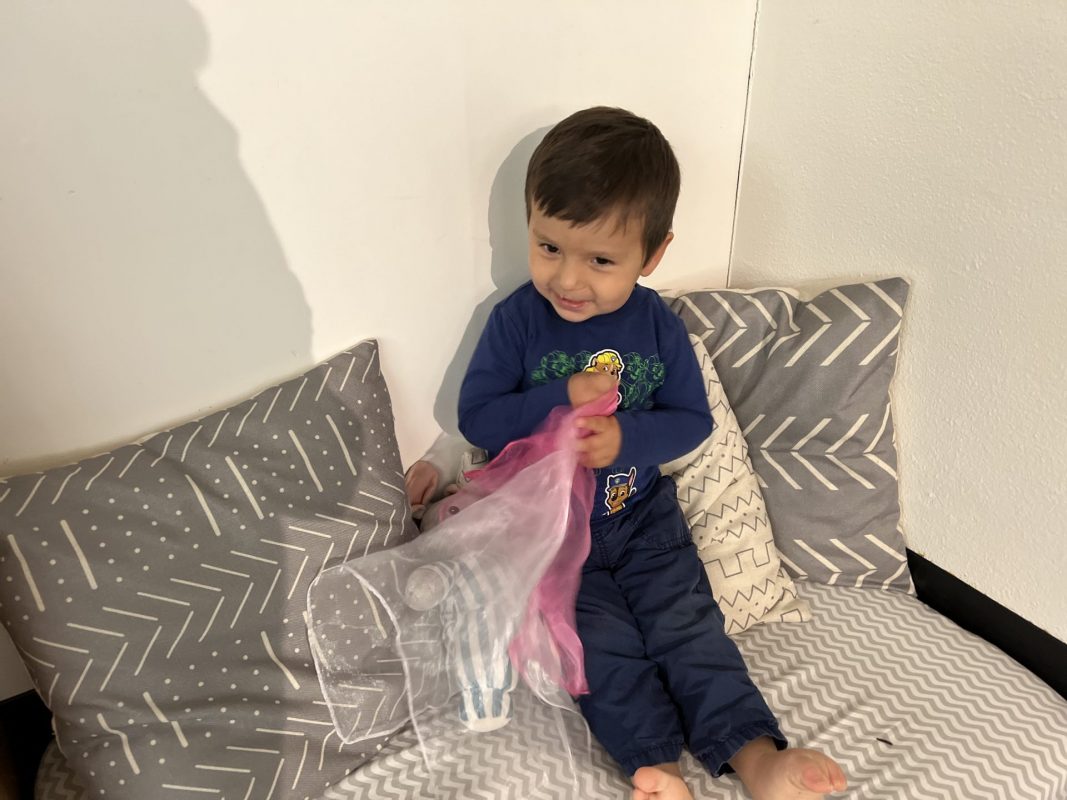
On another note, we introduced a beloved work by all the children: a baby doll. His name is Juanito.  Through this work children practice grace and courtesy, gentleness, and a lot of patience since everybody wants to take care of the baby. Children enjoyed this work so much! Some of them cuddled Juanito with such care, others explored his body parts using it as an enrichment of vocabulary work. The fact that the baby can open and shut his eyes was a point of interest for many of the children. They worked together to make sure Juanito felt loved. They read, sang and kissed him. They walked him around and showed him the environment. He was even shown how to dance to “We Are the Dinosaurs” during our dancing time. Juanito is a busy baby! 

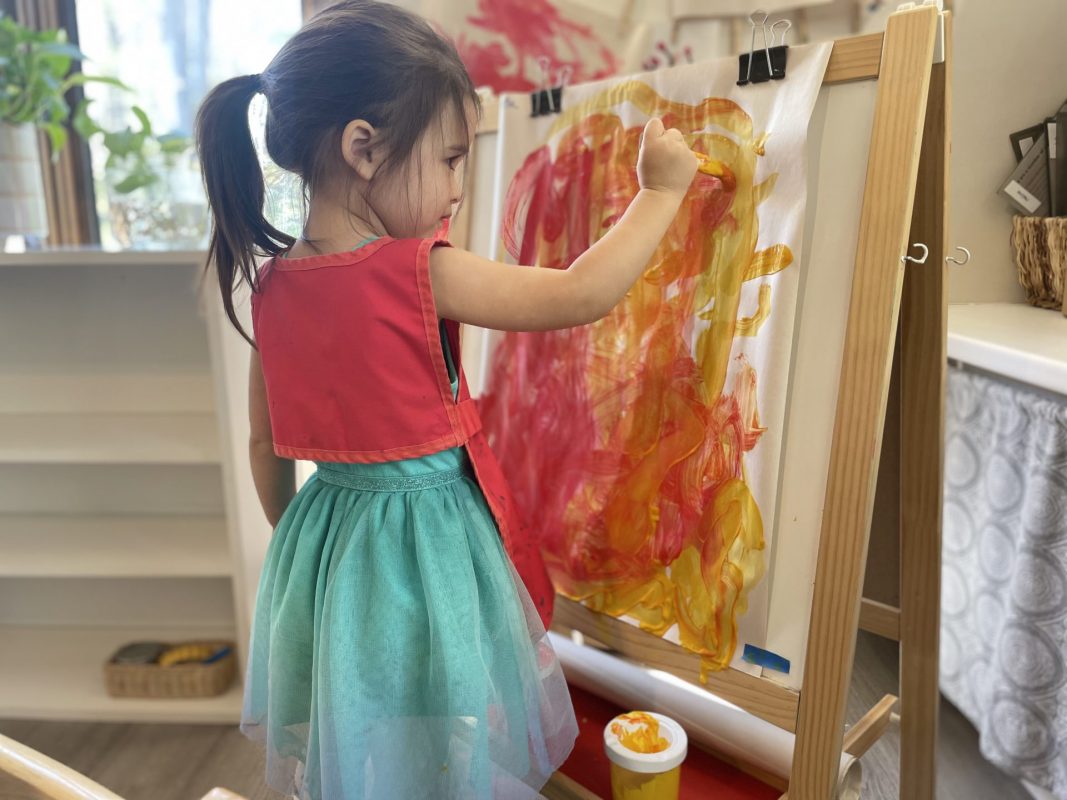
Another highlight is that the big easel is now in the environment and children have had a good time painting freely while working their hand-eye coordination, fine/gross motor control and creative independence! 

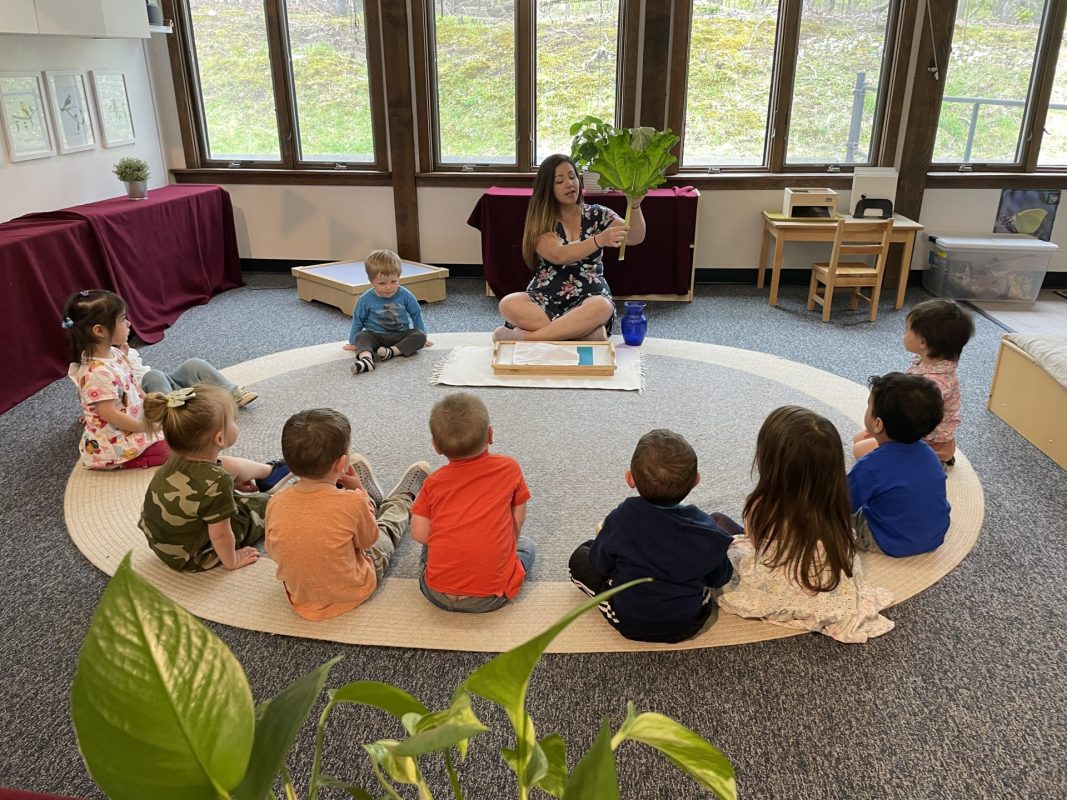
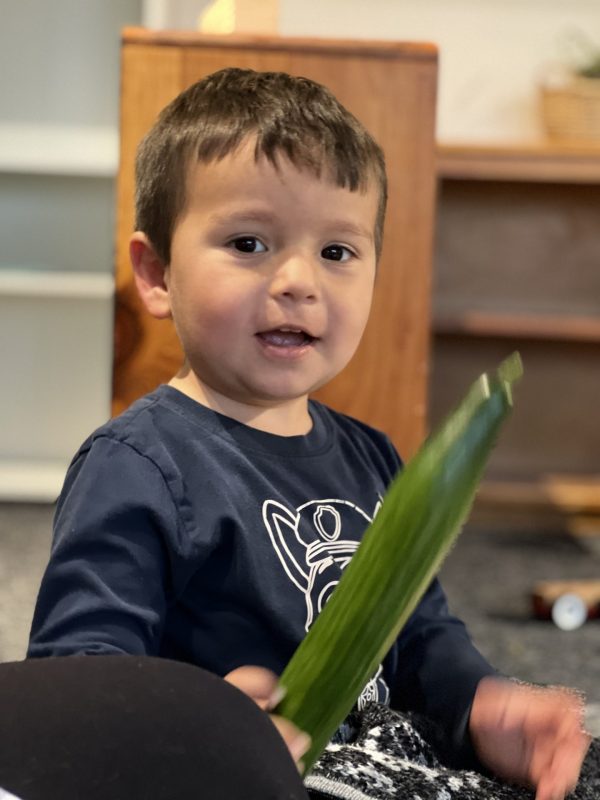
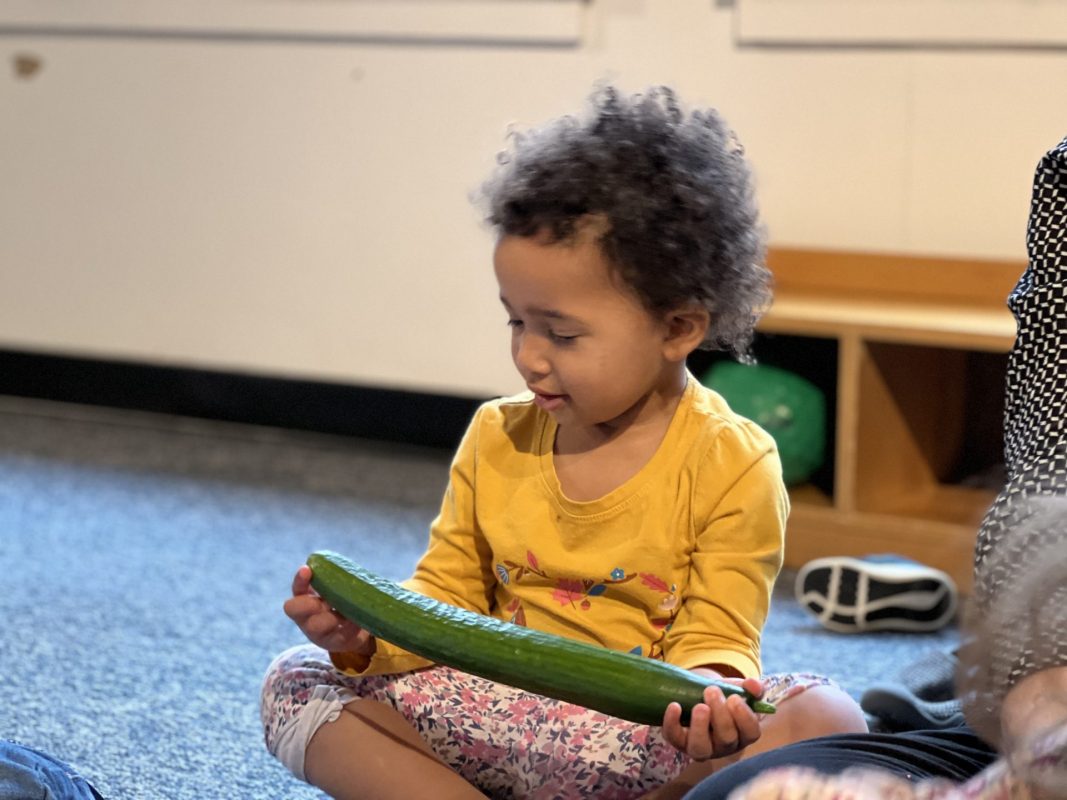
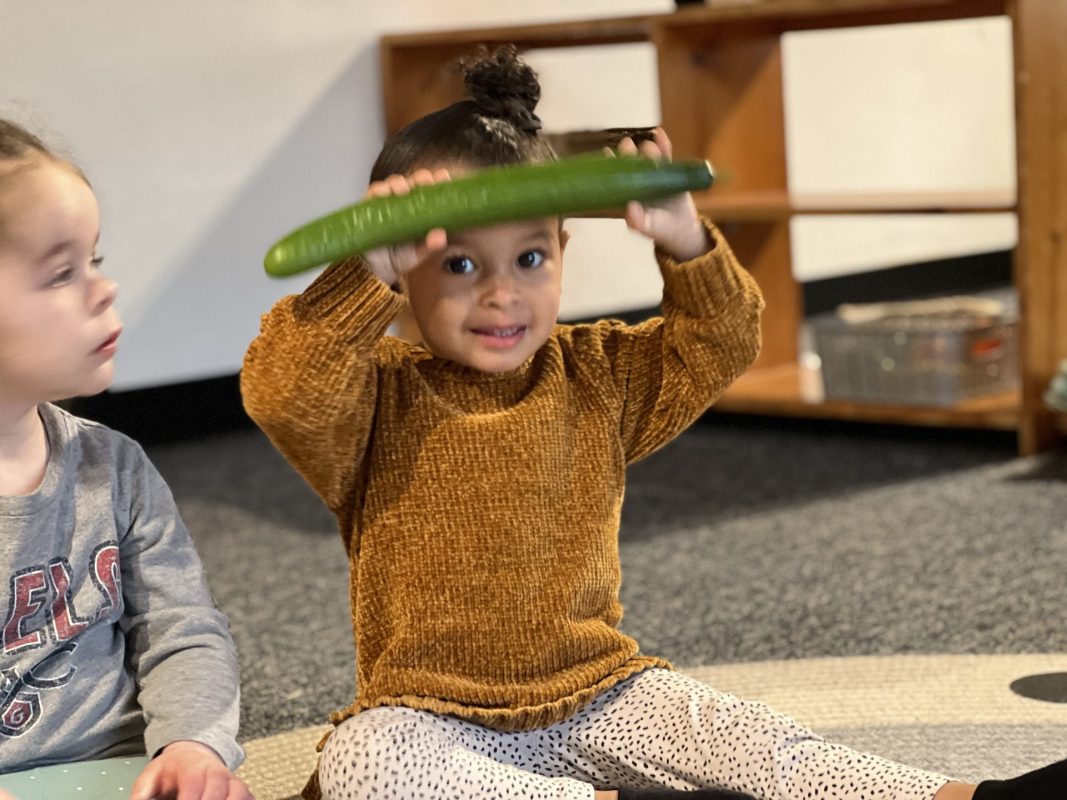
This week we explored two vegetables in our food tasting lesson: Beets and Carrots! With both, children were surprised about how long their stems and leaves were and how these vegetables grow underground! 

It was indeed a fun and busy week and that’s how we love it over here! 

Mrs. Hood and Ms. Maria