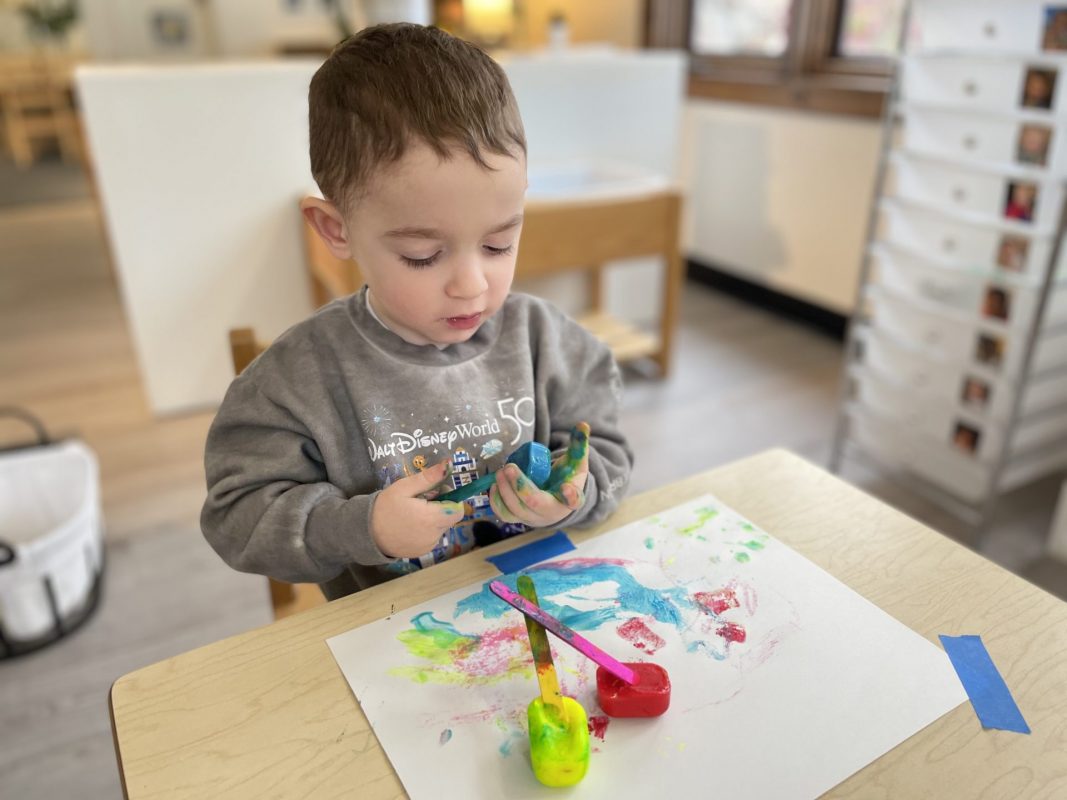
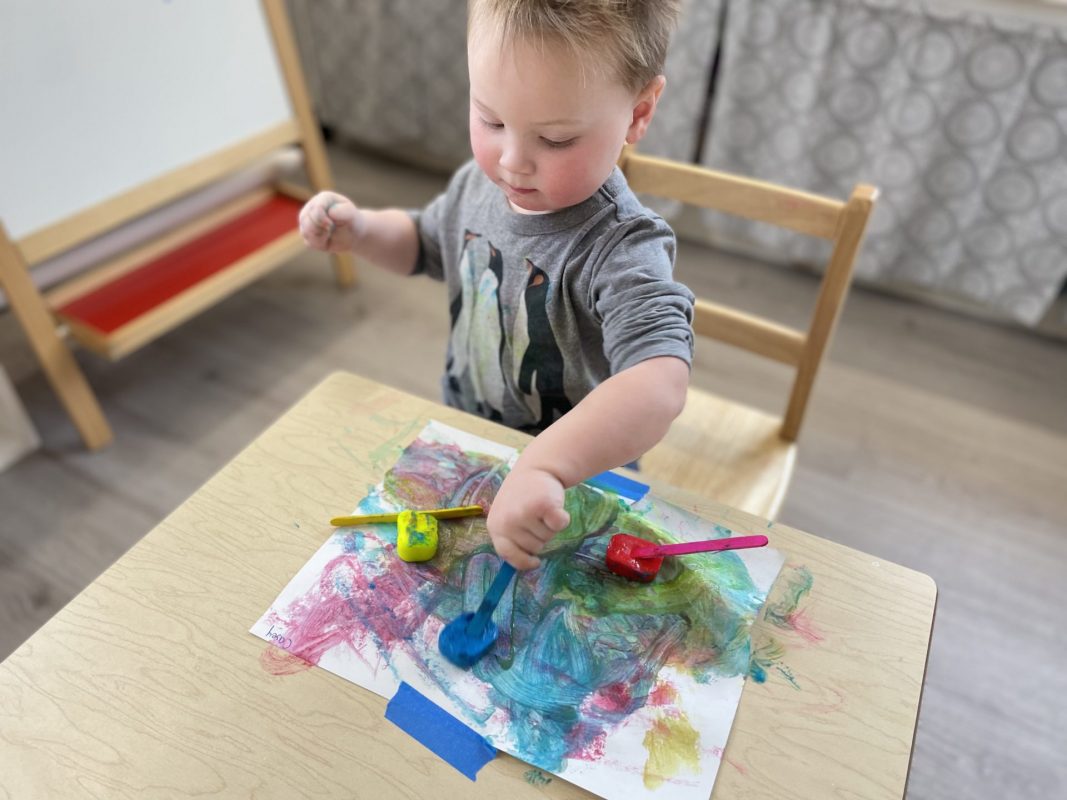
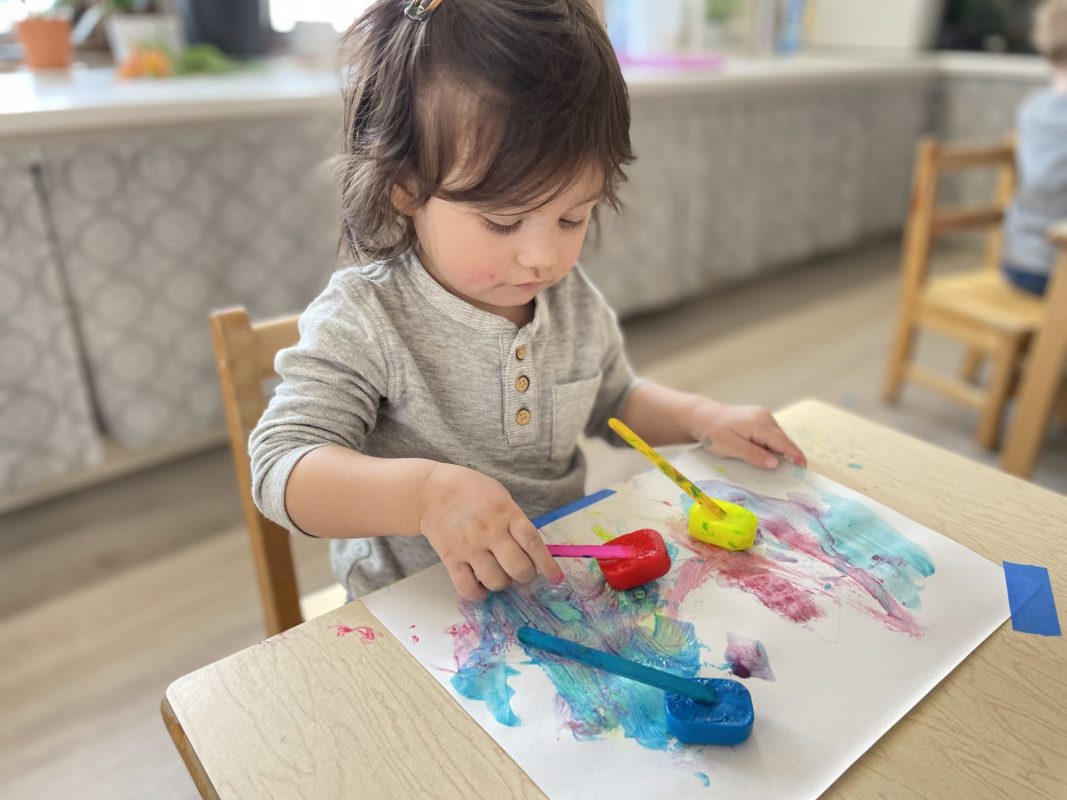
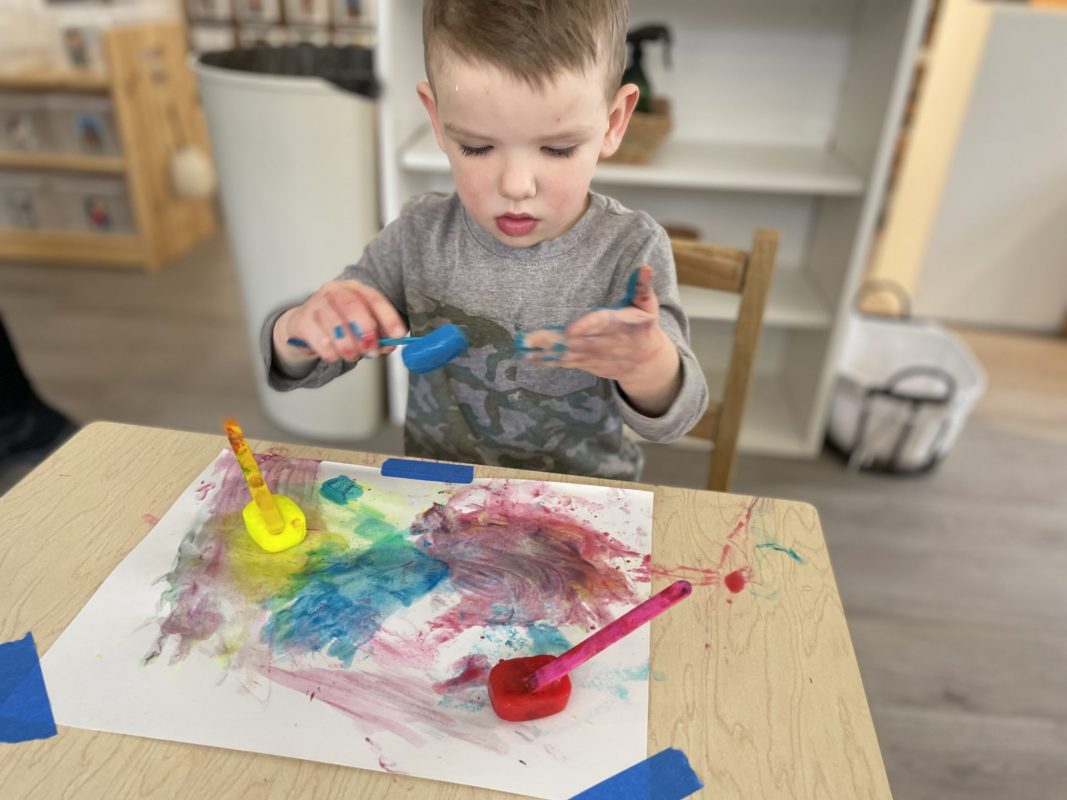
Mrs. Wilson: Pumpkins Pumpkins

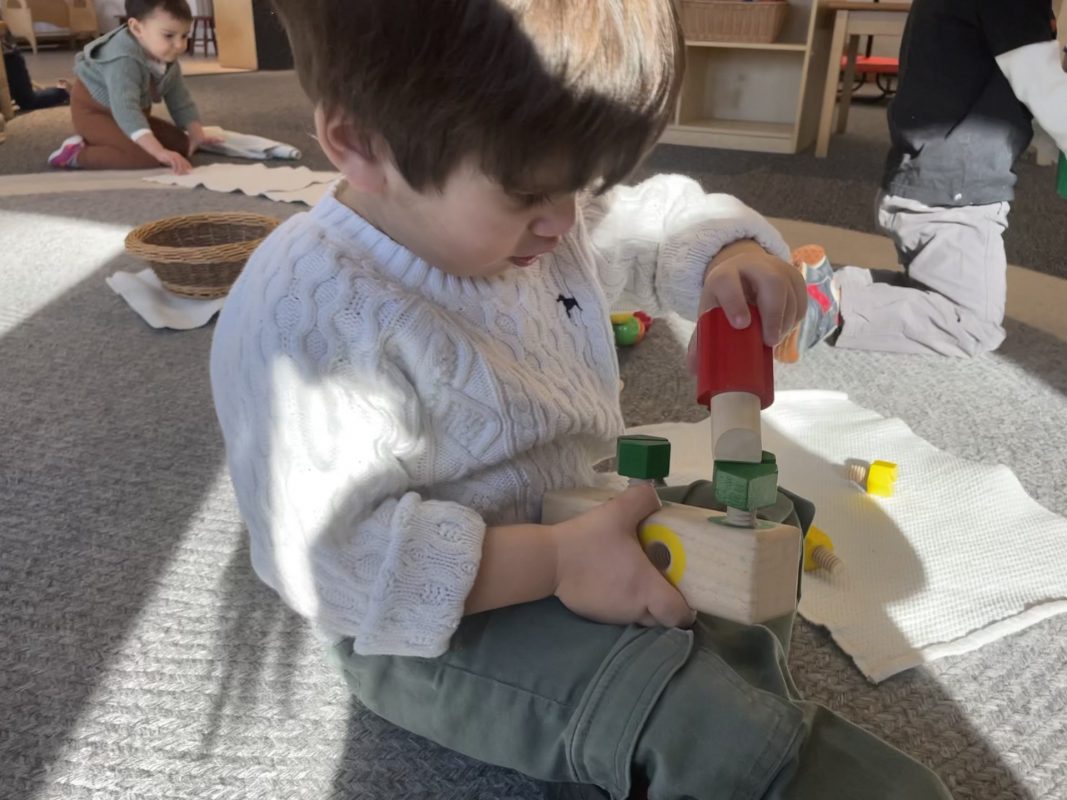
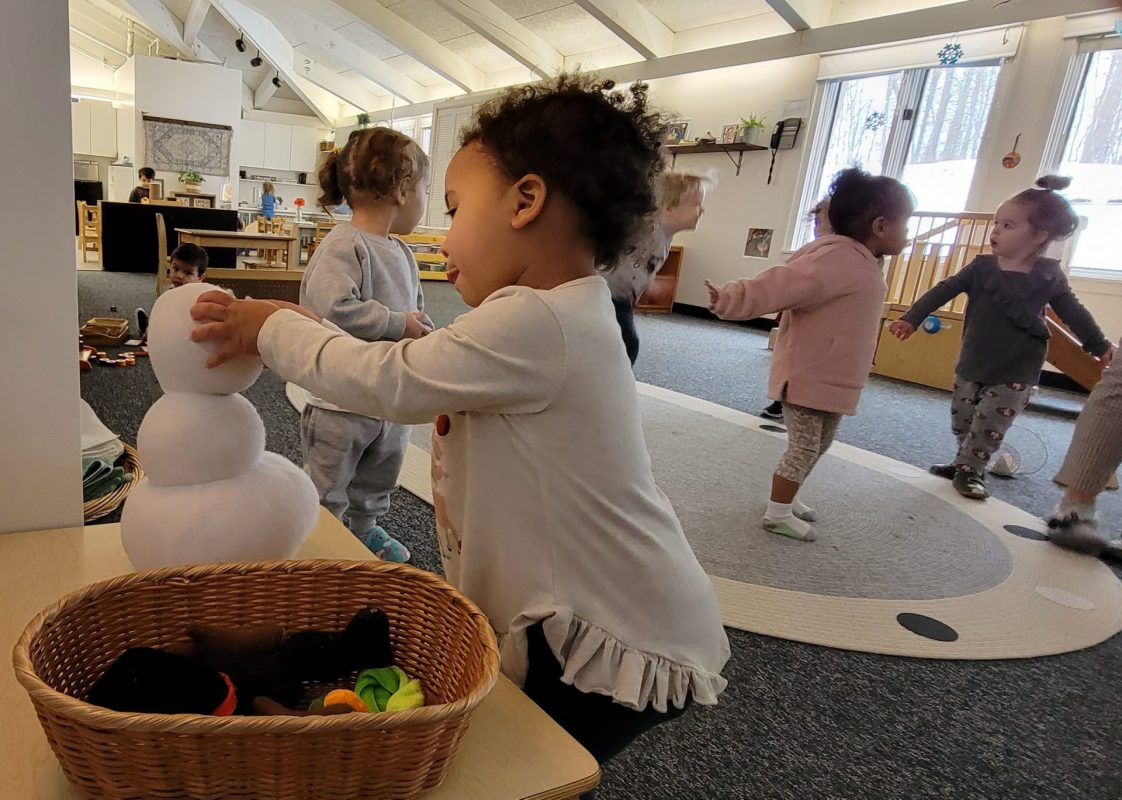
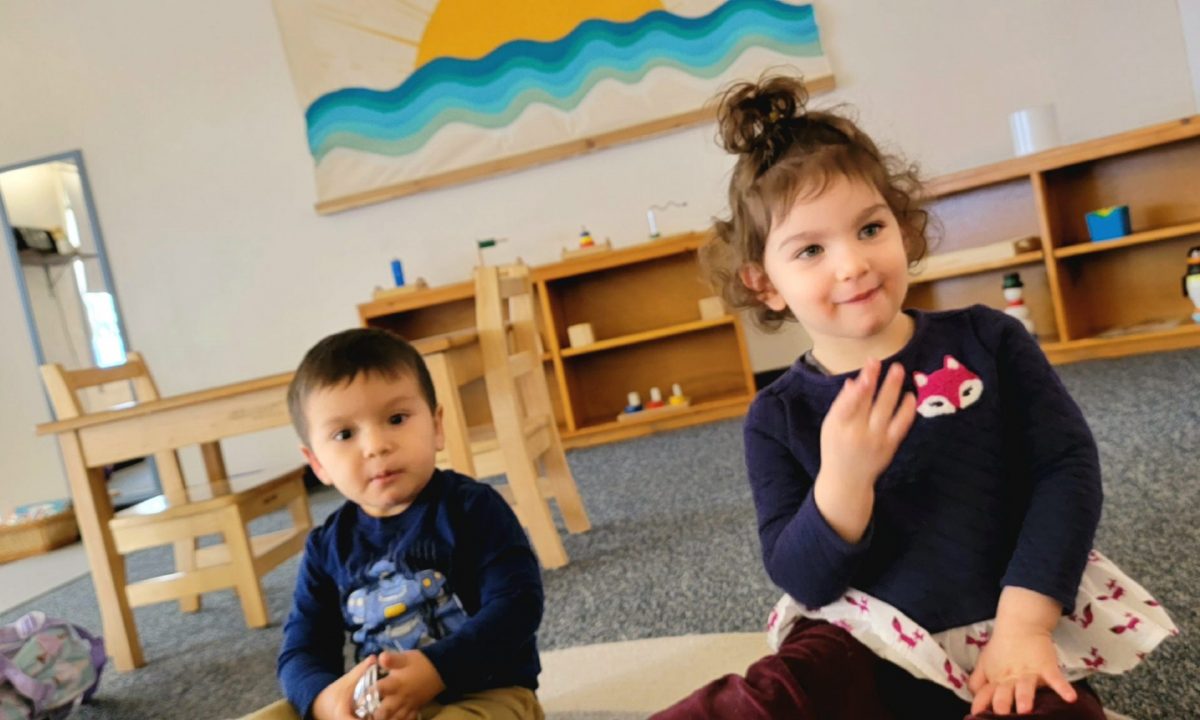
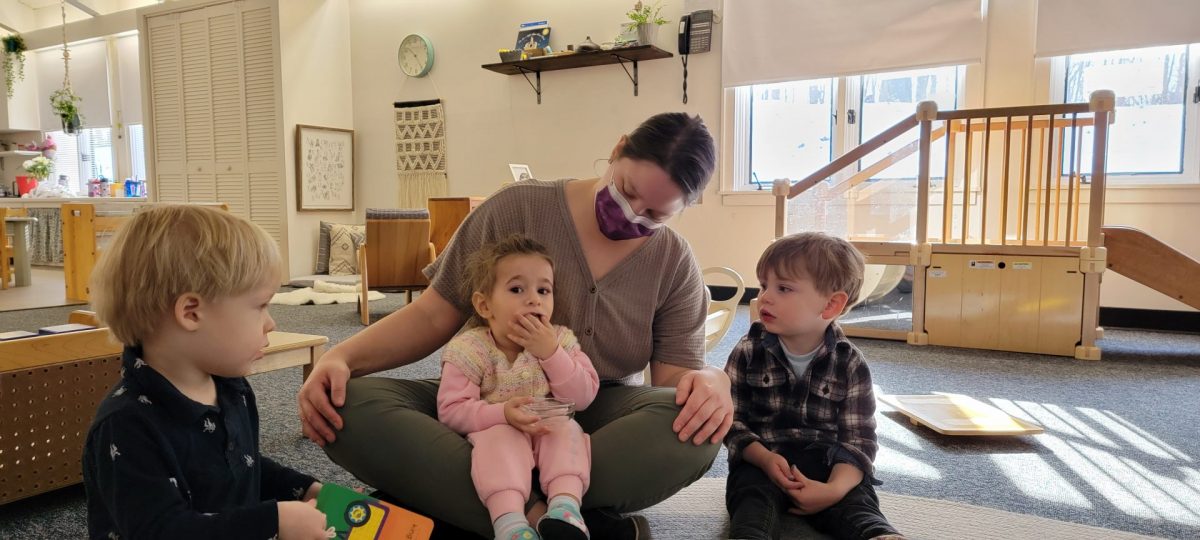
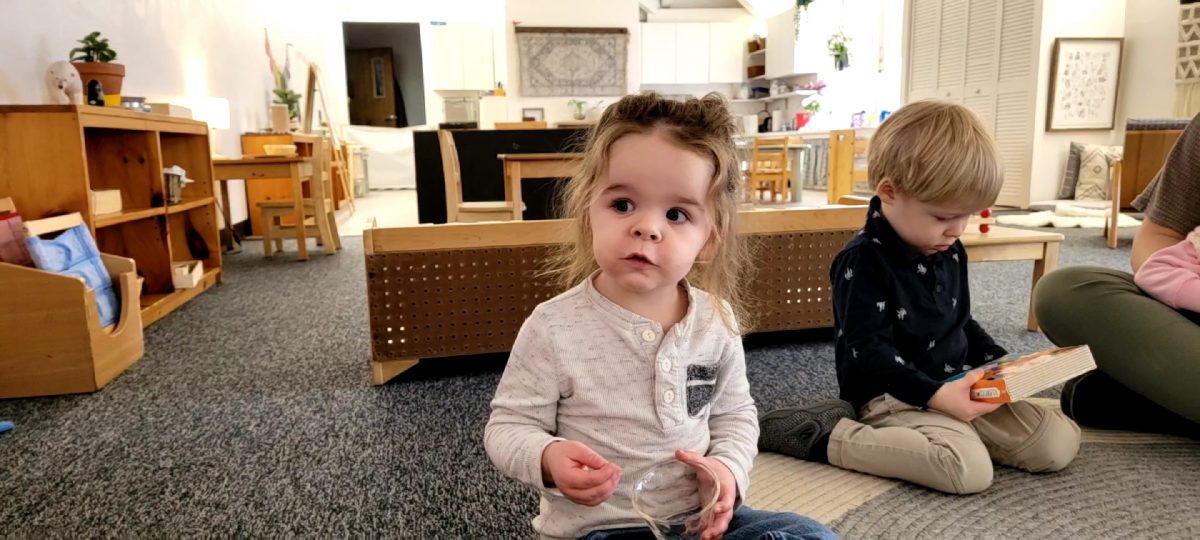
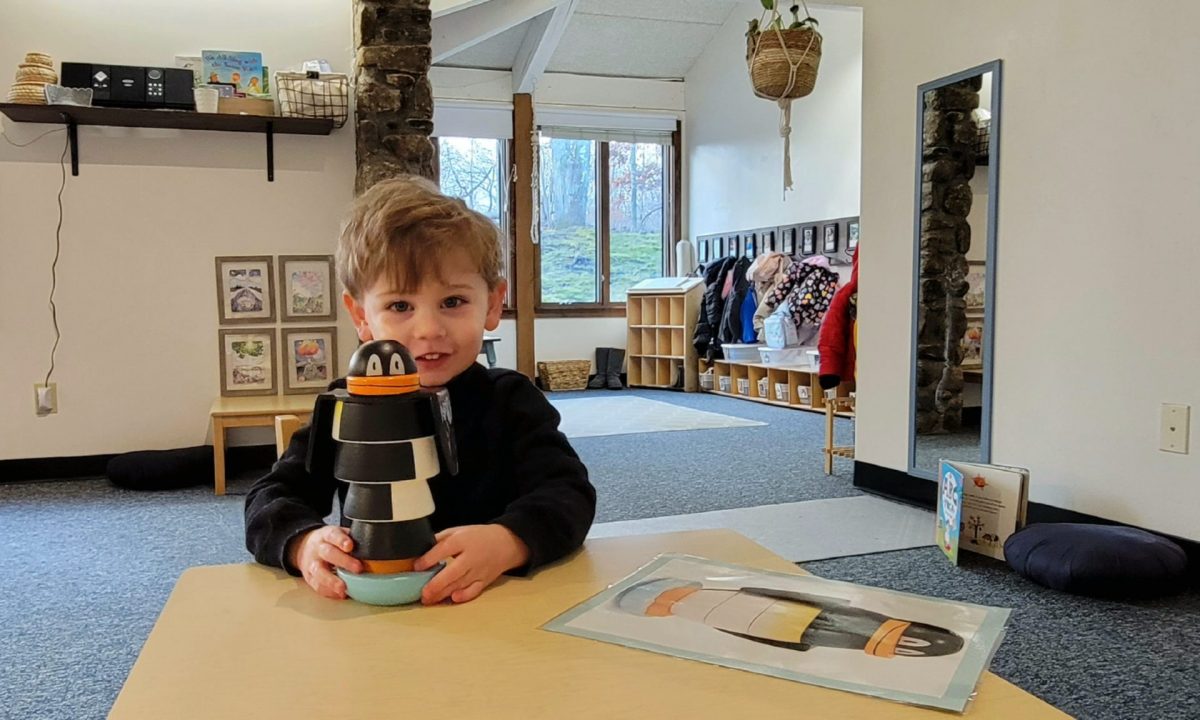
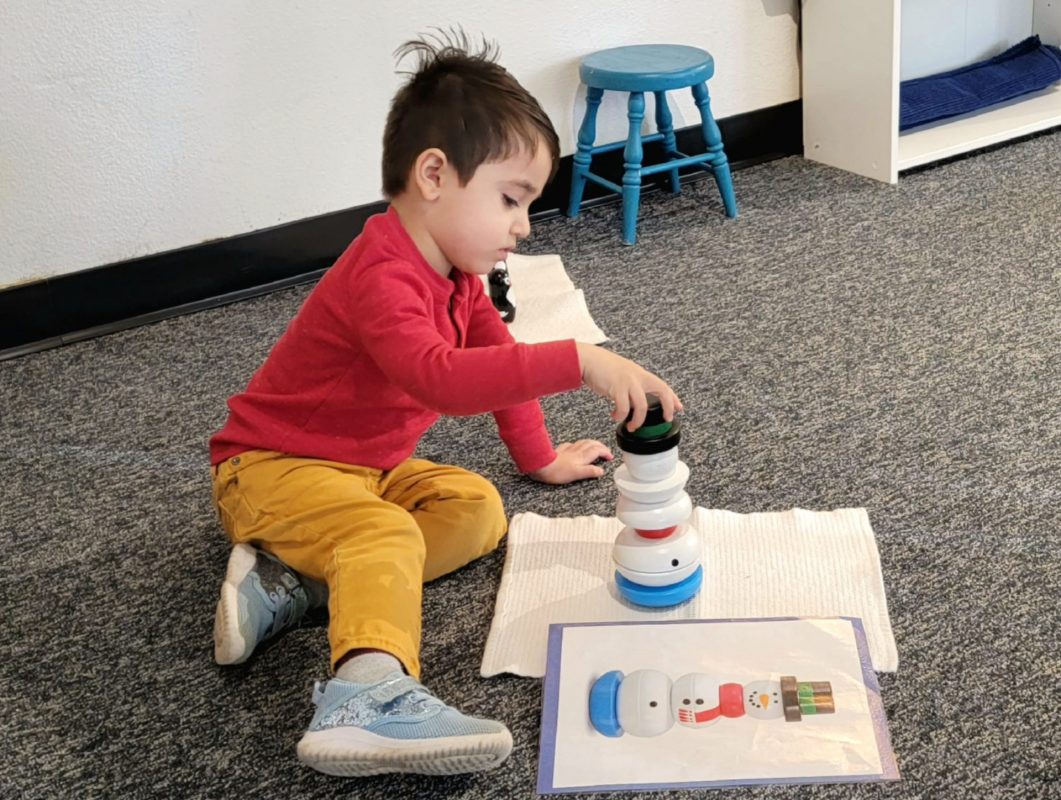
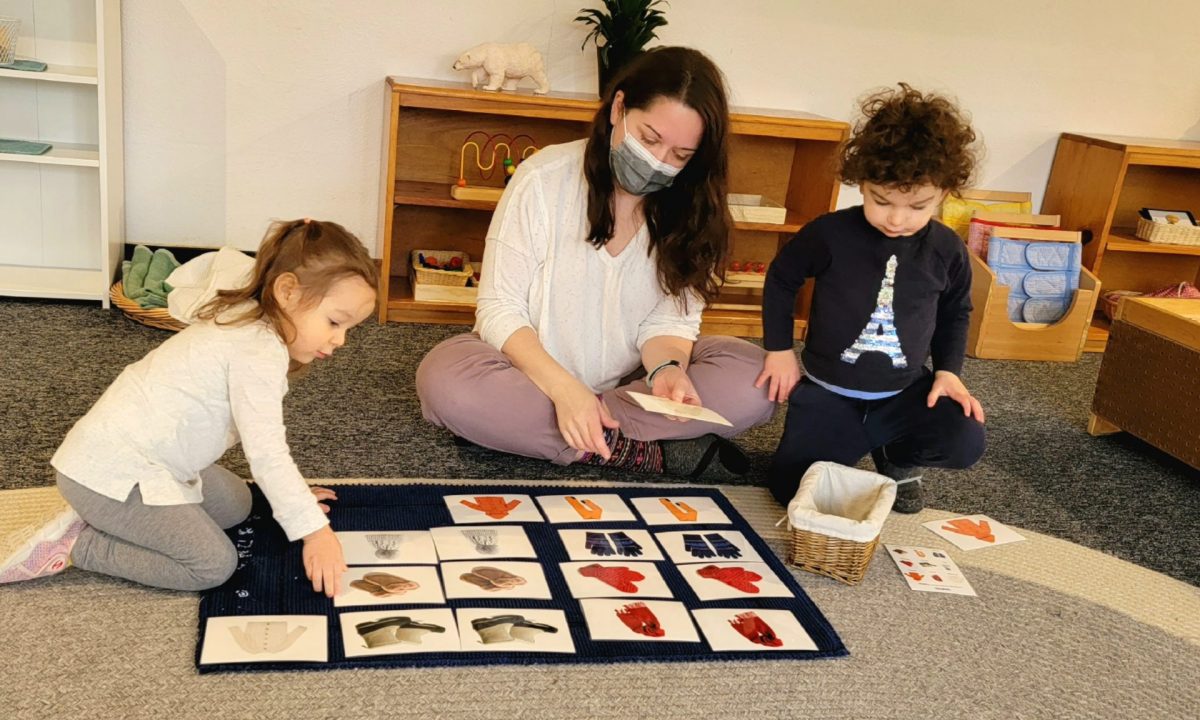
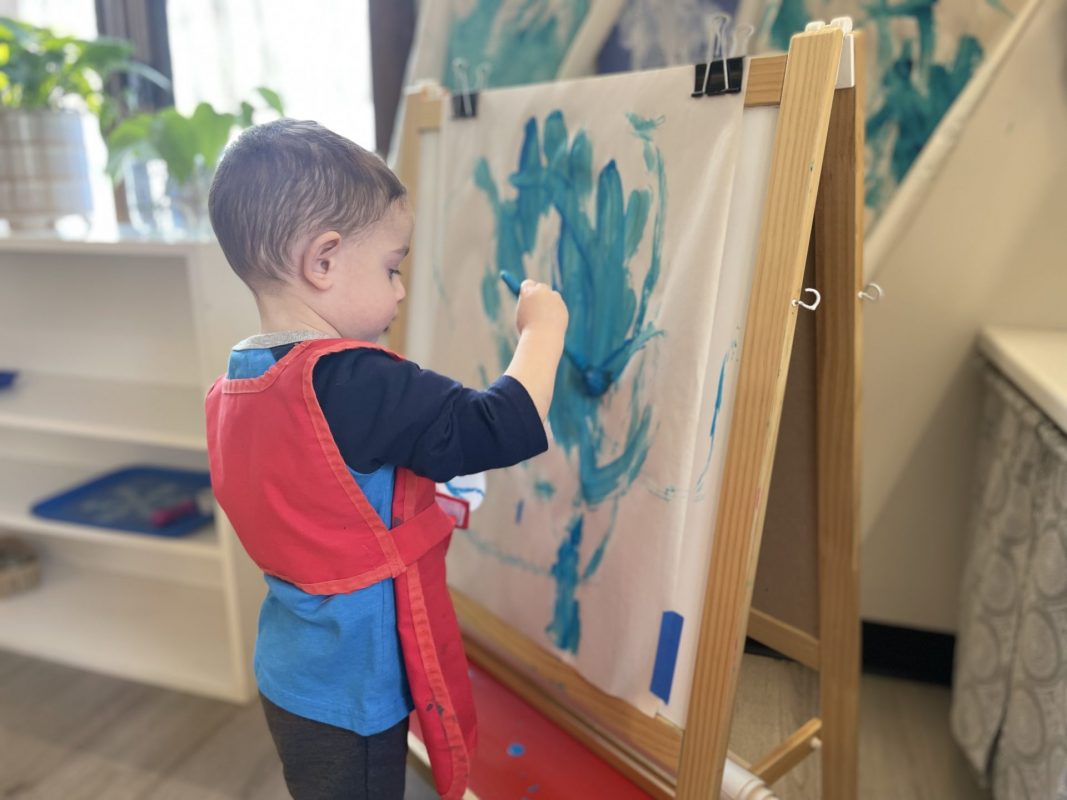
For the month of October the children explored all things pumpkin and pumpkin related. We used language cards to show the life cycle of a pumpkin. And read the book Pumpkin, Pumpkin by Jeanne Titherington. We ended the month with our annual Pumpkin patch and some fun activities.

We started the morning going on a wagon ride around the school. The 7th grade class came to help pull the children in the wagons around the school hallways. They were dropped off at the Zen Garden where the children were invited to explore and find a pumpkin. Afterwards they went on another ride back to the classroom.

The next activity we did was to explore a large pumpkin and create a Jack-O-Lantern. I gave them choices on how we wanted our pumpkin to look and we all seem to agree that a happy pumpkin was what we wanted.

The children participated in the costume parade as audience. As we watched the older children walk by in their costumes we clapped and waved for them.

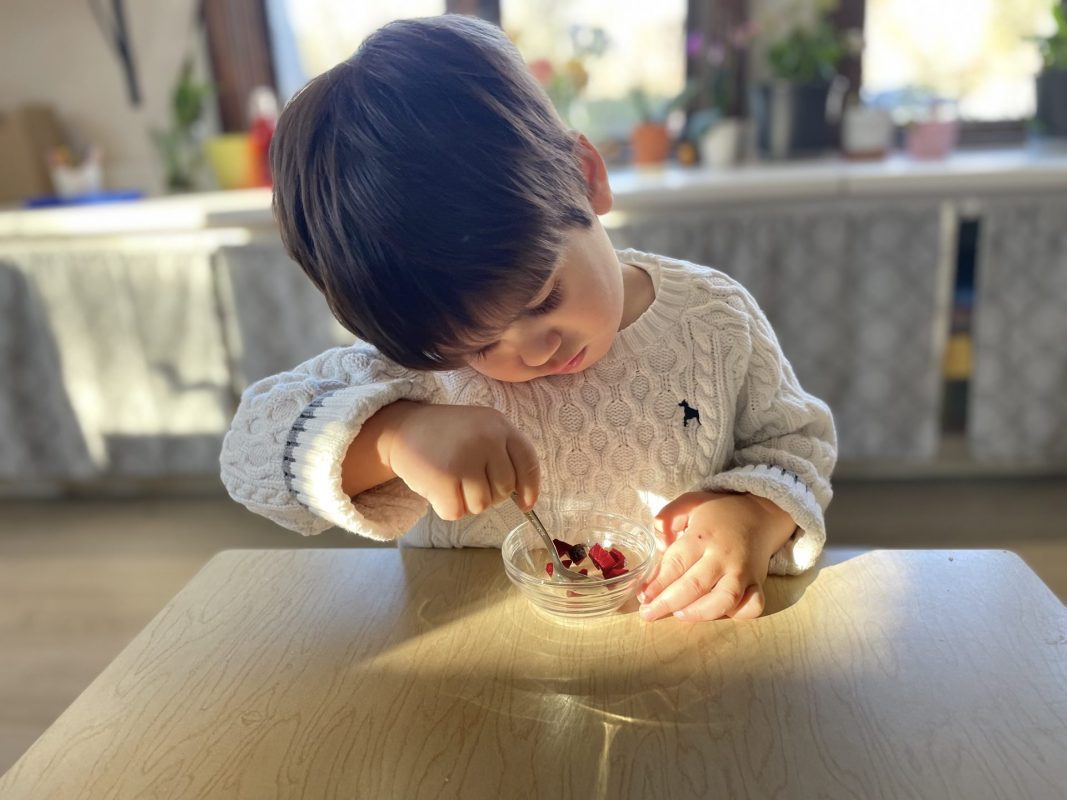
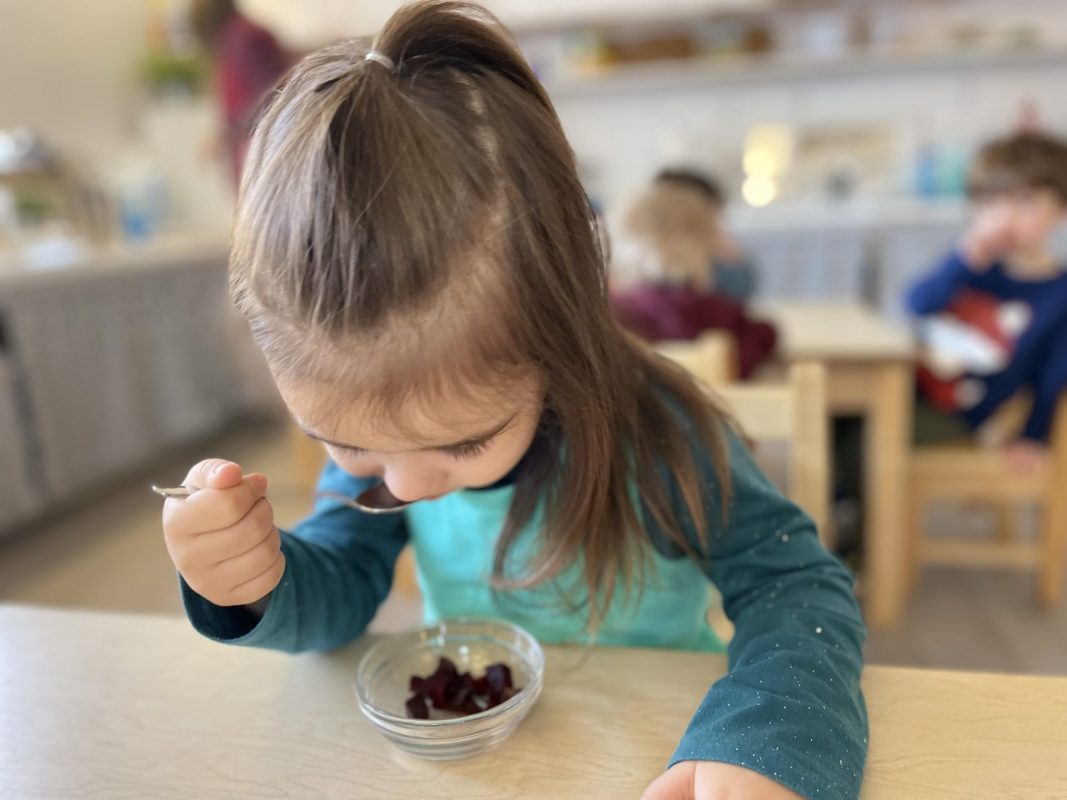
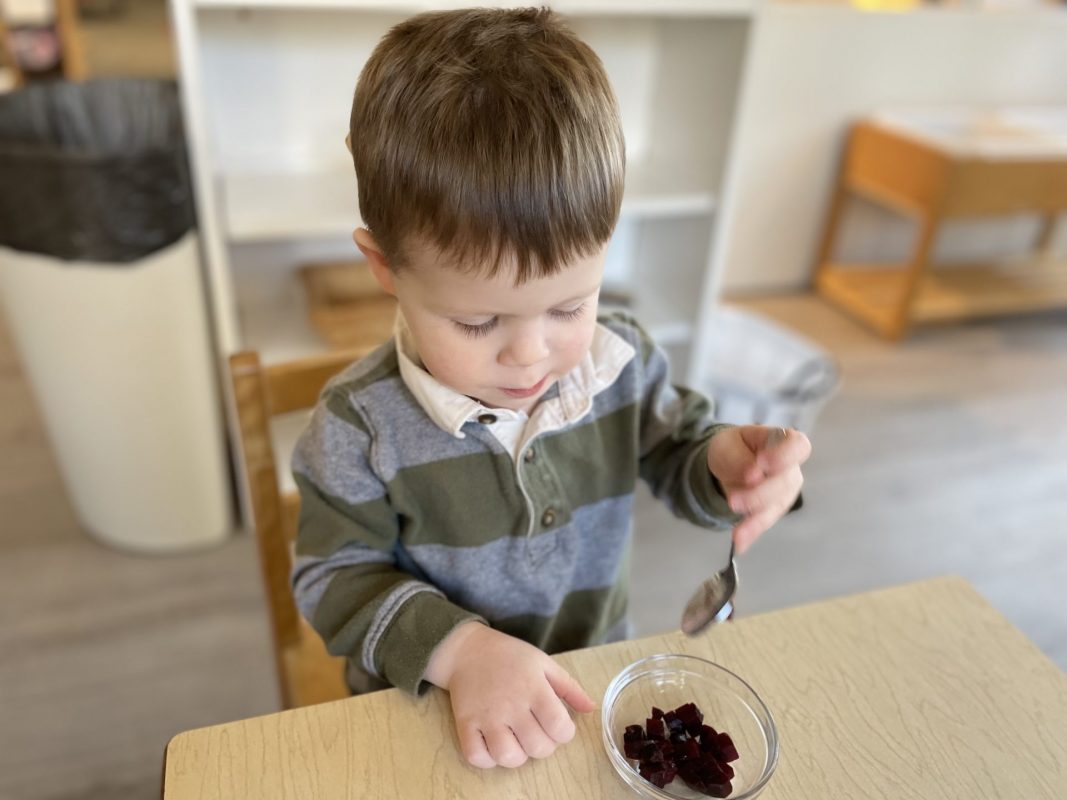
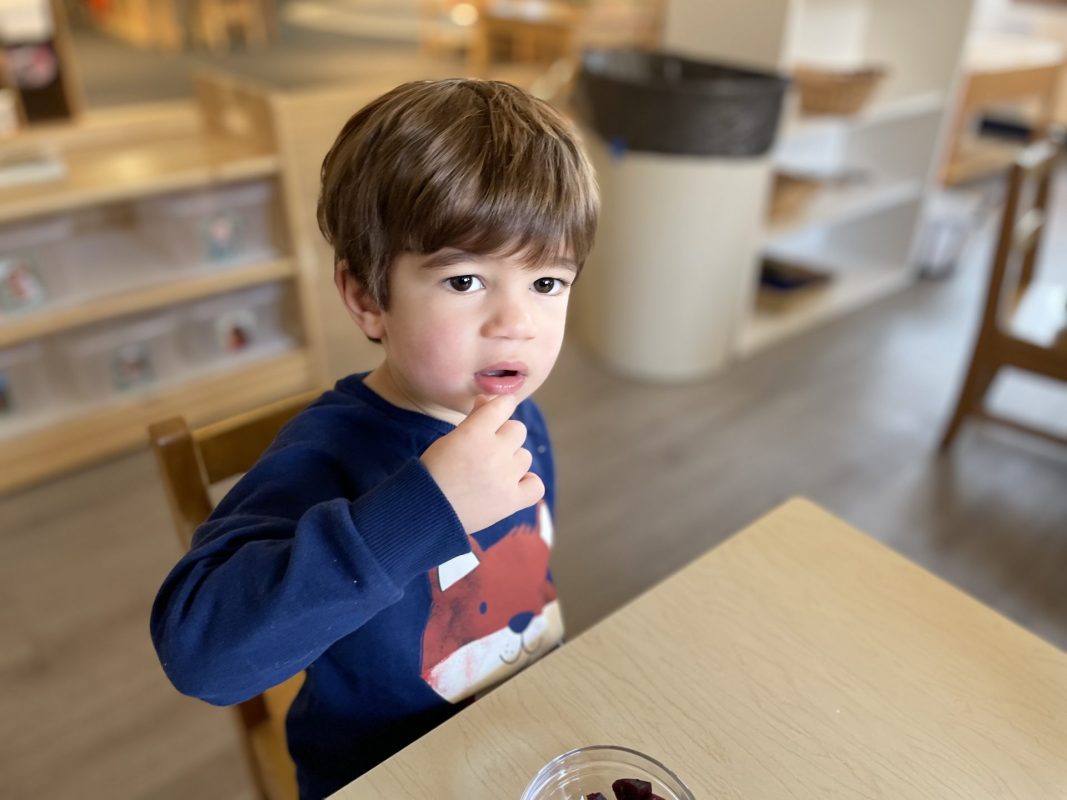
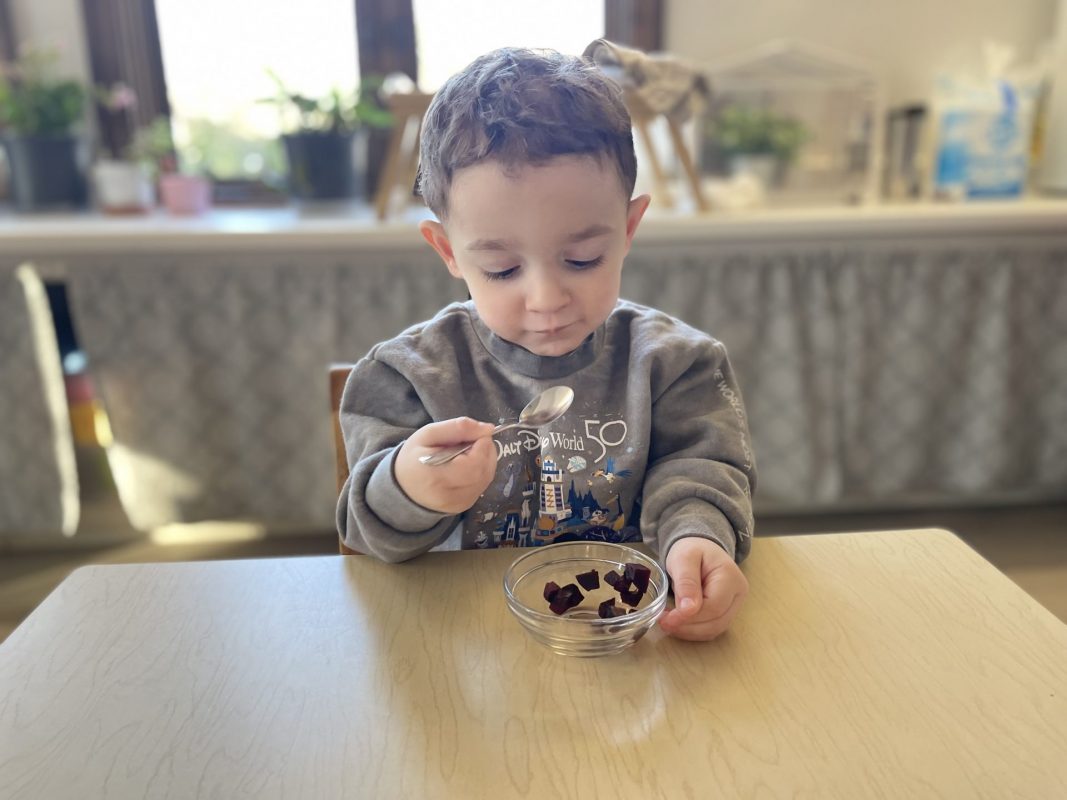
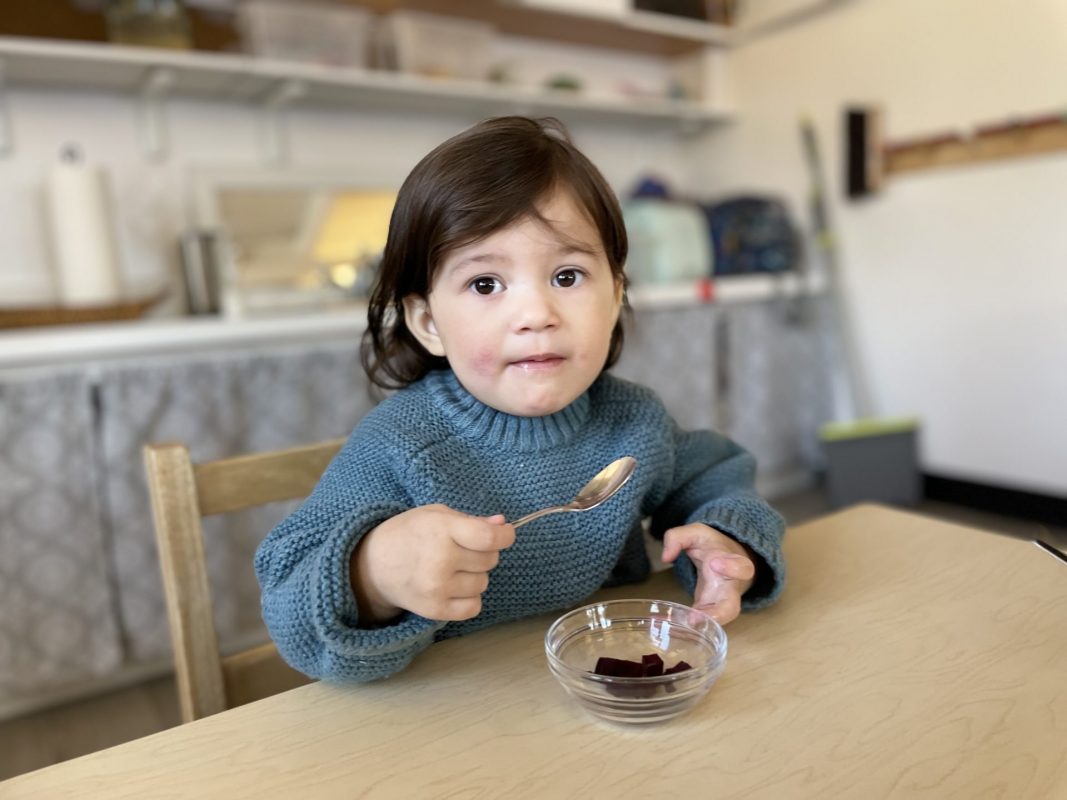
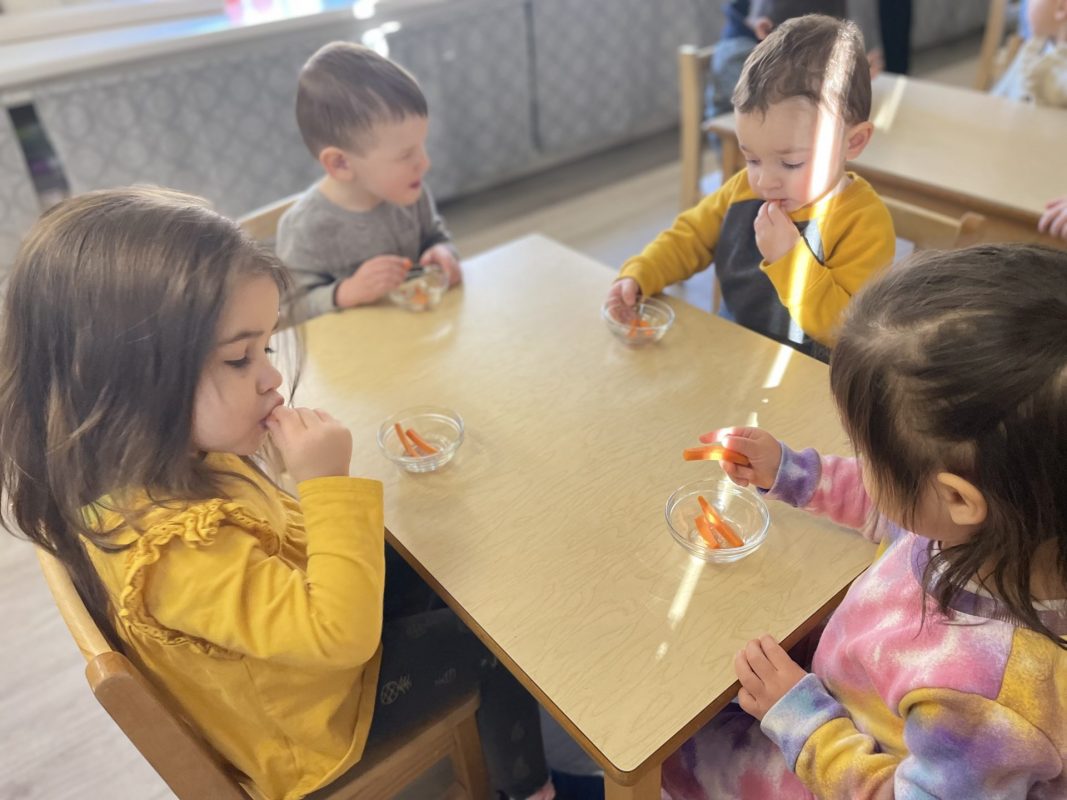
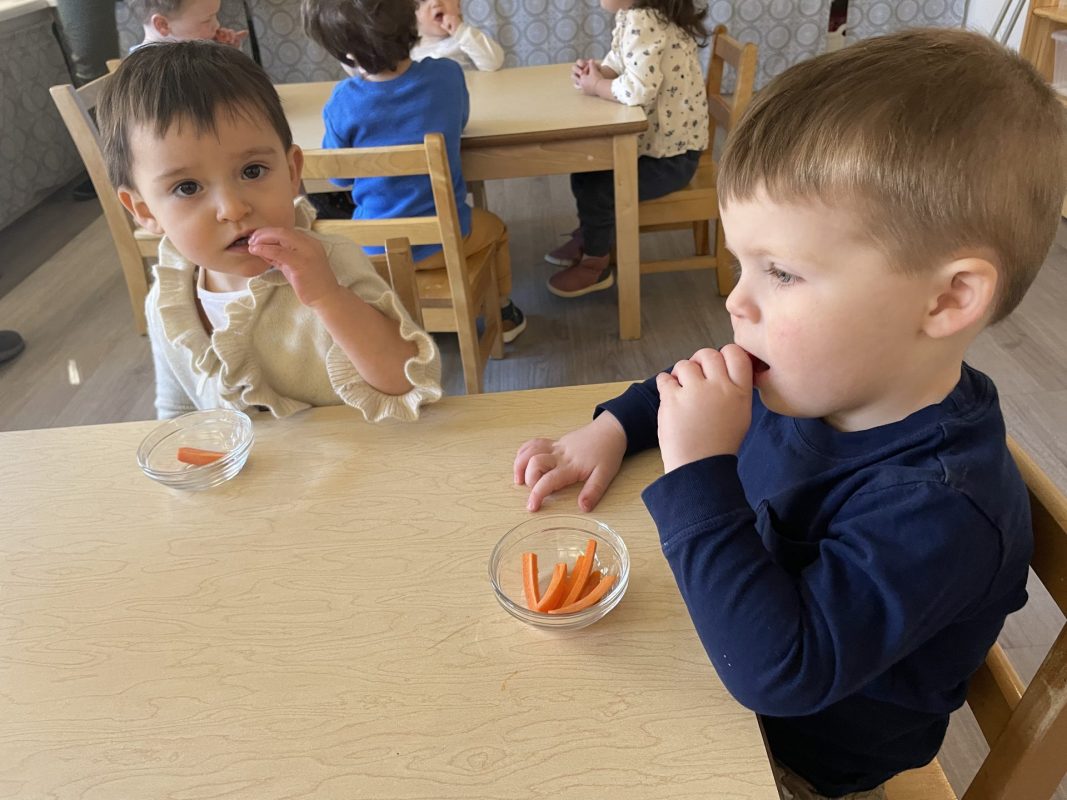
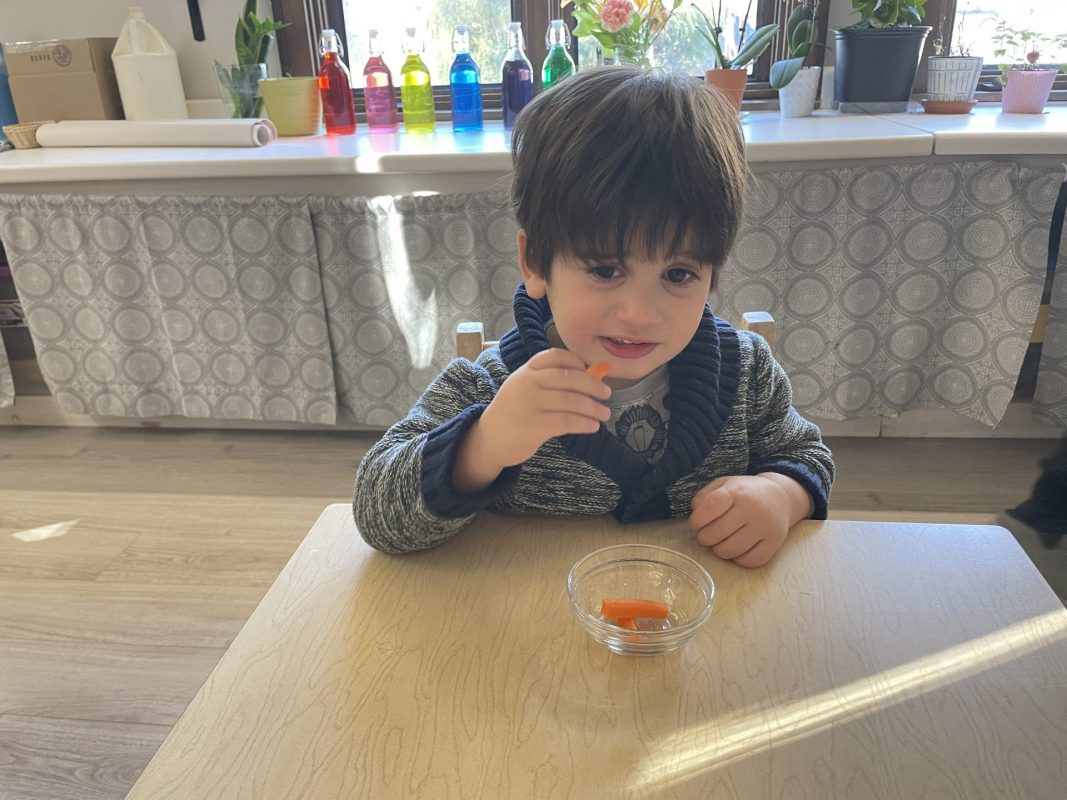
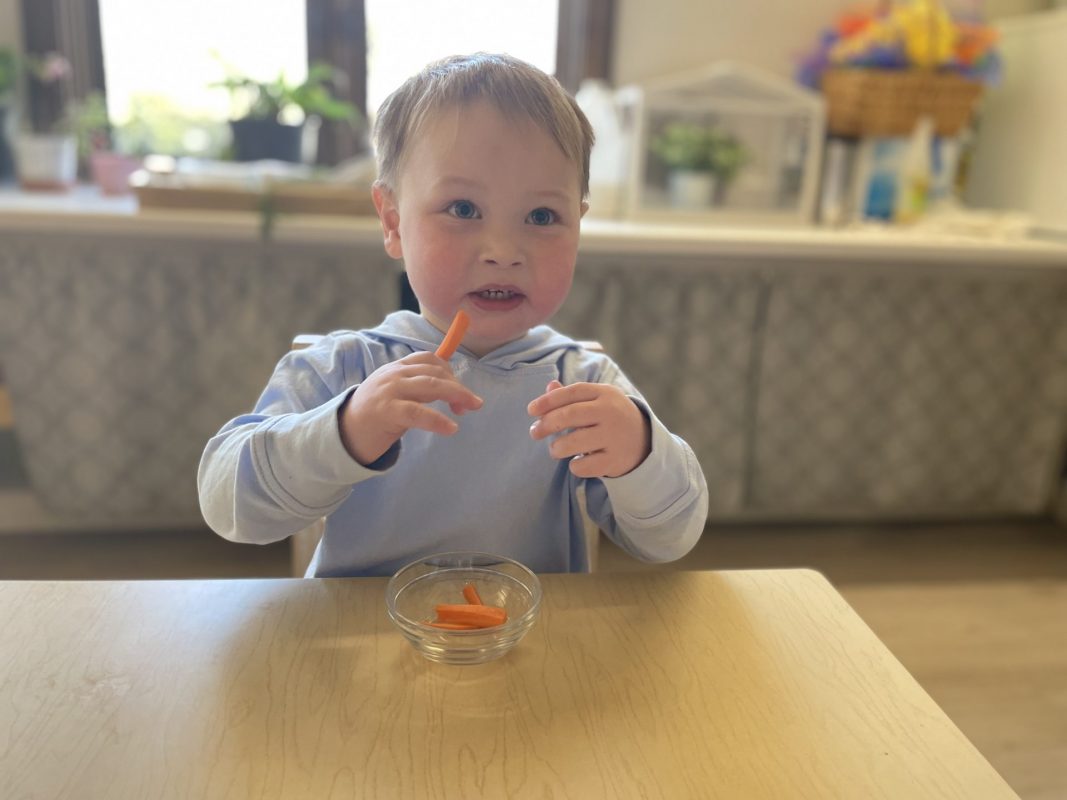
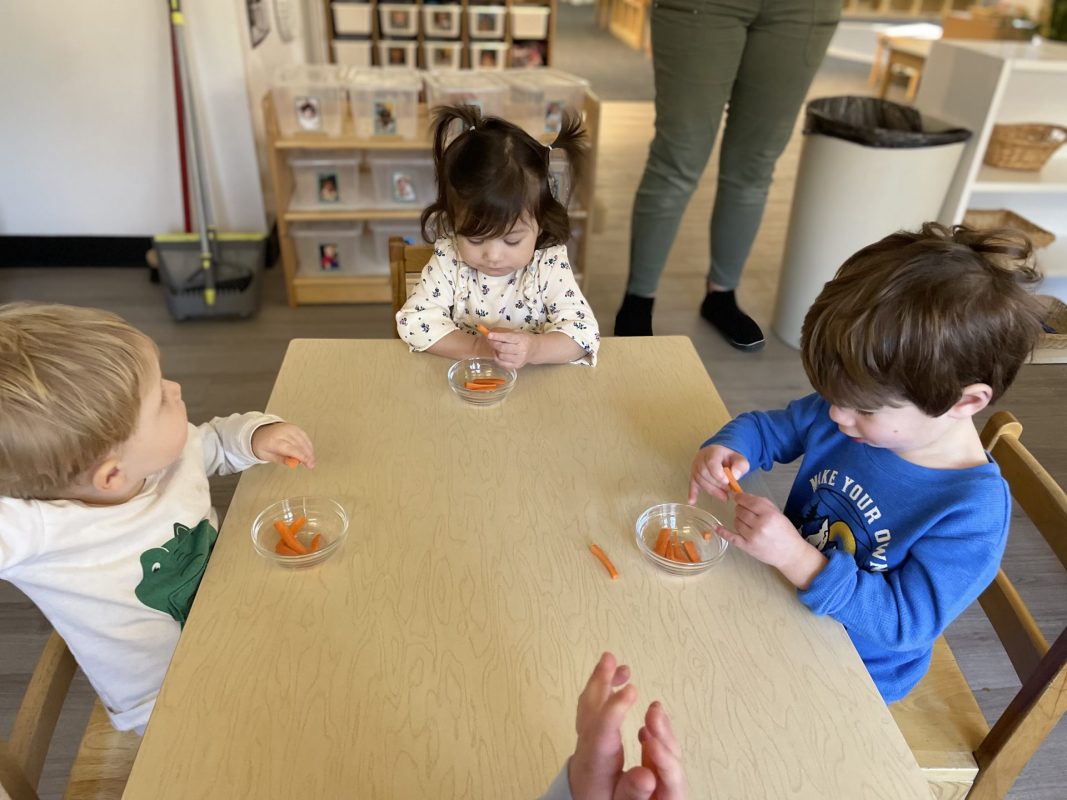
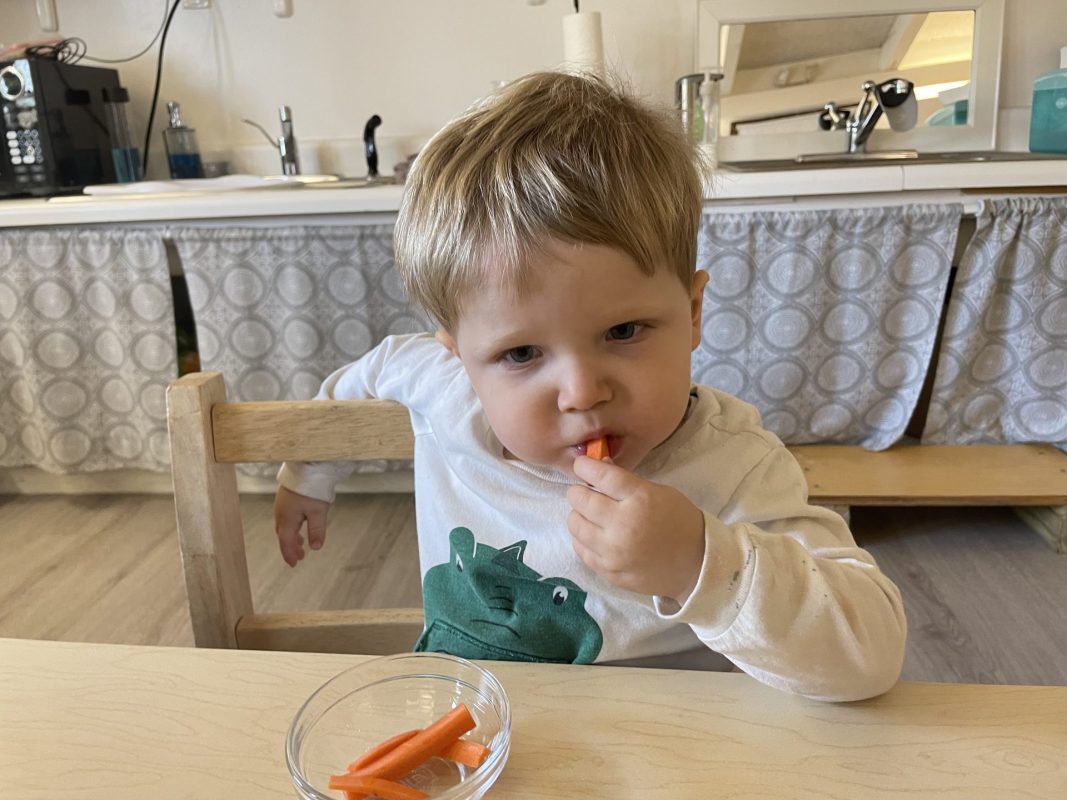
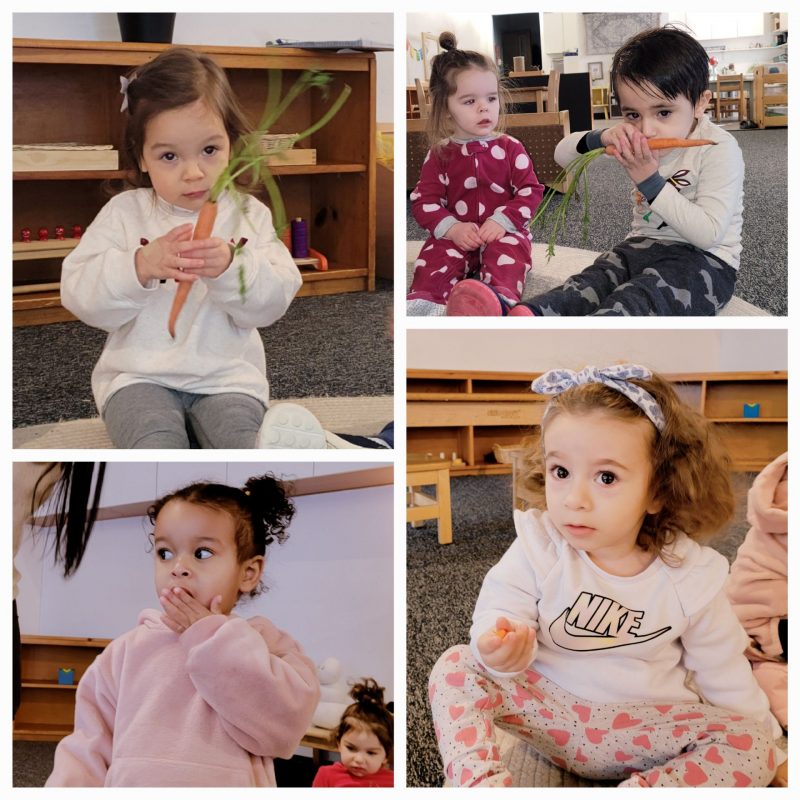
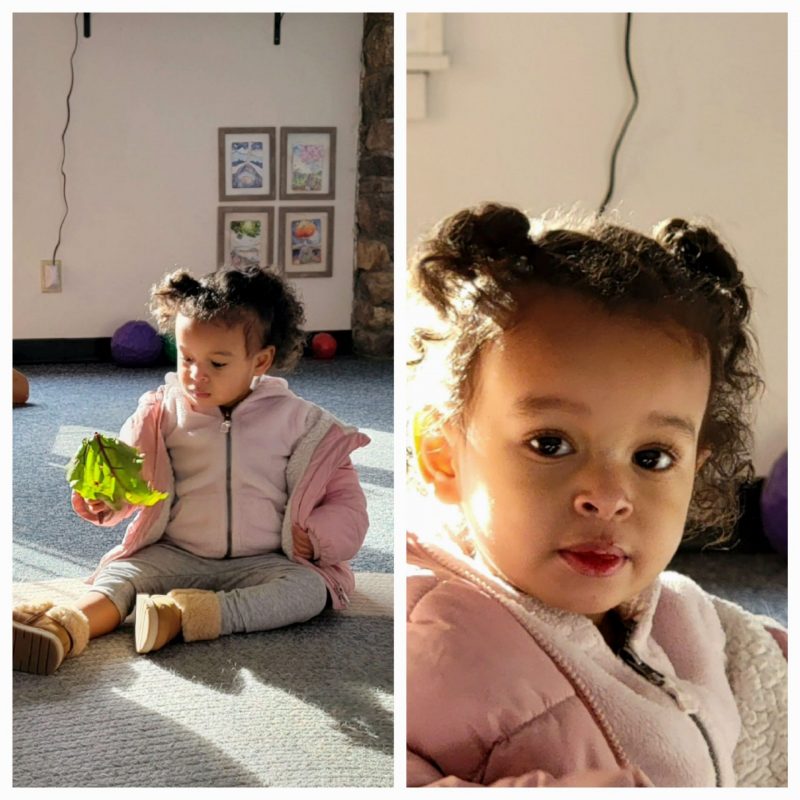
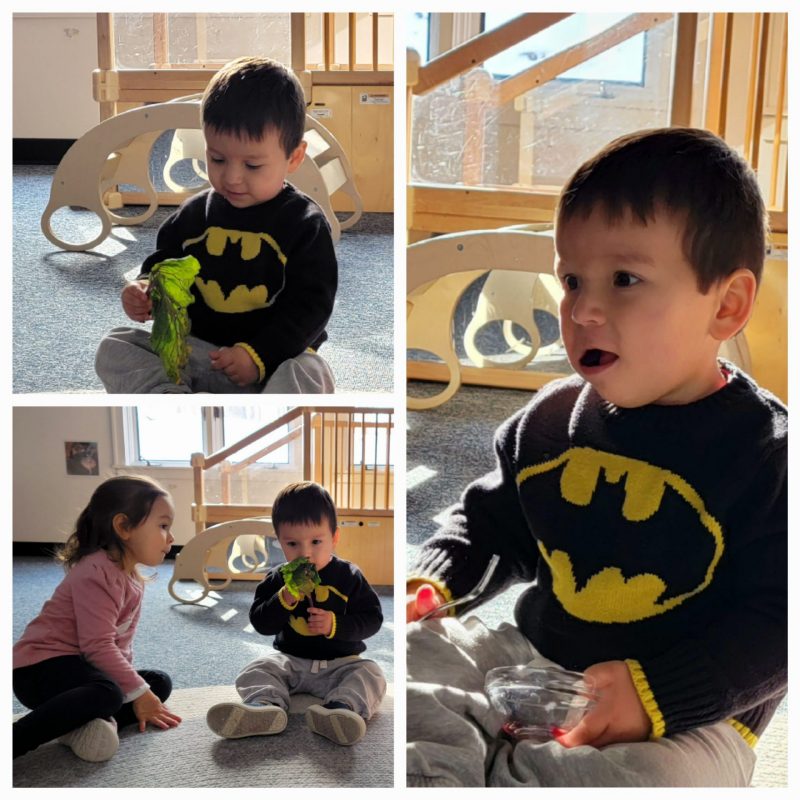
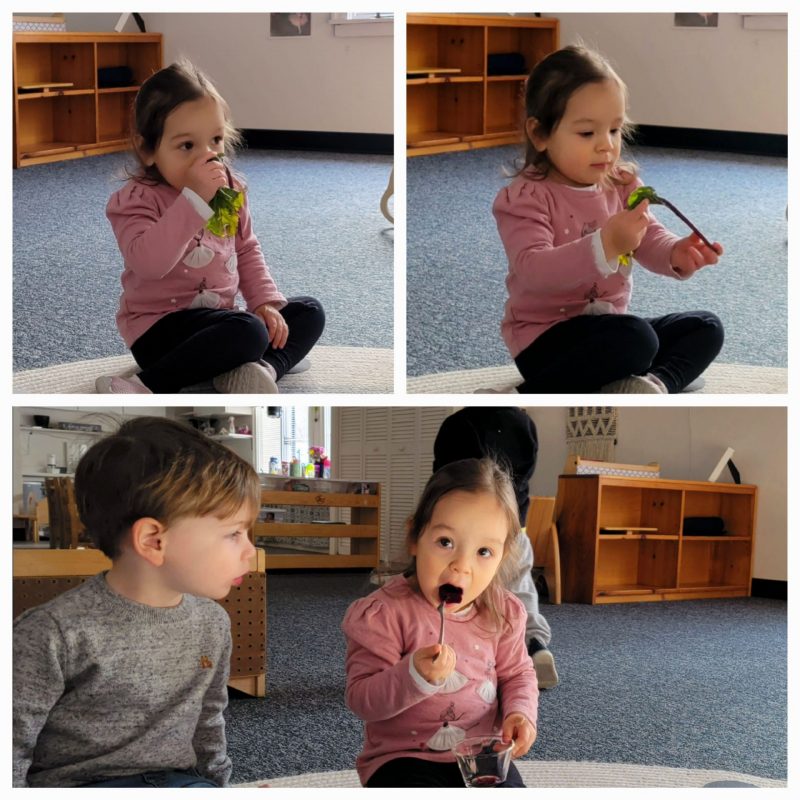
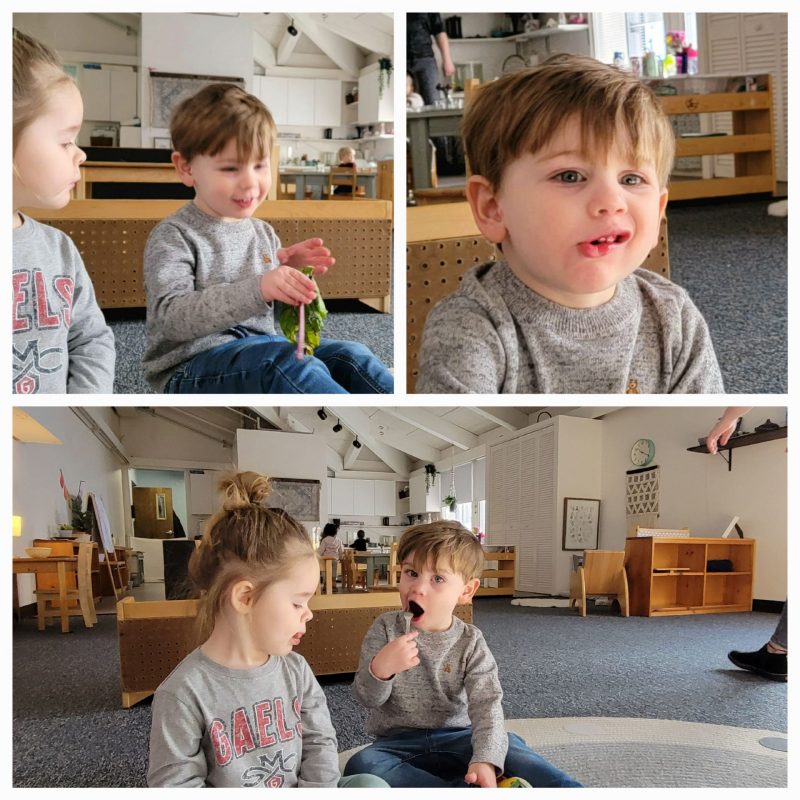
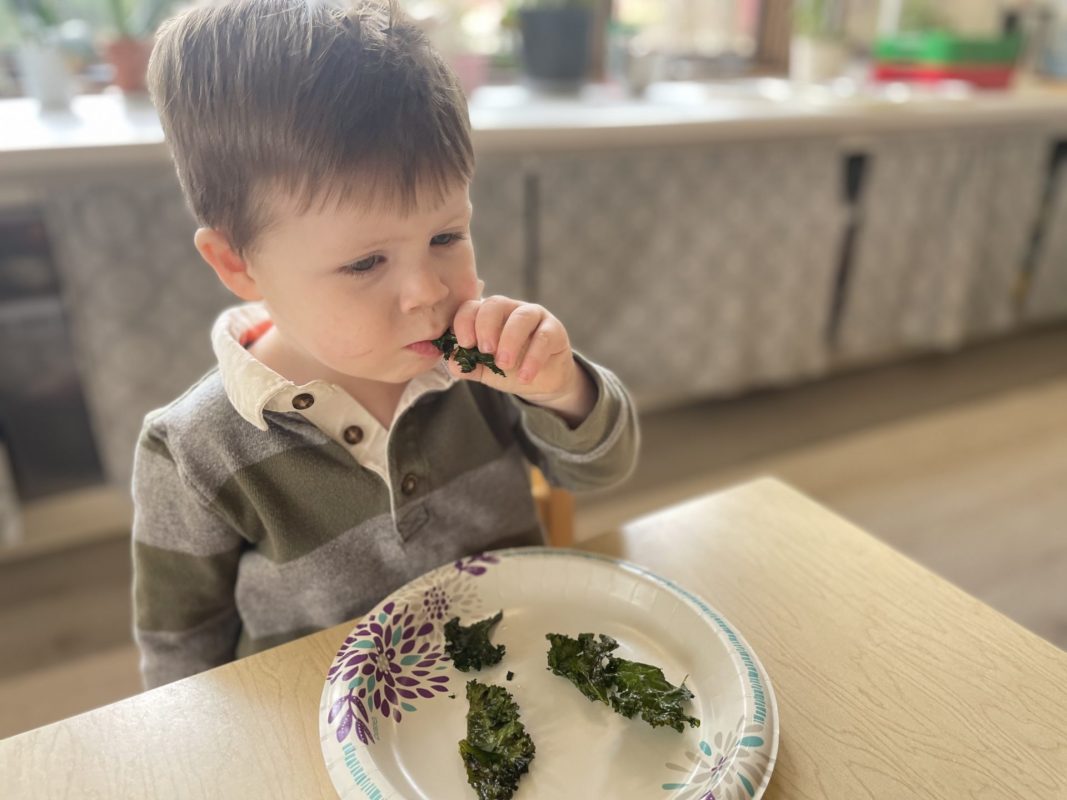
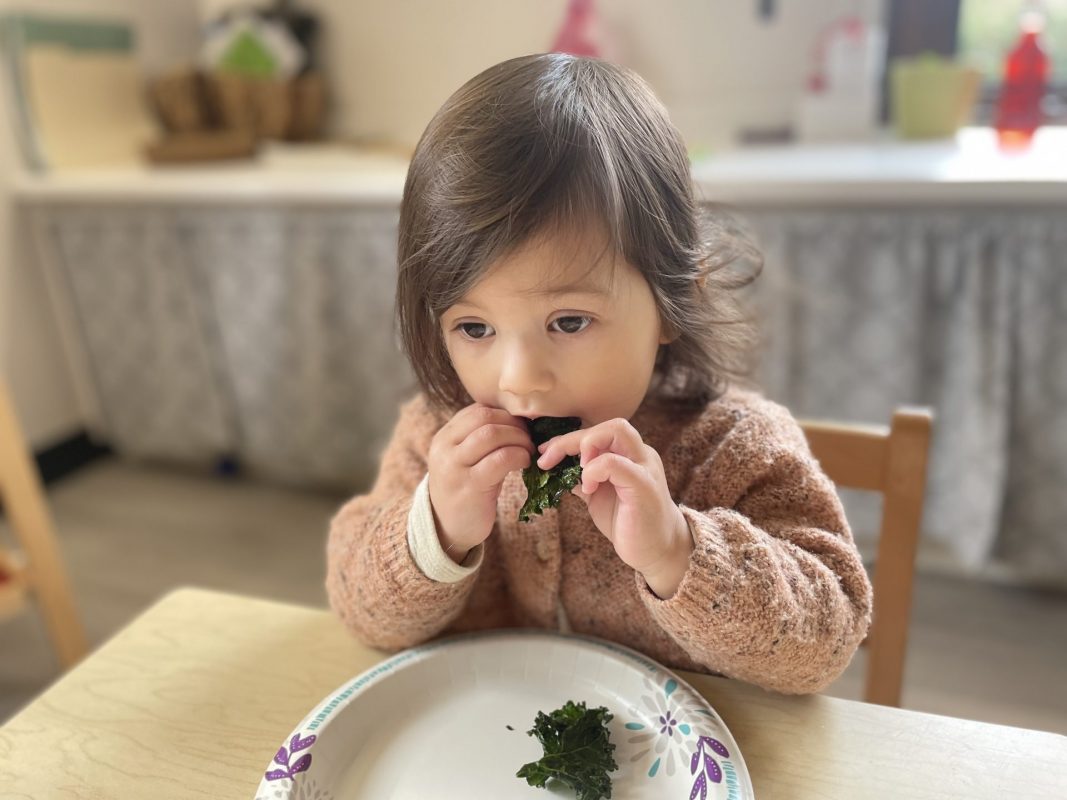
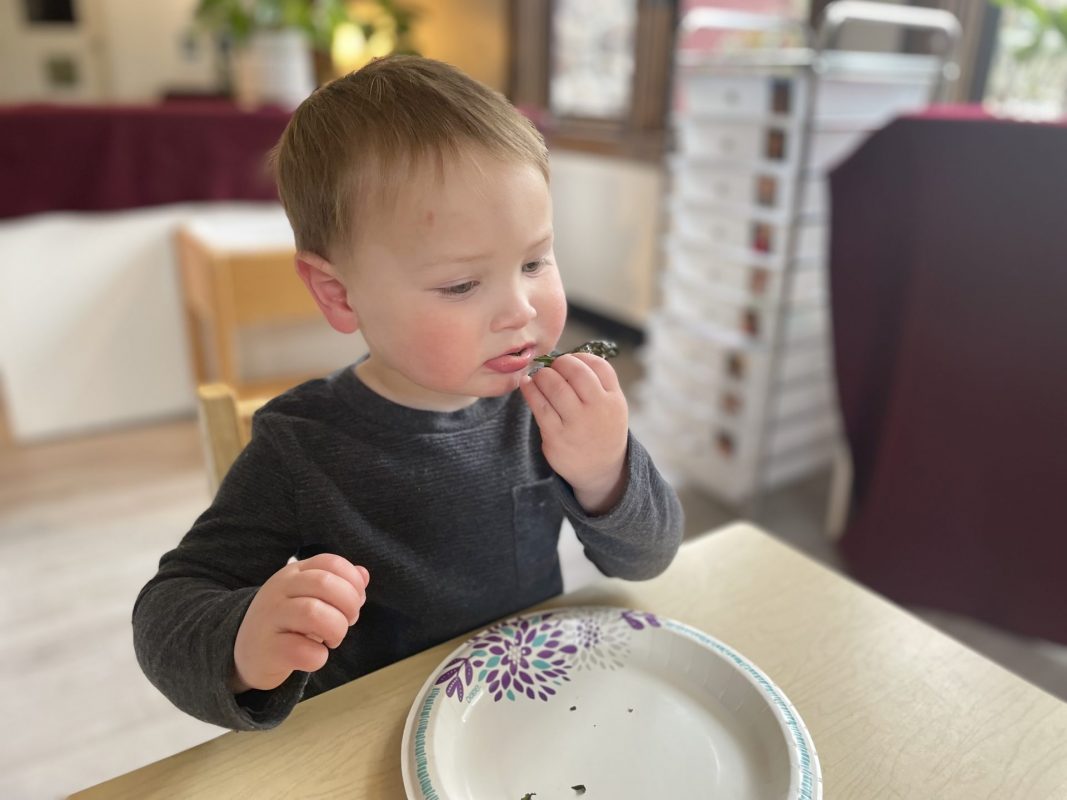
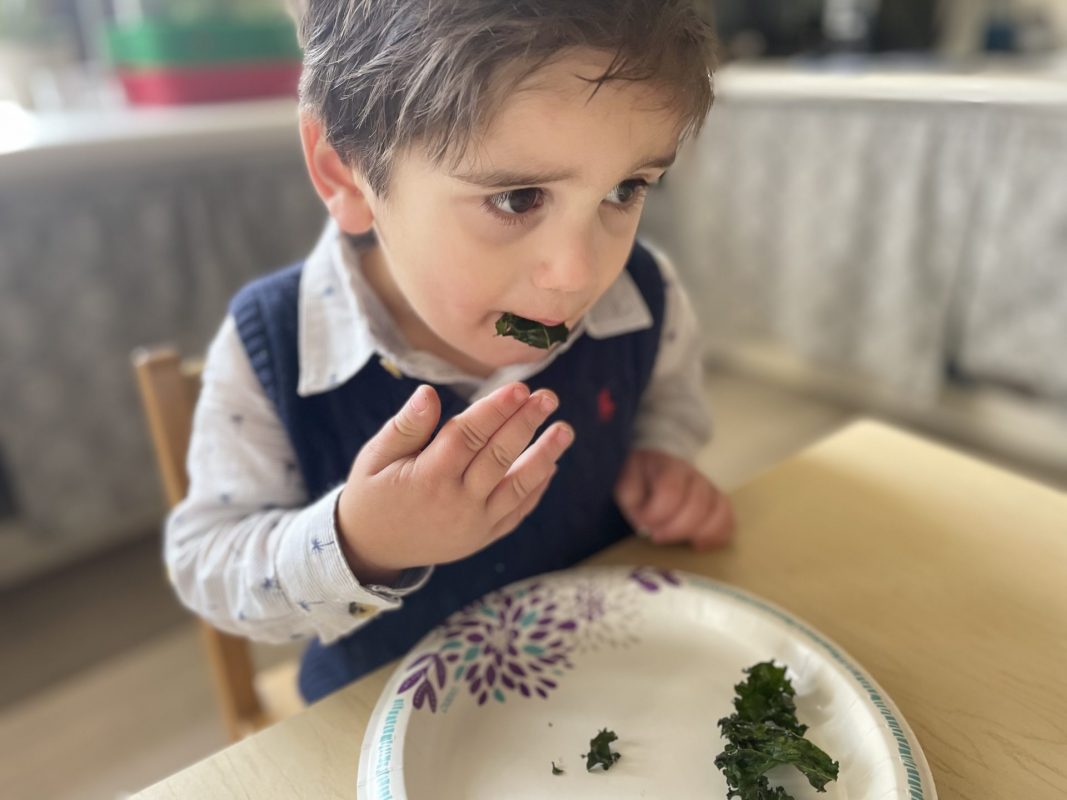
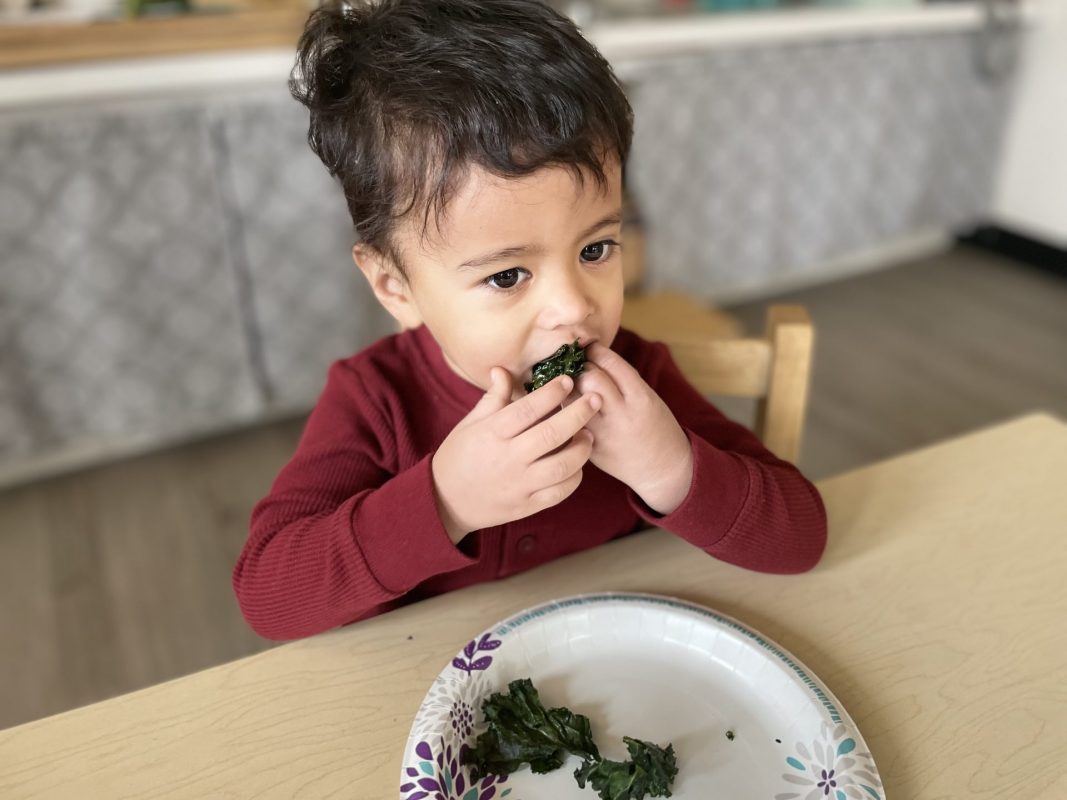
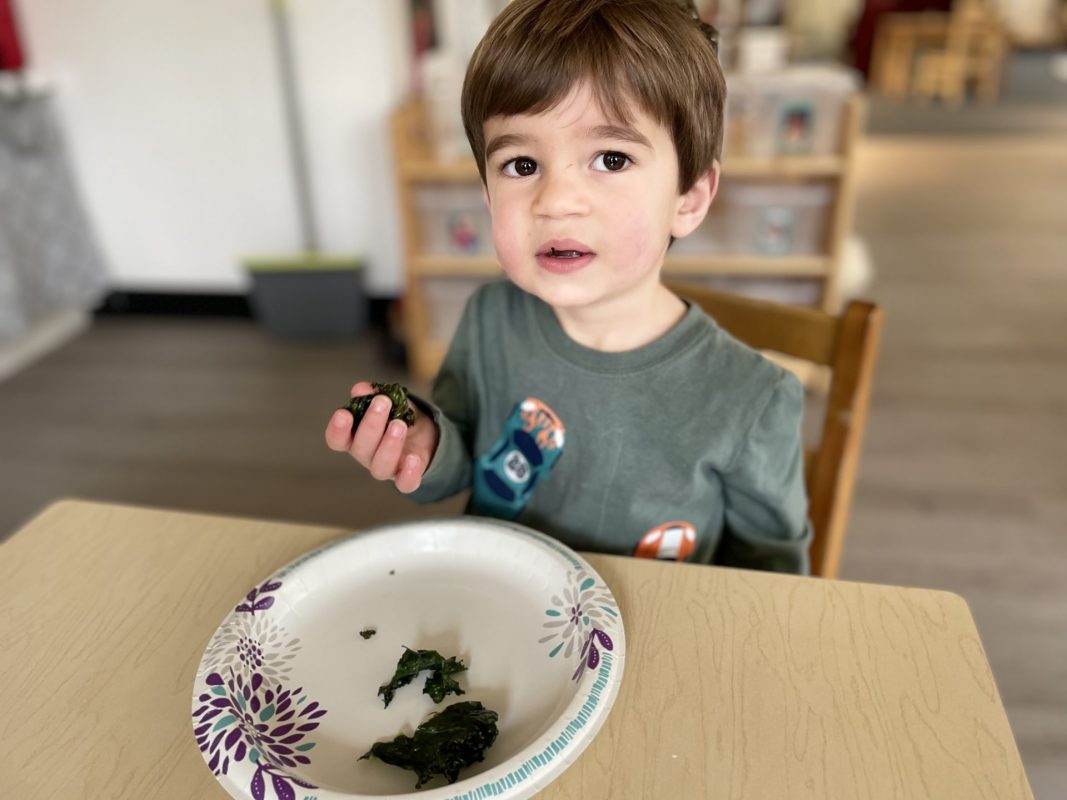
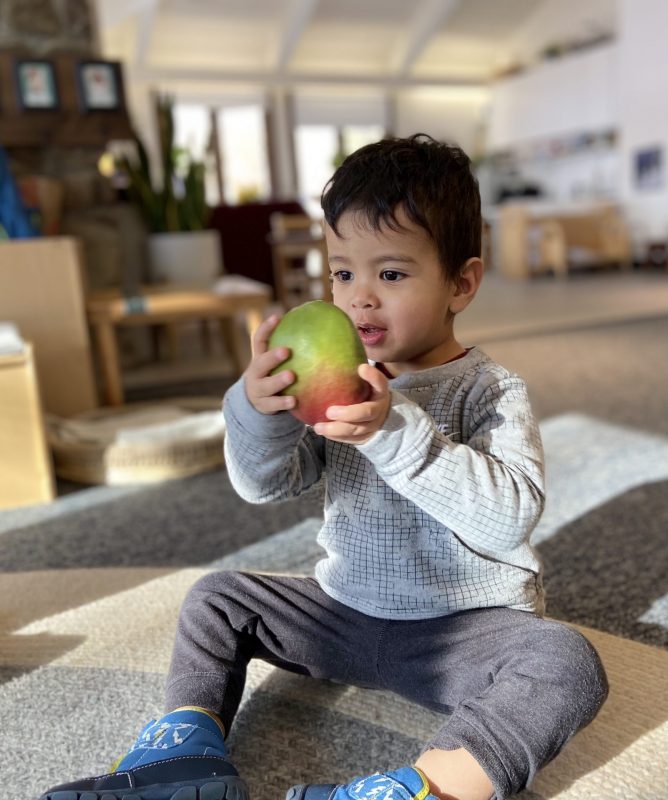
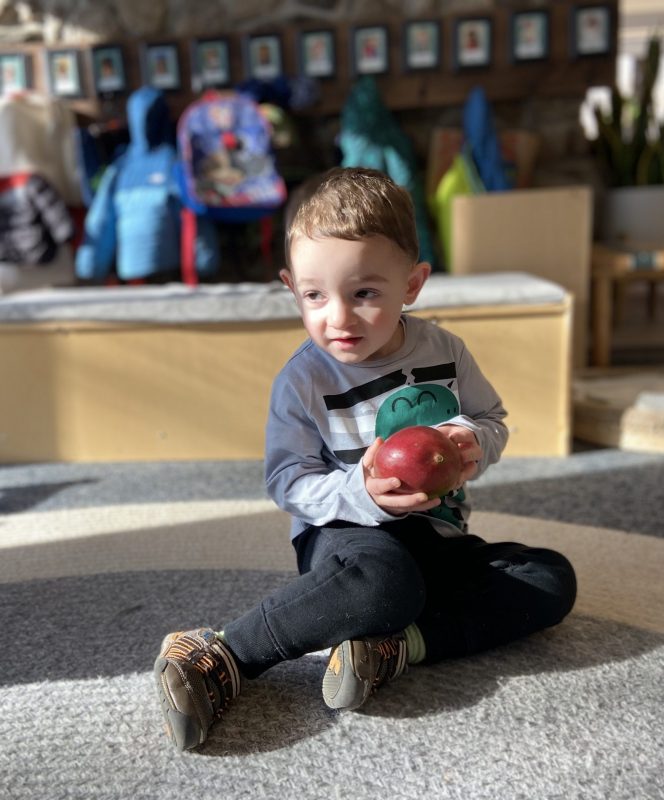
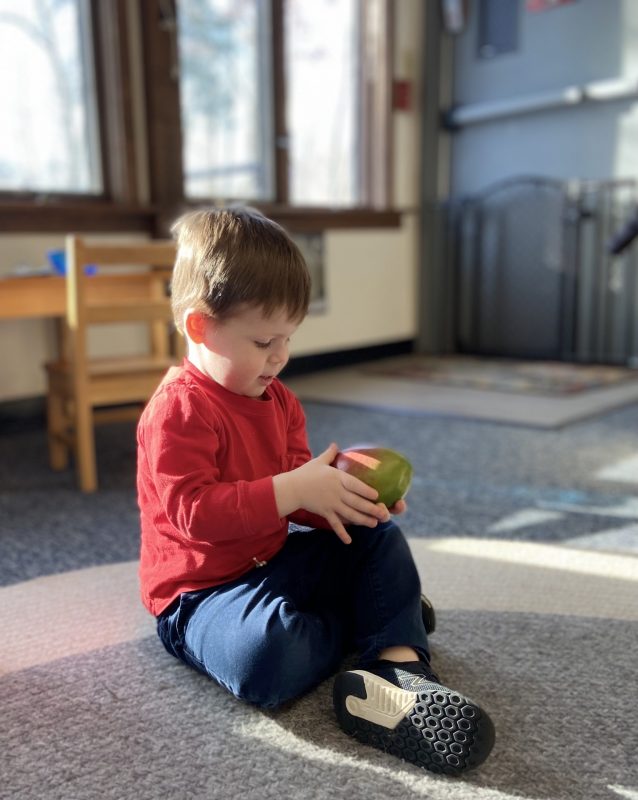
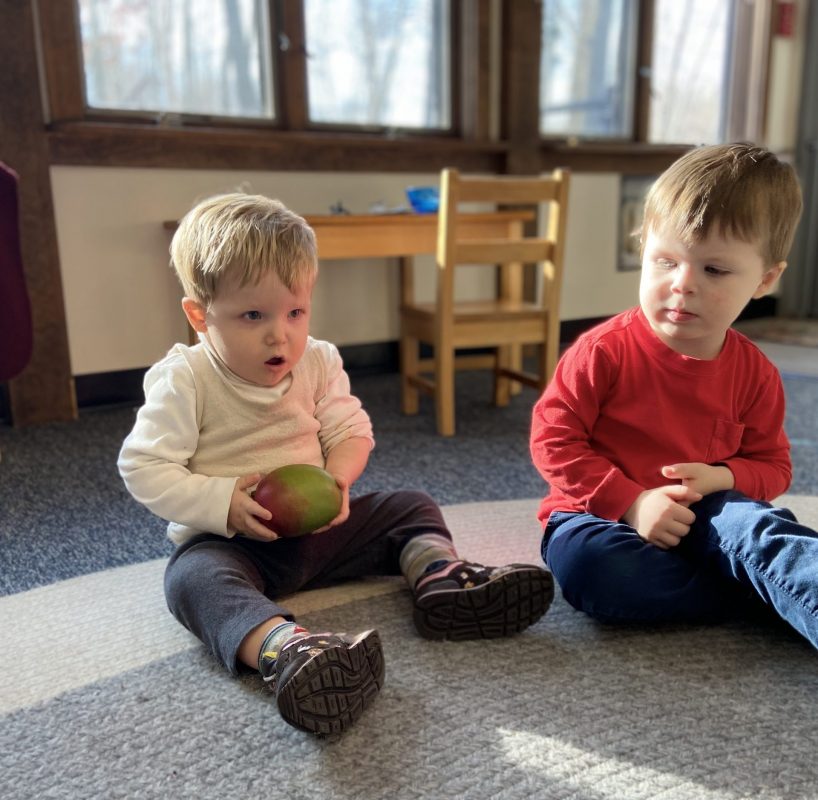
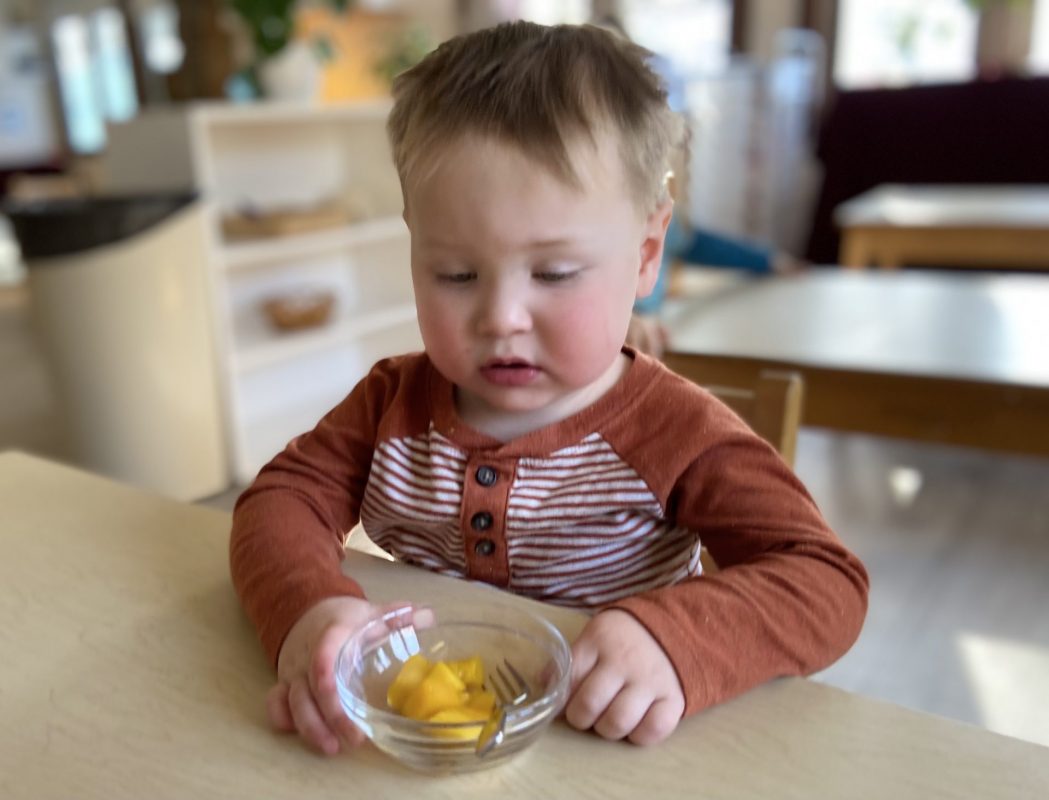
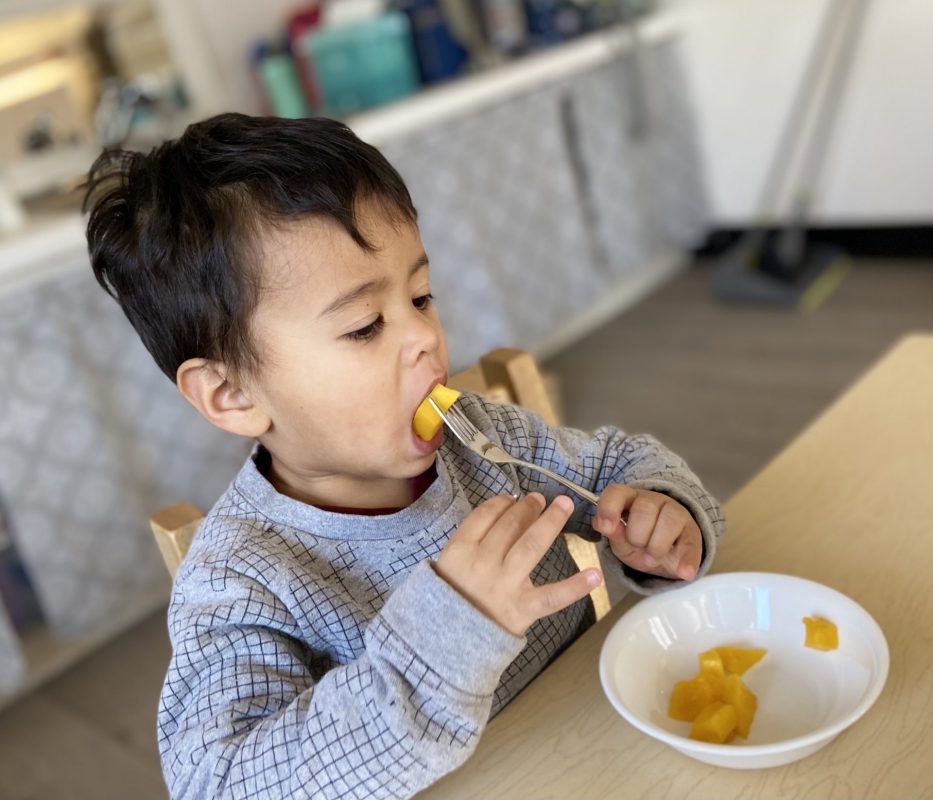
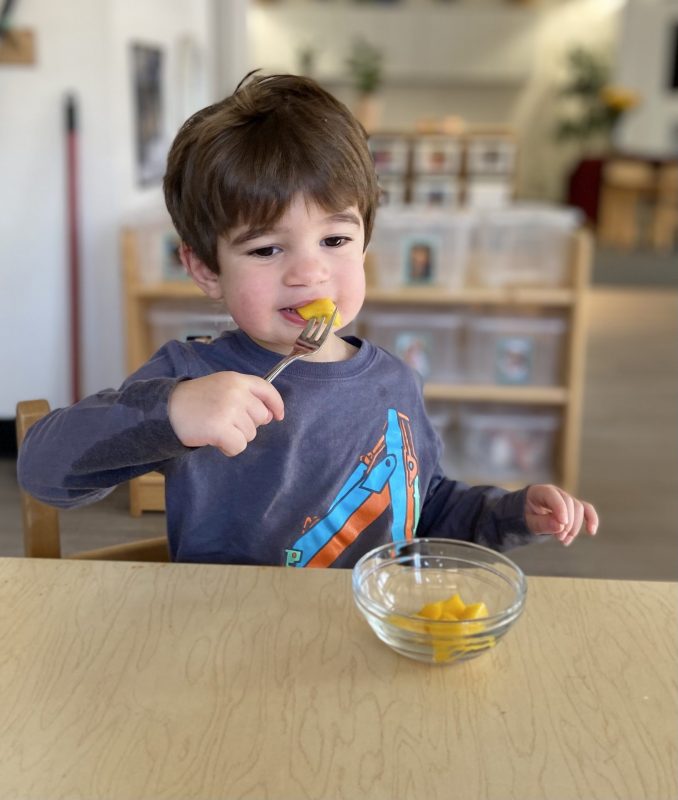
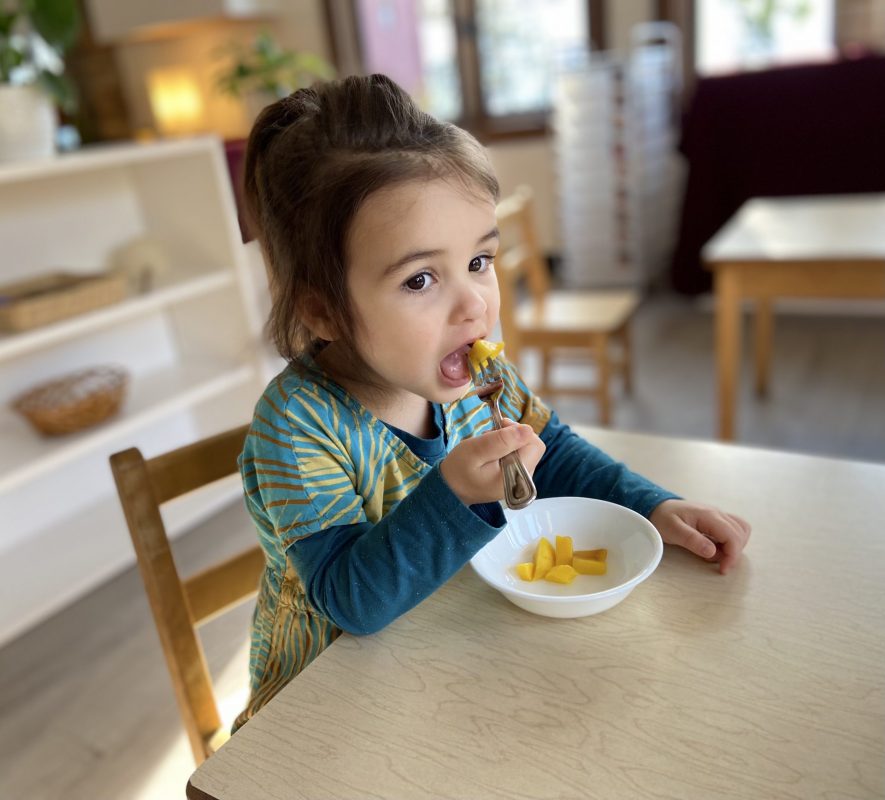
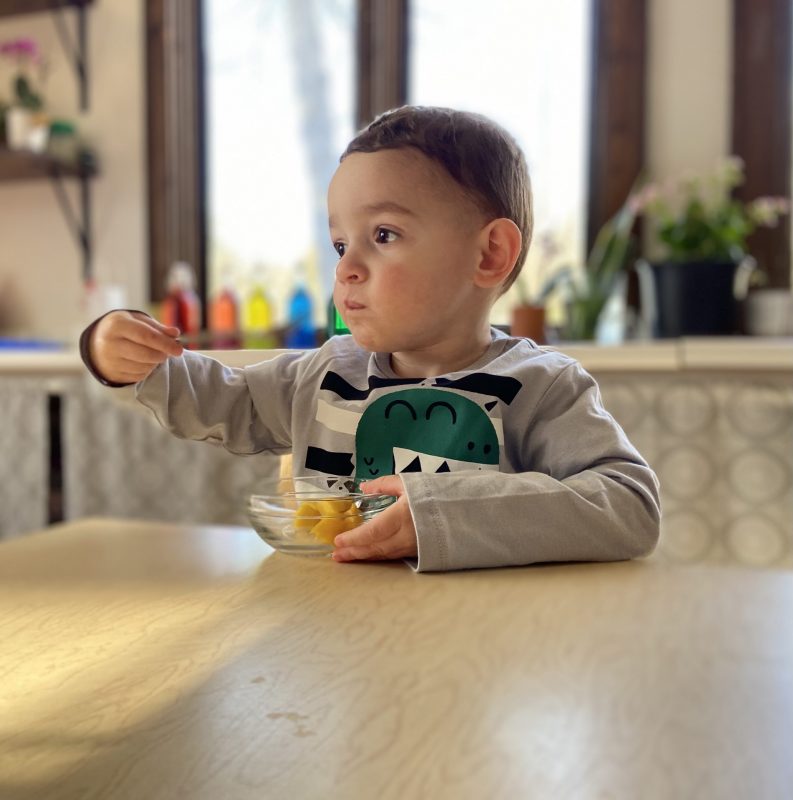
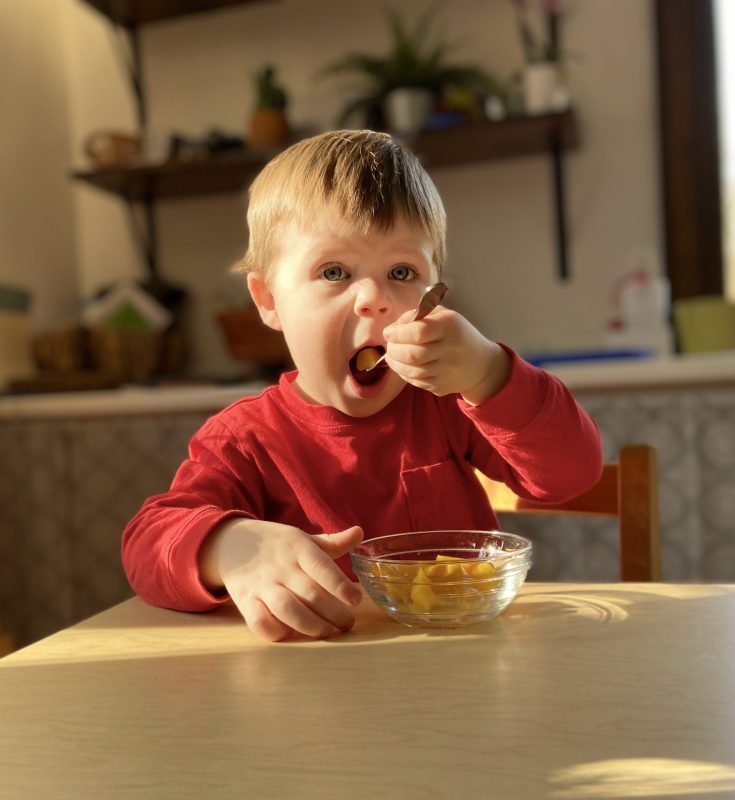
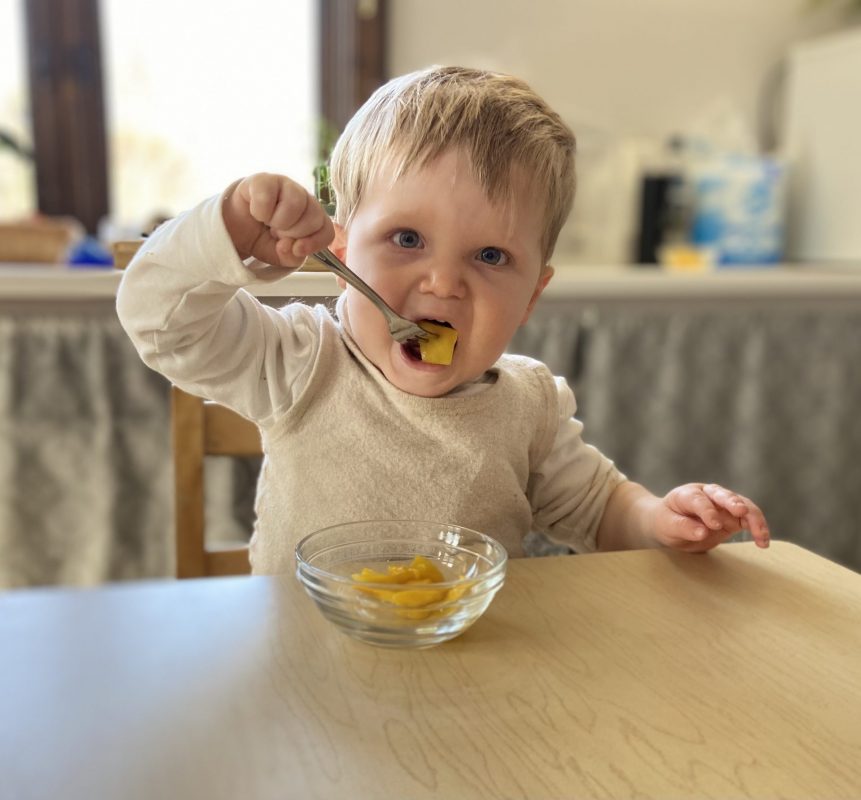
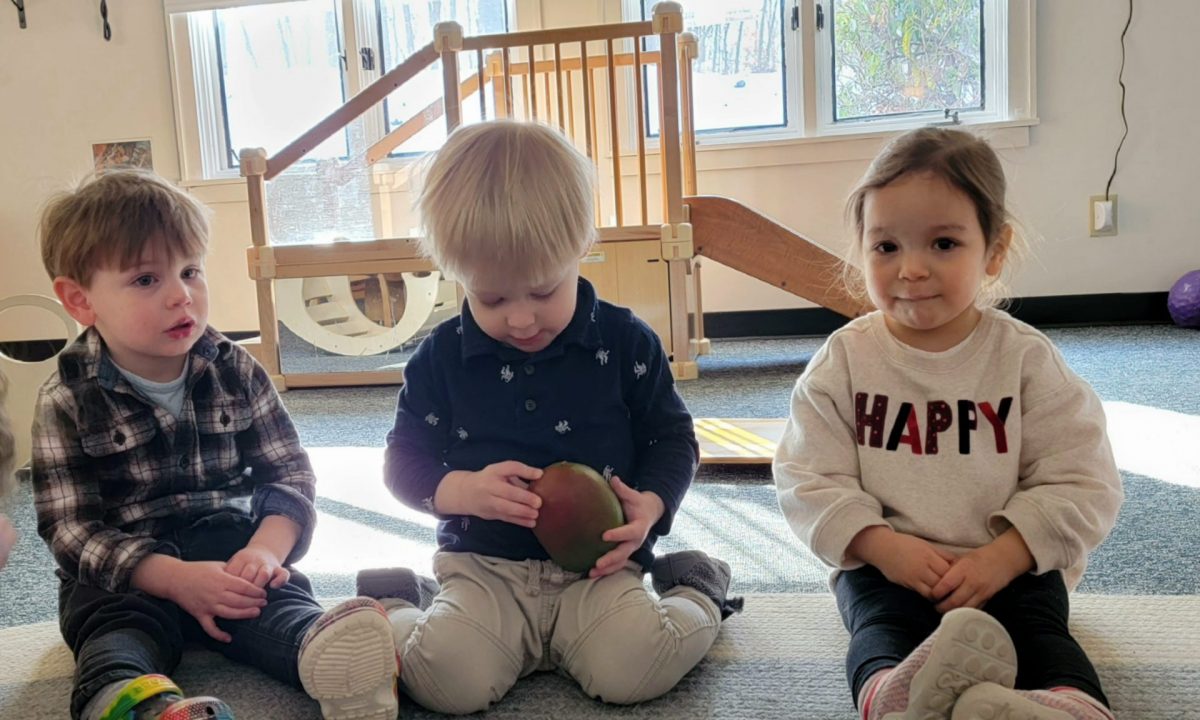
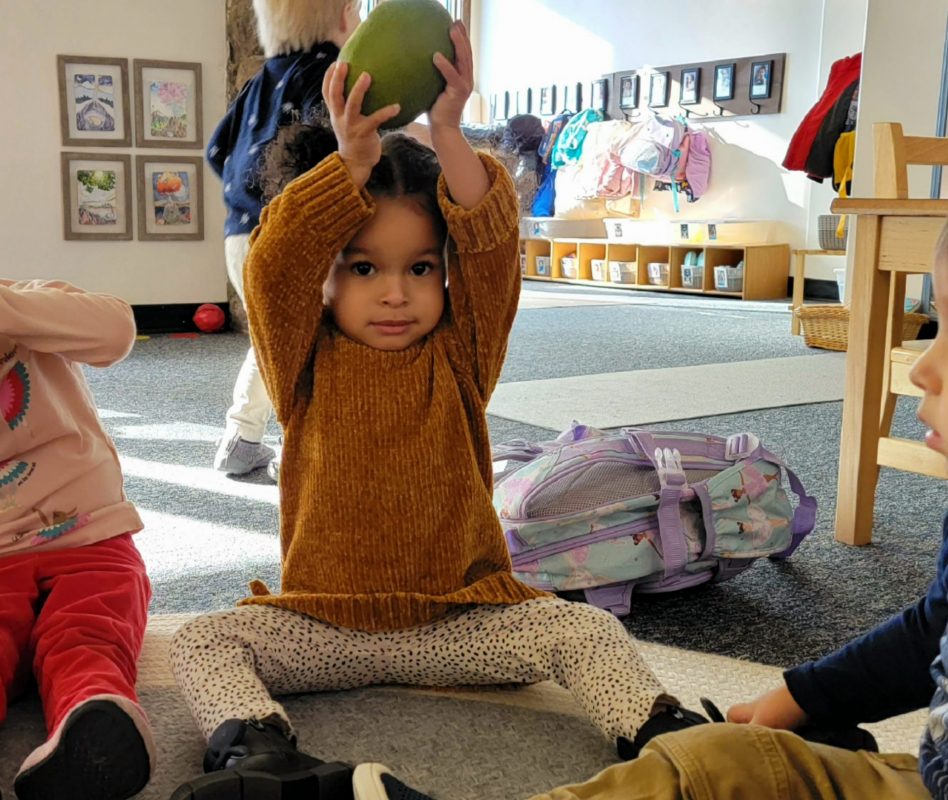
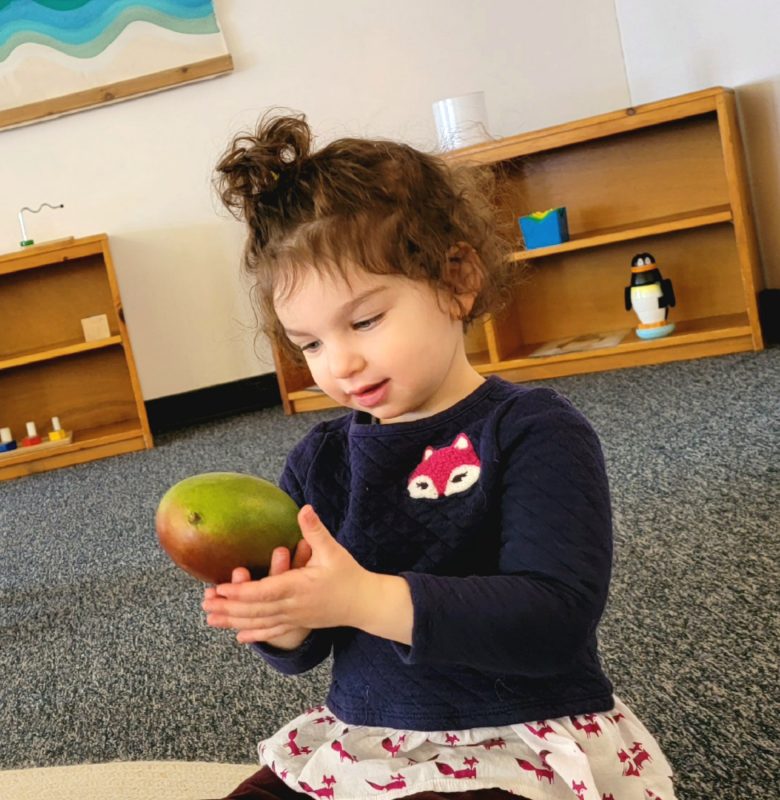
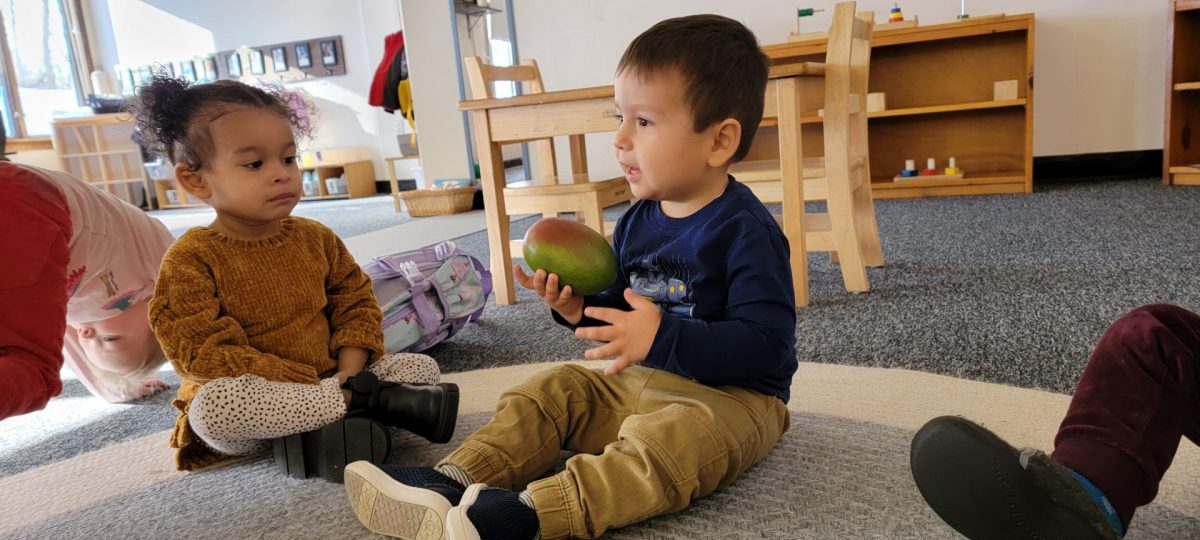
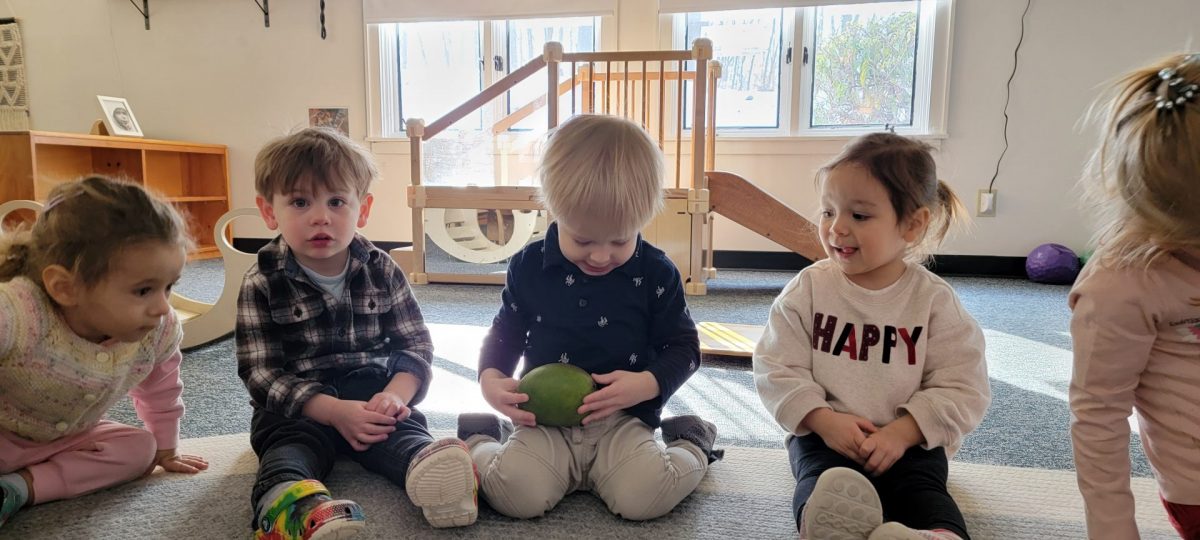
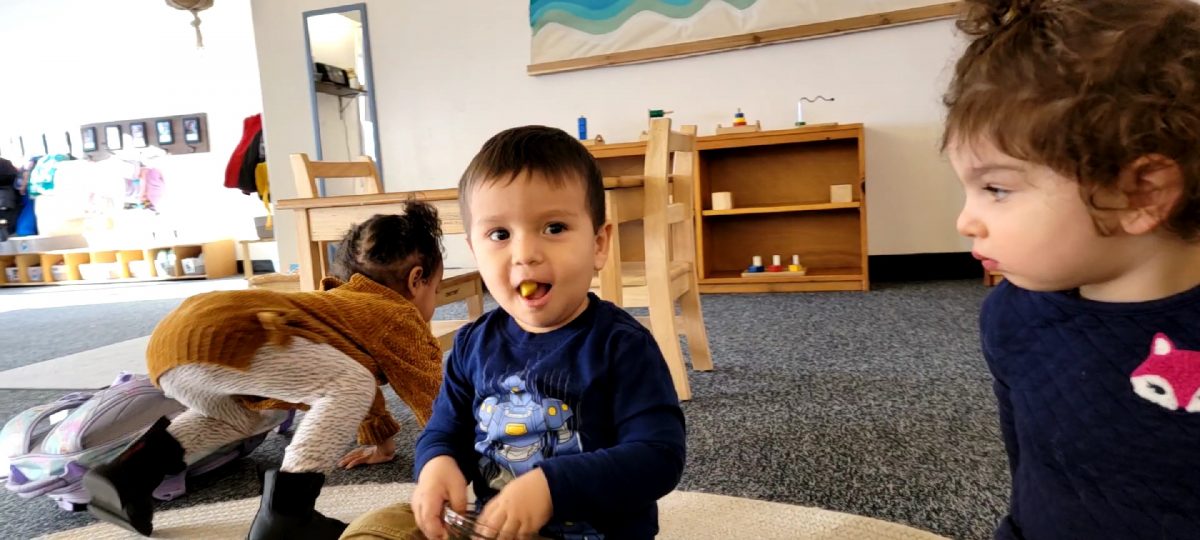
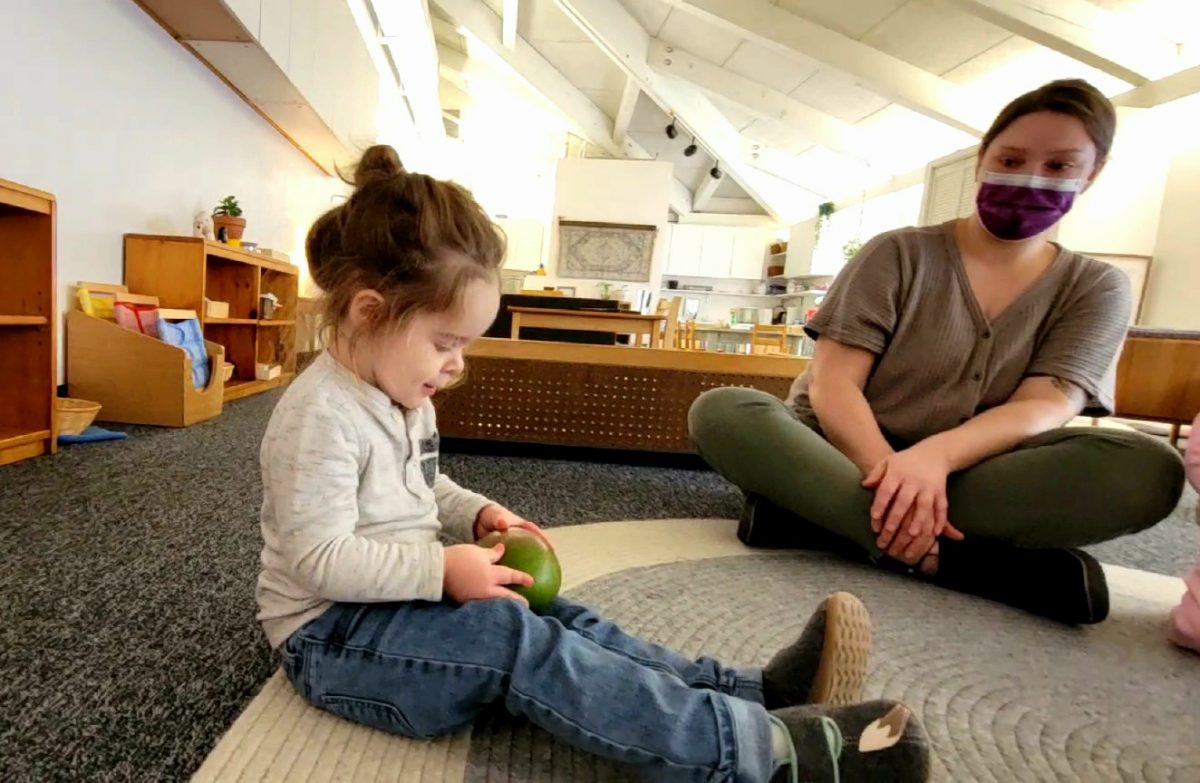
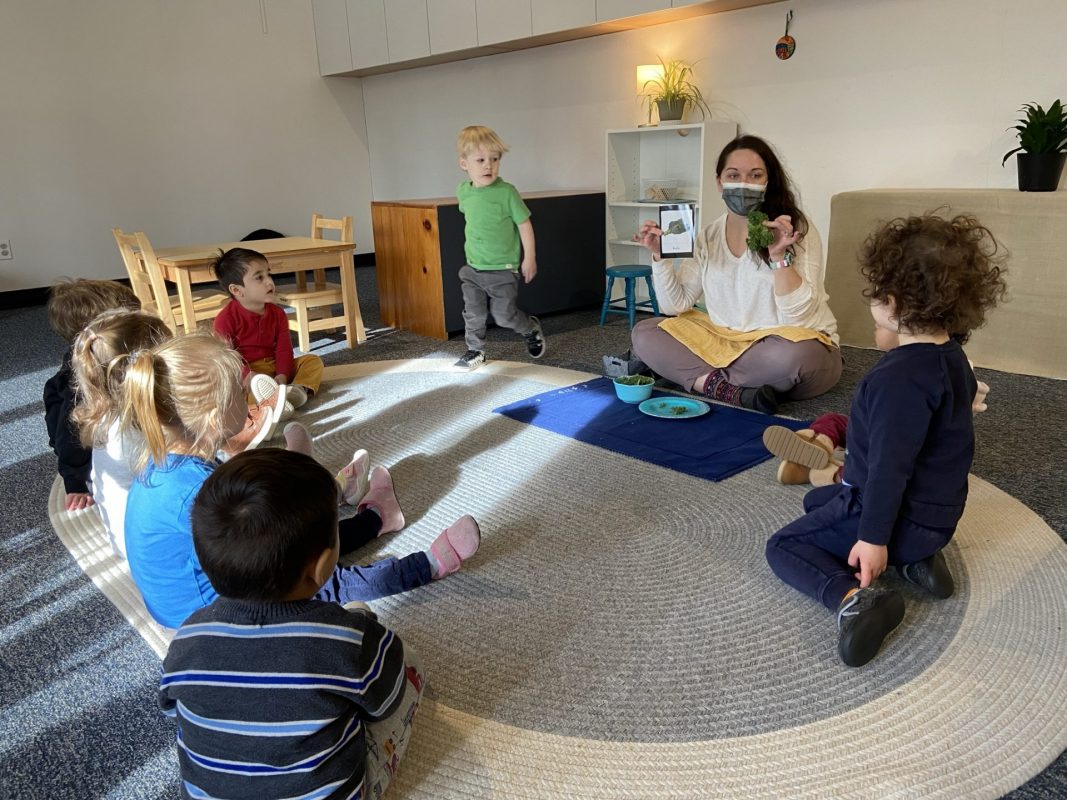
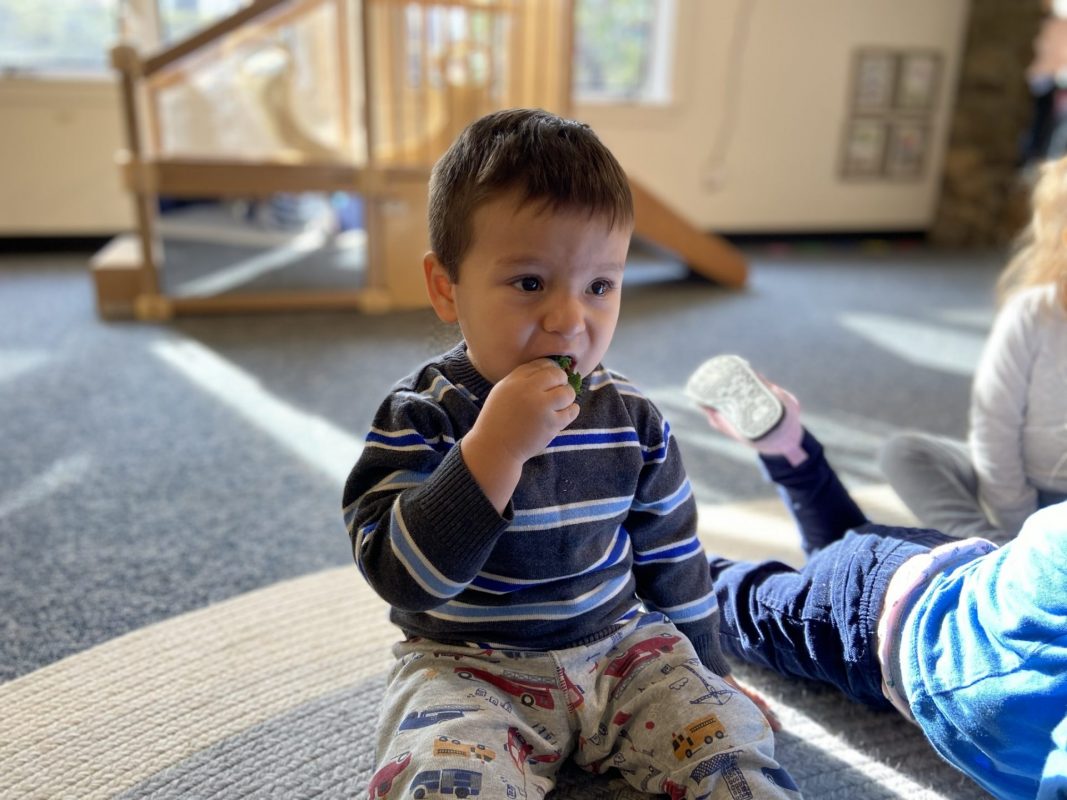
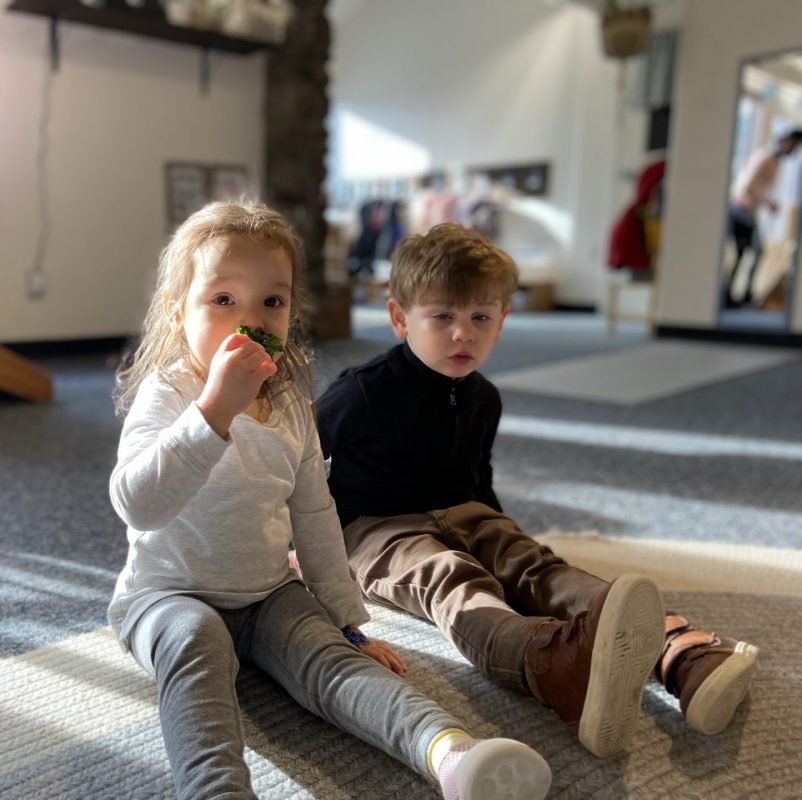
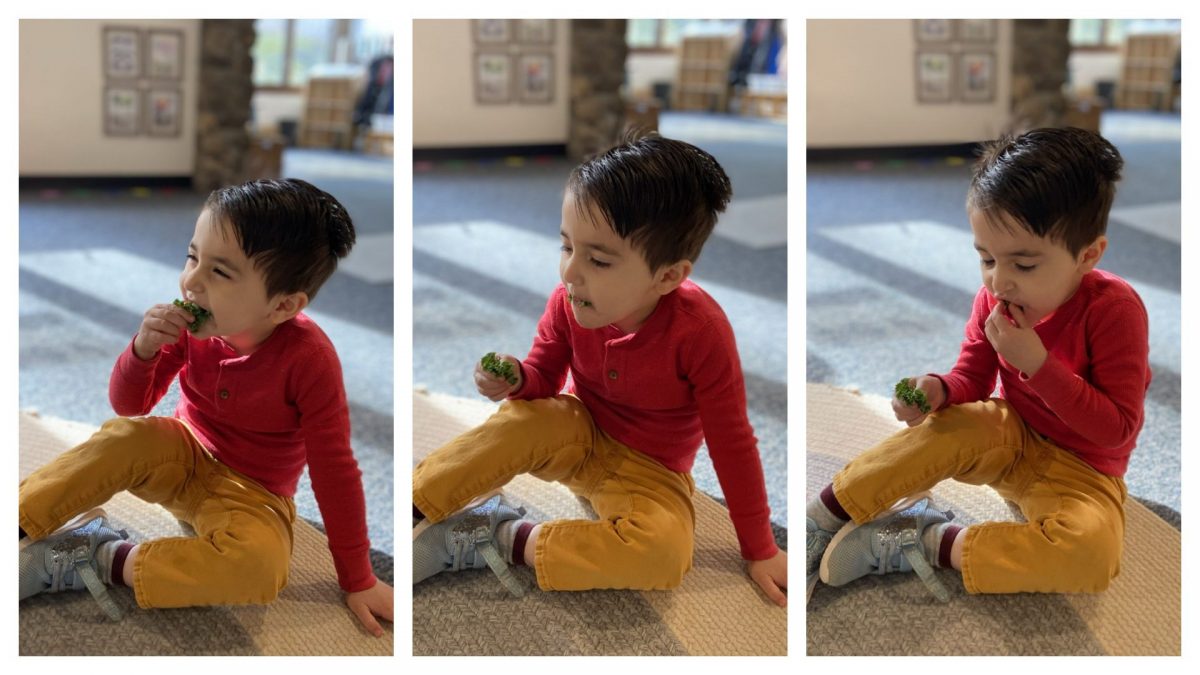
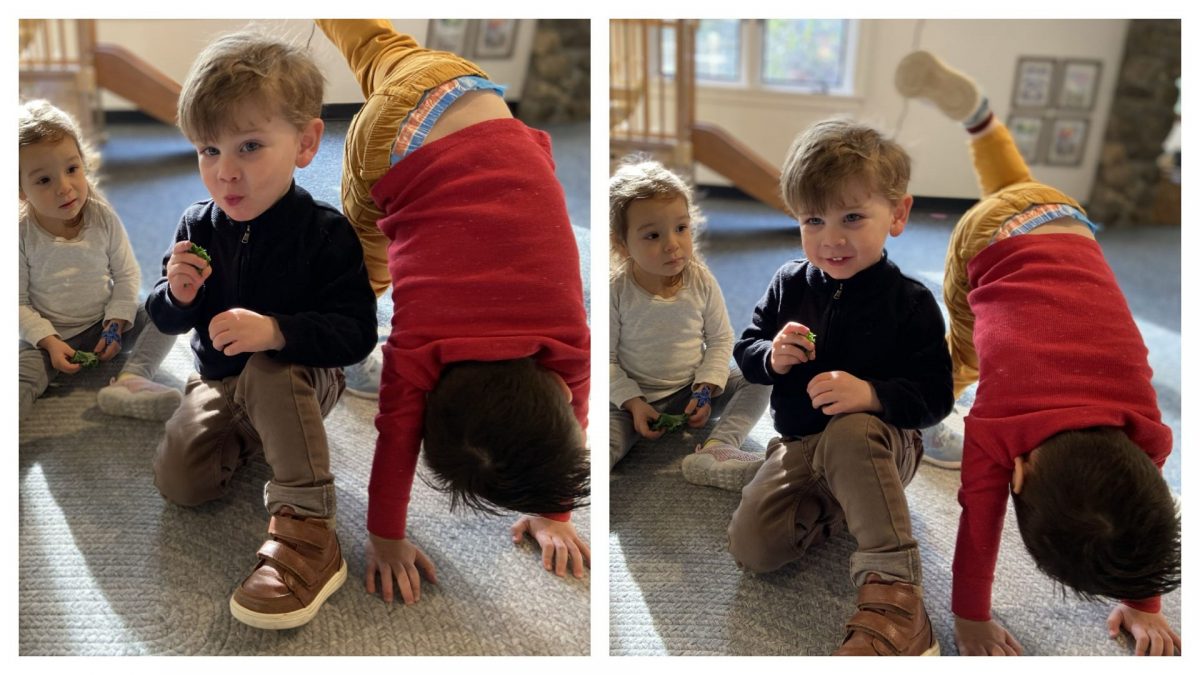
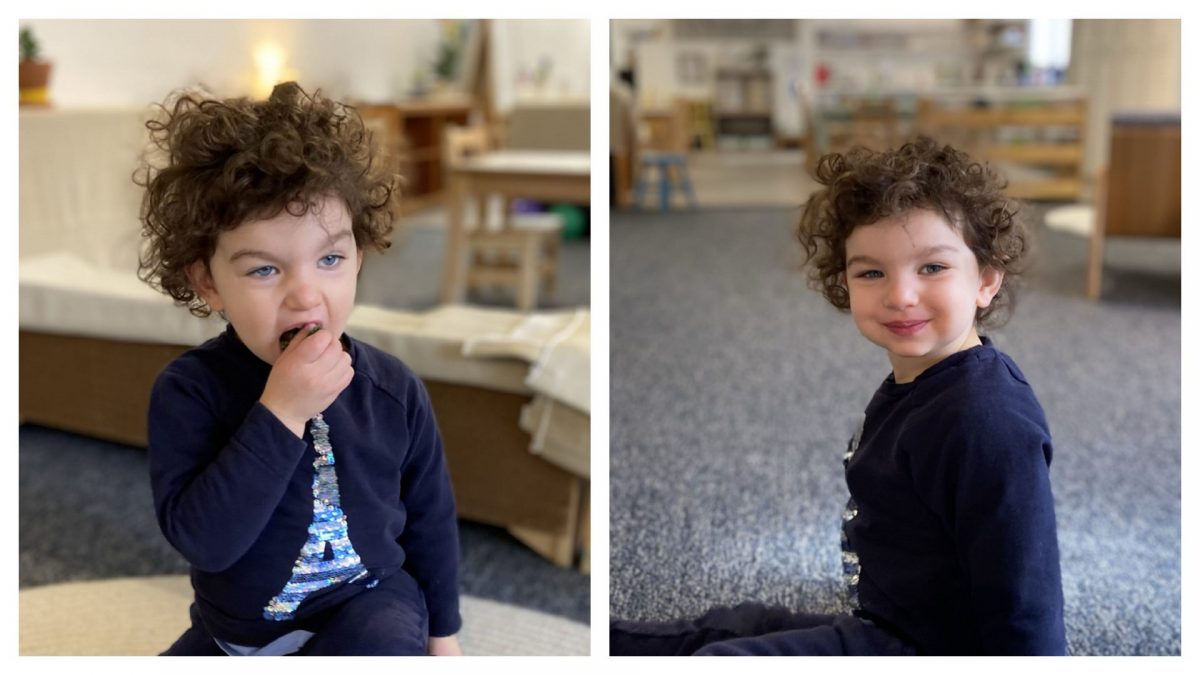
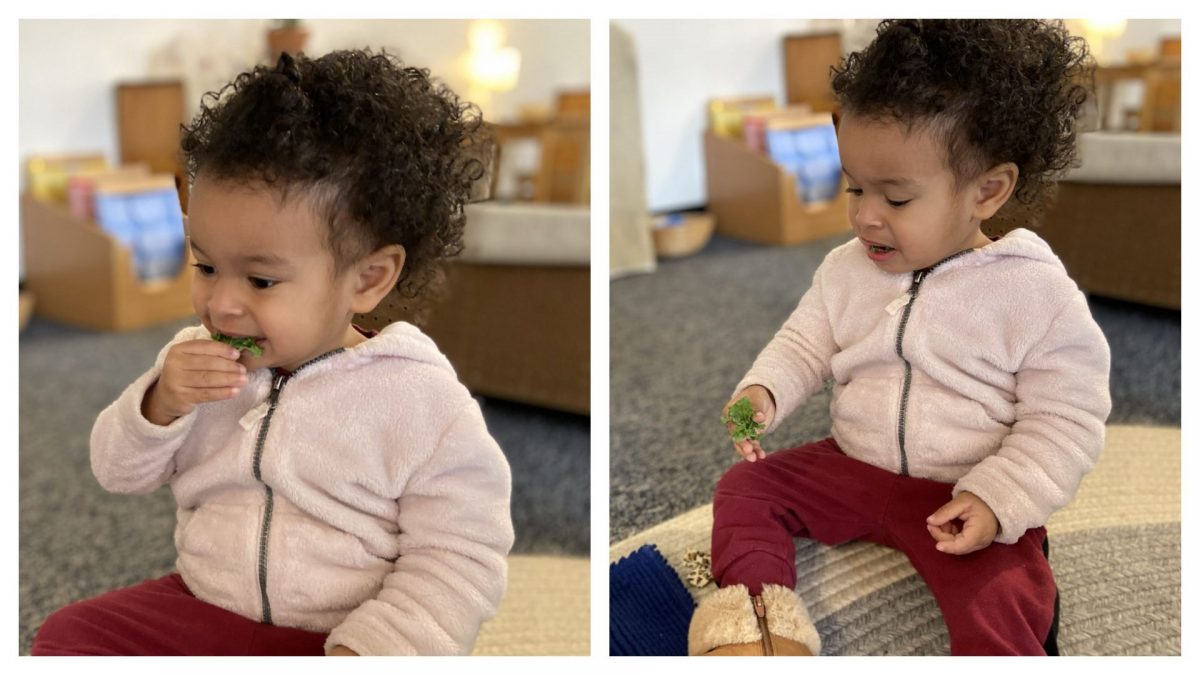
We finished our pumpkin activities with Food tasting. The children were eager to taste a delicious Sugar Pumpkin. Which the majority of them really enjoyed.

Thank you all for taking the time to chat with Mrs. Biba and I during conferences. It was great to spend time with you all.

Mrs. Wilson


Mrs. Wilson: Introducing Practical Life


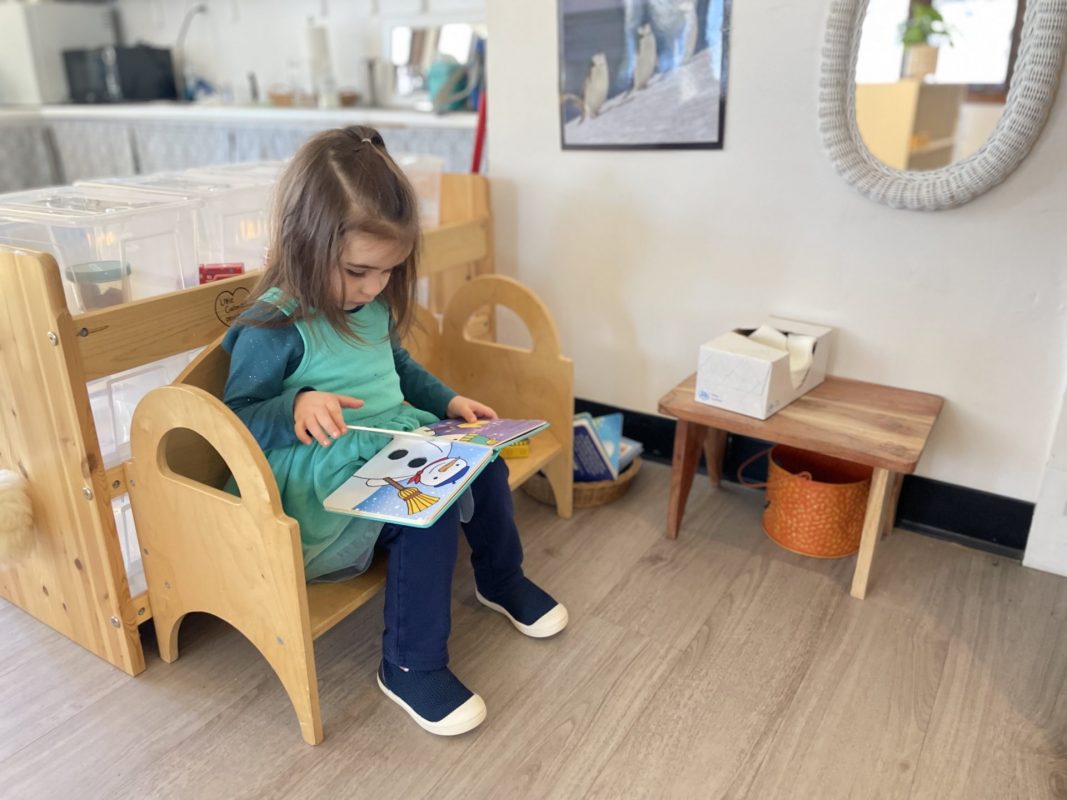
What a wonderful week we have had! The classroom was busy with lots of wonderful activities. We a started by celebrating another friend’s birthday. She gifted our class Tap The Magic Tree by Christie Matheson. This is a lovely interactive story that shows a tree throughout every season.

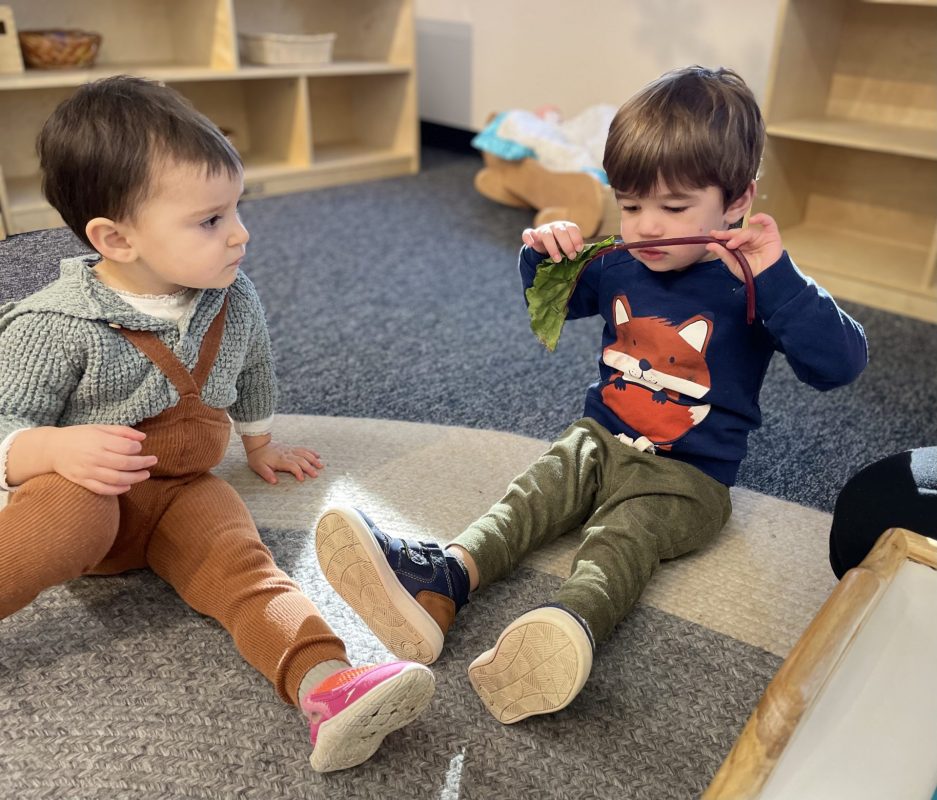
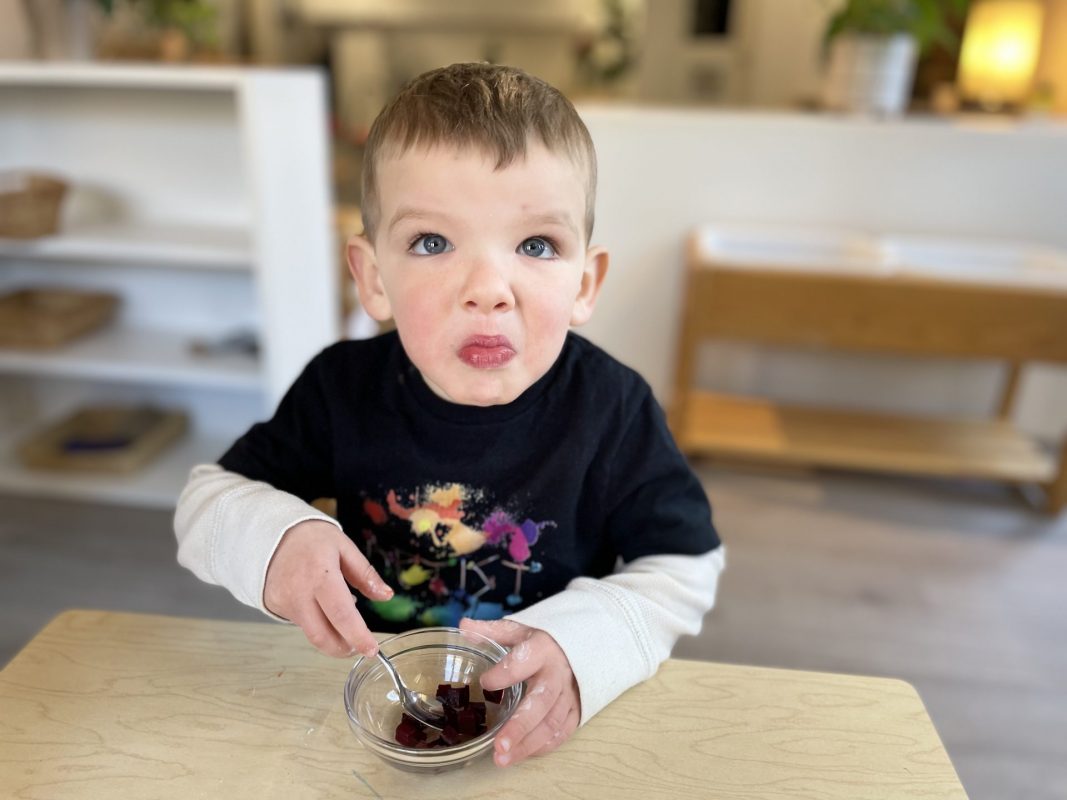
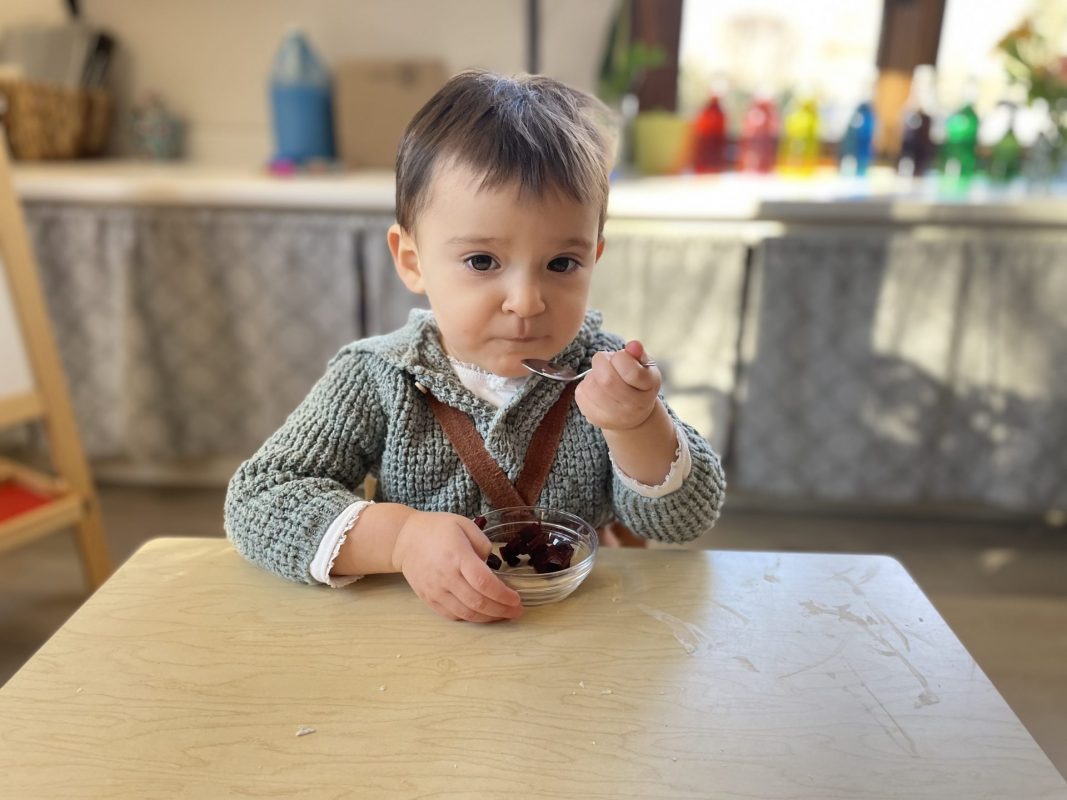
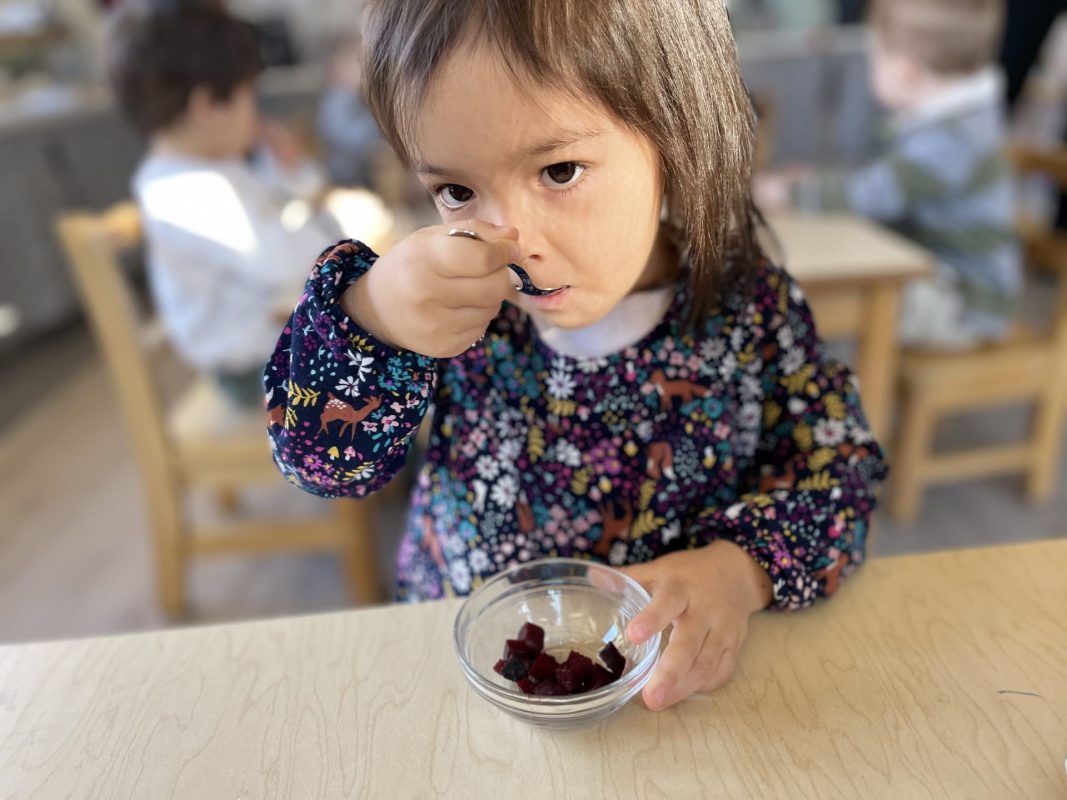
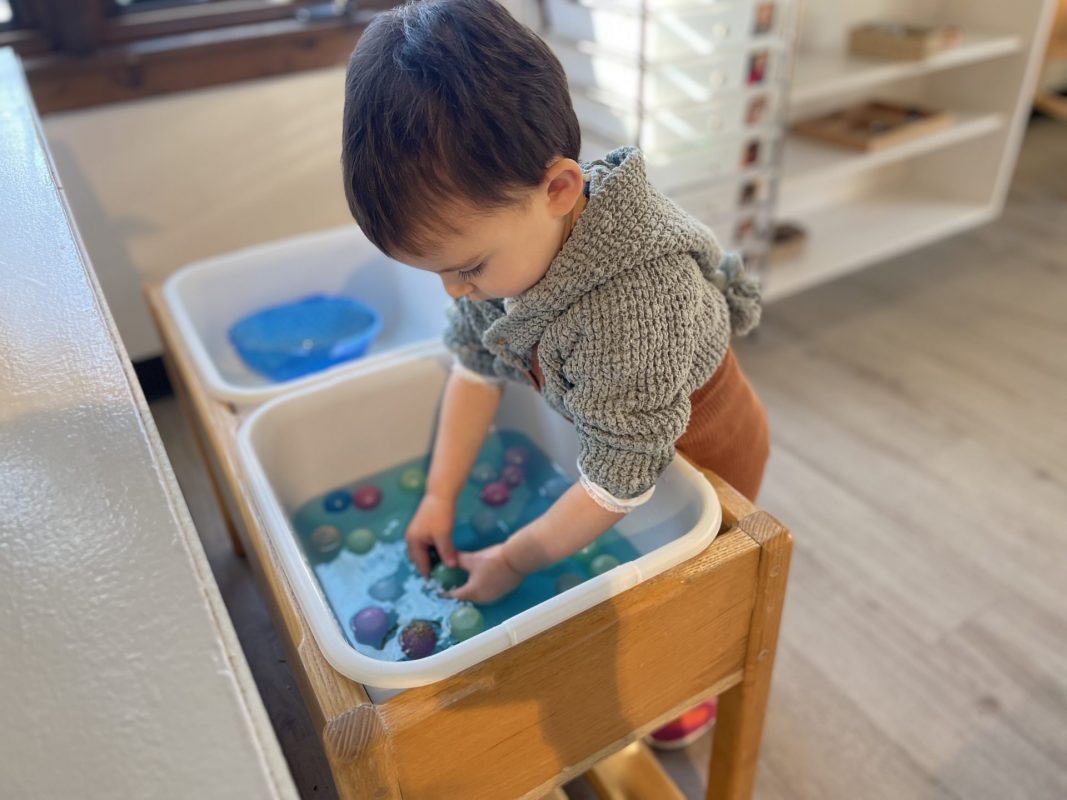
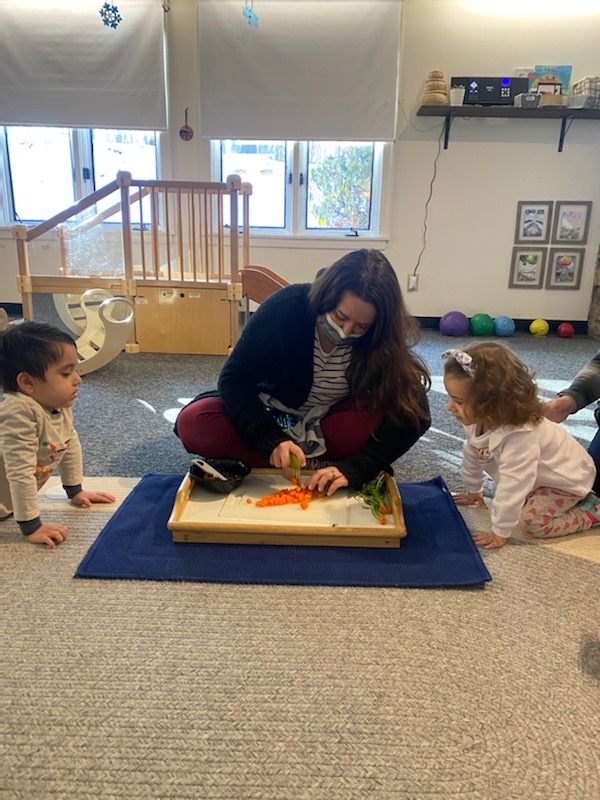
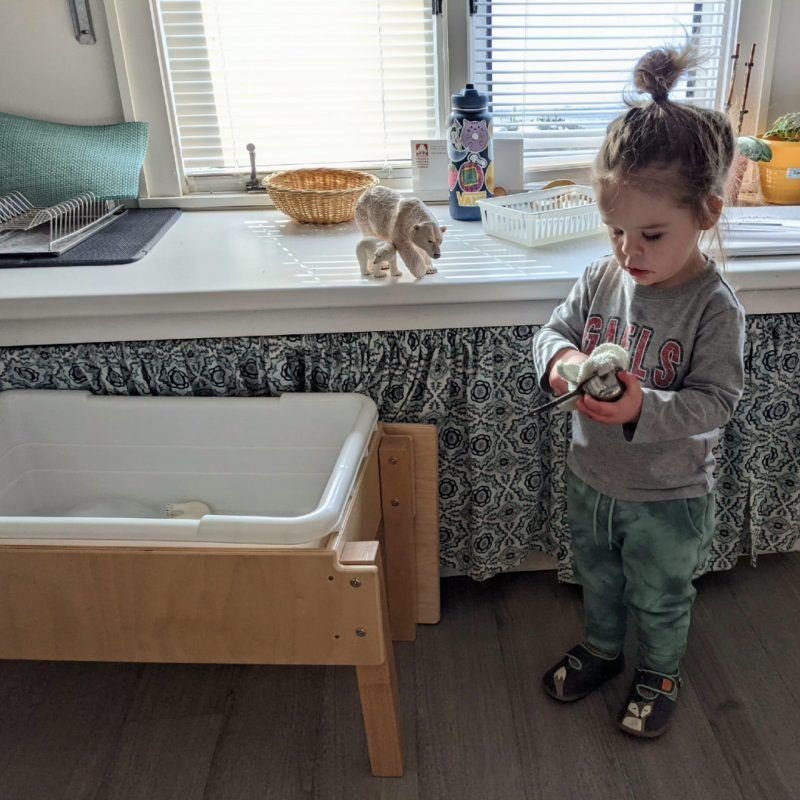
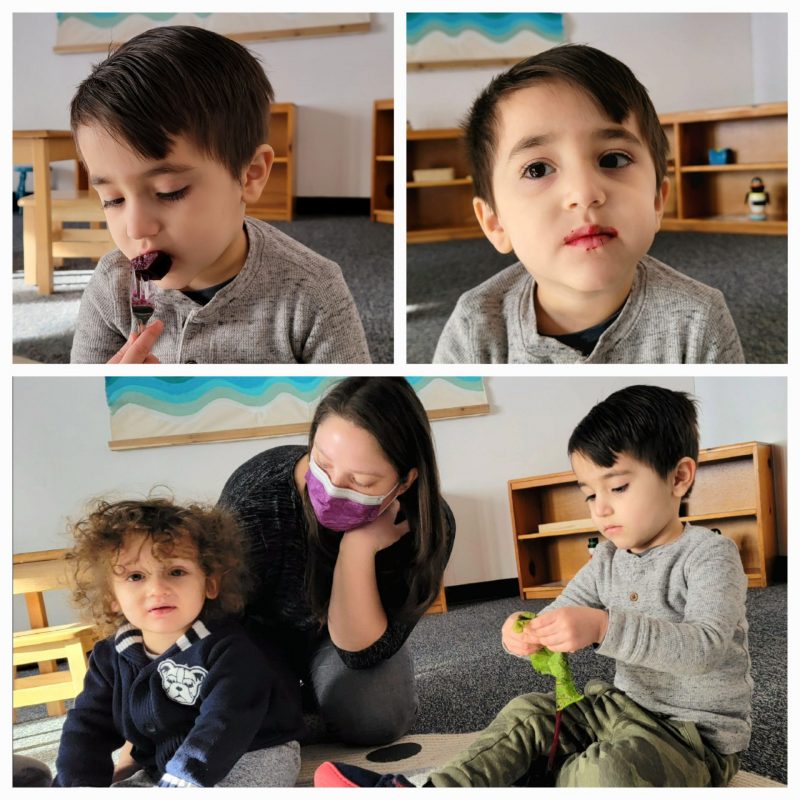
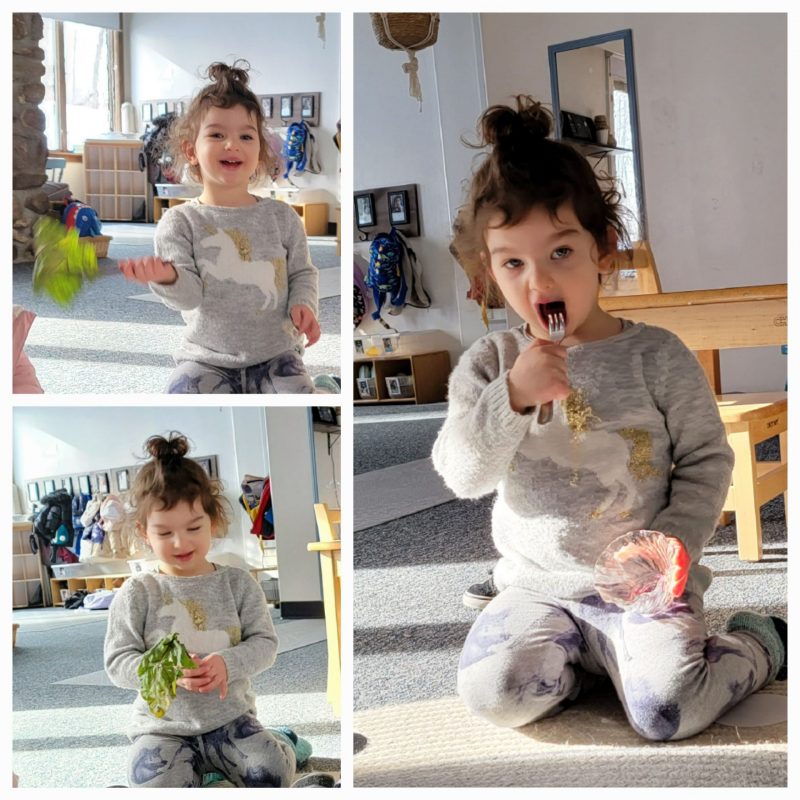
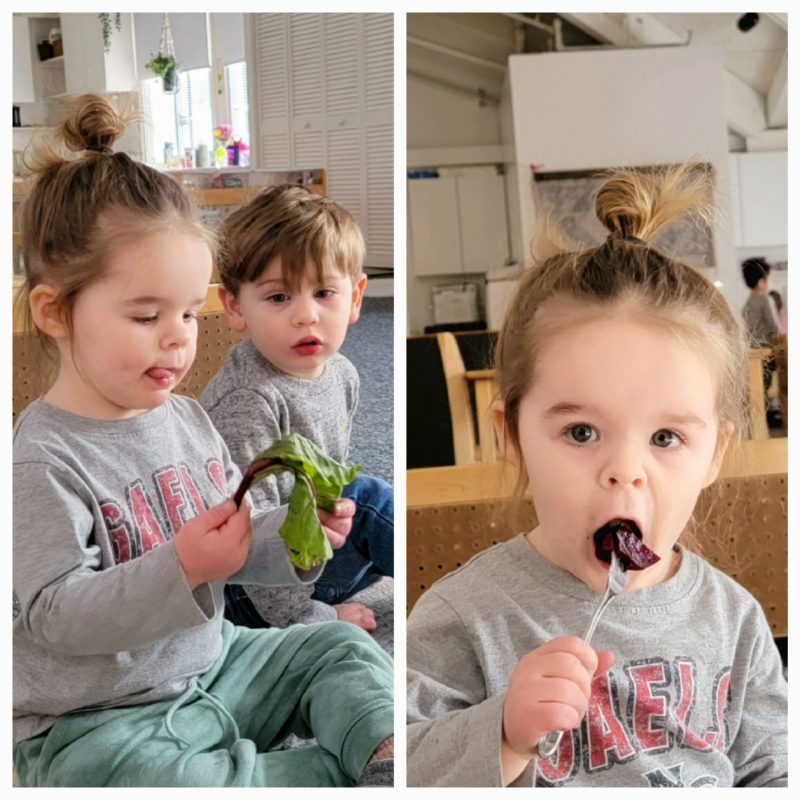
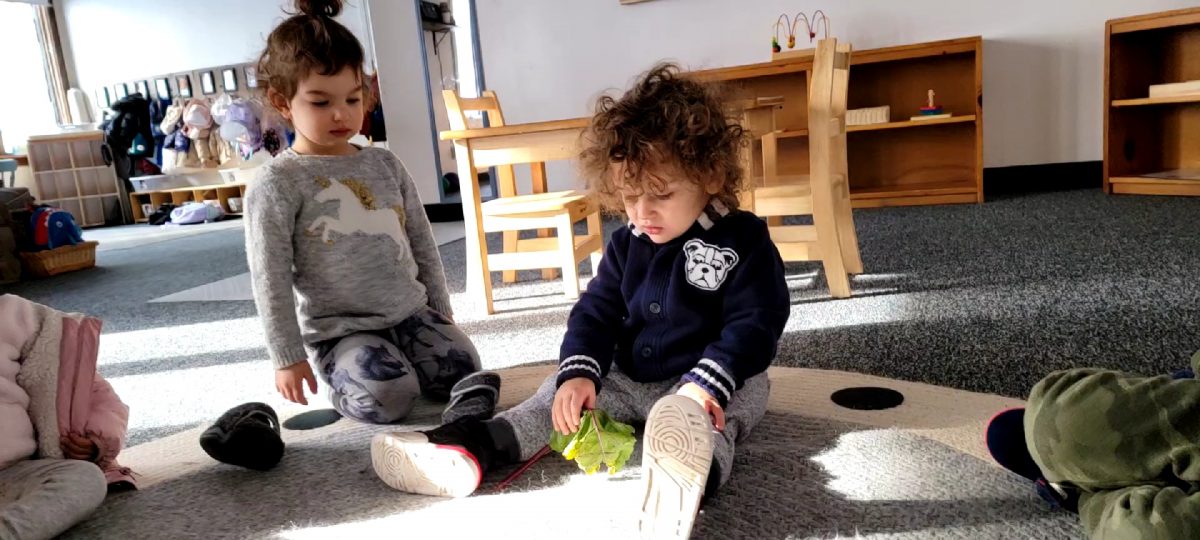
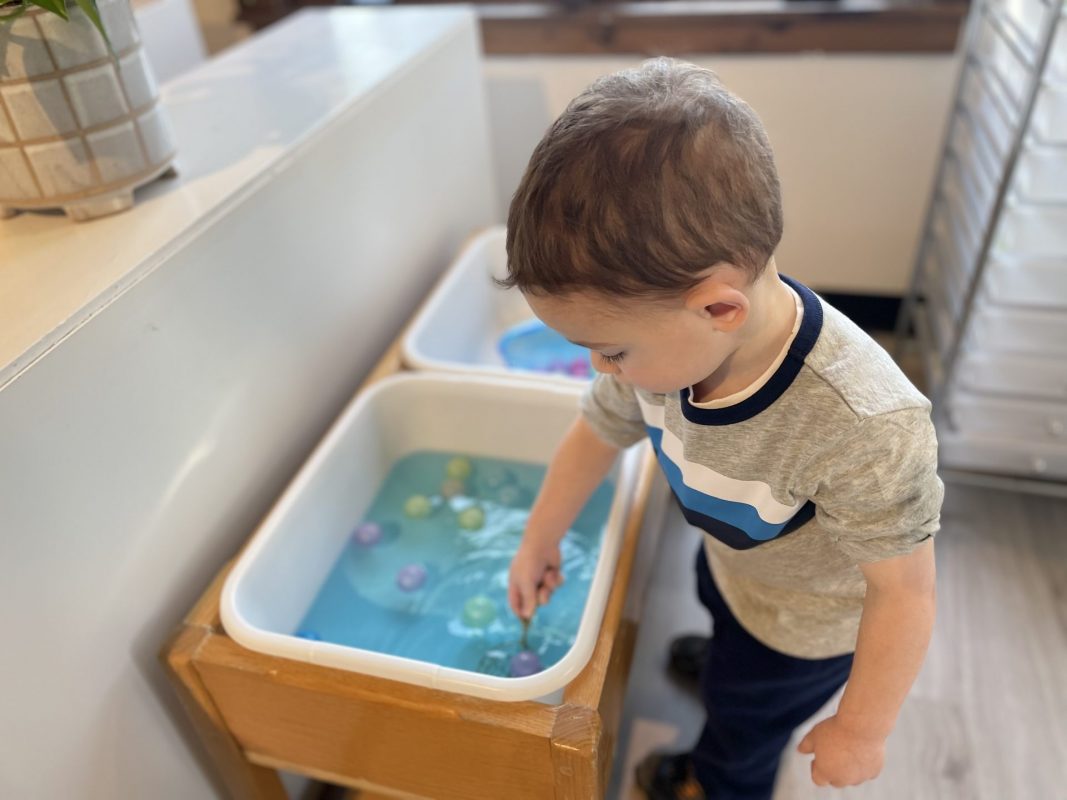
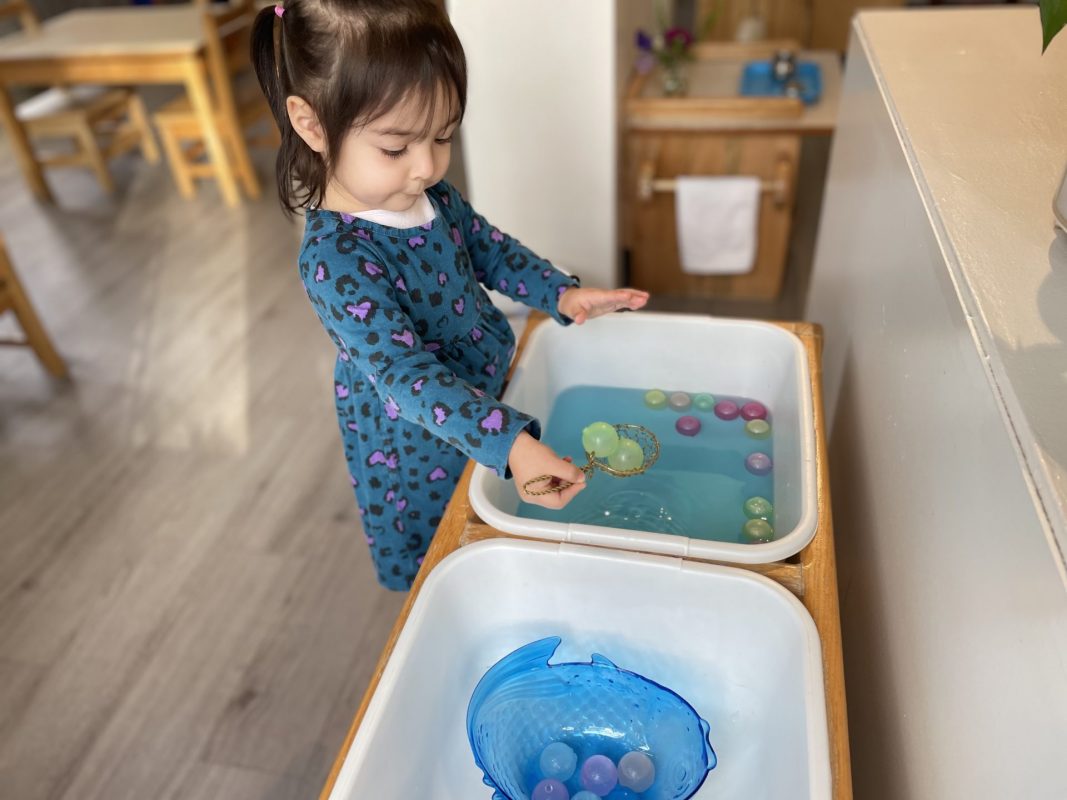
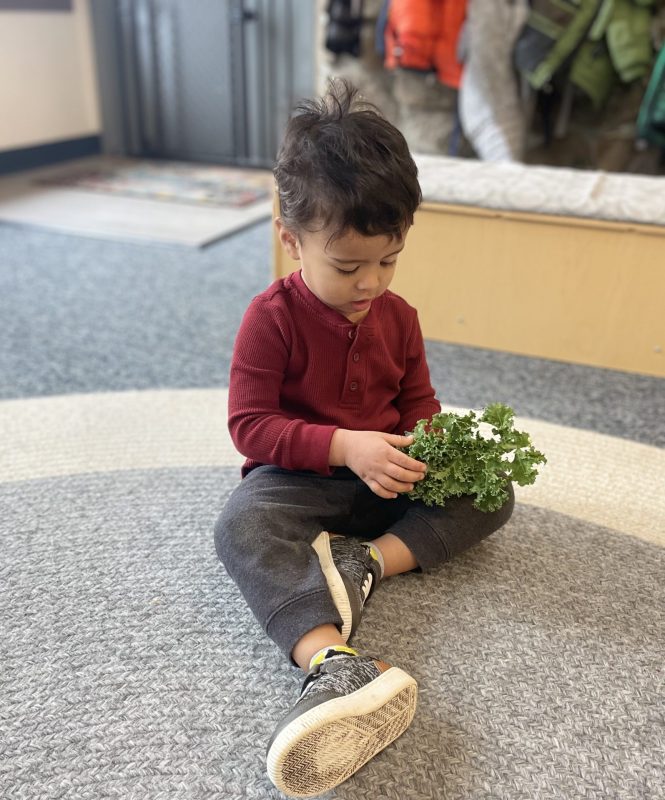
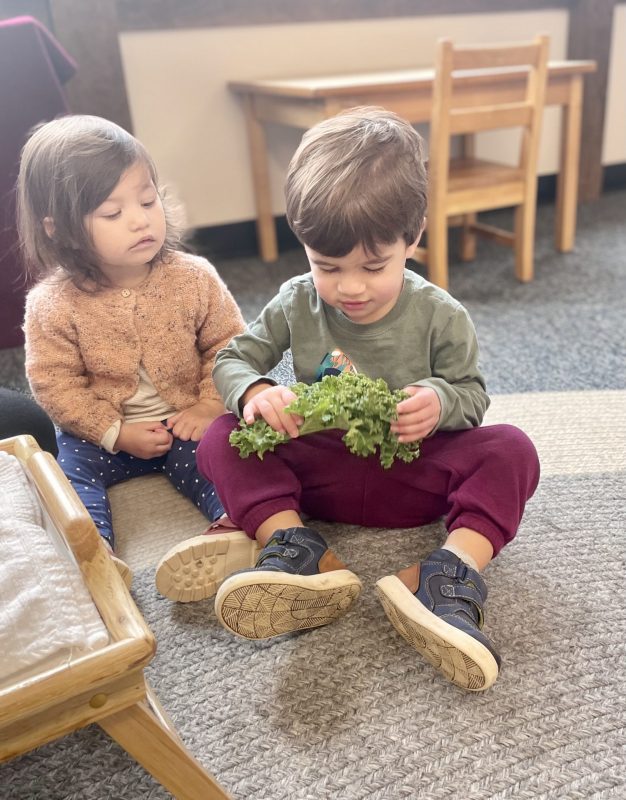
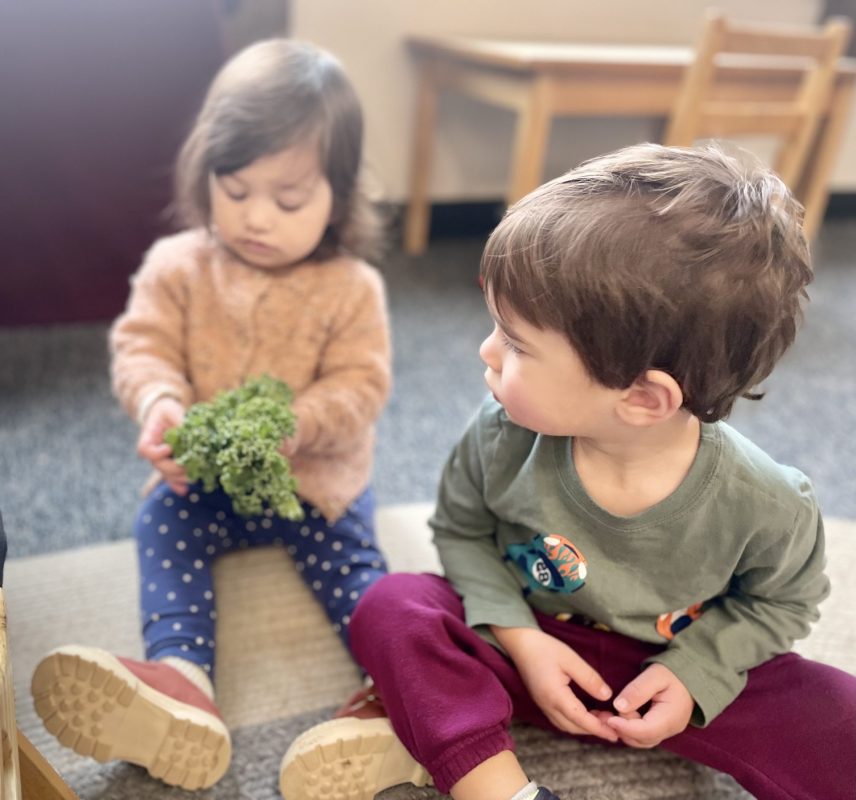
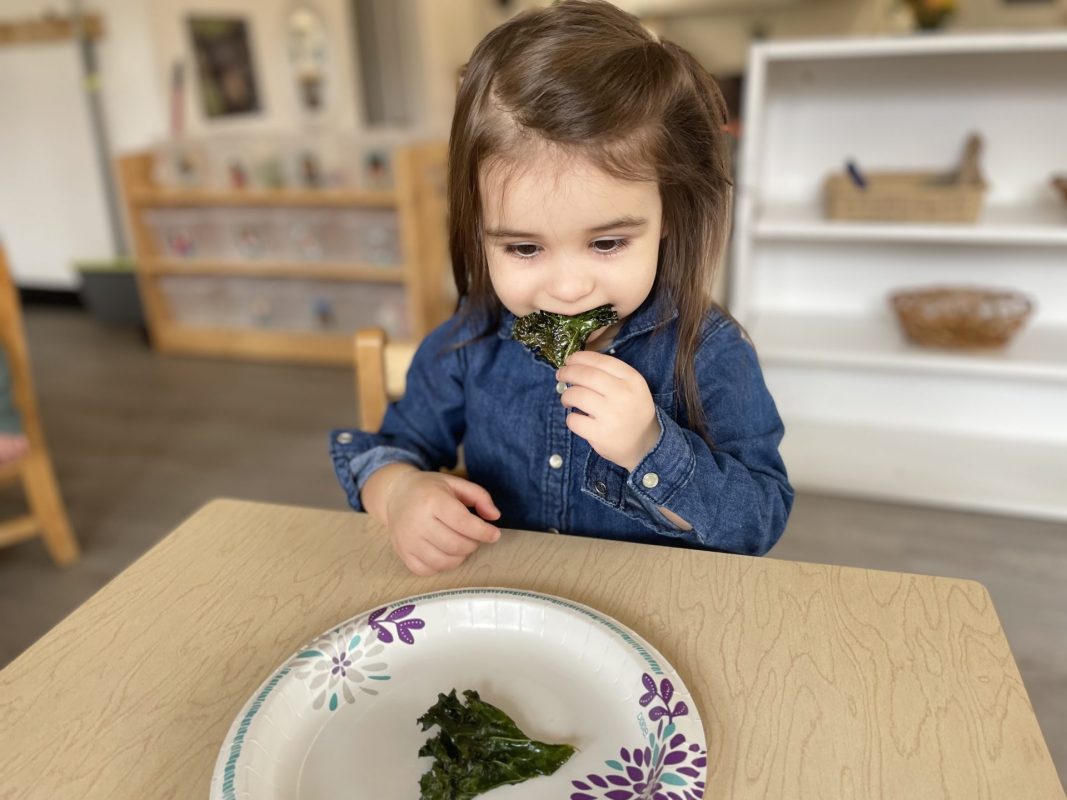
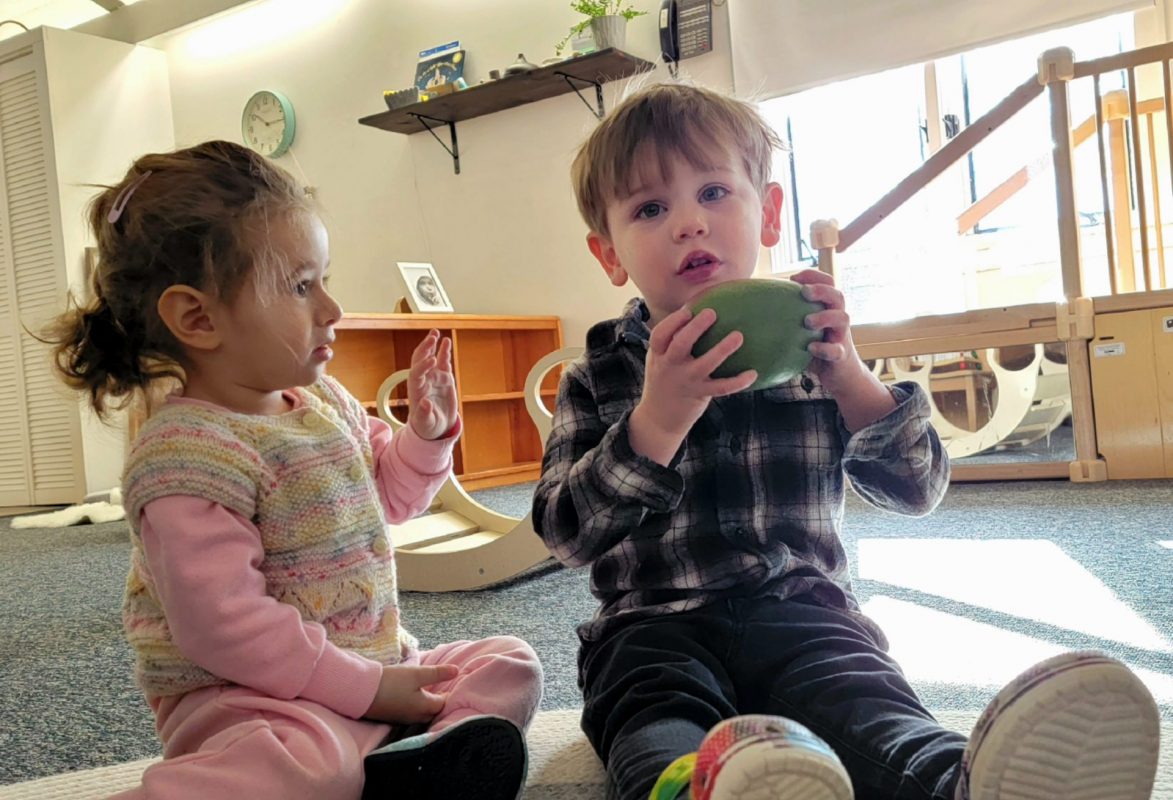
The children tasted spaghetti squash. This was a fun vegetable to taste, and was enjoyed by almost everyone. Even Mrs. Biba tasted the spaghetti squash for the first time. After tasting the squash (a few helpings for some) the children were welcomed to explore the squash, seeds, and skin inside our sensory bin.

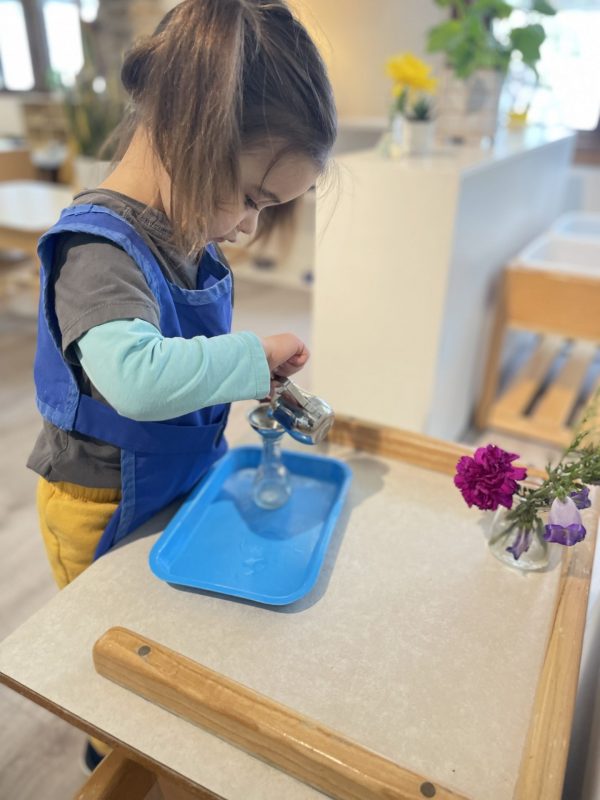
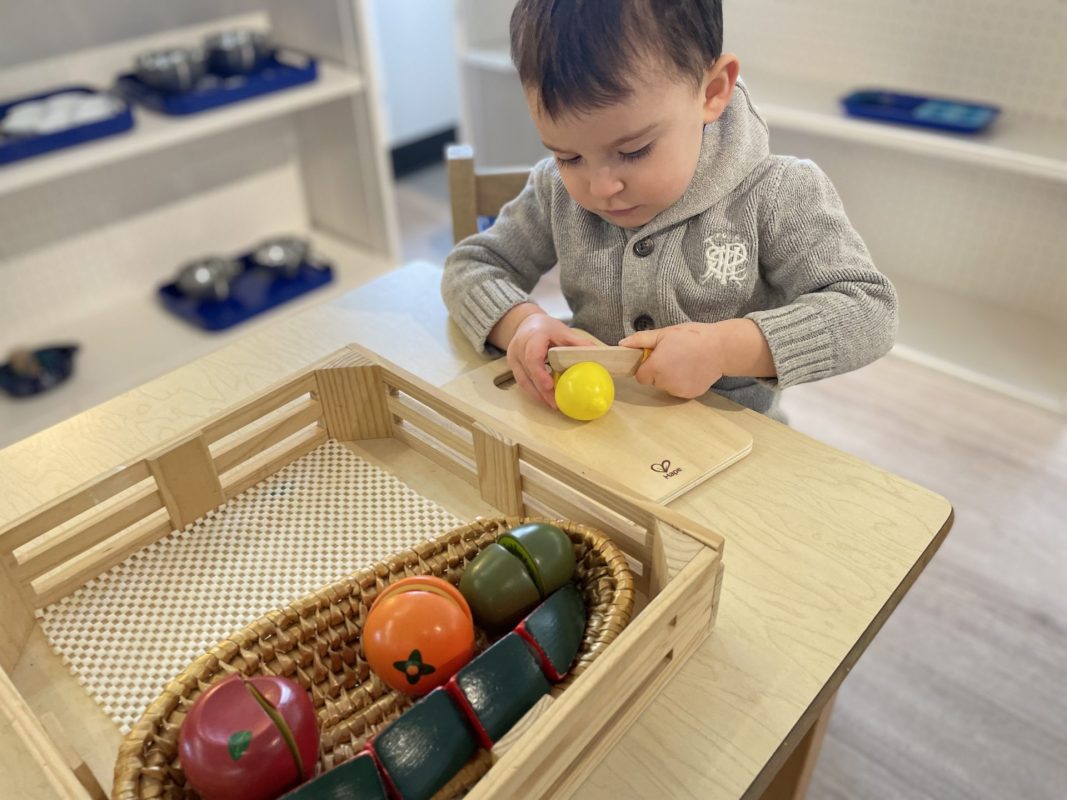
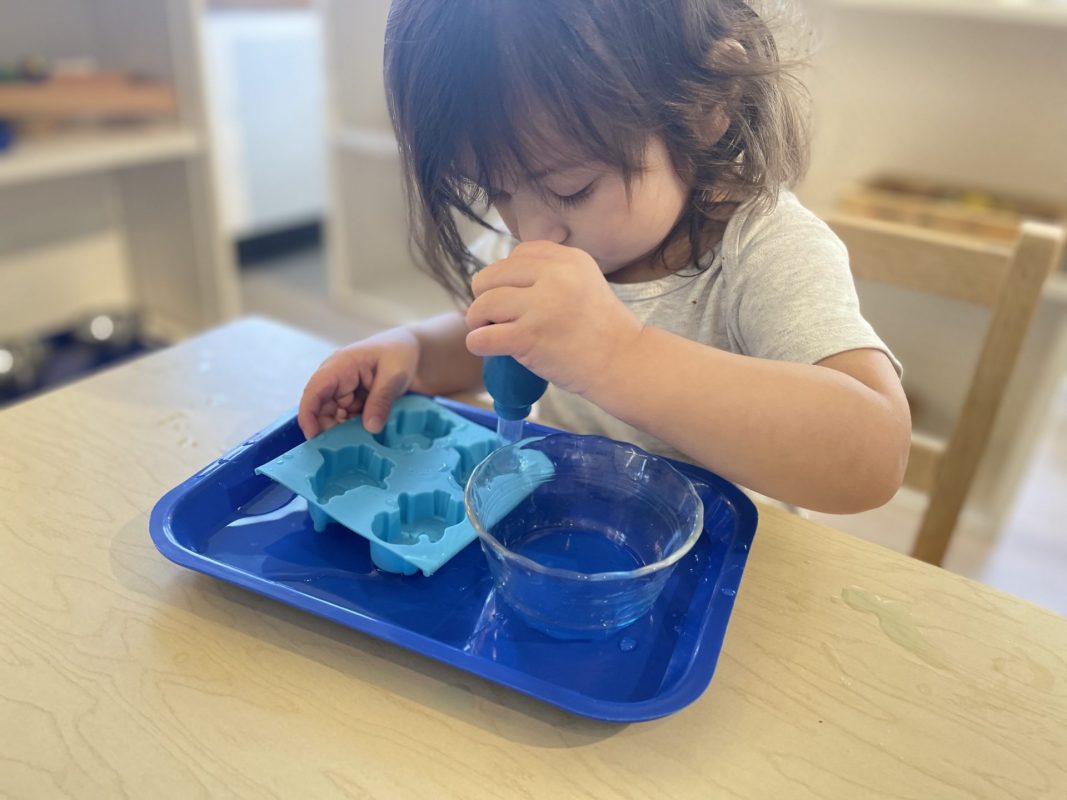
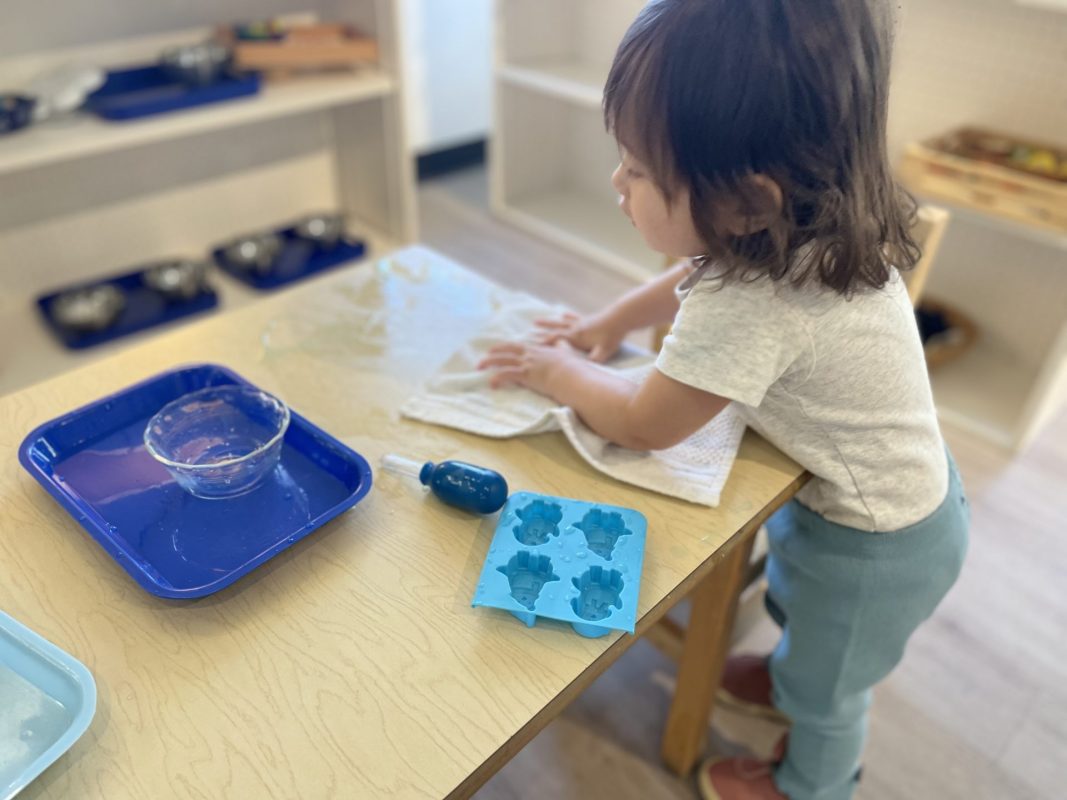
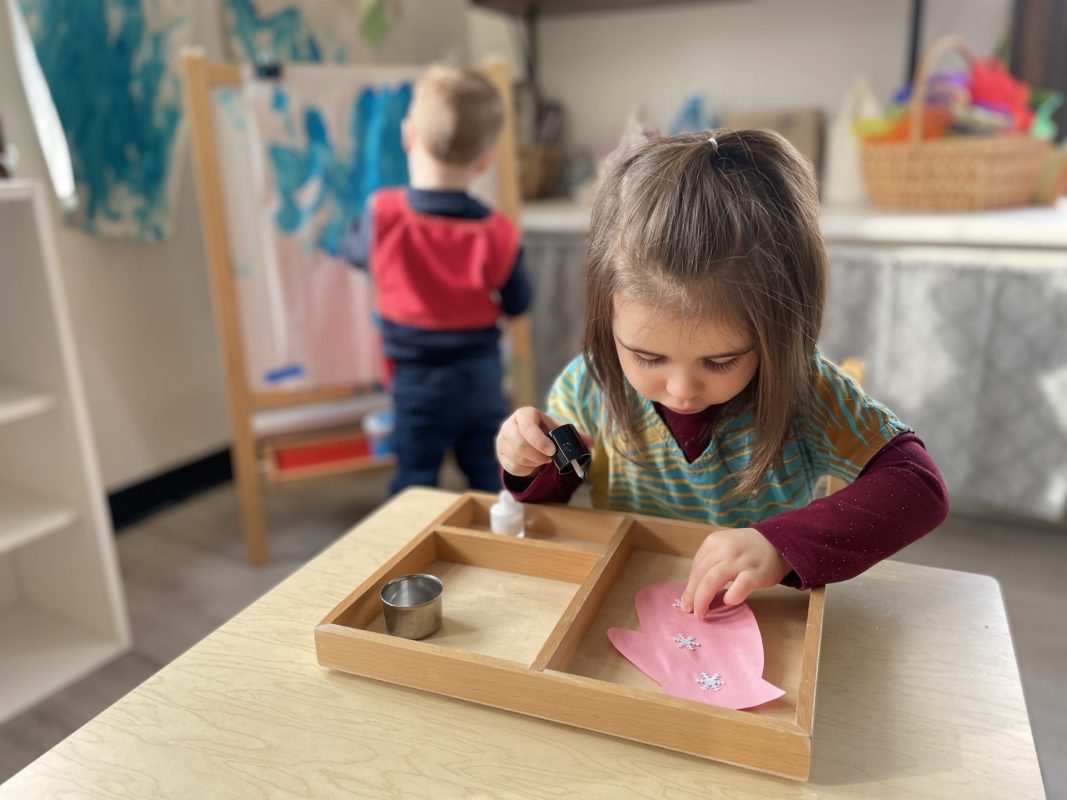
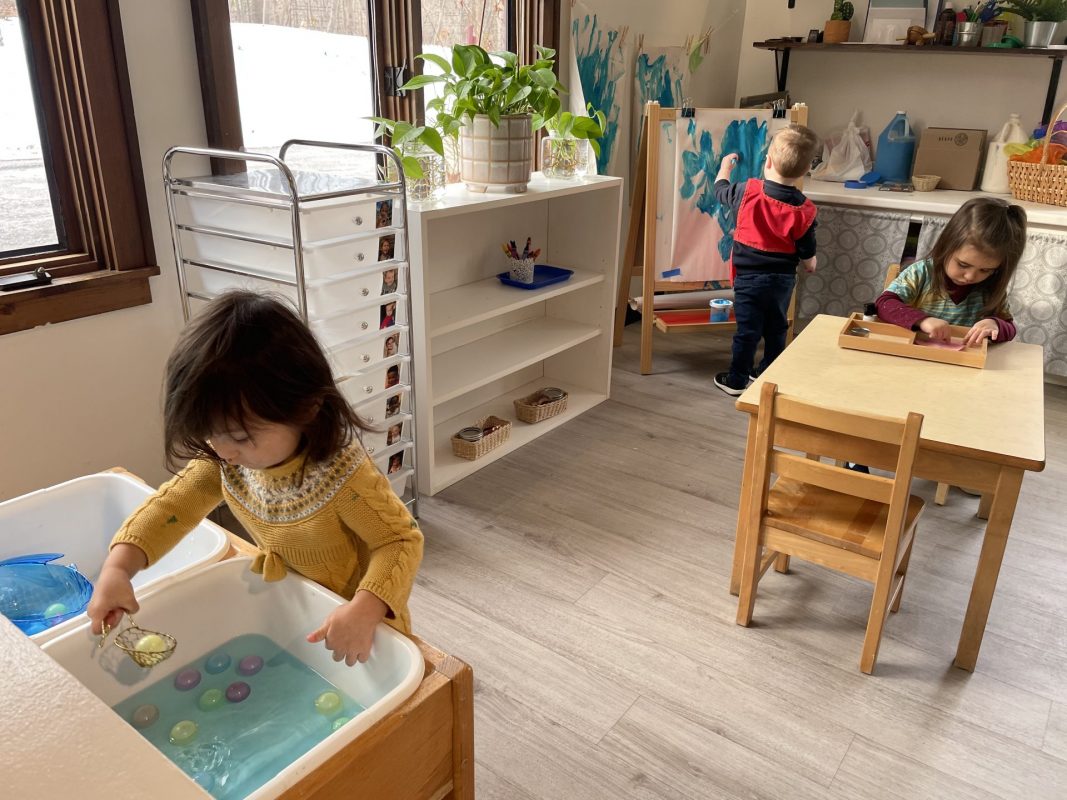
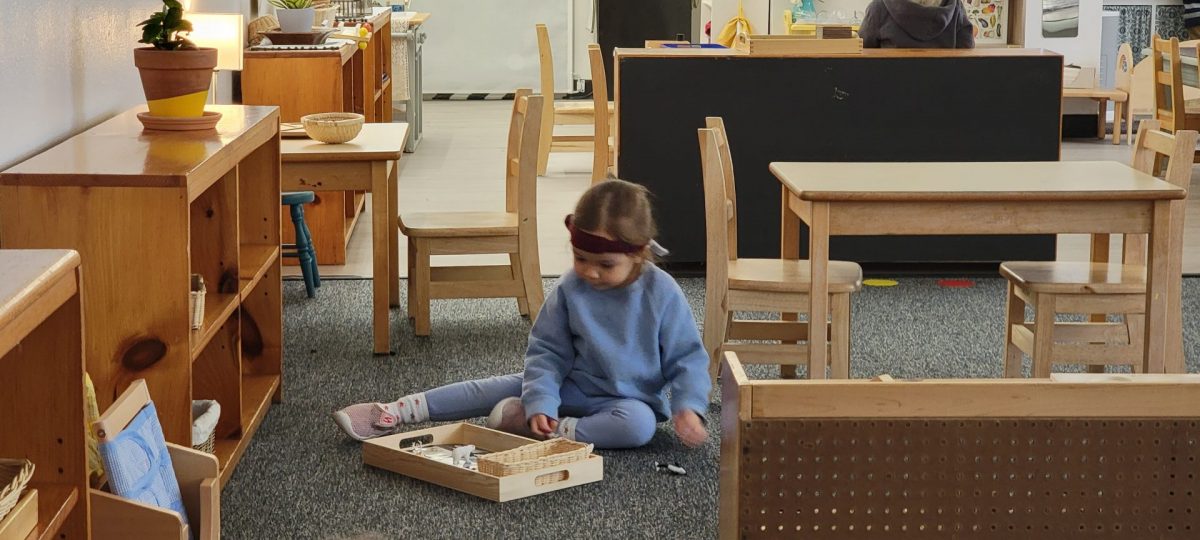
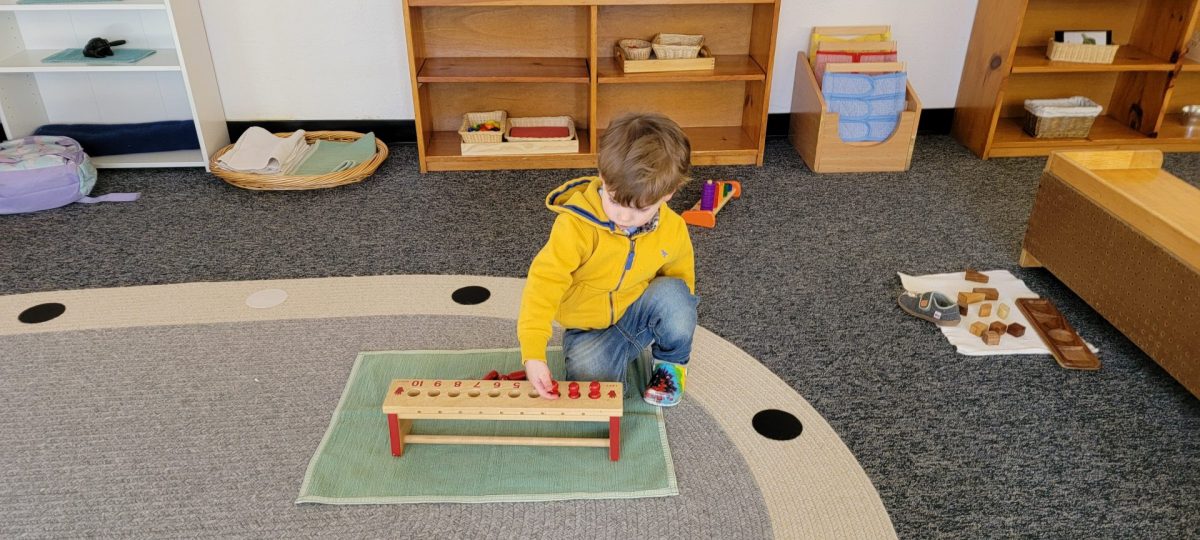
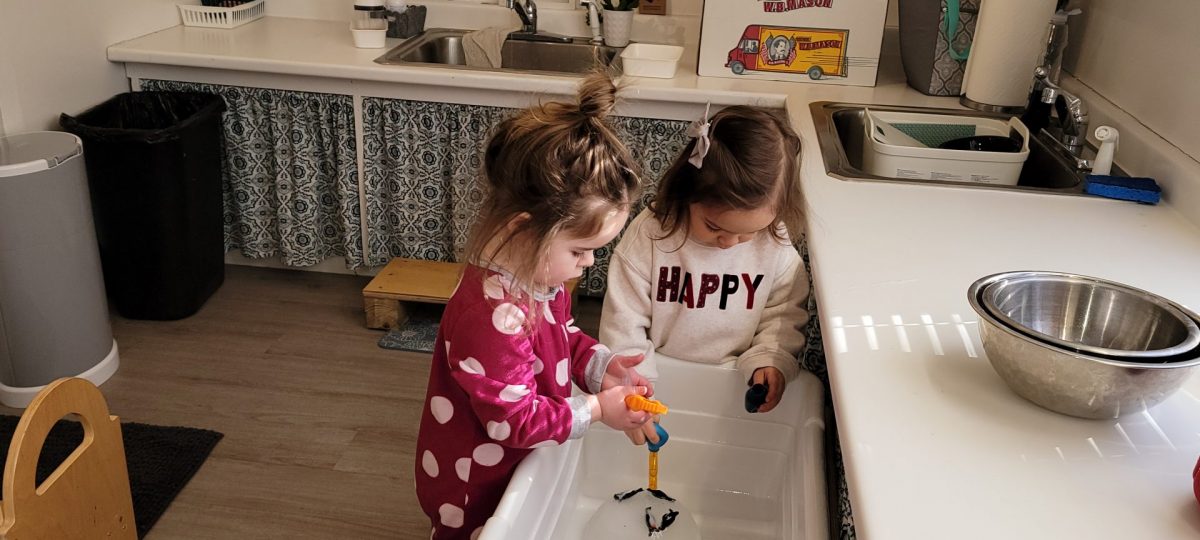
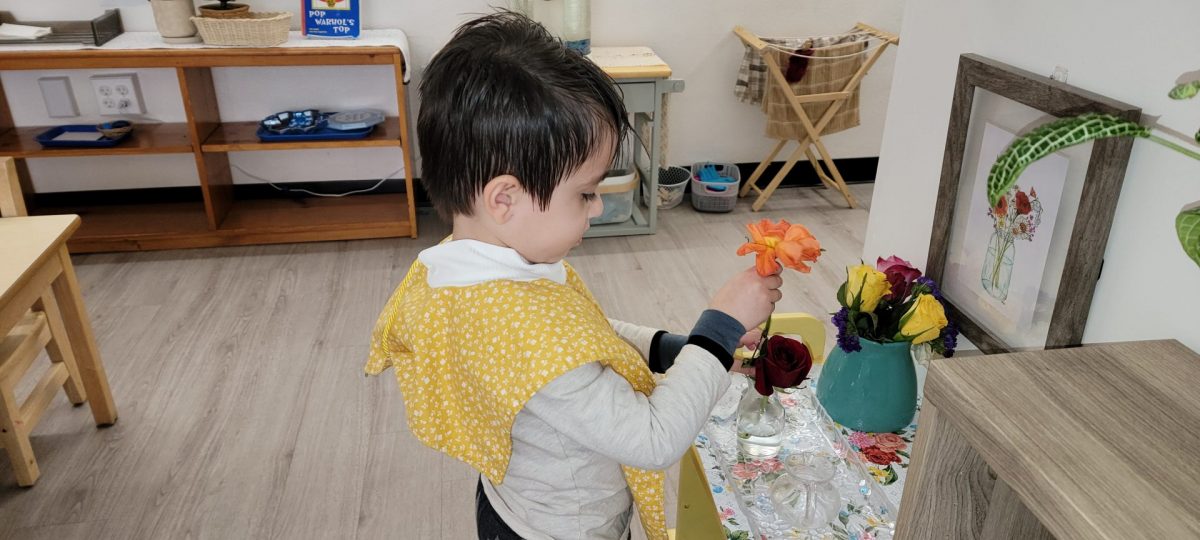
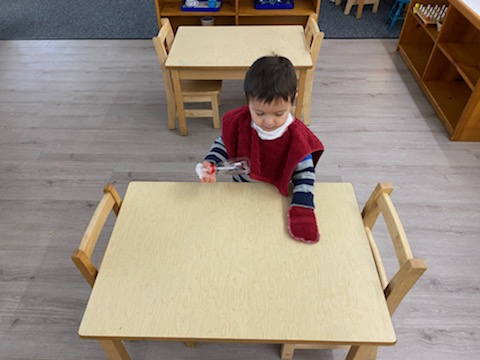
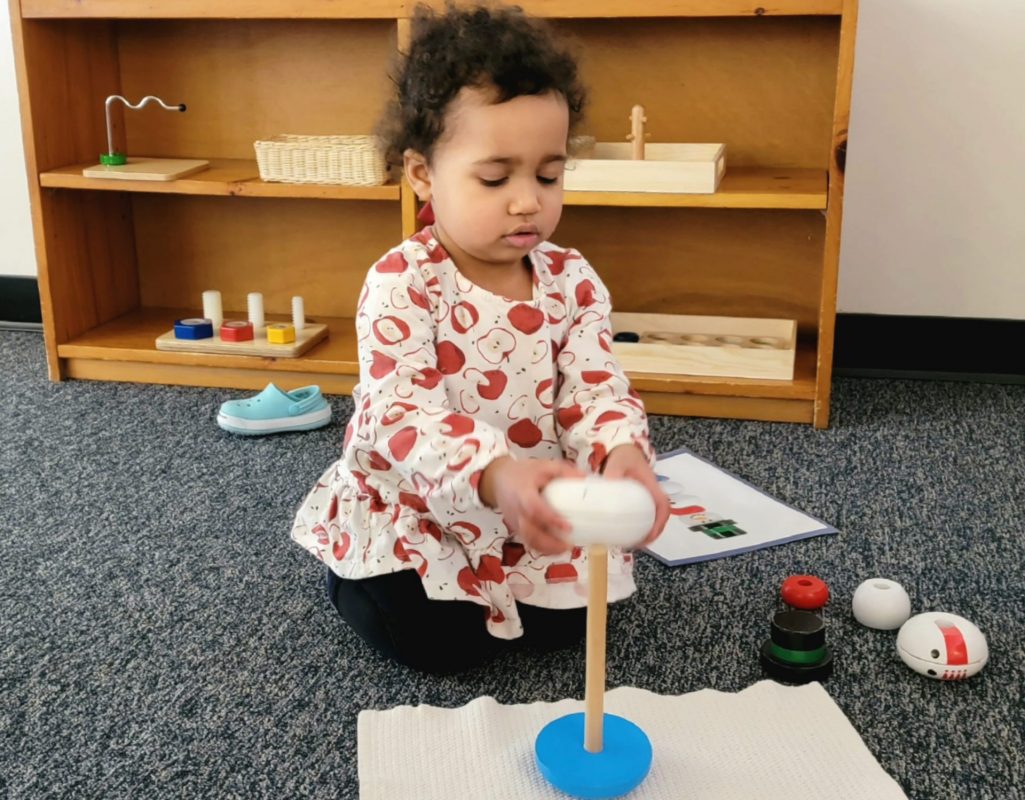
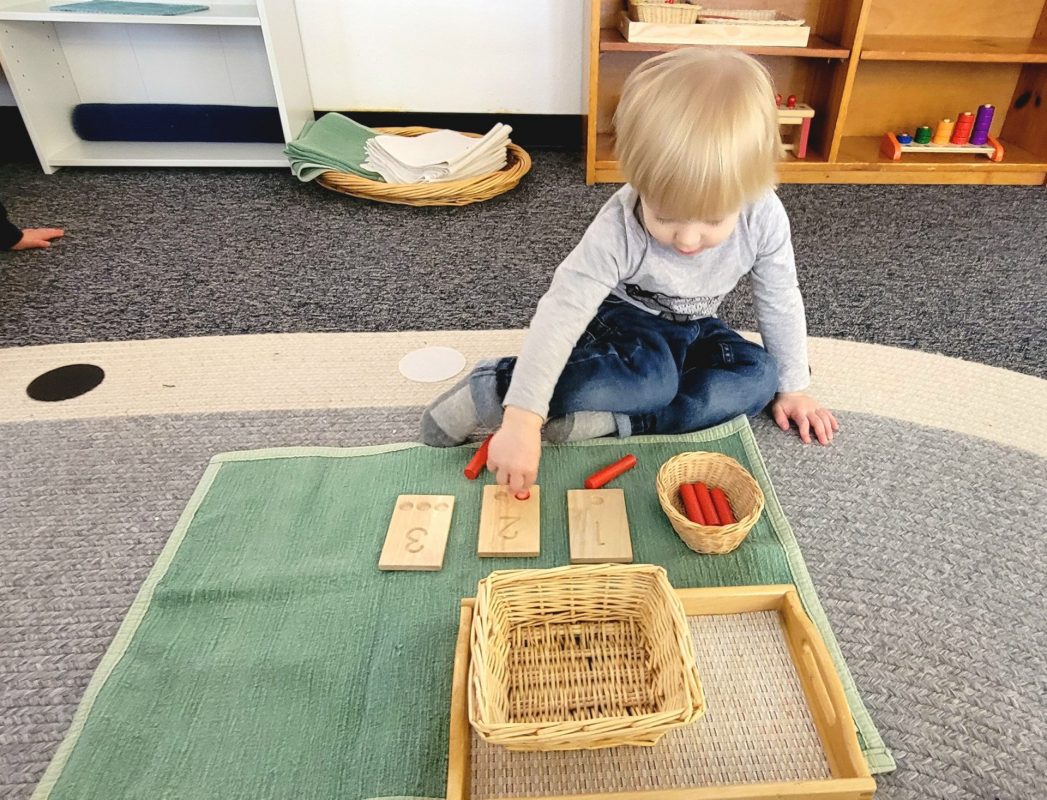
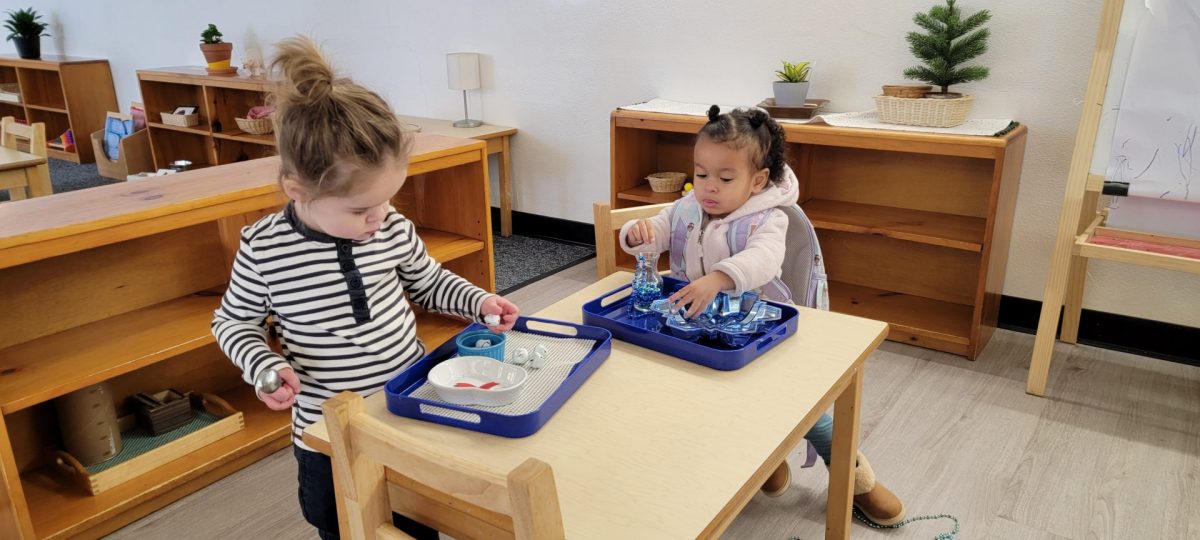
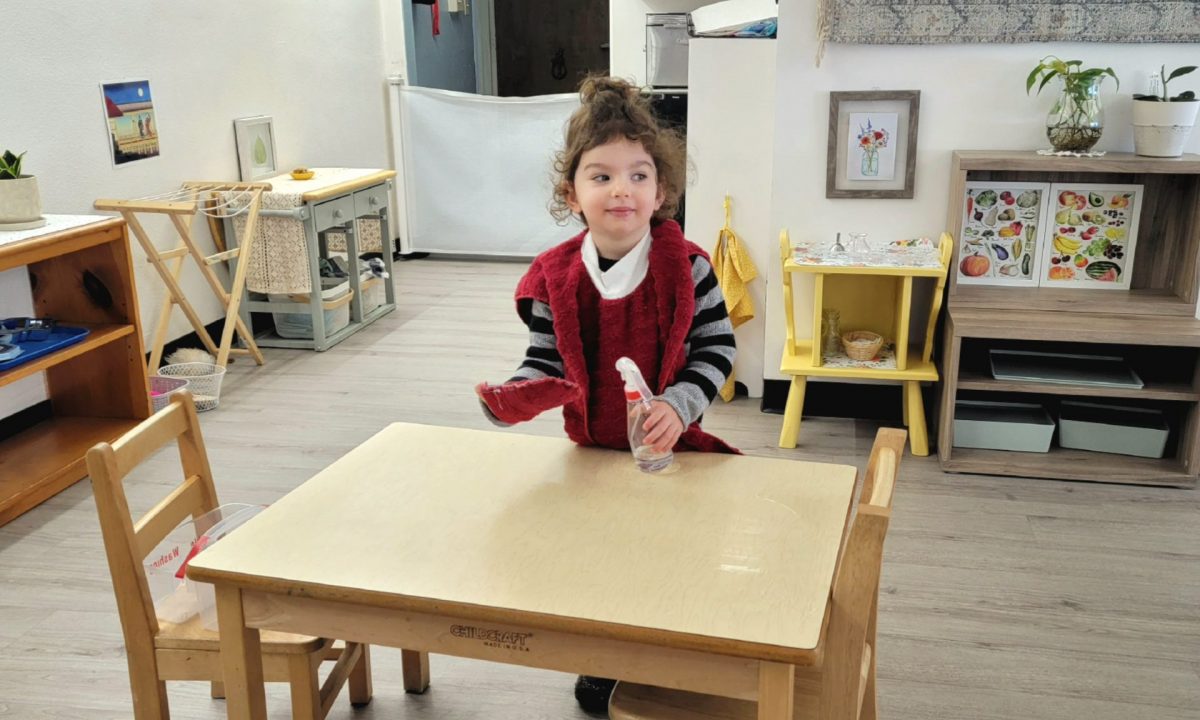
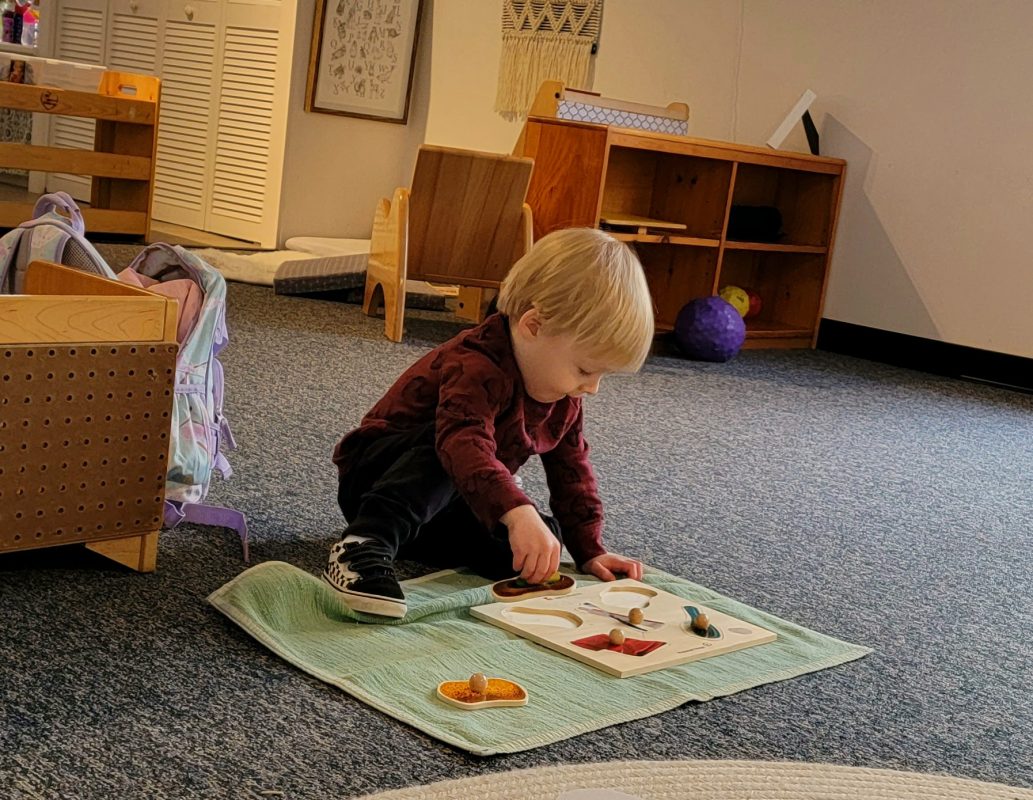
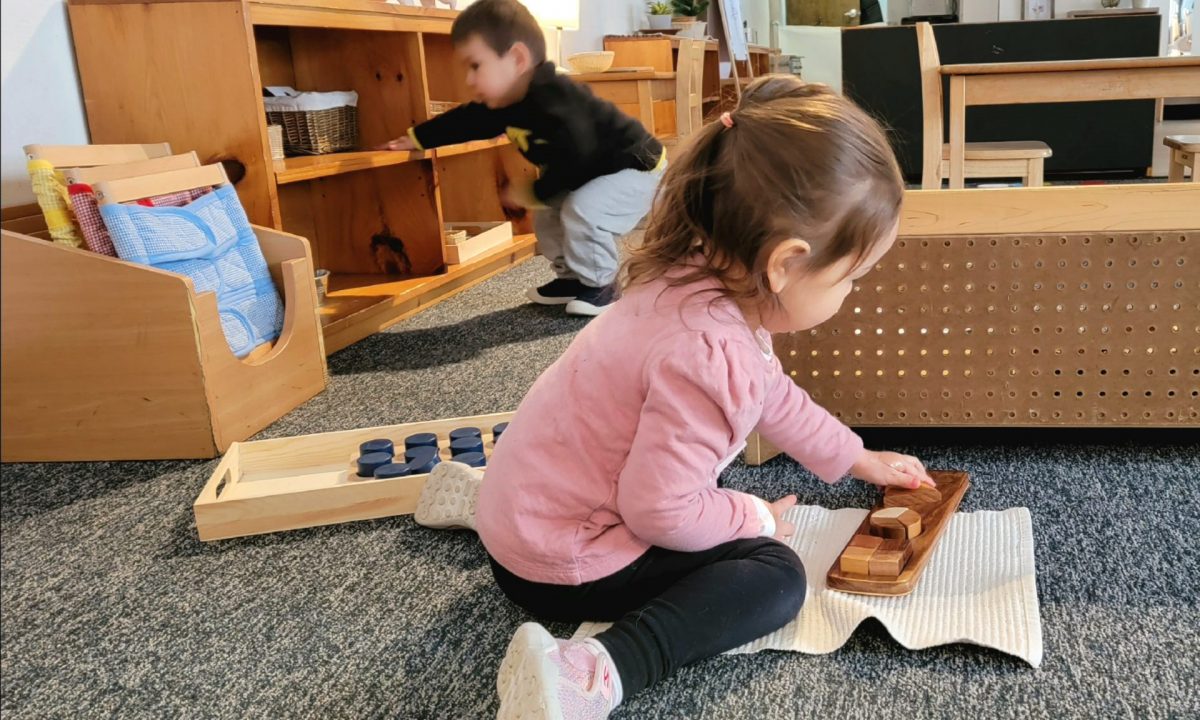
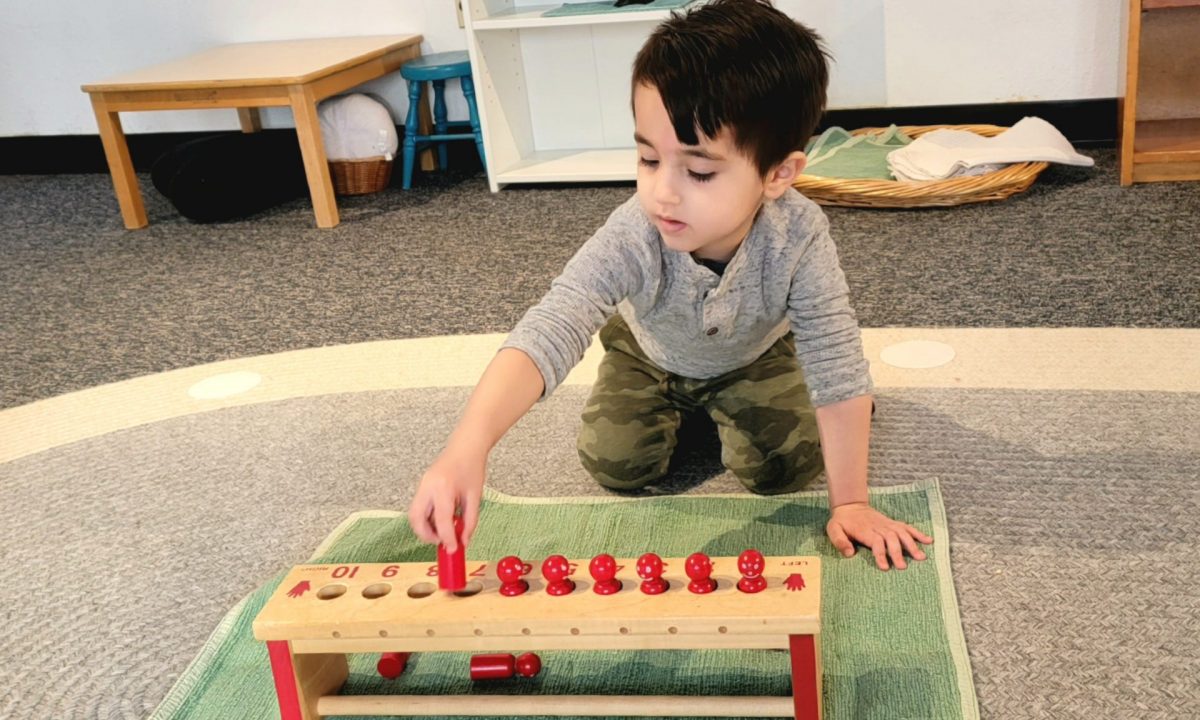
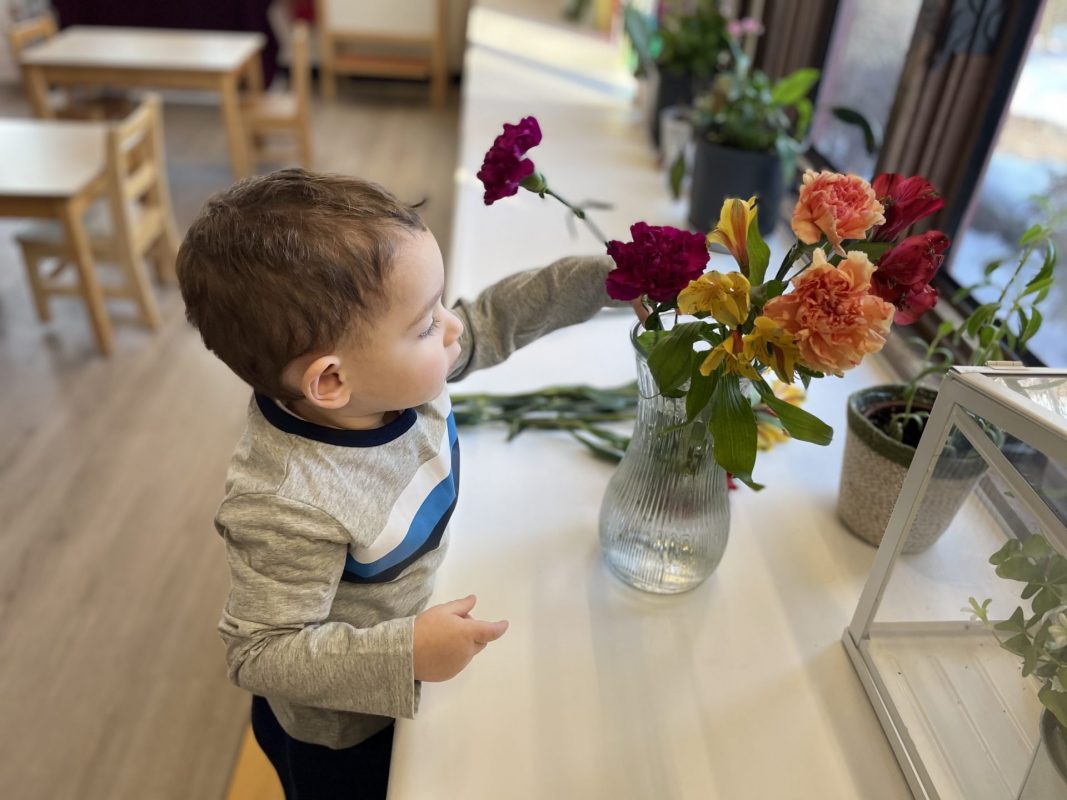
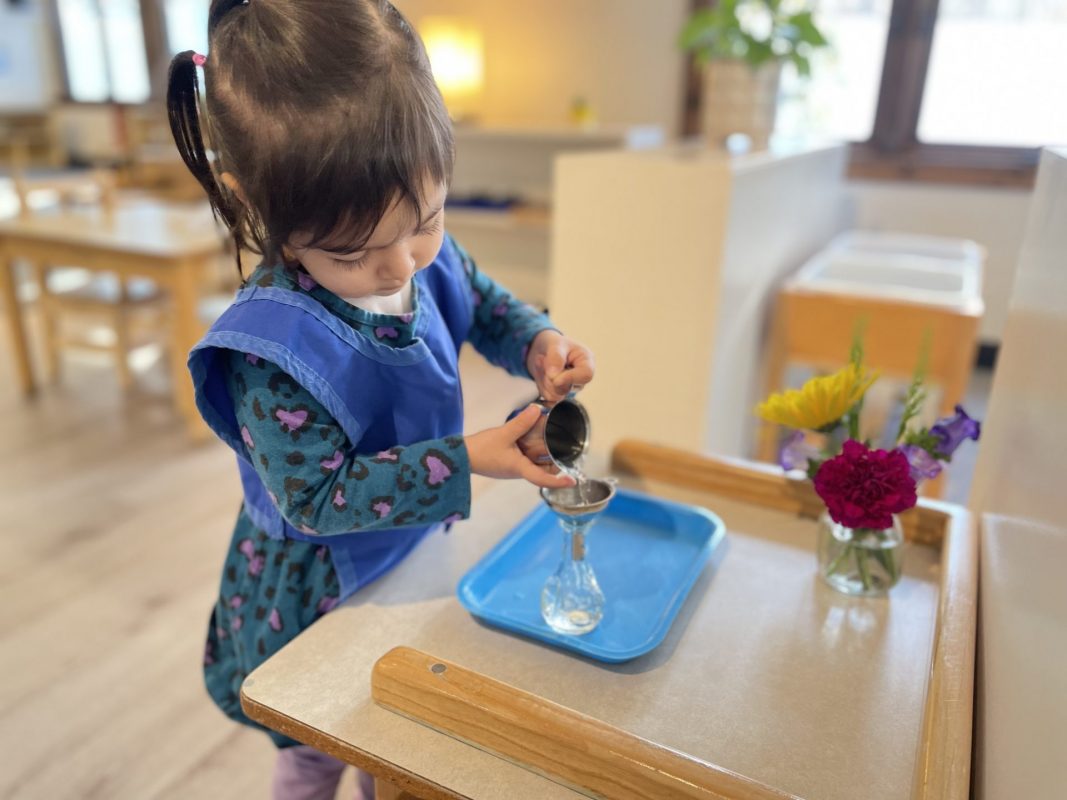
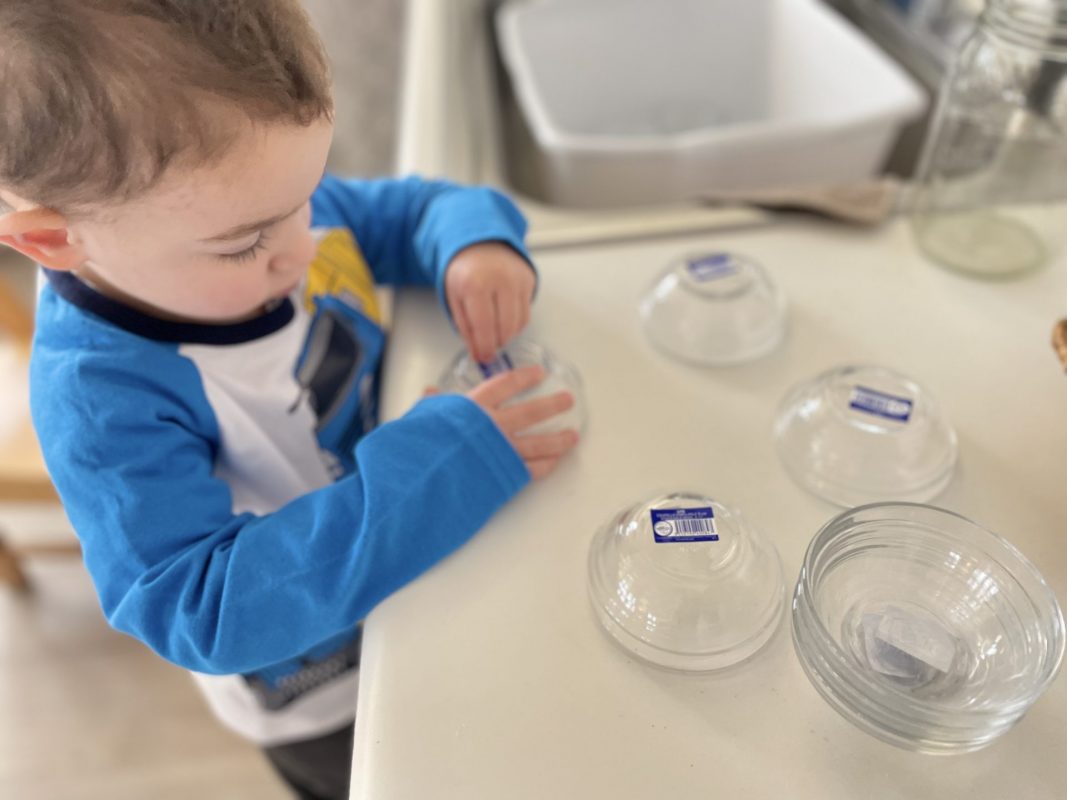
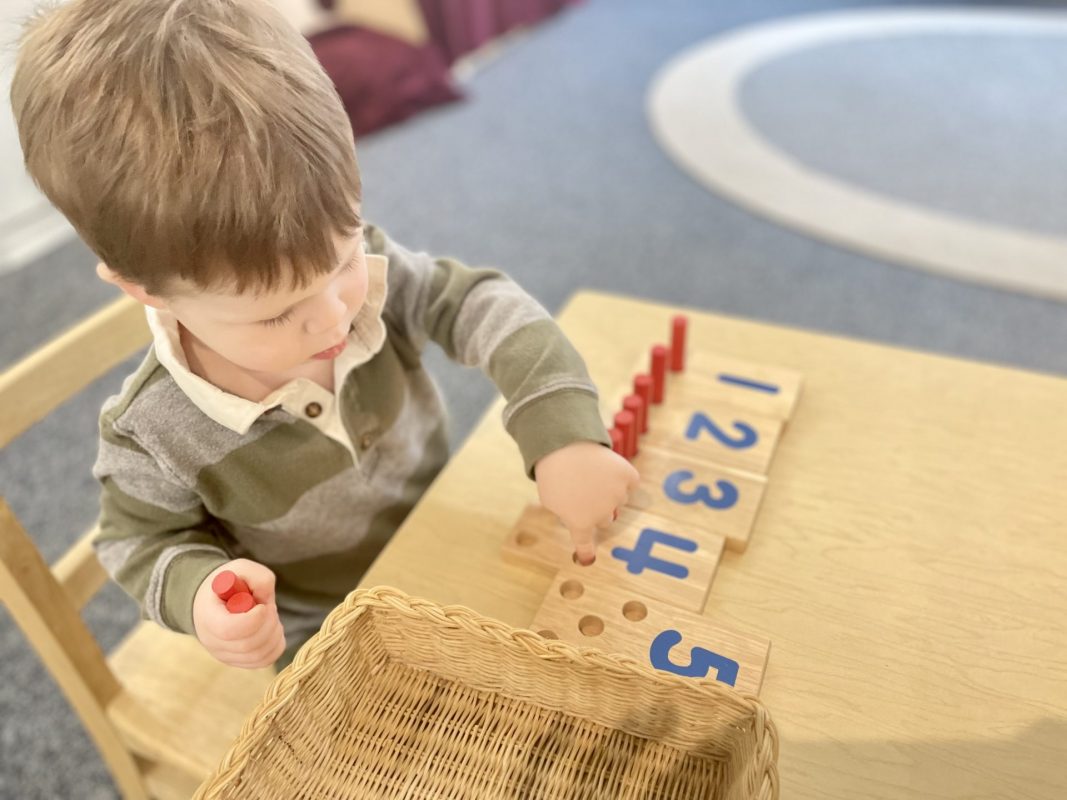
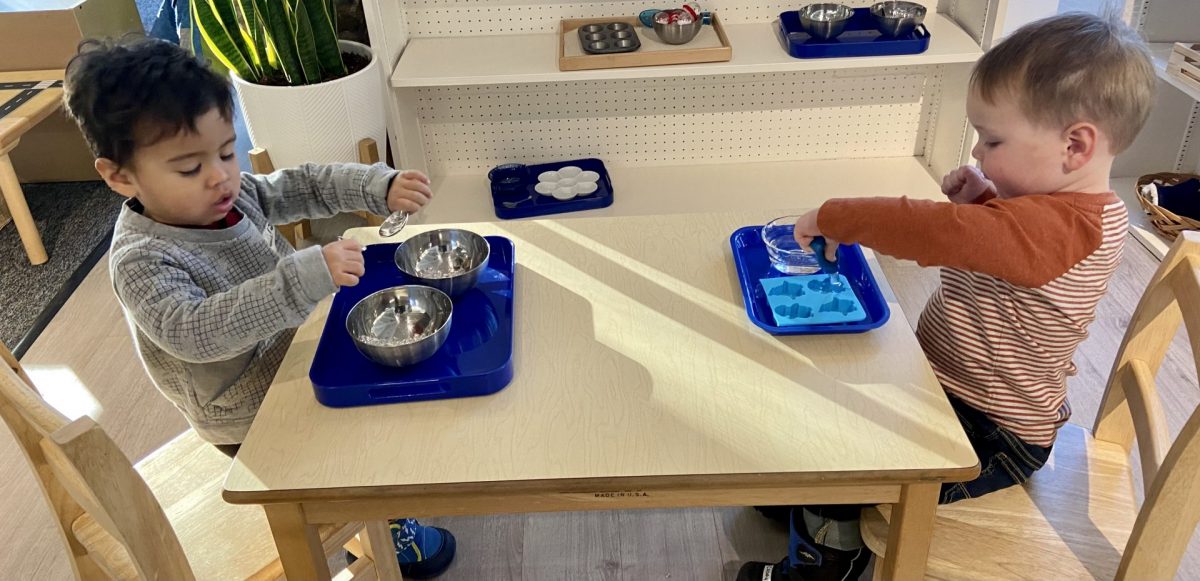
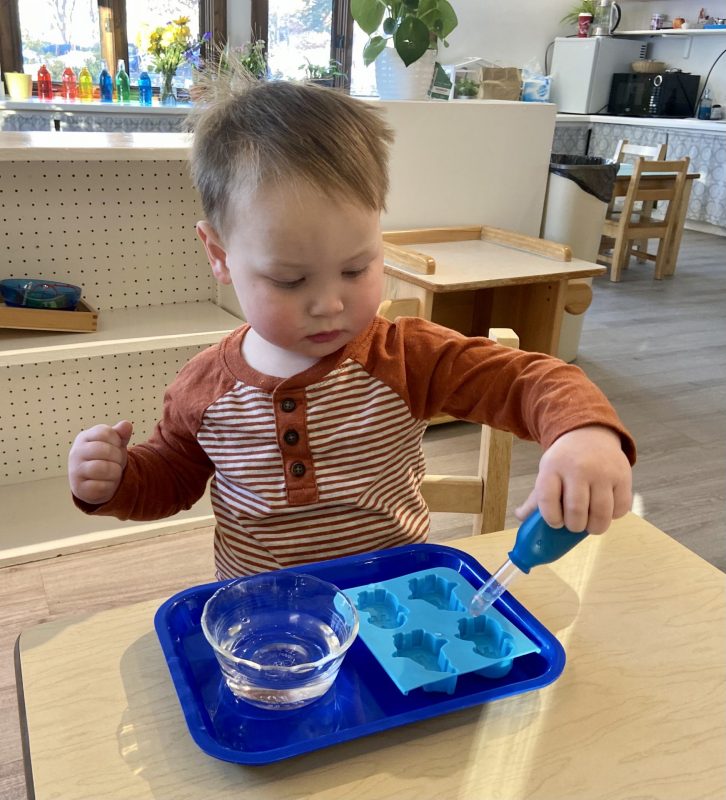
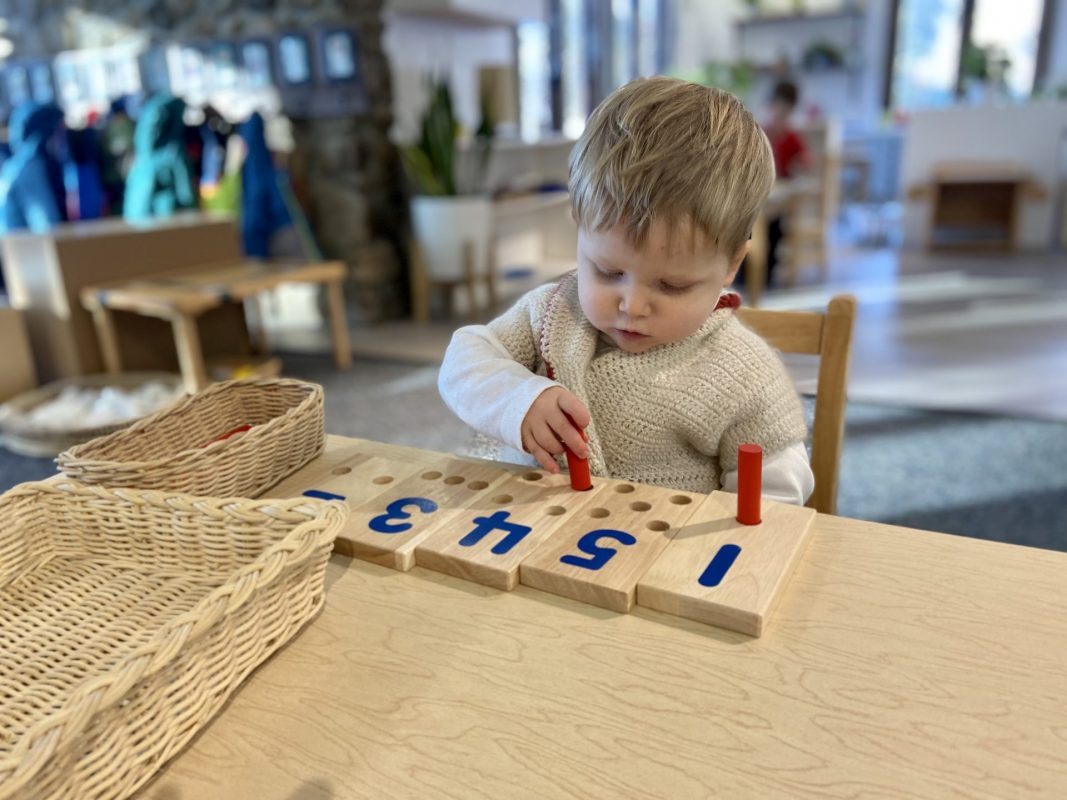
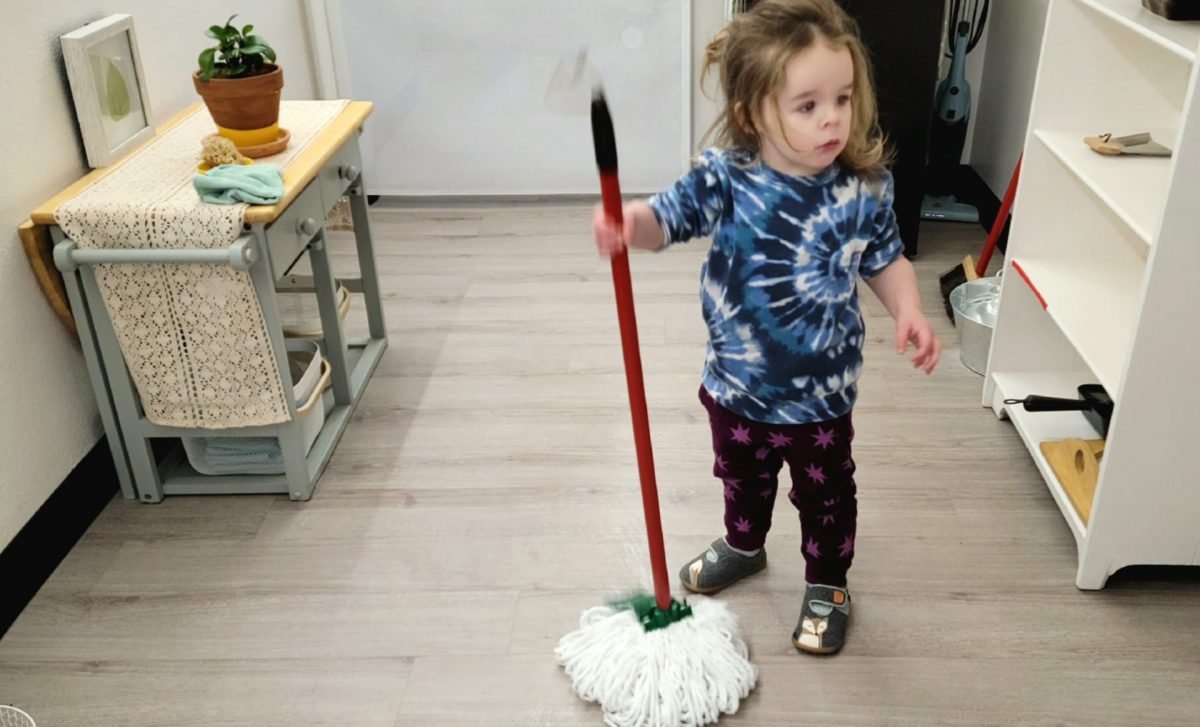
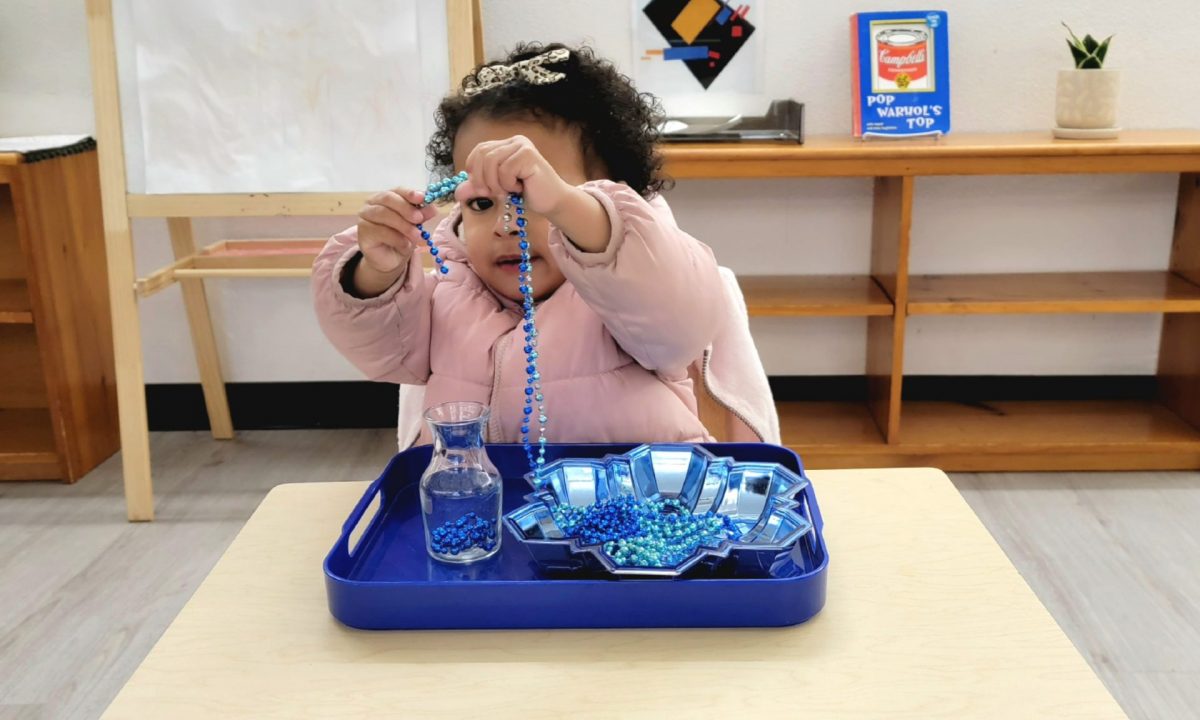
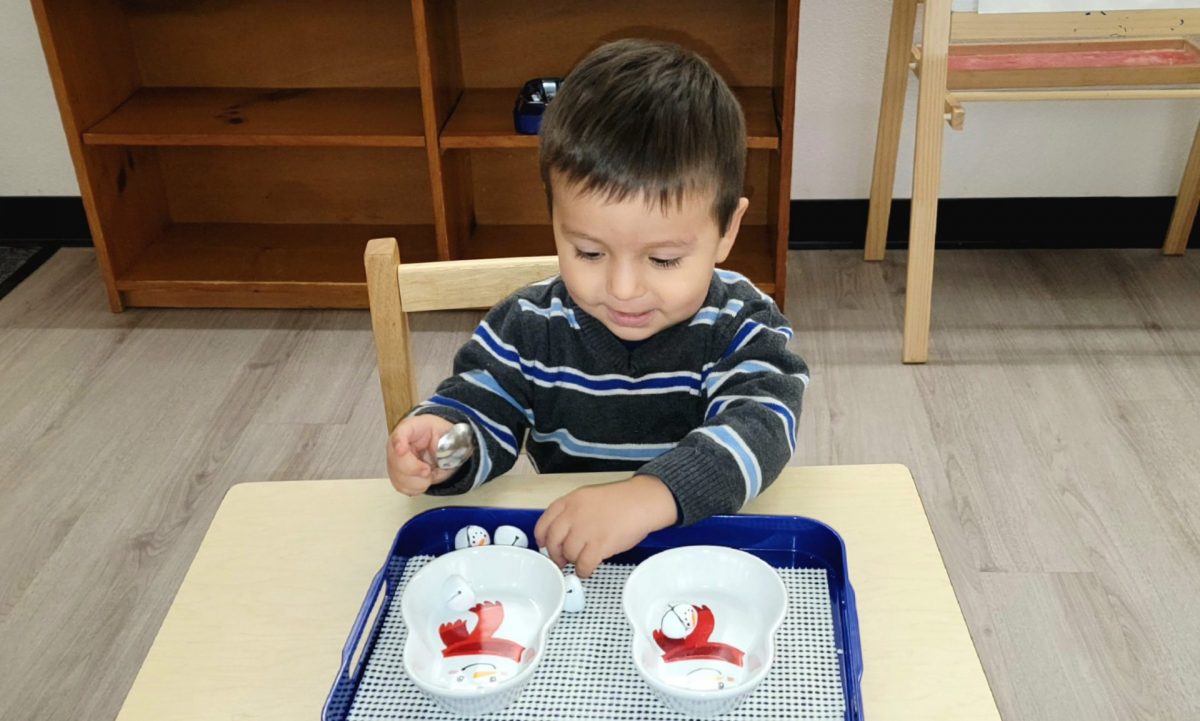
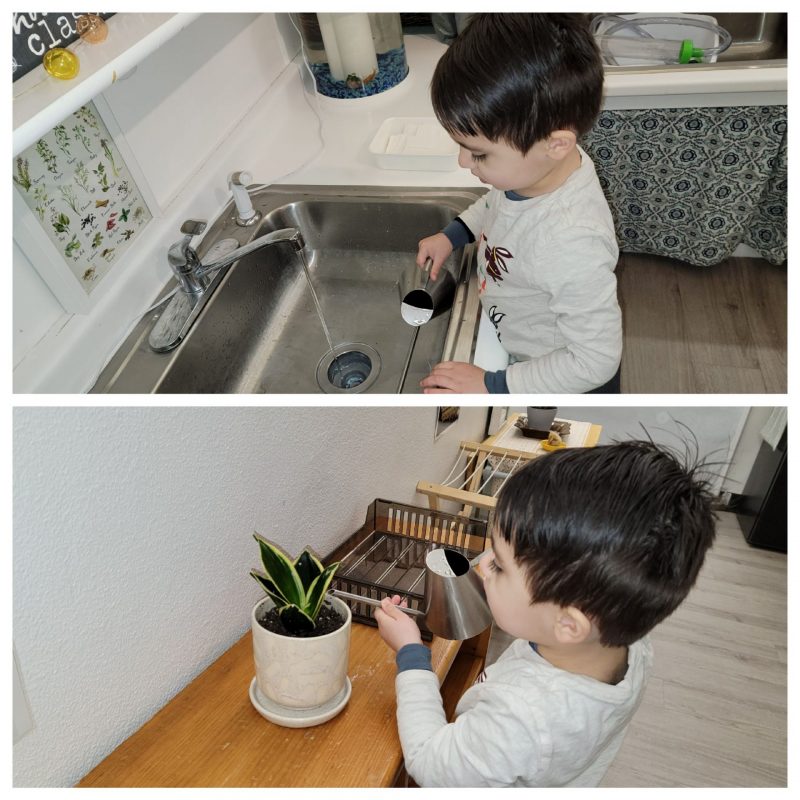
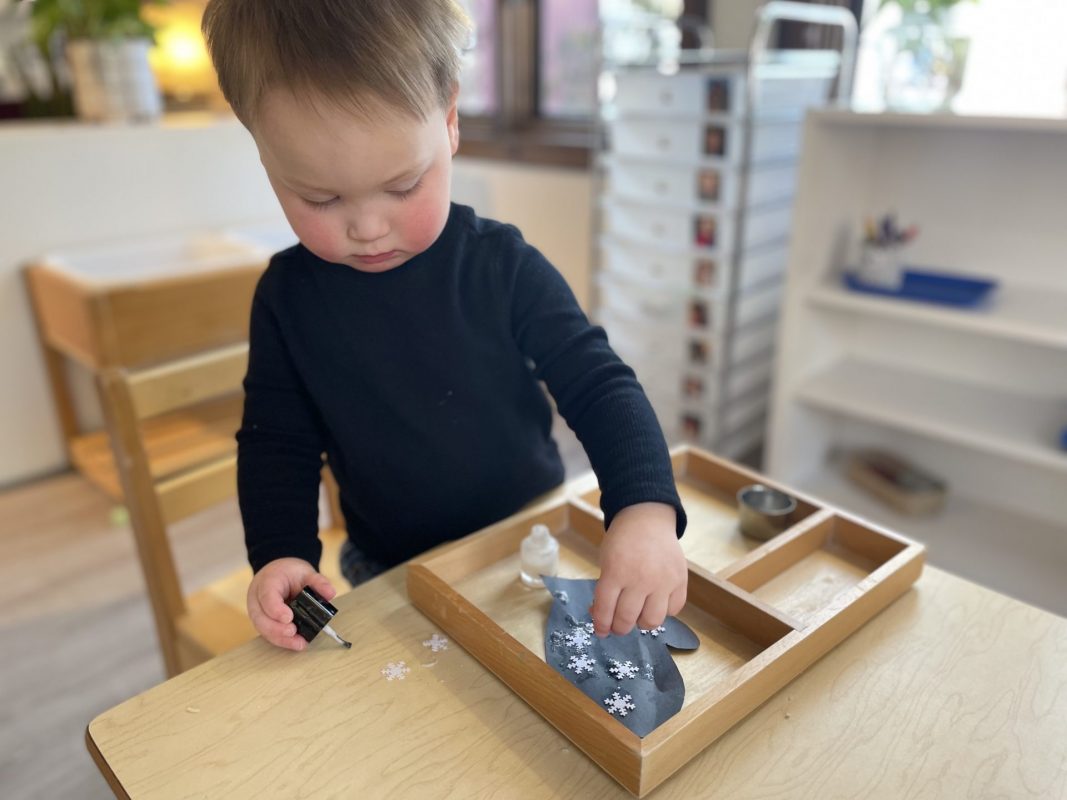
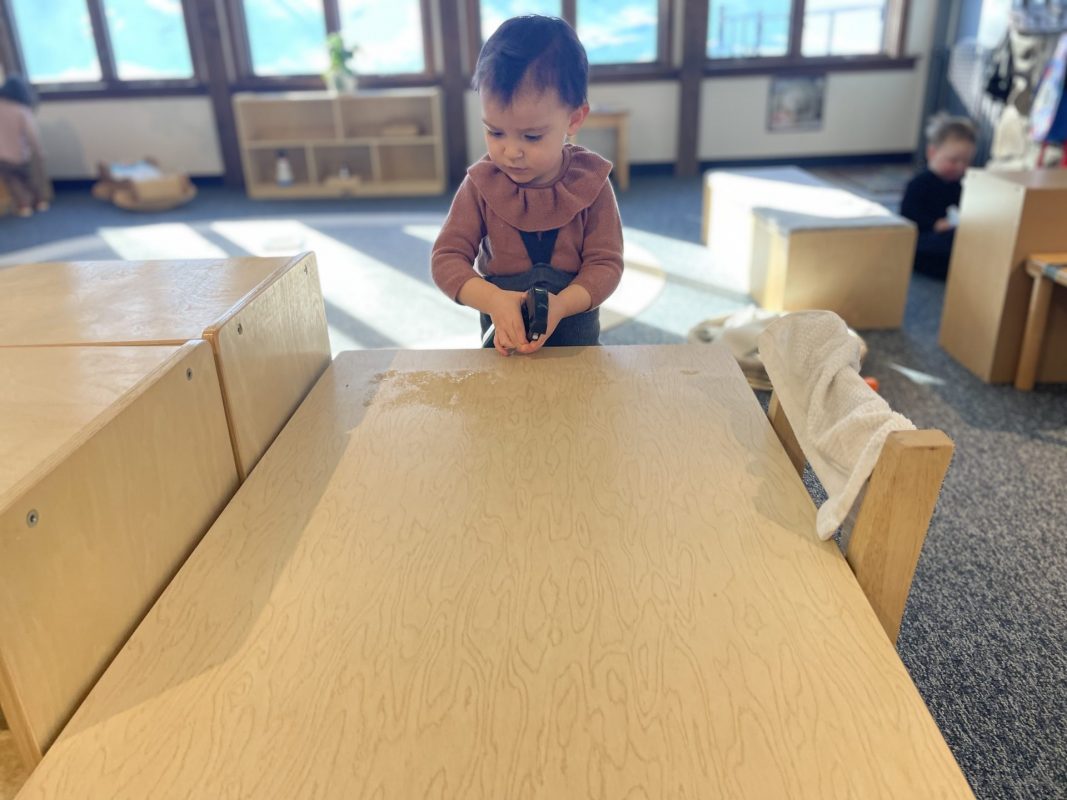
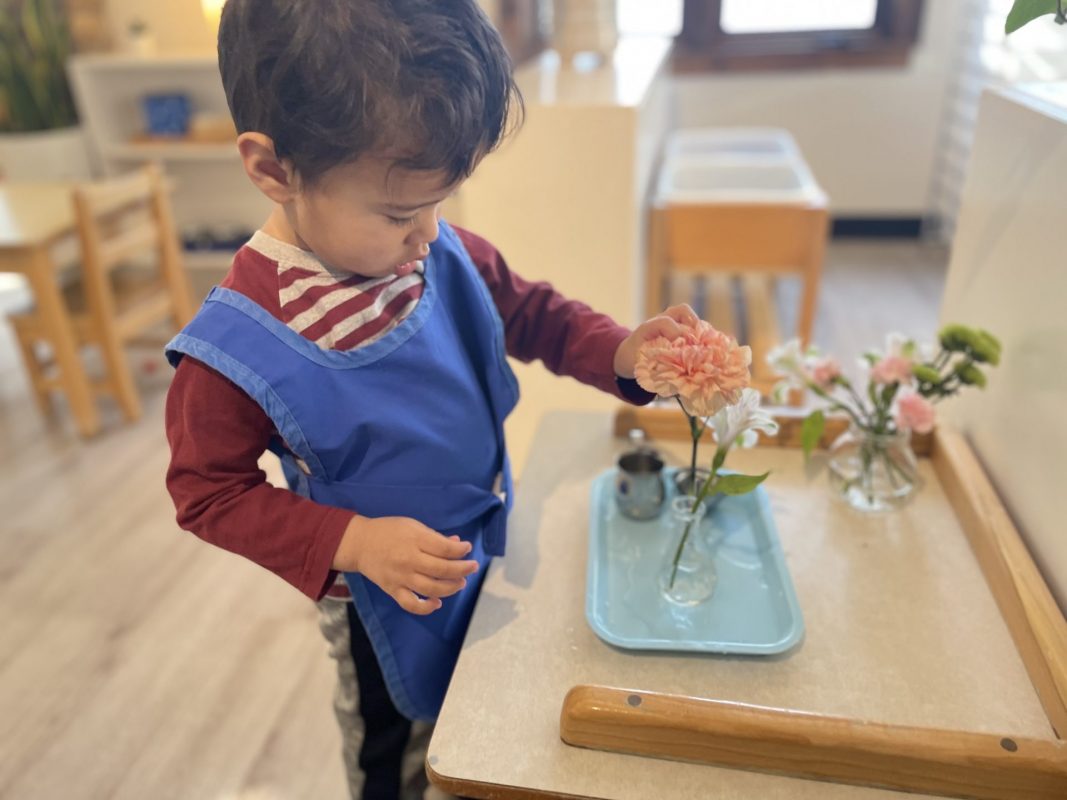
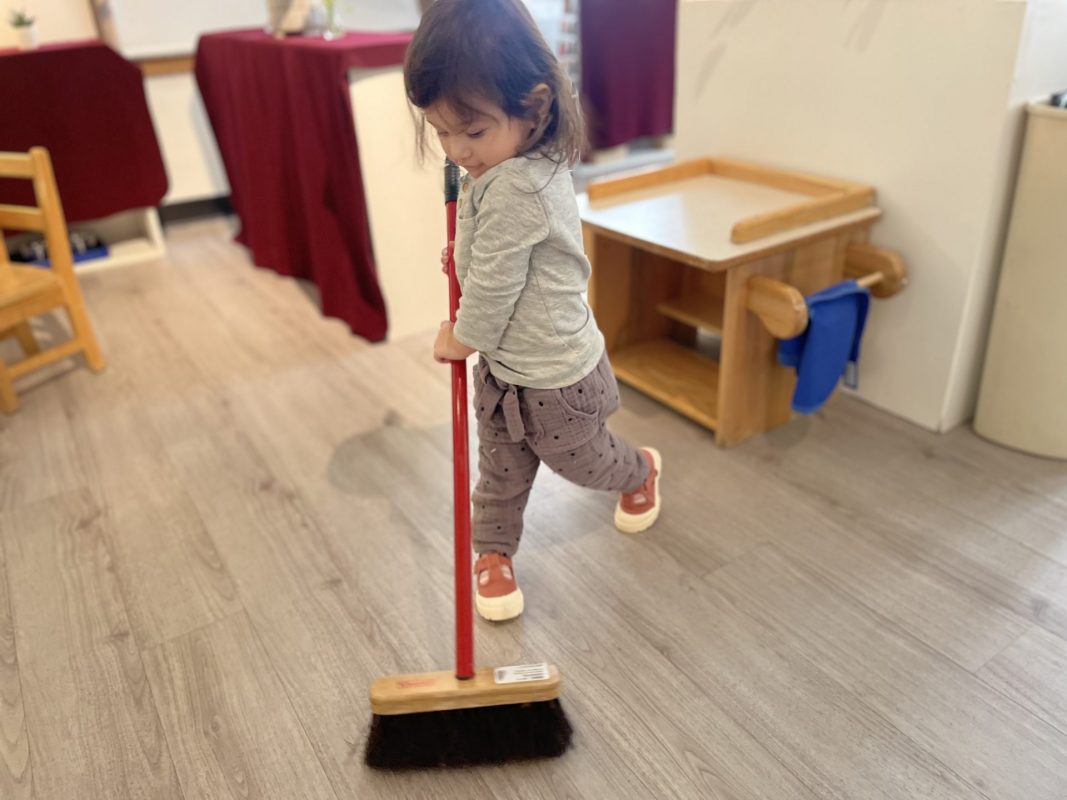
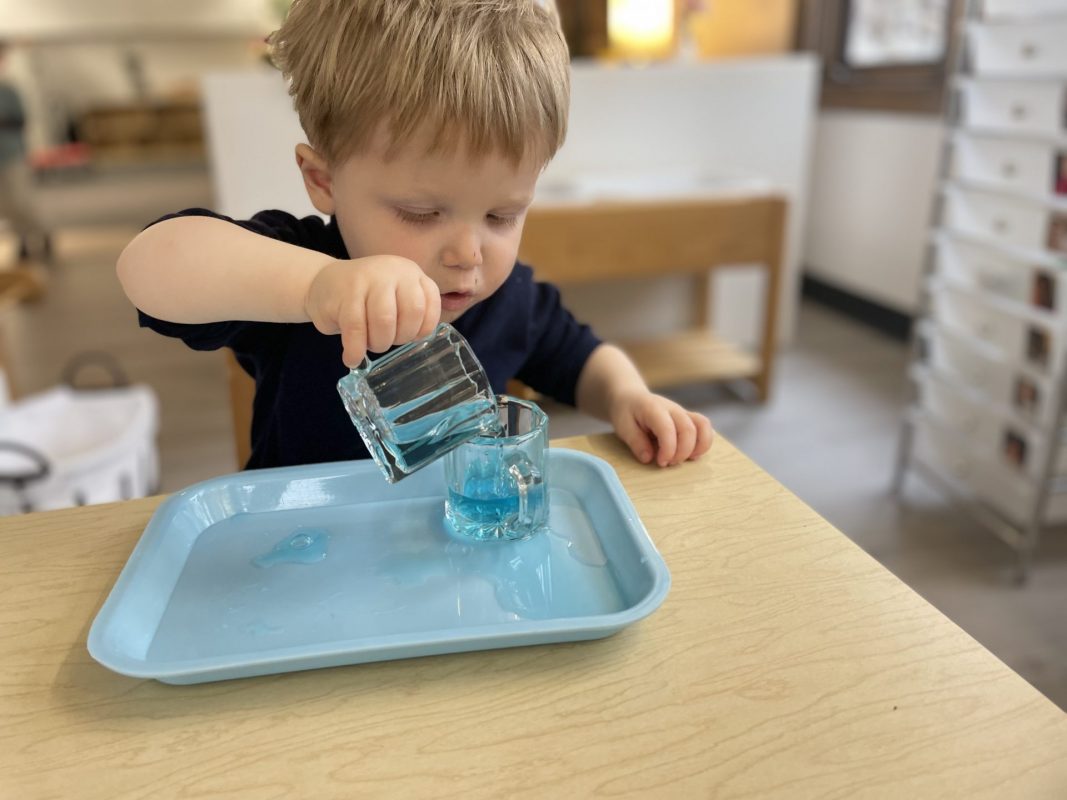
Practical Life is the heart of our classroom. The children learn so much by participating in these activities. They learn that they are part of this community and environment. They learn to respect the environment as well as each other simply by helping to take care of it. The color-coding of the materials gives them the idea of organization, while the sequence of the activity helps them have a sense of order. These two attributes help develop the children’s executive functioning skills. Who knew wiping a table or making a flower arrangement had so many valuable lessons?


Mrs. Hood: Band Time!

Maria Montessori used the scientific method to study children’s natural learning processes. She found that the child absorbs the culture they are in effortlessly and without fatigue between the ages of birth – six. Whatever the child is exposed to is internalized by the child and accepted into the child’s own being, imprinted on their soul. If a child is surrounded with music, the child will be a musical person. If a child hears their parents singing, the child will sing. If a child sees their parents dancing, the child will dance.

She called this the child’s “Absorbent Mind.”

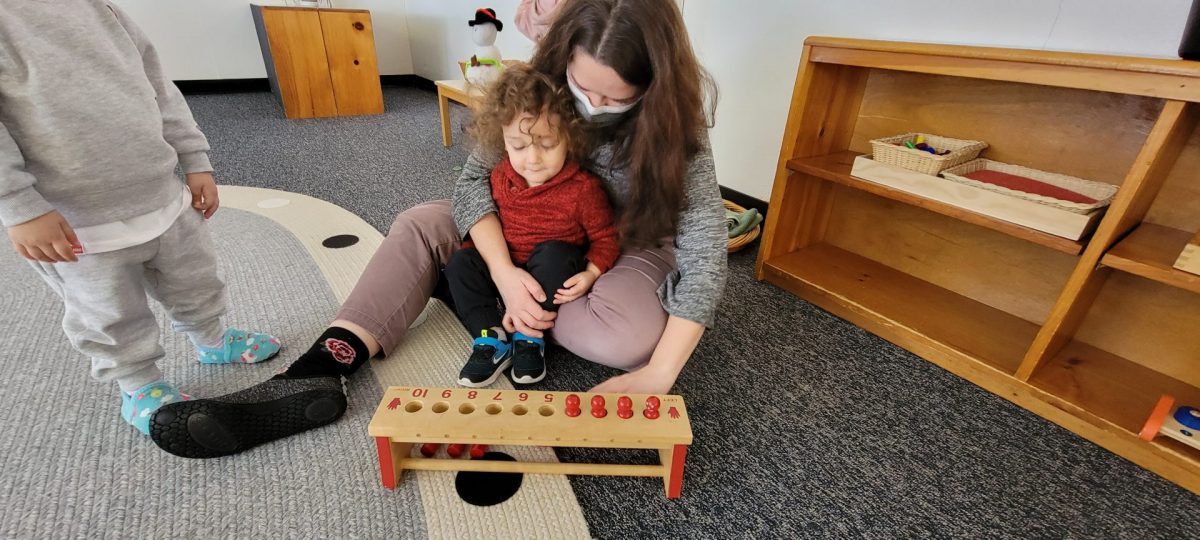
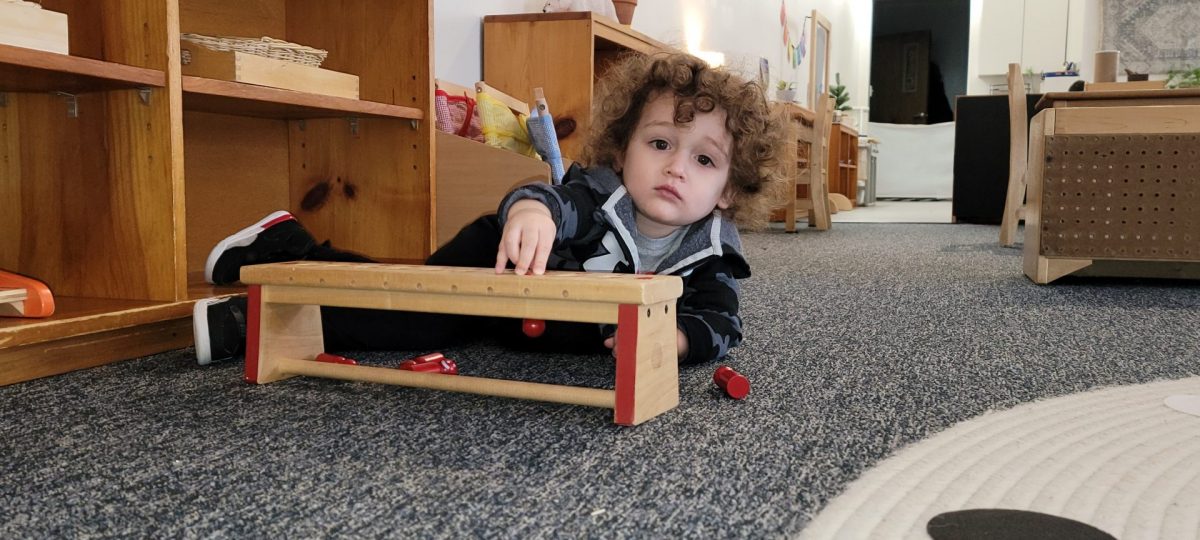
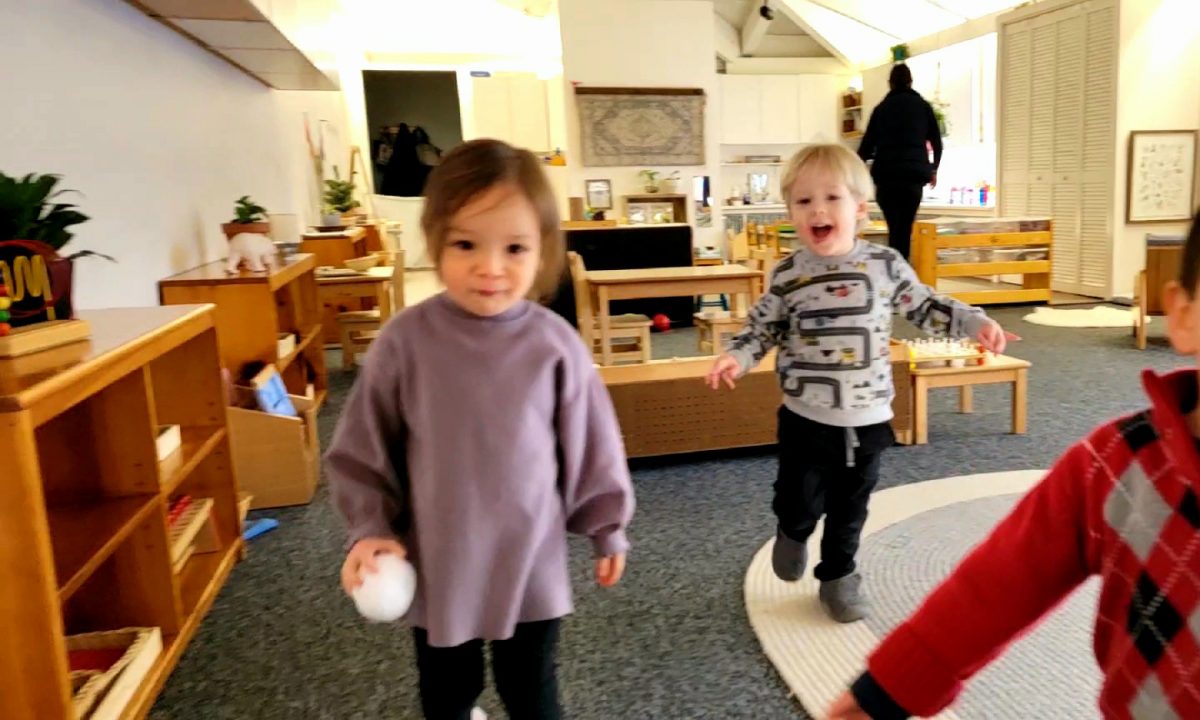
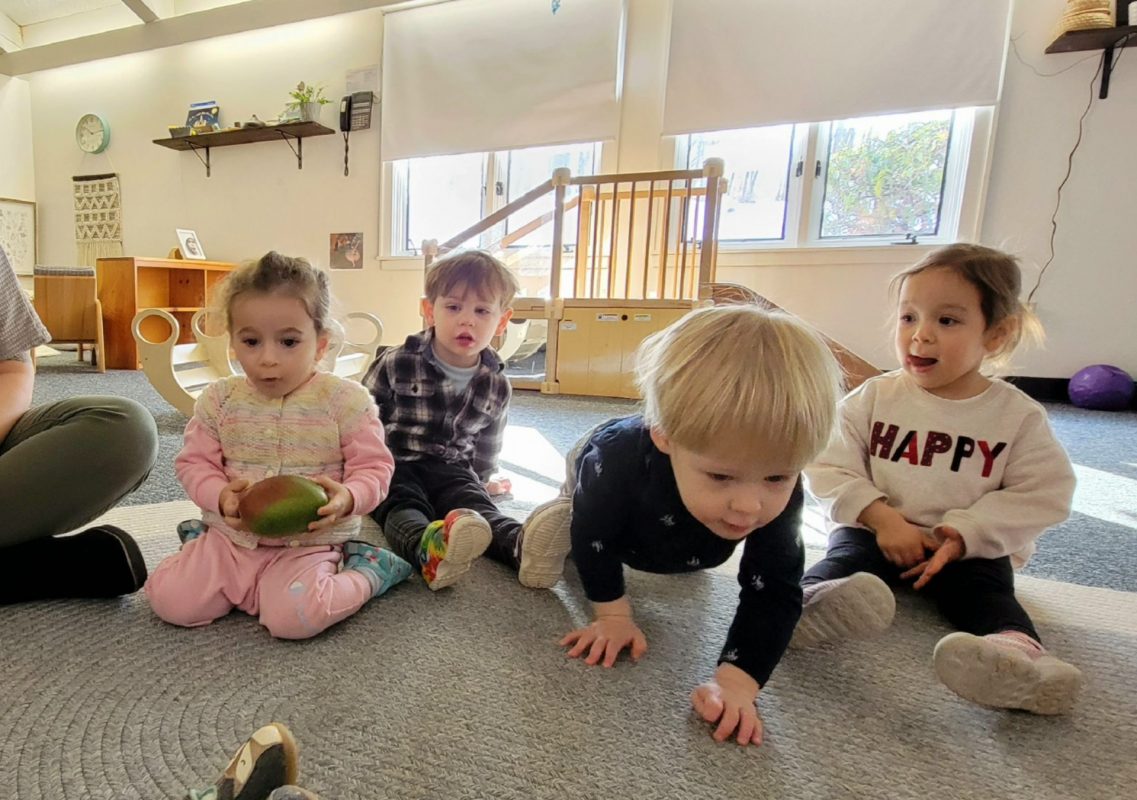
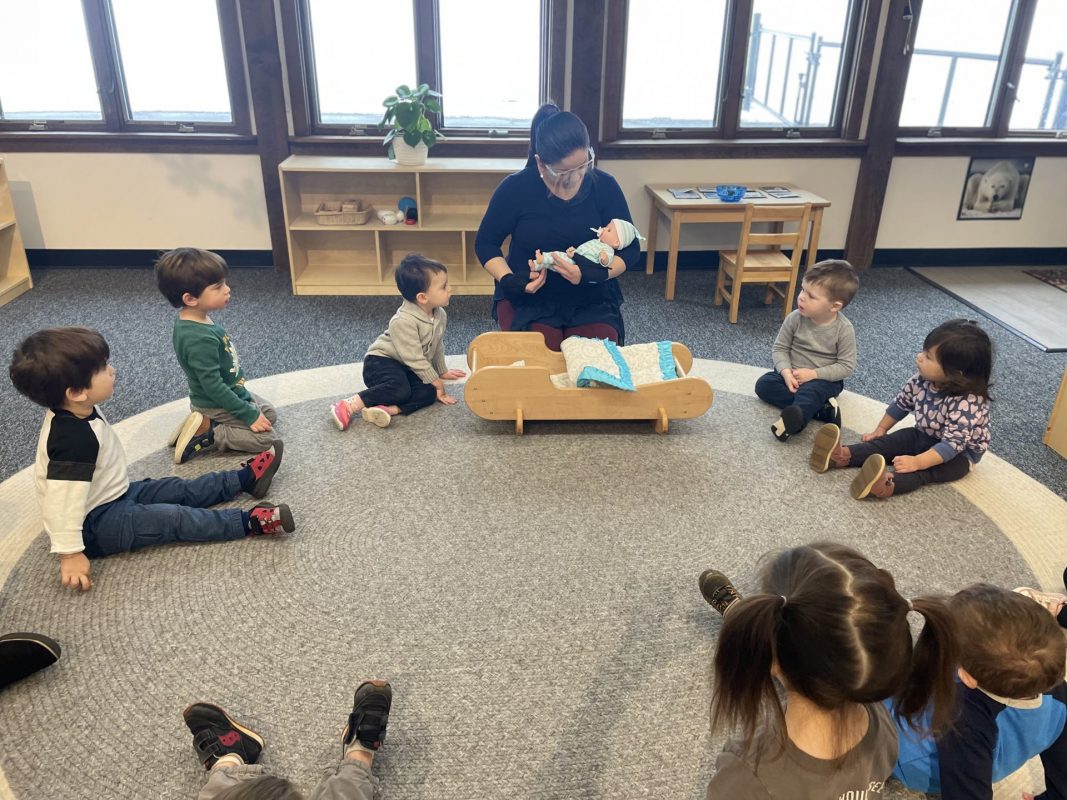
In our environment, children are exposed to meaningful music experiences everyday. Whole body movement songs, singing, finger-plays and instrument times are always part of our morning routine. Children learn the names of the instruments they are playing and they learn how to properly play them. This week we introduced the triangle and we explored the different sounds it produces when struck. We practice the importance of holding the triangle by the loop and not from the body of the instrument to find the beautiful overtones that it produces. We also had a drumming session and children had a blast practicing rhythm with different sized drums. One main part of our music lessons includes grace and courtesy. Through this, the children learn to recognize the importance of being polite and waiting until everybody gets their instrument before selecting a song and grabbing their instrument to play! Children are directed to recognize hand gestures for tempo, dynamics, and their favorite: the closing of the song. They all love to hold their fists up and watch how everybody’s instrument stops at the same time! Their smiles say it all! We call this our “band time.”

As always, we had fun exploring food and this week we enjoyed spaghetti squash! Most of our children were brave enough to taste it and surprisingly, many asked for second rounds! Yum! 

Enjoy the weekend,

Mrs. Hood and Ms. Maria


Mrs. Hood: En Otoño!

Maria Montessori believed that the initial six years of a child’s life are crucial for a their language development; that from birth a child must receive appropriate stimulation. This is also widely recognized by many specialists in language, also when referring to learning foreign languages.

Research shows that learning a second language boosts problem-solving, critical-thinking, and listening skills, in addition to improving memory, concentration, and the ability to multitask. Children proficient in other languages also show signs of enhanced creativity and mental flexibility.

In our environment, children are exposed to Spanish multiple times a day. From songs, to books, to direct conversations, Spanish is always part of our routines.

Due to the changing of the season, children have been introduced to the wonders of Otoño (Autumn) by observing and talking about what we see. The wind blowing, the leaves falling, the squirrels gathering acorns and climbing the trees, the scarecrows, the smiley pumpkins, and the different foods in season we get to explore during this time of the year are things we like to talk about, observe in nature, and imitate while reading our favorite book this week, En Otoño (In Autum) by Susana Madinabeitia Manso.

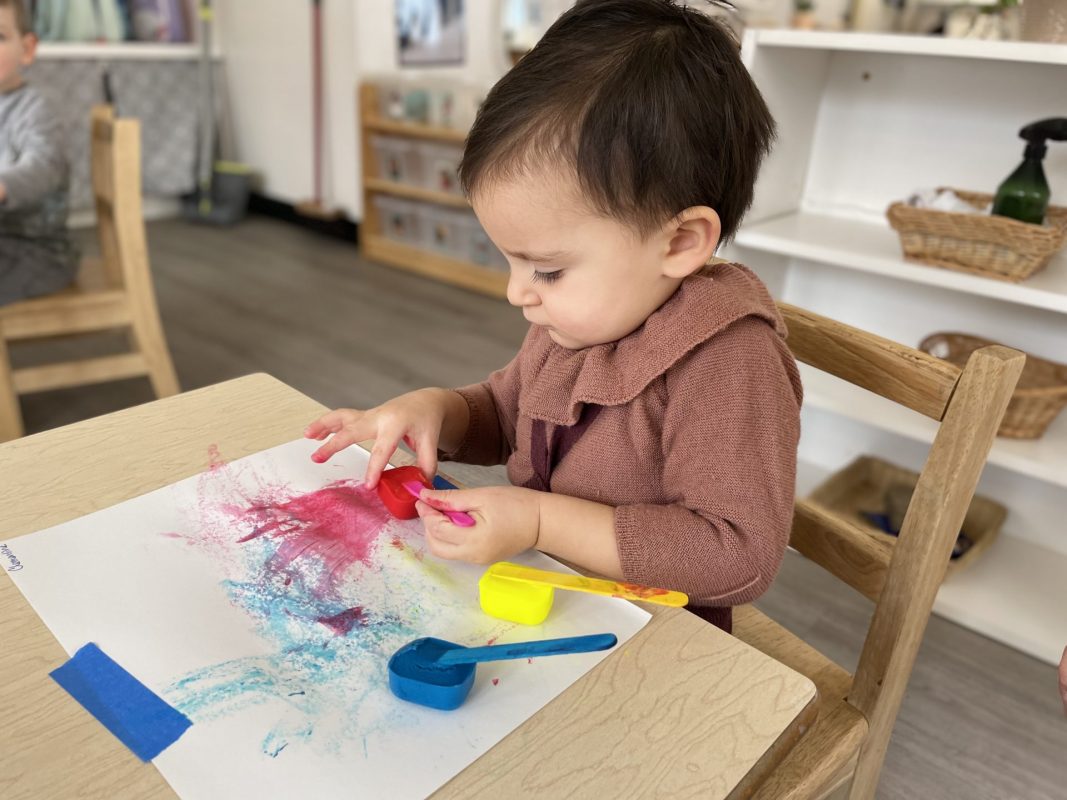
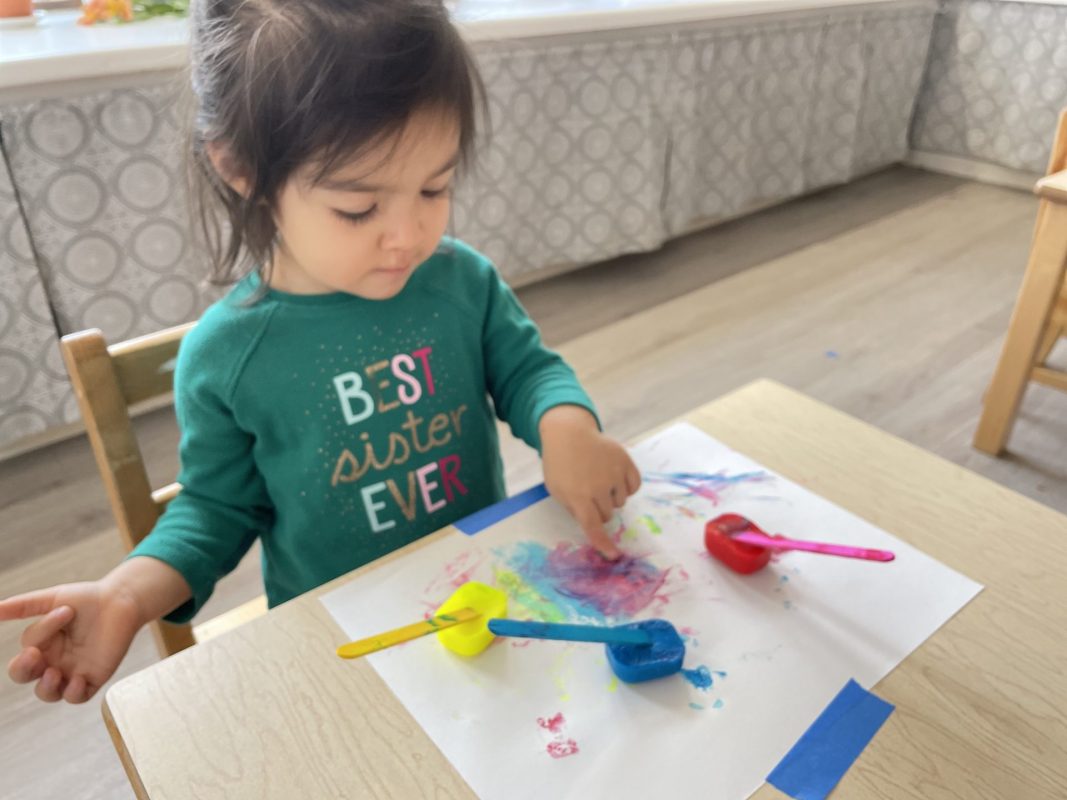
The leaves changing color has been another fun aspect we like to talk about and observe. Color recognition in both languages is always used. As a fun sensorial art work, children worked on a leaf stamping activity mixing fall colors and using giant maple leaves from our playground.

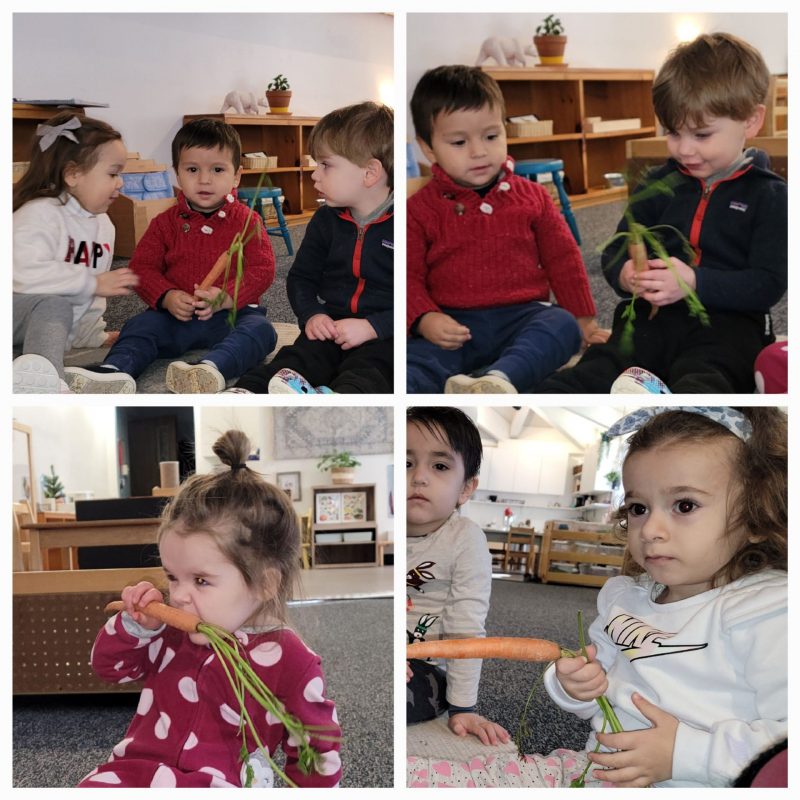
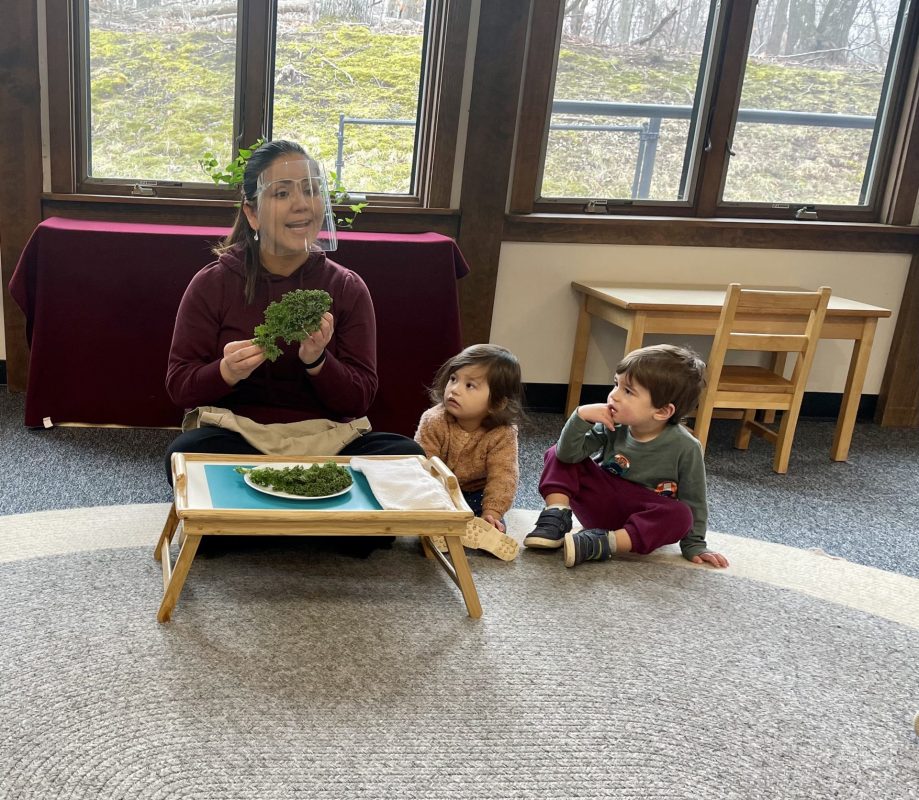
For food tasting we observed, touched, smelled and tasted butternut squash! Just a handful of students really loved it but we’ve gotta say that ALL of them tested it.

Have a great weekend,

Mrs. Hood and Ms. Maria 

Mrs. Wilson: Tasting Butternut Squash and Exploring a Sunflower

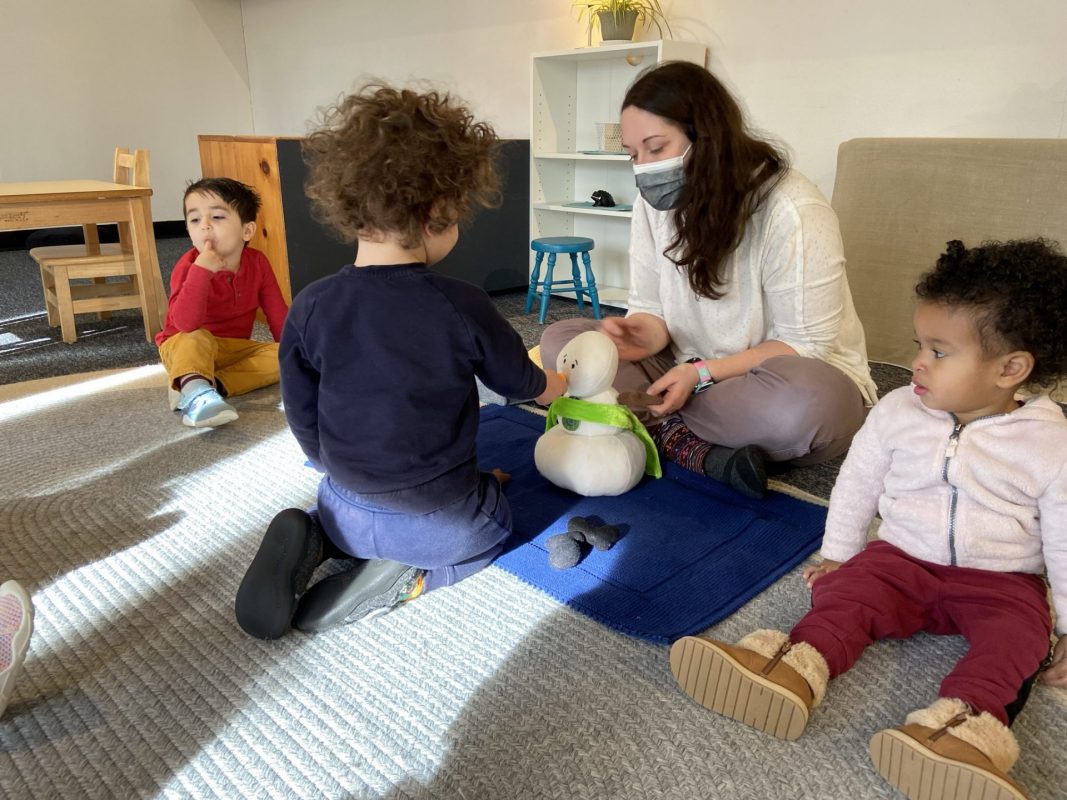
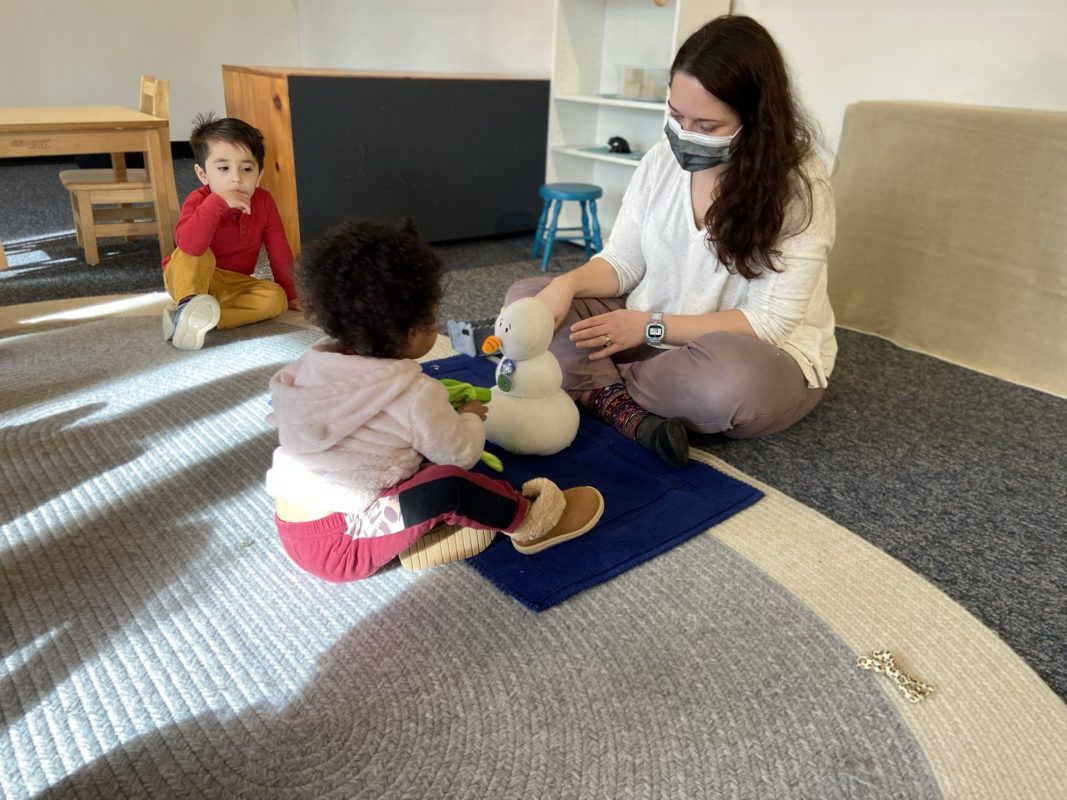
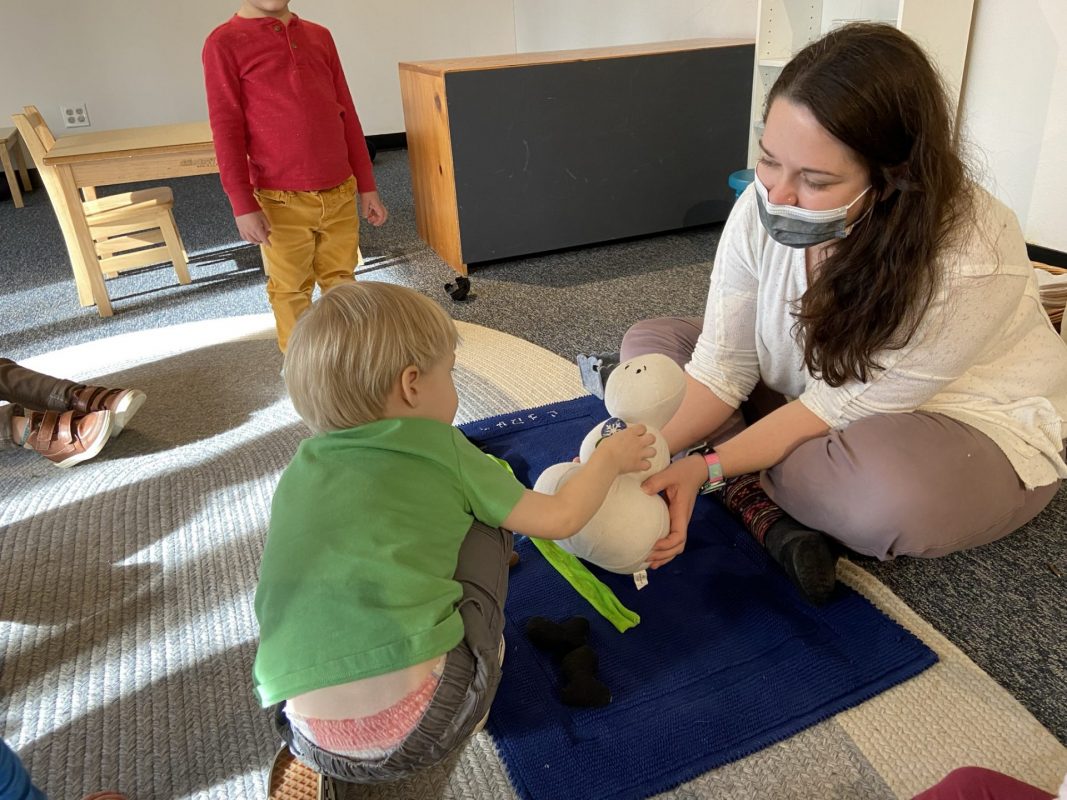
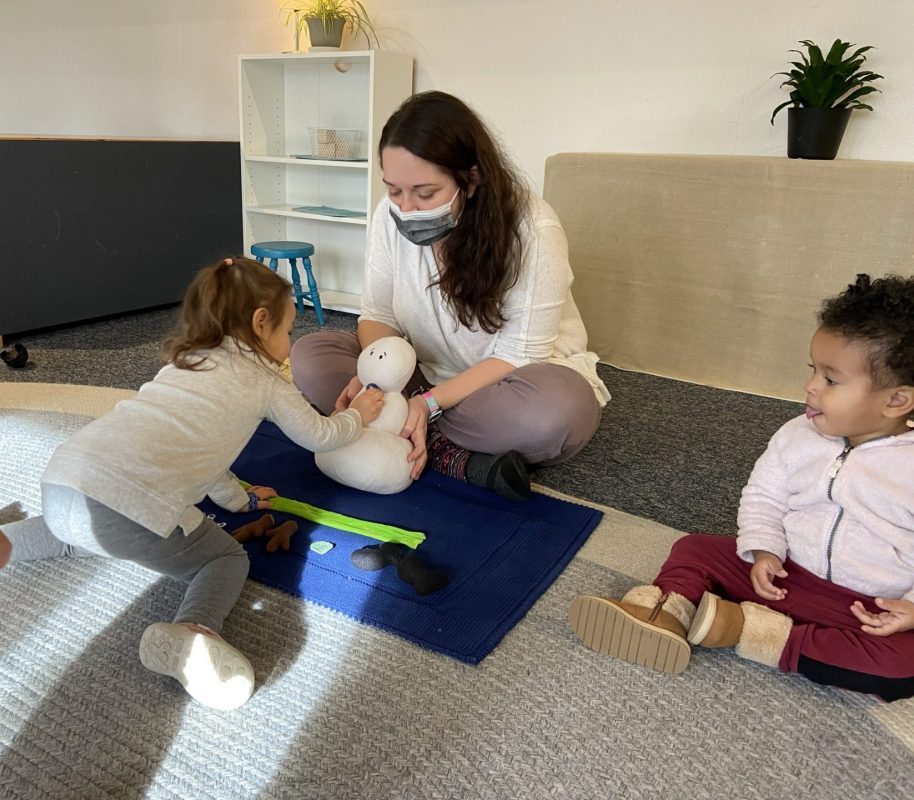
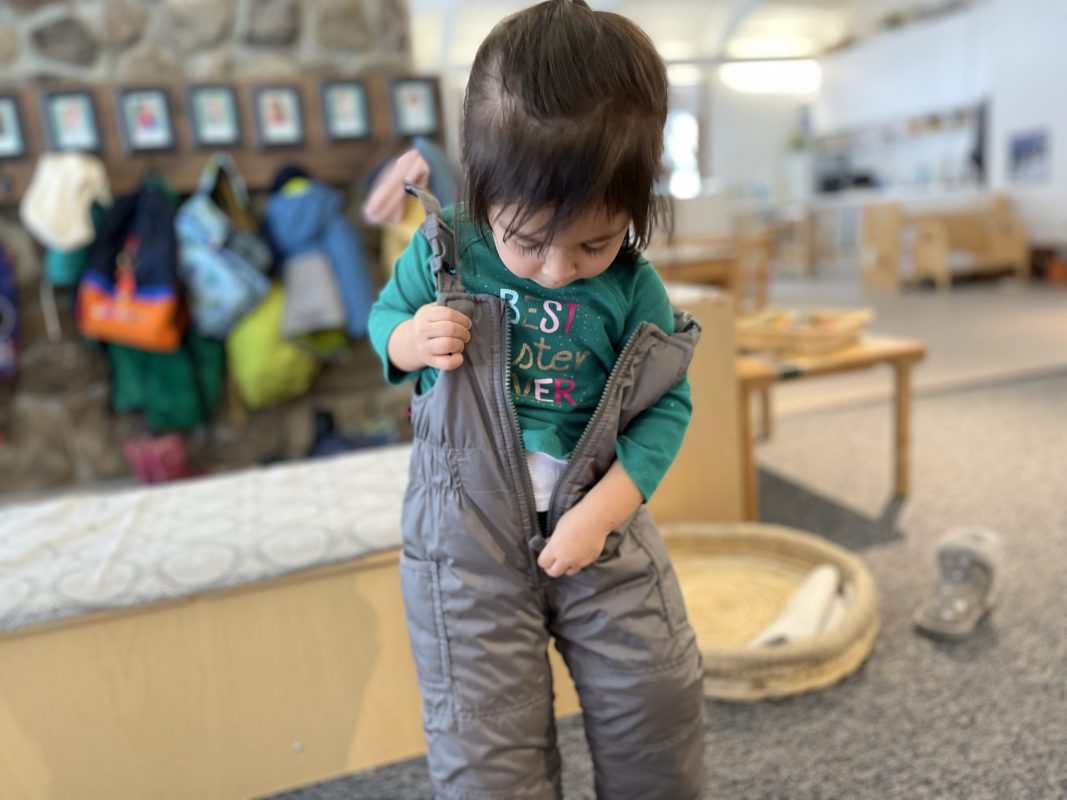
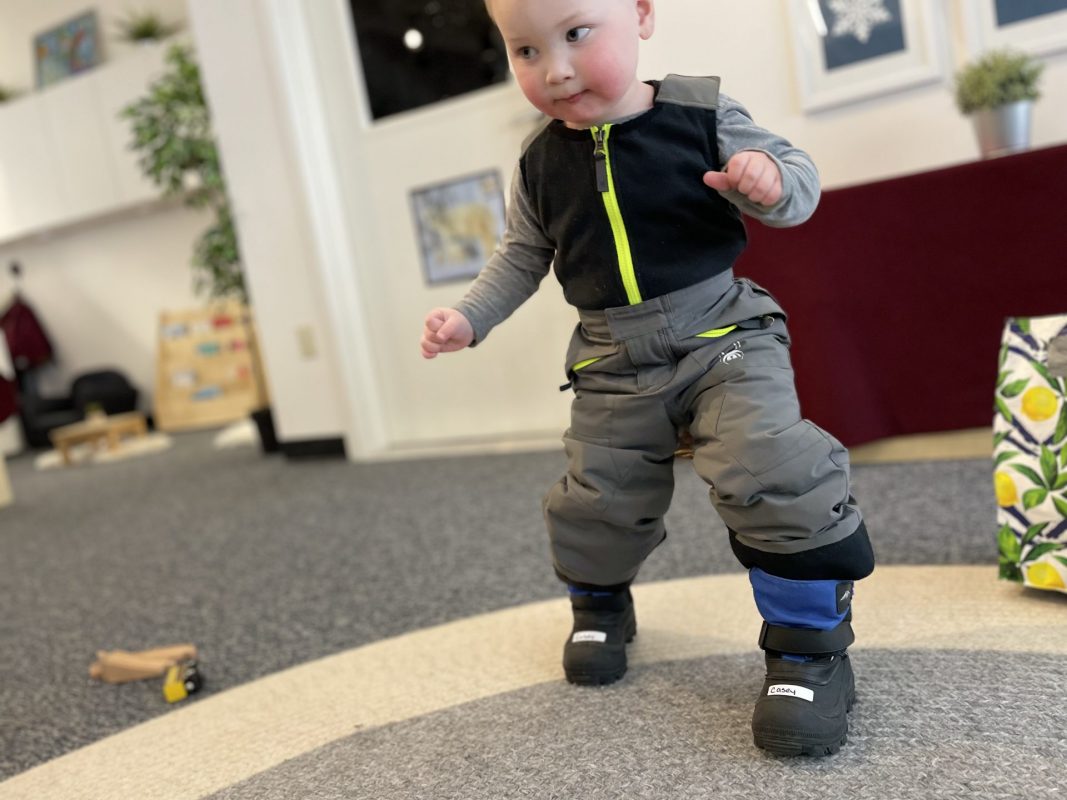
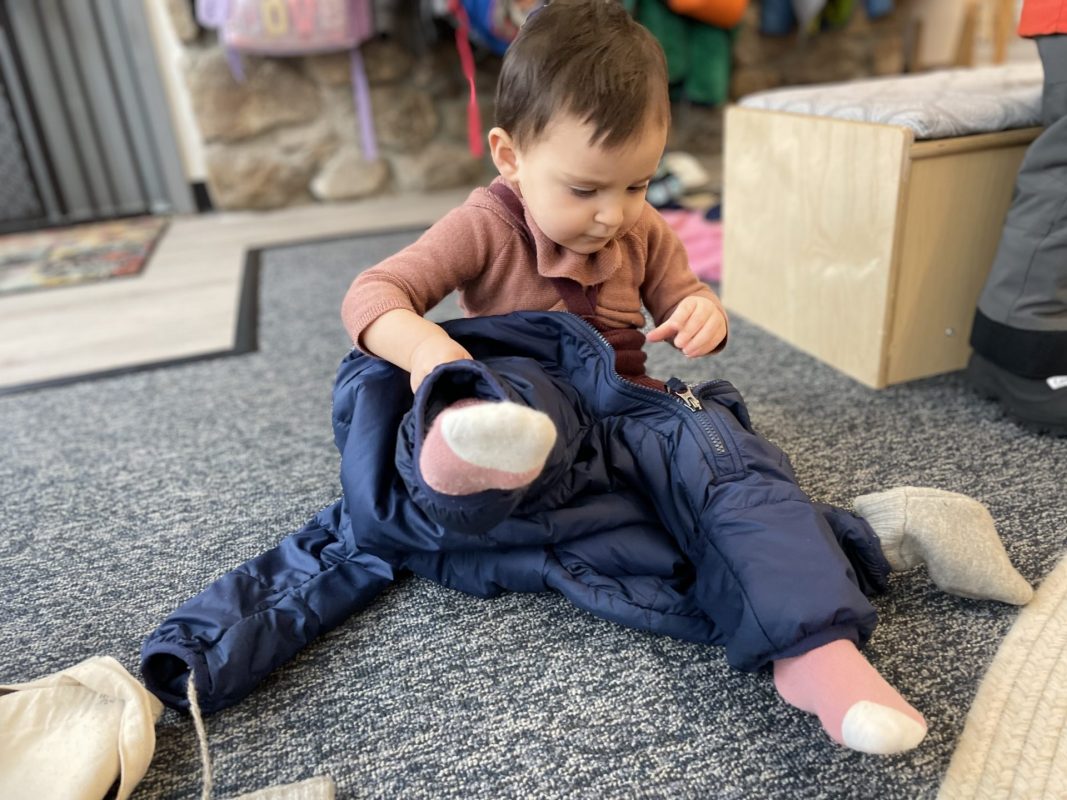
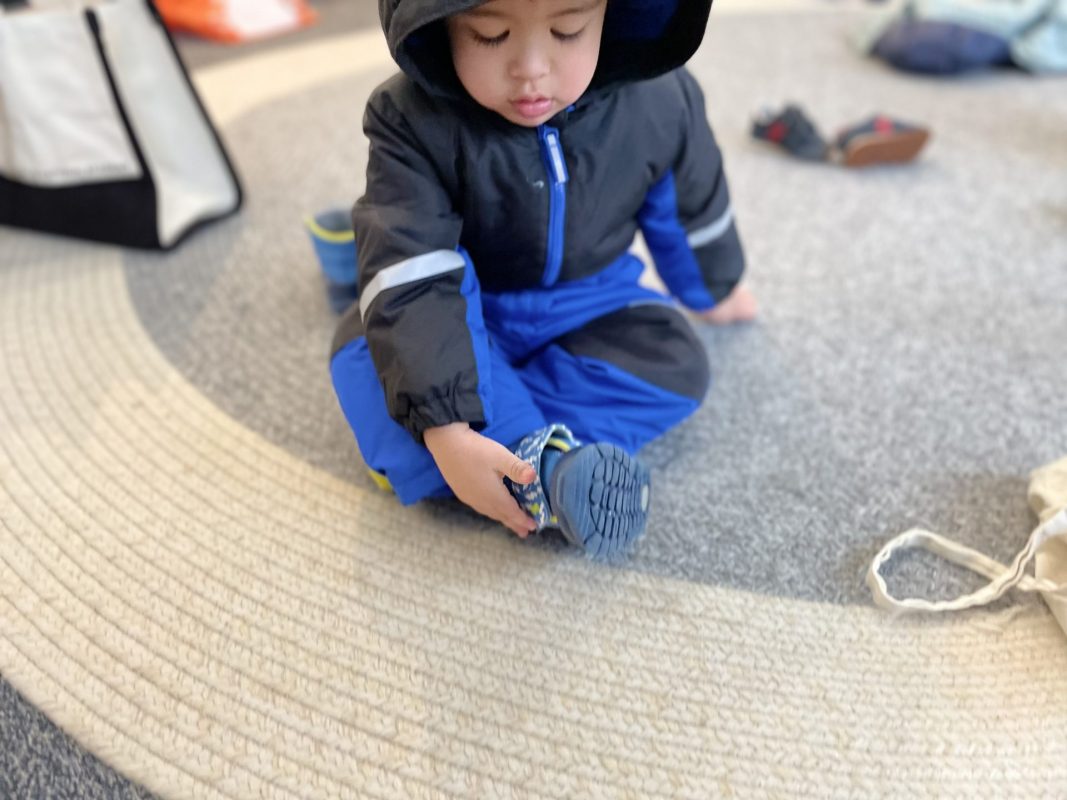
This week we started working on getting more into our daily routines. From changing our shoes when we arrive, to learning how to set and prepare our lunches before we sit down to eat, soon our classroom will have a rhythm and flow and these routines will come naturally to the children.

On Tuesday we celebrated our friend’s 2nd birthday. She brought in the book Humpty Dumpty to share with the class. Thank you!

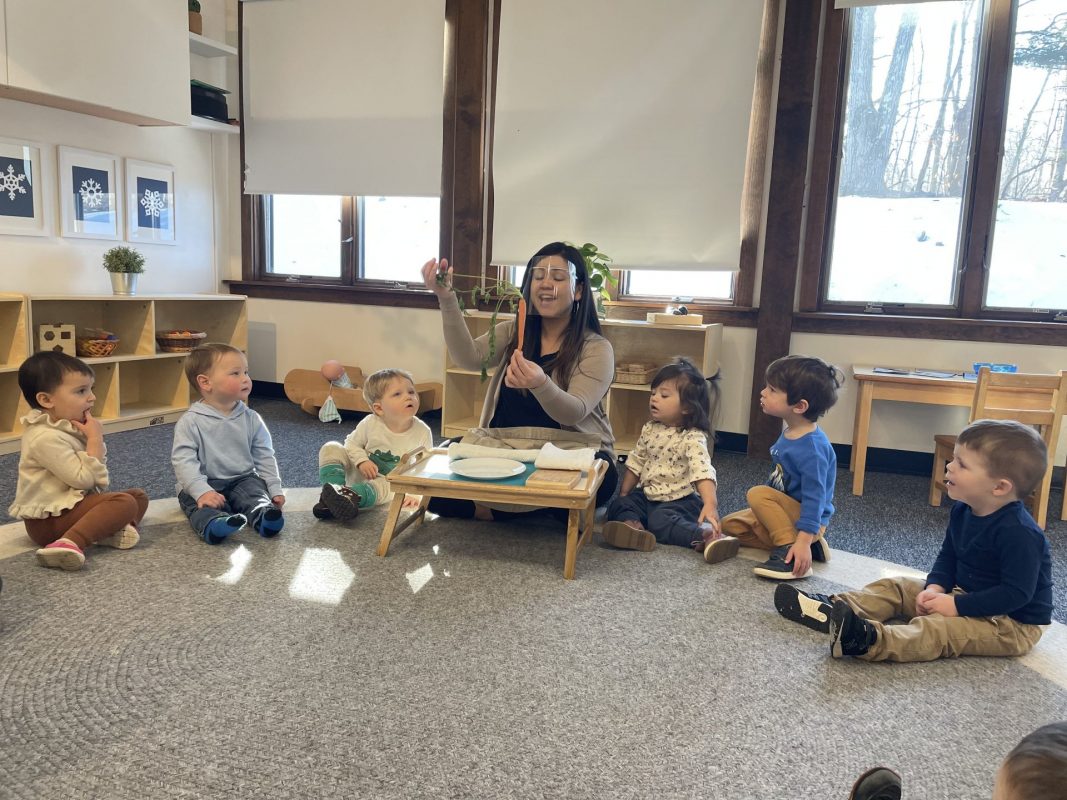
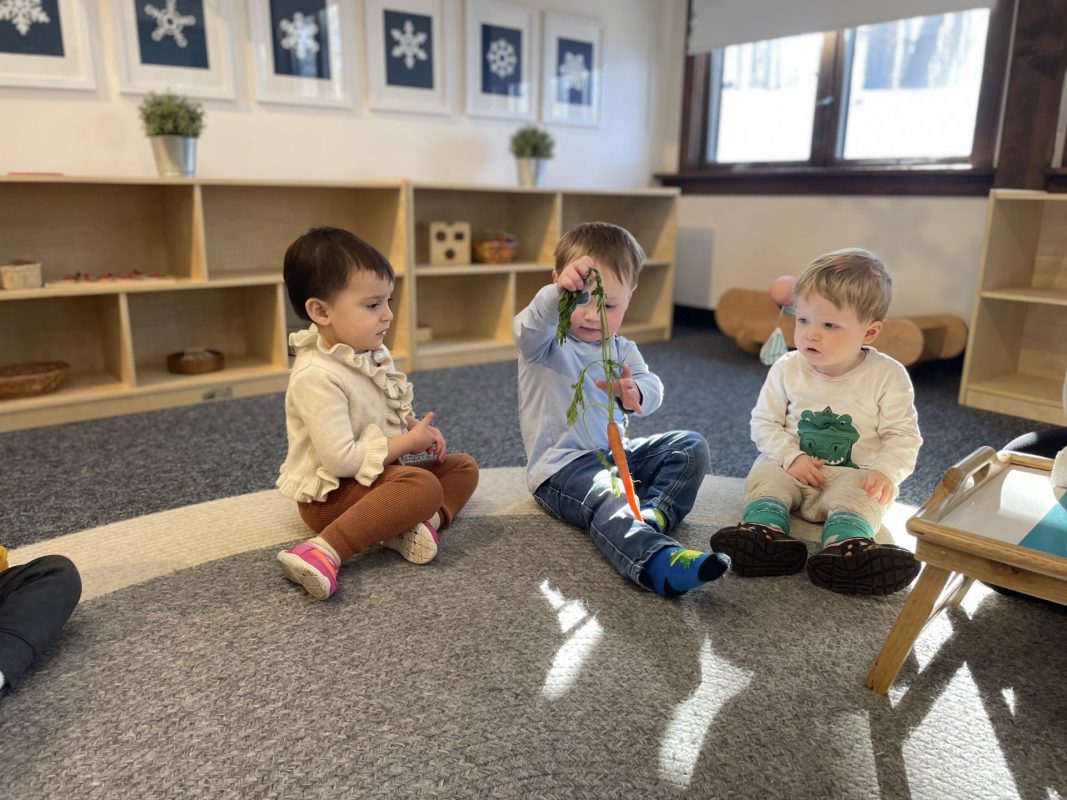
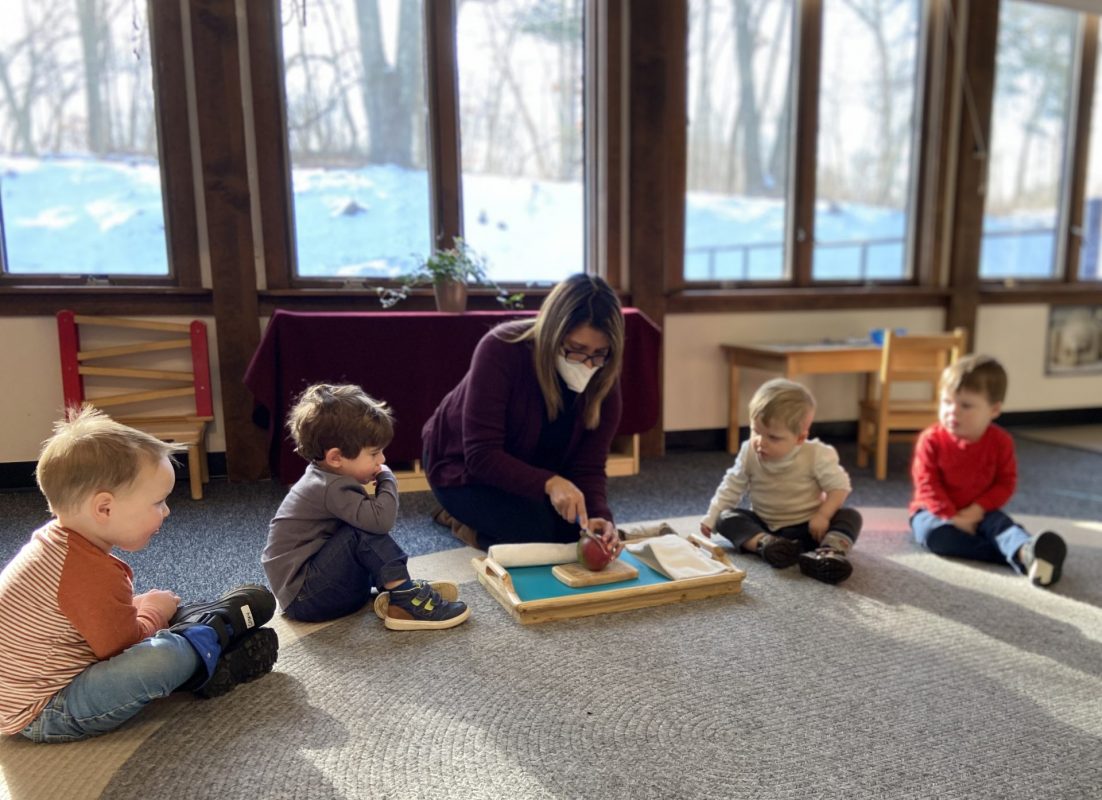
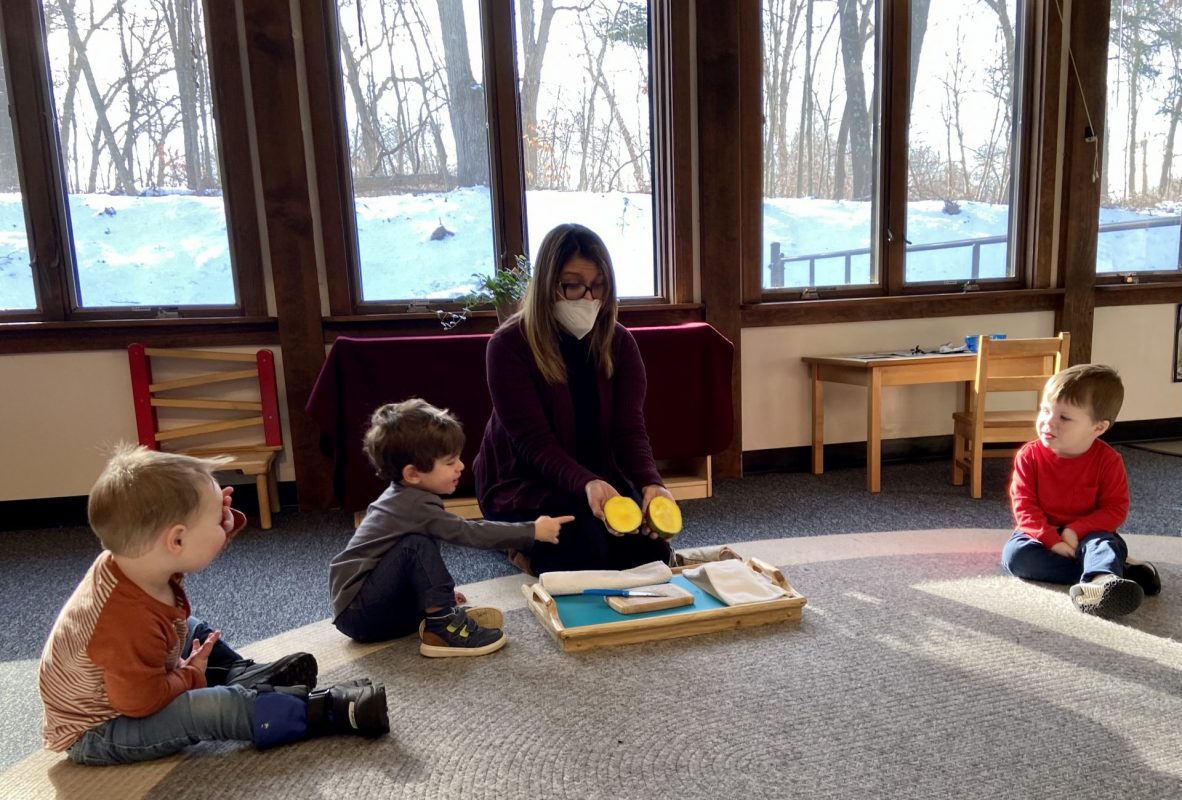
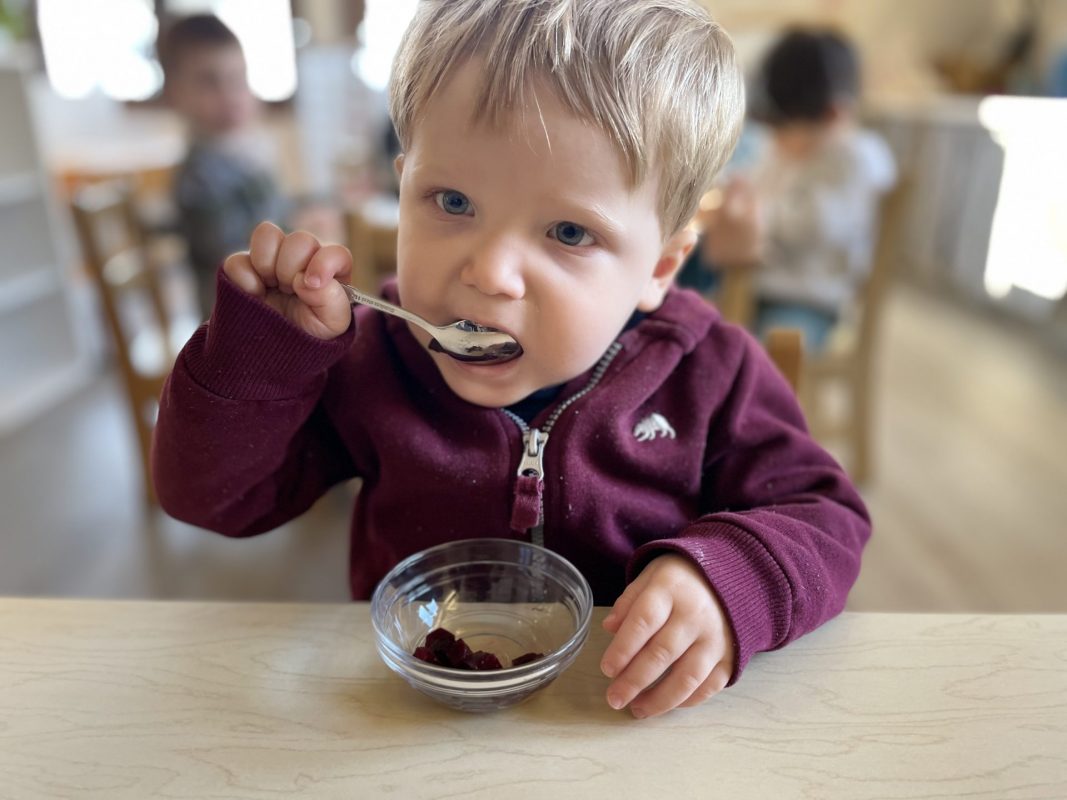
The children had a chance to taste and explore a butternut squash. Like the last three times, they guessed apple and were surprised when a butternut squash was revealed. When we held the squash we felt how heavy it was and that it was smooth and it didn’t have a scent. When I cut in half we were able to see the bright orange coloring and that it did have a scent. Most of the children tasted the squash. Some liked it, and some not so much.

We also explored a sunflower and talked about the different parts of the flower. The children were able to use a magnifying glass to take a closer look at all of the parts. Another activity available is for the children to use their fine motor skills to pull out the seeds.


Mrs. Wilson: Transitioning into October


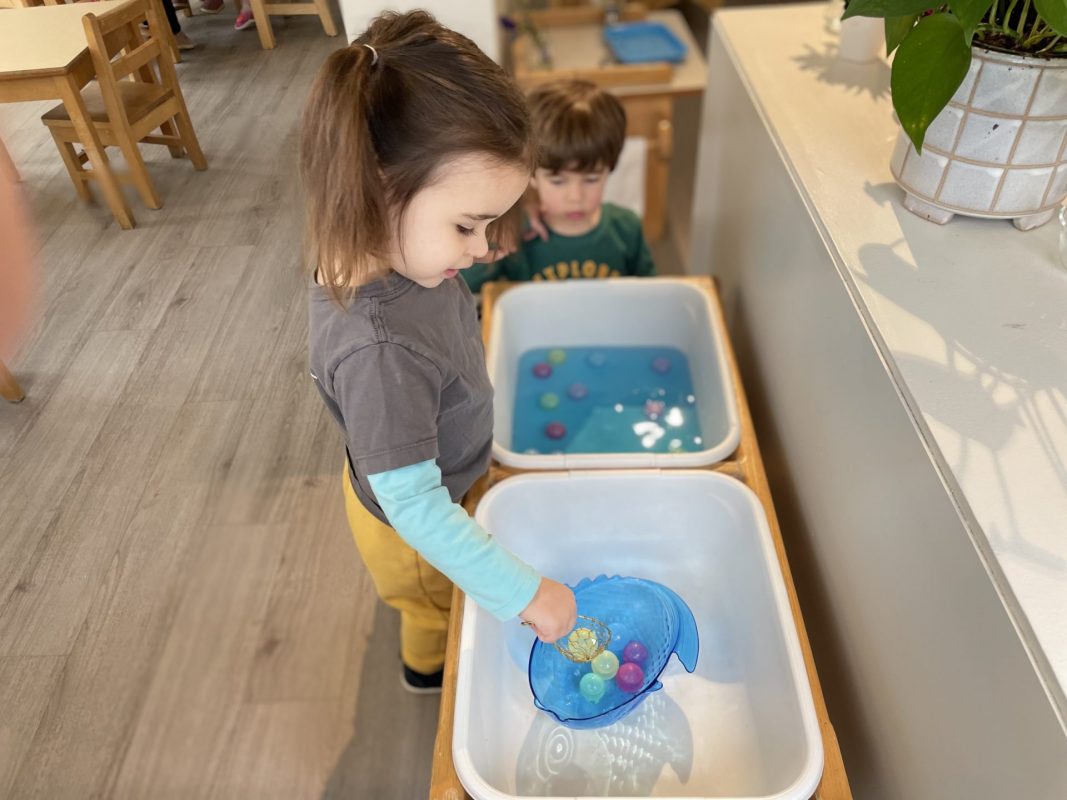
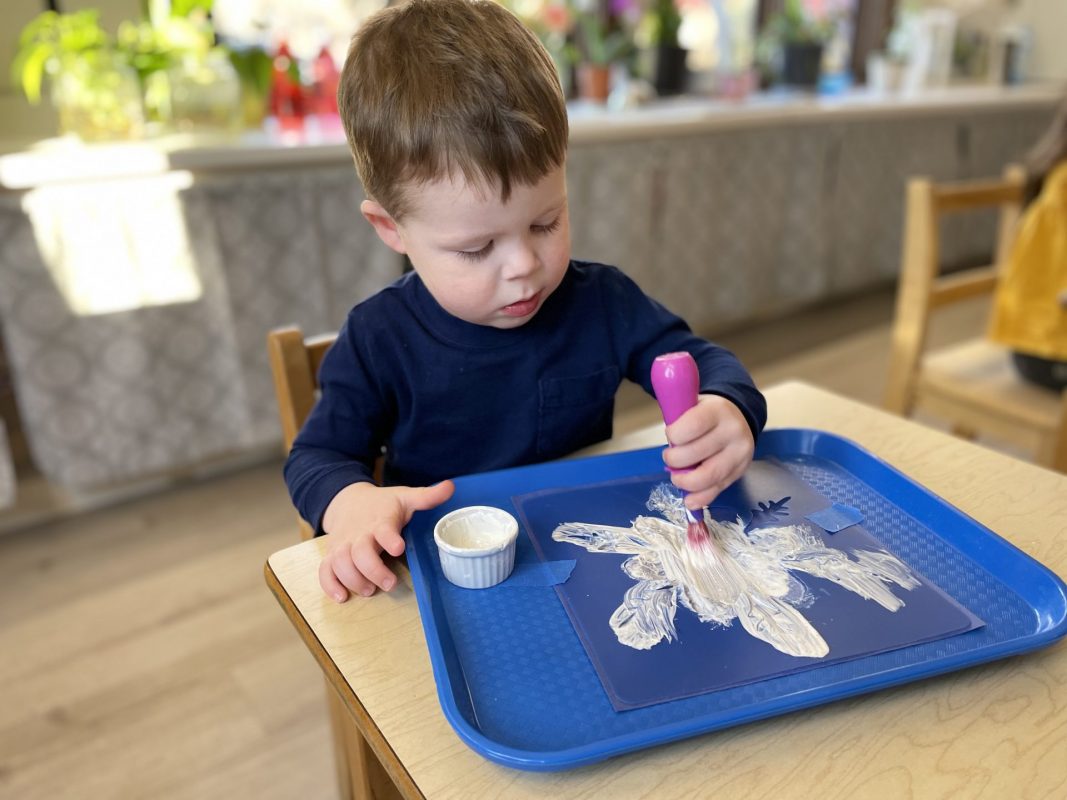
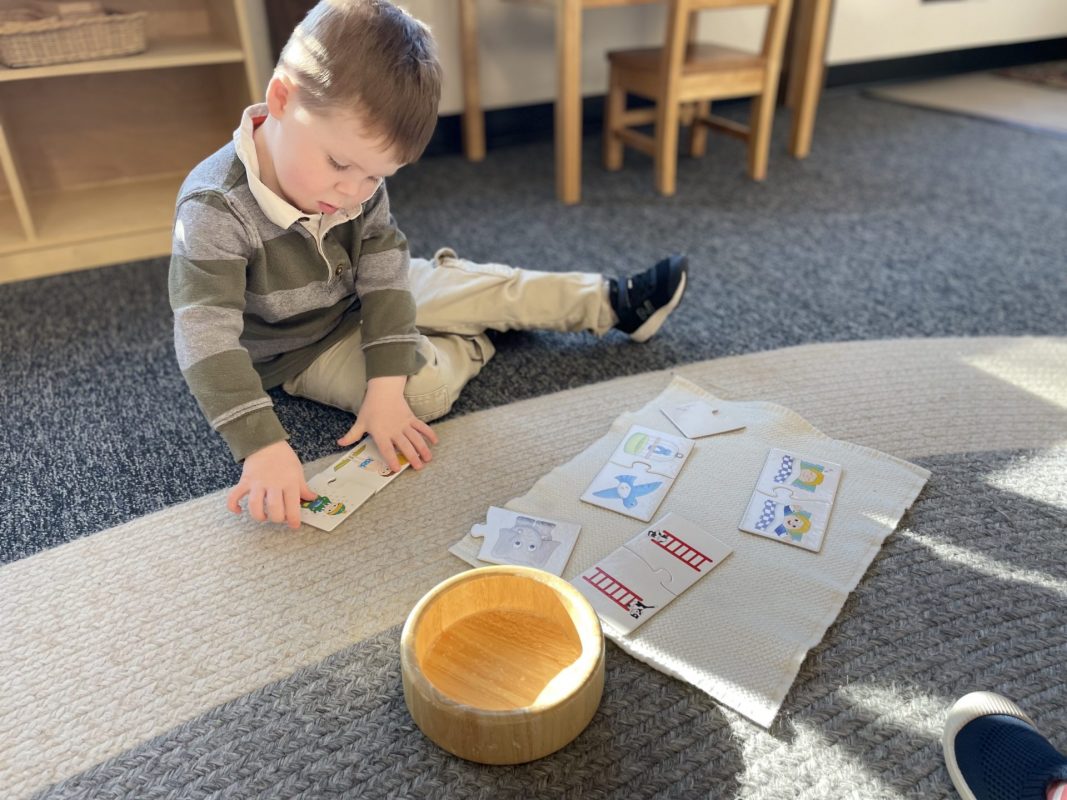
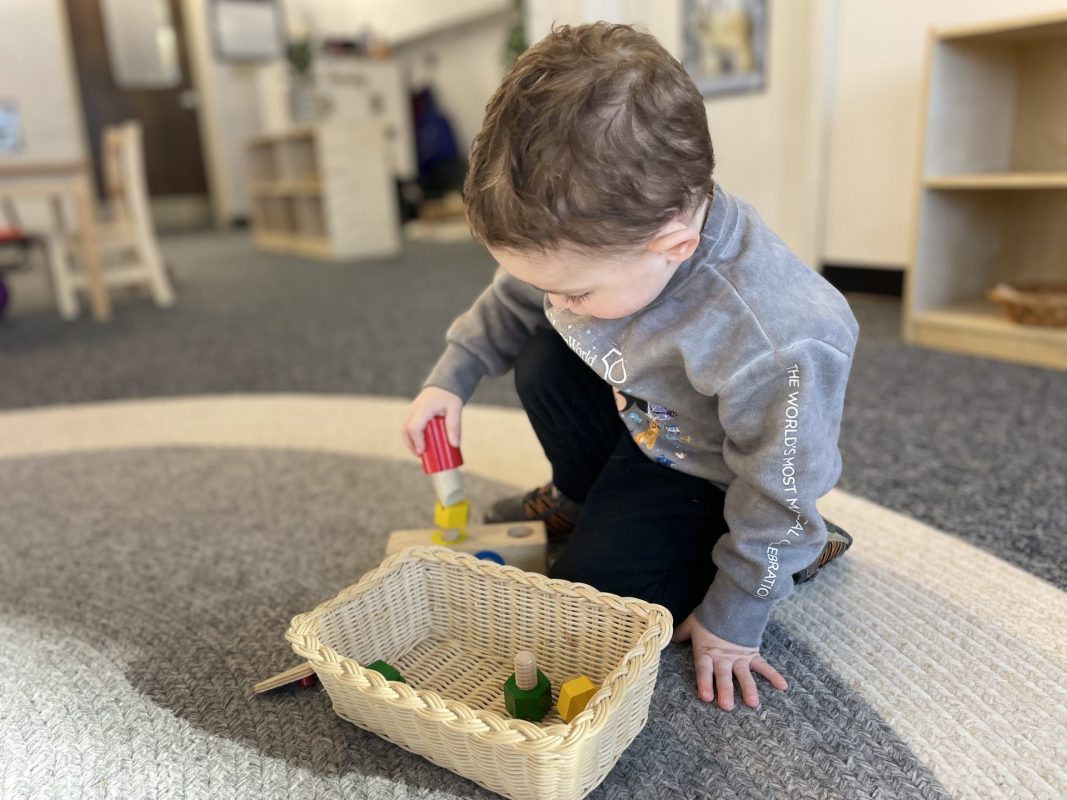
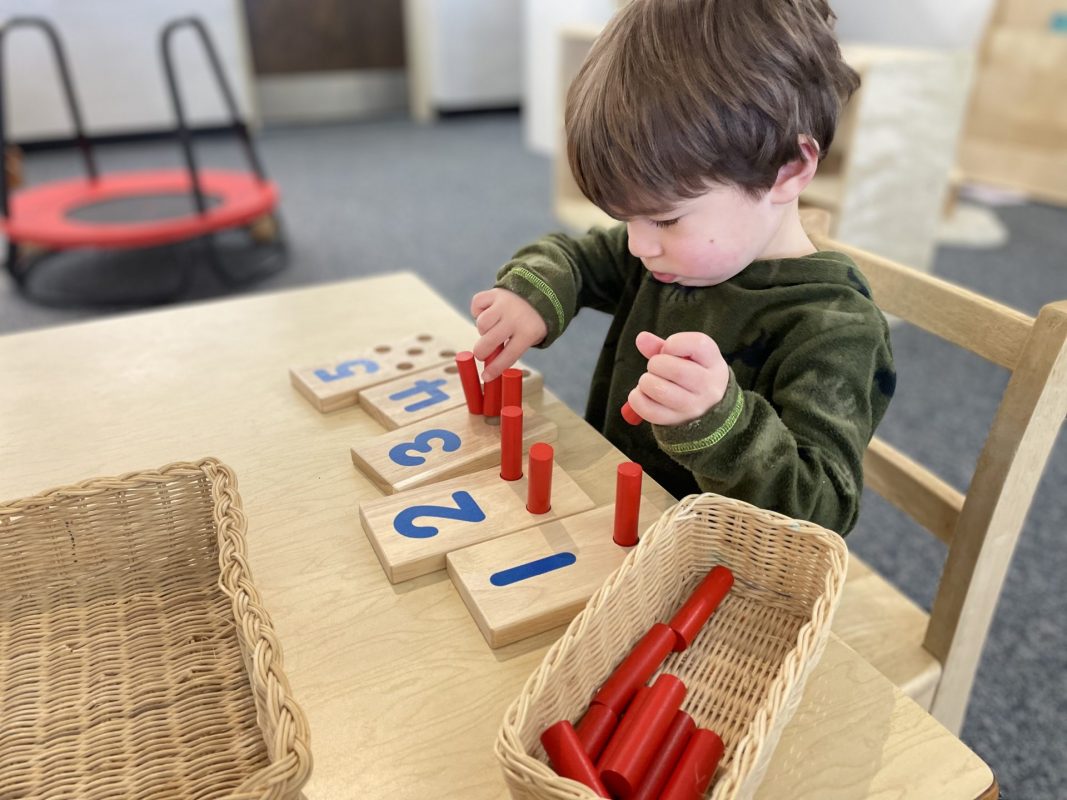
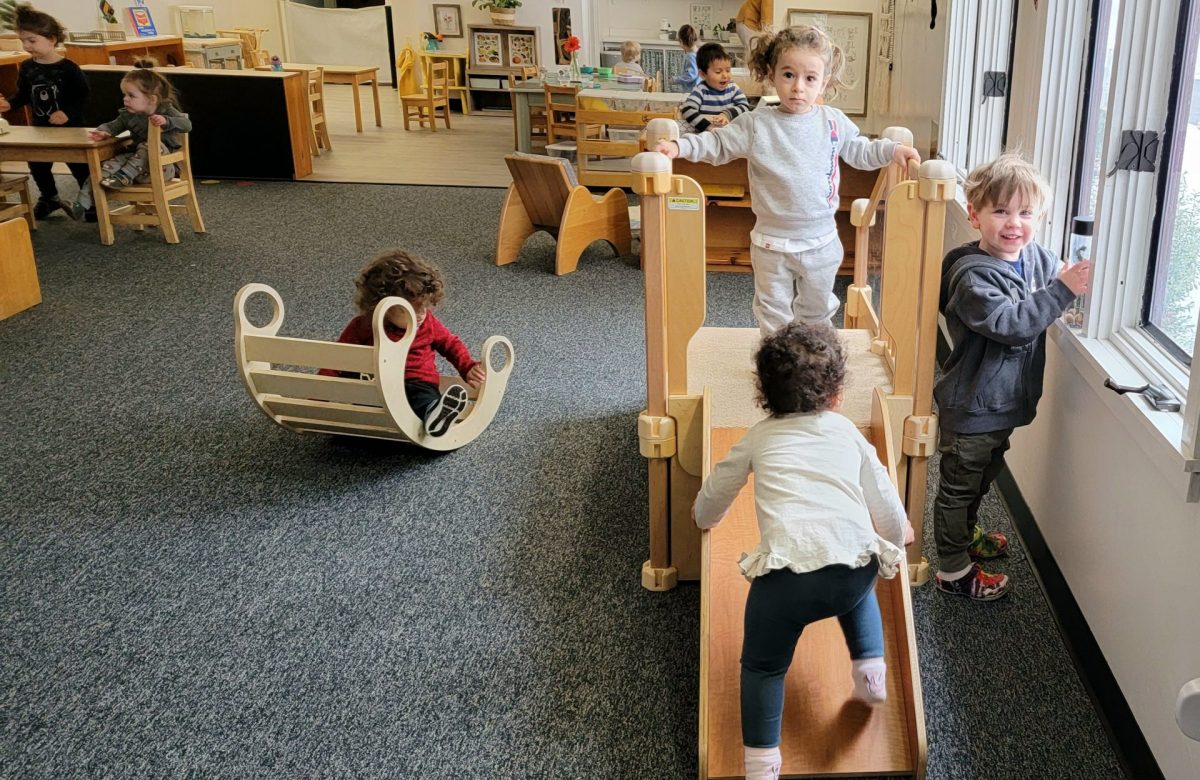
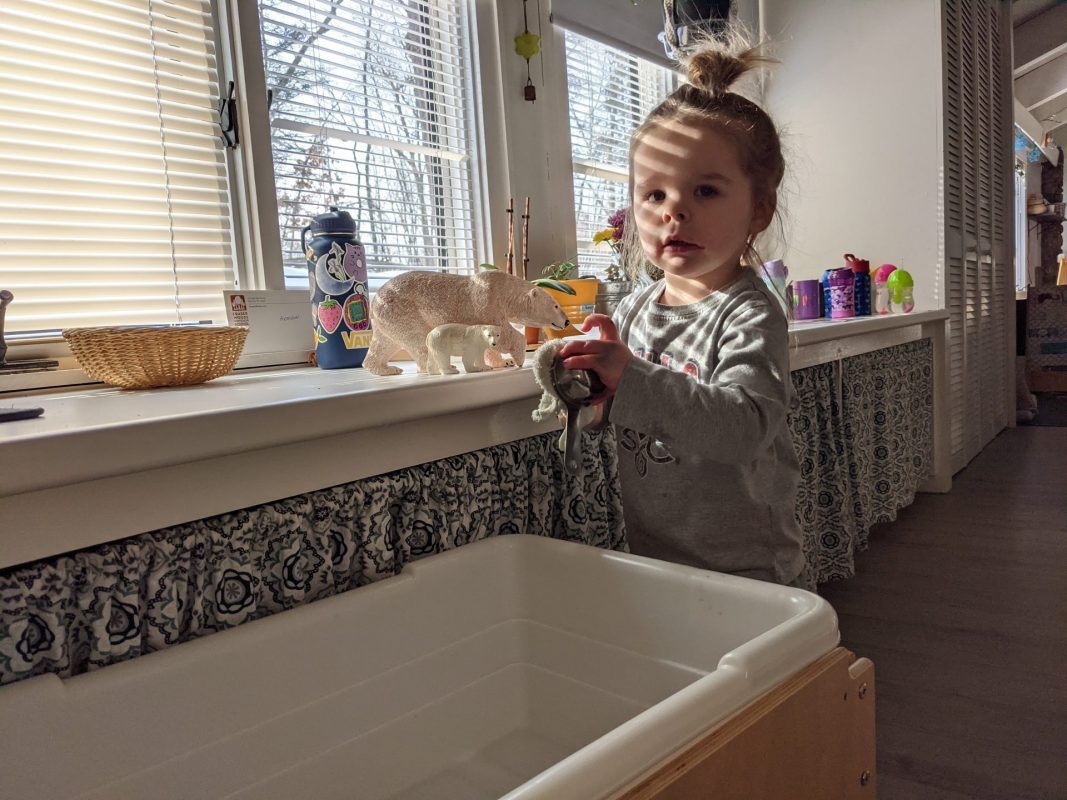
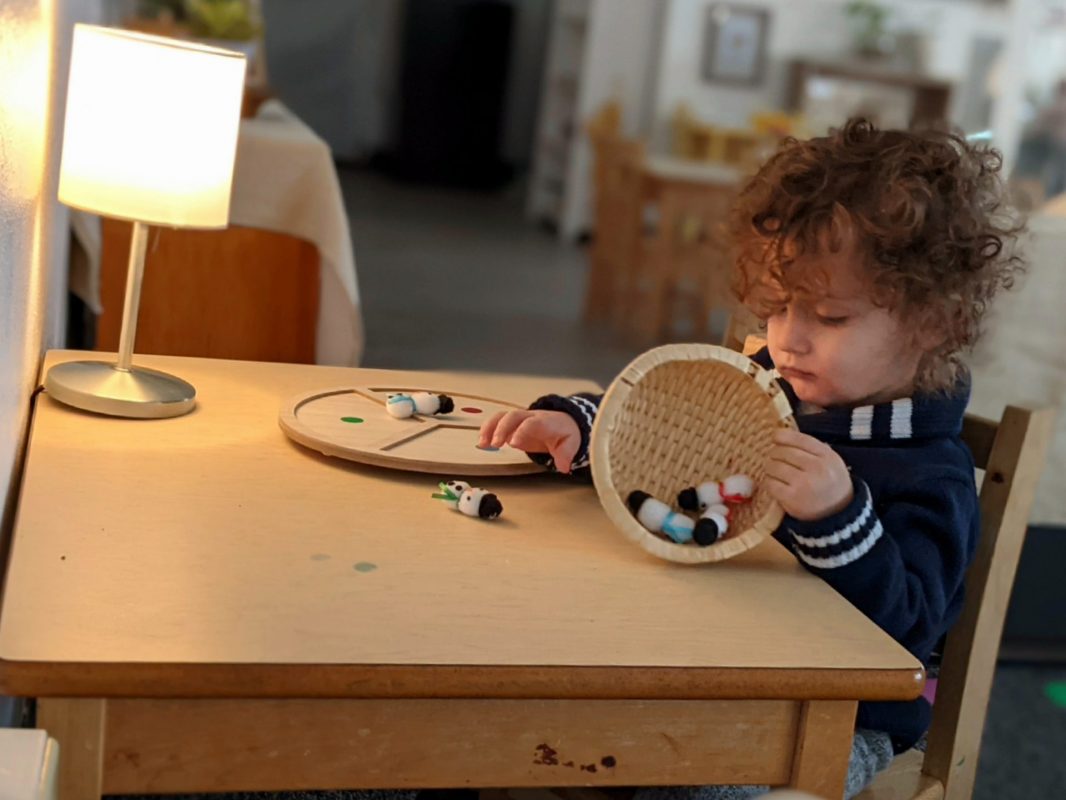
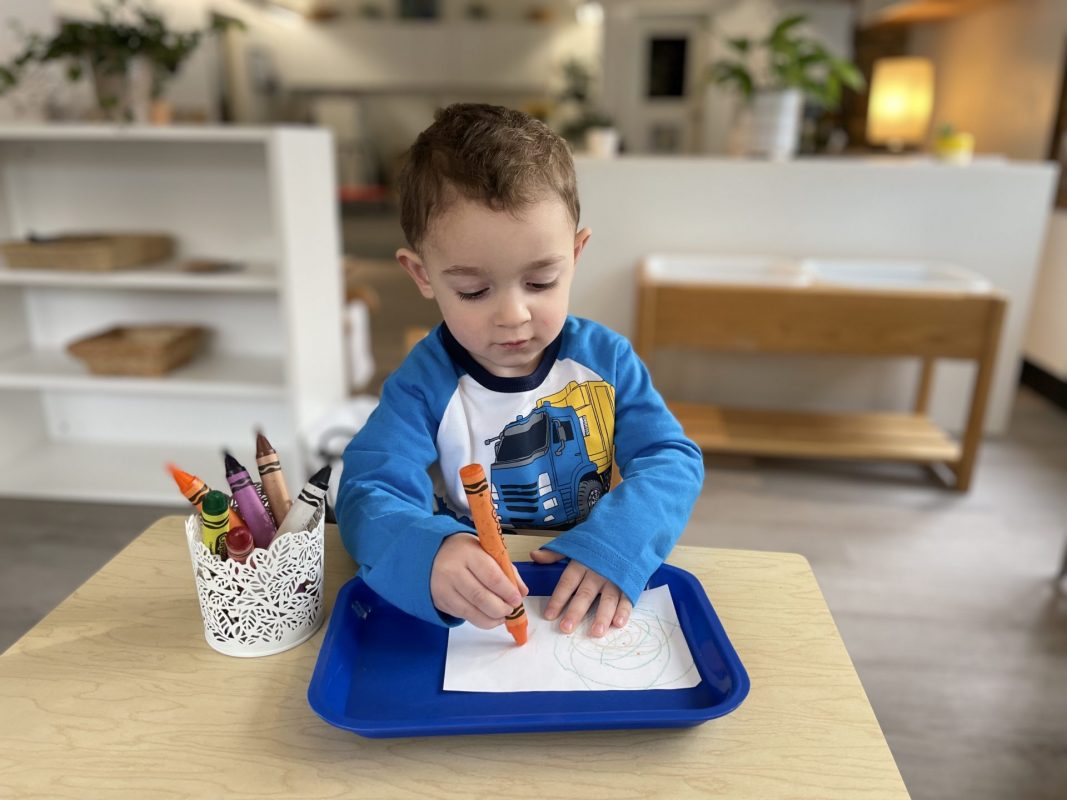
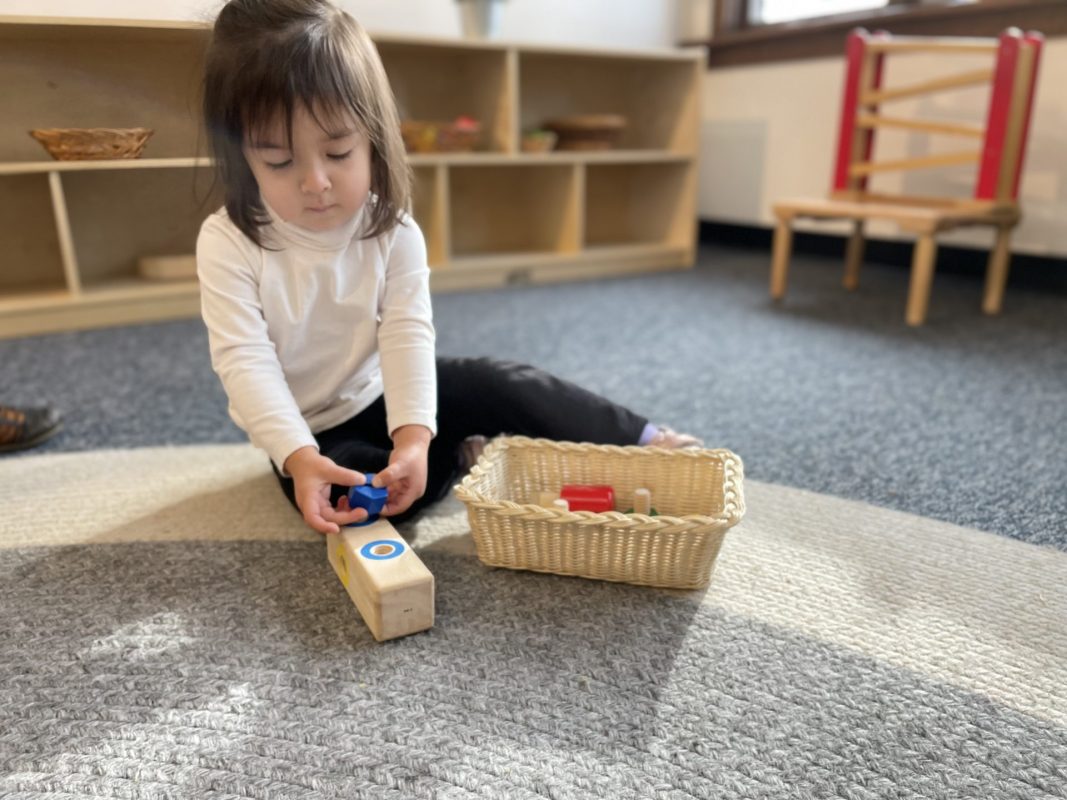
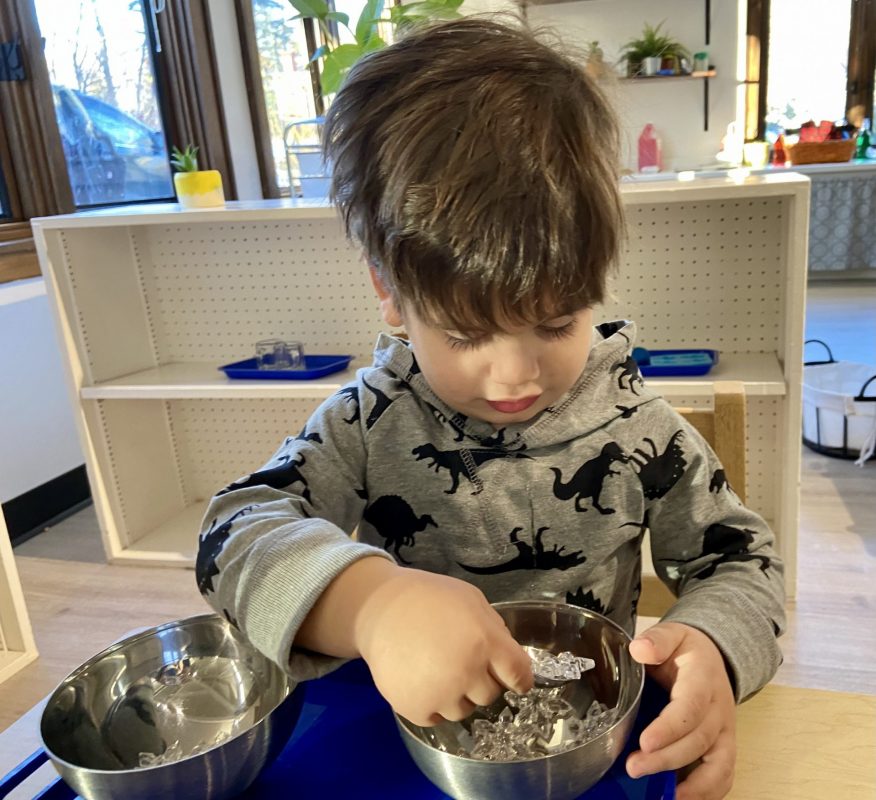
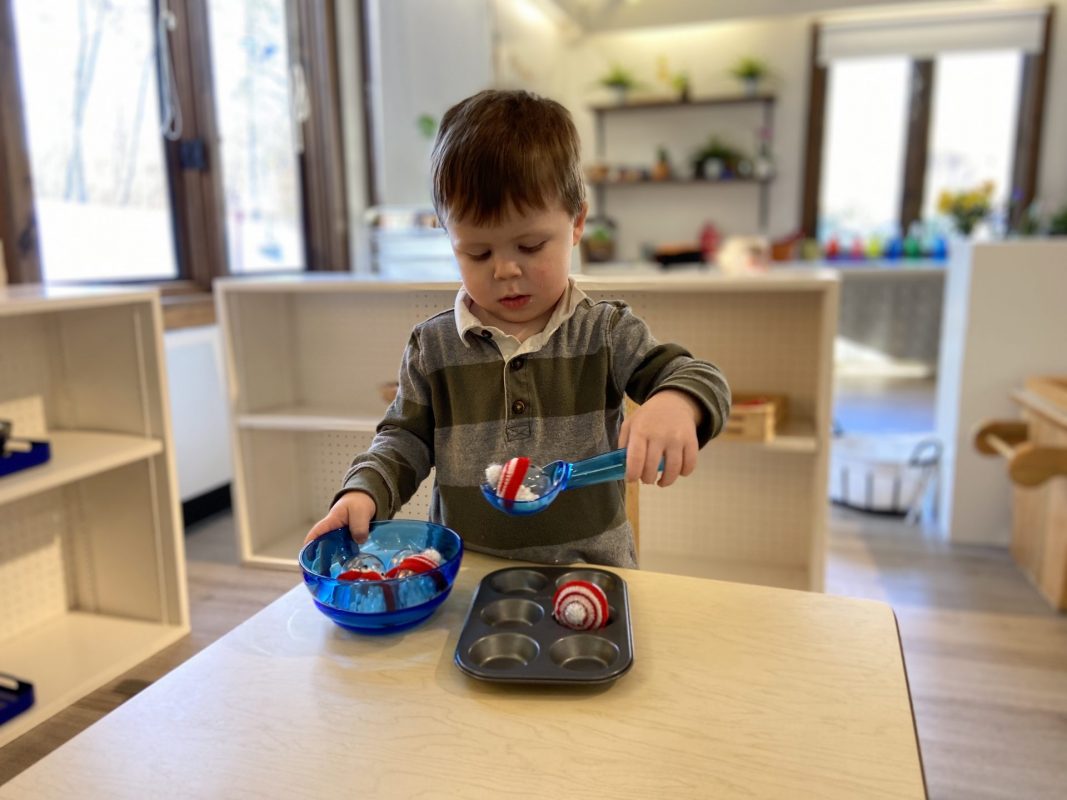
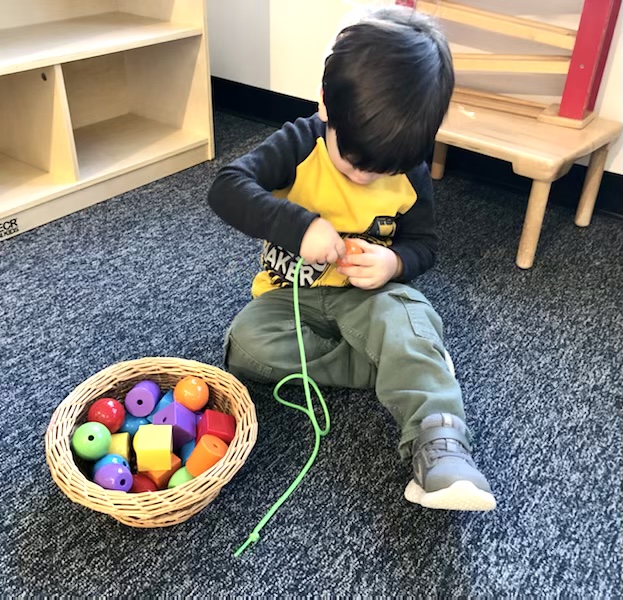
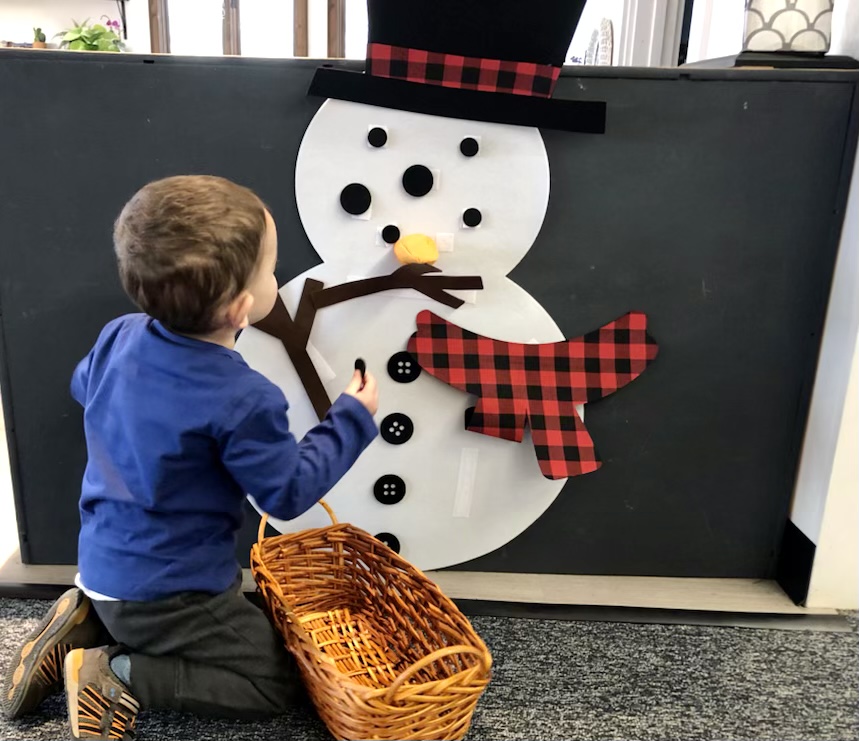
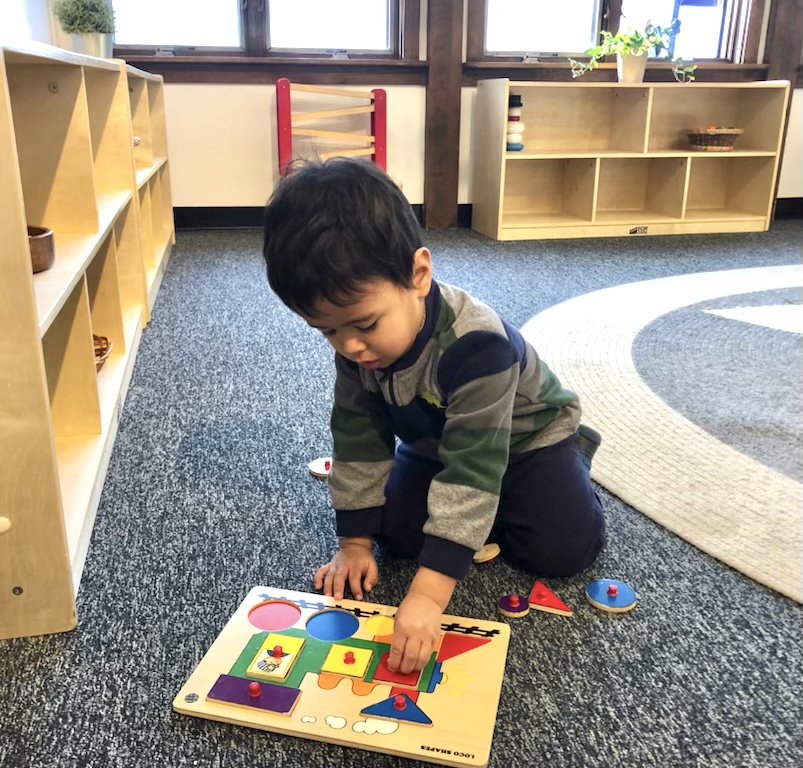
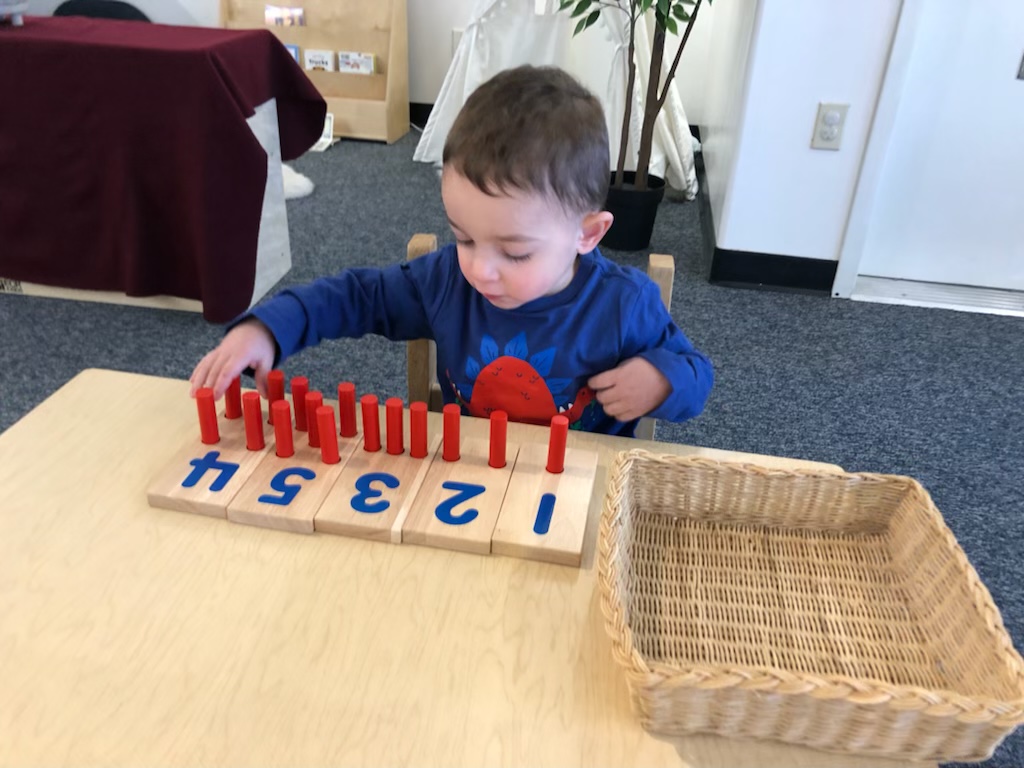
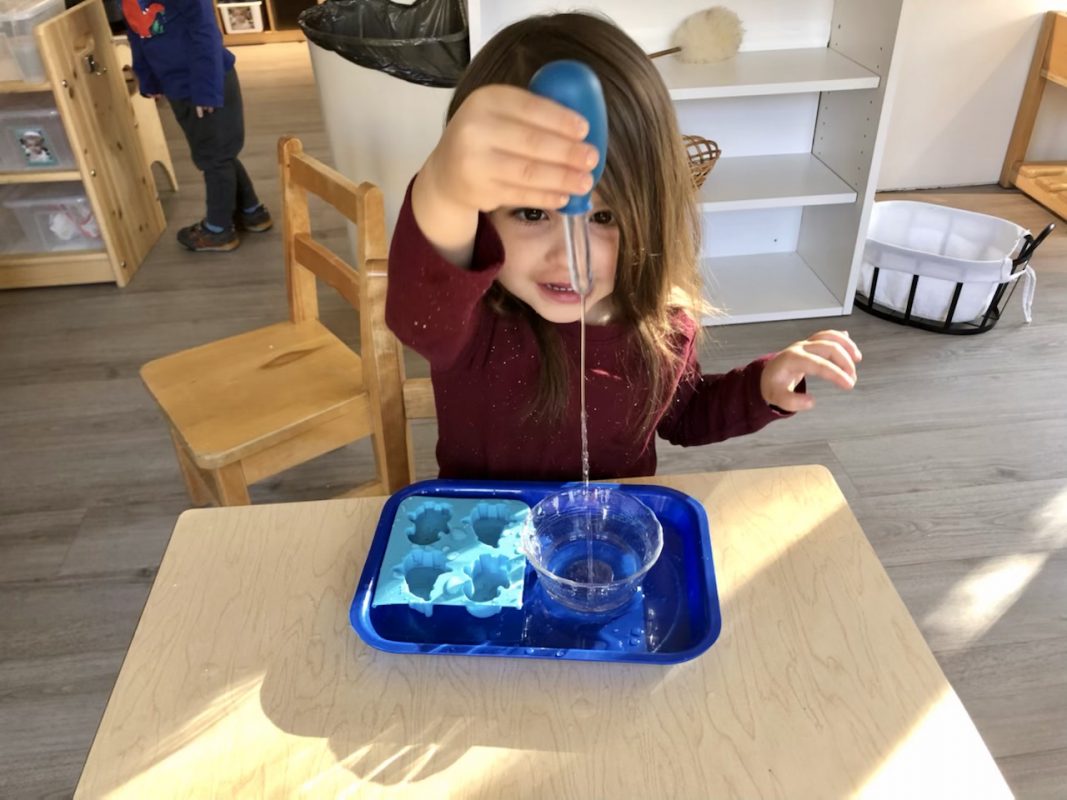
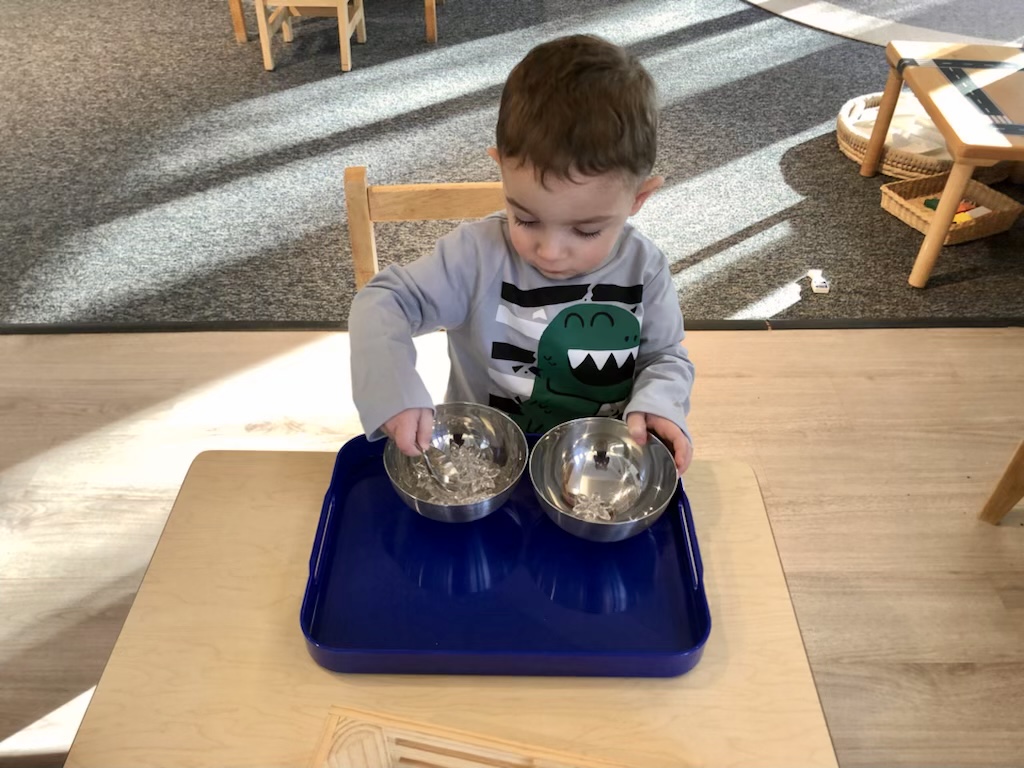
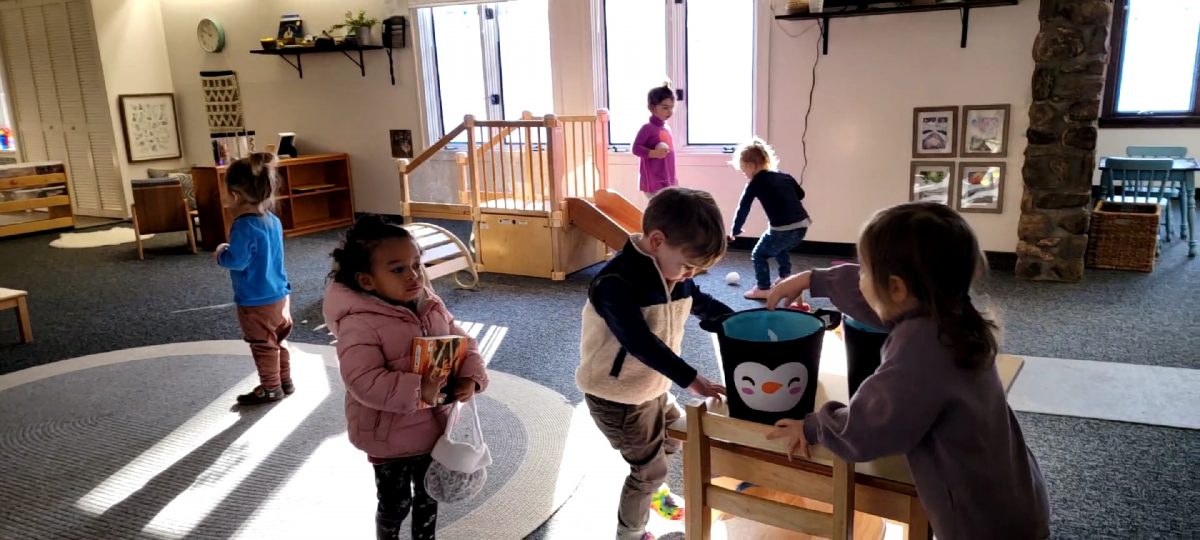
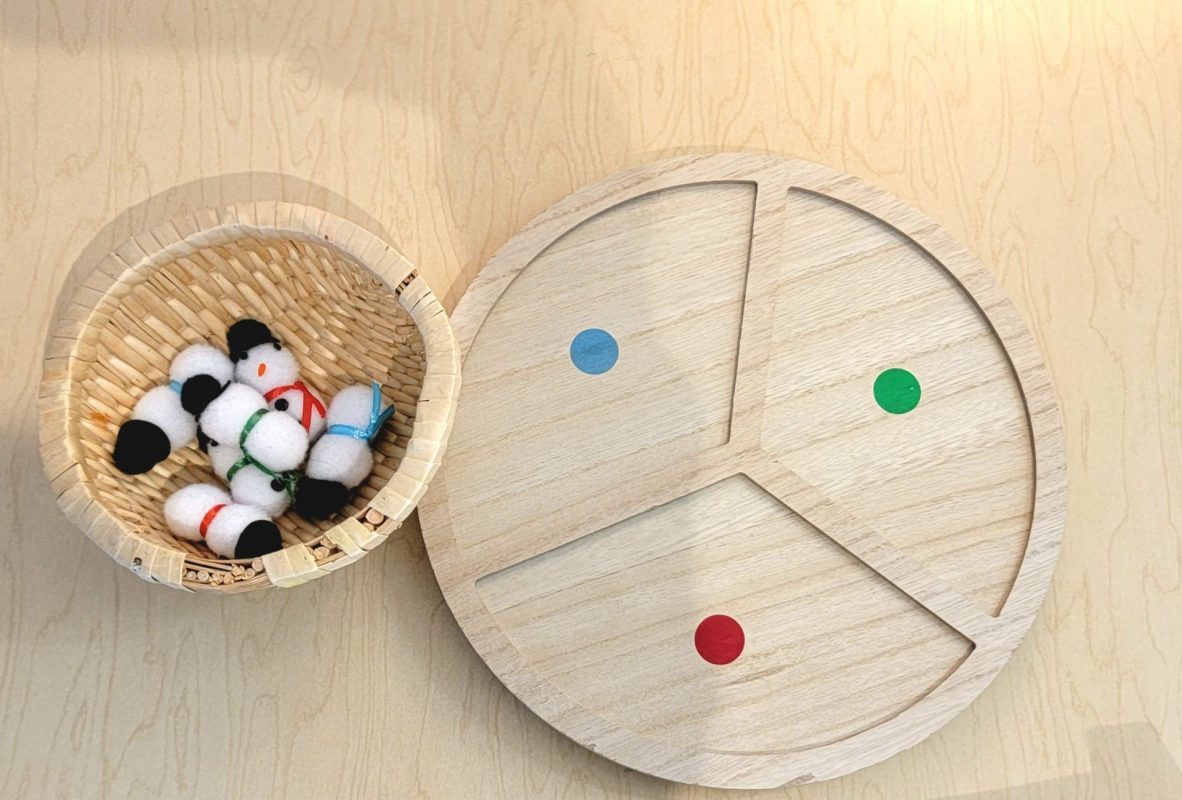
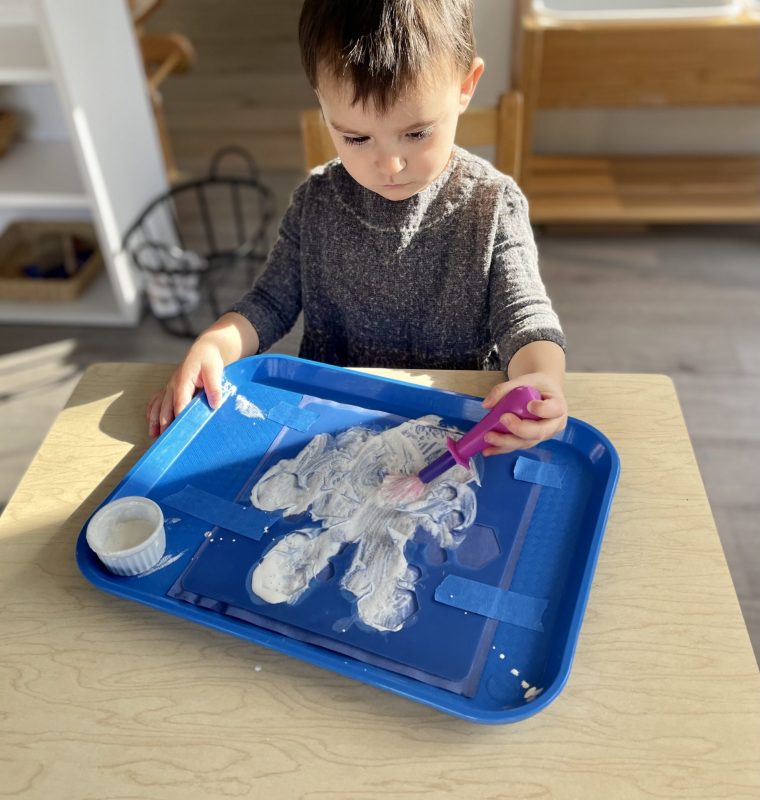
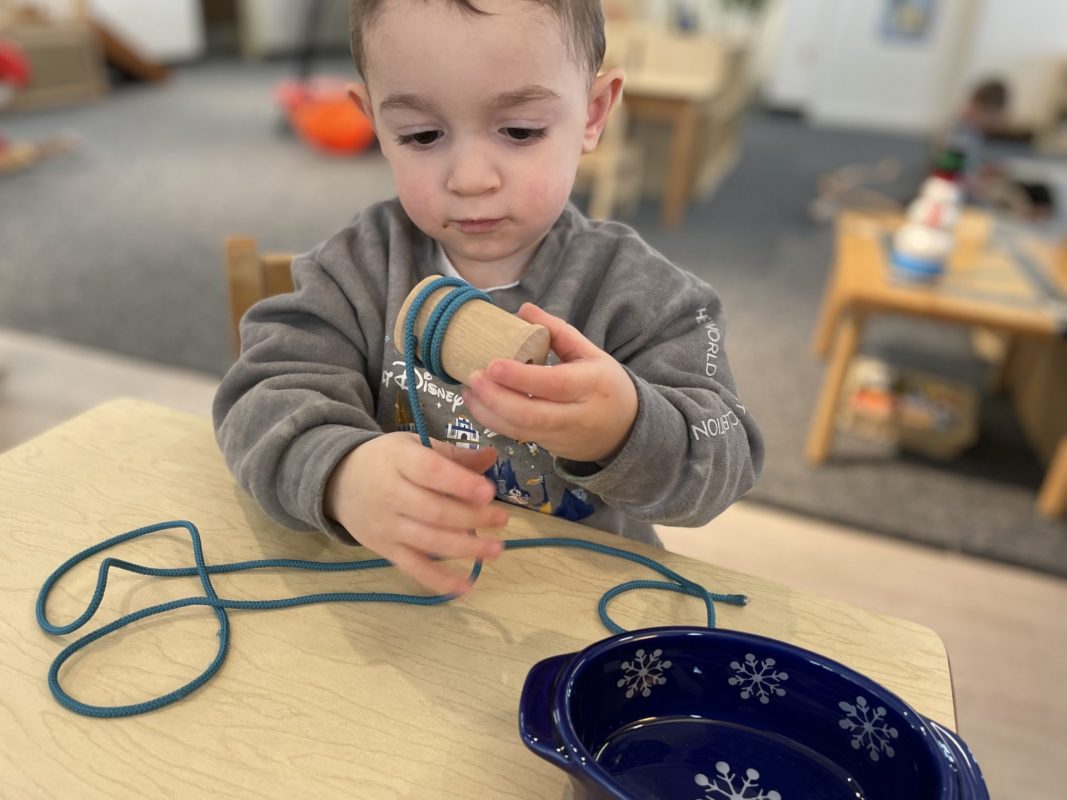
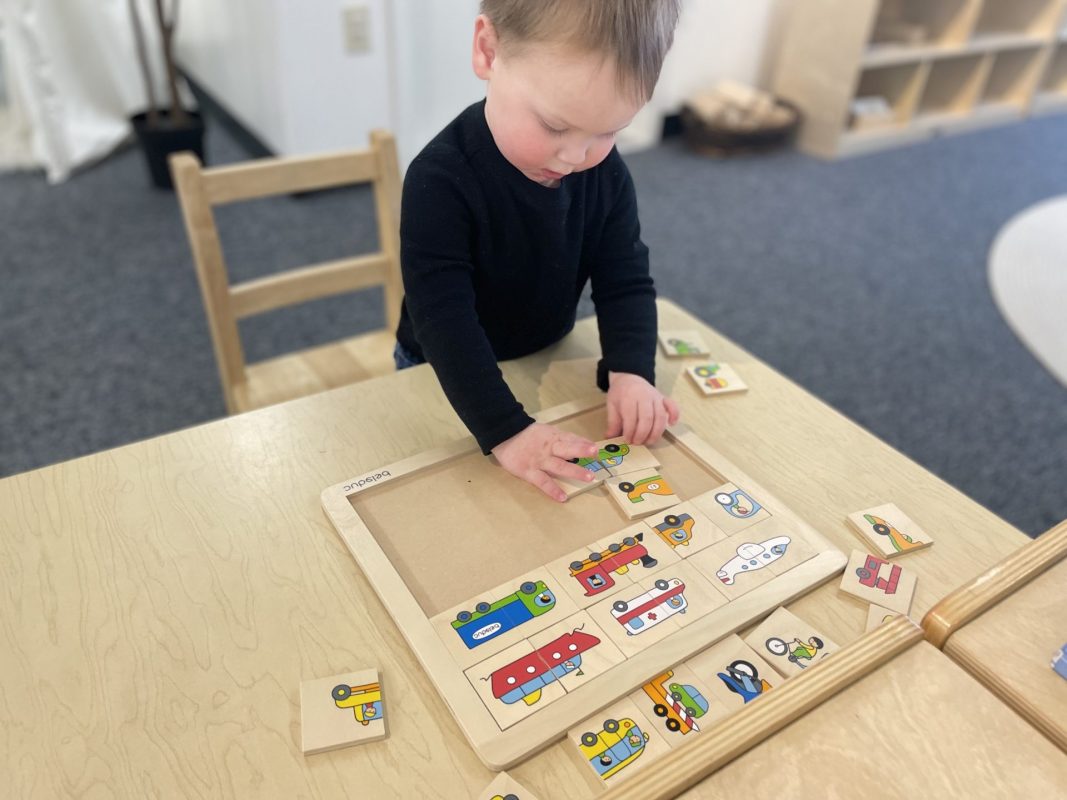
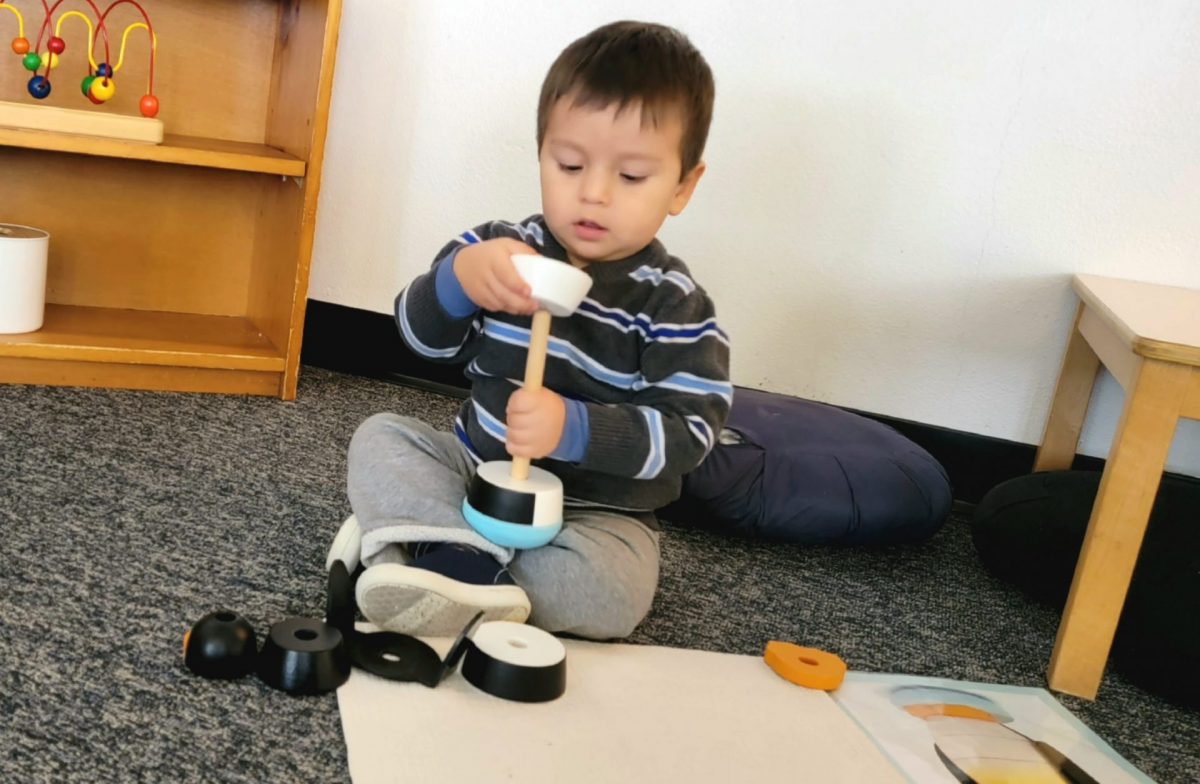
Here we are in the first week of October. Inside the classroom, we have made the transition from apples to pumpkins. In the refinement of the hand area, the children are exposed to materials that are pumpkin-related, such as using orange-colored pompoms for spooning, felt pumpkins to tong, and orange-colored paper straws for posting. For practical life, the children can choose to scrub a pumpkin in the sensory bin.

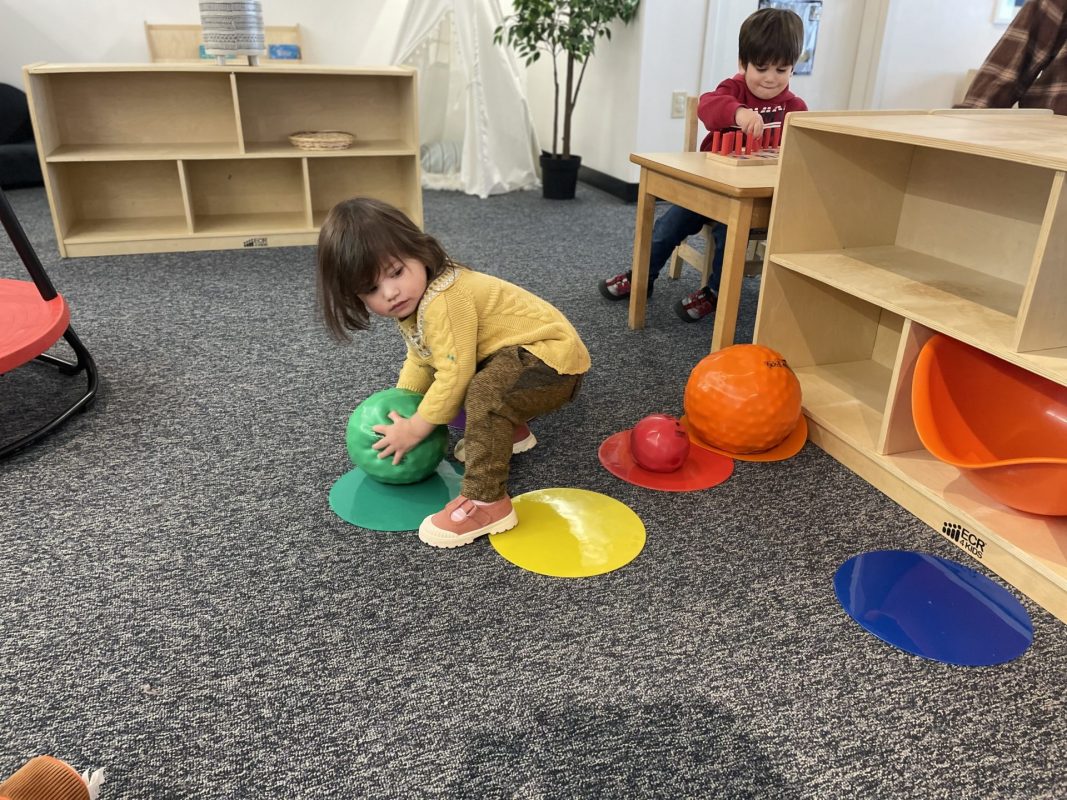
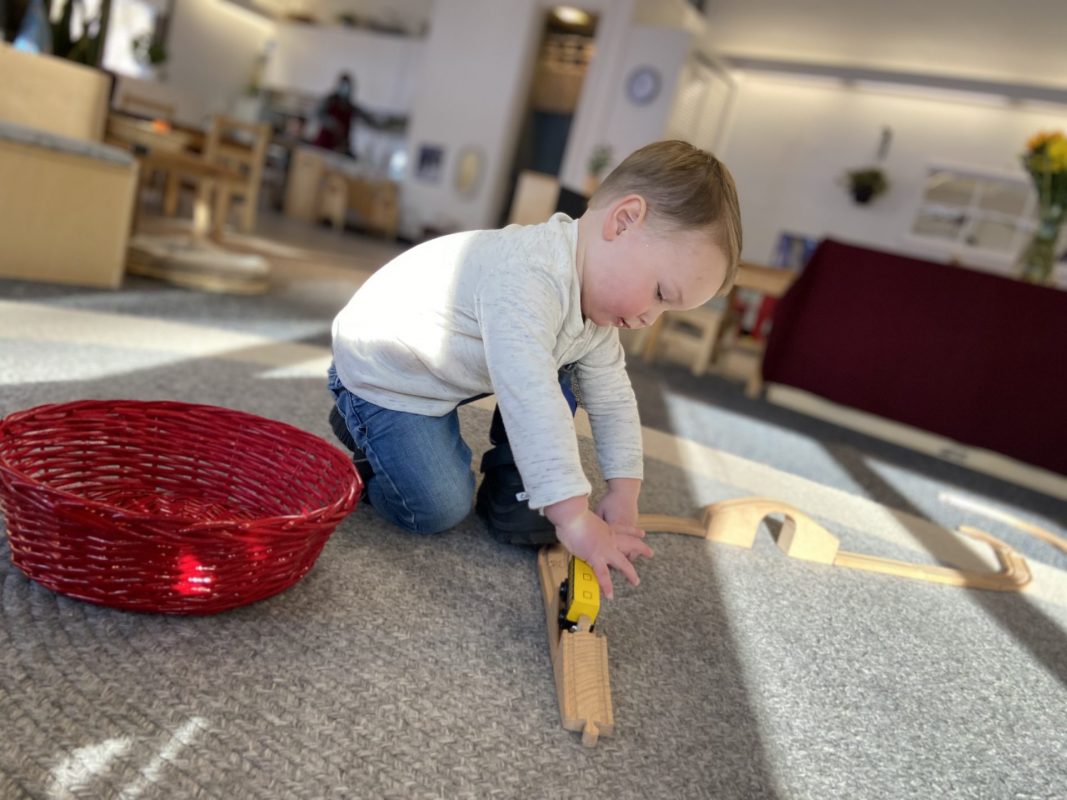
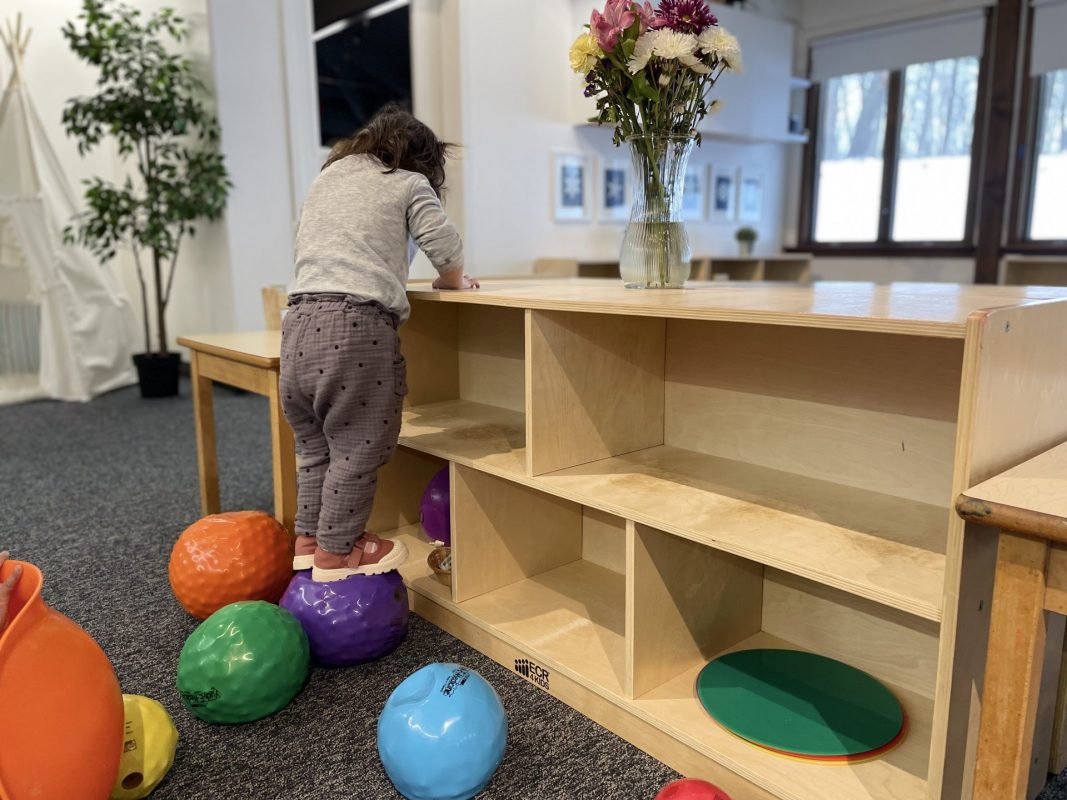
A gross-motor activity they can choose is pushing a large pumpkin in a wagon.

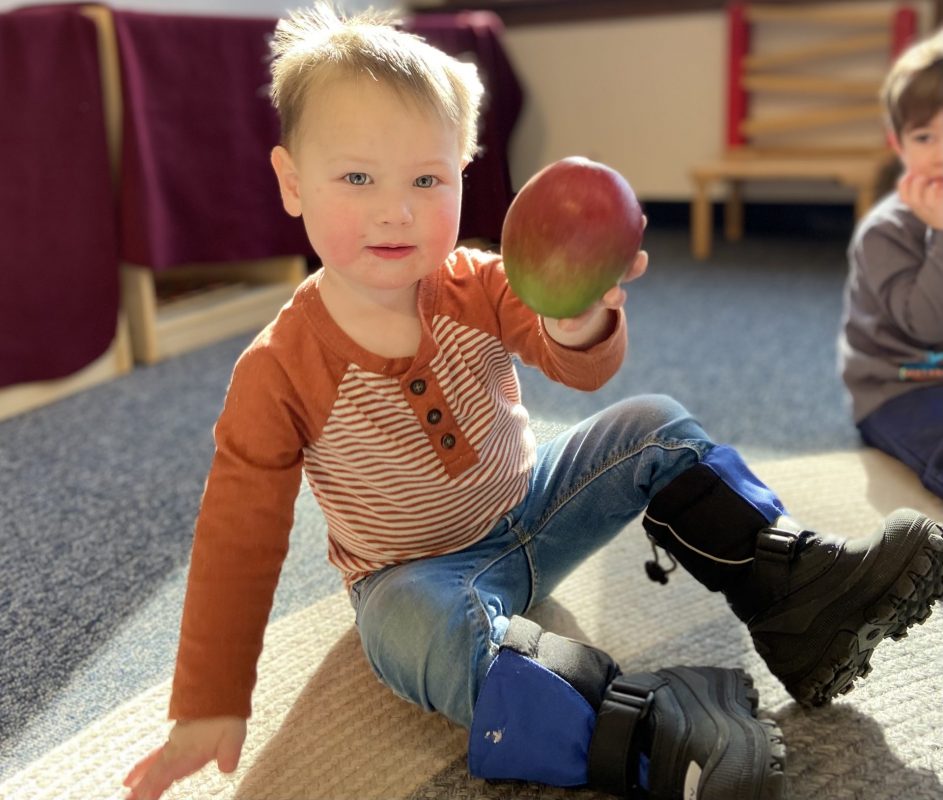
Food Tasting this week was a Golden Delicious Apple. When I do food tasting I hide the item from the children under a towel. Then we count to 3 and I excitedly lift the towel so they can see what we will be tasting. This makes whatever fruit or vegetable that much more desirable. When I asked the children what they thought it was, they guessed right. “APPLE!”

After tasting the Golden Delicious they each had a turn using the spiralizer. We then turned our apples into delicious applesauce which they were welcomed to enjoy as a special treat.

Parent-teacher conferences are coming up on October 28th! Look for an email on Tuesday with a link to sign up for your conference slot. 

Mrs. Wilson


Mrs. Hood: Connecting With the Environment!


Dr. Maria Montessori introduced Practical Life exercises to provide children with opportunities to perform simple tasks that they have already observed at home. Practical Life exercises enable children to care for themselves, take care of the environment, and develop respect for others.

Care of environment activities encourage the child to interact with the environment, exhibiting respect and love. These activities help the child form a connection with their environment and find a personal responsibility towards it.

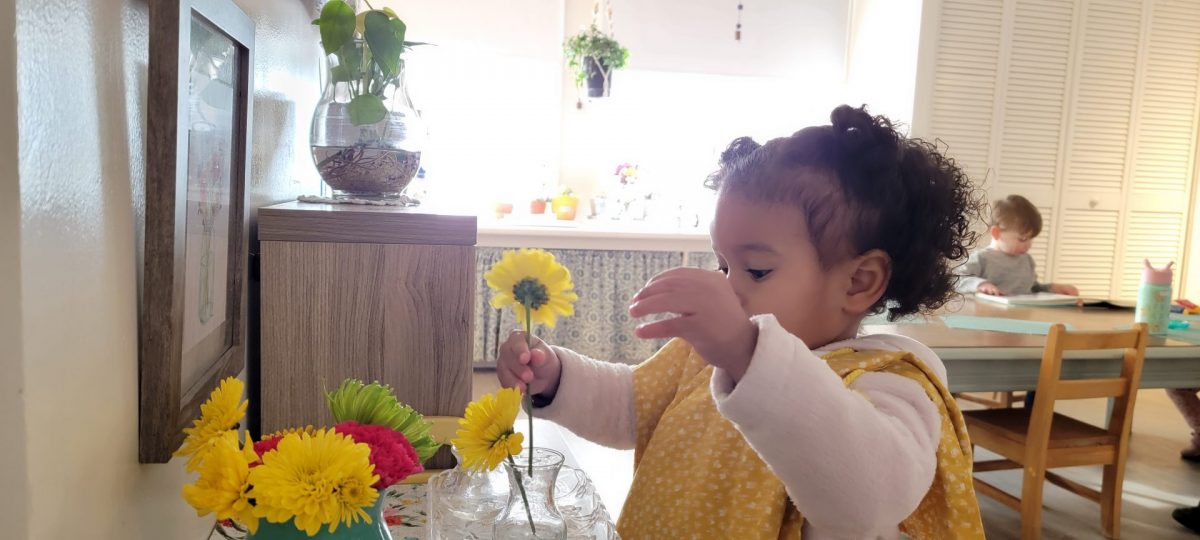
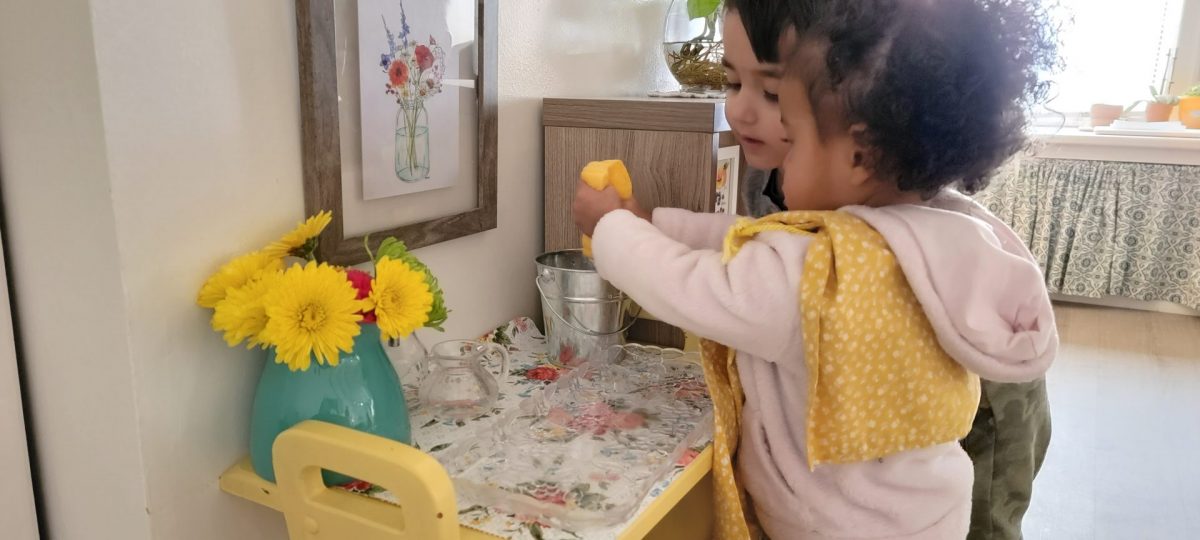
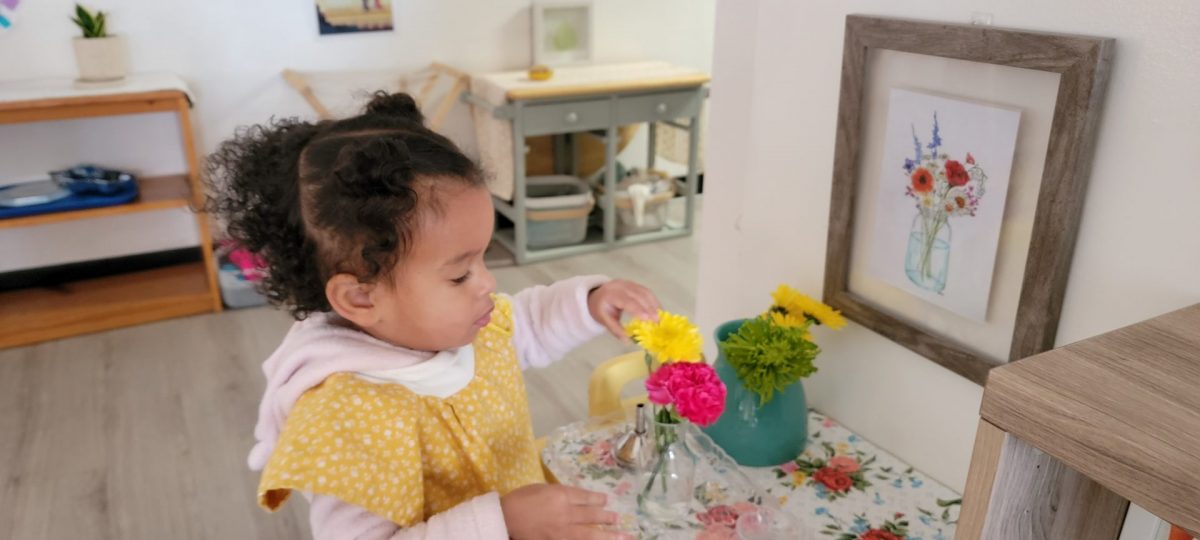
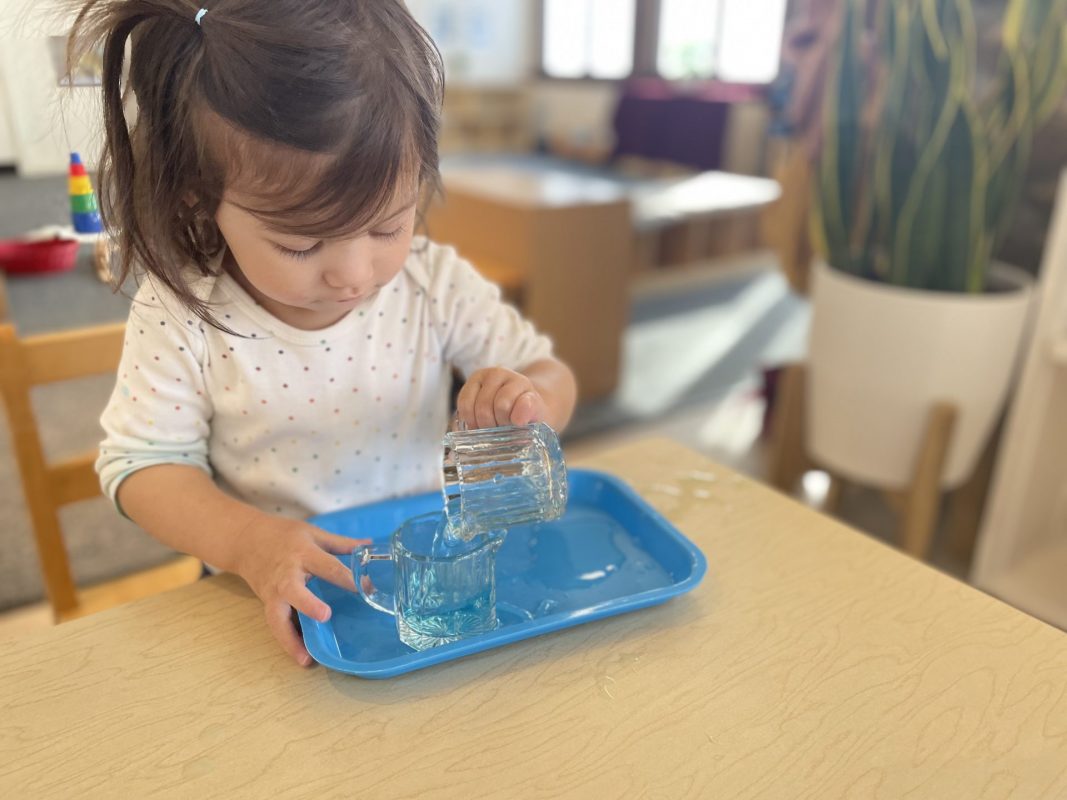
As a highlight, this week we introduced to our new students one of the most beloved activities in our Montessori environments: flower arrangement. Second year students were thrilled to observe the work and they were ready to continue sharpening their hand skills and also their leadership skills while modeling this work to new students. This is a beautiful activity that offers so much to your child’s development. Through this exercise, children develop a sense of beauty, the mental task of sequencing, they learn to exercise the judgment of size and capacity in matching flowers to vases and in pouring water, also, manual dexterity as they need to fetch water and use different tools. This activity also indirectly prepares your child for botany studies in our Primary program and offers a great opportunity to work on independence and concentration. Your children love it! We can’t thank you enough for your weekly flower donations!

To close our apple unit studies, we explored a yellow apple during food tasting. Some of the children’s facial expressions when they saw a yellow apple were priceless! They couldn’t believe there were yellow apples! It was so funny to them! Needless to say, they enjoyed every bit of it!

Lastly, here is one of the songs your child has been learning during the last weeks. As children are working on copying finger plays and growing in language, feel free to sing it at home with your child.

Way up high in that apple tree. (place left hand under right elbow and lift right arm with fingers opened forming a tree)

Five red apples smiled down at me. (wiggle fingers)

I shook that tree as hard as I could. (shake right arm and hand)

Down came an apple! Mmmmm it was good! (hide thumb and pretend to eat and apple)

Way up high in the apple tree, 4 red apples smiled down at me (count fingers)

Repeat song until there are zero apples in the tree.

Virtual Parent-Teacher Conferences are coming up on October 28th! Please look for an email this coming Tuesday with a link for you to sign up for your conference slot. 

Reminder: School picture day is next Wednesday October 13th.

Enjoy the holiday weekend,

Mrs. Hood and Ms. Maria 

Mrs. Wilson: Apple, Peeler, Corer


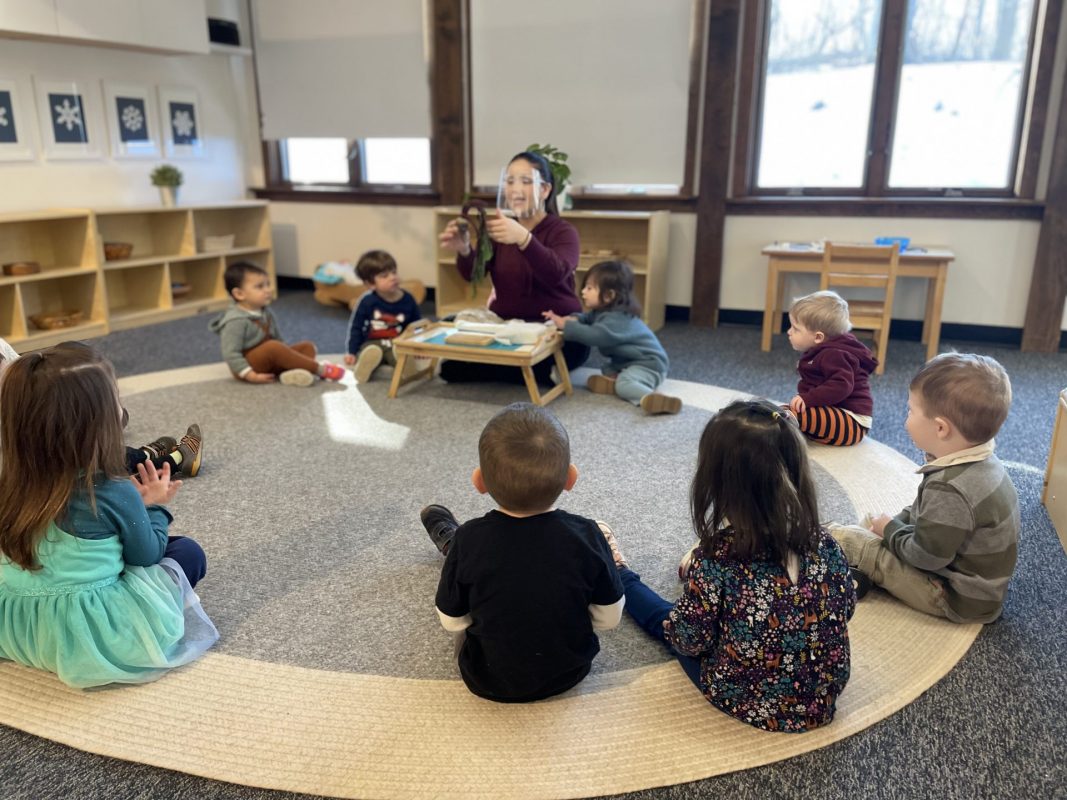
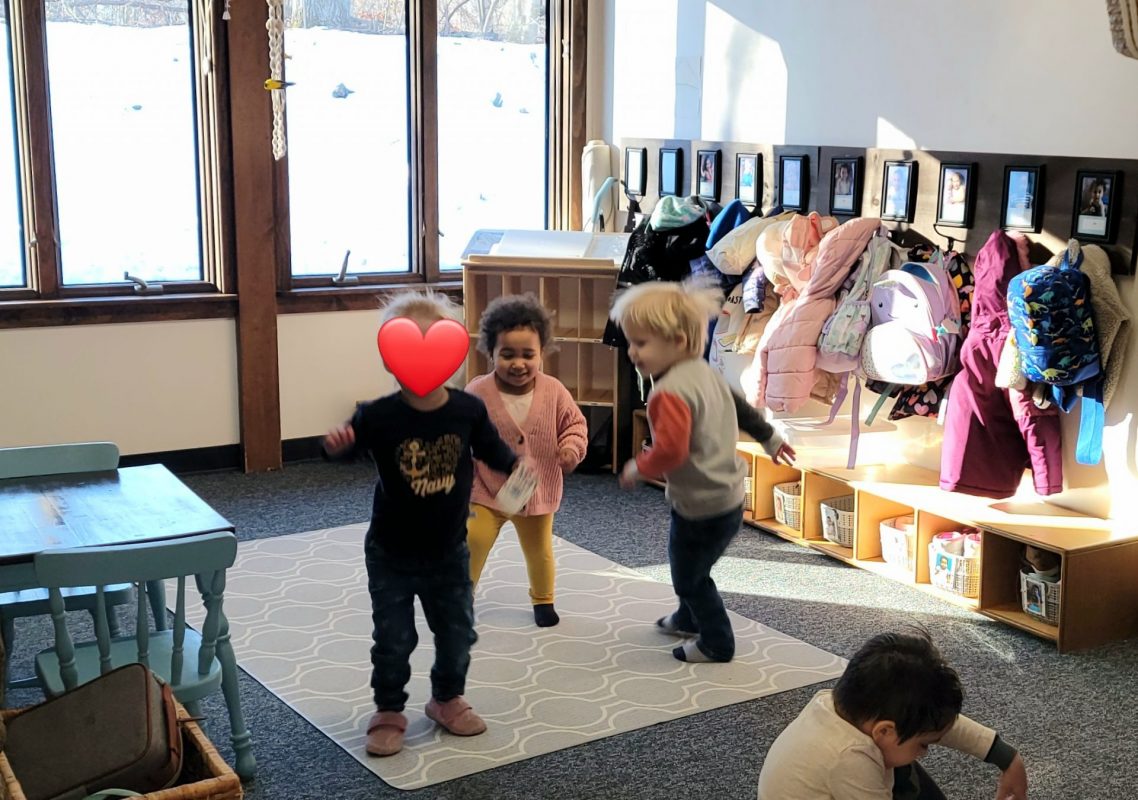
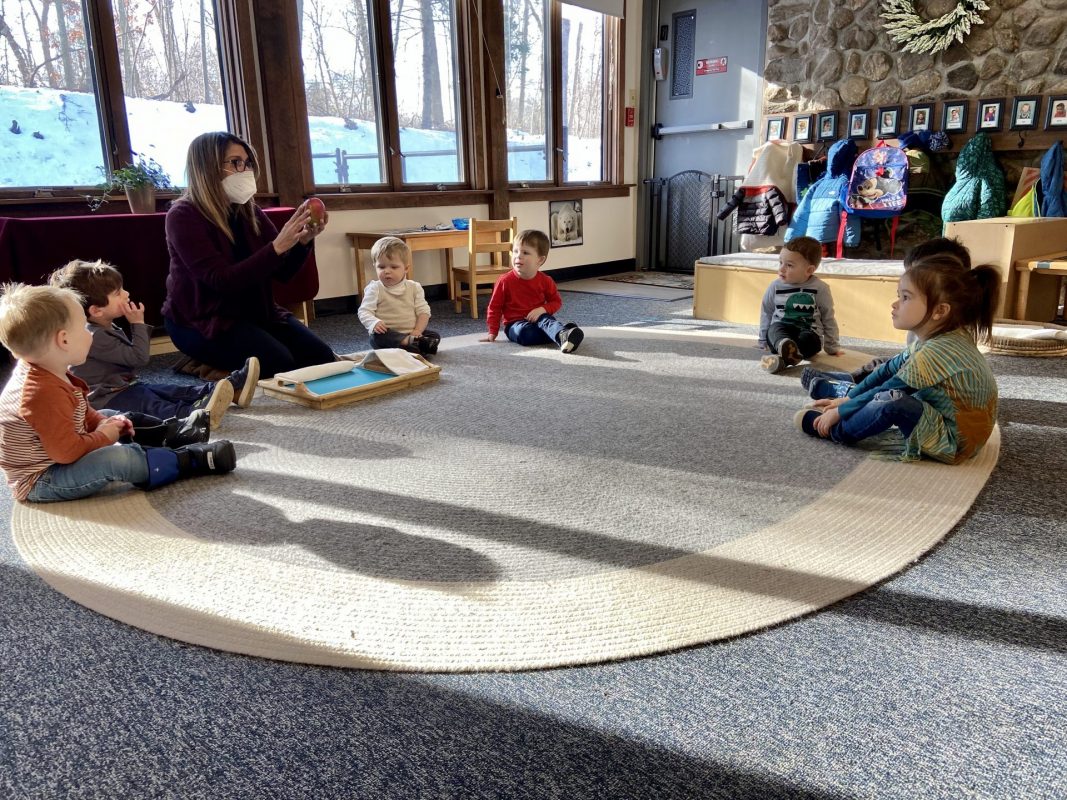
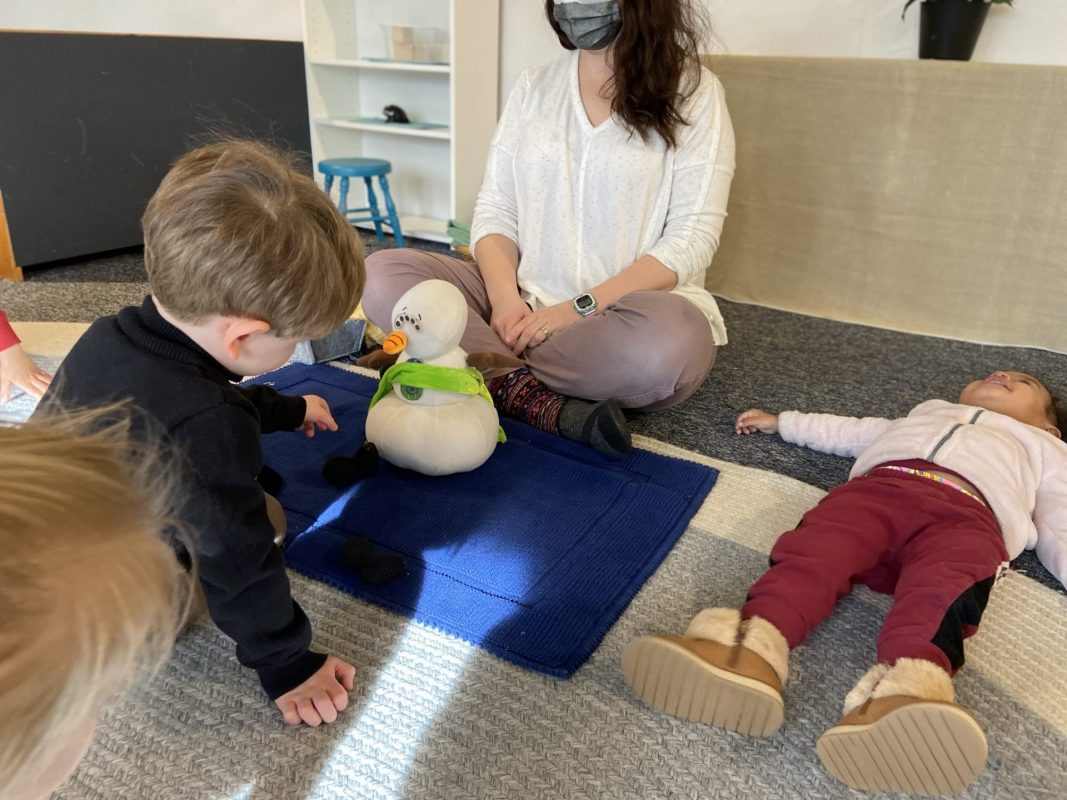
This week we introduced a new song to the children. This song will be a part of our morning routine every day. During our gathering, I hold up a photo of one of the children and ask “Who is this?” The child and/or their friends can say the name. Then it is that child’s turn to get up and dance if they wish.
In the tune of Farmer in the Dell:

(Name) is here today!
We are so happy that (Name) is here today!
YAY! (hold up arms)

If a child is not at school and we know it is because they are not feeling well. I tell the children and say “I hope… feels better soon.” This teaches them empathy for their friends.

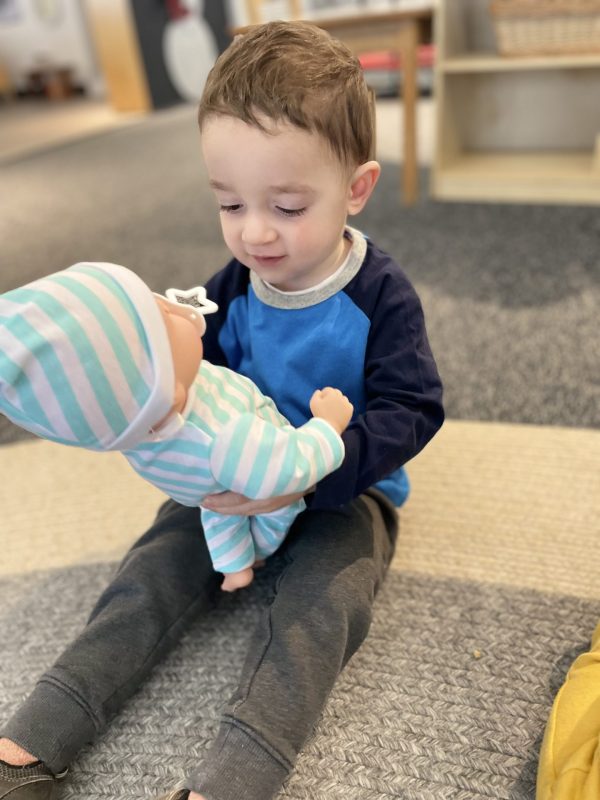
The children were also introduced to an apple, peeler, corer. For food tasting, the children explored and tasted a Granny Smith apple. I think they couldn’t get enough. After we tasted the apple, I brought out our device and modeled how to use it. Each child then had a turn to use it themselves. Next week we will practice using this device again and use the apples to make homemade applesauce.