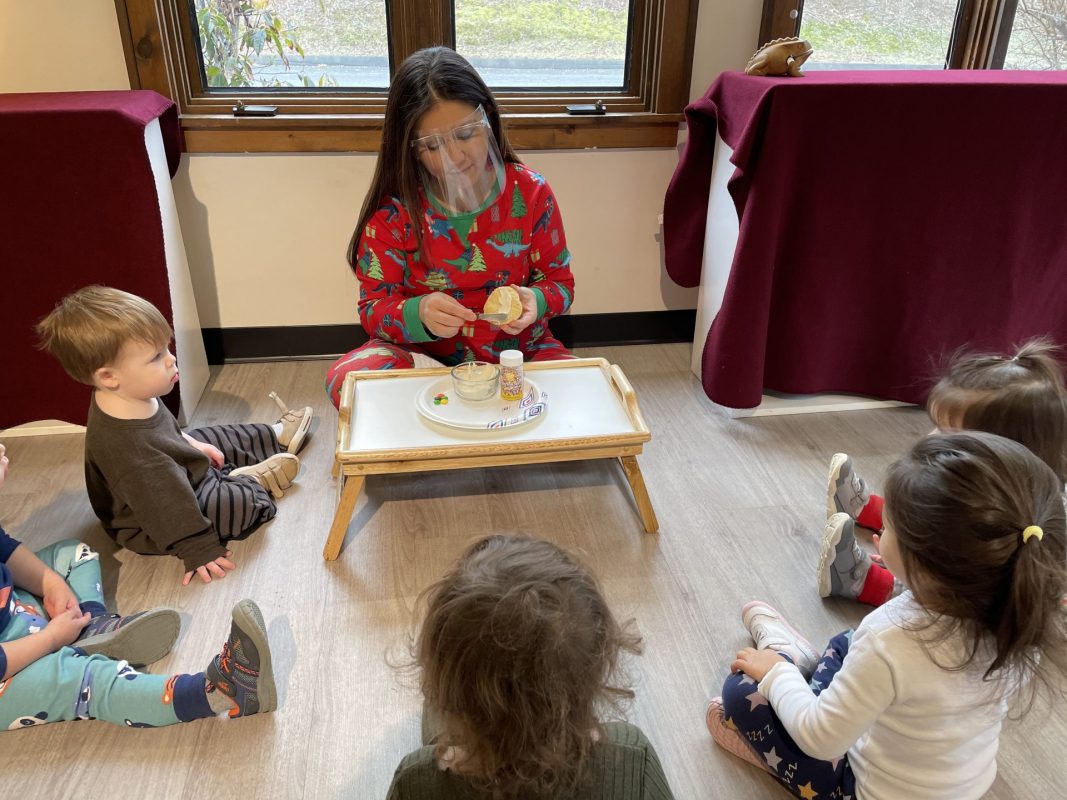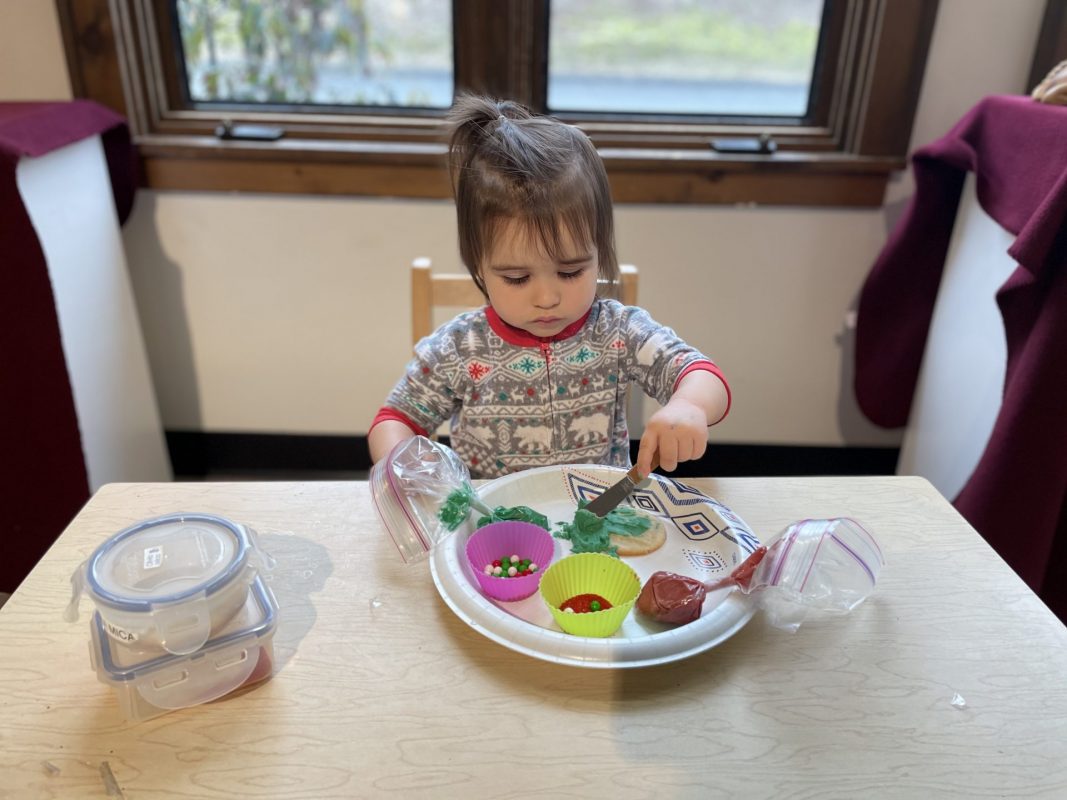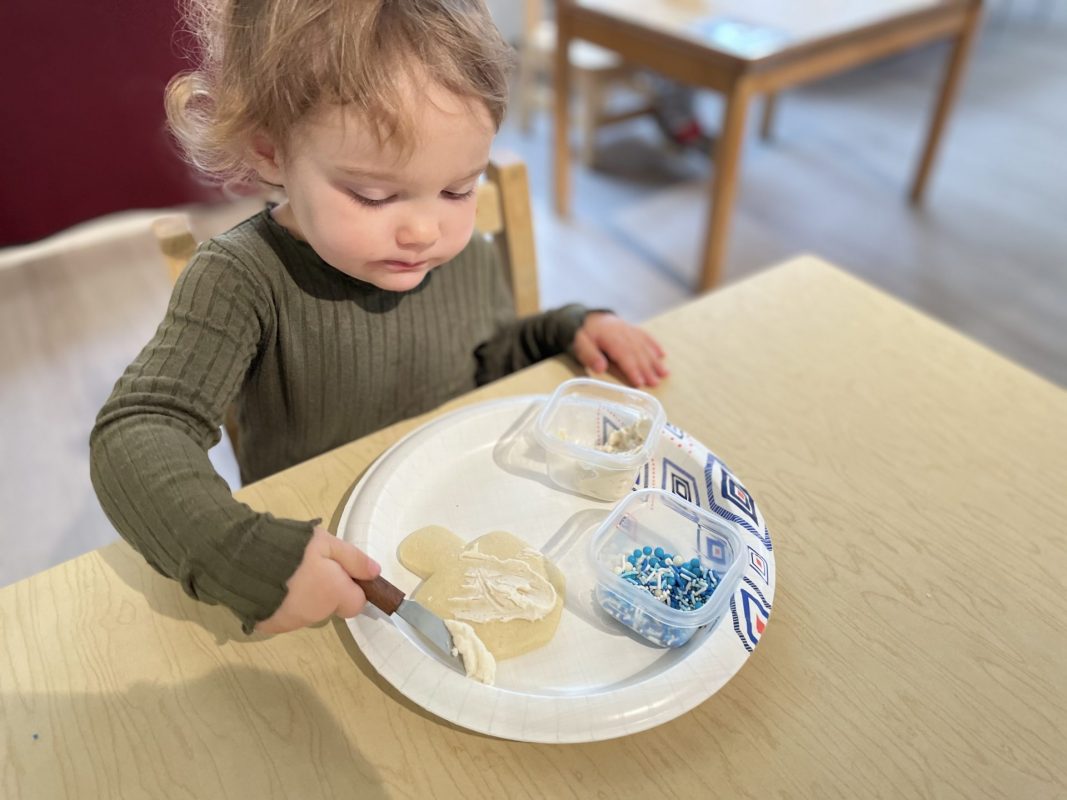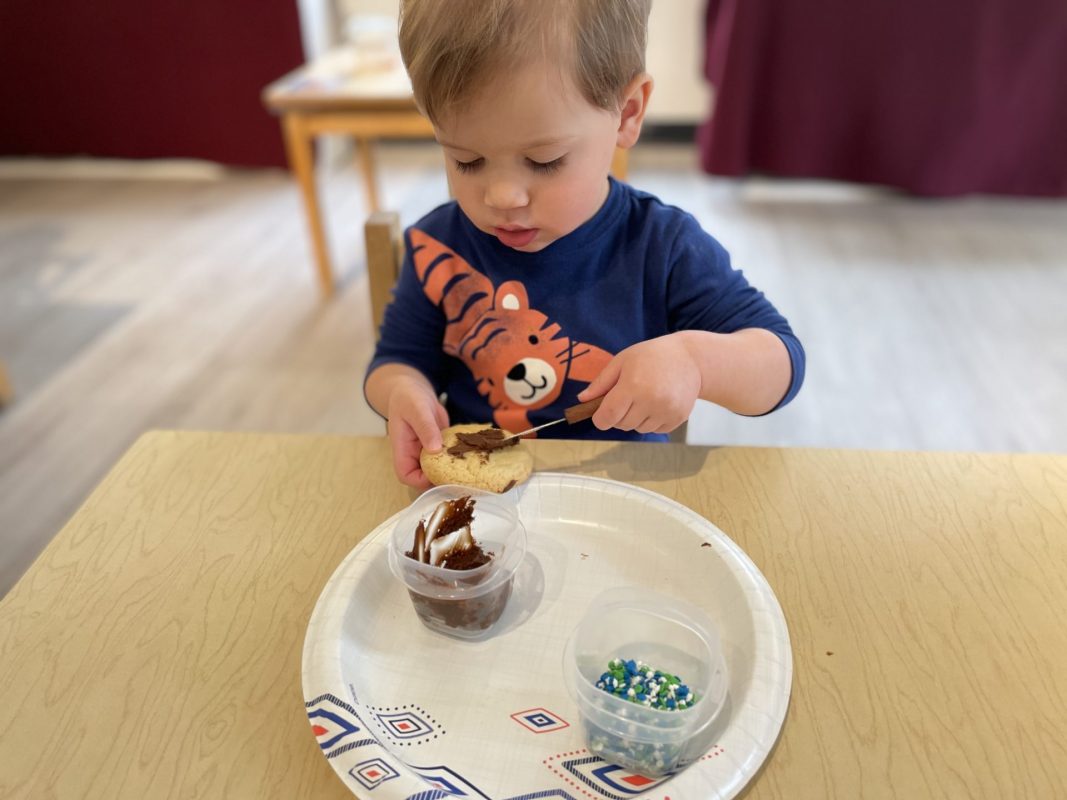
Mrs. Wilson’s Toddler Class: Welcome!


Welcome to the first blog of our 2020-2021 school year.

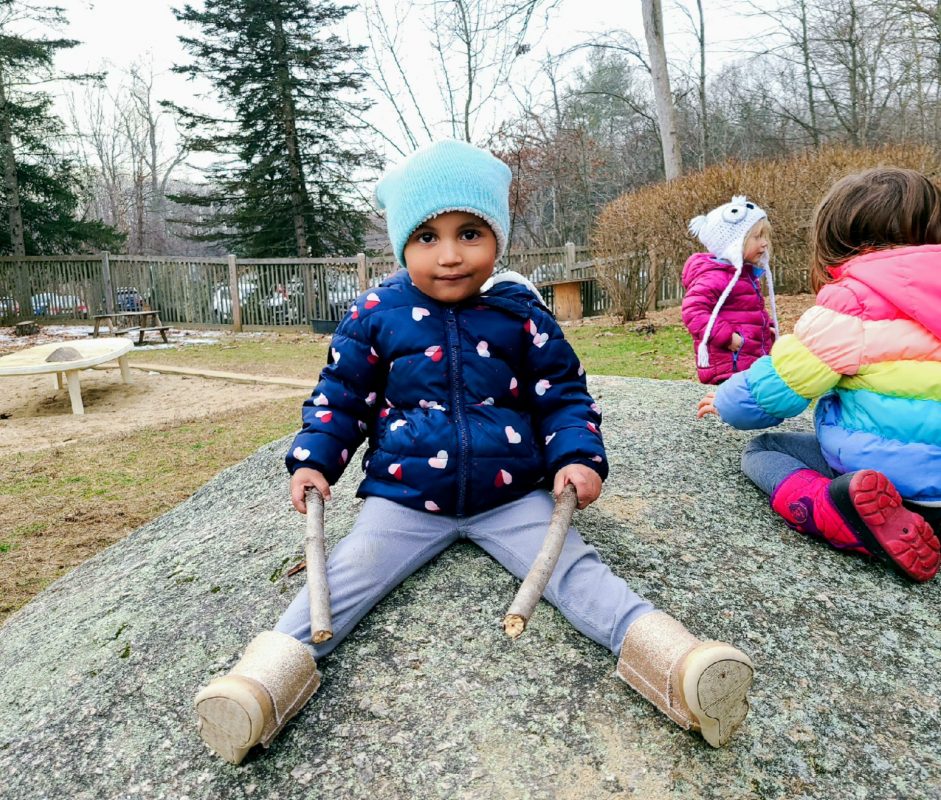
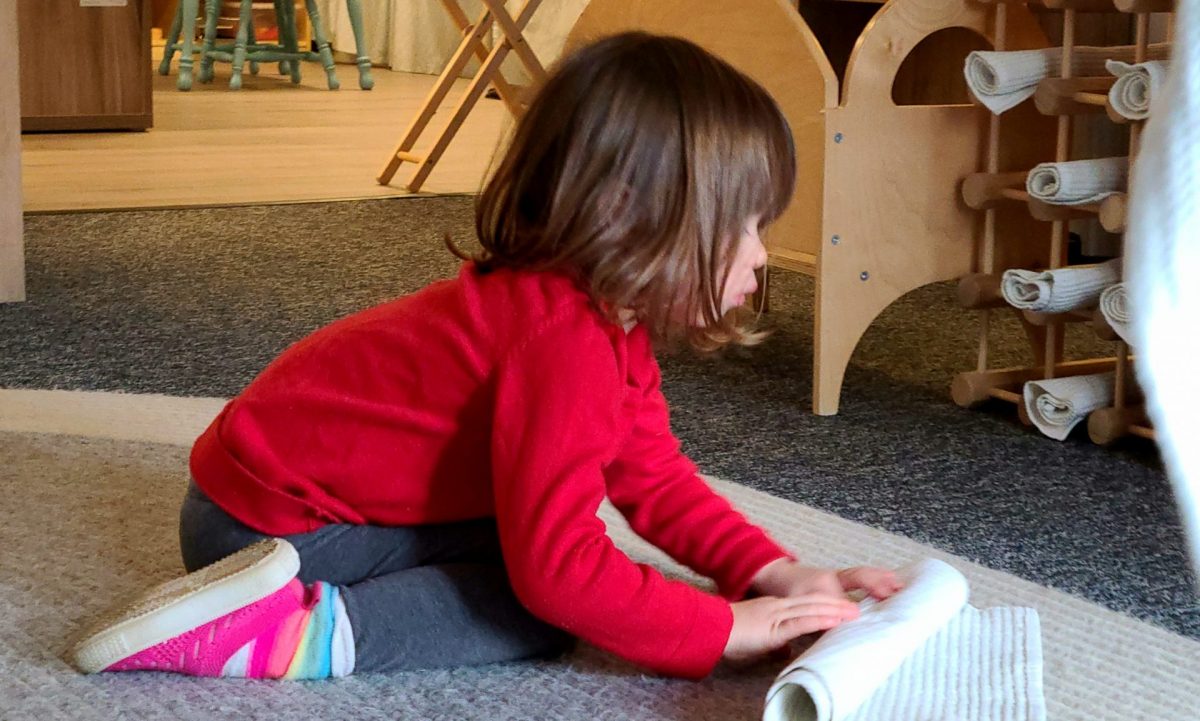
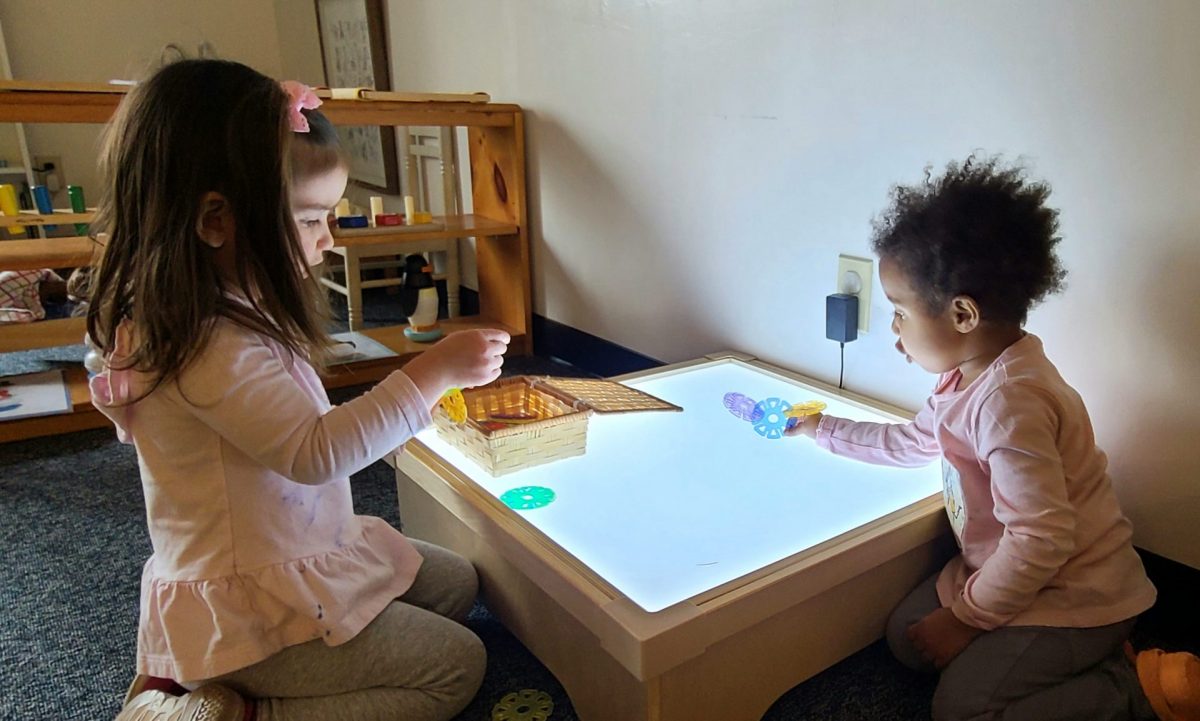
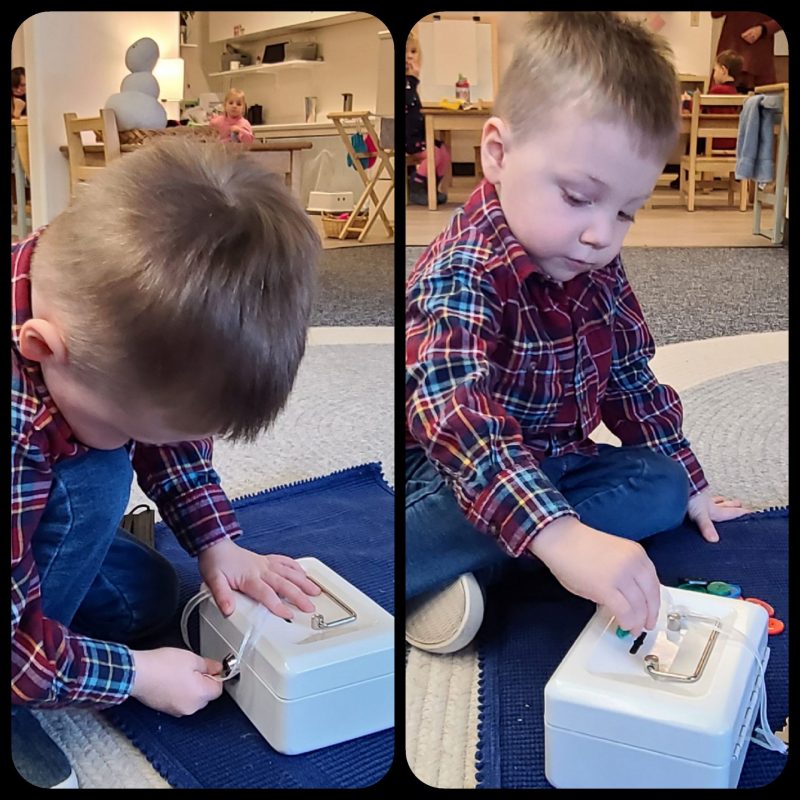
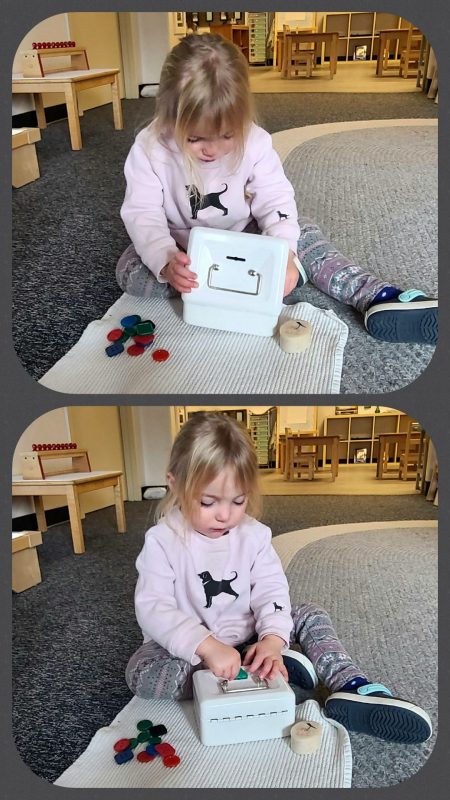
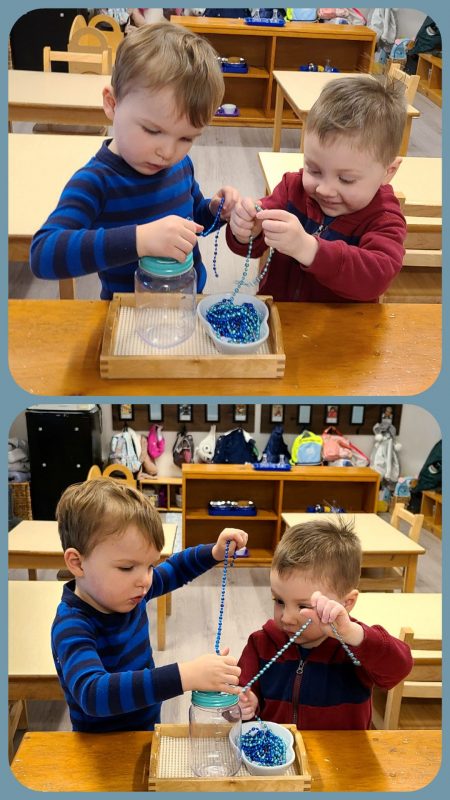
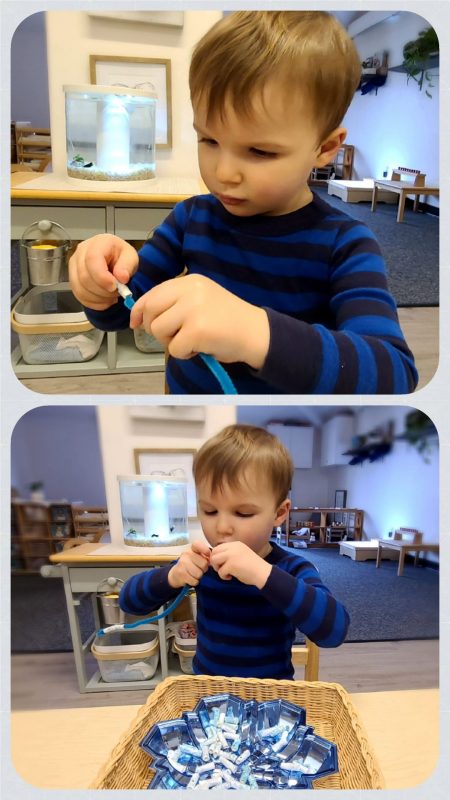
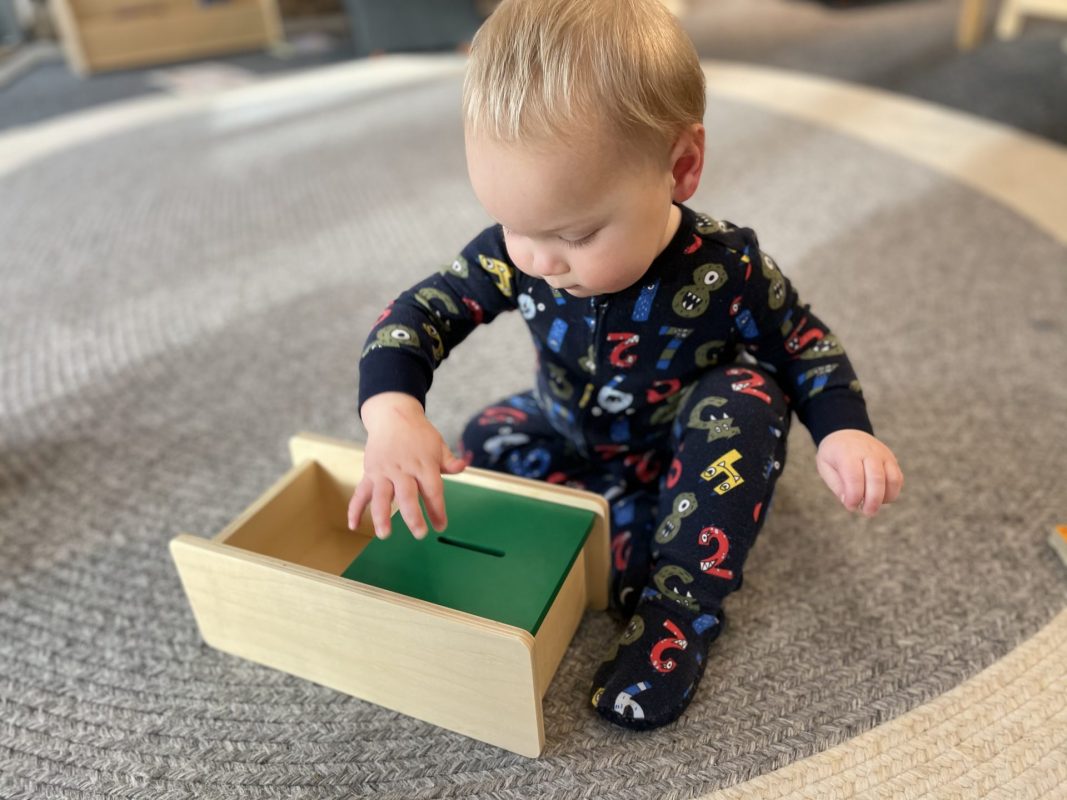
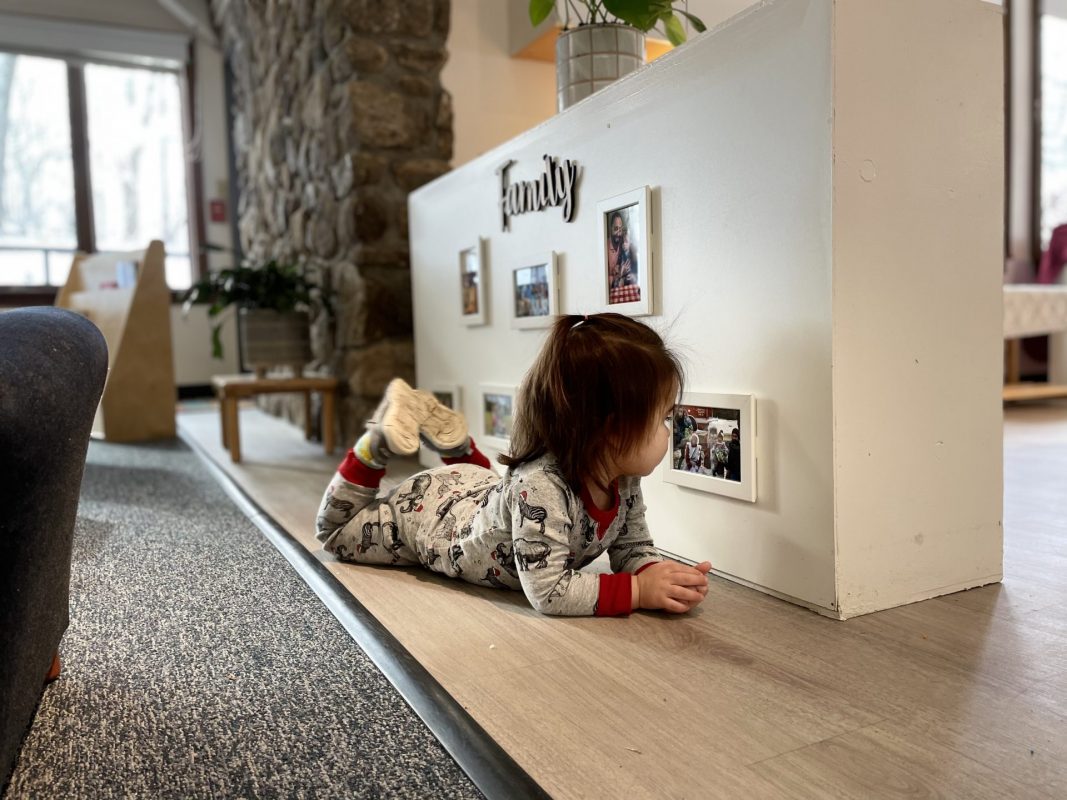
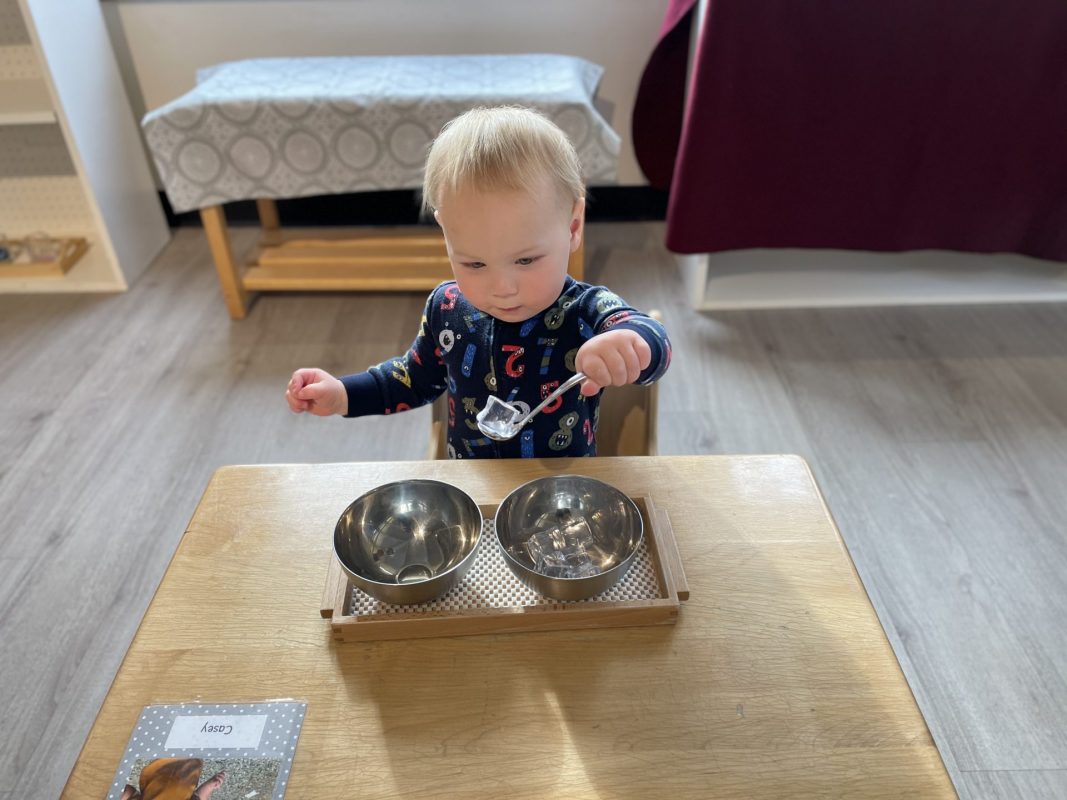
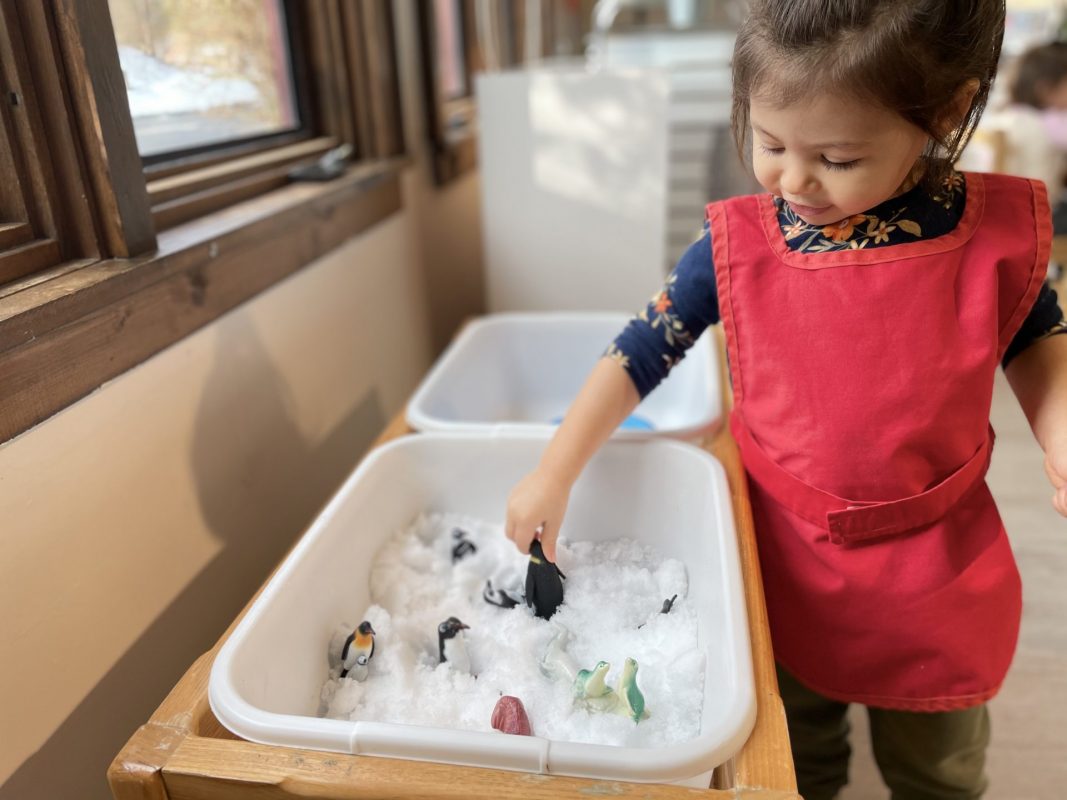
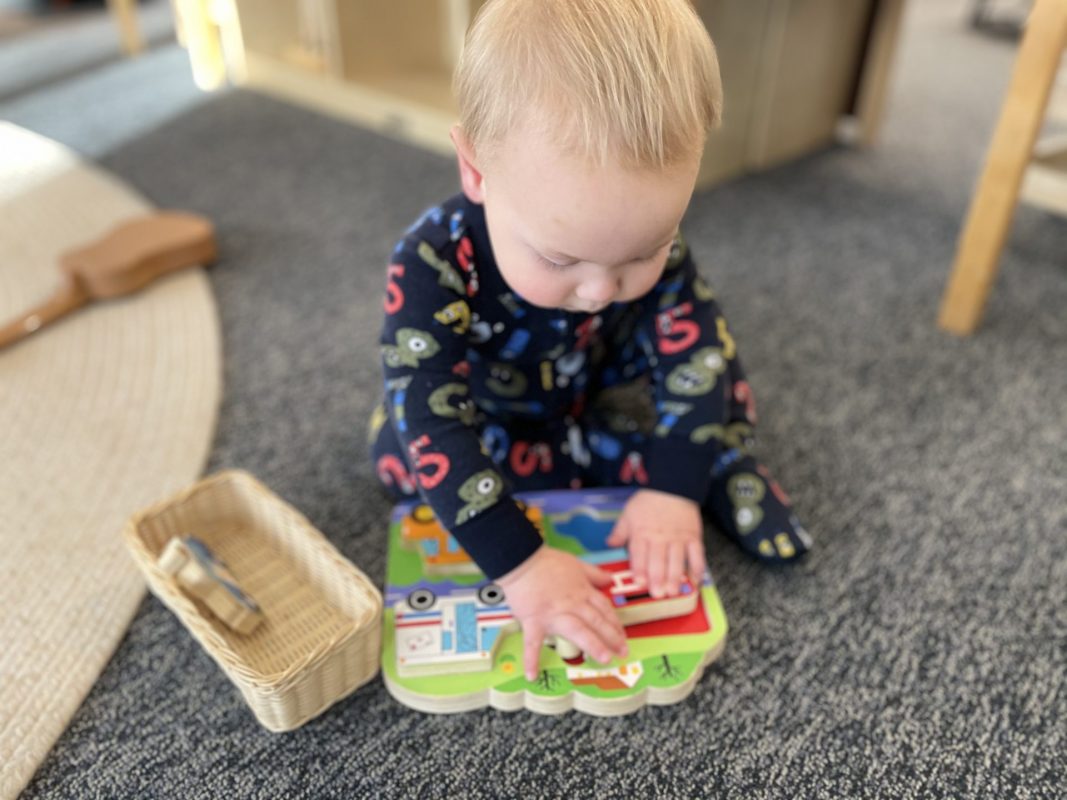
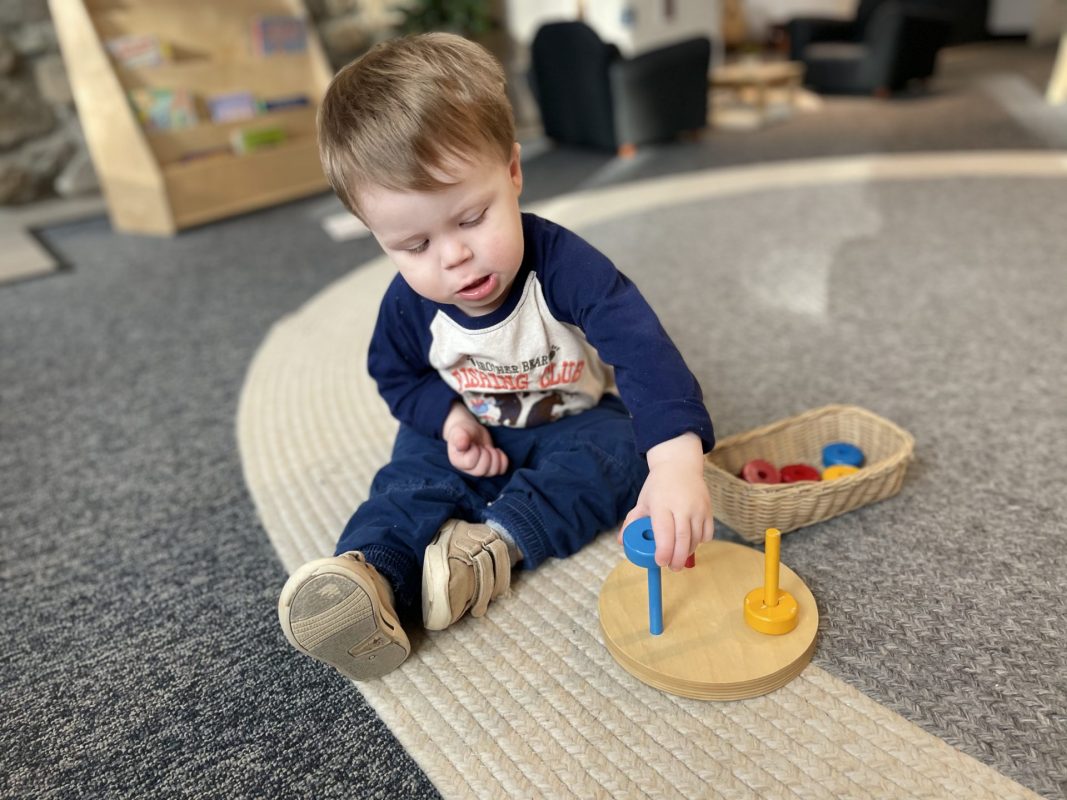
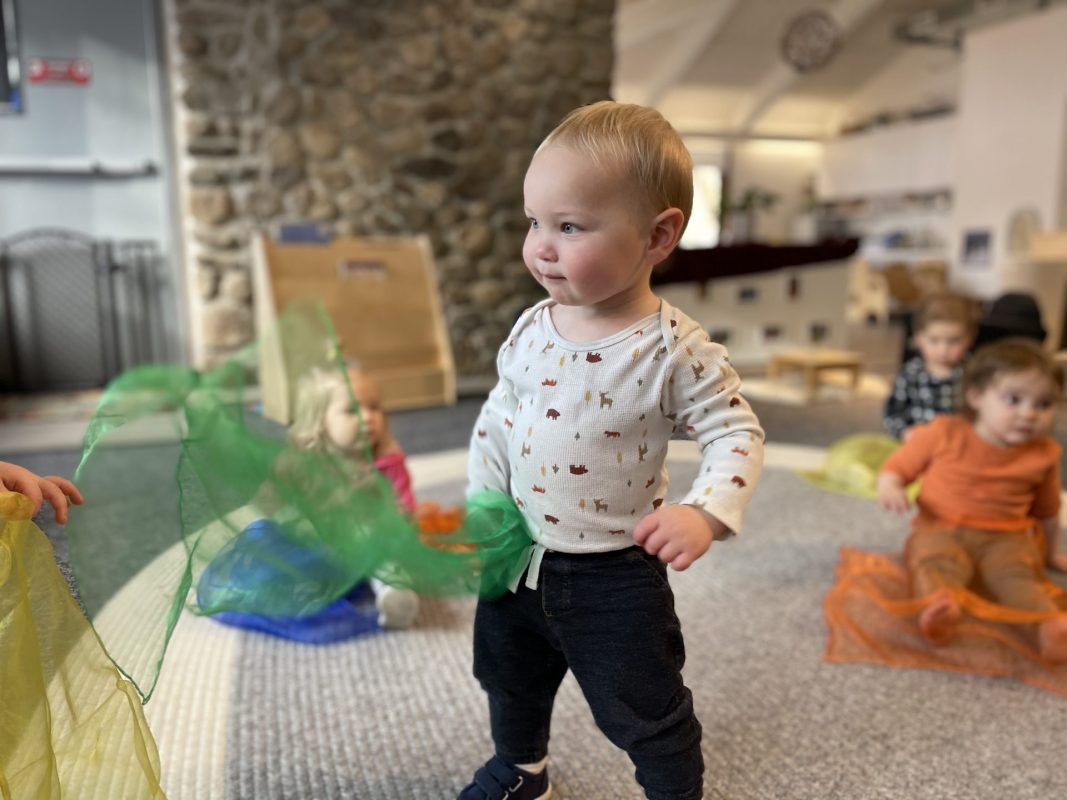
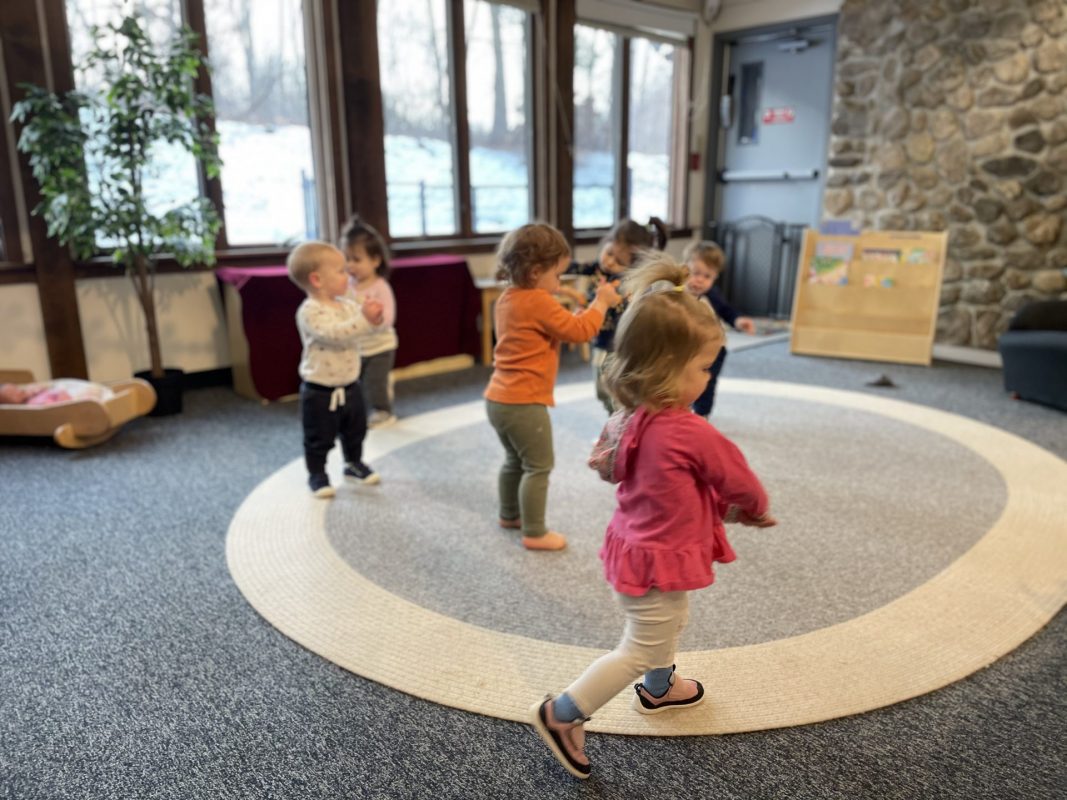
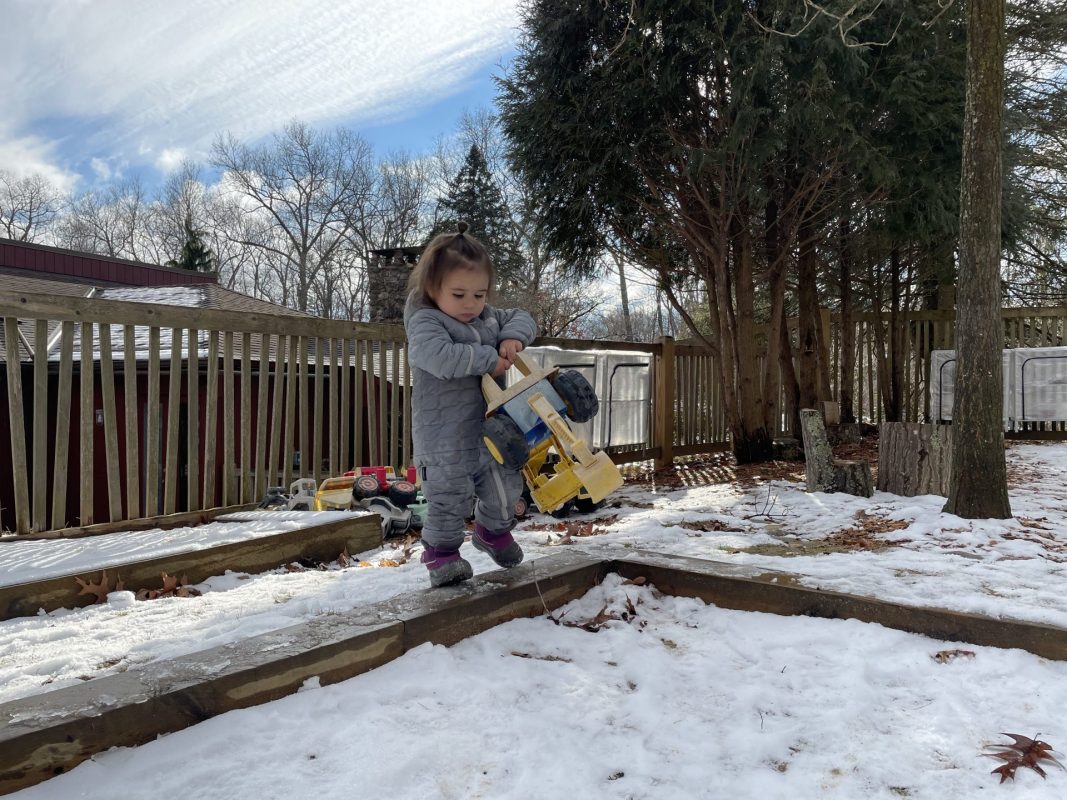
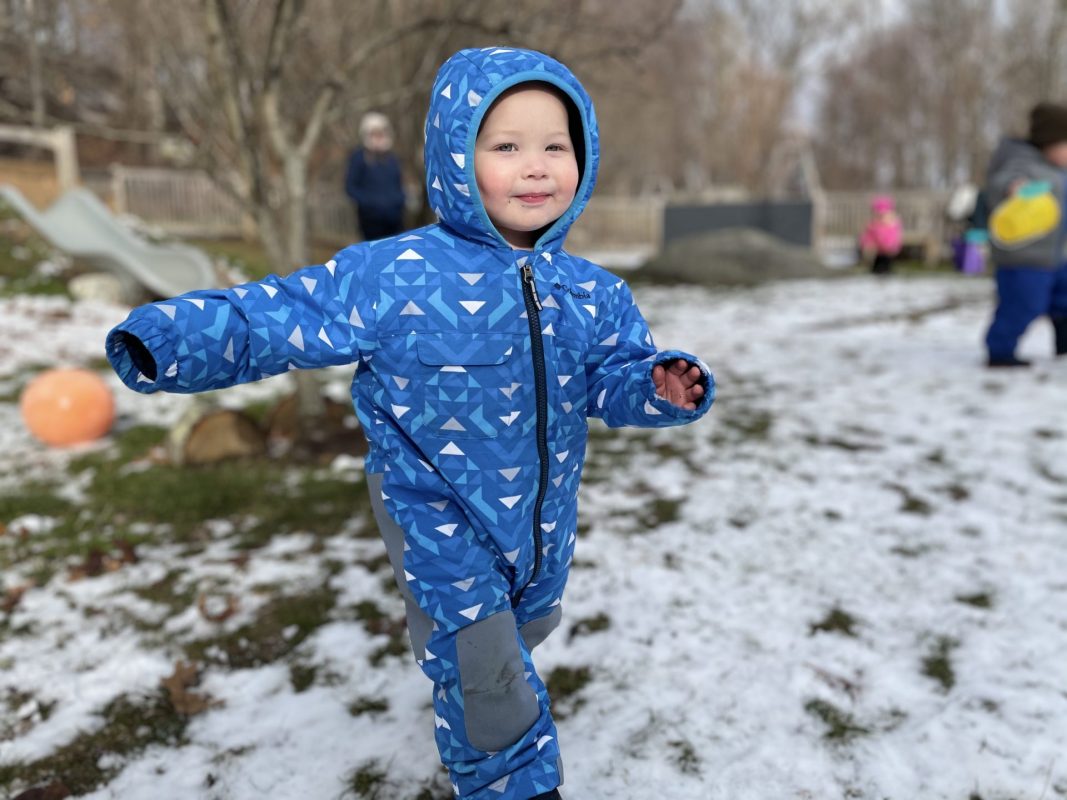
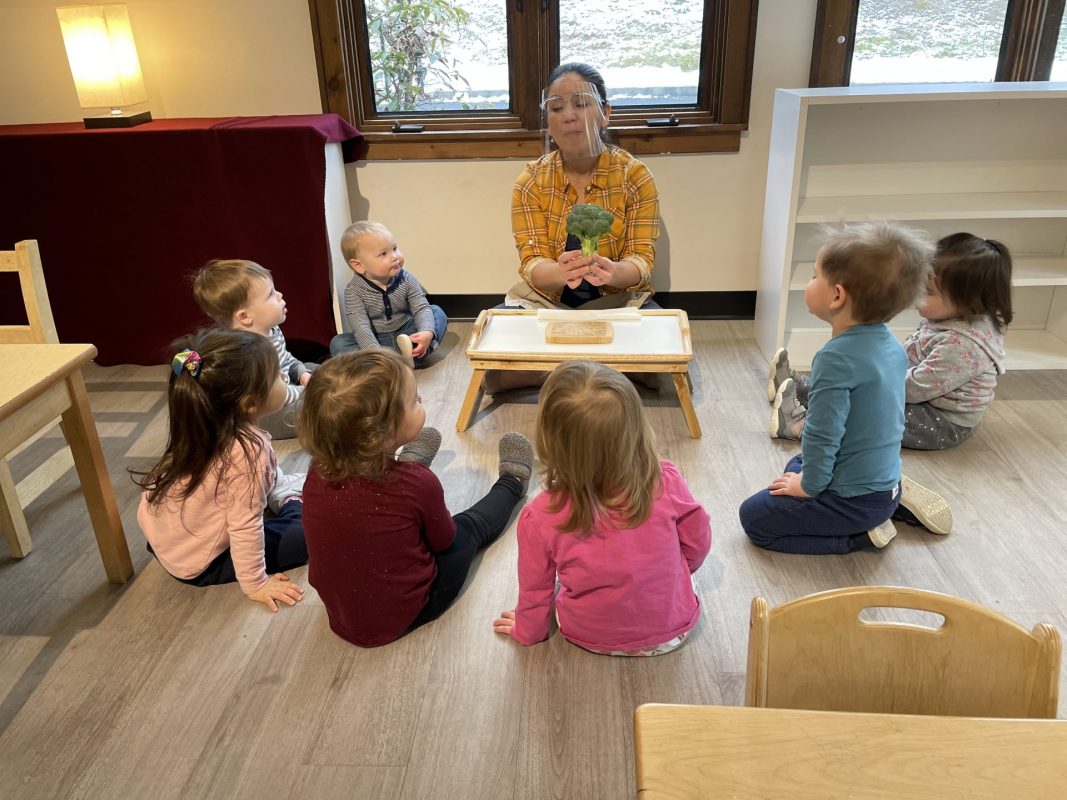
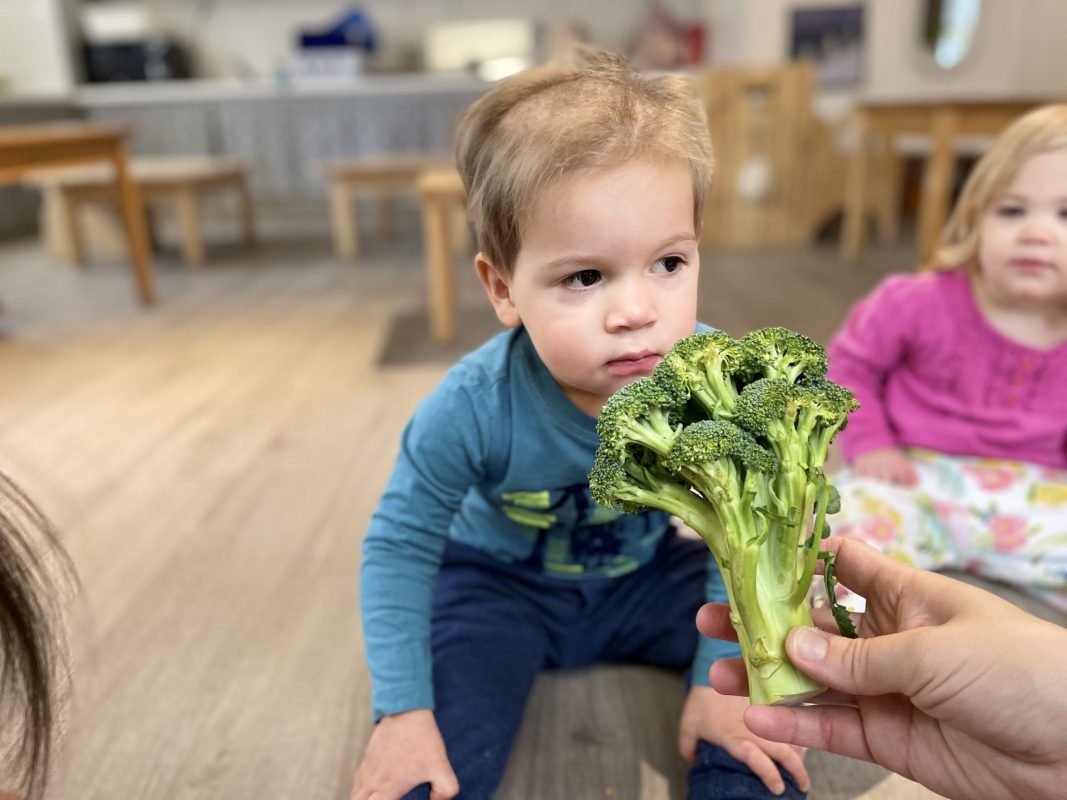
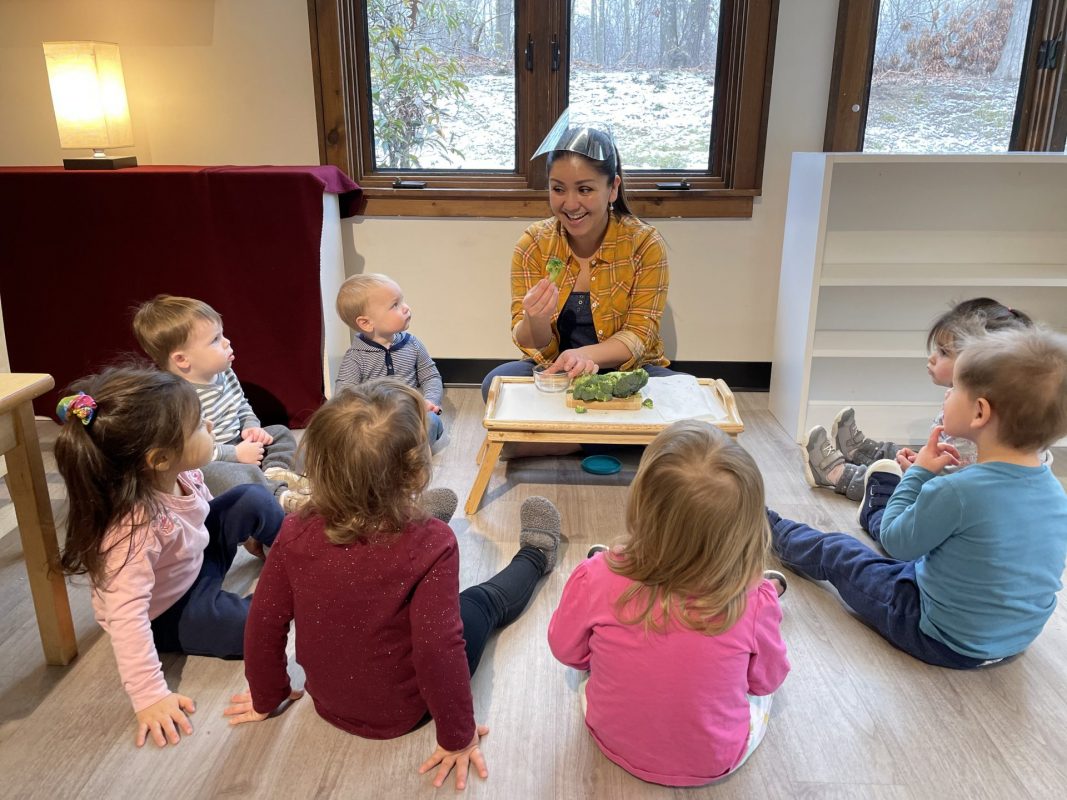
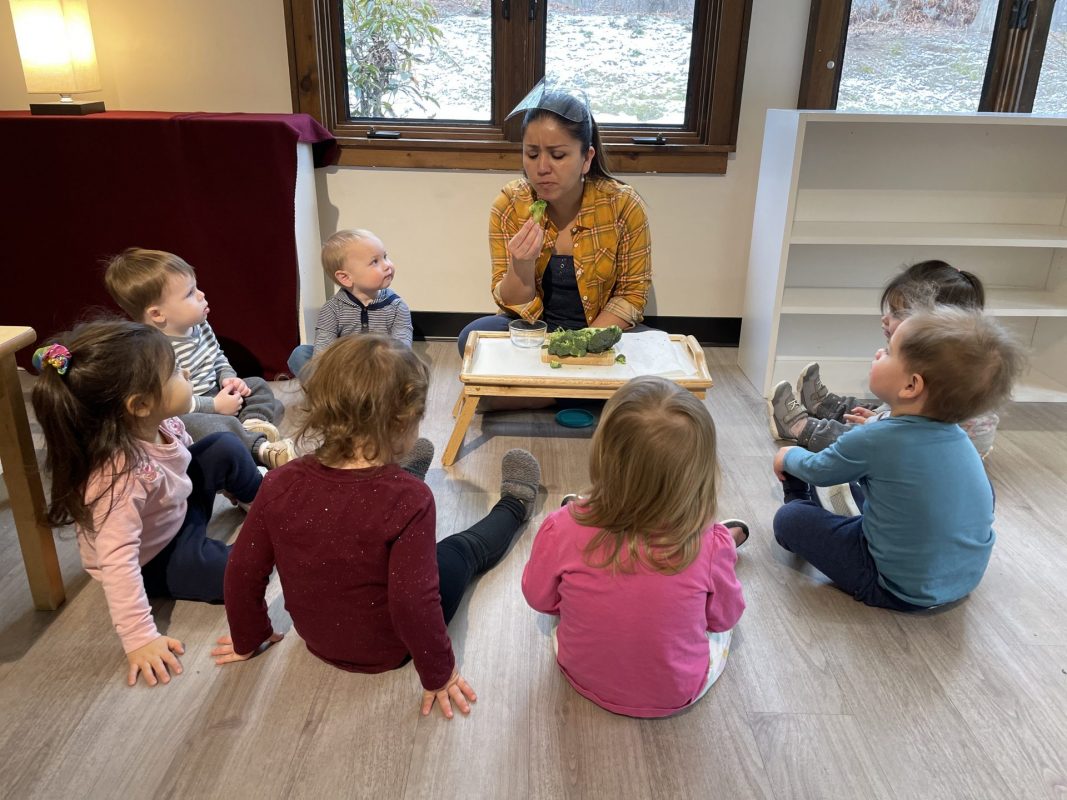
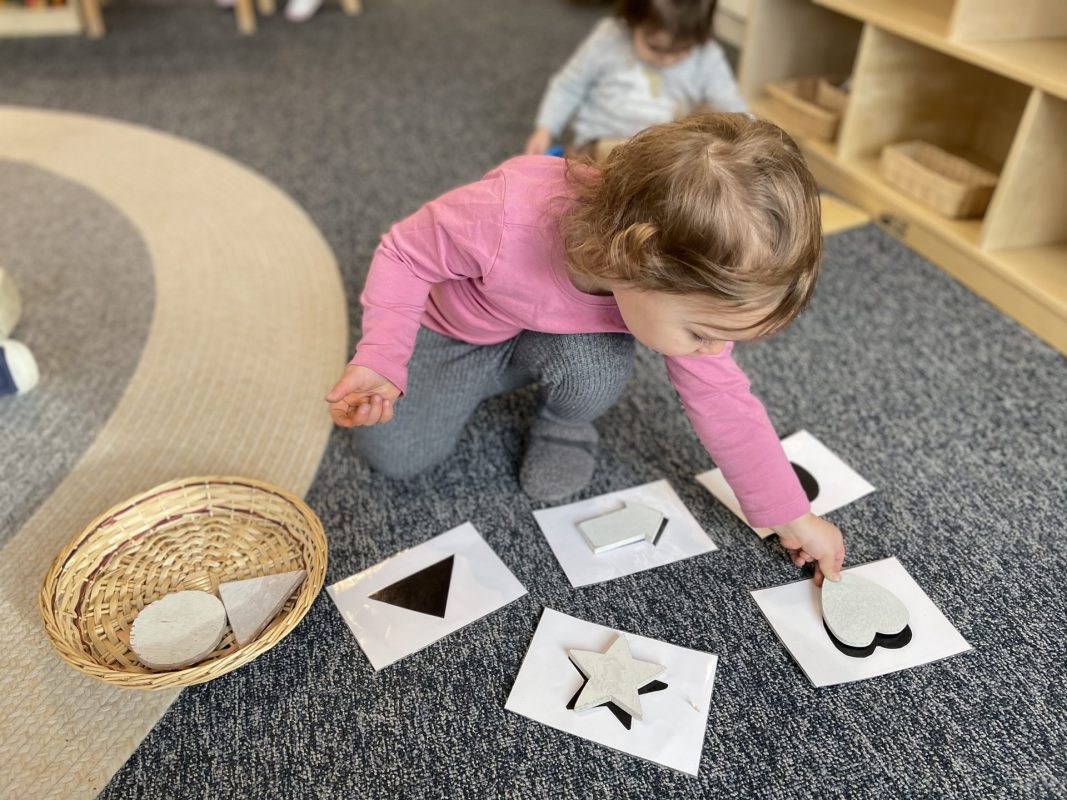
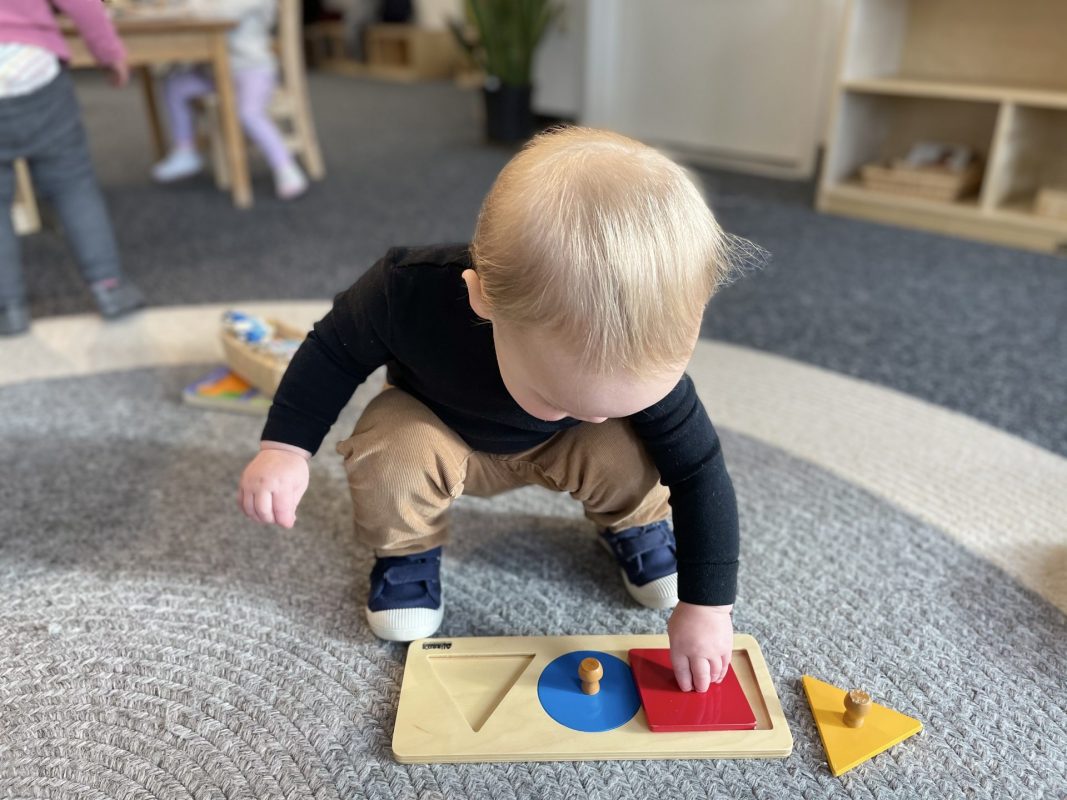
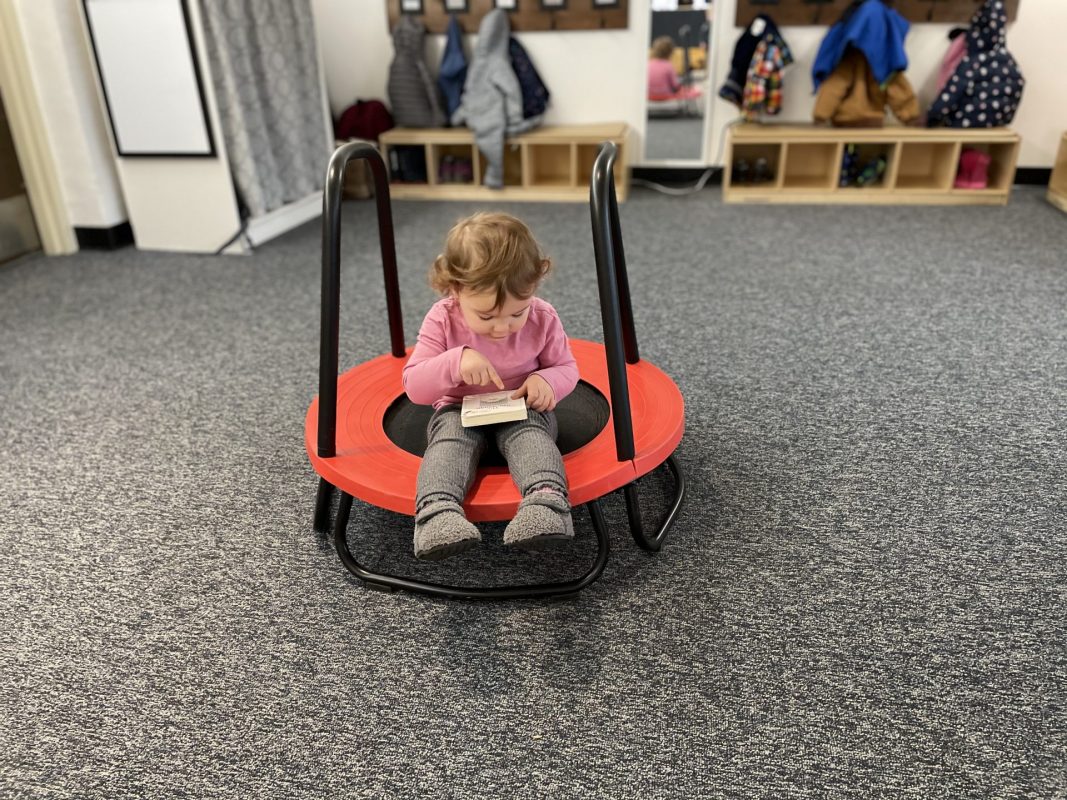
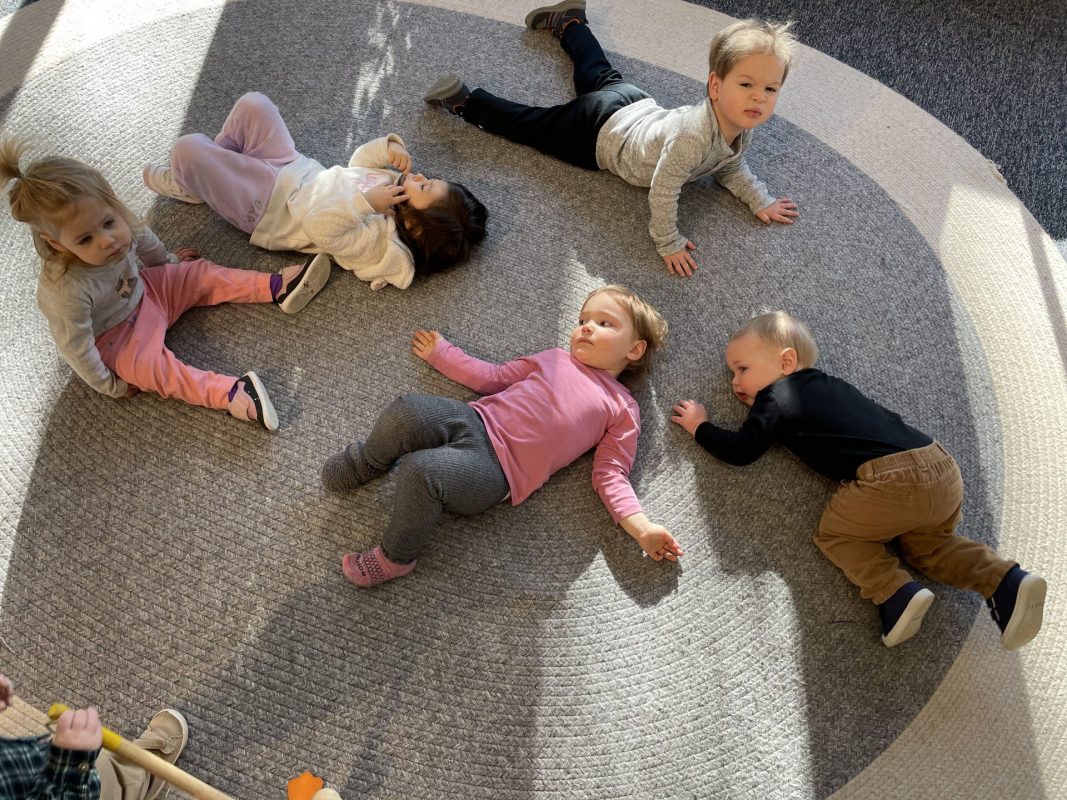
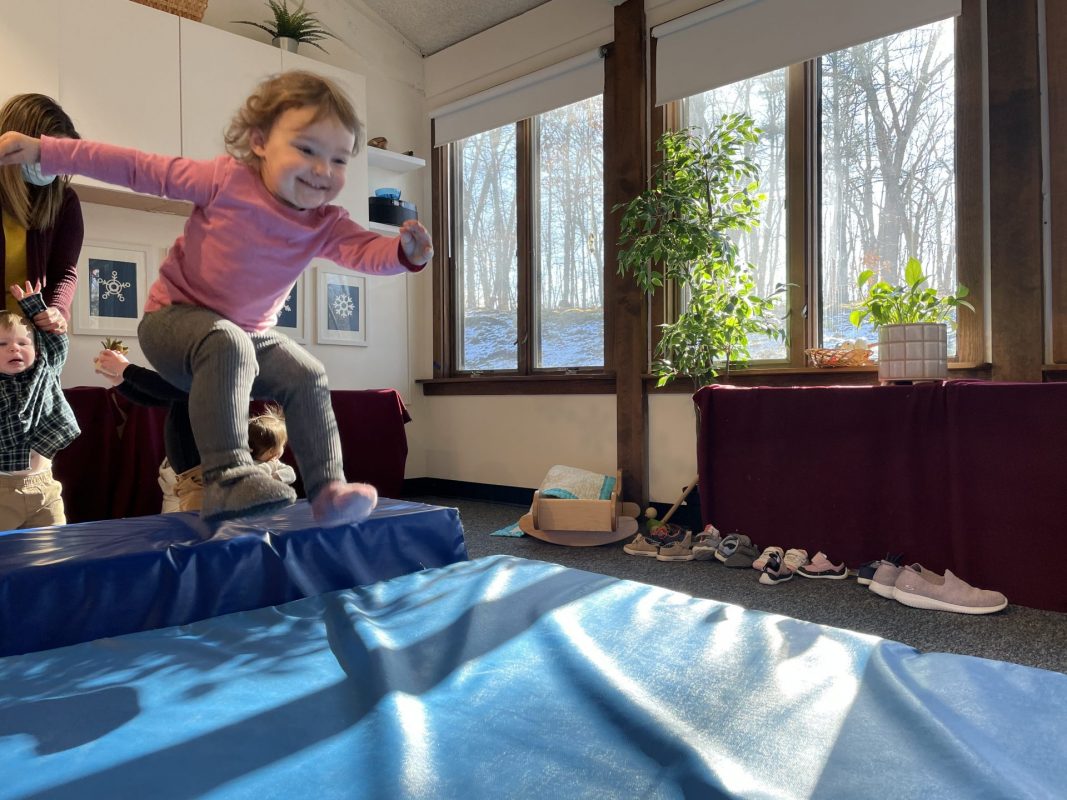
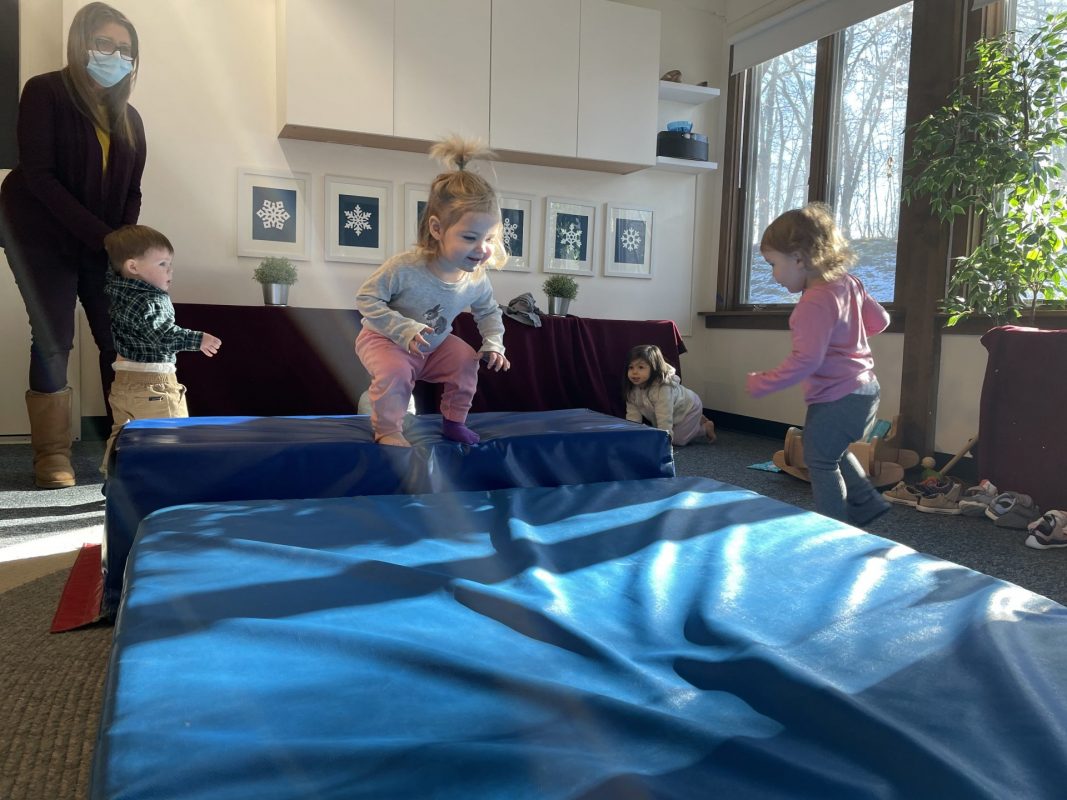
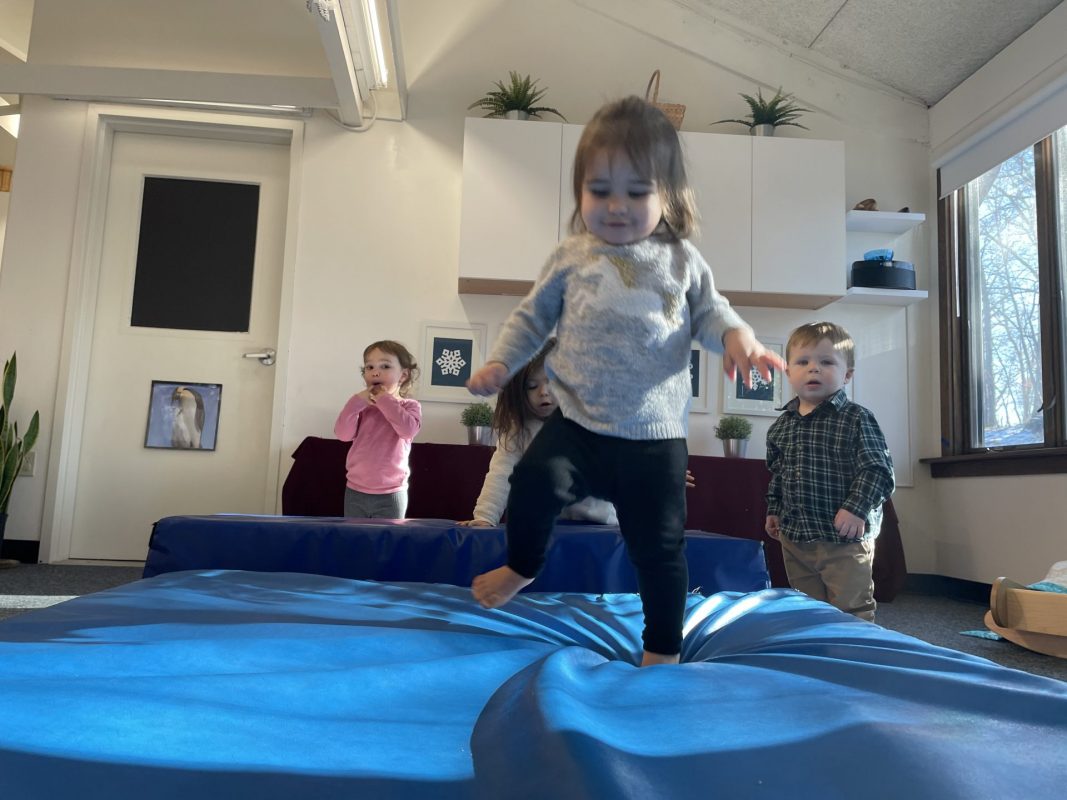
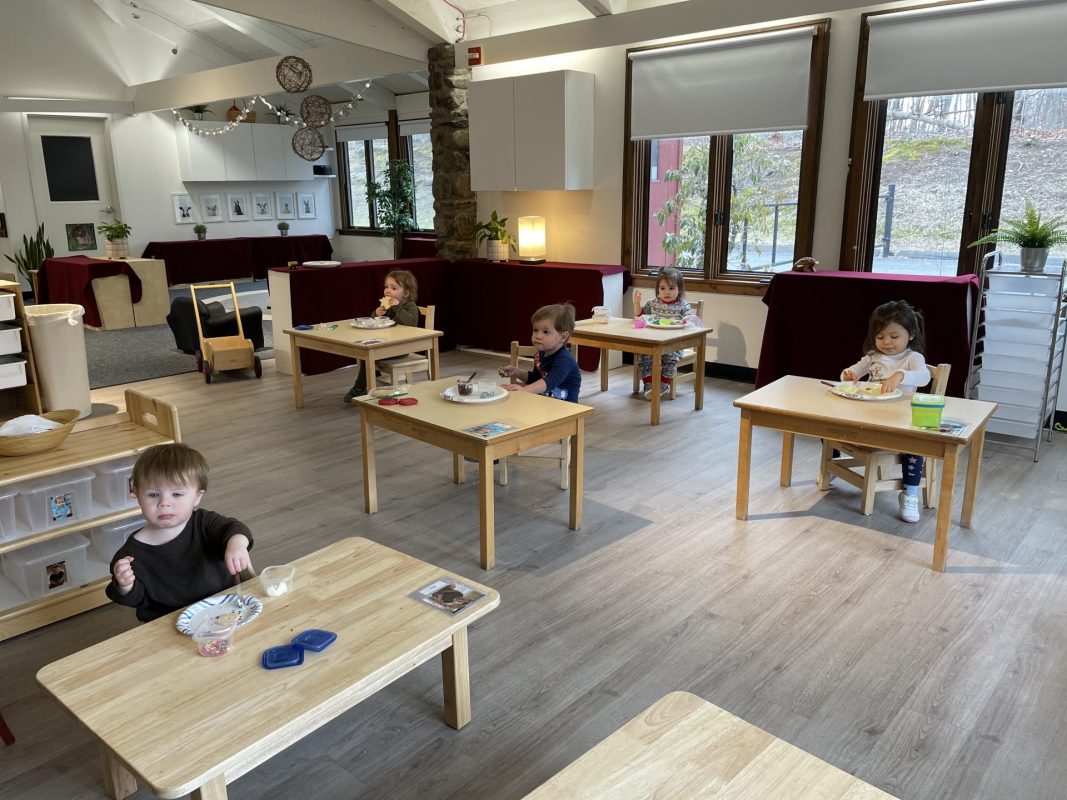
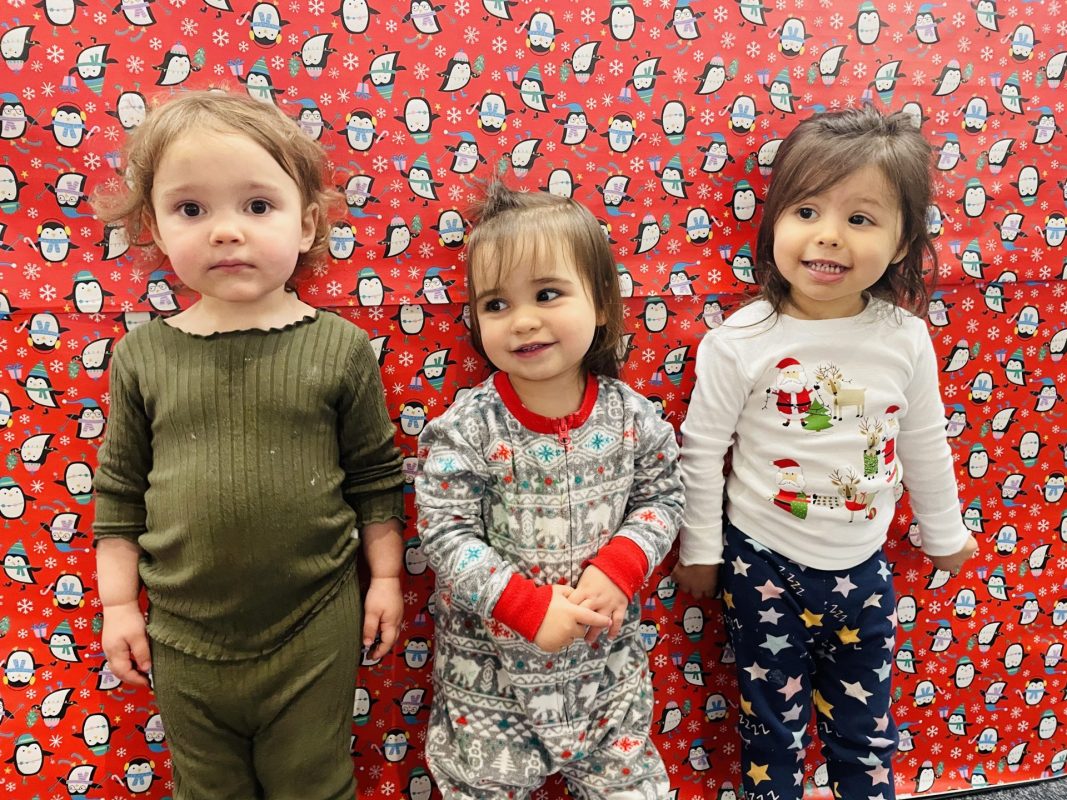
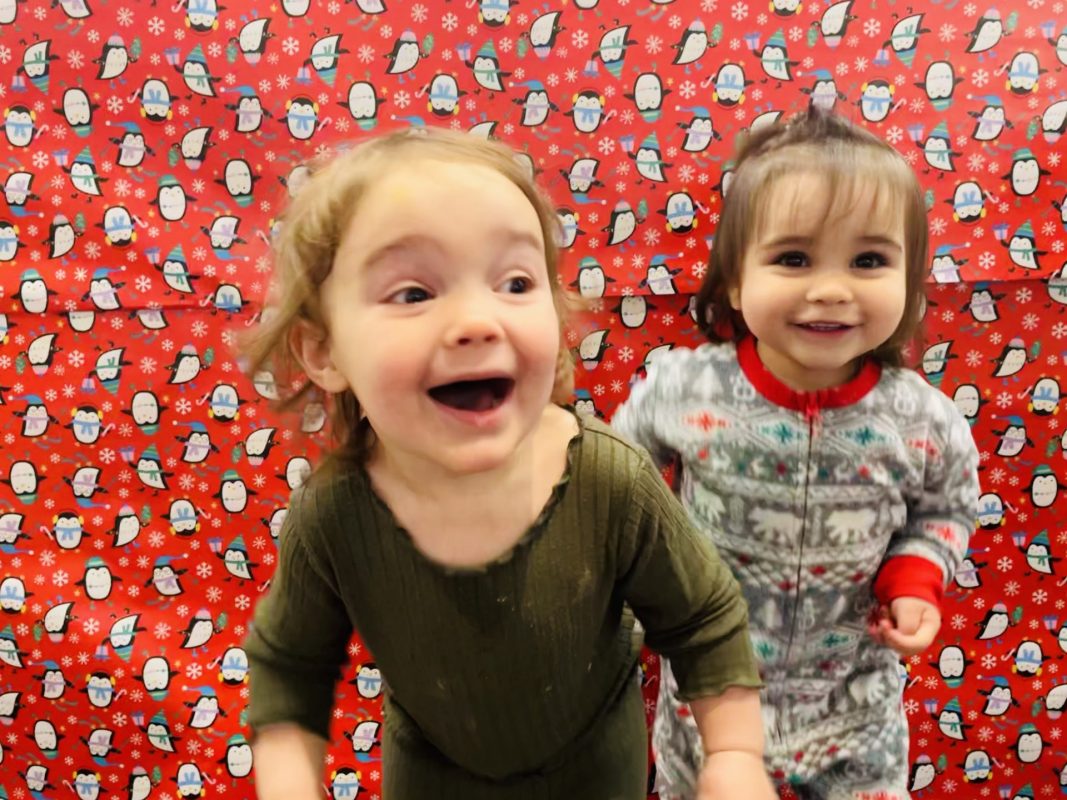
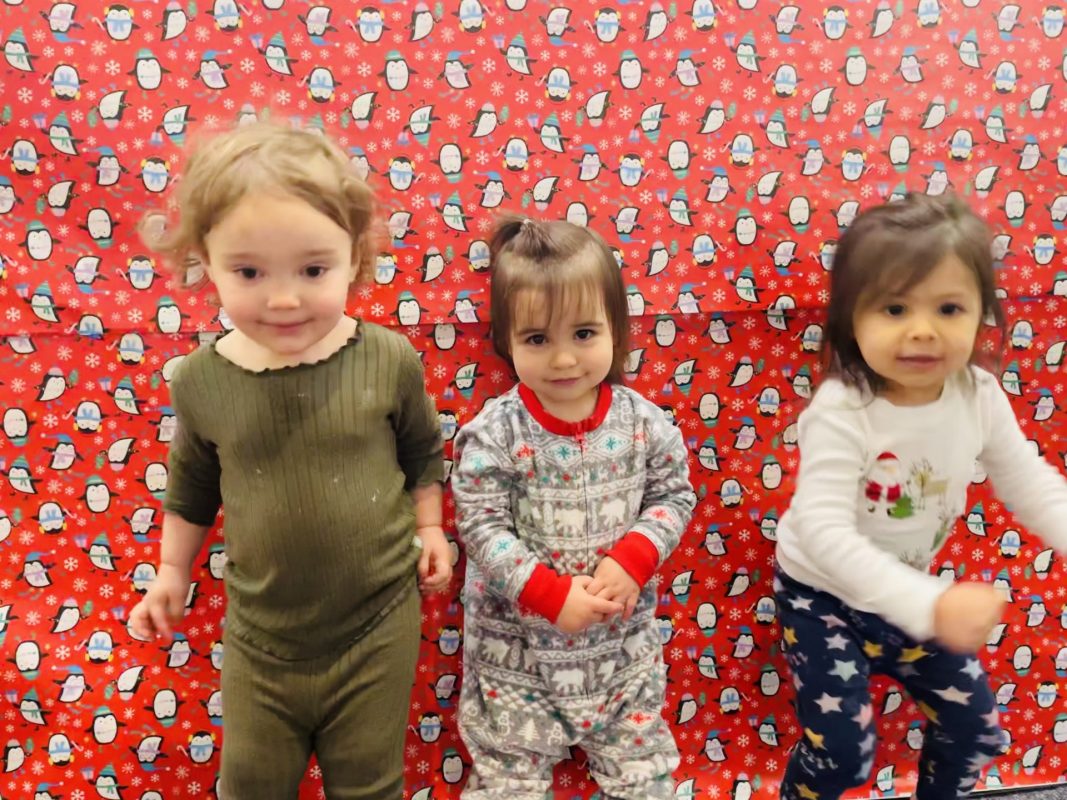
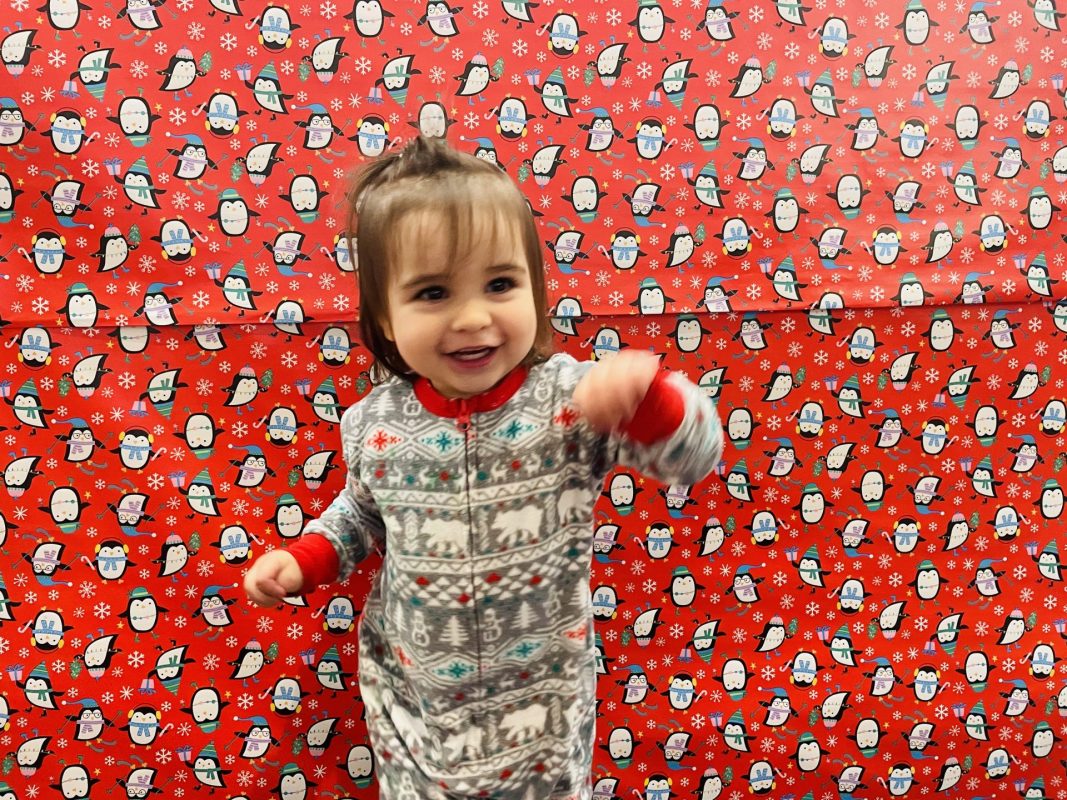
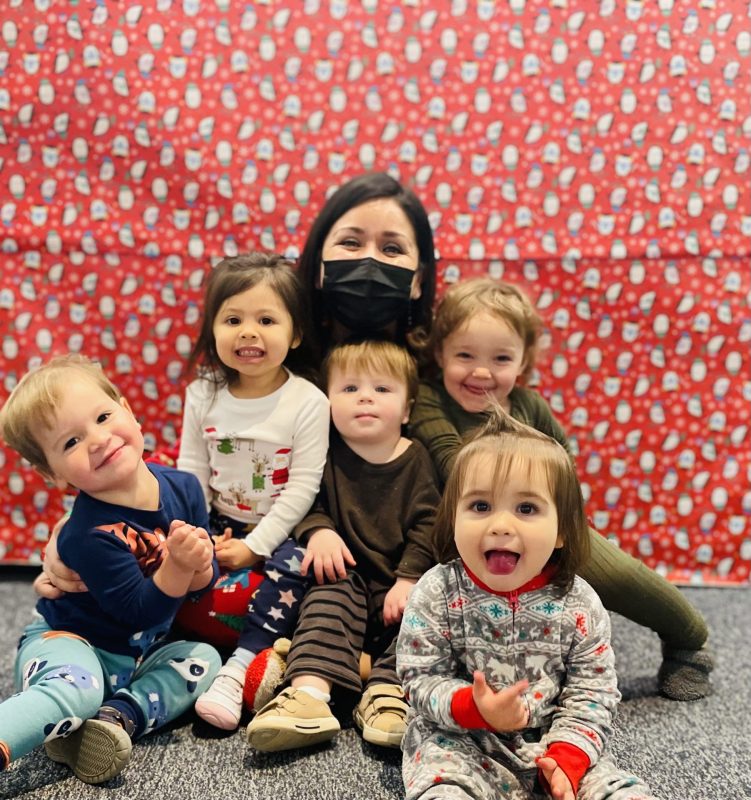
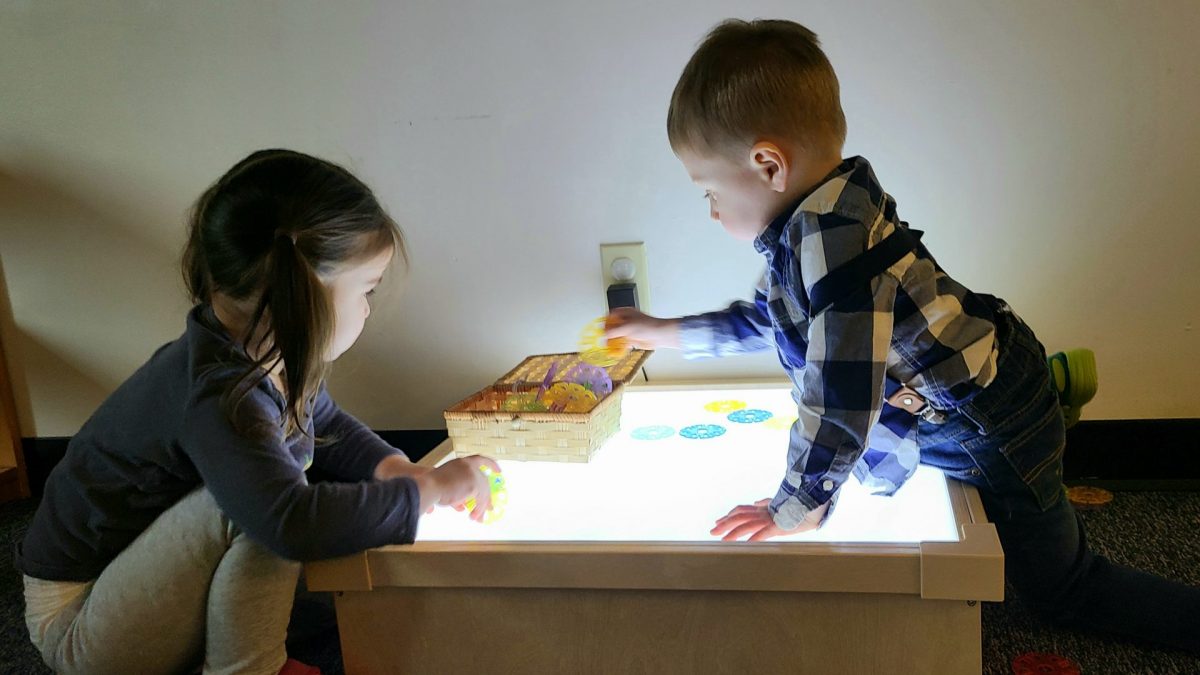
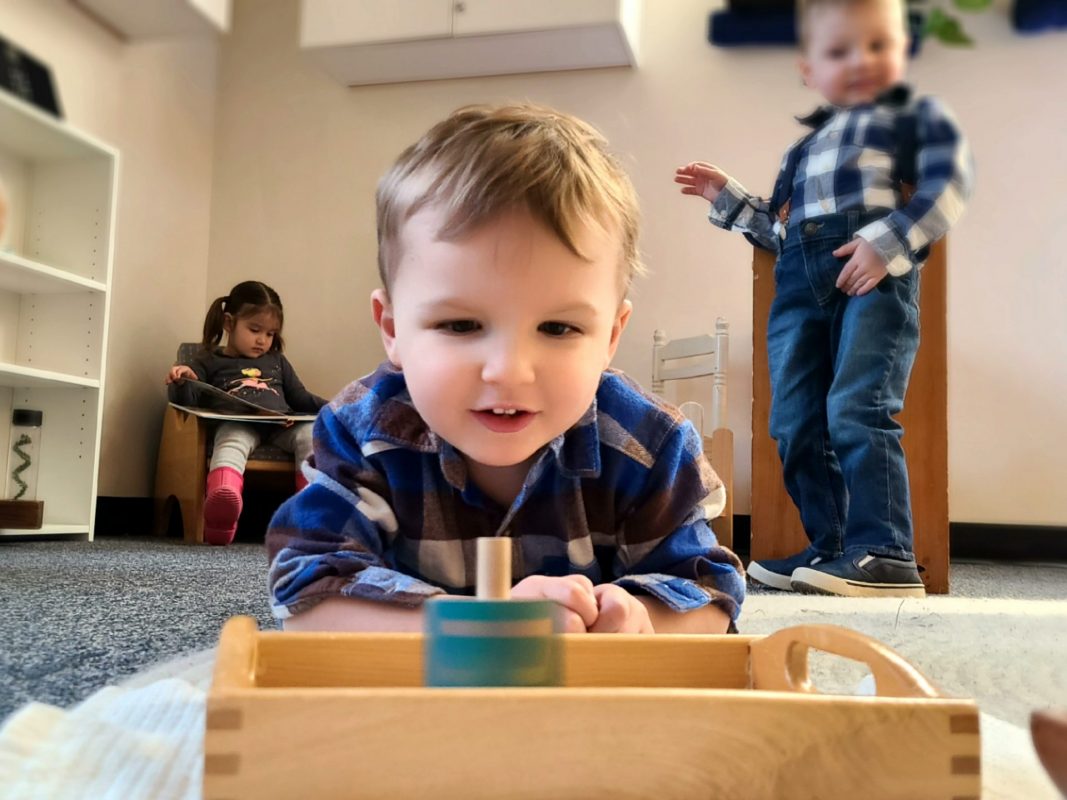
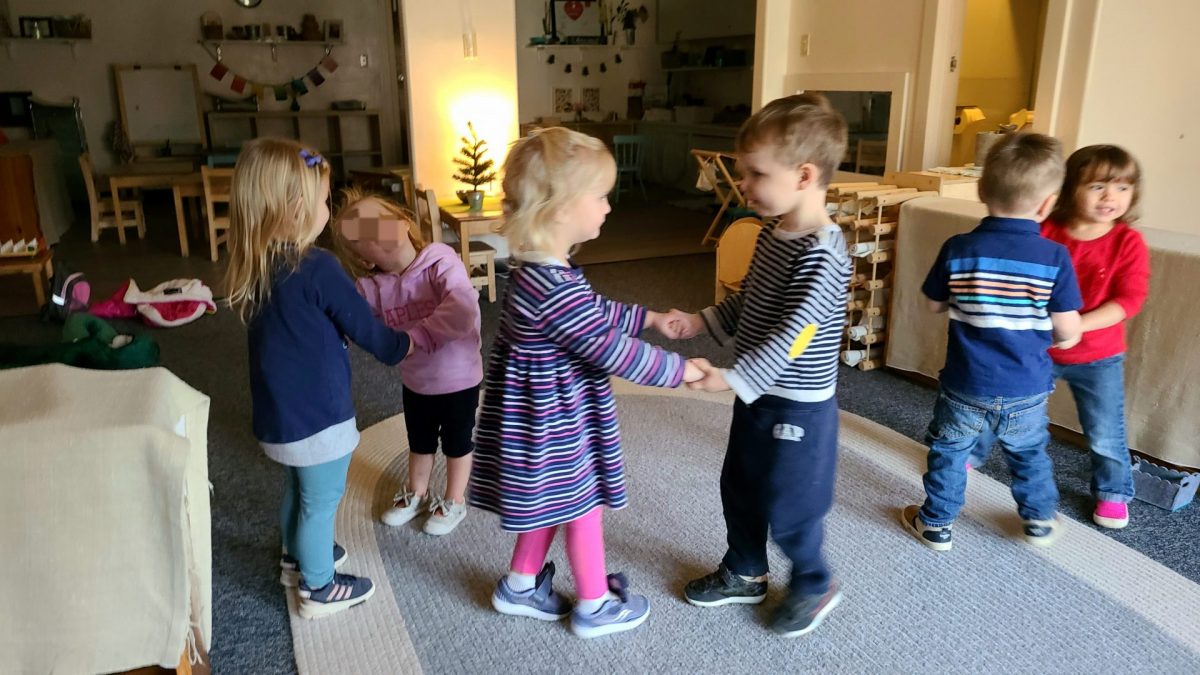
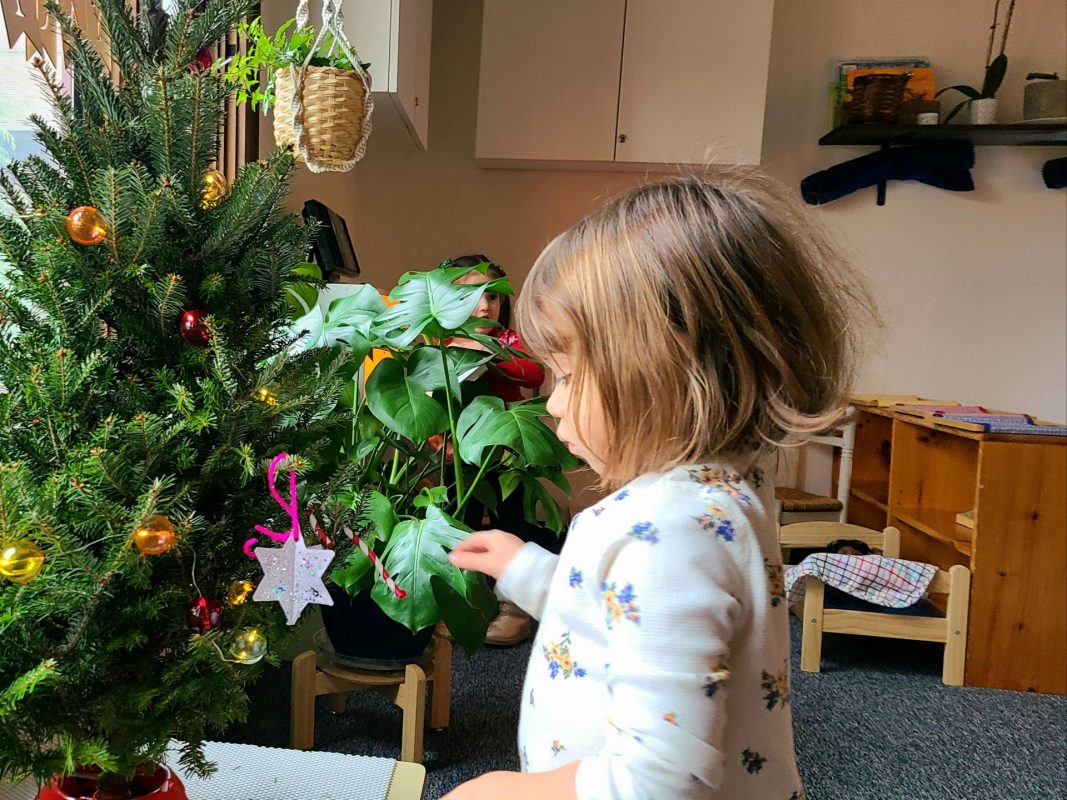
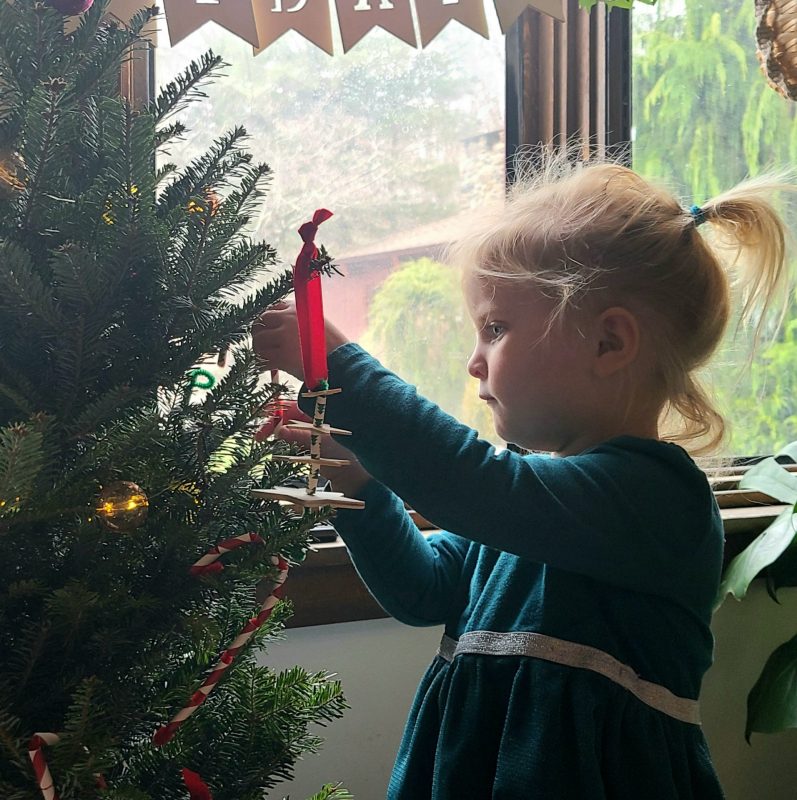
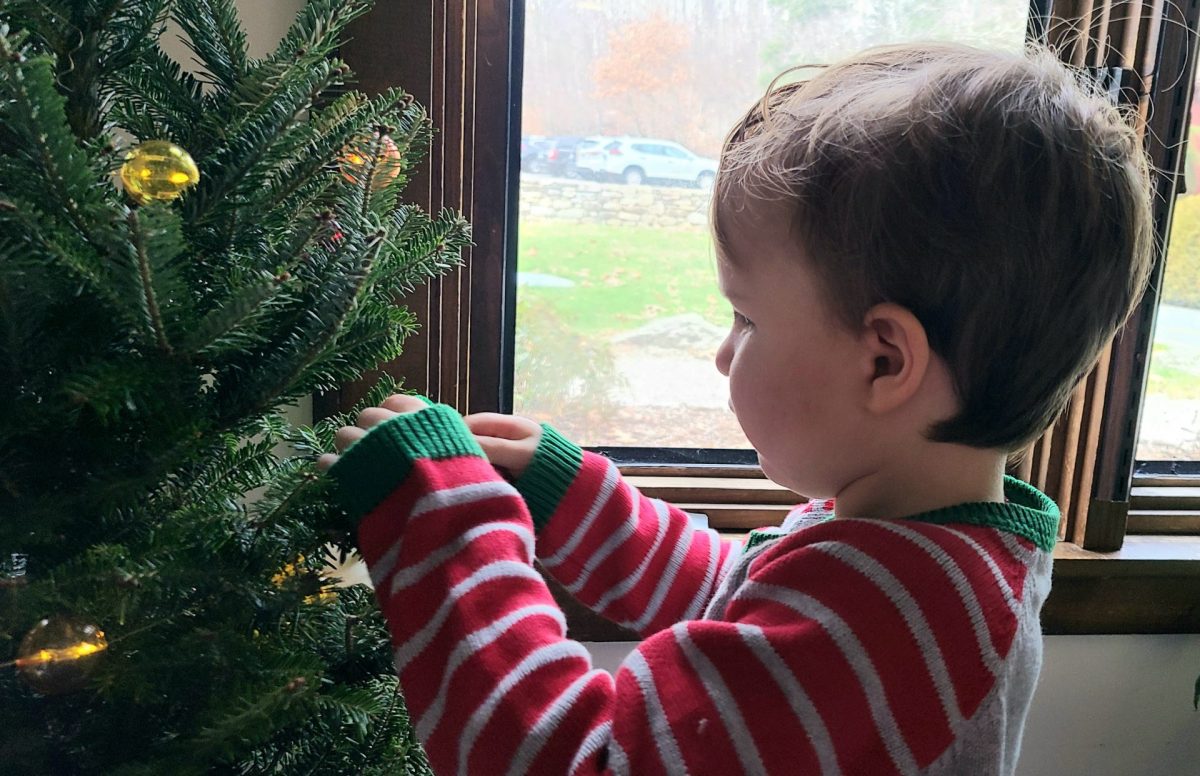
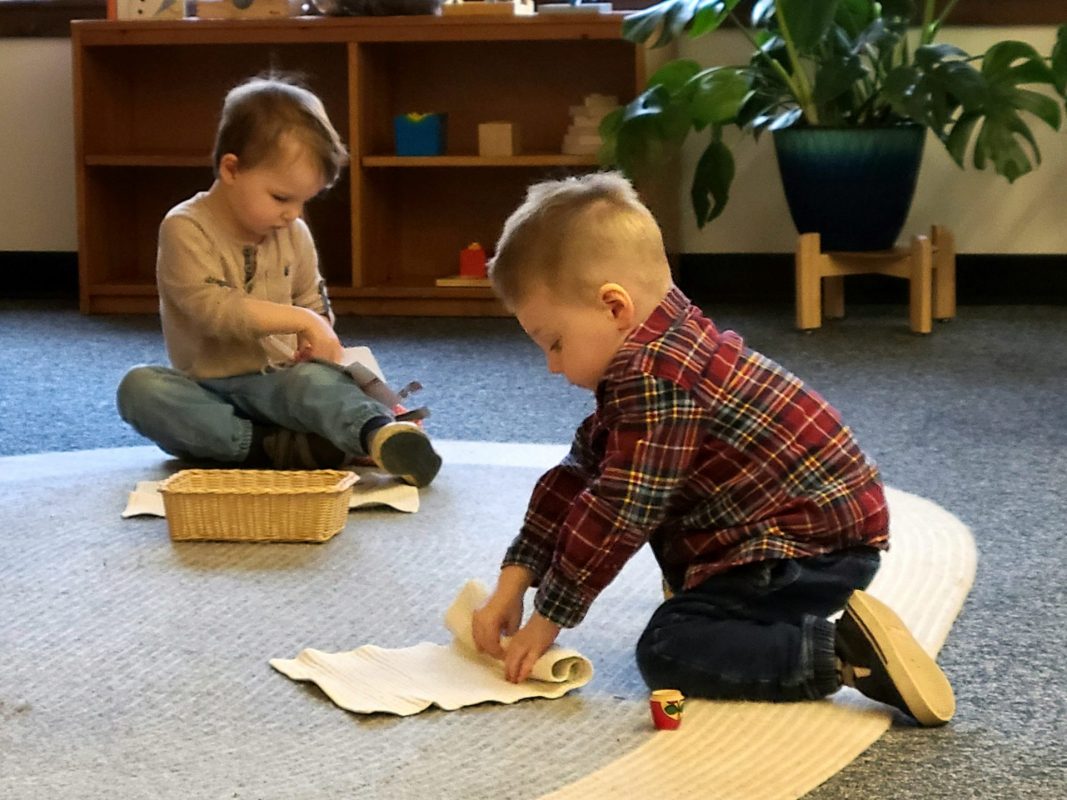
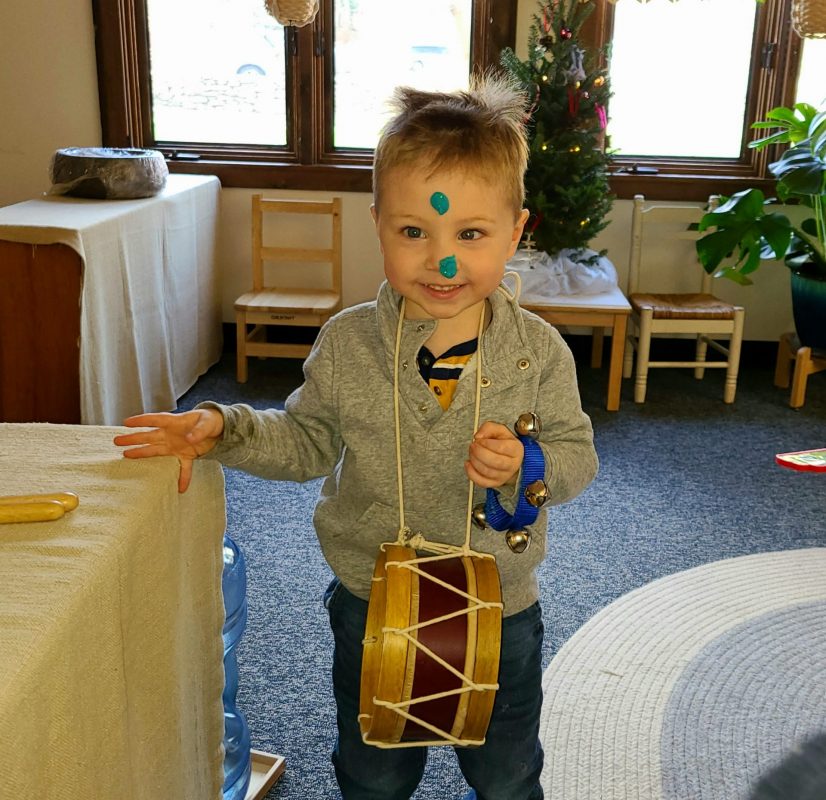
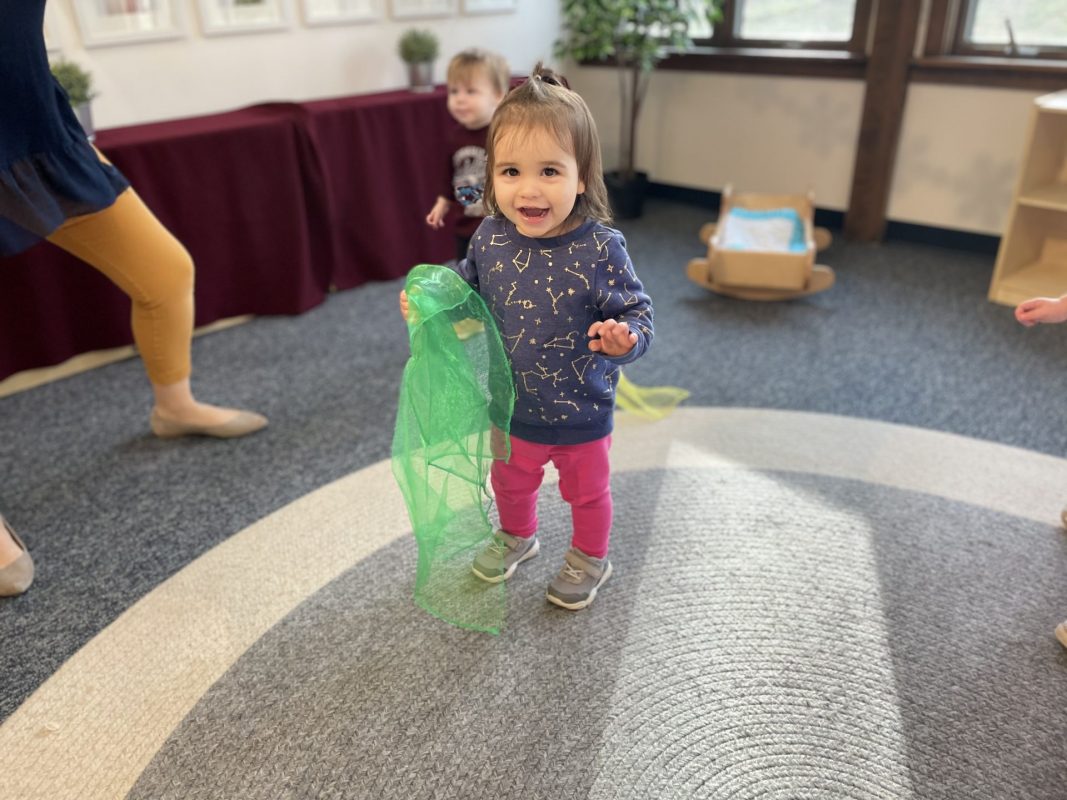
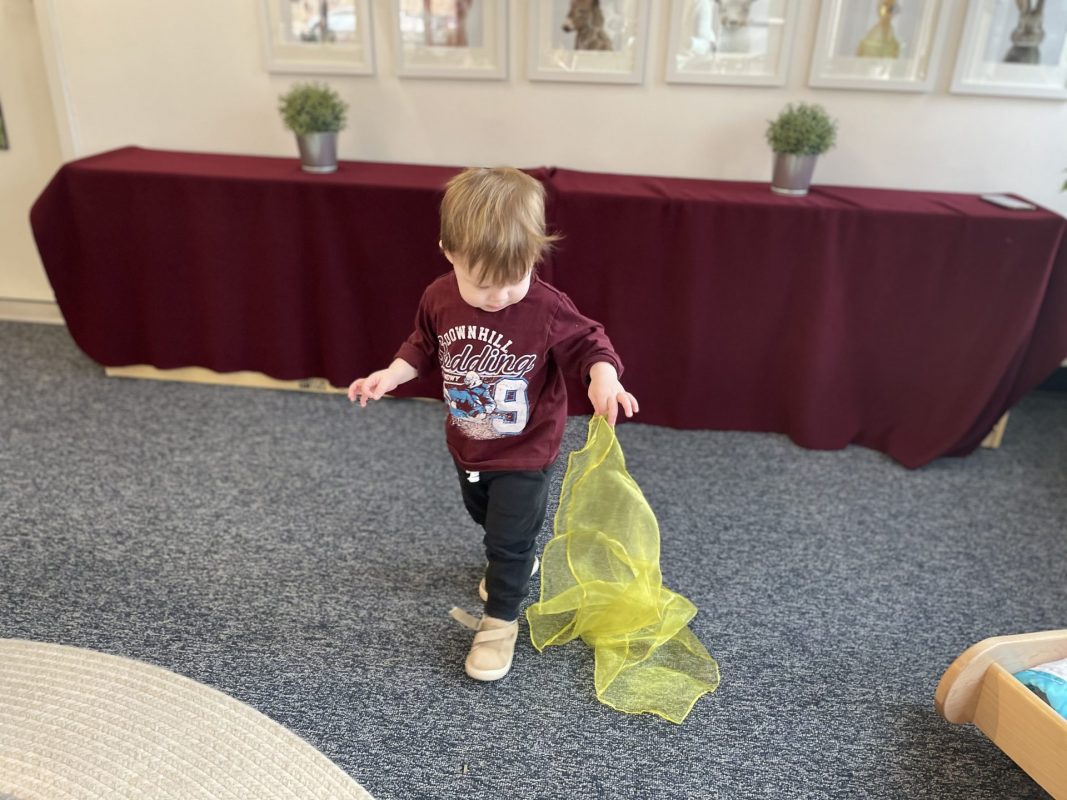
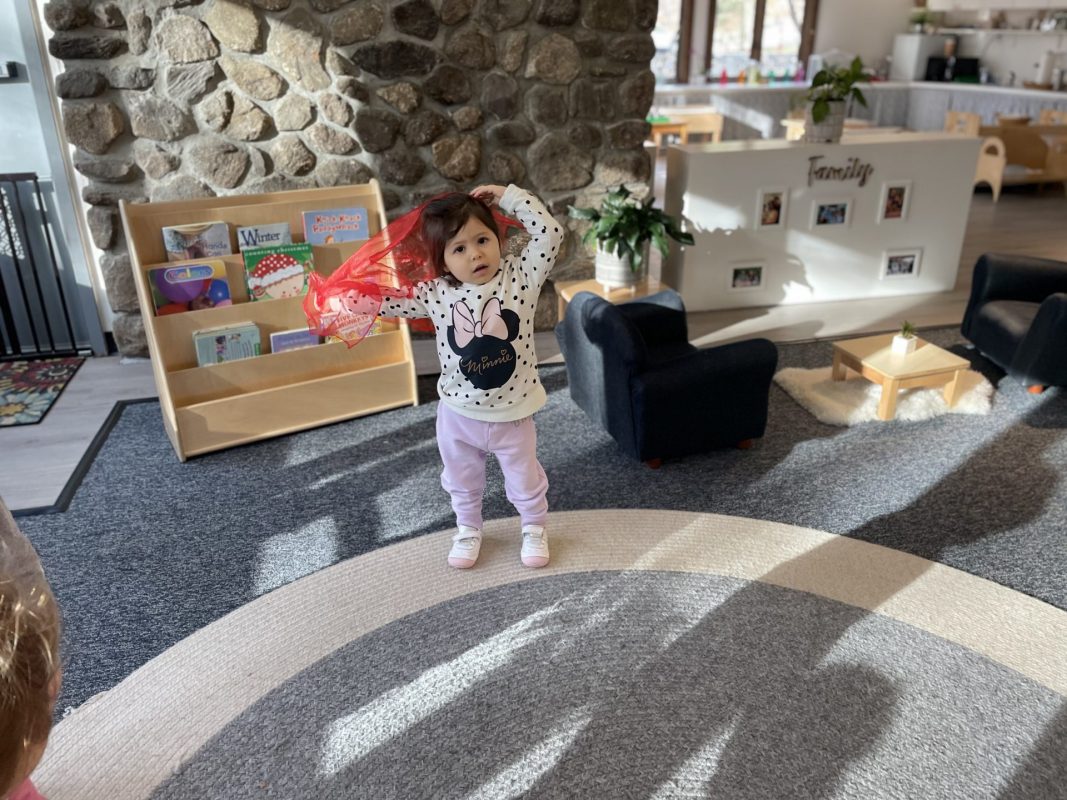
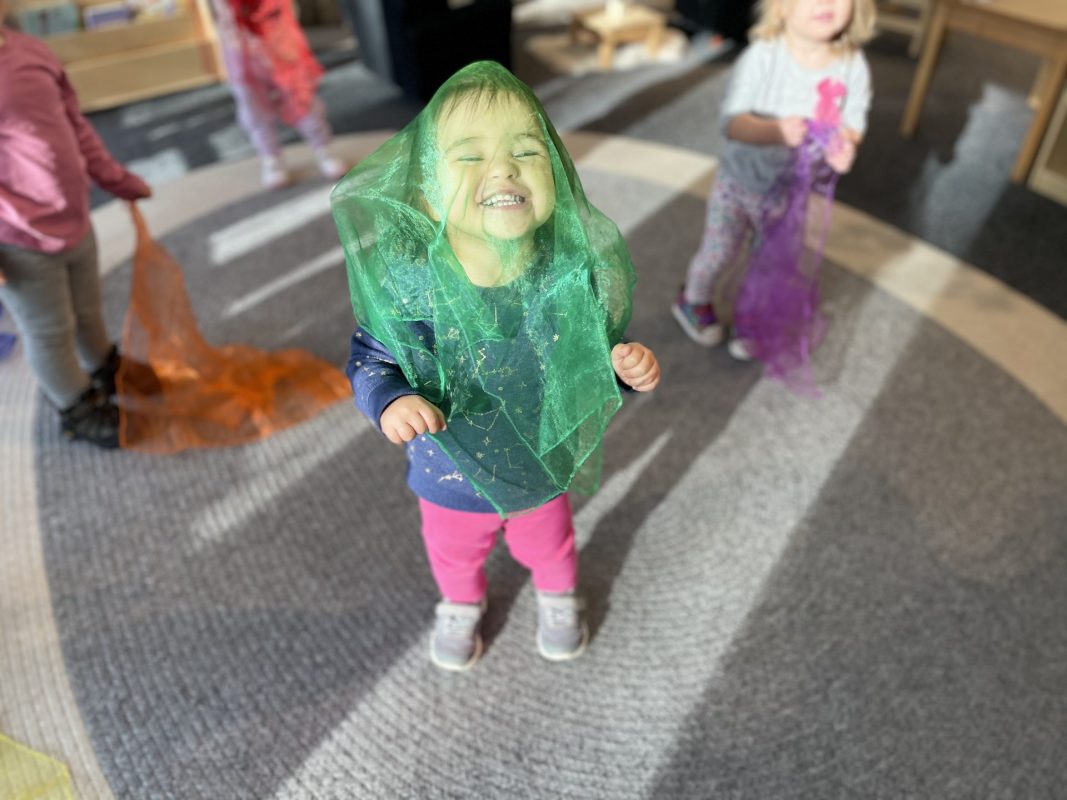
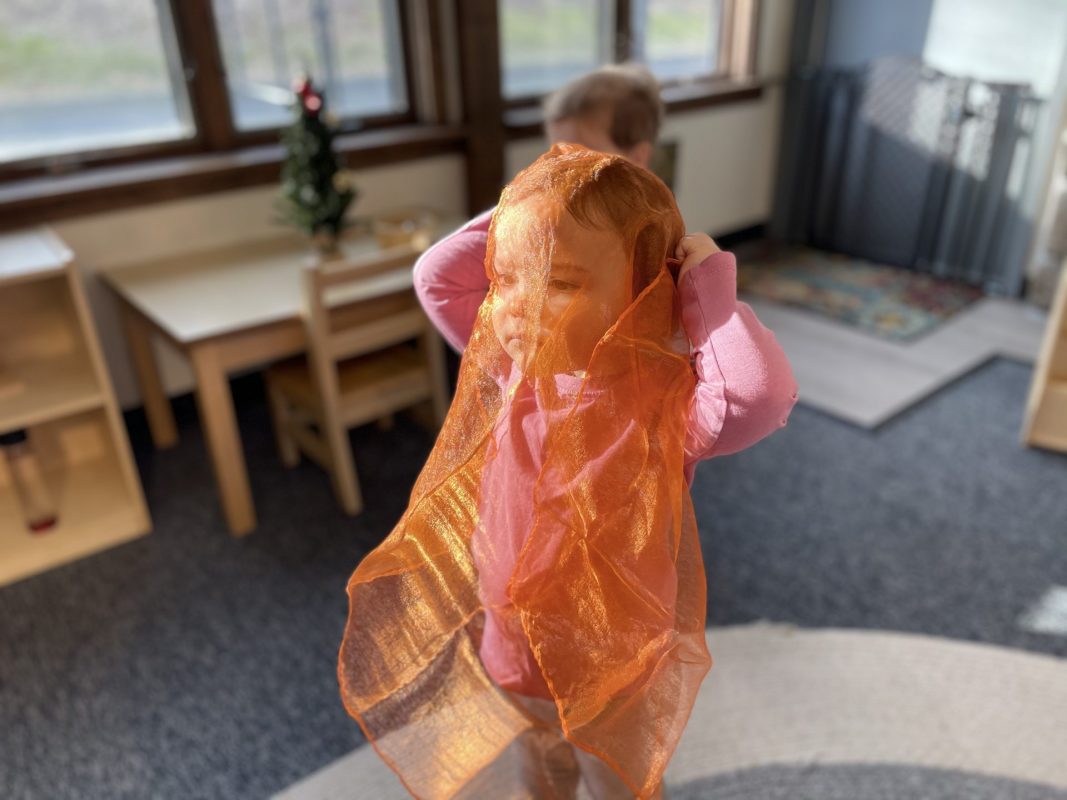
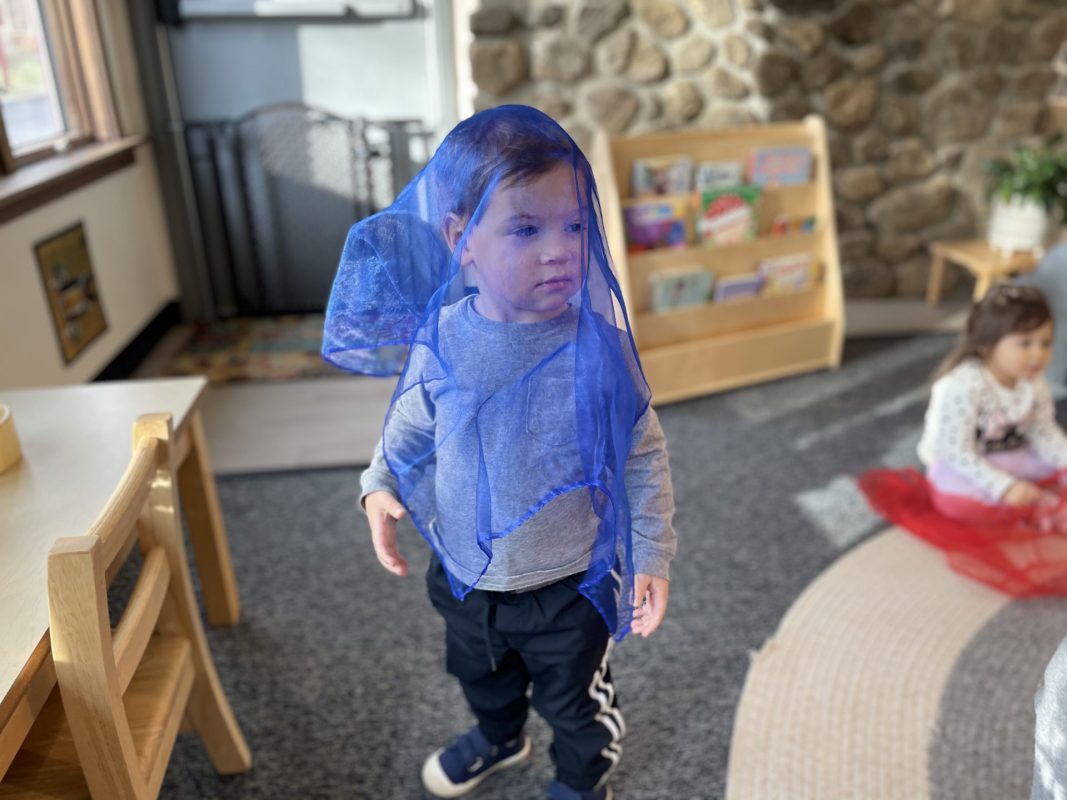
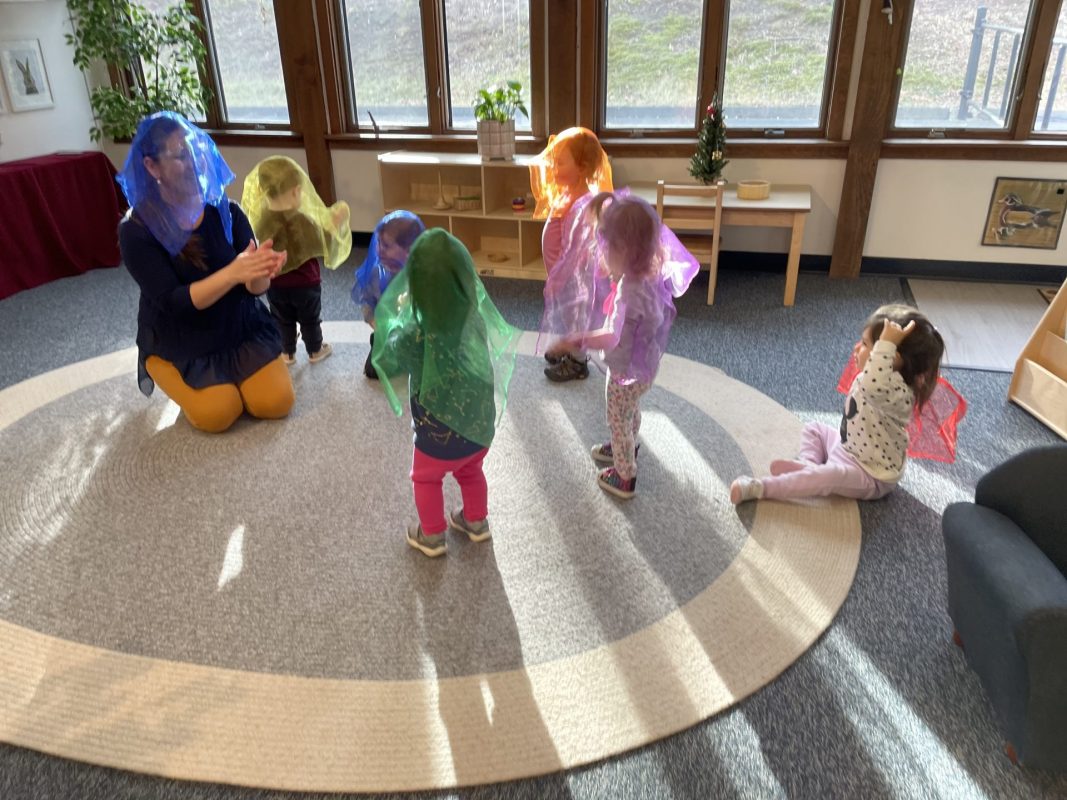
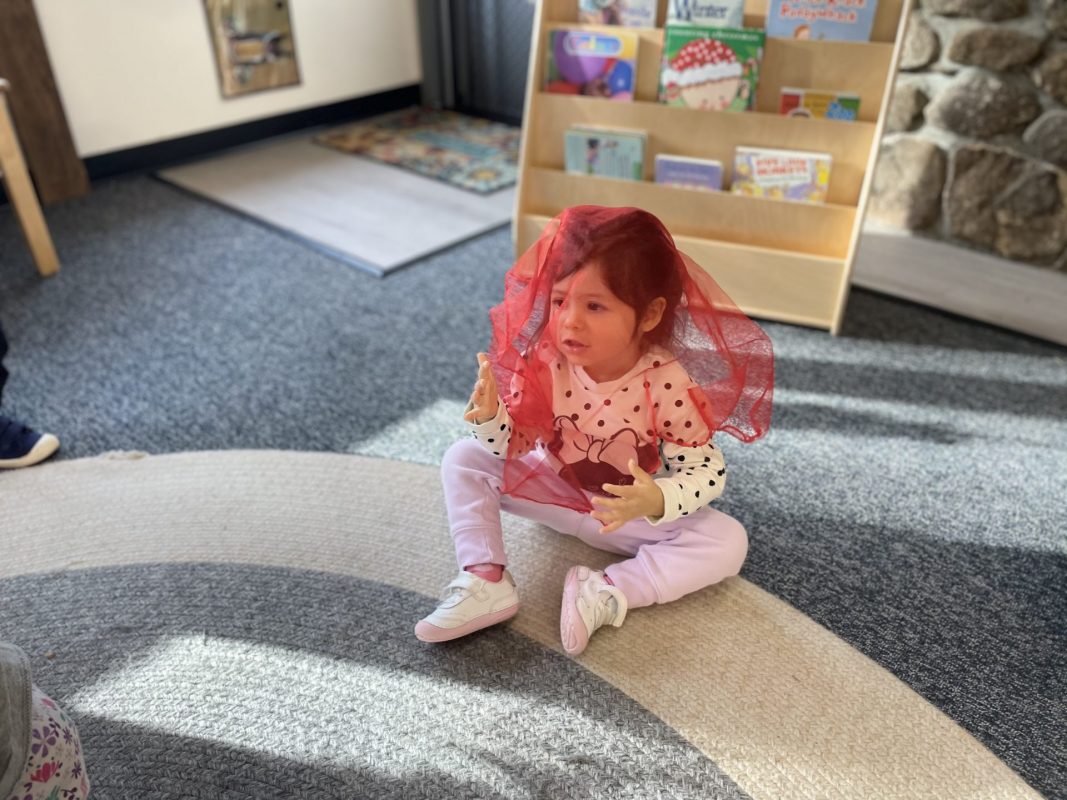
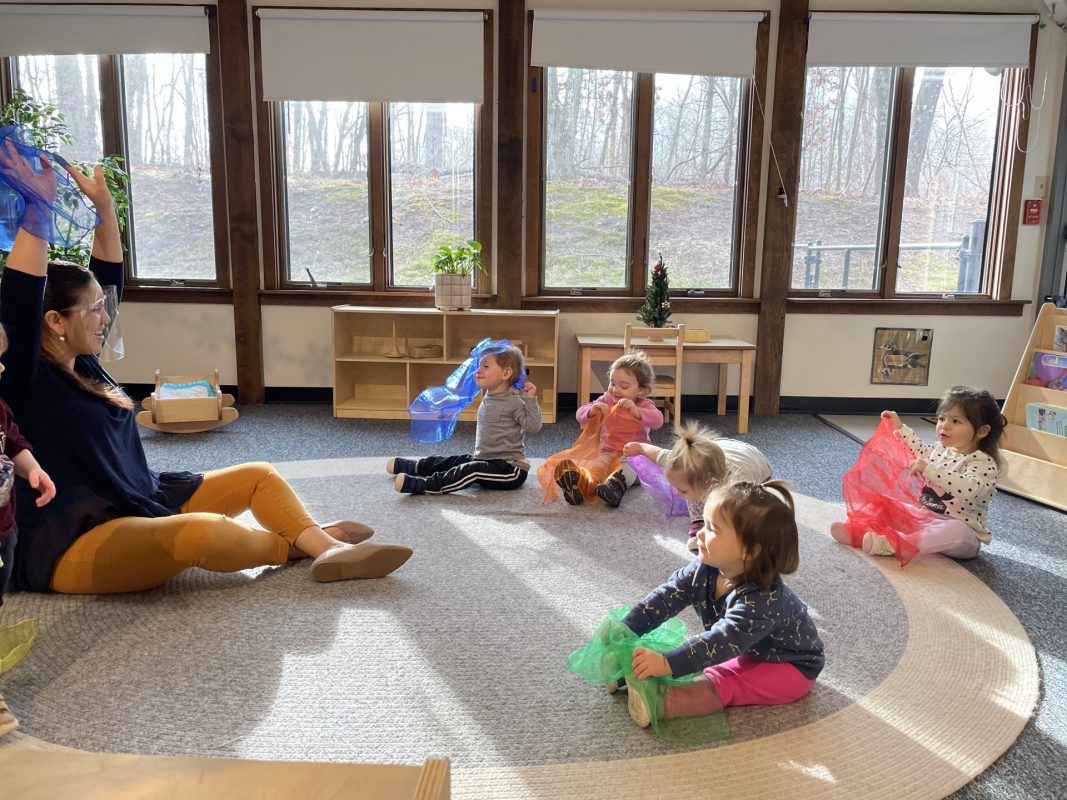
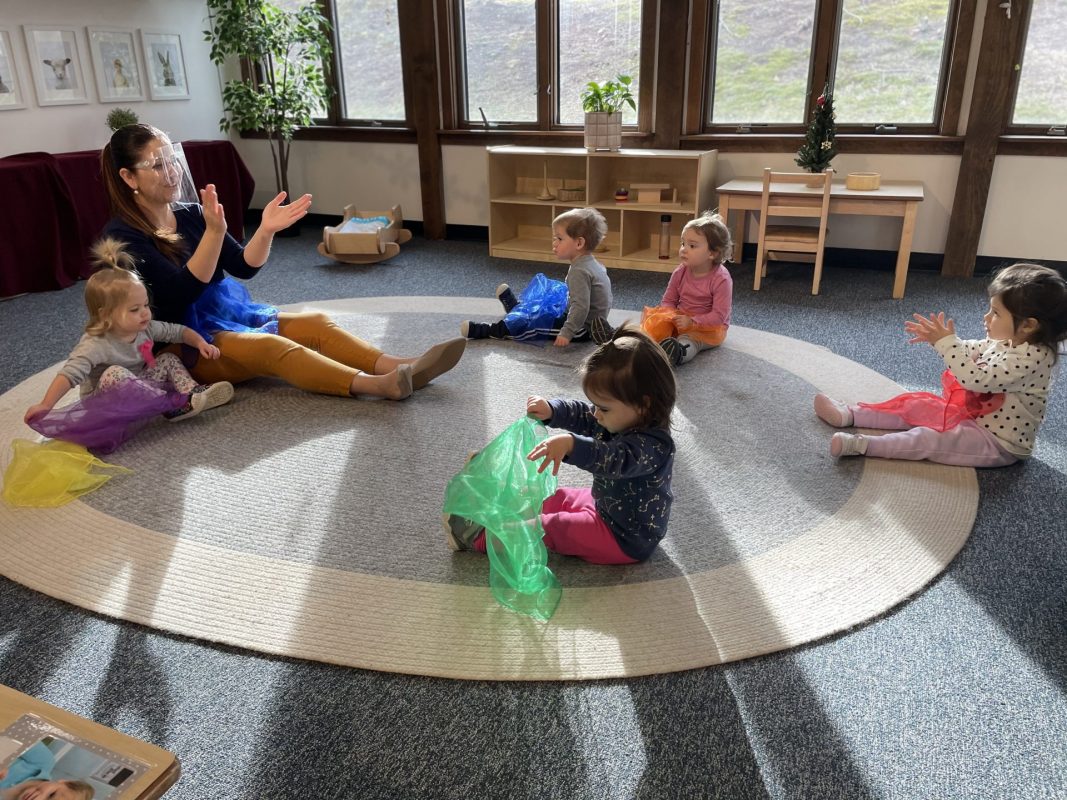
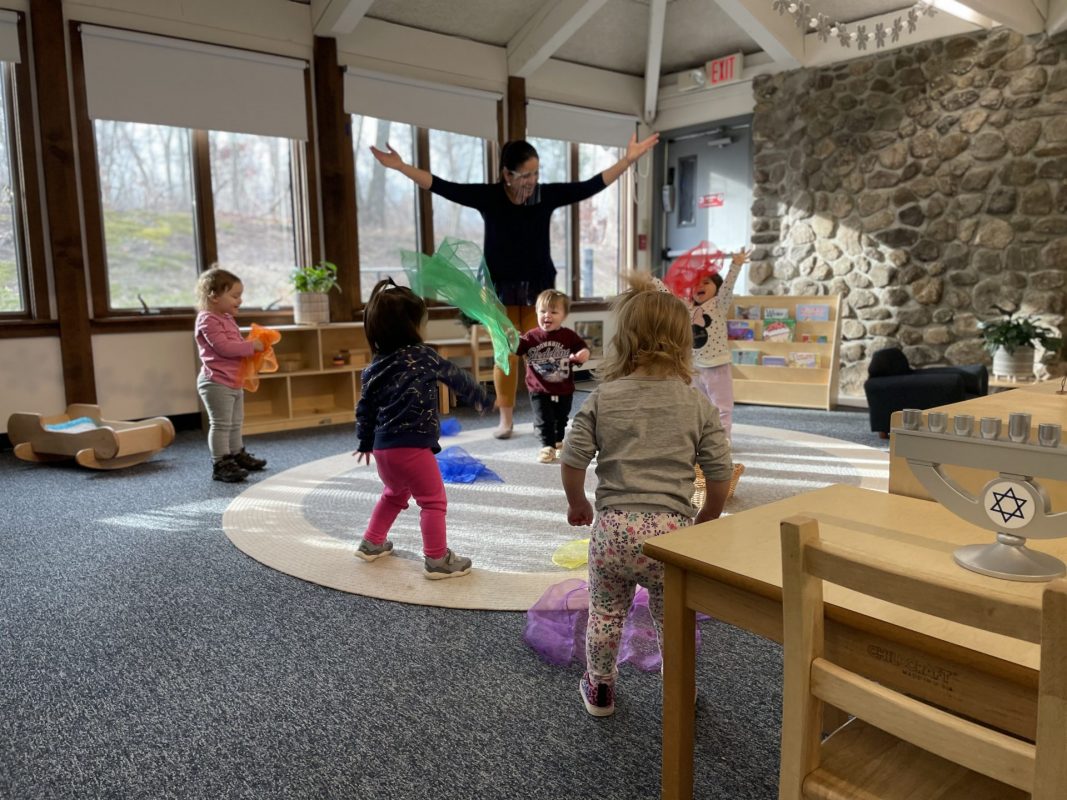
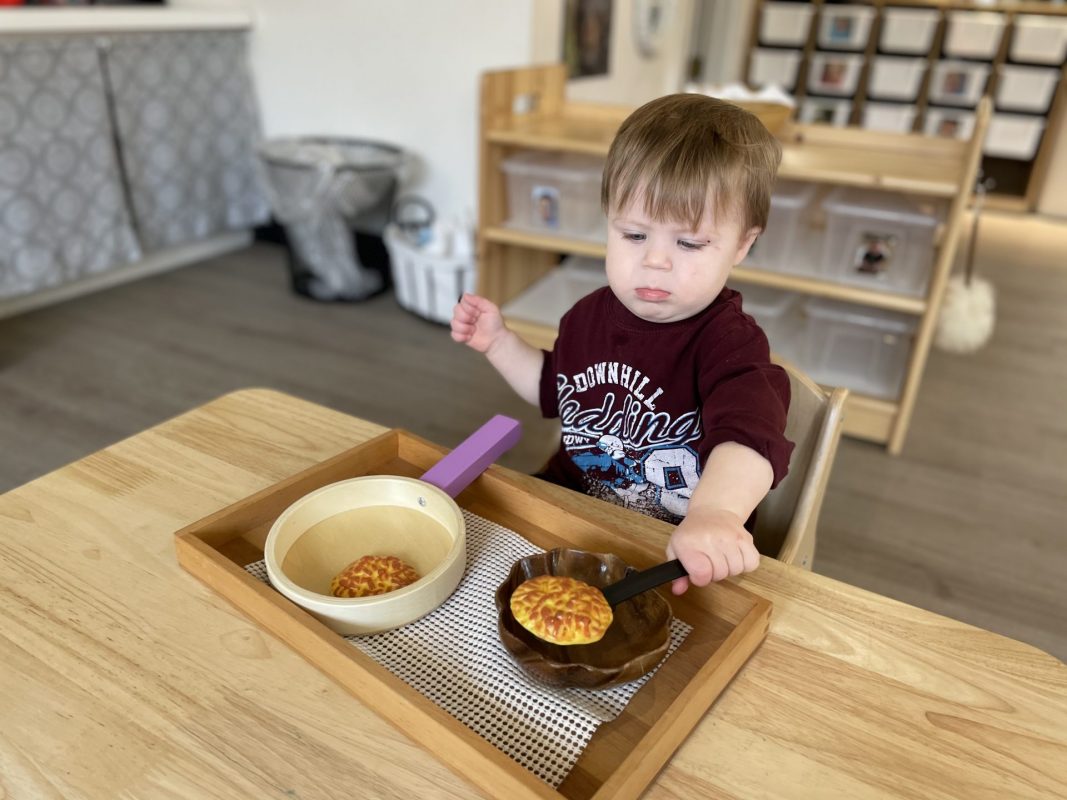
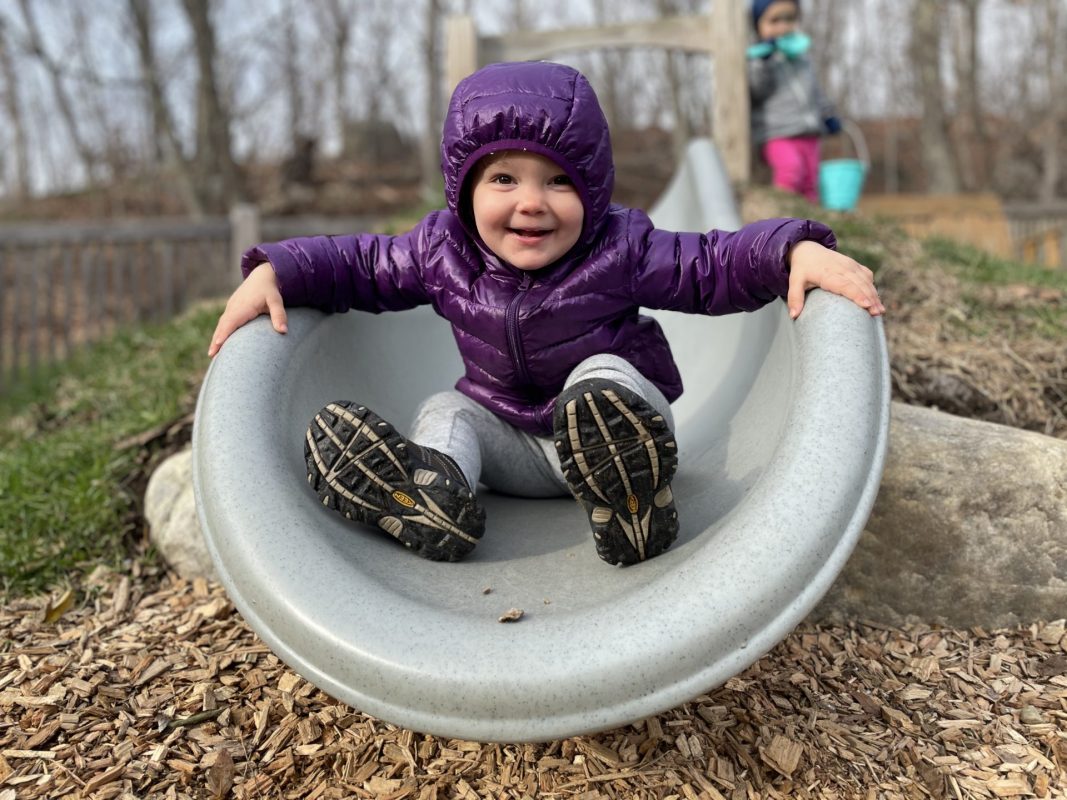
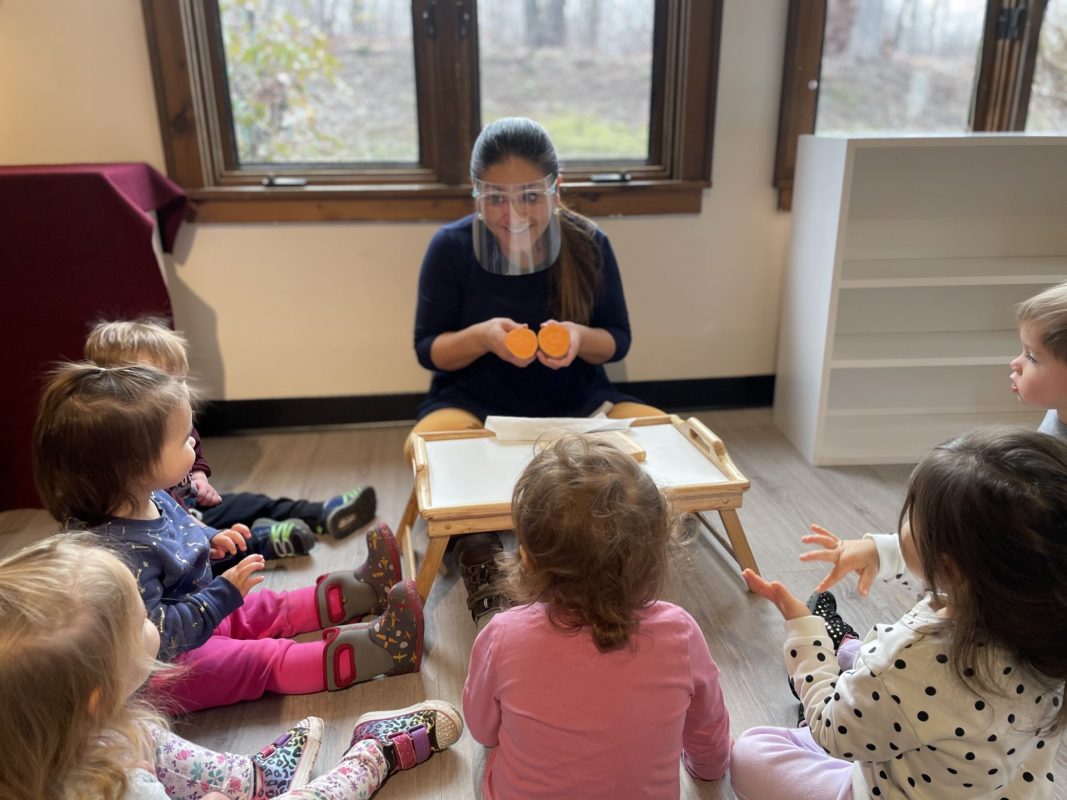
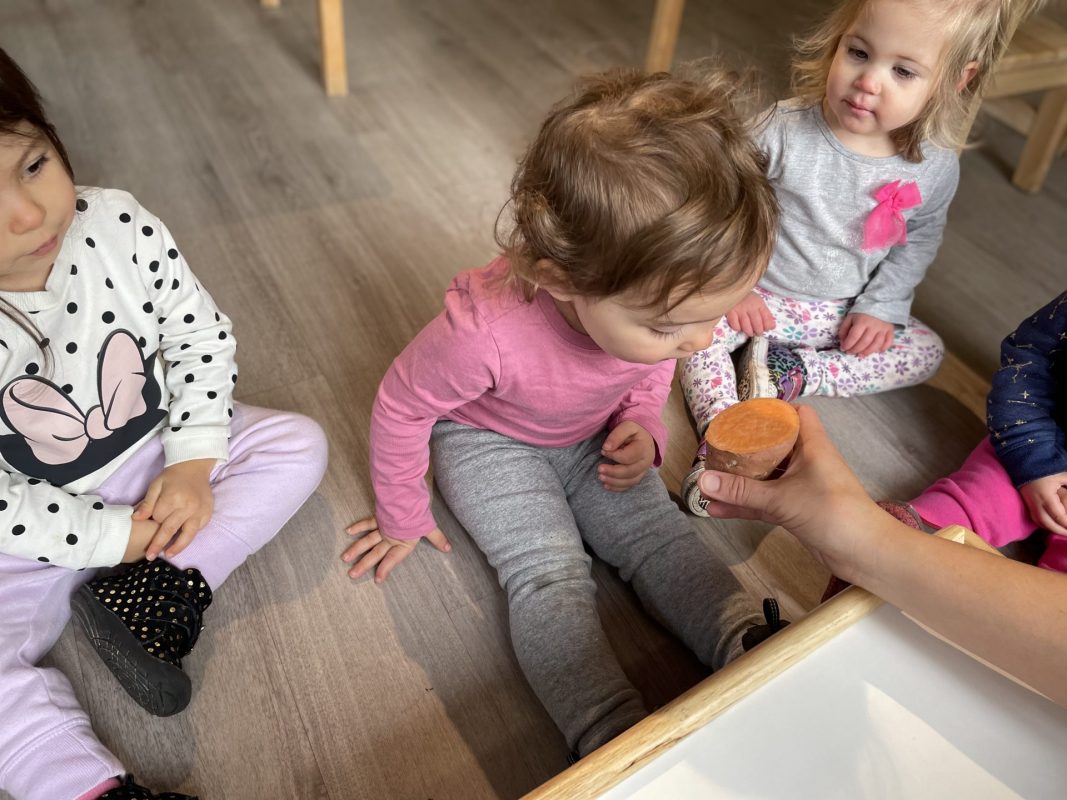
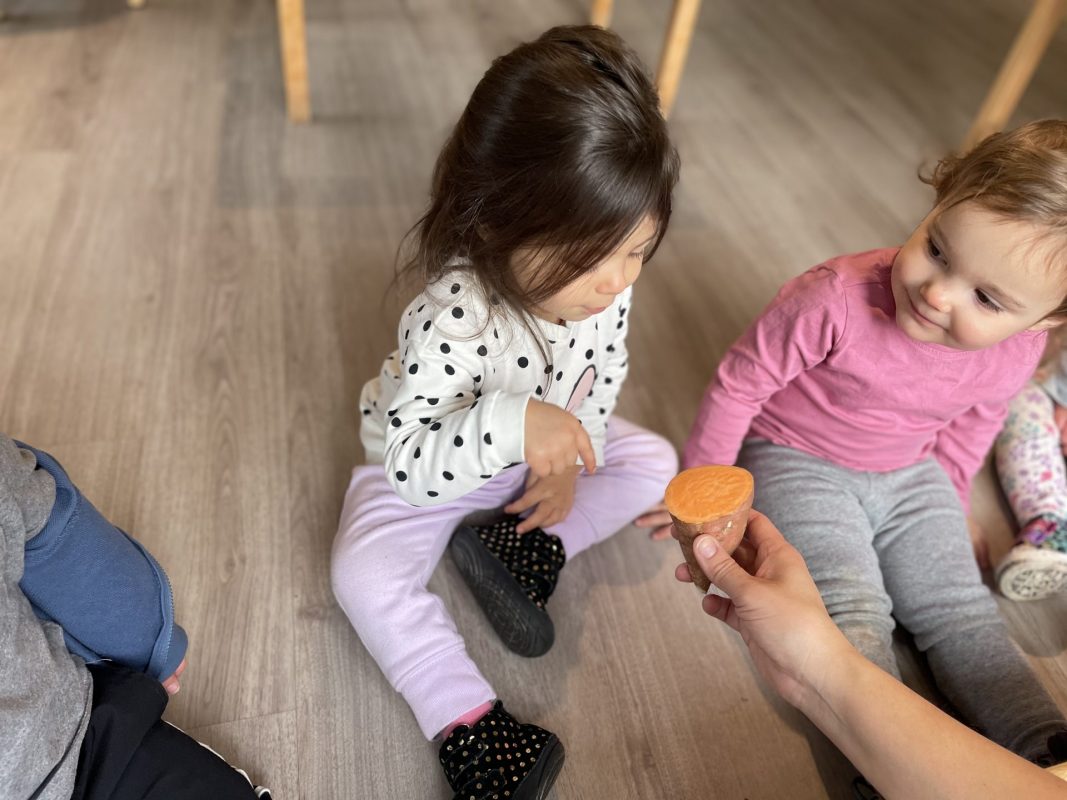
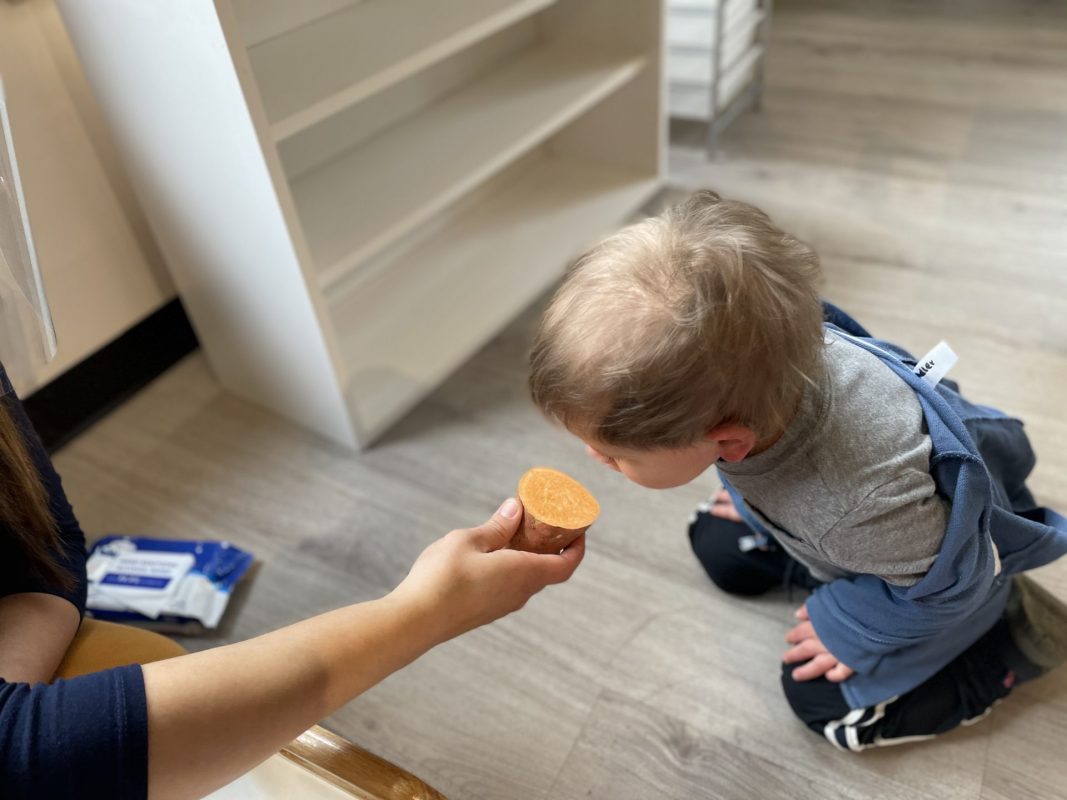
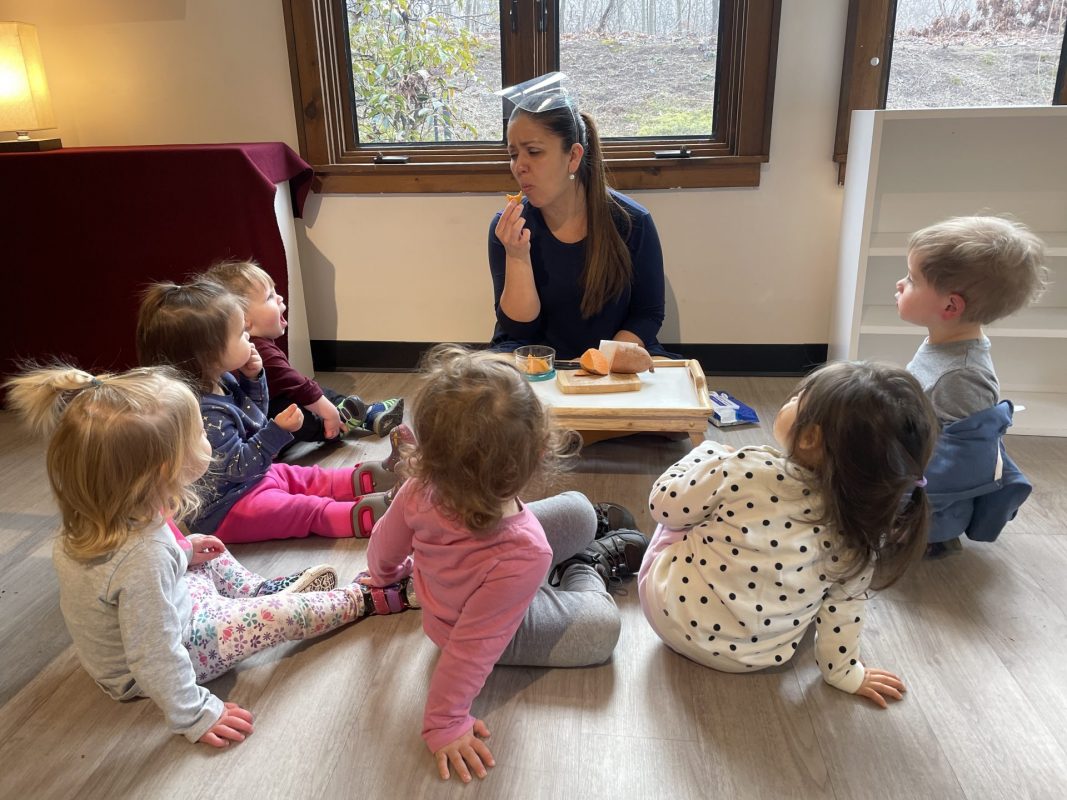
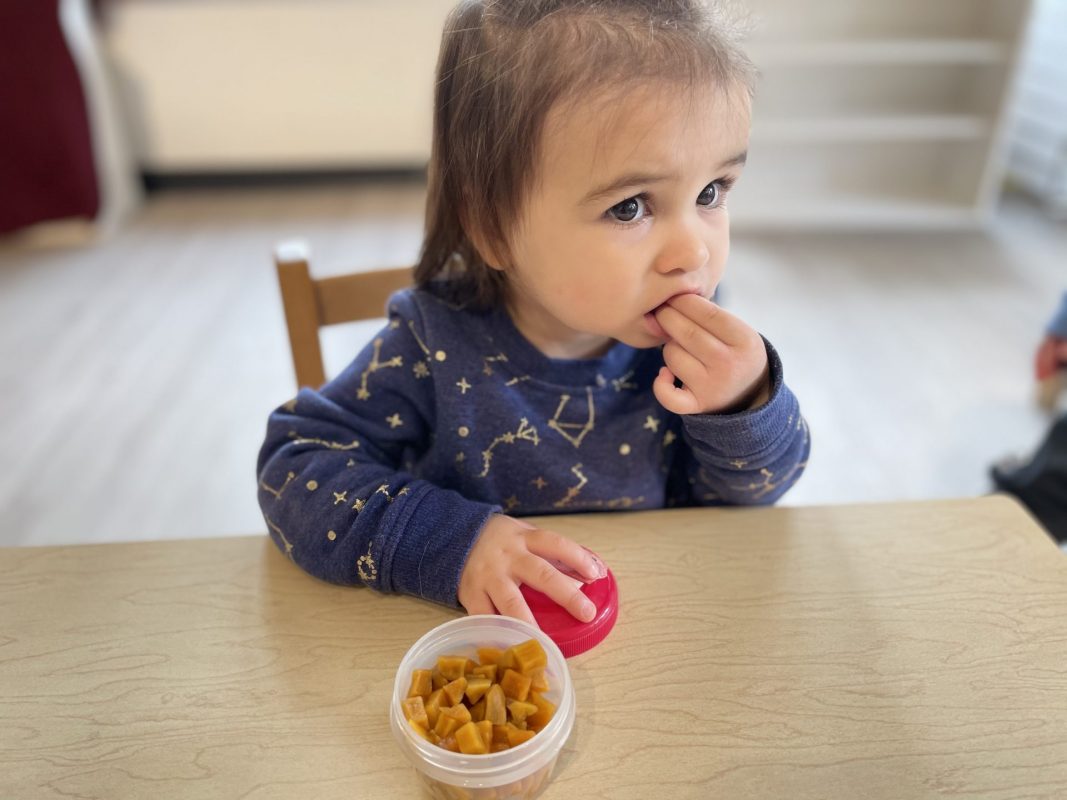
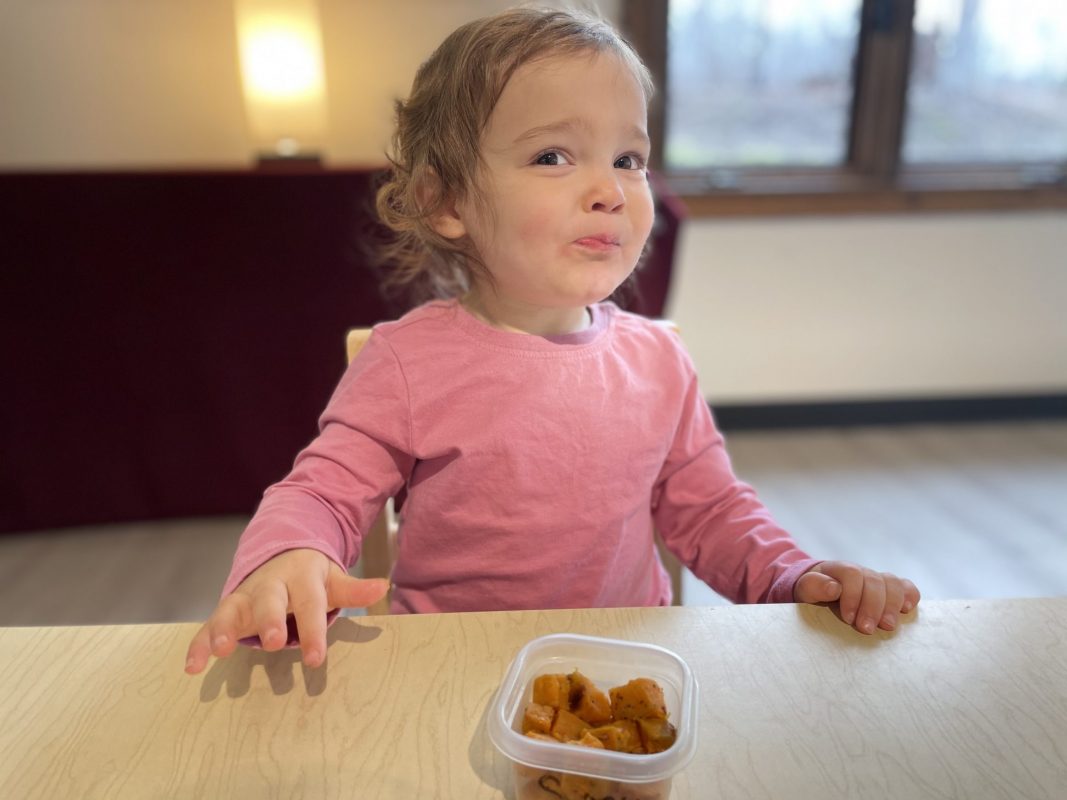
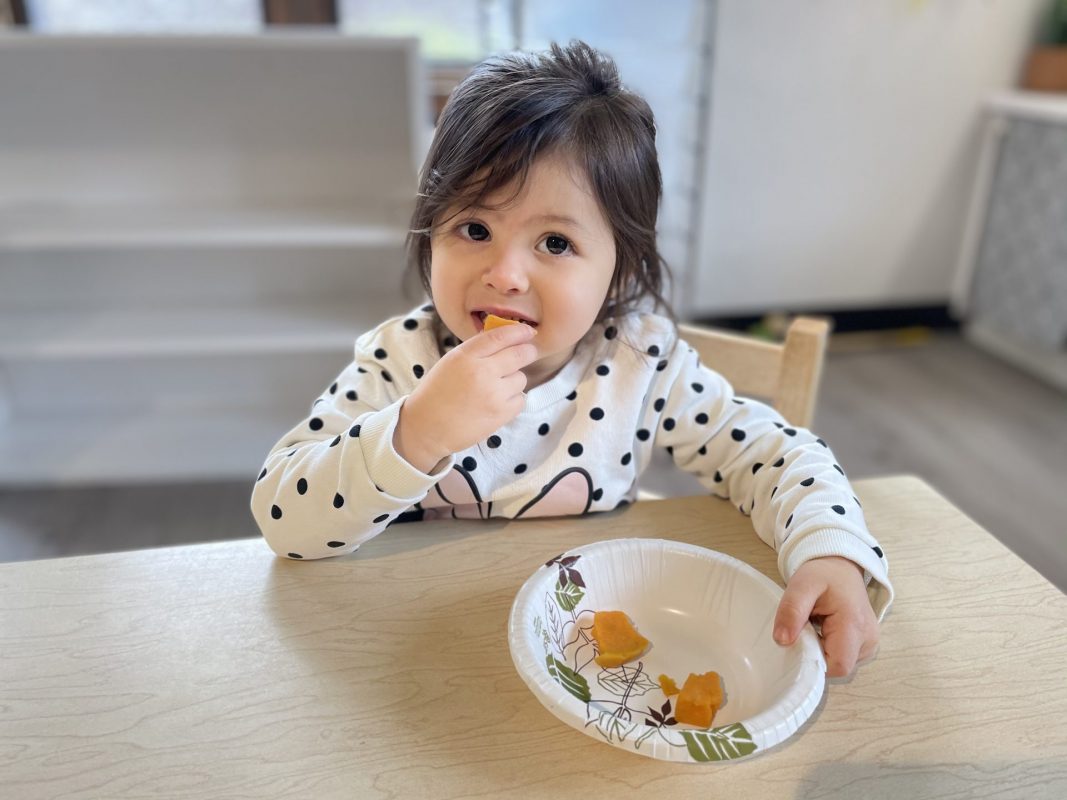
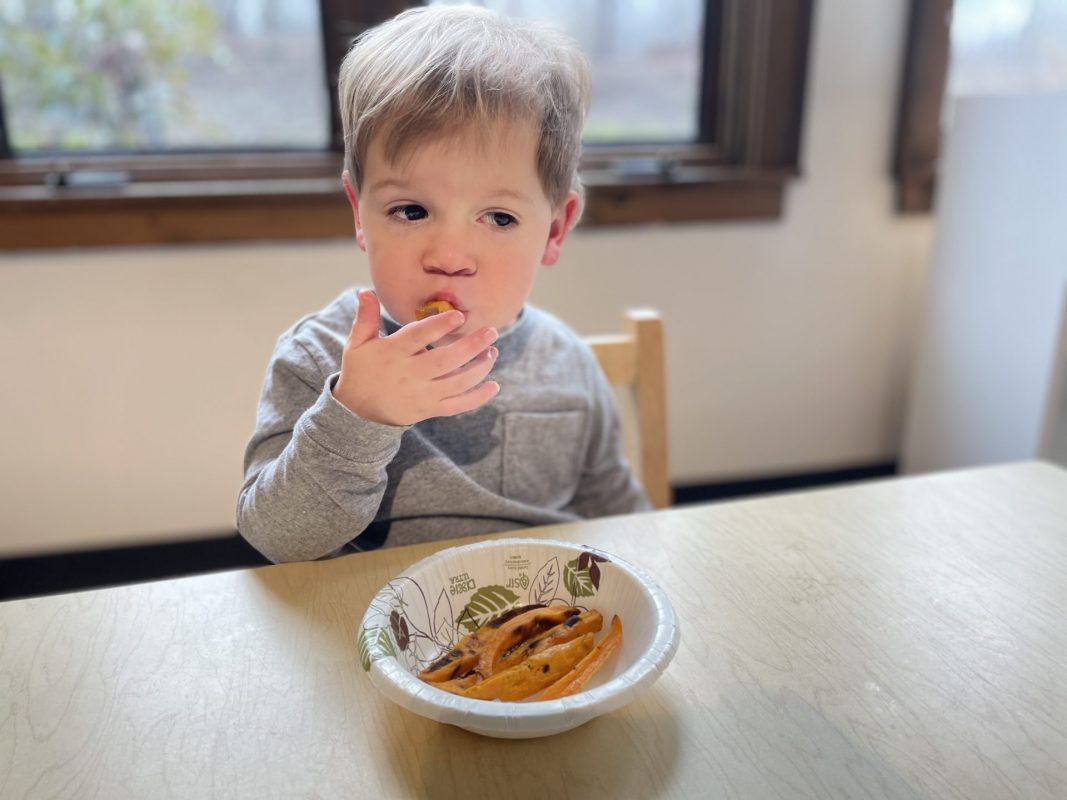
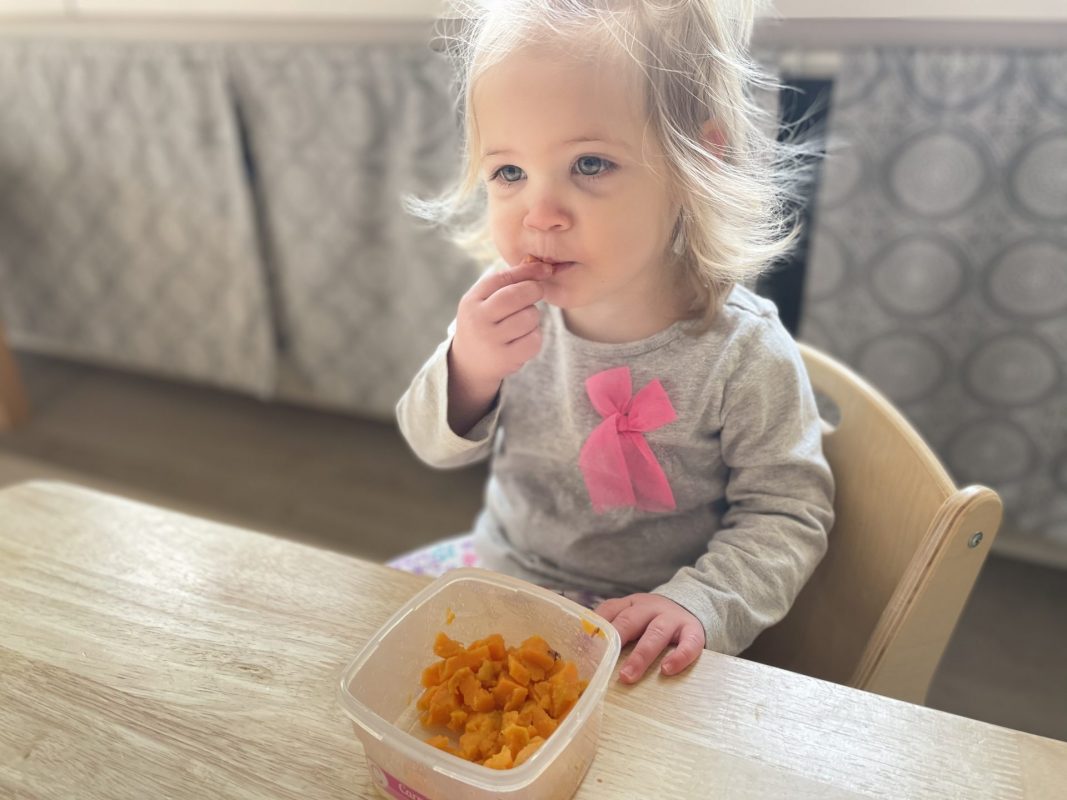
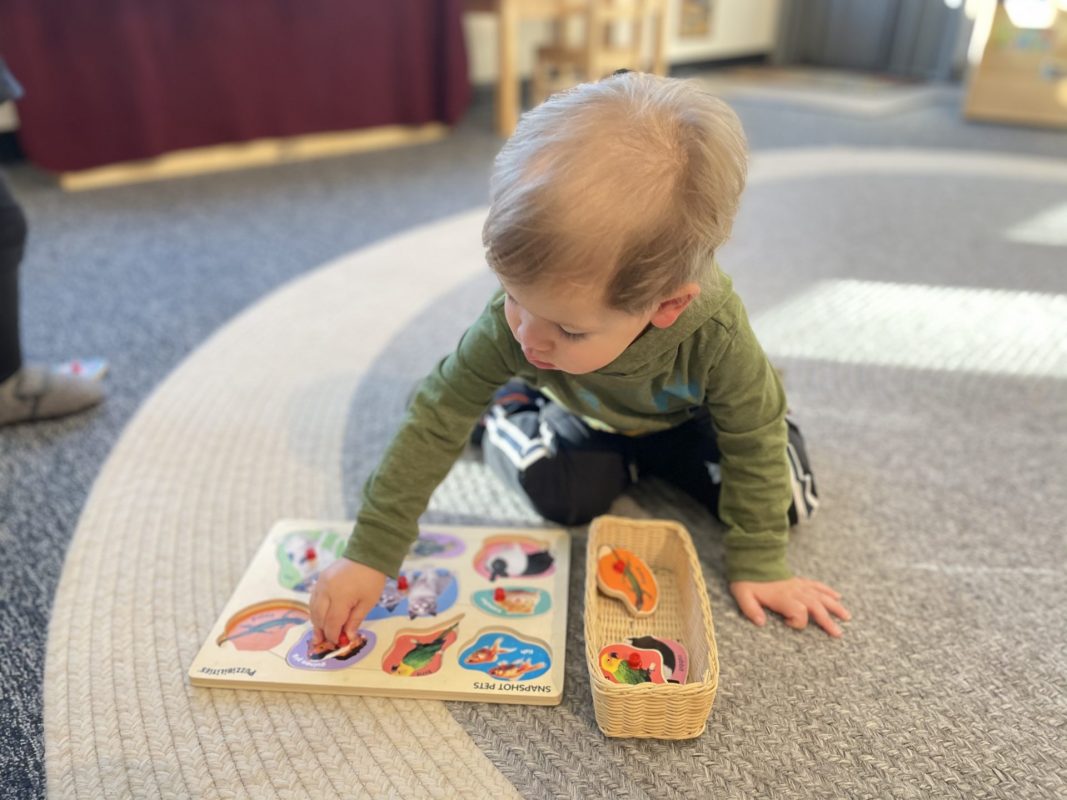
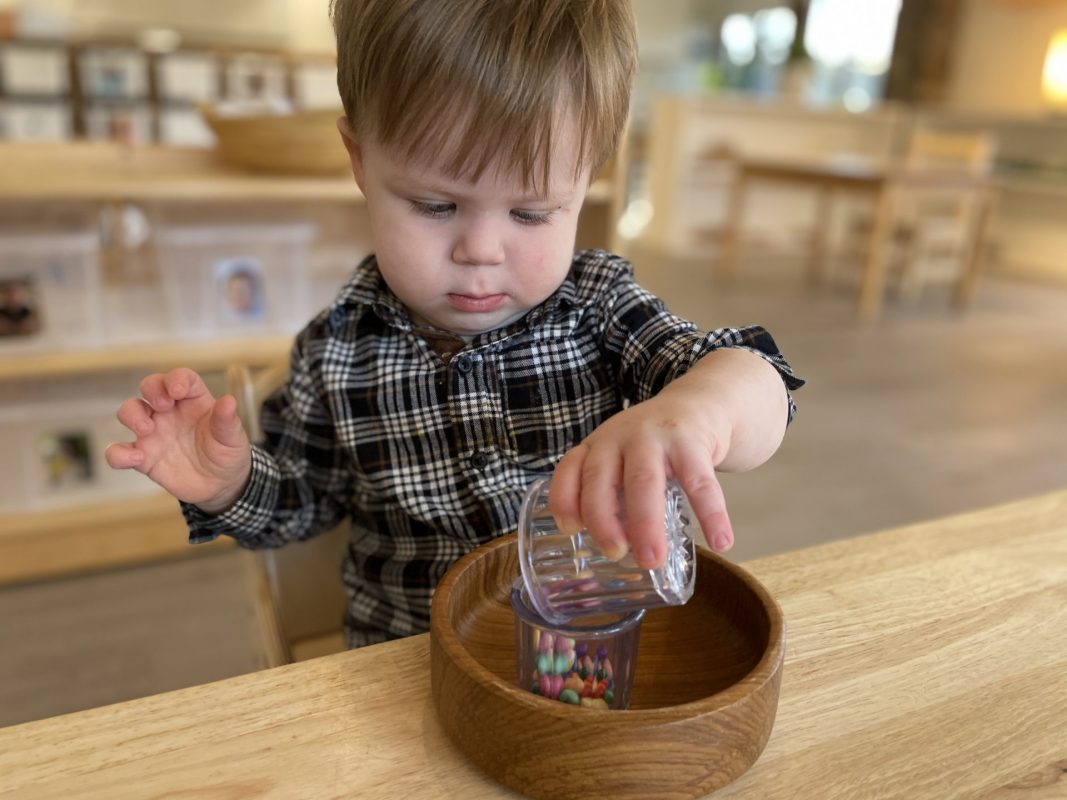
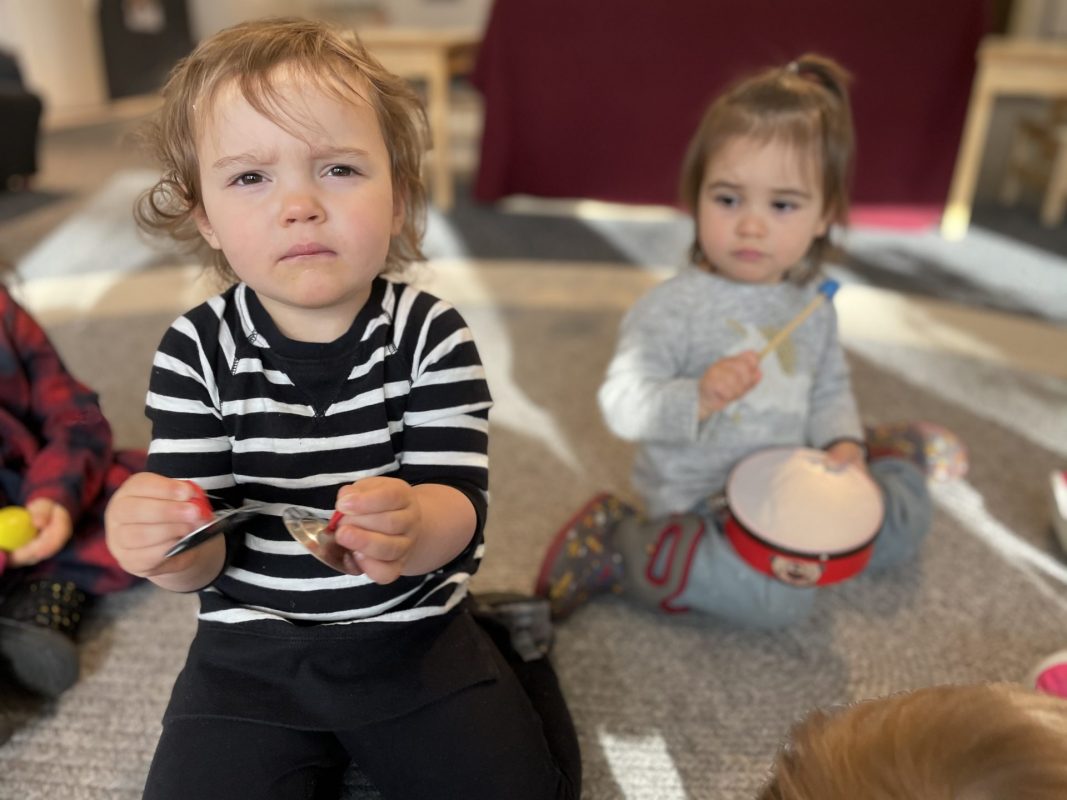
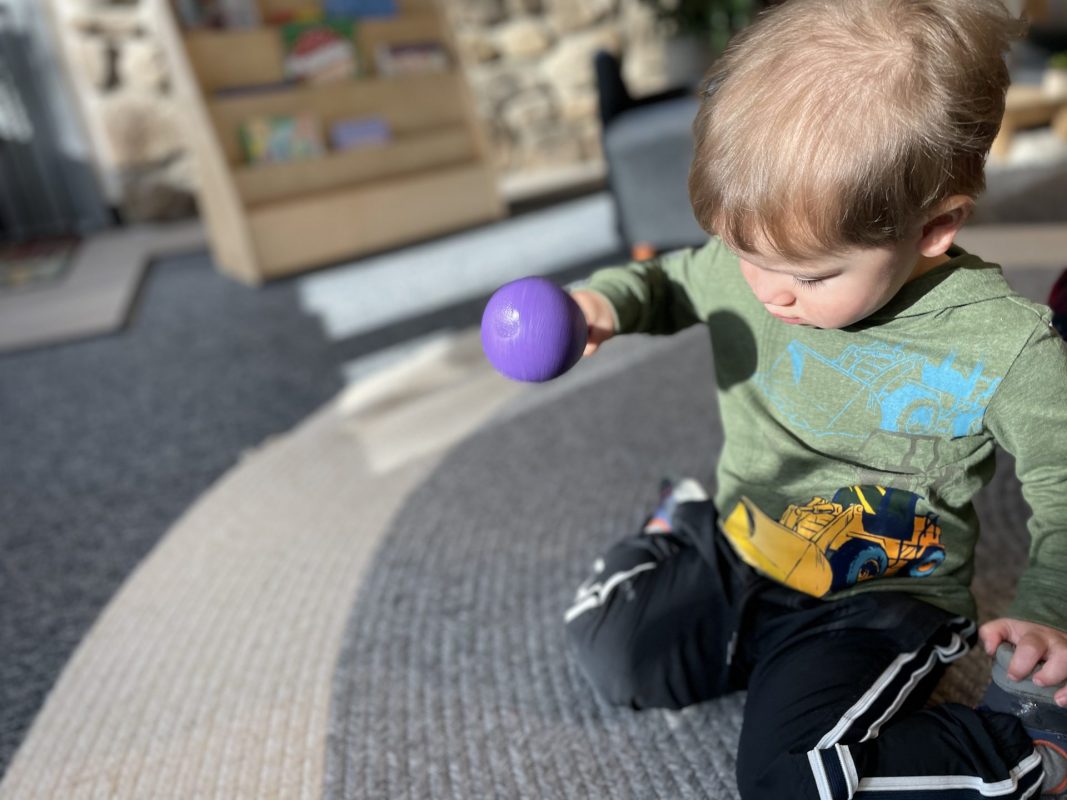
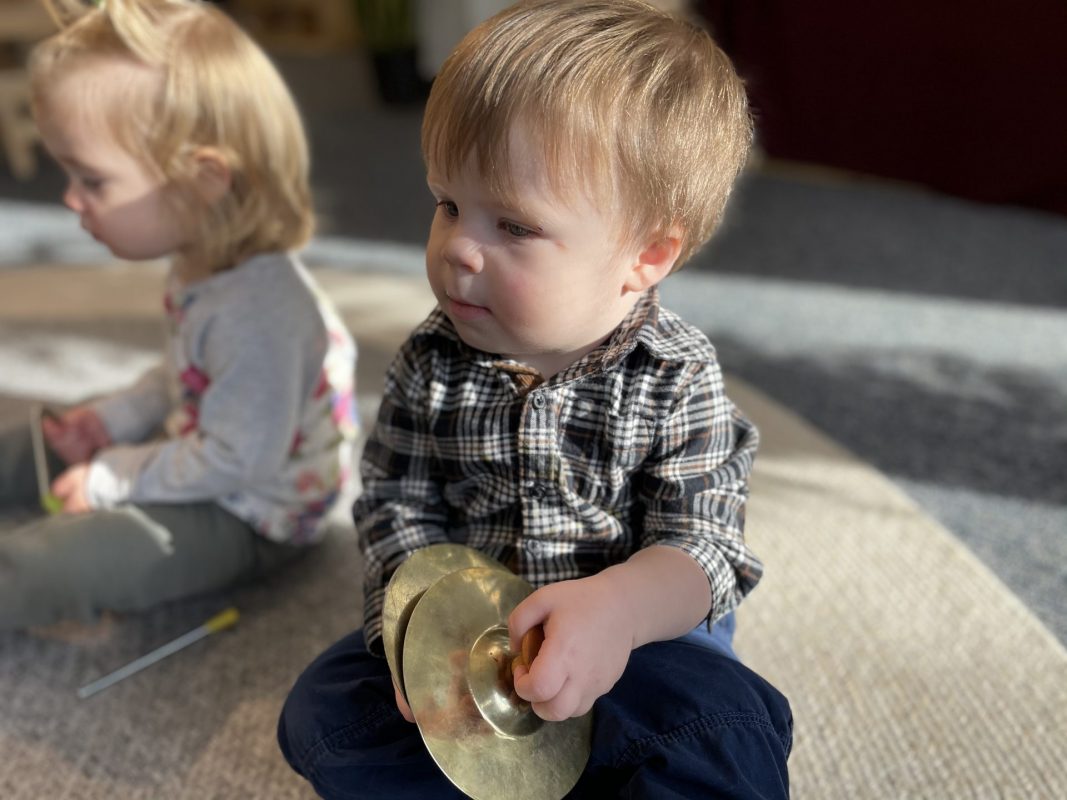
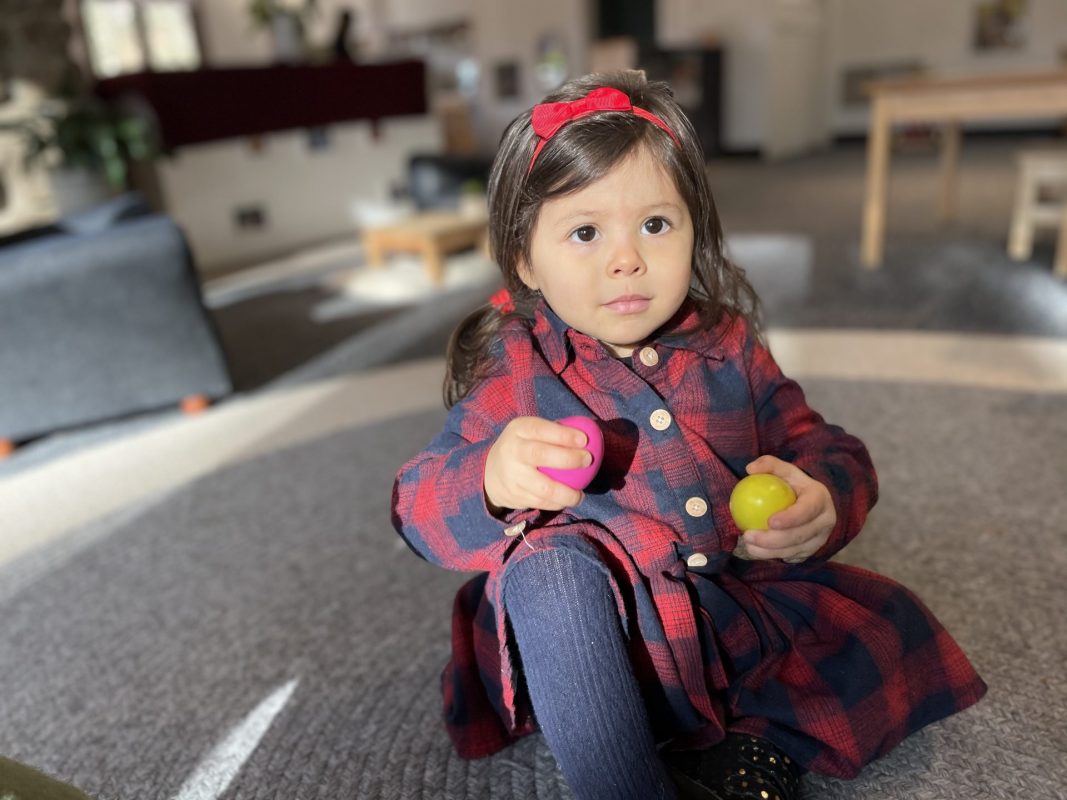
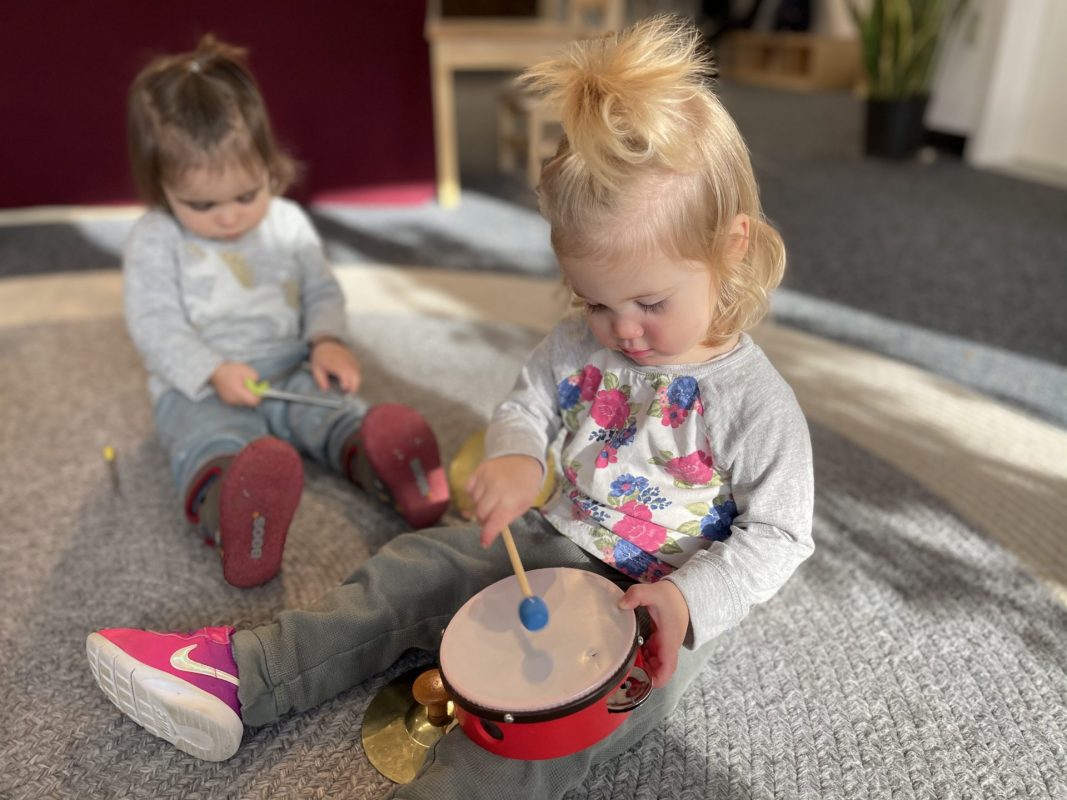
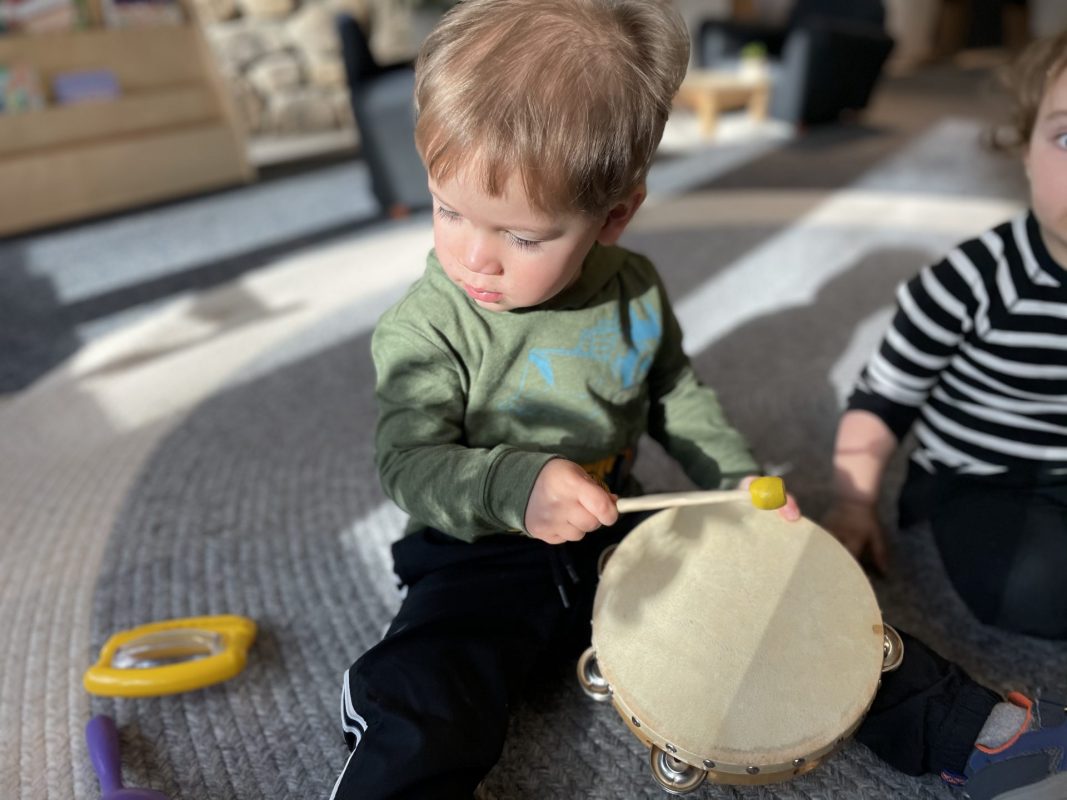
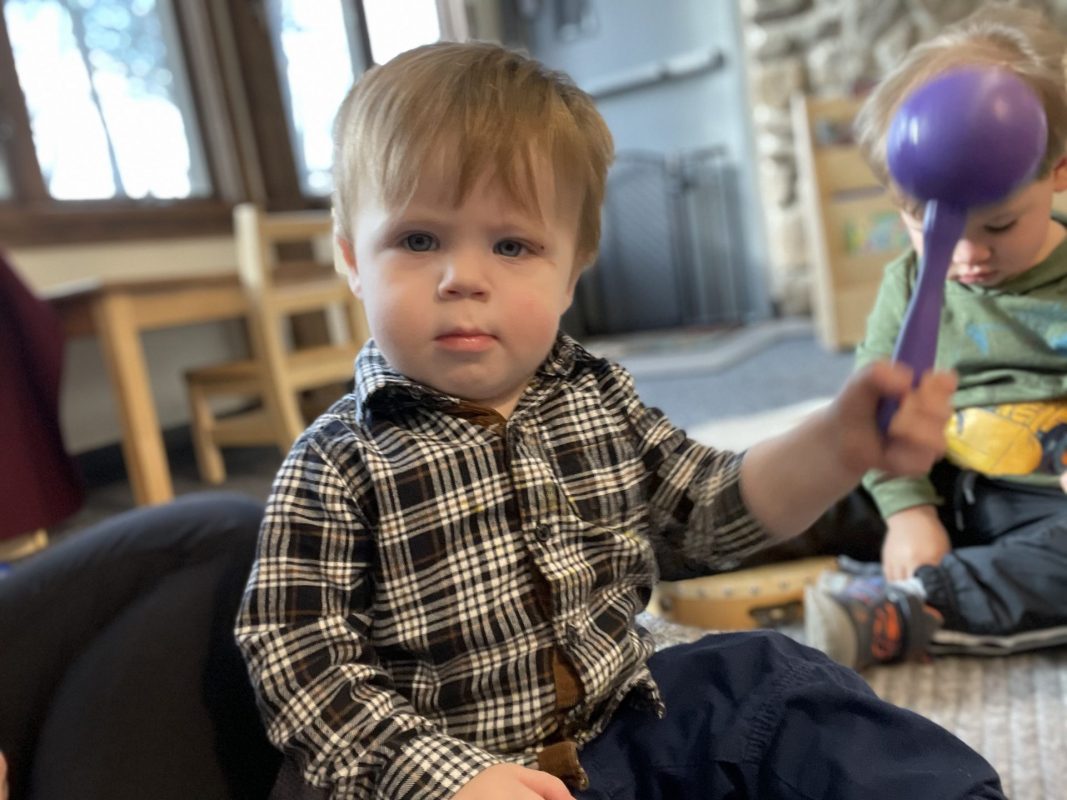
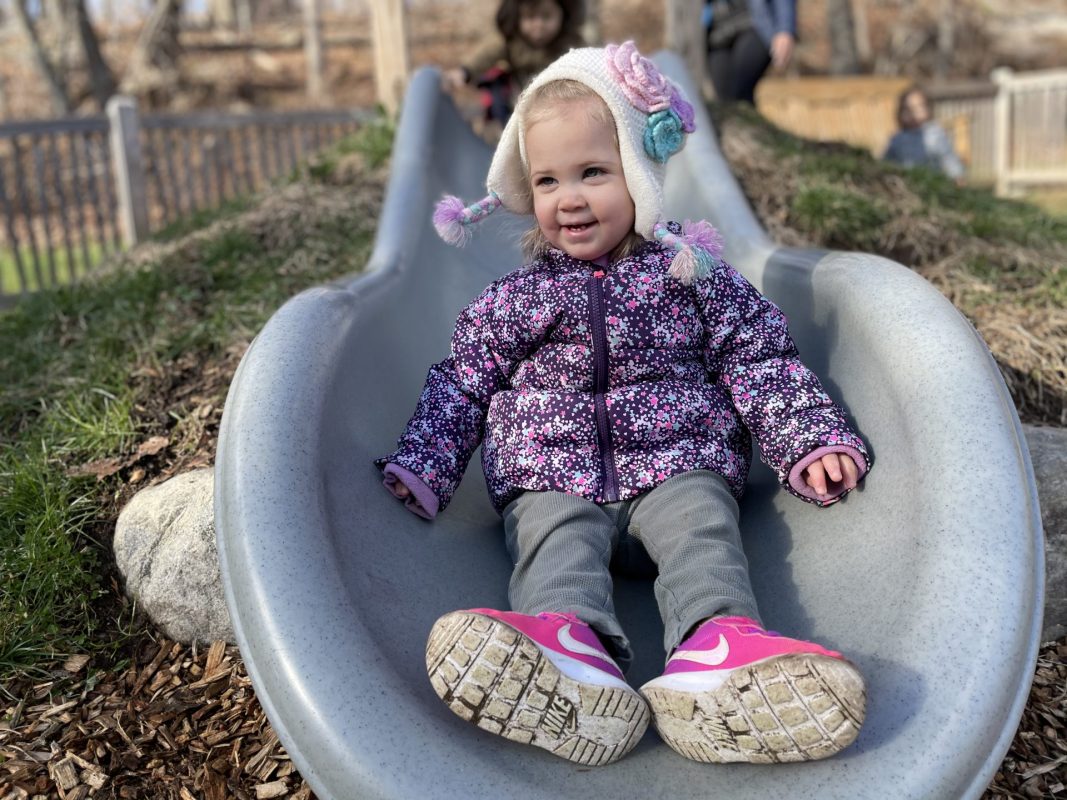
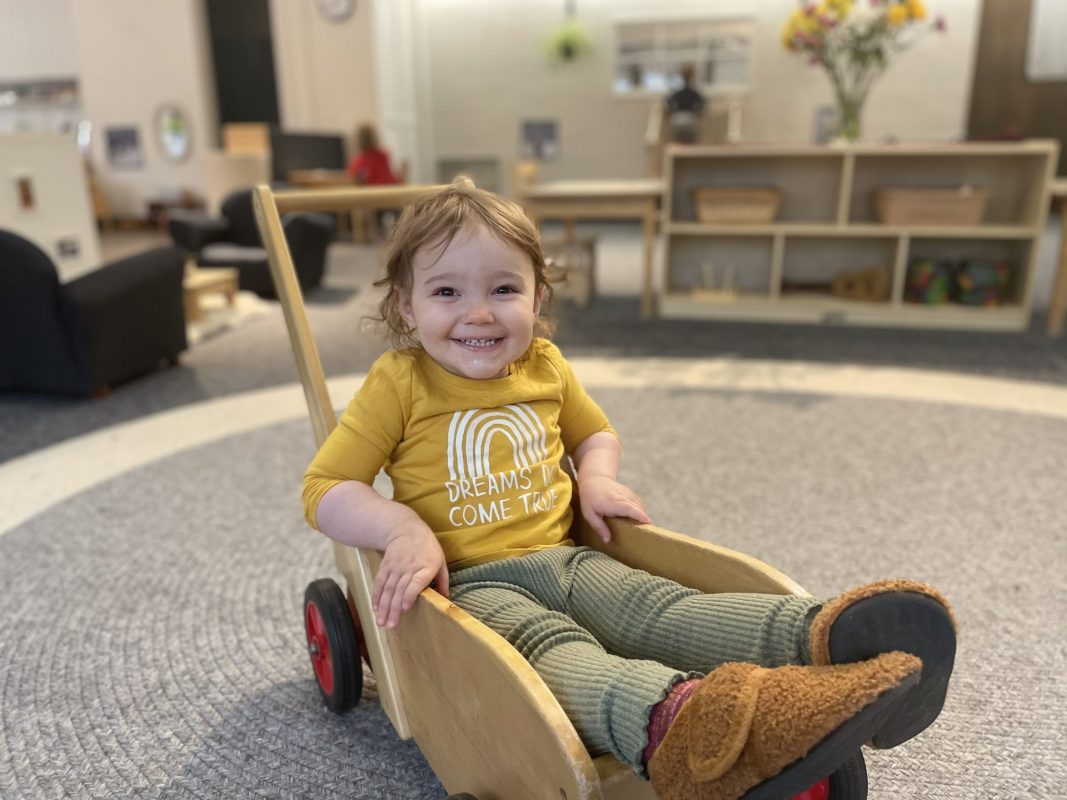
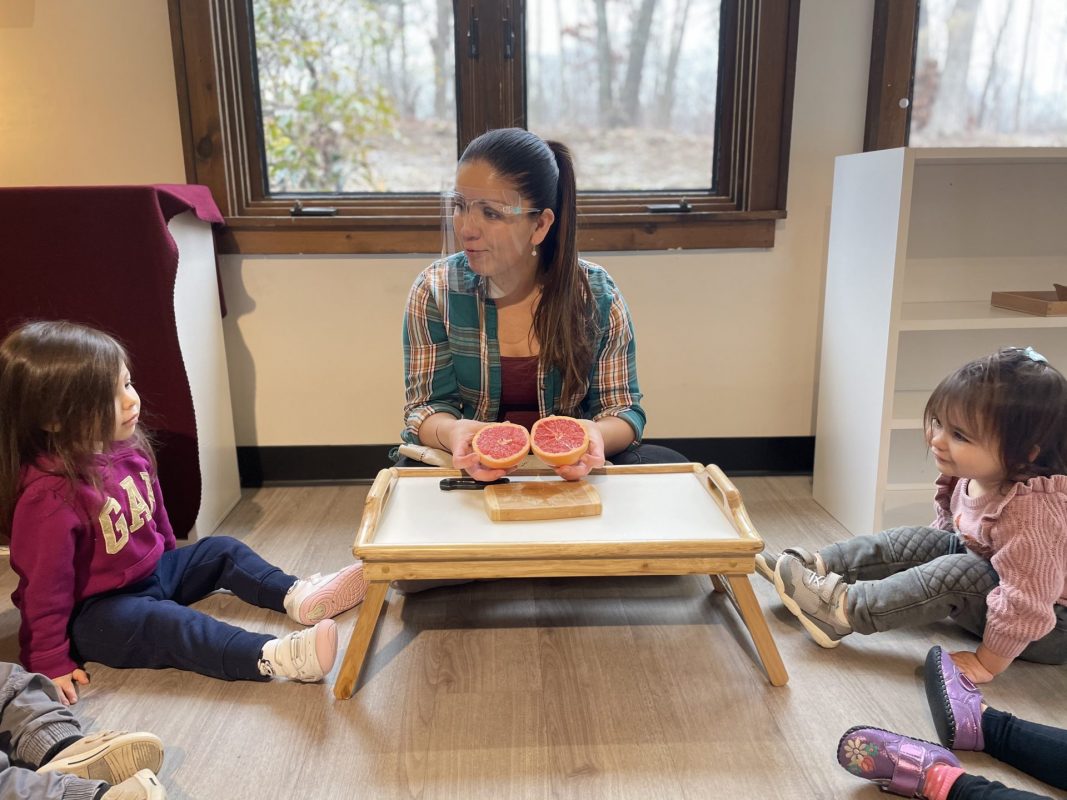
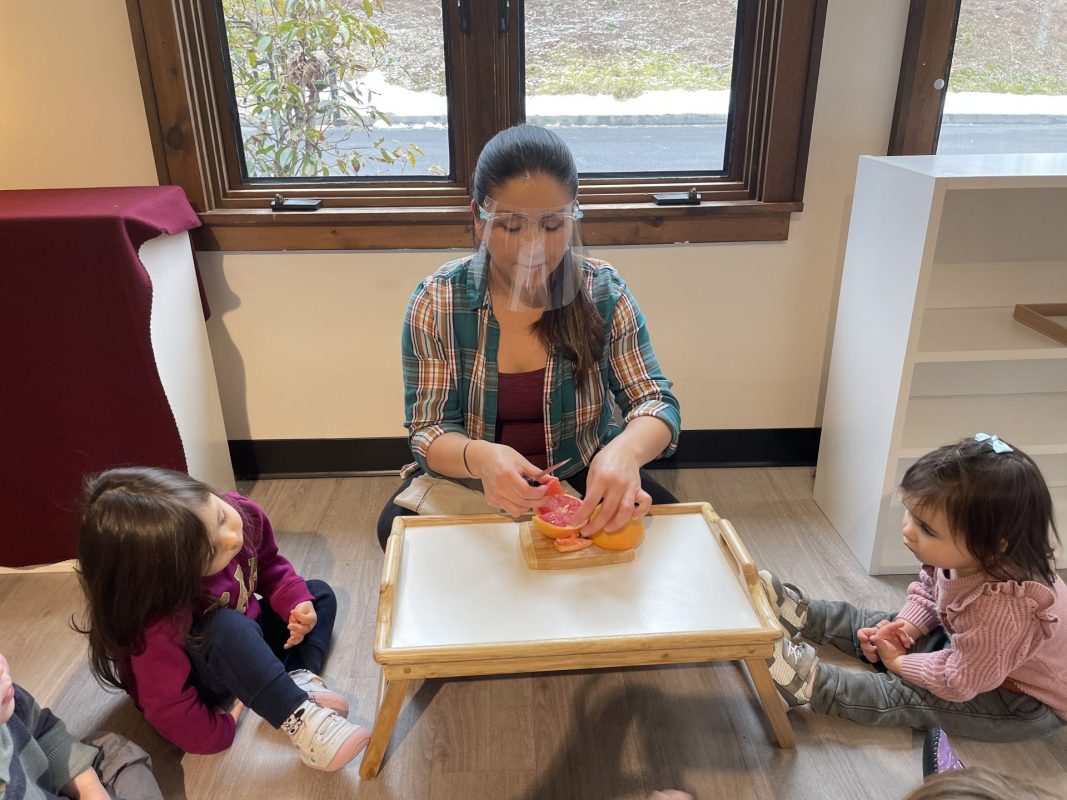
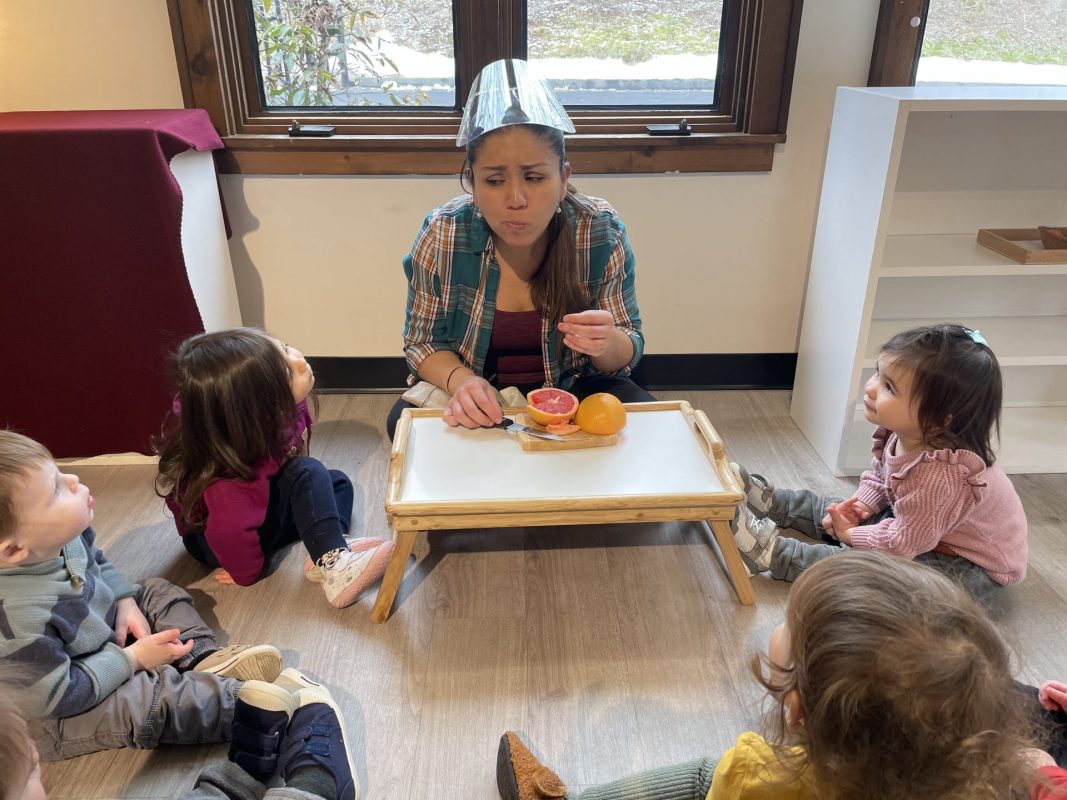
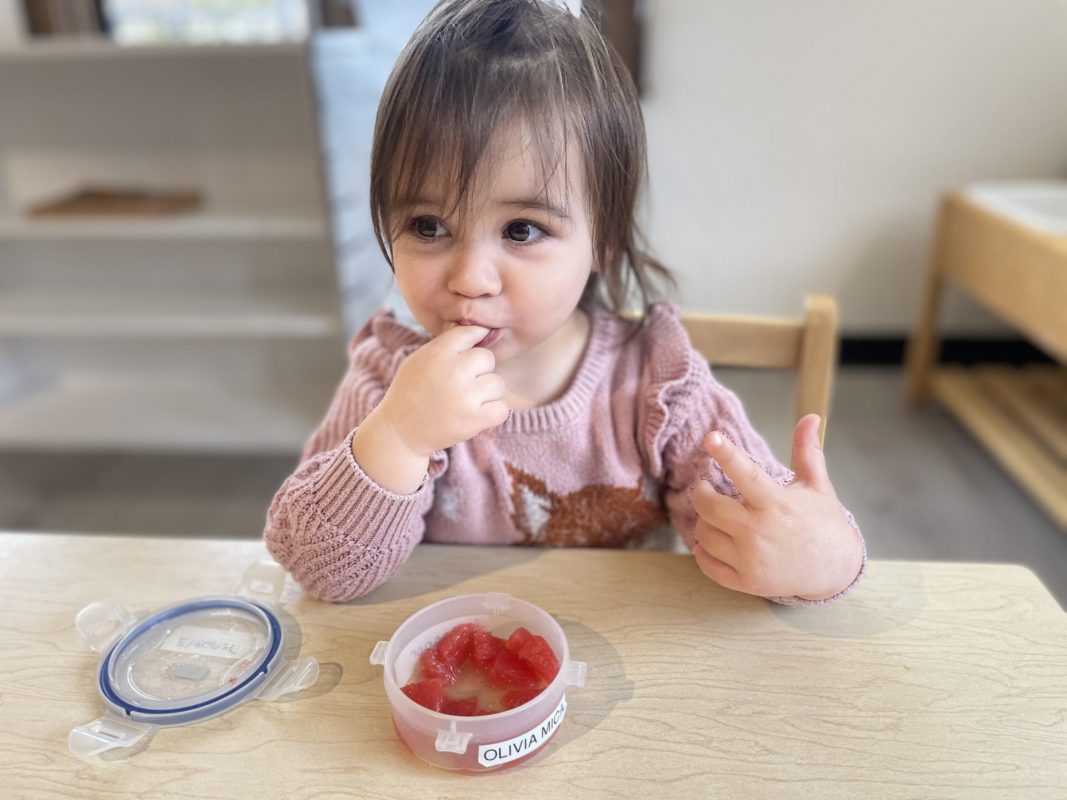
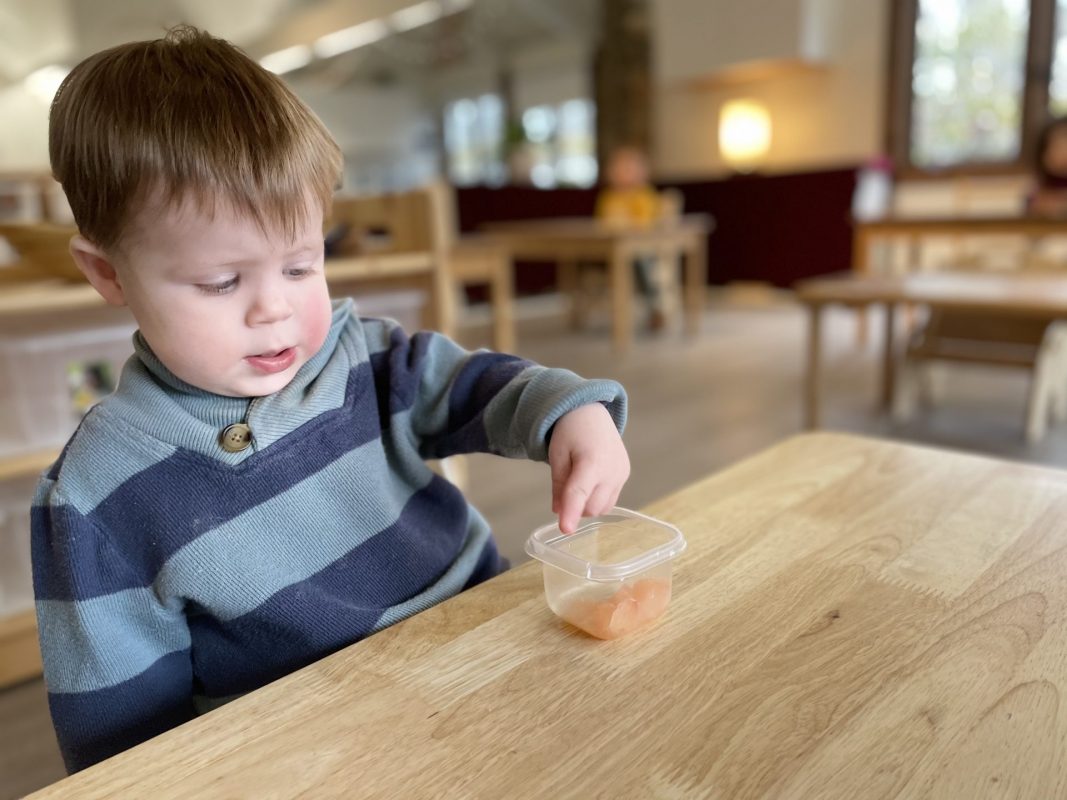
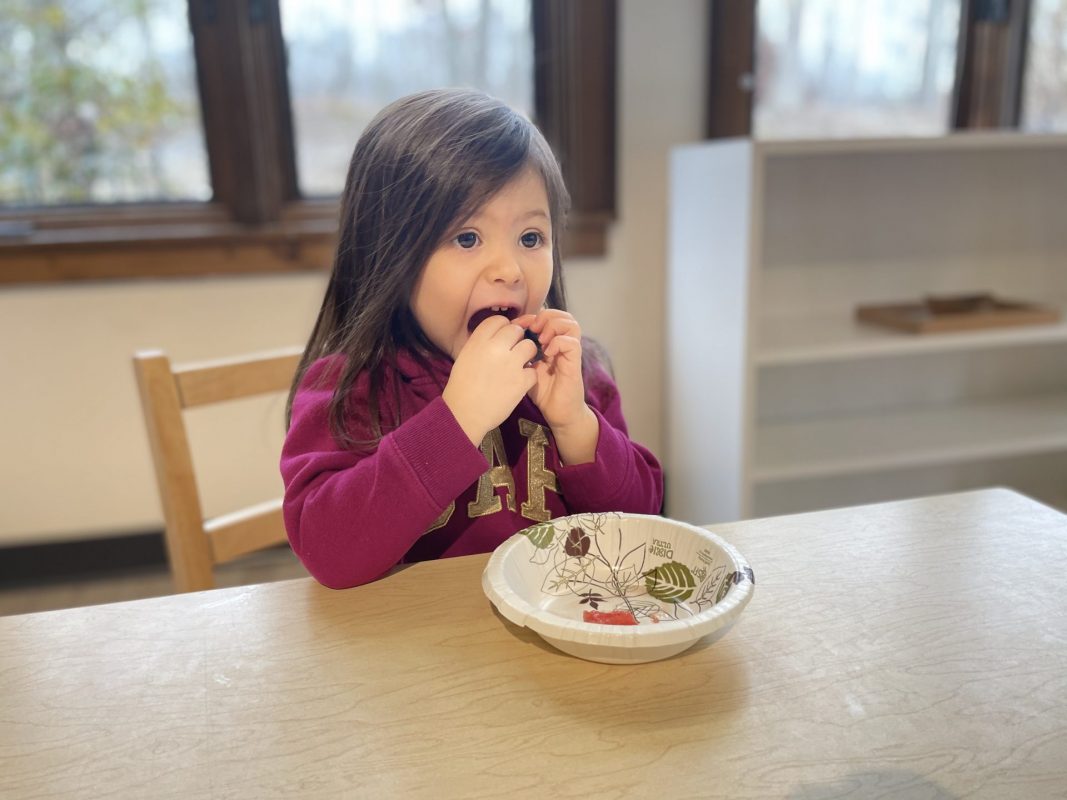
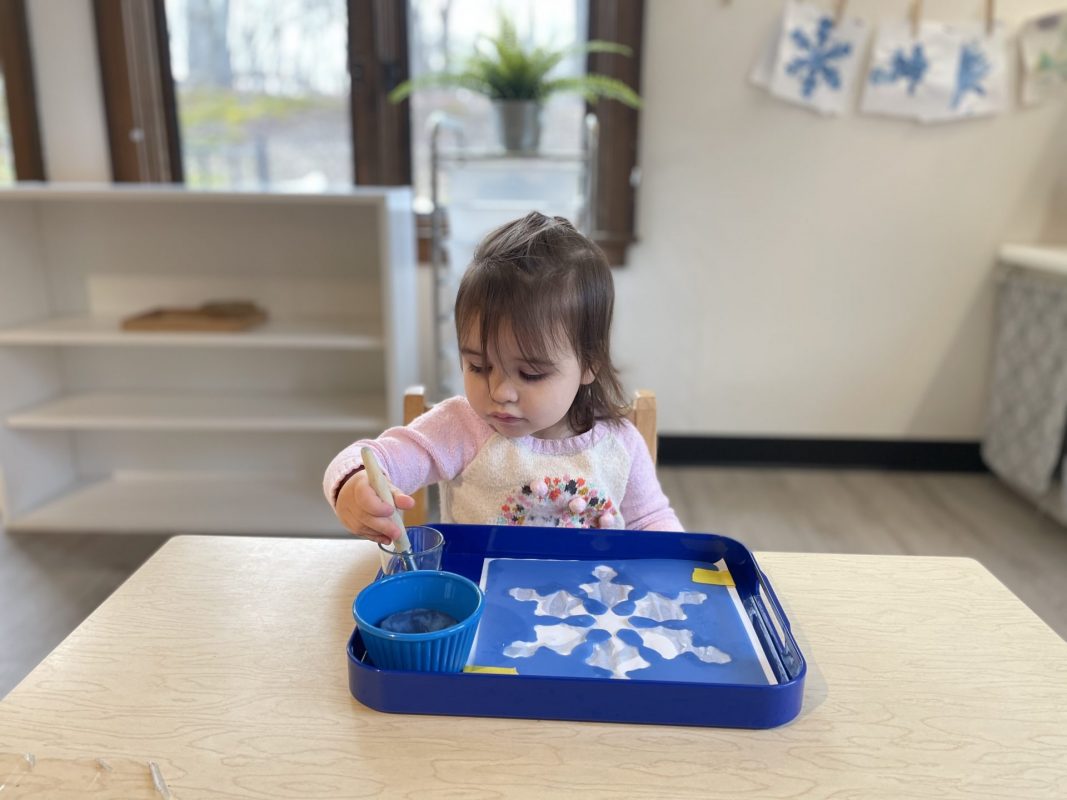
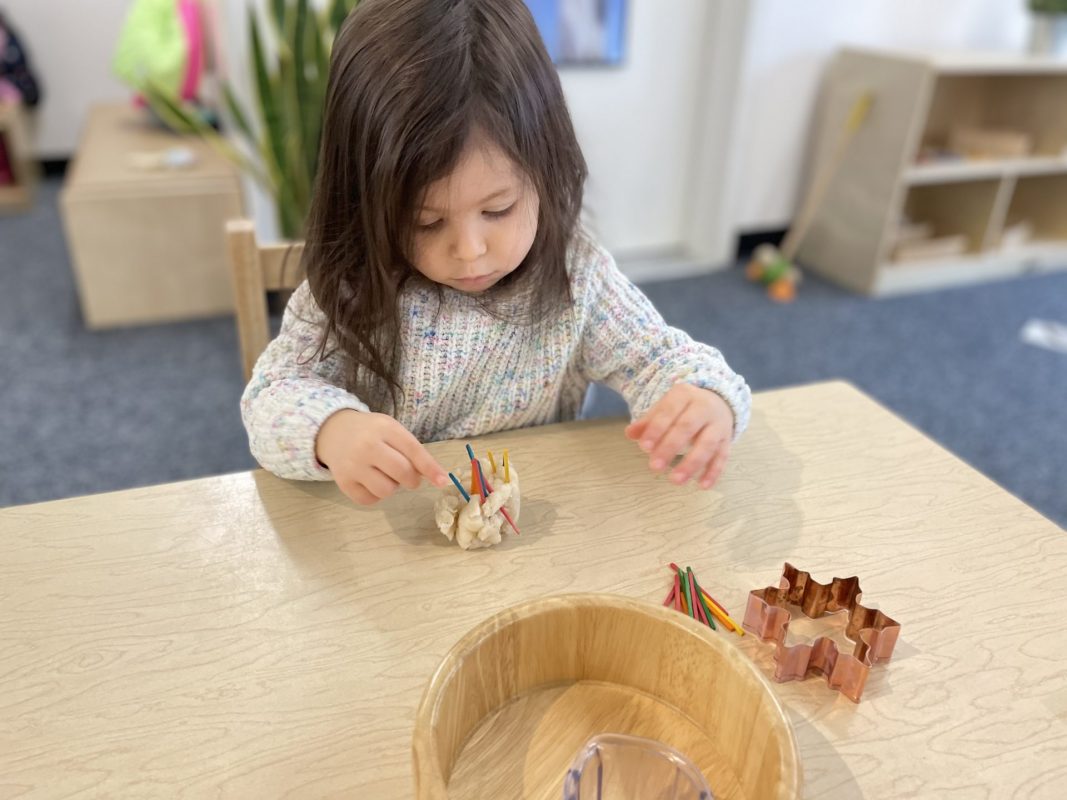
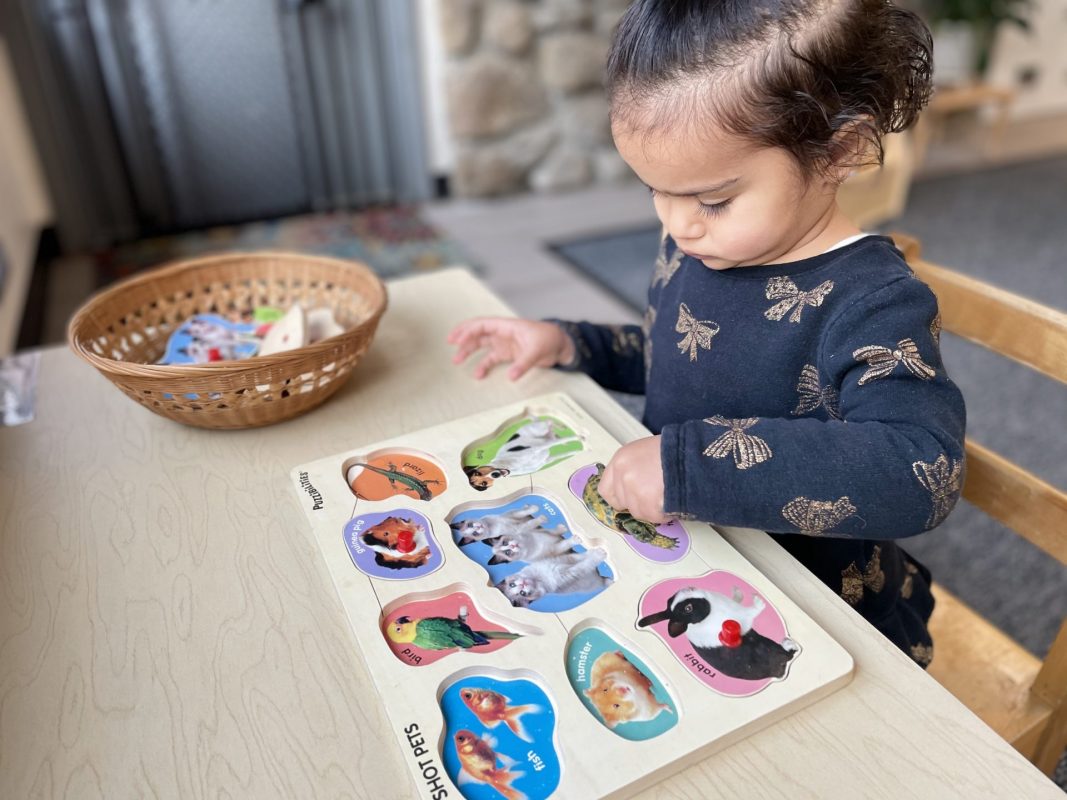
All I can say is WOW! This has been an incredible phase-in. The children are all phasing in beautifully. It feels so good to be back in the classroom with all of our returning friends and our newest friend. We also welcomed three new pet fish. The children will be part of feeding them daily.

We are looking forward to being with the whole group on Monday.
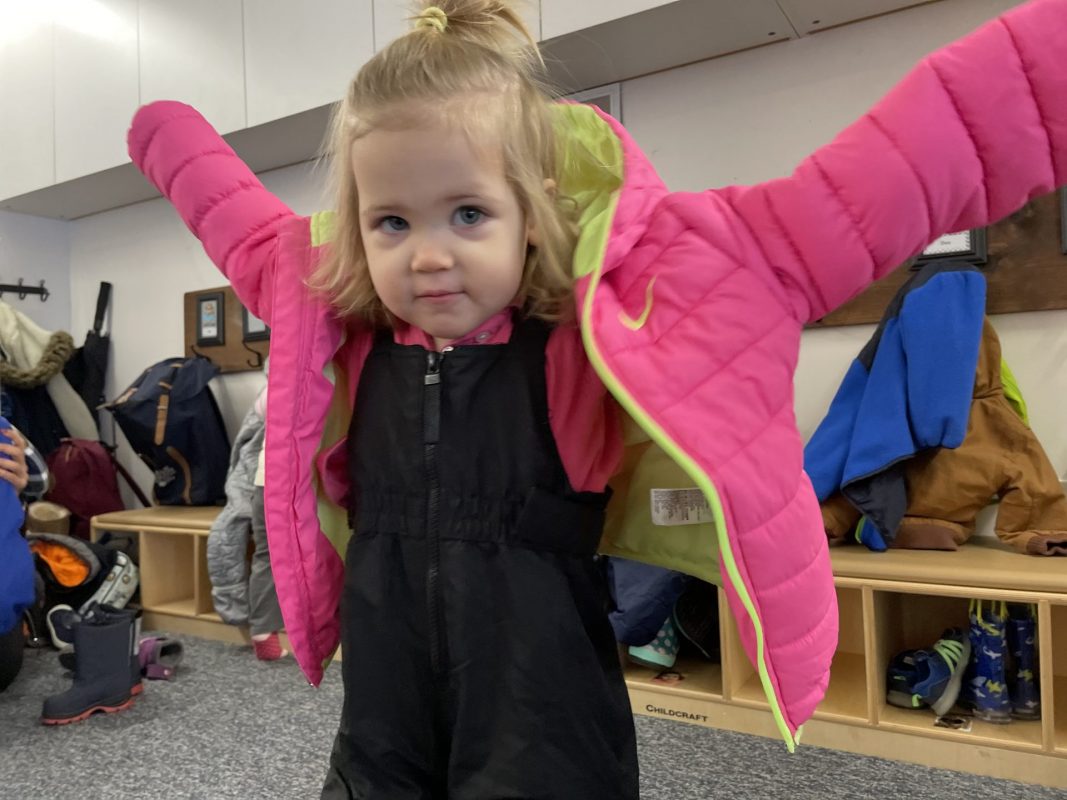
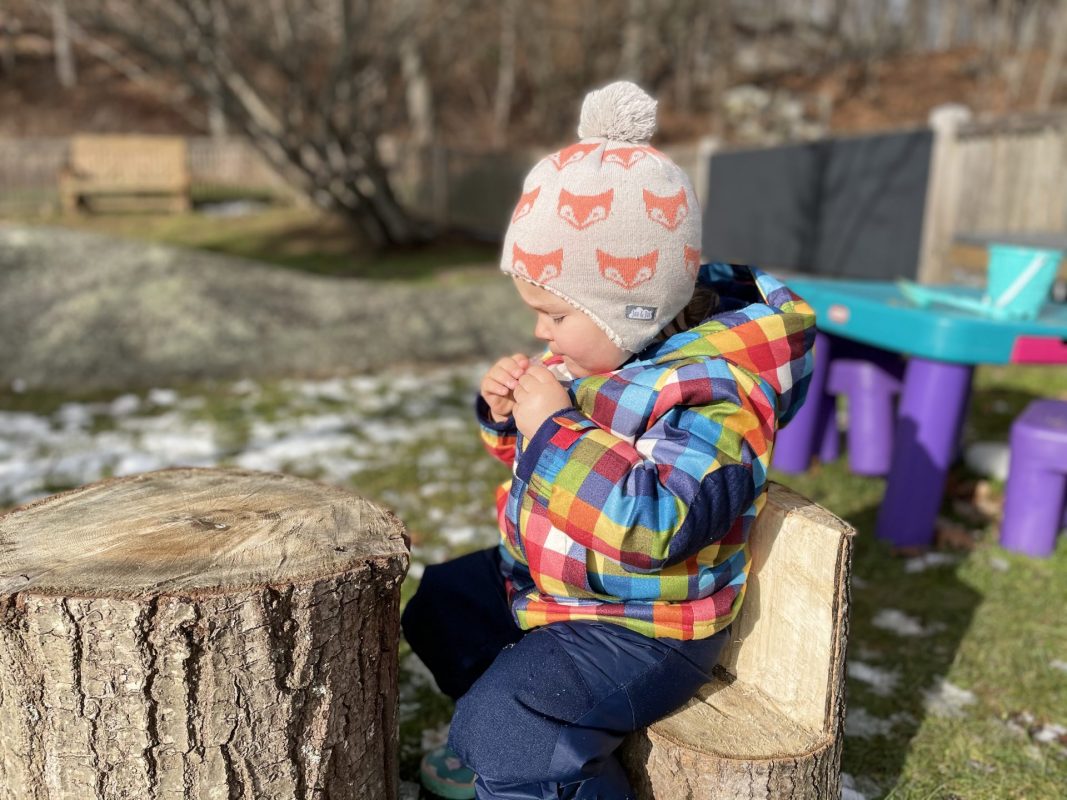
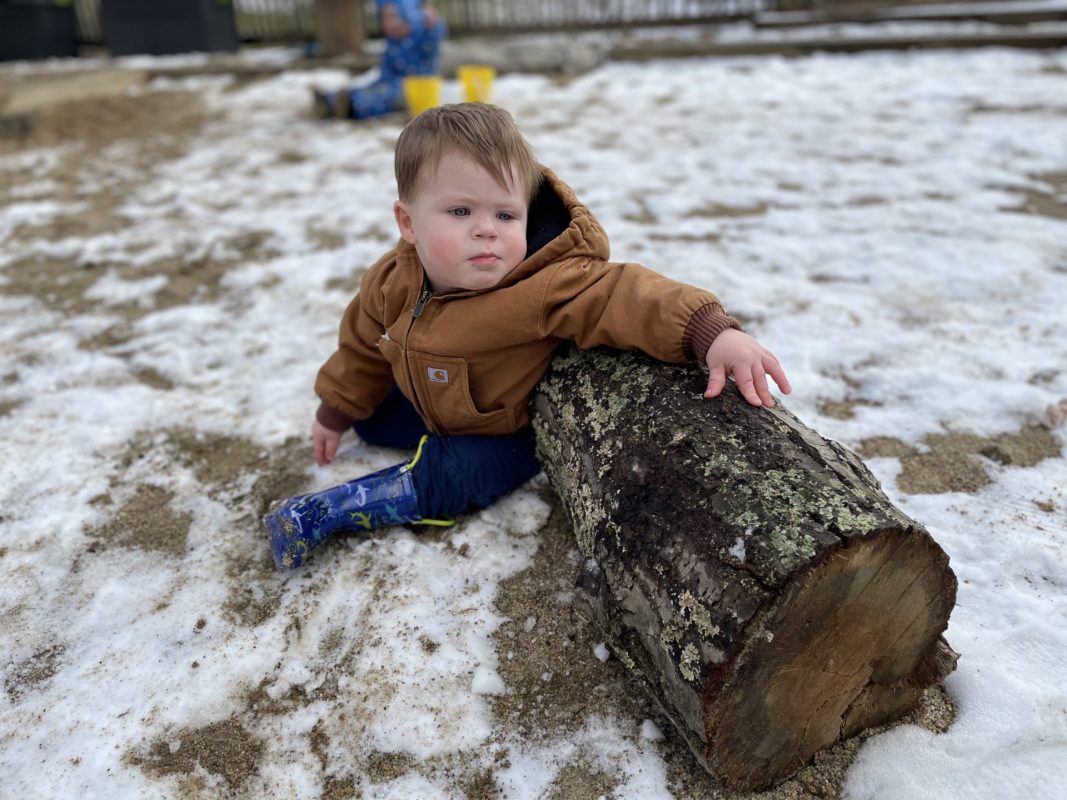
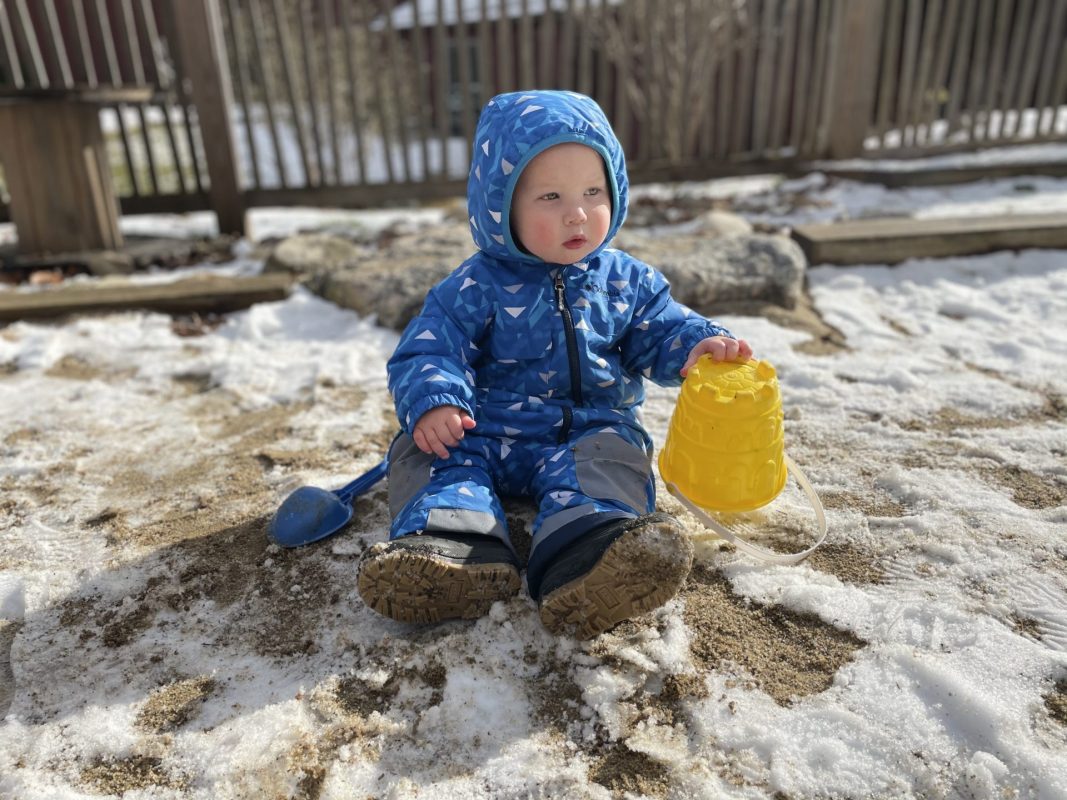
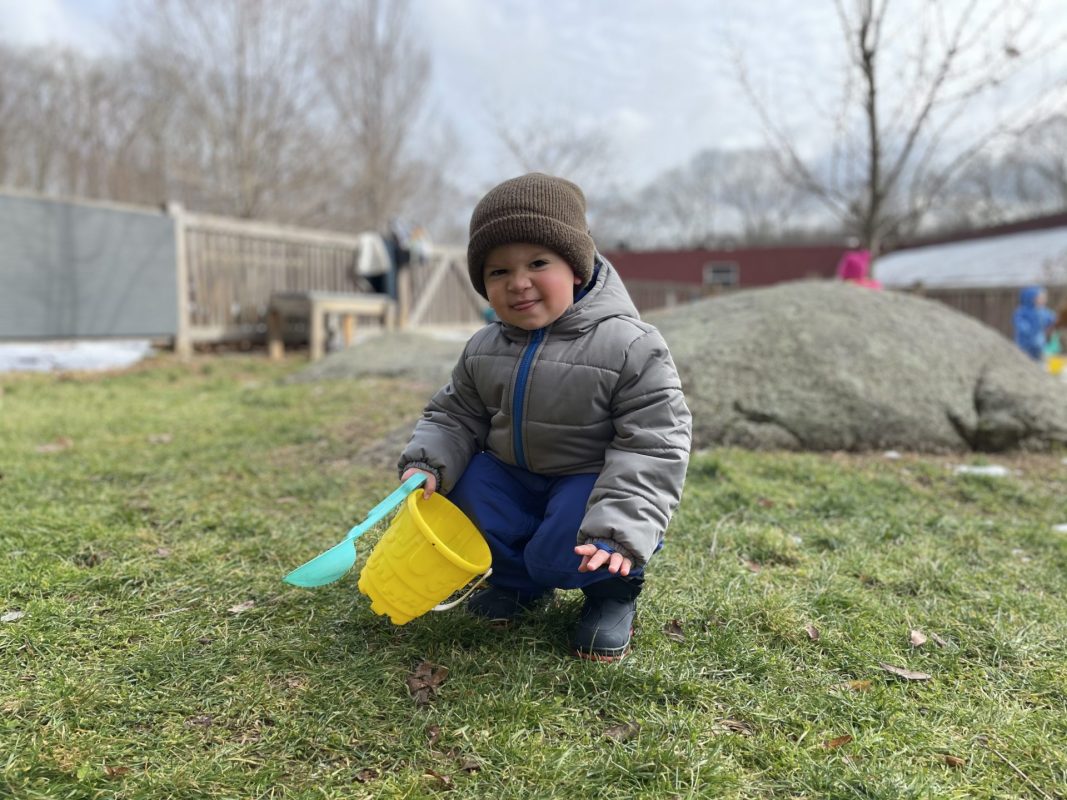
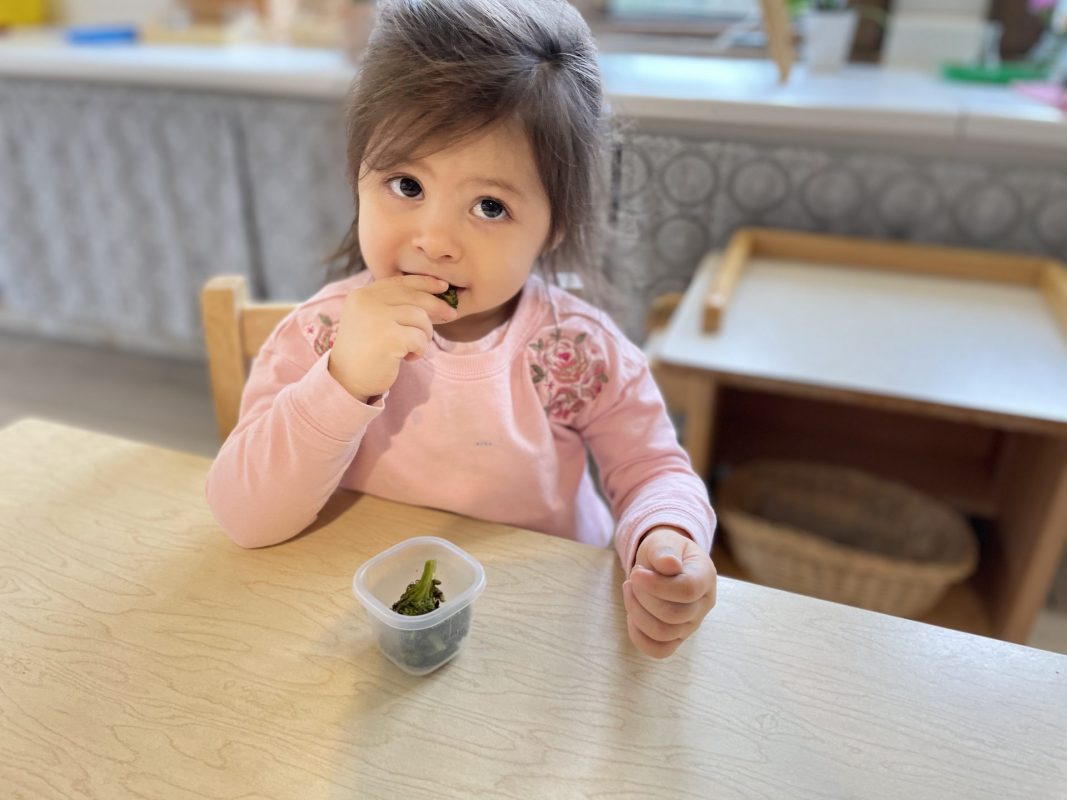
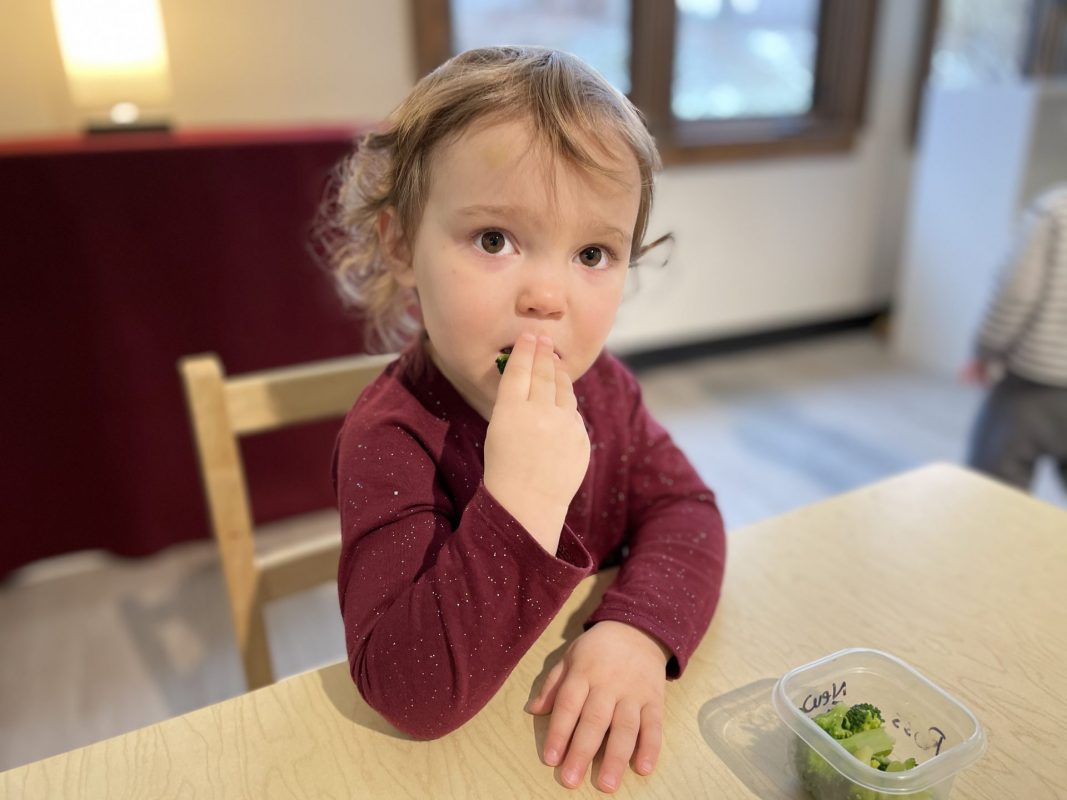
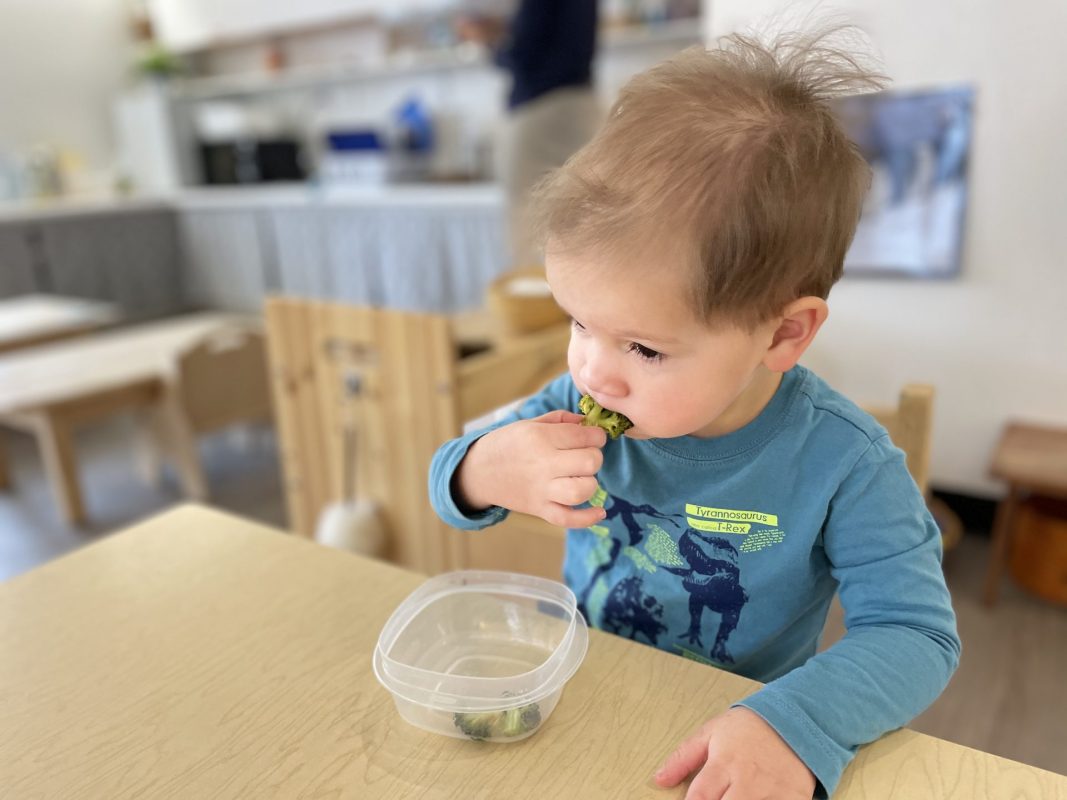
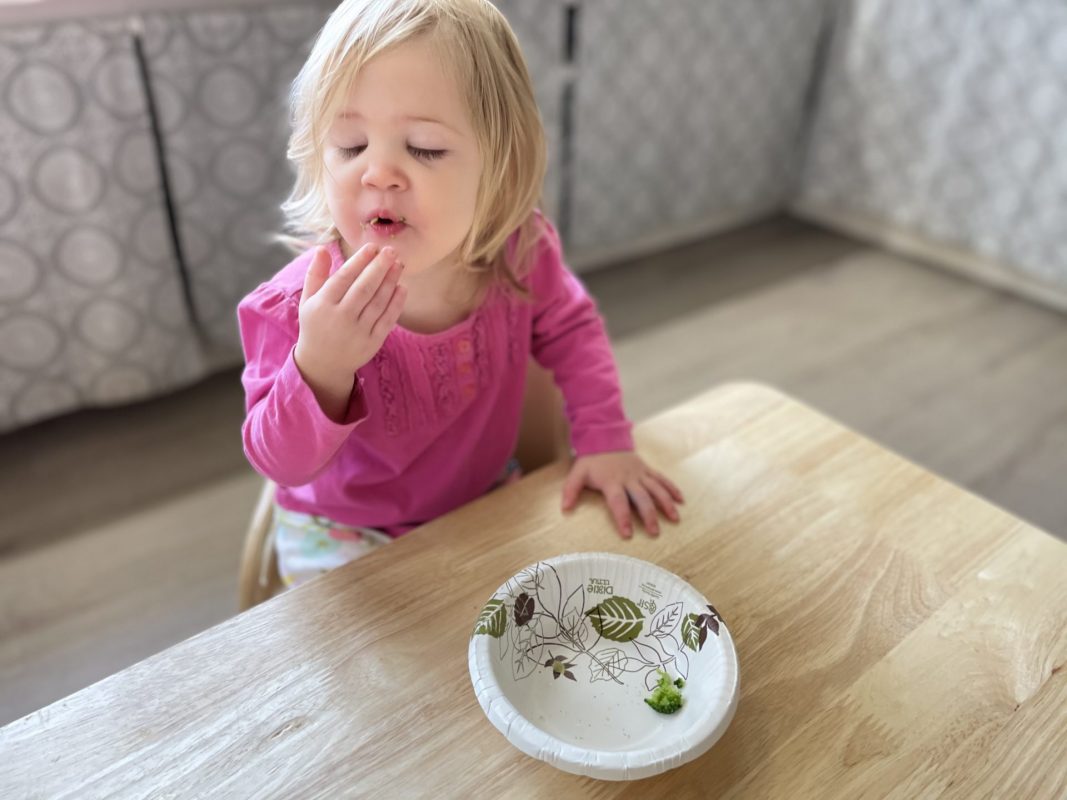
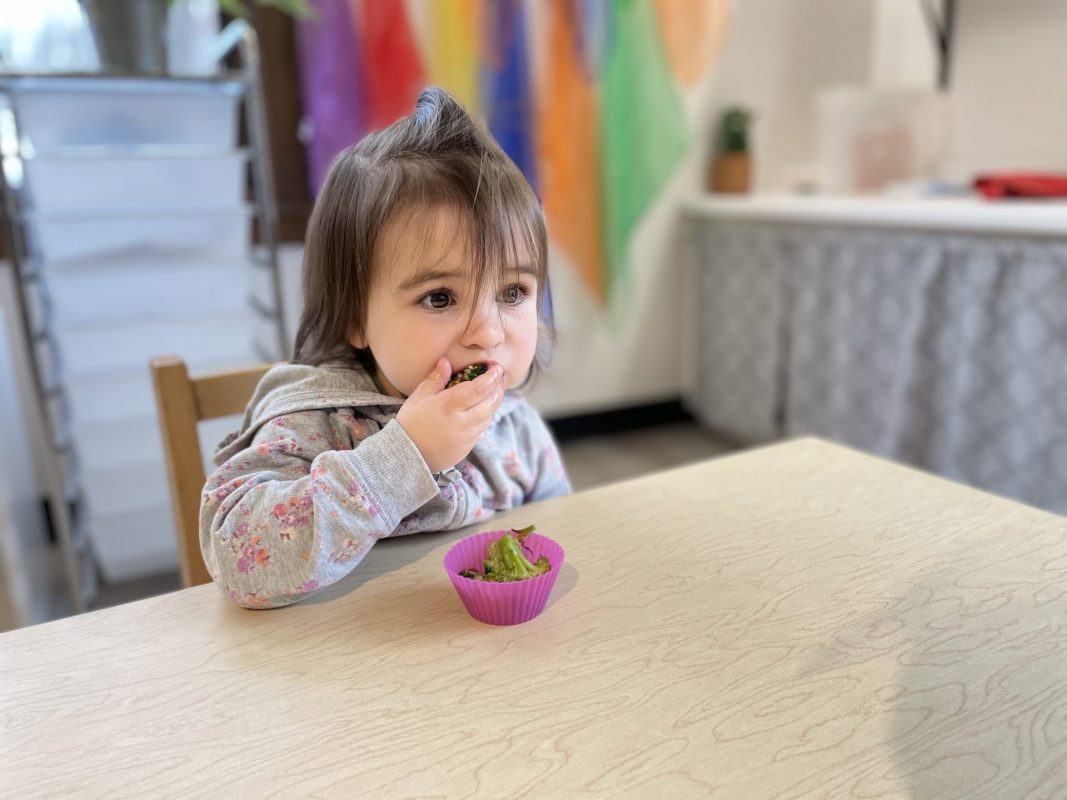
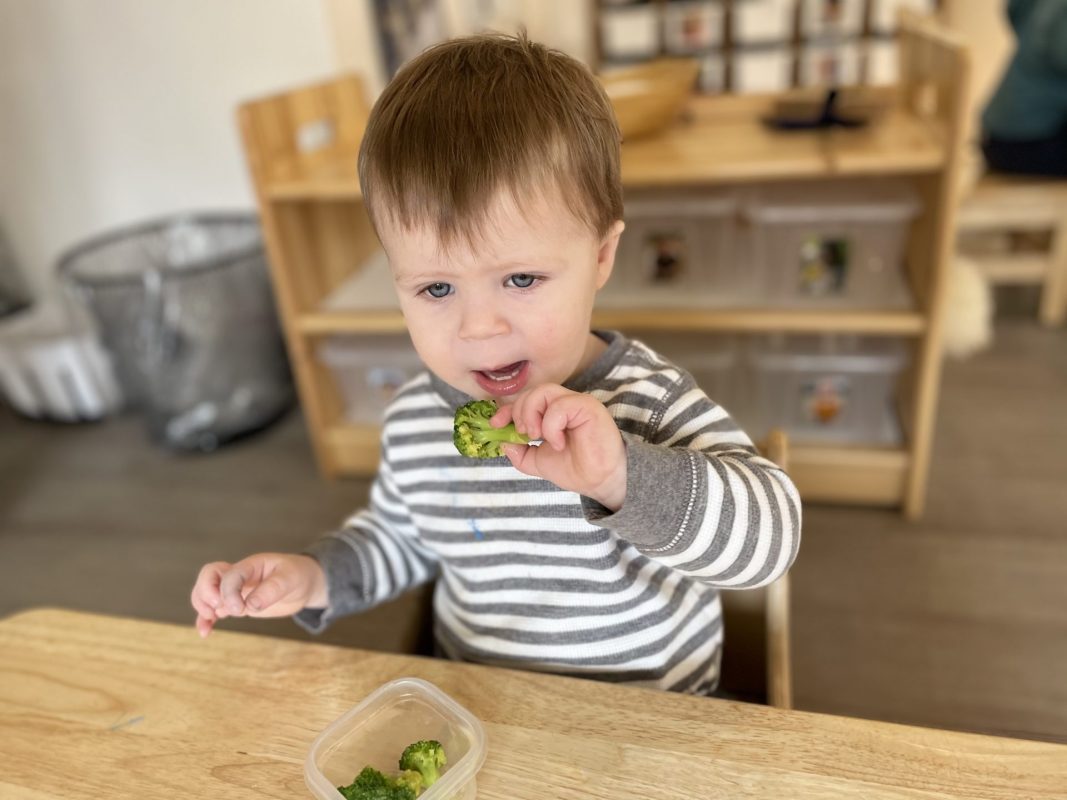
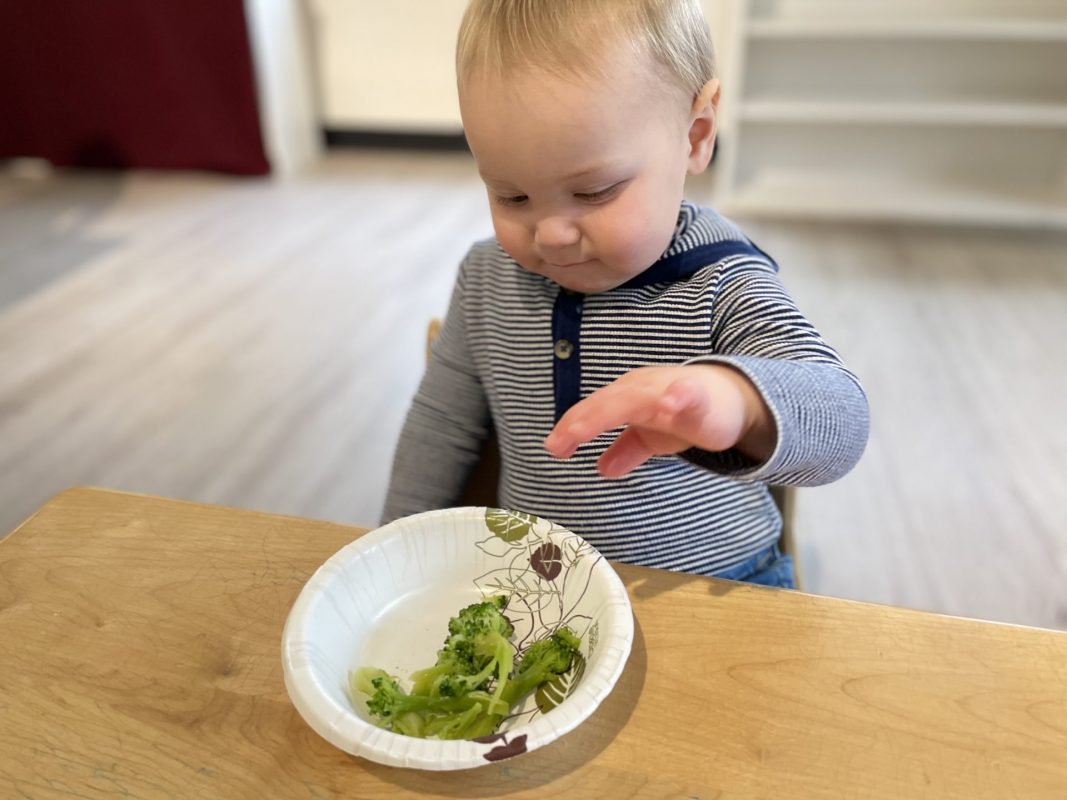
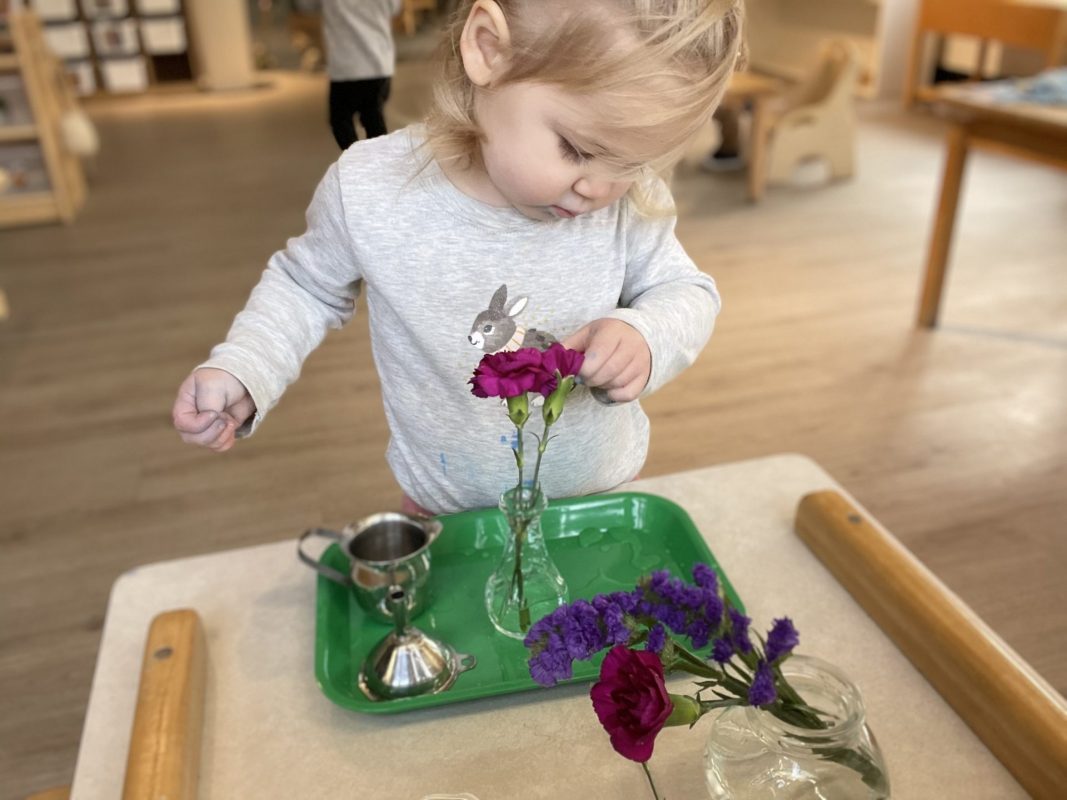
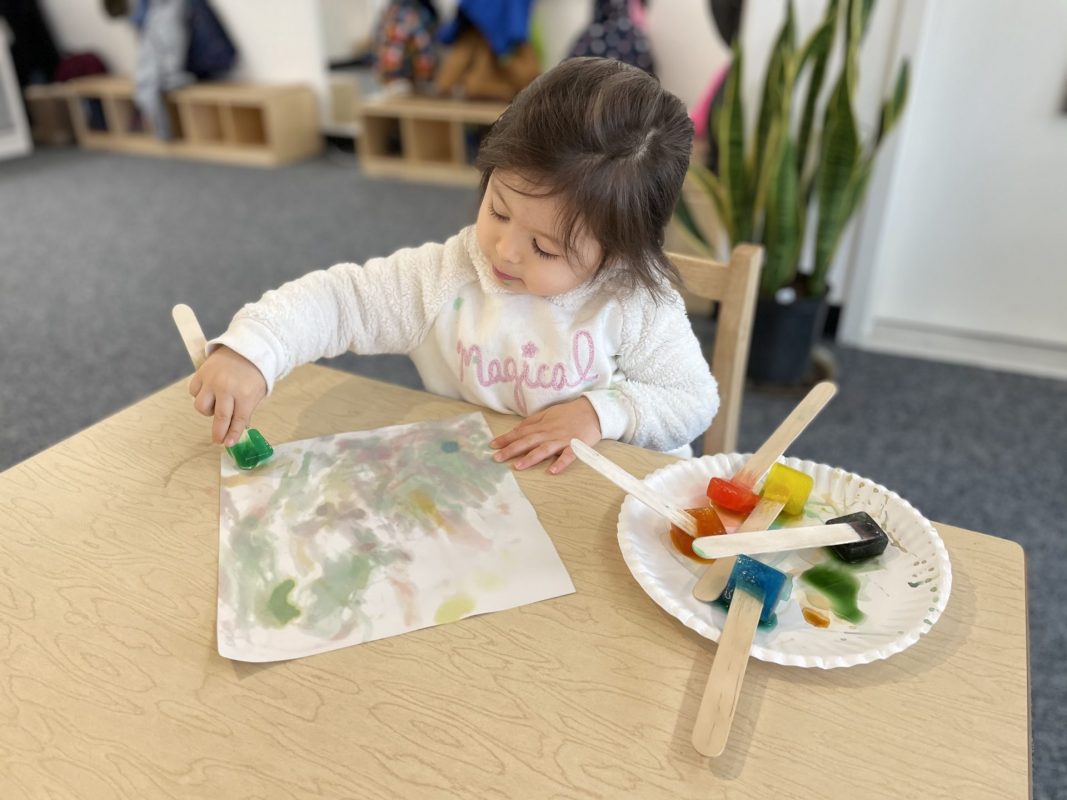
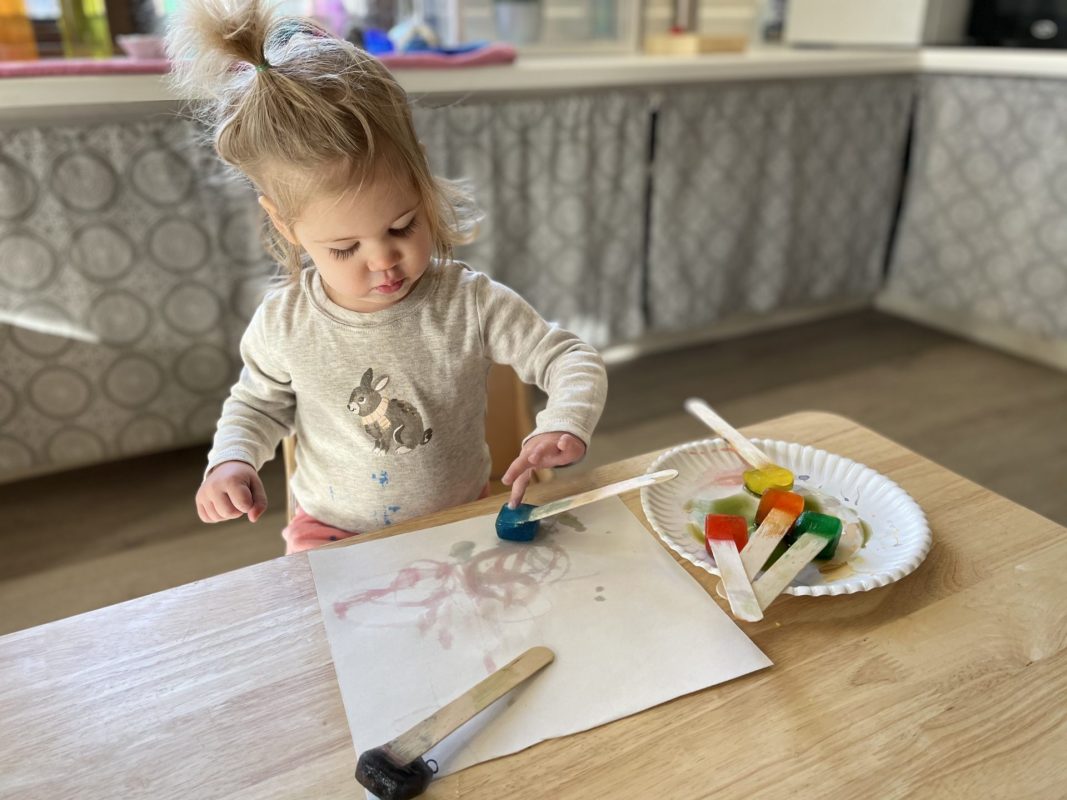
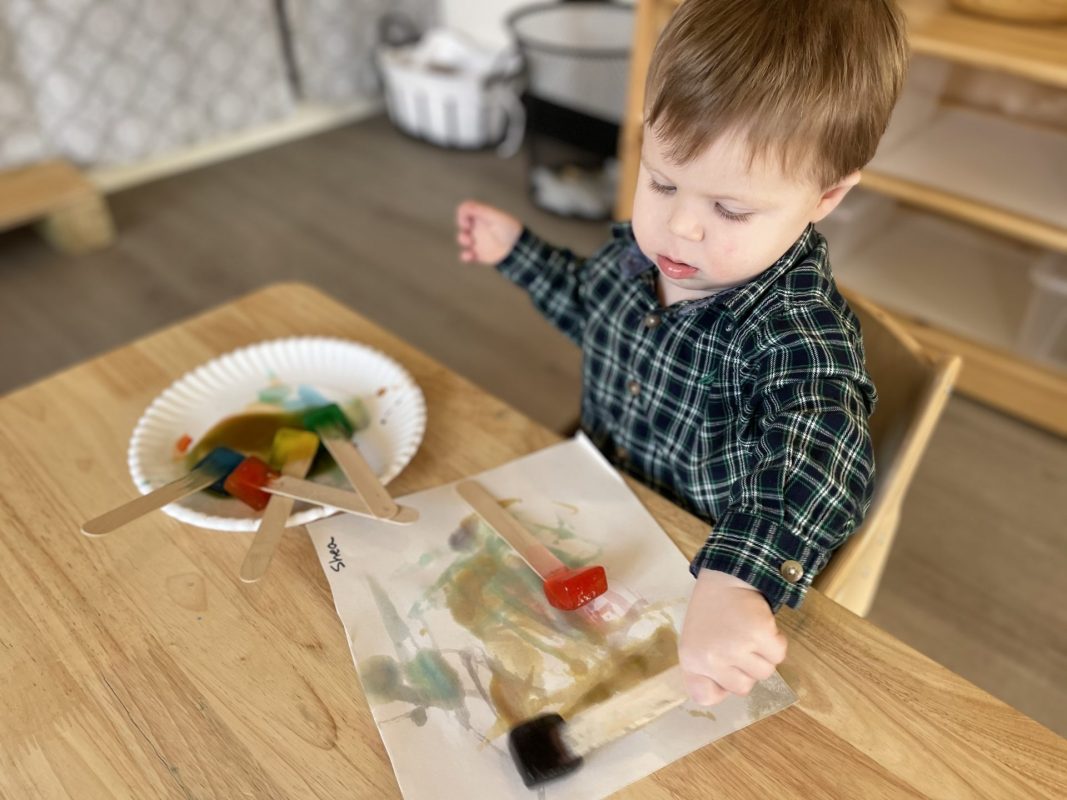
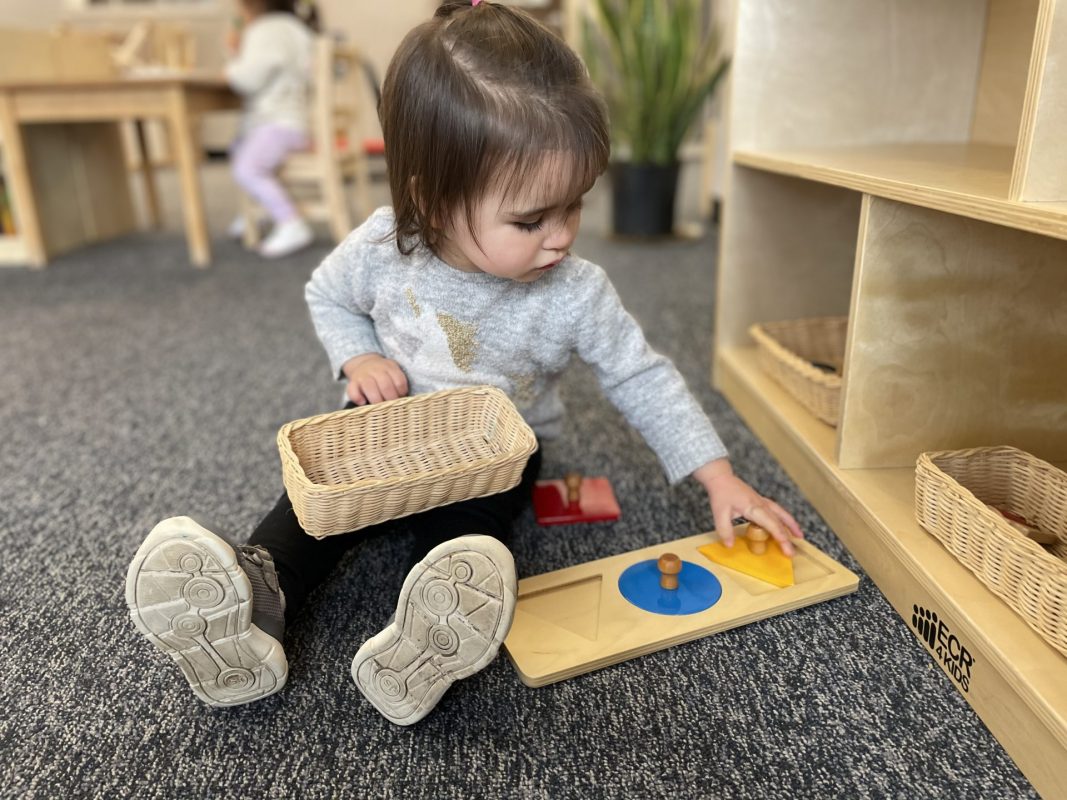
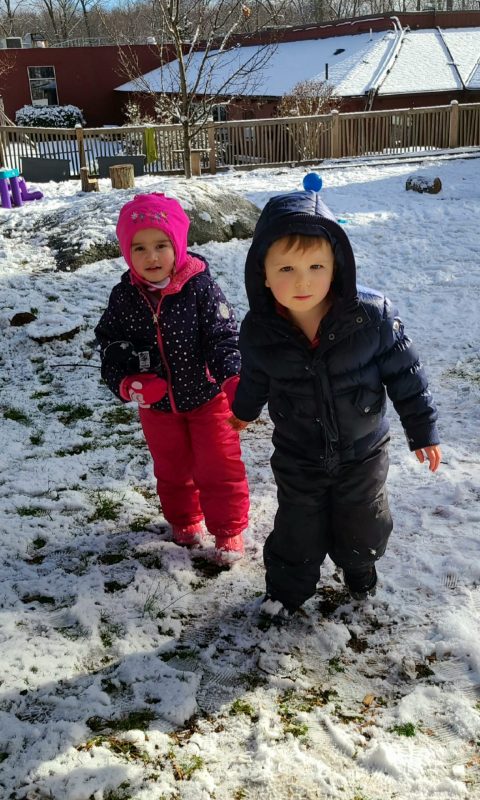
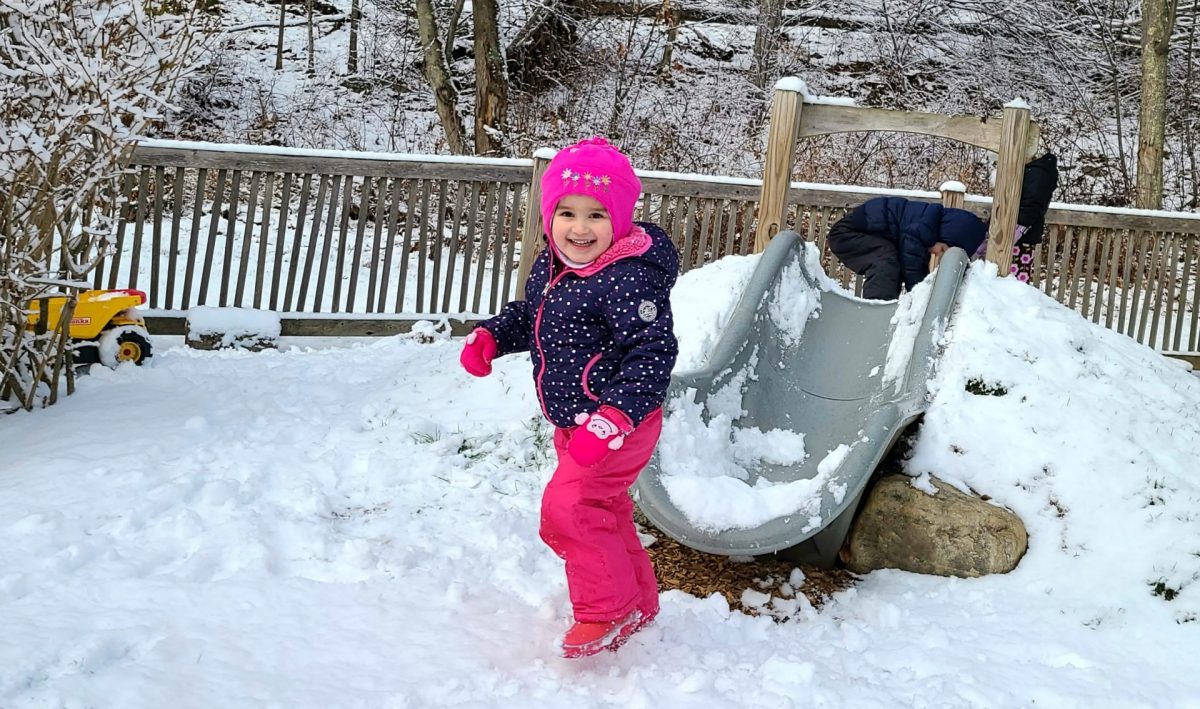
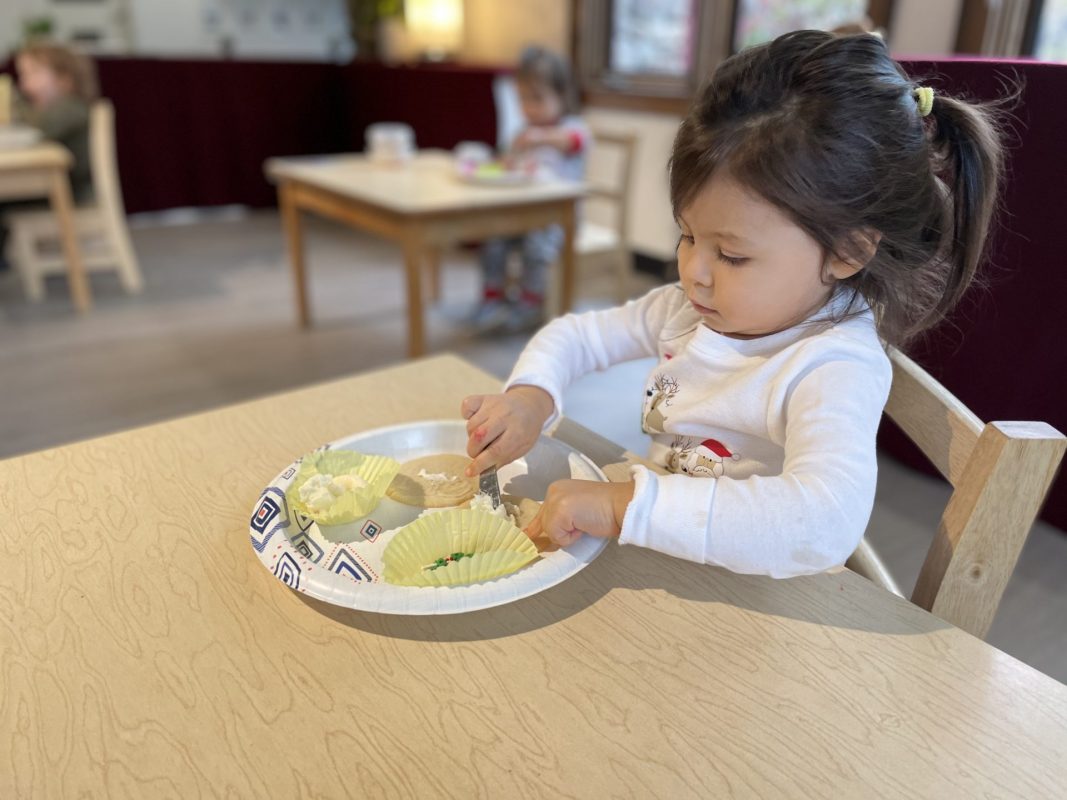
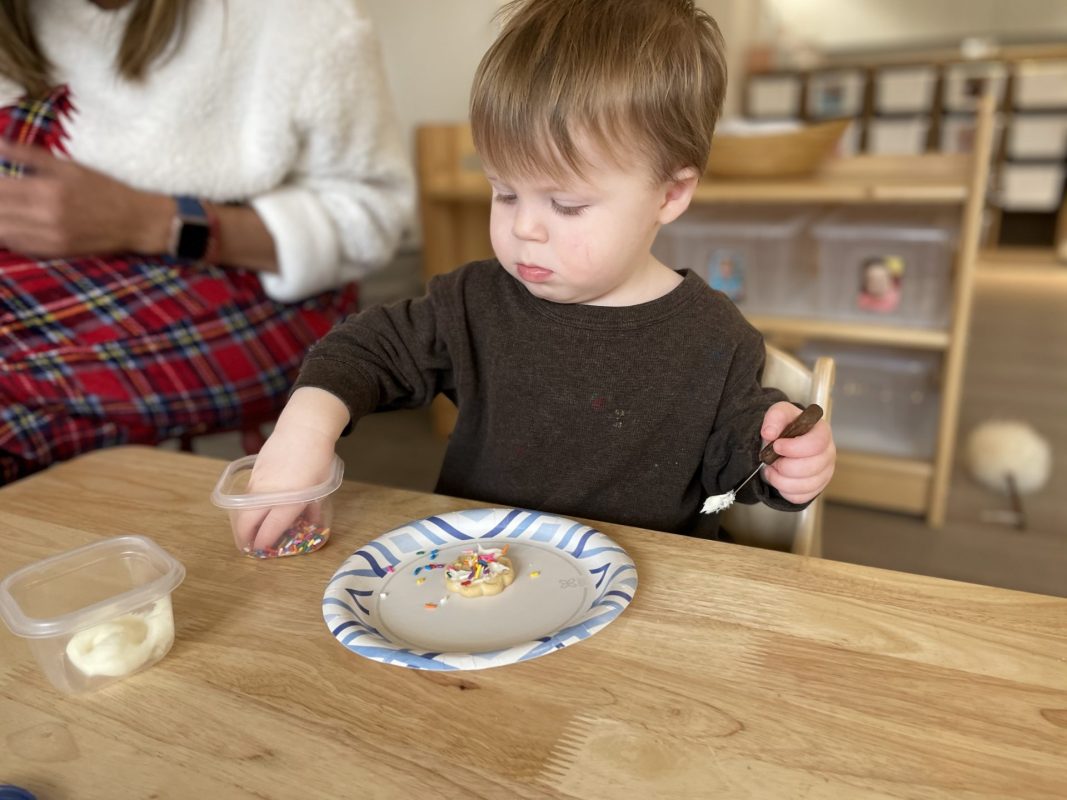
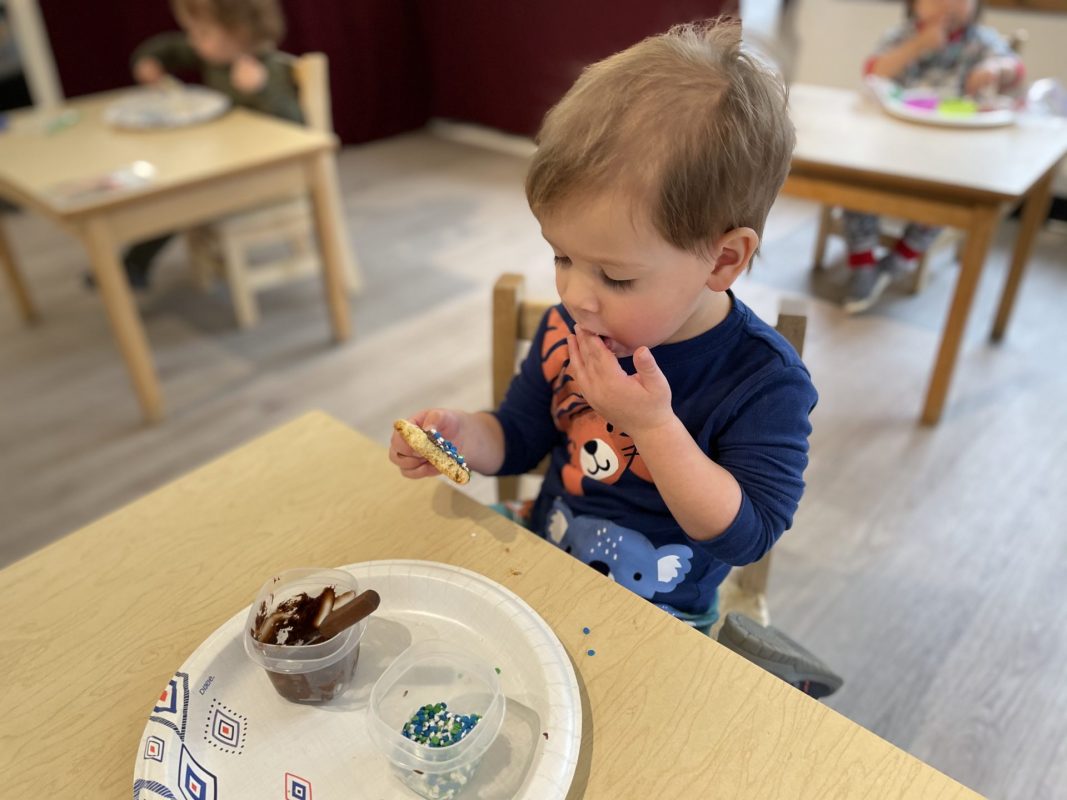
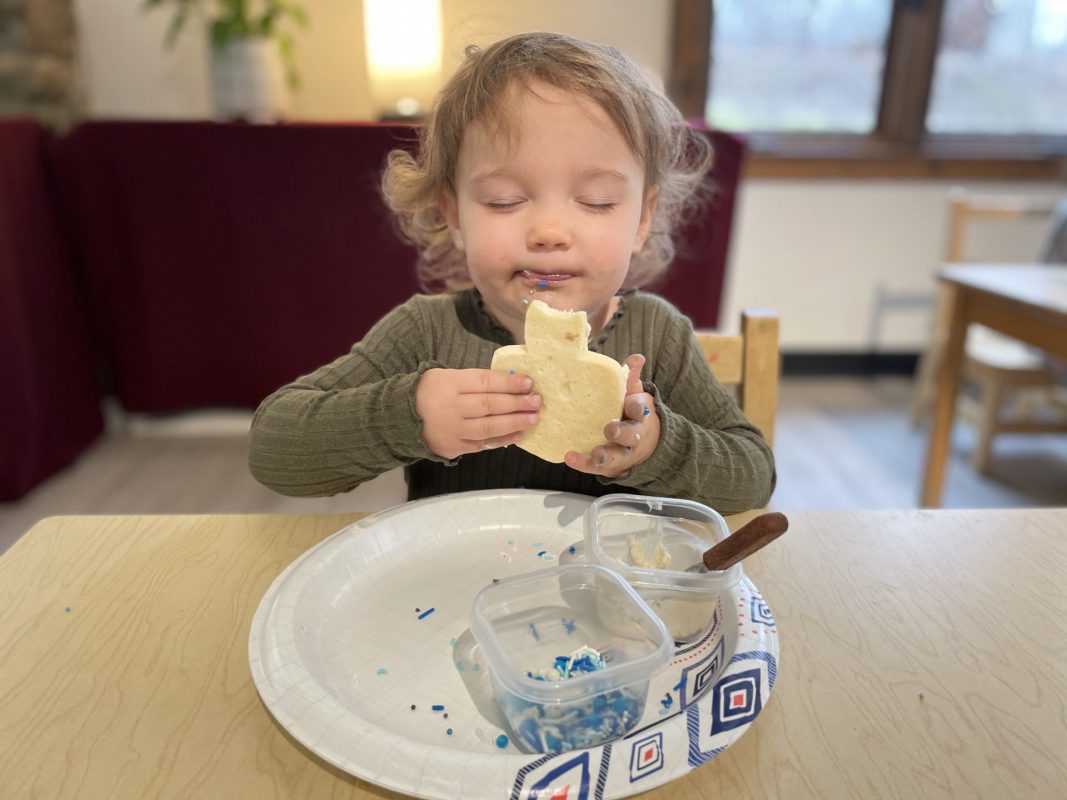
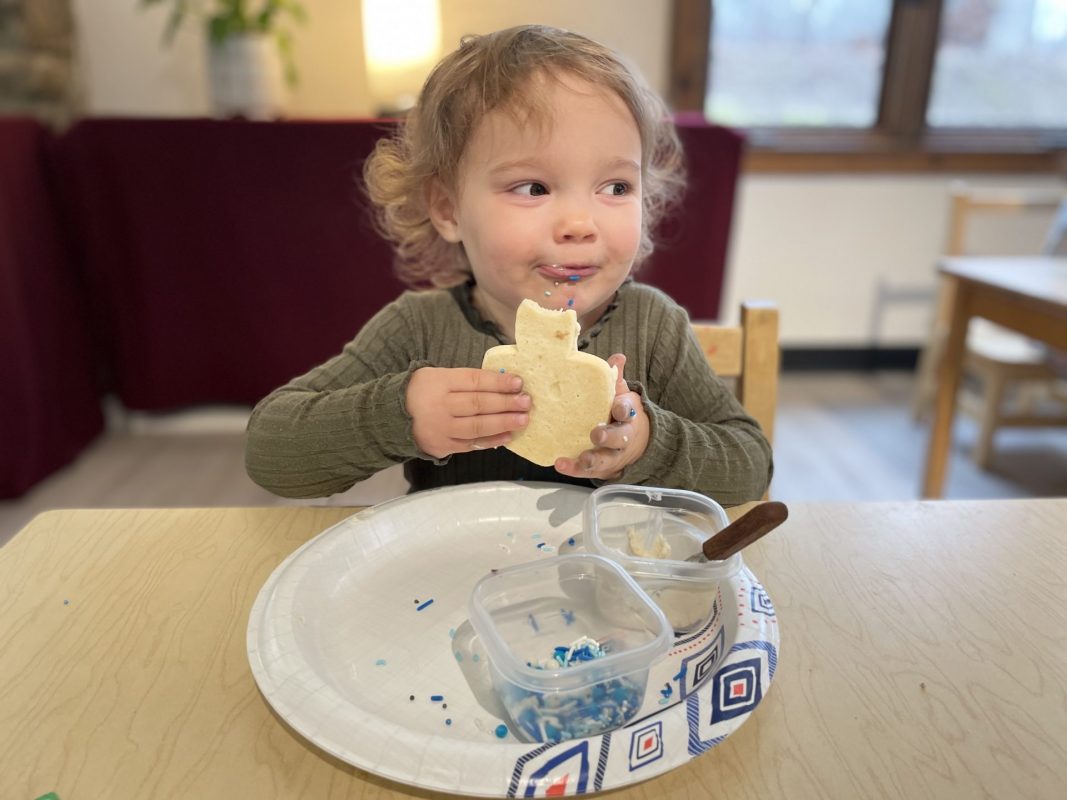
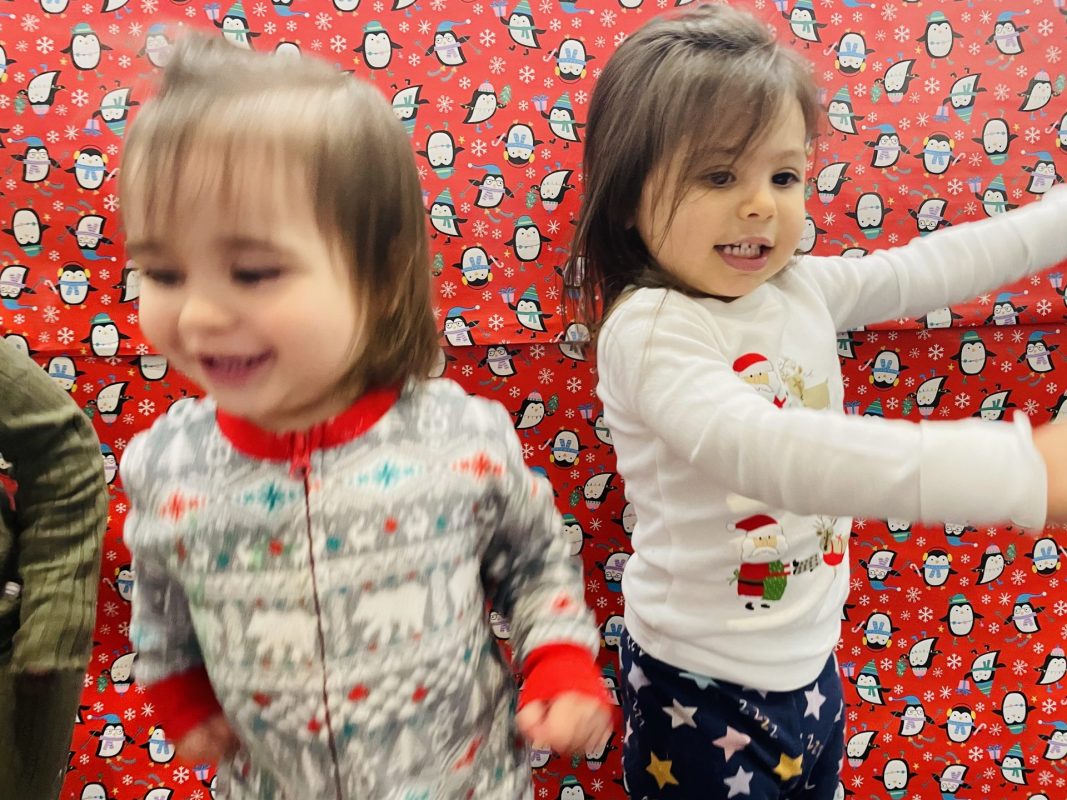
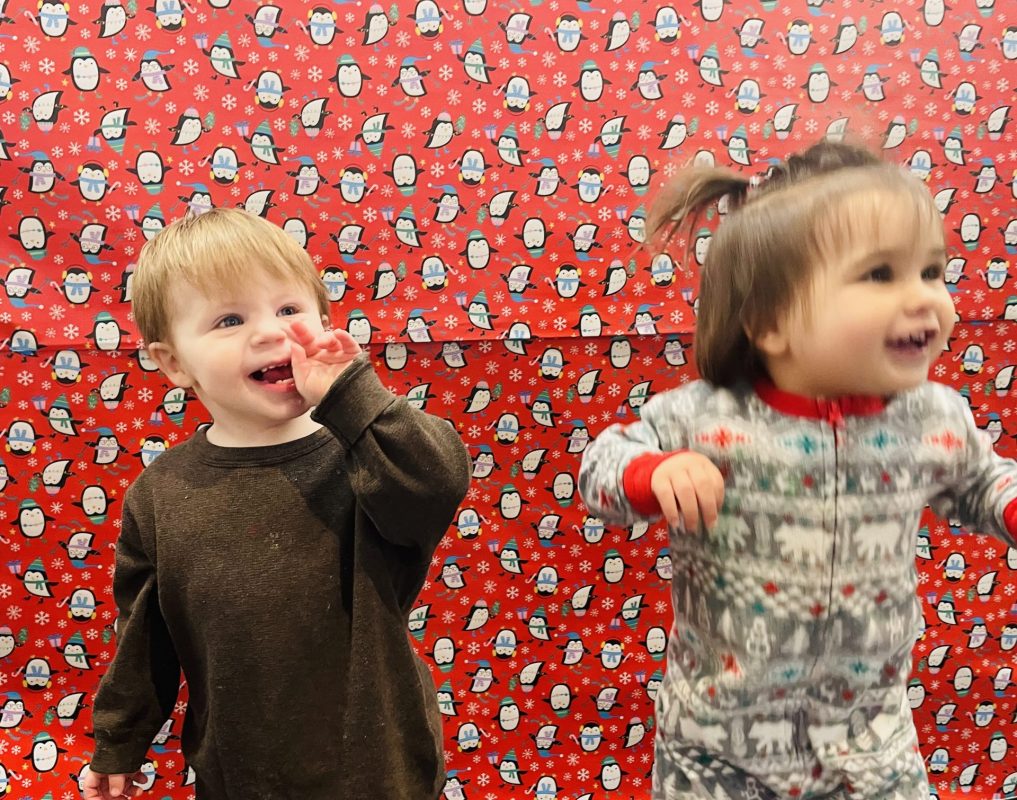
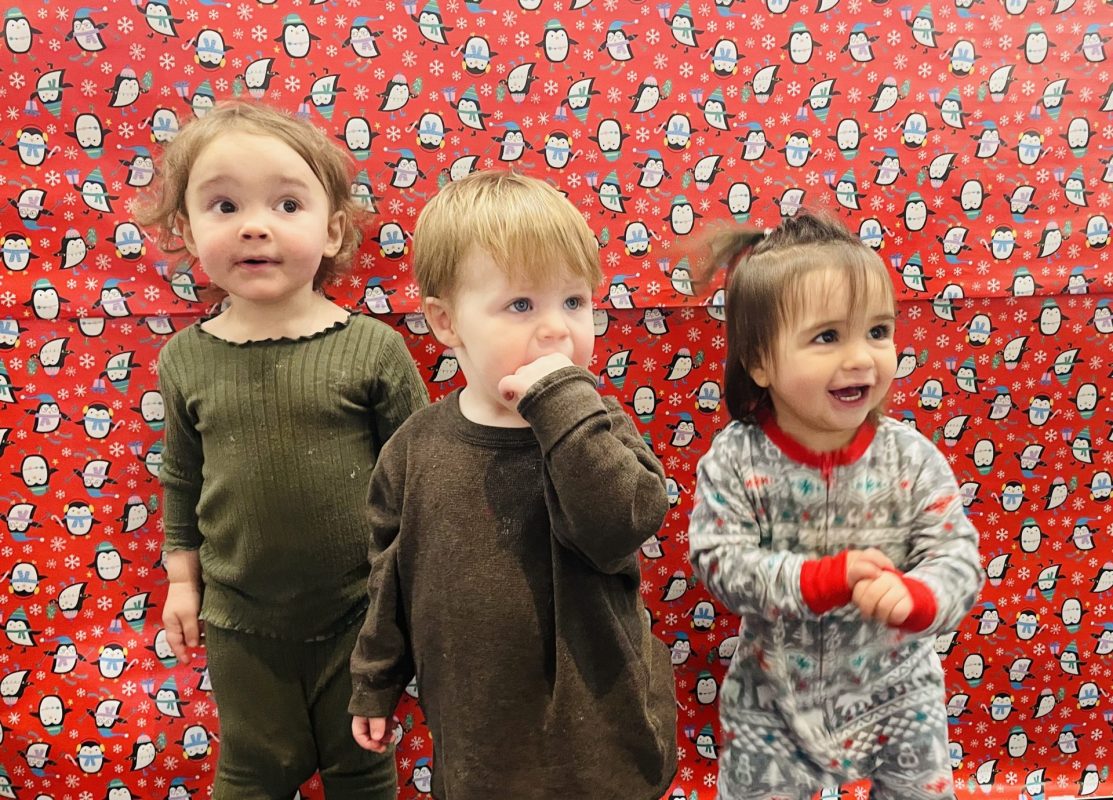
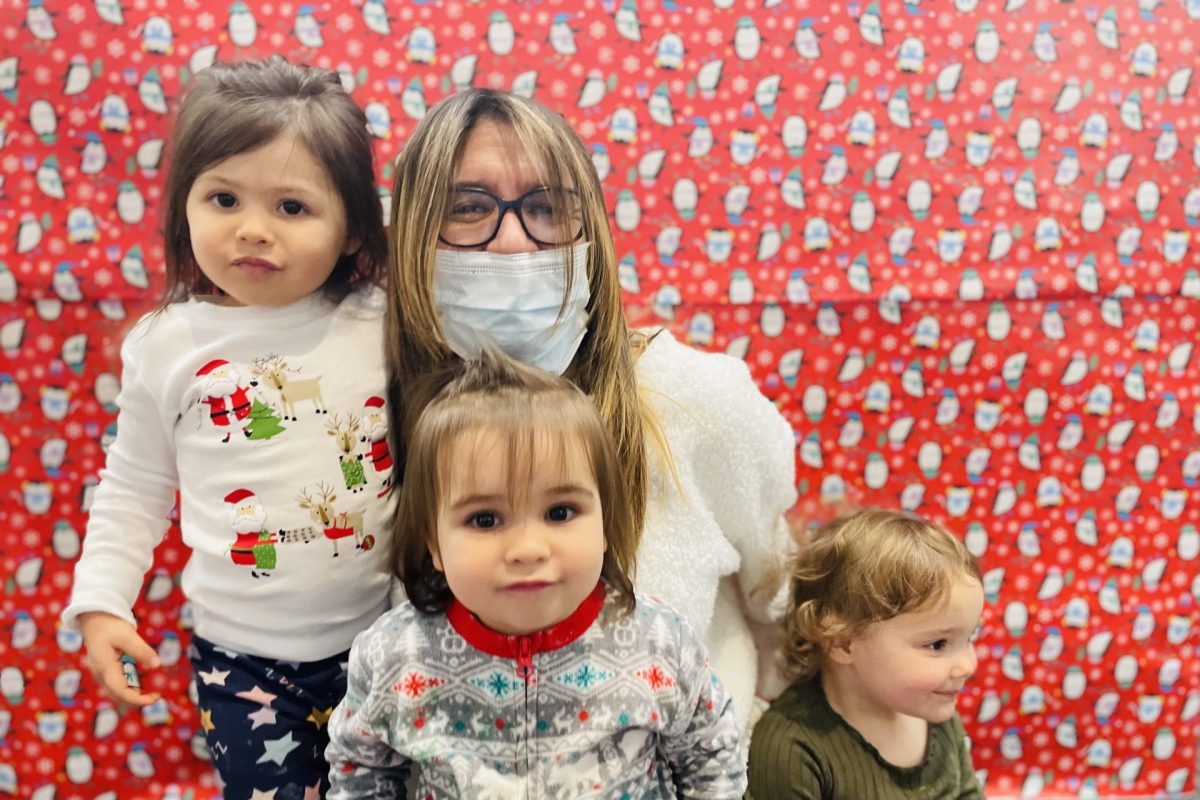
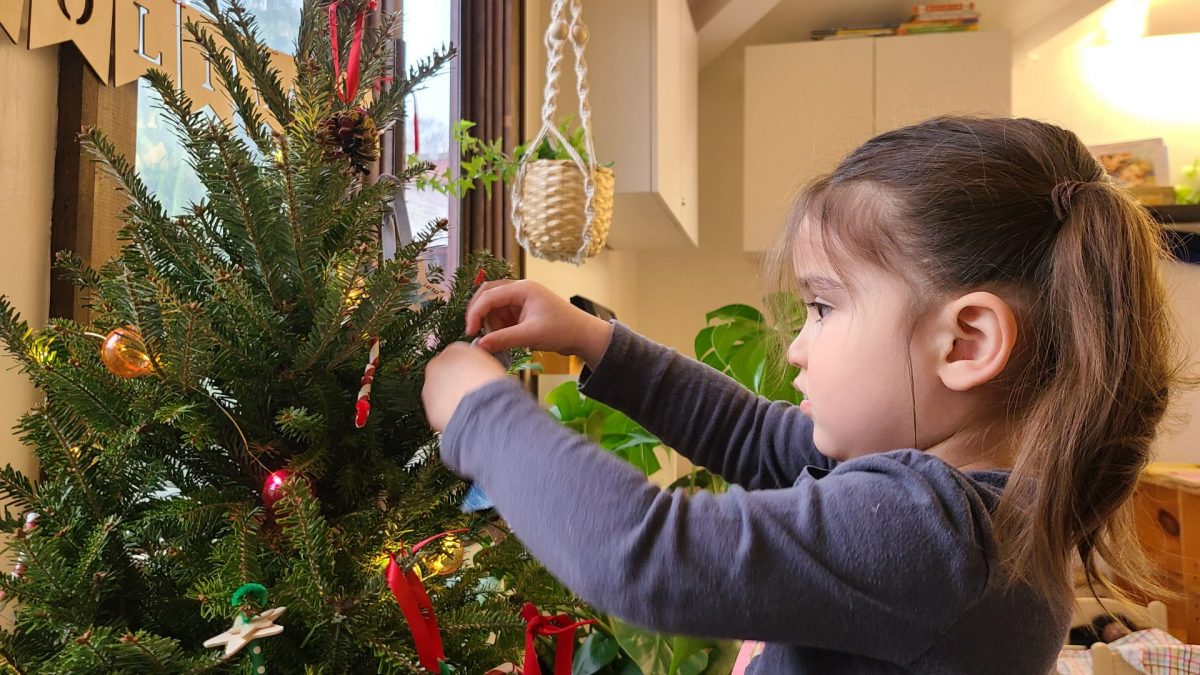
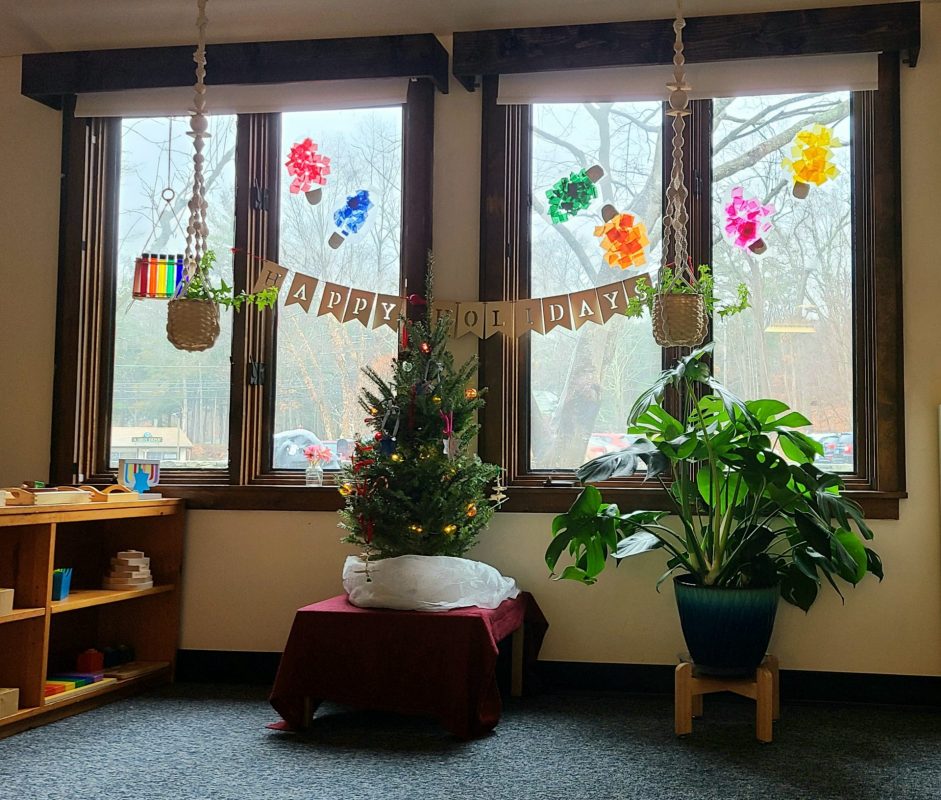
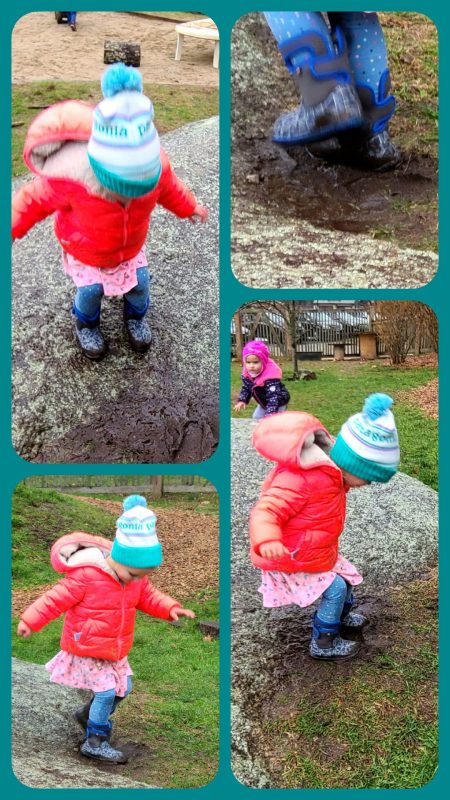
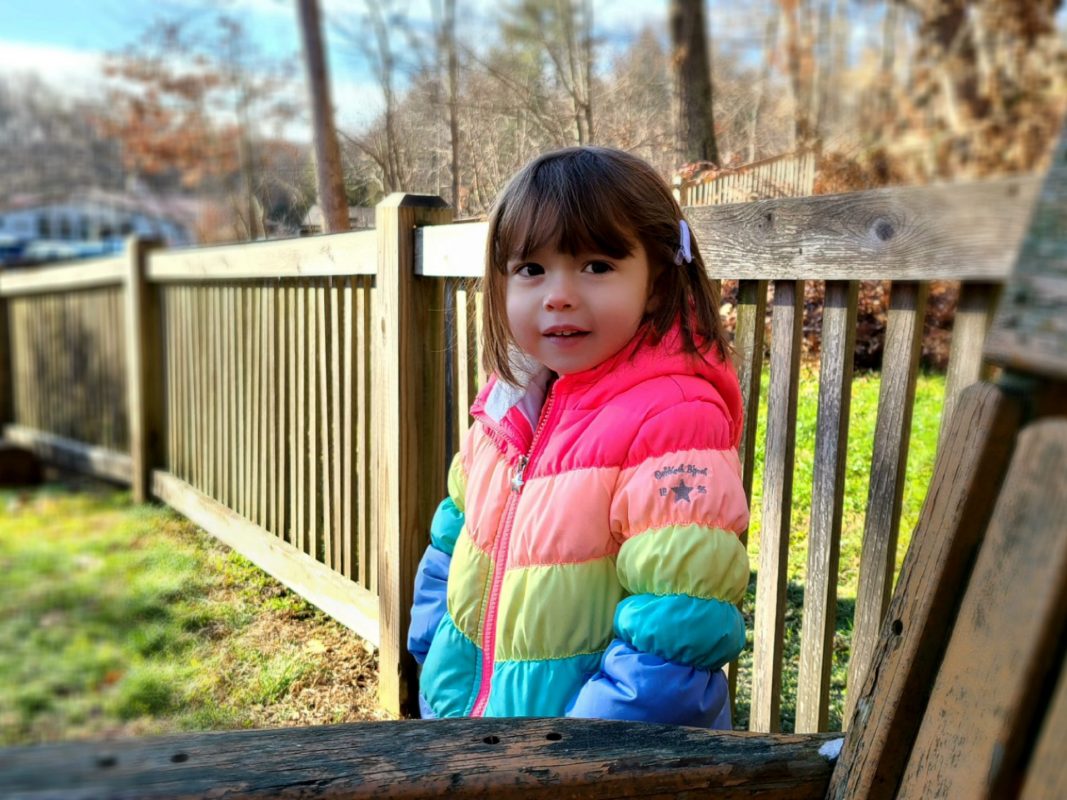
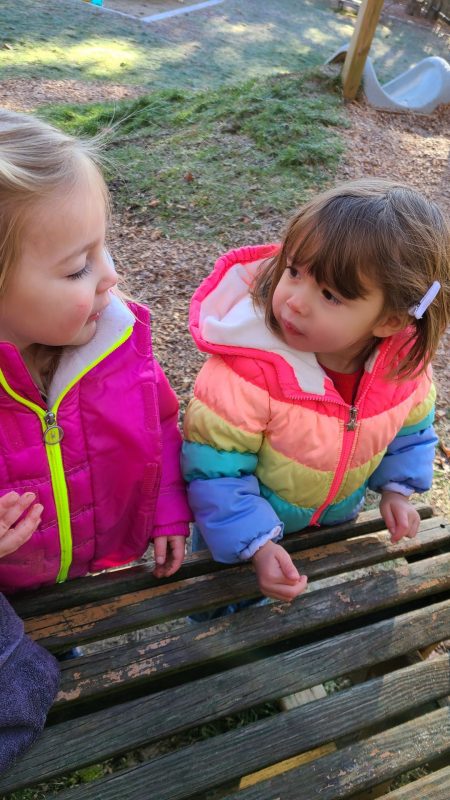
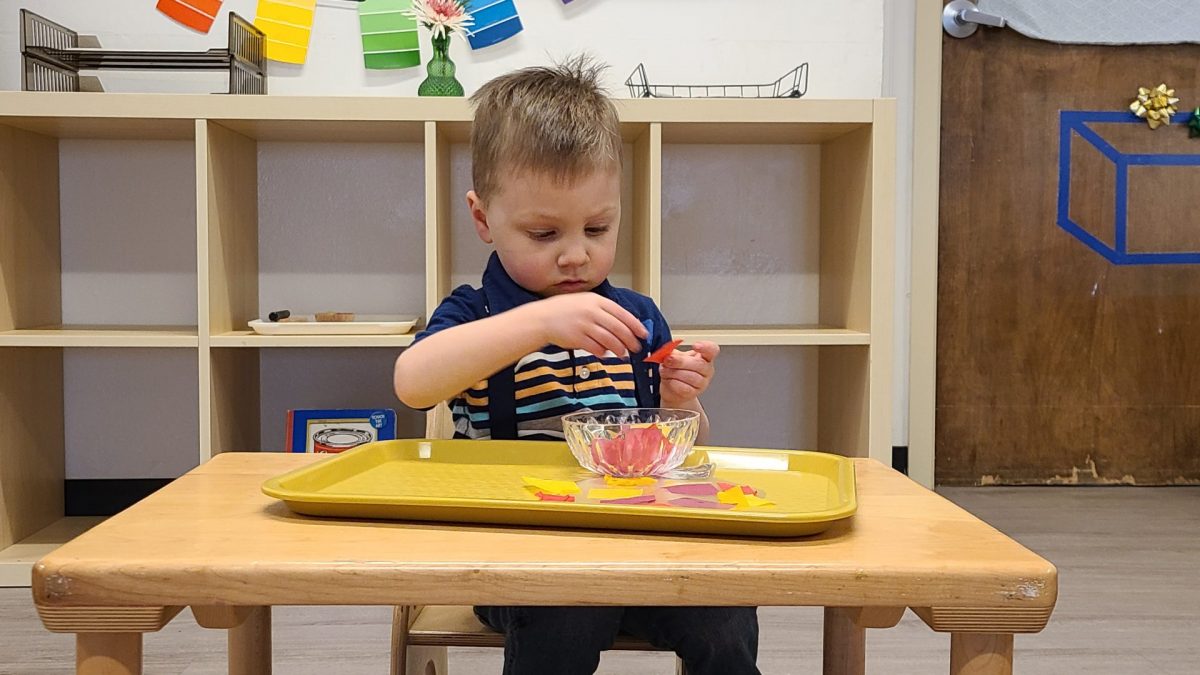
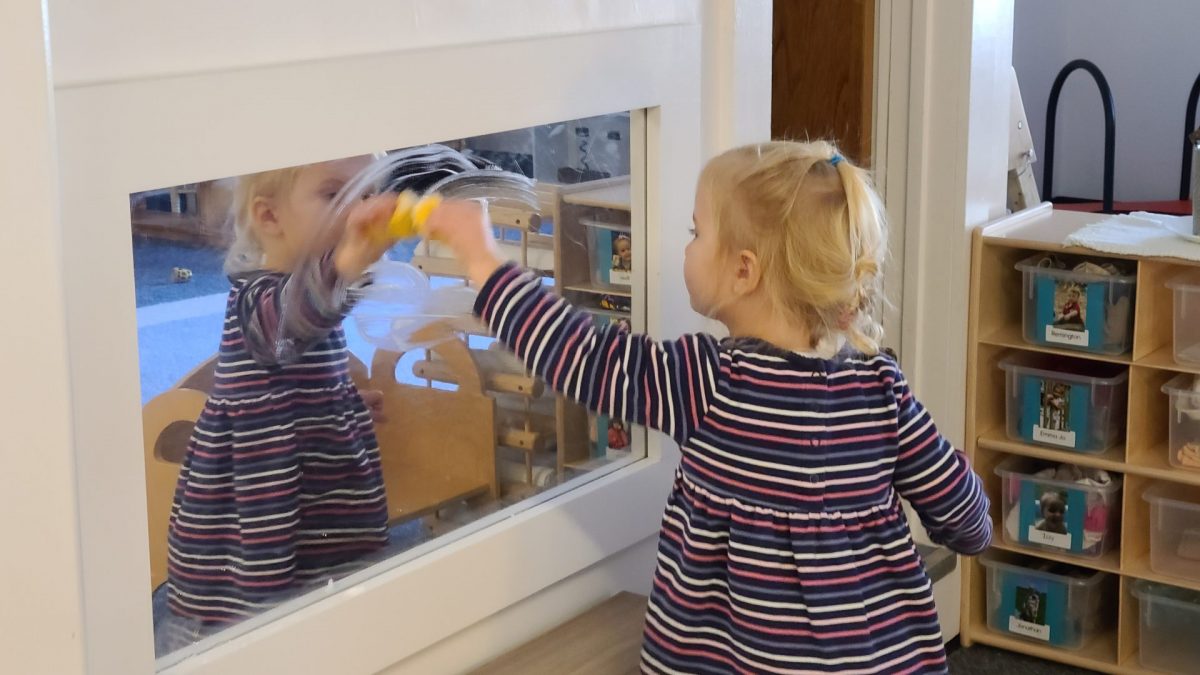
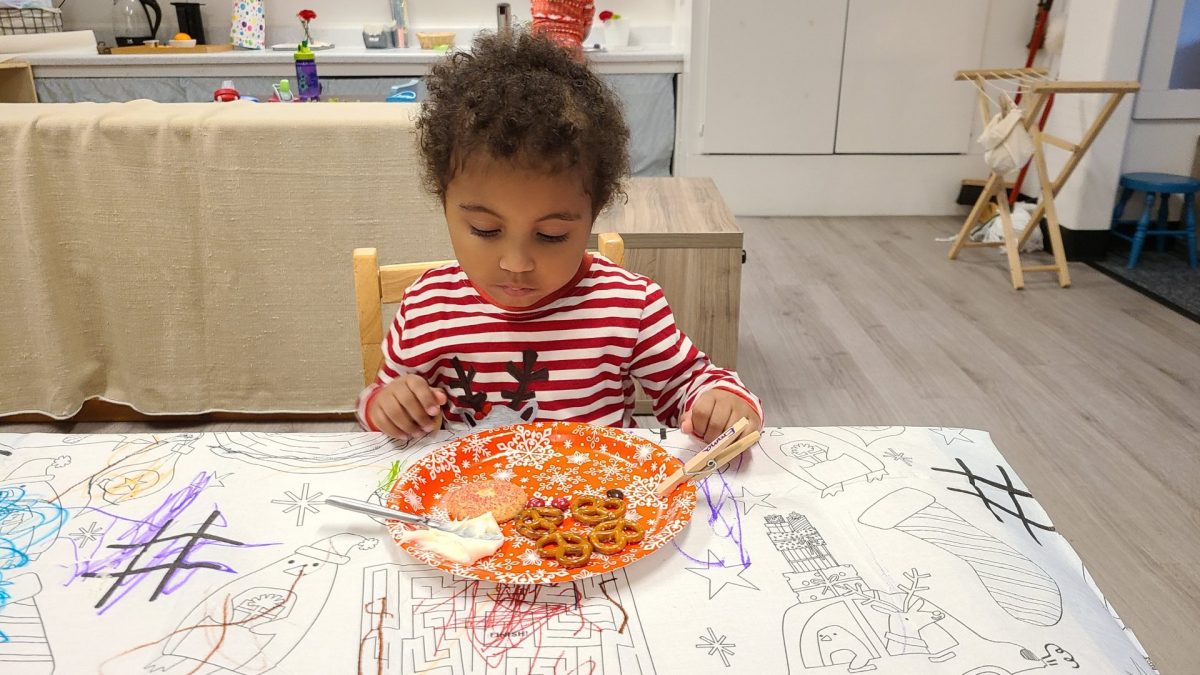
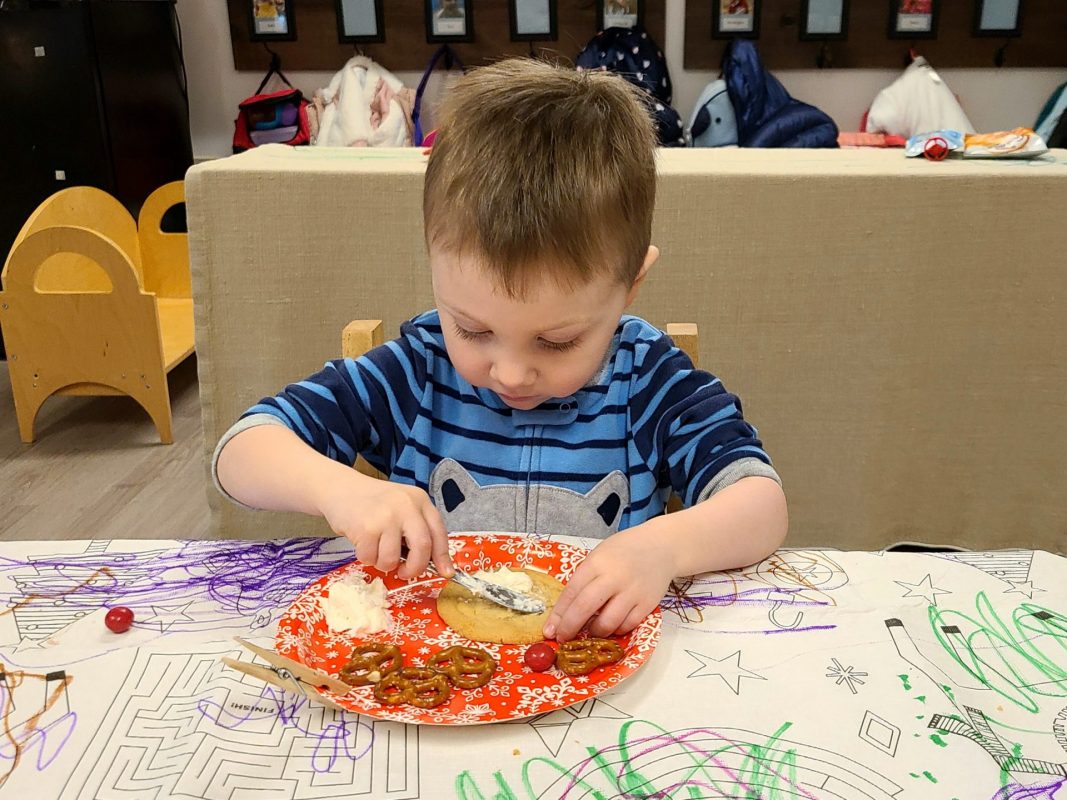
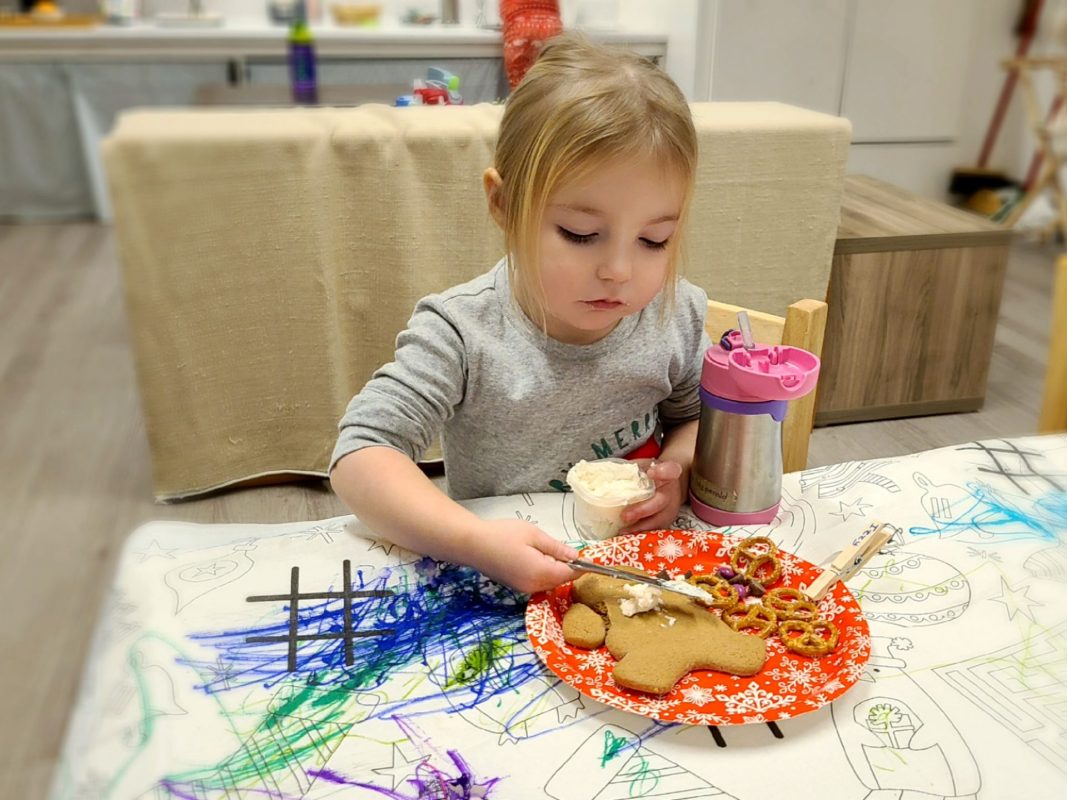
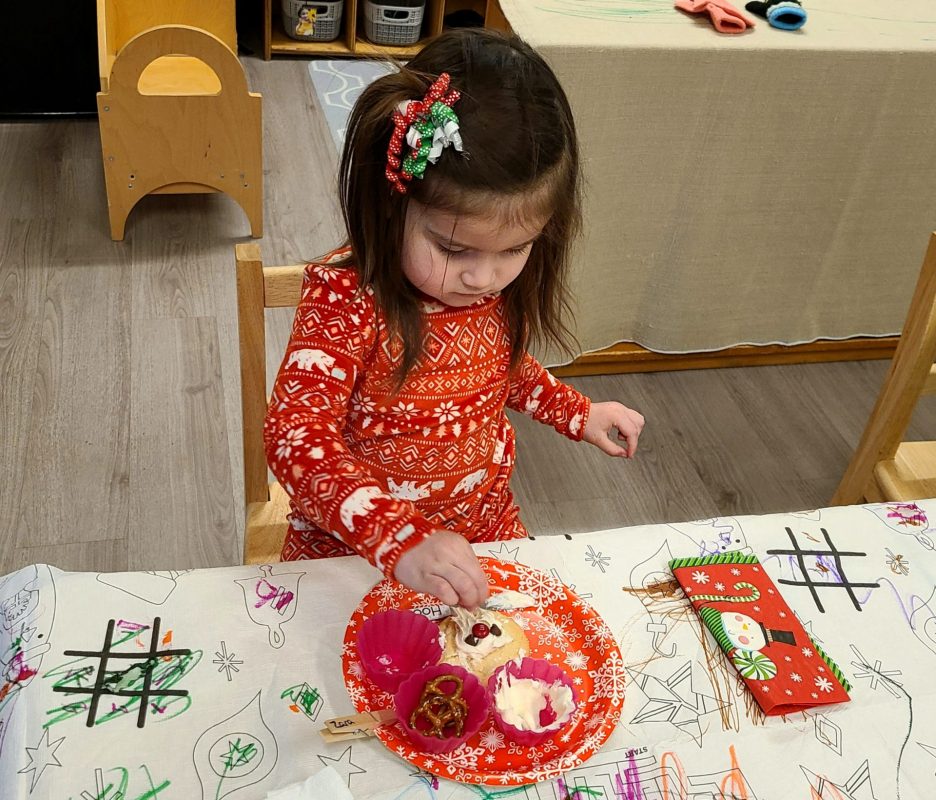
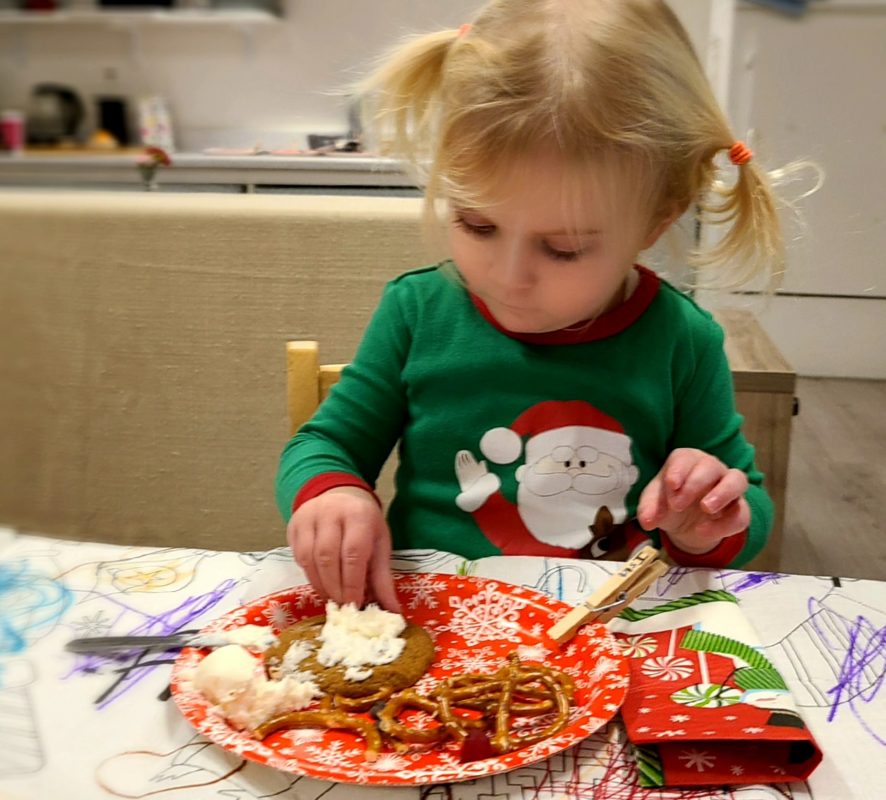
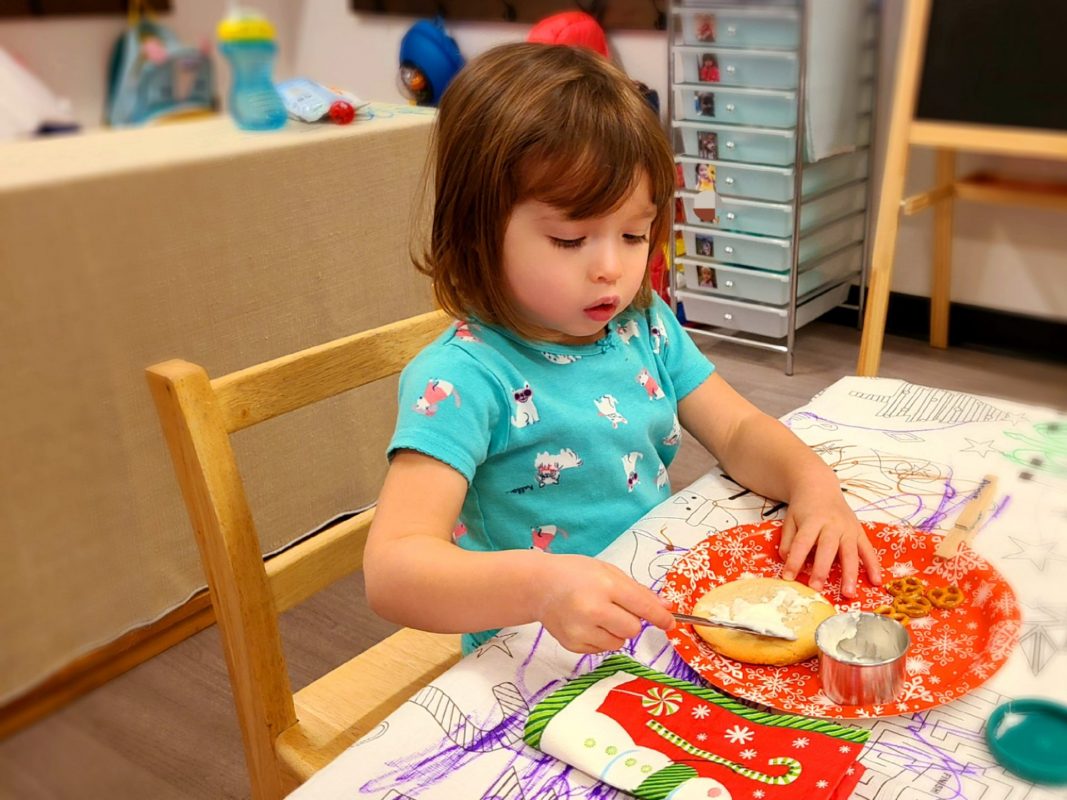
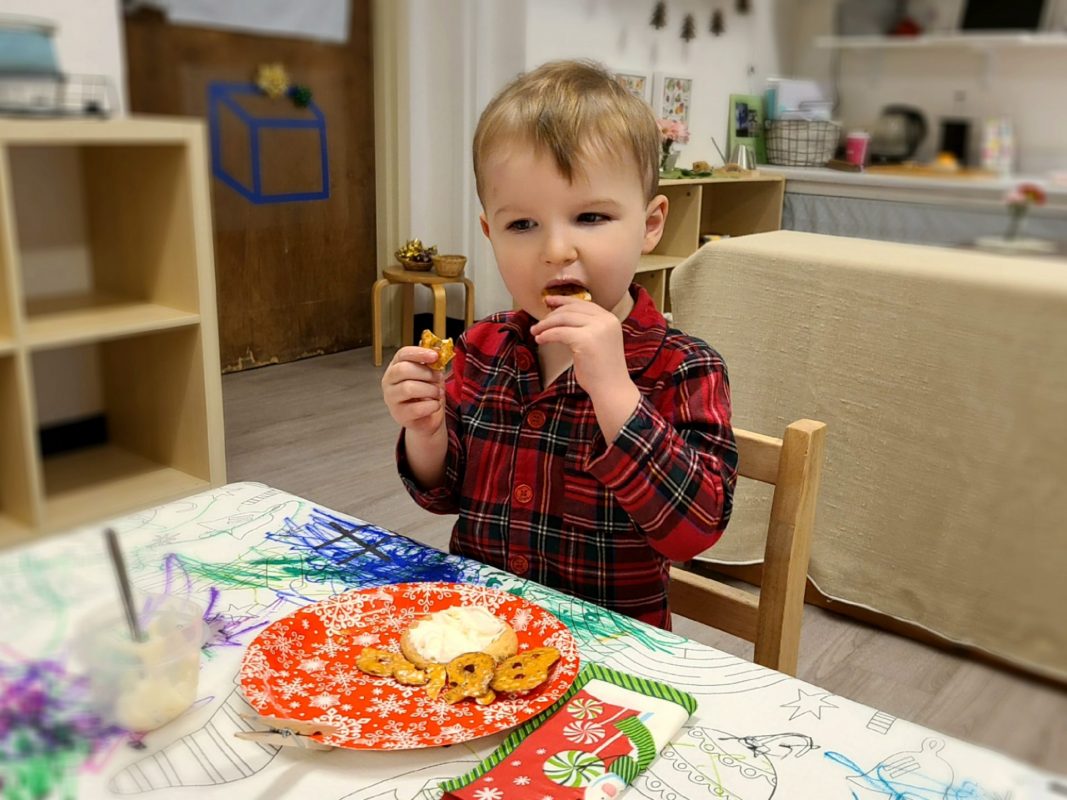
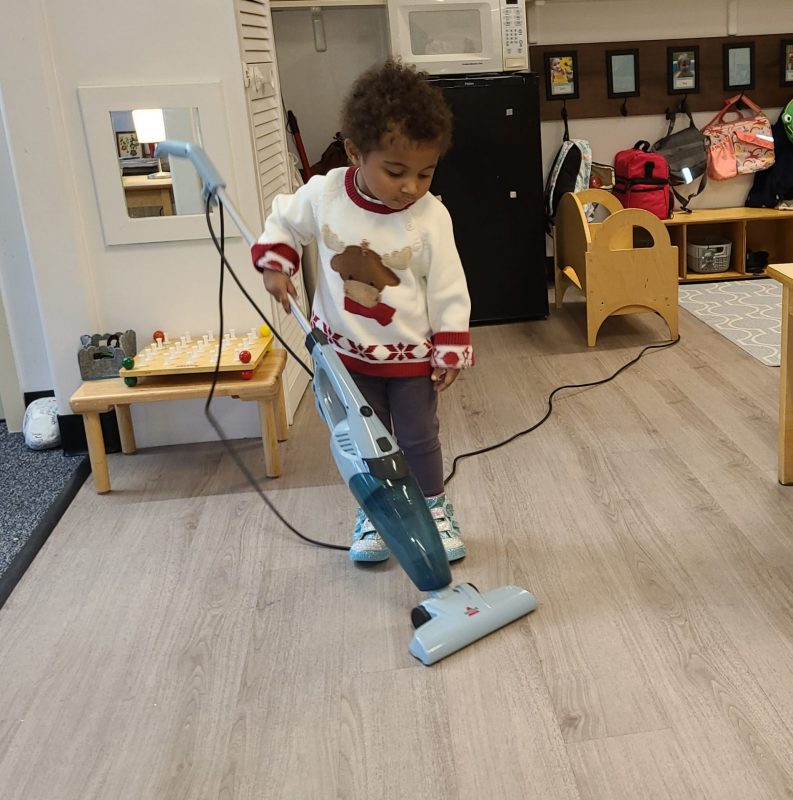
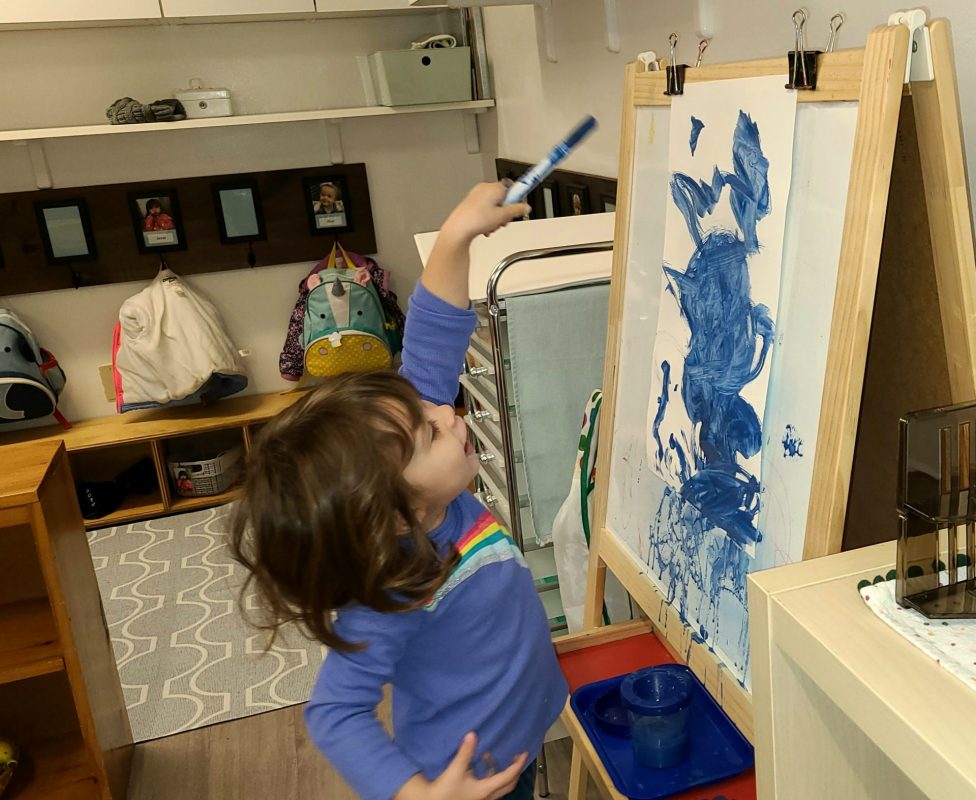
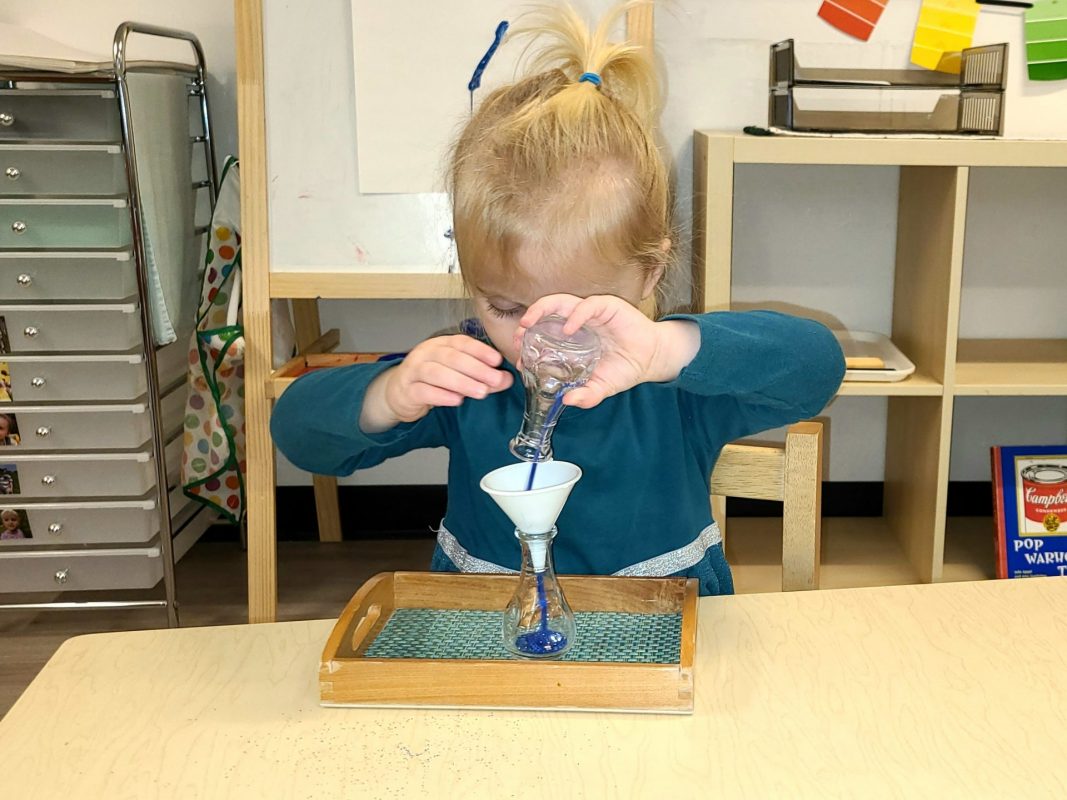
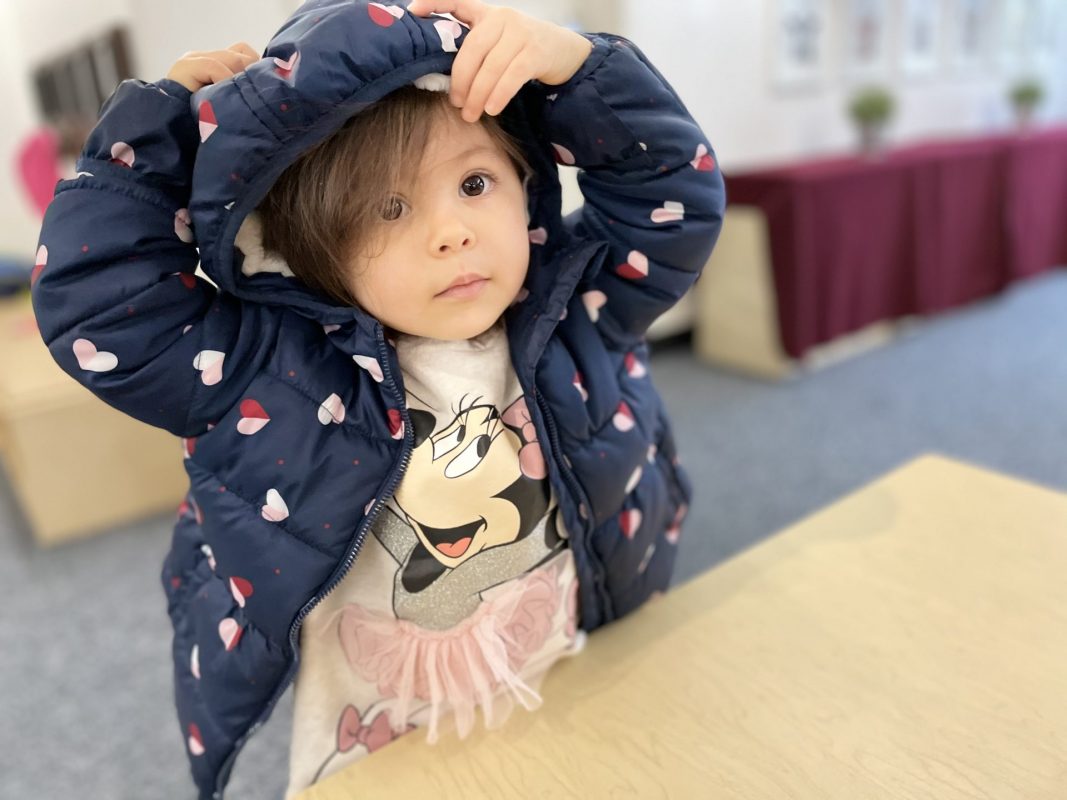
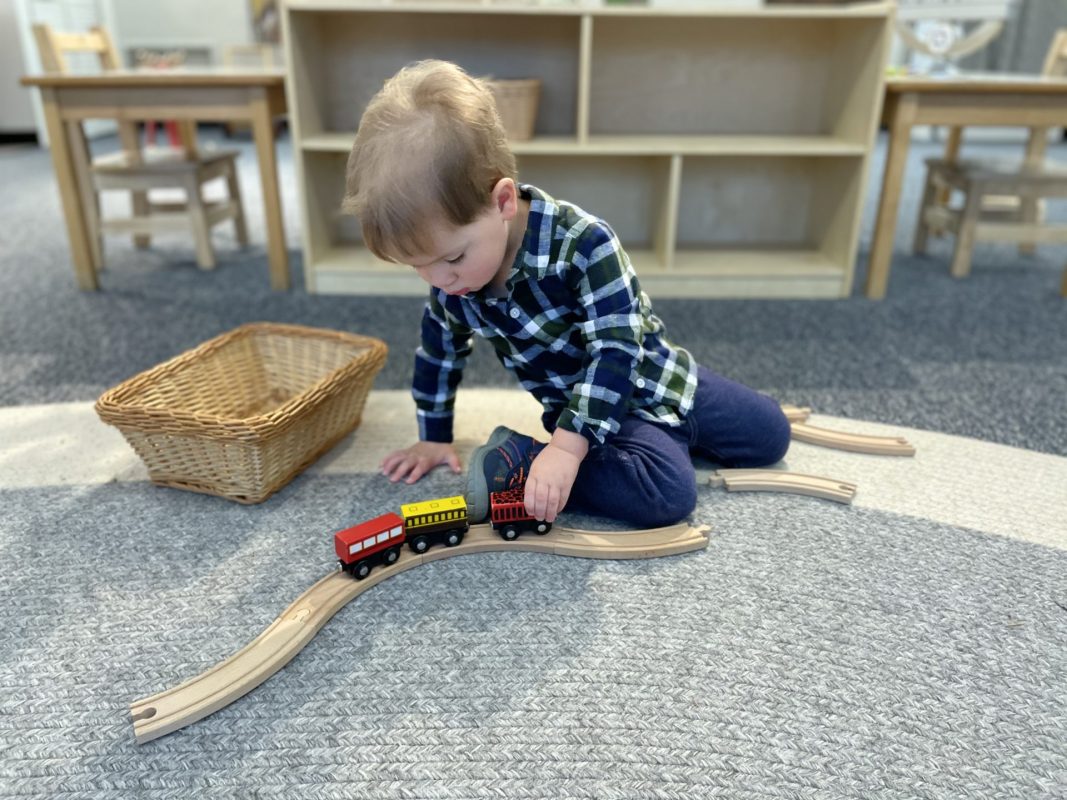
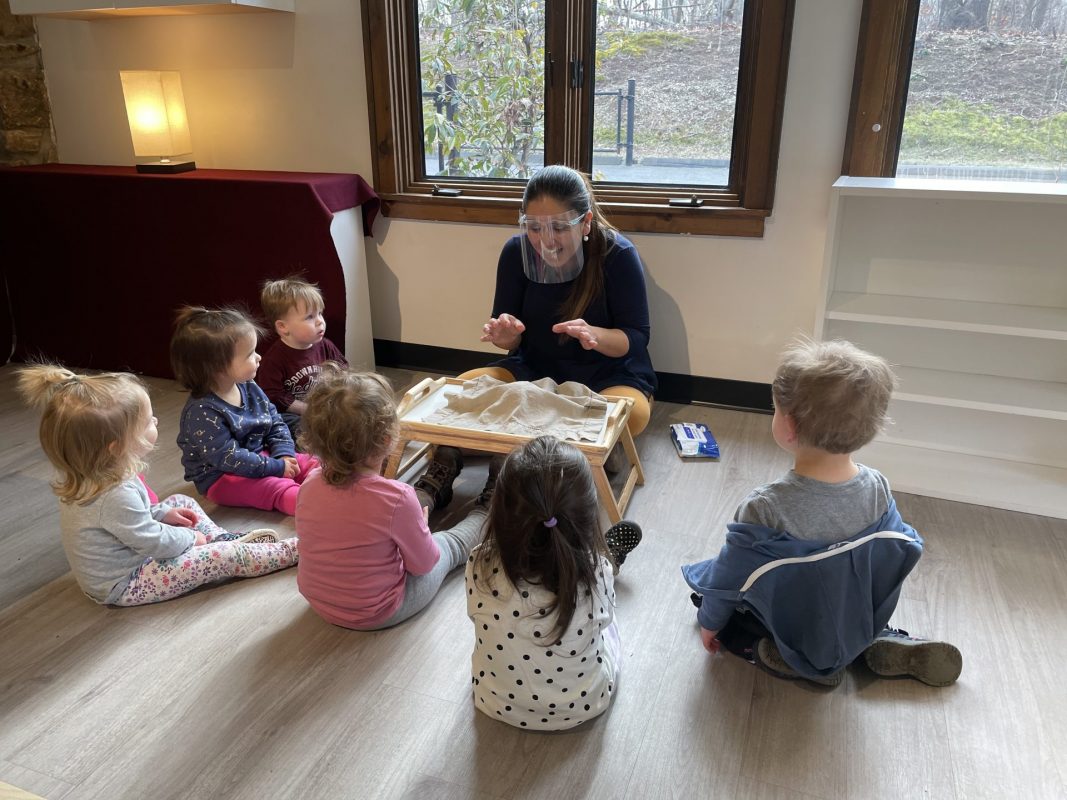
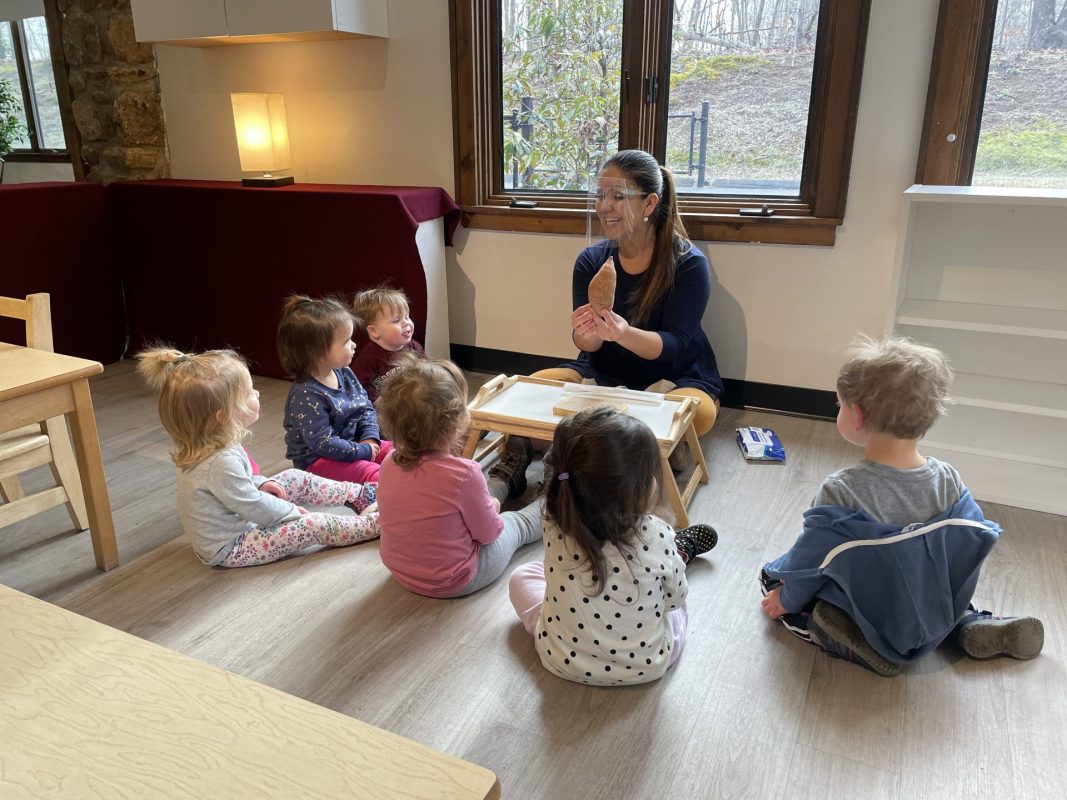
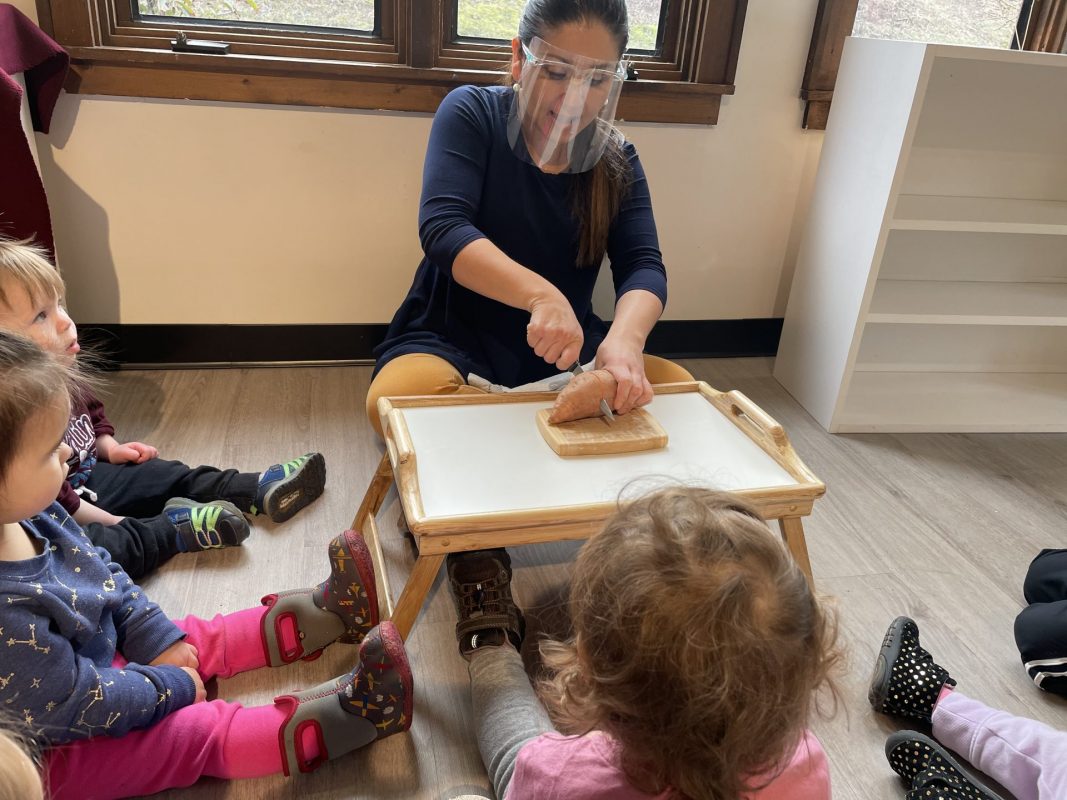
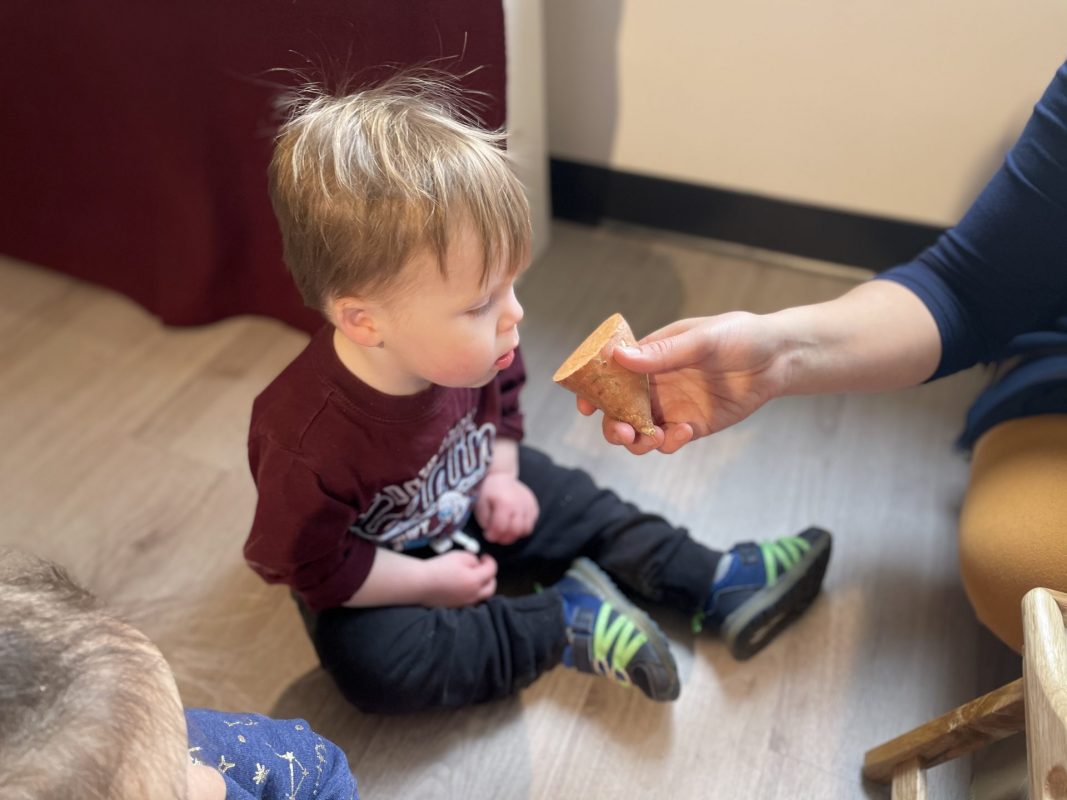
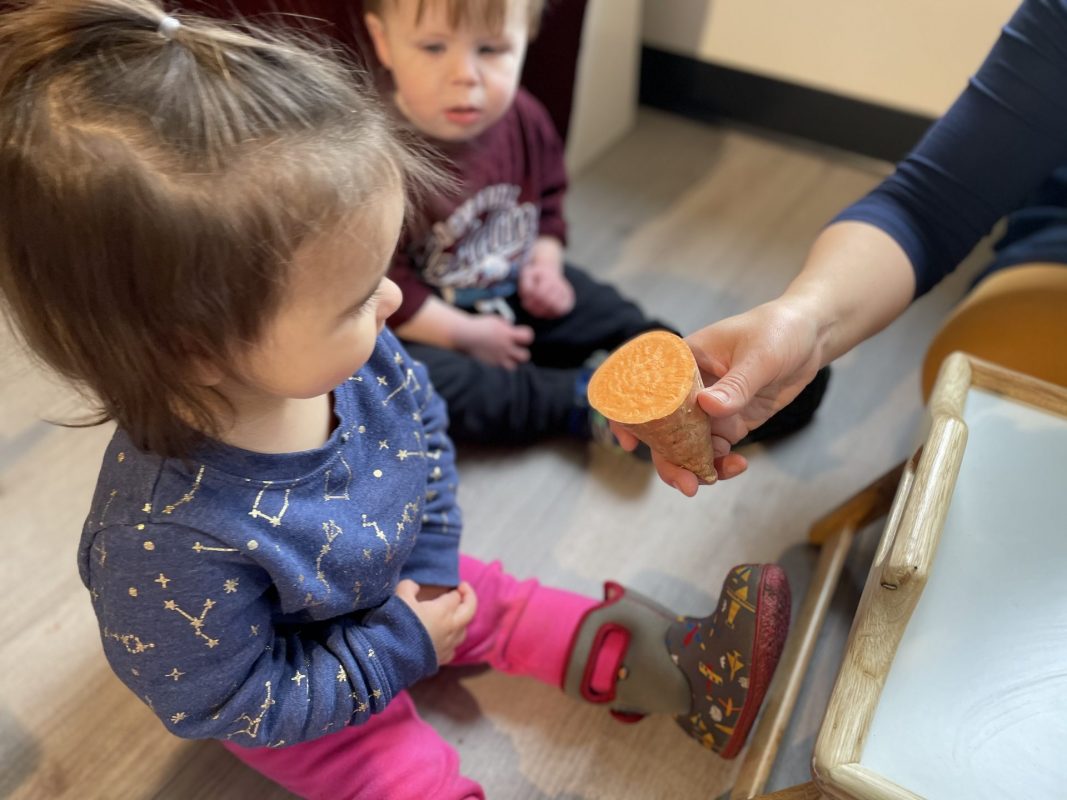
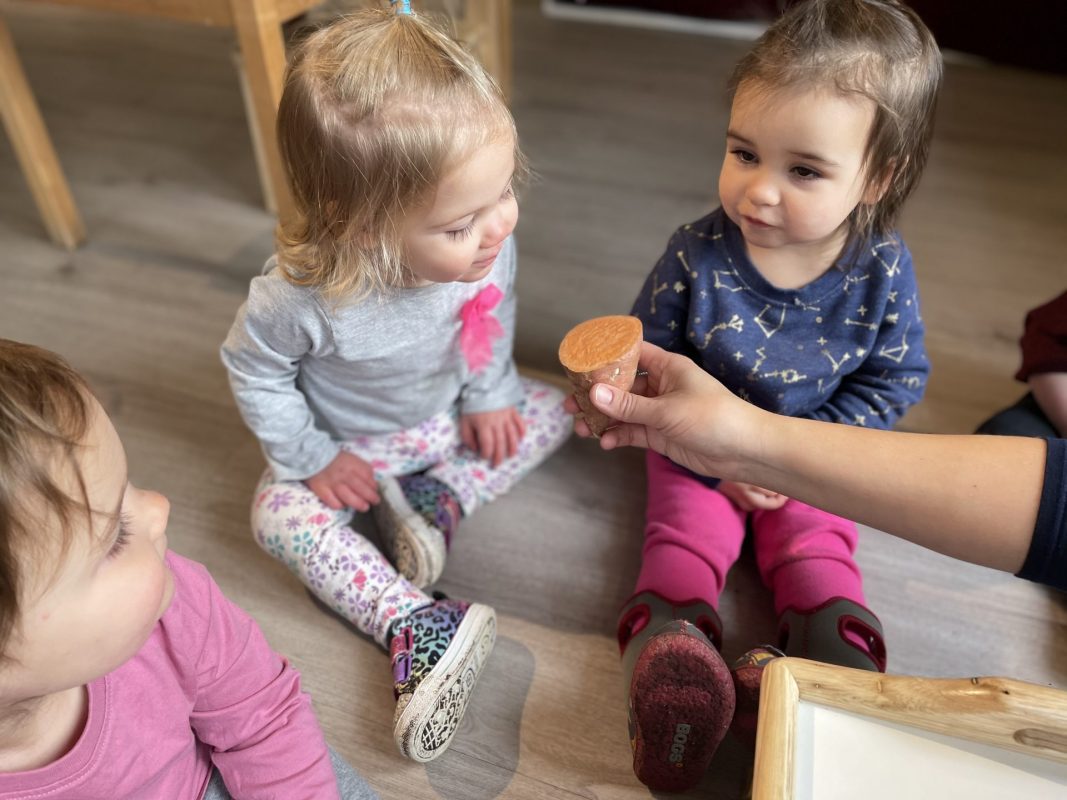
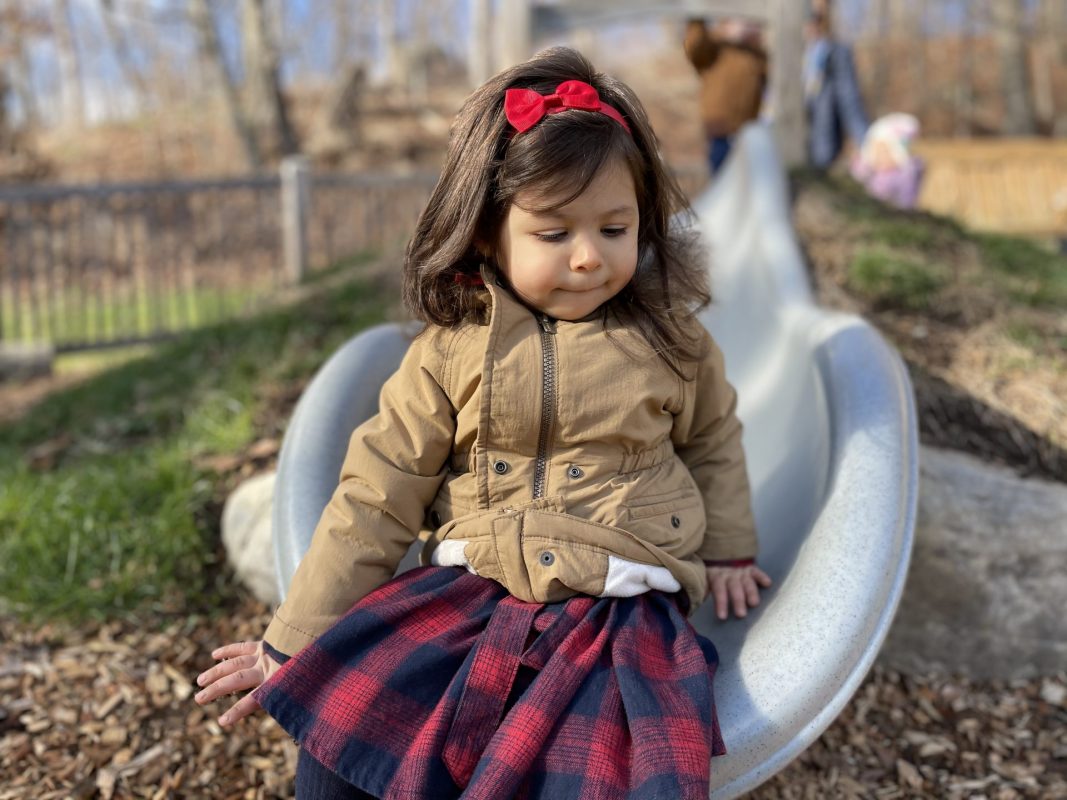
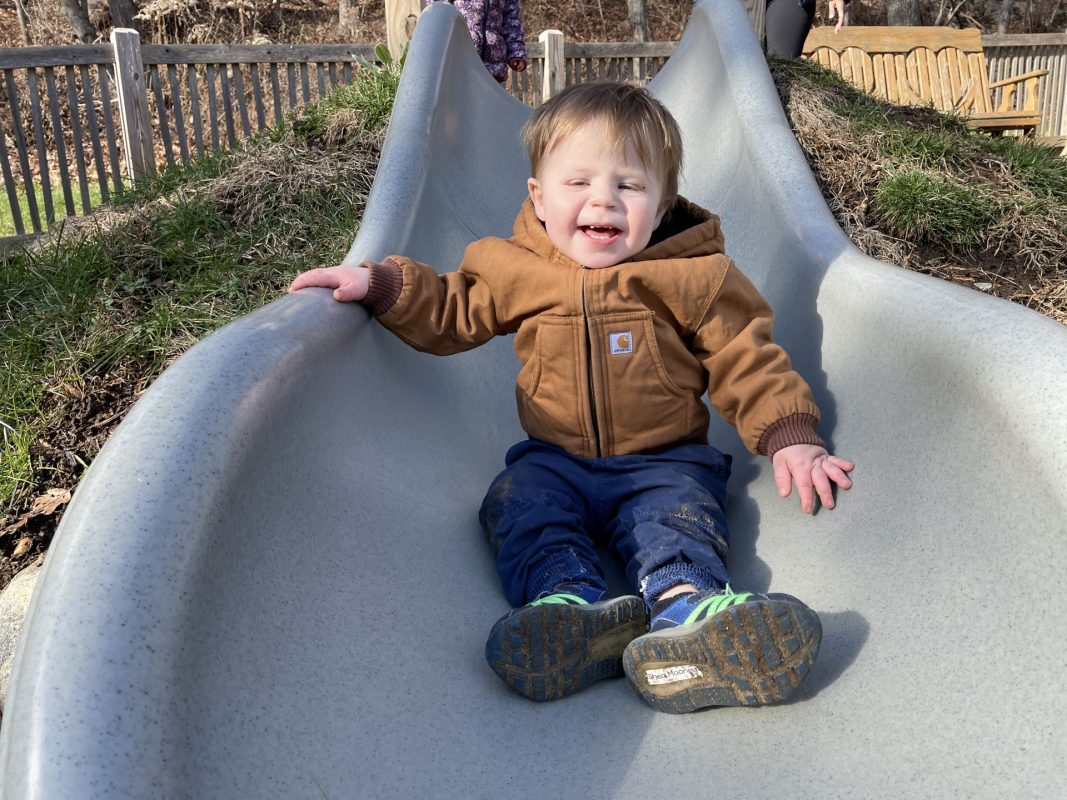
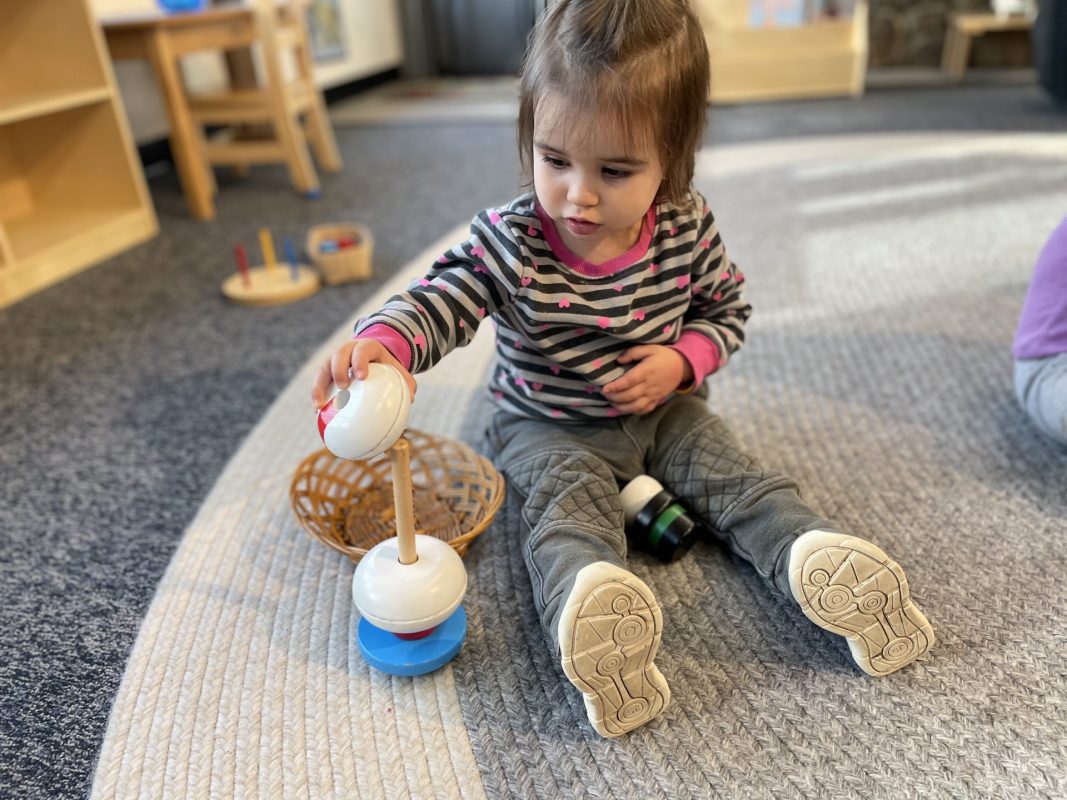
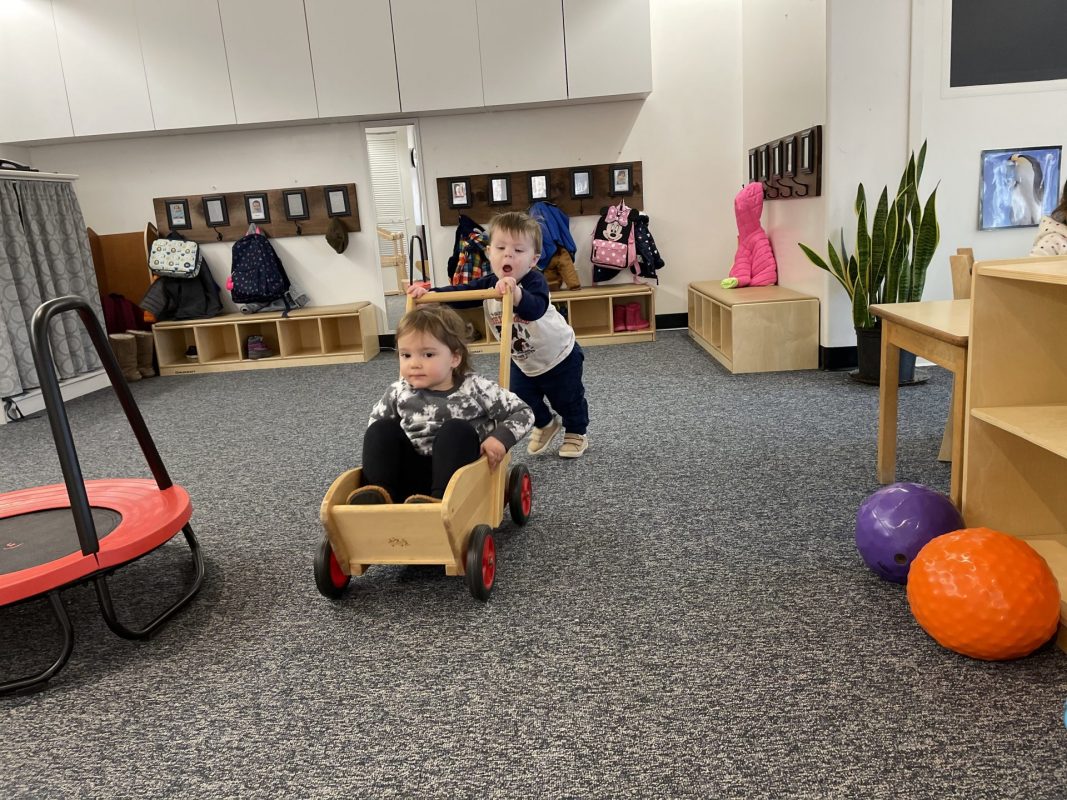
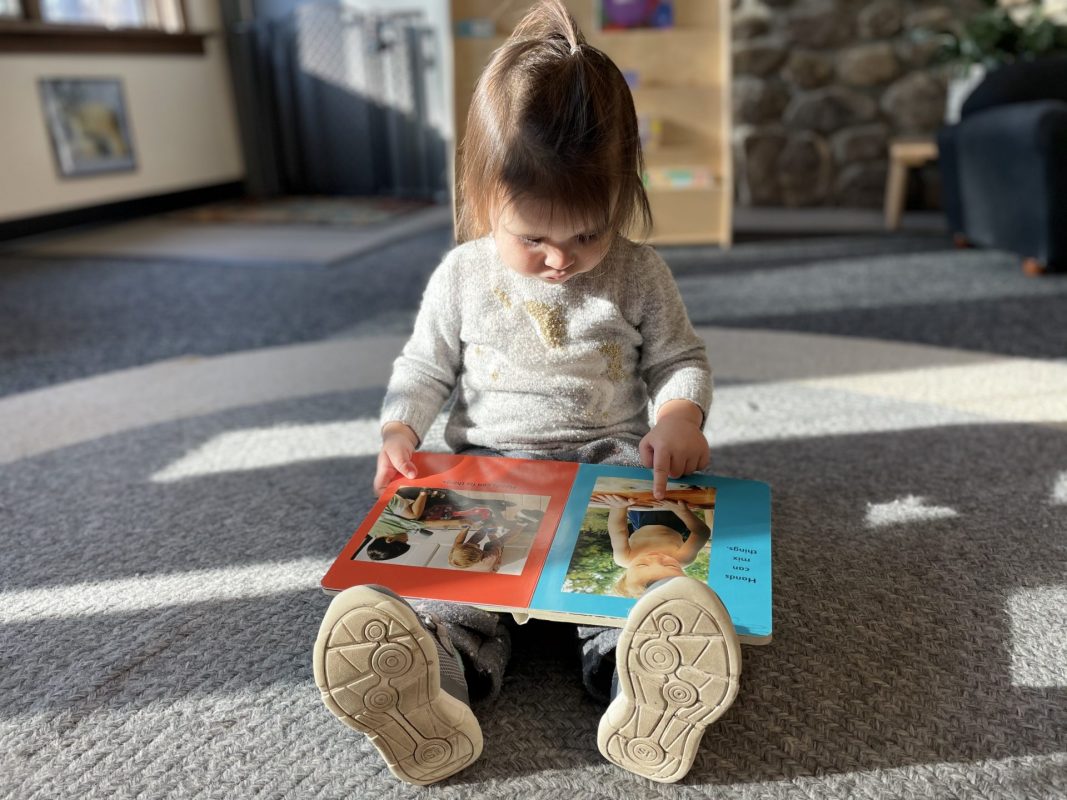
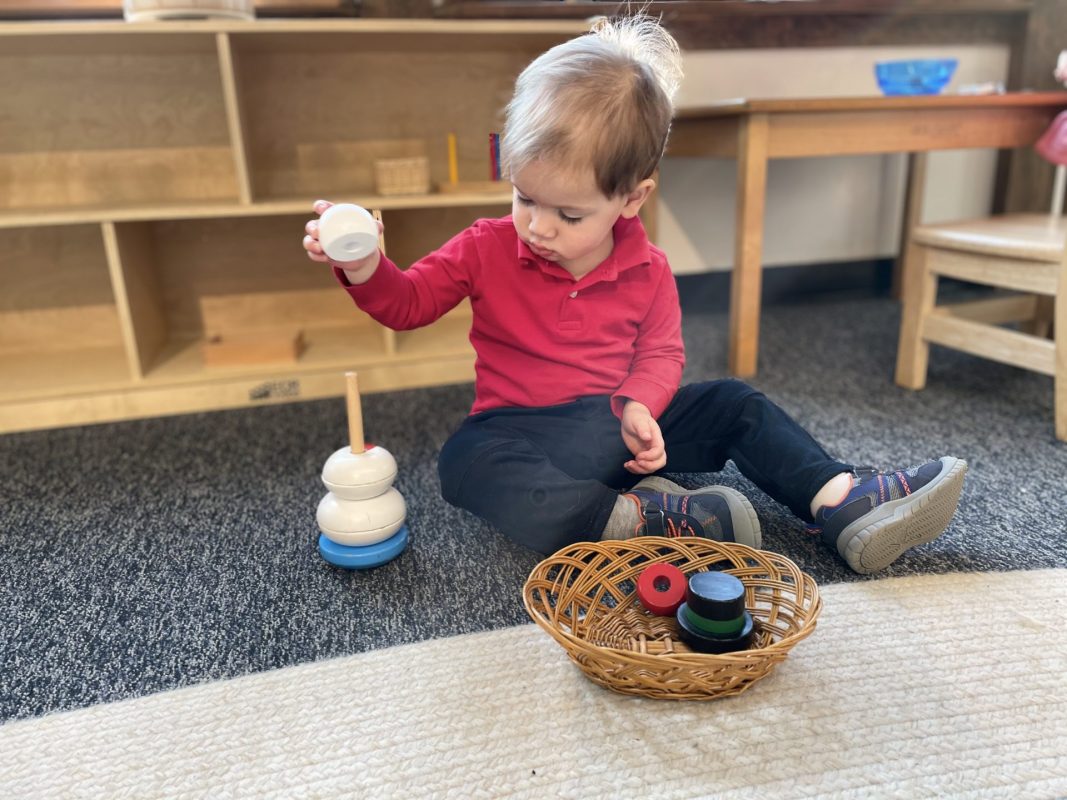
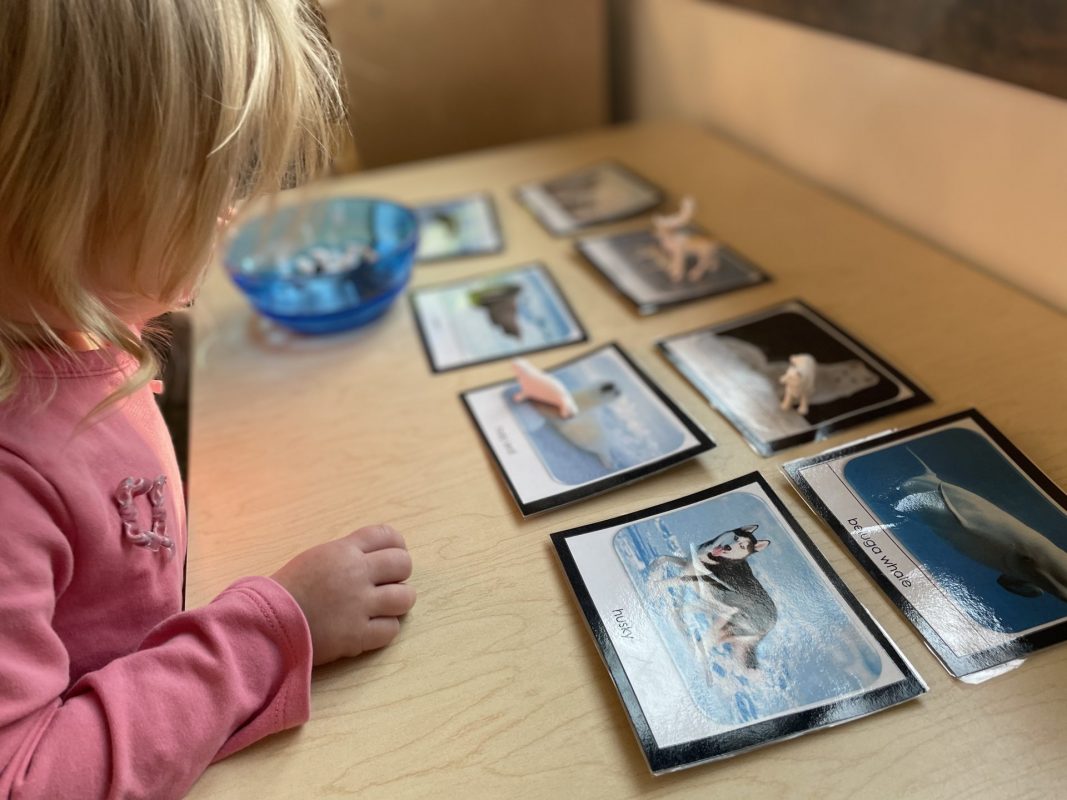
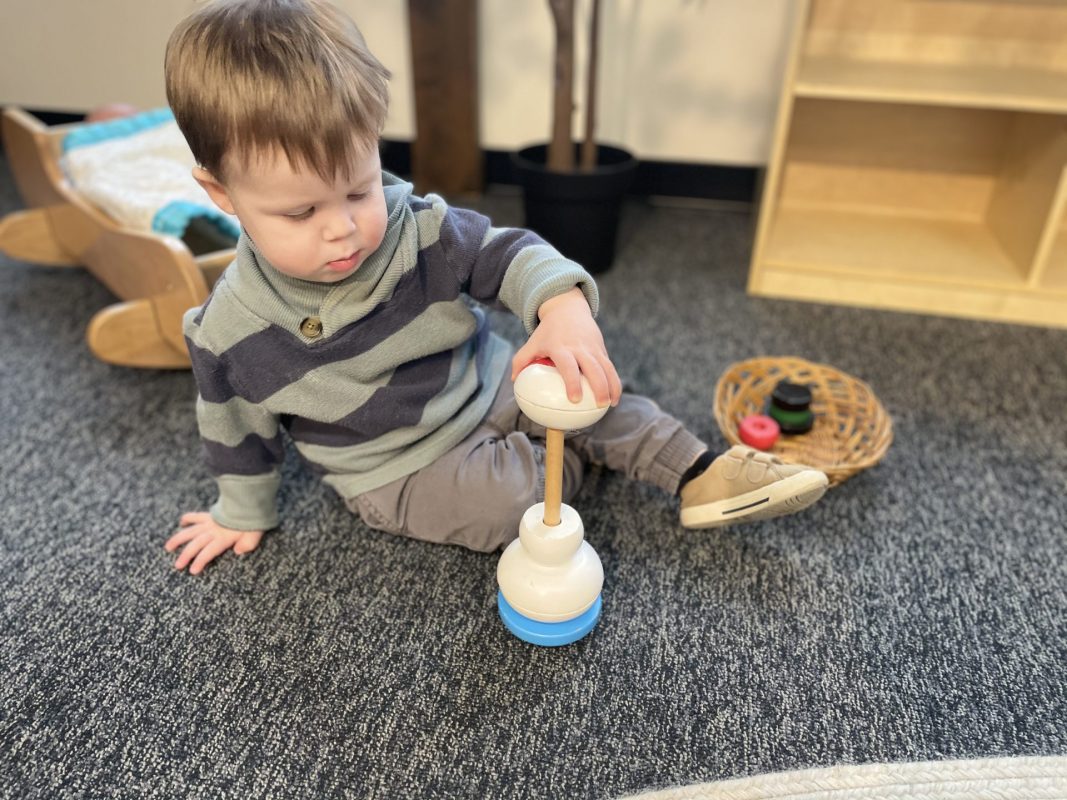
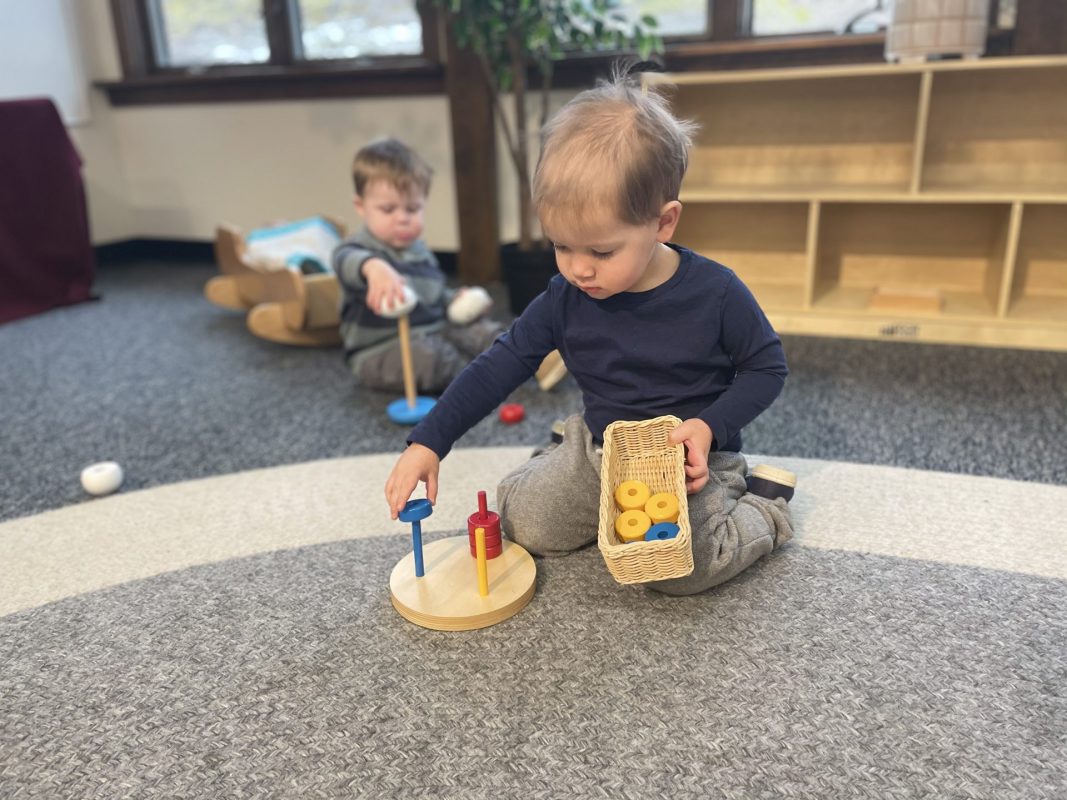
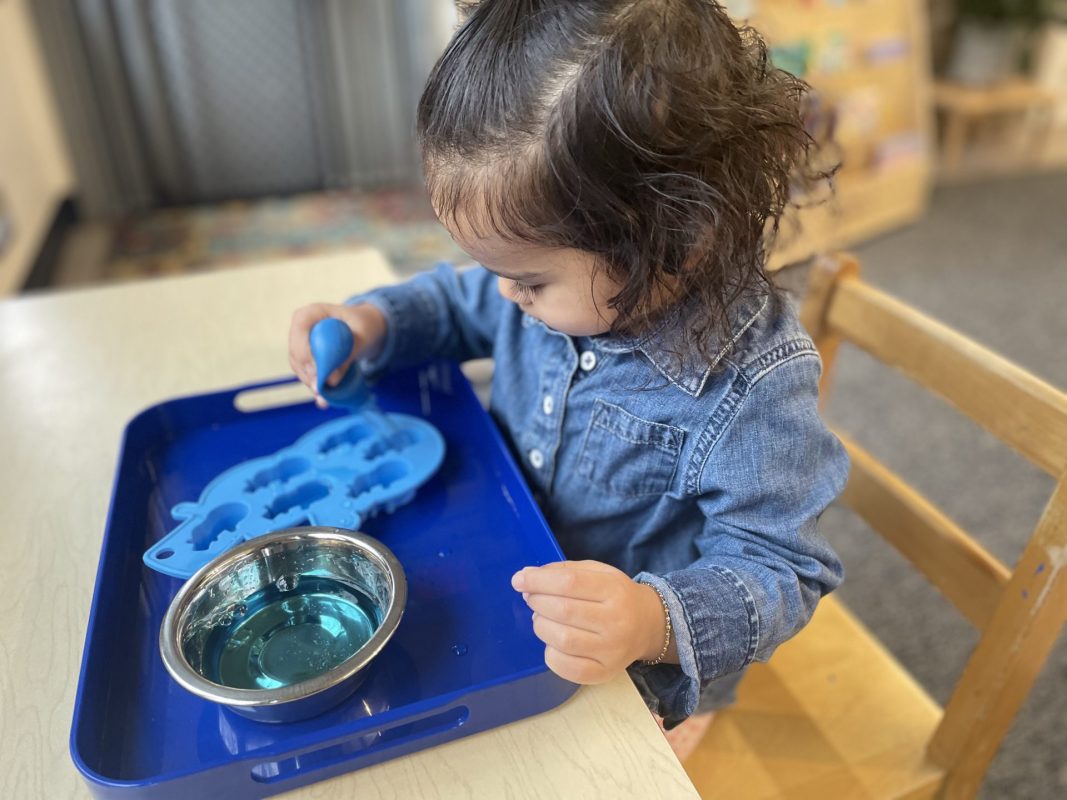
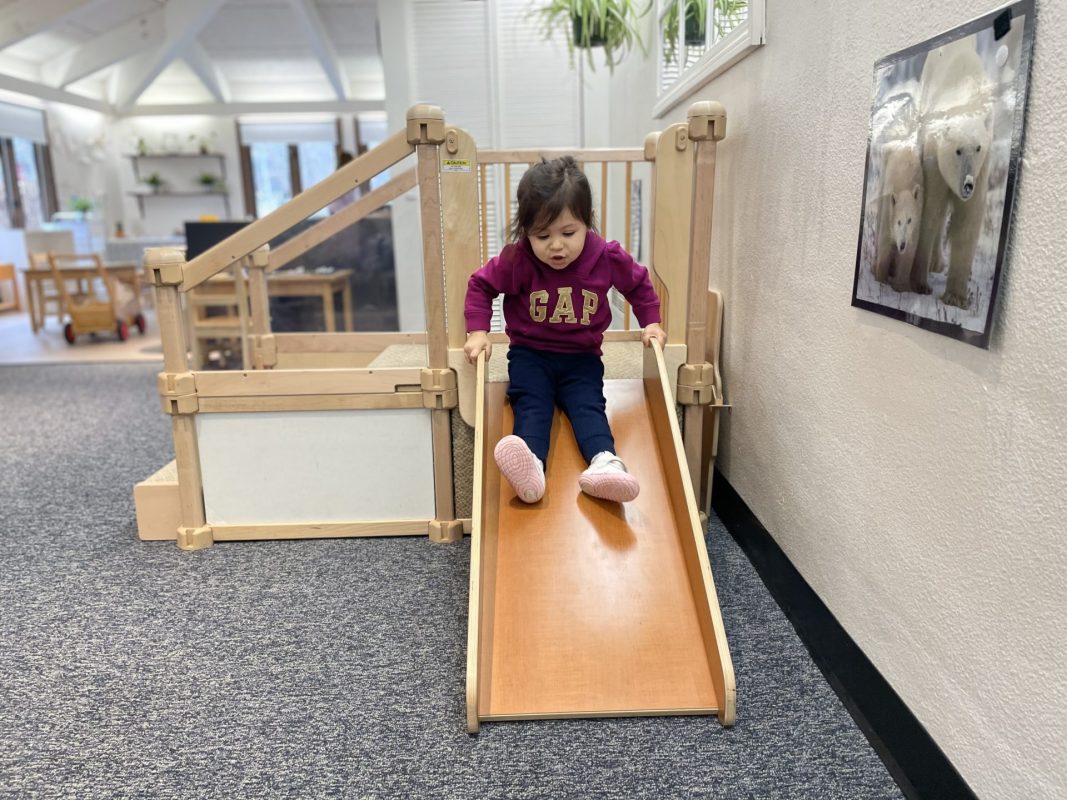
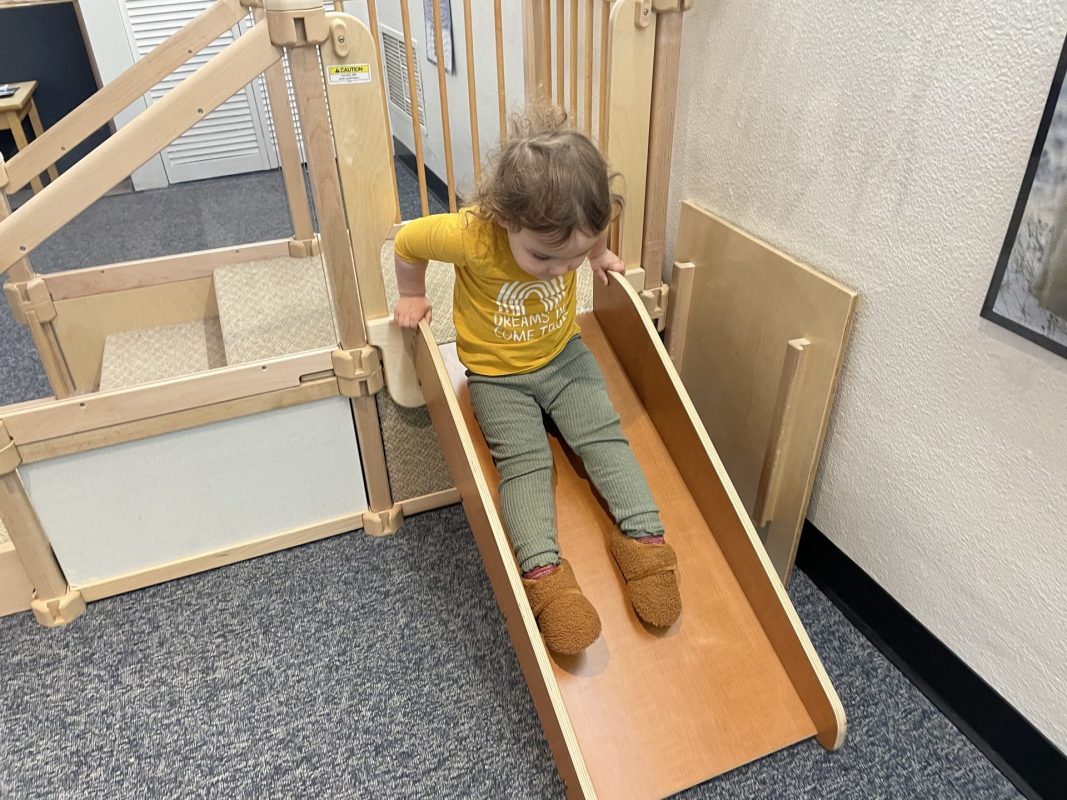
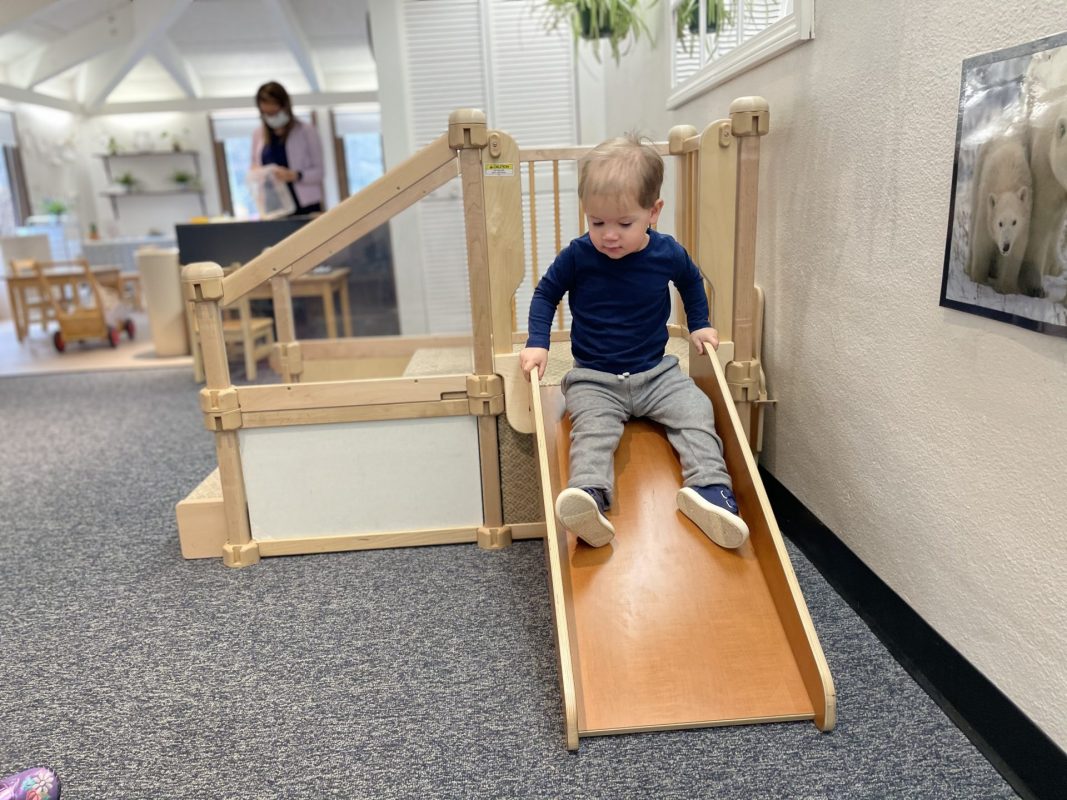
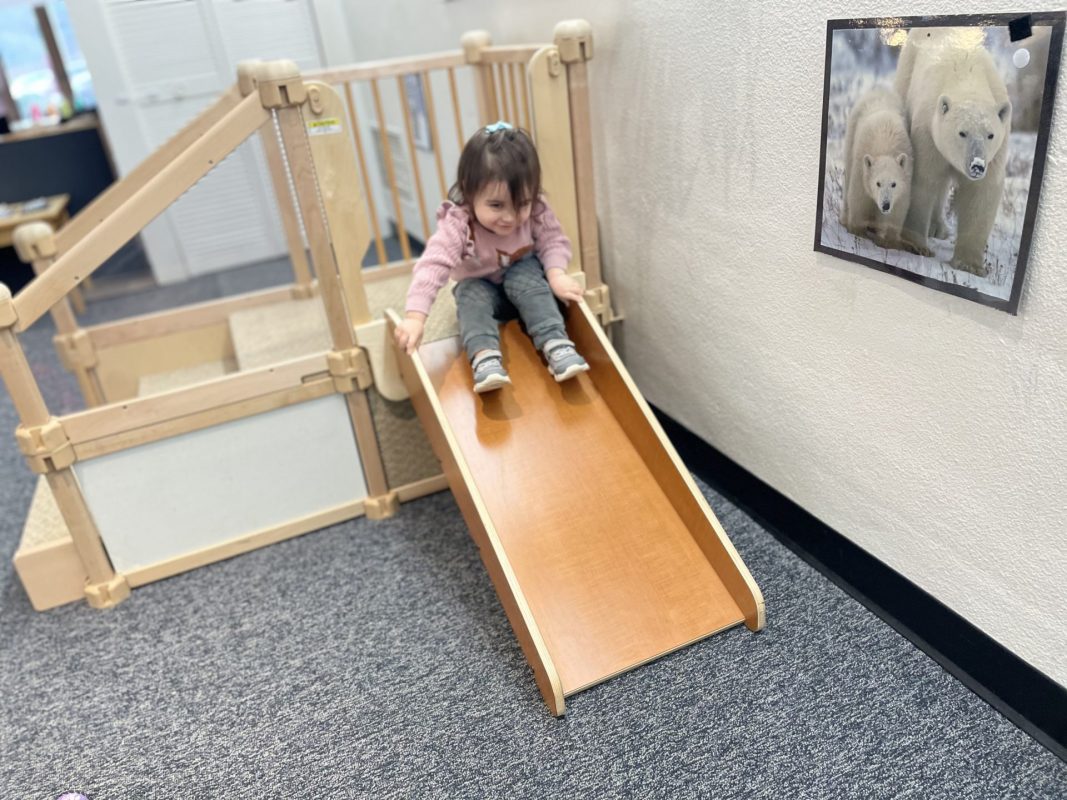
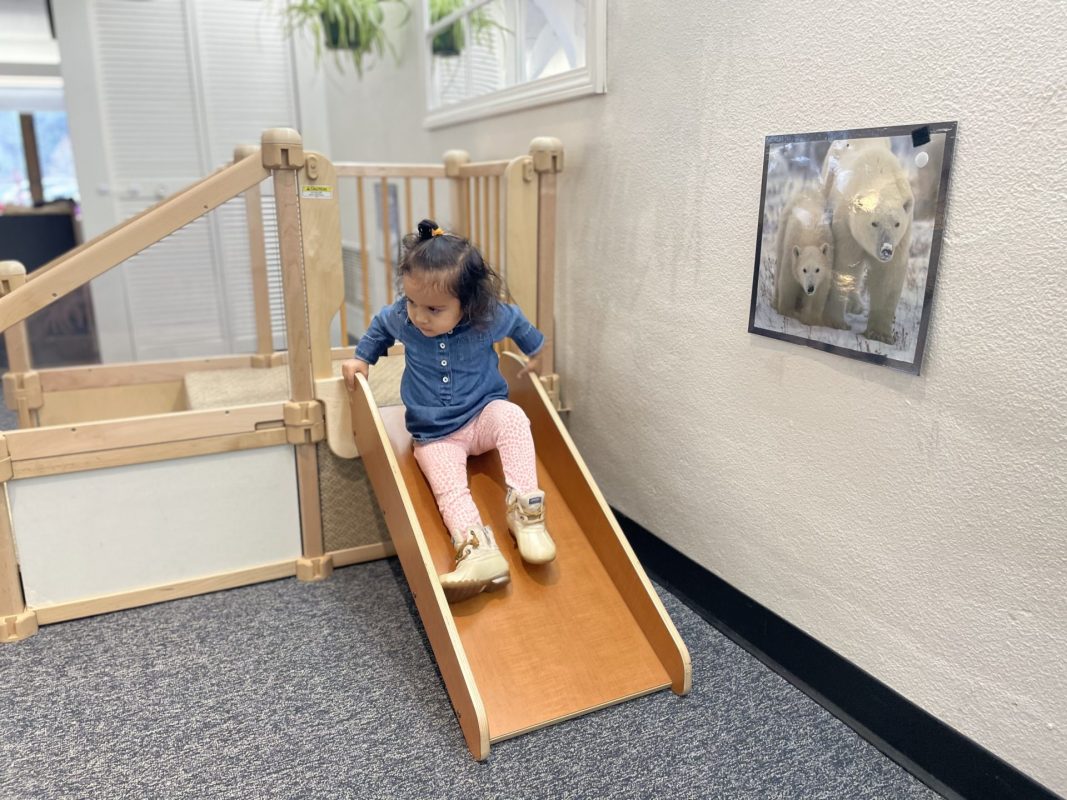
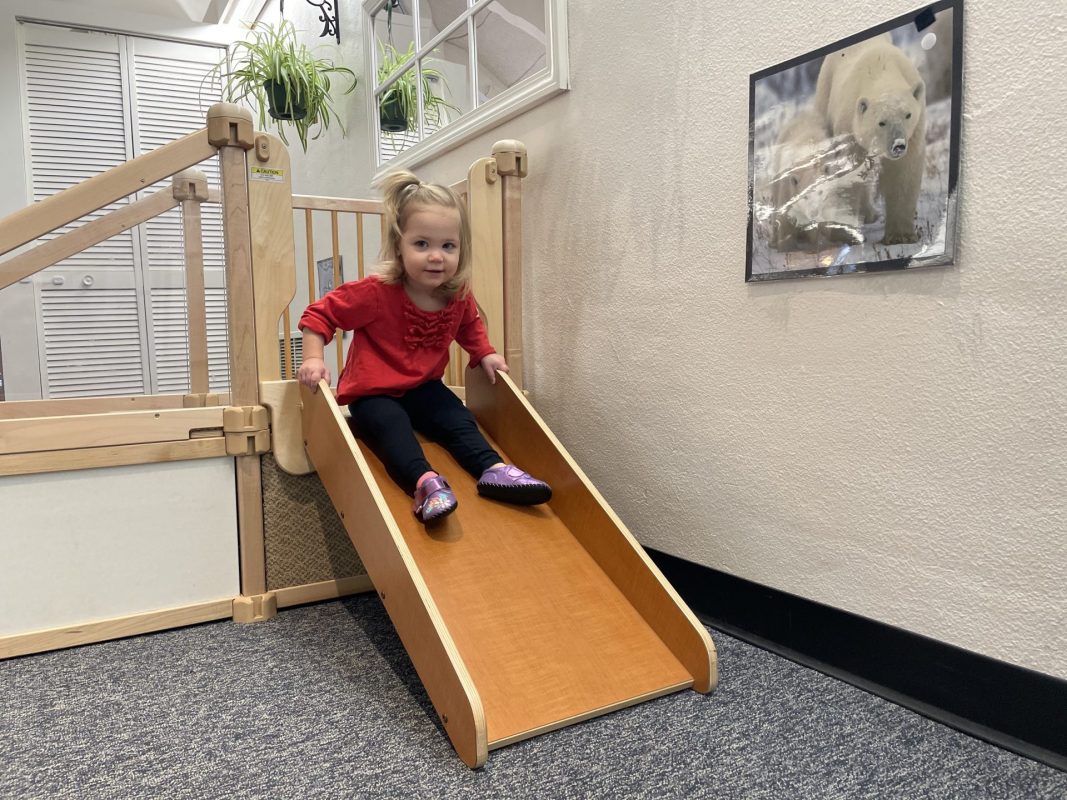
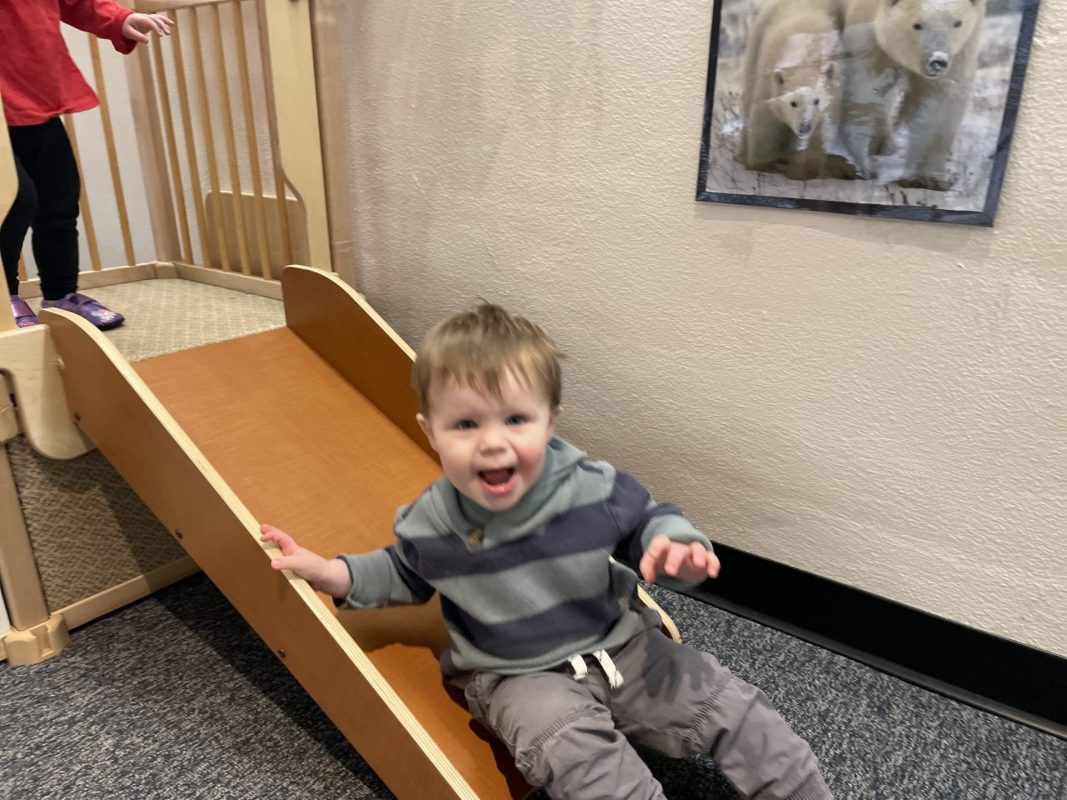
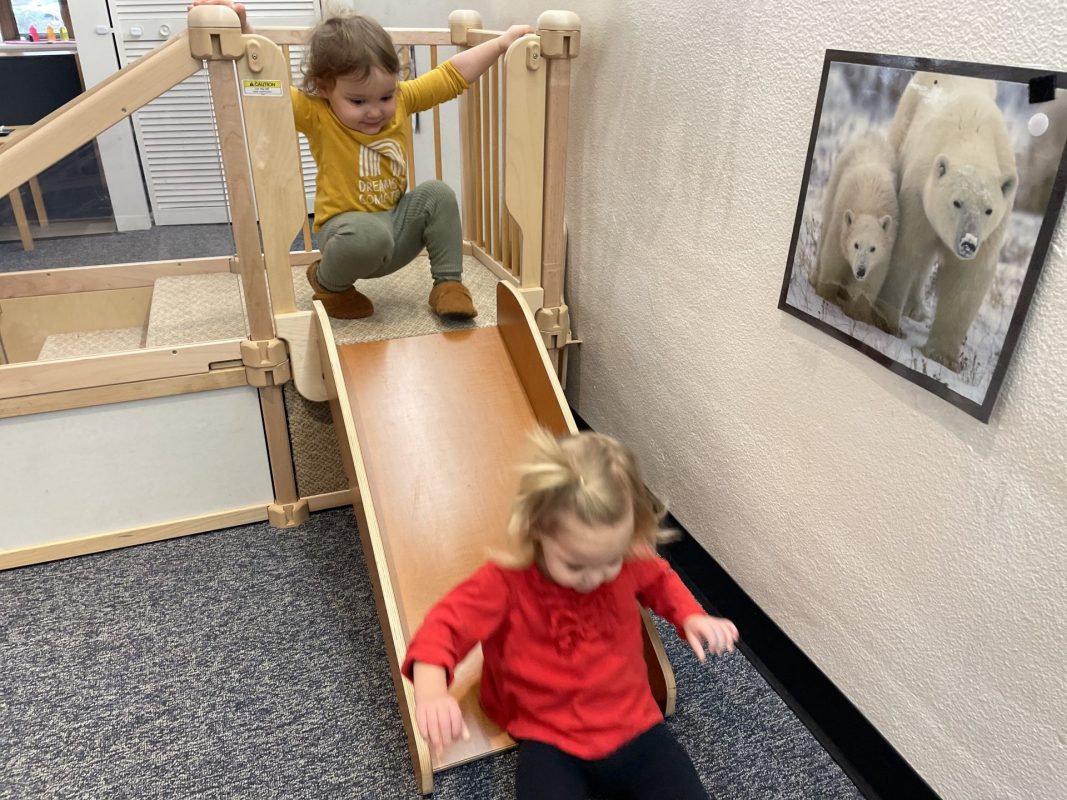
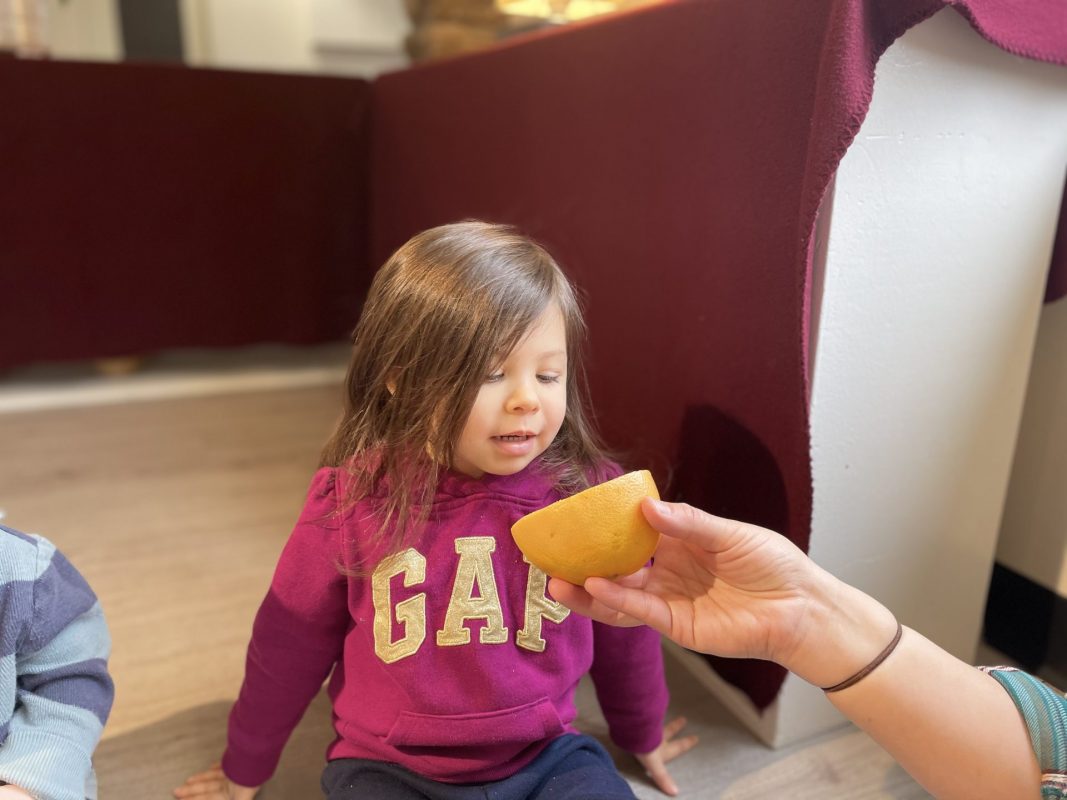
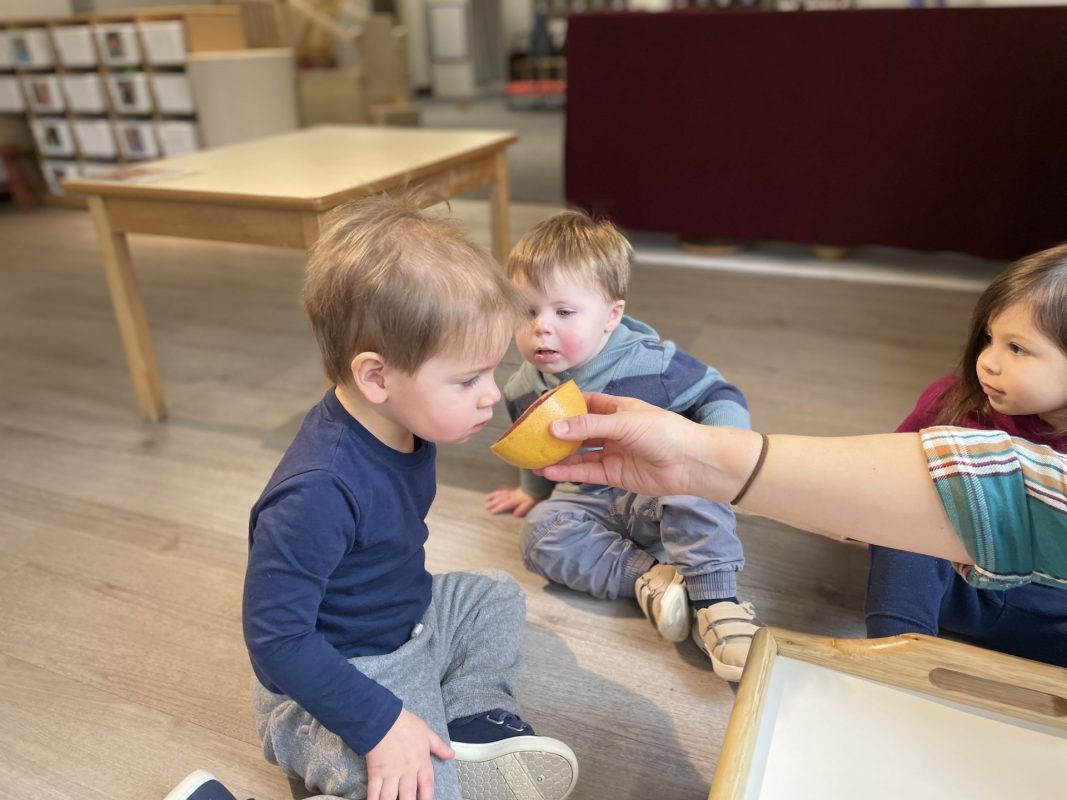
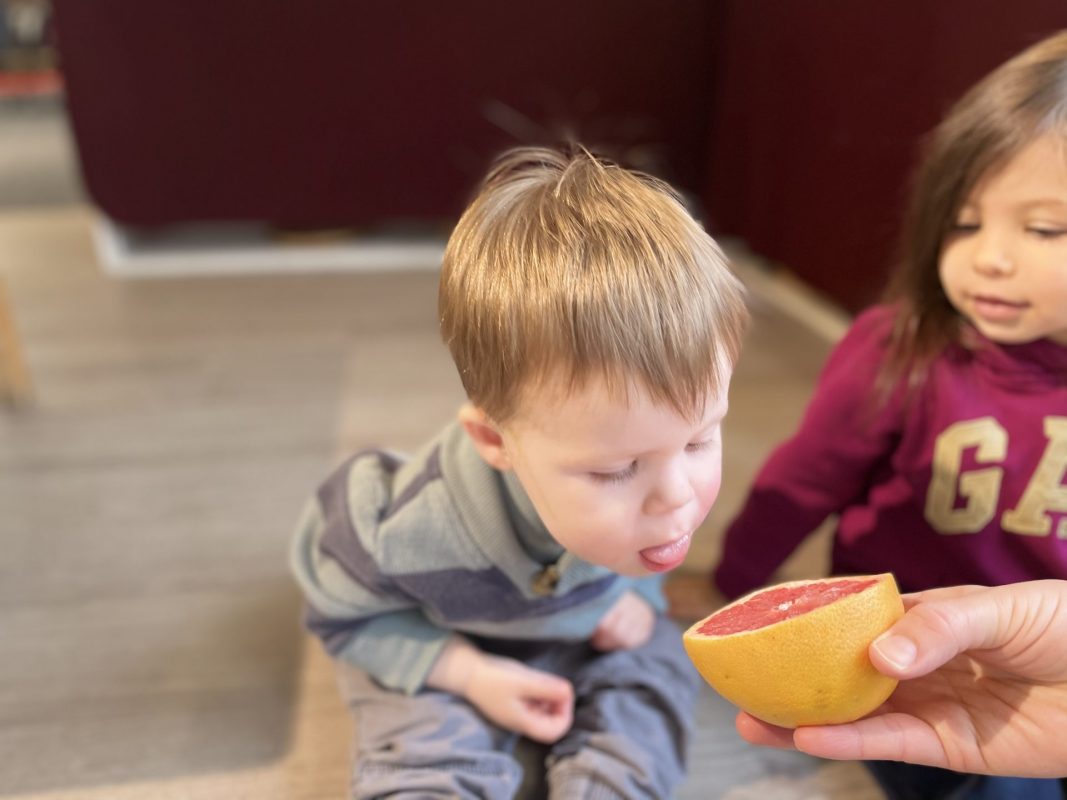
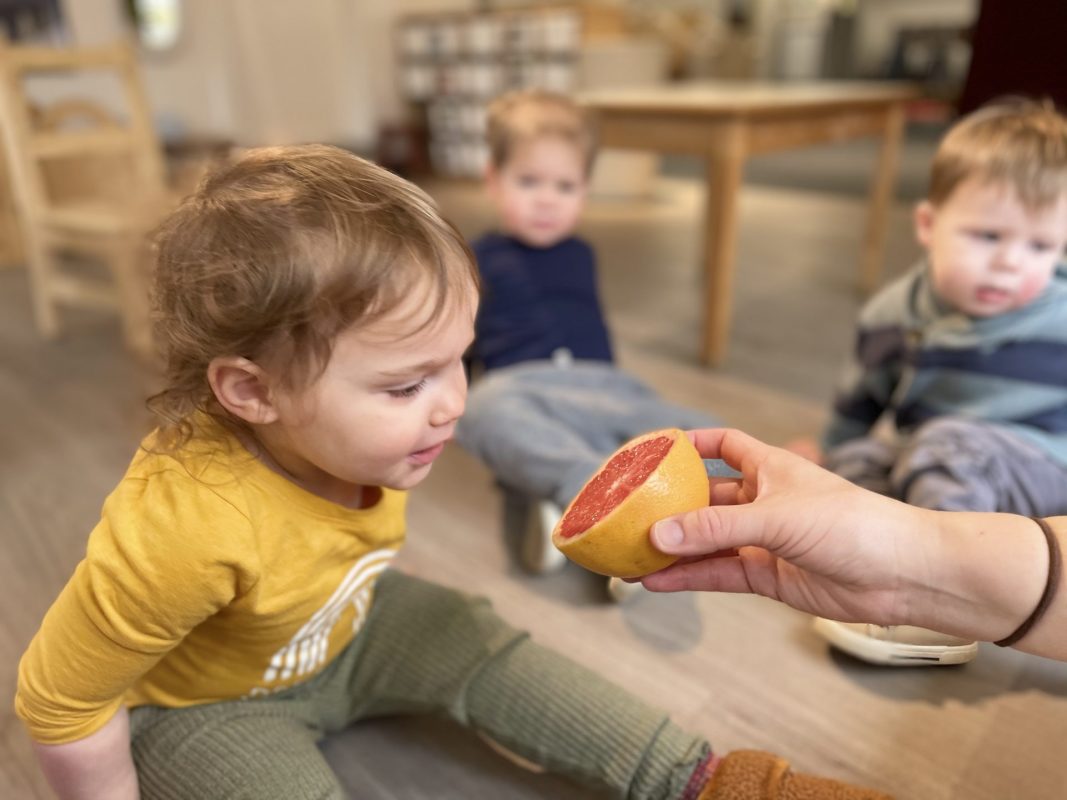
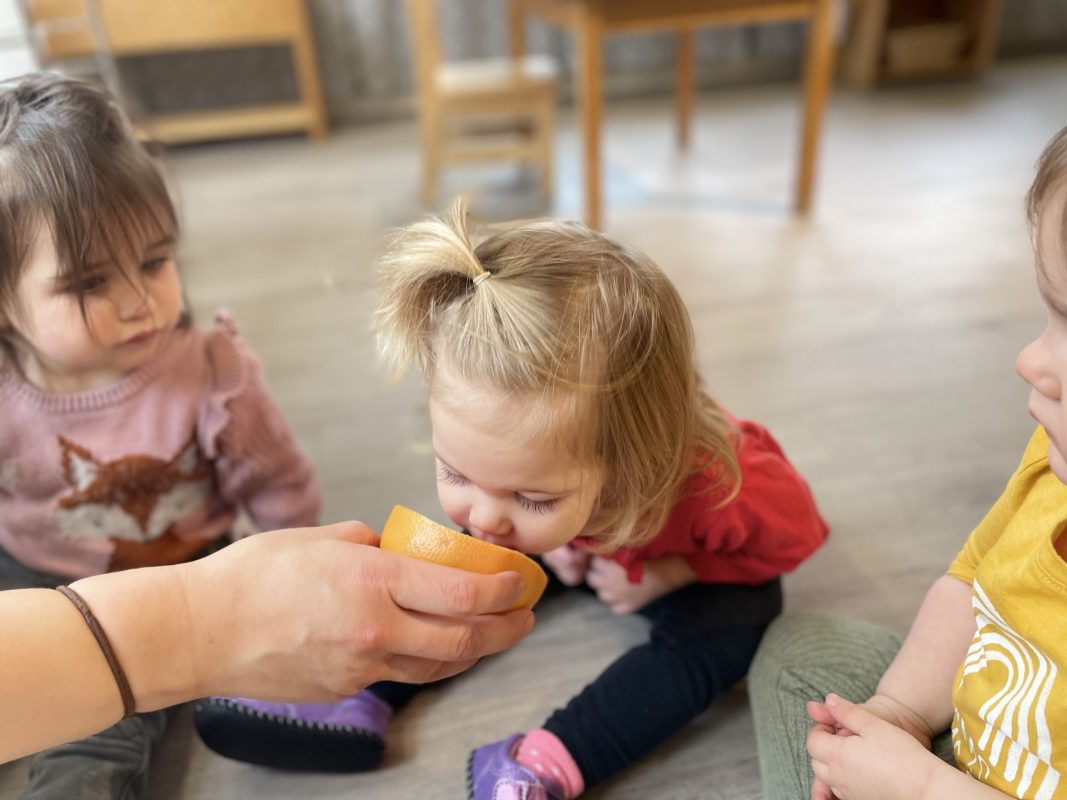
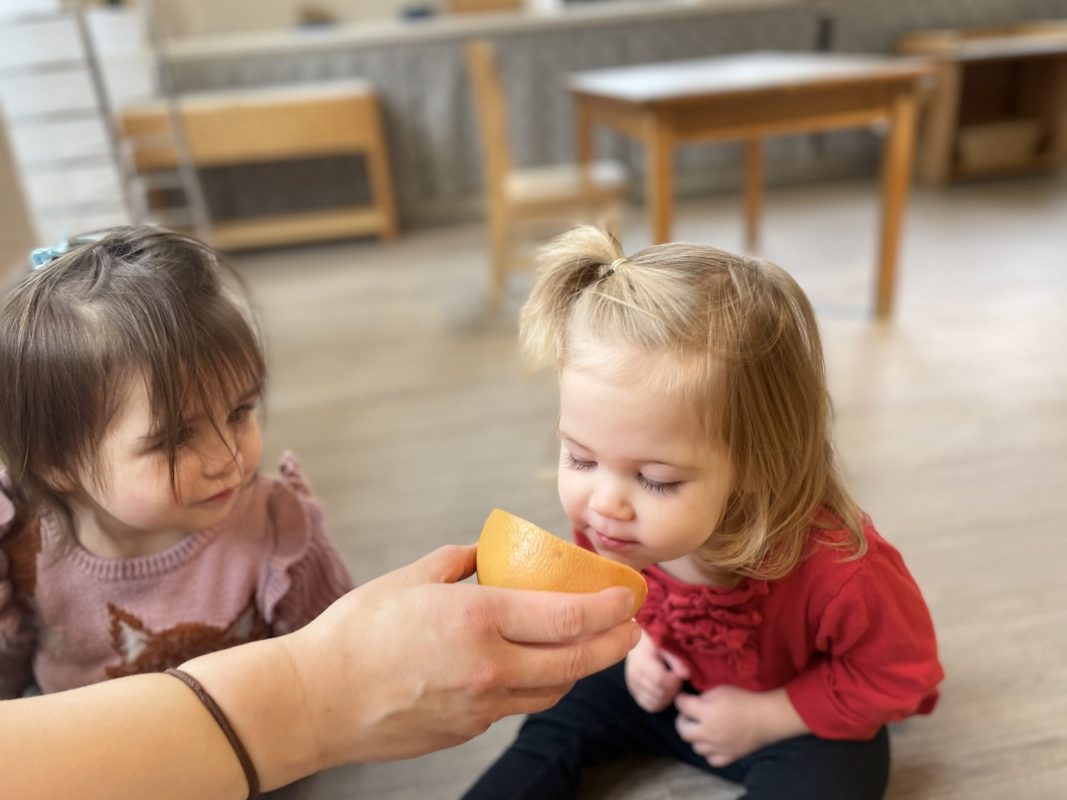
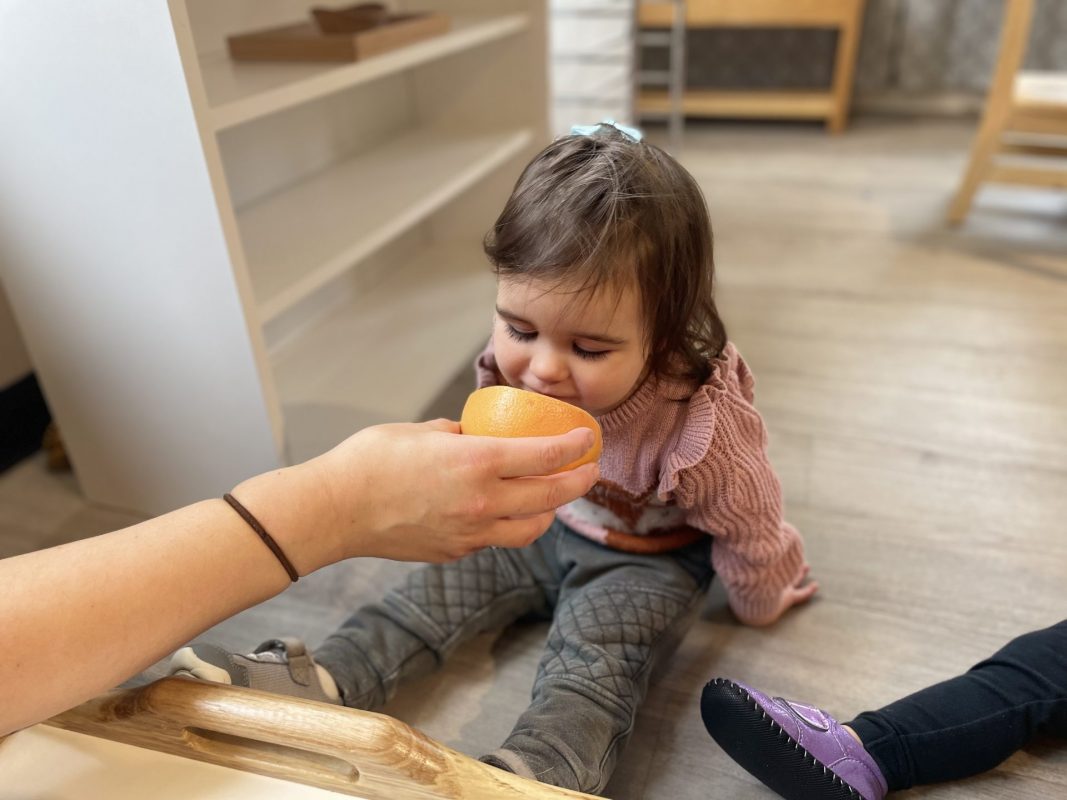
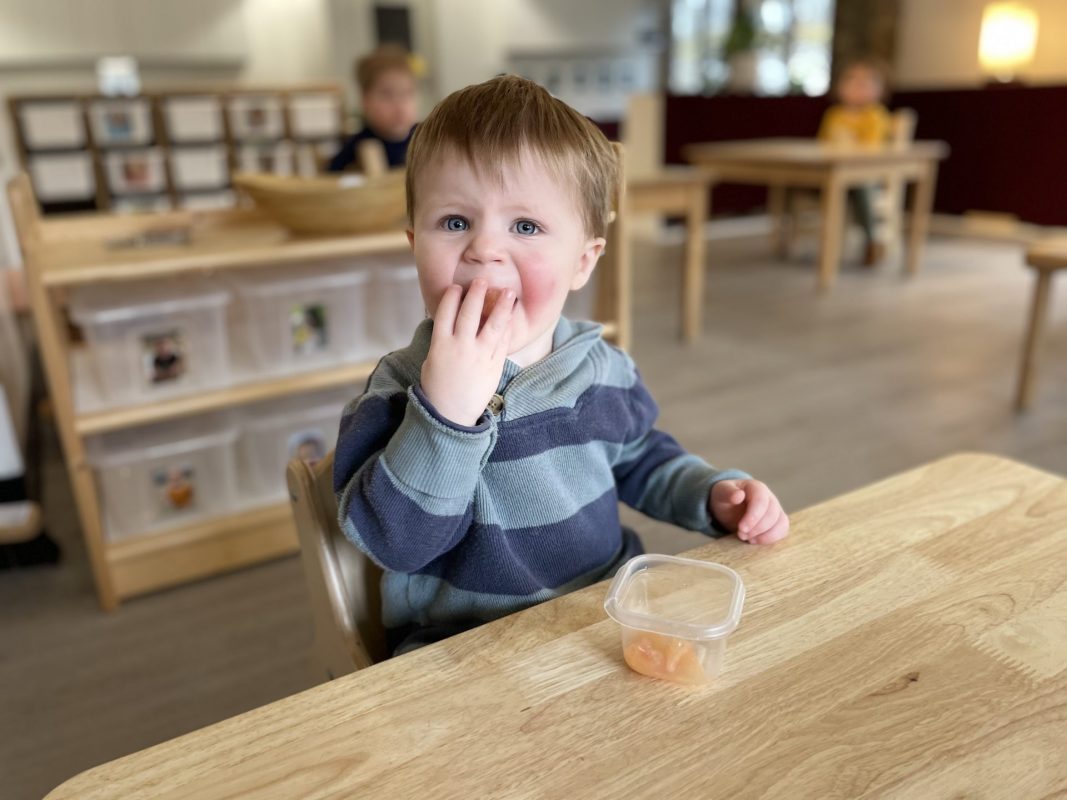
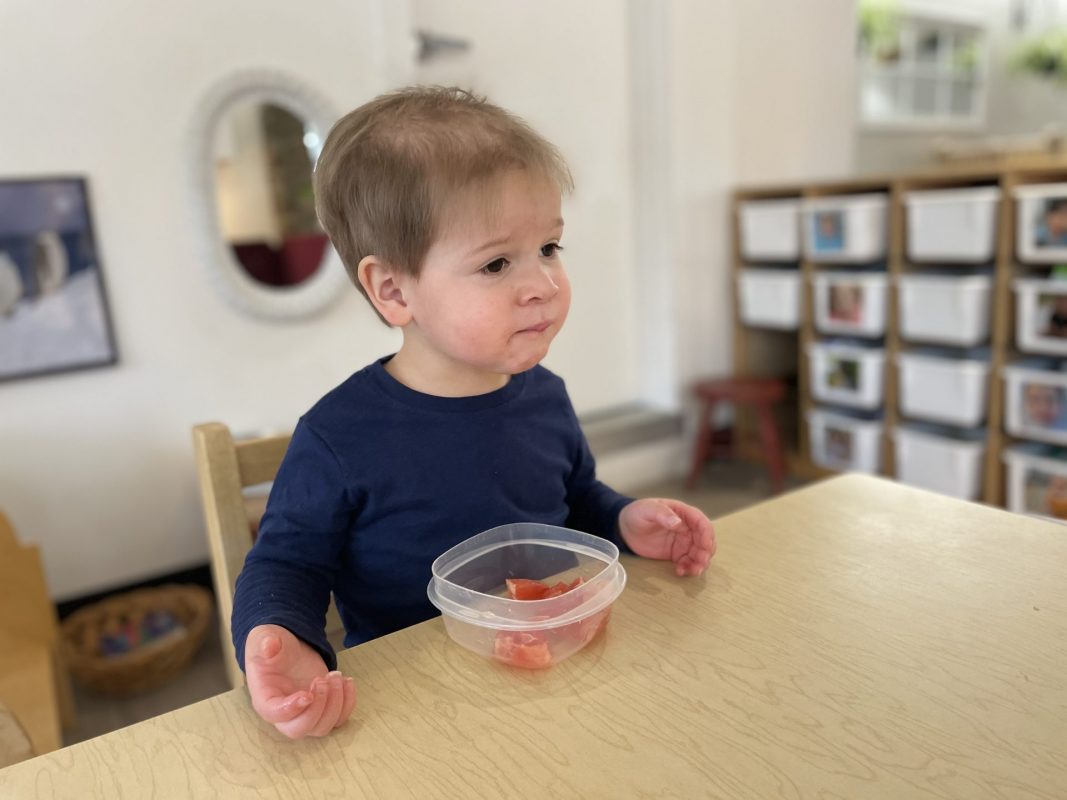
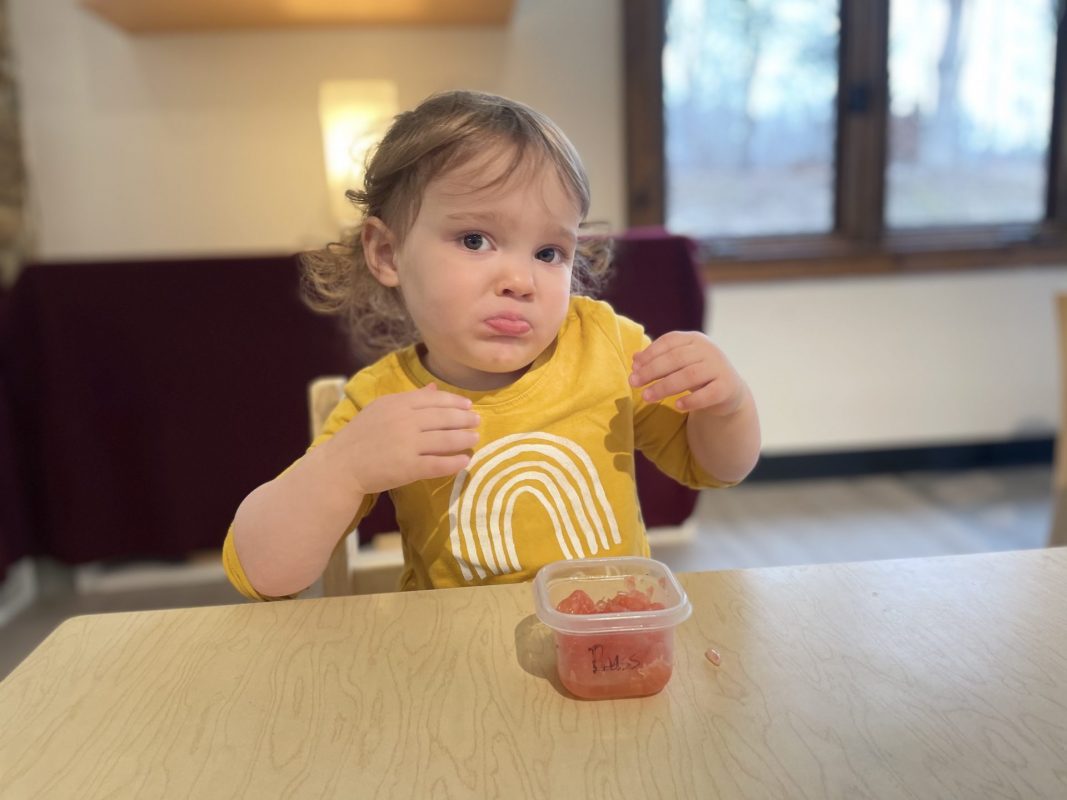
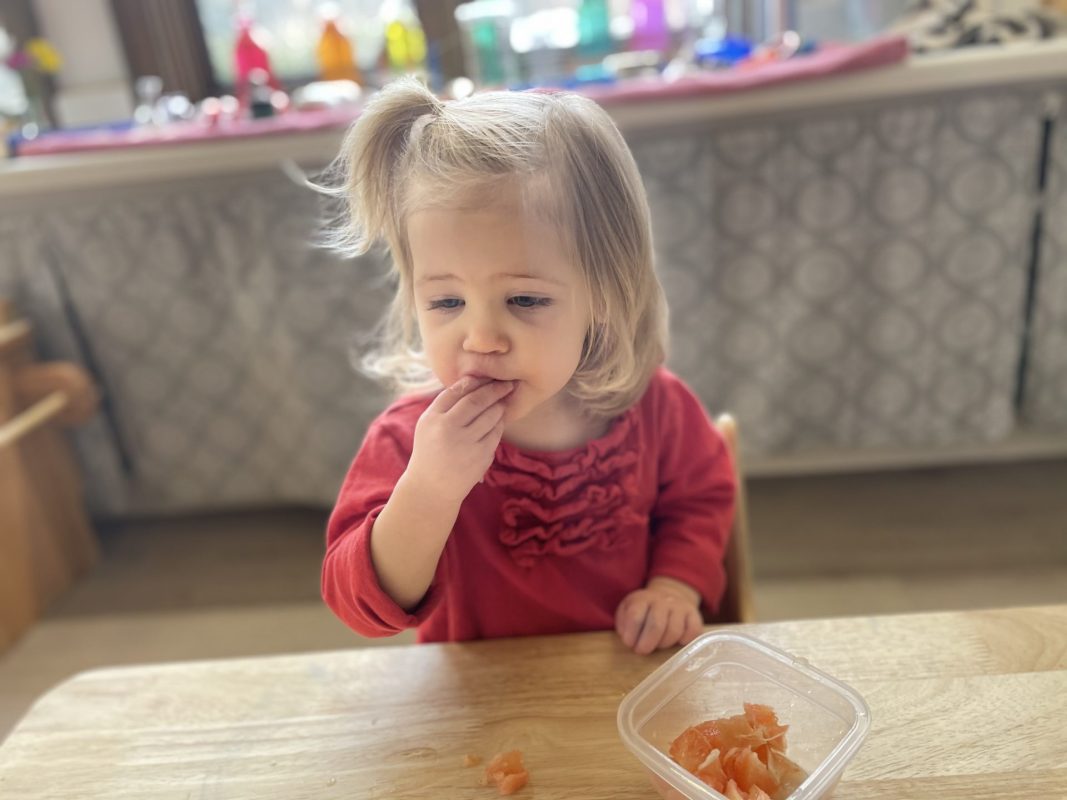
Enjoy the photos!
Mrs. Wilson and Ms. Sara


Mrs. Wilson’s: Care Of the Environment, Others, and Ourselves

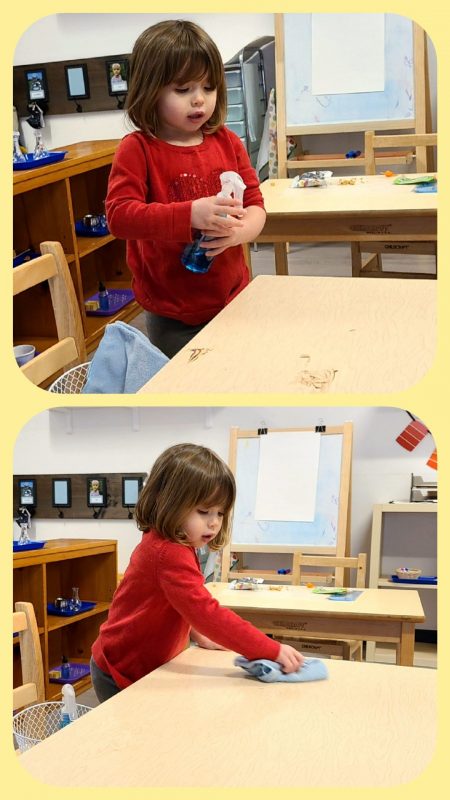
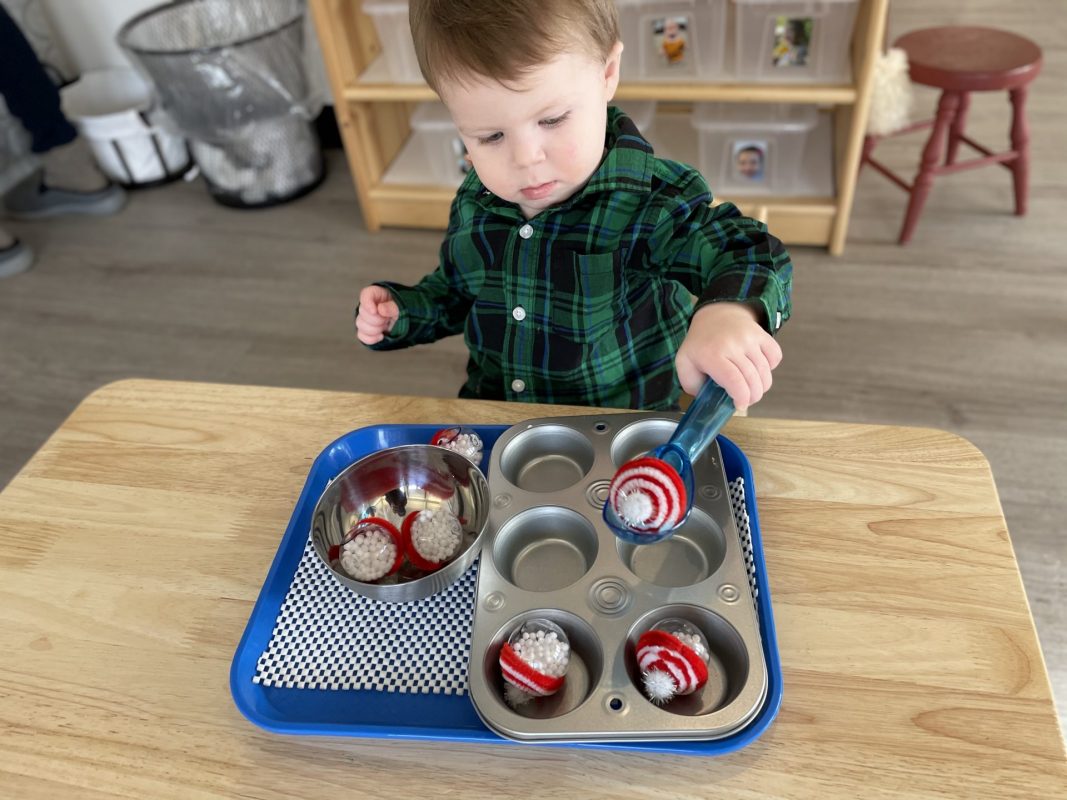
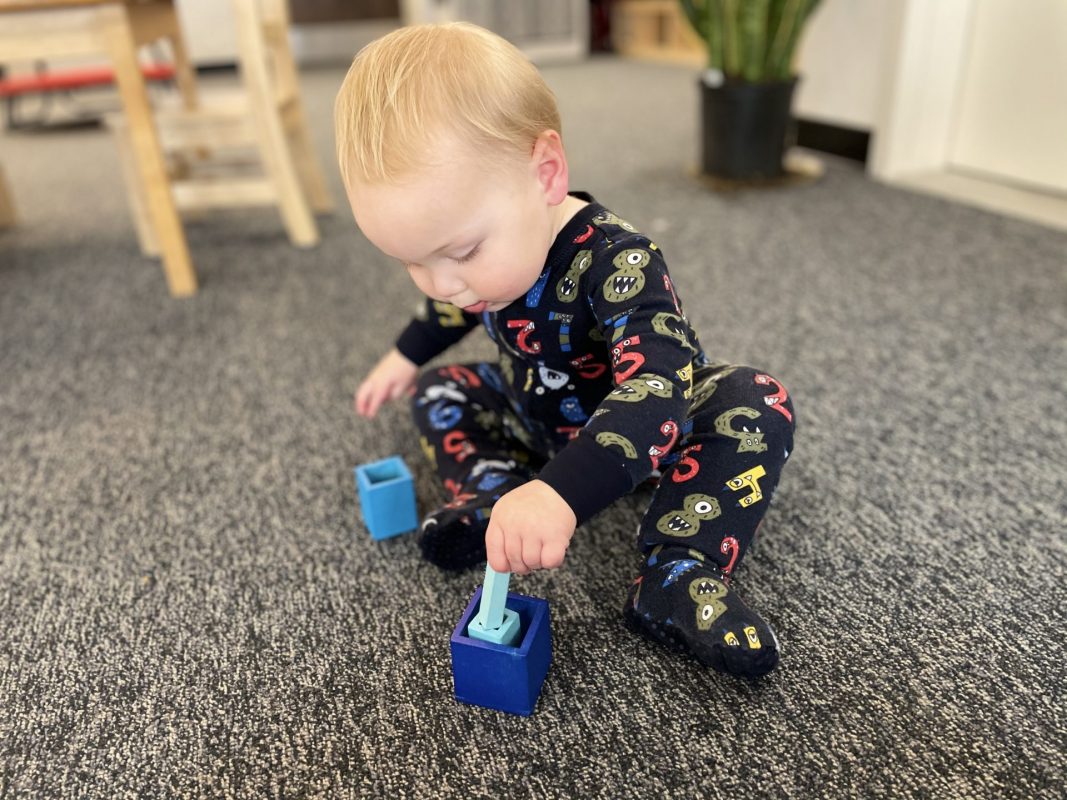
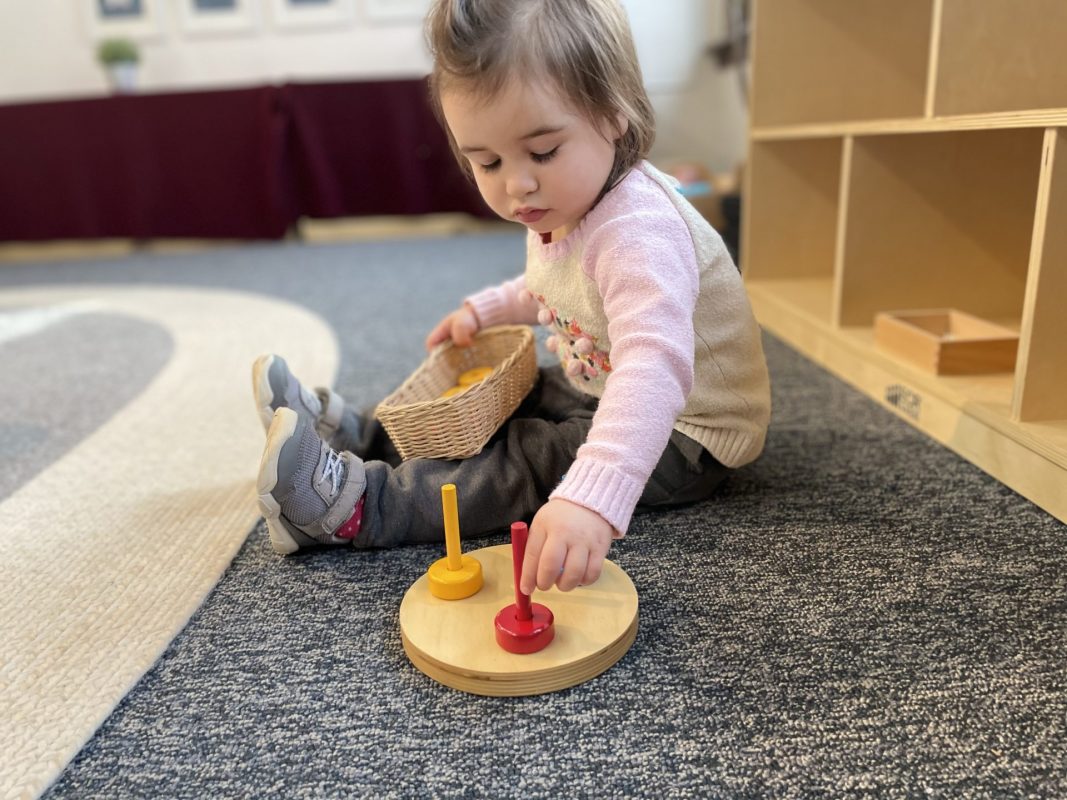
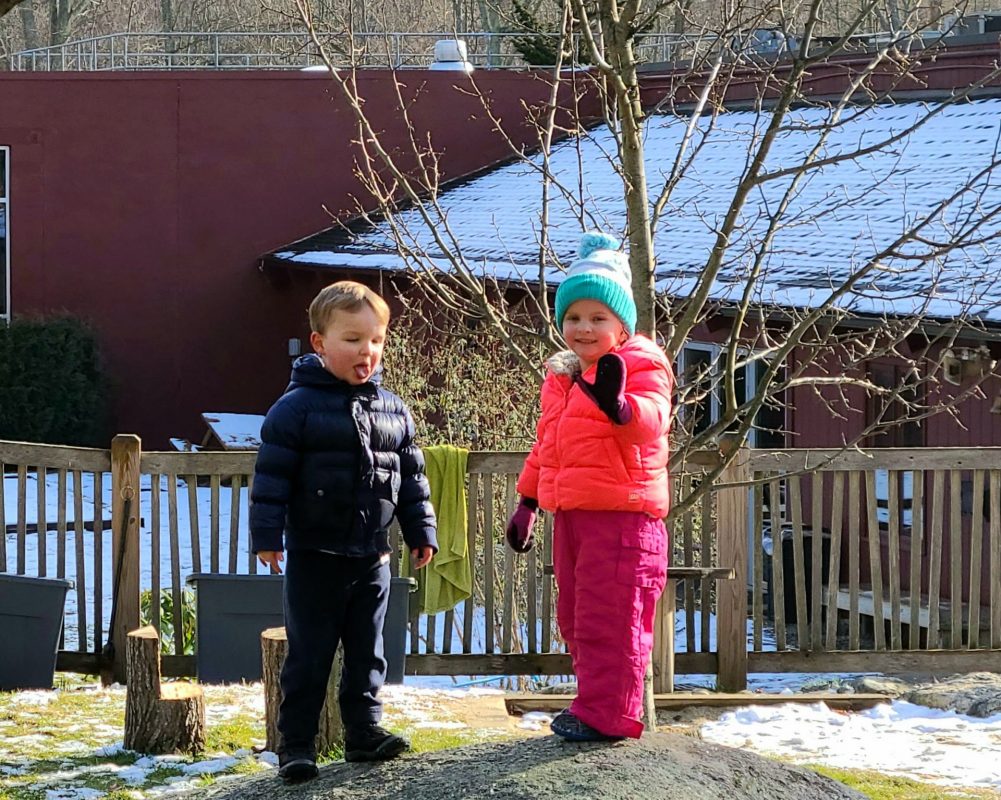
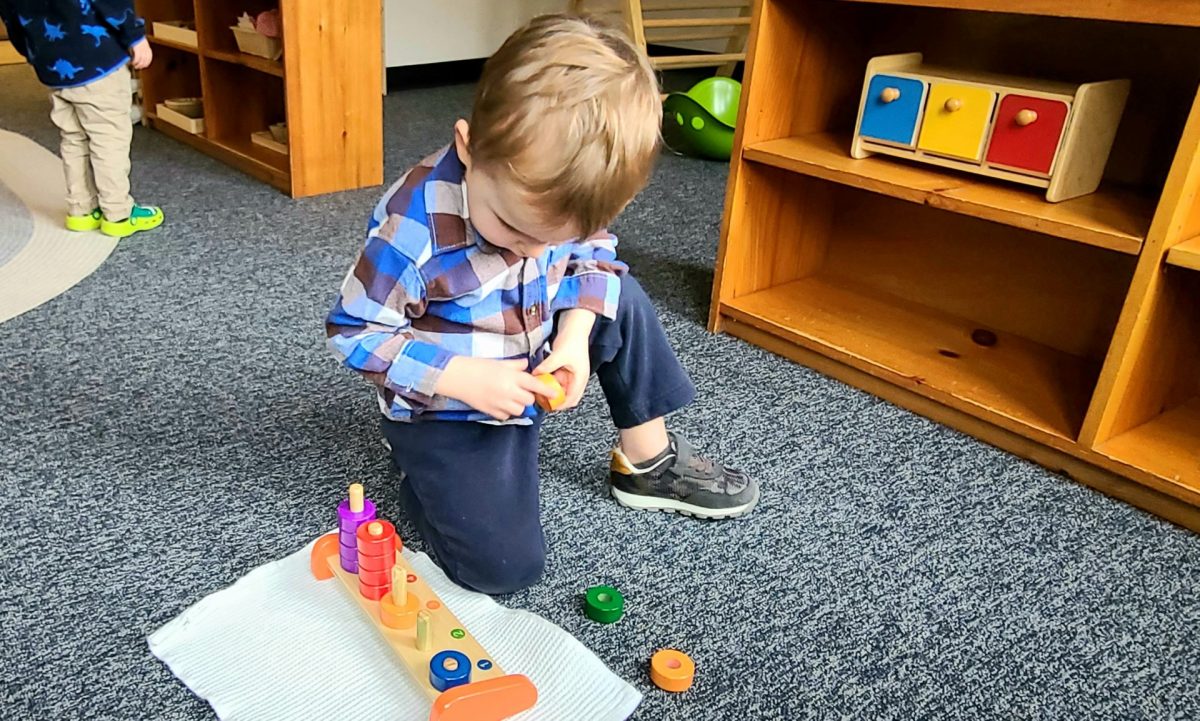
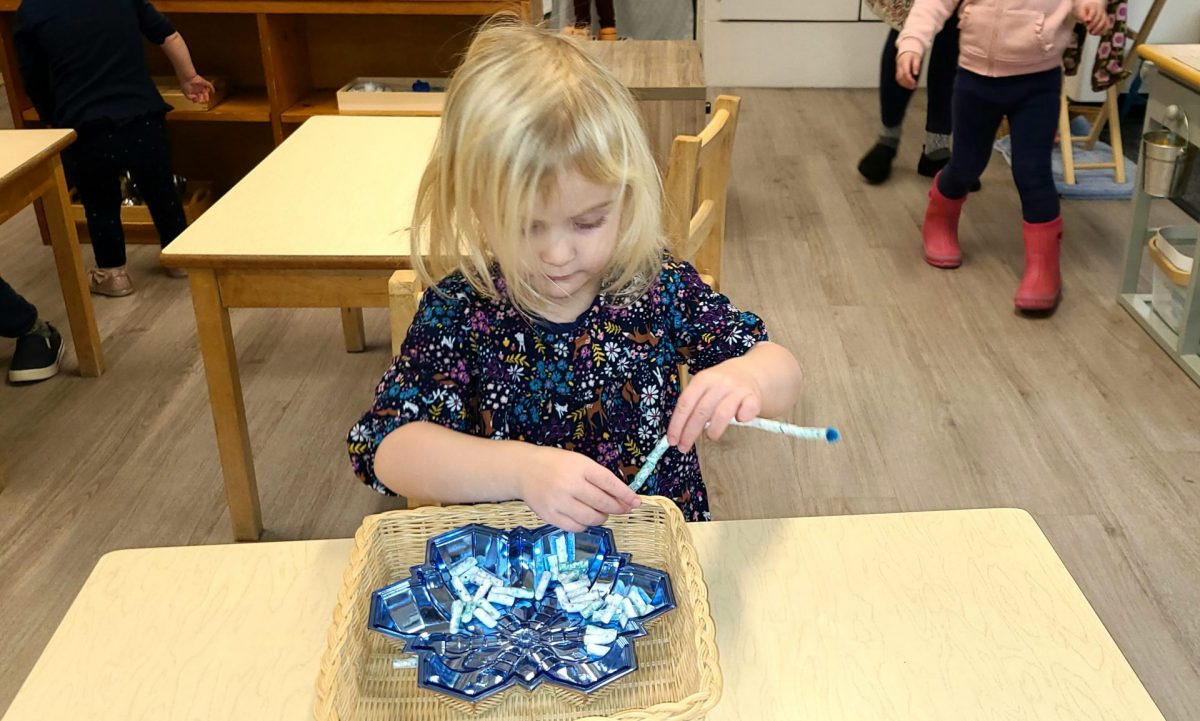
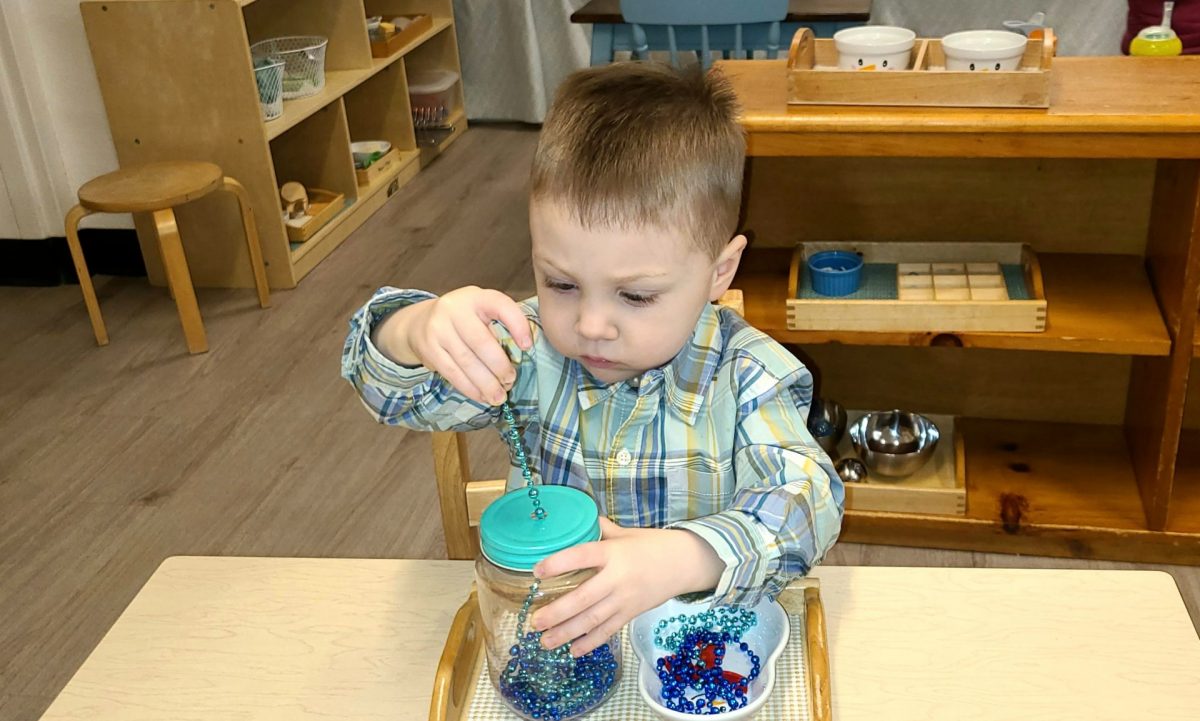
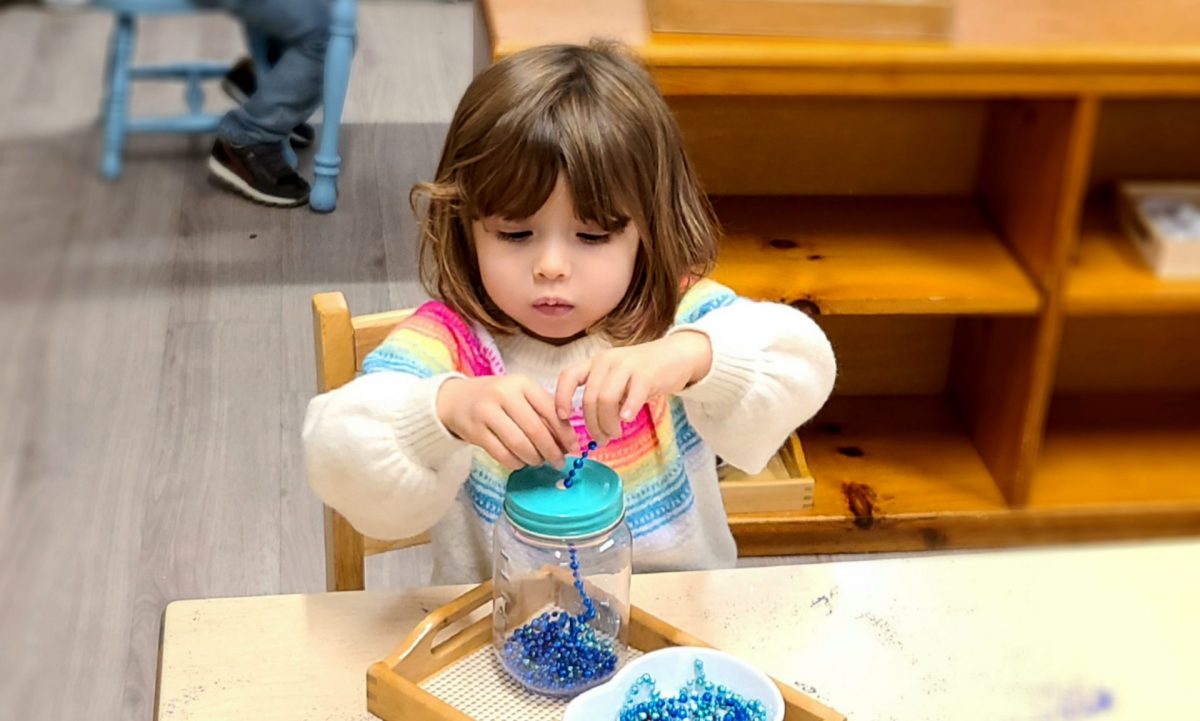
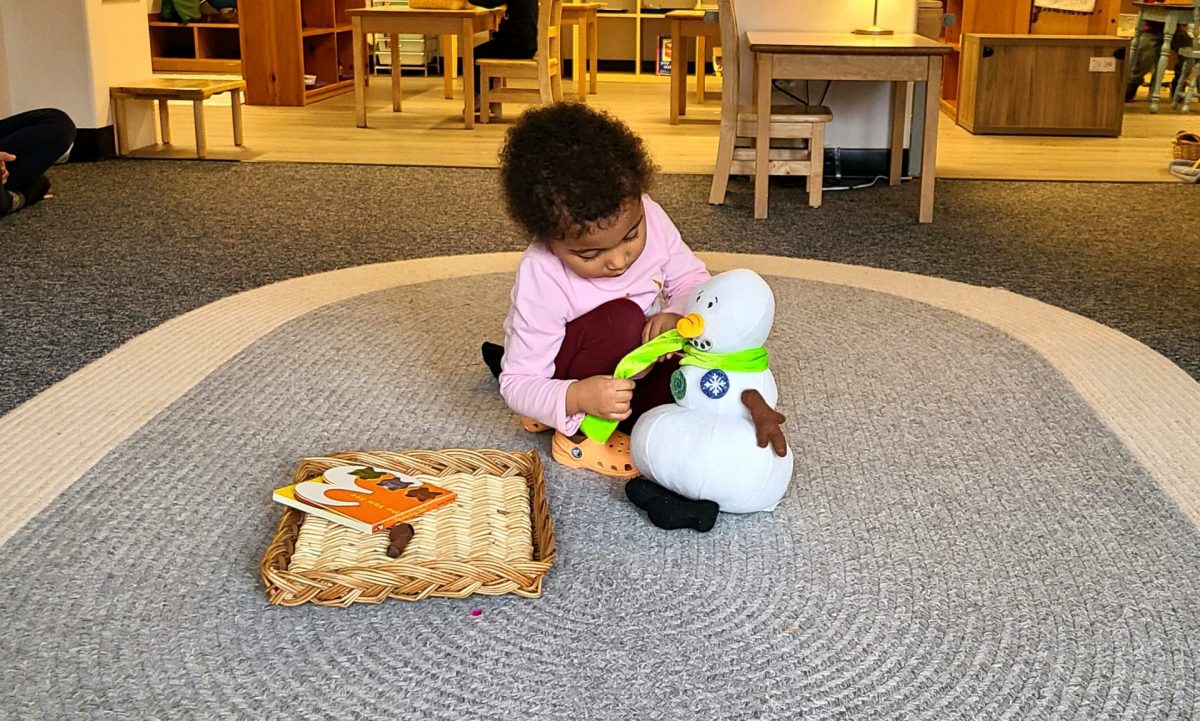
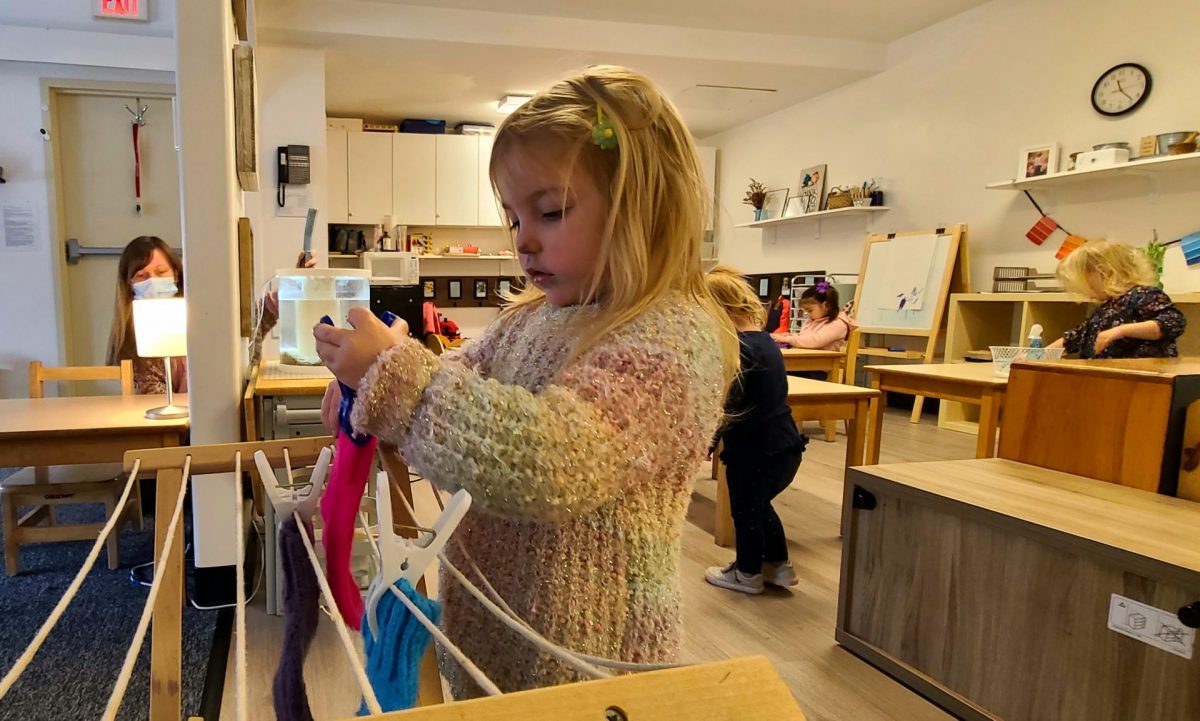
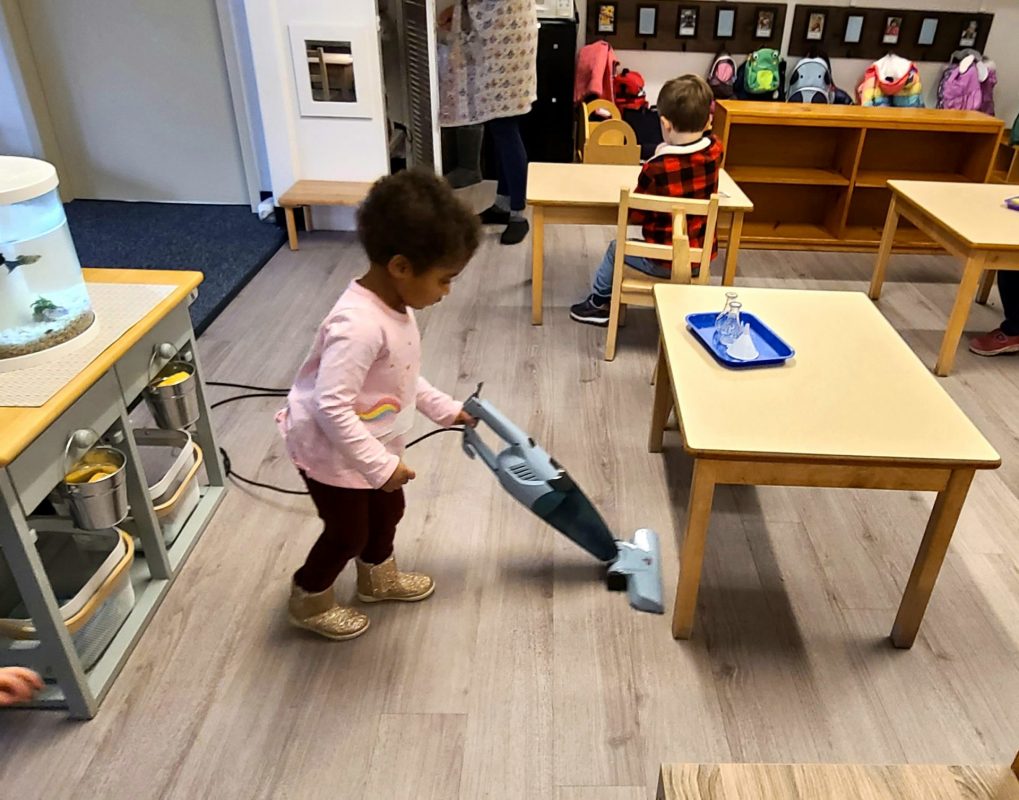
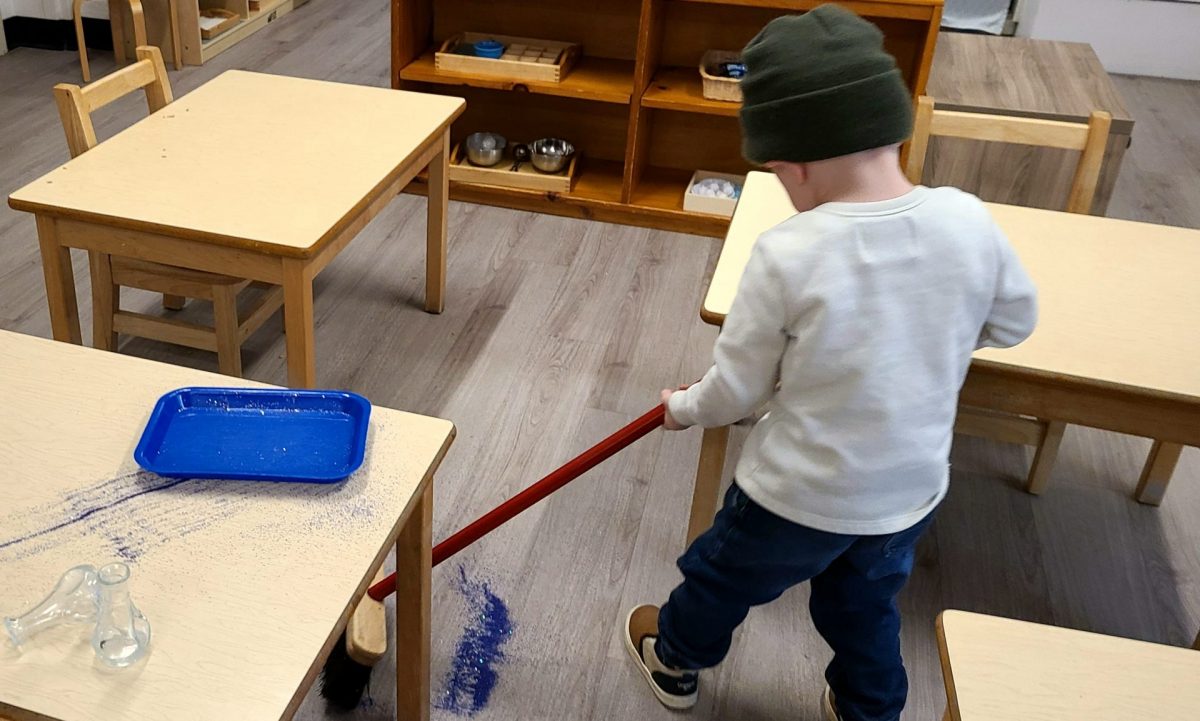
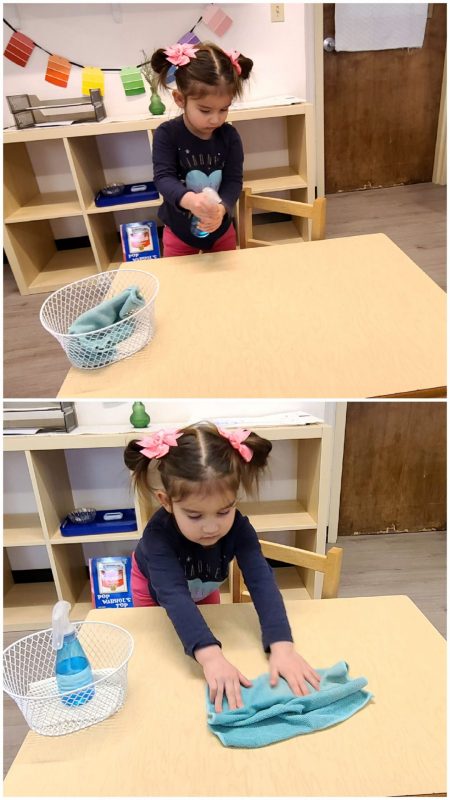
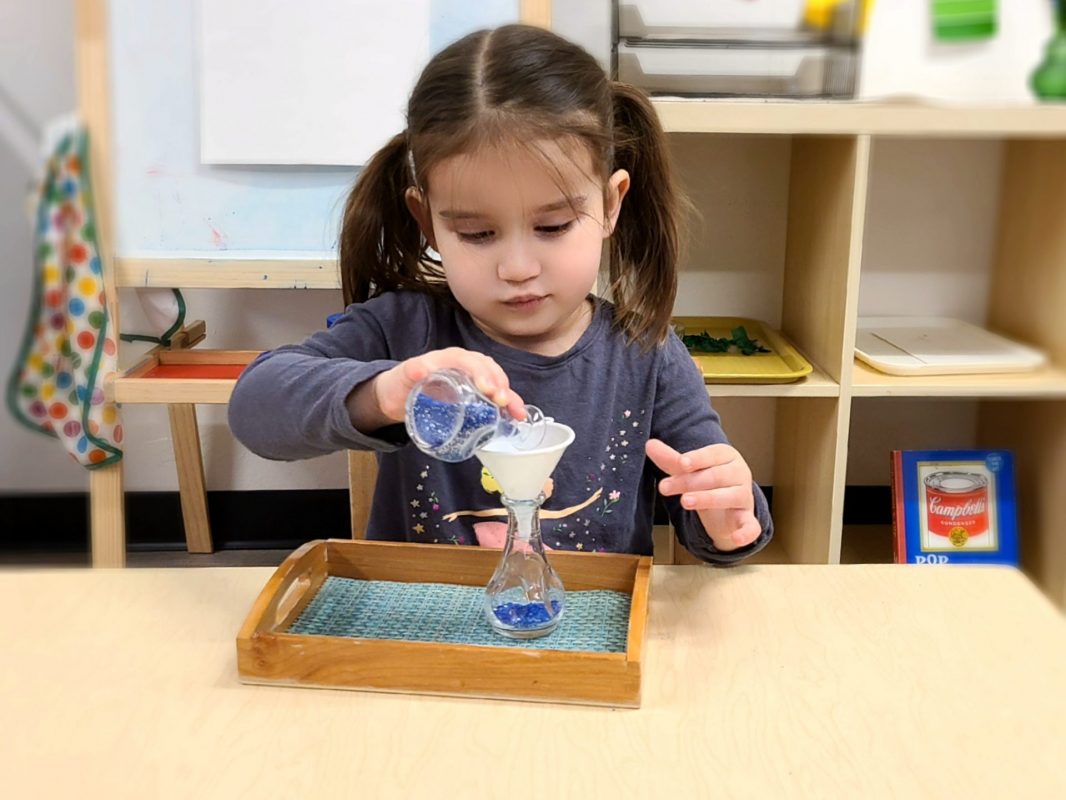
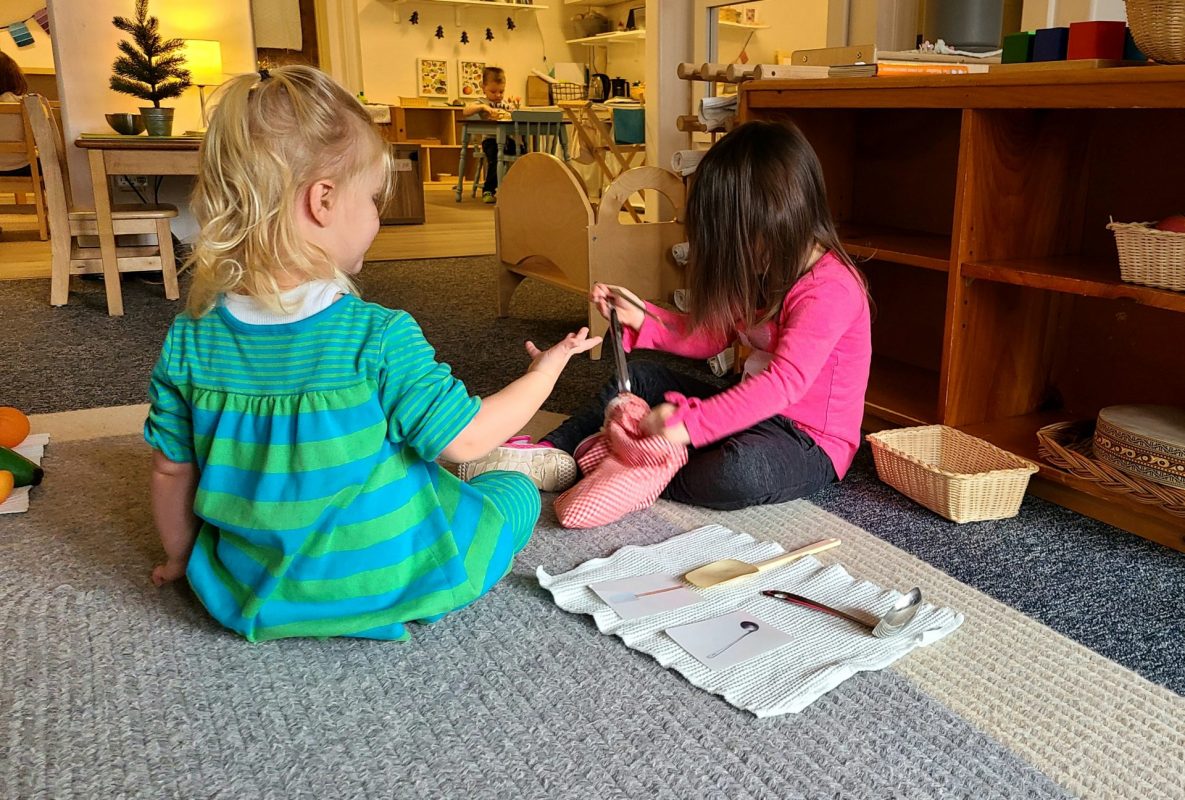
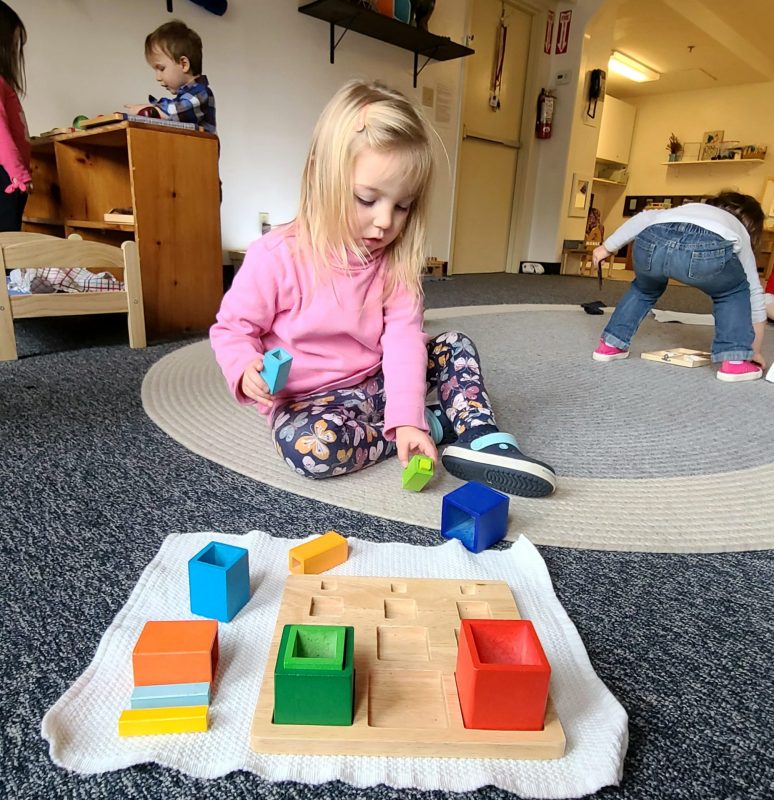
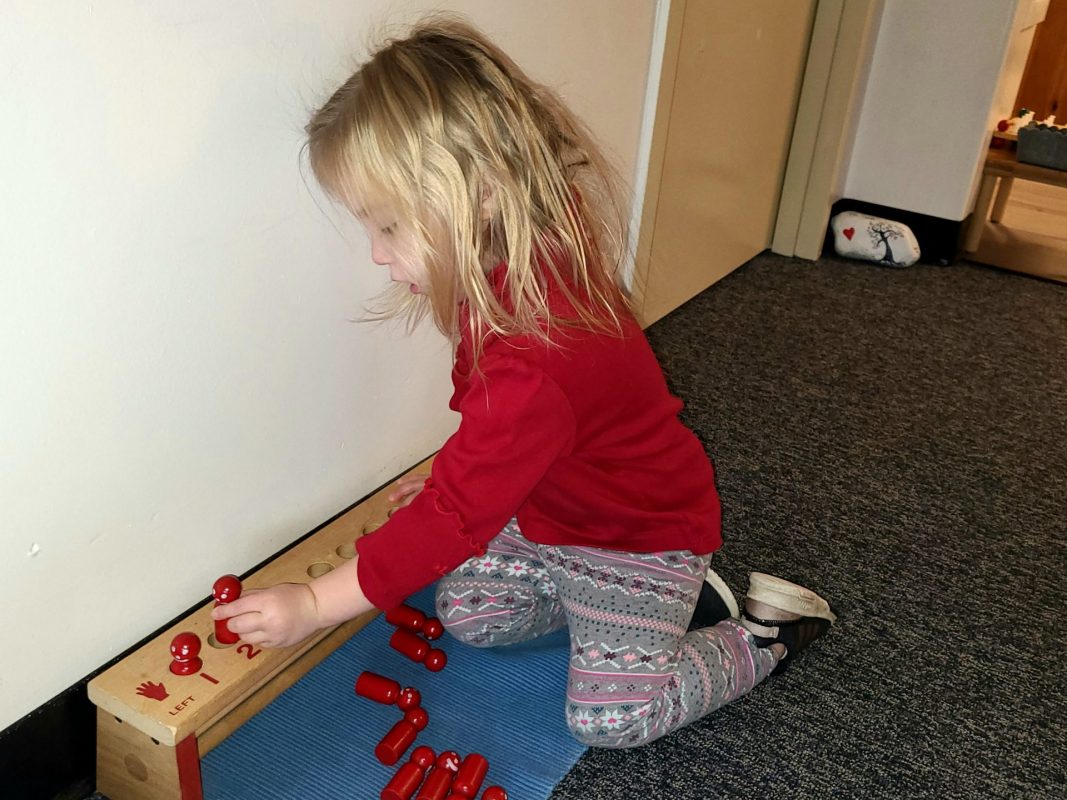
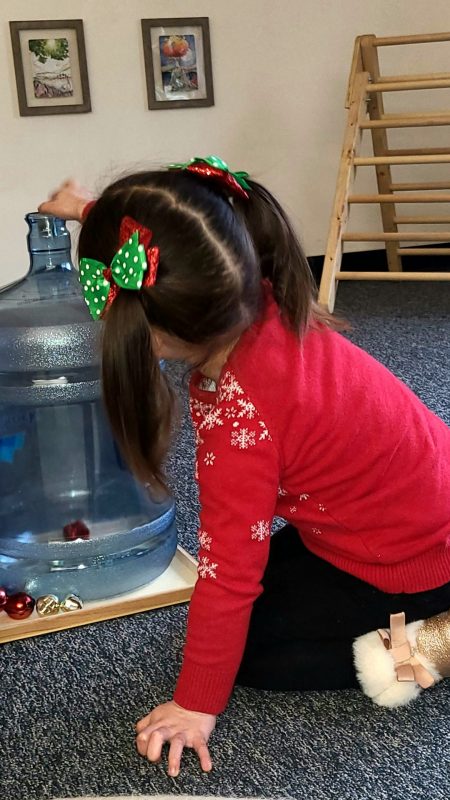
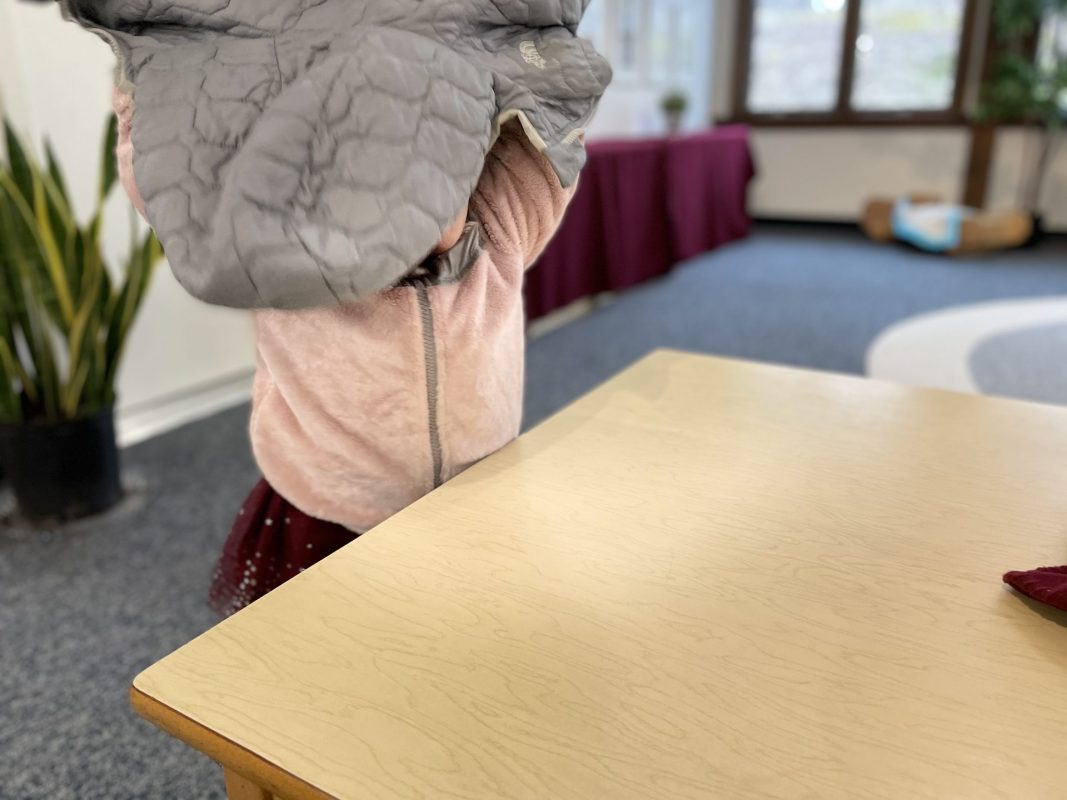
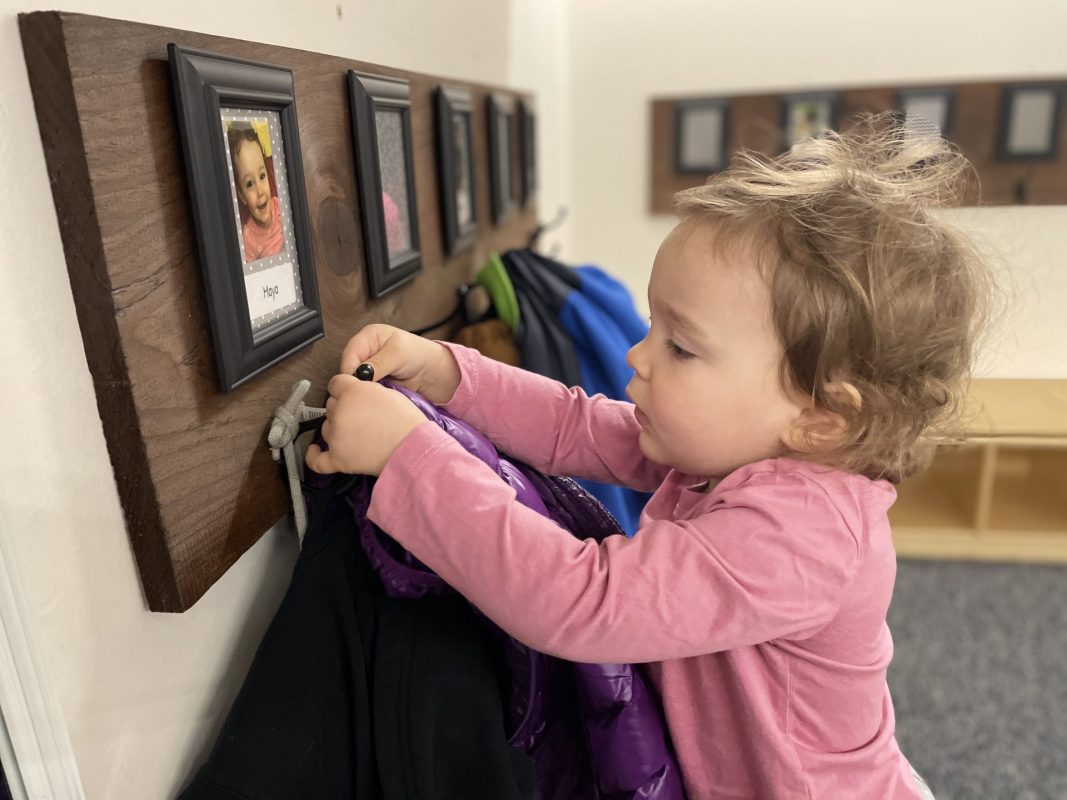
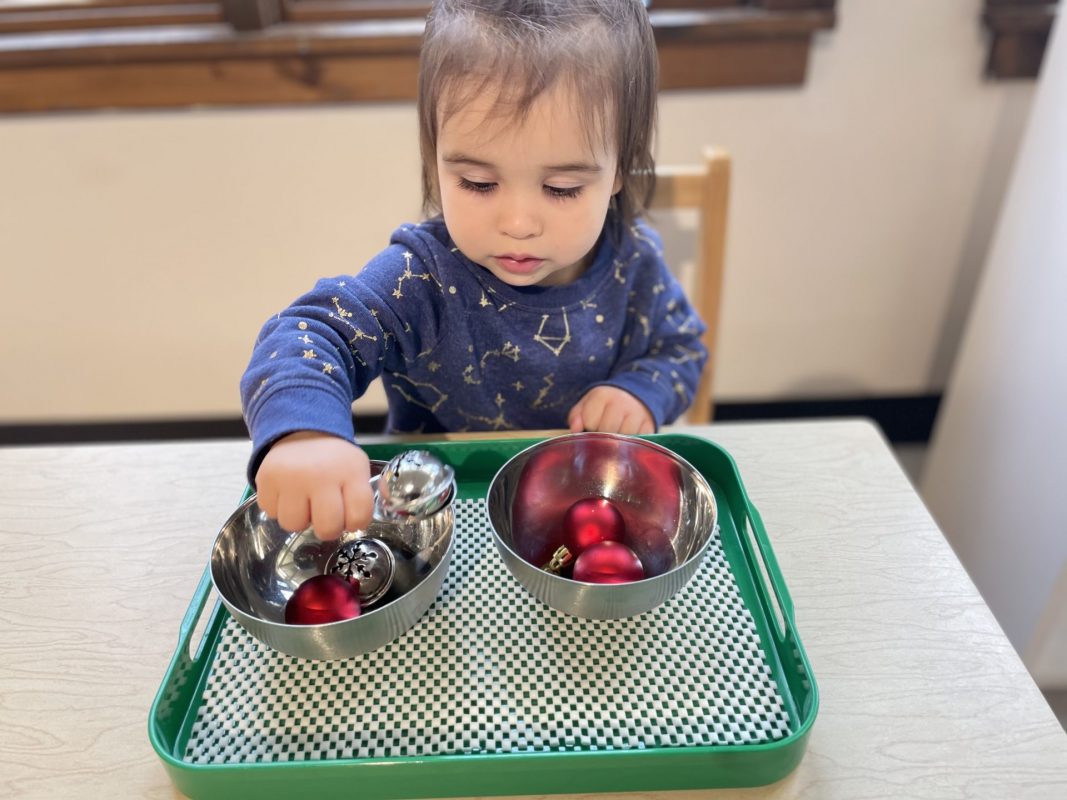
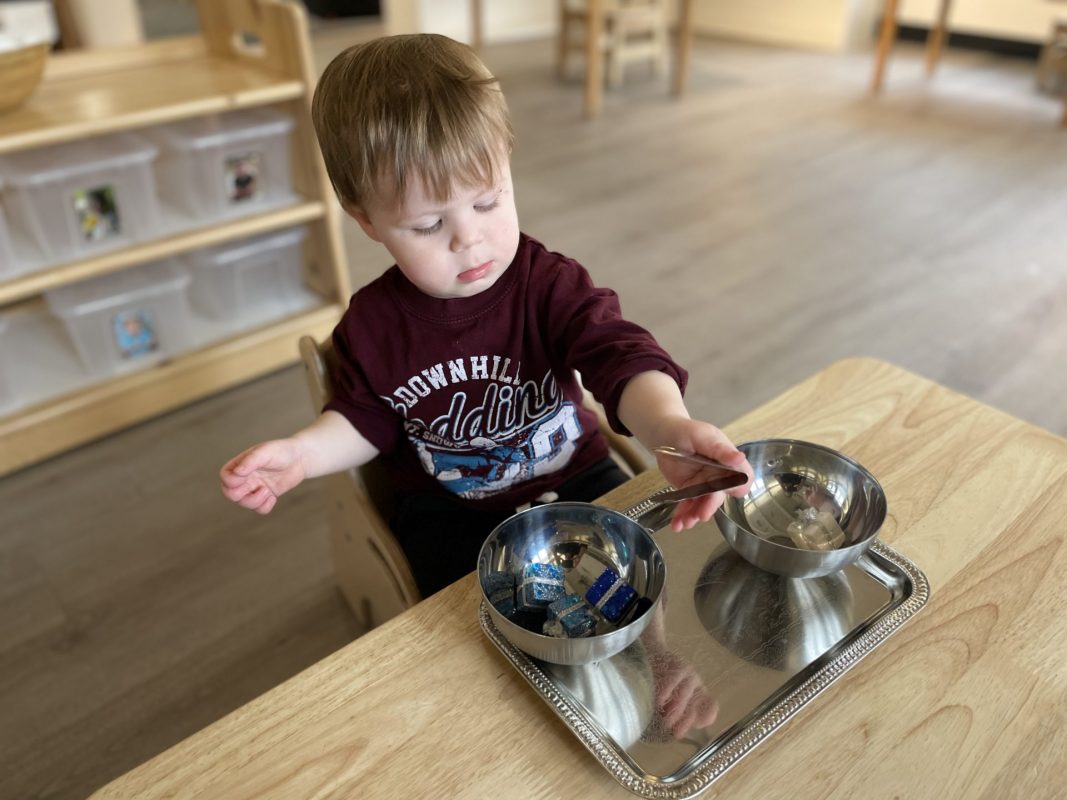
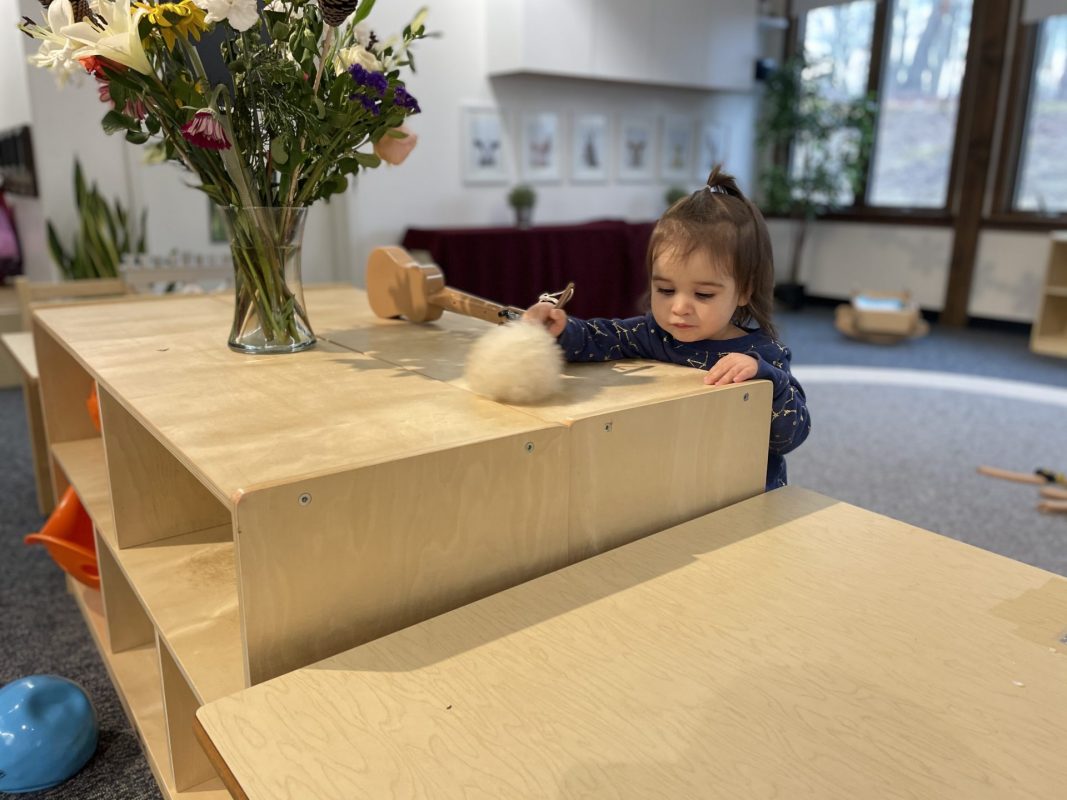
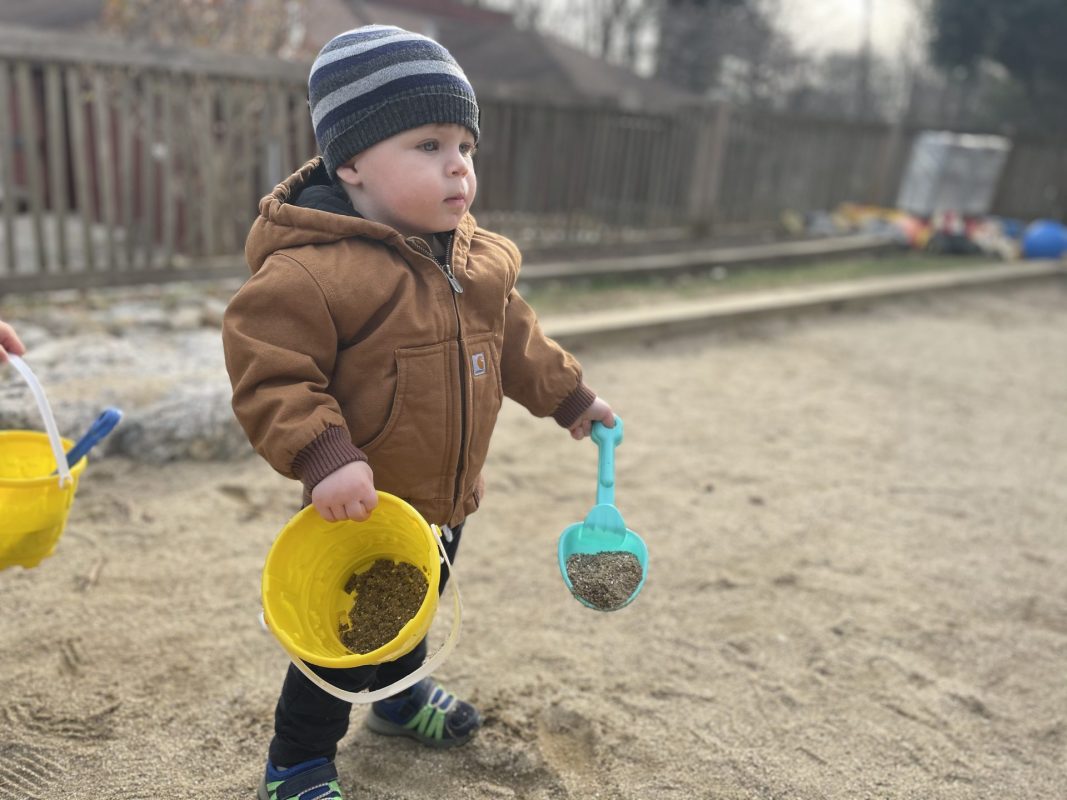
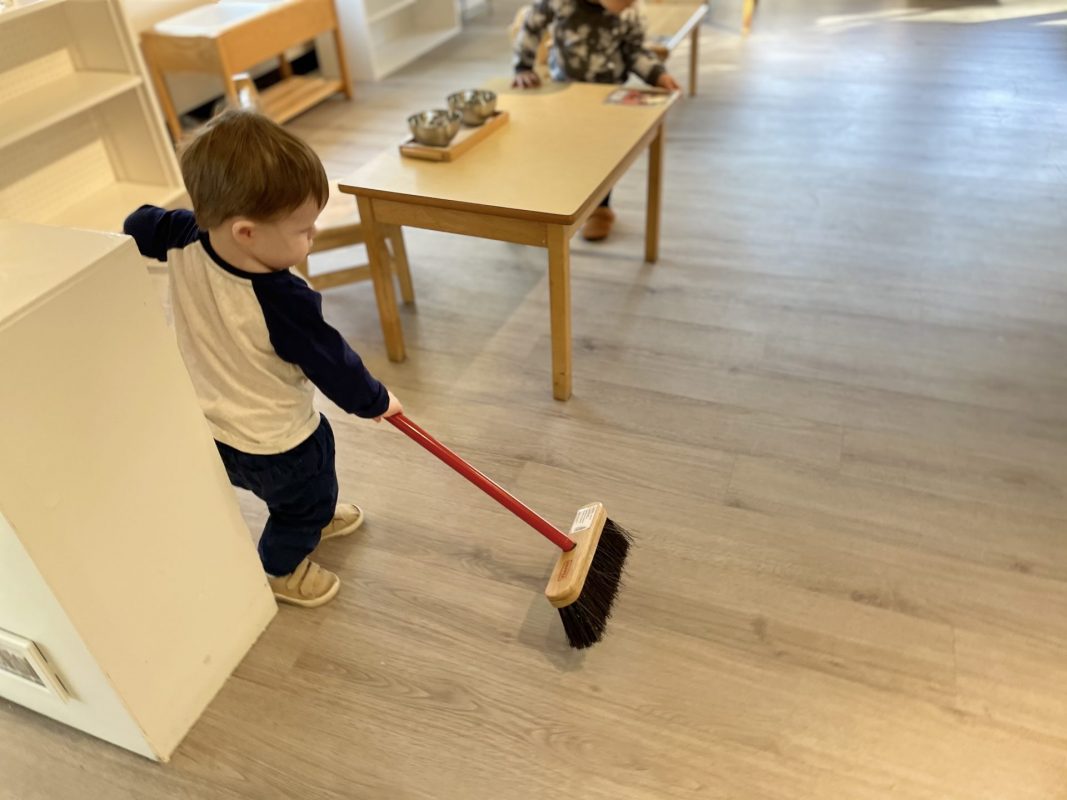
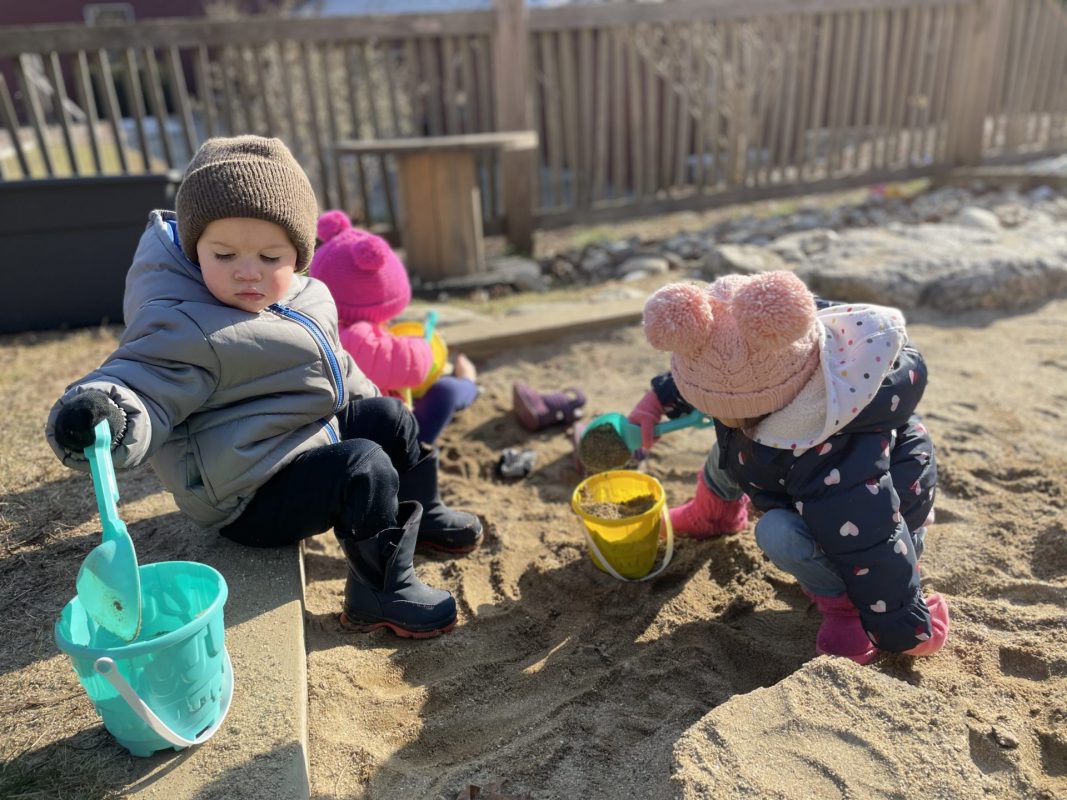
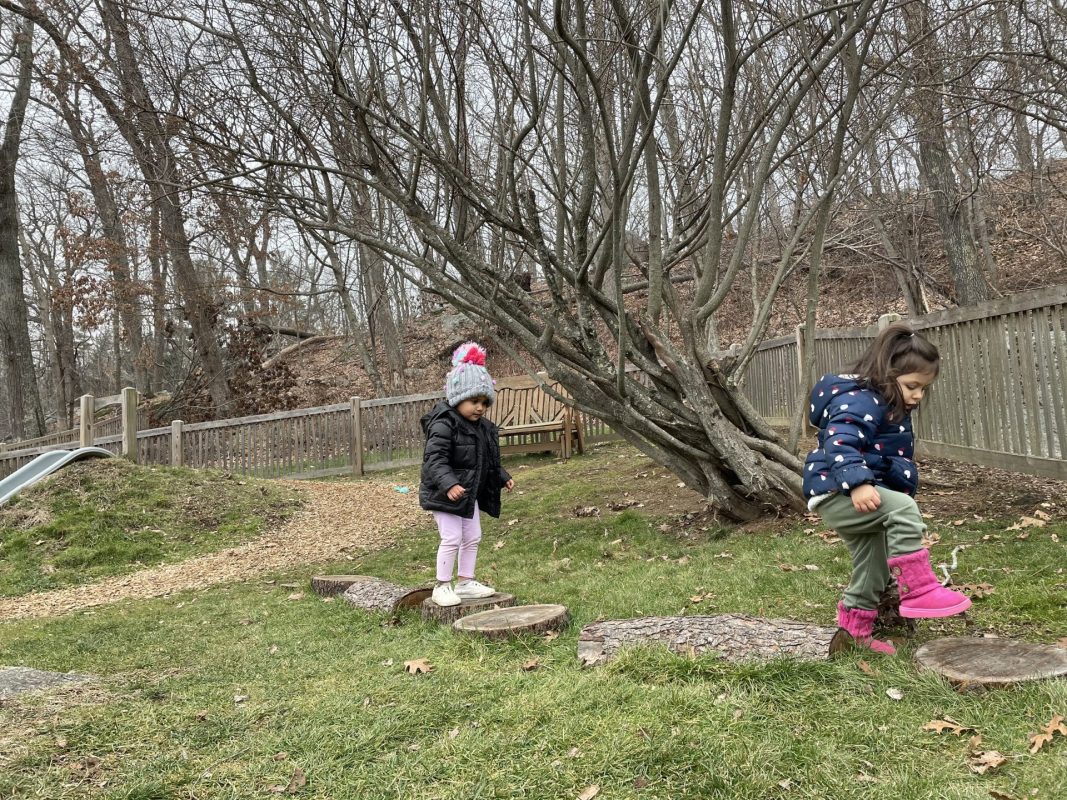
Practical Life is a huge part of our Montessori toddler environment. The lessons the children learn are not just about being independent, but also about caring for the environment. We have been witnessing these actions most recently. The children with no or little guidance are cleaning up their spills and picking up missed materials and placing them in the proper place. This lesson continues outdoors as we teach them to care for the world around them by respecting the gardens and even the insects or other creatures we find.

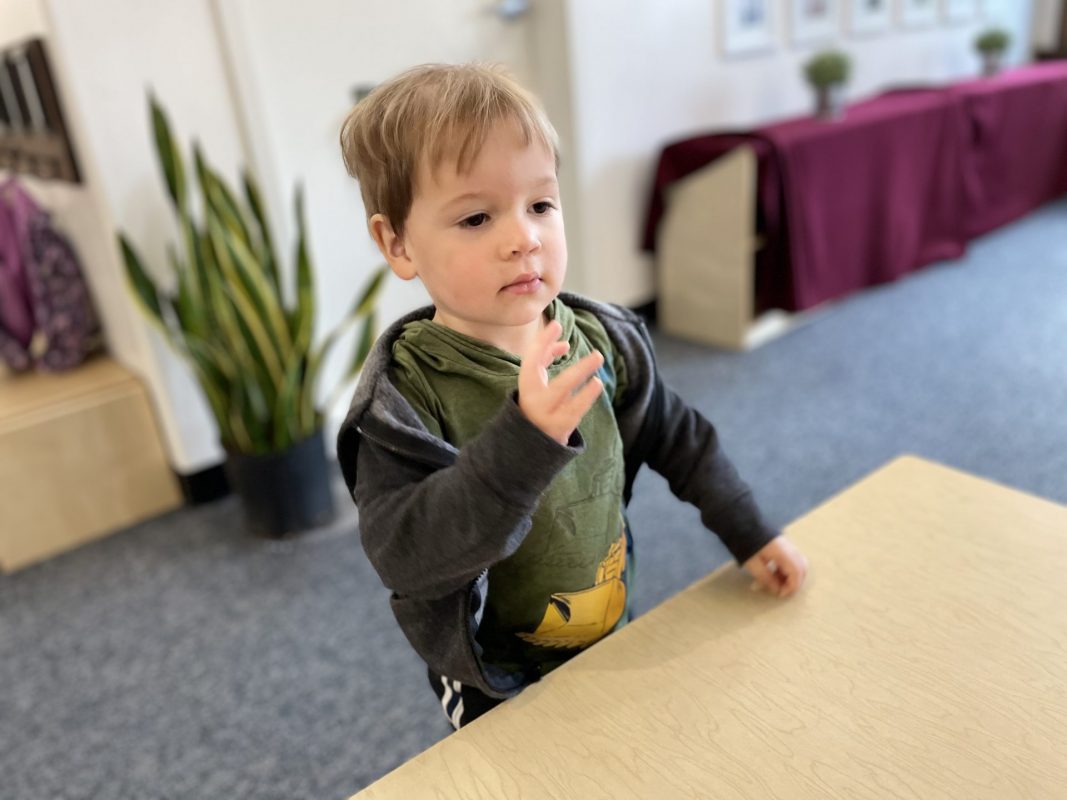
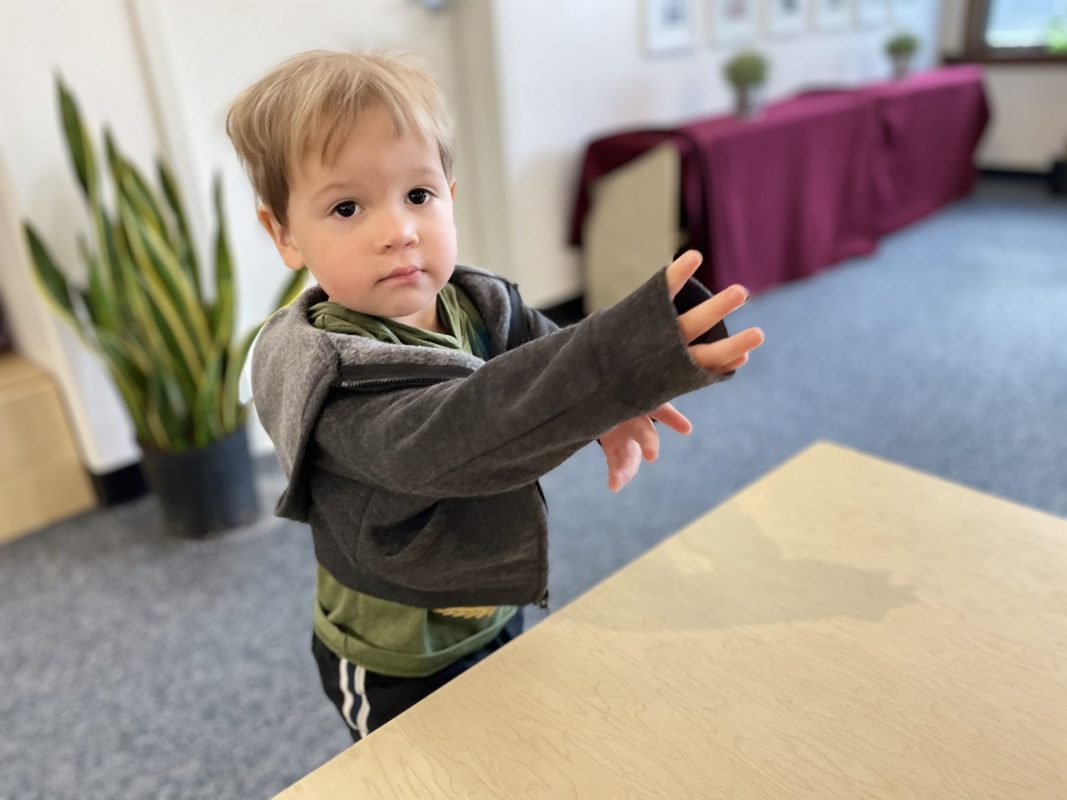
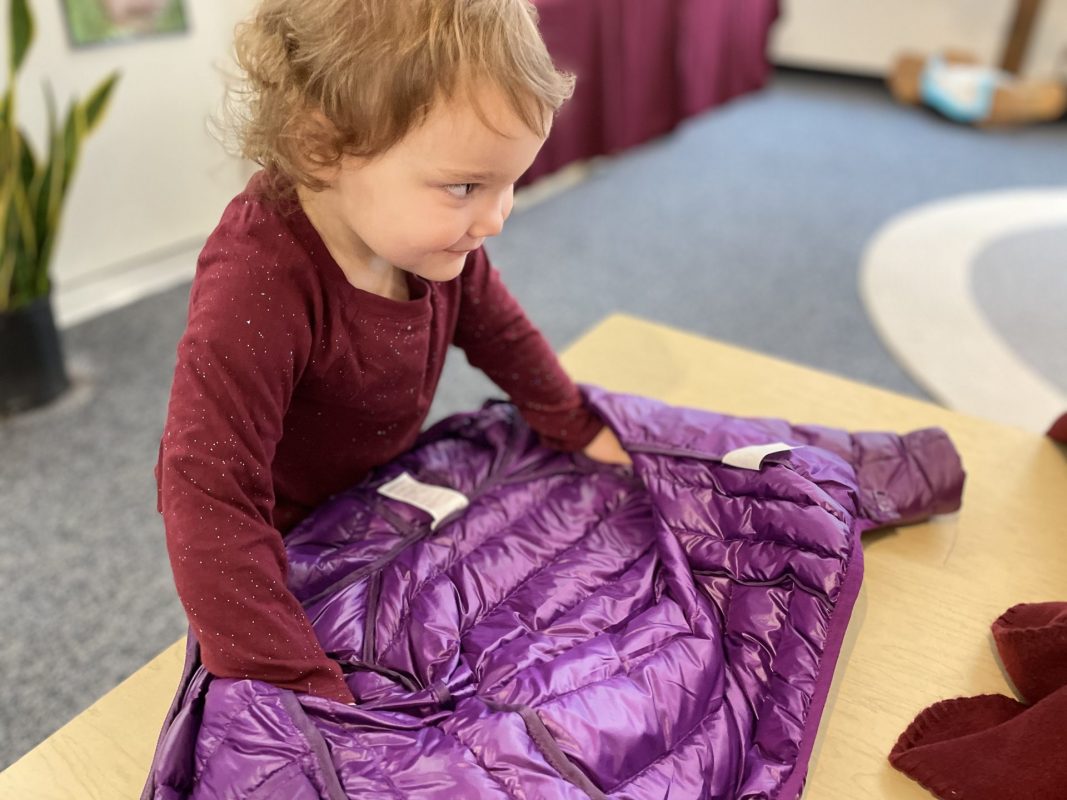
When caring for themselves, some of the children refuse our help and tell us, “I do it. No help.” This is exactly what we want to see. We want them to want to do for themselves and gain that sense of confidence and intrinsic pride.

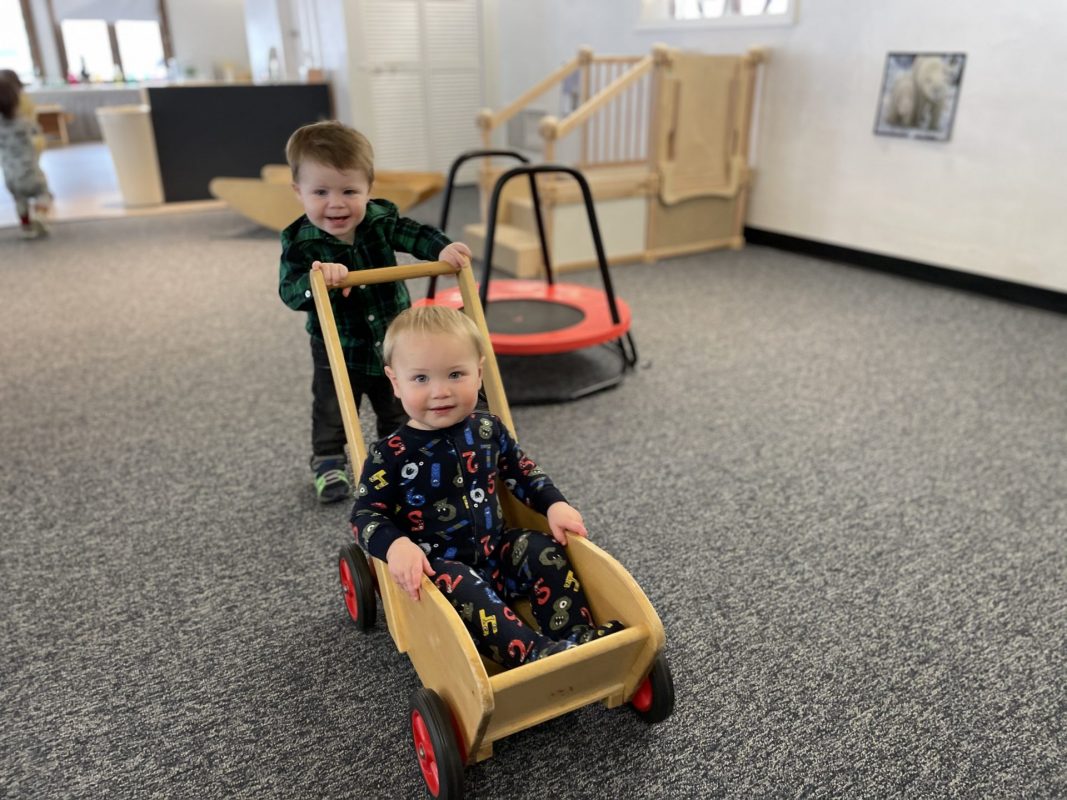
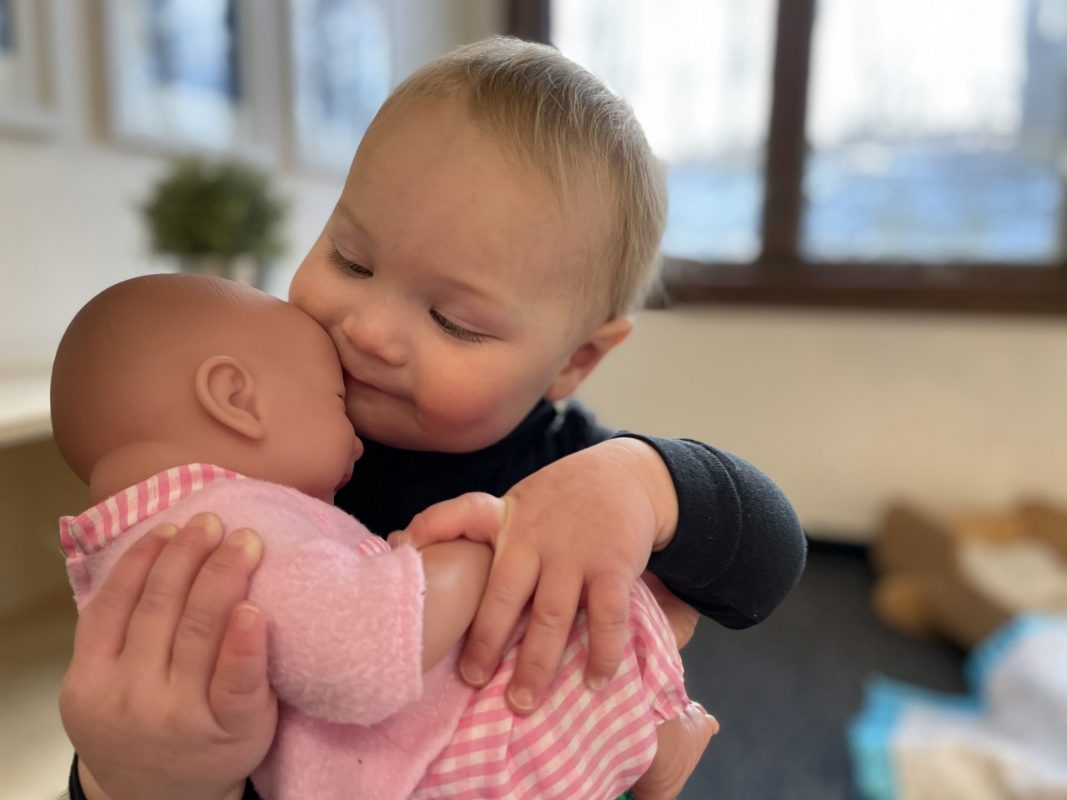
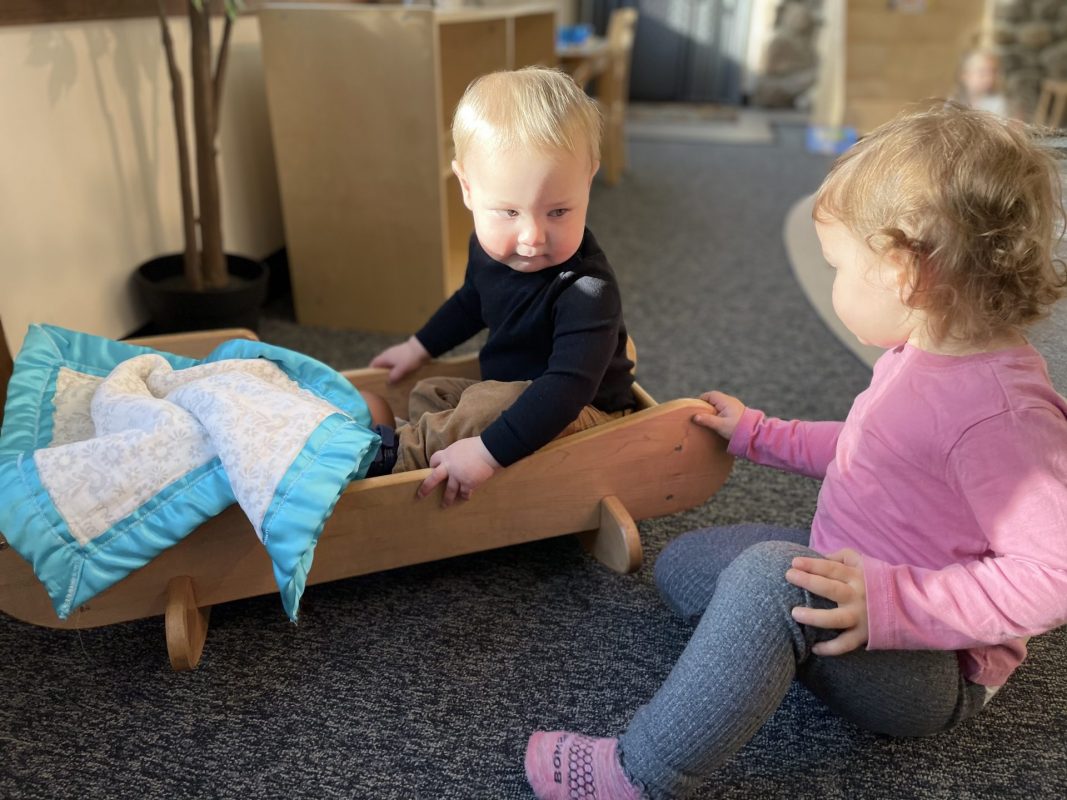
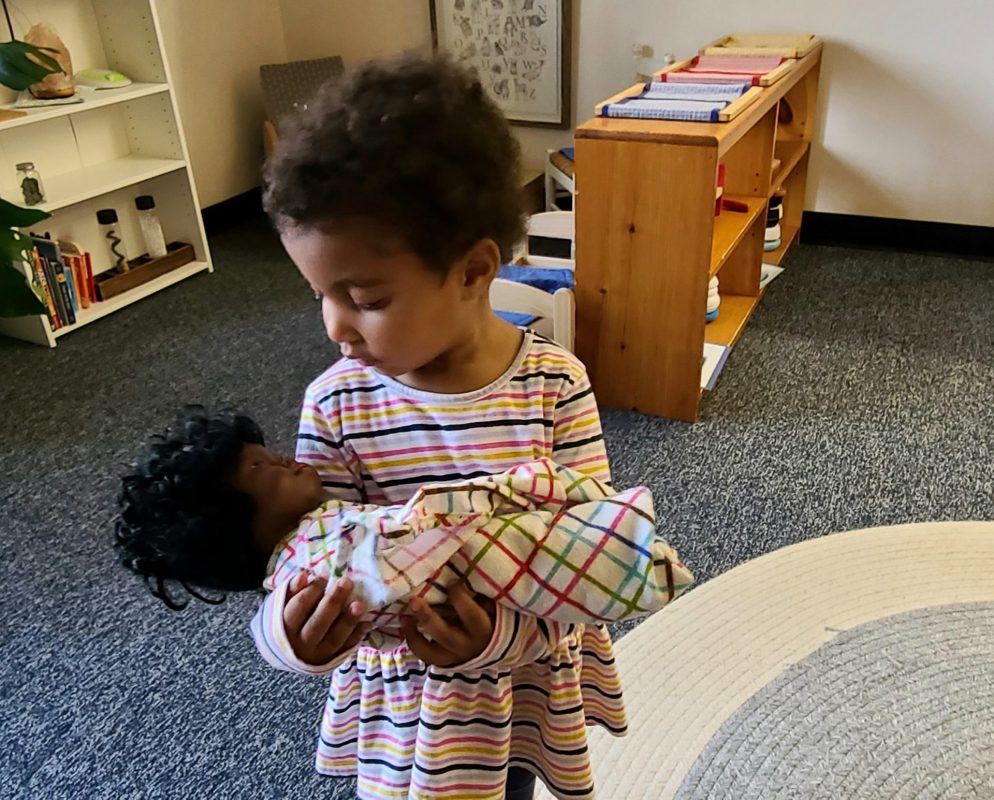
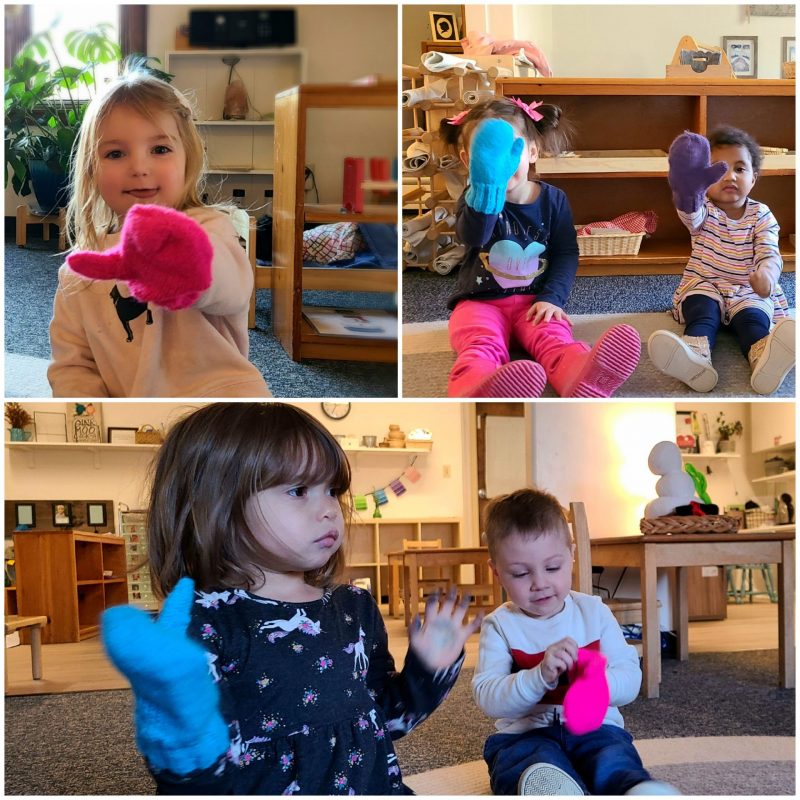
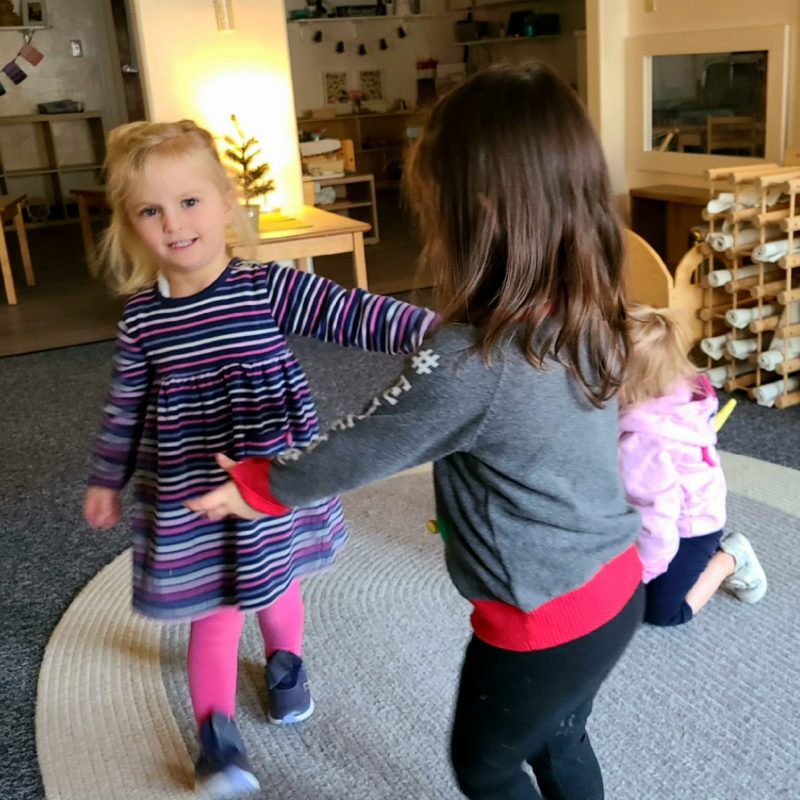
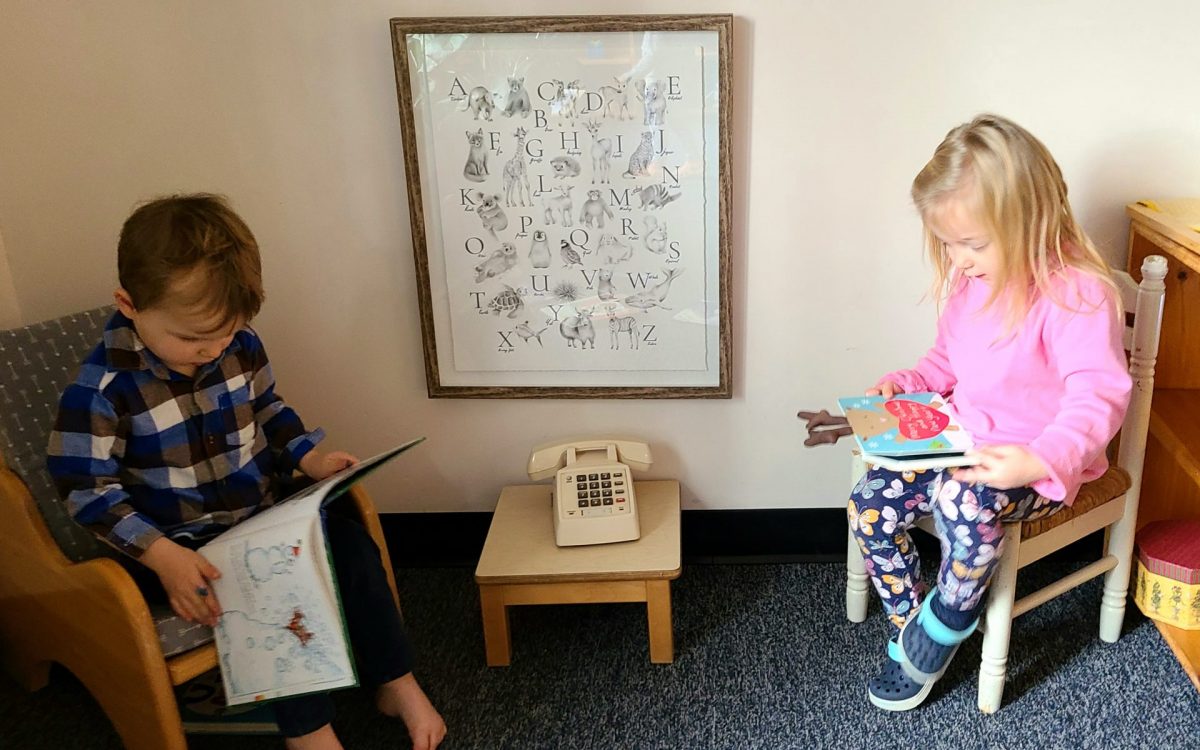
Along with caring for the environment and themselves, we have seen how the children care for each other. We have seen children offering each other things, asking for hugs and receiving them, and asking each other for help. The baby doll also gets lots of love from the children and they are so very gentle and sweet to her.

It is so endearing to watch the older children helping the youngest members of our community and then watching the youngest care for the older children in return.

A little reminder that dismissal for half-day children is at 11:30 and full-day dismissal is at 3:10. Thank you for being prompt!

Until next week,
Mrs. Wilson and Ms. Sara


Mrs. Wilson: Hello October!

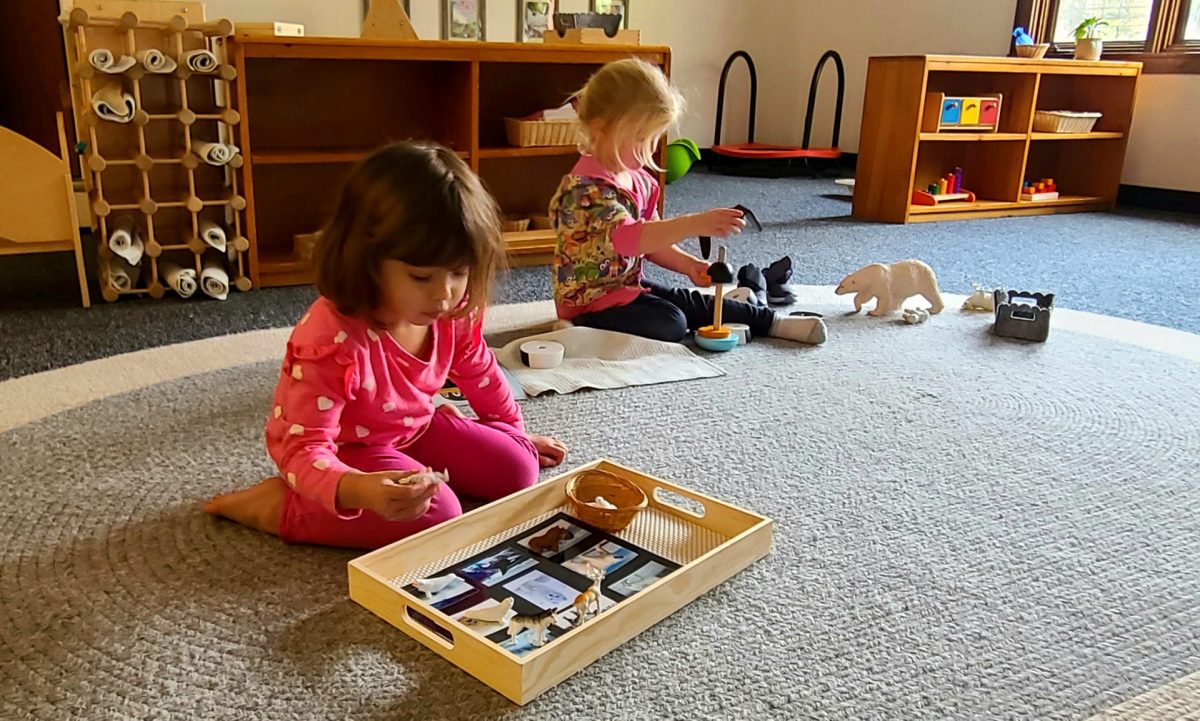
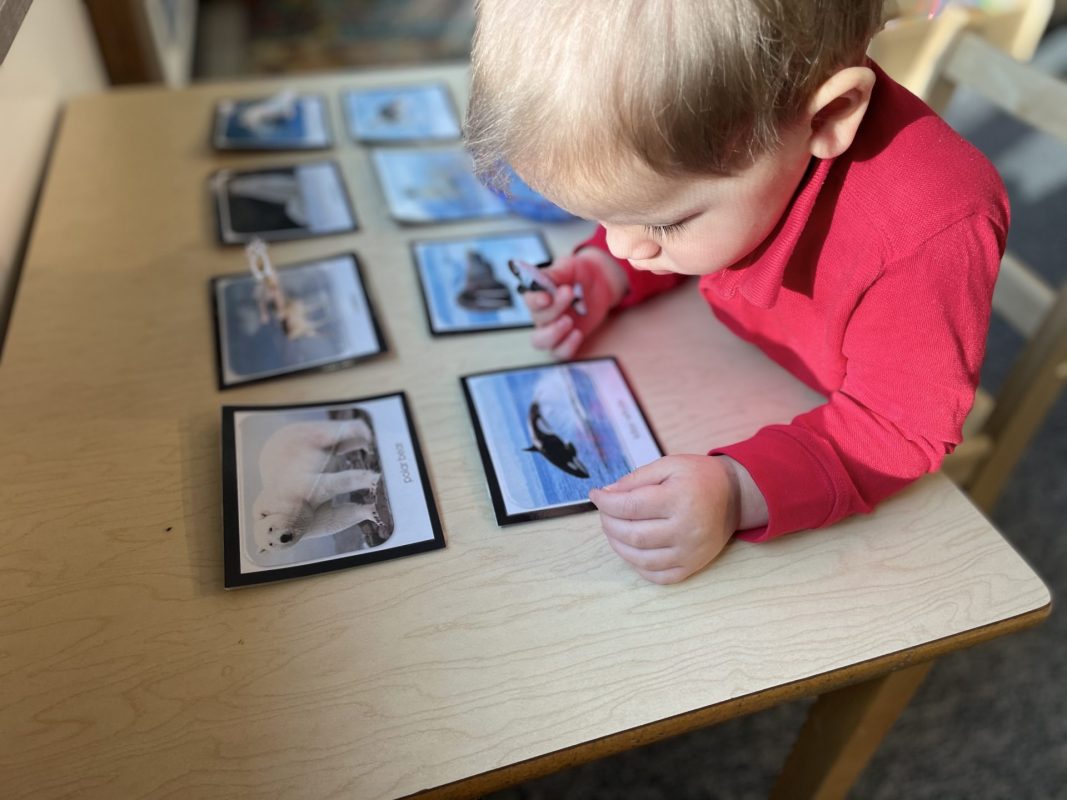
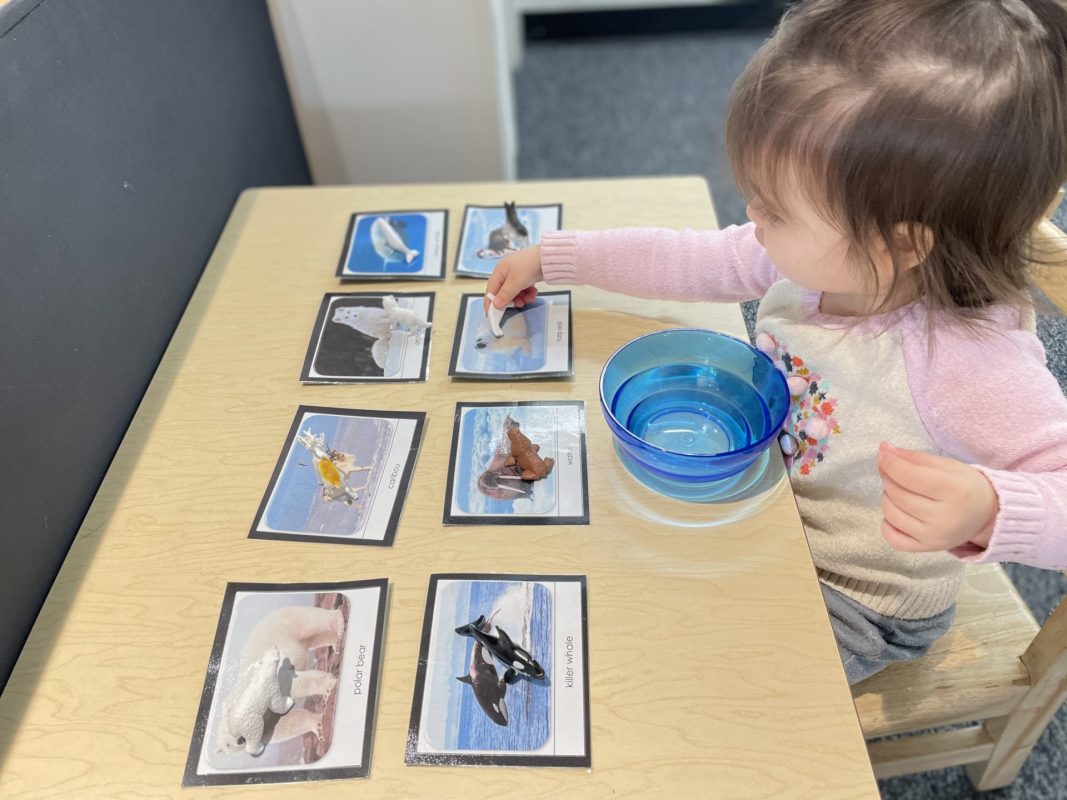
This month we are focusing on the farm and farm animals. Farm animals are a great way to develop language skills. Most children are very familiar with the animals and the sounds they make. They use lessons that help with pre-reading skills, such as the object to picture matching and picture to picture matching. It is fun to sit back and observe the children doing these types of works and listening to them name the animal and make their sound.

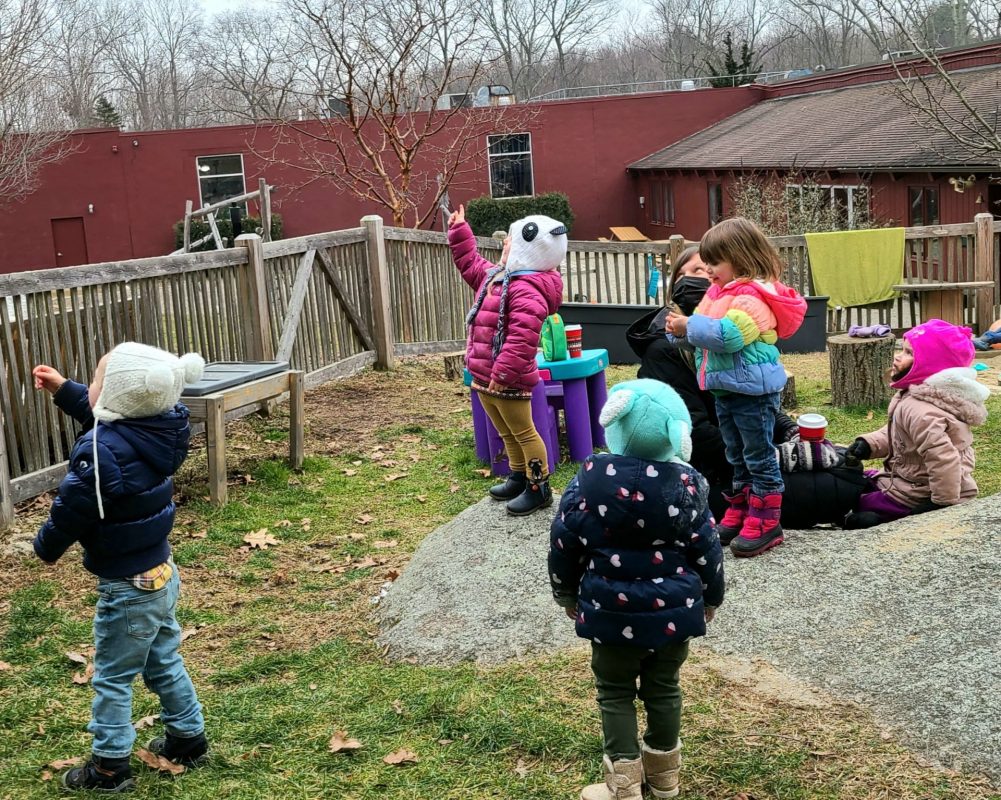
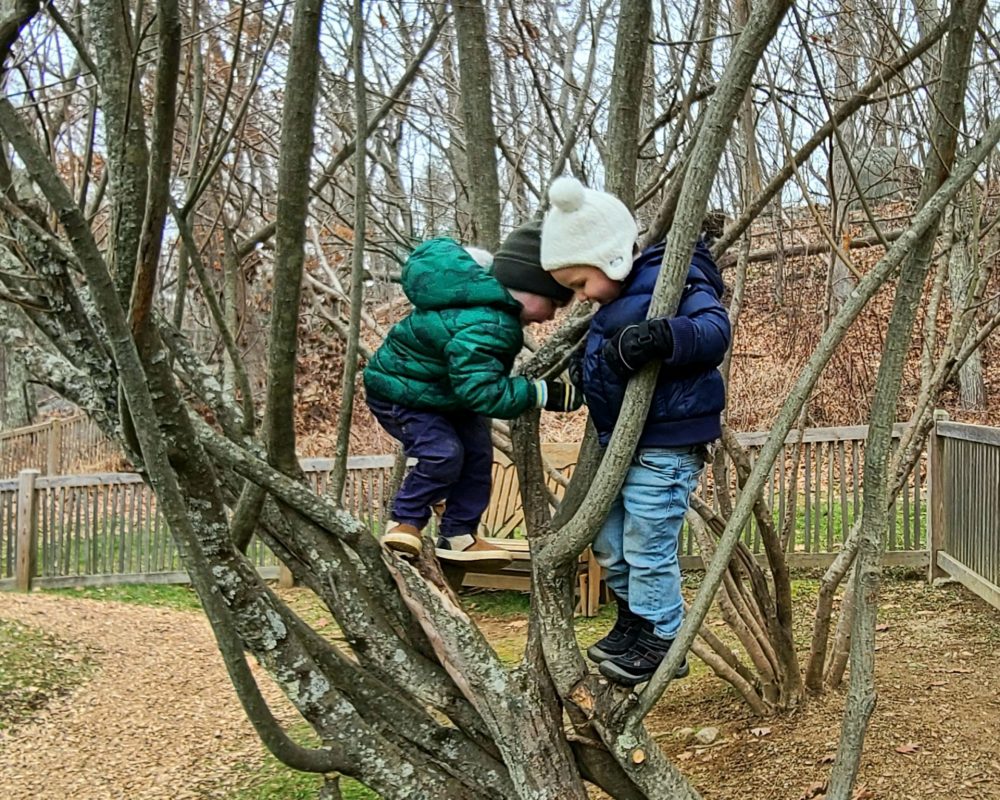
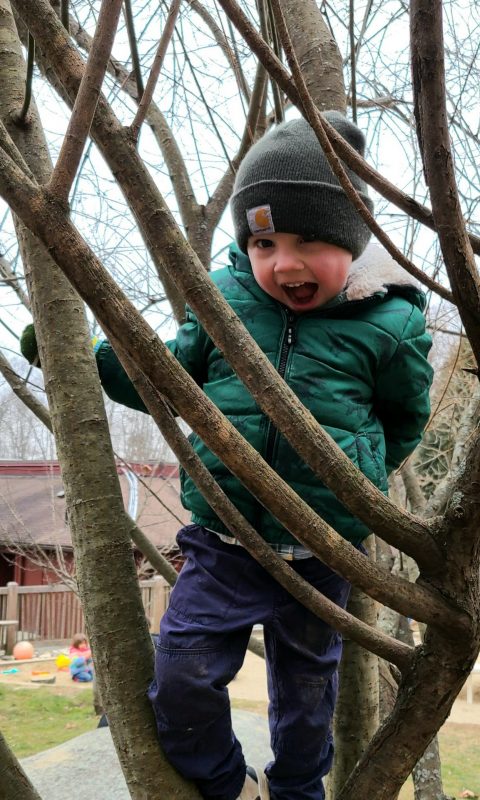
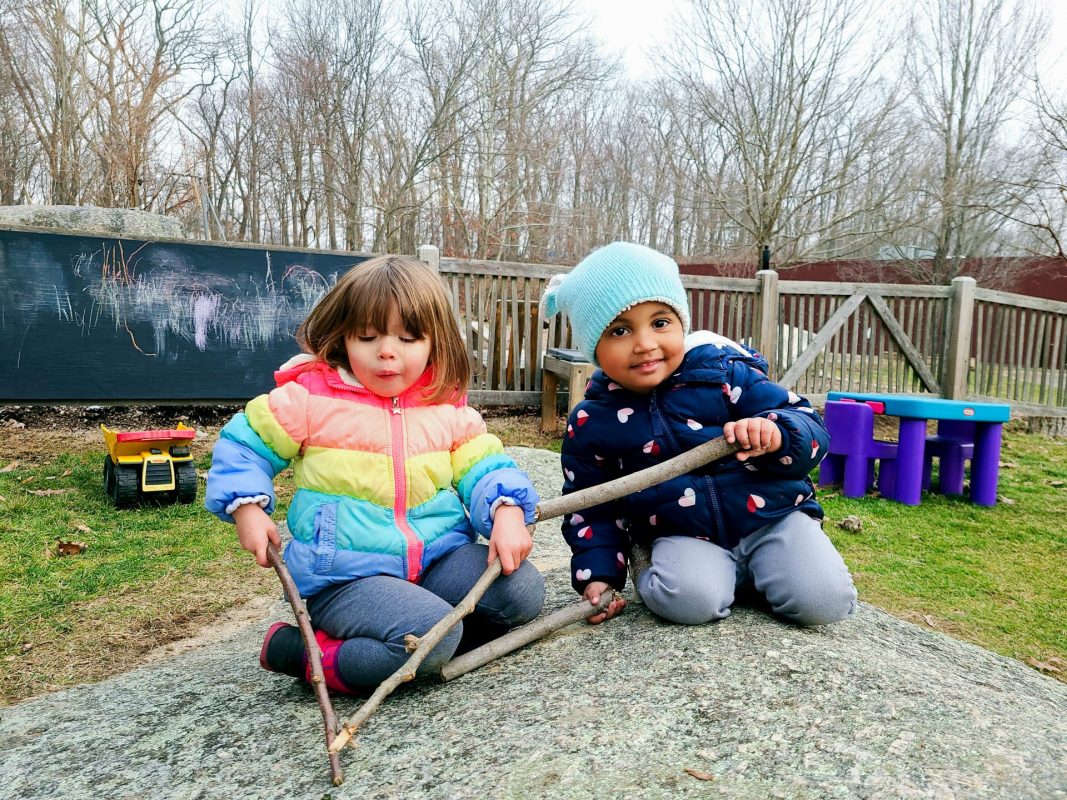
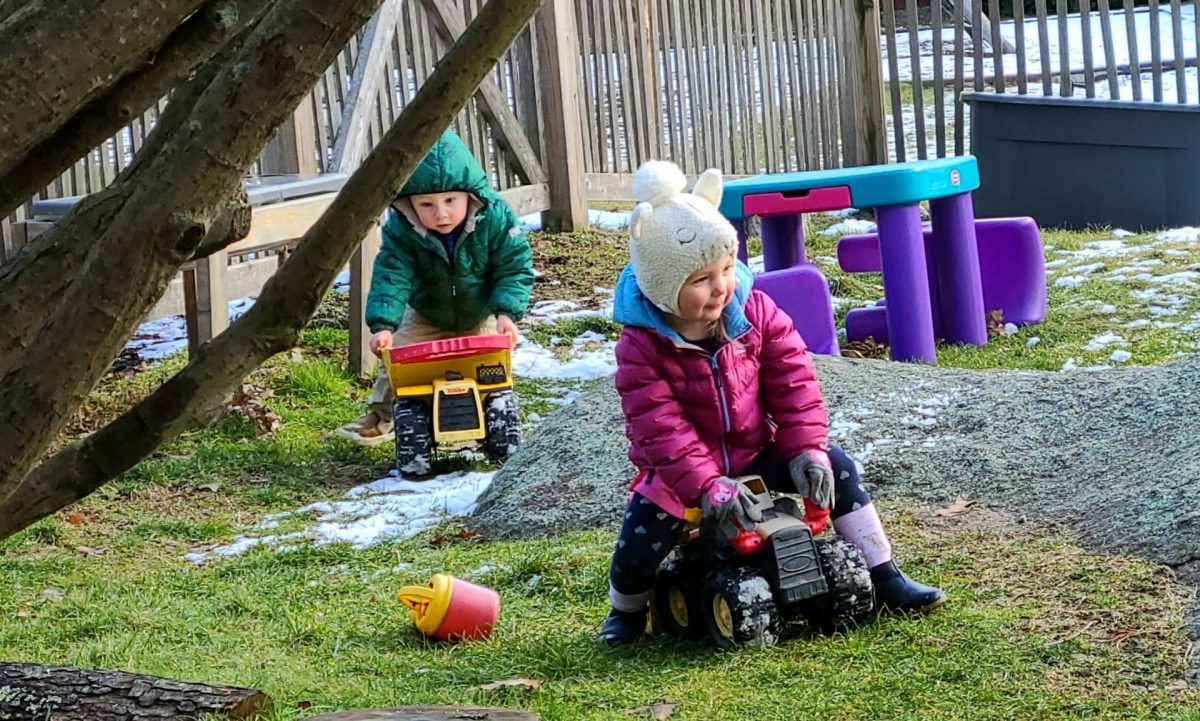
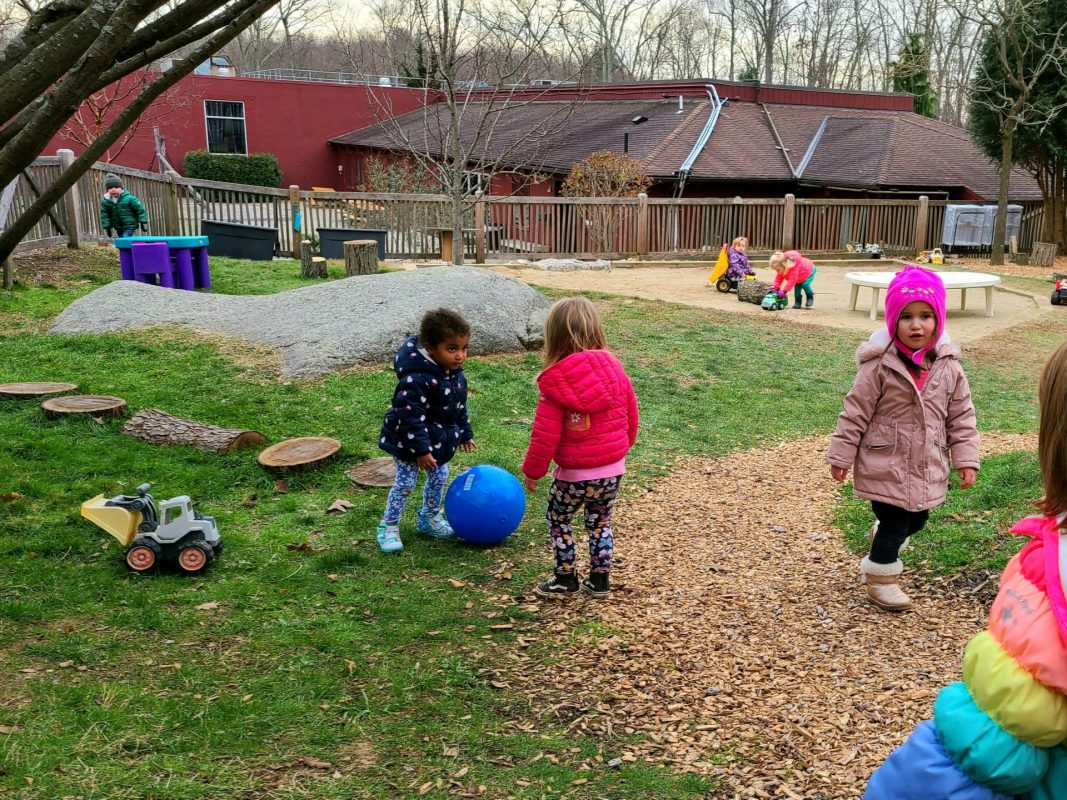
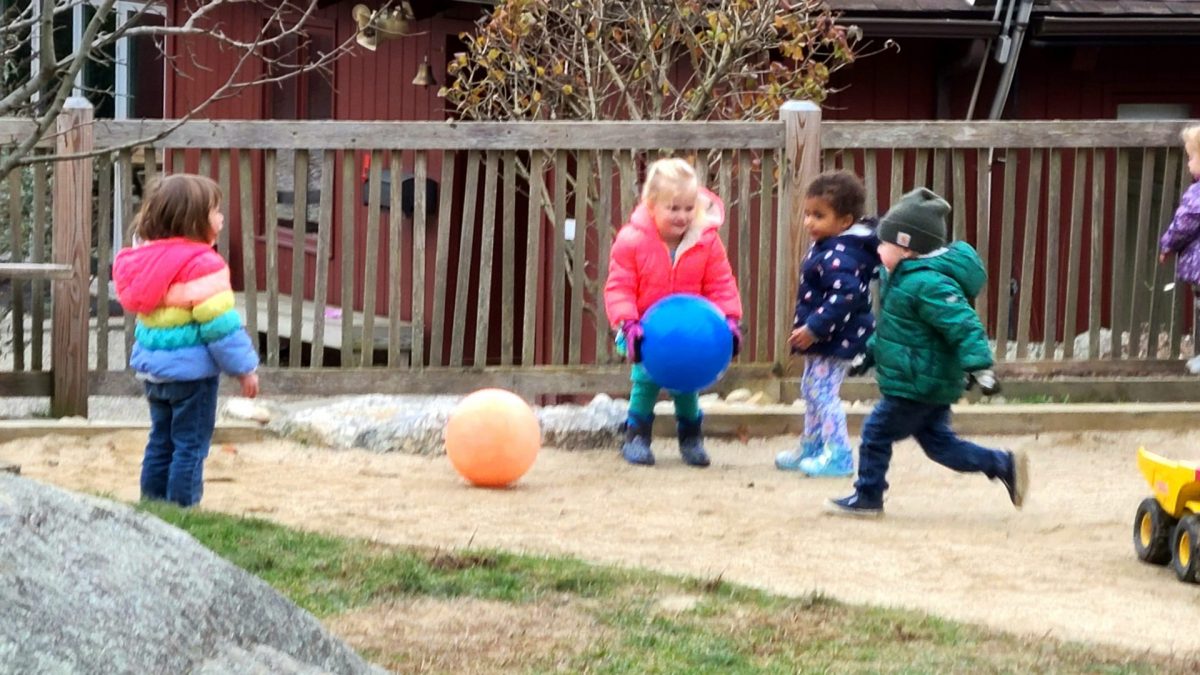
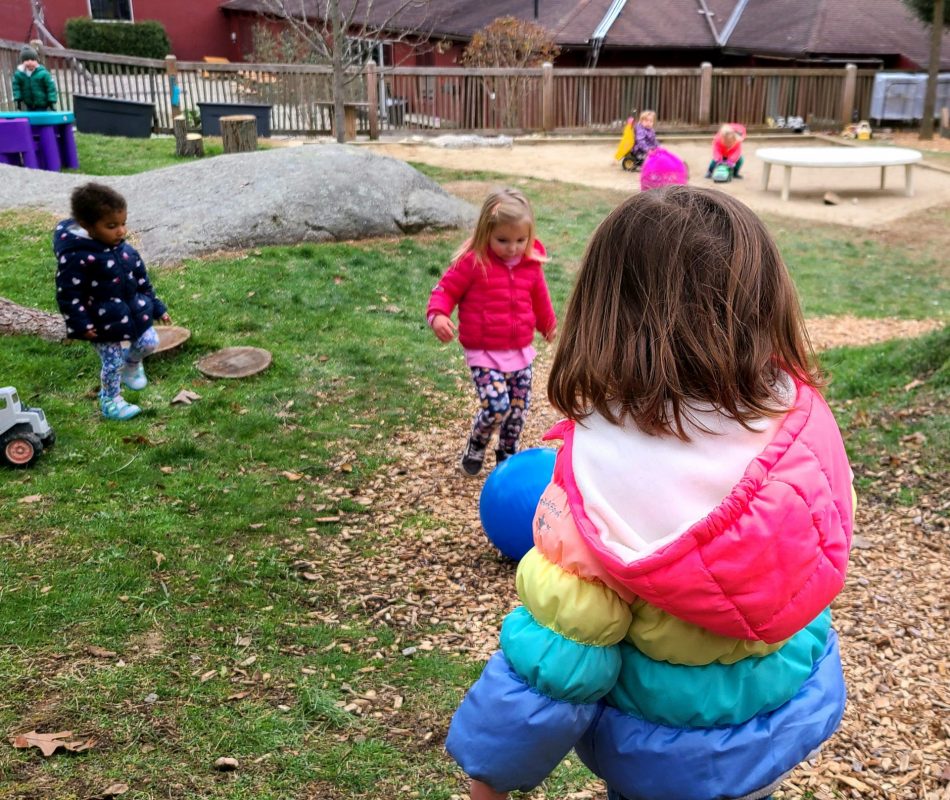
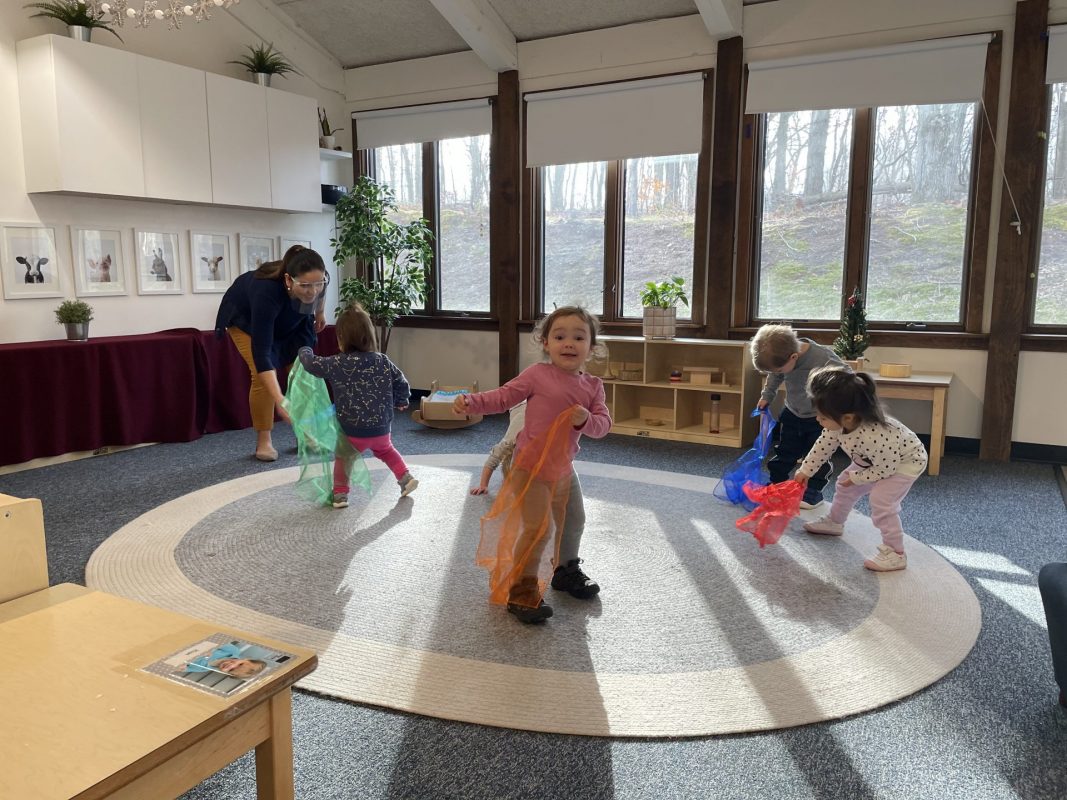
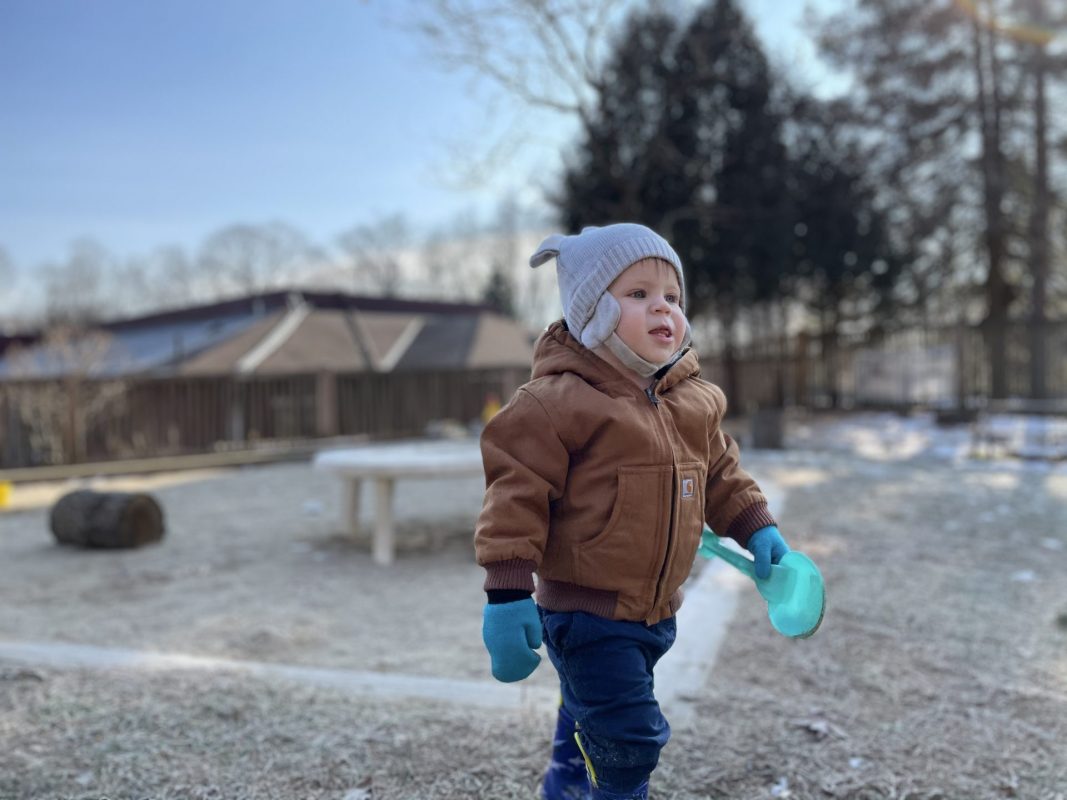
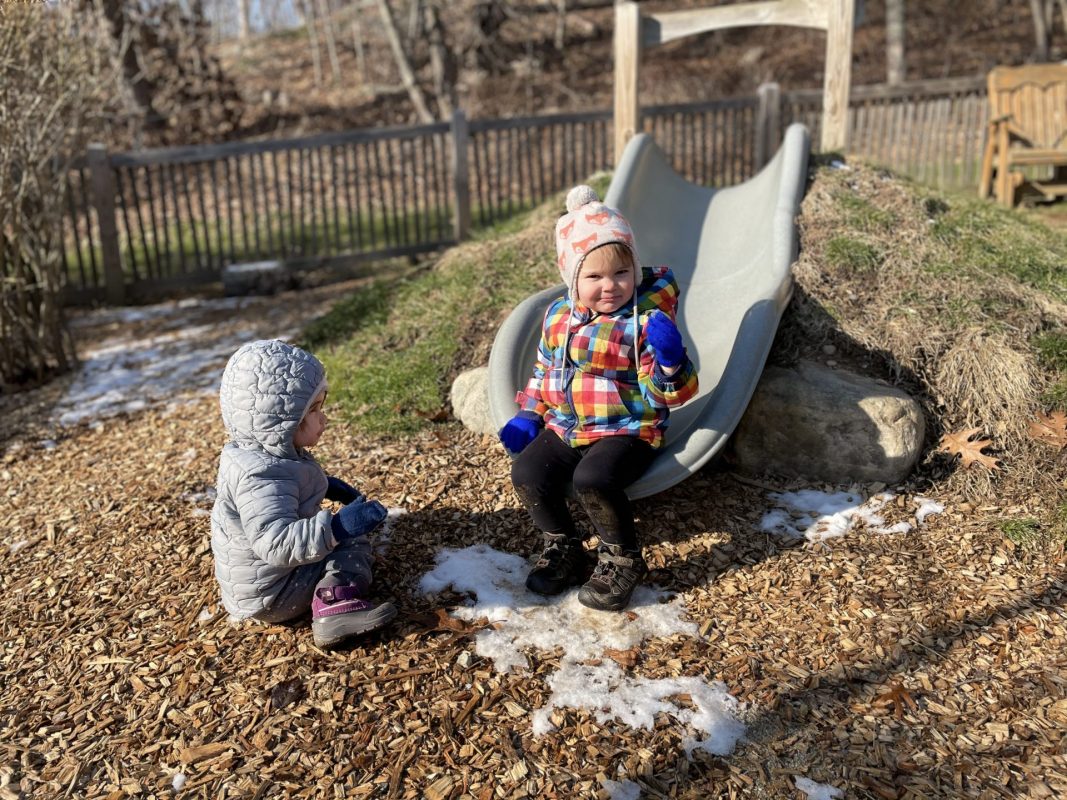
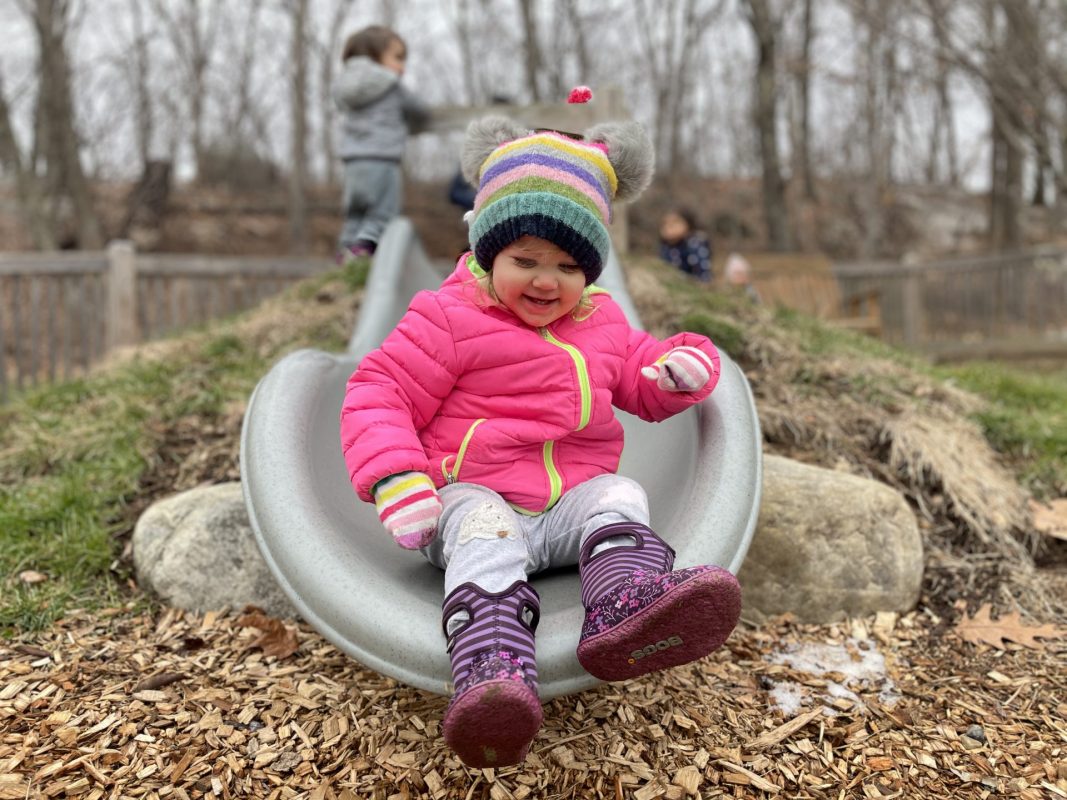
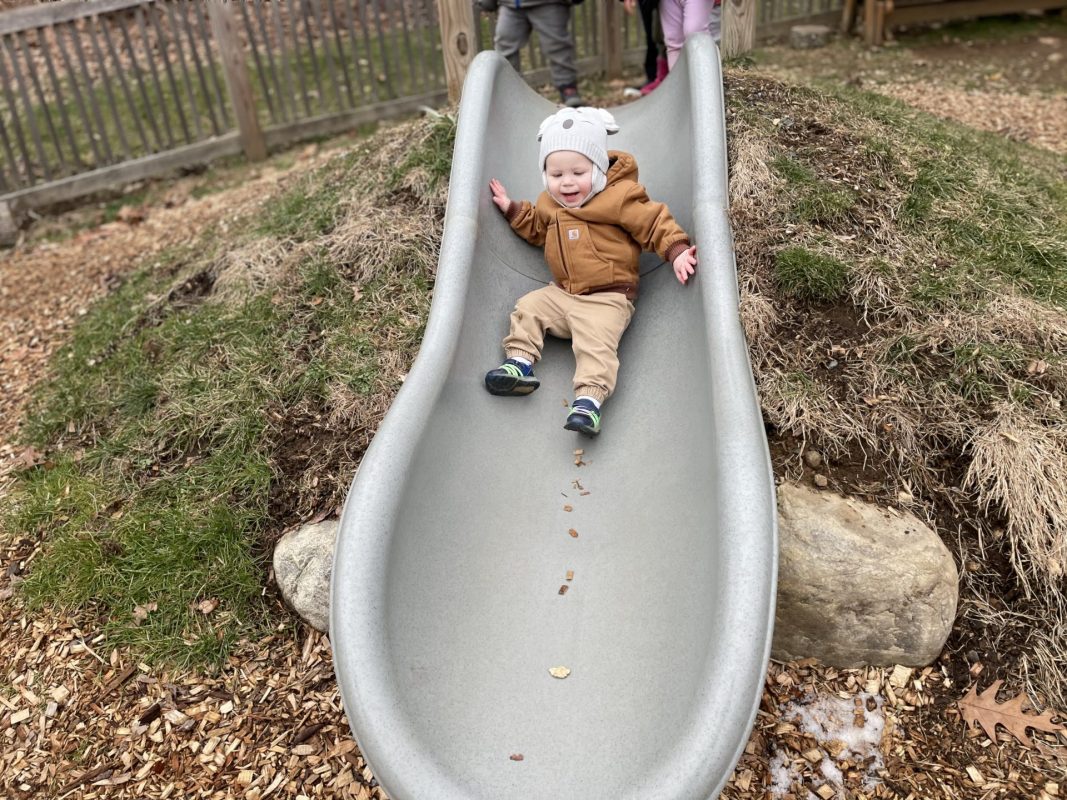
Here are some other highlights from the week. The children were exposed to a one to one correspondence counting lesson. For the first few weeks this month, we will explore a sunflower and the color yellow. They laugh with enjoyment as they dance to Old McDonald by Pancake Manor. The book we read this week is Big Red Barn by Margaret Wise Brown. As always the children enjoy their time outside, climbing the trees and pushing the trucks around. One child even implemented a truck race with another and the next thing we knew, the other children grabbed a truck to join in. We have a scissors cutting work available where the children can practice cutting a leaf.

No school on Monday, October 12th in observance of Indigenous People’s Day

Enjoy,
Mrs. Wilson


Mrs. Hood’s Class: Apple Exploration!


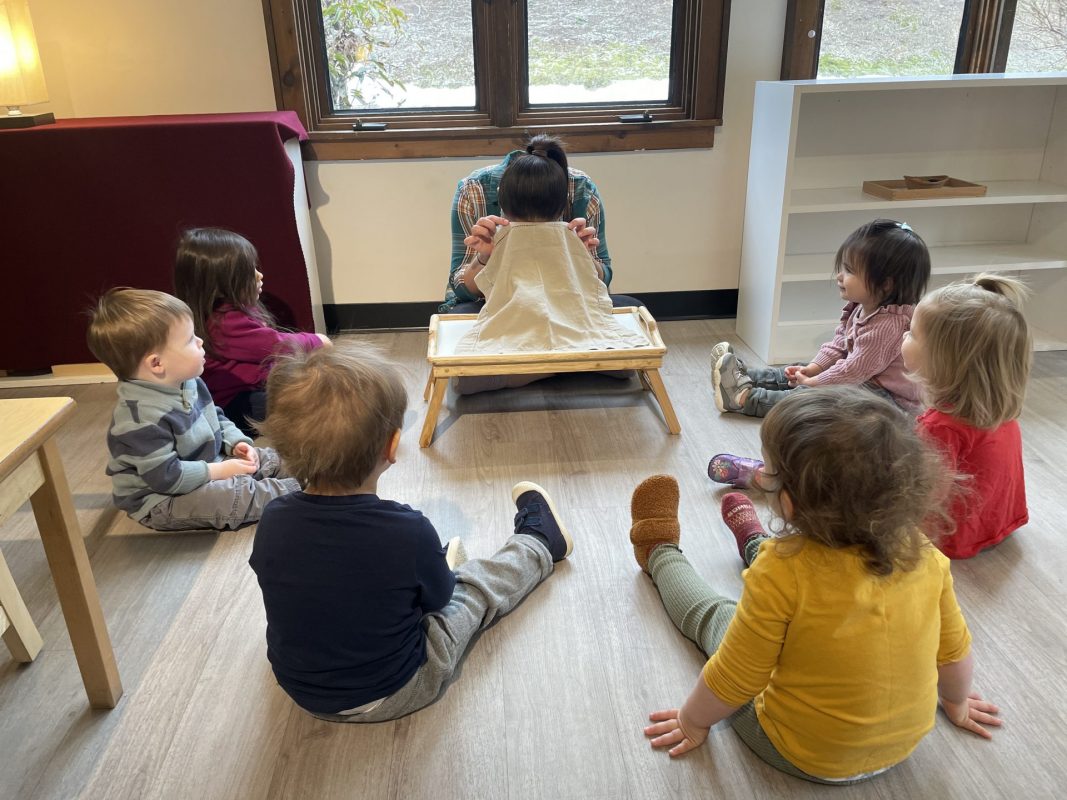
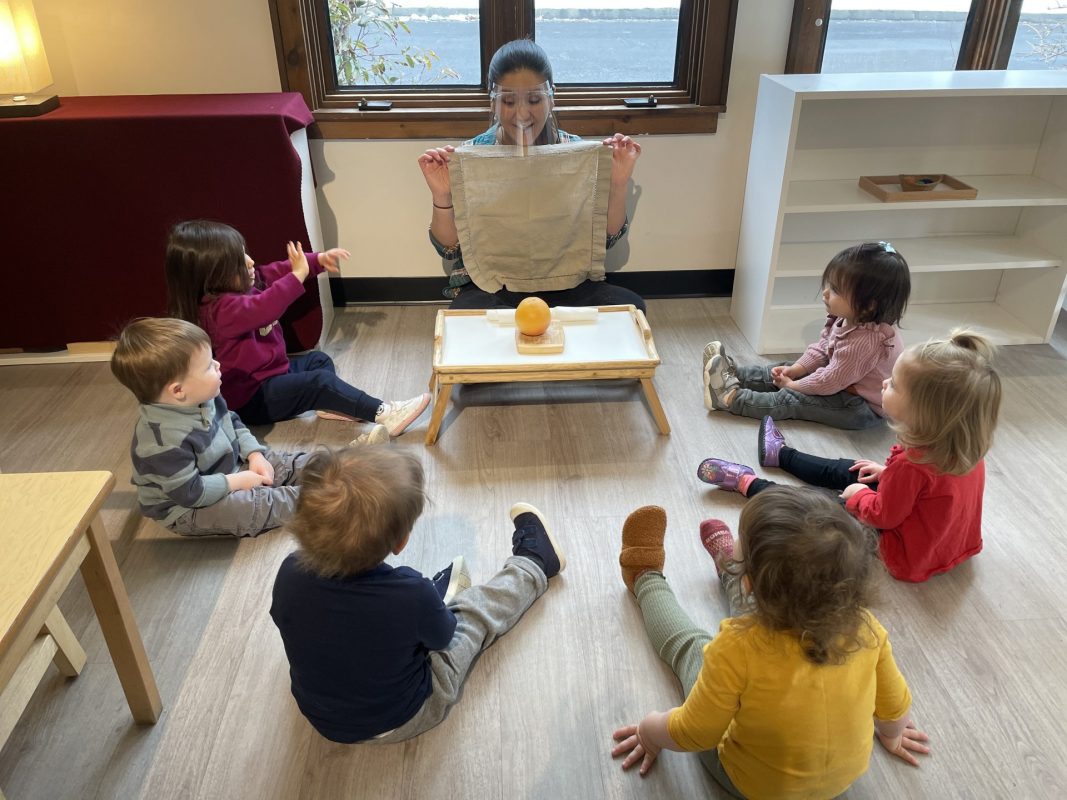
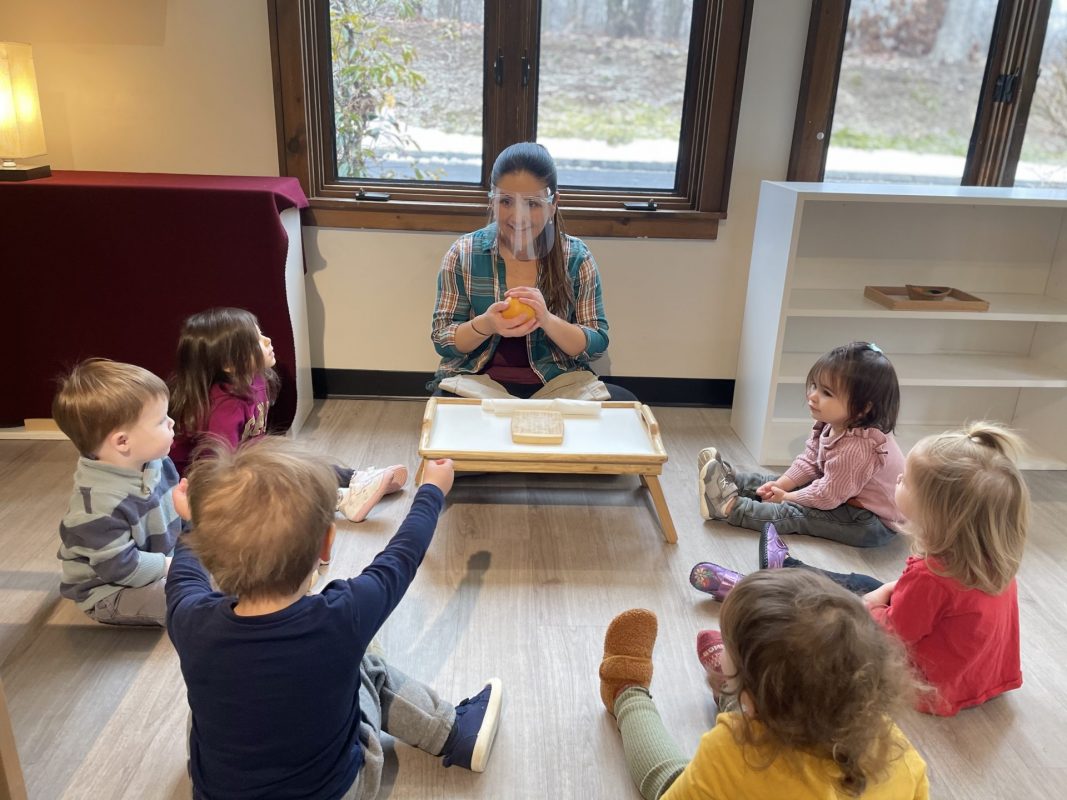
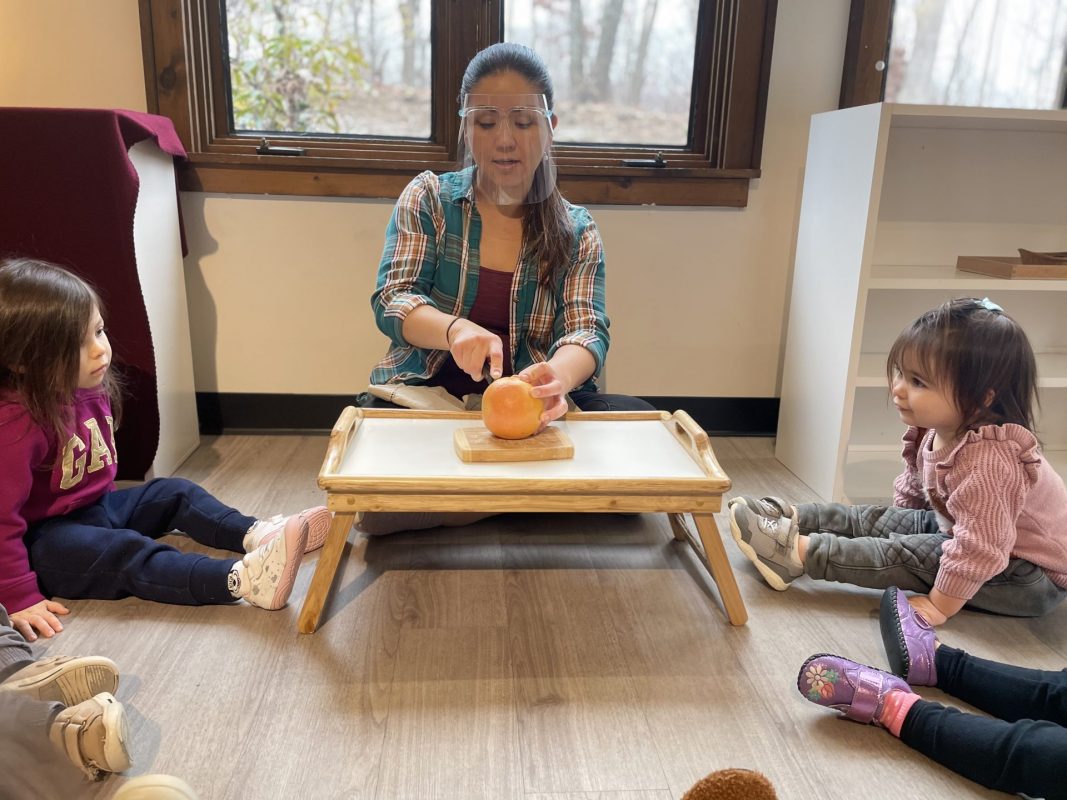
One of the main highlights this week was a fun Sensorial experience your children seemed to enjoy: dissecting an apple! With senses full of curiosity, children touched, observed, smelled, peeled, cored, and tasted a delicious apple. The children found it very fun and interesting to use the handle of the peeler but their eyes really sparkled and the smiles bloomed when they started watching the skin of the apple peeling and falling on the napkin. Children observed what parts we find in apples and were exposed to new vocabulary such as skin, flesh, and seeds. Some of them also experienced the difference in texture and flavor between the skin and flesh of the apple. 

Food preparation is one of the main areas in our Practical Life curriculum! Sadly, because of COVID-19 we are required to limit some of these exercises in our environment. However, I encourage you to make these types of experiences available at home. There are many benefits to involving children in food prep. Even the pickiest of eaters has been known to be more willing to try things when they have had a hand in preparing it. These works also help develop fine motor skills, build coordination, and create a sense of community, as well as increase knowledge of nutrition, science, and math.

Here are some examples on how you can include your toddler in food preparation at home:

  • Scoop cereal into bowl
  • Add milk to cereal
  • Wipe up spills with small towel
  • Take plate to the kitchen
  • Prepare a sandwich
  • Spread sun butter/jelly/cream cheese on crackers
  • Peel and slice a banana
  • Peel a mandarin orange
  • Peel and cut an apple with assistance
  • Wash fruits and vegetables
  • Make orange juice
  • Pour glass of water or milk using a small jug- use small amount of liquid to avoid large spill
  • Drink from a glass
  • Follow a recipe with assistance using measuring cups
  • Set the table/clear the table
  • Wipe the table
  • Sweep the floor -use  dustpan and brush

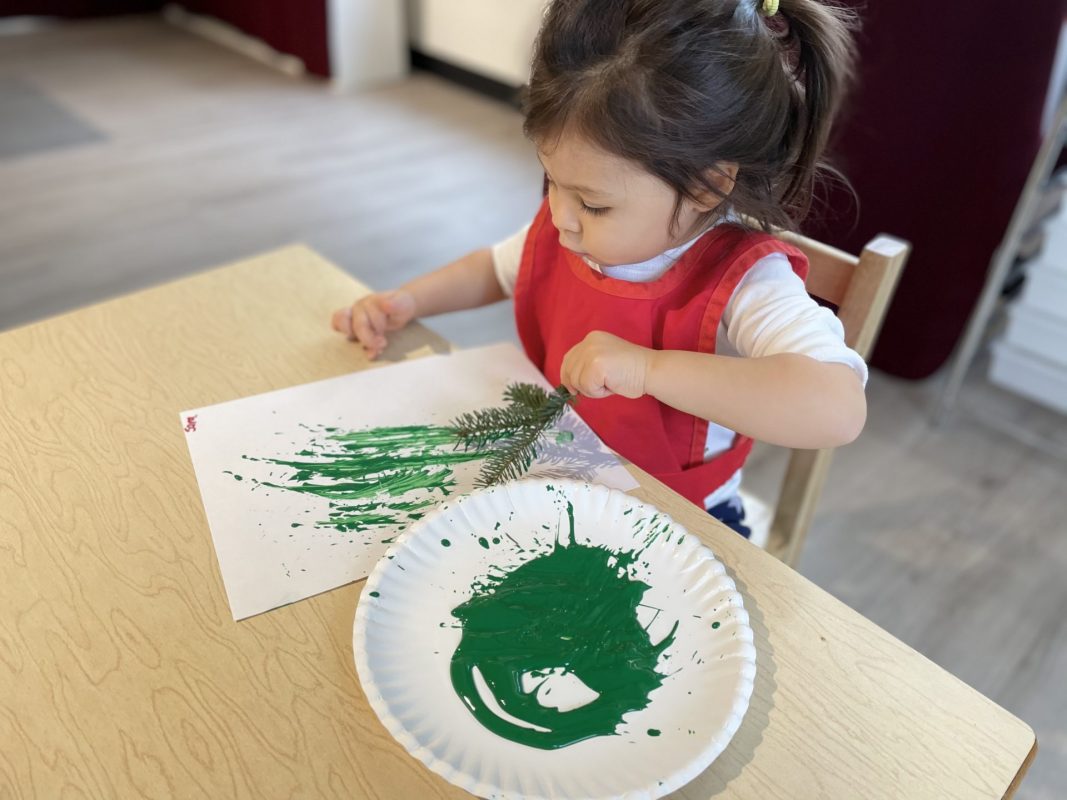
On another note, children also used apples to create some art this week! Children enjoyed dipping the half apples into different color paint and stamping them all over their papers! They were so proud of their work! 

I’ll leave you here with this easy apple pie recipe, so you can give it a try and experience the awesomeness of having your toddler in the kitchen! 

Have fun, 

Mrs. Hood and Ms. Maria


Mrs. Hood’s Class: Fall is Here!

Fall is here everybody! As the season changes and temperatures start to drop slowly, this week we introduced one of the most delicious seasonal fruits, the apple! There are new works in all areas of the environment that expose your children to the characteristics of this great fruit.  

Next week we will be dissecting apples together and enjoying an individual yummy snack. To be able to do this activity and still follow the COVID safety guidelines, we will ask that each child bring one big whole apple on Tuesday, October 6th.  Please place it inside a resealable bag with your child’s name on it.   

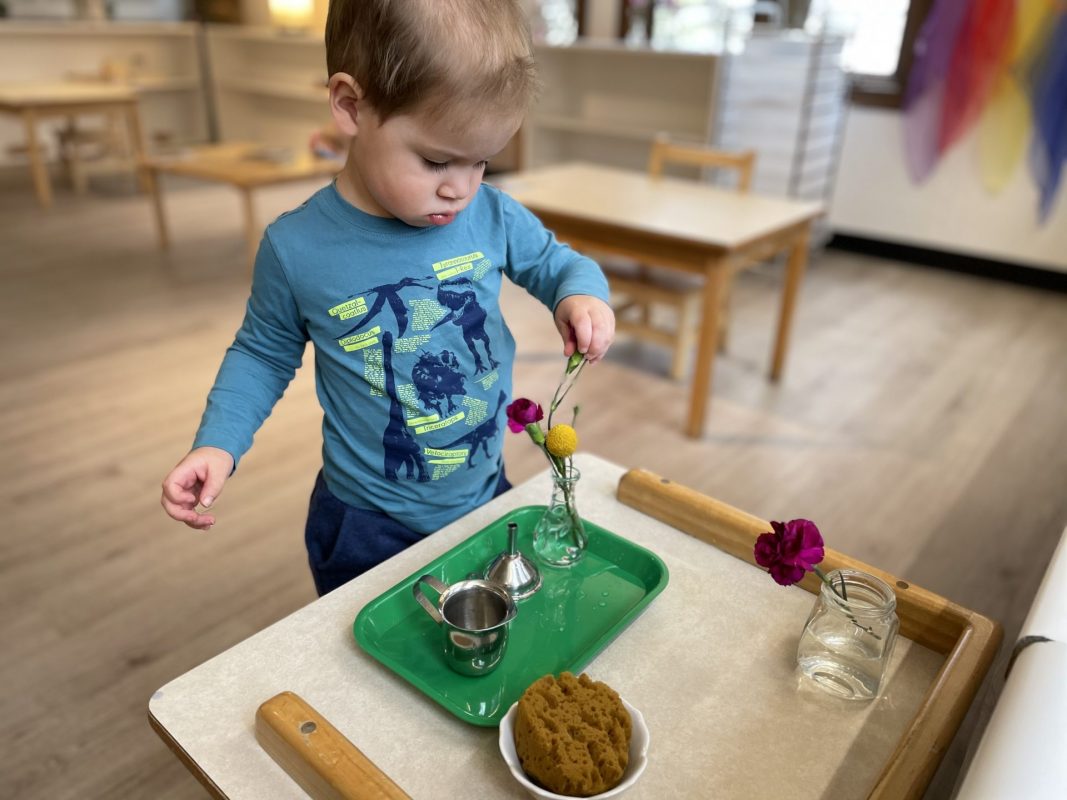
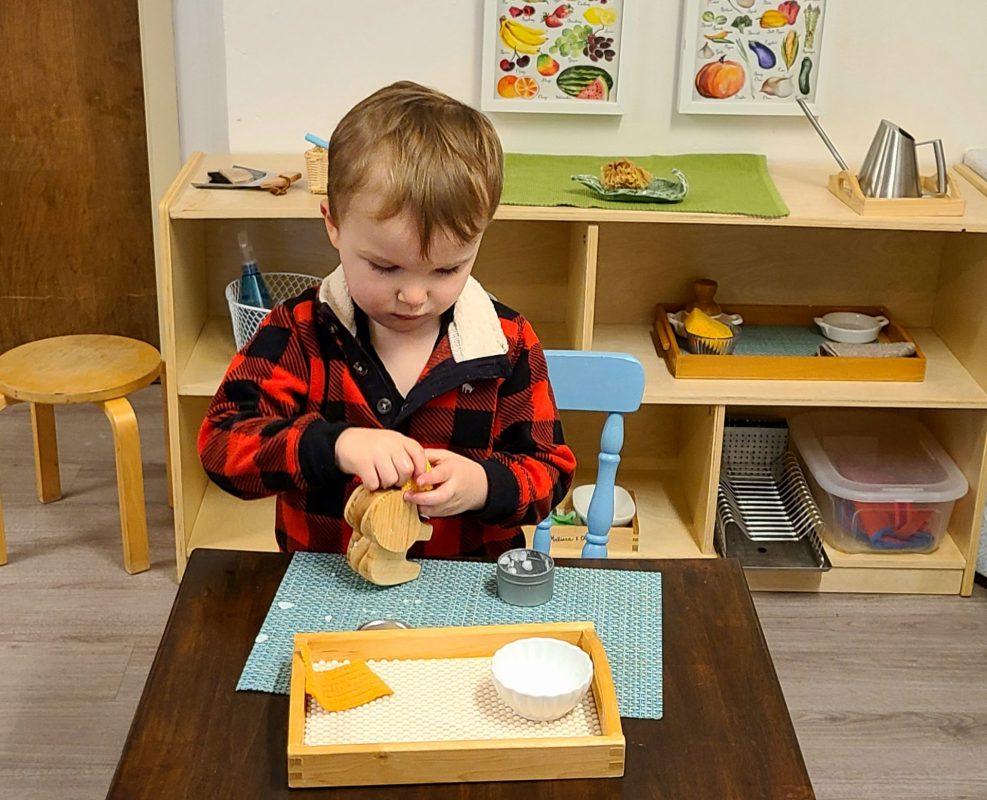
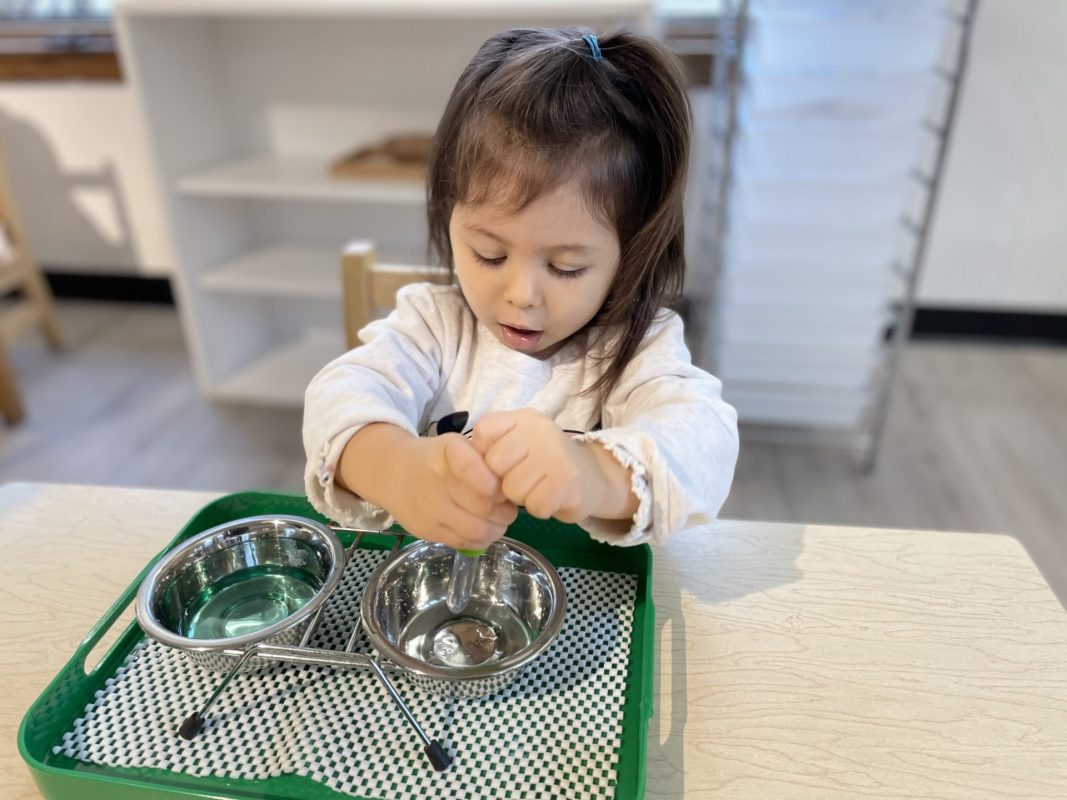
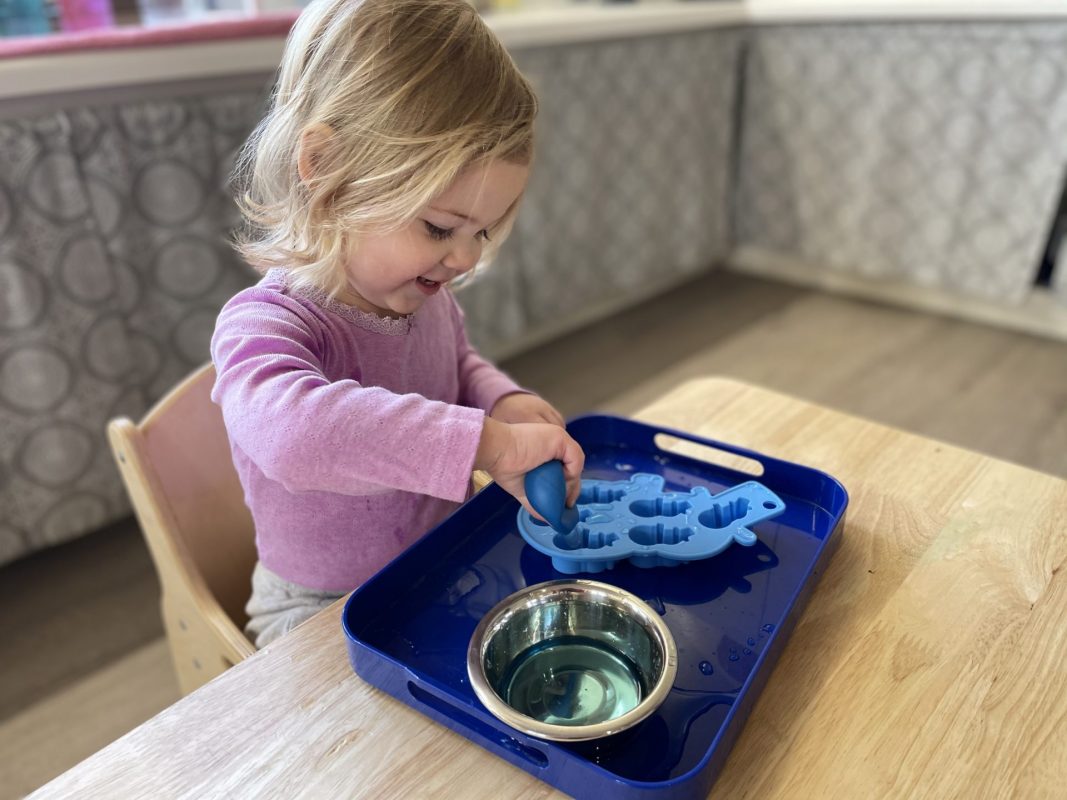
In the practical life area we added a great fundamental lesson, water transfer. To make it even more interesting we used a sea wool sponge for transferring. As basic as it sounds, this was one of the most popular activities of the week. The “magic” of watching the water disappear and get inside the sponge is fun but it’s even more fun when suddenly you squeeze the sponge and all the vanished water comes out. Children received two new vocabulary words when observing the bowls used for the transferring. They like to repeat them over and over: empty and full. At the end of the activity they were encouraged to look for spills and wipe up all the spills with a towel. 

Practical life activities present themselves as a highly logical, sequential chain of activities that indirectly lead the child to grander things. They are the most important activities for toddlers! Activities for care of the environment are both fun and great for developing order, concentration, coordination, and independence.

Other highlights of the week were the introduction to our new song, “Way Up High in the Apple Tree,” where children practiced the numbers one through five using their hands. In Spanish, children are now familiar with the terms: agua – water, vámonos -let’s go, and numbers from one to ten – uno, dos, tres, cuatro, cinco, seis, siete, ocho, nueve, diez. 

As the weekend approaches, we encourage you to enjoy the sunshine and the beautiful weather and visit an apple farm with your little one. It will be a great experience for them during the continuation of our apple studies.

Happy weekend,

Mrs. Hood and Ms. Maria

Mrs. Hood’s Class: “Help me to do it myself.”

“If teaching is to be effective with young children, it must assist them to advance on the way to independence. It must initiate them into those kinds of activities which they can perform themselves and which keep them from being a burden to others because of their inabilities. We must help them to learn how to walk without assistance, to run, to go up and down stairs, to pick up fallen objects, to dress and undress, to wash themselves, to express their needs in a way that is clearly understood, and to attempt to satisfy their desires through their own efforts. All this is part of an education for independence”.

Dr. Maria Montessori

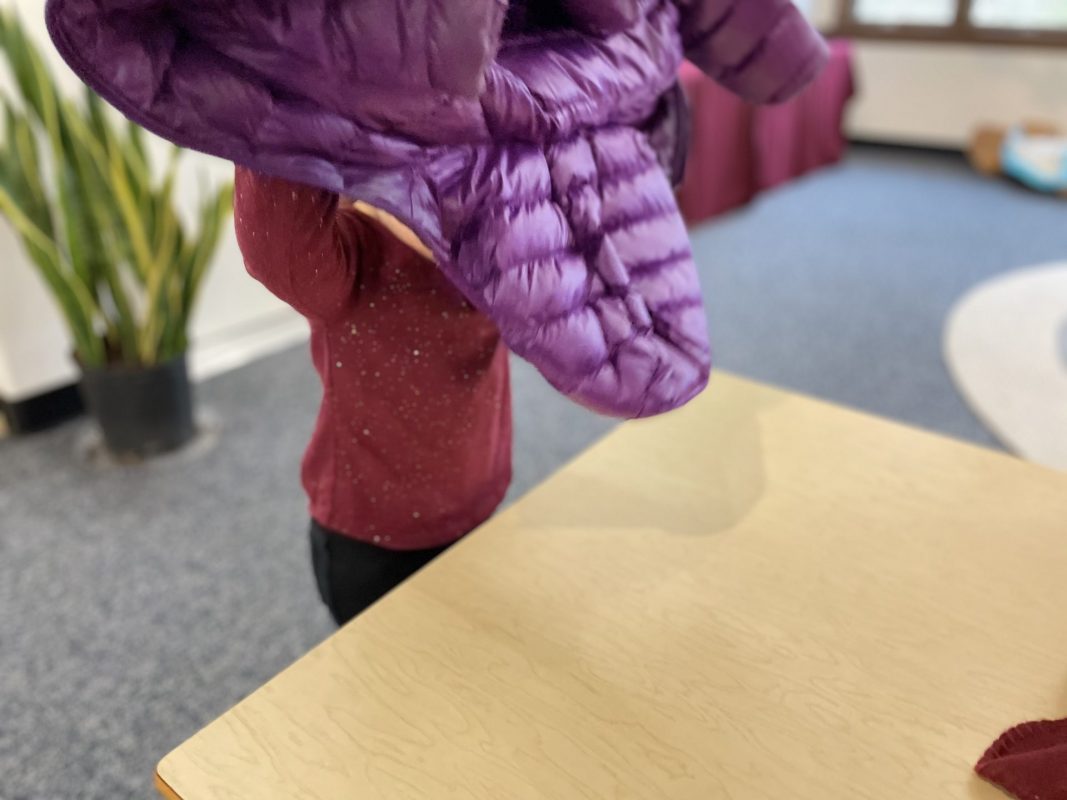
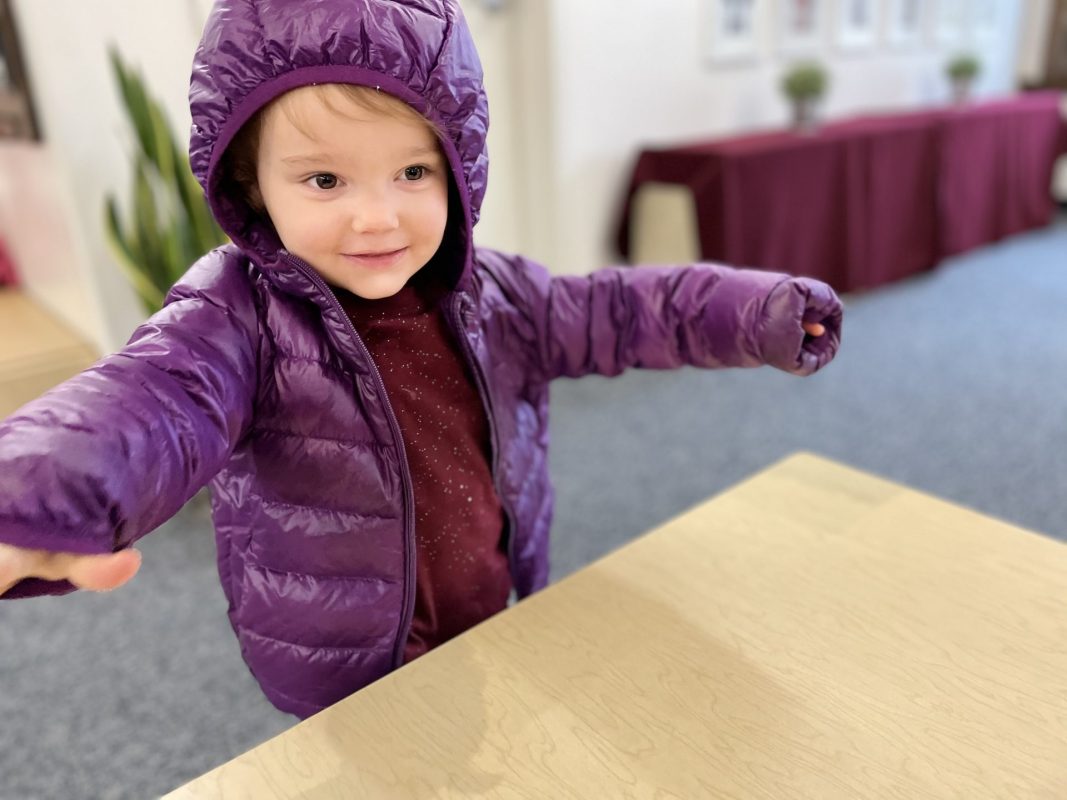
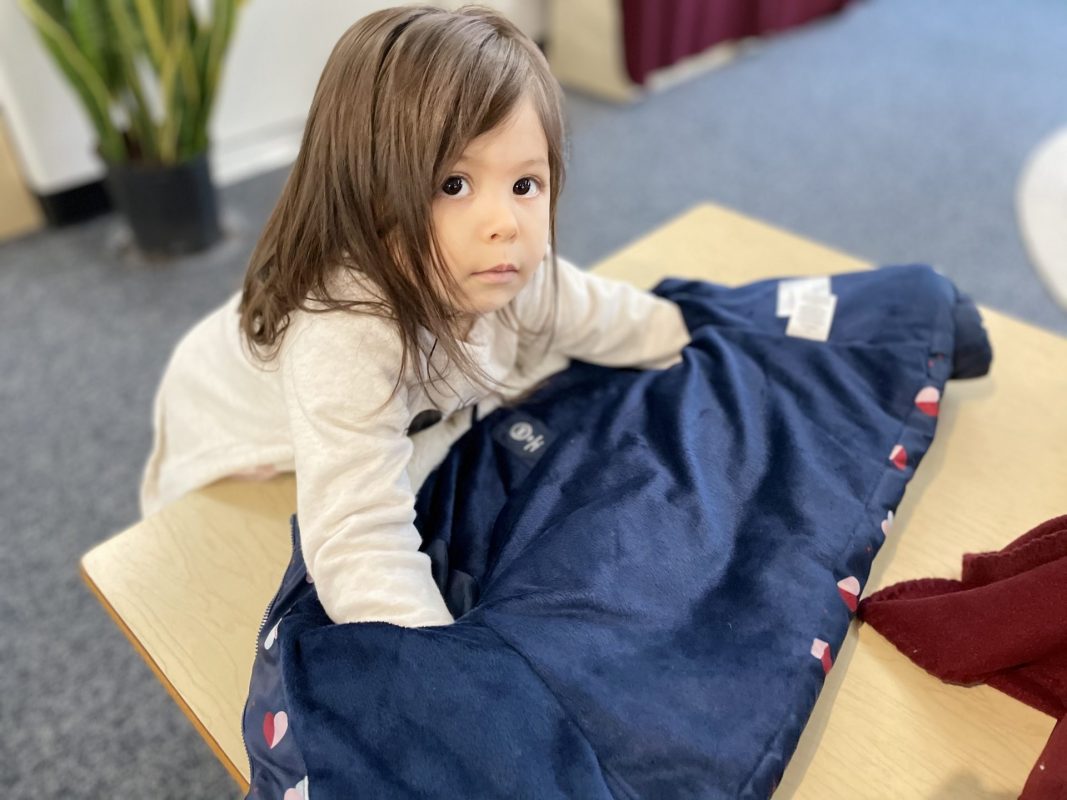
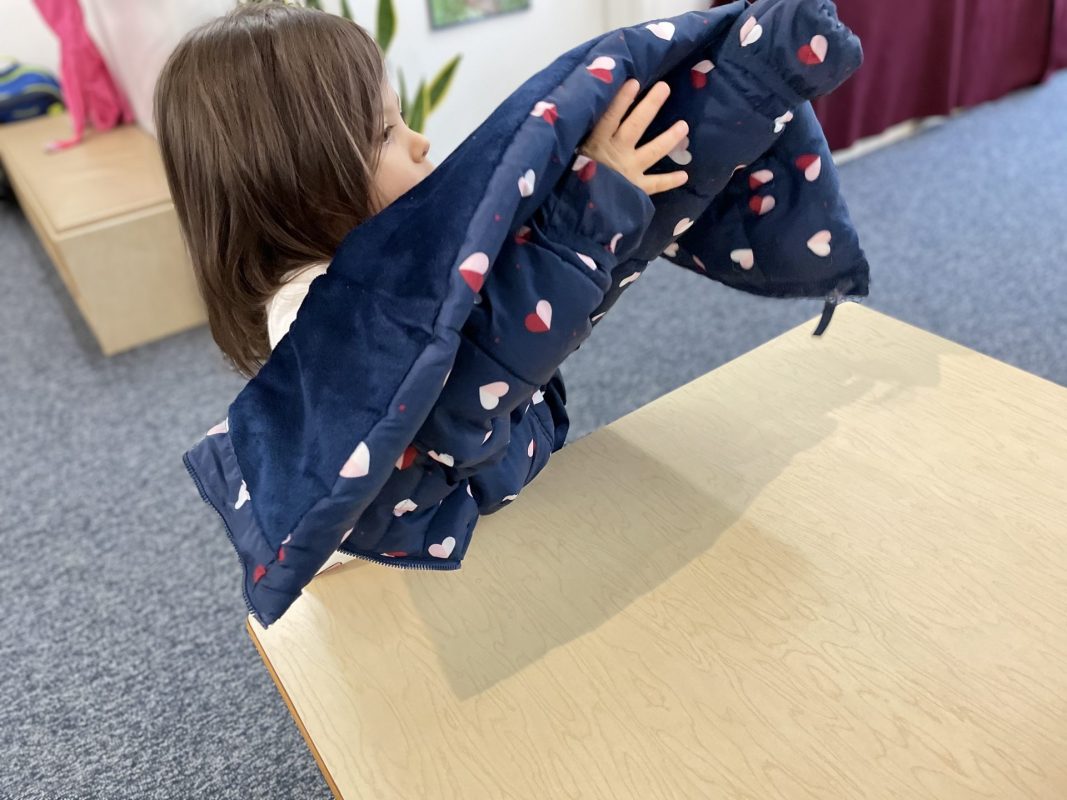
Toddlers are naturally eager to learn these things. “Do it myself” might well be the refrain for the toddler years! Our day-to-day lives often make for less than ideal circumstances to help our children achieve the independence they crave. Our homes are not optimized around a little person with their height of less than three feet: Objects are hard to reach, too heavy, or too big for little hands to use. Our days are not set up to move at their speed: We rarely just happen to have ten spare minutes to wait while our almost two year old puts on their jacket!

Yet enabling a toddler to become more independent has huge benefits, both short-term and long-term. Power struggles decrease when a child feels more in control. Temper tantrums are less frequent when a toddler is busy doing things for themself rather than resisting their parent’s efforts to do things for them! A child who feels capable because they can act in the world, without needing to rely on Mom or Dad for every little thing, is a child who is developing self-confidence.

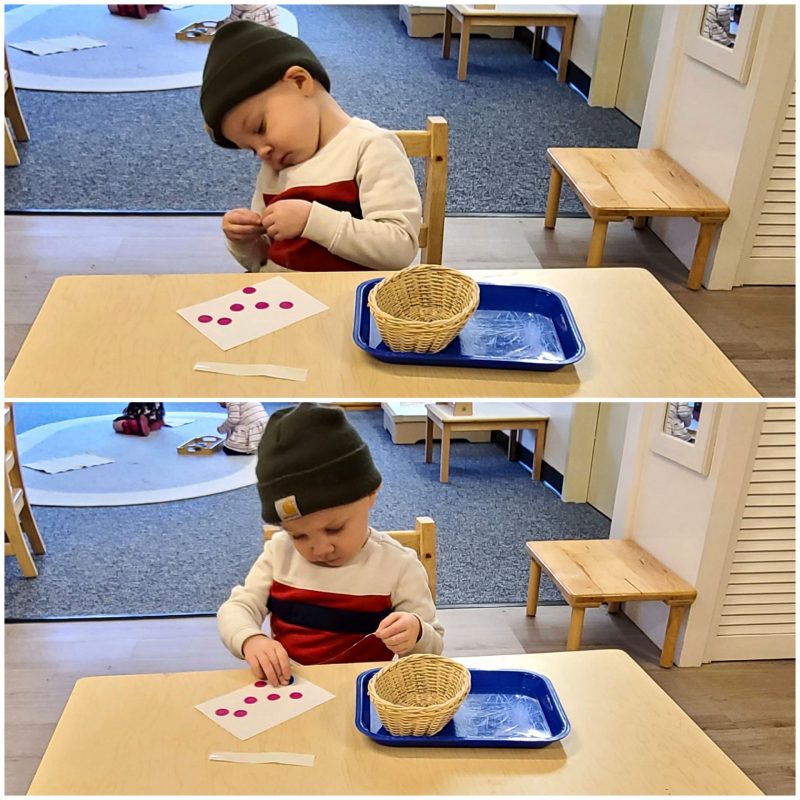
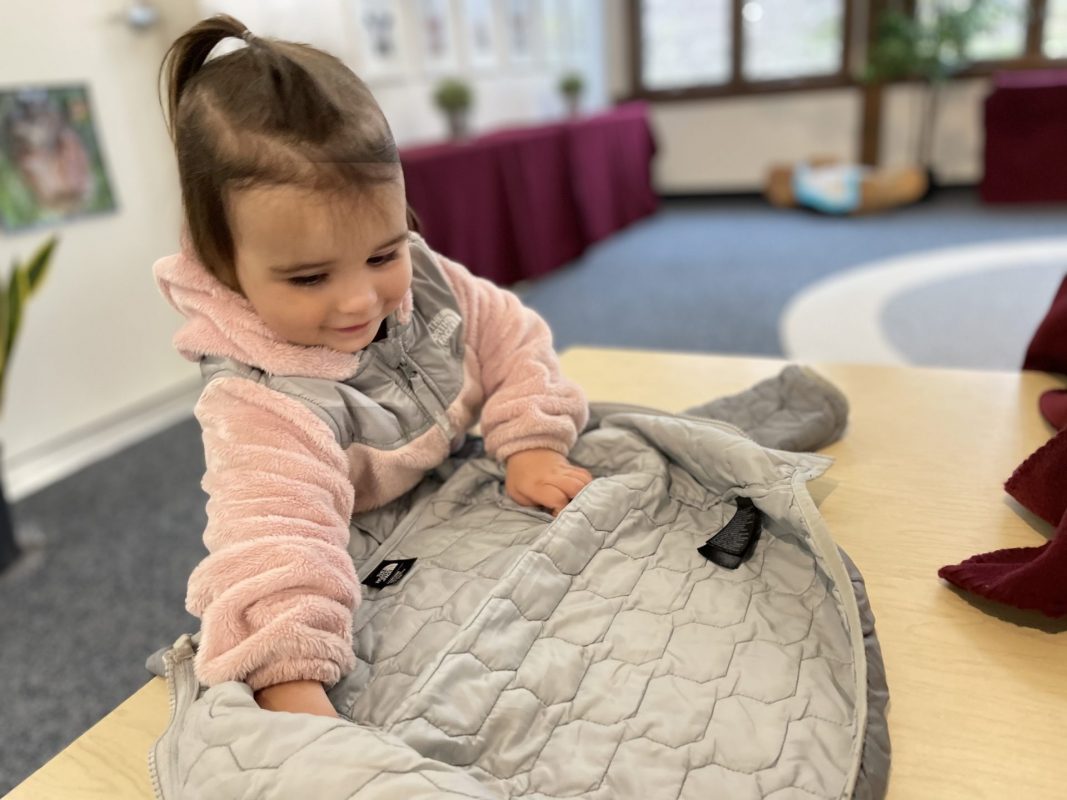
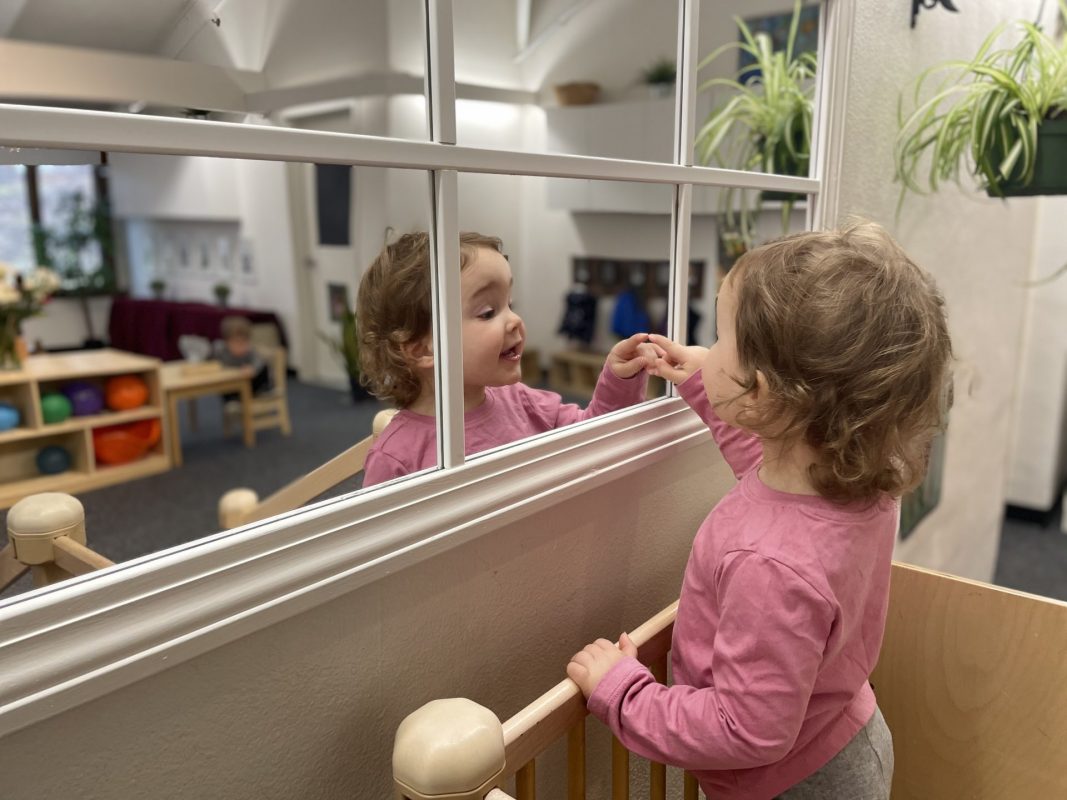
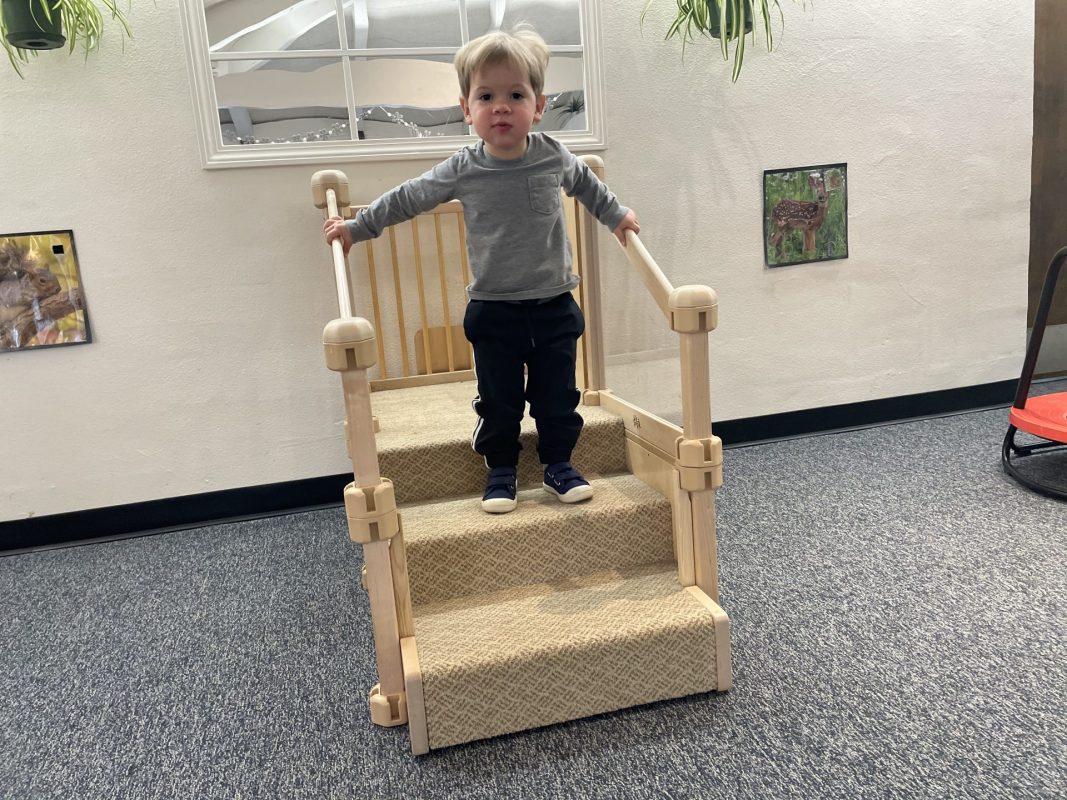
Last week we introduced the routine of changing into indoor shoes at the beginning of the morning! At this point, your children have learned to recognize their space and continue to work hard in the skill of removing their own shoes, coordinating their hands to get the new shoe on and pulling and closing the velcro tabs. Choosing a tissue, observing their faces in the mirror and wiping up their nose when needed has been a daily work for all as well, and so has placing their hands under the soap dispenser, opening the faucet, and properly washing and drying their hands independently. Your children have been mastering the skill of taking their snack box from the snack shelf, carrying it and bringing it to their respective table, opening the box and taking their snack out. They also have been learning the importance of asking for help when needed and remaining seated while eating. These are big steps for little people but your children have been absorbing the routines beautifully and their skills improve daily.

Reminder: When choosing clothing, please consider items that are easy for your child to manipulate independently. Please avoid overalls, belts, pants with buttons, zippers or snaps, tights, onesies, jeans, tight leggings, bulky or long dresses, and other clothing that restricts movement.

Pants with an elastic waist allow your child to participate successfully as opposed to becoming frustrated and causing a loss of interest in toileting. We also recommend shirts that are no longer than the waistline.

Have a great weekend,

Mrs. Hood and Ms. Maria 
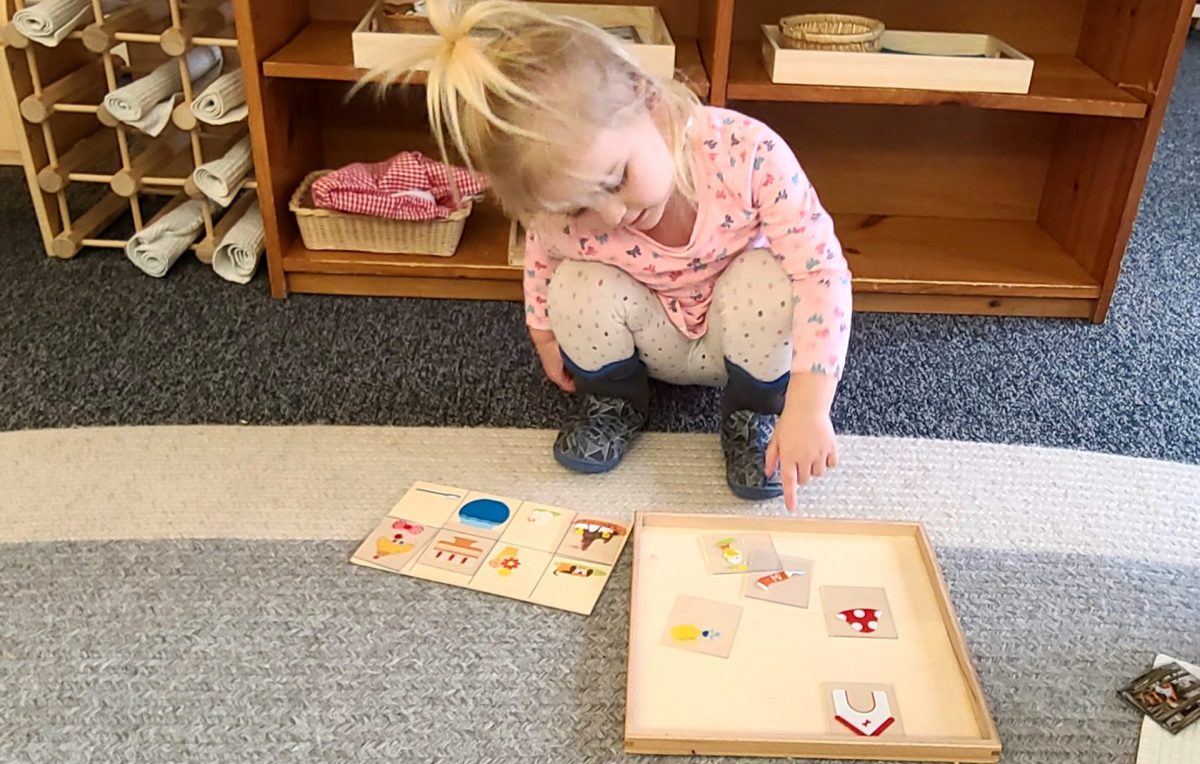

Mrs. Wilson’s: More Apple Exploration

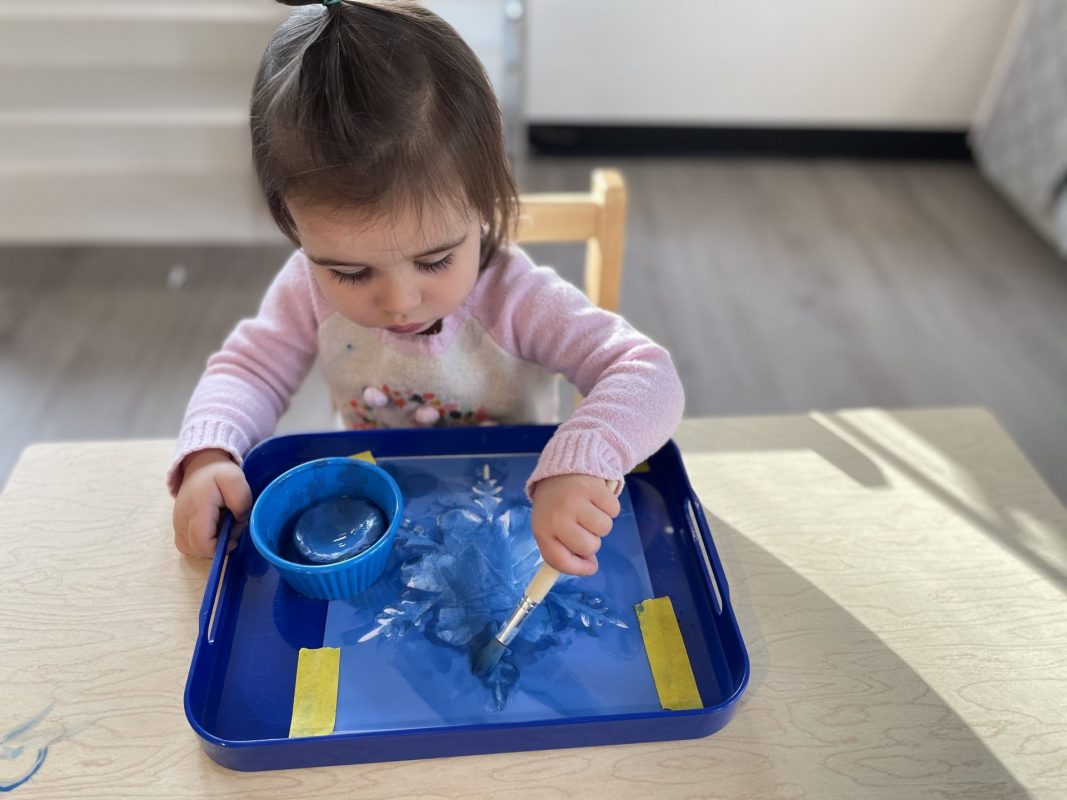
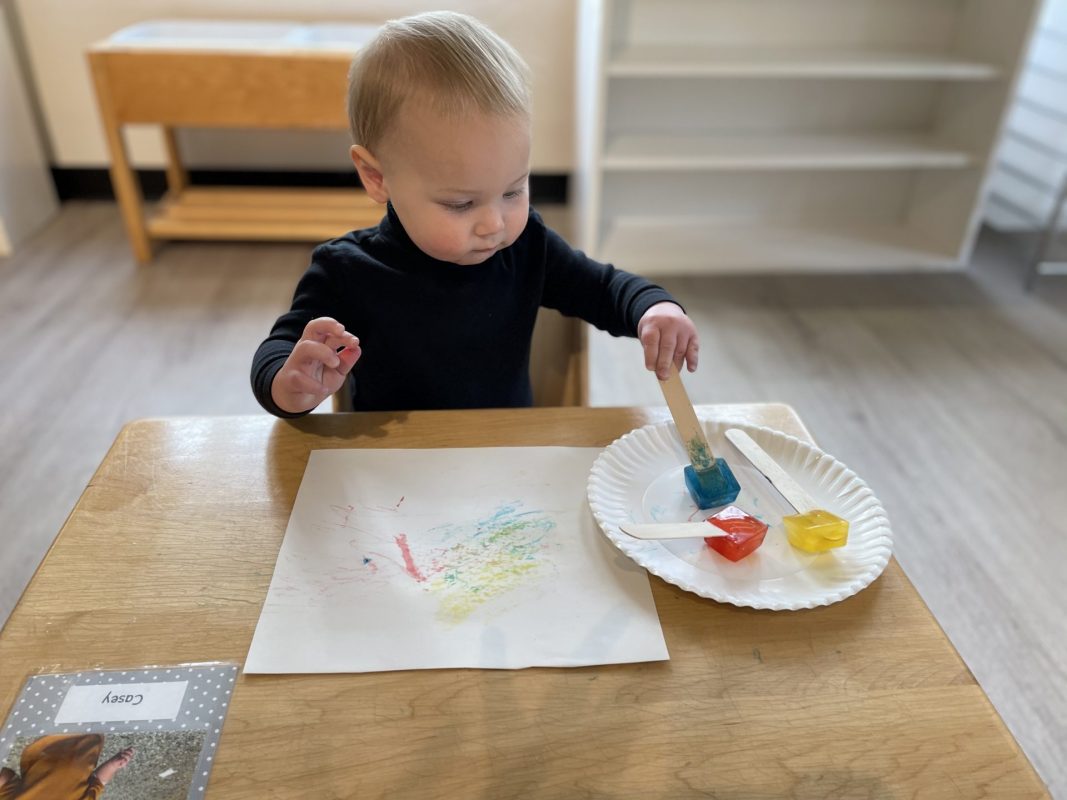
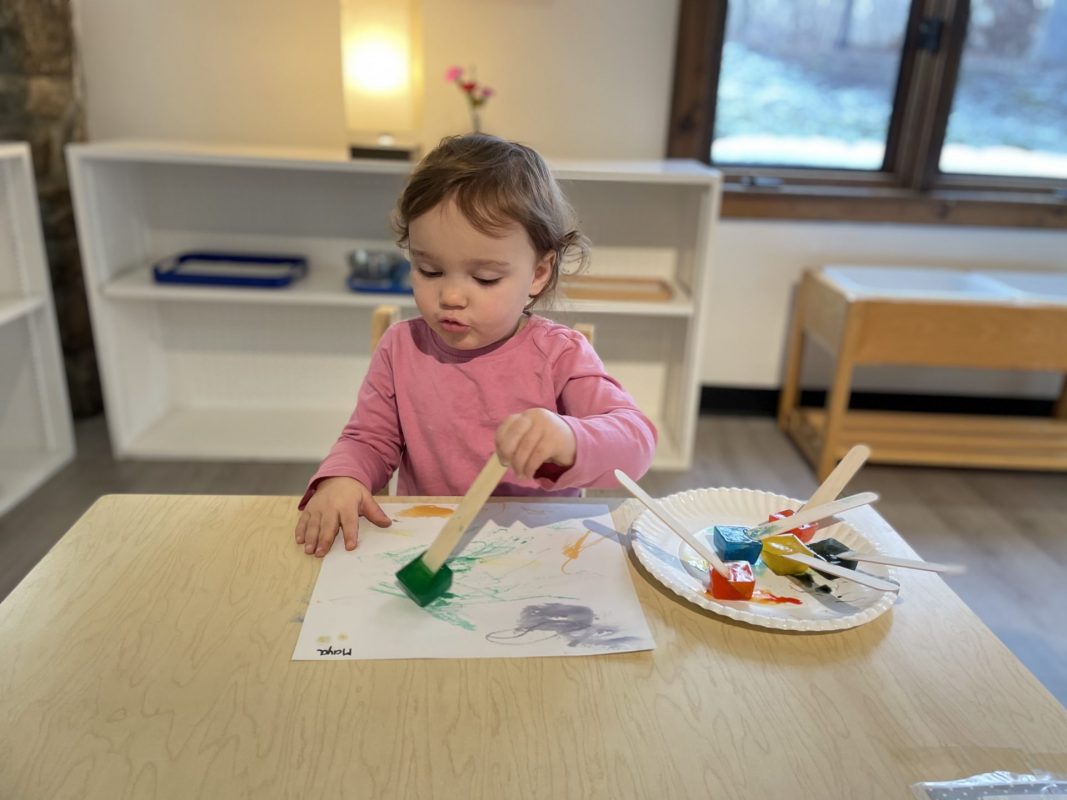
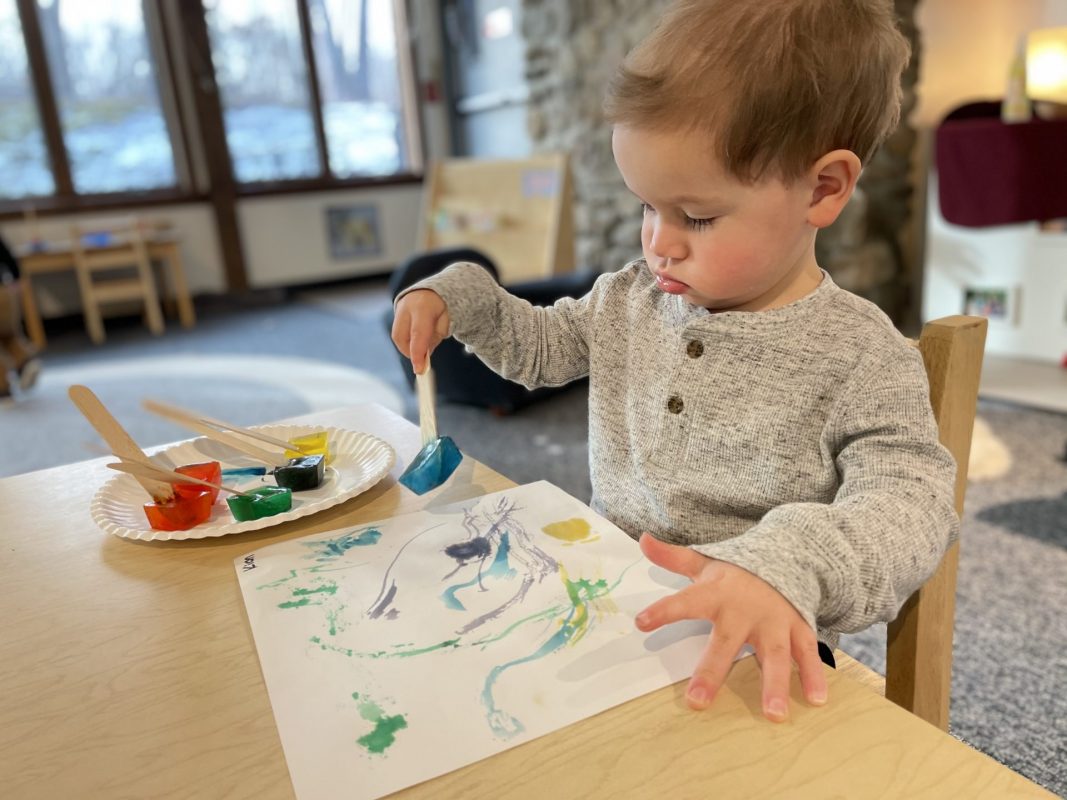
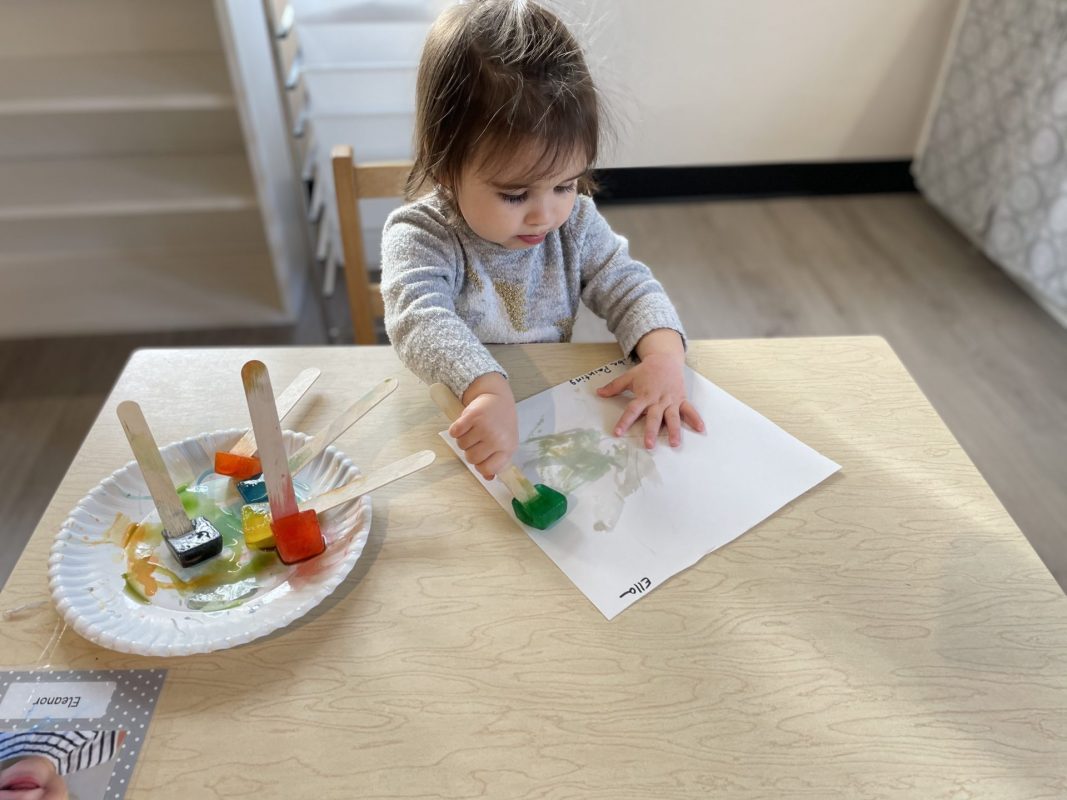
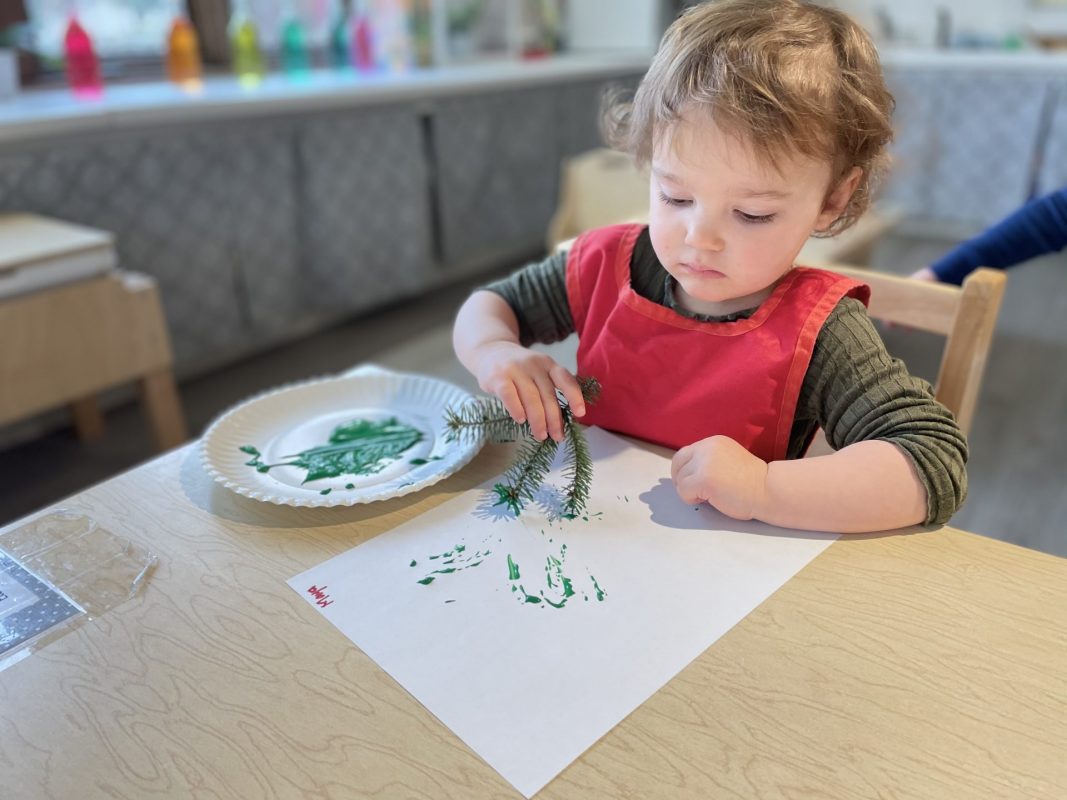
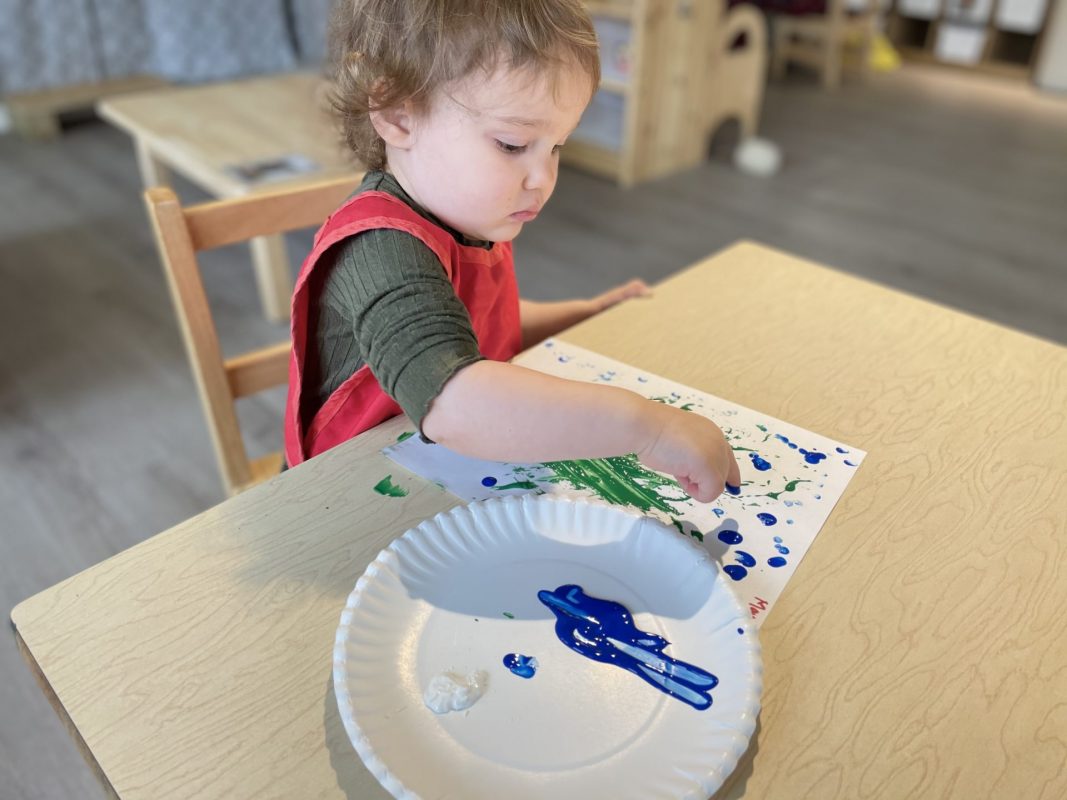
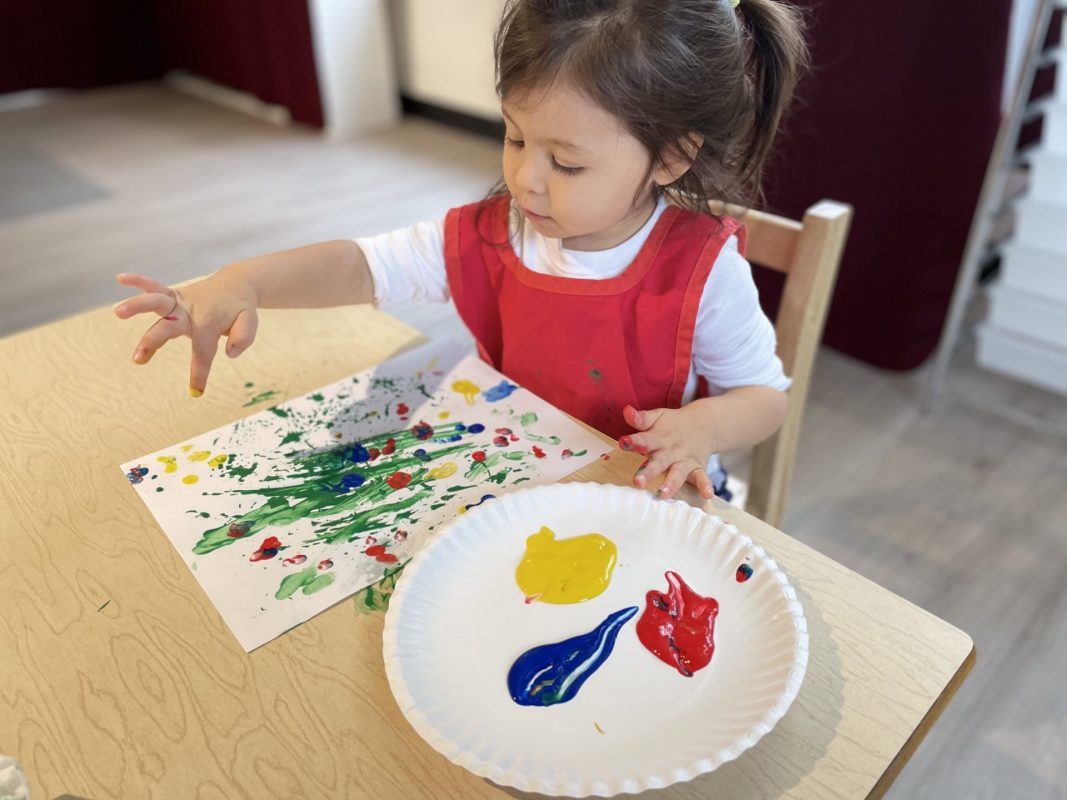
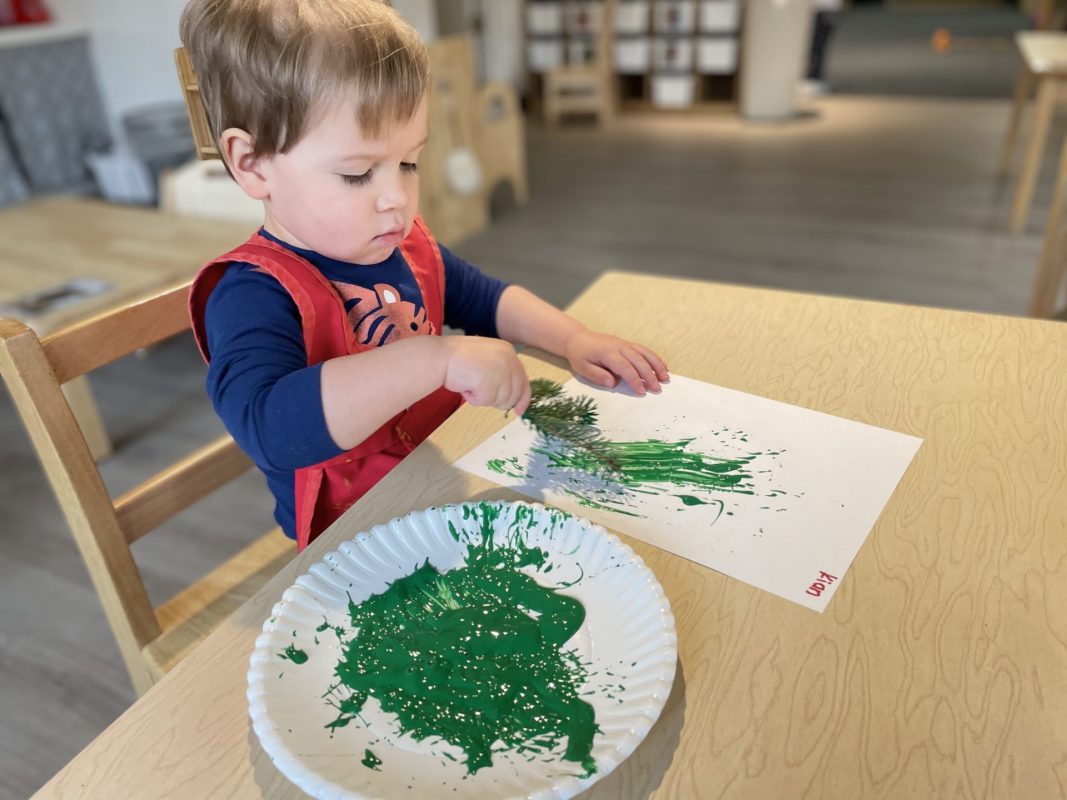
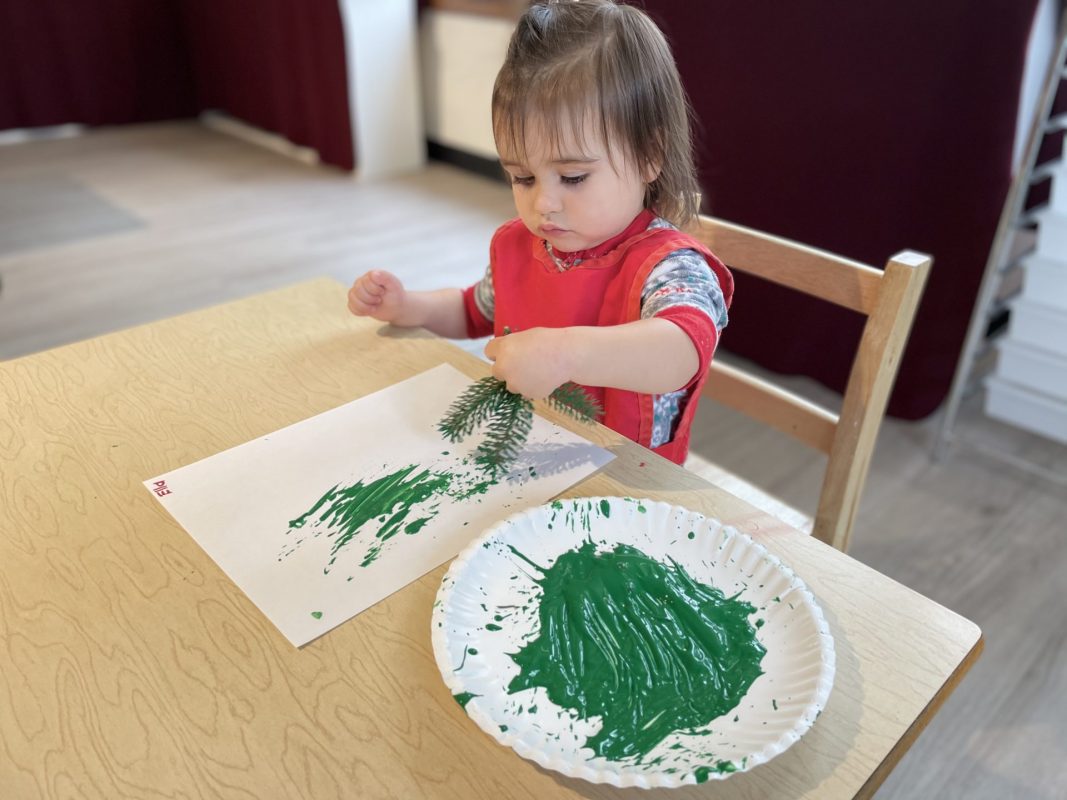
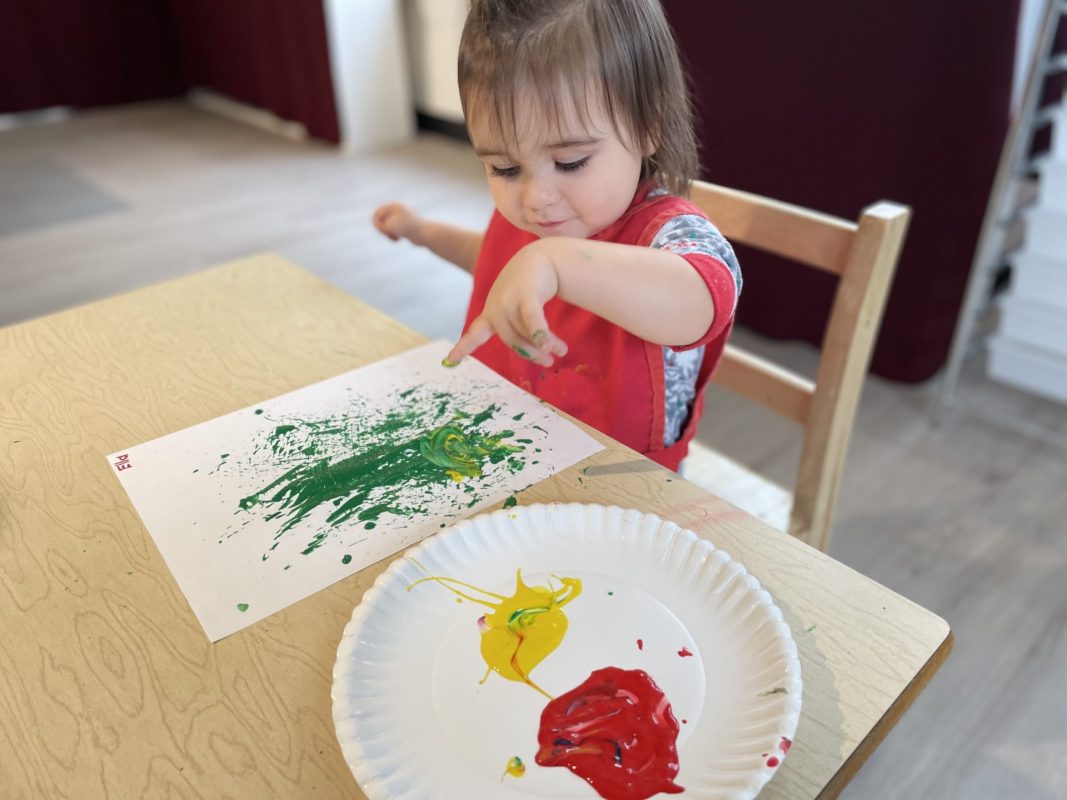
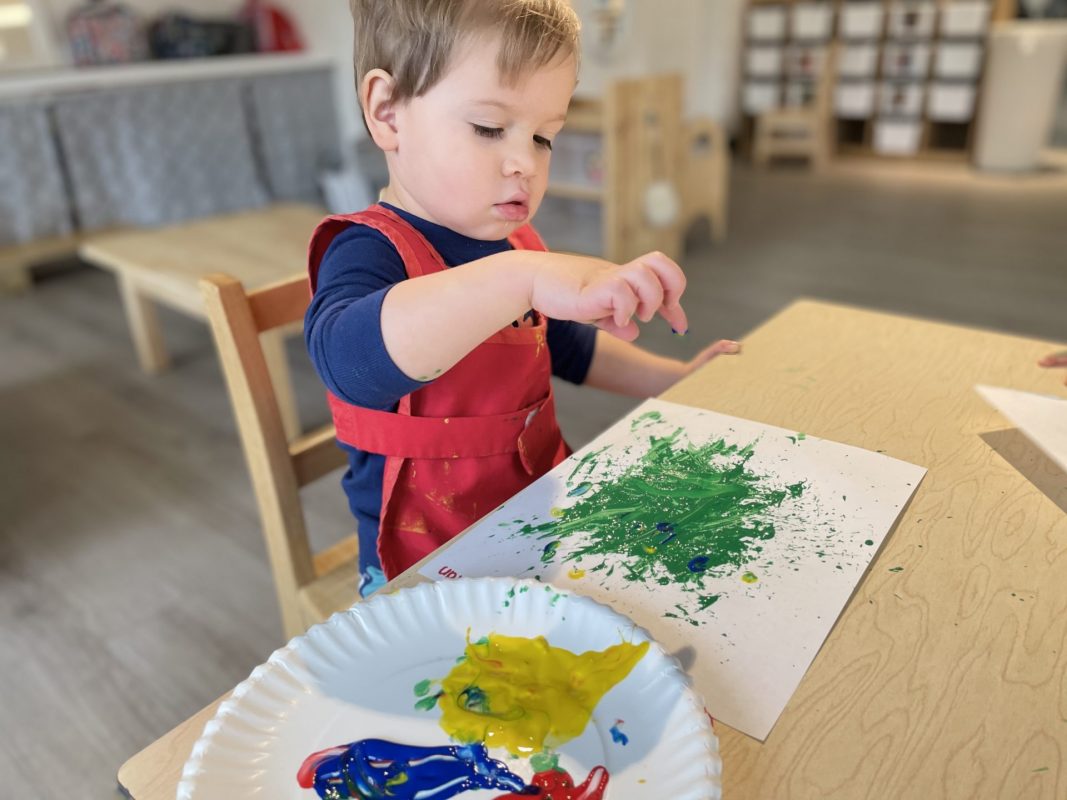
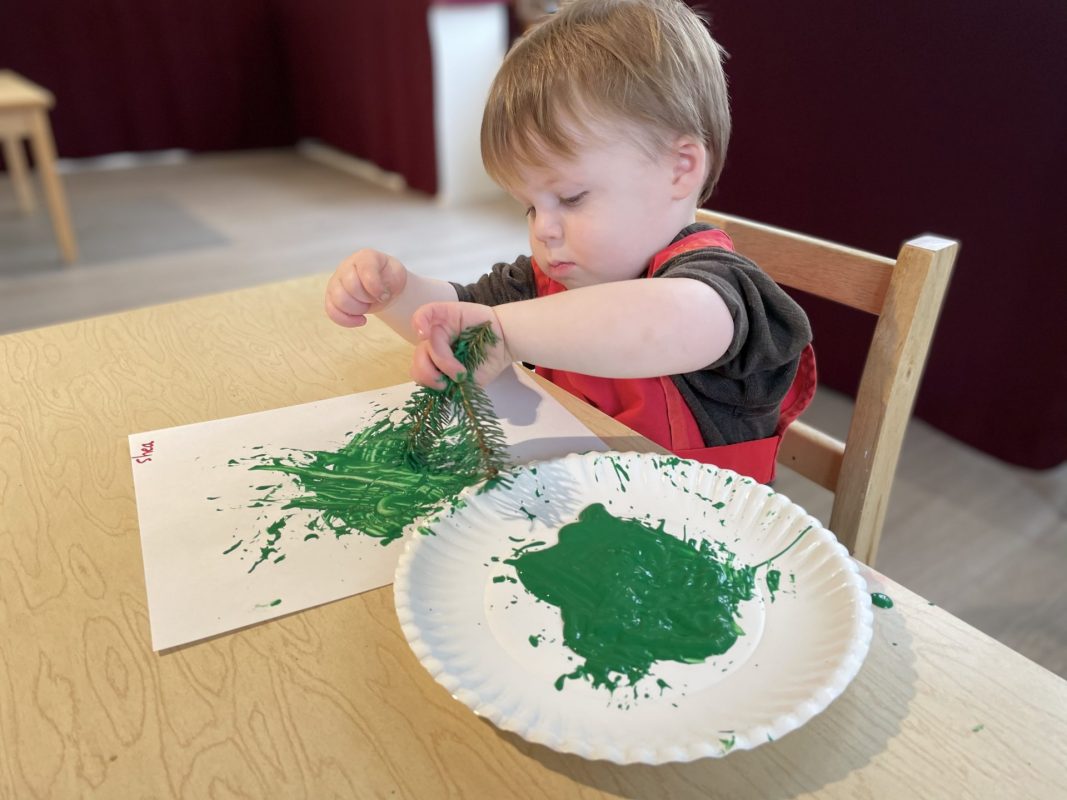
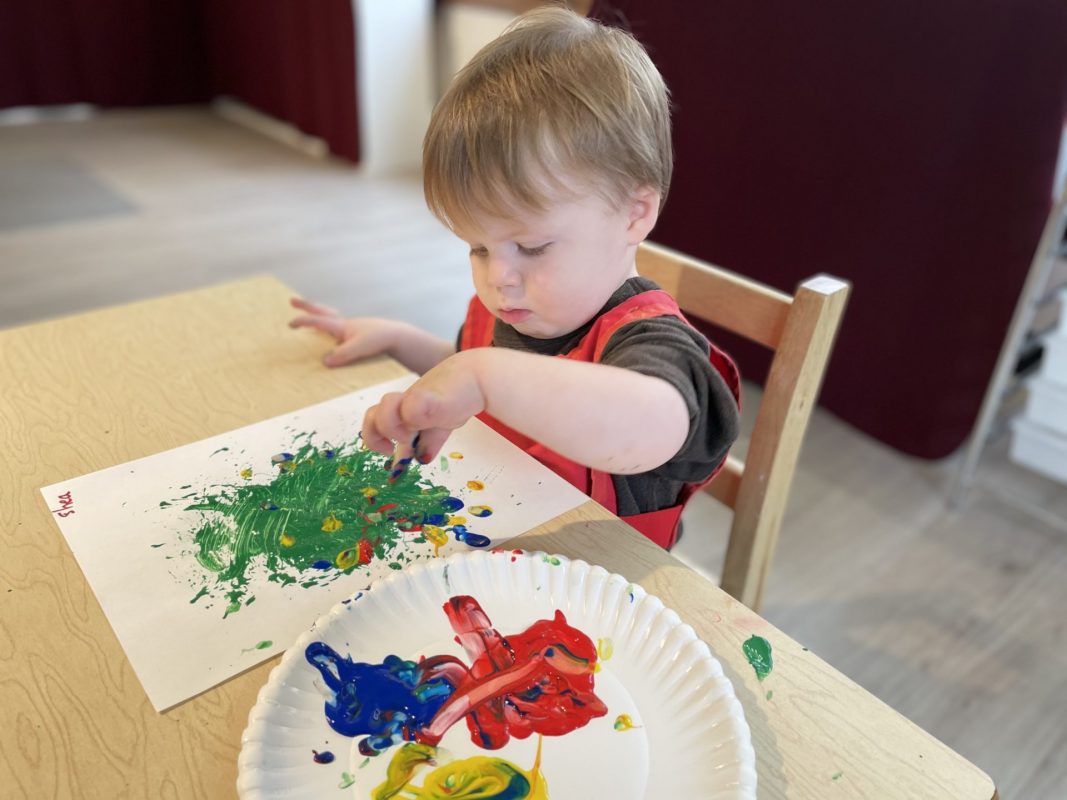
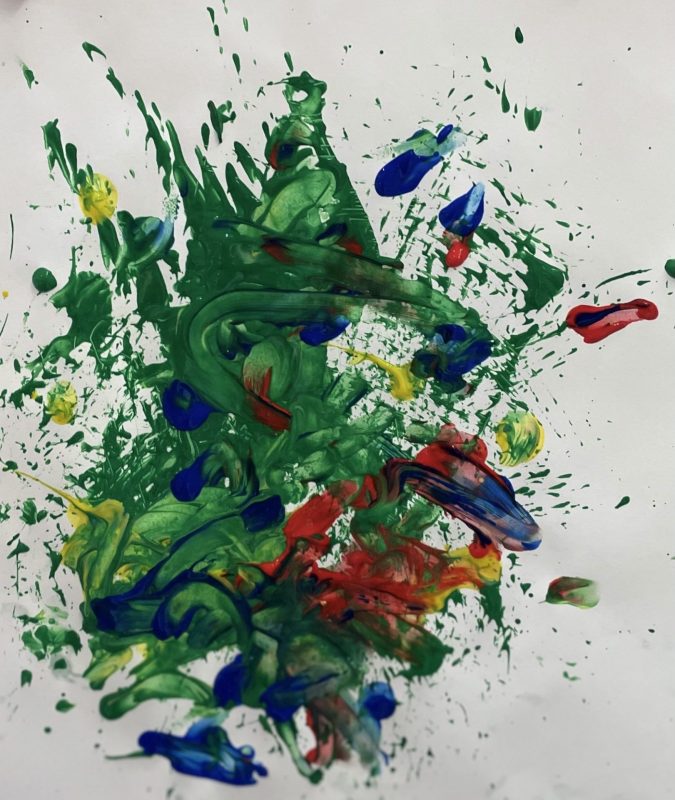
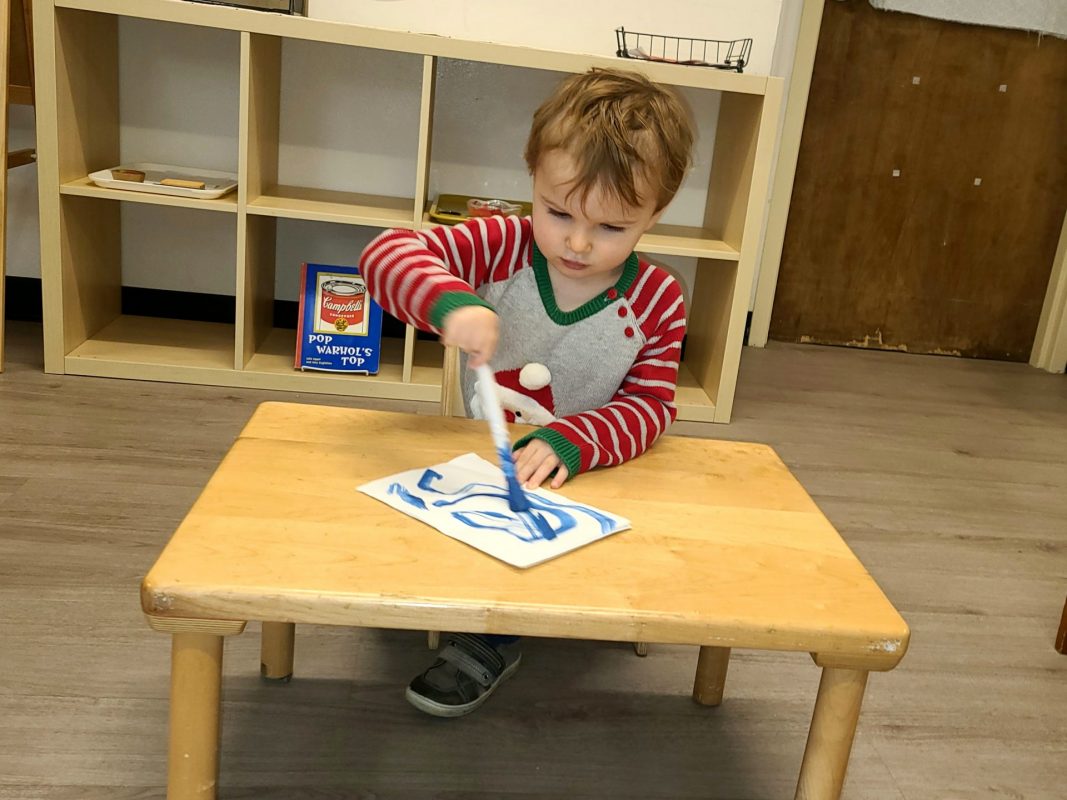
We continued exploring apples this week. To go along with our language work, “Parts of an Apple,” the children had a chance to explore a real apple using a magnifying glass. We also introduced painting at the art easel. We started with red paint to go with the apple theme. It is great to see how nicely they keep the paint on the paper besides the occasional painting on their hands, arms, and a few color tests on nearby pieces of furniture!
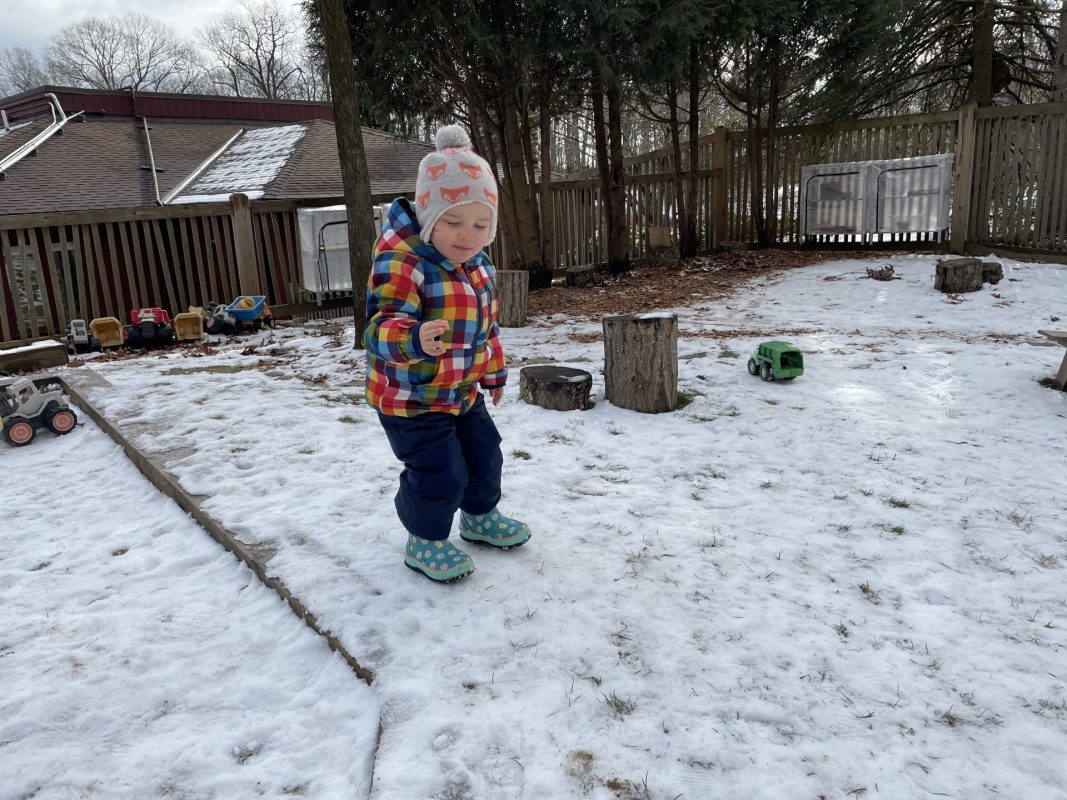
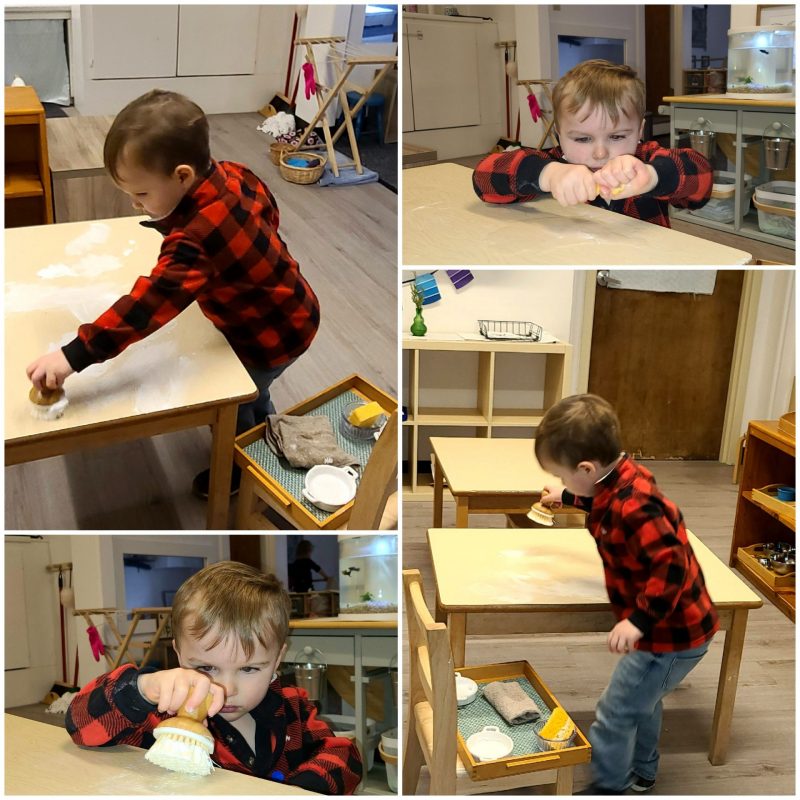
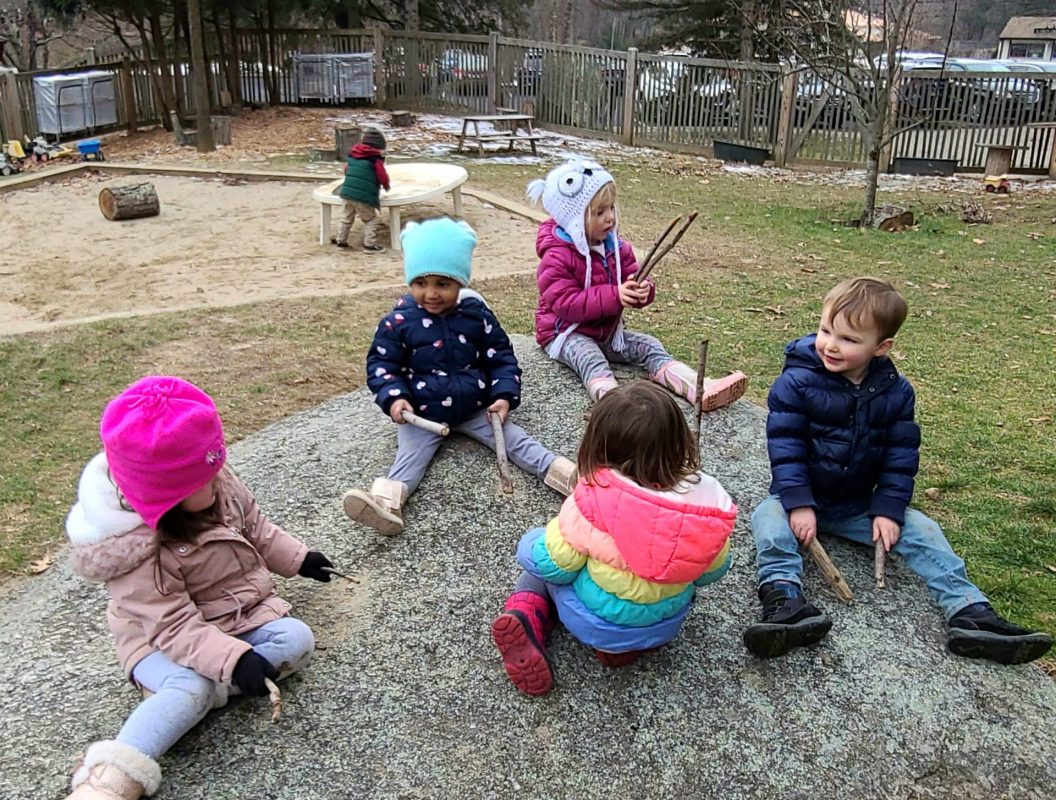
While outside a few children discovered that they can see each other through the hole in the spool. Can you guess who the children are?

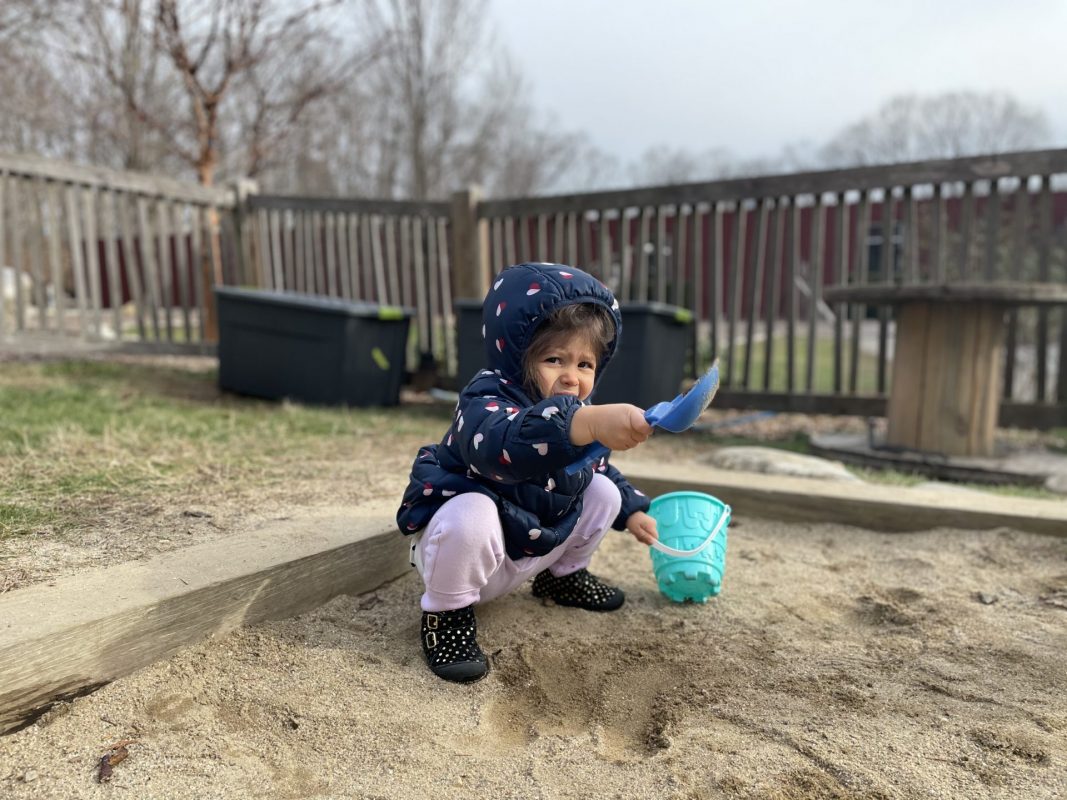
Another activity we did outside is we planted some cactus seeds. I can’t wait to see what kind of cactus grows.

It was great to see everyone who was able to make it to curriculum night. For those who were unable to be there I will send a link to the presentation soon.

Enjoy the photos and your weekend,

Mrs. Wilson and Ms. Sara


Mrs. Wilson’s Class: Apples and the Nature Around Us

In a toddler Montessori environment we base our “works” on the seasons. The materials on the shelf represent the season we are in, or about to be in. In the next couple of weeks, we will explore all things apples. In the language area, the children can explore language lessons on parts of an apple: skin, flesh, core, seeds, and stem. They also have language cards that show a small, medium, and large apple.

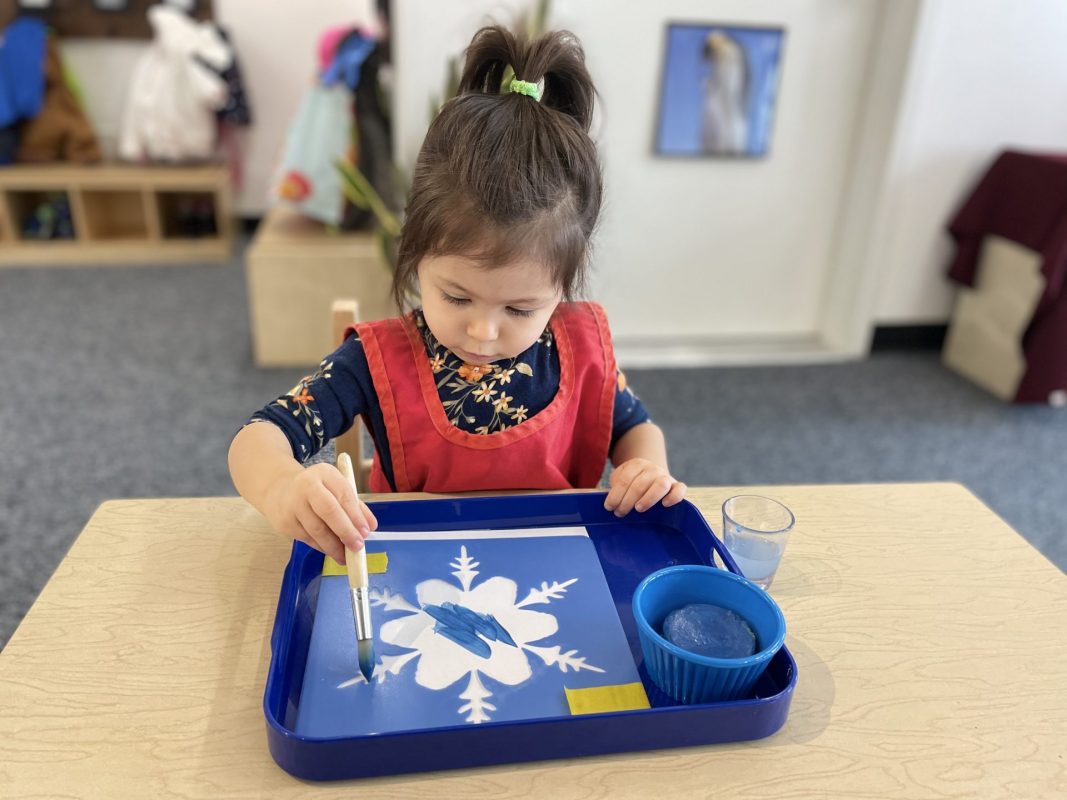
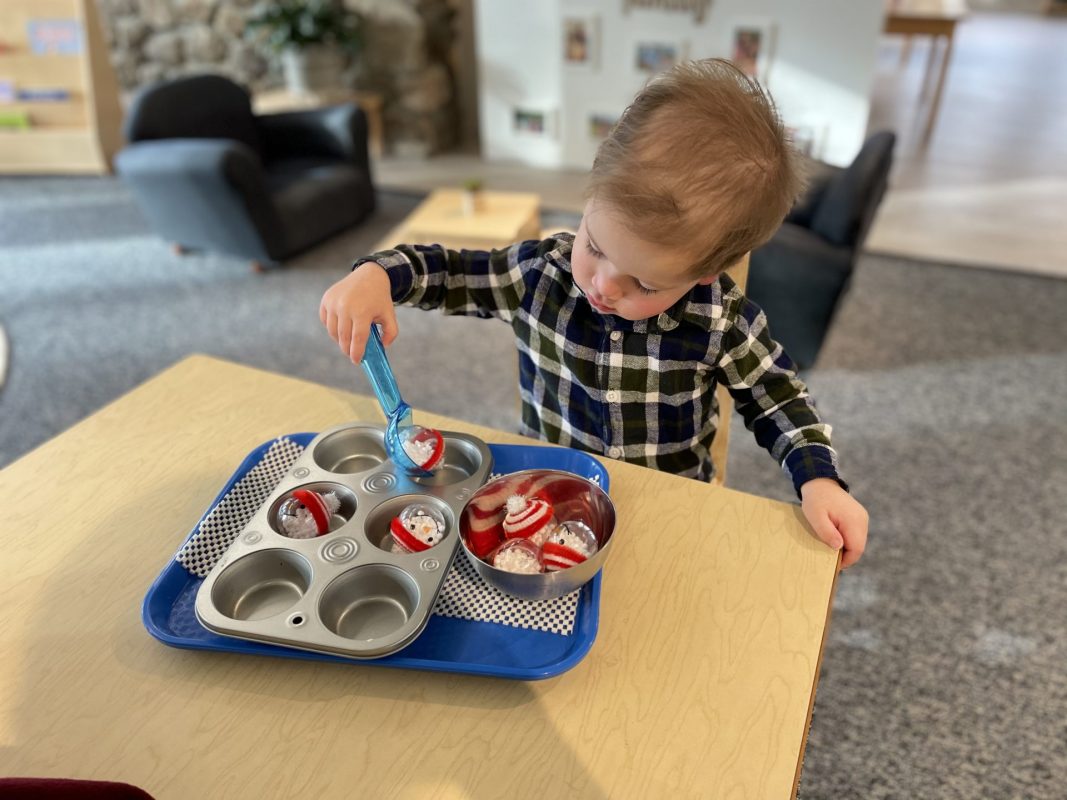
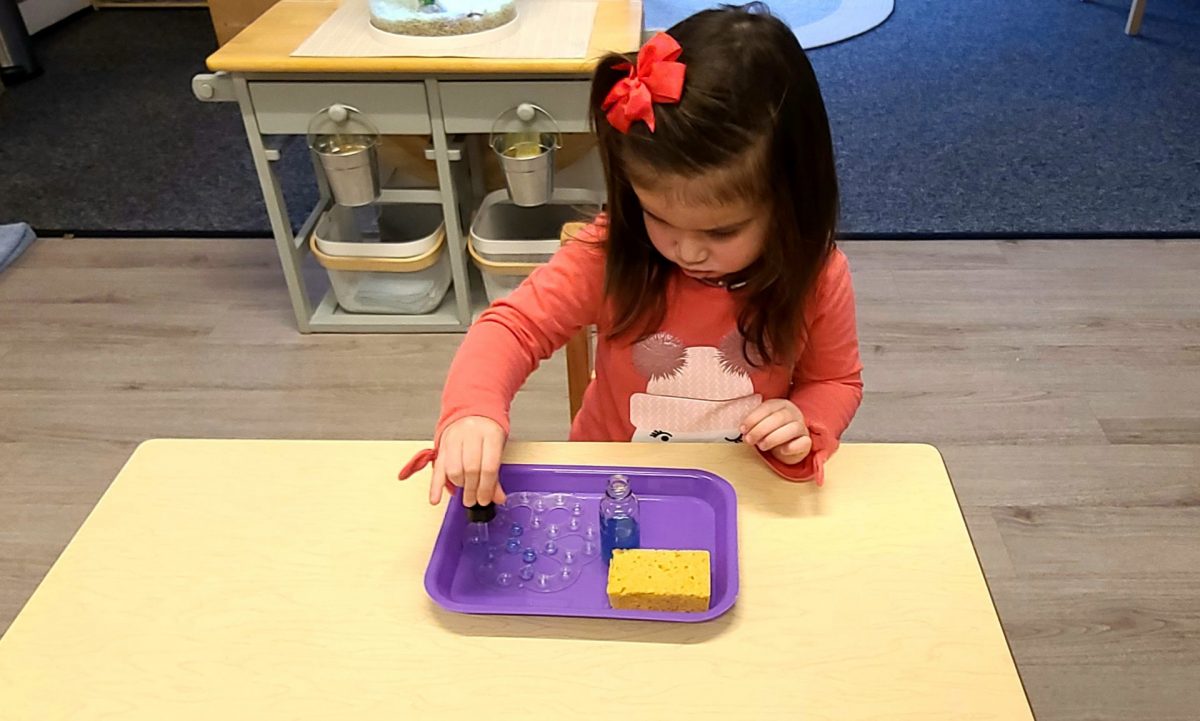
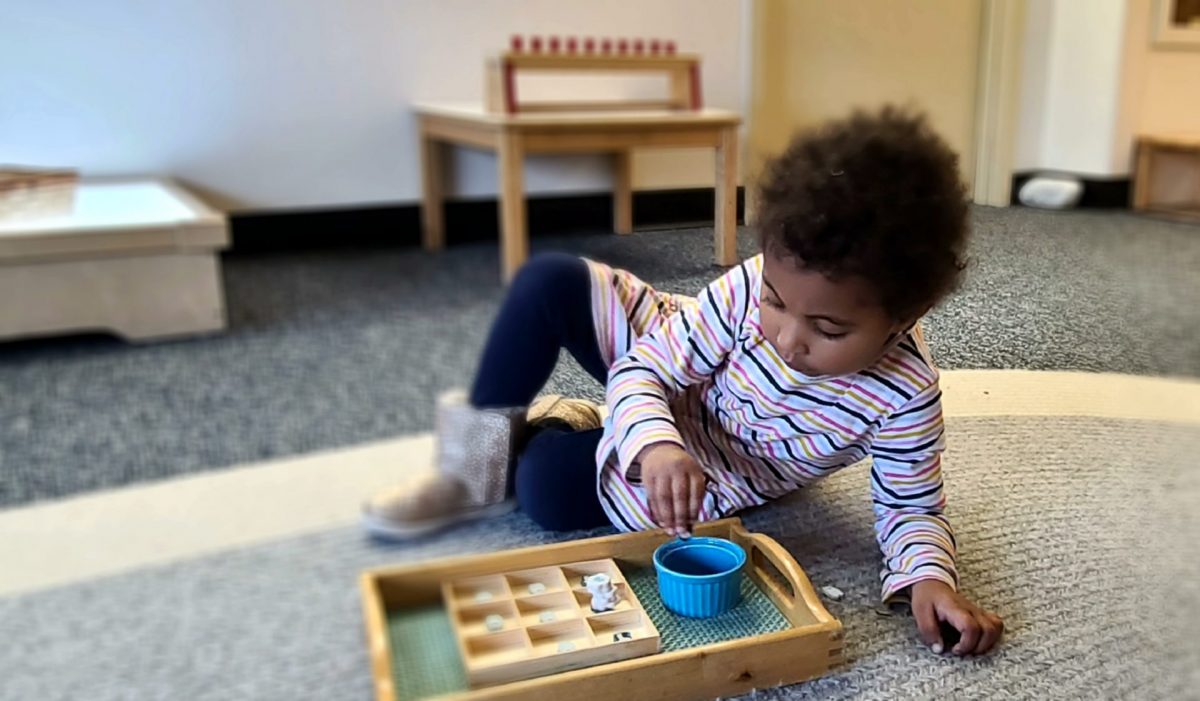
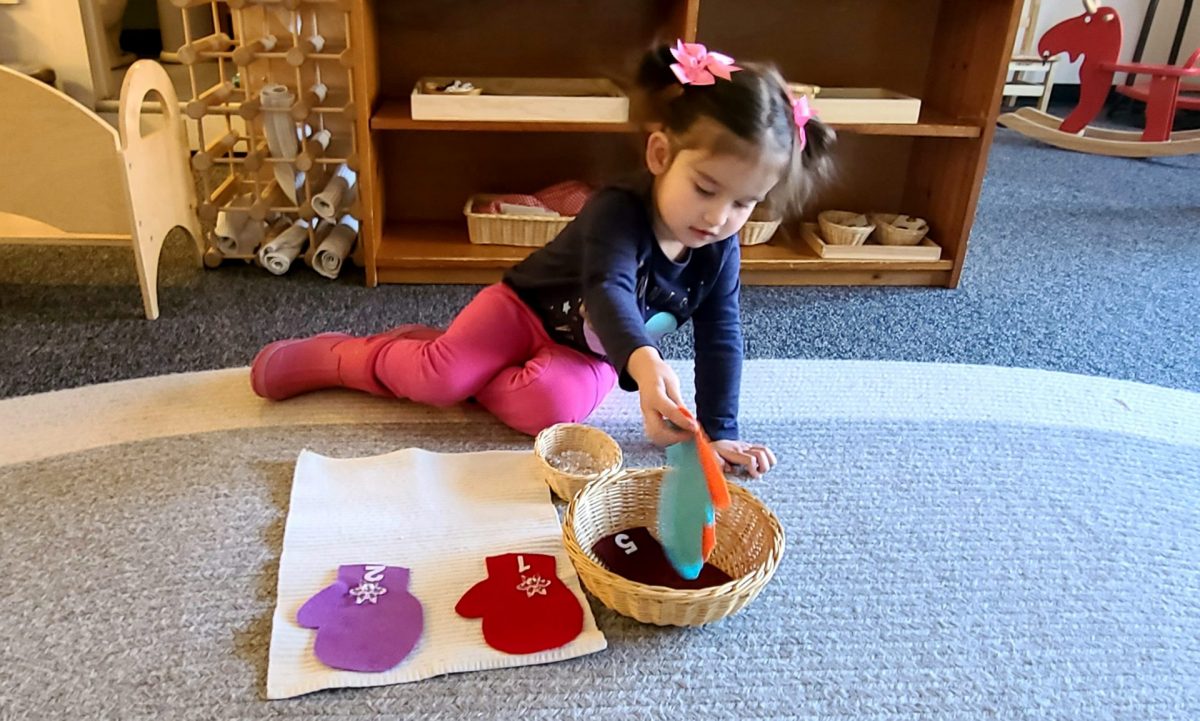
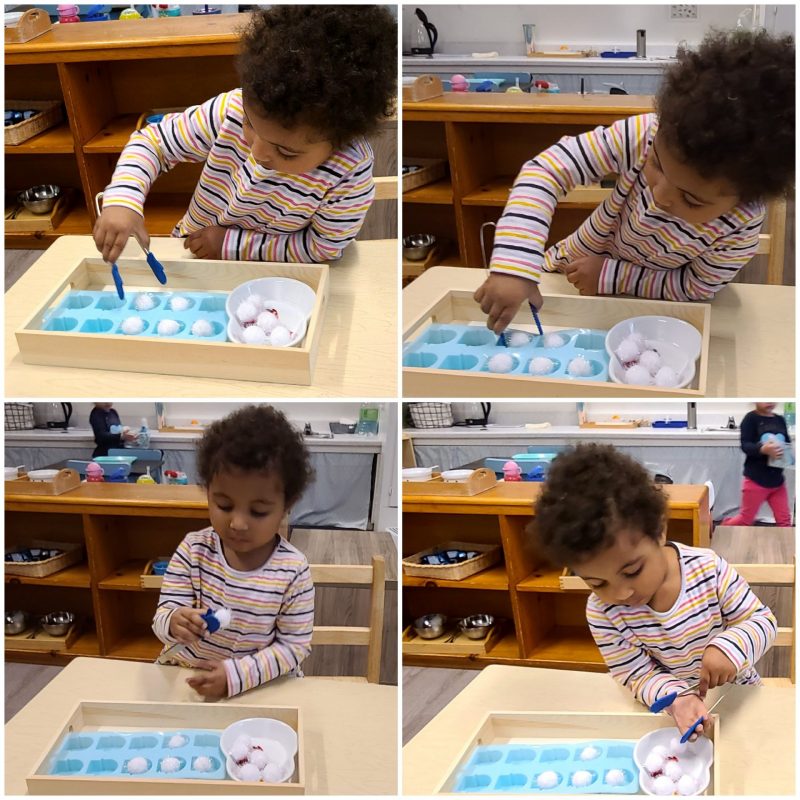
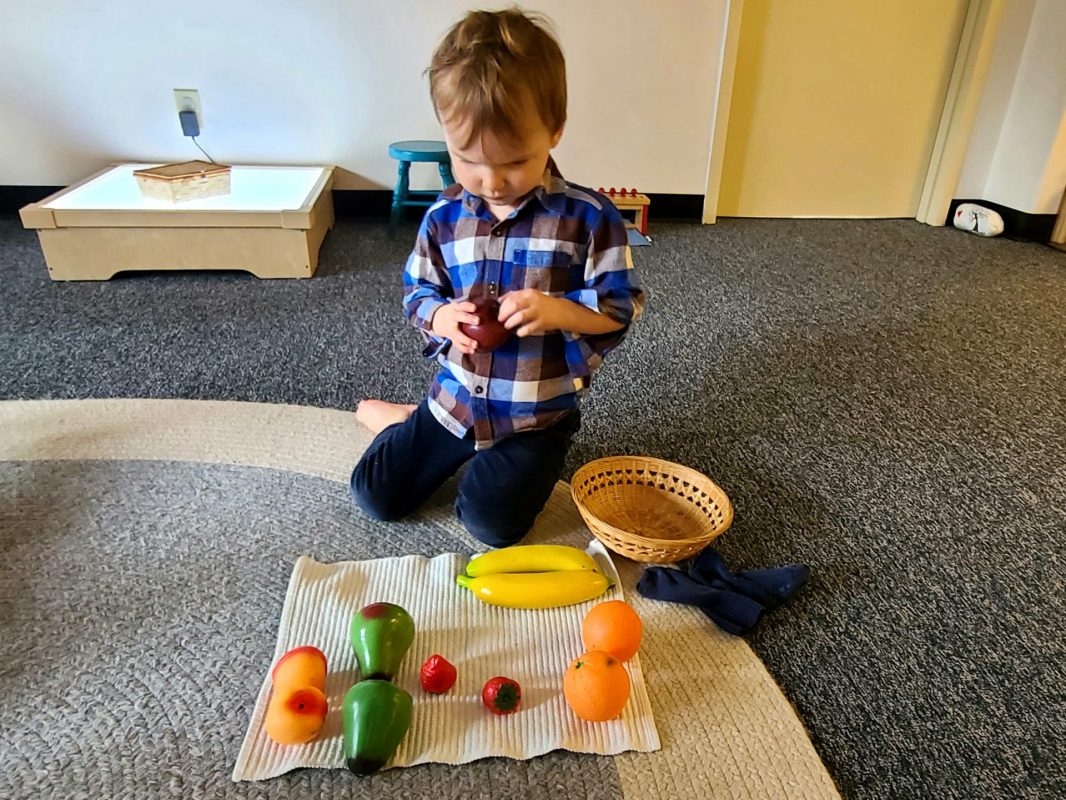
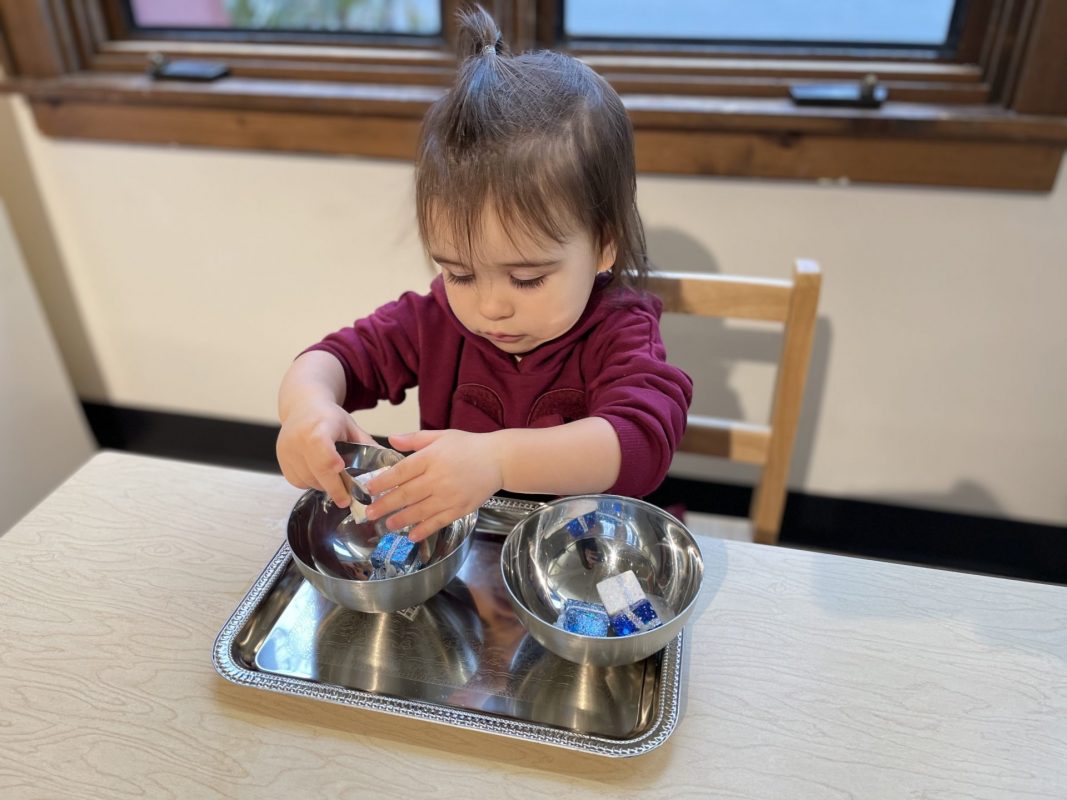
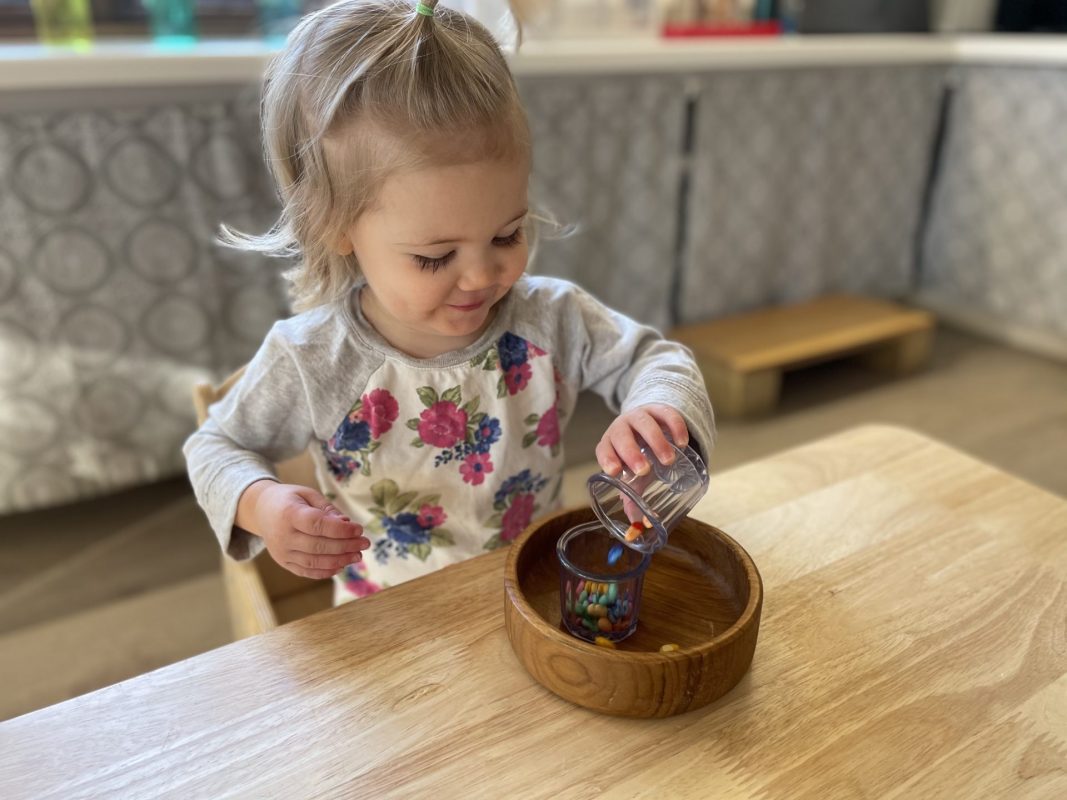
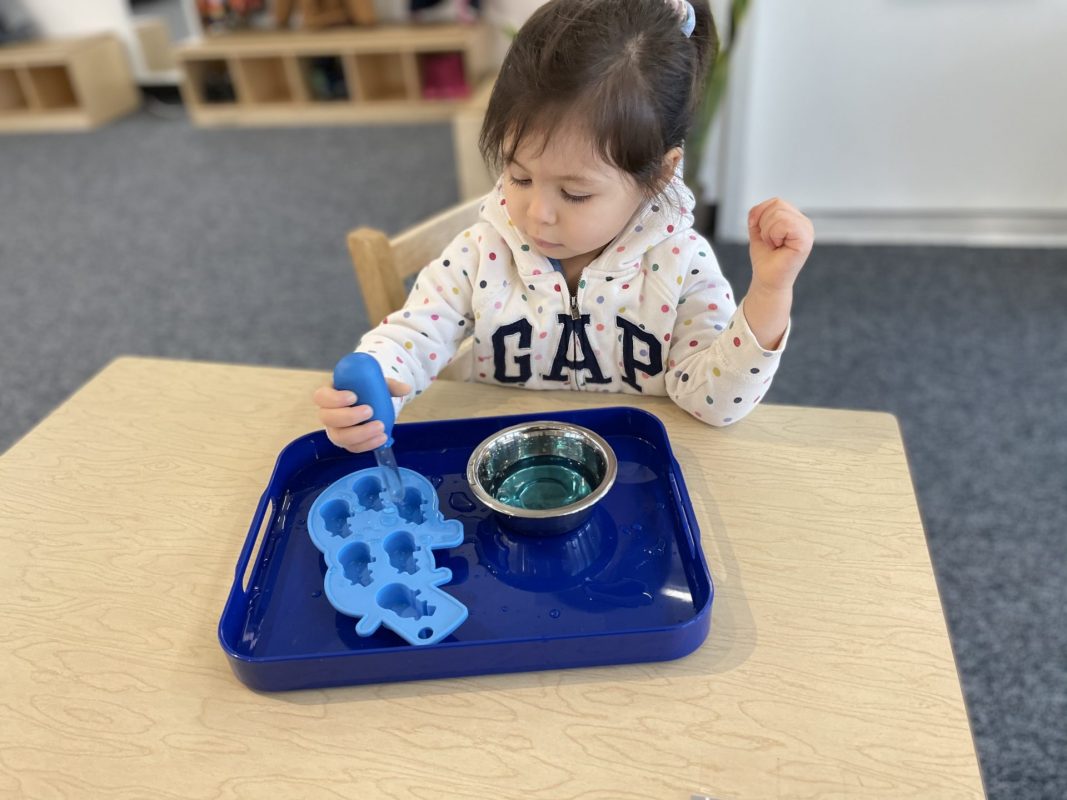
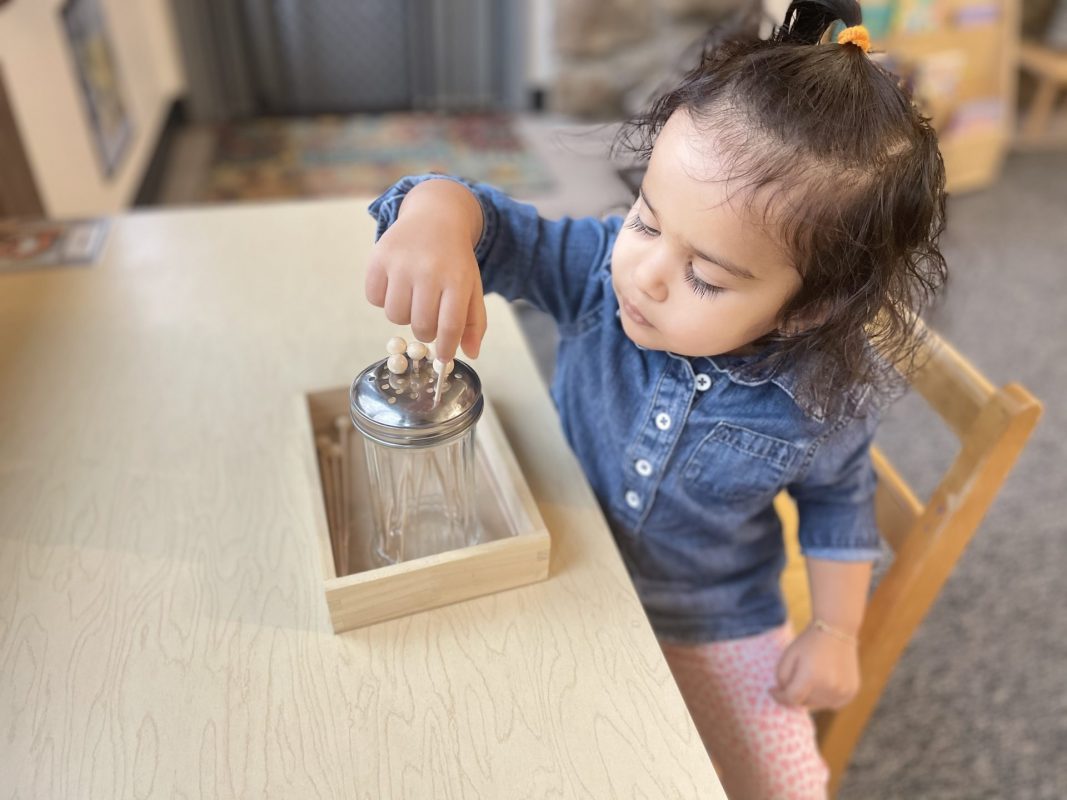
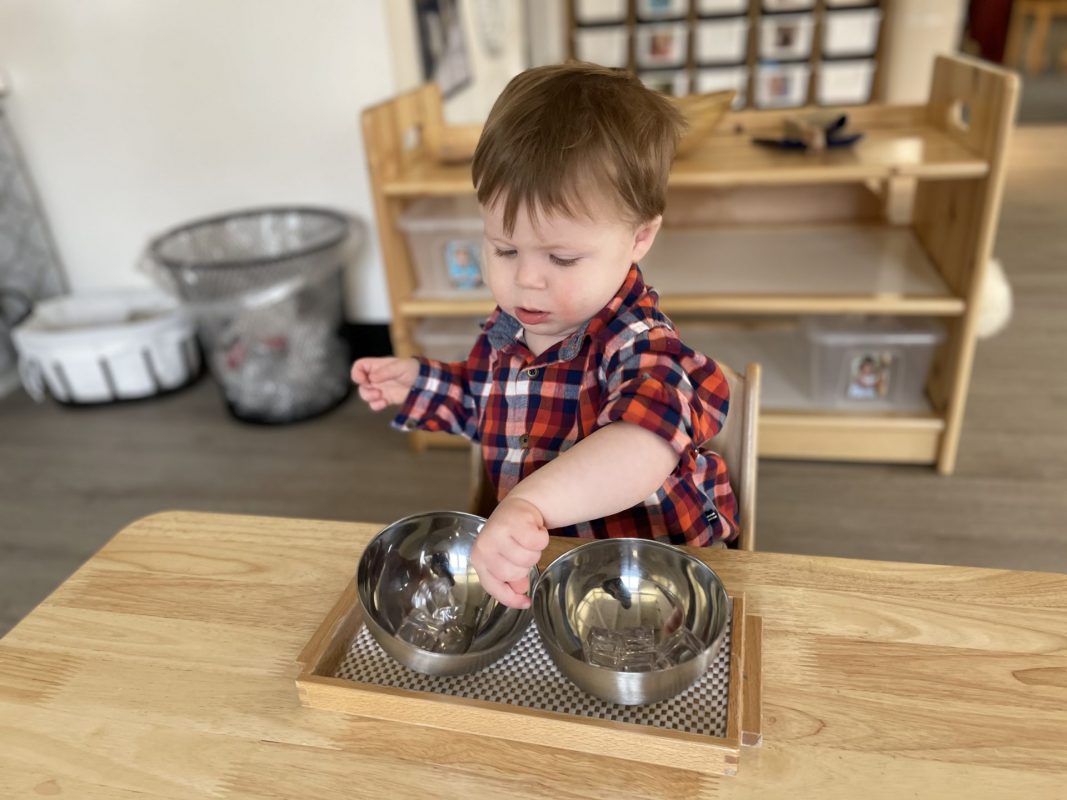
On the refinement of the hands shelf, the children have the opportunity to use lessons such as pouring, spooning, tonging, and transferring red items such as artificial apples, pompoms, and colored water.

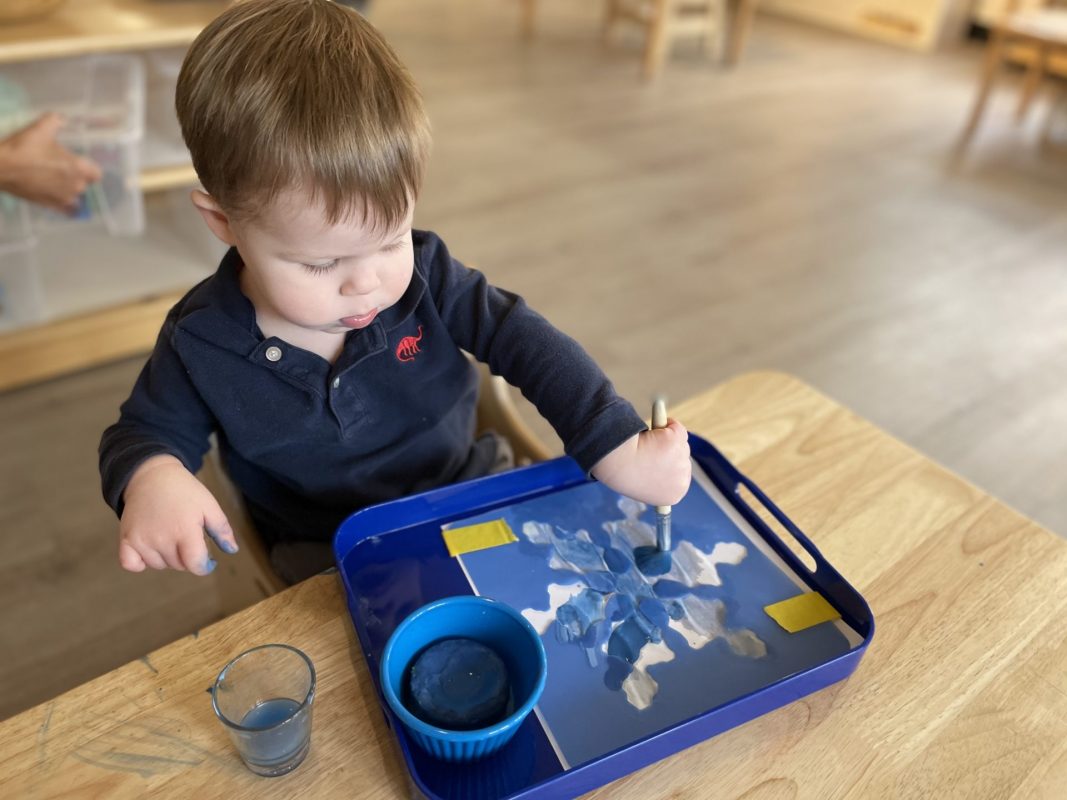
We also extended the materials on the art shelf. The children can explore art materials such as dot painting an apple, drawing with a red crayon or chalk, and also using watercolors.

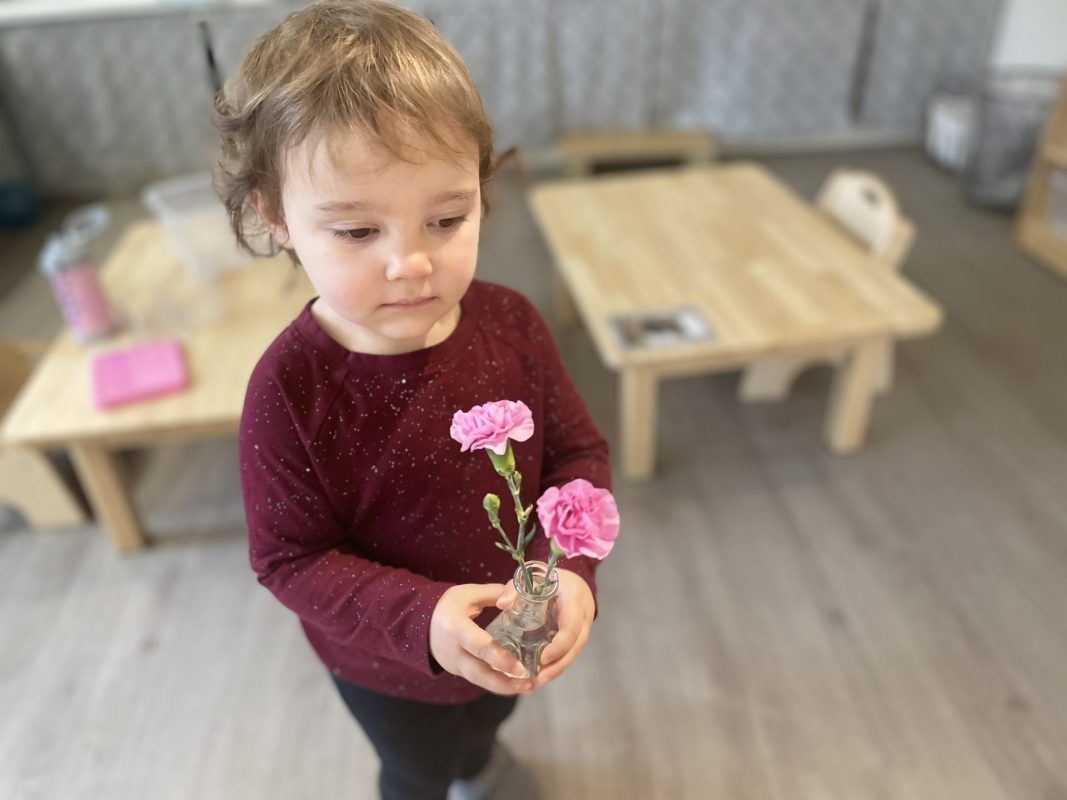
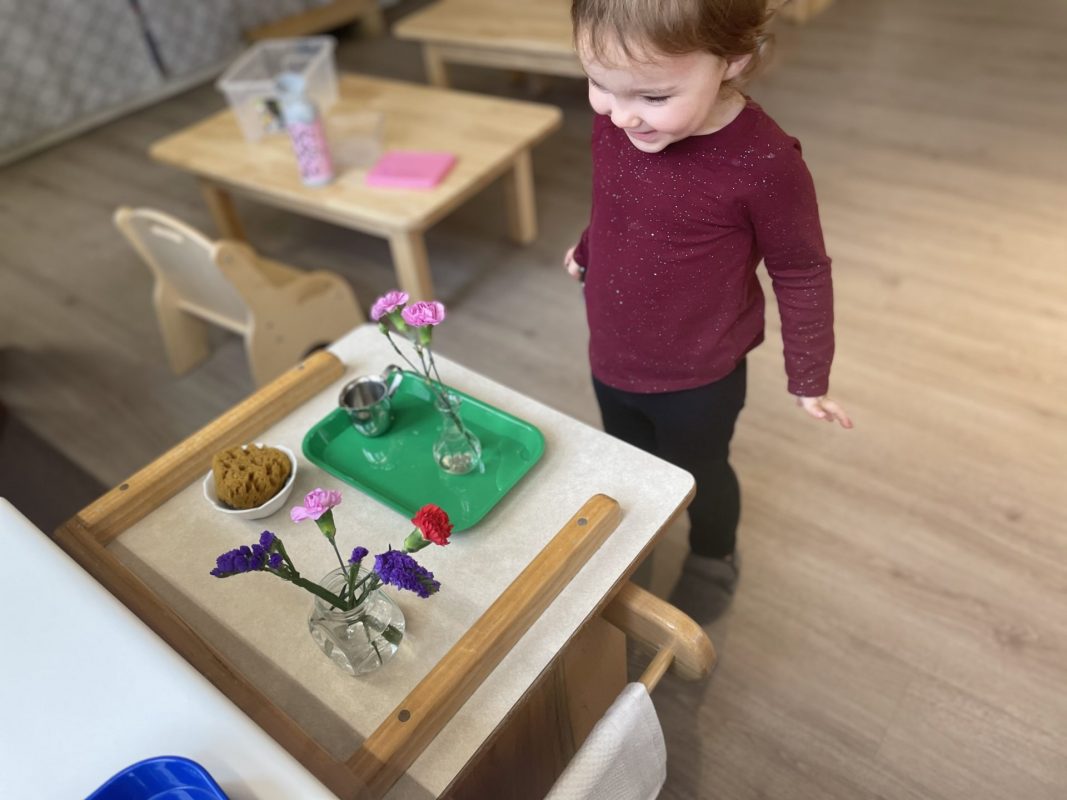
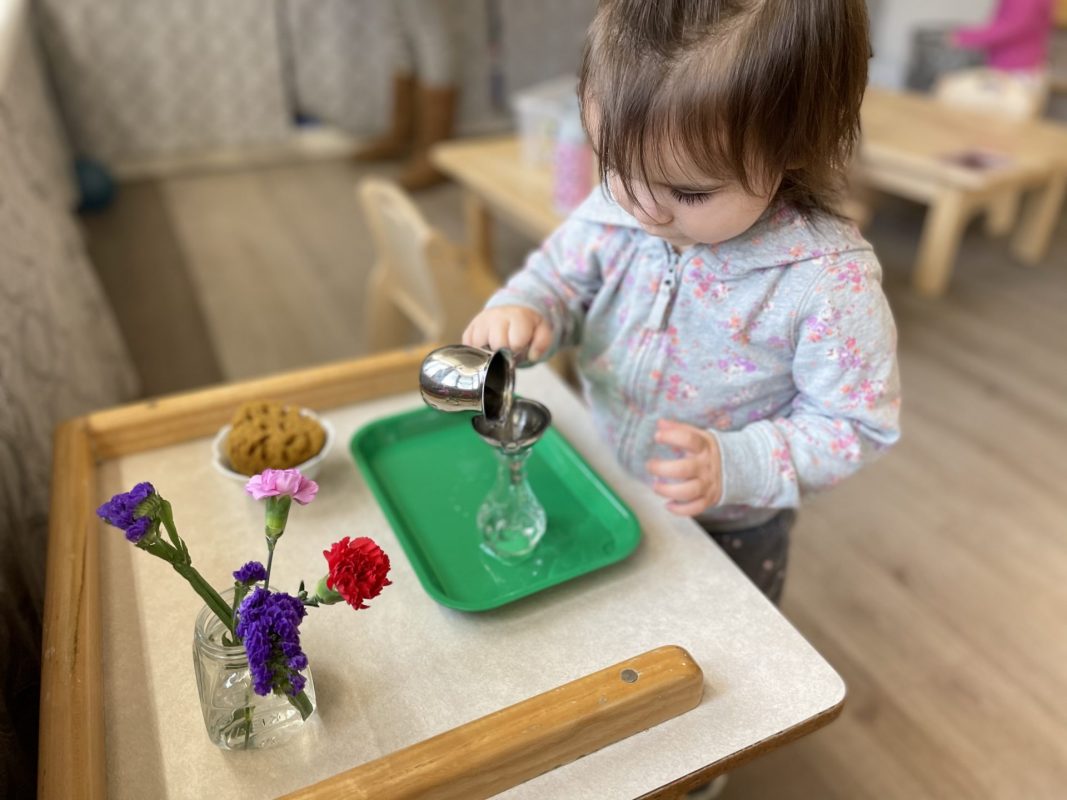
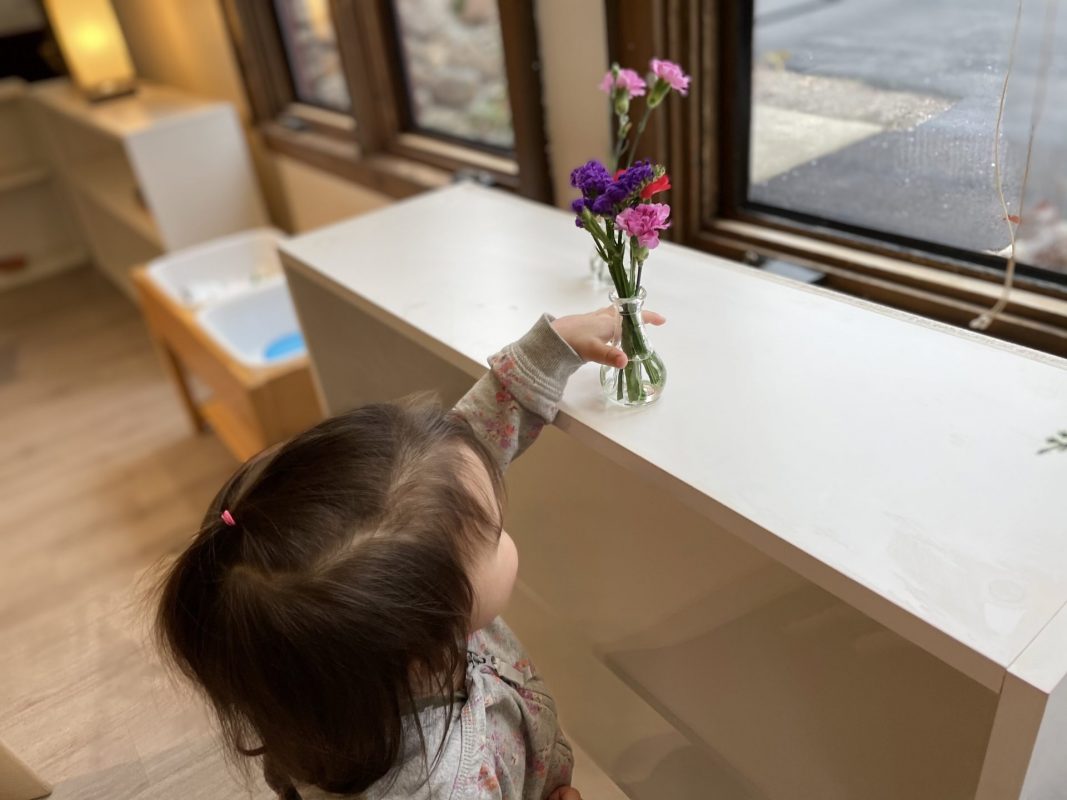
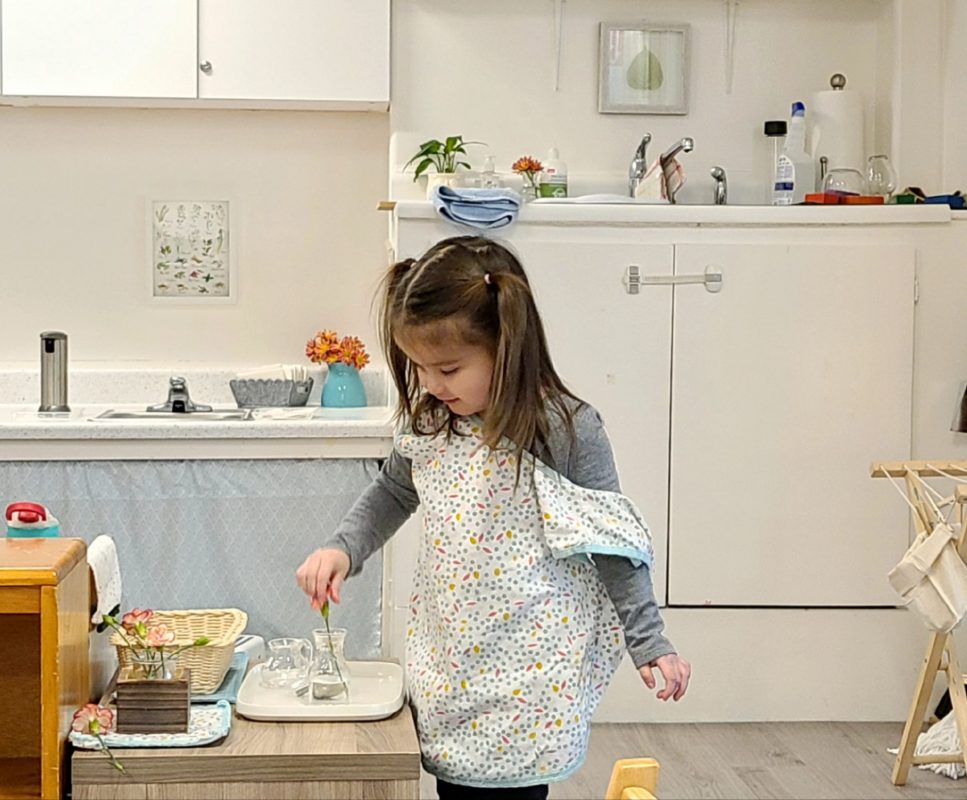
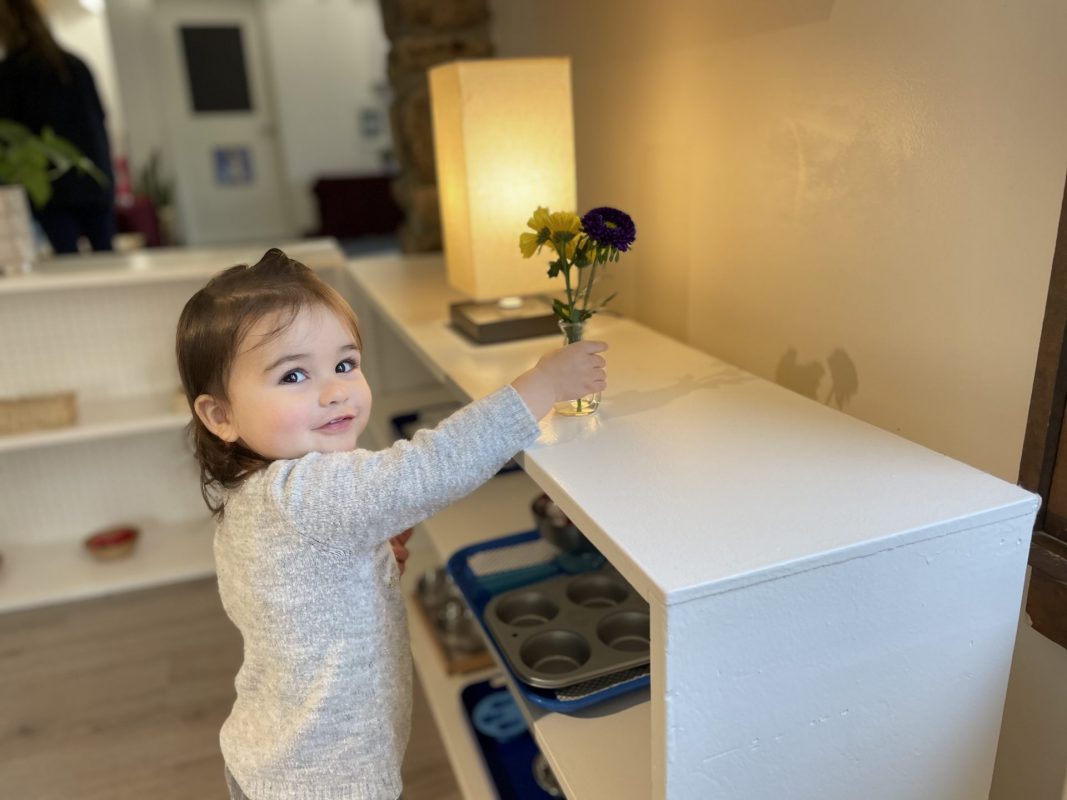
On Wednesday we set up a flower arrangement work outside using wildflowers that grew at school. The children had the opportunity to add flowers to a vase that we used to beautify their environment inside.

On our way to the playground on Thursday we found a baby turtle. The children were so excited to see this little fellow walking around.

Please have your child to wear something BLUE on Monday, September 21 to recognize and celebrate the International Day of Peace.  Blue is the universal color of peace.

Enjoy this week’s photos!

Mrs. Wilson and Ms. Sara