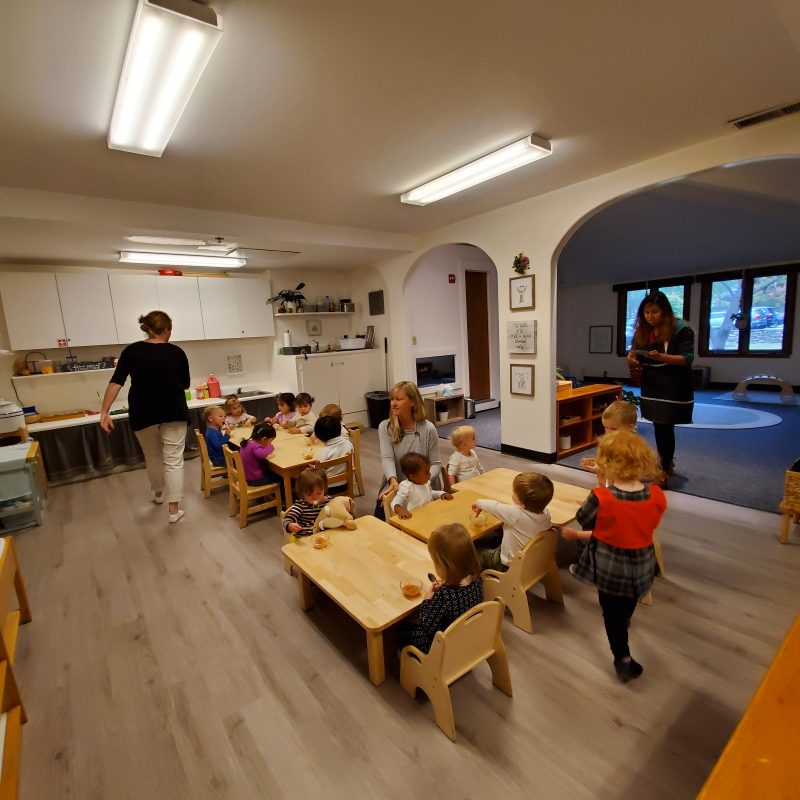
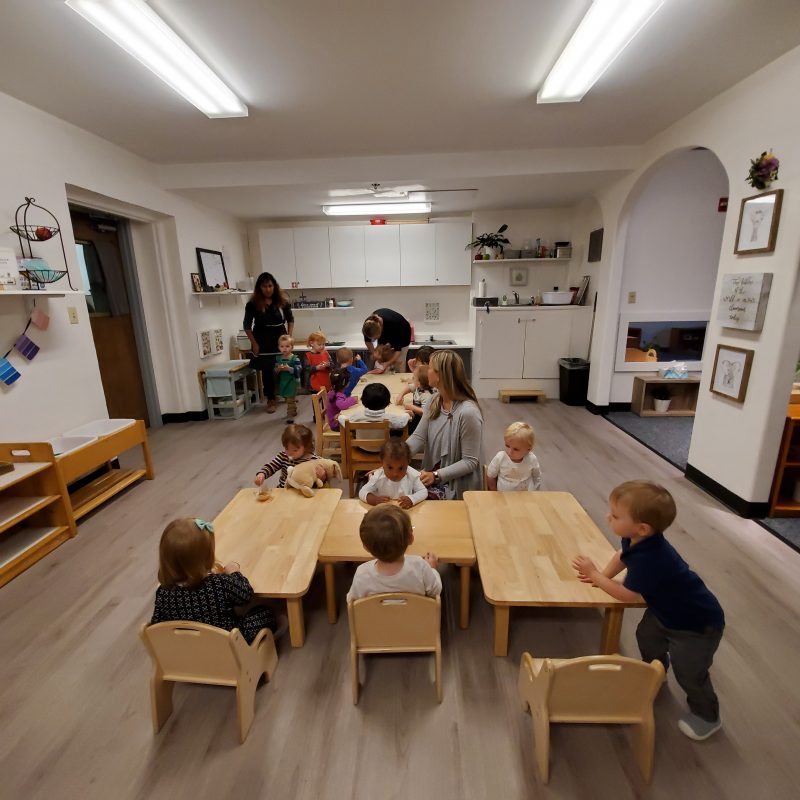
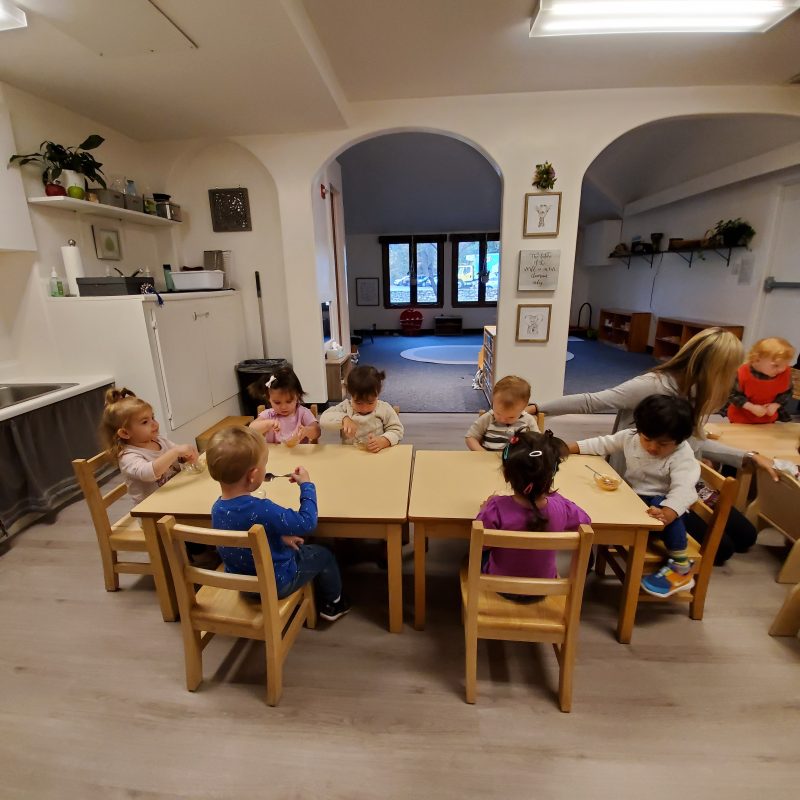
Mrs. Hood’s Class: The Process of Normalization!

“Normalization is the single most important result of our work.”

-Dr. Maria Montessori
(The Absorbent Mind, p. 204).

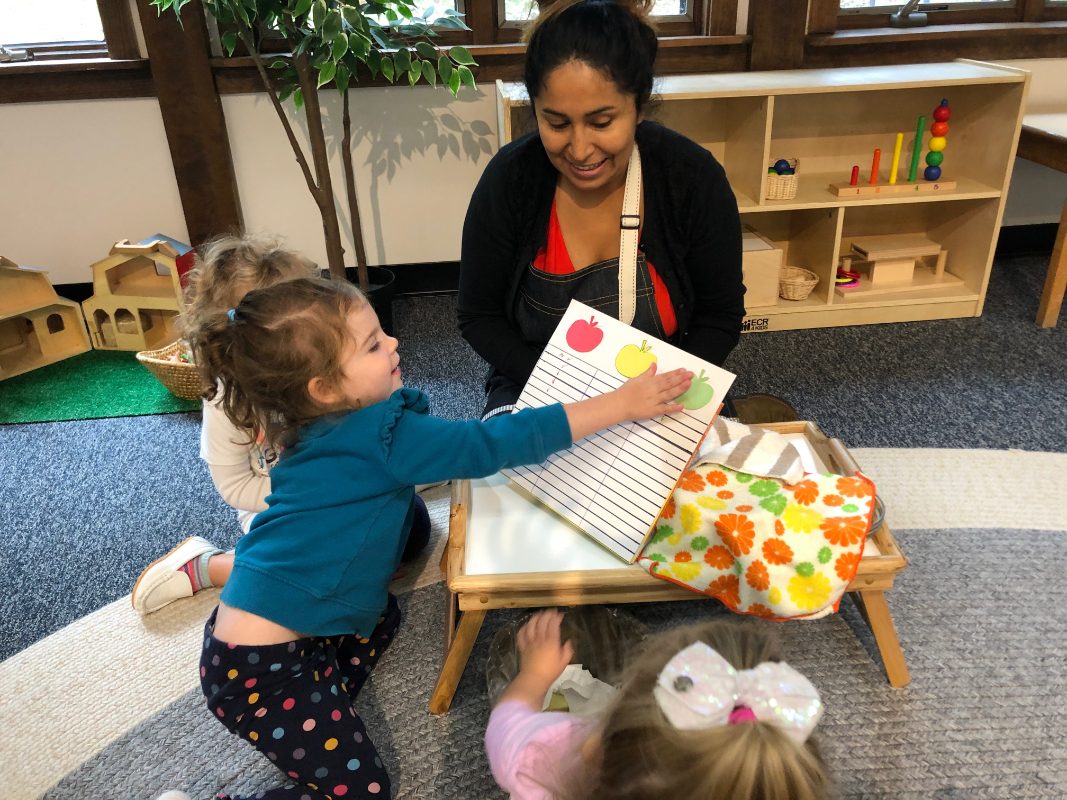
Normalization is a technical word borrowed from the field of anthropology. It means becoming a contributing member of society. Dr. Montessori used the term normalization to distinguish one of the processes that she saw in her work with the children at San Lorenzo in Rome. This process, the process of normalization, occurs when development is proceeding normally. She used the word normalization so that people would think that these qualities belonged to all children and were not something special just for a few.
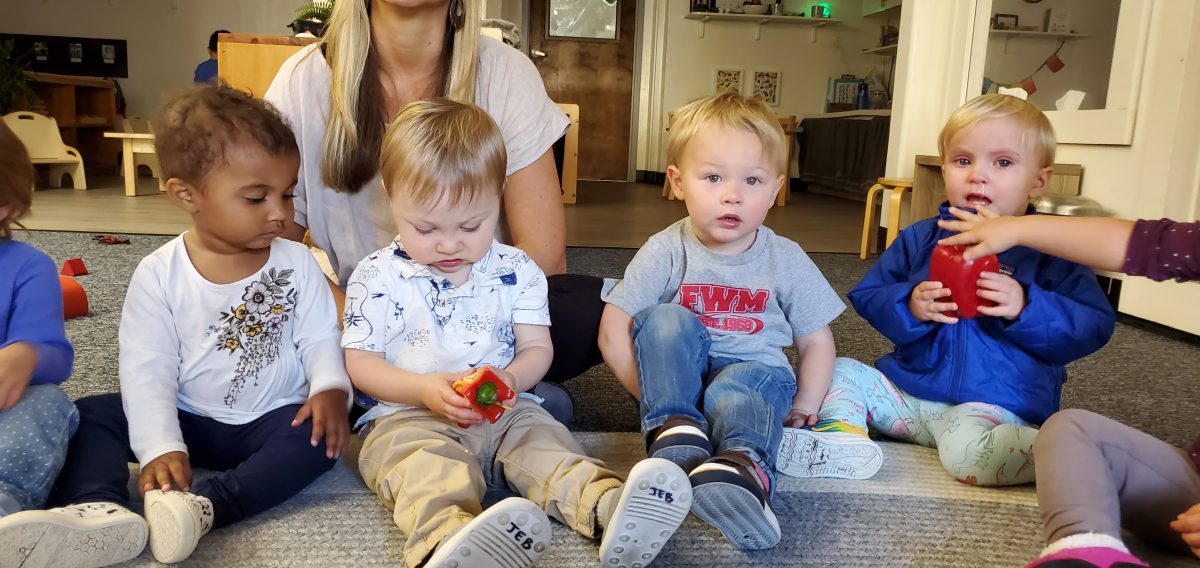
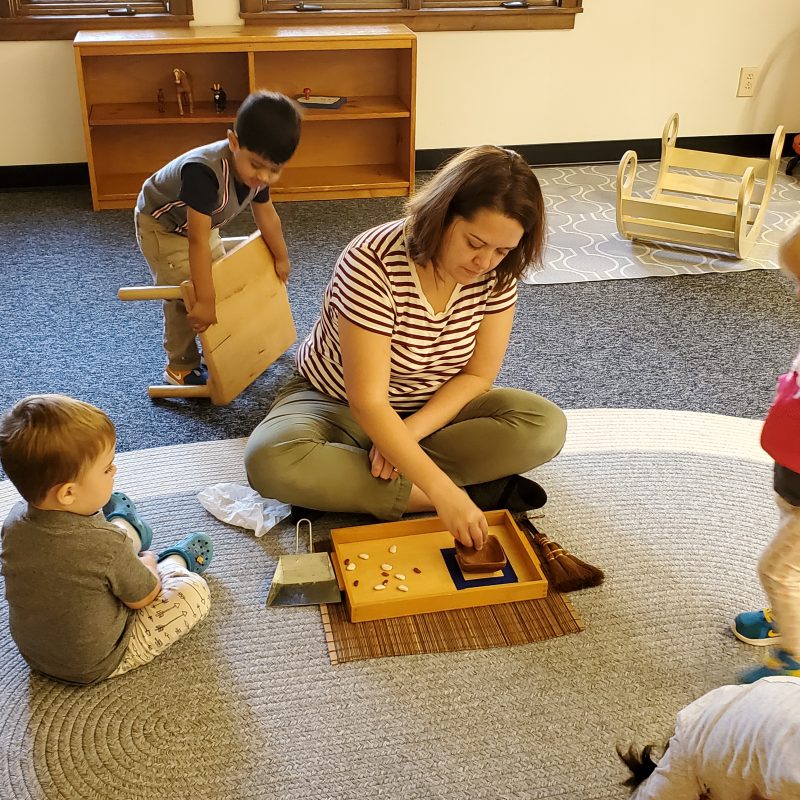
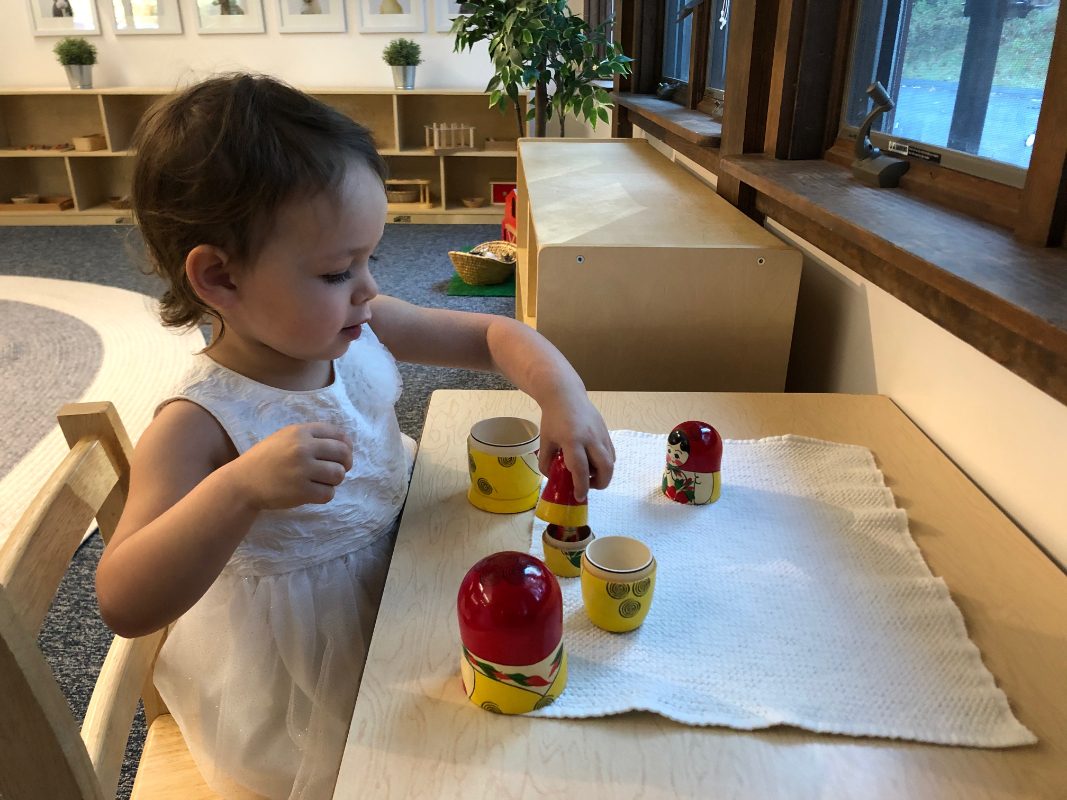
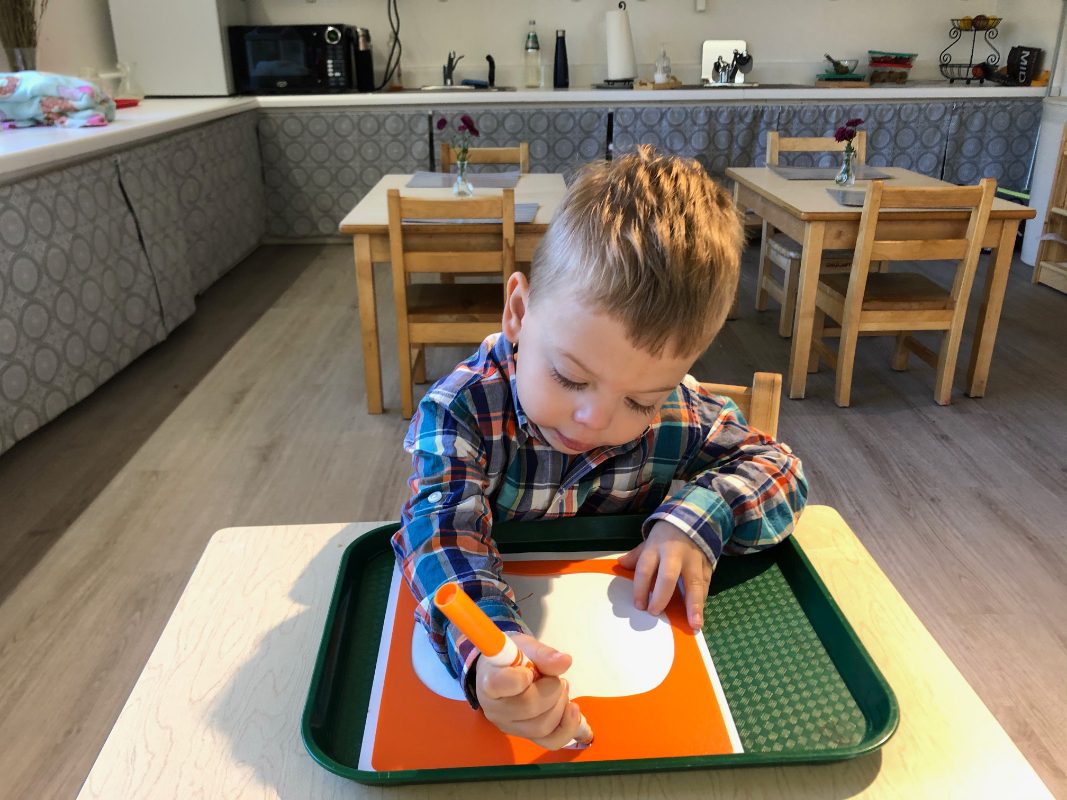
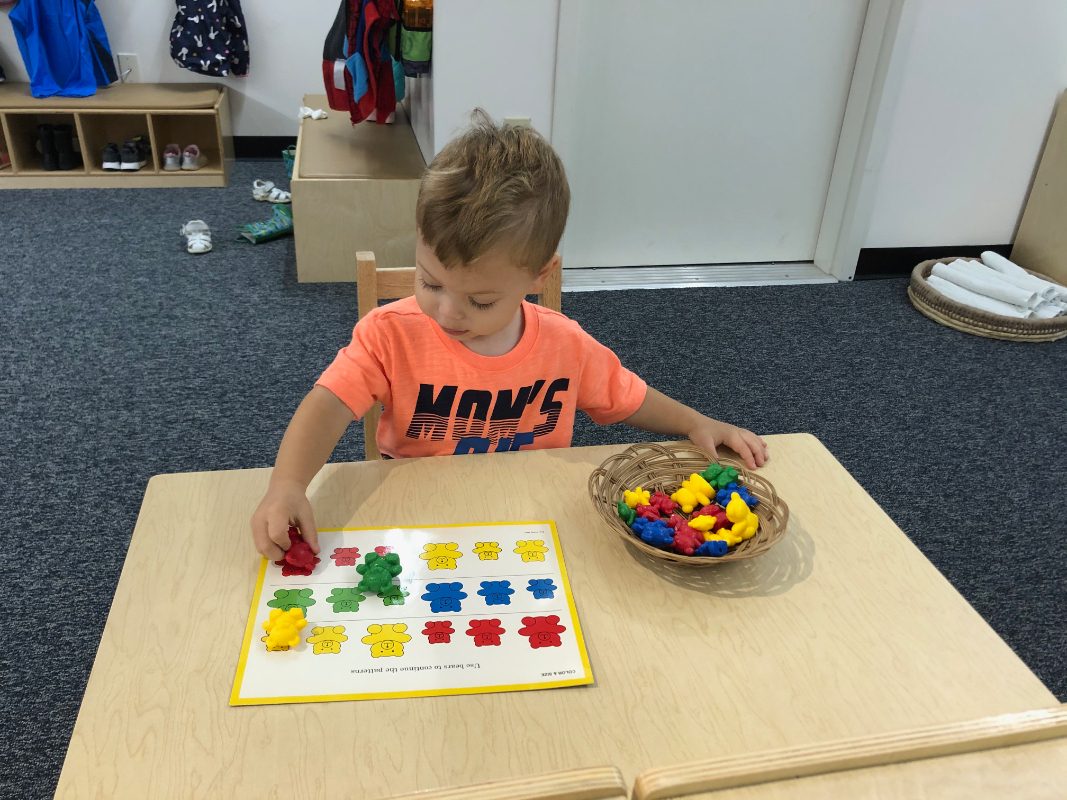
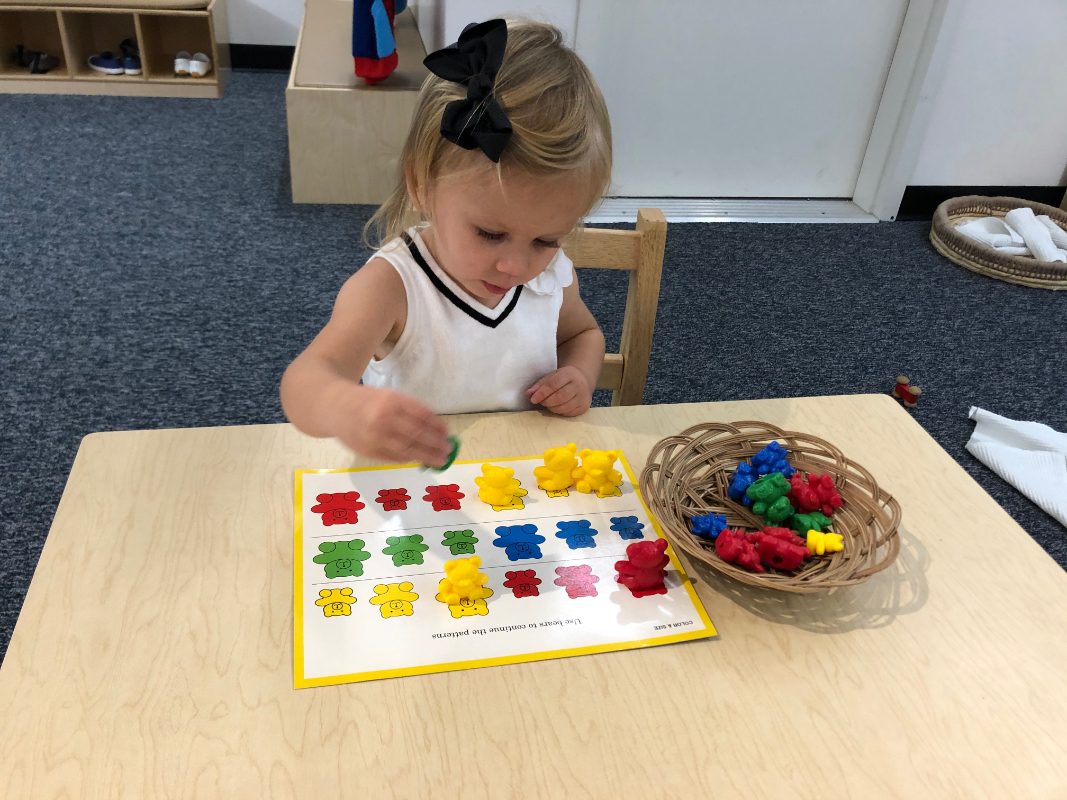
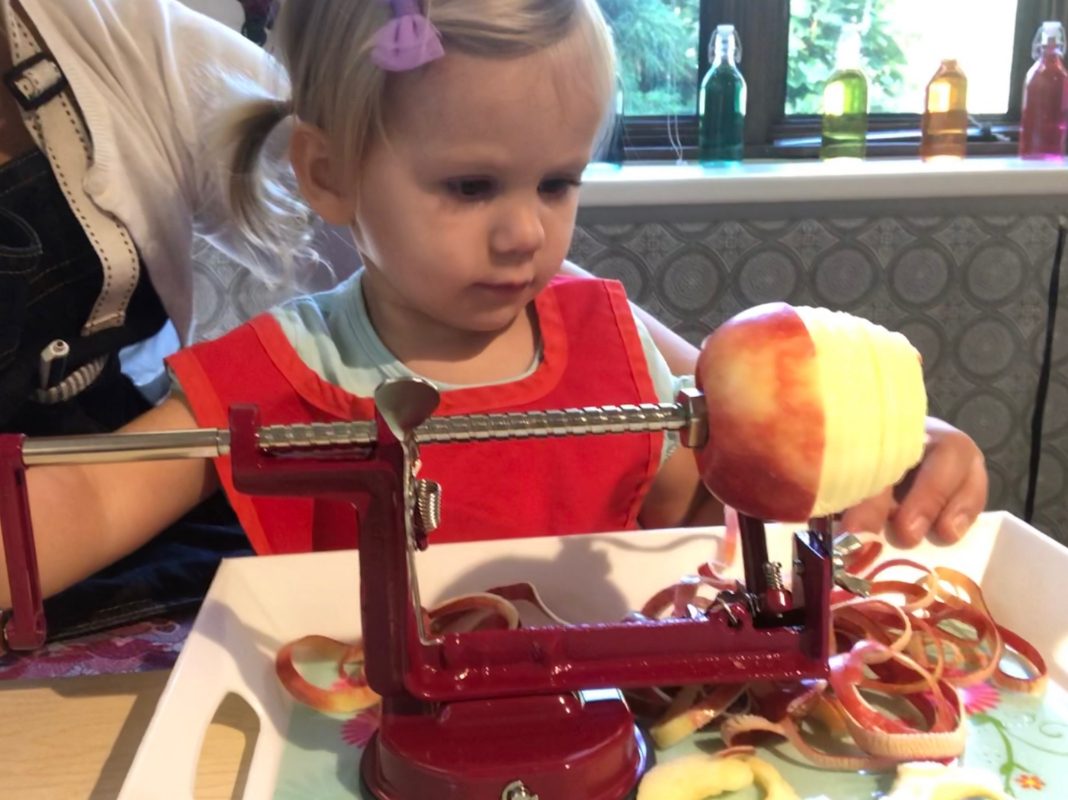
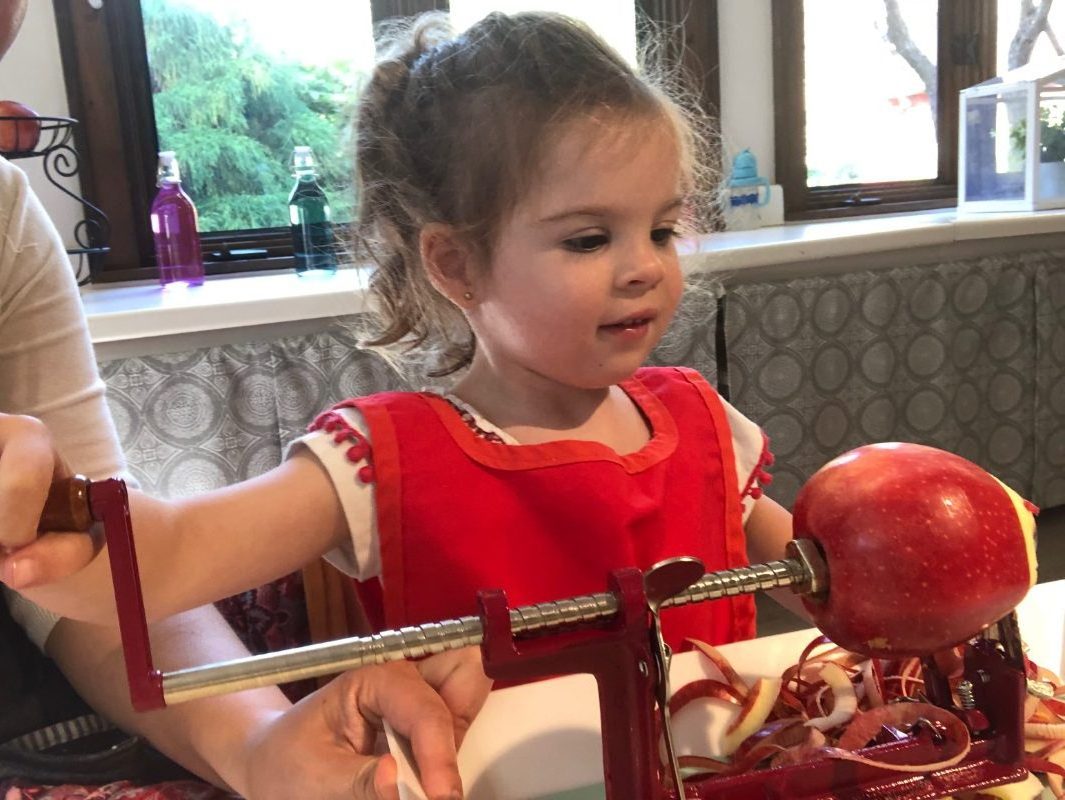
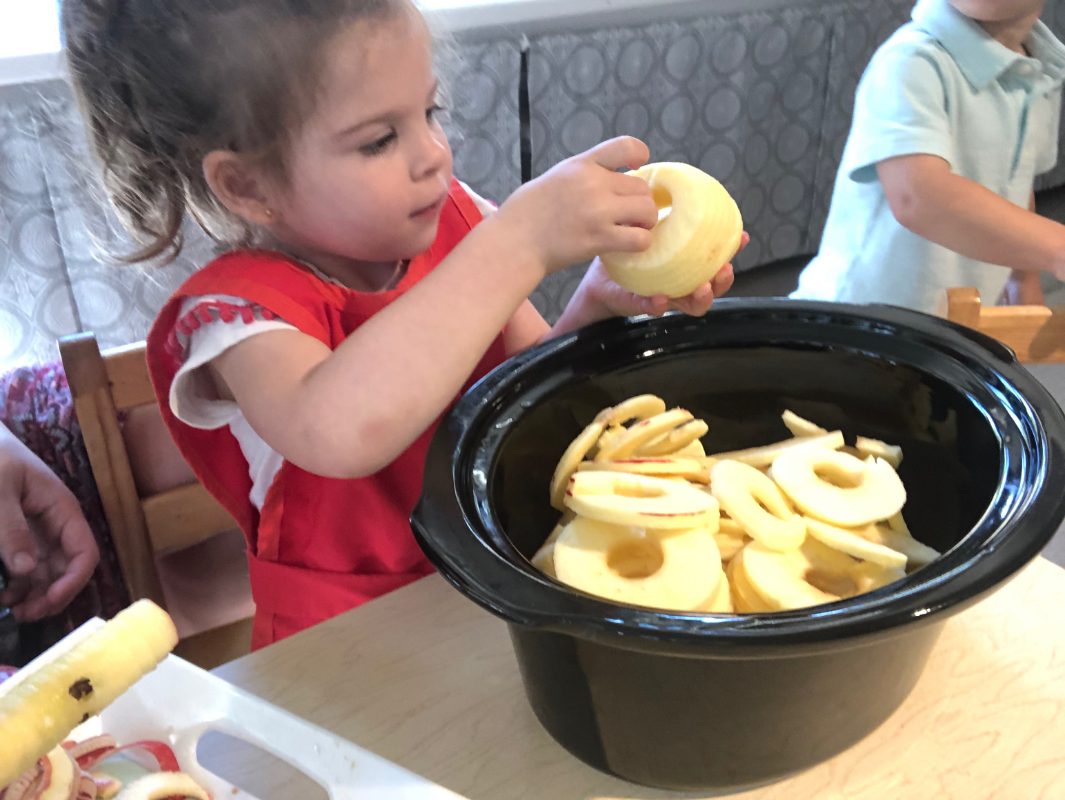
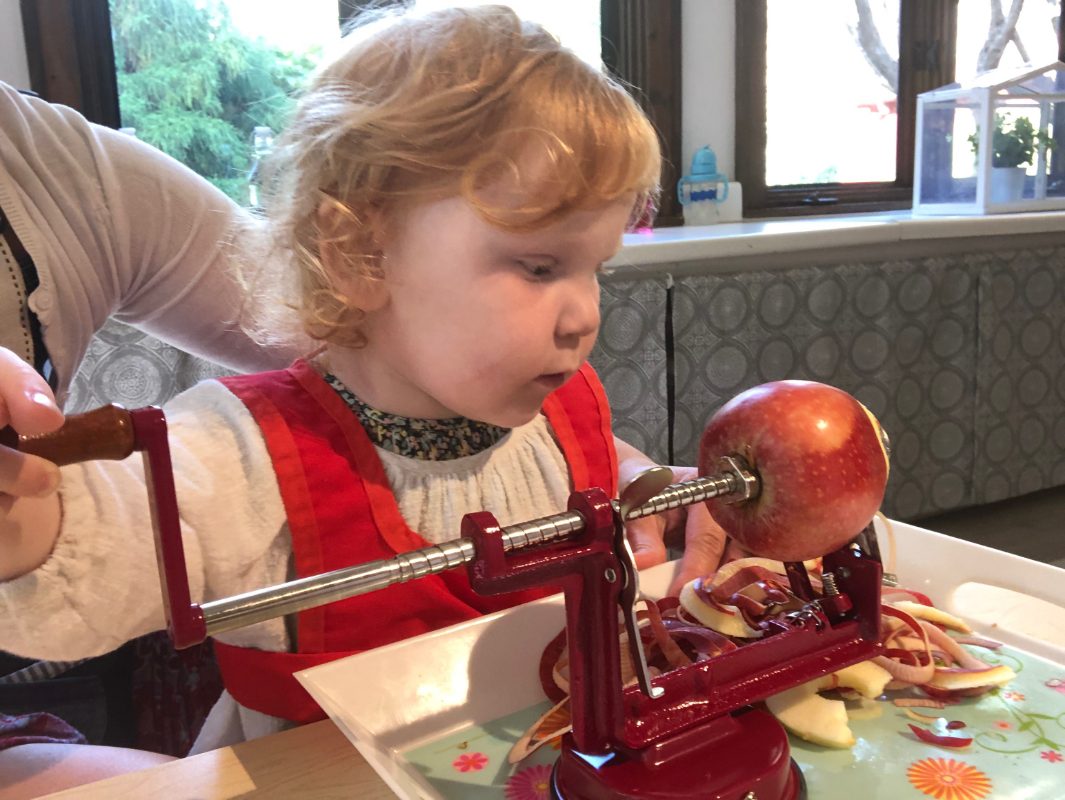
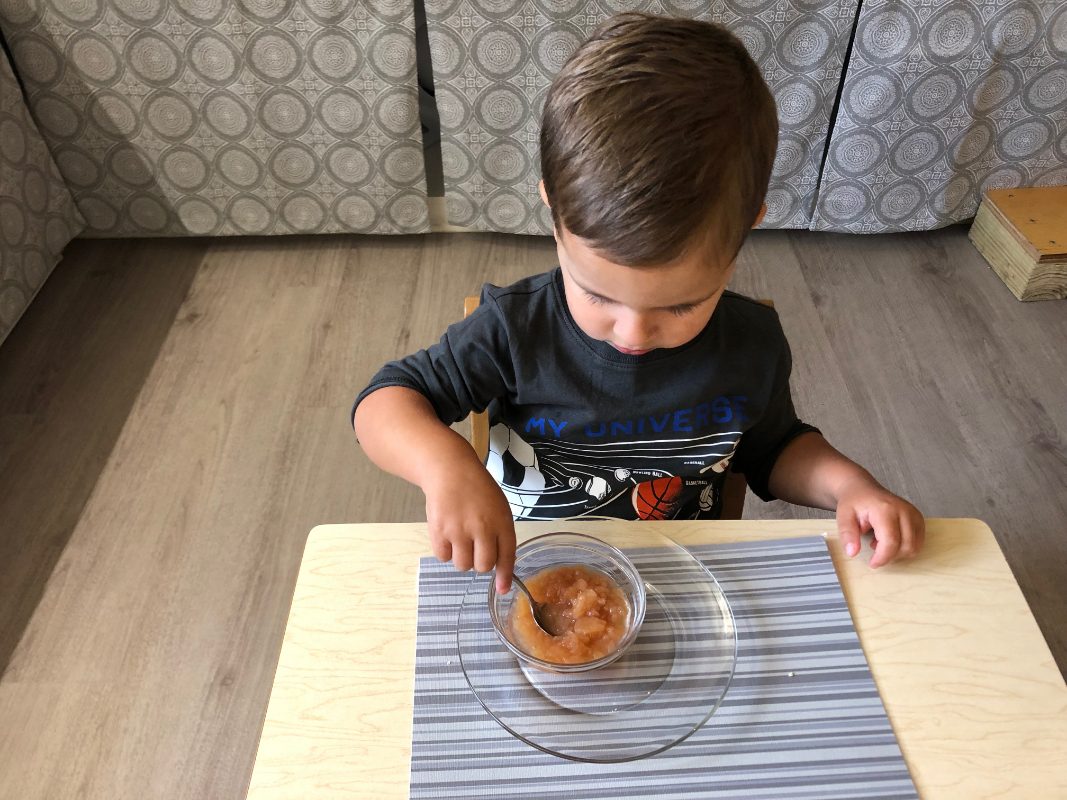
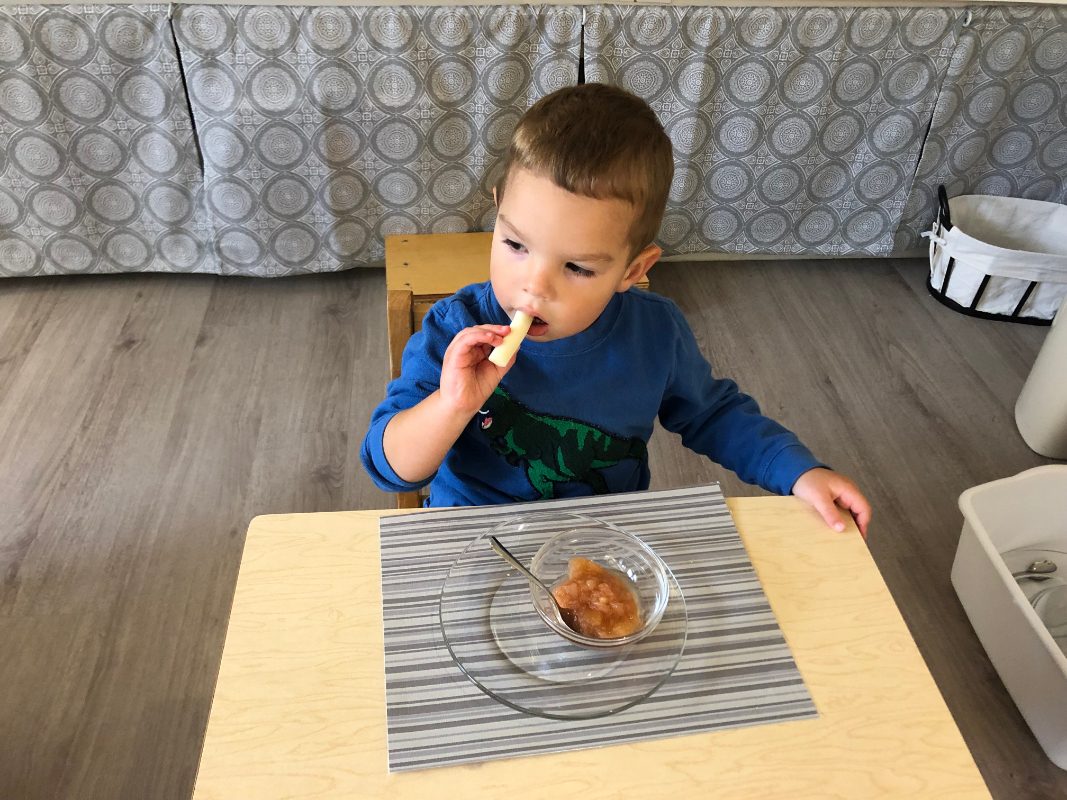
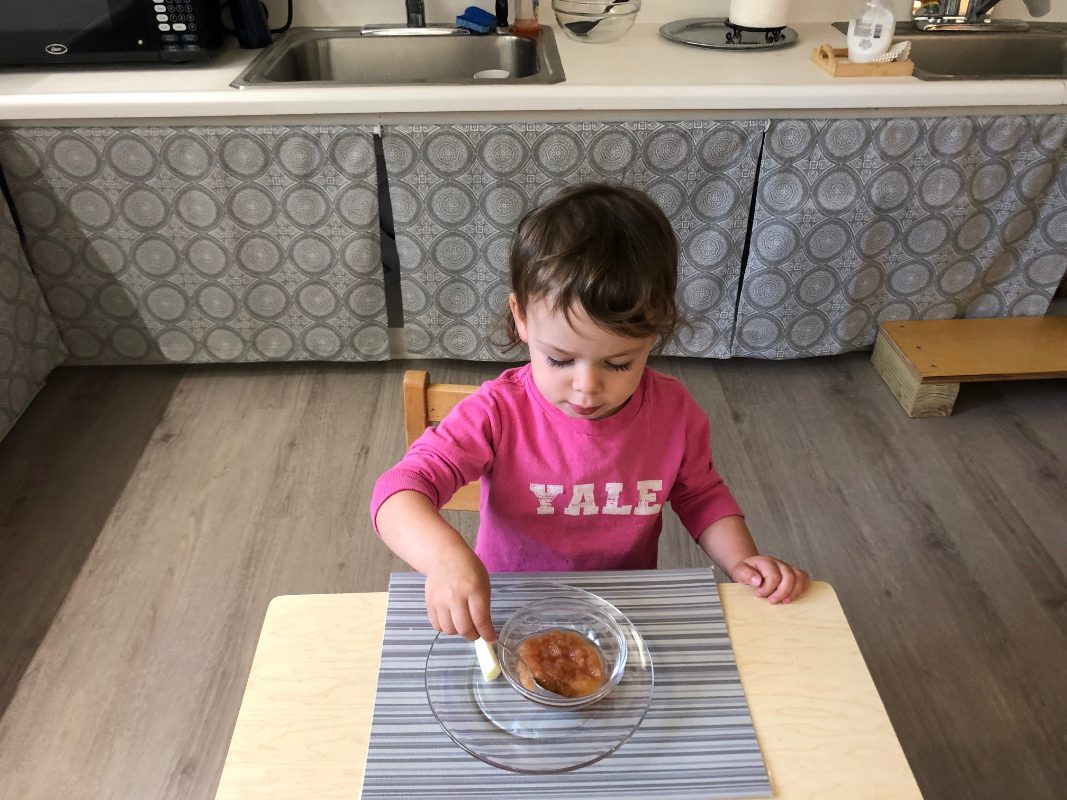
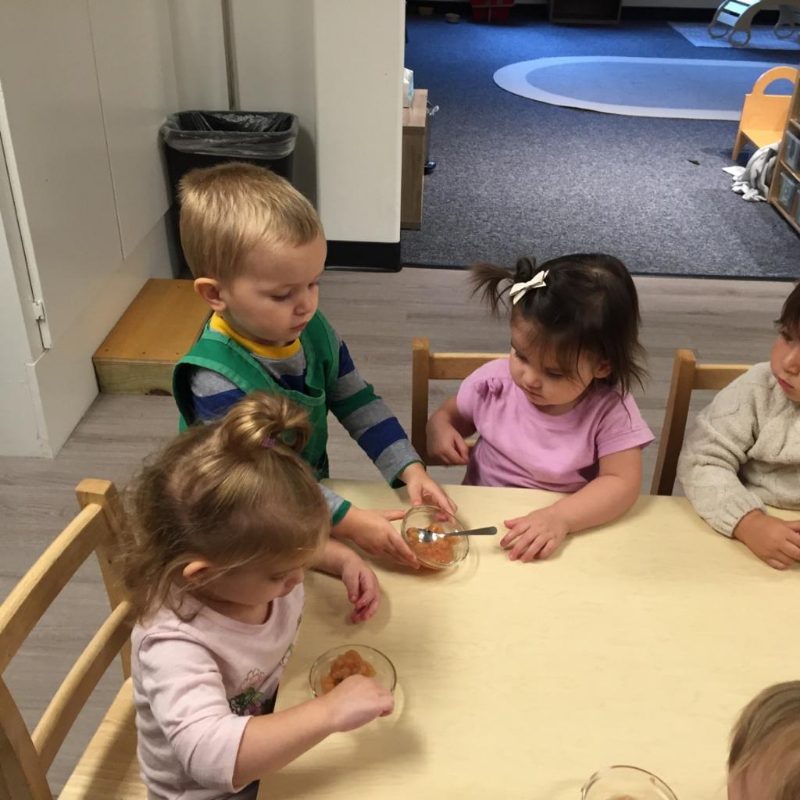
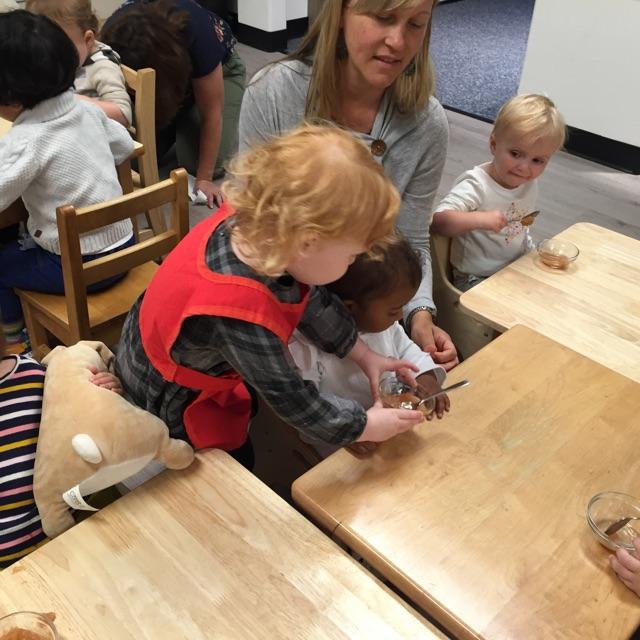
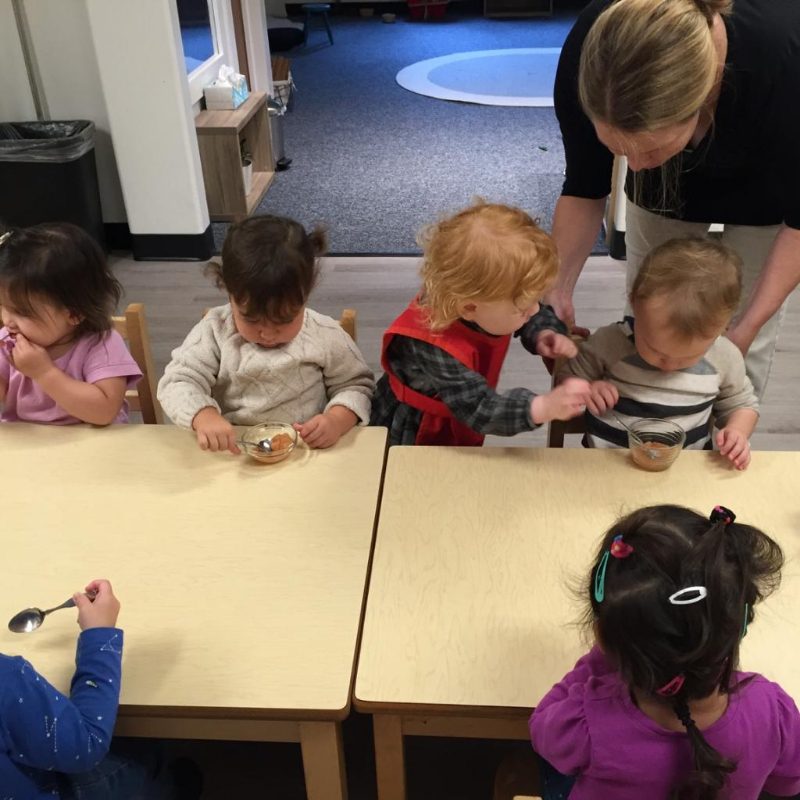
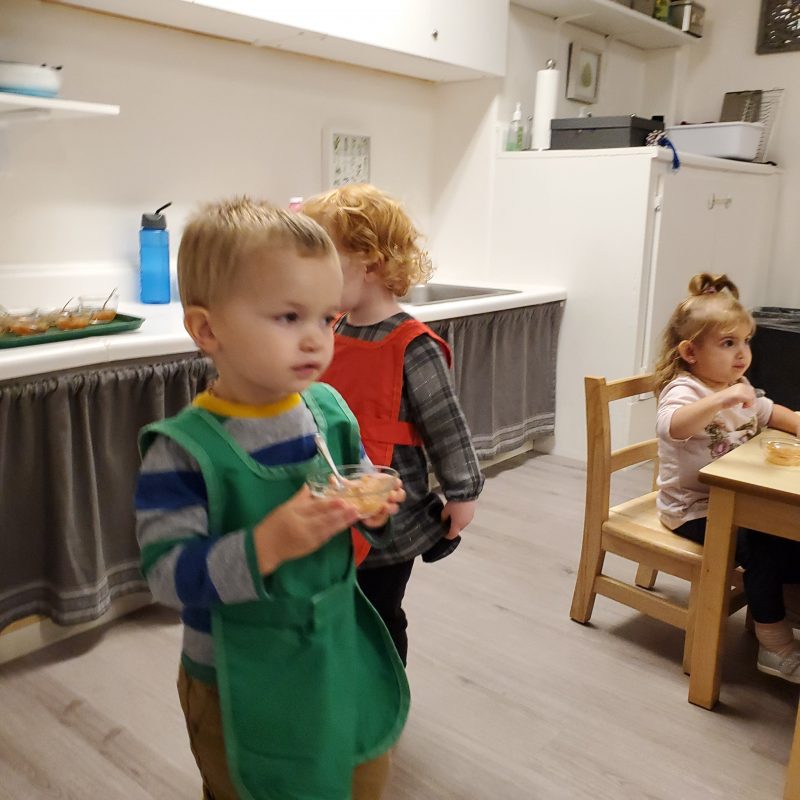
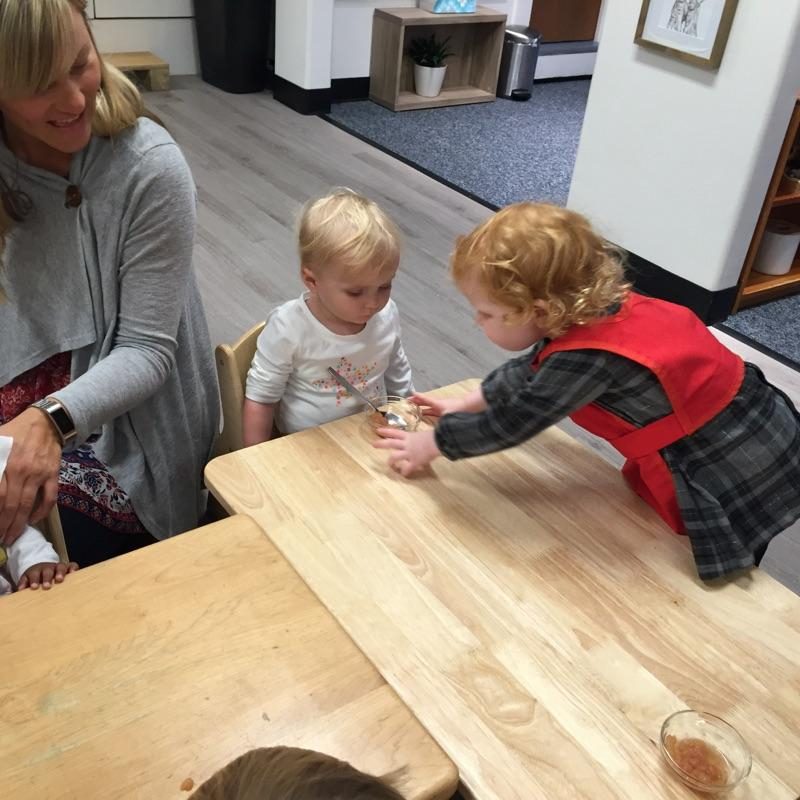
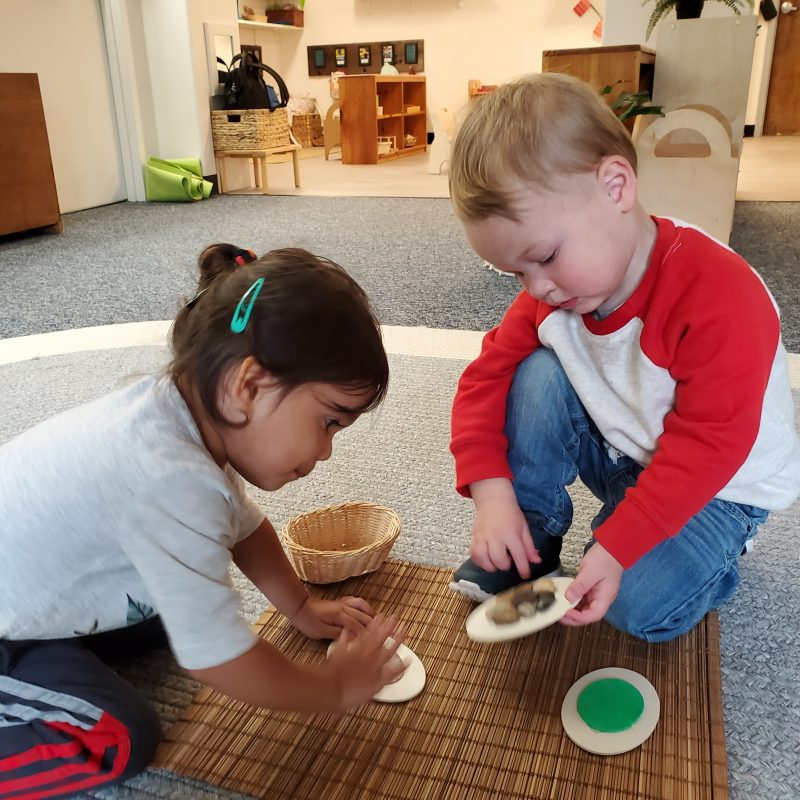
This Normalization appears through the repetition of a three step cycle. The building of character and the formation of personality that we call normalization come about when children follow this cycle of work.

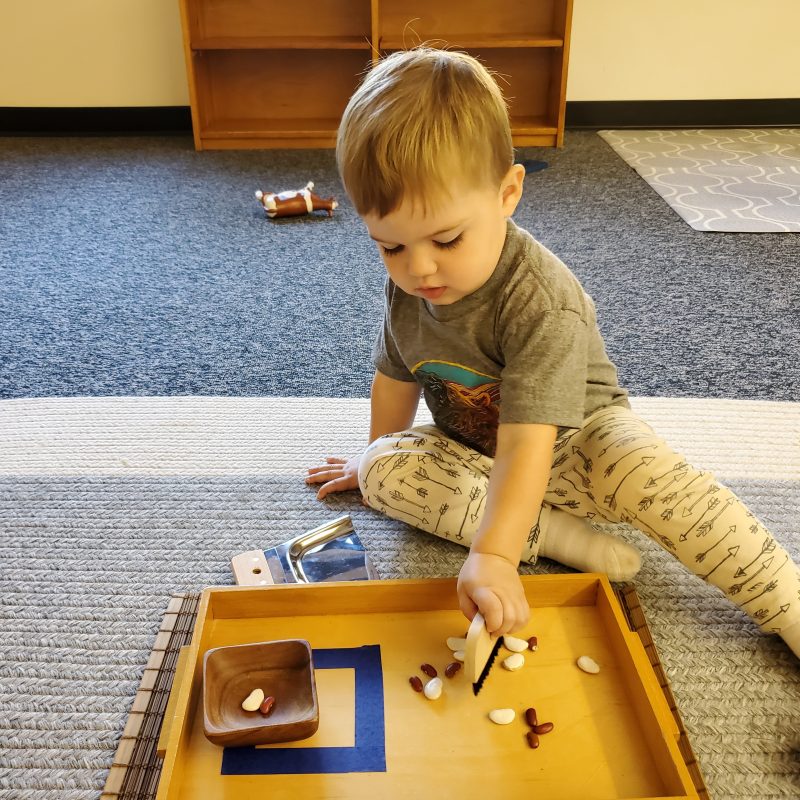
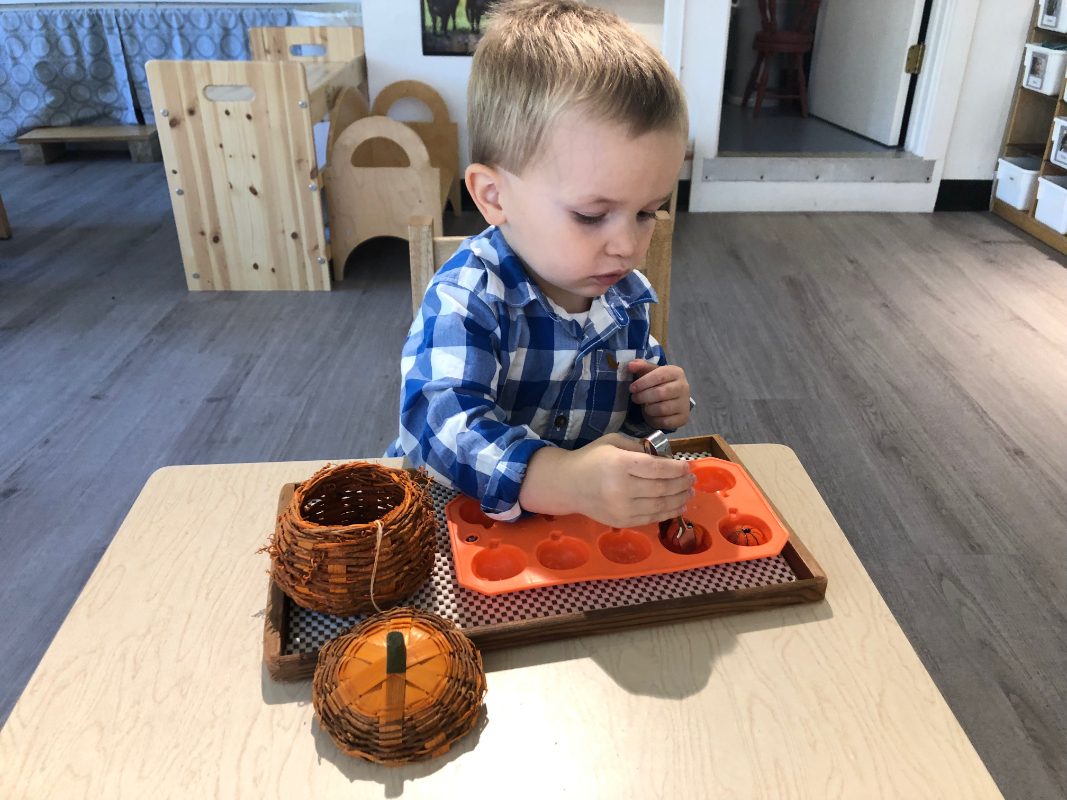
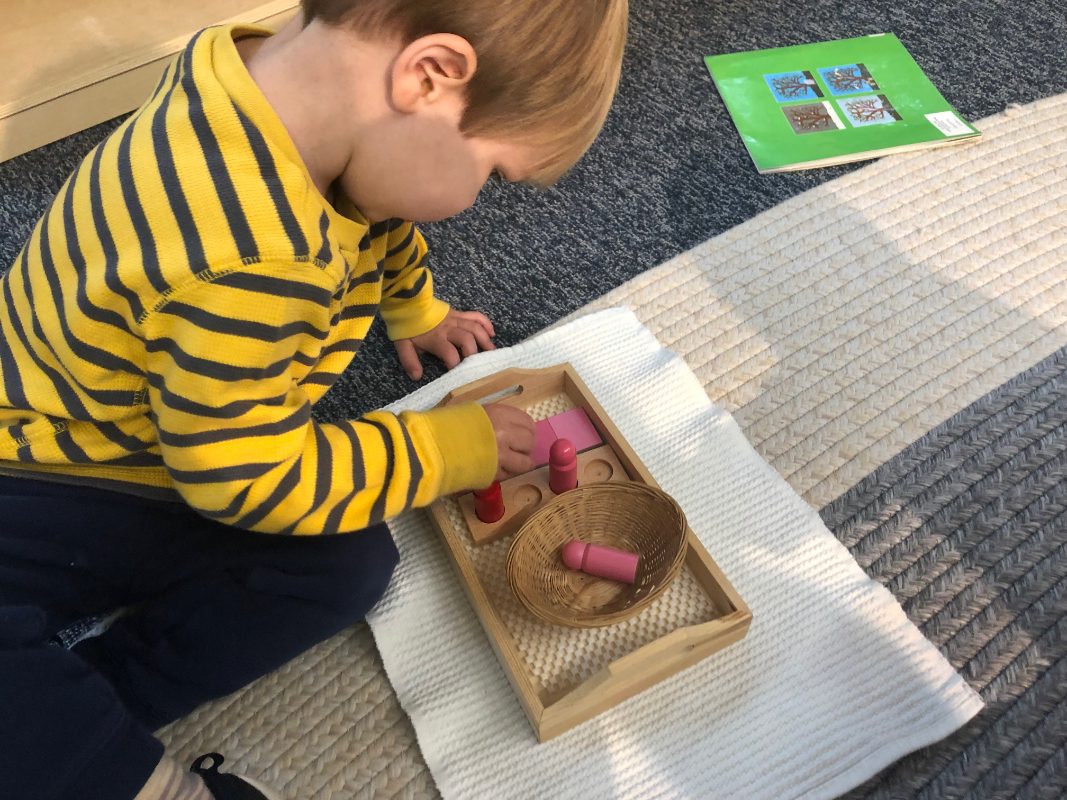
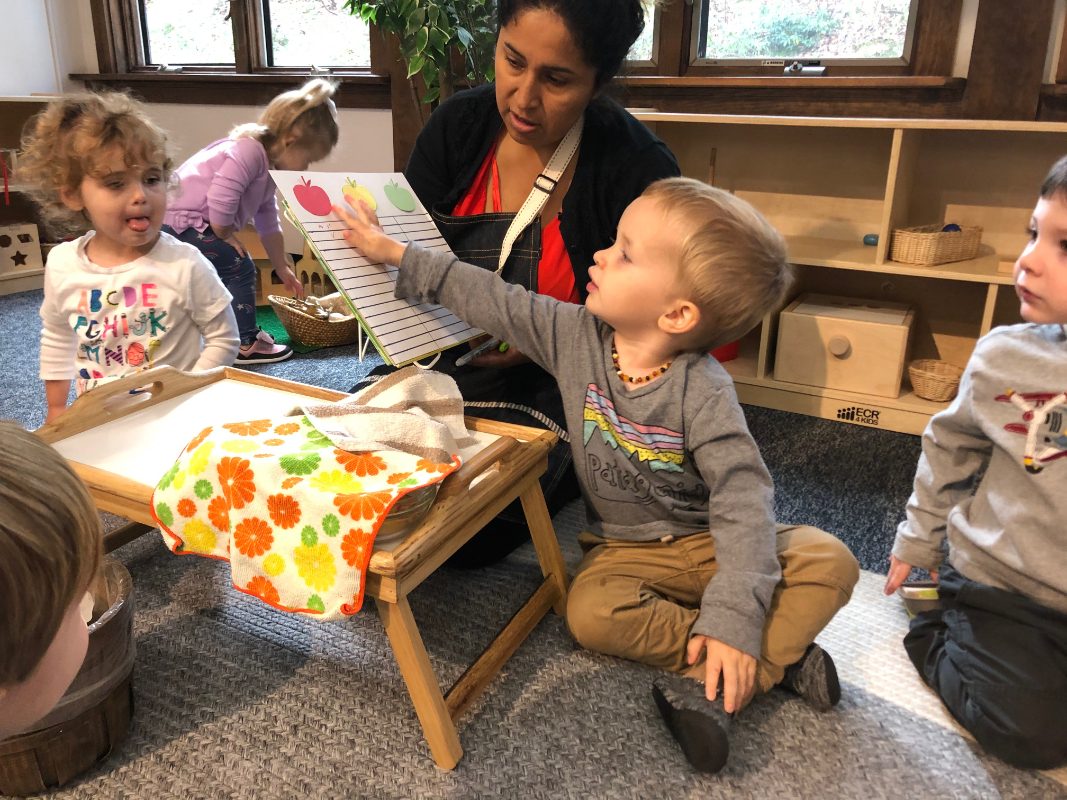
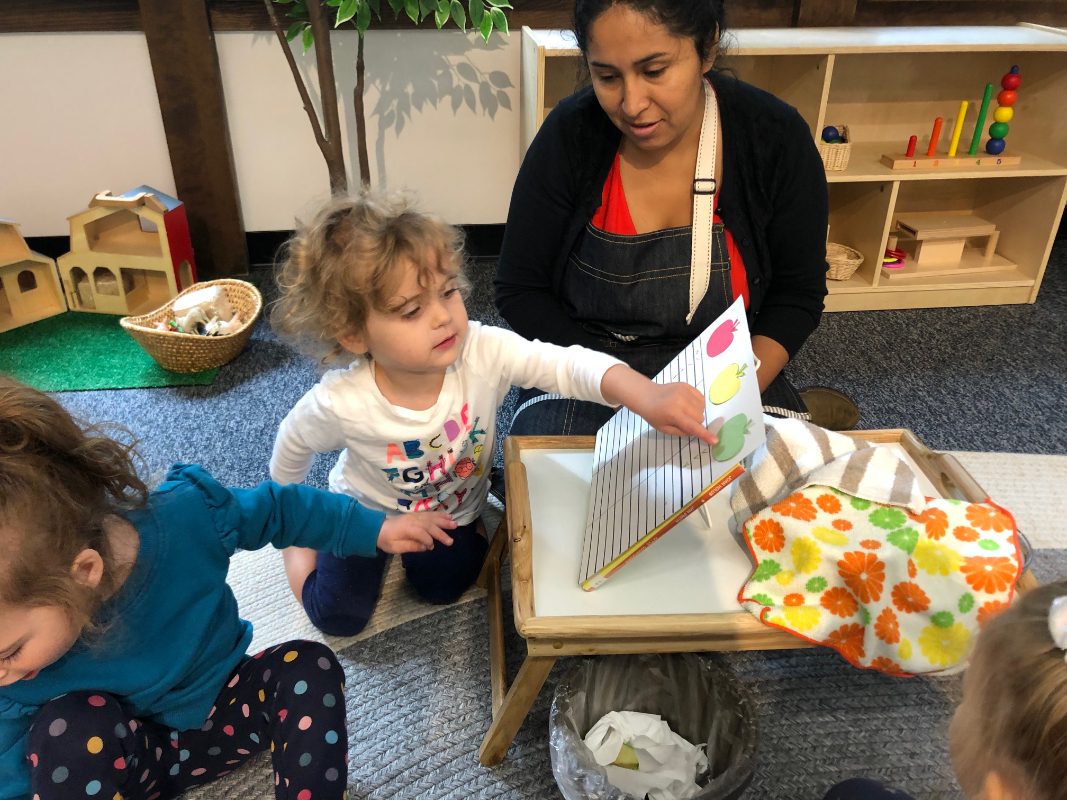
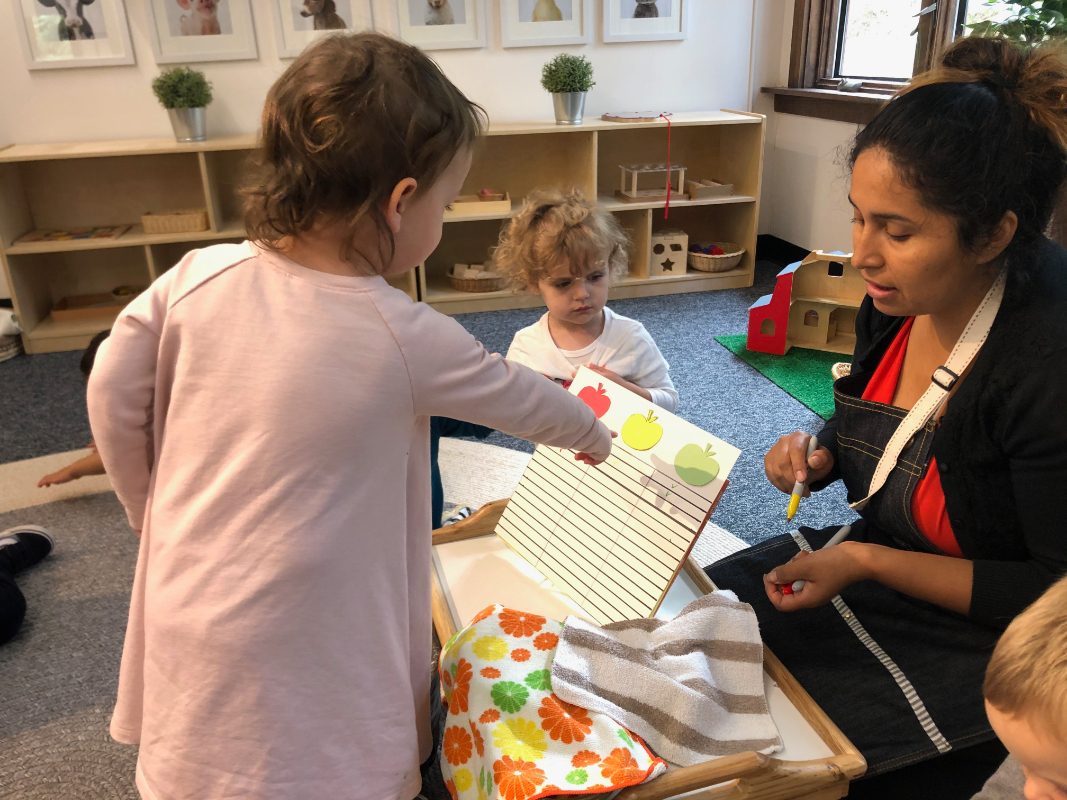
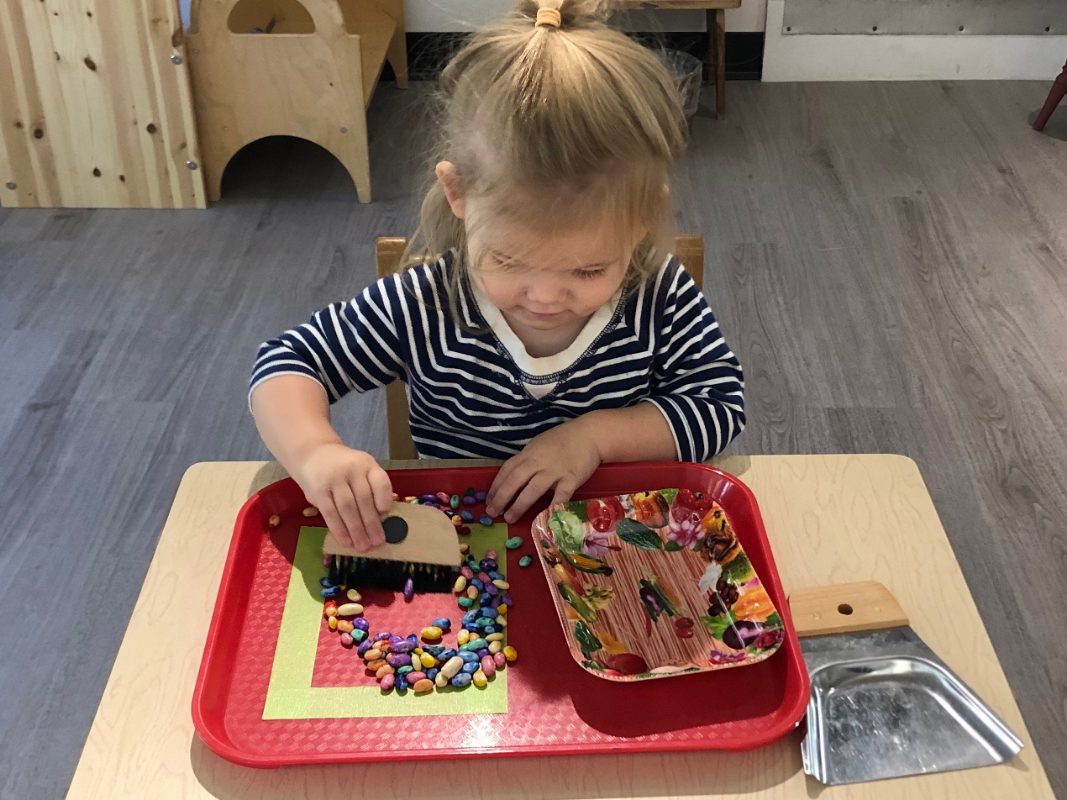
(1) Preparation for an activity which involves gathering together the material necessary to do the activity. The movement and the thought involved in the preparation serves to call the attention of the mind to begin to focus on the activity.

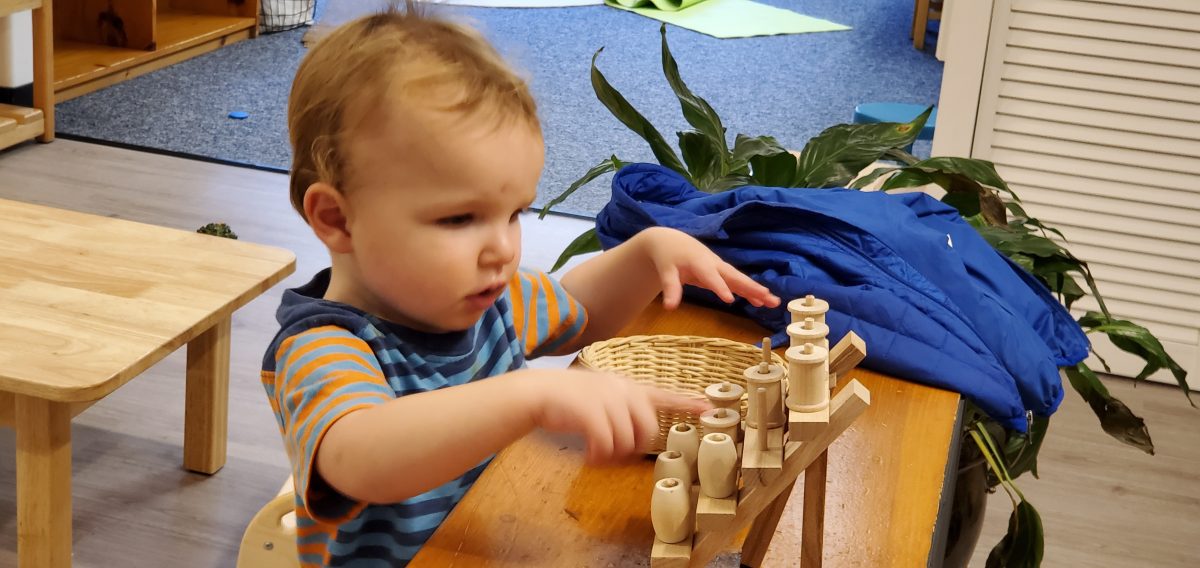
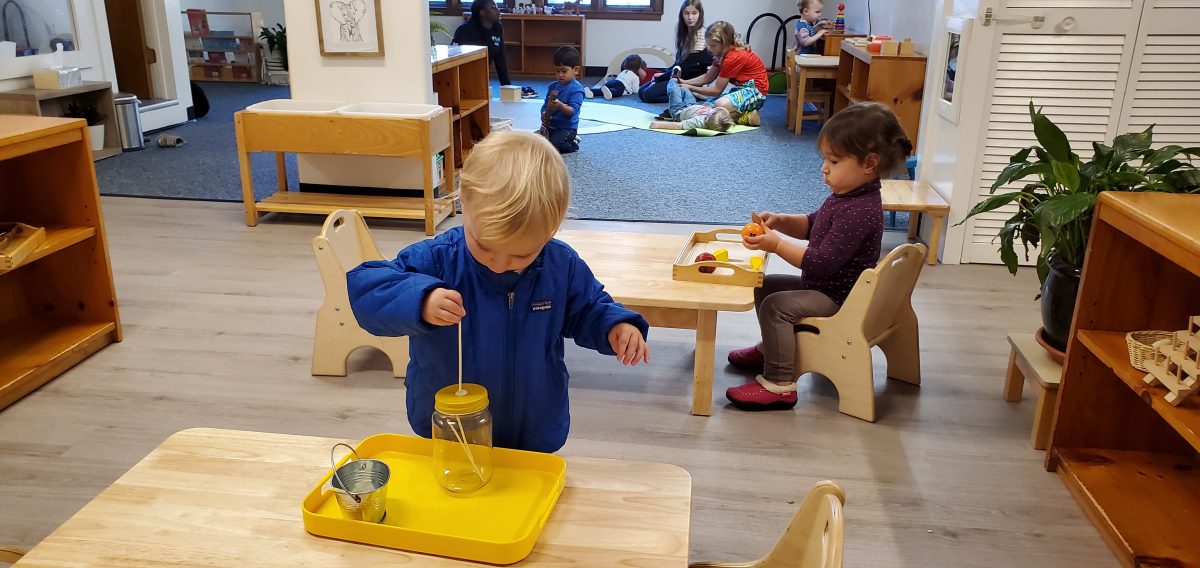
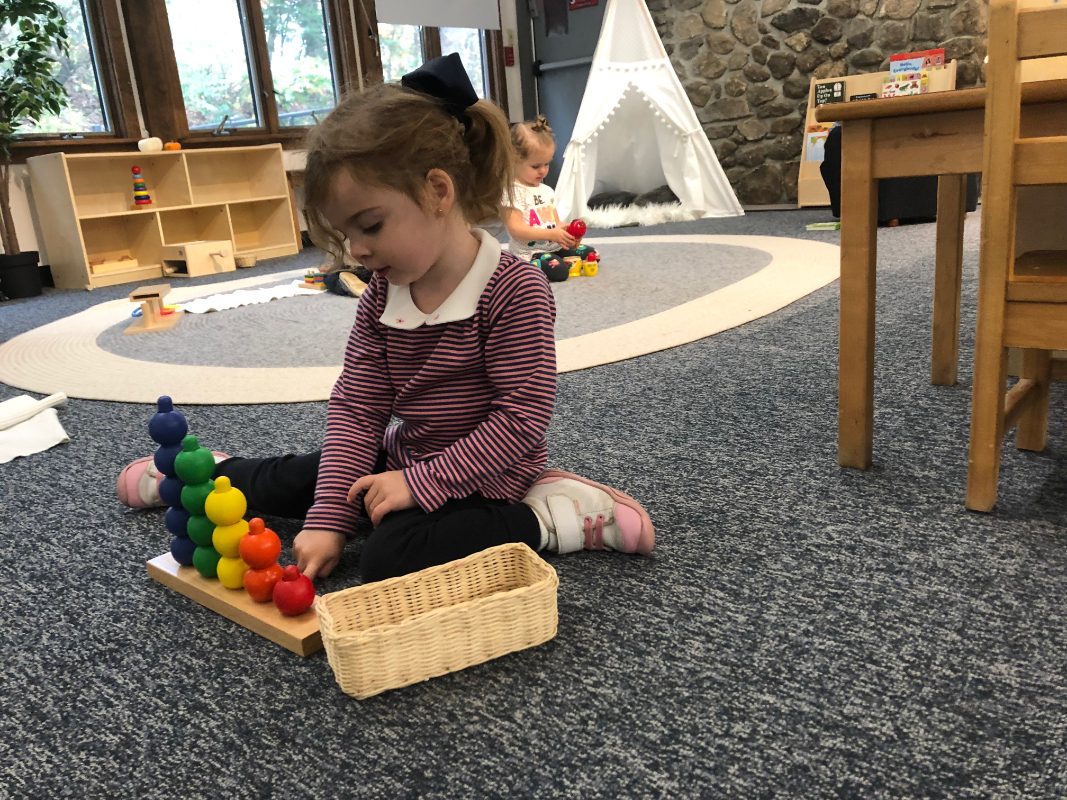
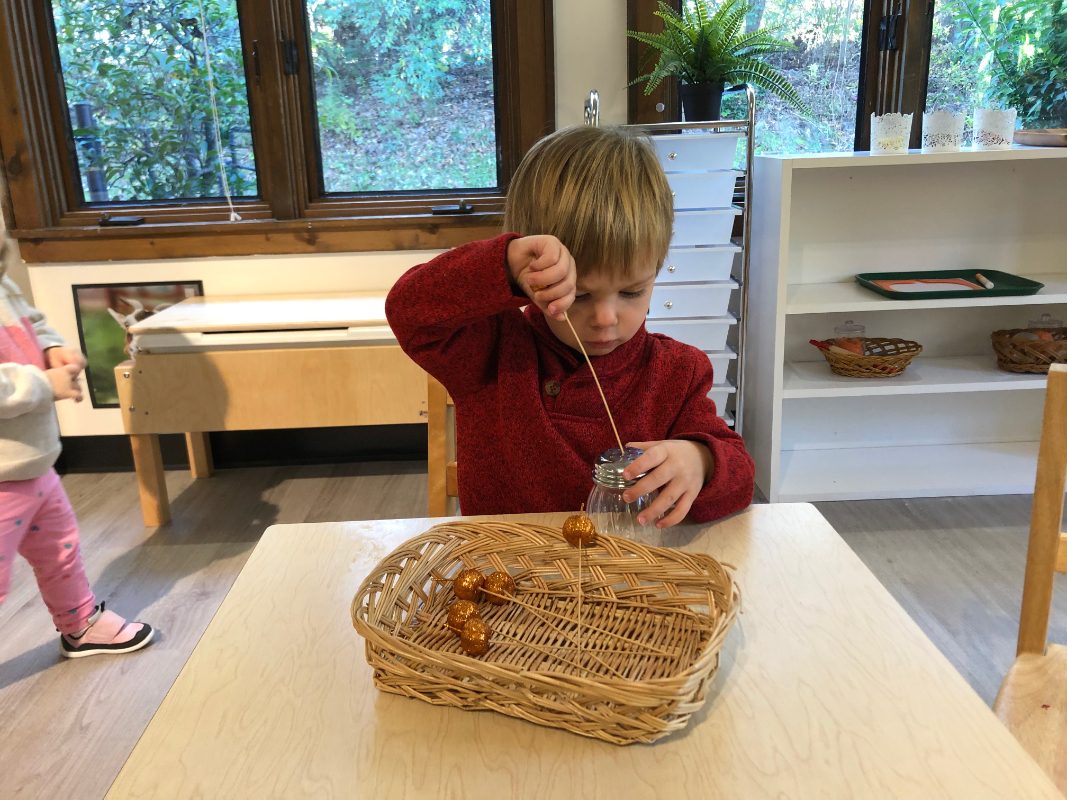
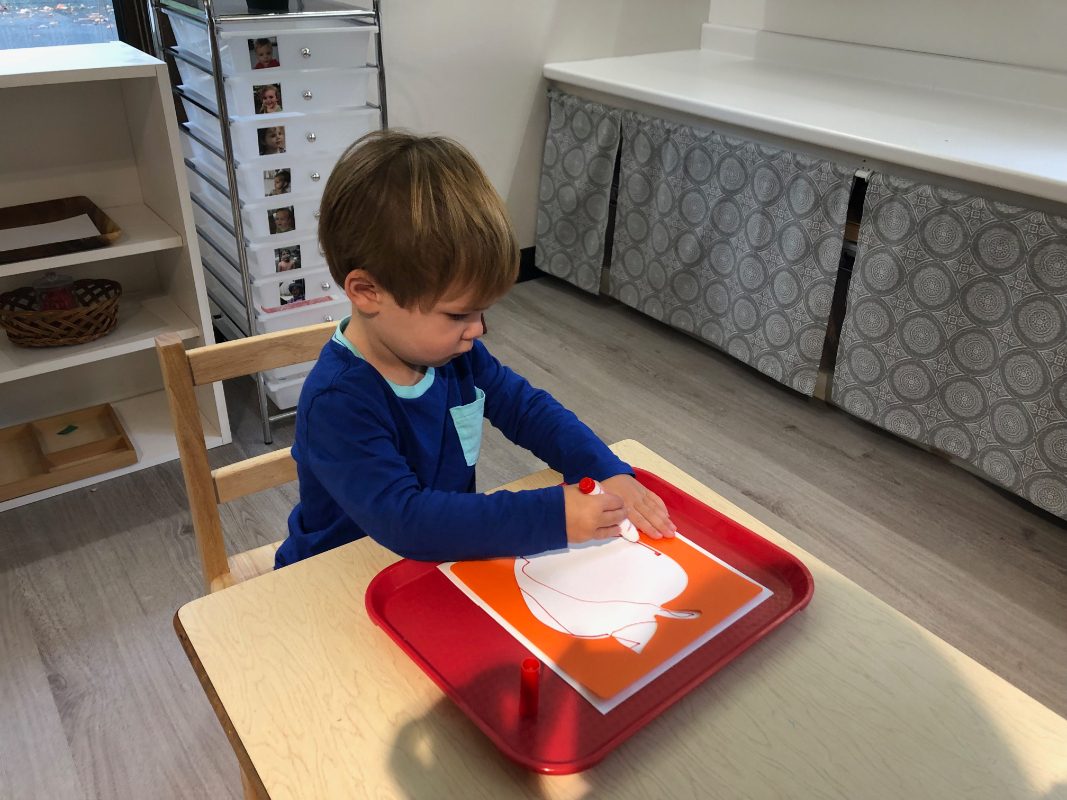
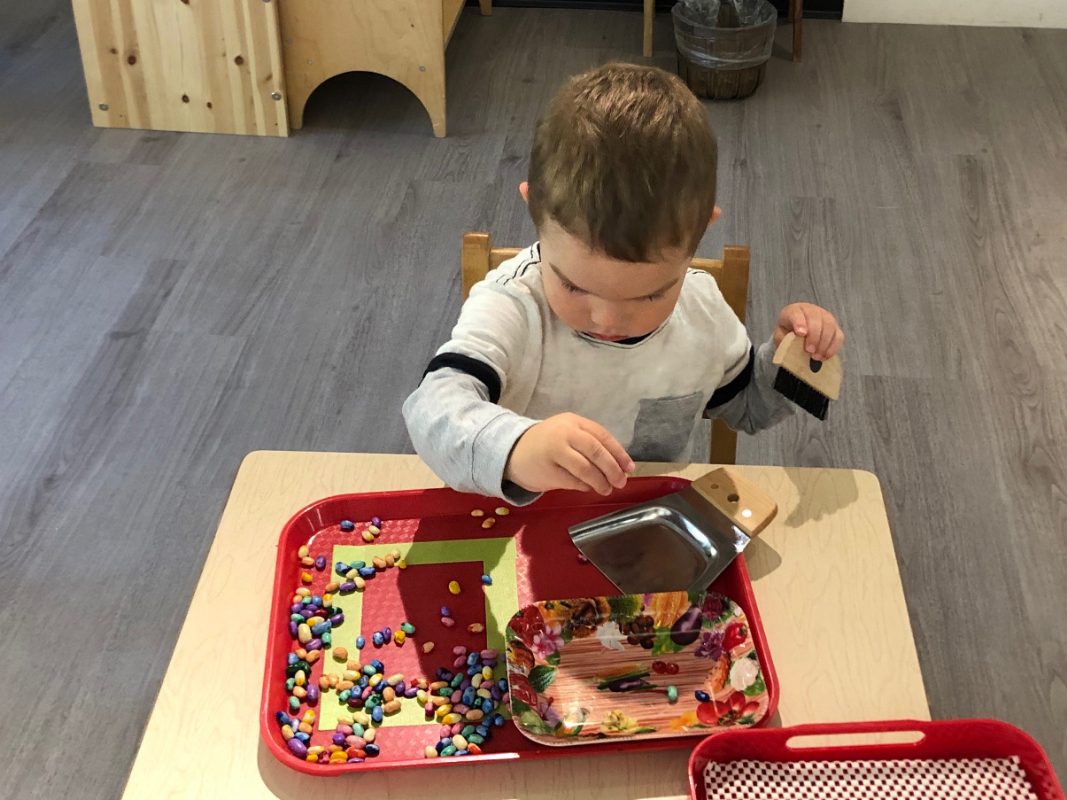
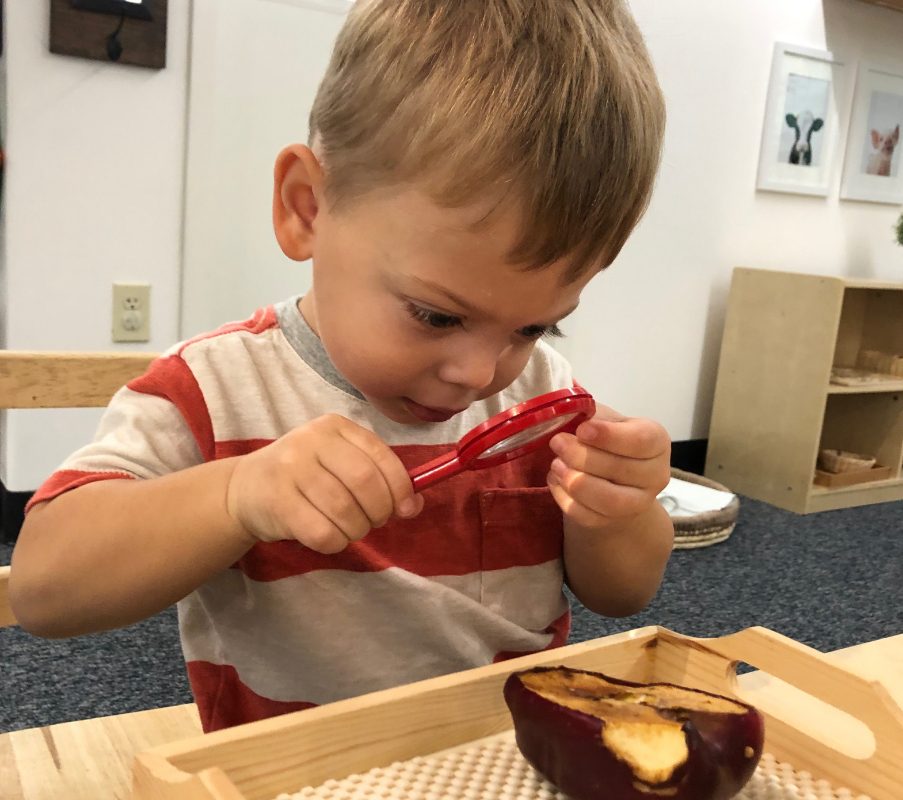
(2) An activity which so engrosses the child that he reaches a deep level of concentration. This step is what we as educators and you as parents recognize as important for education.

(3) Rest, which is characterized by a general feeling of satisfaction and well-being. It is thought that at this point some inner formation or integration of the person takes place.
In our Montessori environment, we see this third step as the time a child is putting away the materials, perhaps talking with friends, and is exhibiting satisfaction with himself and the world.

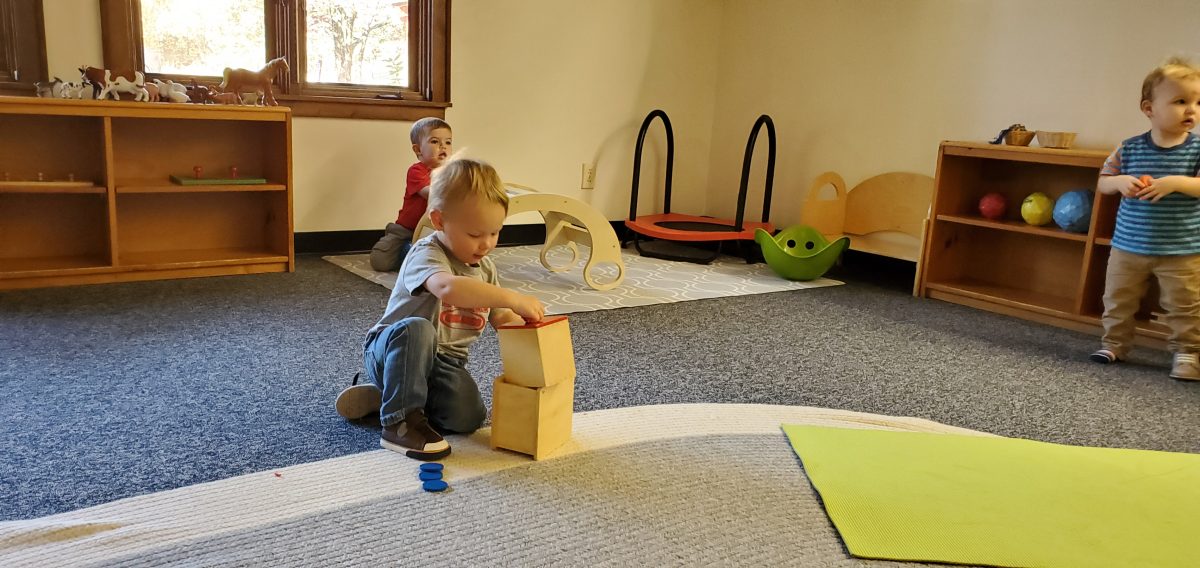
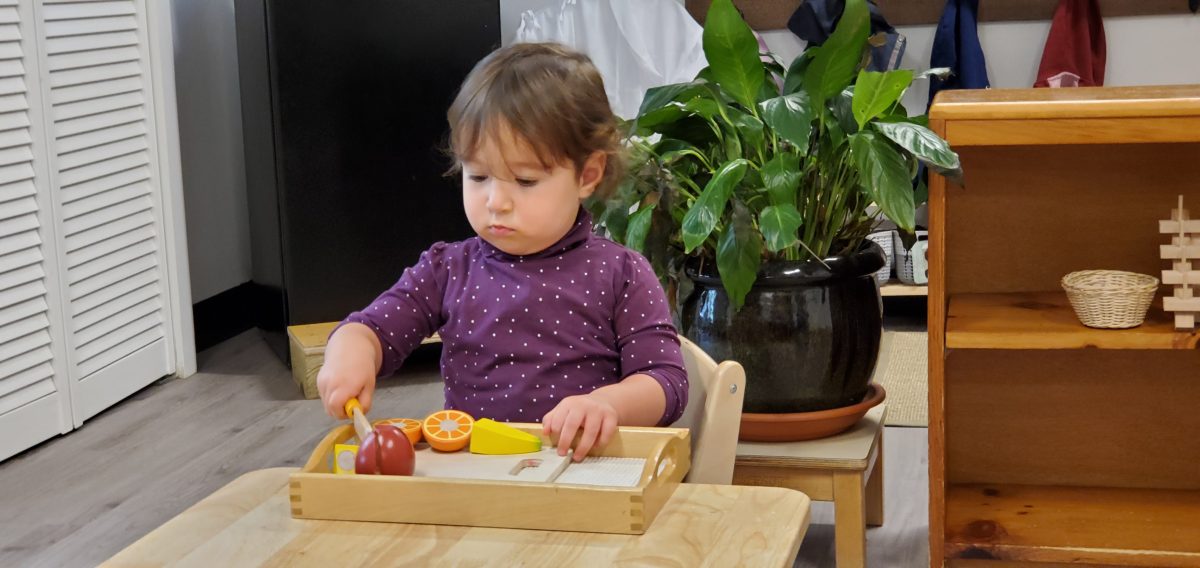
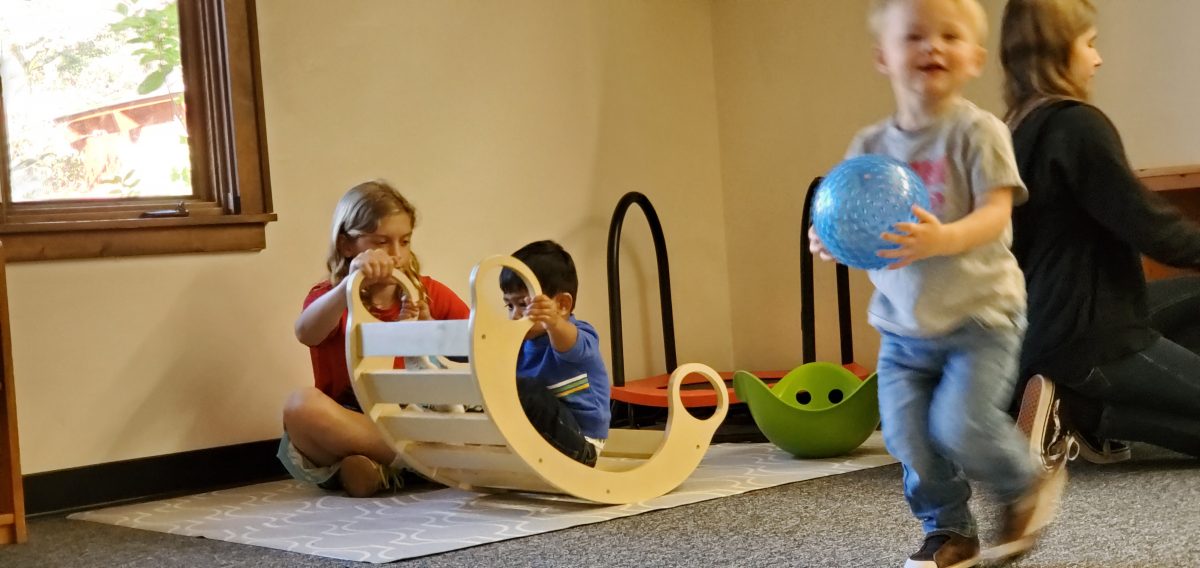
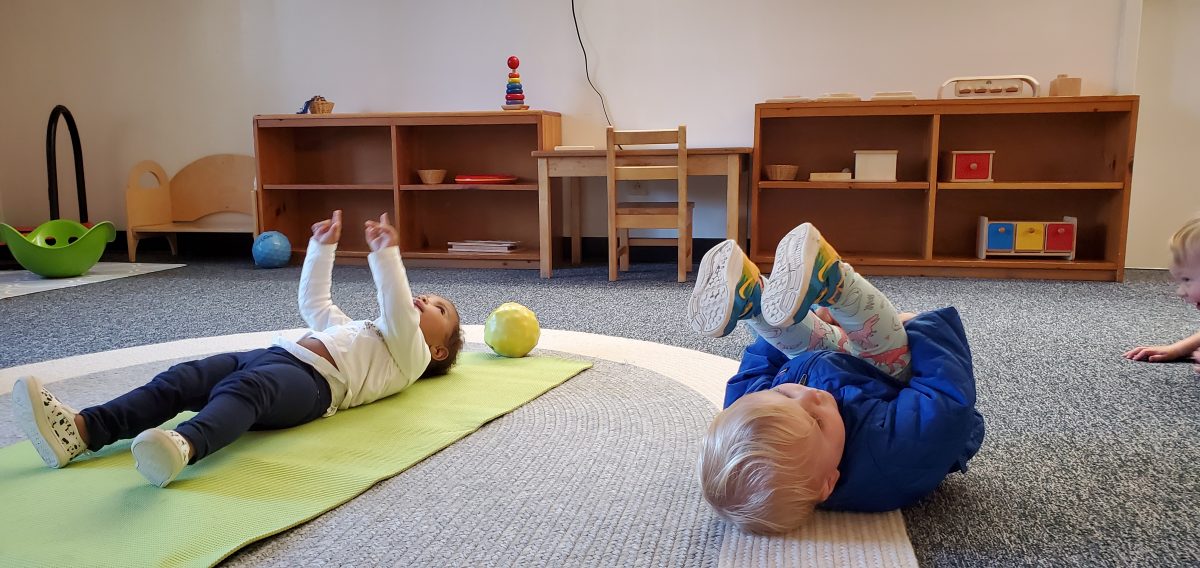
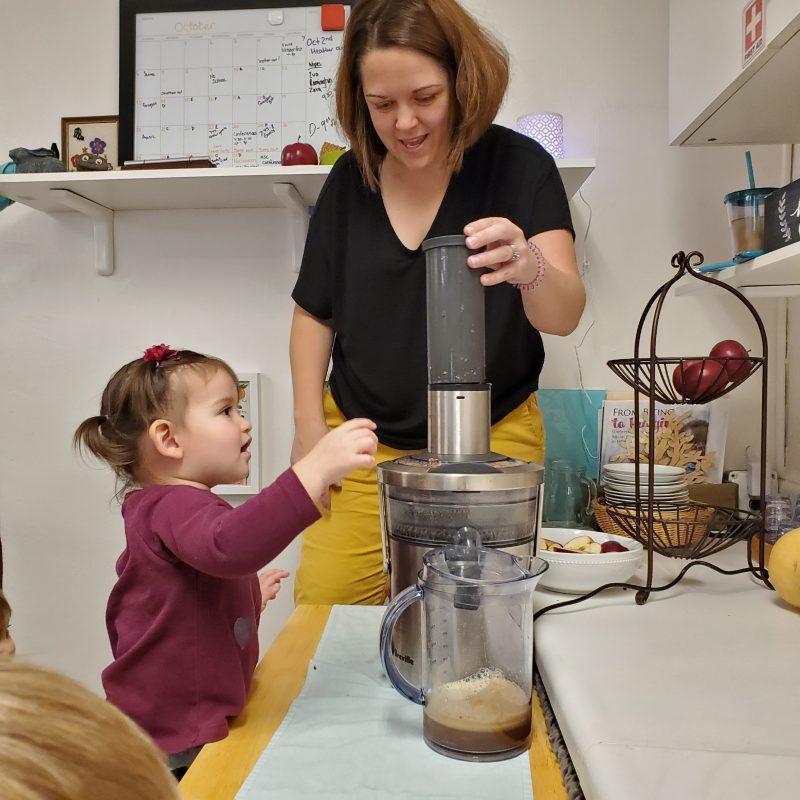
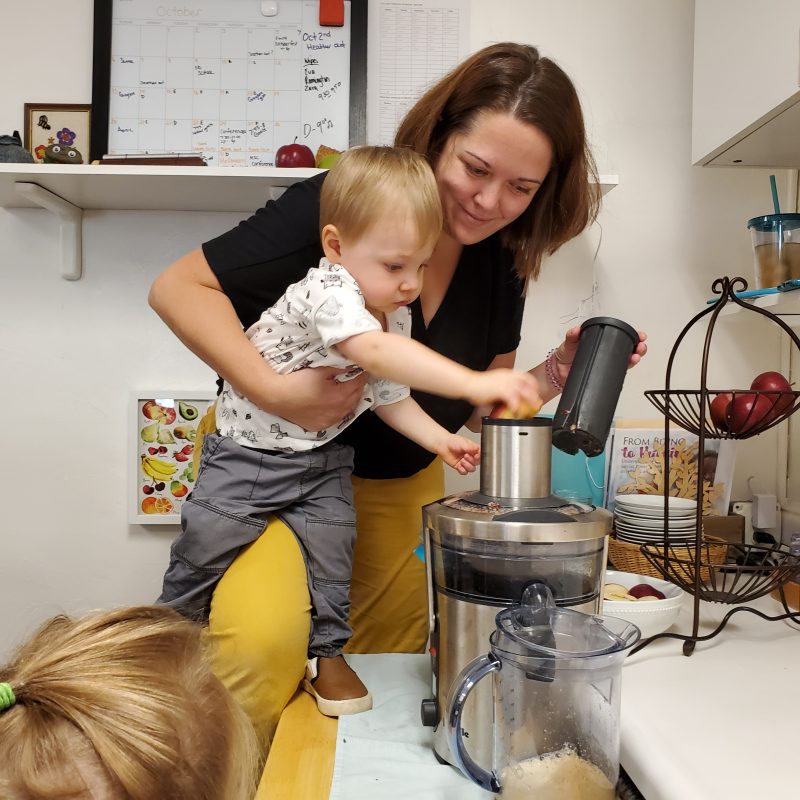
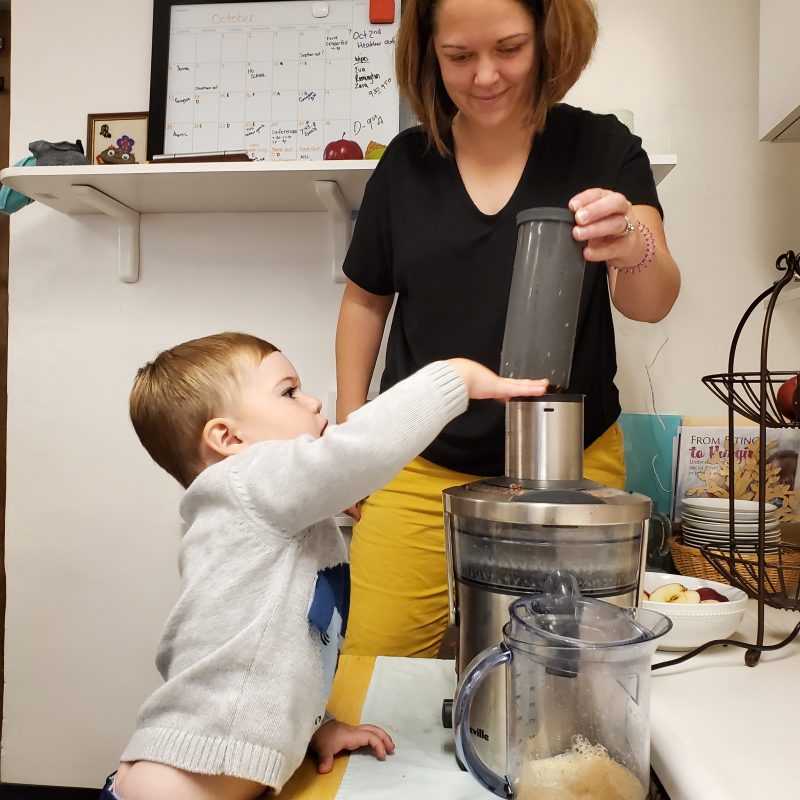
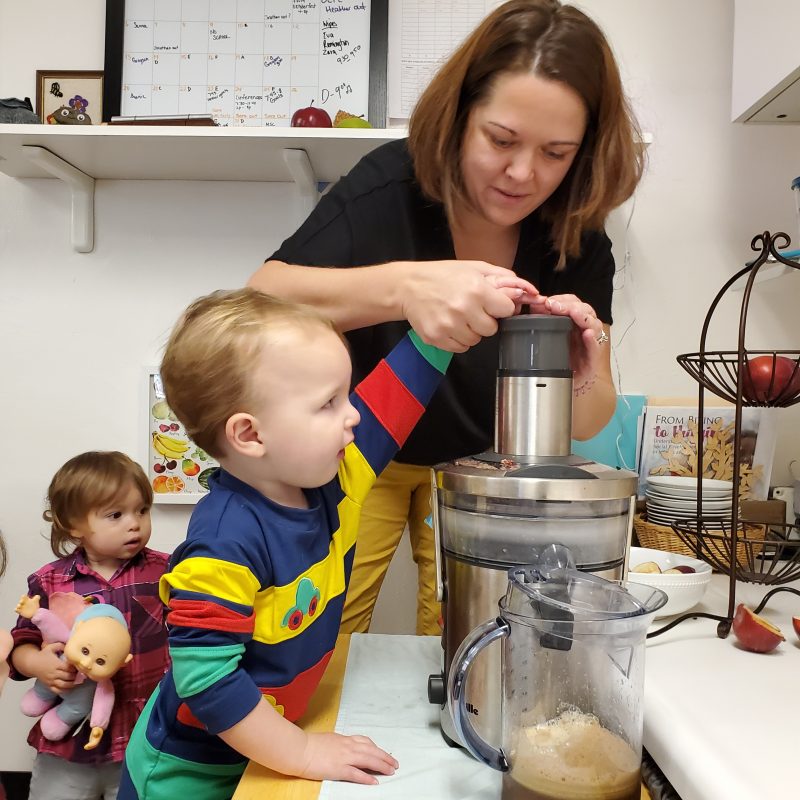
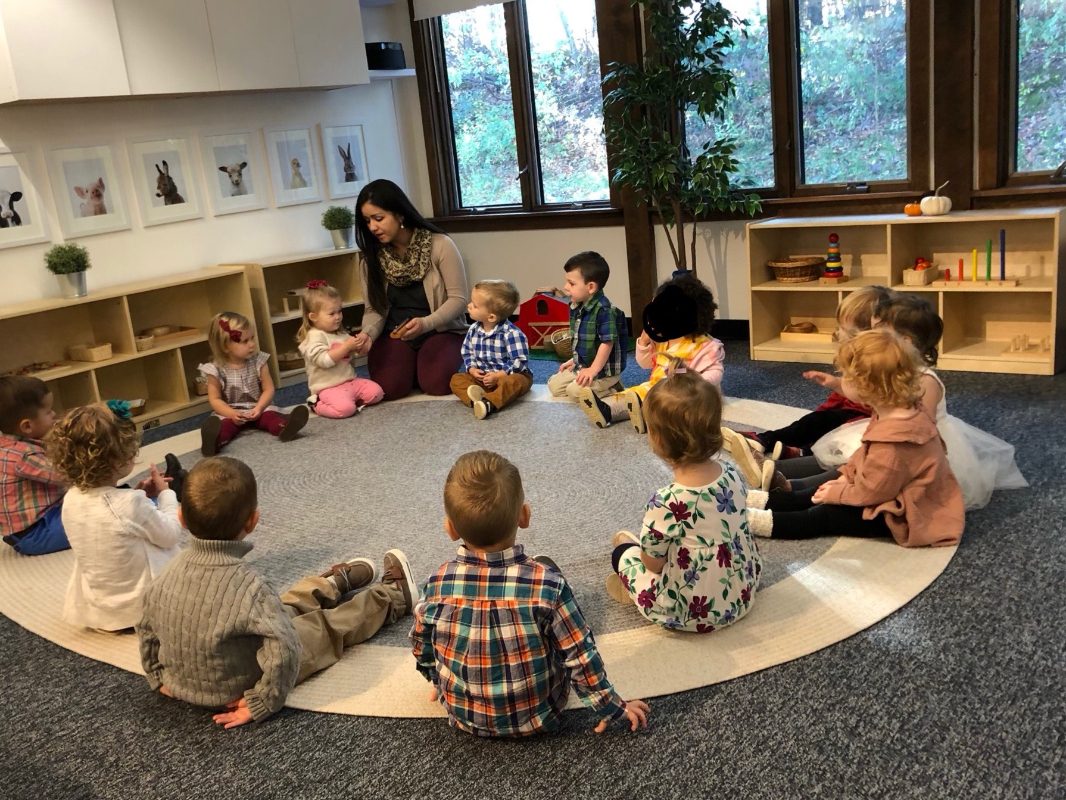
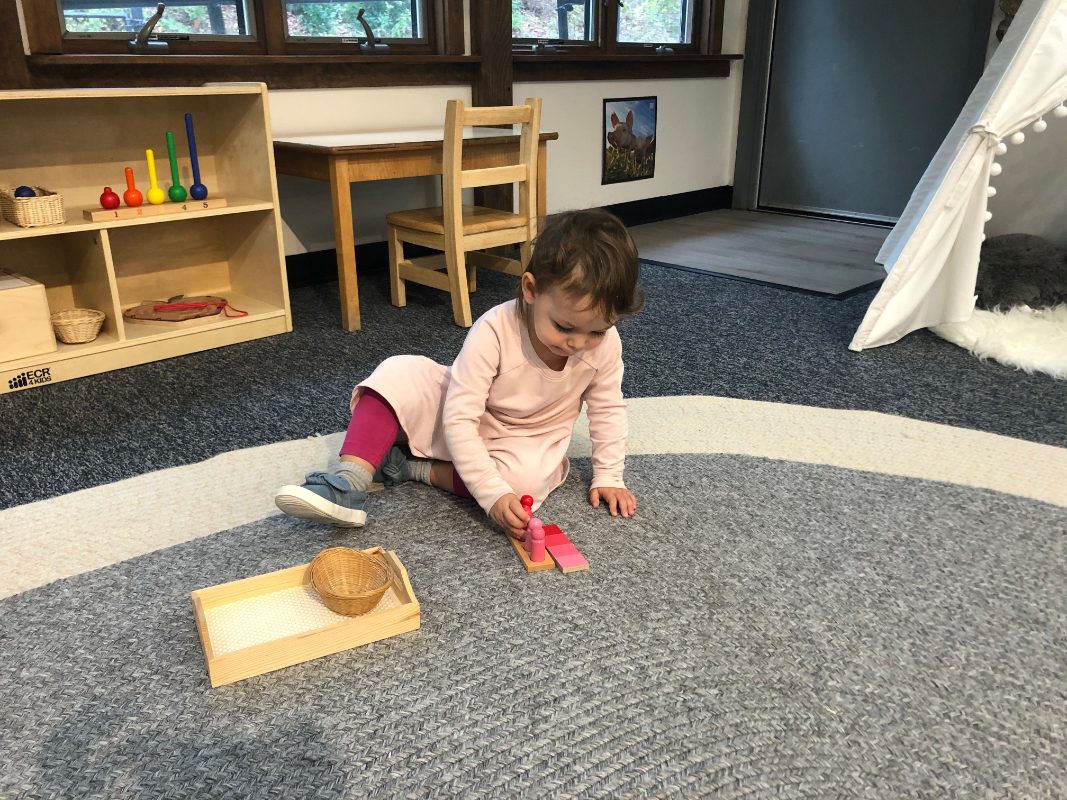
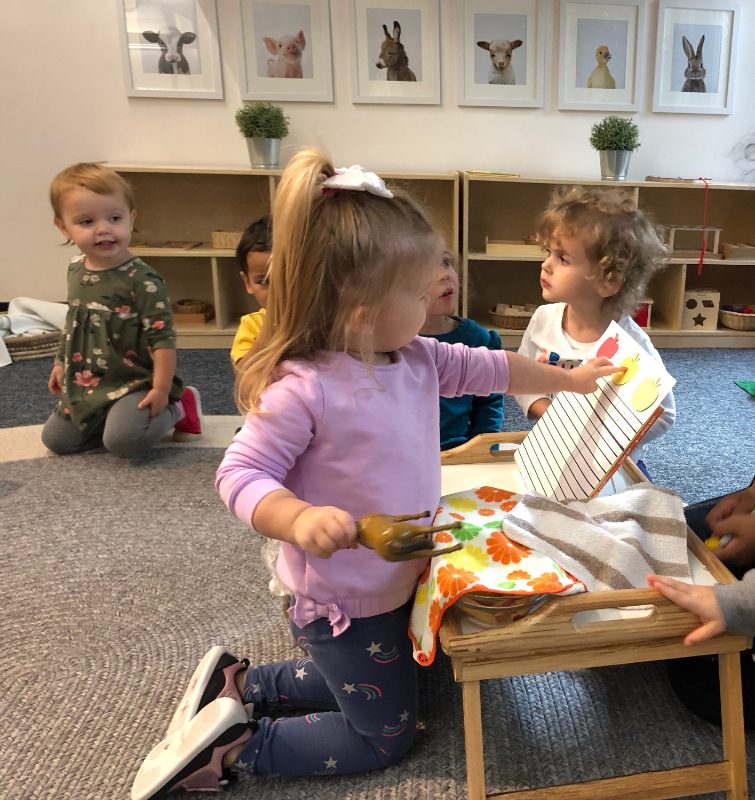
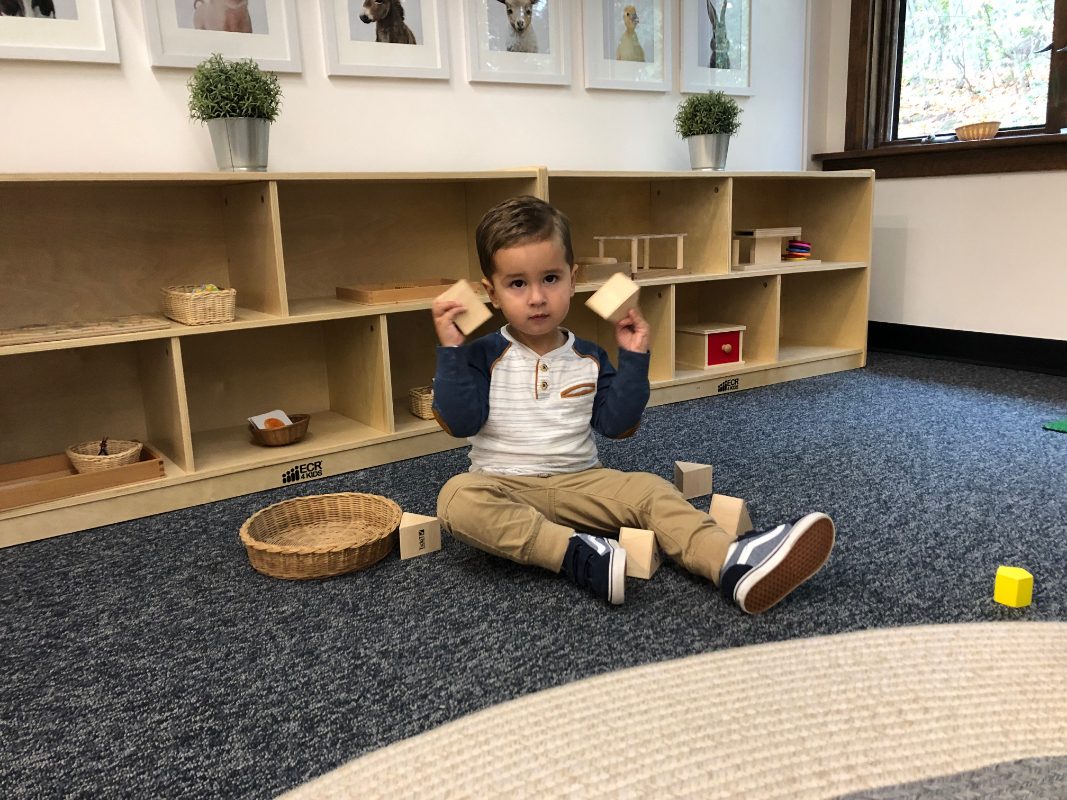
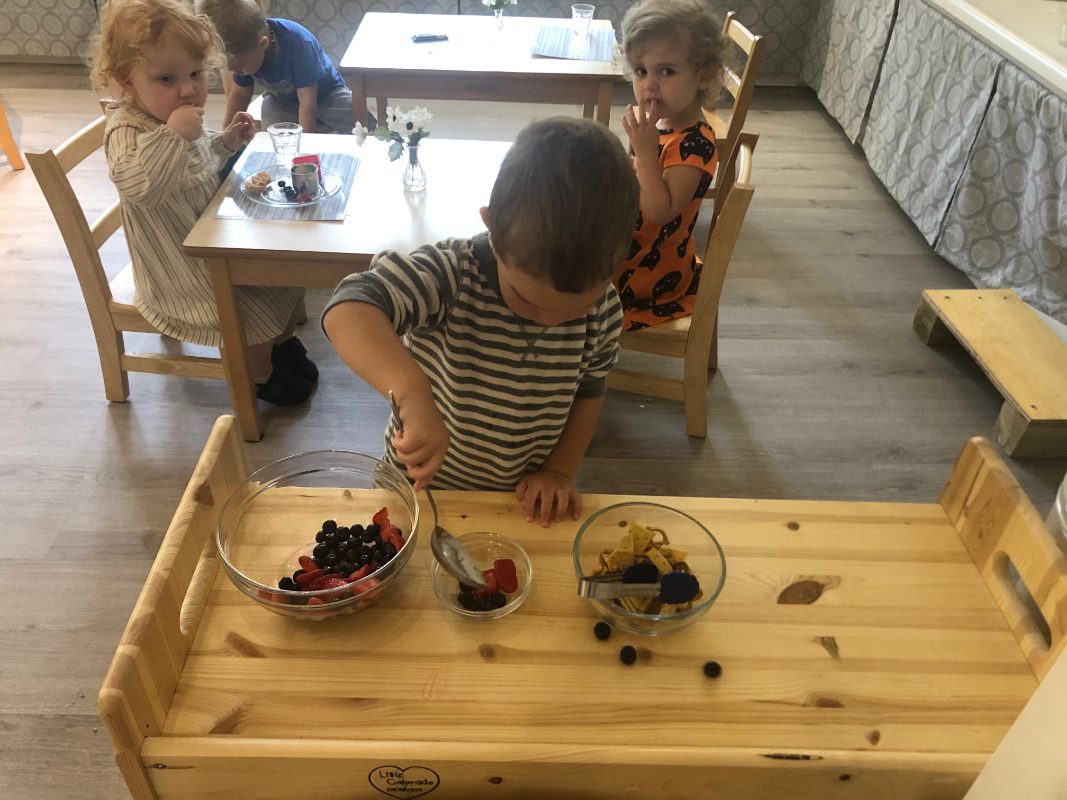
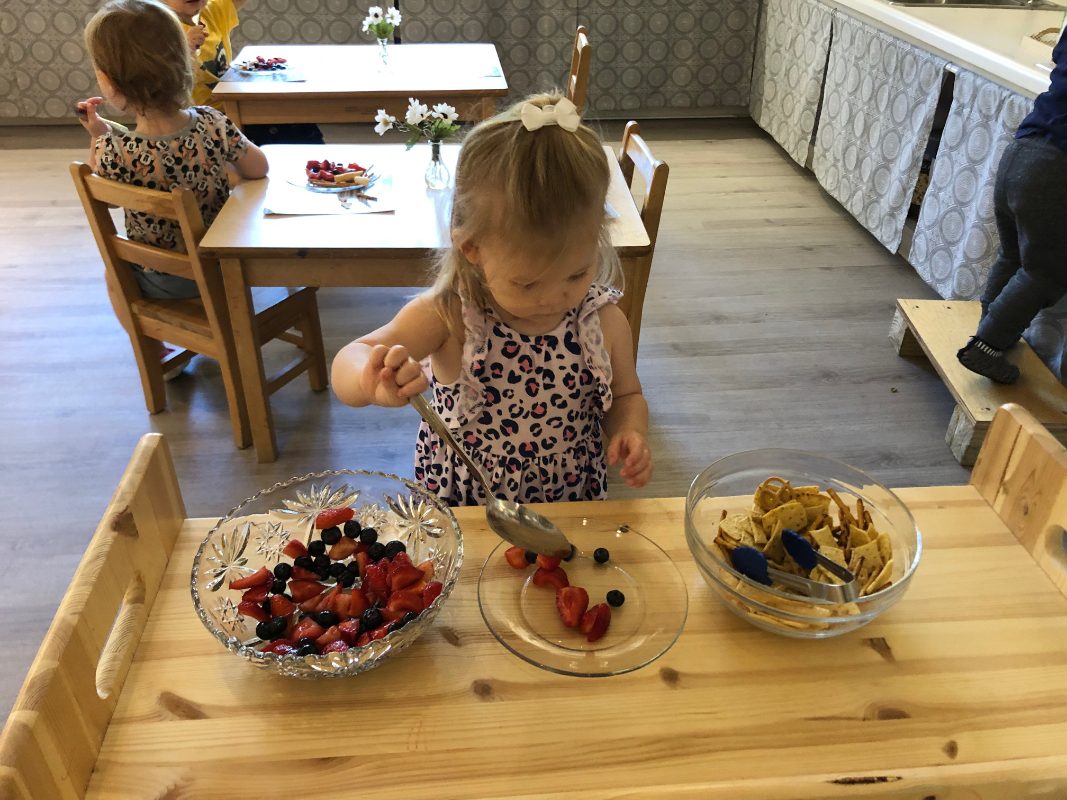
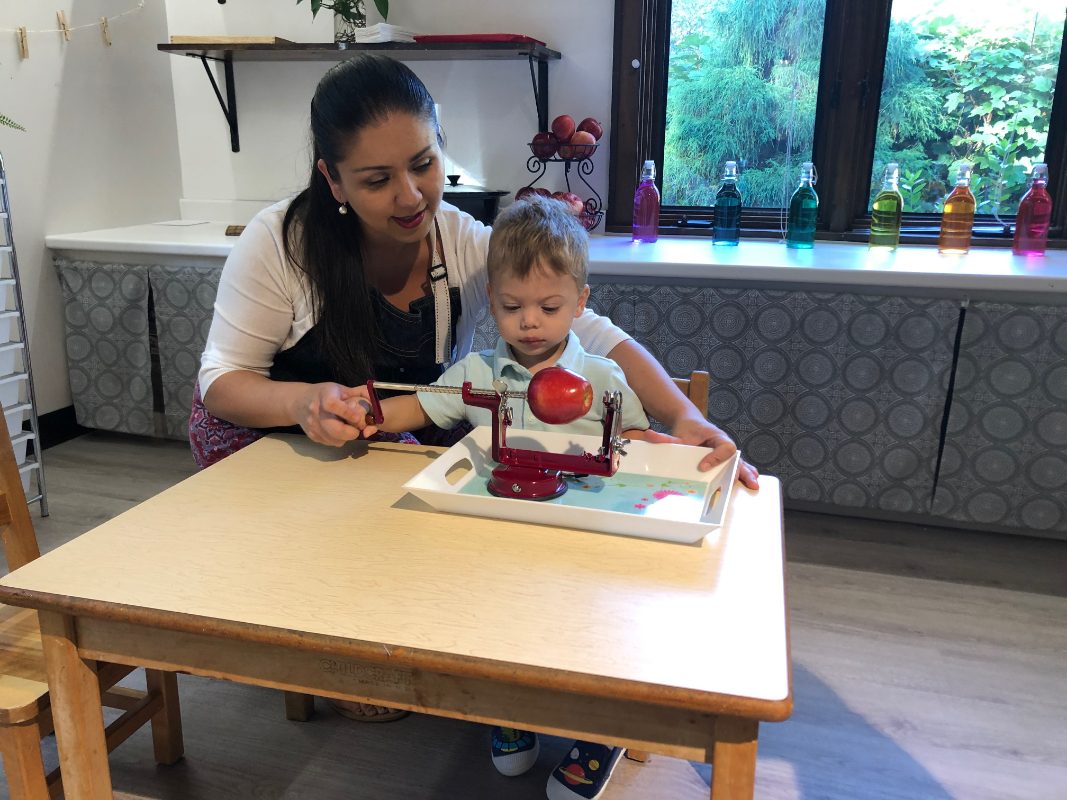
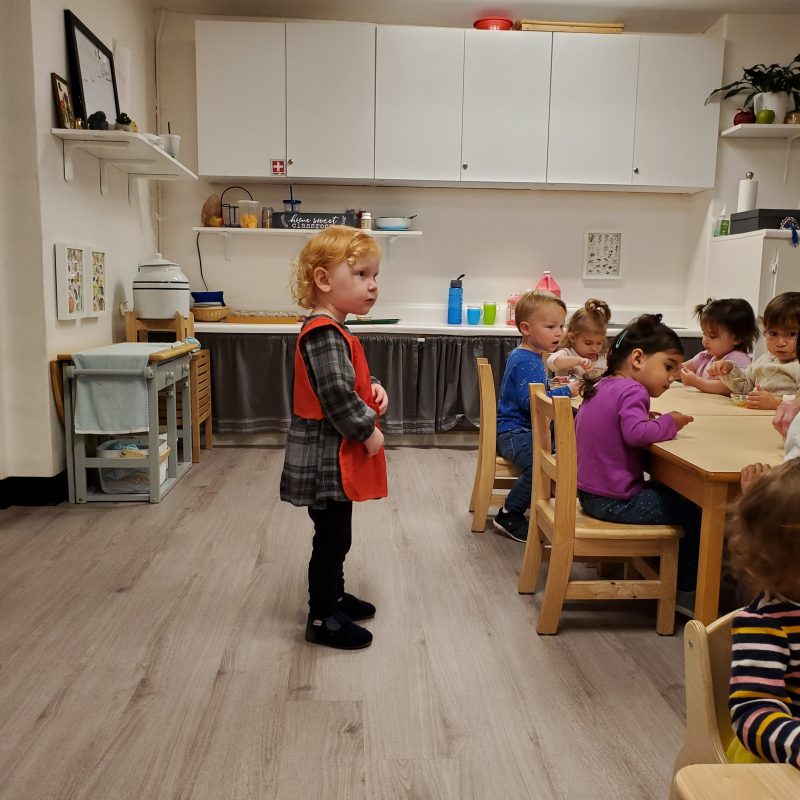
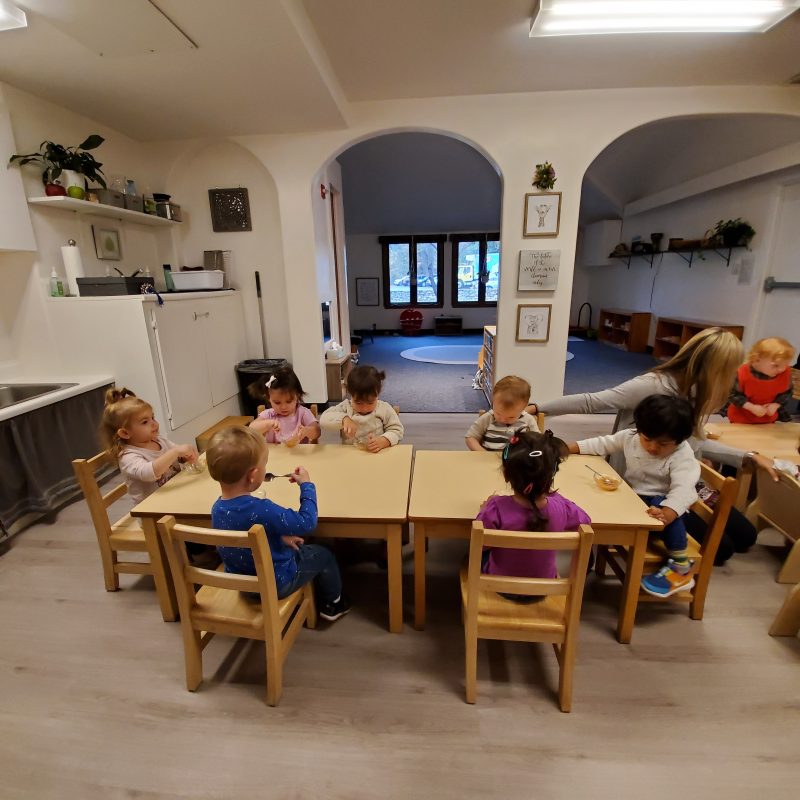
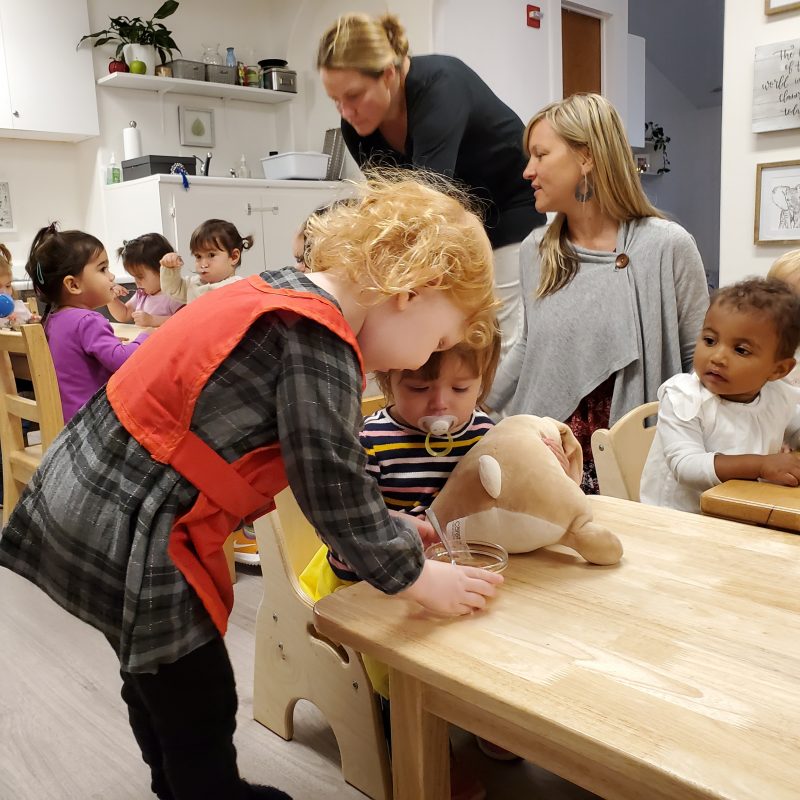
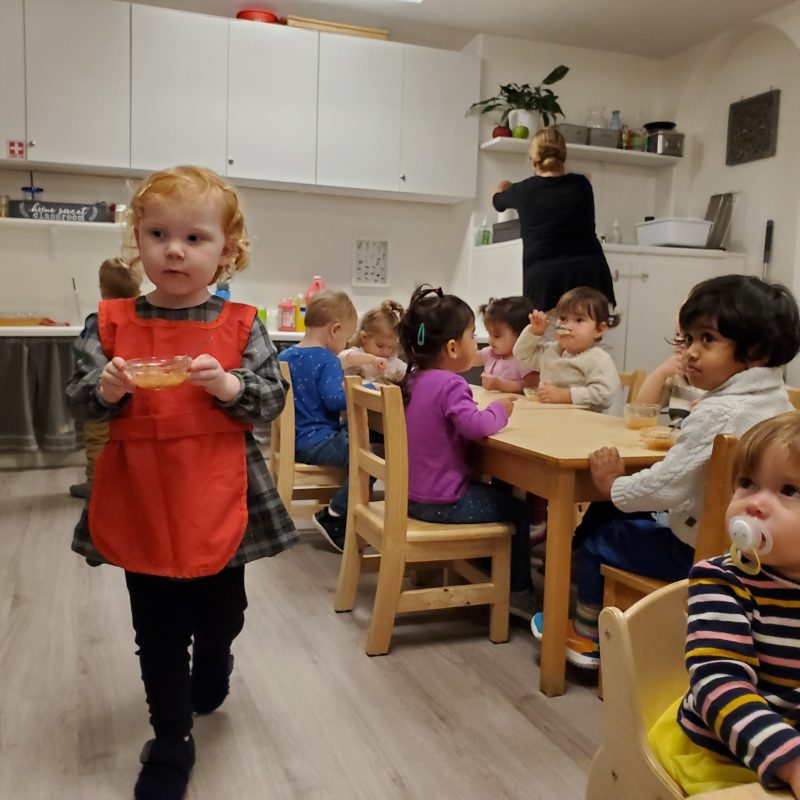
In our environment we facilitate the process of normalization by offering engaging, hands-on materials, uninterrupted work cycle and minimizing the disruption of concentration.

It’s incredible to see all that your children have accomplished during this period of time working with us!


Creating Beauty and Order


“The environment must be rich in motives which lend interest to activity and invite the child to conduct his own experiences.” Maria Montessori.-

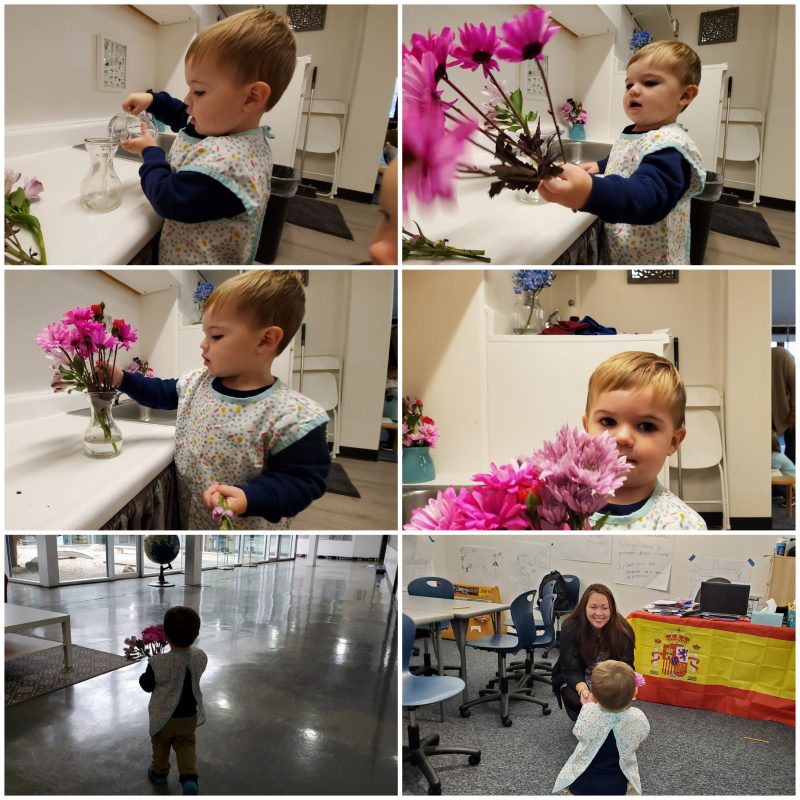
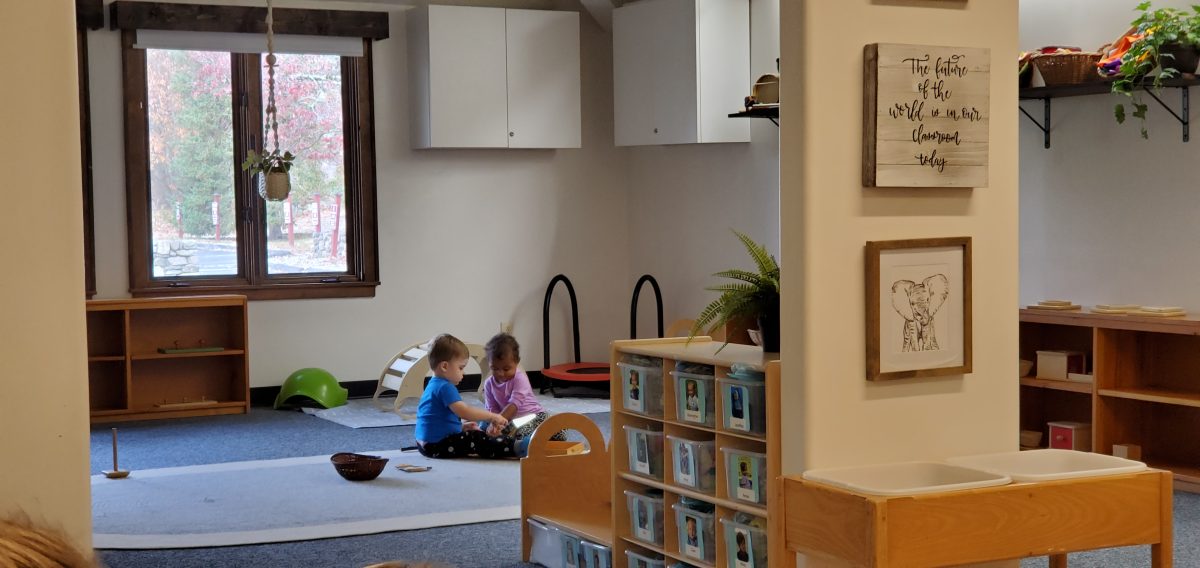
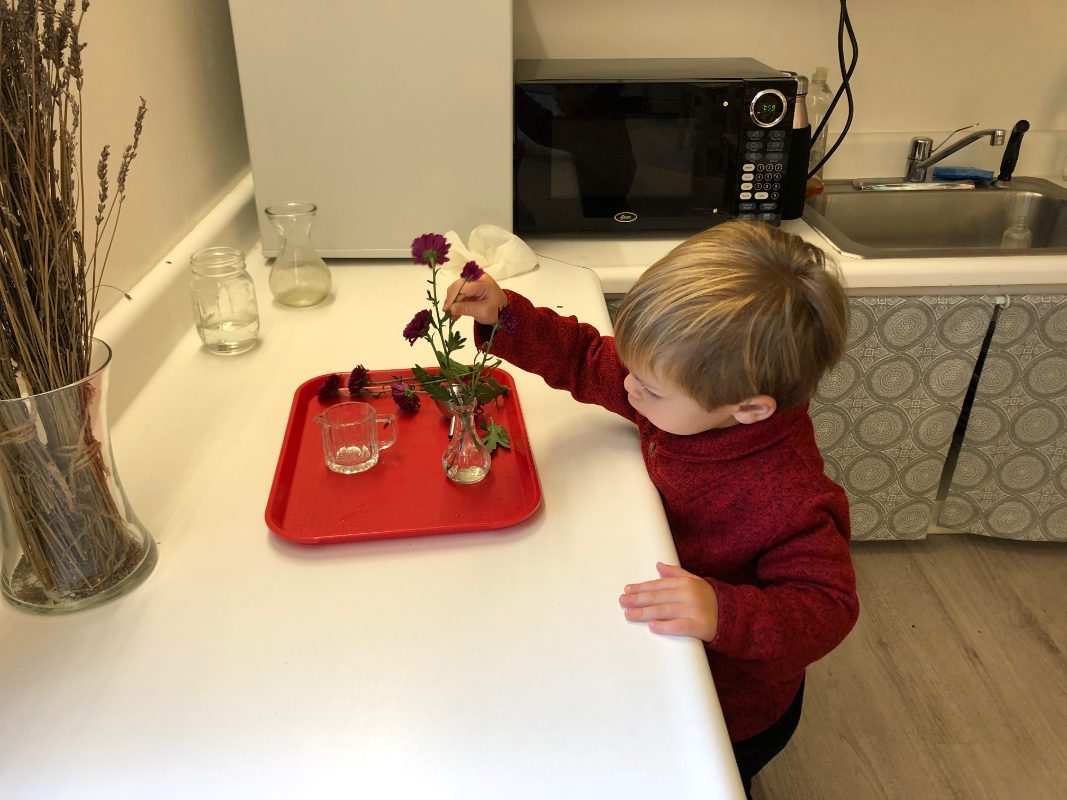
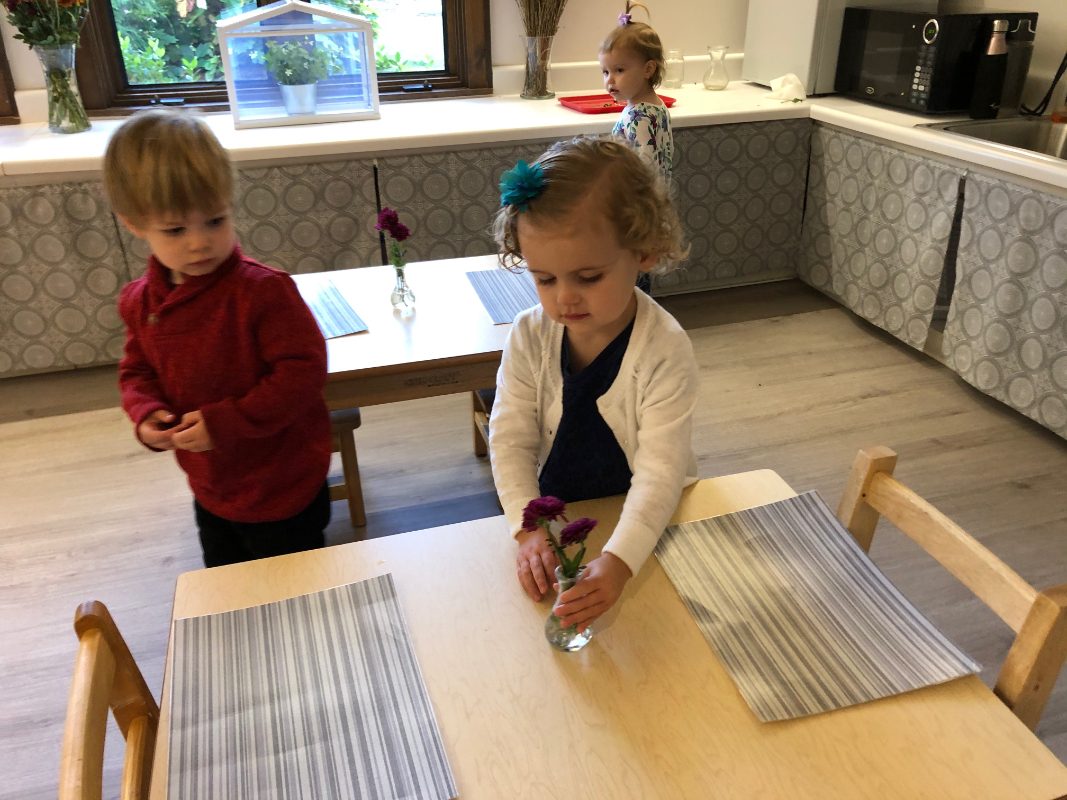
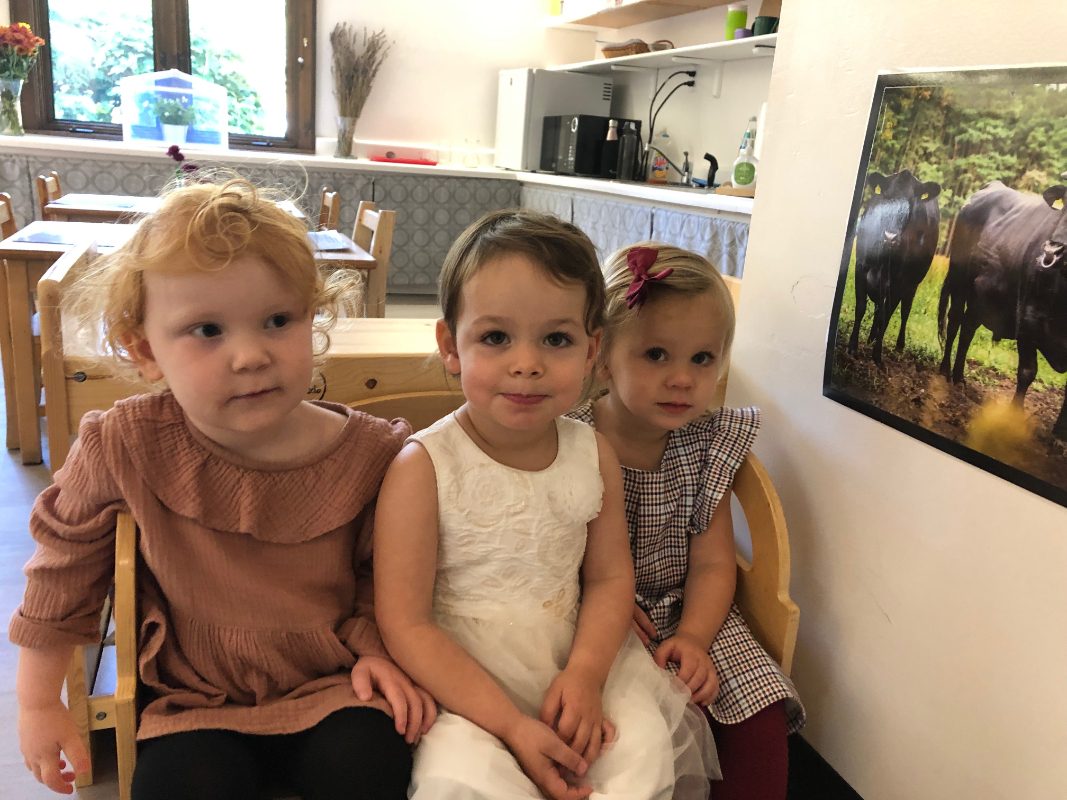
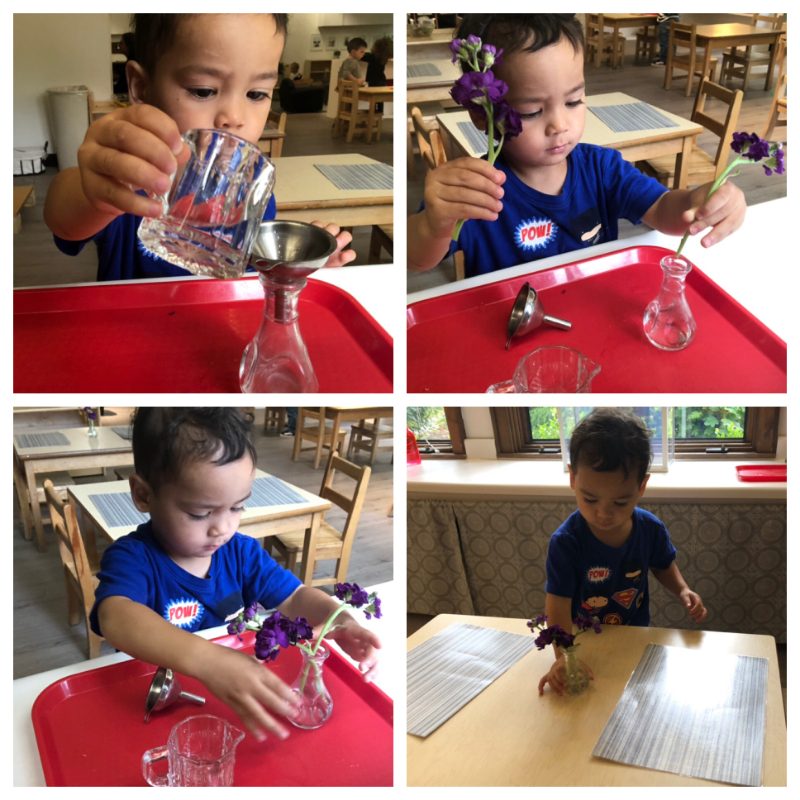
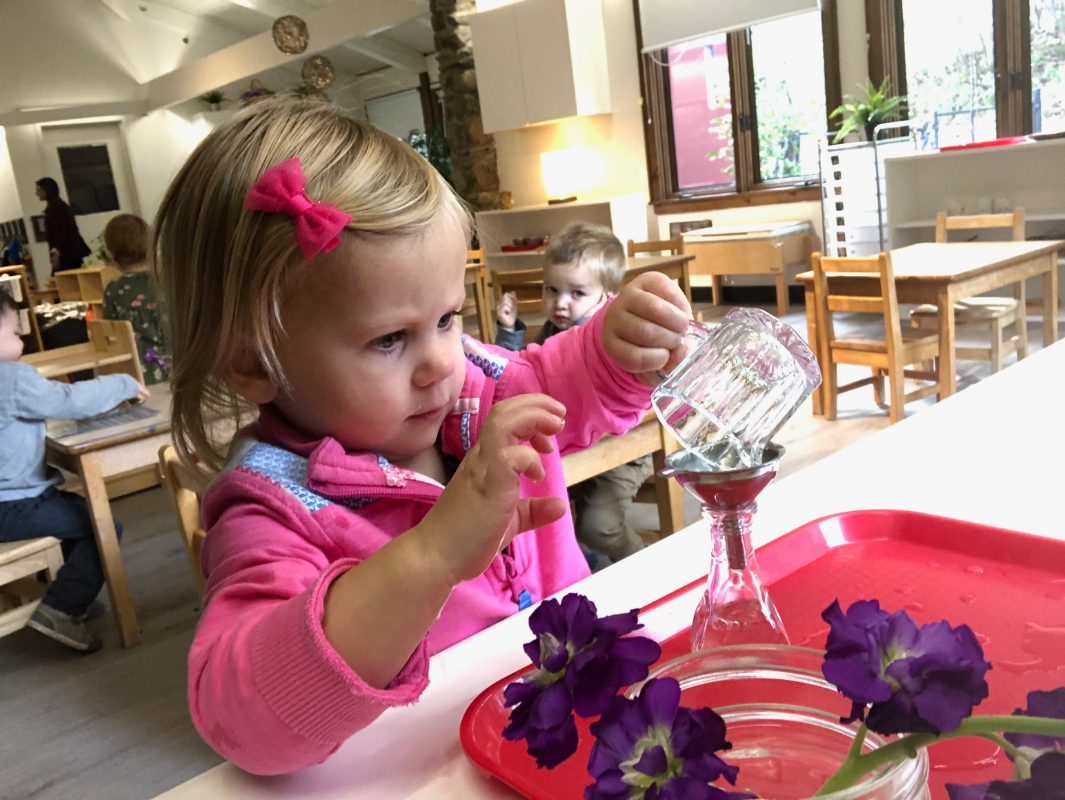
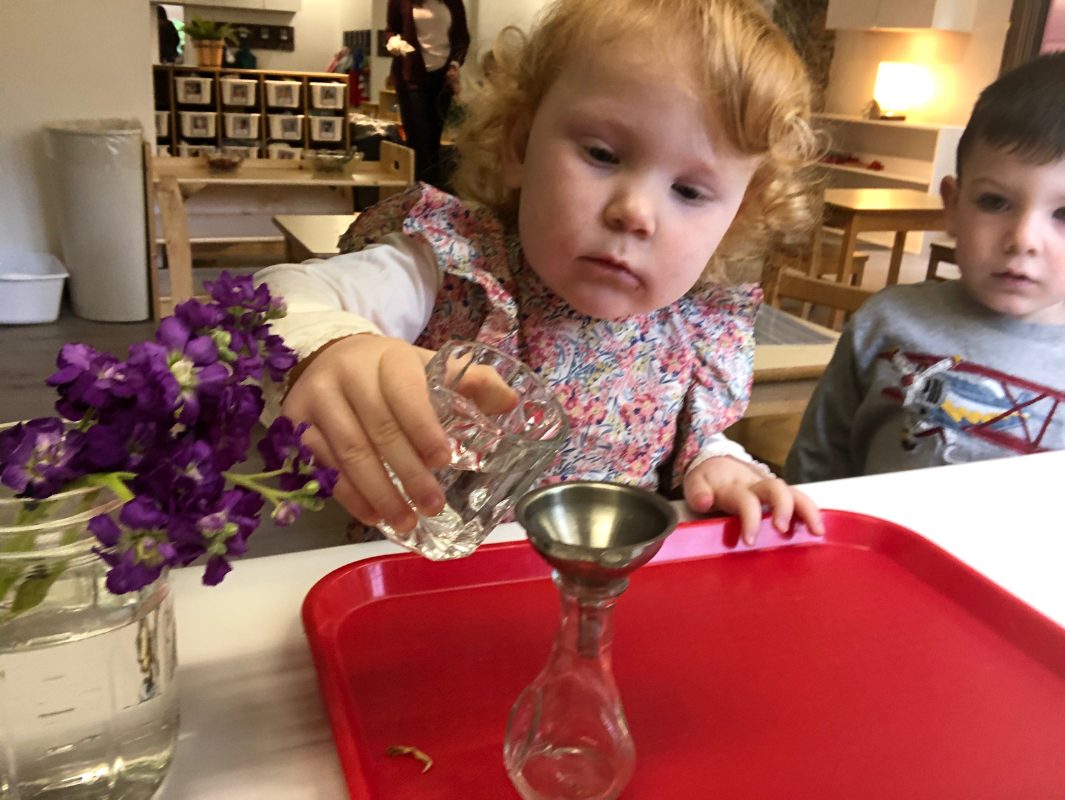
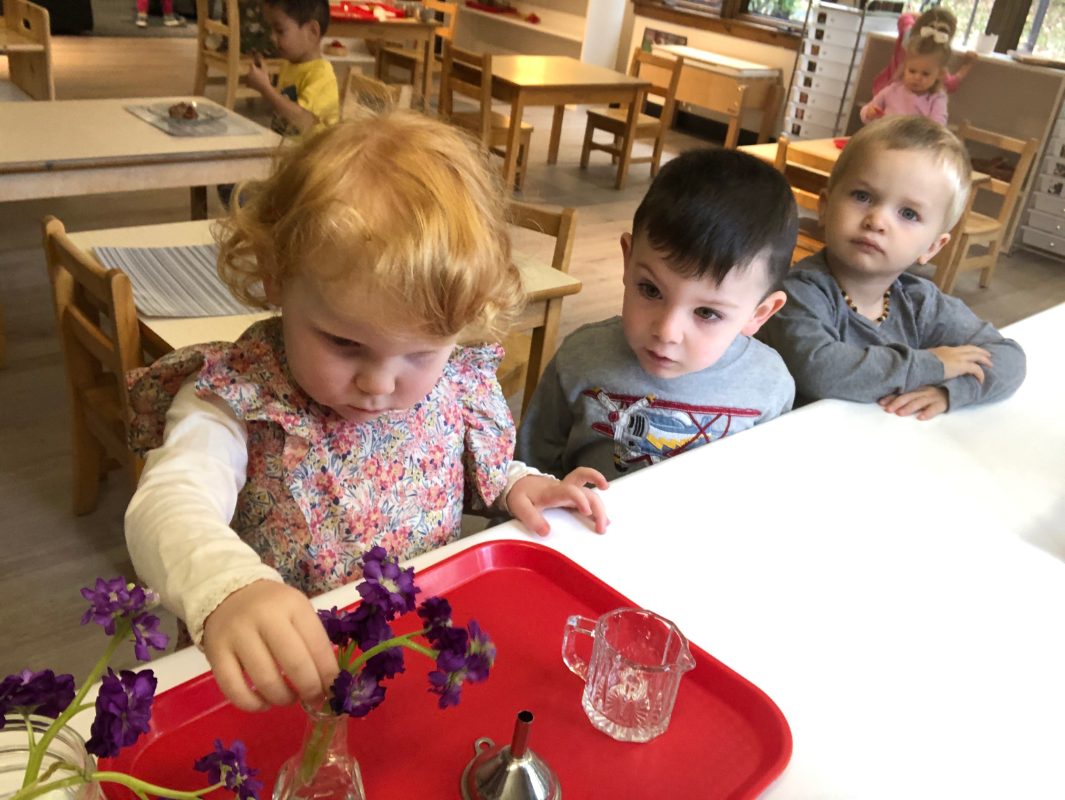
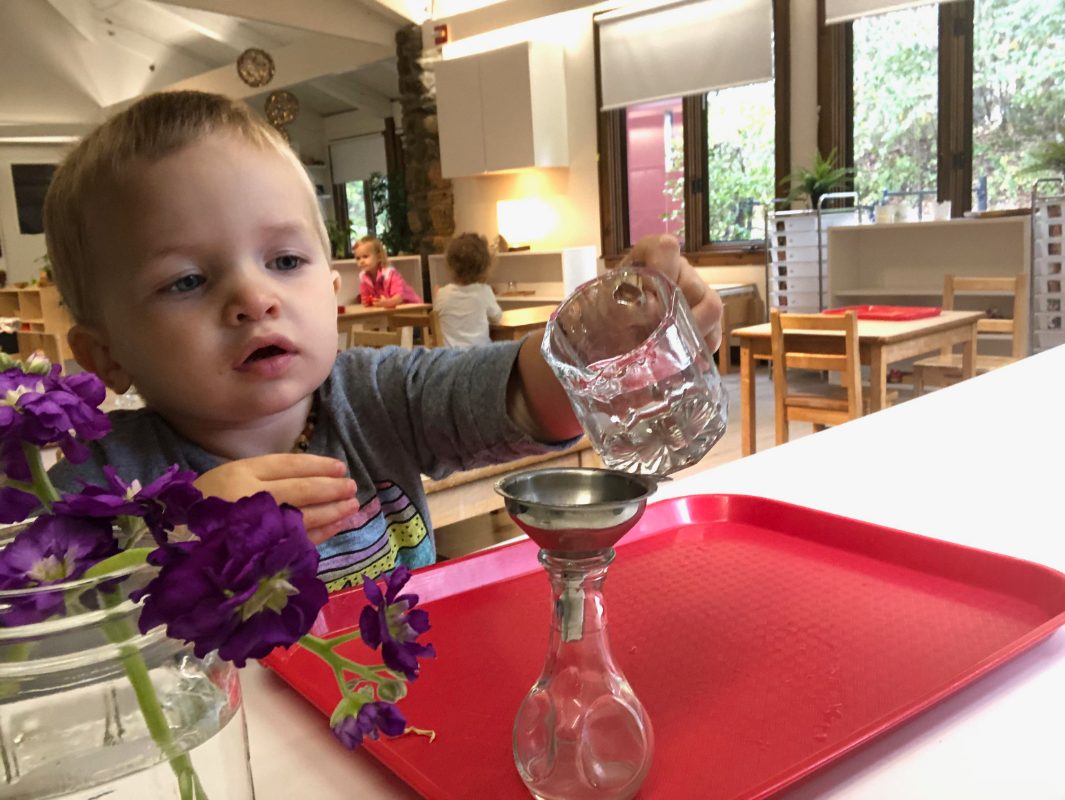
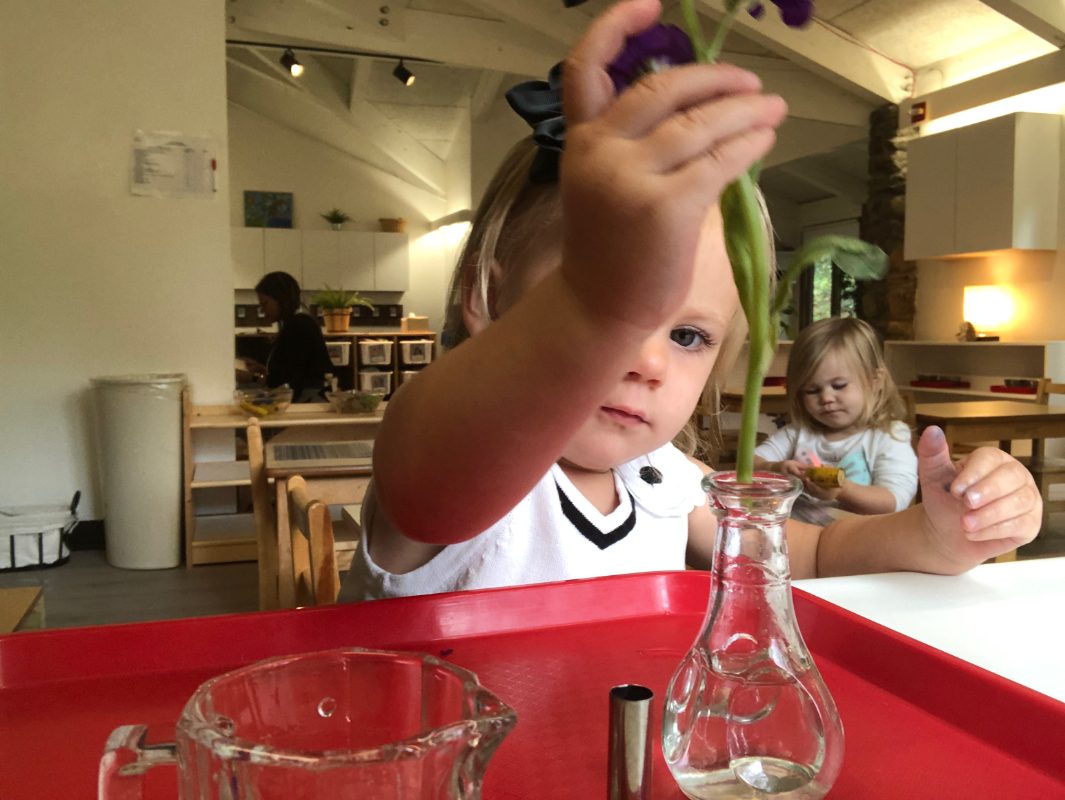
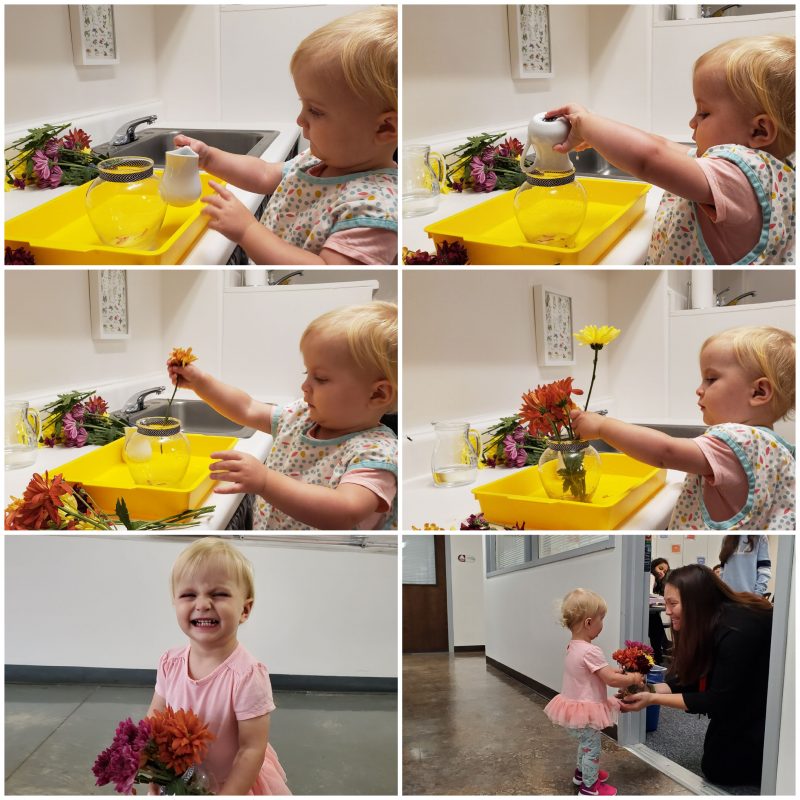
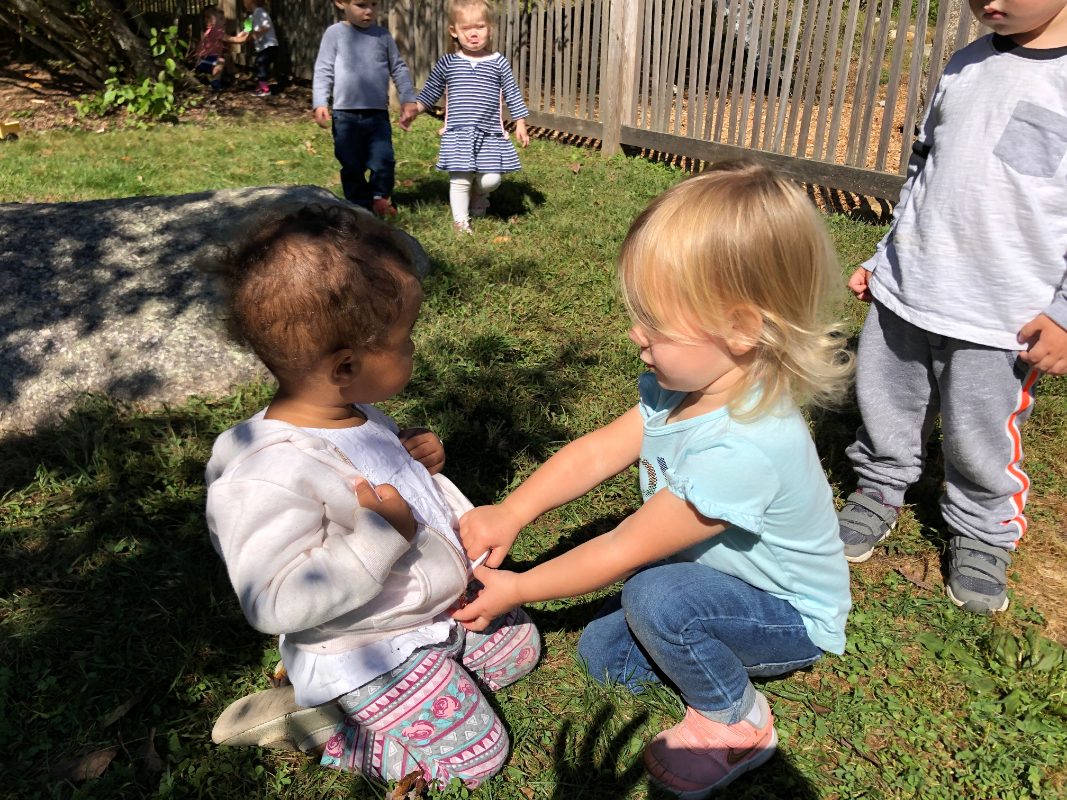
The Children’s environment should have beauty that brings them peace, and the prepared environment should offer structure, order, be inviting and be well maintained.  The children model this by beautifying our classroom with the flowers that are donated weekly.  They really enjoy the process of arranging the flowers and displaying them.  Everyday the children progress in keeping order in their environment by demonstrating how capable they are with returning work to a shelf when they are done, or how they can give a reminder to a friend that may have forgotten.   It still amazes me what they are capable of!!

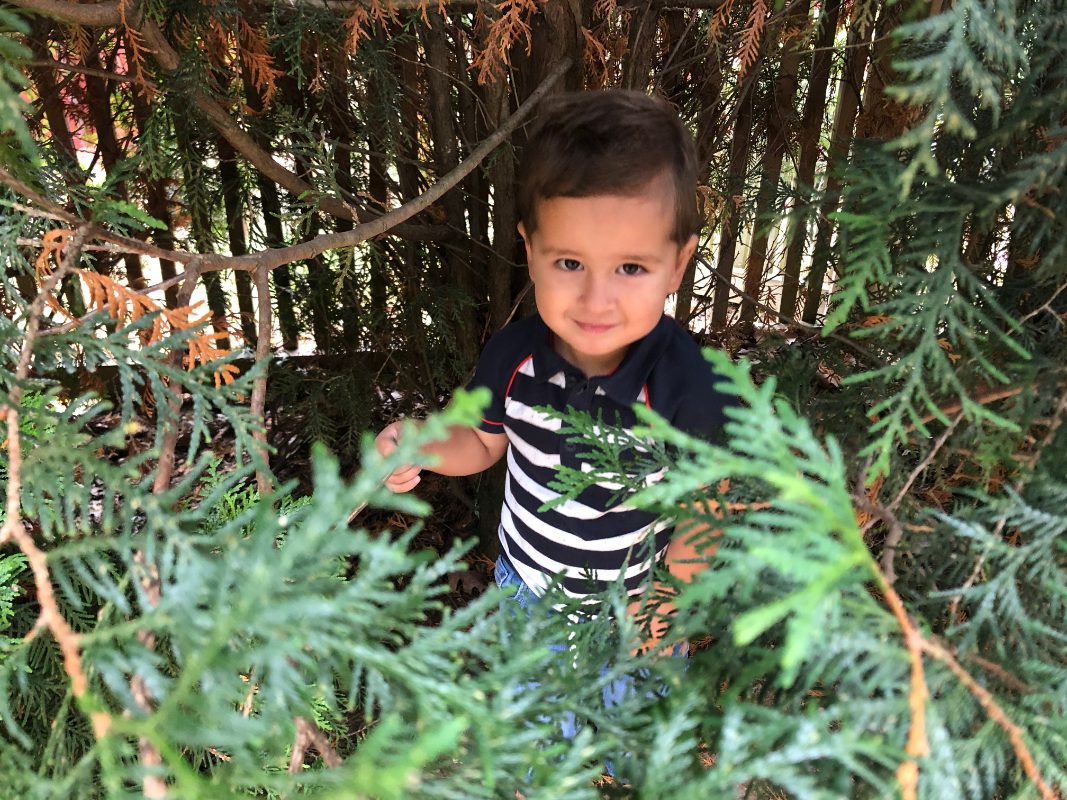
We are grateful to the sun this week.  It feels so good to be outside and explore all the fun things that are happening in this blooming season.  Our snow peas have grown so much!  Hopefully we will see some peas before school is out!

Thank you to all the Grandparents and Special friends that were able to visit on Friday.  The children truly enjoyed showing you their classrooms!  Hope you enjoyed it as much as we did!


Up coming events to look out for:

5/31- End of the Year Celebration @ 5p

6/4- Field day*

6/6- Bridge crossing ceremony @ 10:15*

*more details to follow


Toddler: Fine Motor Skills

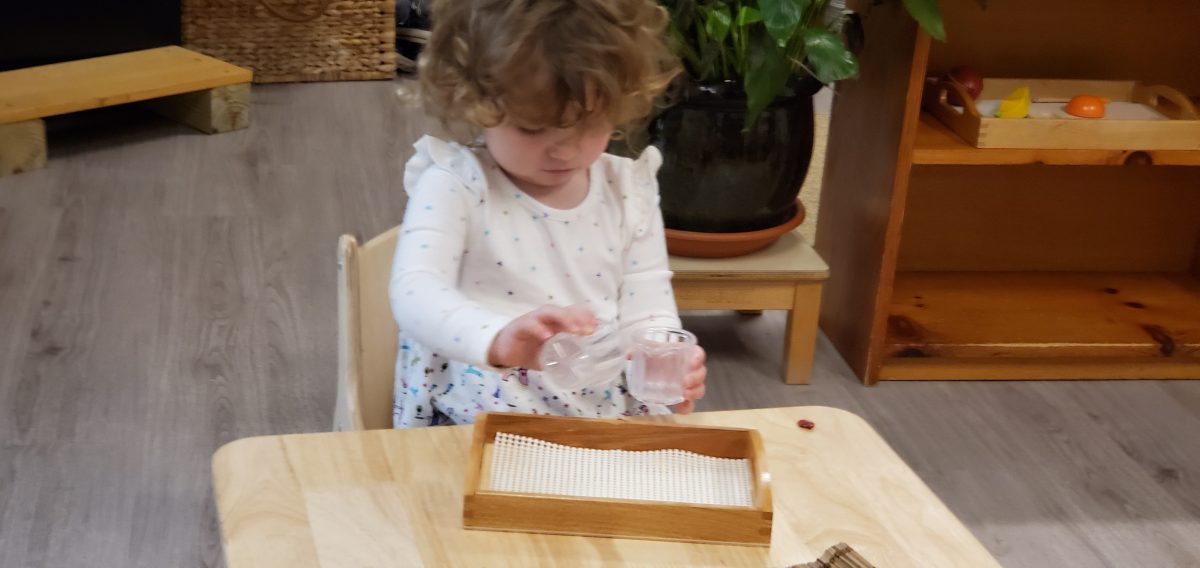
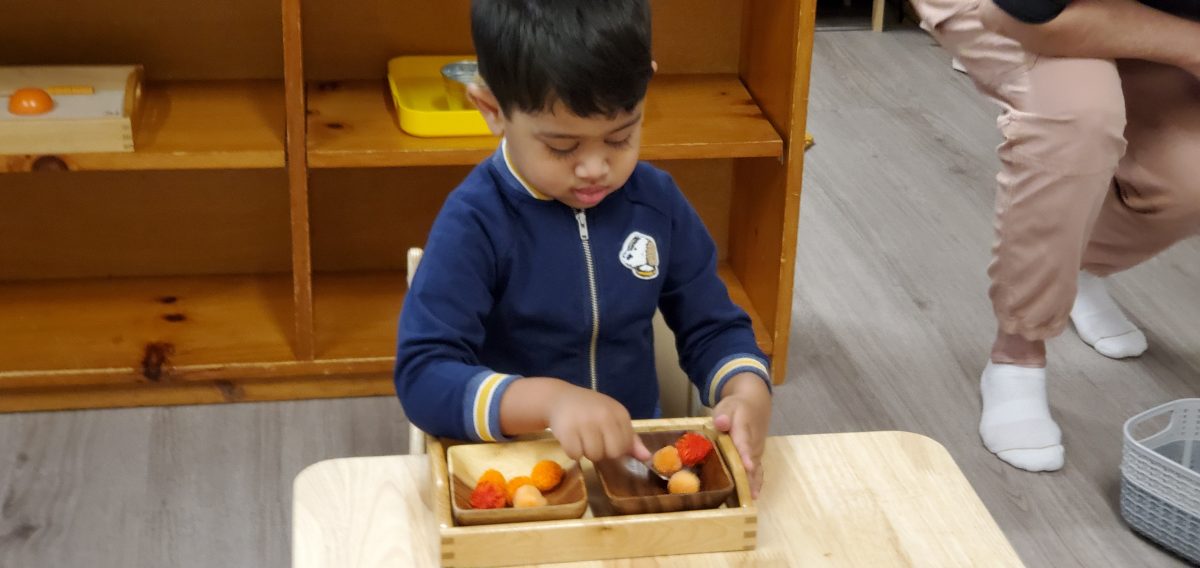
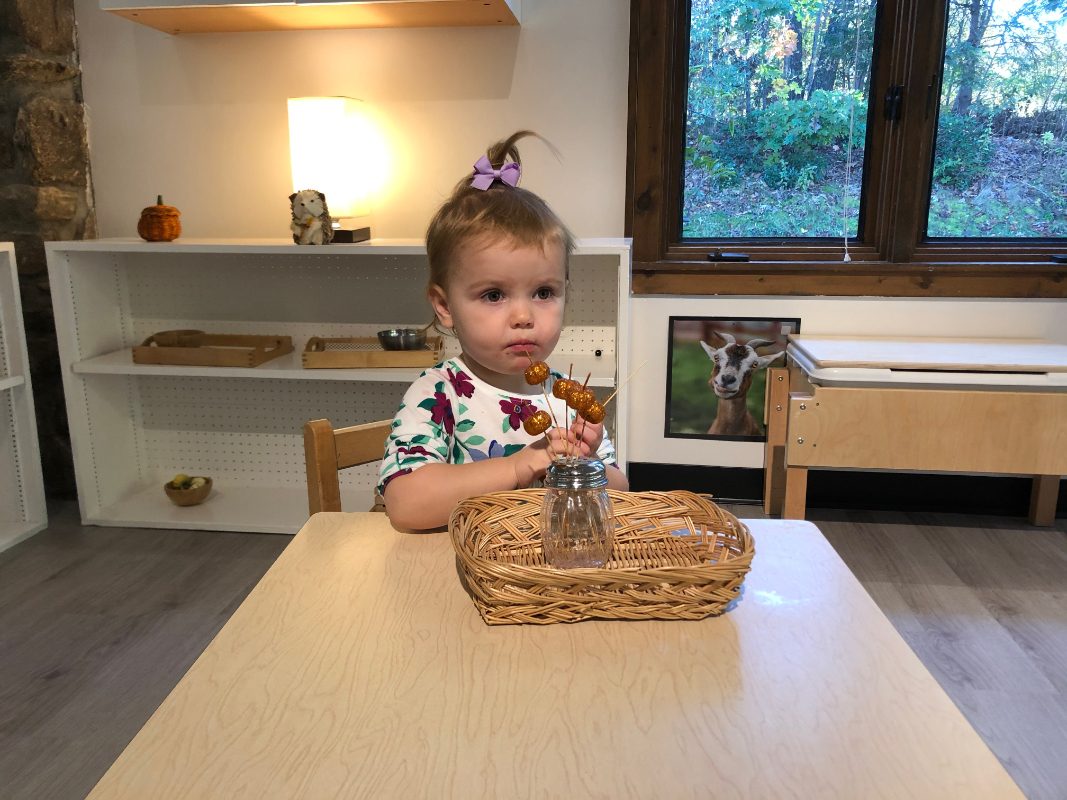
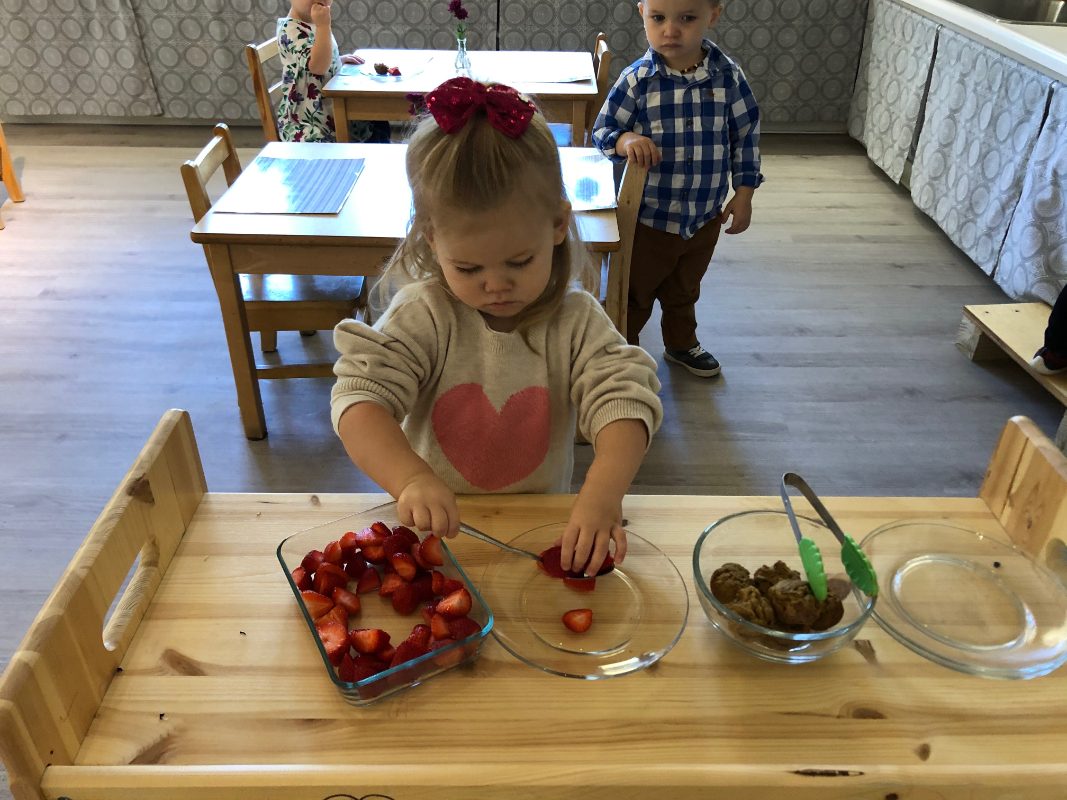
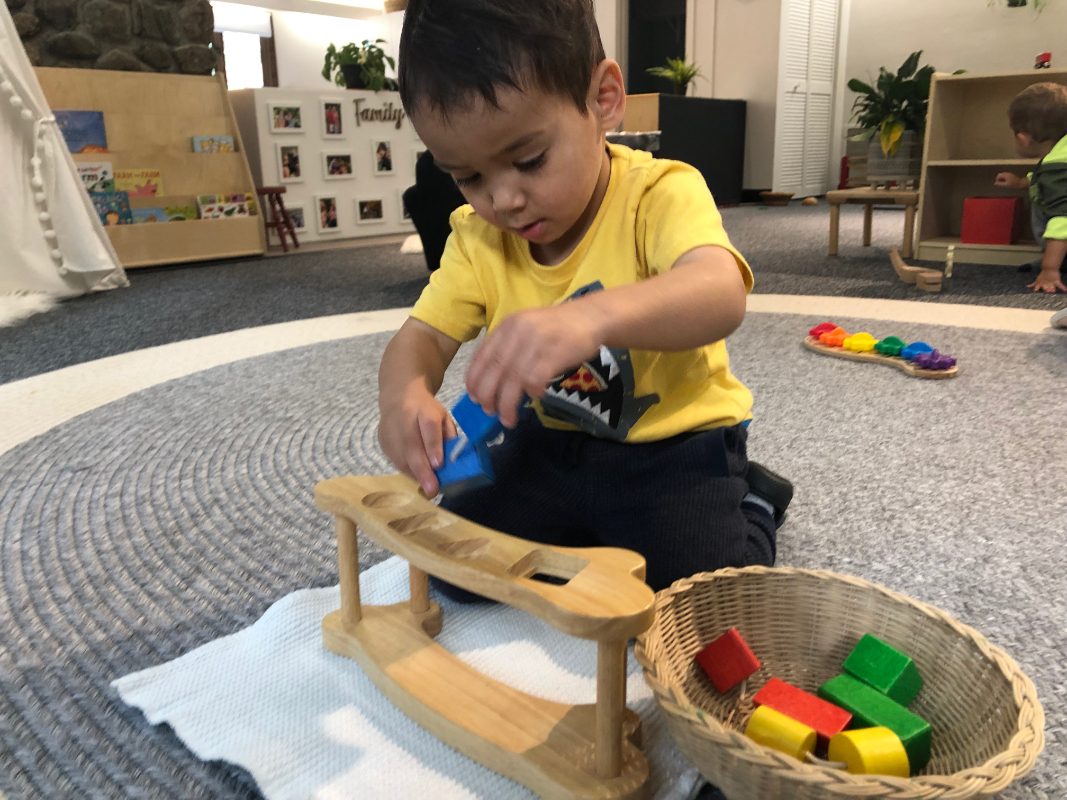
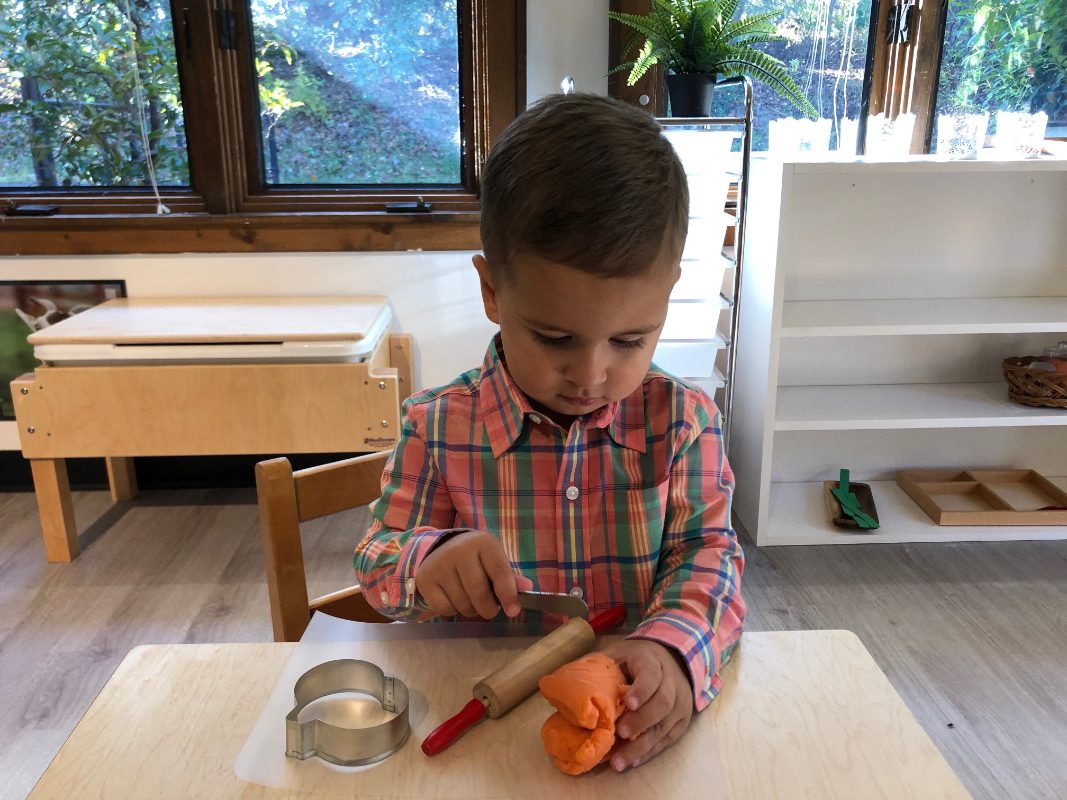
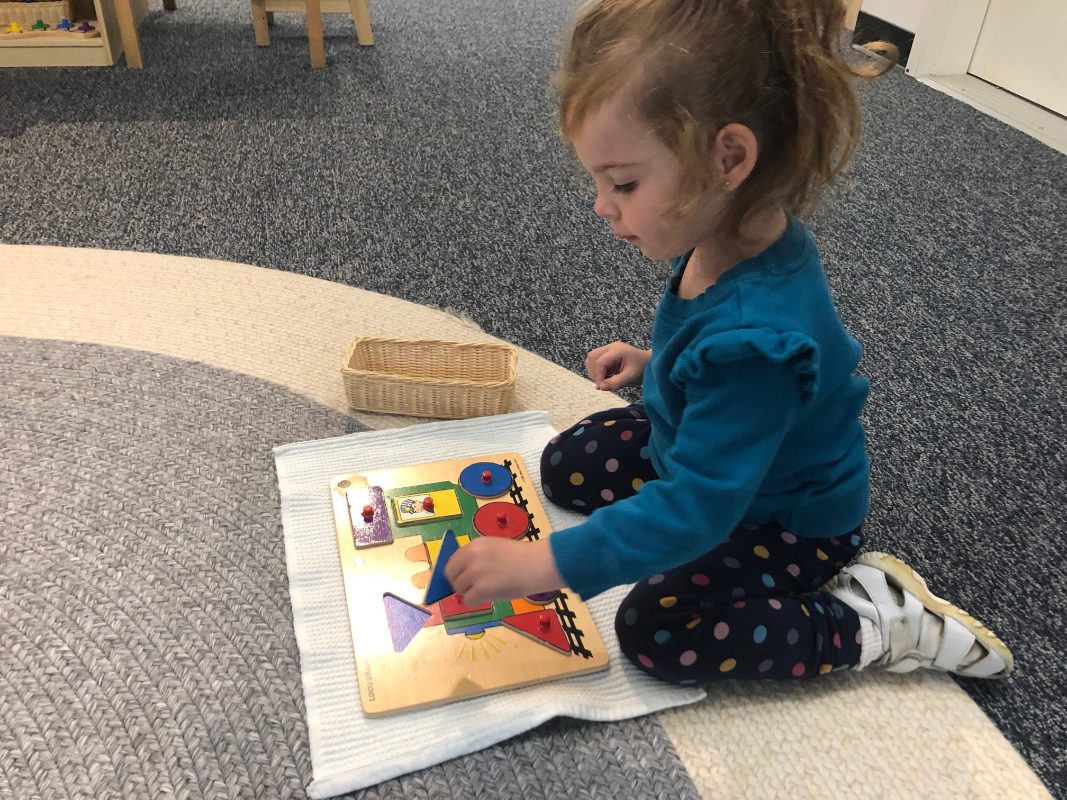
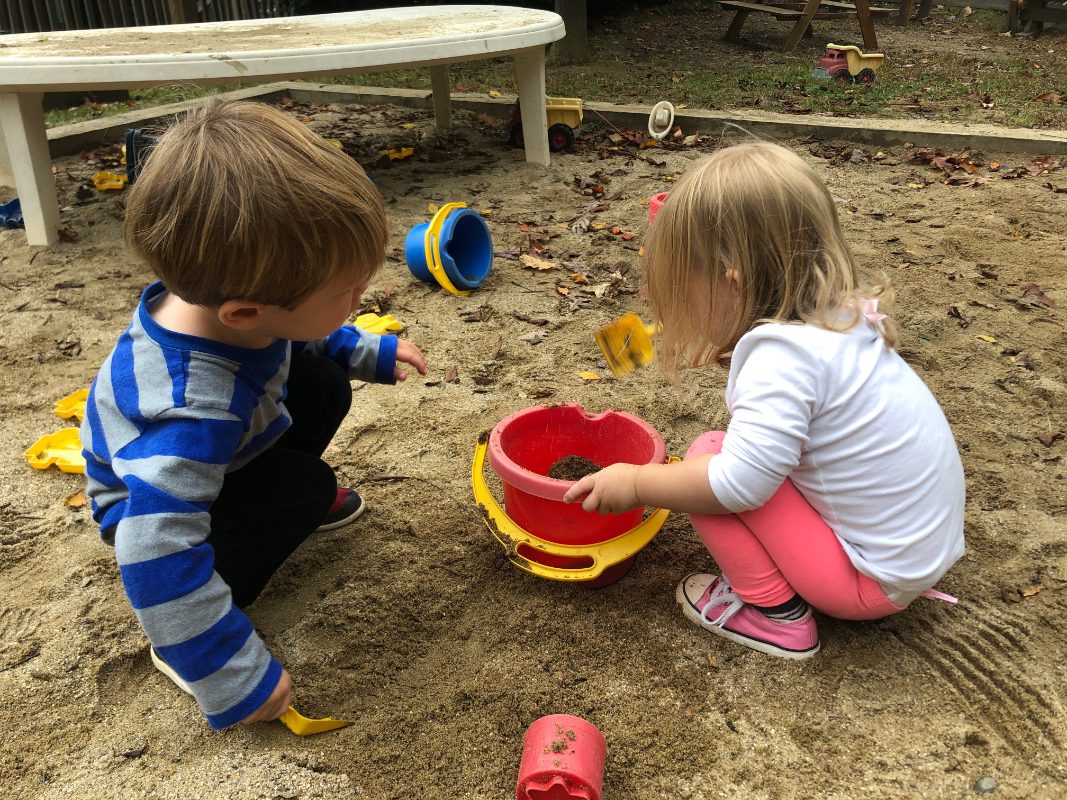
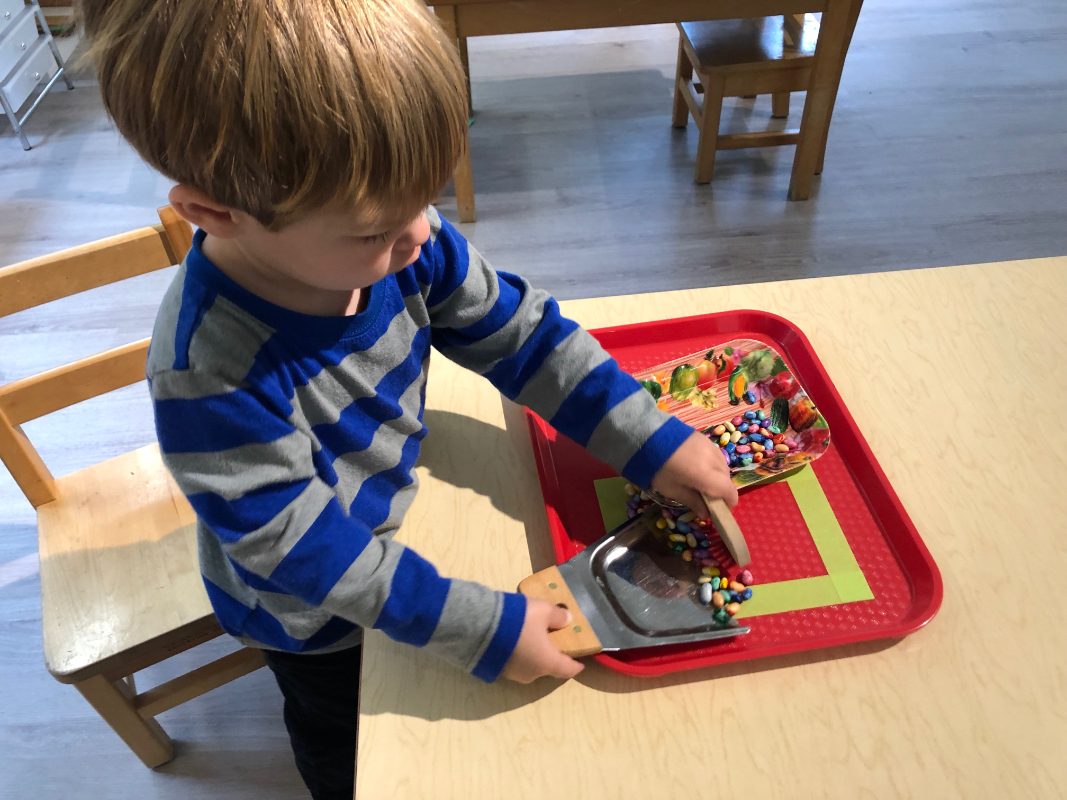
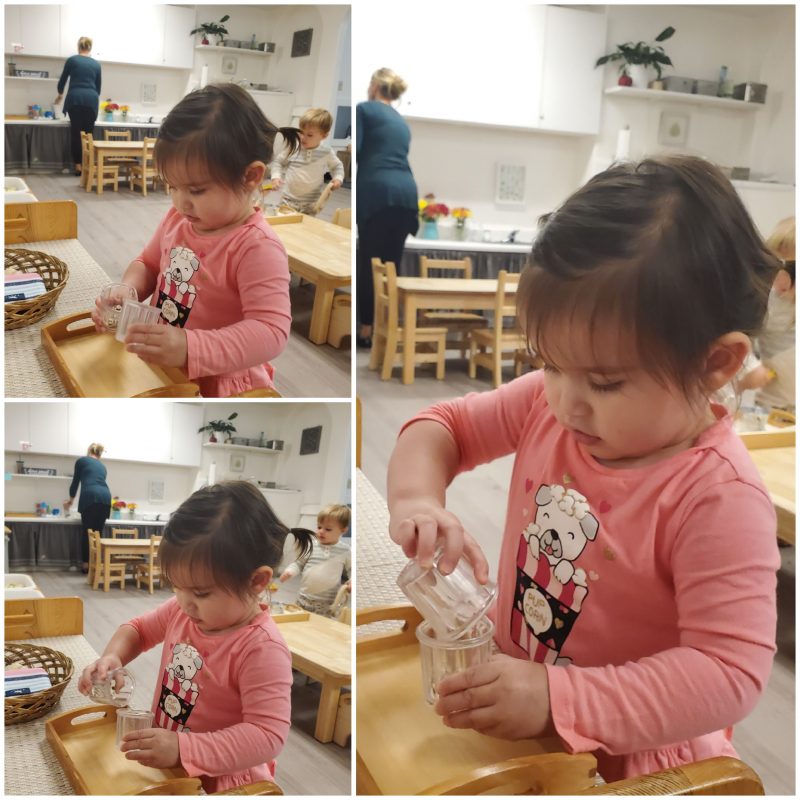
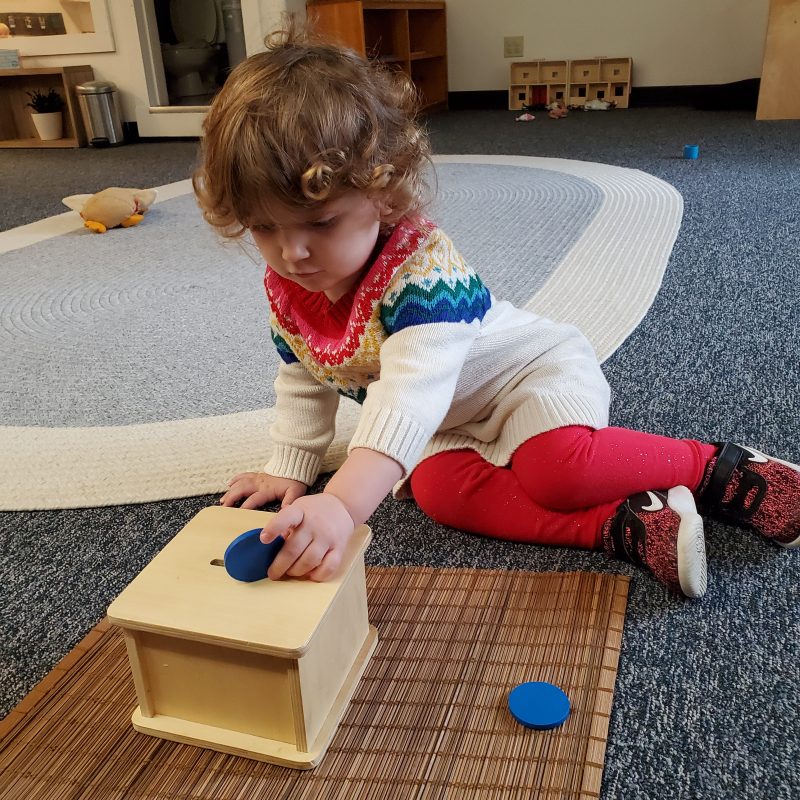
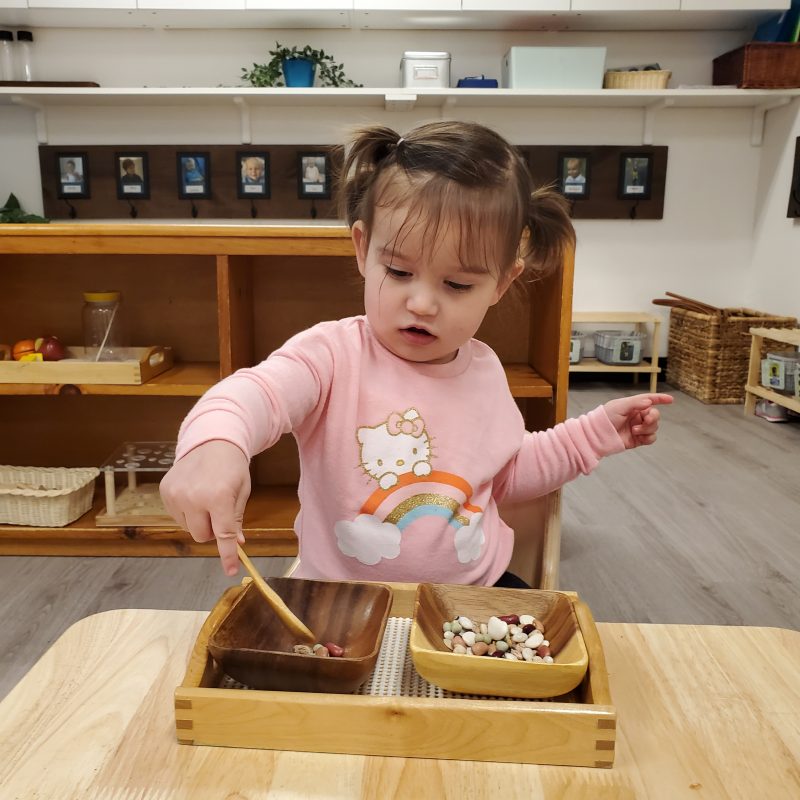
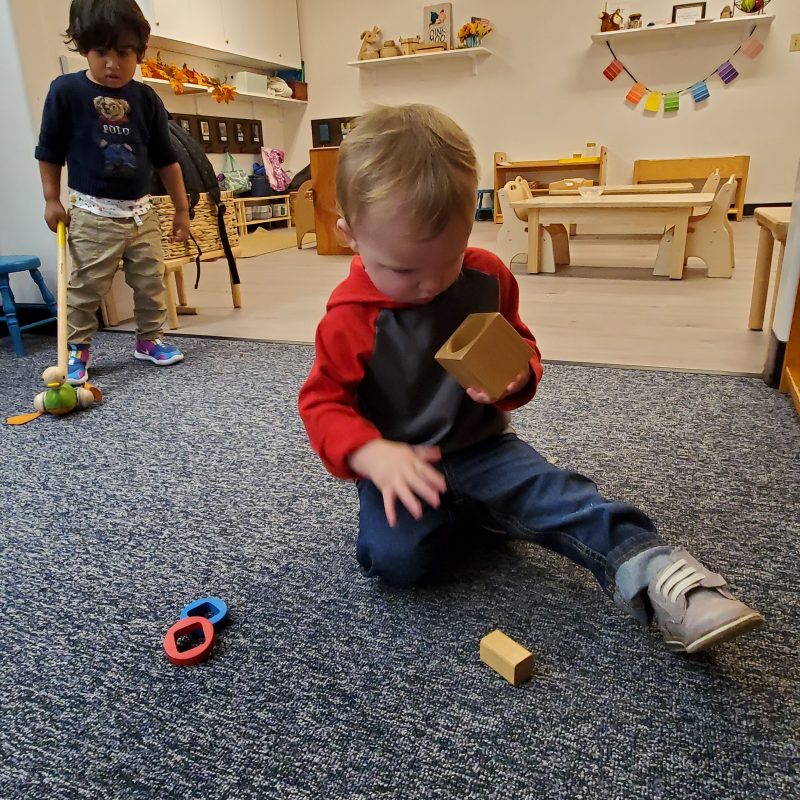
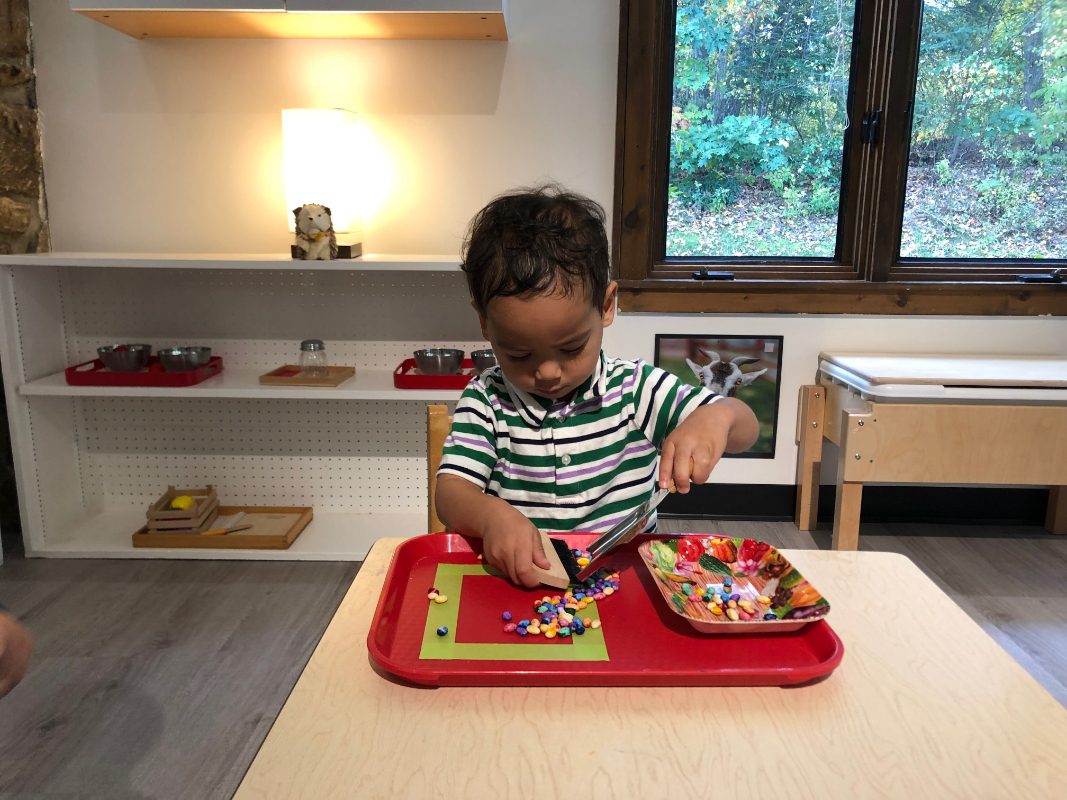
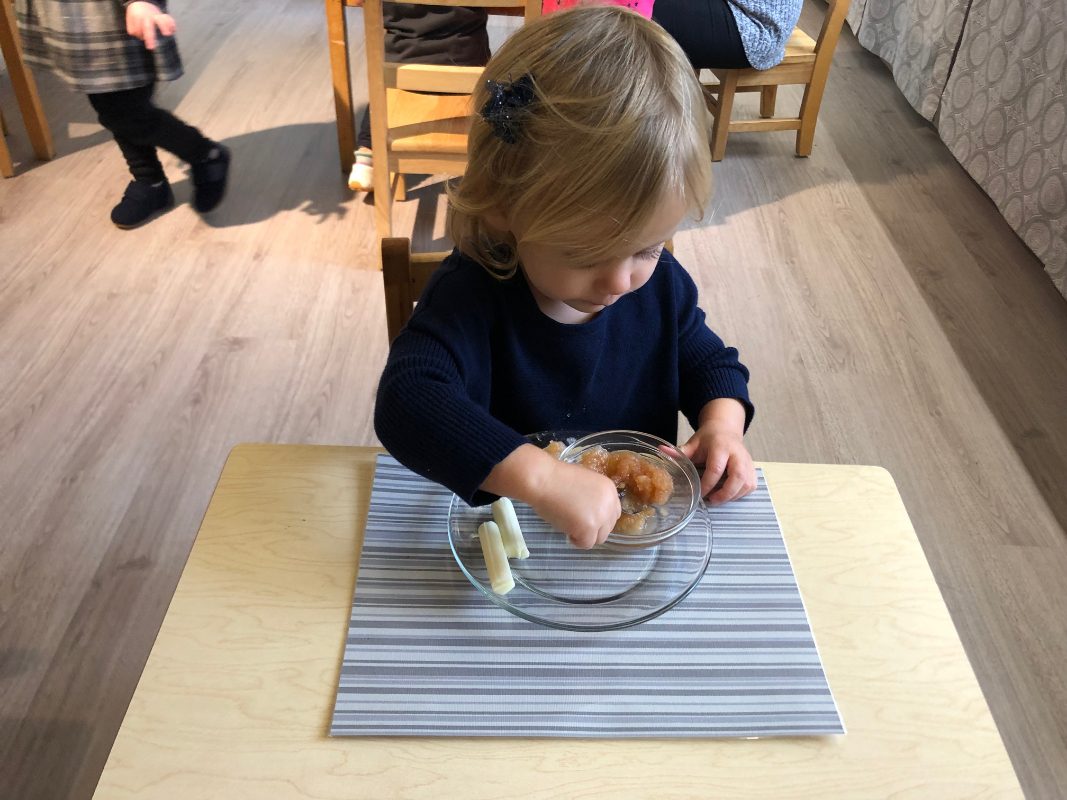
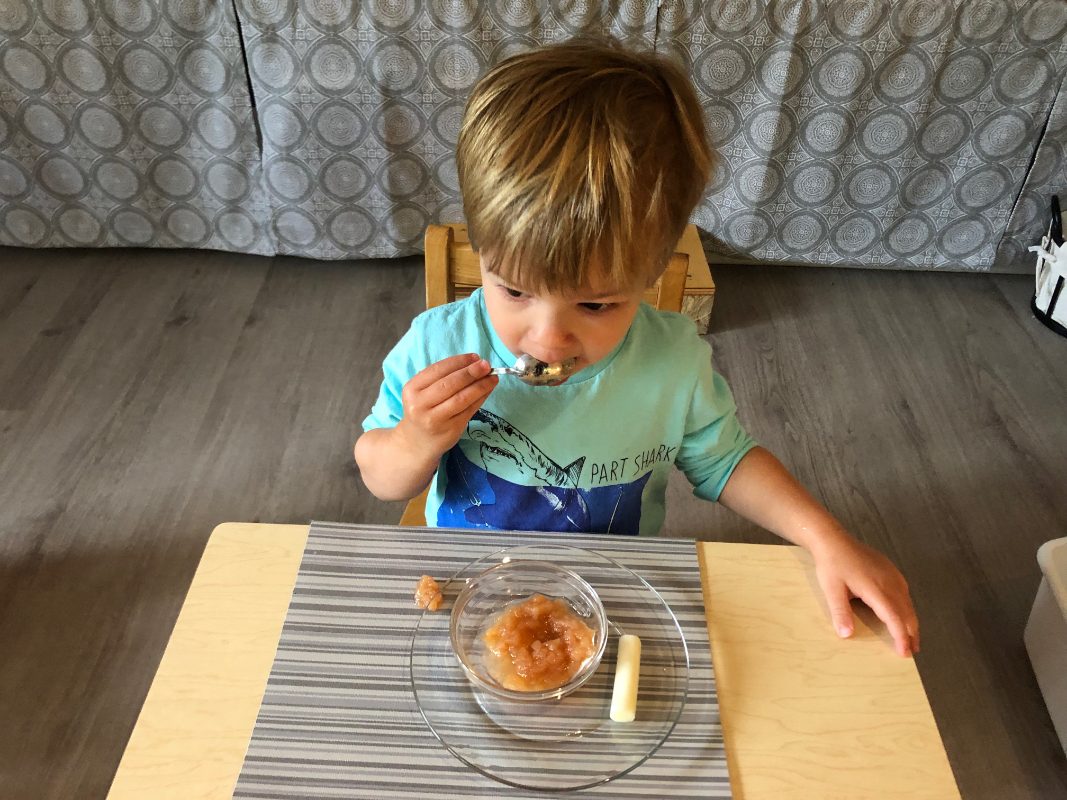
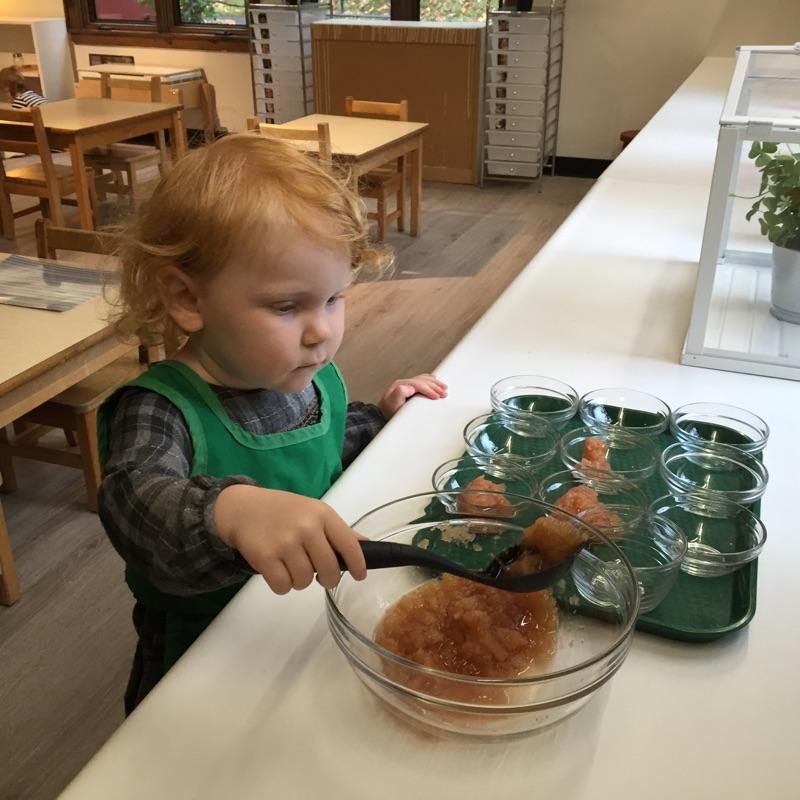
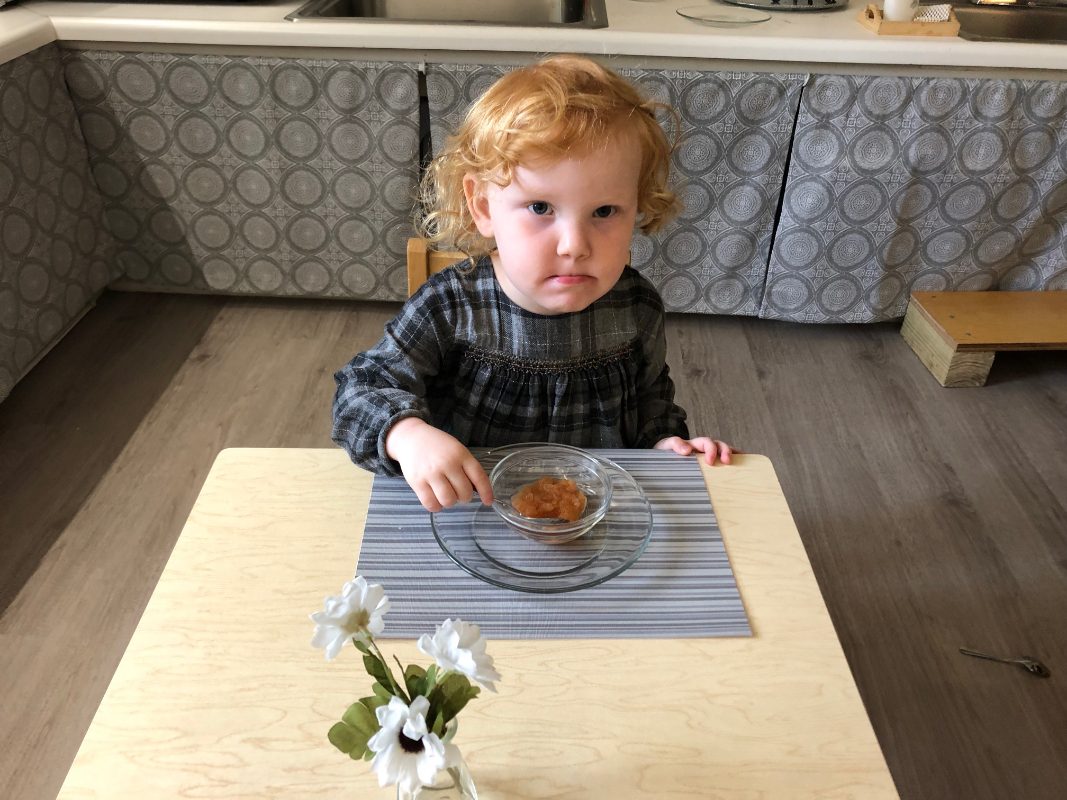
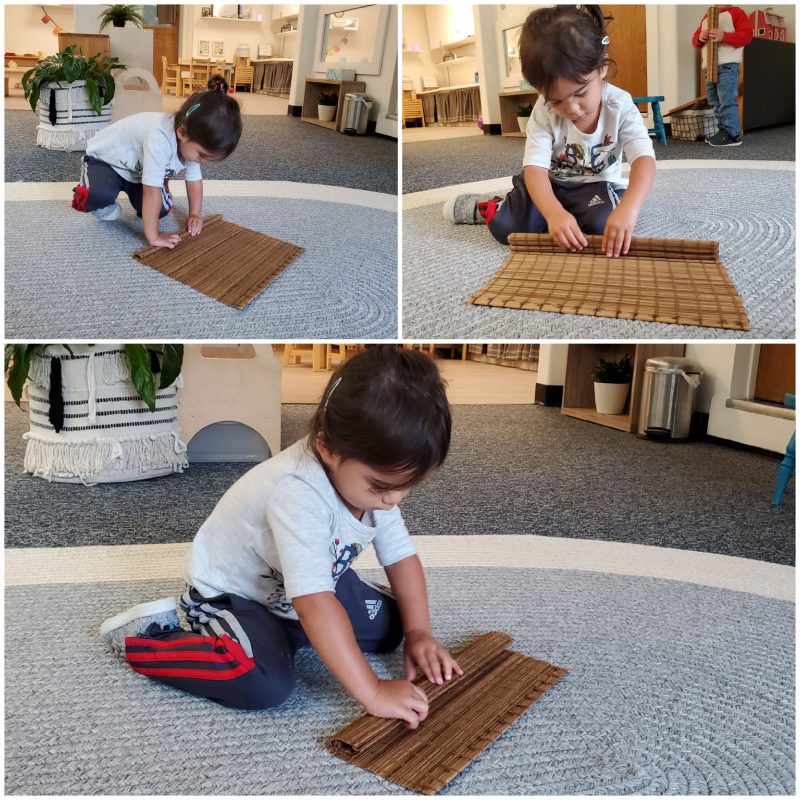
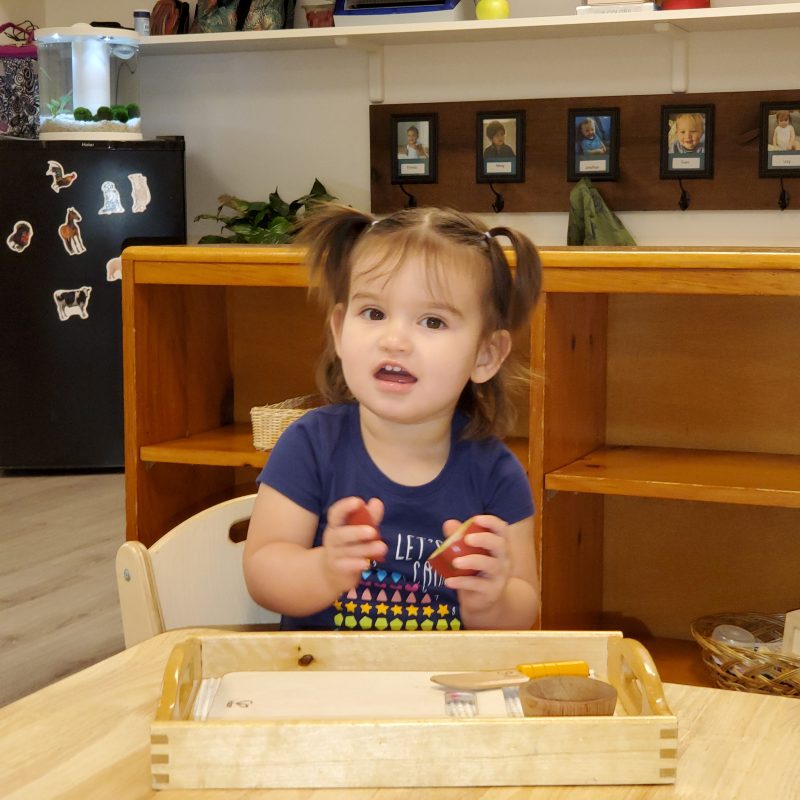
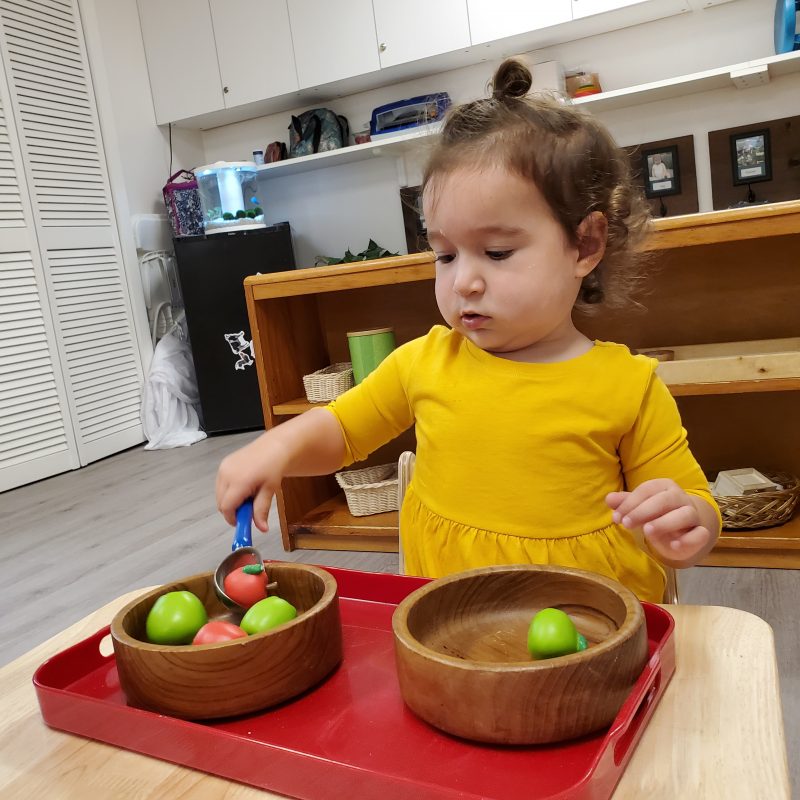
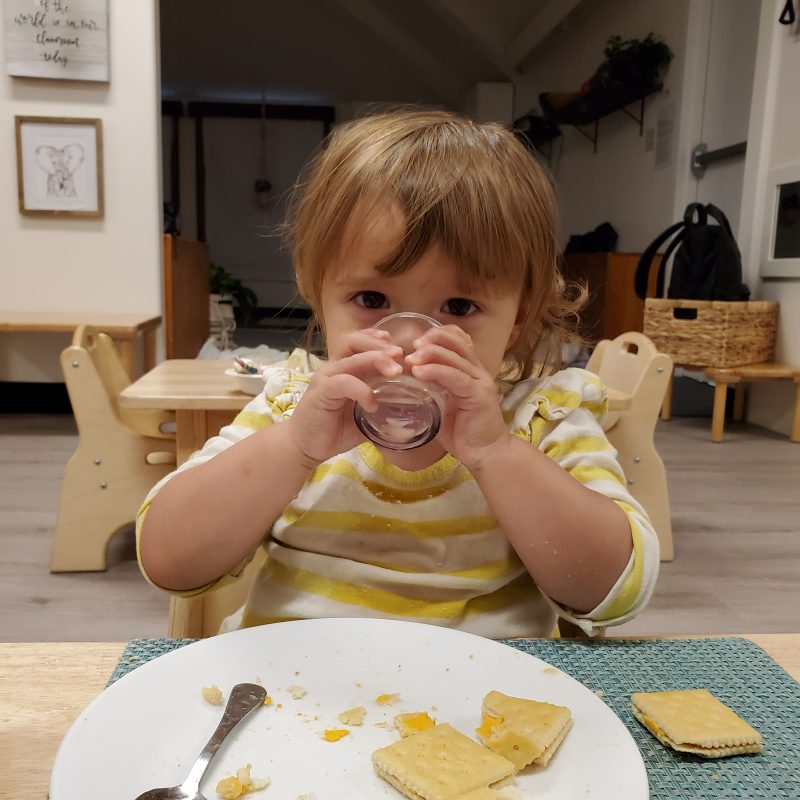
Our toddlers have been busy working on their fine motor skills.  Fine motor skills involve the use of the small muscles that control the hand, fingers, and thumb. They help children perform important tasks like feeding themselves, grasping toys, buttoning and zipping clothes, writing, drawing, and more. The ability to complete self-care and every day tasks helps a child’s self esteem and confidence to increase.  The children have been very successful using the works in our environment. We hope you continue to allow your children to practice these skills with you at home.  Some activities could be simply be playing with play dough or cutting, pouring, transferring, lacing, beading, and painting.

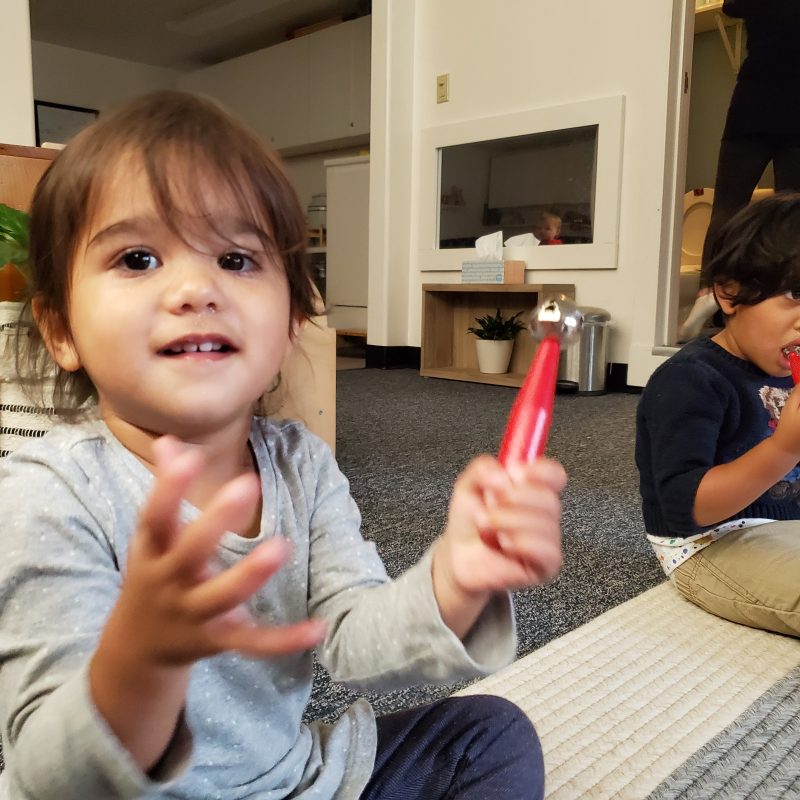
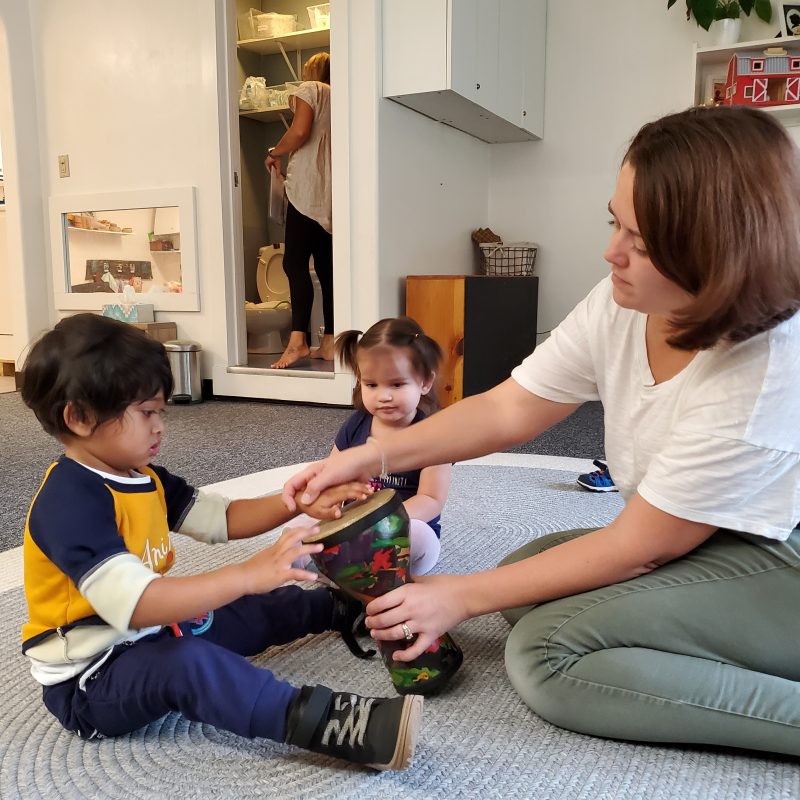
The children were also fortunate to be able to visit the music room (again) where they were able to play the xylophone. The children loved sliding the mallet across the xylophone to hear the different sounds it made. We used both a wooden and metal xylophone. The children showed joy hearing all the different sounds!

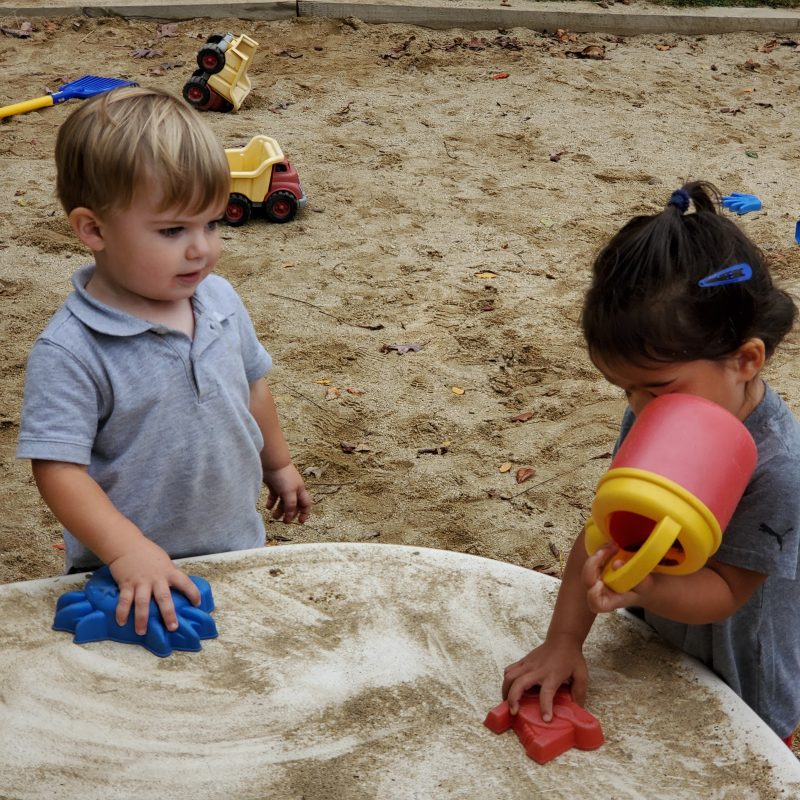
Thank you to the sun that finally showed its beauty this week!  The children were excited to get outside and enjoy the warm weather.


Mrs. Hood’s Class: The Big Day!

On Monday morning the children arrived to the environment and found a new sound, the sweet sound of peeping little chicks starting the hatching process. Children were curious and expectant! We were thrilled they were able to observe the external pipping process. This starts when the inner membrane has been pierced and the embryo starts tapping the eggshell repeatedly with its egg tooth, a sharp and strong structure that can temporarily be found on the top of the beak of the embryo. Repeatedly tapping the eggshell in the same spot causes the shell to weaken and eventually break. Pipping demands great effort!  

While cutting, the embryo turns around inside the egg, using its wing for direction and legs as the driving force. Once it  has cut a 3/4th circle in shell of the blunt end of the egg, the embryo tries to push itself out of the egg by forcefully stretching its legs and finally becoming free. The newly hatched chicks looked very wet, tired, and vulnerable. A while after hatching, their down feathers dried and they became fluffy and more active.

The children were amazed and super happy to see the baby chicks! They petted them very carefully and showed great love and respect for them! Now the chicks have been moved to a prepared environment,  the farm where they will grow and be taken care of appropriately.  

A huge thanks to the Heggland family for all their hard work and support during this process! What a great experience this was for our toddlers!


“The things he sees are not just remembered; they form a part of his soul”

– Dr. Maria Montessori 


Check out this video of one of  the baby chicks hatching in our classroom!


Mrs. Hood’s class: Practicing concentration!

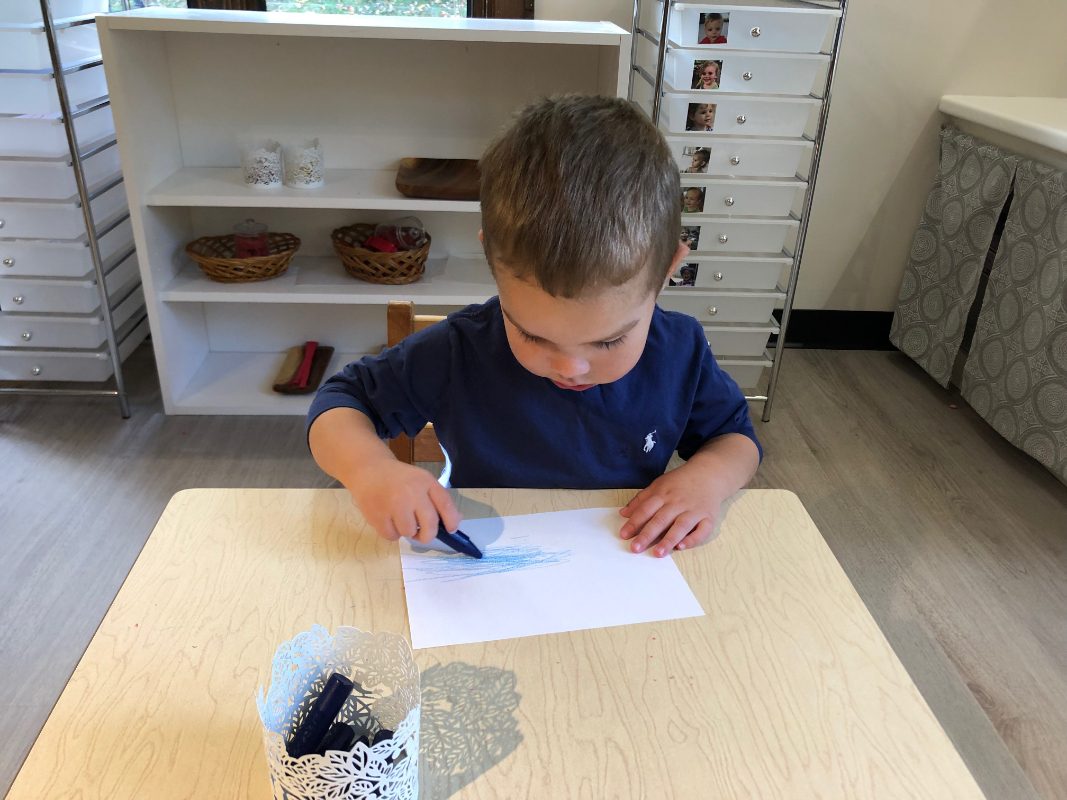
Learning cannot happen without concentration. Concentration cannot happen without interest. Whether we are learning to brush our teeth, write our name, bake a cake or solve complex algebraic equations, there is intense concentration specific to the task at hand.
Concentration is a skill that needs practice to improve and develop.
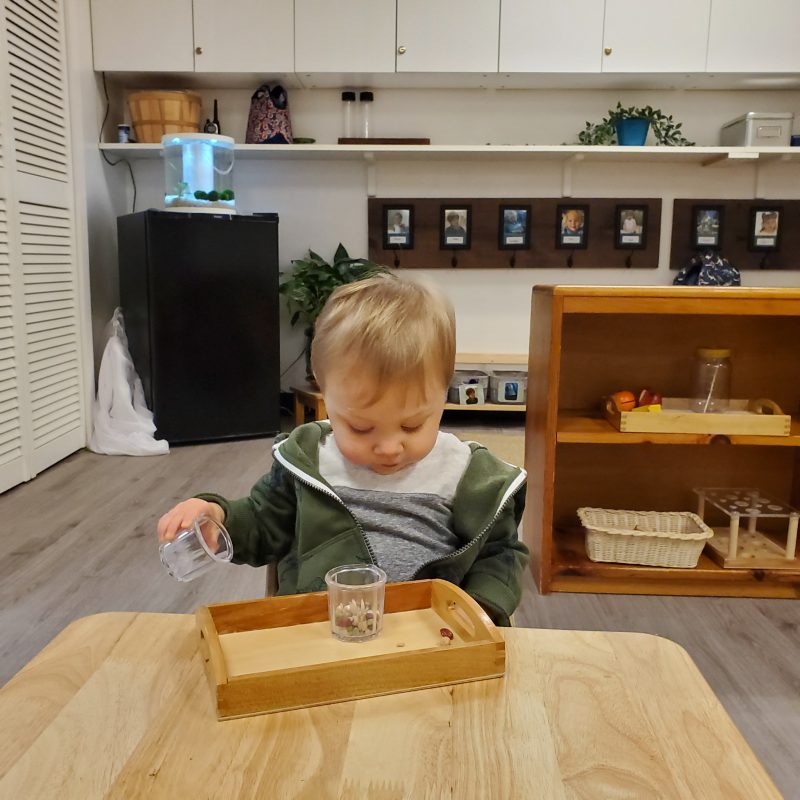
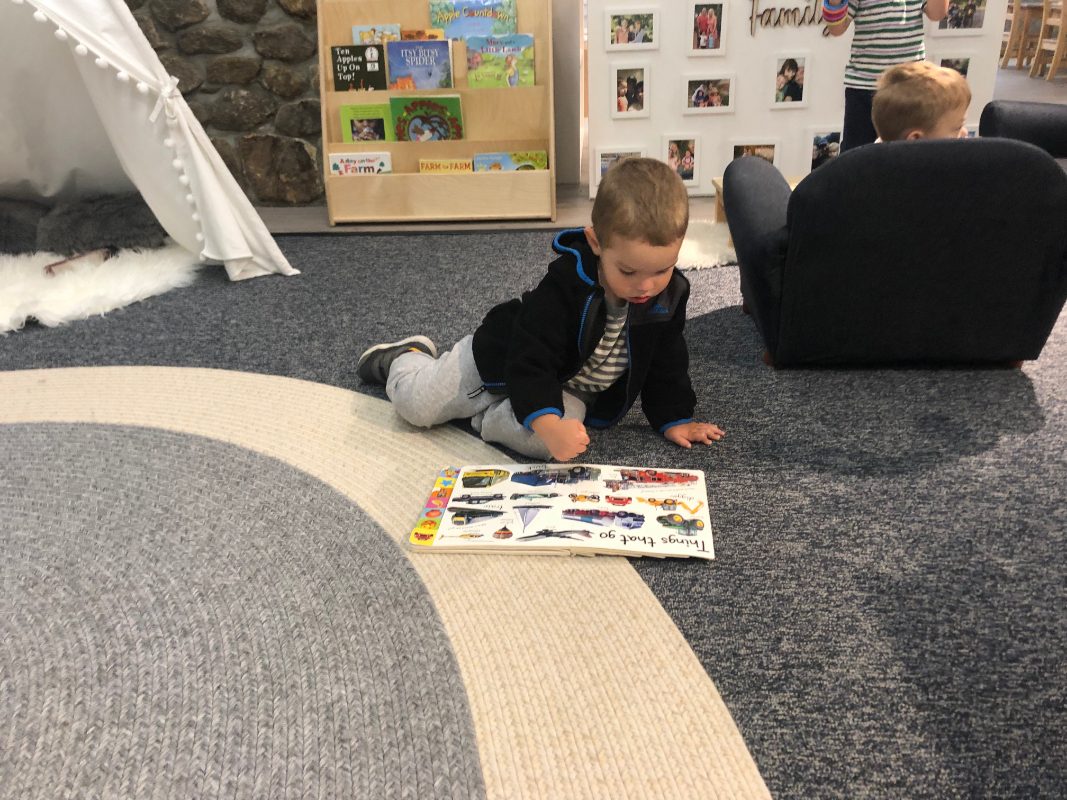
Our Montessori classrooms provide an environment that offers the time and opportunity to practice deep concentration. The uninterrupted work period enables the children to focus on a task for as long as they wish without an adult-imposed schedule. The adult in the environment is cautious not to interrupt and break the children’s concentration. As the ability to concentrate improves, the children also develop better self-control and self-regulation.

What can we do to nurture and protect concentration at home?

In recent times there has been a strong social message for parents to spend lots of ‘quality time’ with children. This could be because of the increased amount of time typically spent away from the home. Parents sometimes fear their children may get bored and try to compensate for the loss of quality time by providing videos, iPads and computer games that can keep children occupied.
It is important to spend meaningful time with your children interacting with them. It is just as important to offer children the opportunity for self-initiated play and the time to become bored. The best way to develop concentration is to practice it, and the best way to let children practice is to avoid interrupting when they are beginning to pay attention to something.

Here are some suggestions for you to do at home:
– Observe your child and identify what it is that holds his attention.
– Arrange the materials he uses so they are accessible and organized.
– Nurture his creative endeavors.
– Resist the urge to interrupt when he is deeply concentrating. Just supervise.
– Be a good role model and show your child that you have work that needs concentration.
– Provide uninterrupted time to complete his task or activity.
– Ensure your child has opportunity to develop his gross motor skills through outdoor play.
– Work on relaxation and introduce meditation or quiet time at the end of the day.
– Adapting these practices at home will support your child to develop concentration, a skill essential to success in schooling and life.

“Concentration is a part of life. It is not the consequence of a method of education”. ~Maria Montessori

A reminder:

The deadline for this year’s FWM sweatshirt is the end of the day on Monday. Order yours now! FWM Sweatshirt Order


Toddler: Sensory Learning

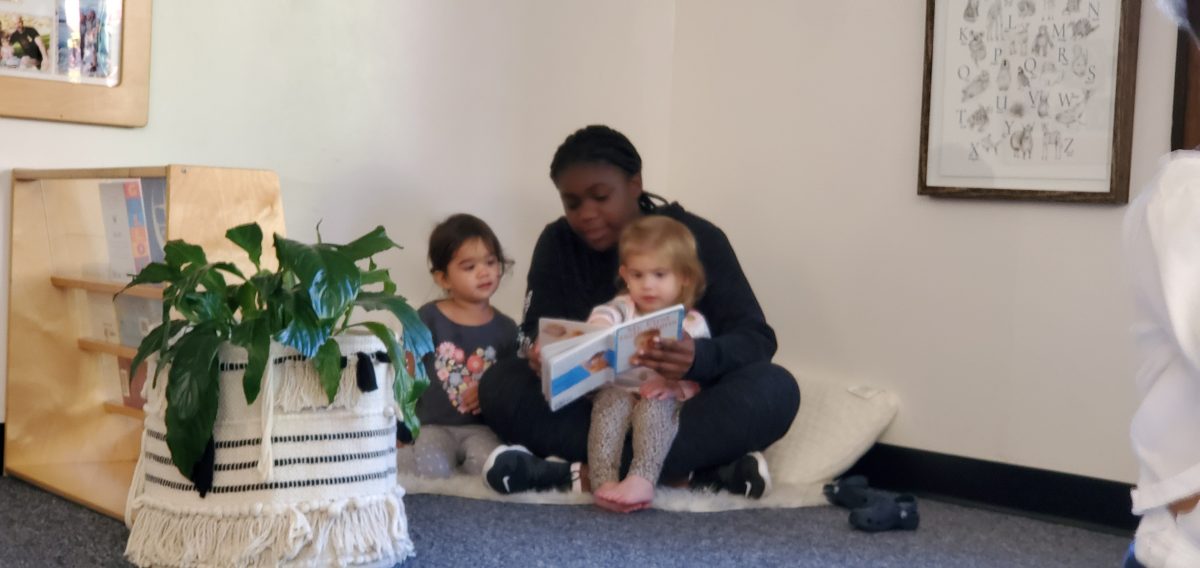
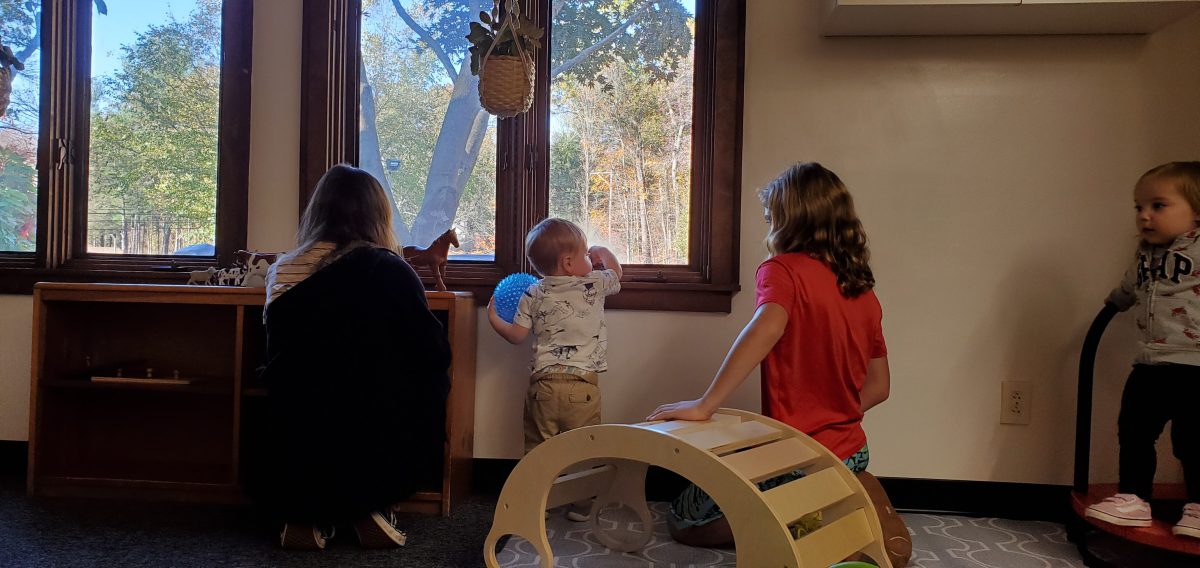
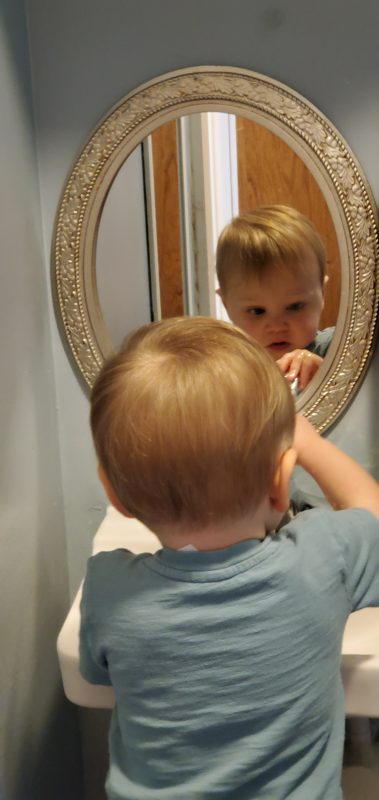
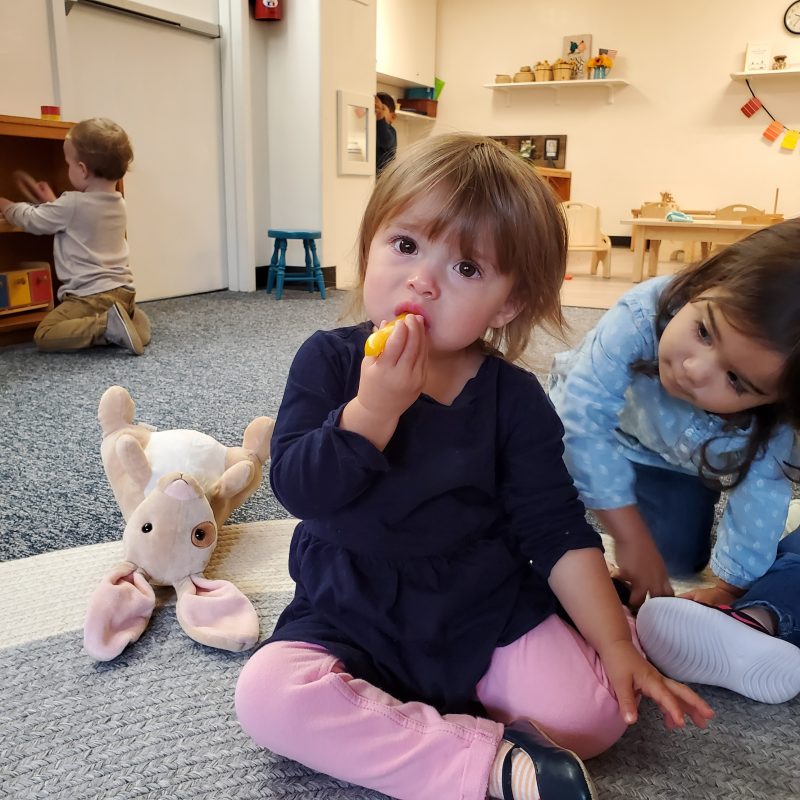
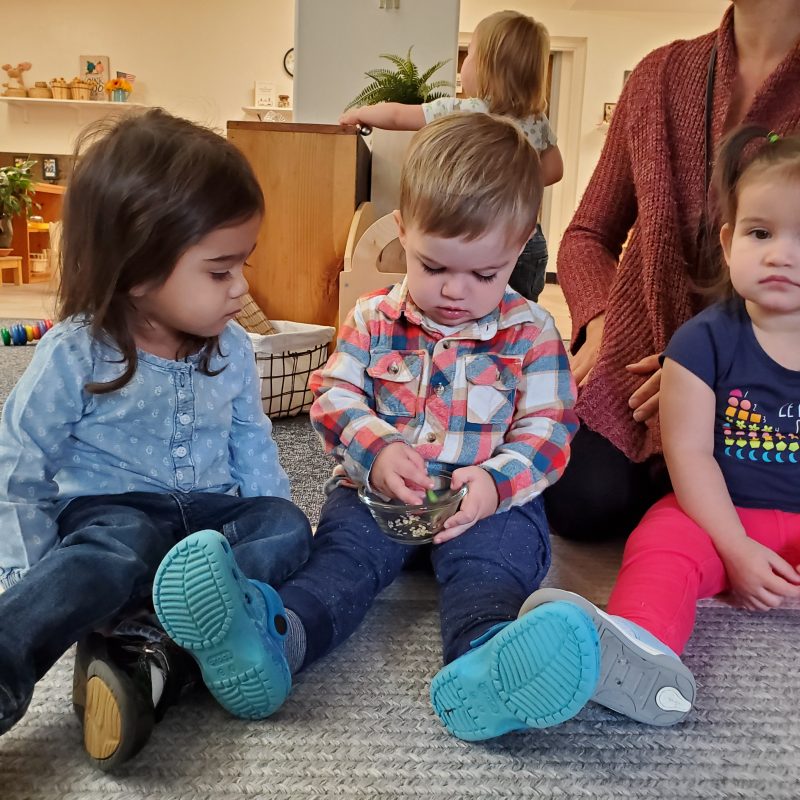
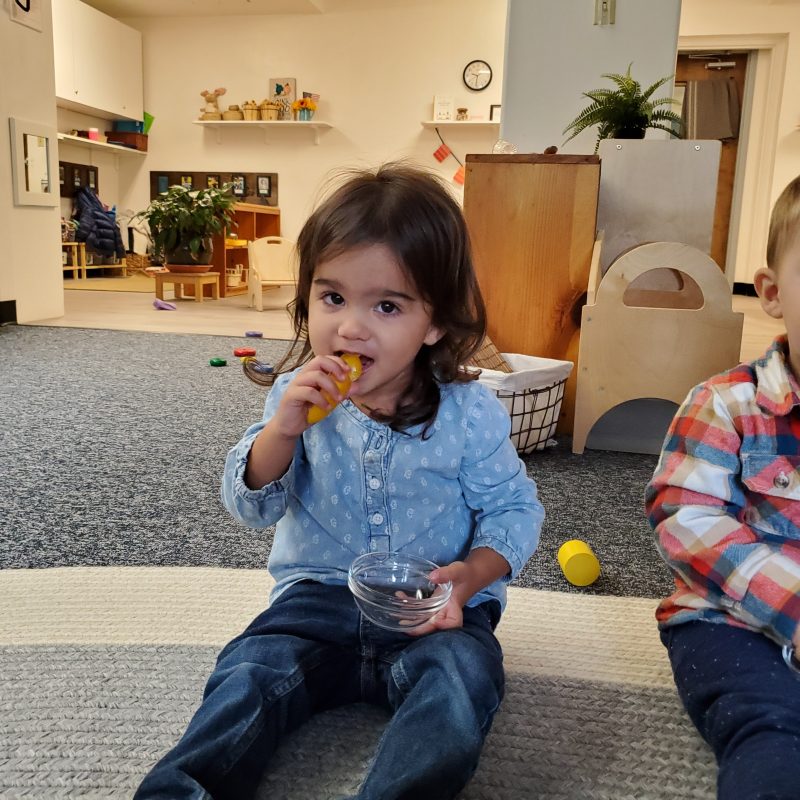
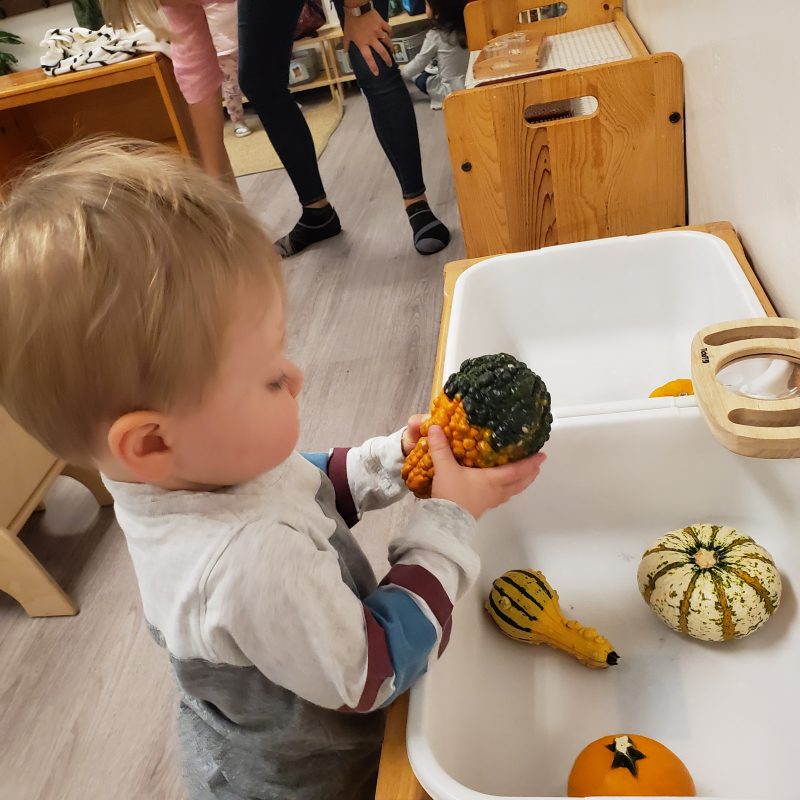
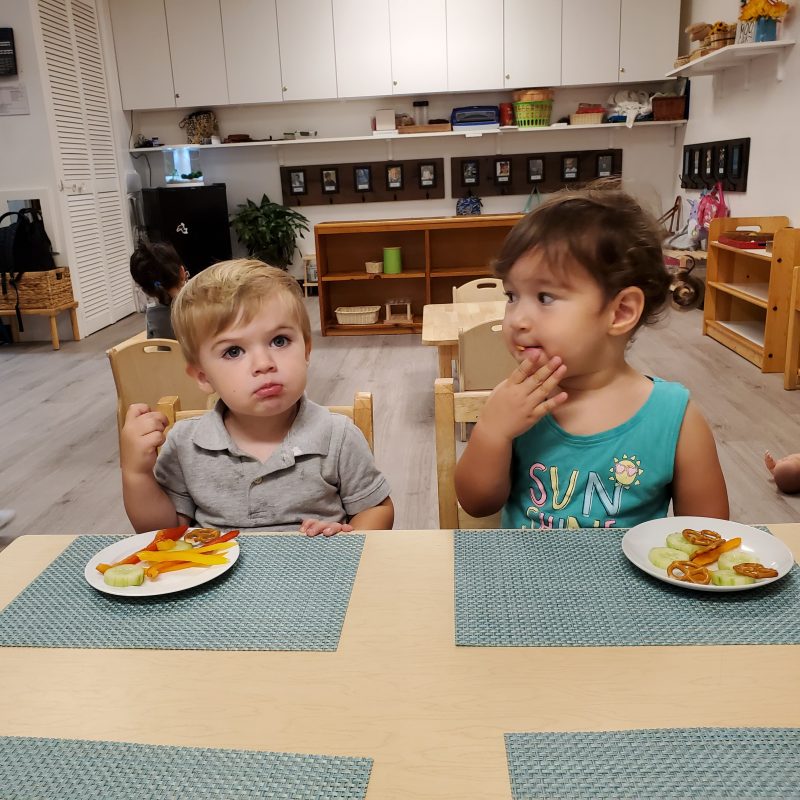
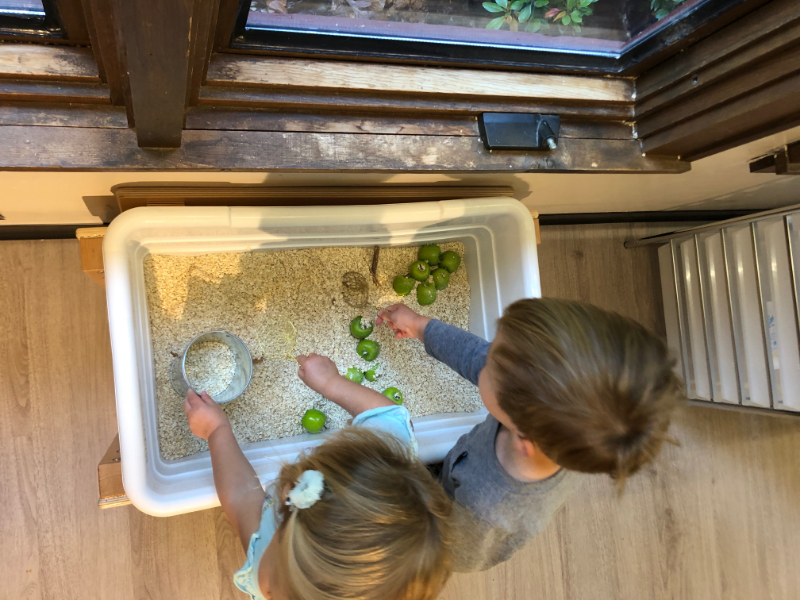
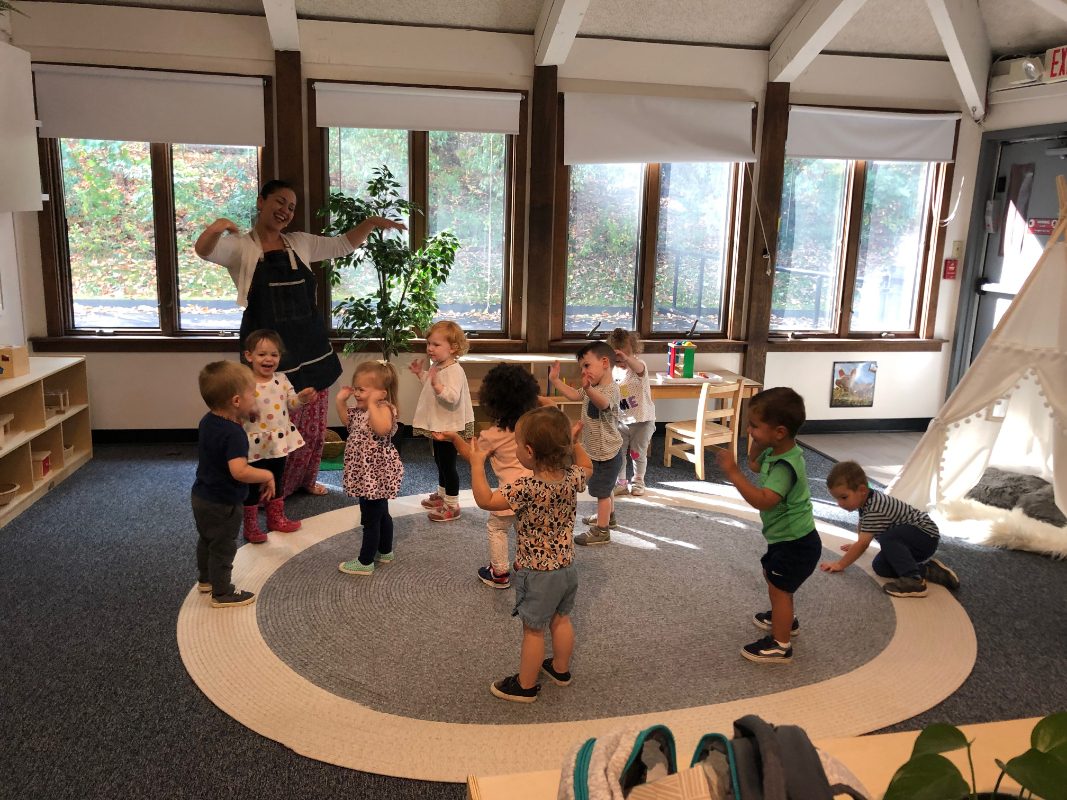
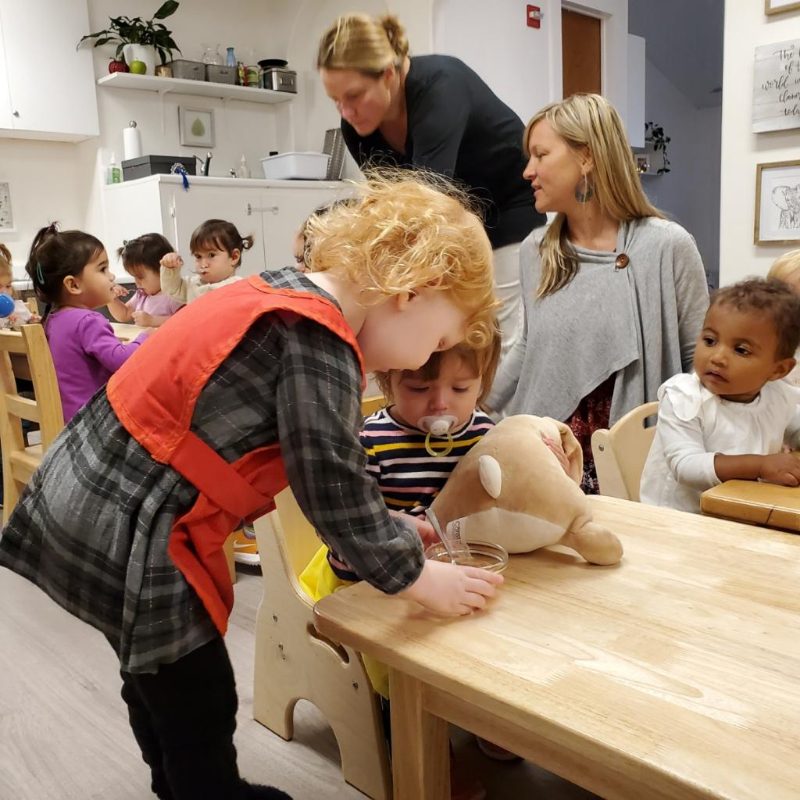
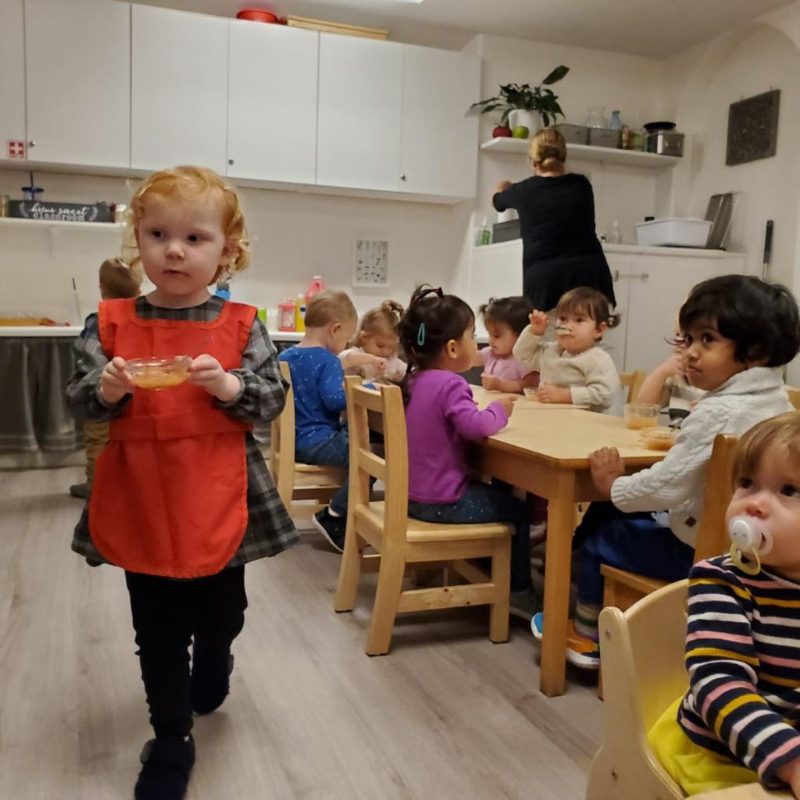
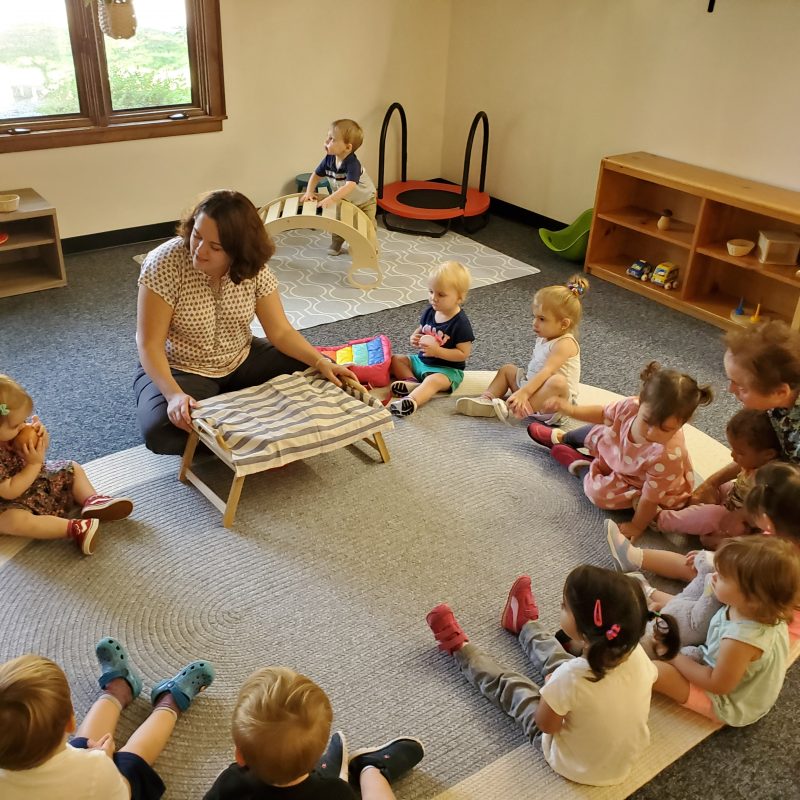
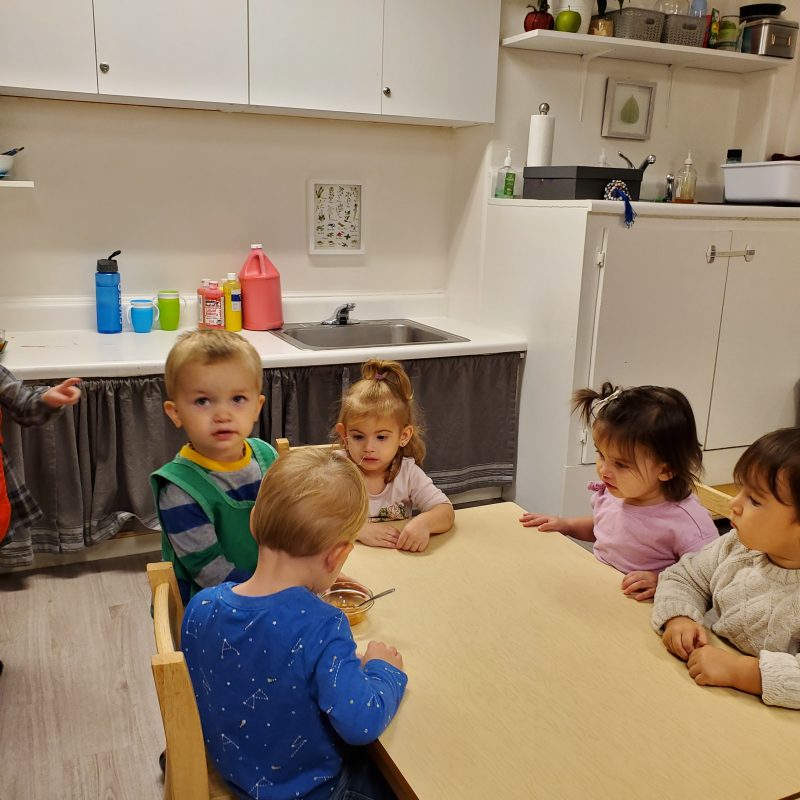
Our Toddler environment is like home and everything in the environment encourages sensory based learning. We focus on fostering this age group’s ever-growing need for independence, order, movement and language.  The children work independently, or in small groups, and are introduced to each material at the appropriate time for their individual development.

“The training and sharpening of the senses has the obvious advantage of enlarging the field of perception and of offering an ever more solid foundation for intellectual growth. The intellect builds up its store of practical ideas through contact with and exploration of the environment” ~Maria Montessori

A reminder:
The deadline for this year’s FWM sweatshirt is the end of the day on Monday. Order yours now! FWM Sweatshirt Order

Mrs. Hood’s Class: Fly, Fly, Butterfly!

Fostering an appreciation for nature is a cornerstone of Montessori teachings. Dr. Maria Montessori was a strong advocate of integrating nature into the daily learning plan of all students. She believed that “there must be provision for the child to have contact with nature; to understand and appreciate the order, the harmony, and the beauty in nature.”

After days of observing patiently, our very hungry caterpillars fulfilled their metamorphosis process and became beautiful painted lady butterflies! Children were in awe to see them stretching their wings when they emerged from their chrysalis. They also had the opportunity to observe them very closely while the butterflies used their tongues to drink the nectar from a juicy clementine.

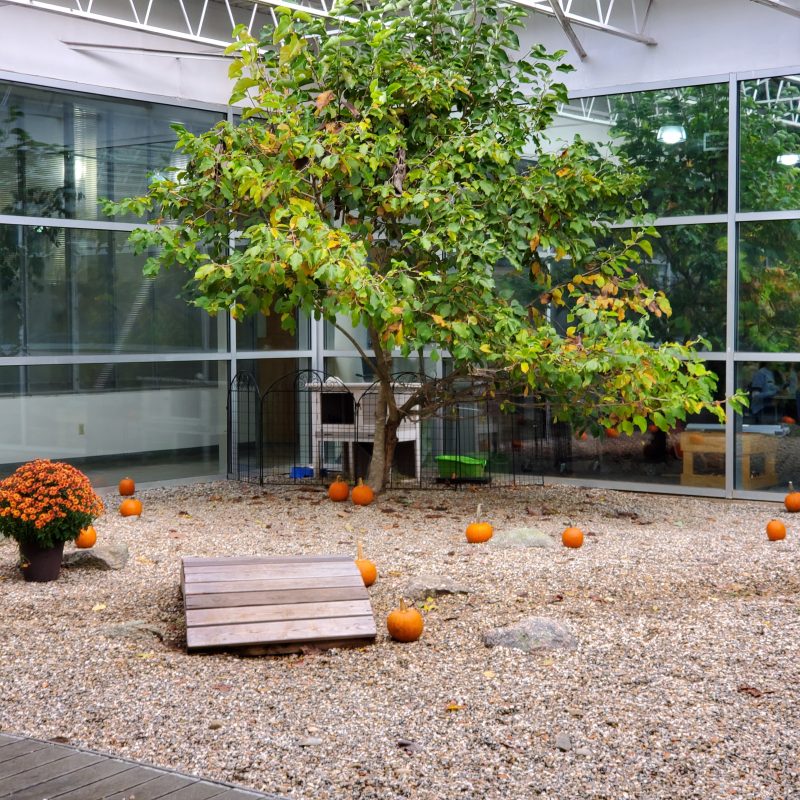
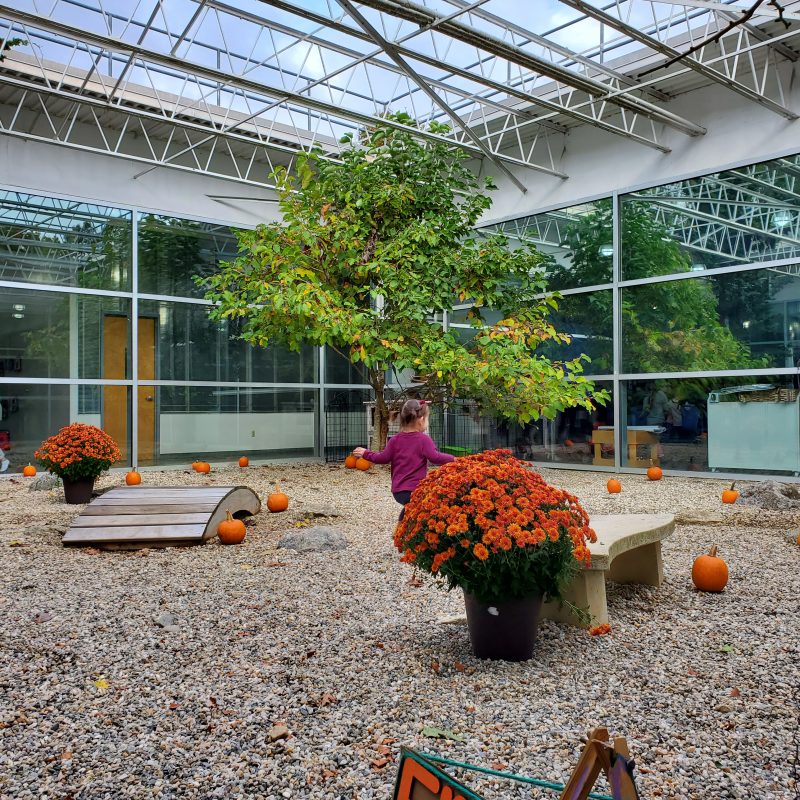
One by one, the butterflies were released into our Zen Garden and we got to see them flying away! Your little ones were very excited to see the butterflies standing on their fingers or clothes. There was so much giggling and excitement! It was a great experience for all of us!

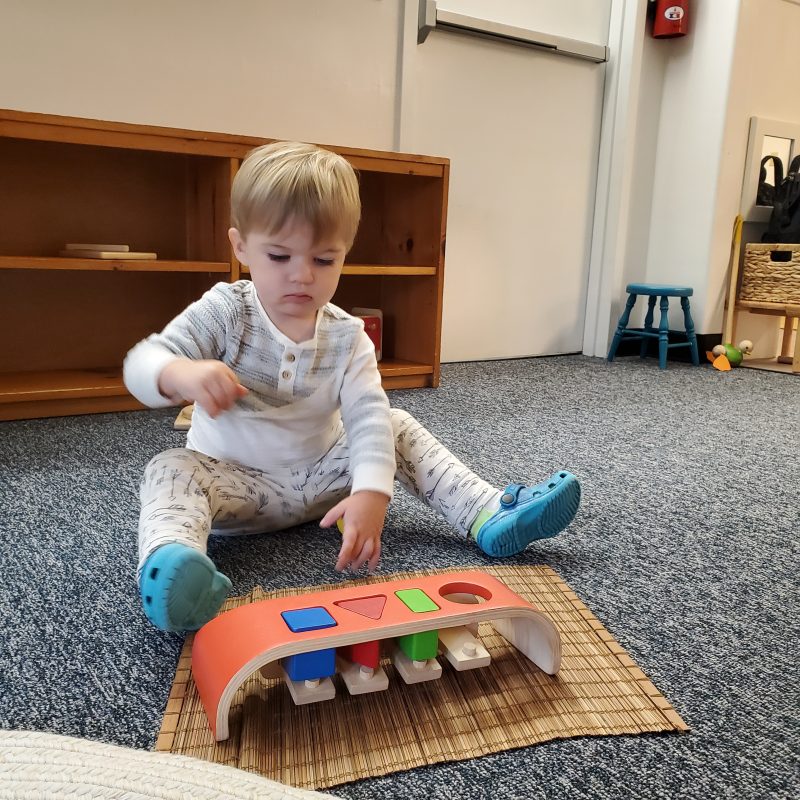
On another note, some of the popular works this week were the matching pegs and rings work, encouraging creativity while fostering fine motor skills and shape and color recognition; water transfer by operating a dropper; our new addition into the movement area – a walking beam; and our fun sensory bin using colorful cooked spaghetti! Oh how they loved the tactile and visual experience! Some of them also turned it into a gustatory experience! 🙂

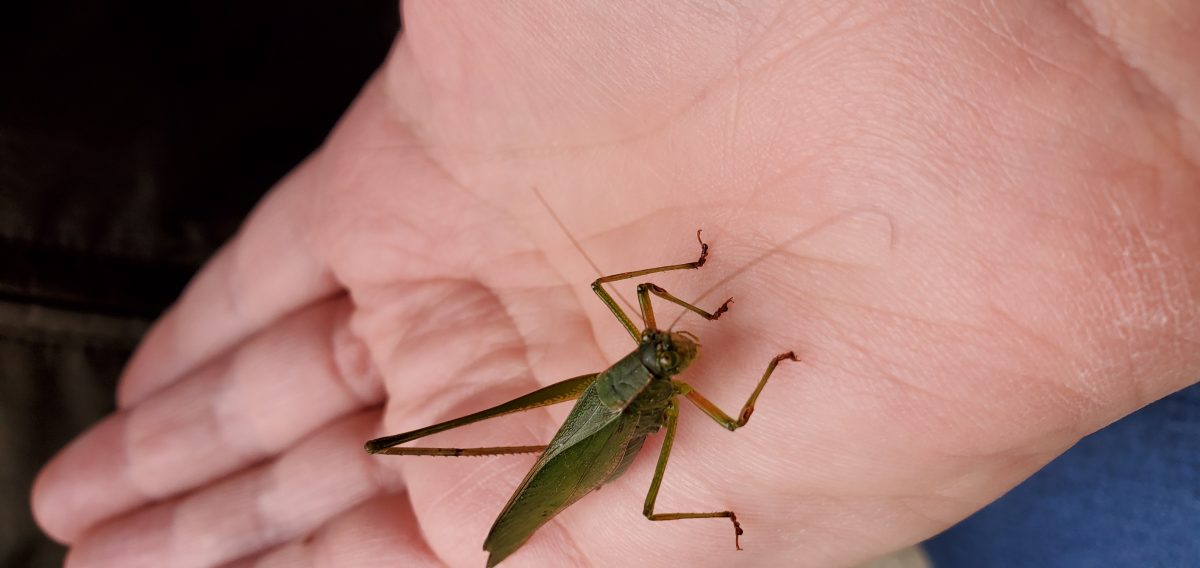
Older children also enjoyed three period lessons using our giant insects. This week we introduced the praying mantis, the ant, and the grasshopper.

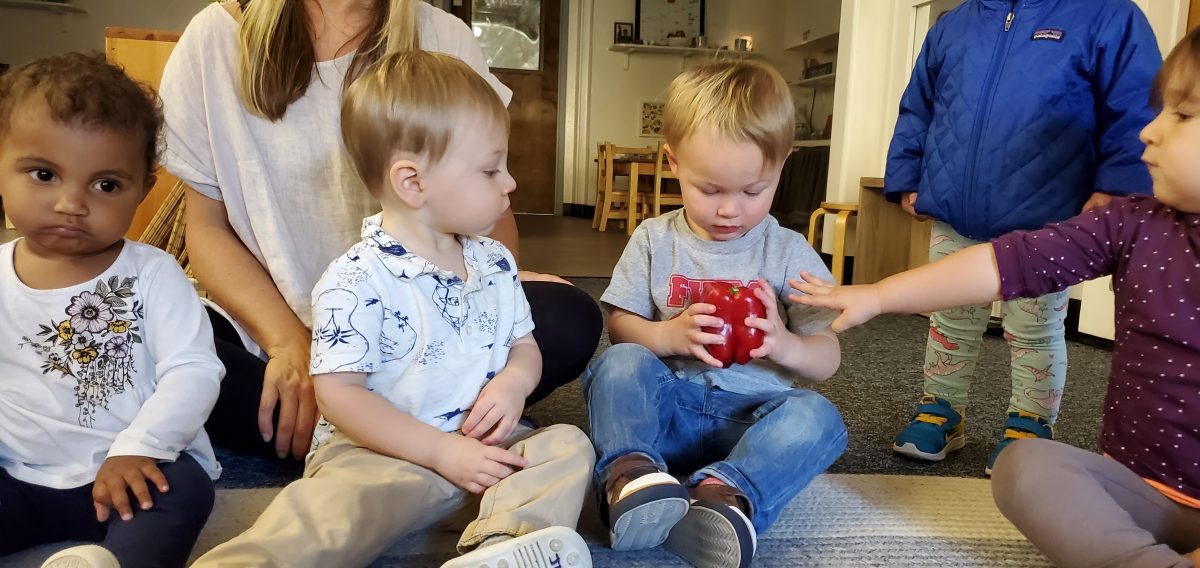
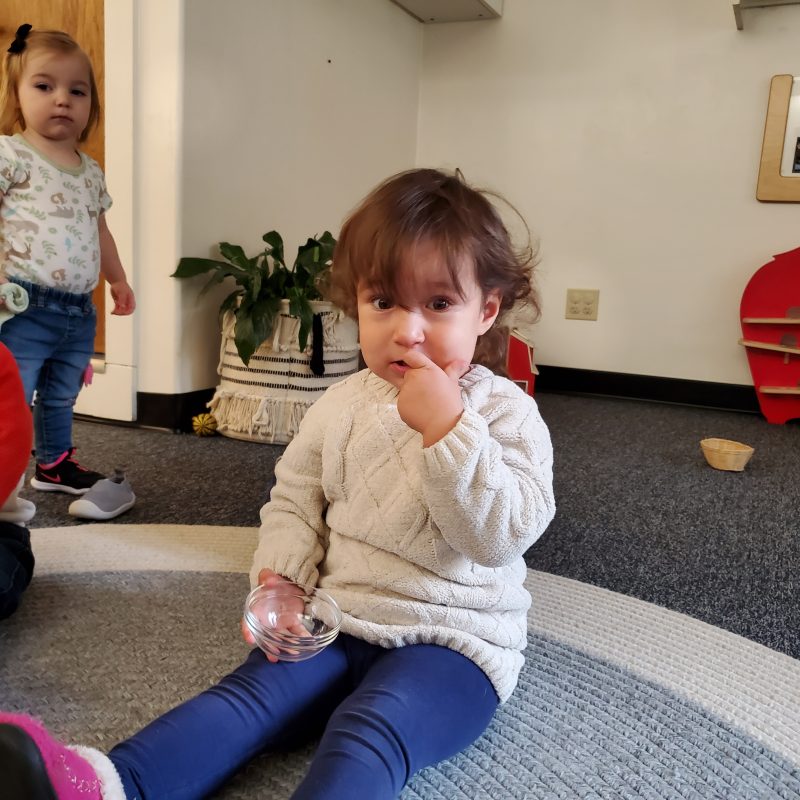
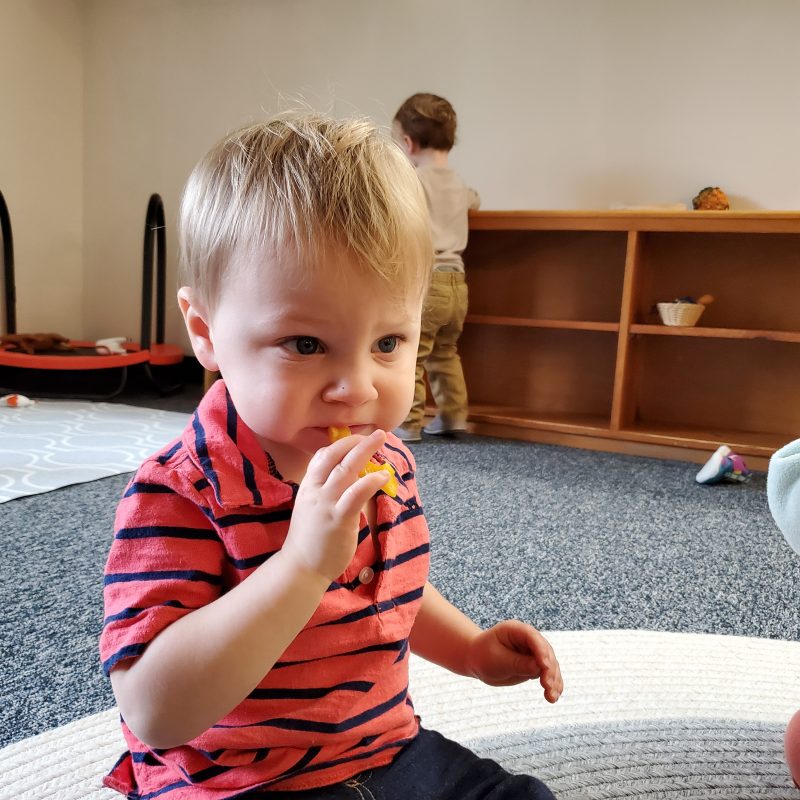
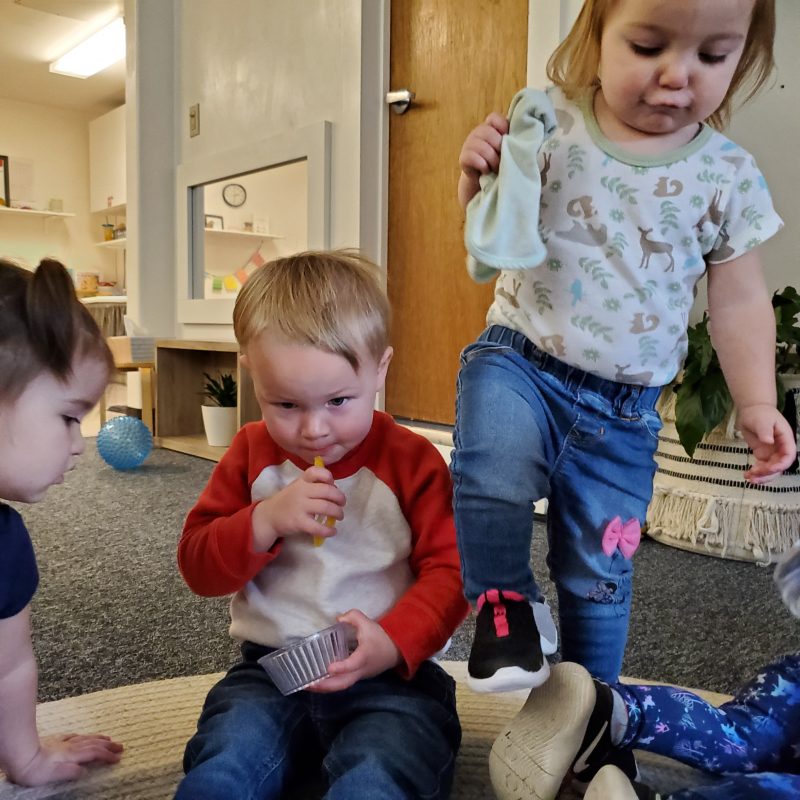
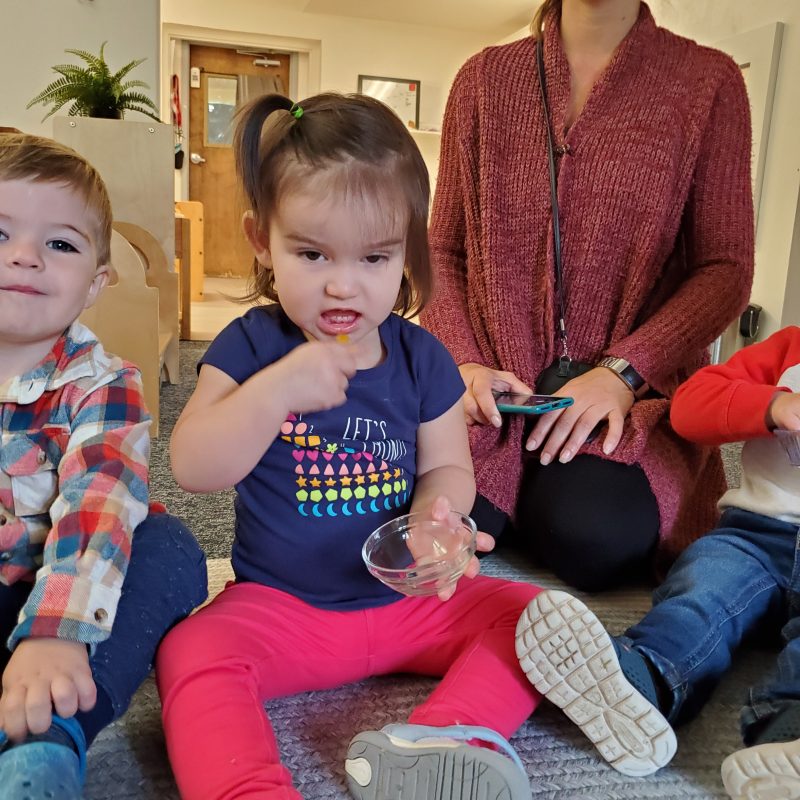
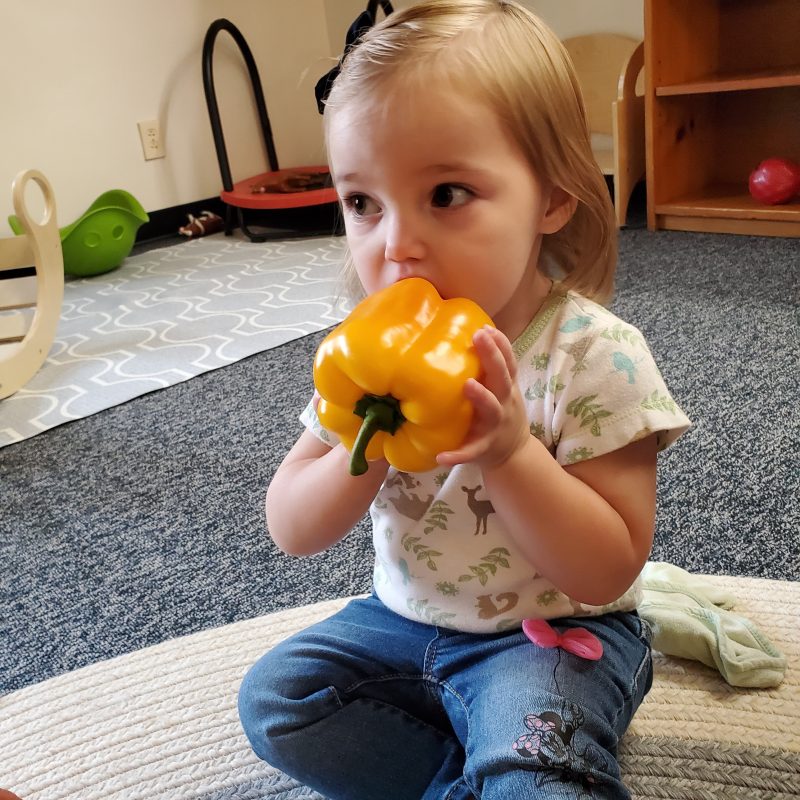
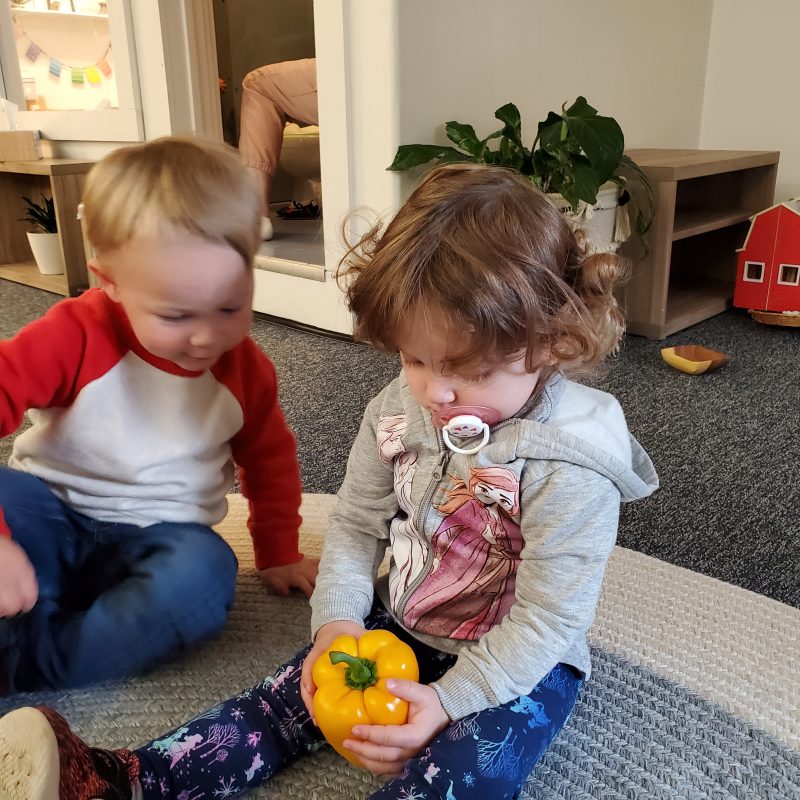
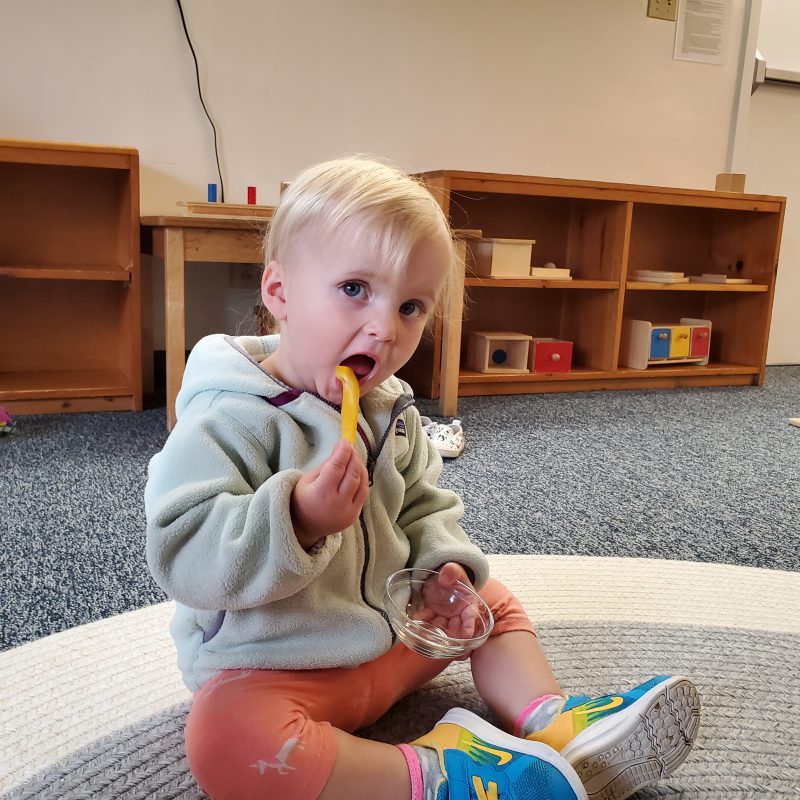
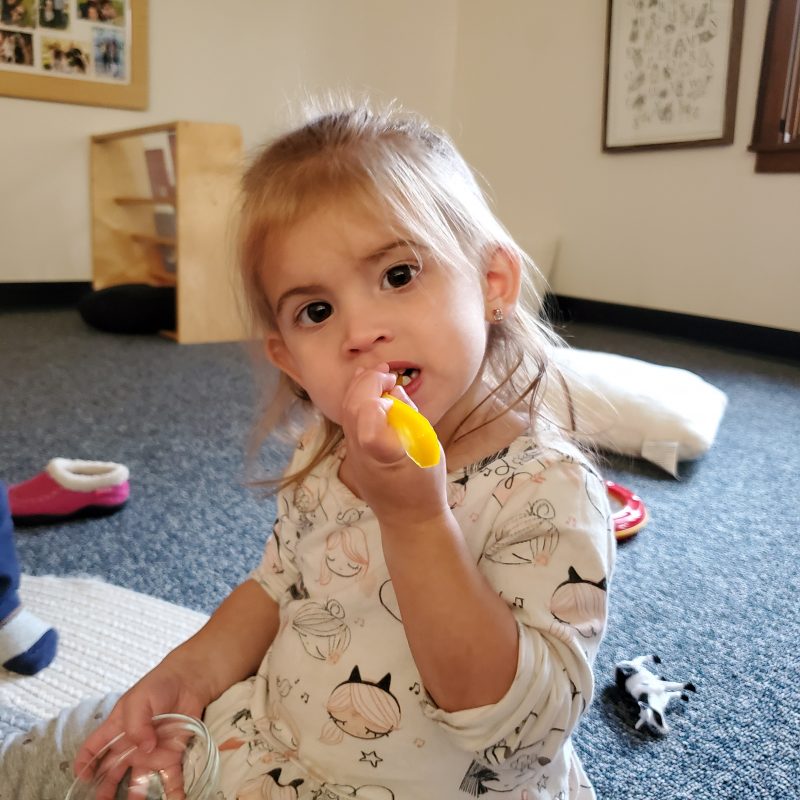
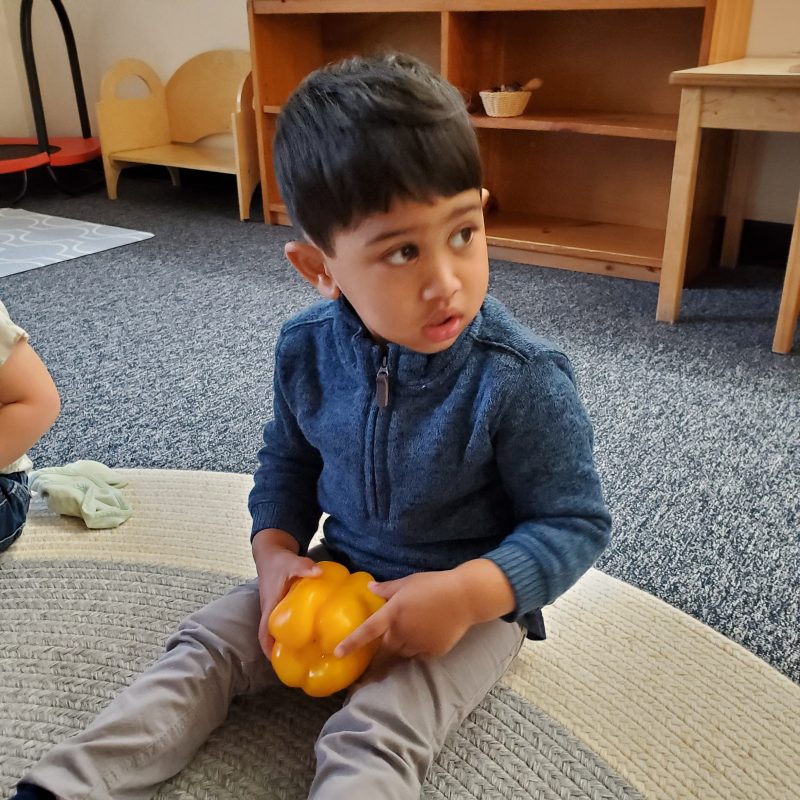
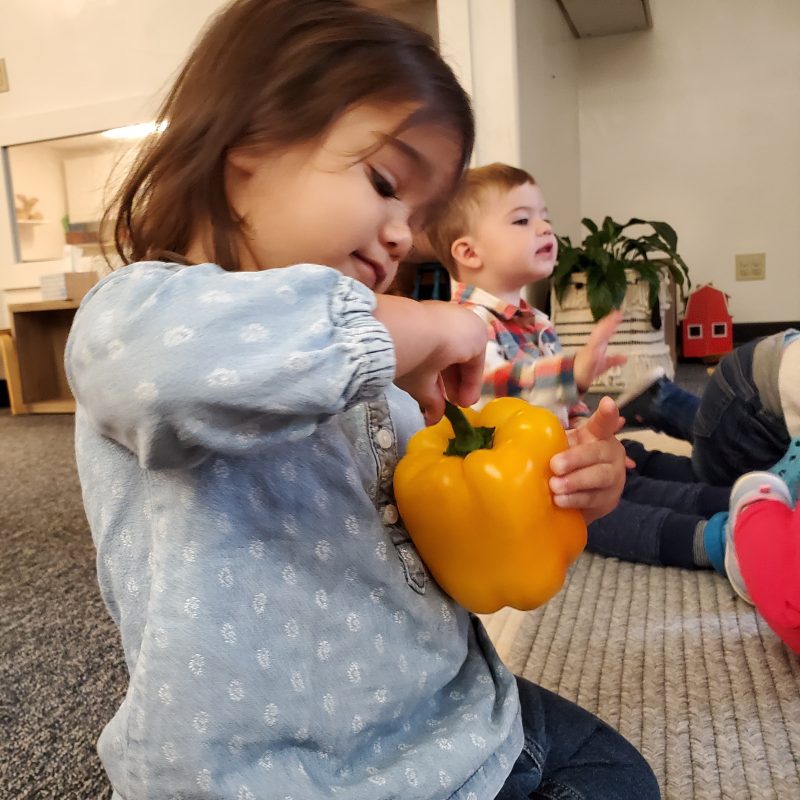
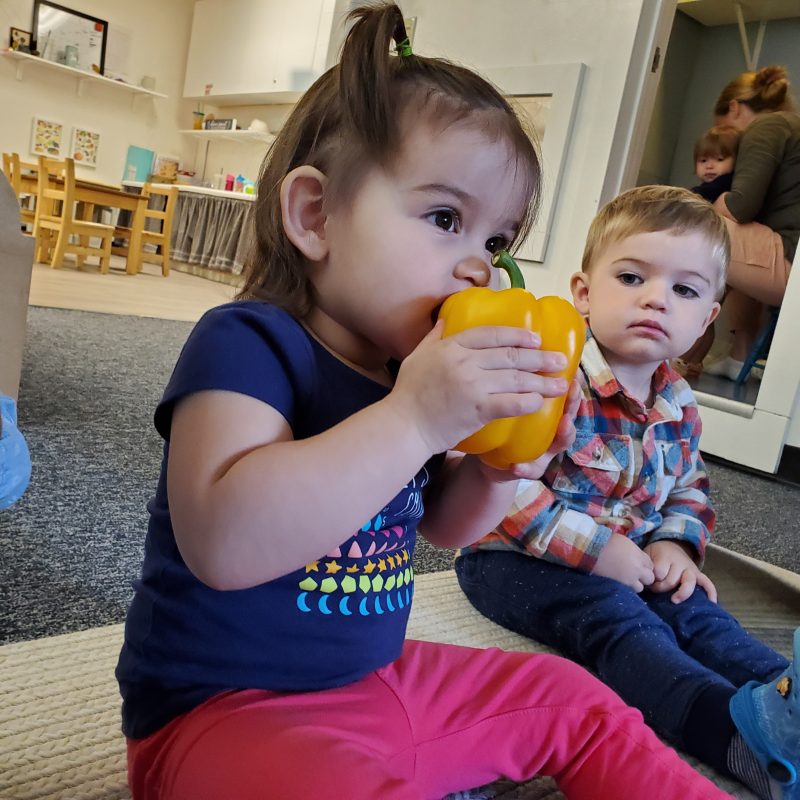
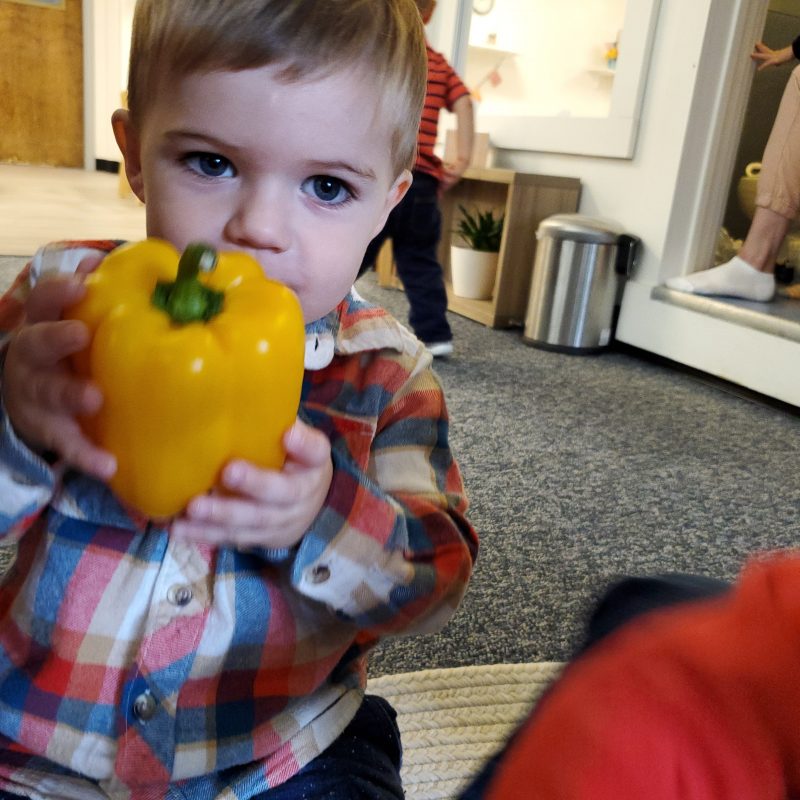
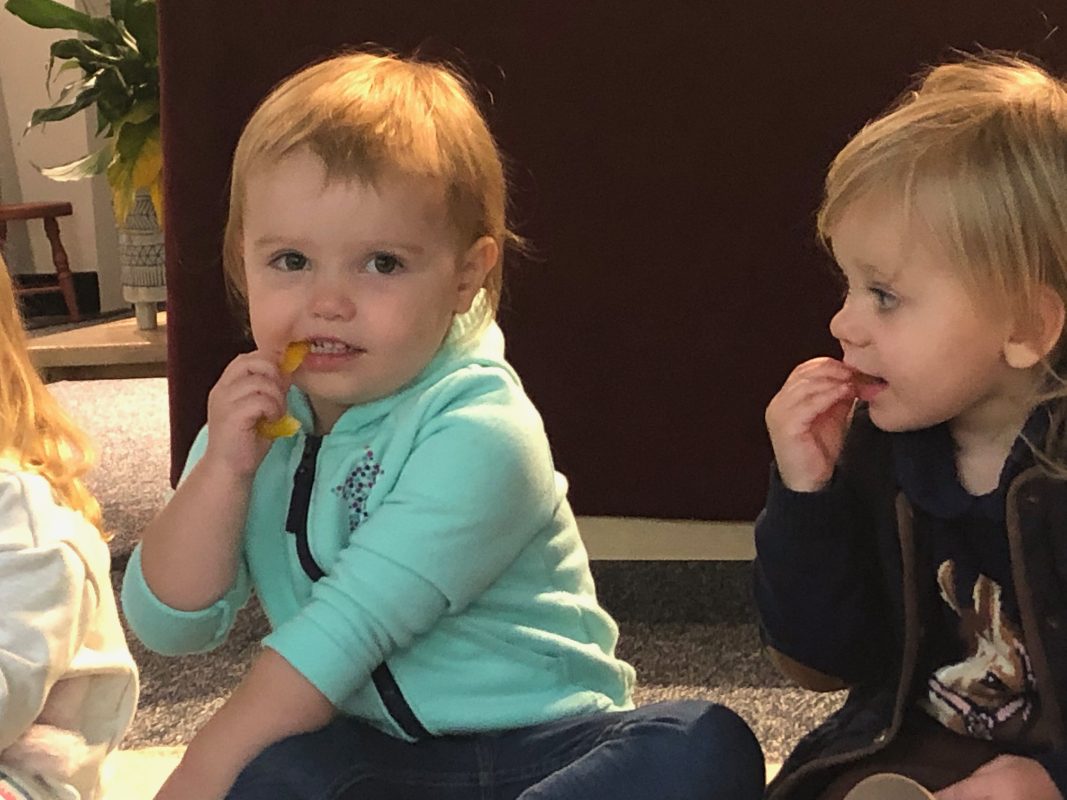
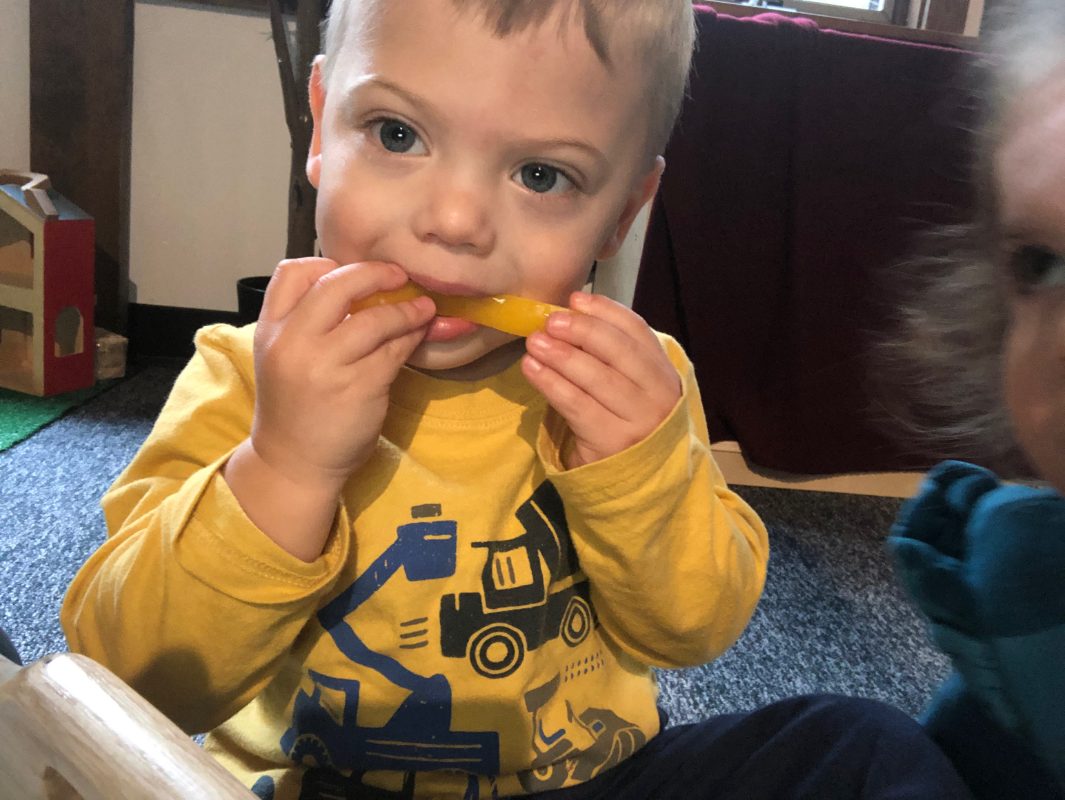
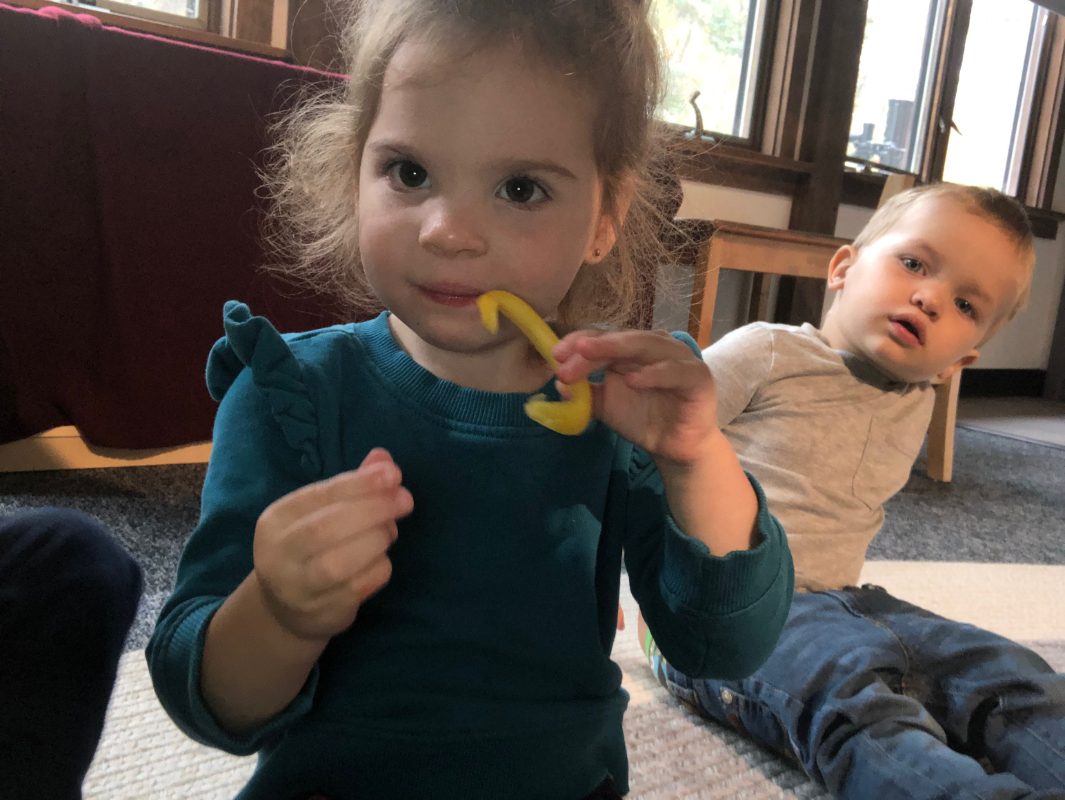
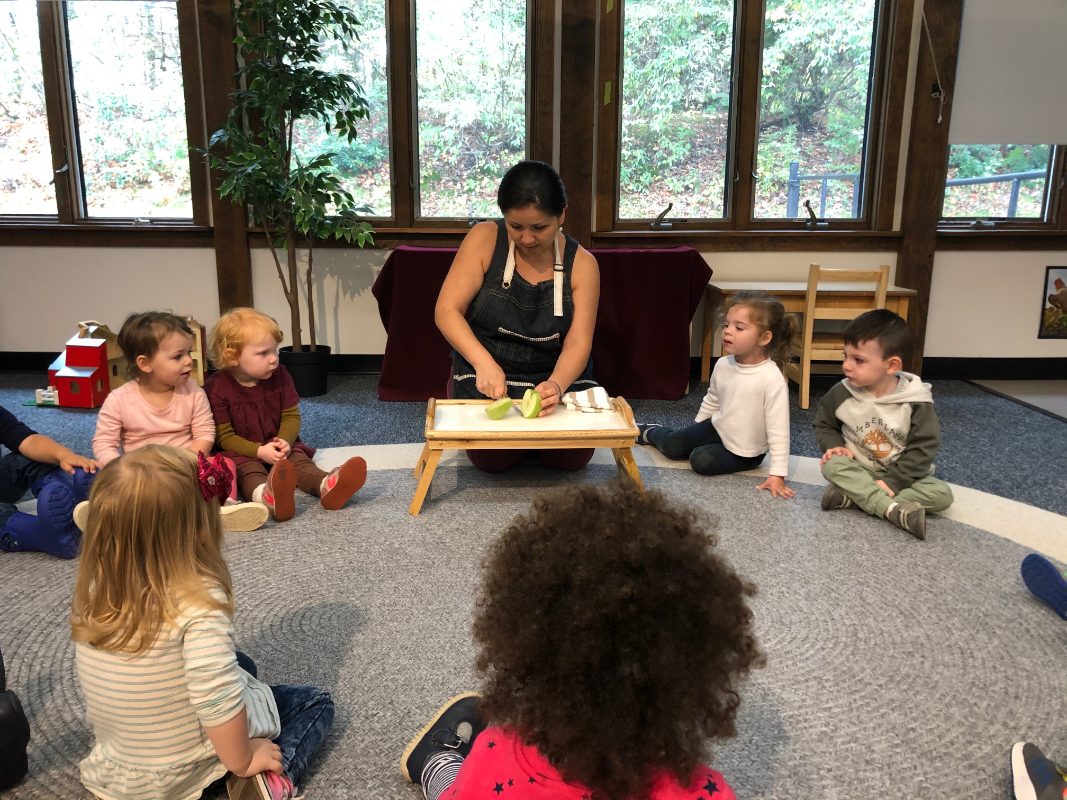
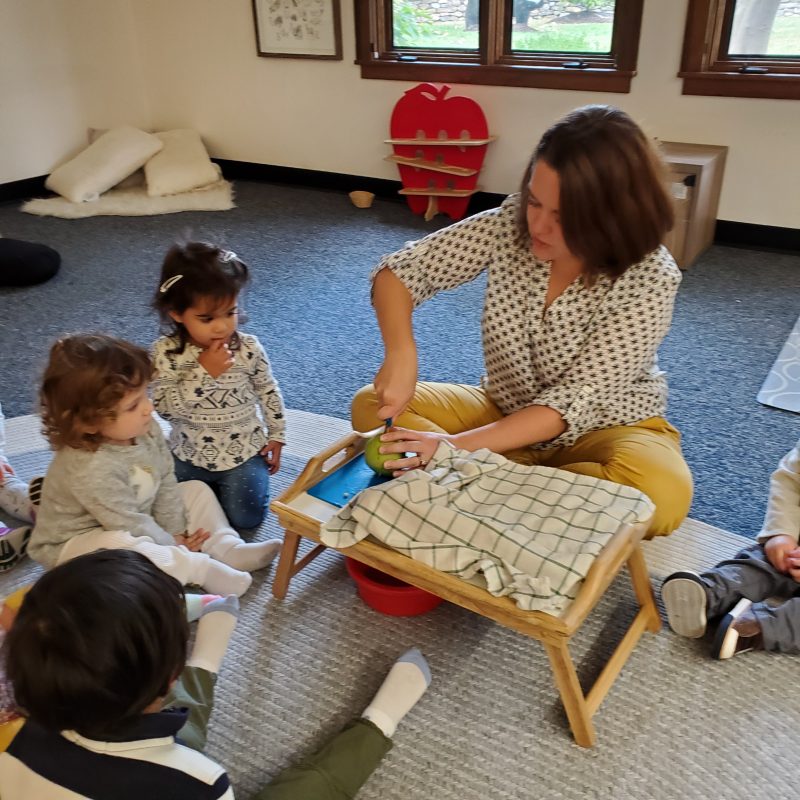
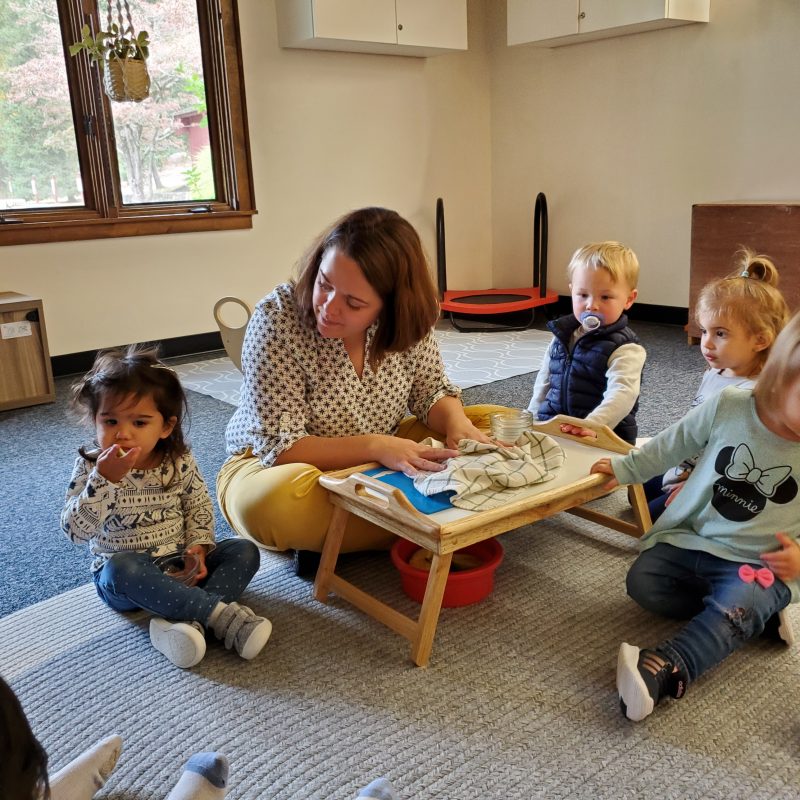
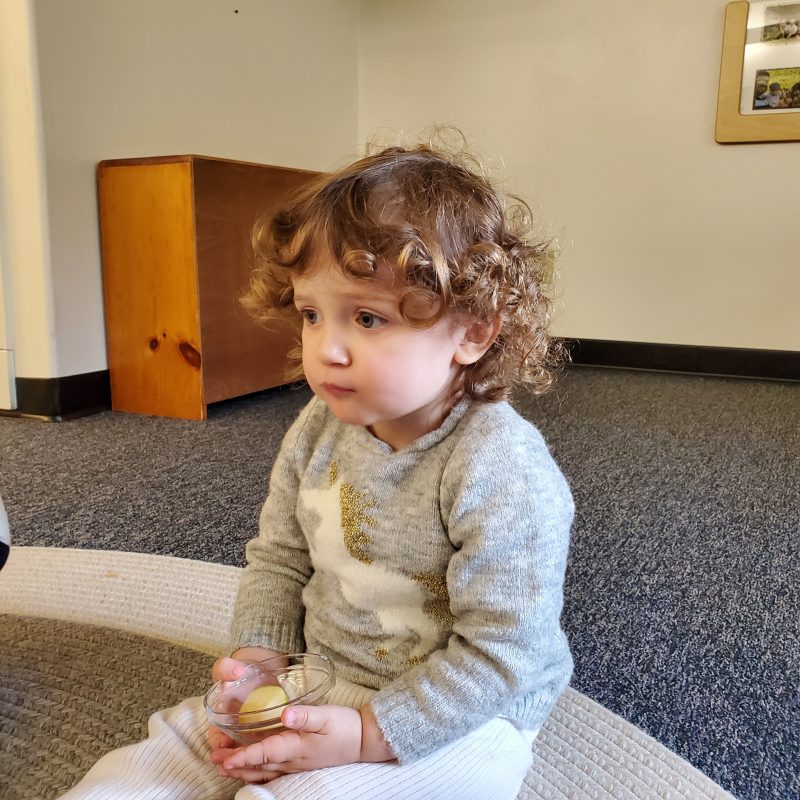
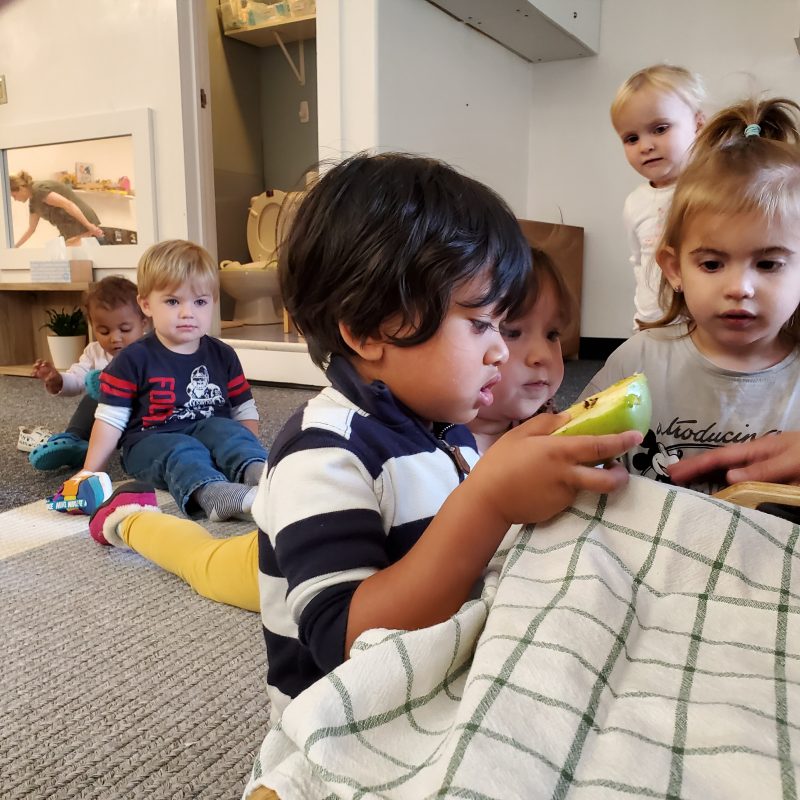
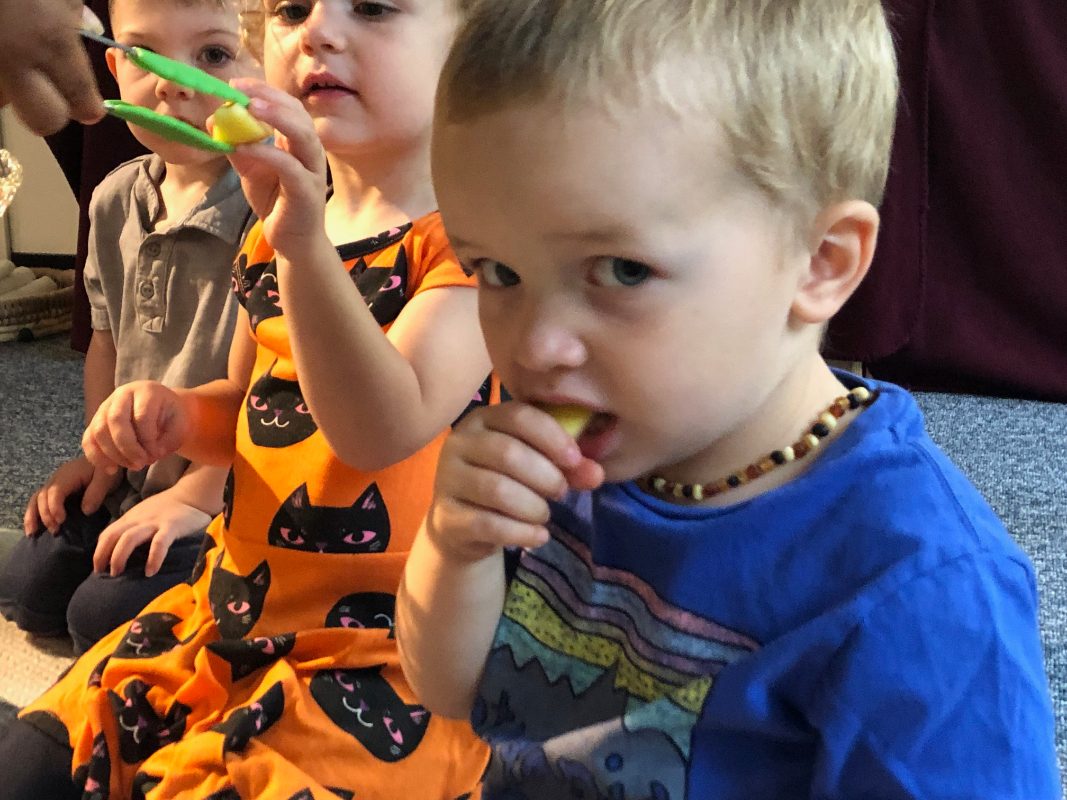
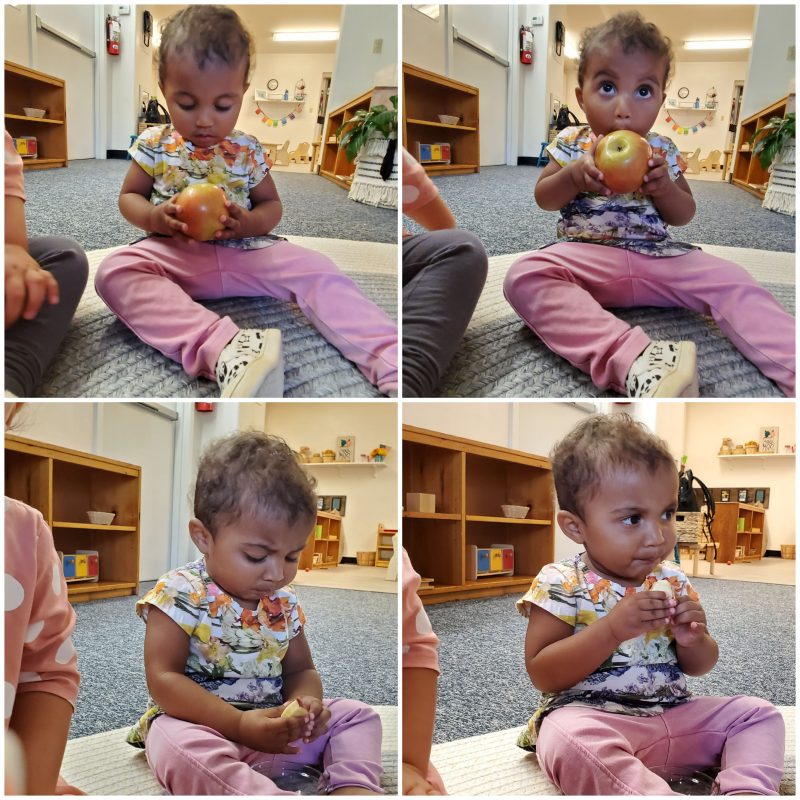
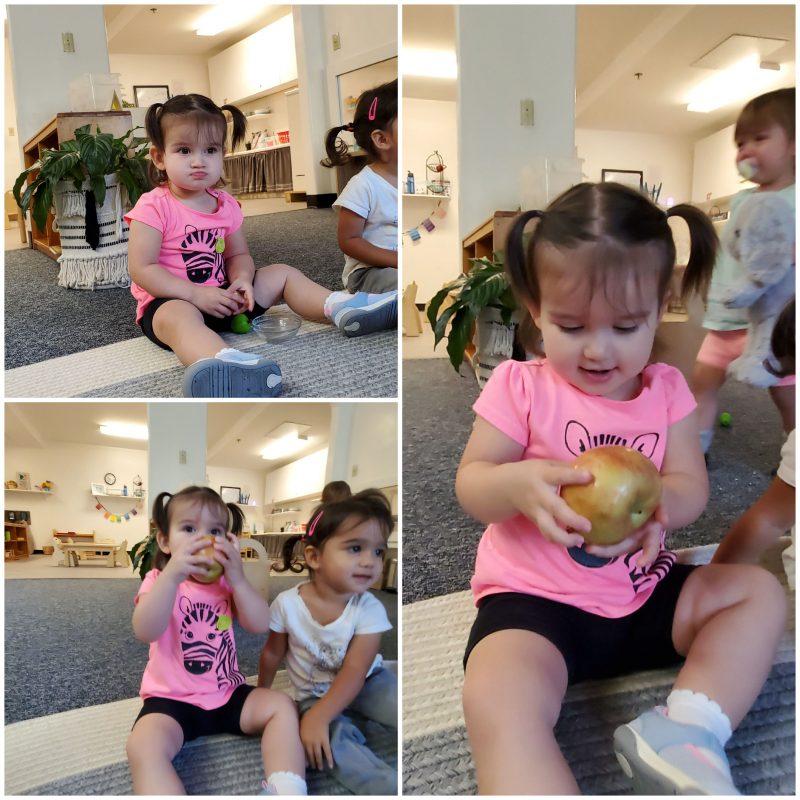
For food tasting, we enjoyed some delicious mango! Children were amazed at how heavy it was to carry one. They were also shocked to discover that the pulp was yellow and not pink as they thought and they all entirely loved the flavor! Another win for your list!


Releasing of the Butterflies

This week we wrapped up our butterfly study by releasing our butterflies!  The children were excited  to see them fly out of their habitat and into nature.  They were able to get an up close and personal look as they gathered to witness their departure. Some were hoping a butterfly would land on them. They patiently waited, but our butterflies were too eager to be on their way!

Thursday, we were able to visit the music room where the children were introduced to some new instruments. They had a blast singing songs and using rhythm sticks!  We were impressed by their ability to respect and enjoy this new and exciting environment. The children are displaying their readiness to move to the next level!