Band Time!

Maria Montessori used the scientific method to study children’s natural learning processes. She found that the child absorbs the culture they are in effortlessly and without fatigue between the ages of 0 – 6. Whatever the child is exposed to is internalized by the child and accepted into the child’s own being, imprinted on his soul. If a child is surrounded with music, the child will be a musical person. If a child hears their parents singing, the child will sing. If a child sees their parents dancing, the child will dance.

She called this the child’s “Absorbent Mind.”

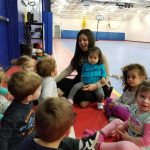
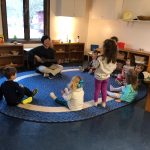
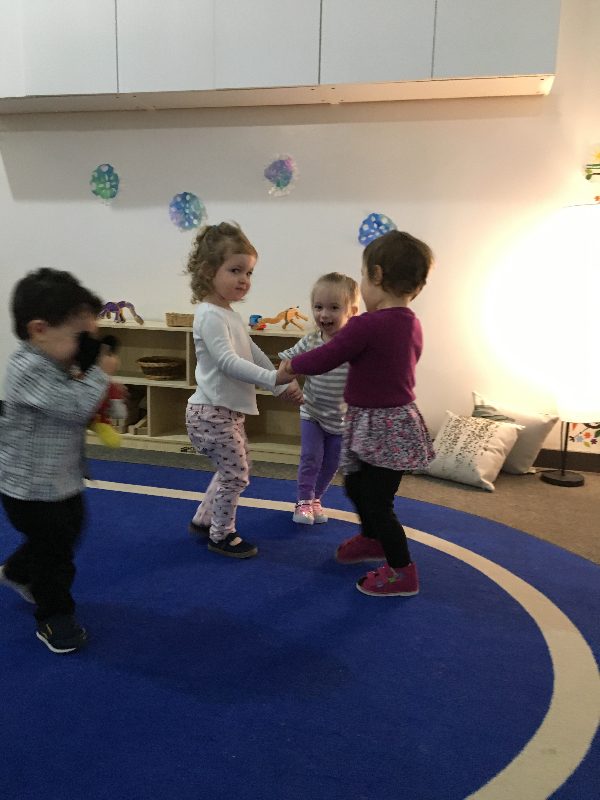
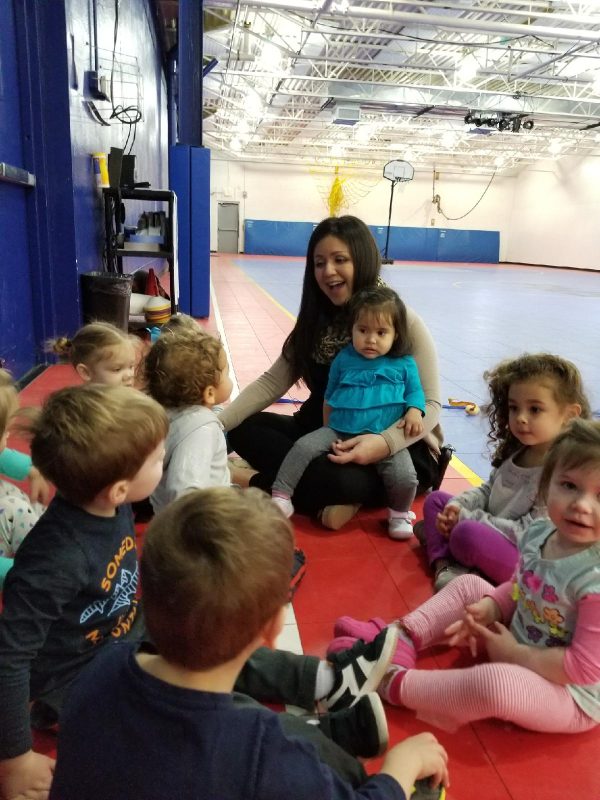
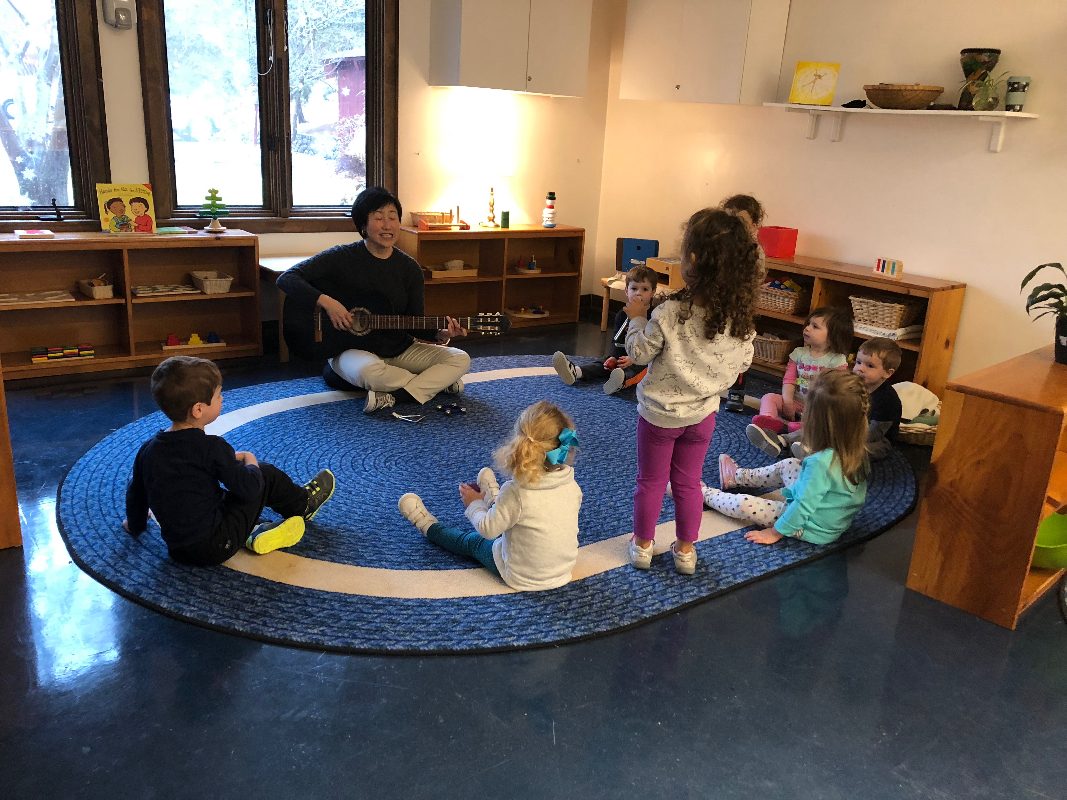
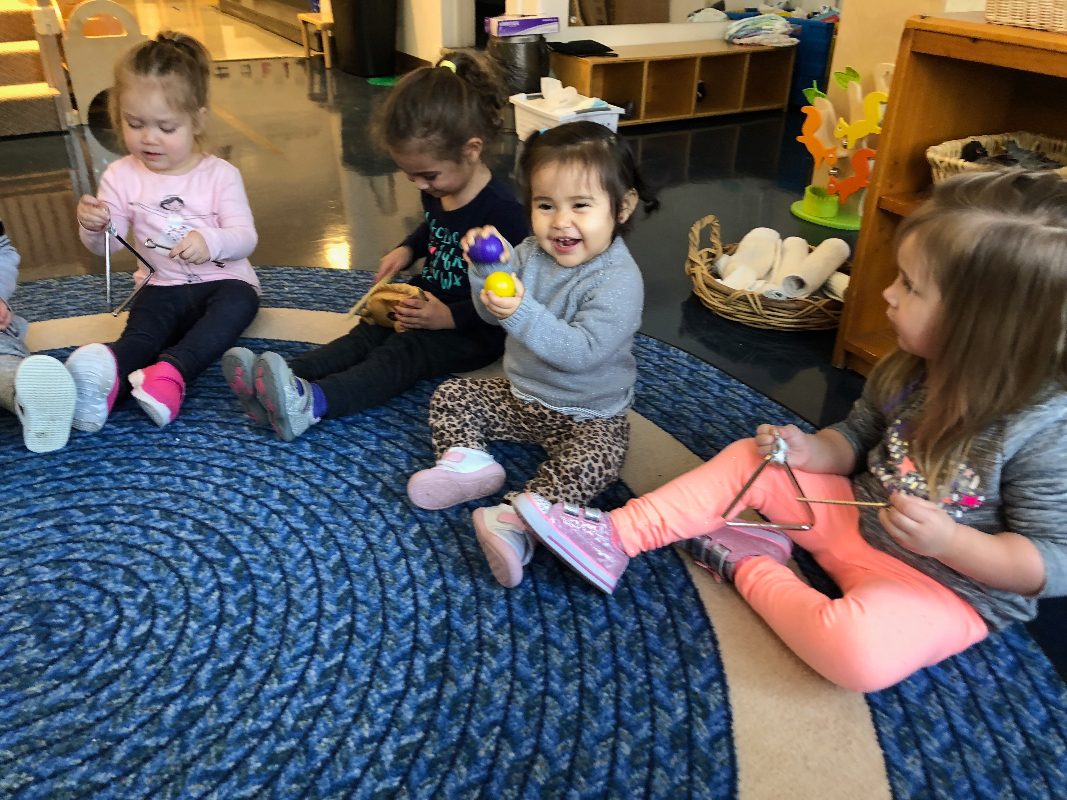
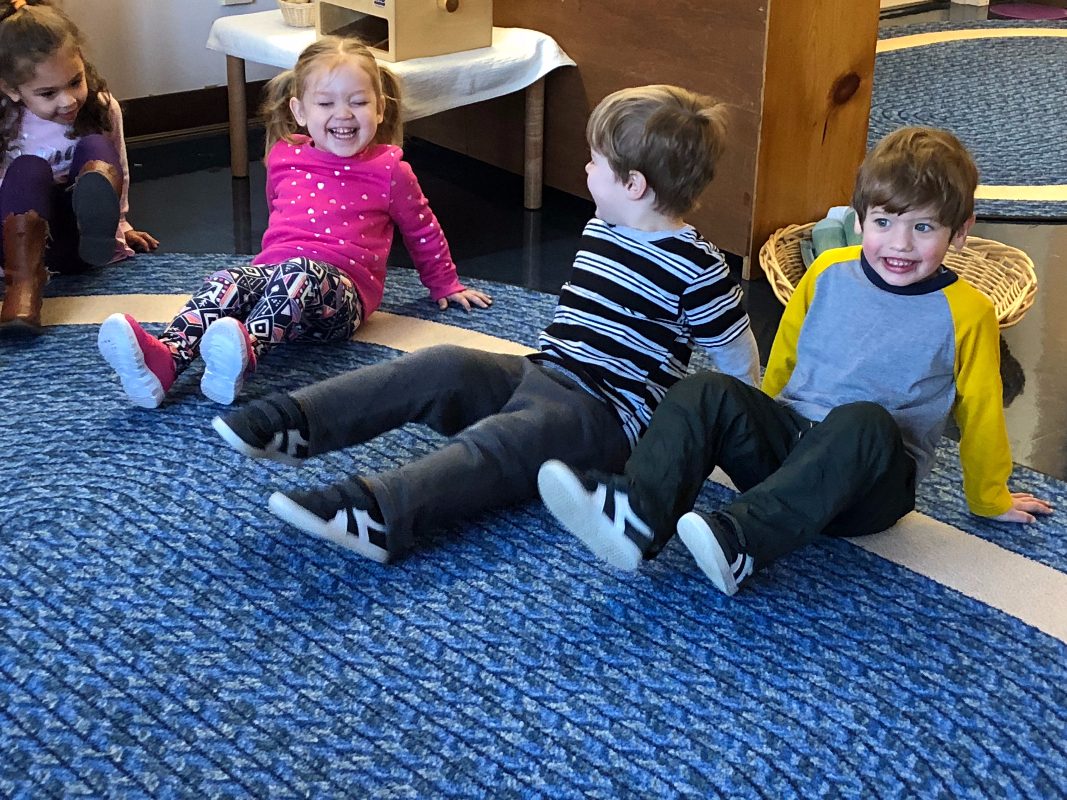
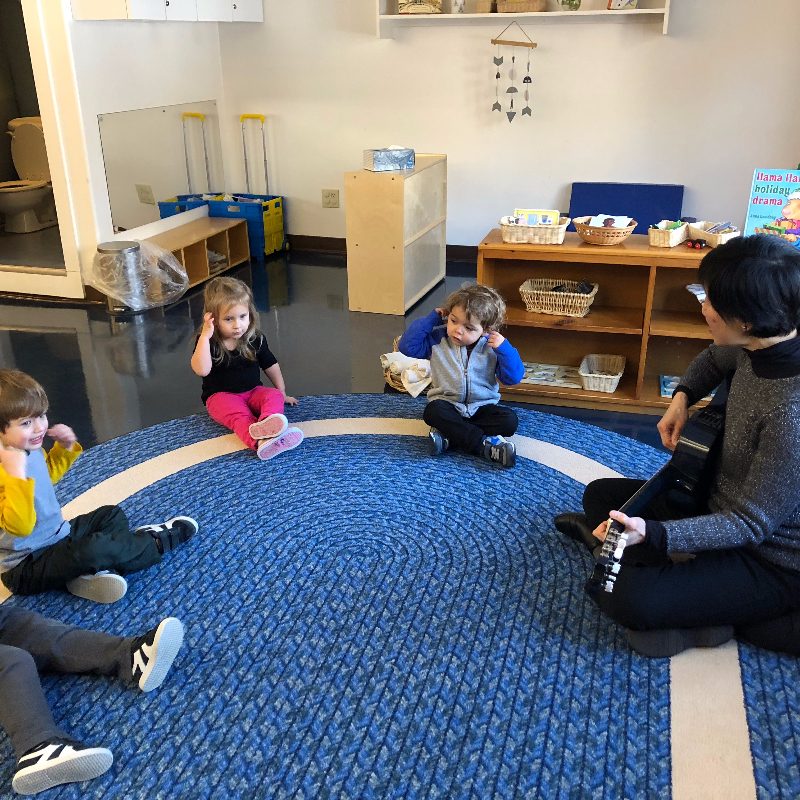
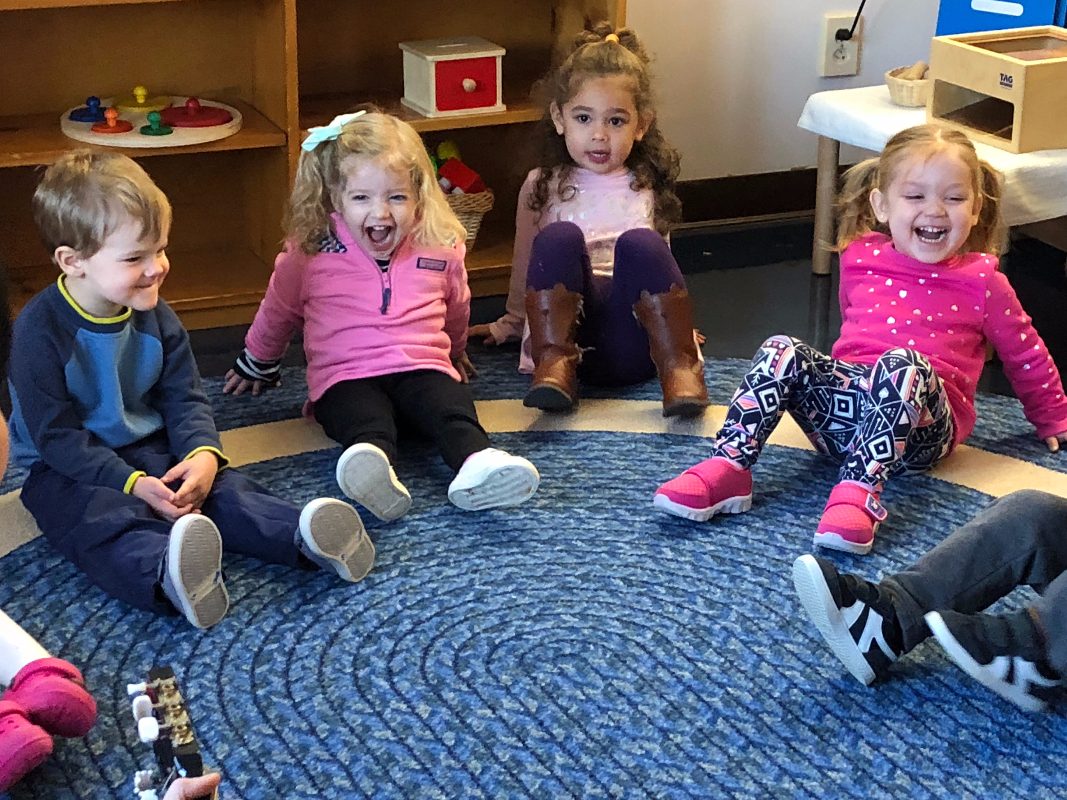
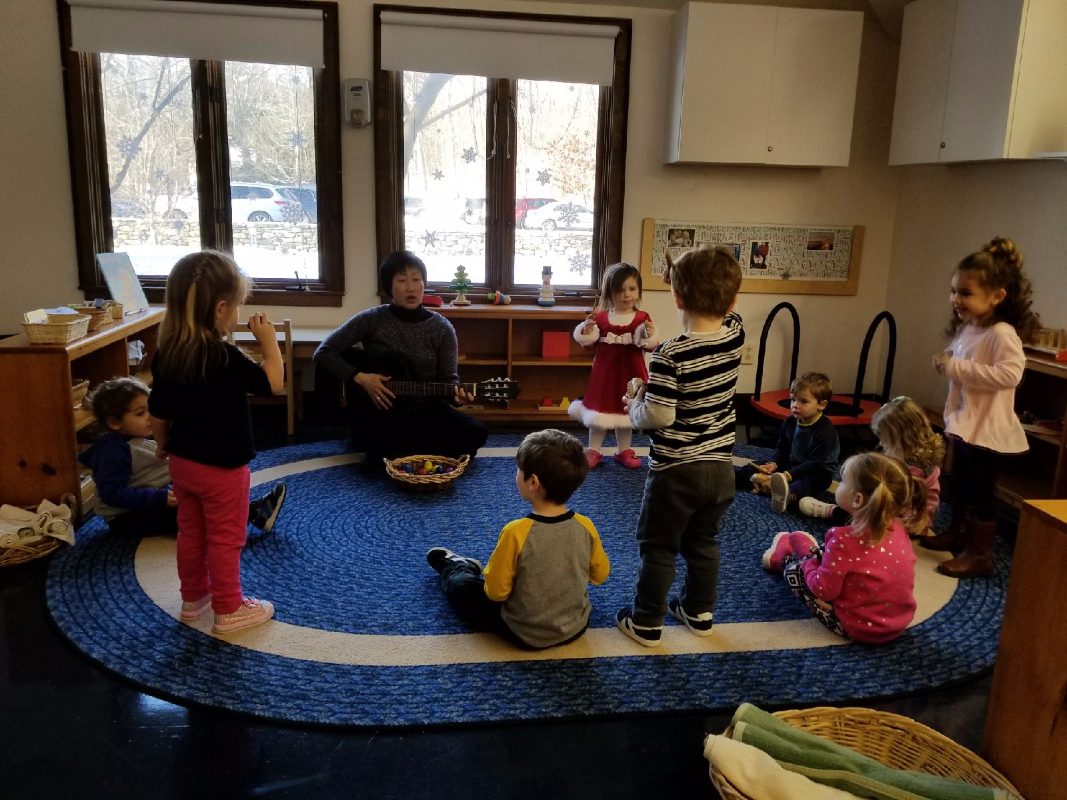
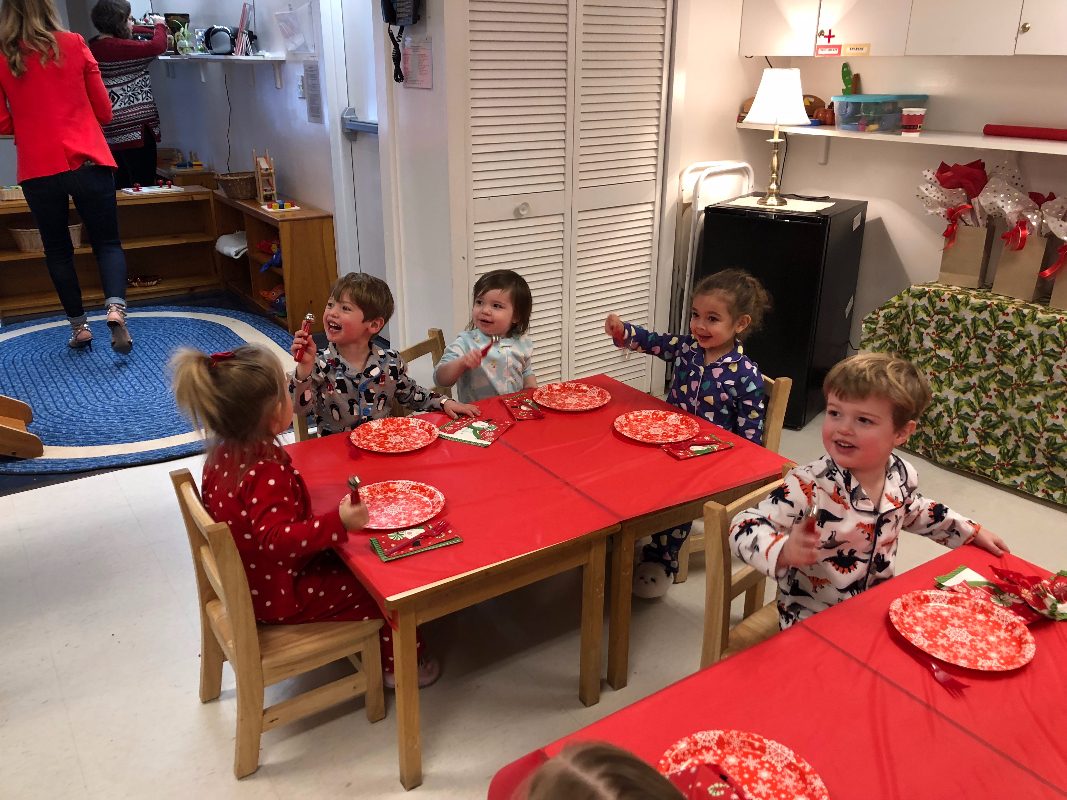
In addition to our music enrichment class every Tuesday, children are exposed to meaningful music experiences everyday. They learn the names of the instruments they are playing and they learn how to properly play them. Children also recognize the importance of being polite and waiting until everybody gets their instrument before selecting a song and grabbing their instrument to play! Children are directed to recognize hand gestures for tempo, dynamics, and their favorite: the closing of the song.  They all love to hold their fists up and watch how everybody’s instrument stops at the same time! Their smiles say it all! We call this our “band time.”

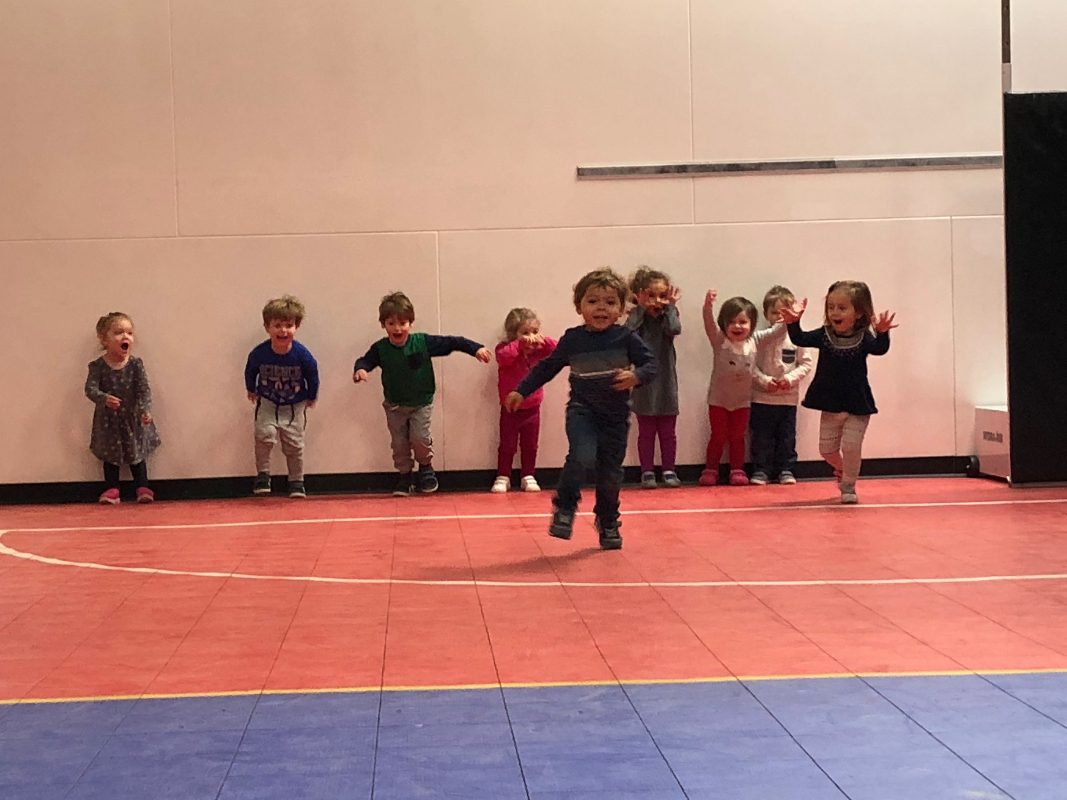
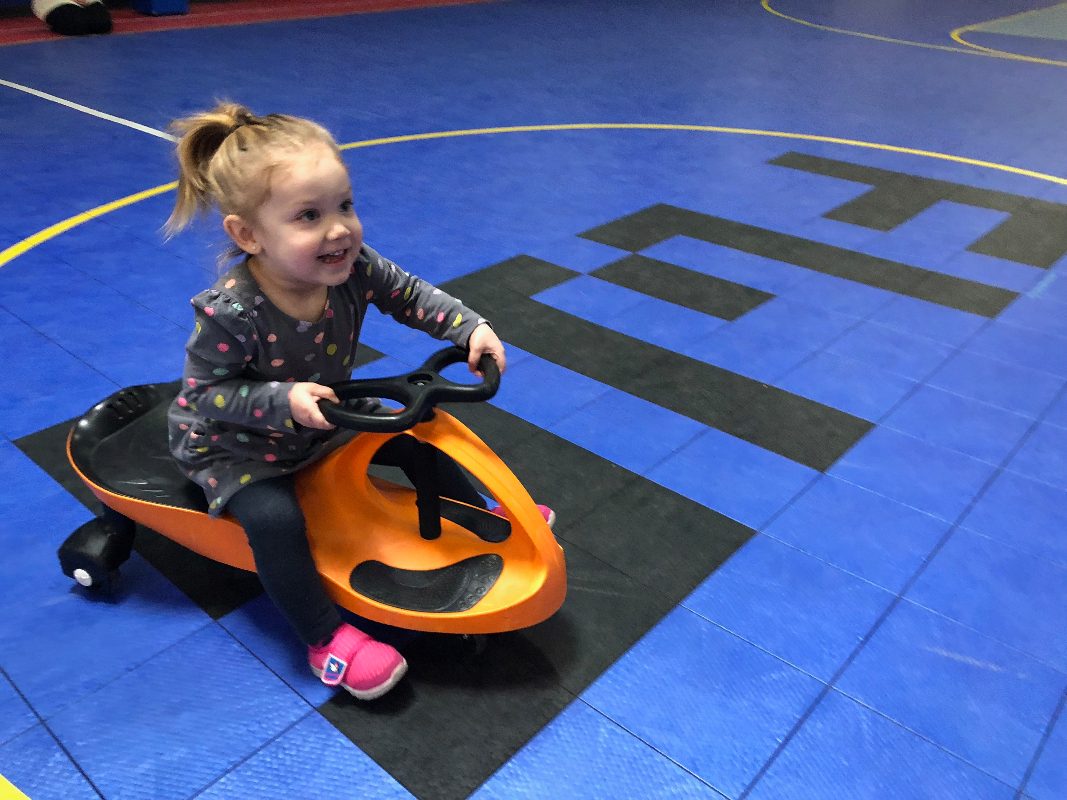
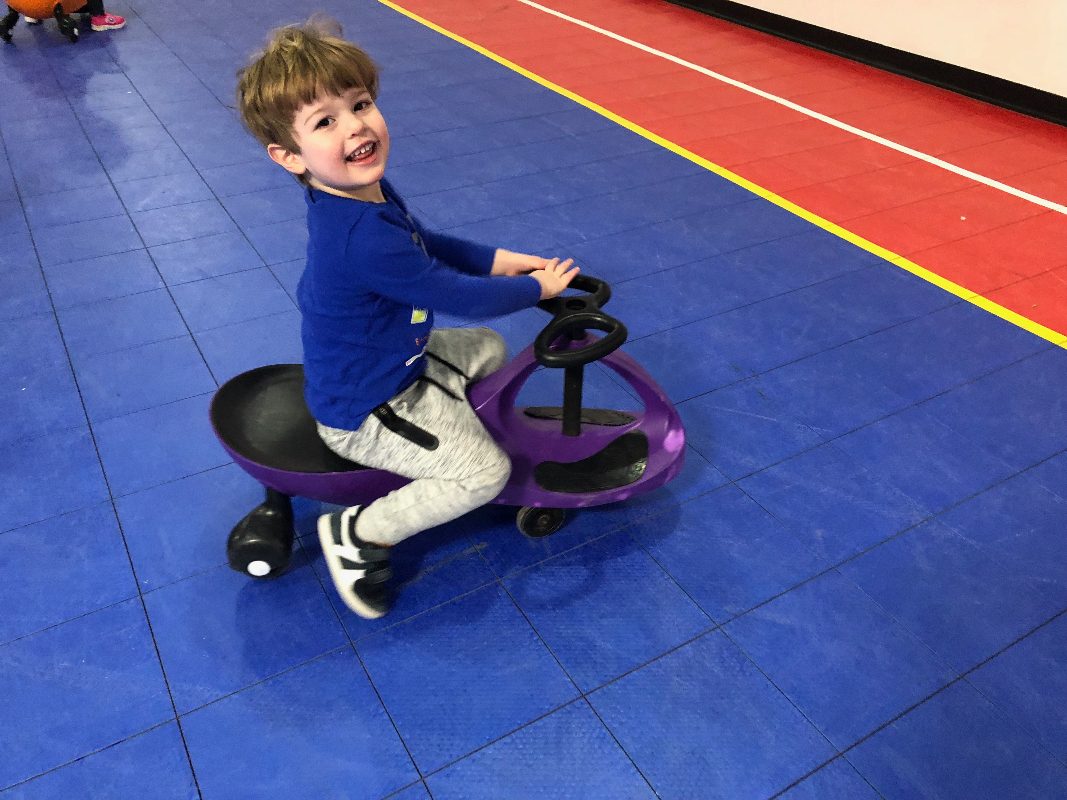
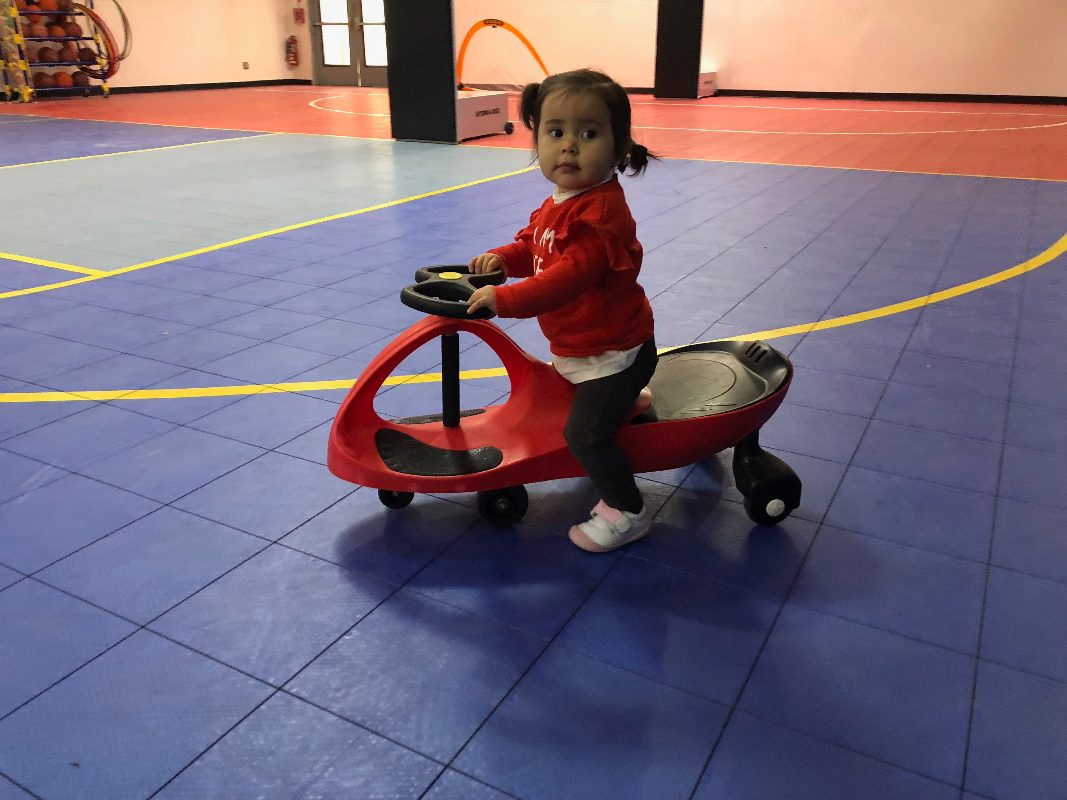
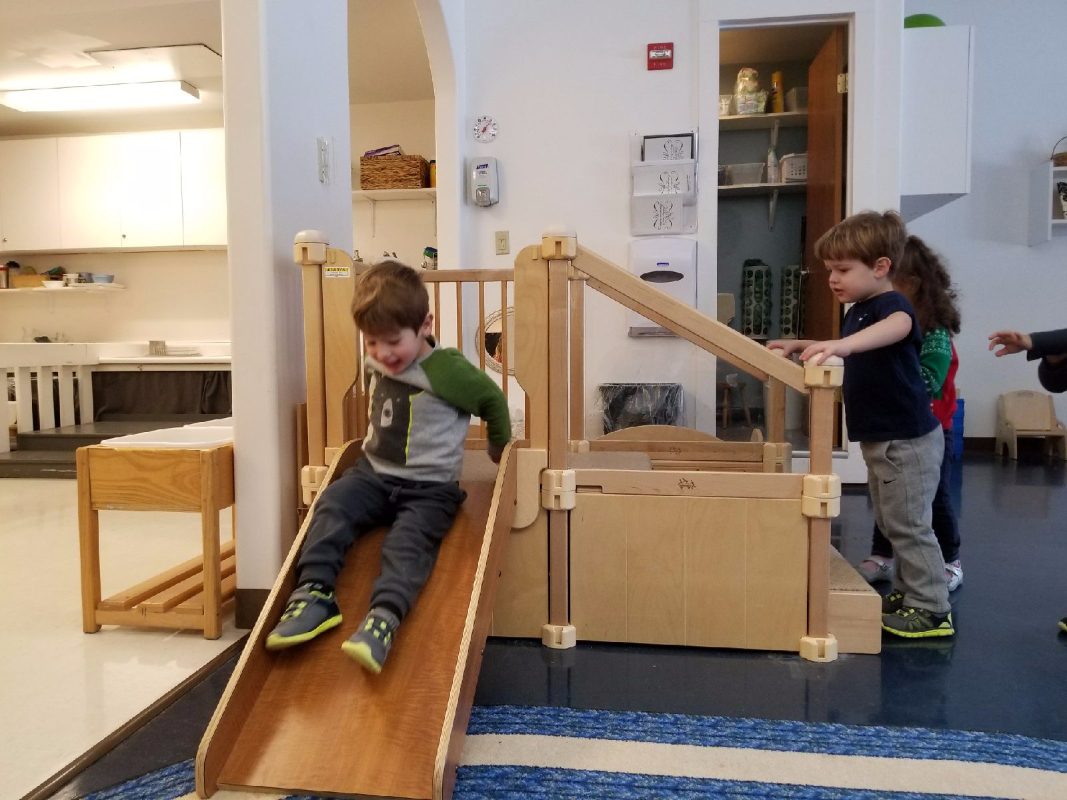
This week we also enjoyed the gym a couple of times and worked on balancing. In addition to the regular fun, we also practiced on how to ride a scooter and how to hop over hula hoops.


Working and Playing!

In Montessori education, the term “normalization” has a specialized meaning. “Normal” does not refer to what is considered to be “typical” or “average” or even “usual.” “Normalization” does not refer to a process of being forced to conform. Instead, Maria Montessori used the terms “normal” and “normalization” to describe a unique process she observed in child development.

Montessori observed that when children are allowed freedom in an environment suited to their needs, they blossom. After a period of intense concentration, working with materials that fully engage their interest, children appear to be refreshed and contented. Through continued concentrated work of their own choice, children grow in inner discipline and peace. She called this process “normalization” and cited it as “the most important single result of our whole work” (The Absorbent Mind, 1949).

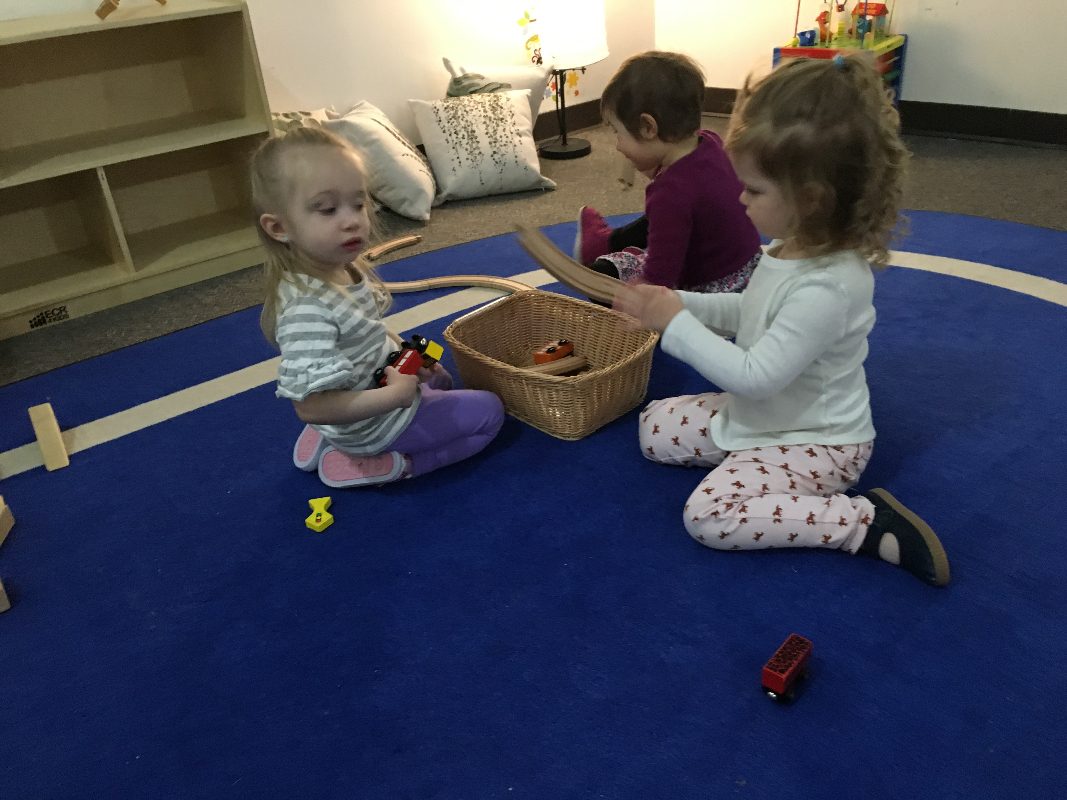
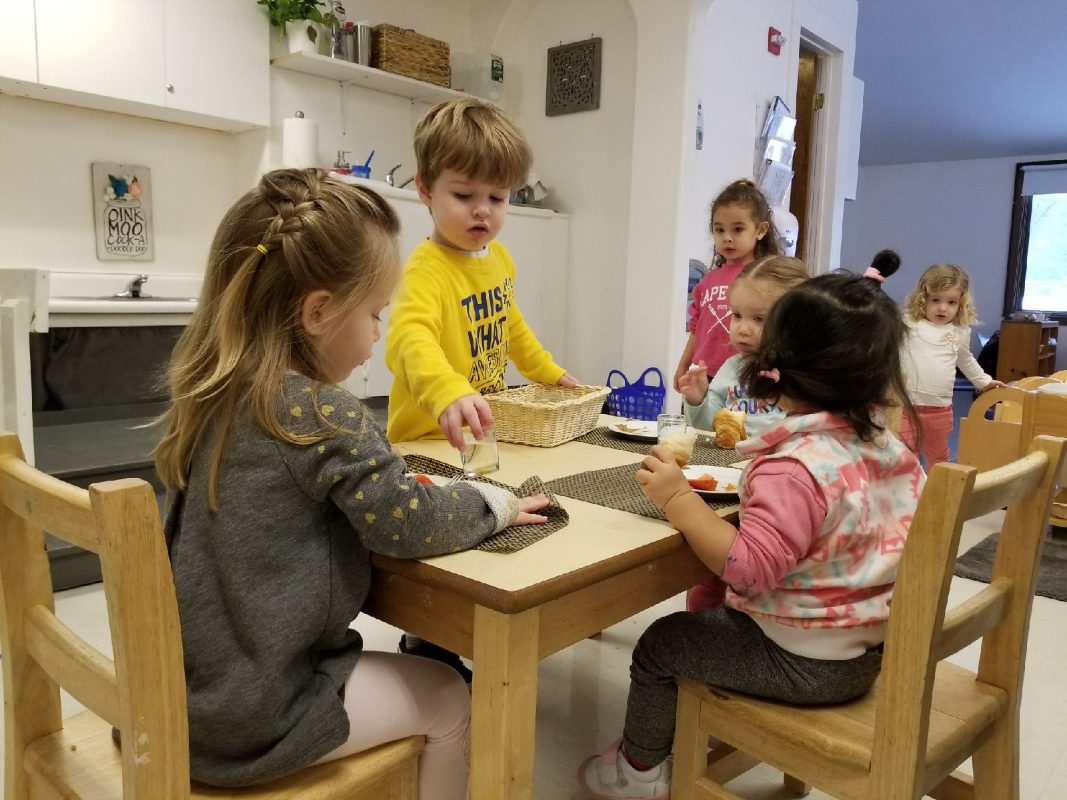
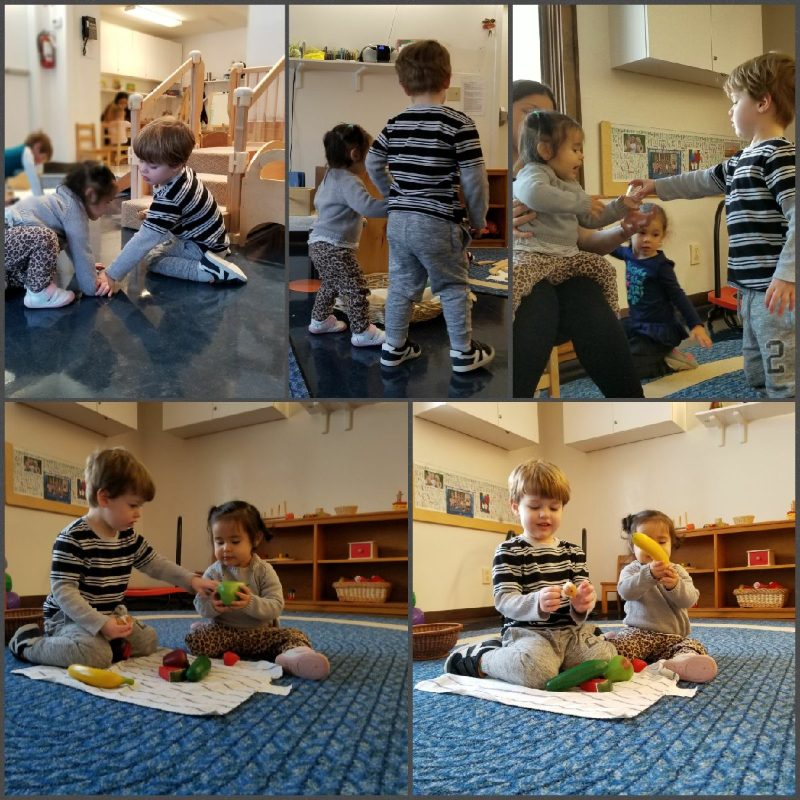
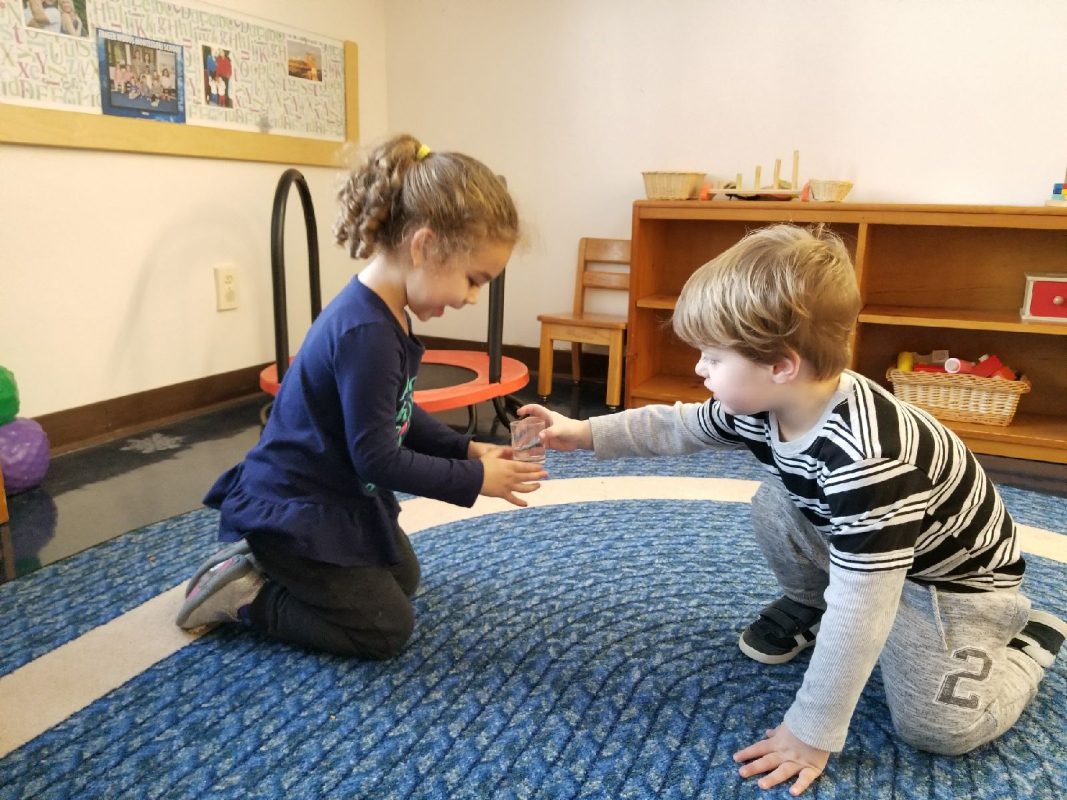
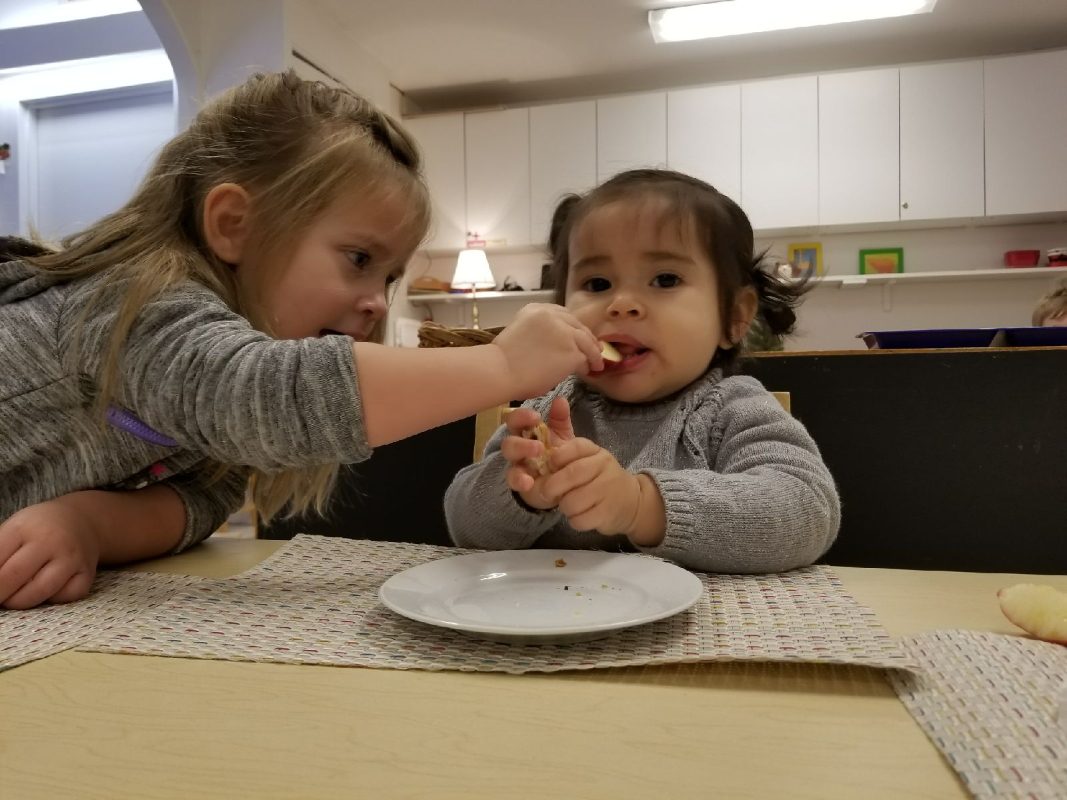
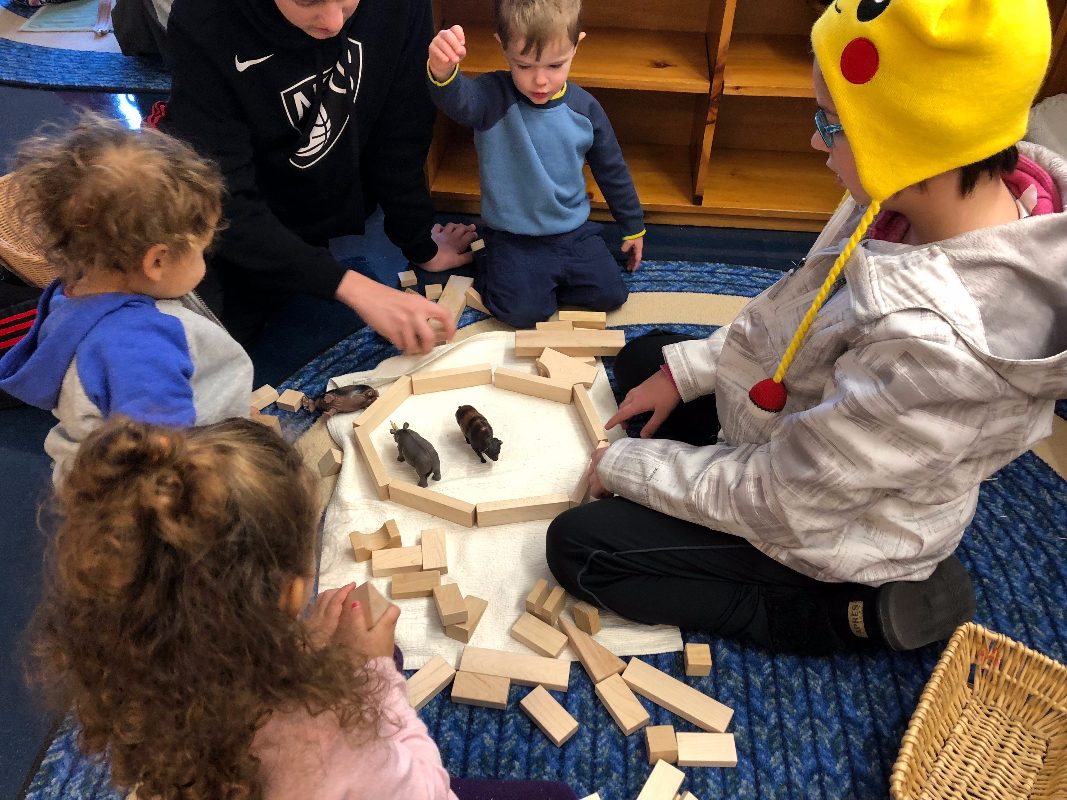
The children in our environment are in a great path to “normalization”. Every morning we get to see its signs! We also watch with joy how children are more used to the routines and transitions are more peaceful!. They recognize their friends and feel comfortable sharing and working together. Deep friendships are developing and expressions of love and care for each other are more evident.

As a fun activity, some of our children got to enjoy the visit from the Botsford Fire Department. They got a simple informative glimpse of fire safety and prevention, and they even go to see Ms. Sara dressed like a firefighter! 🙂

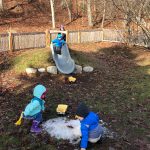
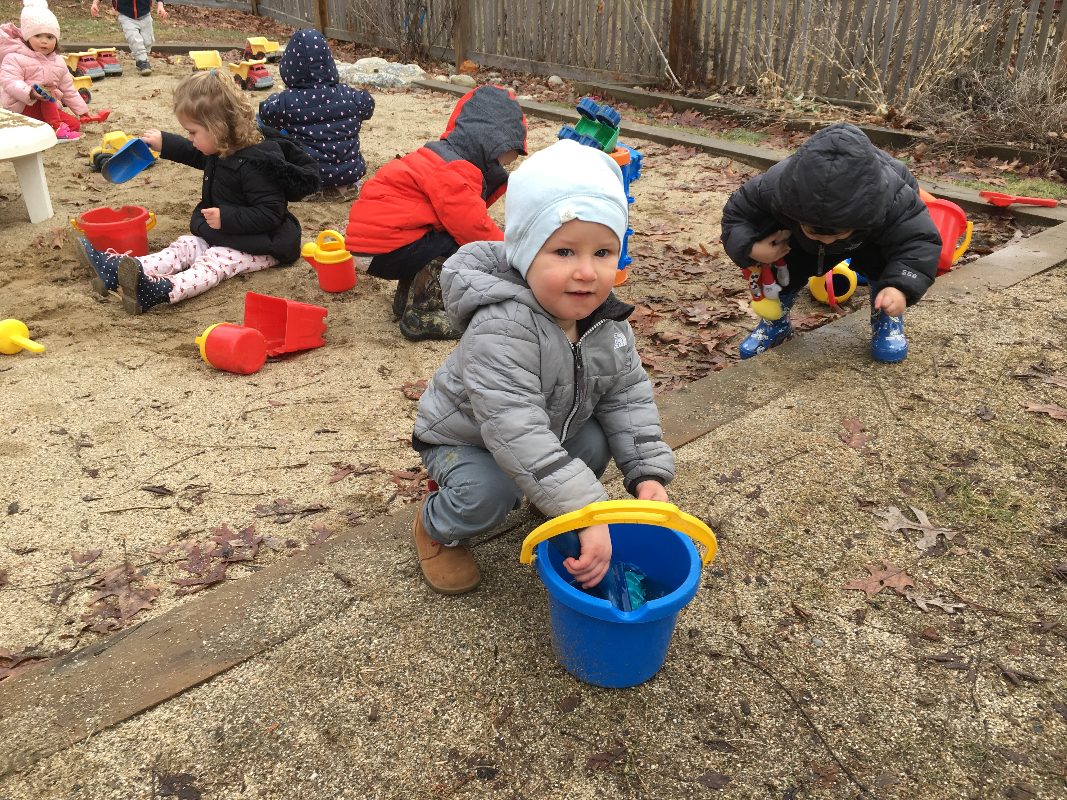
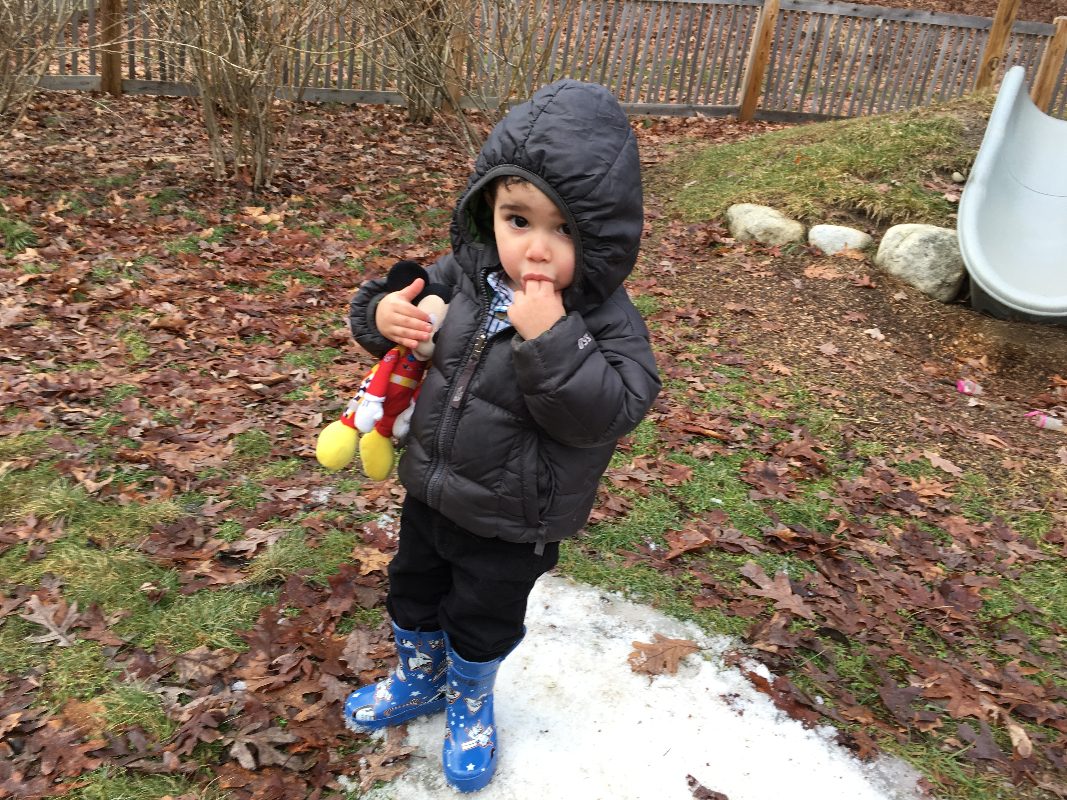
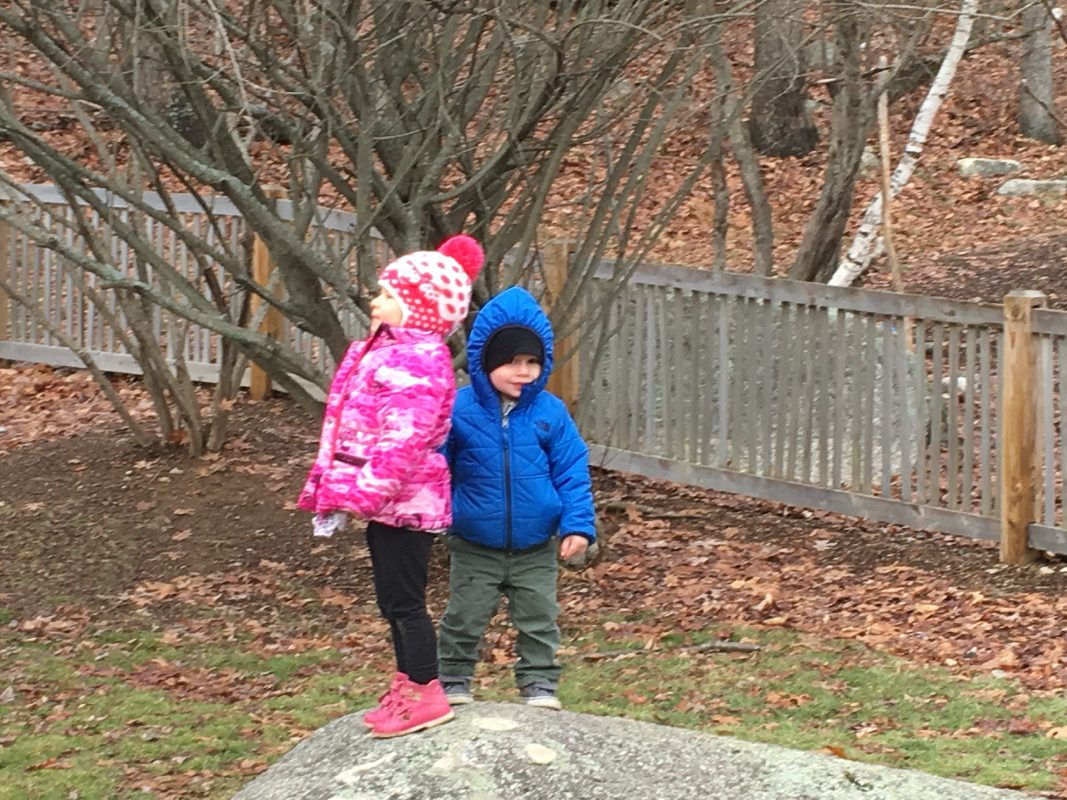
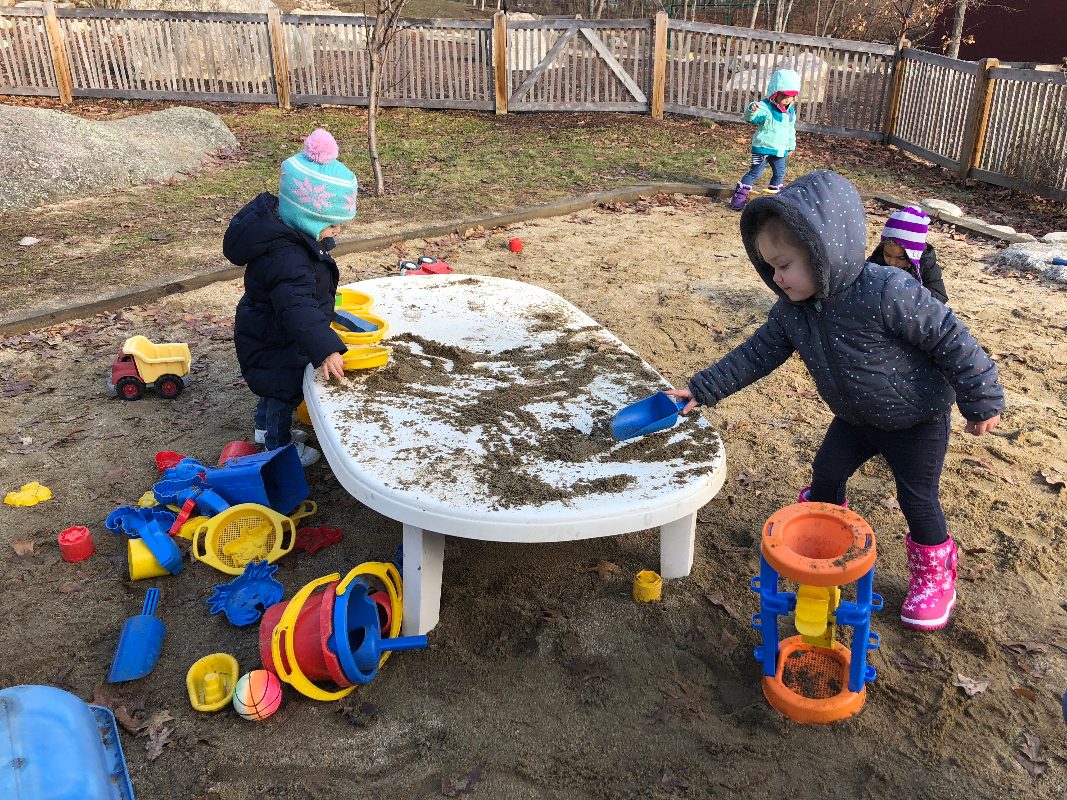
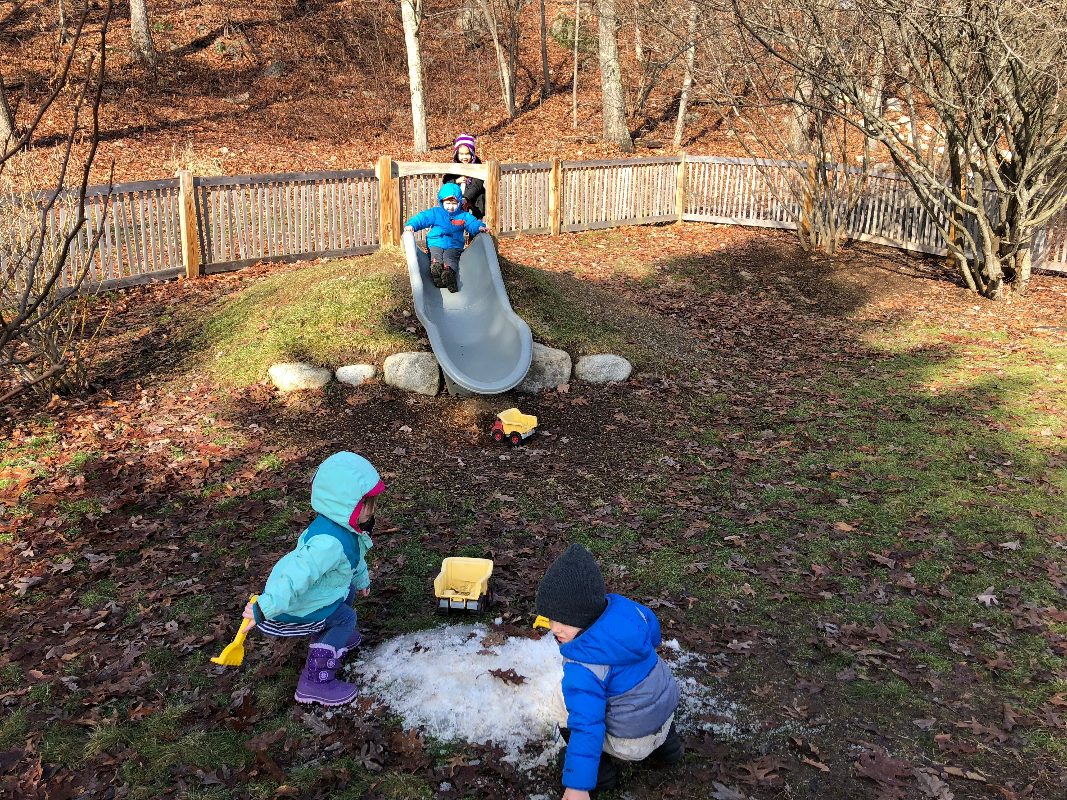
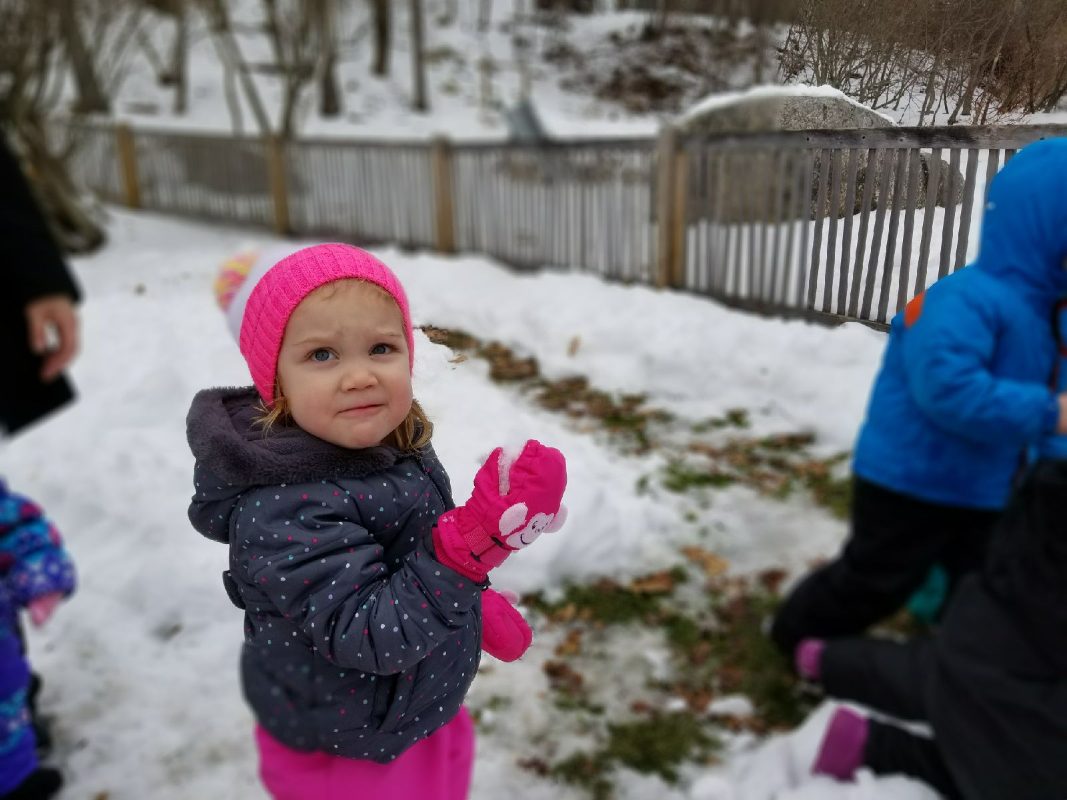
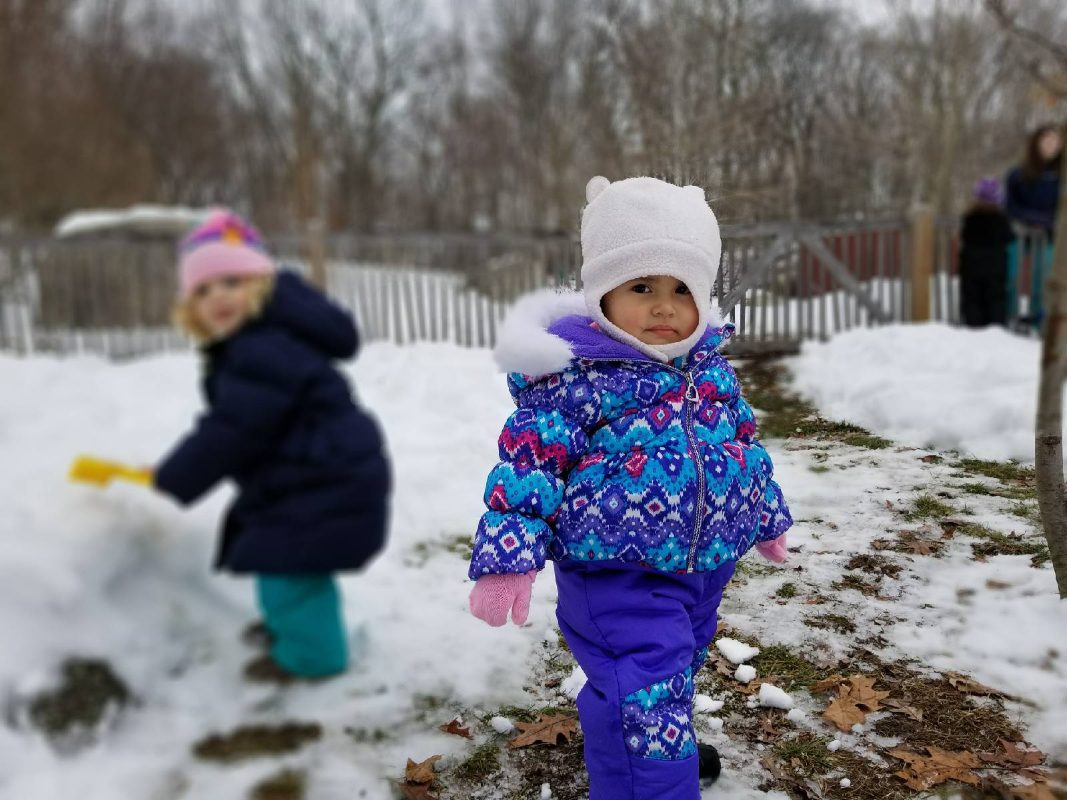
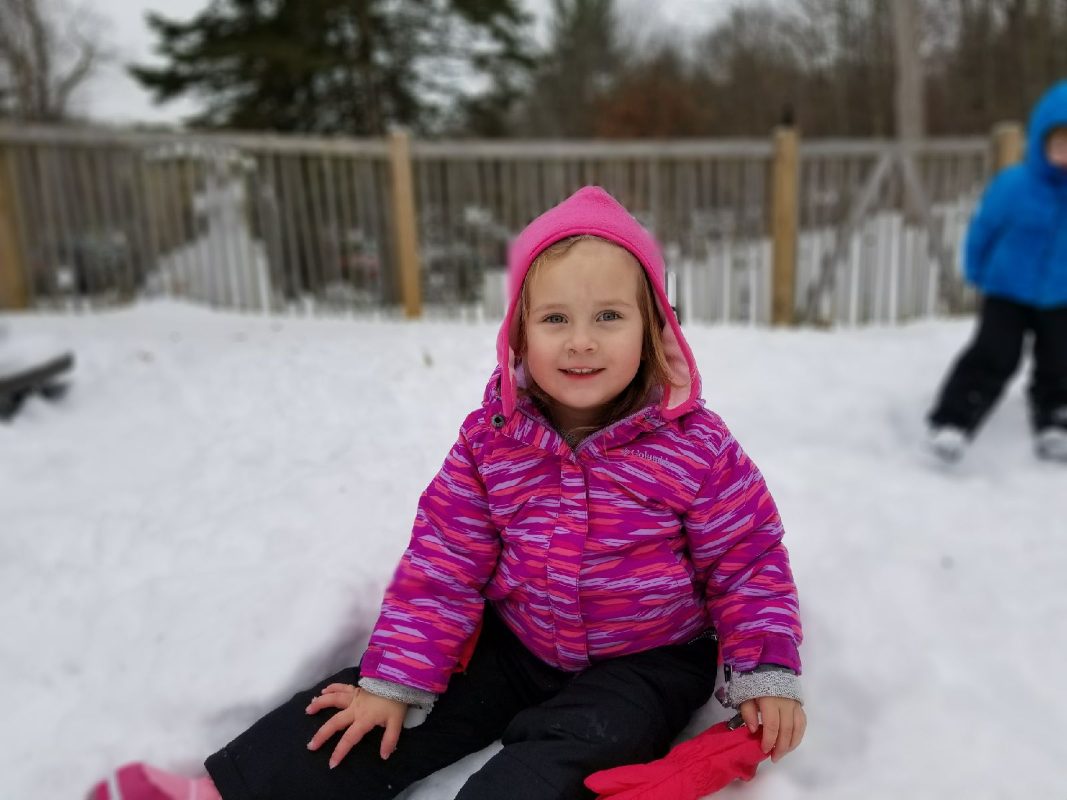
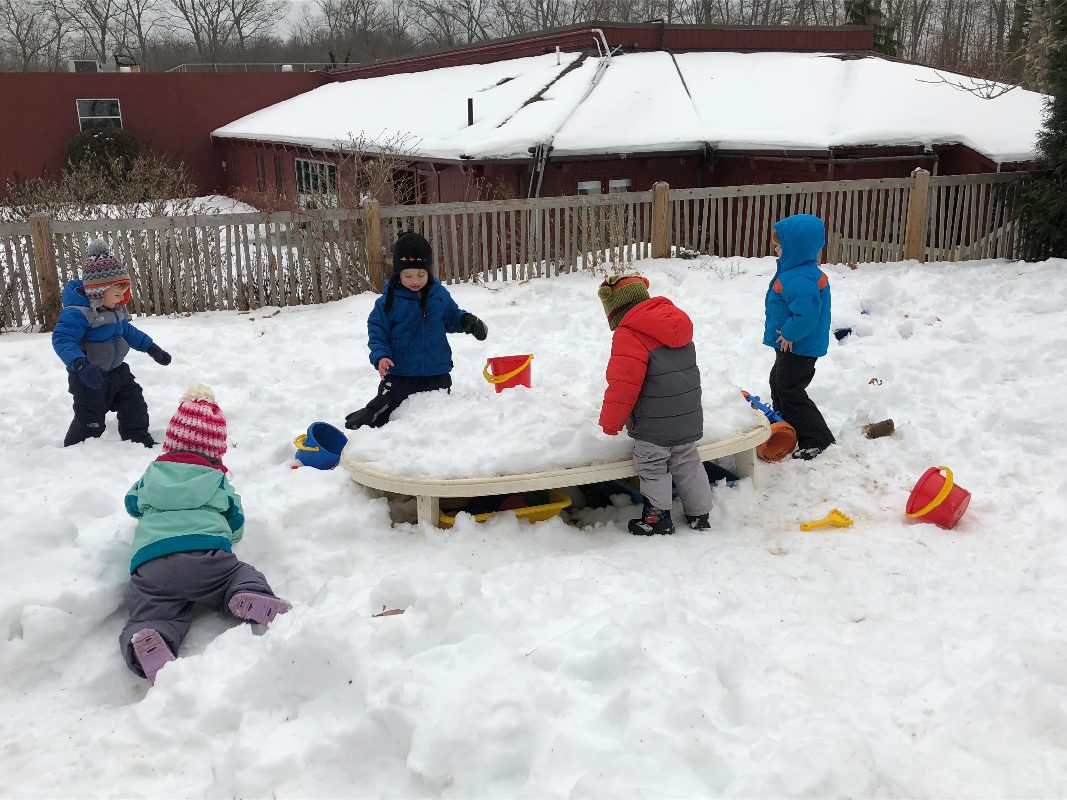
Jumping from the rock is the favorite challenge they have created outdoors and oh my, they are so good at it!

We hope next week we get to see all of our friends together again, healthy and ready for a new adventure!

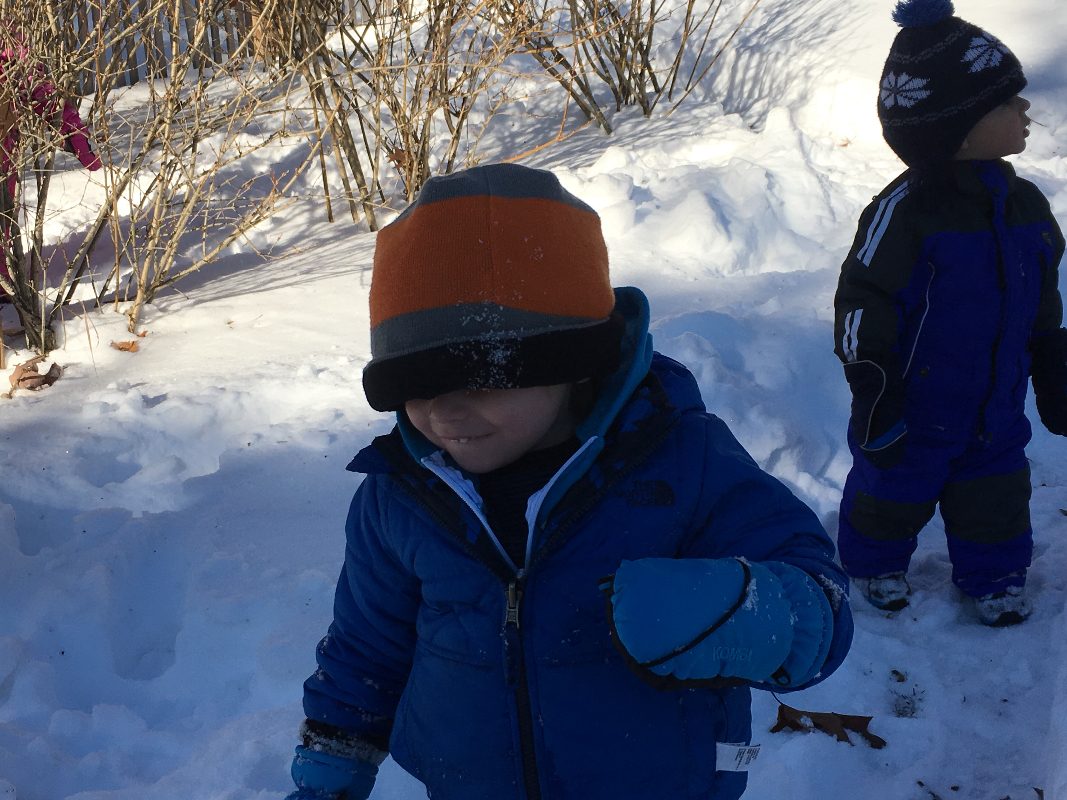
Stay warm!


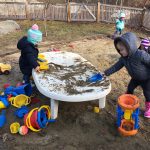
Sensory Play!

“The senses, being explorers of the world, open the way to knowledge.” Maria Montessori

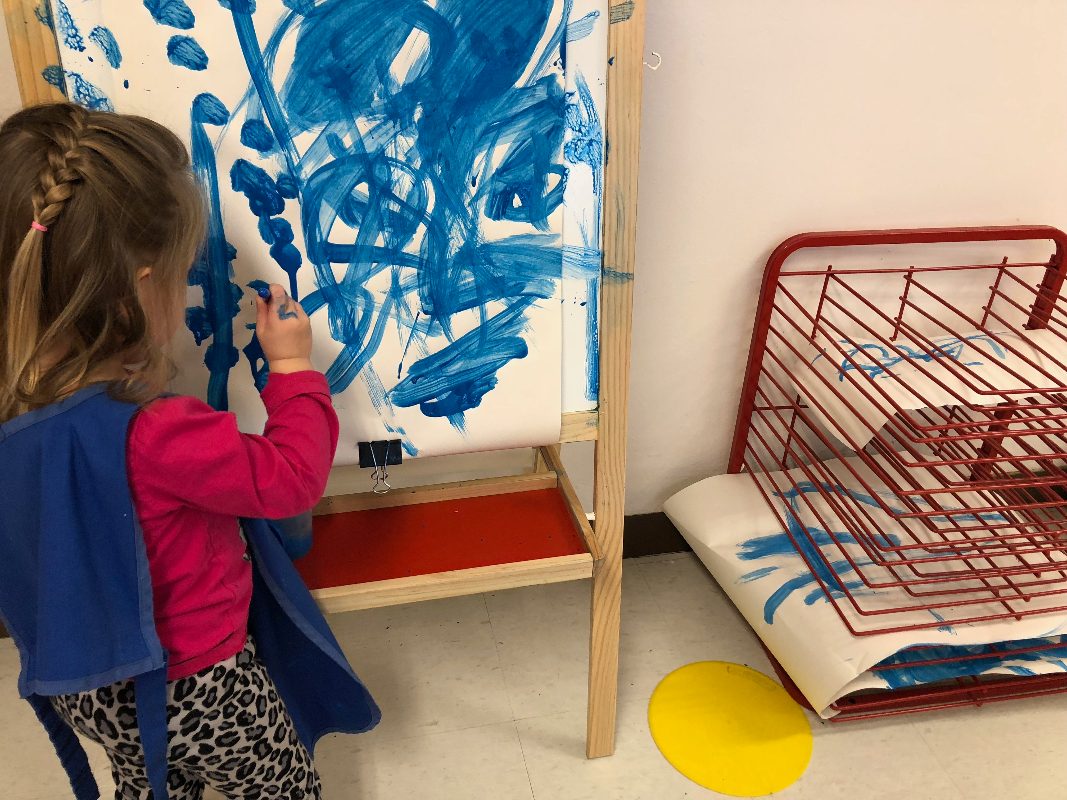
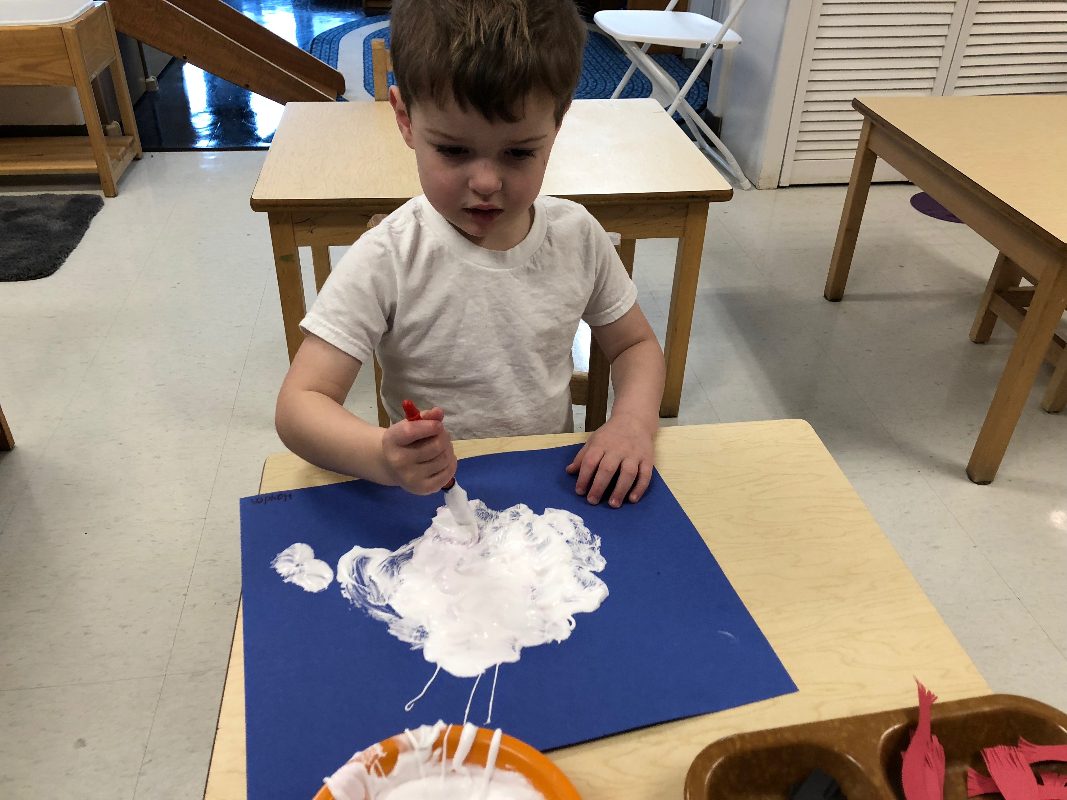
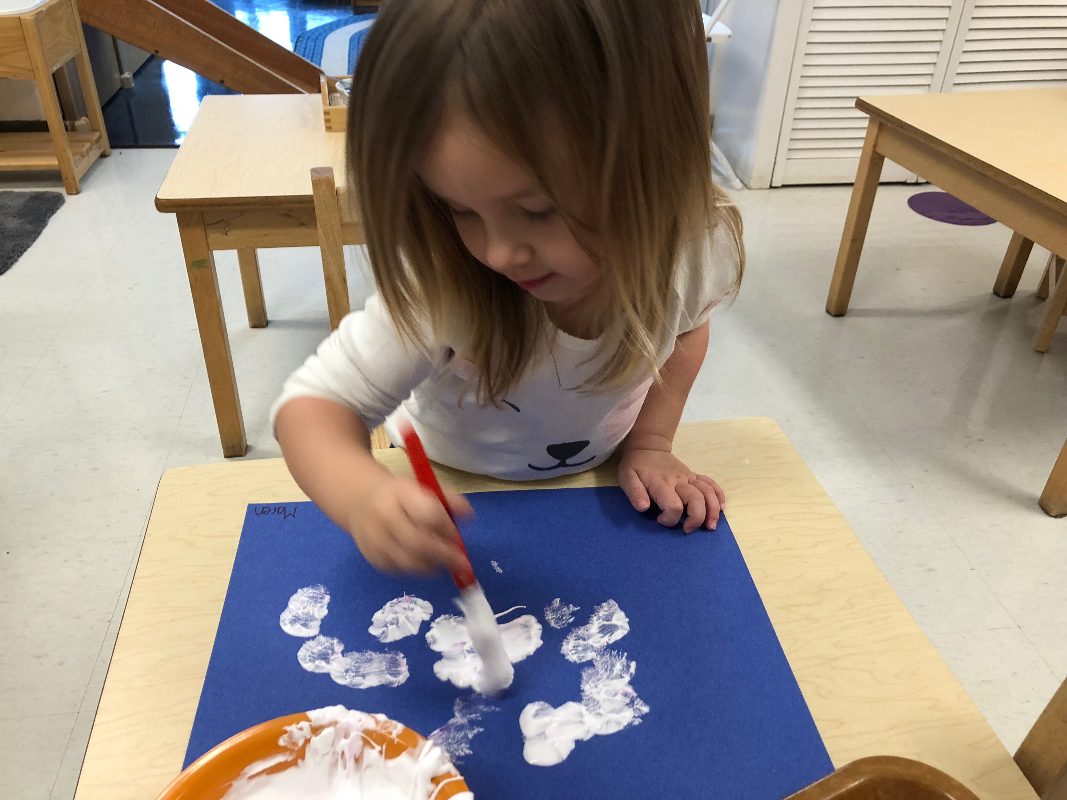
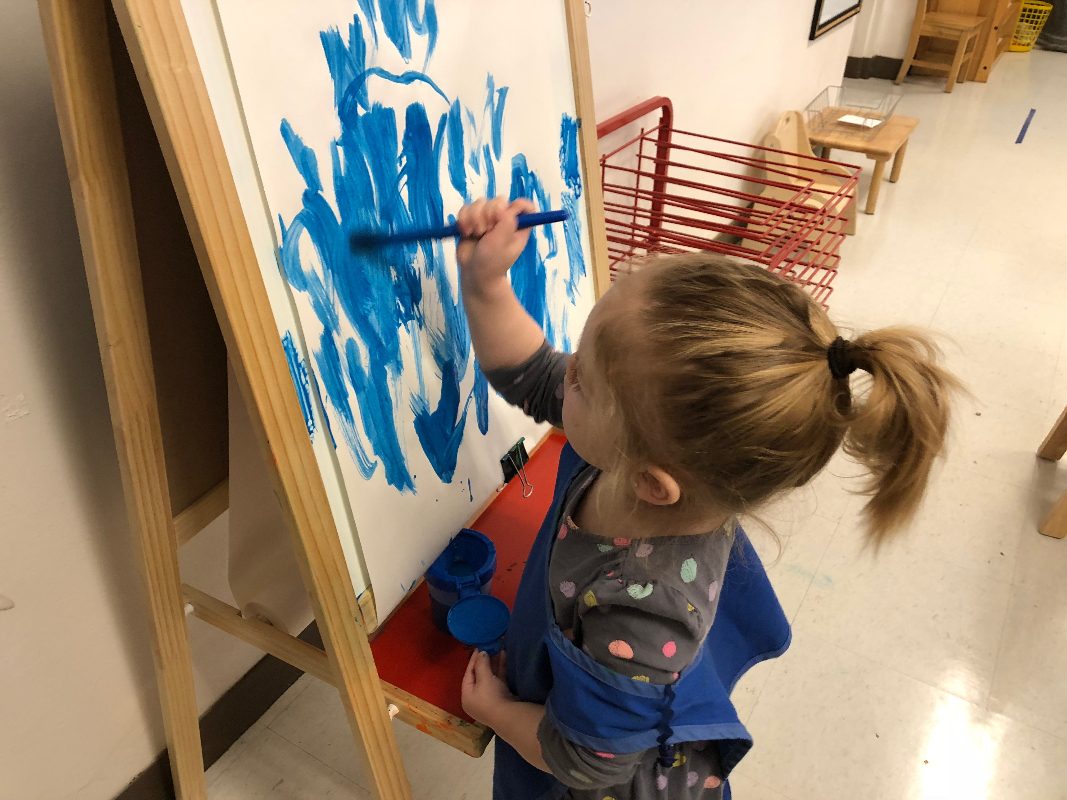
Everyday in our environment, the children are using their senses to learn about the works around them. For our hand painting activity, the children got to feel the cold, thick paint brushed onto their hands with a thick paint brush. Then they stamped and smeared their hands onto the smooth paper. Small plates of paint were then introduced so the children could “coat” their hands themselves. If you spied any noses with paint on them, the children also enjoyed smelling the paint on their hands.

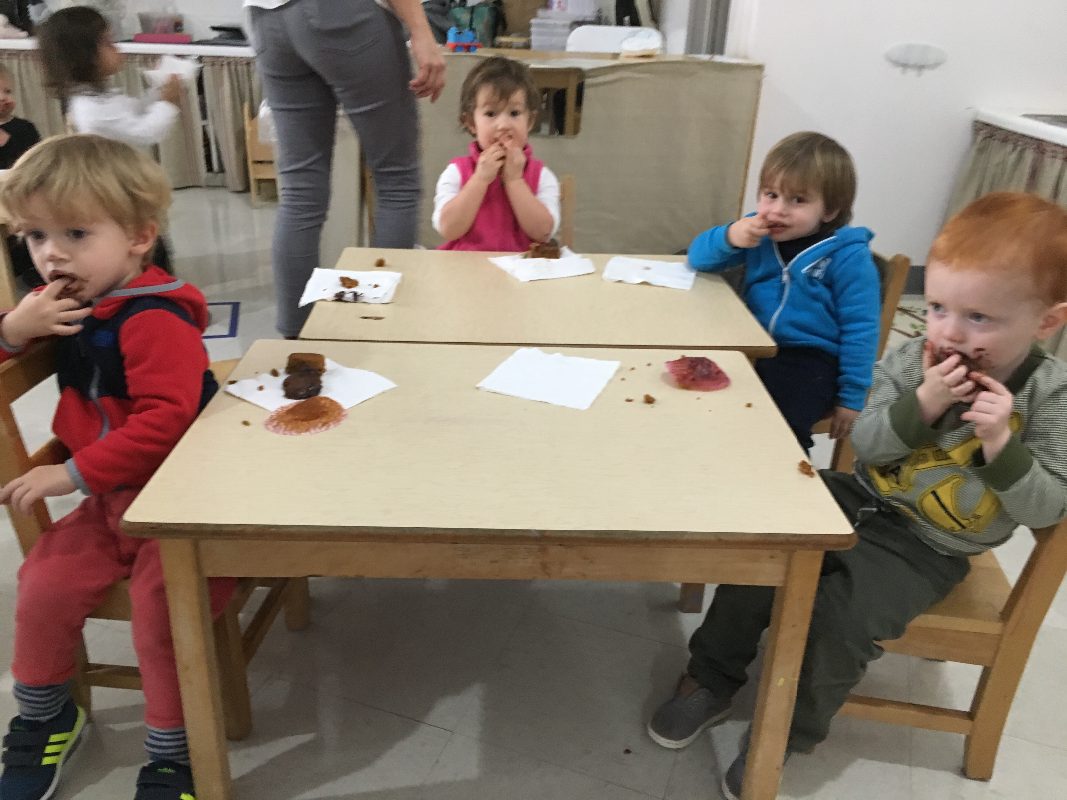
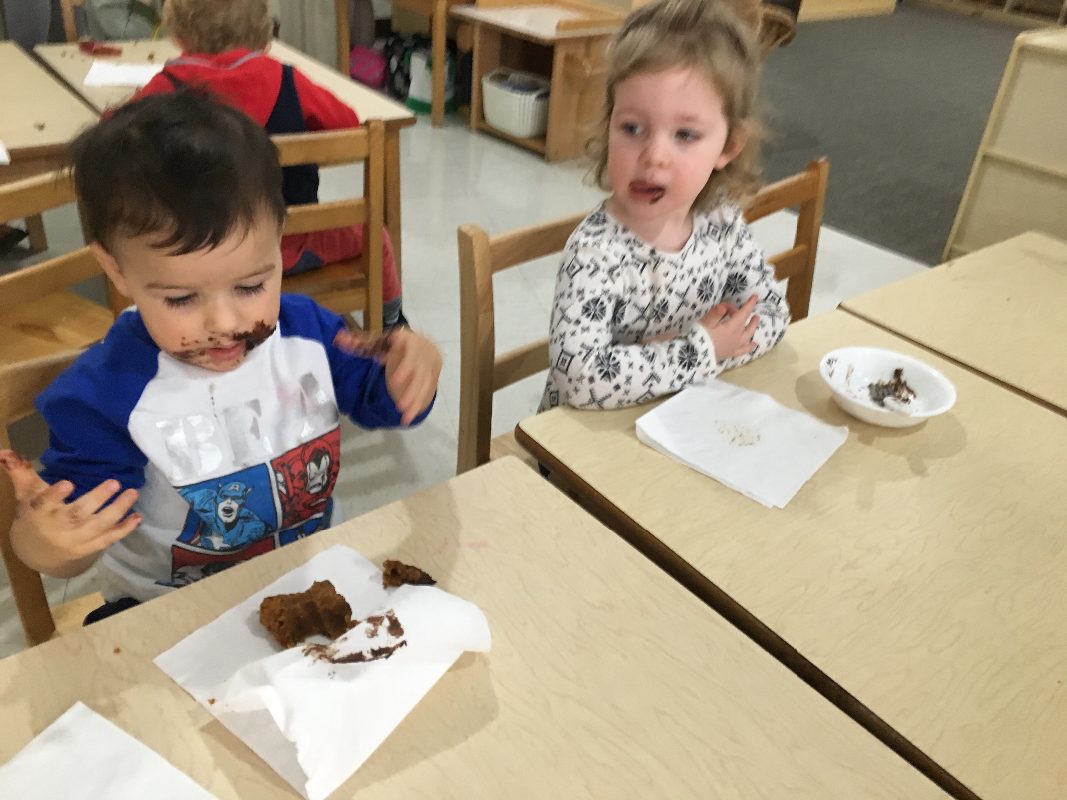
Cutting open several small pumpkins was another fun sensory experience. The children liked pulling the seeds from the slimy pulp and watching them slip out of their hands if they squeezed too hard.  It was fun to see the children’s expressions as they watched the pumpkin being cut. They also liked learning the parts of the pumpkins and feeling the differences among the smooth rind, the slimy inner flesh, and the rough, hard stem. Several noses and tongues made contact with the pumpkins interior. Most found the scent pleasant, those who got a taste made a face! Next week when we make pumpkin bread, we hope those frowns turn upside down!


New Work in Our Environment!

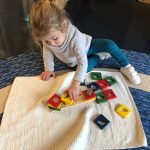
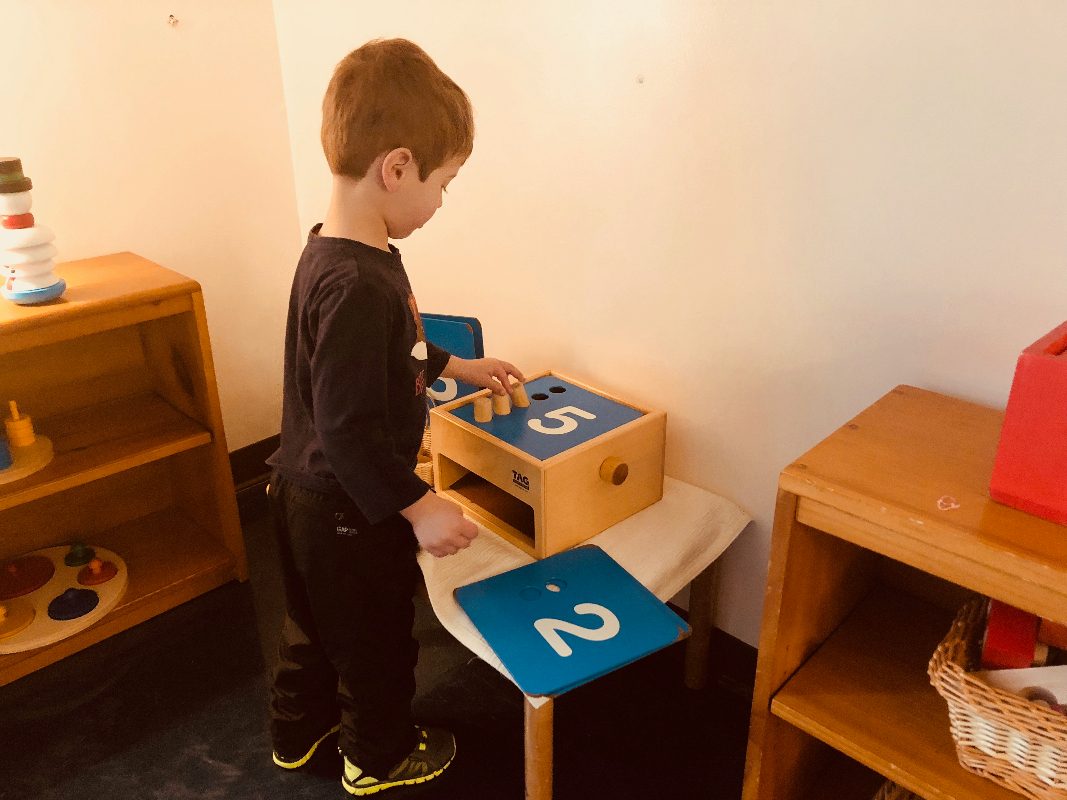
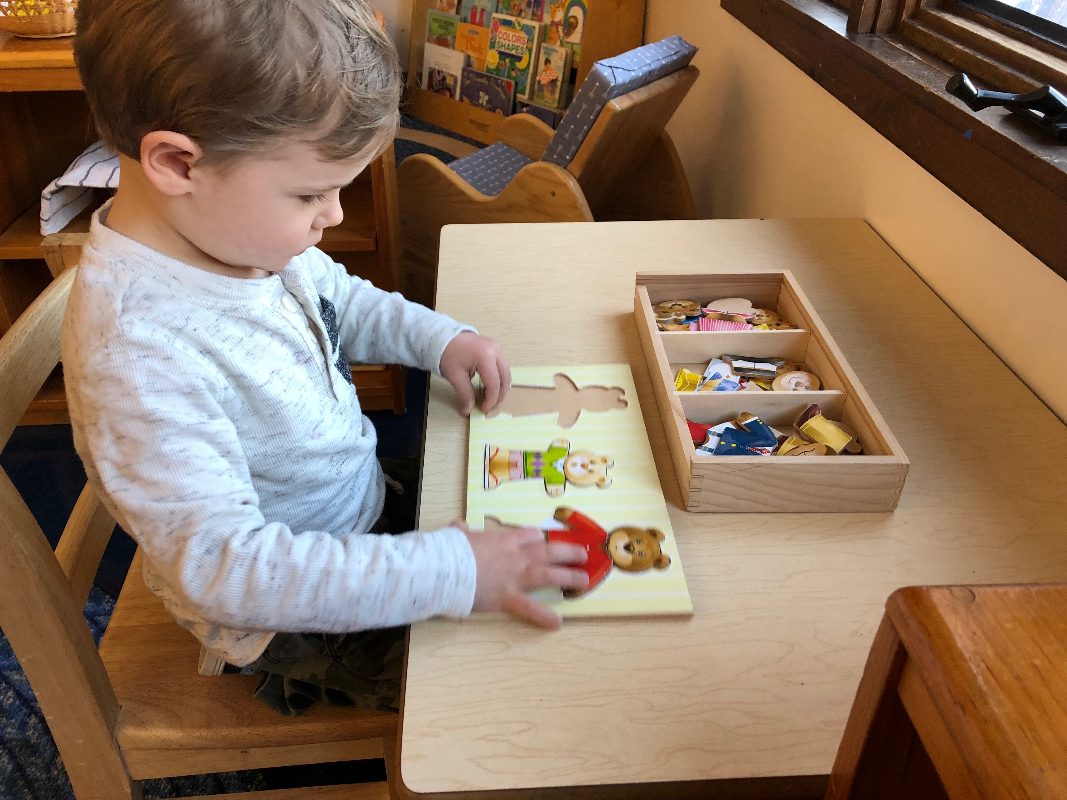
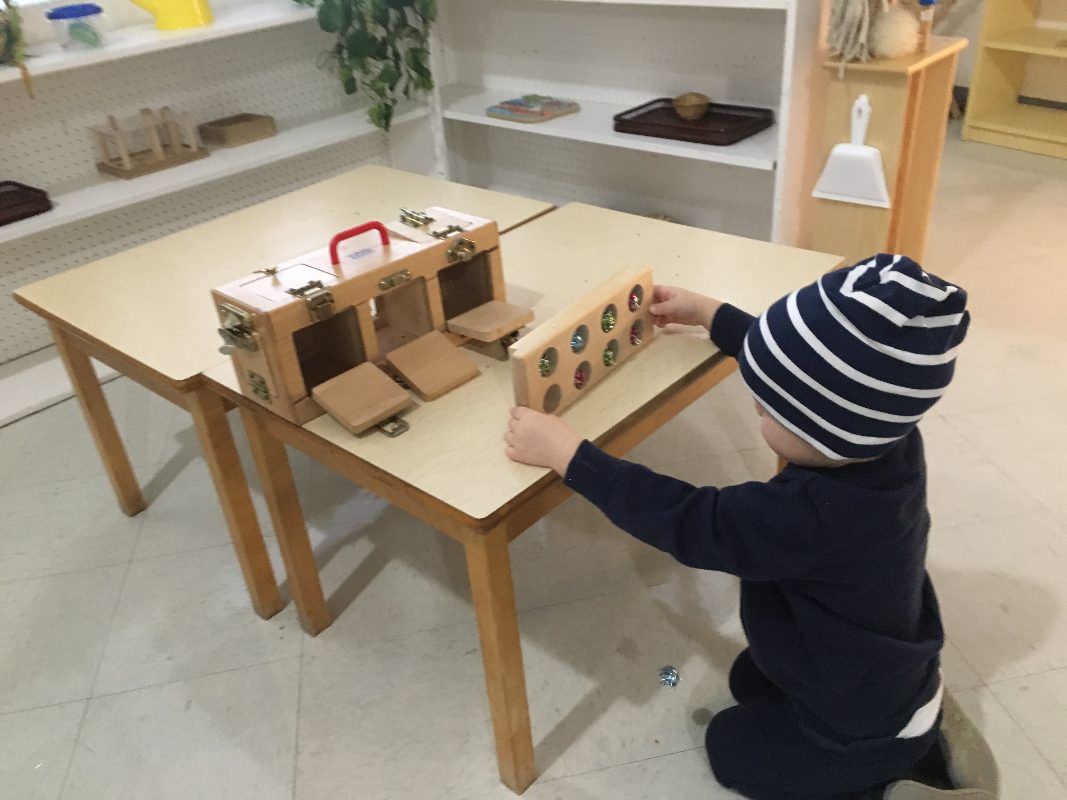
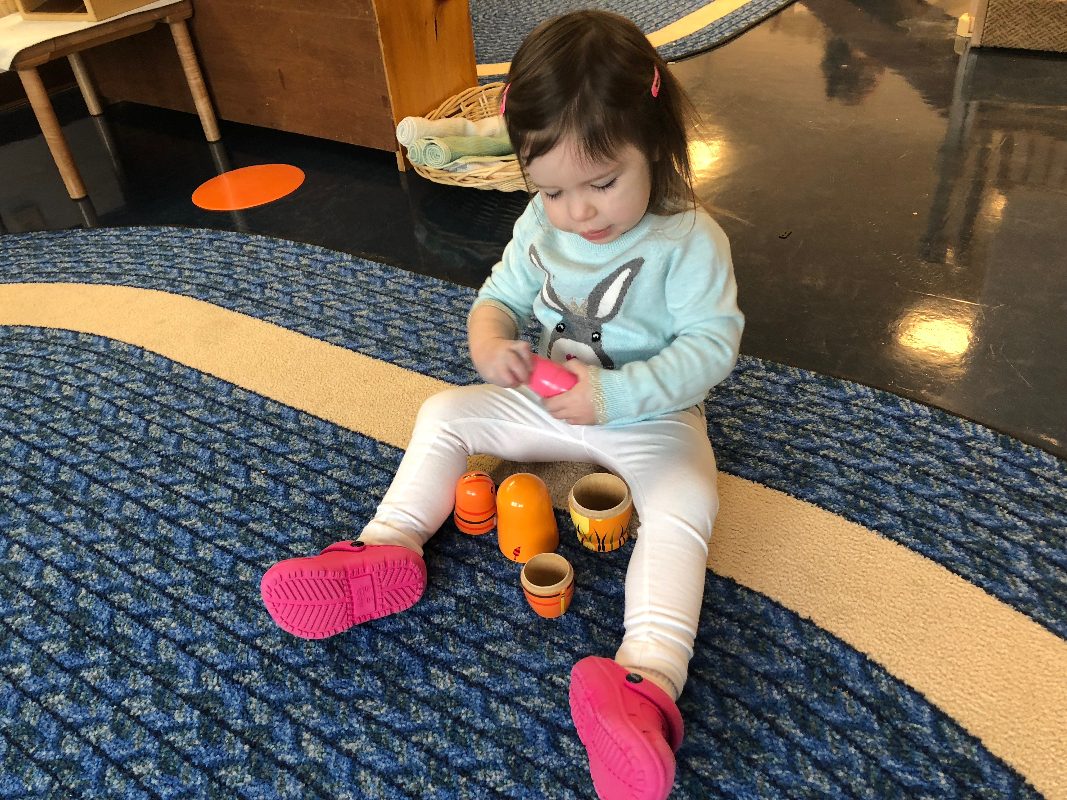
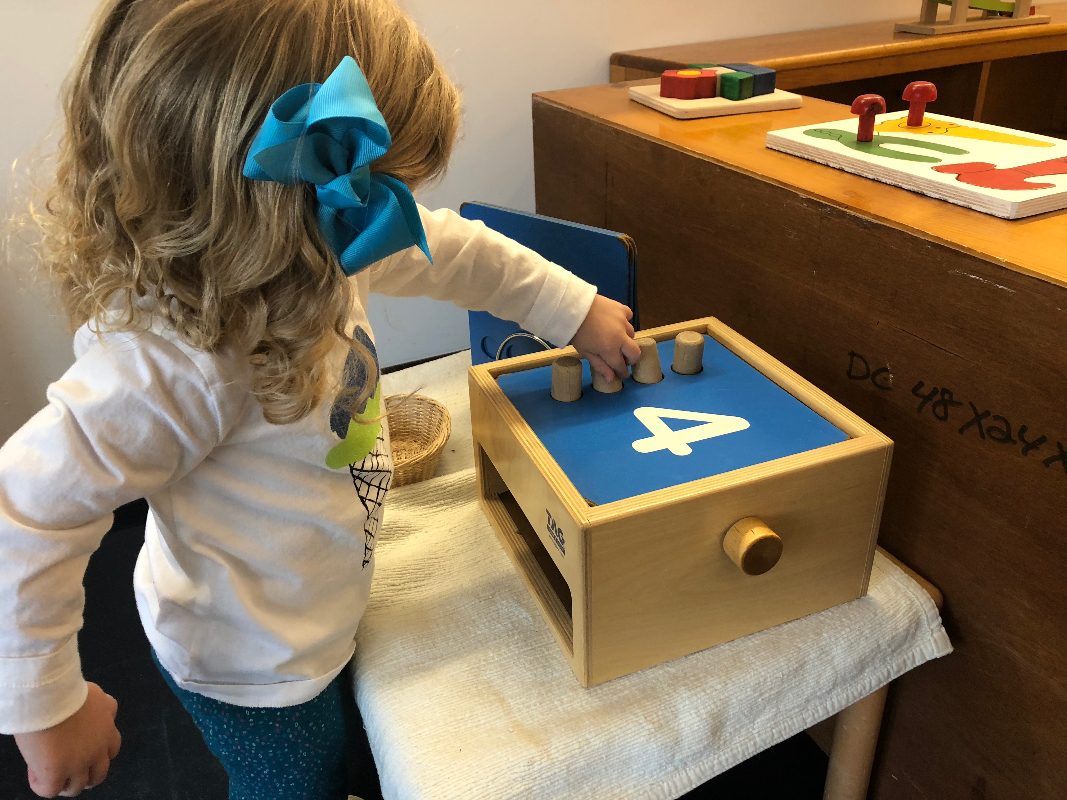
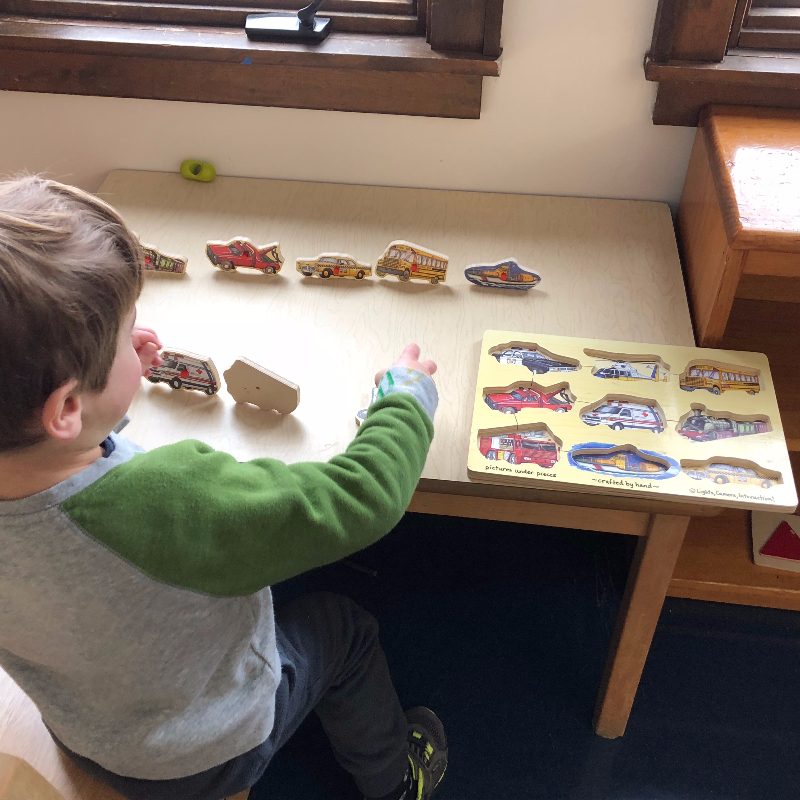
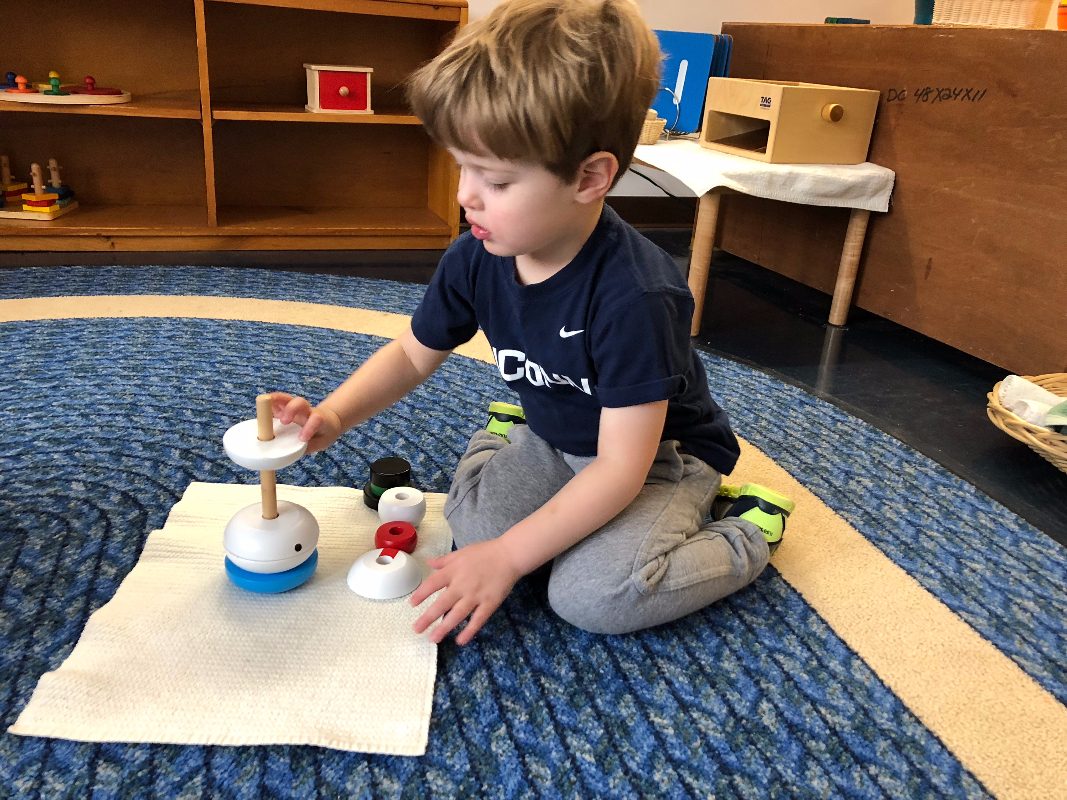
The children enjoyed a few more activities that we added to the environment. The posting container is a homemade item that helps the children understand object permanence and is just plain fun as well! It also supports fine motor control and hand-eye coordination.

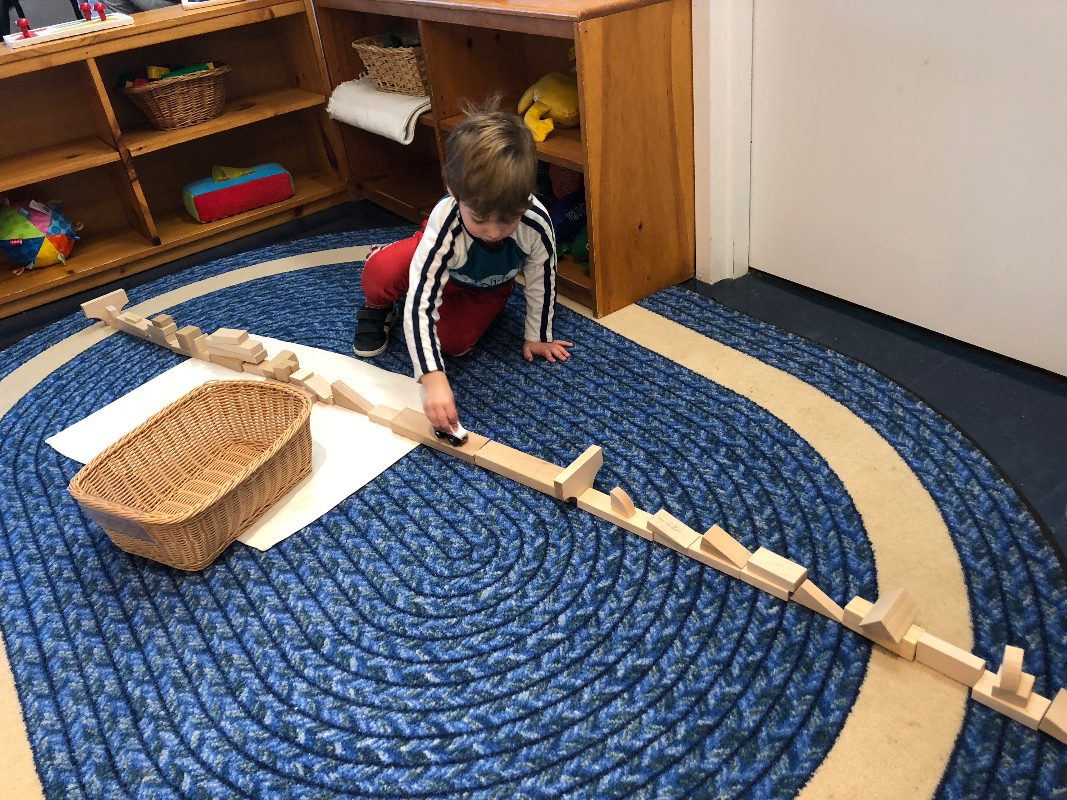
This age group enjoys pounding toys on tables and banging materials together. To support this need and make it purposeful in a fun way, we brought in a large pumpkin, some golf tees, and a small wooden mallet for the children to use. Hammering golfs tees into the pumpkin was a big hit! We will continue with this activity until the pumpkin needs to be replaced with another interesting item to hammer into.

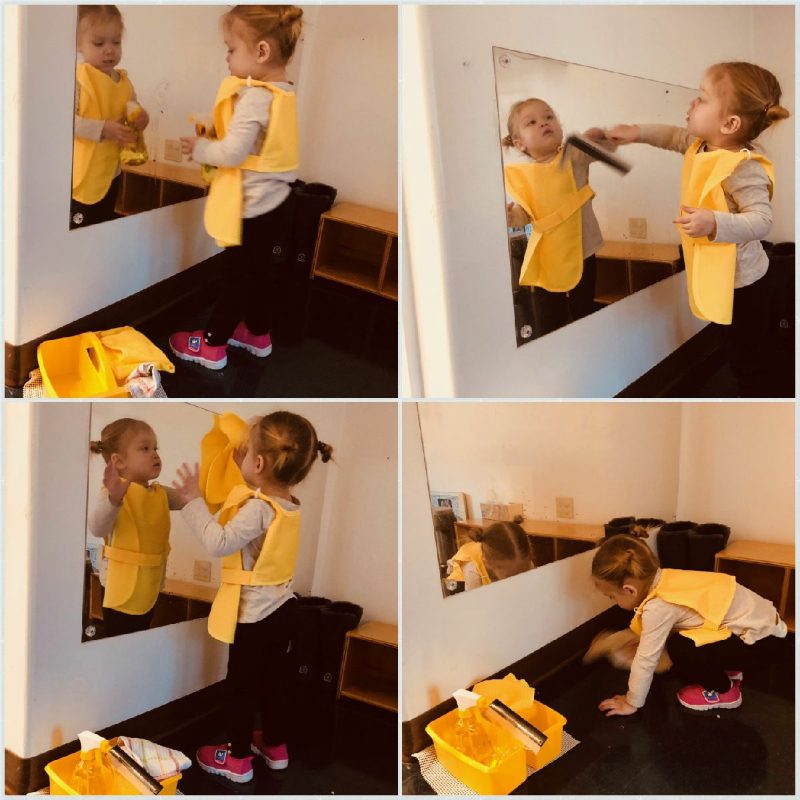
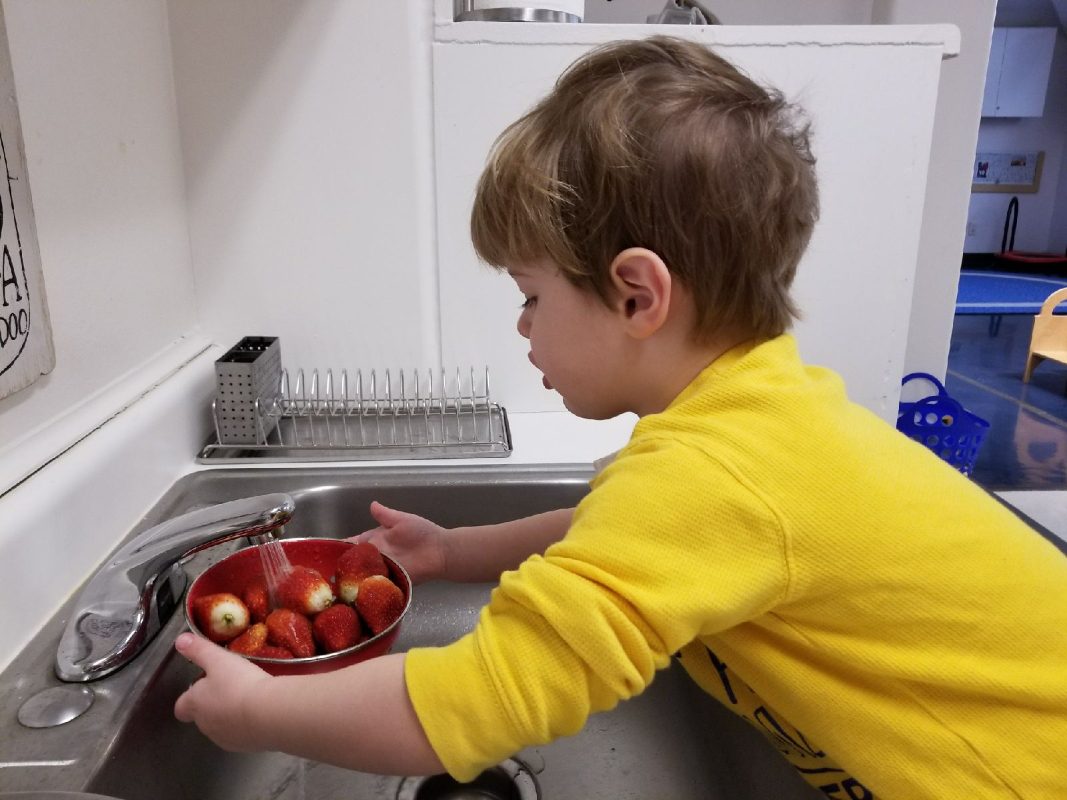
More and more children are demonstrating their abilities to care for our environment. Wiping up spills and sweeping up cormmeal are just two examples of how the children keep our spaces clean.

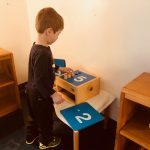
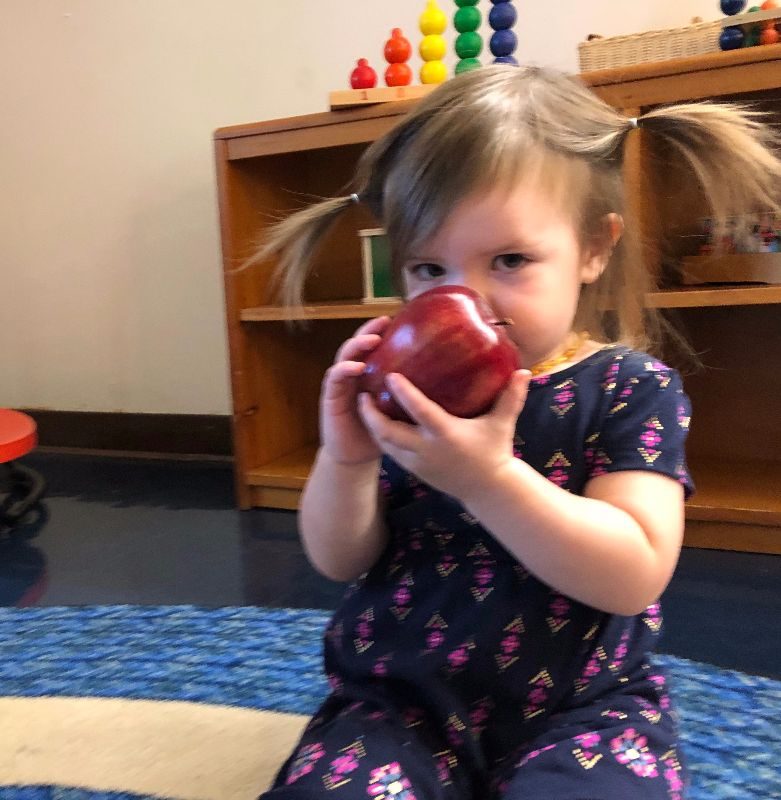
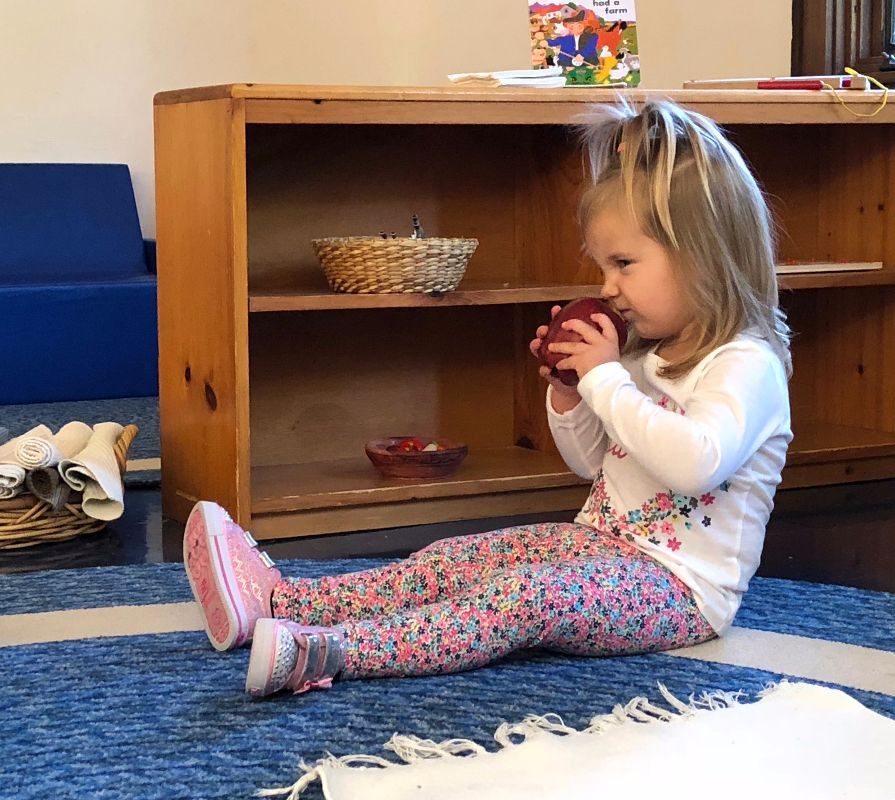
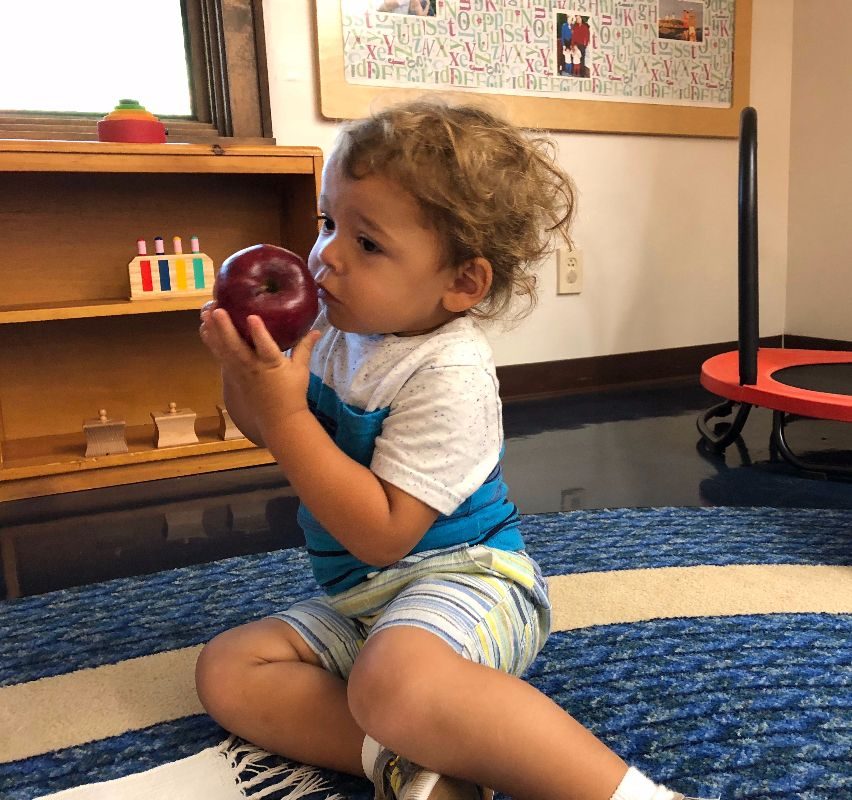
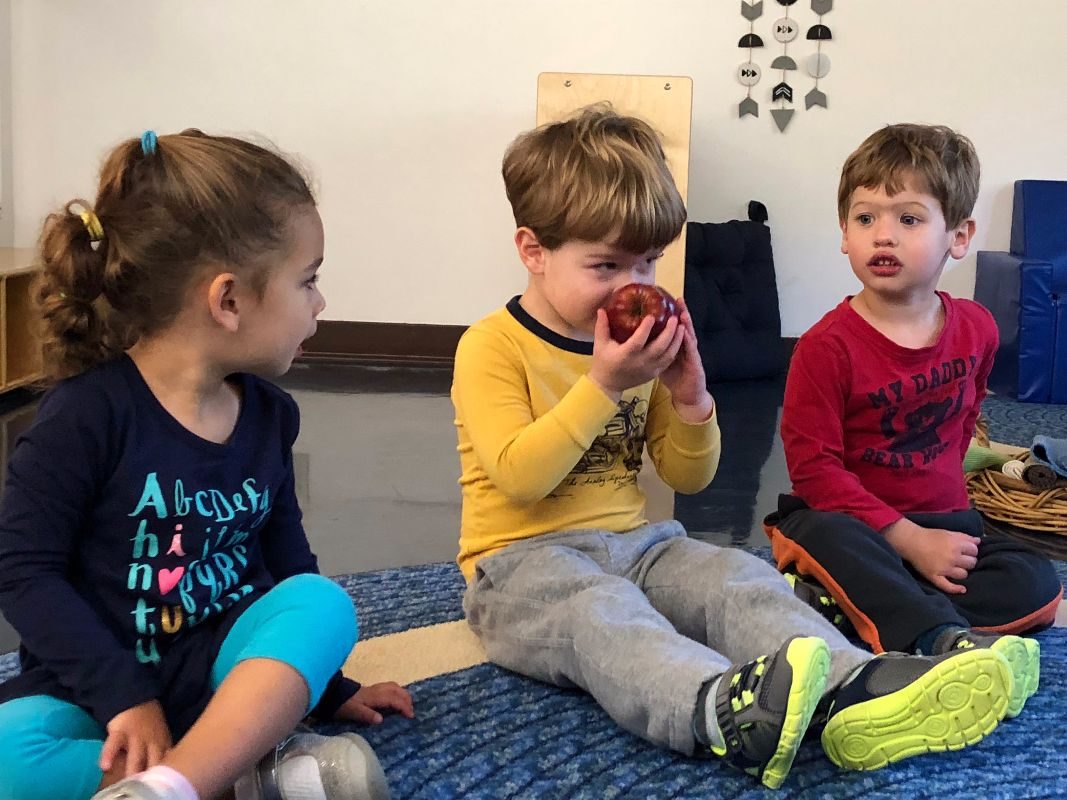
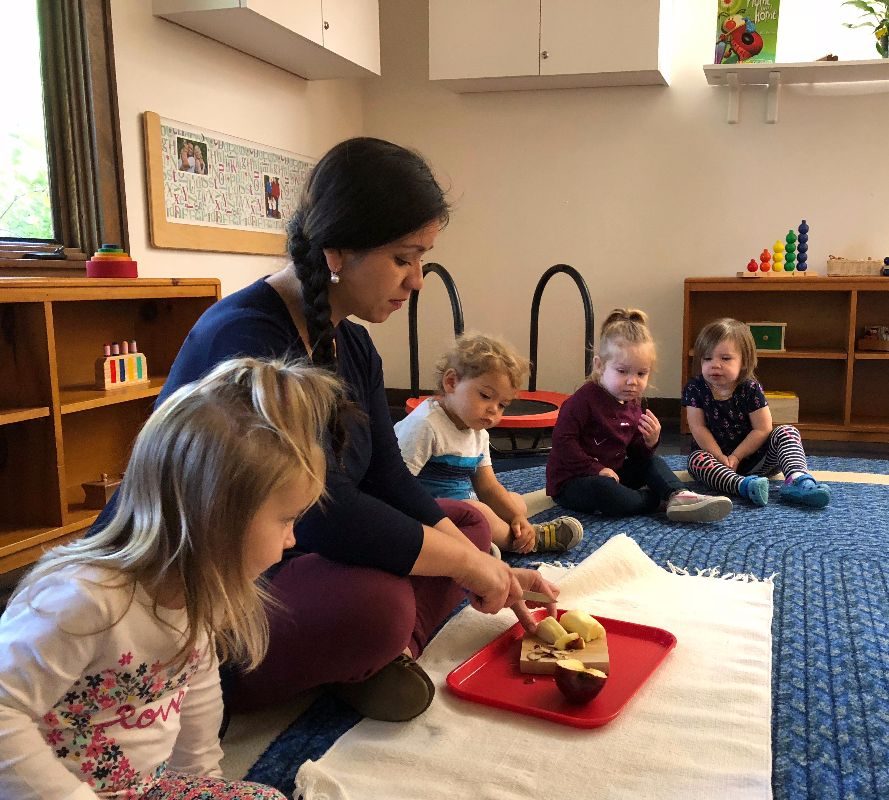
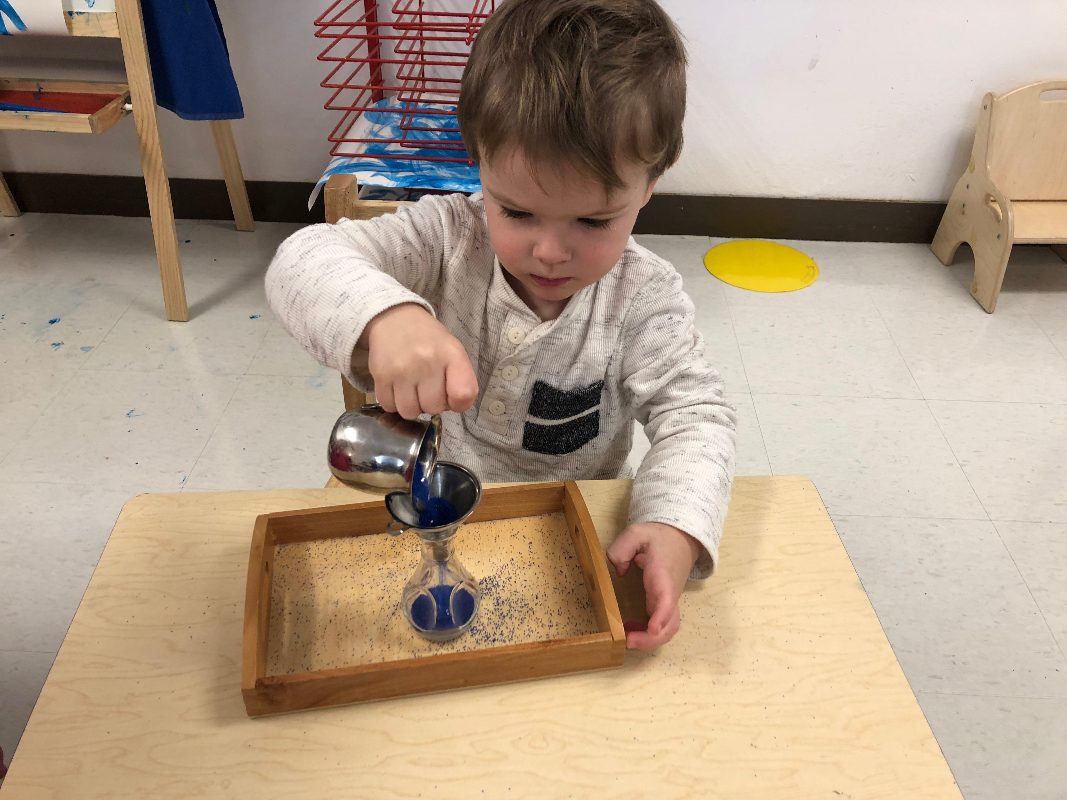
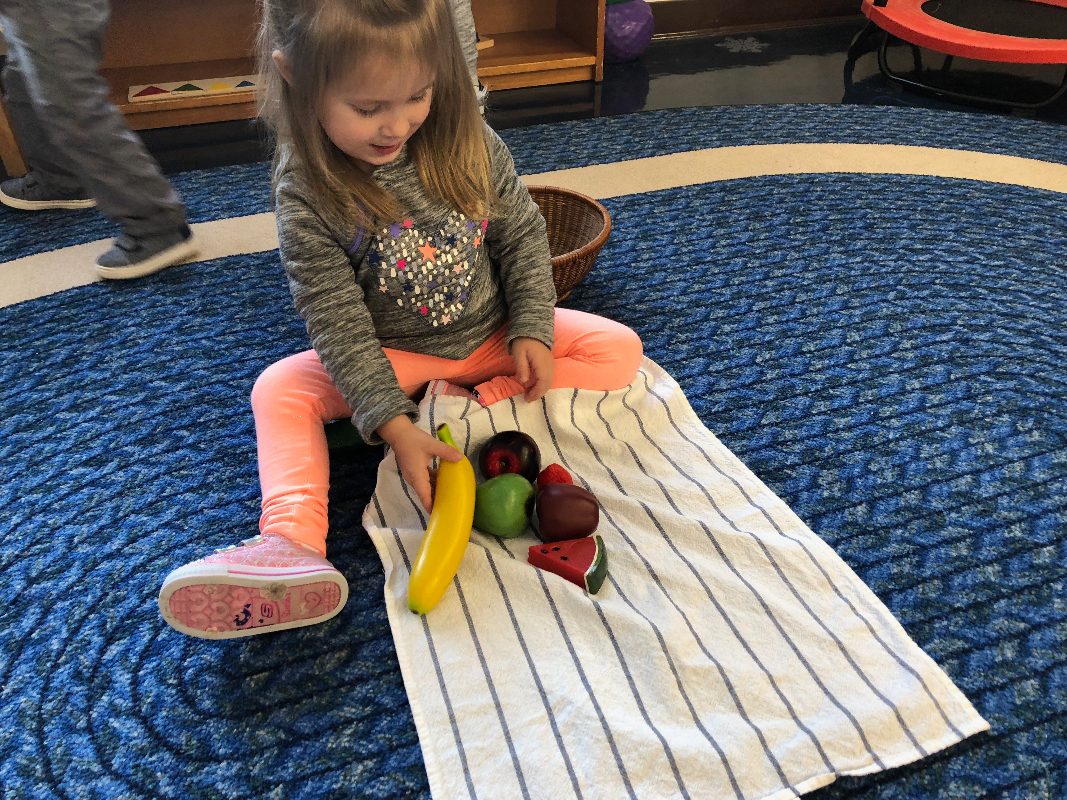
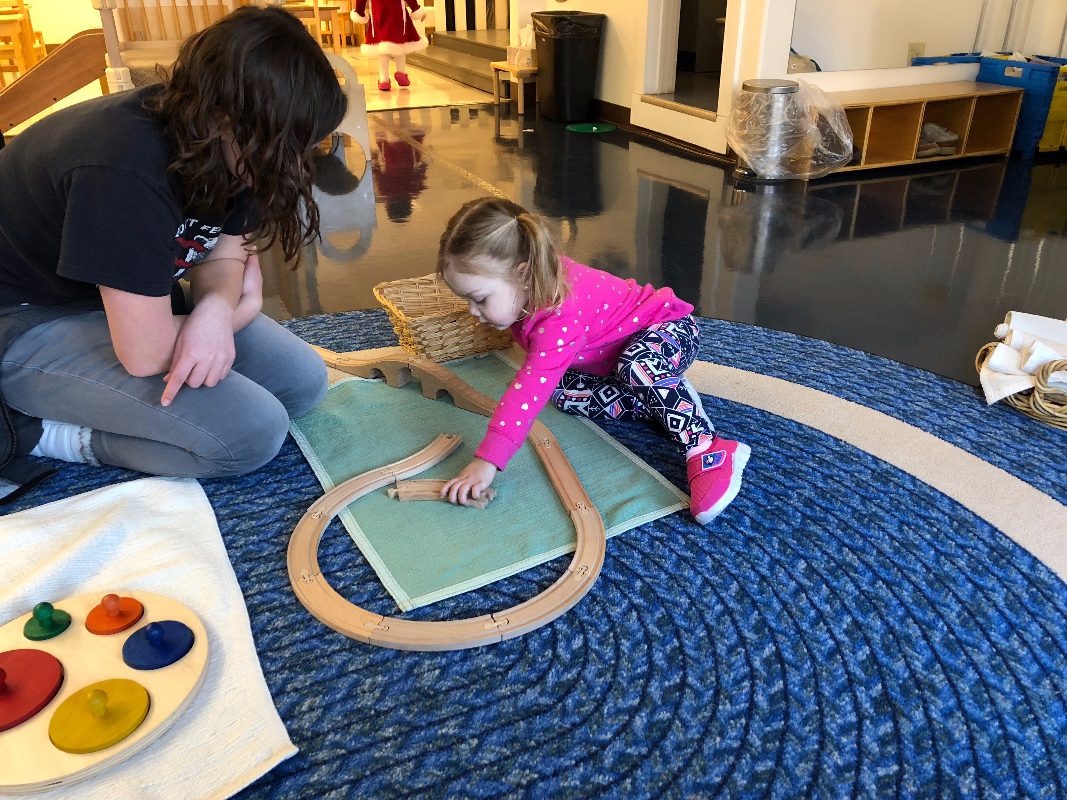
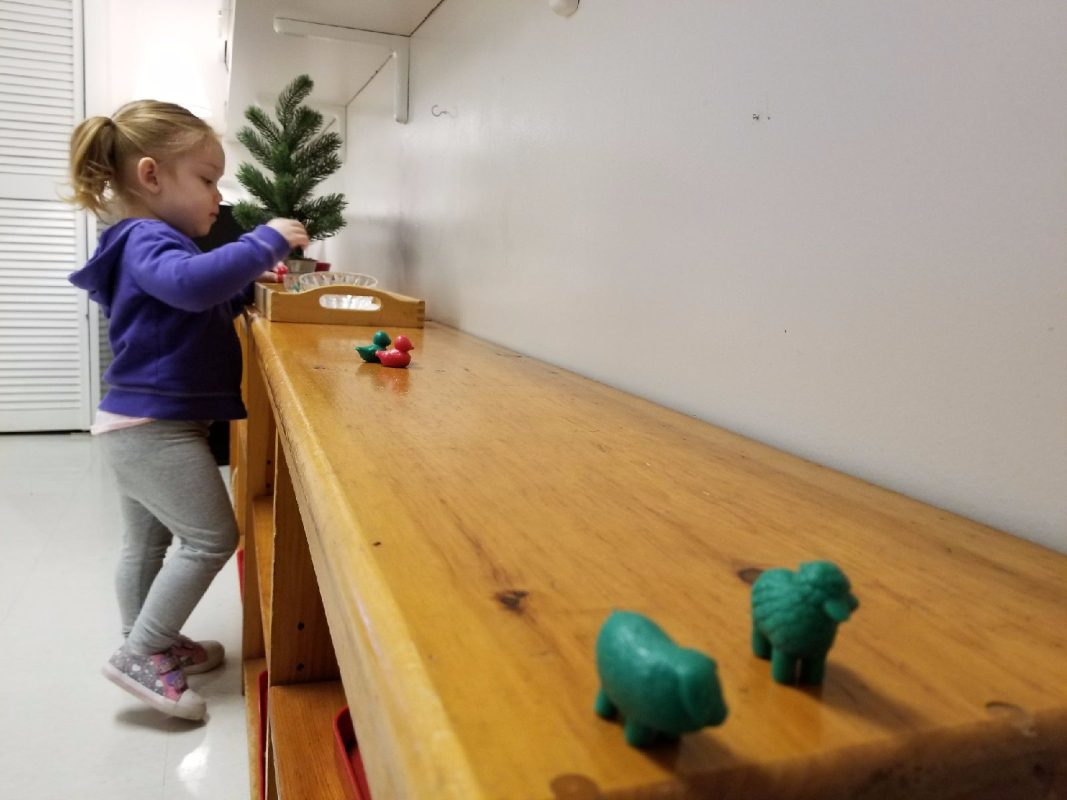
Into the practical life area, we’ve added a small lunch box filled with child-sizes containers. The children enjoy unzipping the bag, opening the containers (screw tops and flip tops), taking out the small toy apples, and then putting everything back together again! Real life skills, fine motor skills at work, and finding the apples makes this activity a big hit.


Pumpkin Guts!

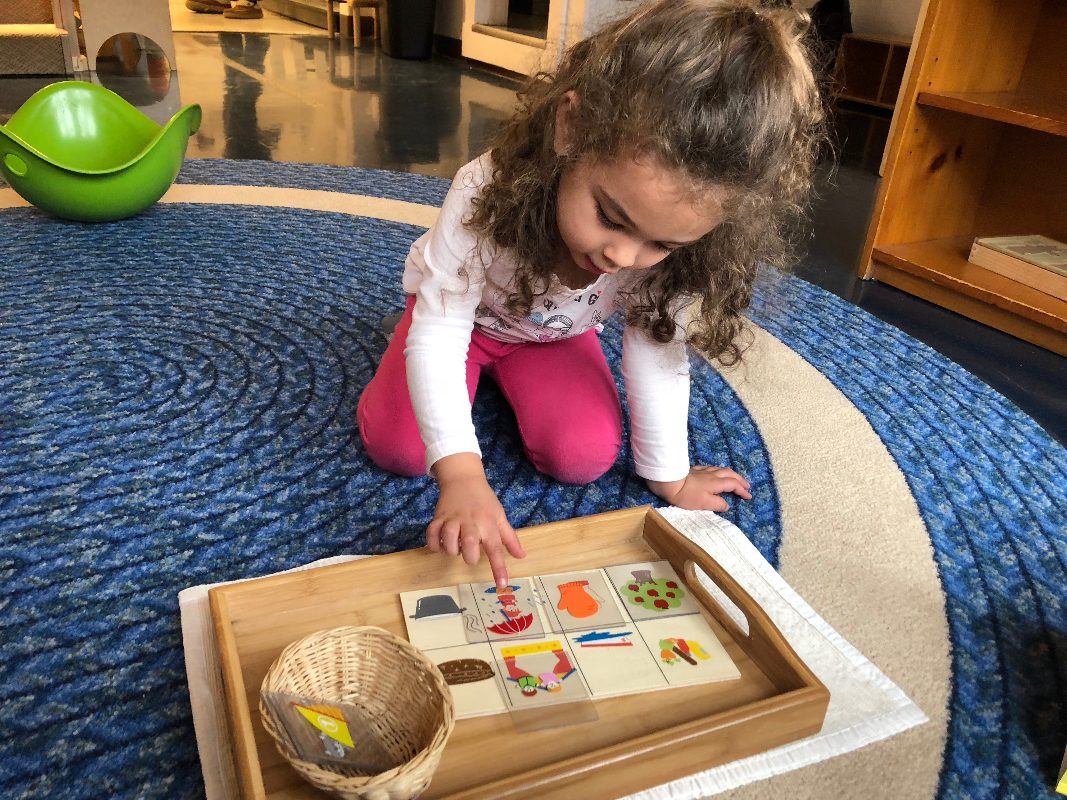
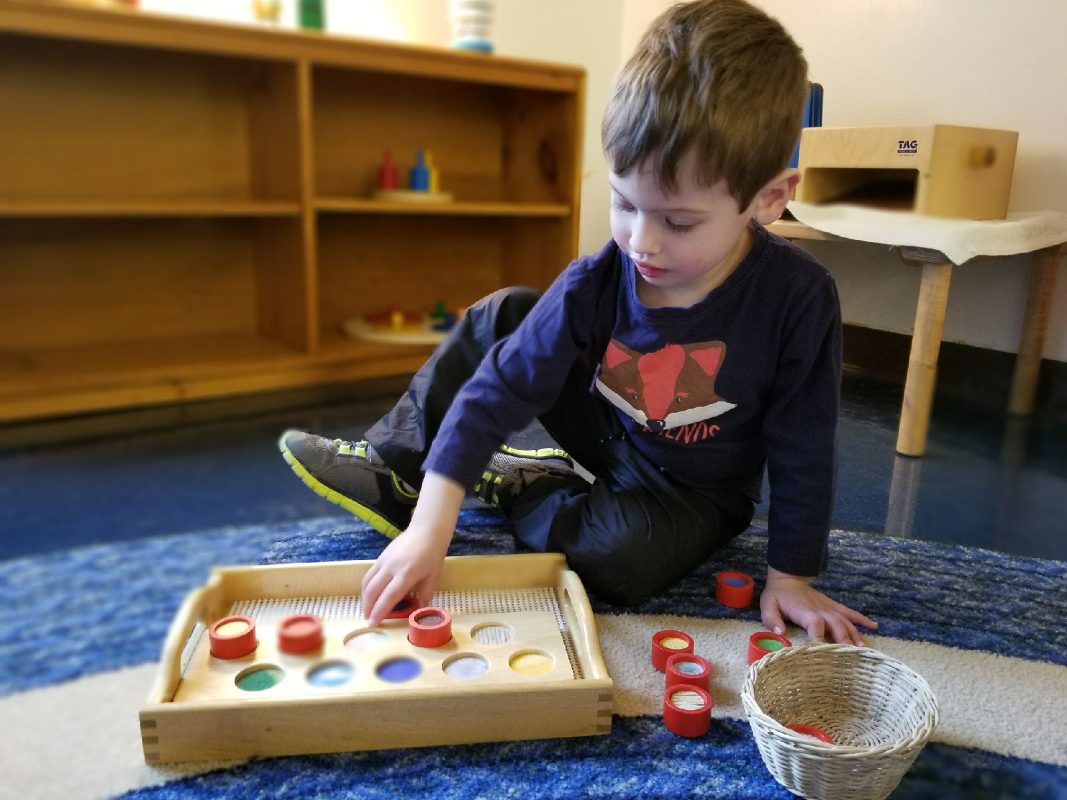
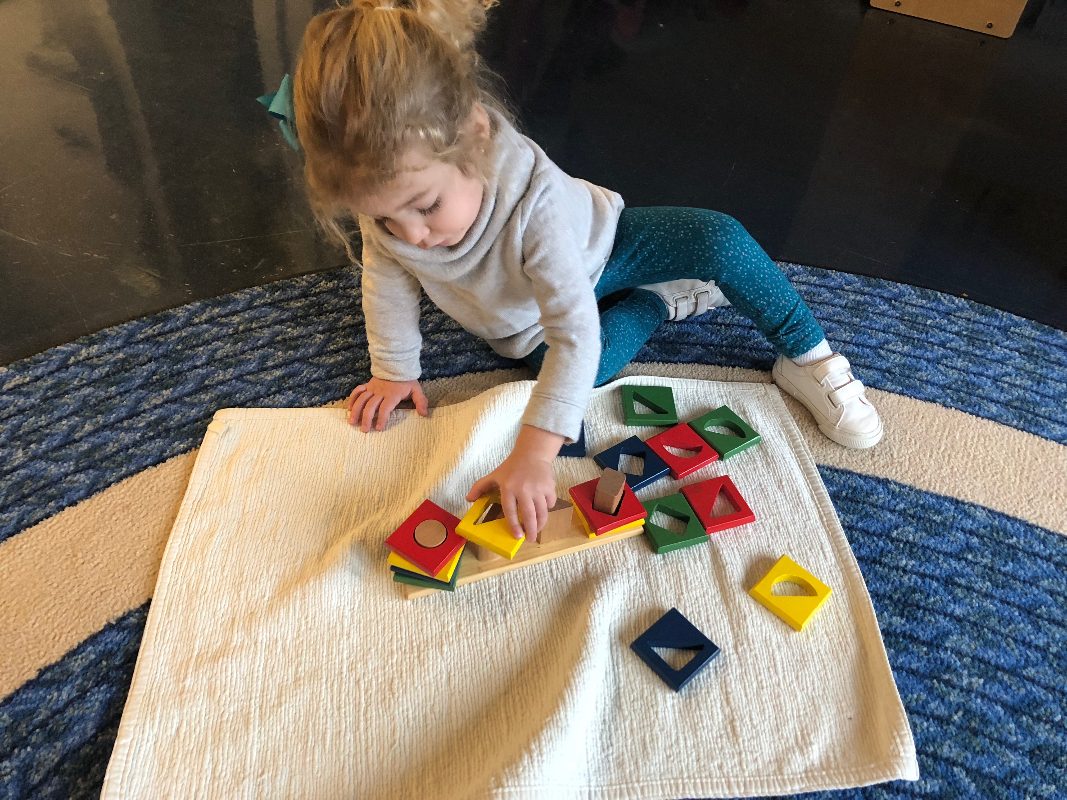
Maria Montessori believed that nothing comes into the mind except through the senses. During the early years, as children develop their senses, their attention is directed toward the environment. The purpose of the Sensorial activities is to help the child in his efforts to sort out the many varied impressions given by the senses. These activities are specifically planned to help the child develop discrimination, order, and to broaden and refine the senses. These experiences also help prepare him to be a logical, aware, and perceptive person.

Children loved the pumpkin sensorial bin this week!.”Skin”,”Pulp”, “Strands” and ‘Seeds” were new vocabulary words given this week as they explored the inside of a pumpkin.

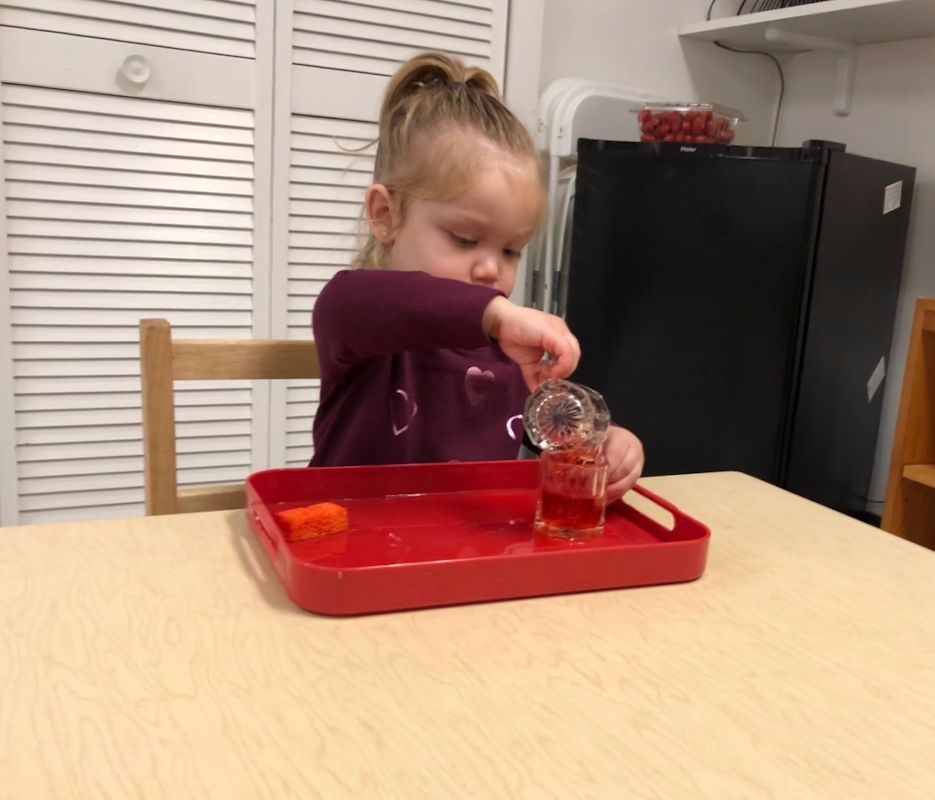
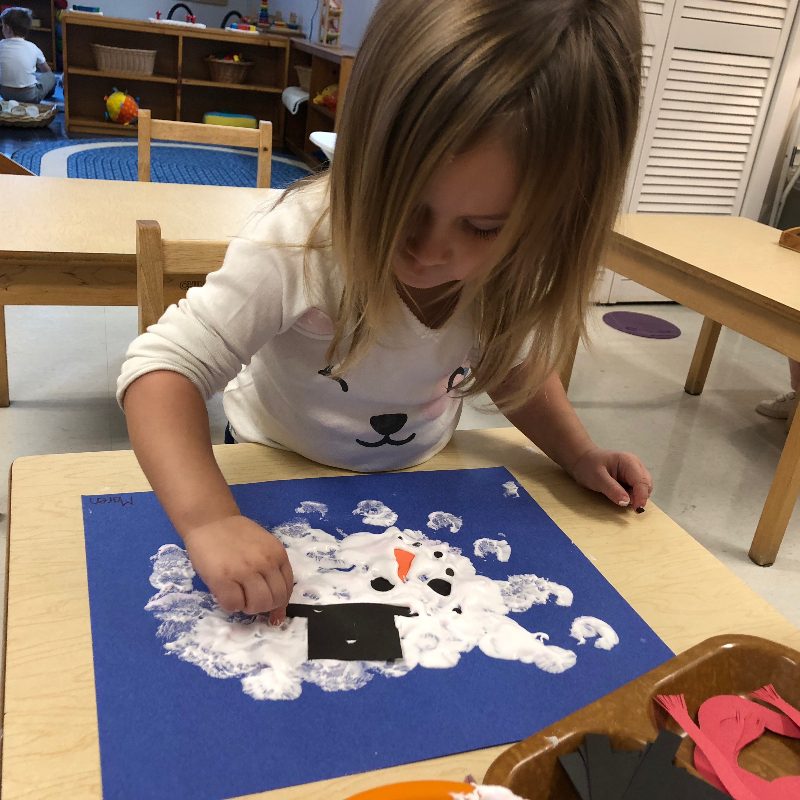
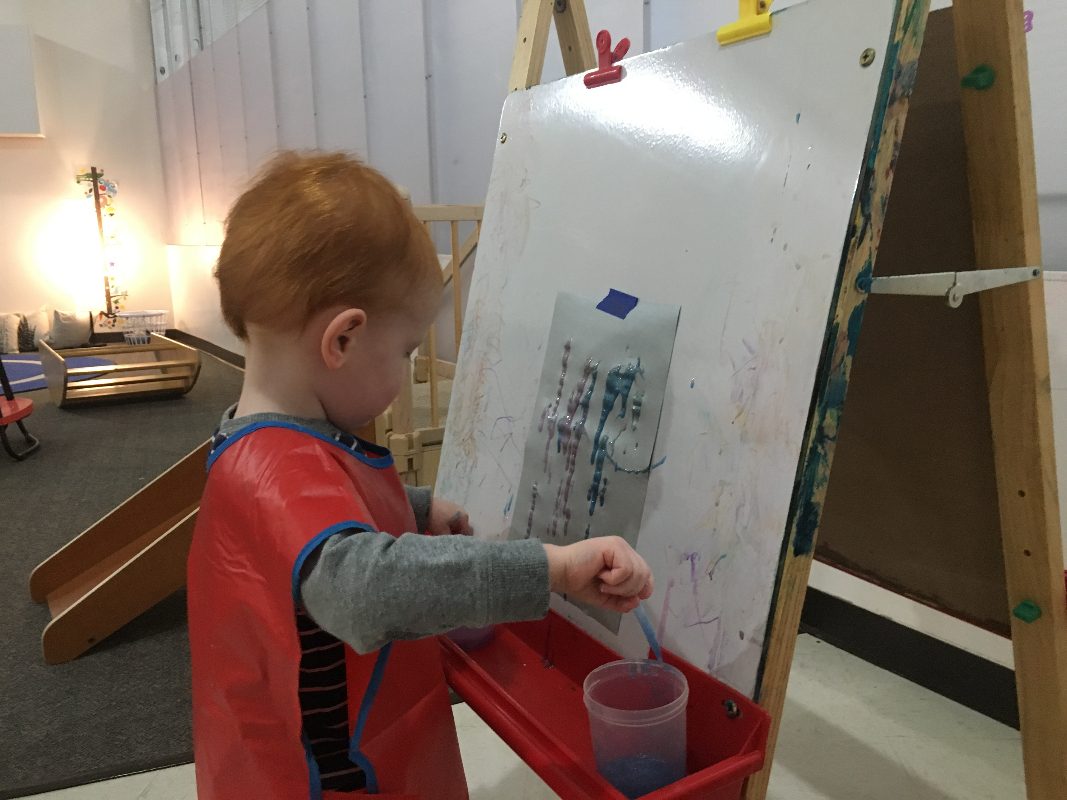
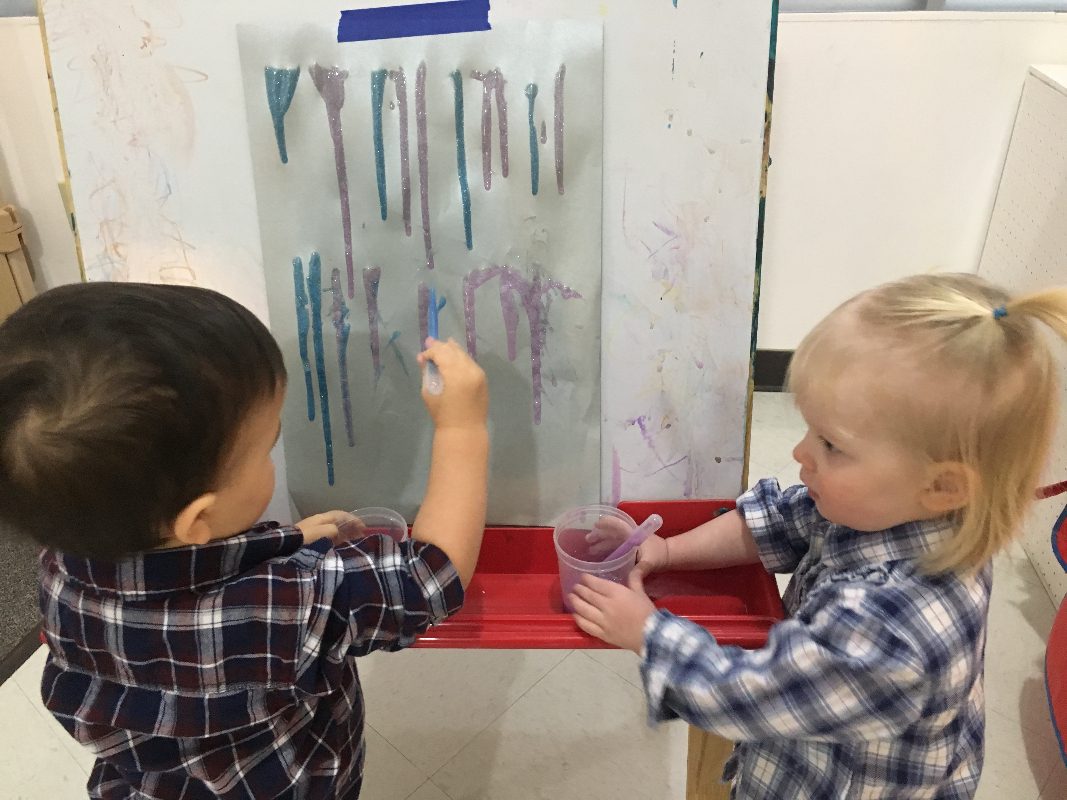
New art and water works have been introduced as well and the children keep working relentlessly in developing their concentration.

“Find the duck” by Stephen Cartwright and “Toddlerobics” by Zita Newcome were the children’s favorite books this week.

Reminder: Our Fall Family Festival is this coming Saturday, November 4th from 10:00-2:00pm. You and your family won’t want to miss it! It’s going to be so much fun!


Help Me, to do it Myself!

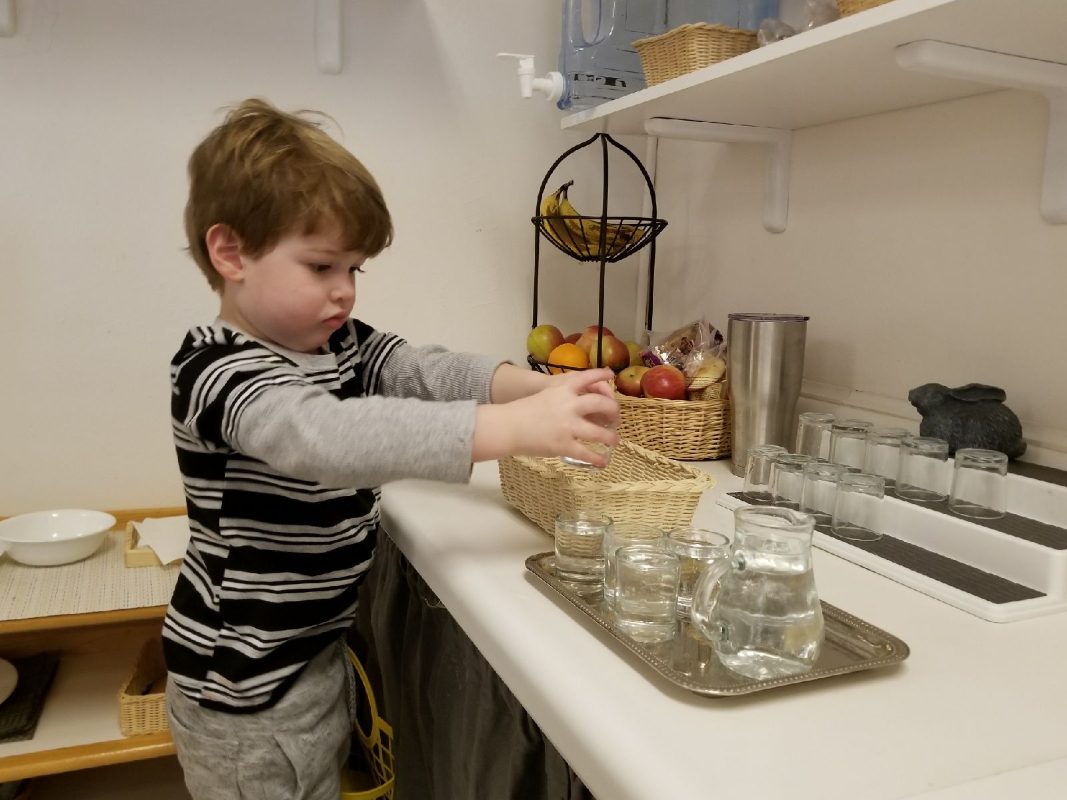
“If teaching is to be effective with young children, it must assist them to advance on the way to independence. It must initiate them into those kinds of activities which they can perform themselves and which keep them from being a burden to others because of their inabilities. We must help them to learn how to walk without assistance, to run, to go up and down stairs, to pick up fallen objects, to dress and undress, to wash themselves, to express their needs in a way that is clearly understood, and to attempt to satisfy their desires through their own efforts. All this is part of an education for independence”.
Dr. Maria Montessori

Toddlers are naturally eager to learn these things. “Do it myself” might well be the refrain for the toddler years!

Unfortunately, our day-to-day lives often make for less than ideal circumstances to help our children achieve the independence they crave. Our homes are not optimized around a little person with his height of less than 3 feet: Objects are hard to reach, too heavy, or too big for little hands to use. Our days are not set up to move at his speed: We rarely just happen to have 10 spare minutes to wait while our 2-year-old puts on his jacket!

Yet enabling a toddler to become more independent has huge benefits, both near-term and long-term.
Power struggles decrease when a child feels more in control. Temper tantrums are less frequent when a toddler is busy doing things for himself rather than resisting his parent’s efforts to do things for him! A child who feels capable because he can act in the world, without needing to rely on Mom or Dad for every little thing, is a child who is developing self-confidence.

It’s an honor to watch your children to grow into self-confident little beings… everyday, a little bit more! The joy in their faces after accomplishing a task and the many opportunities they have to help each other makes our classroom a little perfect world!
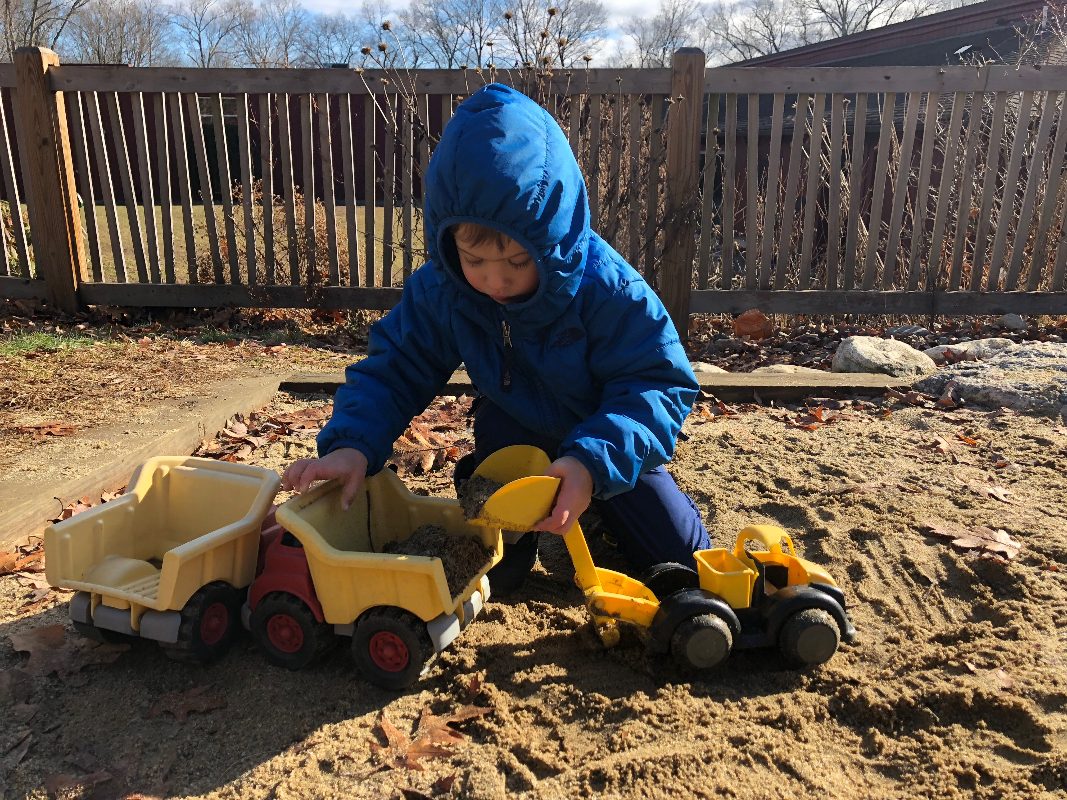

We LOVE the Gym!
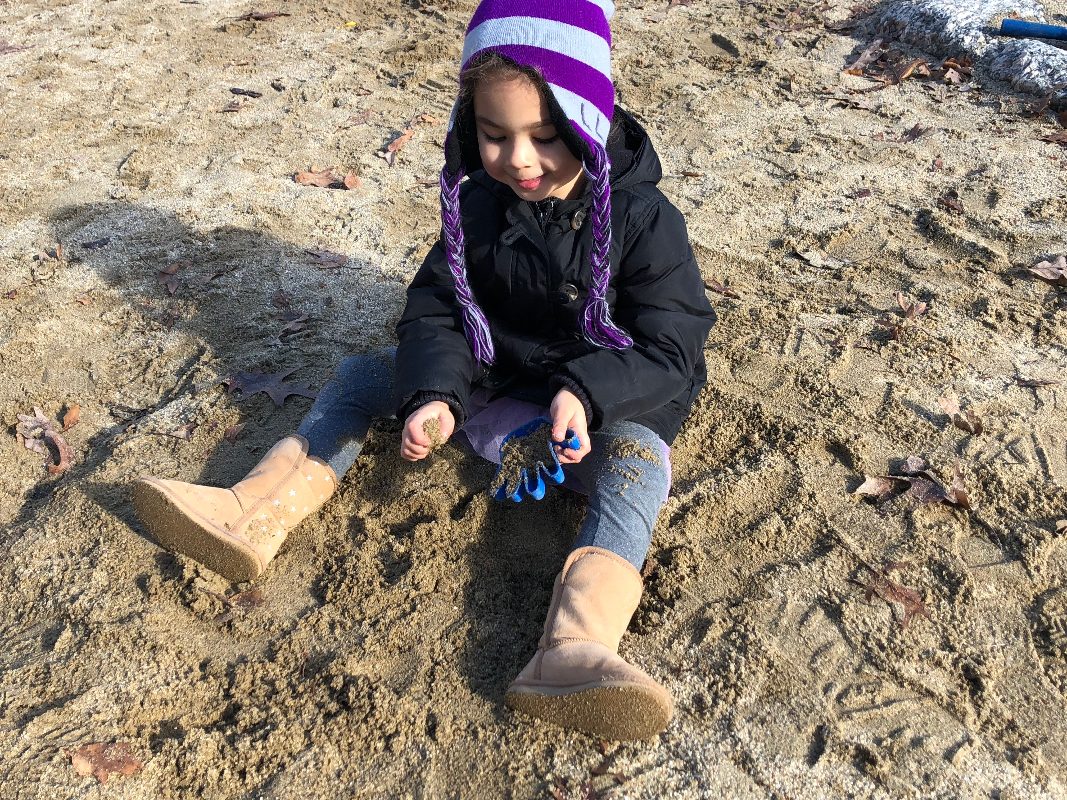
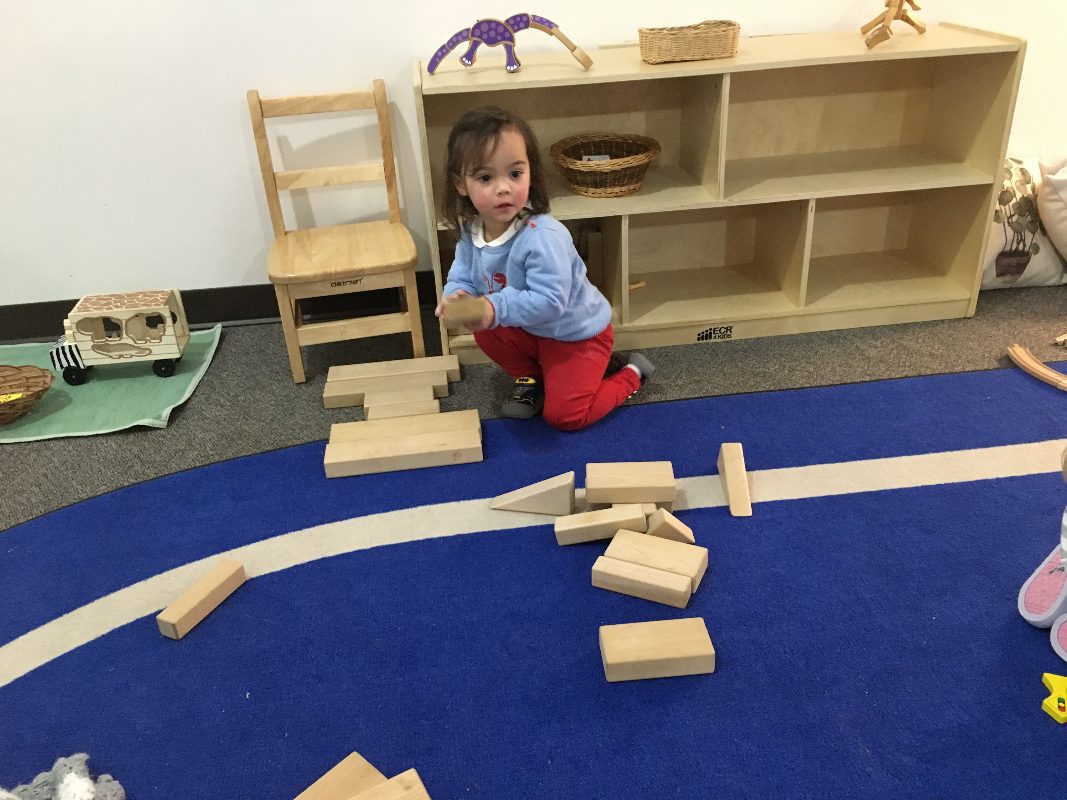
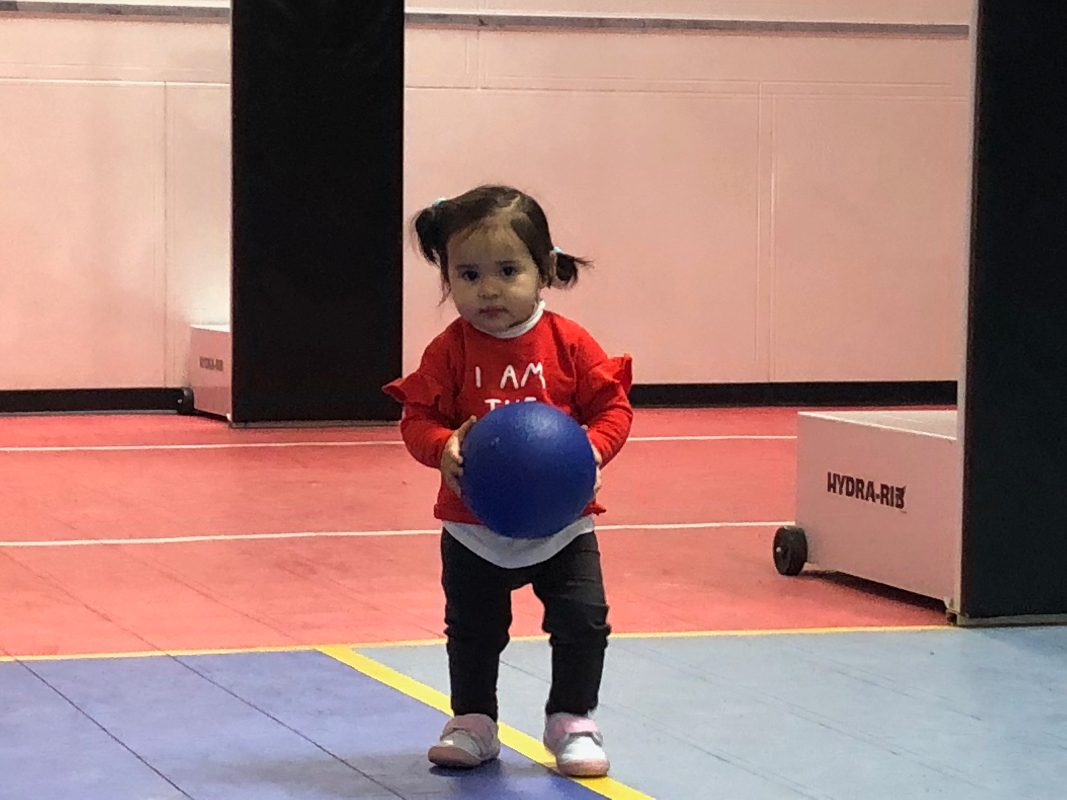
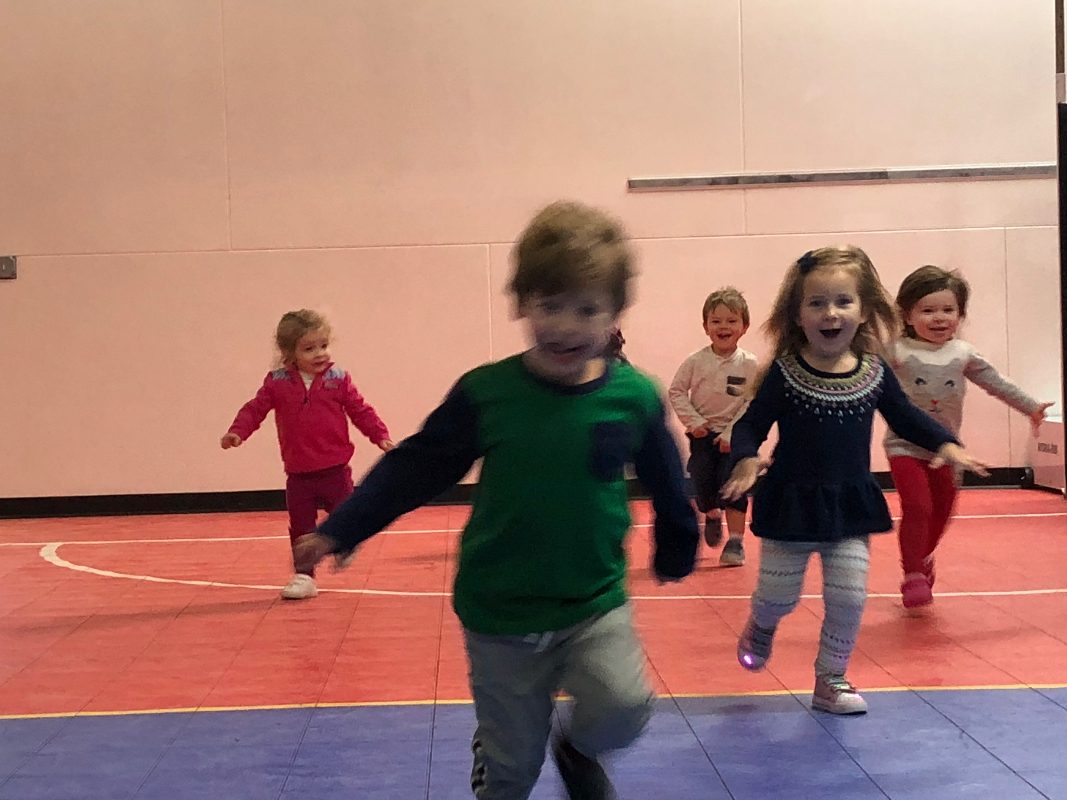
Although the weather didn’t cooperate for outside play this week, the gym was available for us to explore! Mrs. Pam built an obstacle course for us to crawl through, run over, and jump through! She also showed us how to chase hoola-hoops, run on the yellow line, and throw and kick balls! We all thoroughly enjoyed our visits to this new space, and left feeling invigorated and hungry.
Another exciting aspect of using the gym is how well the children transitioned into it! They are all making wonderful strides in moving from one space to another more easily. We are thrilled that we are able to continue adding transitions to our routine with very few hiccups. This beautiful group of children are working hard in the classroom and they feel so accomplished being able to try new adventures like visiting the gym with great success.


Mrs. Hood’s Class: Fall is Here!!!! :)

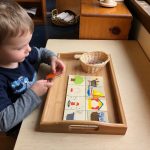
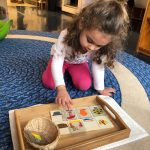
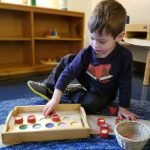
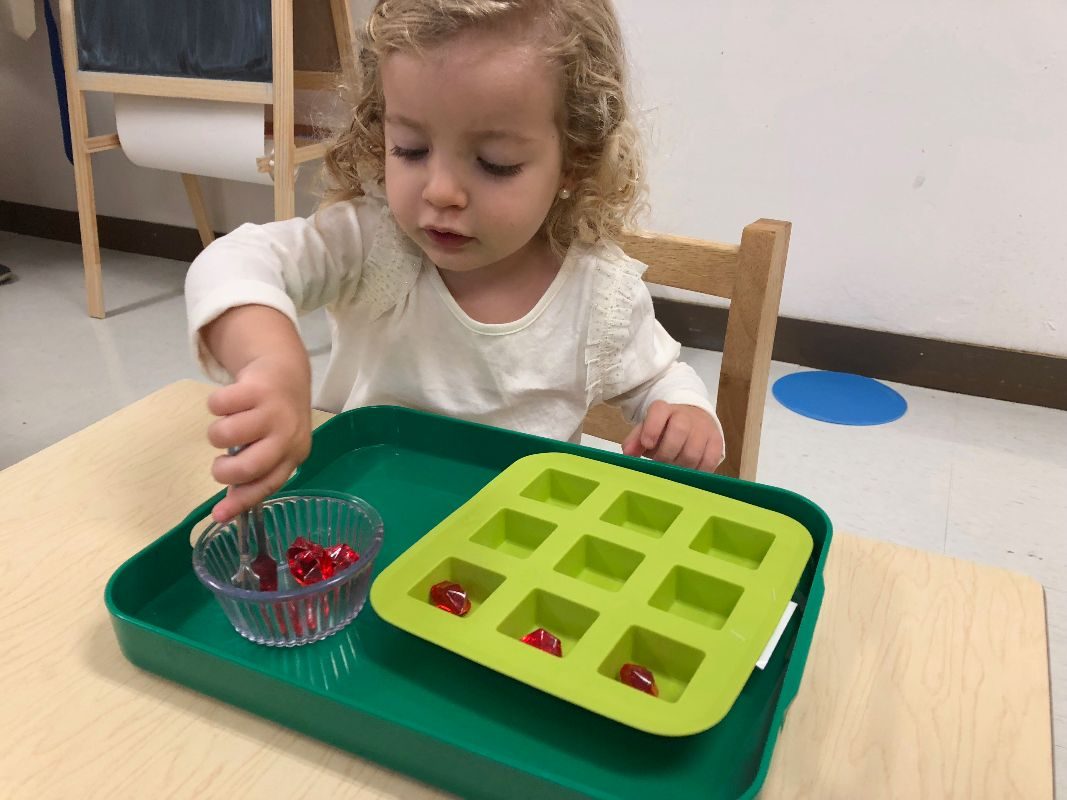
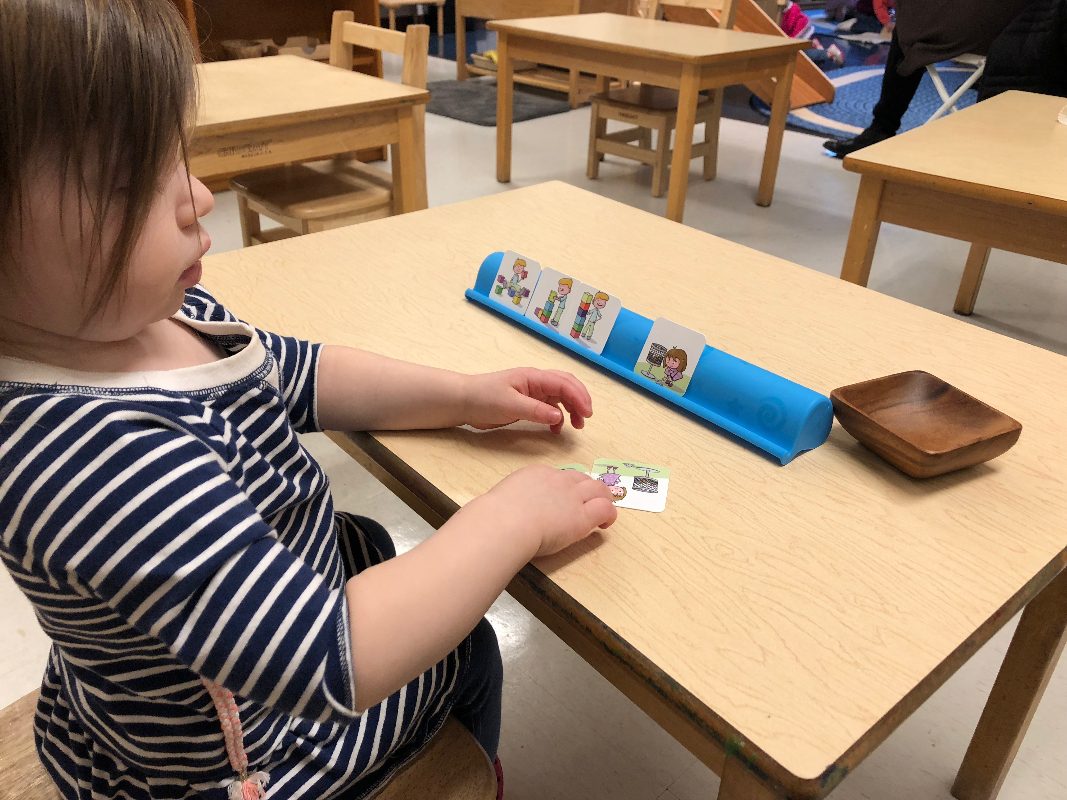
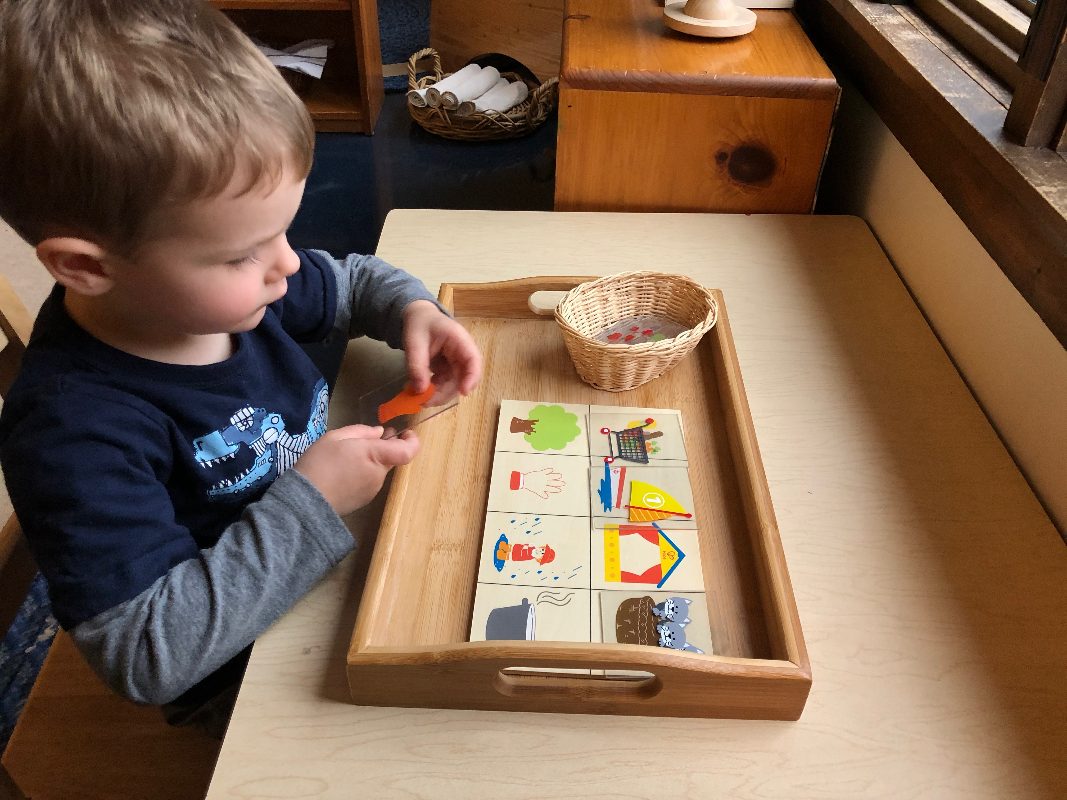
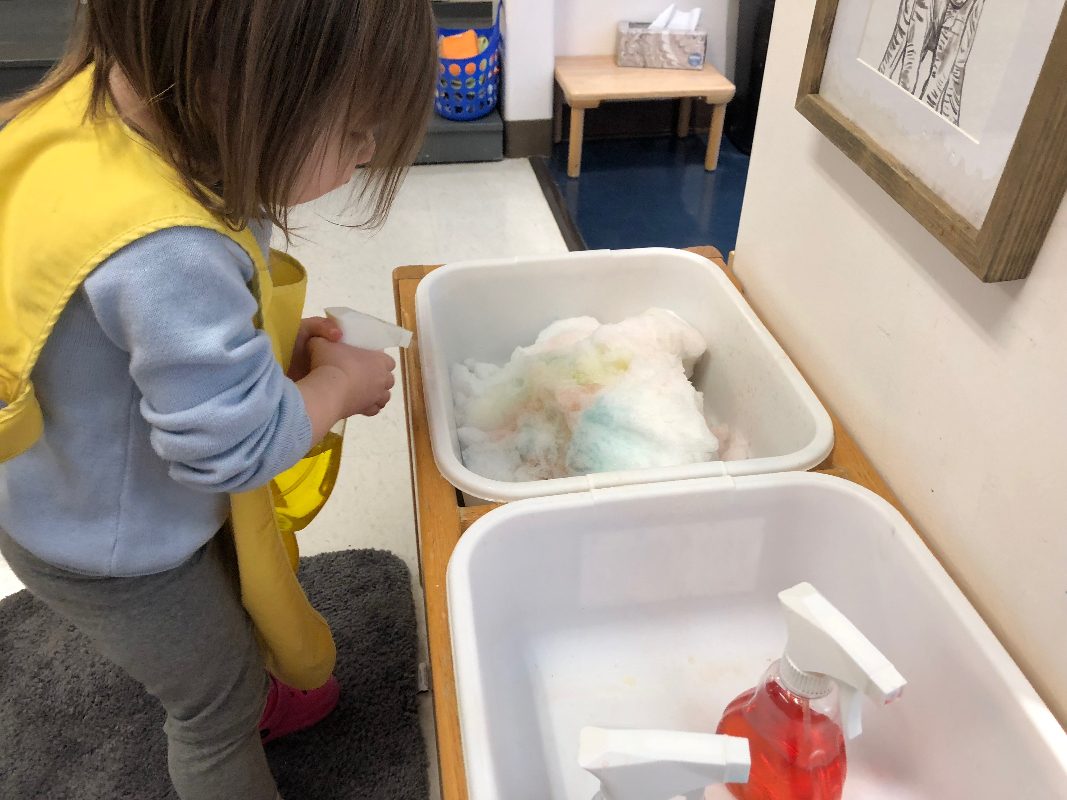
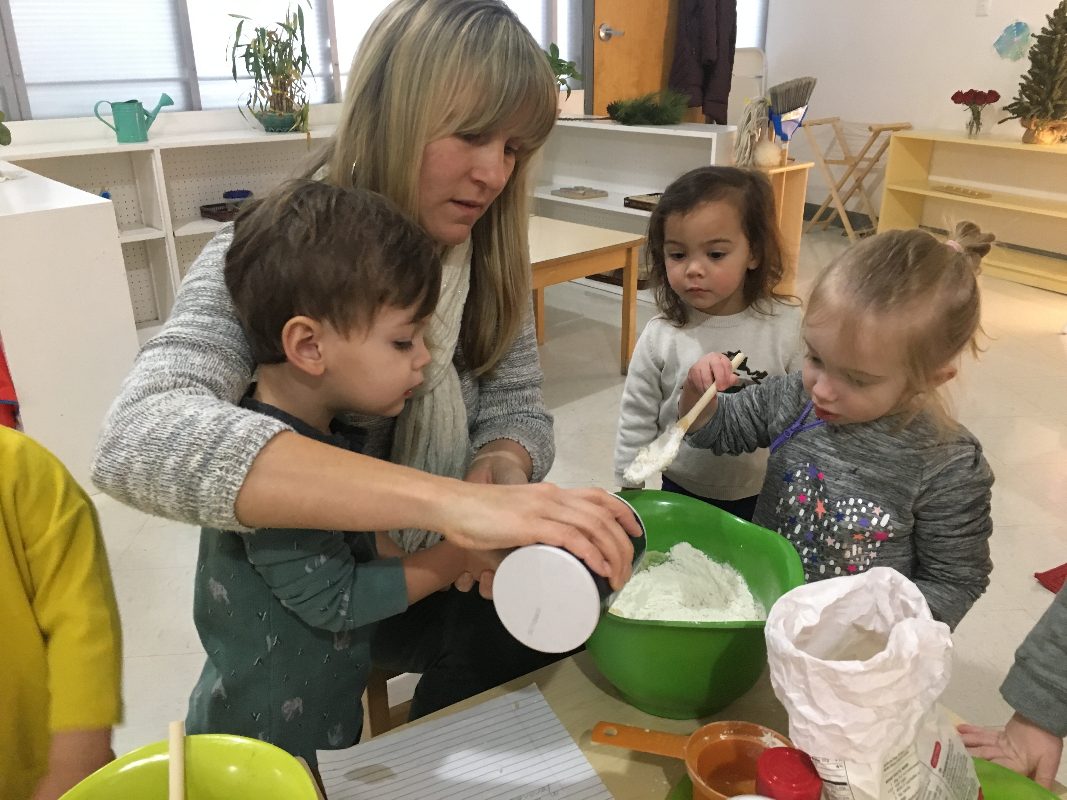
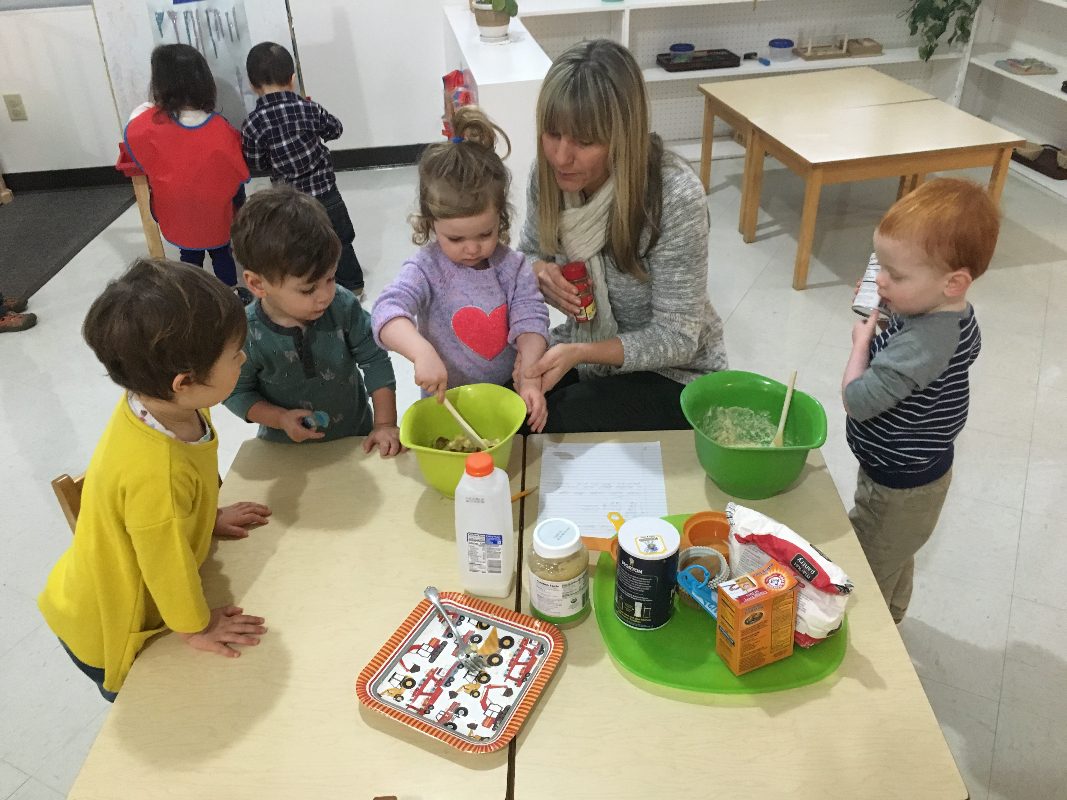
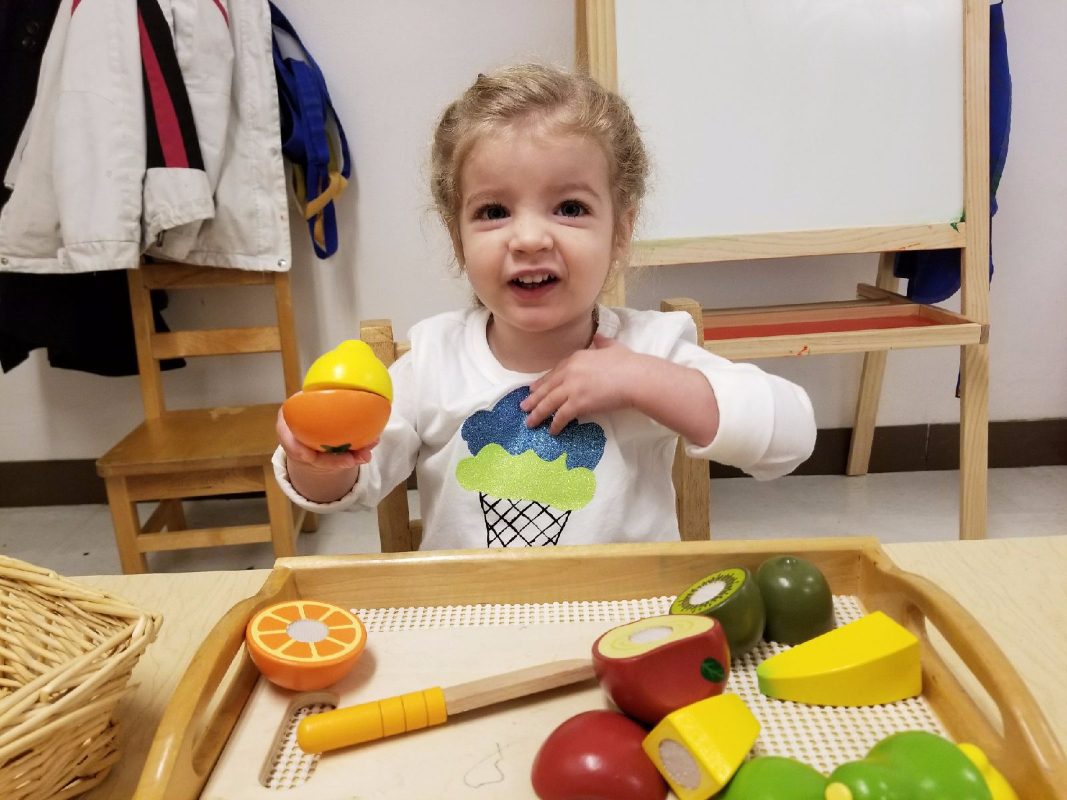
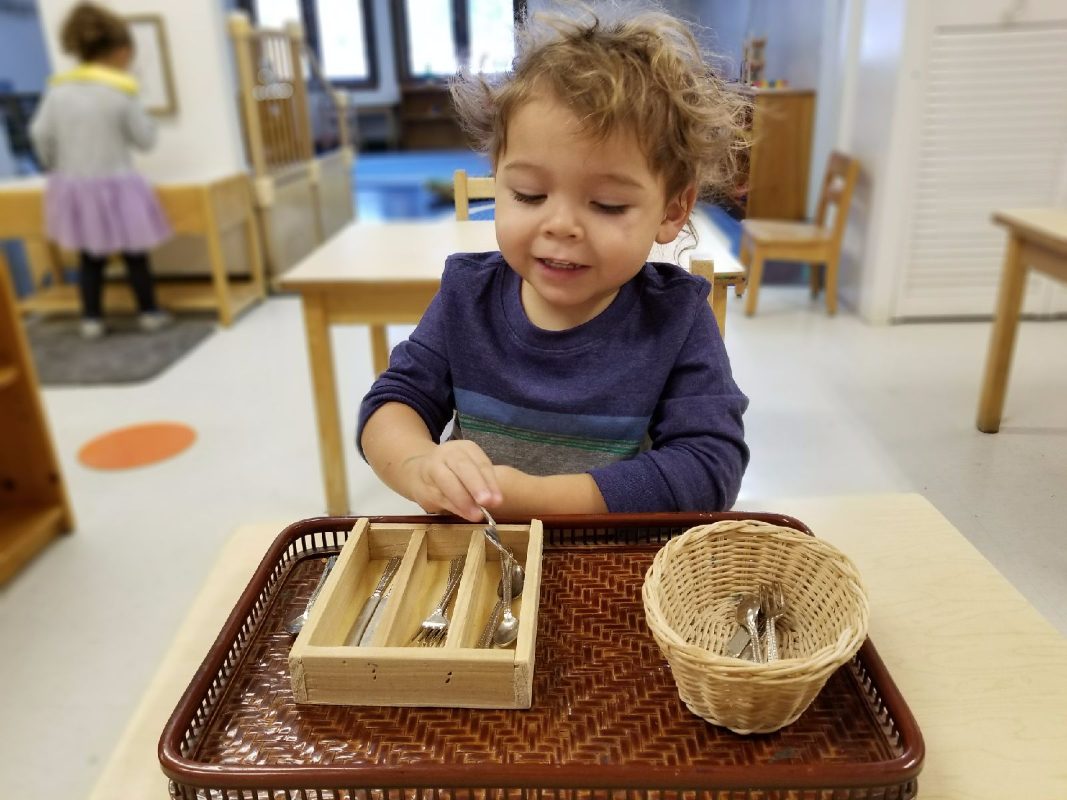
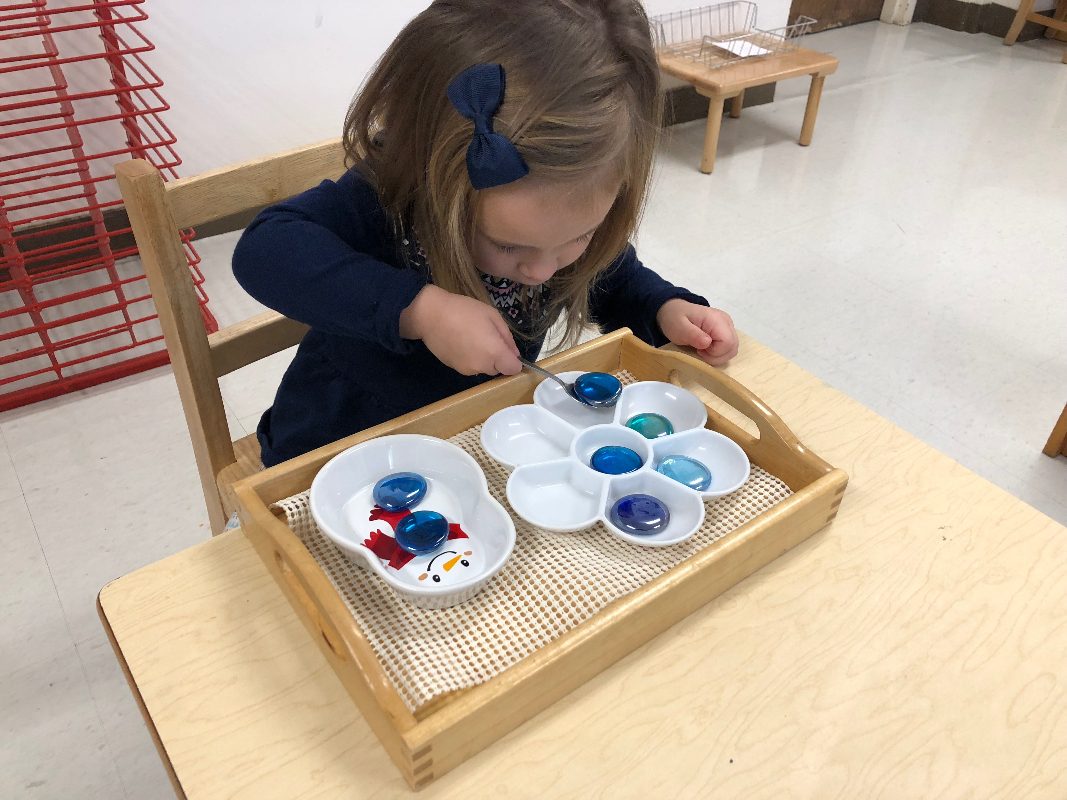
The crisp air, the change of colors in the trees, and the smell of pumpkins have brought new conversations and opportunities for language enrichment in our environment. “Leaves,” “scarecrows,” and “acorns” were three words we got to identify and learn this week through one of our sorting projects. Another sorting activity the children enjoyed was a project with leaves. They had to visually discriminate the particular differences in the leaves and pair them with their exact match. Children enjoyed sensorial experiences through the colors, weights, feels, and smells of different sized and textured pumpkins and gourds. One of our favorite activities was definitely coloring our pumpkin with markers and then using a spray bottle and microfiber cloth to clean it off again. Even though this is a multi-step activity children continued to repeat it, developing skills in concentration and ordering. New projects in the Practical life area also encouraged pincer grasp development! Our little friends found it very funny that they got to spoon eye balls and tweeze spooky spiders! 🙂

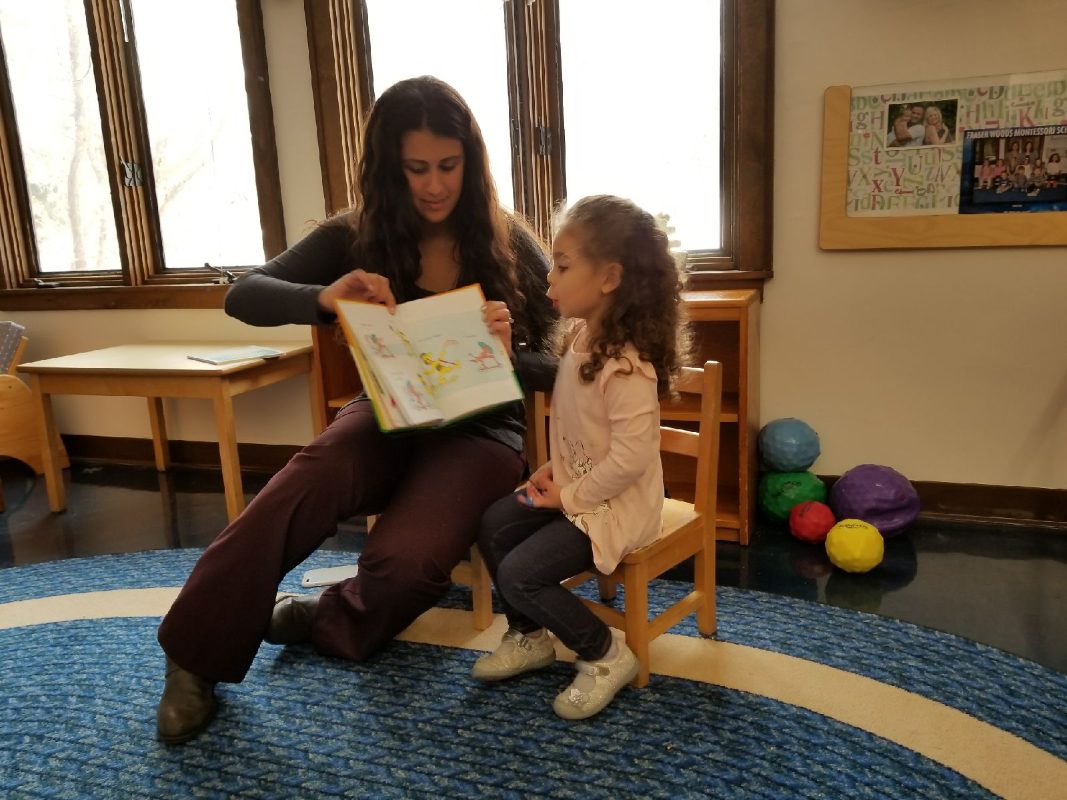
Our favorite books this week were “Down by the Bay” by Raffi and “The Very Busy Spider” by Eric Carle. They also enjoyed our Spanish songs “La Lechuza” and “Mi Carita Redondita”. Please let us know if you would like a copy of the lyrics of these songs, we will gladly share them with you.

A big Contragulations to the Brown family on their newest addition to their family. Welcome to the world little Greyson!!!


Note to parents:
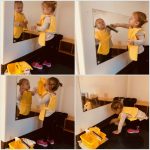
In our self-care area we focused on learning how to put on and take off a jacket. Please encourage your child to show you this and practice at home. As the colder months arrive this will be a daily exercise in our routine and we would appreciate the reinforcement of the exercise at home. If your child can’t remember how to do it, please feel free to ask their teachers for a quick lesson on what the children usually call “the magic trick.”