The Learning Triangle in Montessori


When a child is given a little leeway, he will at once shout, ’I want to do it!’ But in our schools, which have an environment adapted to children’s needs, they say, ‘Help me to do it alone.’ ~Dr. Maria Montessori, The Secret of Childhood

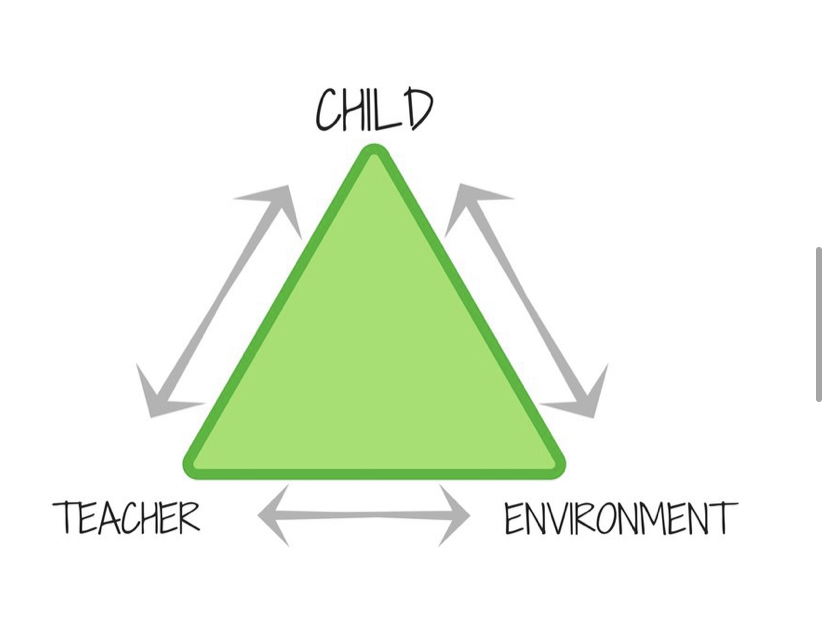
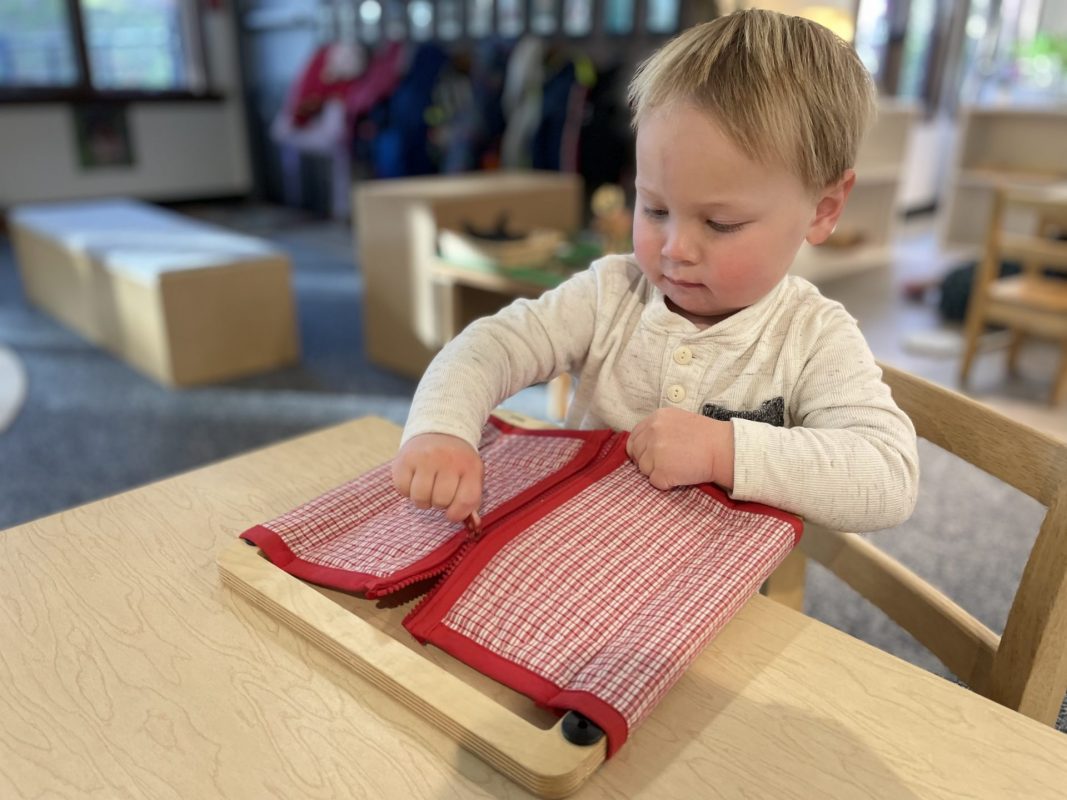
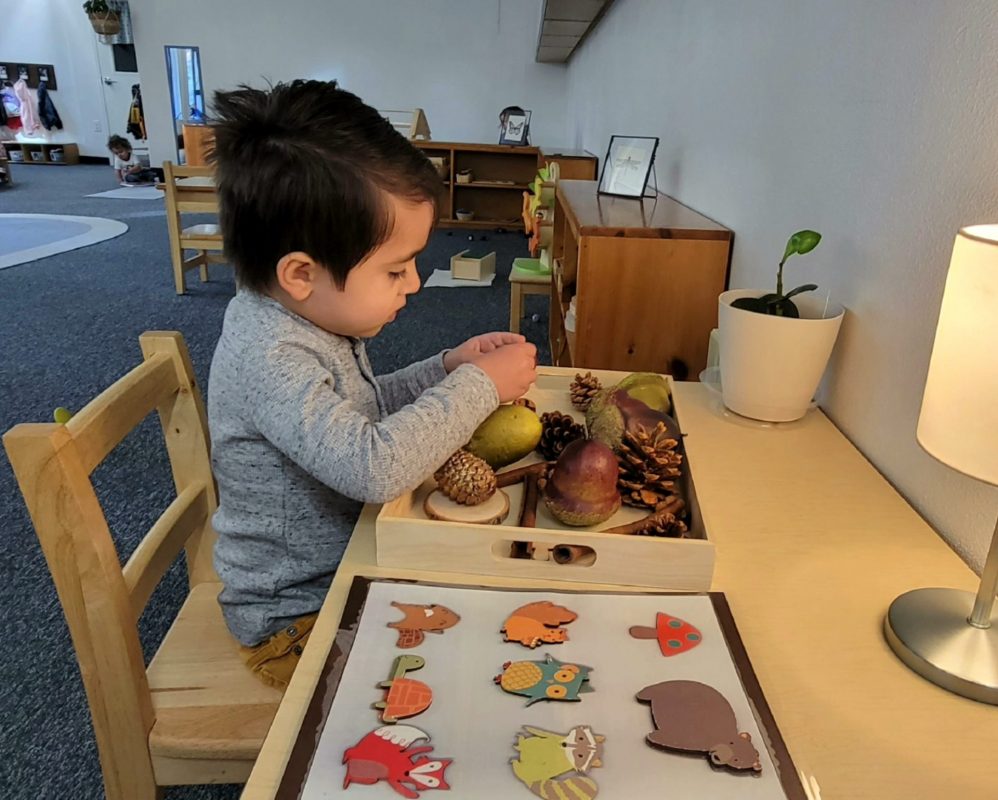
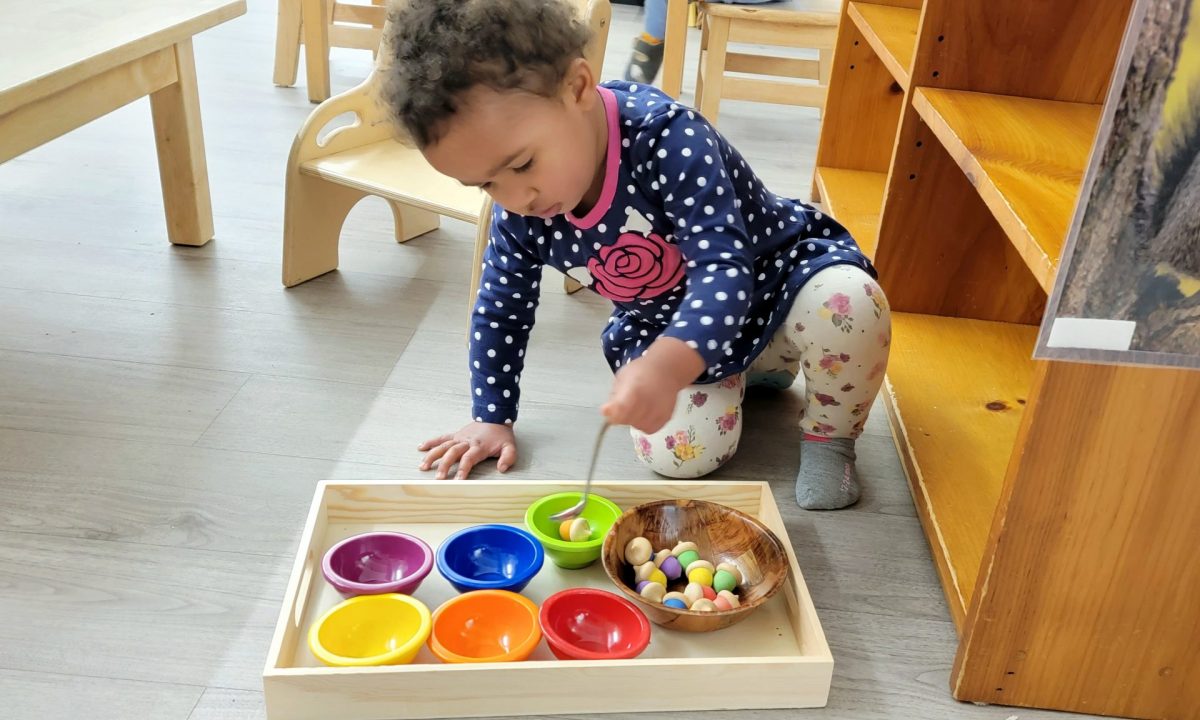
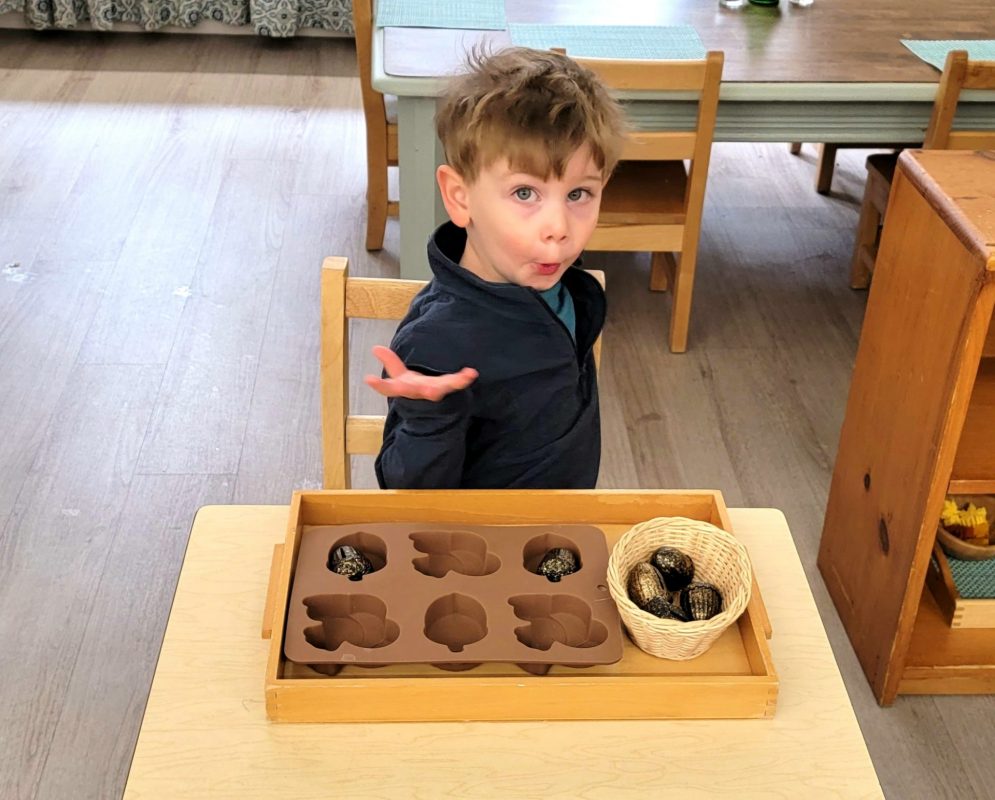
One of the hallmarks of a Montessori Education is known as the Learning Triangle. The Learning Triangle consists of the environment (classroom), the child, and the teacher.

What does that look like at FWM?

The Environment:

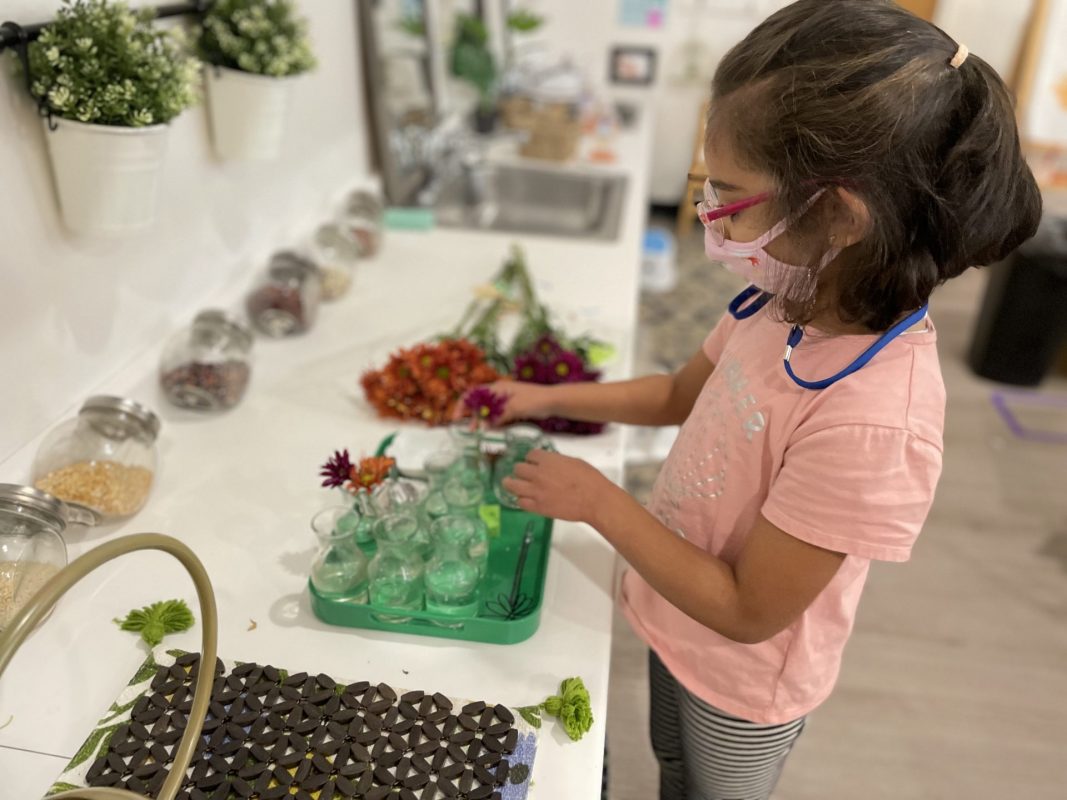
The classroom environment is prepared by the teacher to encourage independence, a sense of order and freedom within limits.

The Child:

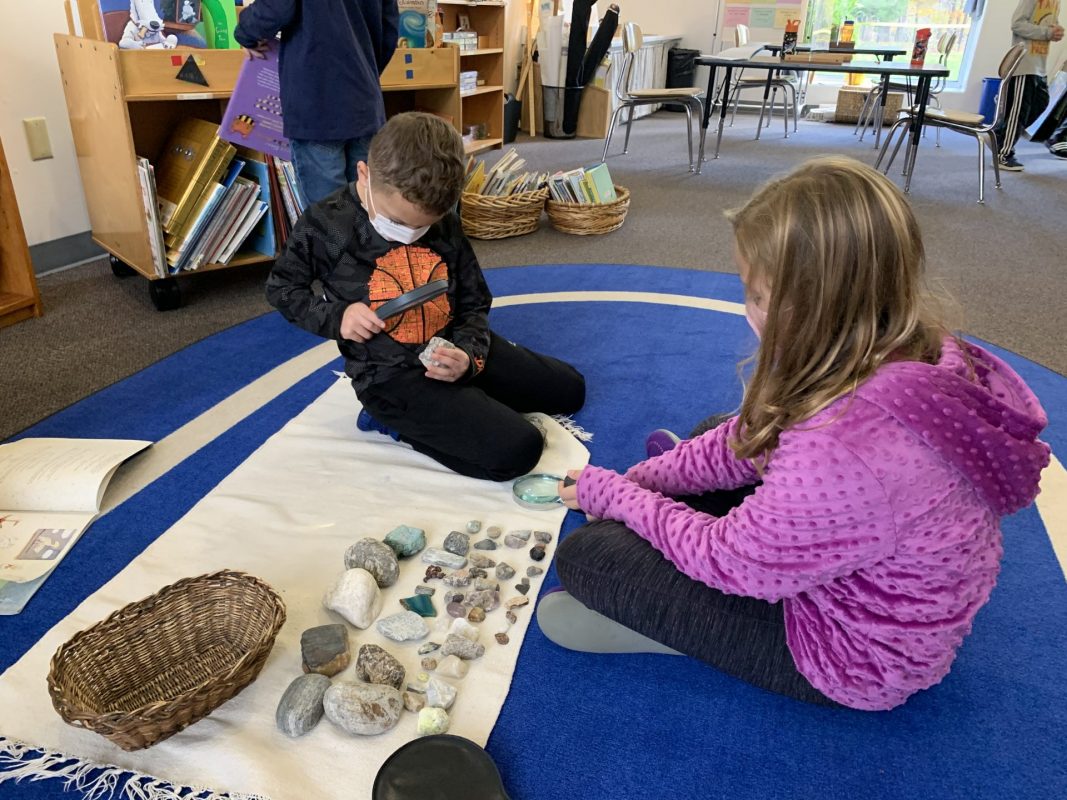
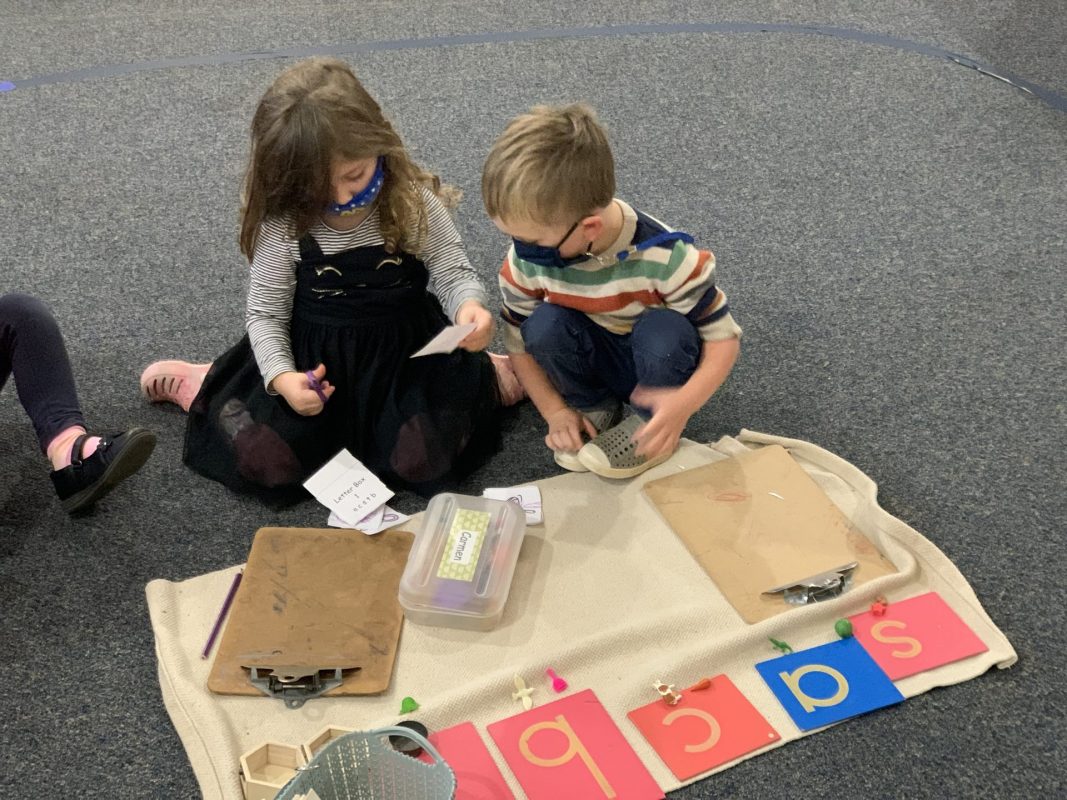
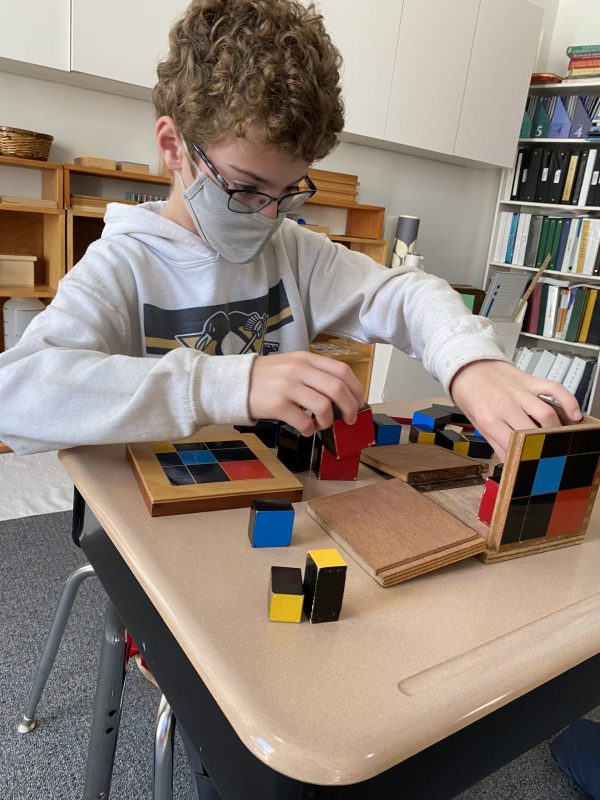
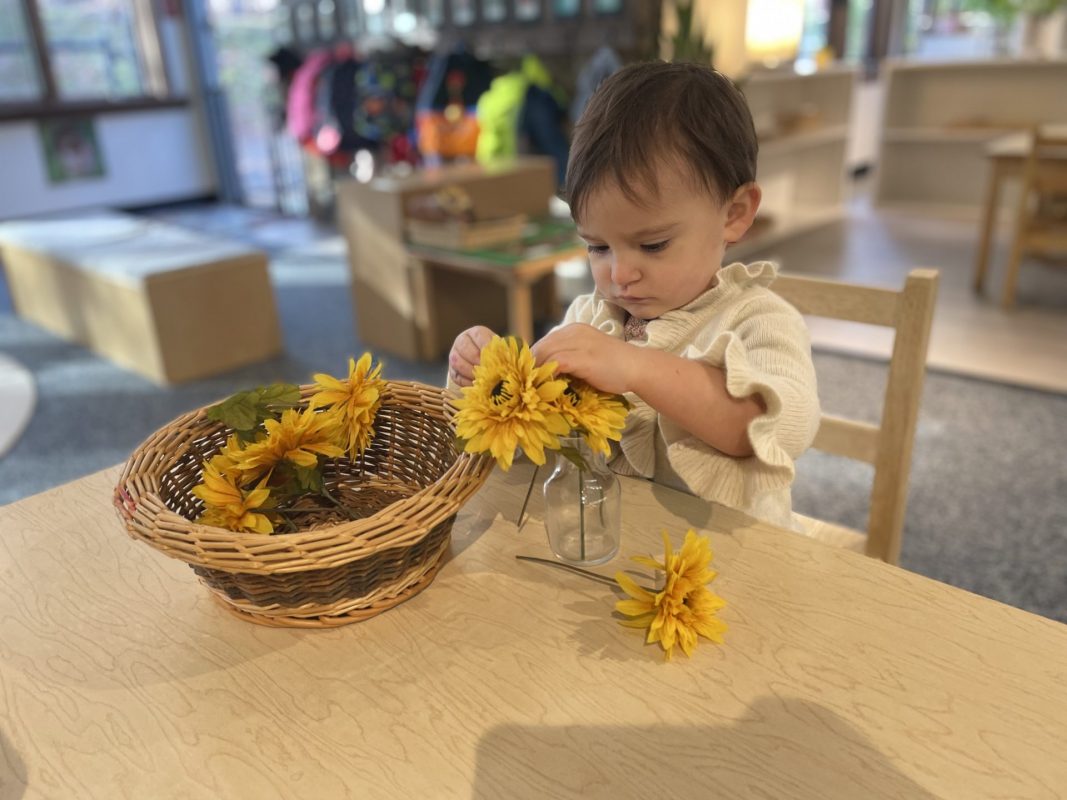
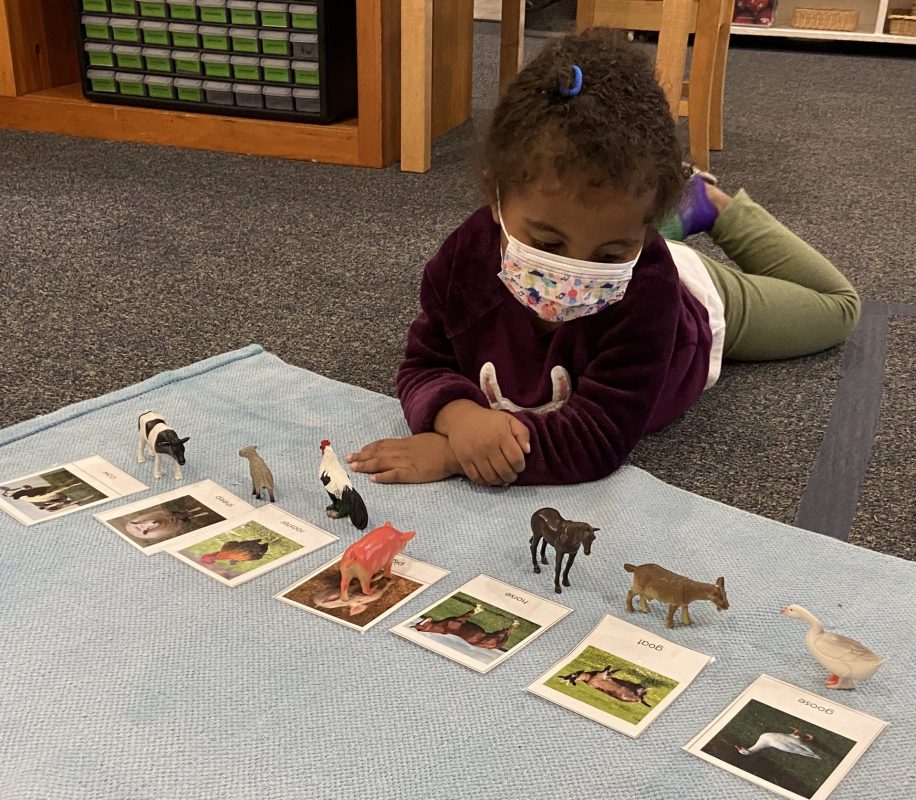
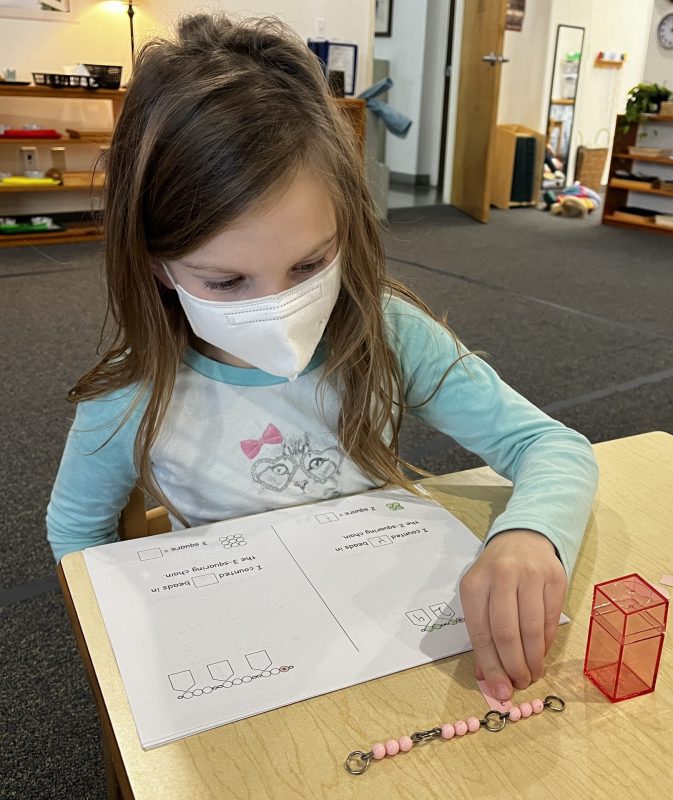
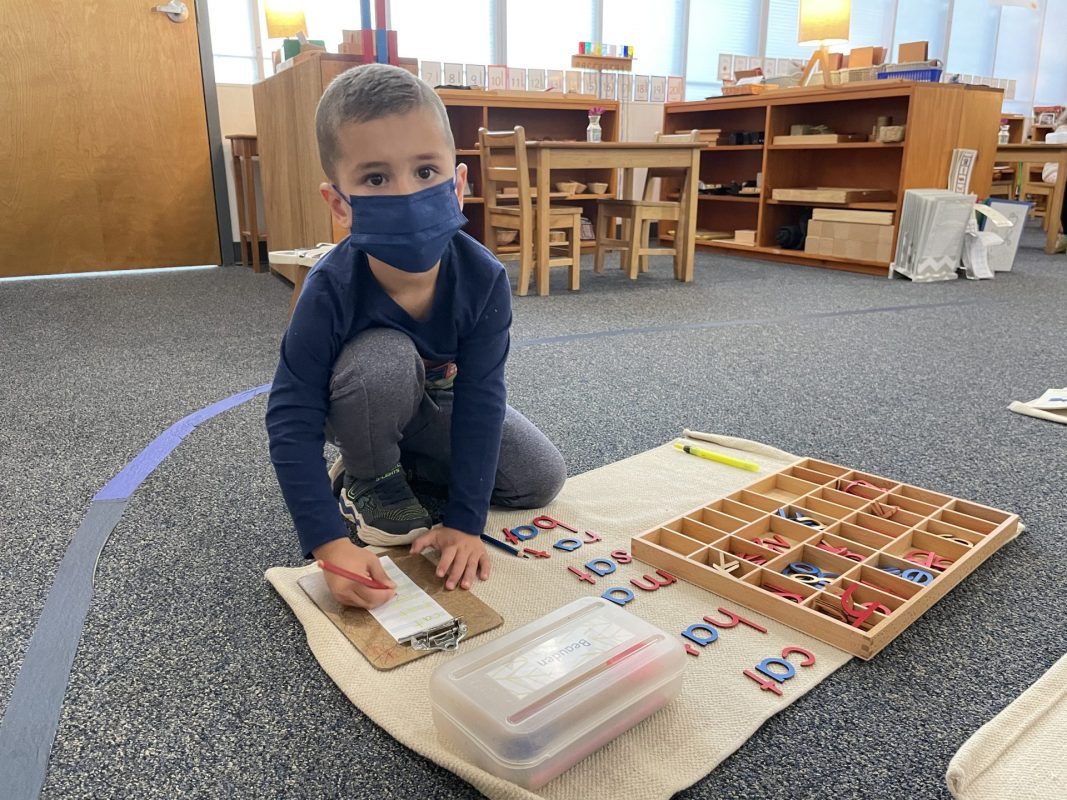
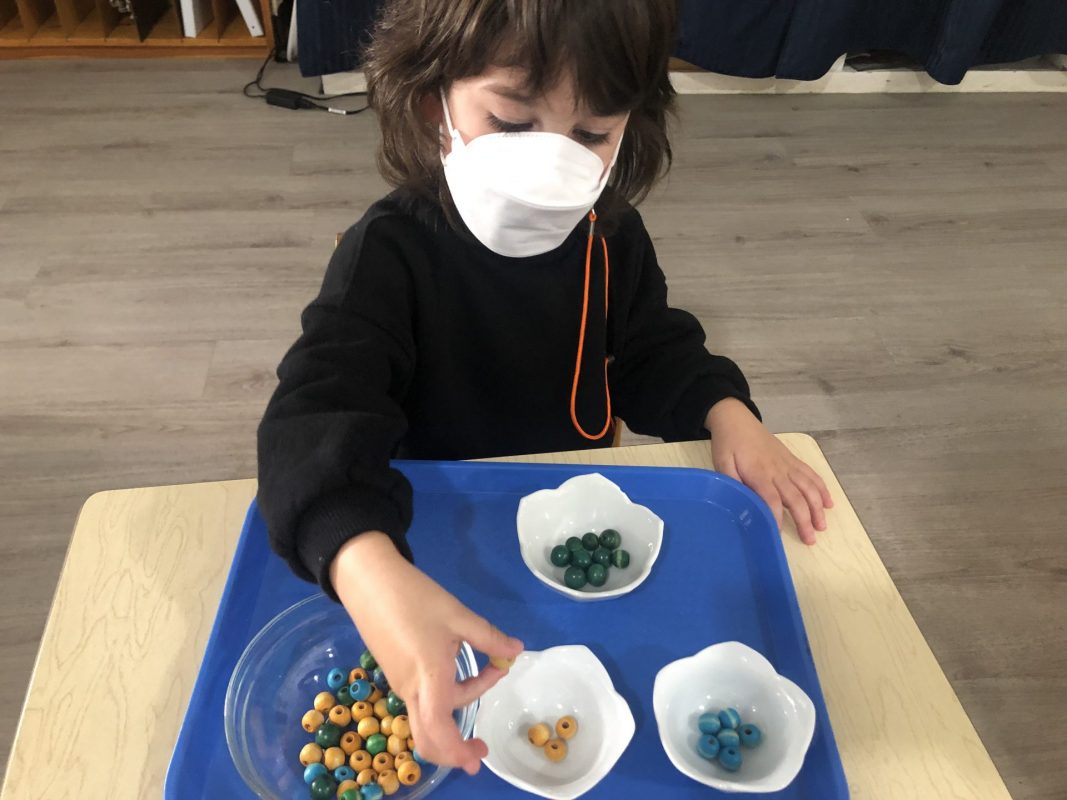
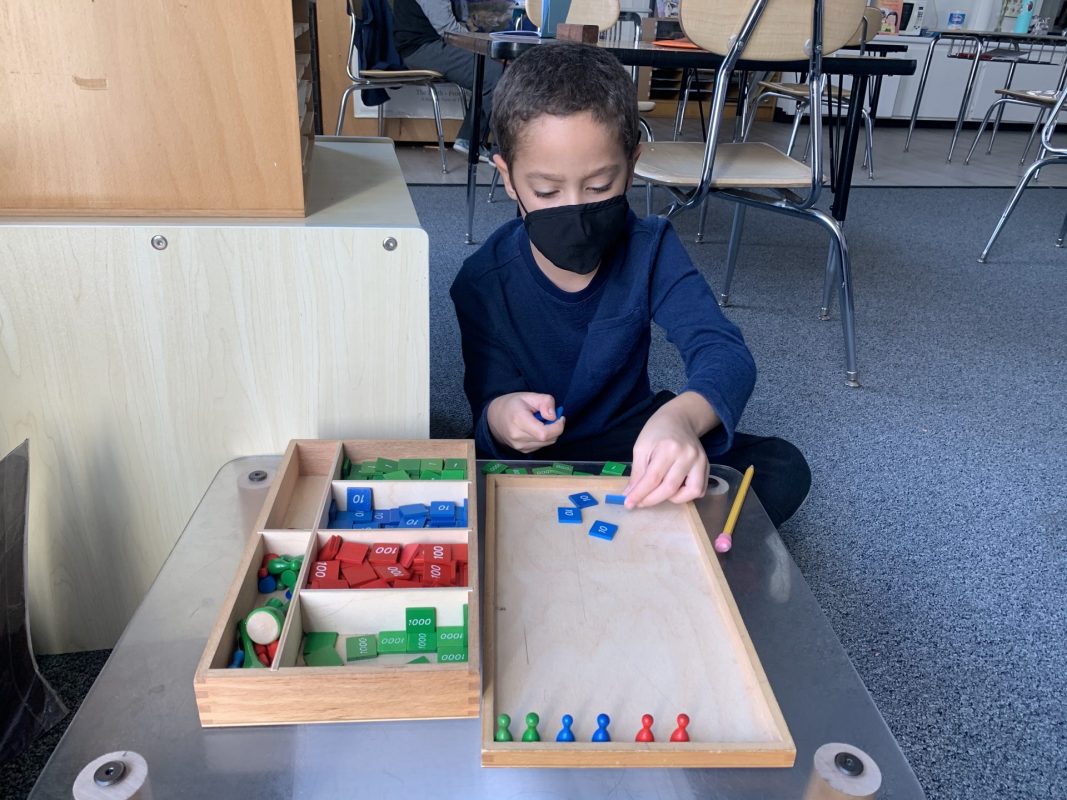
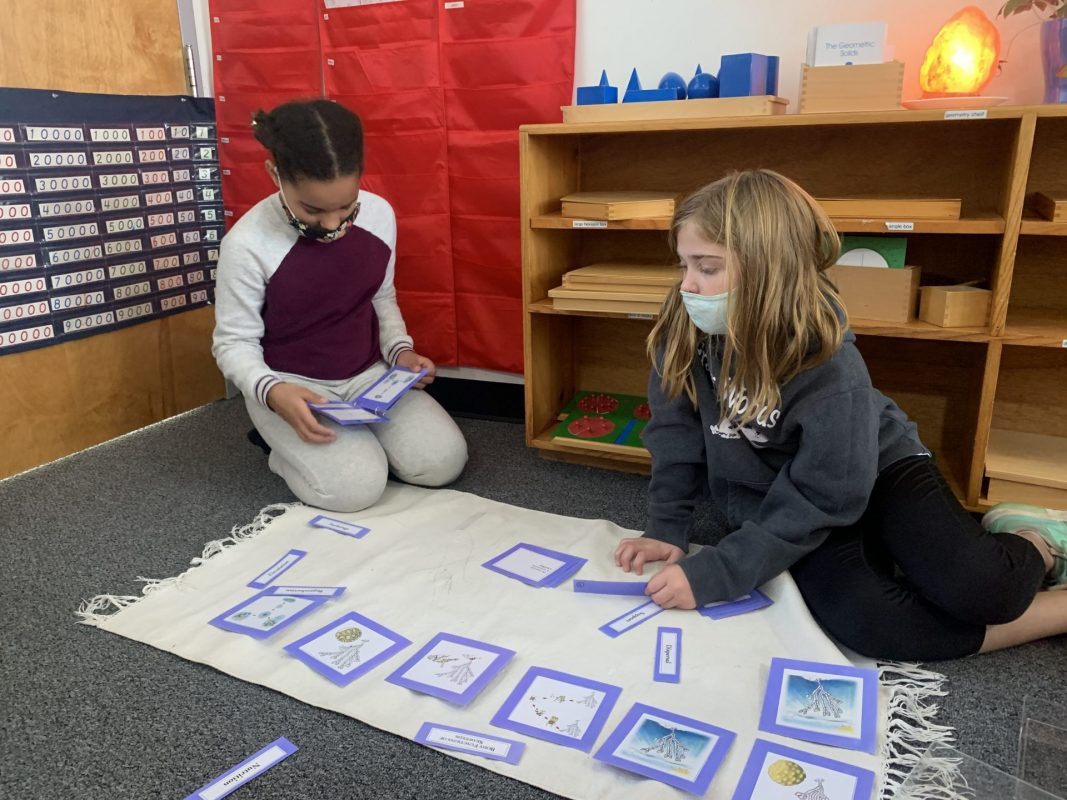
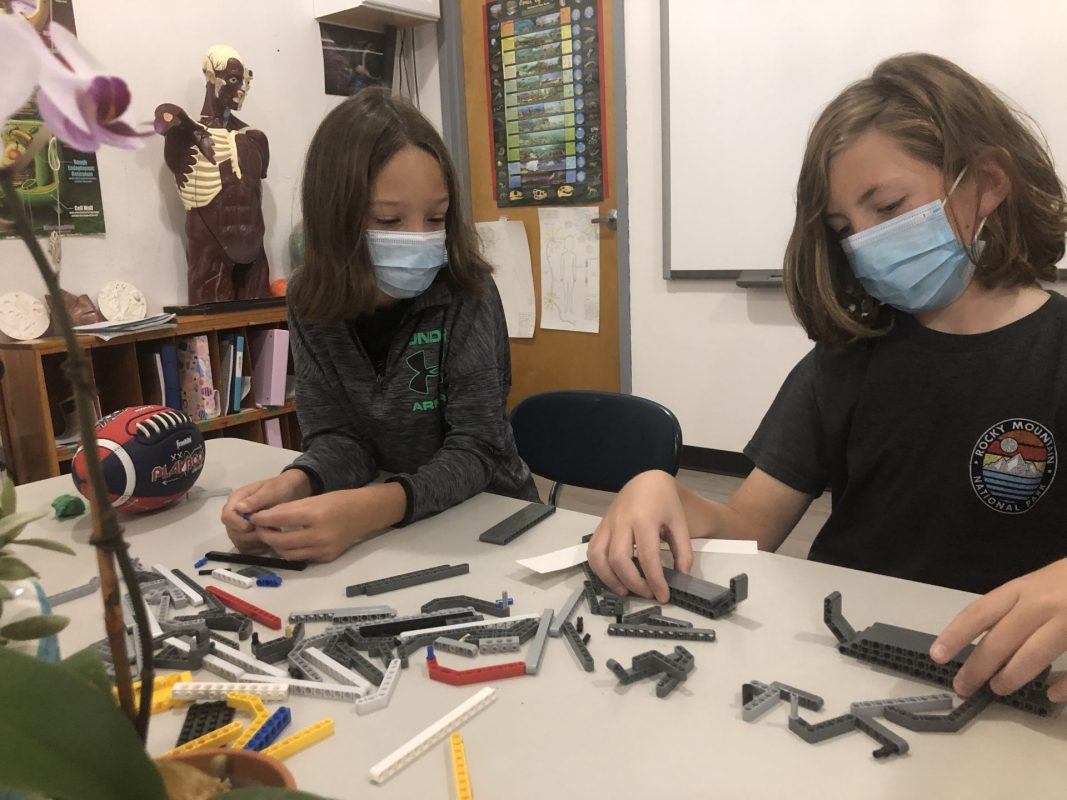
Given choice, children take advantage of the materials presented in the environment to develop themselves.

The Teacher:

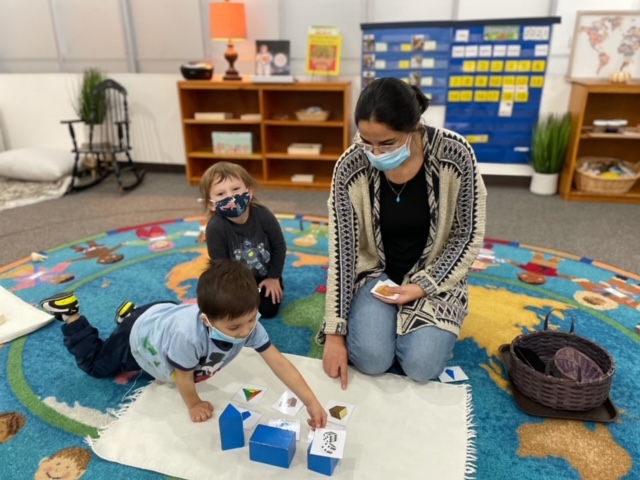
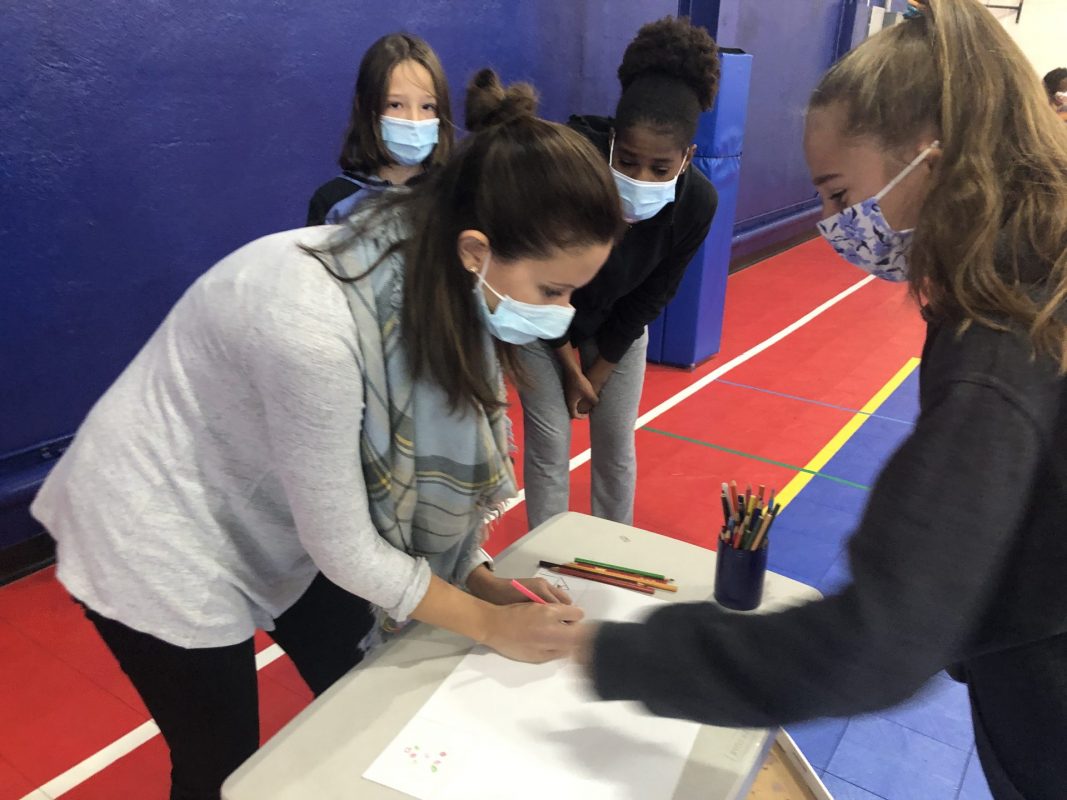
The teacher’s role is that of a Guide, Mentor, and Model or Directress/Director.  After individual lessons are presented to students, the students interact with their teacher when support and/or guidance is needed for the student to work successfully.

We see this at work every day.

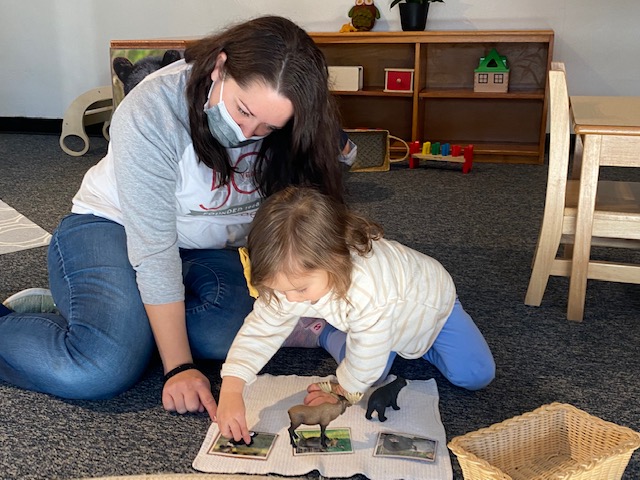
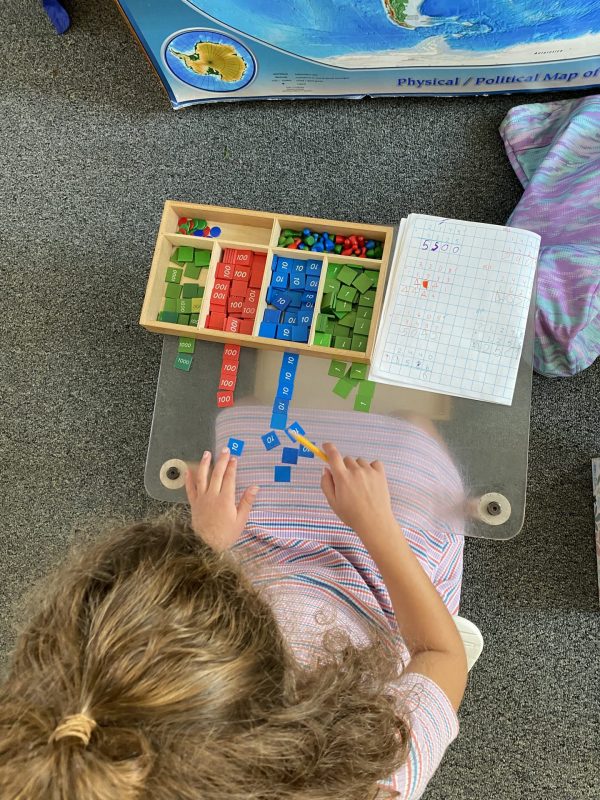
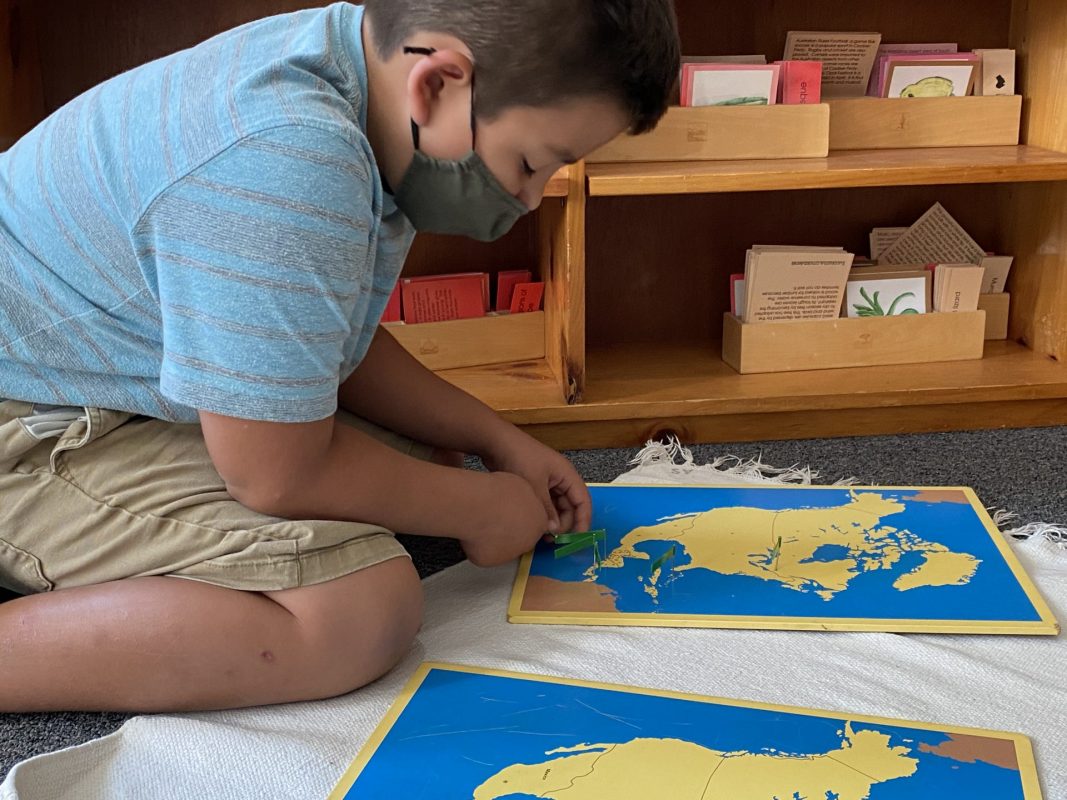
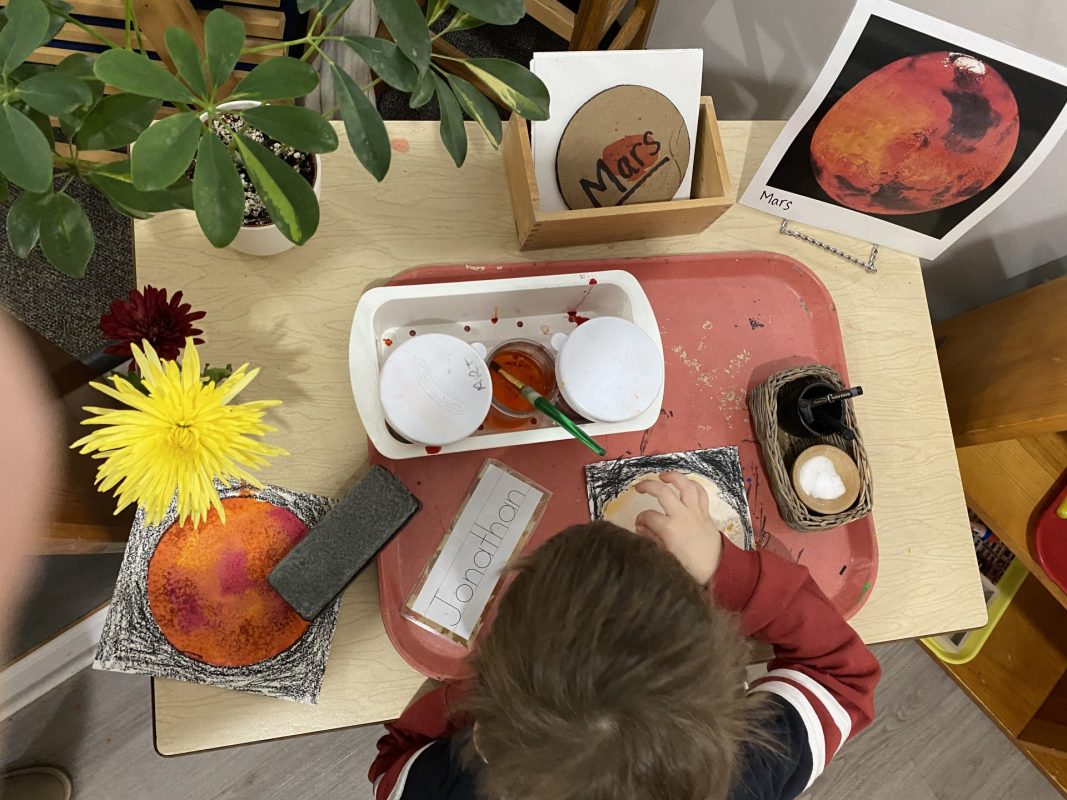
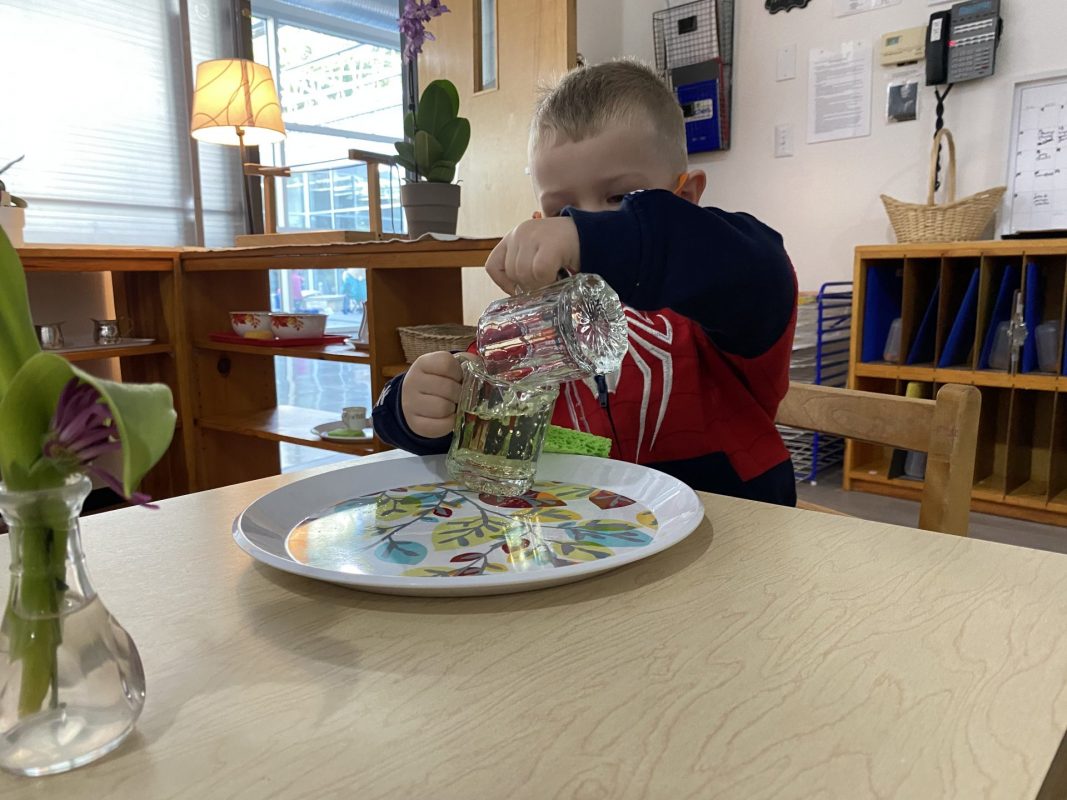
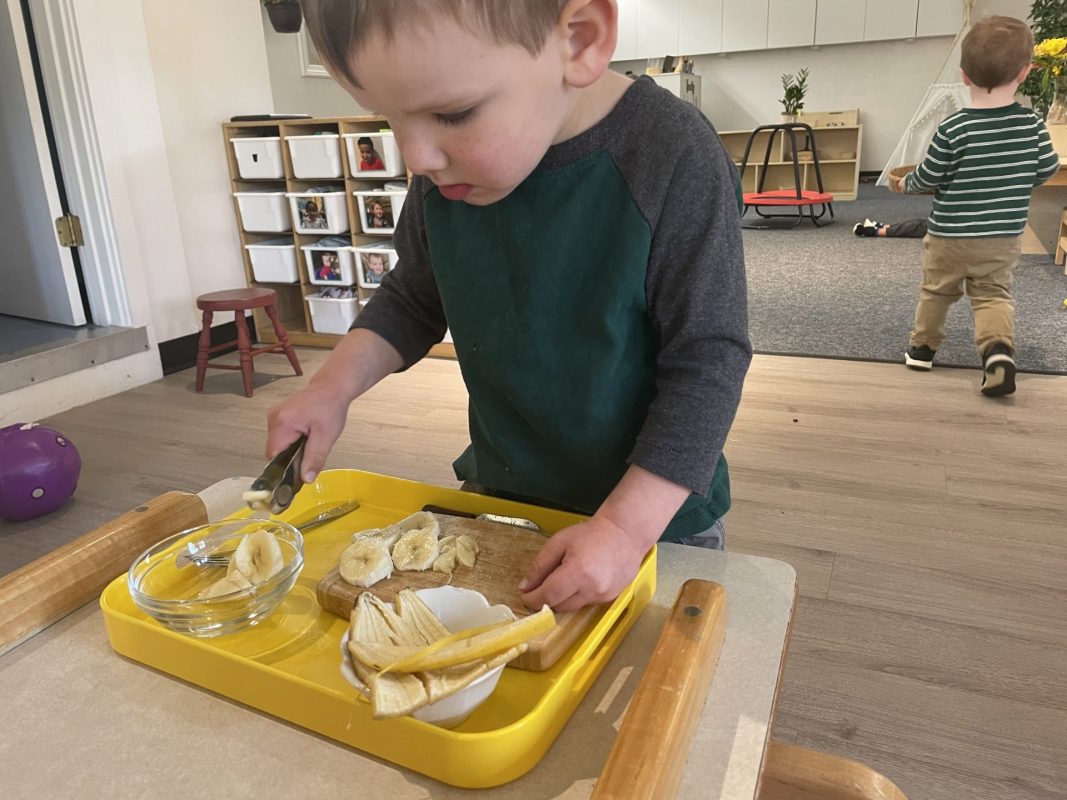
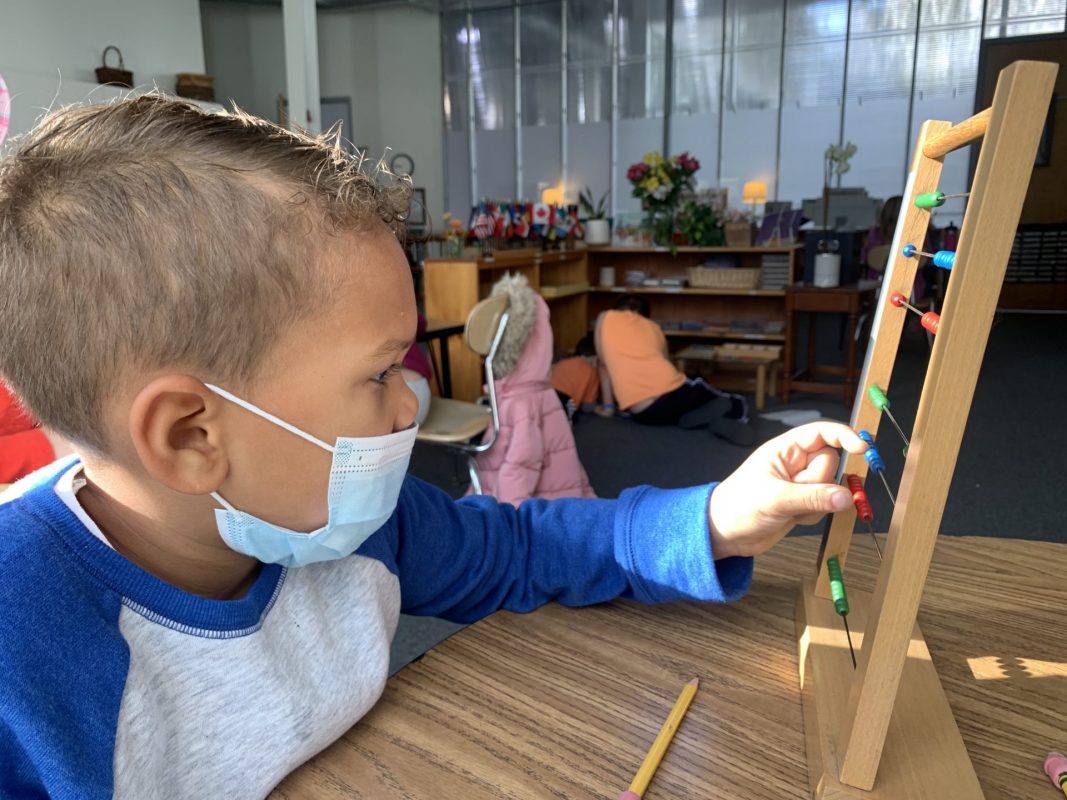
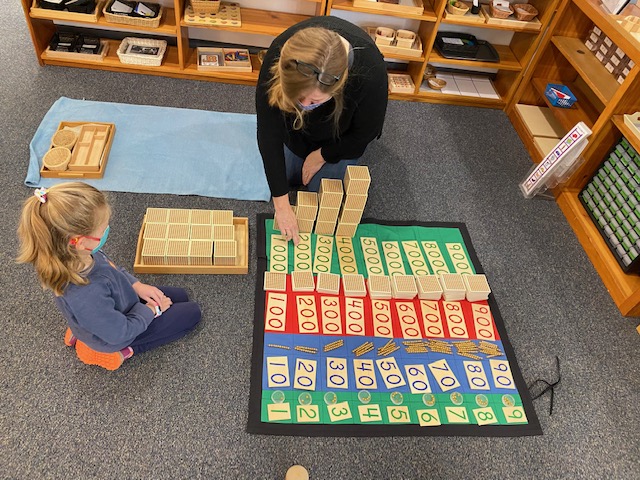
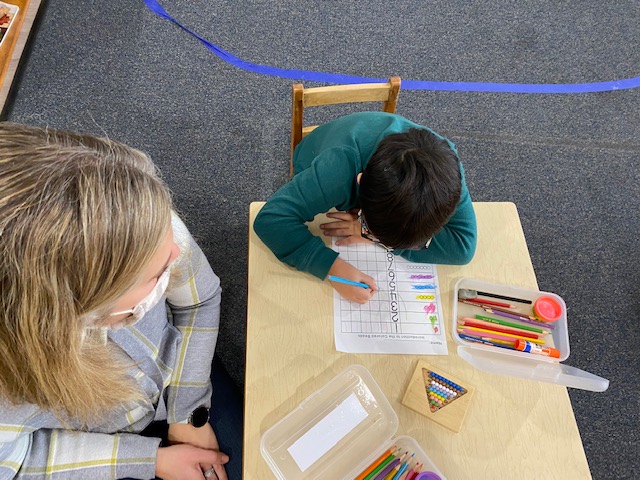
In Toddler and Primary the children are interested in real activities with an intelligent purpose. The classroom environment allows for the development of movement, language, work with small objects, toileting, order, music, grace and courtesy, senses, writing, reading, spatial relationships, and mathematics.

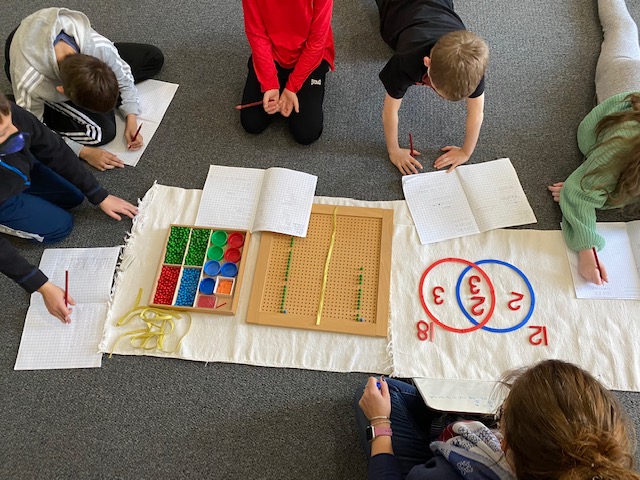
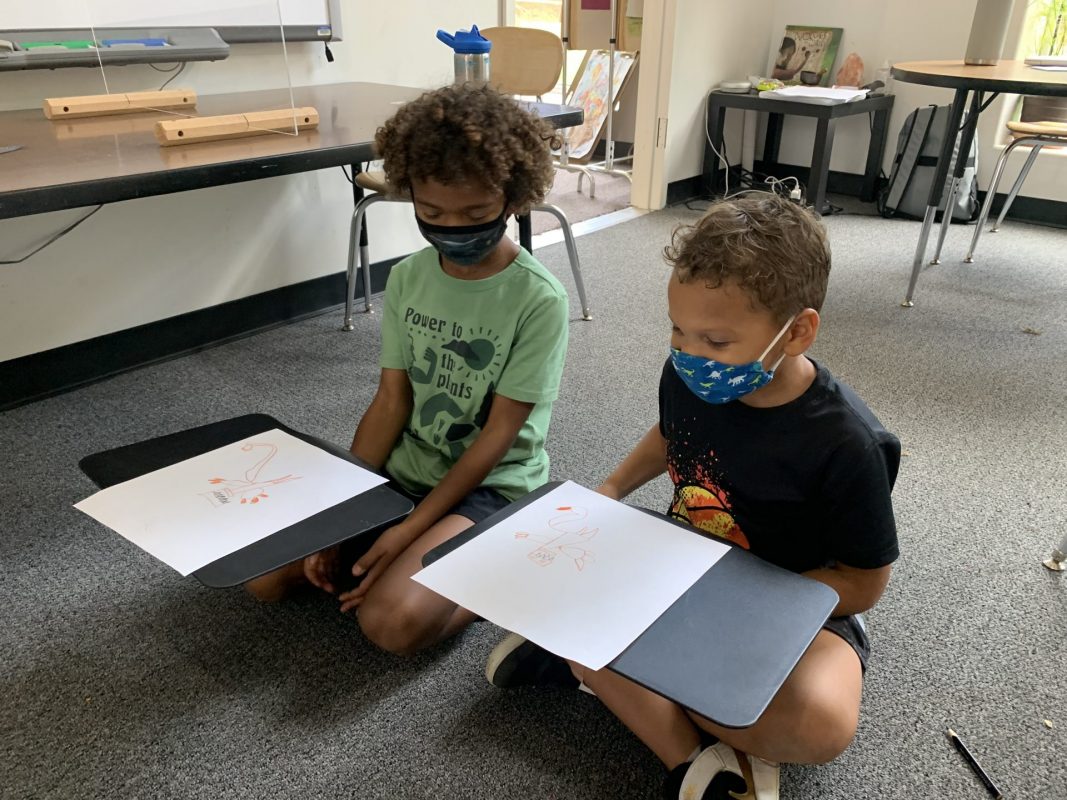
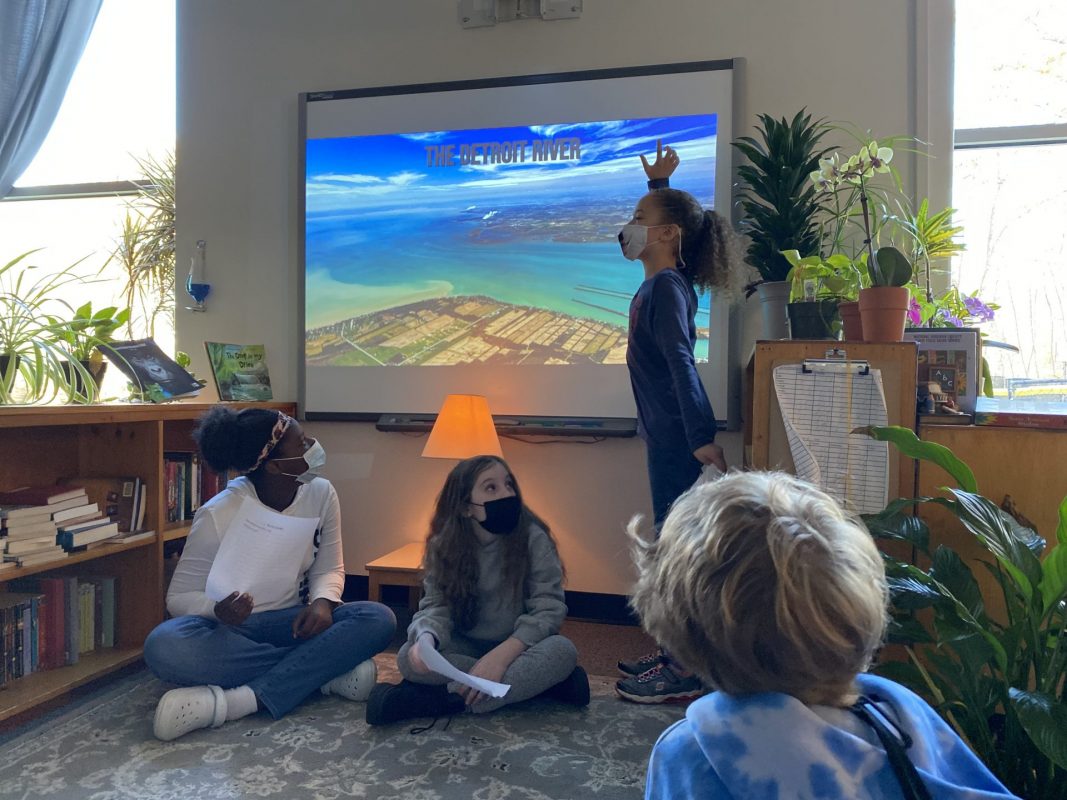
In the elementary classrooms, children have a desire for intellectual independence. Students explore their place within the world and come to appreciate the interconnectedness of all things. This is also the “bridge to abstraction” which is the students’ transition from concrete to abstract thinking.

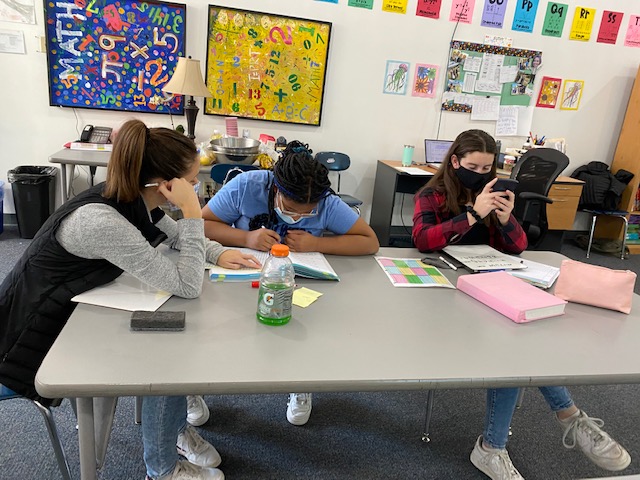
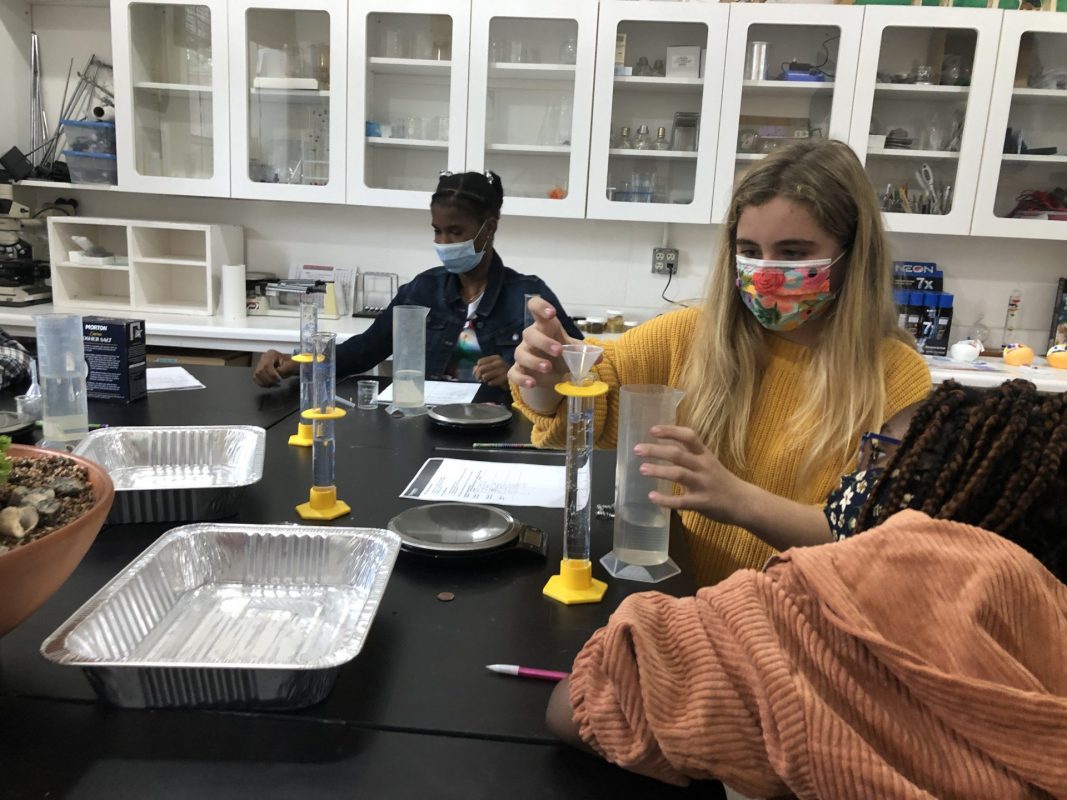
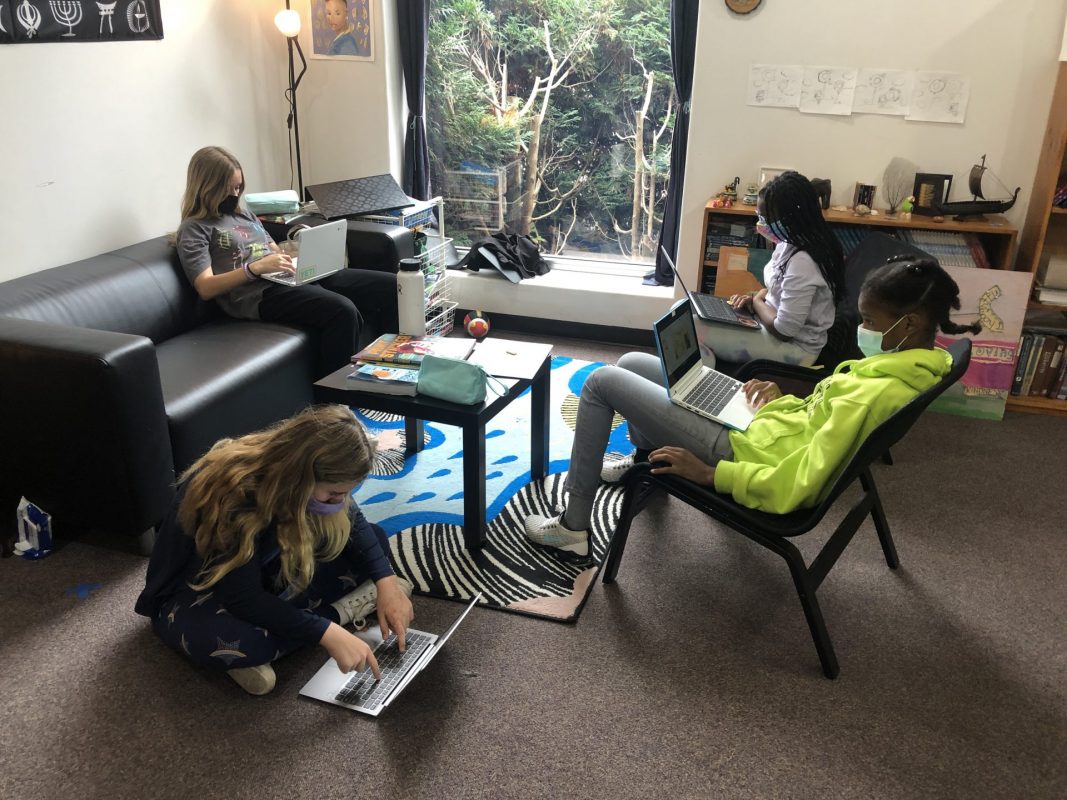
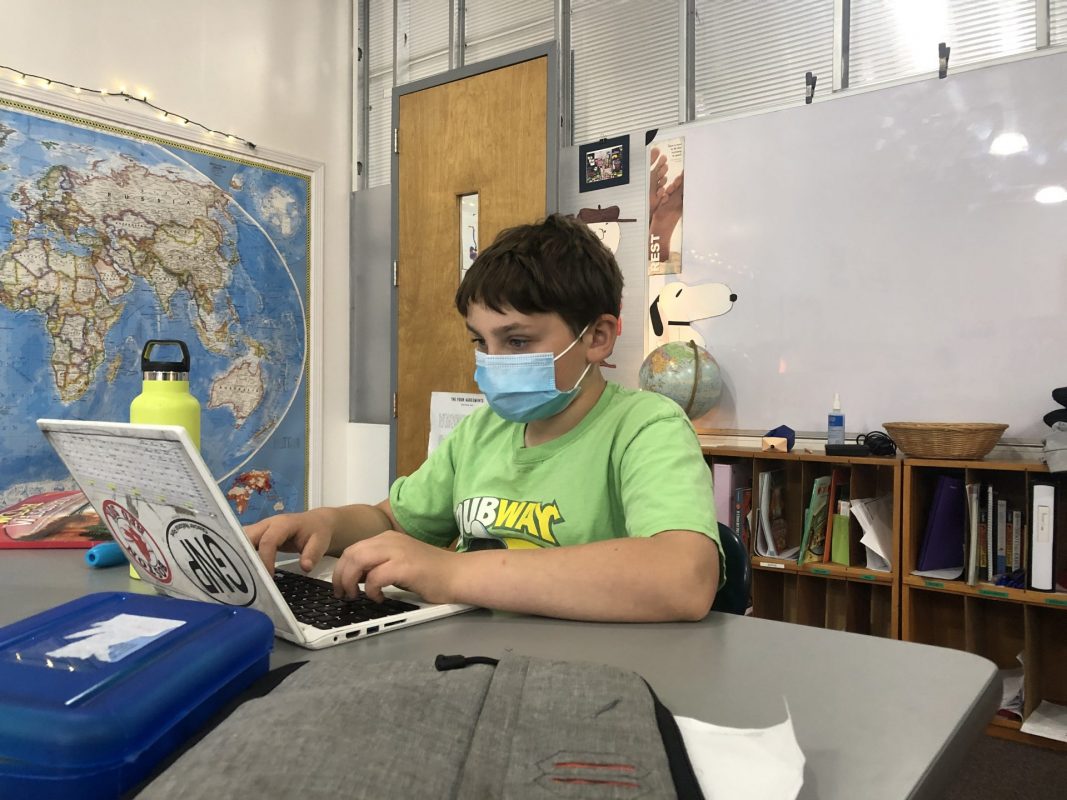
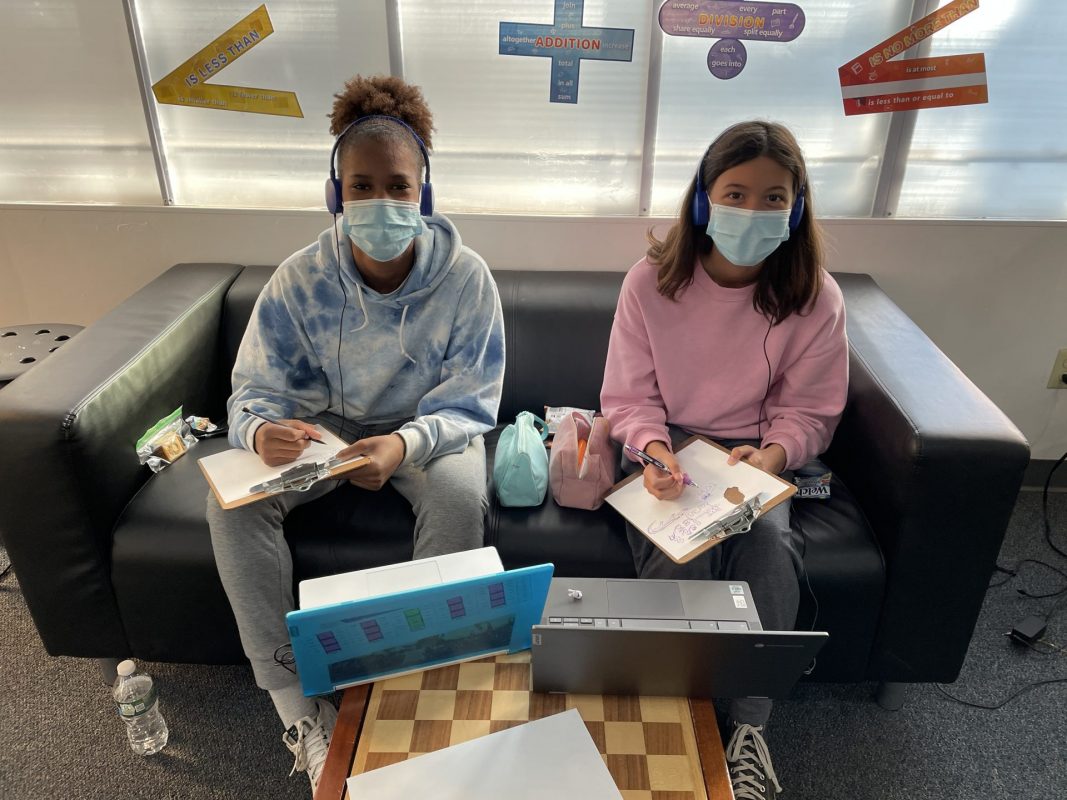
In middle school, students develop self-concern and self-assessment, critical thinking and exploring social and moral values, equity, and social justice. Adolescents also have a desire for emotional independence.

I am humbled by the work of our teachers and ever impressed by the care they take in preparing their classroom environments and the lessons they teach. Observing teachers as they guide, mentor, and model for their students assures me that The Learning Triangle is alive and well in every classroom at FWM.

Gratitude and Appreciation-Thanksgiving

“History should not be taught as a collection of dates and places. But rather be approached to arouse gratitude and appreciation. This gratitude should be aroused first to the law and order of the universe and the preparation of the environment into which human beings came.” ~Maria Montessori

In the United States, many of us celebrate and express gratitude in a holiday we call “Thanksgiving.”

For many, this marks the start of our winter holiday celebrations- a very fun and festive time of year. 

For me personally, I am reminded there is so much to be grateful for: family, friends, a roof overhead, good health, and so much more.  

Maria Montessori believed strongly in thanksgiving, making gratitude a strong presence in the Montessori classroom.

At FWM we look at gratitude and grace as something to be considered daily.

Beginning with Practical Life lessons of Grace and Courtesy in Toddler and Primary and continuing through the Elementary and Middle School Program, teachers model and children practice lessons that demonstrate positive social behavior which encourage students to adapt to life within a group and provide the knowledge of socially acceptable behavior. In the classroom, Grace can be how to politely get someone’s attention, how to give and receive a compliment, how to politely observe someone working or ask for help.  Grace and gratitude fill our community every day.

Wishing you all a safe, warm, and happy Thanksgiving! 


A Montessori Teacher is…

A Guide, a Director/Directress, a Facilitator 

In the Montessori classroom, you will not see your child’s teacher standing at the front of the room lecturing. The focus of learning in Montessori is on the students, not the teacher. 

The teachers are not there to provide students with information they must learn, memorize, and bring up at the time of an assessment. Instead, Montessori teachers guide and support children as they pursue learning on their own. Teachers facilitate learning by designing deliberate, well-thought-out learning opportunities and guide individual children based on their observations of each child’s readiness and interests.


An Orderly Classroom Prepared for Learning

In a Montessori classroom, the teacher prepares a broad array of learning activities or “lessons” well before the children arrive.

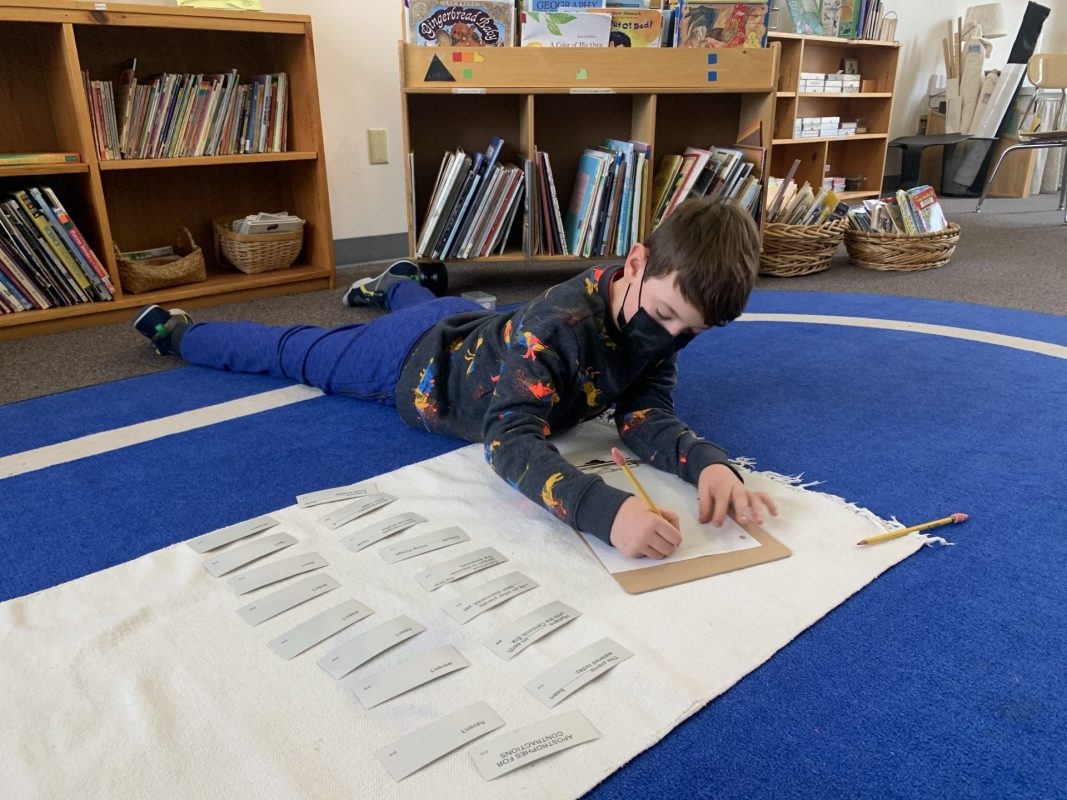
During “work cycle” children independently choose from among those “lessons” throughout the morning. The students are given an uninterrupted period of time to complete that activity and return materials to their proper place once they have finished working with it. The Montessori work cycle teaches children so much. During work cycle, children learn to focus their attention and learn how to complete a task independently or with minimal help. The outcome is children feel a sense of accomplishment with each work cycle they successfully complete.

Each area in a Montessori environment (Math, Language, Culture, Sensorial, and Practical Life) is designed specifically to provide differentiated learning with a curriculum that flows on a continuum so the learning suits the individual needs of each unique student.

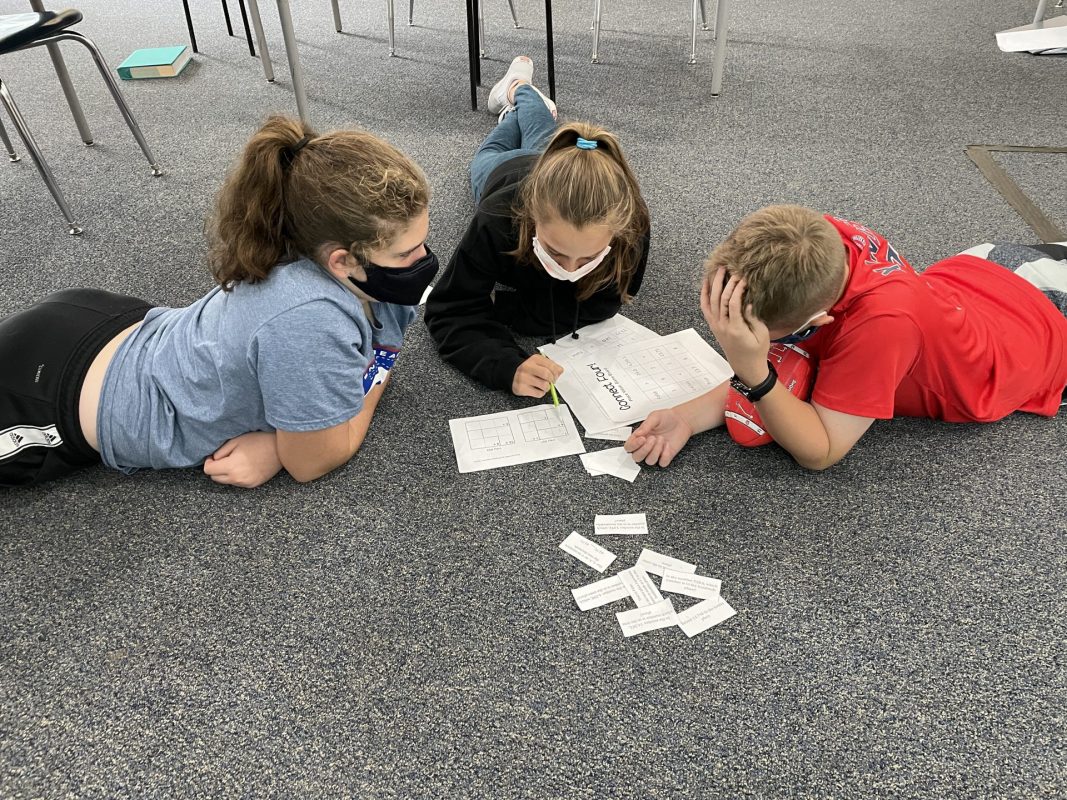
In some areas of the classroom, students conduct hands-on experiments, while other areas of the classroom require children to work together as a group to solve the learning activity. Still, other areas of the classroom are designed for children who prefer to learn independently. When children come into the environment, they are free to explore all areas of the classroom and choose lessons they are most drawn to.  Since all the lessons provide valuable learning opportunities, the children learn no matter which activity they choose.


Reflecting on Parent-Teacher Conferences

As a teacher, one of the school events I always looked forward to and really enjoyed was Parent-Teacher Conferences! I loved hearing the stories that parents would share about their children and truly appreciated the feedback that came as a result of those conversations.

Occasionally, I get questions about how we measure progress in a Montessori environment. Is there “traditional assessment”?

This is a great question! 

In a Montessori classroom from Primary through Upper Elementary, teachers are continually assessing where each student is on their own individual path of learning. We are concerned about where each child is at a specific point in time and how they are progressing, at their own pace, in their own way to meet the educational benchmarks we have set out for them. Concrete numbers often fail to provide the best perspective on the quality of a child’s true learning. It is in Middle School when our students start to receive “grades” in the traditional sense. 

Maria Montessori created a teaching methodology supported by instructive materials to help children build confidence and resilience to prepare them for their entire educational journey, not just the quiz or worksheet that is in front of them at a moment in time. I hope all of you enjoyed your conference time with your child’s teacher.

Please know I am available to talk with you anytime. I would love to hear all that you learned about your child’s experience at FWM.

An Atmosphere of Mutual Respect

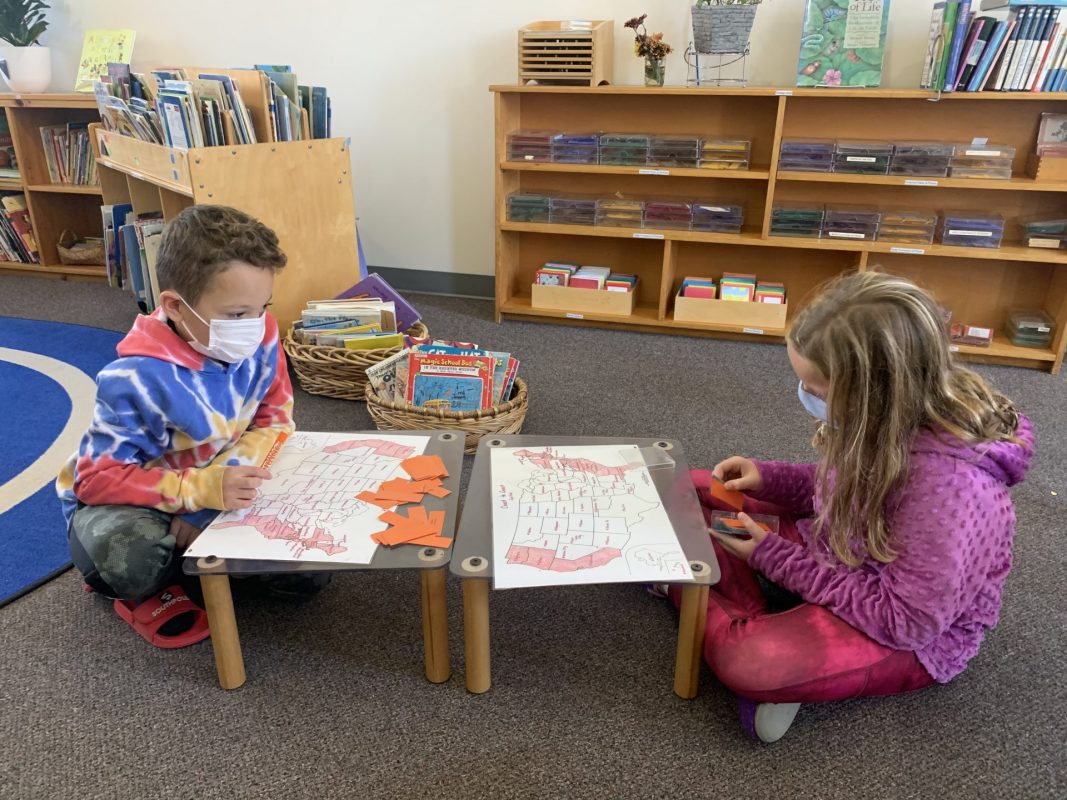
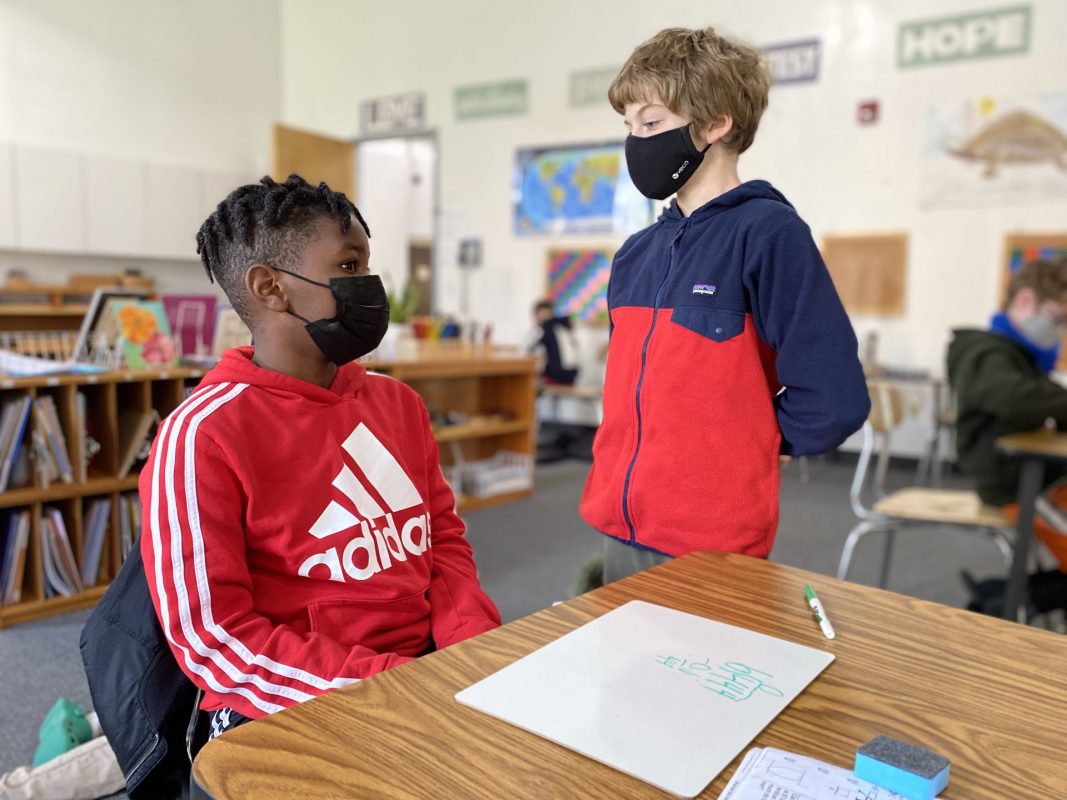
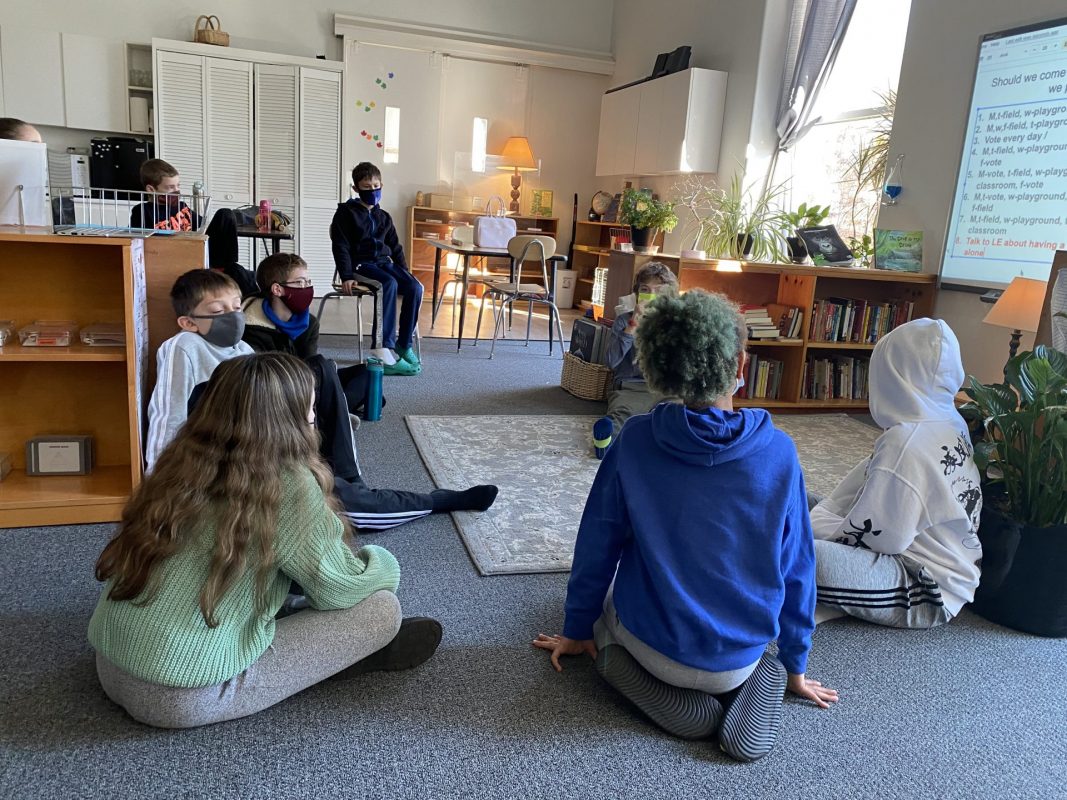
As Montessori teachers we understand that each child has a natural desire to learn when given the opportunity to learn in a way that matches their strengths and learning style. Children in a Montessori classroom also learn to respect their teachers and their peers. The children quickly learn and understand that everyone (teachers and students) is part of a community  that supports one another while they learn together. Our teachers work as facilitators. Our students also work together in partnership and collaboration as they explore the learning opportunities all around them. 
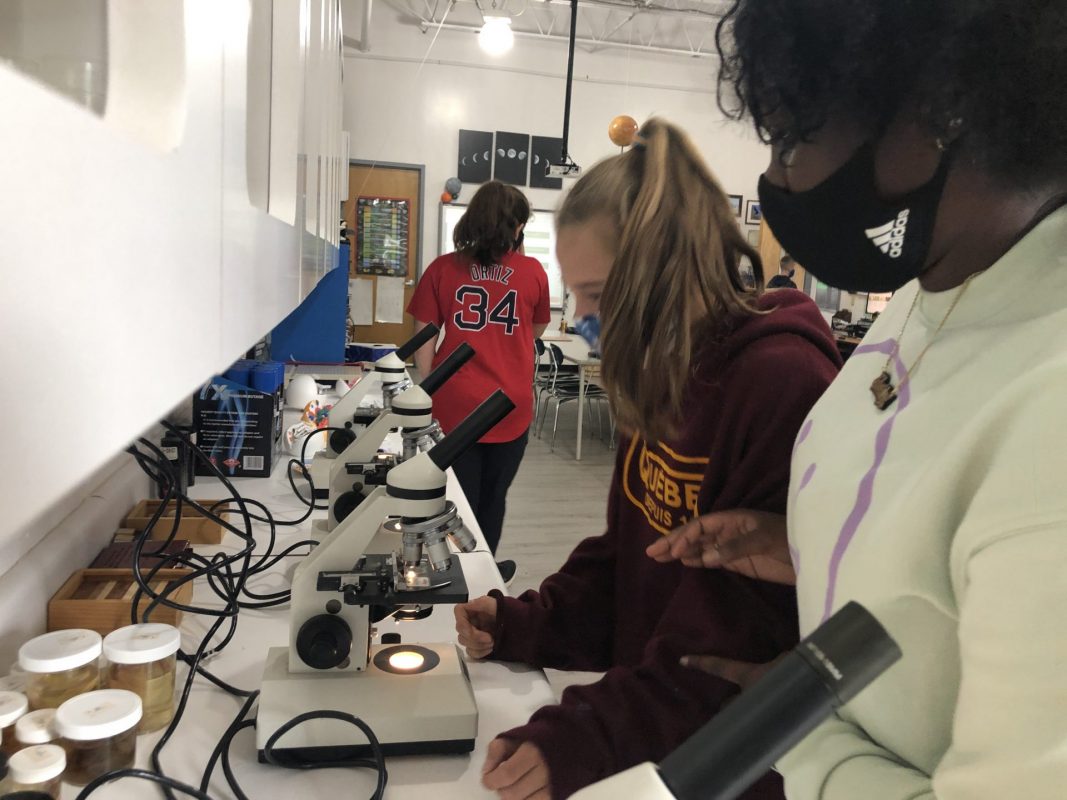
“Because the teacher respects each child and refrains from interference, the children treat one another with the same respect and kindness.~ ” Maria Montessori

(Maria Montessori Speaks to Parents, p. 61)


A Hallmark of a Montessori Education is a Curriculum that Emphasizes Independence

In many traditional schools, the learning model communicates the message: “Do what you are asked to do, when you are asked to do it.” Upon high school graduation a decade or so later, the children are expected to be successful, independent adults. Does that learning model truly prepare the child?

Independence, like every other aspect of life as an adult, is learned step by step, incrementally.  Each milestone of independence supports the successful development of the next milestone. 

In a Montessori school, children learn how to be self-directed. The lessons they choose to work on are the ones most appealing to them. Students are free to explore these activities at their own pace. Will they make mistakes? Of course, but that is the beauty of independence. Our children have the opportunity to learn in a relatively risk-free environment and to grow from their mistakes. 

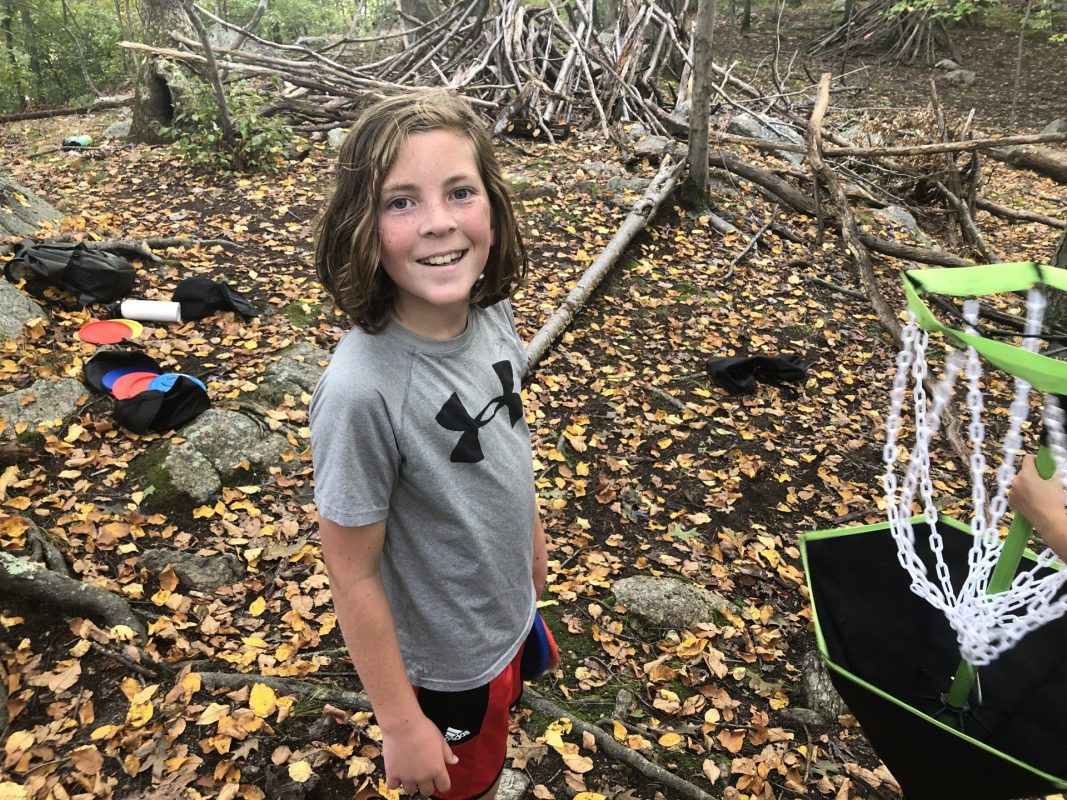
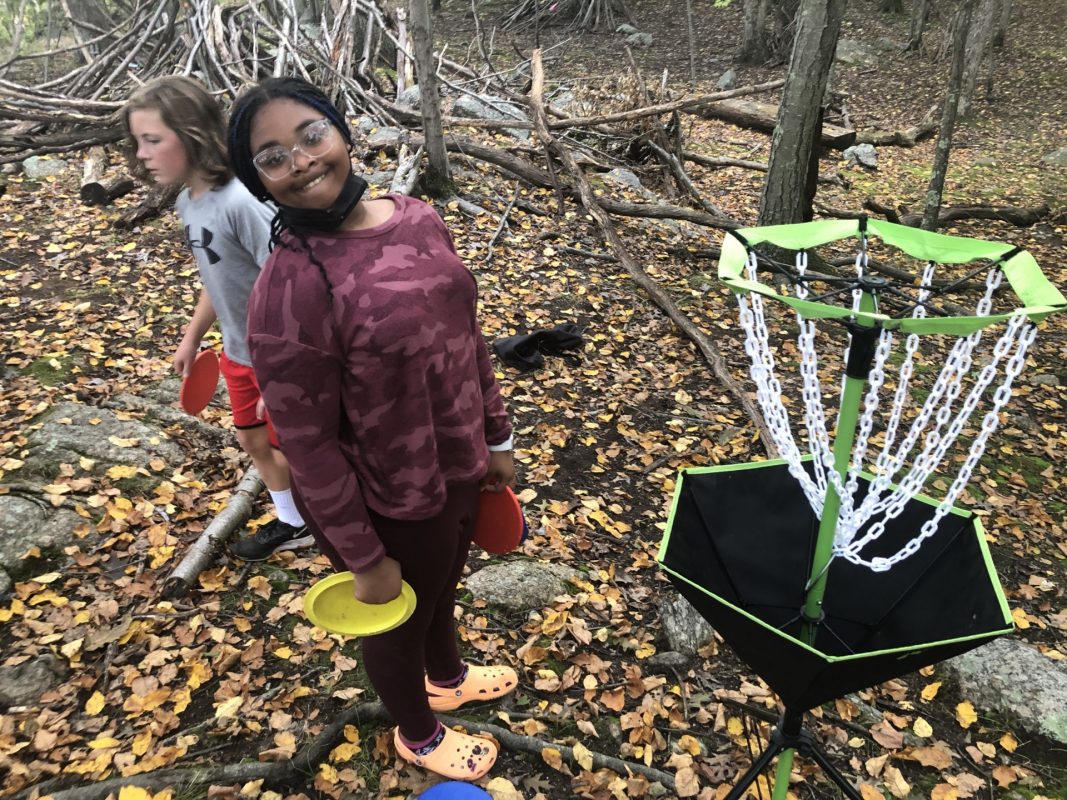
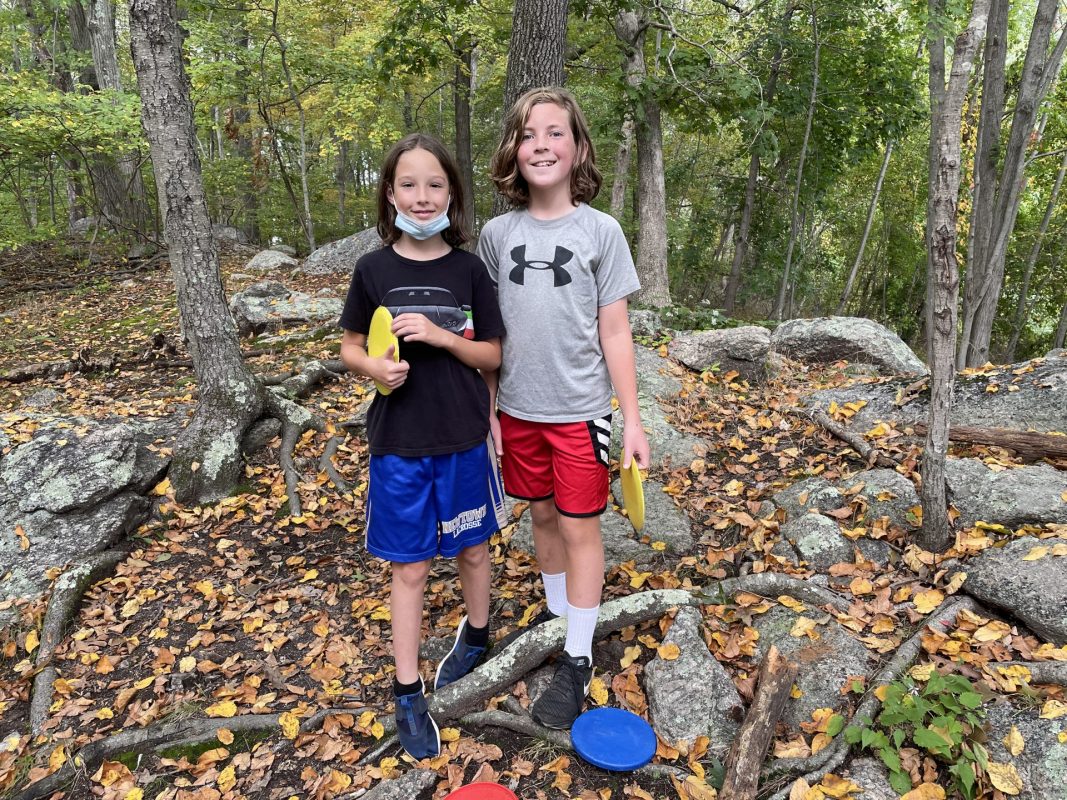
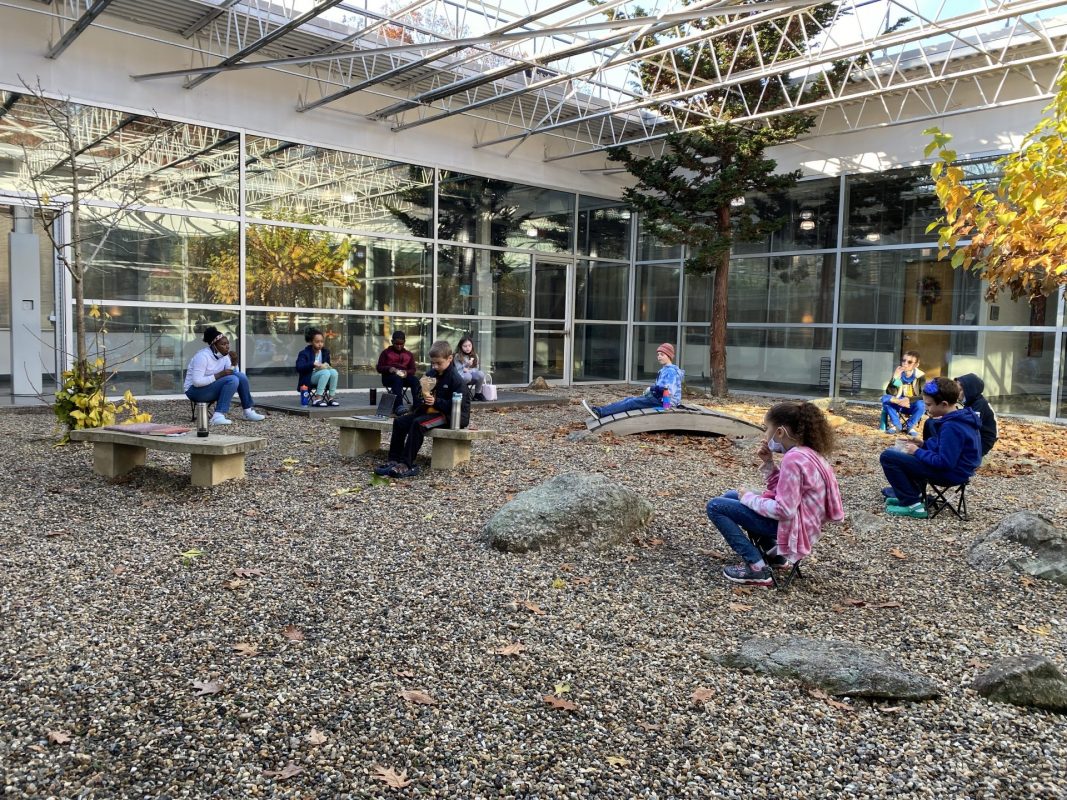
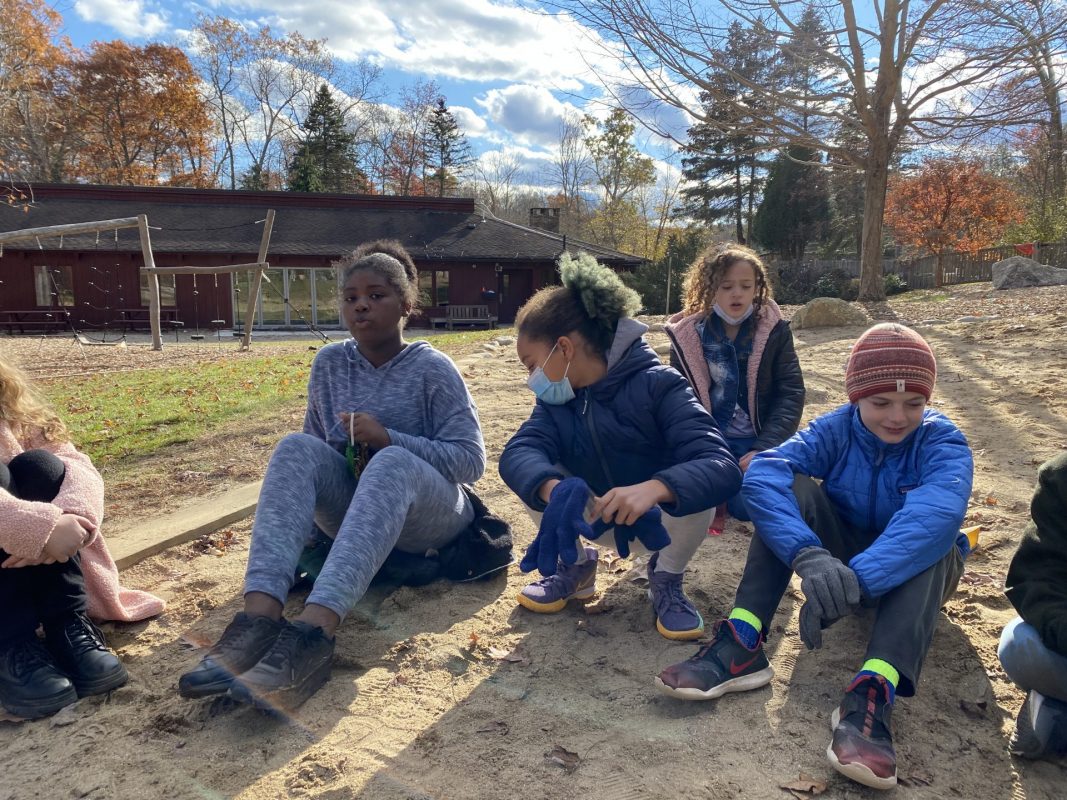
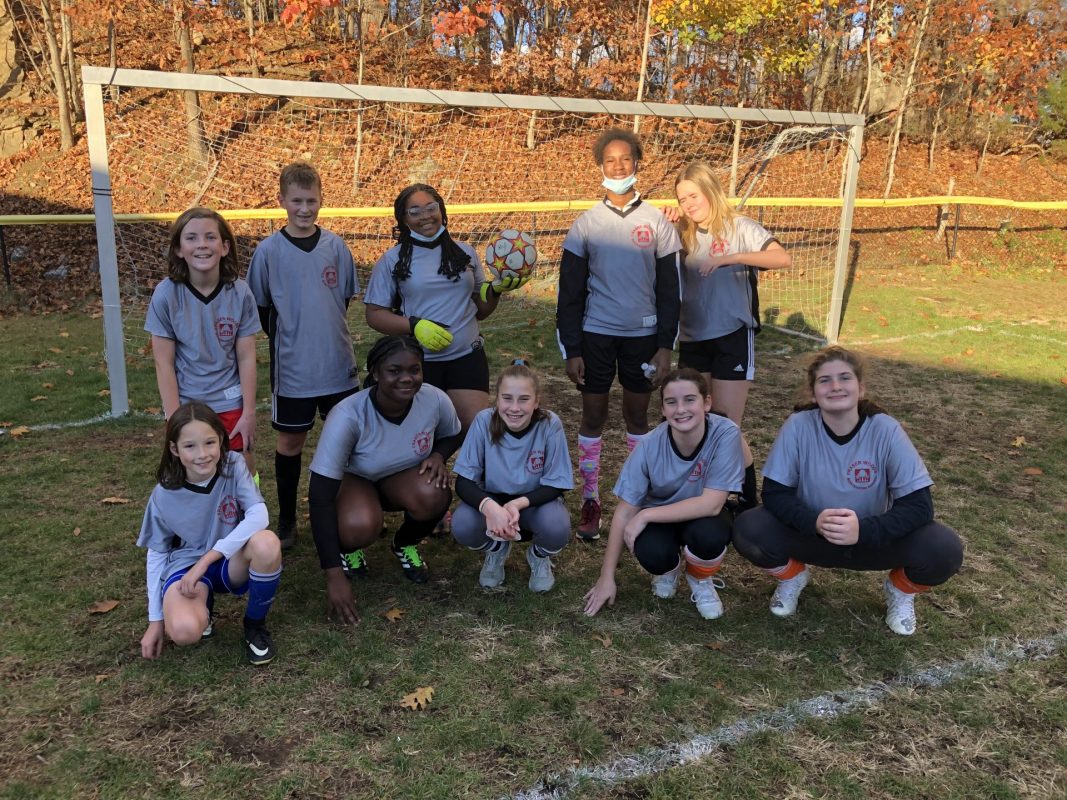
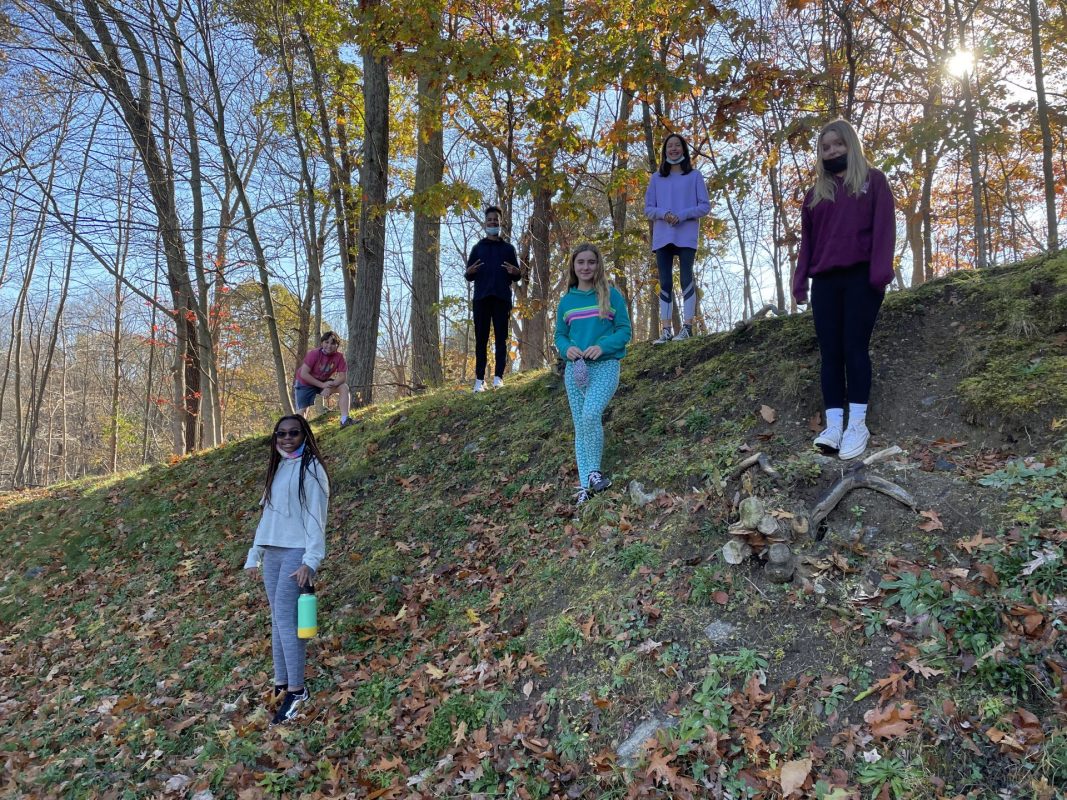
The result is a child who feels supported and empowered to become a creative, independent adult. Enjoy the photos!


Middle School: Week in Review

Humanities

Grade 6 Humanities students continued to work on their organizational writing. They watched a brief TED talk by time-lapse photographer, Louis Schwartzberg who shows some of his work on a documentary about gratitude. Then students responded in writing, discussing how they can show gratitude each day. Students were encouraged to read each other’s responses and comment on their writing. This builds their written discussion skills as well as practice giving positive, specific feedback when peer reviewing writing. Next they looked at and discussed how form affects writing, using two poems by E.E. Cummings as their exemplars. Finally, 6th grade students also practiced their editing skills and completed a unit of vocabulary.


Grade 7 Humanities worked this week on their Religions of China research presentations. They completed research using guided questions to help them, and then they began Google Slides presentations that they will be giving to their classmates next week to teach them about the religion and the role it plays/played in Chinese history. Students also completed a unit of vocabulary.


8th grade Humanities classes finished reading short stories to prepare them for their irony in literature essay. This week, they read, “The Lottery” by Shirley Jackson and “Sentry” by Frederick Brown, both with excellent examples of situational irony. For Poetry Tuesday, students read “Mending Wall” by Robert Frost and discussed the notion of boundaries and tradition. When are boundaries necessary? When should traditions be preserved v. changed?  Finally, they completed an additional unit of vocabulary.


Science

6th year Earth Science students just finished their unit, Fossils and Studying Earth’s Past. This week they began their unit, Tectonic Plates. Within this unit, students will learn about the literal driving force behind what shapes our planet. Next week, students will begin planning their stop motion videos representing the effects that convection currents have on the movement of tectonic plates and formation of our continents. 

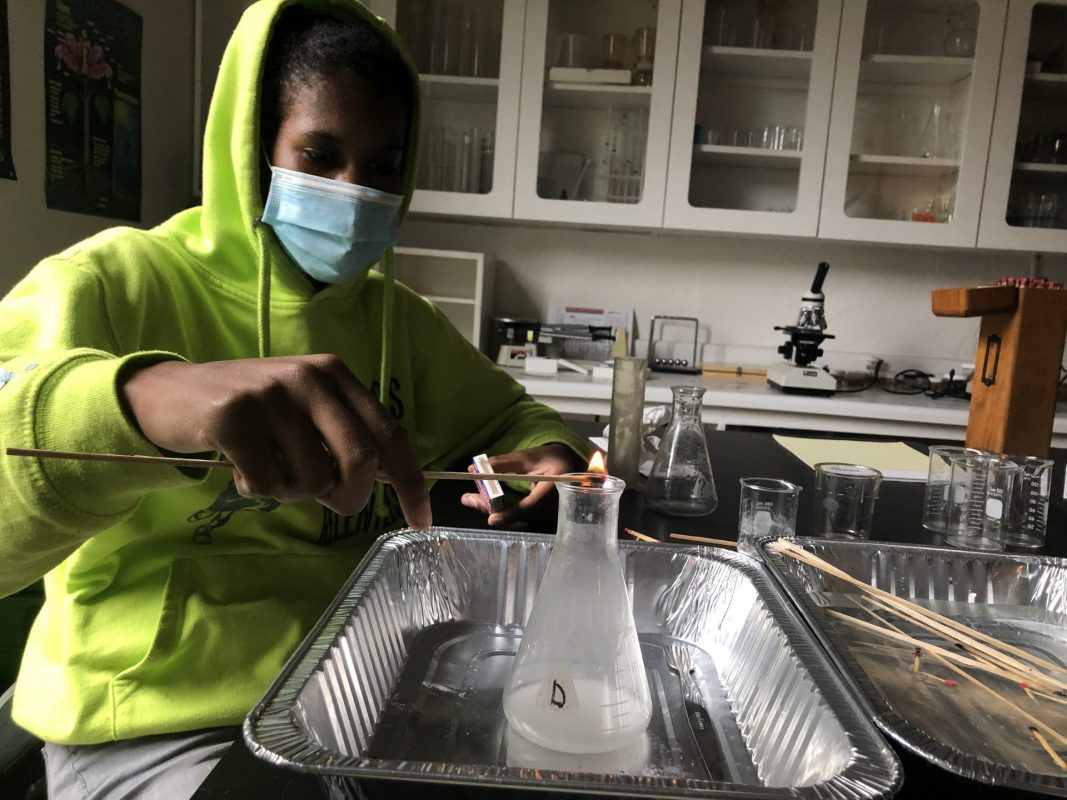
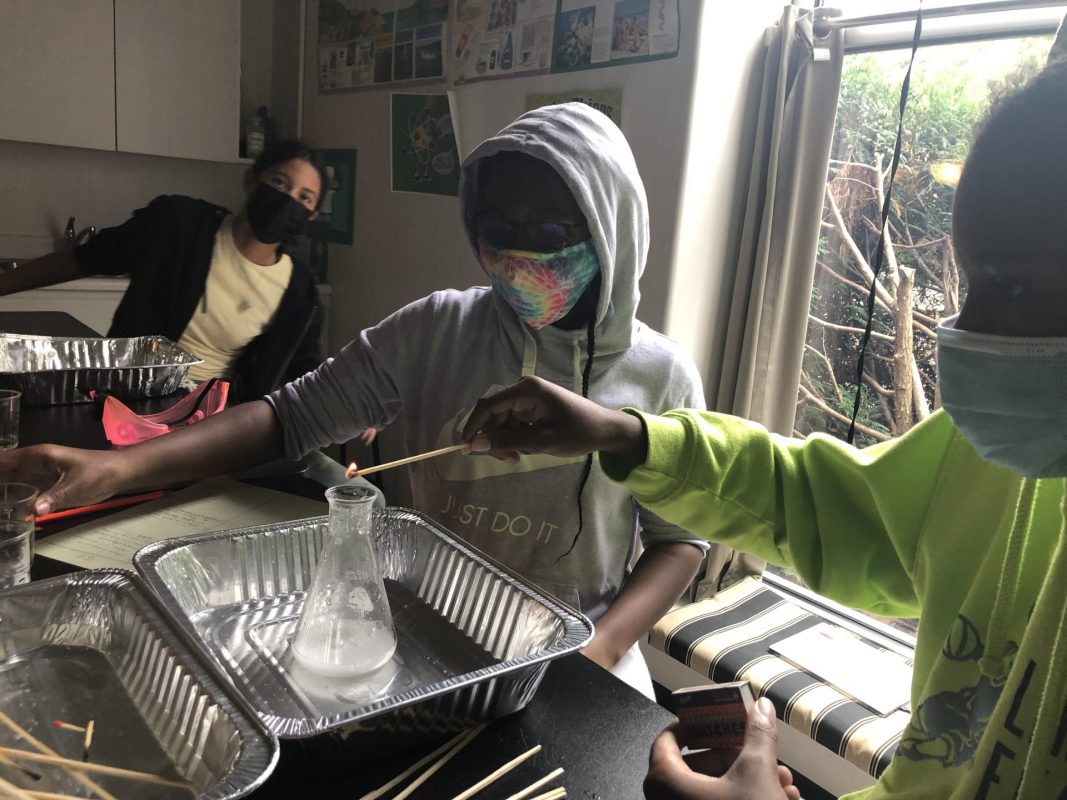
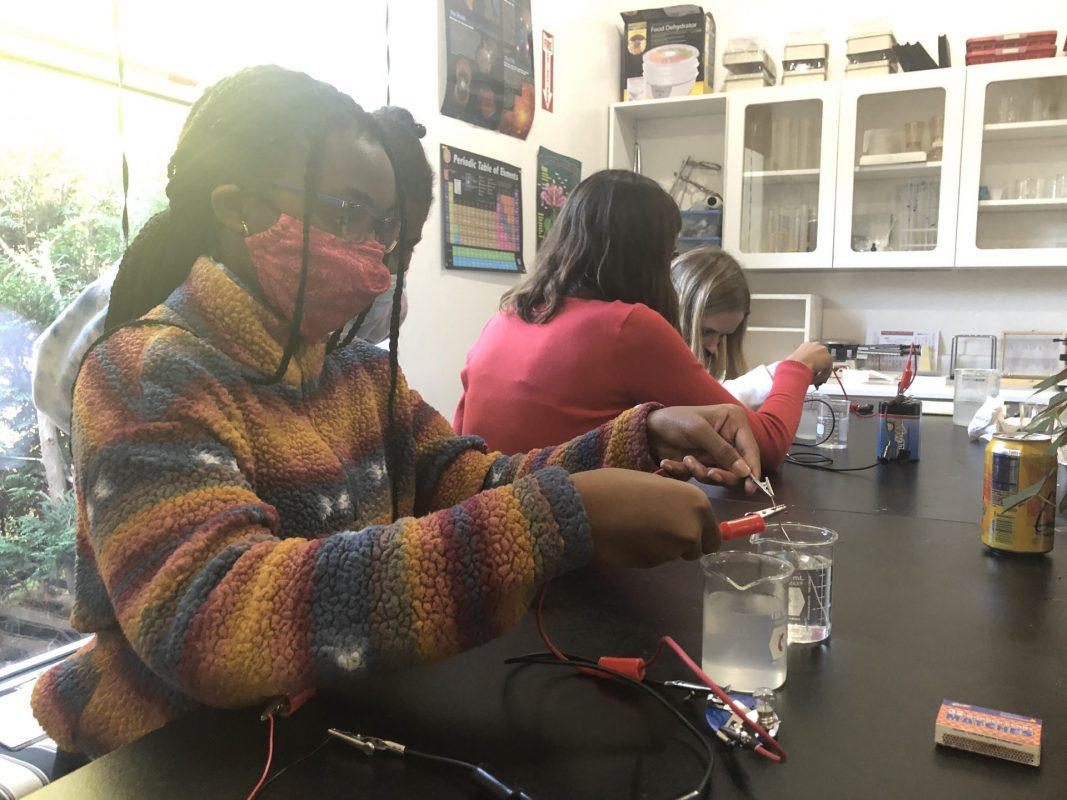
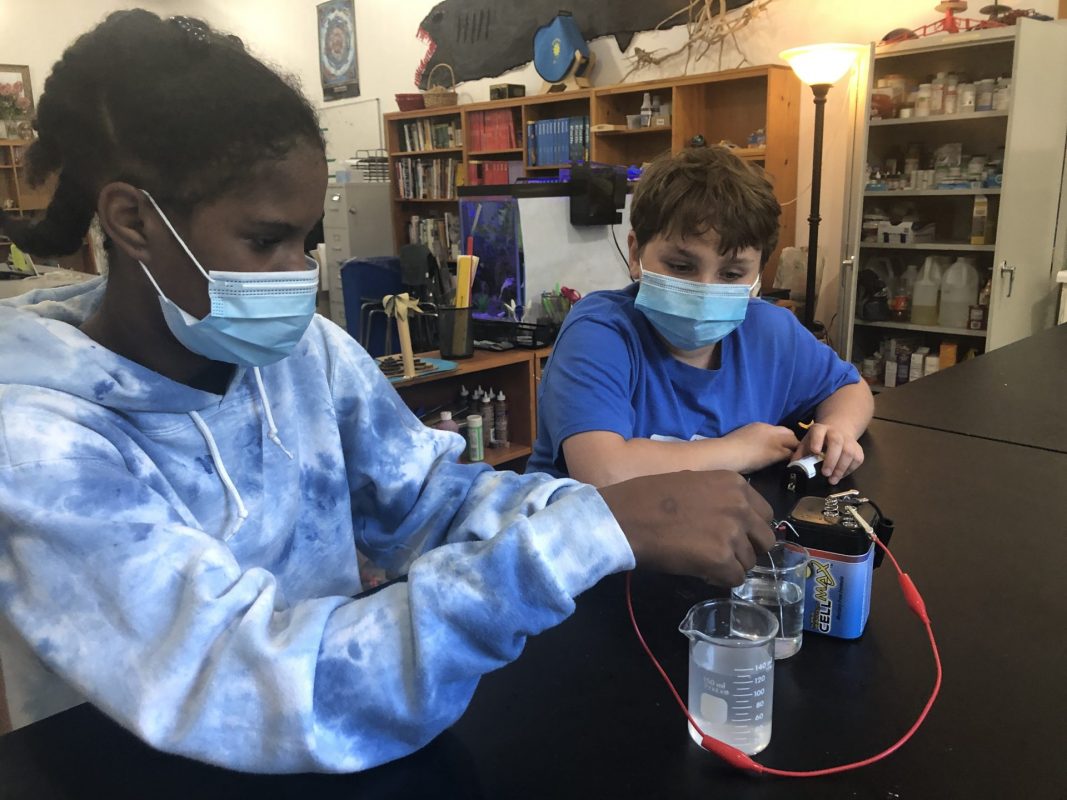
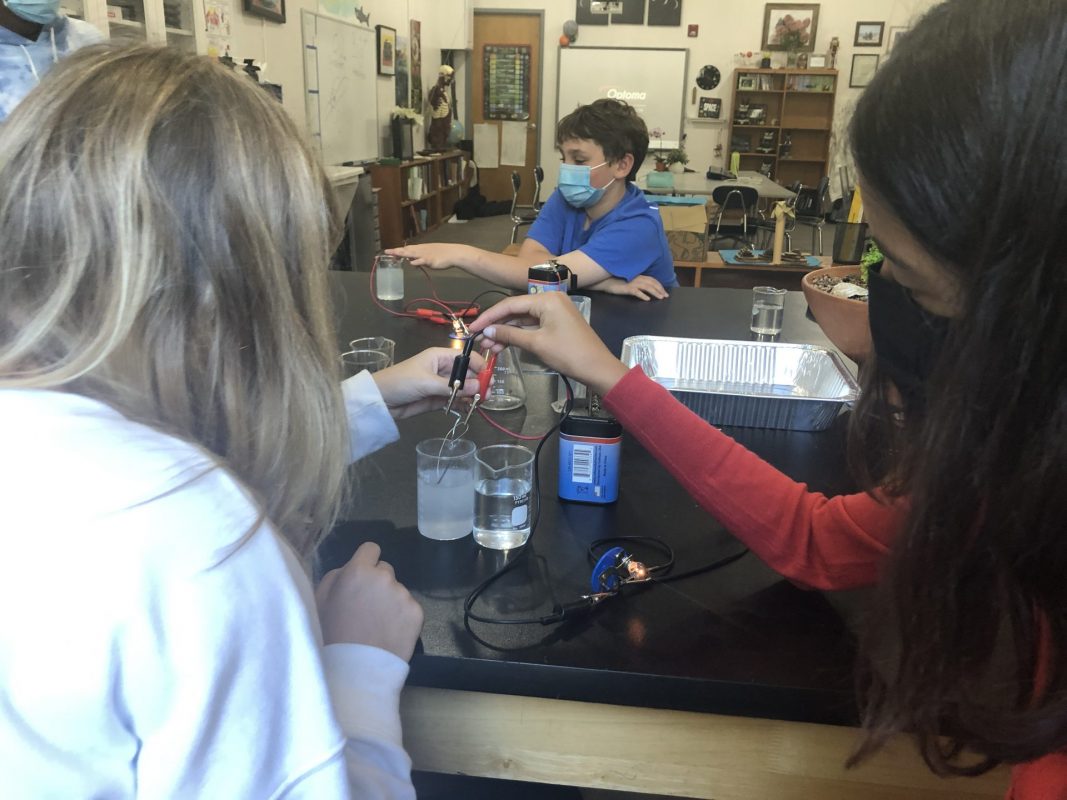
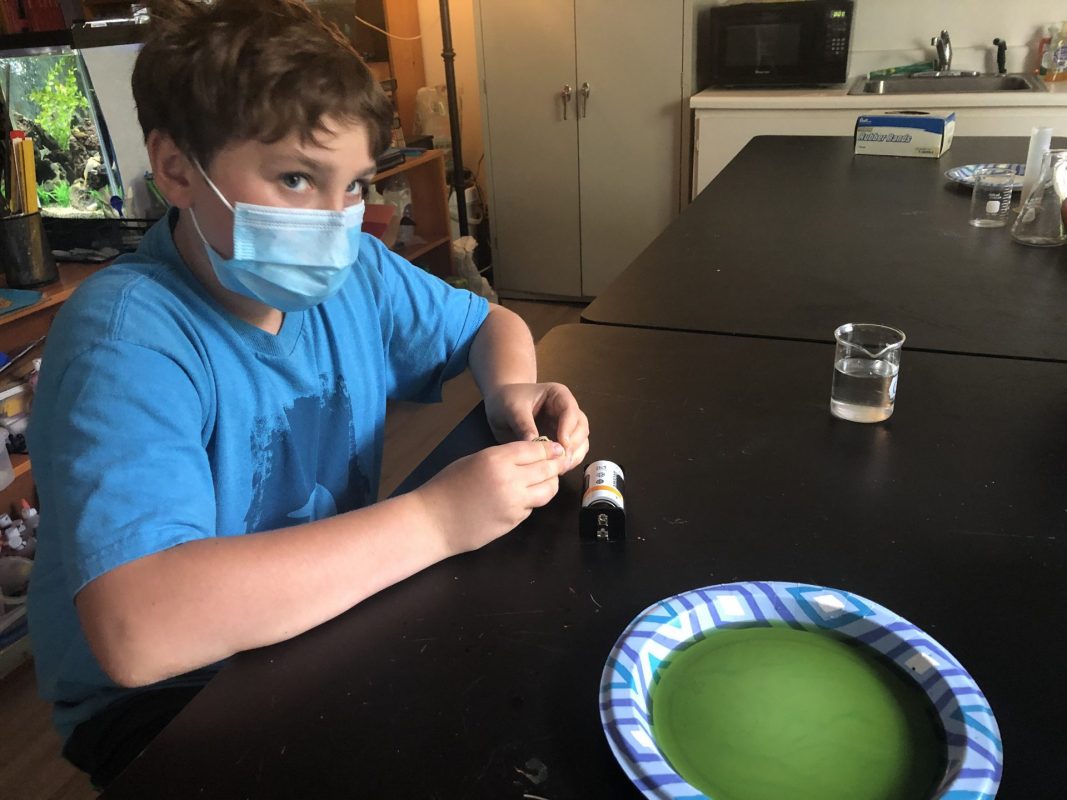
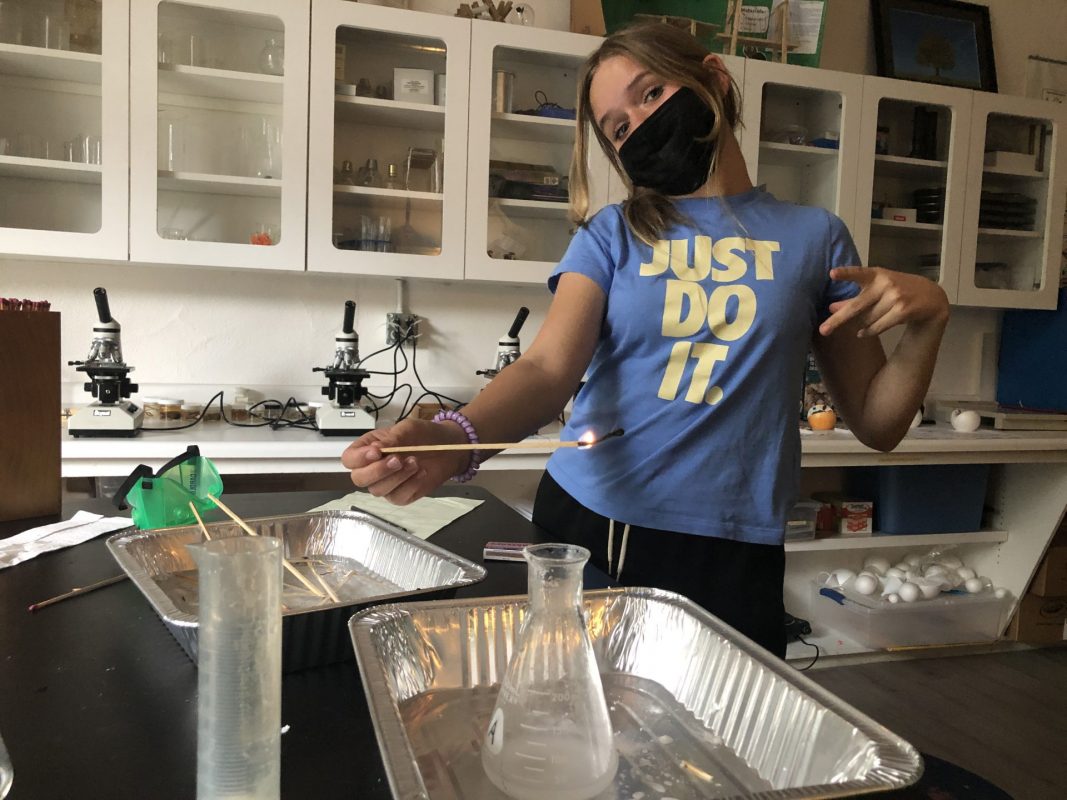
7th year Physical Science students spent the week conducting several hands-on activities identifying characteristic and non-characteristic physical properties of matter. Students were able to explain what properties of matter remain the same compared to those that are different through observation, regardless of shape, size, or color. Students tested how to identify salt water from sugar water by testing the solution’s electrical conductivity. 
 
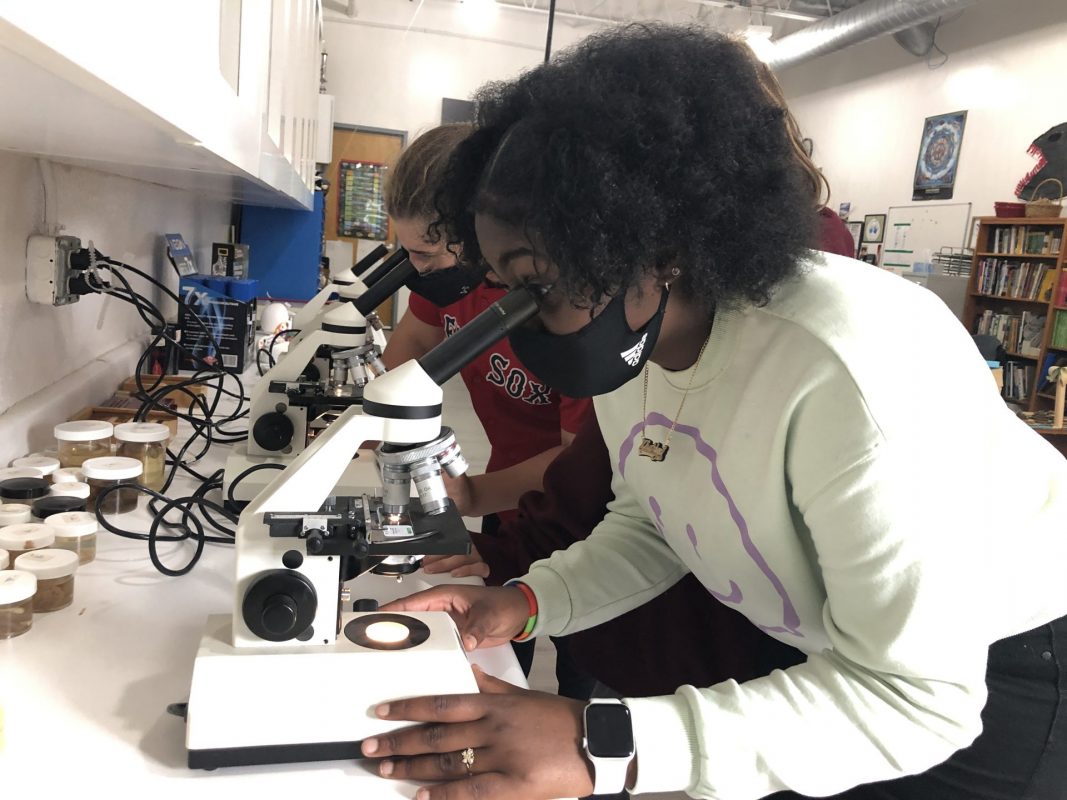
8th year Life Science students are continuing their unit, Structure of Life. Similar to their last unit, Cell Theory, this unit explains how the structure and function of multicellular organisms depends on the interaction of tissues, organs, and organ systems. Students will look to make connections between the functions of a cell’s organelles to those one might be more familiar with in the real world (nucleus – CEO of a company). 
Math
In Transition class, students practiced how to write a numerical sentence from a written statement and how to use formulas and substitute values. This class will have a summative assessment next week to test their understanding of the eight lessons covered in Chapter 2.
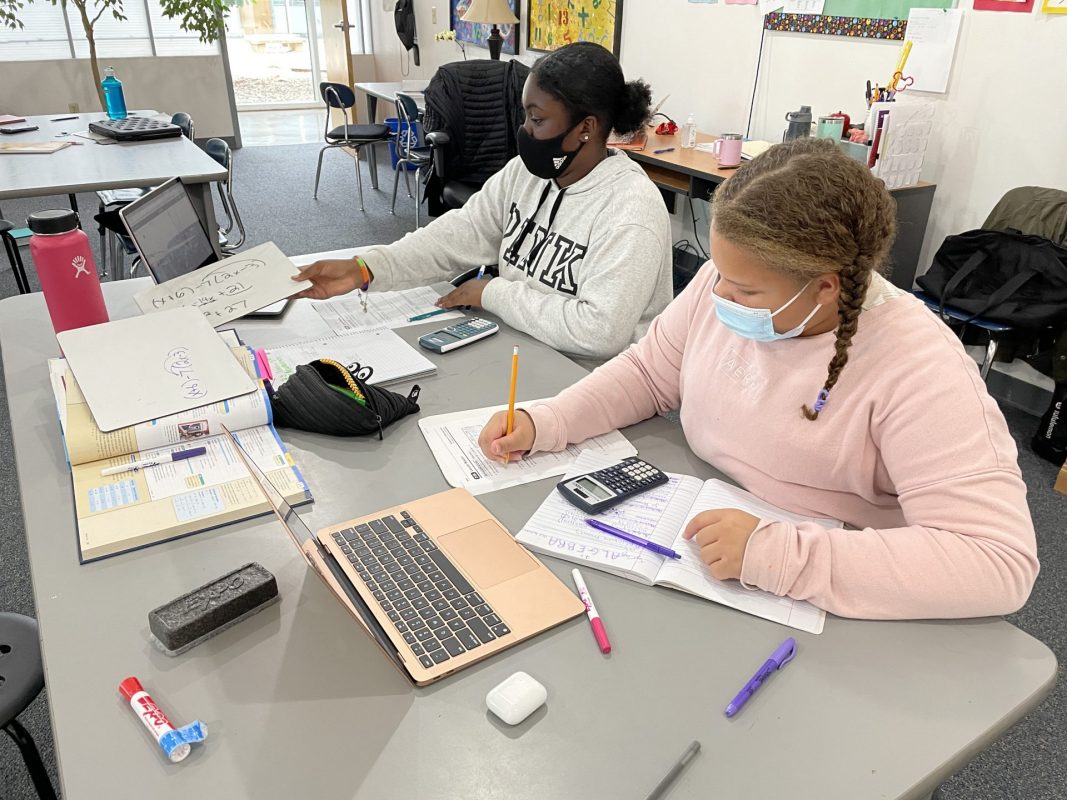
In Algebra class, students can find the opposite of a value, testing equivalences using Desmos technology and using related facts to solve sentences for addition and subtraction. This class has taken extra time to master their understanding of using the distributive property and collecting like terms in algebraic expressions.
In Geometry class, students continue to work through Chapter 2 of the UCSMP textbook. This class can identify the properties of a good definition, write bi-conditional statements, and use/interpret Venn Diagrams. Students are excited to start proof statements in the next chapter to come.
Make Joke of the Week: Which tool is best for math? ………………..The multi-pliers.