This Week in Upper El

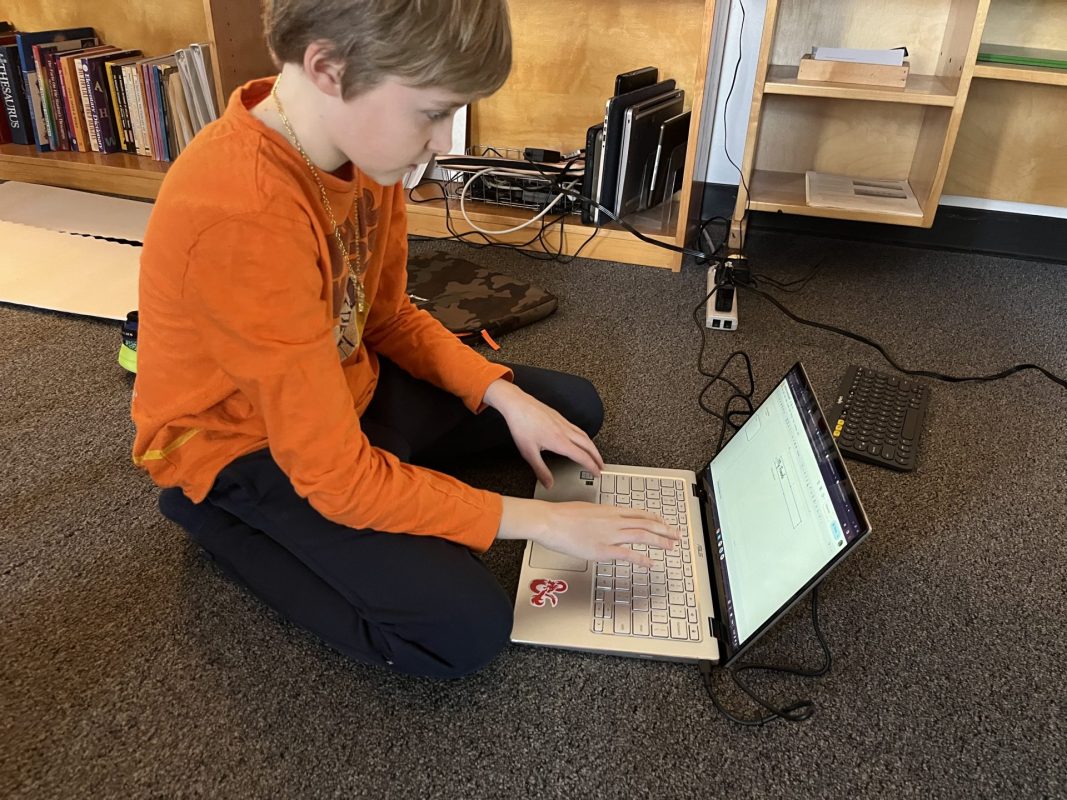
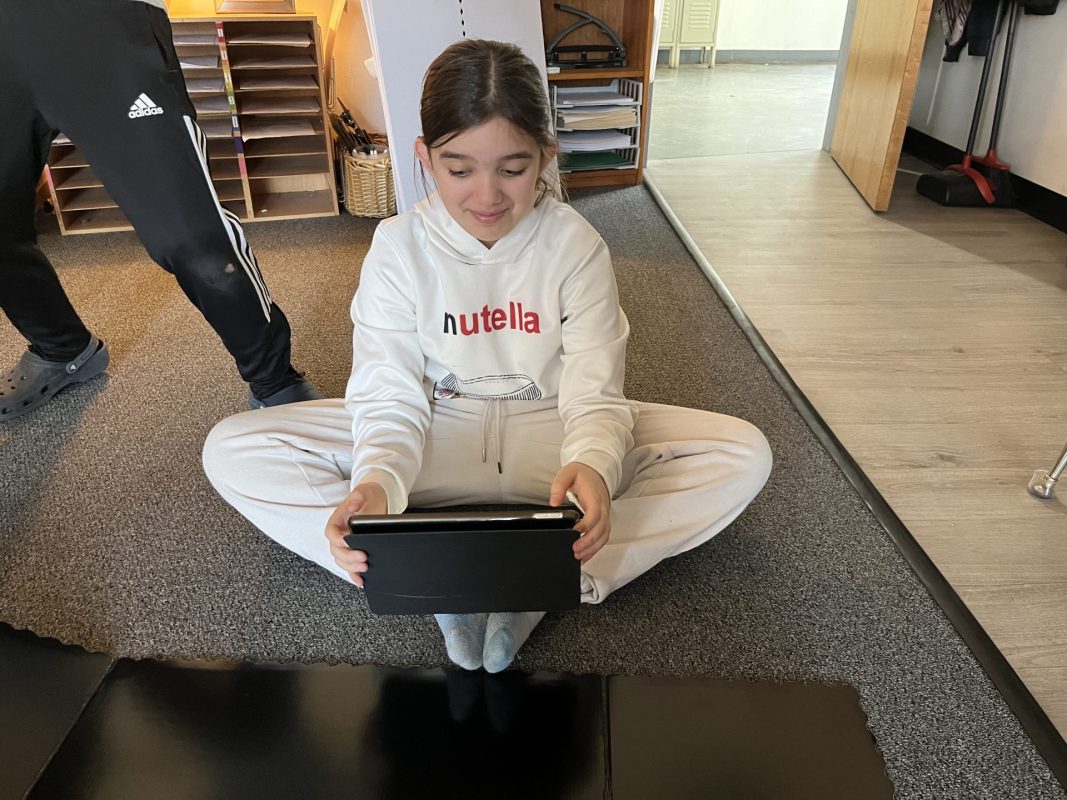
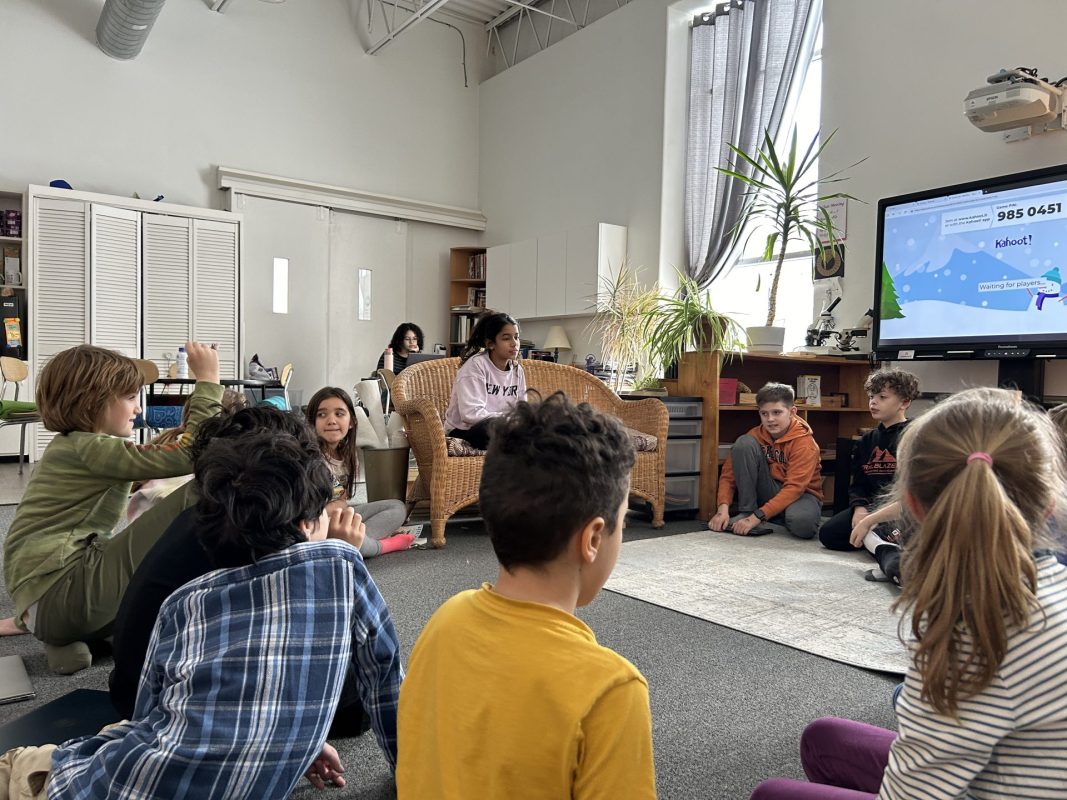
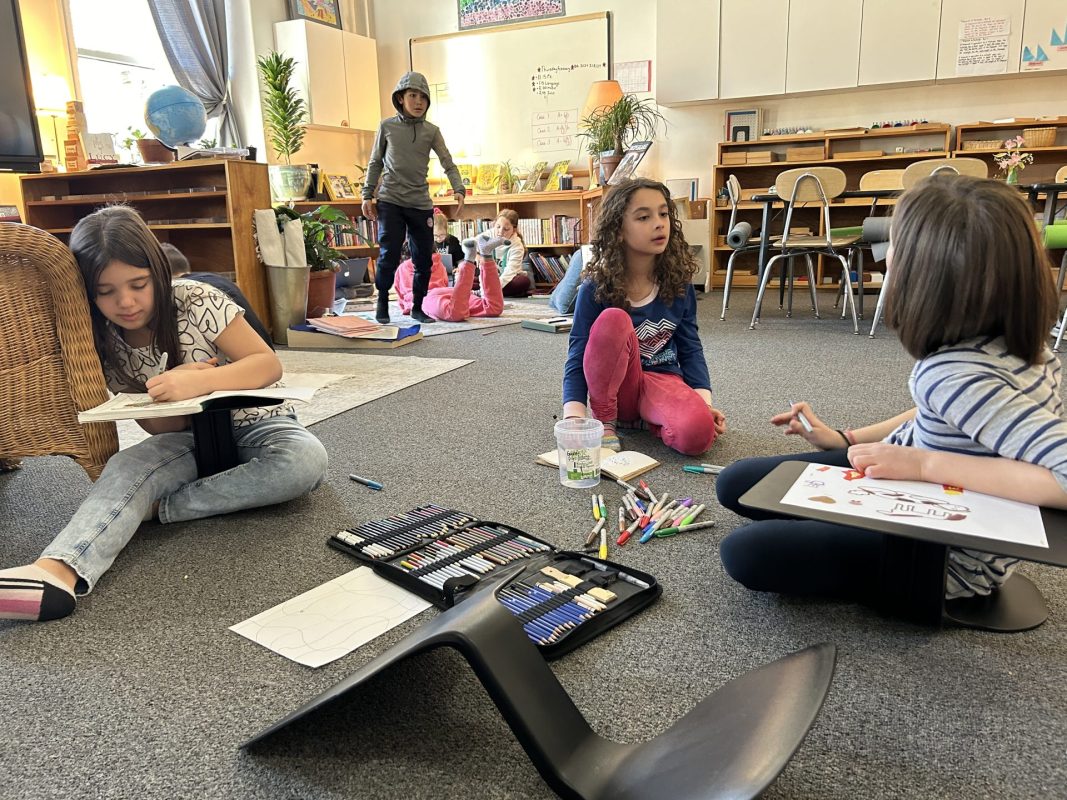
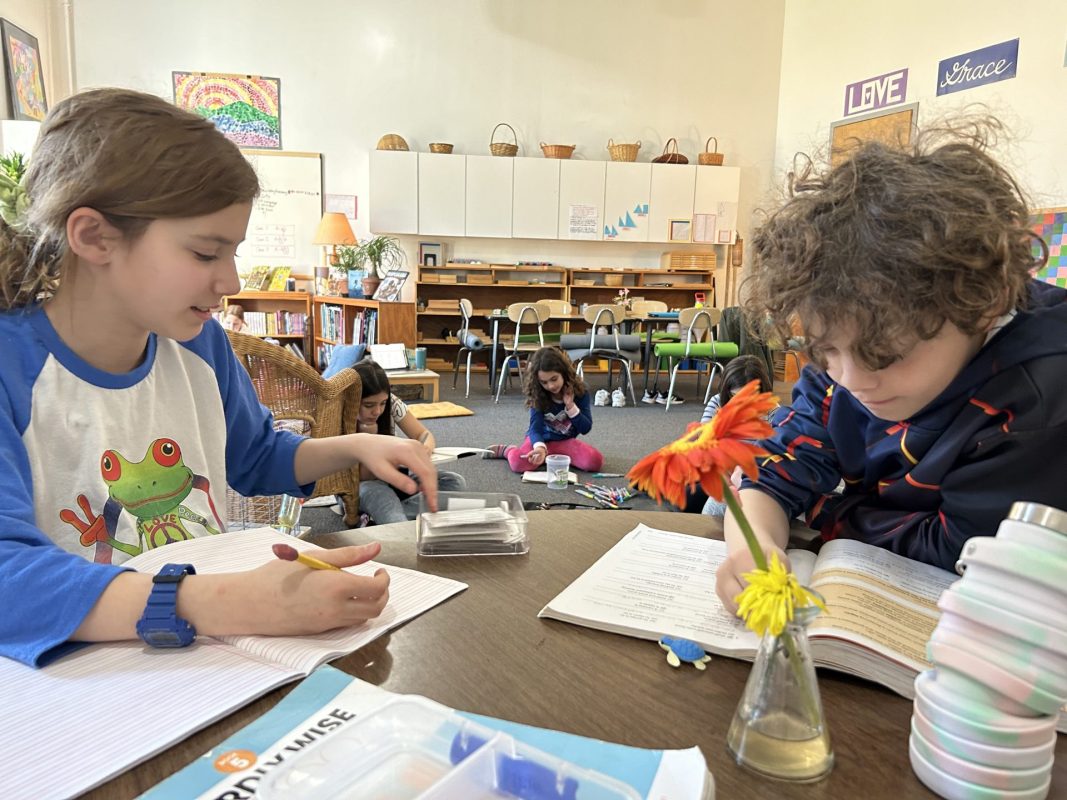
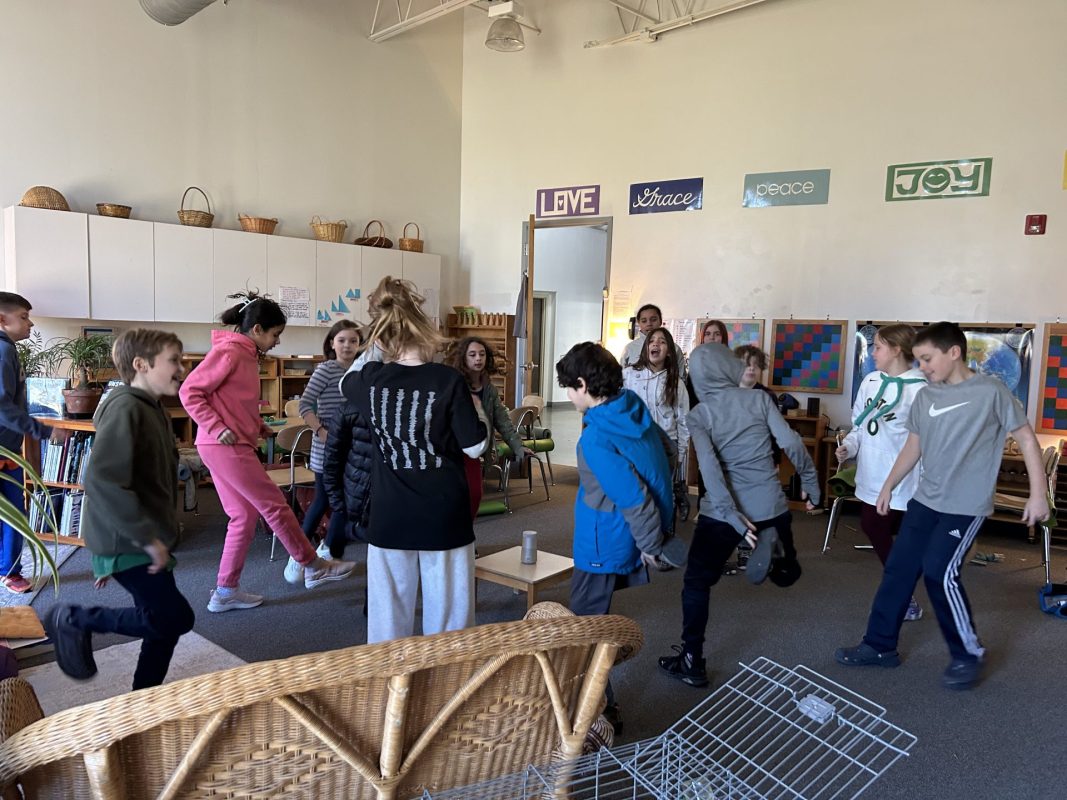
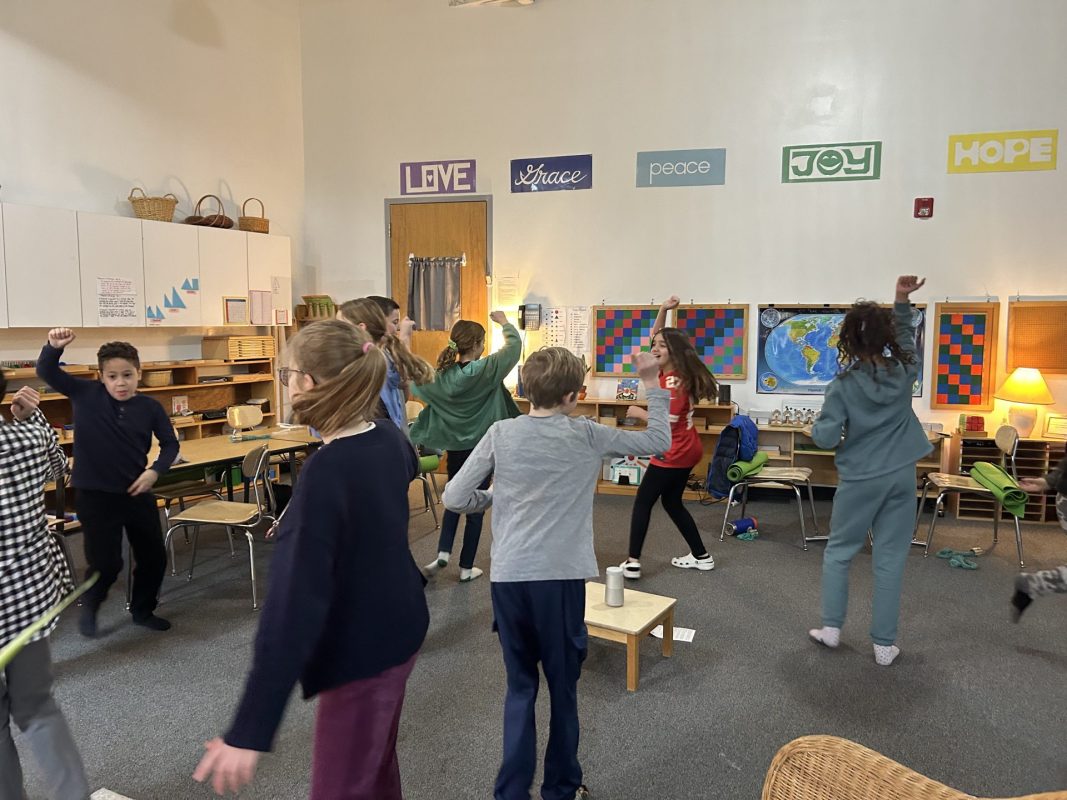
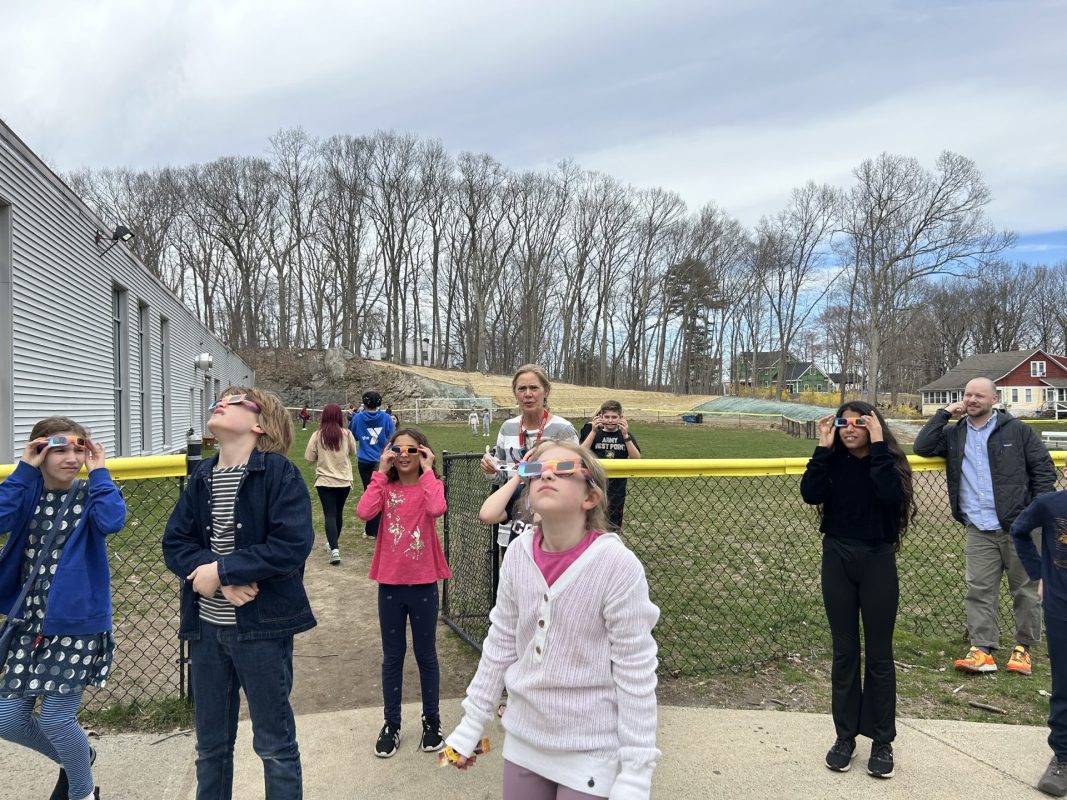
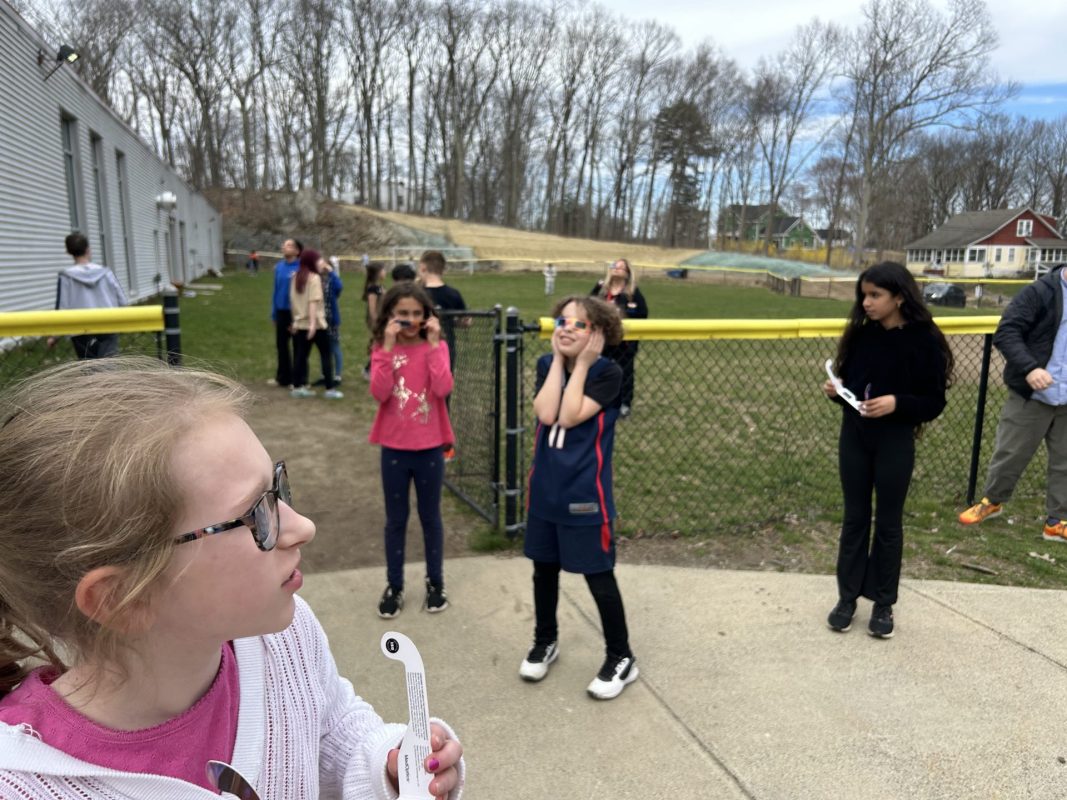
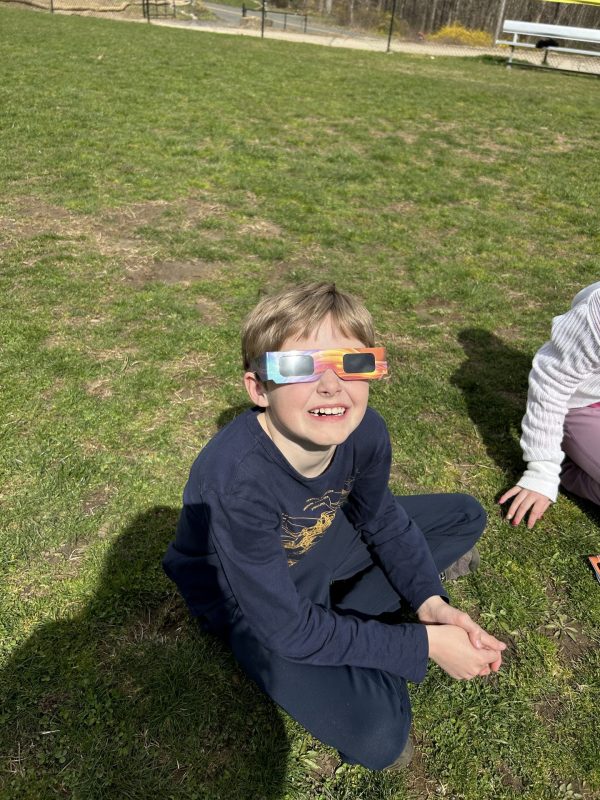
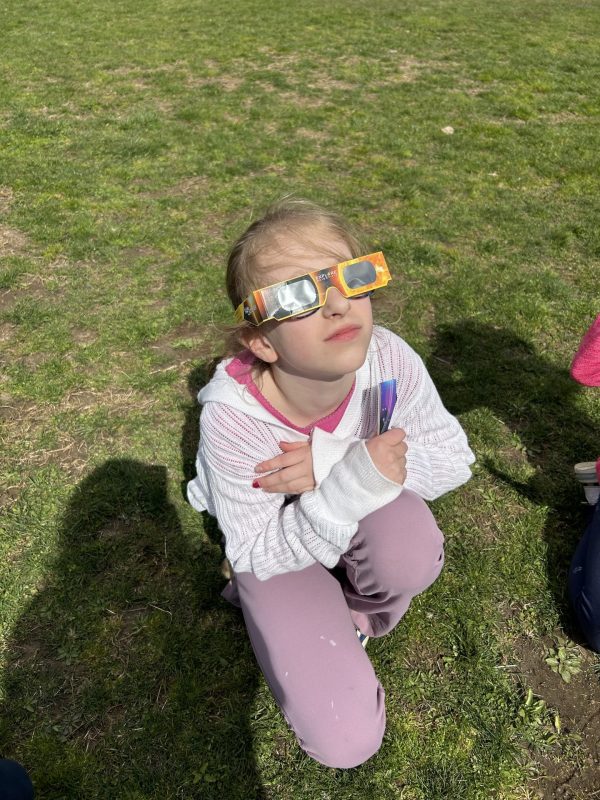
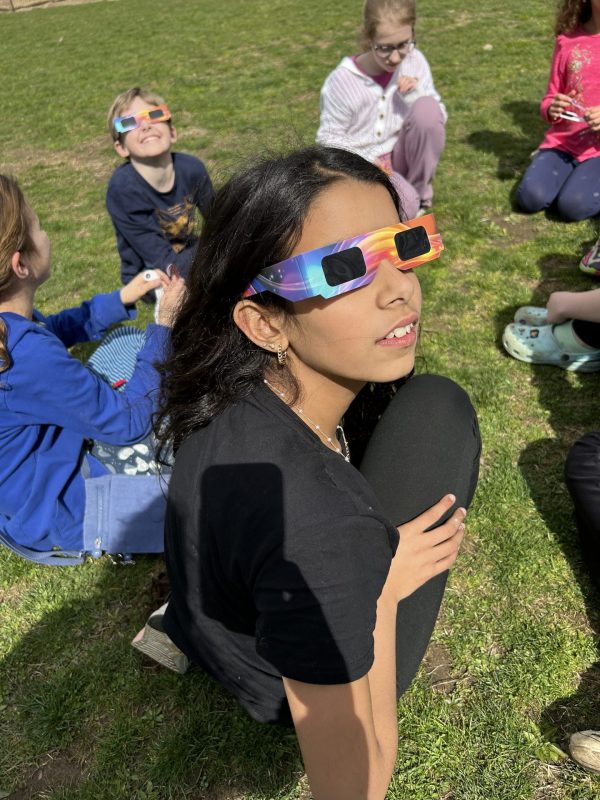
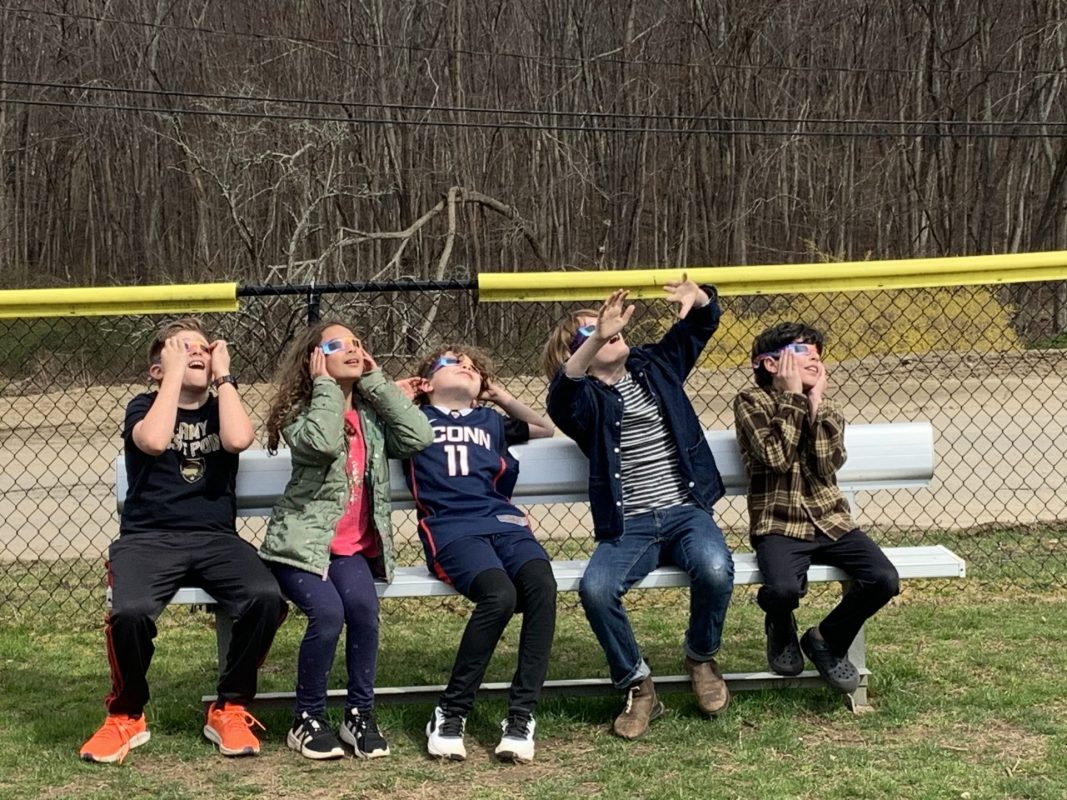
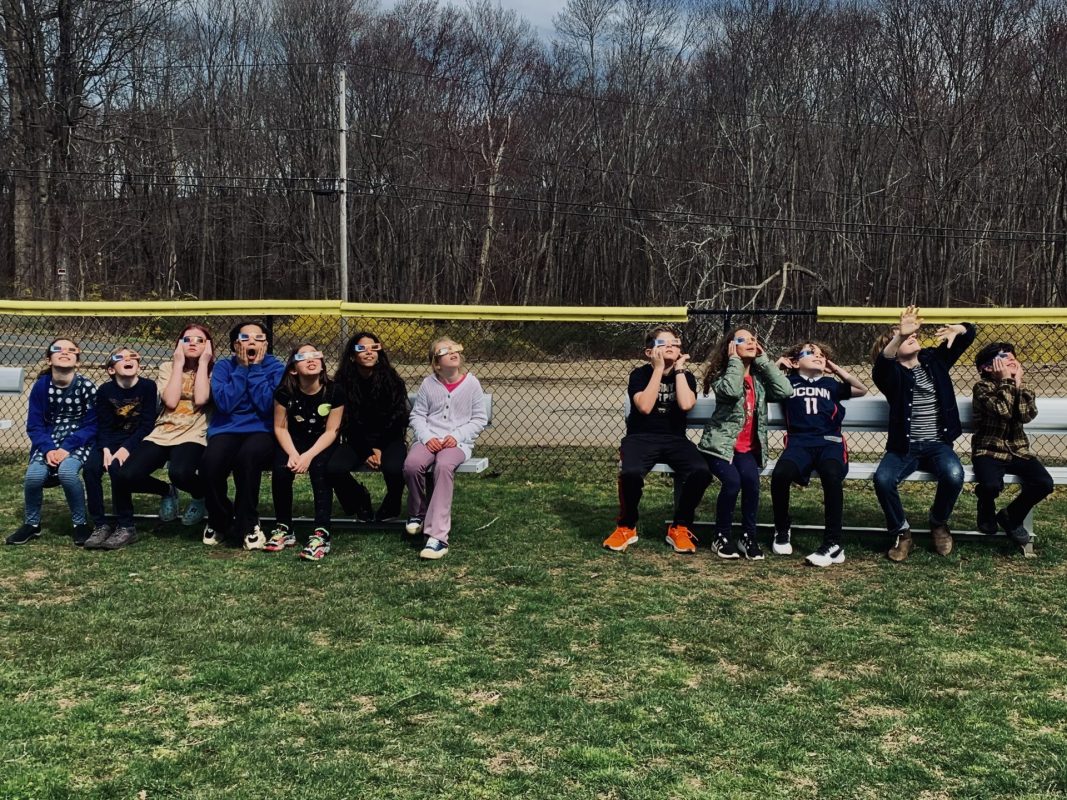
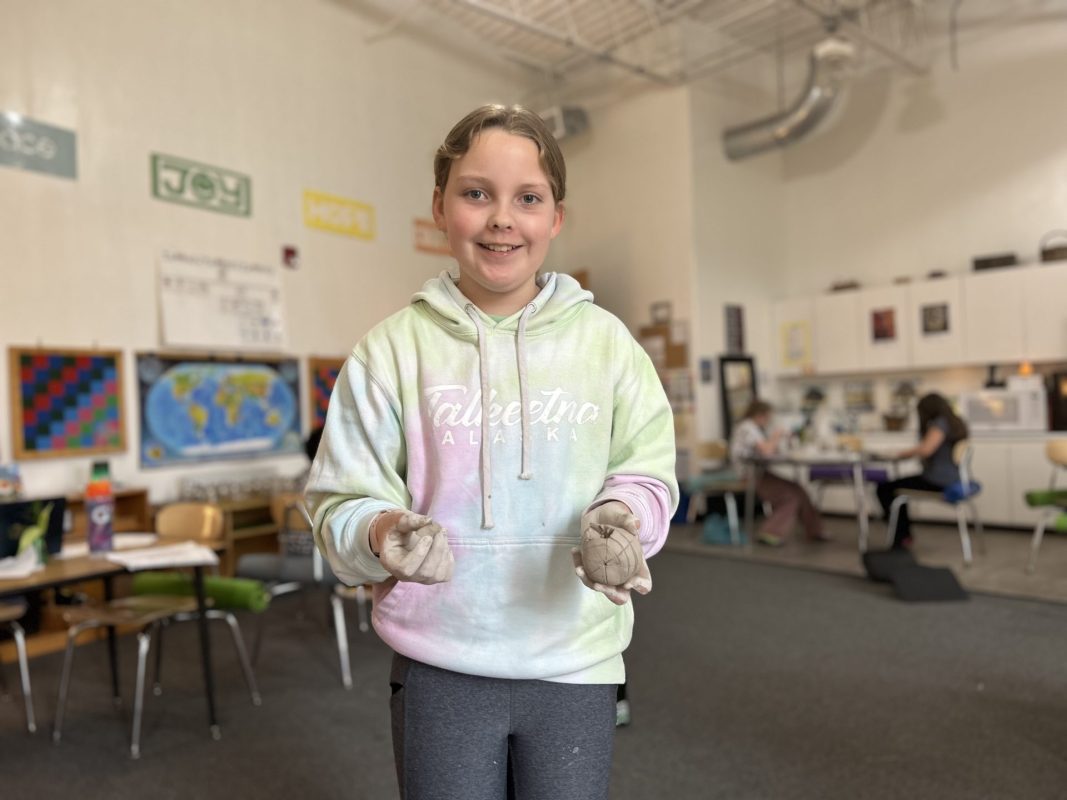
We had a unique start to the week as we stayed after school to view the partial eclipse of the sun together. It was a wonderful experience to share as a classroom community! Here are some highlights from the rest of the week.

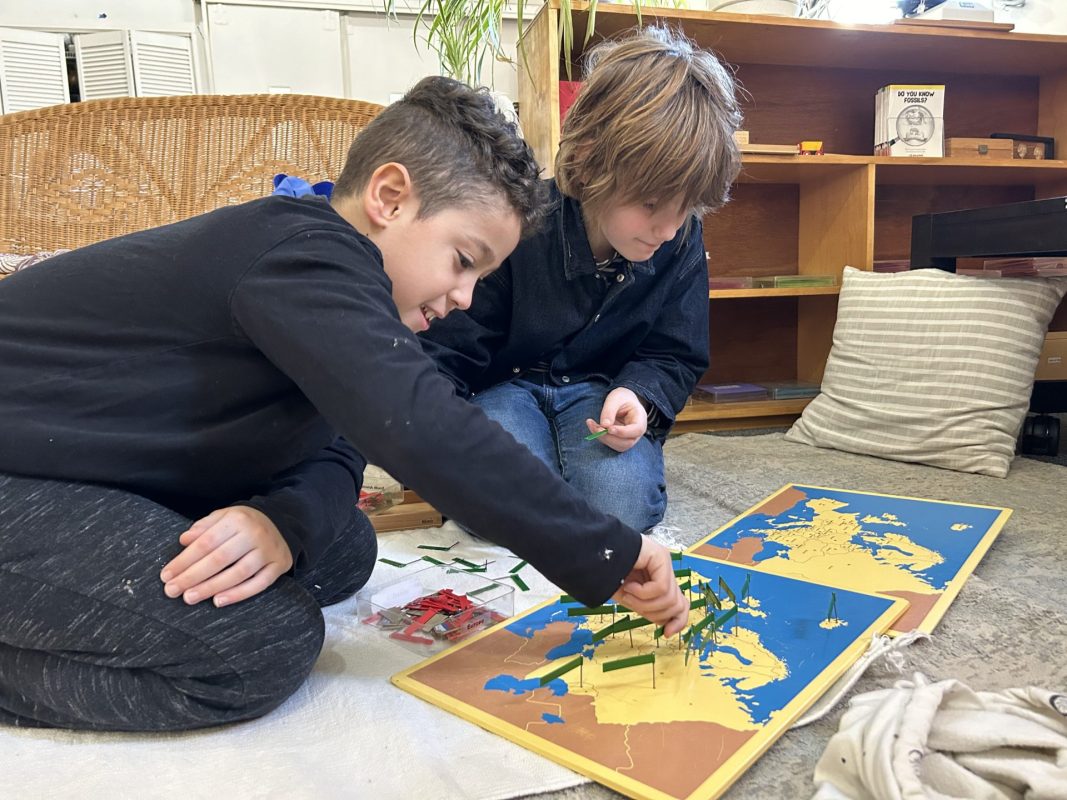
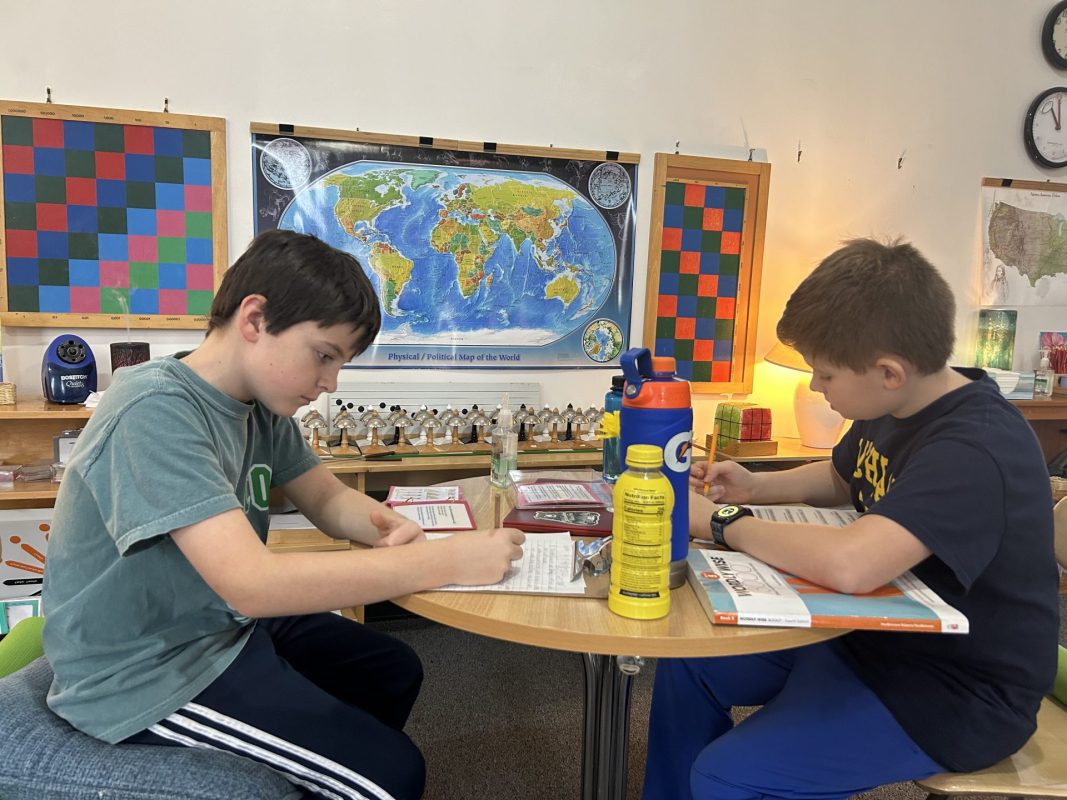
Our geography lesson this week taught us about the global grid and lines of latitude and longitude. We also discussed the critical problem mapmakers faced for centuries: how to represent our spherical Earth on a flat surface. We learned that Egyptian scholar Ptolemy dealt with this problem by drawing lines of latitude and longitude and that his rules for making maps are still followed today.

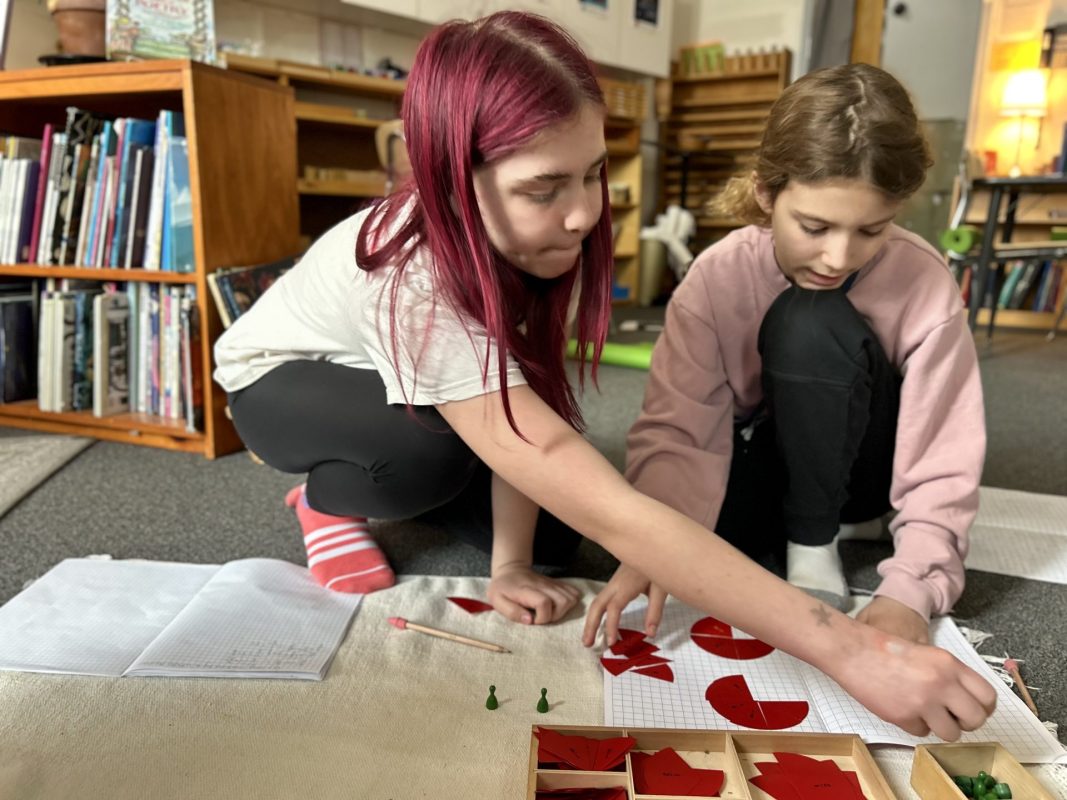
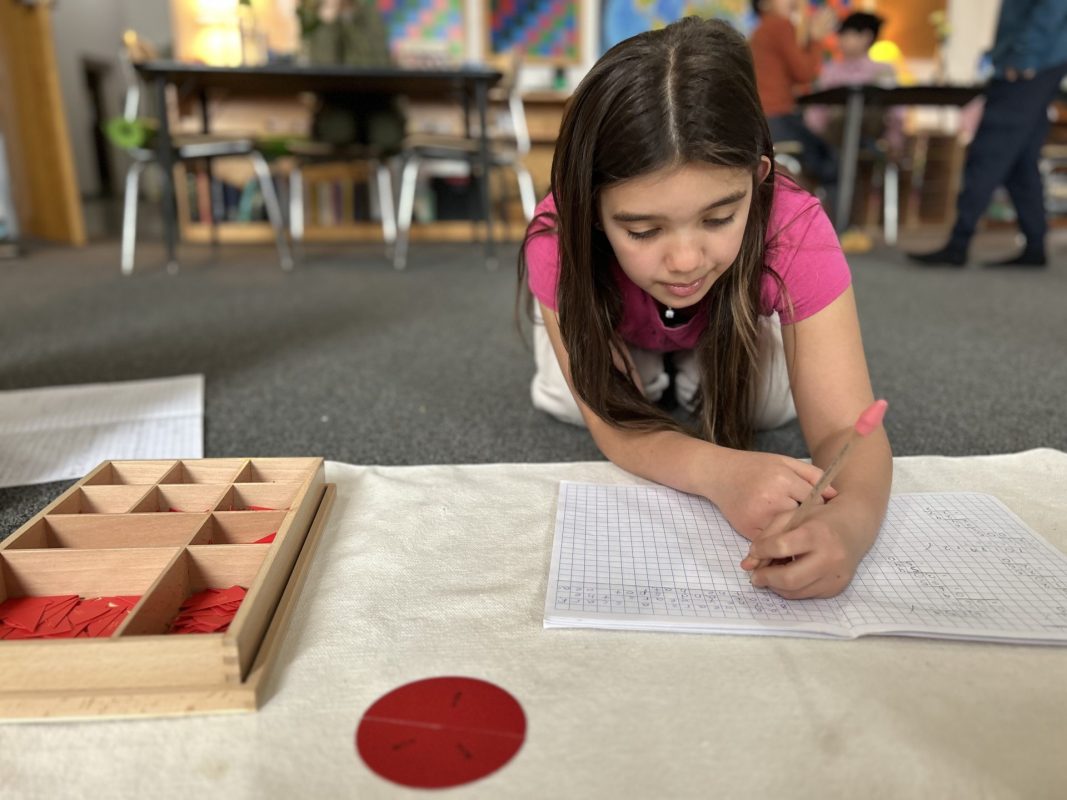
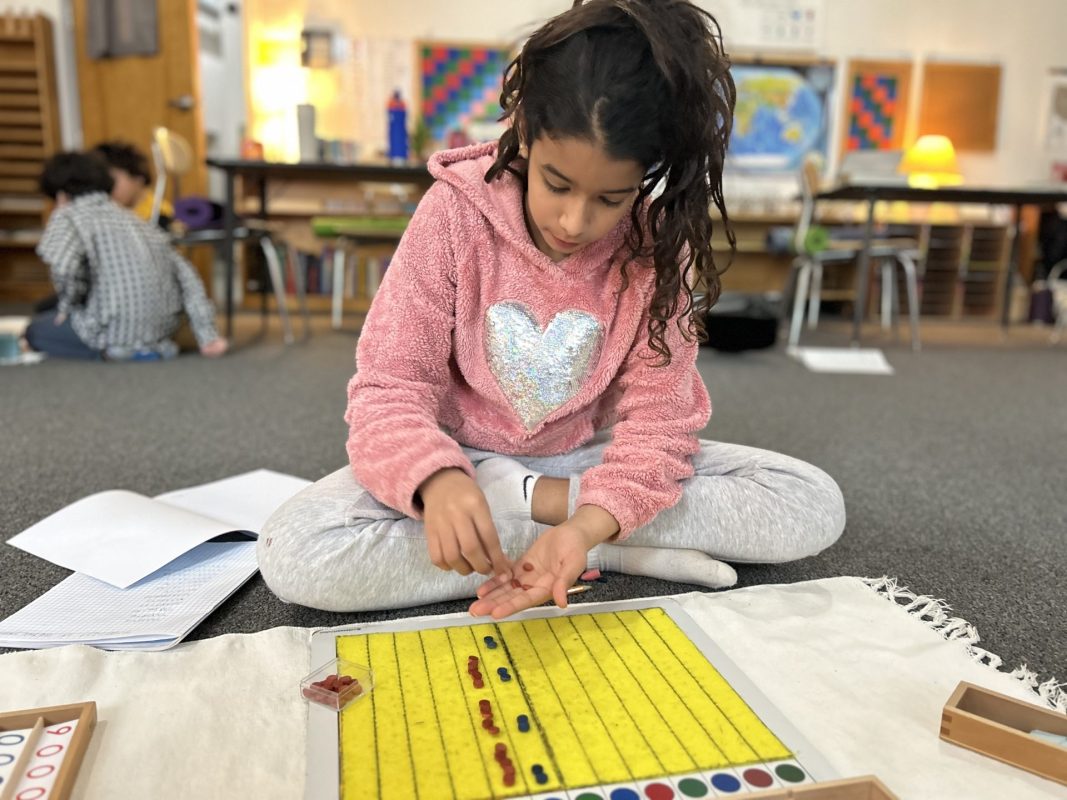
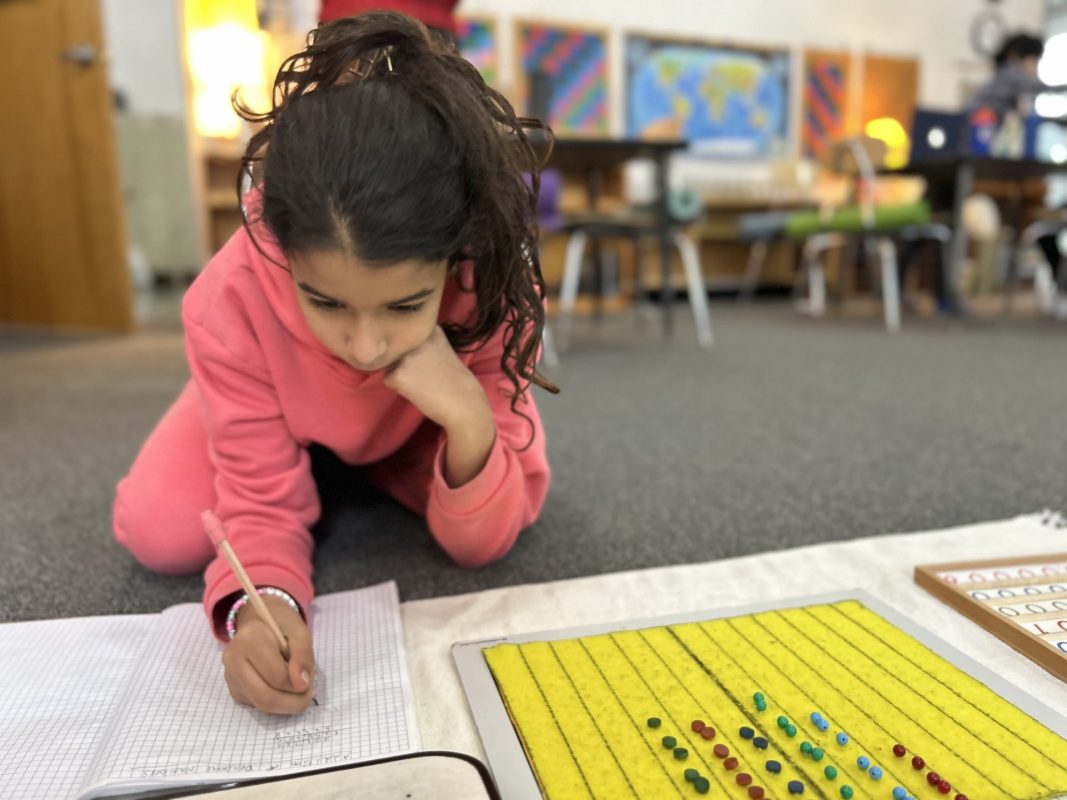
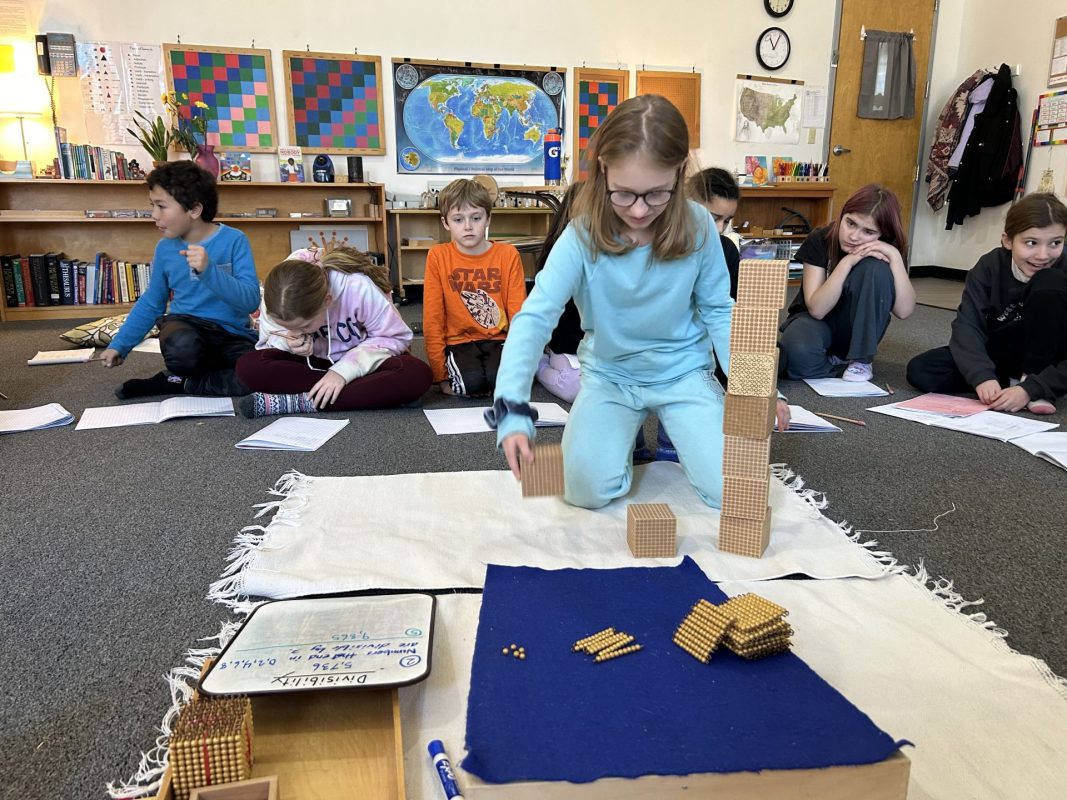
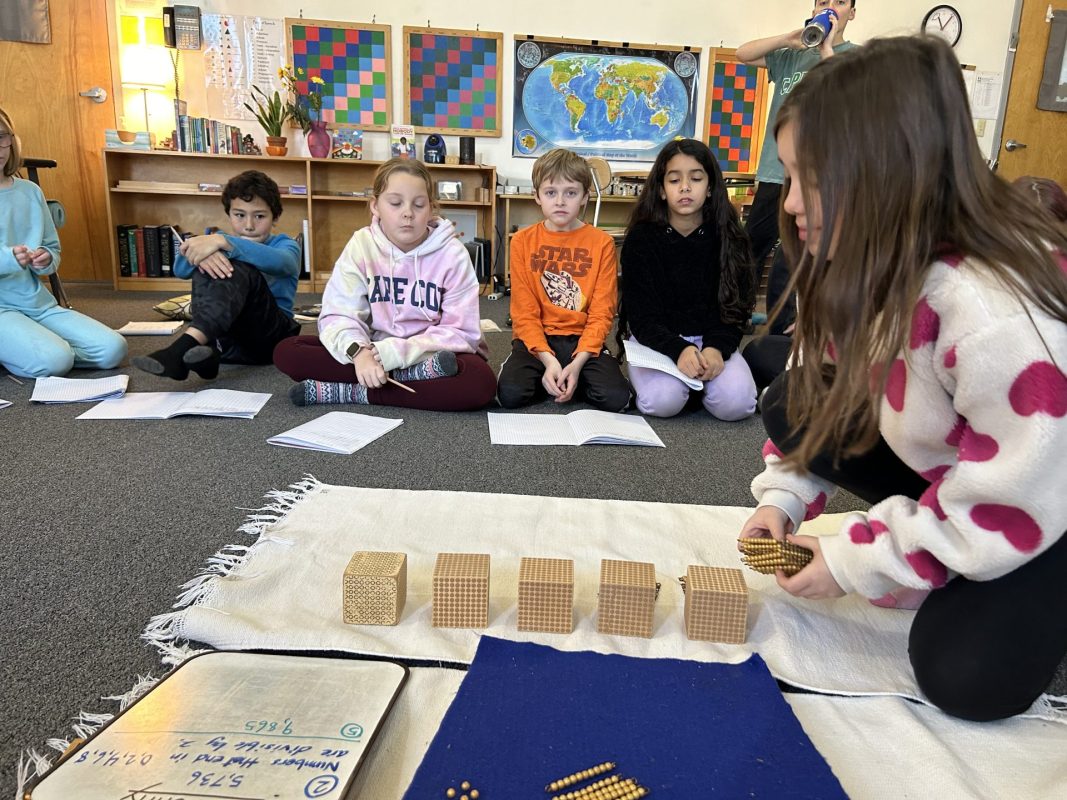
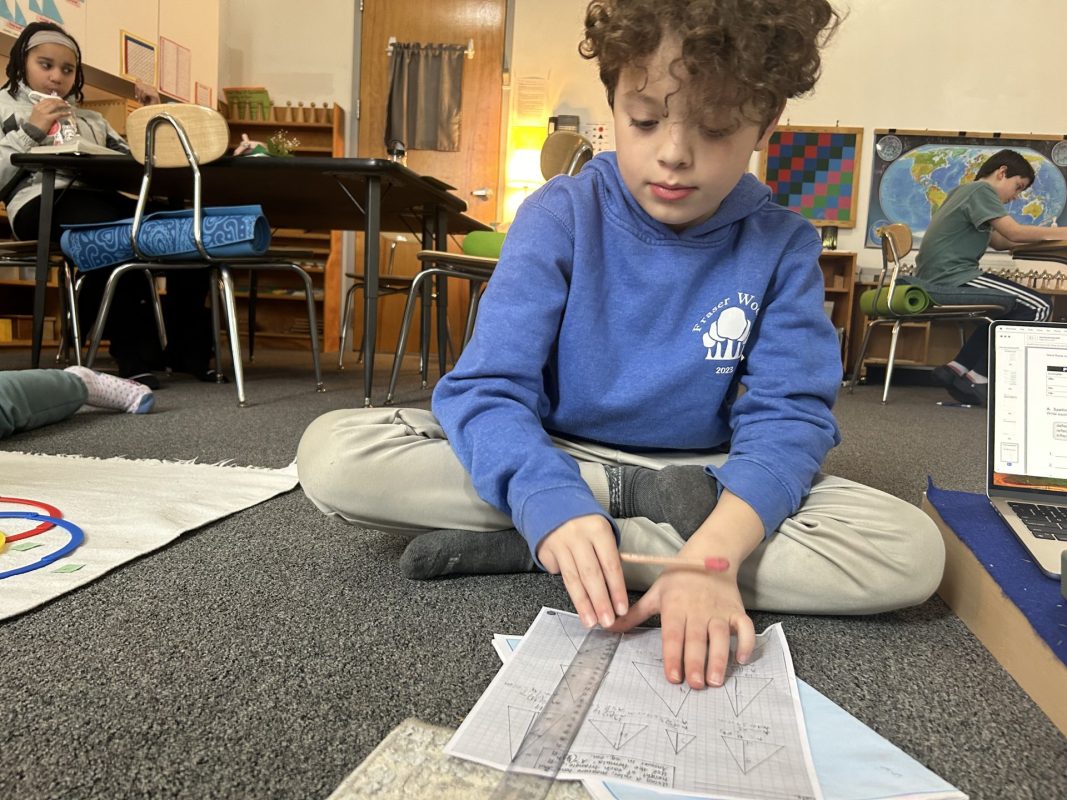
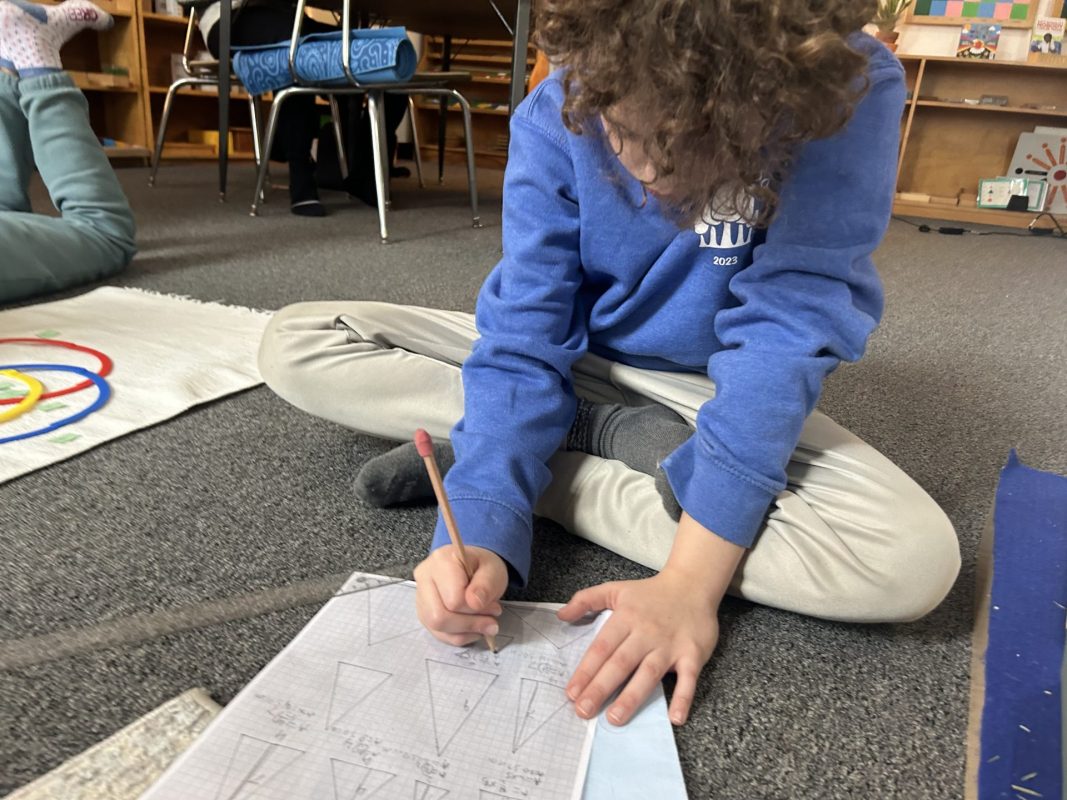
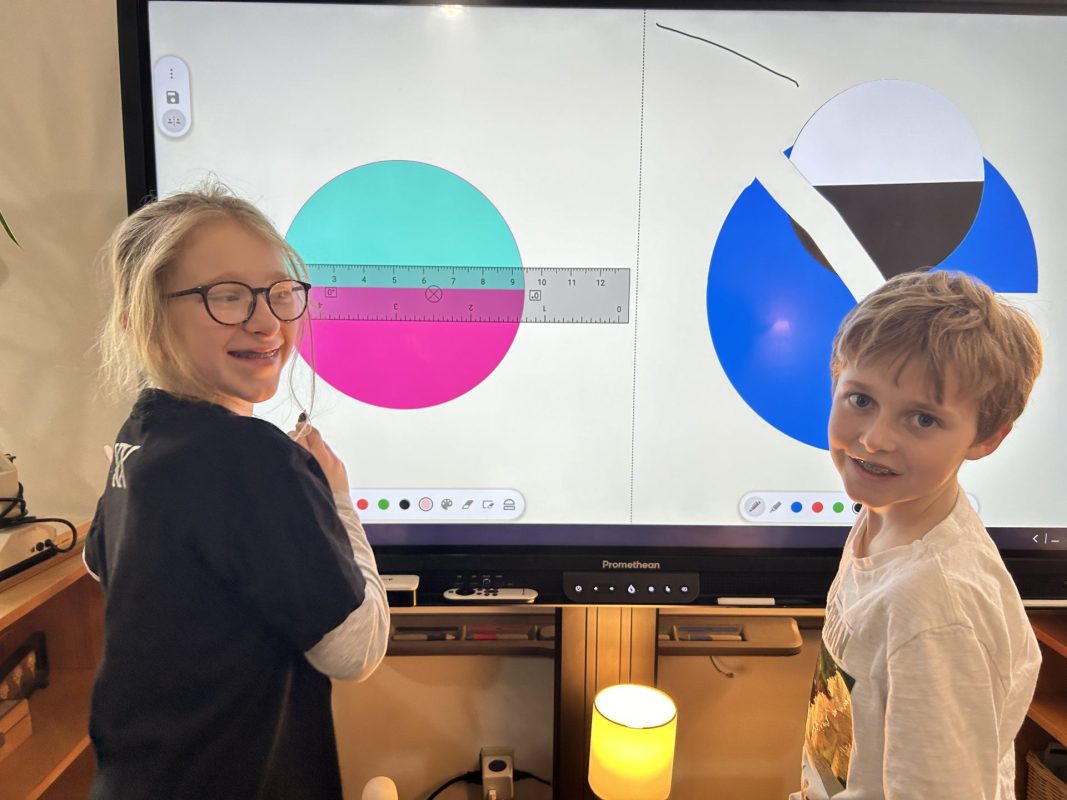
In geometry, fourth-year students learned how to use inverse area formulas to find a rectangle’s missing base or height when given the area and either the base or the height, and fifth years learned to find the area of a rhombus using three different formulas.

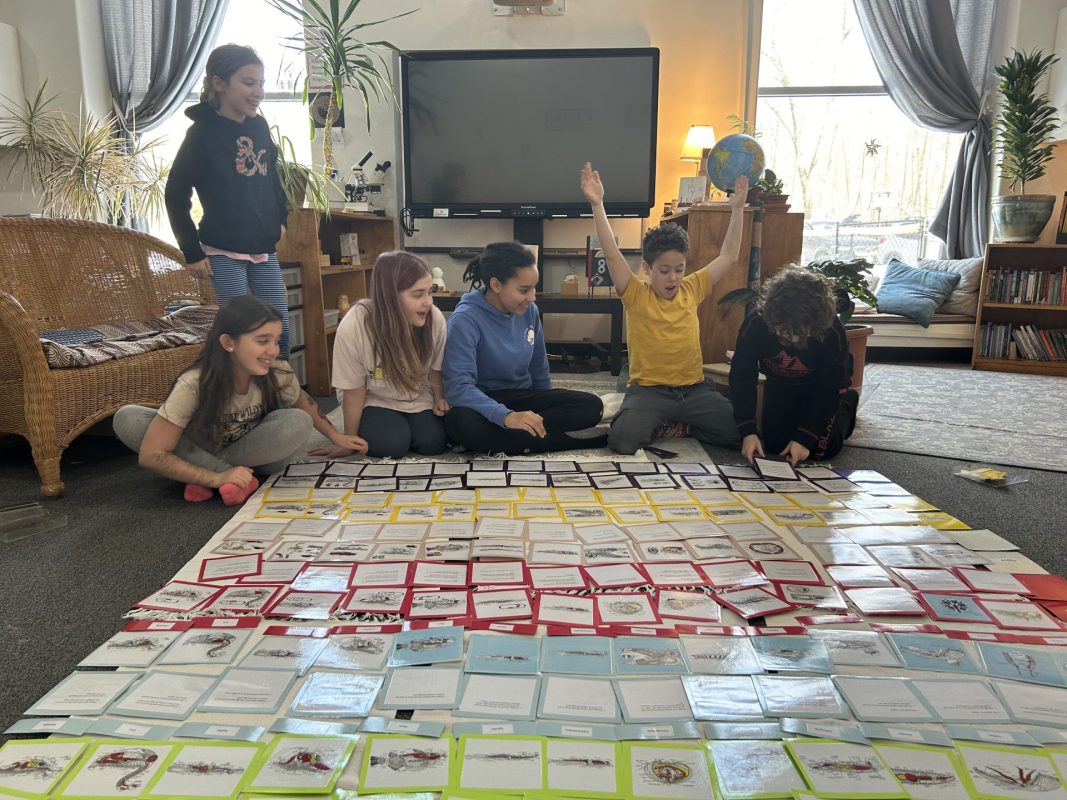
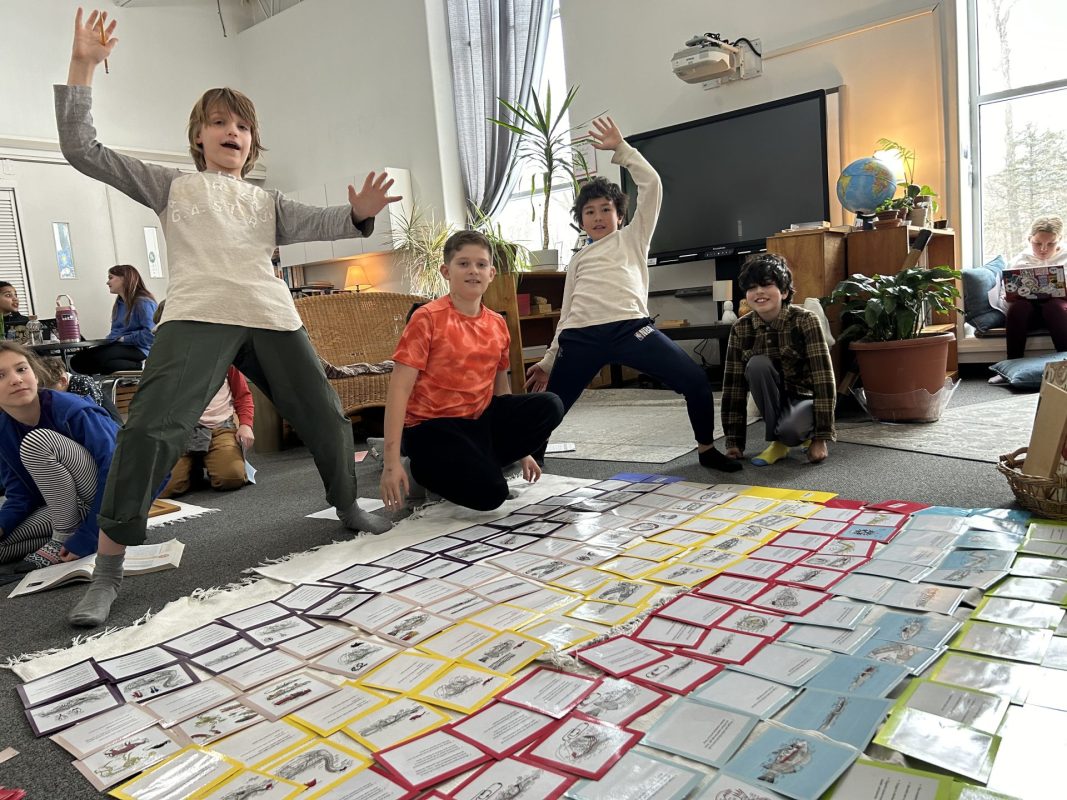
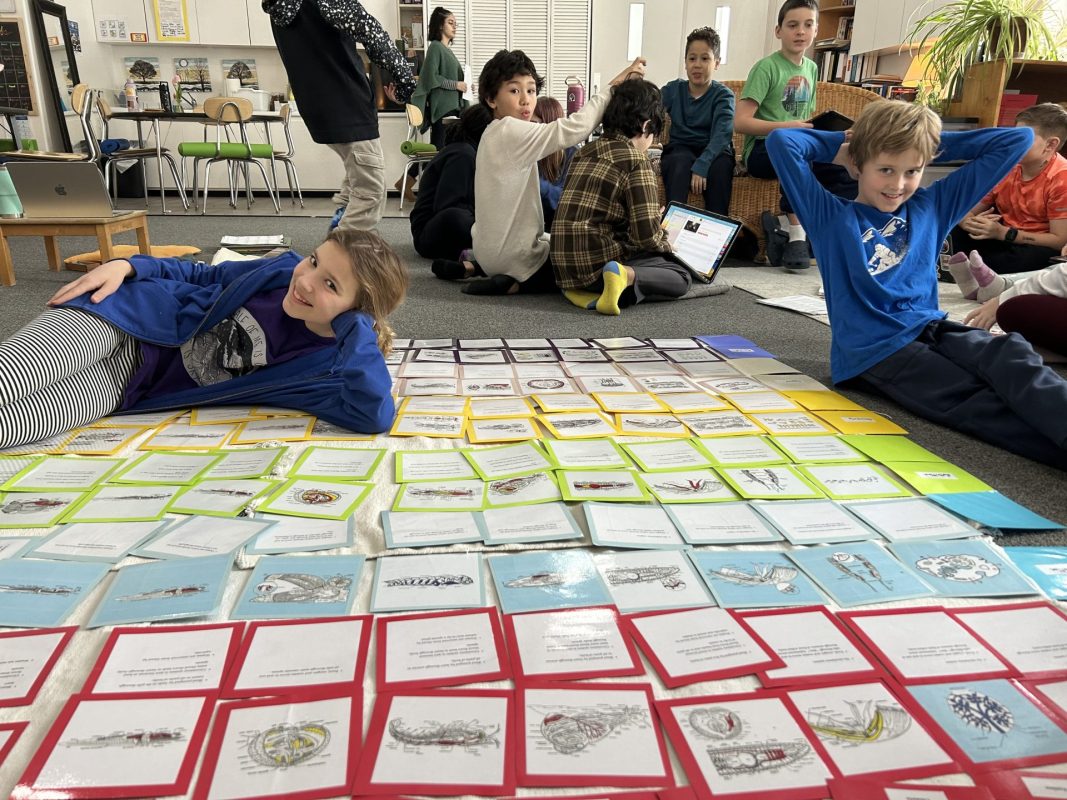
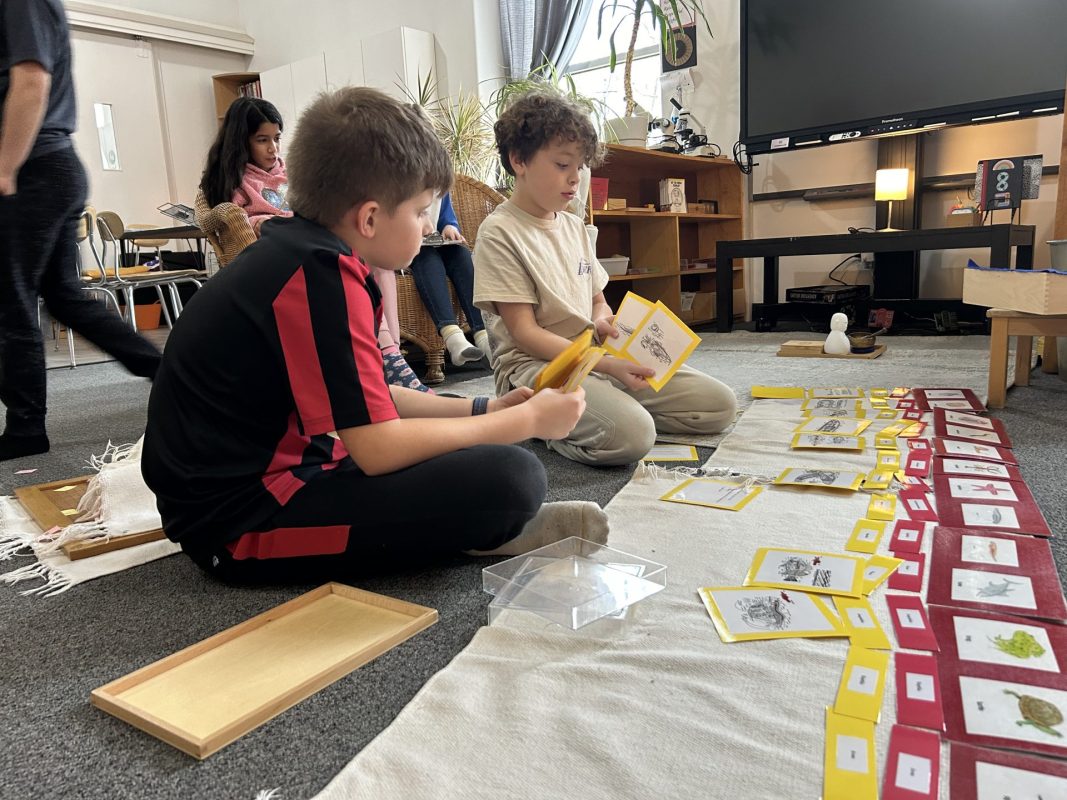
We wrapped up our biology unit on advanced classification with a lesson on the Tree of Life material. Upper El students will use this material in the coming weeks to study the kingdoms through phyla, classes, and species. This work starts with the first unicellular life in the Kingdom Monera and then continues to include the Kingdoms Protista, Fungi, Plantae, and Animalia.

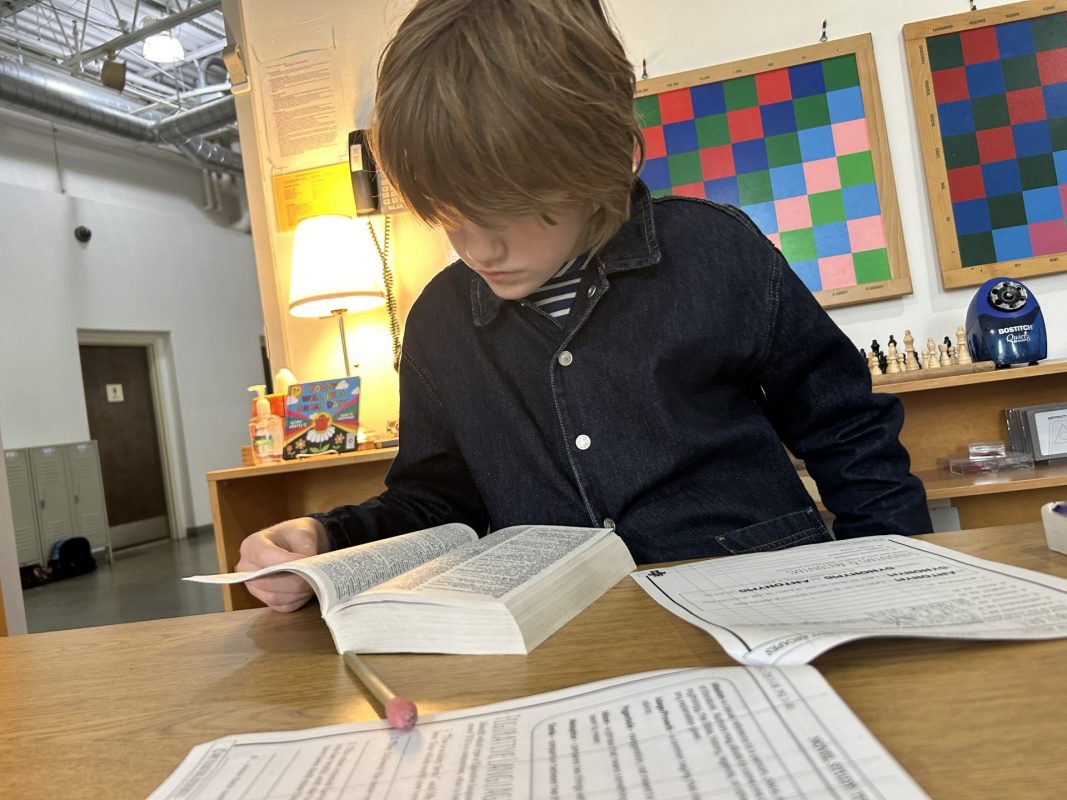
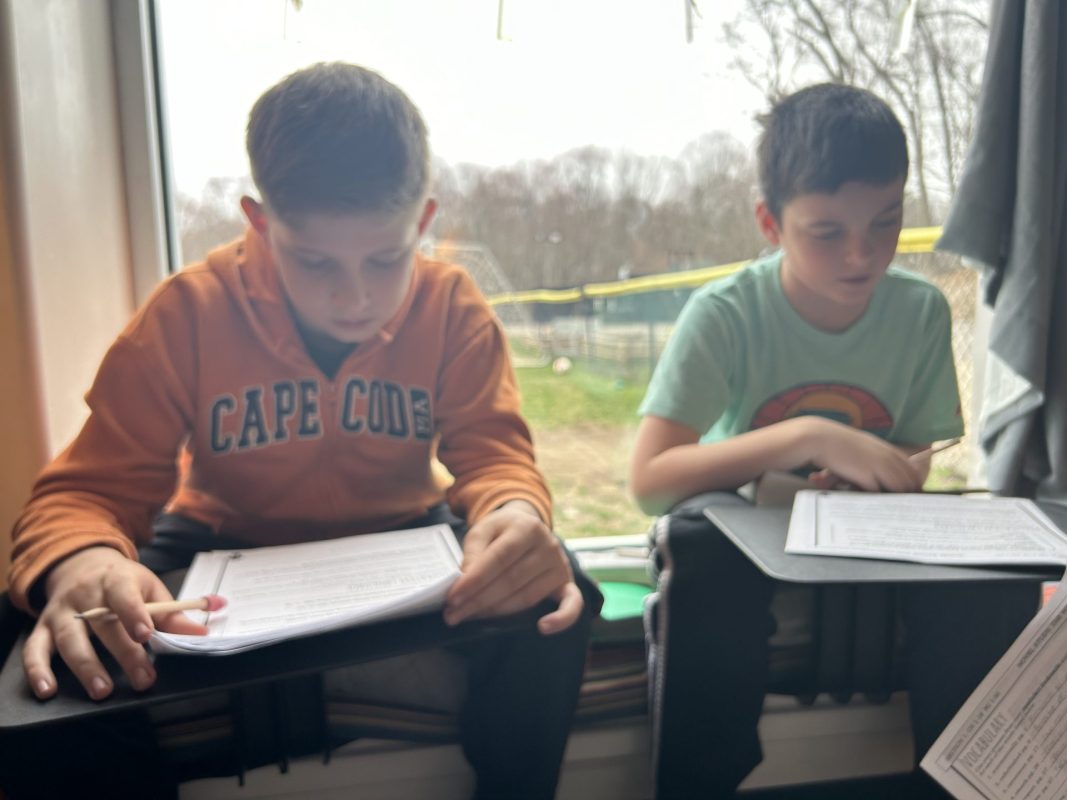
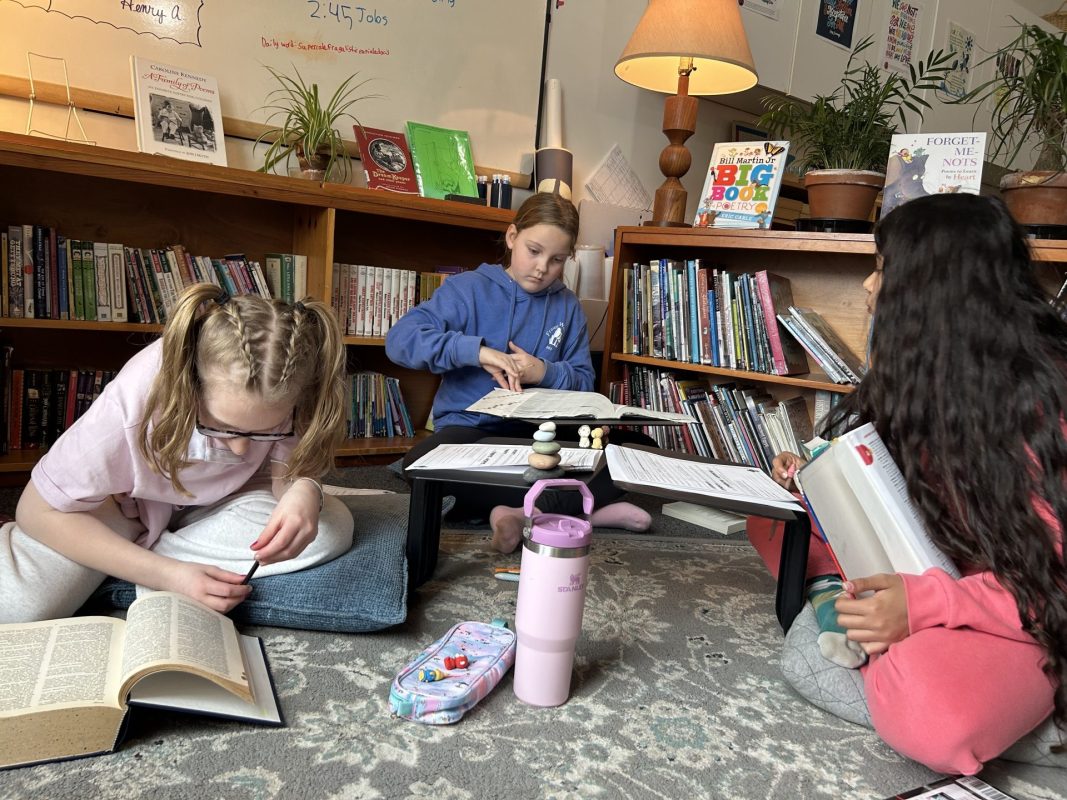
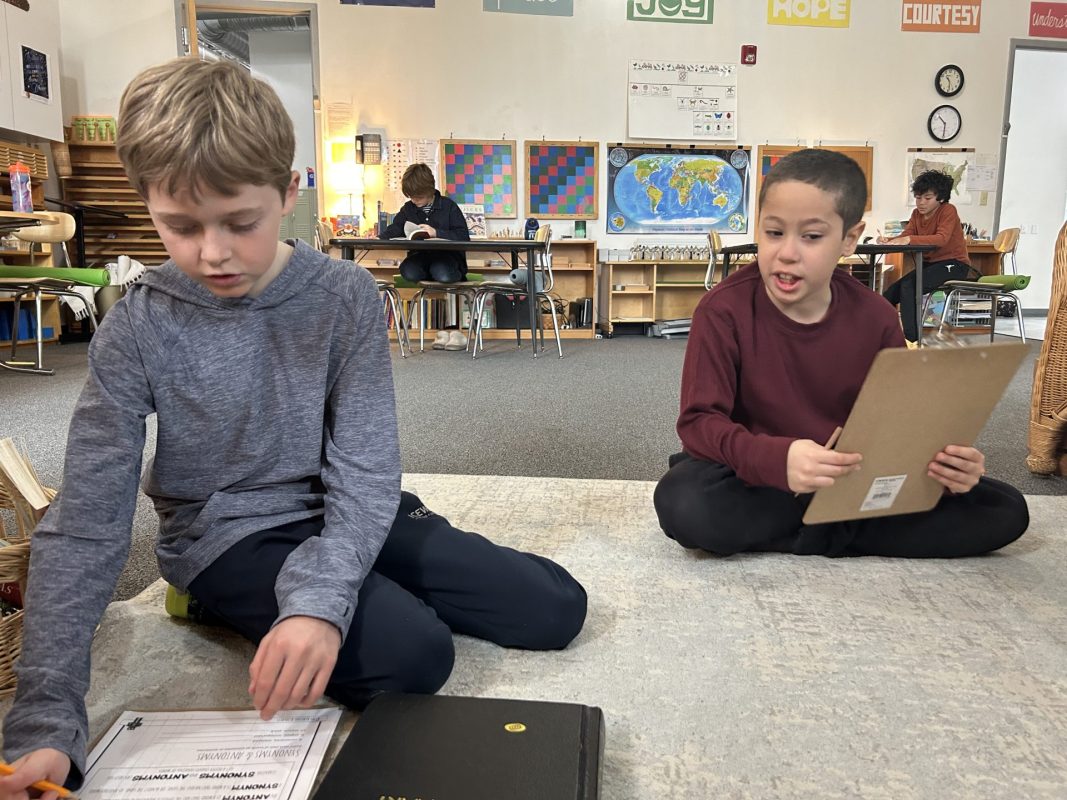
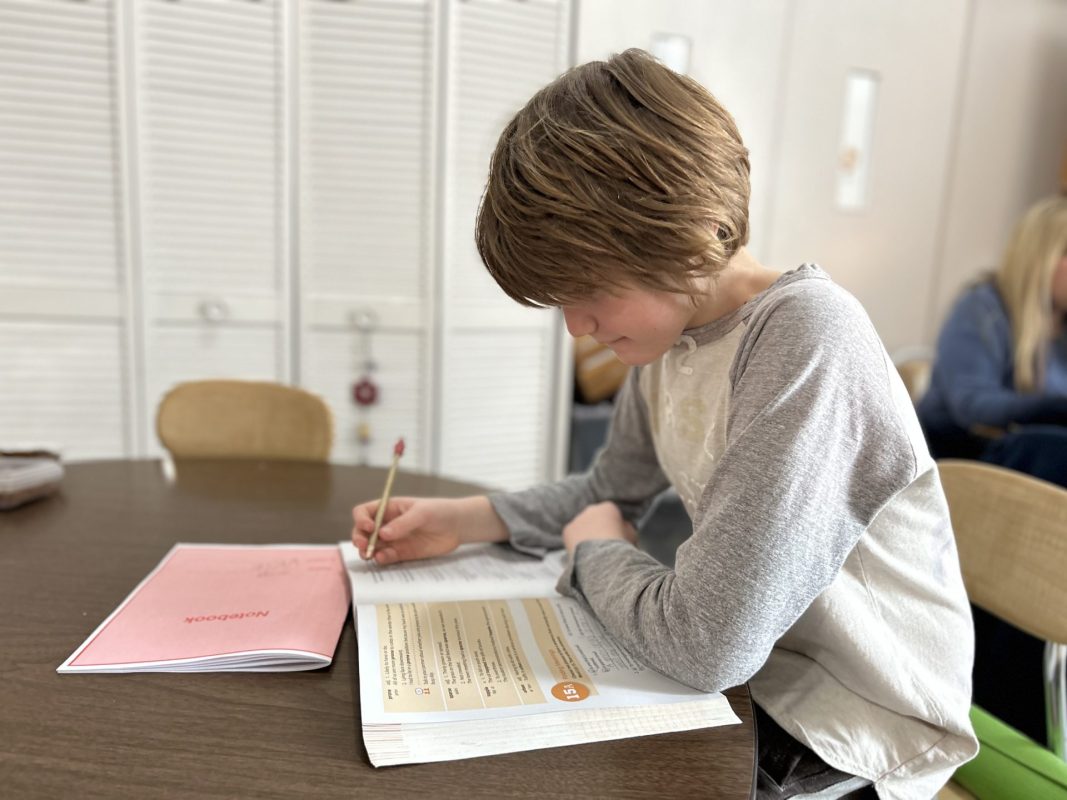
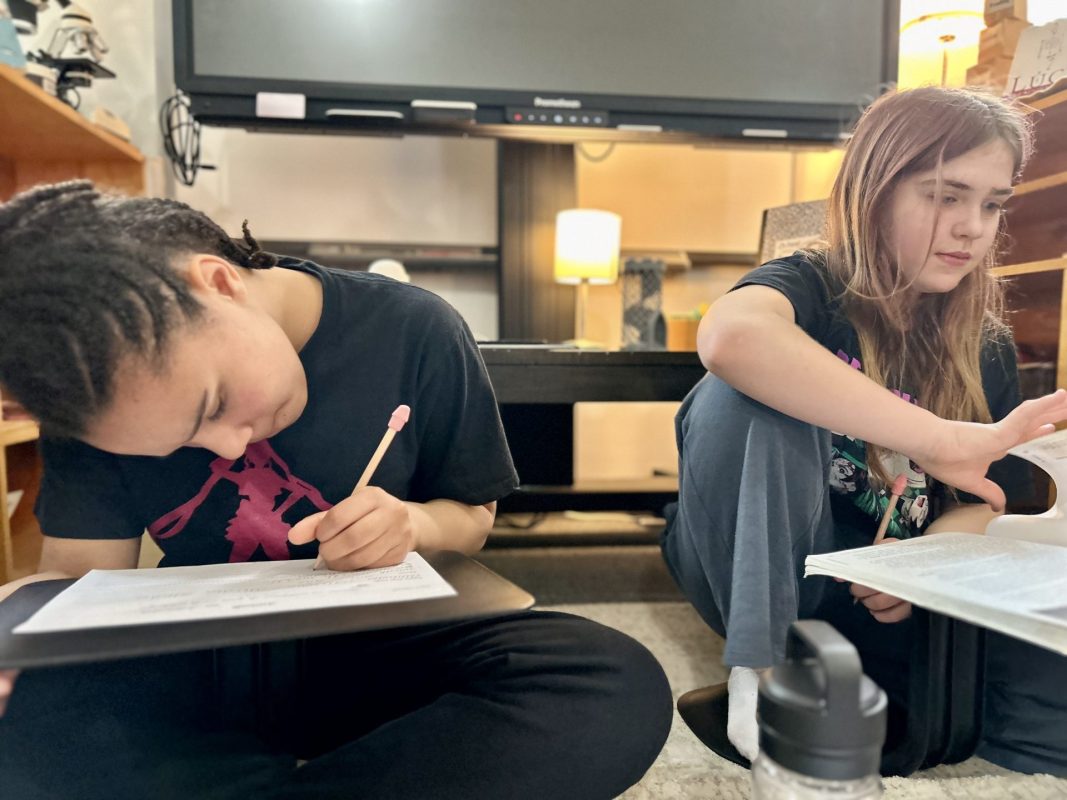
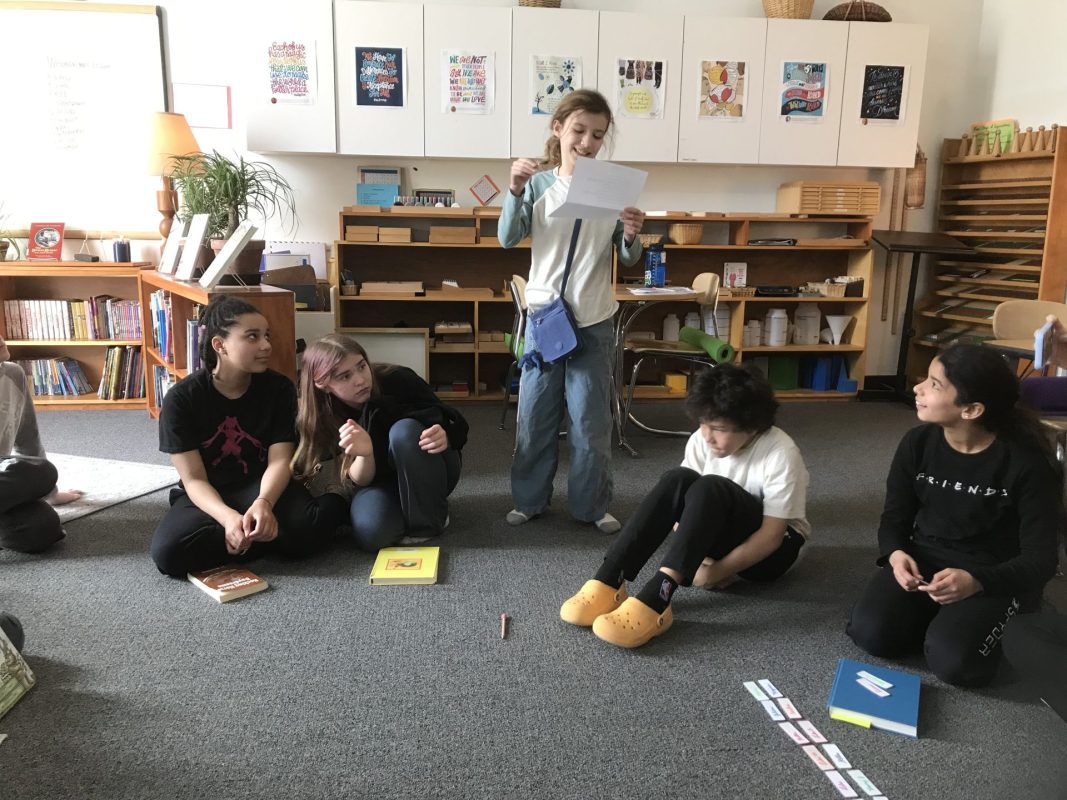
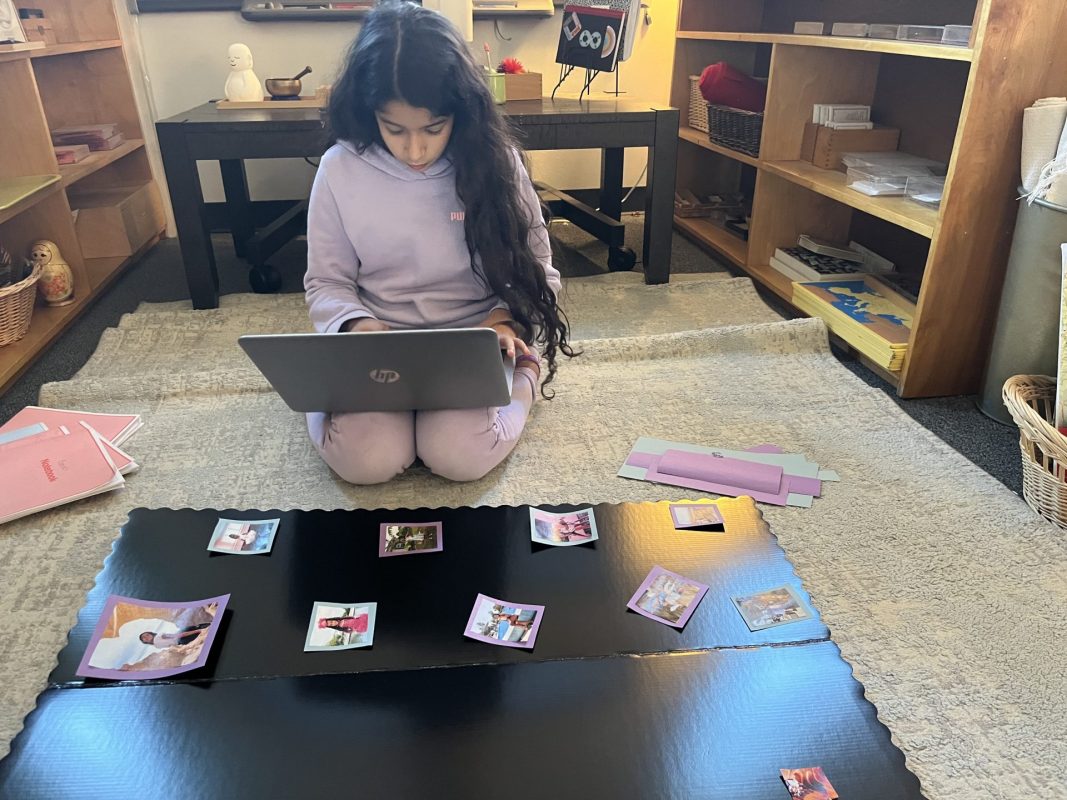
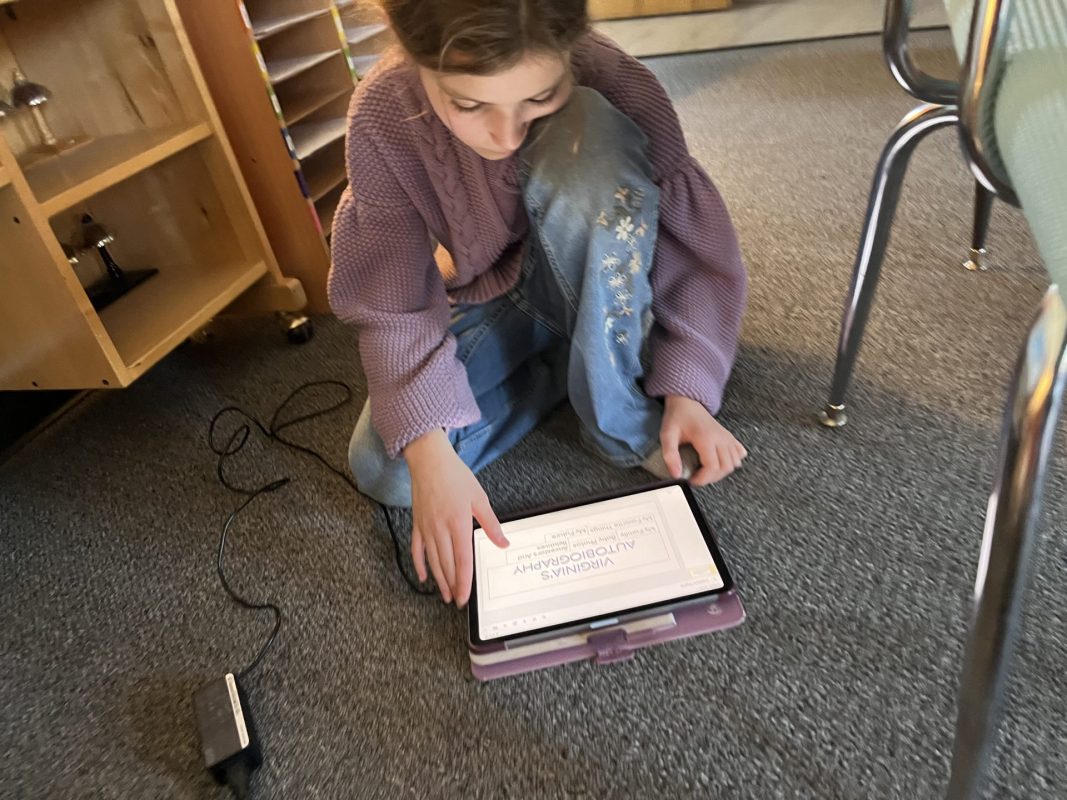
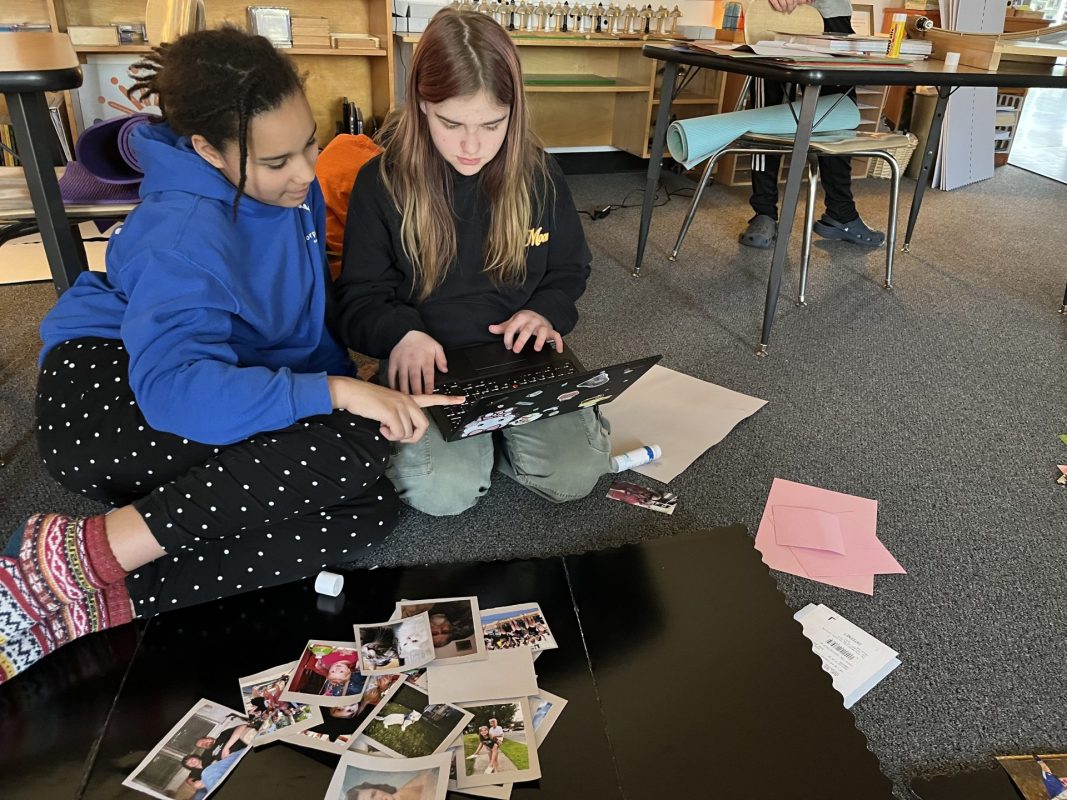
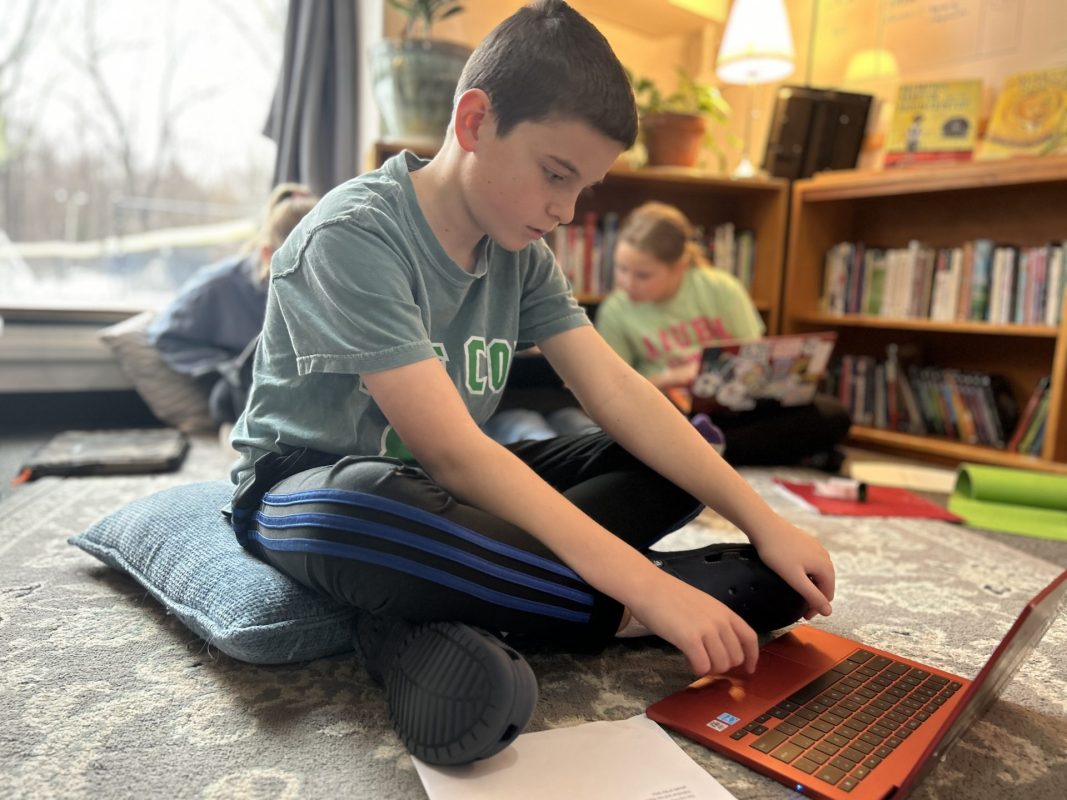
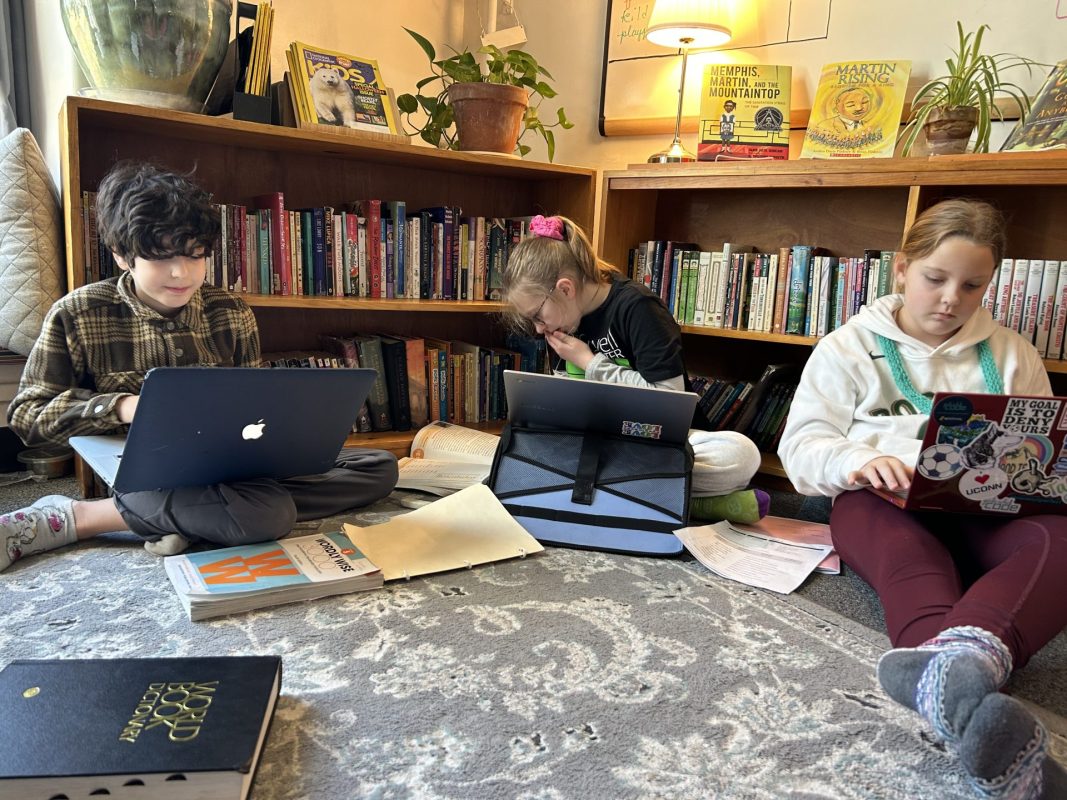
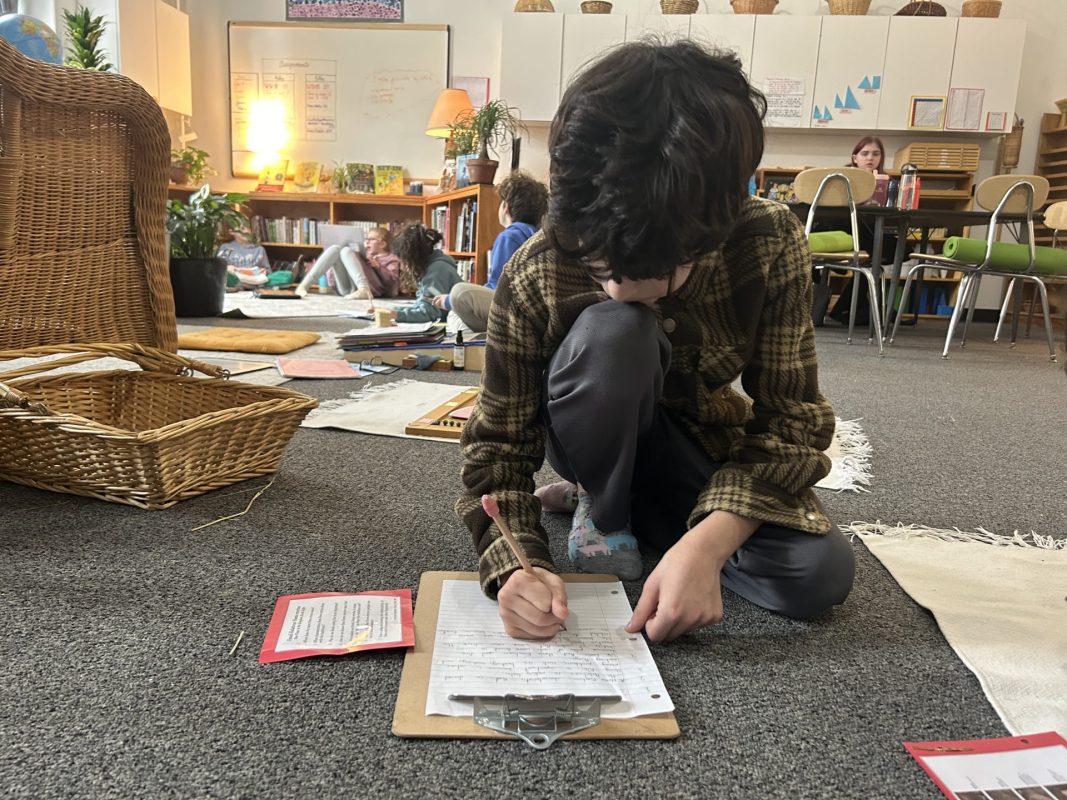
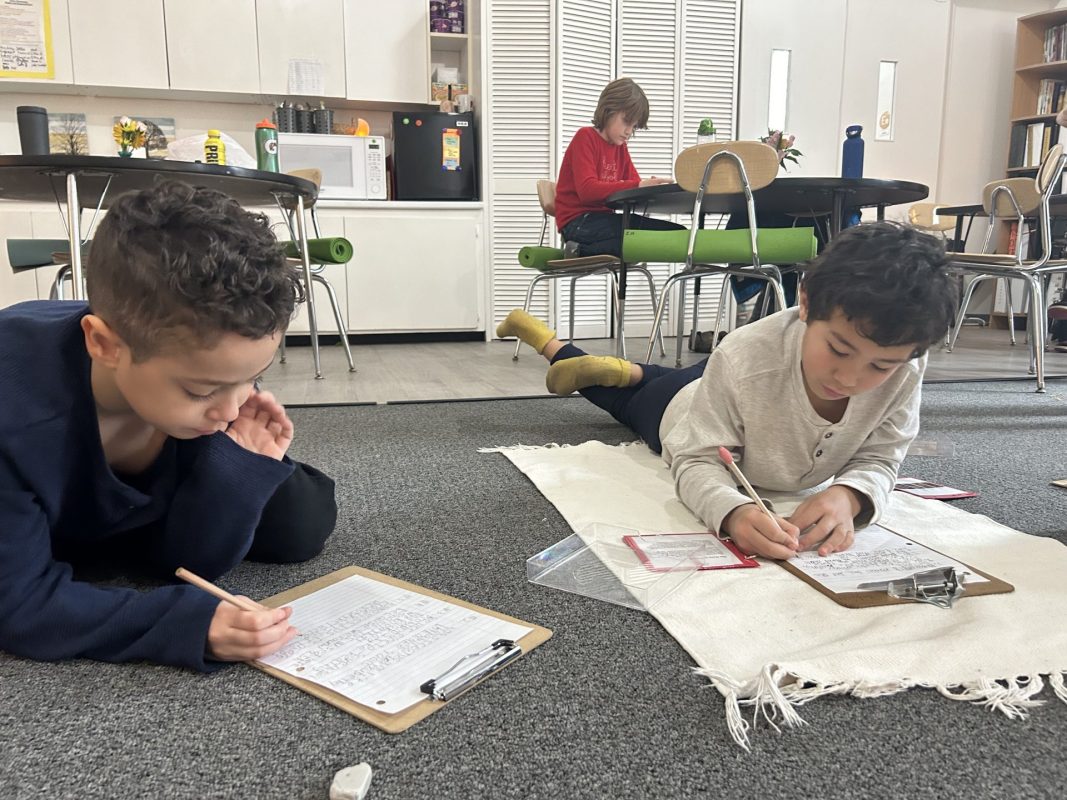
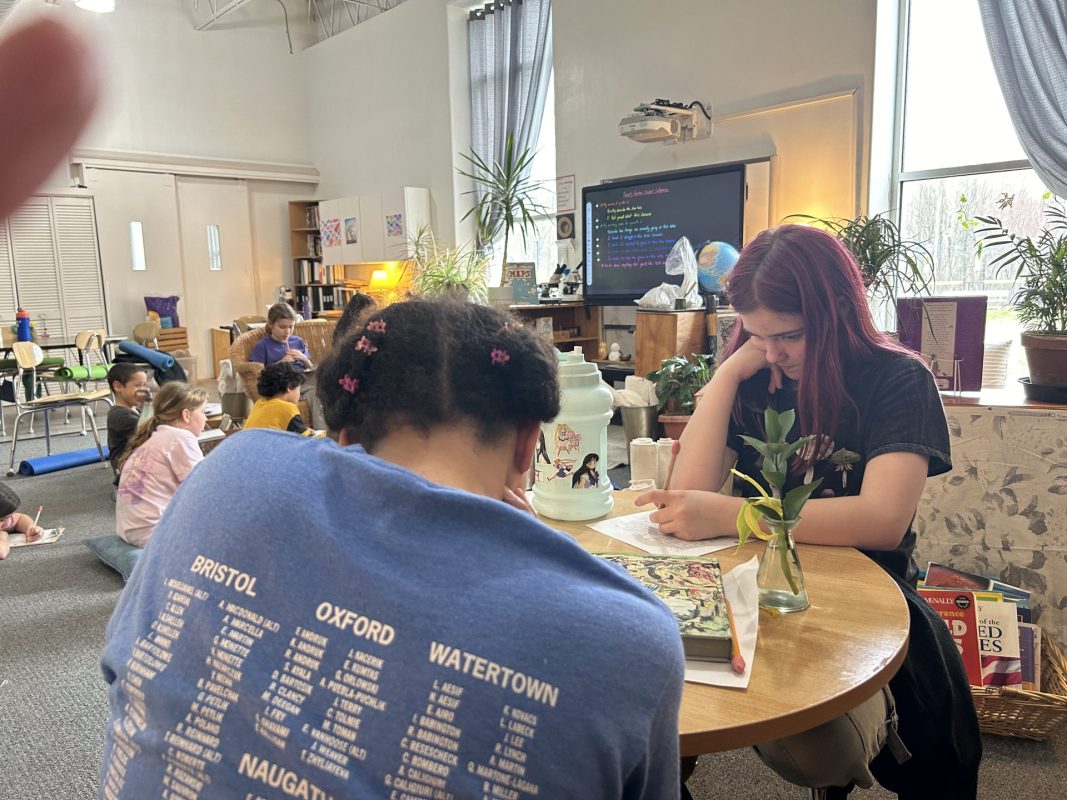
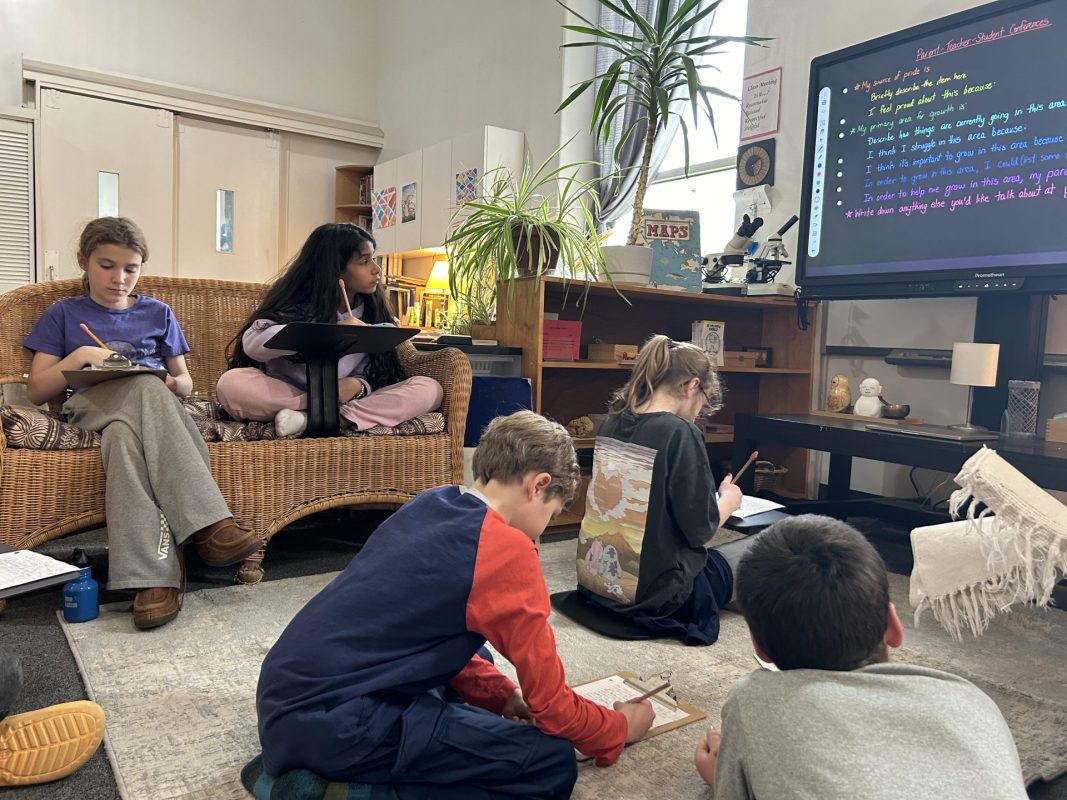
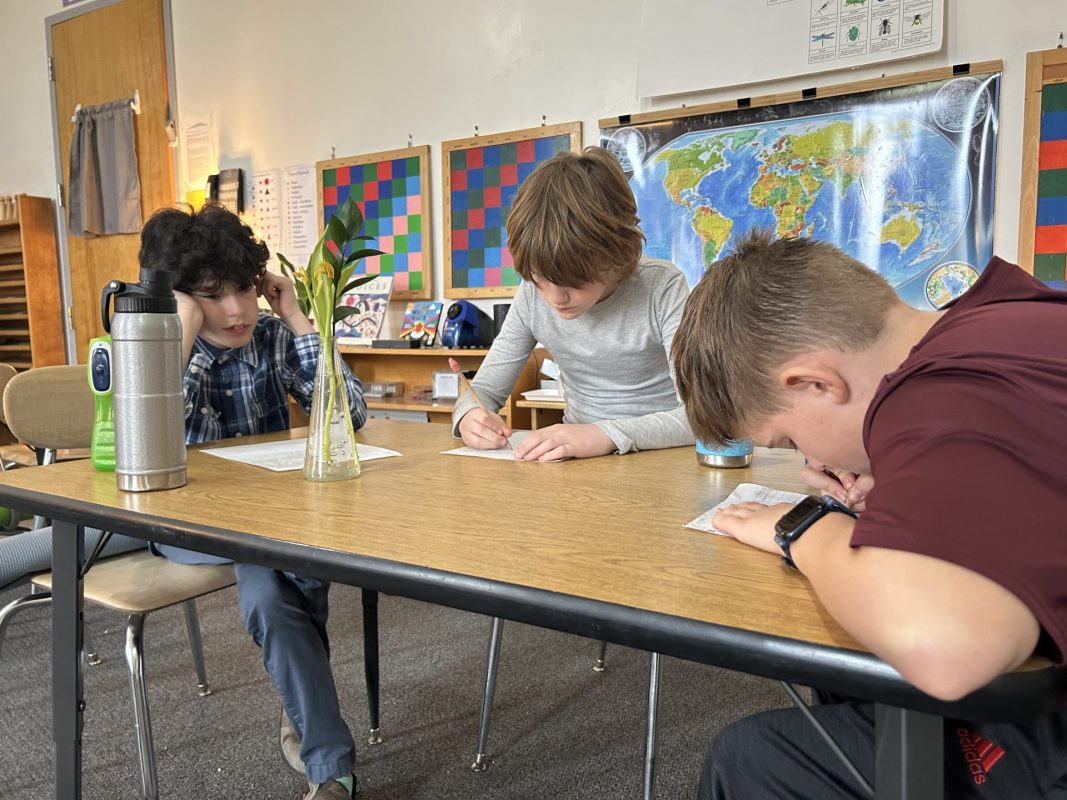
This week, in language work, we focused on preparing for our upcoming conferences. Each student is reflecting on their work this year, looking for areas of strength and growth. Through this process, they learn about themselves as students and take responsibility for their own learning. We are also working on writing “Where I’m From” poems. These poems are based on “Where I’m From” by George Ella Lyon and are meant to inspire the writer to think about their life and what makes them unique. We were happy to have a visit from two of our eighth graders who shared their poems with us.

I look forward to seeing you at the upcoming FWM Spring Gala & Auction on April 27! If you haven’t yet purchased tickets to this vital fundraising event for our school, please purchase yours here. The last day you can buy tickets is April 22. I hope to see you all there!

A message from Middle School: Order your 8th-grade-designed 2024 FWM sweatshirt ASAP! Orders close on April 27! Click here to order.

This Week in Upper El

“We must help the child to act for himself, will for himself, think for himself; this is the art of those who aspire to serve the spirit.” -Maria Montessori

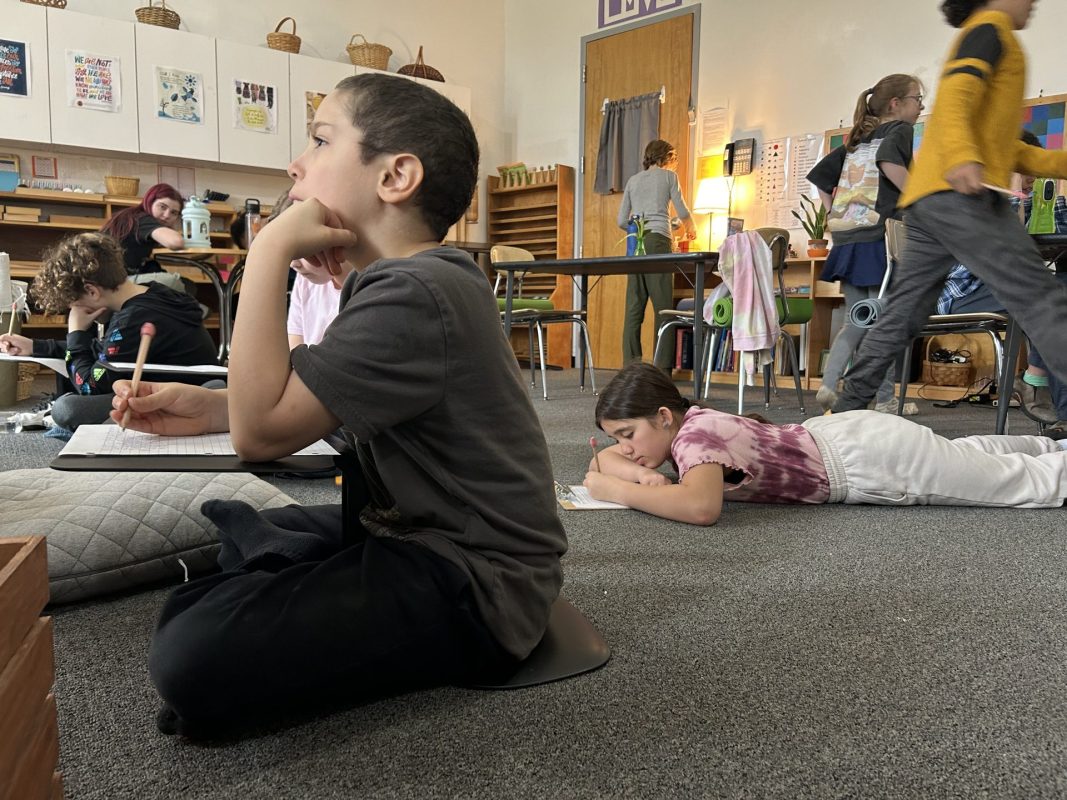
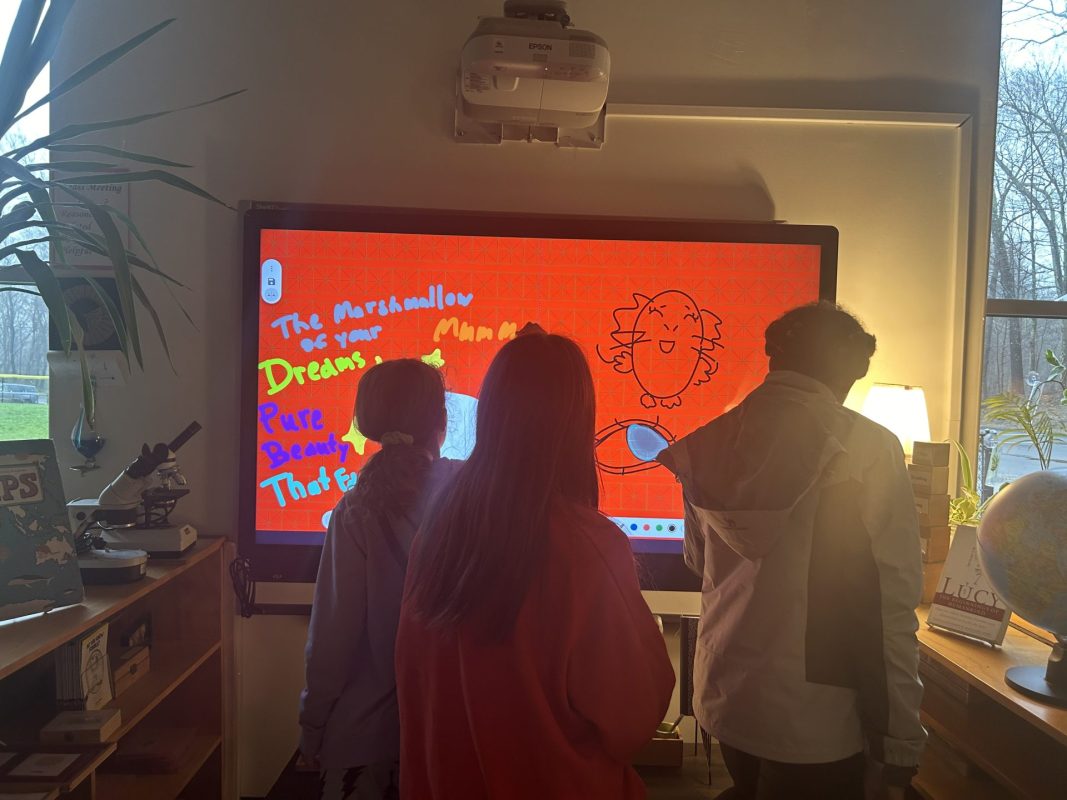
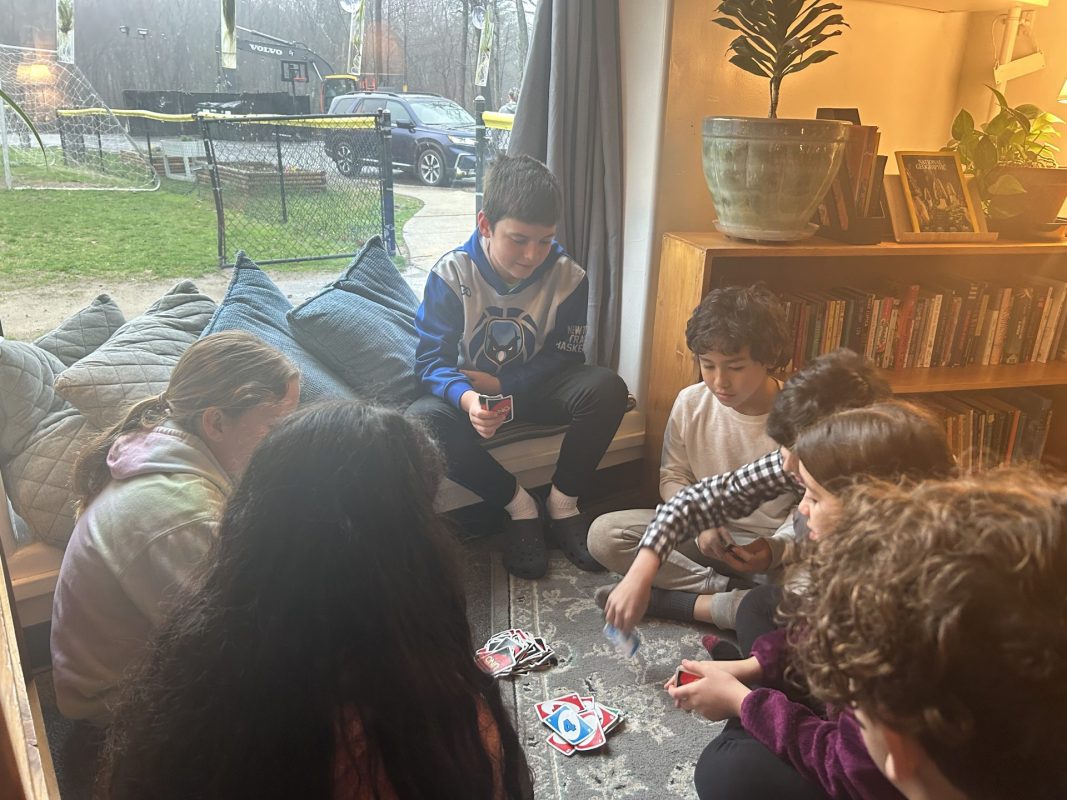
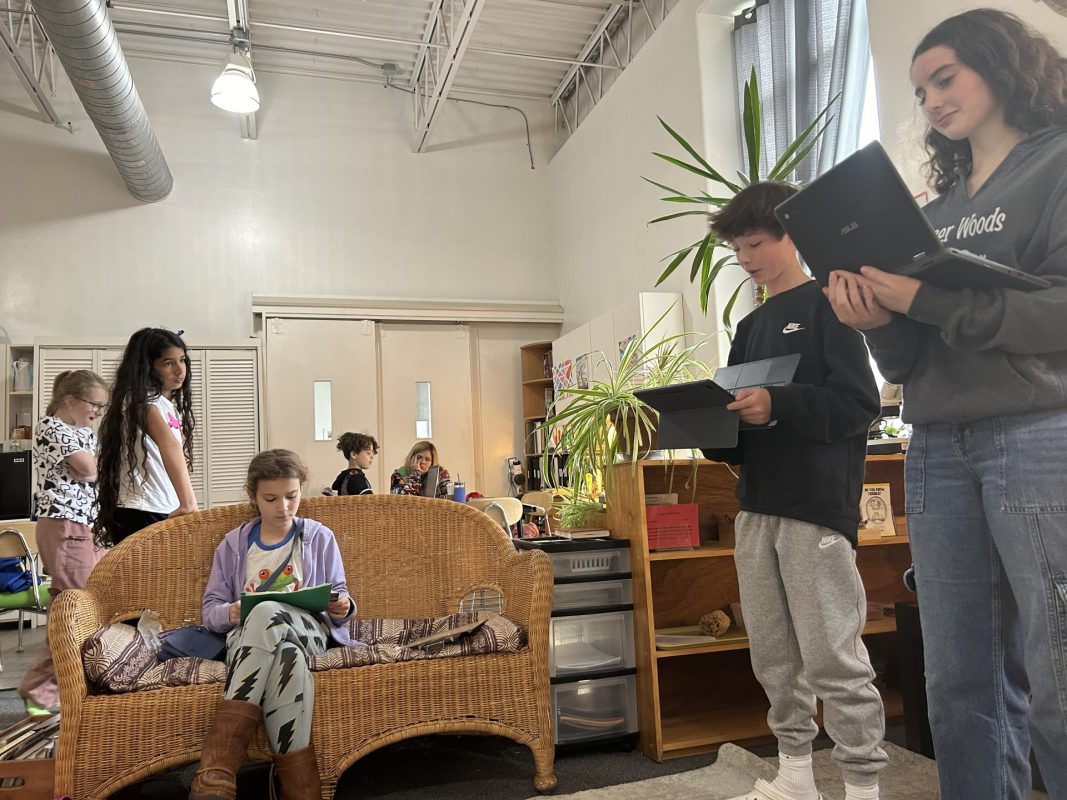
We welcomed April with just a few April Fools Day shenanigans and a productive week. Our work cycles were buzzing with activity, lessons, and focused work.

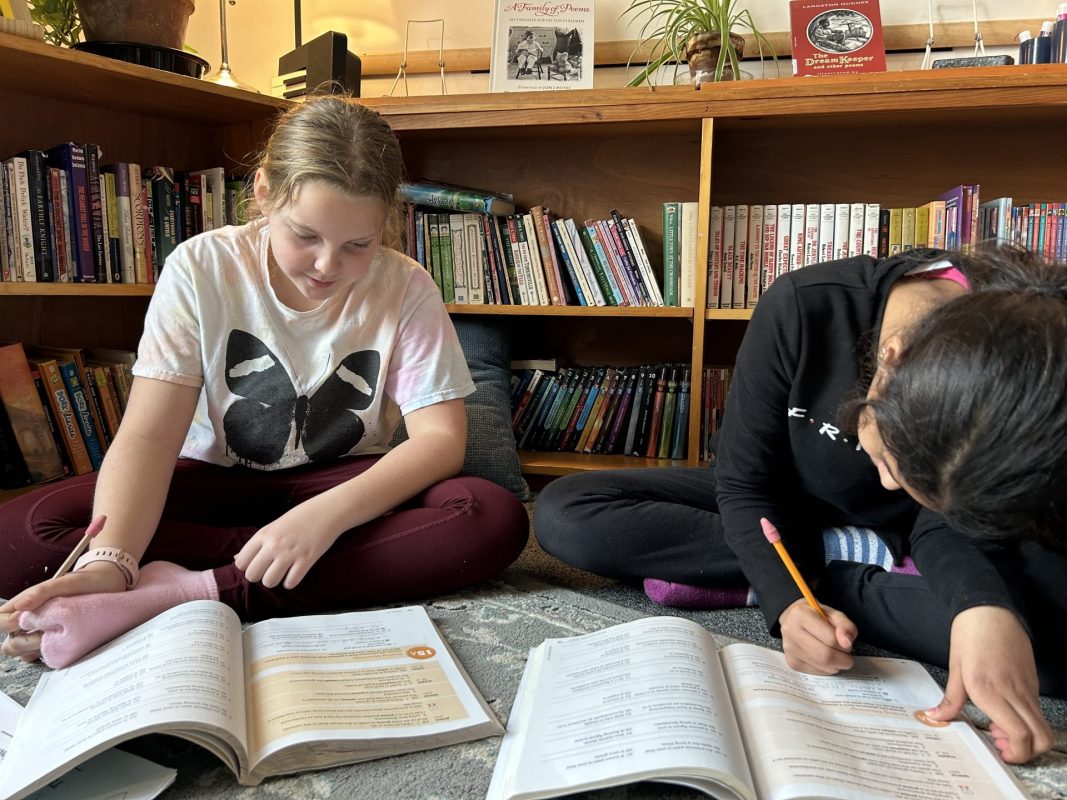
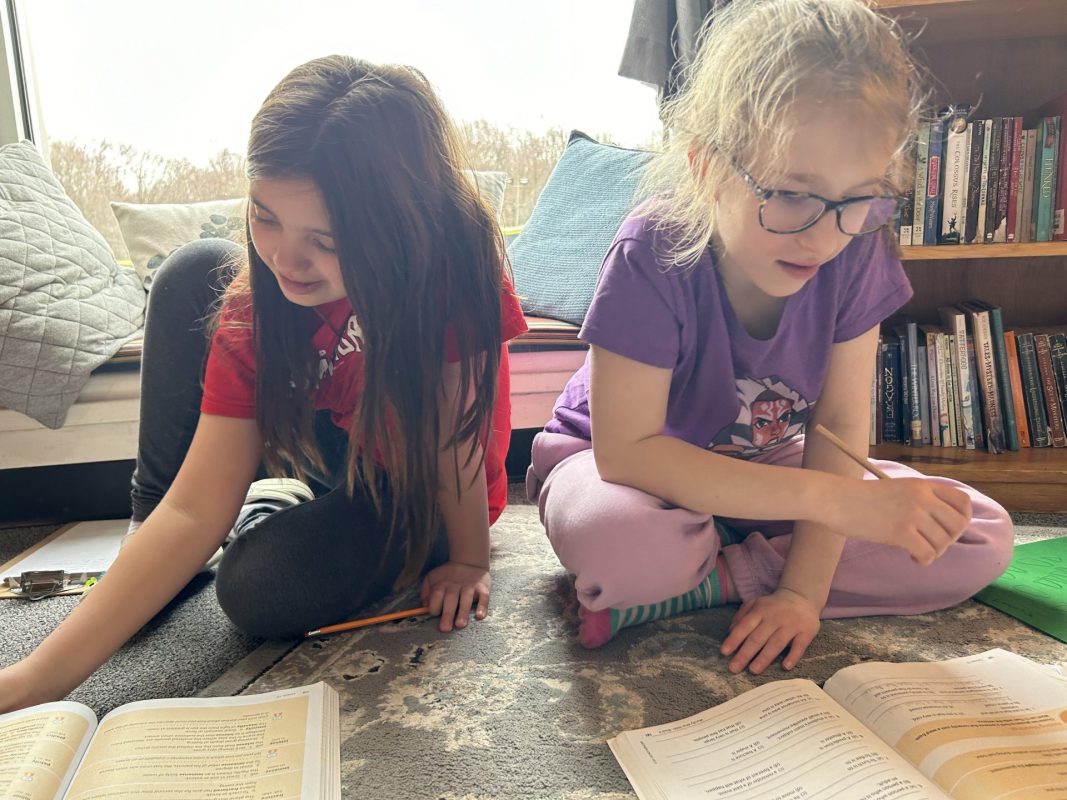
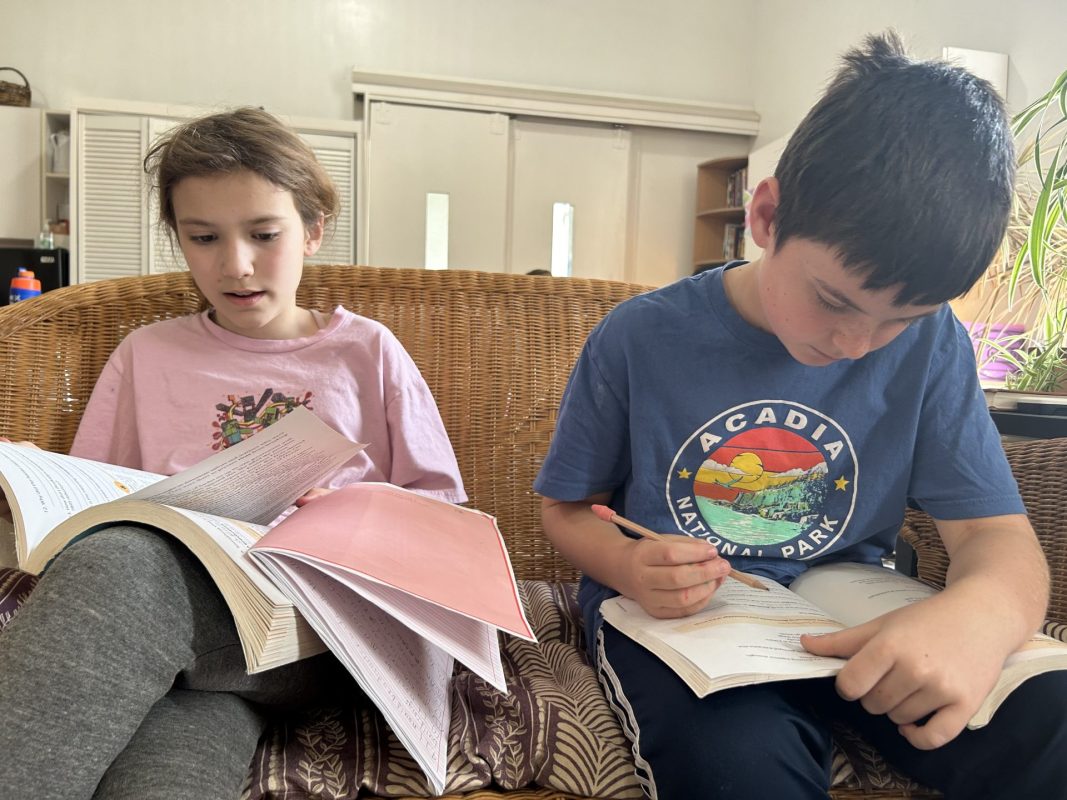
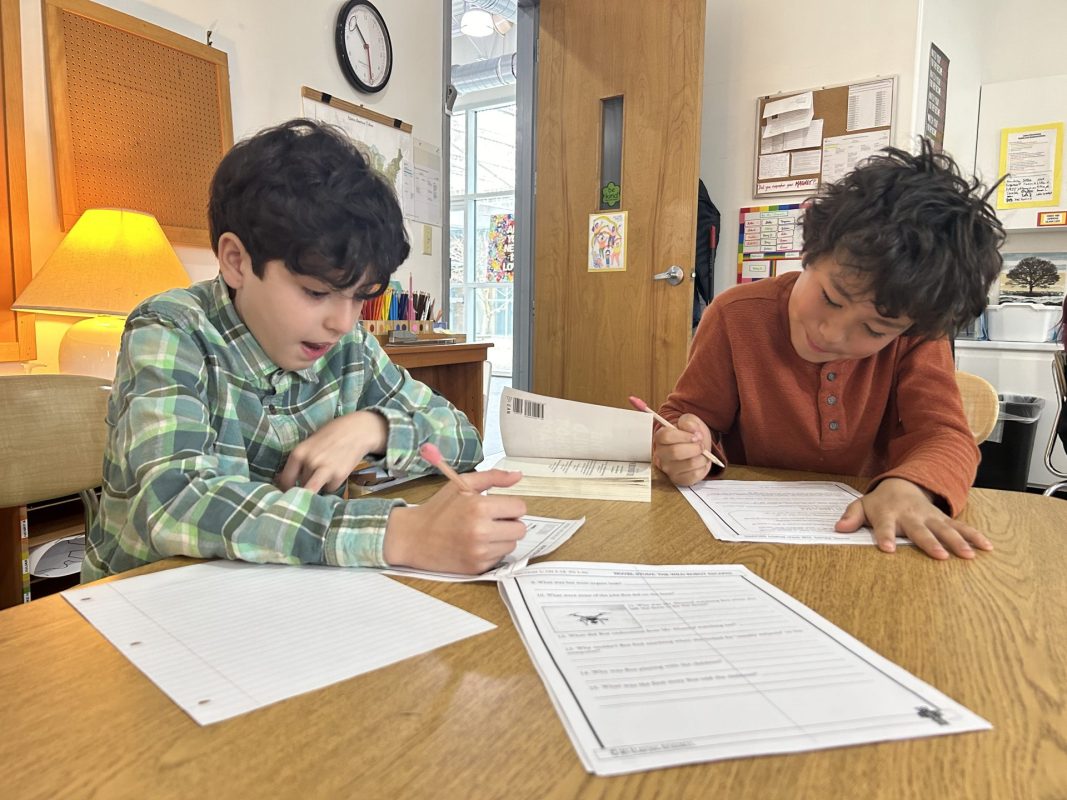
We started the week by kicking off our new novel study for the book The Wild Robot Escapes. This is already becoming a nice change of pace from our usual literature circle activities and discussions. It will also enable us to discuss this book as a whole class instead of splitting into three groups. In other language work this week, we did some poetry reading and writing and had grammar lessons. Fourth-year students continued their study of adjectives by learning about interrogatives and proper adjectives. They learned that interrogative adjectives ask a question about the noun and that proper adjectives are formed from proper nouns but act as modifiers. Fifths had their next lesson about personal pronouns, focusing on person and number. They learned to identify the pronoun in a sentence and whether it is in the first, second, or third person.
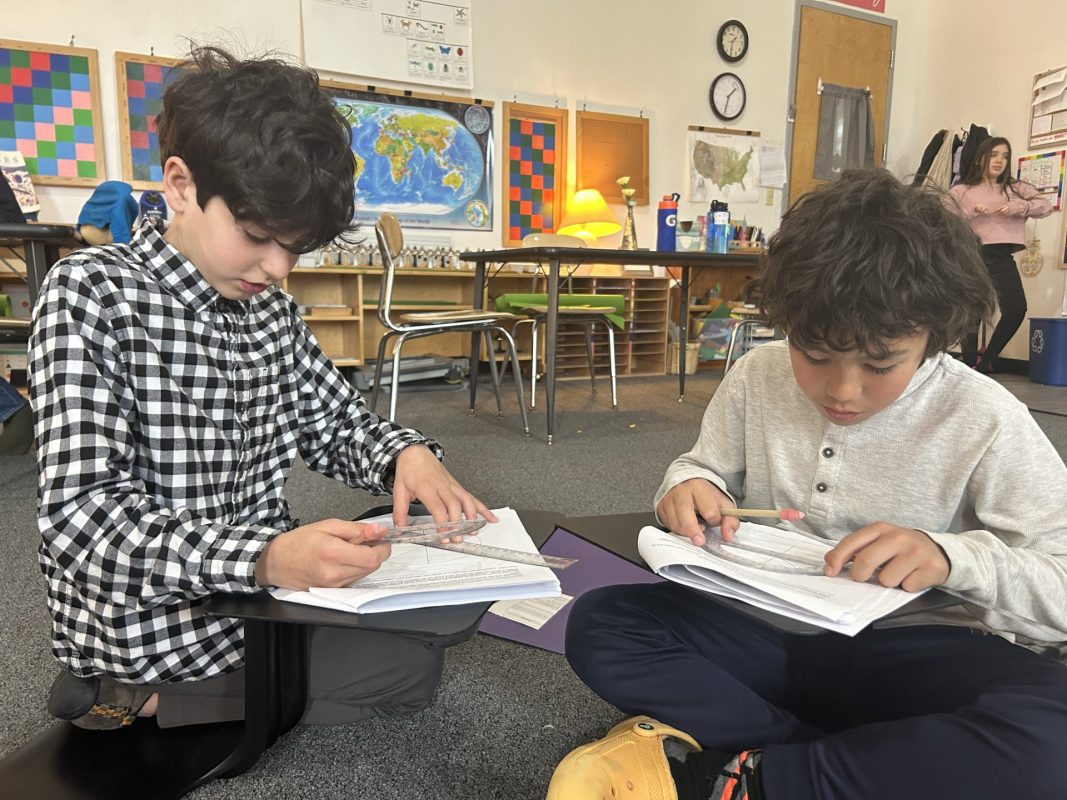
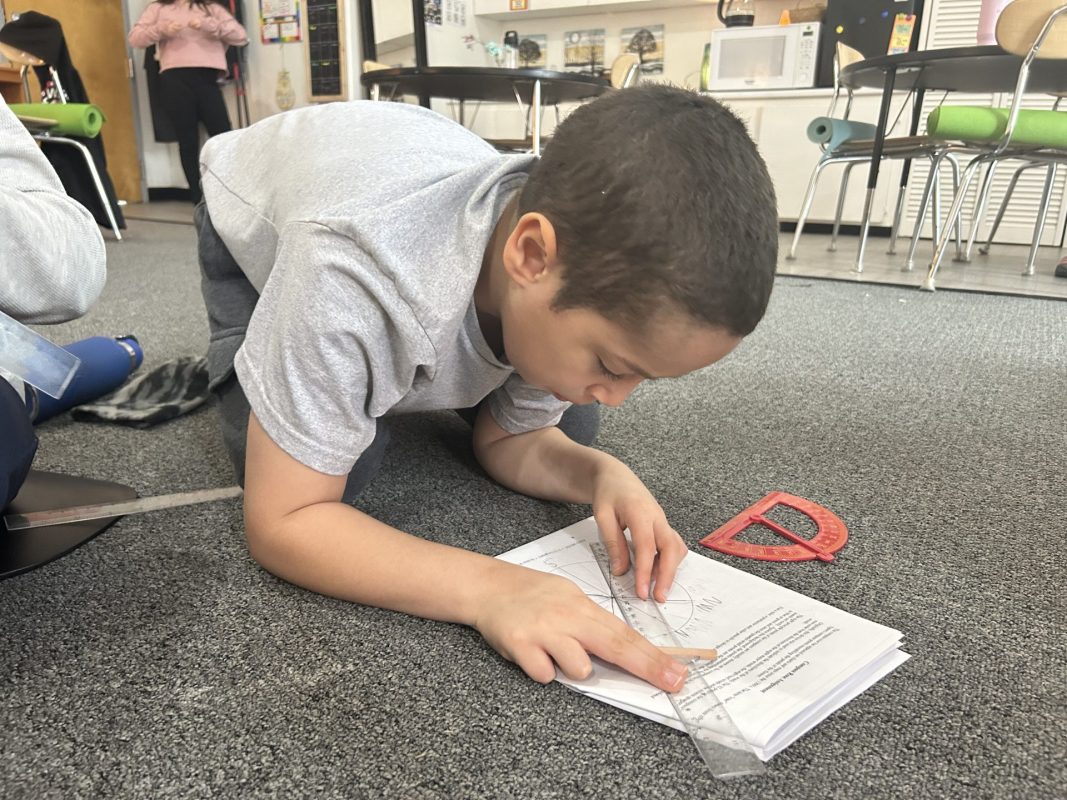
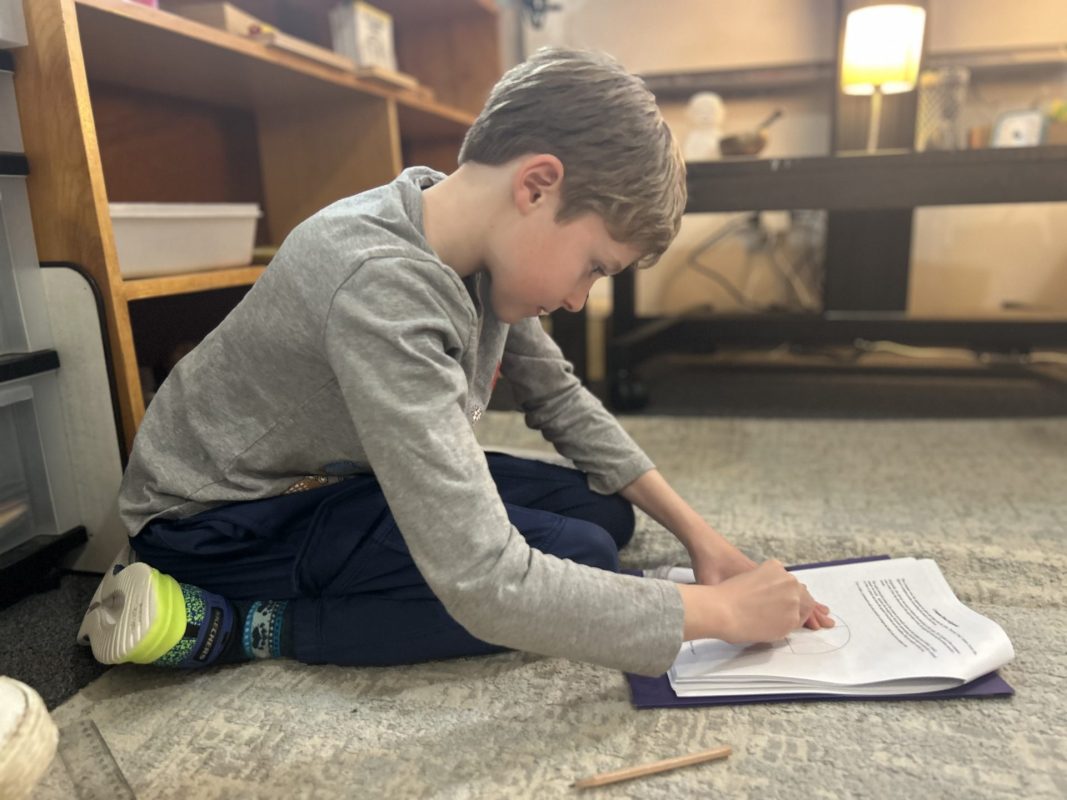
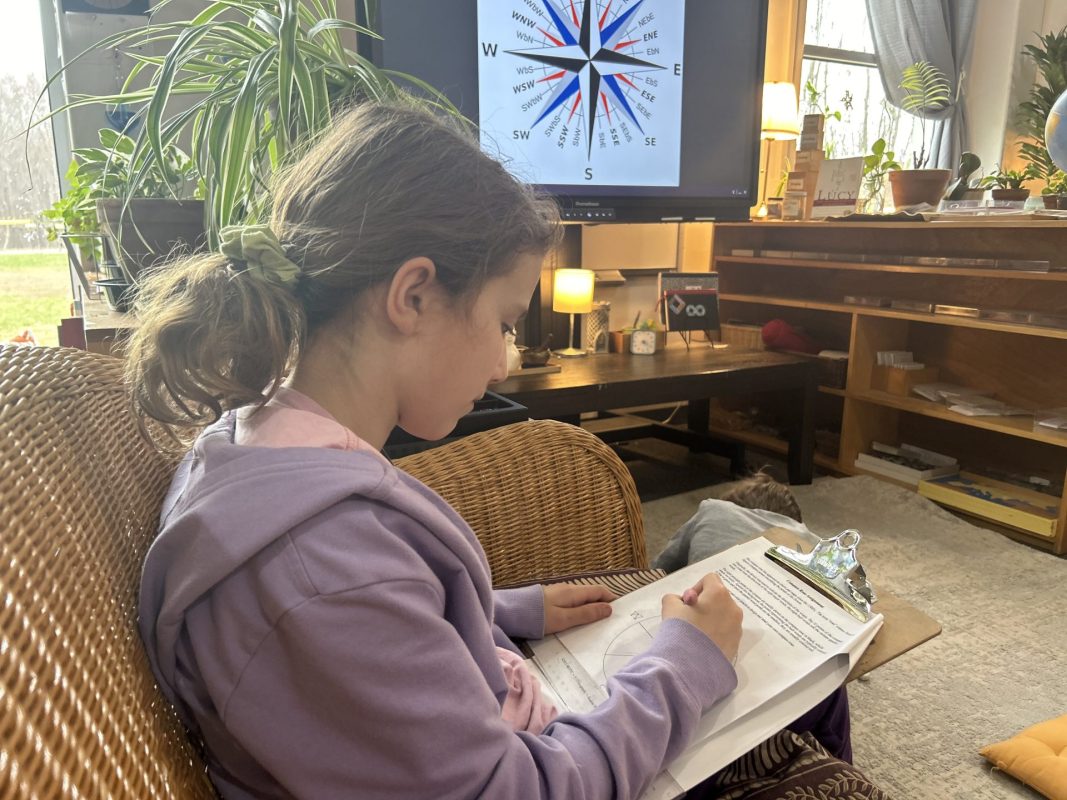
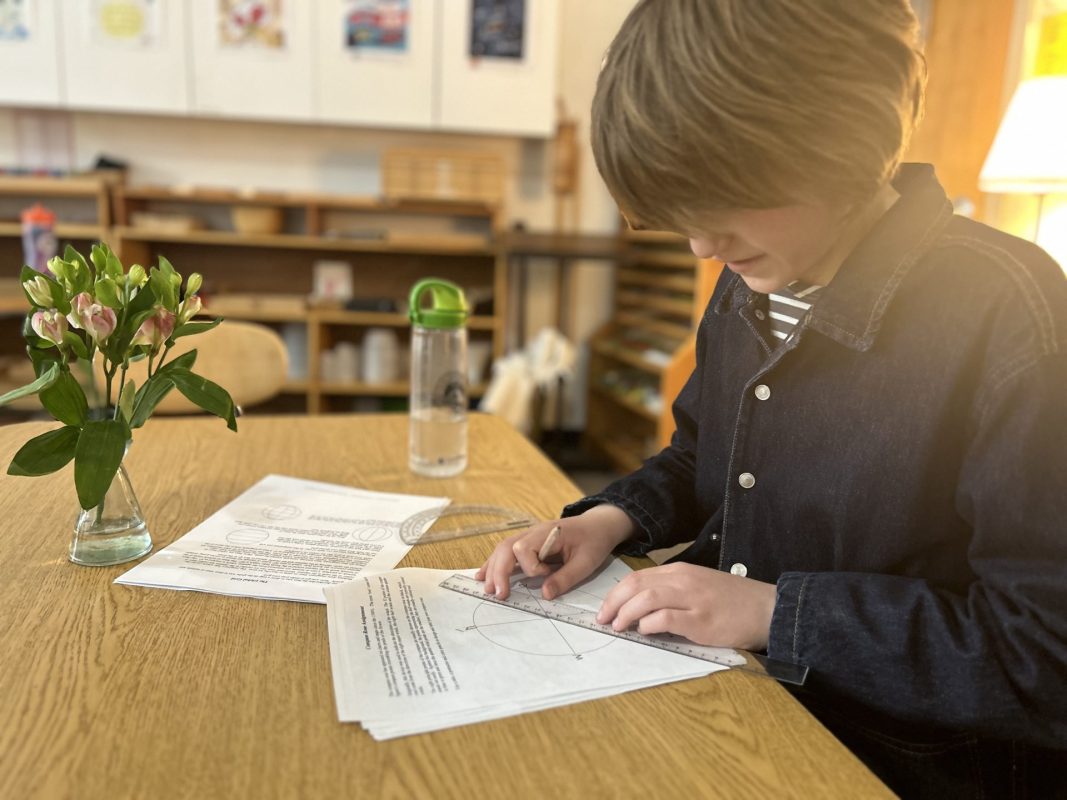
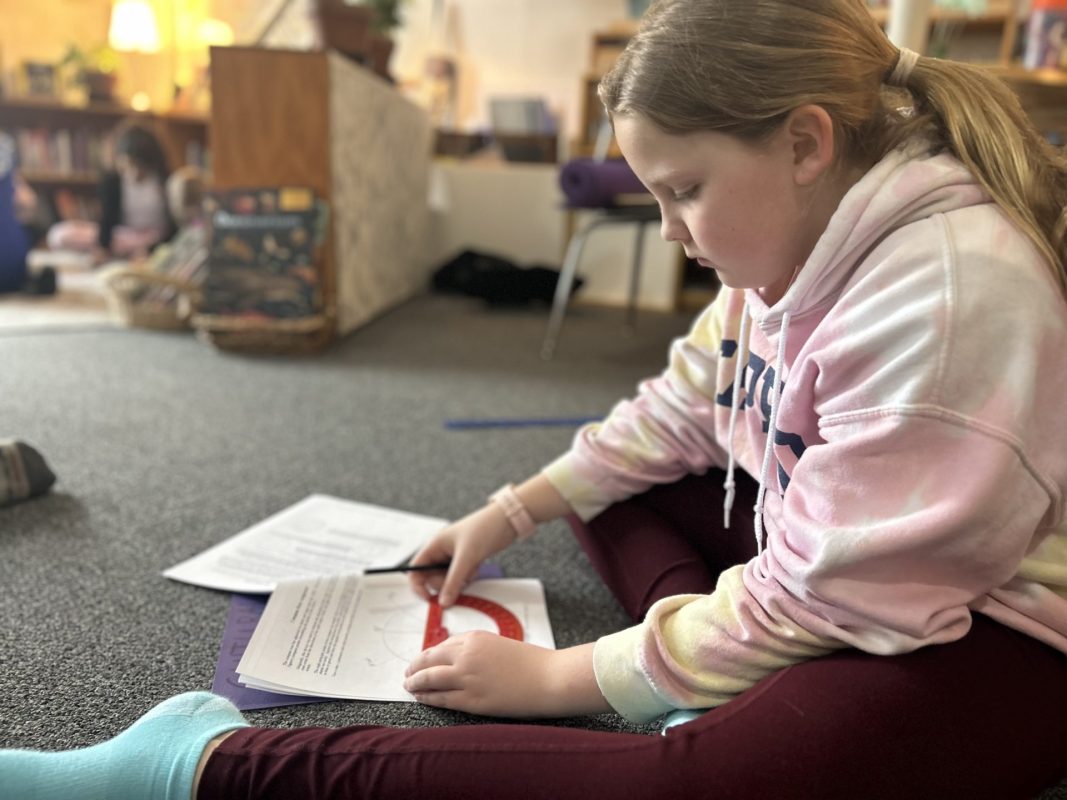
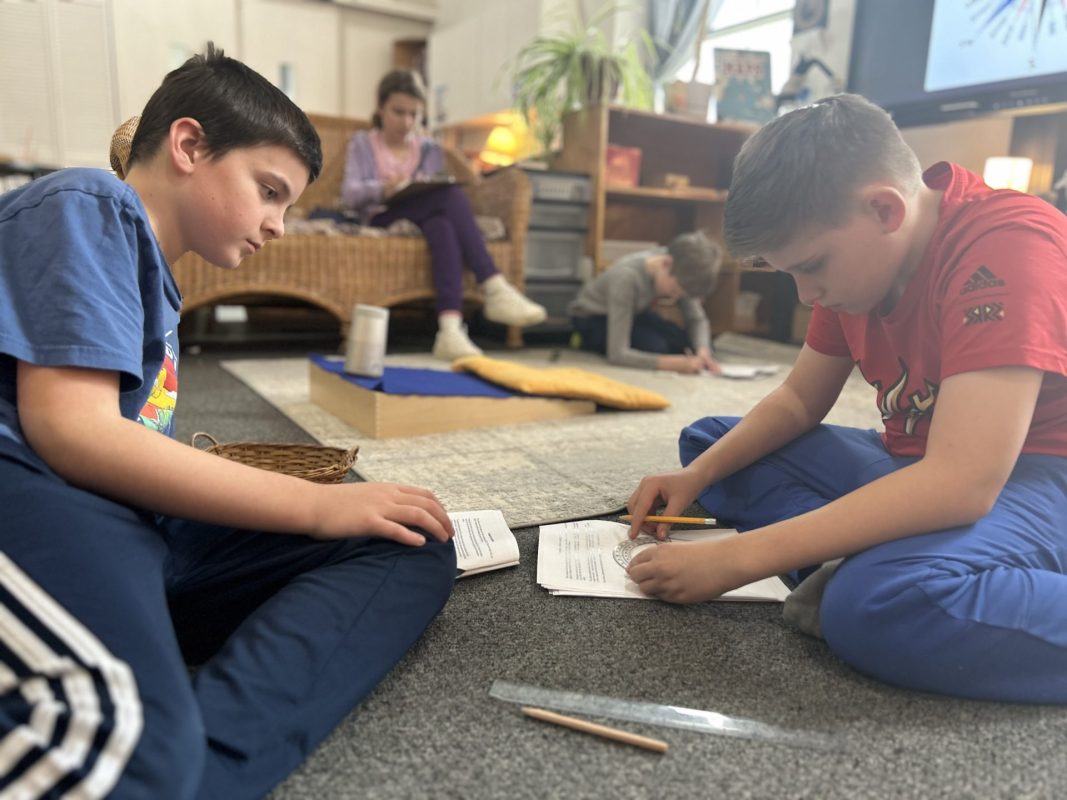
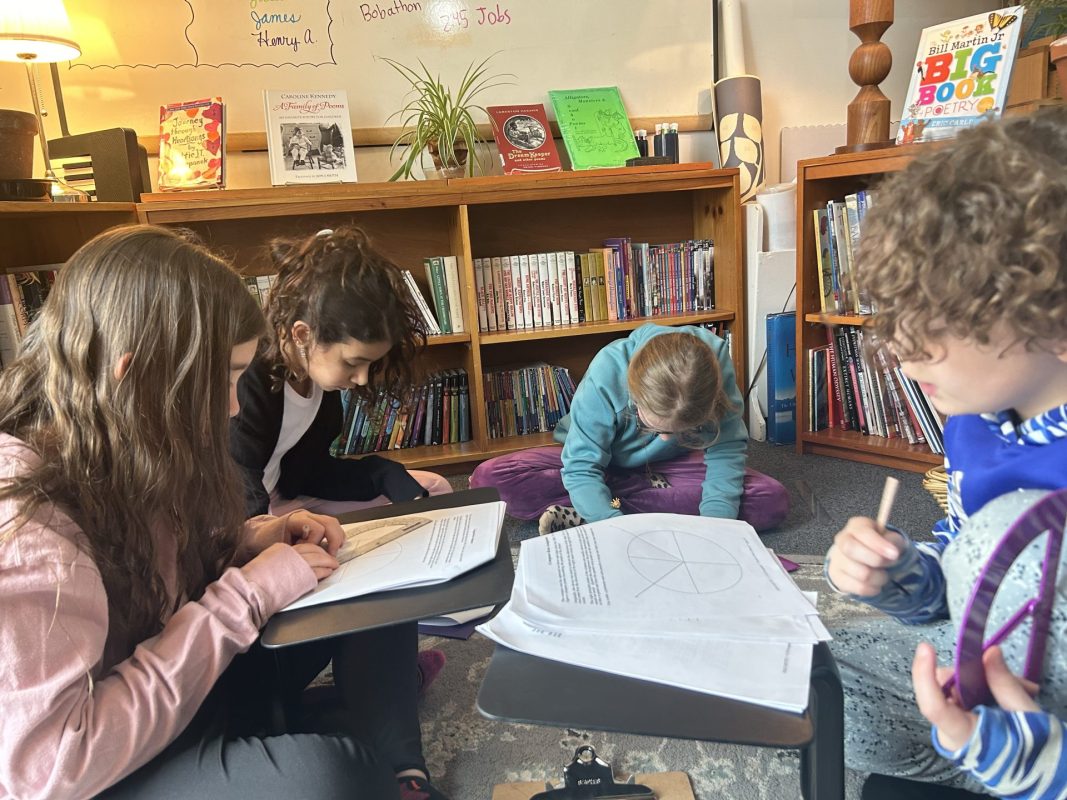
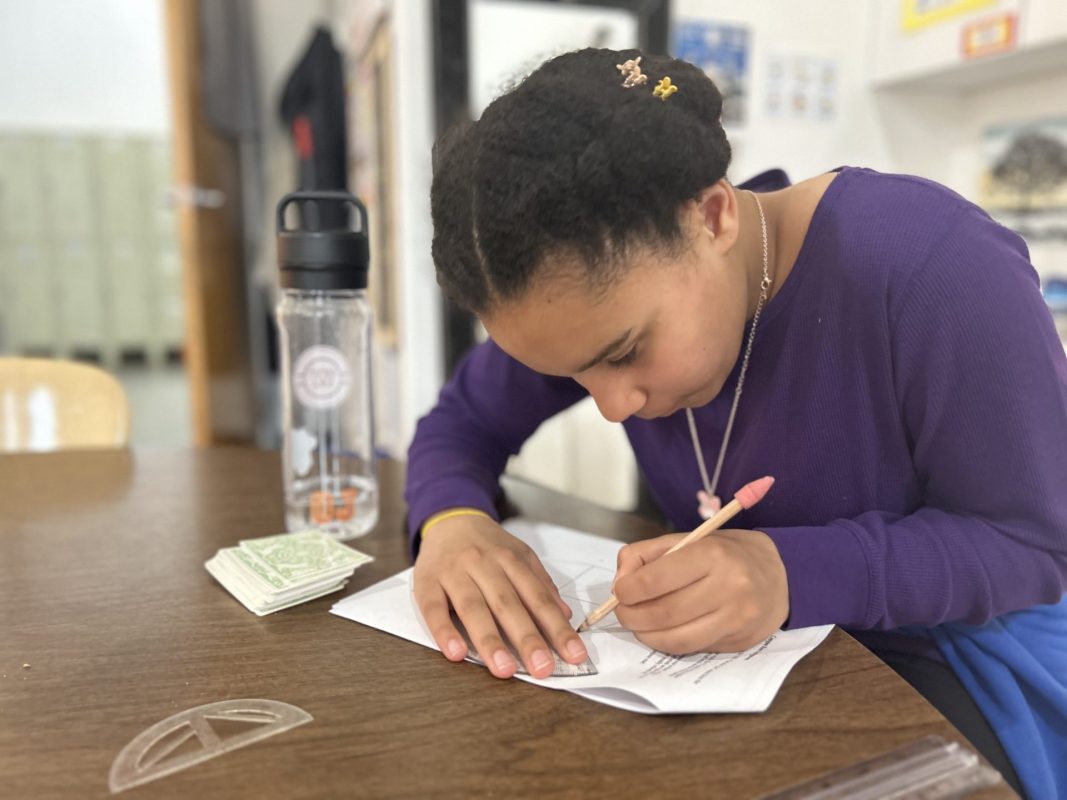
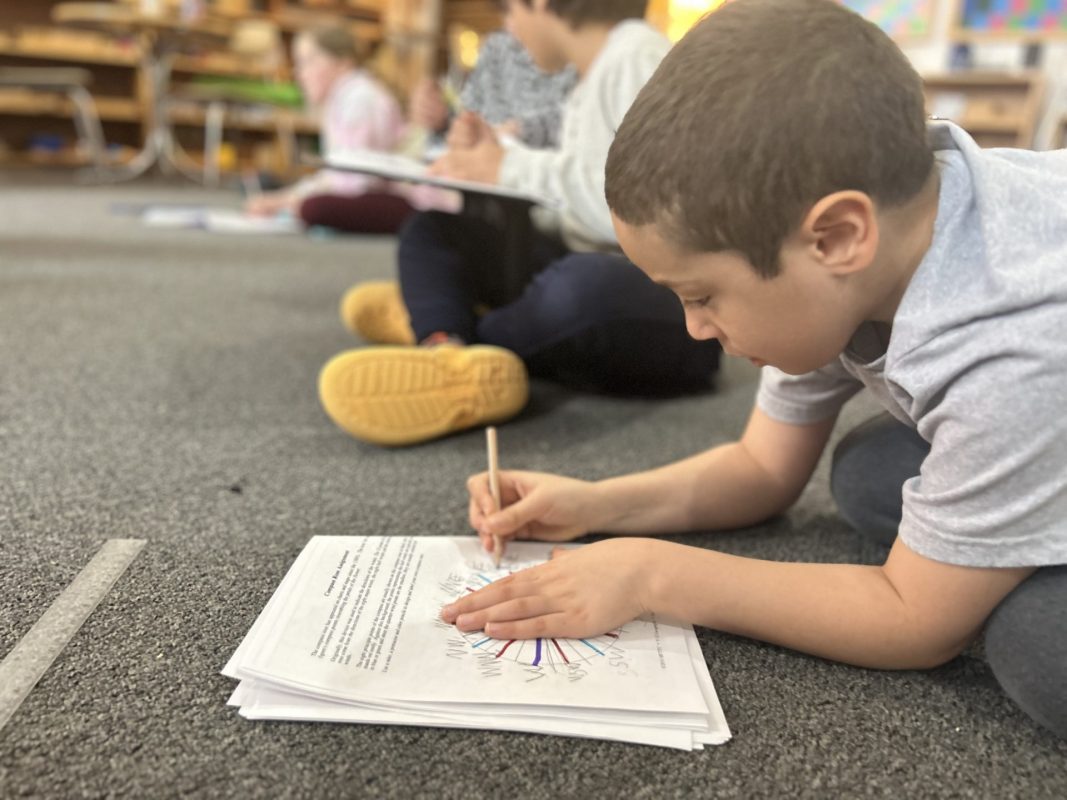
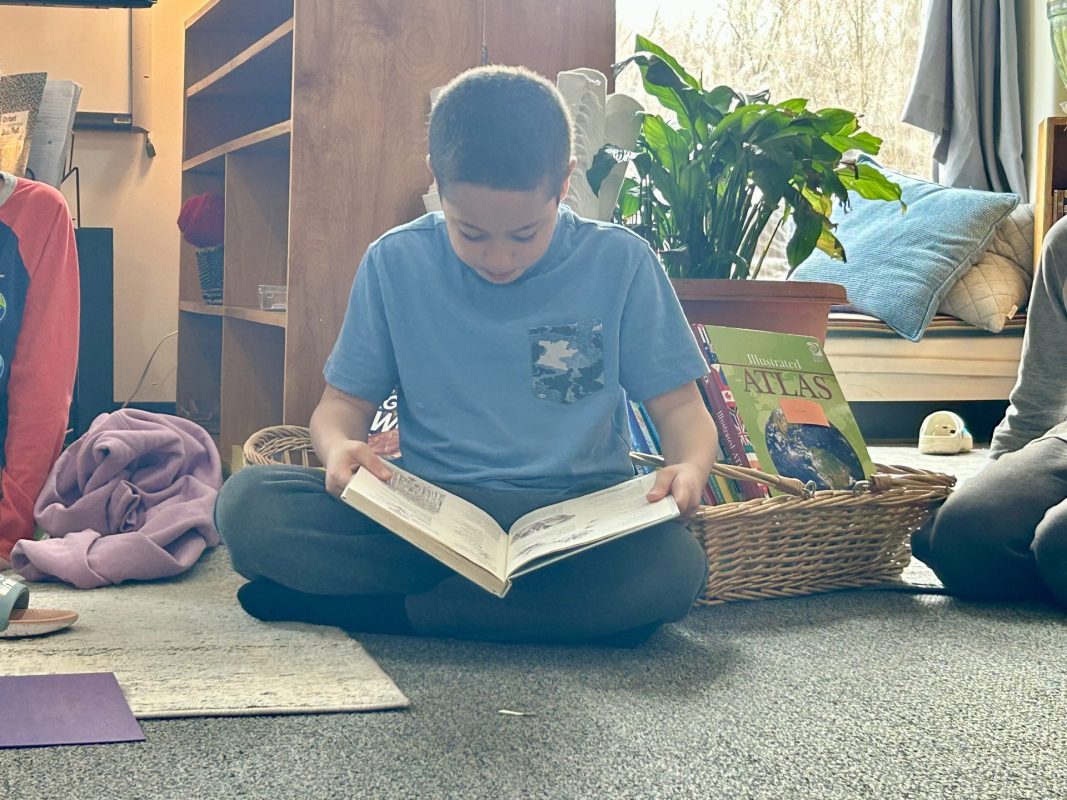
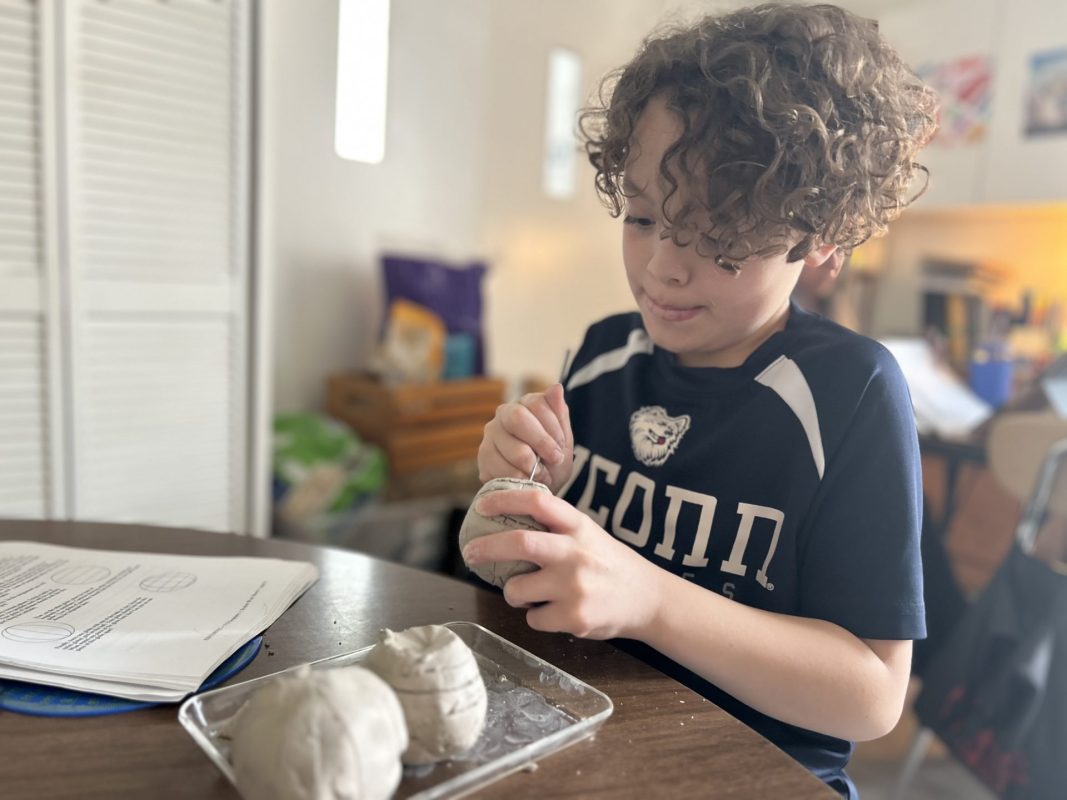
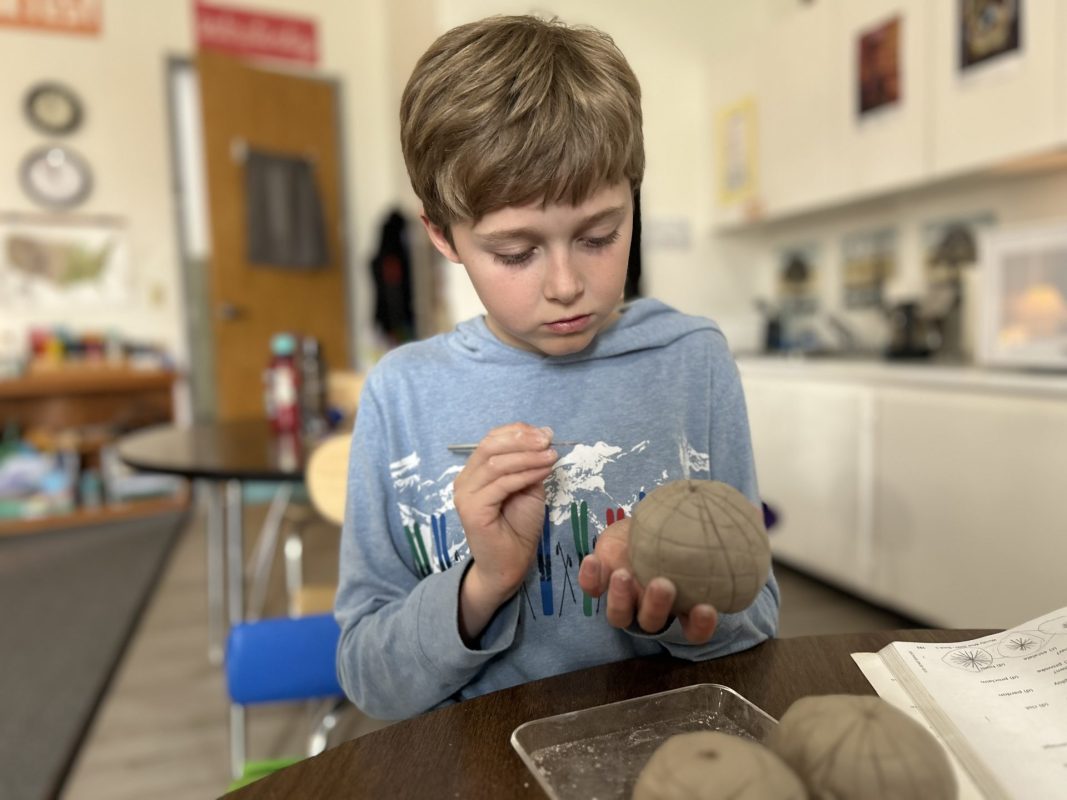
In geography this week, we learned about the compass rose. We discussed the history and use of this symbol by cartographers and sailors. Students followed up this lesson by making their own 32-point compass roses.

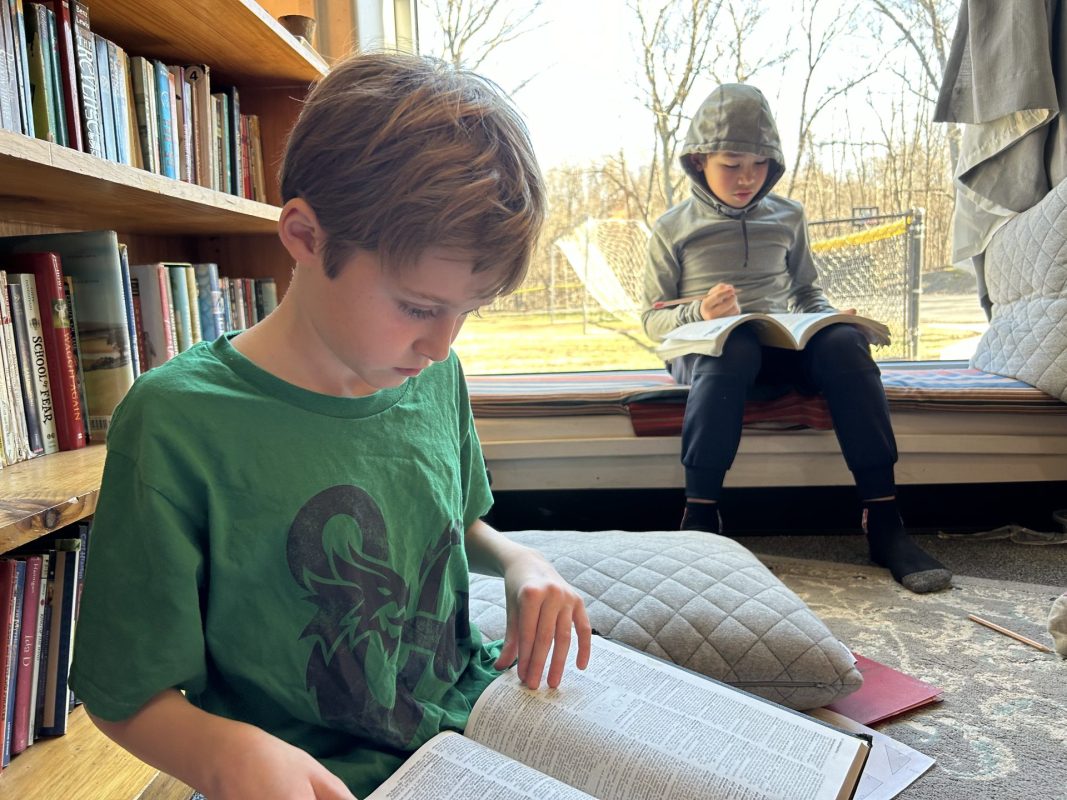
In biology, we continued our study of advanced classification with a lesson on characteristics used for classification. Students learned that the basis of zoological classification is identifying specific “characters” of an animal. We also had a dynamic discussion about the origins of using binomial nomenclature, genus + species, to classify animals.

I am looking forward to meeting with you on April 19 for Parent-Teacher-Student Conferences! Please look for the sign-up in your email on Monday.

Wishing you a wonderful weekend,
Karen & Deb


This Week in Upper El


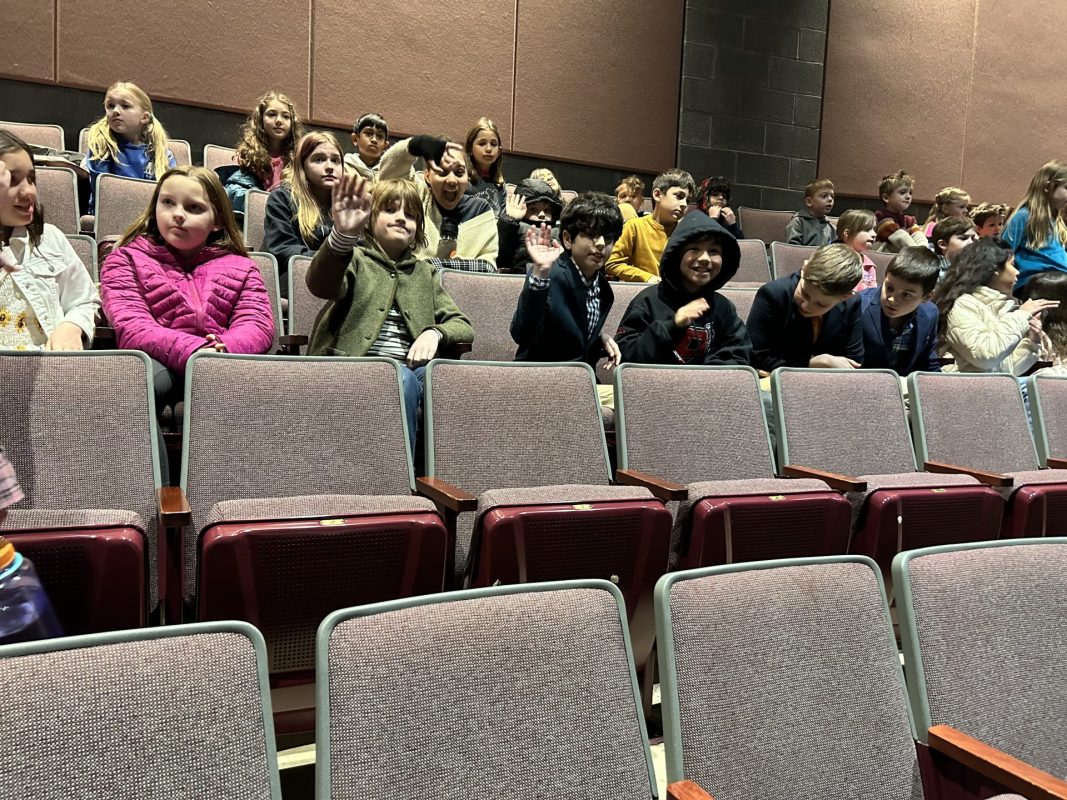
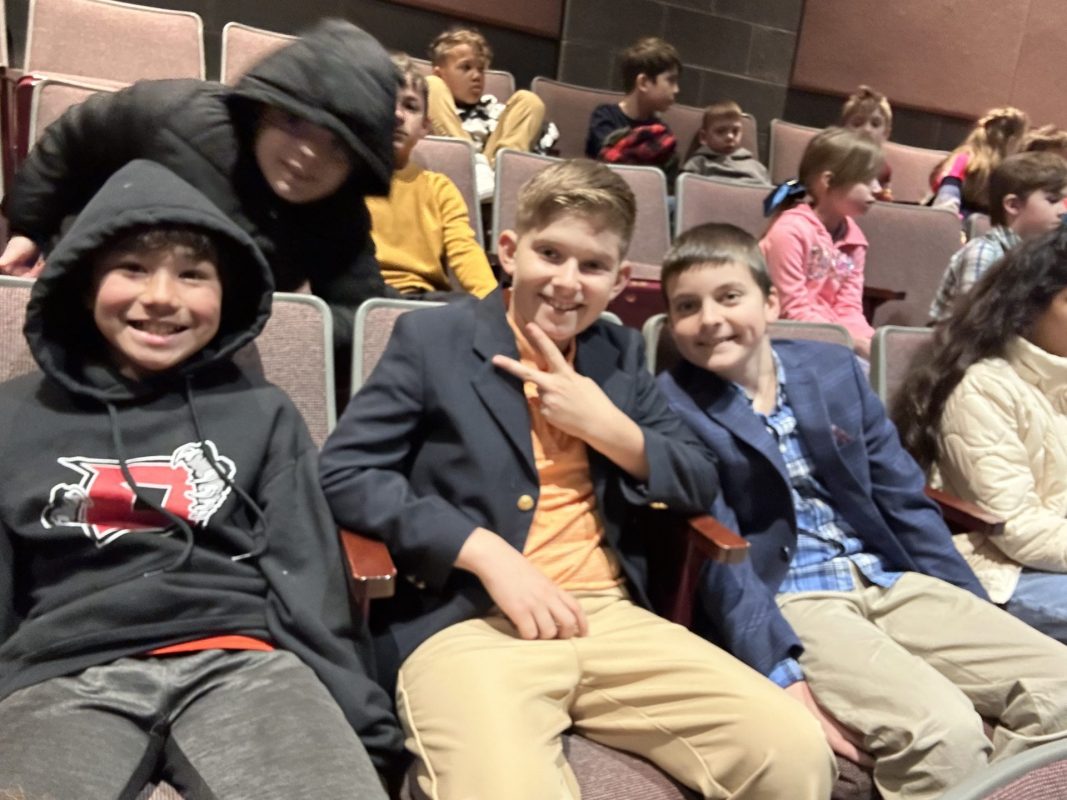
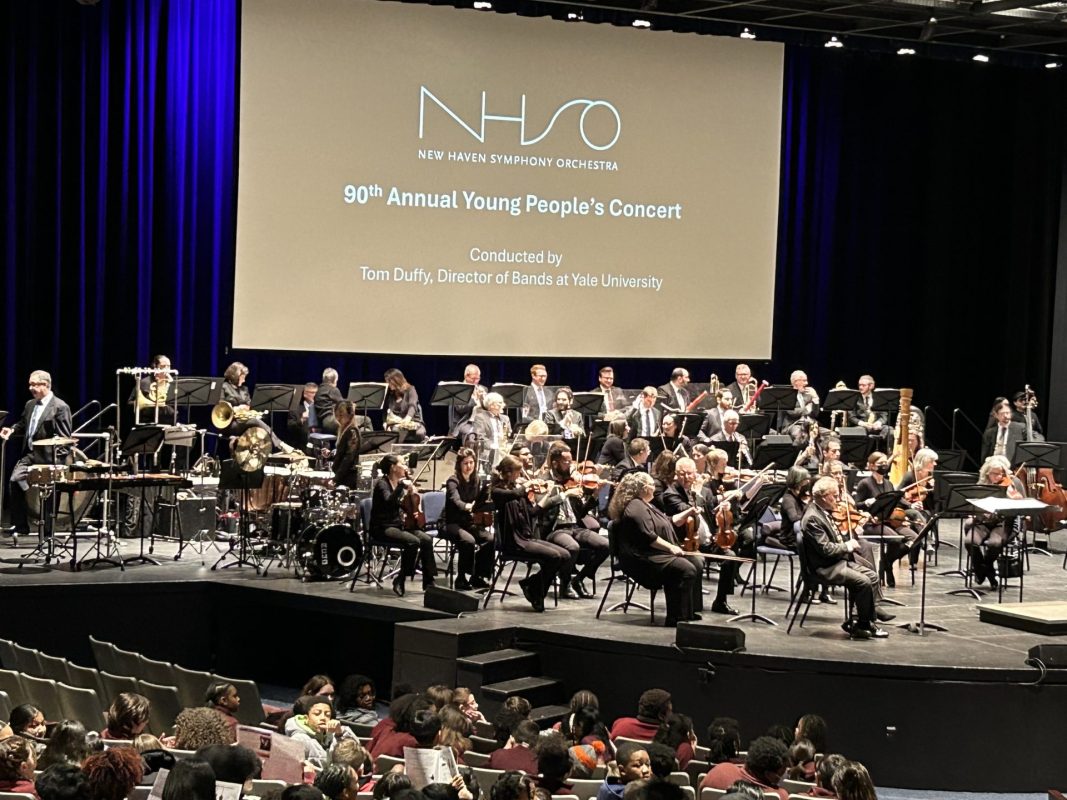
This short week was happily busy with exciting new lessons and a trip to Southern Connecticut State University to listen to the New Haven Symphony Orchestra.

At SCSU’s Lyman Center for Performing Arts, we participated in an interactive program where we listened to some beautiful music and learned about all of the instruments in an orchestra. We heard selections from Carmen, West Side Story, and other delightful pieces. The conductor provided biographical, historical, and musical information about each piece and the instruments played throughout the concert. Thank you to Sarah and Jennifer for joining us on this field trip!

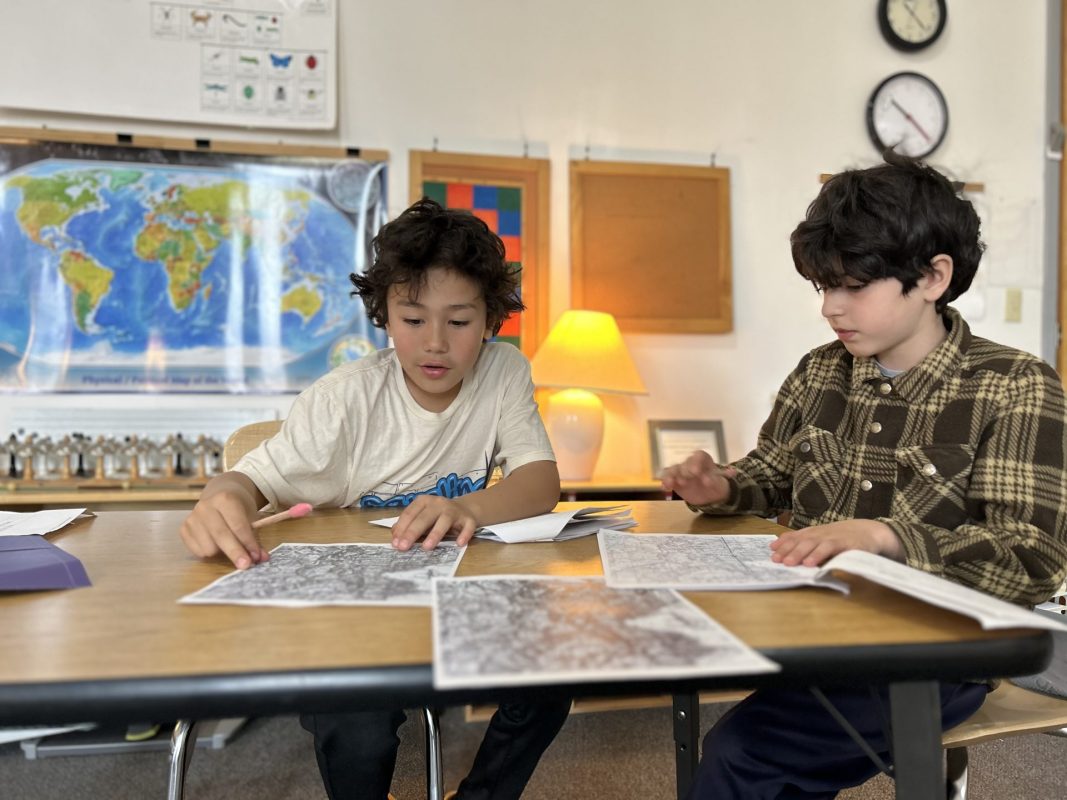
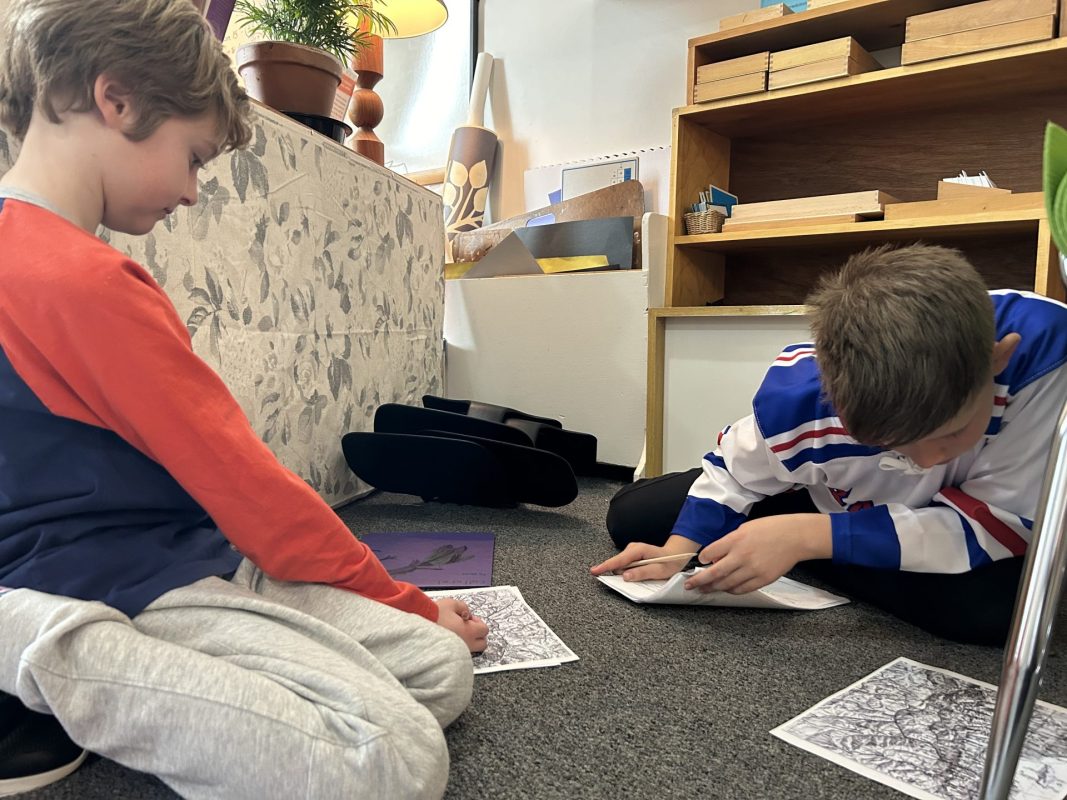
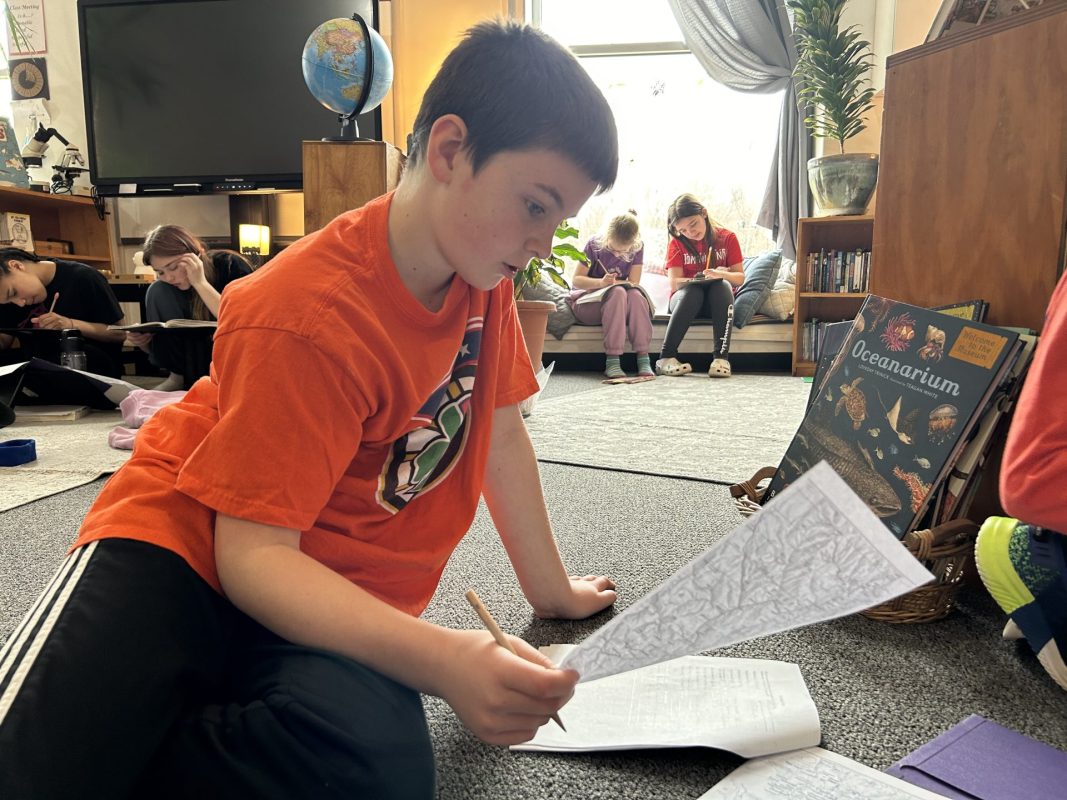
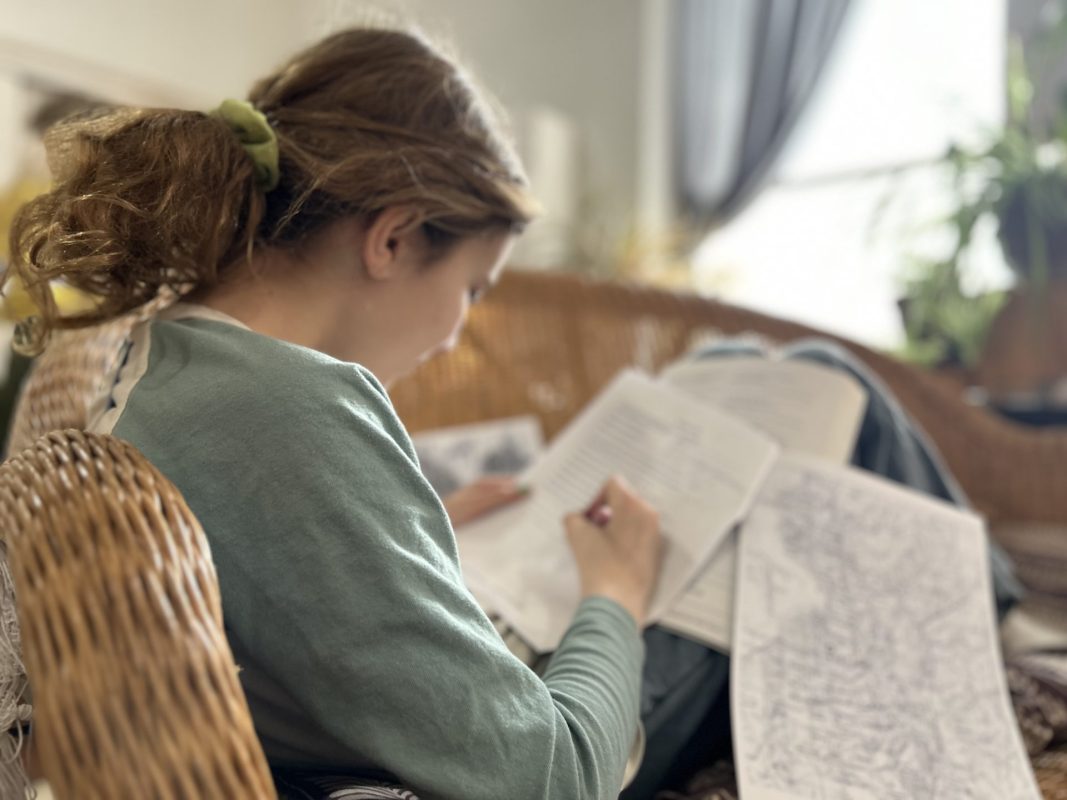
In geography this week, we learned what maps show and about reading a map by looking at three types of maps: shaded relief, road, and topographical. We used actual maps of the Salt Lake City area to learn the uses of different kinds of maps. We began learning basic map reading skills, getting comfortable looking at a map, and understanding directions.

Our biology lessons focused on an introduction to taxonomy. Students learned about the purposes, challenges, and techniques of taxonomy while being introduced to binomial taxonomic names of animals. We also learned about homology vs. analogy. In this lesson, students learned the criteria for placing an animal into a group. To illustrate the differences between animals, we examined charts of butterfly and bird wings. To explain similarities, we looked at charts of the forelimbs of humans, crocodiles, birds, whales, horses, and bats, who use their forelimbs differently; however, their similar structure shows that they originated from the same ancestors, so we consider the animals similar.
In writing, we began our poetry unit this week. We started by sharing poems, an activity that students enthusiastically embraced. It was beautiful to hear the wide variety of poems that spoke to each of us. Some students even chose to write their own to share! We learned about the different types of poems and their elements. Students enjoyed taking turns sharing examples of similes, metaphors, idioms, proverbs, onomatopoeia, alliteration, and hyperbole.
Finally, in grammar lessons, fourths learned about indefinite, demonstrative, and possessive adjectives, and fifths learned about personal pronouns and their antecedents.

Our big trip to Nature’s Classroom is from May 28 through May 30. Before the break, students brought paperwork home that needed to be filled out and returned to school. Here are the details:

  • The Nature’s Classroom portion of the trip costs $347. This cost will increase a little when we factor in the cost of the bus, which will be divided among the students participating. I will update you with the final price when I have the final count.
  • If your child will be attending this trip, please email me and send in a deposit of $50 by Friday, April 5.
  • If you have questions before you decide whether your child will attend, please email me, and I will be happy to meet with you individually. If there is interest, I will schedule an informational meeting.
  • Let me know if you need another copy of the paperwork, and I will send it home with your child on Monday.
  • Here is more information about Nature’s Classroom.

For those who celebrate, Happy Easter!

Wishing you a beautiful weekend,

Karen & Deb


This Week in Upper El

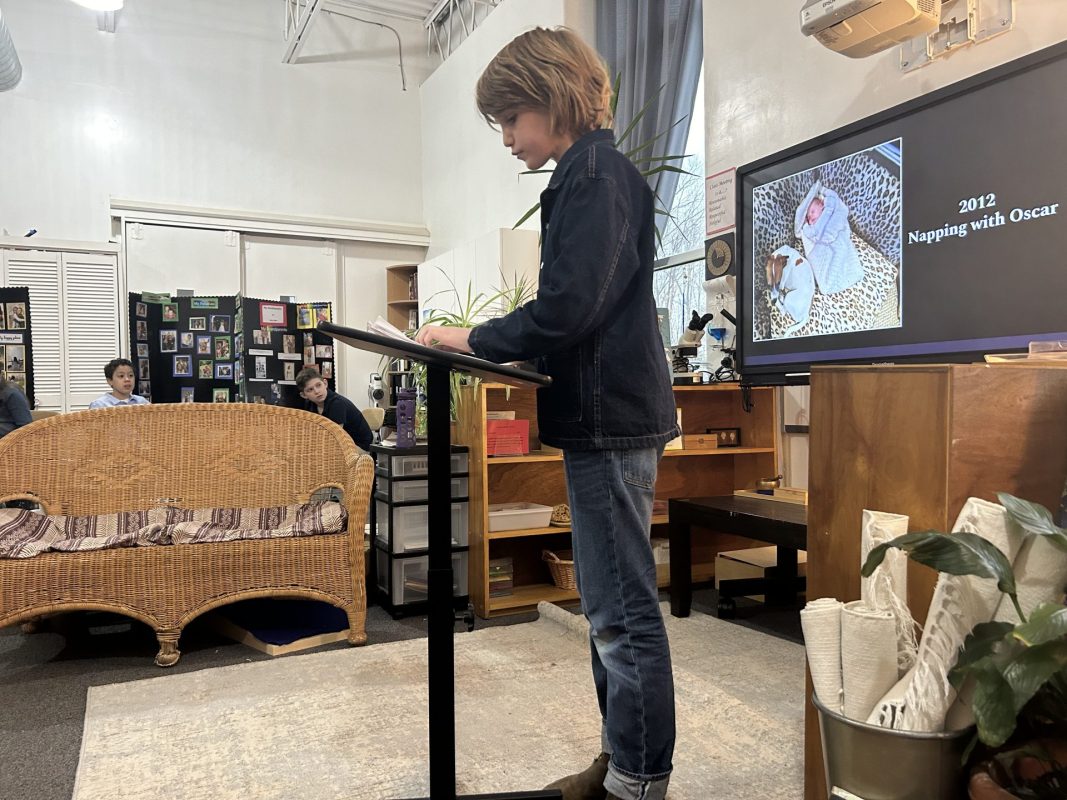
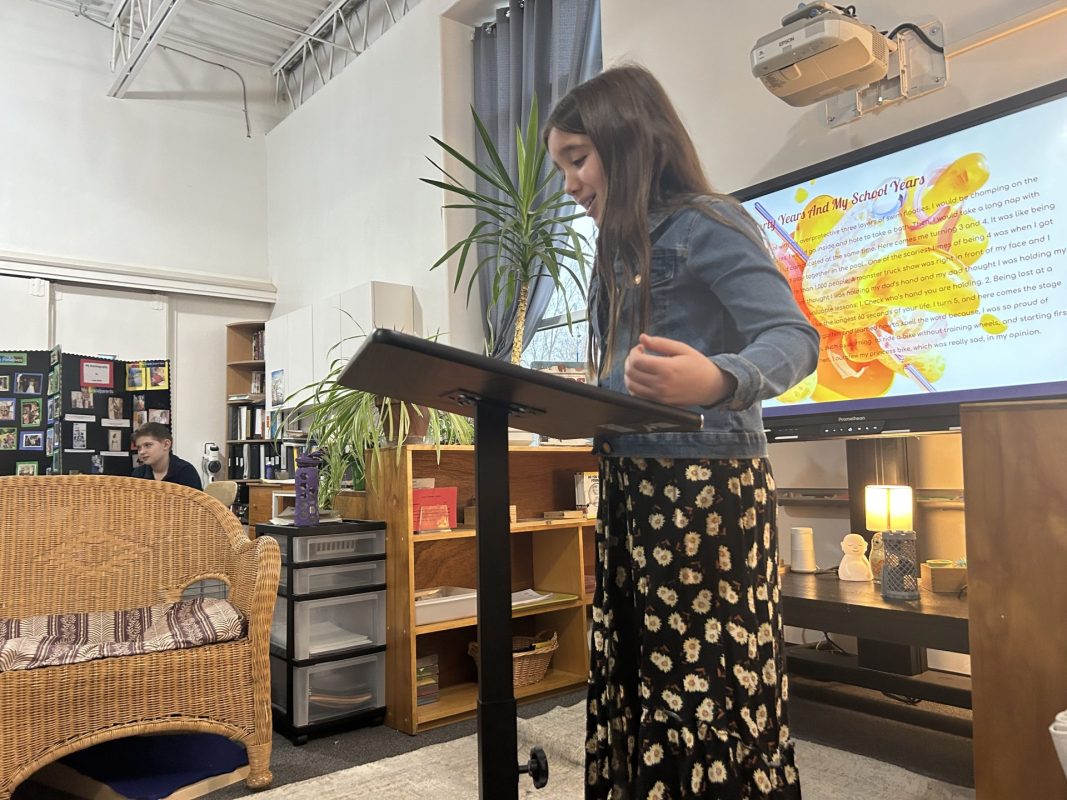
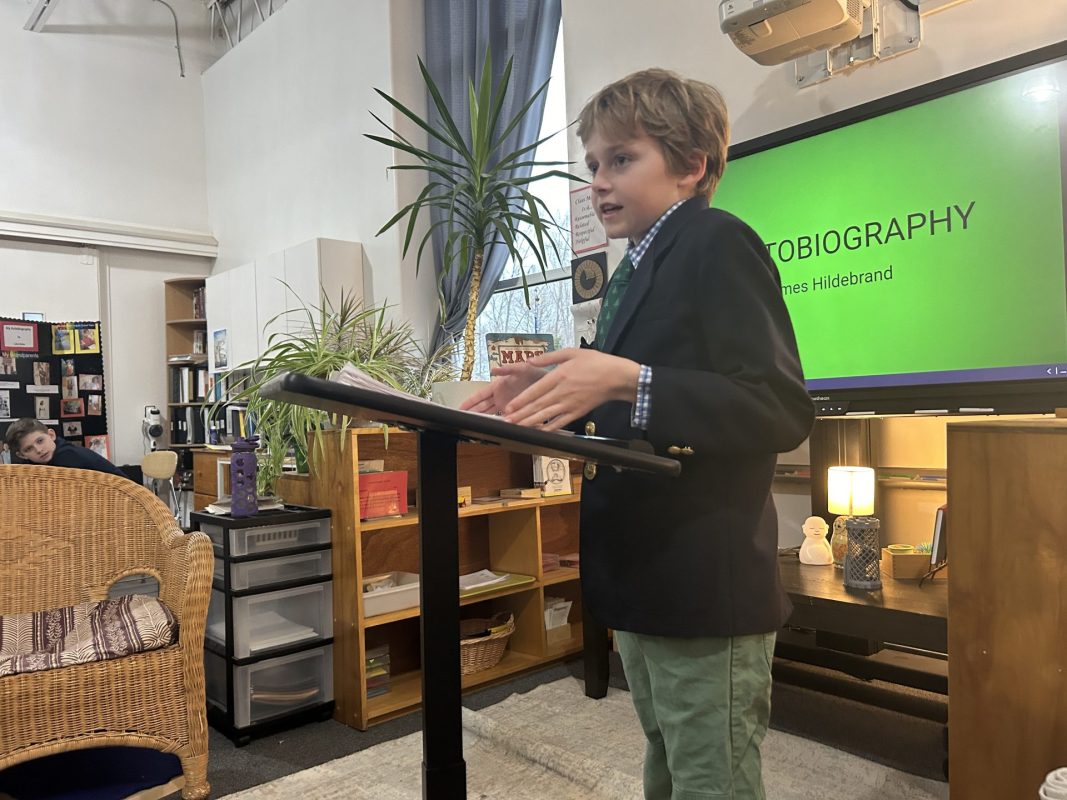
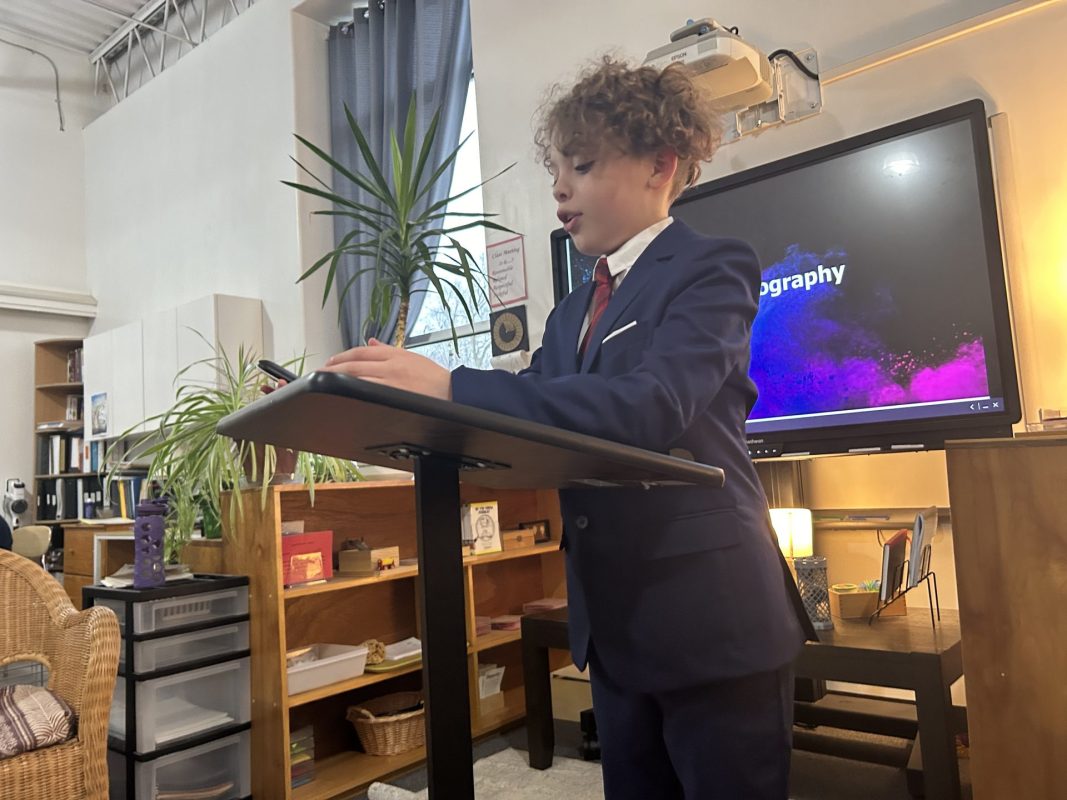
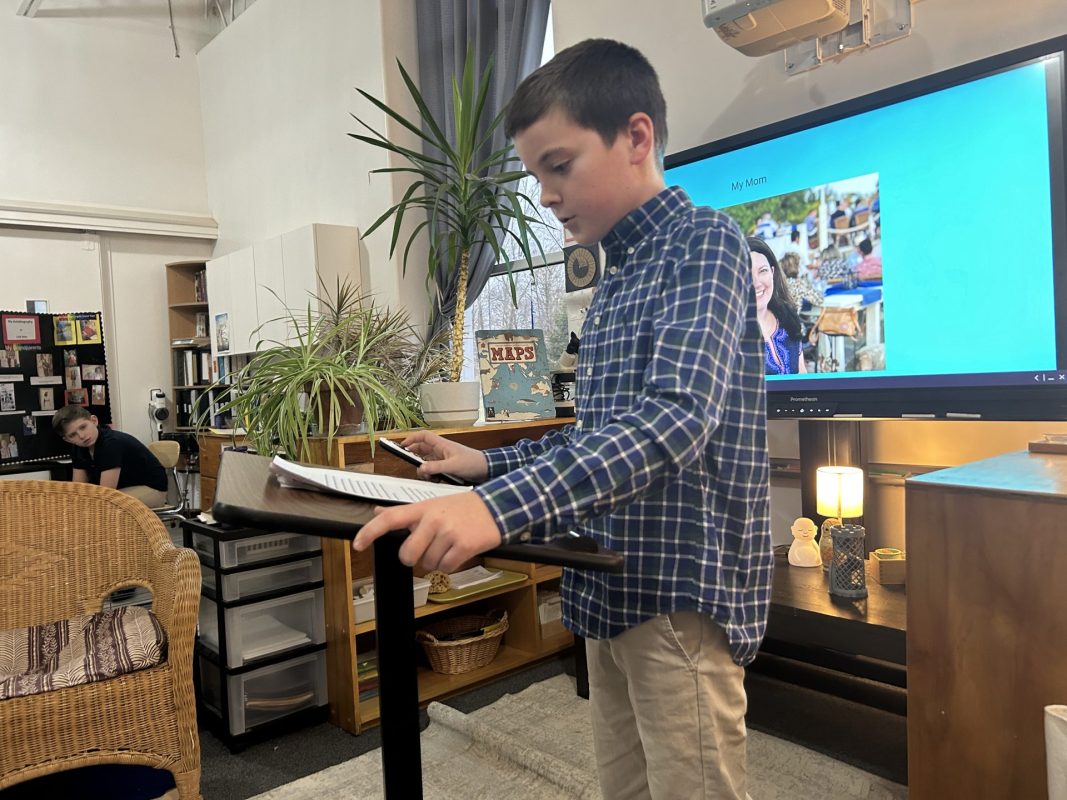
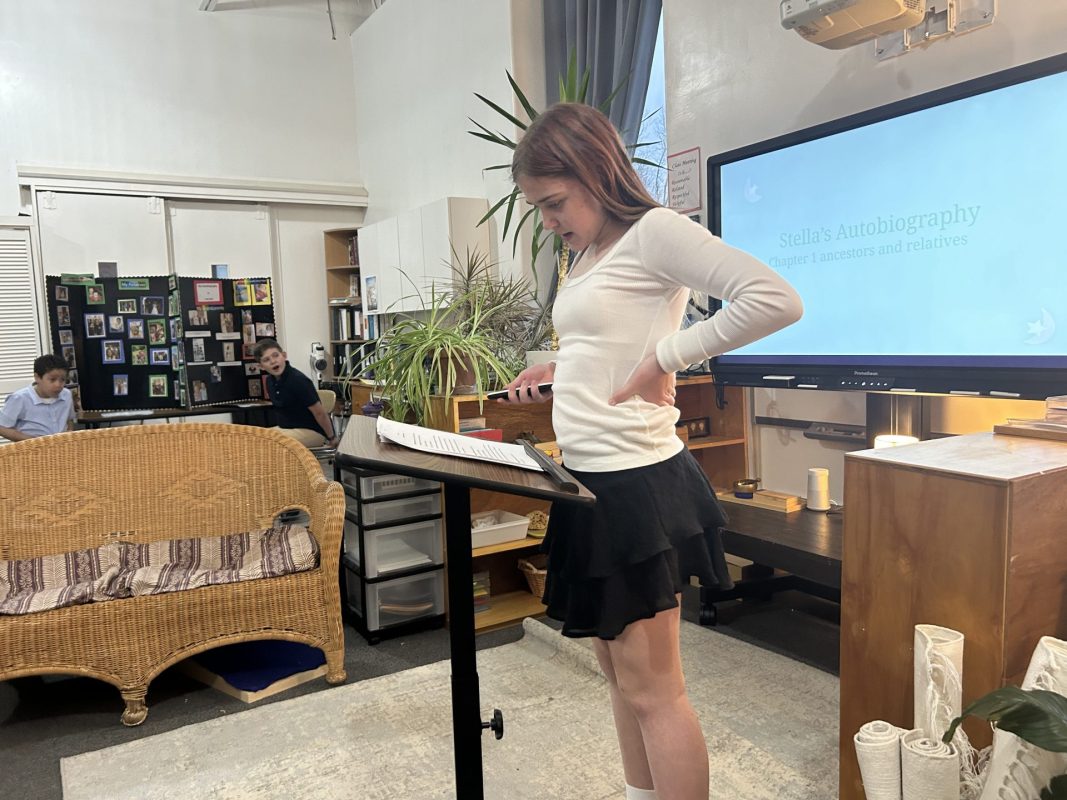
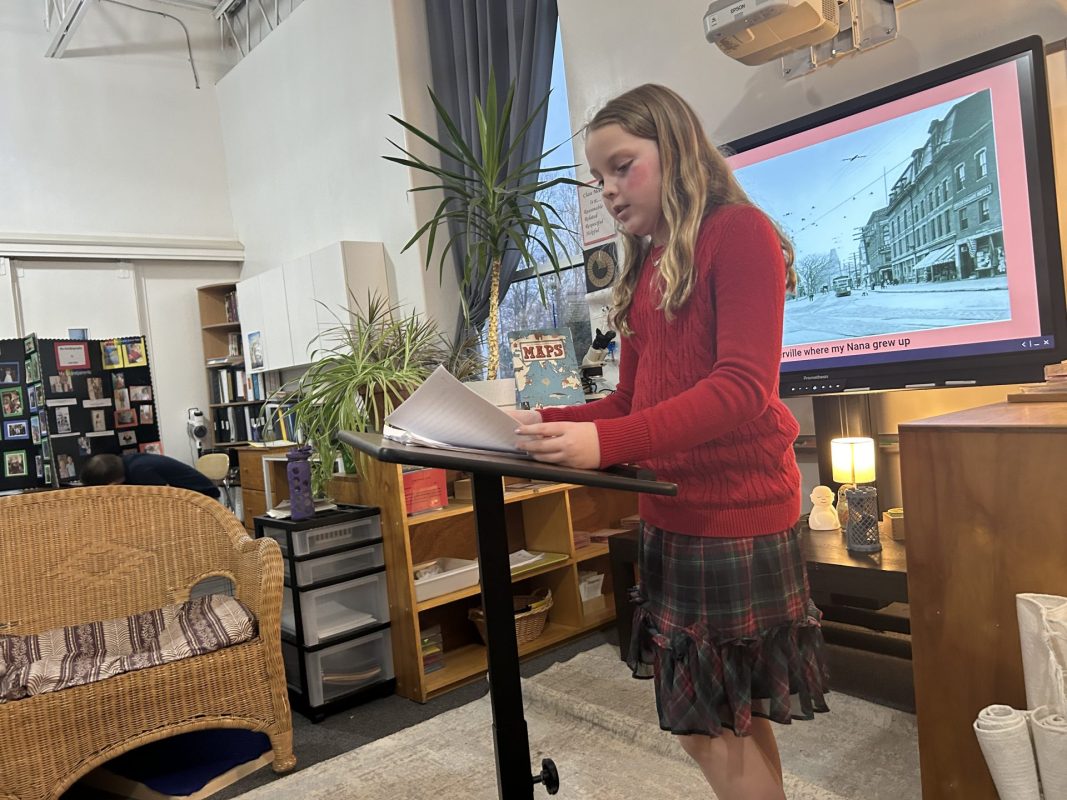
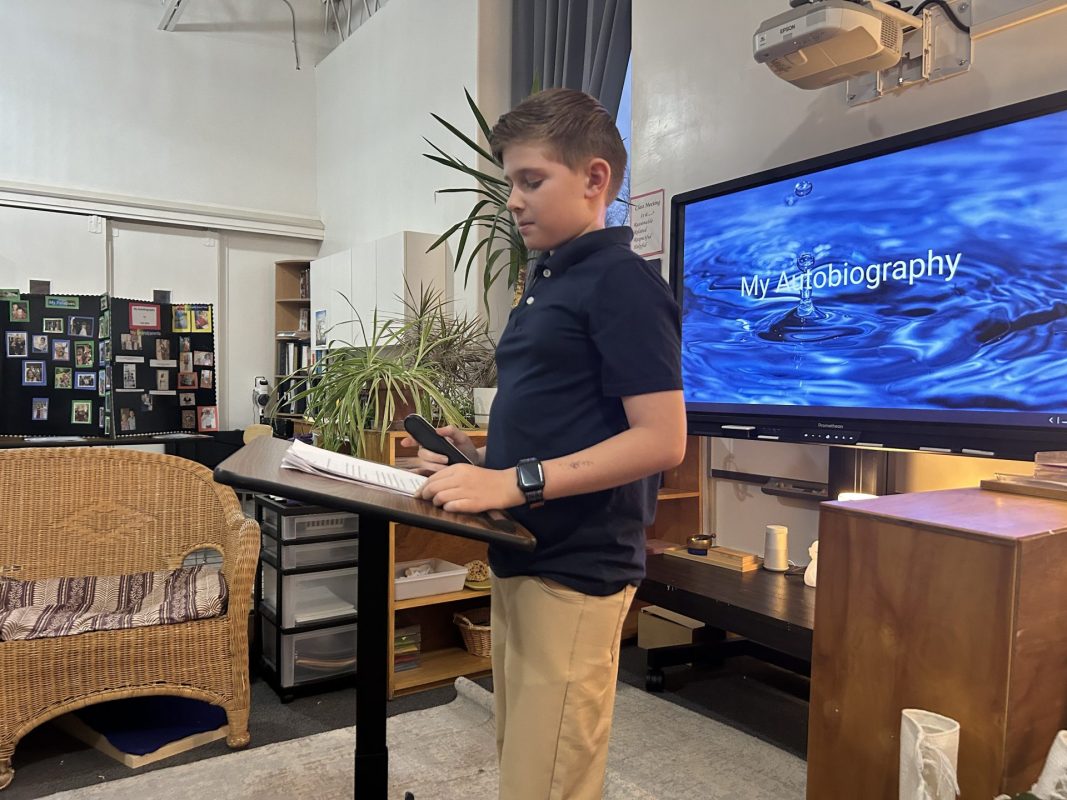
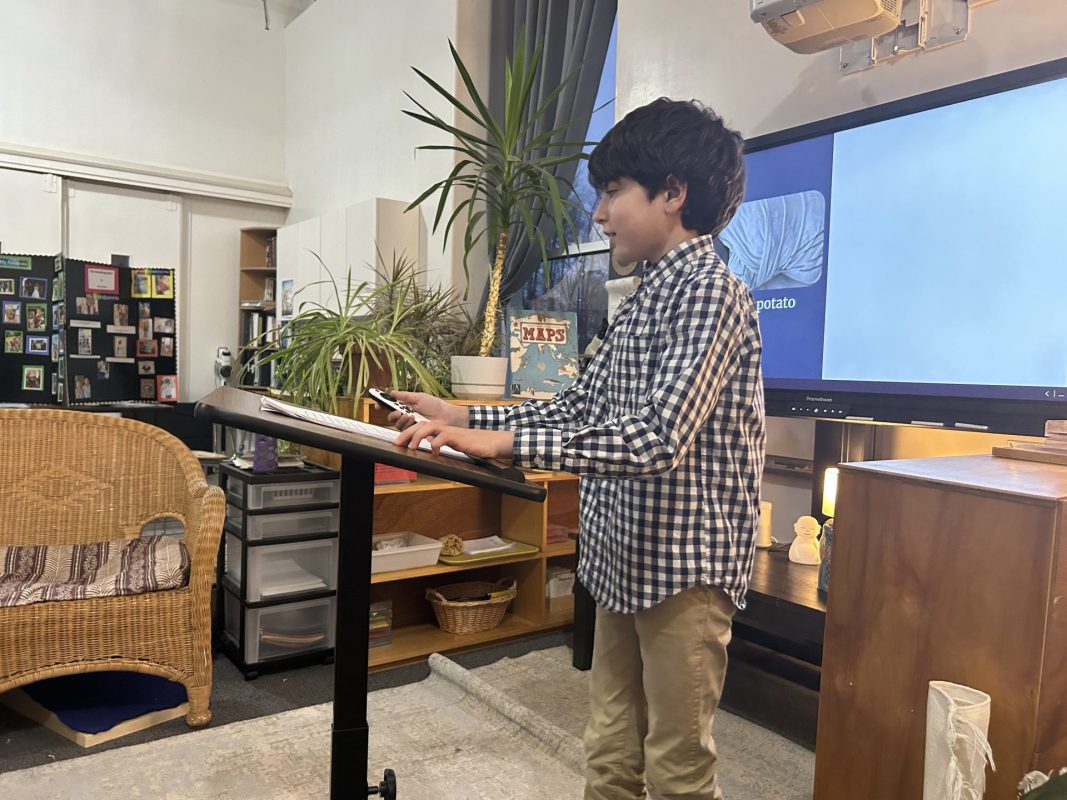
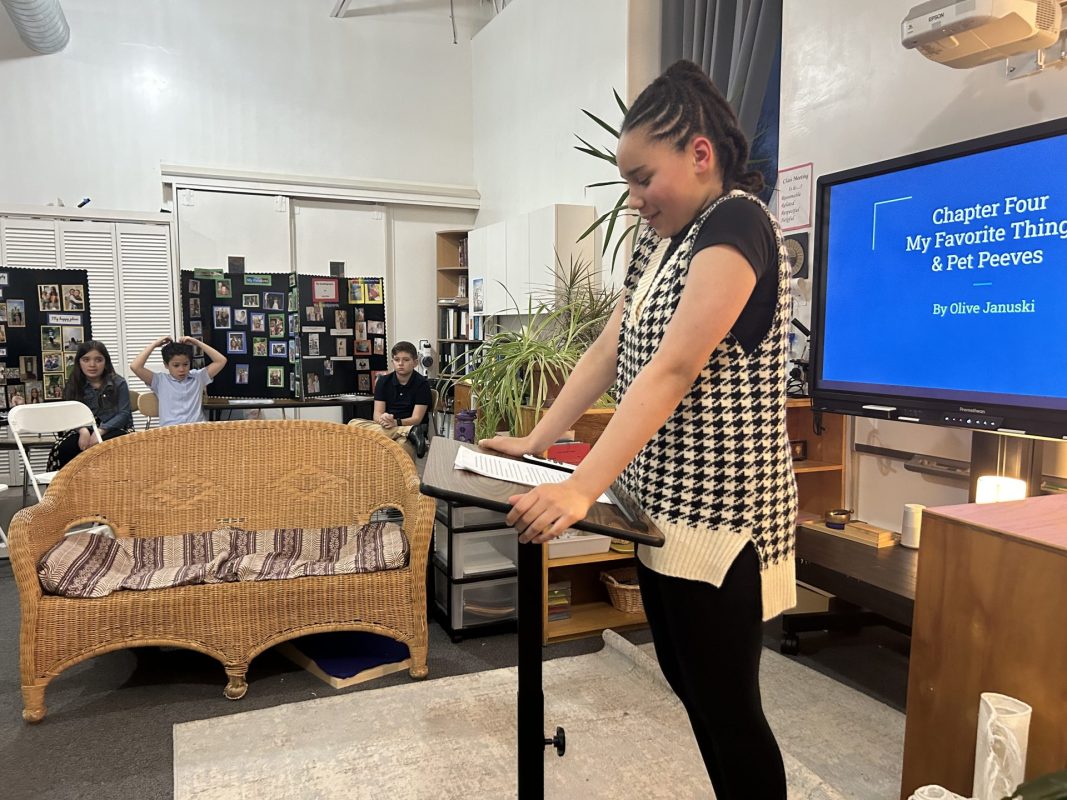
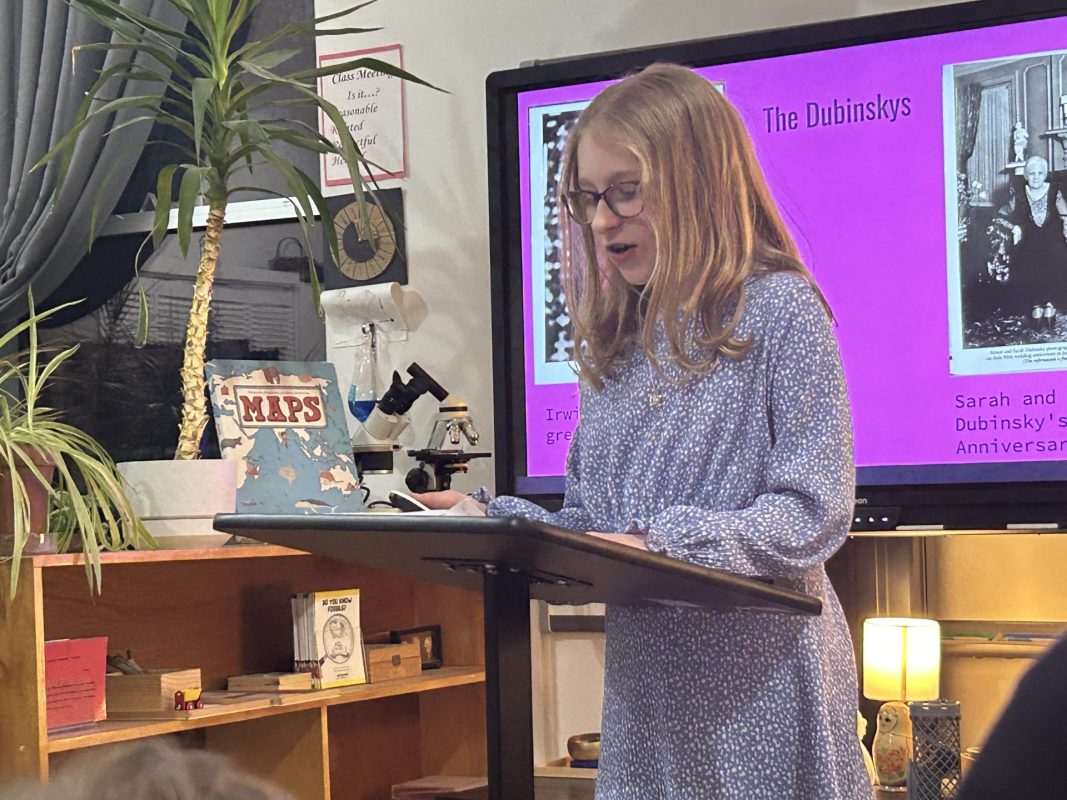
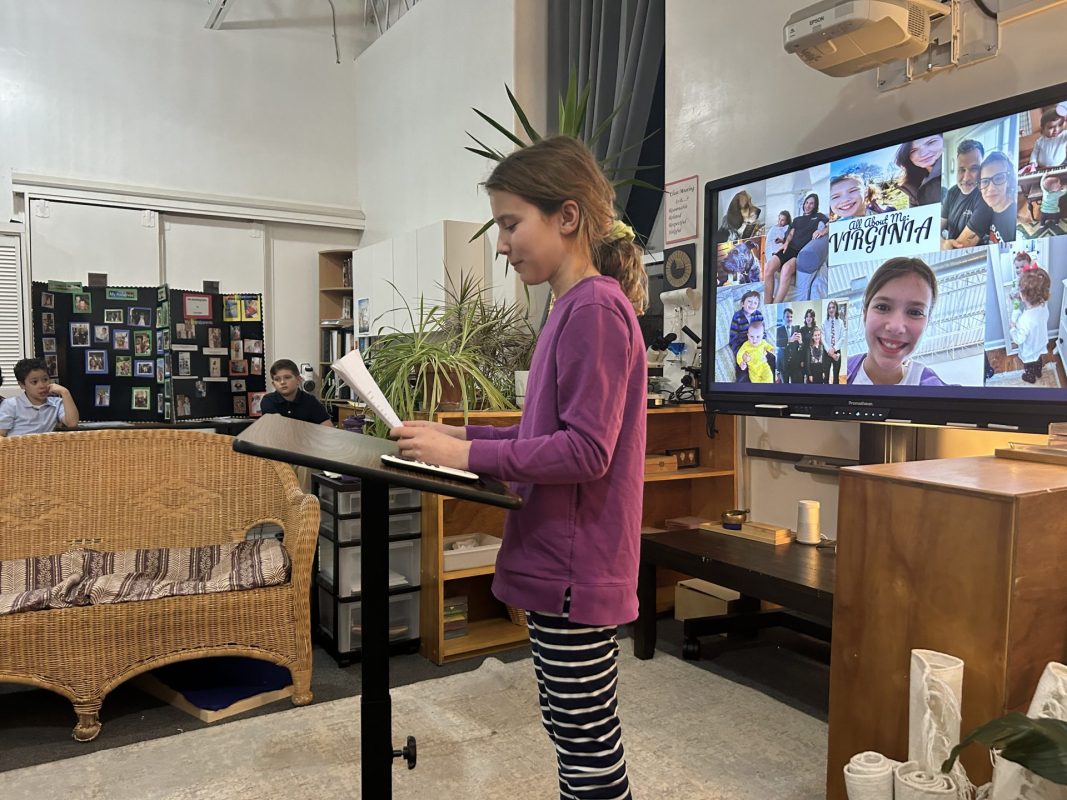
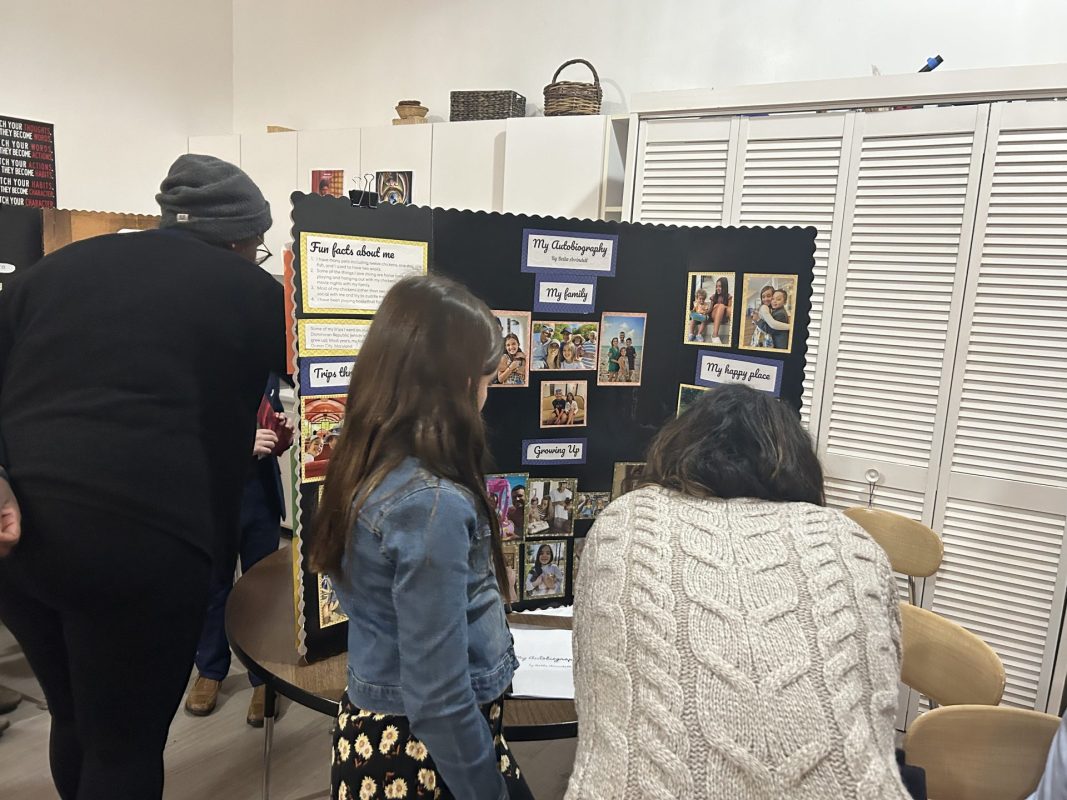
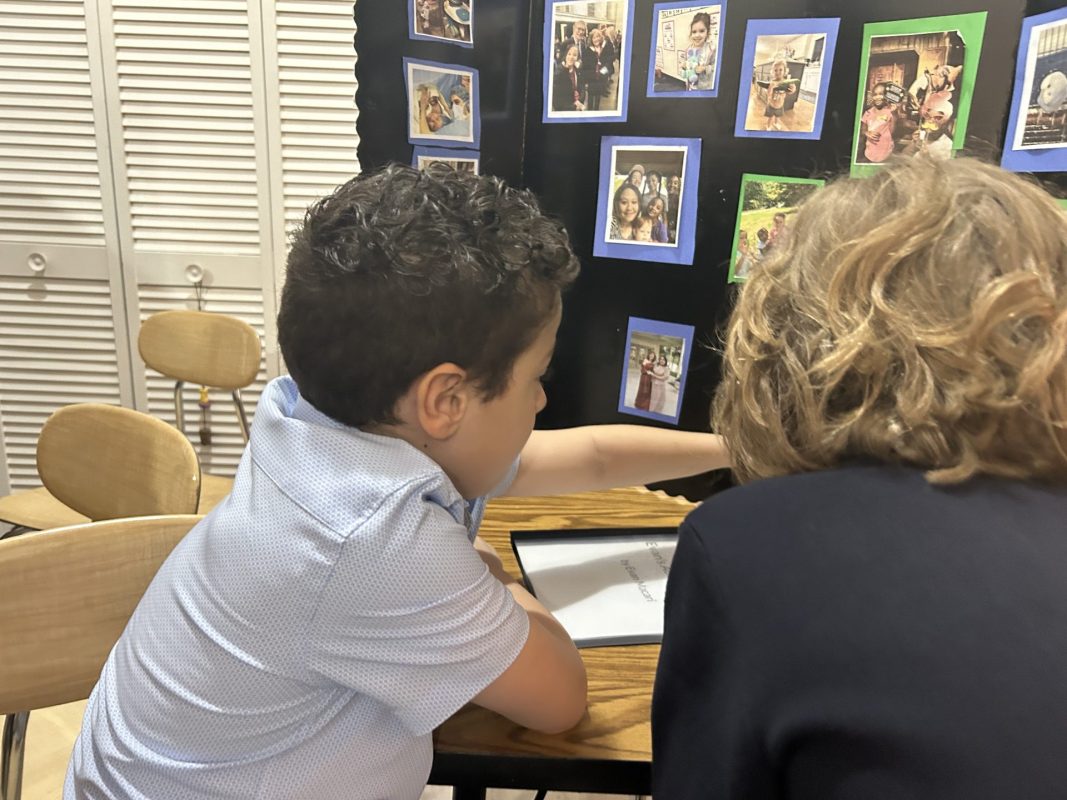
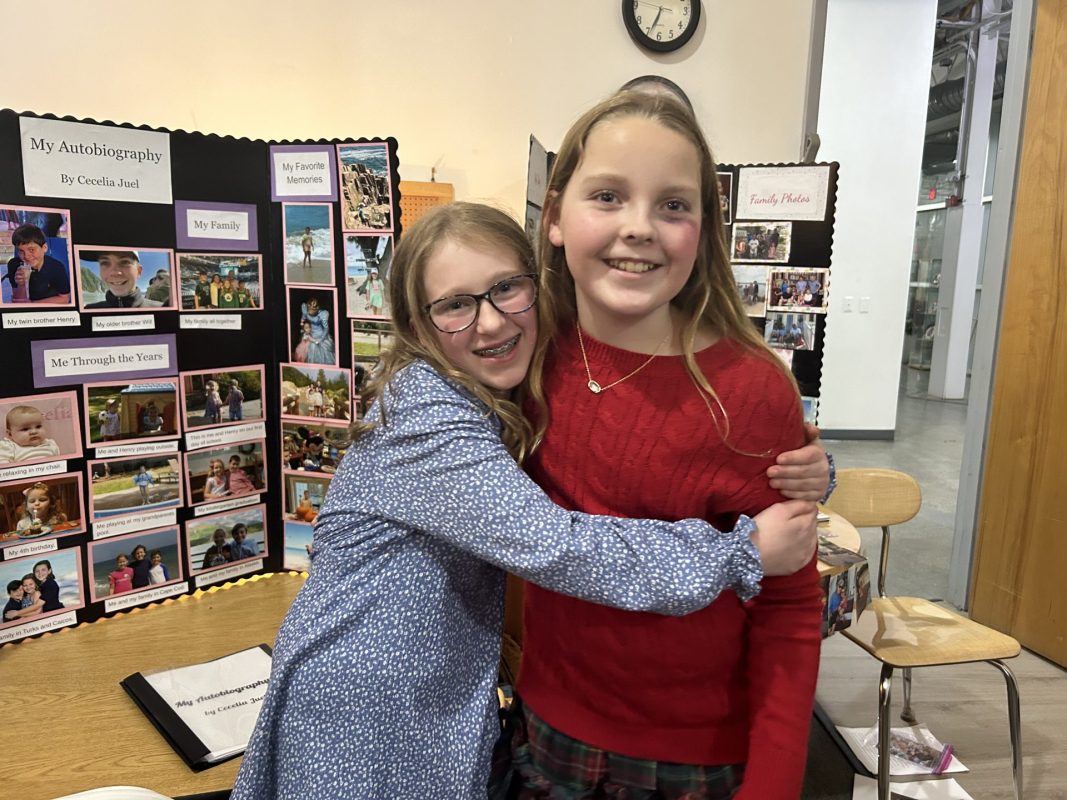
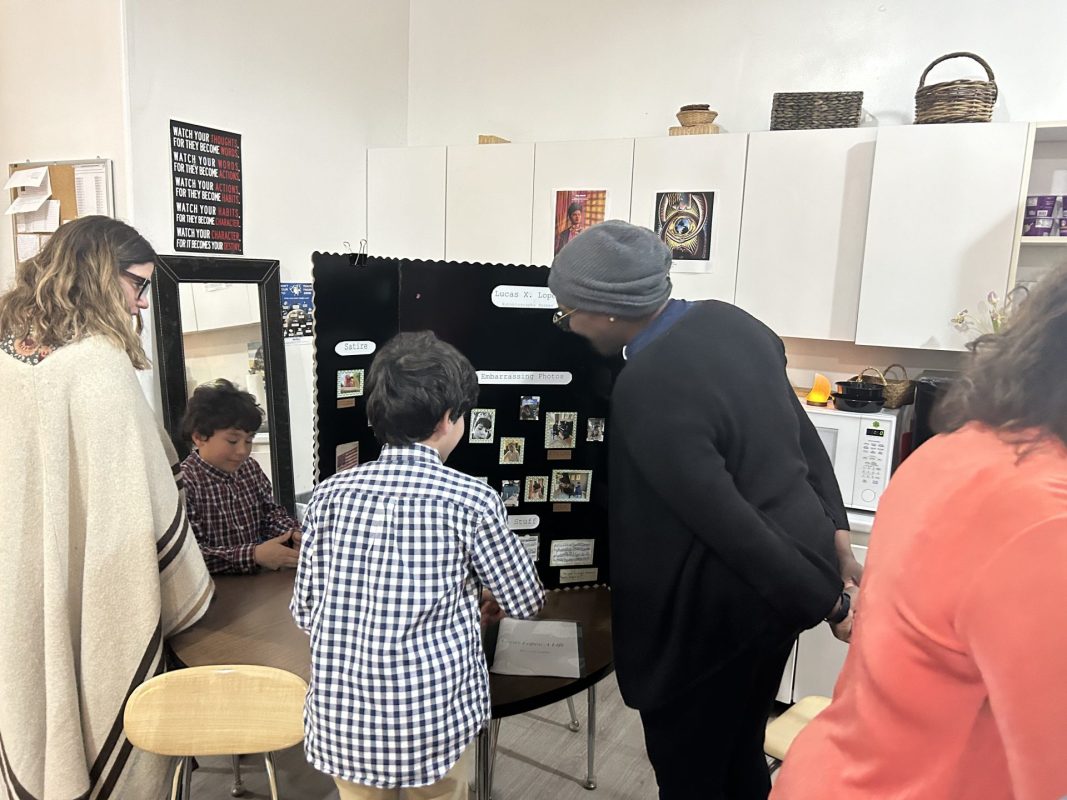
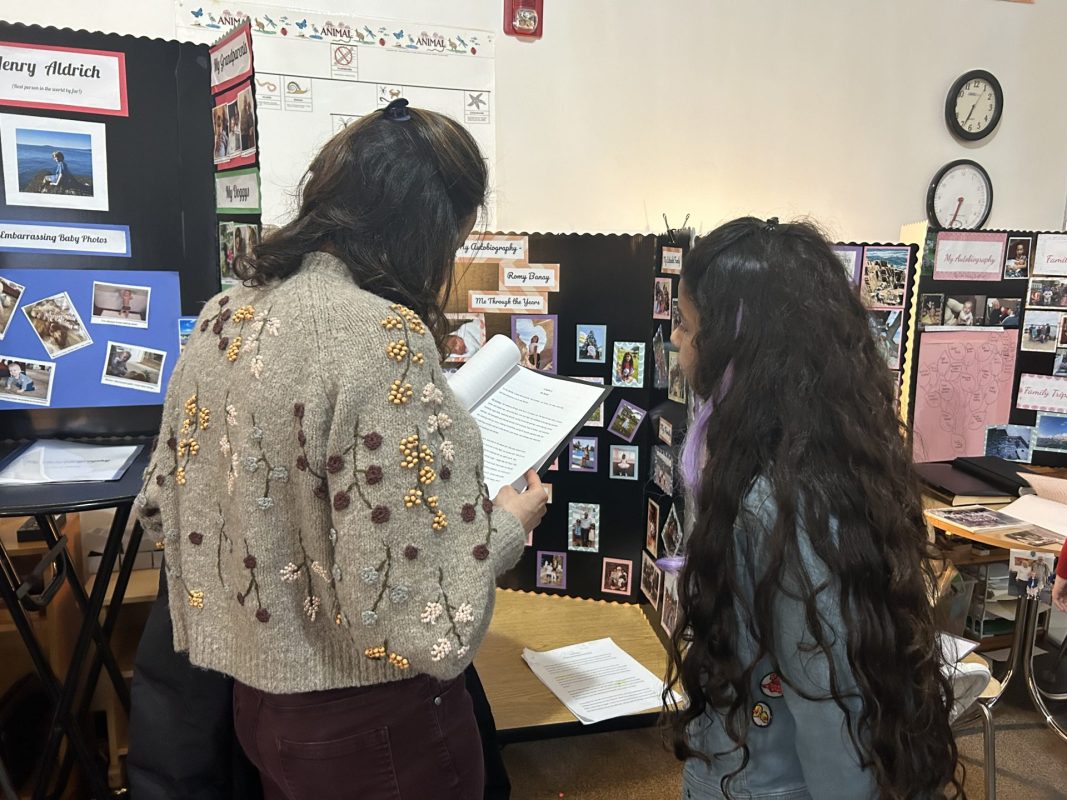
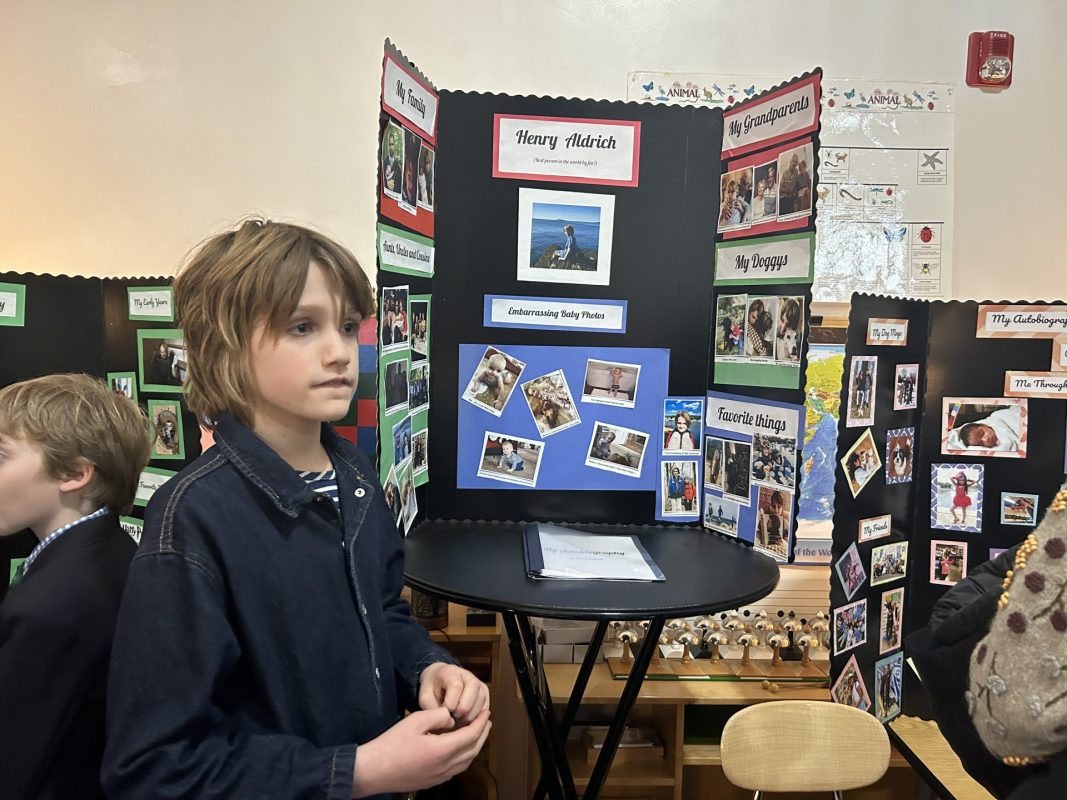
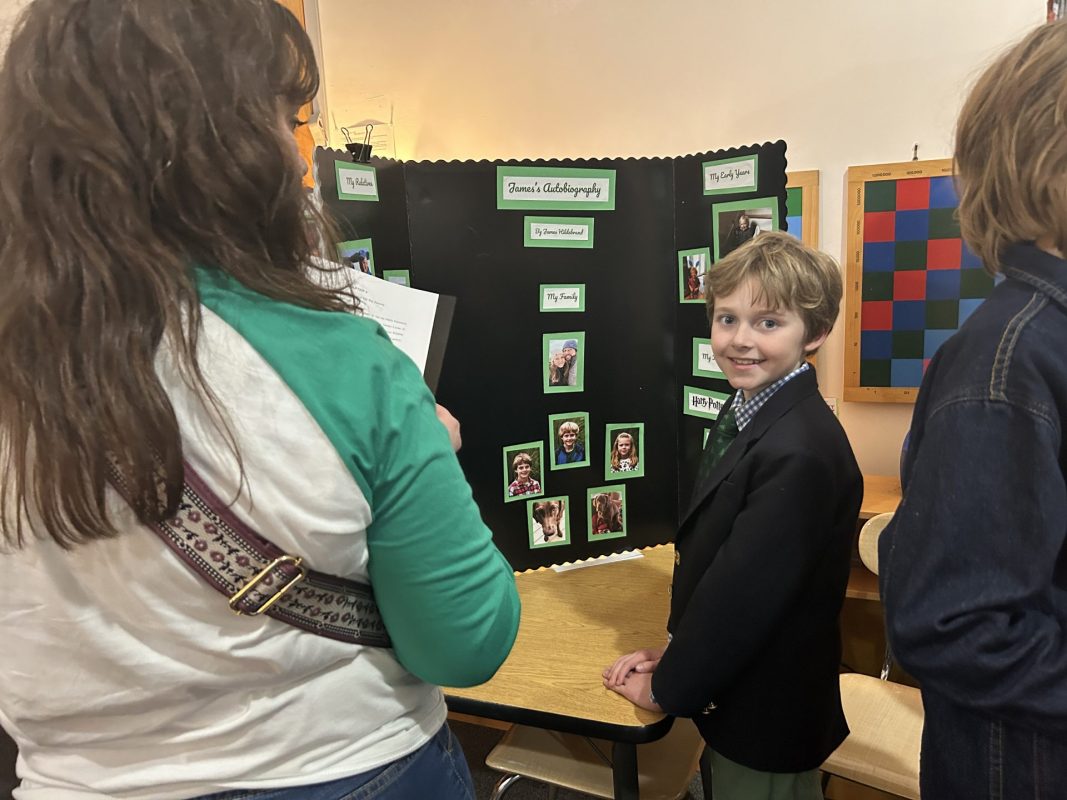
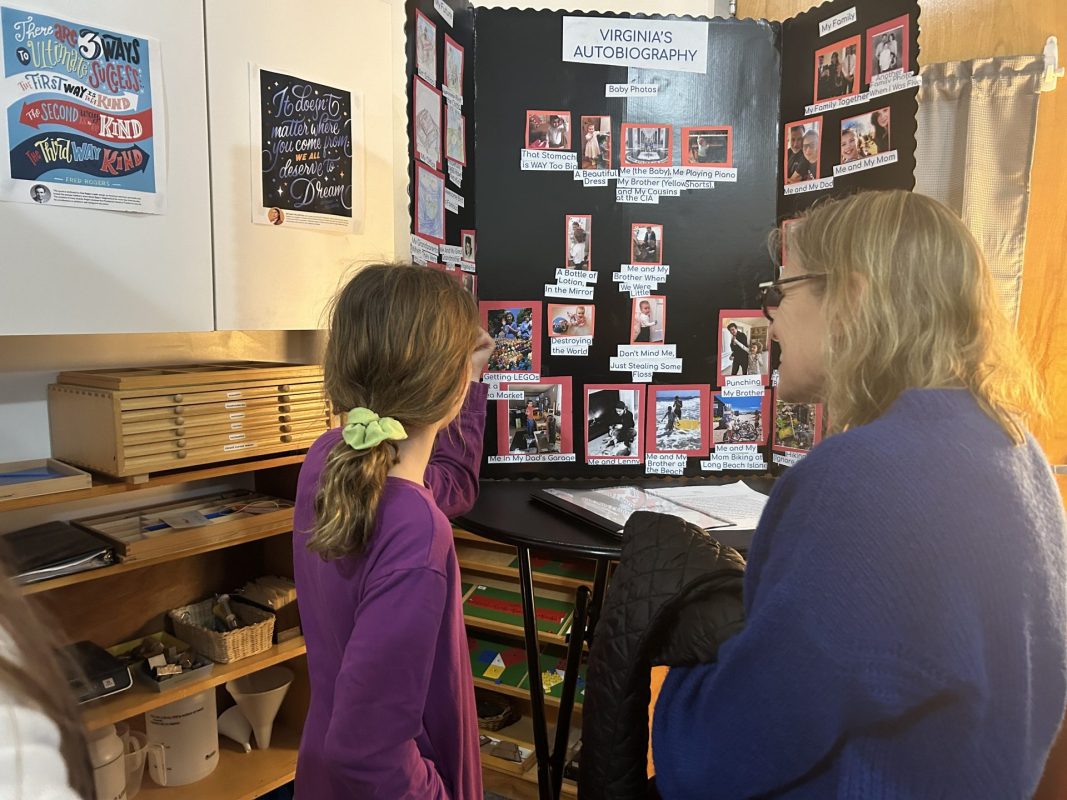
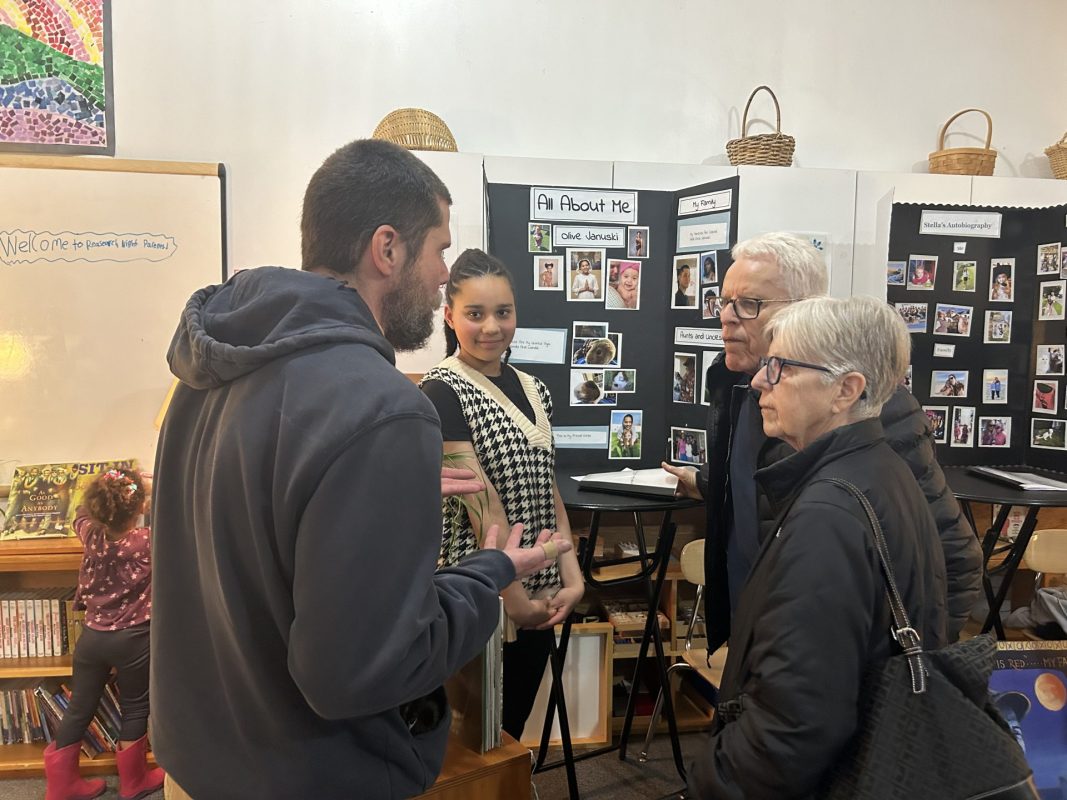
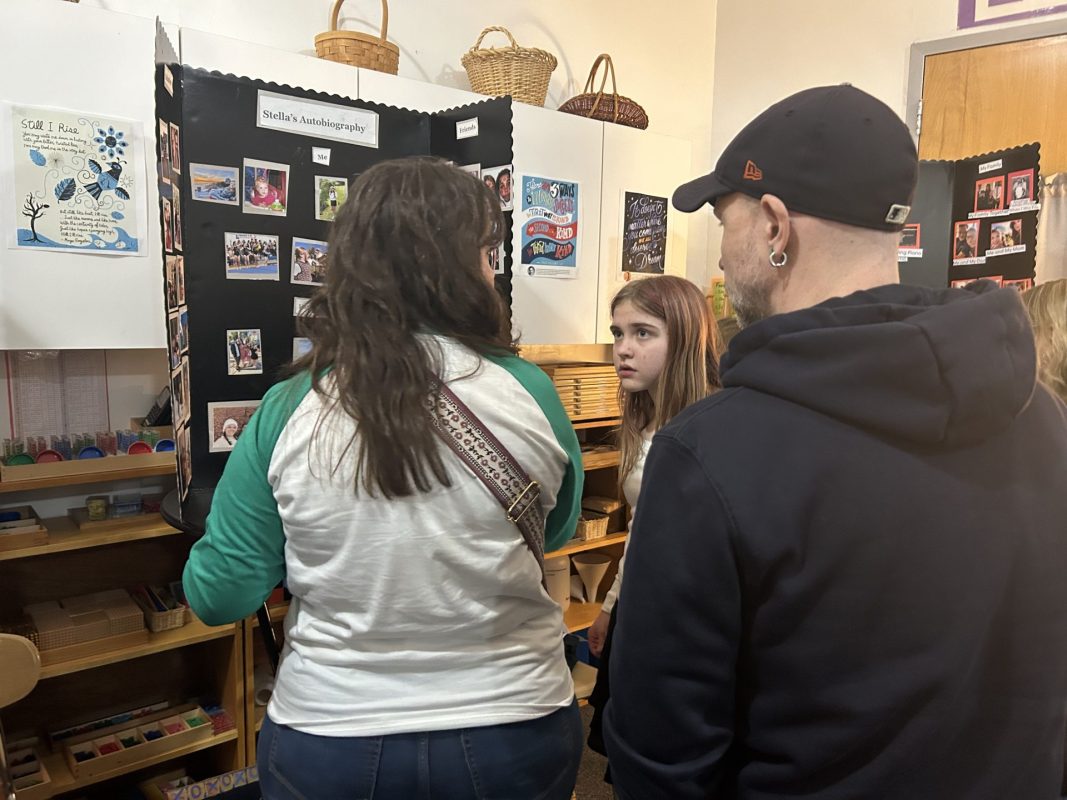
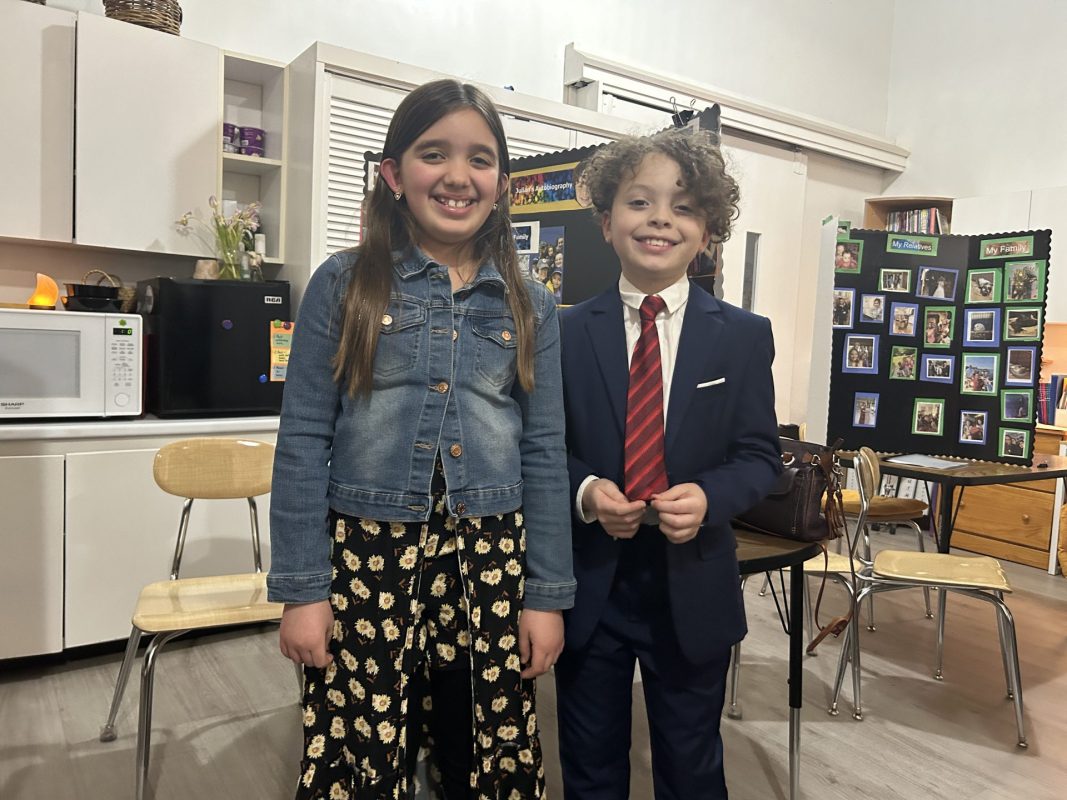
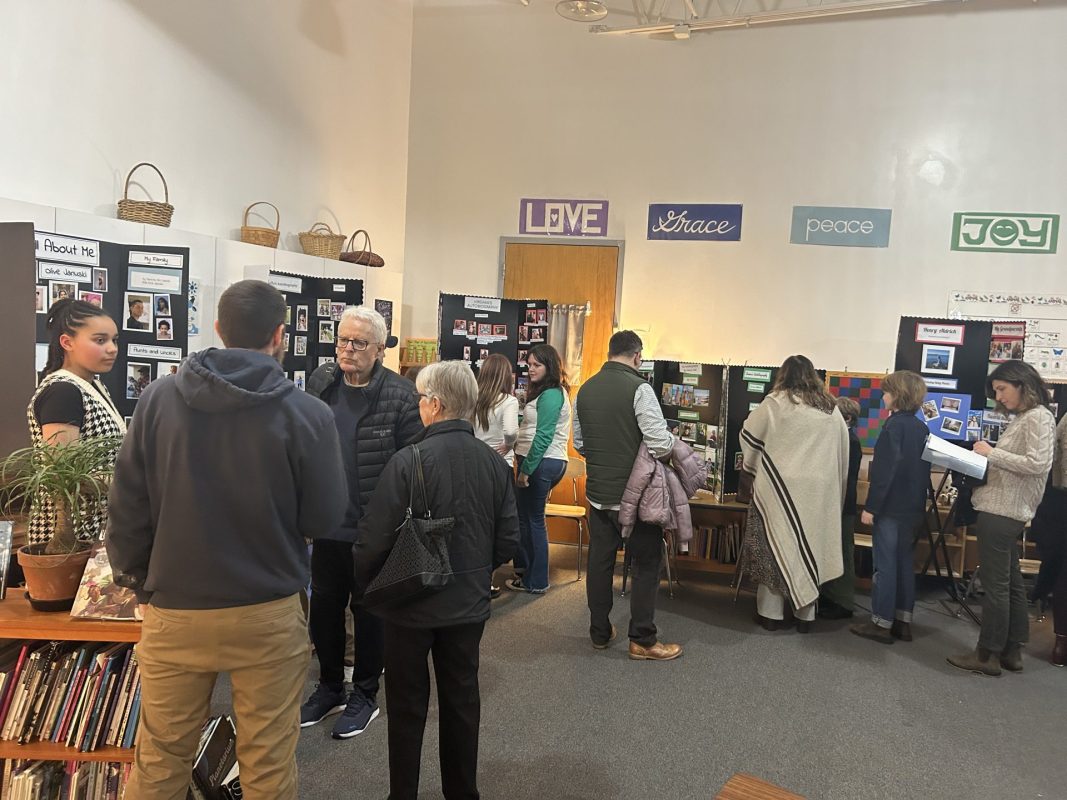
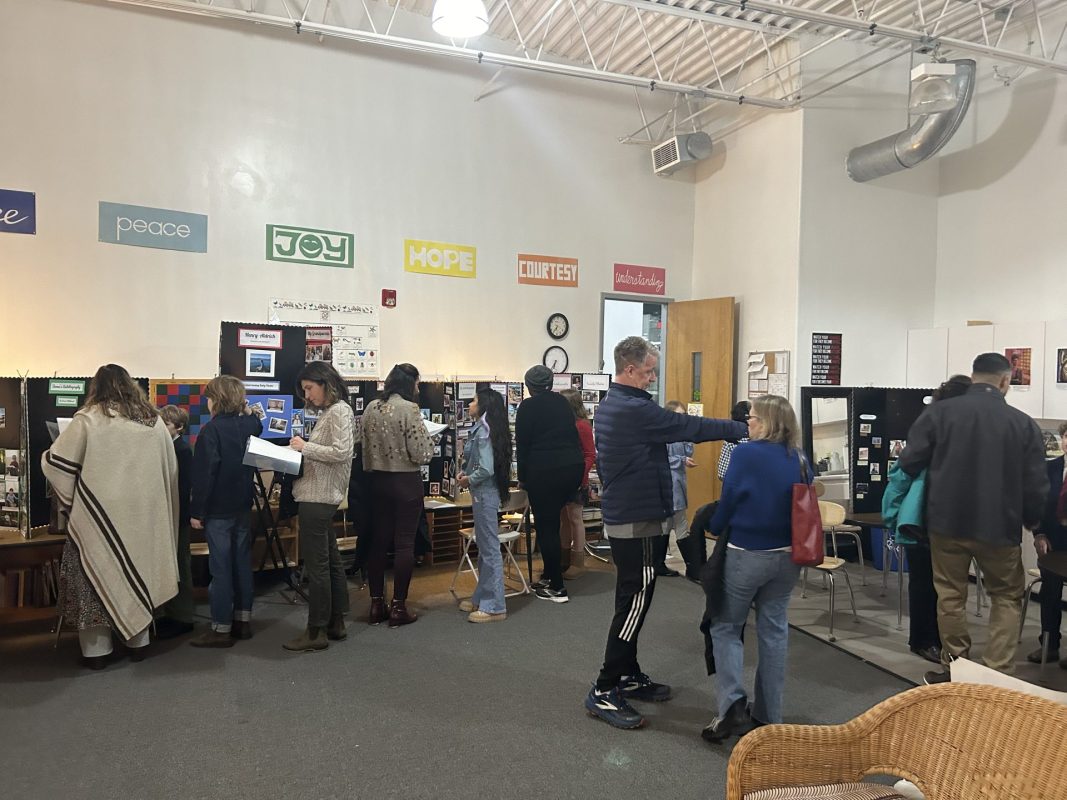
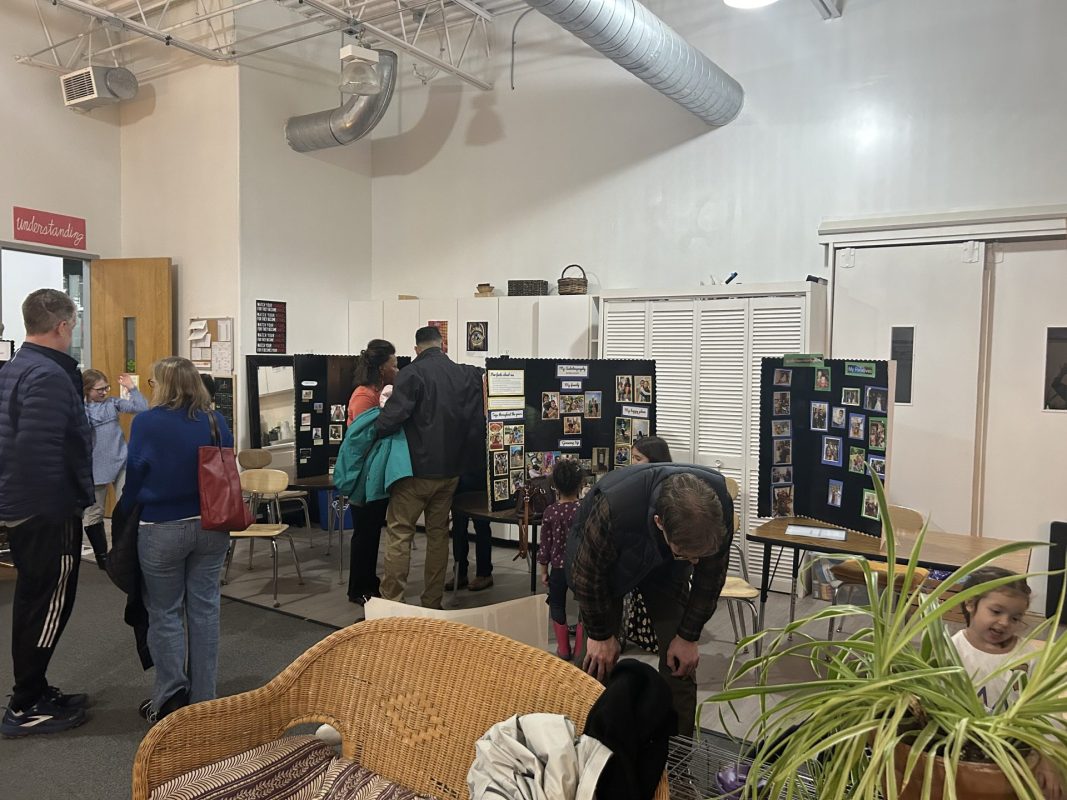
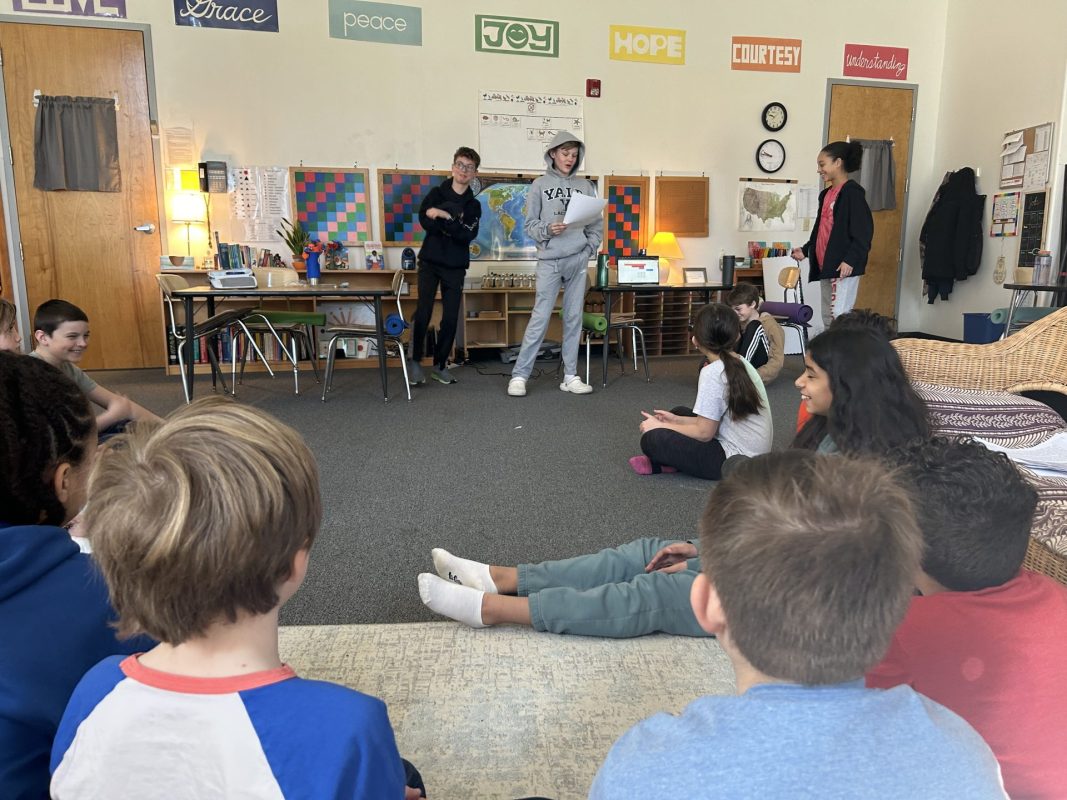
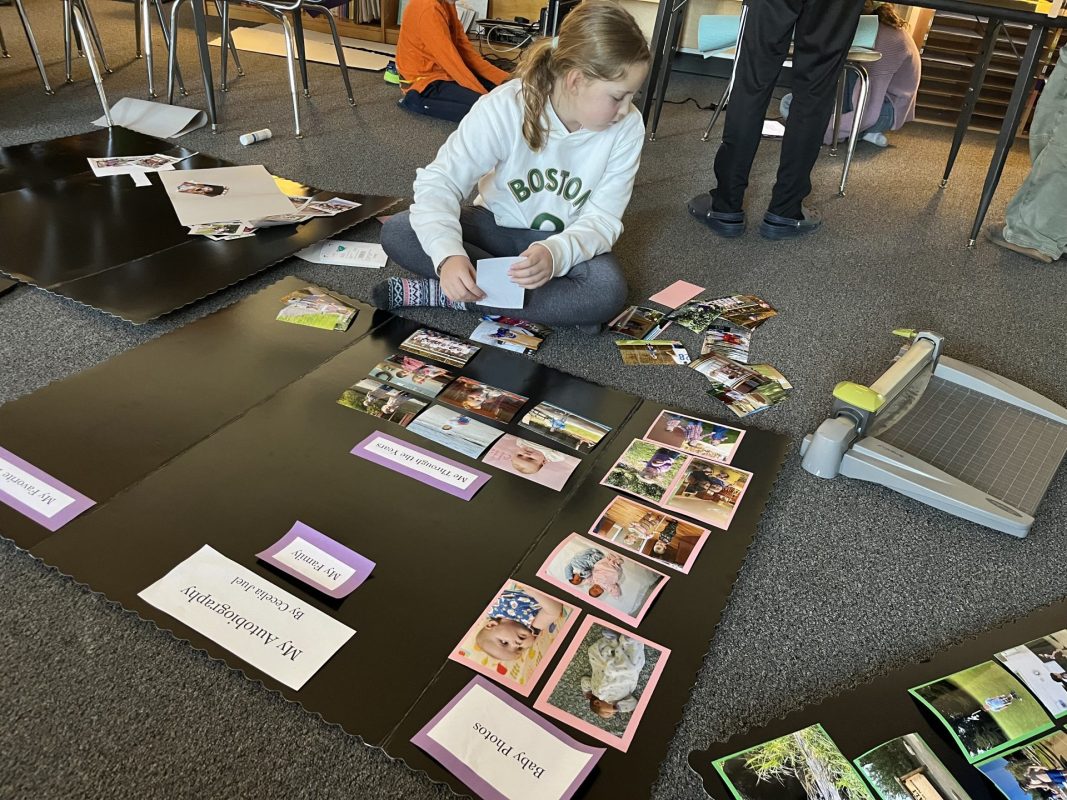
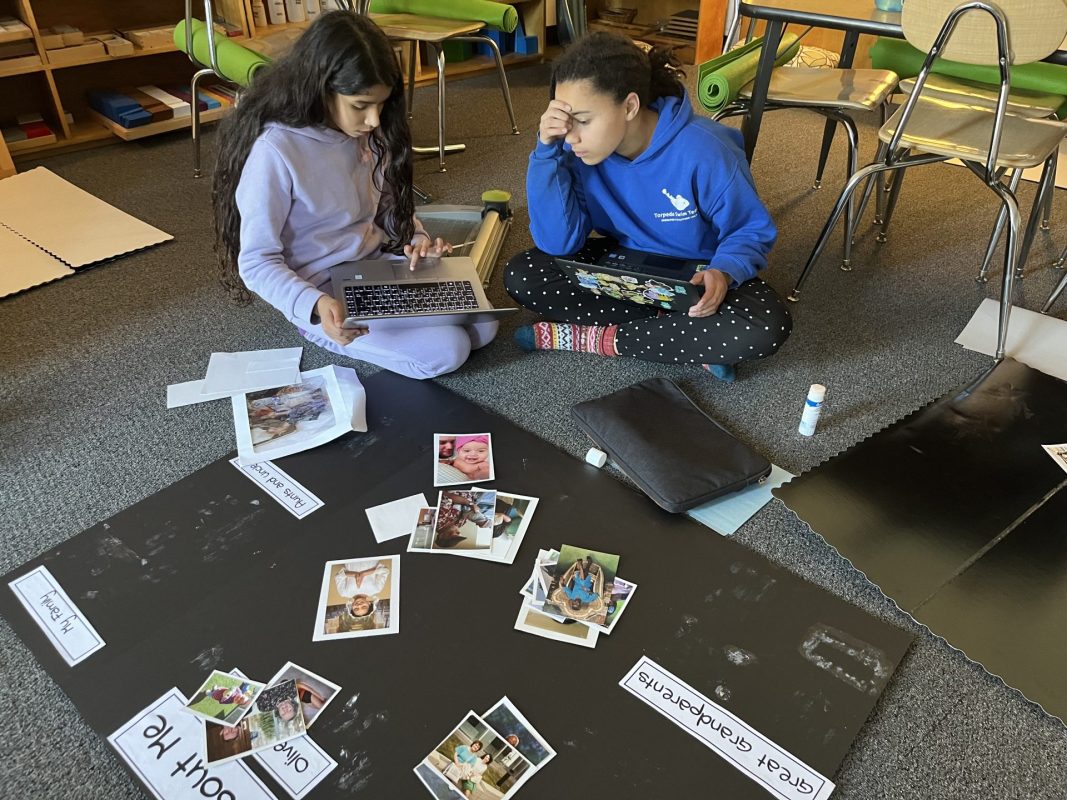
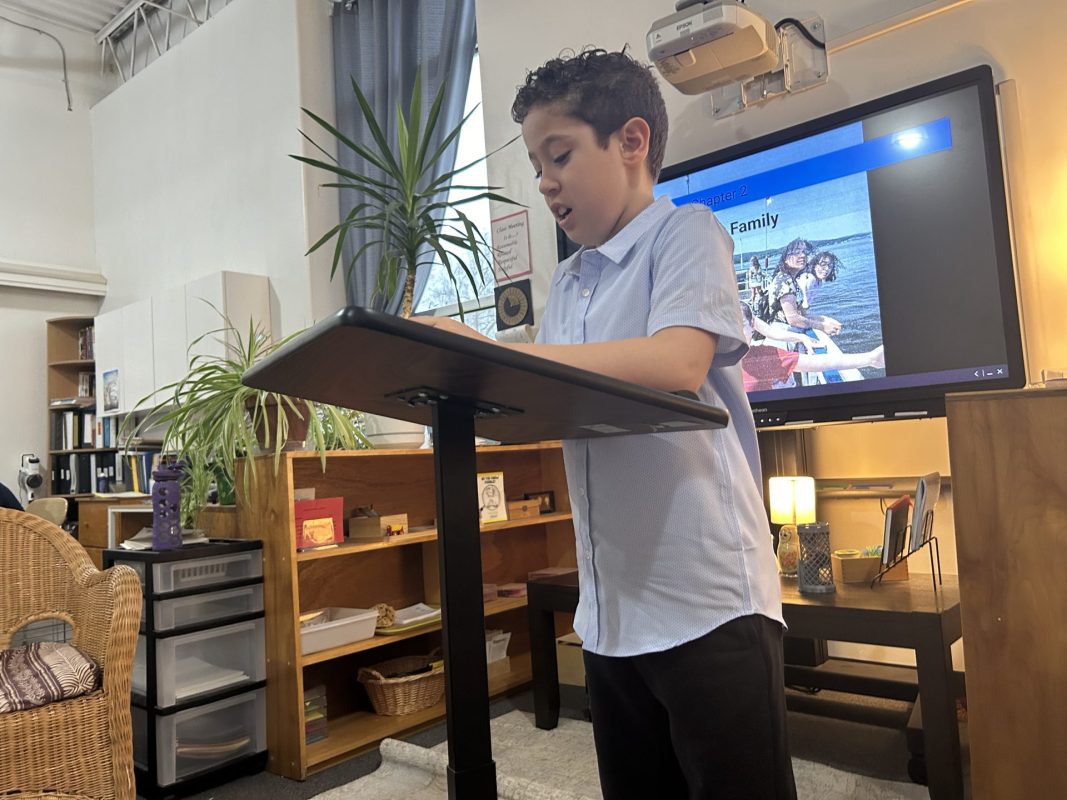
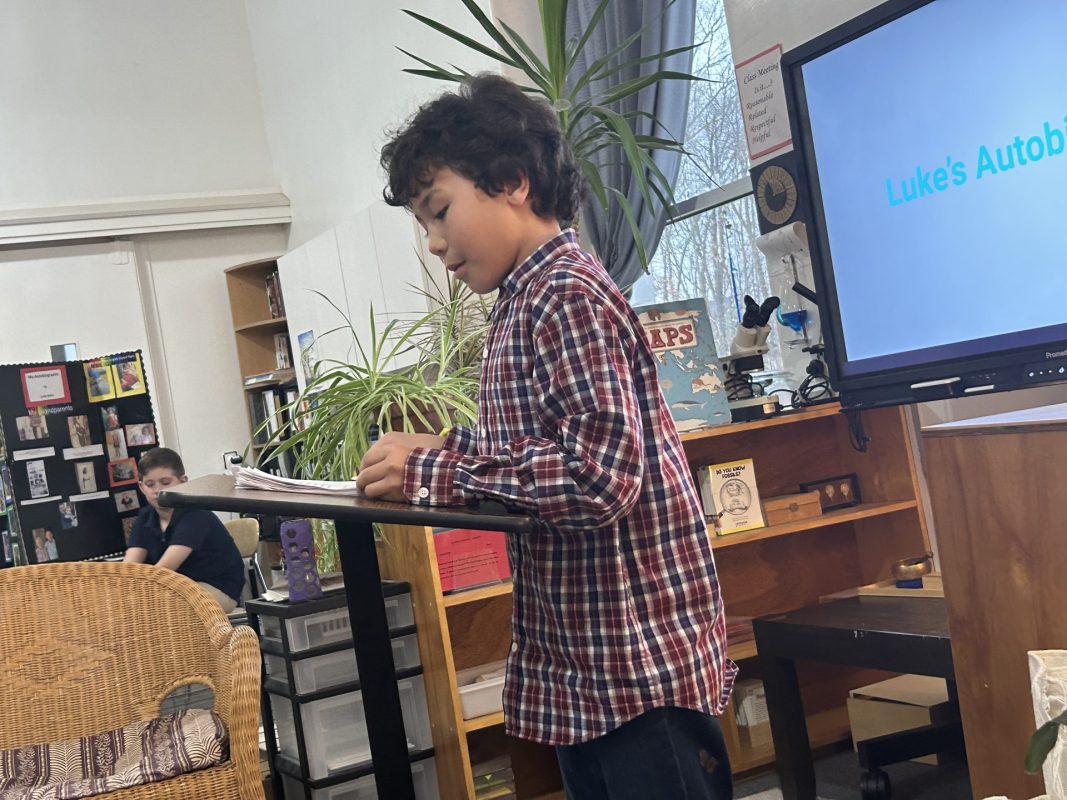
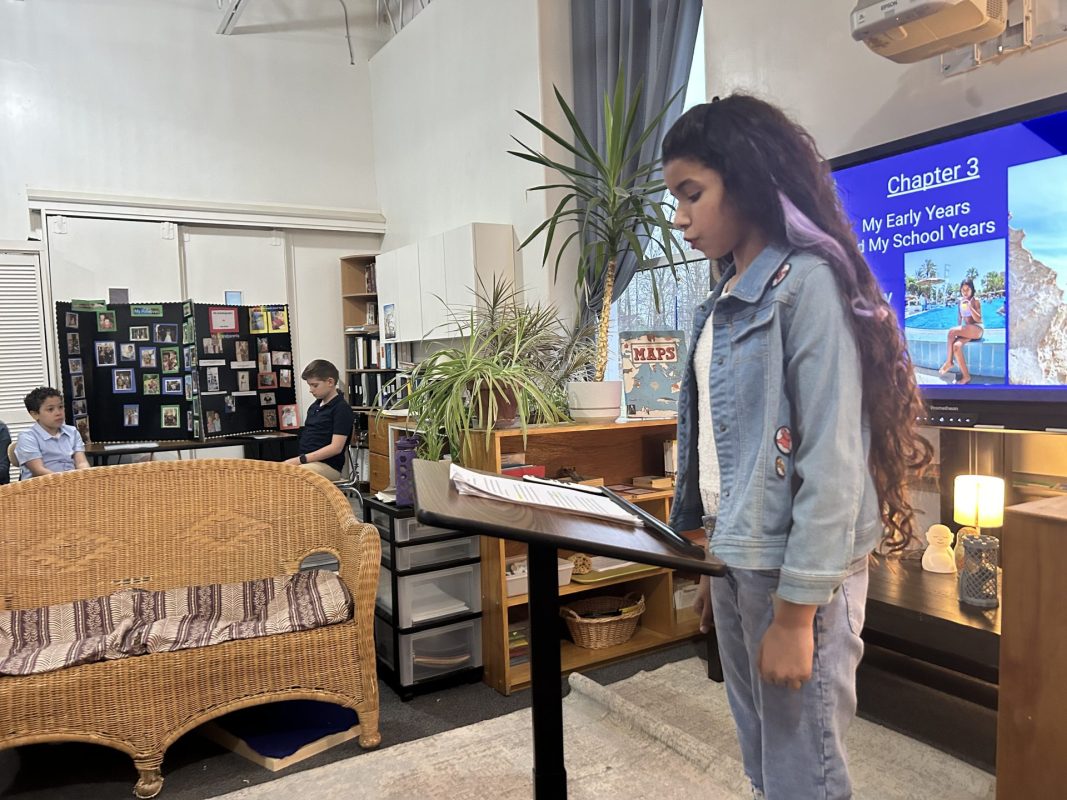
This past week was nothing short of amazing for Upper El students. After weeks of preparation, gathering information, and writing papers that were nine to fifteen pages in length, the students did a fantastic job presenting their autobiographies to a room full of families. They were poised and brave, some presenting in front of a crowd for the first time. It was indeed a proud moment for everyone involved.

Throughout this project, the children were full of joy and excitement. They spent weeks researching their family history, interviewing relatives, and writing autobiographies. The effort and dedication they put into their work were evident in the final product. Their presentations were engaging and informative, demonstrating a deep understanding of their history. They have every reason to be proud of their accomplishments.

We also managed to squeeze in time this week to create a beautiful canvas for the upcoming Saturday Night Fraser gala. Thank you, Jess and Liz, for taking the time to come in and help us create a gorgeous piece of art!

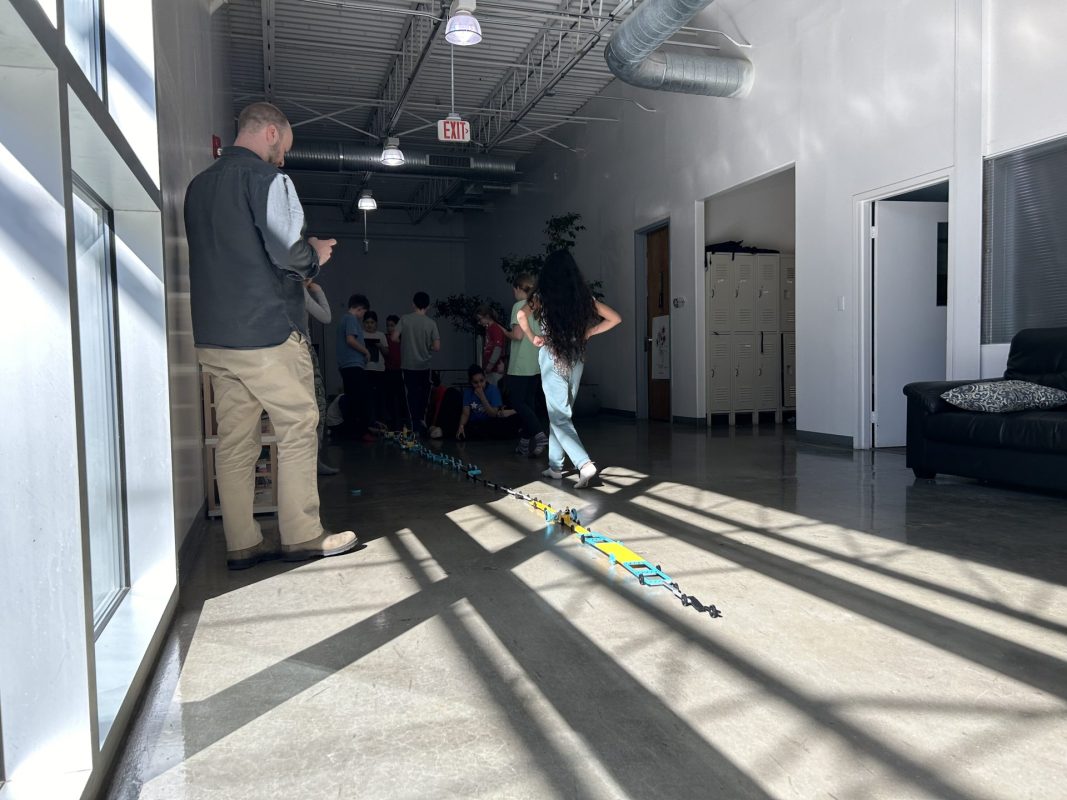
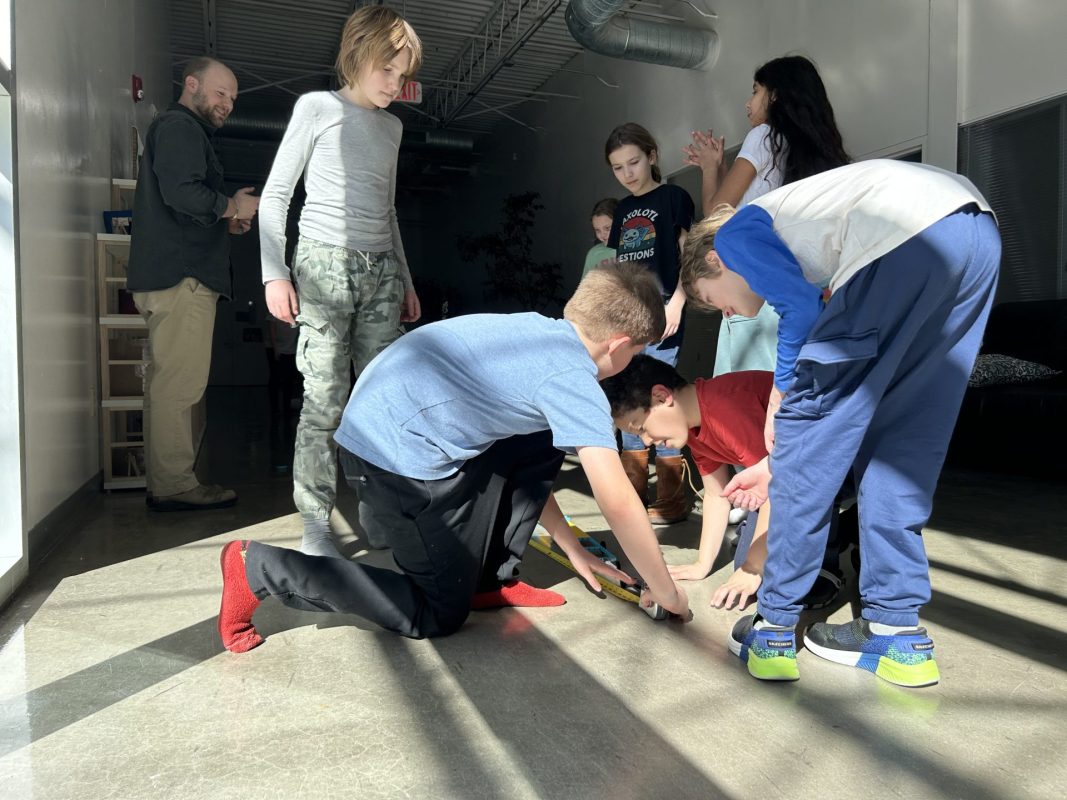
As a fun end to a week of hard work, Upper El students in Robotics class are attempting to break the world record for the longest-functioning robot! Enjoy the video below, which captured their excitement.

Lastly, I’d like to share that this was Krystin’s last week at Fraser Woods. She is now headed off to take on a new challenge as a preschool director. We’re so excited for her and are sending all our love and best wishes her way! On a happier note, we’re thrilled to welcome Deb back as our Upper Elementary assistant. We are excited for her to join us and are looking forward to all the great things she’ll bring to our classroom.
I hope you have a wonderful two weeks,
Karen


This Week in Upper El

“Joy, feeling one’s own value, being appreciated and loved by others, feeling useful and capable of production are all factors of enormous value for the human soul.” -Maria Montessori

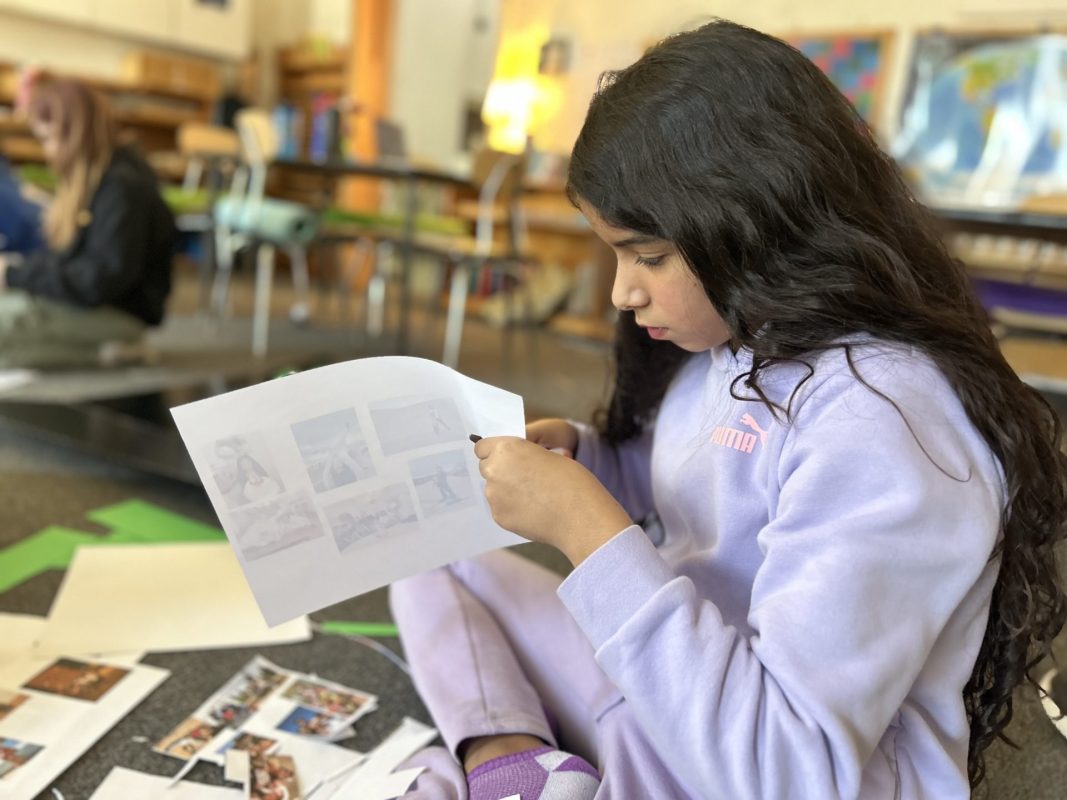
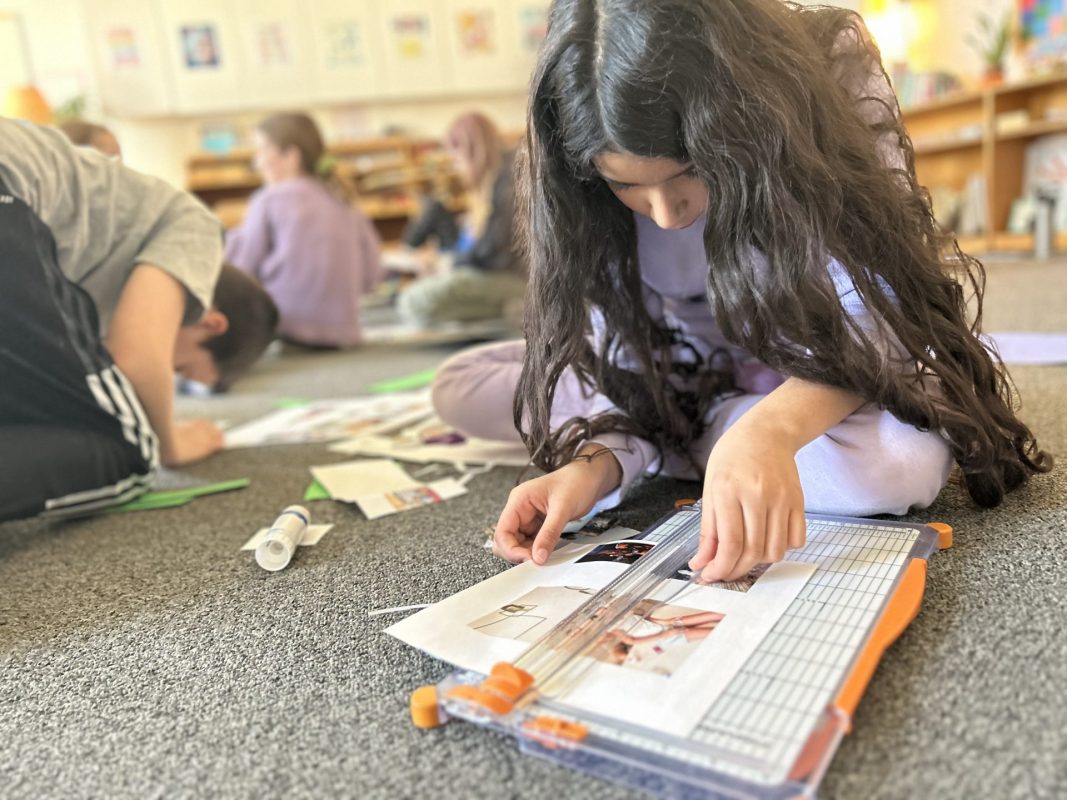
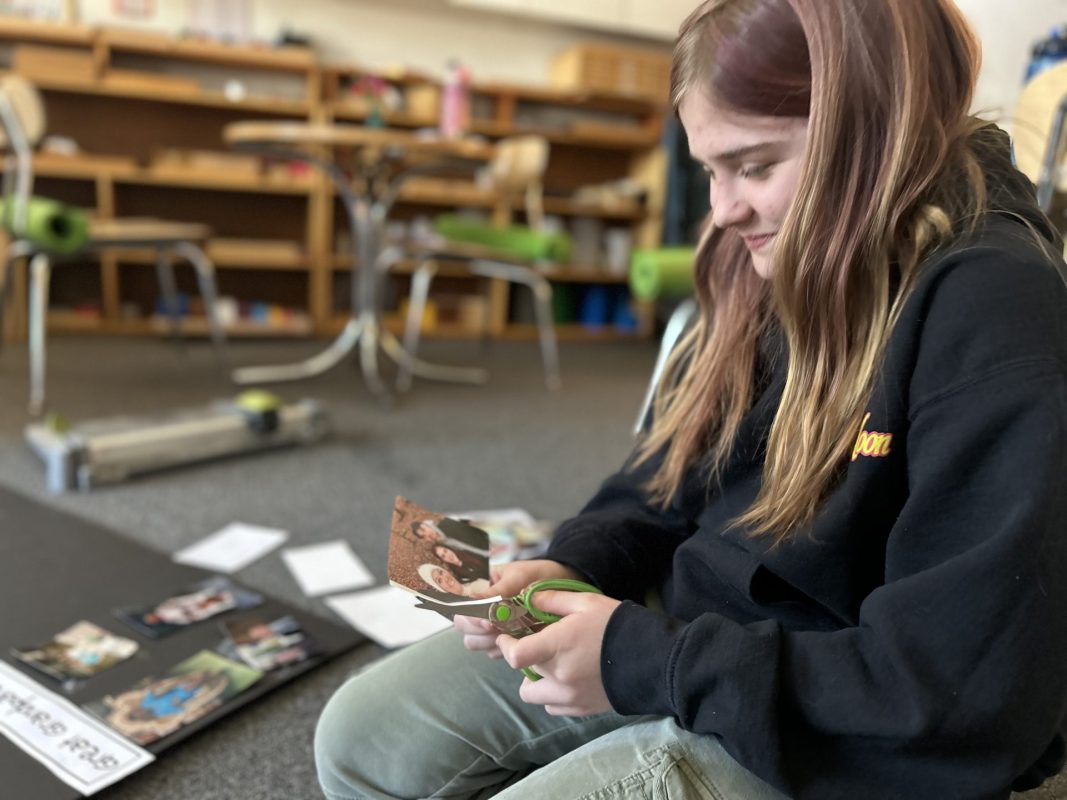
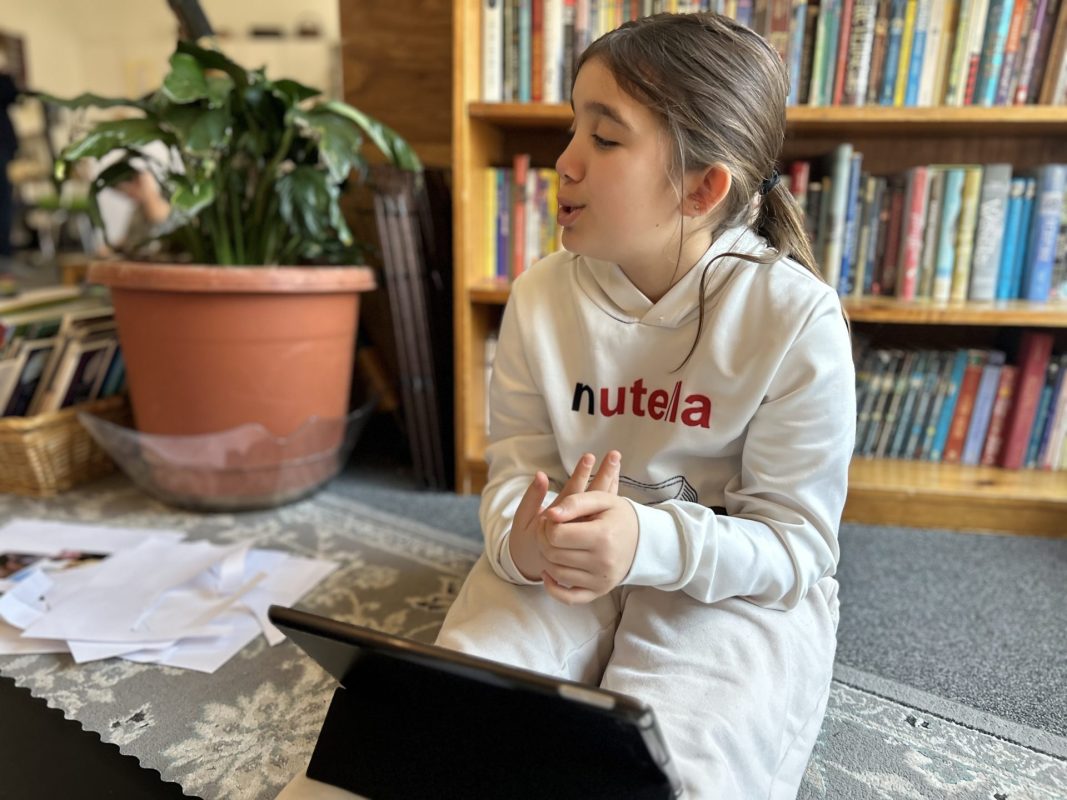
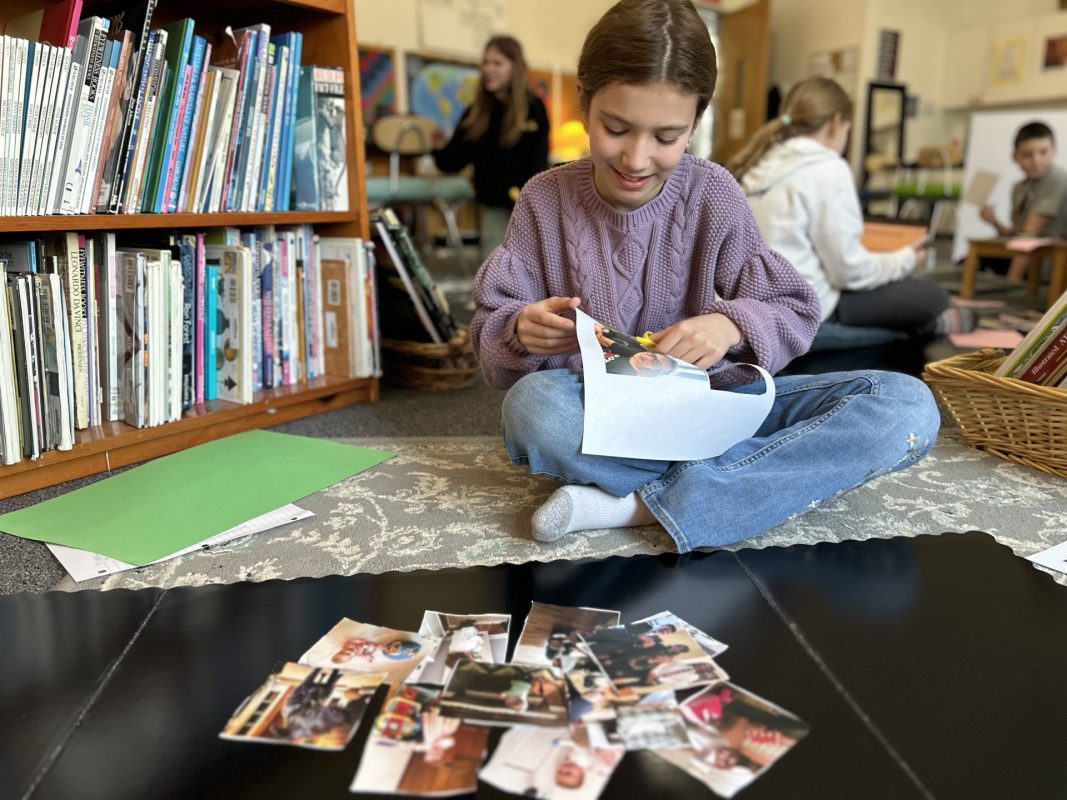
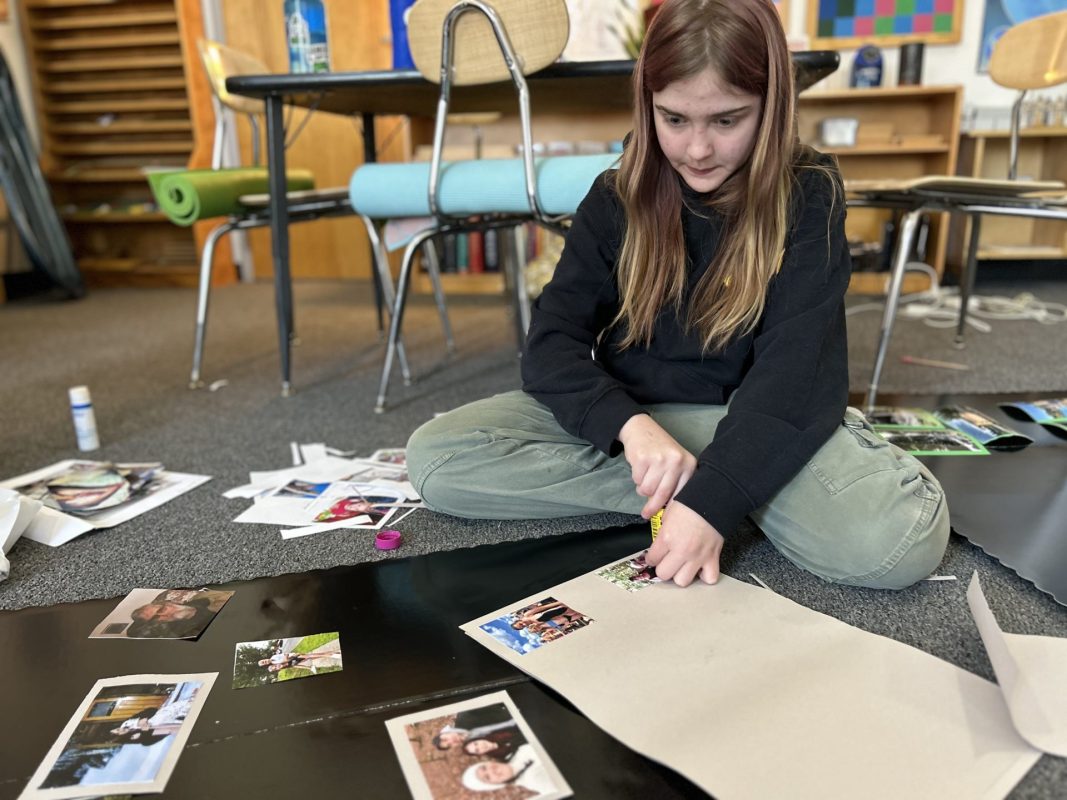
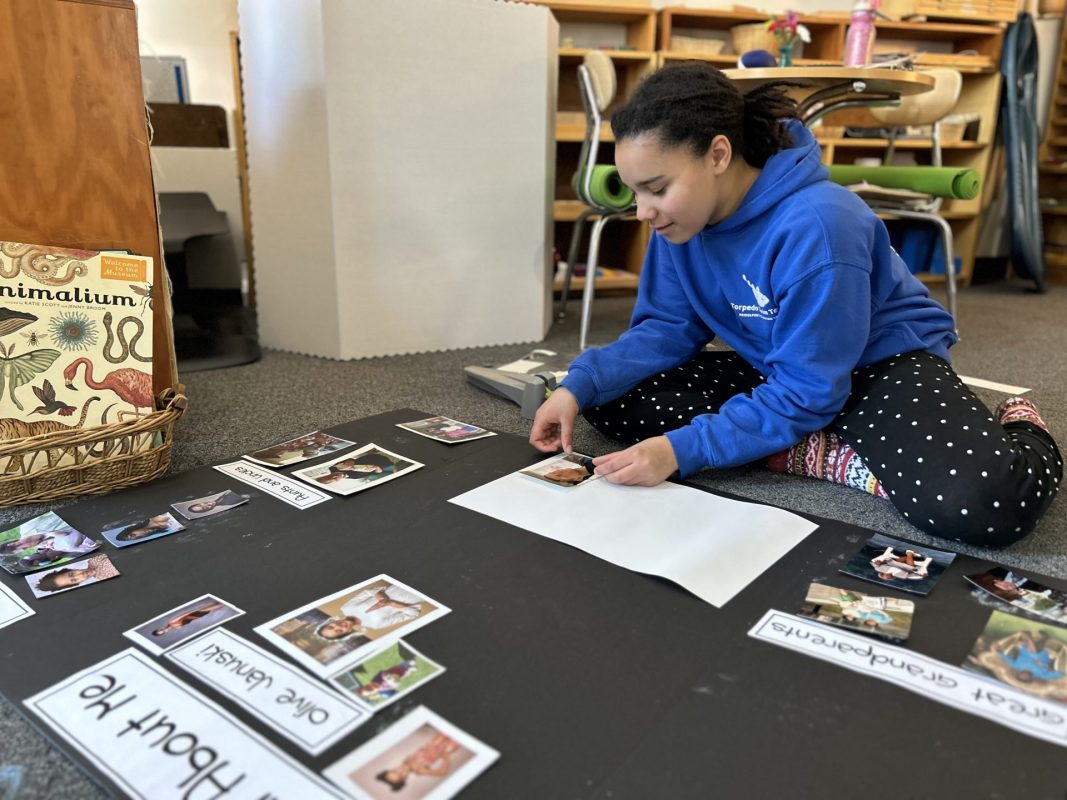
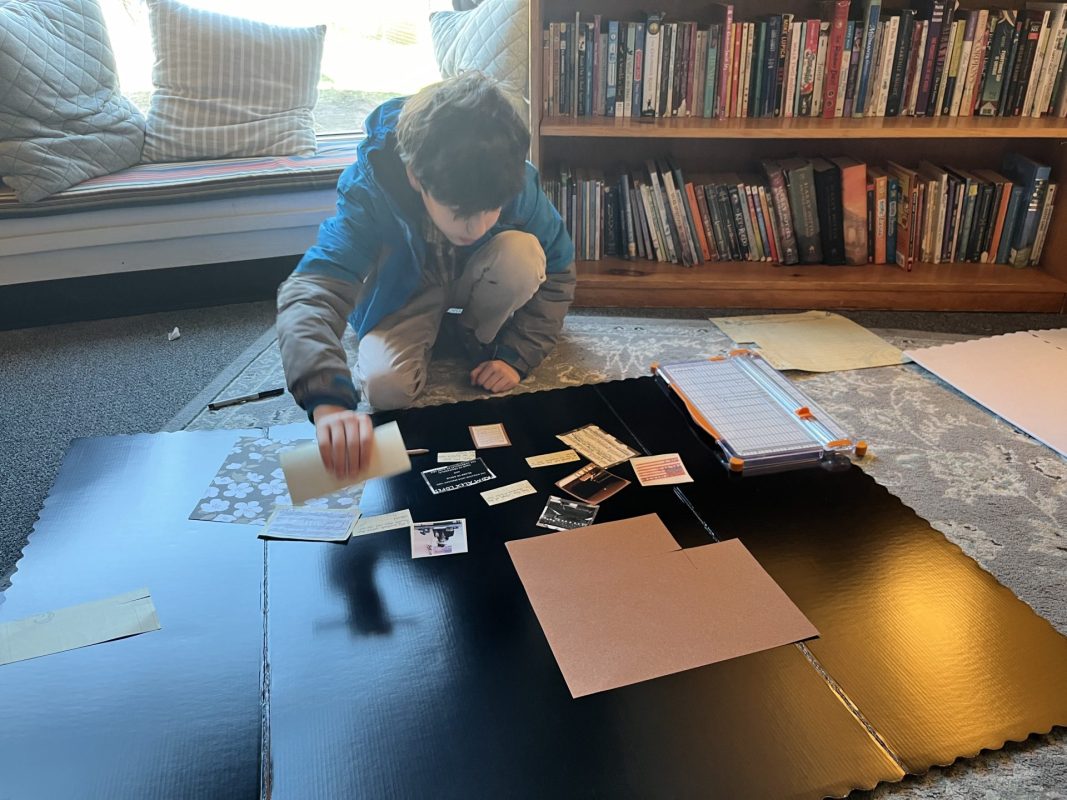
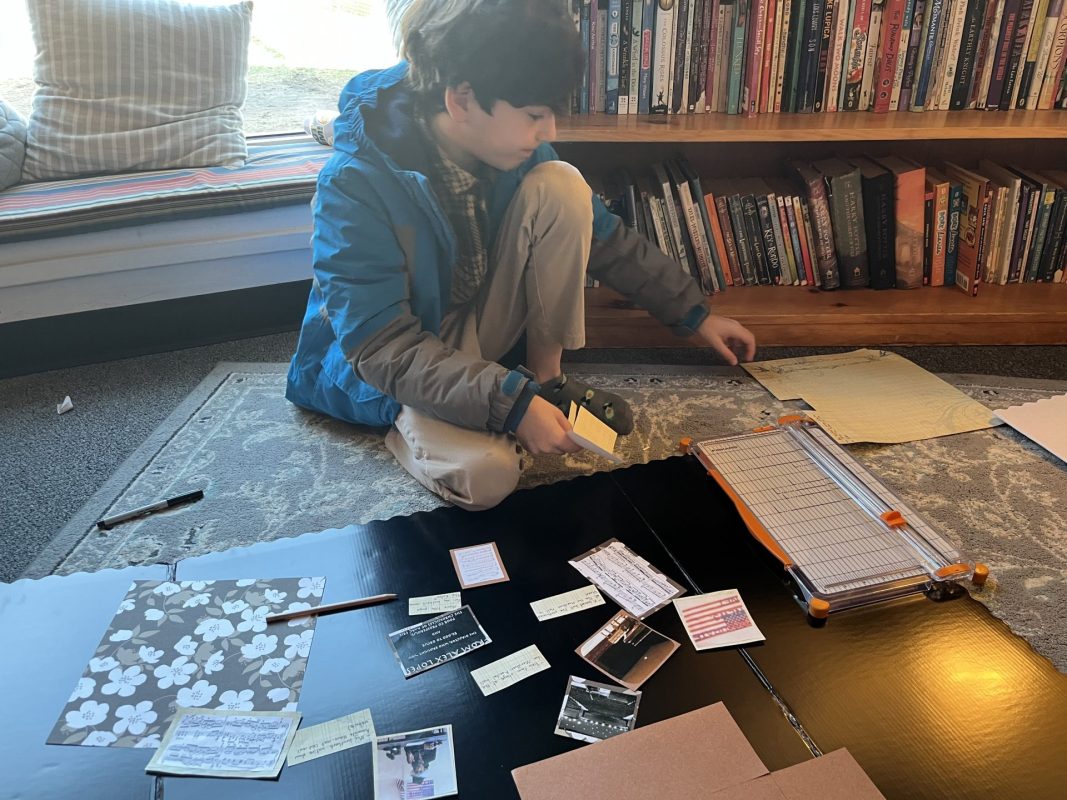
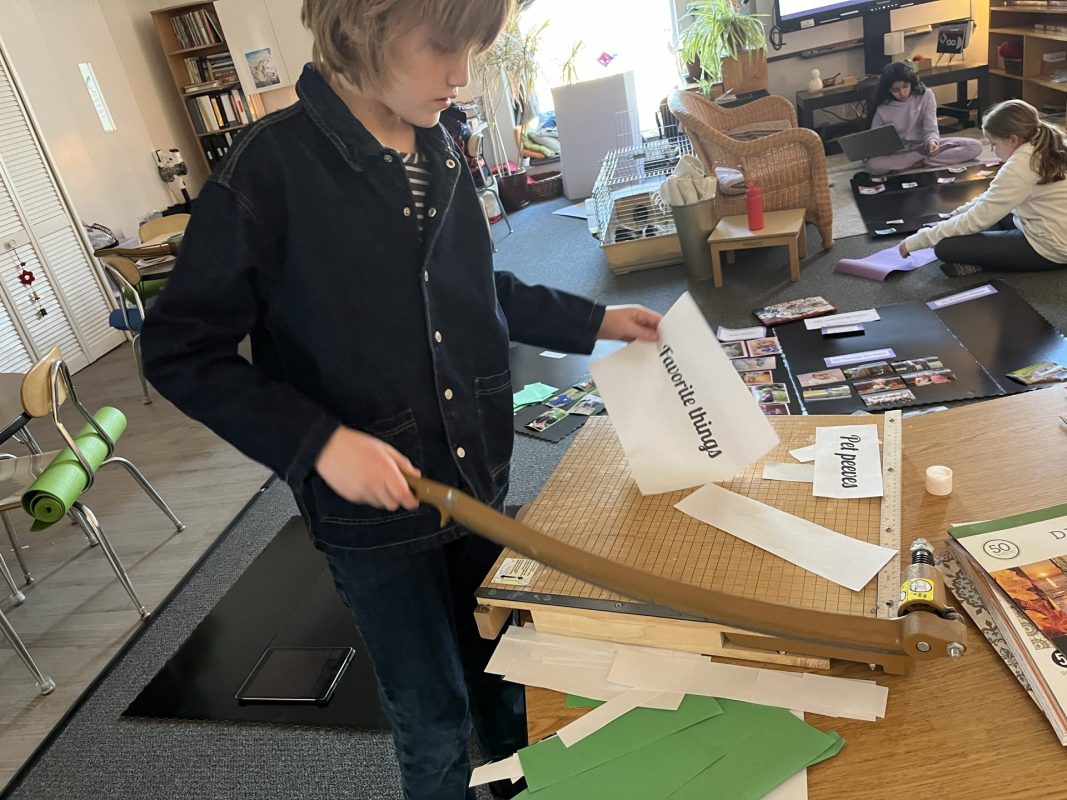
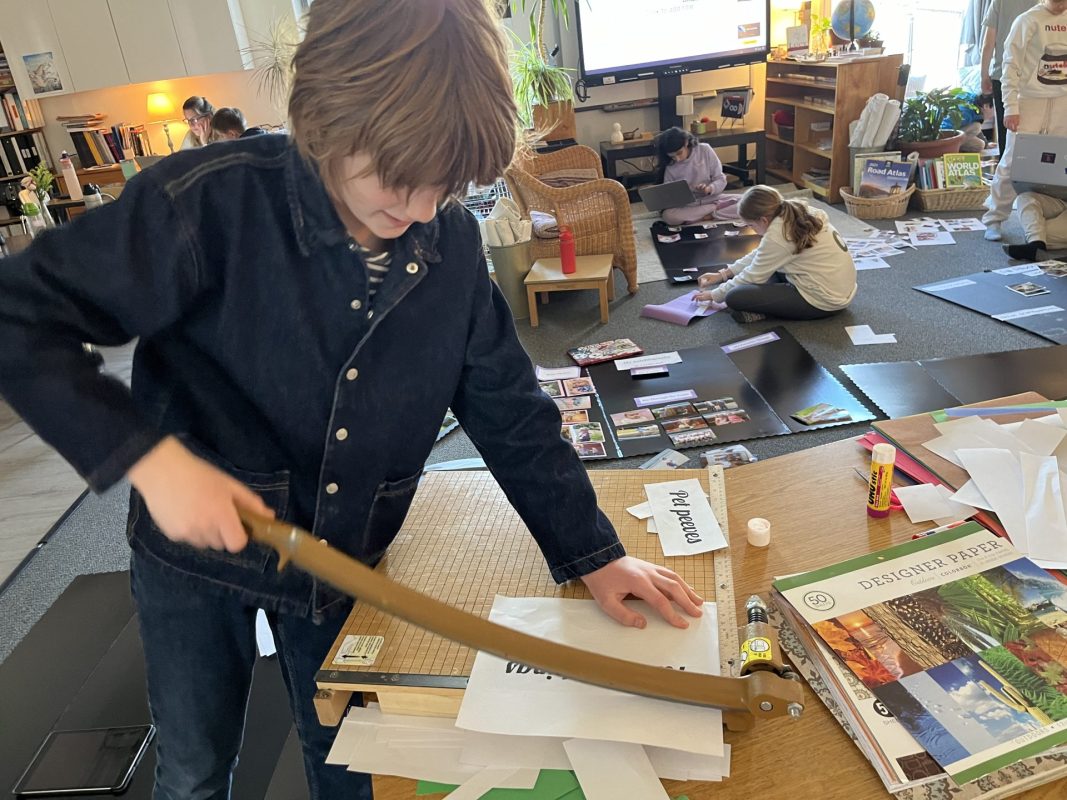
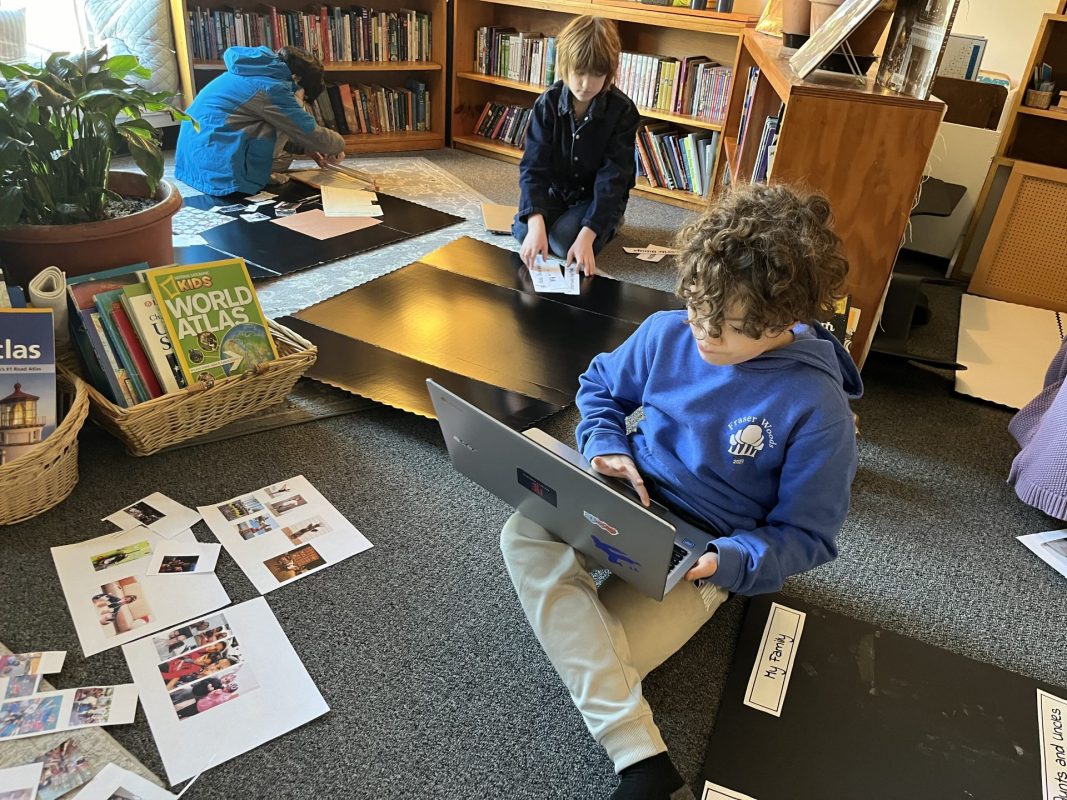
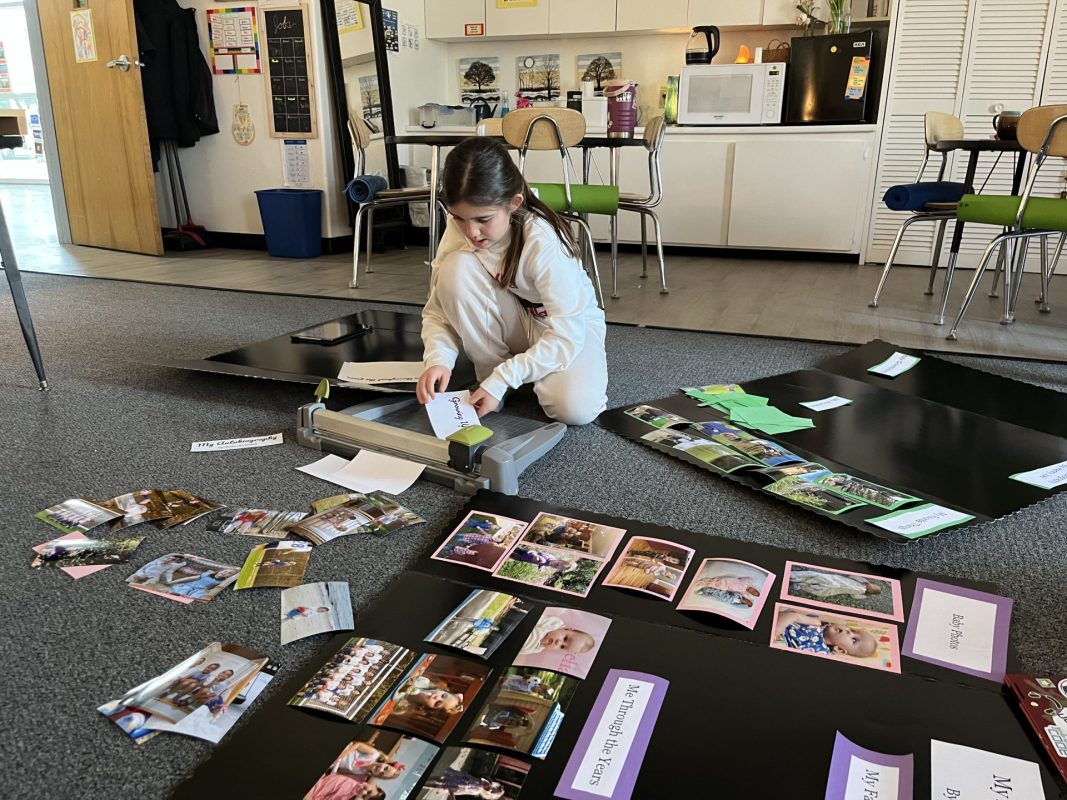
The Autobiography Project is nearing completion after three months of gathering information, interviewing family members, and writing research papers. Upper El students have done an amazing job preparing to present their projects. Apart from working on their papers and slide shows, they are also preparing presentation boards. There is a real sense of accomplishment as everything is coming together after so much focused work. While working, there is a palpable sense of joy among the students, and they are enjoying learning more about each other throughout this process. I hope you appreciated the opportunity this project provided to connect and share details of your family’s history with your child.

We are eagerly anticipating welcoming you for presentations on Thursday evening. The evening will begin with oral presentations. Each student has chosen a chapter of their autobiography to present to the whole group. After the formal presentations, you will be invited to move around the room, and the children will present the rest of their autobiographies in a gallery style. Please remember the following in preparation for Thursday night:

  • Children should dress in neat attire appropriate for a formal presentation.
  • Please arrive promptly. We will begin presentations at 5:00.
  • There is no shuttle bus for this event. Please park at the school.
  • Children with siblings in middle school and lower elementary will present first.

Please check your child’s backpack for information about our overnight field trip to Nature’s Classroom. There are important documents to be filled out and returned to school, which are coming home with students today.

Have a wonderful weekend!

Karen & Krystin


This Week in Upper El

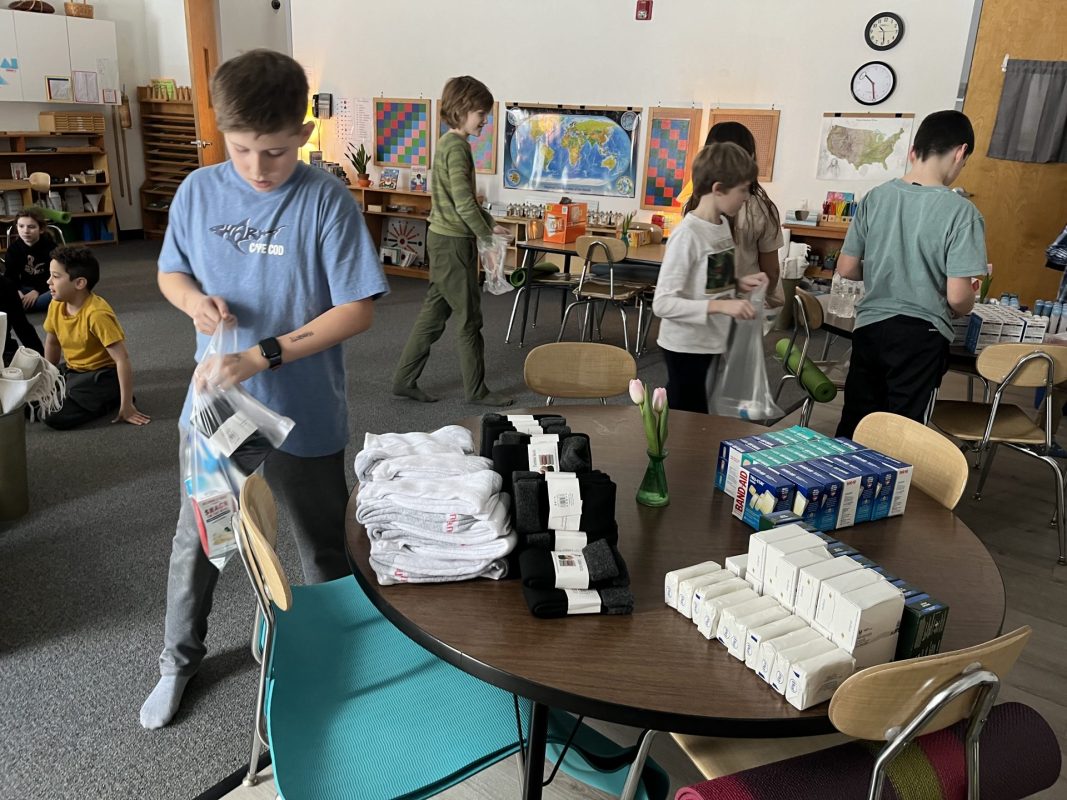
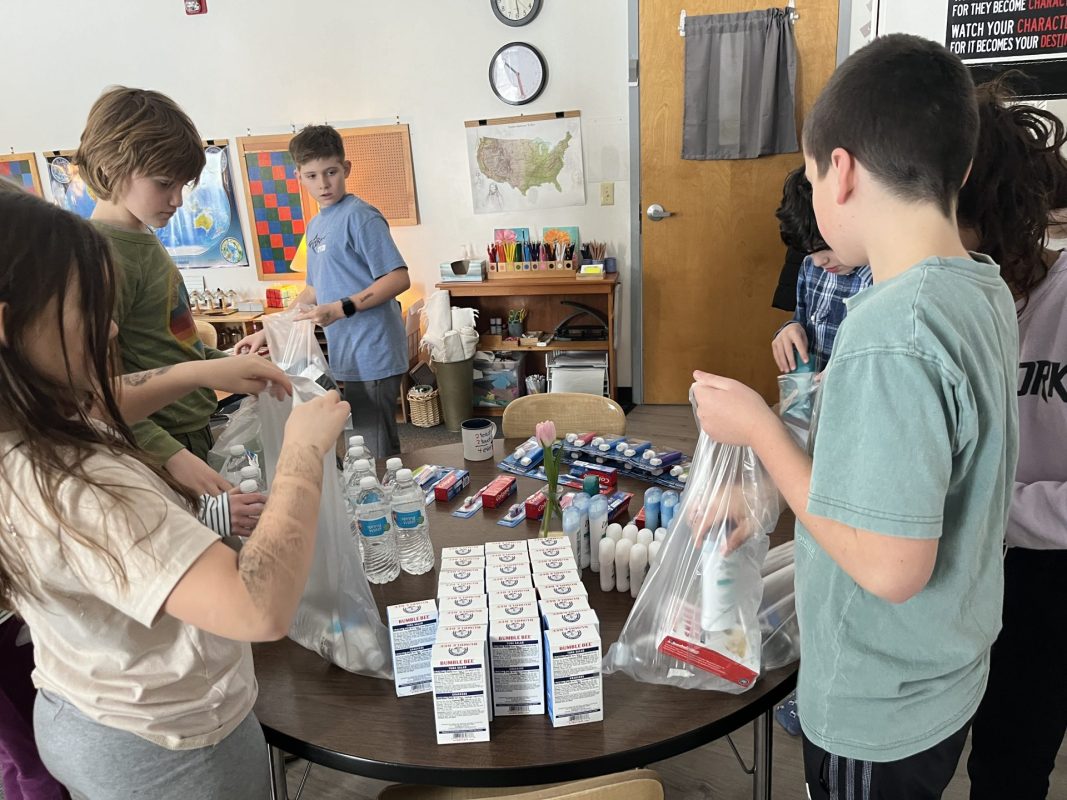
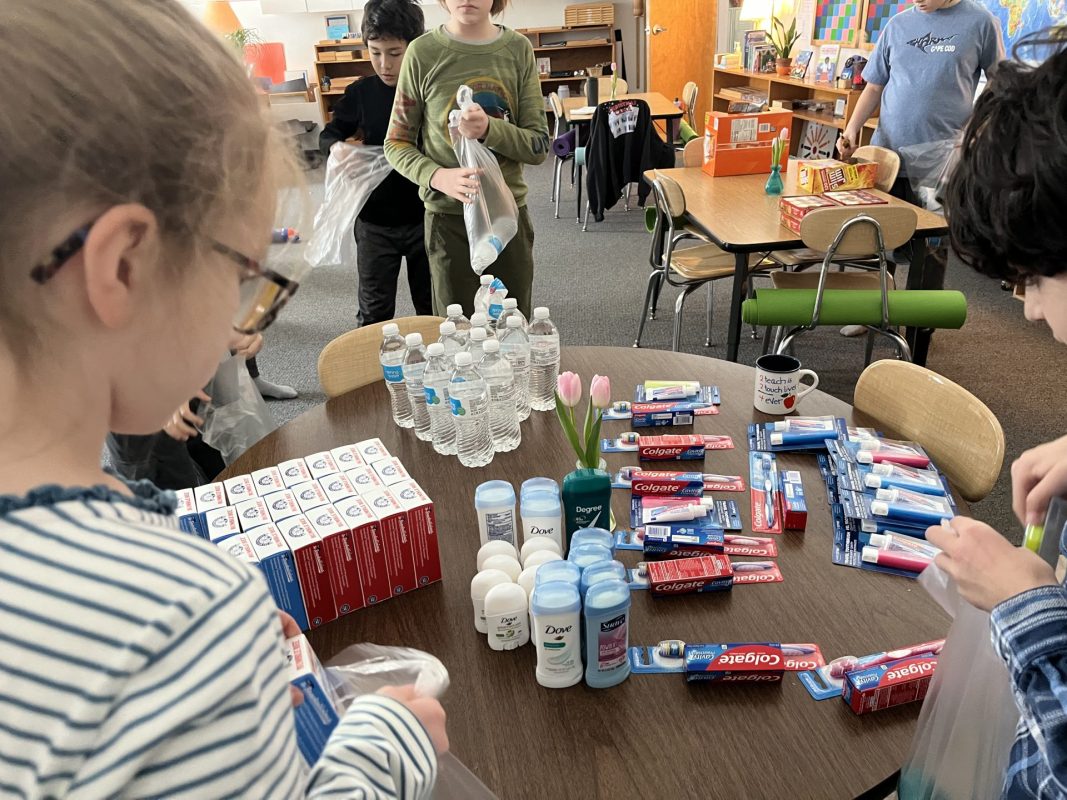
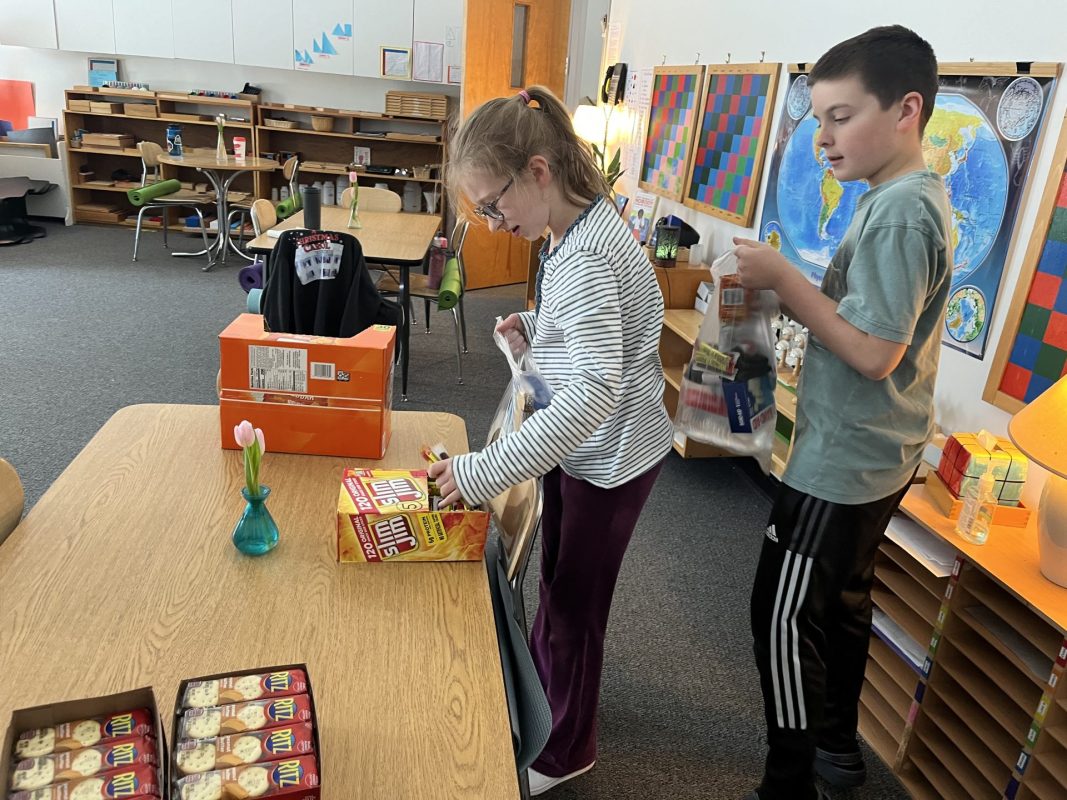
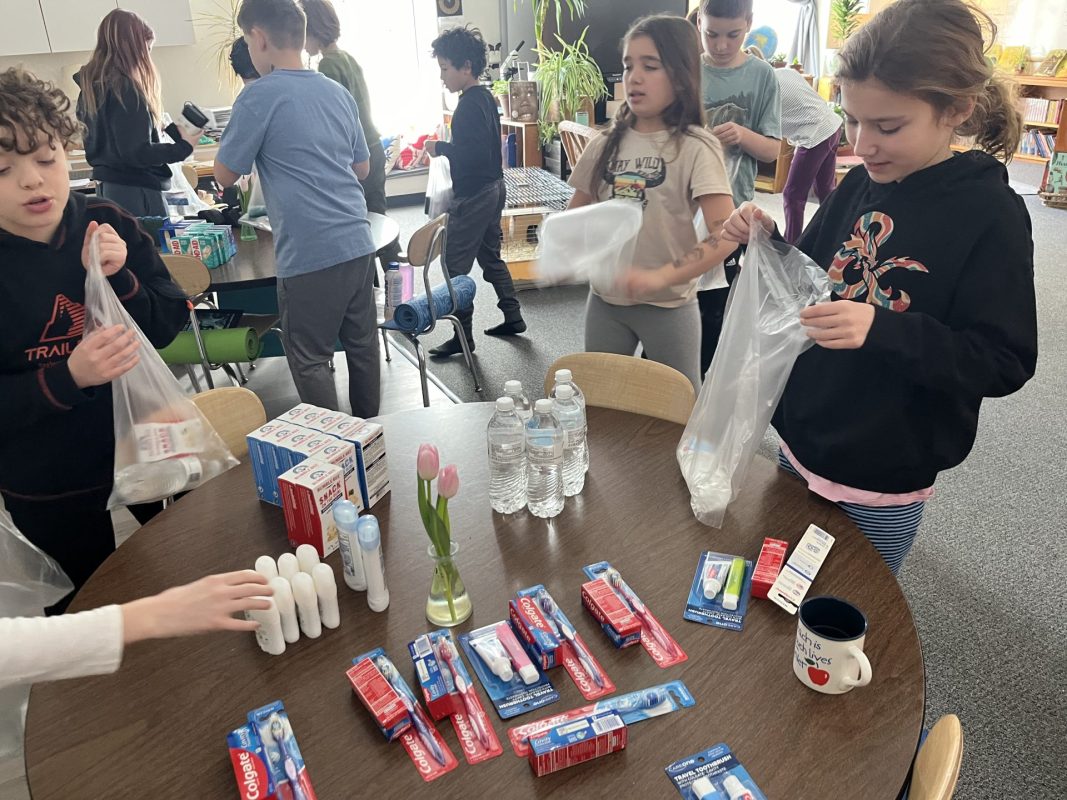
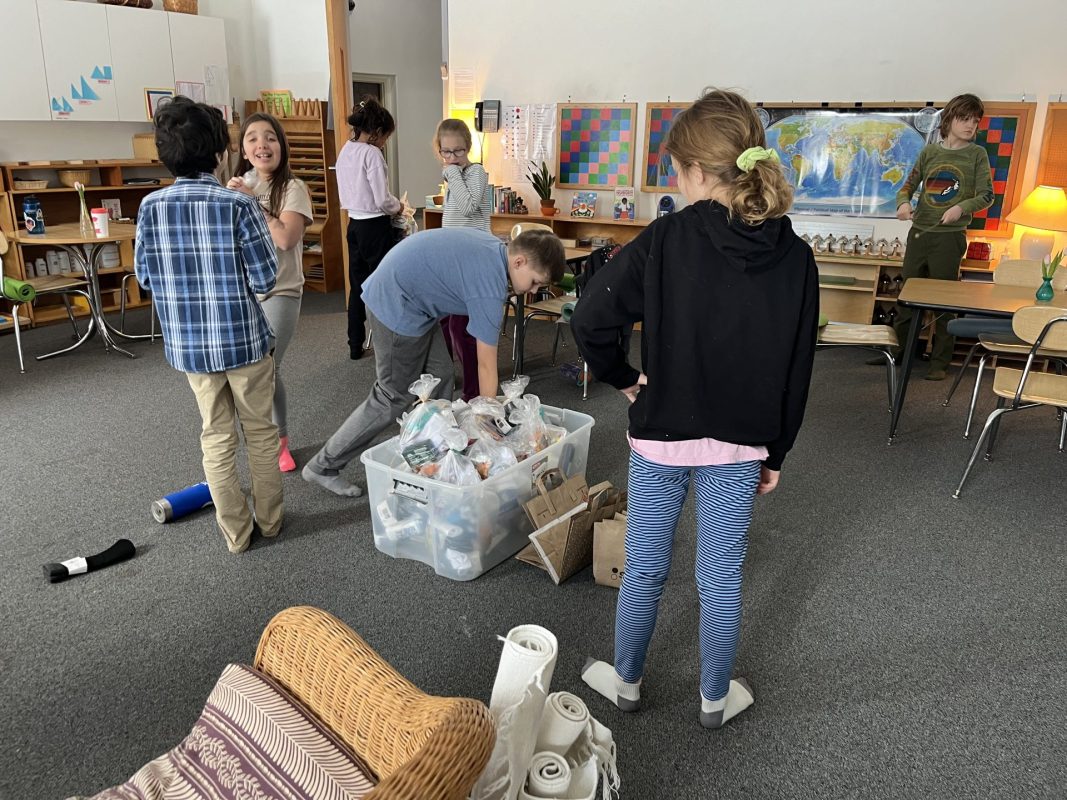
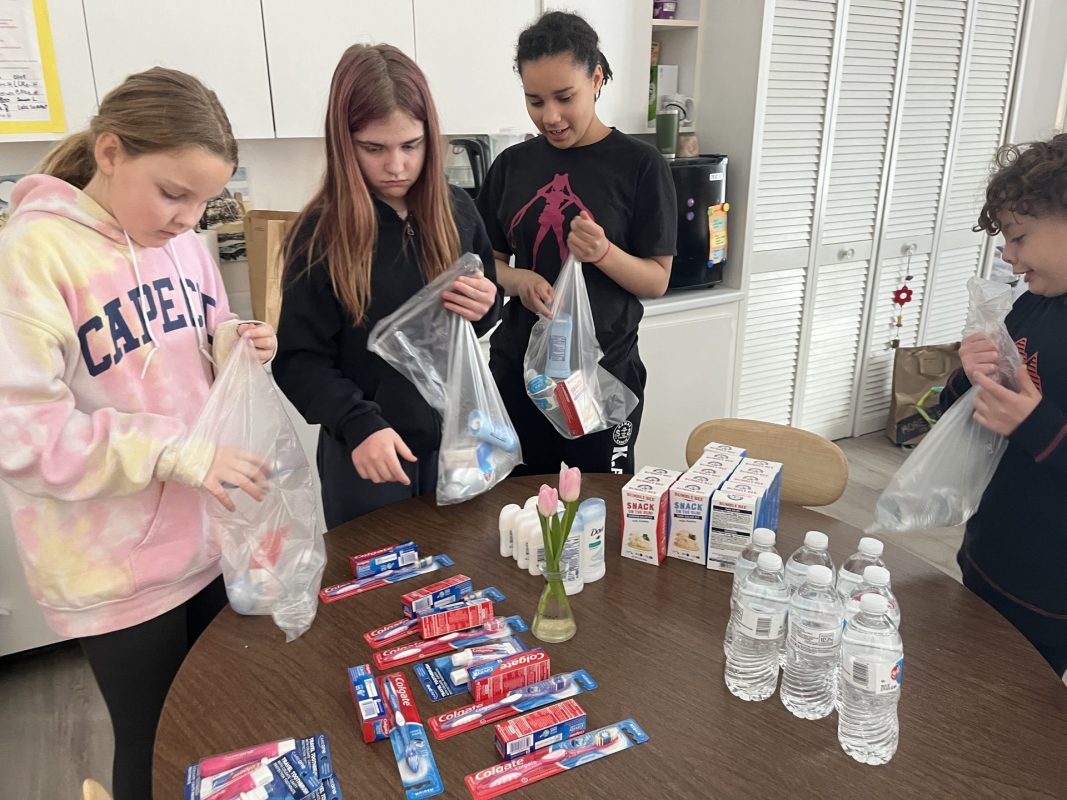
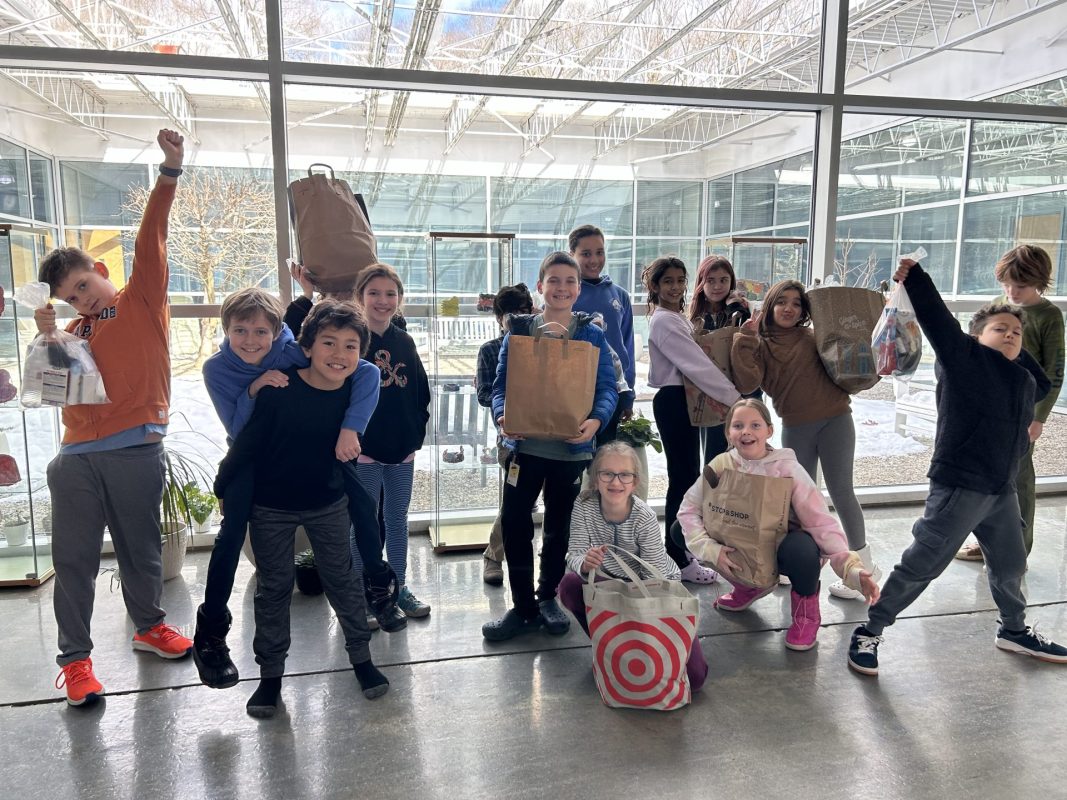
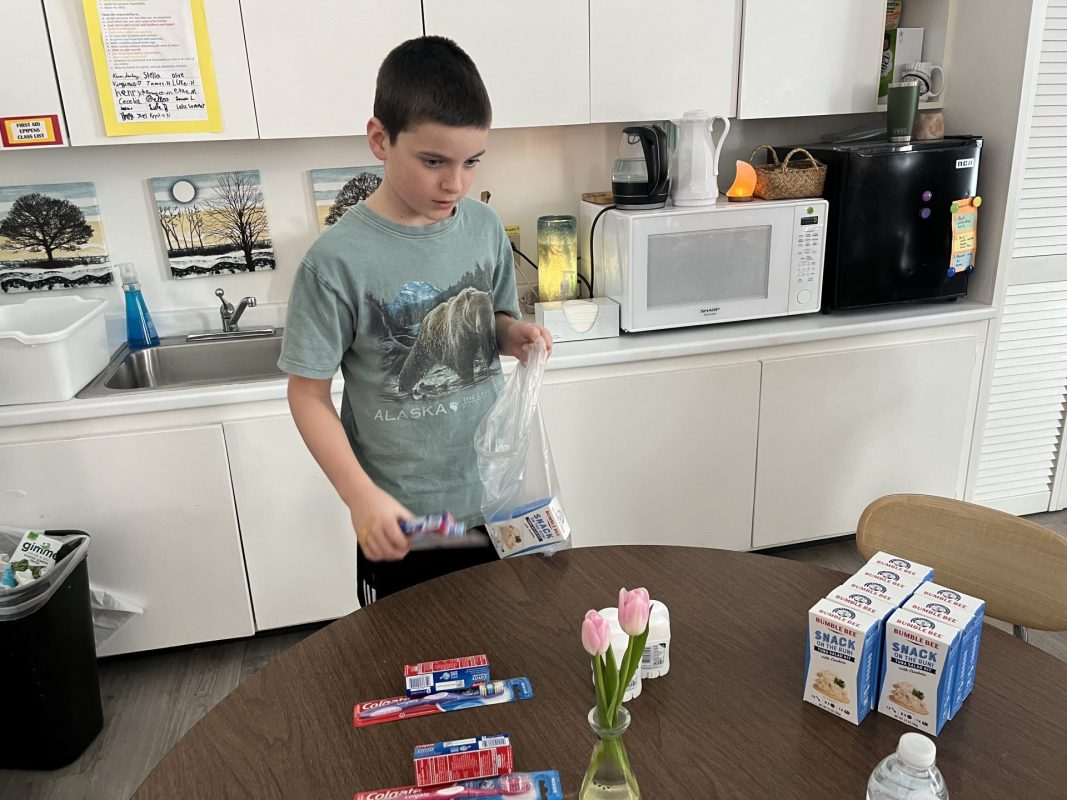
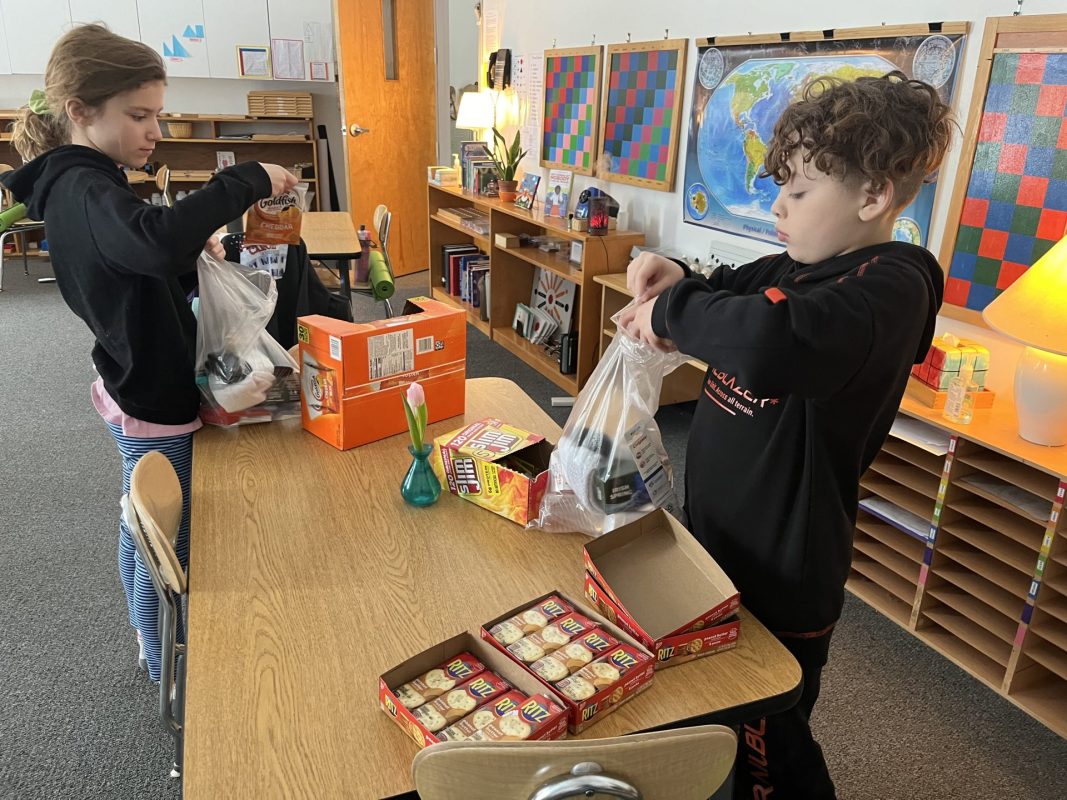
We had a great time volunteering this week, assembling bags for the Brian O’Connell Homeless Project. We spent our morning loading individual bags with necessities. The children were very enthusiastic about helping their neighbors in need, and their spirits were high.

Autobiographies are almost complete! Students have been working hard to finish their chapters and have made incredible progress. We will wrap up the finishing touches on all of the chapters at the beginning of next week, make edits, and prepare oral presentations. We look forward to welcoming families to school on Thursday, March 7th, at 5:00. Students with siblings in Middle School will present first so families can attend the Middle School presentations at 6:00.

In our history lesson this week, we looked at characteristics that make us human. Our biology lesson focused on looking at one animal group and its vital functions. Students are now starting research on their chosen animal, using the information they have learned about vital functions, classroom books, and online resources to write reports on their animals. In geometry, fourth graders learned that all triangles having the same base and height are equivalent. Fifth graders learned one way to find the area of trapezoids. Next week, fifths will learn two other ways to find the area of trapezoids.

Wishing you a fantastic weekend,
Karen and Krystin


This Week in Upper El

We had a fun week filled with bubbles, baking, and learning.

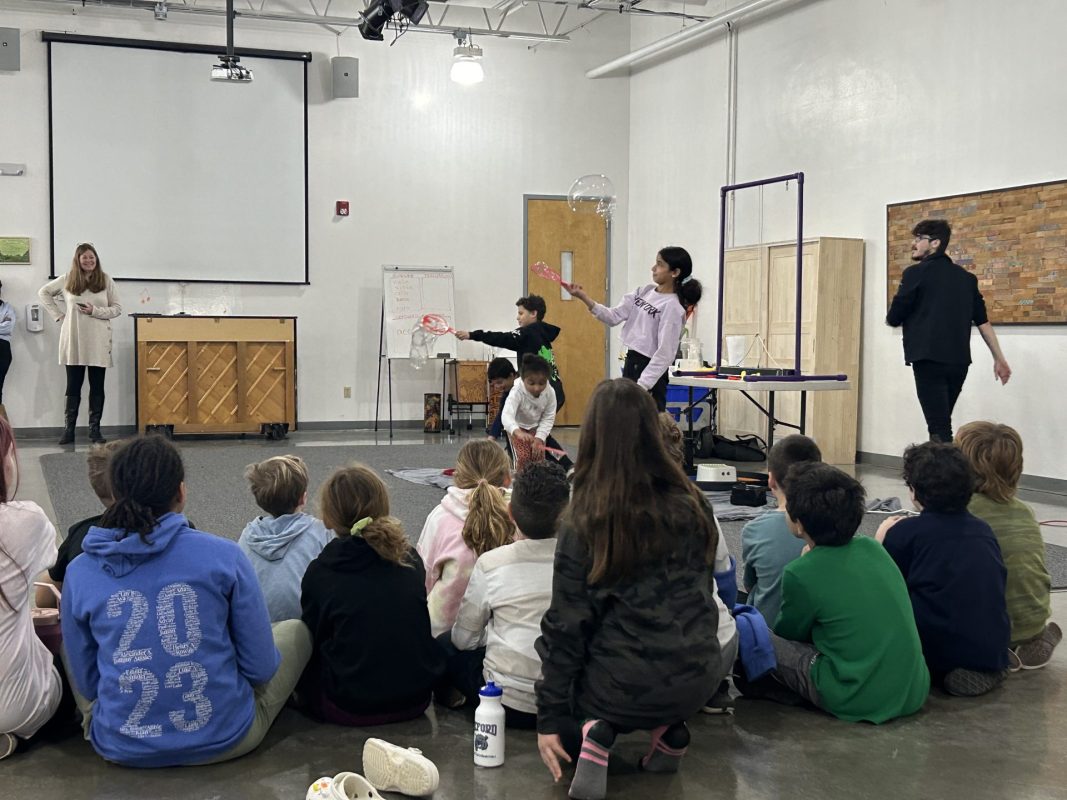
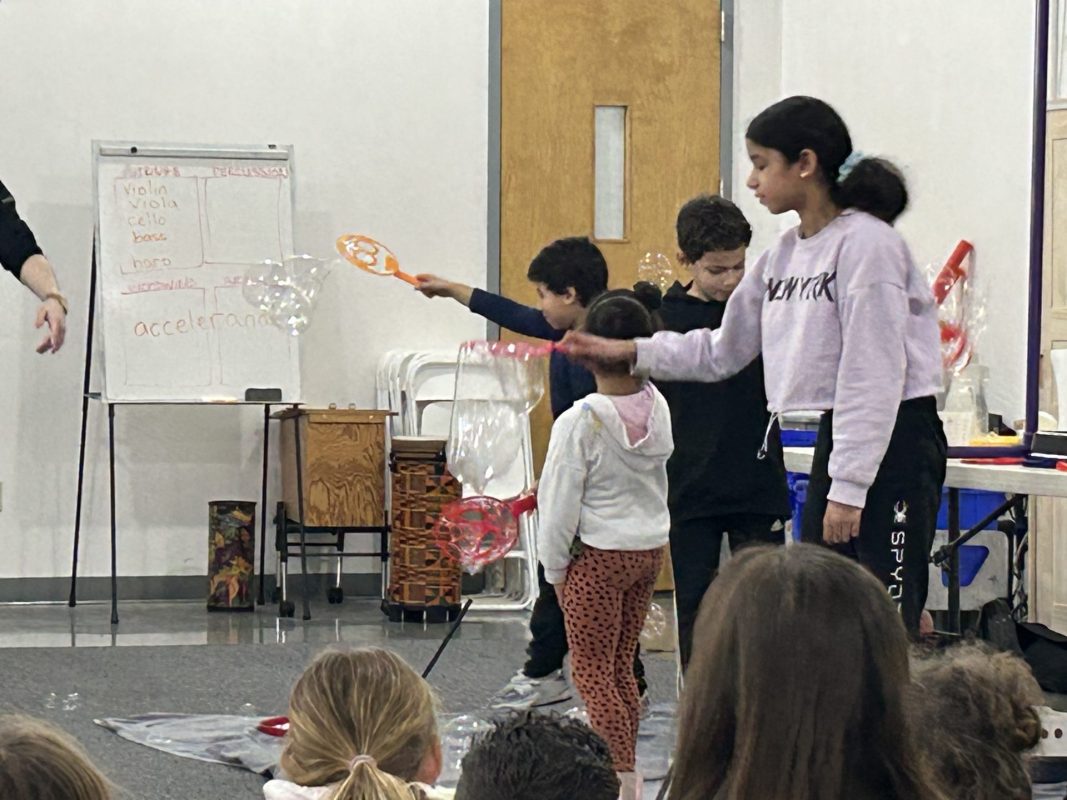
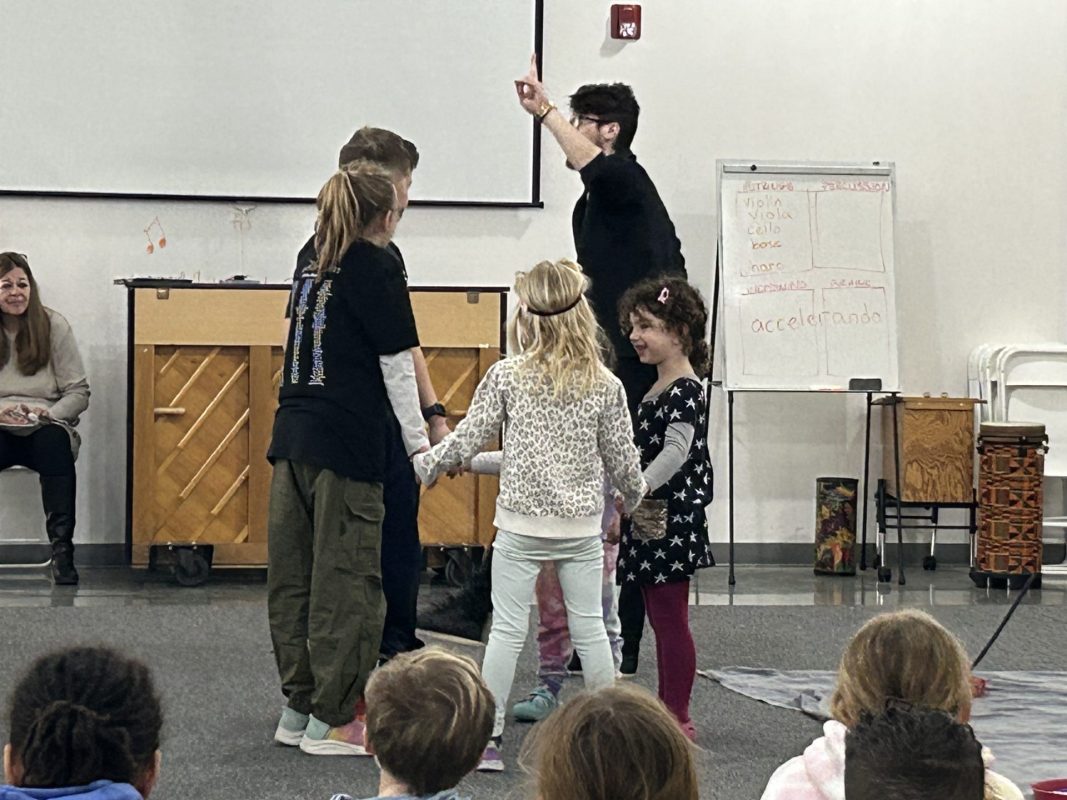
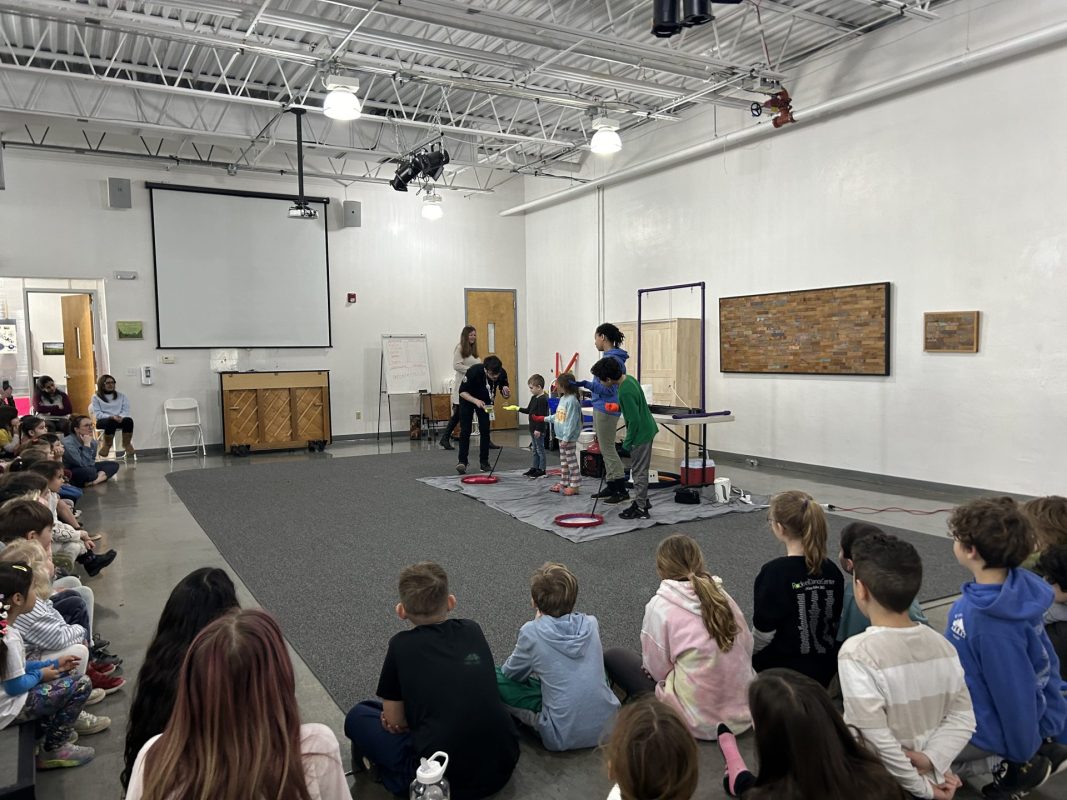
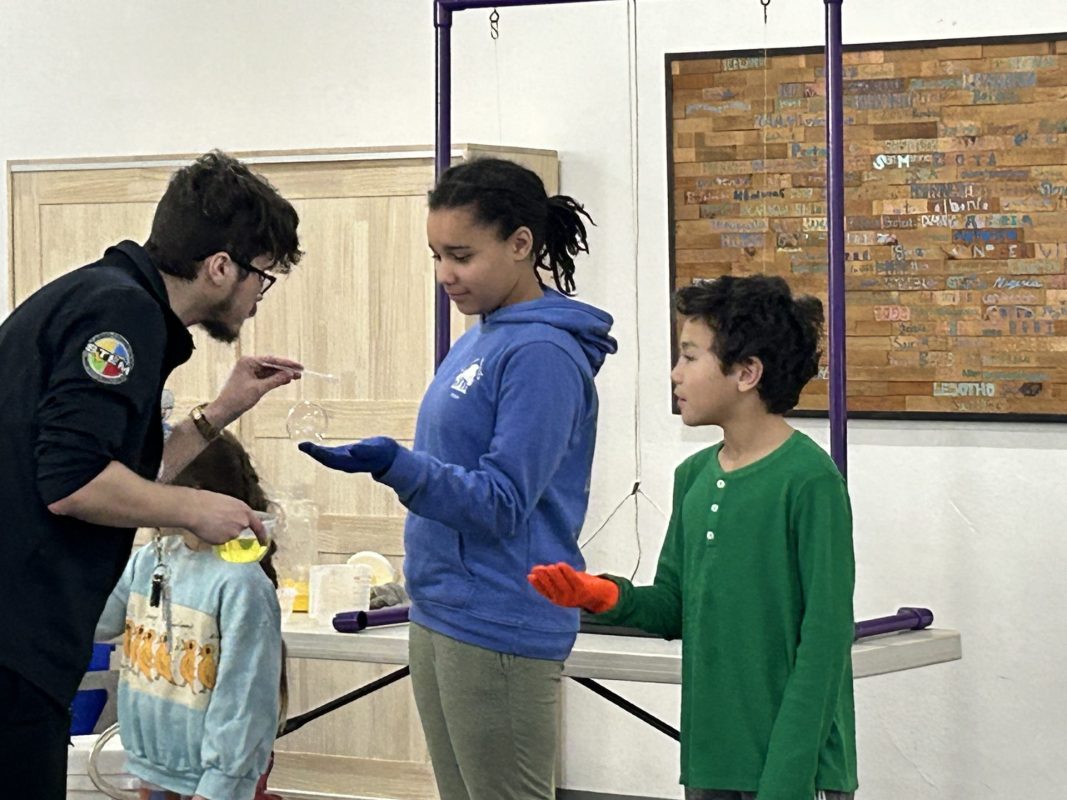
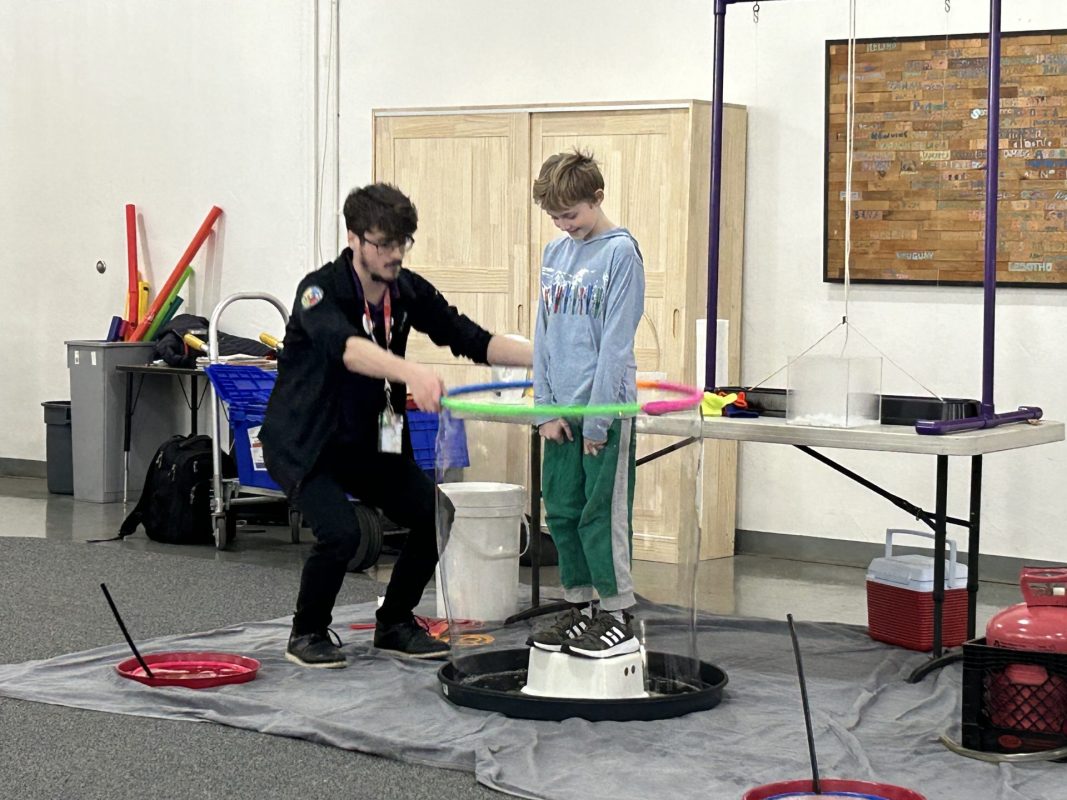
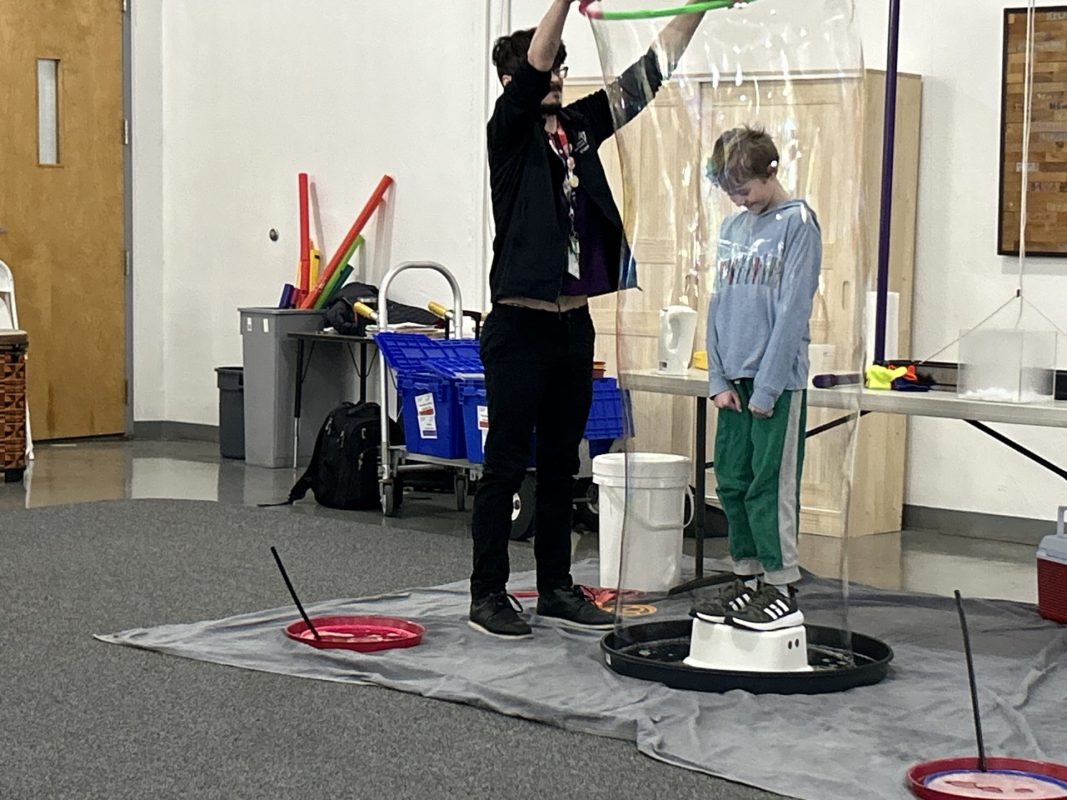
On Wednesday, the Connecticut Science Center came to our school to teach the children about the science of bubbles. They learned about the essential ingredients and environment needed to create bubbles through interactive presentations. They also tested out creating bubbles in different shapes, holding bubbles in their hands, popping bubbles, and even being inside a bubble.

In history, we explored the Cro-Magnon people and compared them to Homo neanderthalensis people. The students discovered that we share a common ancestor with Neanderthals and that Neanderthals, along with us, share a common ancestor with Homo erectus.

Fourth-grade students learned about finding equivalence between a regular polygon and a rectangle in geometry. They learned to compare the perimeter of the polygon to the base of the rectangle and the apothem of the polygon to the height of the rectangle. Meanwhile, fifth-grade students learned to find the area of right-angled triangles using three different formulas.

Our biology lesson focused on animals’ vital functions of support and movement. We discussed exoskeletons vs. endoskeletons and the animals that have each. We looked closely at jointed and non-jointed animals, invertebrates, and vertebrates.

Fourth-grade grammar examined plural vs. singular nouns and the rules for forming plurals. Fifth-grade students learned about limiting vs. descriptive adjectives and three degrees of comparison in adjectives: quality, comparative, and superlative.

We are making significant progress on our autobiographies, and everyone is excited about this project. We have a few more weeks to complete rough drafts and final papers and prepare for presentations. Thank you for your support in helping your child at home during this project.

Have a lovely weekend,

Karen and Krystin


This Week in Upper El

“Education between the ages of six to twelve is not a direct continuation of that which has gone before, though it is built upon that basis. Psychologically there is a decided change in personality, and we recognize that nature has made this a period for the aquisition of culture, just as the former was for the absorption of the environment.” -Maria Montessori, To Educate the Human Potential

Maria Montessori identified different stages in children’s development, which she called the Planes of Development. Each stage is divided into six-year periods: 0-6, 6-12, and 12-18, with each period further categorized into three-year segments. Each stage has a primary focus, and children at each stage exhibit specific characteristics. Montessori teachers use this information to create age-appropriate environments and lessons for their students.

Children in the elementary level are in the second plane of development, characterized by the “Elaboration of the Mind and Personality.” Elementary-aged children transition rapidly from concrete thinking to abstract reasoning, developing the ability to solve problems logically. They become more interested in the social world and are highly concerned with justice and fairness.

During the first three years of the elementary plane, lower elementary children are in the “period of construction” and are increasingly interested in comprehending how things work. They develop a strong moral sense and show an interest in culture. In the lower elementary classroom, their needs are met through extended opportunities for reading and writing, more involved group activities, and expanded projects.

In upper elementary, the second three years of the plane, children are in the “period of consolidation” and are working on integrating the lessons of the first three years. Upper elementary children begin to exhibit internal and external order, and the socially challenging behaviors of lower elementary children mature into a more serene and well-ordered nature. Children at this level are more focused, calm, and predictable. They have learned to resolve conflicts using logic and reason and understand things from their peers’ perspectives.

Wishing you a wonderful weekend,
Karen and Krystin