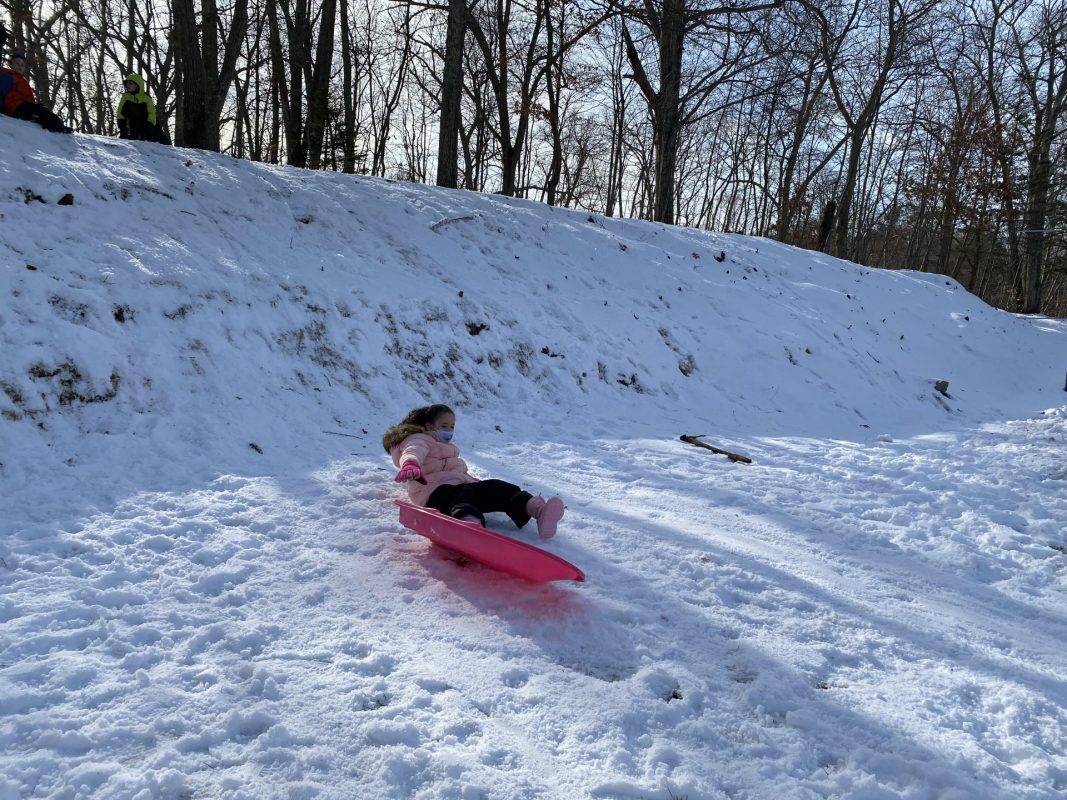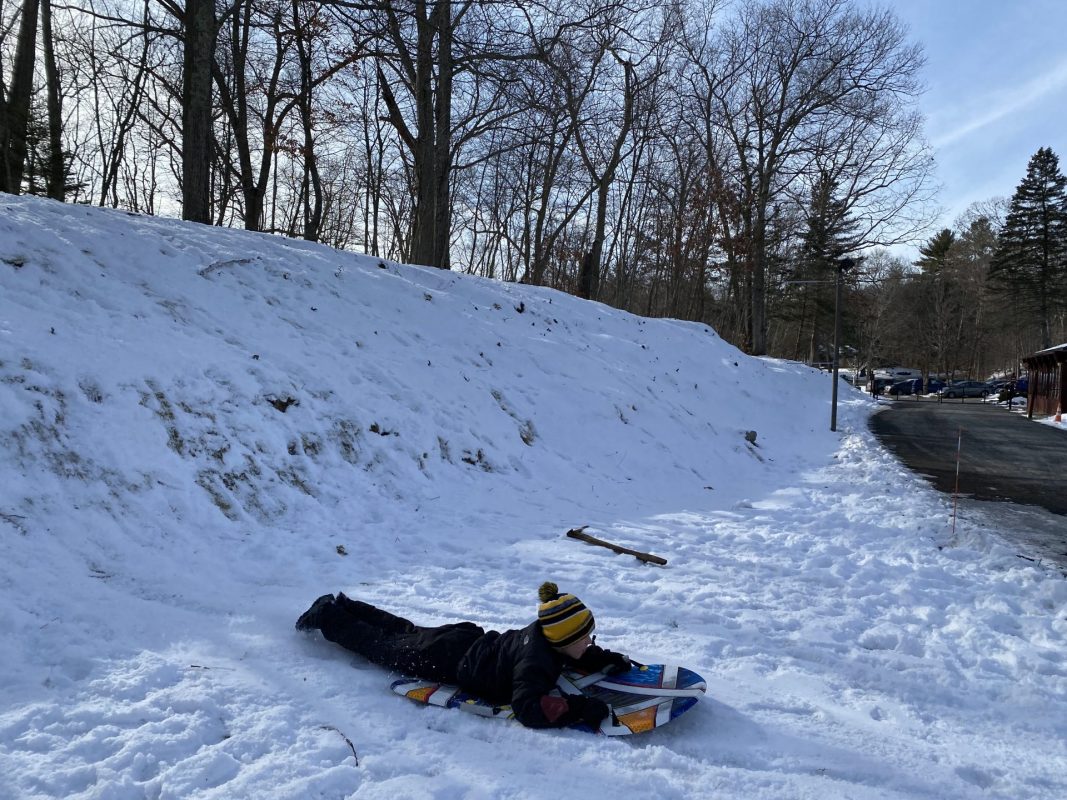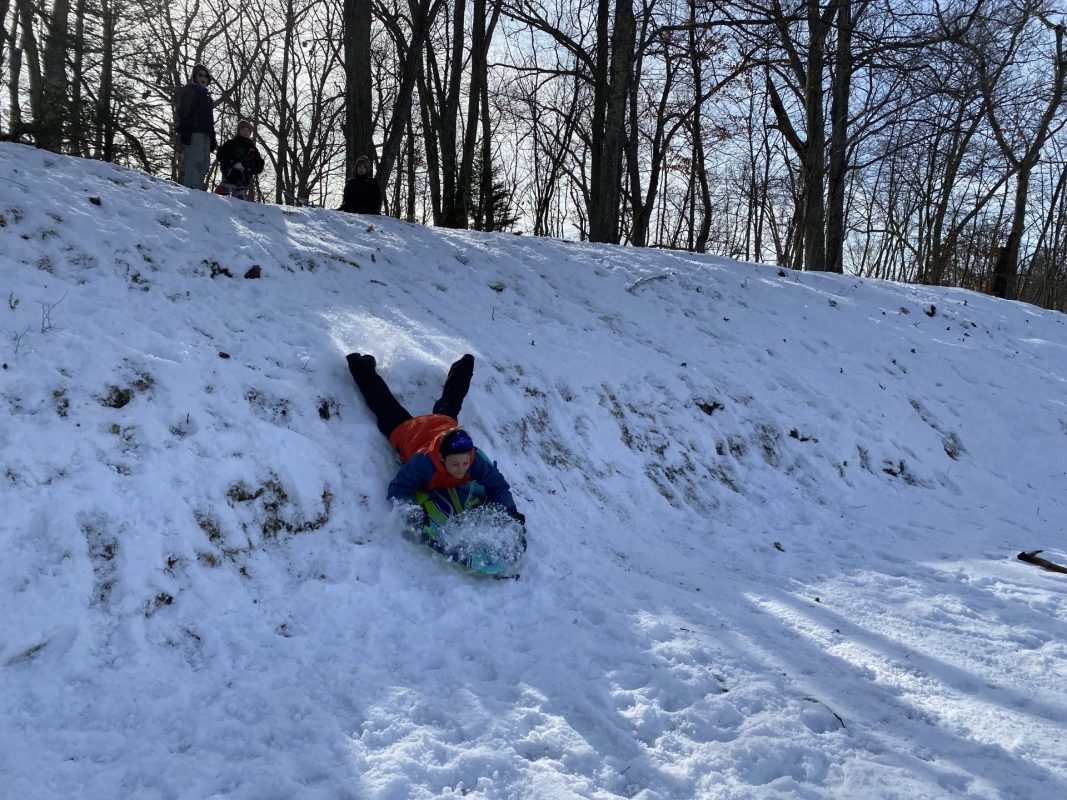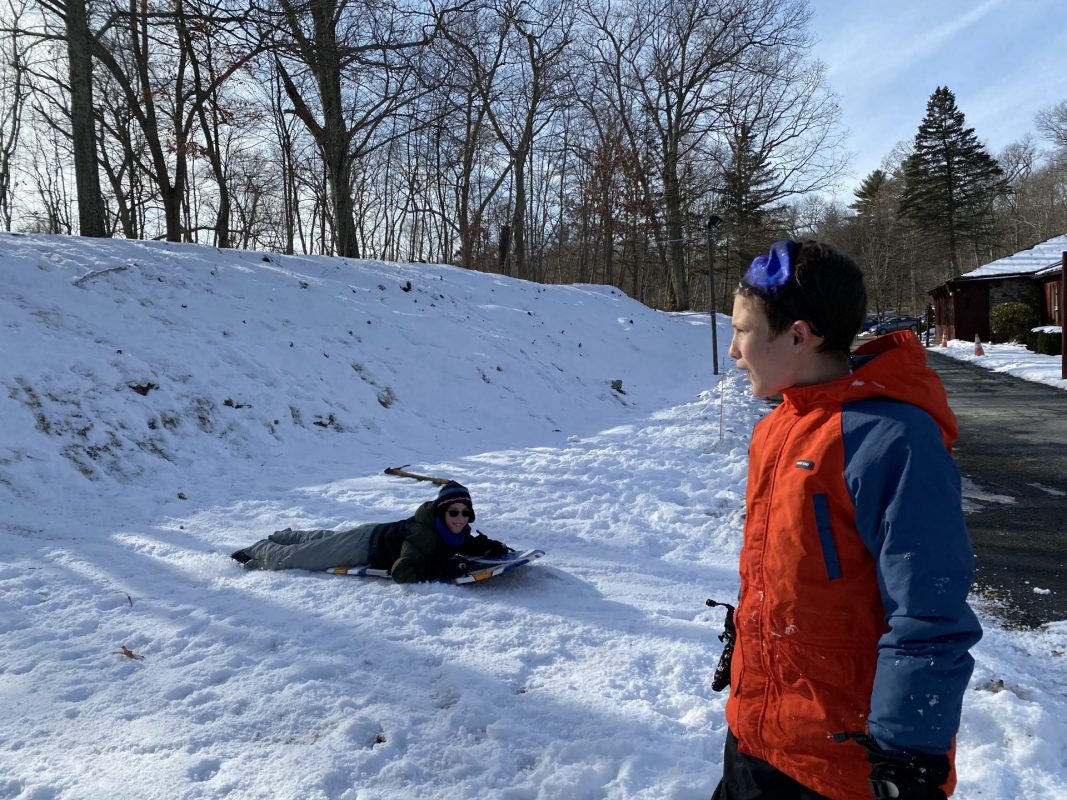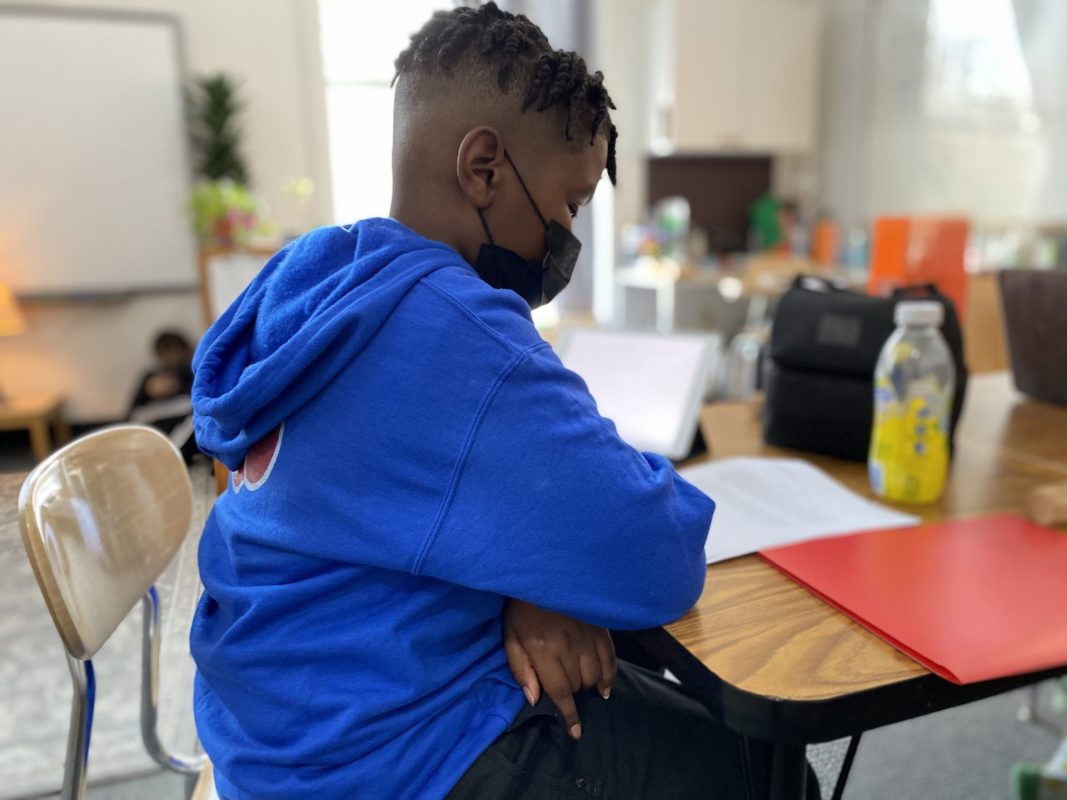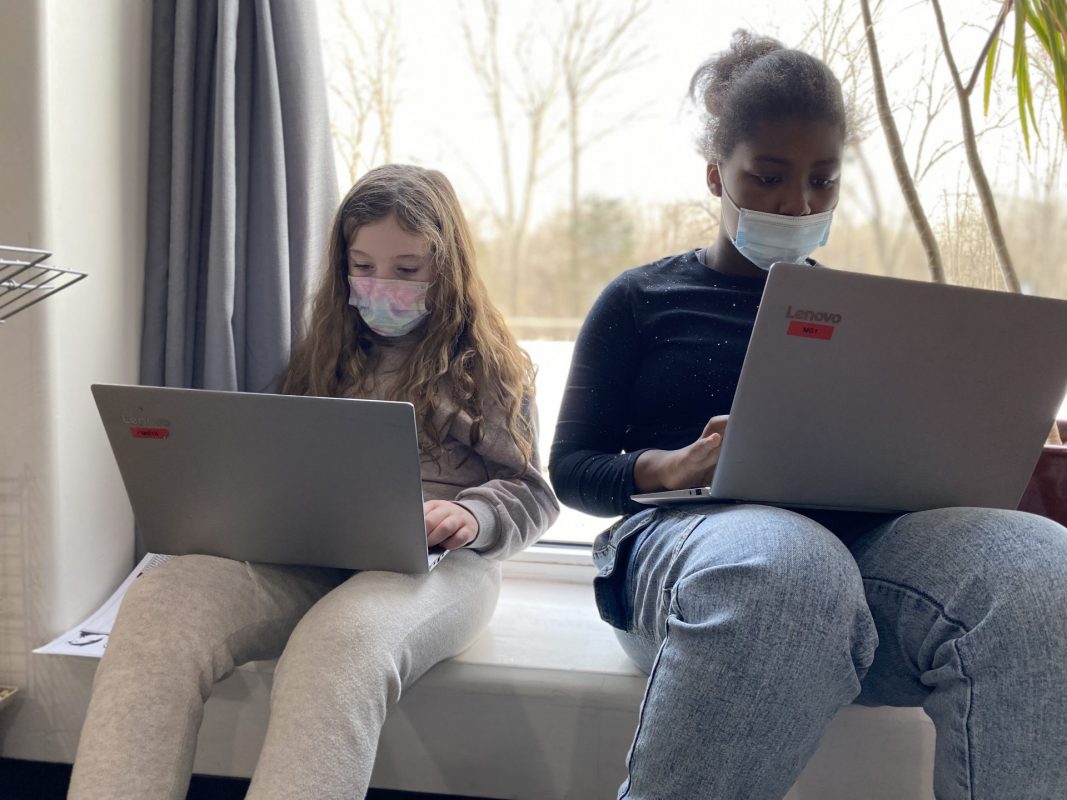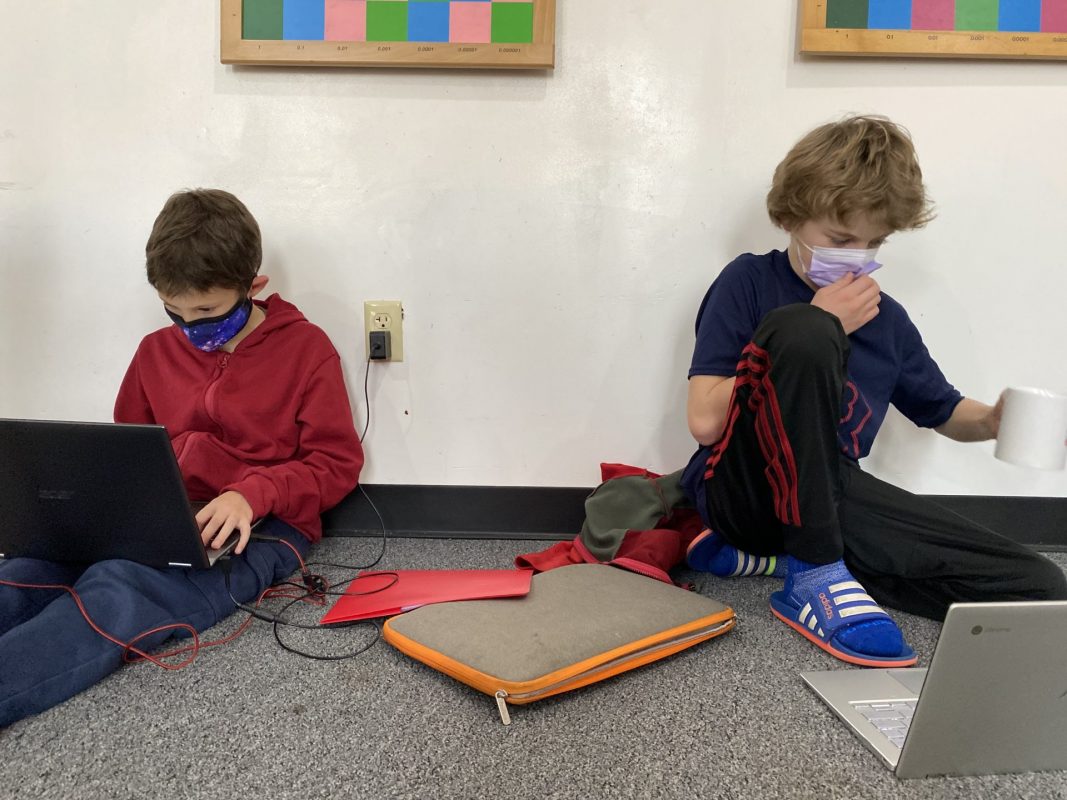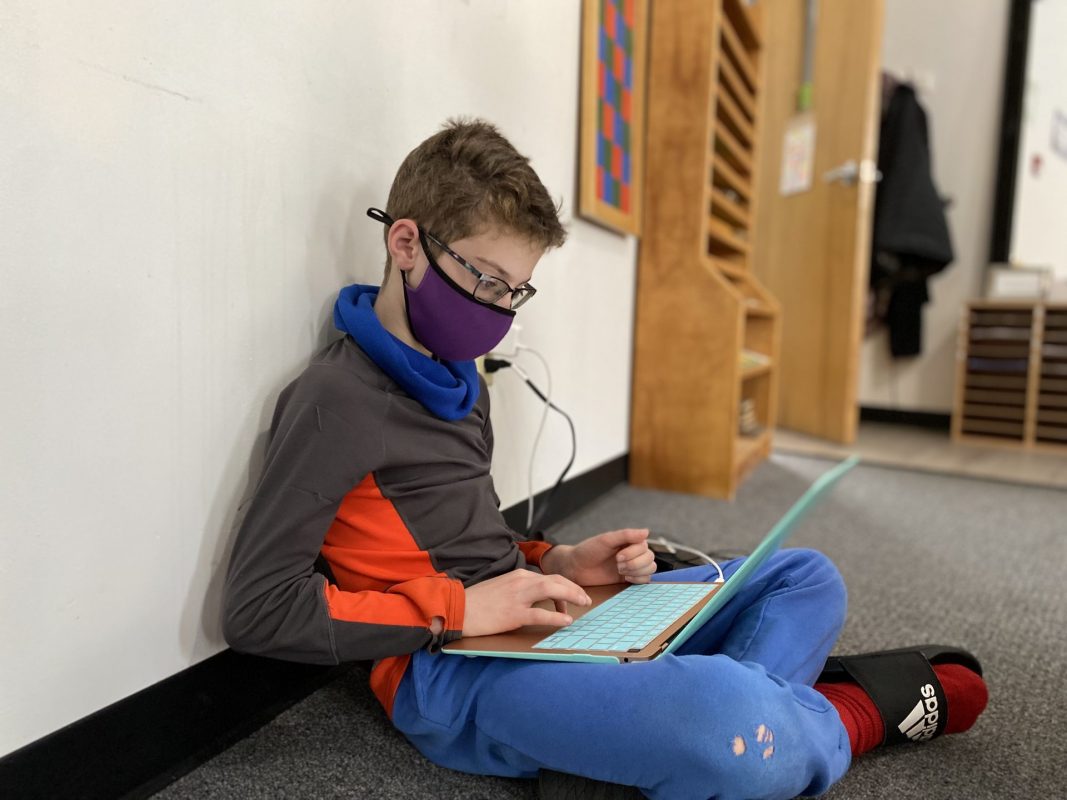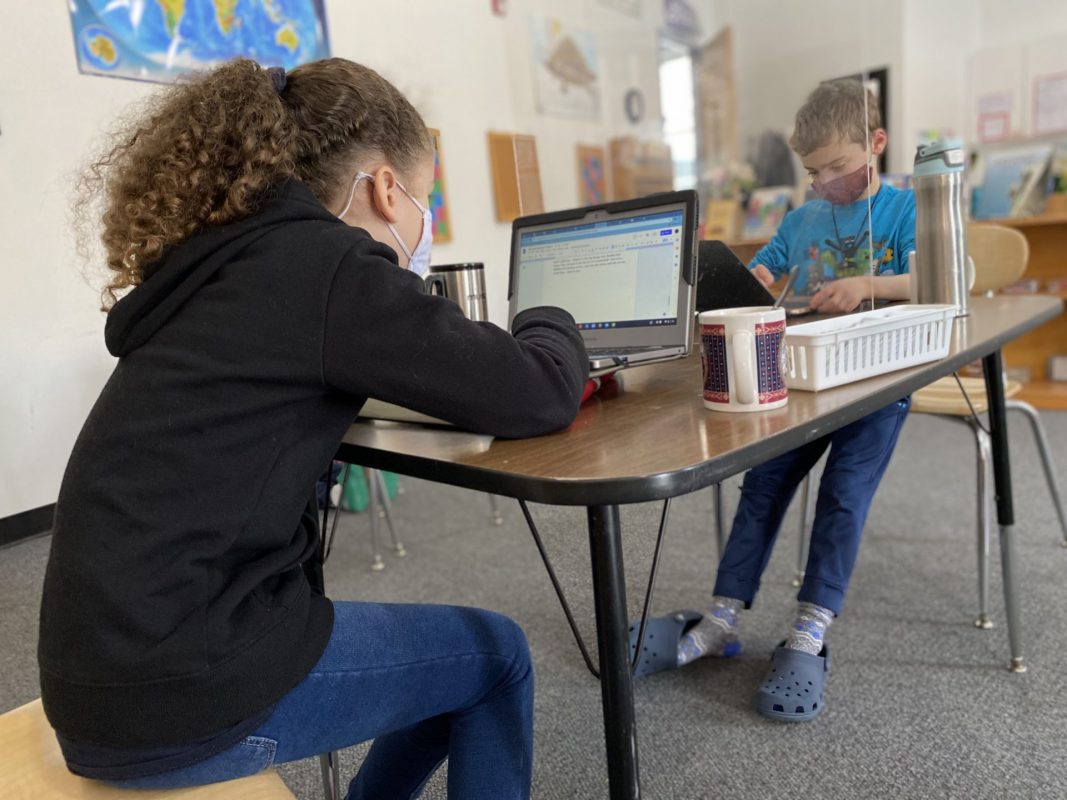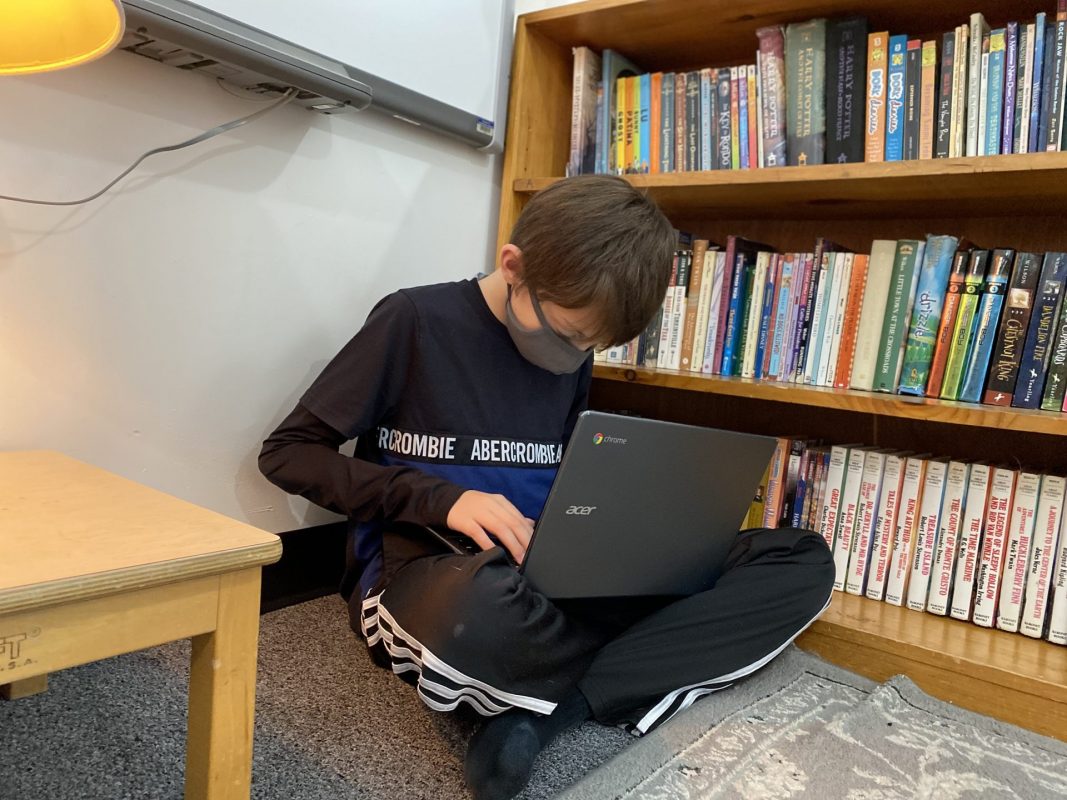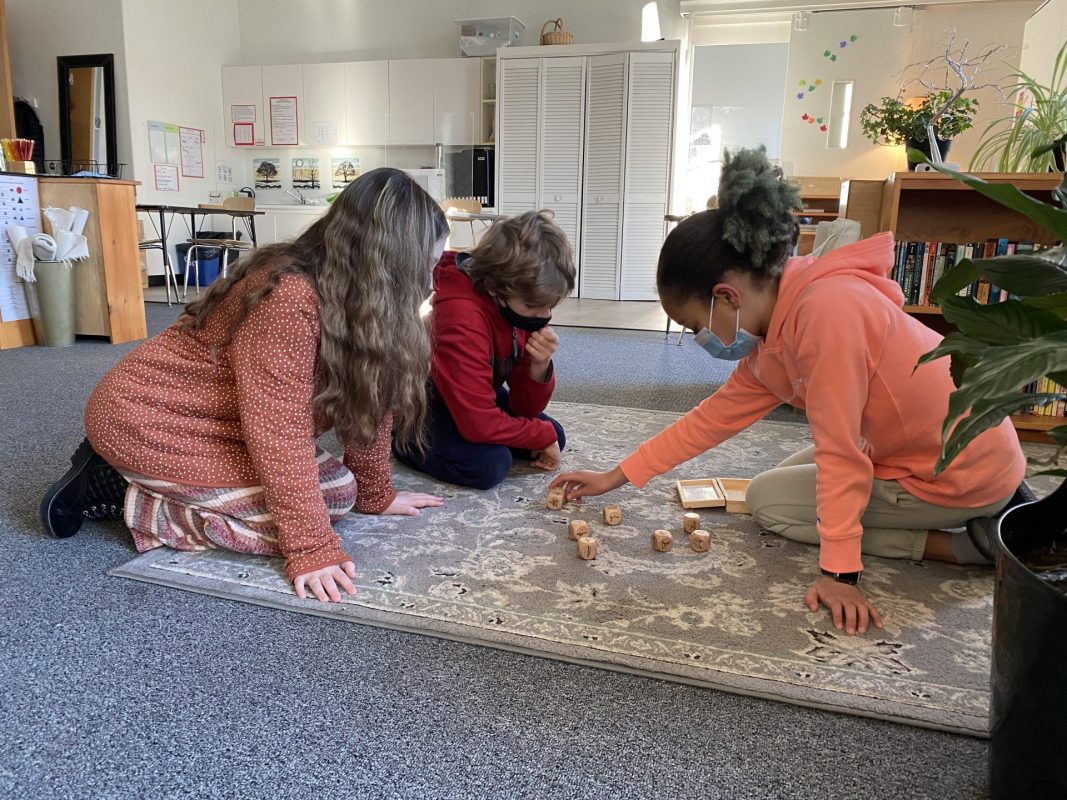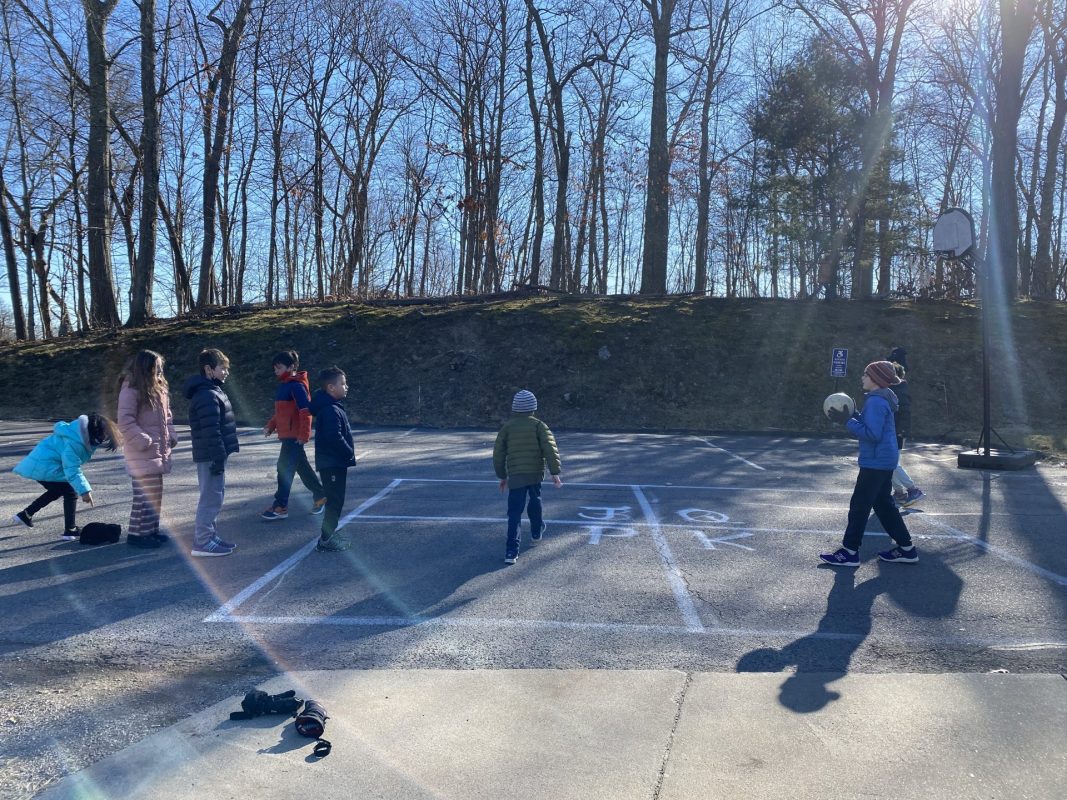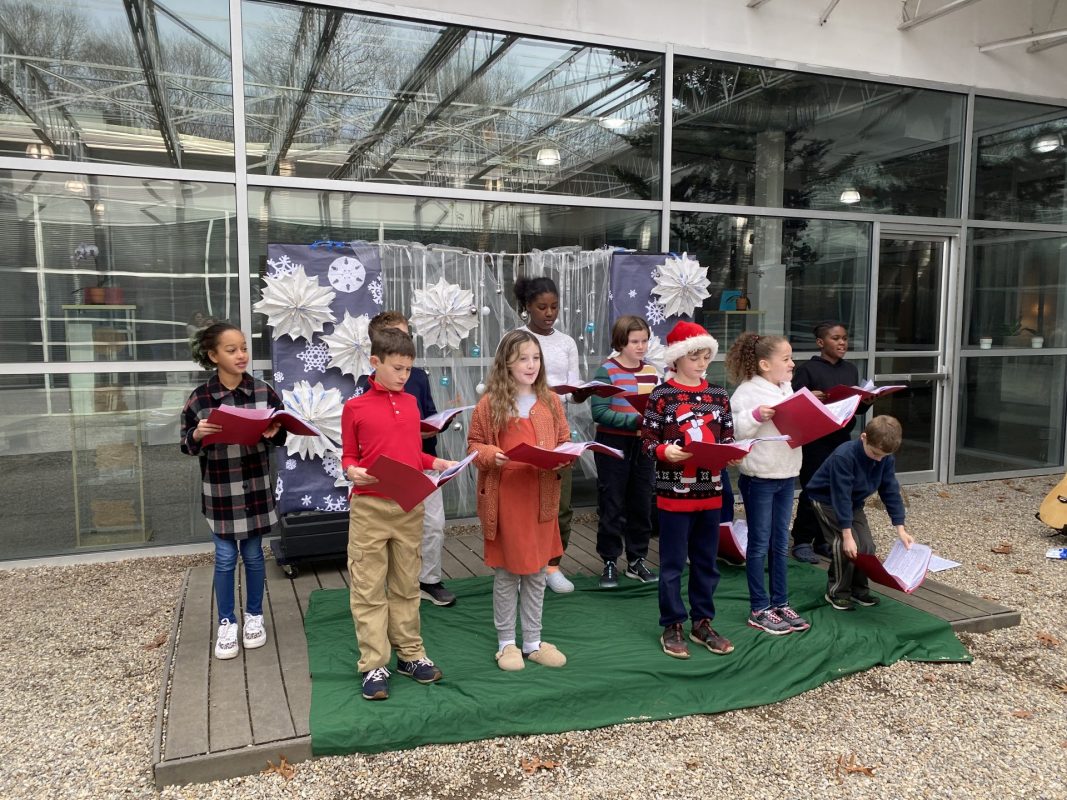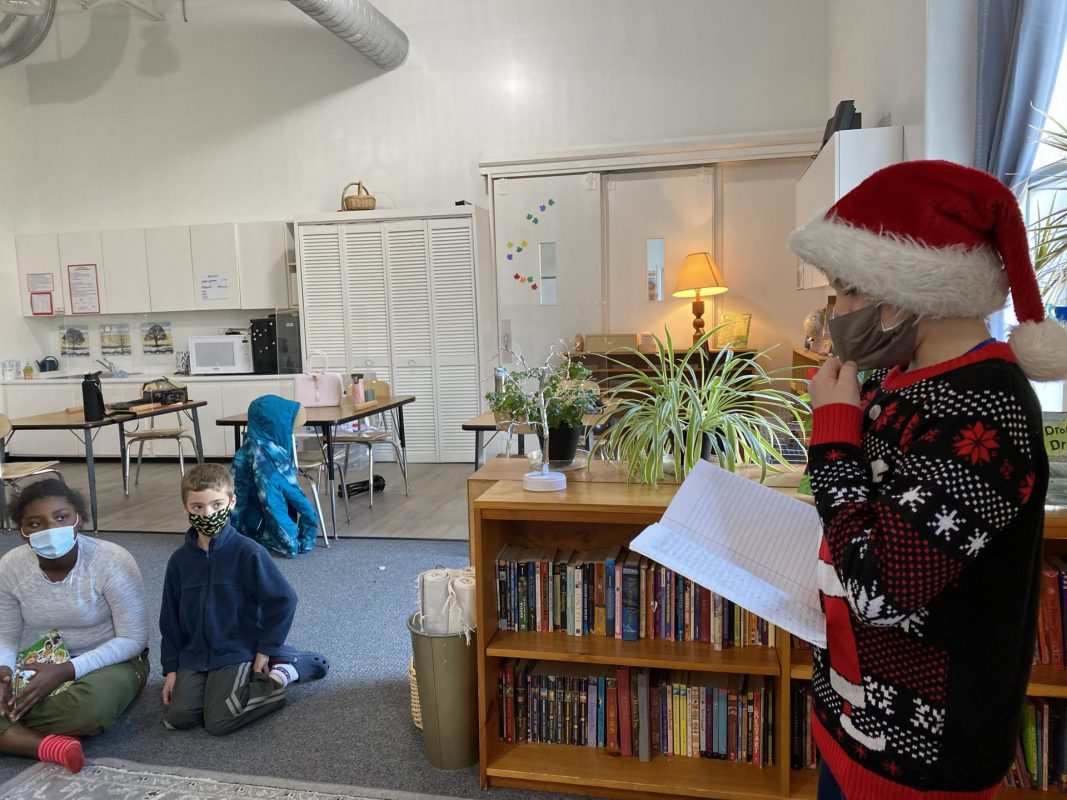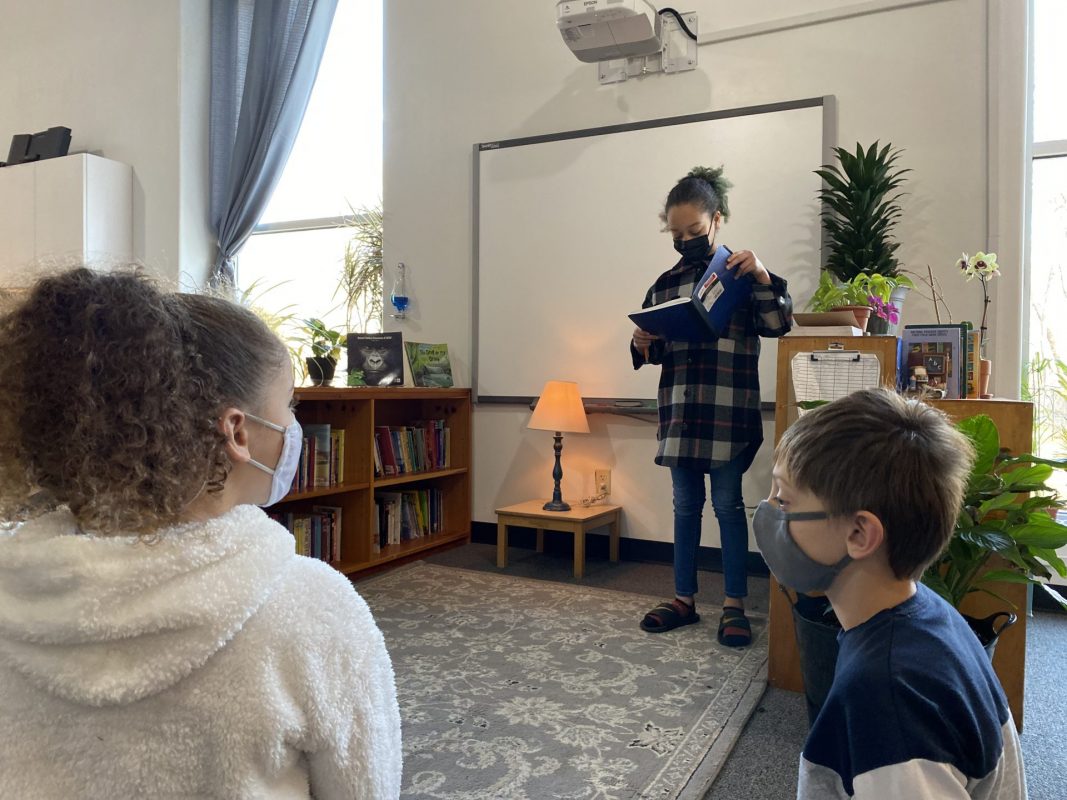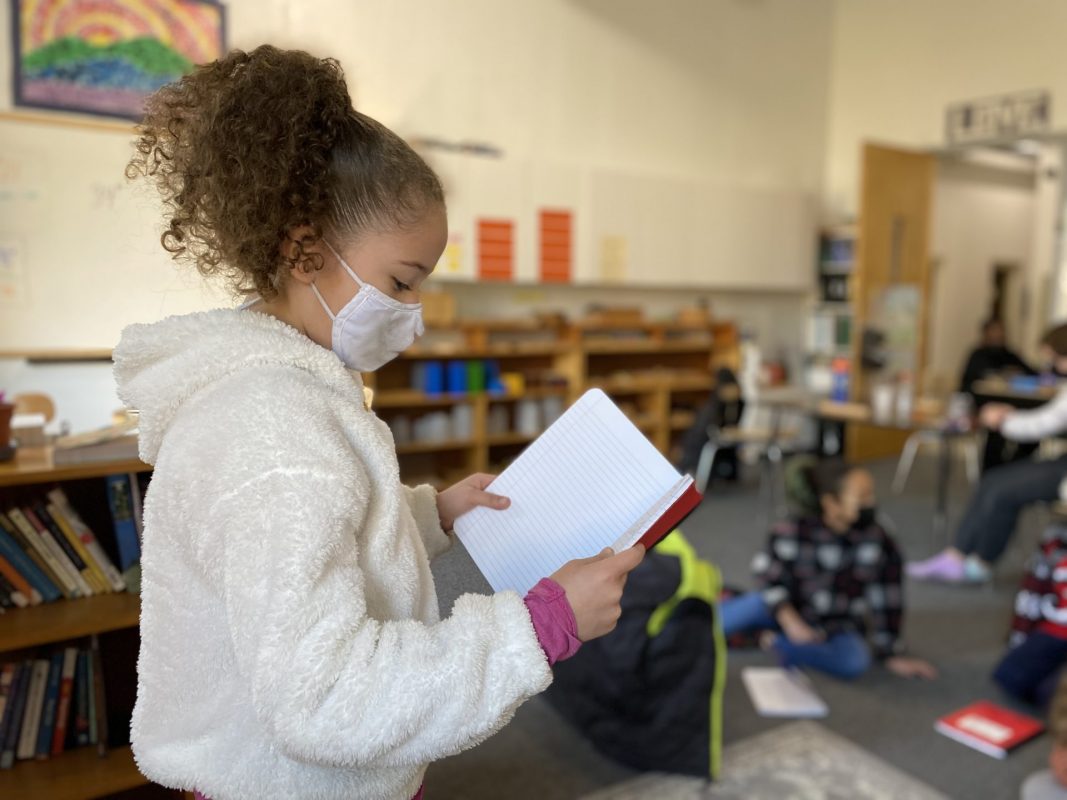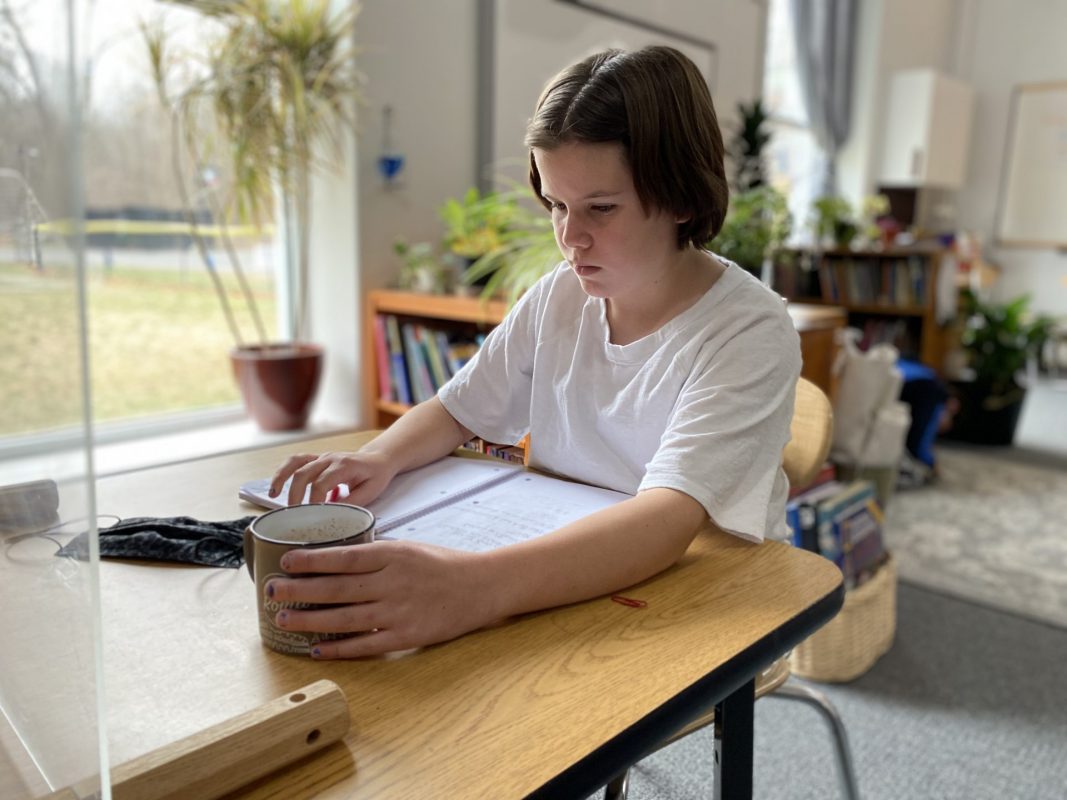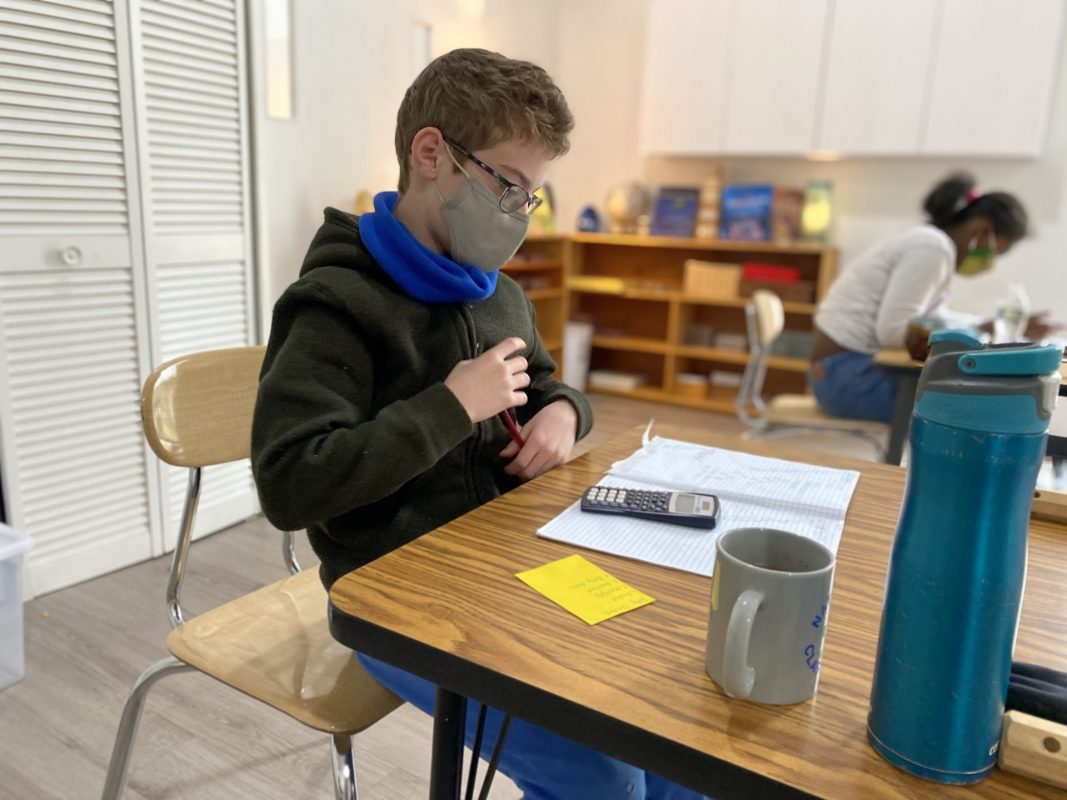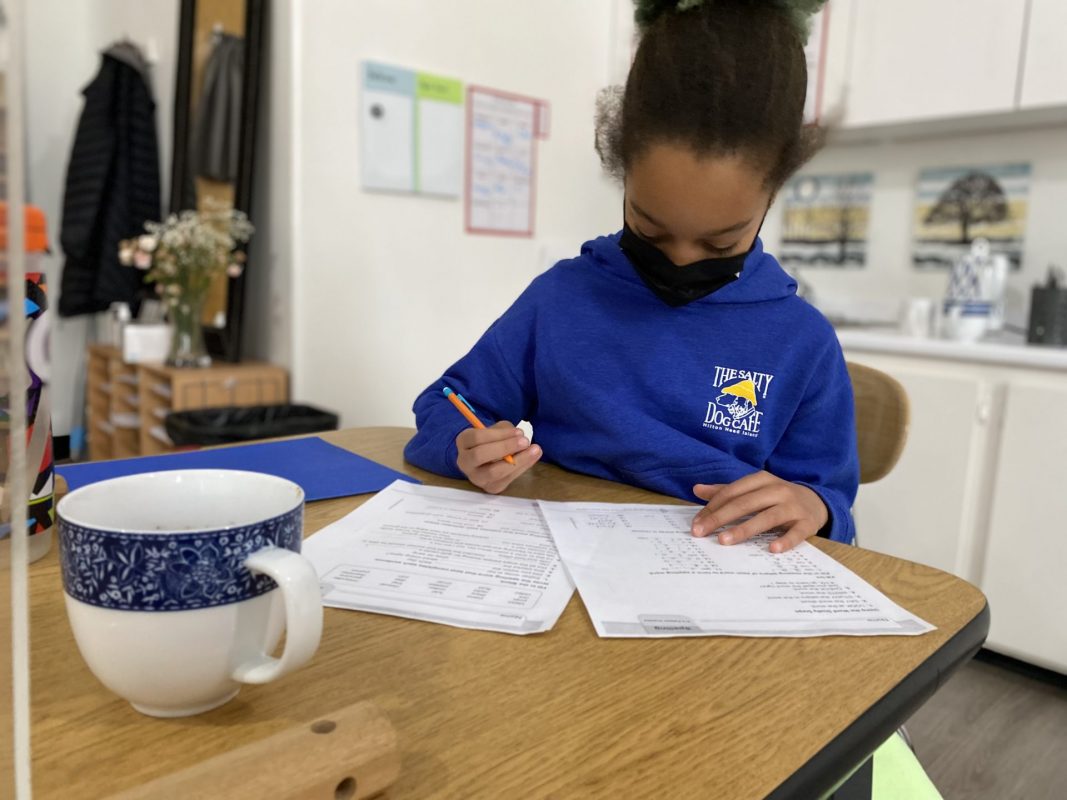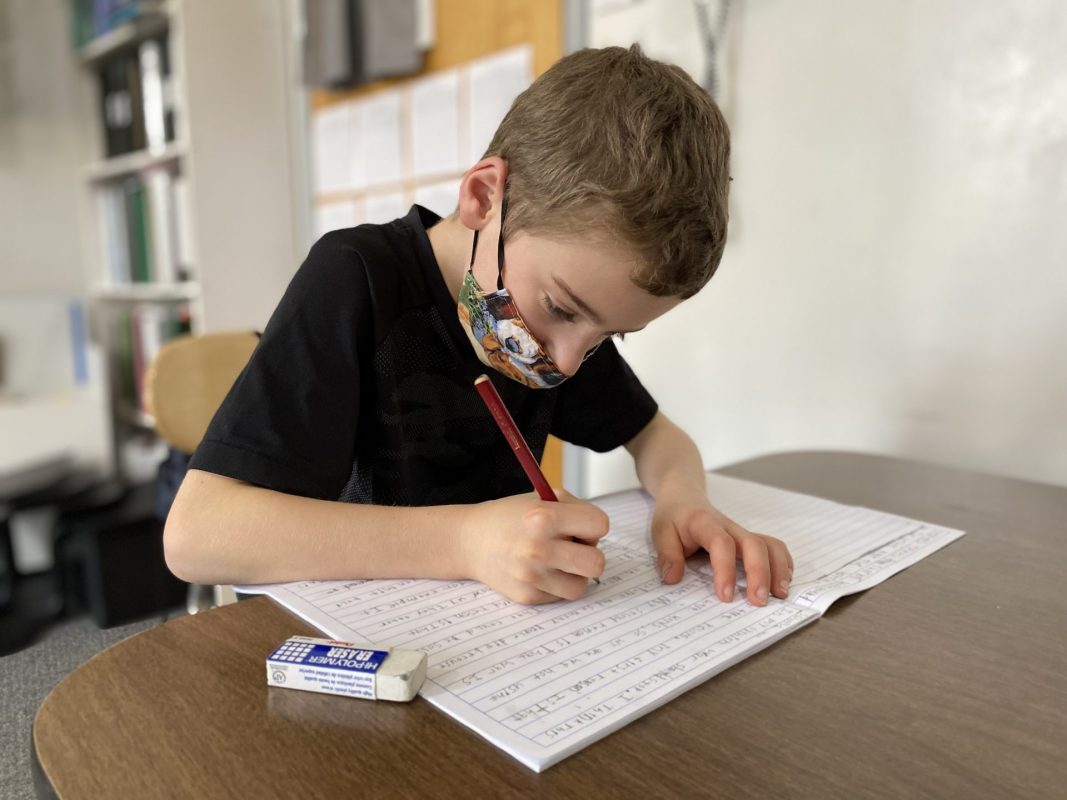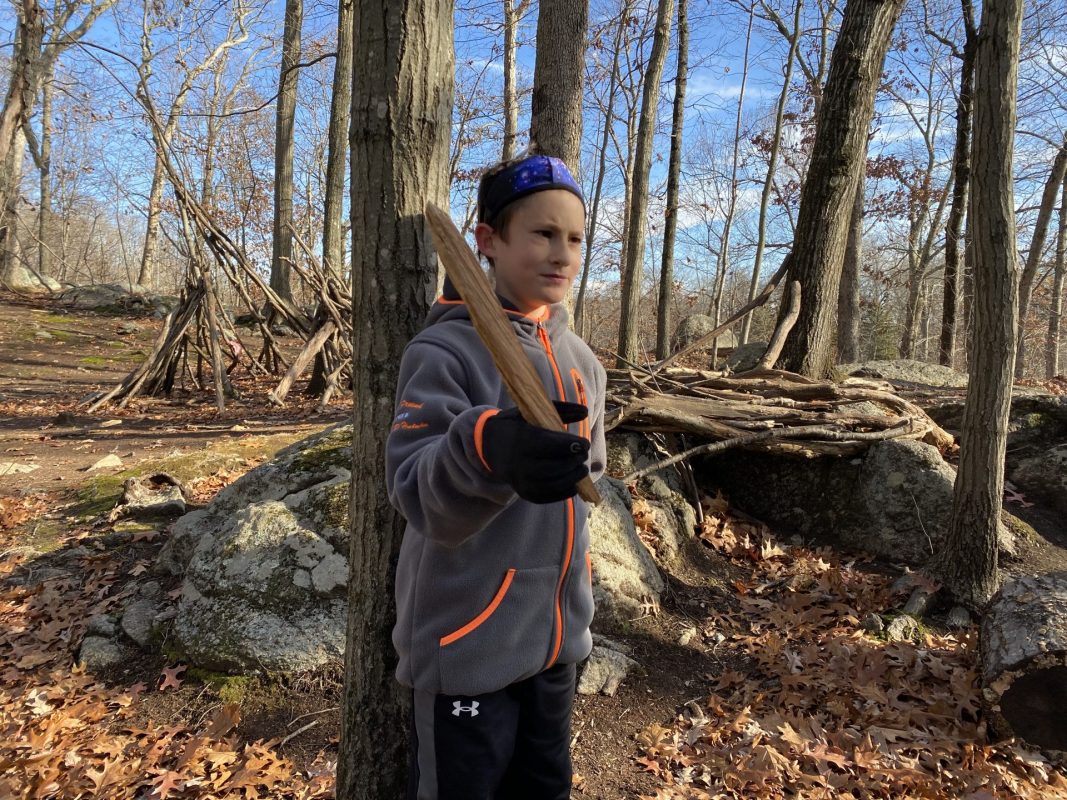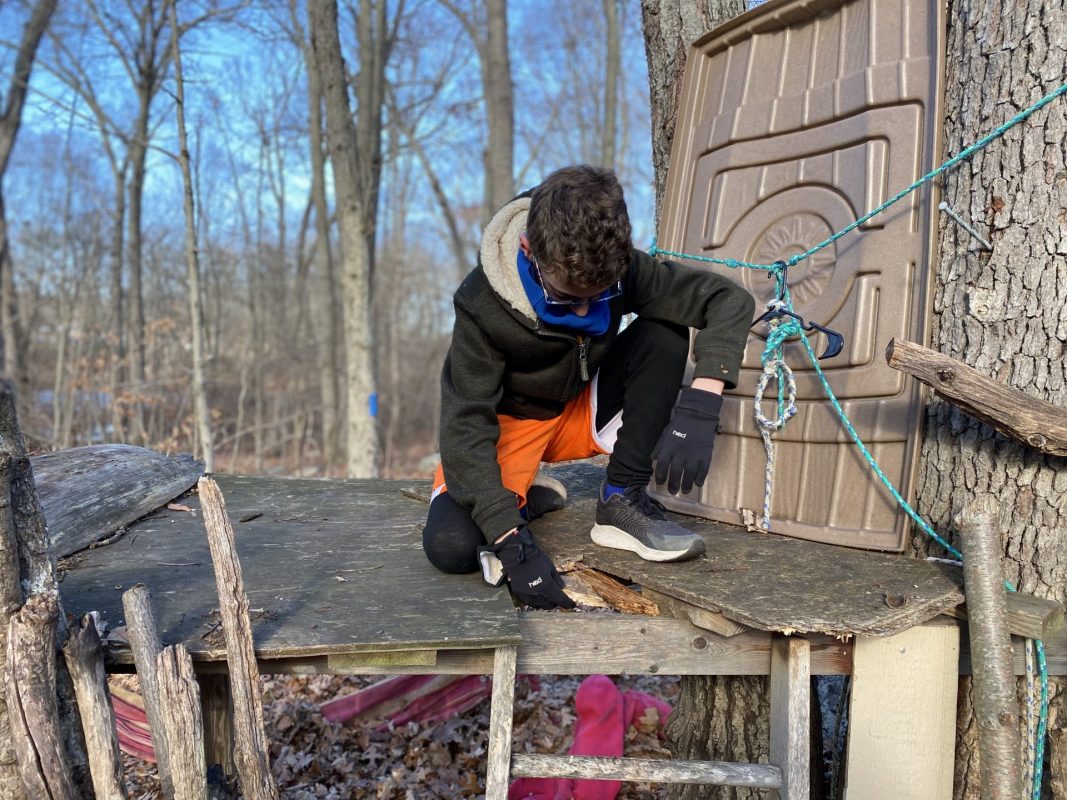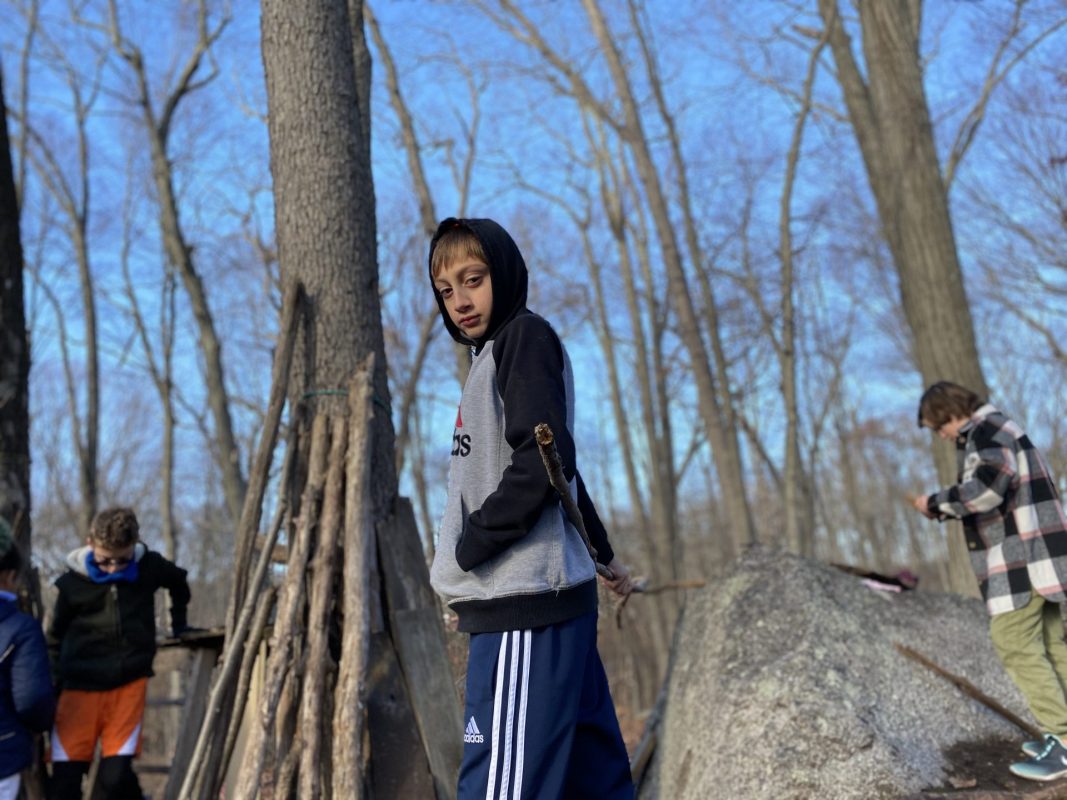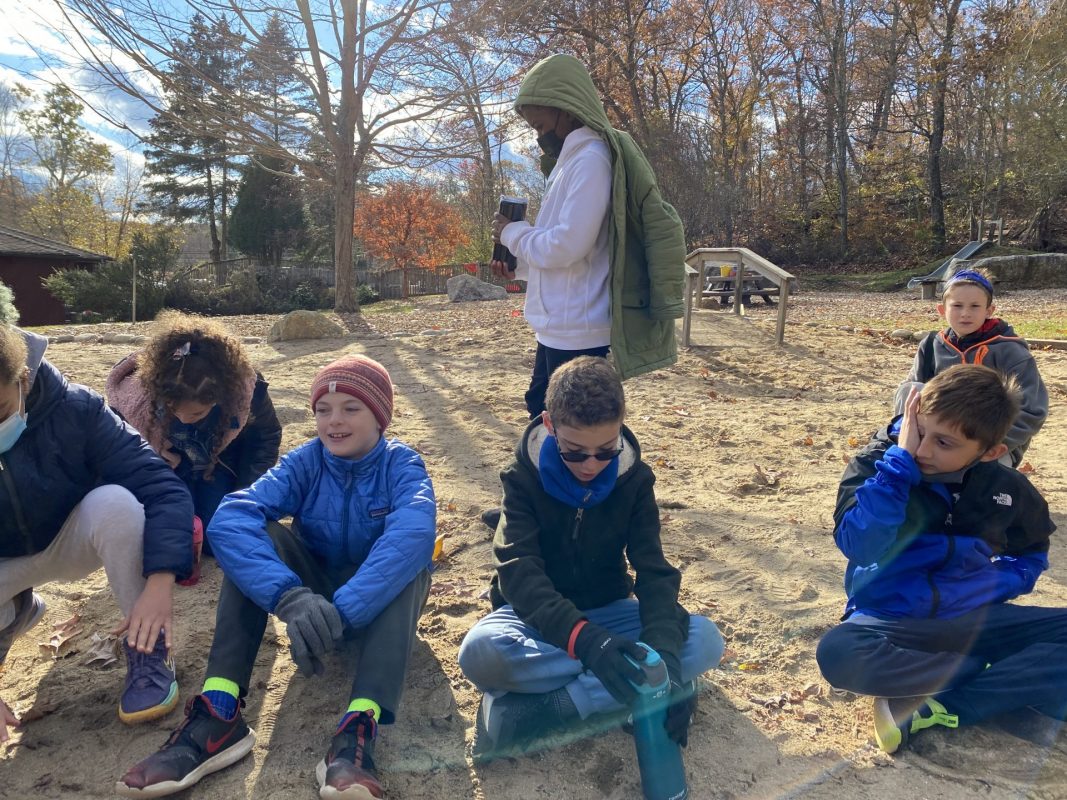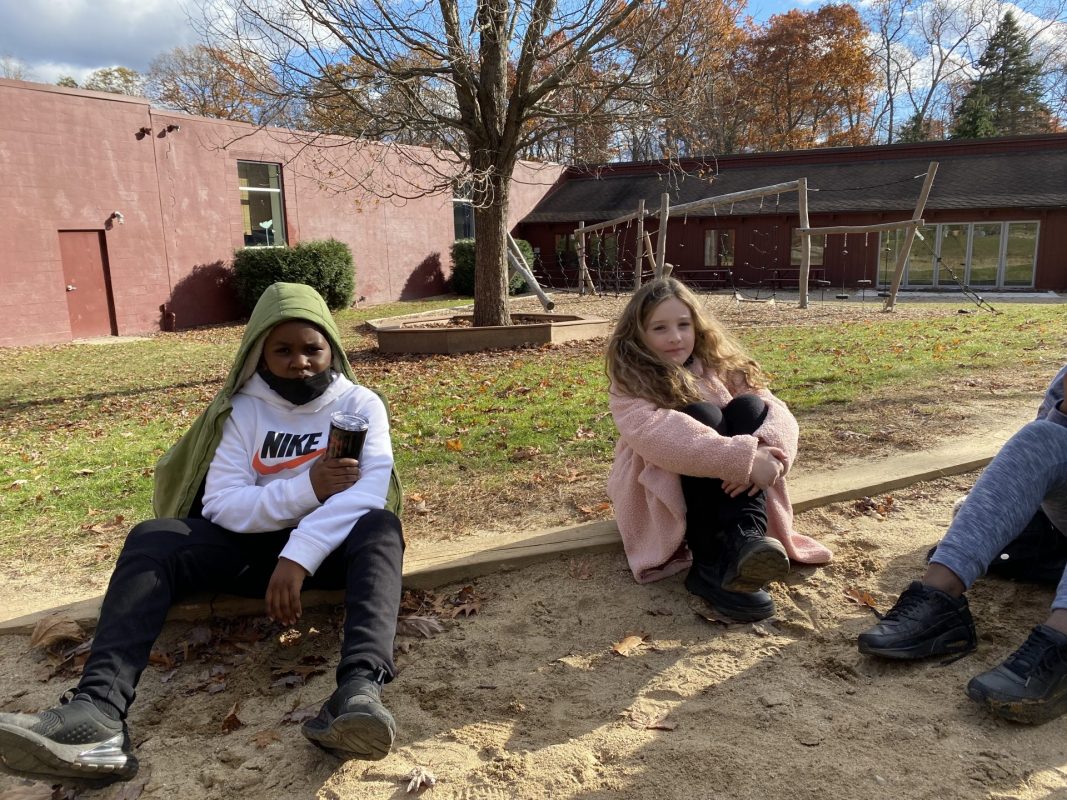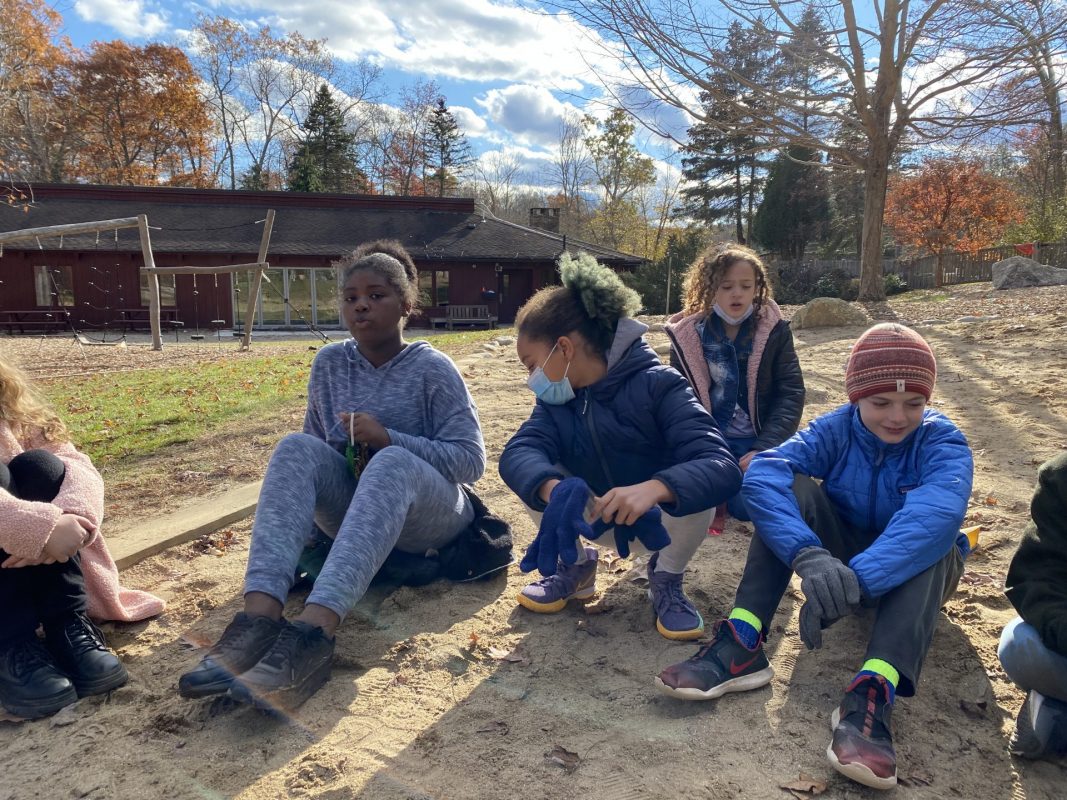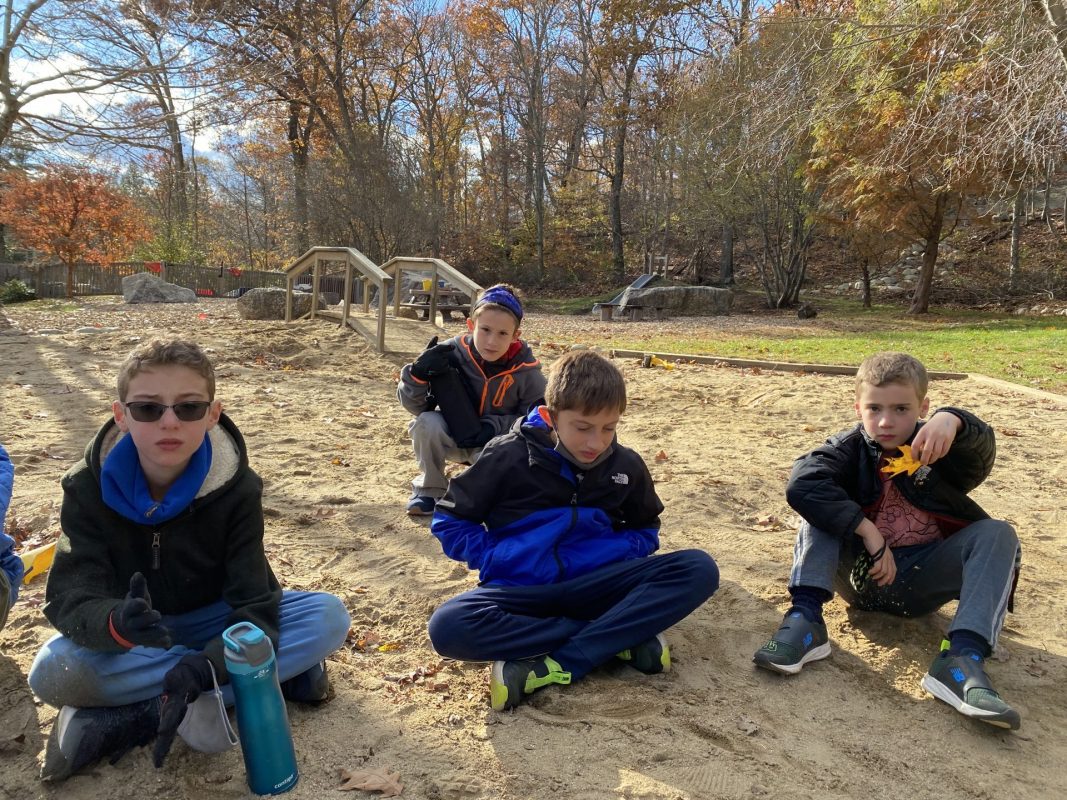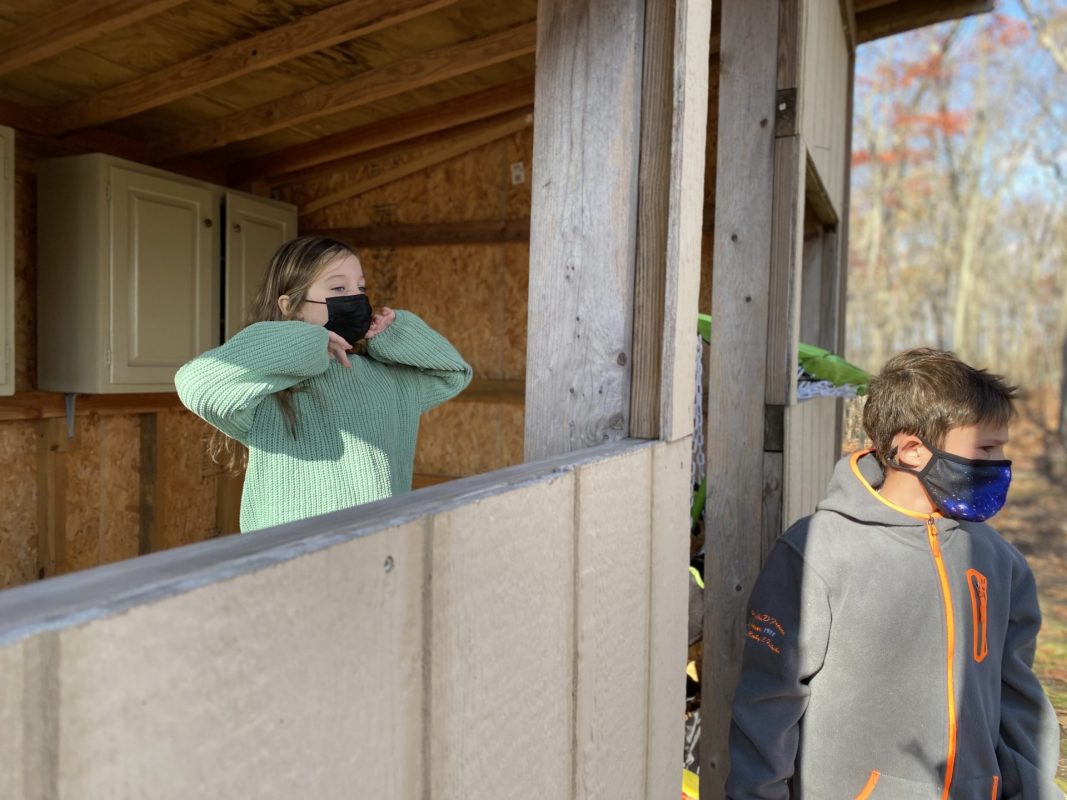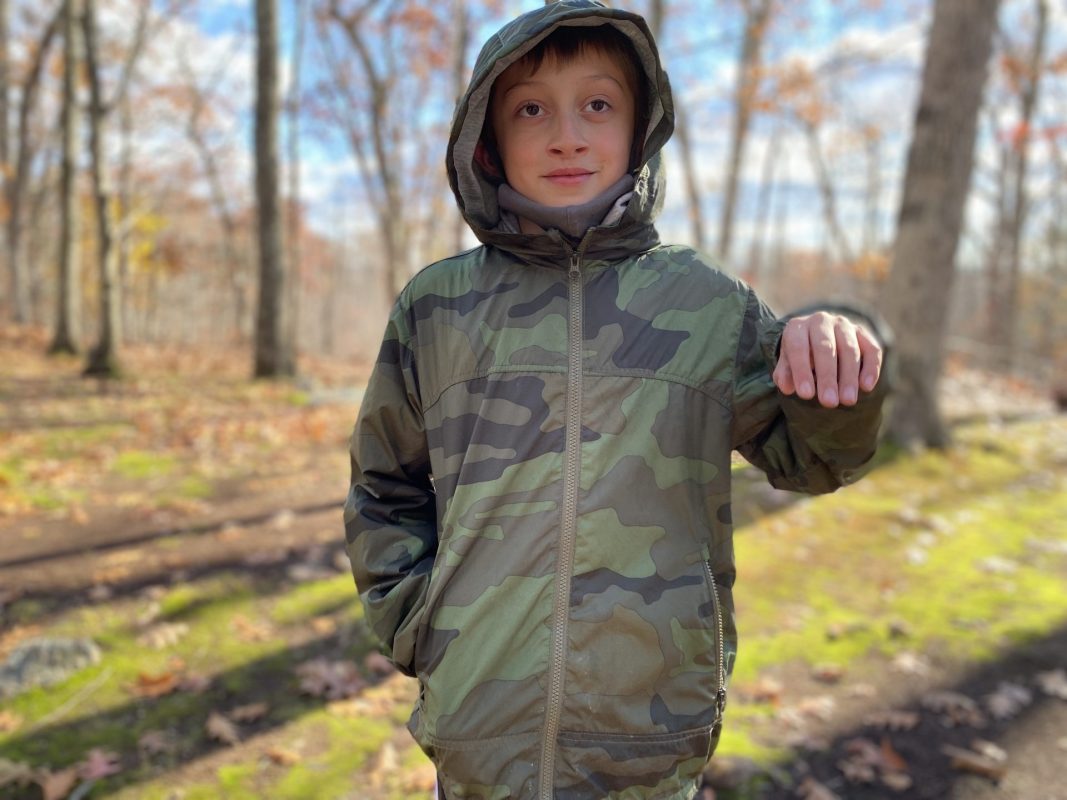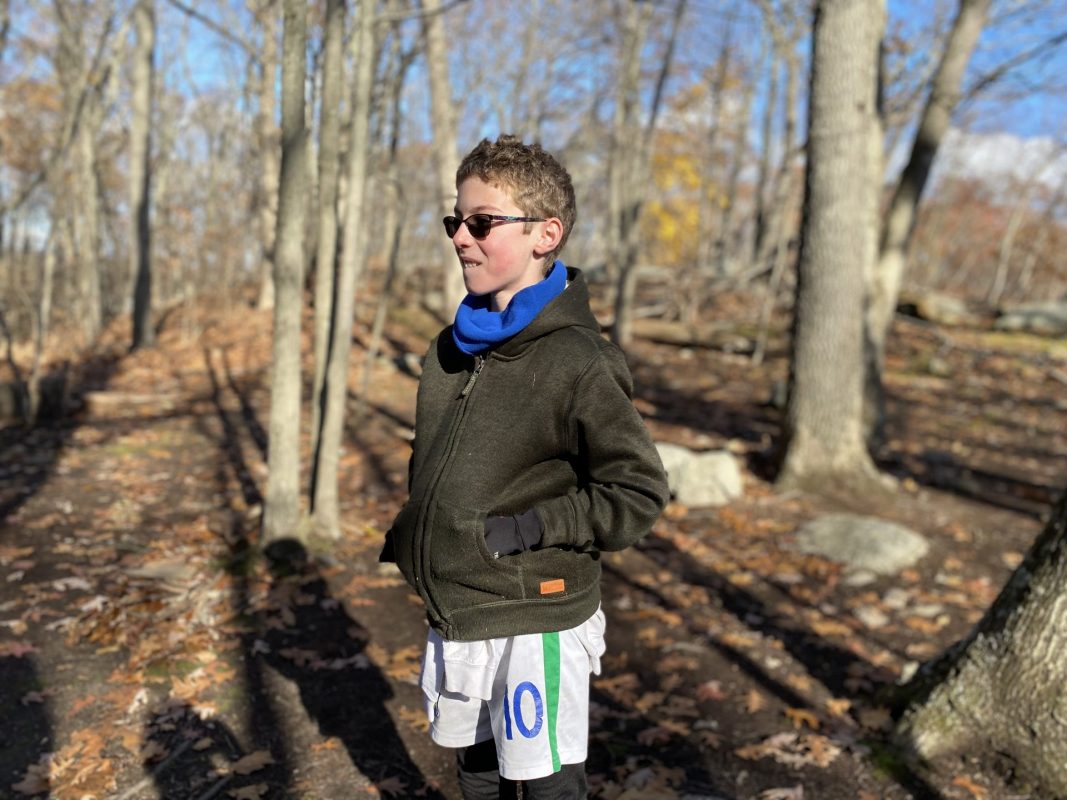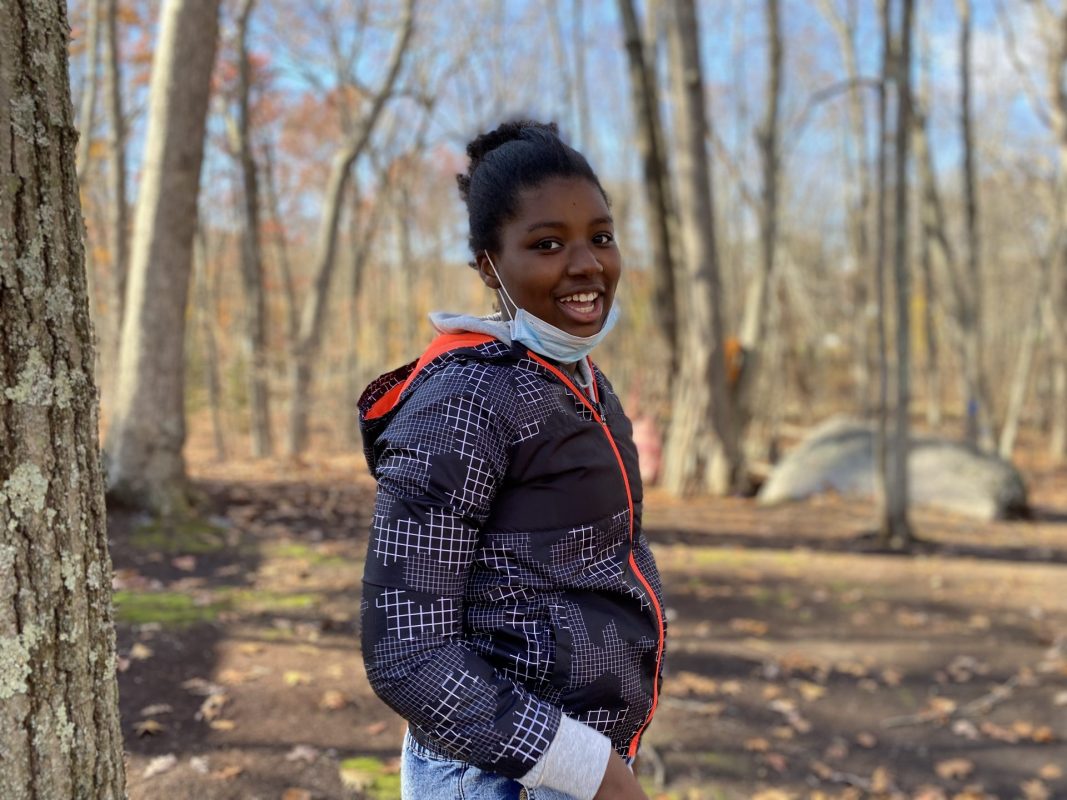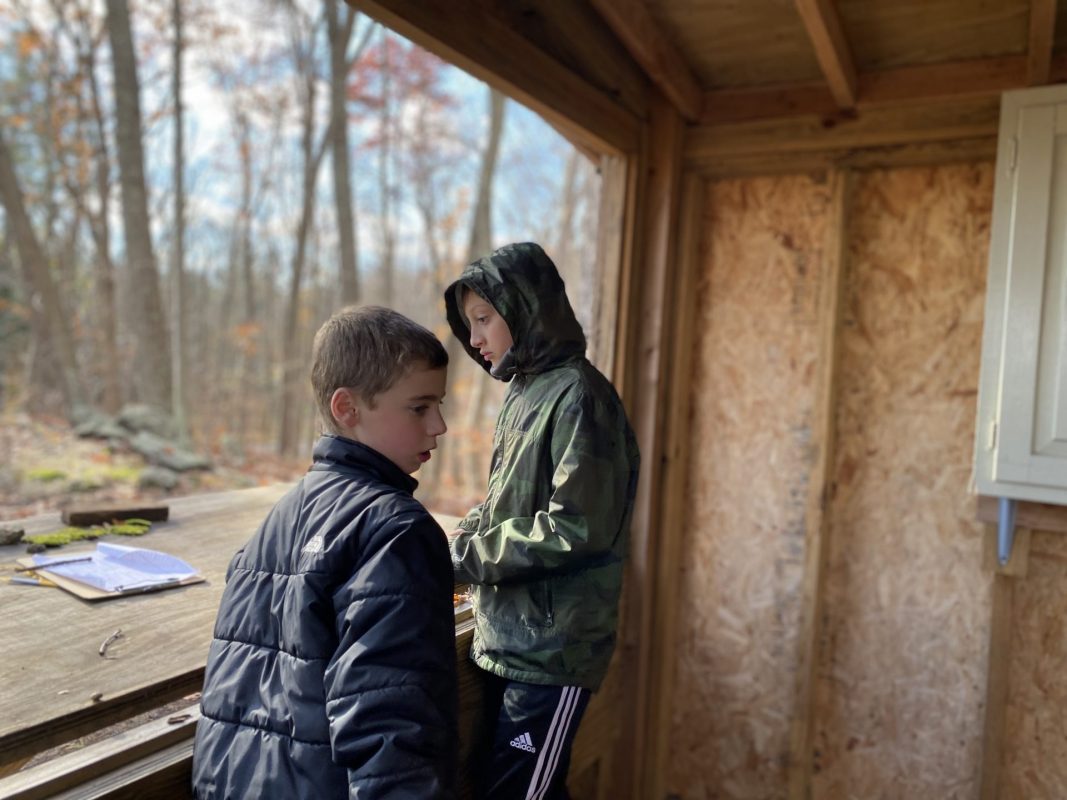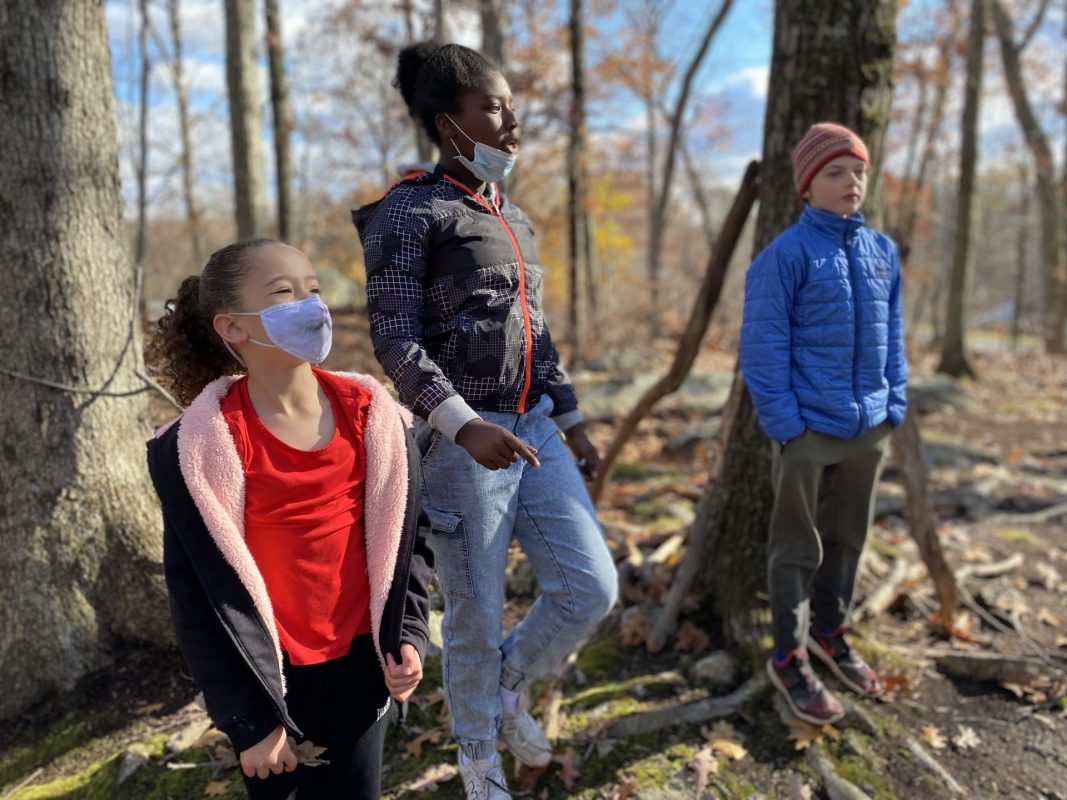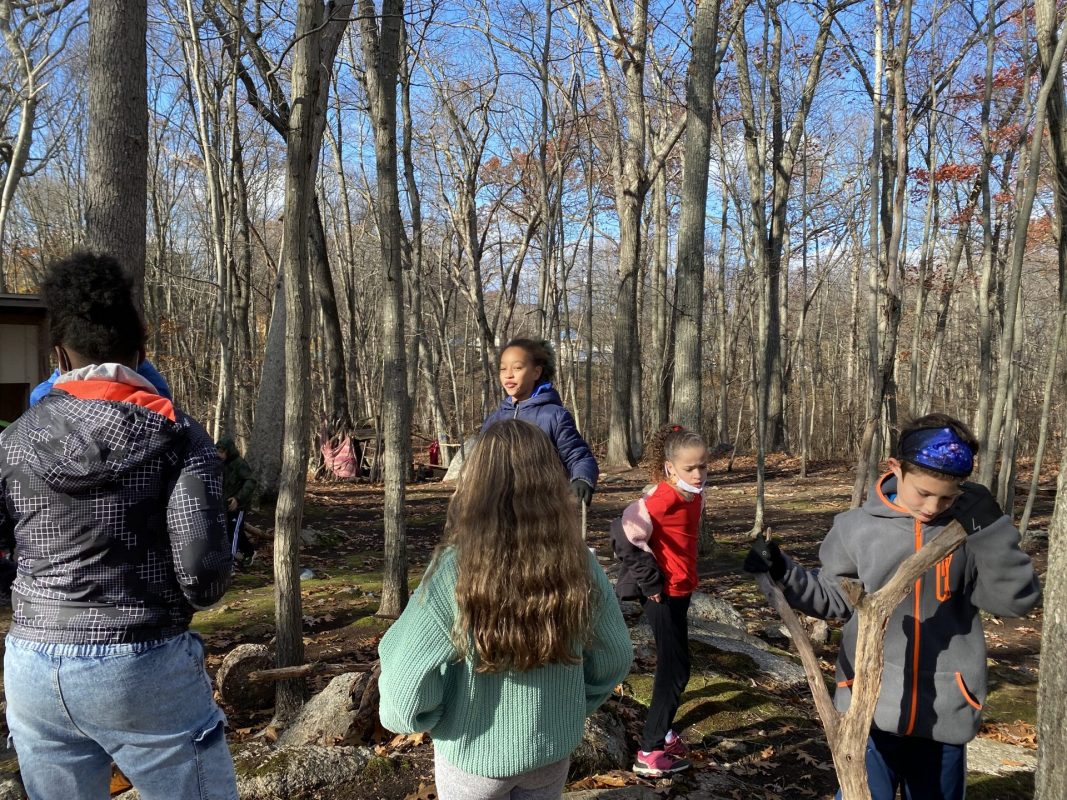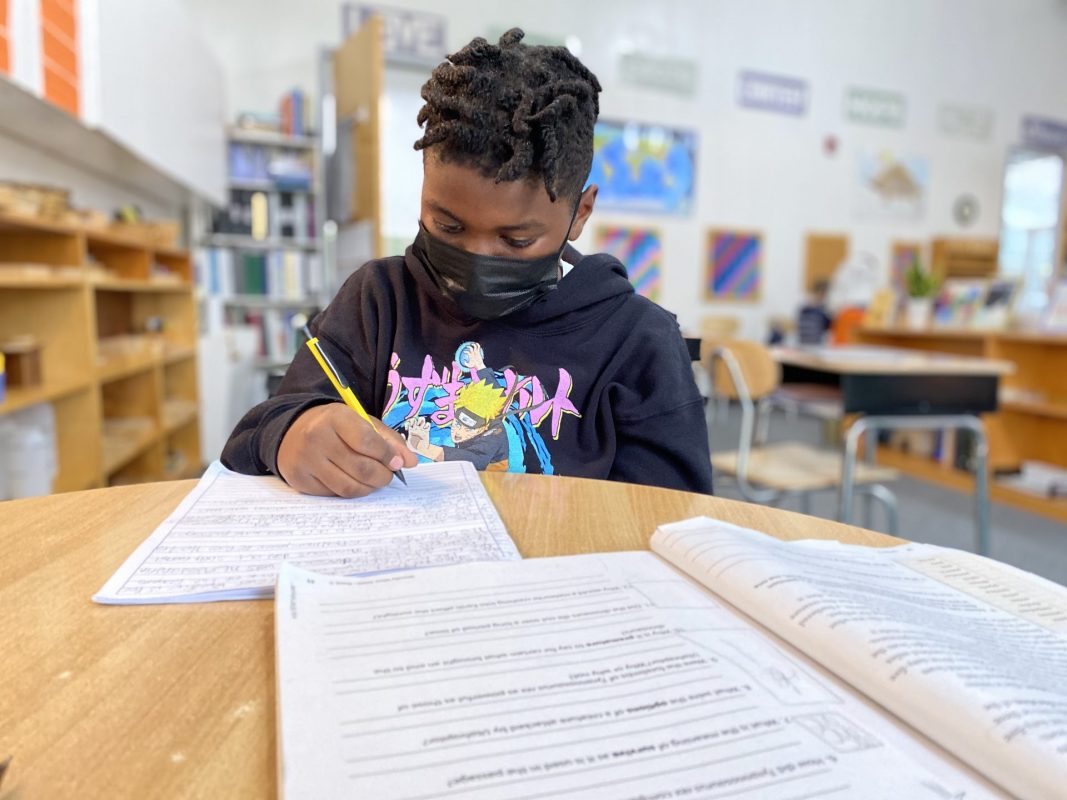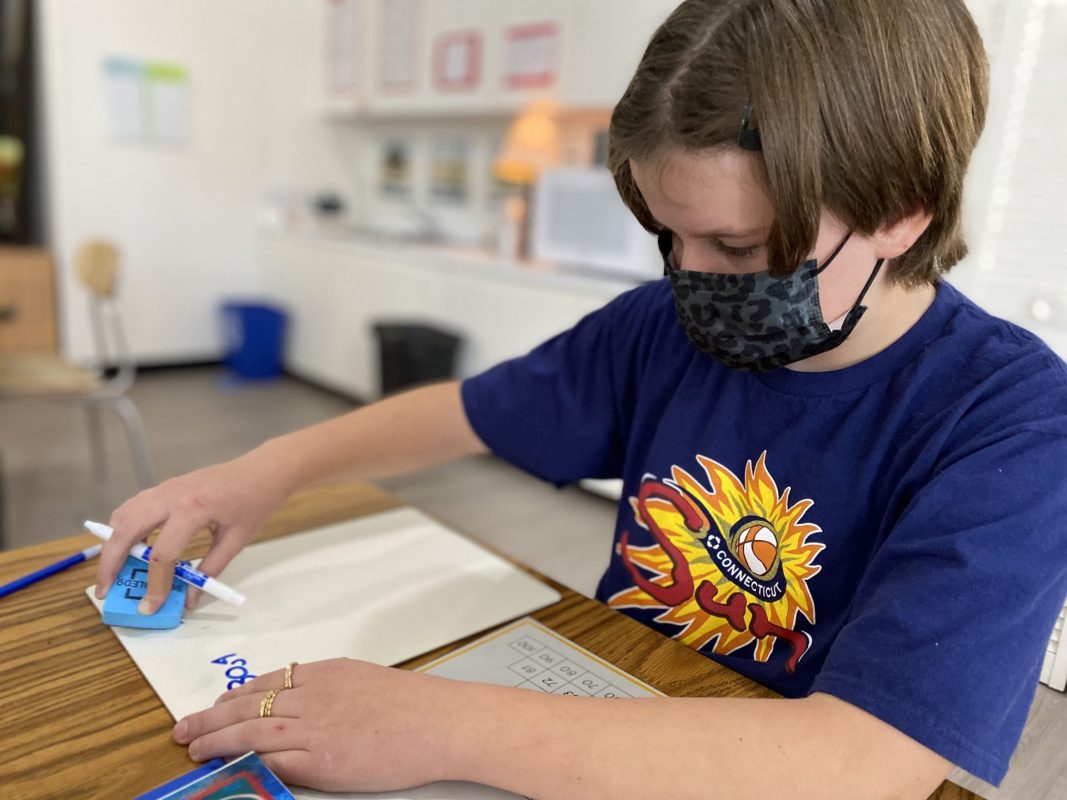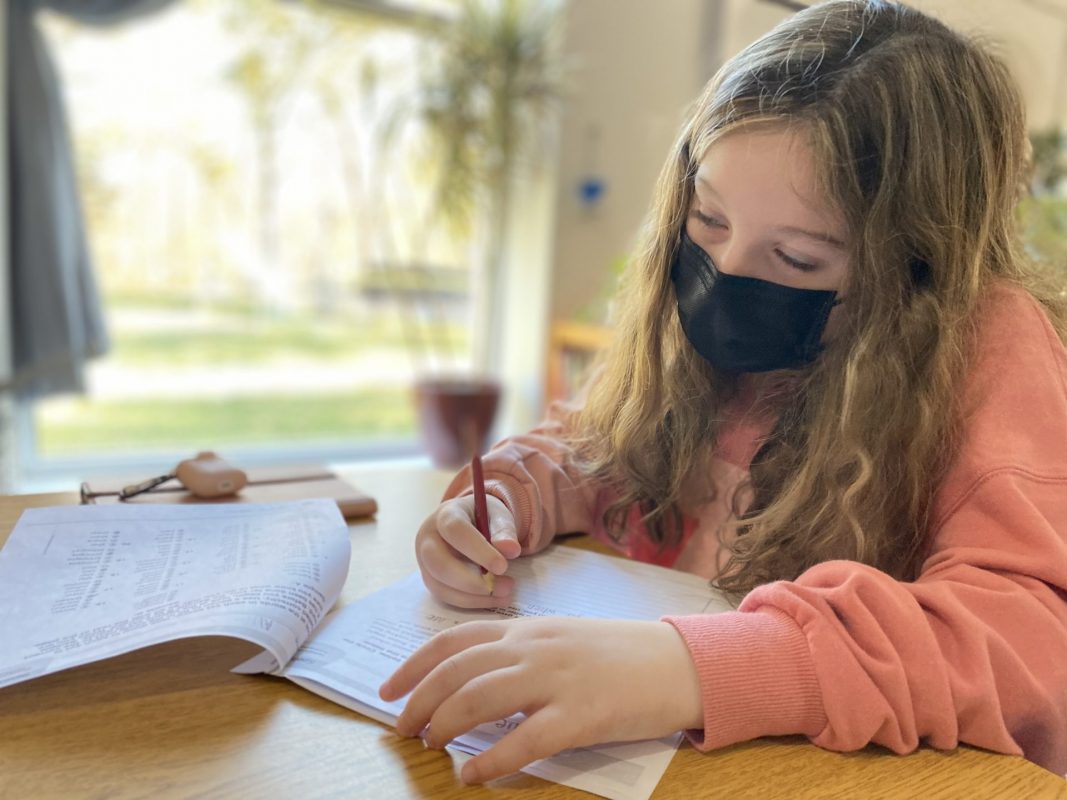
Upper El: Thank you!

May the Warm Winds of Heaven blow softly upon your house. May the Great Spirit bless all who enter there. May your mocassins make happy tracks in many snows. And may the rainbow always touch your shoulder. -Sioux Prayer, translated by Lakota Sioux Chief, Yellow Lark

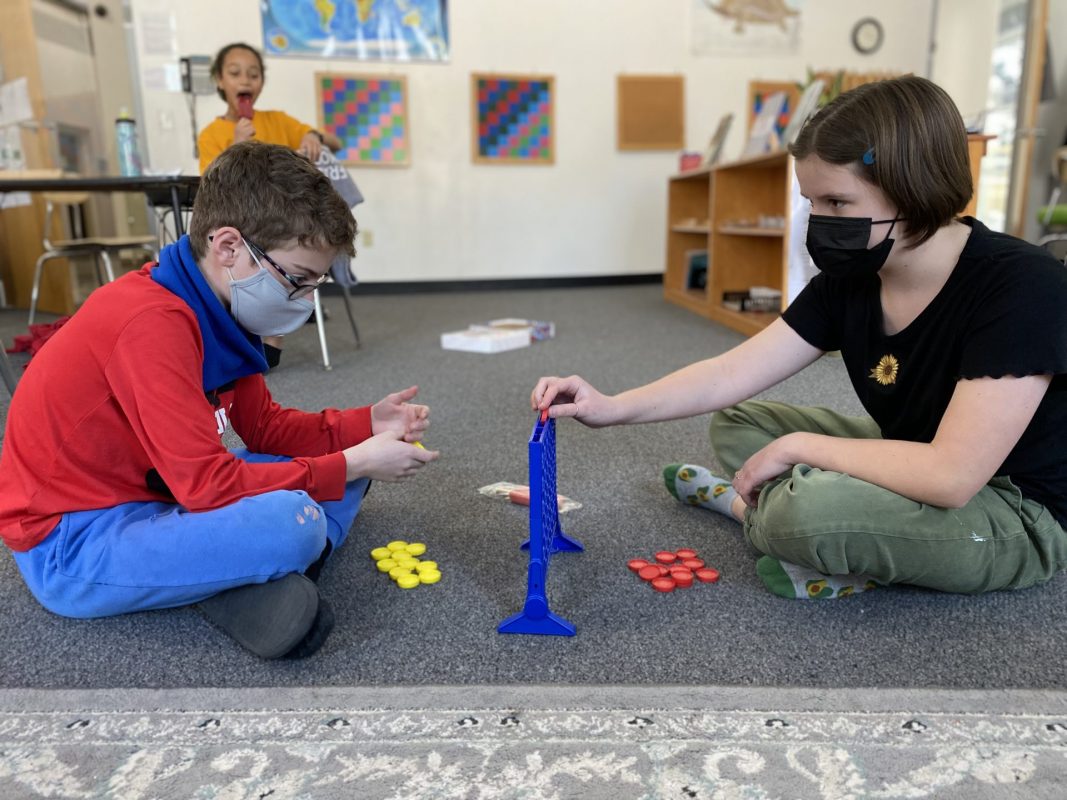
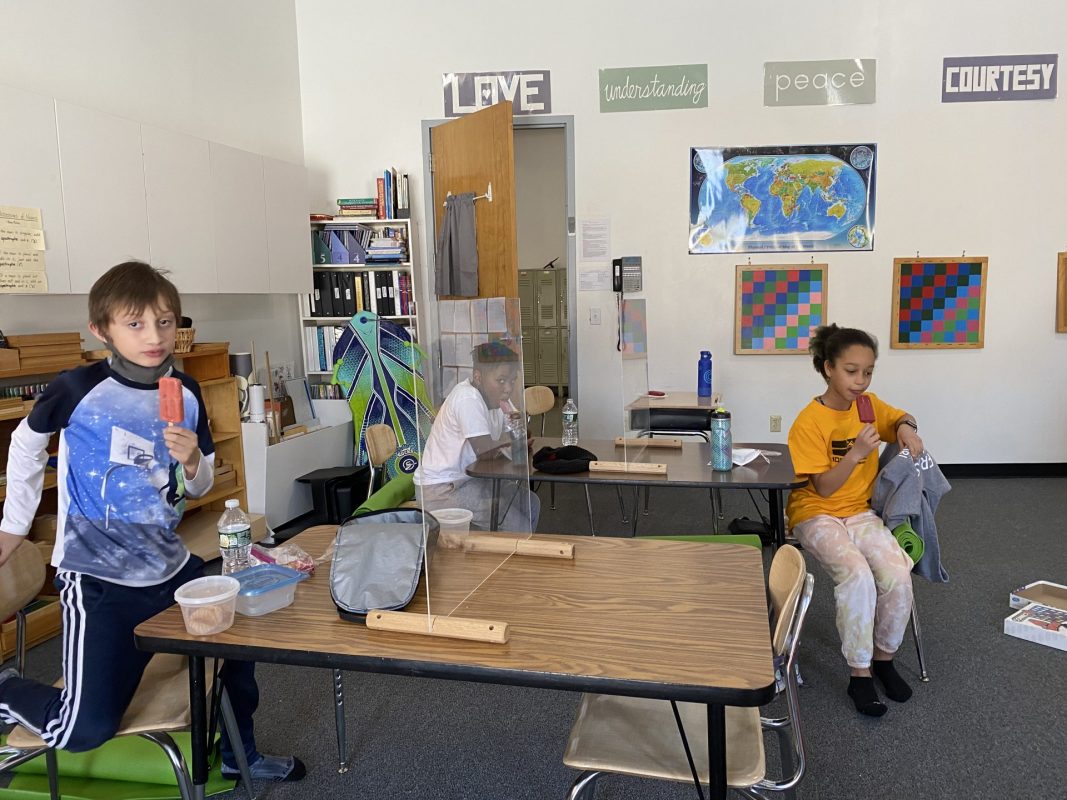
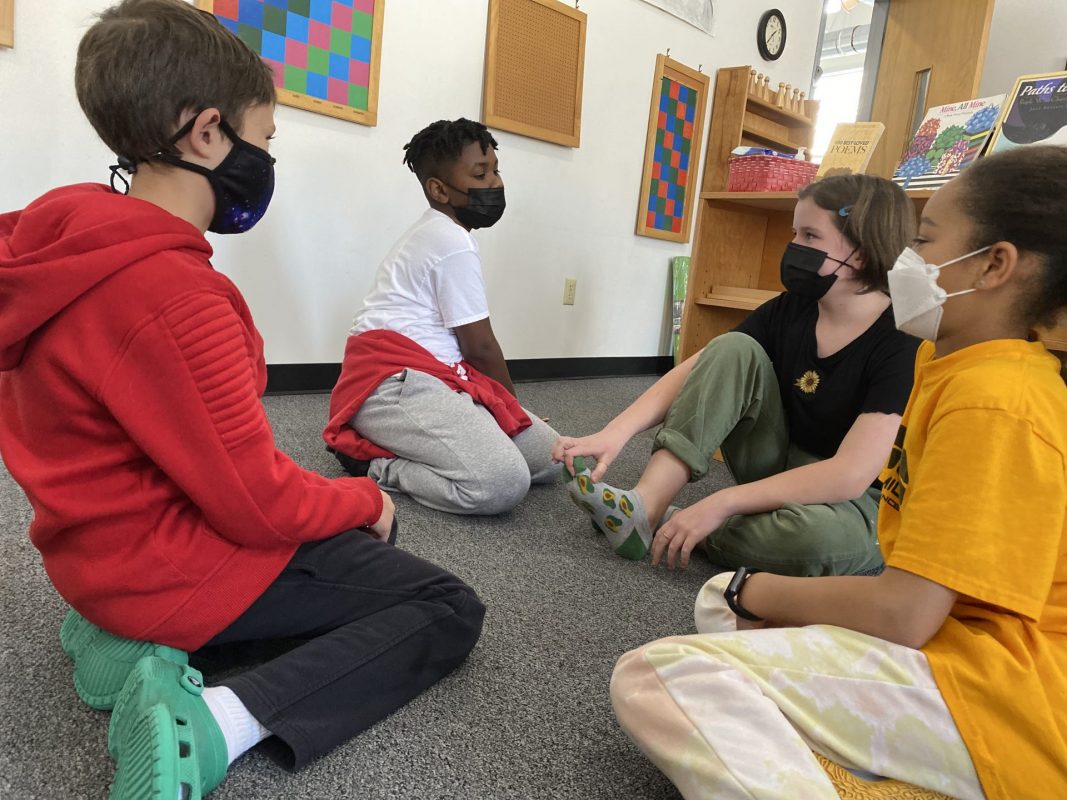
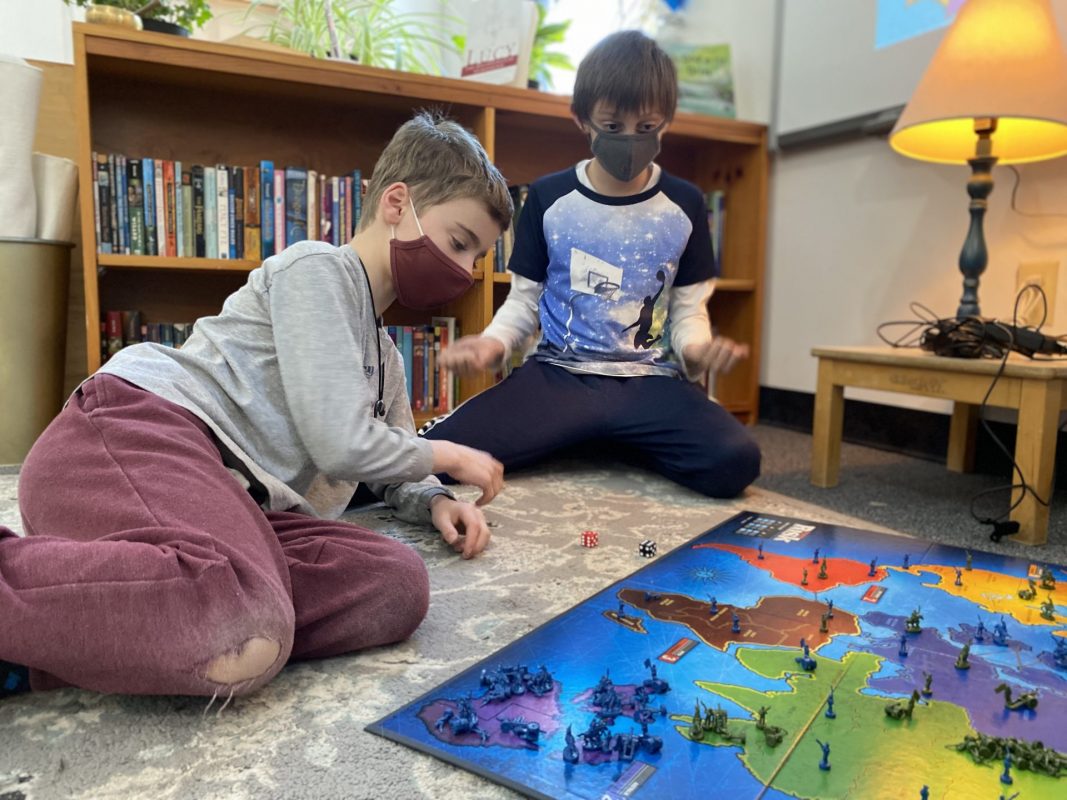
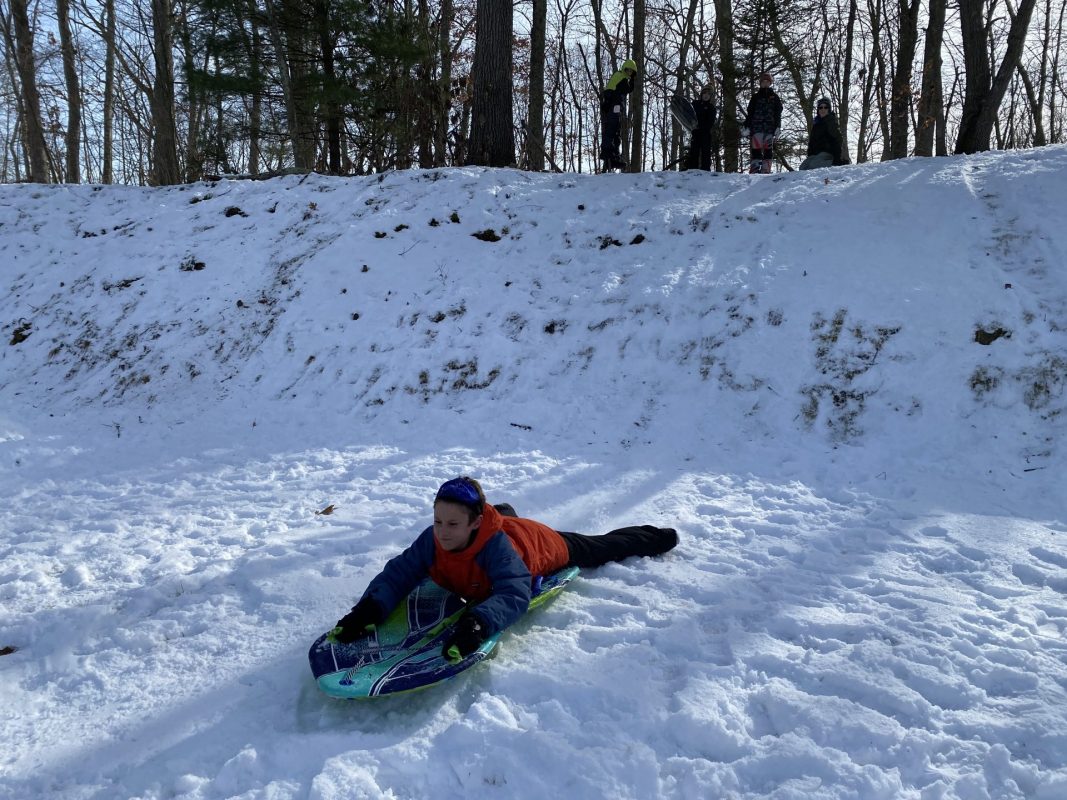
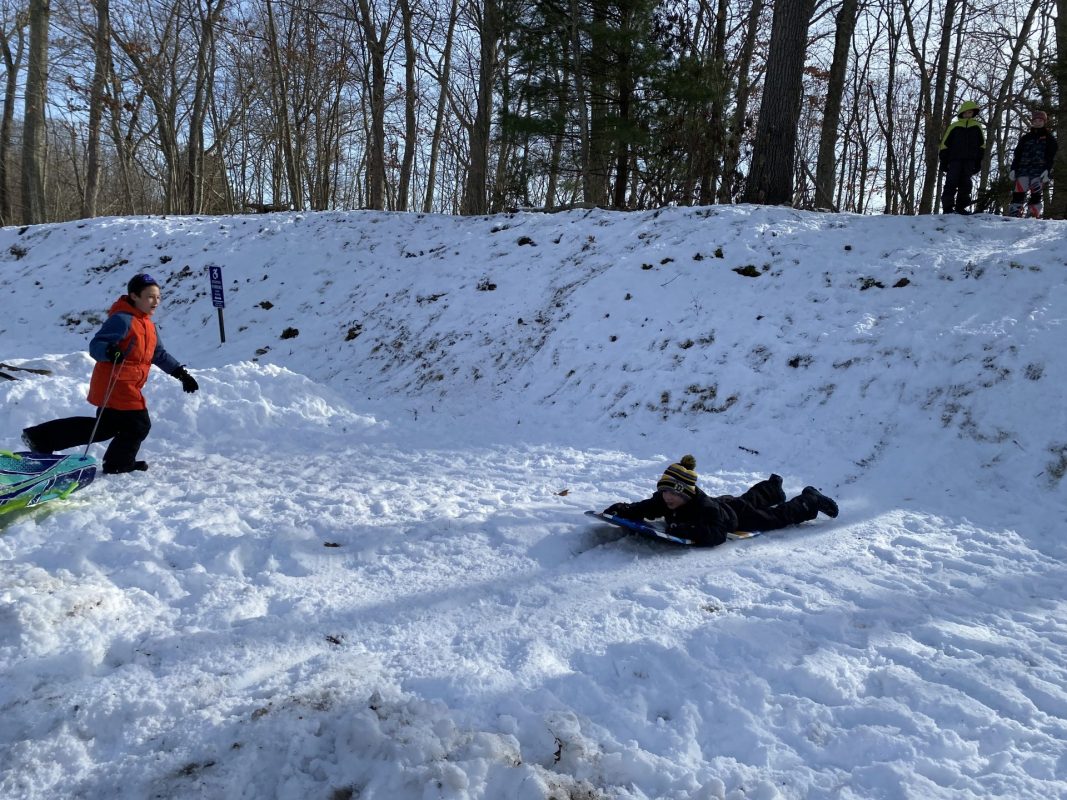
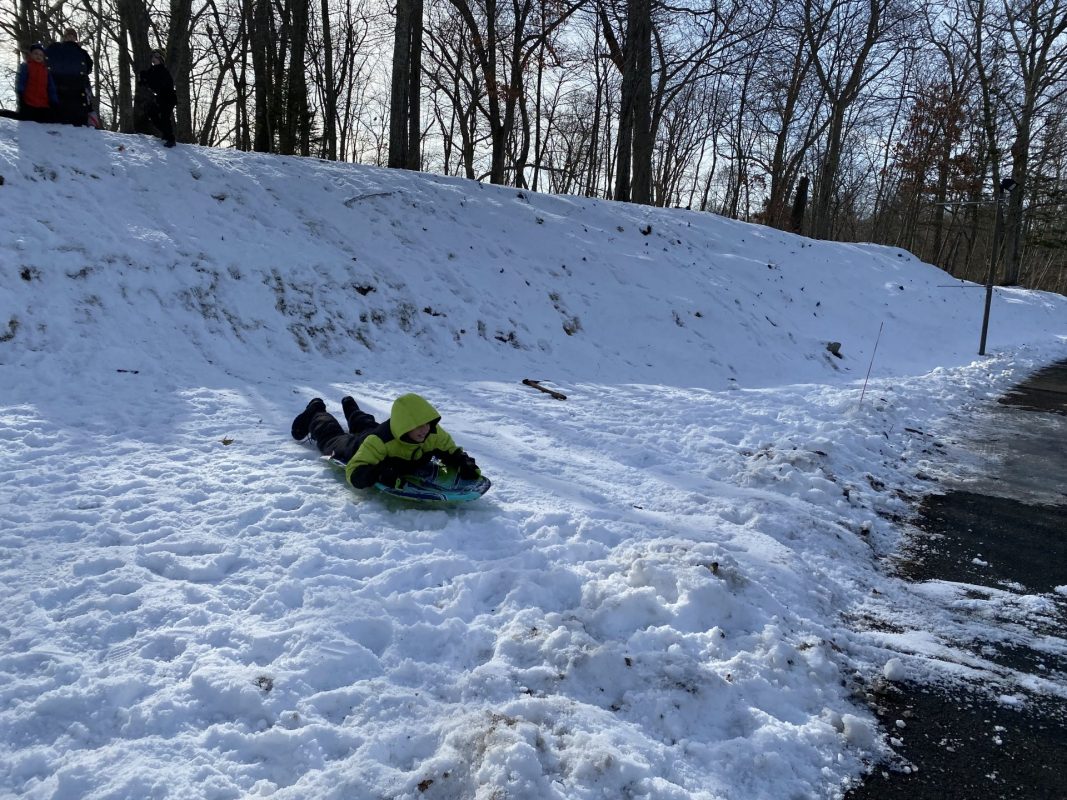
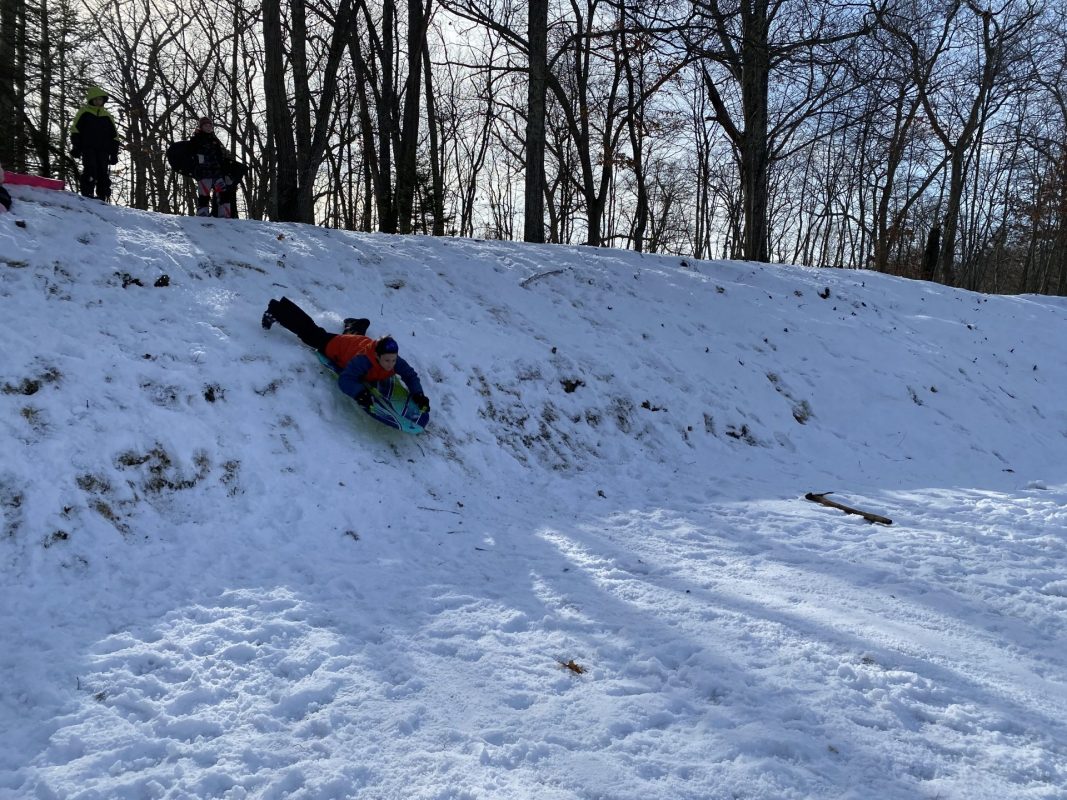
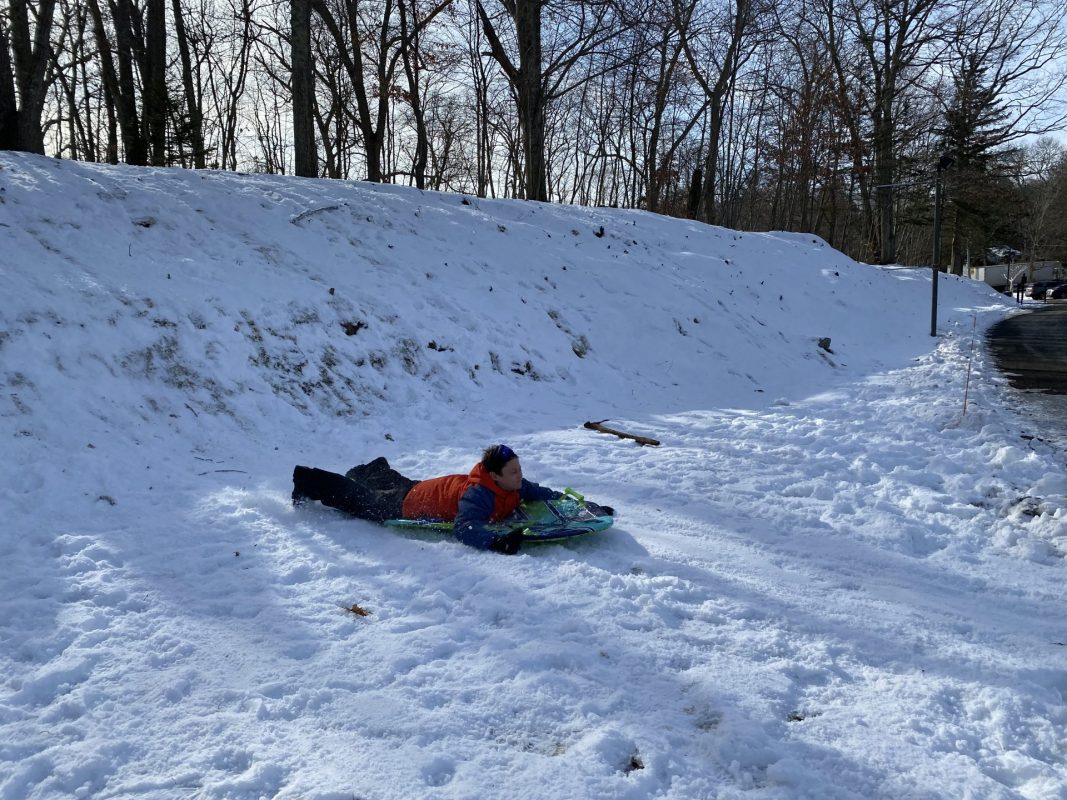
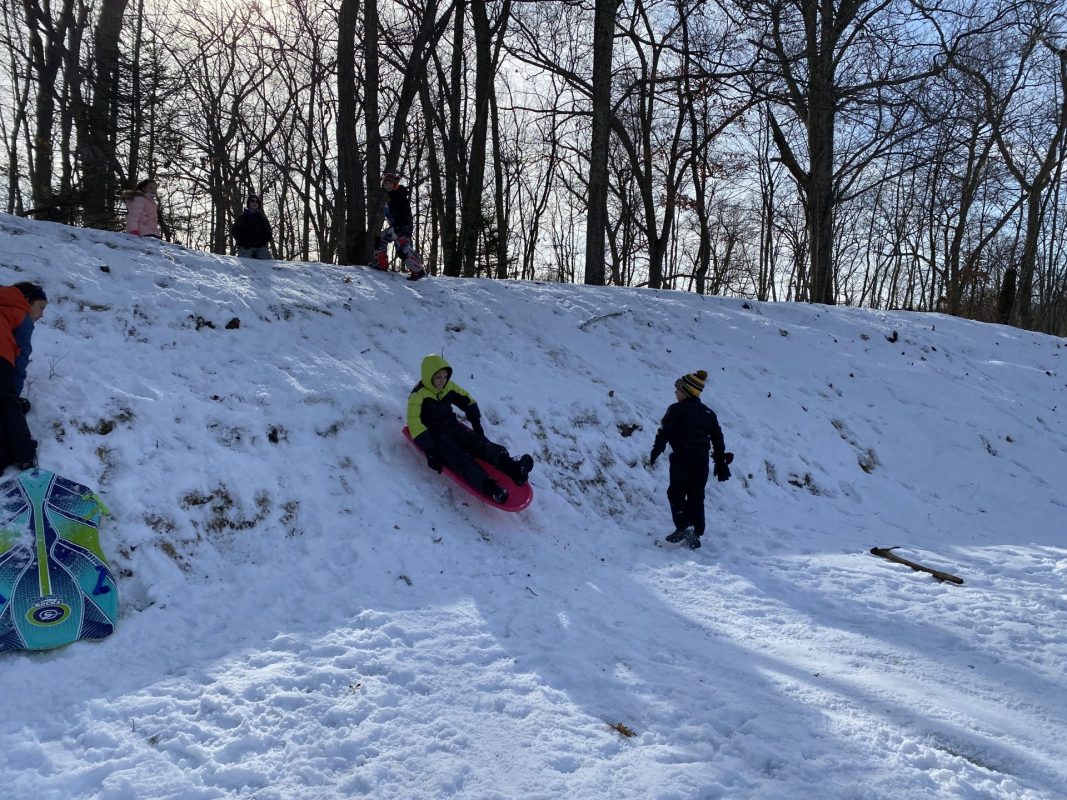
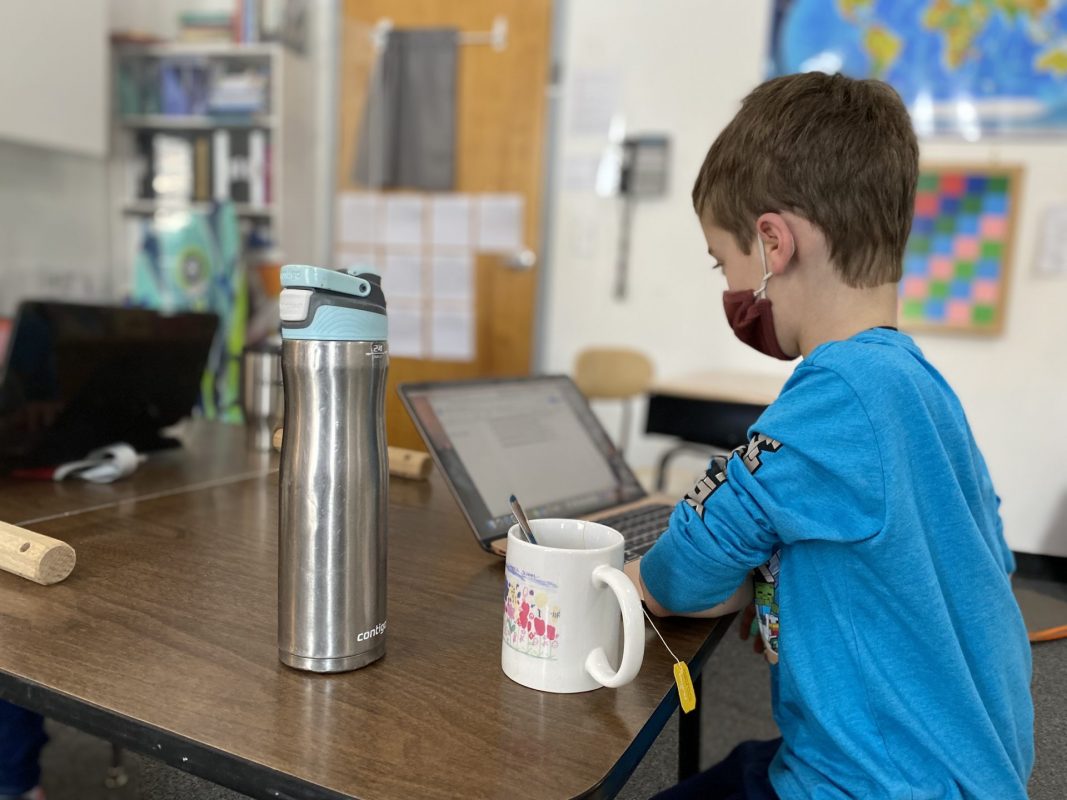
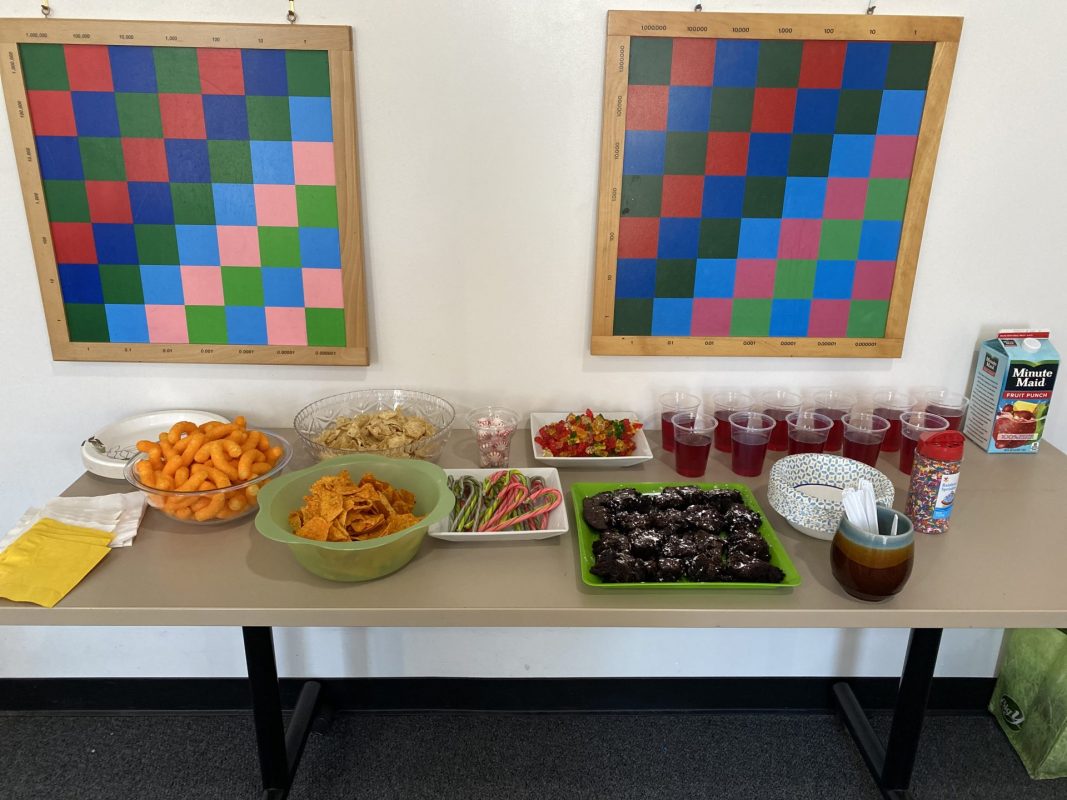
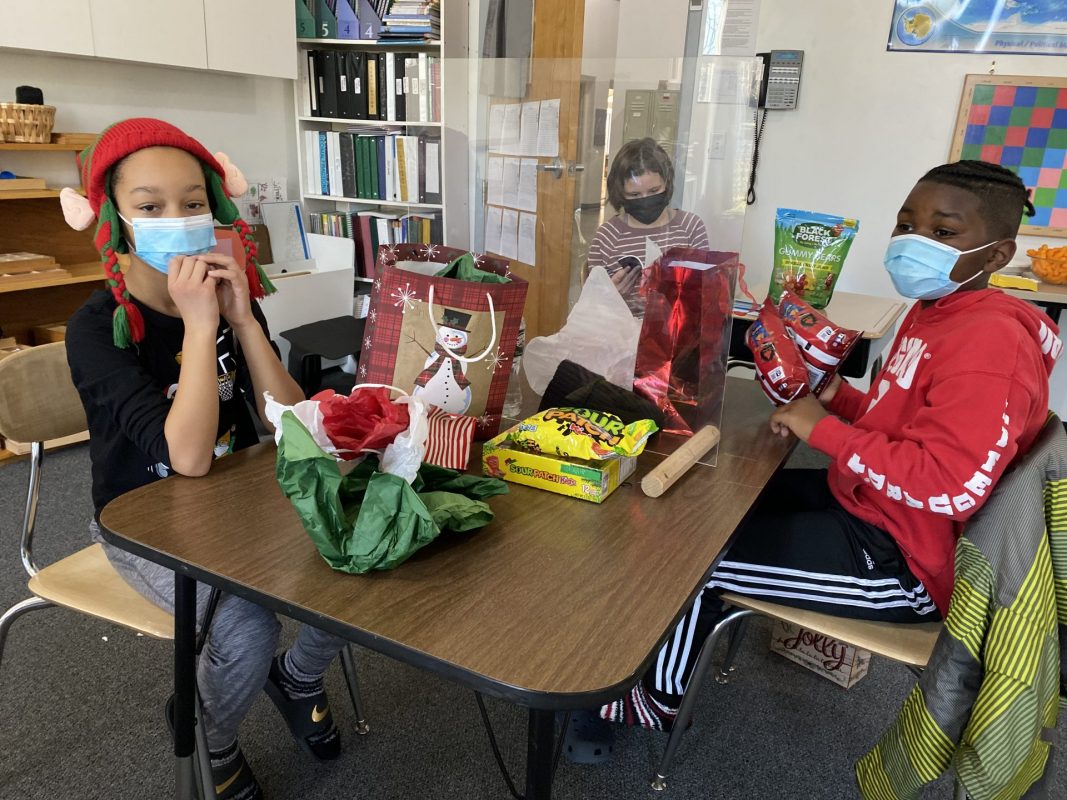
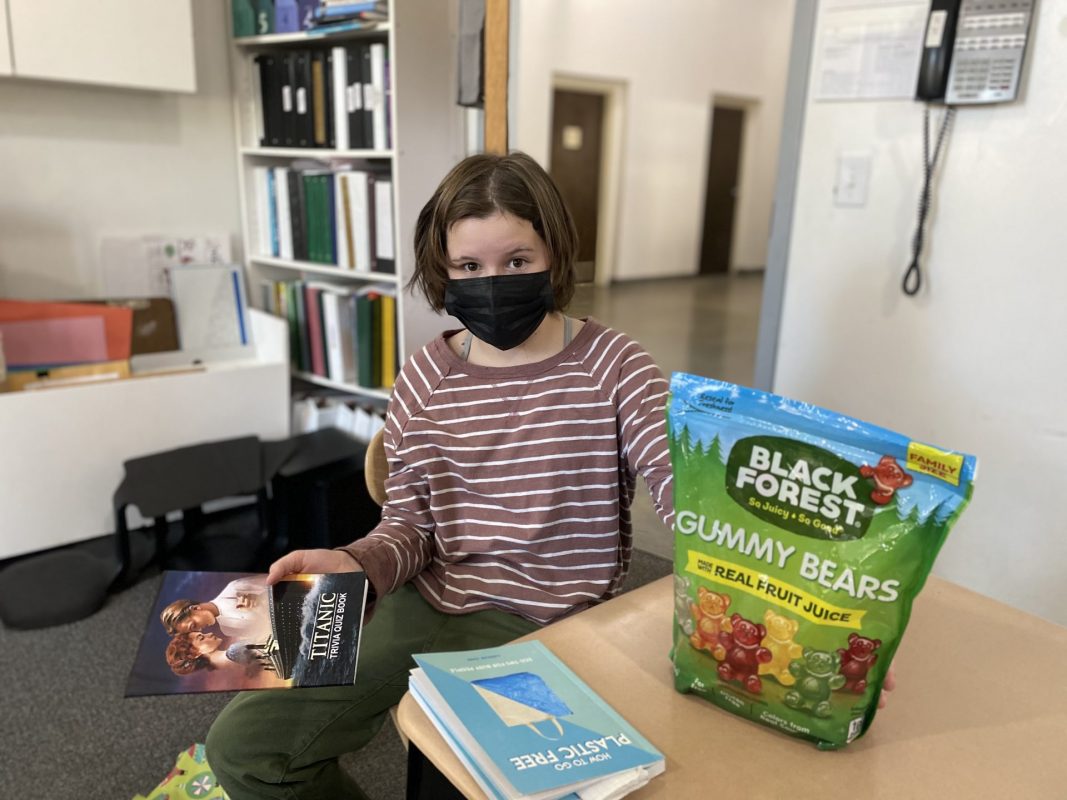
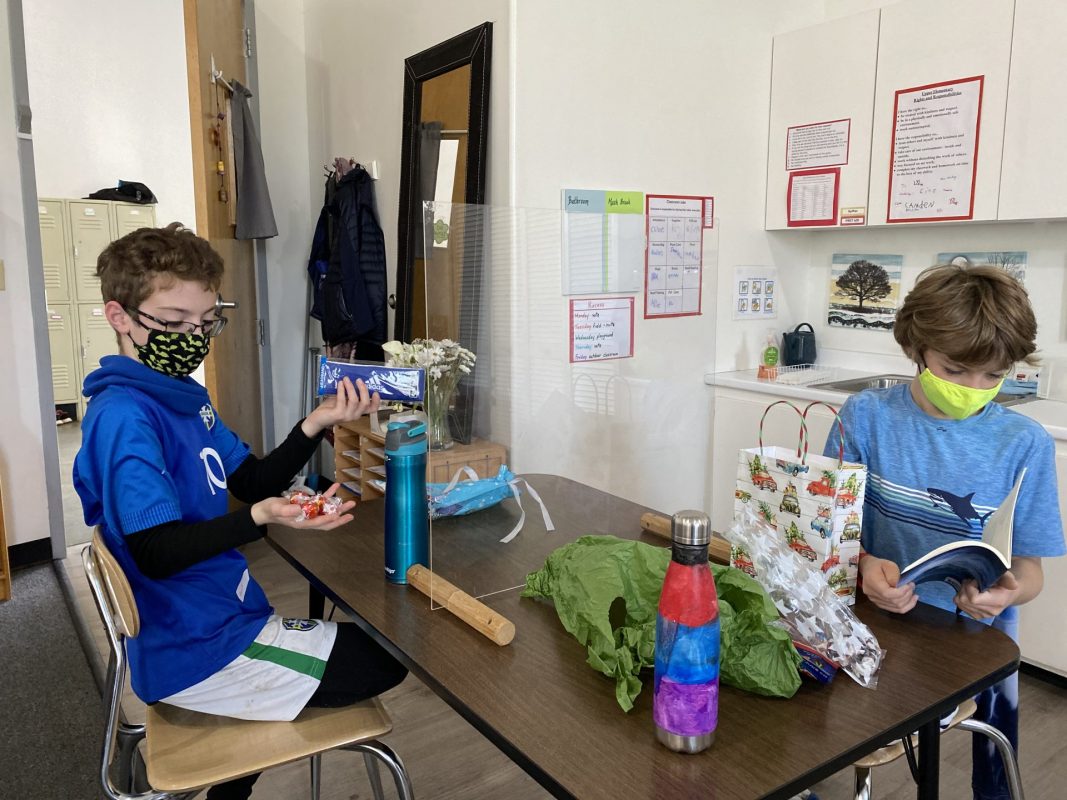
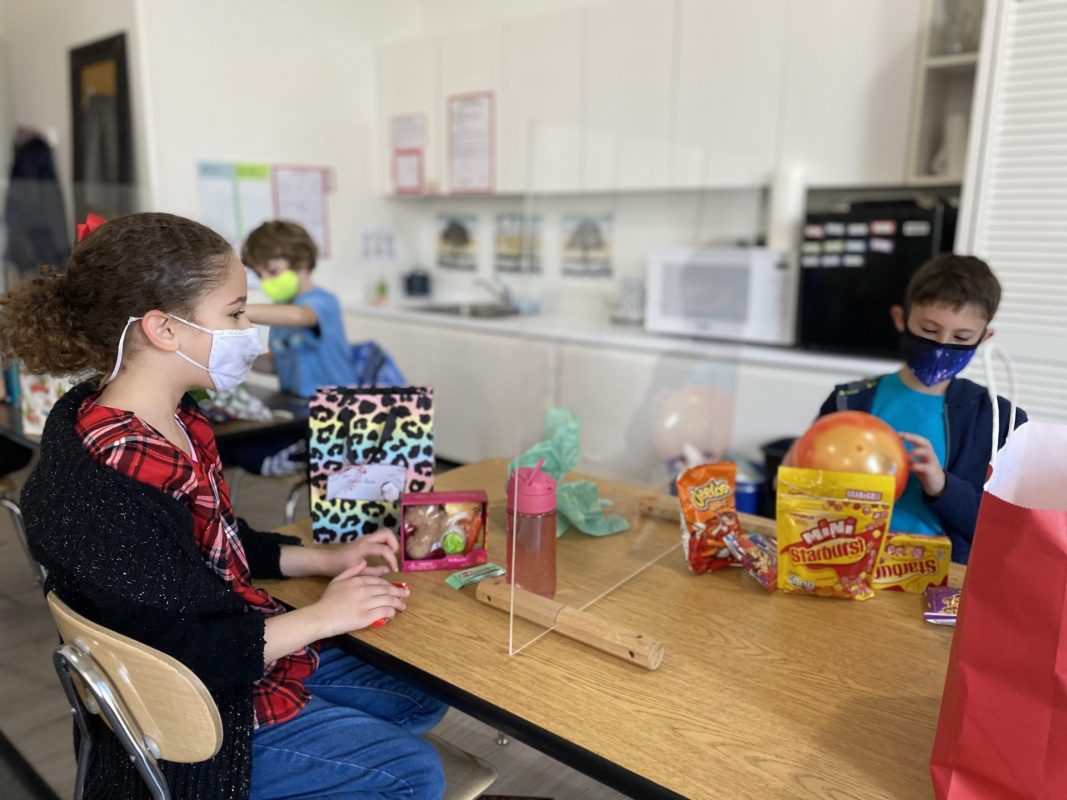
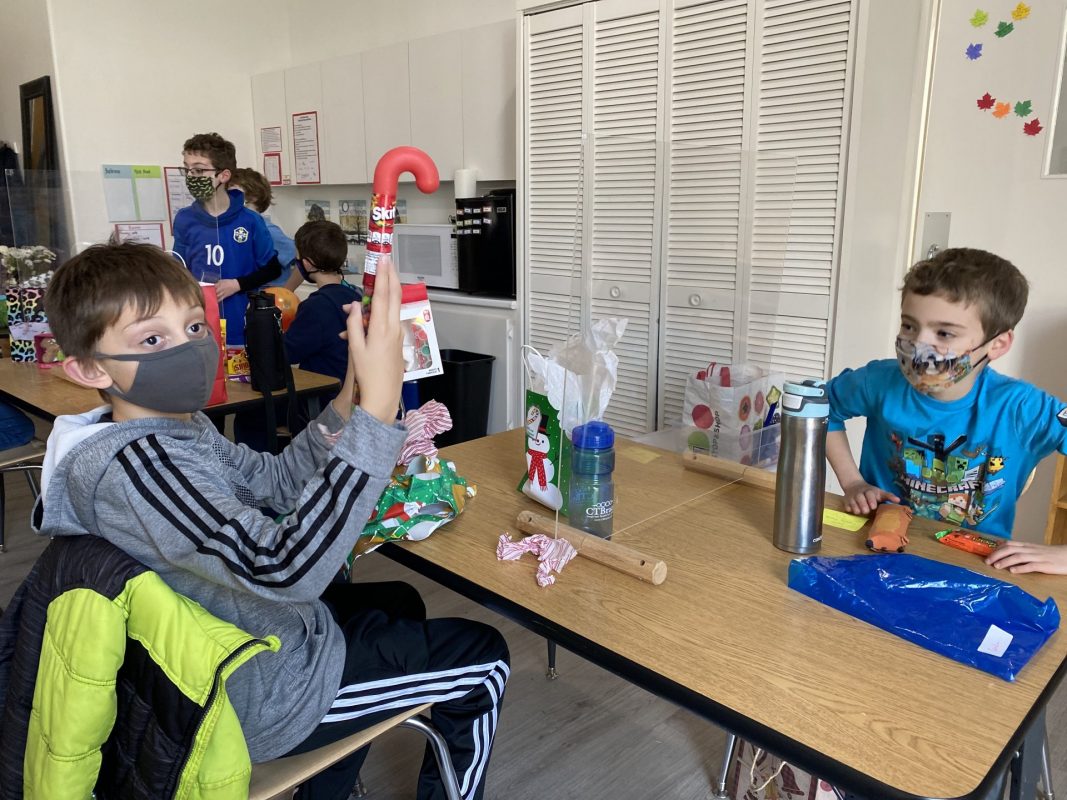
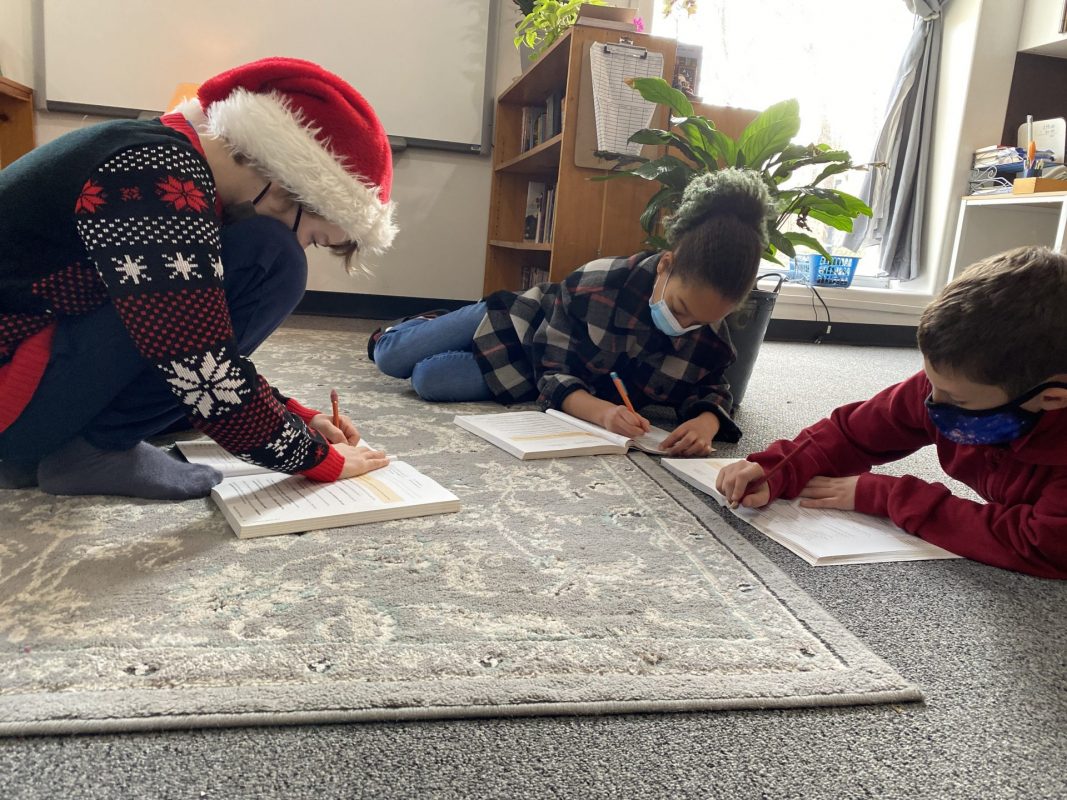
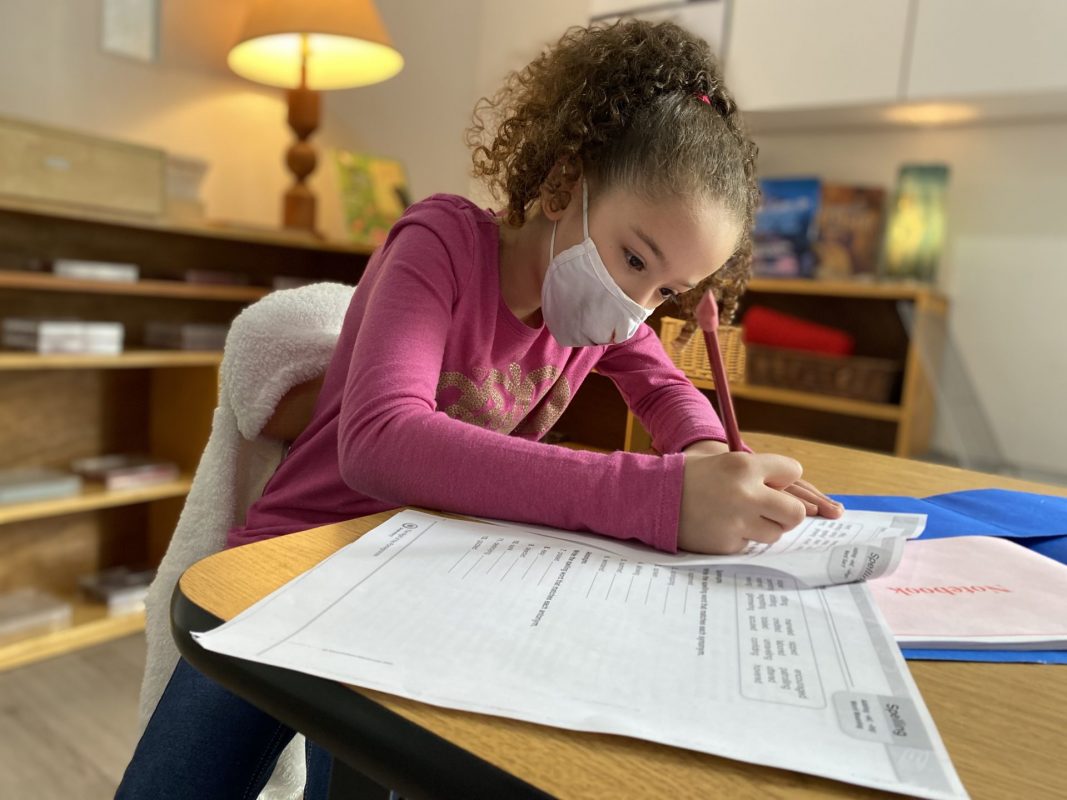
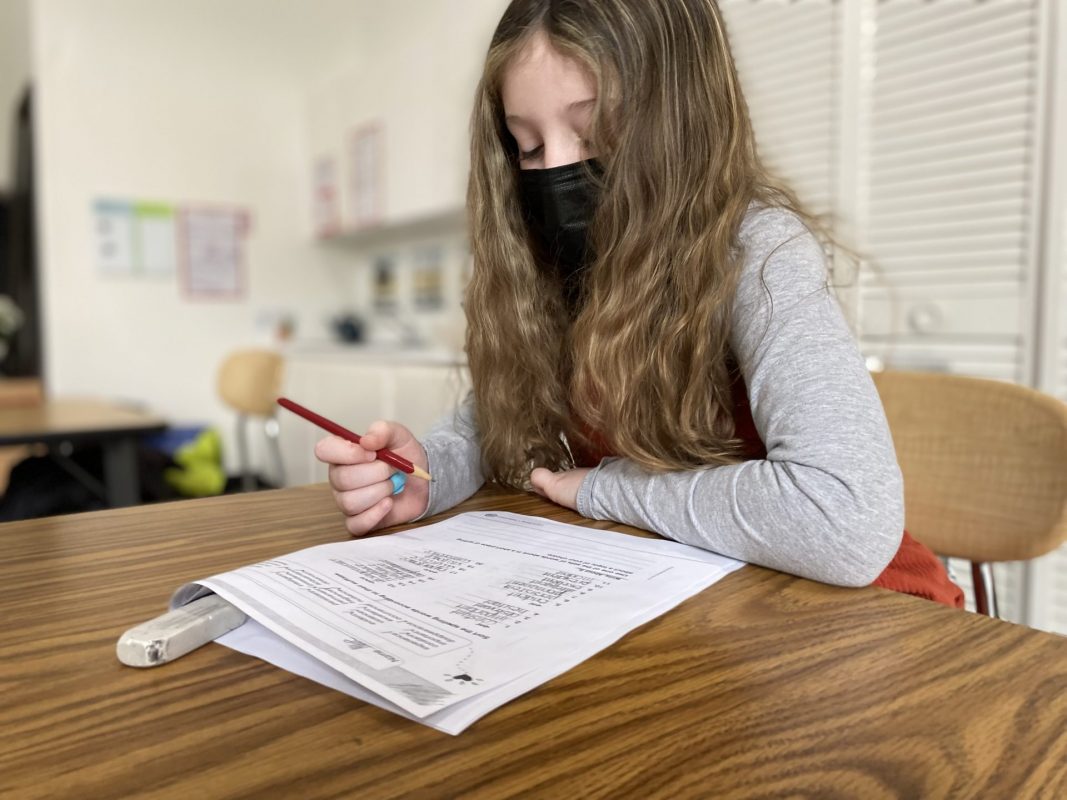
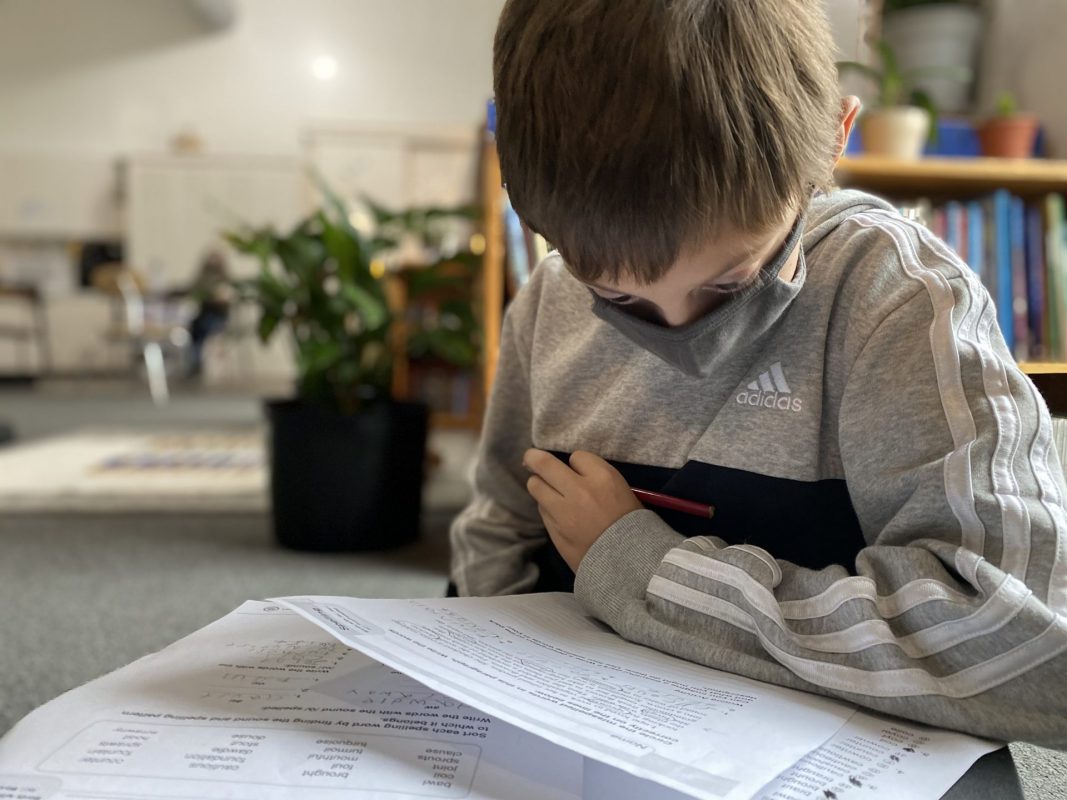
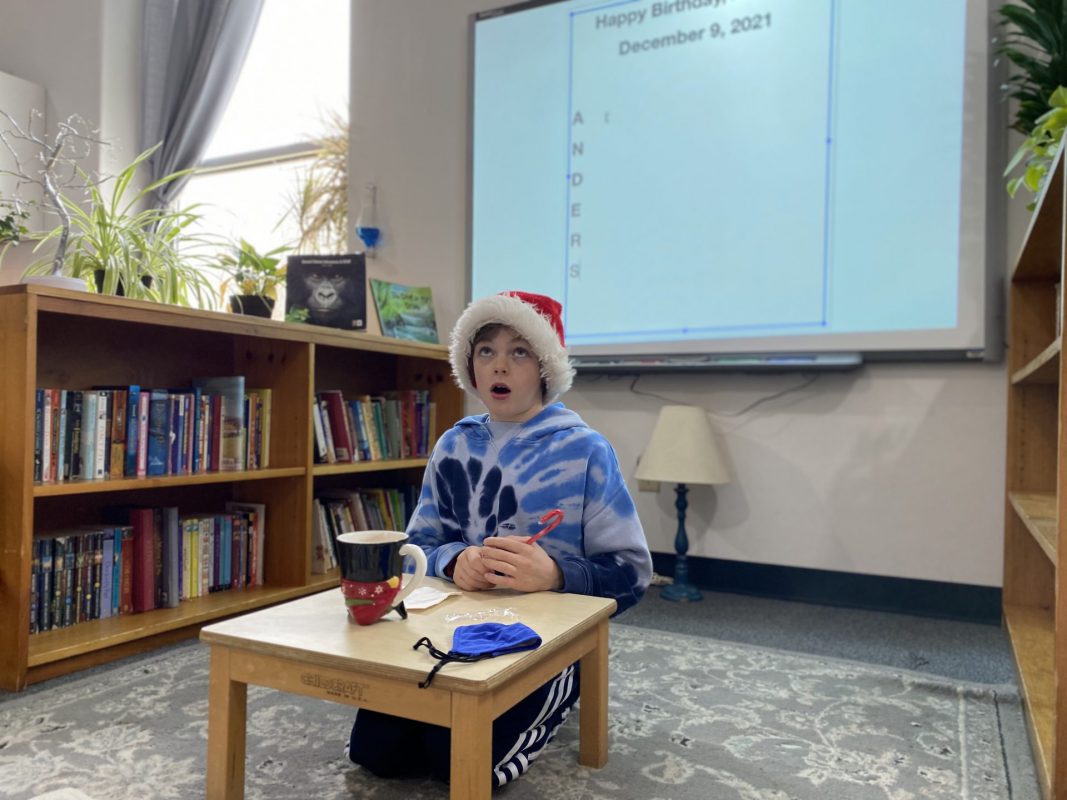
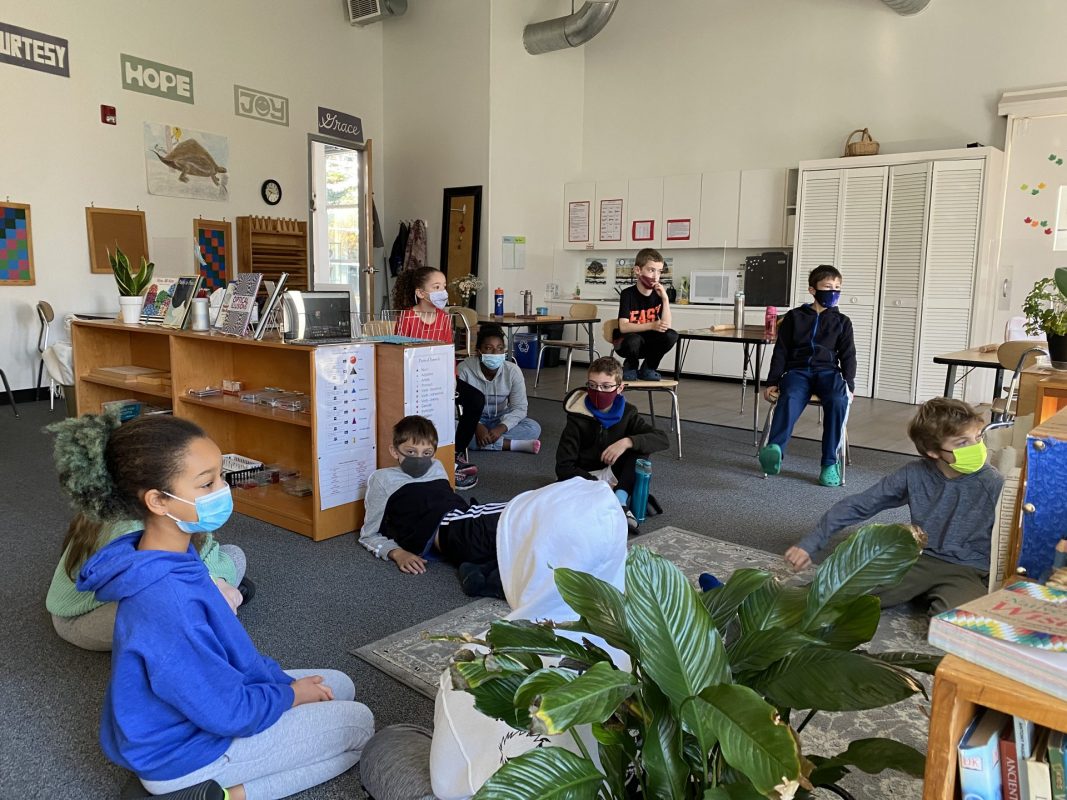
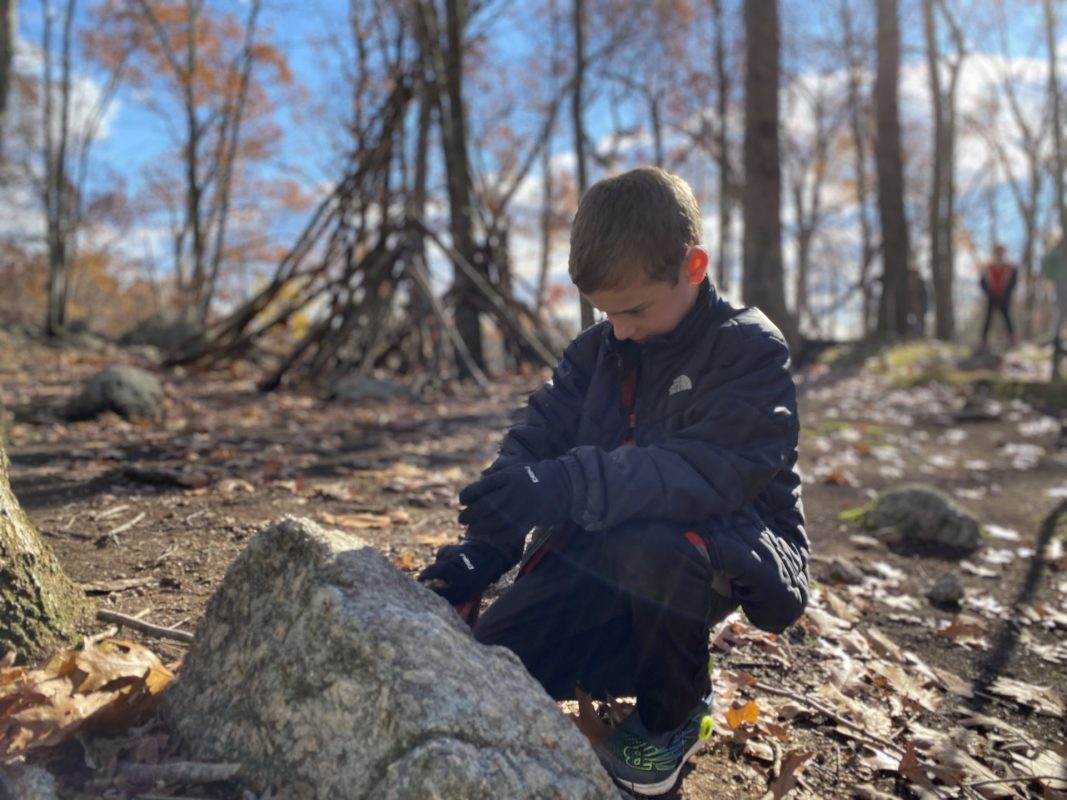
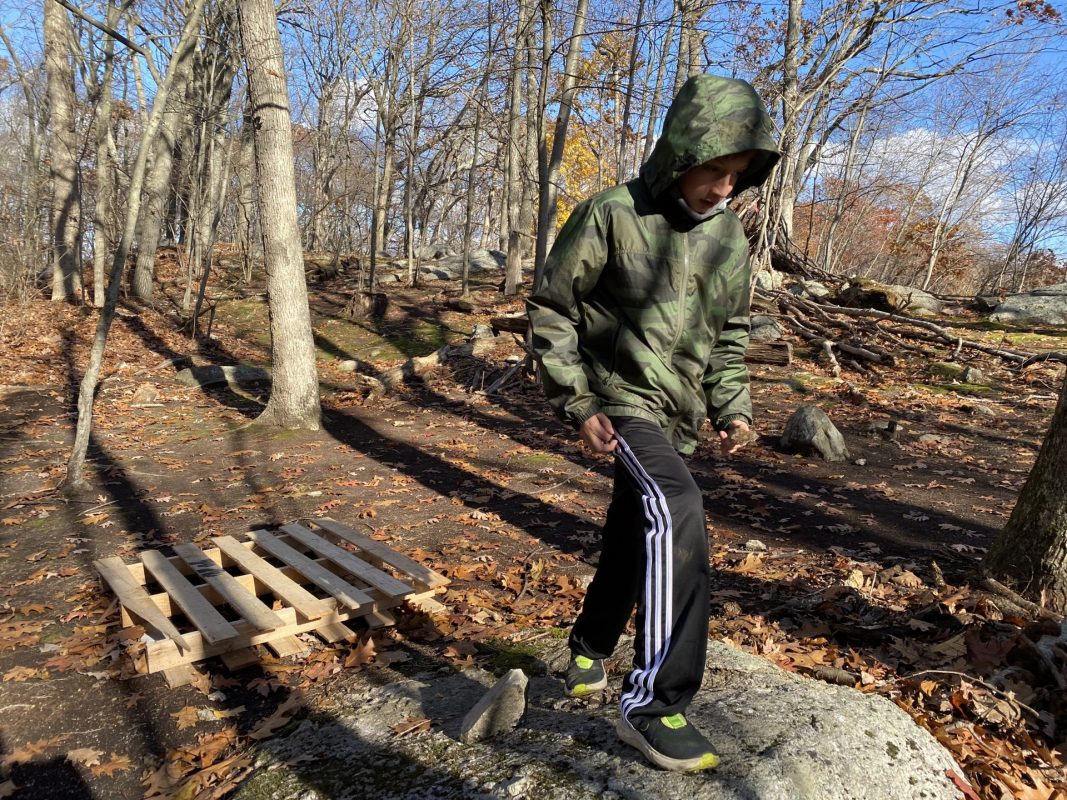
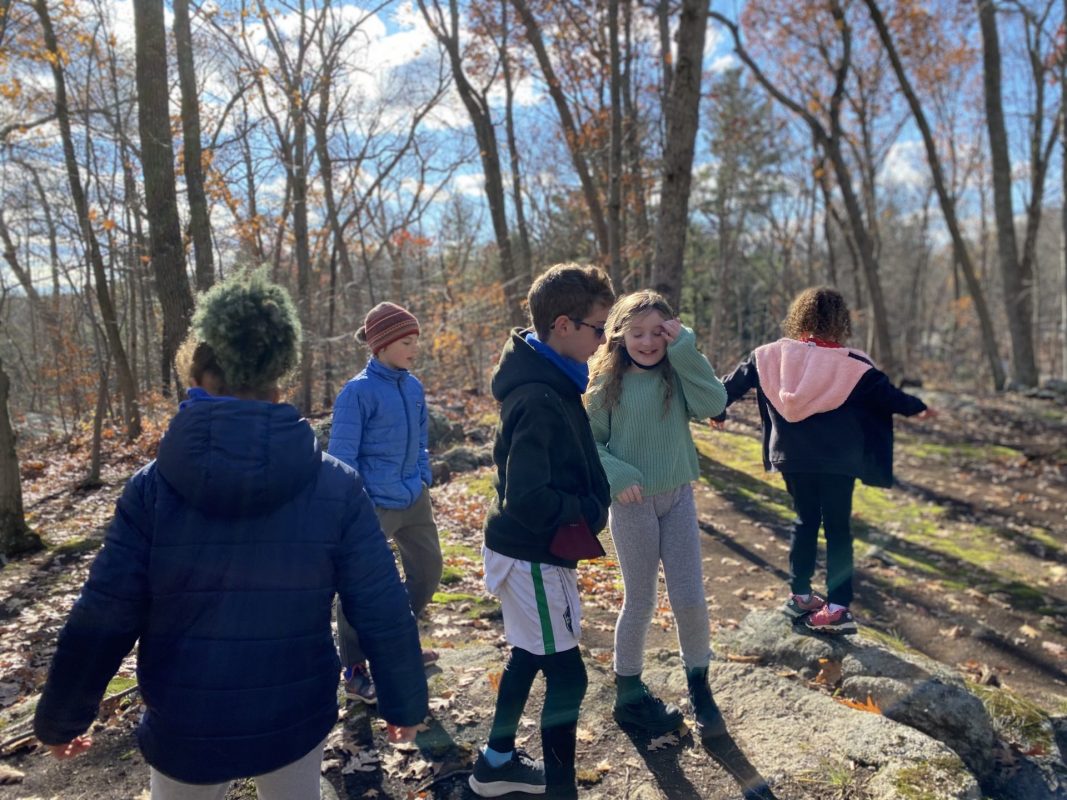
We have had a wonderful end to 2021. Thank you to all who contributed yummy treats for our class party today. Thank you for your generous gifts. Most of all, thank you for sharing your beautiful children with me each day! Have a wonderful two weeks with loved ones and I look forward to seeing you all in the new year.

With love,
Karen
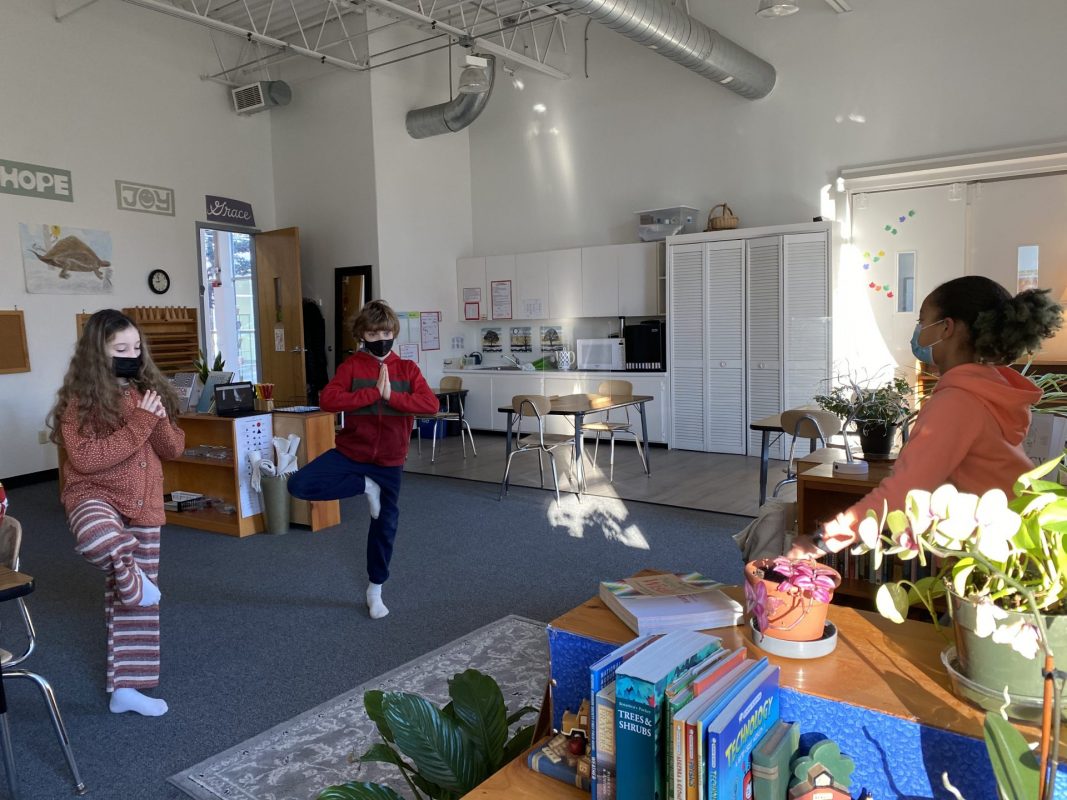

Upper El – Caring for Others

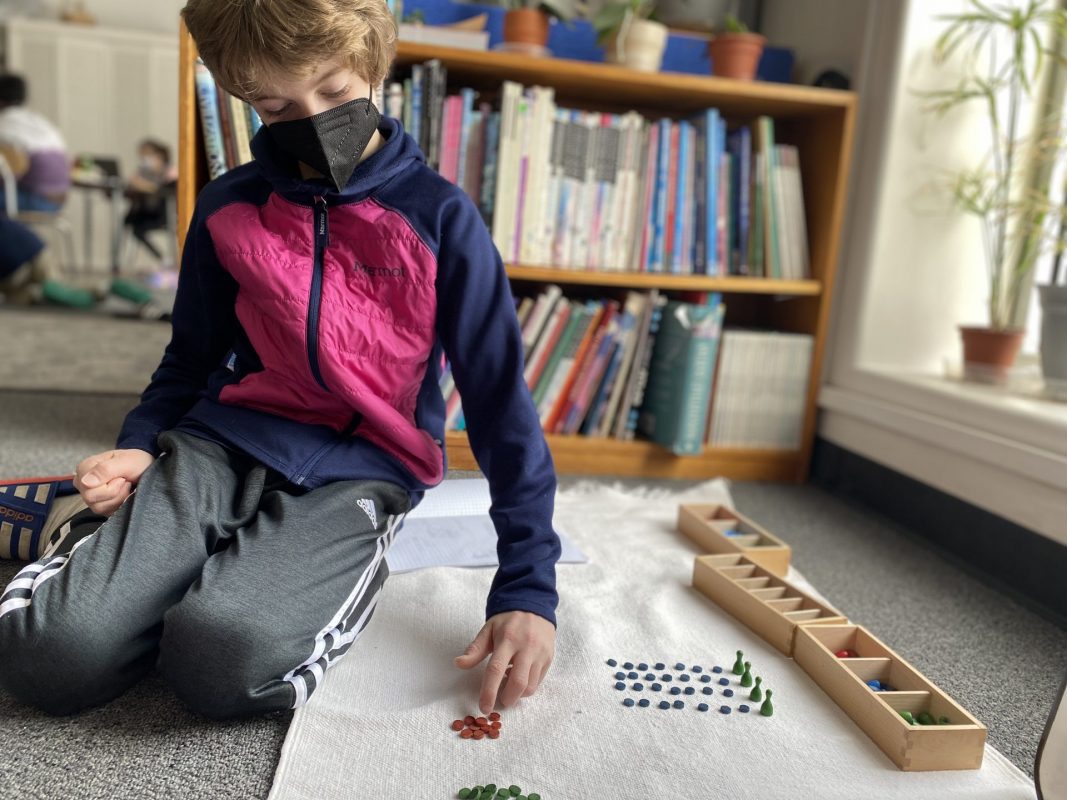
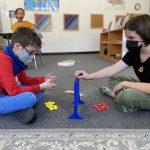
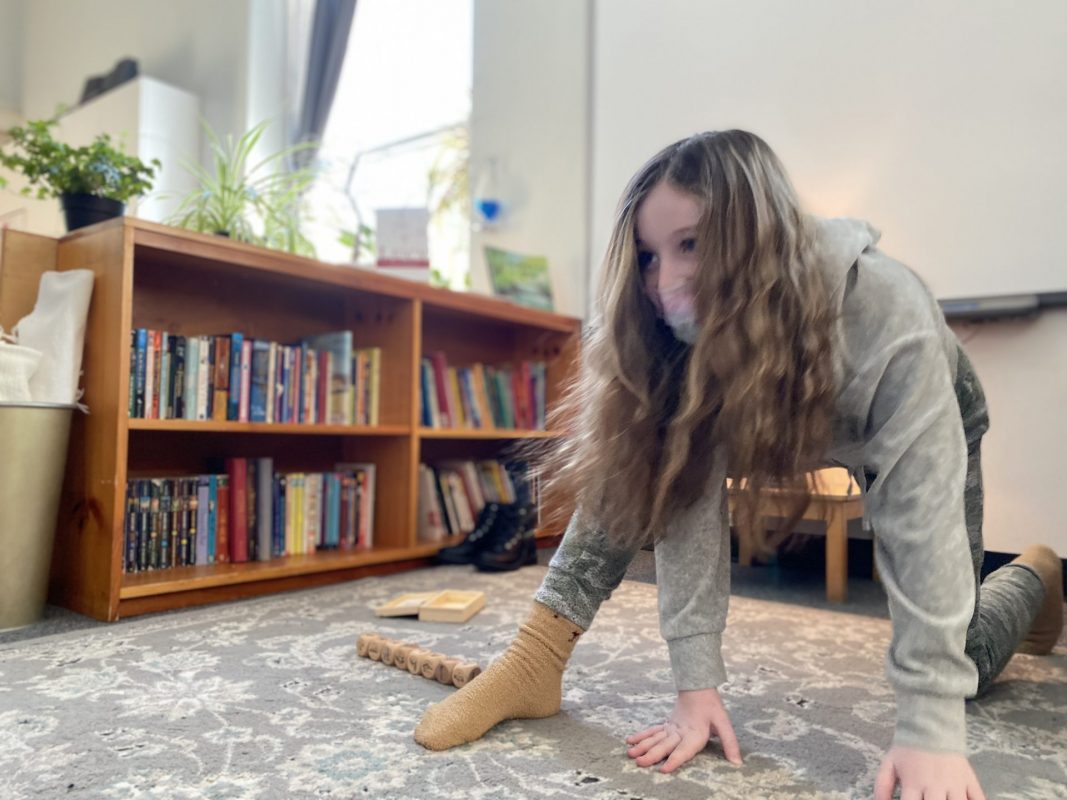
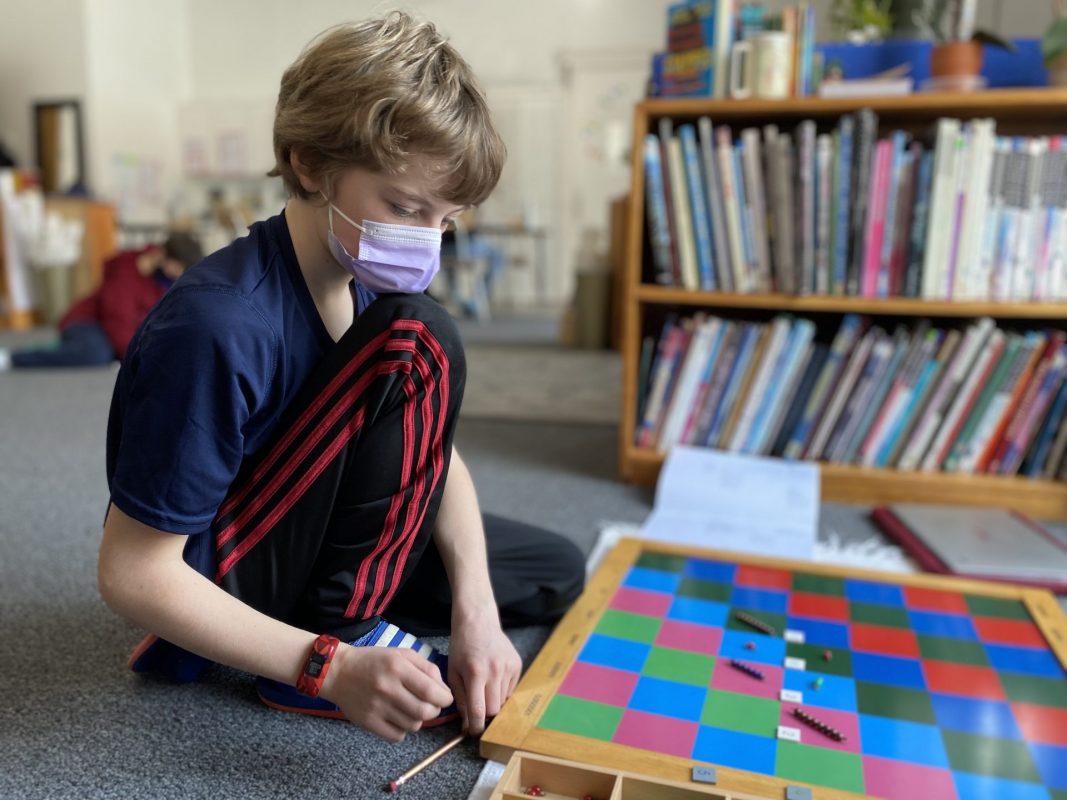
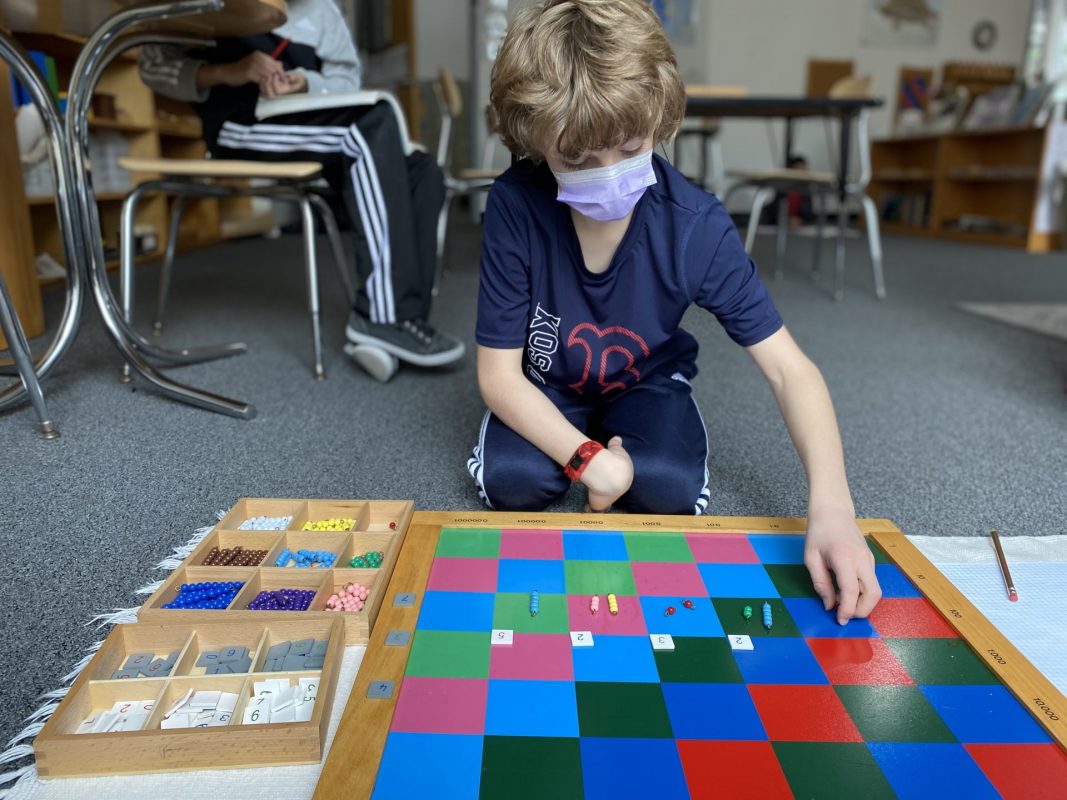
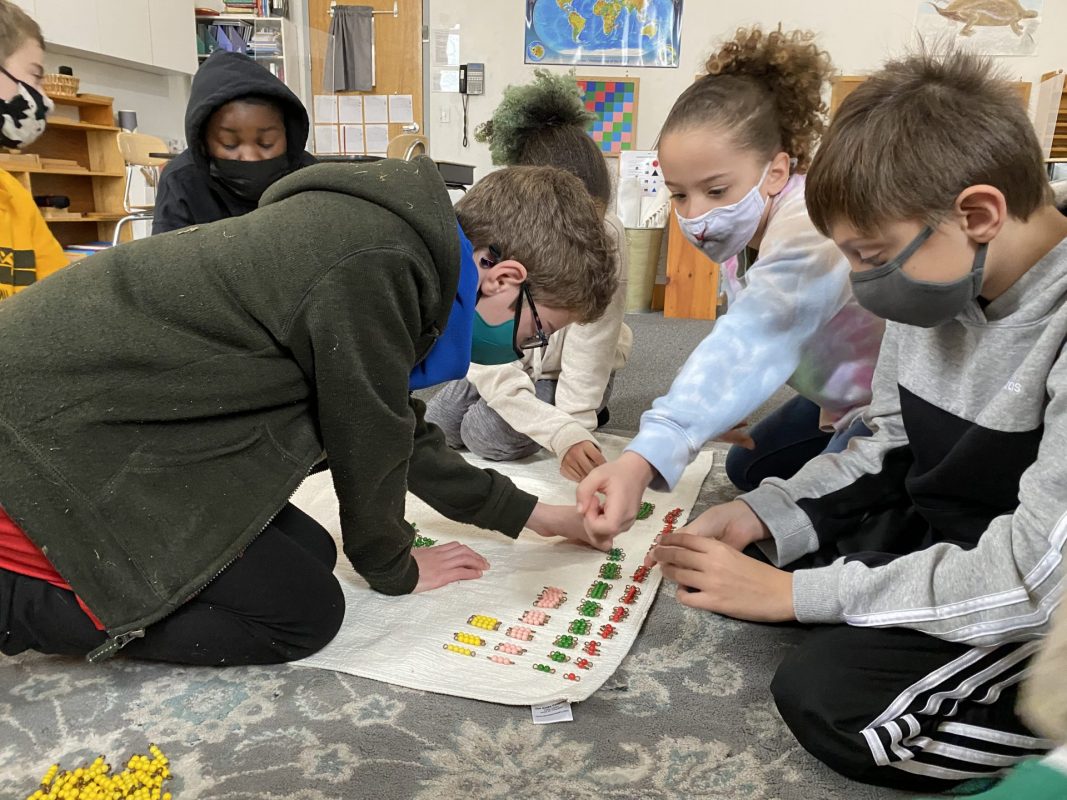
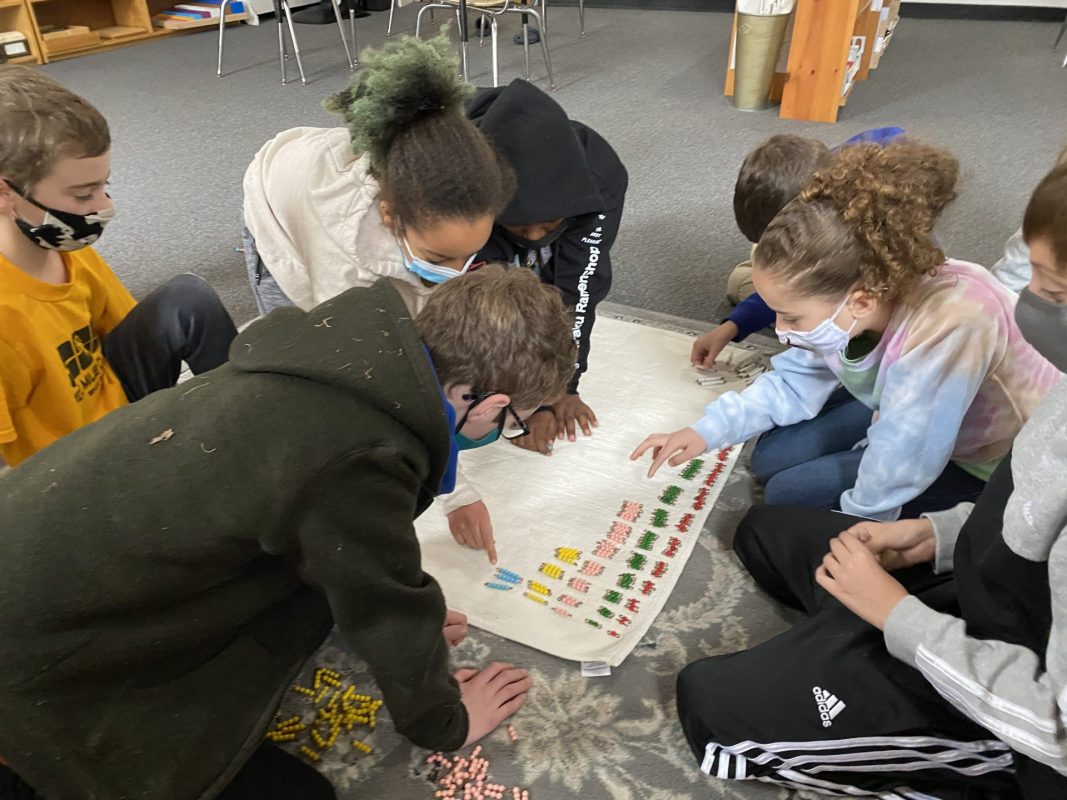
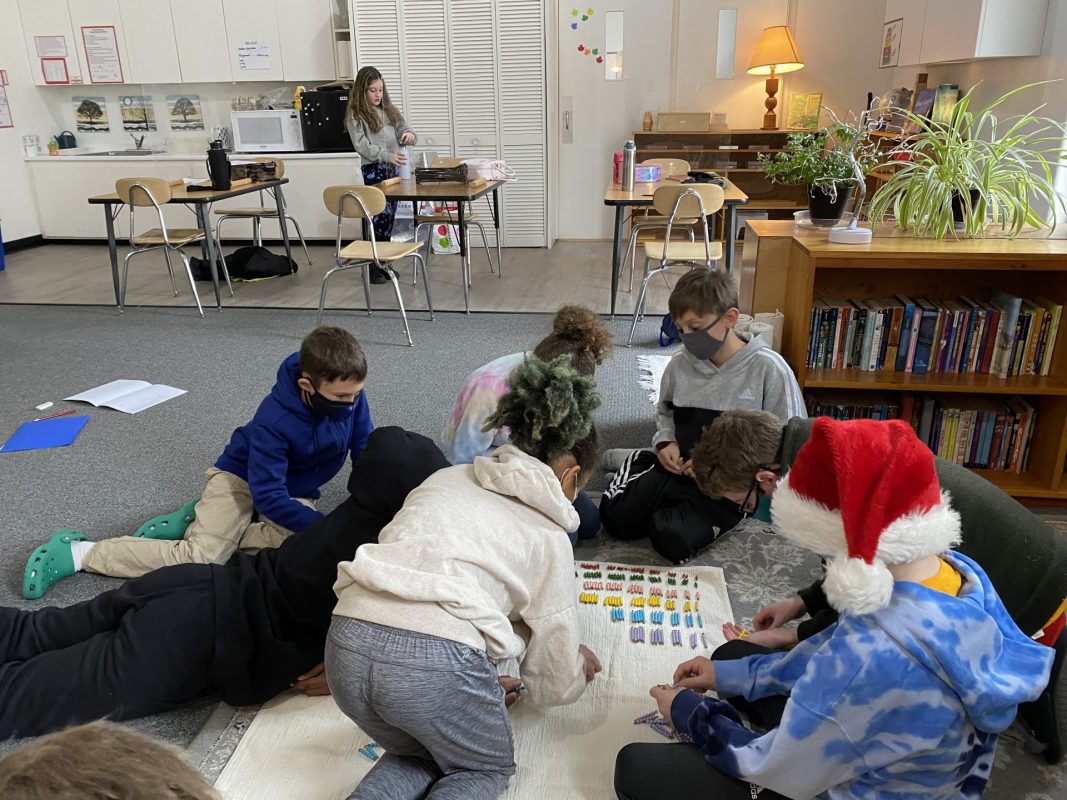
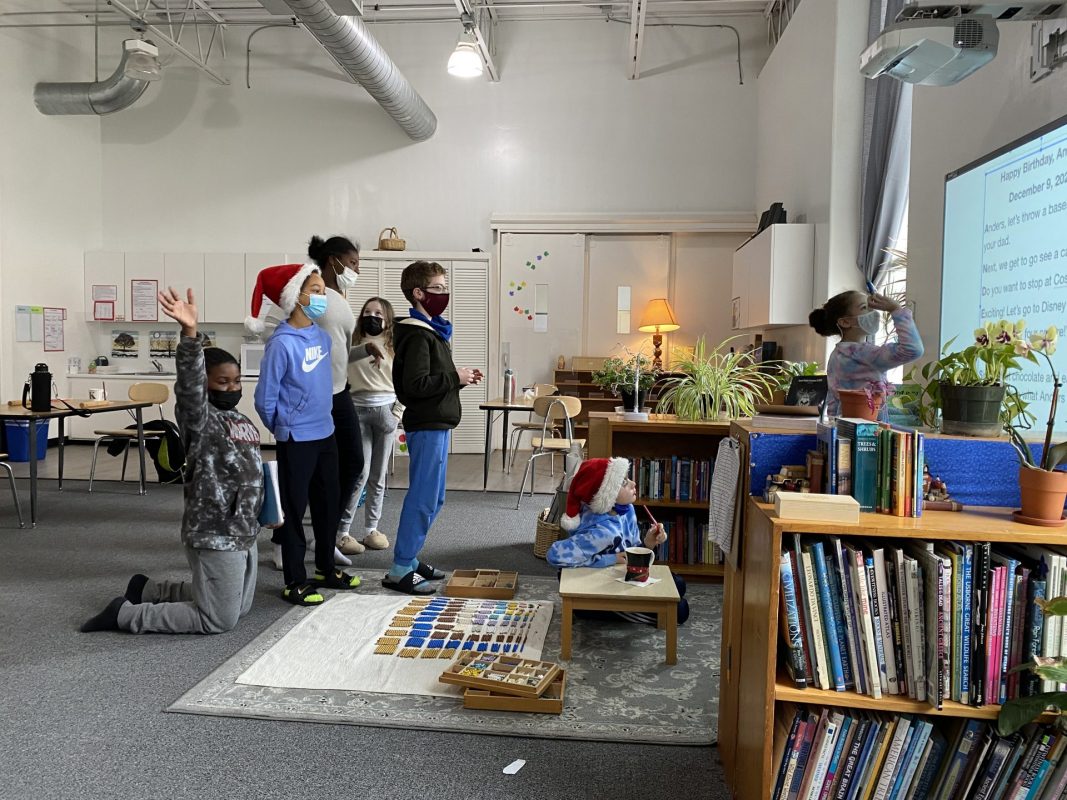
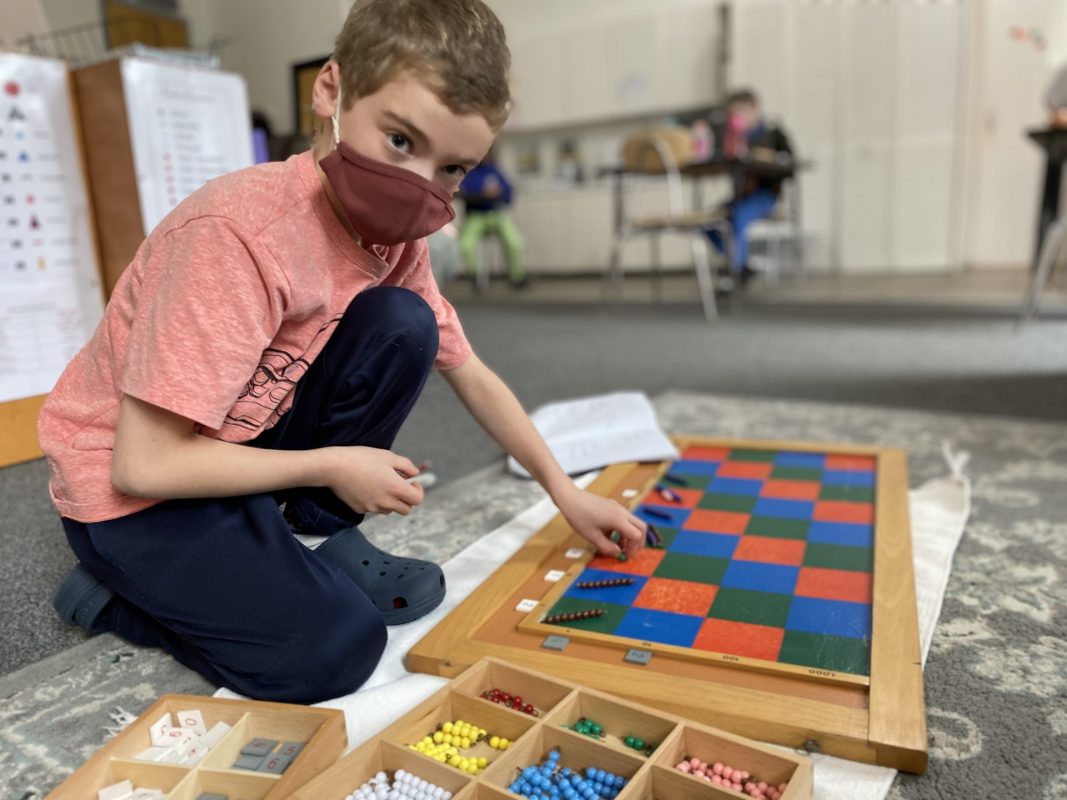
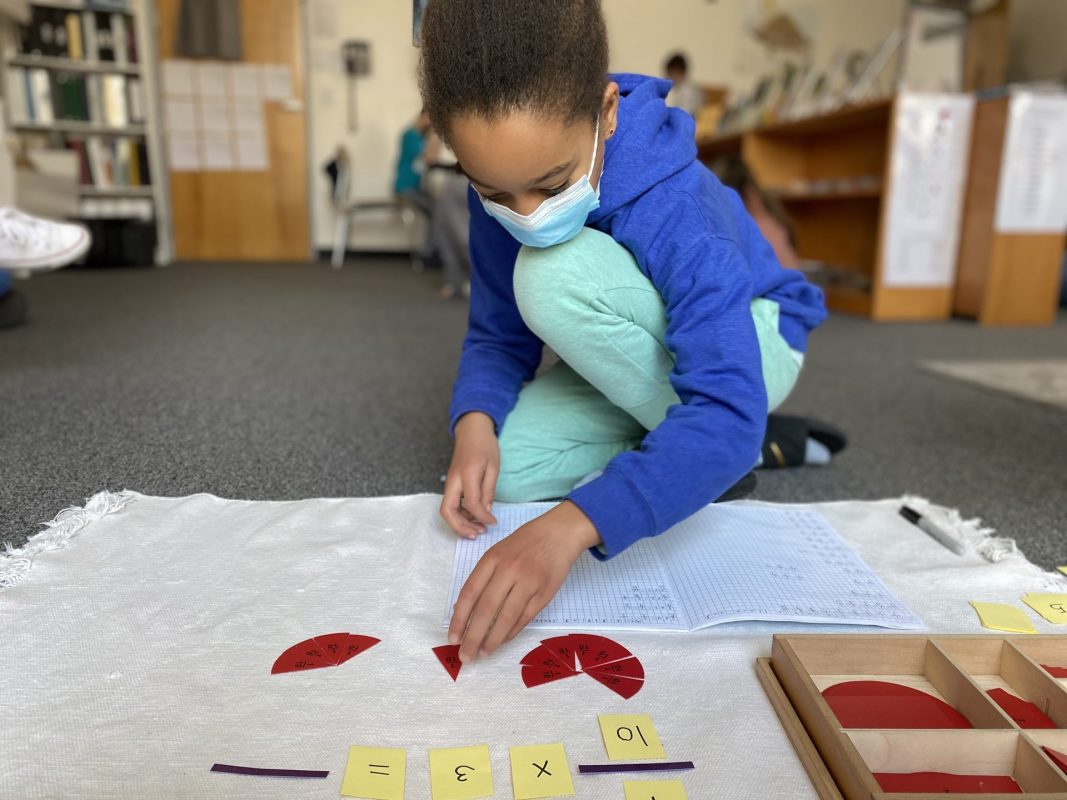
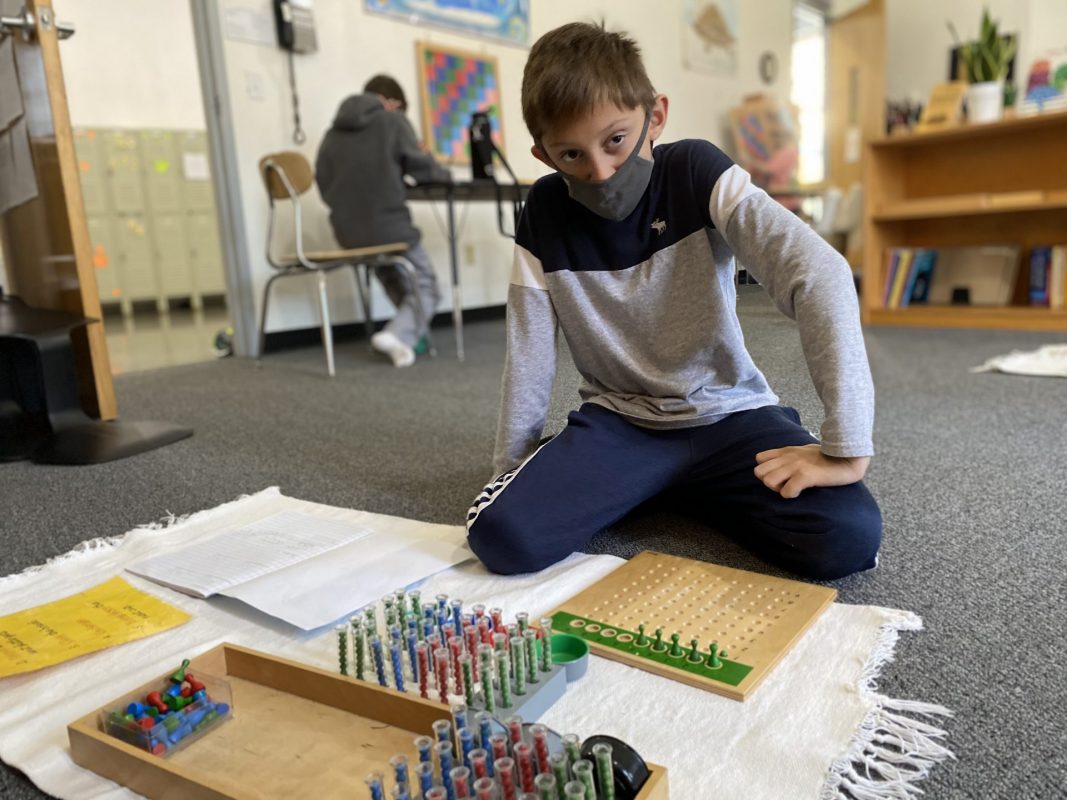
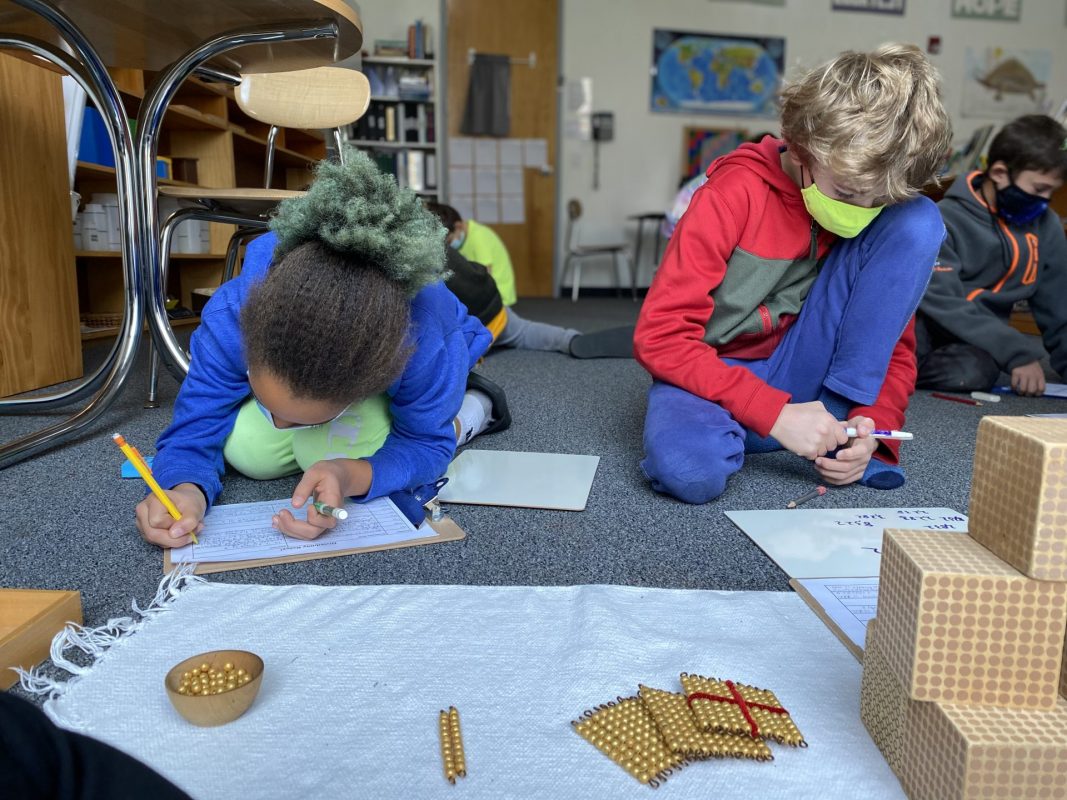
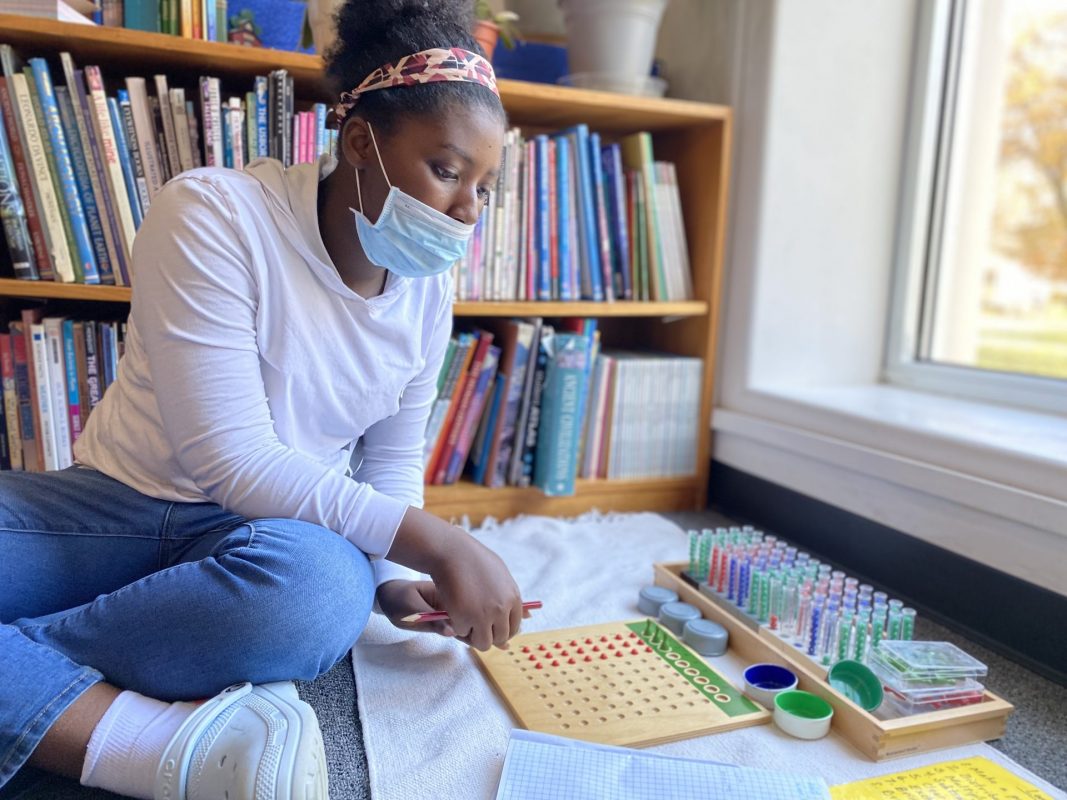
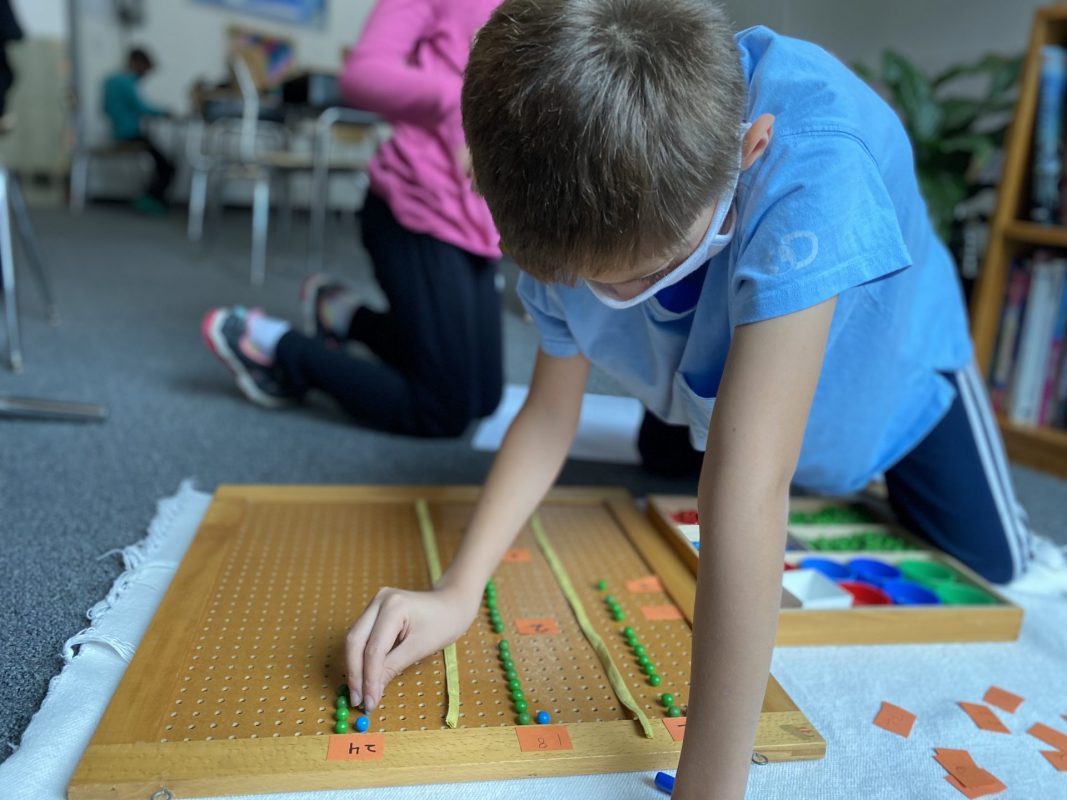
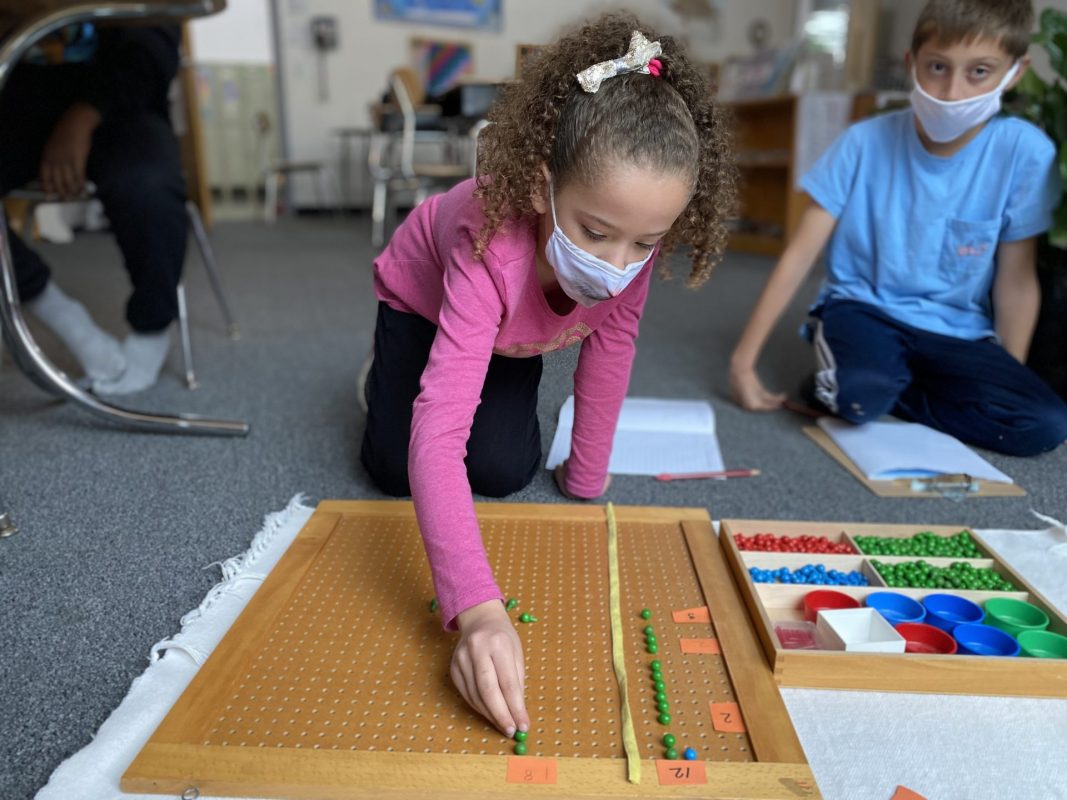
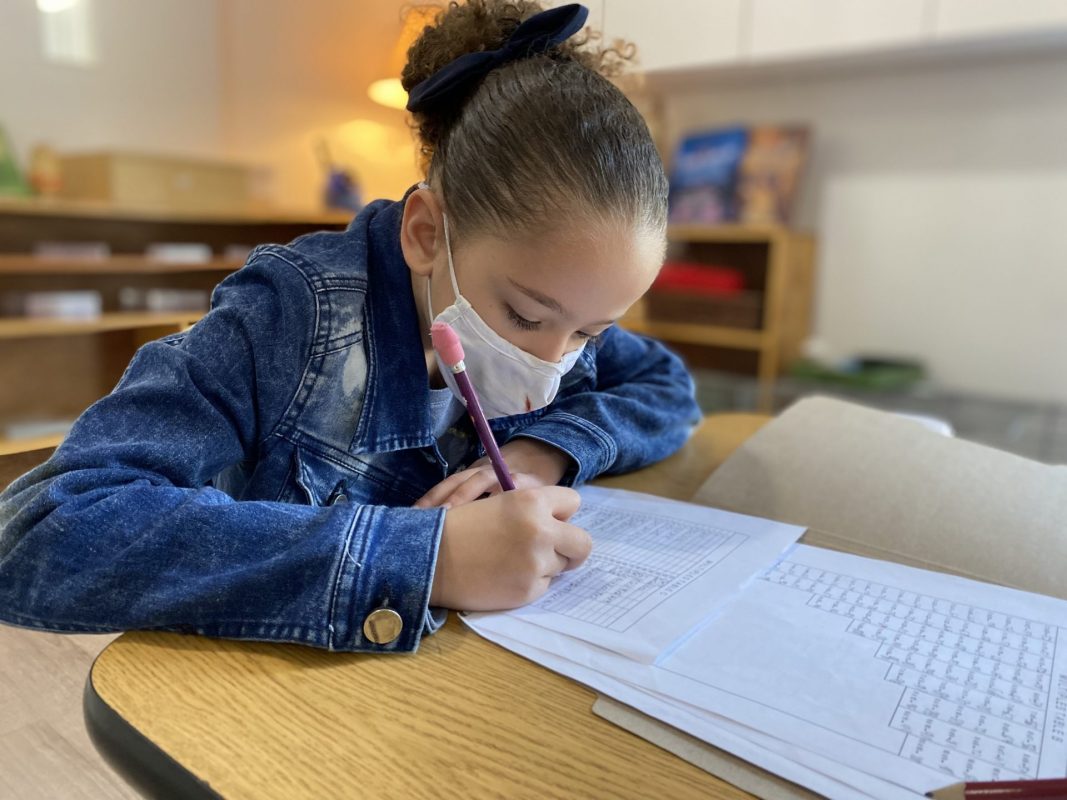
We have had a fantastically busy and productive week in Upper El. Our week began with large group lessons in biology, history, and math. In biology, our lessons on the vital functions of animals continued with the Strip of Vital Functions. In history, we discussed archaeological digs and the roles of the different people on a dig team. We also learned about Lucy, our oldest human ancestor. We will have our own impressionistic archaeological dig next week! In math, we laid out the decanomial, the geometric representation of multiplication tables one through ten. After laying out the bead bars, we learned about the commutative property of multiplication and identified the squares of each number. We will continue to use the decanomial layout next week for more lessons.

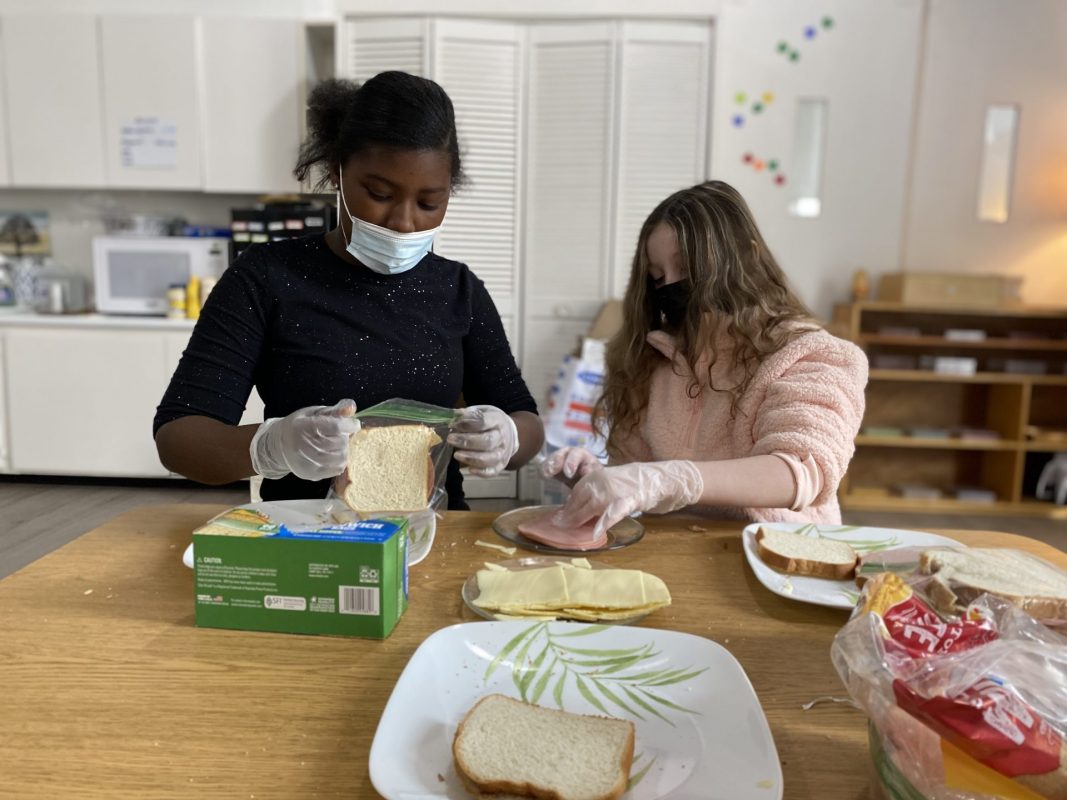
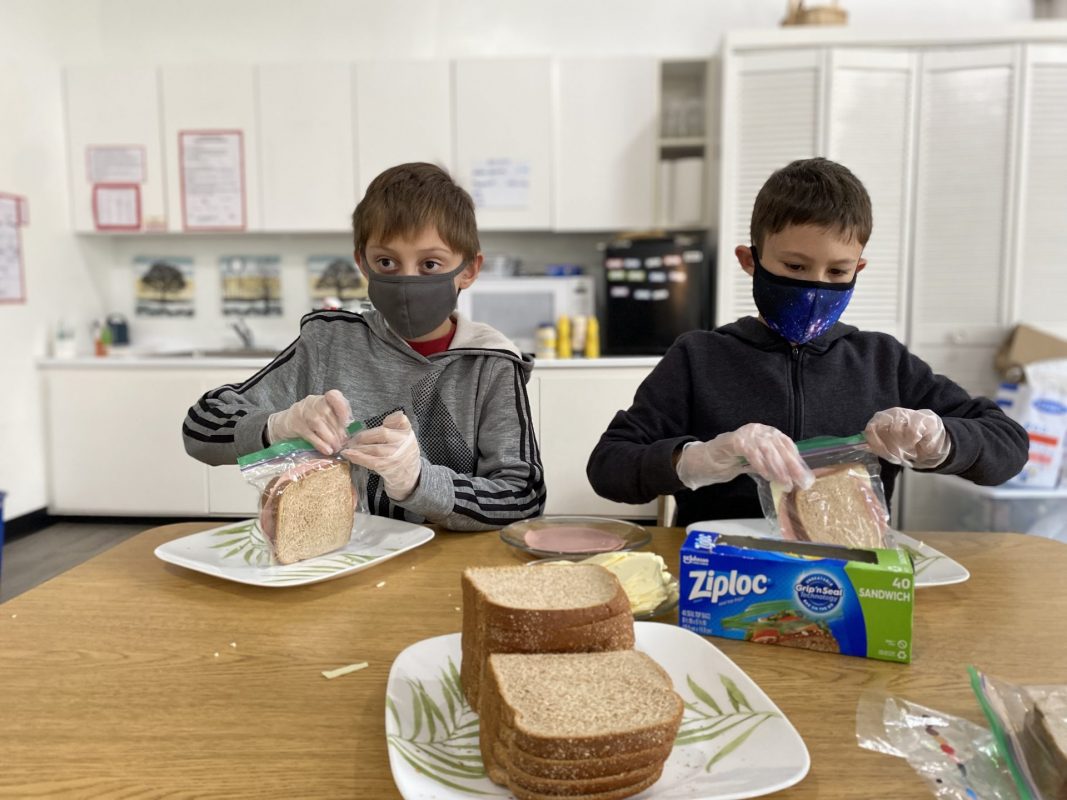
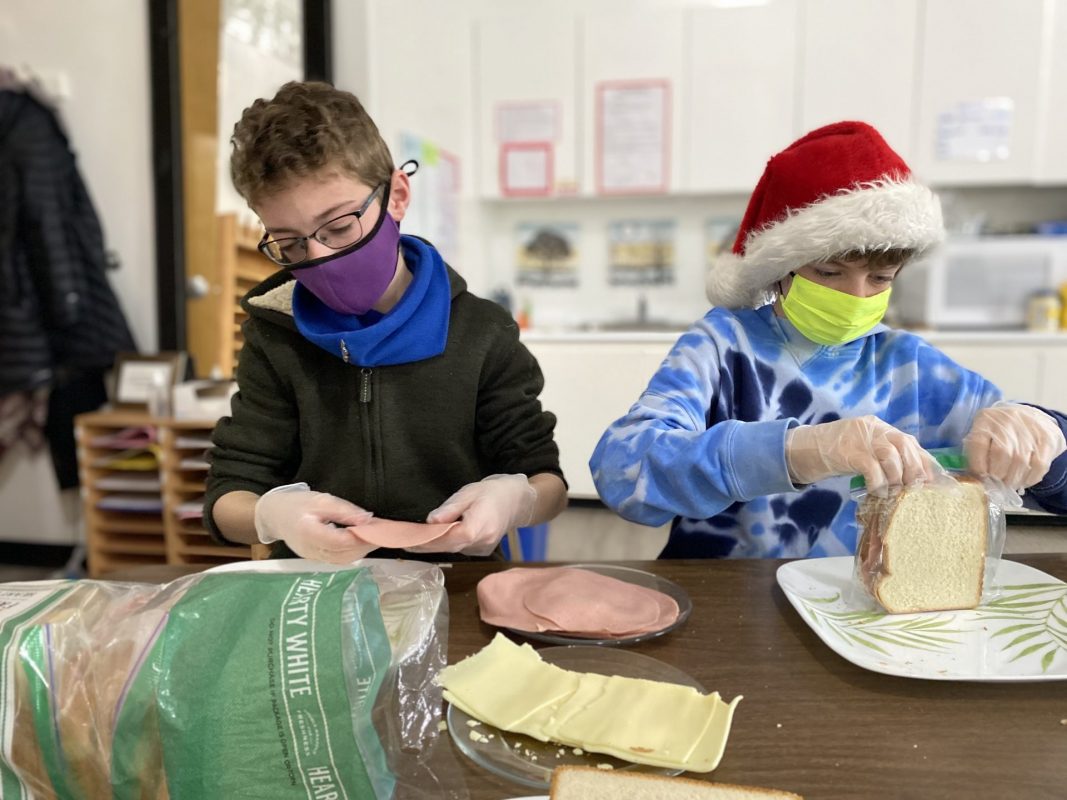
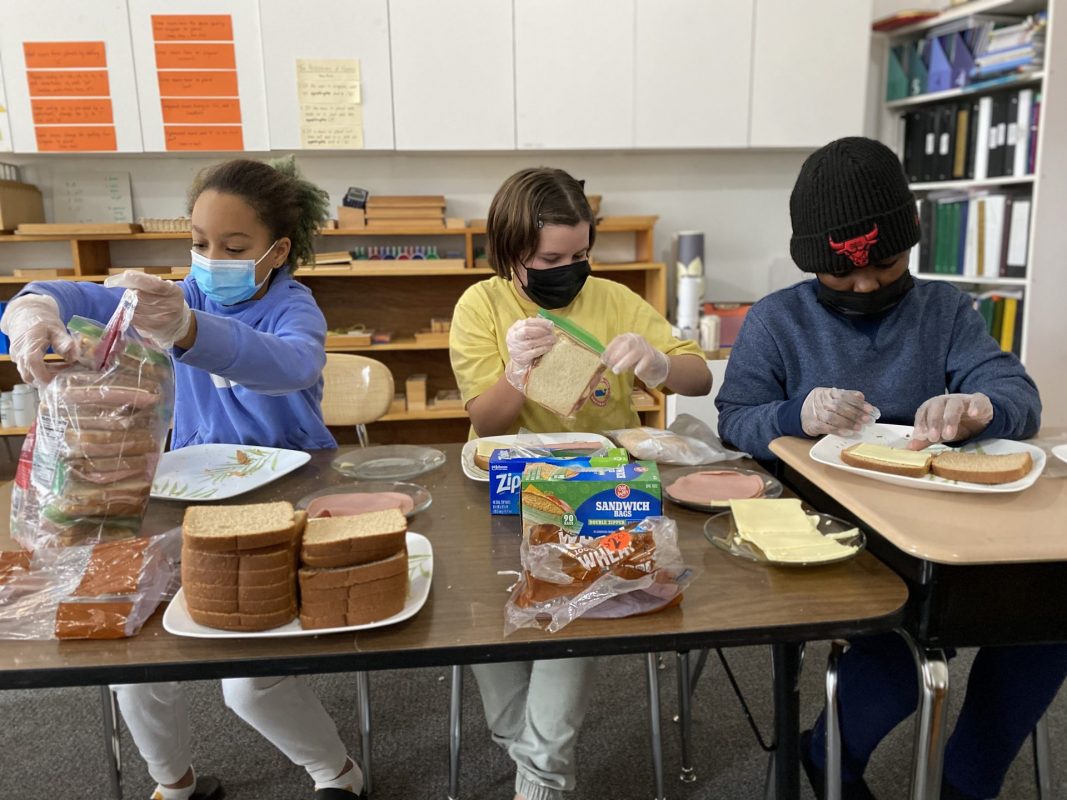
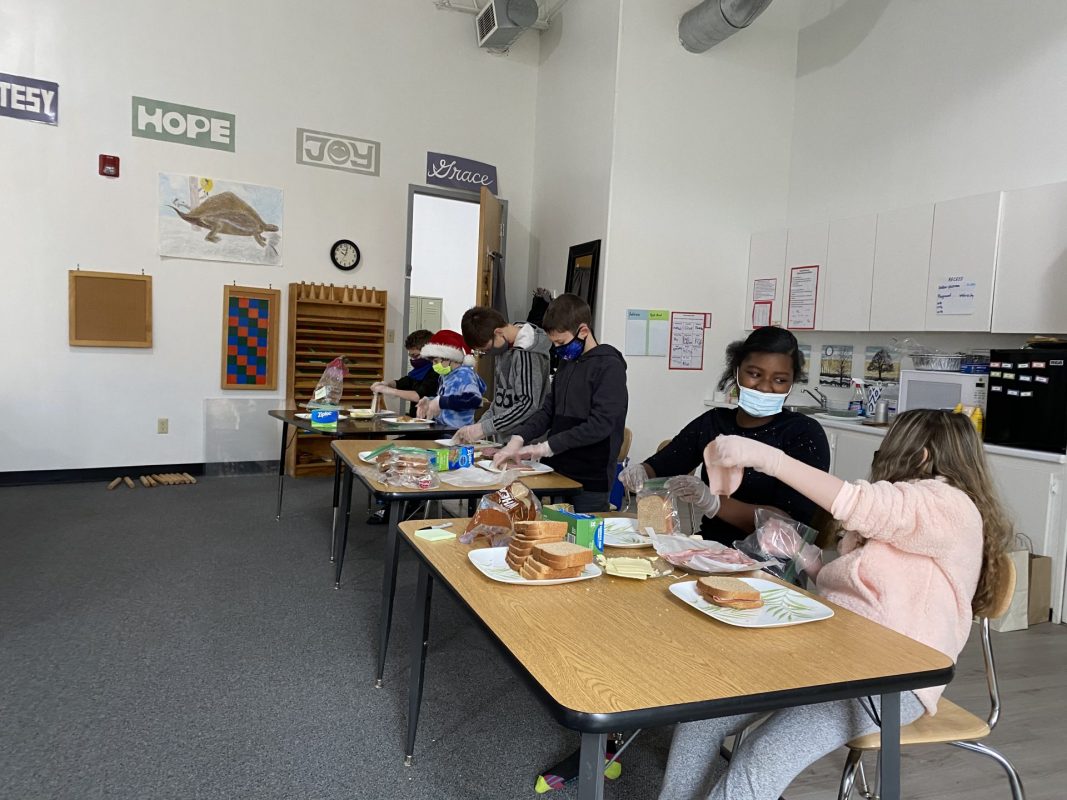
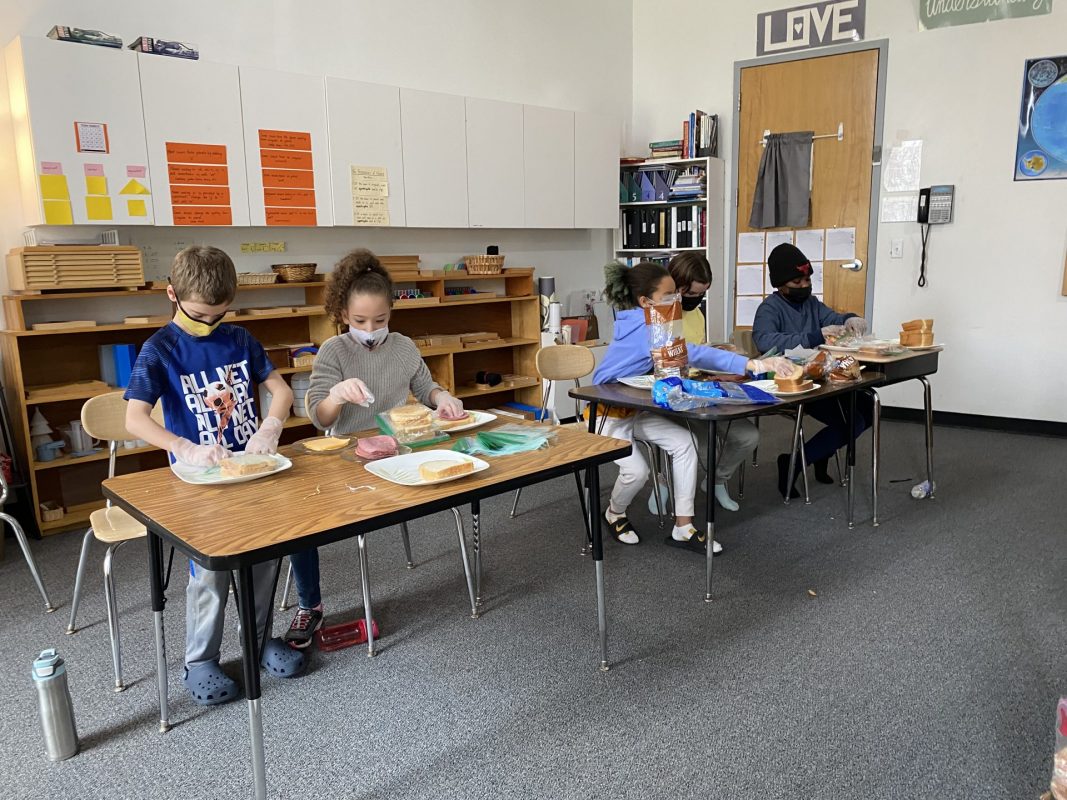
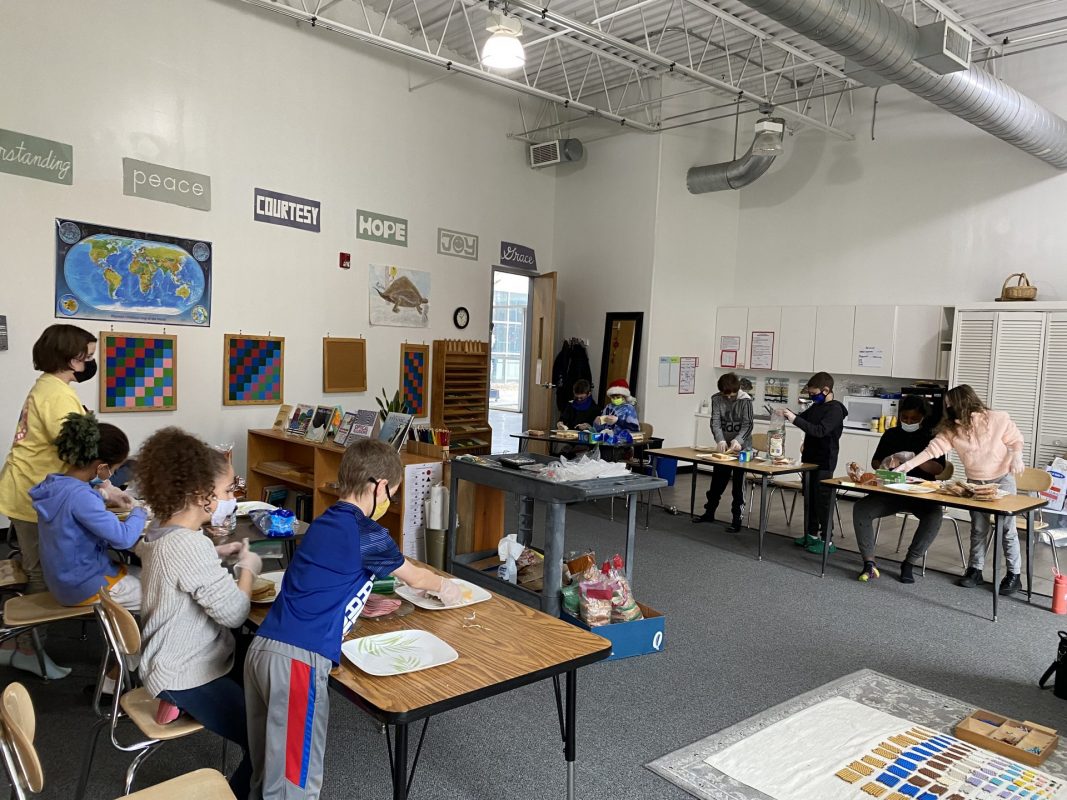
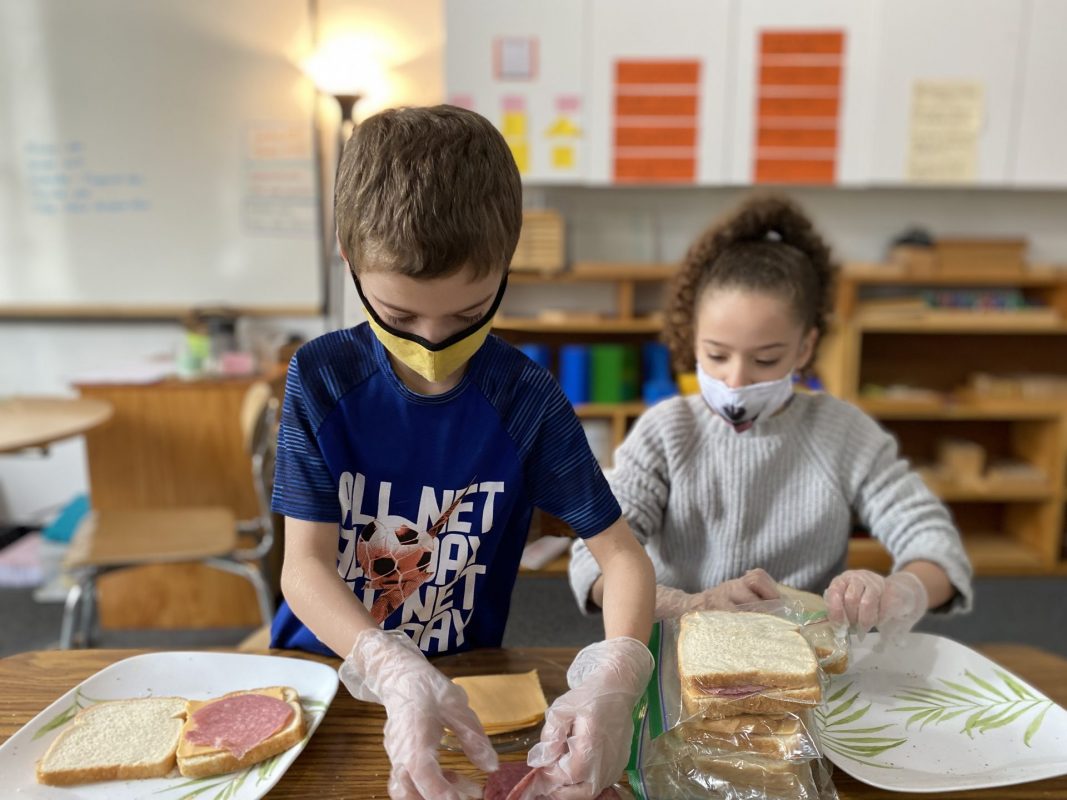
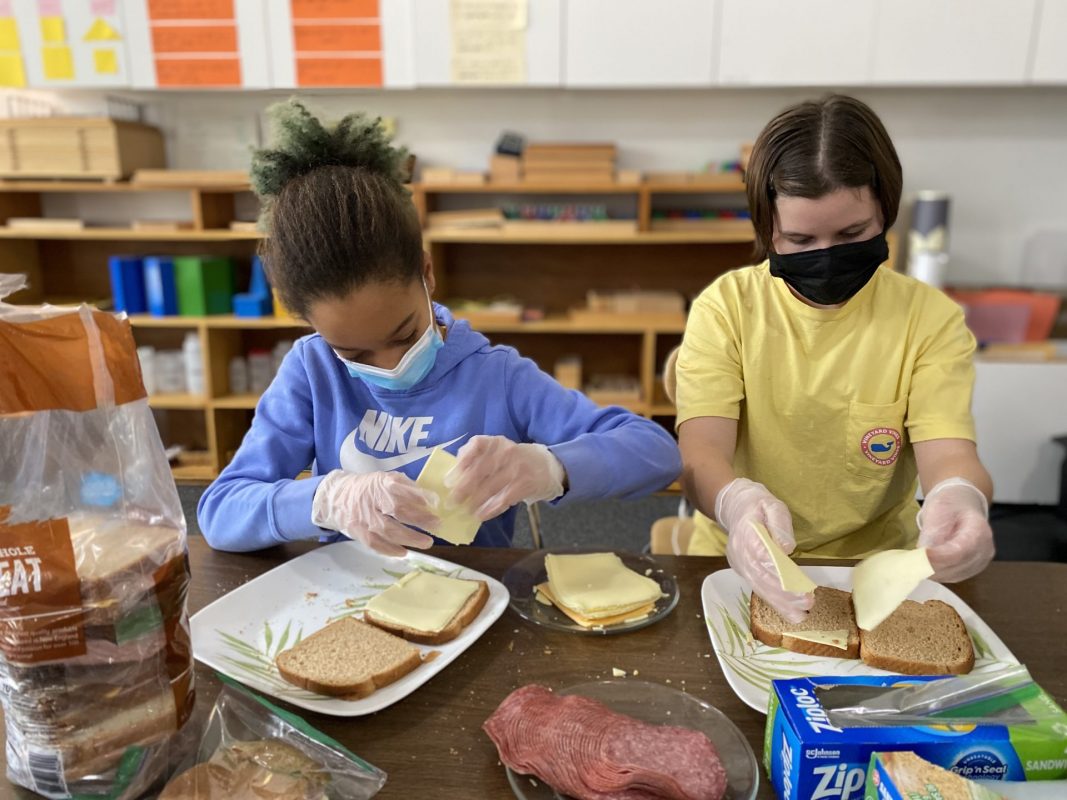
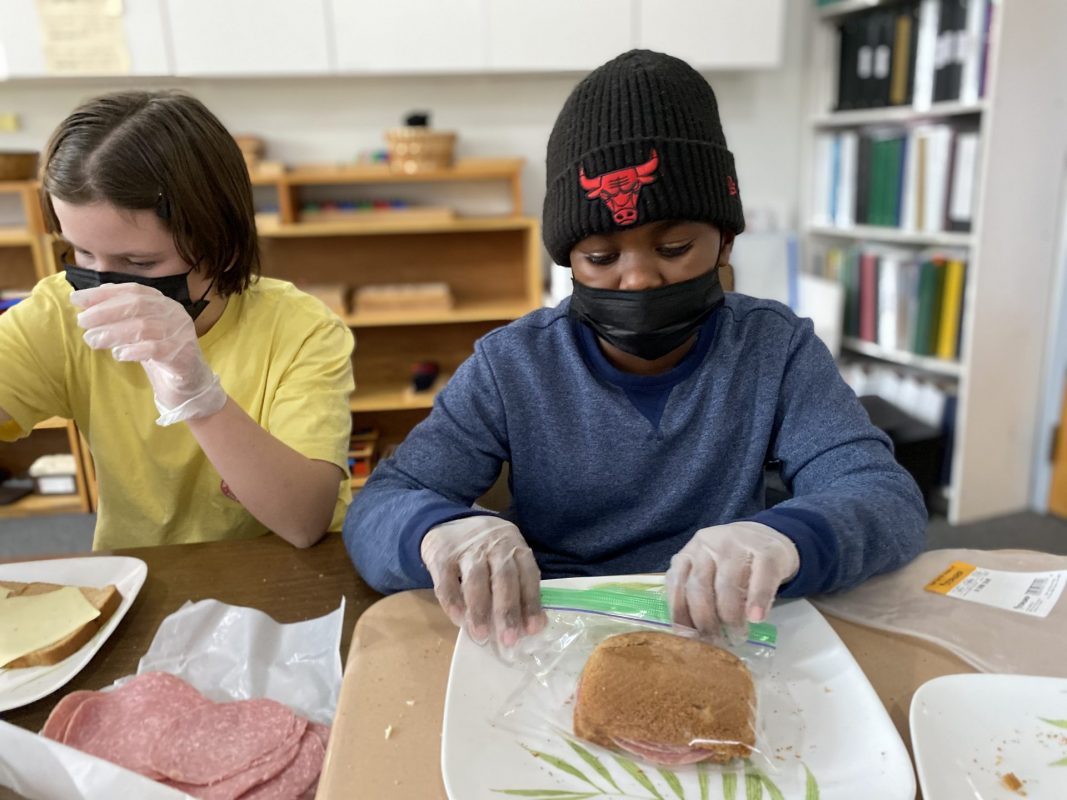
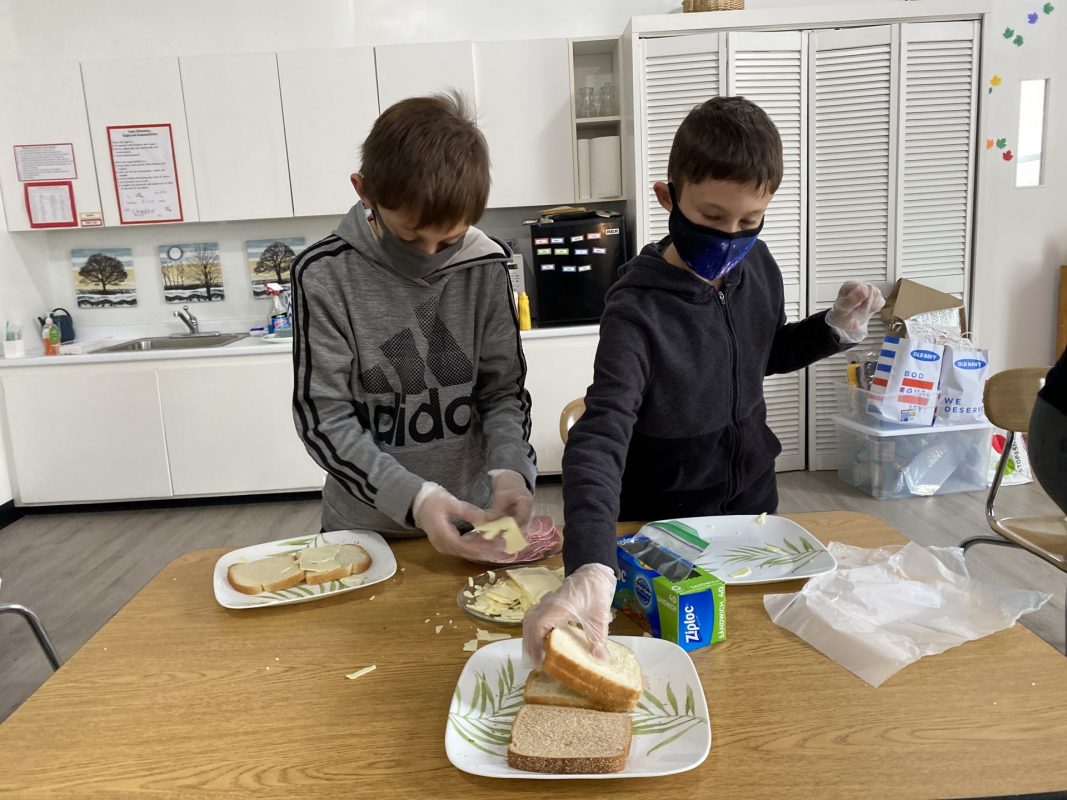
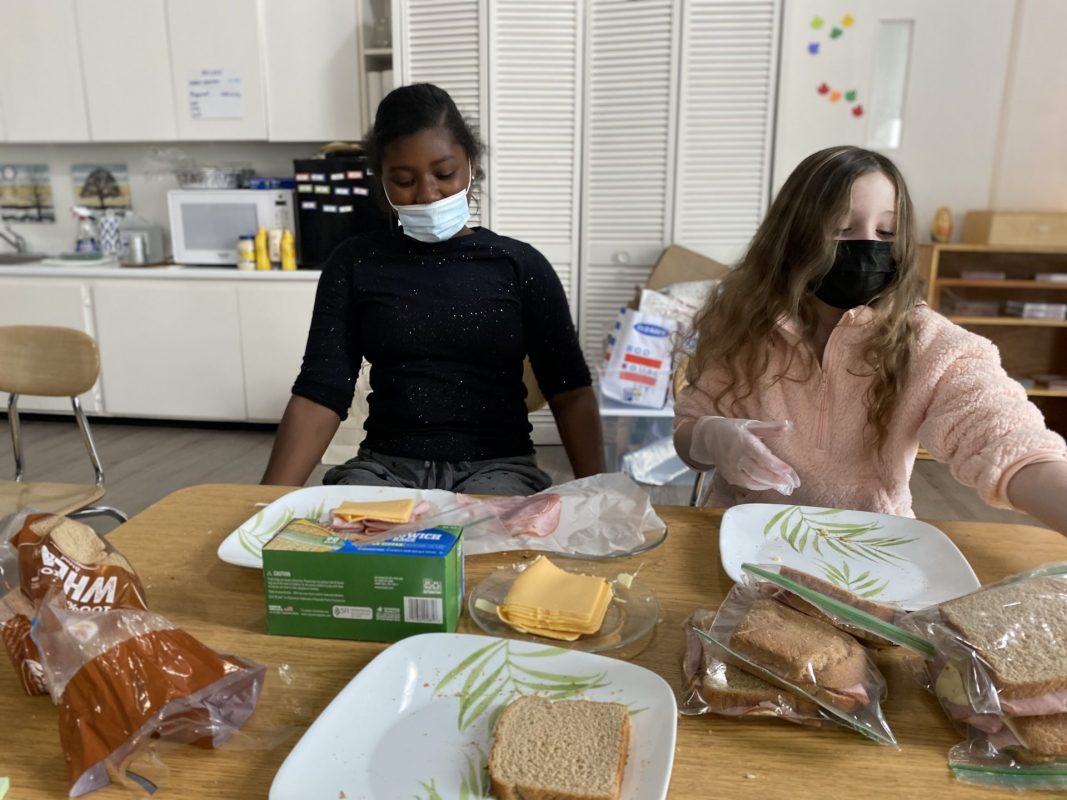
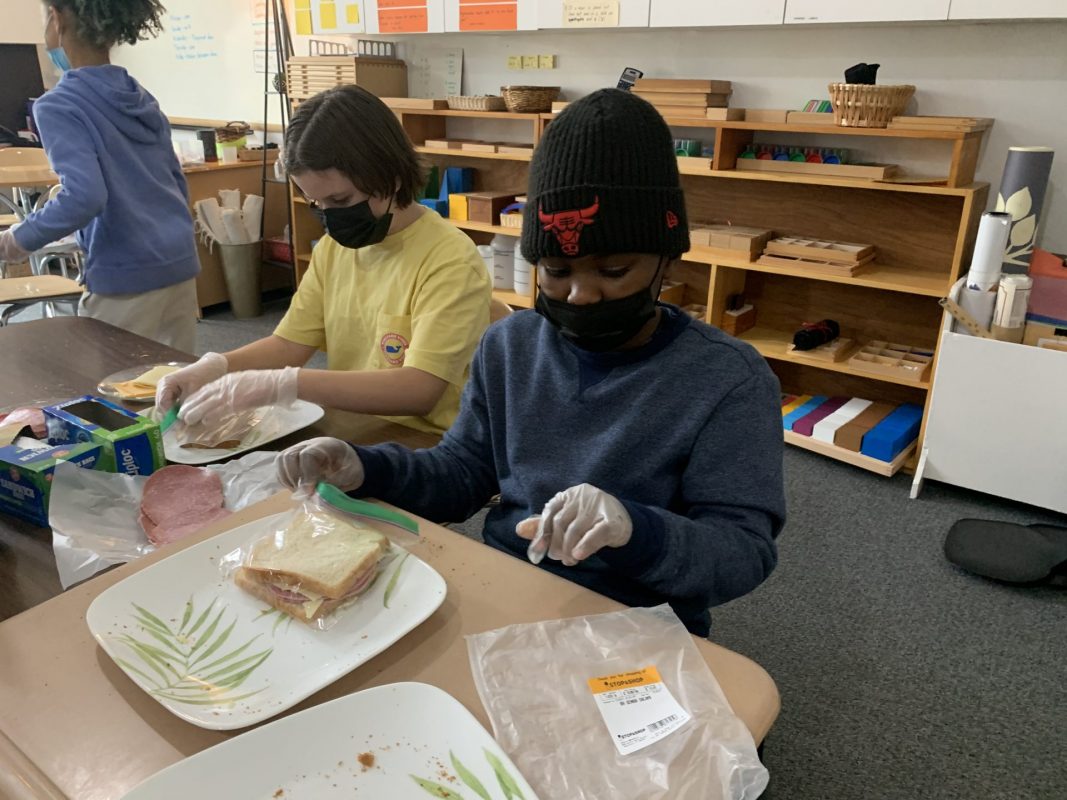
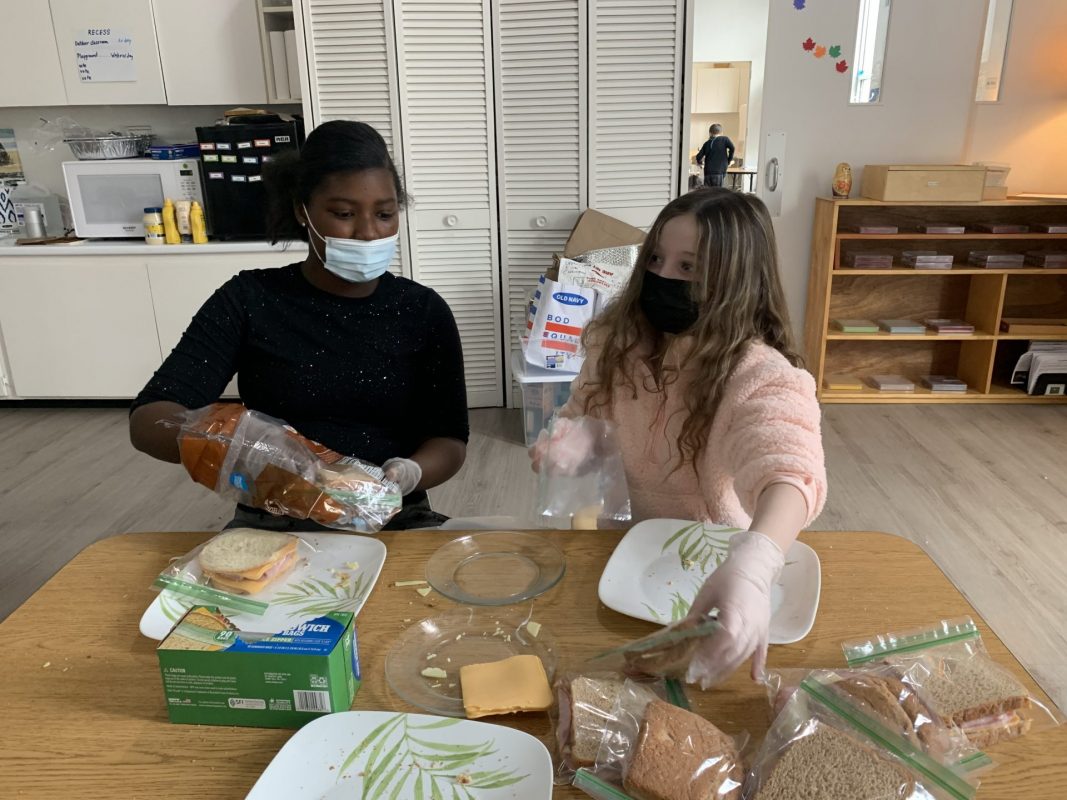
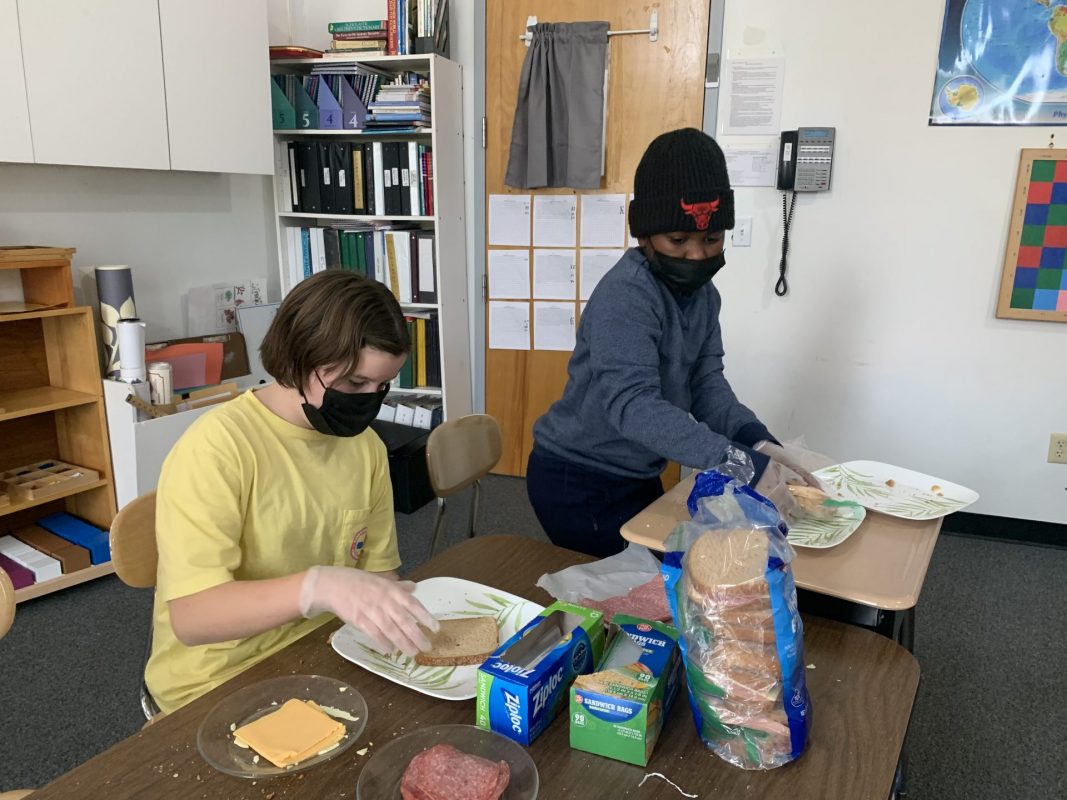
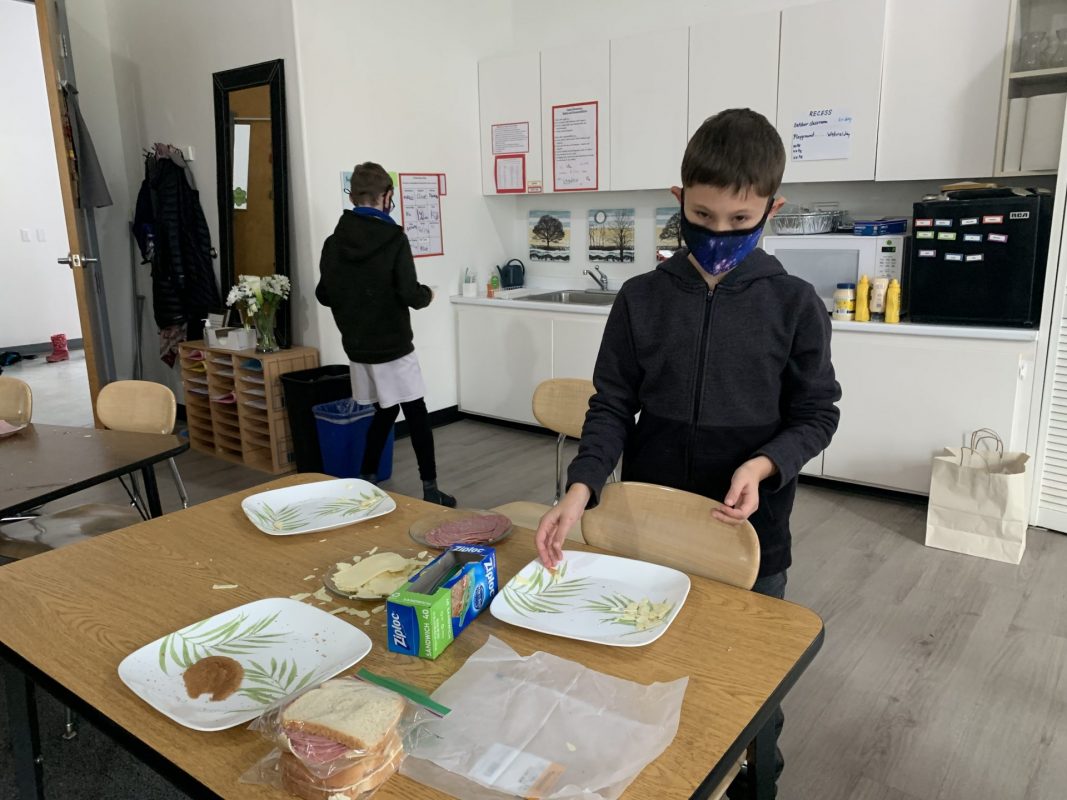
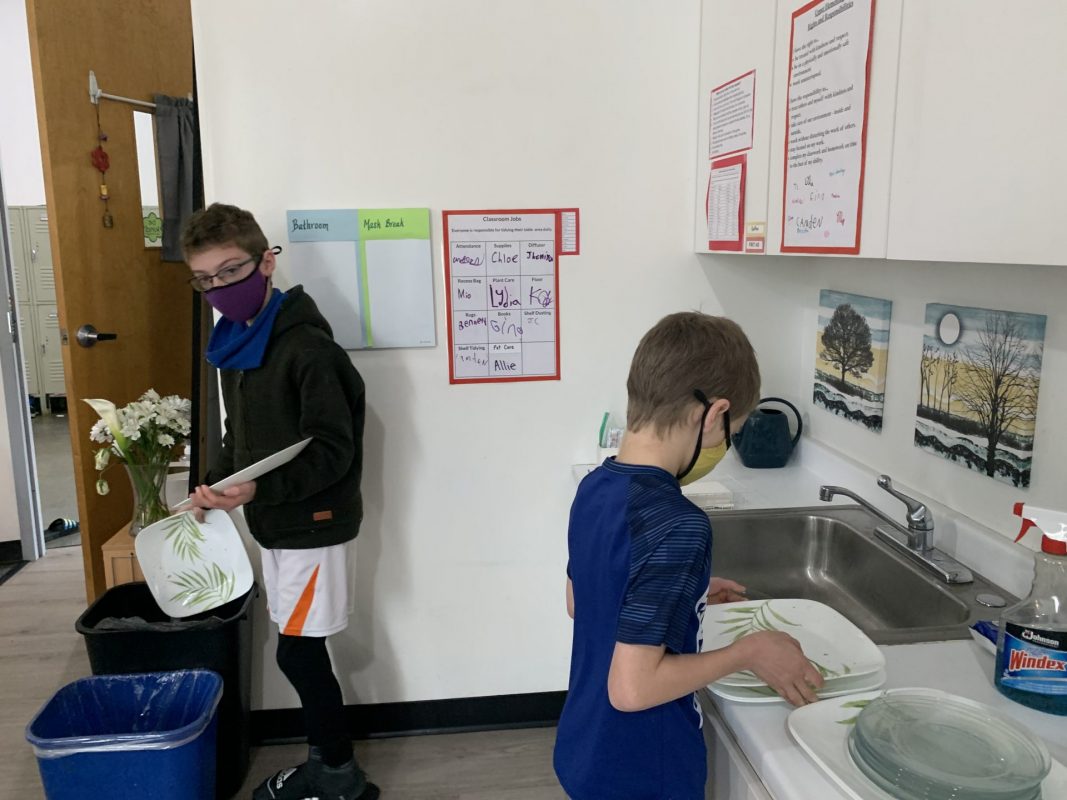
This week we made sandwiches for St. Vincent DePaul Mission in Waterbury. Everyone was very enthusiastic and did a great job making sandwiches. We will continue to volunteer our time once a month for sandwich making. Thank you very much to everyone for contributing the ingredients for this community service project. And thank you as well for the mitten and hat donations. We will package those up and donate them next week.

Wishing you a wonderful weekend!


Upper El: With Gratitude

“History should not be taught as a collection of dates and places. But rather be approached to arouse gratitude and appreciation. This gratitude should be aroused first to the law and order of the universe and the preparation of the environment into which human beings came.” -Maria Montessori

One of my goals for our Upper Elementary students is to become independent and have ownership in their classroom. Some ways we are working toward this are through the organization of the classroom so they are able to be self-sufficient, class-led community meetings that give them decision making power over their school life, and involving them in arranging field trips. I’m looking forward to sharing more about field trips with you soon.

During our annual bread baking last week, Upper El students expressed how much they enjoyed making the pumpkin bread. They decided that they would like to start baking in the classroom on a regular basis. And so we shall! In the coming weeks, I’ll be gathering ingredients and some simple recipes for students to follow independently. Feel free to share any that you have at home. Each recipe will need to be gluten free and nut free.

Next week we will be making sandwiches and collecting hats and mittens for the St. Vincent DePaul Mission in Waterbury. These two volunteer opportunities have become a wonderful tradition in Upper El. It creates a great sense of joy at helping others in a very real and meaningful way. Our class parents sent a sign up for the hats and mittens already and you will soon be receiving one for the ingredients for making sandwiches.

Hoping you have a wonderful weekend!


Upper El Week Ten

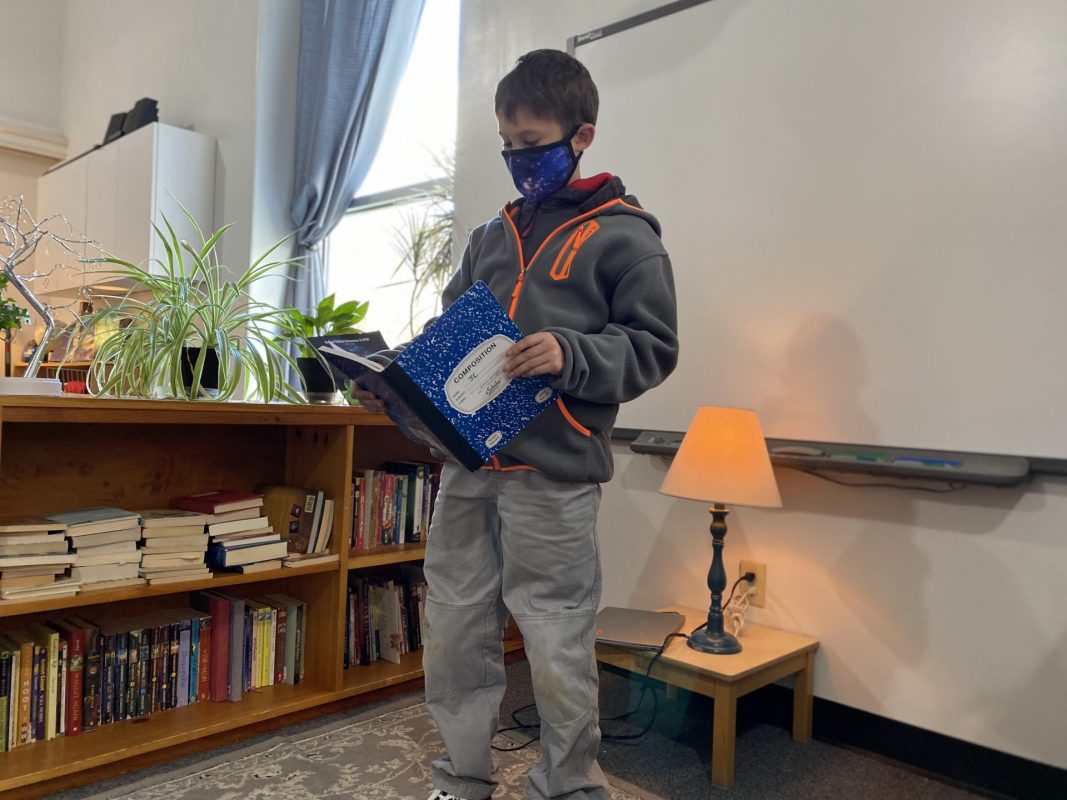
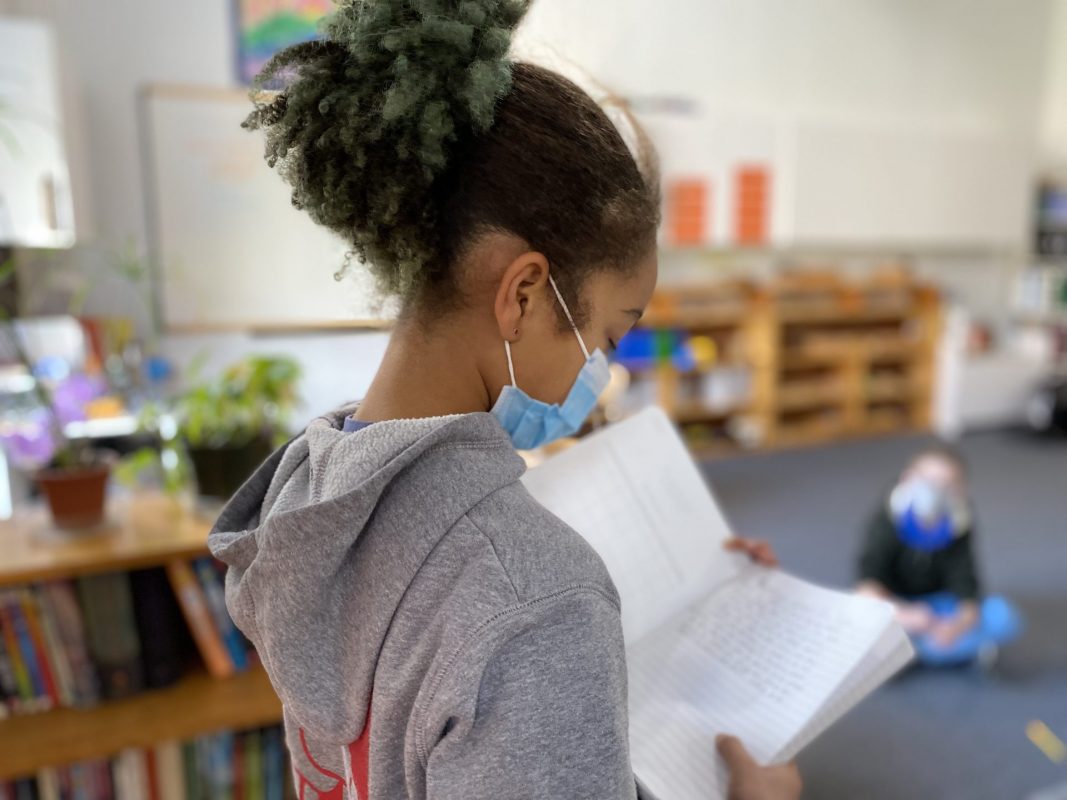
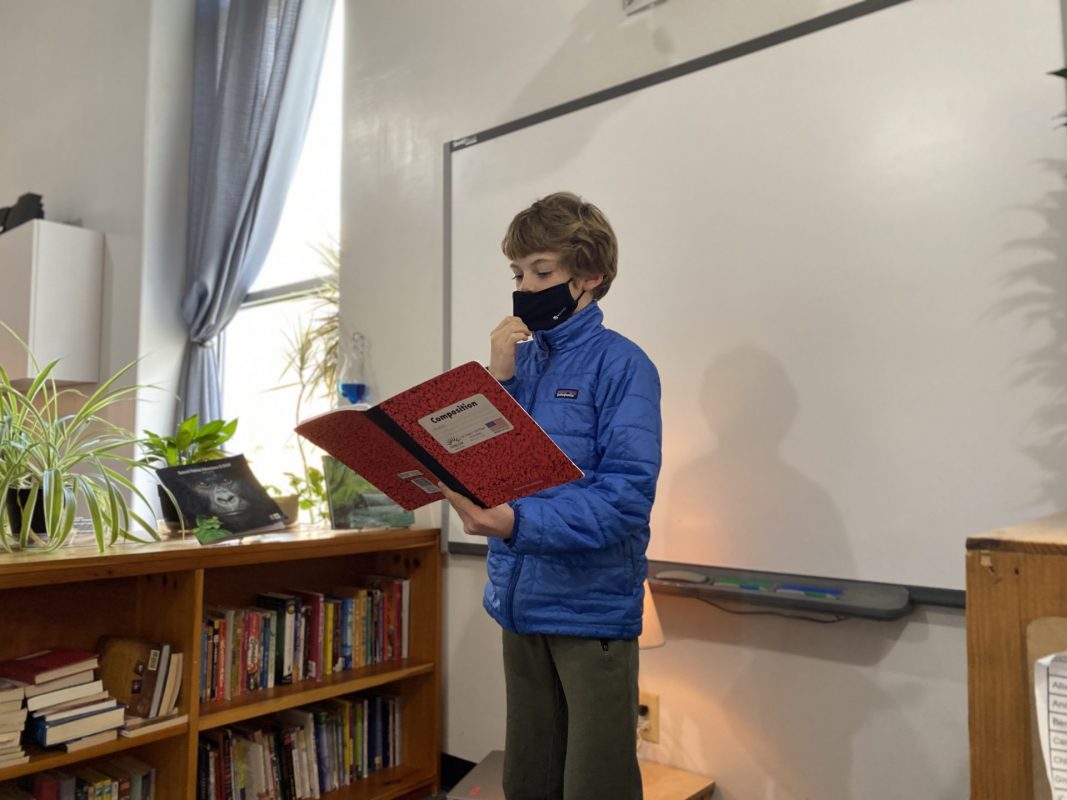
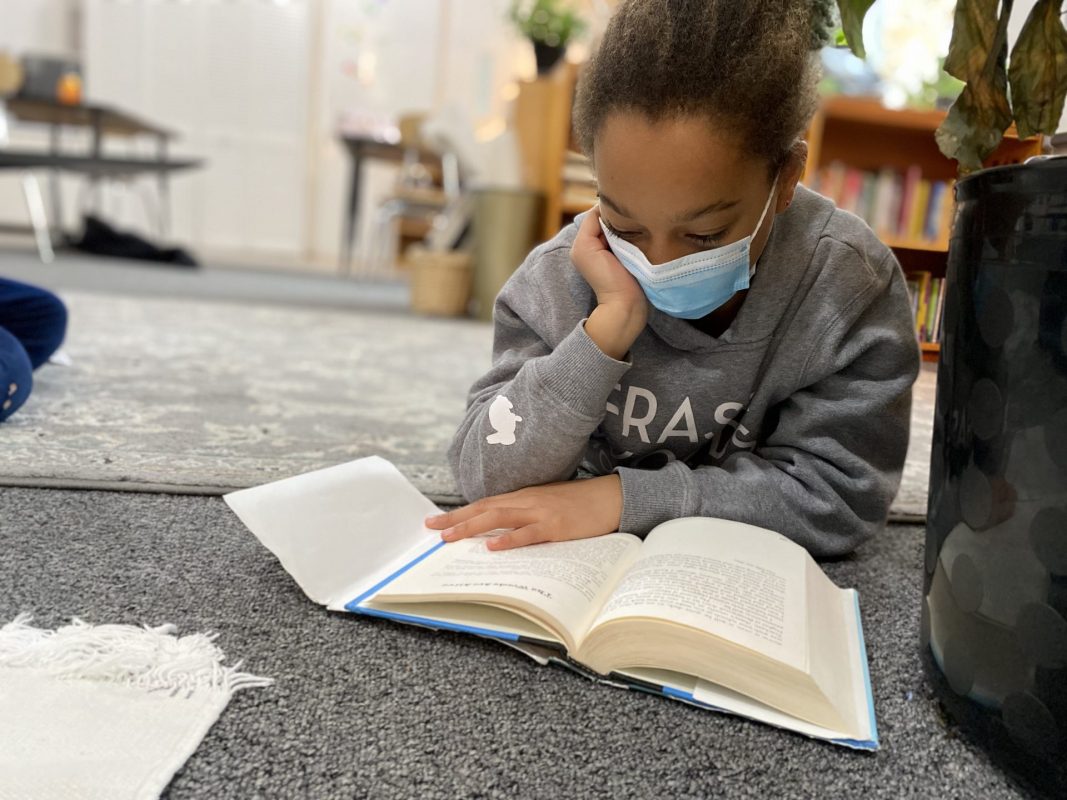
This week we wrapped up our first Lit Circle books of the year. Each group had a great final discussion of their book and they are anxious to get started on the next. We also enjoyed hearing some original creative writing shared by our class members this week. We heard a short story, a chapter book, and some poetry. We will continue to share our writing-in-progress each week.

In biology this week we learned that the vital functions of animals fall into three categories: vegetative functions, functions of relationship, and function of reproduction. We learned that vegetative functions are what keep us alive. They are nutrition, respiration, and circulation. Functions of relationship move us around so we can get what we need to survive. They are sensitivity, movement, and support. The function of reproduction is different from the first two types in that it is a function of species instead of individual.

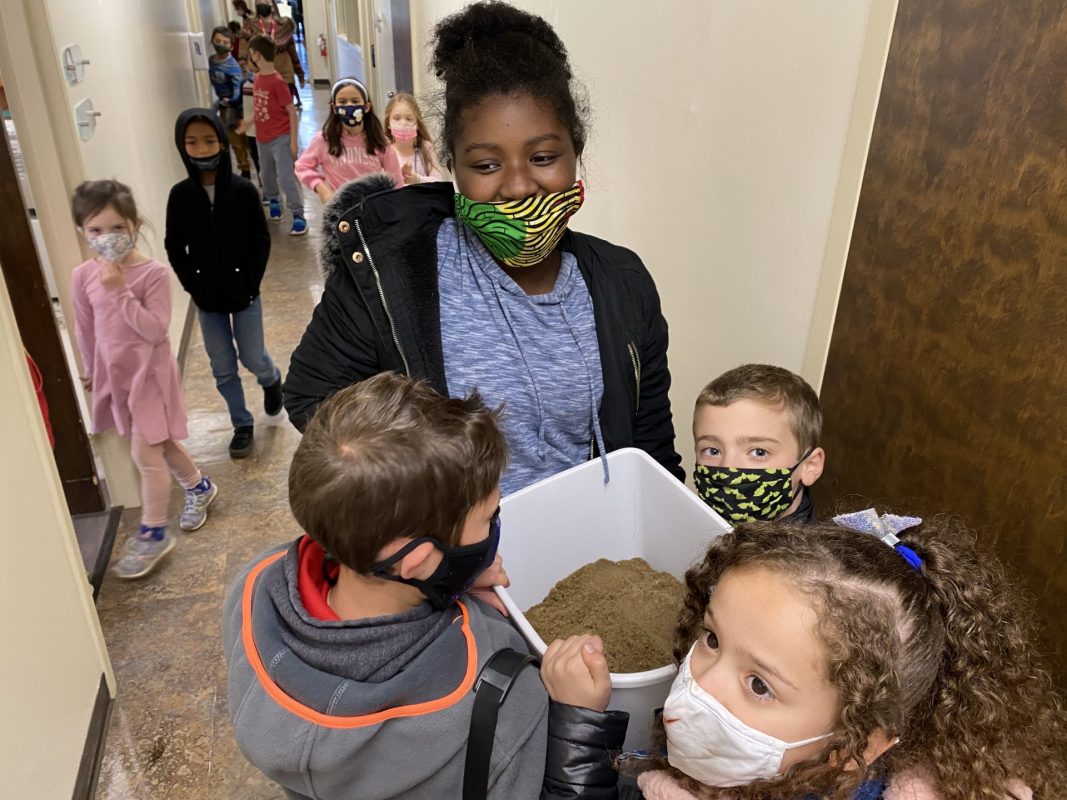
Our history lesson this week was called The Trash Heap. This is a lesson that gives an impression of the heritage of the artifacts we study when we are learning about human cultures. During this lesson I told a story of a sequence of cultures, all of which were located on the same site, each leaving behind “trash” artifacts. As I told the story, we placed the artifacts in a trash heap and covered each layer with a layer of sand. Upon completion of the story, we had a mound of sand, hidden within which were layers of artifacts representing the sequence of cultures we discussed.

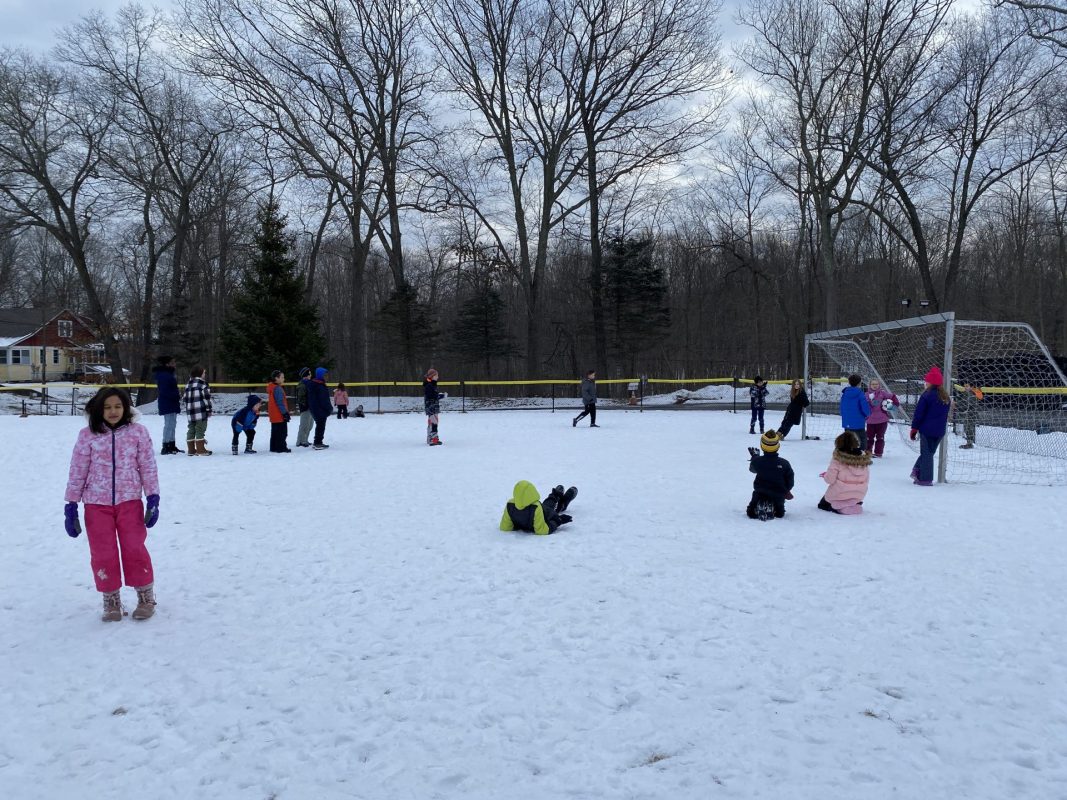
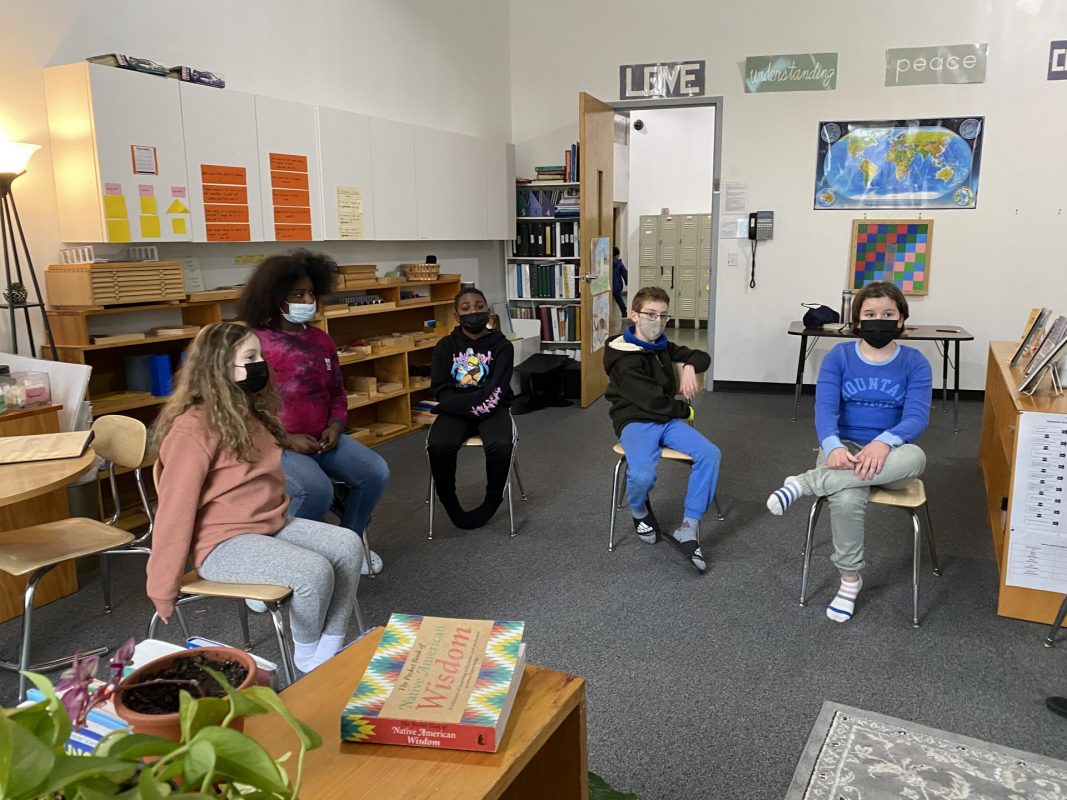
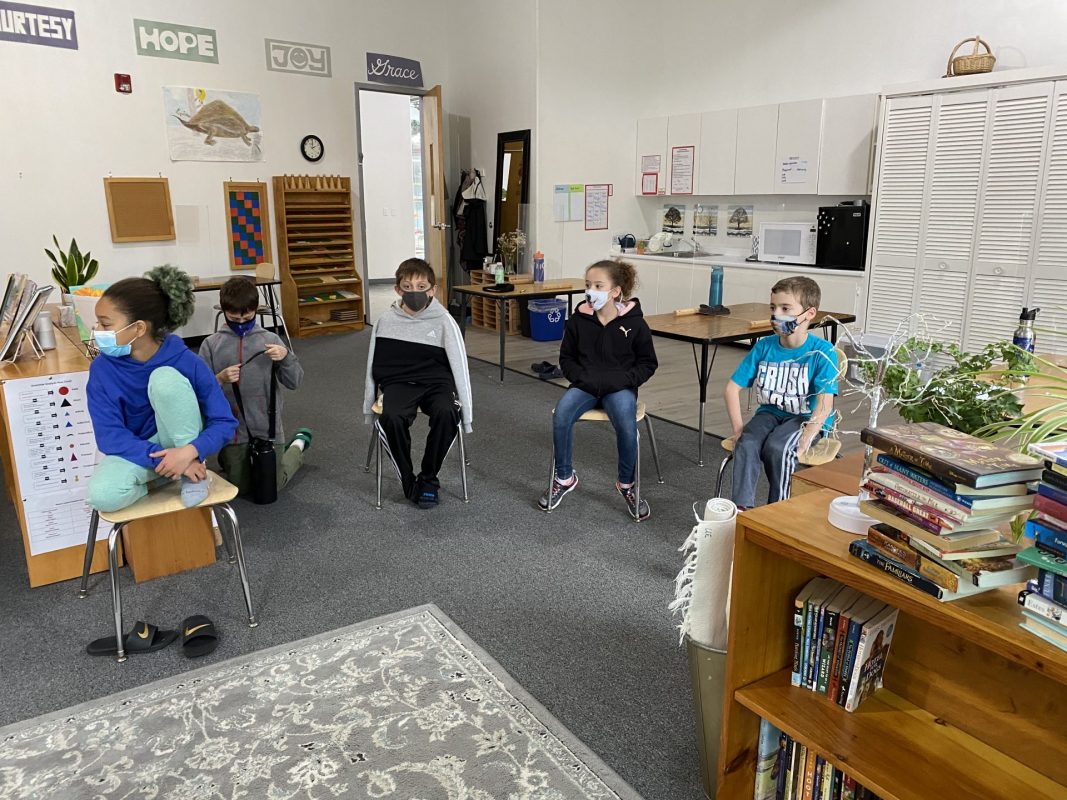
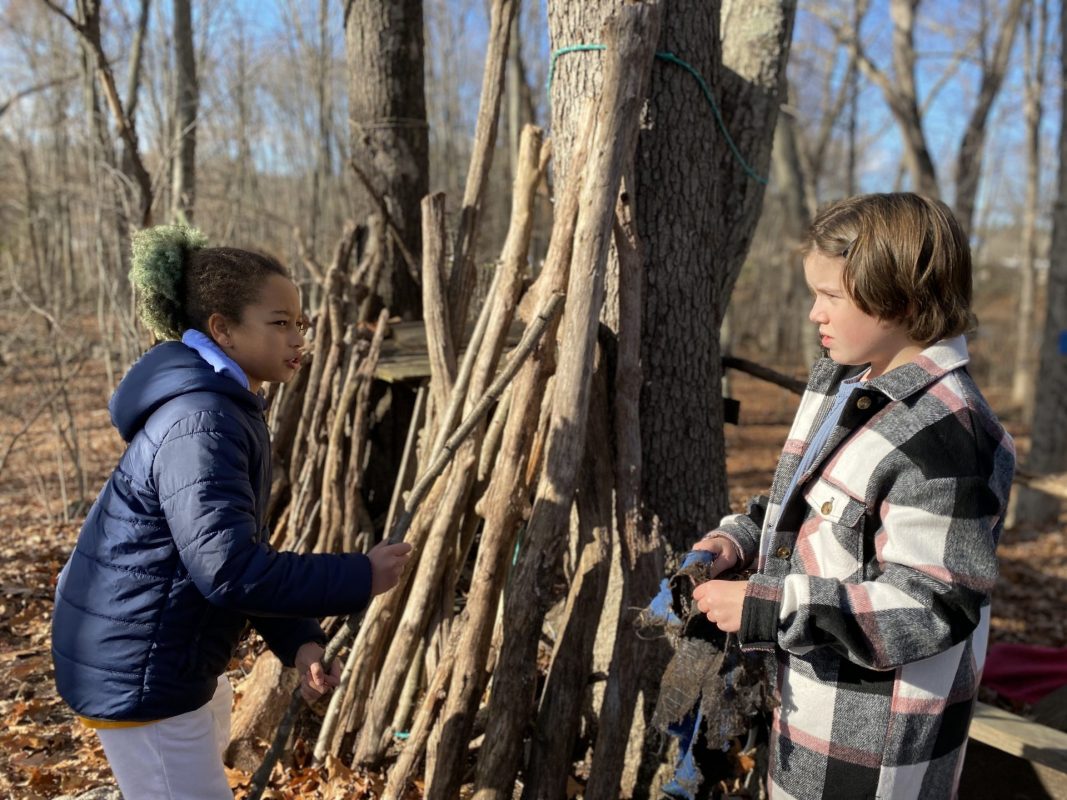
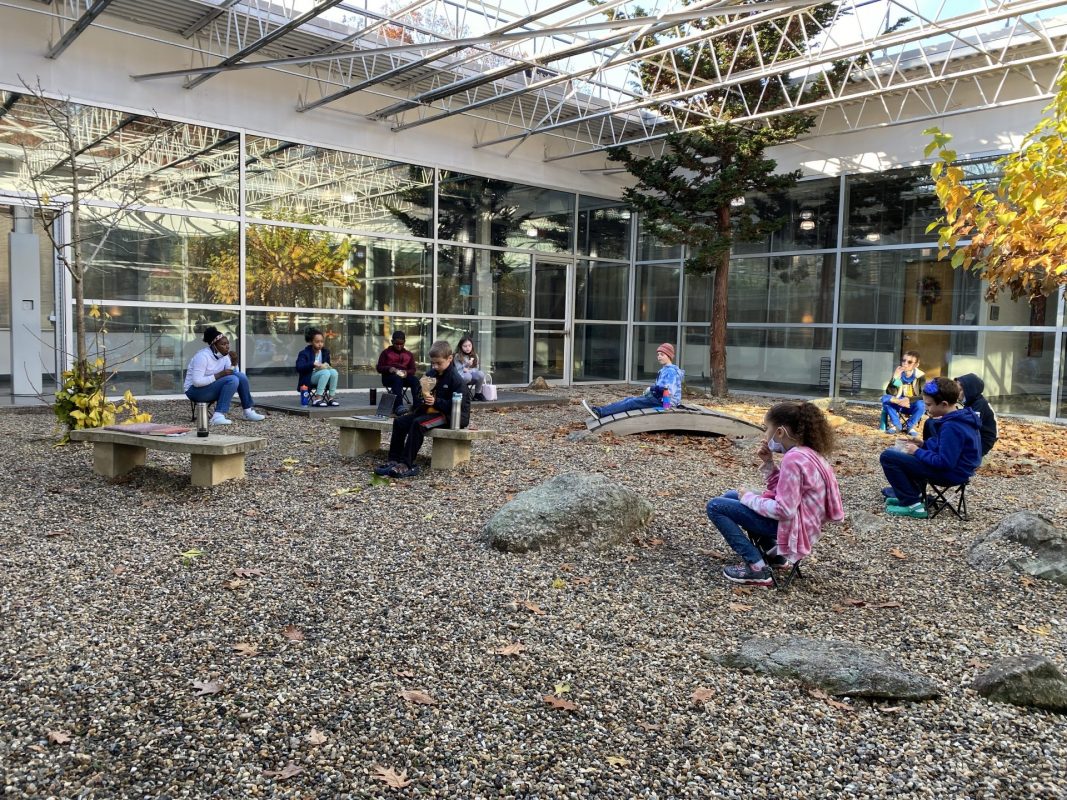
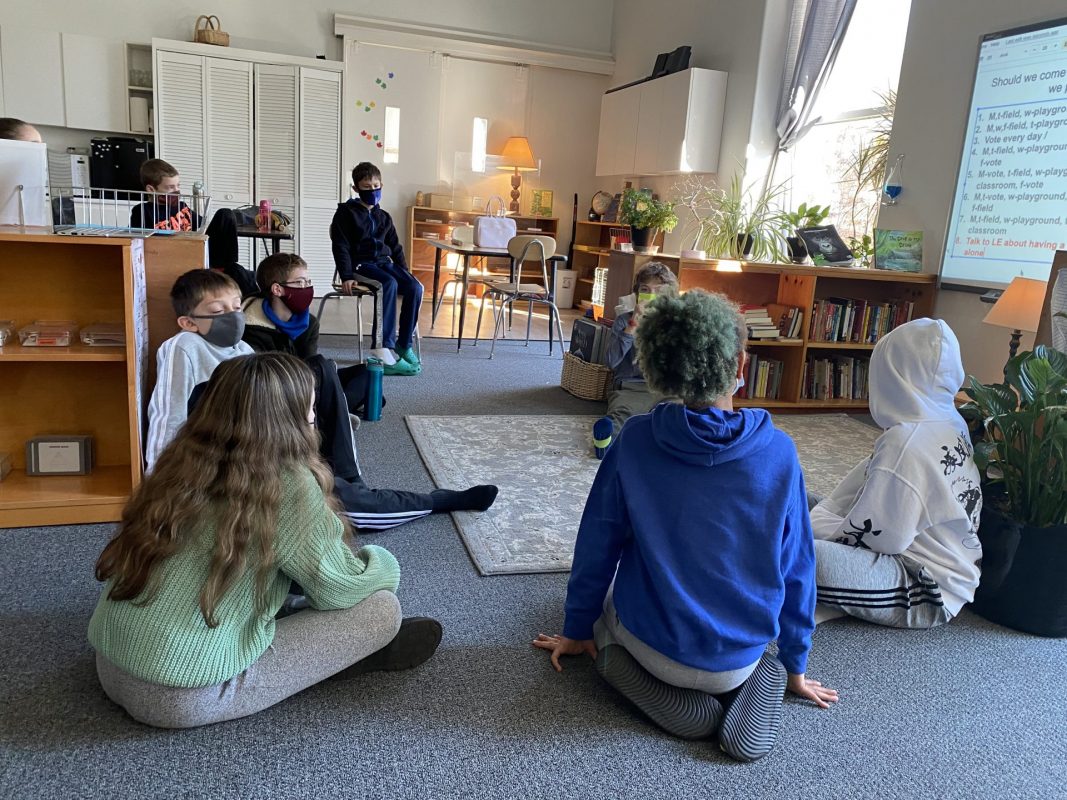
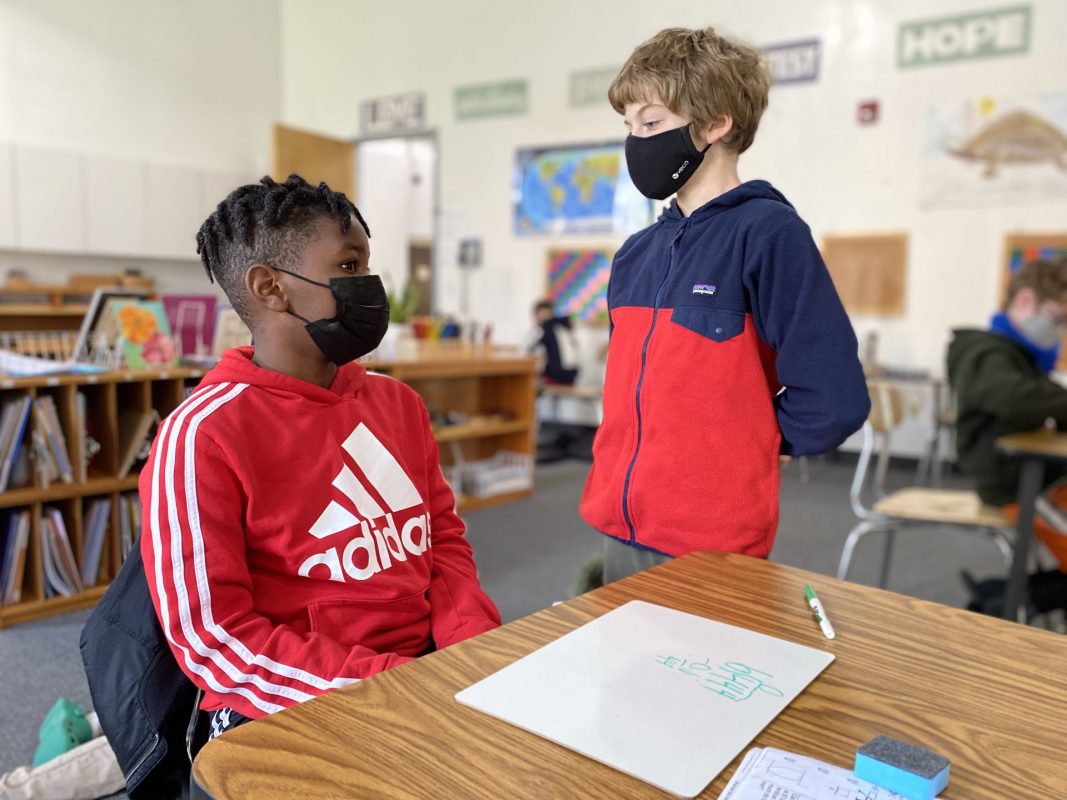
Our student-led, weekly class community meetings focus on concerns and topics brought up by students. This week our meeting was focused on where we should have recess. This topic was added to our agenda after a student reached out asking for a change from our daily recess on the field. The class brainstormed ideas, had a respectful, open discussion, and then voted. They decided we would go to the playground and outdoor classroom, each one day a week, and on the remaining three days, we will vote on where to go. I wish you could see the maturity and respect for each other these students have; they impress me every day.


Upper El Week Nine

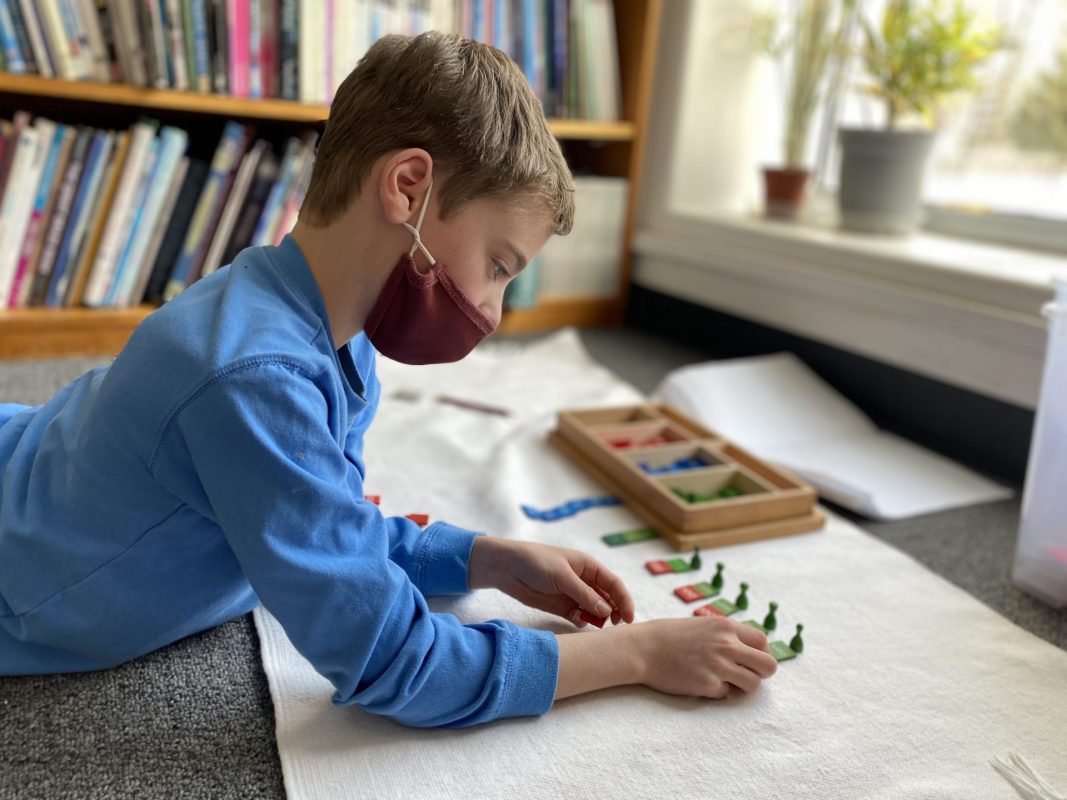
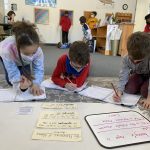
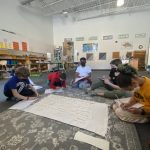
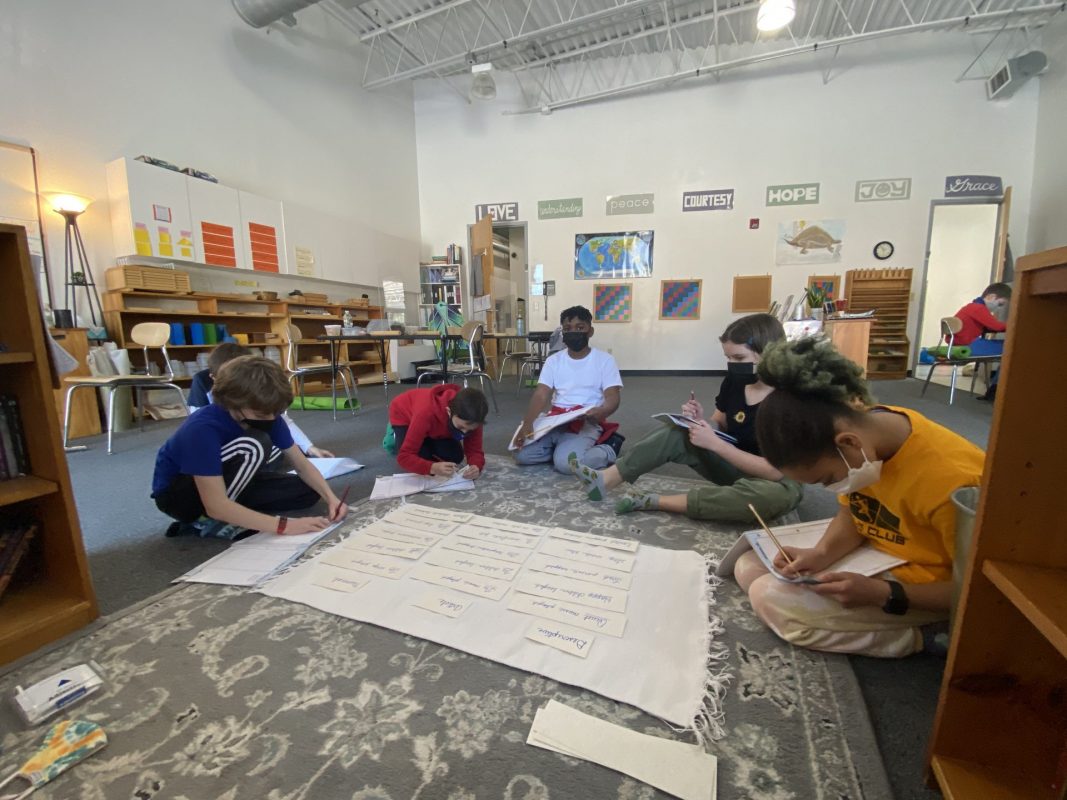
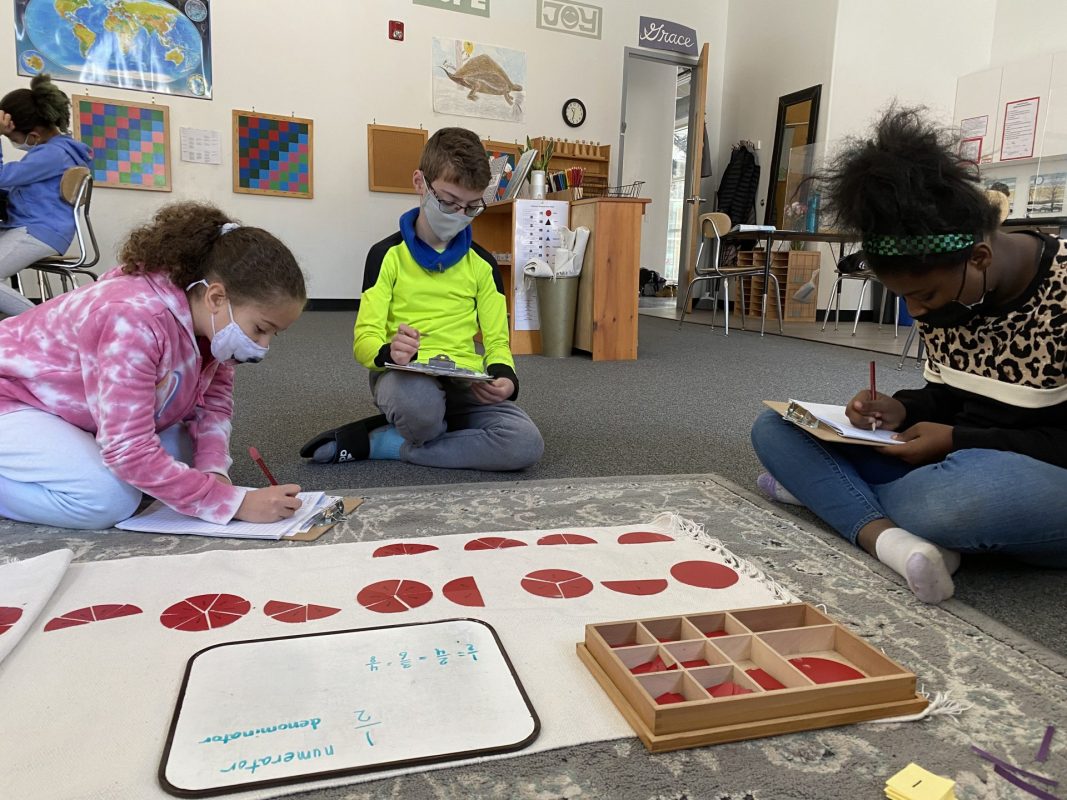
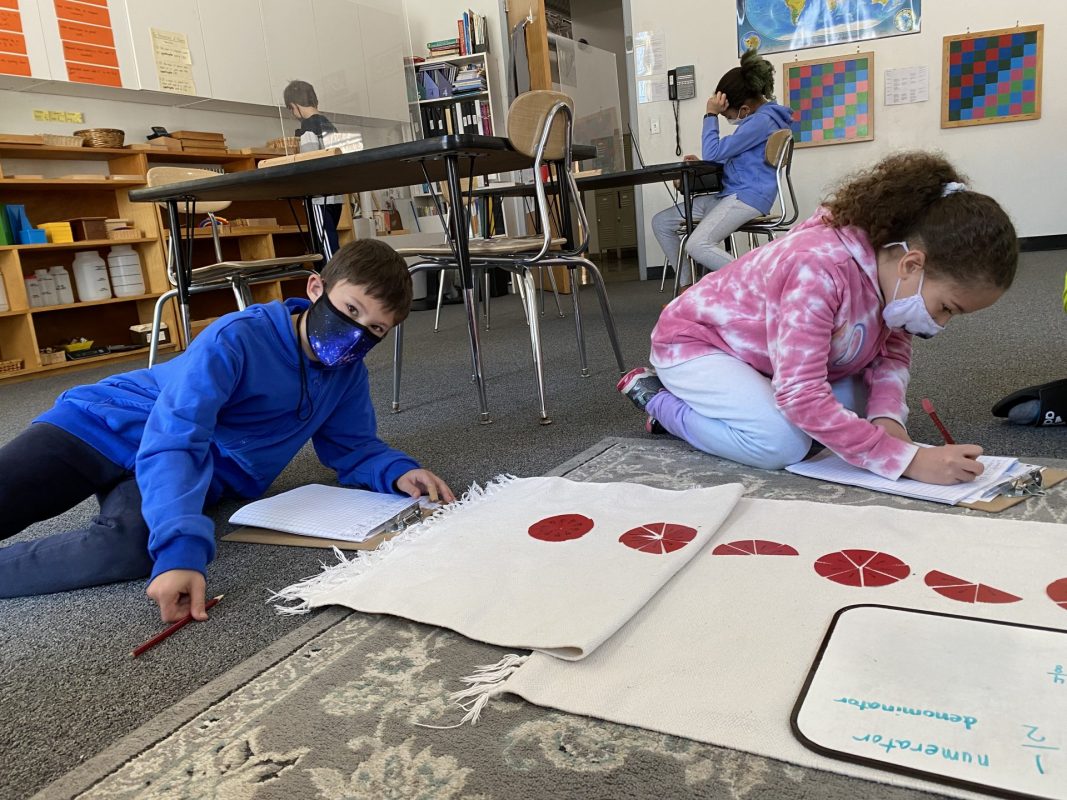
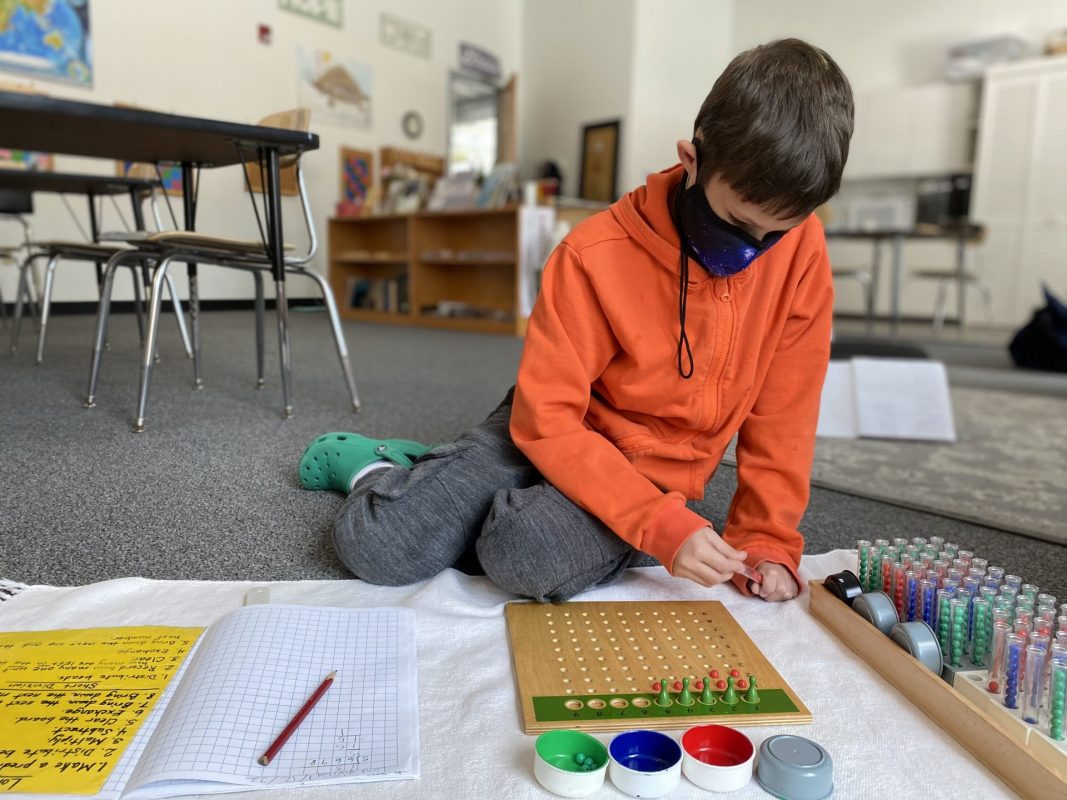
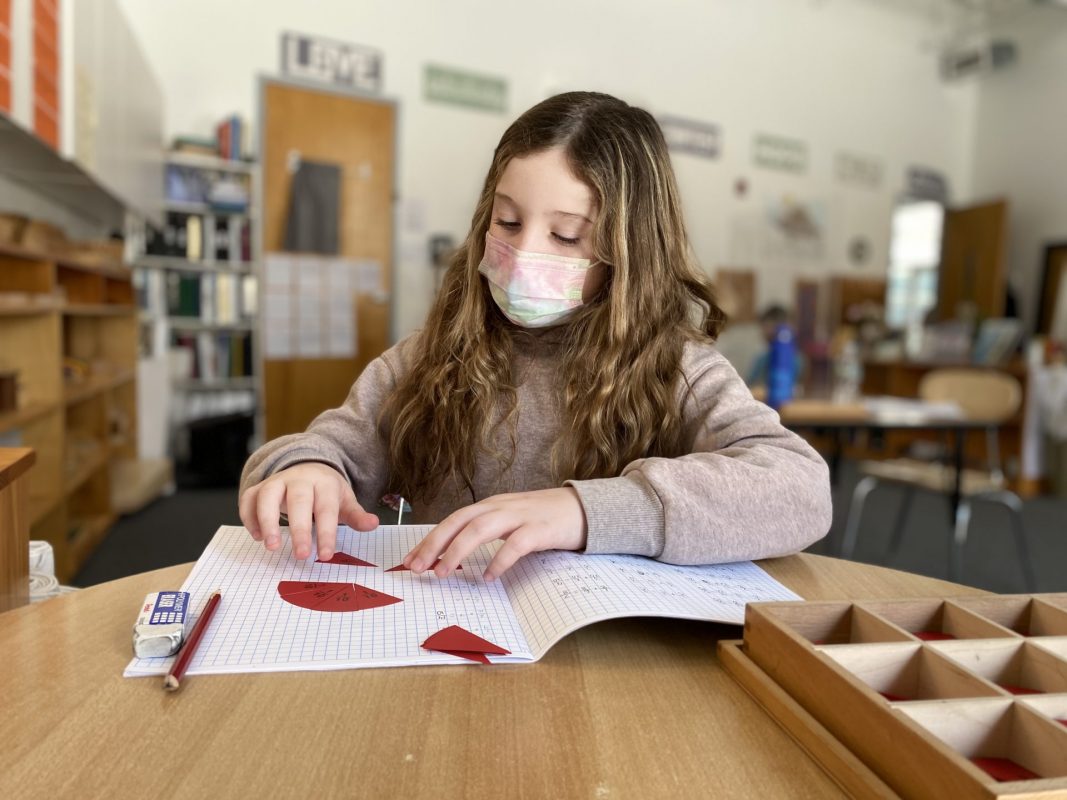
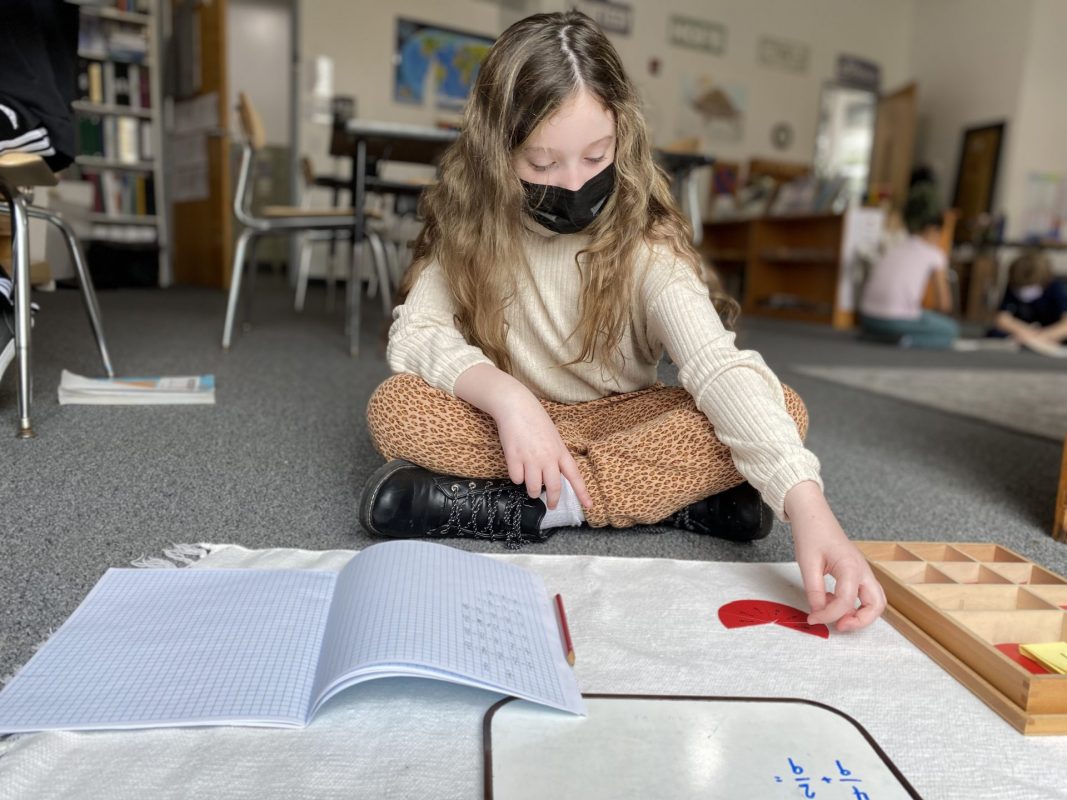
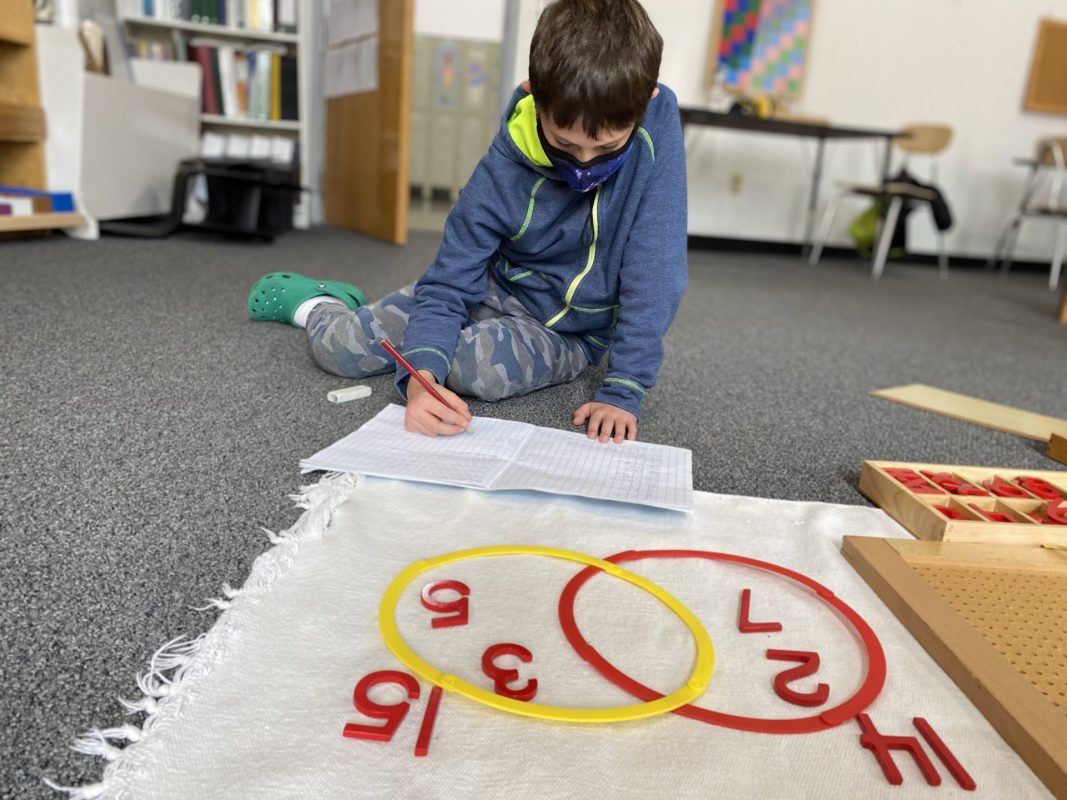
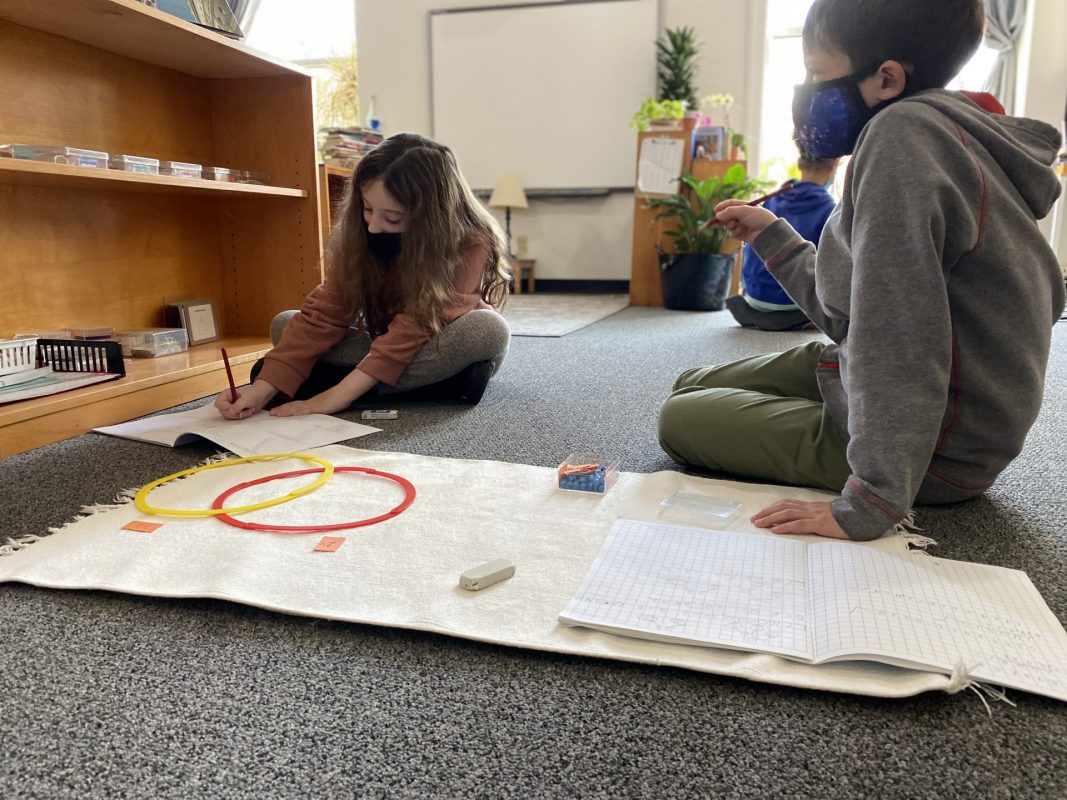
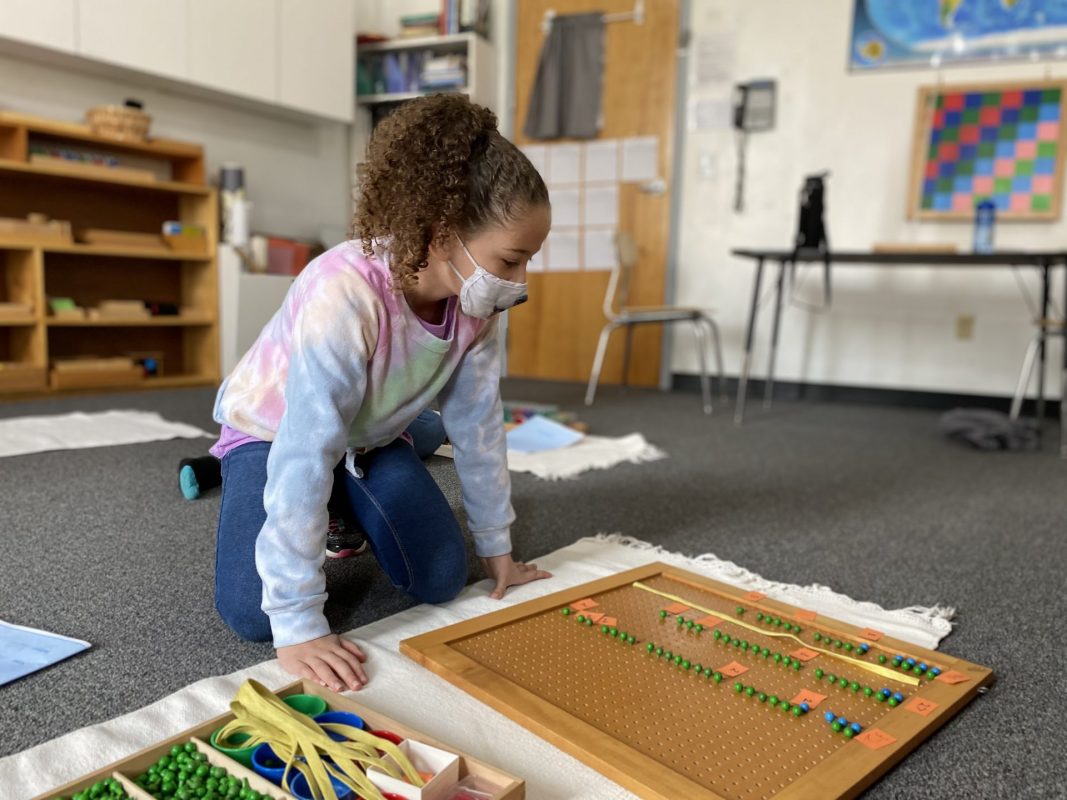
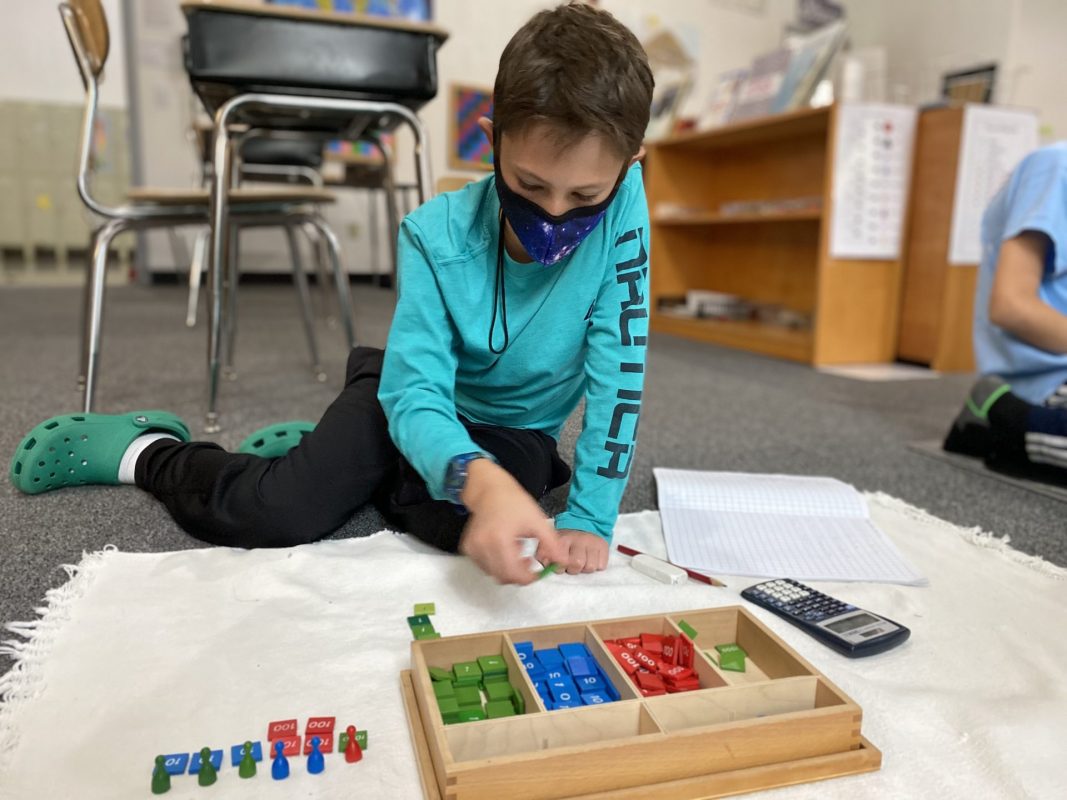
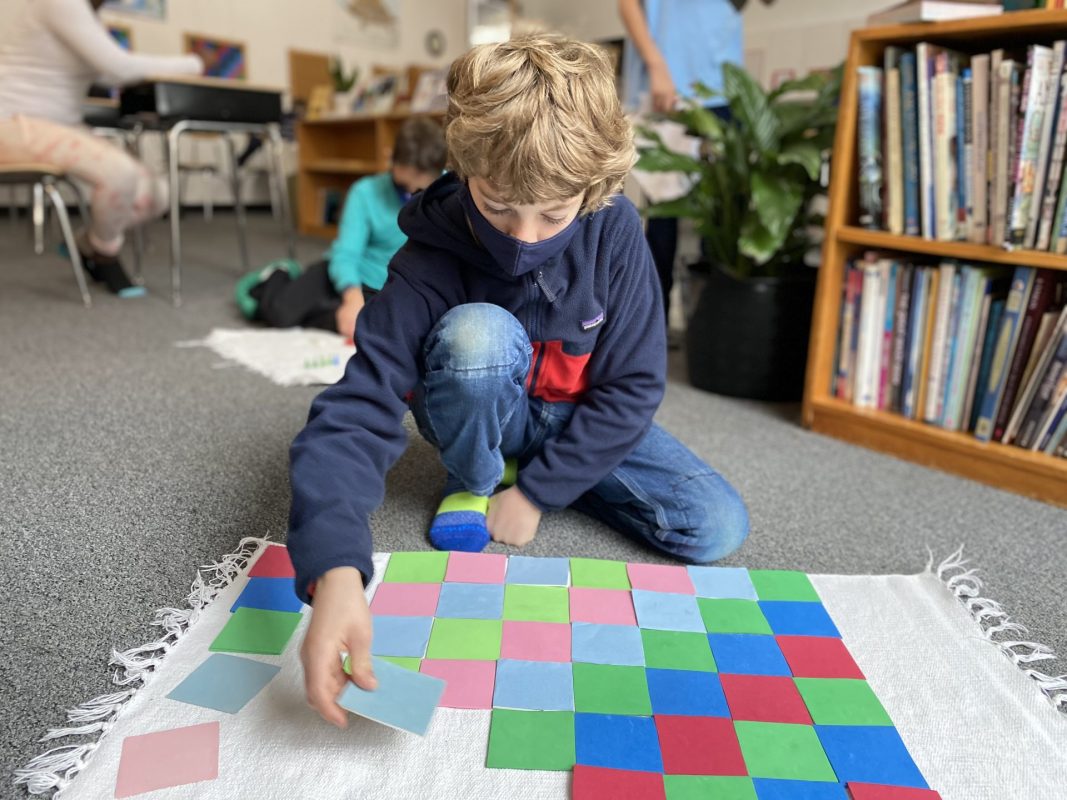
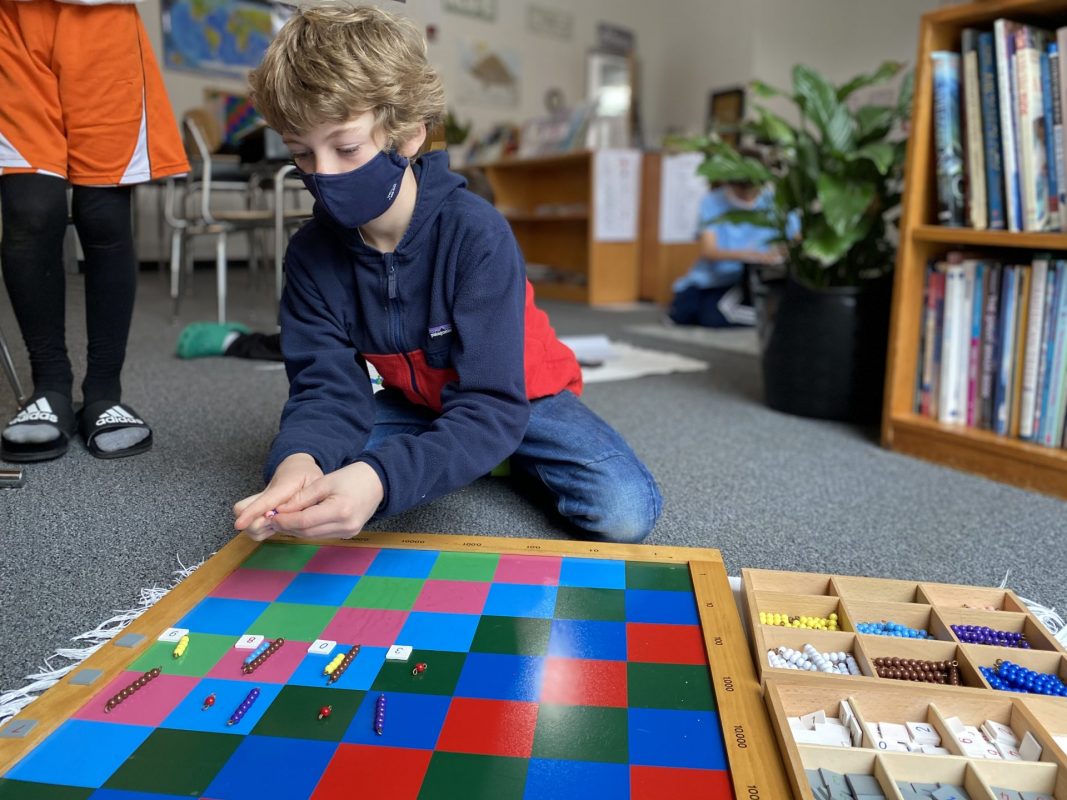
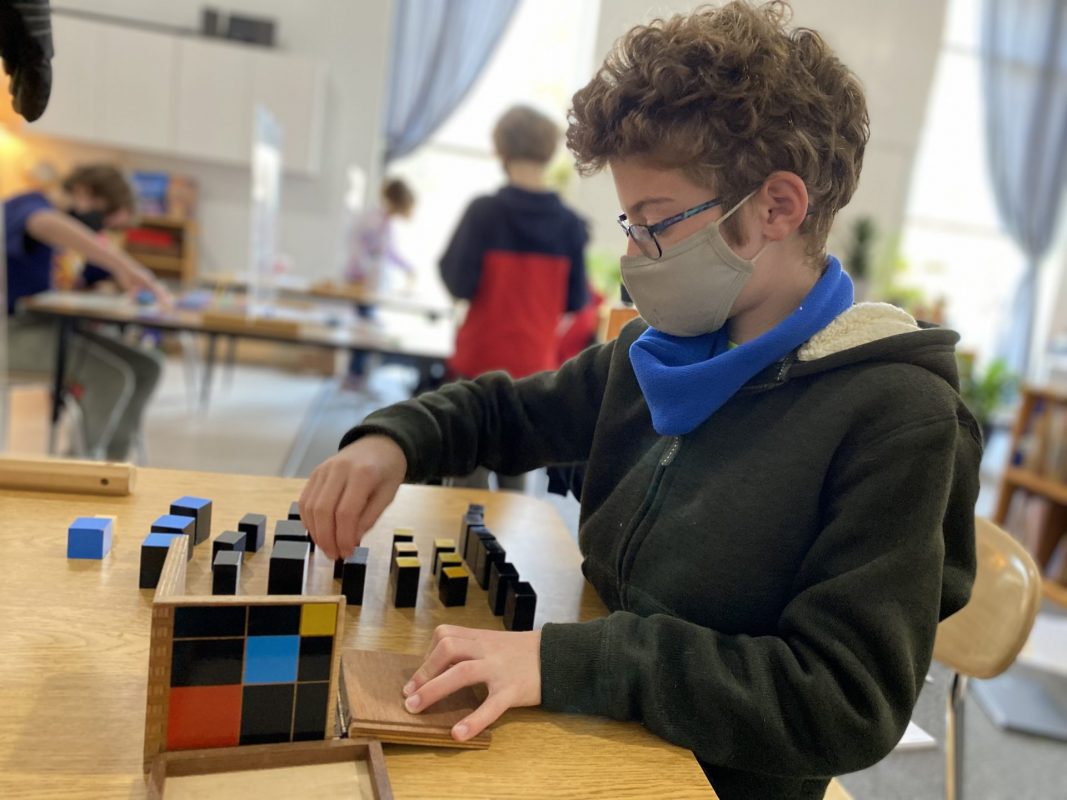
In Montessori math at the elementary level, concrete materials are used to introduce and practice concepts, leading students to understanding and abstraction. Instead of the focus being on the answer, it is on how students get to the answer. The Montessori math materials allow students to discover for themselves the algorithms that guide their work, instead of memorizing math rules given to them by their teacher in order to solve their problems.

The Upper El math curriculum builds on students’ previous learning and their work with whole numbers. Their main work, after mastering the four operations with whole numbers, is to learn to use the four operations with fractions and decimals. This is a familiar math curriculum for these grades, but in a Montessori classroom it is presented differently from the conventional approach, using materials and discovery, and focusing on understanding over memorization.

The learning sequences completed in Upper El help students build neural networks for problem-solving and logical thinking. This is great preparation for higher math, particularly for the understanding of Algebra. These lessons activate networks of neurons that allow students to hardwire their brains for higher thinking, helping them use their brains more efficiently, not only for math, but for life.


Upper El Week Eight

It was great to get back to a full week of school after our short week last week. We started on Monday with individual student-teacher conferences, checking in to make sure that everyone is on track and staying current on their assignments. These check-ins help everyone to pause and organize. They allow me time with each student, one-on-one, to guide them to develop time management and organizational skills. They bring their planner to the conference and we make sure that all assignments are entered on the correct due date while also making plans for when they will work on each assignment. We also use the time to check in and see who needs extra help on anything. This opportunity to learn and take part in the organization of their day teaches students responsibility and allows them to take ownership of their daily and weekly schedule, providing them the opportunity to exercise executive functioning skills like planning and prioritizing, organization, time management, and defining and achieving goals. These are skills they will carry with them  throughout their educational journey.

Have a wonderful weekend!


Upper El Week Seven

“So in the child, besides the vital impulse to create [themselves], and to become perfect, there must yet be another purpose, a duty to fulfill in harmony, something [they] have to do in the service of a united whole.” -Maria Montessori, The Absorbent Mind

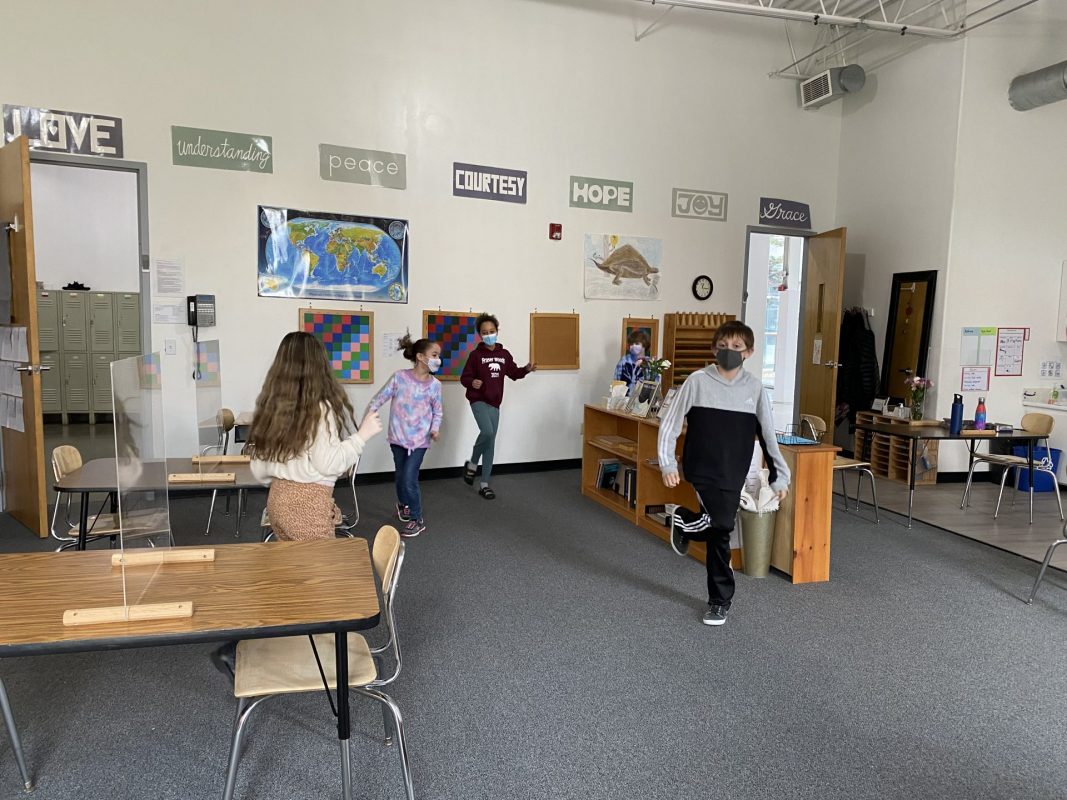
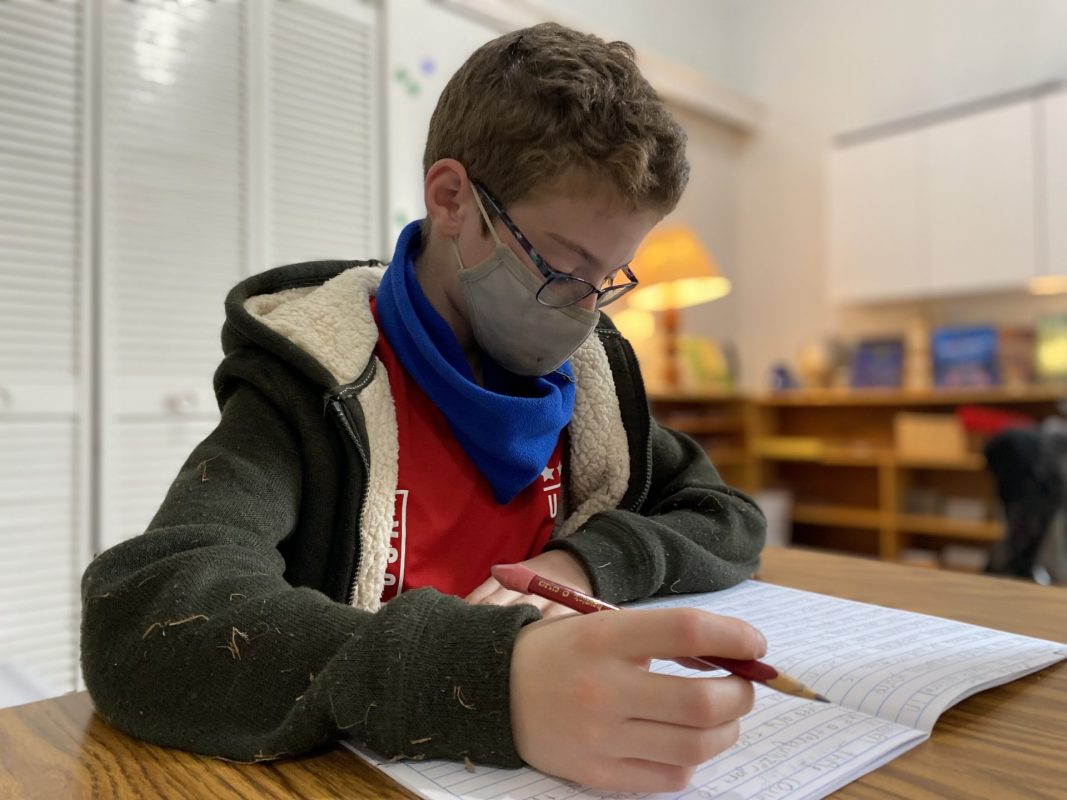
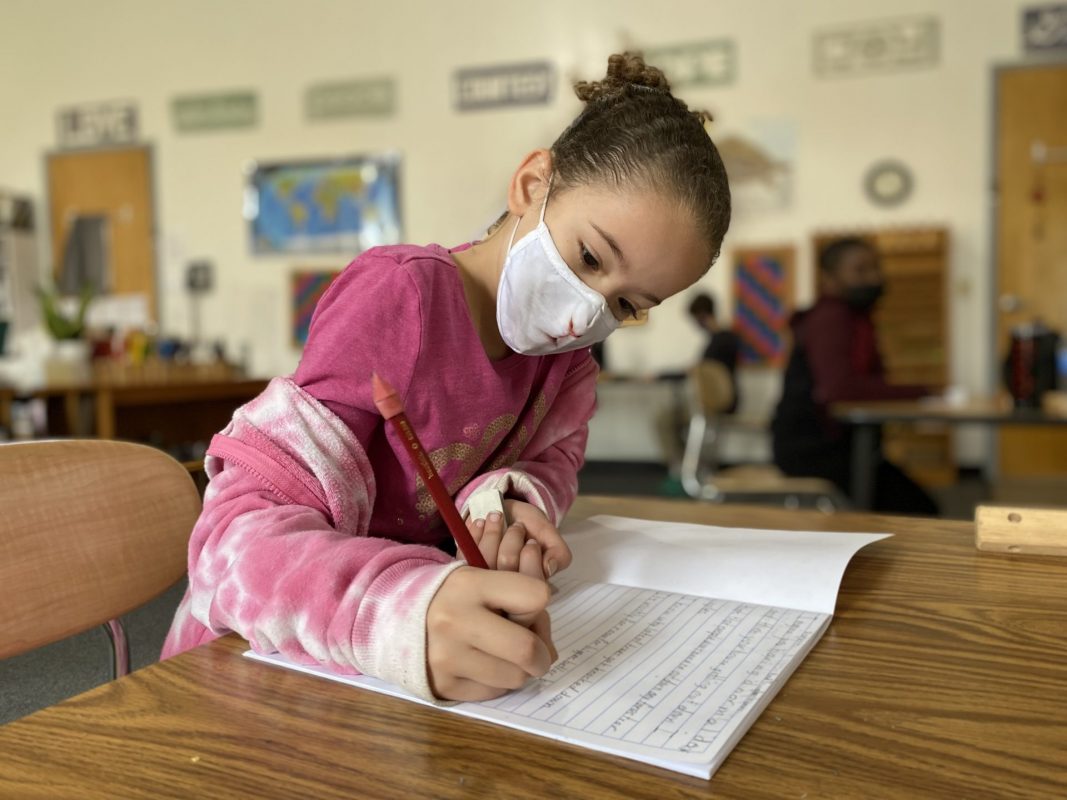
Empathy, the ability to imagine yourself in someone else’s shoes, share in their feelings, feel for them, and value what they are feeling, plays a key role in building and maintaining friendships and relationships and in developing strong communities. Maria Montessori believed that every one of us has the duty to work toward something bigger than ourselves which serves the interests of all humanity. Because of this, Montessori education teaches empathy in a variety of ways, one being the modeling of empathy by teachers and peers. Over time, children observe and absorb this empathy into their own behaviors. This helps to set an expectation for the way we treat each other. It’s always heartwarming to see friends helping each other spontaneously throughout the day.
Halloween Information – Next Wednesday, October 27th, elementary and middle school students are invited to wear their Halloween costumes to school. We will participate in a Halloween parade on the field and will show off our fabulous costumes to friends and teachers in other grade levels. Each student should bring clothes to change into after the parade. Costumes cannot include masks or weapons and should not be scary. If you have any questions, please reach out.
Have a beautiful weekend!


Upper El Week Six

“The satisfaction which they find in their work has given them a grace and ease like that which comes from music.” -Maria Montessori, The Discovery of the Child

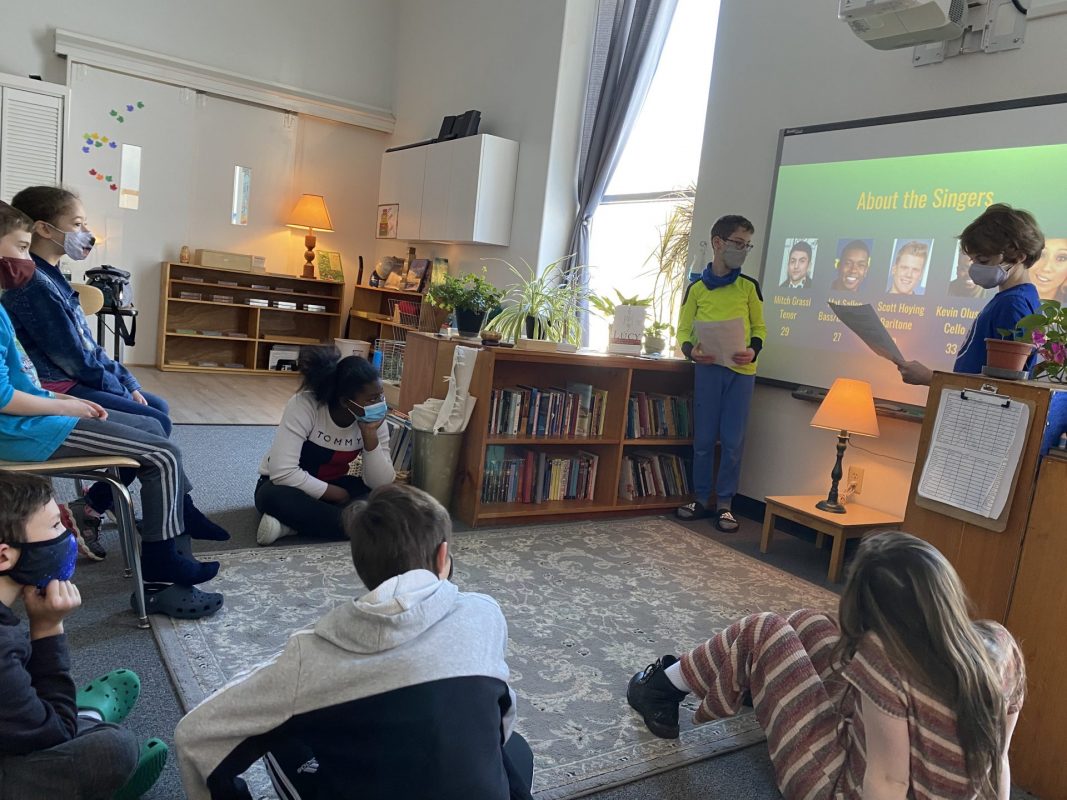
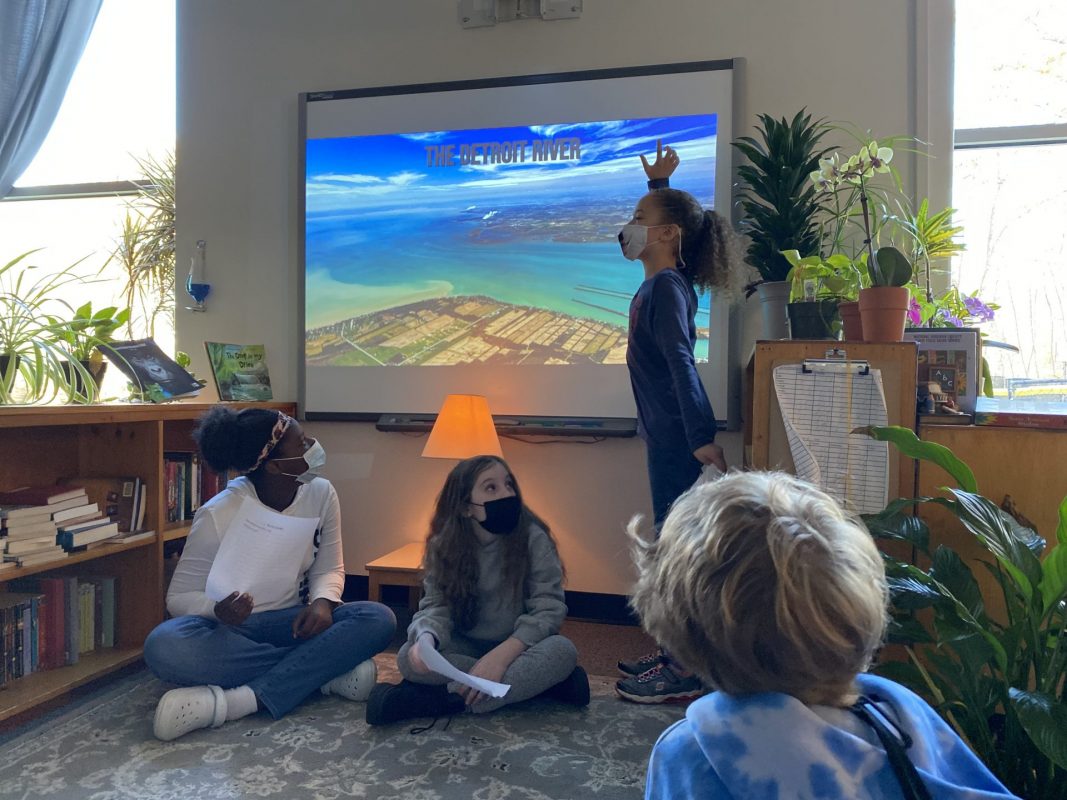
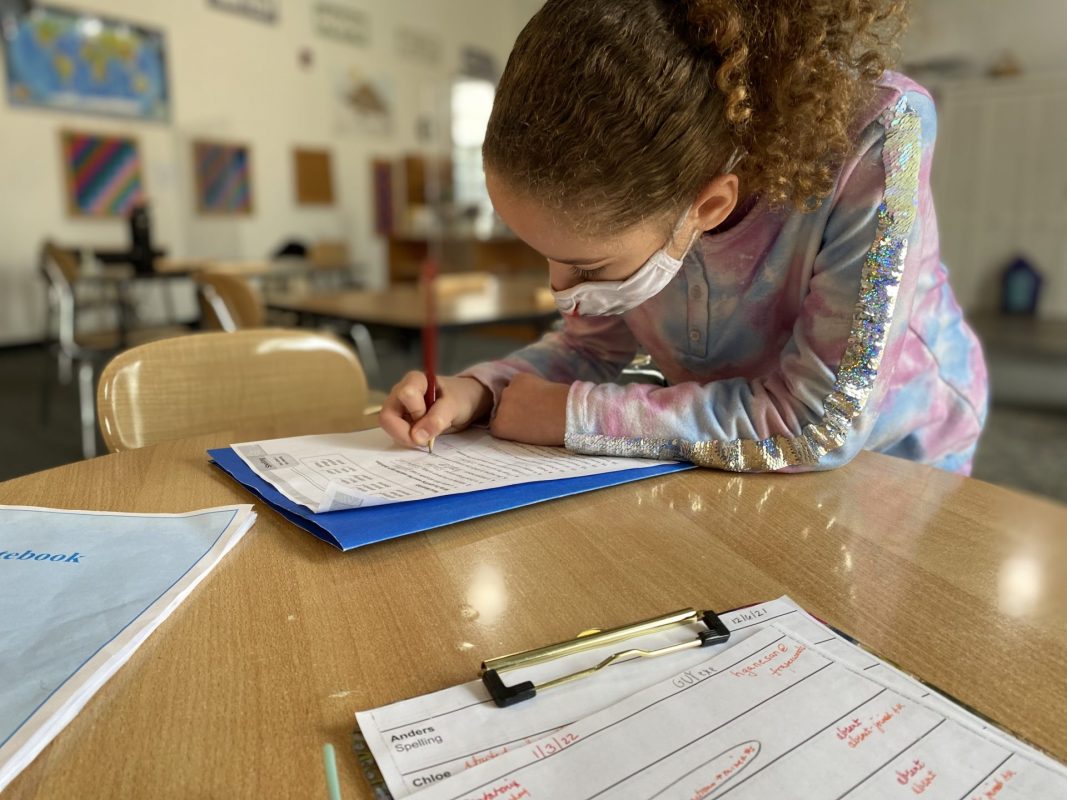
In Upper Elementary, students who are on top of their assigned work have the freedom to work on an “independent study.” This is often an individual or group research paper and presentation, but can also take the form of a creative story, an extra math exploration, or another project. This week we have enjoyed listening to some interesting and informative research presentations which were chosen as independent studies.

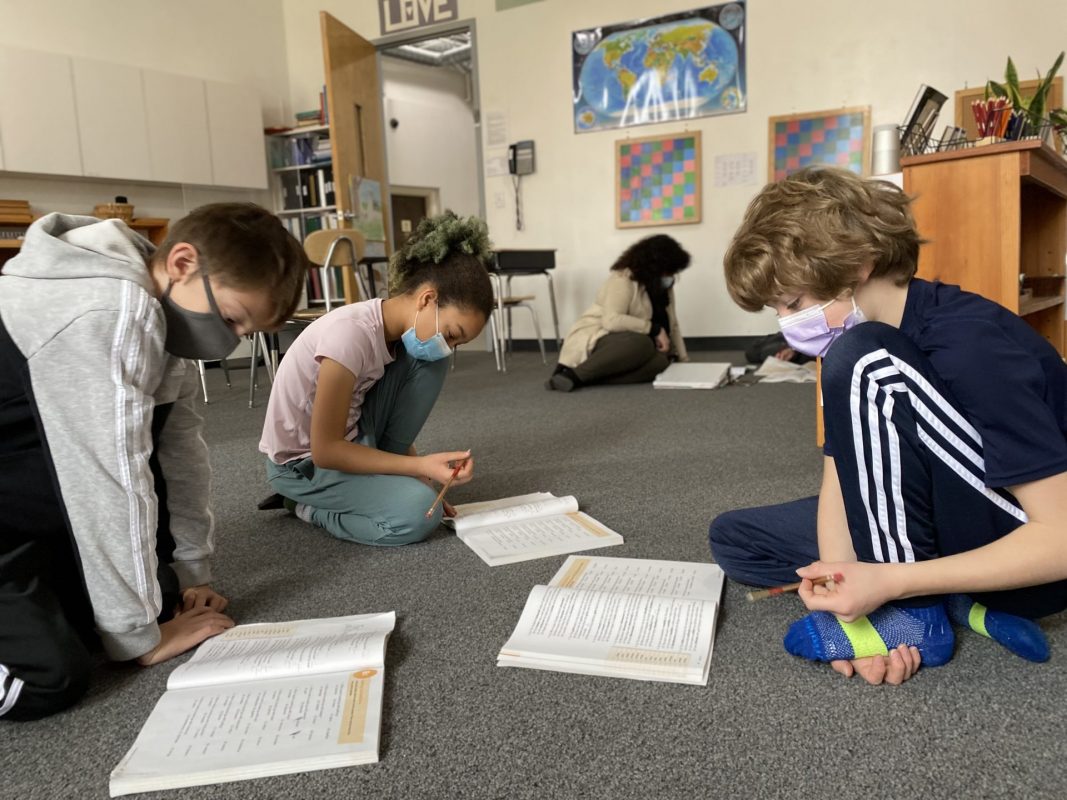
In a Montessori classroom there is great emphasis placed on learning to think. This is different from memorizing information and reciting it back. Thinking requires more effort and brain activity. Students who learn to think, learn to innovate, ask questions, be creative, and problem solve. They are persistent and confident, self-motivated, independent, and courageous. Montessori classrooms are student-centered instead of being teacher-centered. This places the emphasis on their learning, independence, and discovery. My role in Upper El is as a guide, experiencing the curriculum along with the students while carefully observing them, ready to introduce the next concept when each student is ready.

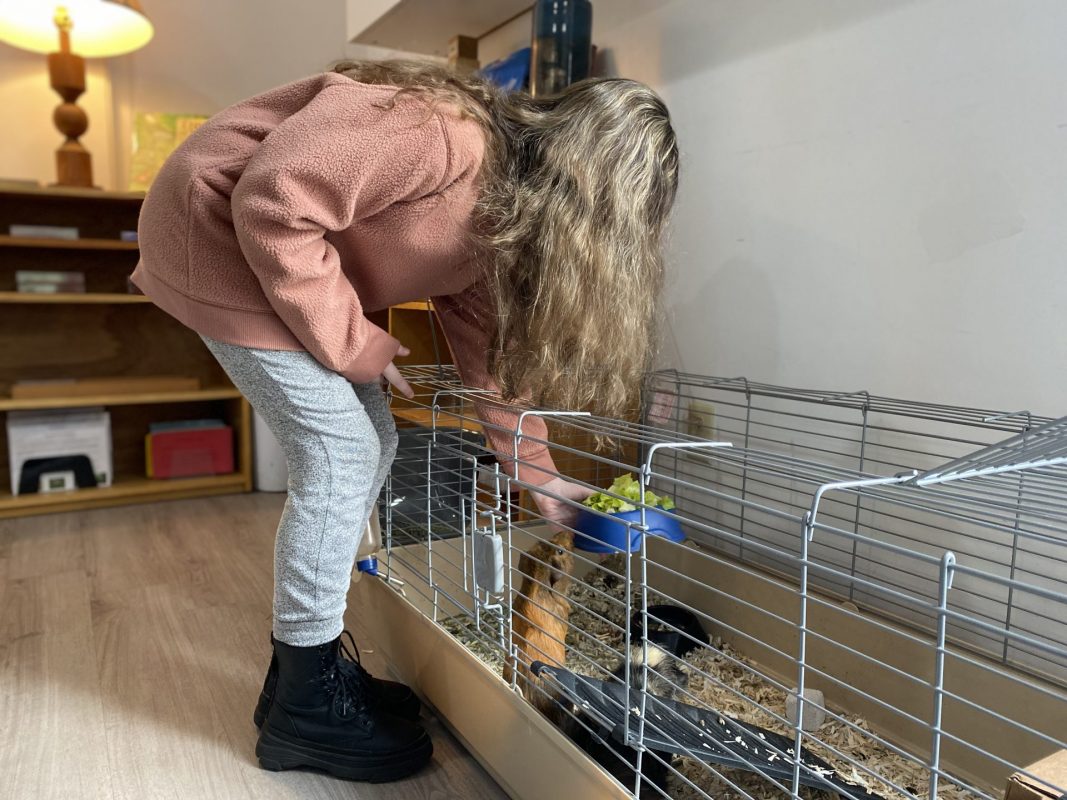
We welcomed two new members to our classroom this week, Fabio and Houdini, our class guinea pigs! Thank you to the Hildebrand family for gifting these sweet class pets to us! The students are excited to help care for them and they will bring our Montessori “care of living things” to a whole new level.

Have a wonderful weekend!