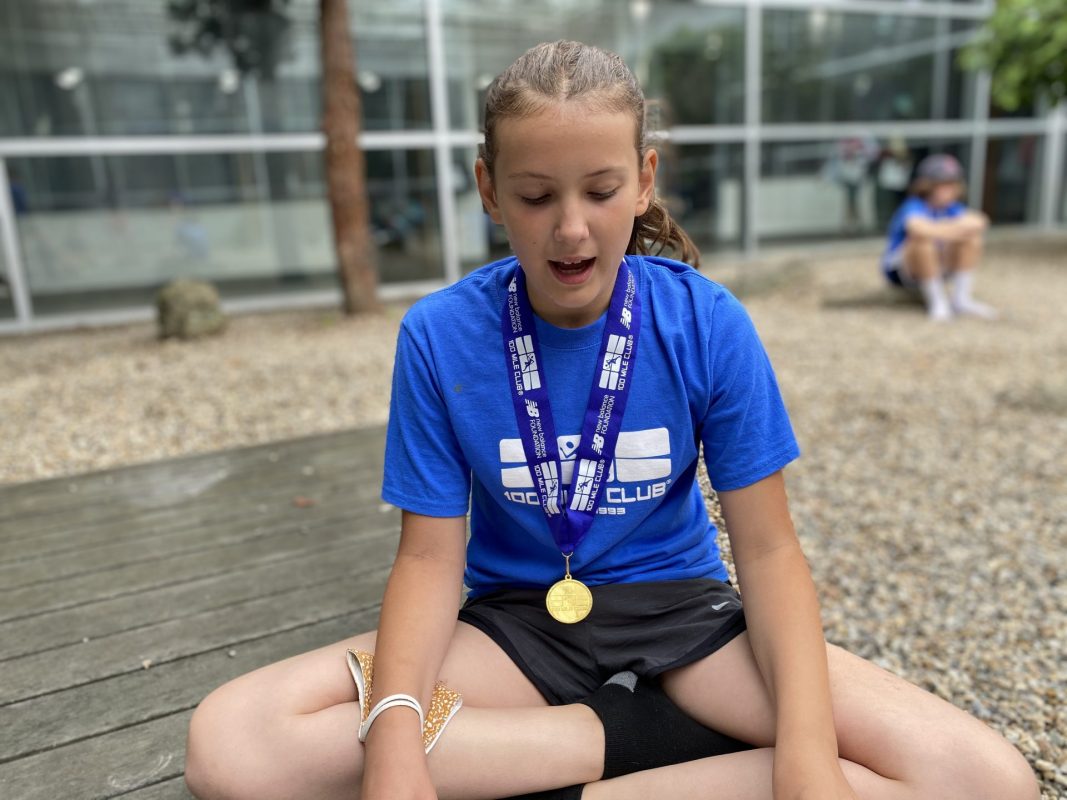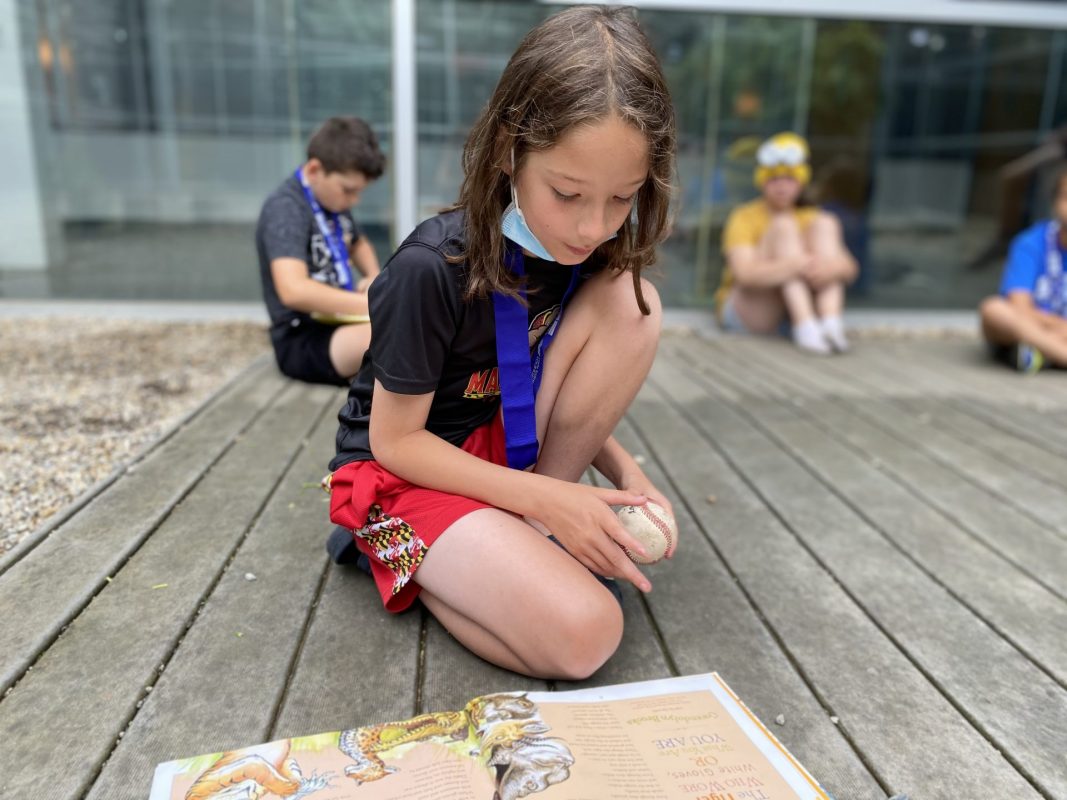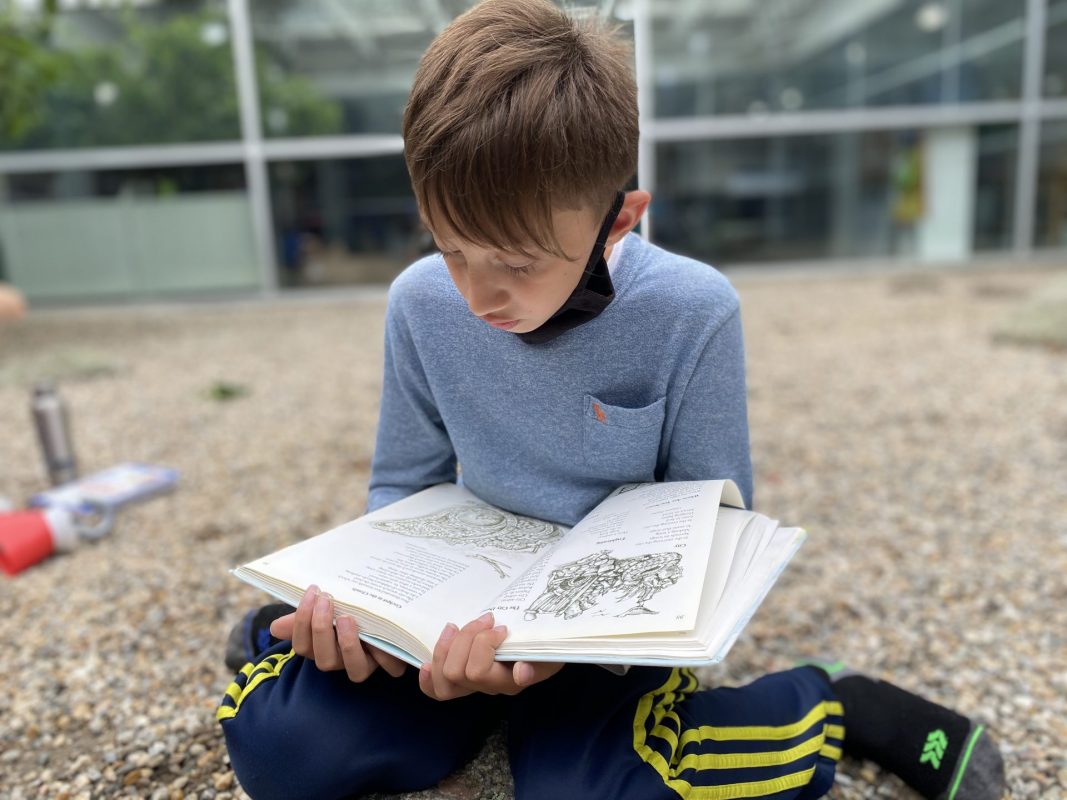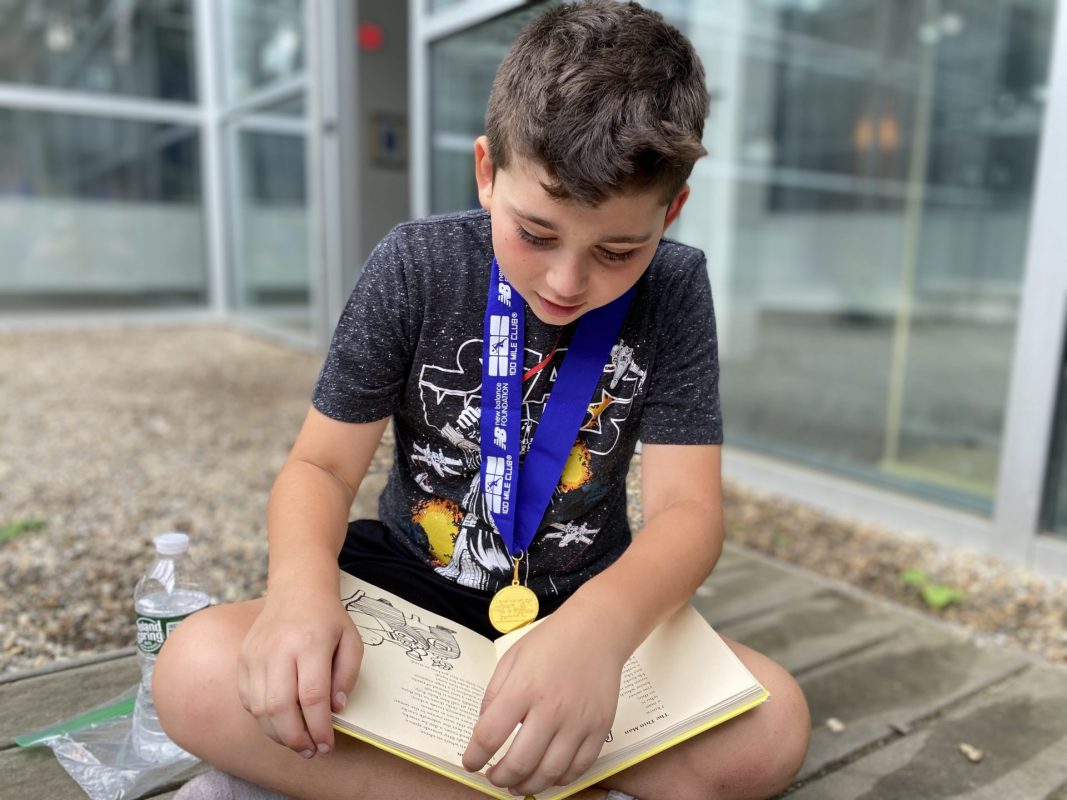
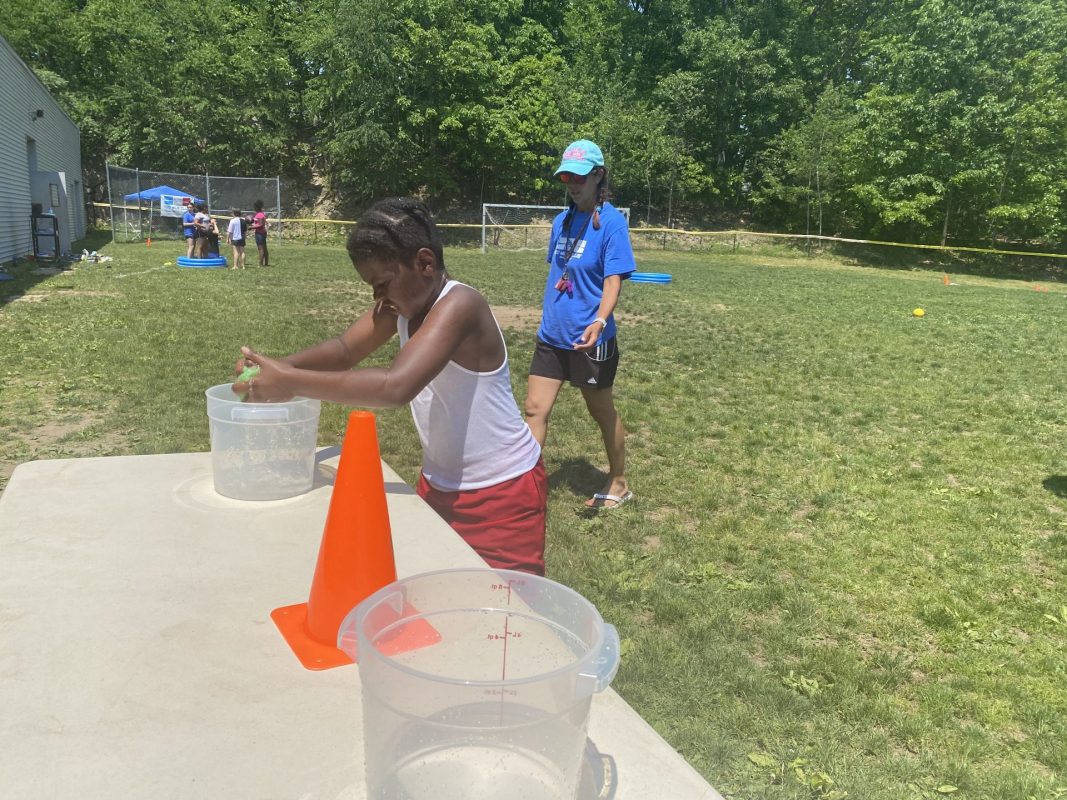
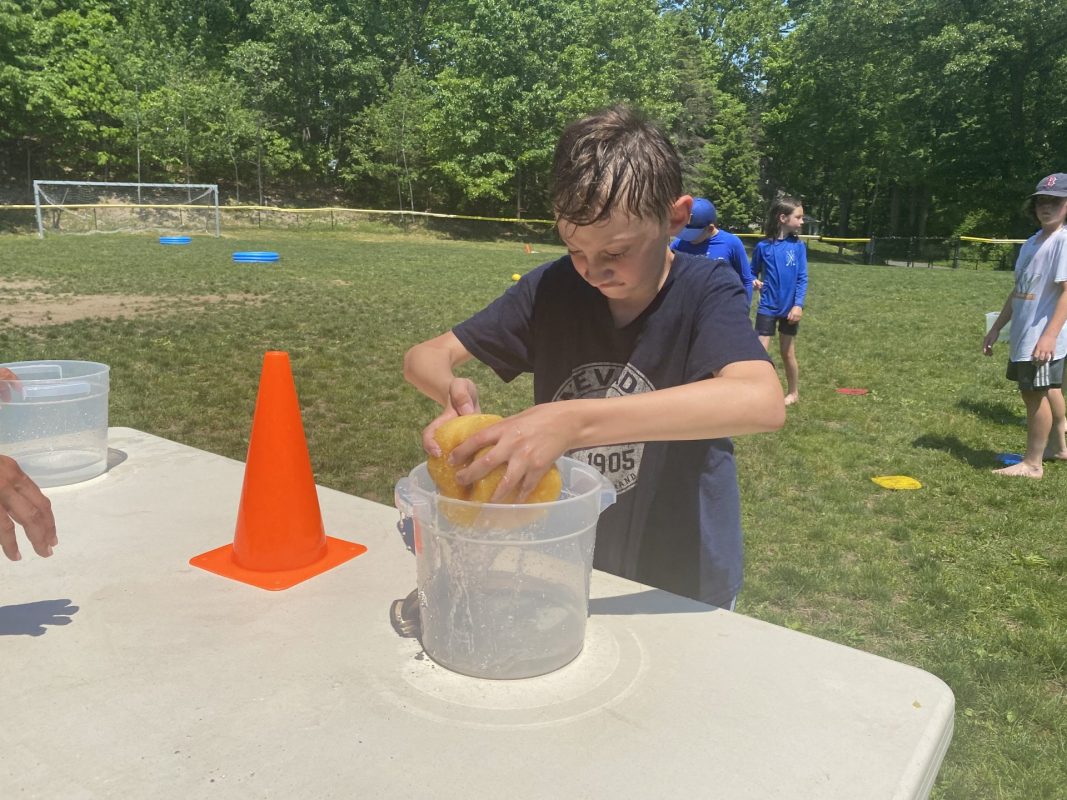
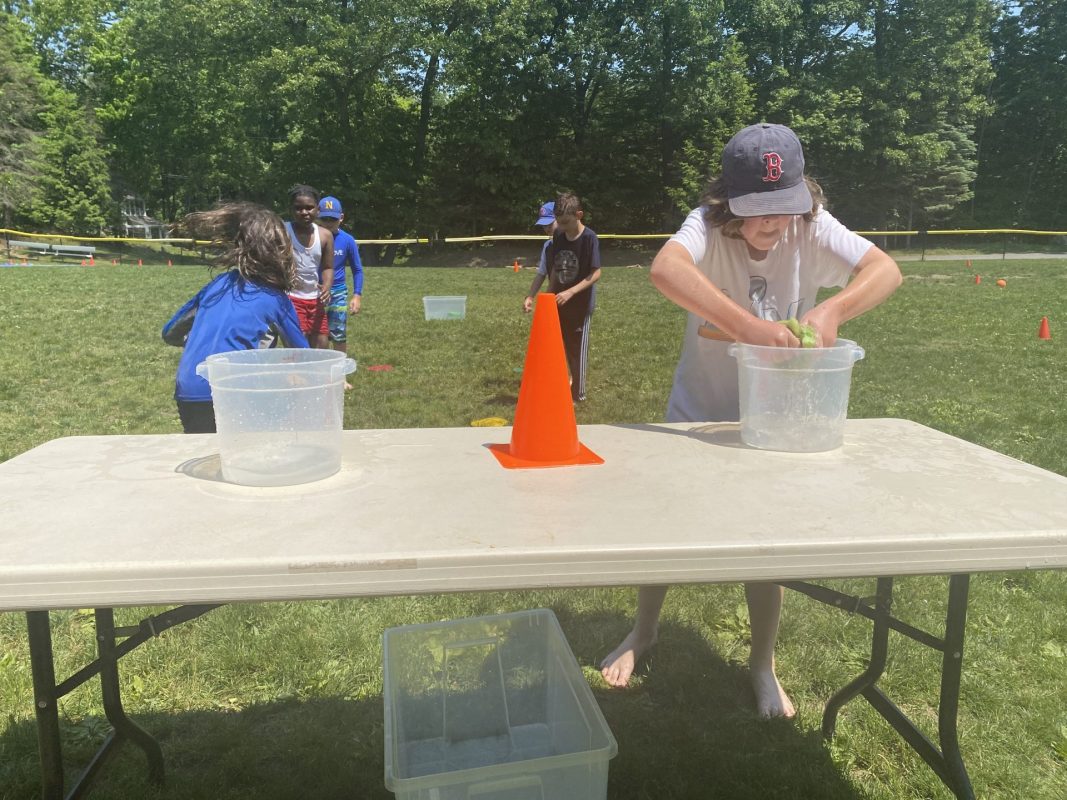
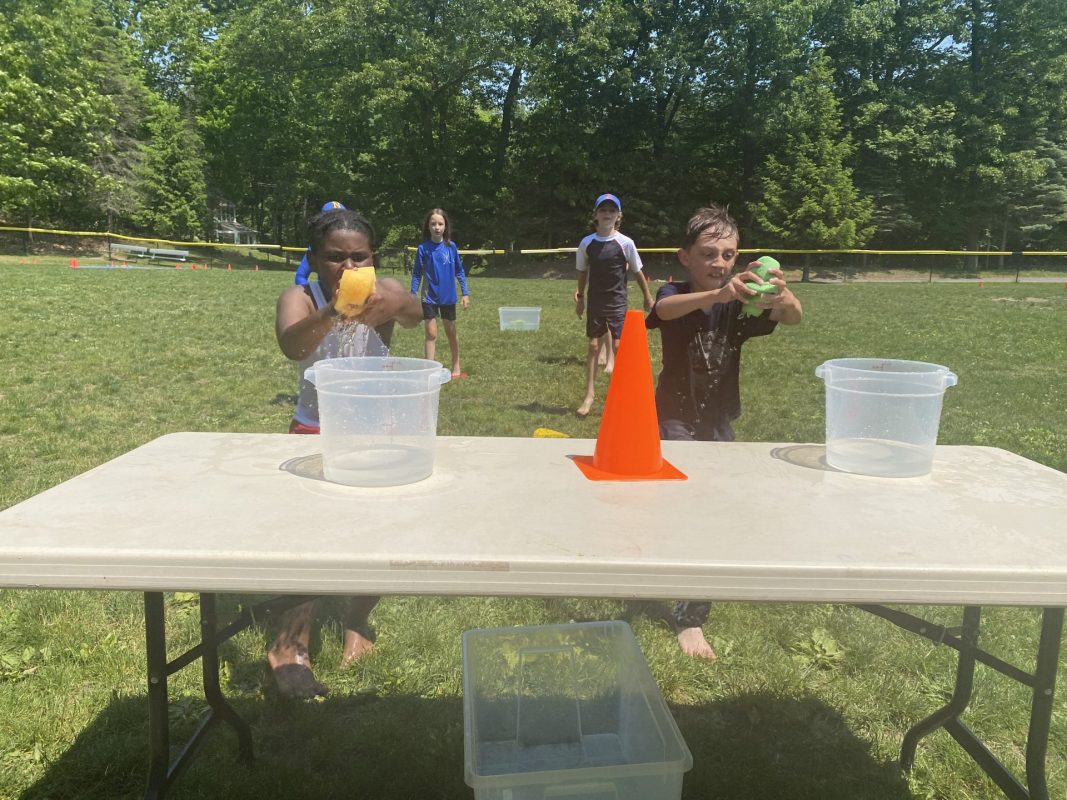
Delicious Science in Upper Elementary

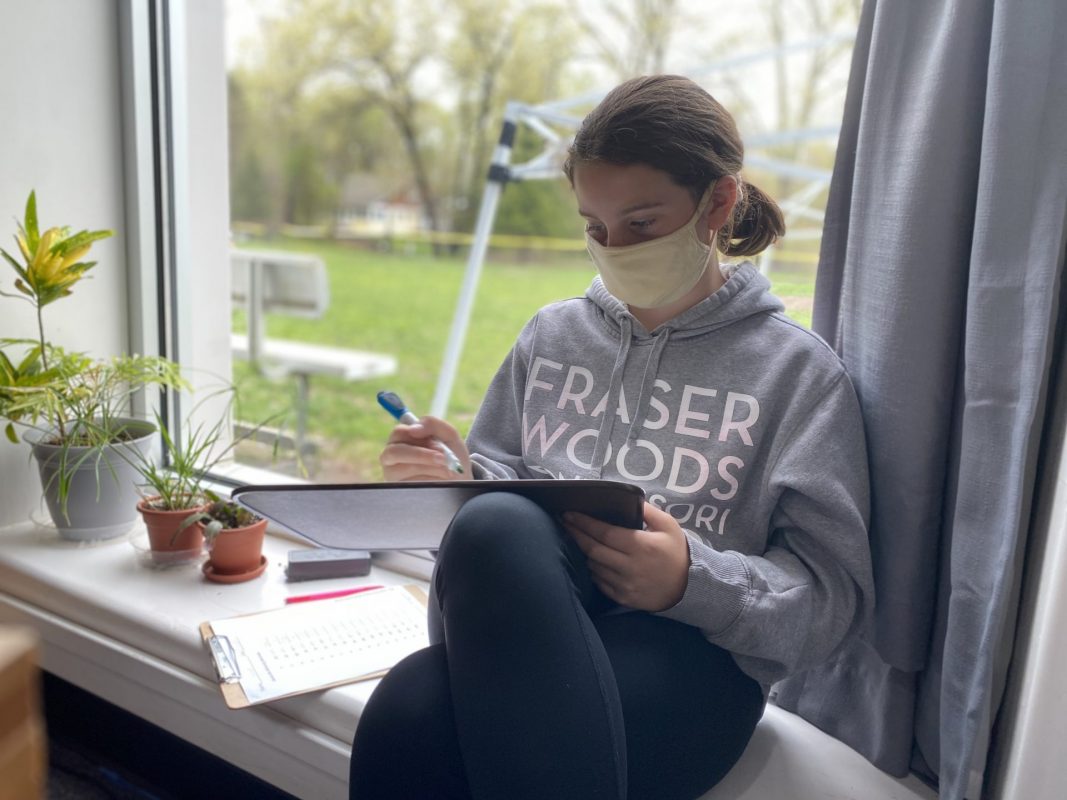
This year’s FWM sweatshirt, designed by the 8th grade class, is available! Order by Monday to receive yours before the end of the year! 2021 FWM Sweatshirt- Order Here!

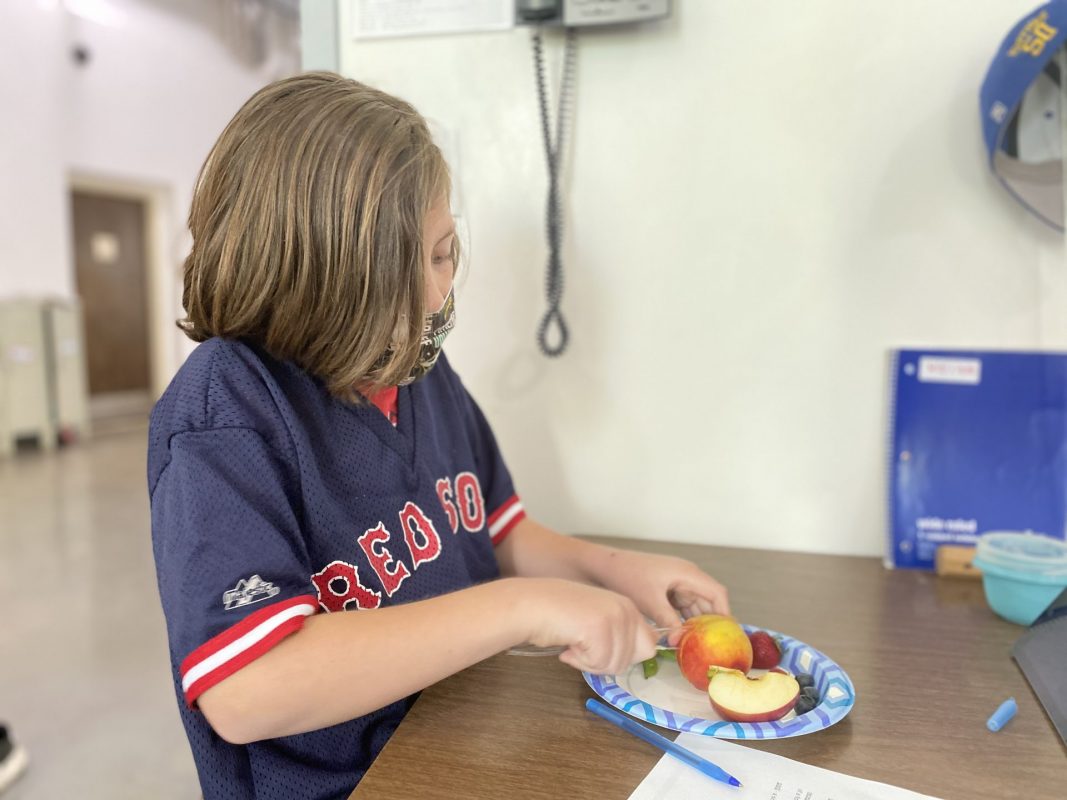
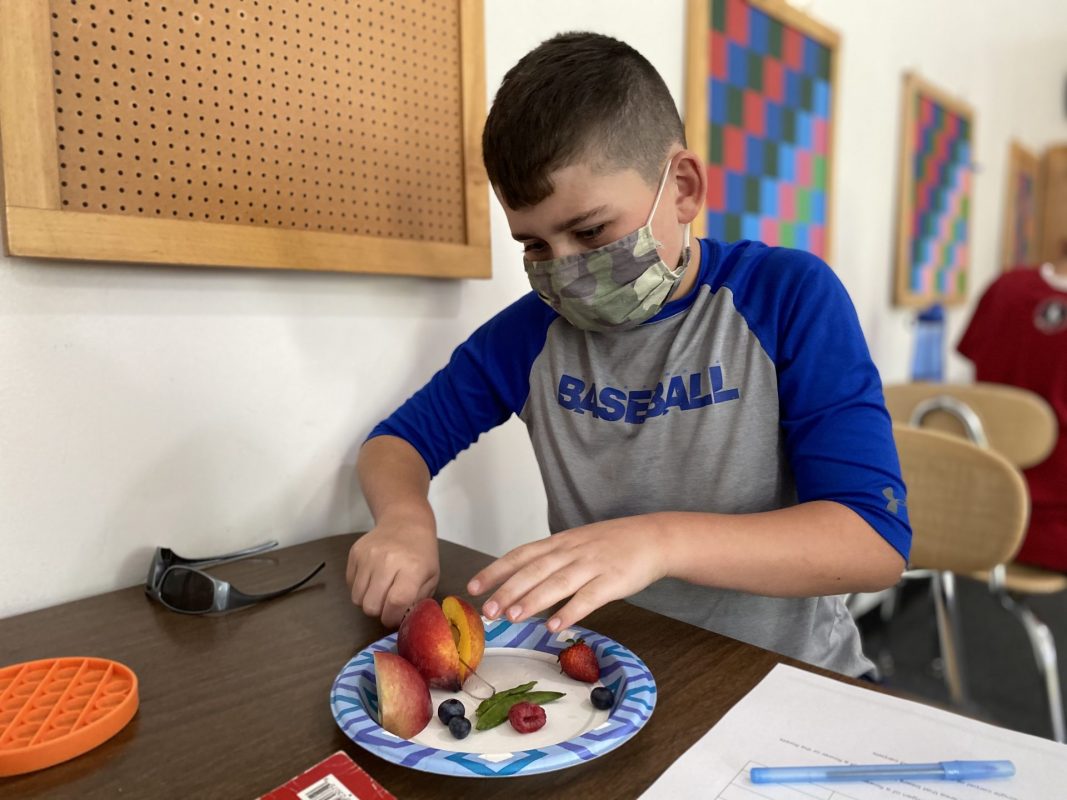
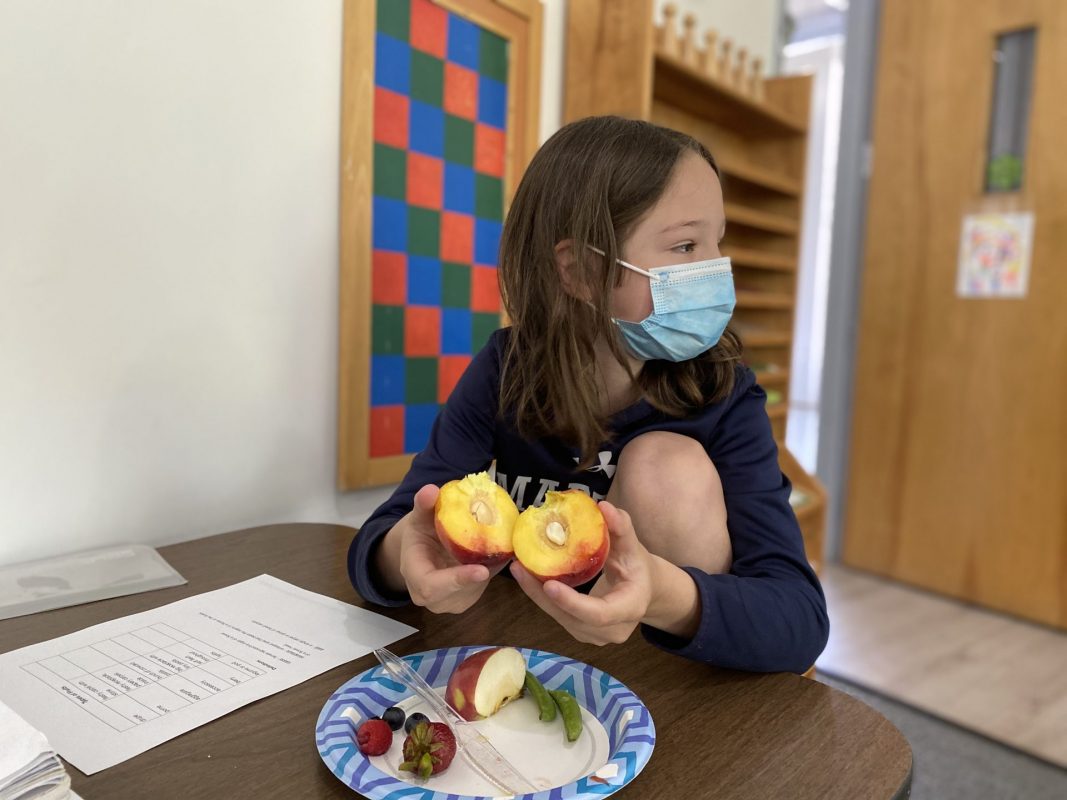
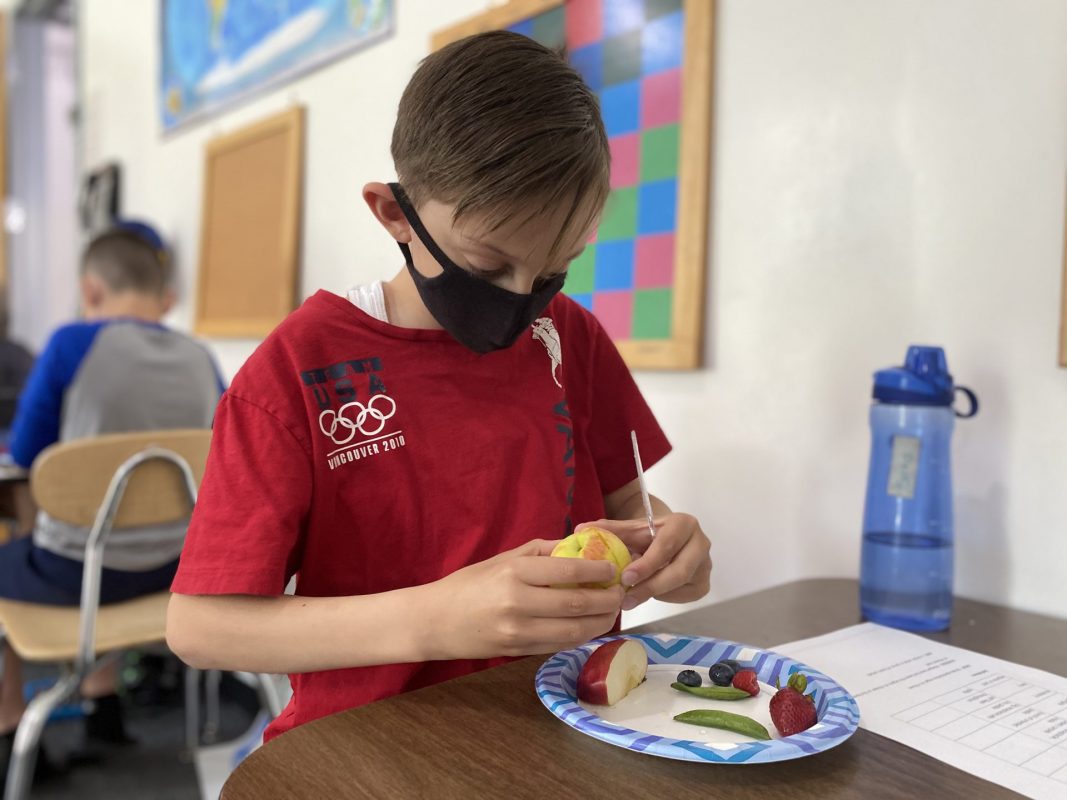
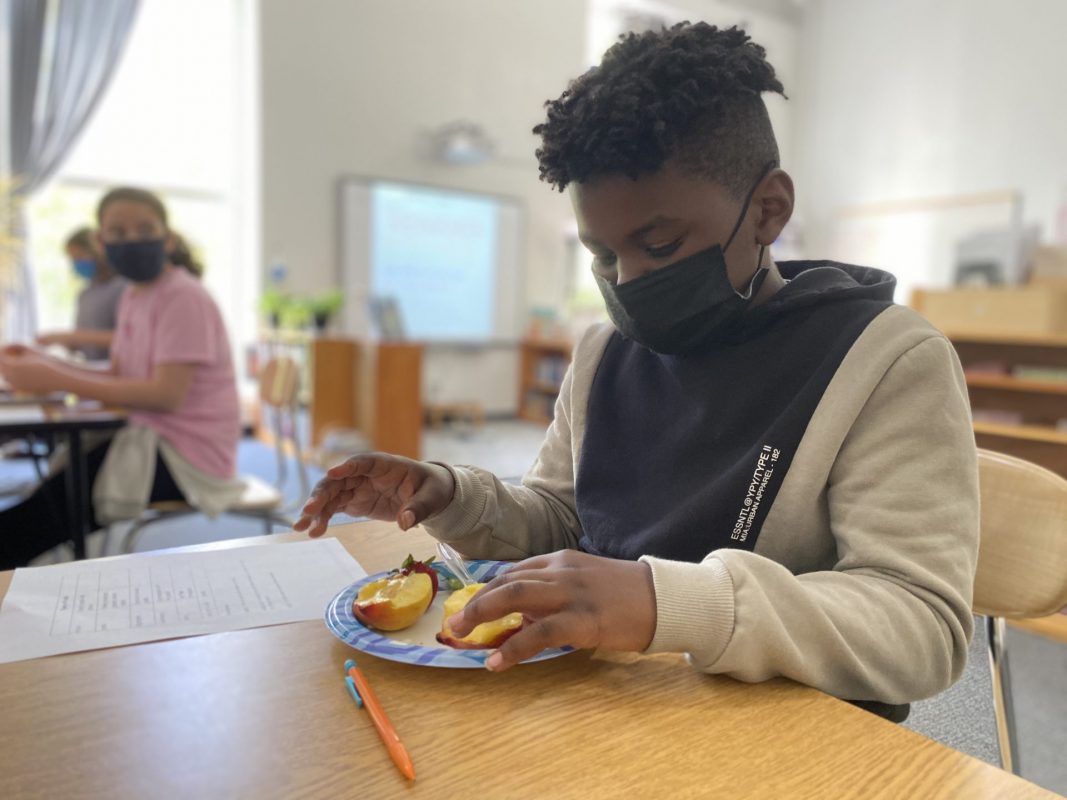
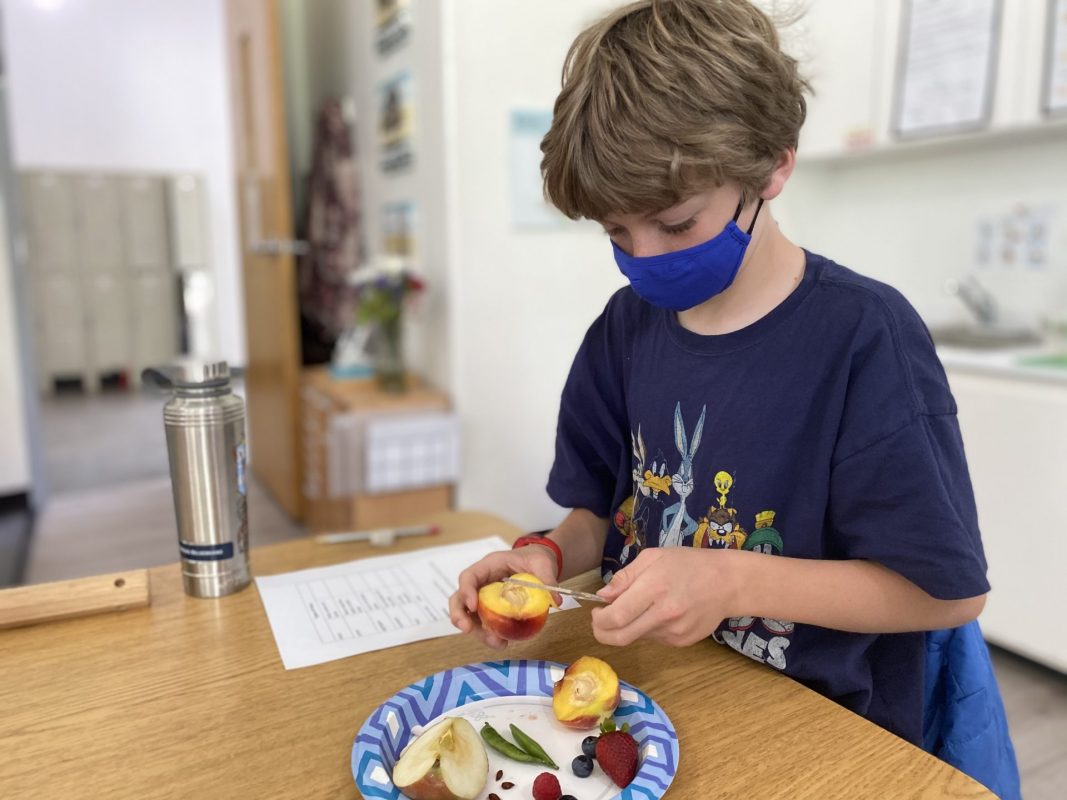
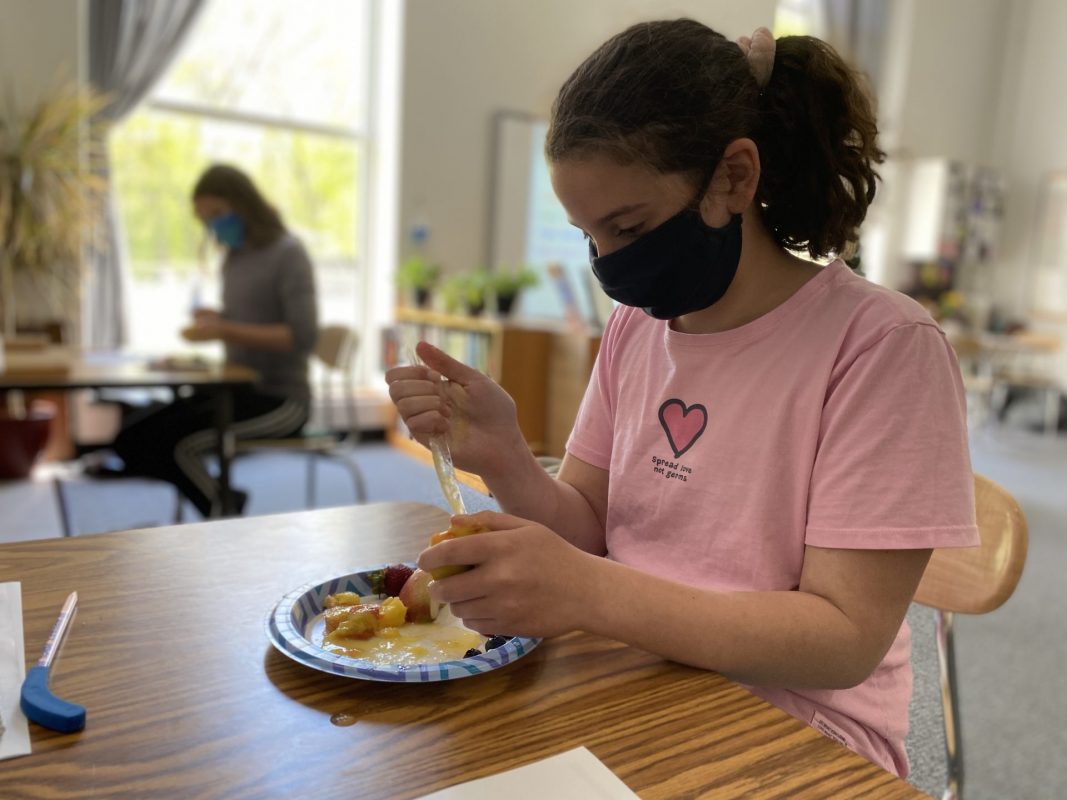
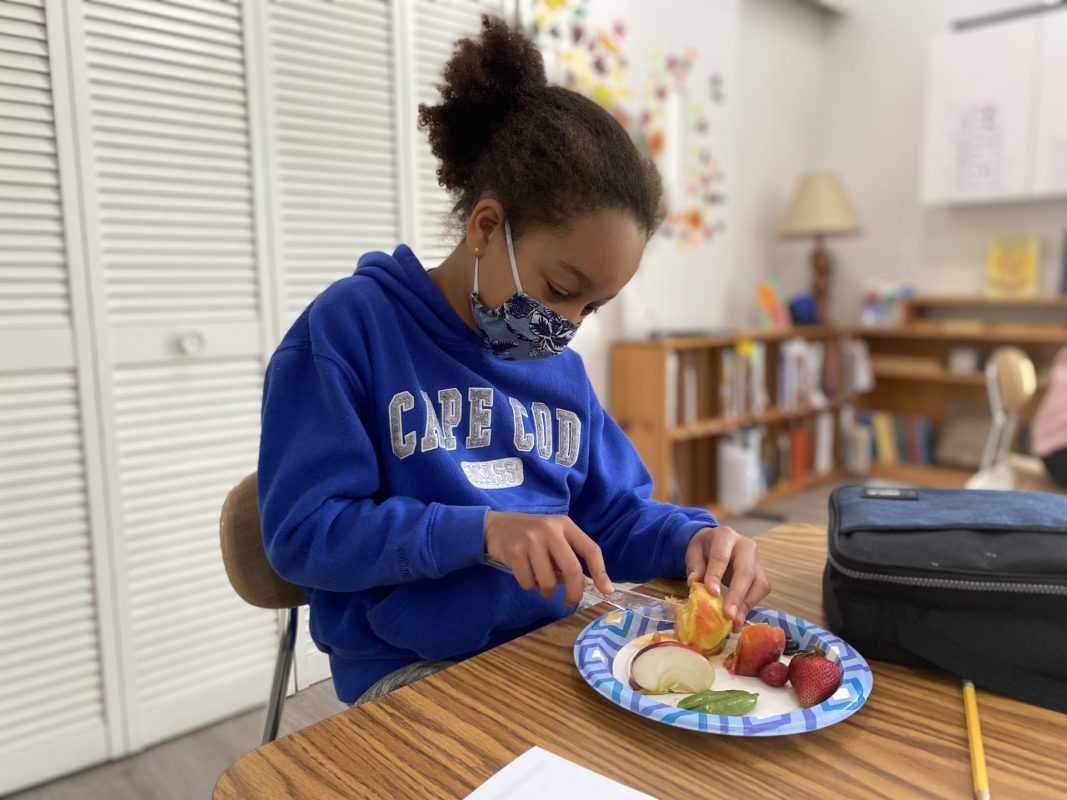
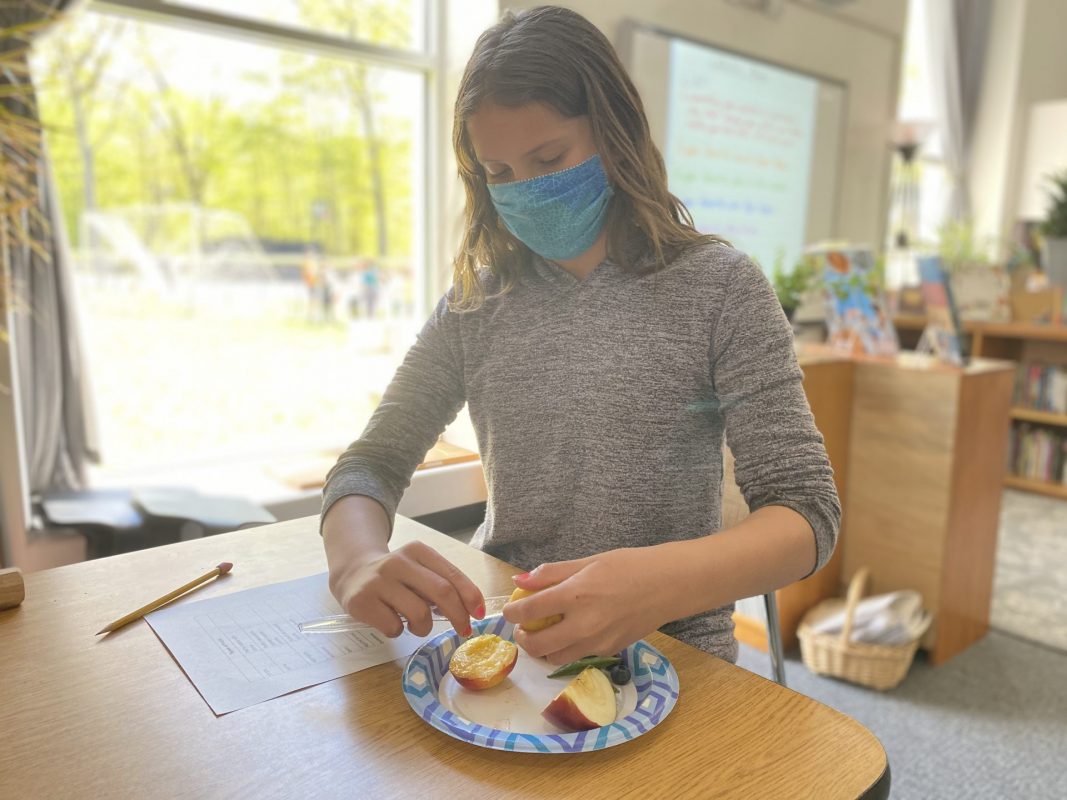
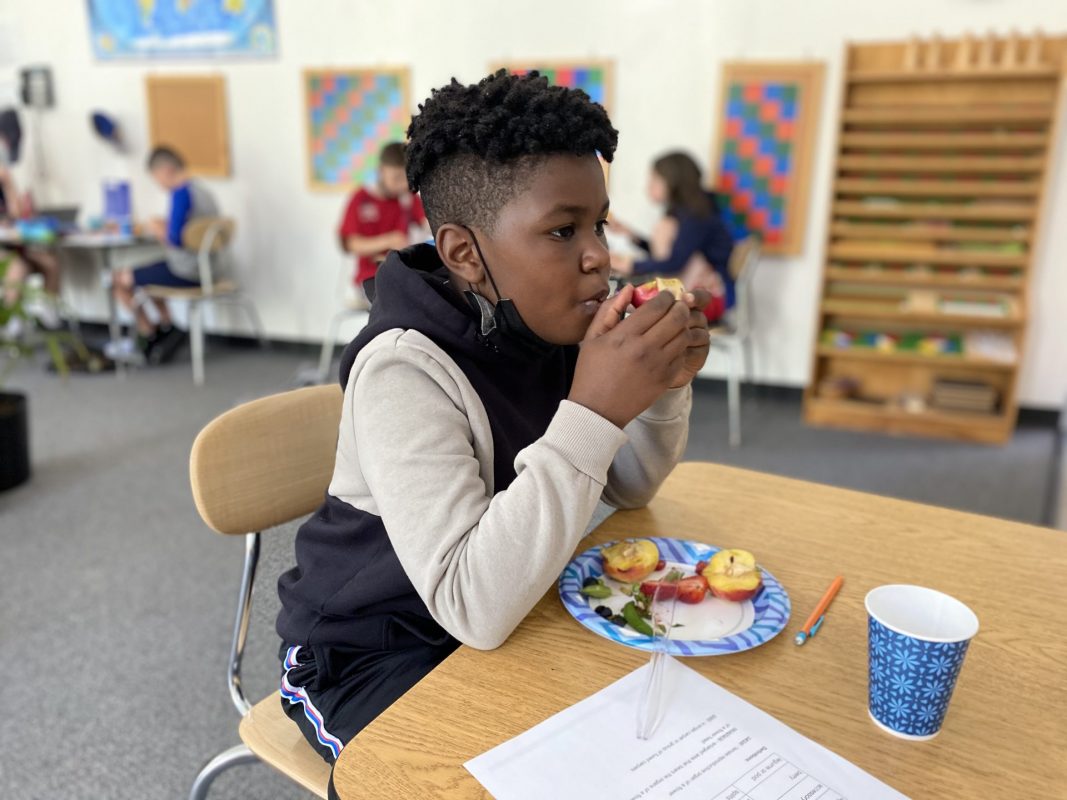
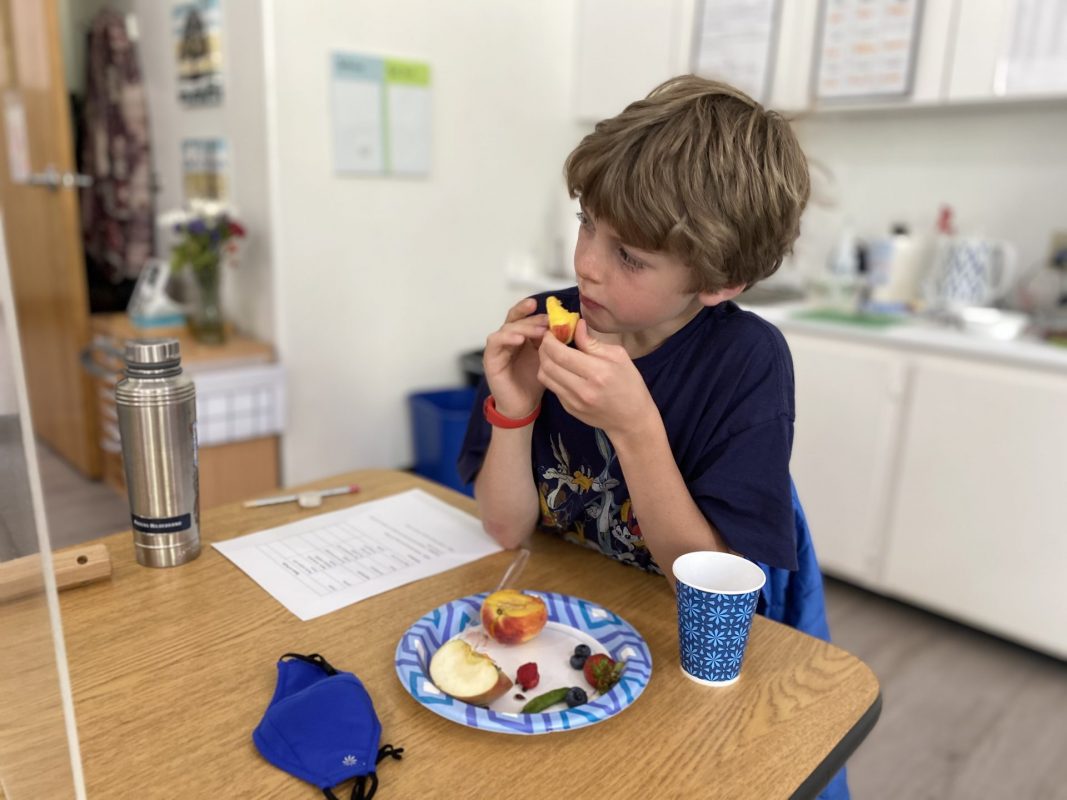
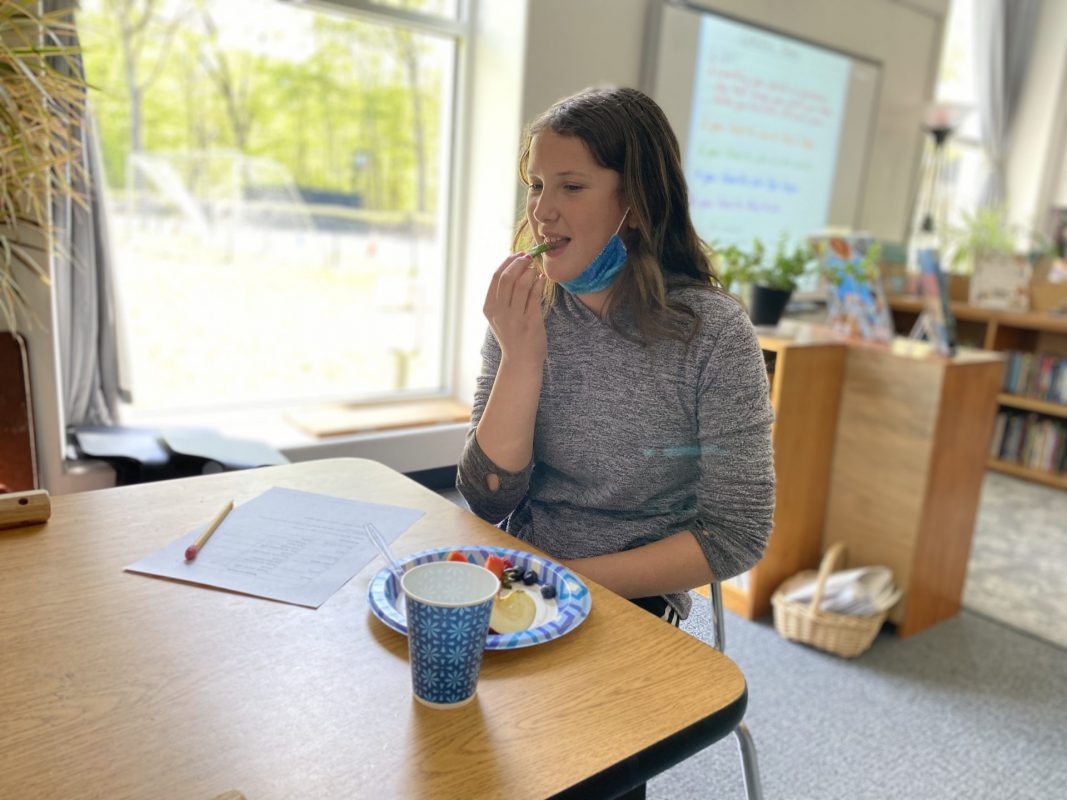
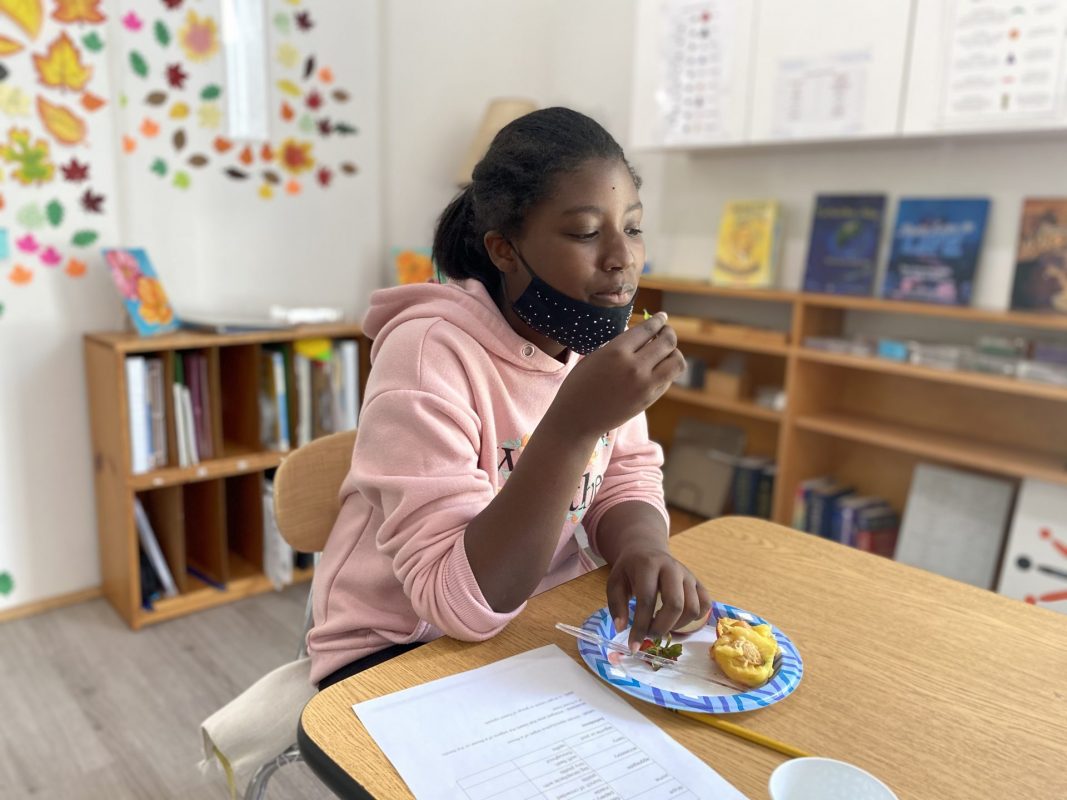
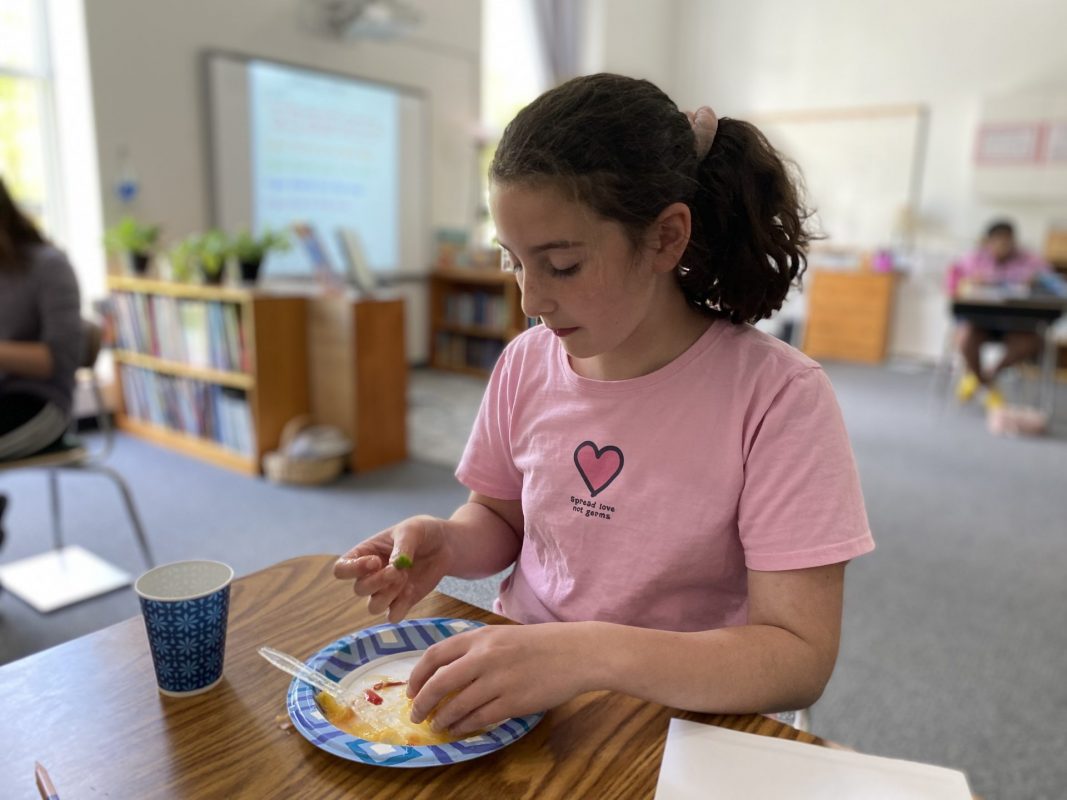
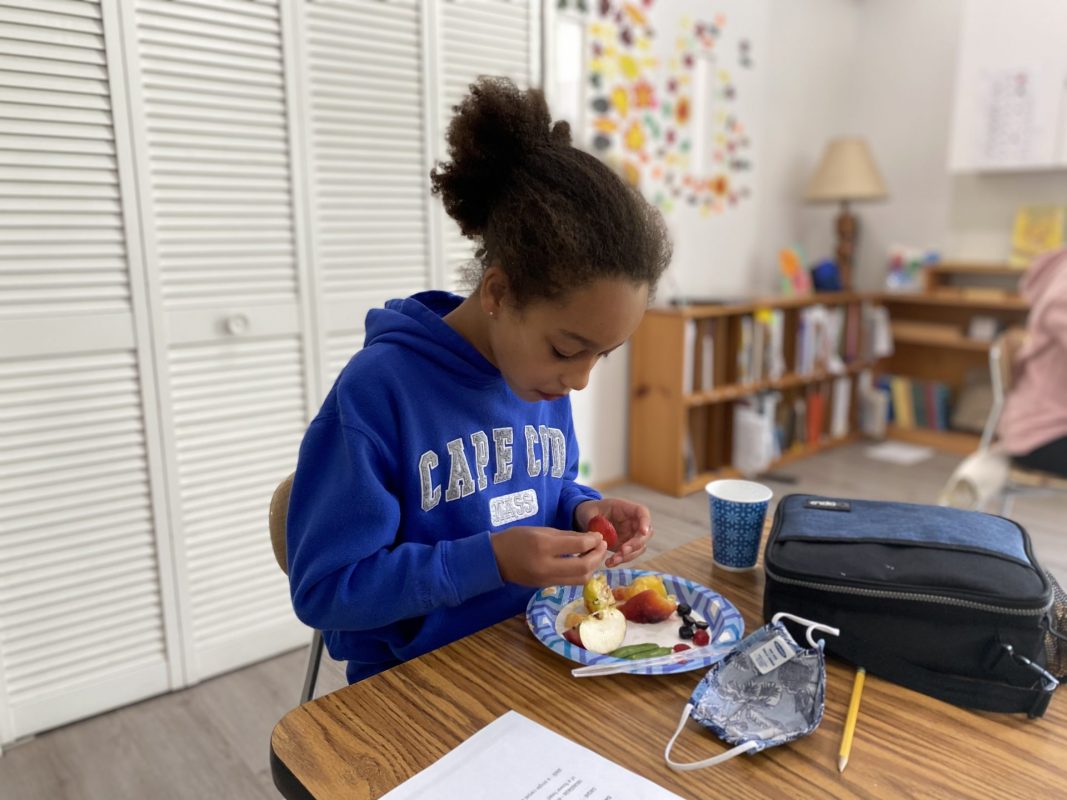
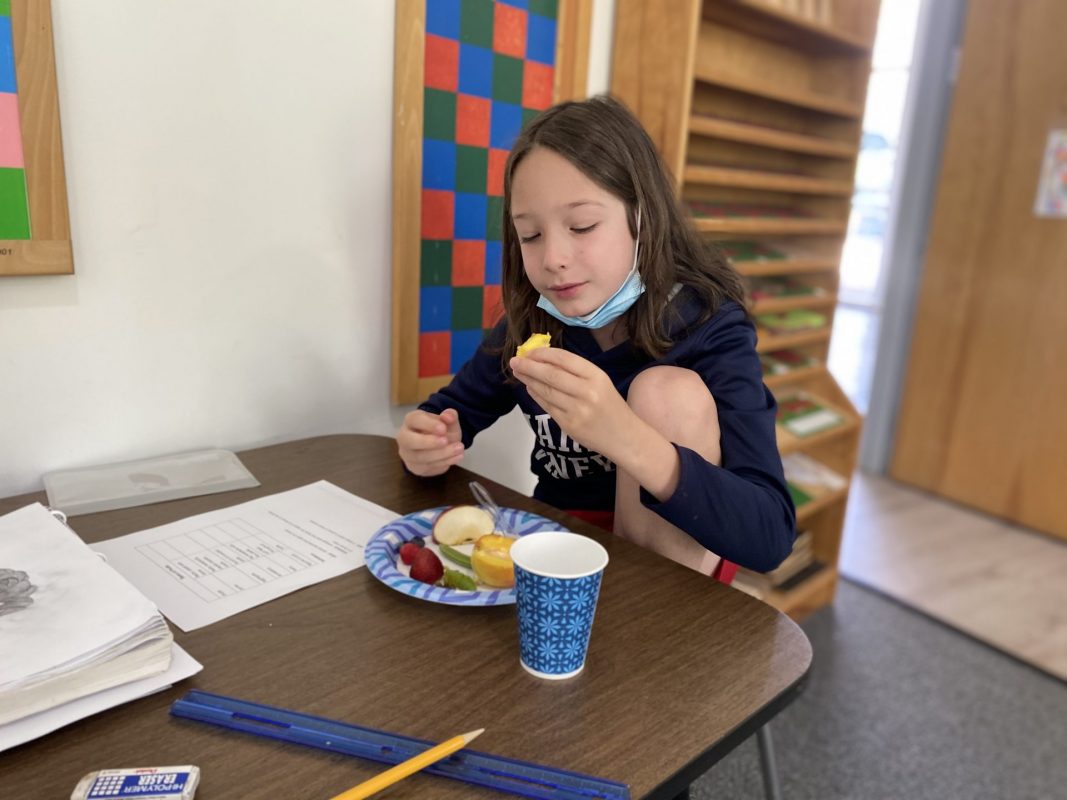
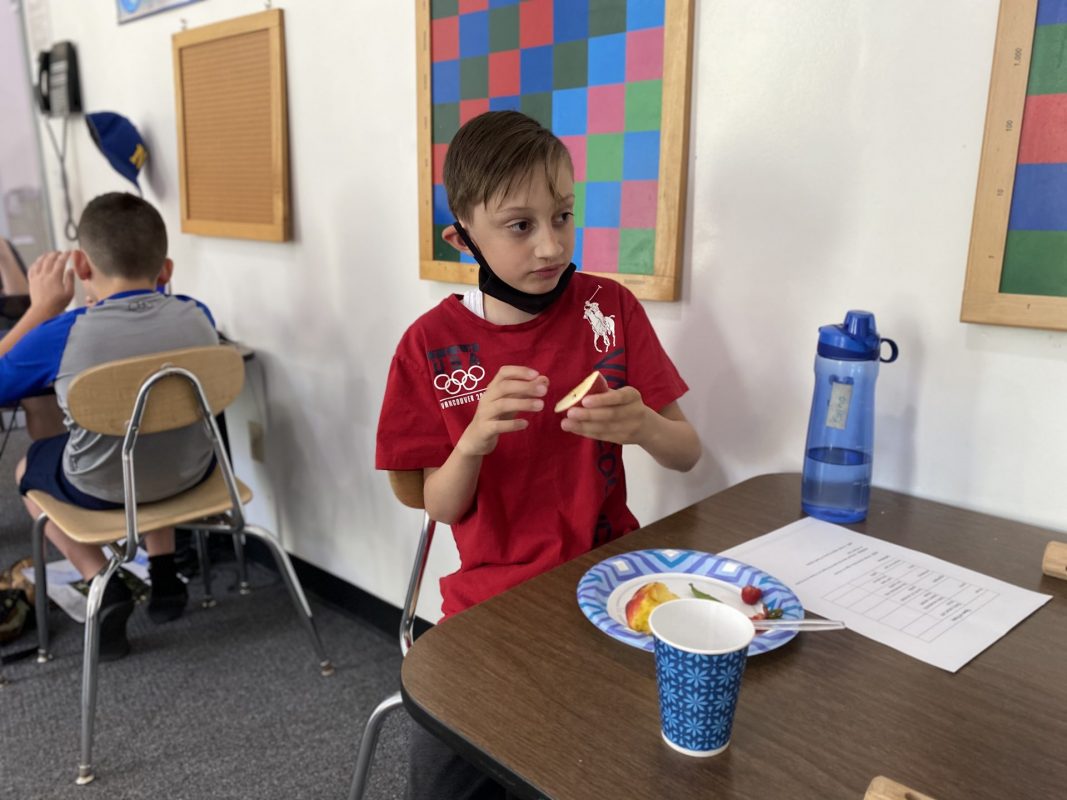
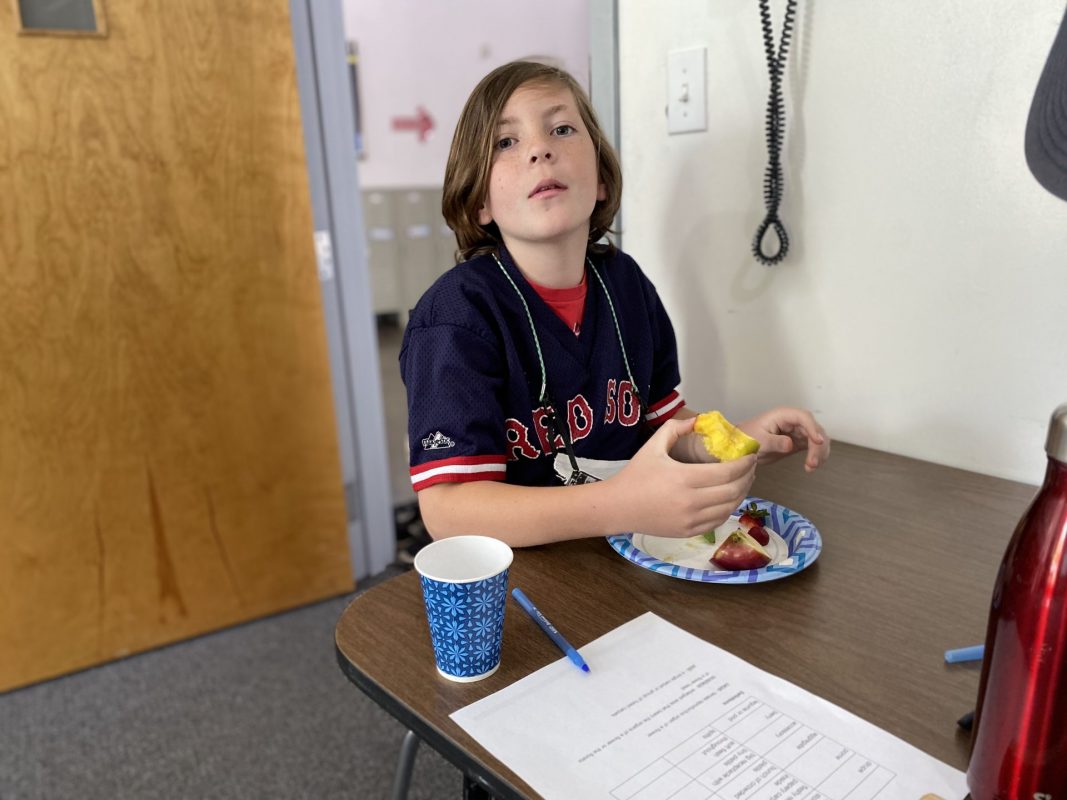
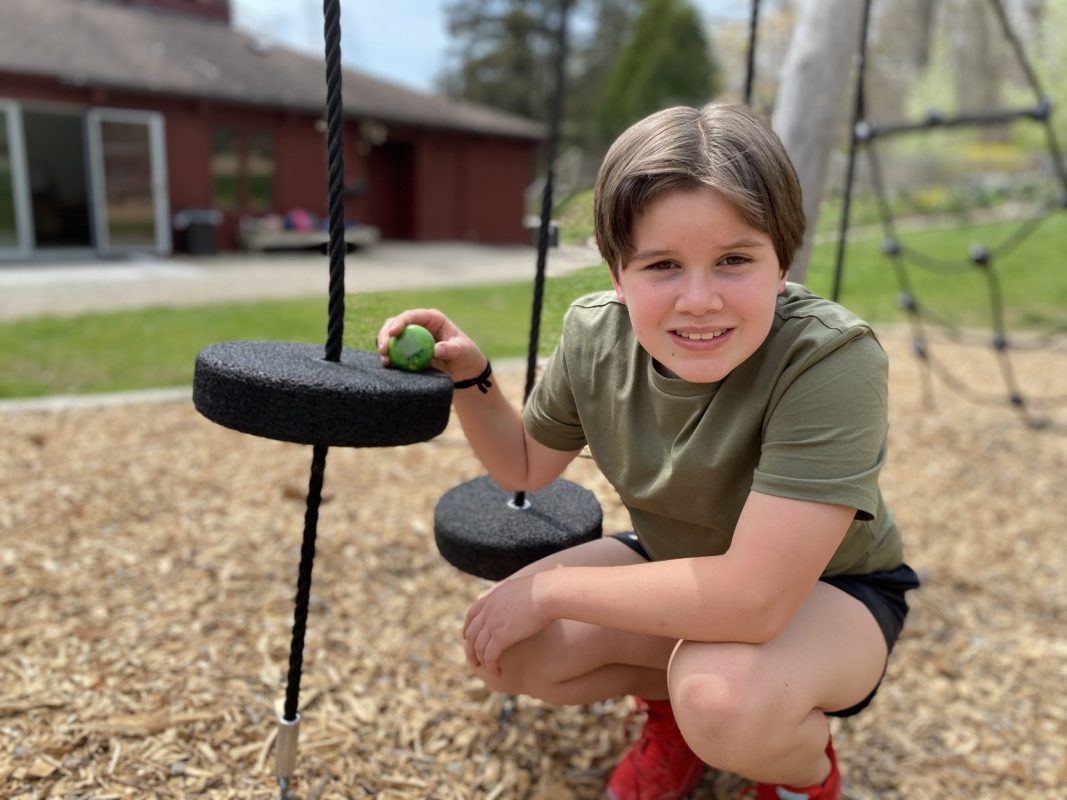
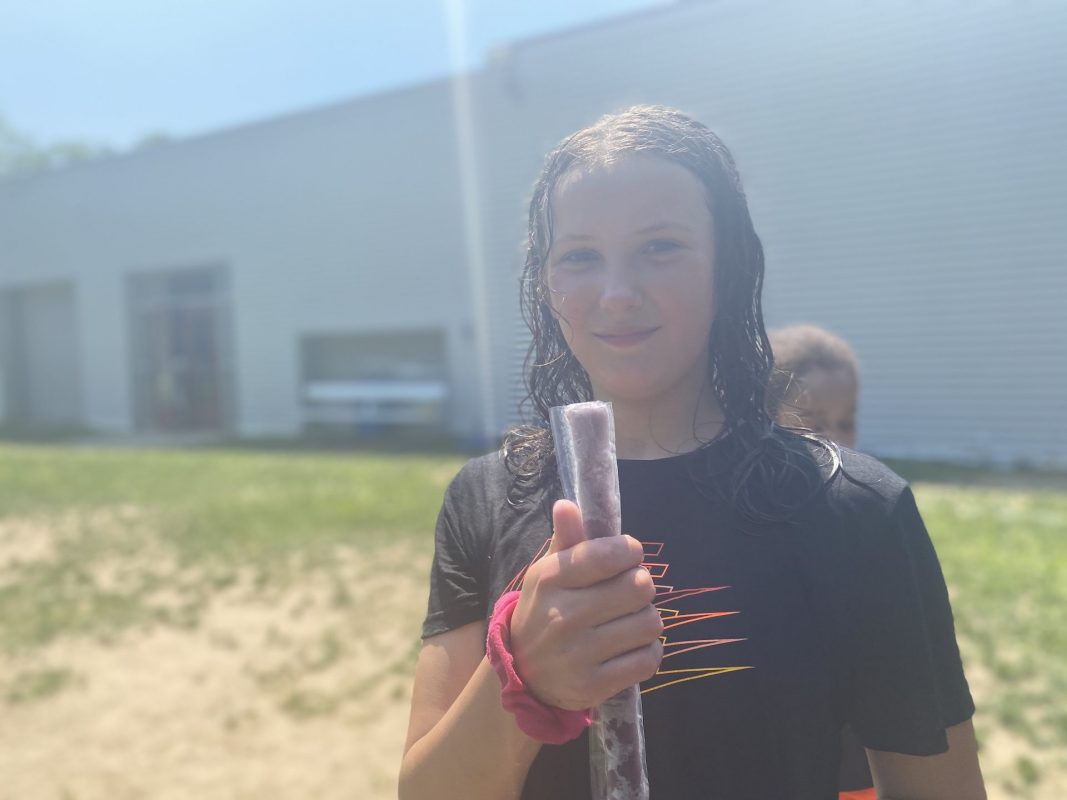
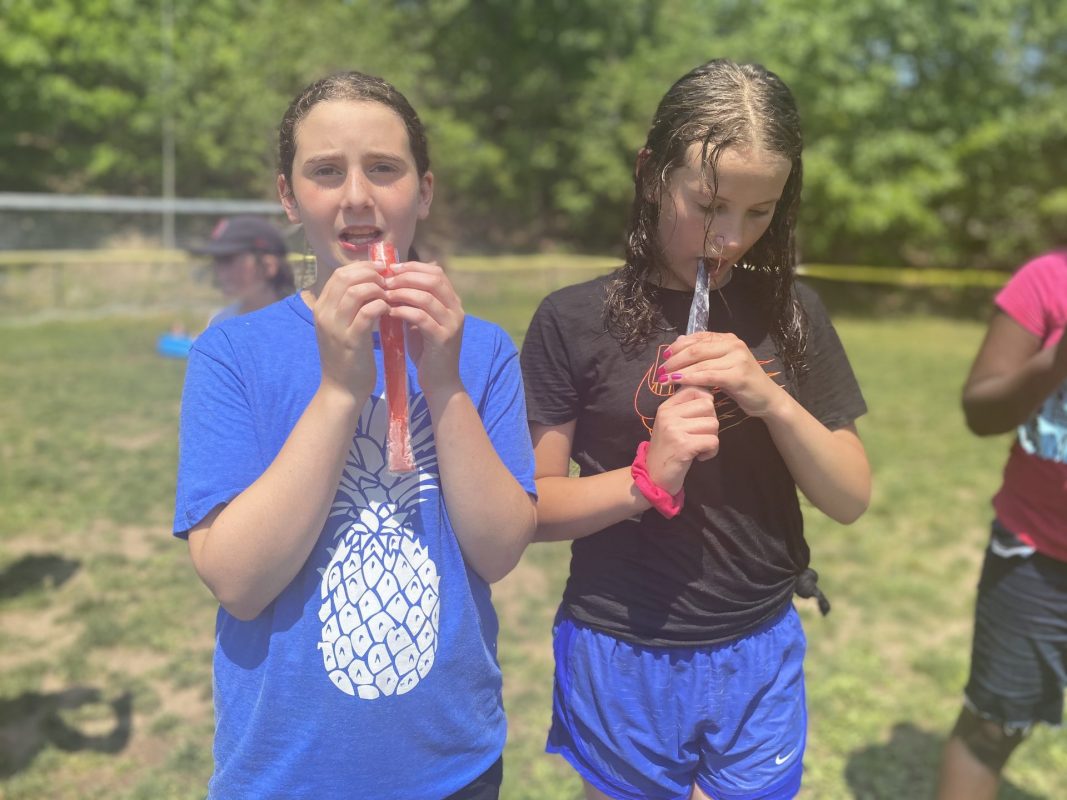
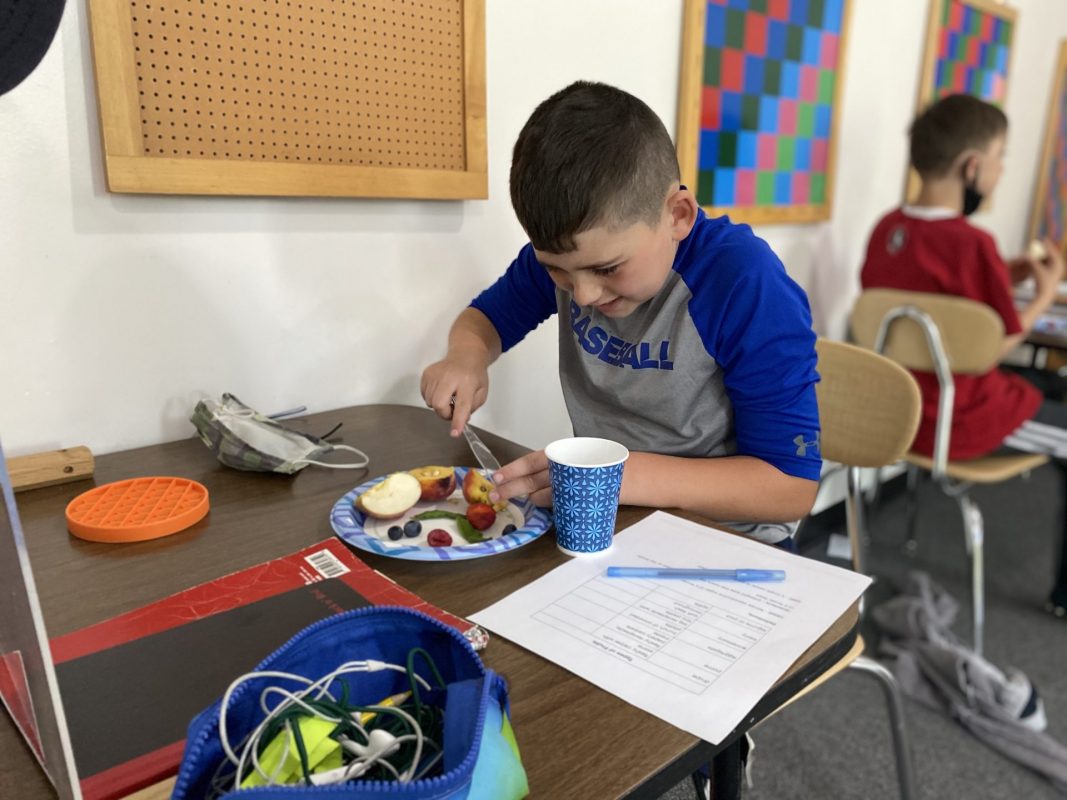
The favorite lesson of the week (and according to one student, their favorite lesson of the year) focused on sorting different types of fruit based on their seeds. During this biology activity, students had to examine five different fruits and identify if they were a drupe (peach), pome (apple), aggregate (raspberry), accessory (strawberry), berry (blueberry), or pod (pea). They thoroughly enjoyed this activity and especially enjoyed eating the fruit after the identification activity was completed.

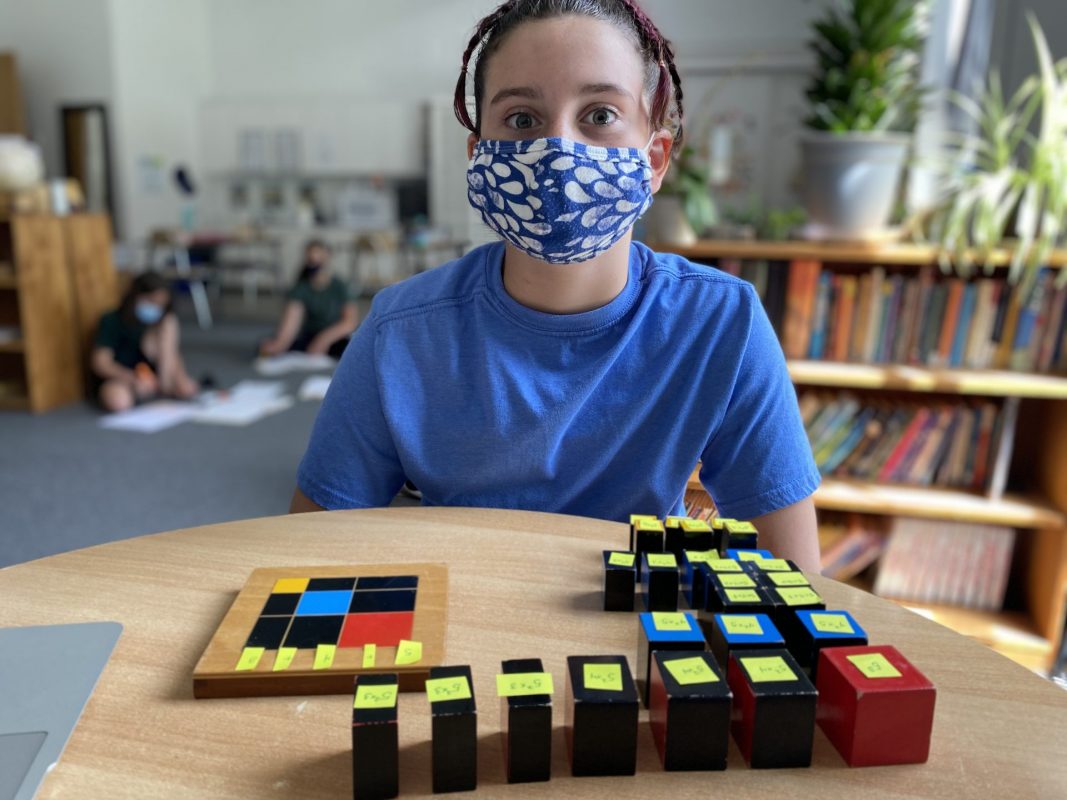
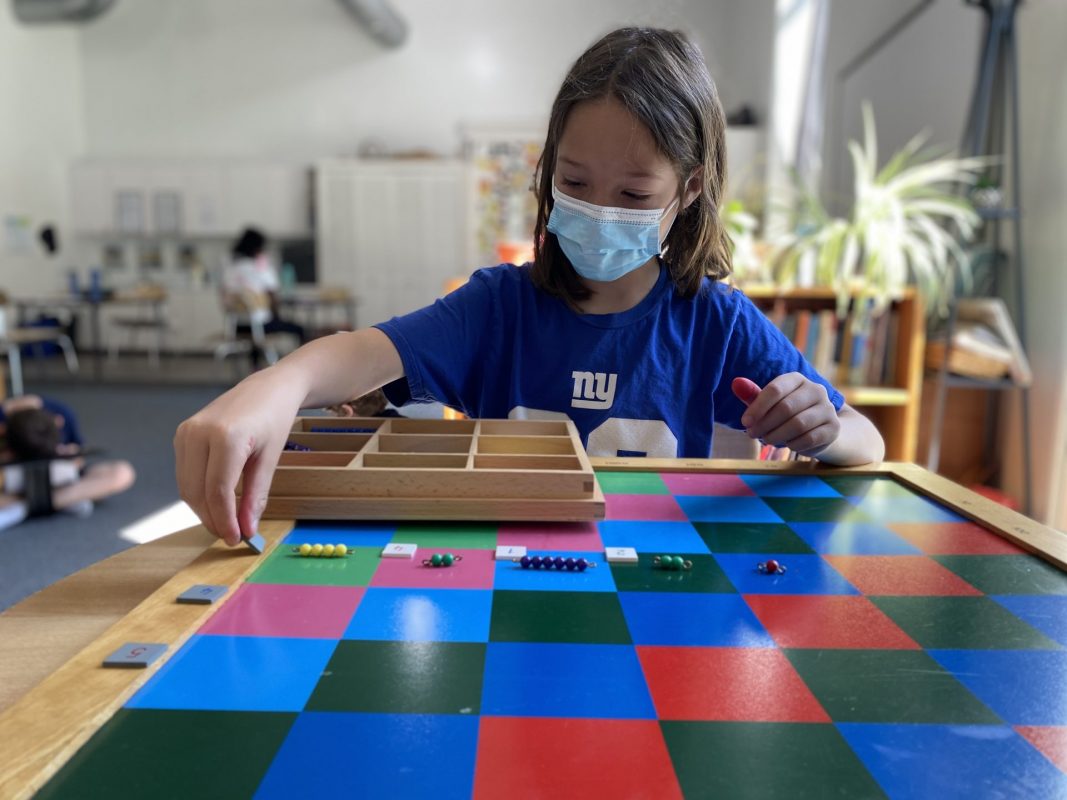
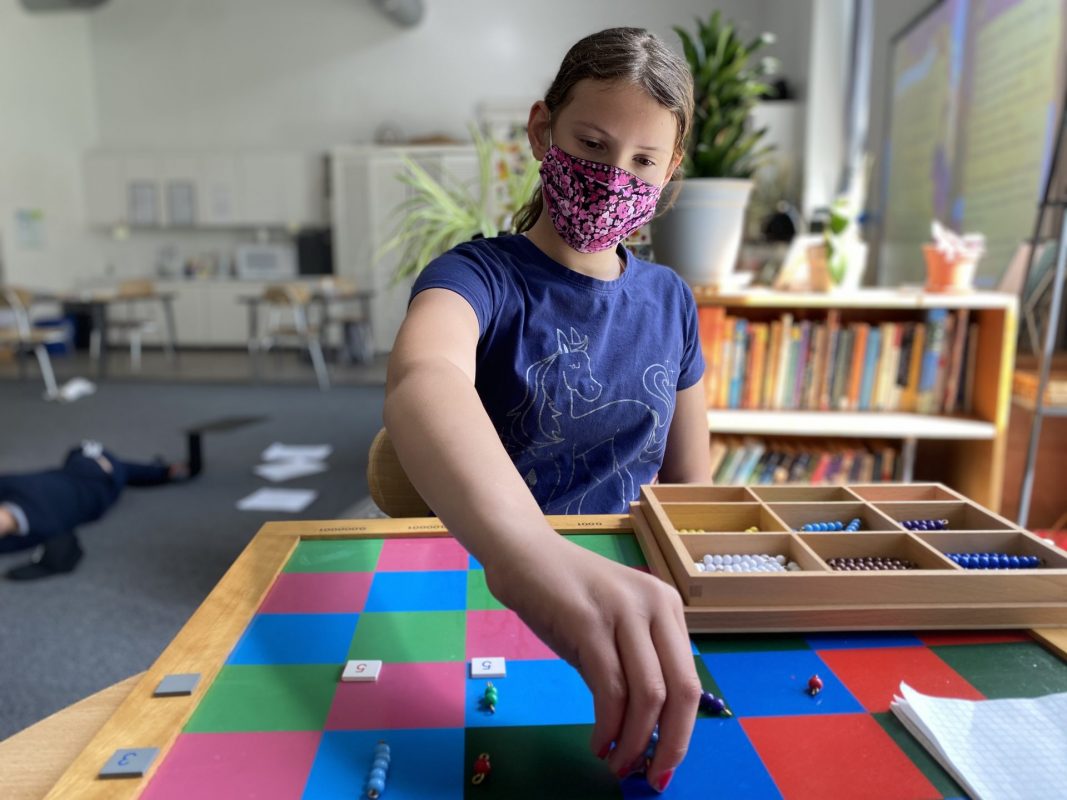
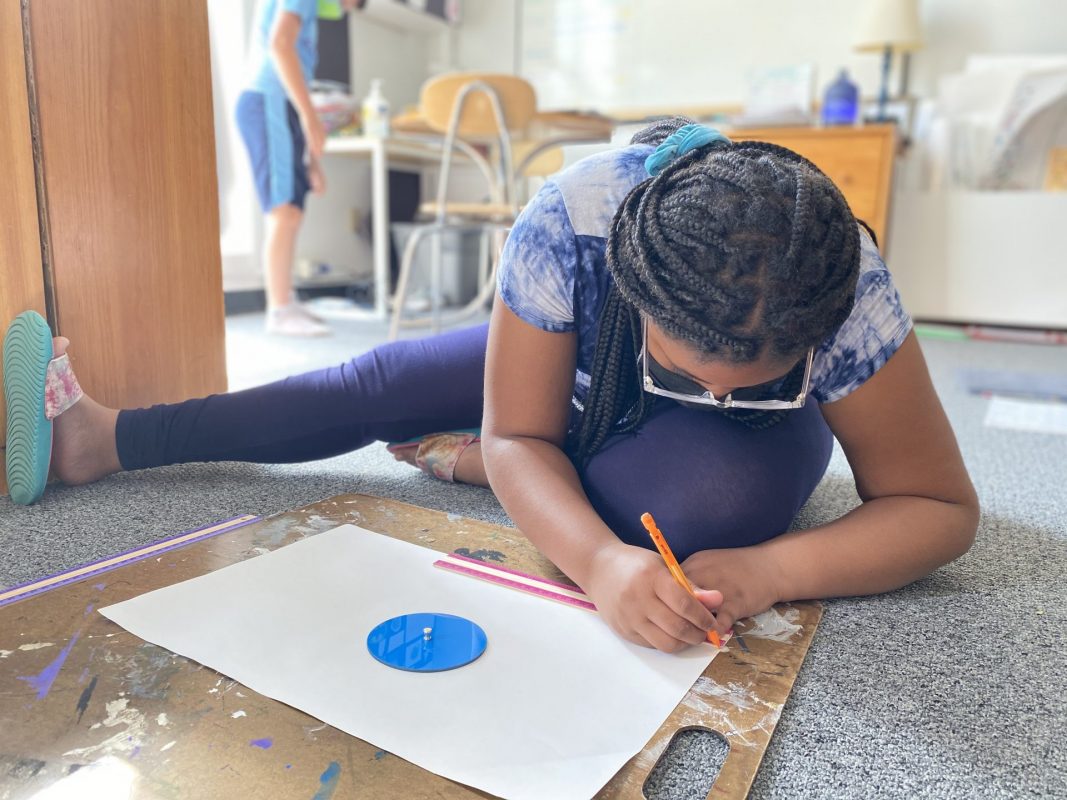
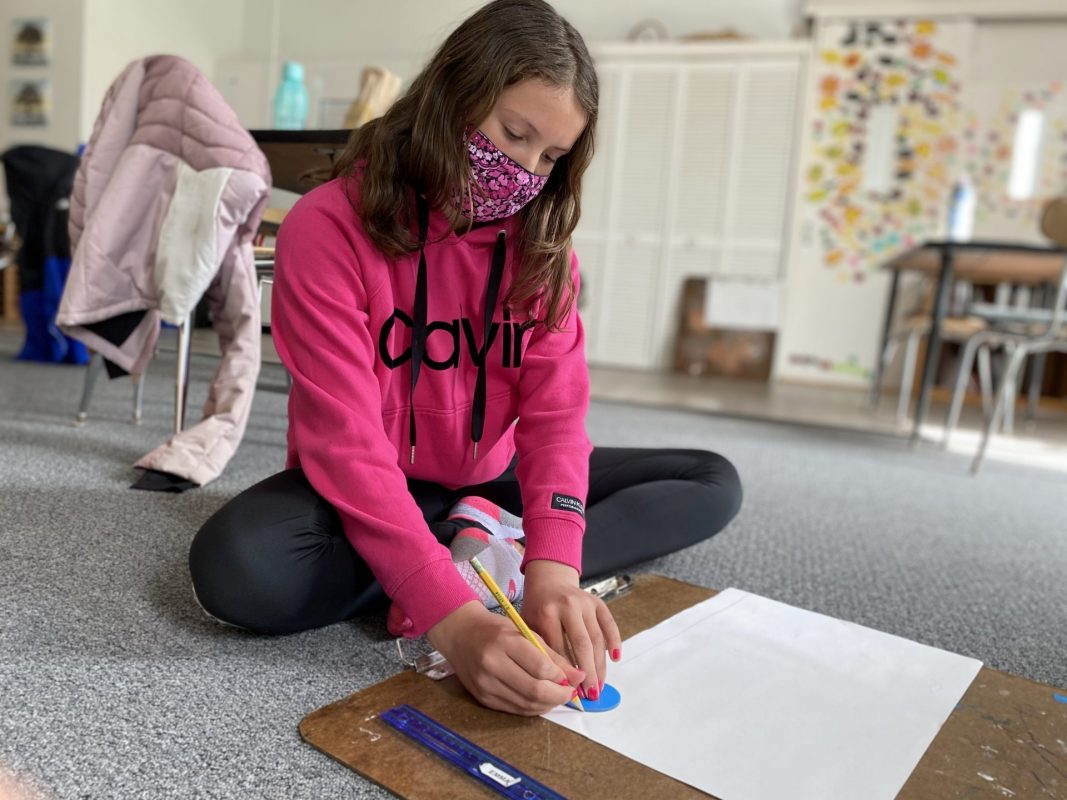
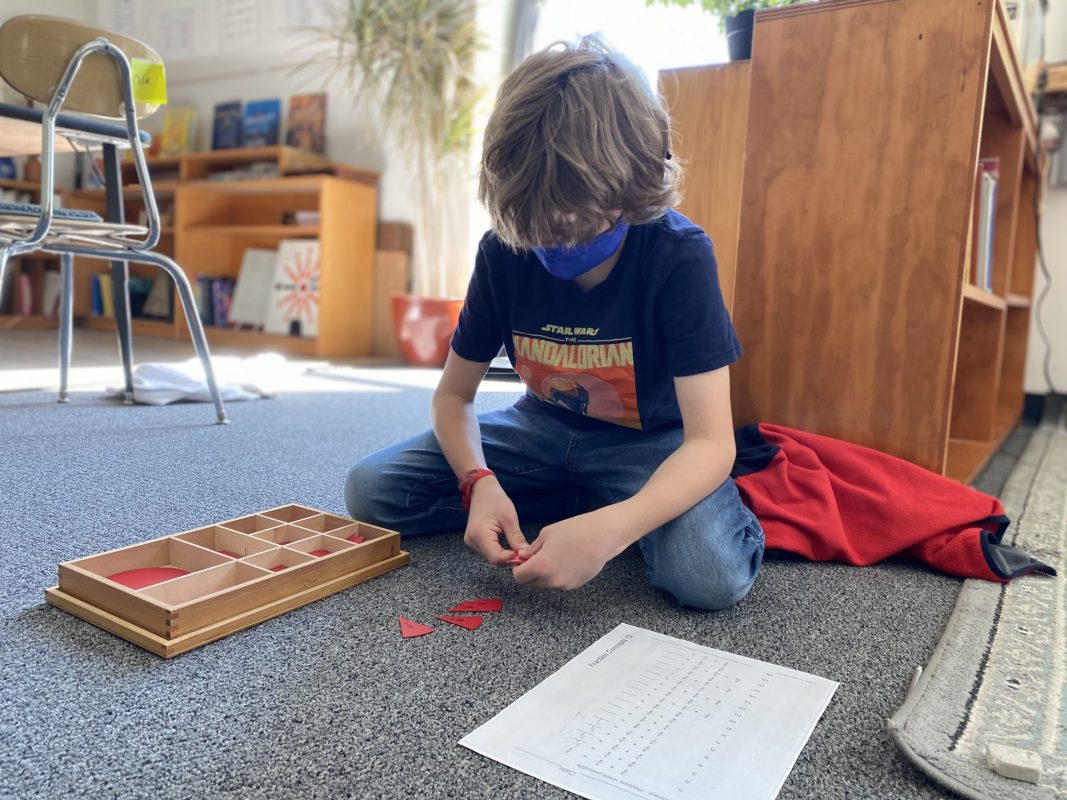
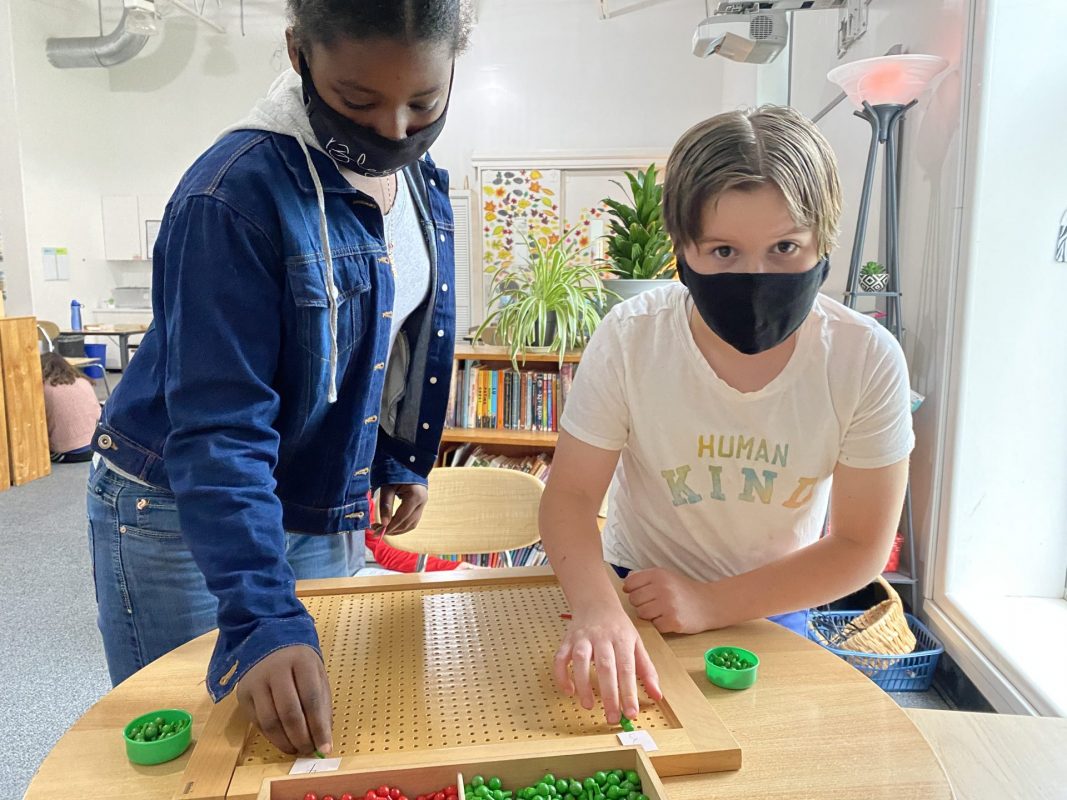
In geometry, fourth years learned to find the area of a right angle triangle. They did this by first constructing a square out of two congruent right triangles, finding the area of the square, and dividing it in half. They then used materials to understand the formula for finding the area. Fifth years had an initial lesson on finding the area of a circle. They did this by dividing the circle into 16 equal triangular parts and forming a curvilinear rectangle which was congruent to the original circle. They then found the area of the rectangle using the formula Area=base x height. Next week we will apply this work to learning the formula for finding the area of a circle. Montessori geometry work always starts with materials, using hands on activities and sensorial experiences. This type of introduction to concepts provides students with the opportunity to have a concrete understanding of the formulas they learn in order to do their geometry work.

Fourth graders continued their lessons on our closest living relatives in history. This week they learned to define the human species as the tool maker. We talked about the evolution that has taken place during the Neozoic era. This lesson gives students the impression of the amount of time humans existed on the earth before they became toolmakers. It also gives them an impression of the amount of time humans existed before they began to record their history. Fifth graders had their final history lessons on modern humans. They learned about the Megalith Builders from 5,000 years ago, the different groups of people and events of the Bronze Age, and the Celts of the Iron Age. Next week we will use the work they have done throughout this unit to construct a timeline of modern humans.


Four Weeks to Go

Can you believe there are only four weeks left of school? This year has gone by so quickly and each student has grown a tremendous amount academically and socially. I’m going to savor every minute of these next four weeks with this amazing class.

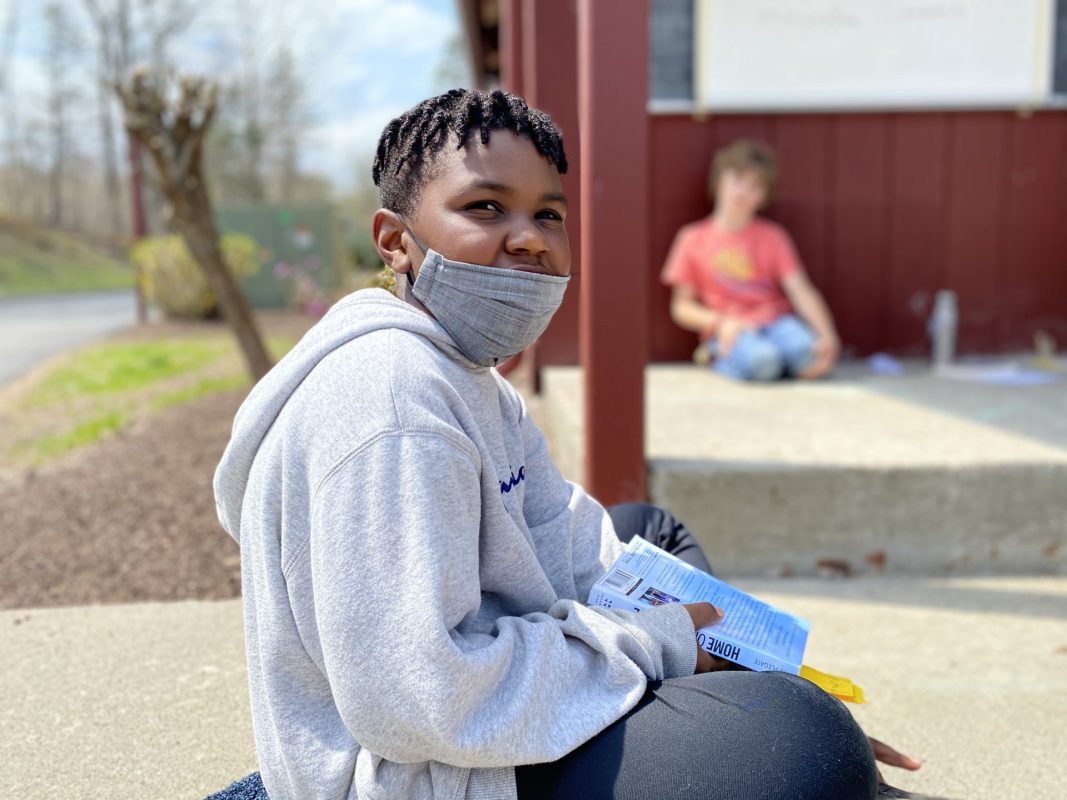
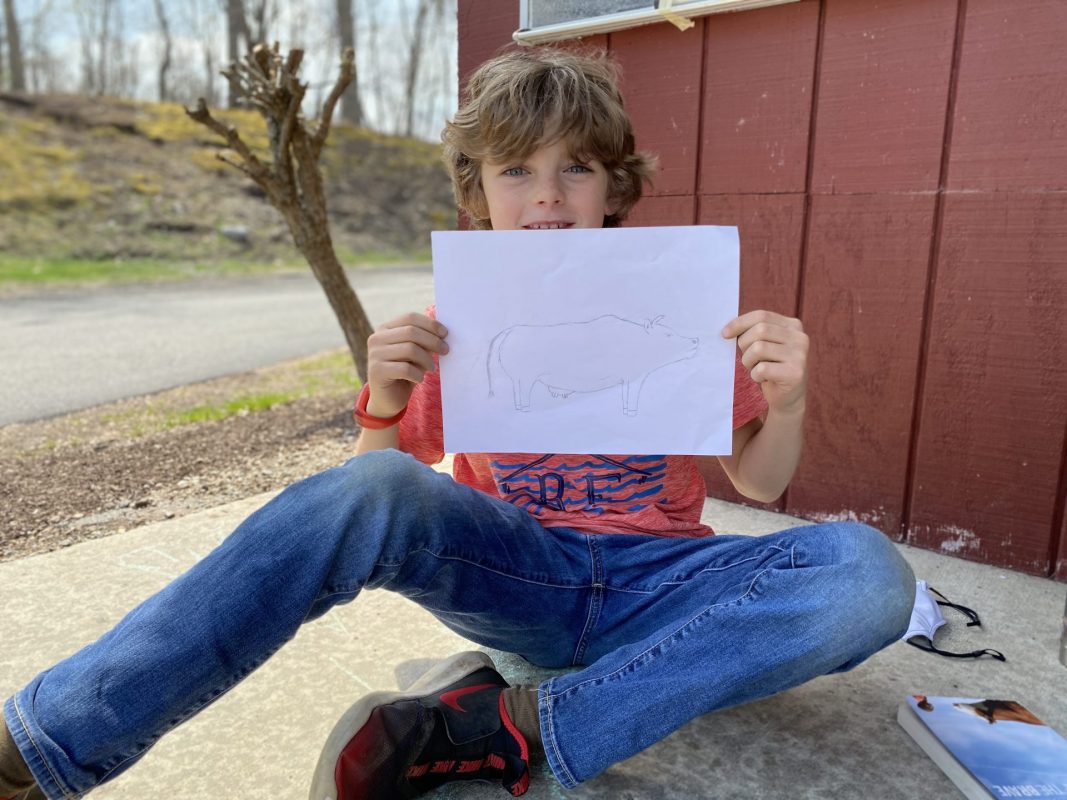
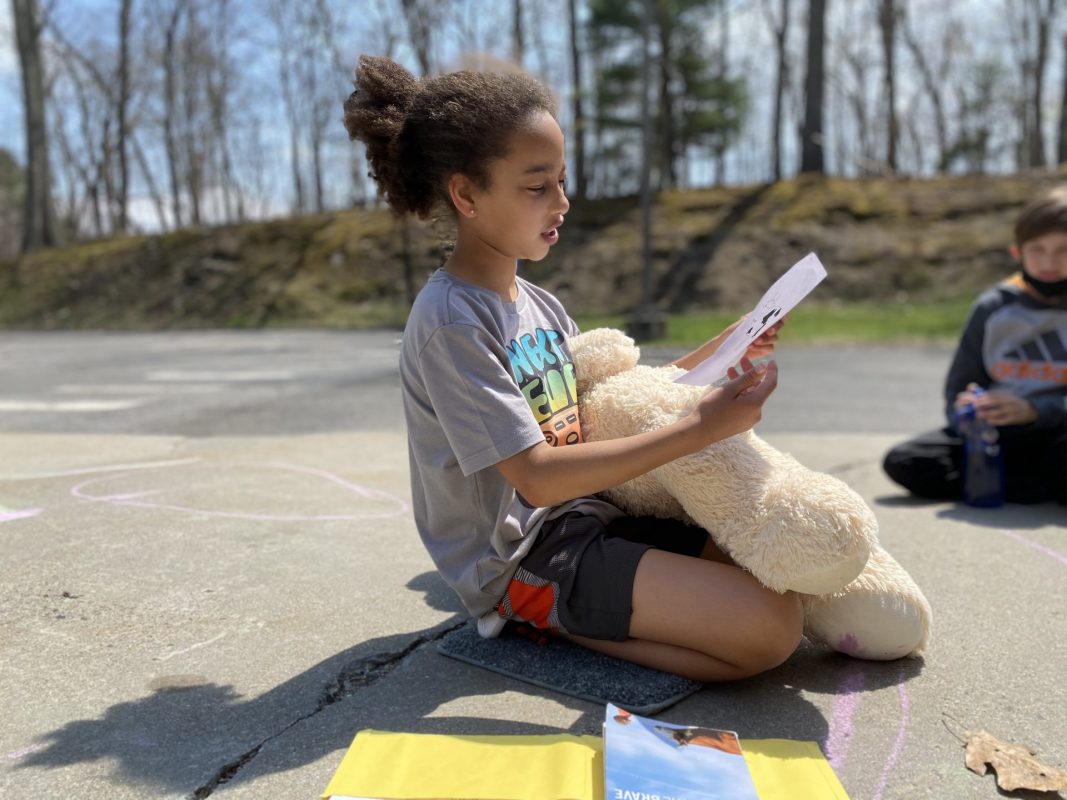
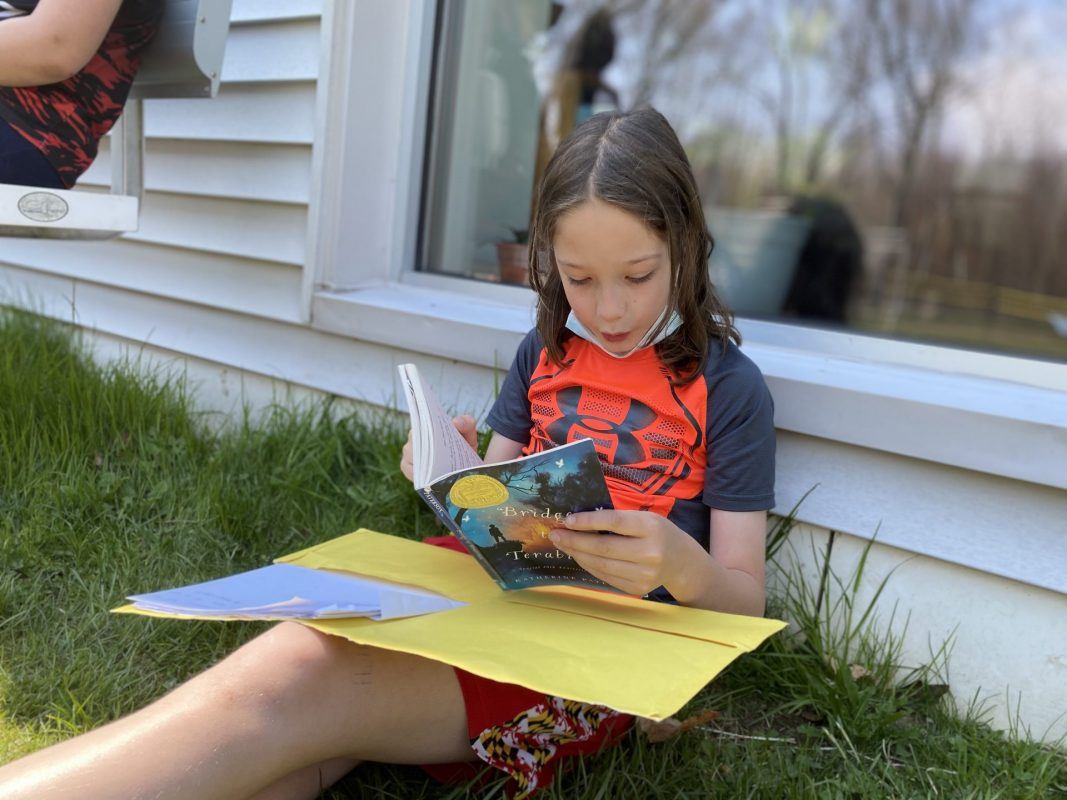
Over the next two weeks, each Literature Circle group will finish reading their book and we will do some fun final activities with Home of the Brave and Bridge to Terabithia during the last two weeks of school. In geometry this week the fourths learned to find the area of acute angle triangles using three different formulas and the fifths learned to find the circumference of circles using the diameter multiplied by Pi. Our biology work focused on cotyledons and we learned how to determine if a plant is a monocot or dicot. We wrapped up our Work of Air lessons in geography by learning about the effects of wind erosion. We enjoyed looking at photos of some magnificent formations in the United States caused by wind erosion. We also learned about human contributions to wind erosion and the harmful effects it can have on the Earth.

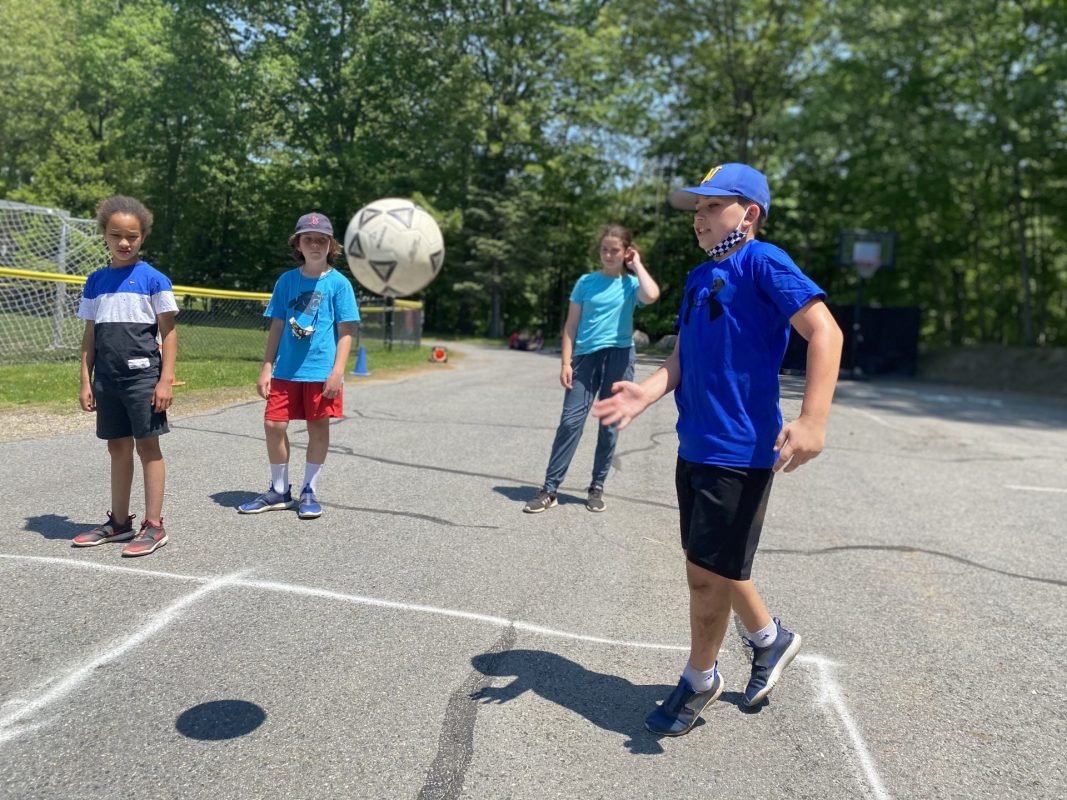
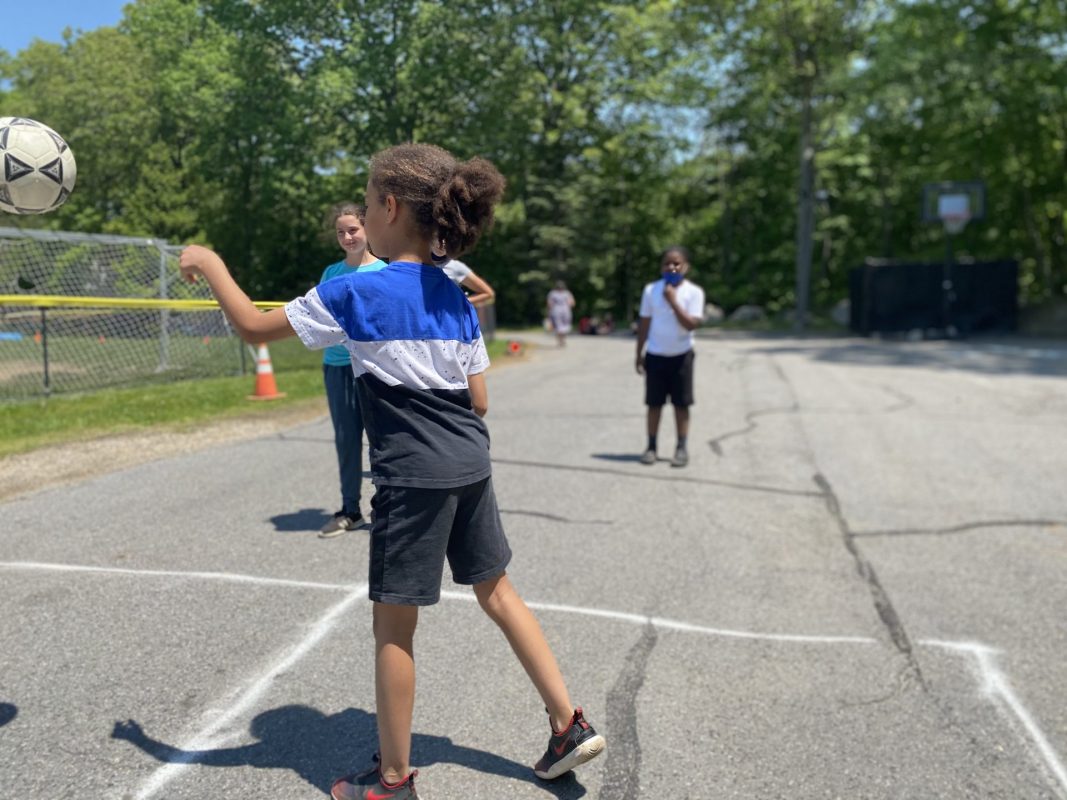
Please send bug spray and sunscreen if you haven’t already done so. We are spending greater amounts of time outside now that the weather is nice for outdoor learning.


Painted Rocks

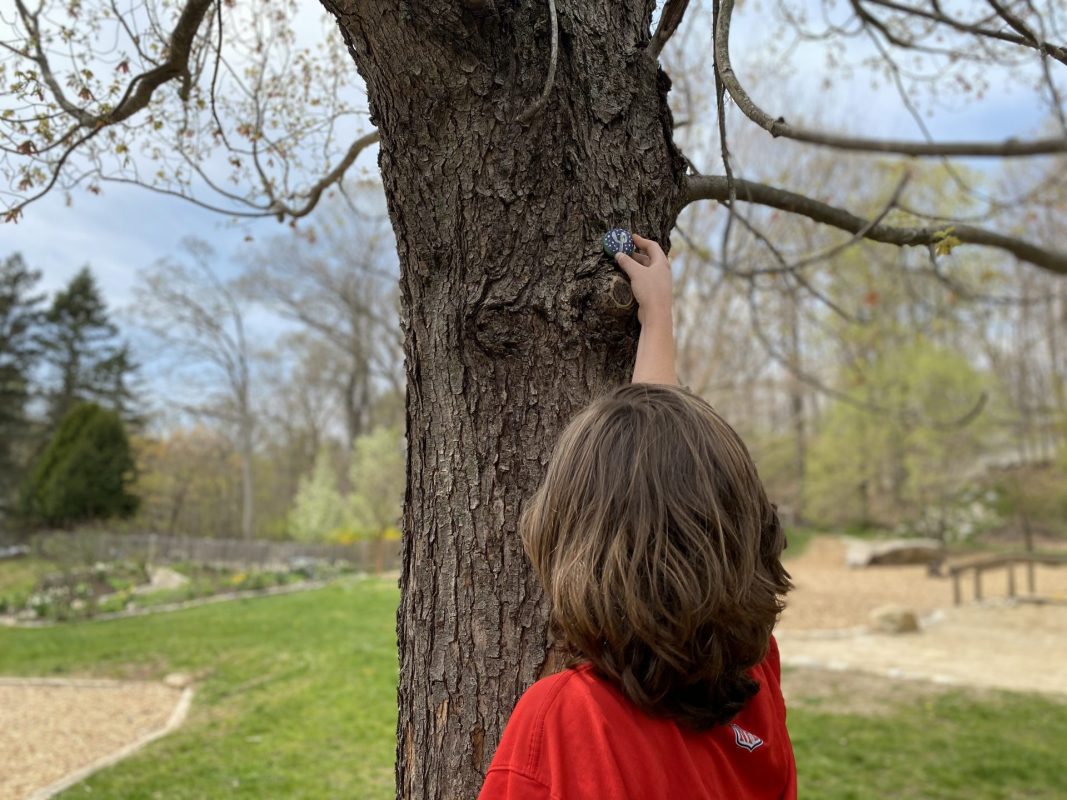
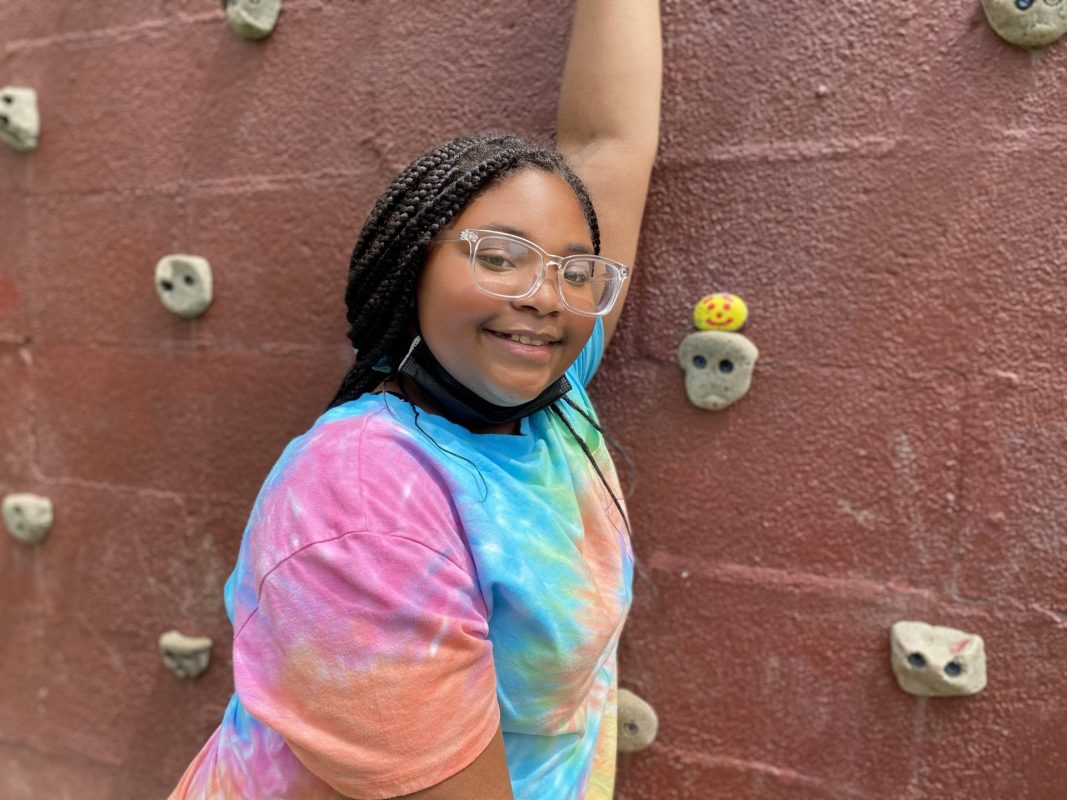
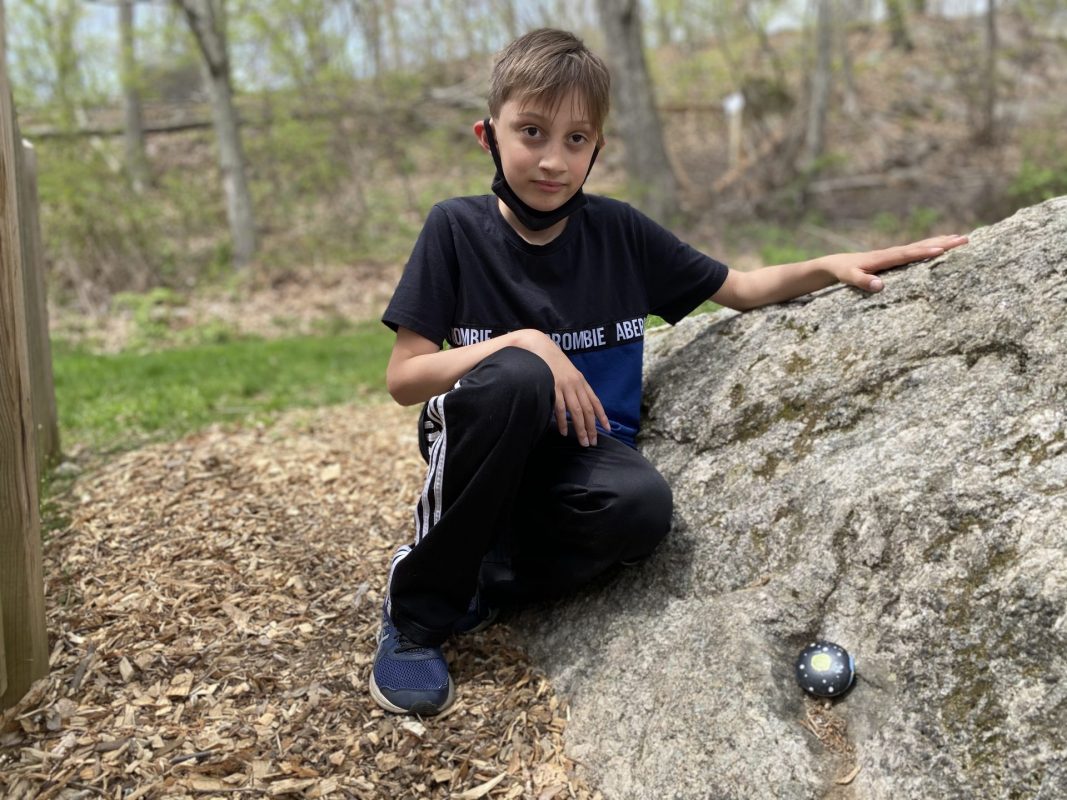
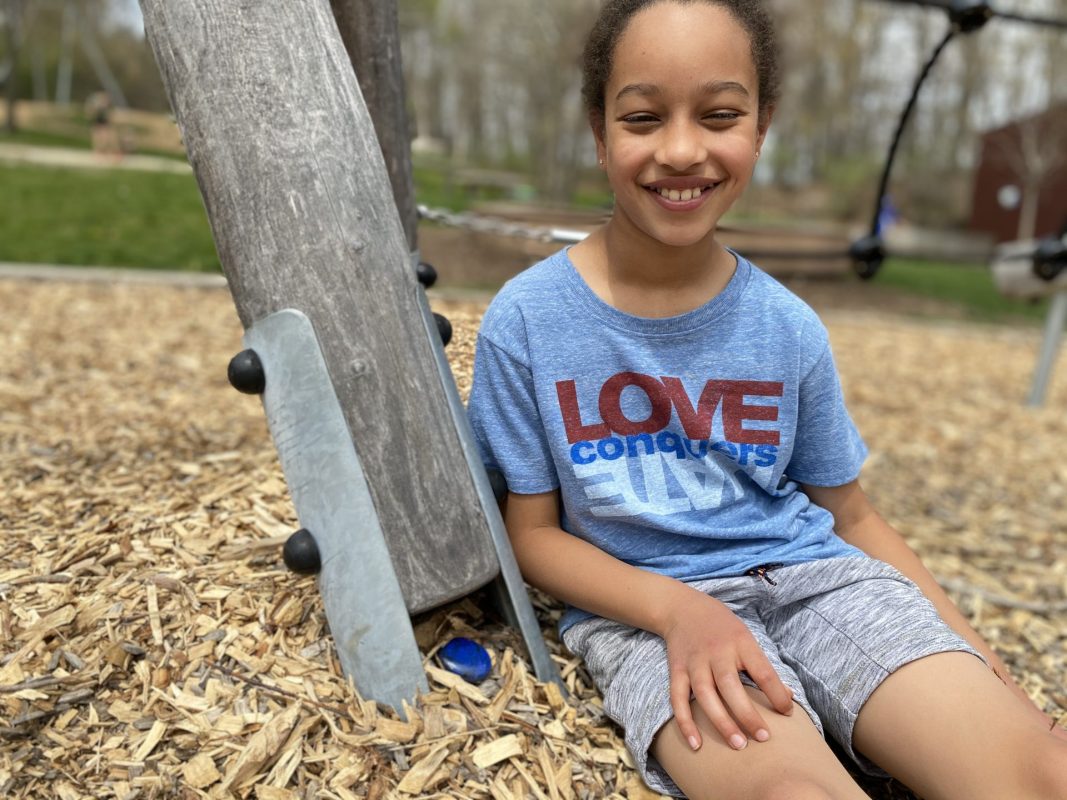
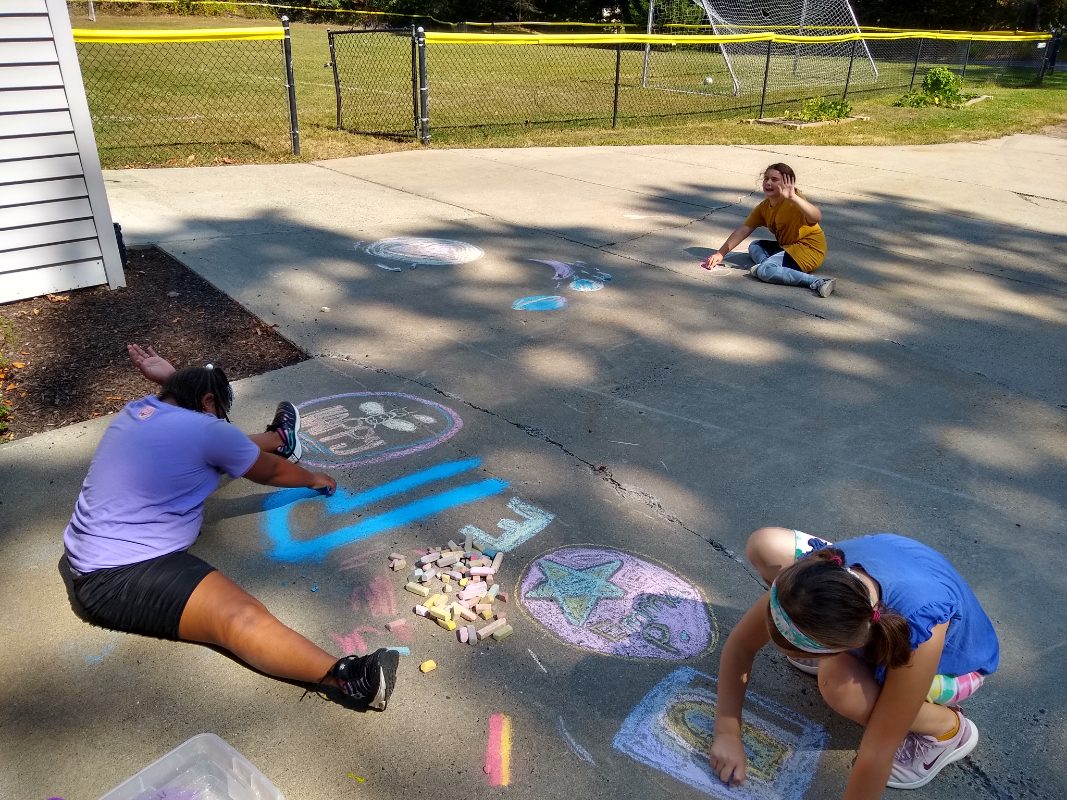
Painted rocks are a way to spread joy and kindness through art. These are also known as kindness stones or rocks. The rocks are painted with an inspirational message or a cheerful design and left in nature. When people find them they can take them home for inspiration, put them in another spot, or place them back where they found them. Earlier this year FWM students from different classes painted some kindness rocks of our own, and this week Upper El students placed them around the playground for younger students to find. We enjoyed participating in this activity and were excited to see several had been found the day after we placed them.

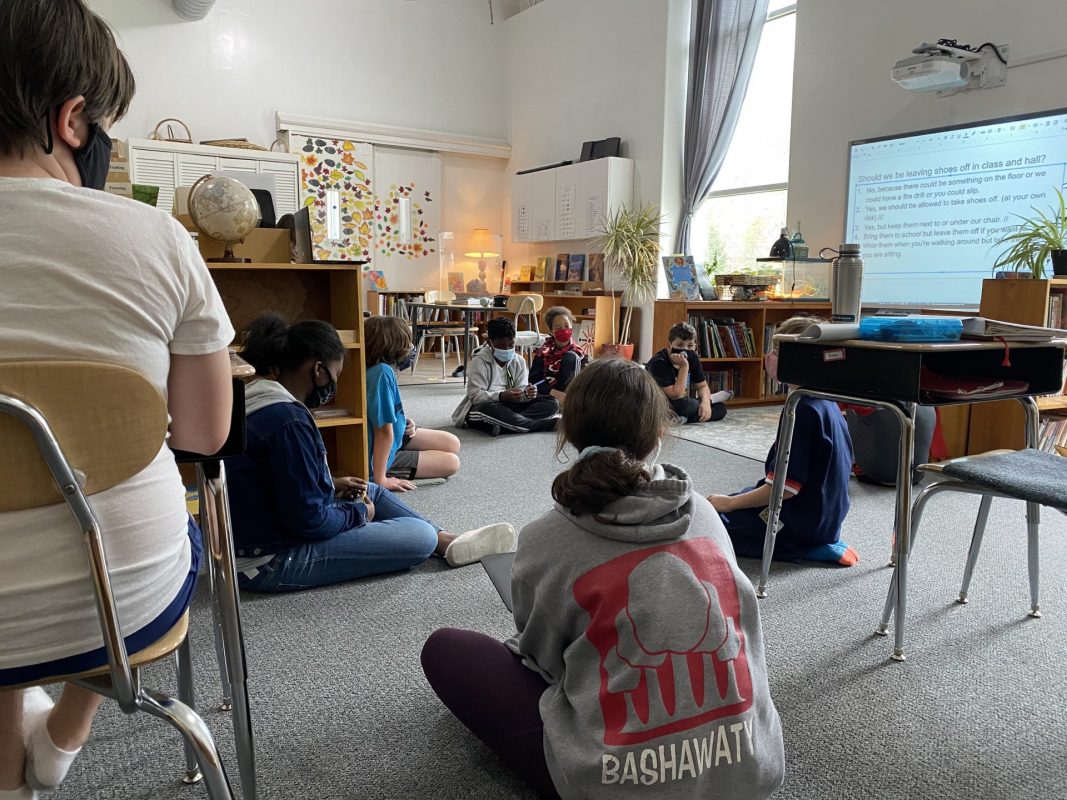
It’s been a few weeks since we had a community meeting and students were enthusiastic about having one this week. We had many items on our agenda (eight) but only had time to brainstorm, discuss, and make a decision on one. Our topic was wearing shoes in the classroom. Throughout the year of having regular community meetings, the students have become very good at the process. They show great respect for one another and everyone gets a chance to share ideas and feelings. It’s a wonderful process to observe amongst these fourth and fifth graders.

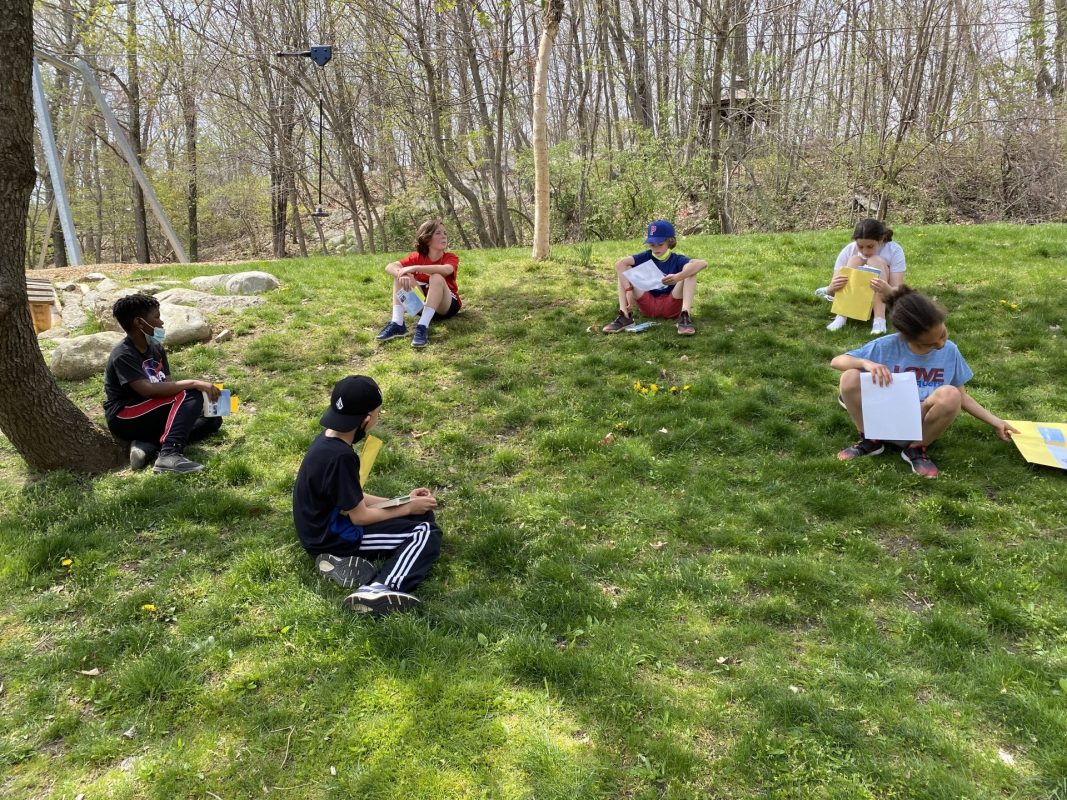
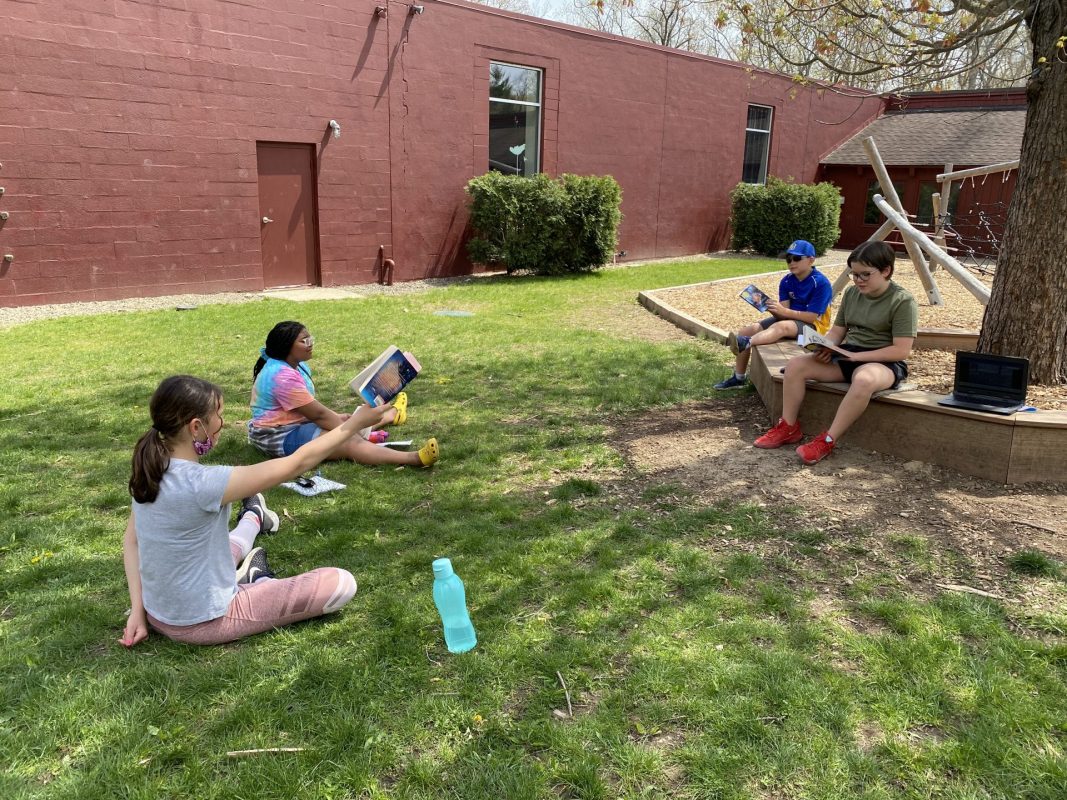
We had some great lessons this week. Fourths learned about finding the area of a parallelogram in geometry and fifths worked with measuring the circumference of a circle. We learned about five different ways seeds move in our biology lesson. History lessons focused on our closest living relatives and shared characteristics in fourth grade and the Neolithic Lake Dwellers in fifth grade. We enjoyed having Lit Circle outside this week on a hot spring day.

We are spending a lot of time outside now that the weather is nice. Don’t forget to send in sunblock and bug spray for our outdoor learning and time in the woods!

There is NO SCHOOL on Monday for a faculty professional development day. Have a nice long weekend!

This Pretty Planet

There is no description, no image in any book that is capable of replacing the sight of real trees, and all the life to be found around them, in a real forest. Something emanates from those trees which speaks to the soul, something no book, no museum is capable of giving. -Maria Montessori

Happy Earth Day! We felt inspired this week when we watched Greta Thunberg’s TED Talk about climate change from 2018. After watching and discussing, the UE students journaled reflections about her message, what they thought they could do, and what they wanted to see adults do to take action for the Earth.
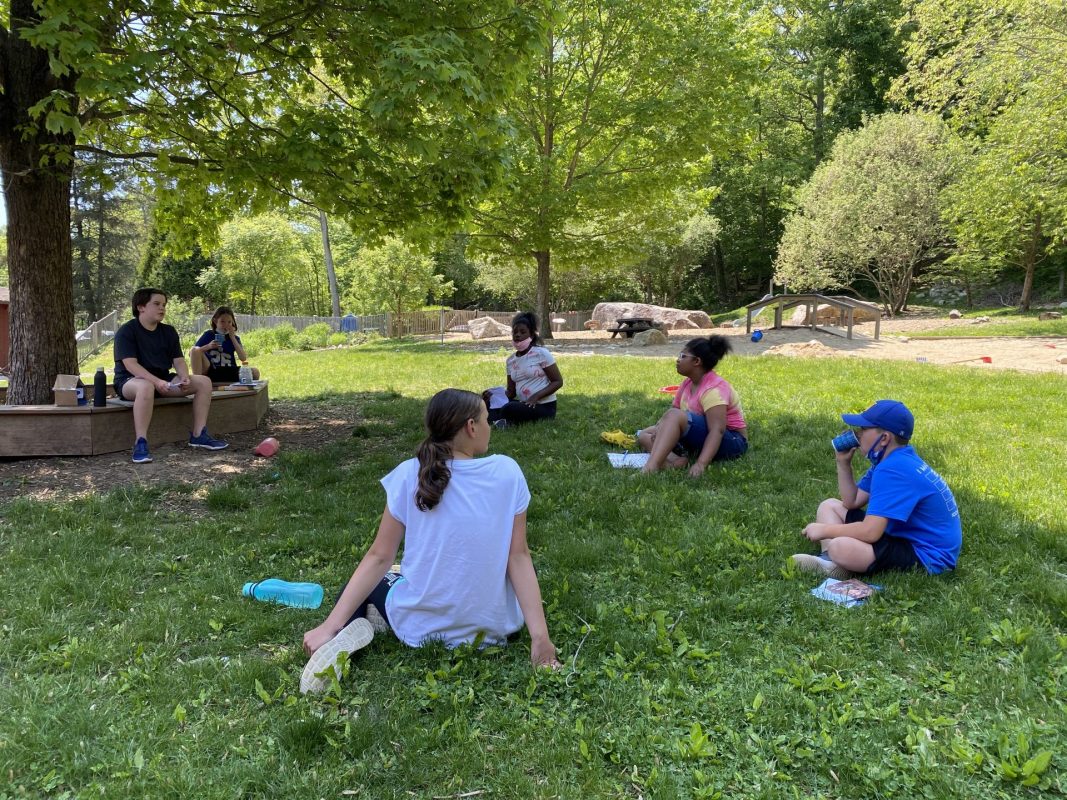
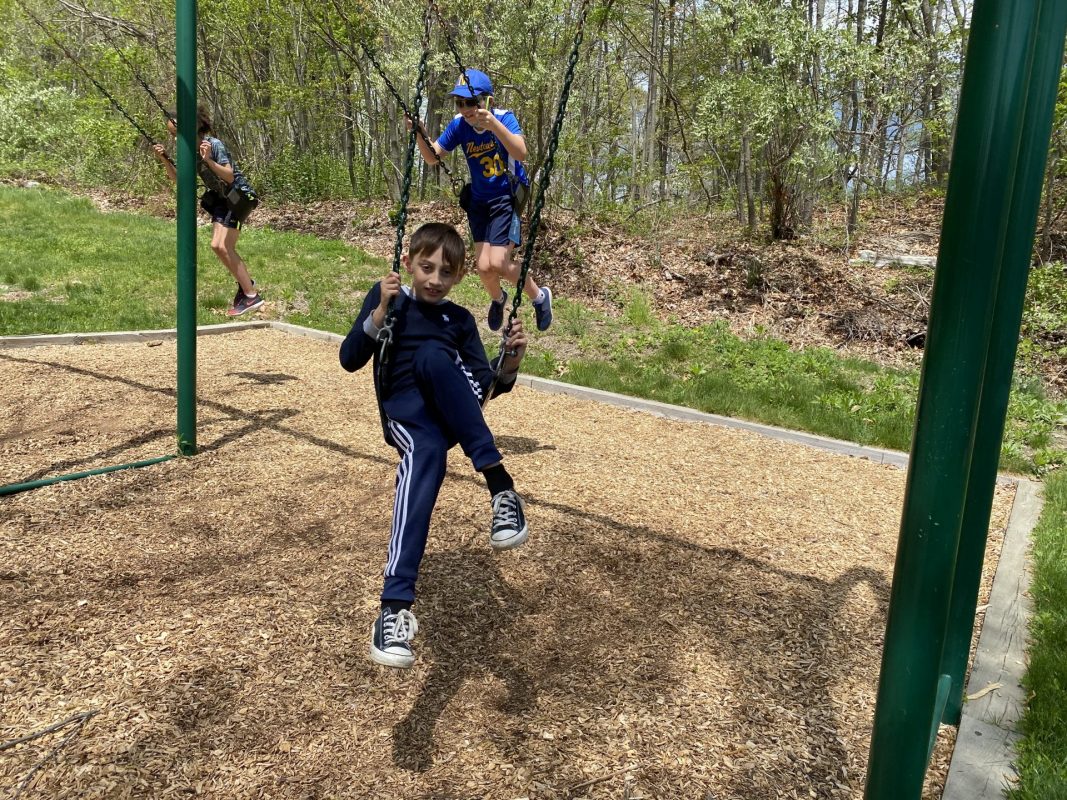
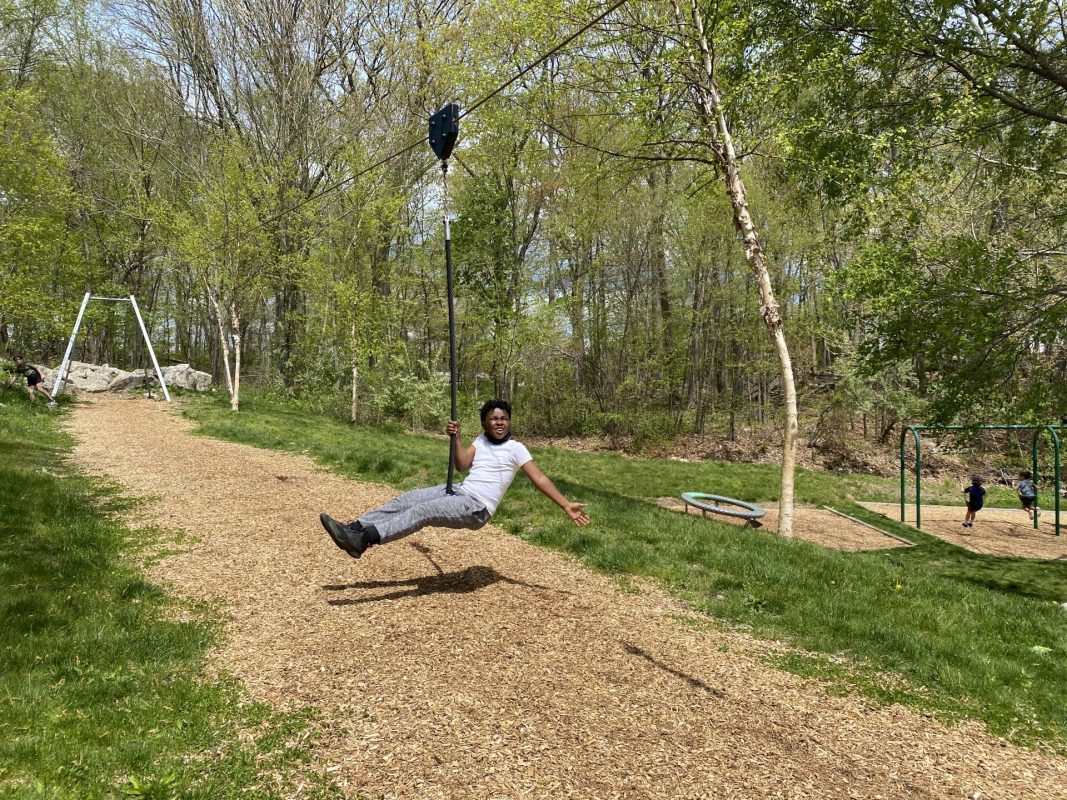
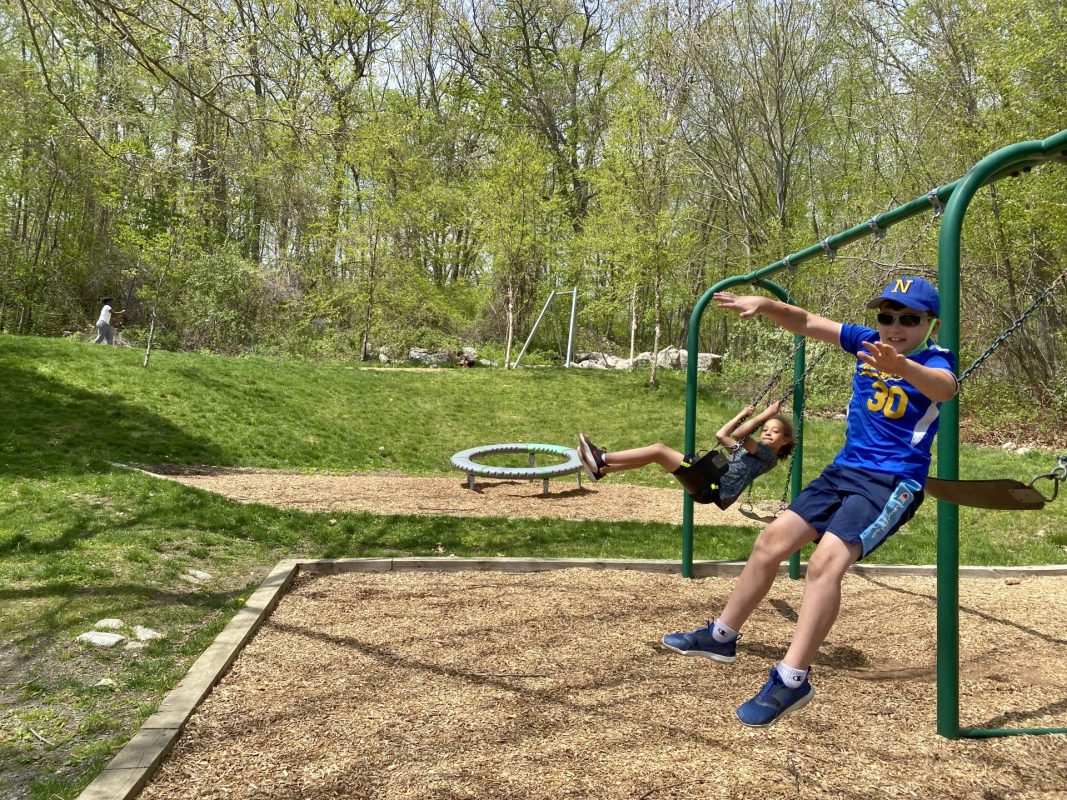
We always enjoy our time in the outdoor classroom, and thanks to the Middle School students, this week we were able to explore a little more of it! This week, the 6th, 7th, and 8th graders spent time clearing and beautifying trails in the woods surrounding the outdoor classroom. We enjoyed walking and running the trails during recess.
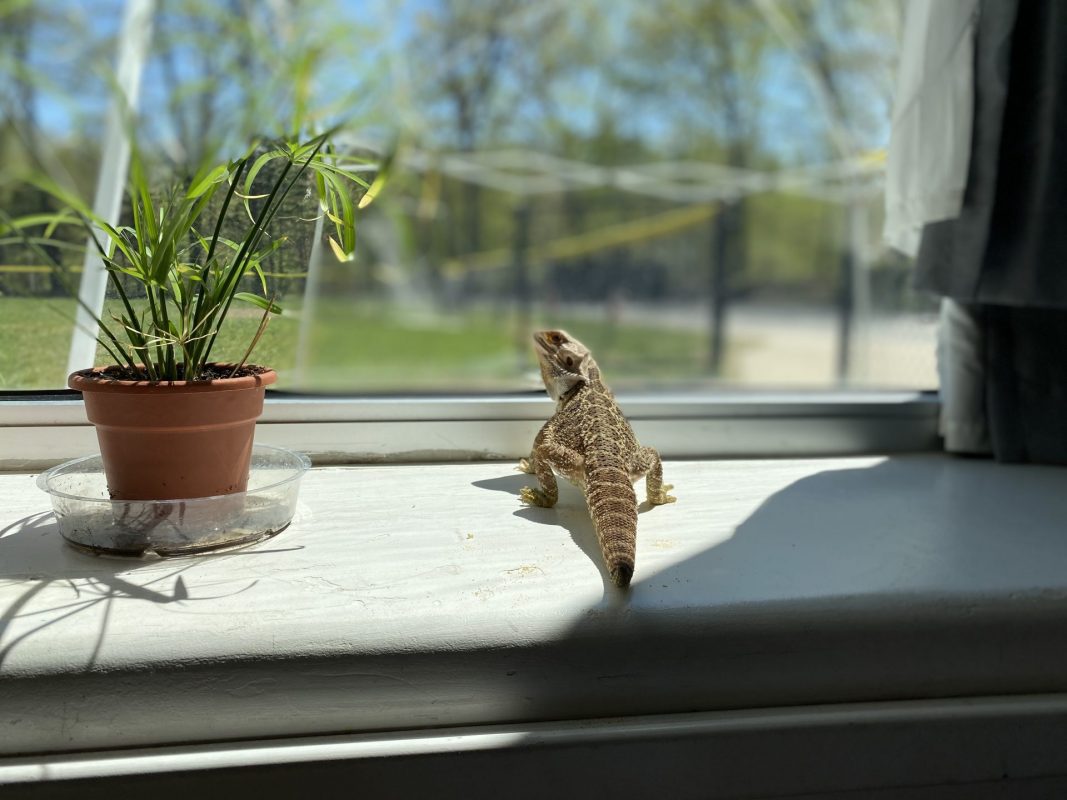
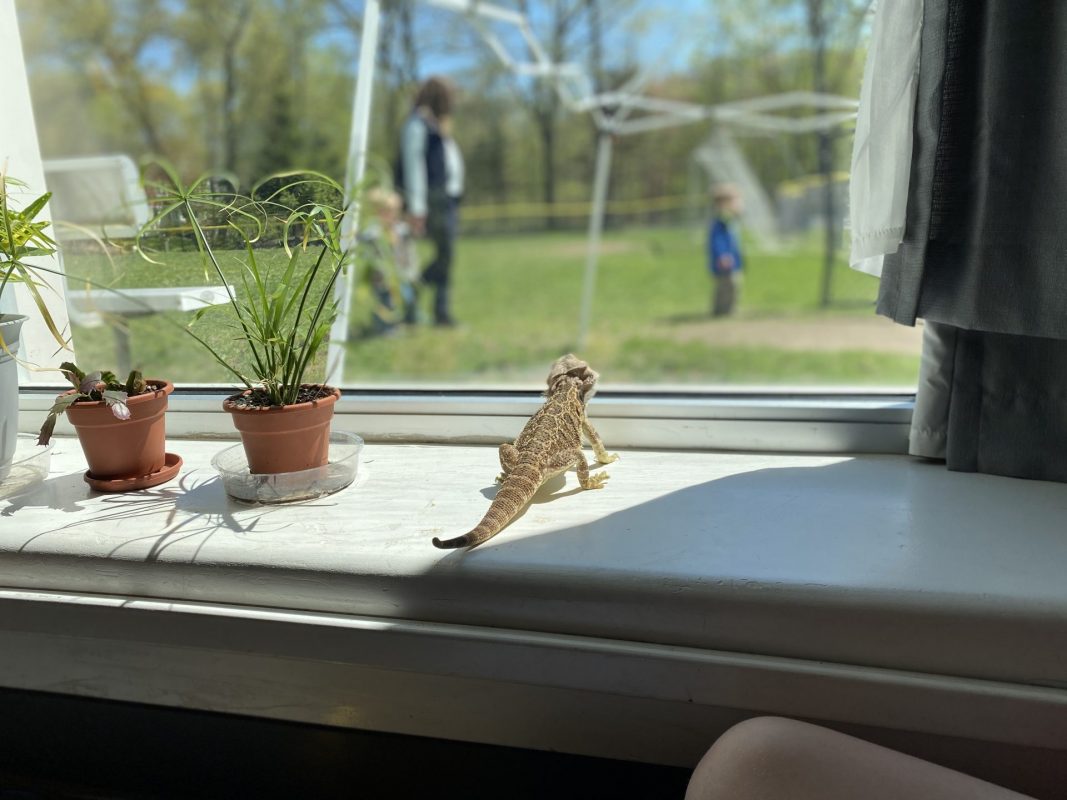
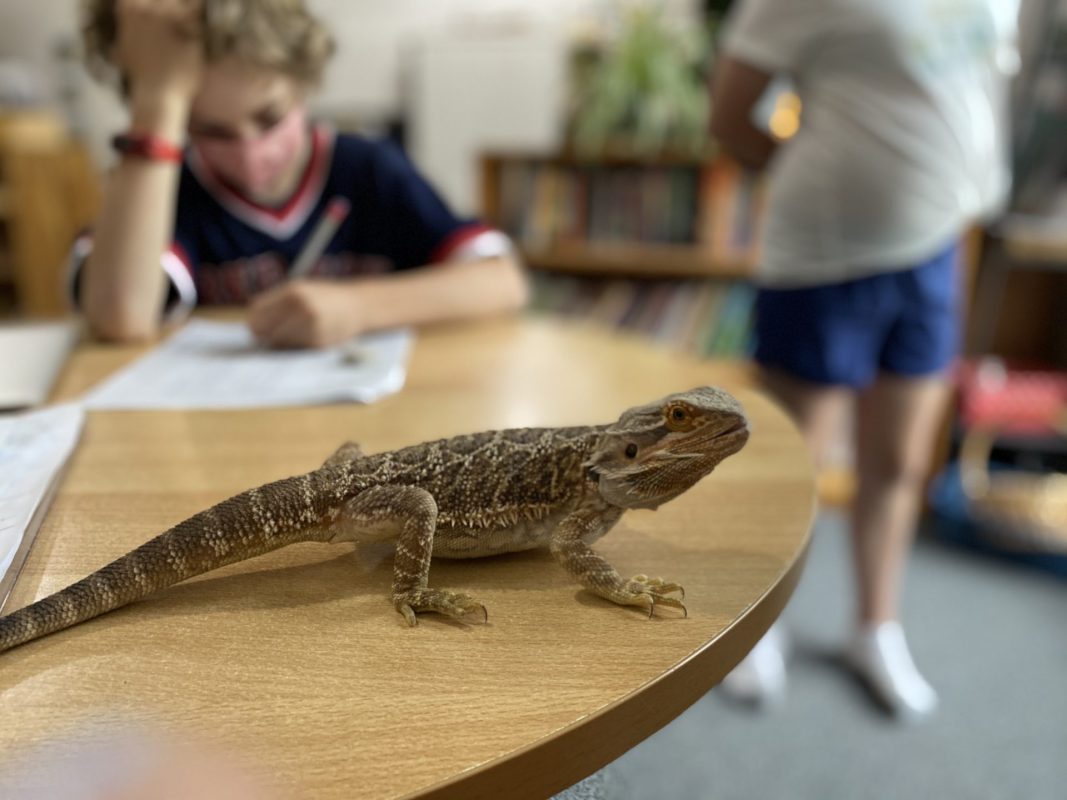
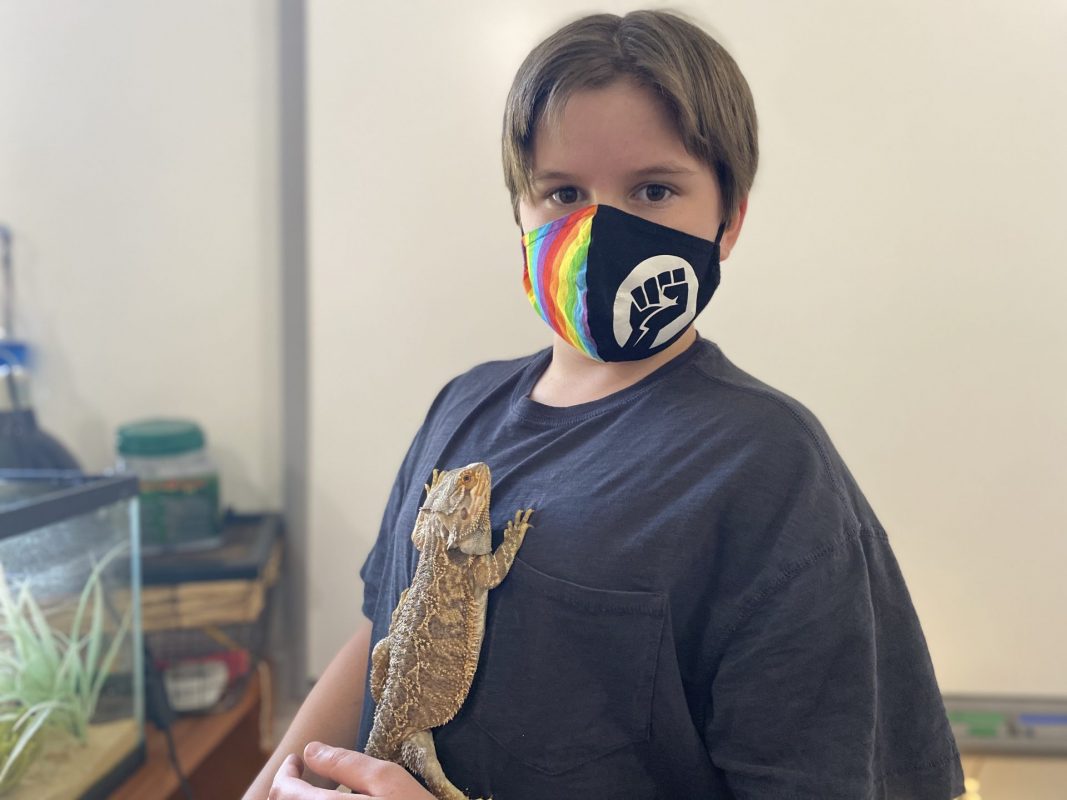
We have a special guest in our classroom this week. Goose the bearded dragon is visiting us for a few days. Many of us enjoyed observing him throughout the day and we are looking forward to spending more time with him next week!


Upper Elementary: Field Trip

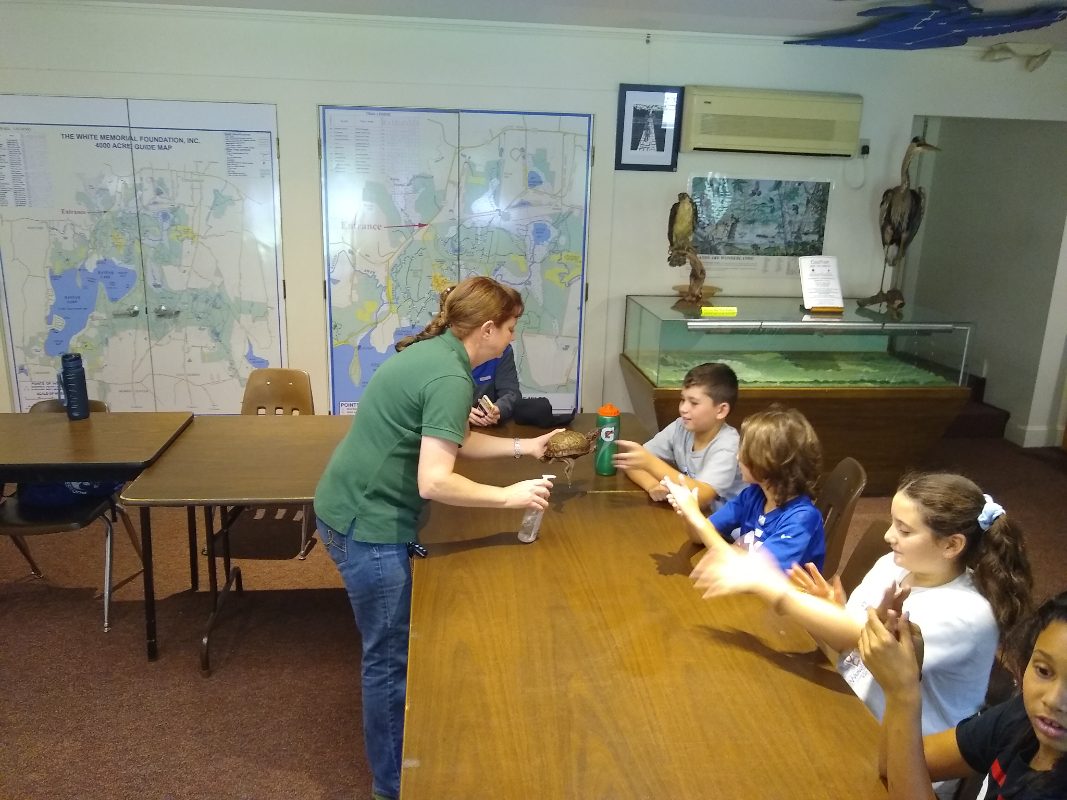
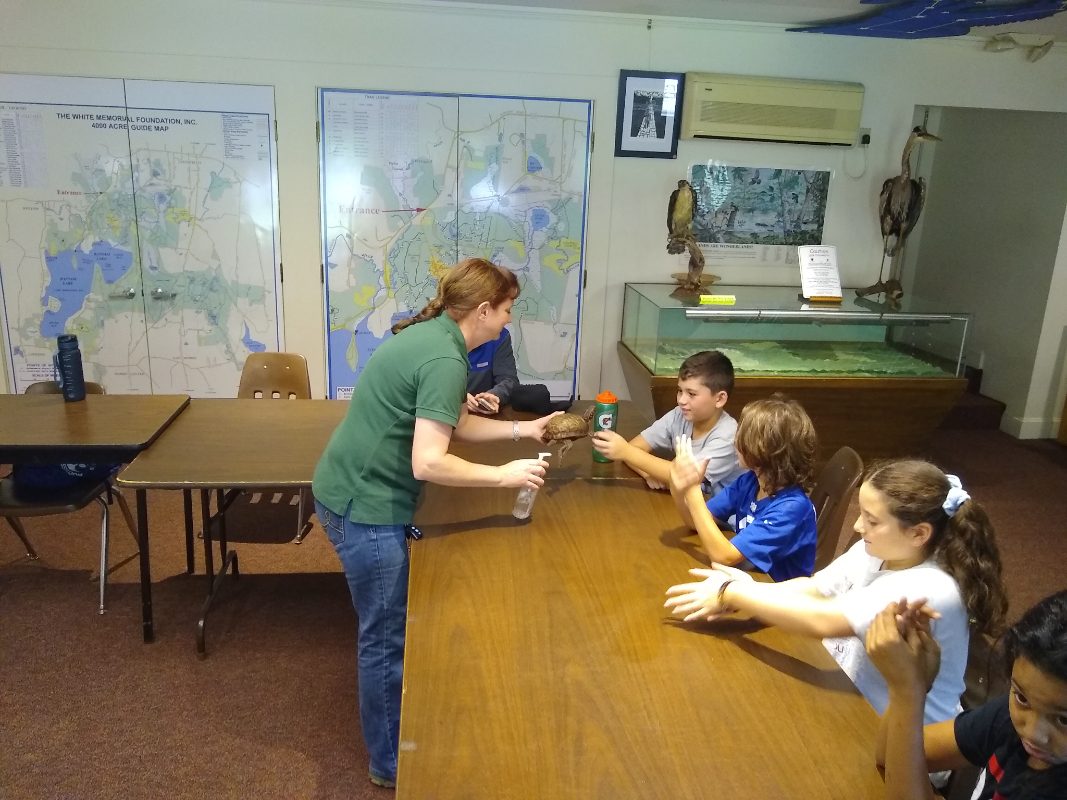
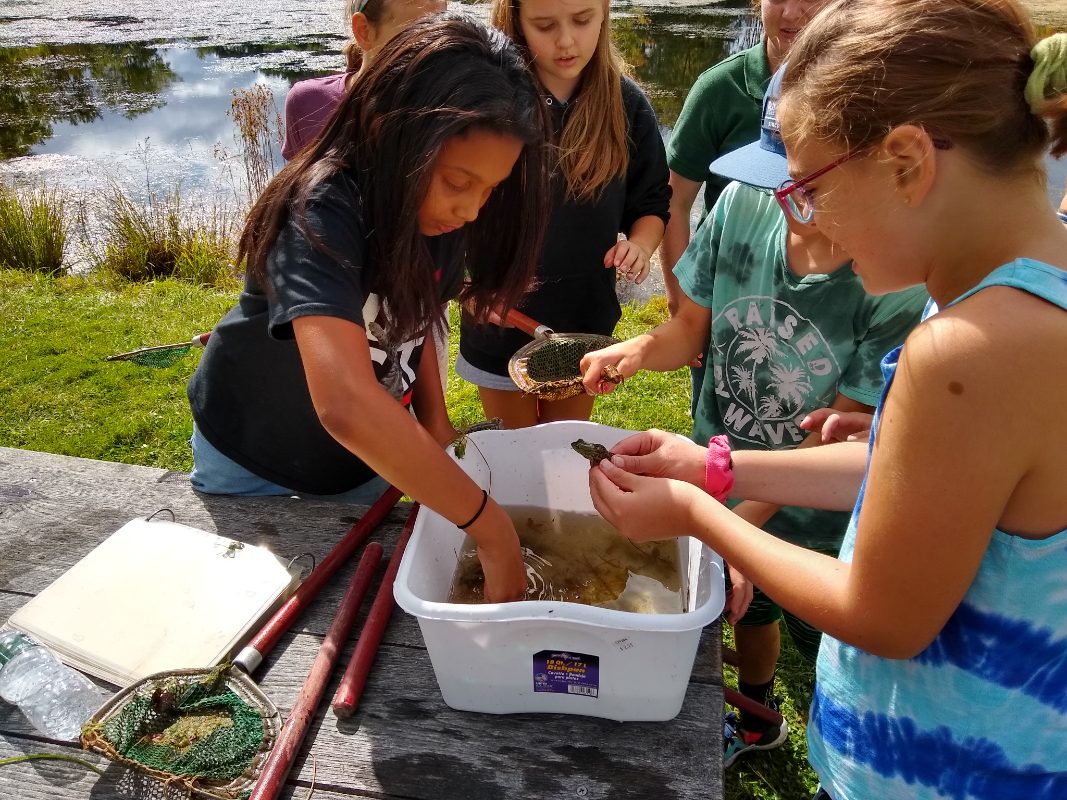
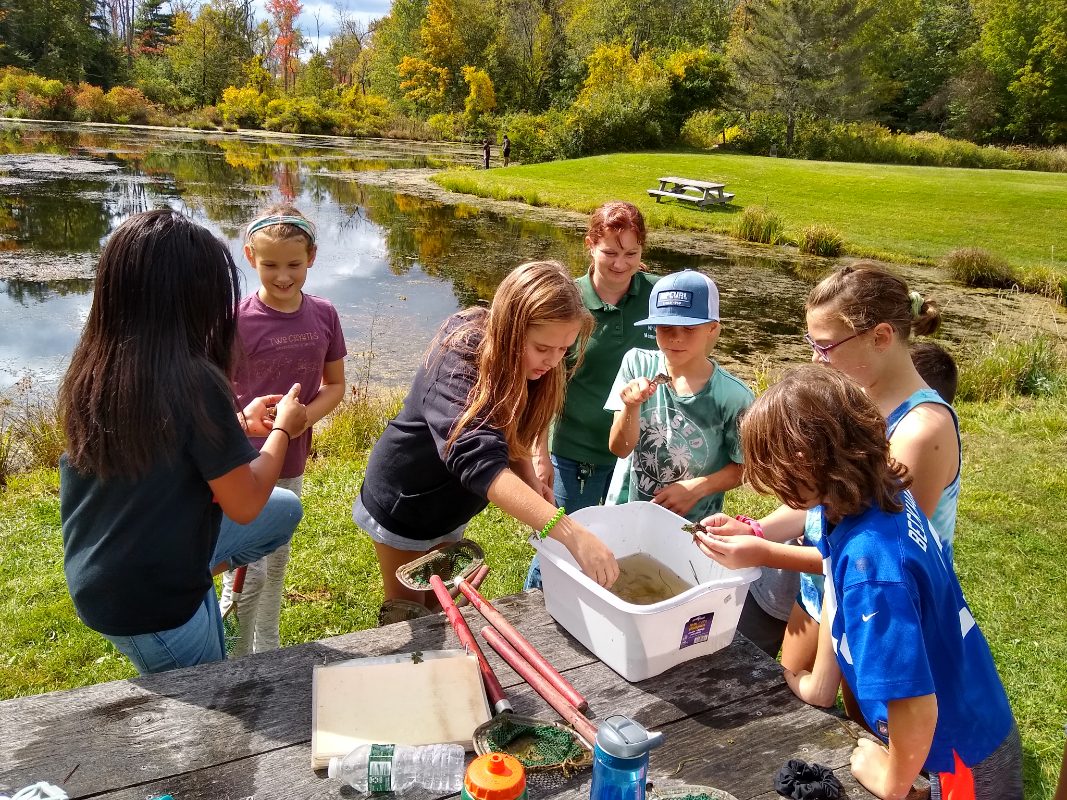
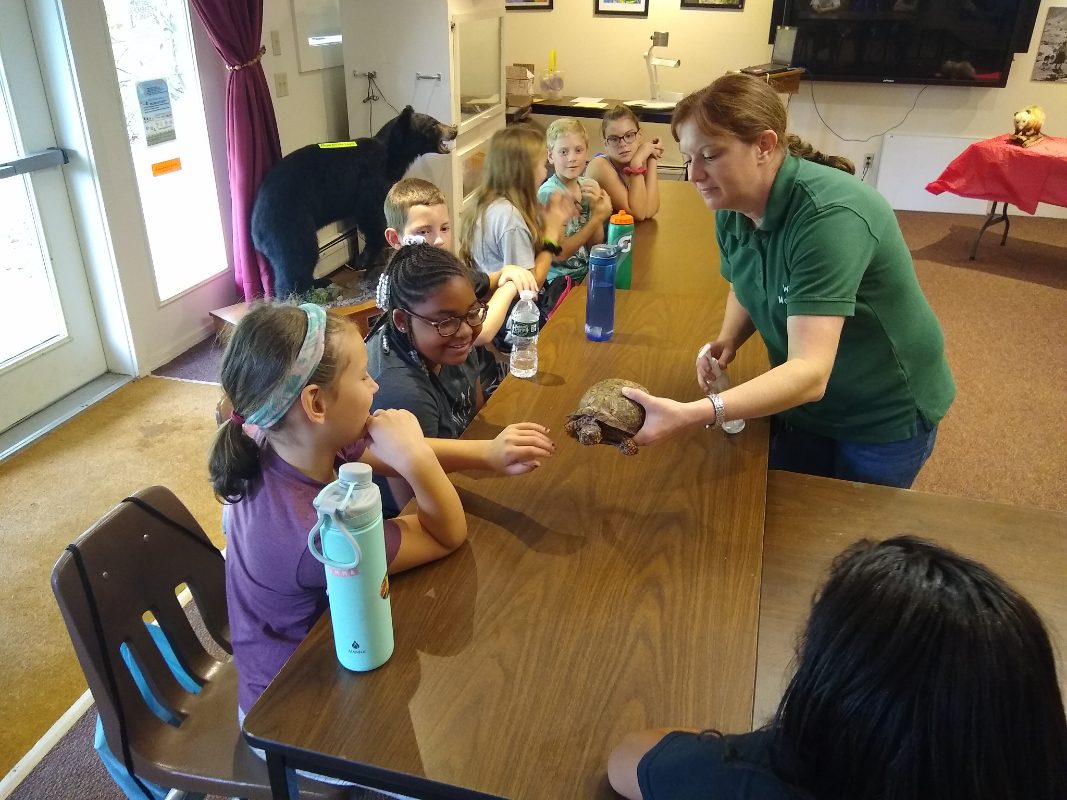
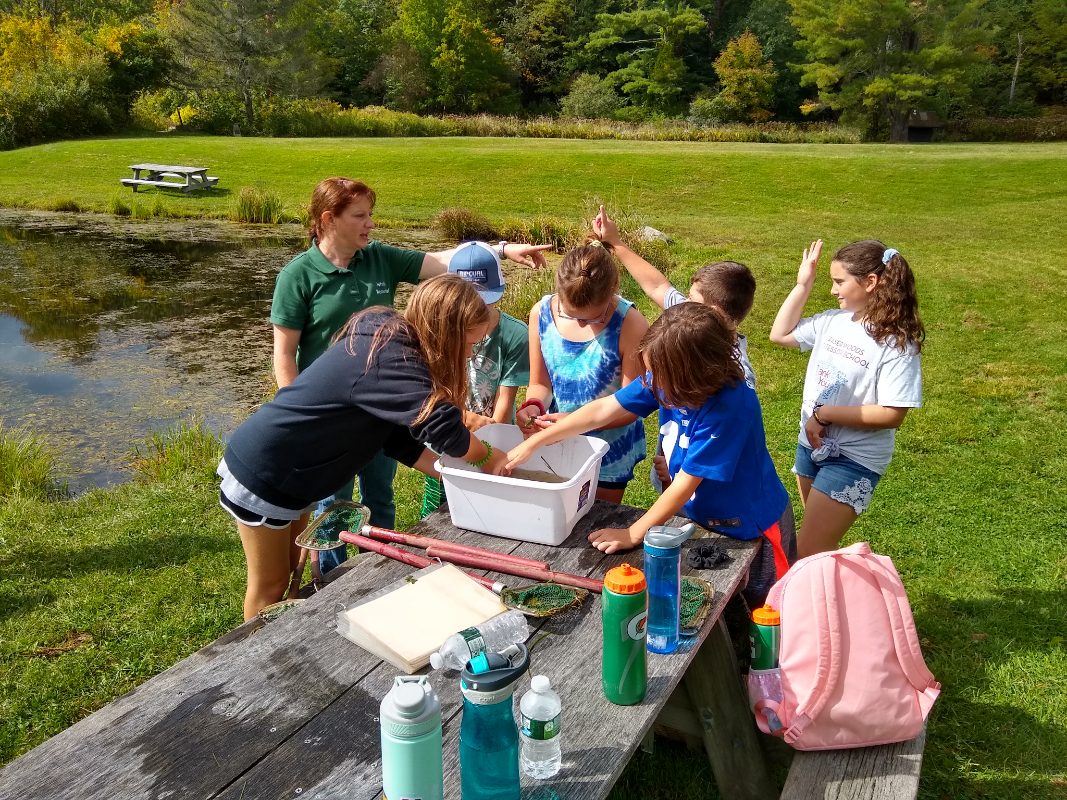
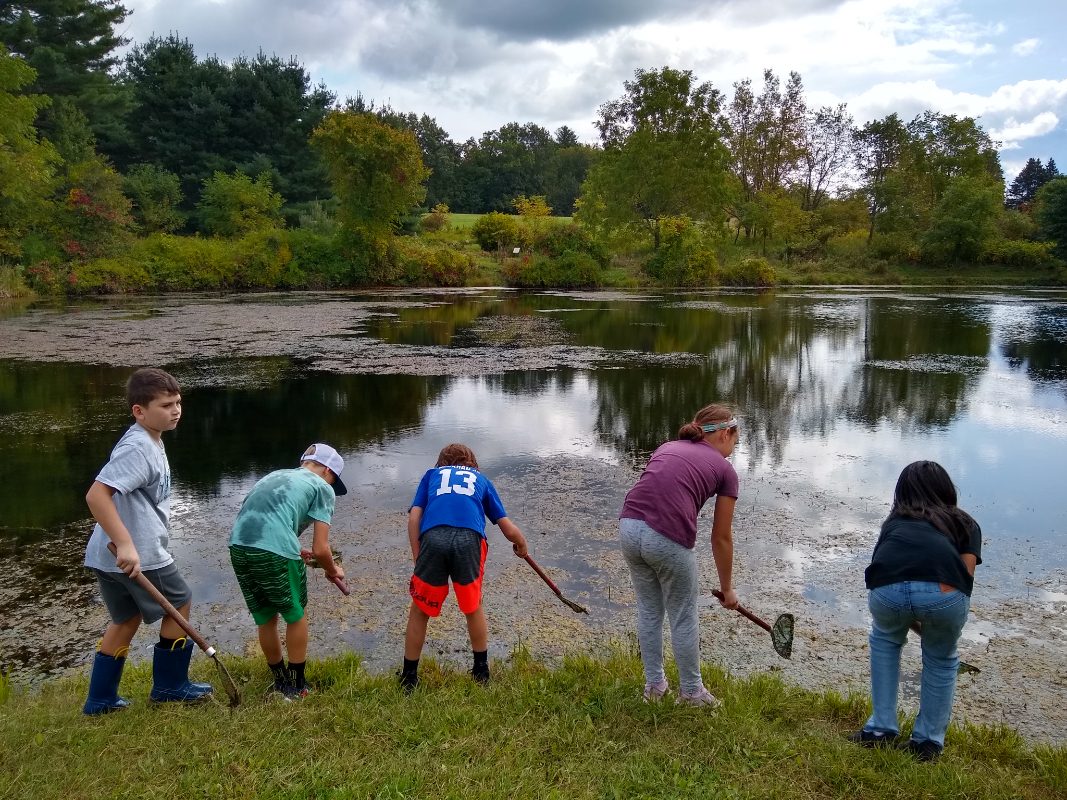
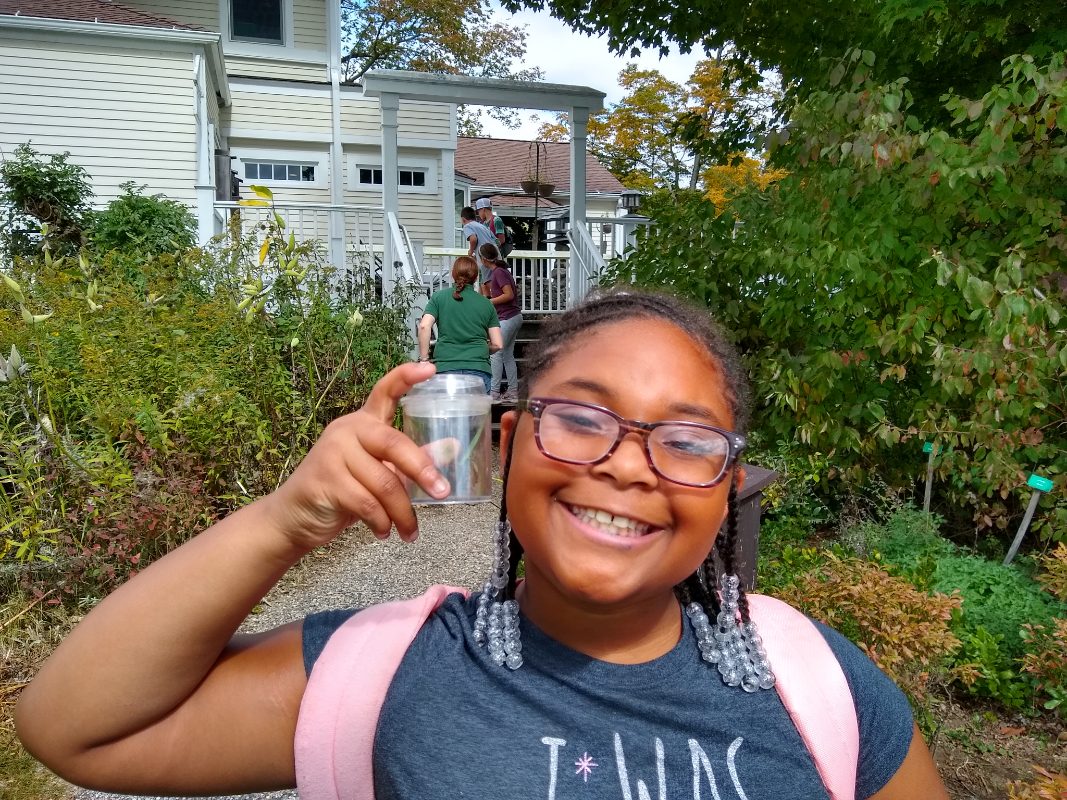
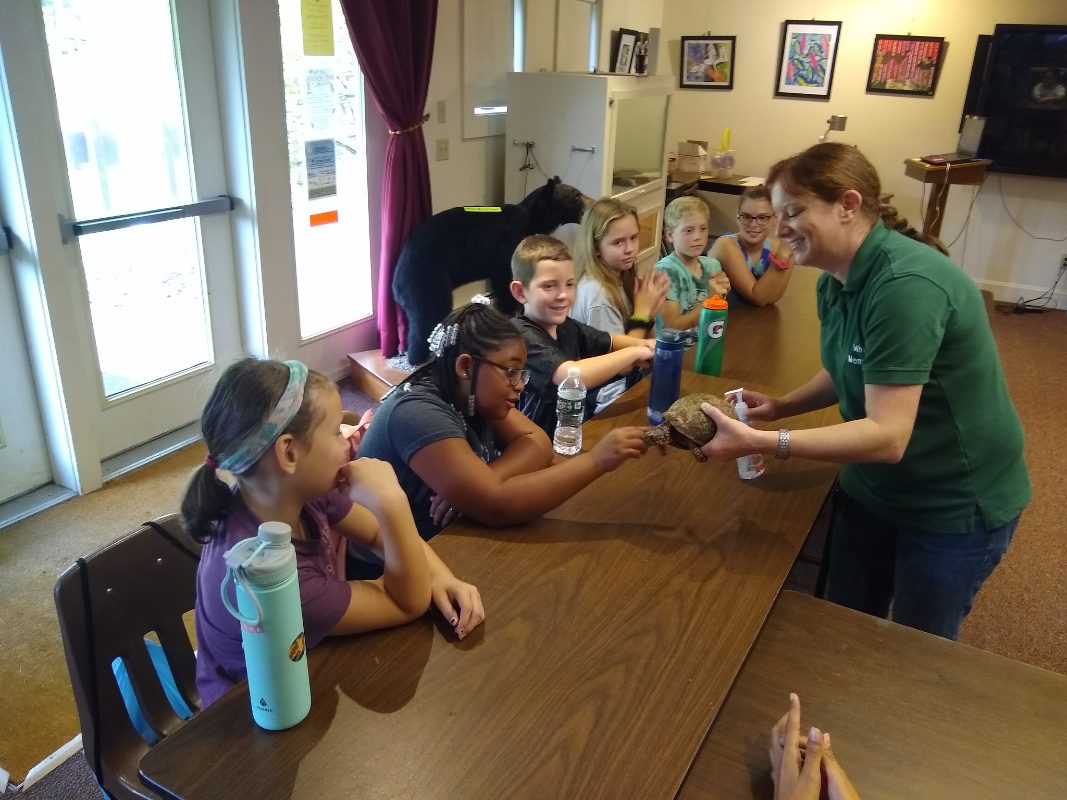
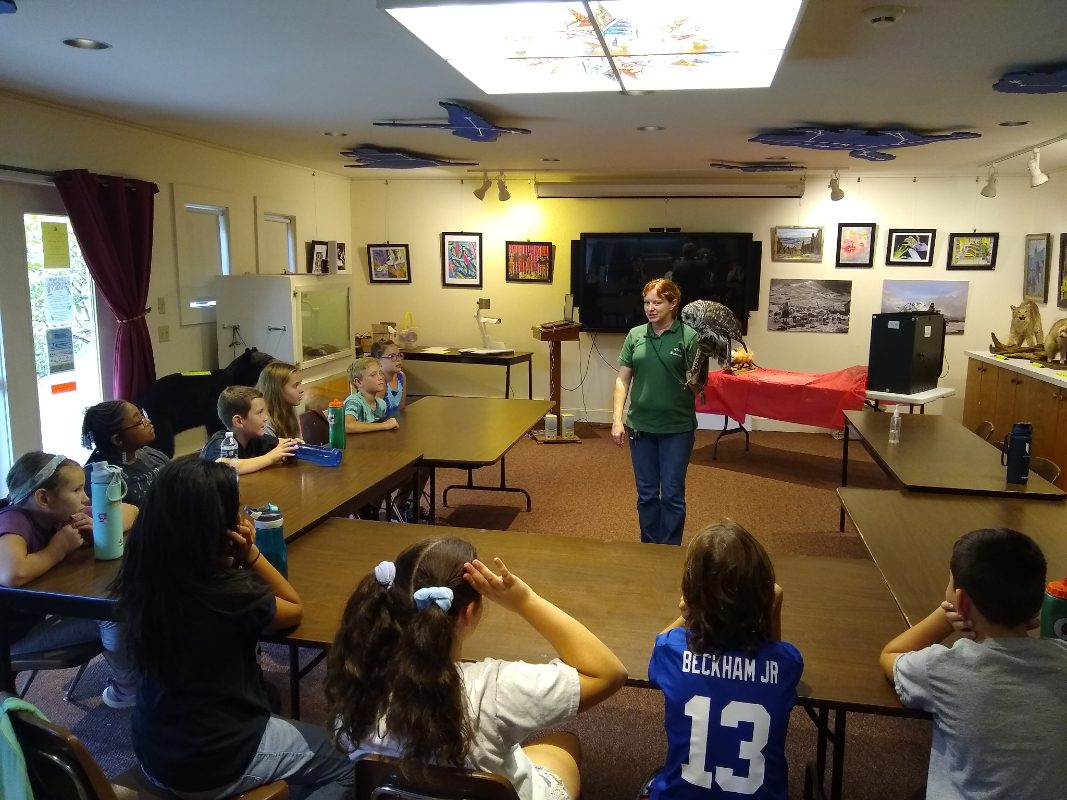
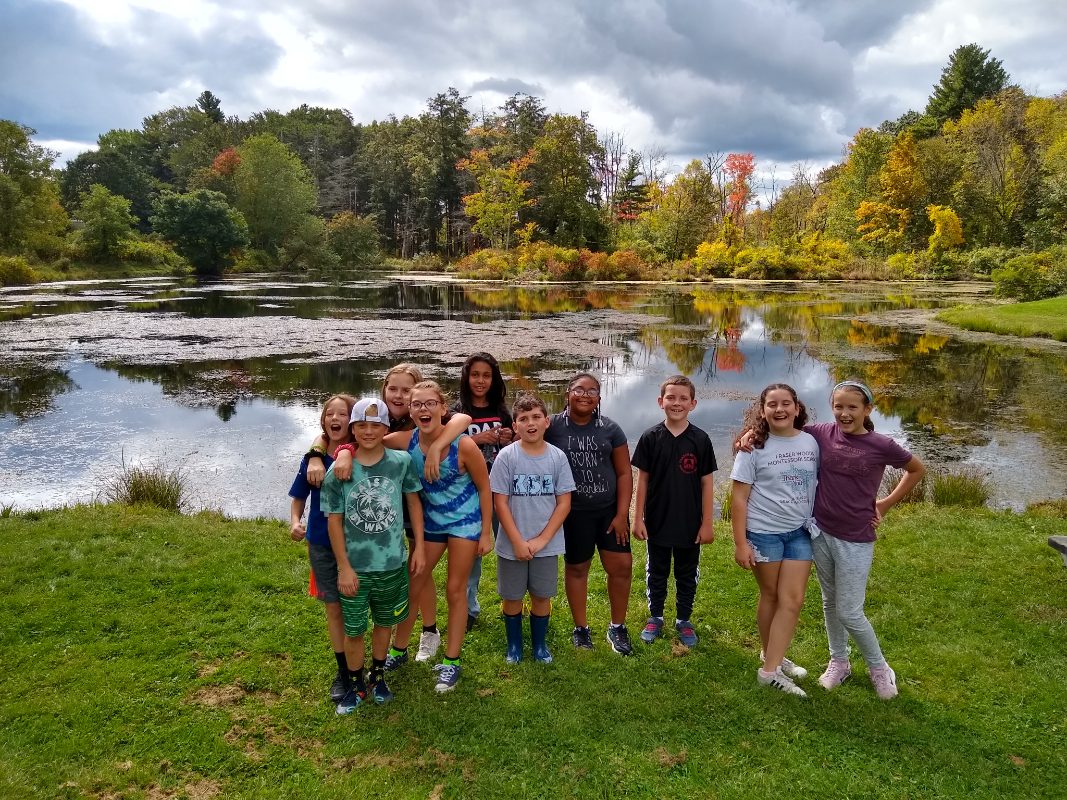
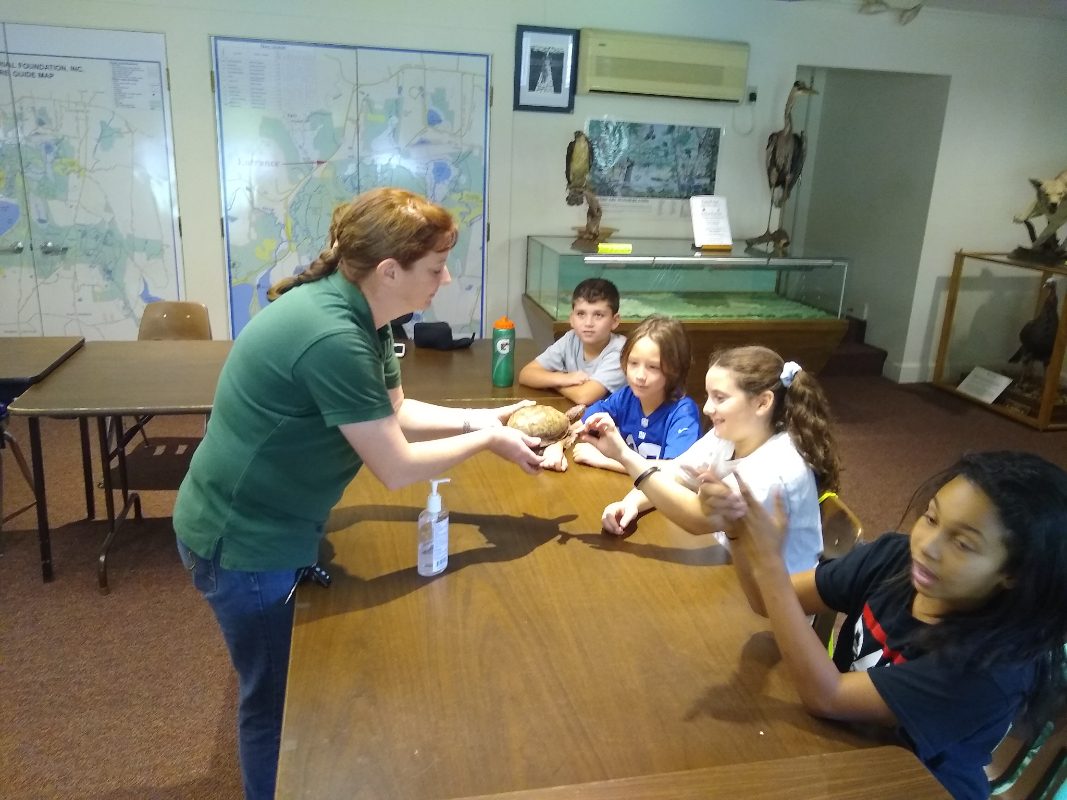
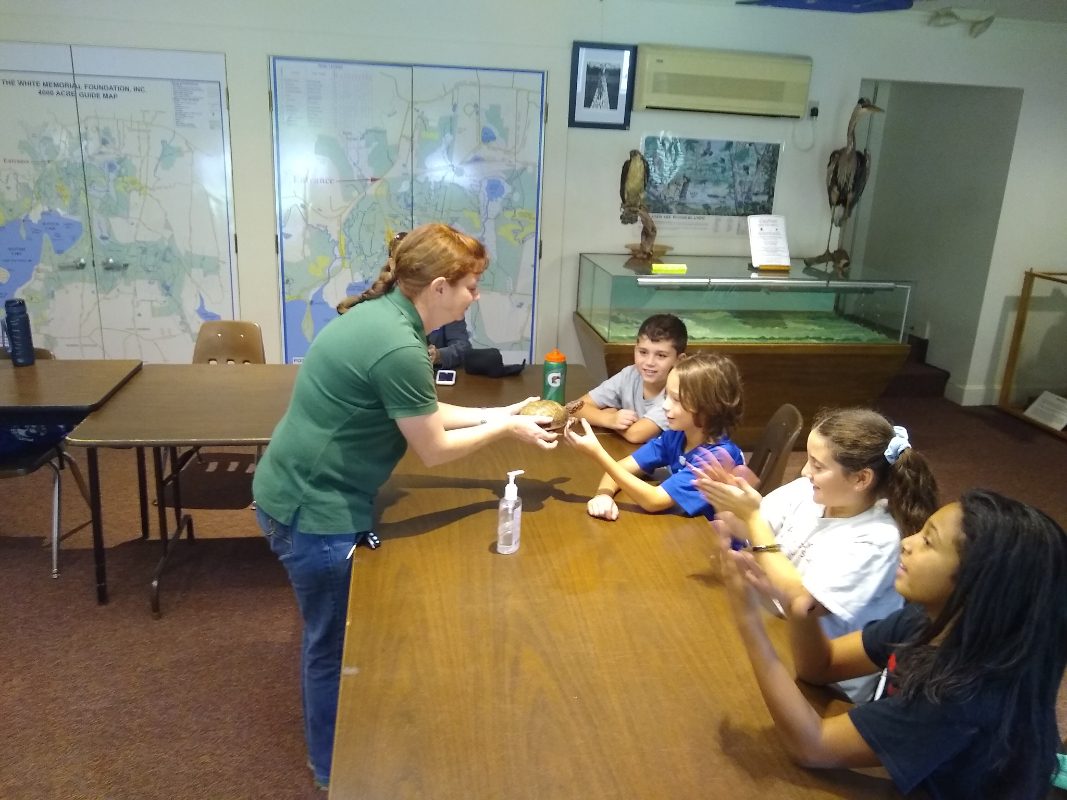
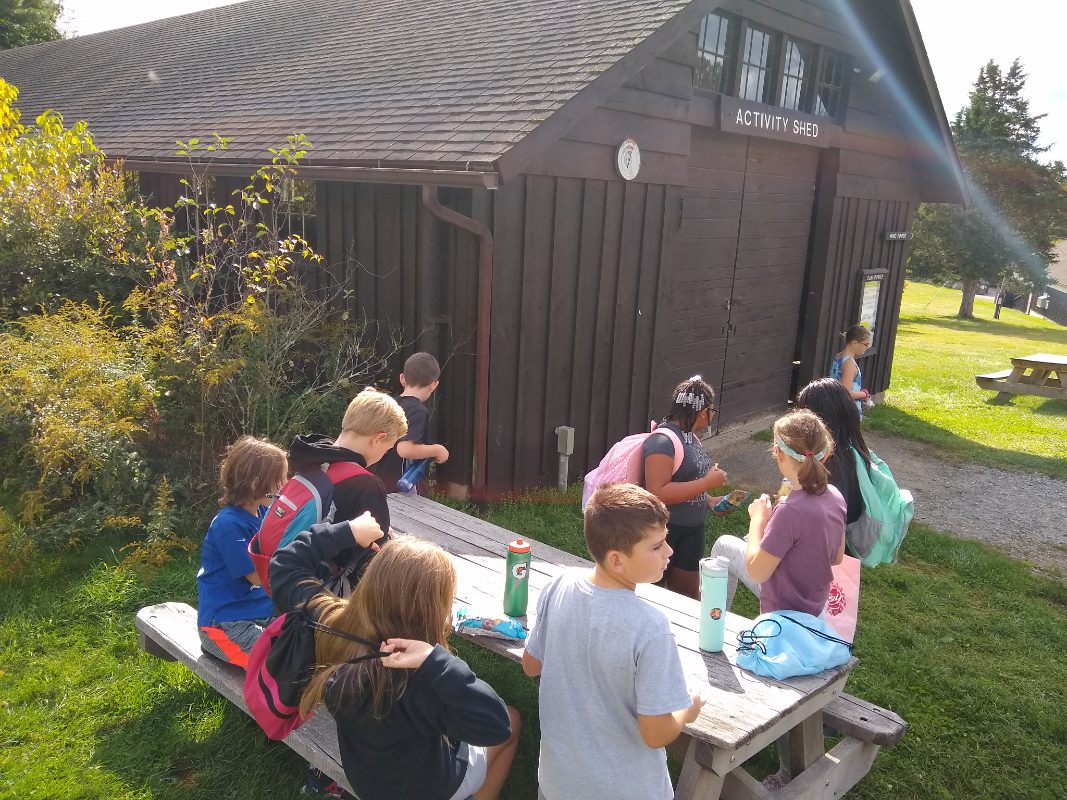
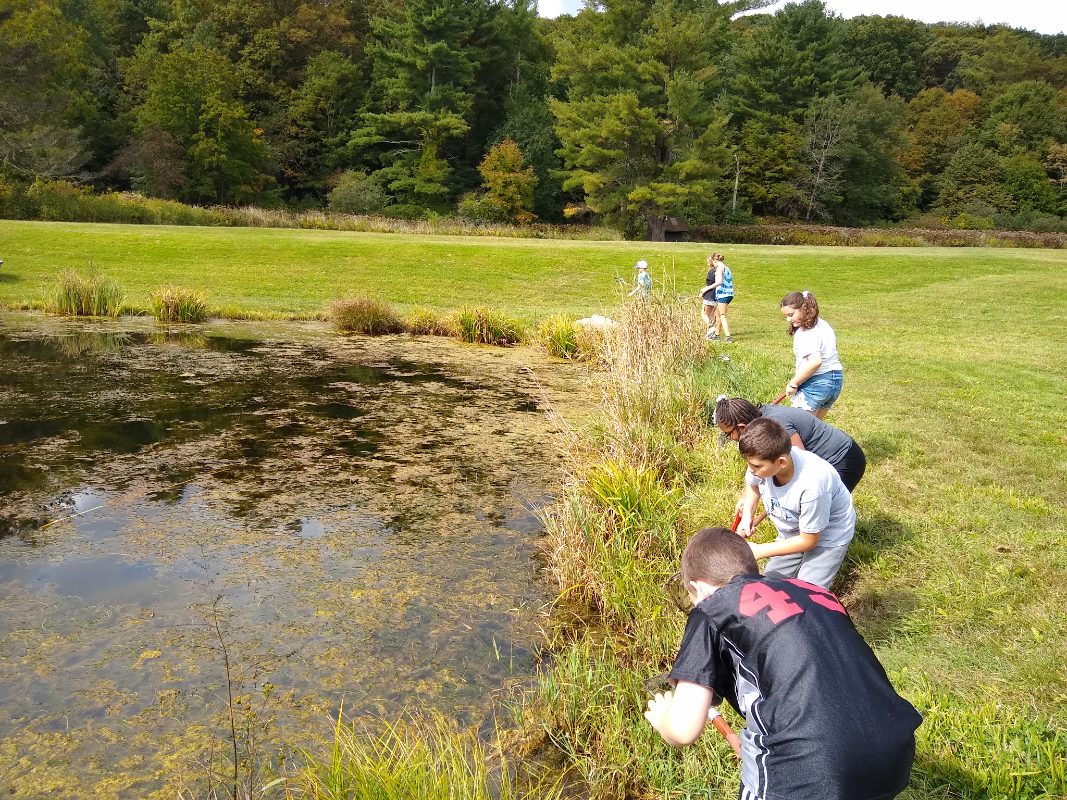
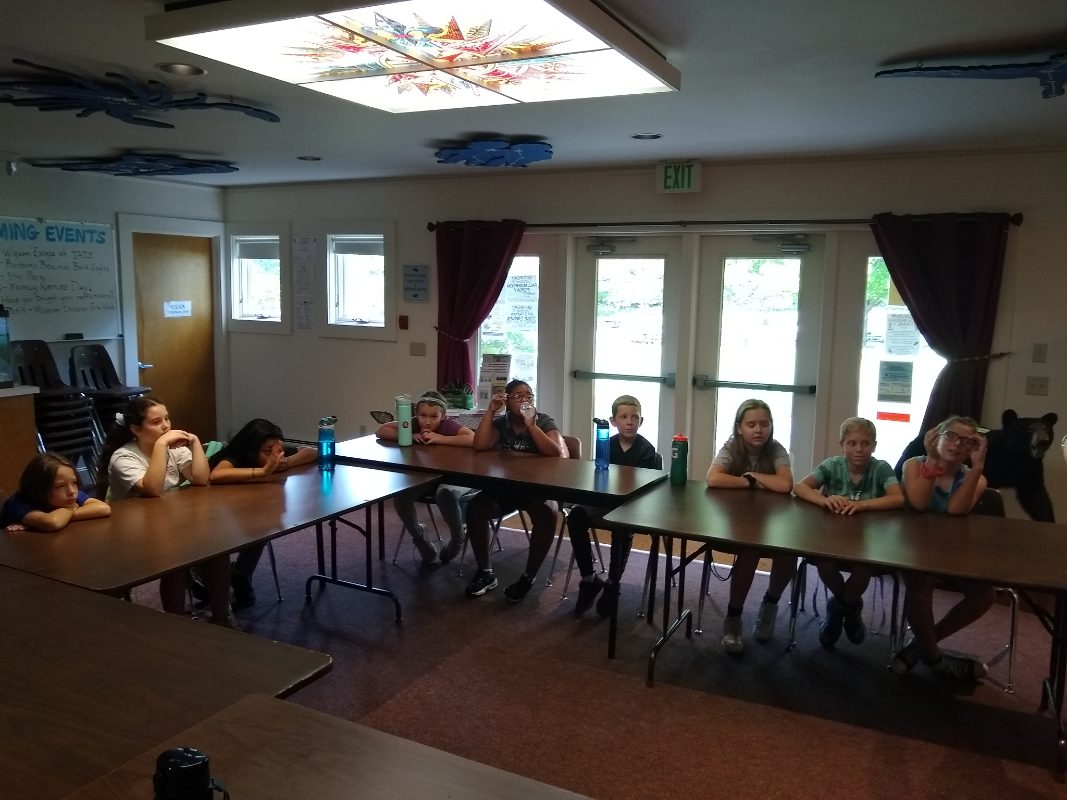
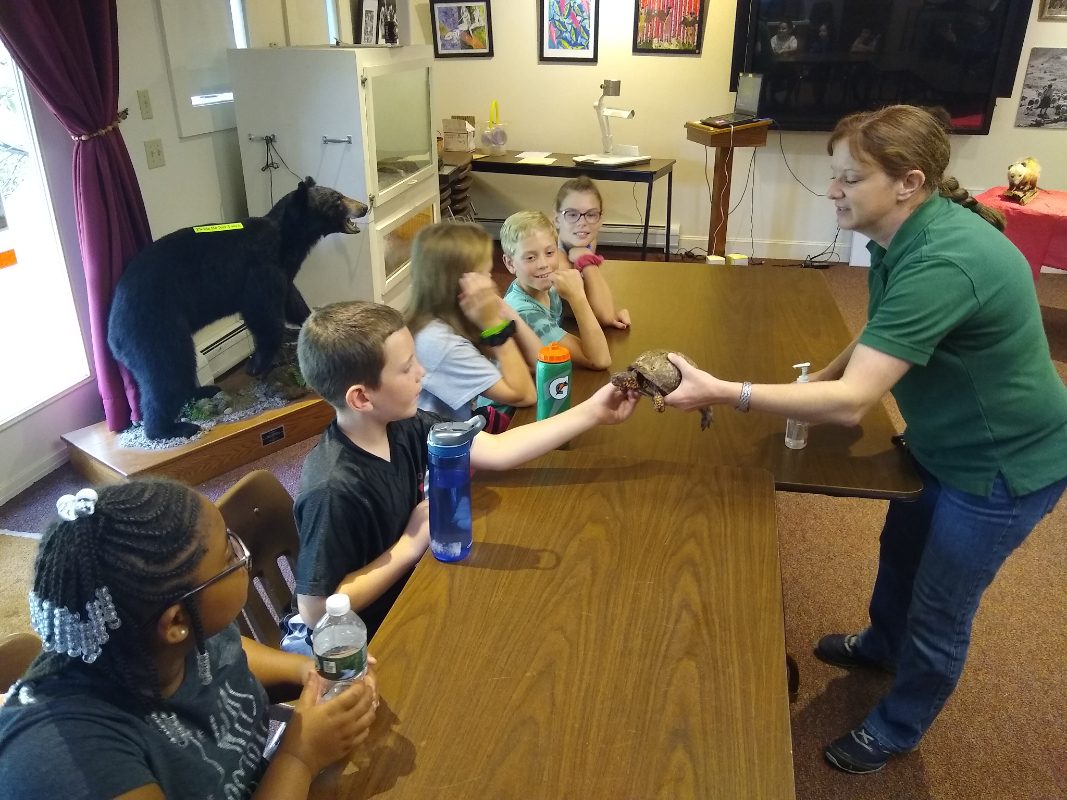
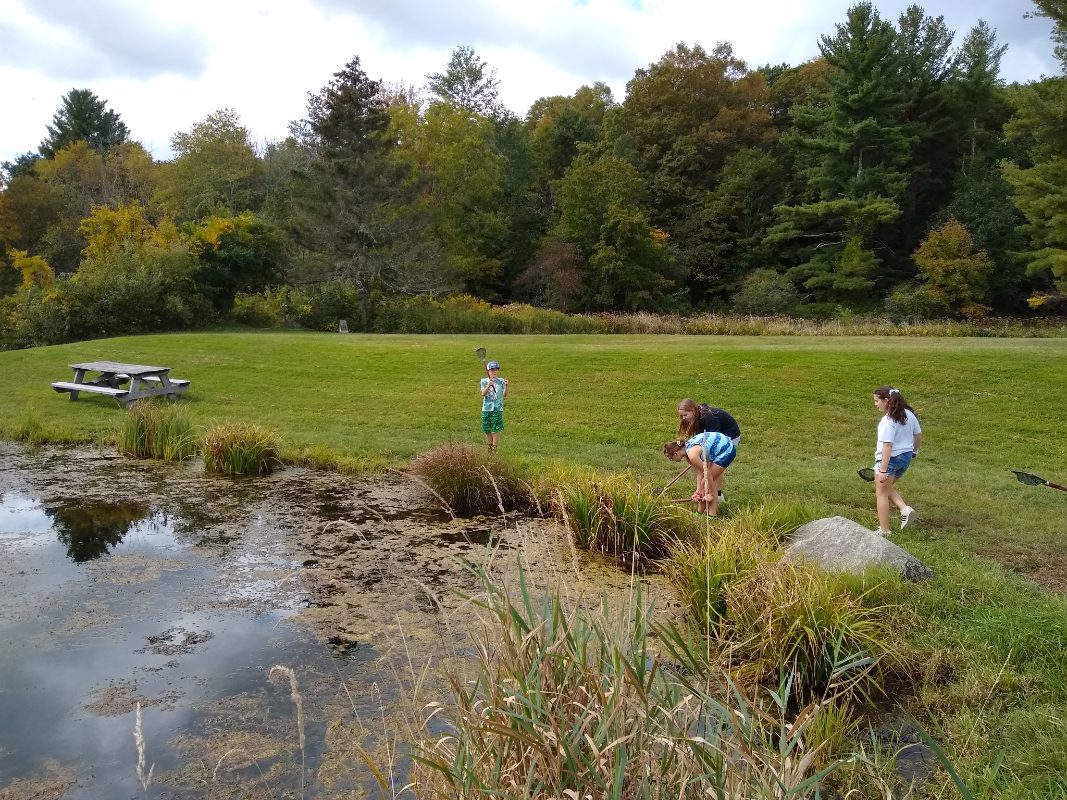
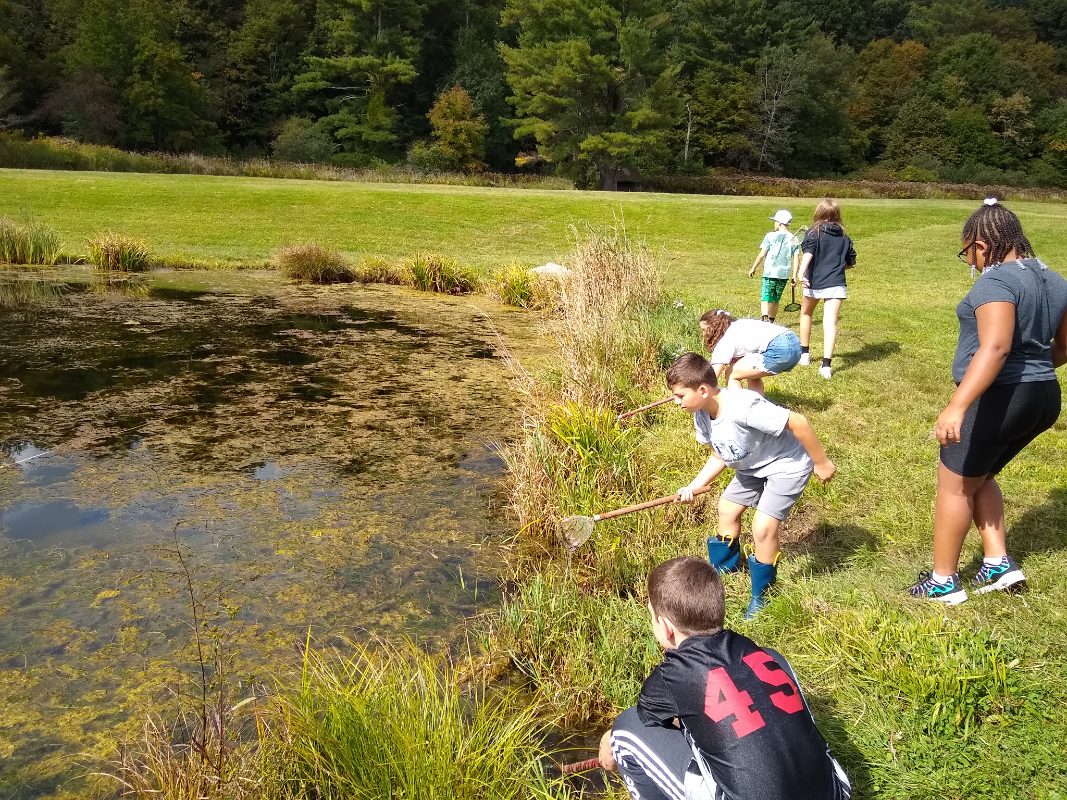
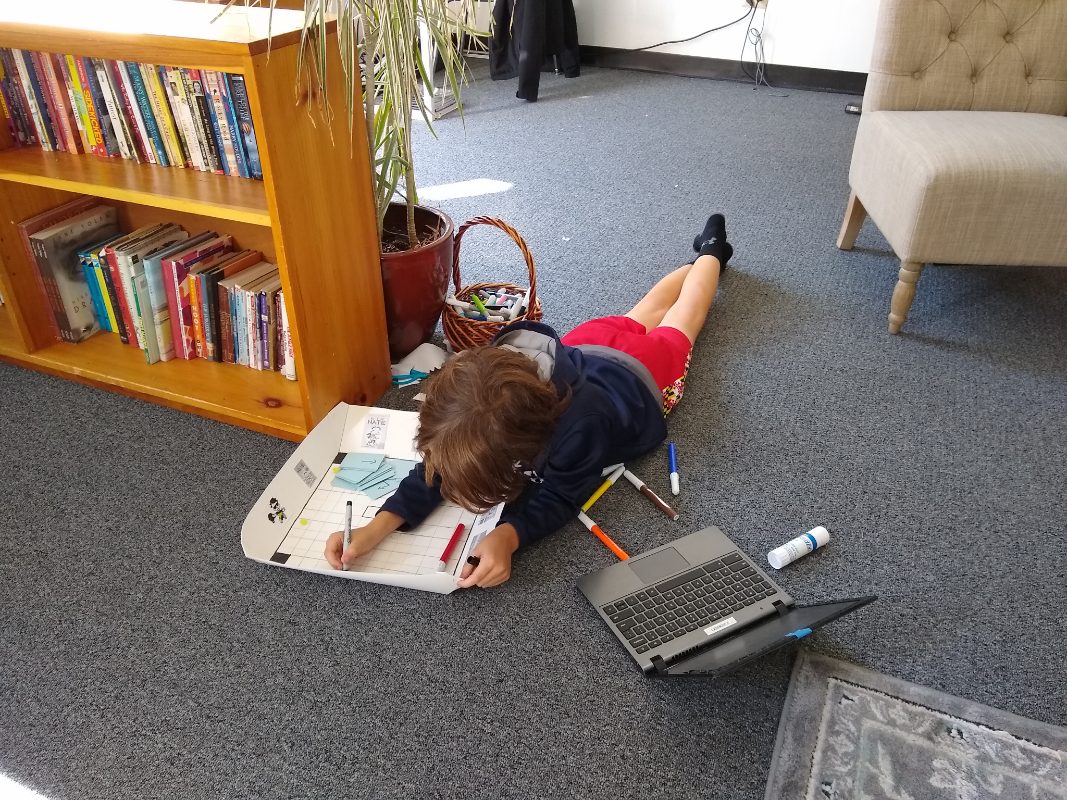
Our week started off with an amazing field trip to the White Memorial Conservation Center in Litchfield, CT. The students got to see live specimens during the first activity of the day centered around animal adaptations. Next, they used nets to collect animals for the pond study. These kids were expert frog catchers! Finally, after lunch they ended the day with a program about insects. Part of this program was spent outdoors collecting insects in small containers. They learned that insects have three body parts (head, thorax, abdomen), six legs, and antennae. In the classroom there is a buzz of excitement as many students are making game boards based off of books they read. Some students are using their time in the MakerSpace room to design the boards or make playing pieces. Our next culinary activity will be nut free pesto using the basil from our garden. The garden will get a makeover soon for the fall season, so be on the lookout as you pull through the back entrance to the school!


Centered and Engaged

We’ve come to the end of another fun and busy week of learning and playfulness.

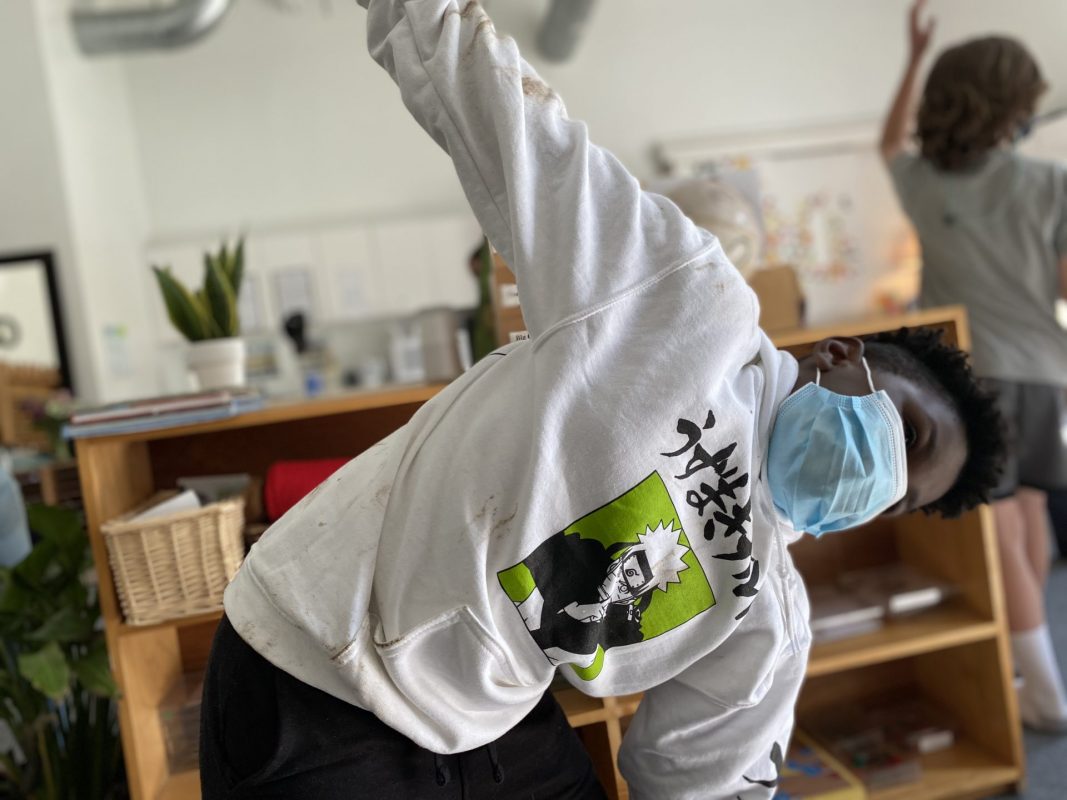
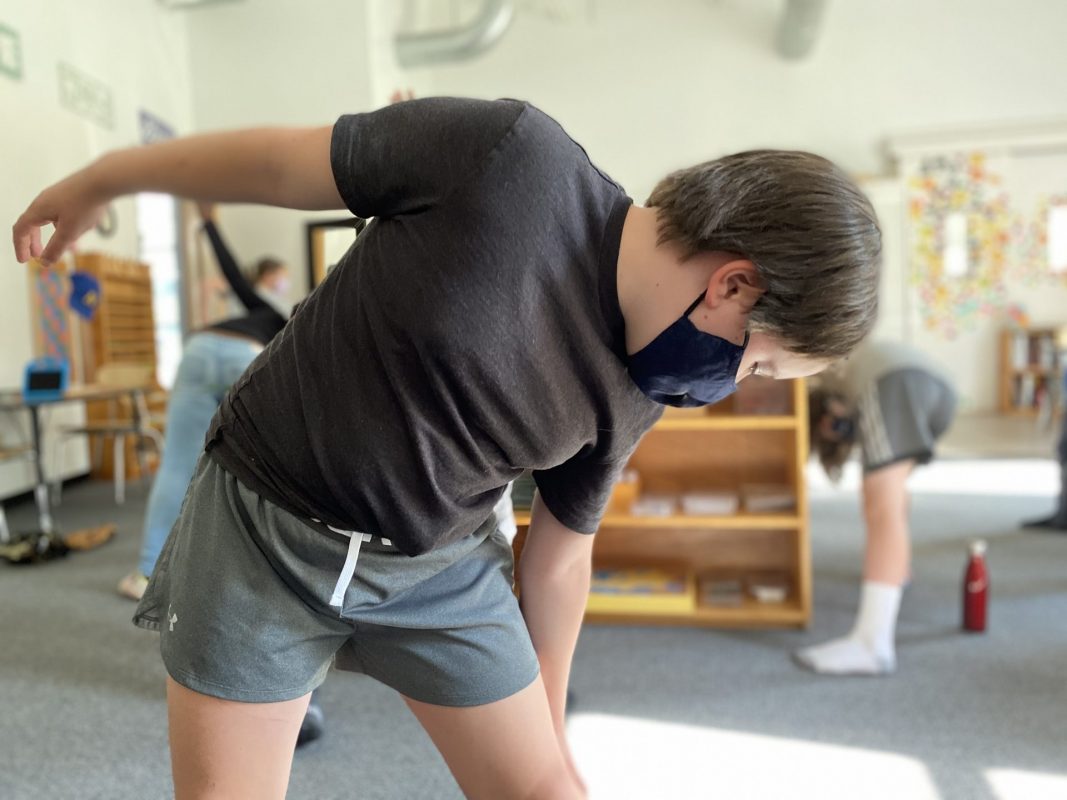
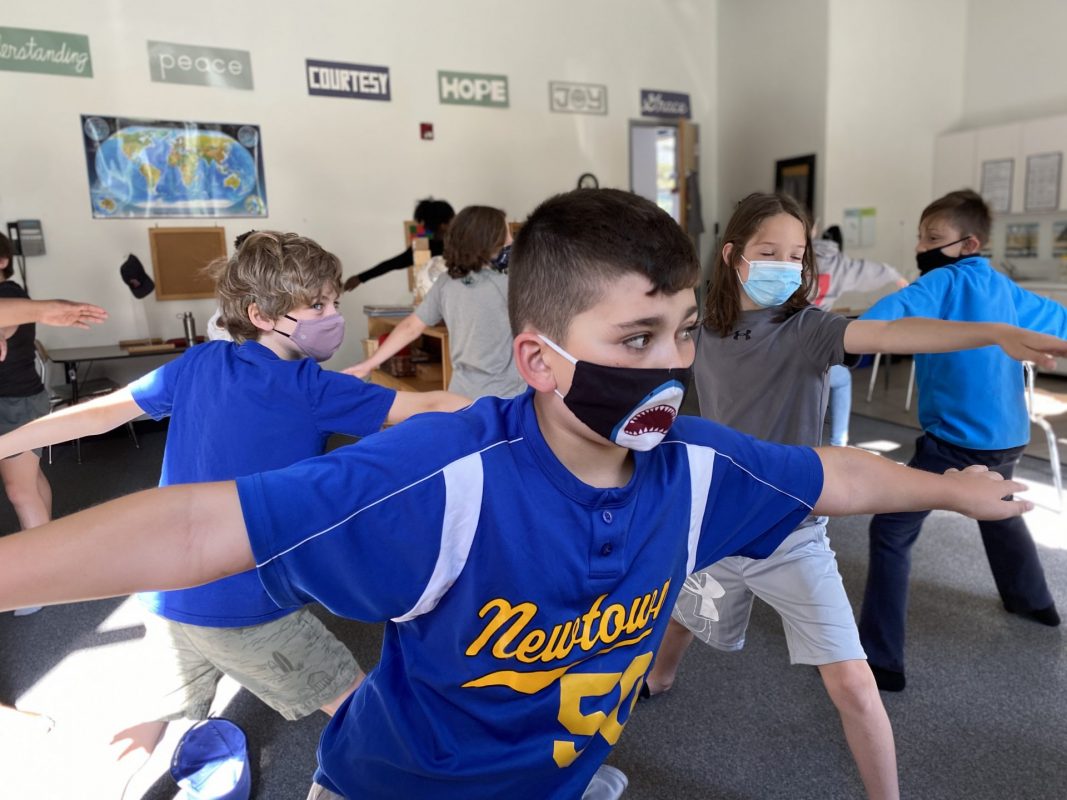
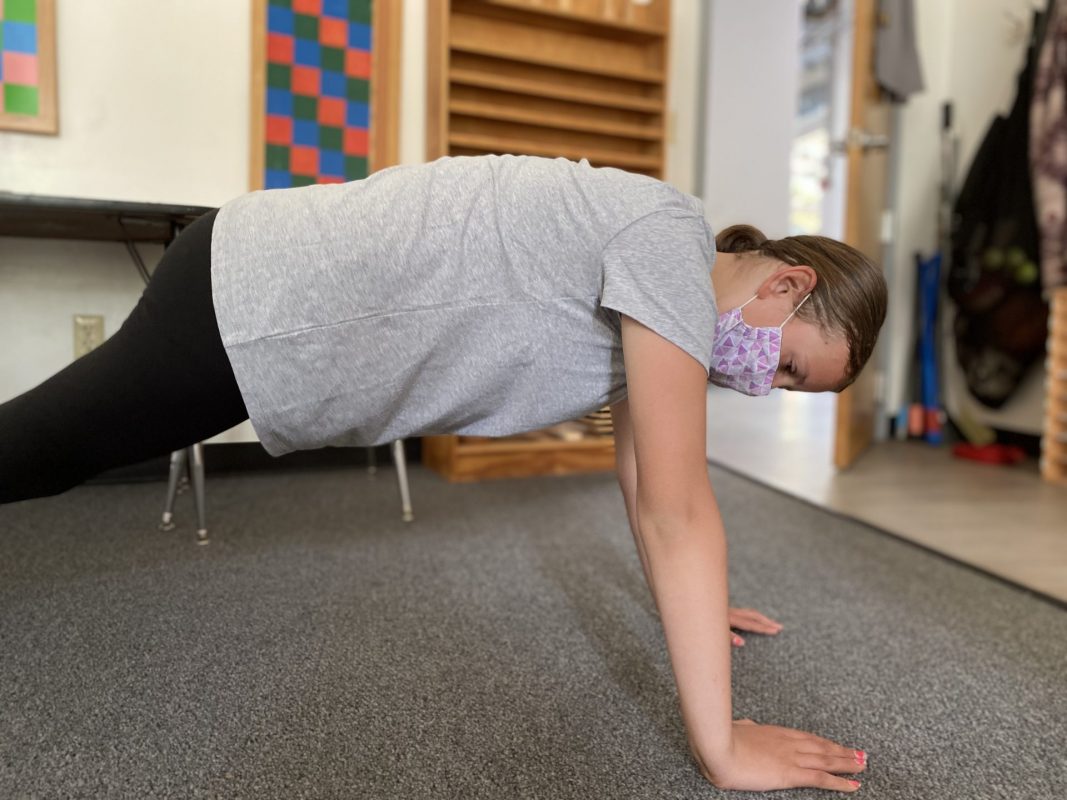
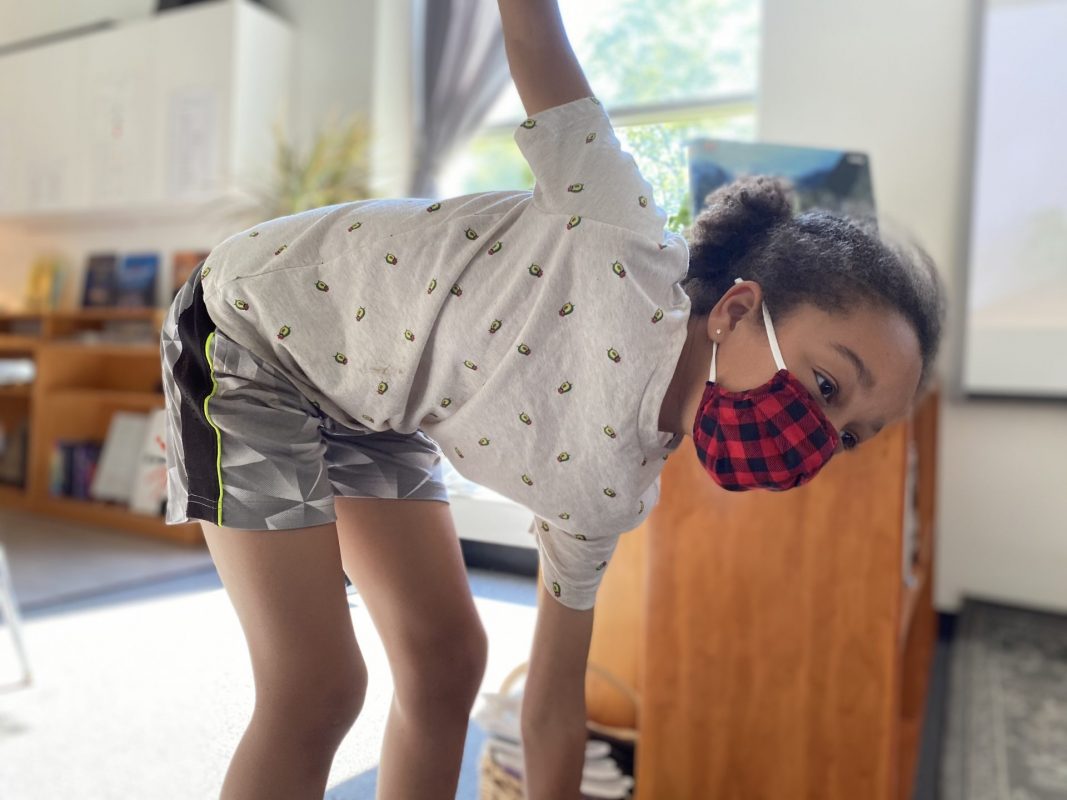
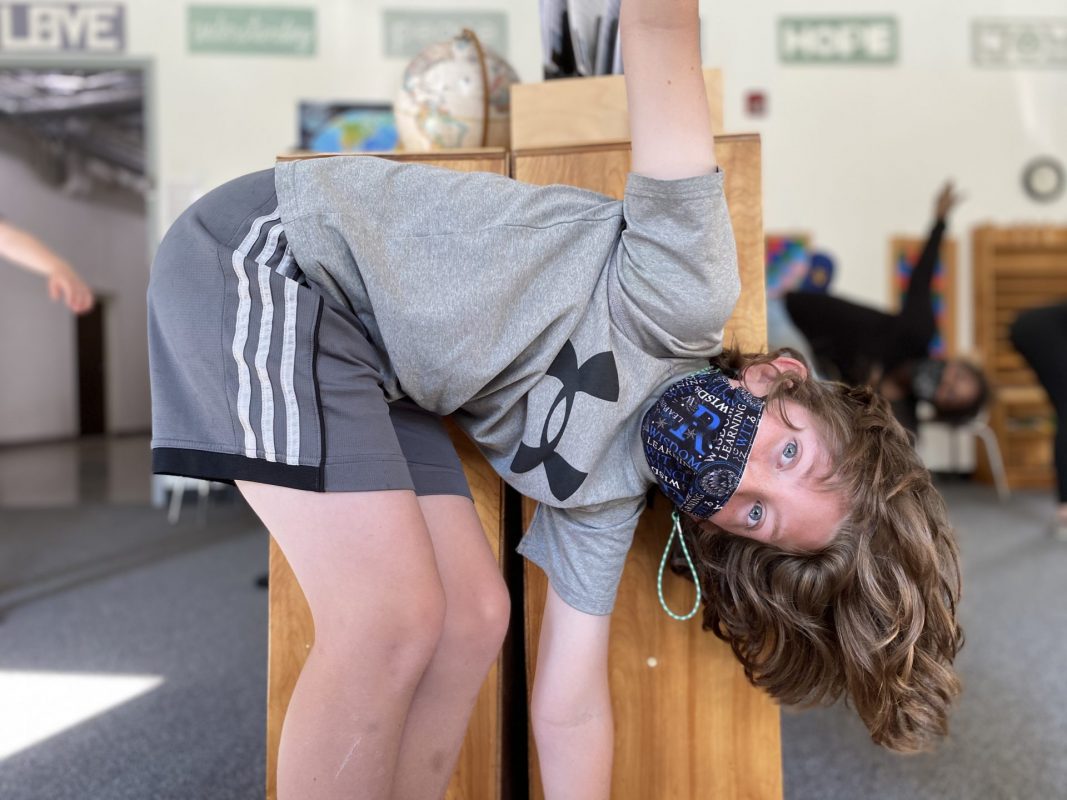
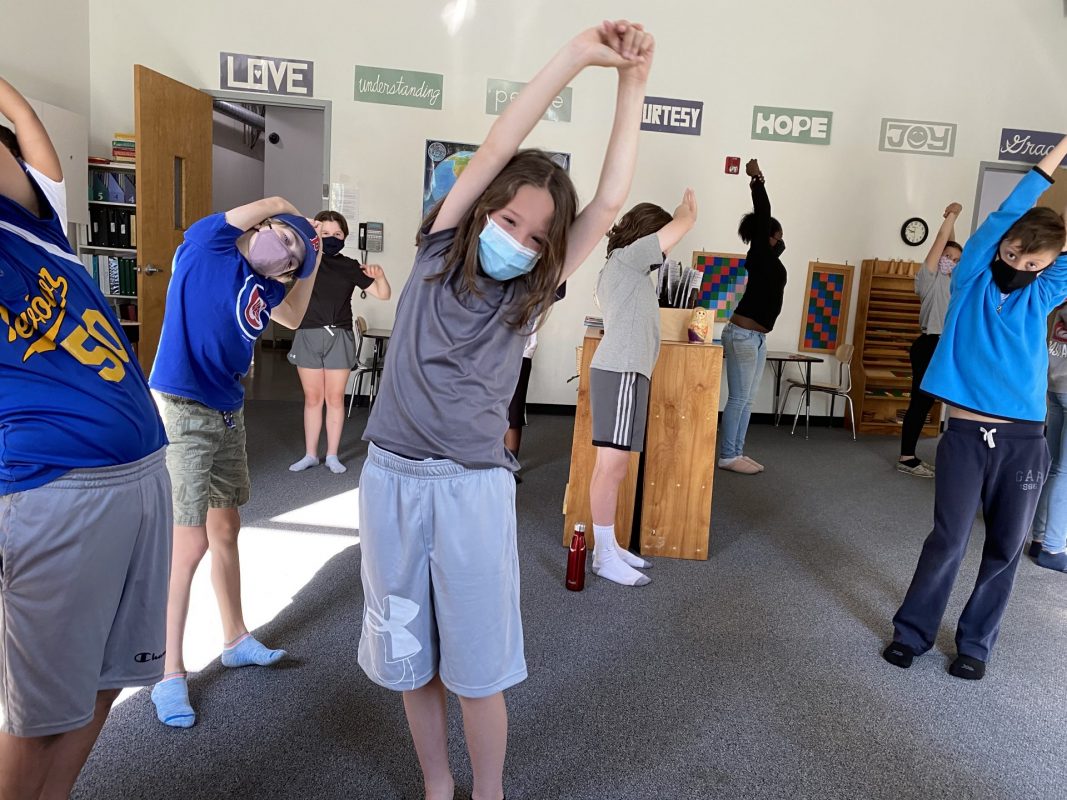
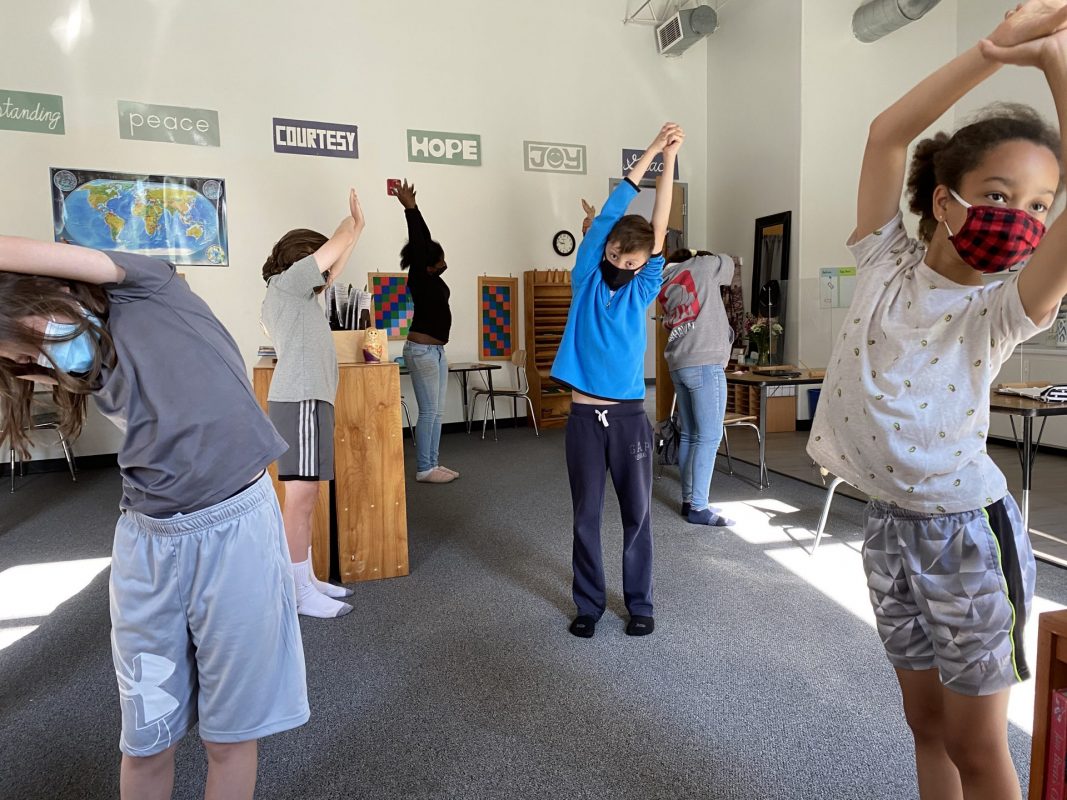
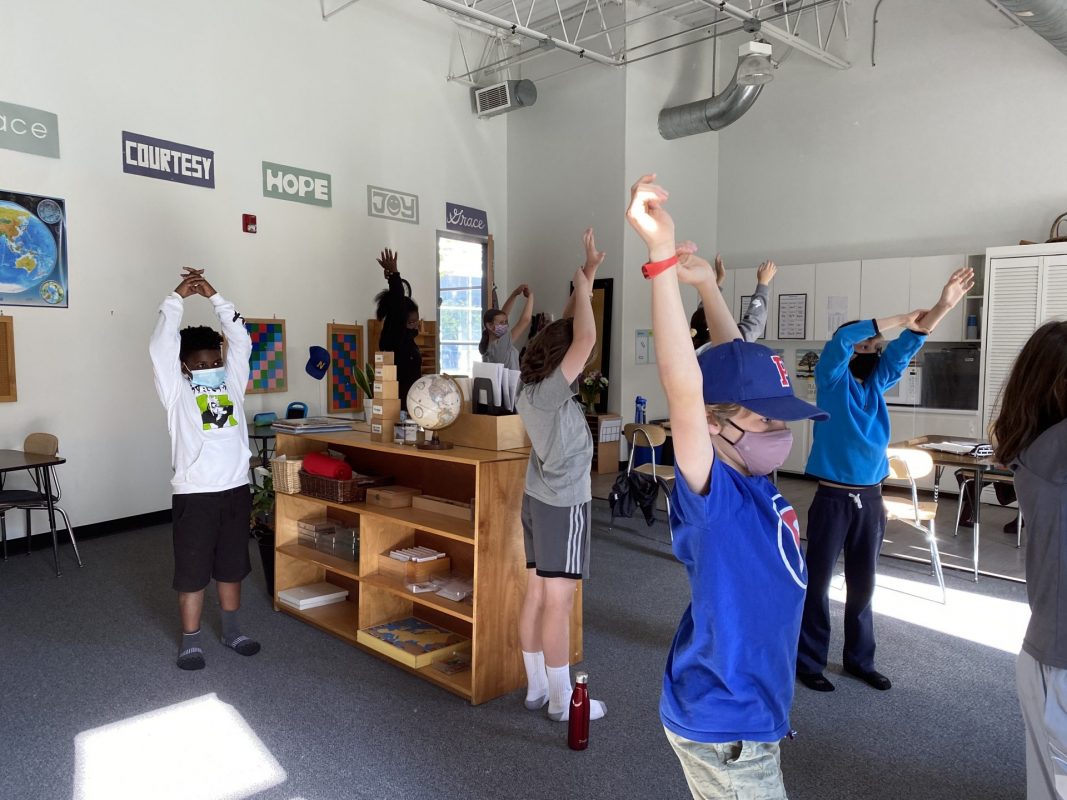
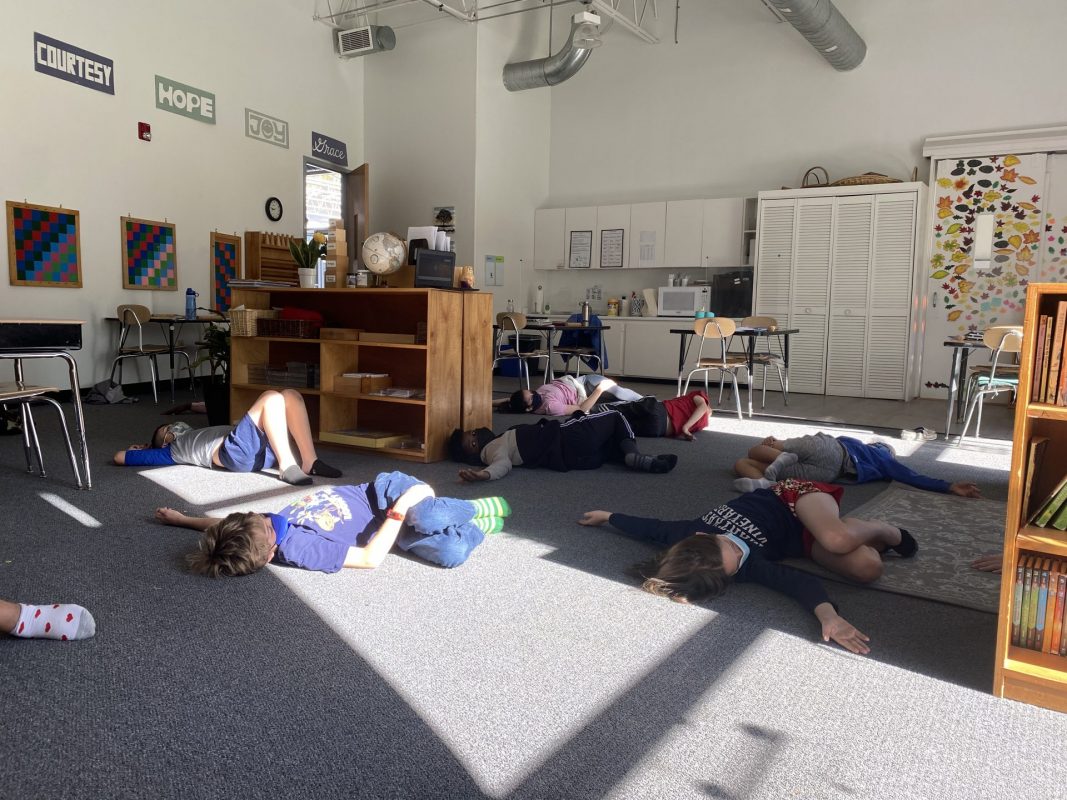
We’ve started alternating our daily morning meditation with morning yoga. This activity is challenging for some of us but we are finding that stretching and balancing our bodies is becoming easier the more we practice it.

In grammar this week, fourths began a final review of nouns that included identifying nouns in sentences, sorting common and proper nouns, and identifying determiners (a, an, the). Fifths wrapped up their final review of verbs, focusing on linking verbs, regular and irregular verbs, and verb forms that express action happening in the present, past, and future.

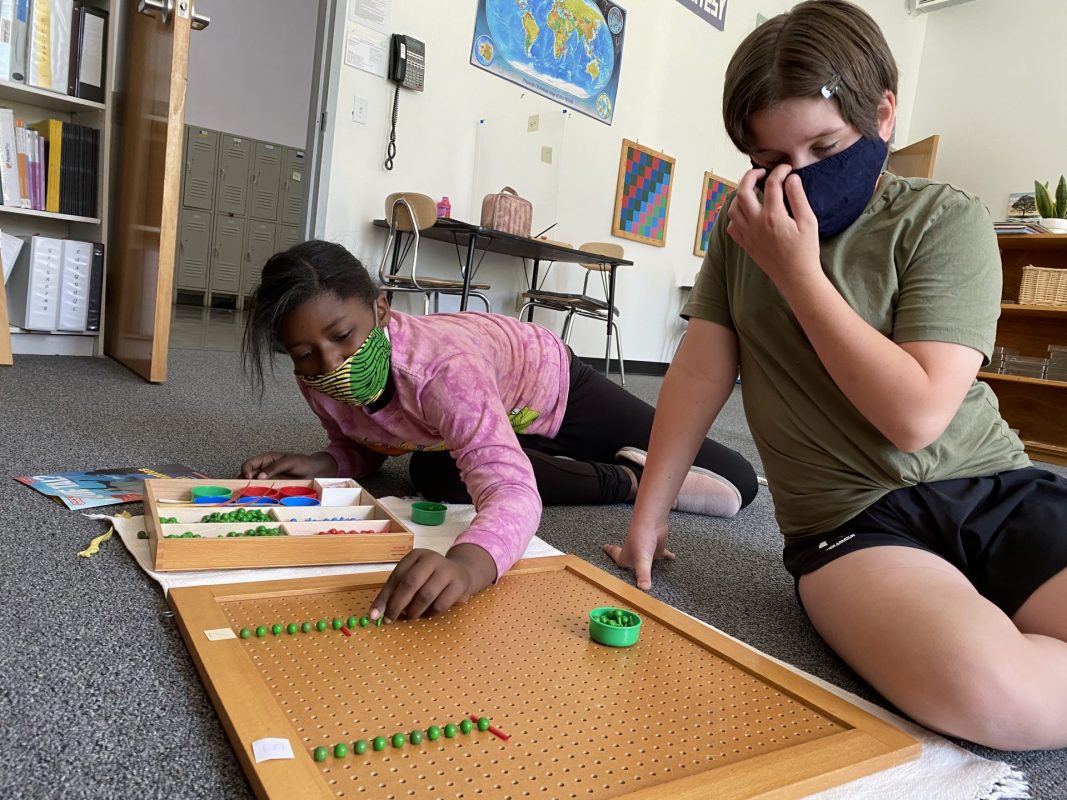
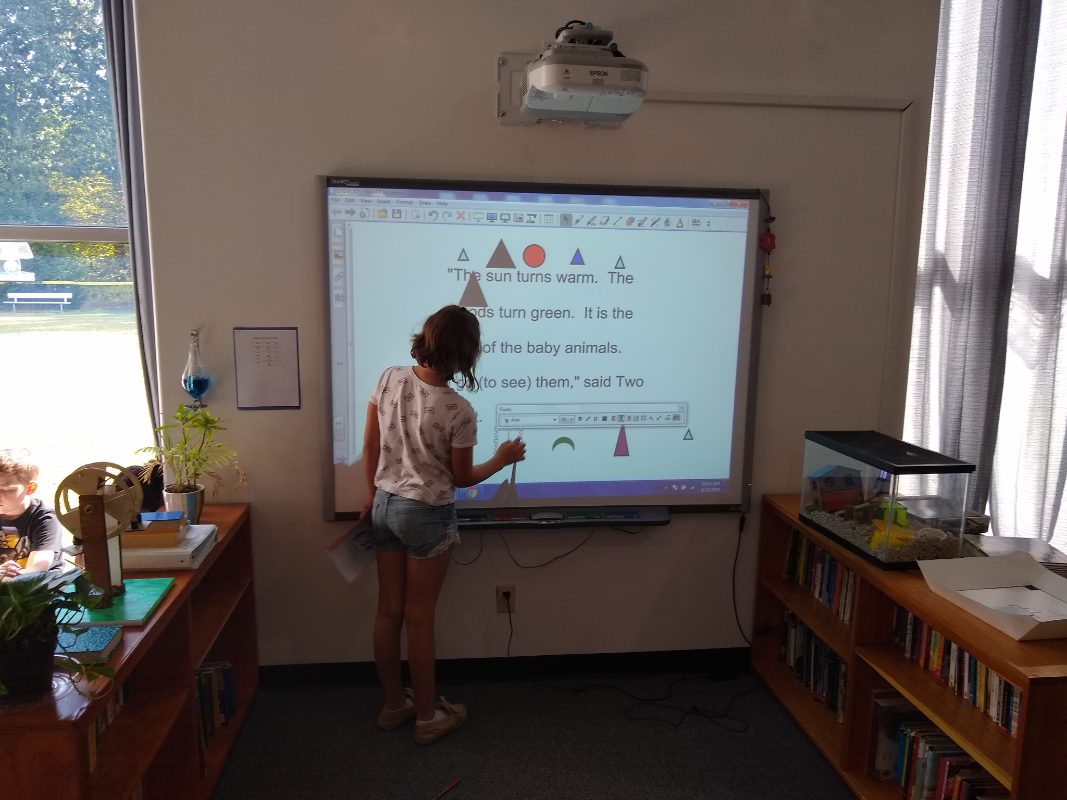
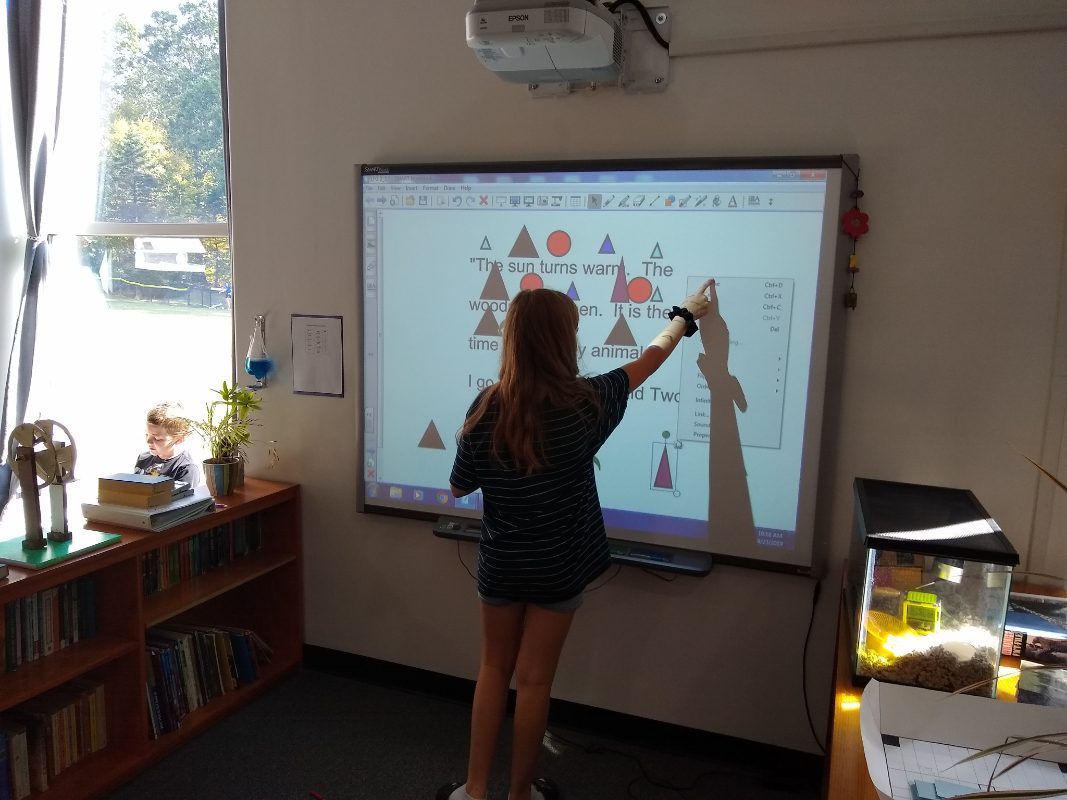
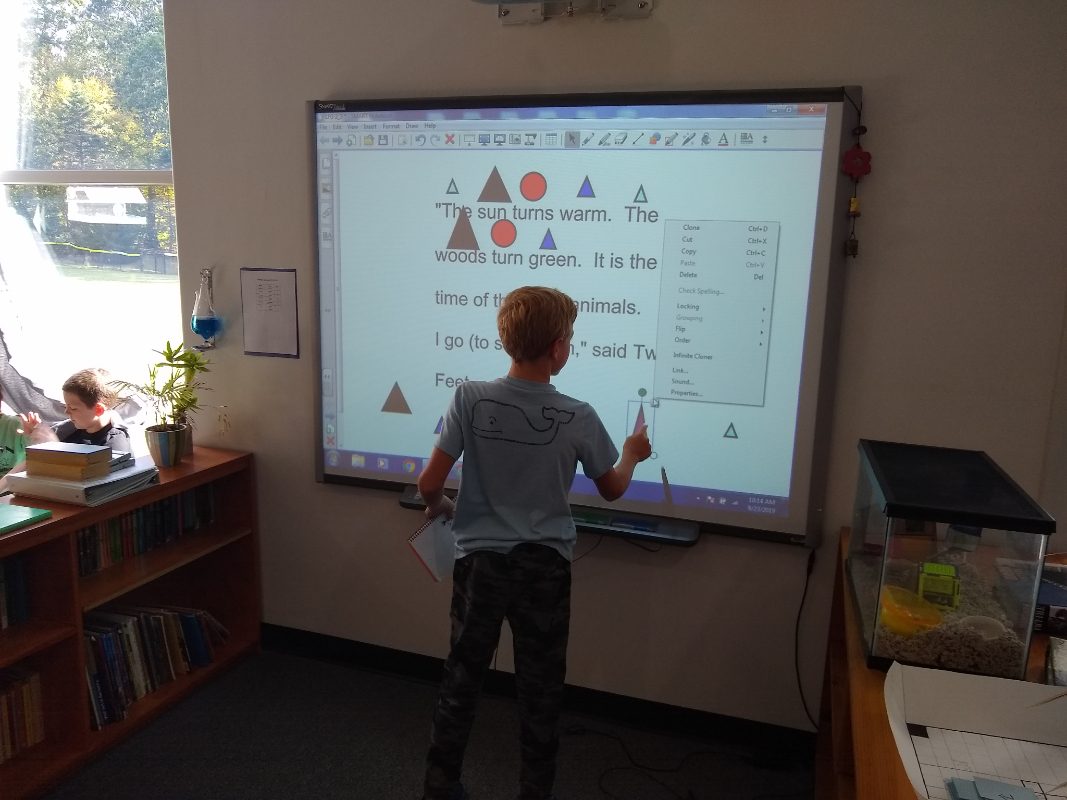
The fourth grade geometry lesson was on using inverse area formulas to find a missing value for the base or height when given the area of a rectangle. Fifth graders began a study of the apothem by inscribing each of the polygons with three through ten sides inside a circle. They then located the center of each polygon and identified the base and the apothem. We will continue to work with apothems next week.

In biology we continued our study of plants with a lesson and discussion about alternate sexual reproduction in plants. We took a close look at this process in ferns as an example.

Our fourth grade history lesson focused on finding our closest living relatives. A branching diagram tool called a cladogram was introduced as a way of determining relations between species and their shared common ancestors. We looked at homologies – characteristics that are similar because they have been inherited from a common ancestor. Some homologies we looked at were bones and teeth, the frontal sinus, molecules, soft body parts such as milk producing glands and sitting pads, and chromosomes.

We didn’t let the rainy weather get us down this week; during our indoor recess we enjoyed a mini dance party with most of the Upper El dancing to Cotton Eye Joe.


So Happy Together!

We’ve come to the end of another fun week filled with lessons, work, and play.

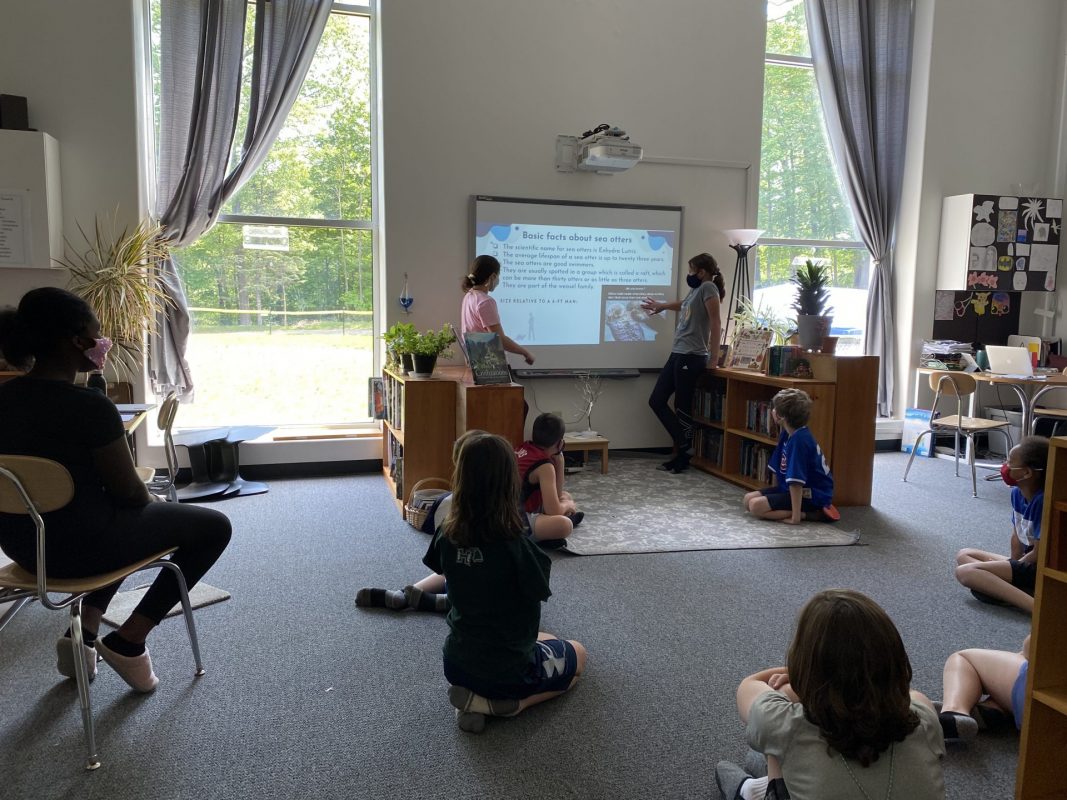
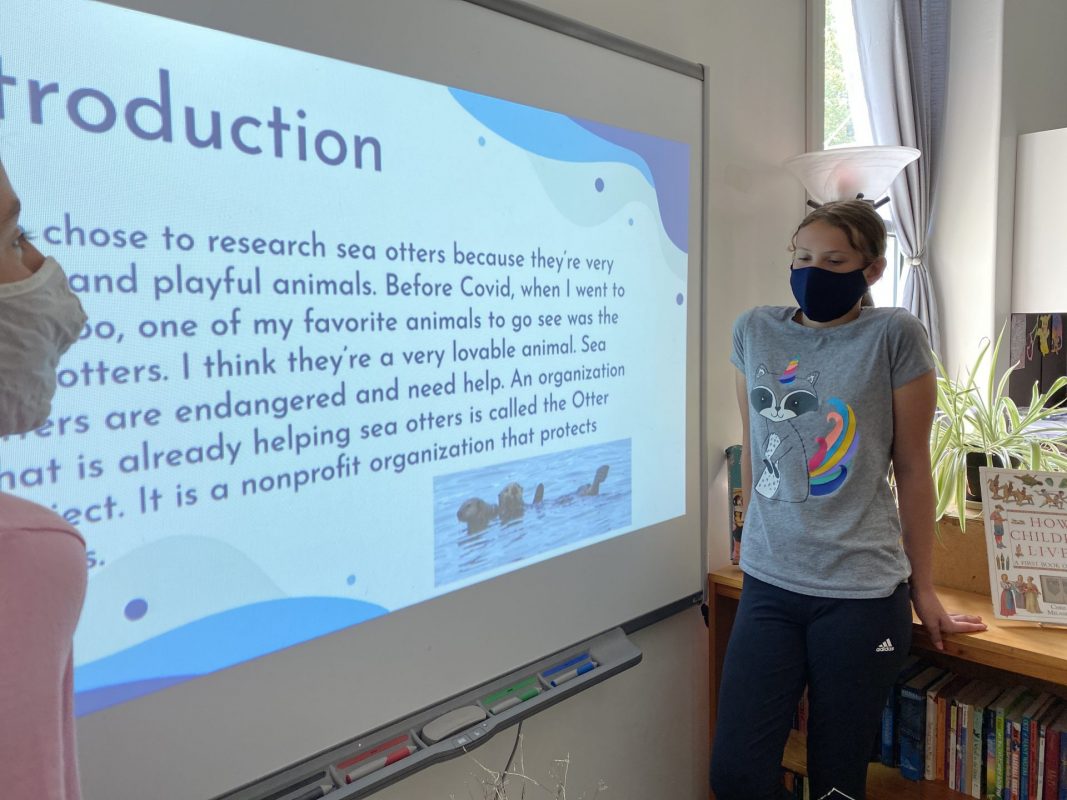
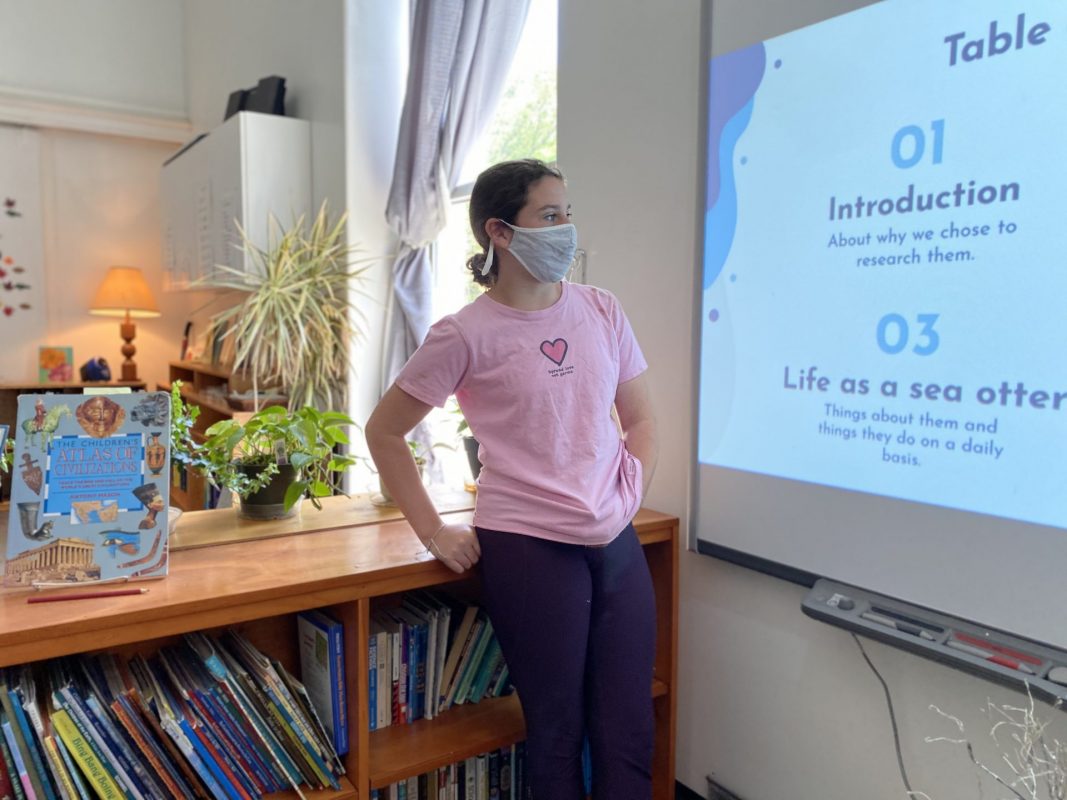
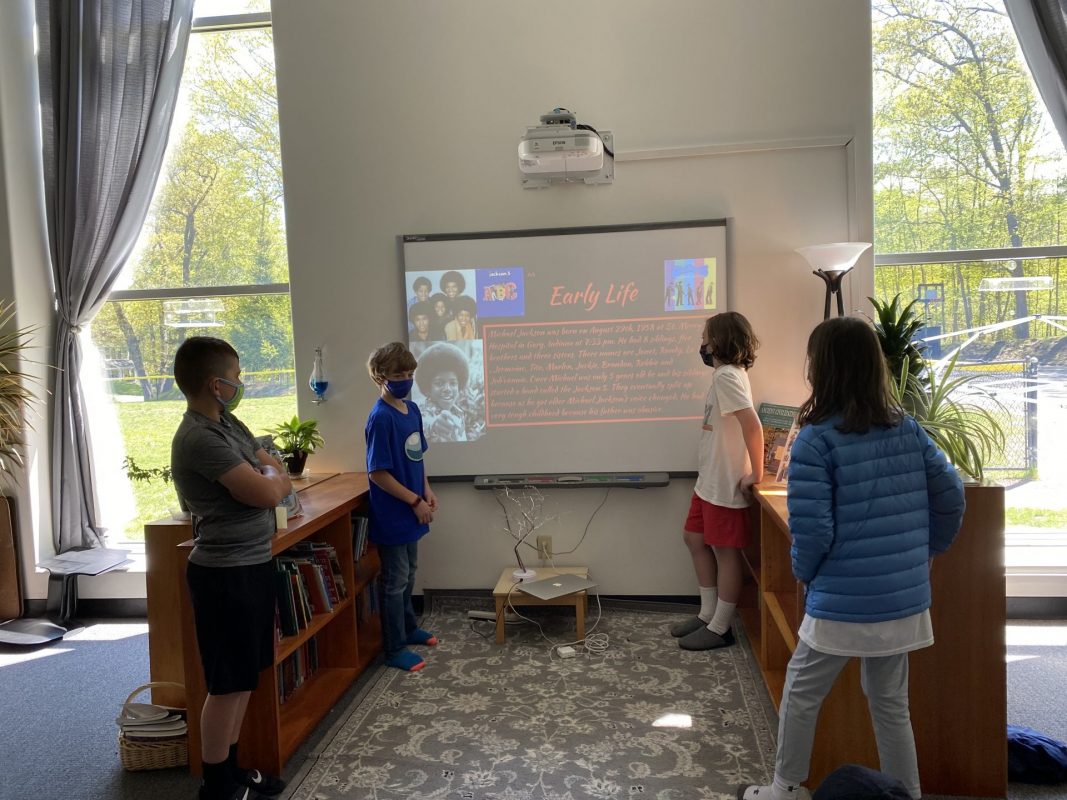
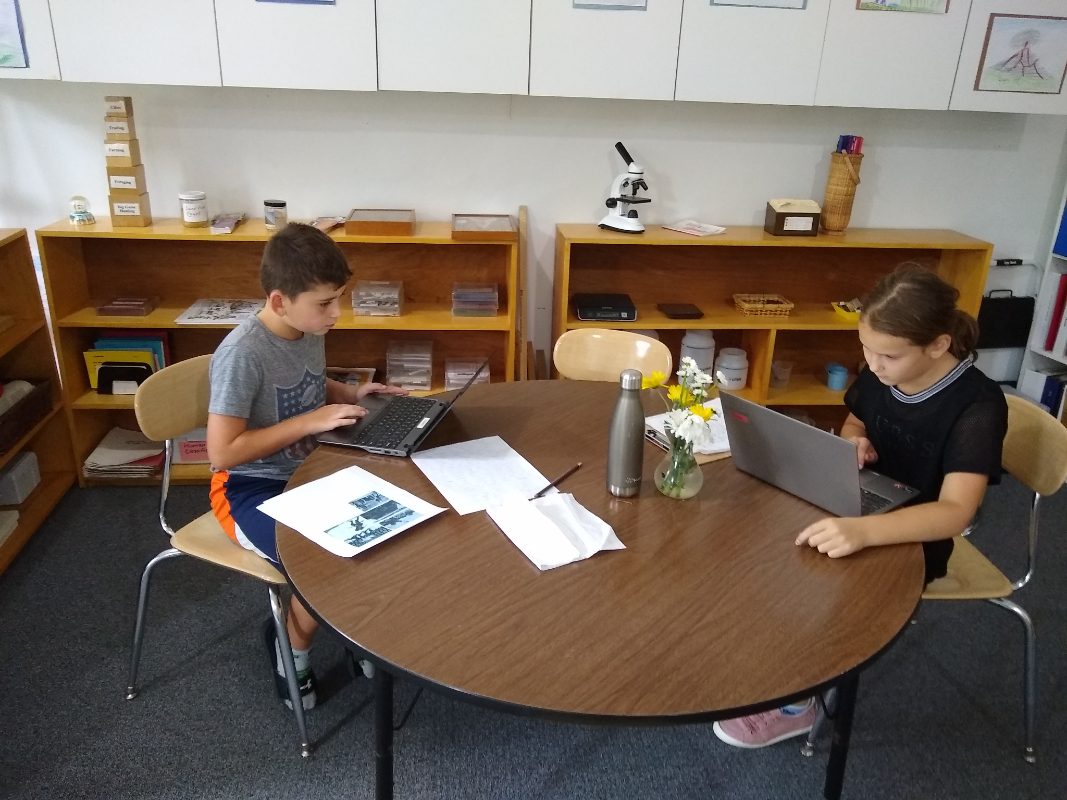
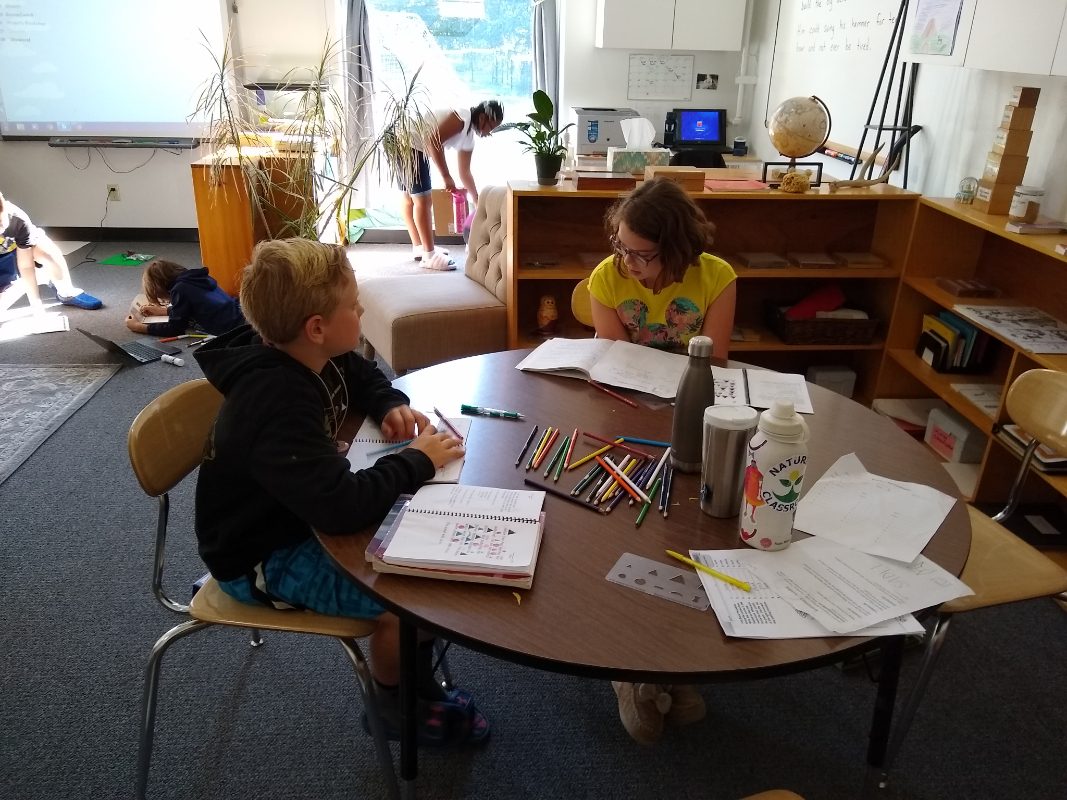
During geometry this week, we focused on some follow up work from last week’s lessons. Fourths applied the formula for finding the area of a rectangle and fifths drew and labeled parts of a polygon and parts of a circle. In our biology lesson this week we learned that there are three different ways plants can reproduce: asexual, sexual, and vegetative reproduction or propagation. We focused on vegetative reproduction during this lesson. Some different ways plants propagate are through bulbs, corms, rhizomes, tubers, and runners or stolons. We have lots of independent and cooperative research going on in class right now! We enjoyed the presentations on pangolins and bottlenose dolphins this week. We also wrapped up many written assignments this week in math, grammar, comprehension, and vocabulary and gathered in small groups to discuss them at the end of the week. In Literature Circle, each group will finish their book over the next few days and we will discuss the endings in our meeting on Wednesday. There are no new role assignments this week.

Last week I sent home book orders with those who wanted them. I will be placing the order on Friday, April 16th for any who are interested. If you would prefer to shop online, the link to our class page is here.

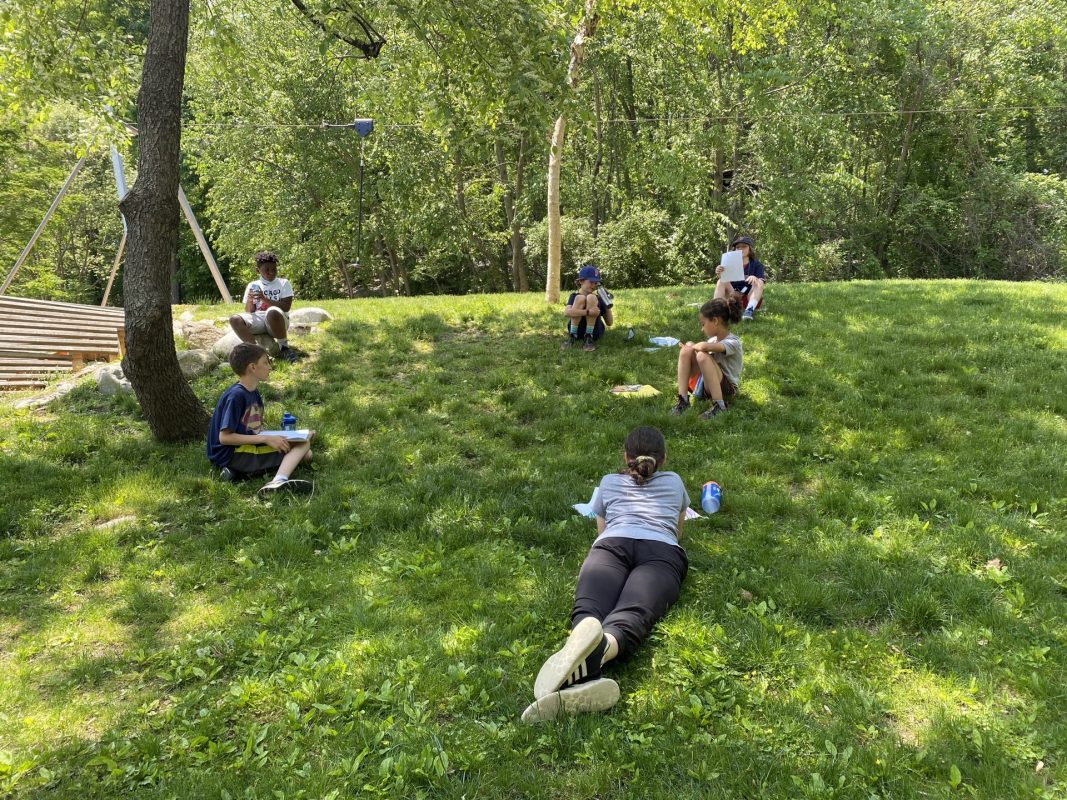
We spend as much time outside as possible and are going to be visiting the outdoor classroom regularly. If you would like your child to use bug spray before going in the woods, please send some in (if you haven’t already done so) with their name on the bottle. We will store it at school and apply it before hitting the trails!


Welcome Back Upper El!

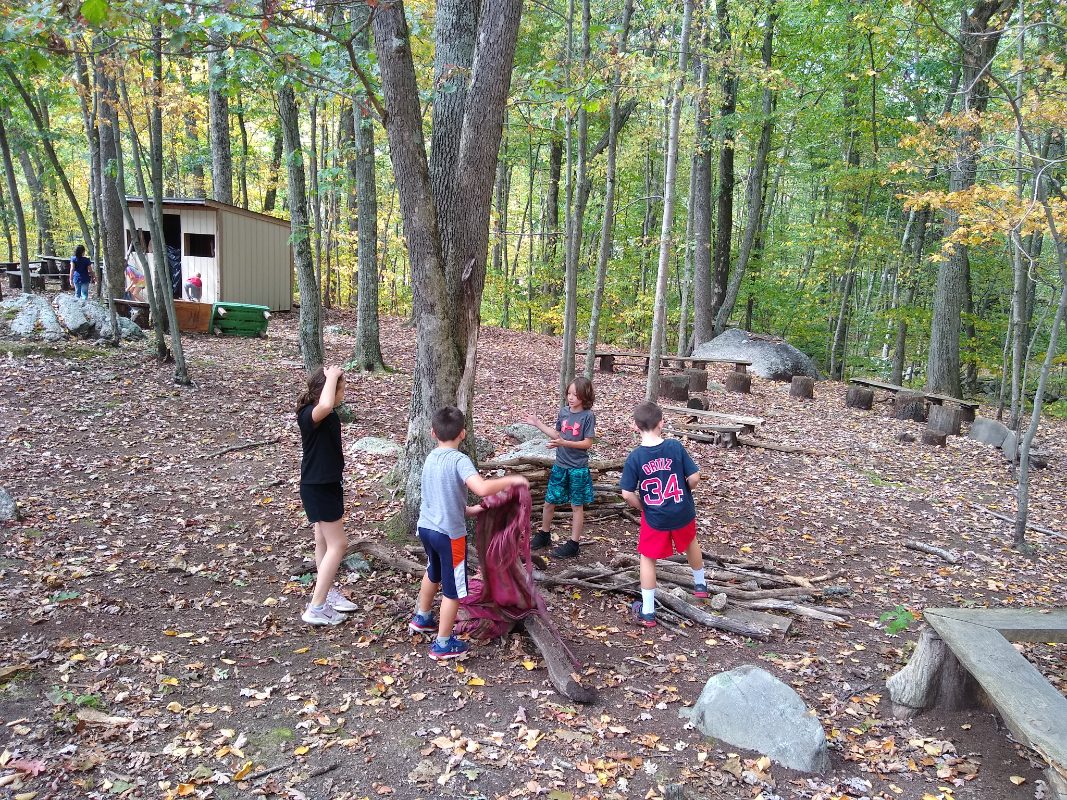
It was great to get back together this week and continue with our good work in and out of the classroom. We got back to our individual lessons in math and some small group lessons in grammar and geometry. Fourths focused on collective nouns this week and fifths on a review of verbs that show physical action. Students in both fourth and fifth grade took advantage of open lessons this week and joined the geometry lesson of the other grade level as well as their own. The fourth grade lesson was on finding the area of rectangles and they learned to use a formula to find area. The fifth graders learned about the concept of circles as the limit of regular polygons. We learned that both figures have similar elements called by different names: perimeter/circumference, apothem/radius, side/center, diagonal/diameter. We ended our week in the outdoor classroom, exploring, building, and playing an in-person game of Among Us.