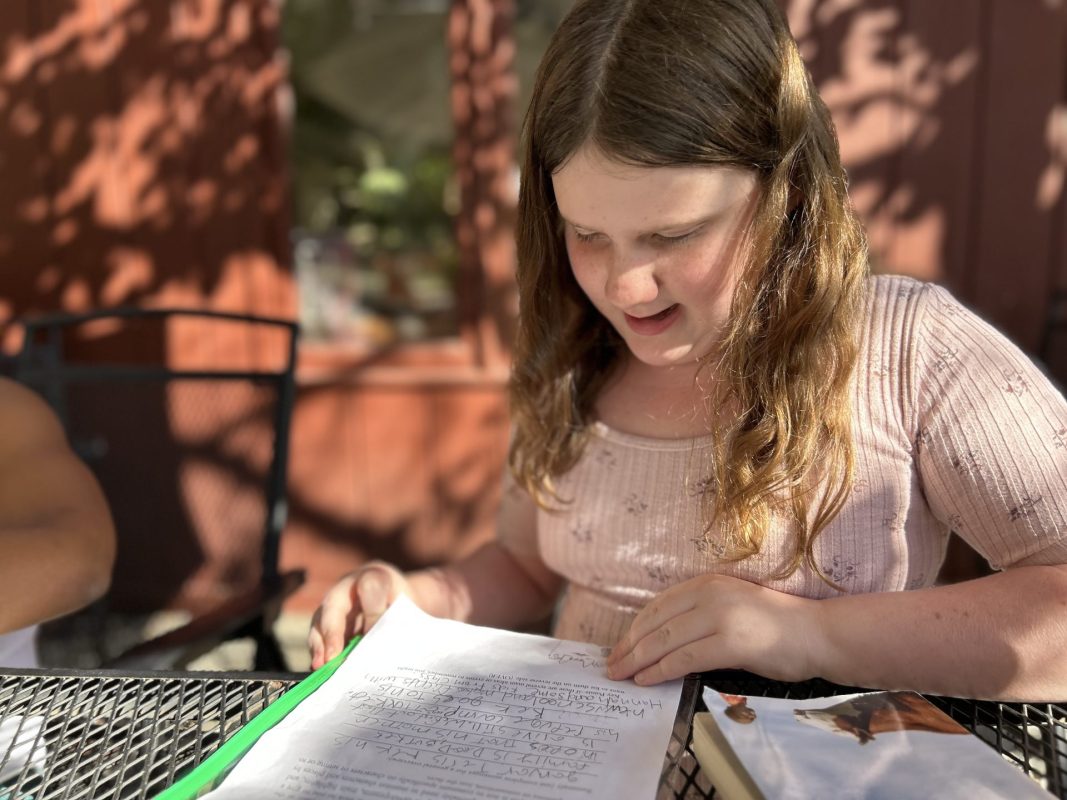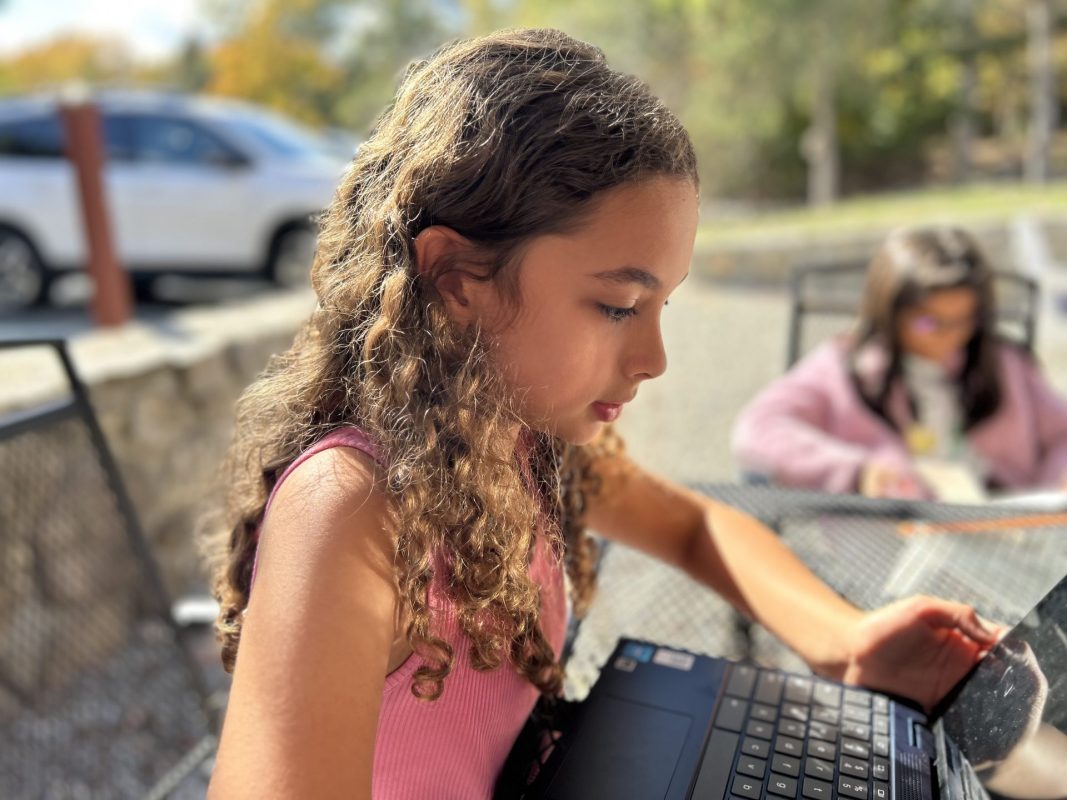
This Week in Upper El

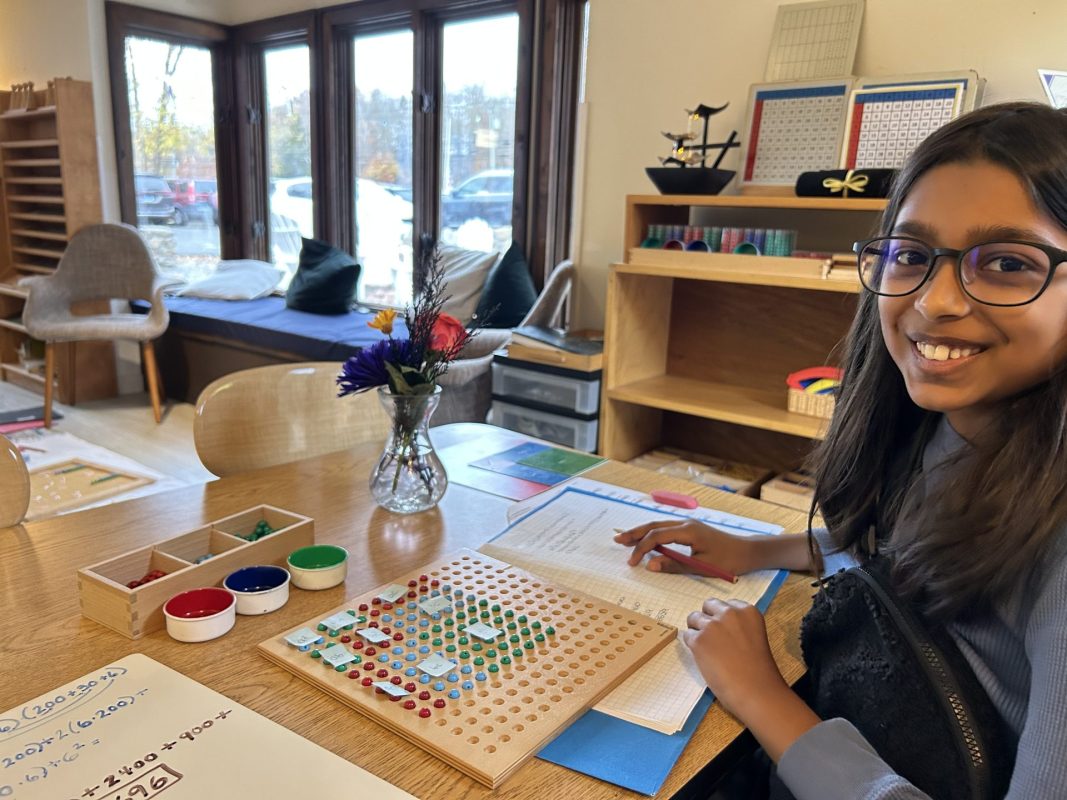
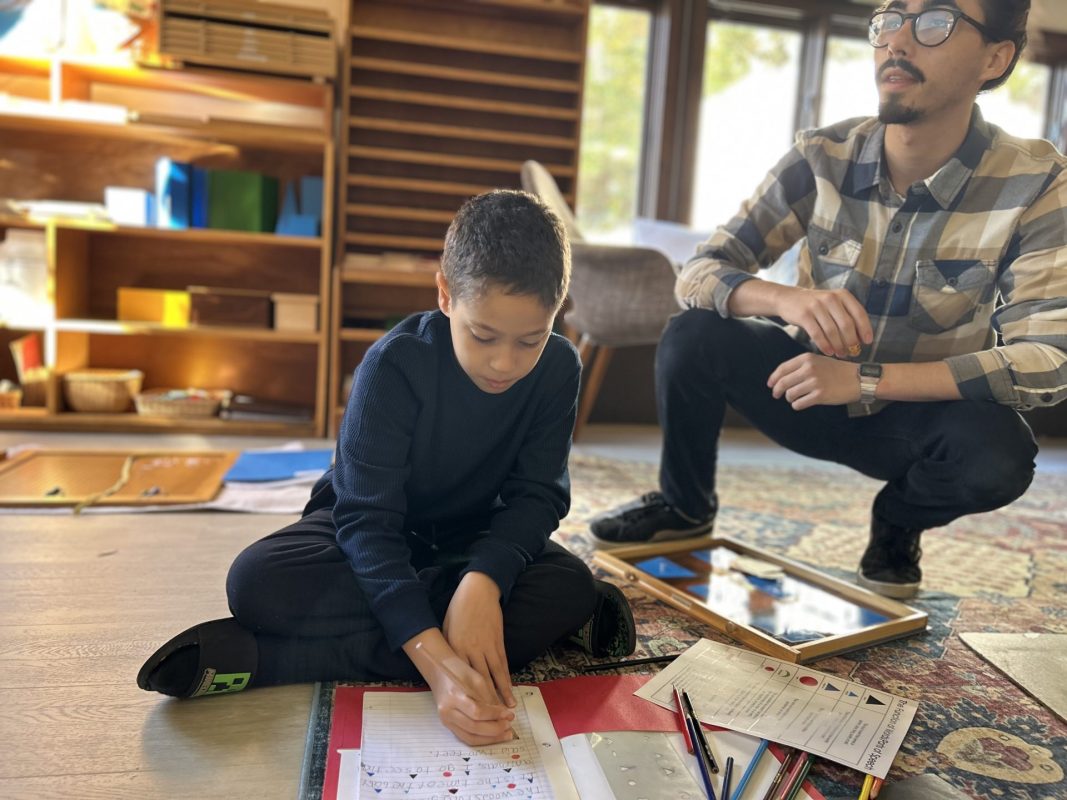
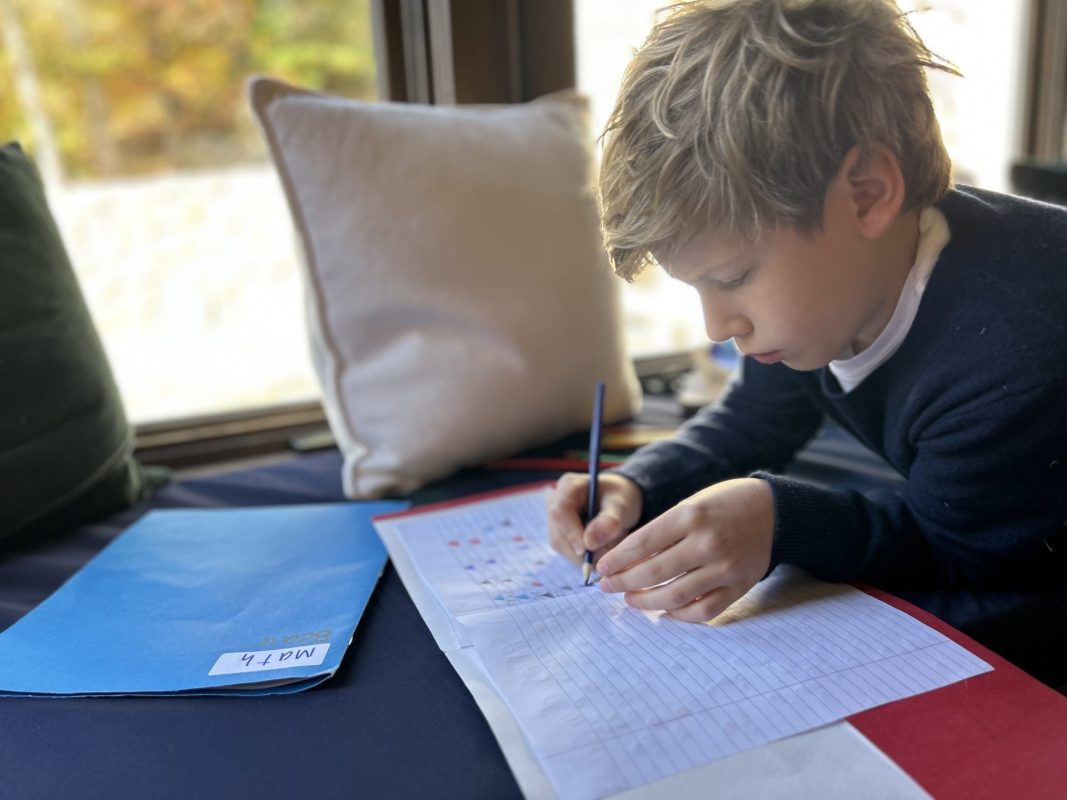
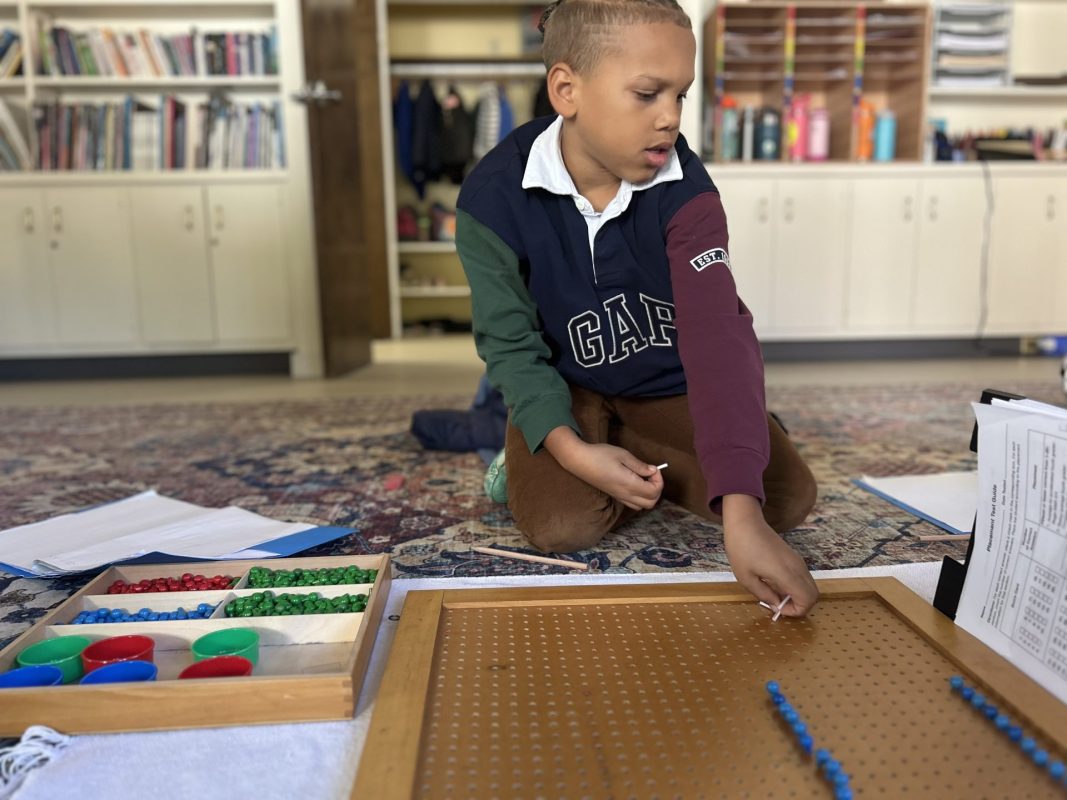
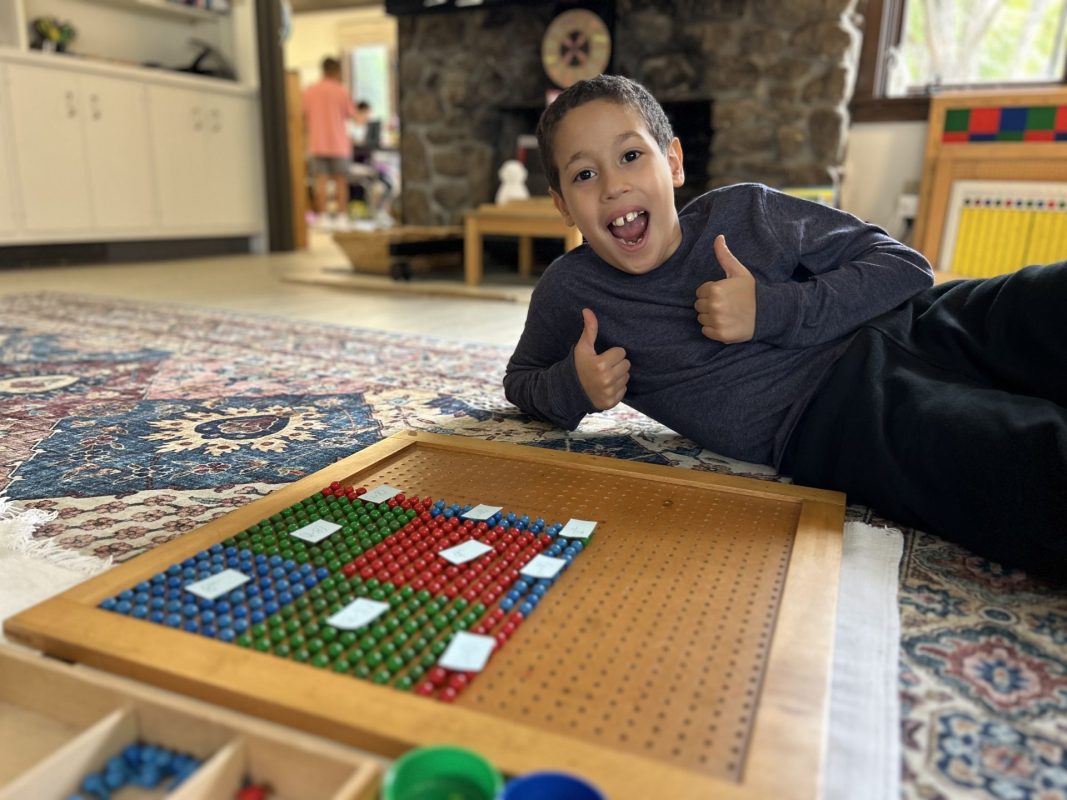
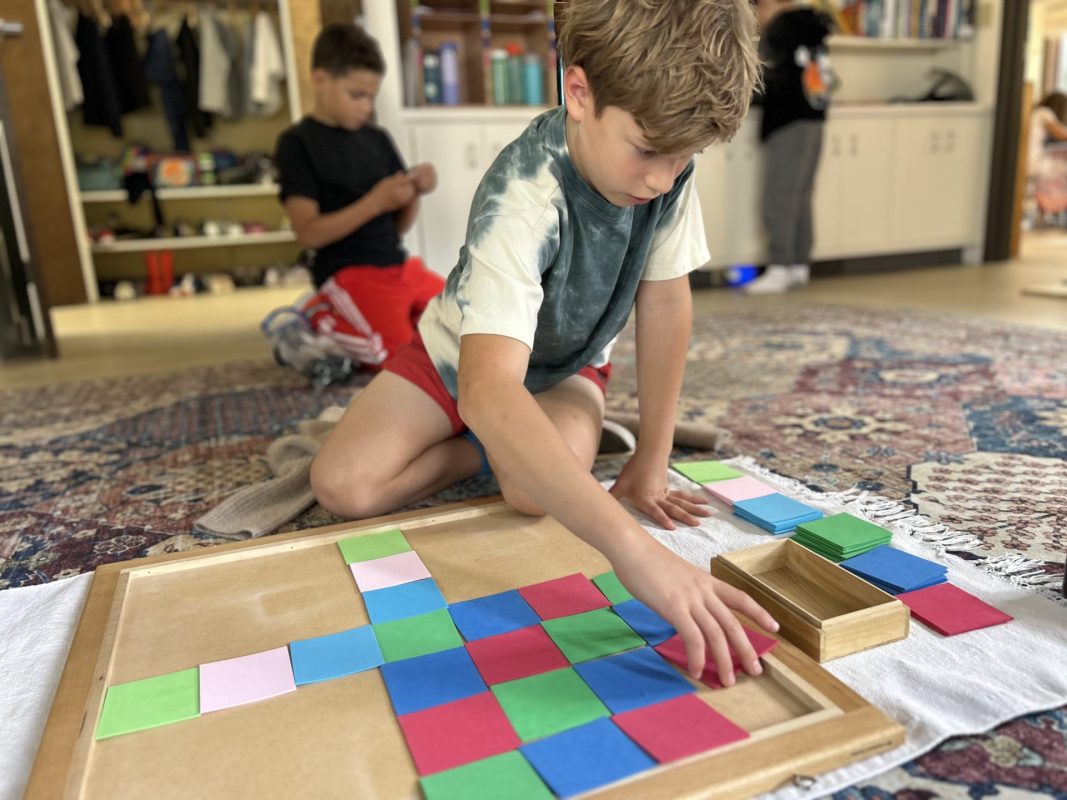
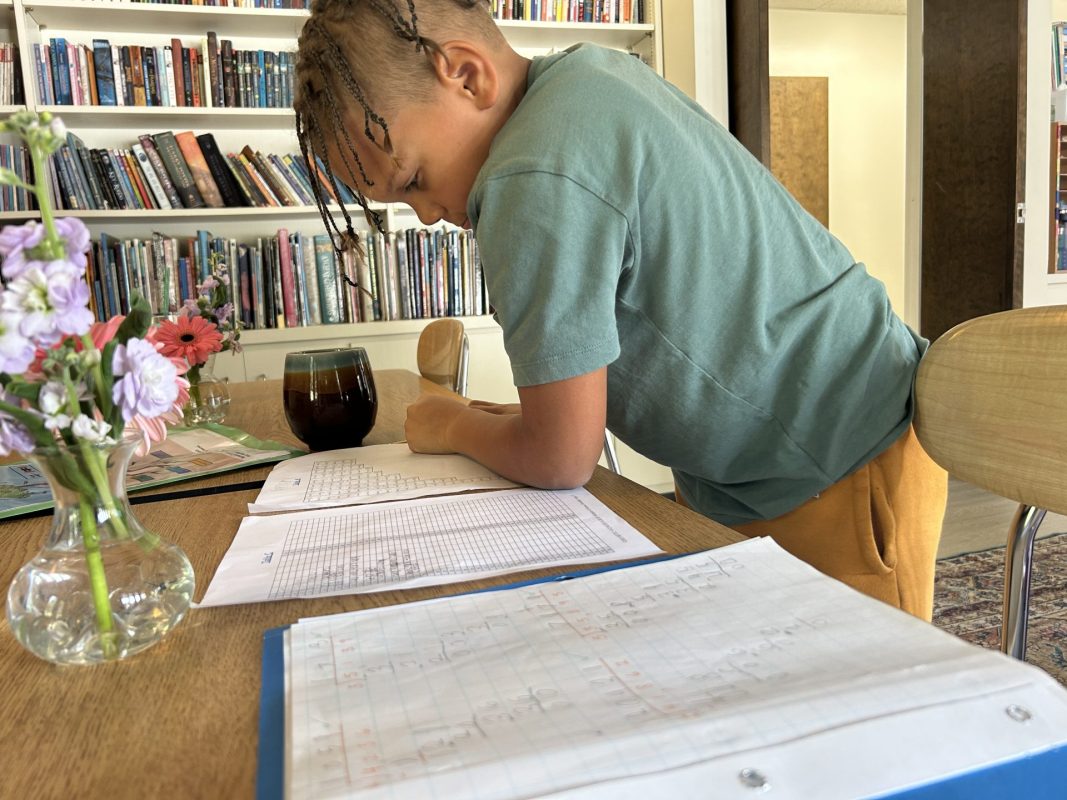
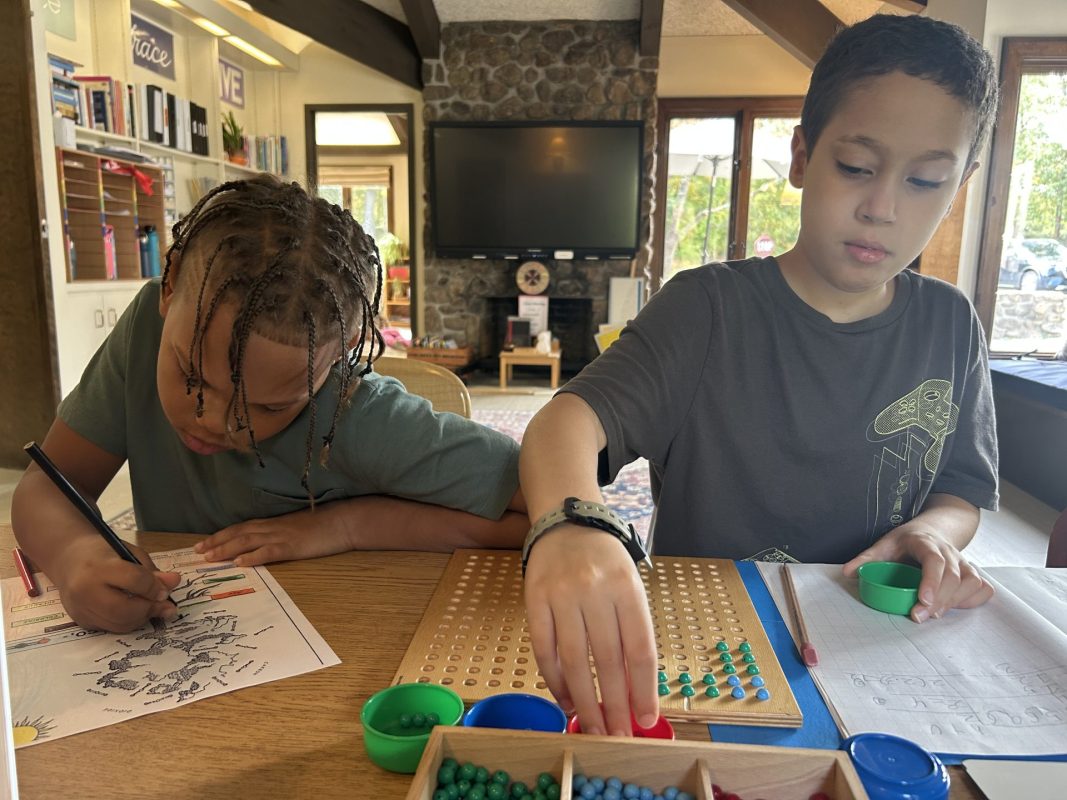
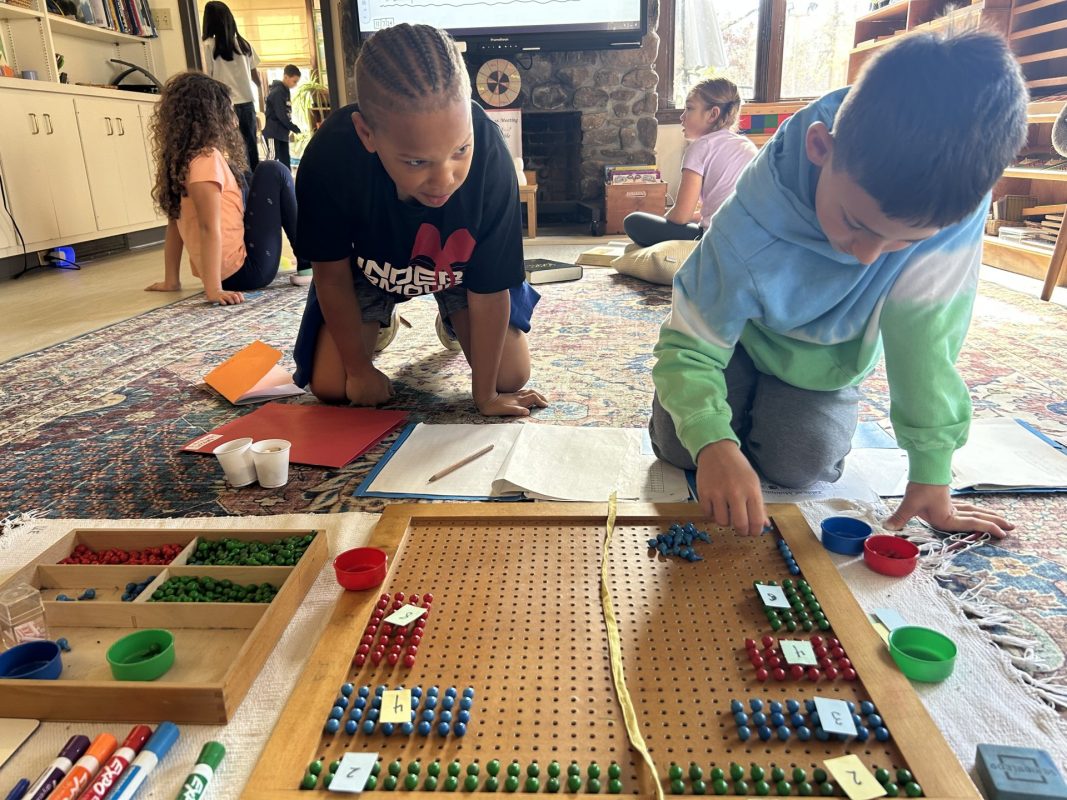
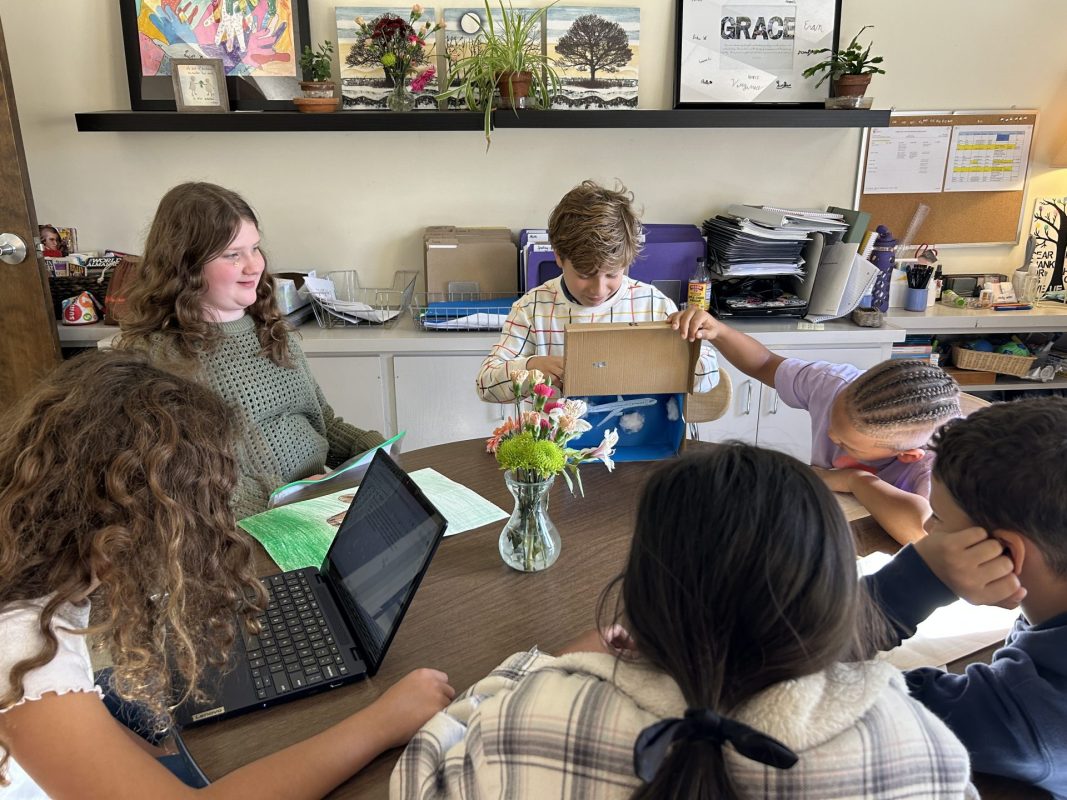
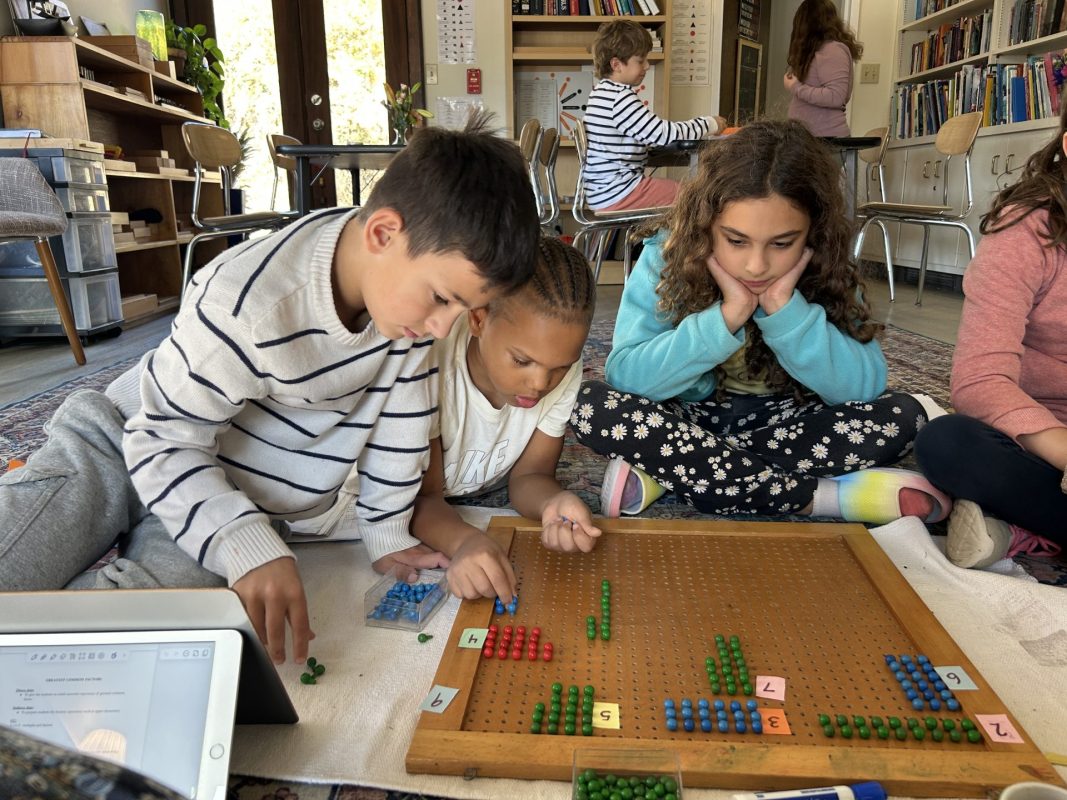
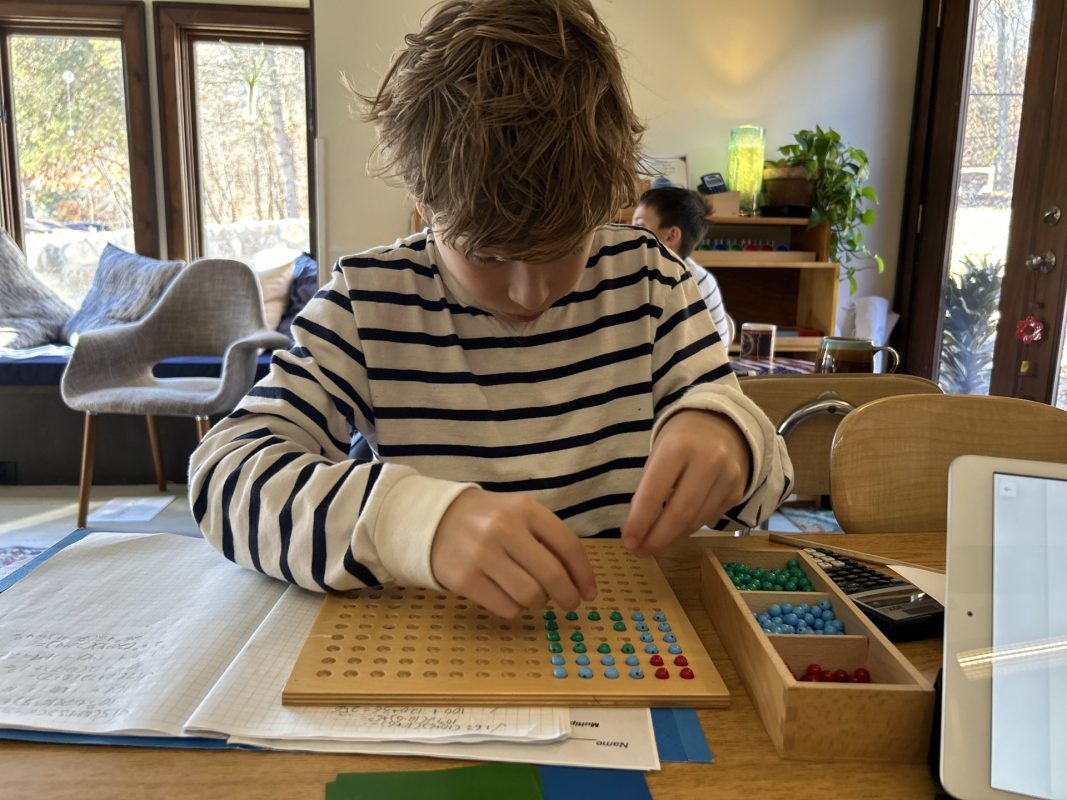
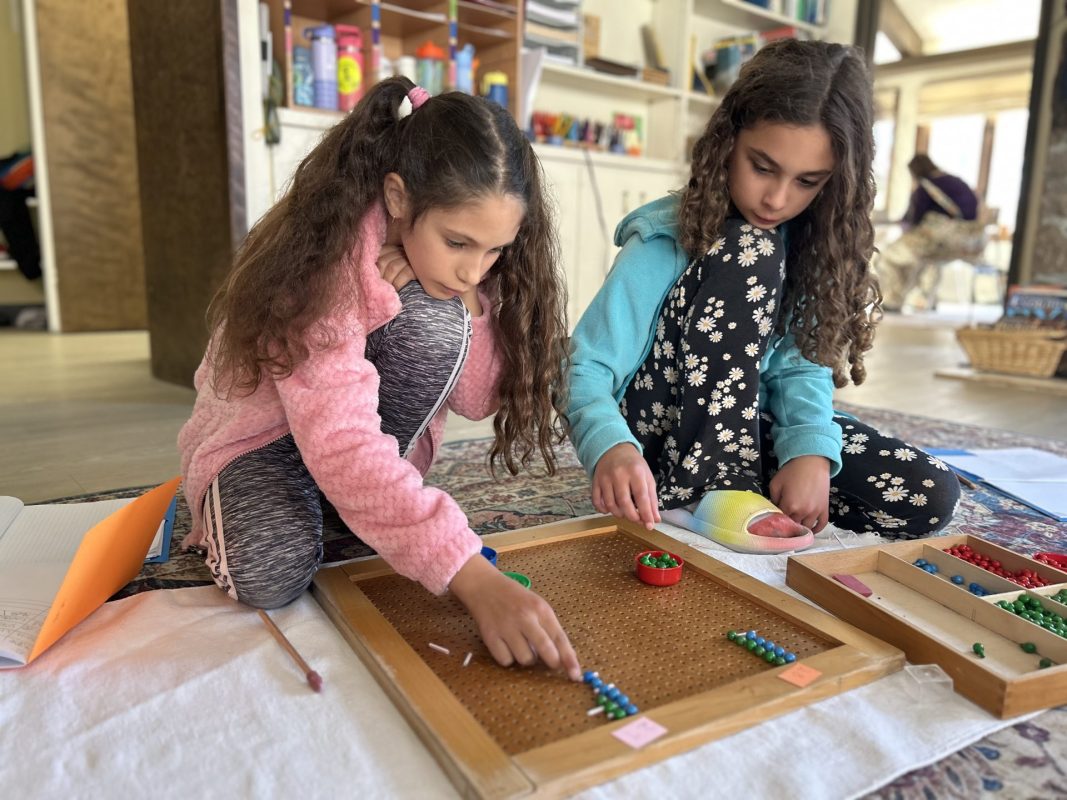
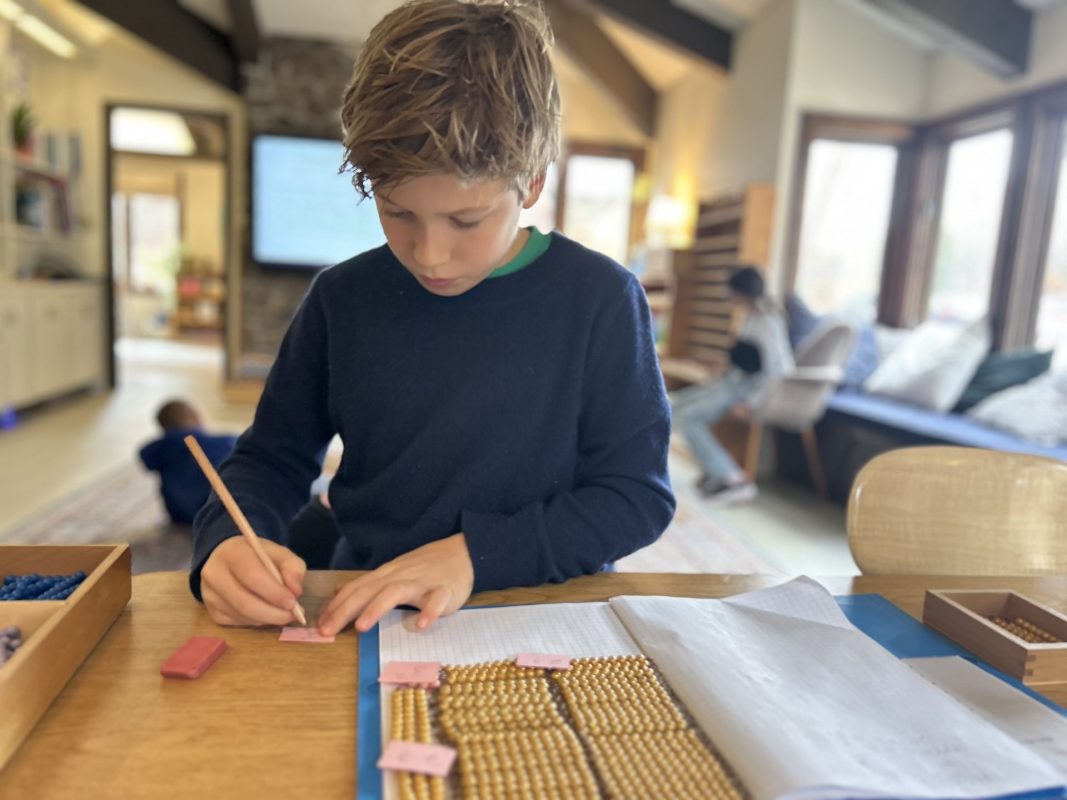
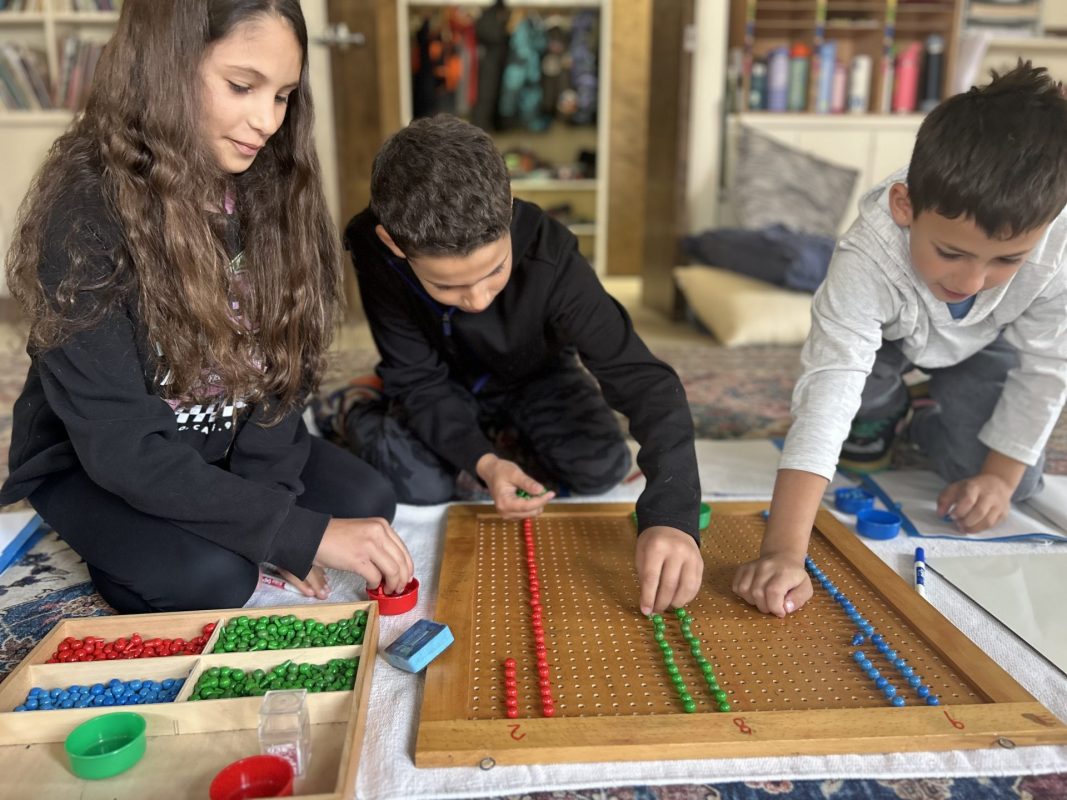
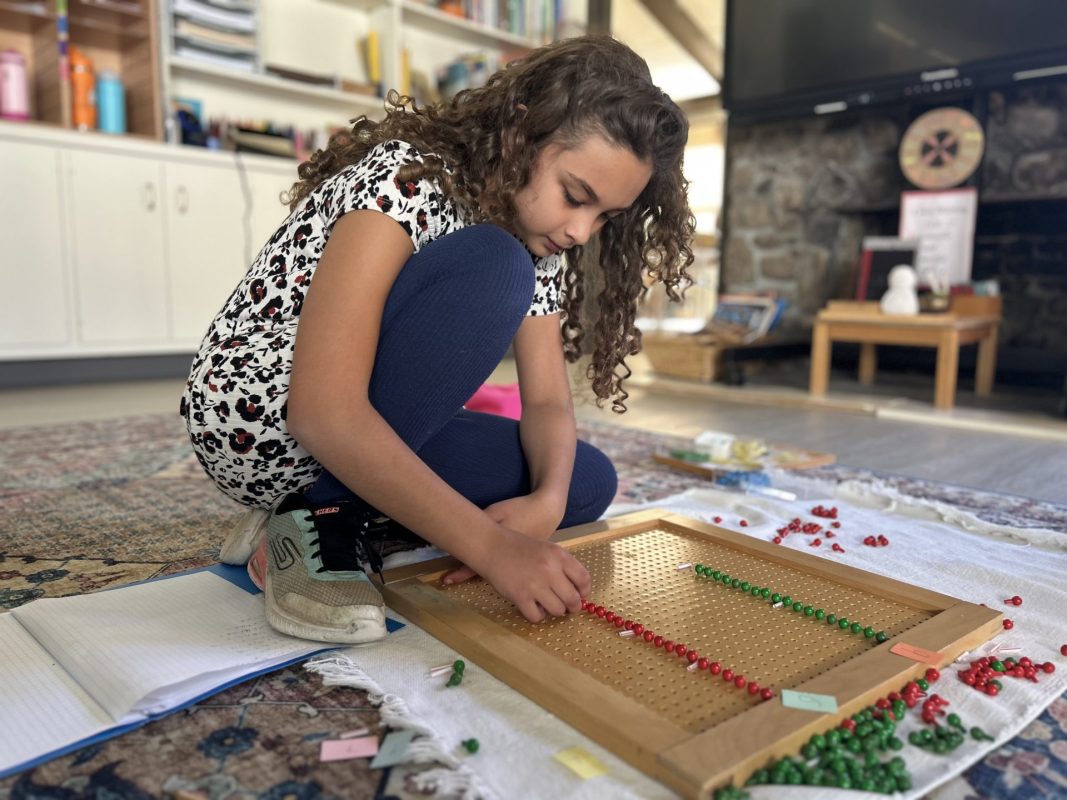
At the Upper Elementary level, Montessori math work begins with hands-on demonstrations and work with materials for each new concept before students move to the abstract. This provides many benefits for students. Concrete math work allows students to naturally develop a deep understanding of concepts, with exploration leading to understanding rules and formulas. Our process is an introduction with the material, independent practice, and demonstration of understanding through the use of the material. After understanding is demonstrated, a rule or formula is verbalized before students begin to complete the problems abstractly. The rule or formula is often recorded in their math books for later reference by the student.

Students are also encouraged to develop their math problems within the concept they are studying. This process, called Guided Discovery, leads to children engaging with issues that arise in their exploration, creating opportunities for mini-lessons as those issues arise. It focuses on the technique or the process instead of the correct answers to each problem. This means that students can move through the curriculum at a pace that interests them and makes math engaging. Working at their own pace helps students to develop confidence in their problem-solving ability and a strong sense of independence.

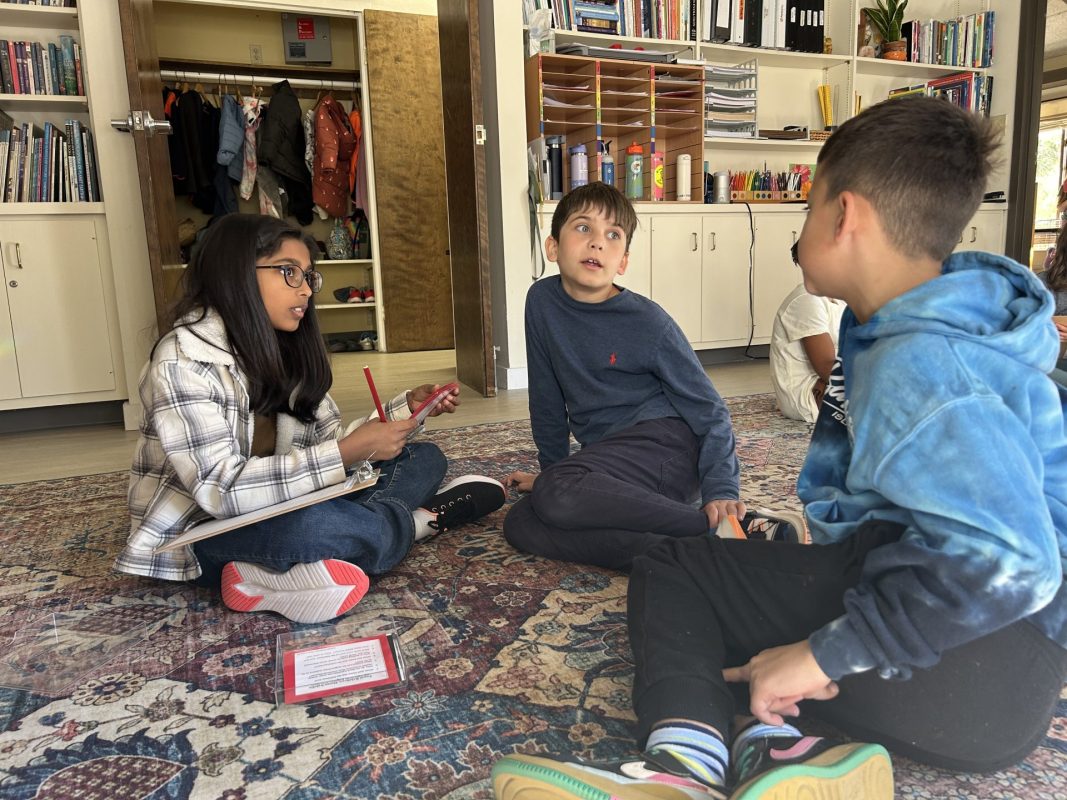
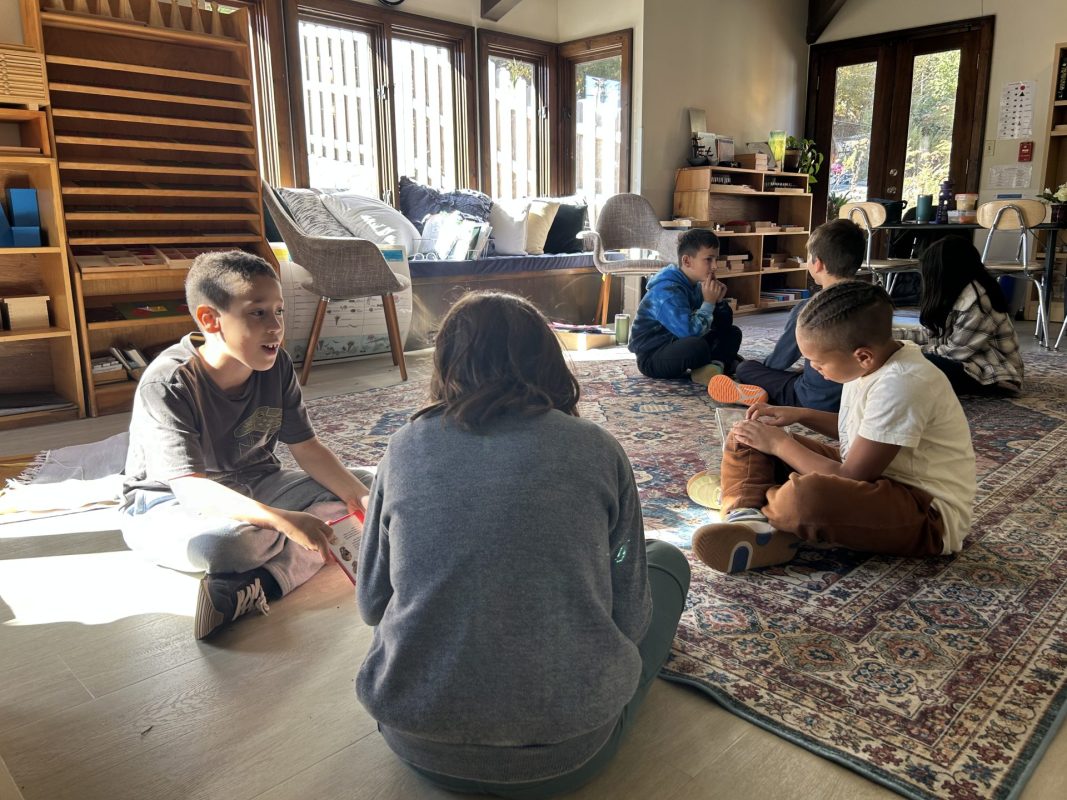
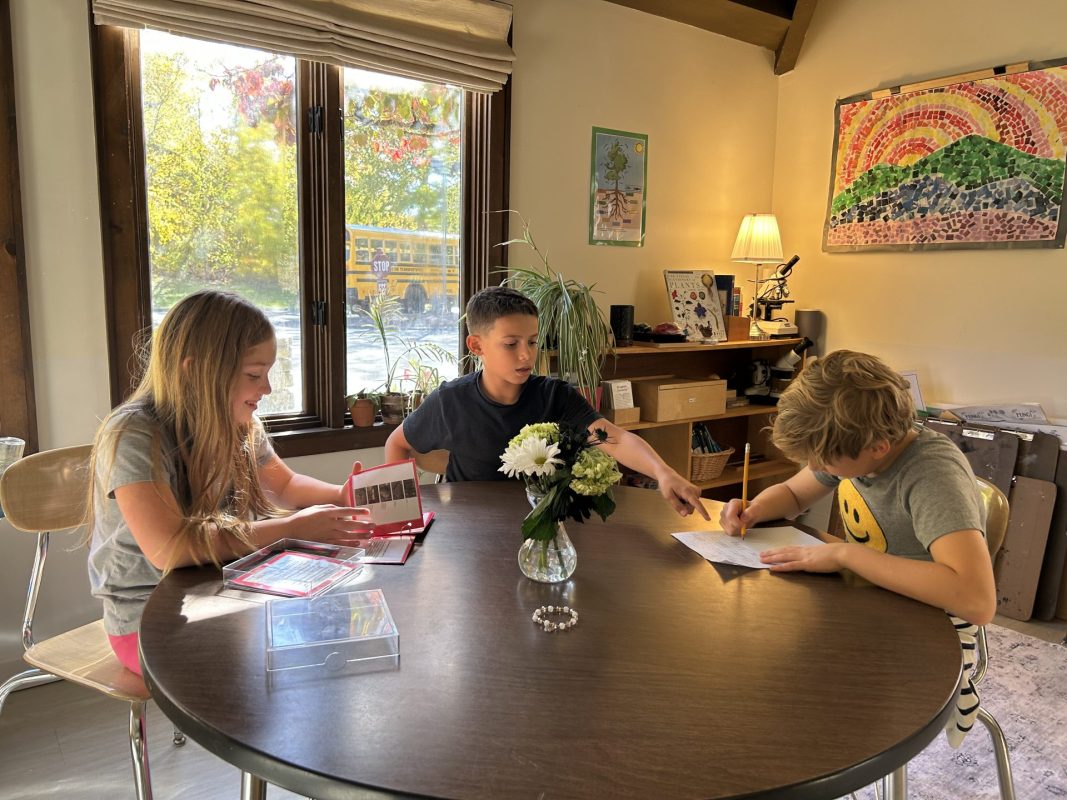
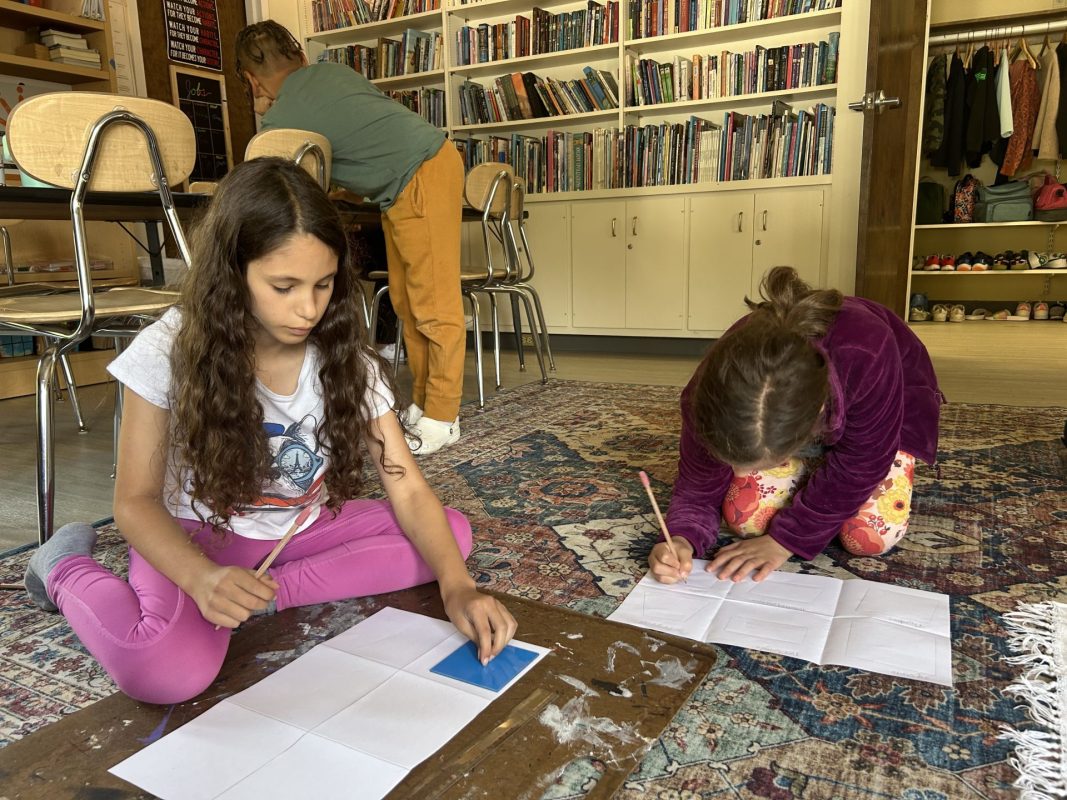
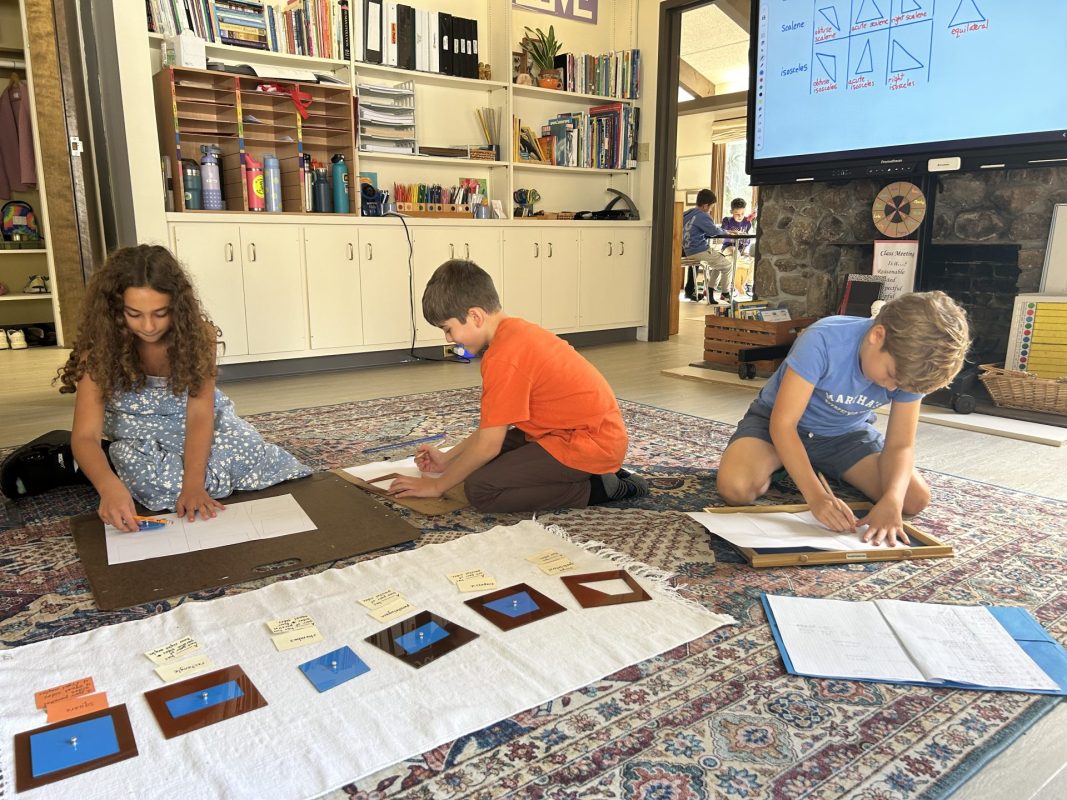
We have a variety of math work going on. In geometry, one group is finding the equivalence between two figures while the other group is learning to find the area of different figures. This week, the equivalency group learned about using a rhombus’s major and minor diagonals to prove equivalence to a rectangle. The area group learned to find the area of a regular polygon by comparing the perimeter of the polygon to the base of a rectangle and comparing the apothem of the polygon to the height of the rectangle. In individualized math work, different students are working on the following:

  • finding the lowest common multiple of large numbers
  • researching factors of two-digit numbers
  • common factors and the greatest common factor
  • square of binomials
  • square root formed of only units and cross multiplication

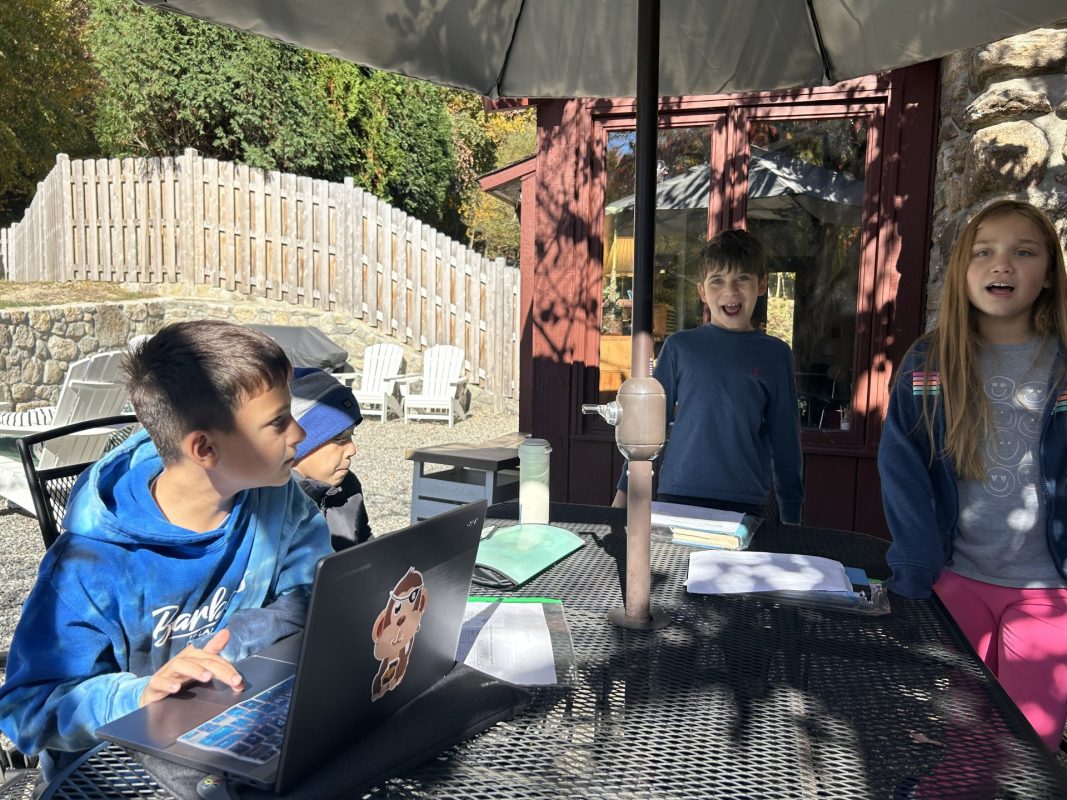
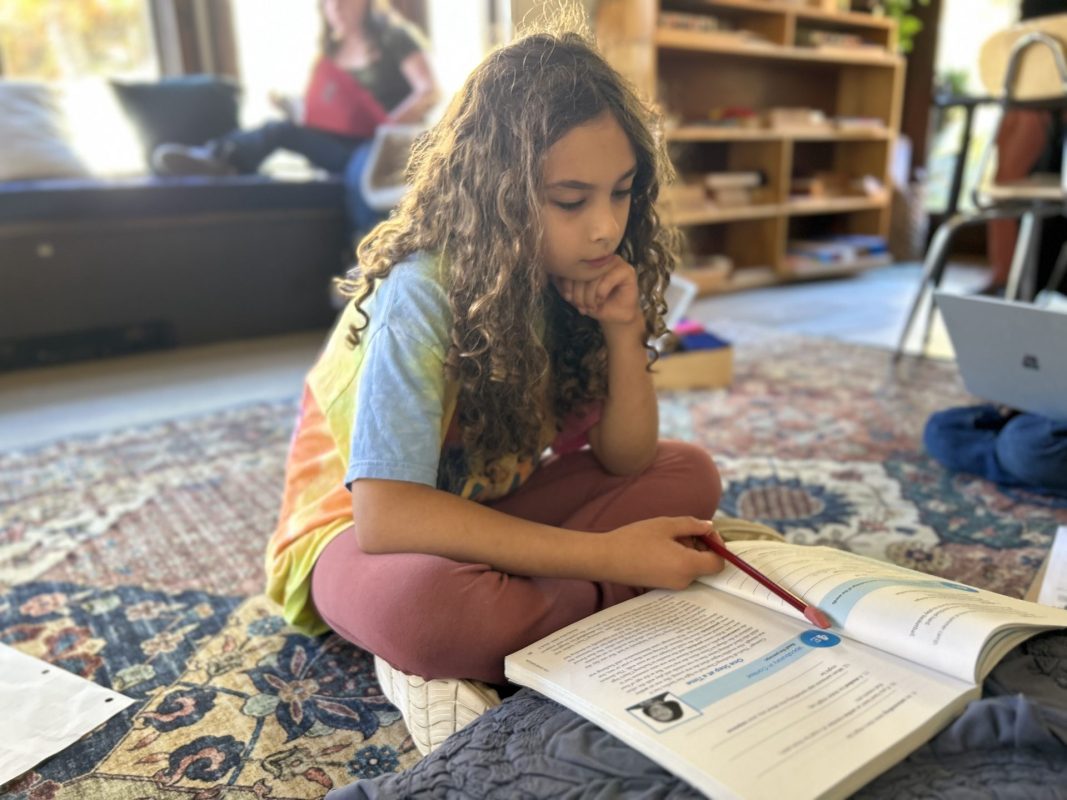
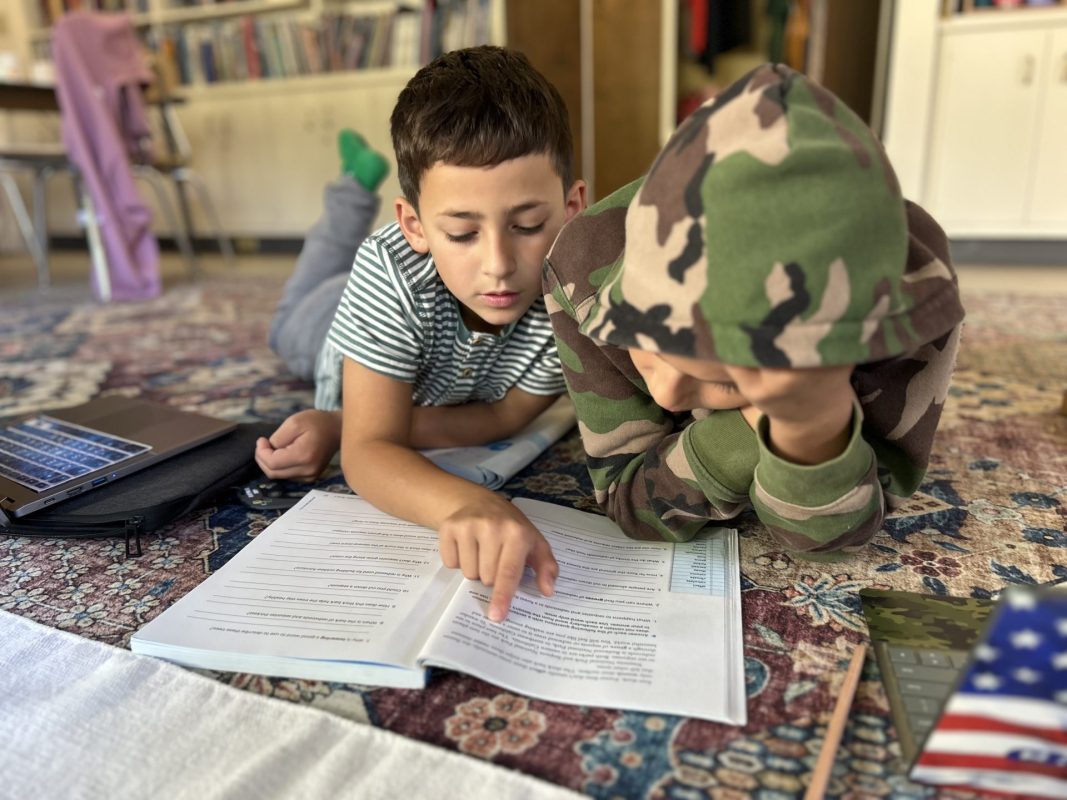
The UE students exhibit remarkable enthusiasm and self-motivation in their mathematics work. Their eagerness is evident in how they engage with complex problems and collaborate, fostering a dynamic and supportive learning environment.
This Week in Upper El

“I sincerely believe that for the child, and for the parent seeking to guide him, it is not half so important to know as to feel. If facts are the seeds that later produce knowledge and wisdom, then the emotions and the impressions of the senses are the fertile soil in which the seeds must grow. The years of early childhood are the time to prepare the soil. Once the emotions have been aroused – a sense of the beautiful, the excitment of the new and unknown, a feeling of sympathy, pity, admiration or love – then we wish for knowledge about the object of our emotional response. Once found, it has lasting meaning. It is more important to pave the way for the child to want to know than to put him on a diet of facts he is not ready to assimilate.” -Rachel Carson, The Sense of Wonder

We had a wonderful last week of October! We began the week by learning about the upward flow of liquids from a plant’s roots to its leaves. This biology lesson focused on root pressure, capillarity, and aspiration. We discussed various theories explaining how liquids ascend in plants and discovered that multiple elements work together to facilitate this process. Roots pump water into the plant, which then travels up the stems. As the water evaporates from the leaves, it creates a vacuum that pulls more water from the stem, resulting in a continuous flow of water and dissolved substances from the roots. We also learned that the strand of water remains intact and is strong enough to pull water ten times higher than the tallest tree.

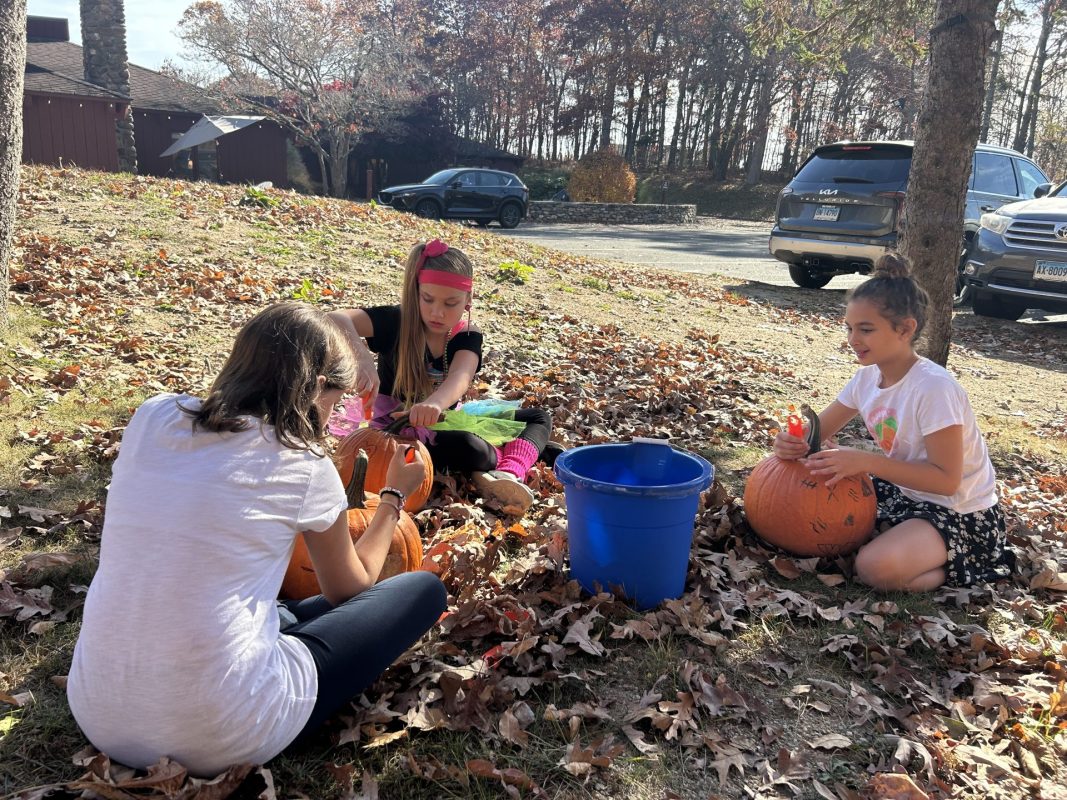
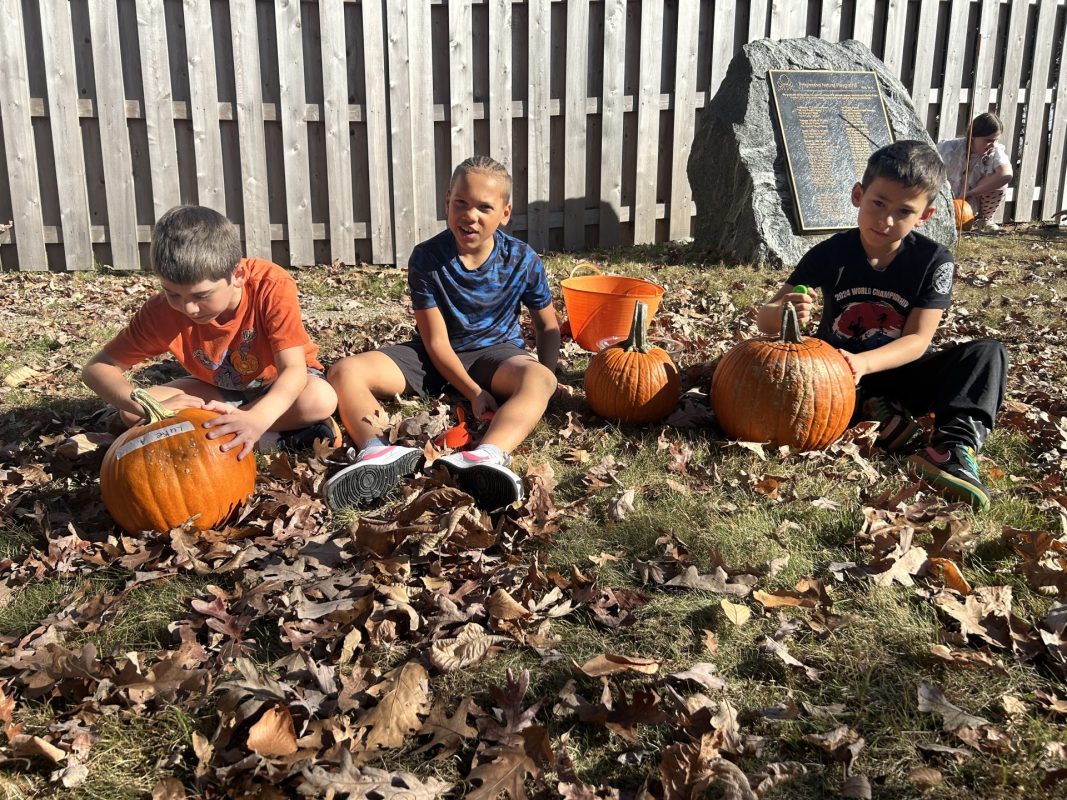
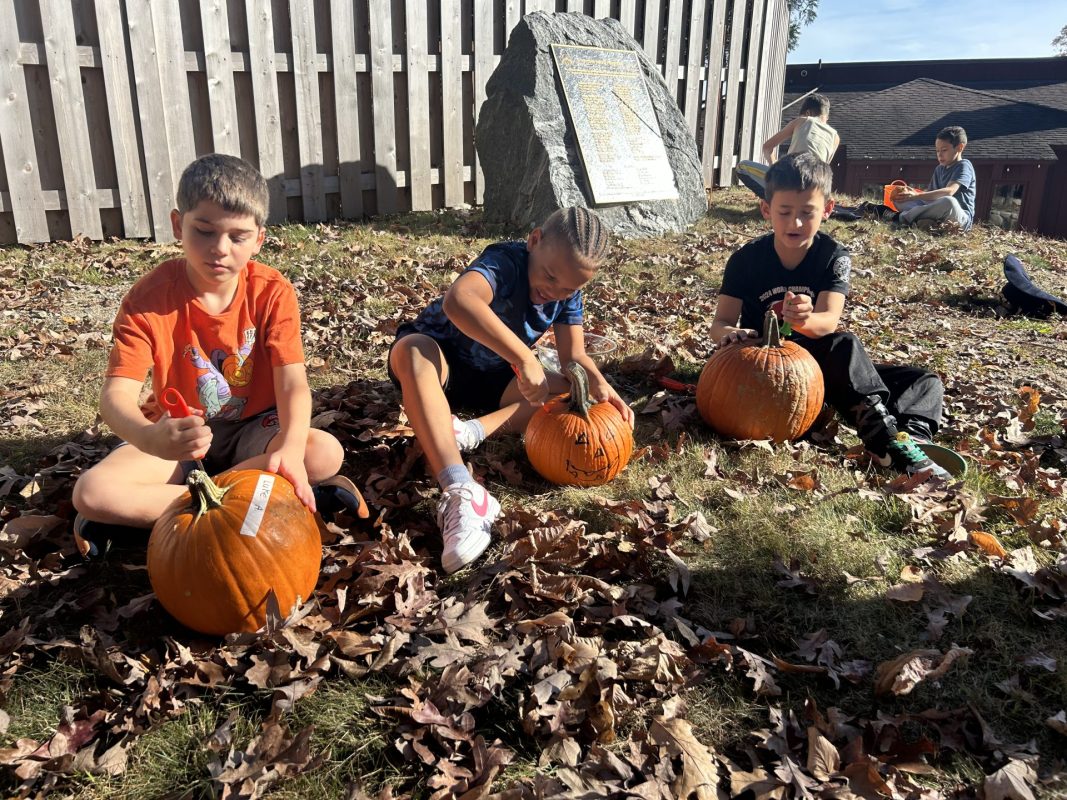
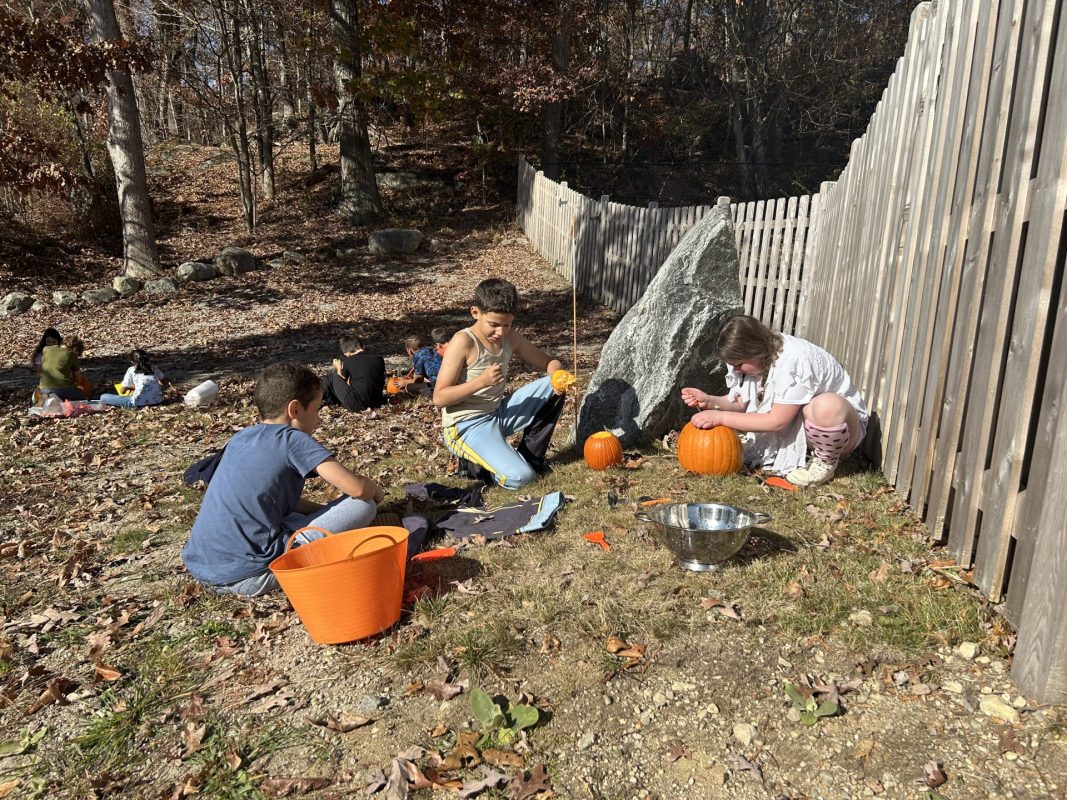
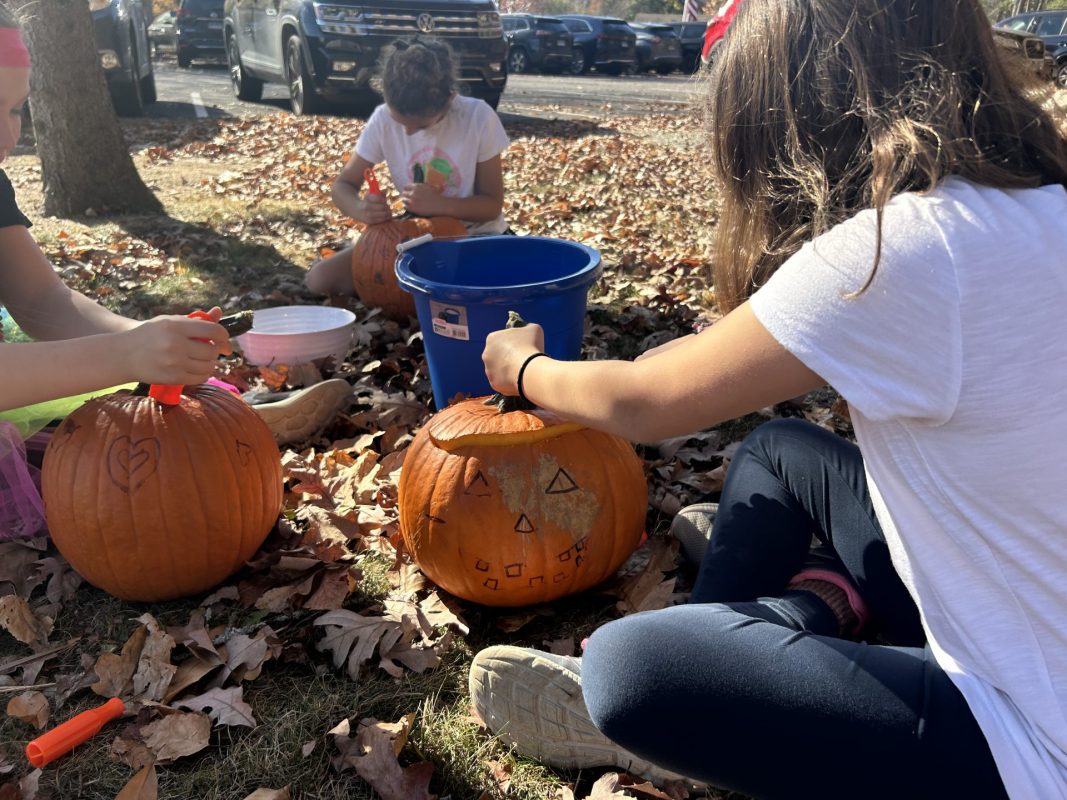
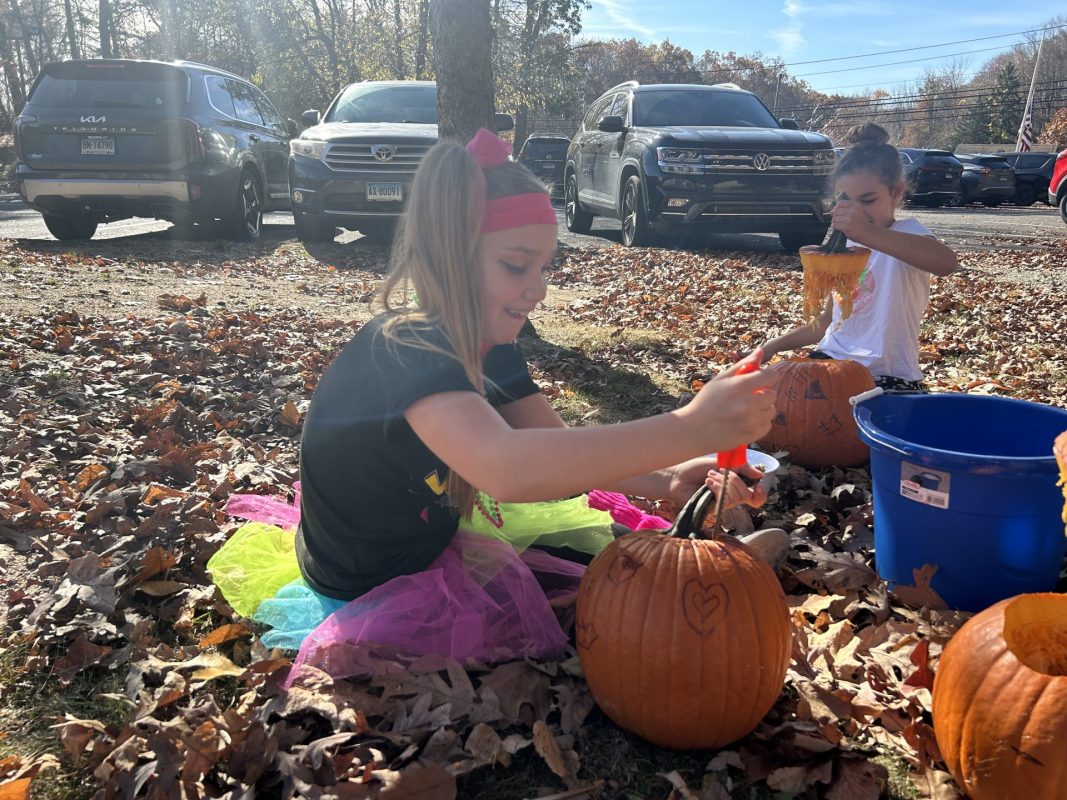
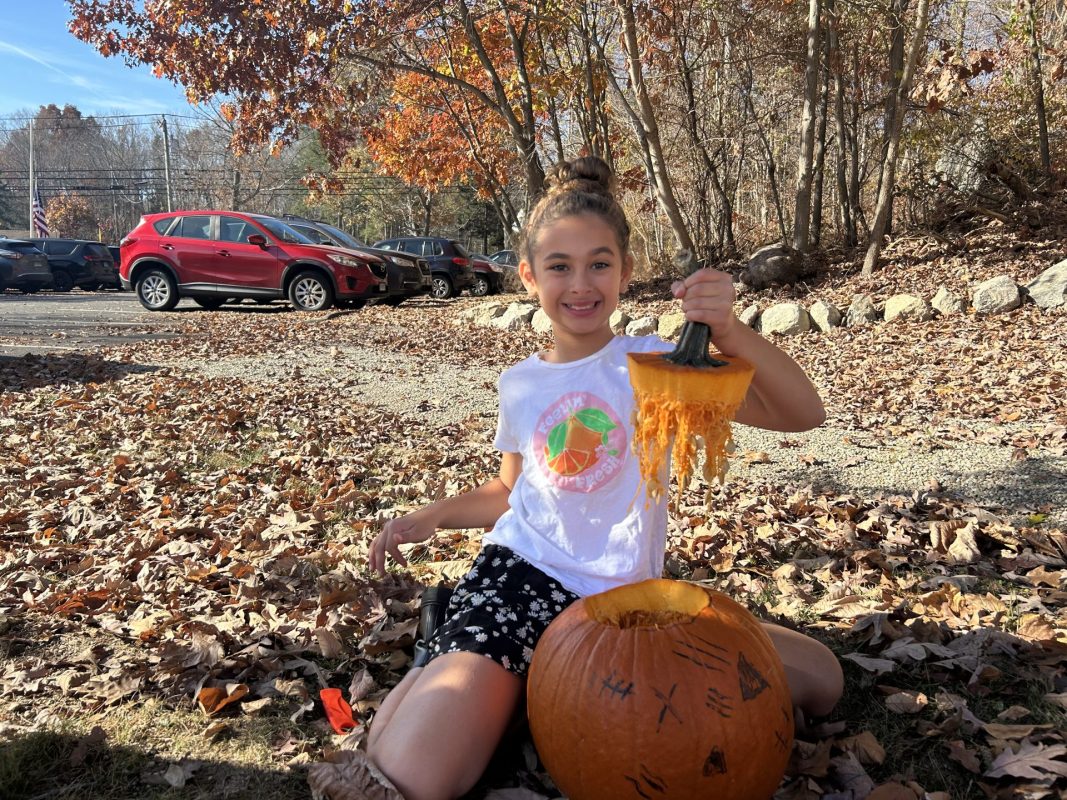
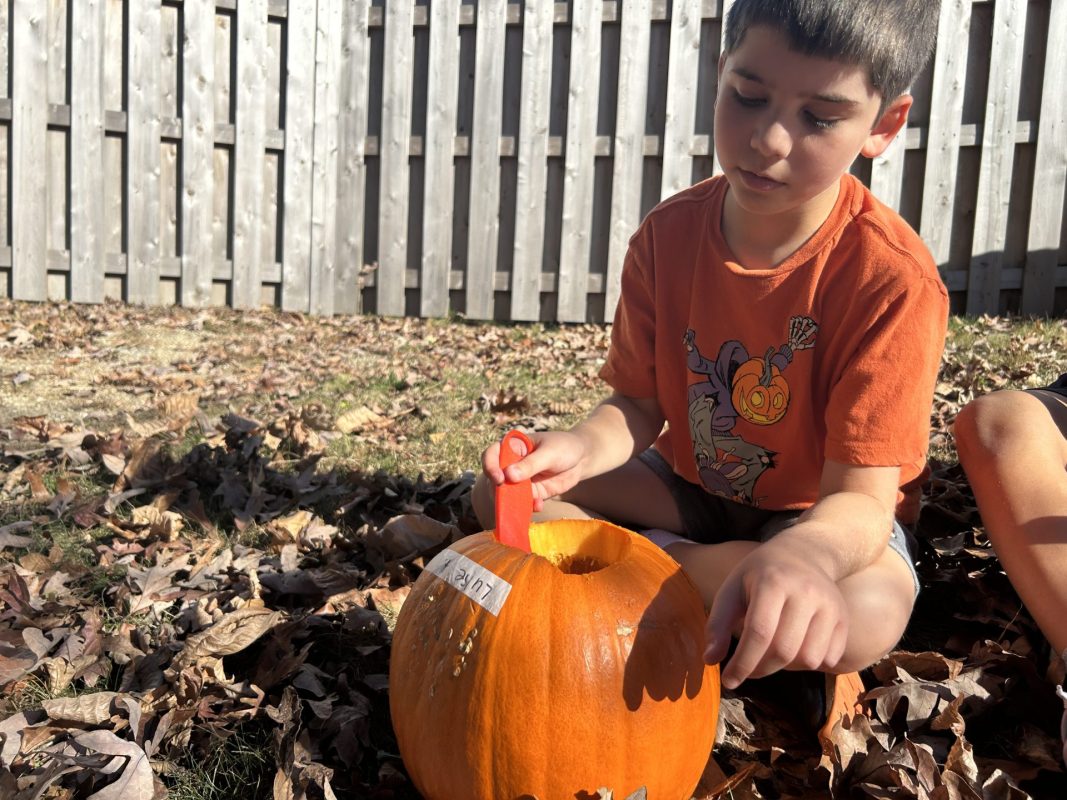
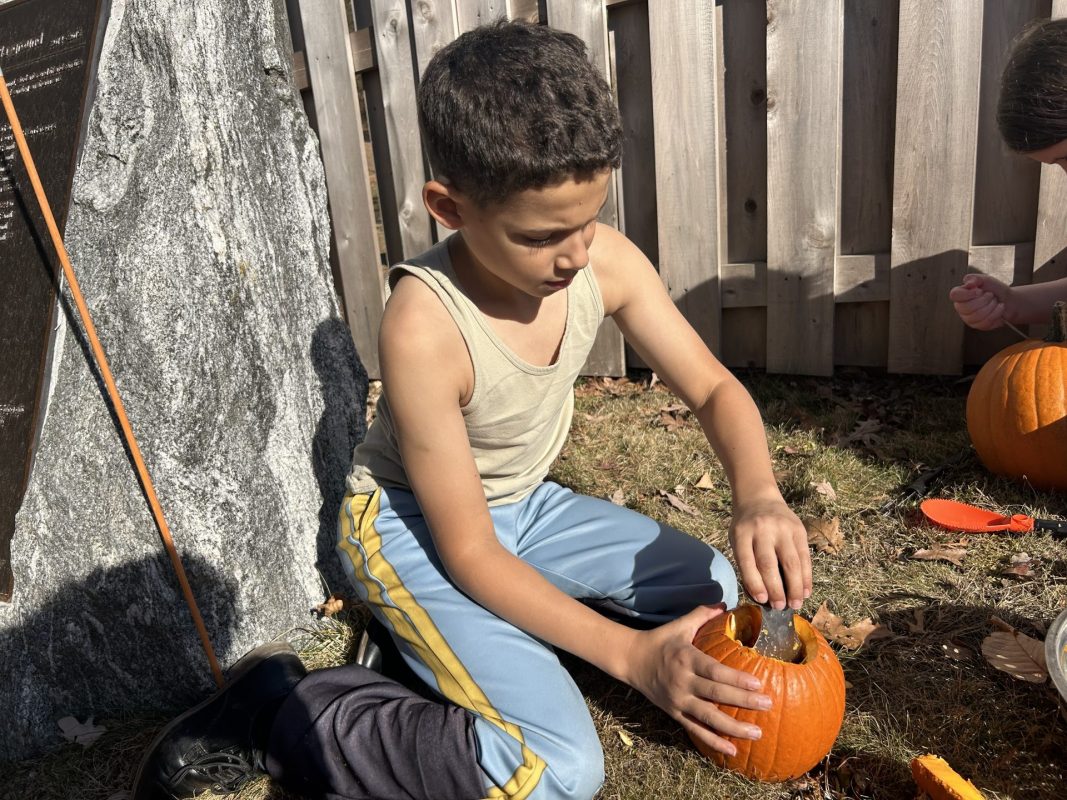
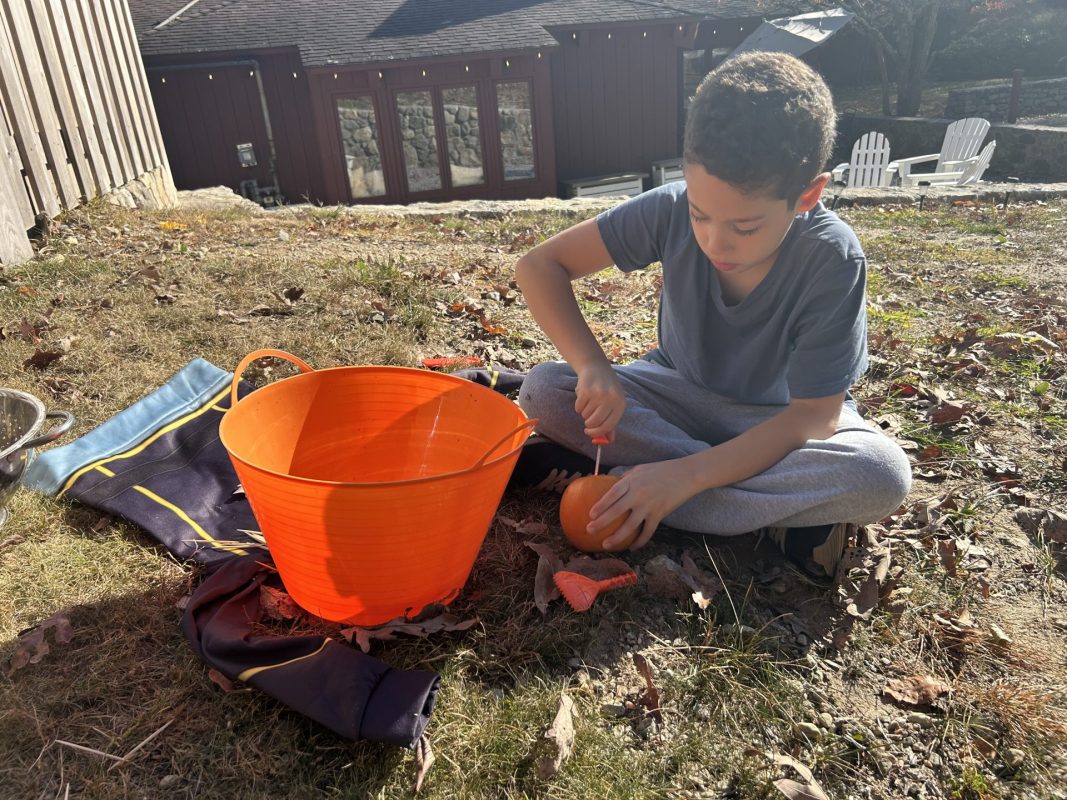
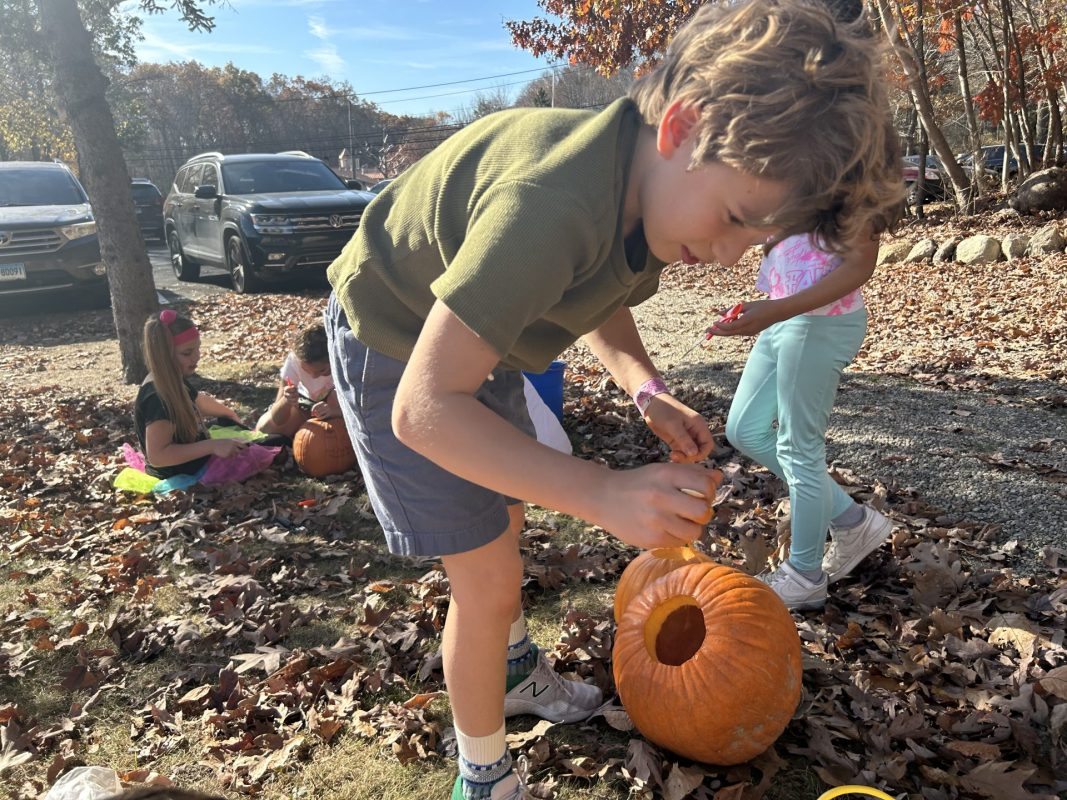
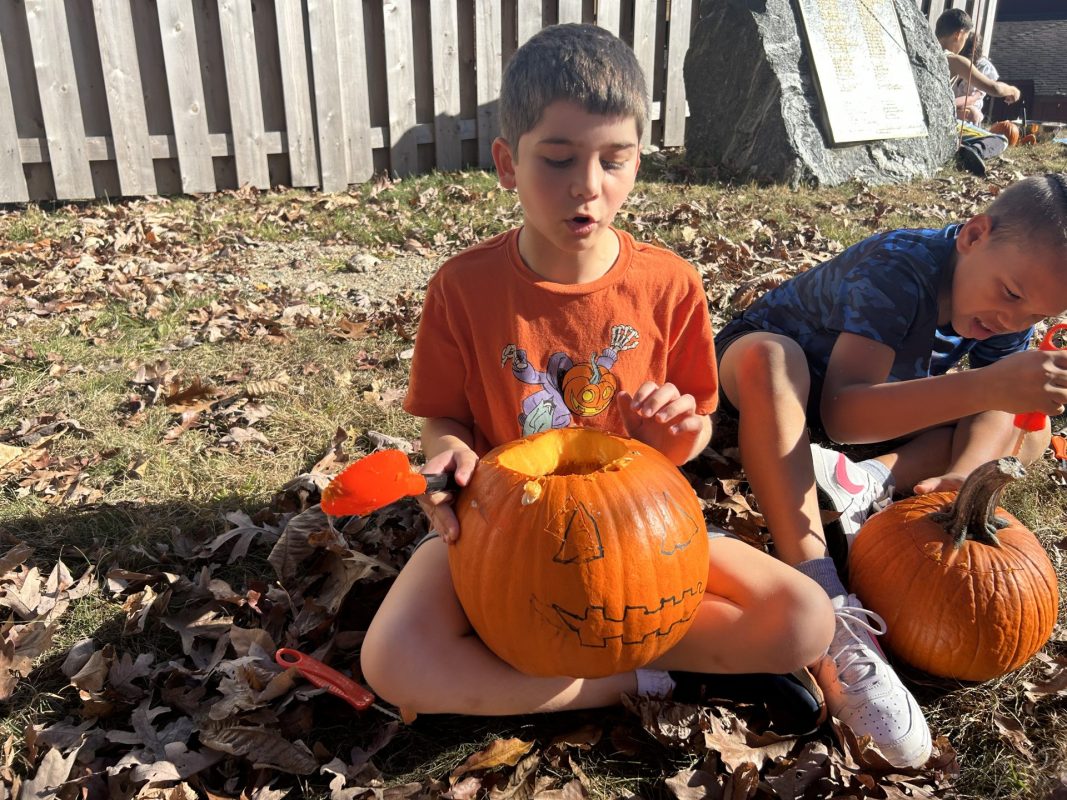
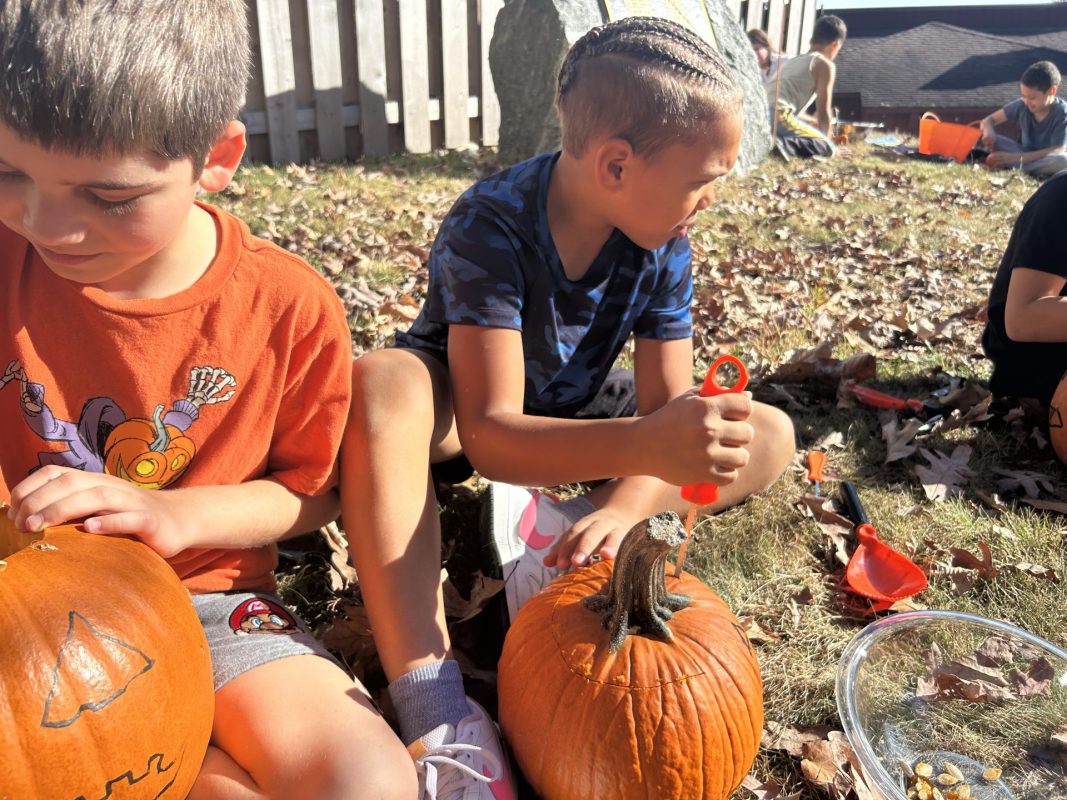
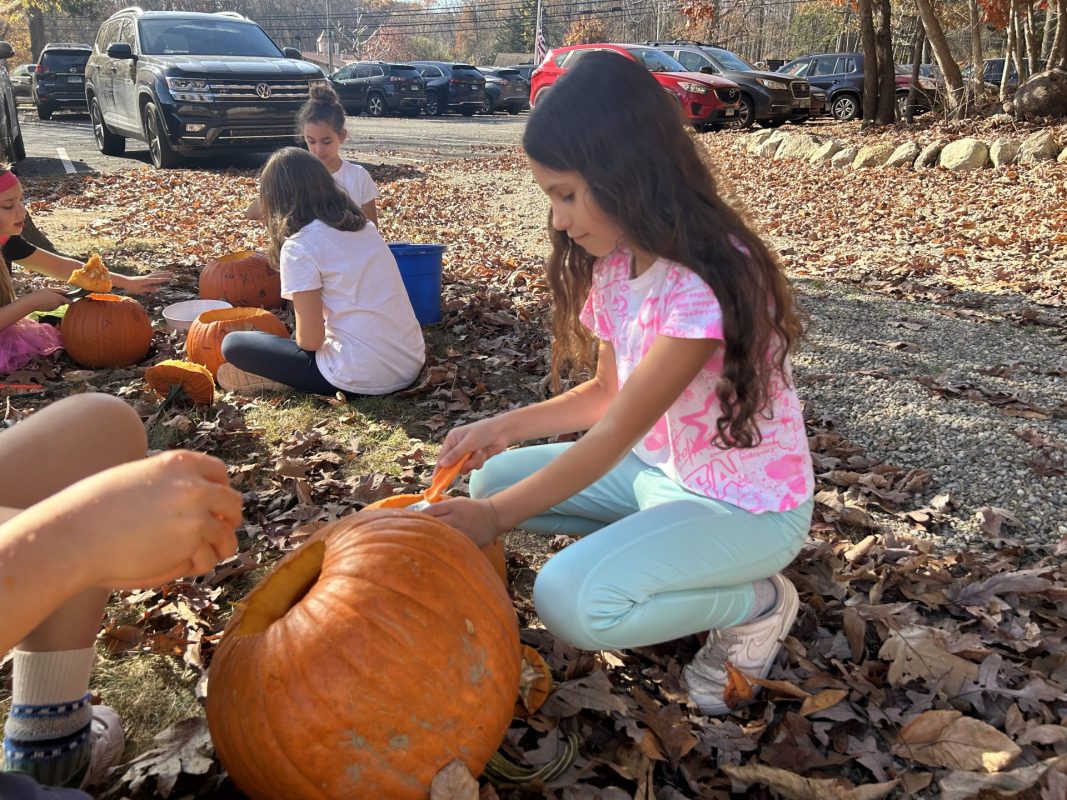
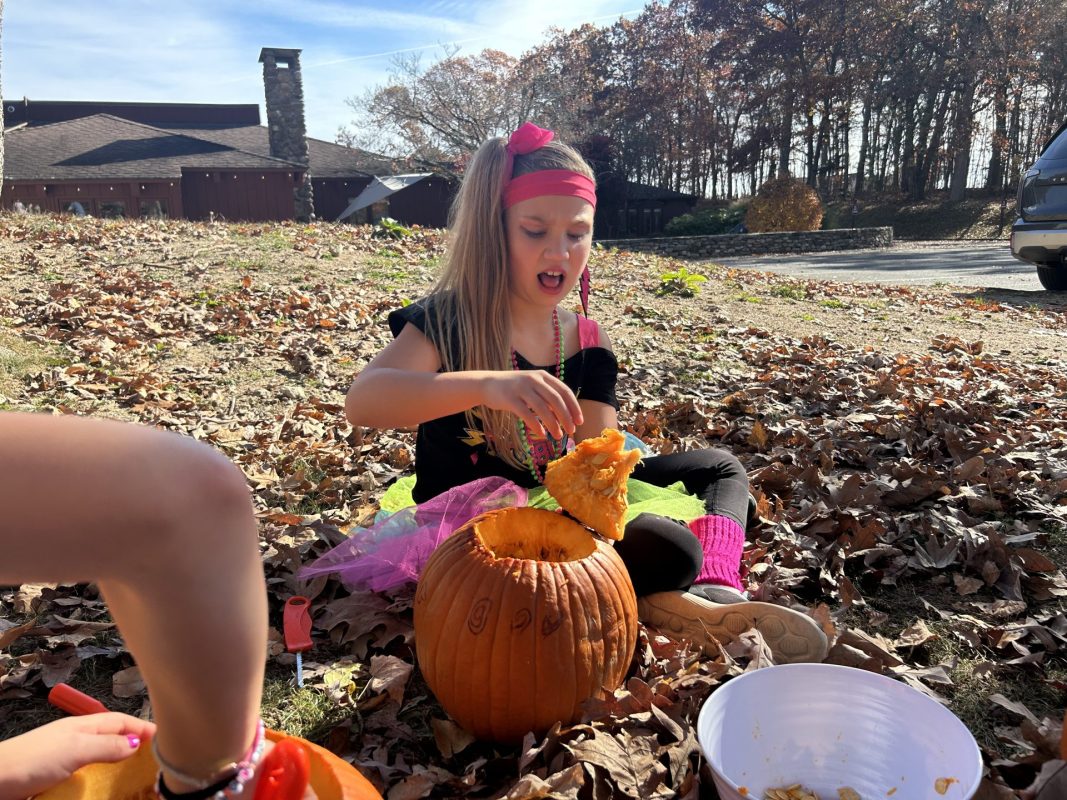
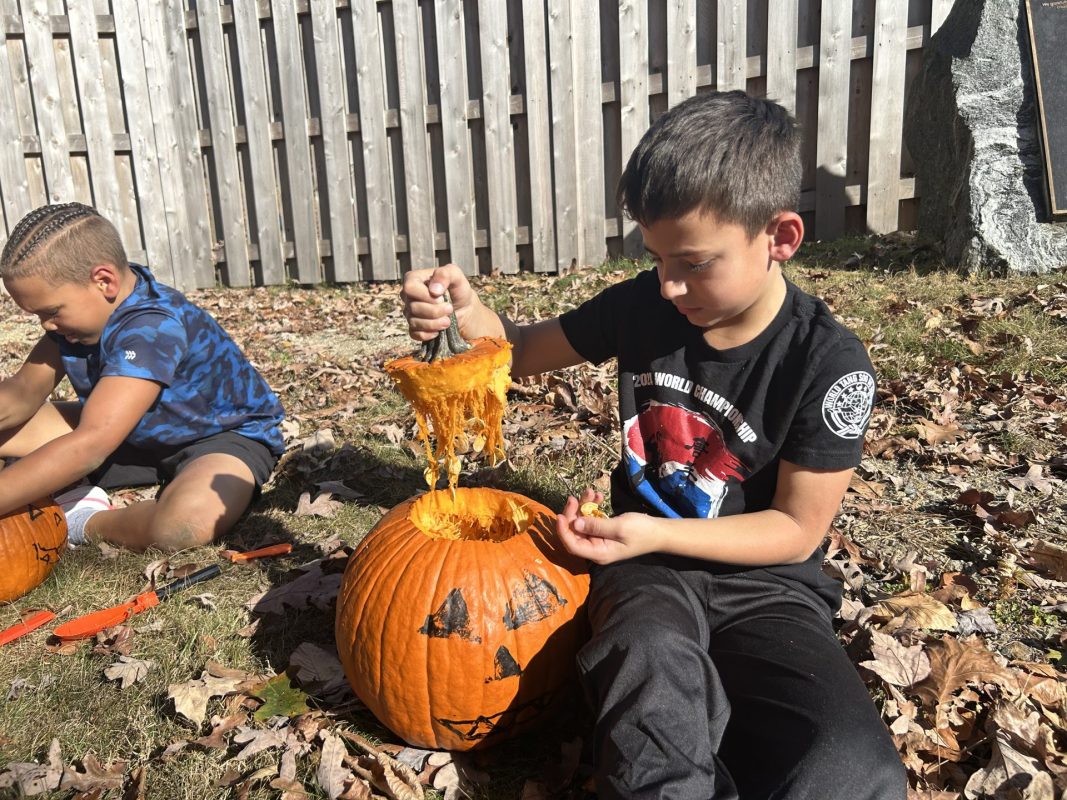
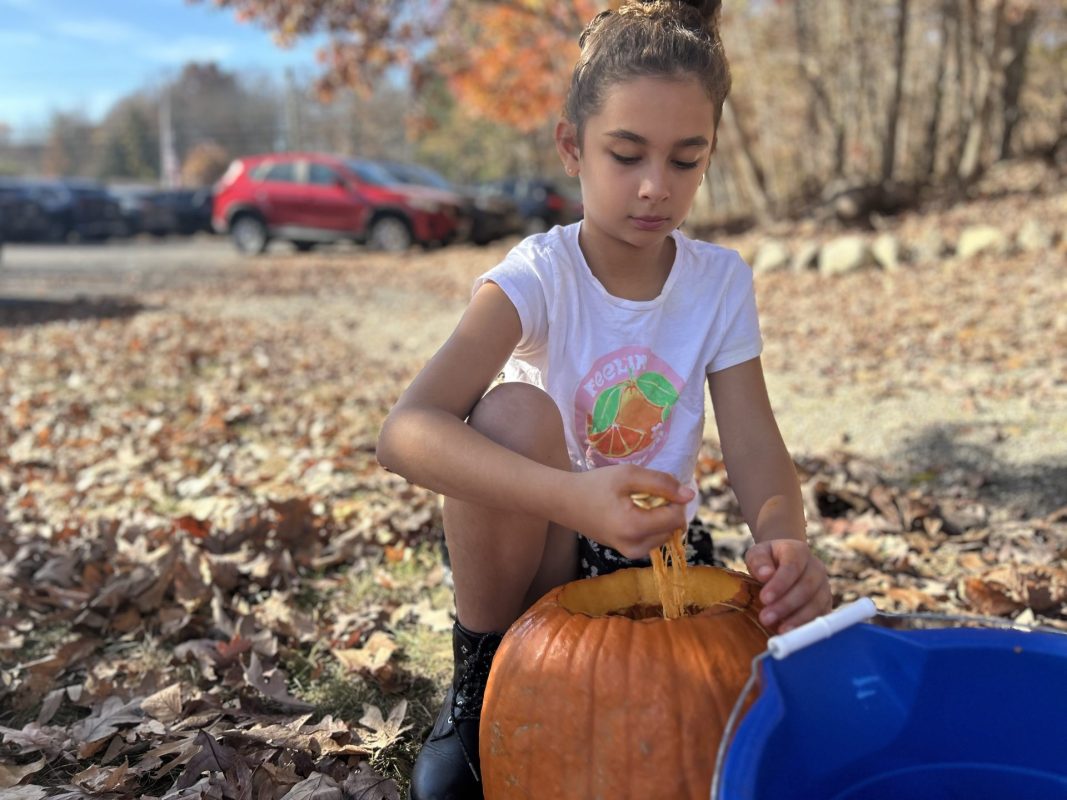
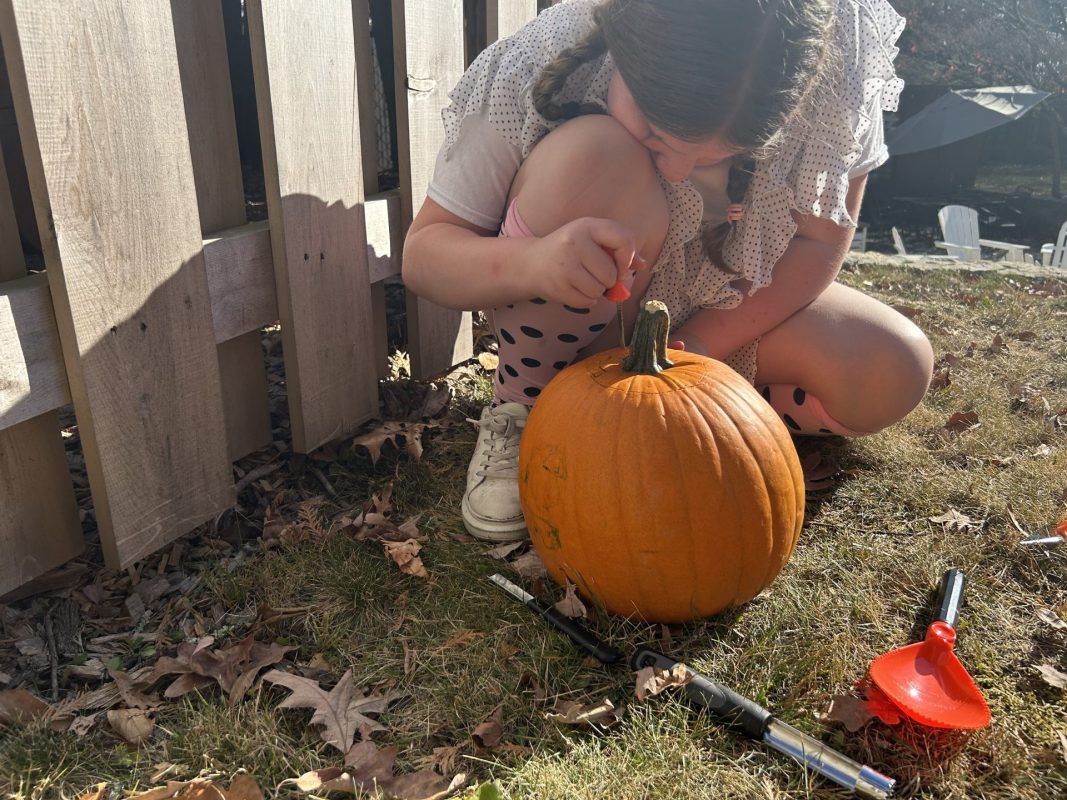
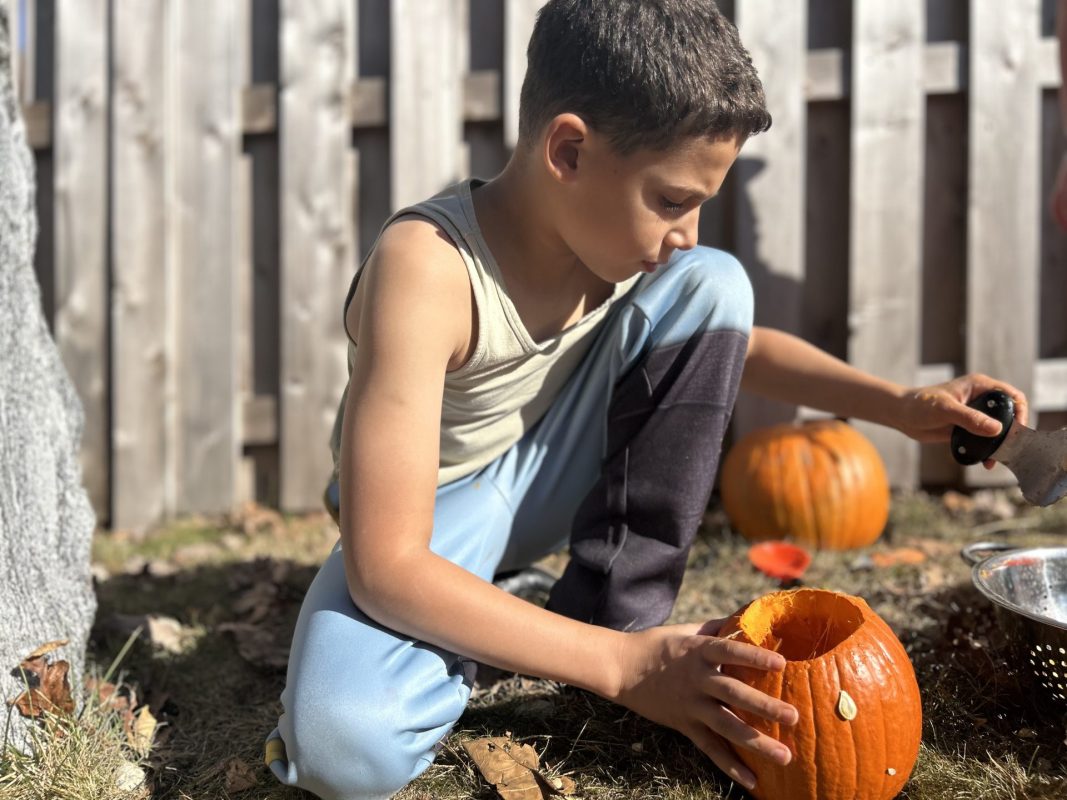
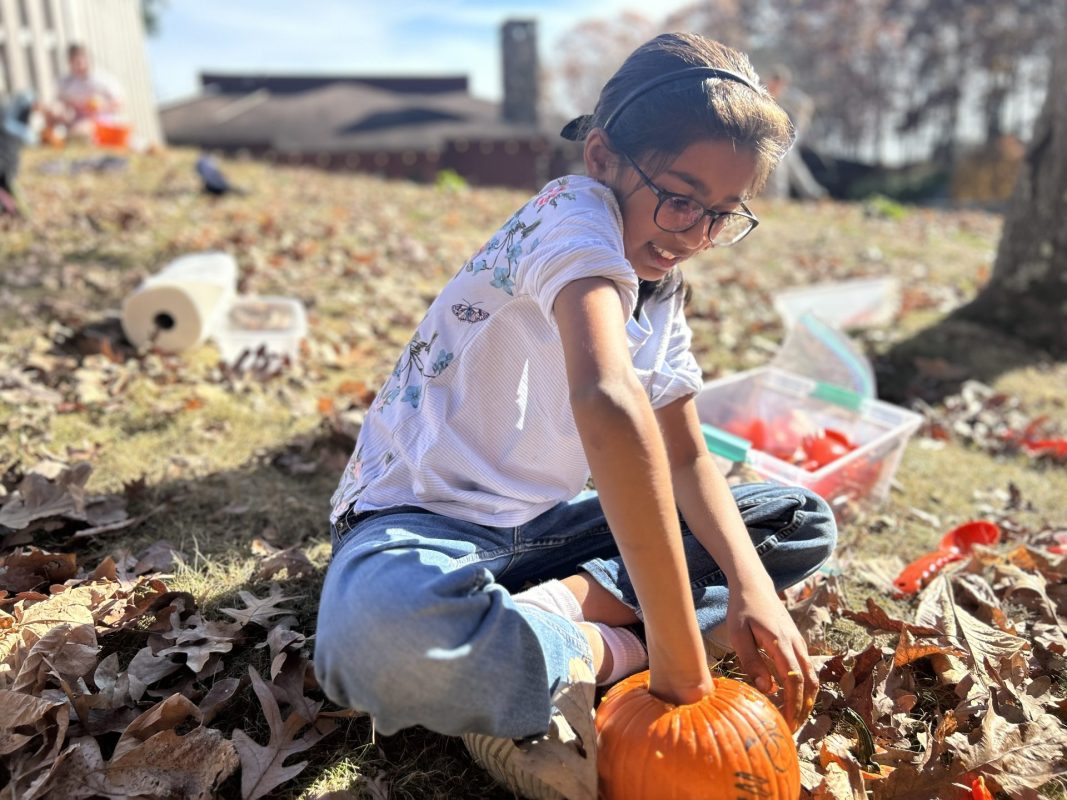
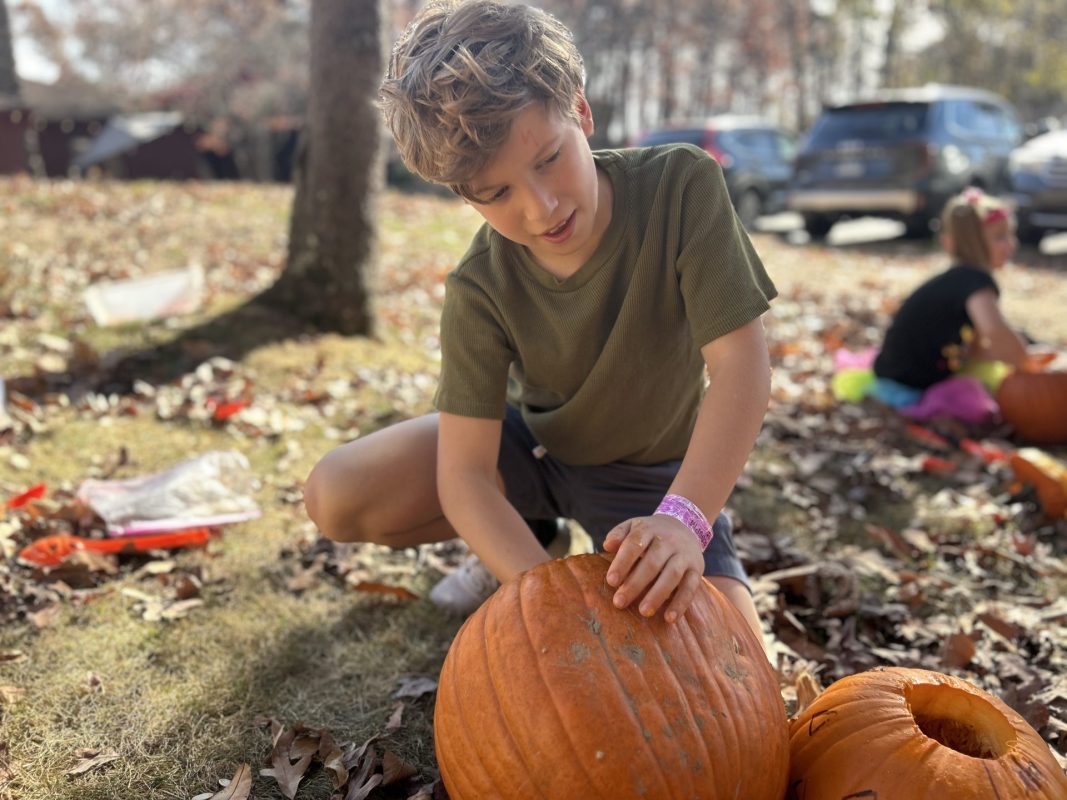
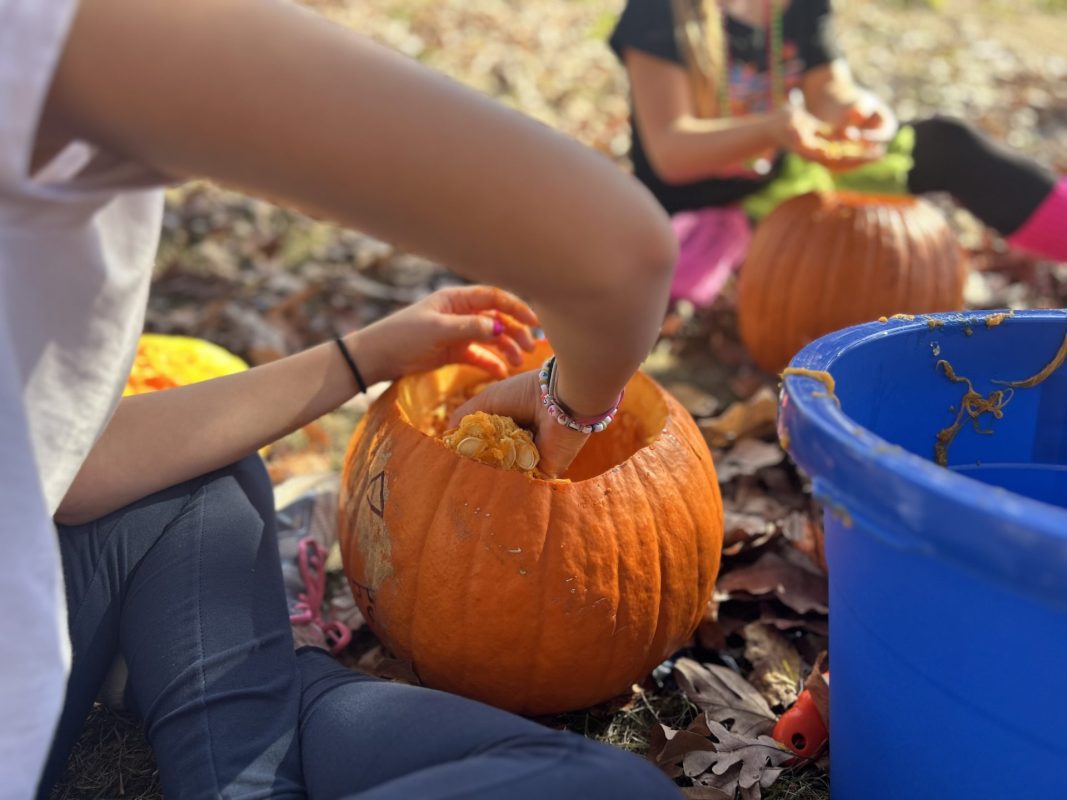
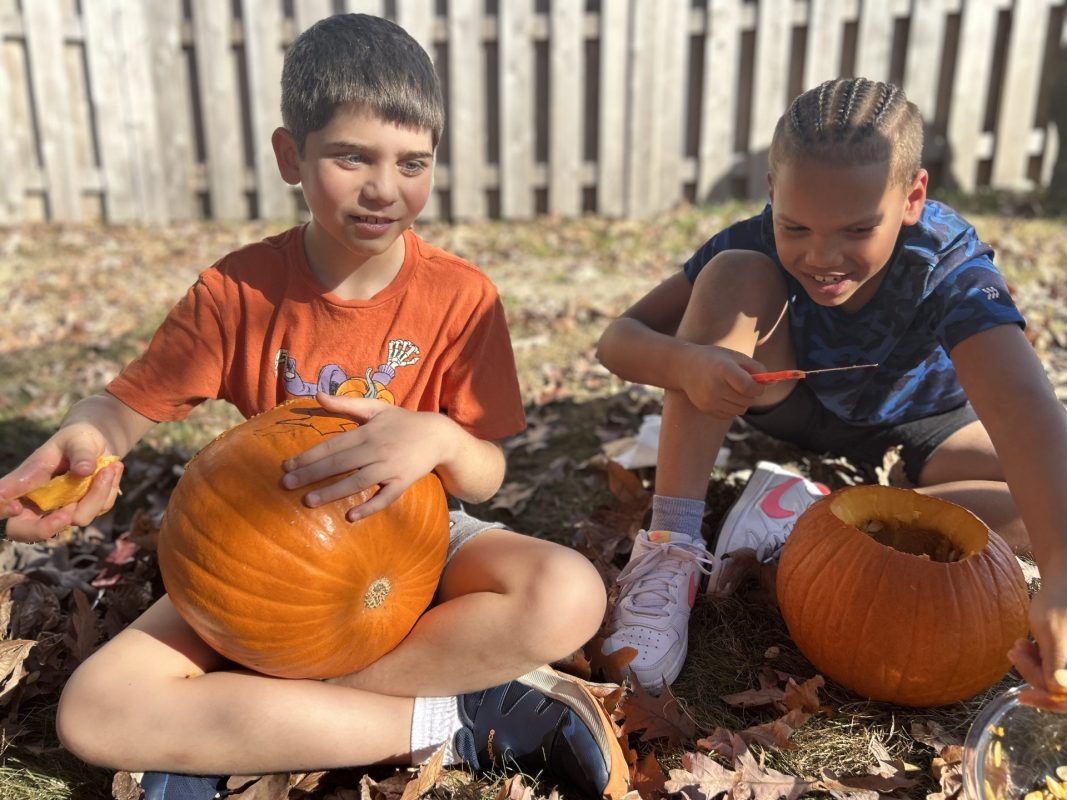
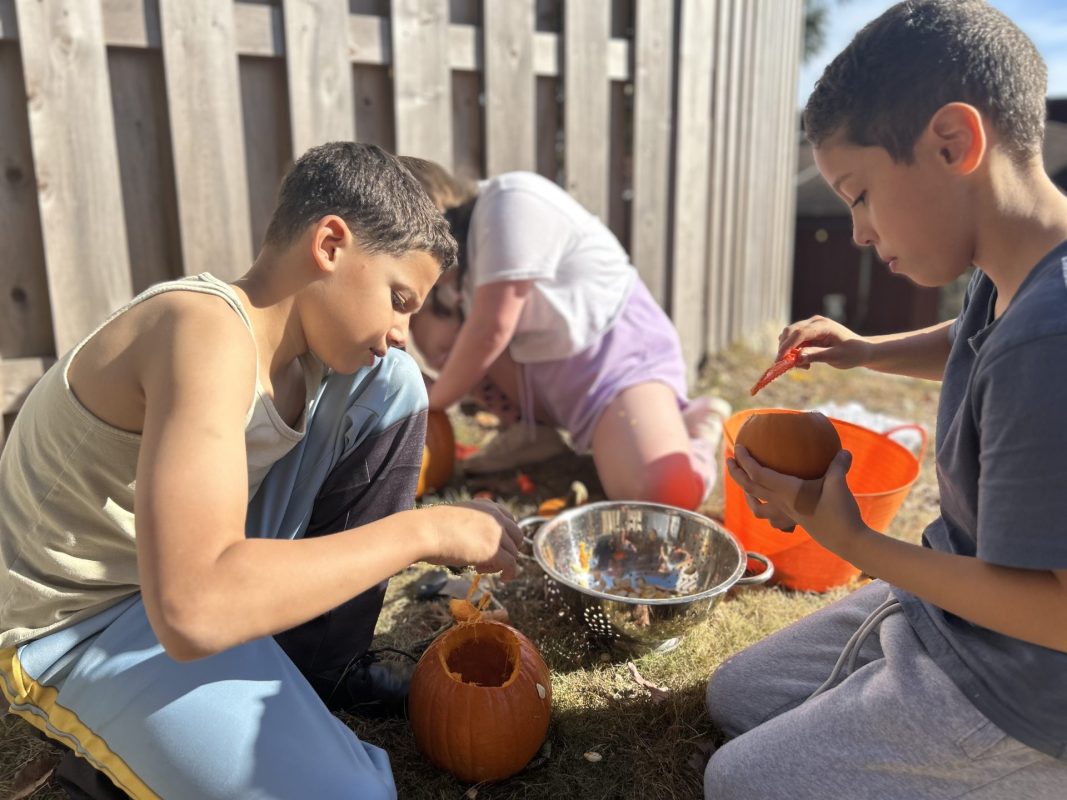
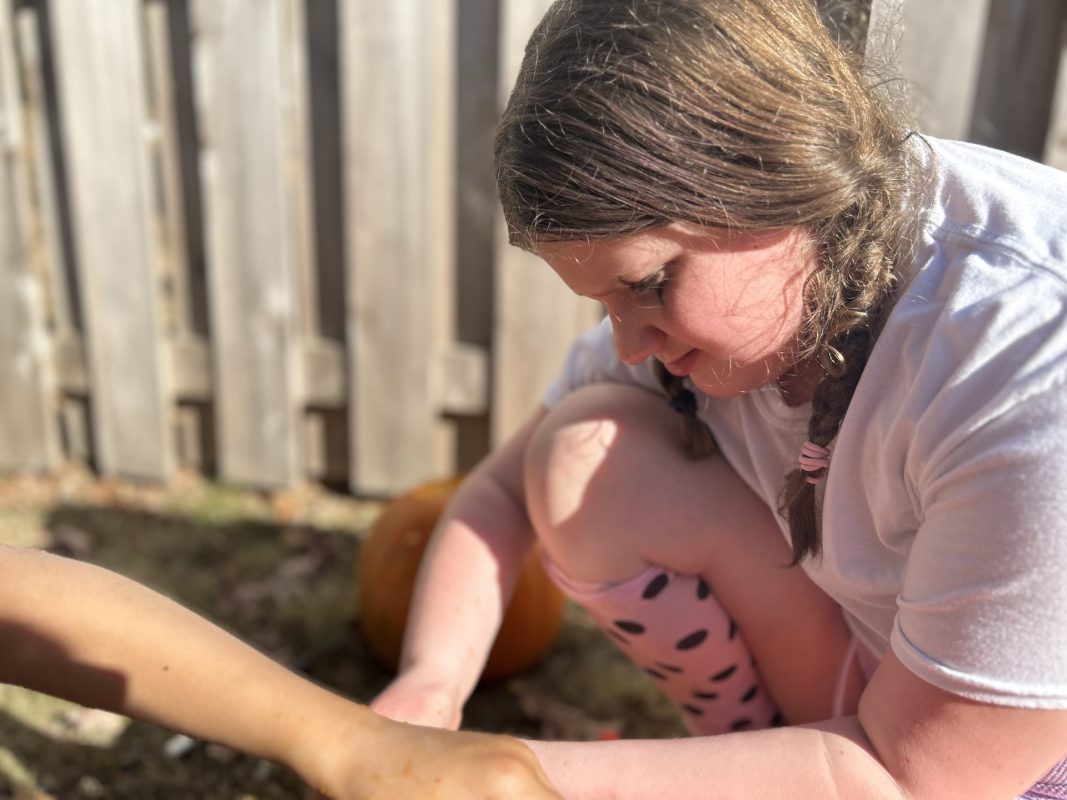
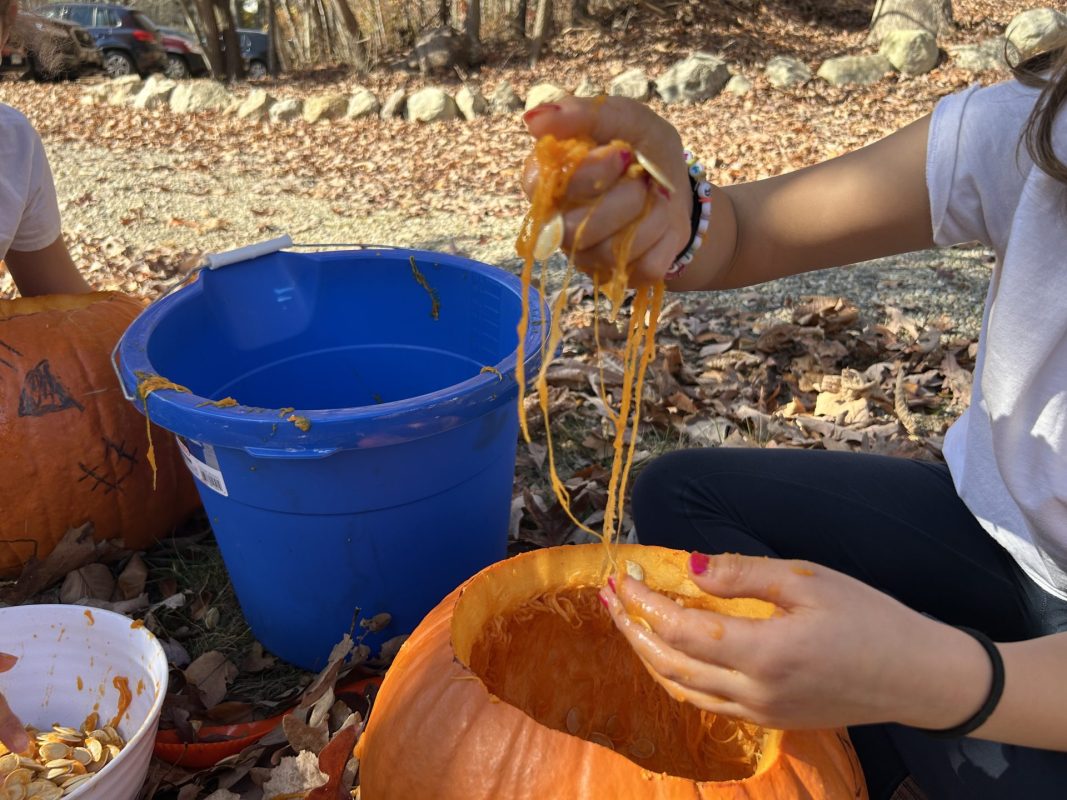
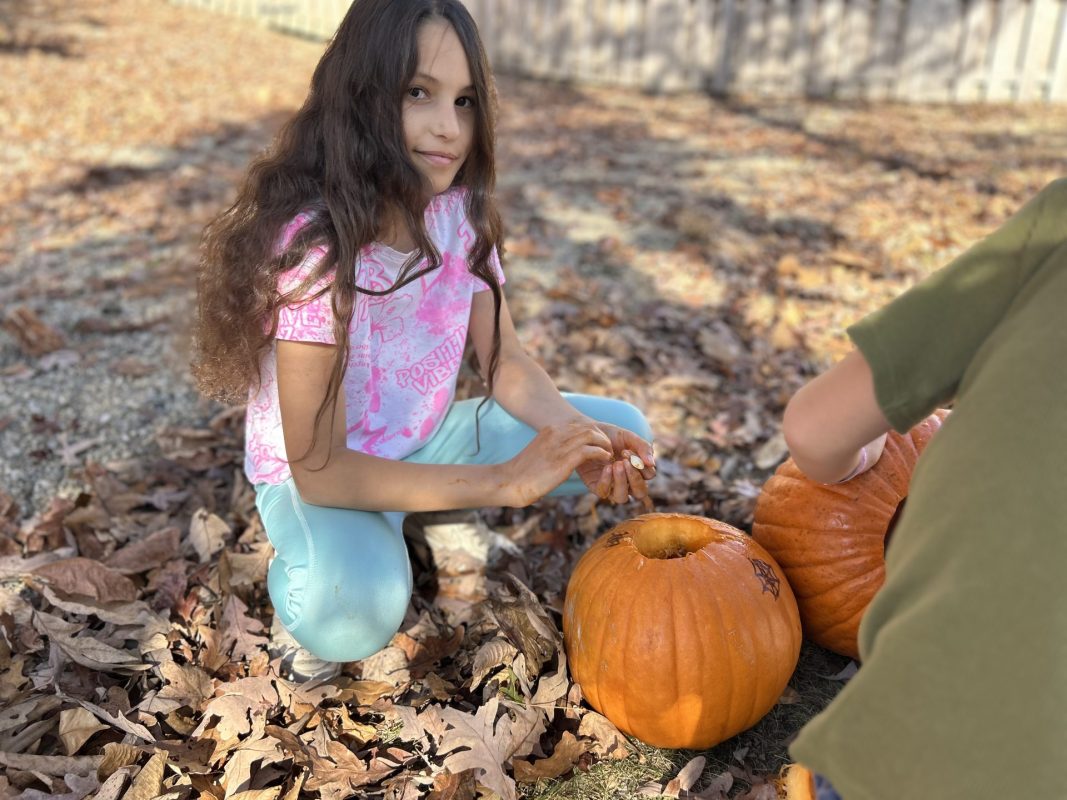
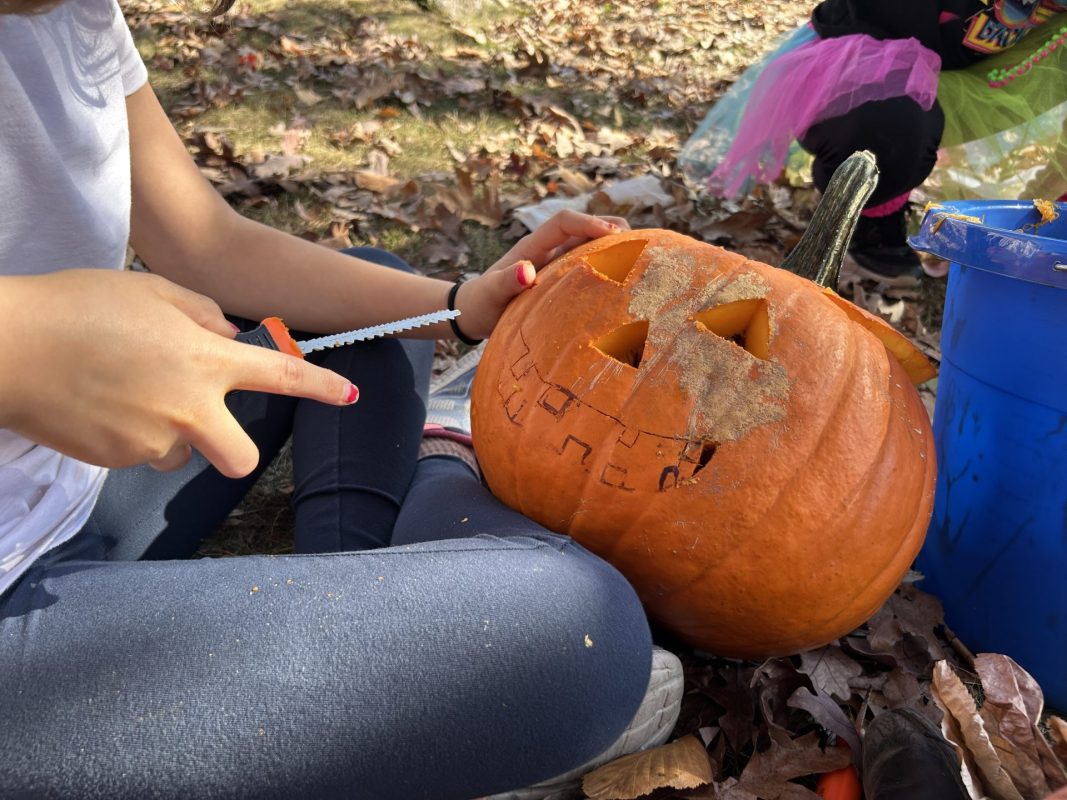
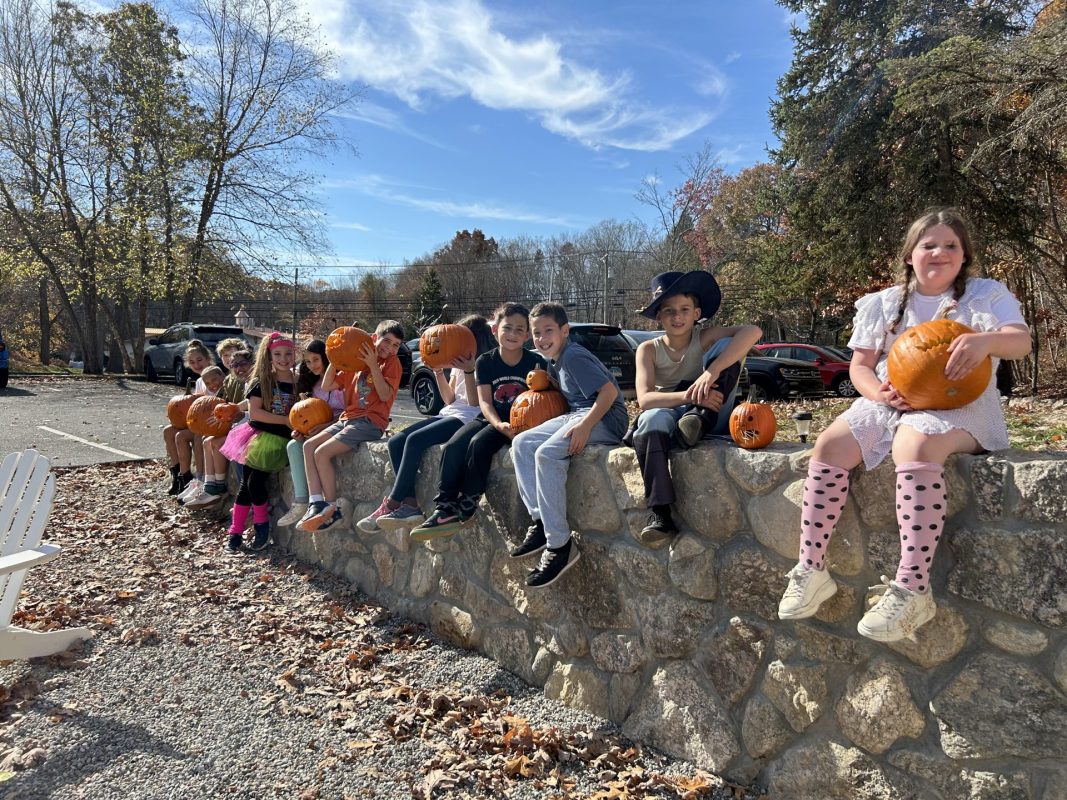
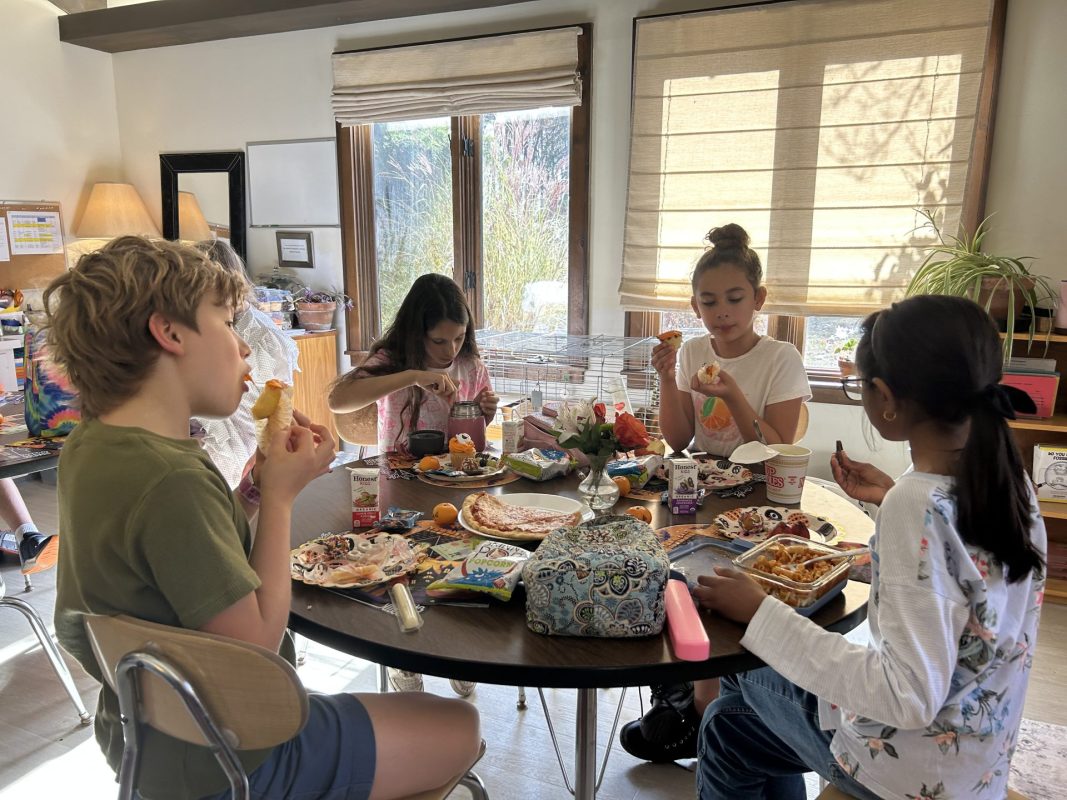
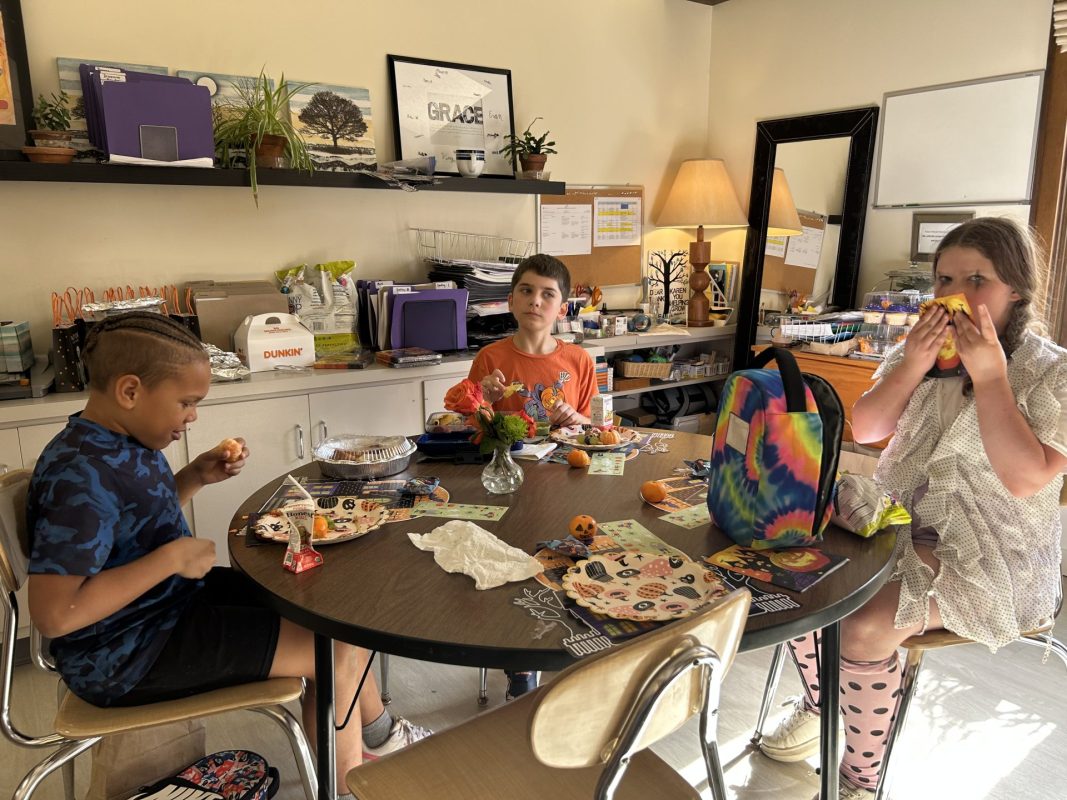
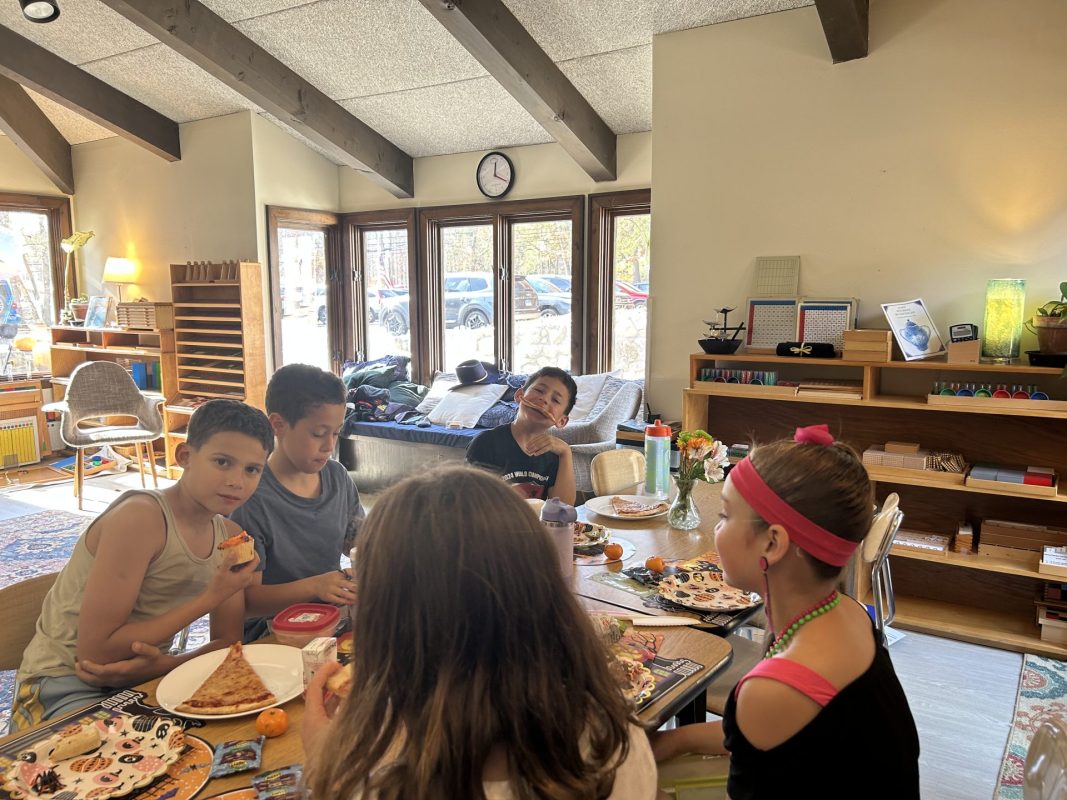
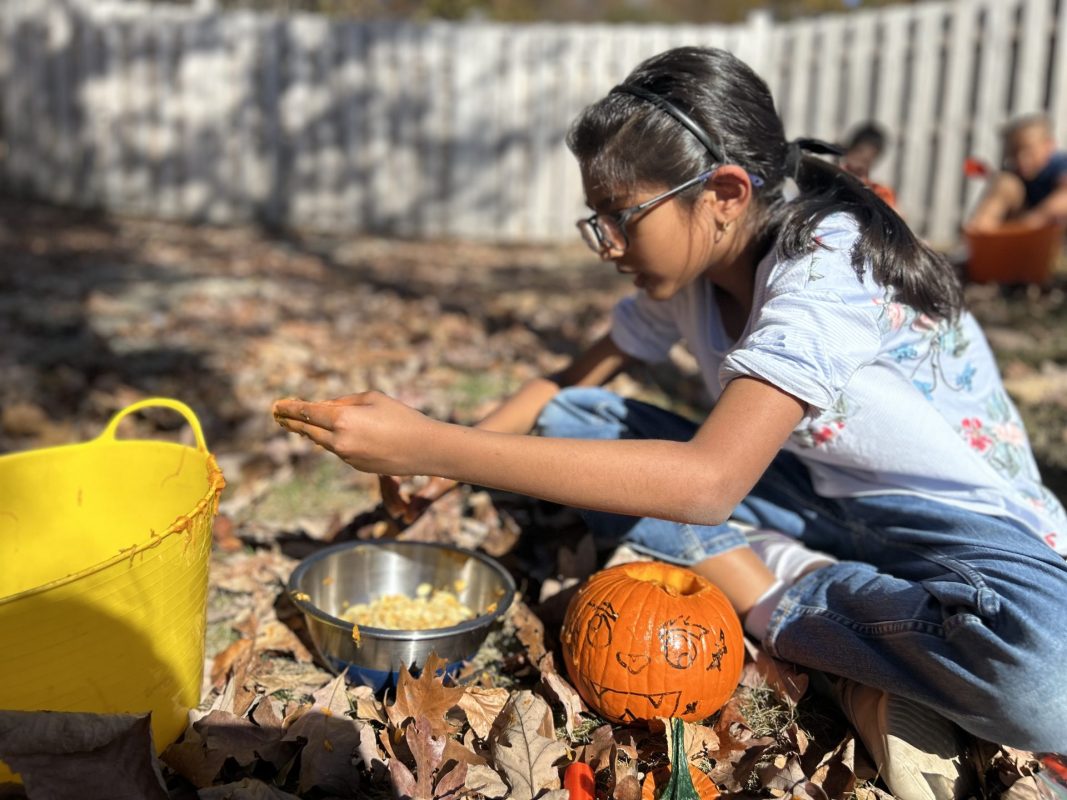
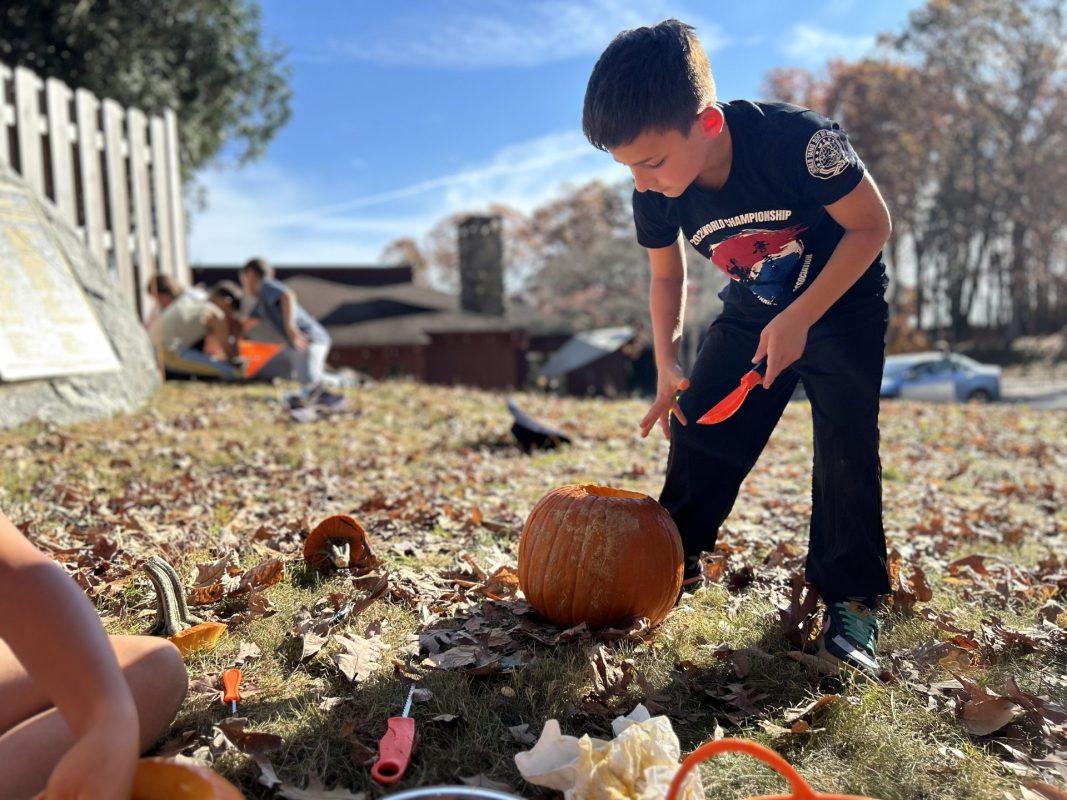
Halloween was filled with excitement as we dressed in costumes and participated in a parade for the primary and toddler students. Their joyful cheers and wide-eyed wonder added to the festive spirit. The parade ended with the elementary and middle school students and our fabulous performing arts instructor, Megan Kirk, surprising us with a choreographed Halloween dance. After the festivities on the field ended, we returned to our class to carve our pumpkins and enjoy our delicious treats. Thank you for your generous contributions to our class party!

This Week in Upper El

This week in Upper El was short but productive. In geometry, Group One began lessons on advanced equivalences. This work involves comparing two figures to establish their equivalence. As with all math and geometry lessons, we started with hands-on materials. The process consists of four steps: identifying the figures, demonstrating equivalence between the figures using their corresponding materials, identifying the elements of each figure (base and height), and making a statement about the relationship between the lines of the equivalent figures. This week, we focused on the equivalence between a triangle and a rectangle. Meanwhile, Group Two worked on finding the area of a rhombus. They learned that the formula for area is half of the major diagonal multiplied by the minor diagonal.

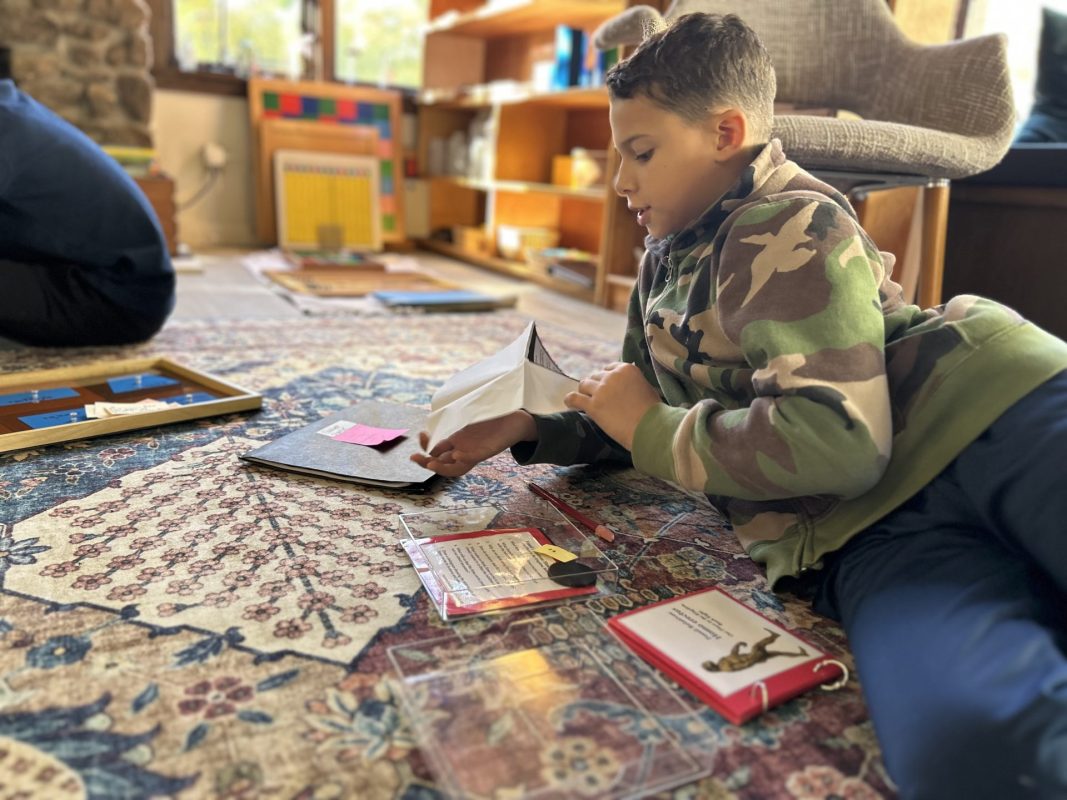
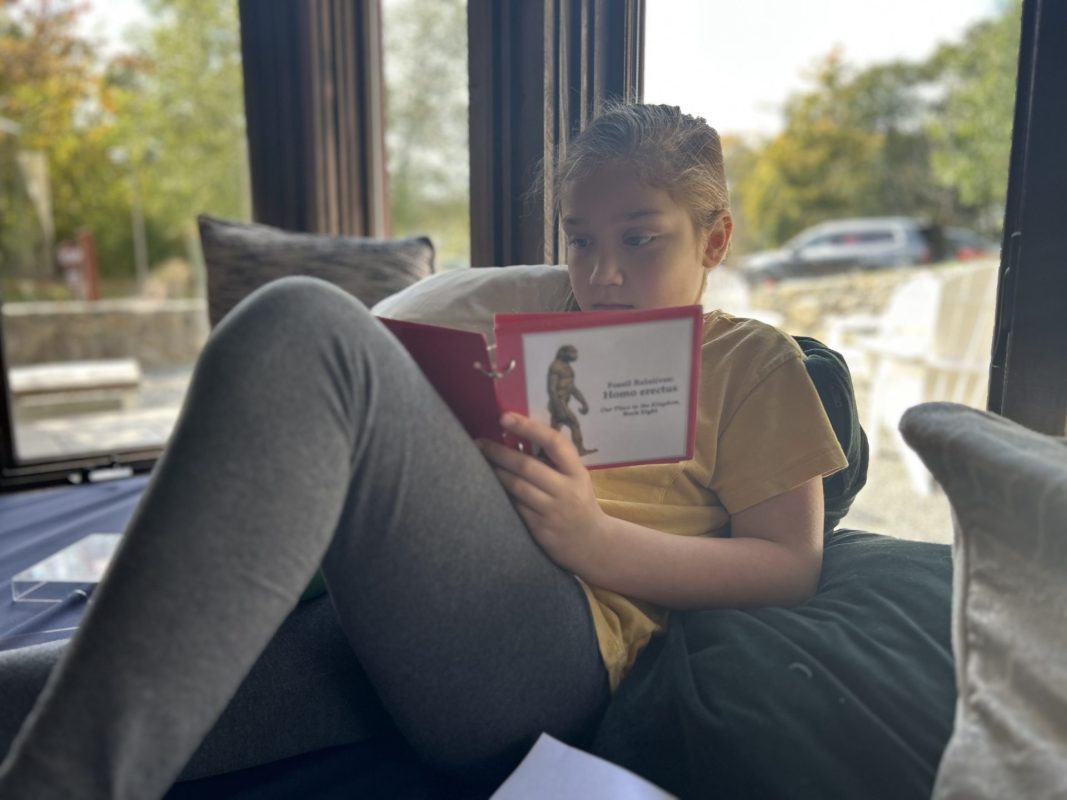
In history, we divided into research groups, with each group researching a specific culture of early humans: Homo habilis, Homo erectus, Homo sapiens (Neanderthals), and Homo sapiens sapiens (Cro-Magnons). This research will culminate in a timeline illustrating the evolution of early human cultures.

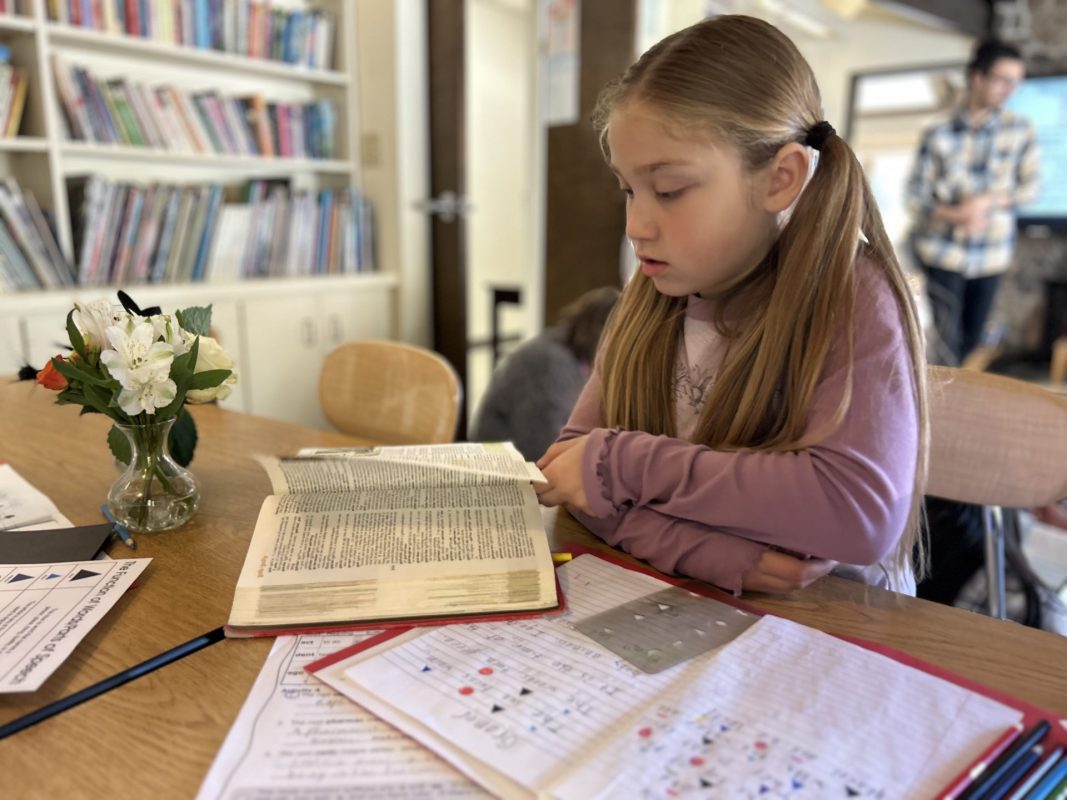
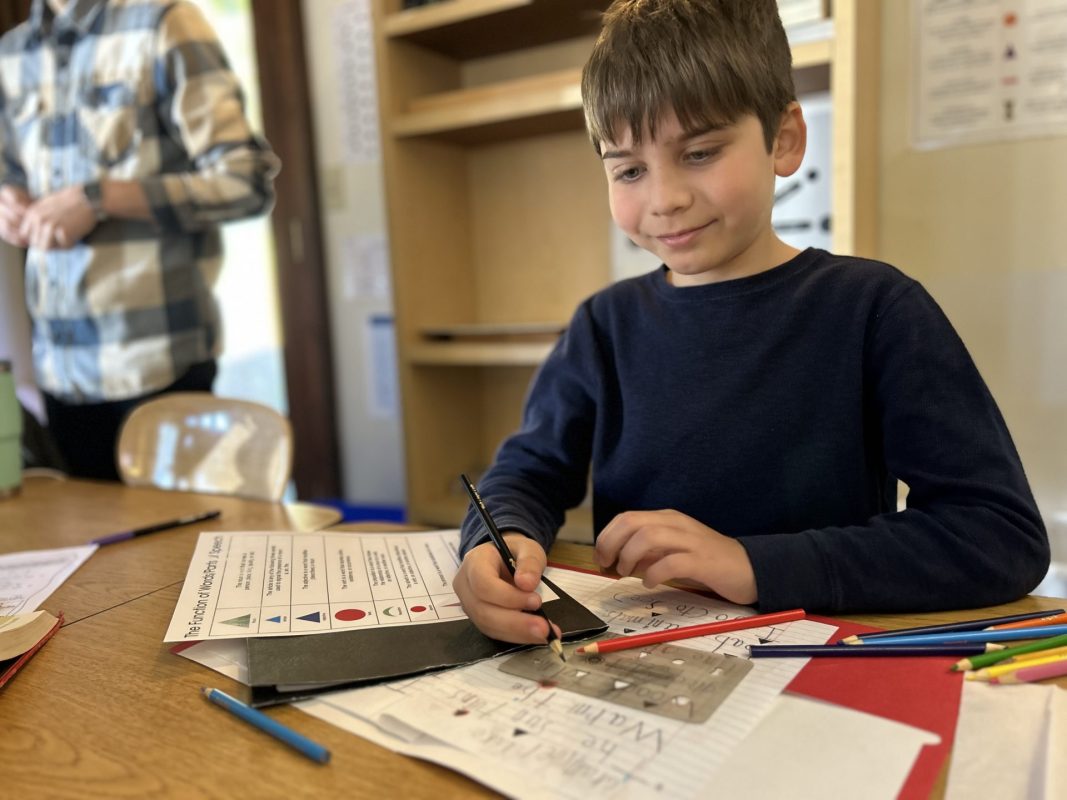
This week, our focus in grammar was on identifying grammatical elements in sentences, specifically verbs and their predicate adjectives. Students utilized Montessori grammar wall charts and dictionaries to assist them in completing this work.


This Week in Upper El

“The earth’s vegetation is a part of the web of life in which there are intimate and essential relations between plants and the earth, between plants and other plants, between plants and animals, and we must learn to respect that fine and fragile web if there is to be anything left for the next generation.” -Rachel Carson

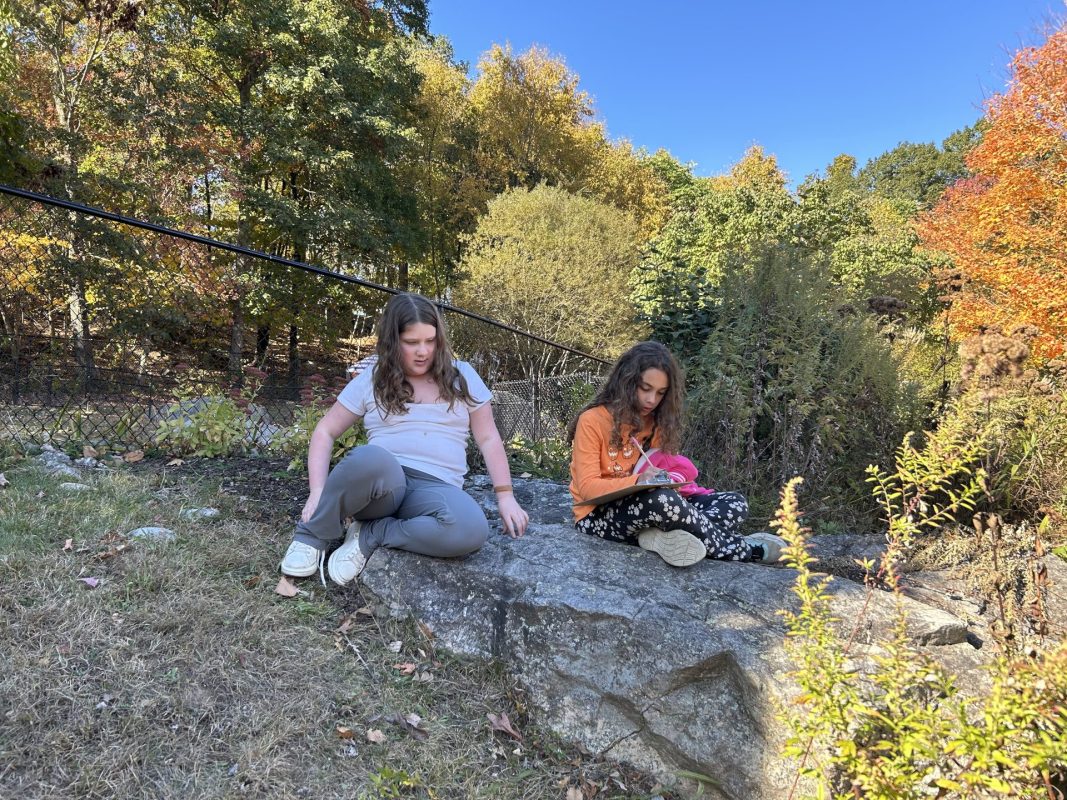
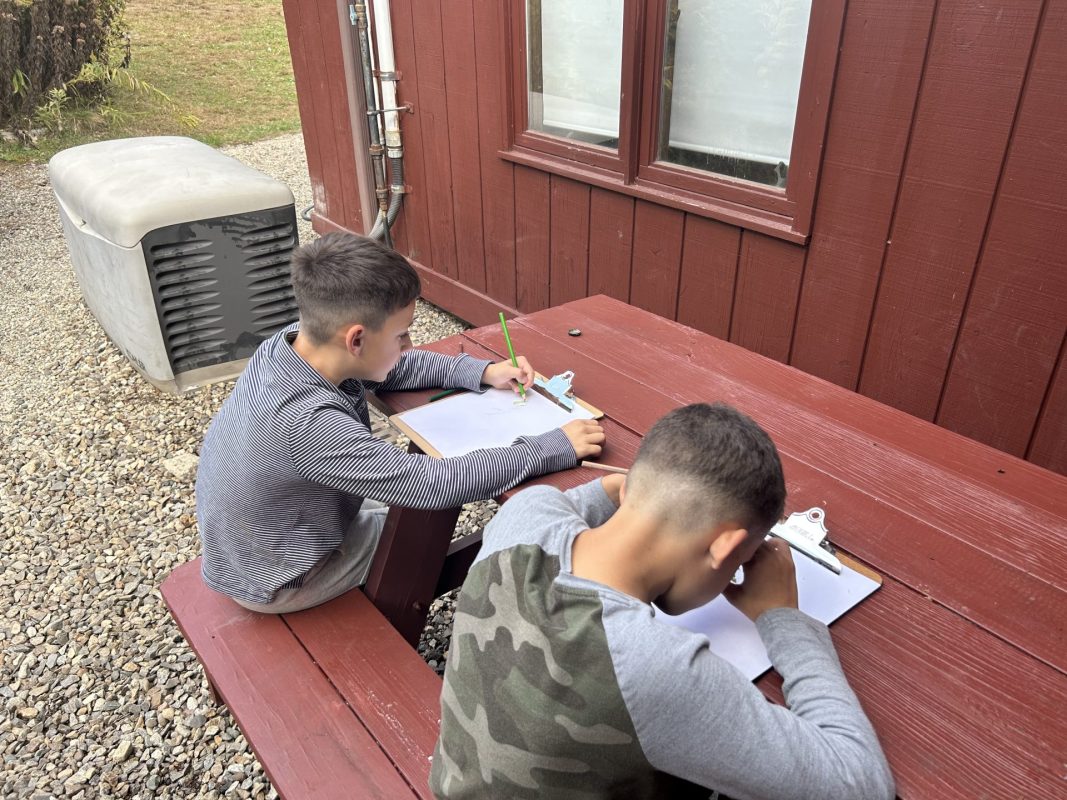
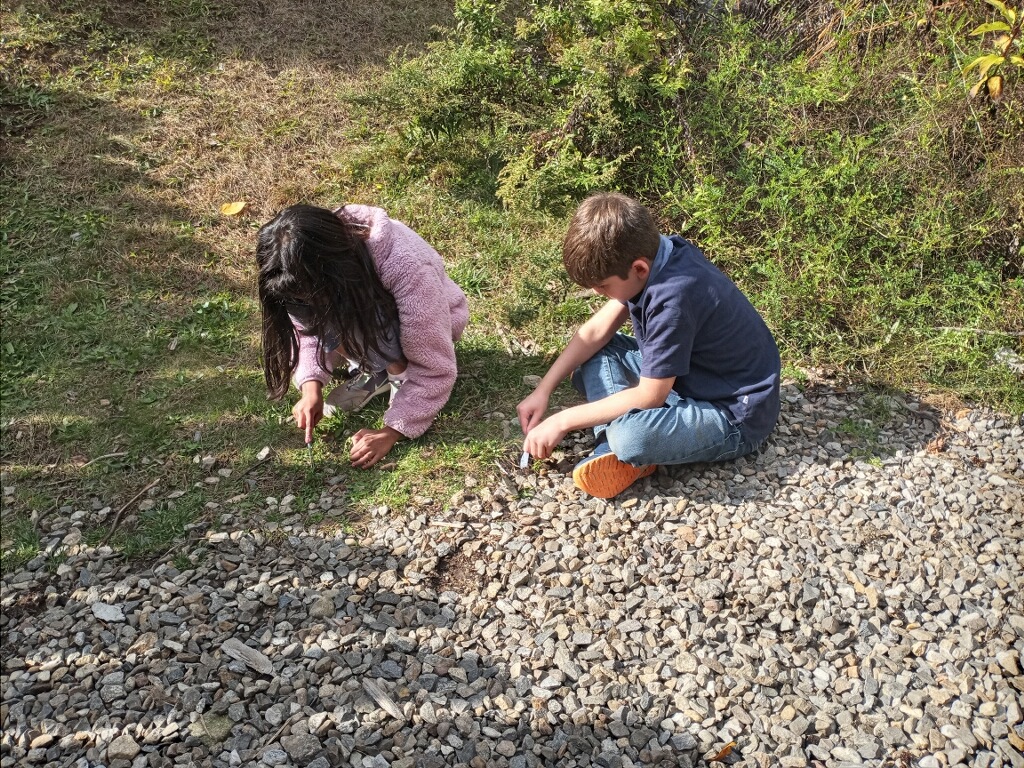
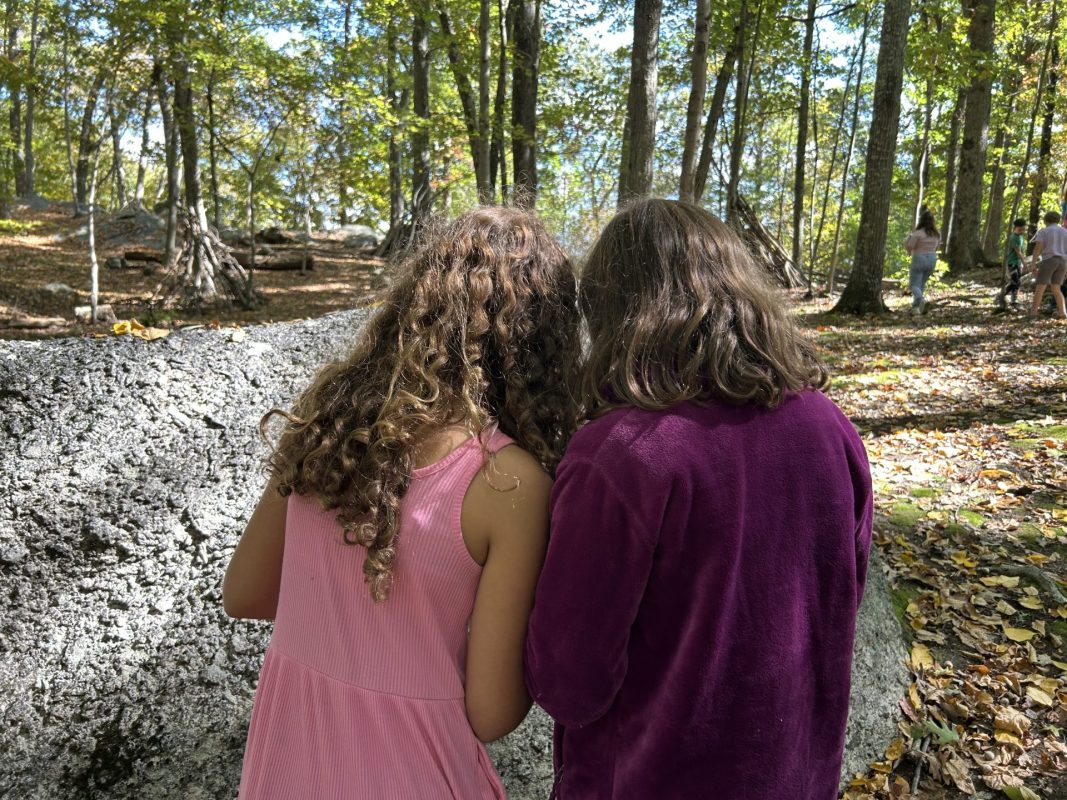
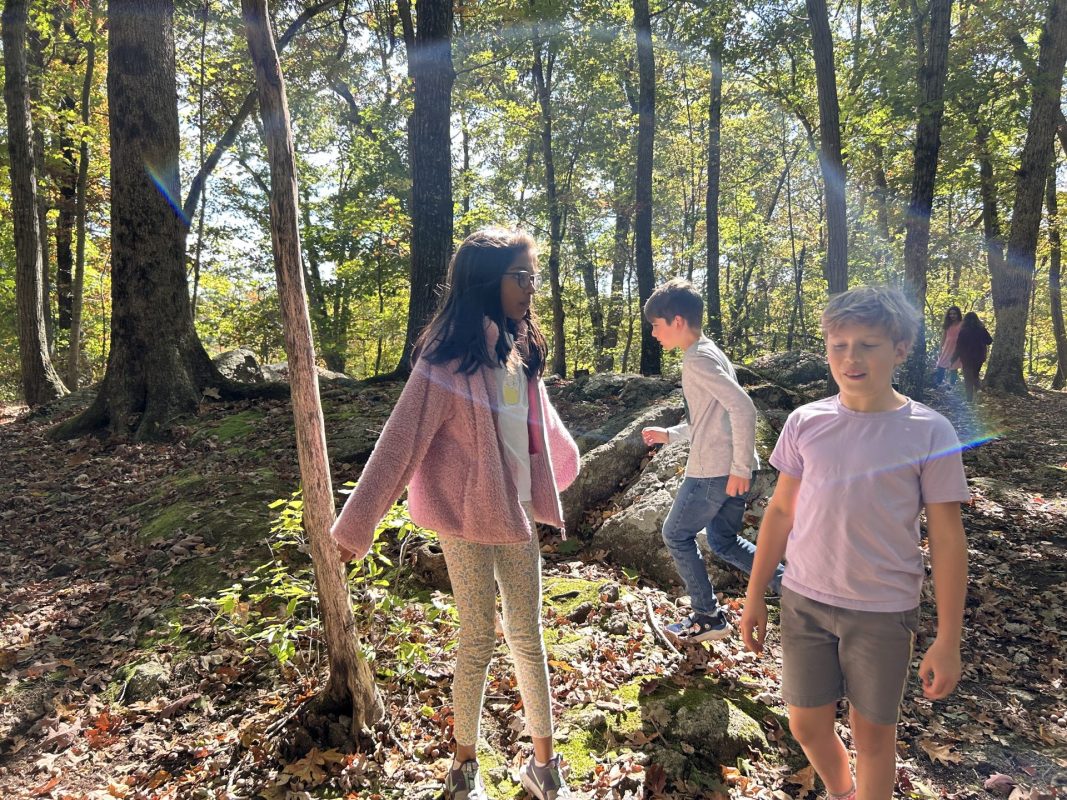
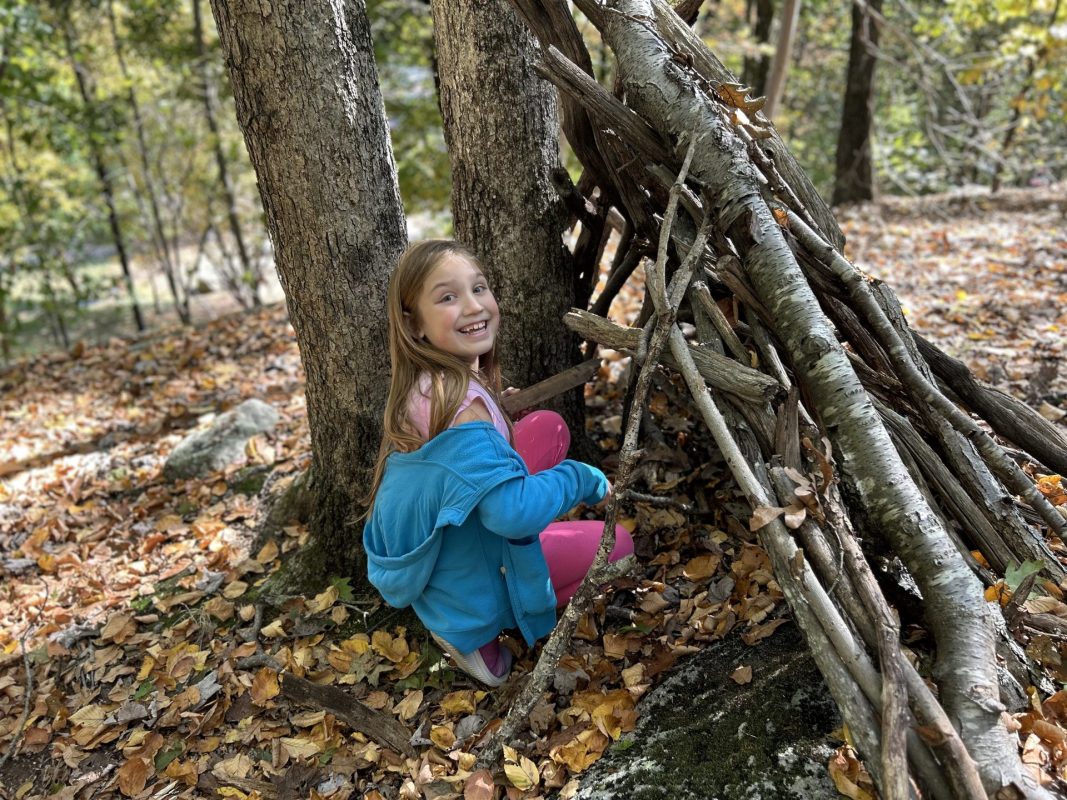
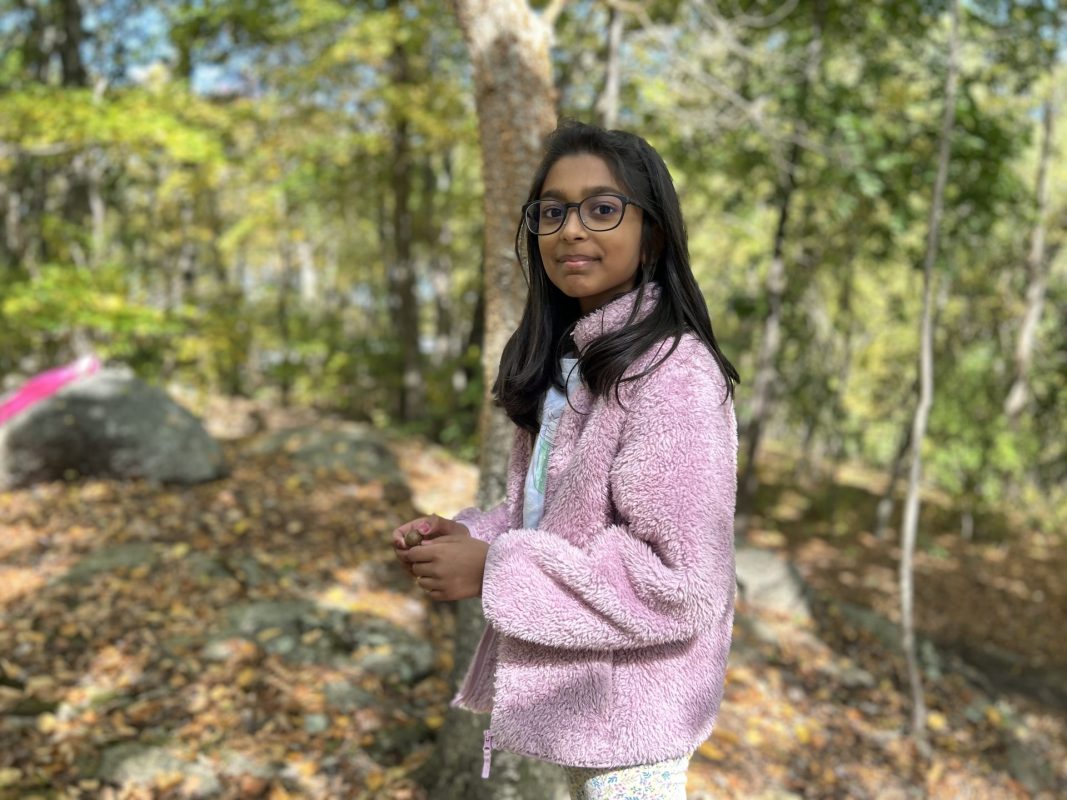
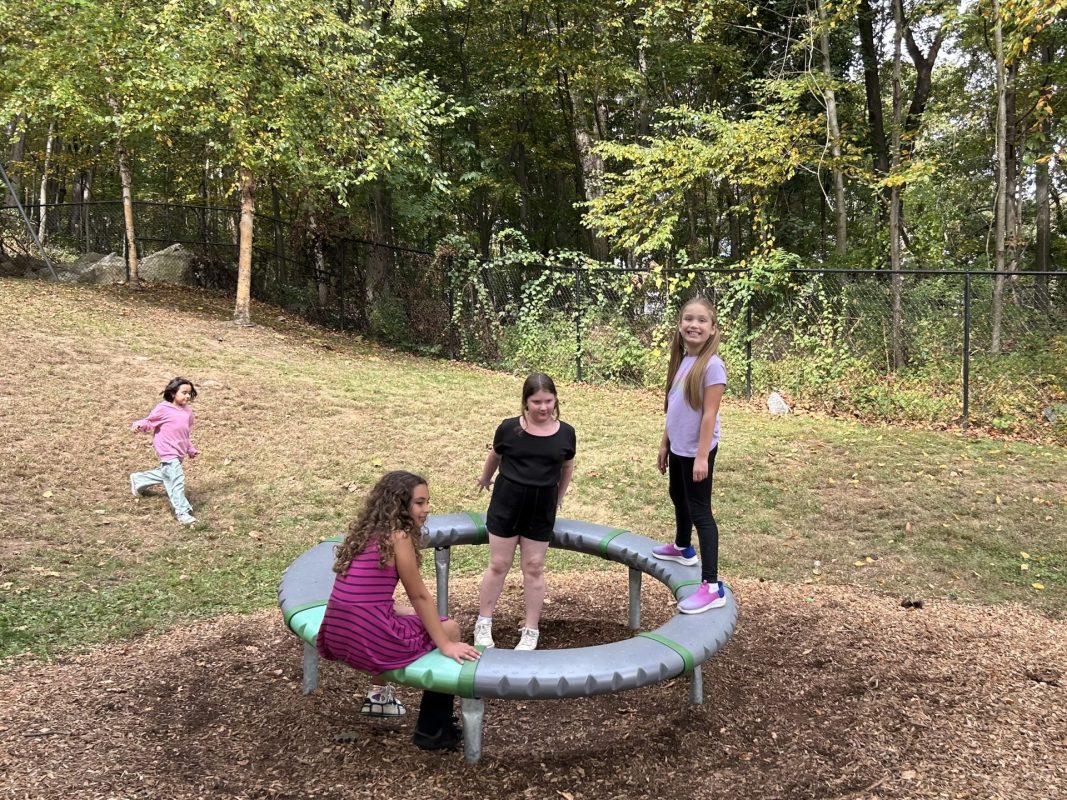
We had a wonderful week! We enjoyed the gorgeous fall weather with outdoor biology work and Lit Circle. We were also thrilled to welcome a new friend to our class this week!

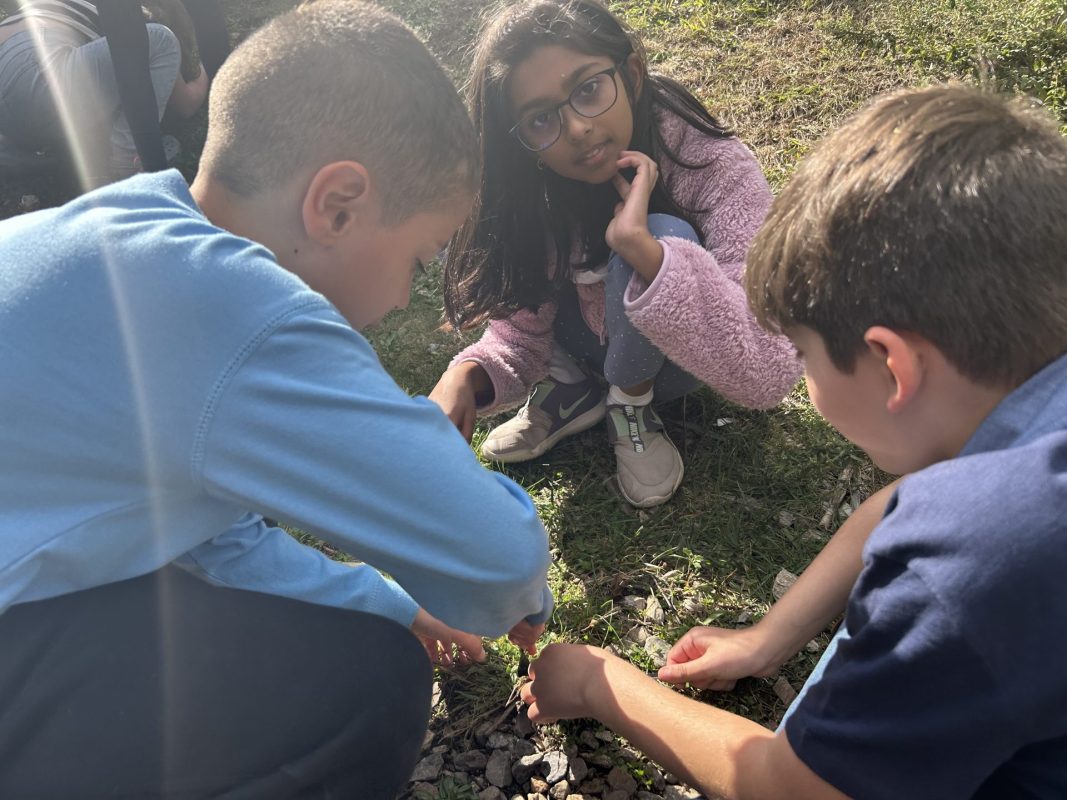
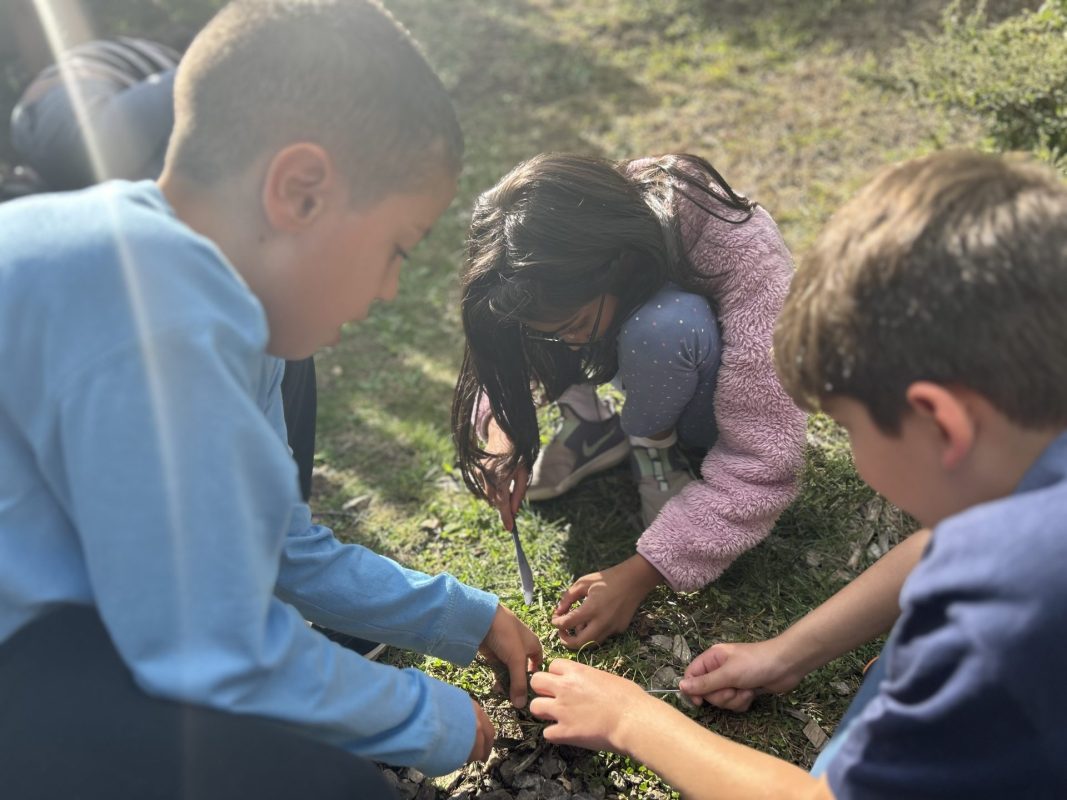
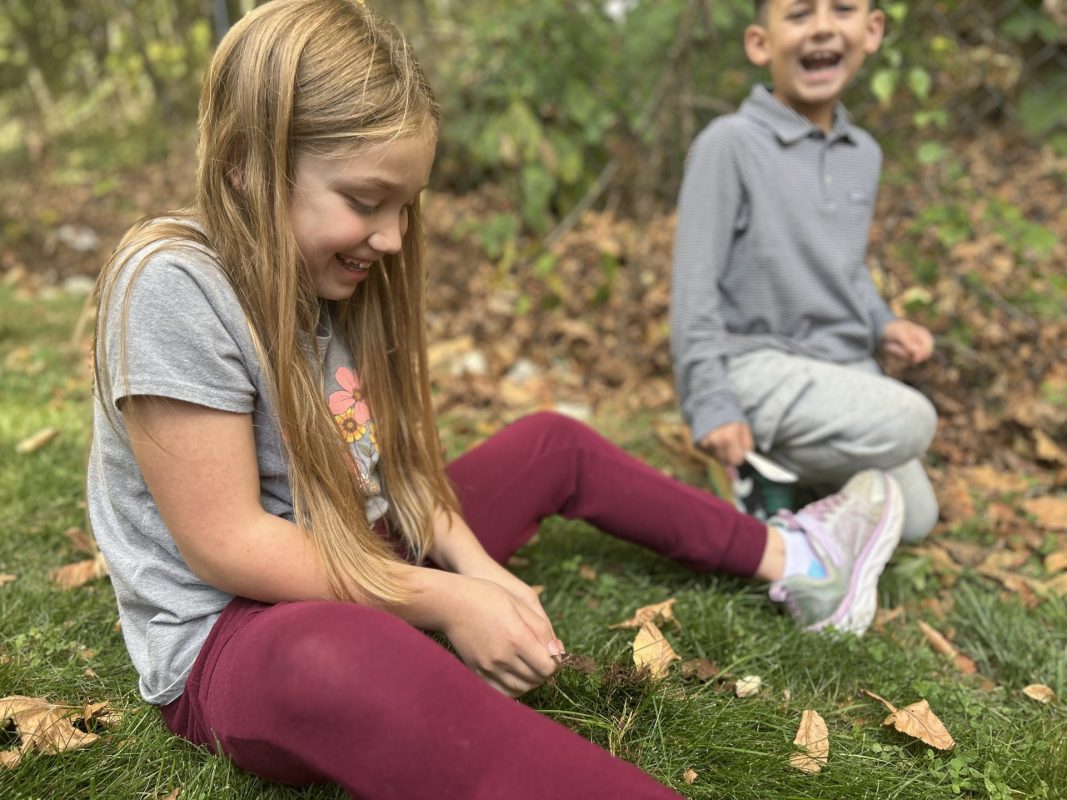
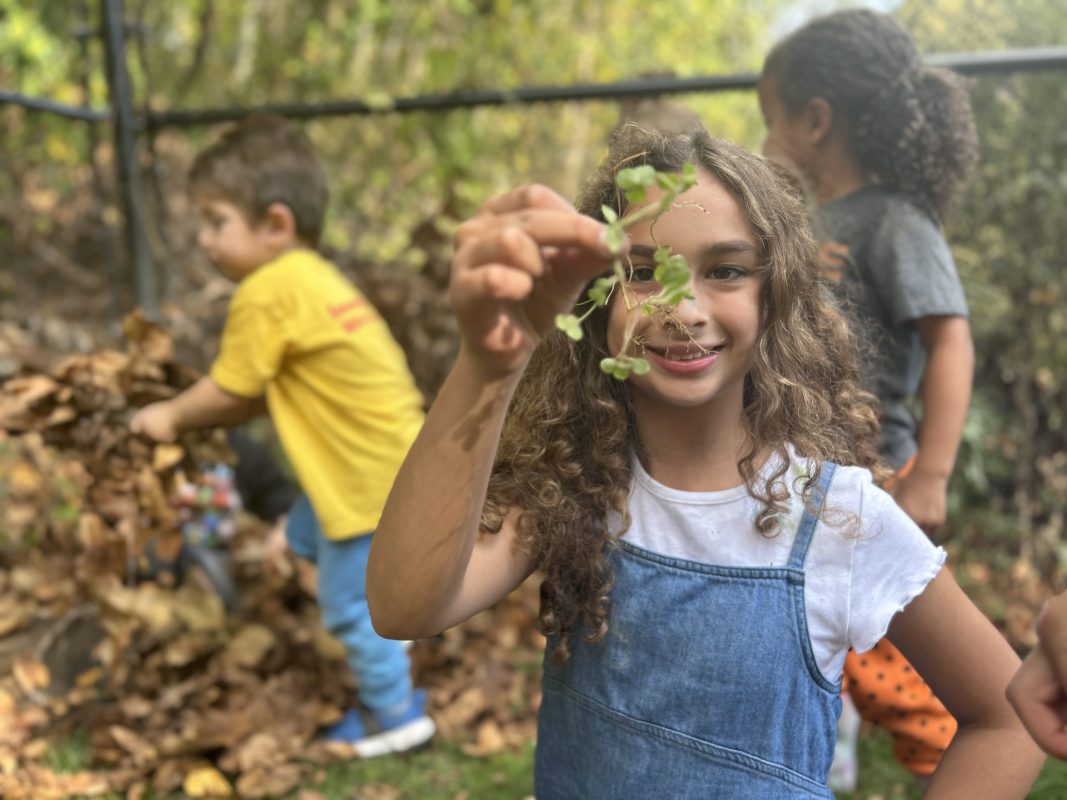
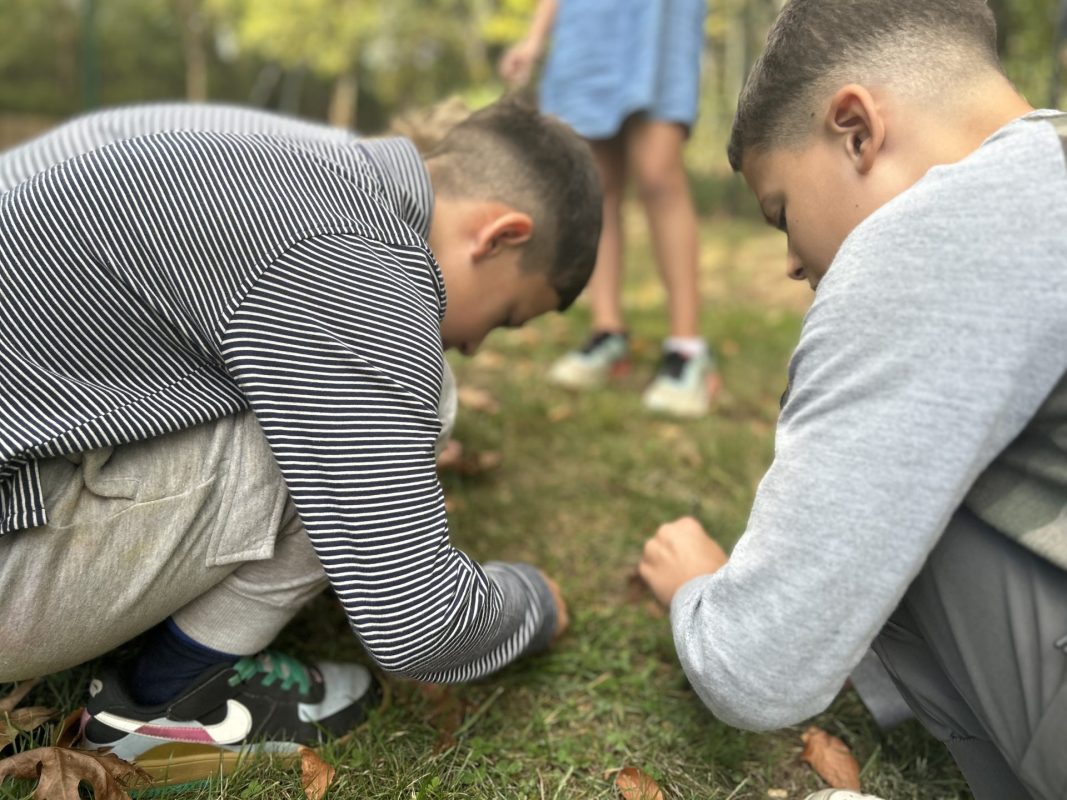
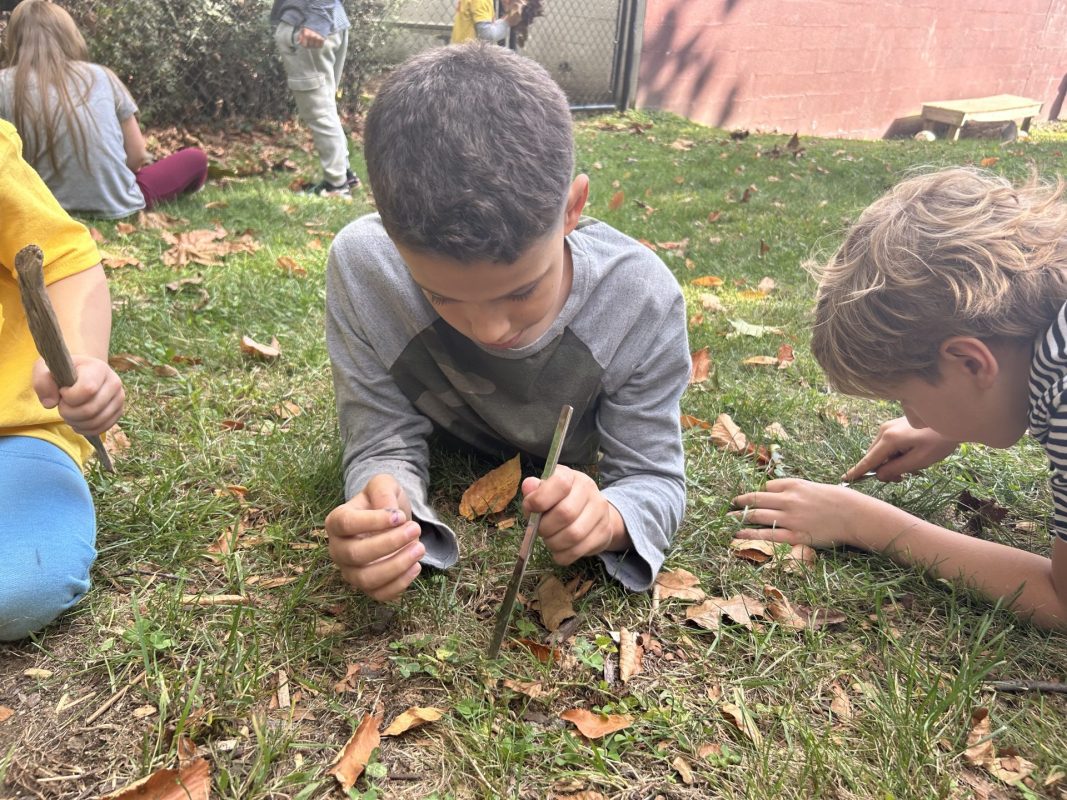
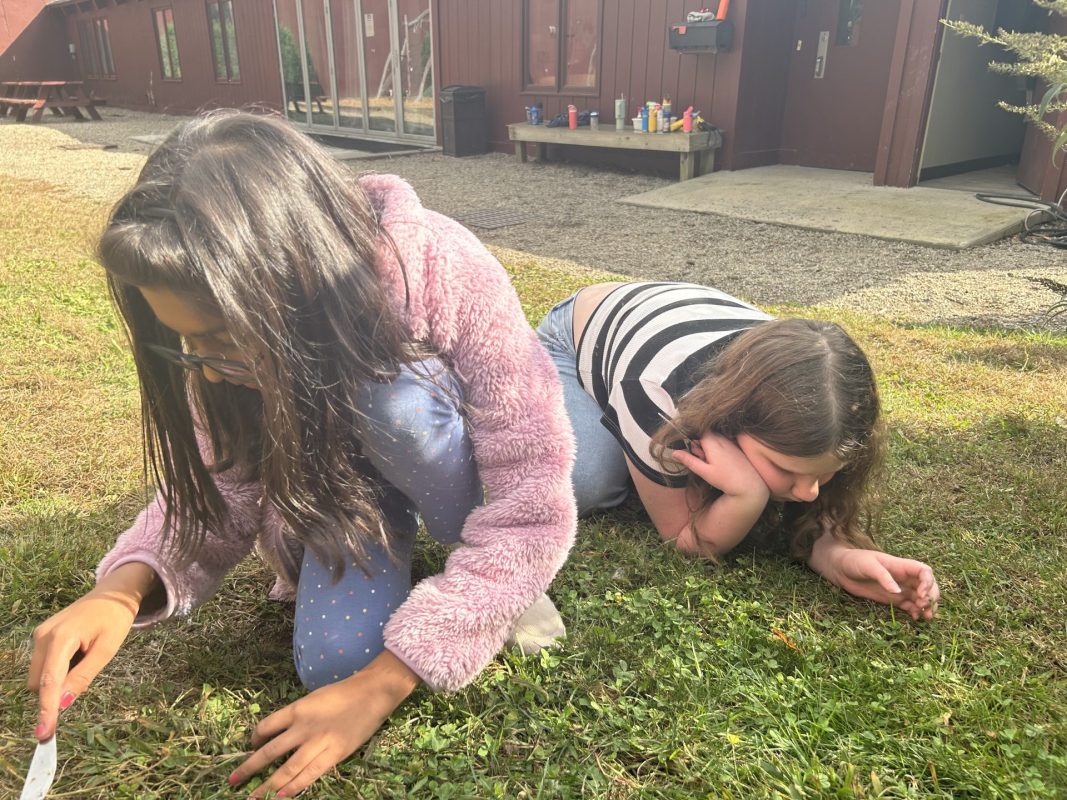
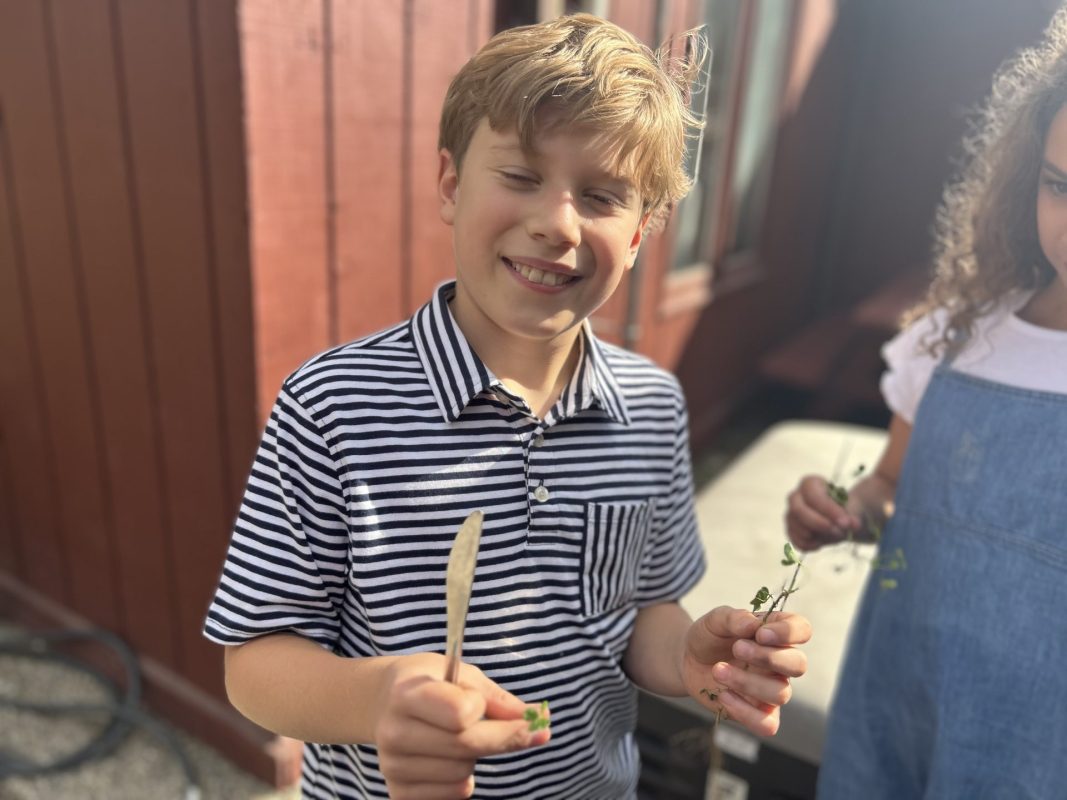
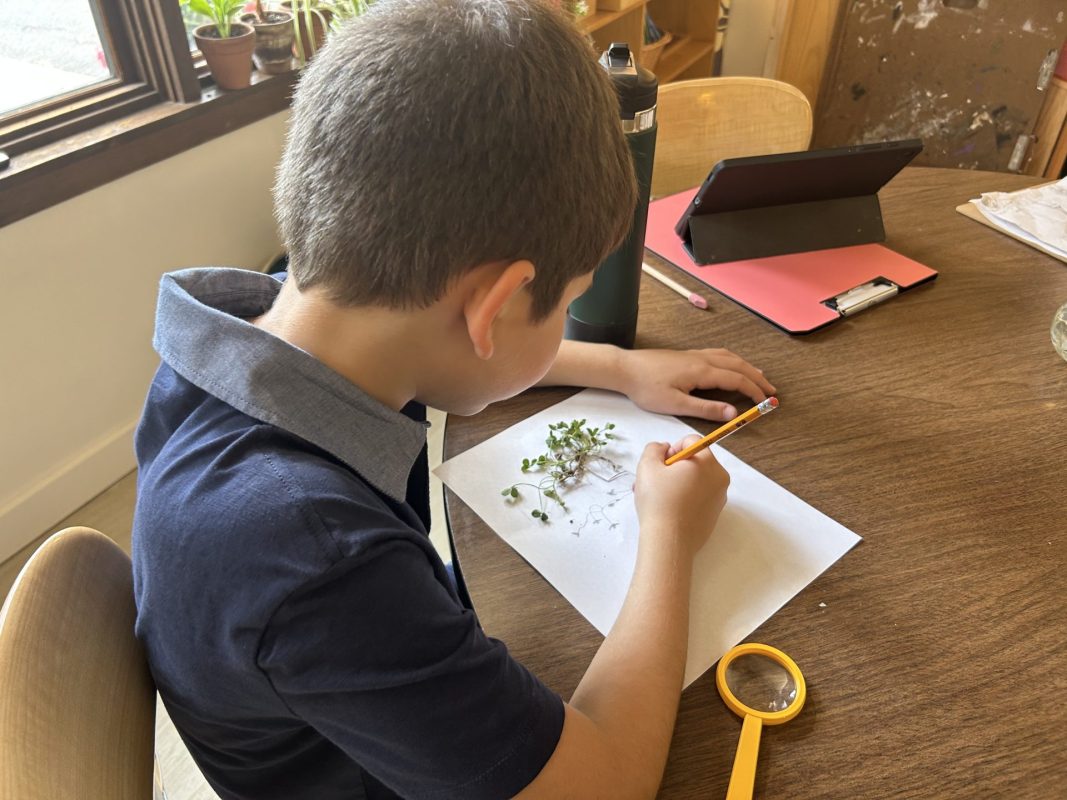
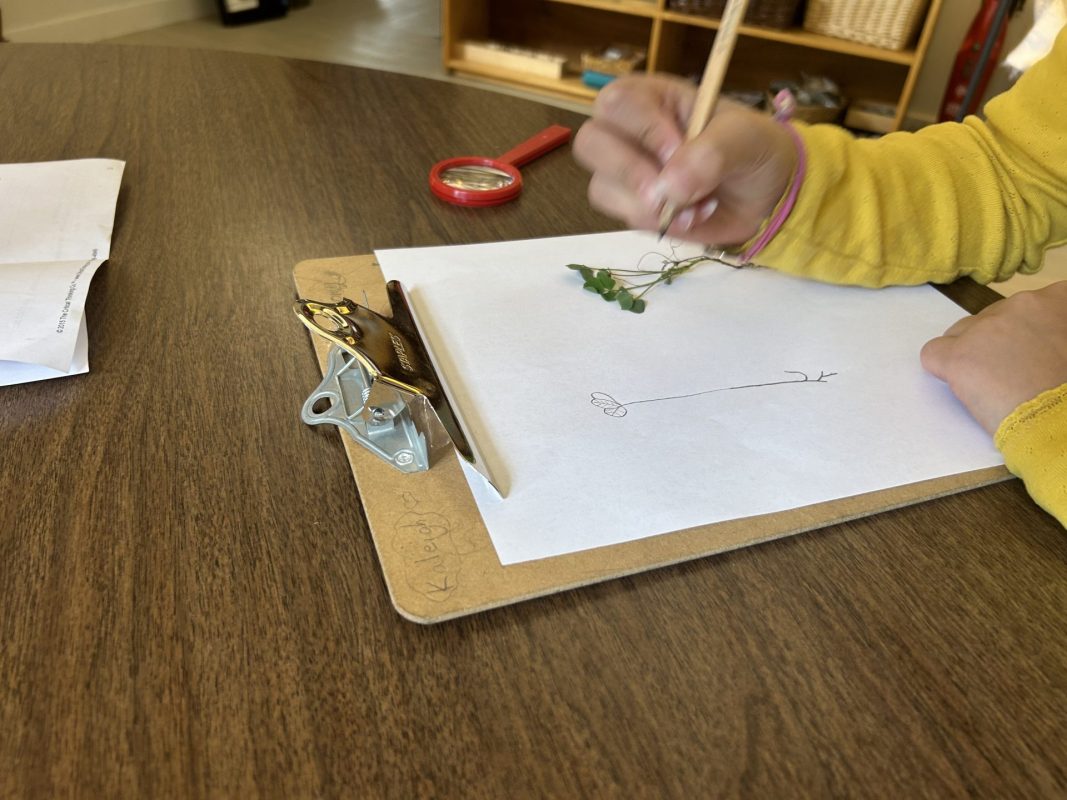
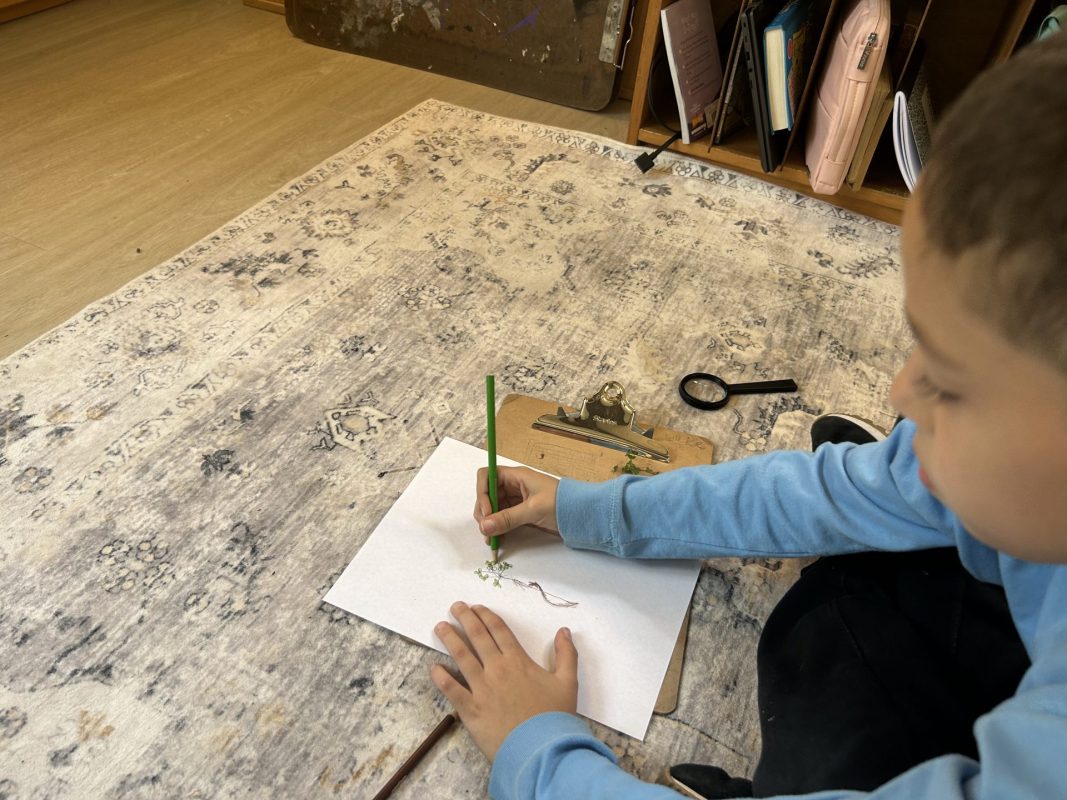
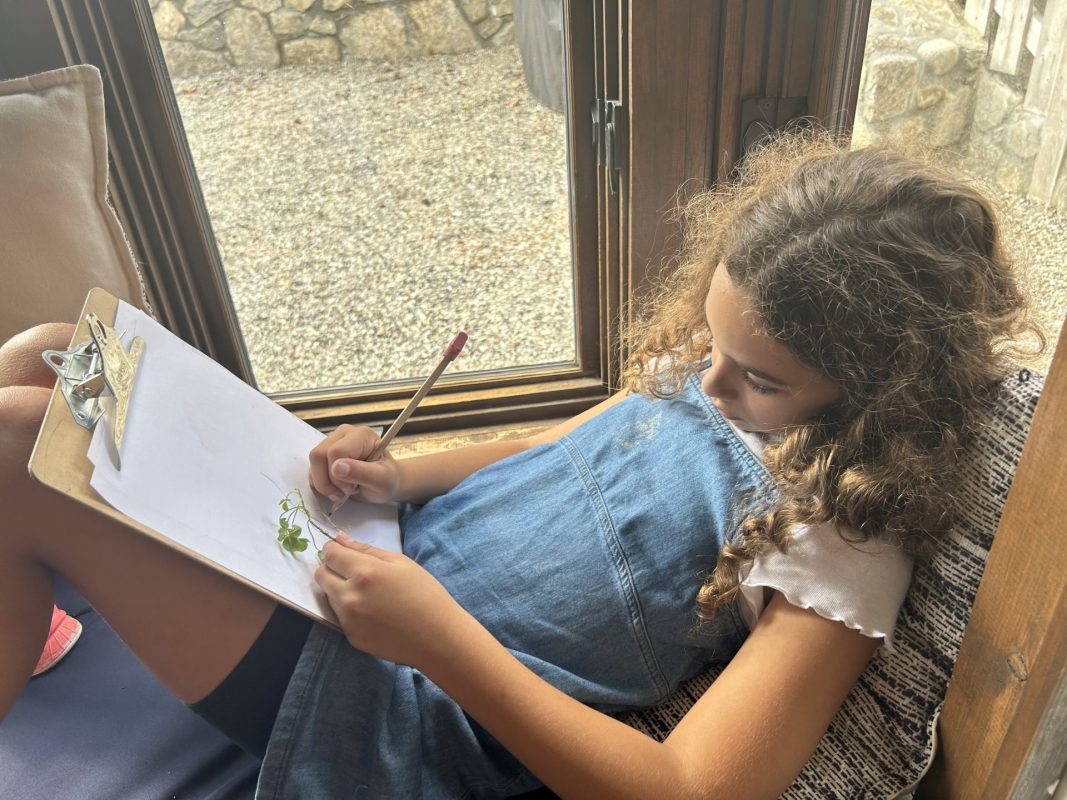
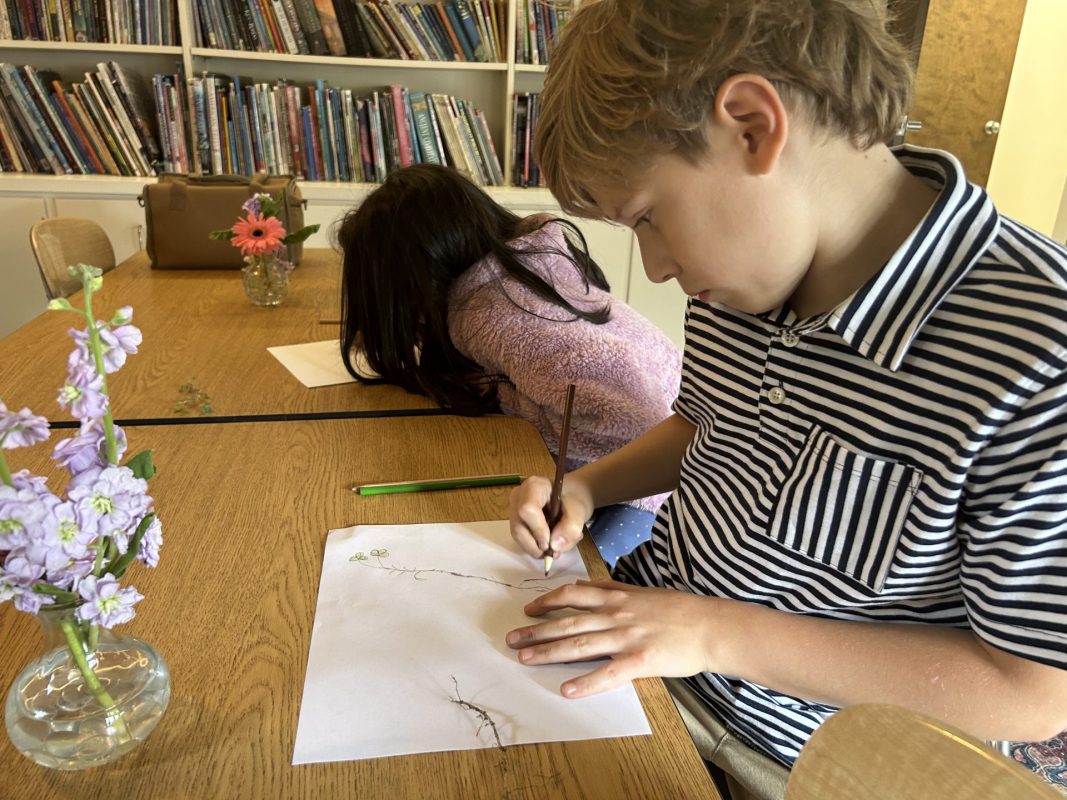
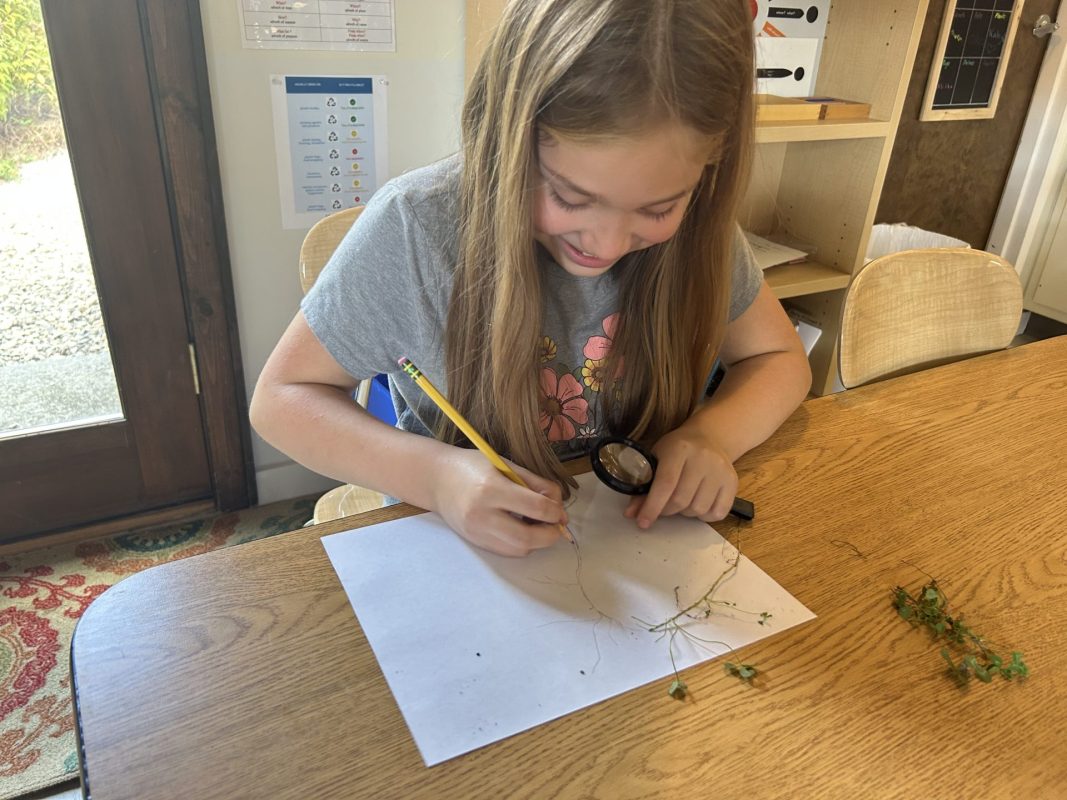
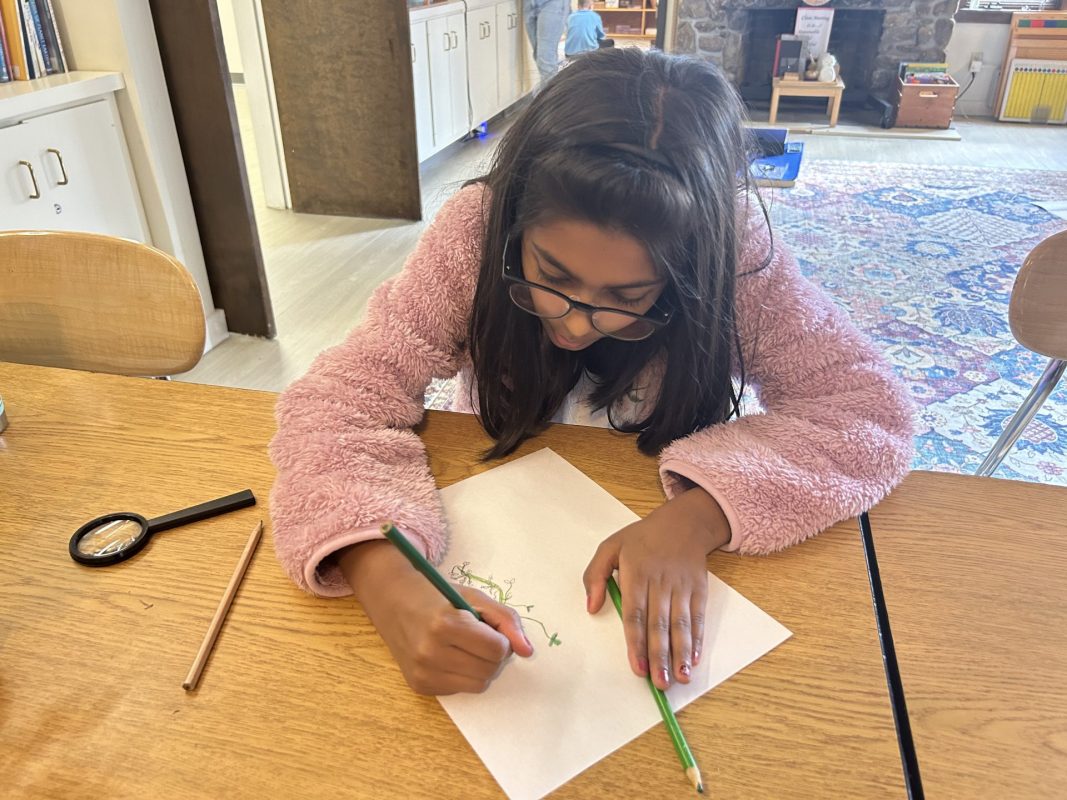
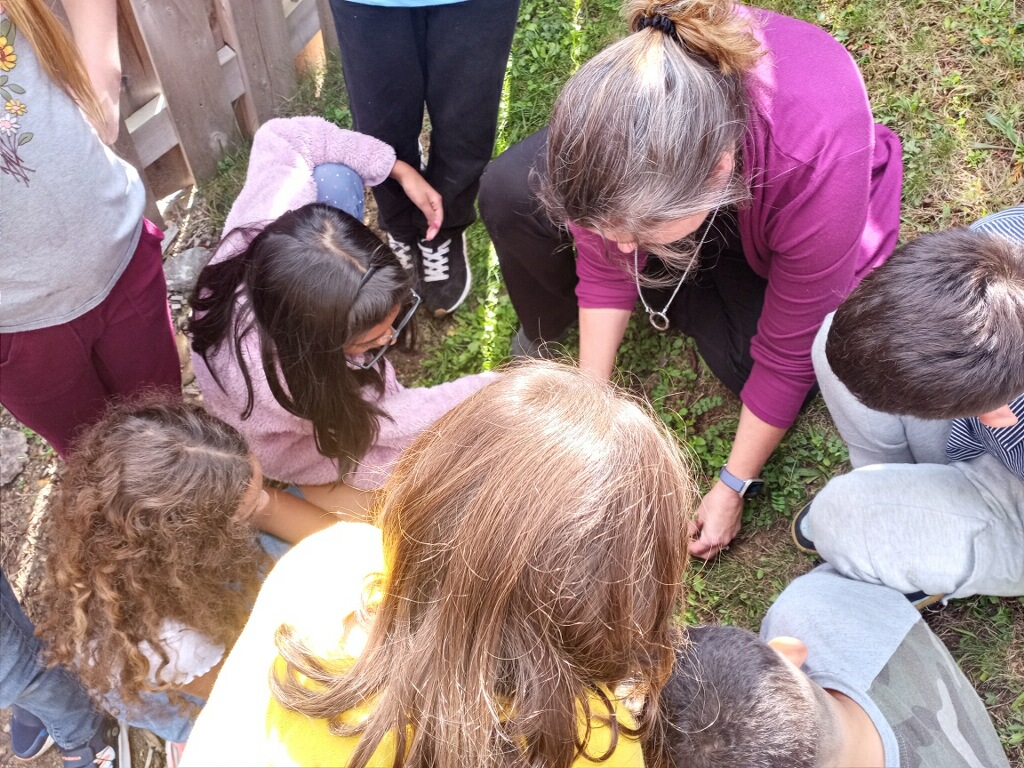
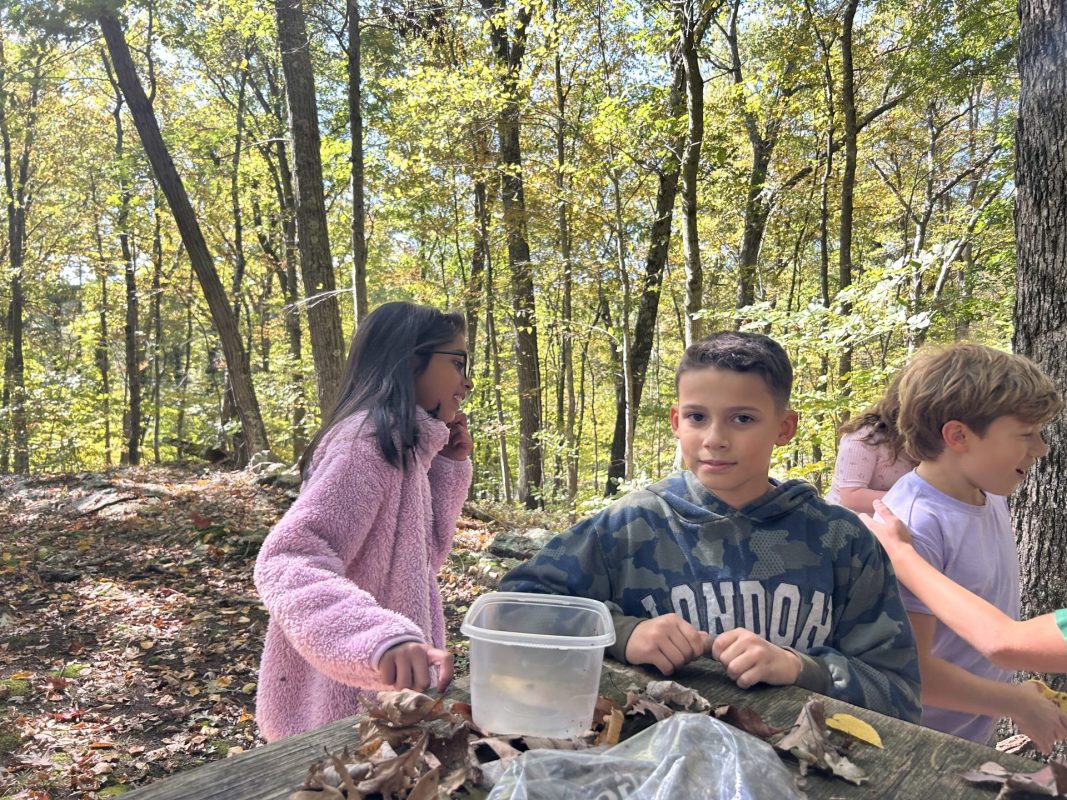
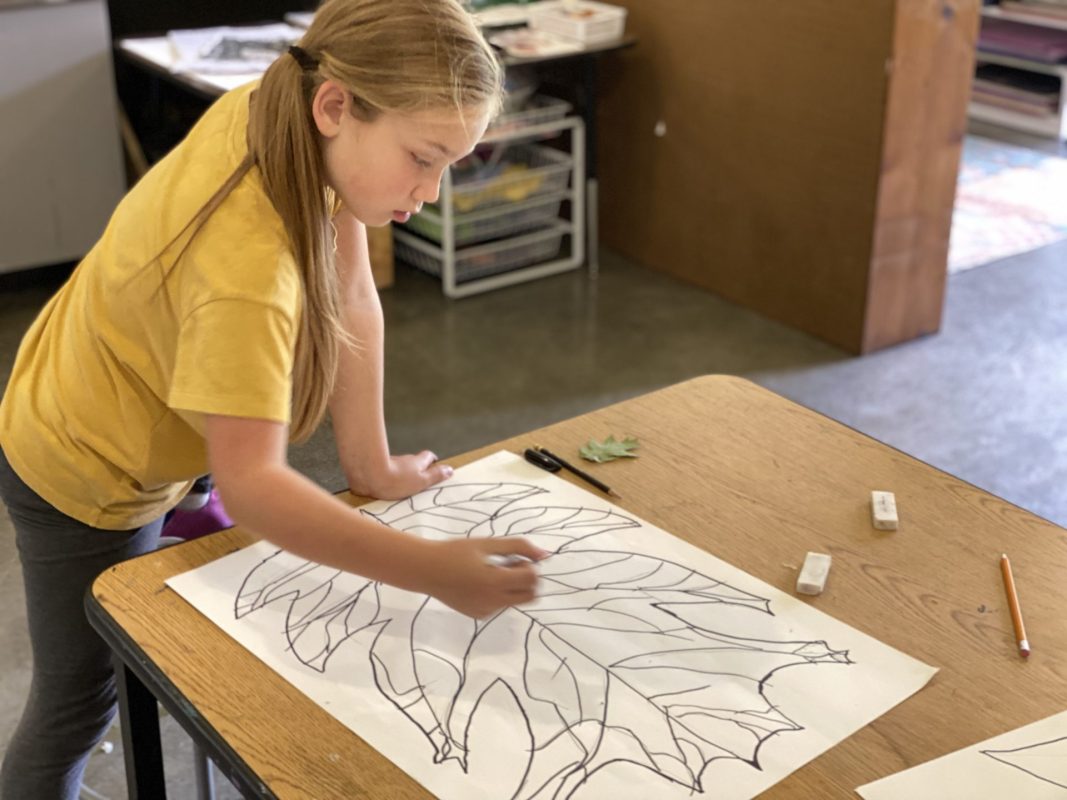
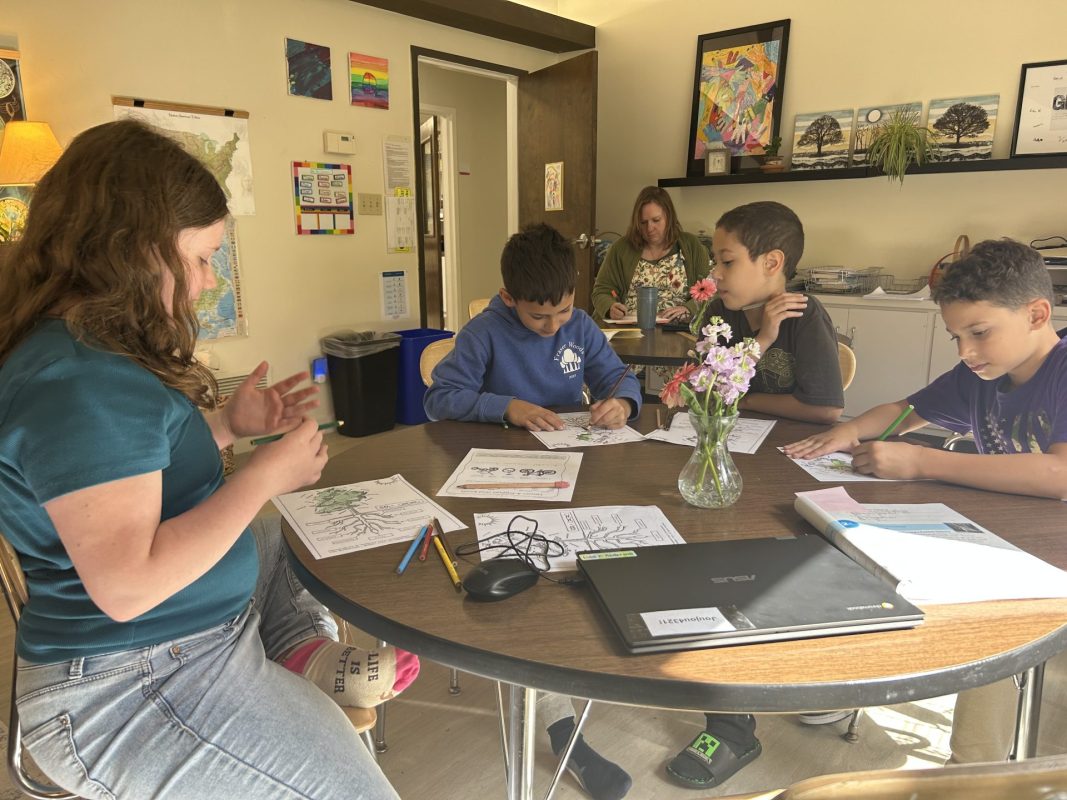
In our biology lesson this week, we learned that cell membranes are built using nitrogen, an element that makes up 78 percent of the air around us. We discussed how nitrogen needs to be “fixed” in partnership with other atoms for cell building. We also talked about the first nitrogen-fixing process that took place during the creation of the universe, where nitrogen atoms were forced into partnerships with other atoms by thunderstorms and volcanoes. This made them available for making cells. We also learned about the nitrogen cycle and the role of bacteria and fungi. Additionally, we learned that legume roots, in partnership with bacteria, play an essential role in fixing nitrogen. As part of our follow-up work, we dug up some clovers, keeping their roots intact to take a closer look.

Our geometry lessons are taught in two groups. One group learned about six different polygons and the parts of a polygon. The other group learned about finding the area of a rhombus.

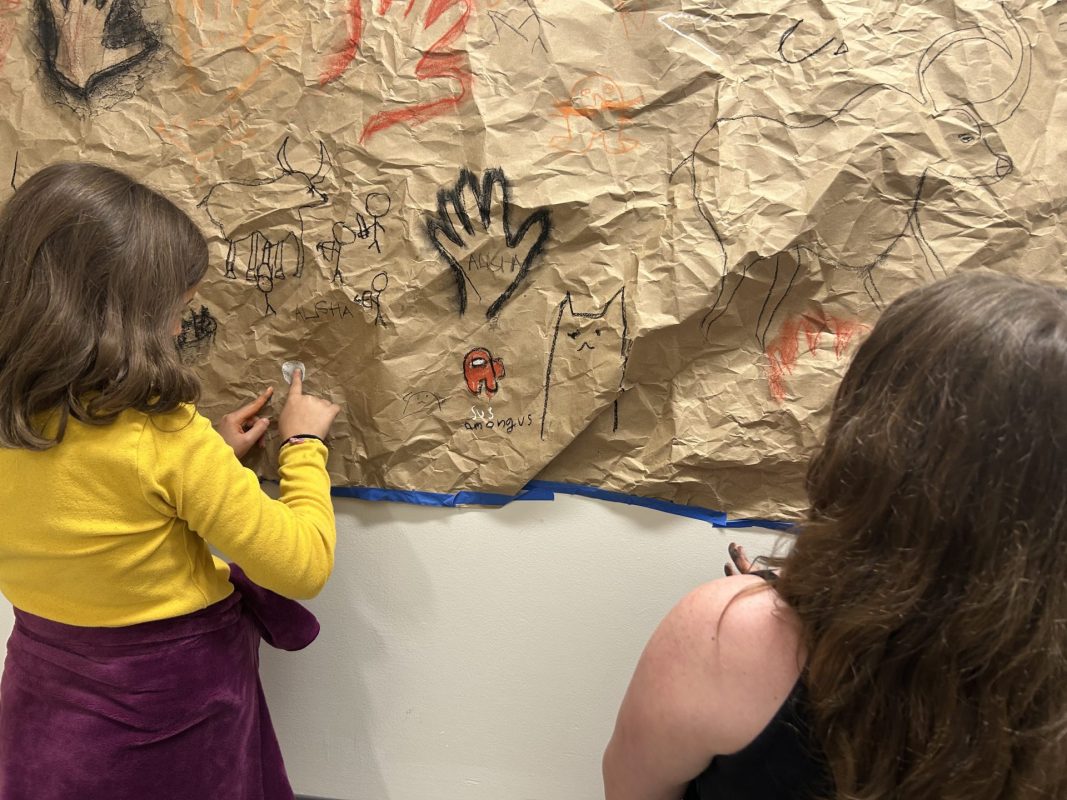
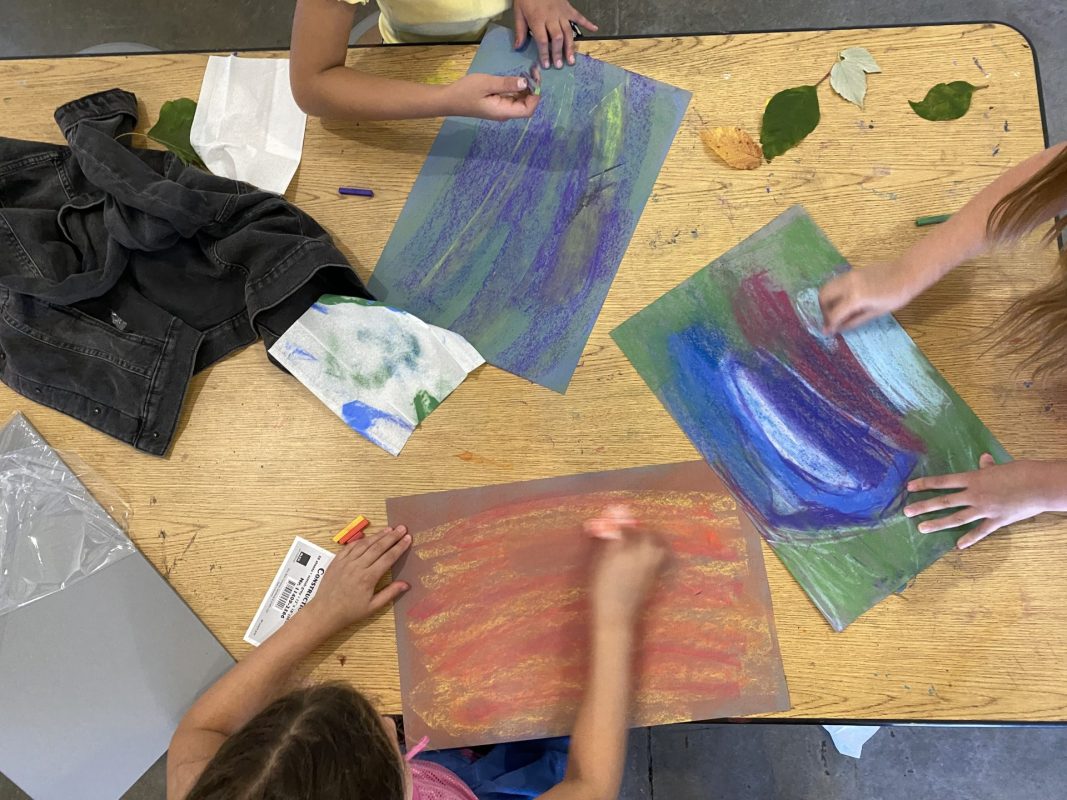
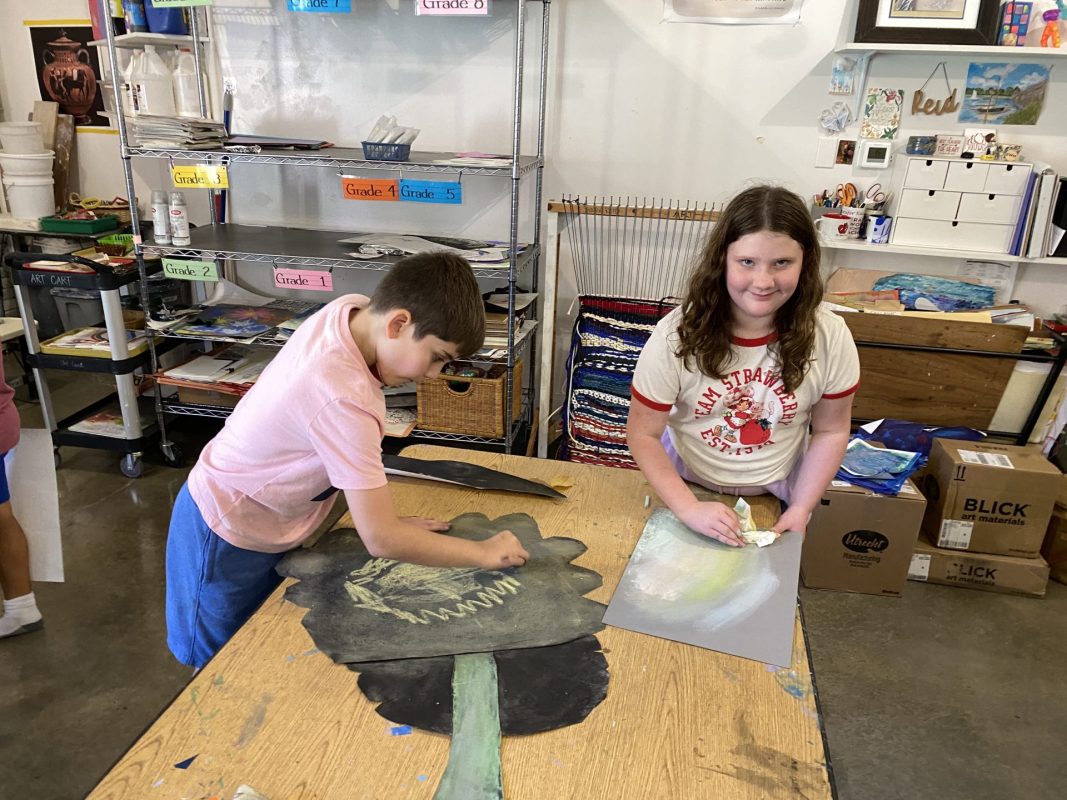
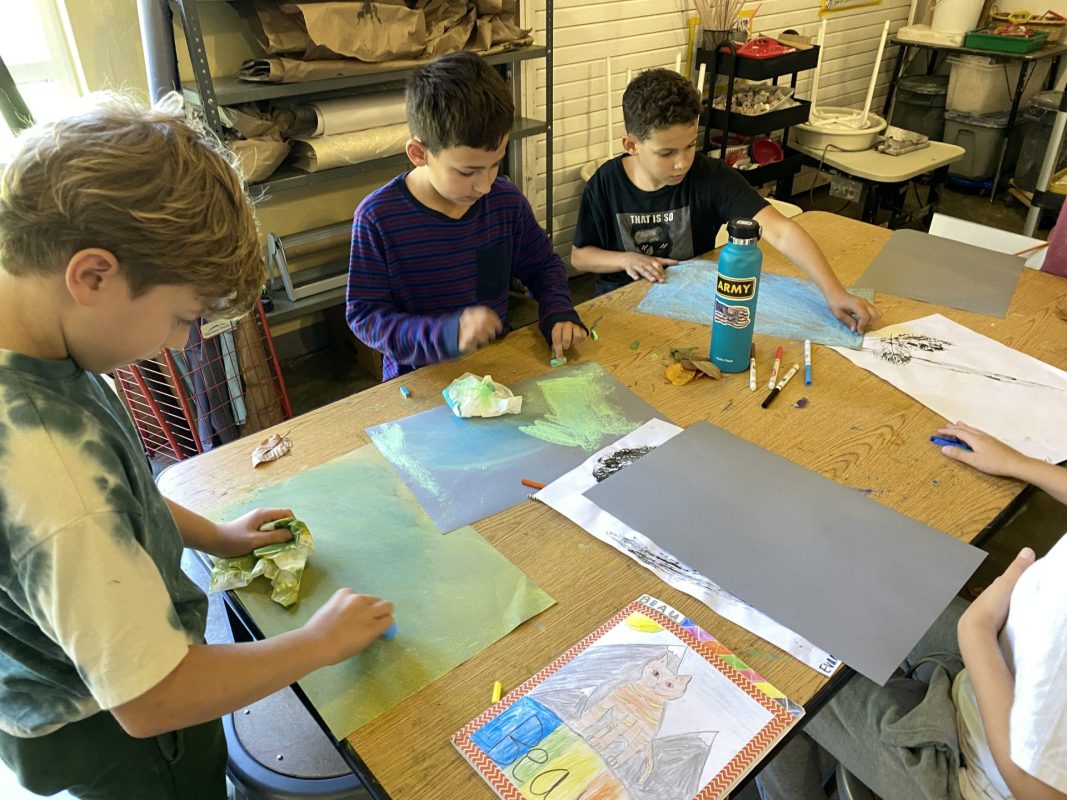
In history, we learned about the Cro-Magnon people, who lived between 40,000 and 30,000 years ago. We looked at how they were like the Neanderthals: they lived in caves, buried their dead, and made clothes. We also learned that they did something that no earlier humans had done: they created works of art through paintings, sculptures, carved designs, and ornaments. As a follow-up activity, Sara introduced the children to a 35,000-year-old Cro-Magnon form of art called hand stencils. These works of art were painted in caves in France, Indonesia, and Australia. We will continue to work on cave art outside our classroom next week.


This Week in Upper El

Conferences are coming up on October 25. At the Upper Elementary level, students prepare for and participate in their conference. Please sign up for your conference here.


We had a busy and beautiful week in Upper El.

In biology, we learned about the theories of Empedocles, a Greek philosopher and statesman who claimed 2,500 years ago that all things are made up of four “ultimate elements”: fire, air, water, and earth. We discovered that, after all this time, his theories were not far off the mark. We also learned about the nutrients that plants use to make their food and build their bodies: gases in the air, minerals in the water and soil, and the energy of the sun.

In history, we learned about Homo neanderthalensis, who lived from 430,000 to 40,000 years ago. We saw that Neandertals were people like us, with brains as large as our own. We looked at their homes, clothing, tools, hunting, and burials.

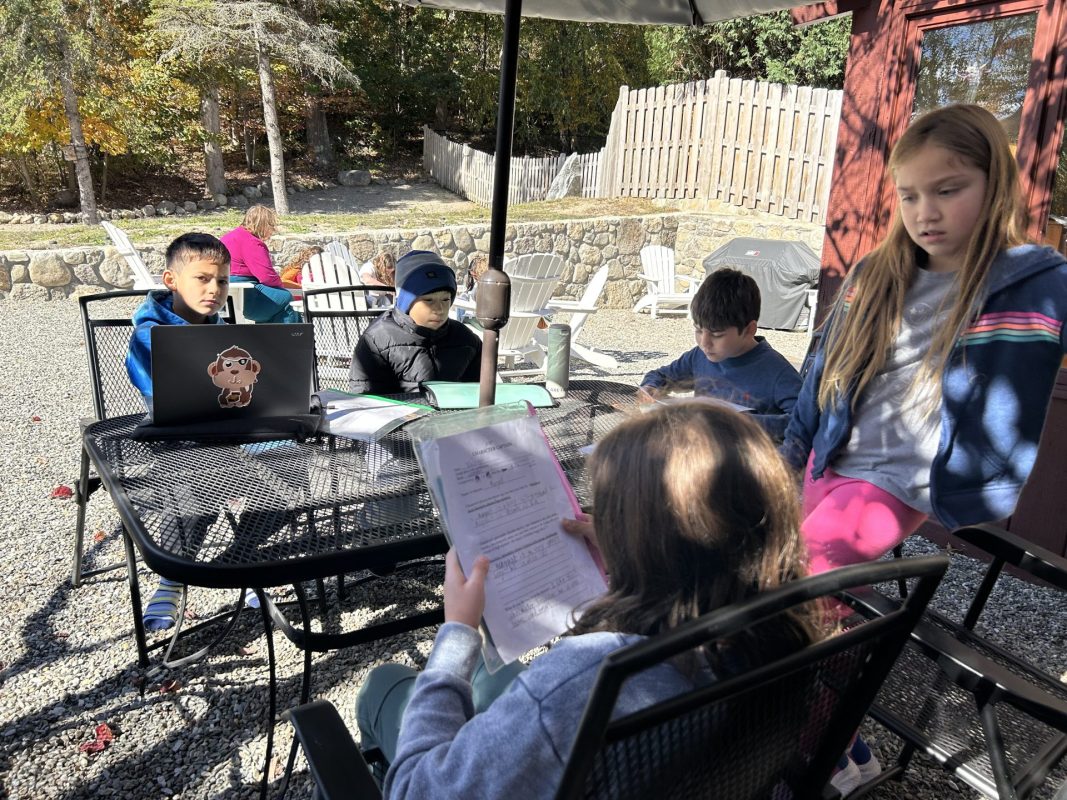
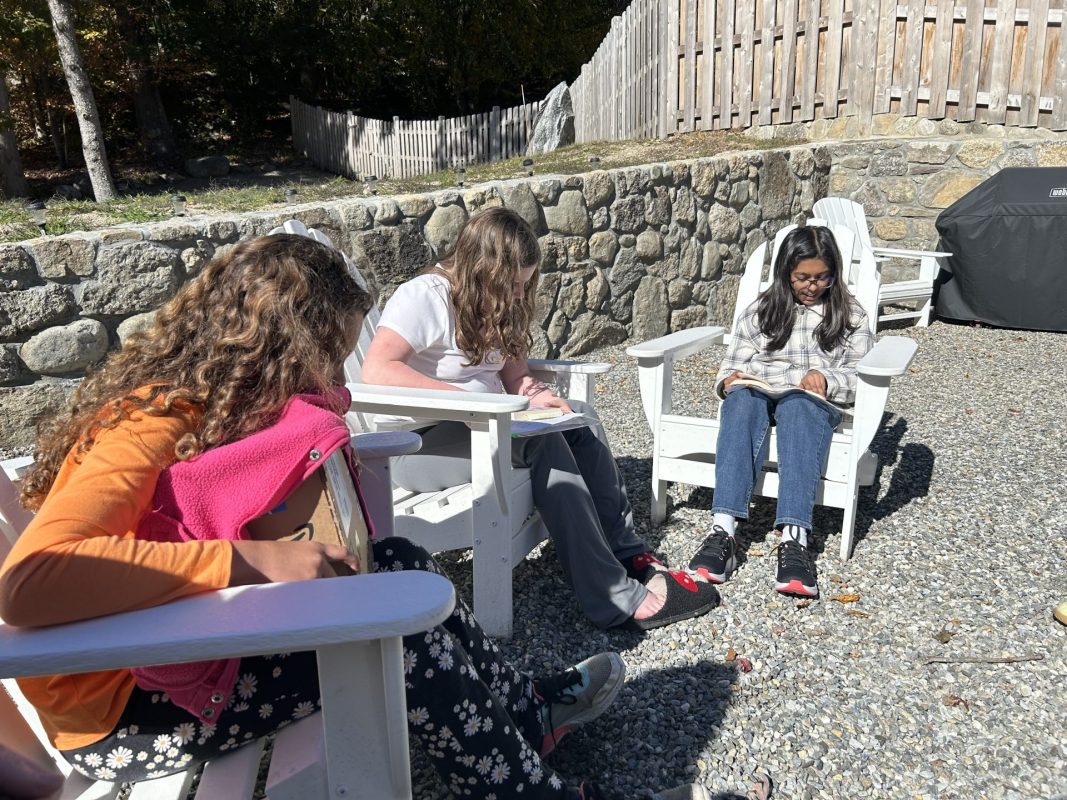
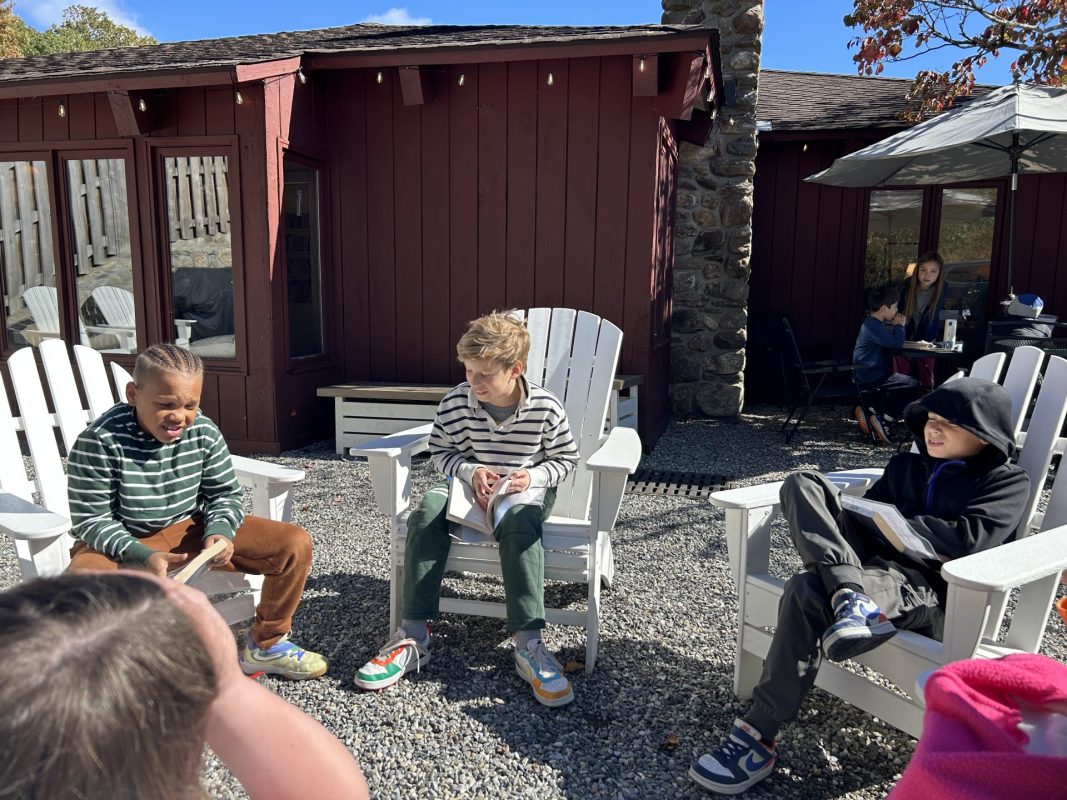
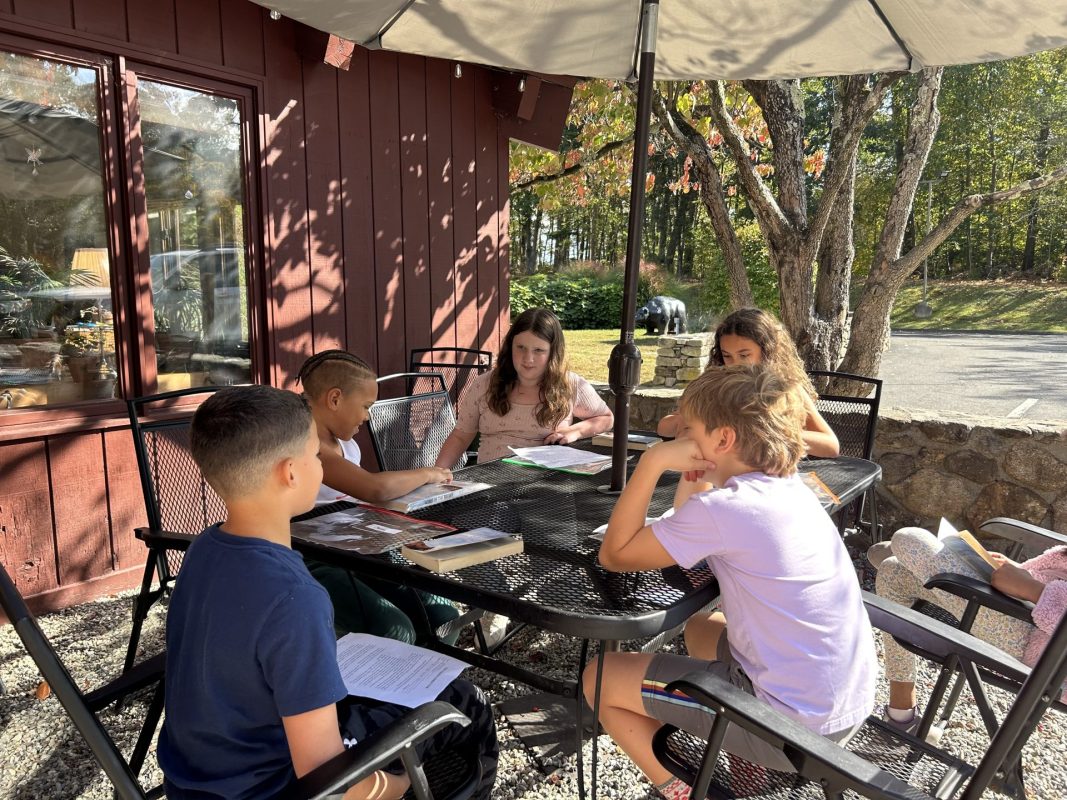
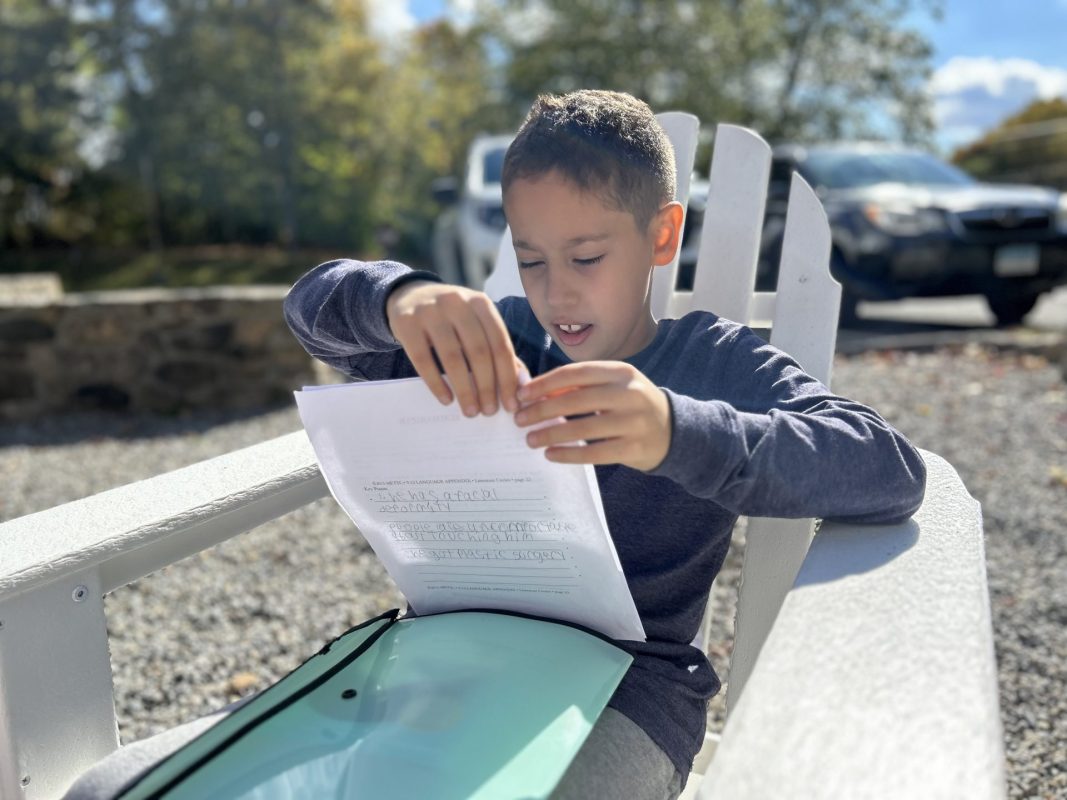
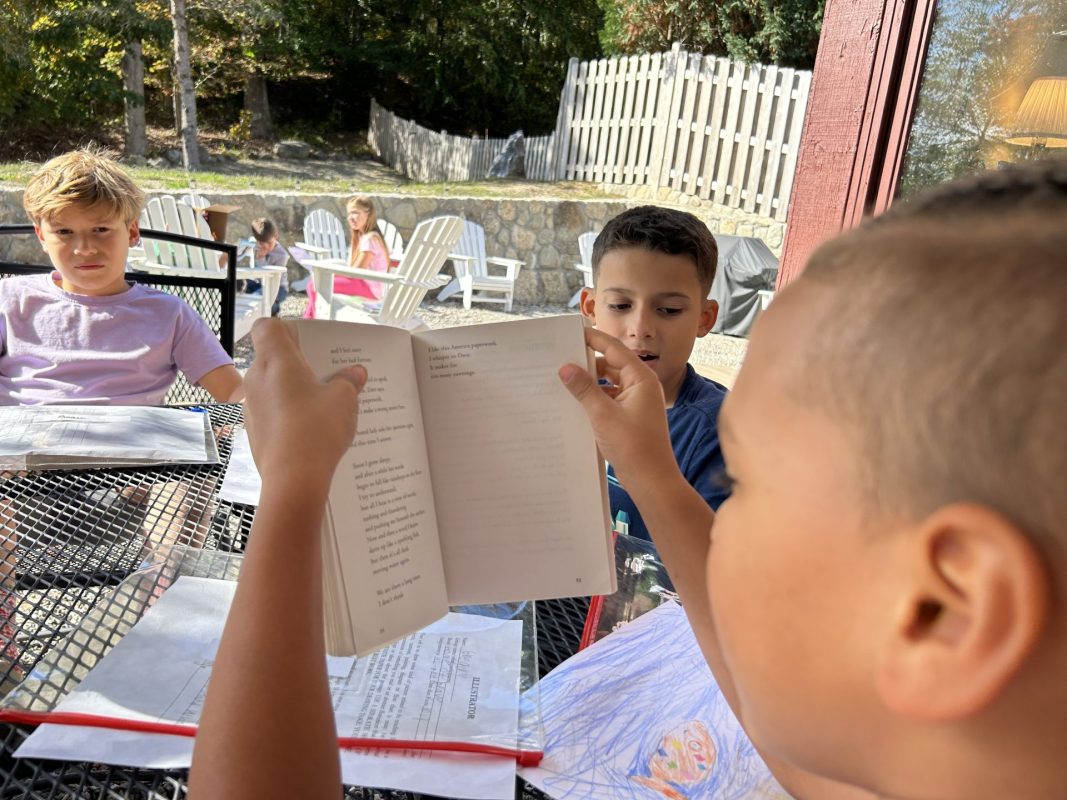
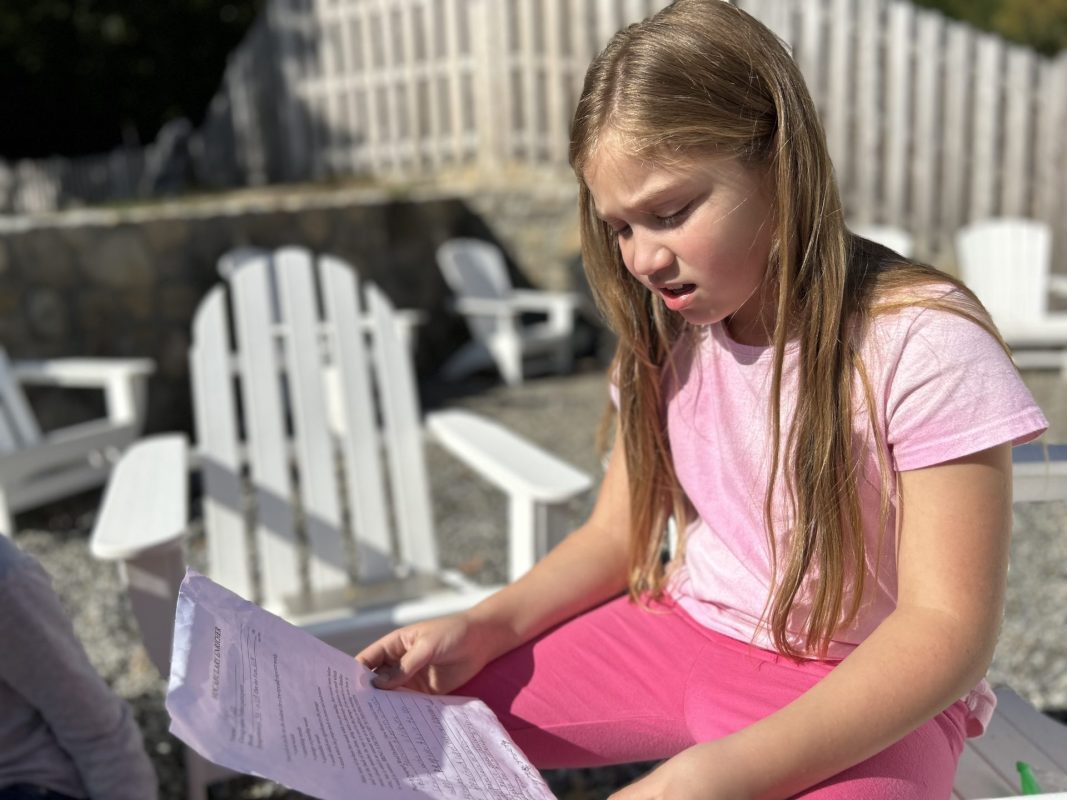
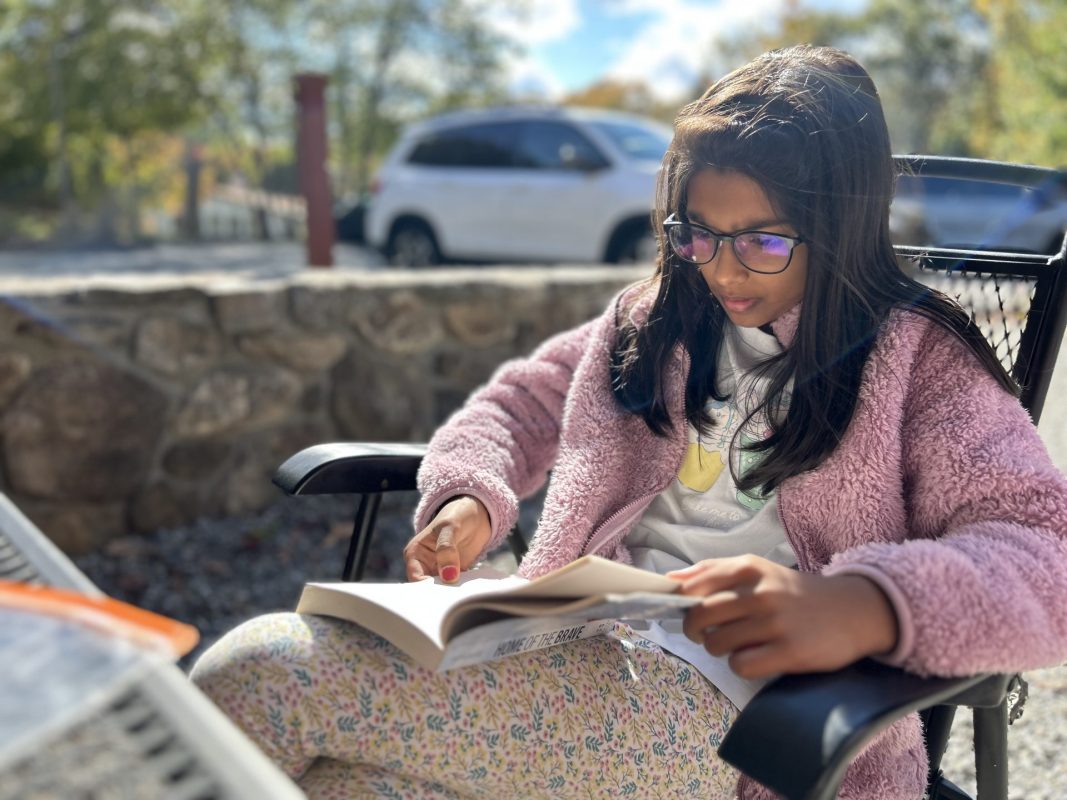
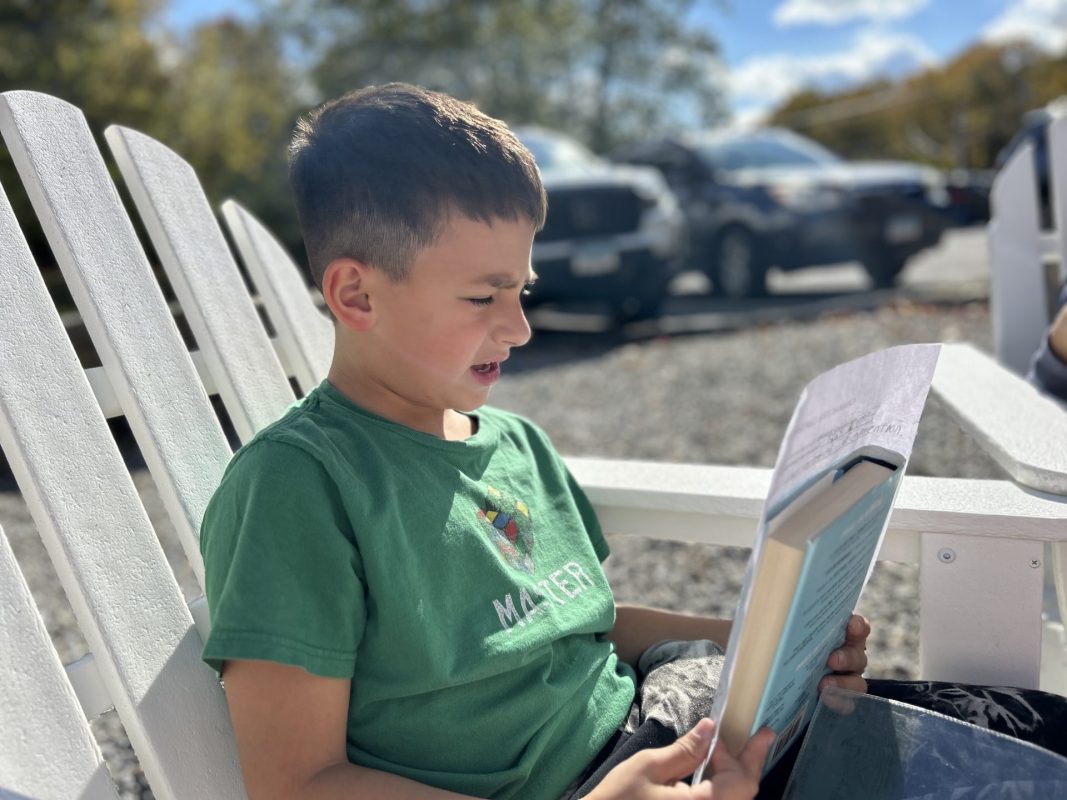
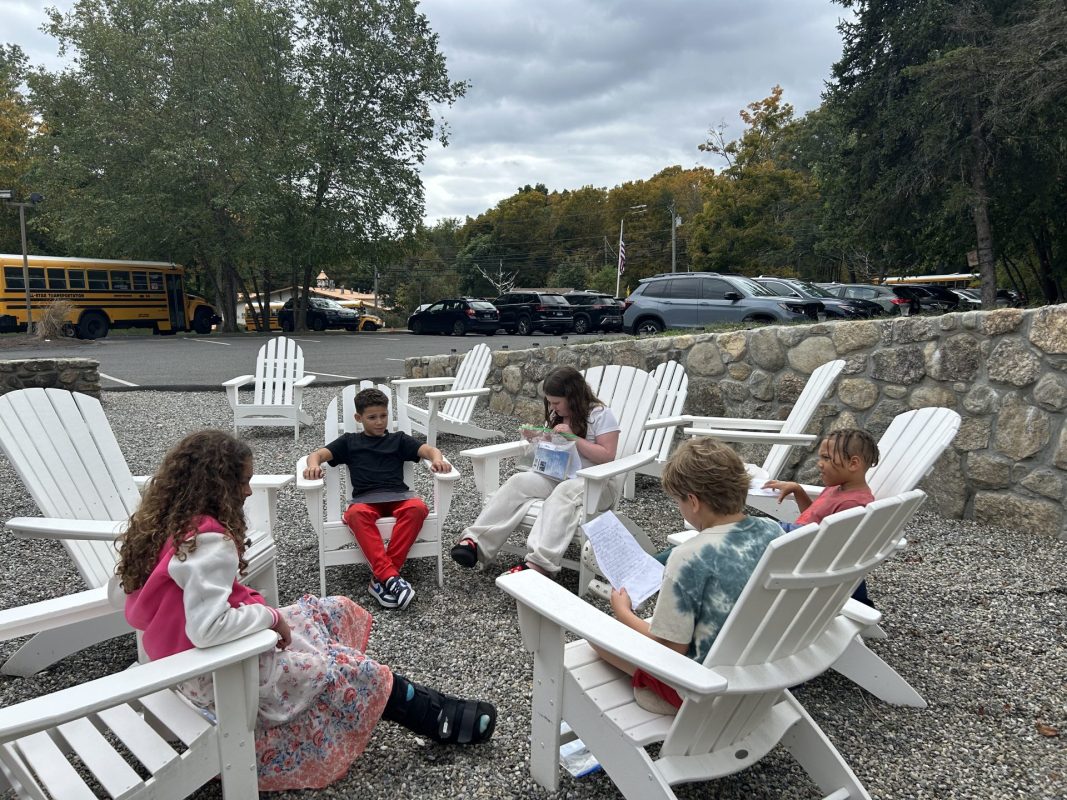
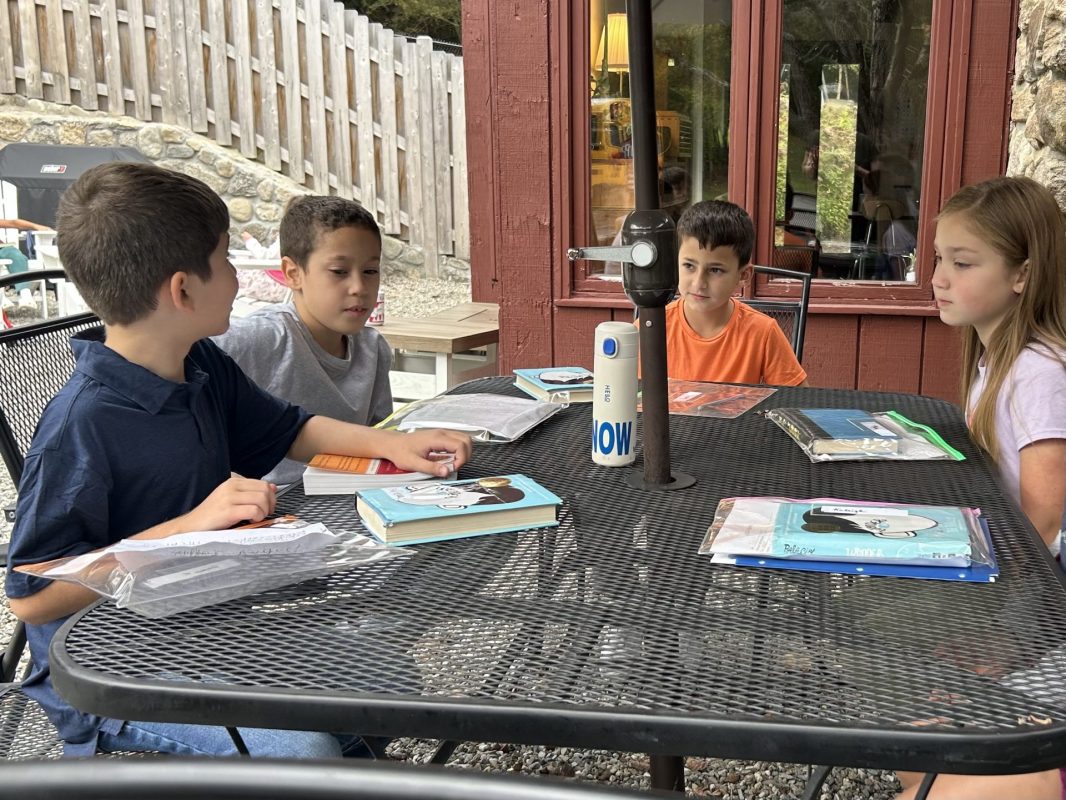
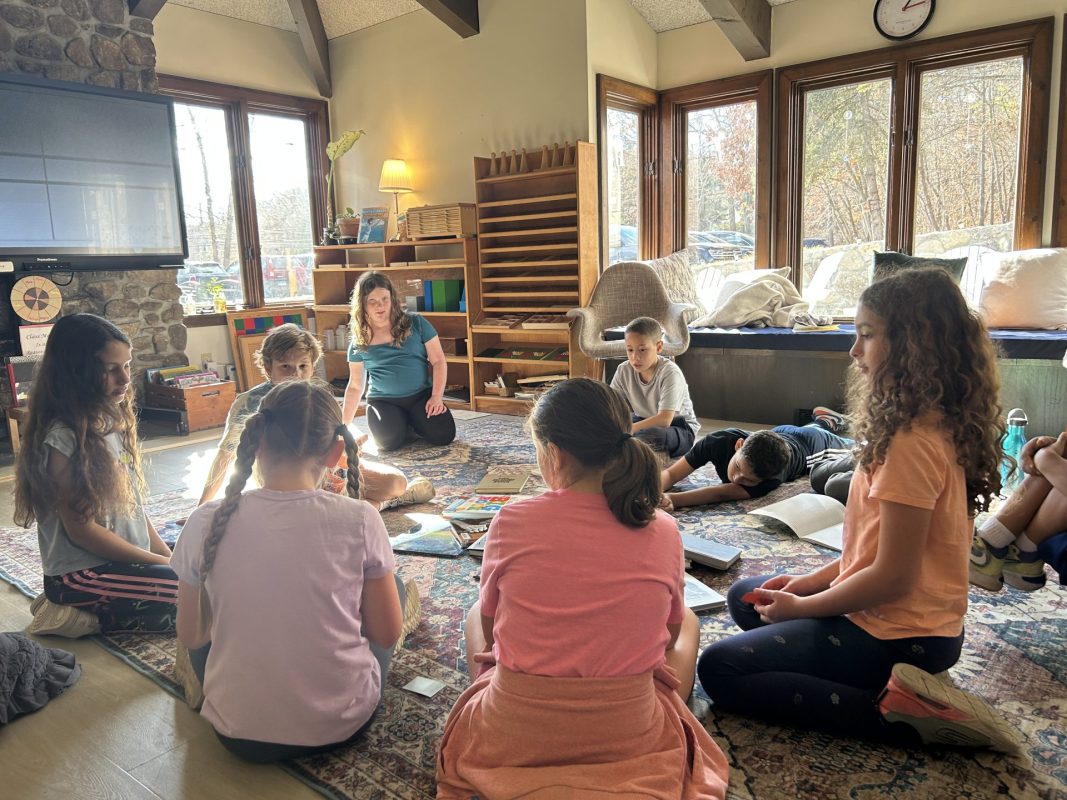
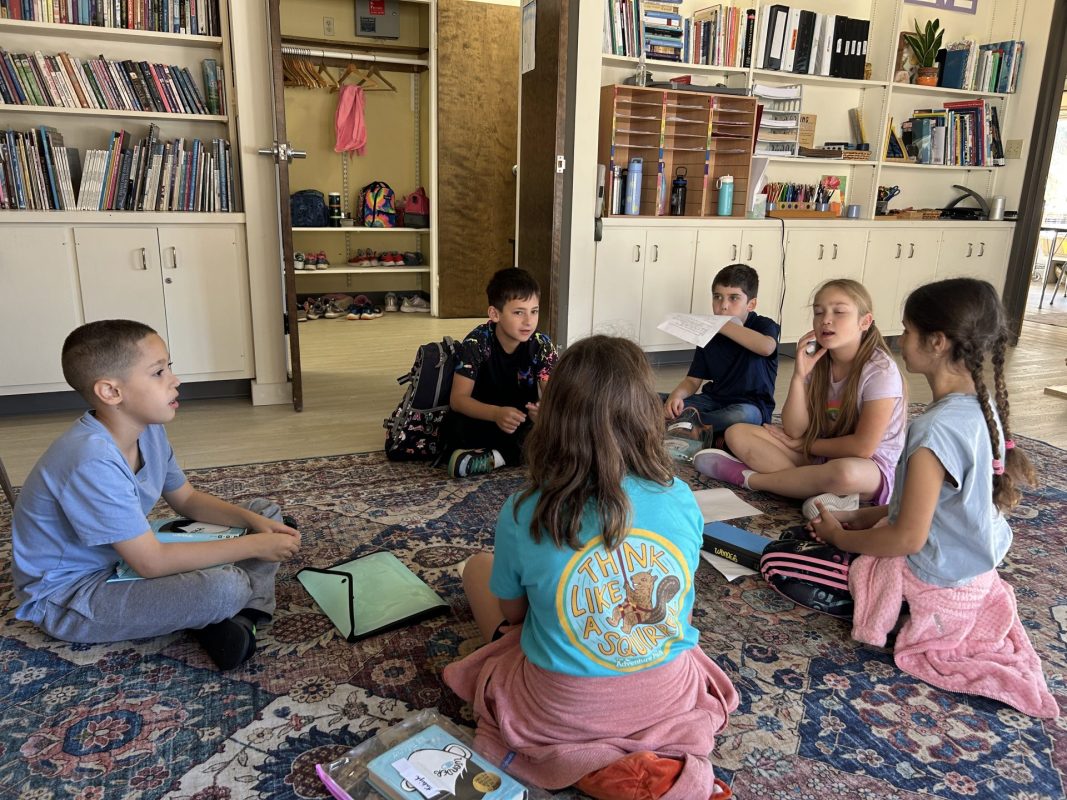
Our inaugural Literature Circle for the year was held on the recently constructed patio. I was pleased to observe the students engaging in lively discussions about the pages they had read and their assigned role sheets. The level of focus displayed by both groups as they delved into their respective books was truly impressive. Additionally, during our language lesson, we delved into the historical development of the alphabet through an enthralling story titled “The Ox and the House.”


This Week in Upper El

This week, we settled more into our Upper Elementary routines. During the work cycle, we reviewed math work and prepared for new lessons. We also worked on our first Wordly Wise assignment and continued our spelling work. In large group lessons, we started a history unit on human evolution: The Time Line of Early Humans. This work involves a hands-on creation of a timeline of human cultures. The Time Line of Early Humans is an overview of four human groups: Homo habilis, Home erectus, Home sapiens, and Homo sapiens sapiens. This week we focused on Homo habilis, who lived from about two and a half million to about one million years ago. We learned about their climate, where they lived, their shelters, food sources, weapons, and tools.

We will be visiting the outdoor classroom in the woods regularly. Please send insect repellent with your child to keep at school for our outdoor time, as mosquitos and ticks are in the woods.

We look forward to an exciting school year with your children and to supporting them as they move through the curriculum at a pace that will help them master the Upper Elementary material.


This Week in Upper El

“The clearest way into the Universe is through a forest wilderness.” -John Muir

We had a great time at The Adventure Park this week. It was the perfect first field trip of the year, offering real opportunities for the children to bond, encourage, and support one another outside the classroom. Helping each other on the high ropes course created natural opportunities for teamwork. I observed children challenging themselves to try courses with intimidating and challenging elements.

Overall, field trips are beneficial for children. They can practice grace and courtesy with each other and the people we encounter outside Fraser Woods on the trip. Going on trips helps develop children’s resilience, courage, and independence and teaches them about our interconnectedness with nature and the world. Field trips also provide opportunities for children to apply their knowledge in real-world settings and help them develop responsibility, manners, and cooperation.


We look forward to seeing you at the Parent-Student-Teacher Conferences on October 25. Students at the Upper Elementary level participate in these conferences. Please sign up for your conference here.


This Week in Upper El

Welcome to a new school year! We have had an incredible week of settling in, learning new routines, and getting to know new friends.

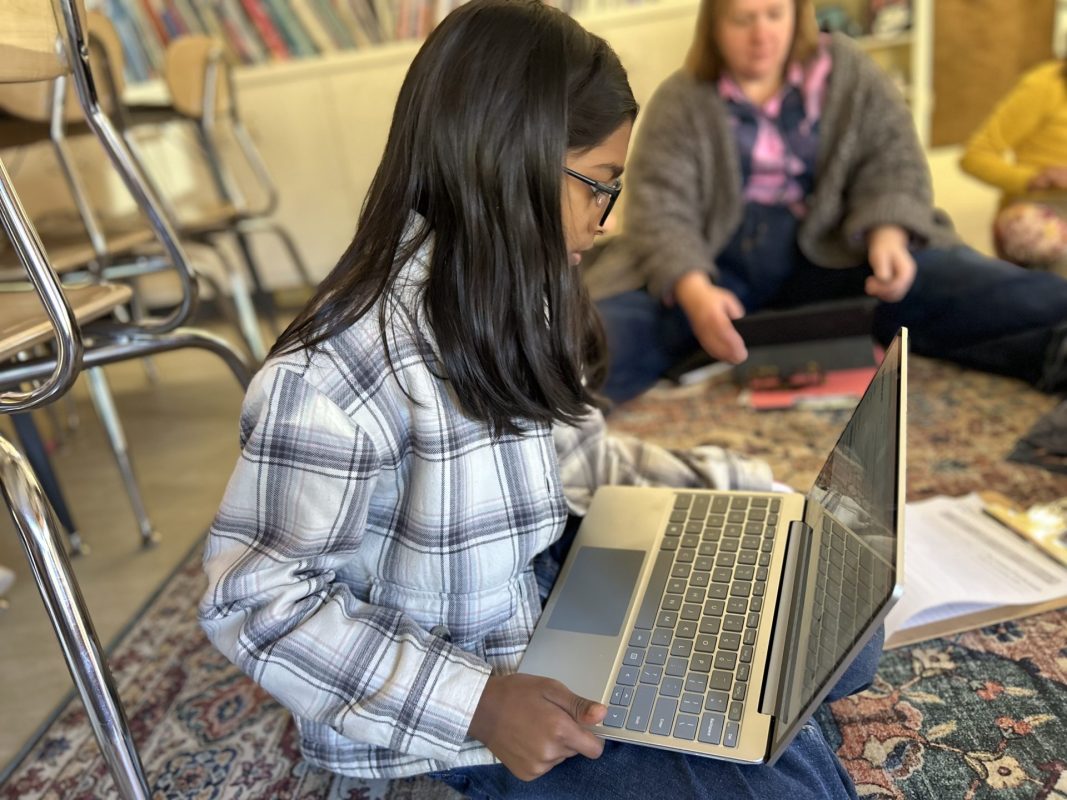
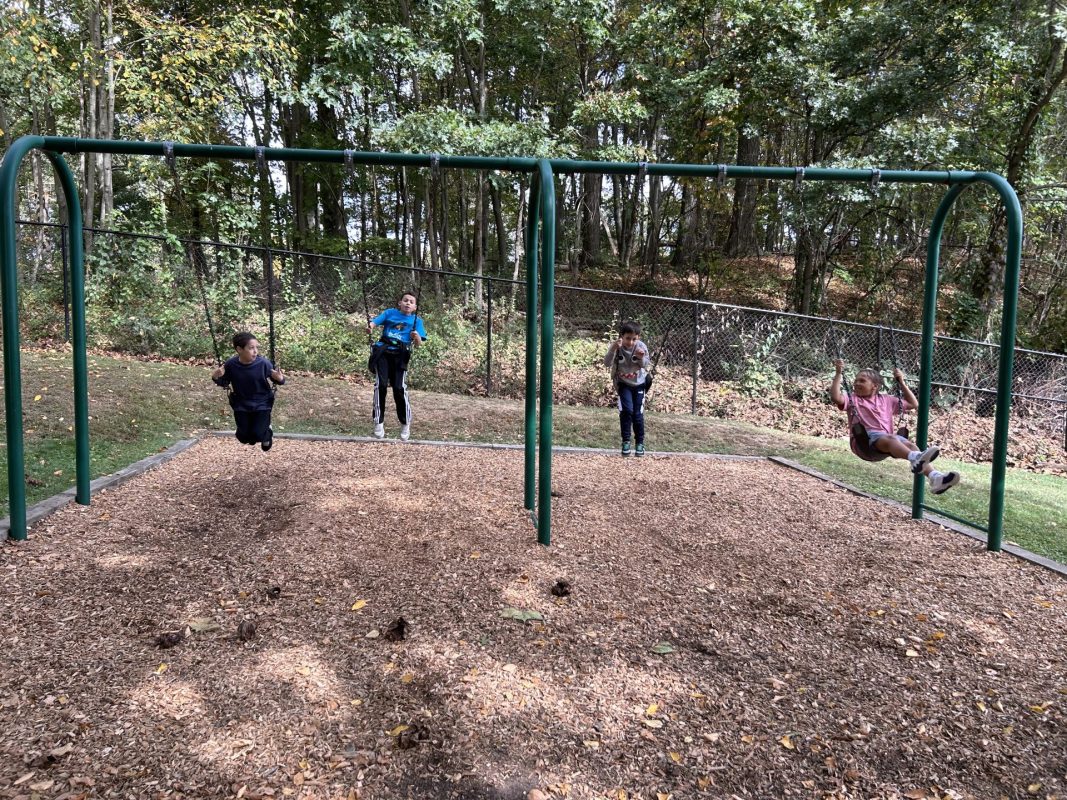
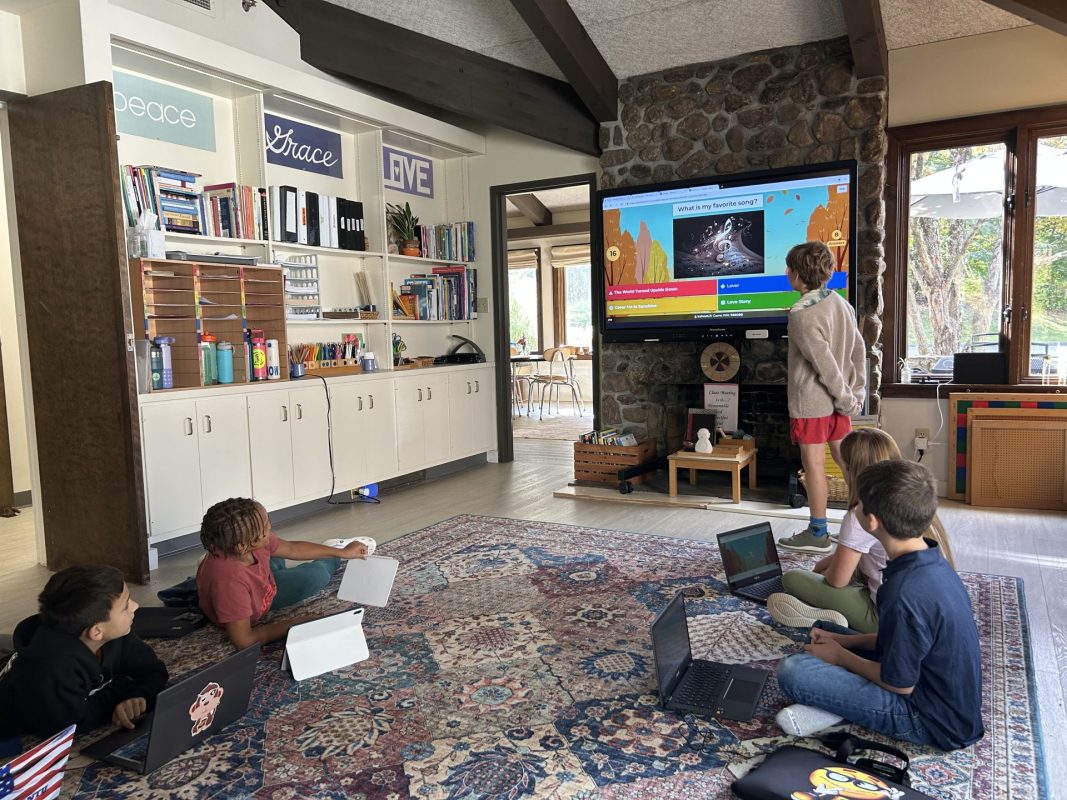
We enjoy starting each day with recess and yoga outside in the gorgeous morning sun. After yoga, the children eat snacks while listening to our class read aloud, The Mysterious Benedict Society. Typically, we would enter our work cycle and lessons after the chapter book, but this week, we had some beginning-of-the-year business to attend to. We broke into groups and brainstormed class jobs along with our class rights and responsibilities (otherwise known as rules). Students did a wonderful job collaborating and sharing their ideas with the group! We also set everyone up on their devices for use in the classroom. They are very excited about this new privilege! As the week wraps up, our Upper El rhythm is beginning to emerge. We are going to have a great year!


I am excited to share that we will go on our first field trip of the year to The Adventure Park at the Discovery Museum in Bridgeport. Here are the details:
  • The Adventure Park at the Discovery Museum
  • Friday, September, 27
  • Depart FWM at 9:30
  • Depart The Adventure Park at 1:45
  • Individual waivers must be signed at least 48 hours before our trip. Please sign here.
  • Please let us know if you want to join us on this field trip.

Dismissal Reminder
Thank you for adhering to your assigned arrival and dismissal times to help arrival and dismissal run smoothly and to reduce your time waiting in line. 

  • Toddler: arrival-8:30, dismissal-2:45
  • Primary: arrival-8:20, dismissal-3:00
  • Elementary: arrival-8:10, dismissal-3:10
  • Middle School: arrival-8:00, dismissal-3:10

Families with children at multiple levels can arrive at the oldest child’s arrival time and dismissal time.

Please form only one line in the morning when dropping off, leaving the left lane open for toddler families to pull through.

In the afternoon, please form only one line on the left before 3:00, leaving the right lane open for toddler families to pull through. Starting at 3:00, form two lines.