Blog

Middle School: Week in Review

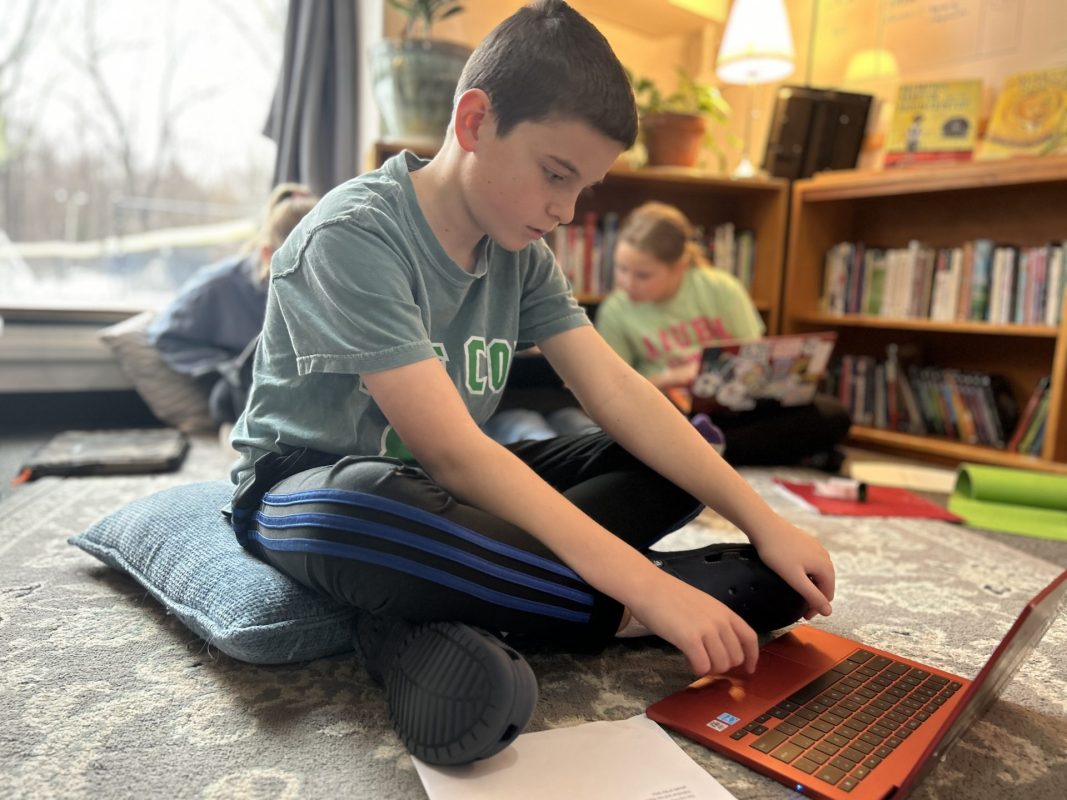
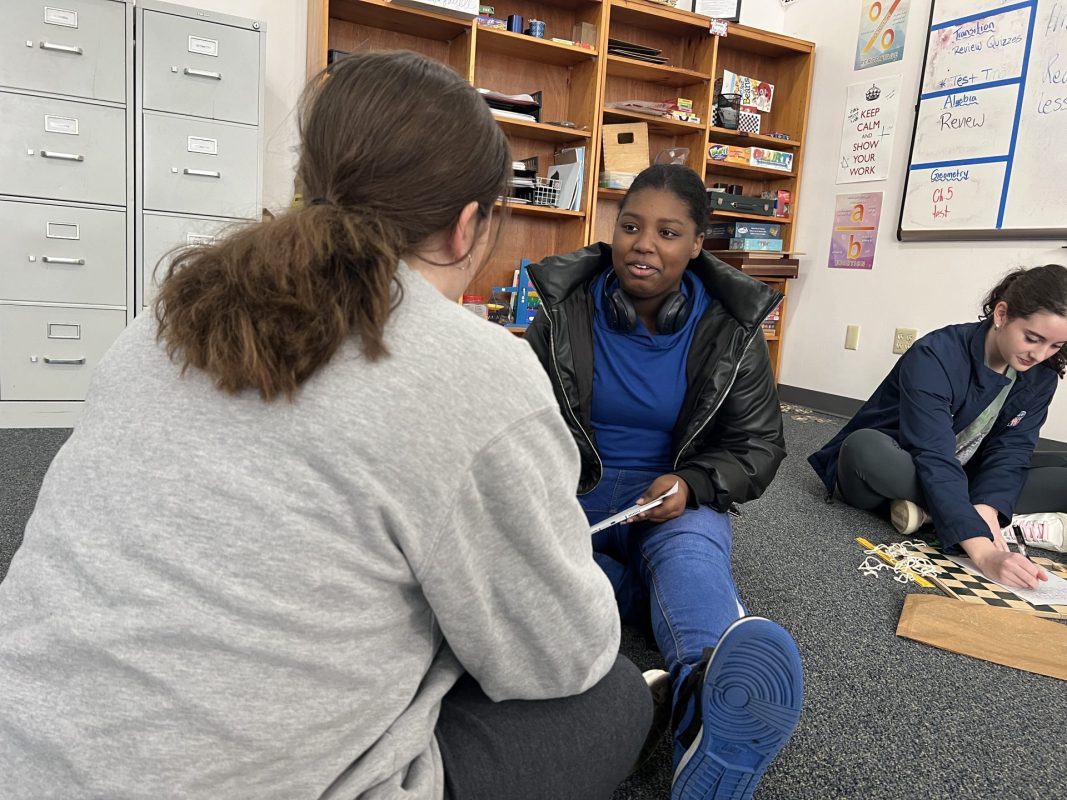
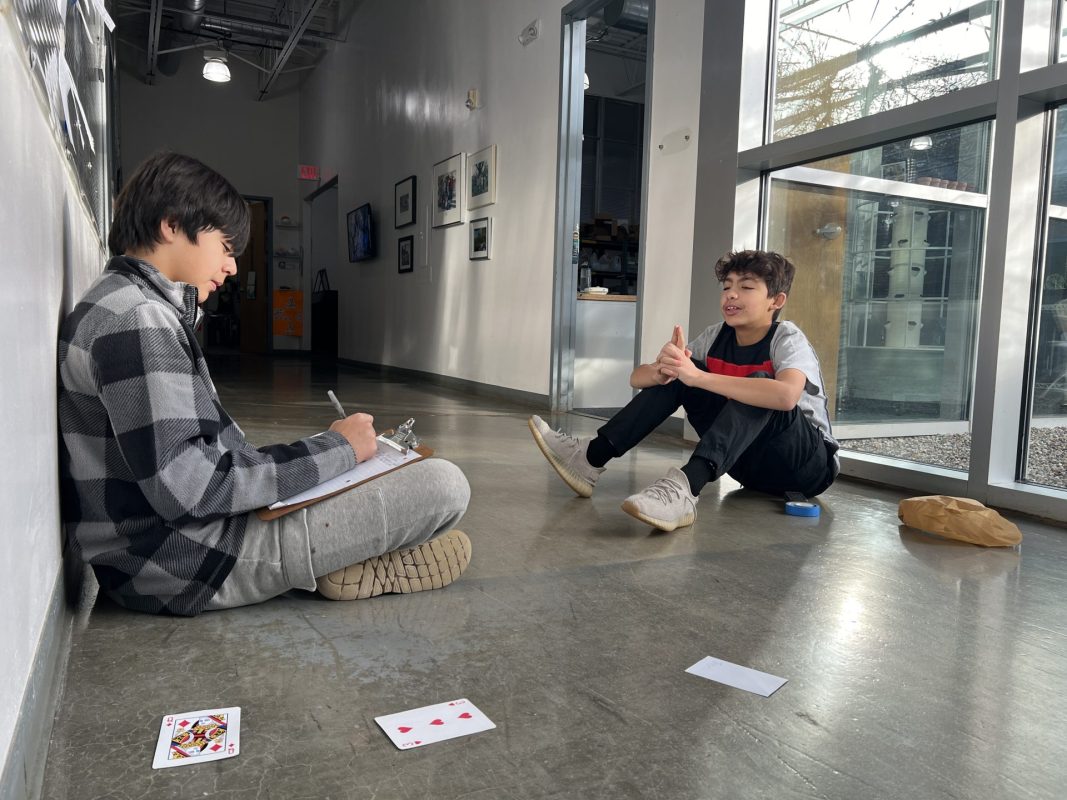
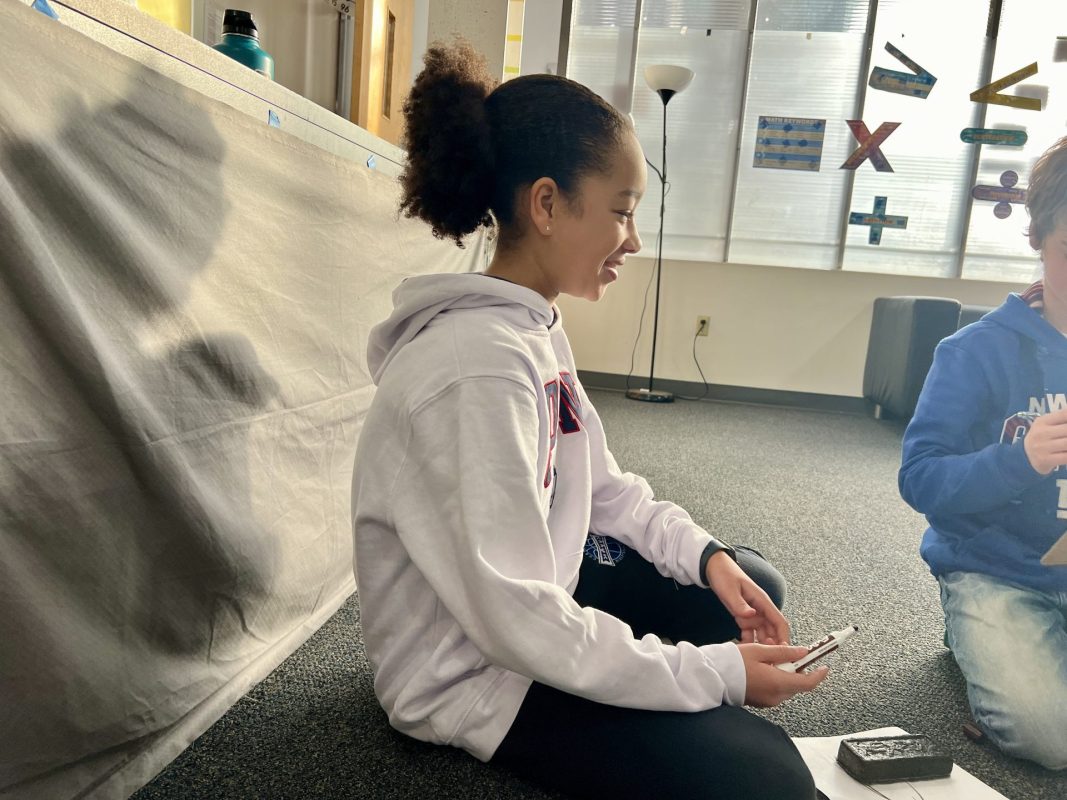
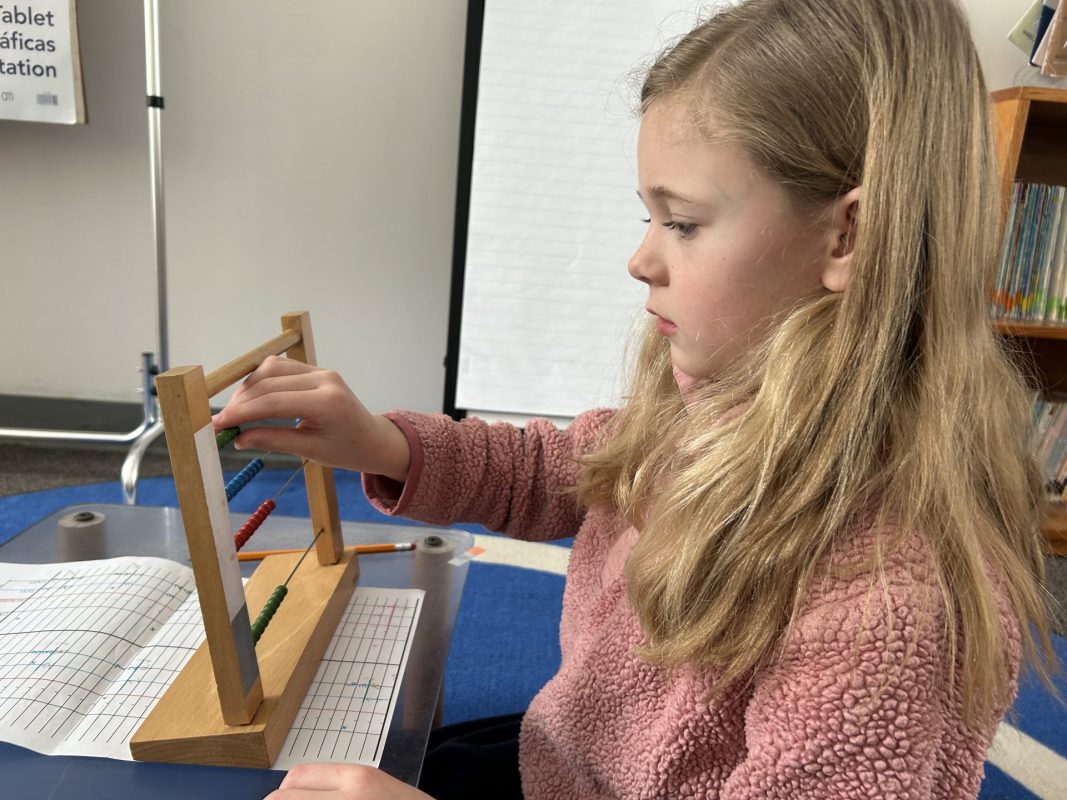
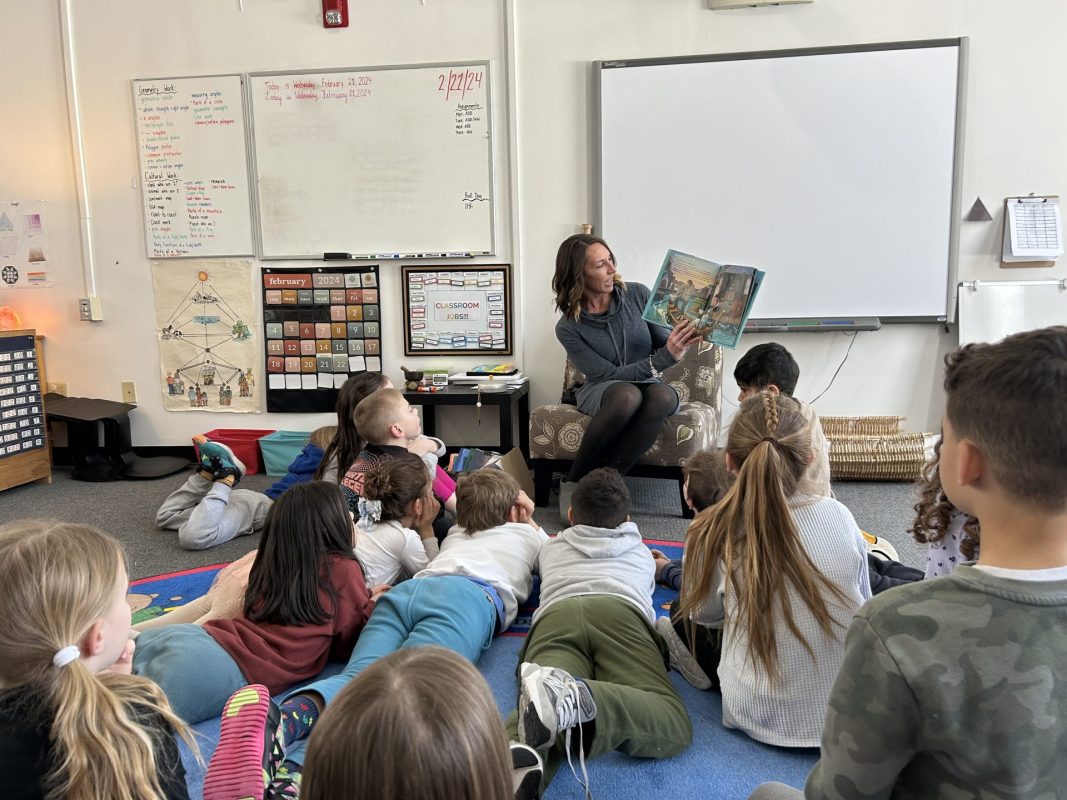
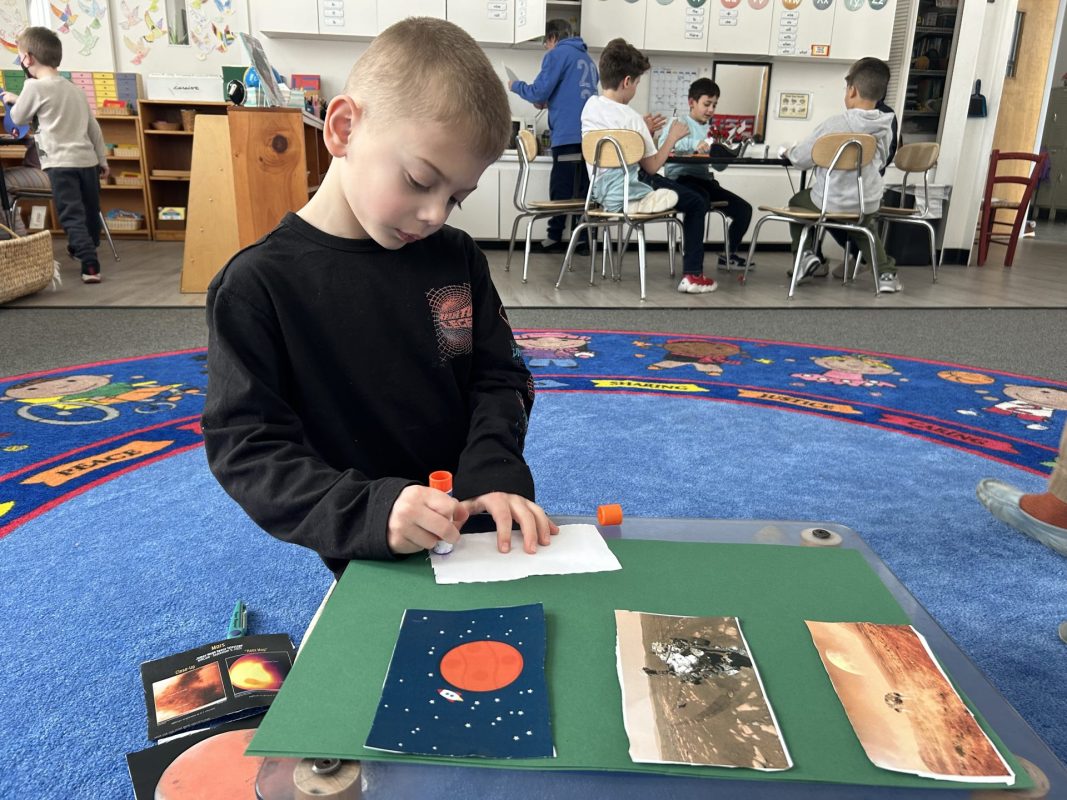
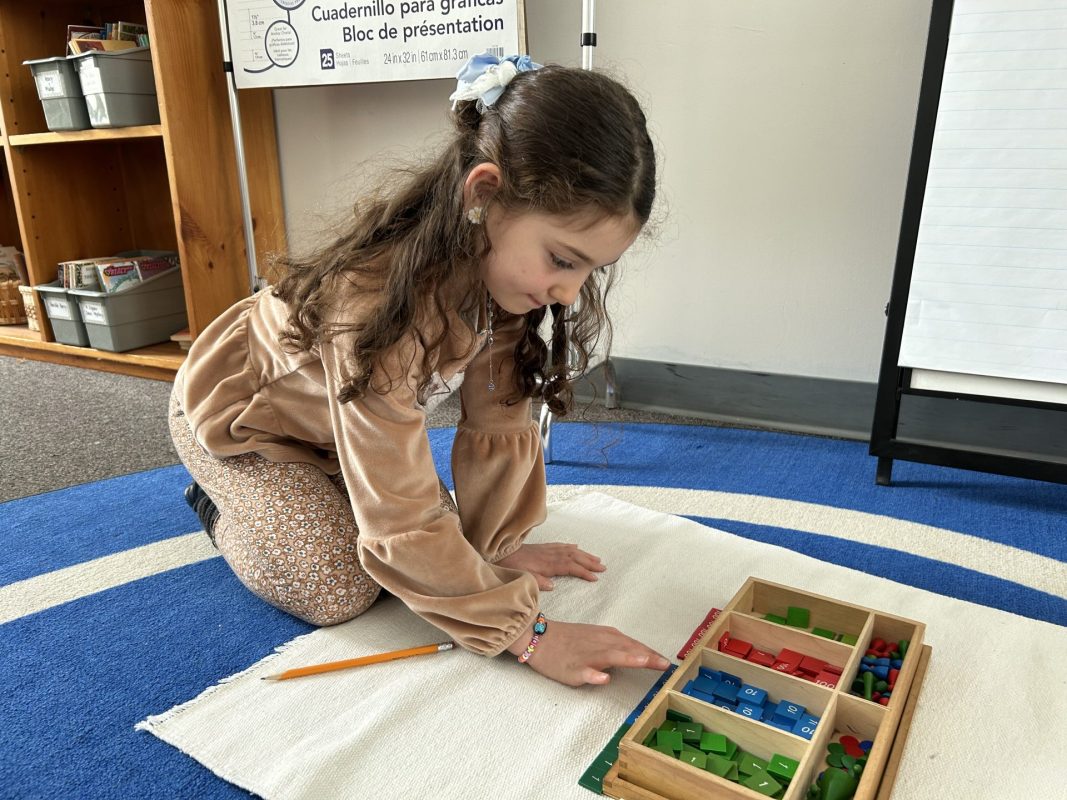
Happy Friday! We hope everyone had a great week. The middle school has been immersed in projects since returning from winter break. Across disciplines, they are working both independently and together to accomplish long-term goals. Project-based learning is an important component of the Middle School curriculum!

Humanities

All three Humanities classes are in project mode!

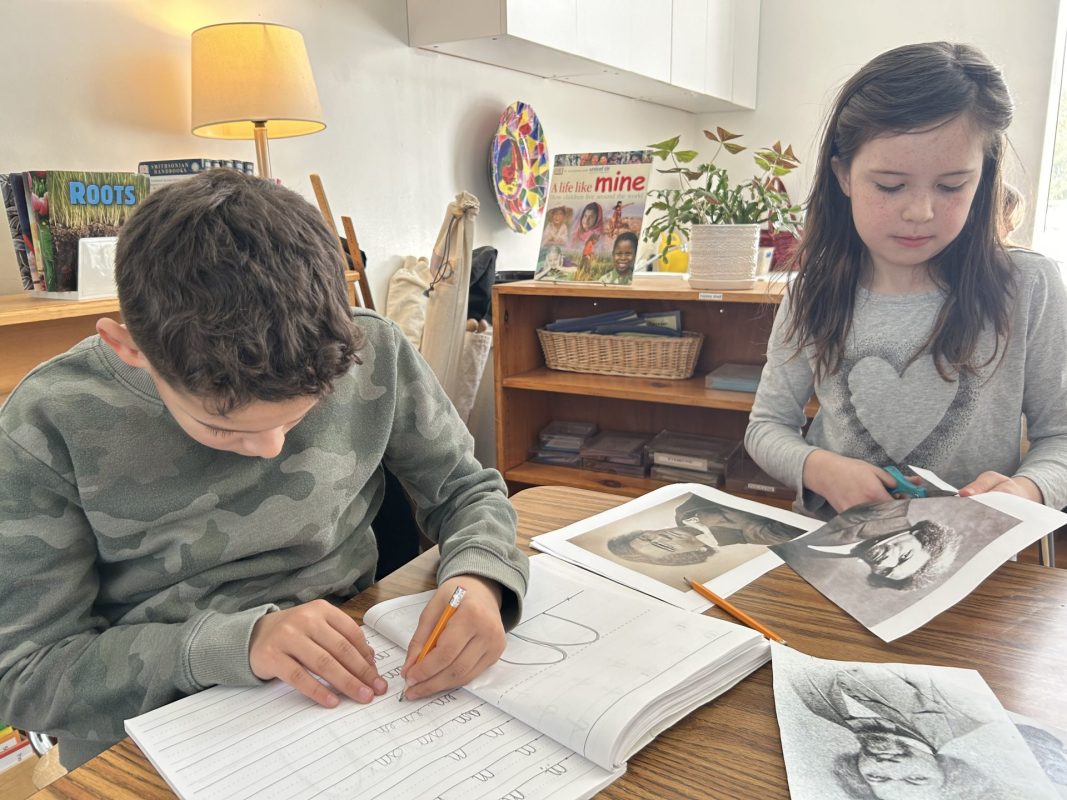
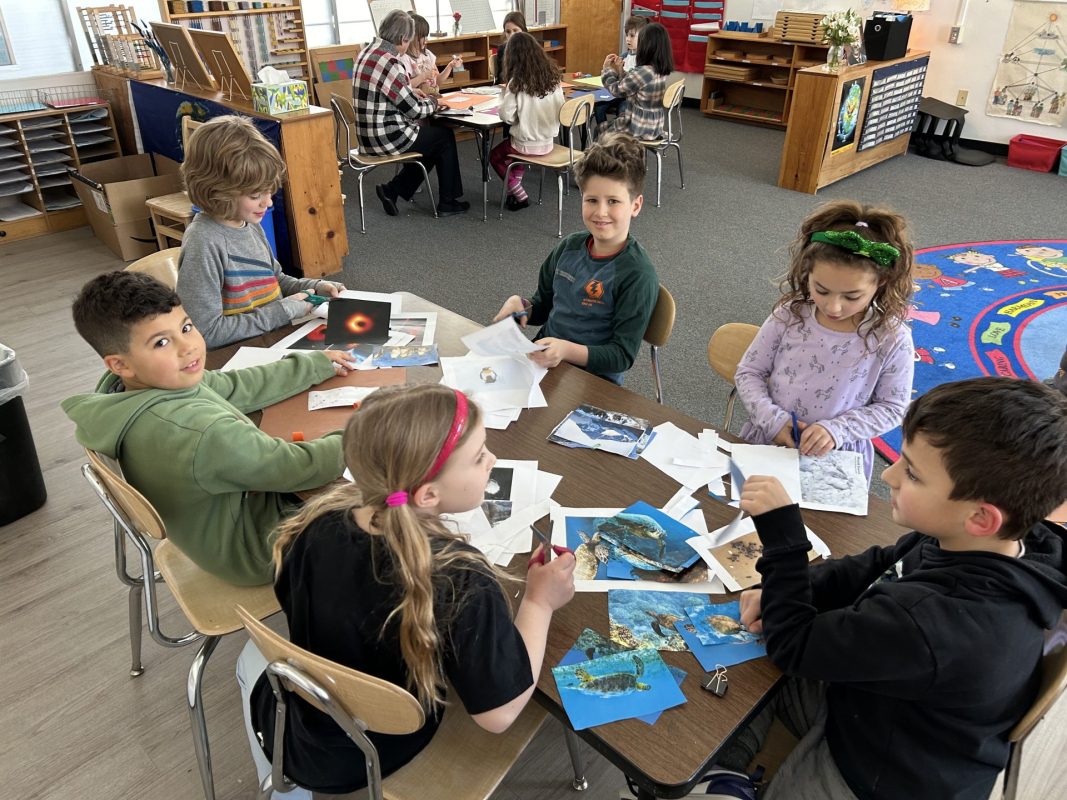
Grade 6 Humanities class has been busy getting themselves set up for success with their research project surrounding the theme, A Moment in History. They brainstormed two ideas that they discussed with the class and then selected their final topic. From there, they learned about writing thesis statements and developed one to guide their research. Next, they began writing questions that would be answered during the research process. They reviewed taking research notes, keeping track of their sources, and using reliable sources. Separately from their research, students are learning about Oaxacan art culture, stemming from their recent class novel, Becoming Naomi Leon.

Grade 7 Humanities class has also developed and selected their topic for their research project surrounding the theme, A Moment in History, and wrote their thesis statement to guide their research. Now, they are developing questions that will be answered during the research process. Concurrently, students have completed the class novel, The Giver, by Lois Lowery and are working on two items surrounding the novel. The first is a collaborative assignment called the Community Project that has students working to create a Utopia and considering different factors of society. The second is an independent writing assignment, having the students continue the novel and forming a more satisfying ending.

Grade 8 is set up for two upcoming projects: an Internship Project and an Expert Project. Internship Projects occur the third week of January and involve the students visiting a business, observing, and sometimes participating in the day-to-day operations. The students will submit daily journals, a written reflection, and a presentation for the middle school community upon completion. Next, the 8th grade selected topics for their Expert Project as well as wrote and workshopped their thesis statements to guide their research for the next several months. The end product is a 5-10 page research paper and a 15-20 minute presentation to the FWM community about their topic. They will even interview experts in the field as primary sources. This is the beginning of an exciting time for the 8th-year students!

Math

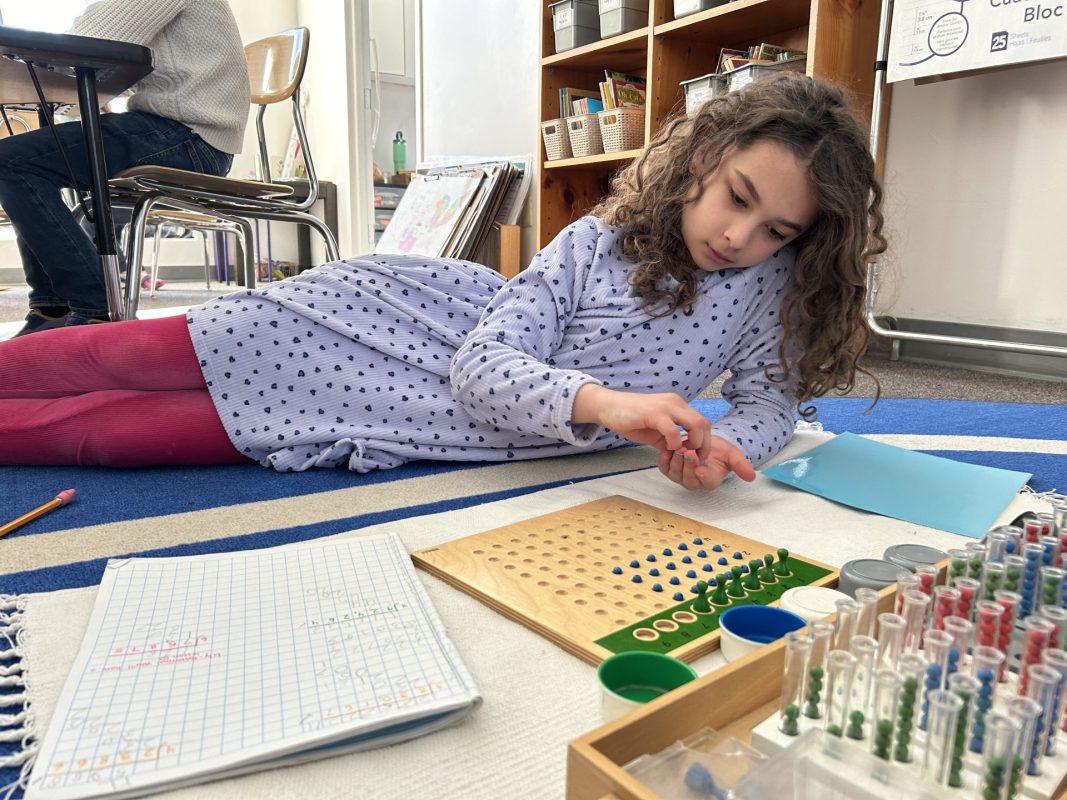
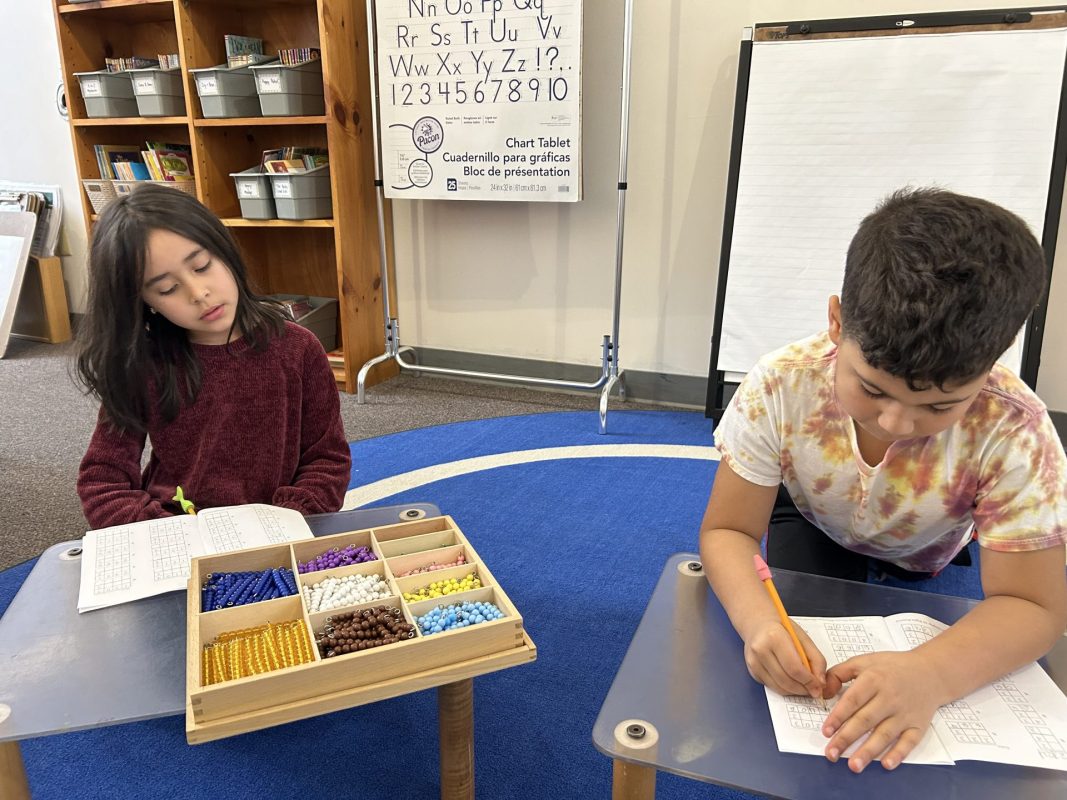
In the Pre-Transition math class, students began learning Chapter 4 in the UCSMP textbook, which covers topics about subtraction. This class learned how to subtract integer values, make a subtraction number sentence from a fact triangle, and illustrate subtraction on a number line. This class will have a quiz on Friday, January 19th, that will cover topics in lessons 4.1 – 4.5.
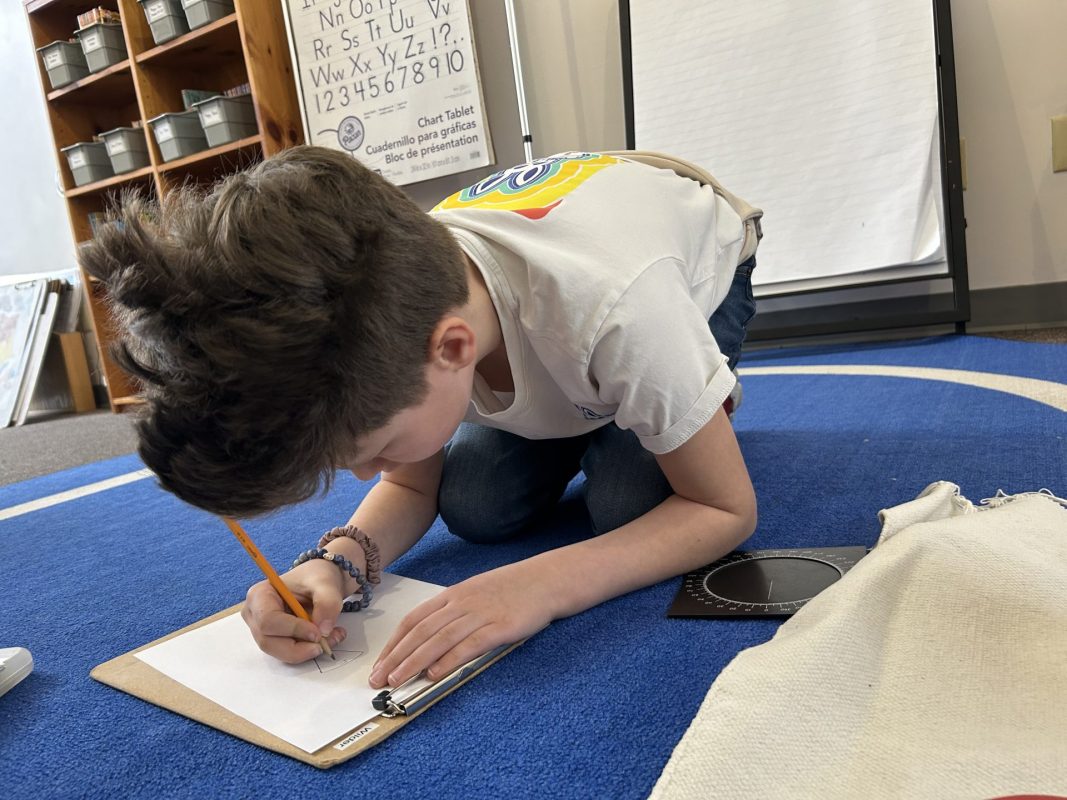
In the Transition math class, students started learning about transformations of shapes in space. This includes rotations, reflections, and translations of figures and points on a coordinate grid. As a general reminder, all students need to bring a protractor and ruler to class each day in order to participate in the hands-on learning opportunities. This class is excited to work with angle measurements, as well as parallel and perpendicular lines, next week.
In the Algebra math class, students explore the slope of a line and the different relationships of linear equations. This class has been making cluster note pages to help with studying and having a quick reference for key concepts. Students in the Algebra class can recognize the positive and negative slopes of a graph, calculate the slope from two ordered pairs, and identify the slope value in a y=mx+b statement. This class will write the chapter 6 quiz on Friday, January 19th, to summarize their learning of lessons 6.1 – 6.5.
In the Geometry math class, students discovered the difference between congruence and equivalent. This class has been learning about the CPCF theorem, ABCD theorem, and the Angle congruence theorem. Students practiced how to write a single-step proof statement with a conclusion and justification. They will continue exploring Chapter 5 next week by working with the Triangle-Sum, Quadrilateral-Sum, and Polygon-Sum theorems in order to determine angle measures.
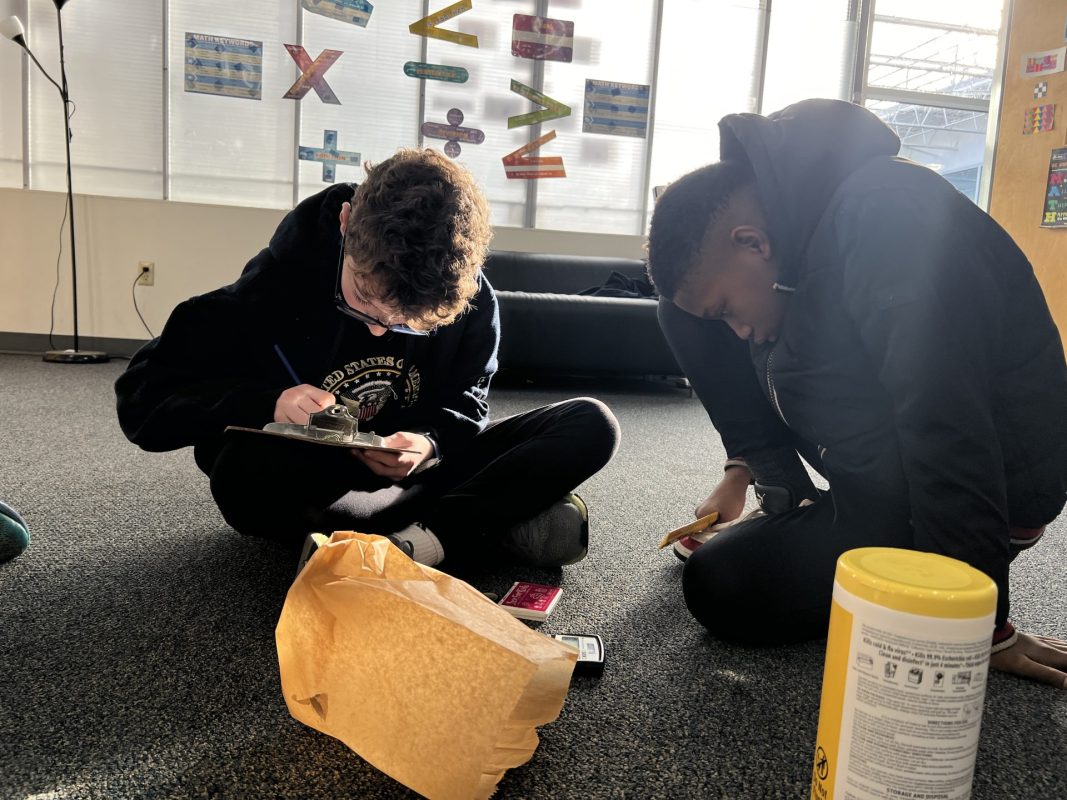
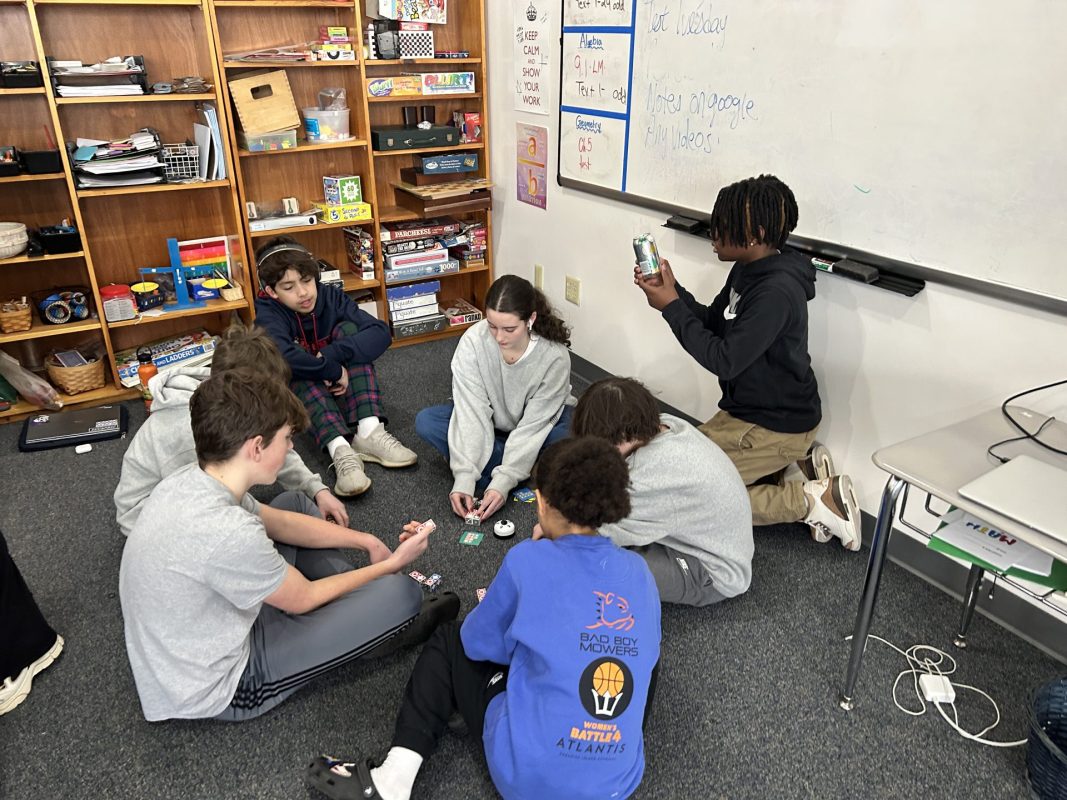
Thank you for your patience and flexibility as the Math Carnival has been postponed to Tuesday, January 16th, from 2-3 pm. This will allow all students to participate in the event and showcase their understanding of probability. Can’t wait to see all our Middle School Families next Tuesday to celebrate the hard work of our math classes.
 
Make Joke: Why did the student wear glasses in math class?….. To help improve their di-vision.

Science

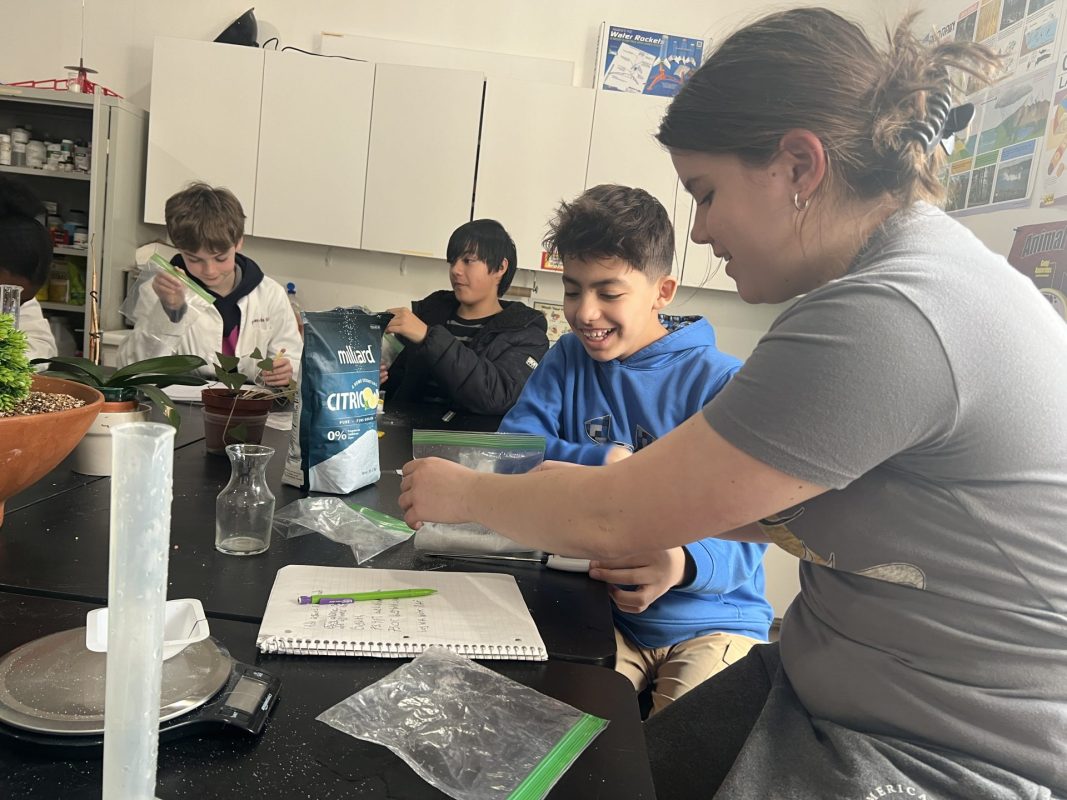
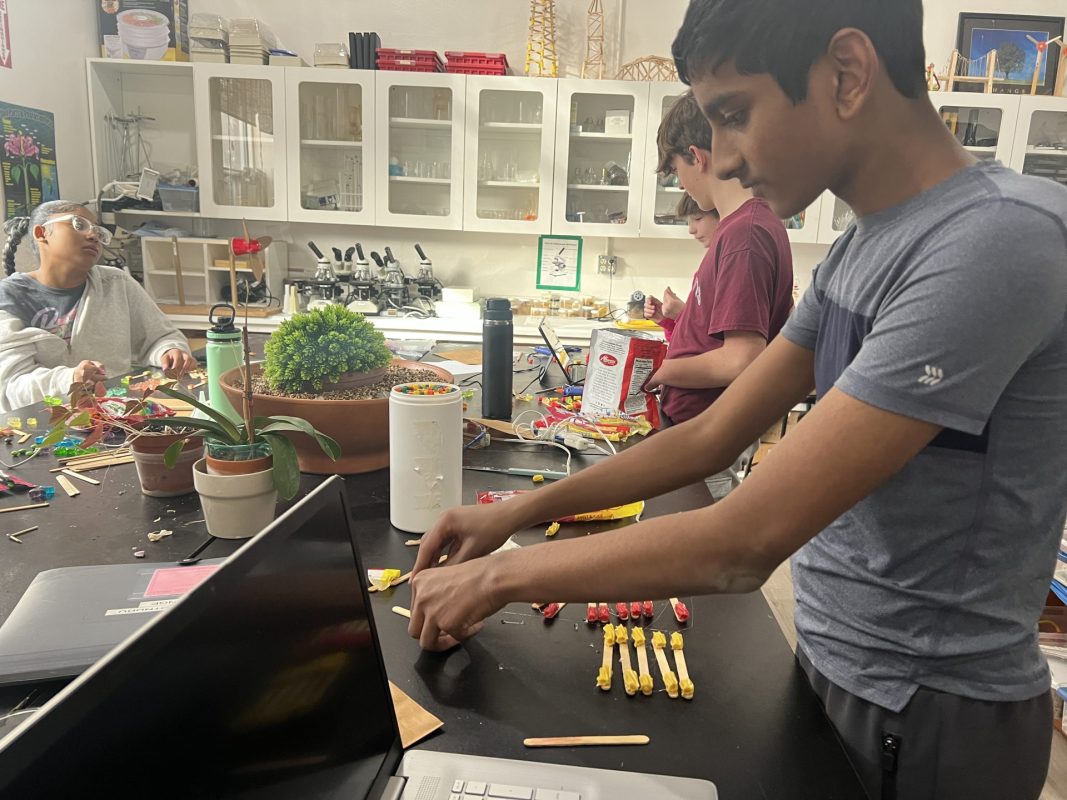
6th-year Earth Science students have begun writing their formal lab report on how density affects the movement of seismic waves. Earlier in the week, students represented a change in density and seismic waves using a shoebox, rocks, marker, and golf ball to simulate energy traveling through a medium while recording the waves on paper. Each student worked alongside a partner on this project while compiling their data and analysis individually.

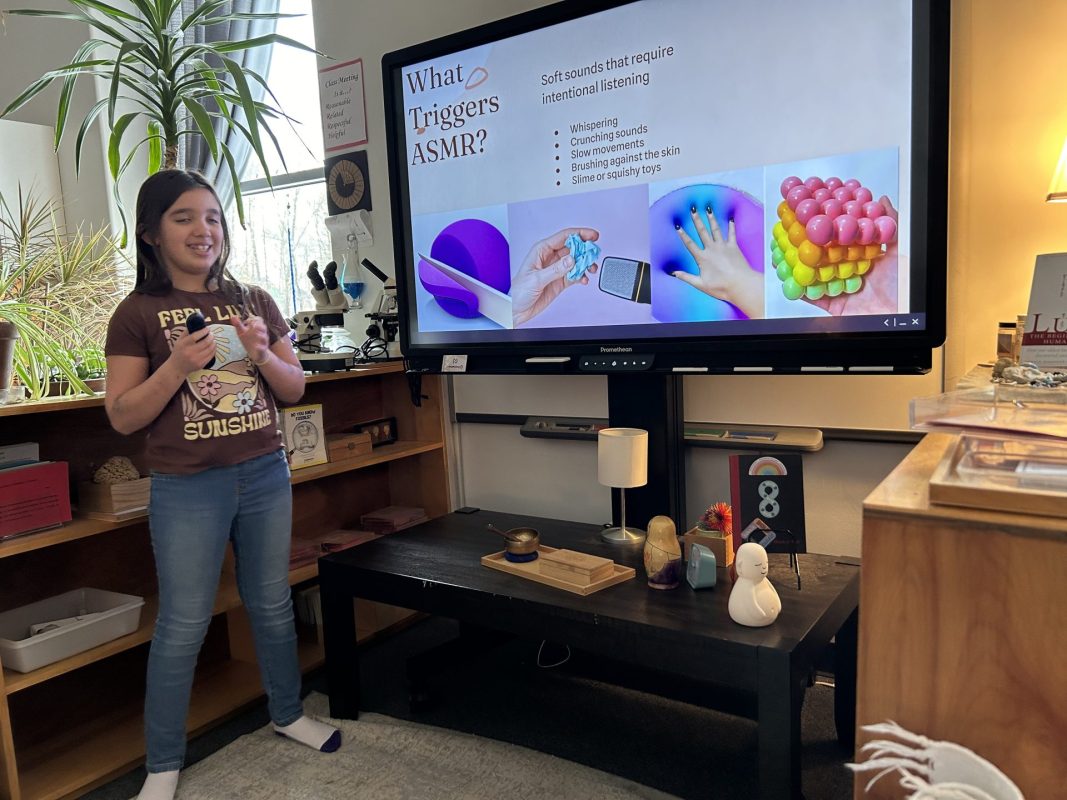
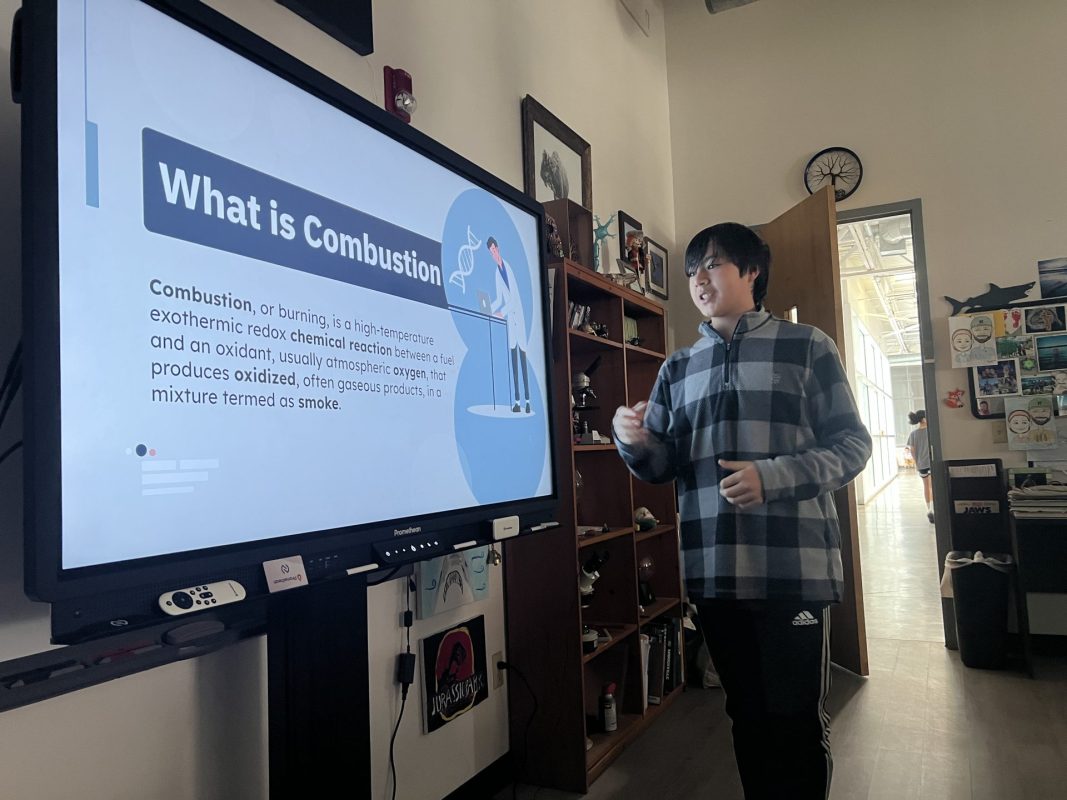
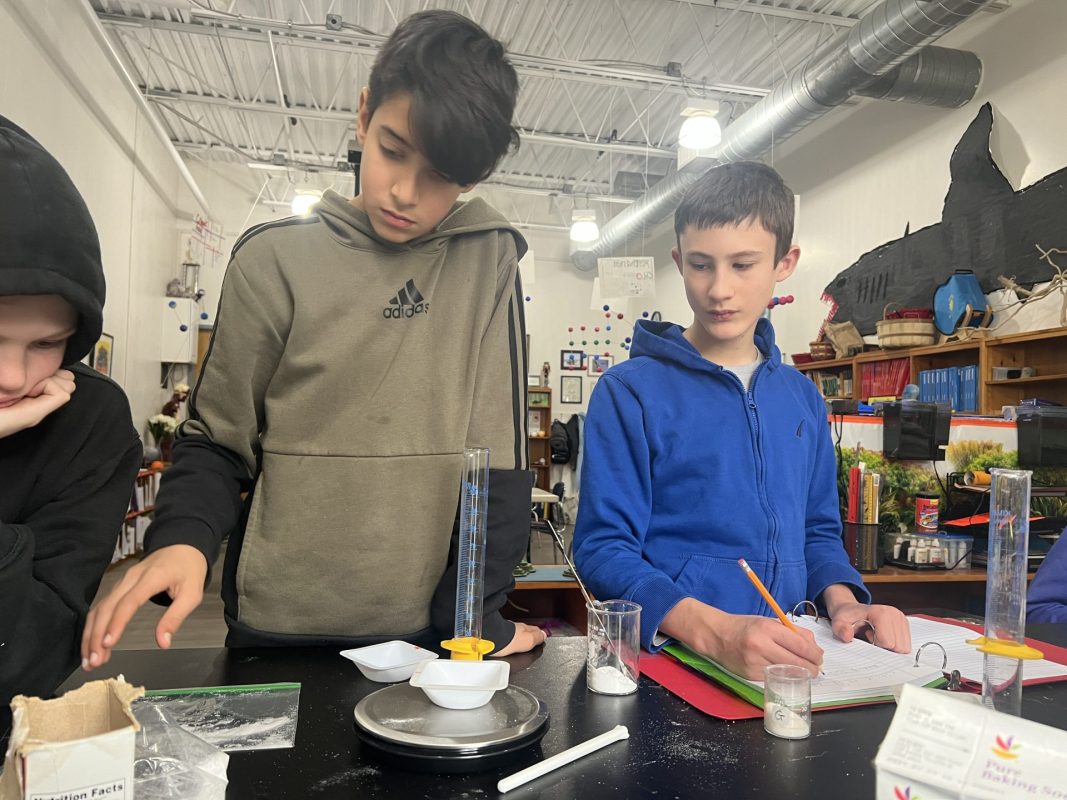
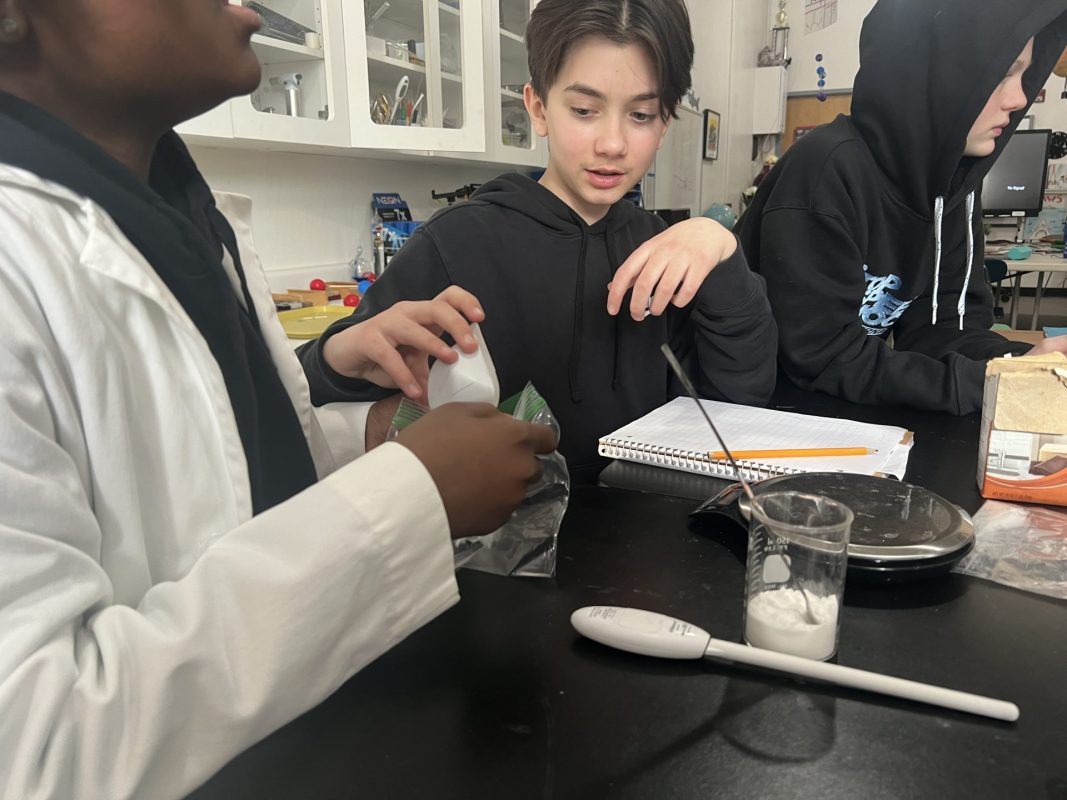
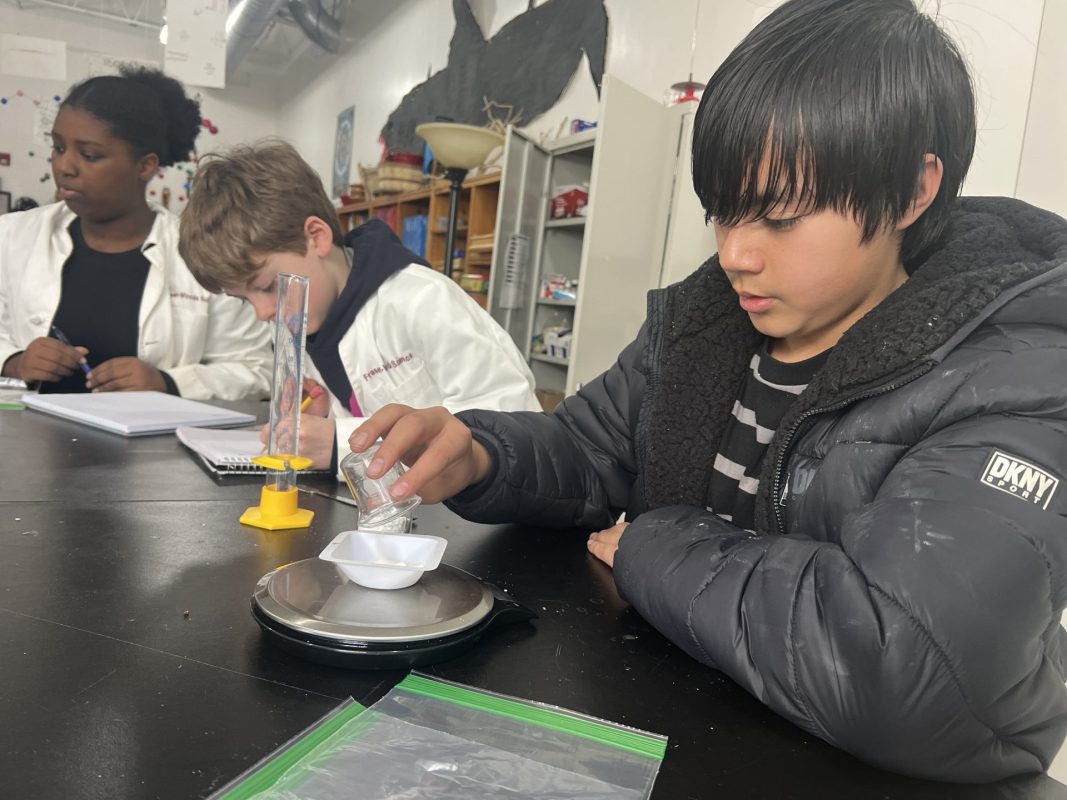
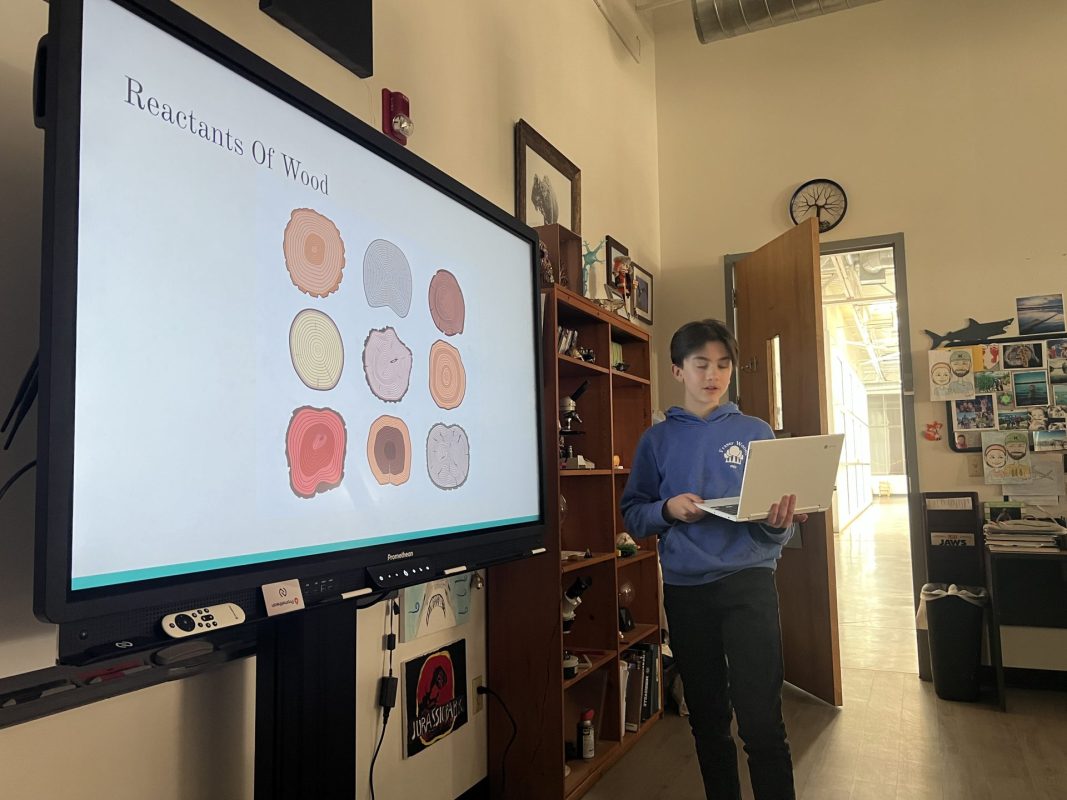
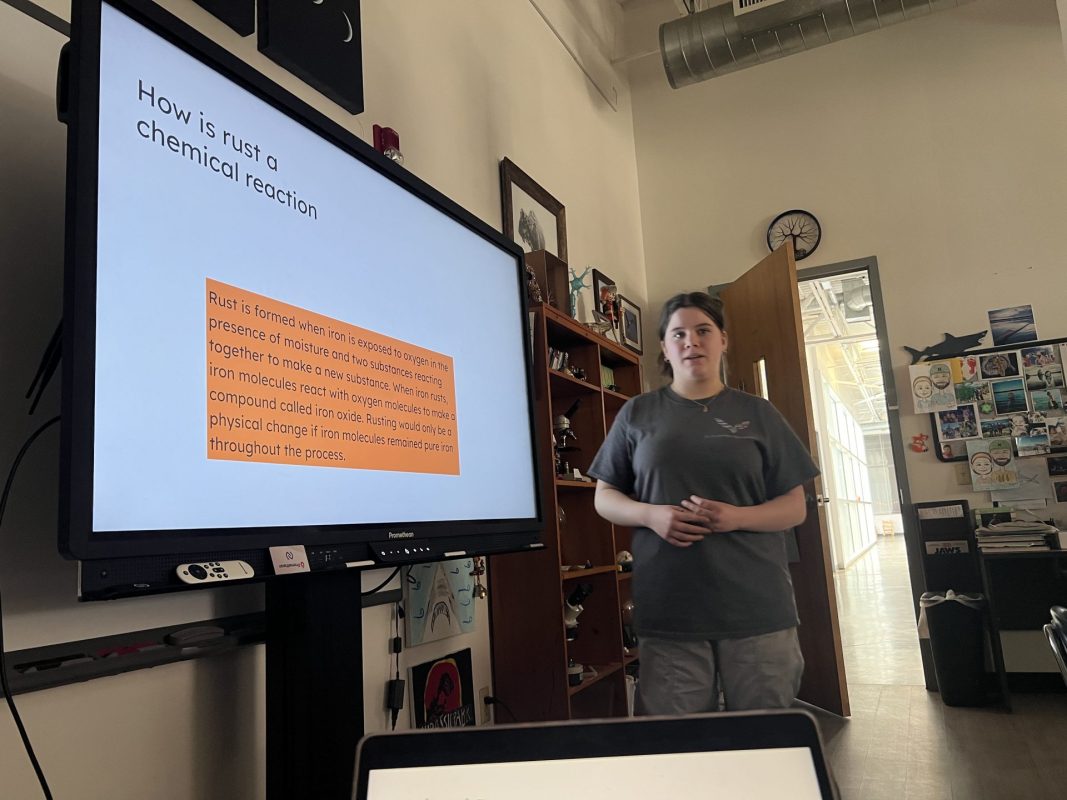
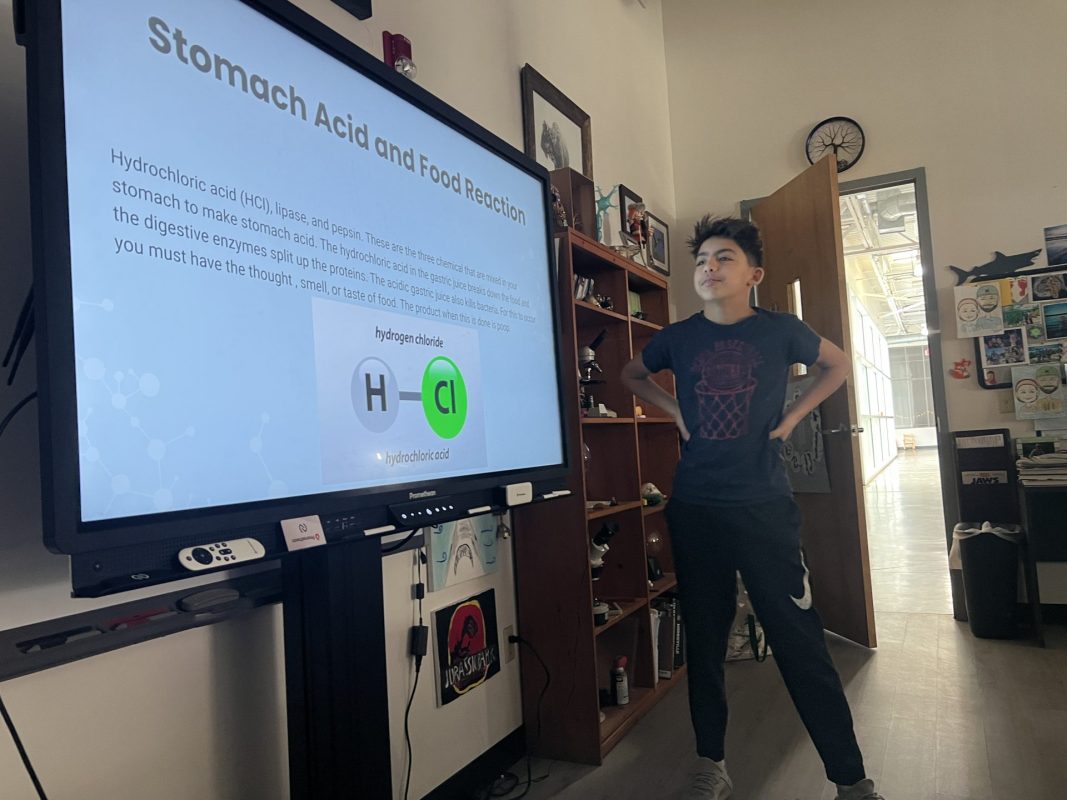
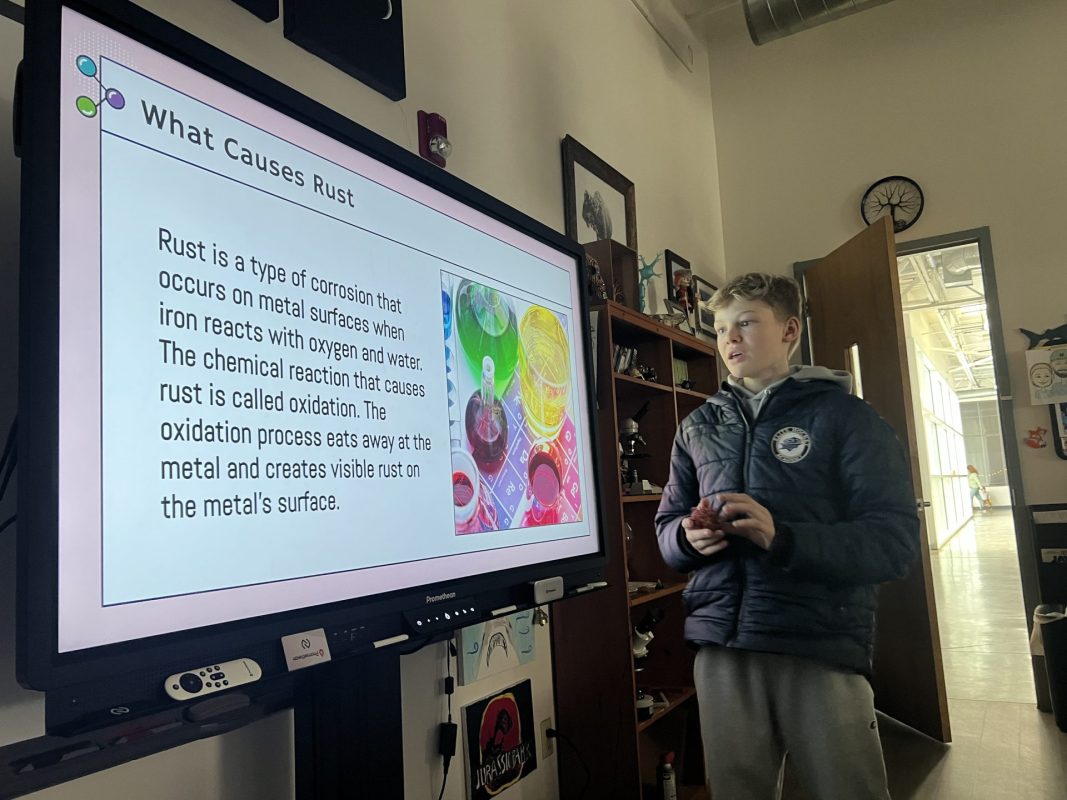
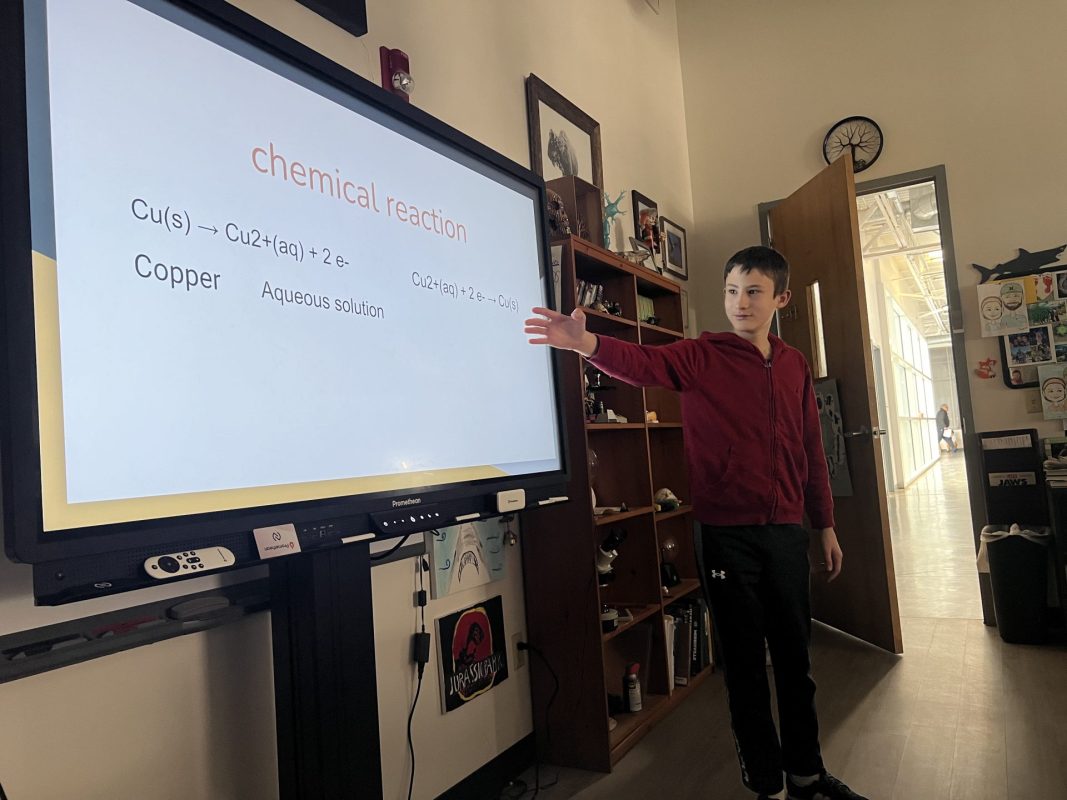
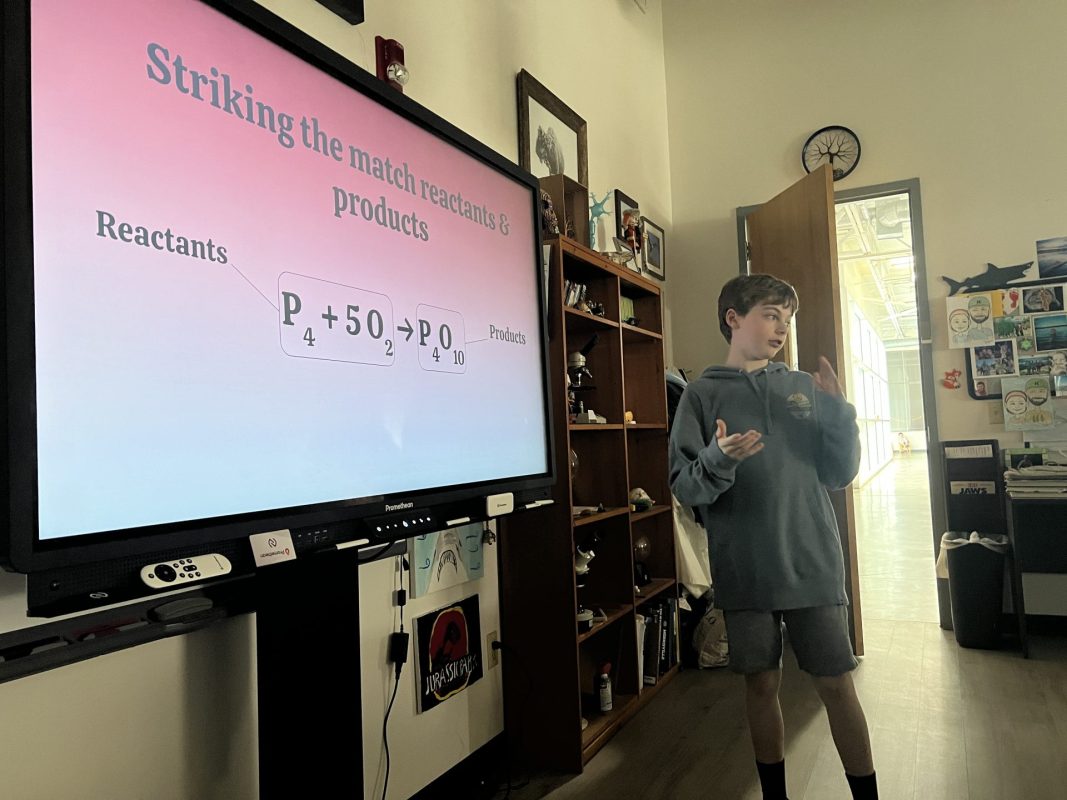
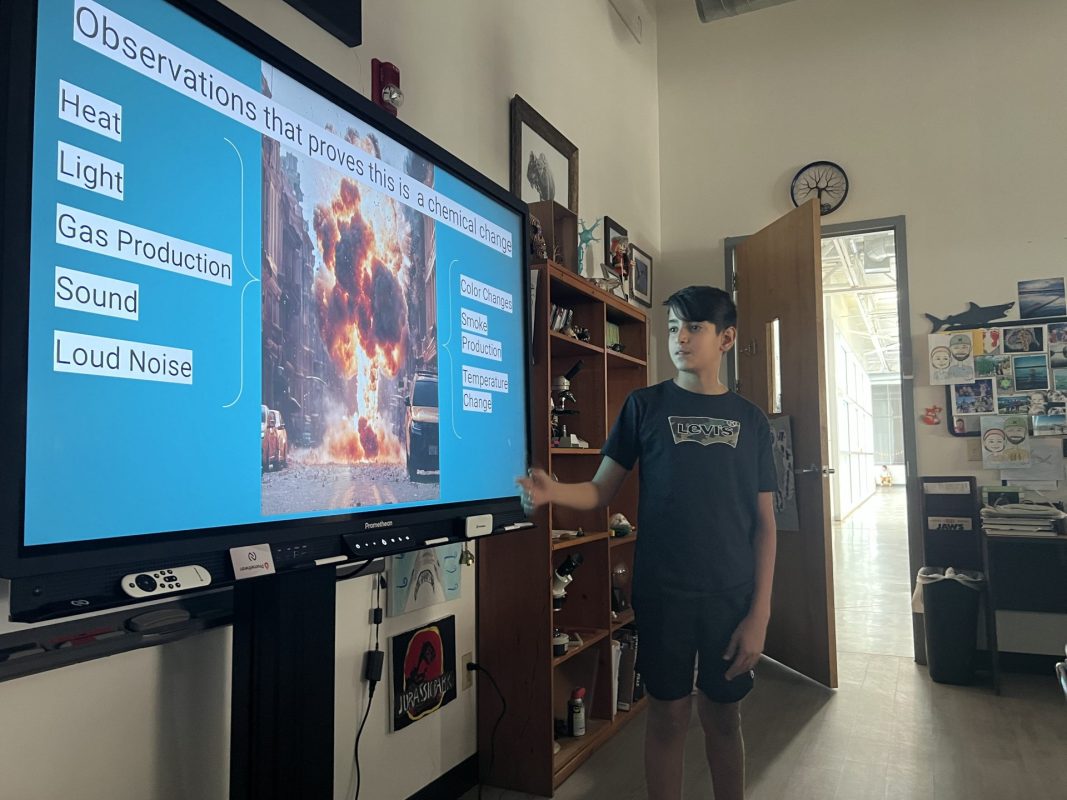
7th-year Physical Science students have been working on their unit, Molecules. From this unit, students will be able to recognize that atoms and molecules are too small to be seen, identify examples of elements, compounds, molecules, and diatomic molecules, describe how the properties of a compound are different from the properties of the elements that form the compound; and, draw atomic diagrams of elements and compounds. Students did a great job presenting their research on an element of choice.
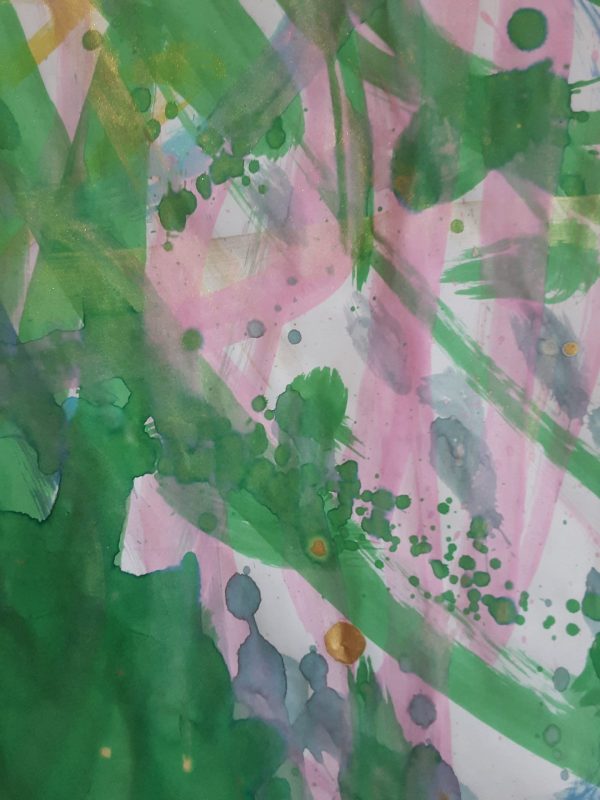
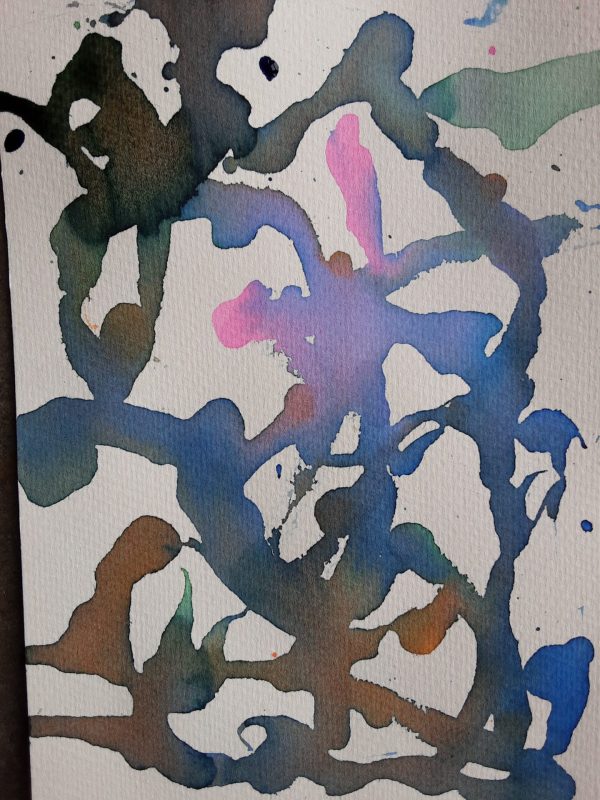
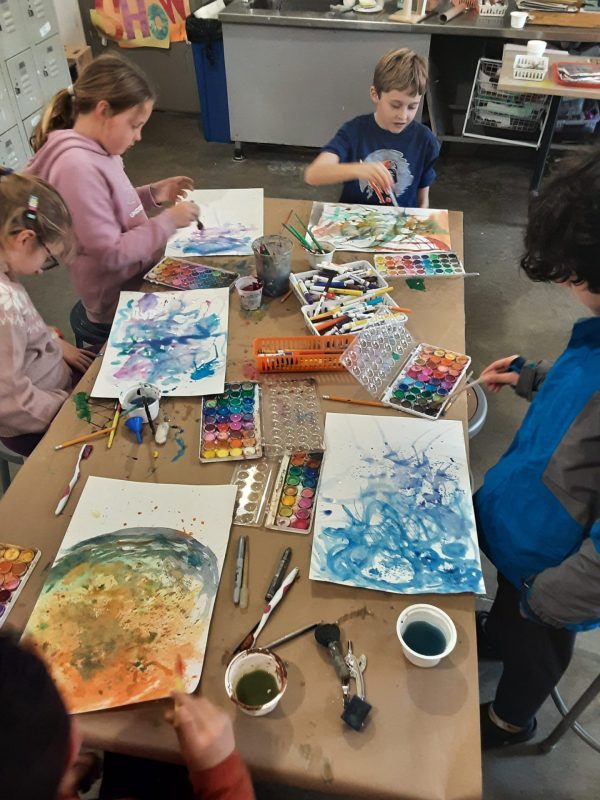
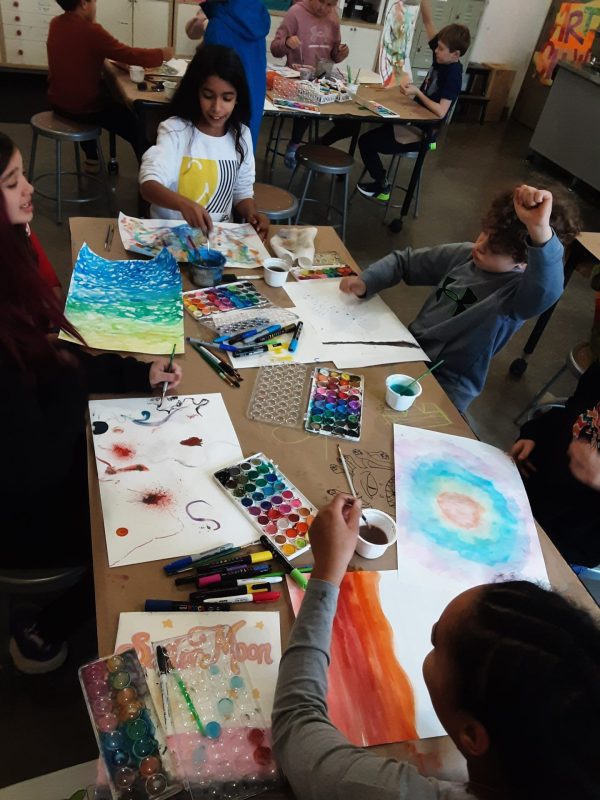
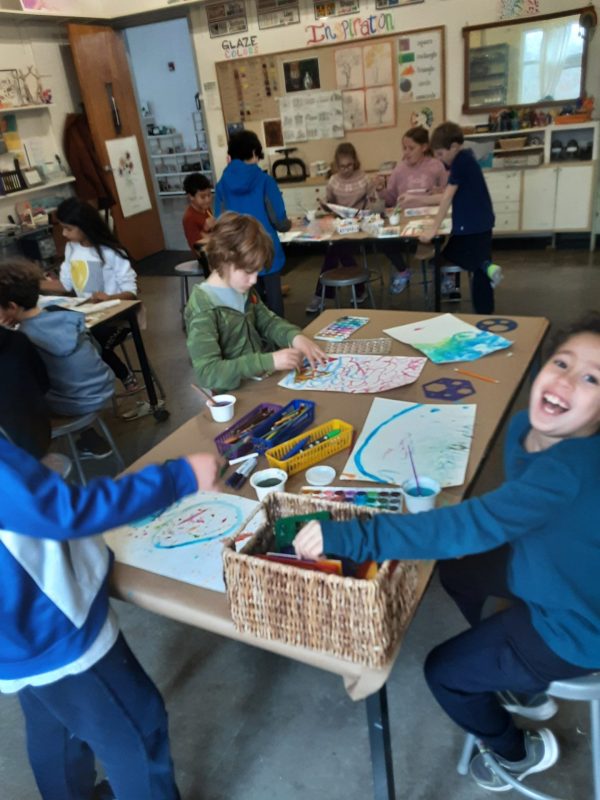
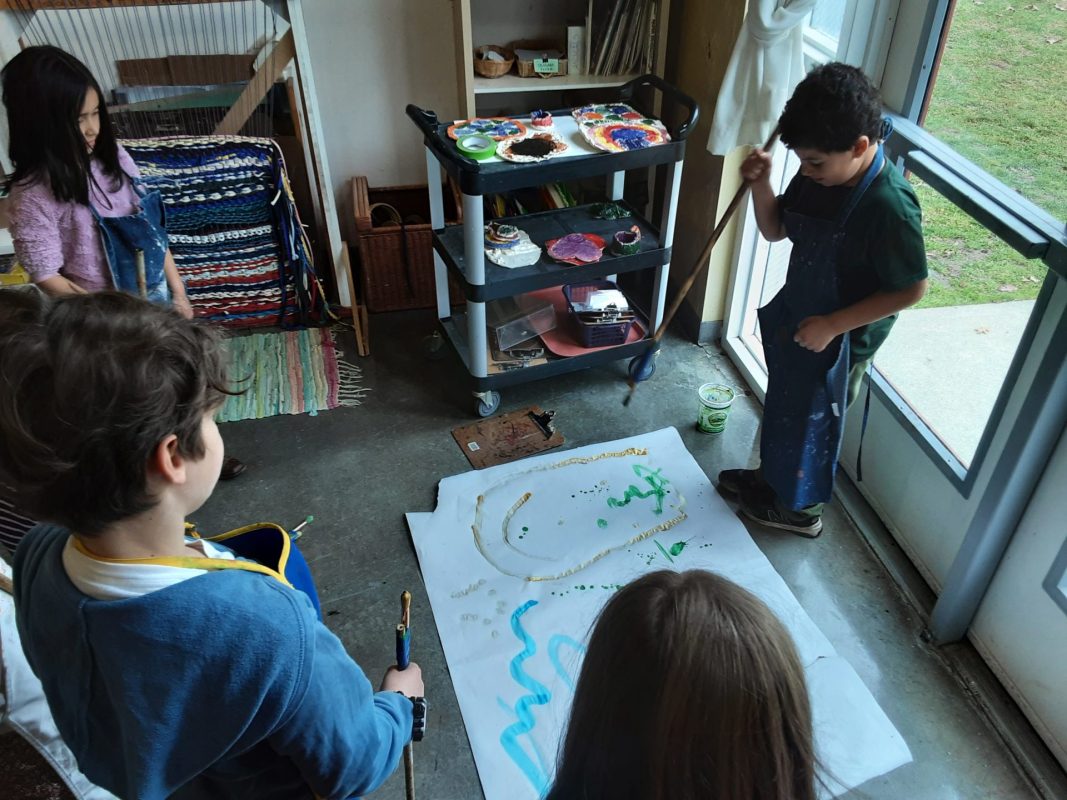
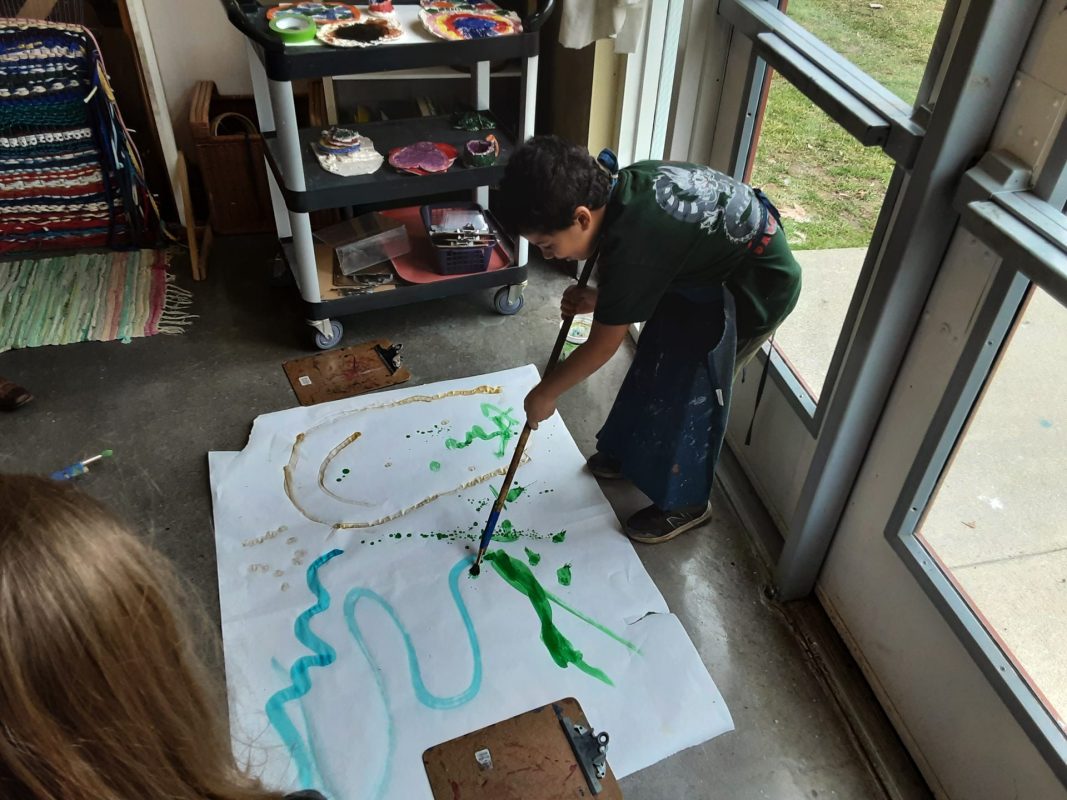
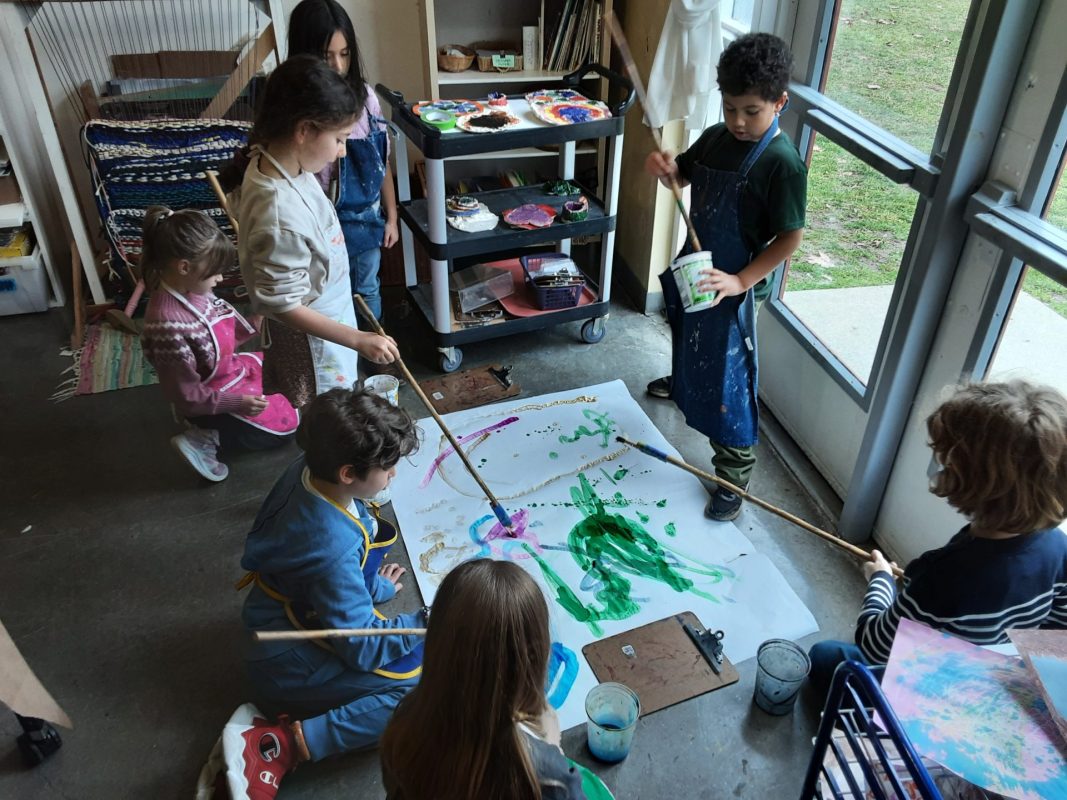
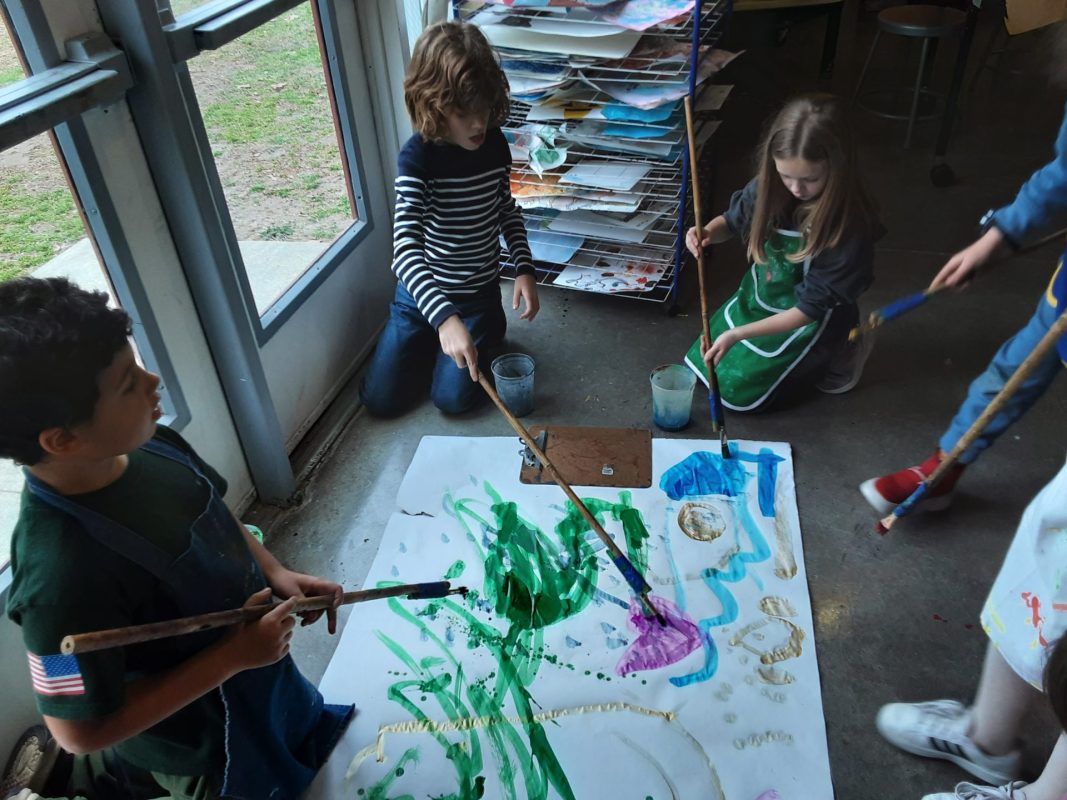
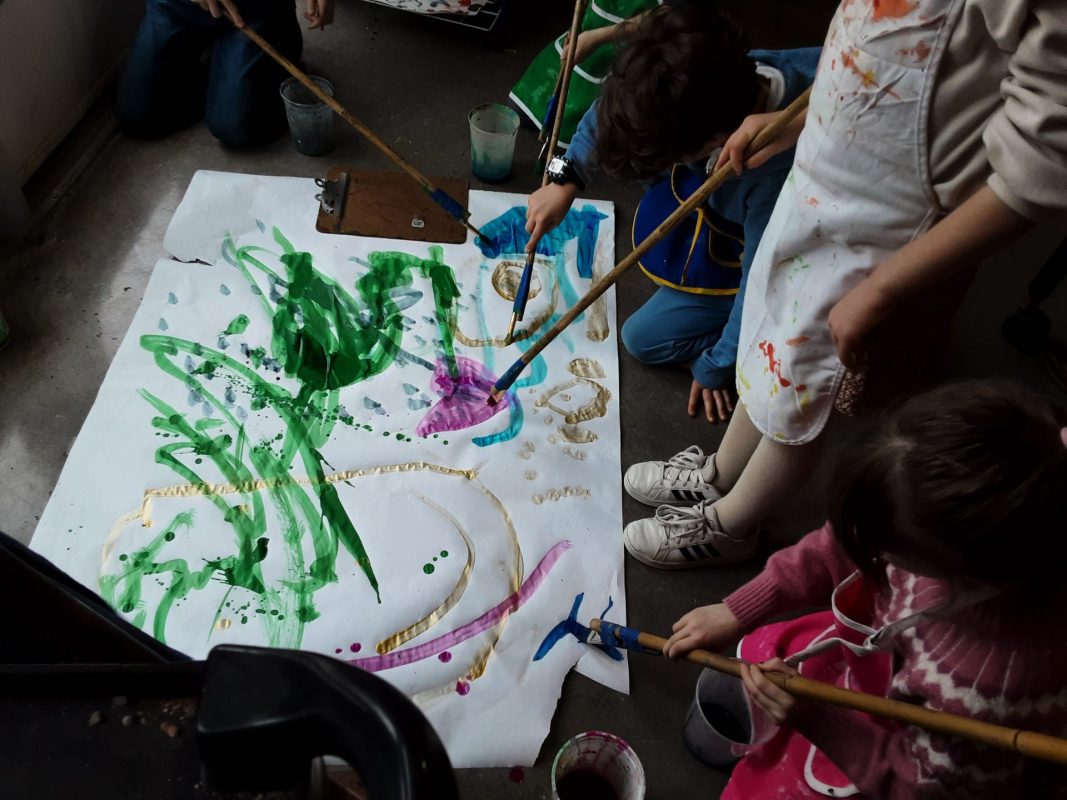
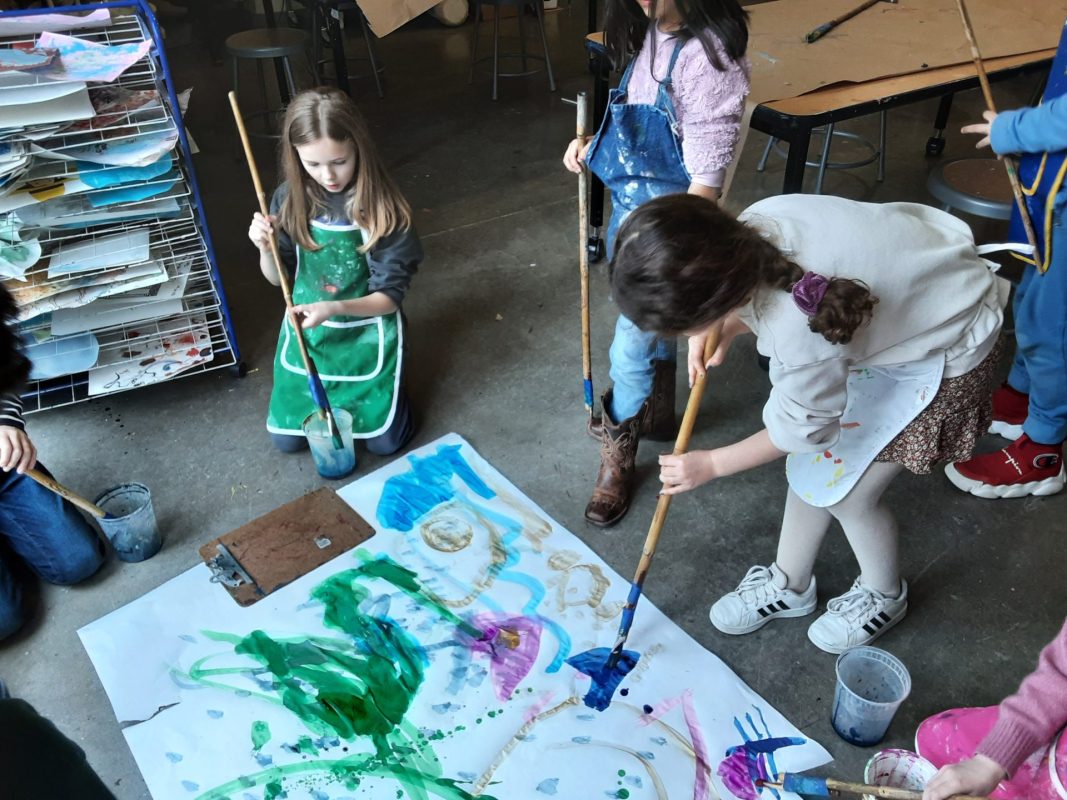
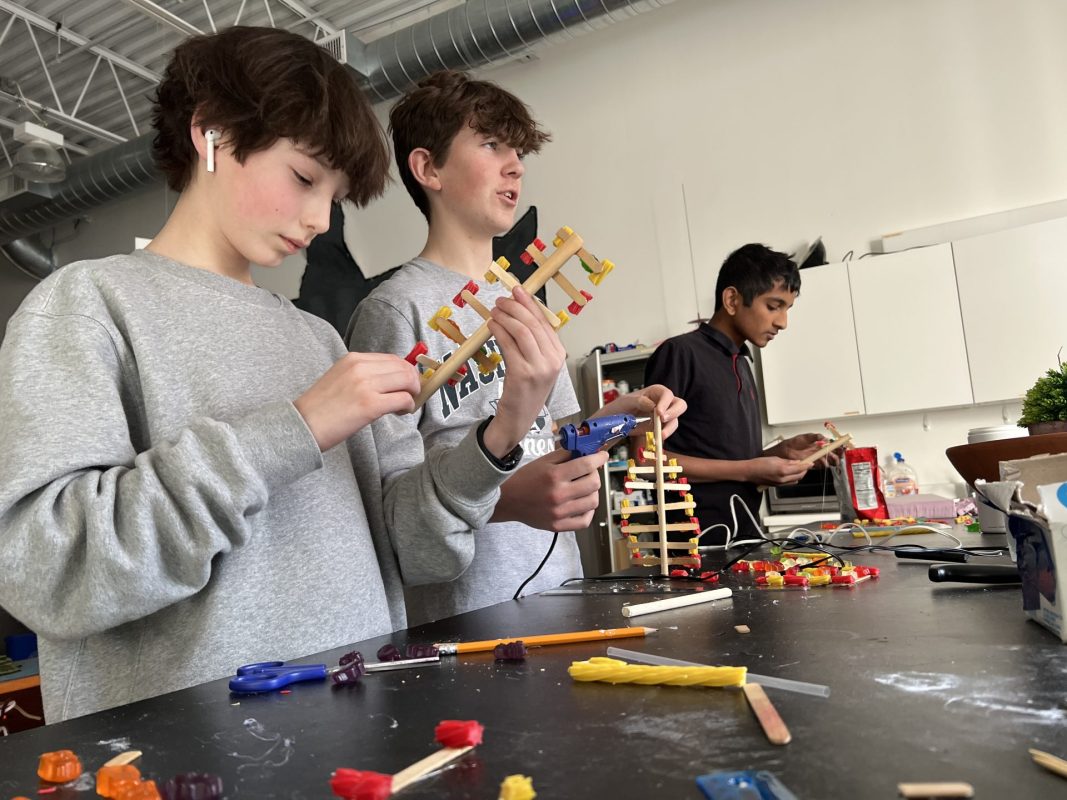
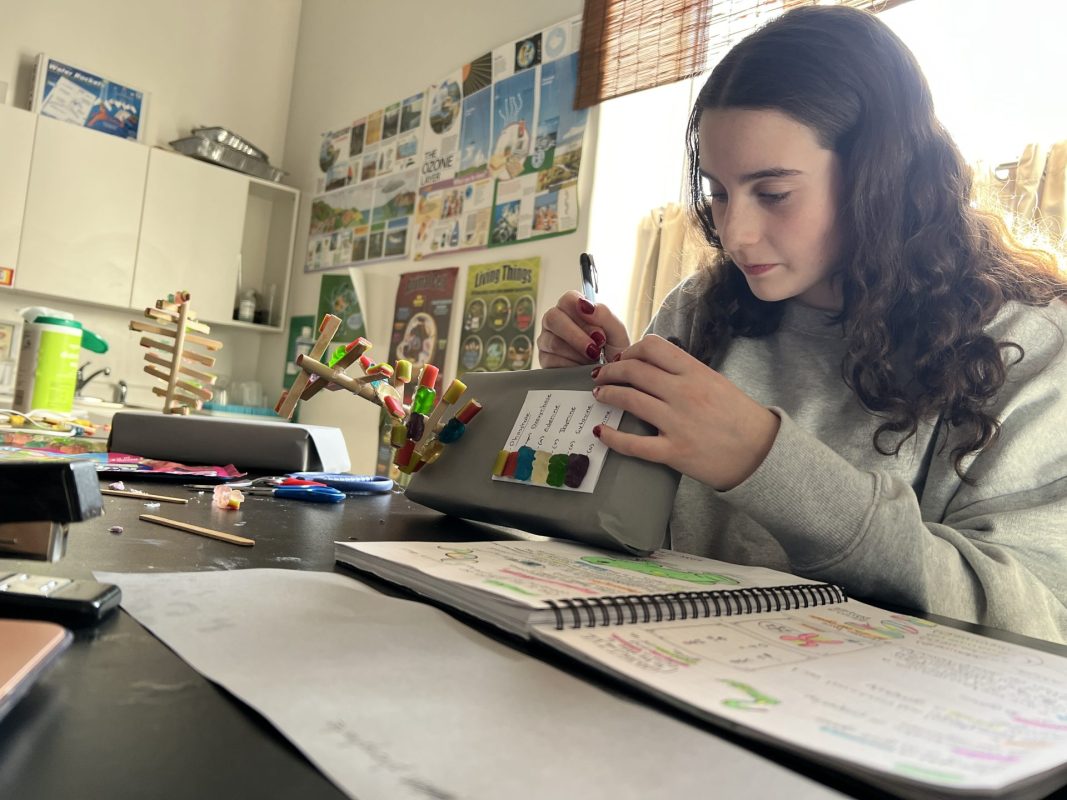
8th-year Life Science students have continued to work on their unit, Meiosis. The goal of these units is for students to explain when meiosis occurs and in what organisms, describe how chromosomes change and move at each stage of meiosis, determine the number of chromosomes in the gametes of an organism given its parental chromosome number, and explain why meiosis allows diversity of characteristics in offspring, whereas mitosis does not. Students represented their understanding of this unit by creating an artistic representation using a variety of mediums.
Have a good weekend, everyone!

A Week of Biology Studies for Lower Elementary Students

This week has been an exciting and educational journey for our elementary students as they delve deep into the world of biology.

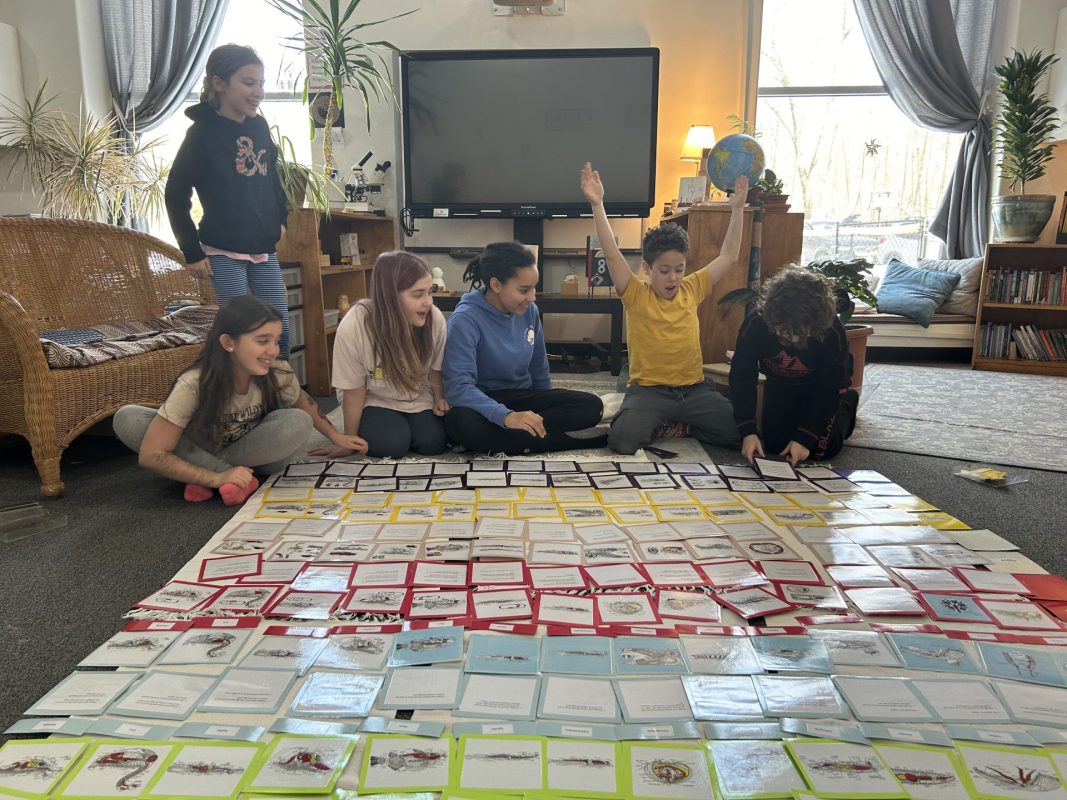
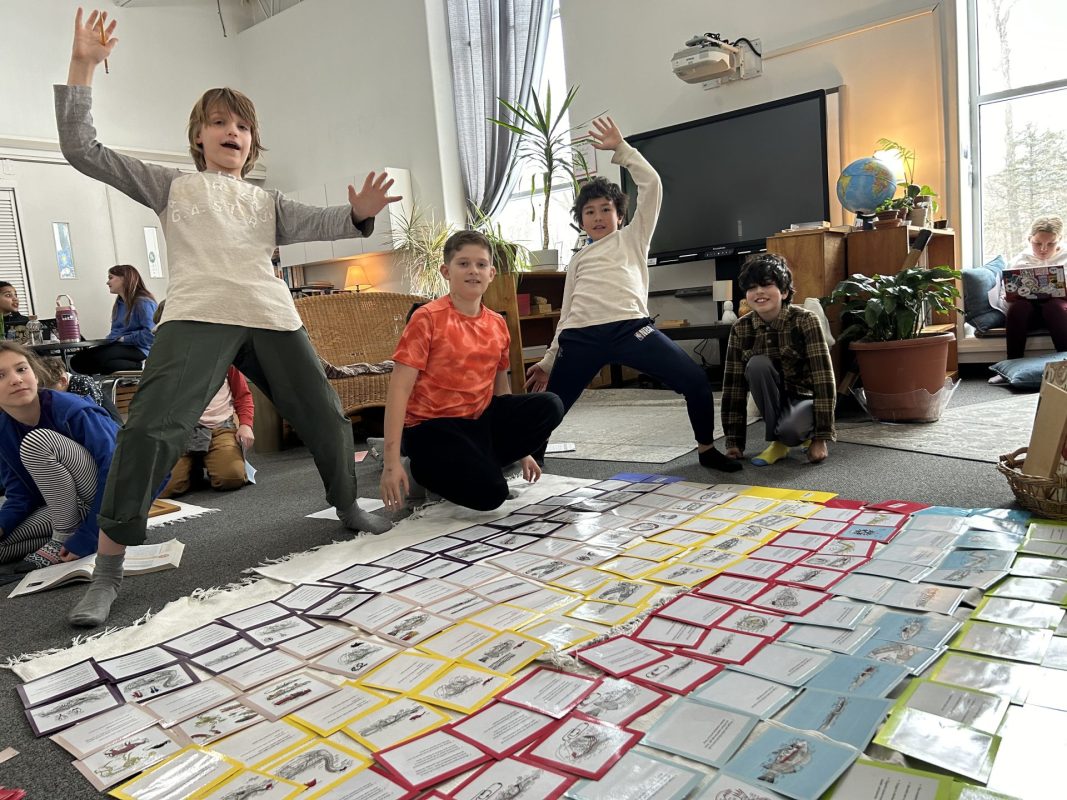
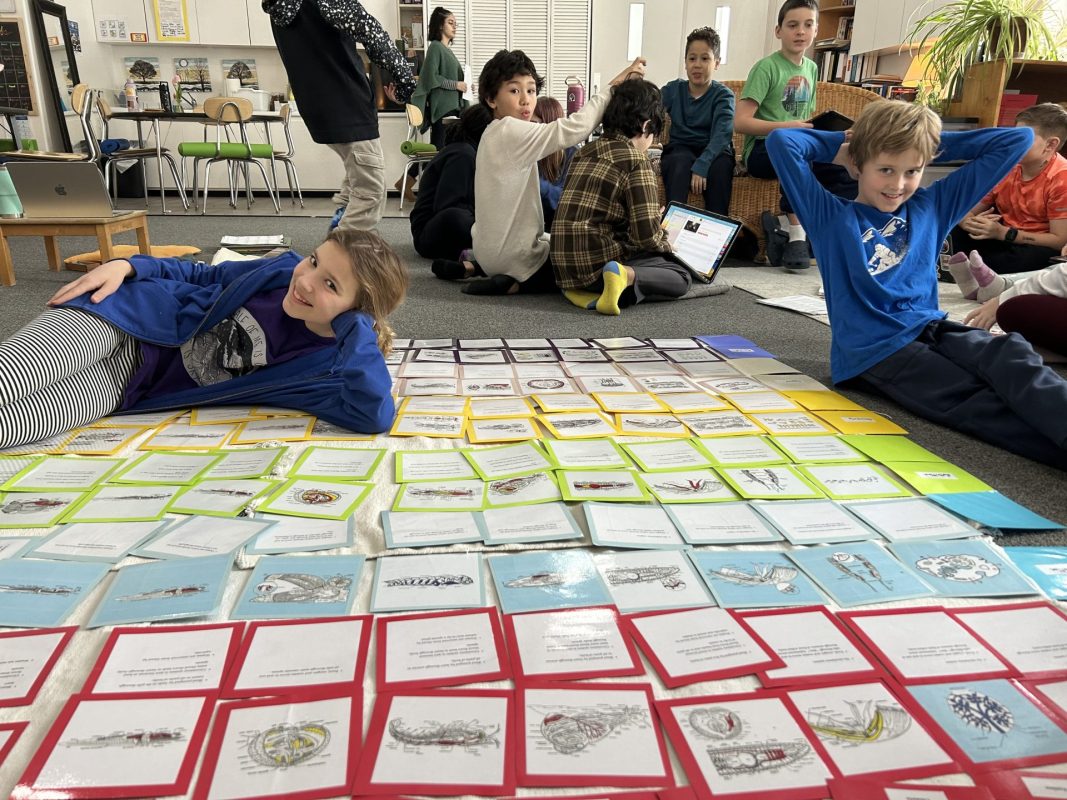
The first grader’s young minds are captivated by the world of amphibians, particularly the intriguing frog. The focus is on understanding the external parts of these fascinating creatures. From the sleek skin to the webbed feet, our first graders are gaining a comprehensive understanding of the external features that make amphibians unique.

Second graders are taking their studies a step further by exploring the internal functions of a frog’s body. From support and protection to movement, circulation, reproduction, respiration, and digestion, these budding scientists are unraveling the mysteries of how these remarkable creatures operate on the inside. It’s a journey into the intricate mechanisms that keep amphibians thriving in their environments.

Meanwhile, the third grade is immersing themselves in the world of botany. Their focus this week was on the external parts of moss. With curiosity in their eyes, students are not just learning from classroom materials but also getting hands-on experience. One highlight of the week was the opportunity to study moss under microscopes, guided by the expertise of Mr. Brown, the middle school science teacher. This firsthand experience has ignited a passion for discovery and understanding the intricate details of plant life.


Mrs. Wilson: Finally Snow!

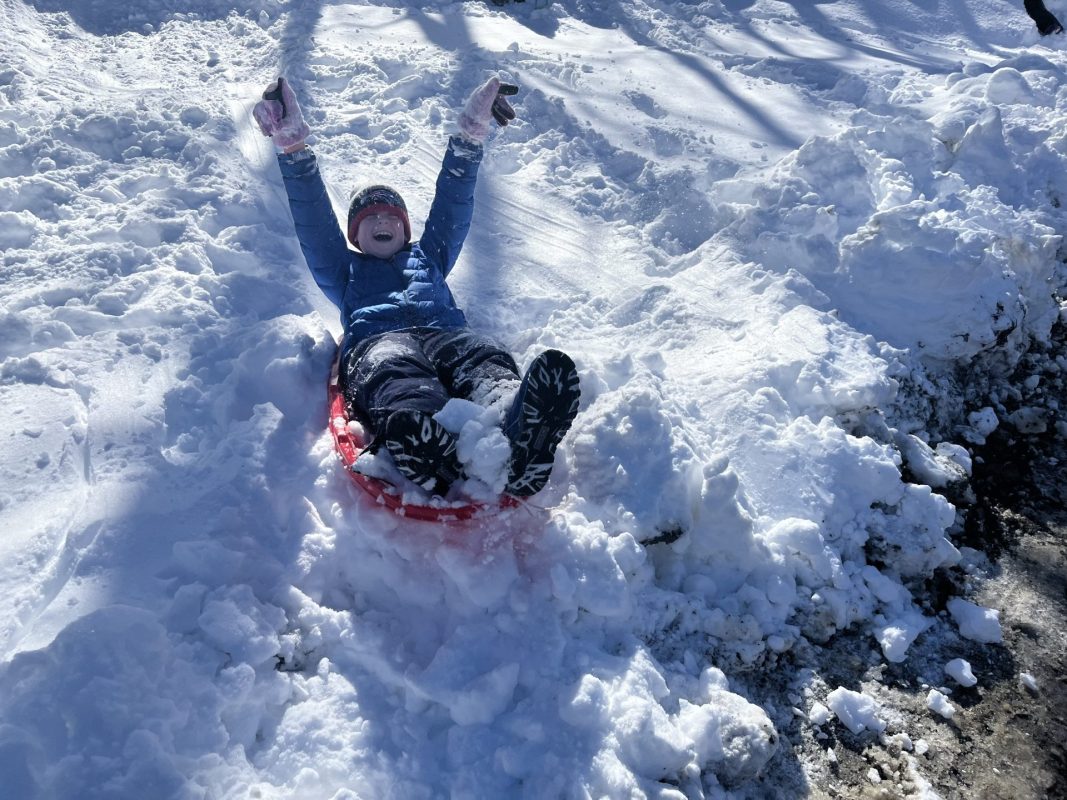
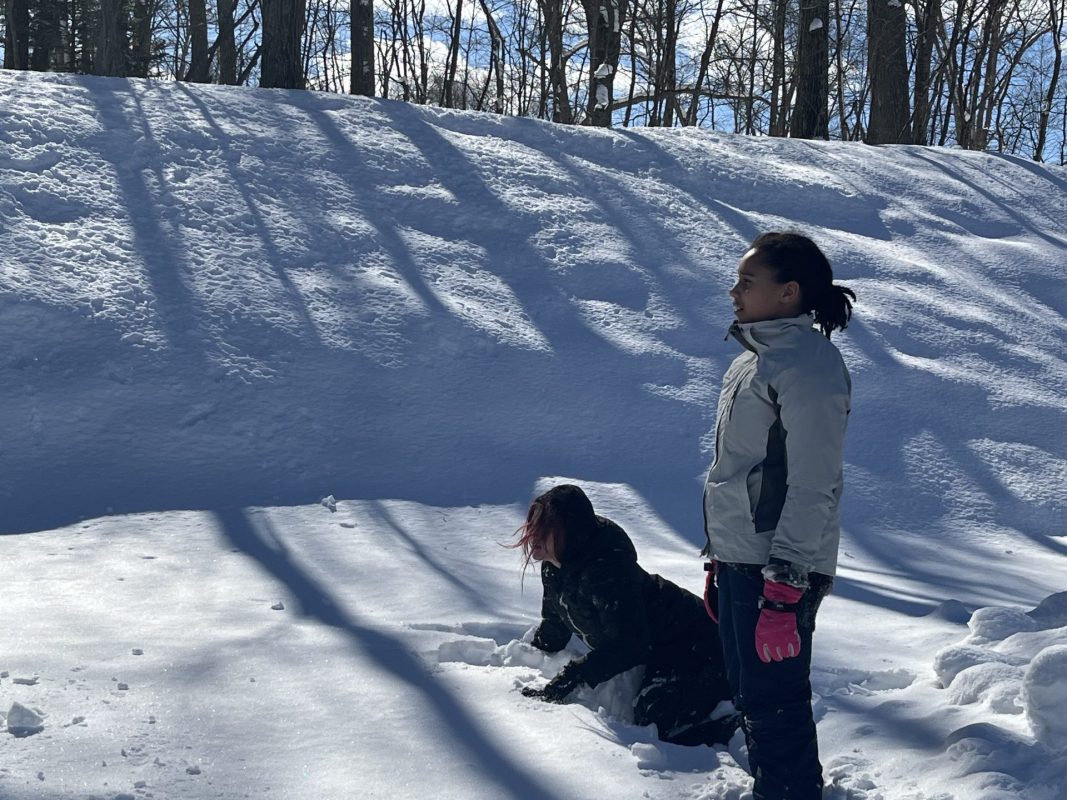
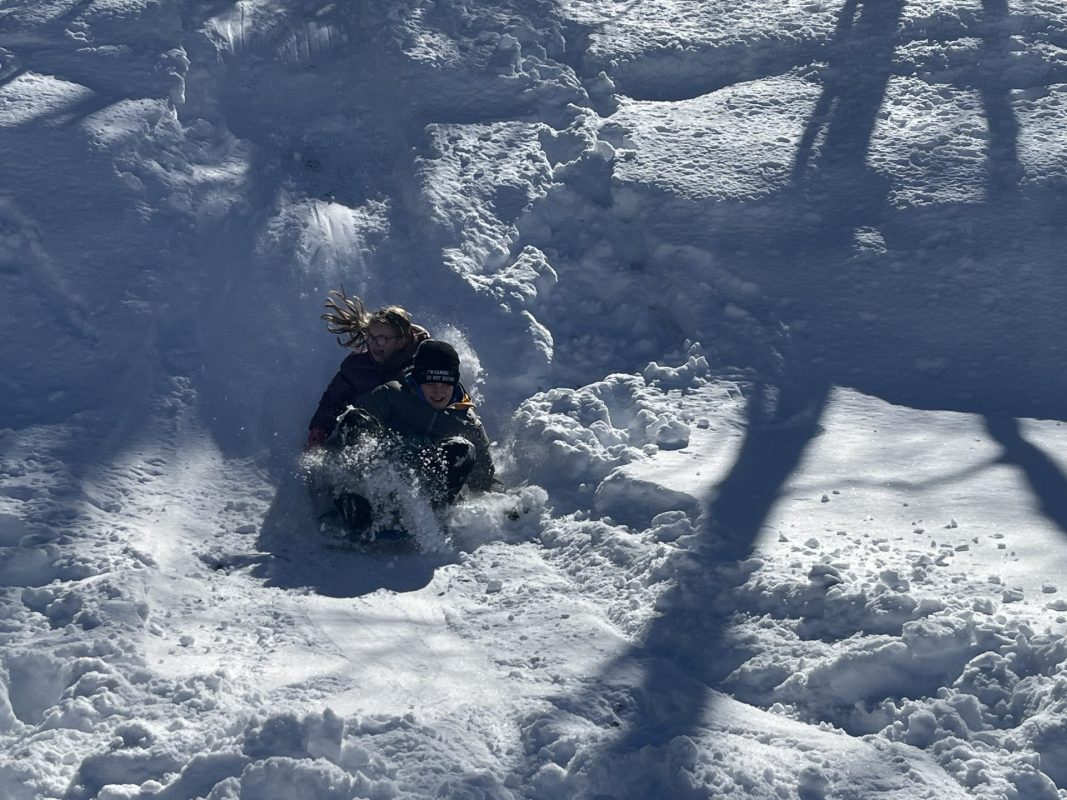
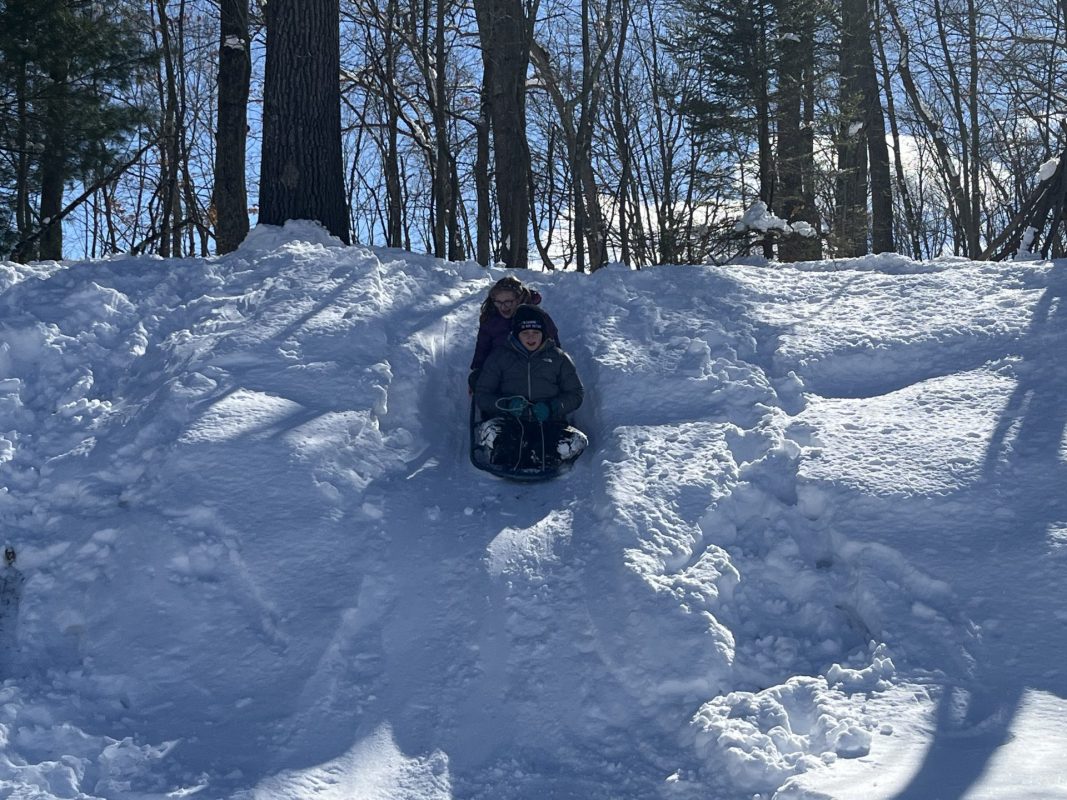
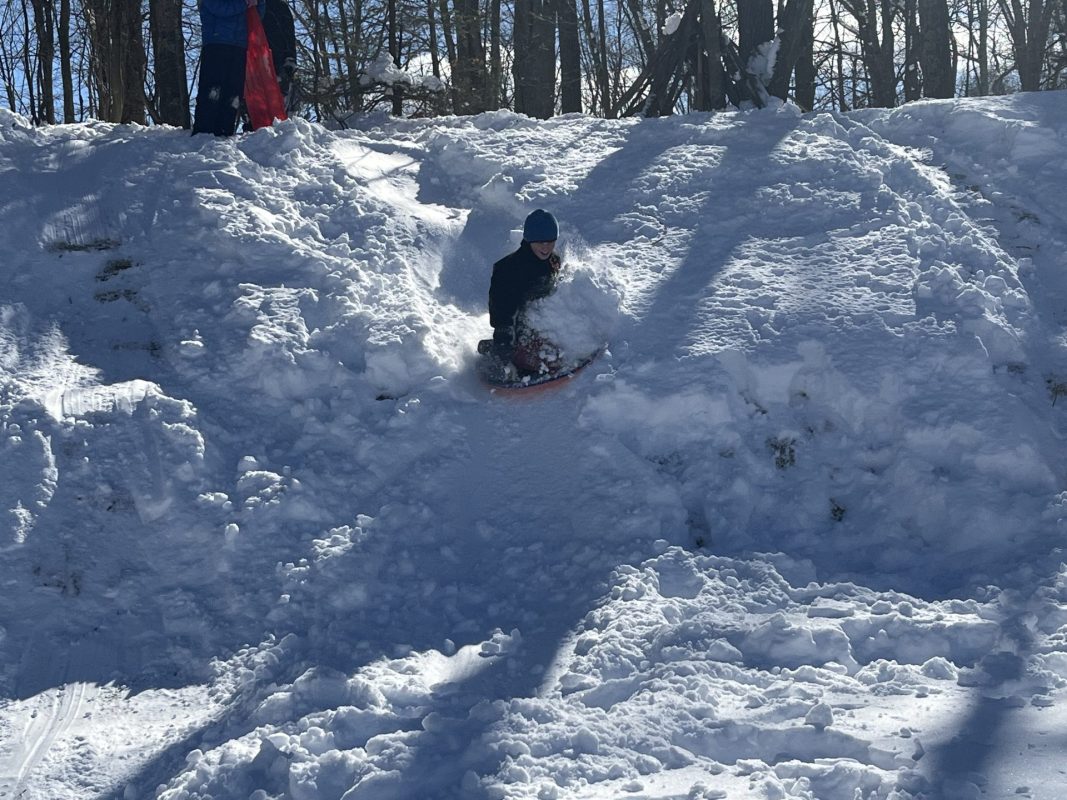
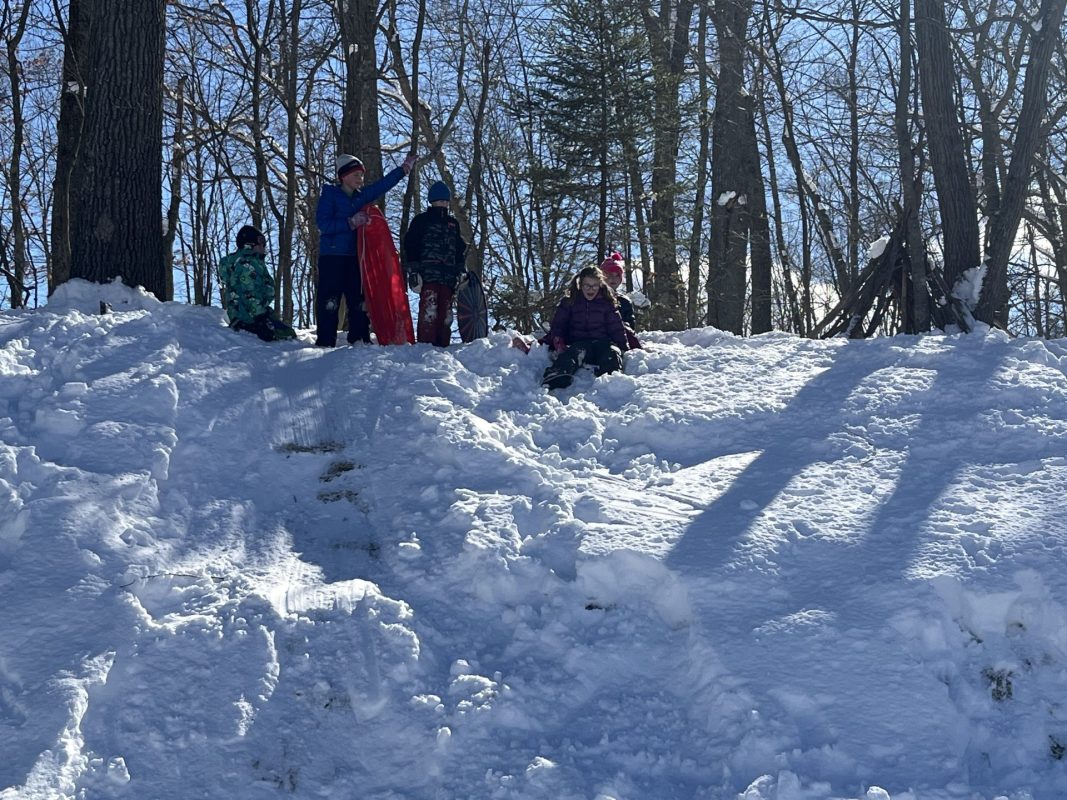
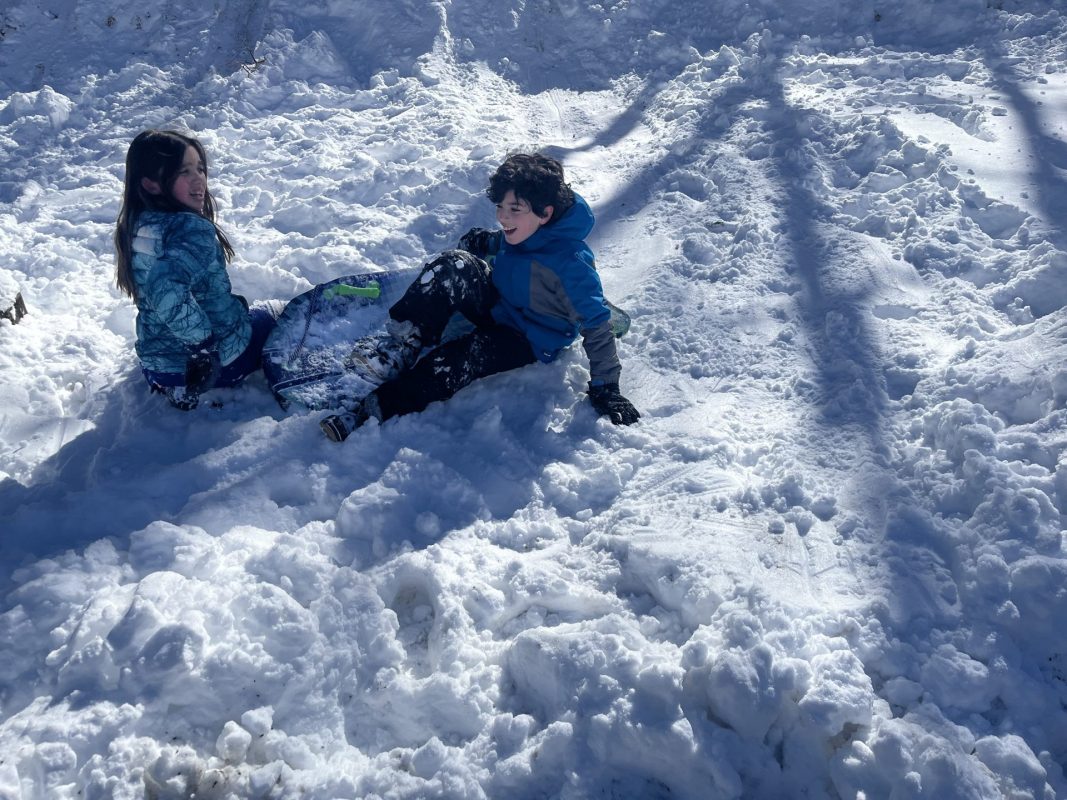
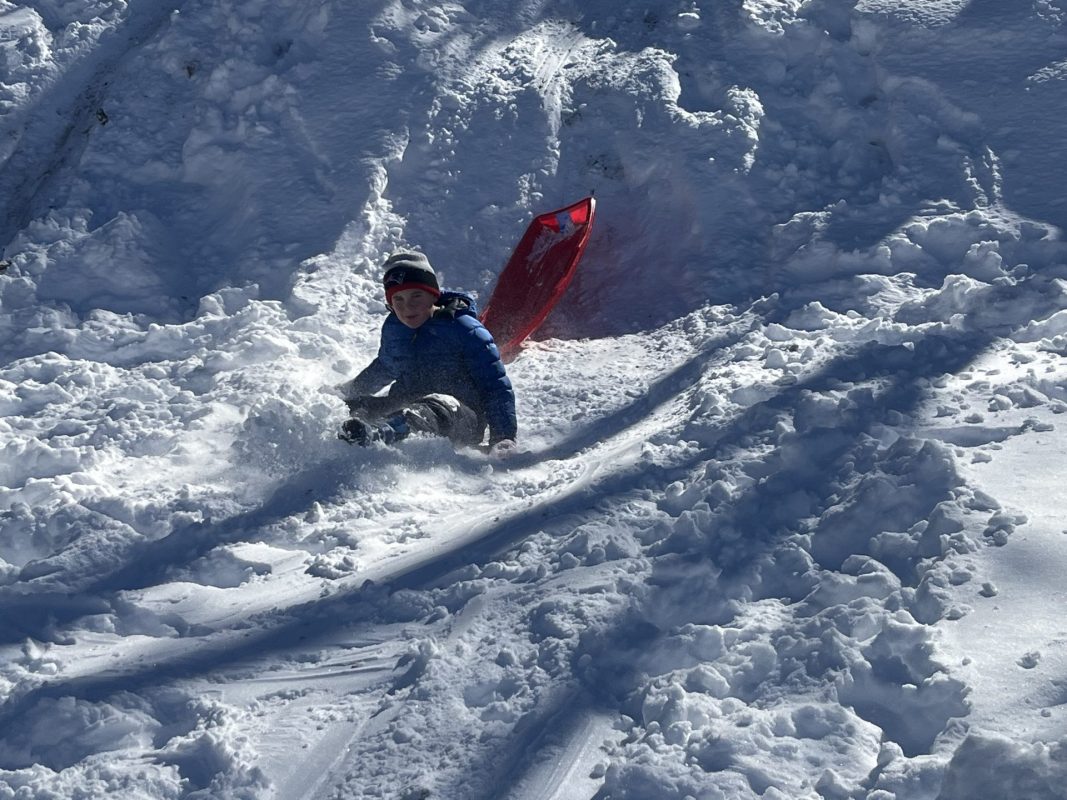
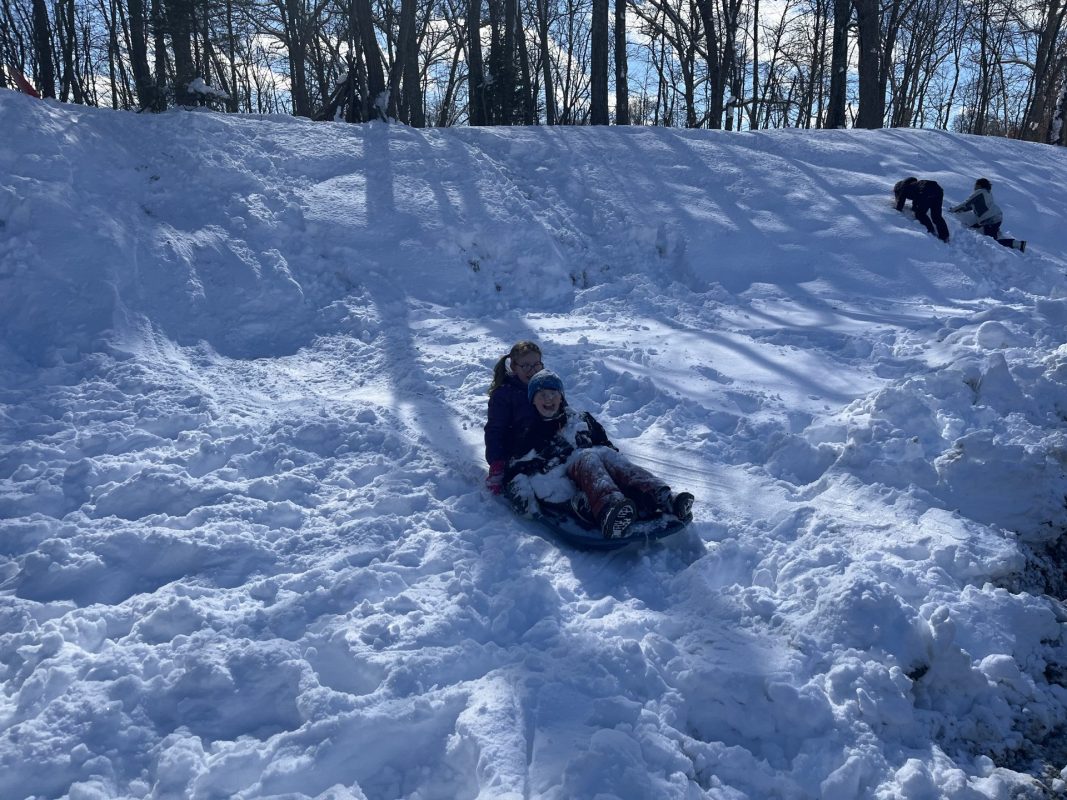
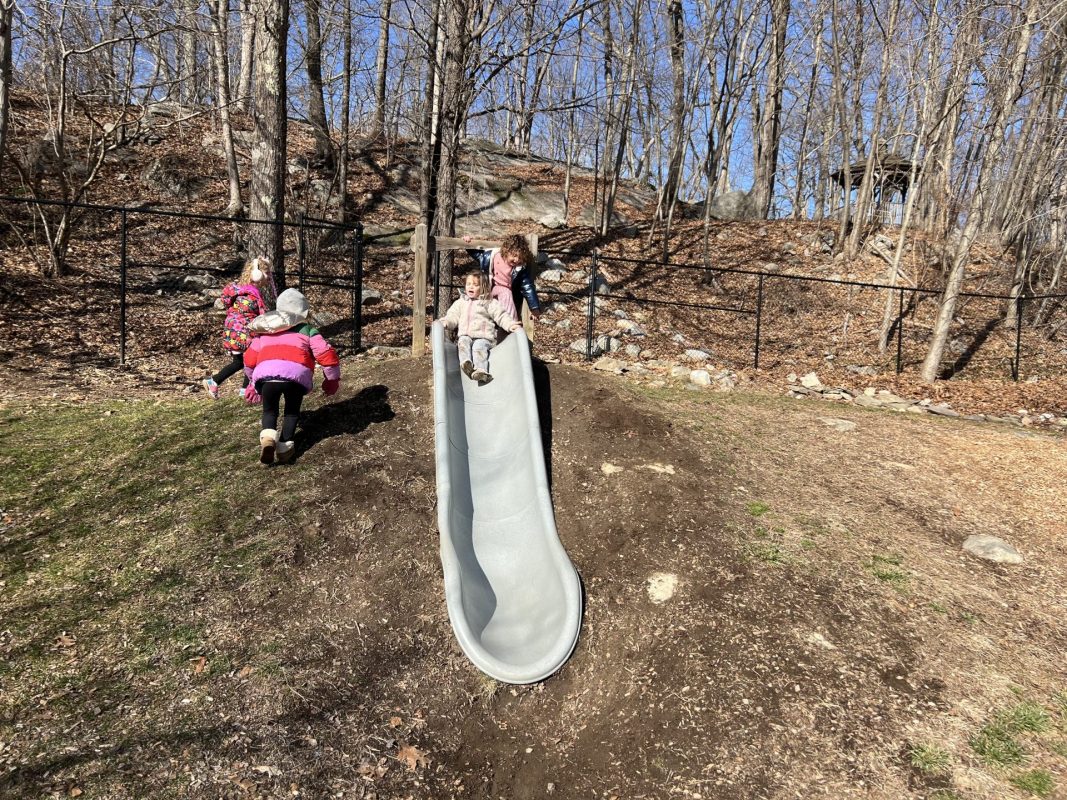
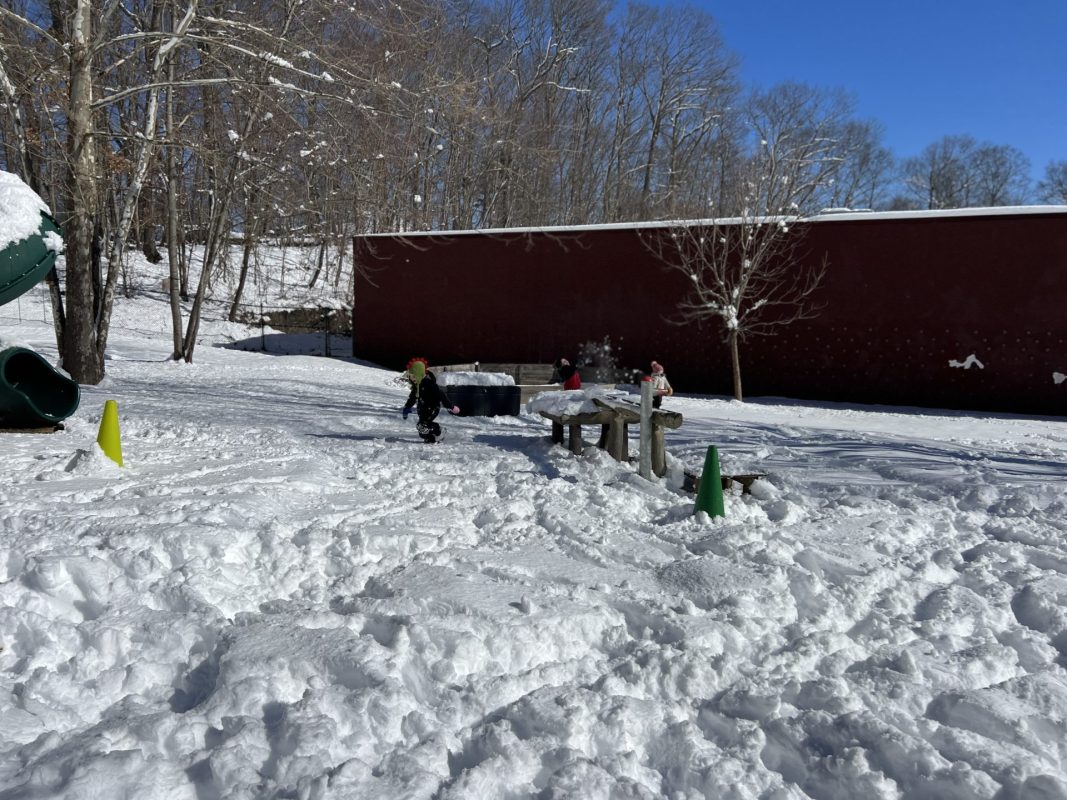
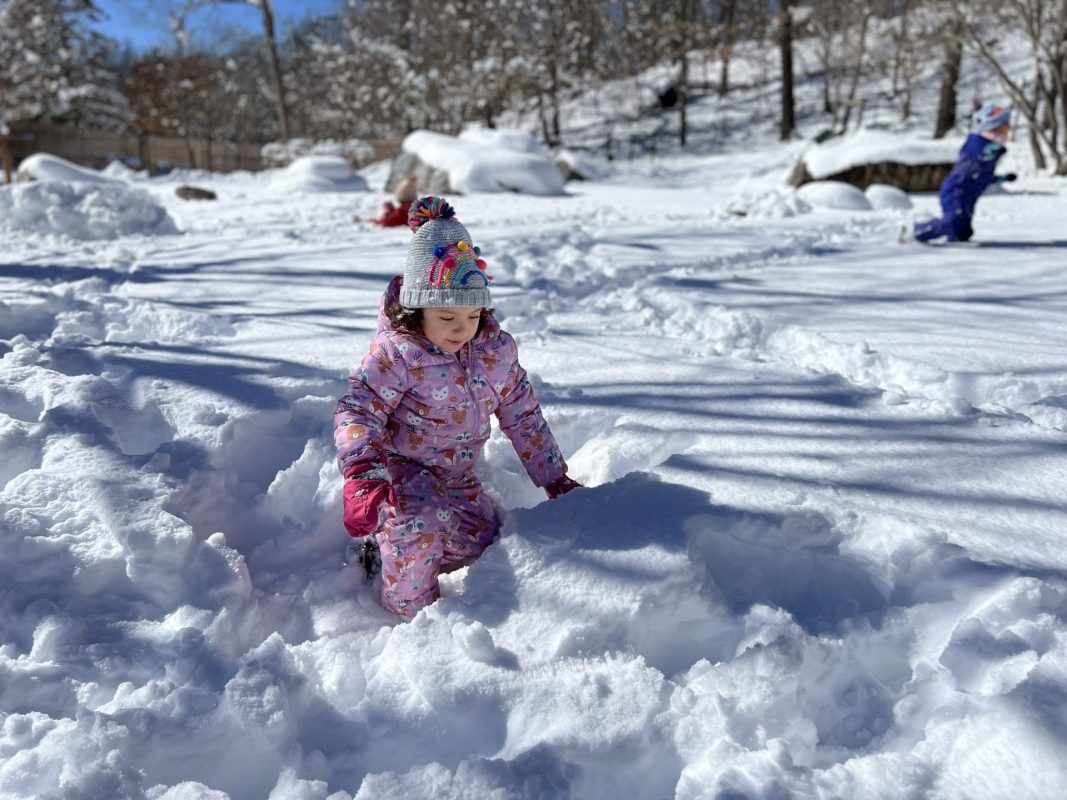
When we hear of snow in the forecast, most adults often dread it – the cold and wet feeling, driving difficulties, and the need to shovel. However, in the presence of children, a good snowfall can be truly magical. They remind us of the beauty and joy snow can bring. I am delighted that we had two wonderful days to play in the snow. The children were thrilled and had SNOW much fun! They were throwing snowballs at each other, sliding down the wet, snowy slide, and just exploring.

In our classroom, we are still exploring the winter theme. This week, we introduced a glue box for them to use. Each child will receive a lesson on this multi-step art activity. Additionally, we added a trampoline to our class. It has been amazing to see them use this equipment when they have a burst of energy and need to get some exercise. What amazes me the most is watching them know that they have to move, but once satisfied, they will focus on a lesson of their choice.

Food Tasting: The vegetable of the week was carrots. During the activity, we observed the carrots closely and described their appearance, smell, and texture. The children also tasted the carrots in both raw and cooked forms. This was a great opportunity for them to experience carrots in a new way. The cooked carrots were roasted with olive oil, salt, and pepper and were well received by the children.


Mrs. Sargeant: Let’s do it again! .. and again!

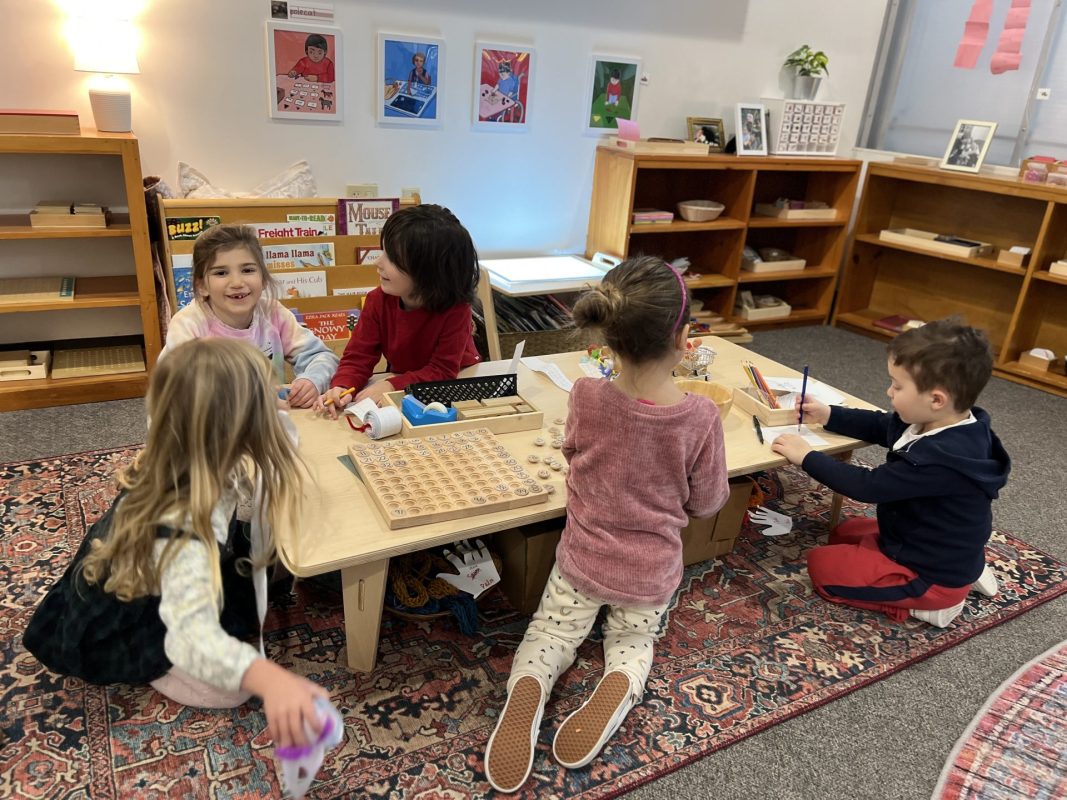
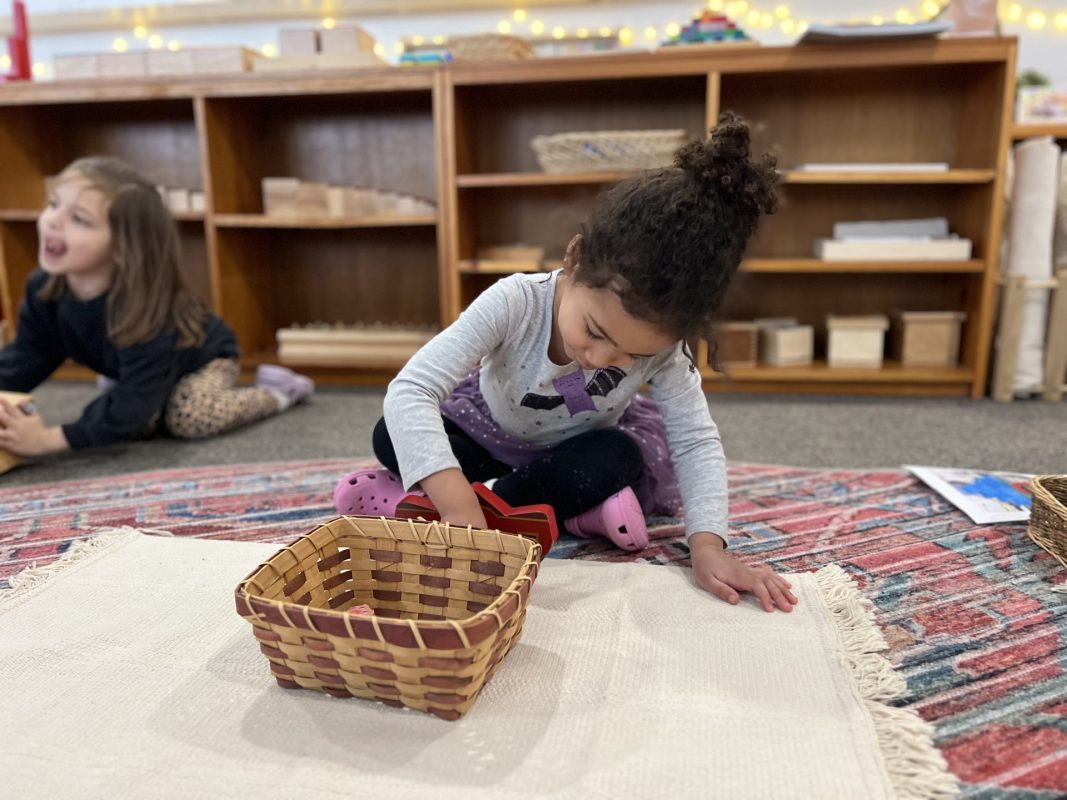
Maria Montessori emphasized the importance of repetition in a child’s learning process. Repetition is a natural and essential part of the learning journey for children. It is through repetition that children internalize concepts and skills, building a strong foundation for future learning.

Montessori observed that young children have a natural inclination to repeat activities that interest them. She saw this repetition as a way for children to master new skills, gain confidence, and refine their understanding of the world around them. Each time a child repeats a skill, brain connections are being strengthened. Skills can only be perfected through repeated practice. Our classroom environments are set up to allow for repetition, providing children with the opportunity to revisit activities and materials at their own pace. Repetition refines the senses, encourages focus, fosters independence, and develops confidence. In addition, when a child repeats an activity, they learn how to fix errors and will make small changes in their task to get closer to success each time. 

A few tidbits about our week:

We tasted a rainbow of carrots – orange, white, and purple! I wonder which color your child liked best.

We found shadows in the classroom and on the playground. Some of the children played in the snow and discovered ice in the buckets. We’ve learned a few Spanish songs and some new words. It was another fun, productive week! We look forward to seeing everyone again on Tuesday. Warmly, Christine & Lizette


Mrs. Sargeant: Happy New Year!

Happy New Year! We were all thrilled to see each other again,  relishing the return to school after a rejuvenating break spent with our families during the holiday celebrations at home. 

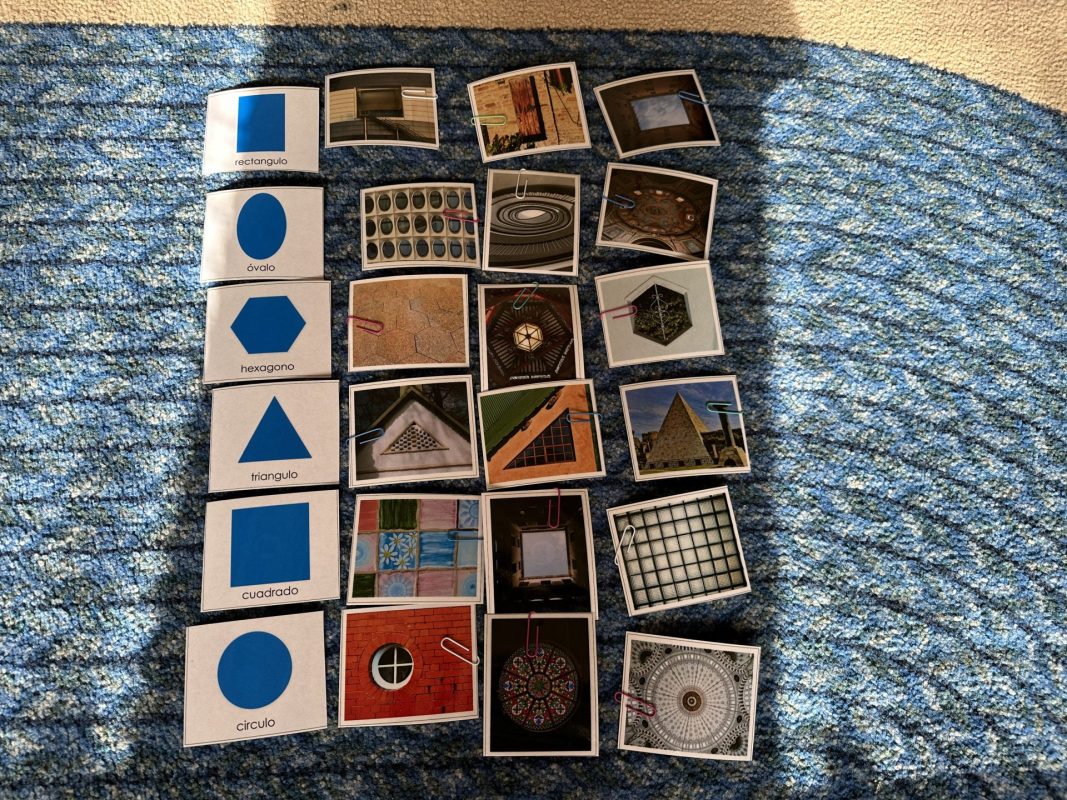
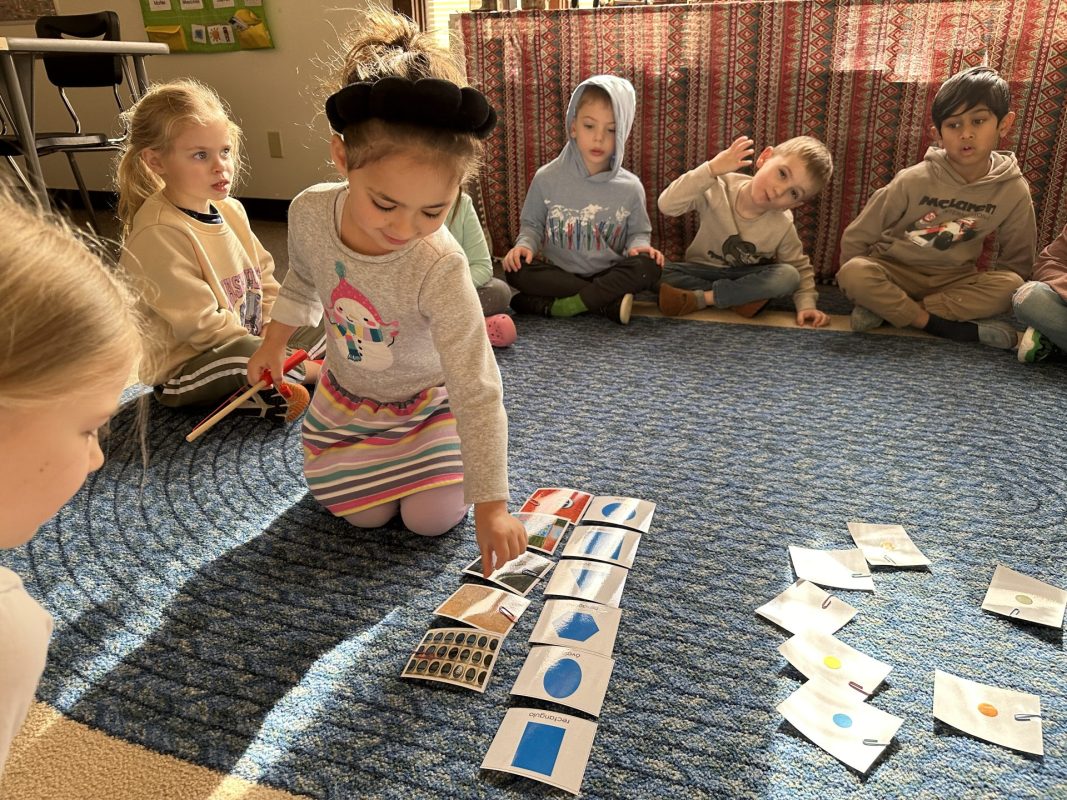
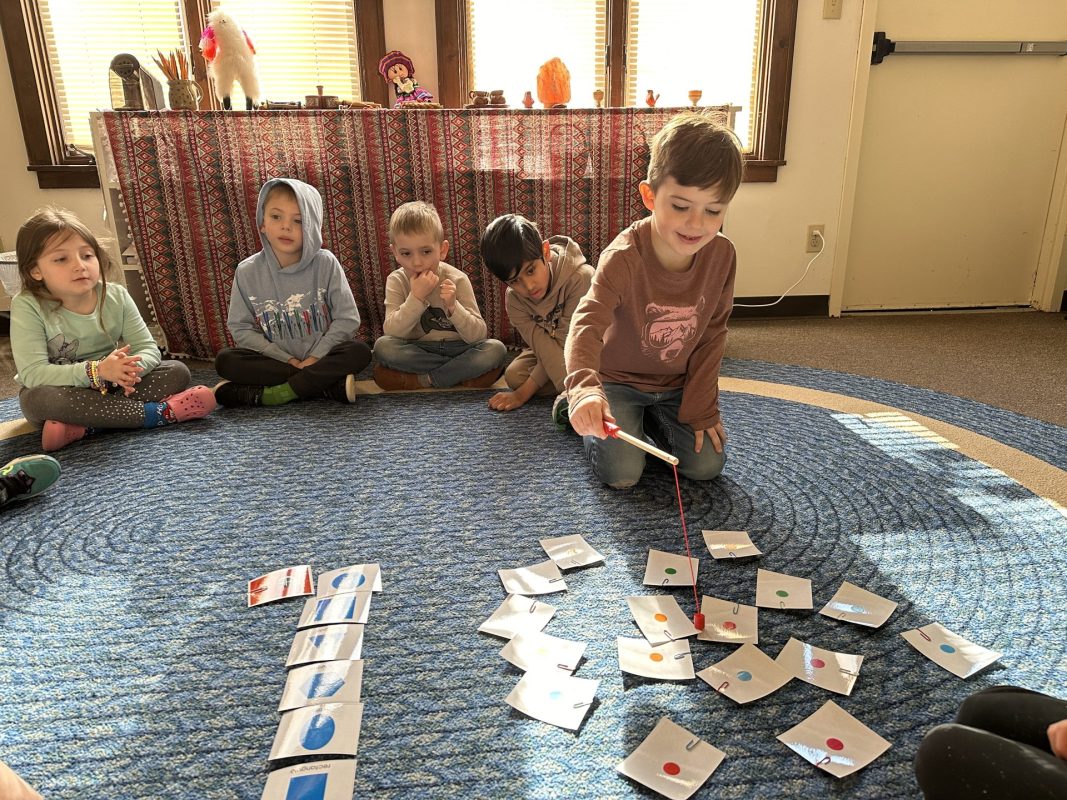
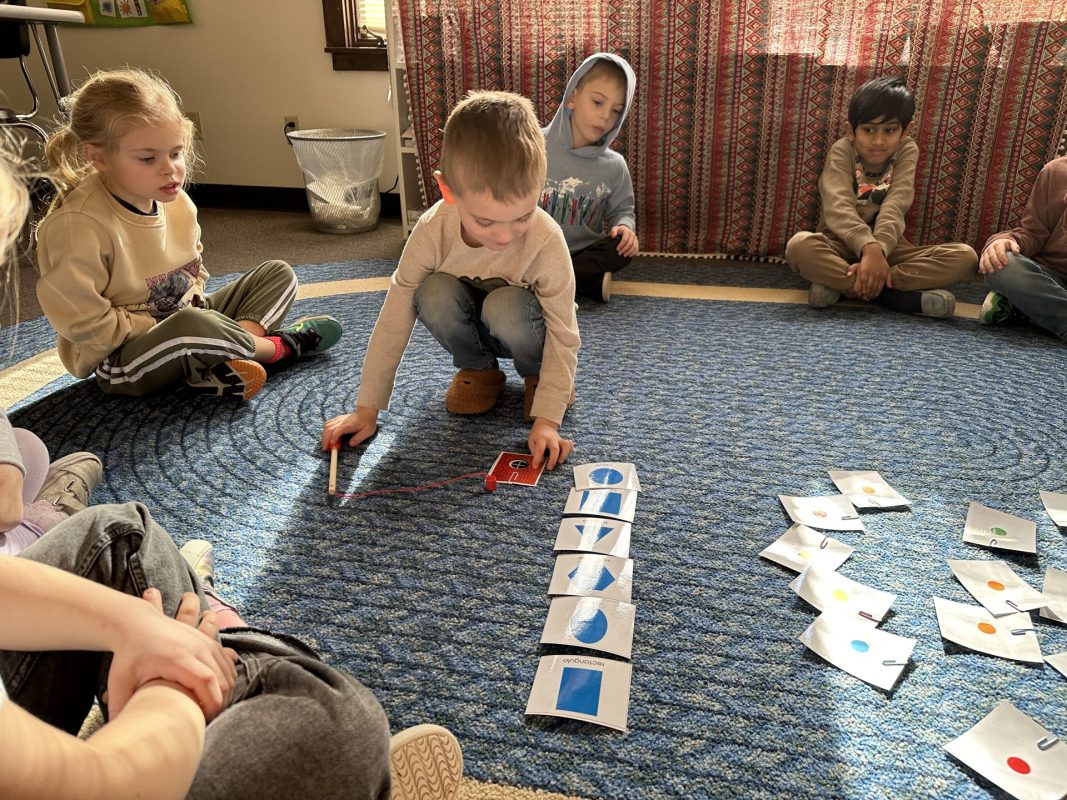
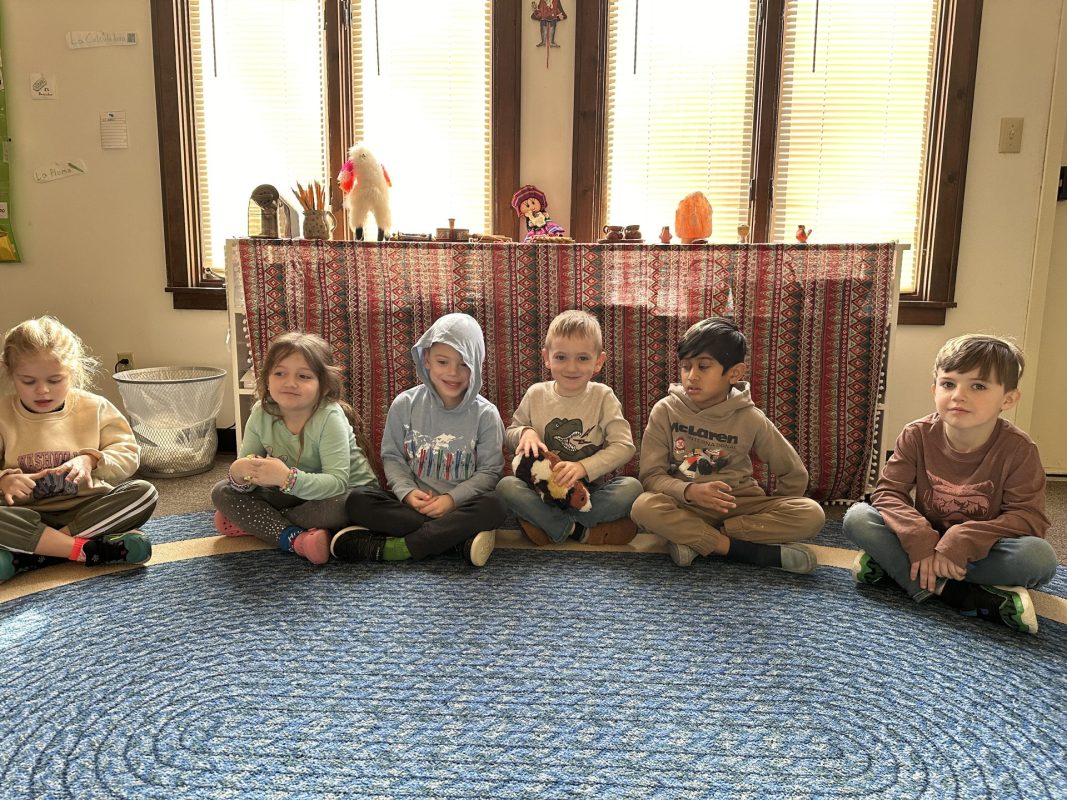
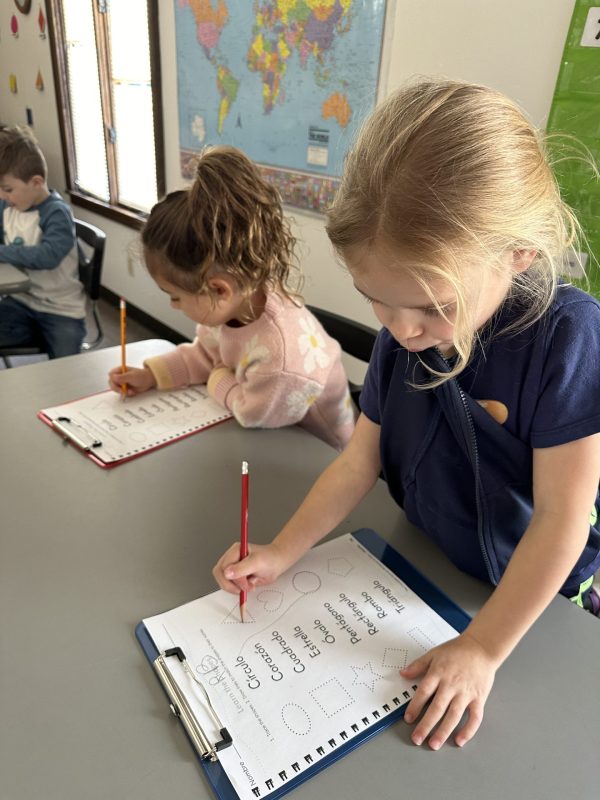
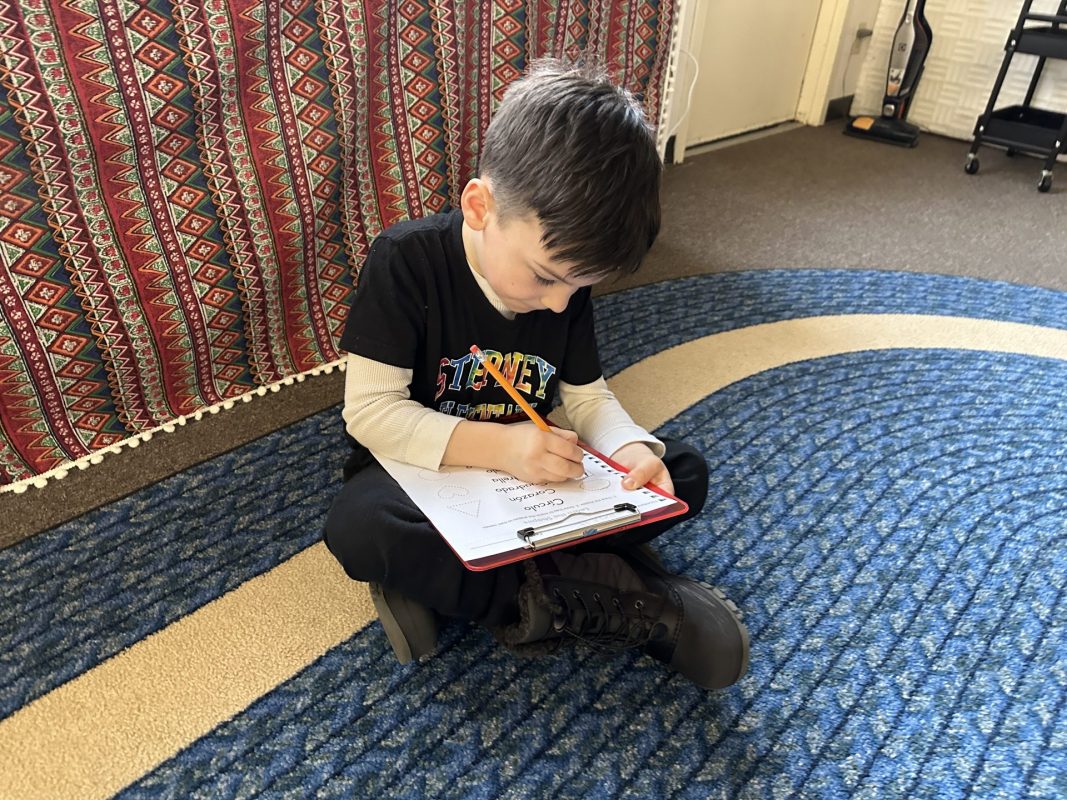
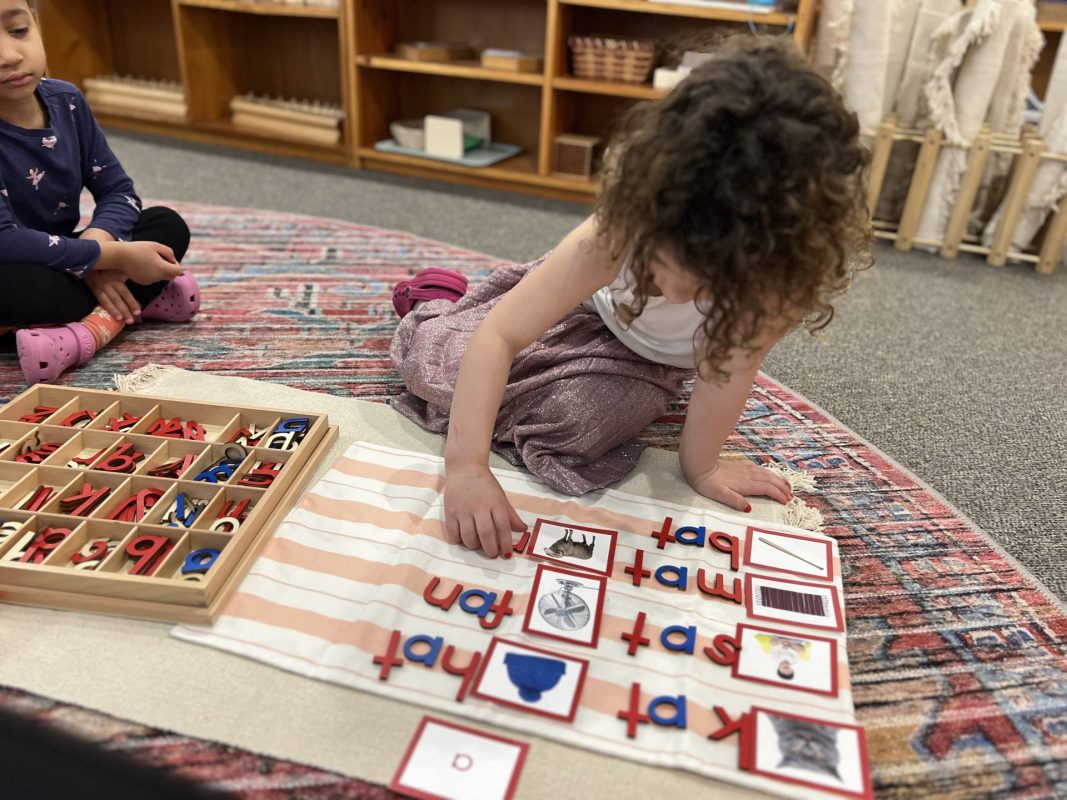
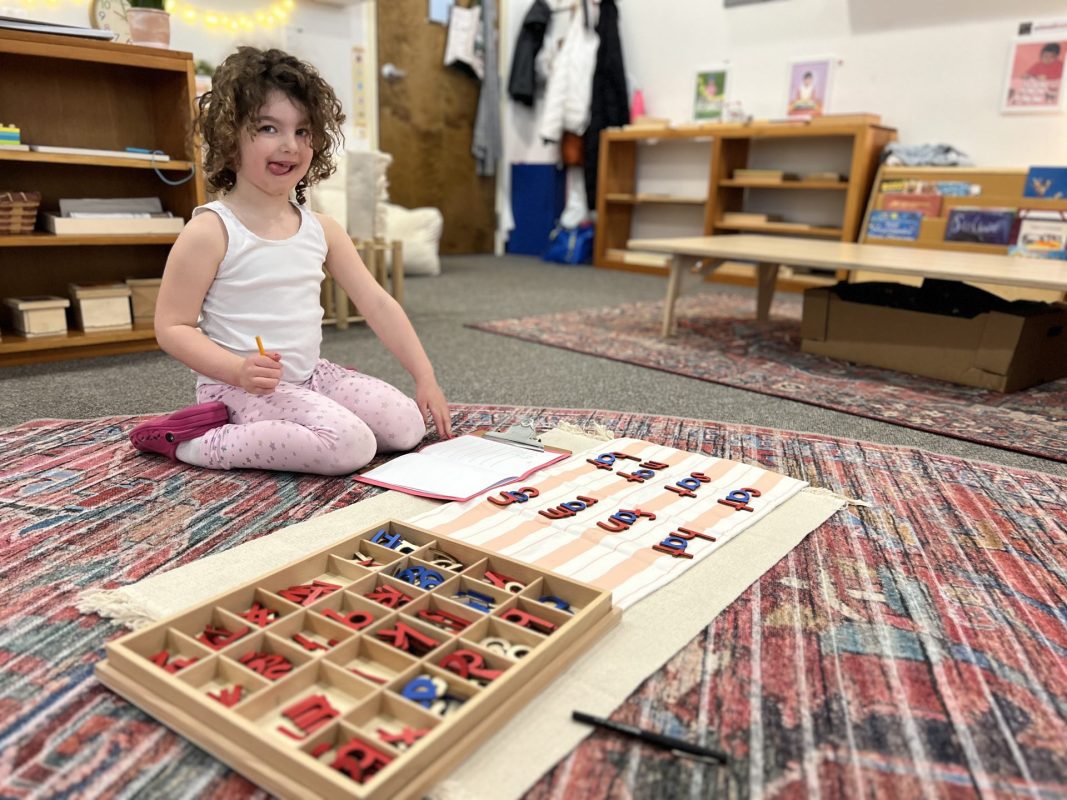
The children seamlessly re-acclimated to their routines, displaying a keen enthusiasm for their independence. Alongside honing their fine and gross motor skills, they eagerly engaged in learning activities encompassing colors, shapes, counting, the concept of opposites, and the Spanish language.

We spent the week revisiting their favorite songs and books, as they’d make requests for their favorites each day.

Ms. Lizette brought one of her favorite snacks to share with the class – dried seaweed! The children were eager to taste it. The majority could not get enough of the salty, thin, green, crunchy snack. Food tasting is a fun way to encourage the children to try new foods, in addition to enriching their vocabulary.  

We sincerely hope you enjoy the weekend. Stay warm and healthy! -Christine & Lizette


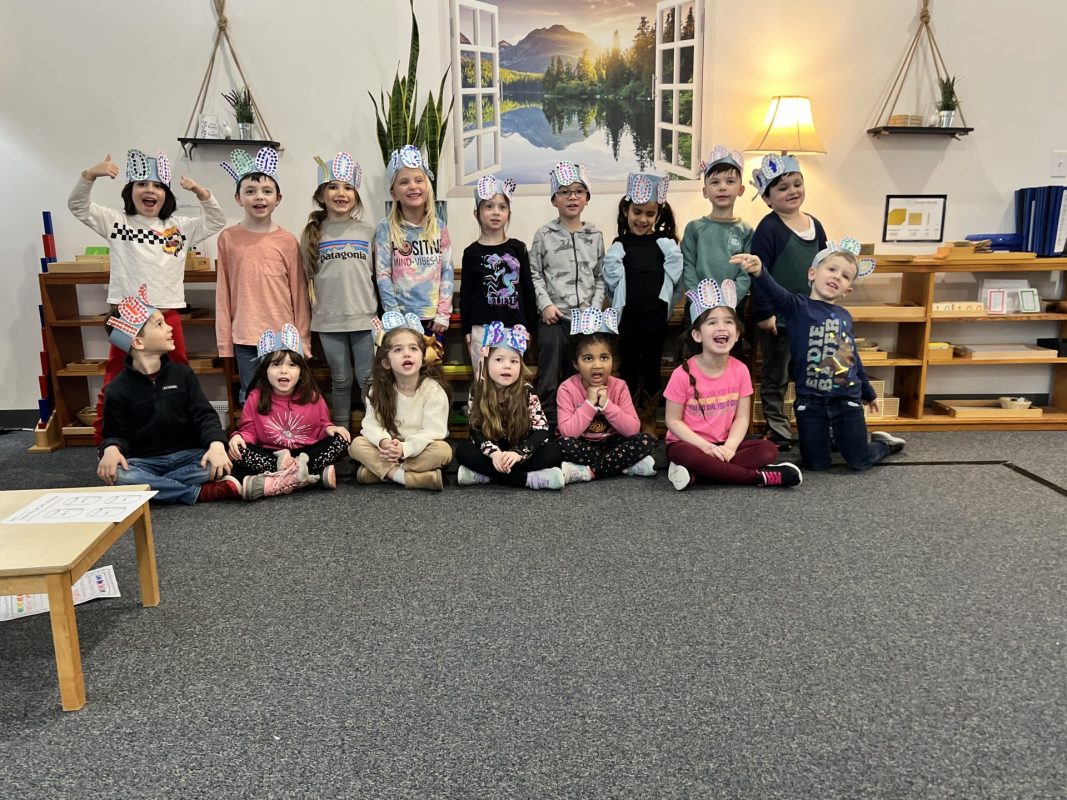
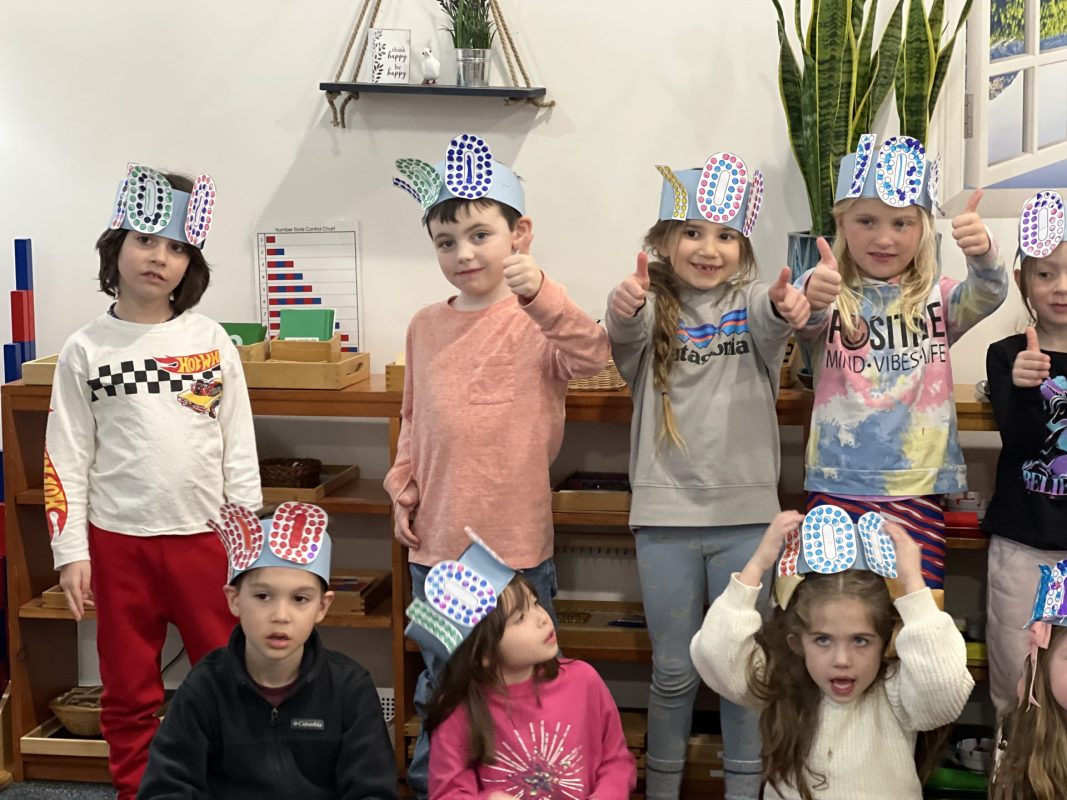
Mrs. Hood: Welcome Back and Welcome Winter!

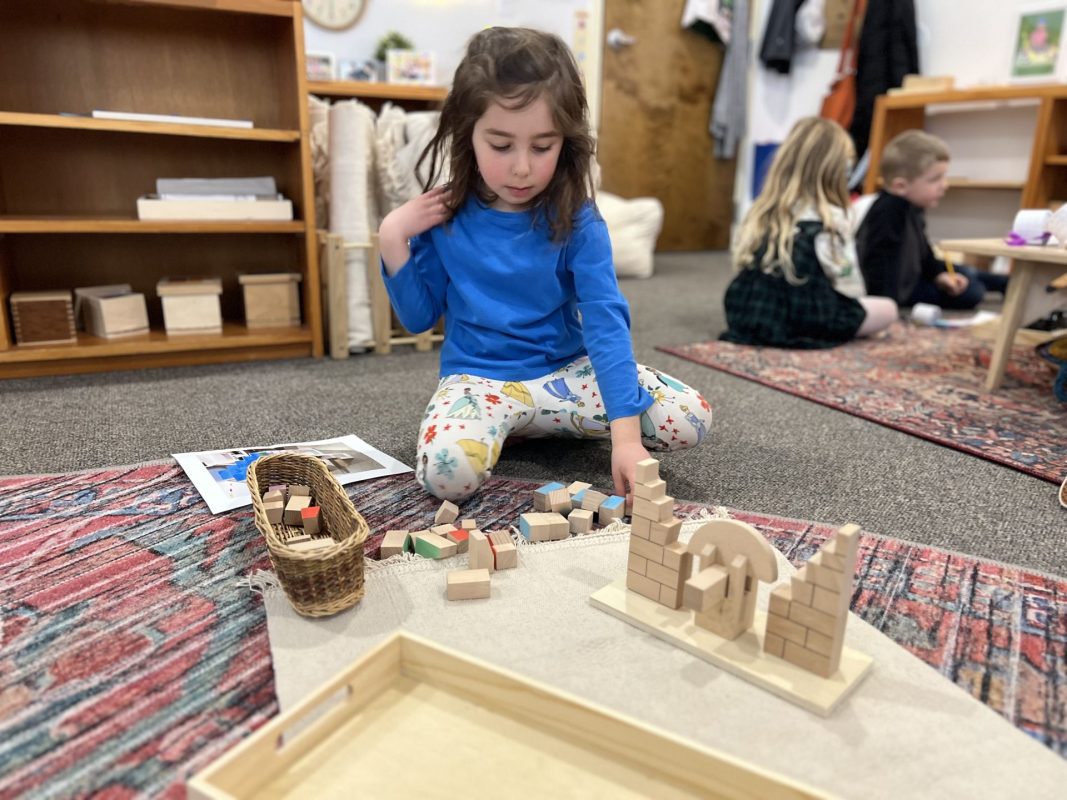
Happy New Year, families! We trust you had a fantastic holiday break filled with relaxation and cherished moments with your loved ones. It’s been a joy to welcome your children back after the break. They’ve transitioned seamlessly and arrived full of enthusiasm, ready to explore the environment and the new activities awaiting them on our shelves.

With the arrival of winter, our focus is turning to the great outdoors. We’re excited to immerse ourselves in the unique experiences this season offers. The crisp winter air has started to transform our surroundings into a wonderland, and we’re eager to embrace it fully as the snow arrives! This month, we’ll be delving into the fascinating topic of water and its various forms, offering plenty of opportunities for hands-on learning and sensory exploration.

This week, we’ve been busy learning about the signs of winter and expanding our vocabulary with engaging materials and books. It’s been wonderful to see how the children have embraced these new concepts with such enthusiasm.

In other exciting news, we’ve introduced a beloved new addition to our classroom: a baby doll named Rosie. This has been a popular activity, allowing the children to practice grace, courtesy, and patience as they care for their new friend. It’s heartwarming to witness their tender interactions with Rosie as they read, sing, and cuddle her. Their nurturing instincts have truly shone through, and they’ve worked together to ensure Rosie feels loved and cared for.

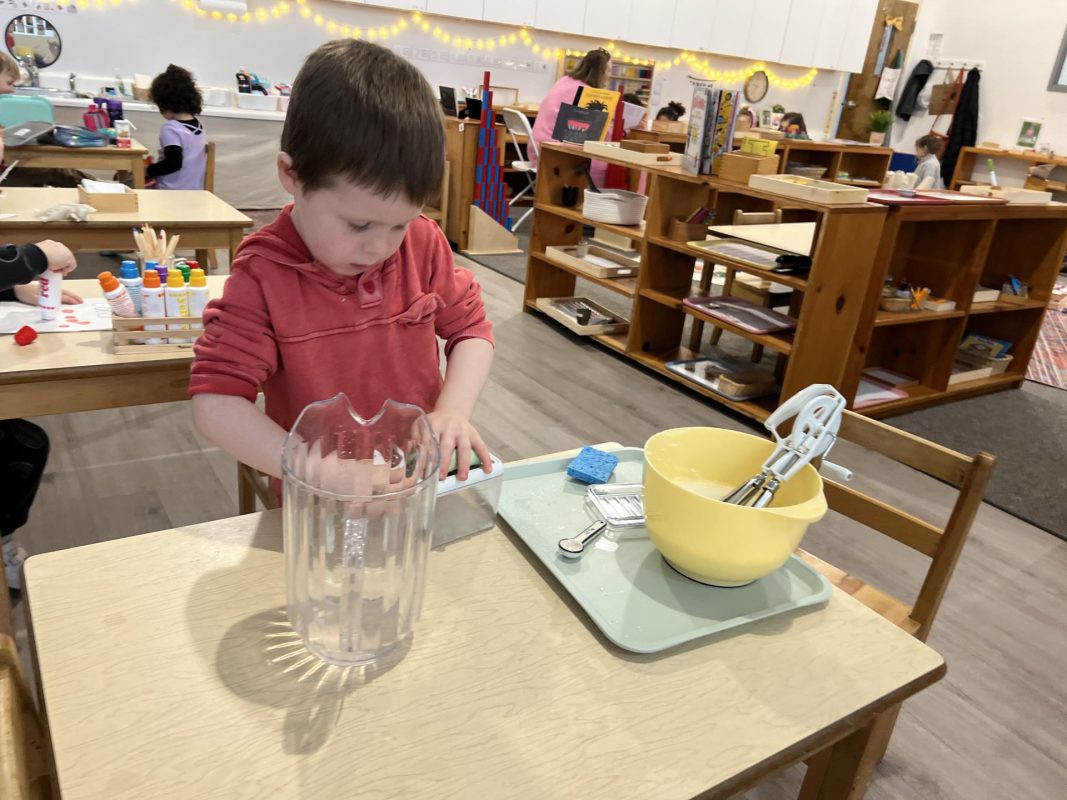
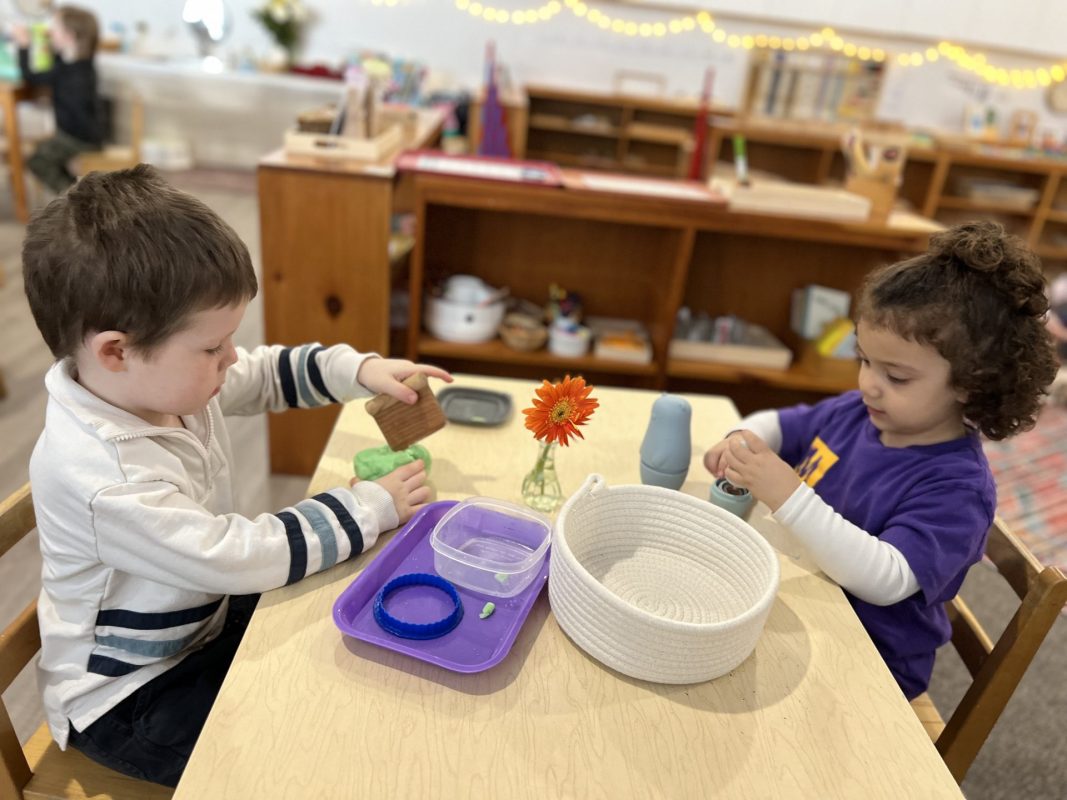
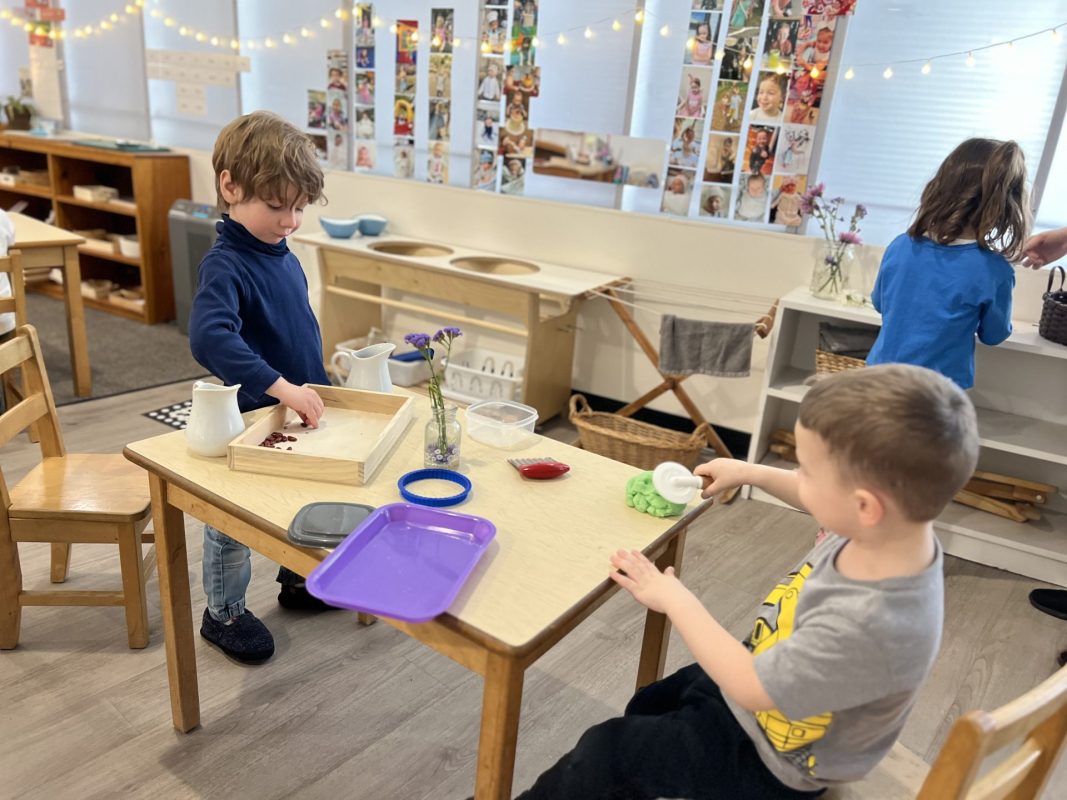
In Practical Life, we introduced a lesson on how to clean a dry spill on a tabletop. As the children get more practice with this work, the crumber will be added as a tool for our snack and lunch procedures.
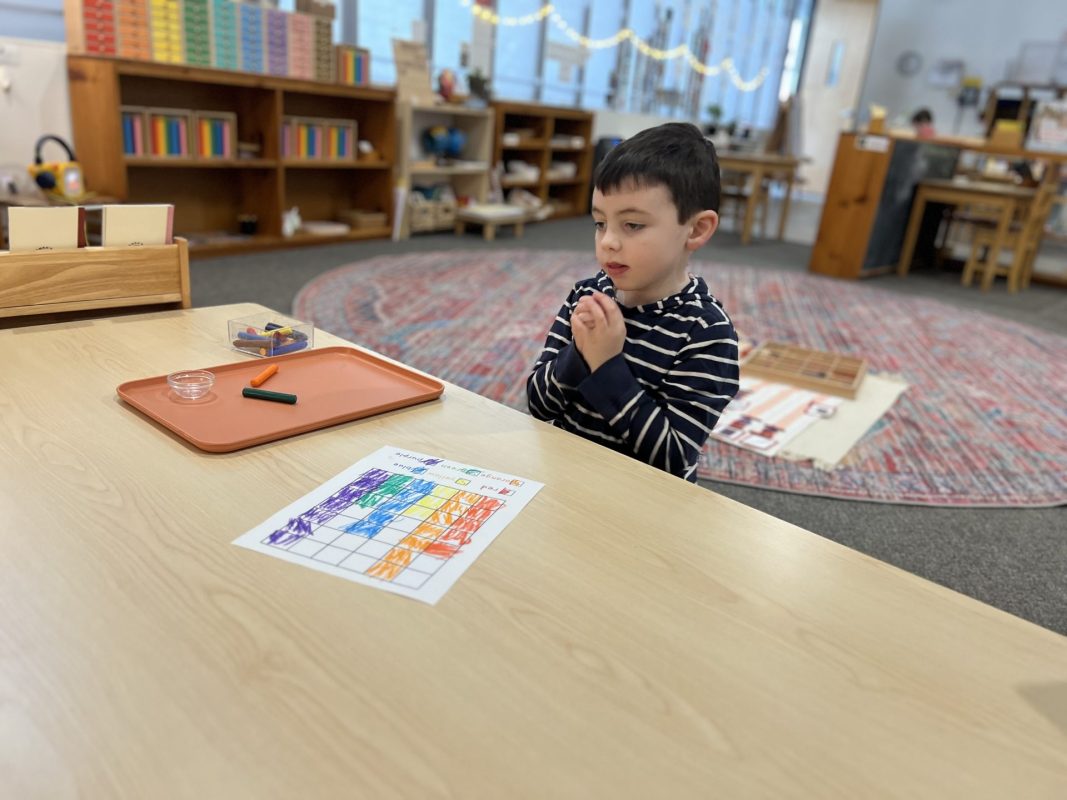
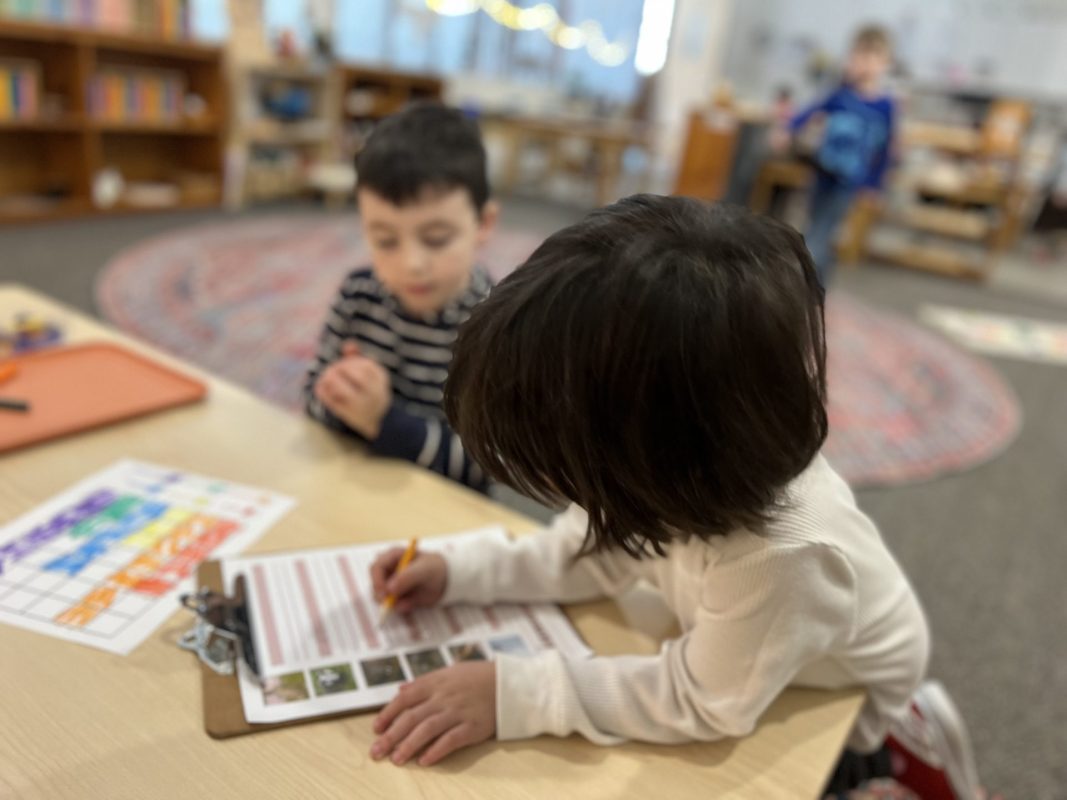
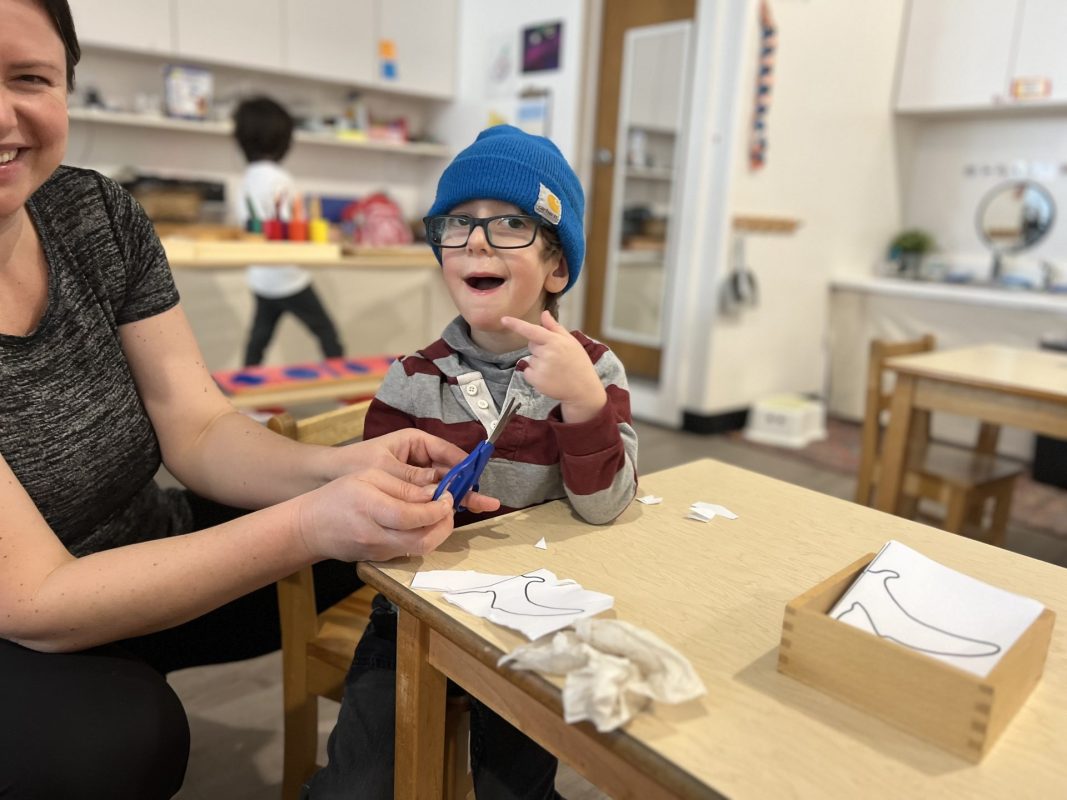
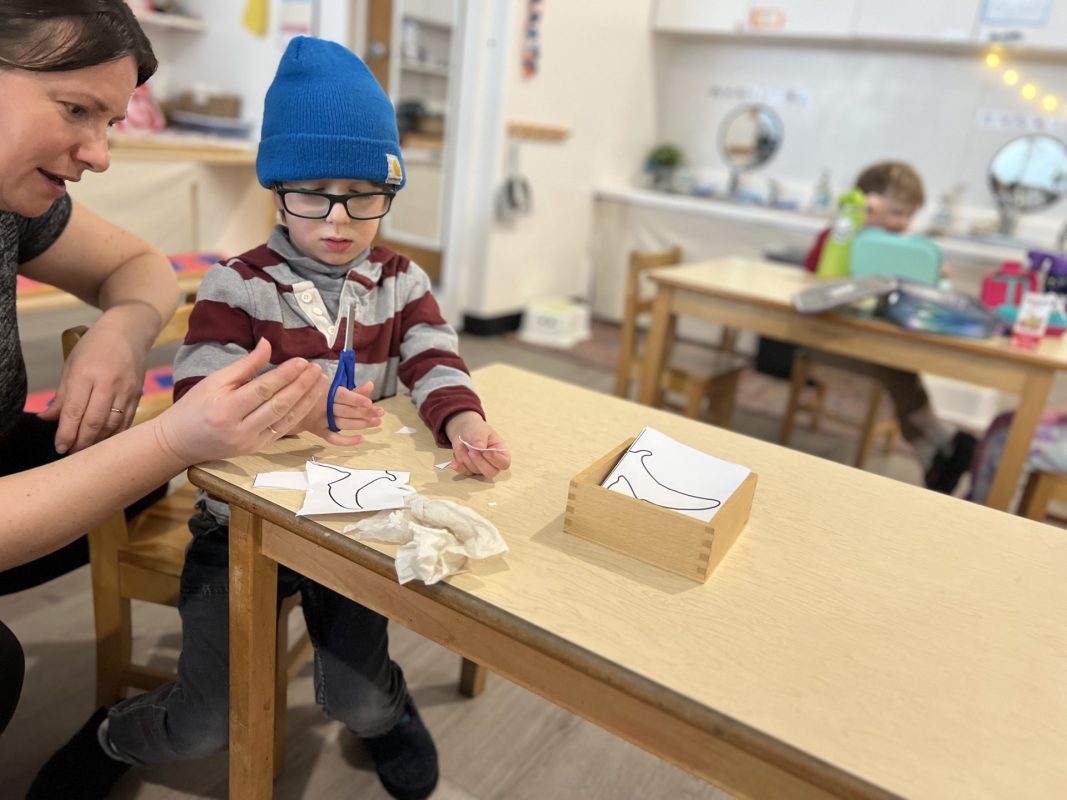
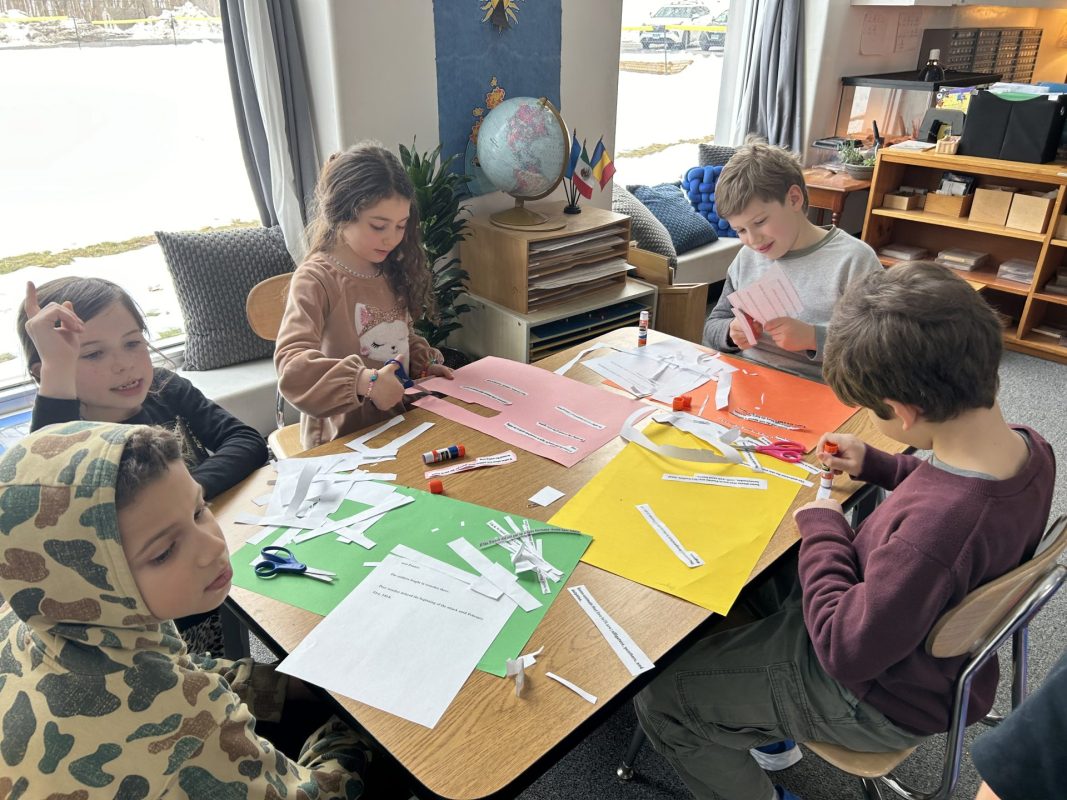
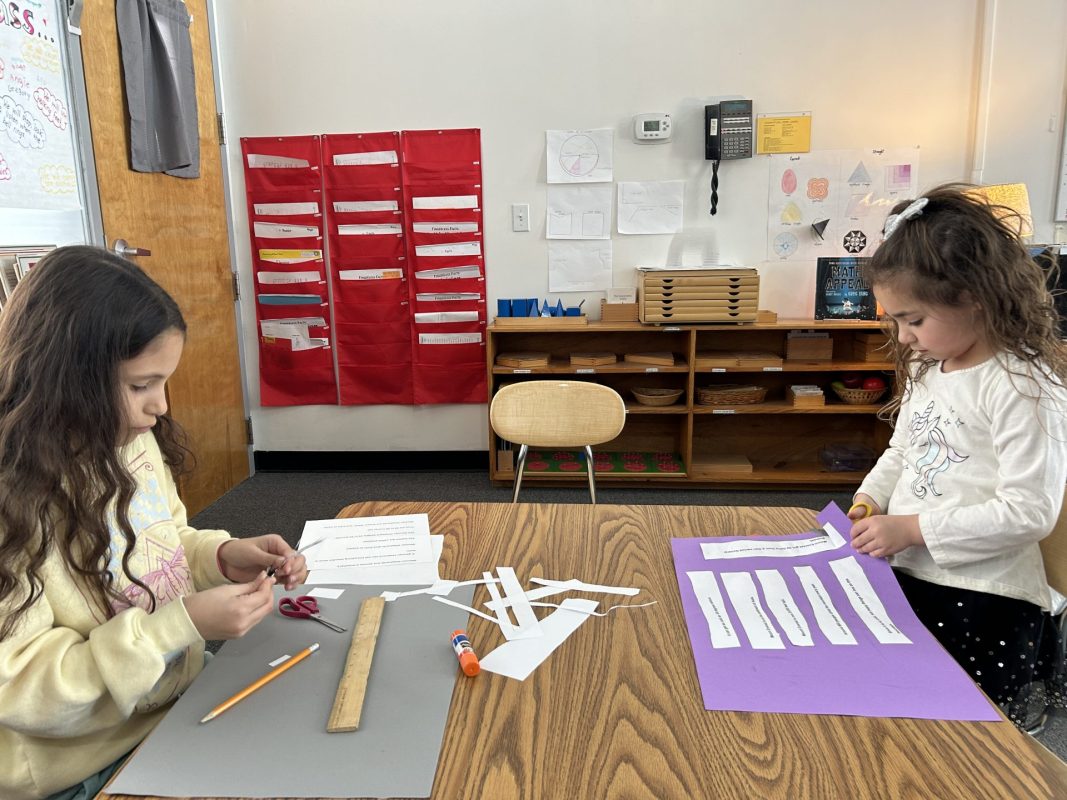
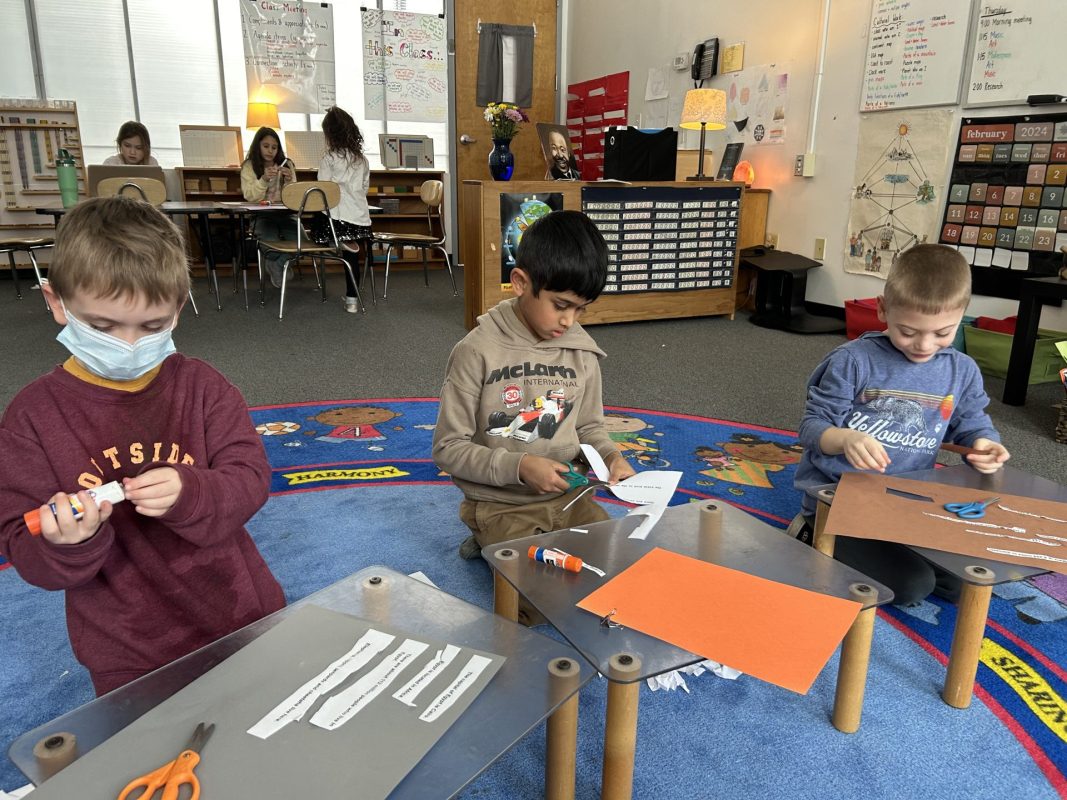
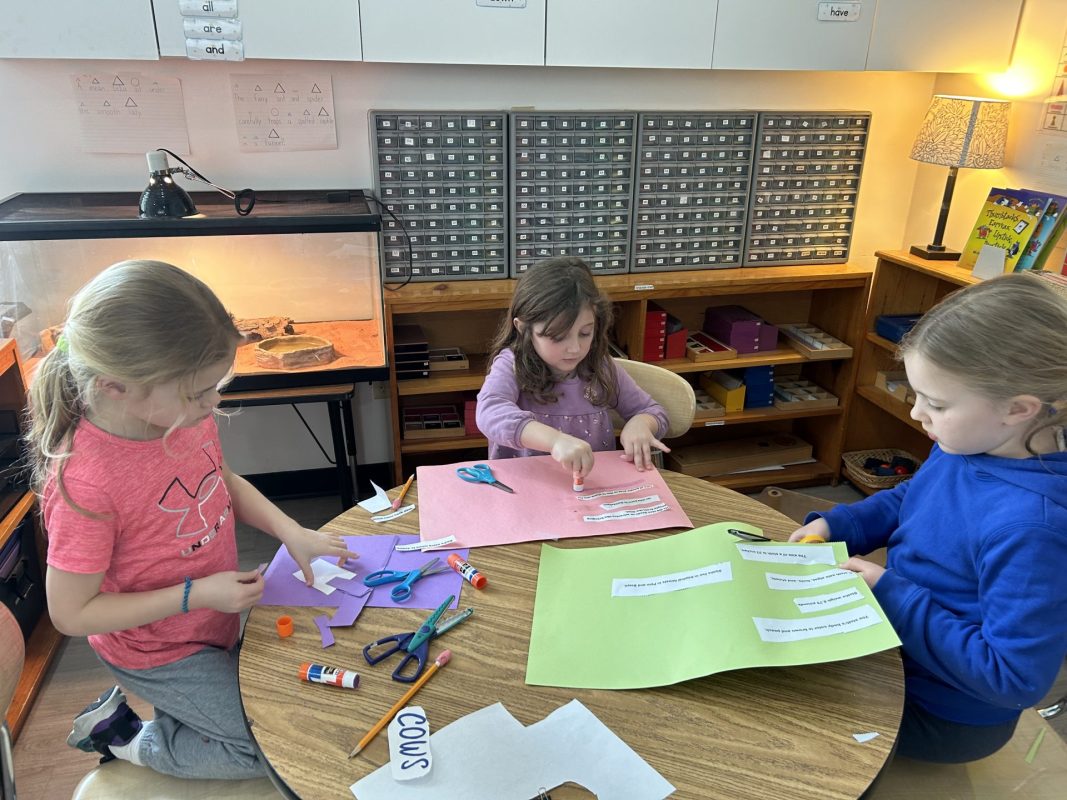
In the art area, the children were introduced to a new skill: using scissors. This activity requires a lot of concentration and dexterity, but your children seem to enjoy challenging themselves, and the pride they feel when they are successful and able to cut the card stock strips is obvious.
As a food-tasting lesson, we explored kale this week. Despite initial reservations, the children were pleasantly surprised to discover how much they enjoyed kale chips! If you’re interested in trying this at home, please feel free to reach out for the recipe.

Our favorite books this week have included The Itsy Bitsy Snowman by Jeffrey Burton, Winter is Here by Kevin Henkes, and What Can You See in Winter by Sian Smith.

Reminder:  Please provide a labeled tote bag with your child’s name and ensure that all winter gear, including snow pants, a winter jacket, snow mittens with clips, and a hat, are labeled and placed inside the bag.

We hope you stay safe and enjoy the first snowstorm of the season!

Warm regards,

Mrs. Hood and Ms. Mollie


January Family Connection Newsletter

“Anyone who wants to follow my method must understand that he should not honor me, but follow the child as his leader.”
-Maria Montessori

I began my teaching career working at a public school where the focus was on the teacher leading. The belief was that children were empty vessels that needed to be filled with knowledge. When I transitioned to teaching at a Montessori school, it was an adjustment because the approach was different. In a Montessori classroom, the teacher’s role is to let the child lead. We observe and guide each child based on their individual needs. We act as a bridge between the child and the classroom environment, which is carefully designed to support their development. In this month’s Family Connection newsletter, you can read more about this concept of following the child in a Montessori classroom. I hope you find it informative.


This Week in Upper El

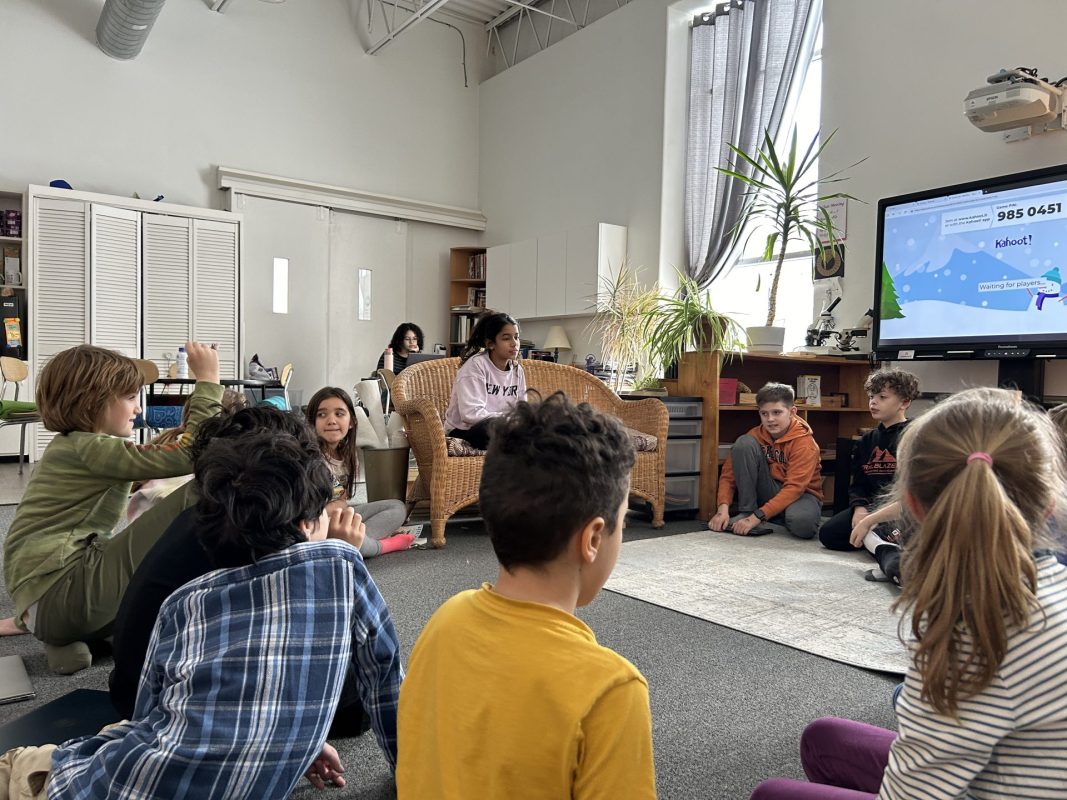
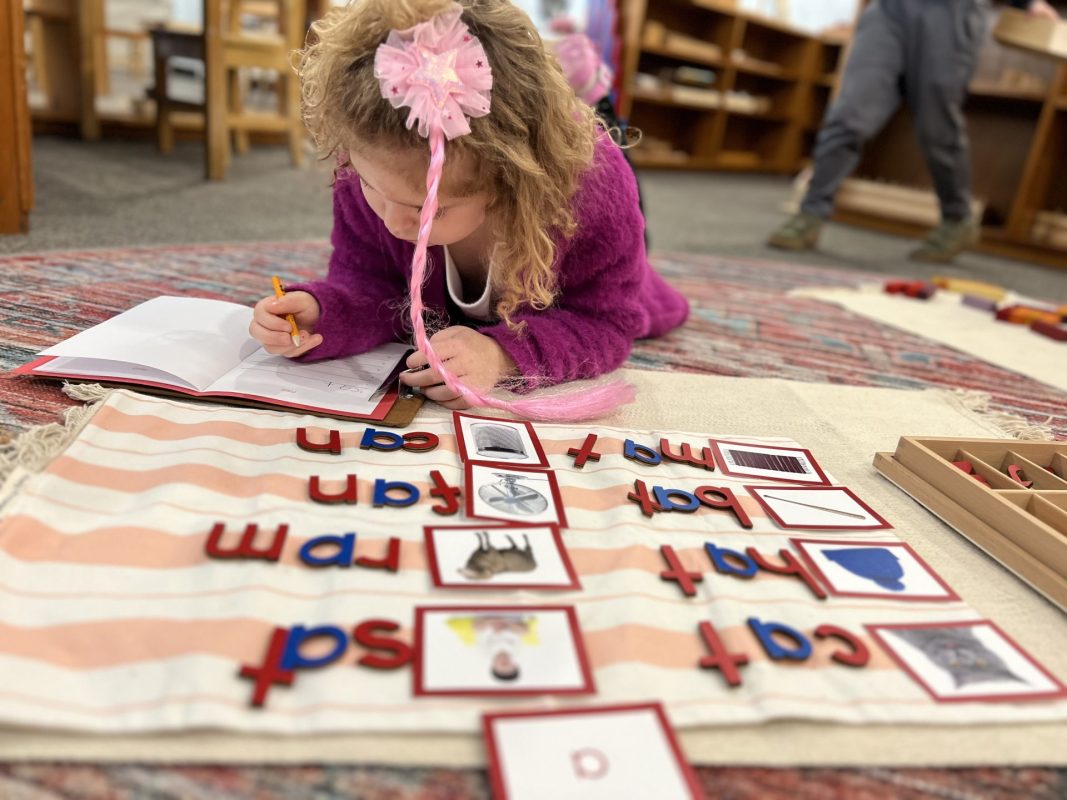
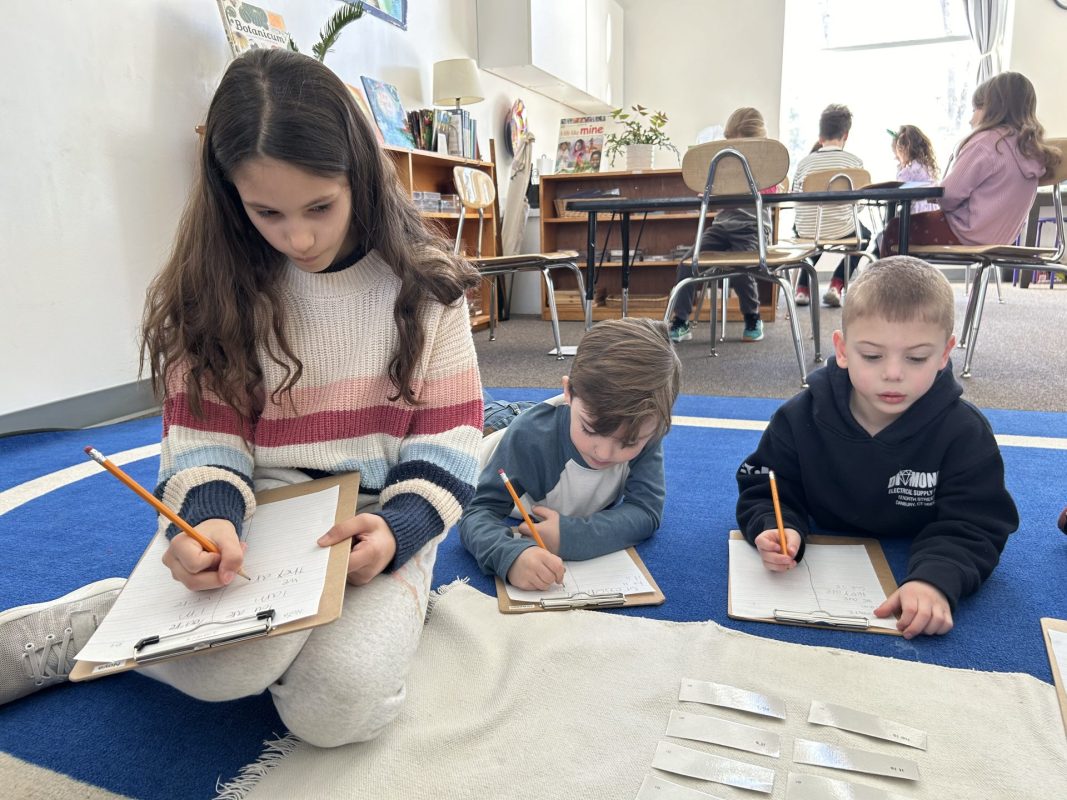
We had a great and busy week after our winter break. We have a new member in our classroom until the end of next week, Miss Alyssa, a college student studying to become an elementary teacher. She is observing my lessons and working with students during our work cycle. The children welcomed her and enjoyed the extra attention.

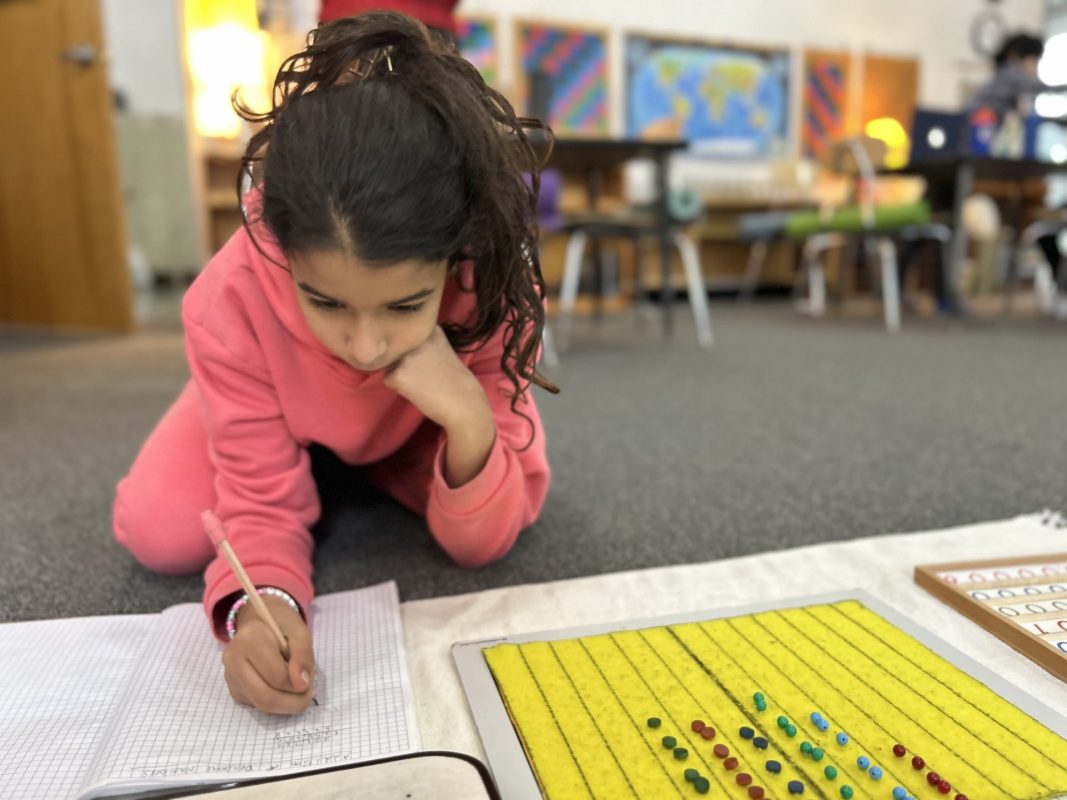
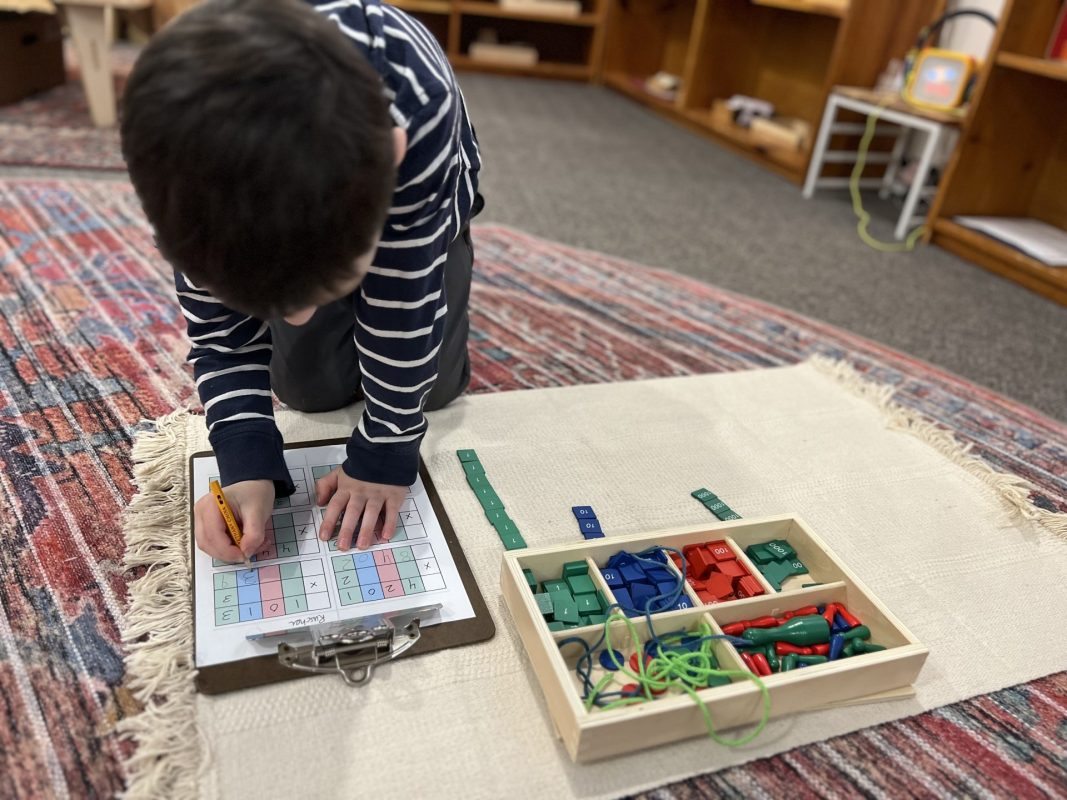
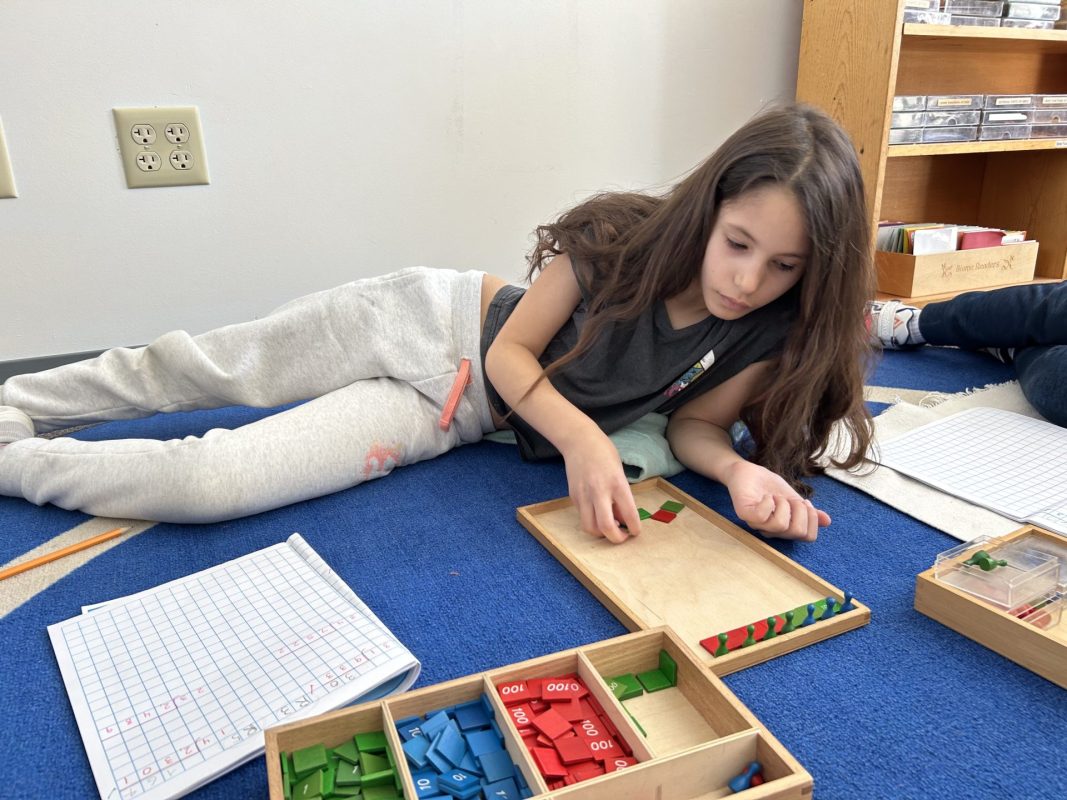
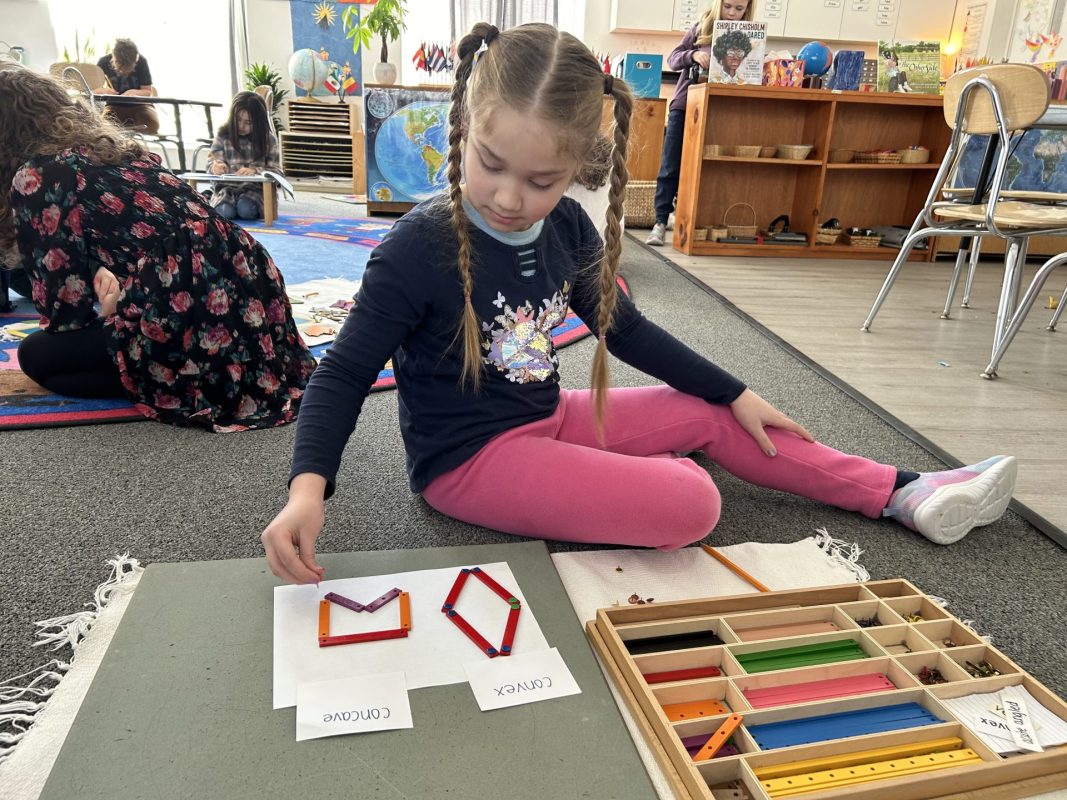
We had productive daily group and individual lessons this week. The fourth graders learned about proving equivalence between a trapezoid and a rectangle in geometry. The fifth graders learned how to find the area of a parallelogram.

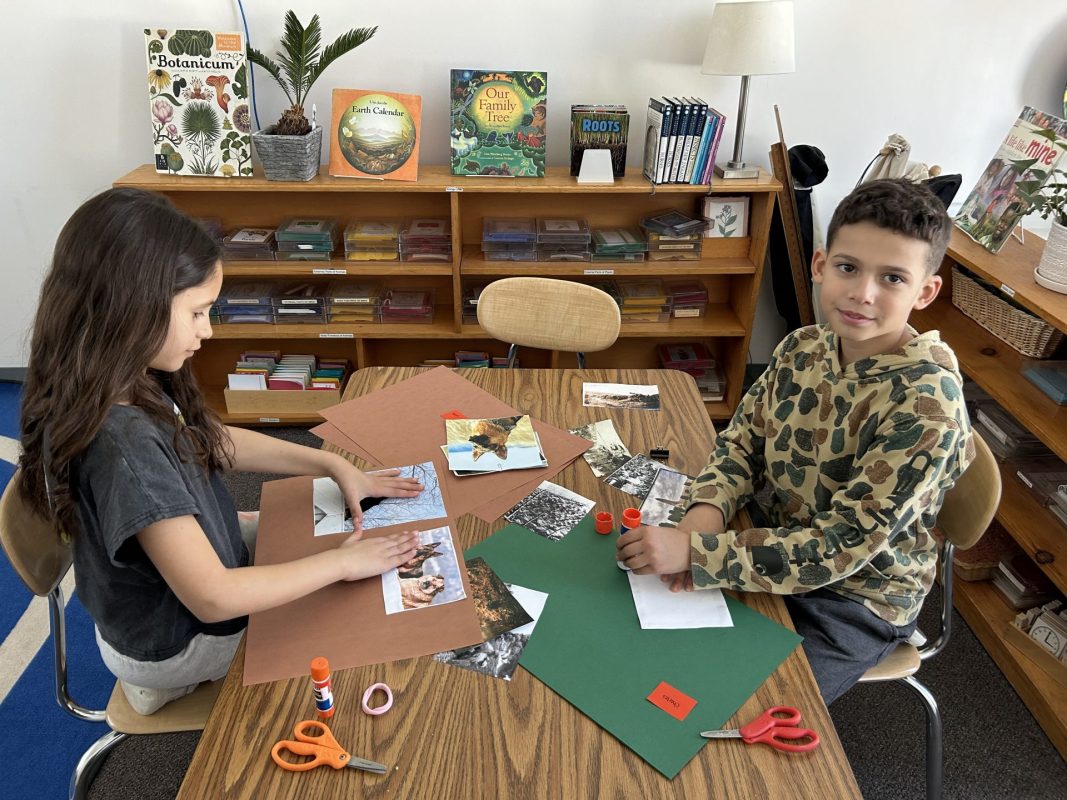
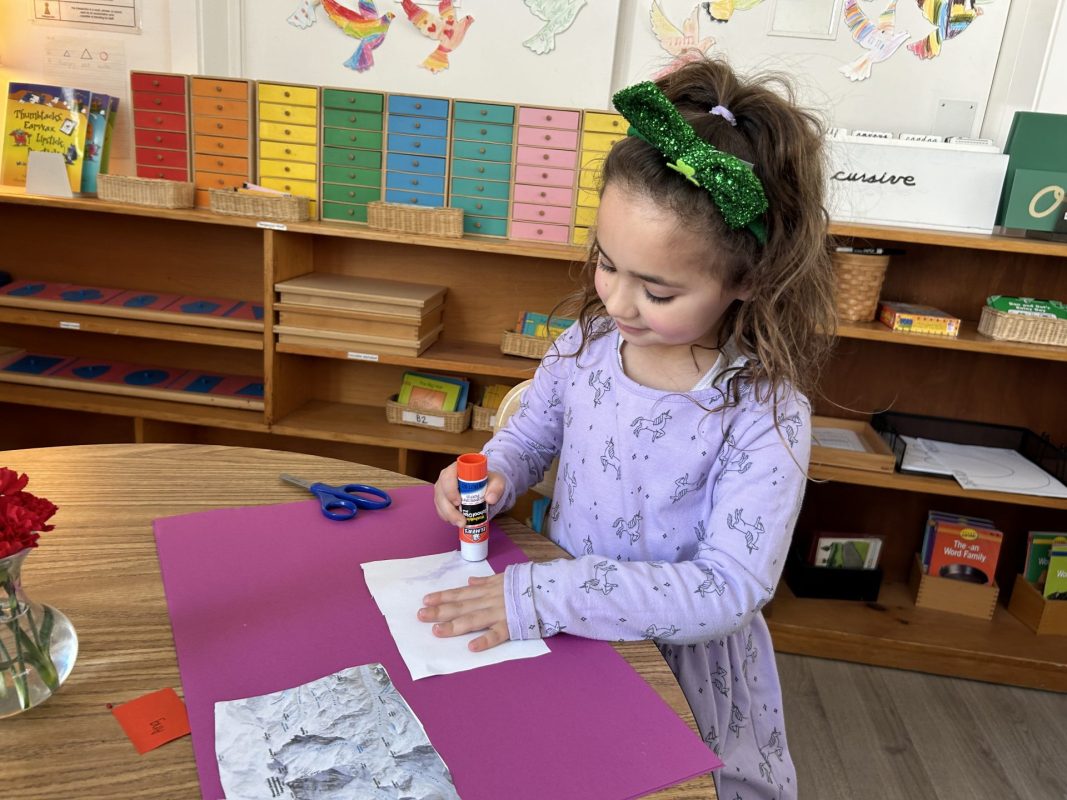
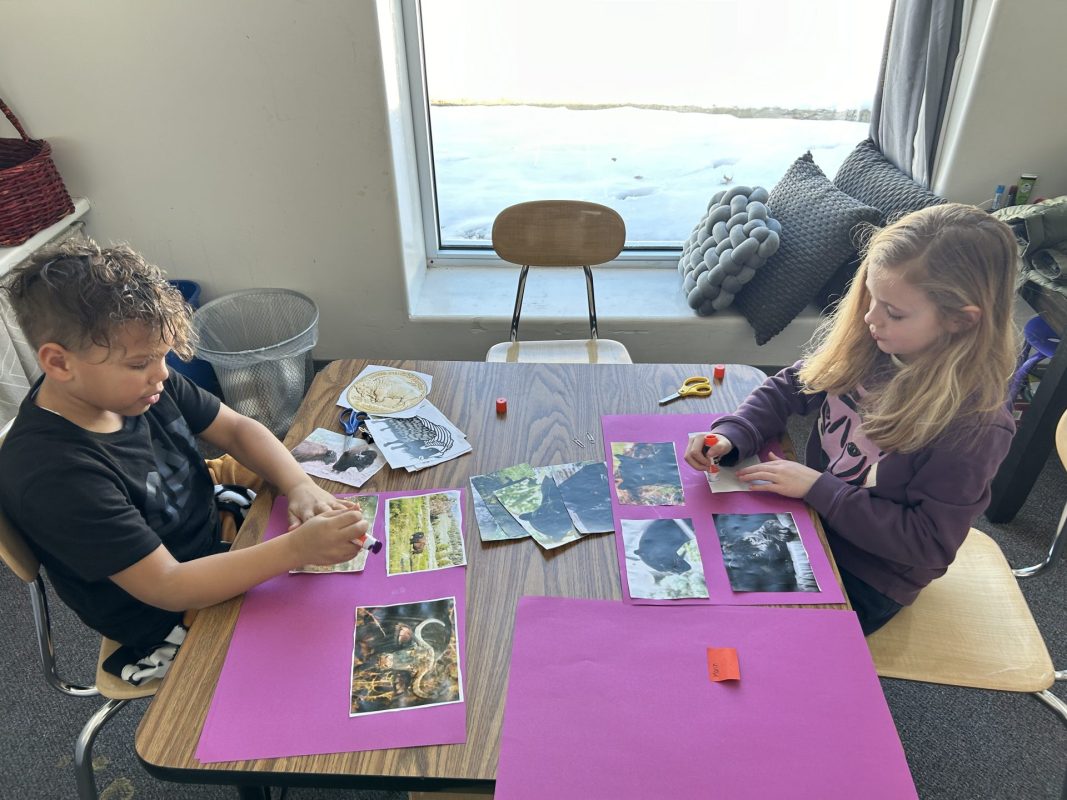
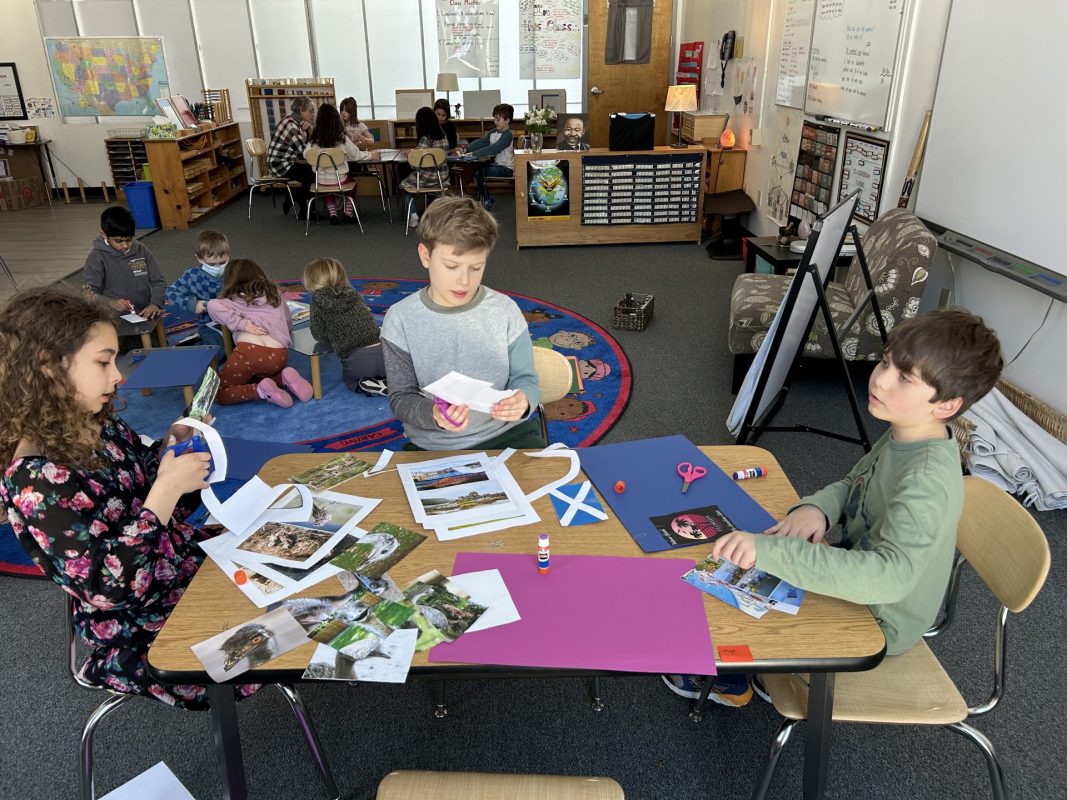
In biology, we focused on the vital function of circulation and learned that there are two types of circulatory systems: open and closed. We compared the open circulatory system to a fountain and the closed system to a radiator. During their independent follow-up work, students will learn which animals have an open or closed system.

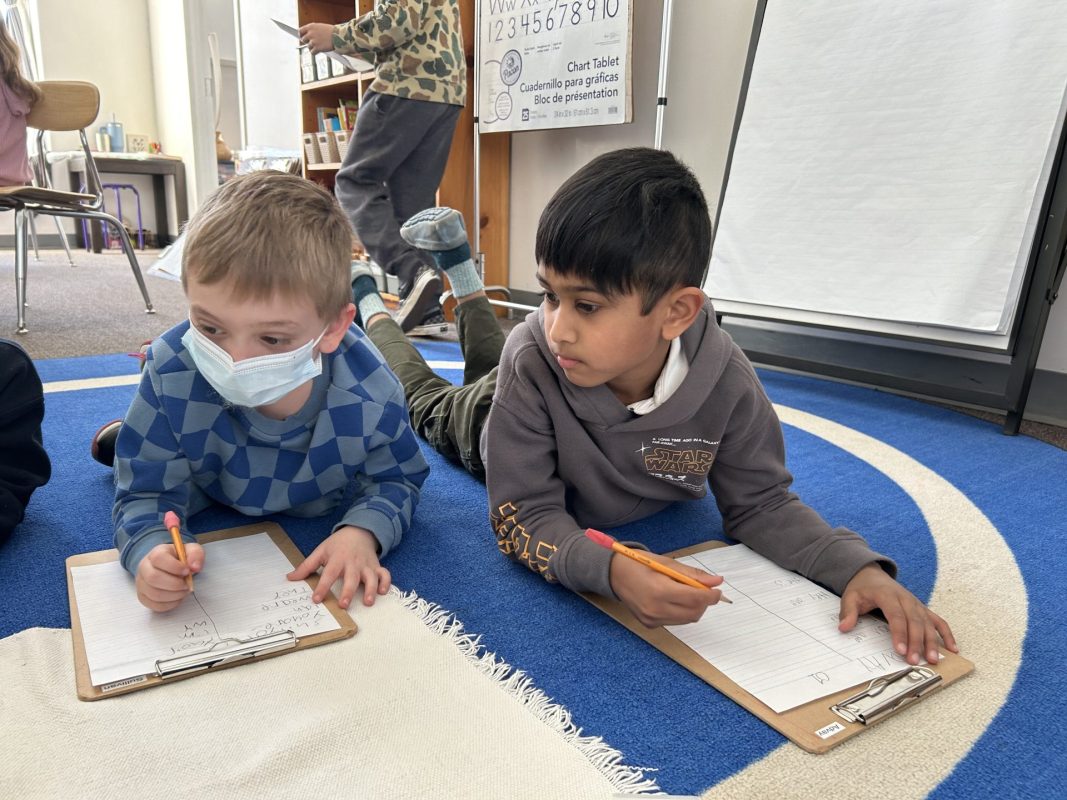
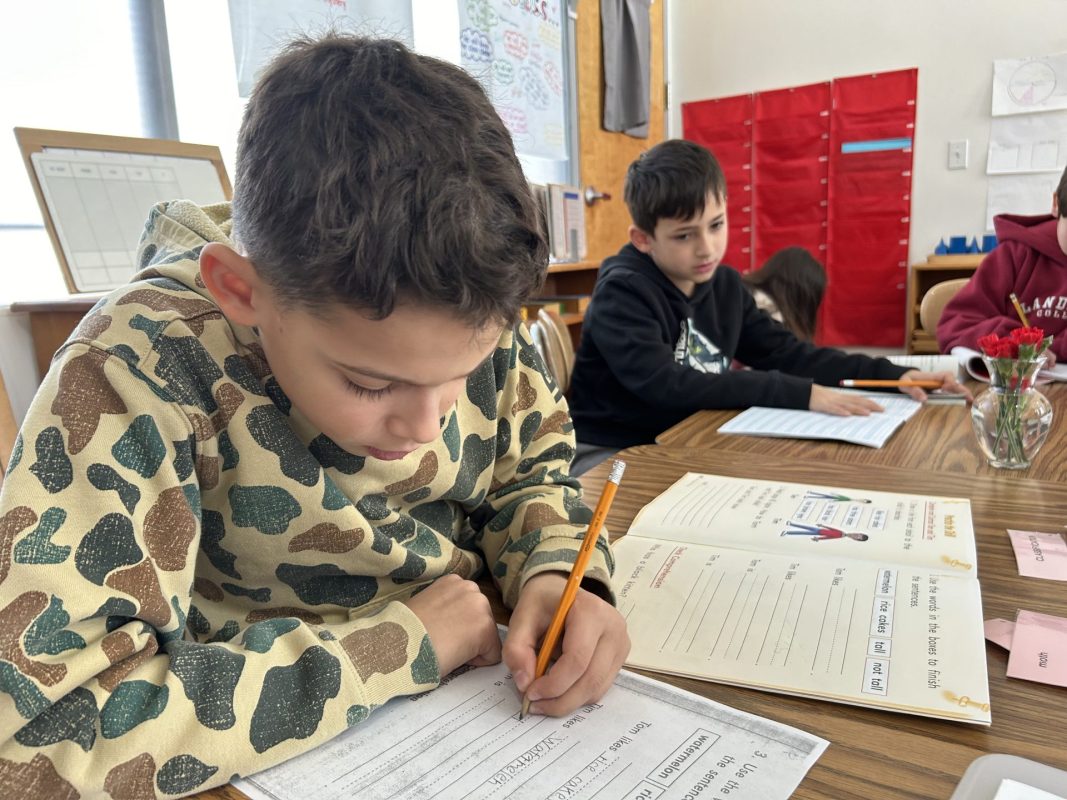
This week, the fourth graders learned about common and proper nouns in grammar work. The fifth graders started their lessons on adjectives, focusing on descriptive, article, and numeral adjectives.

In Literature Circle, students are finishing their book and are excited to start their next book, The Wild Robot Escapes, next week.

In anticipation of snow on the ground when we return to school next week, students will need snow boots, snow pants, winter jackets, hats, and gloves or mittens to enjoy recess in the snow. We go out to play when the temperature is 20 degrees or above, and we love to play in the snow!