Blog

Mrs. Doyle: Hidden Treasures


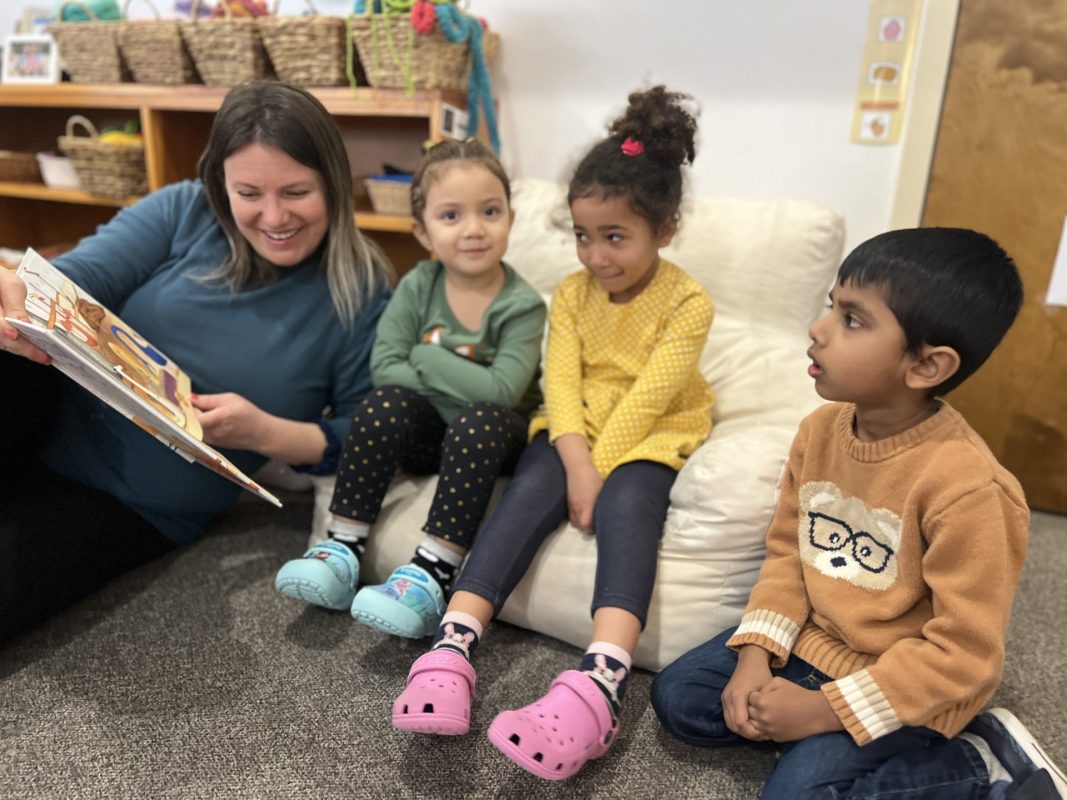
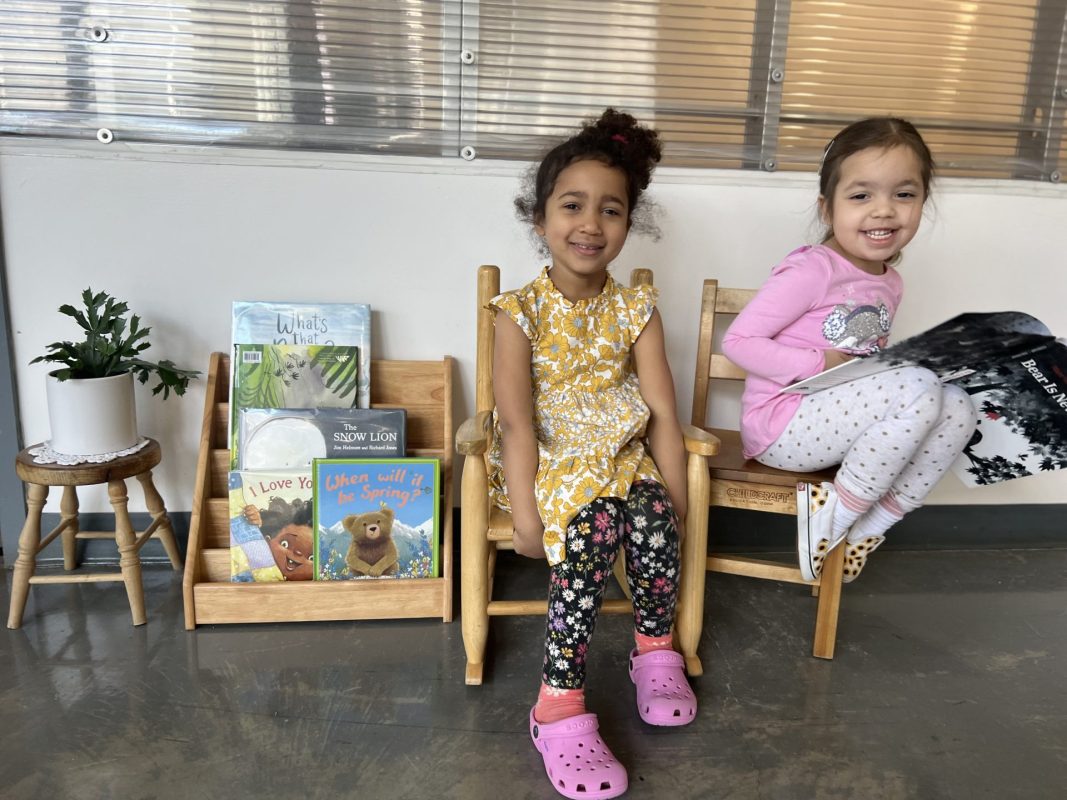
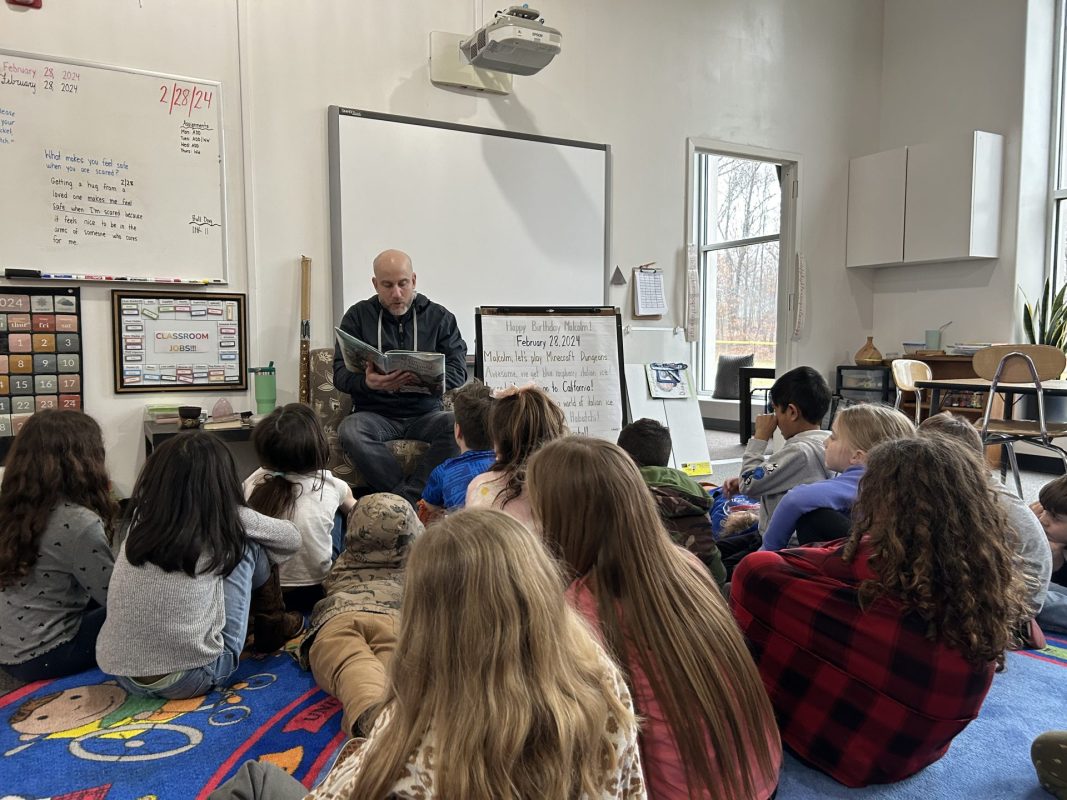
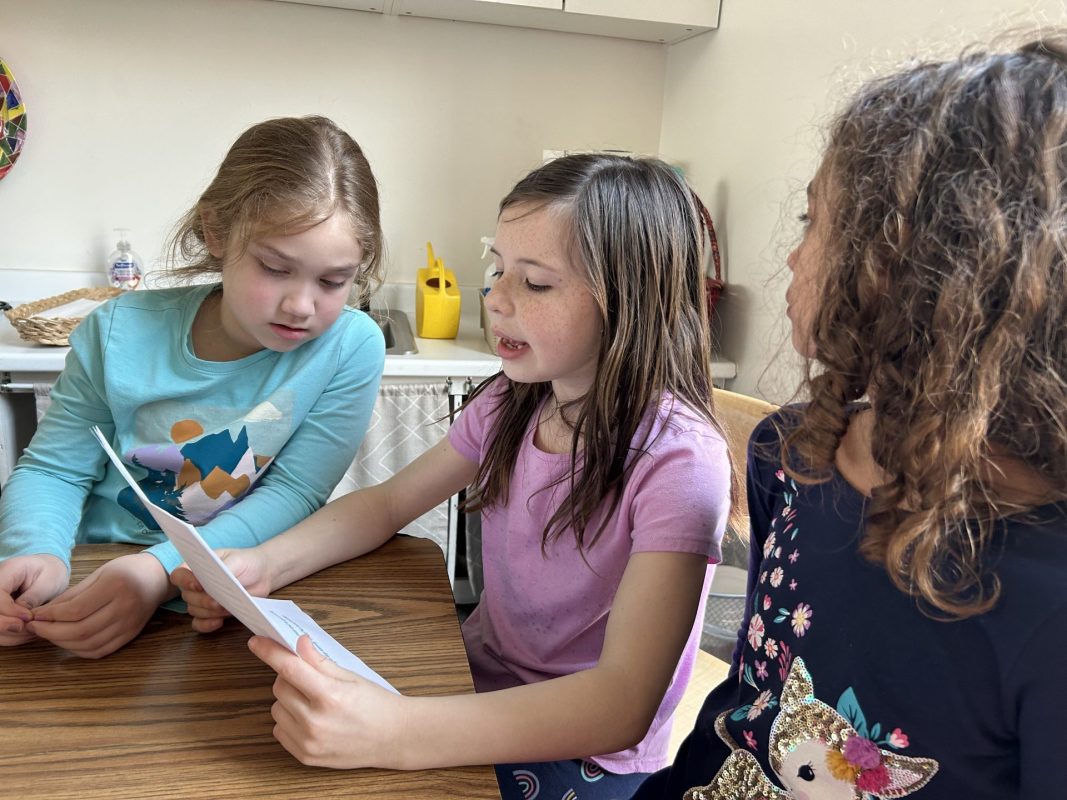
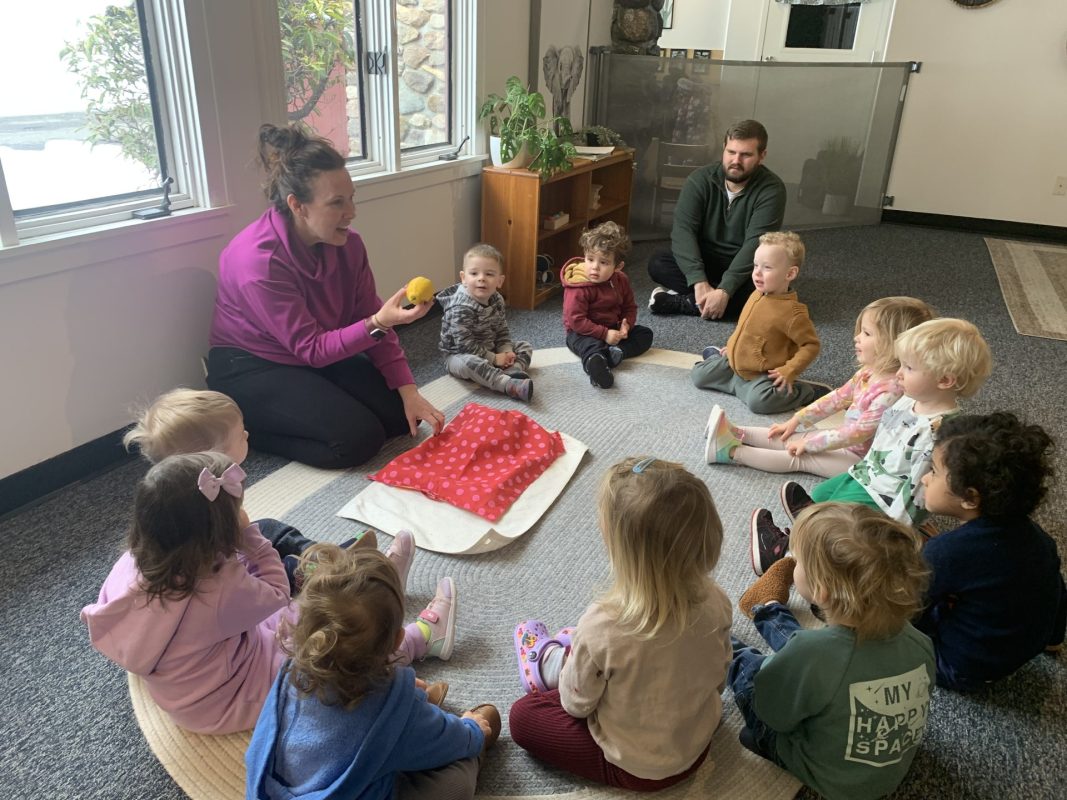
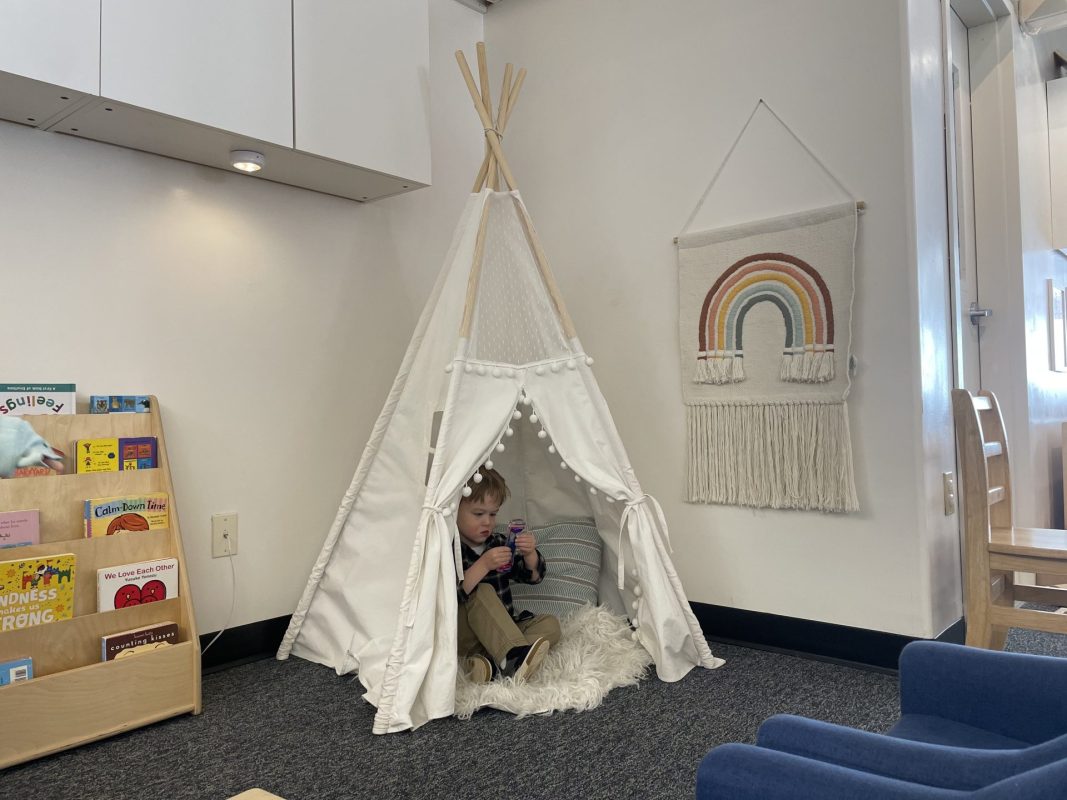
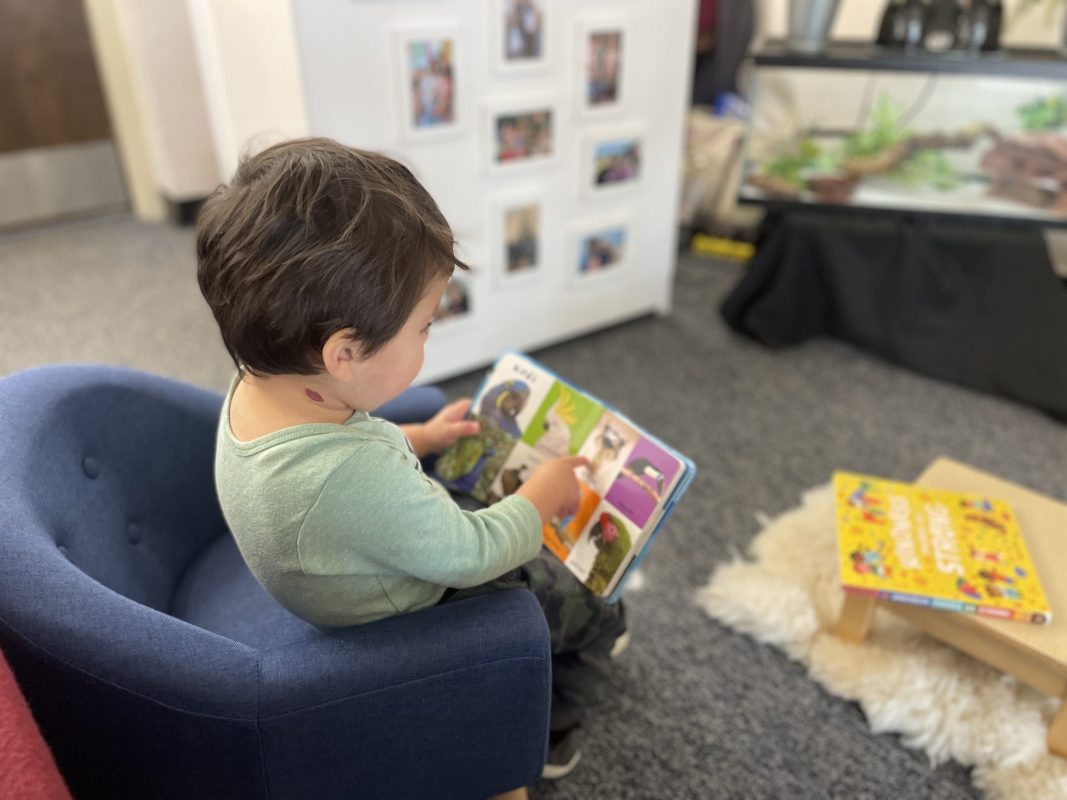
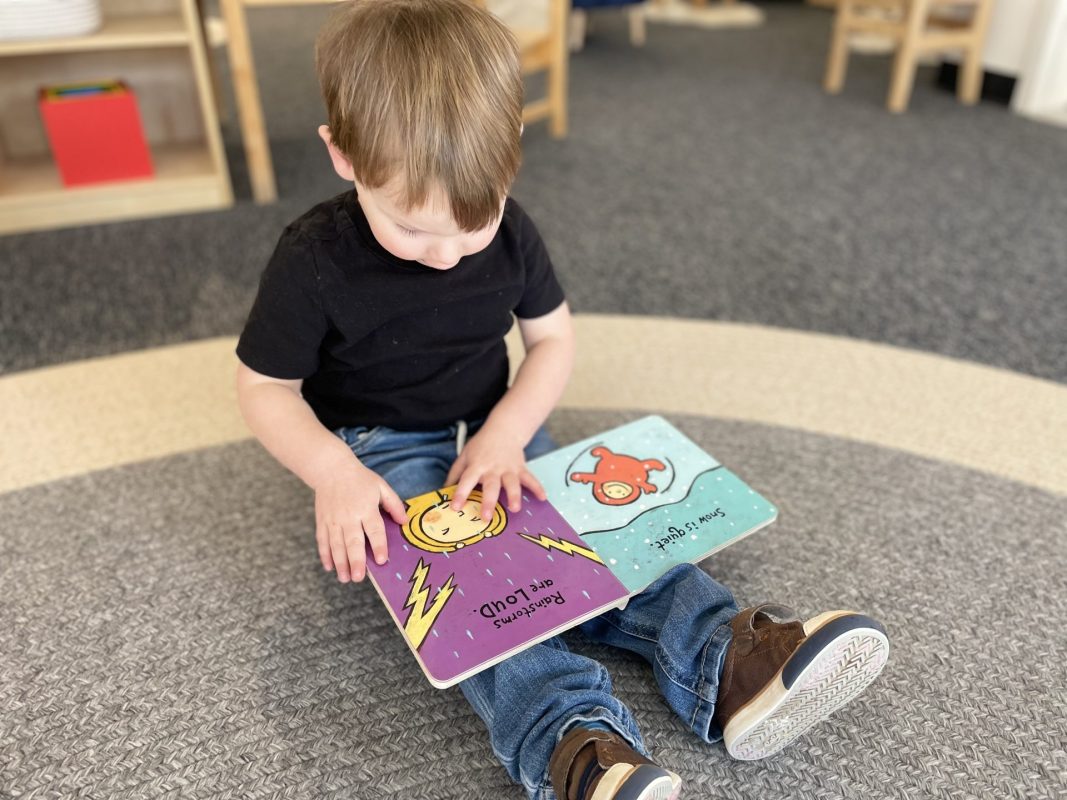
Children’s literature is a passion of mine. I truly hope that each child who spends time in our classroom will quickly absorb not only how important literature is but also how much enjoyment it brings. Books are everywhere in our classroom, and we read throughout the day. We have a book corner in our classroom, a wonderful spot for a ‘brain break’ or to spend quiet time with a beautiful story. We read a chapter (or two or three) each afternoon from a chapter book. Our older friends have both private reading and partner reading built into their day. When a child says, “I don’t know what to do,” I just give them that well-practiced teacher look, and usually they say, “I know, I know, I can read!”

In our classroom, we call books ‘treasures‘ and speak about how important it is to take care of our books. The children love to hear how so many books I bring to class are the same ones from my childhood. It is an absolute joy to witness the impact of literature on every child.

We asked the children to share the title of one of their favorite books.

  • Ainsley–  The Three Little Unicorns
  • Arya–Don’t Let The Pigeon Drive the Bus
  • Bodie Bots
  • Ella–The Magic Tree House Books
  • EmmaJo– Fairies in the Woods
  • Hadley–Tick Tock
  • Hannah–Snowman Earth
  • Harper-Zog and the Flying Doctors
  • Isla– Not Quite Narwhal
  • Jacob–Ocean Animals
  • Jonathan– The Little Blue Truck
  • Joseph–Paw Patrol Books
  • Leo– My Father’s Dragon
  • Maayan–The Cat in the Hat
  • Melina– Fancy Nancy
  • Oliver–The Three Little Pigs
  • River– The Little Engine That Could
  • Ryan–Unicorns
  • Saanvi–The Little Mermaid chapter book
  • Tommy-The World chapter book
  • Zara–Rapunzel
  • Zion–Curious Georg and the Firefighters

Wishing you a week filled with peace, love, and lots of happy reading!

Michelle & Maria


Middle School Math Carnival!

Congratulations to all Middle School students for an excellent math carnival on Friday, January 19th! We invited the upper and lower elementary classes to participate in the fun interactive probability games. This hands-on project taught students about theoretical and experimental probability as well as how to use fractions/decimals/percentages when calculating the chance of winning or losing their game. We had 21 stations set up in the main gym for our visitors to peruse through. The Middle School students had a title poster at each station to entice players and then recorded the results from each game. I was so impressed with our students’ unique setups, professionalism, and enthusiasm toward teaching the younger students about probability.

An extra special thank you to all our Middle School families for attending this event and to Mrs. Hunsucker, Mrs. Lamb, Mr. Brown, and Eric Benoit for their endless support at this year’s Math Carnival. It was a treat to have so many special guests join us in celebrating the hard work of our grade 6, 7, and 8 classes. We had so much fun and look forward to keeping the tradition alive next year!

I sincerely thank the Middle School community for all the kind support and encouragement as I prepare to welcome my new bundle of joy very soon. I will miss our Middle School staff, students, and families dearly, and I can’t wait to share my exciting news with you all. I wish everyone a safe and successful rest of their 2023-2024 academic school year. See you again in September!


Positive Discipline – Mistaken Goals of Children’s Behavior 

As we’ve discussed, Positive Discipline is an approach to parenting and teaching that focuses on encouraging desirable behaviors and fostering a sense of responsibility, respect, and problem-solving in children. The concept of belonging and significance is the cornerstone of Positive Discipline.

Children who feel they belong are happier, more relaxed, and have fewer behavioral problems than others. They are also more motivated and more successful learners.

At our most recent parent education event, we talked about the Mistaken Goals of Children’s Behavior. 

The Mistaken Goals of Children’s Behavior is a concept within Positive Discipline that suggests children may display challenging behaviors to meet certain psychological or emotional needs. 

These mistaken goals are divided into four categories:

Undue Attention: Children may misbehave to gain attention, even if it’s negative attention because they feel neglected or unseen.

The mistaken Goal is – Undue Attention (to keep others busy or to get special service)

The belief behind the child’s behavior is:

I count (belong) only when I’m being noticed or getting special service. I’m only important when I’m keeping you busy with me.

Power: Some children may act out to gain a sense of power or control, often when they feel powerless or overwhelmed in other areas of their lives.

The Mistaken Goal is– Misguided Power (to be boss)

The belief behind the child’s behavior is:

I belong only when I’m boss, in control, or proving no one can boss me. You can’t make me.

Revenge: Children might display challenging behavior to get back at others, seeking revenge for perceived wrongs or injustices they have experienced.

The Mistaken Goal is –Revenge (to get even)

The belief behind the child’s behavior is:

I don’t think I belong, so I’ll hurt others as I feel hurt. I can’t be liked or loved.

Assumed Inadequacy: In this case, children may adopt a defeated attitude and engage in misbehavior because they feel incapable, insecure, or incompetent.

The Mistaken Goal is – Assumed Inadequacy (to give up and be left alone)

The belief behind the child’s behavior is:

I can’t belong because I’m not perfect, so I’ll convince others not to expect anything from me. I am helpless and unable; it’s no use trying because I won’t do it right.

Once the mistaken goals are identified, adults can begin to take action to redirect the student’s purposes and help start better behavior.

Strategies might include:

  • Offering positive attention and reinforcement for appropriate behavior.
  • Providing choices and autonomy to meet the need for power constructively.
  • Teaching problem-solving skills and alternatives to seeking revenge.
  • Helping the student build the skills and confidence to face and overcome challenges rather than avoiding them.

All children misbehave. Positive Discipline encourages parents and educators to identify the underlying needs or goals behind a child’s behavior and respond constructively to address those needs. 

Instead of resorting to punitive measures, Positive Discipline promotes effective communication, problem-solving, and cooperation to help children develop social and emotional skills. 

By understanding and addressing the mistaken goals, adults can create a positive and supportive environment that fosters healthy development in children.

Warmly,

Gina Tryforos

Assistant Head of School-Student Support Coordinator


Mrs. Hood: Winter adventures!

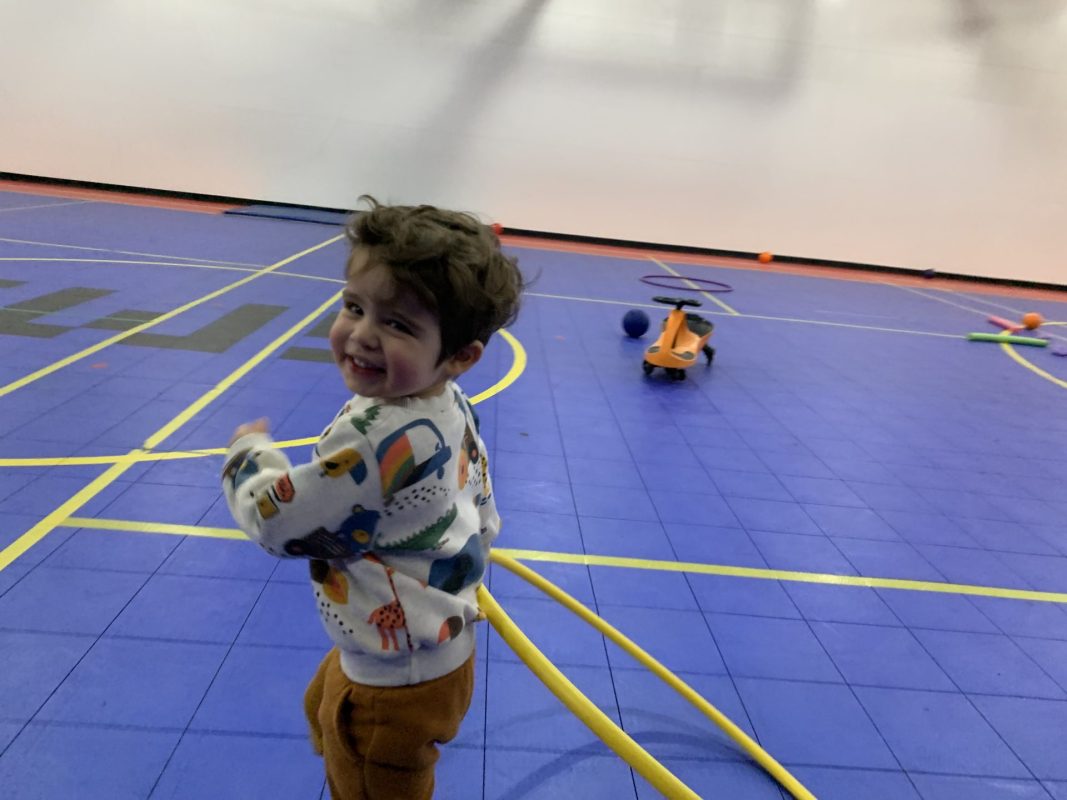
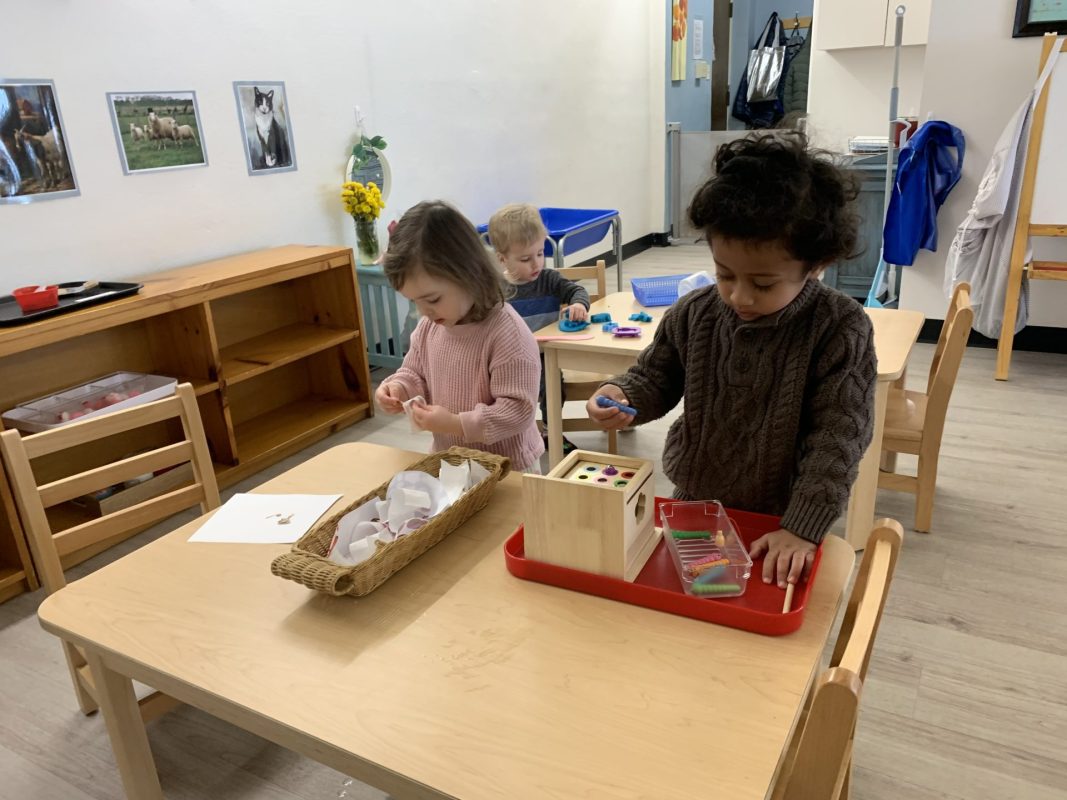
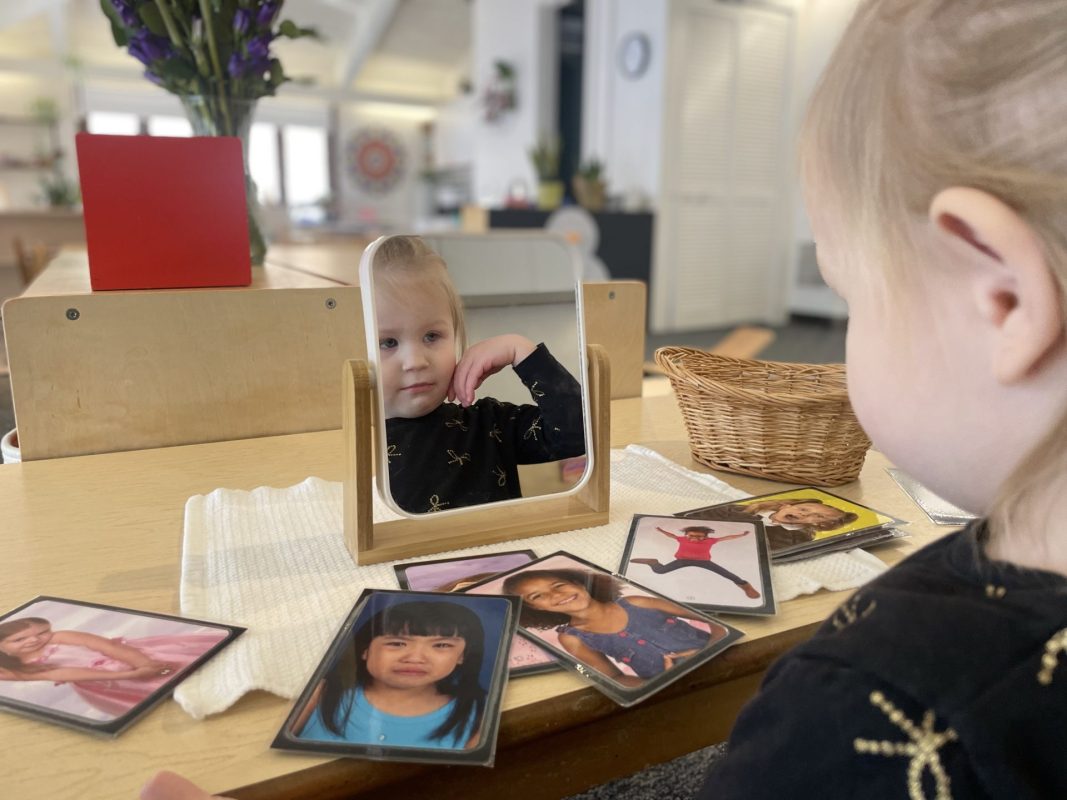
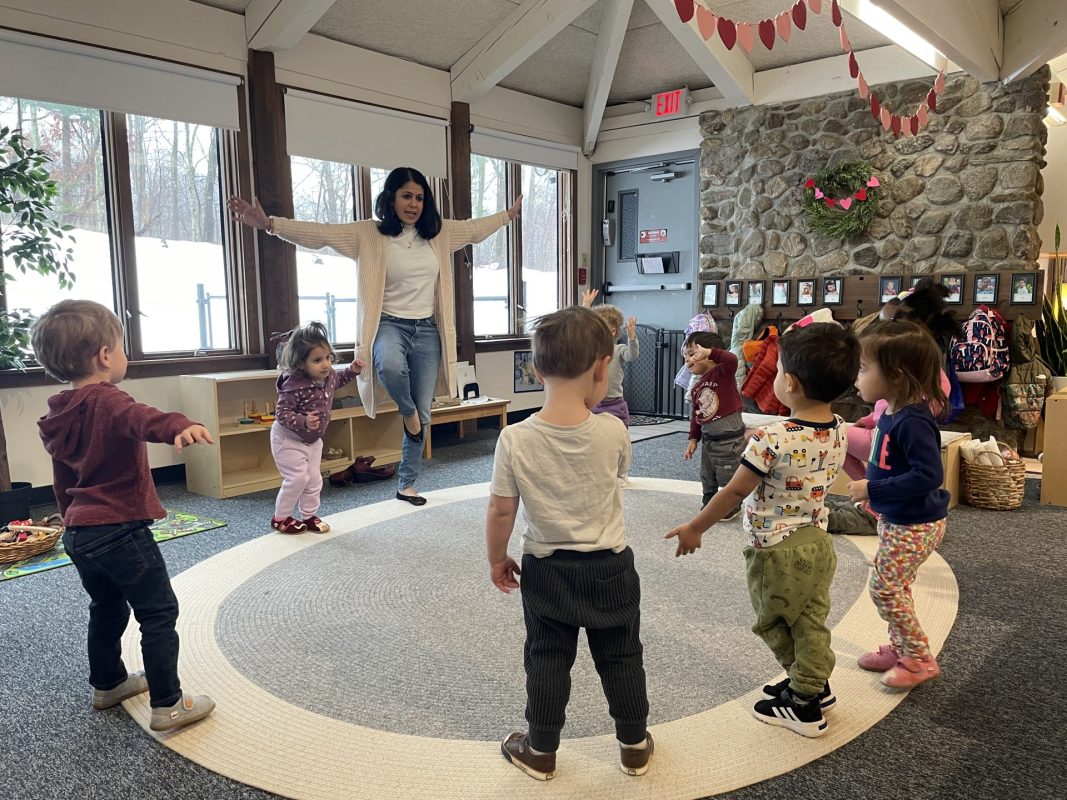
Winter has arrived, bringing with it a flurry of new experiences for our little ones. Last weekend’s snowstorm set the stage for an exciting week of learning as the toddlers were introduced to dressing themselves for outdoor play in the snow. This may seem like a simple task, but for them, this process is not only a practical life skill but also a significant milestone in their journey toward independence and self-confidence.

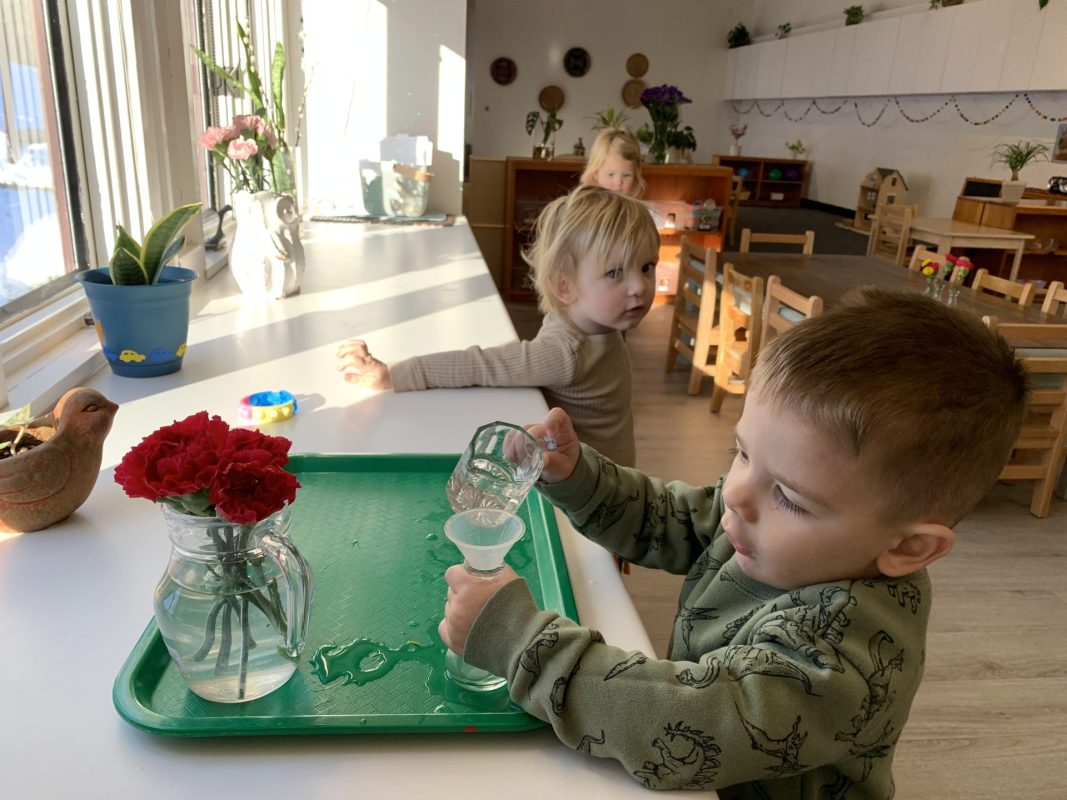
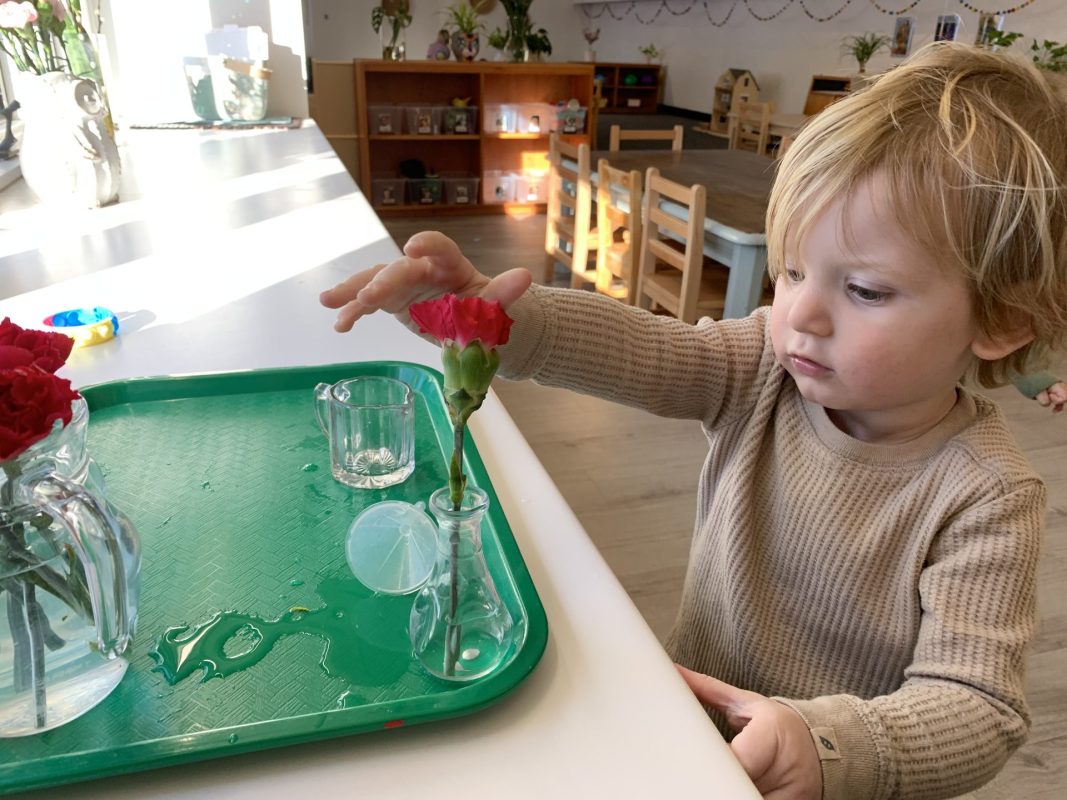
In our Montessori environment, we embrace the philosophy of nurturing children’s natural inclination for independence by providing them with age-appropriate responsibilities. Dressing for winter play is a perfect example of this, empowering our toddlers to take care of themselves and prepare for the adventures that await them outdoors.

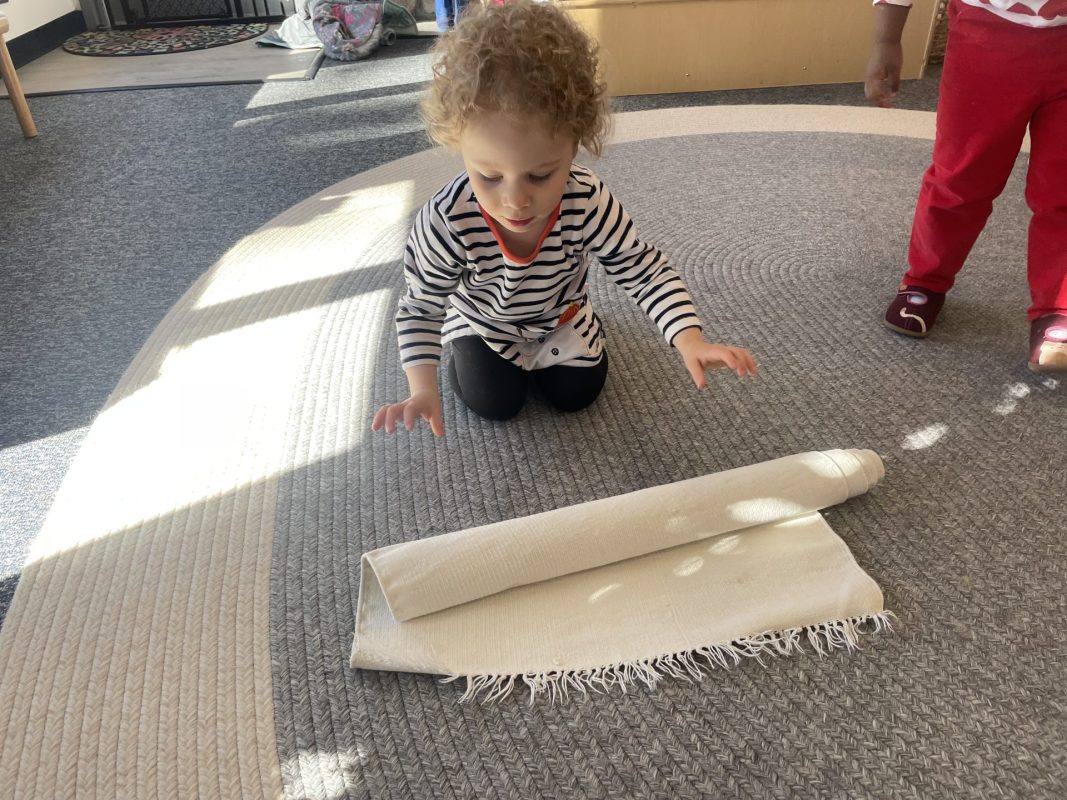
Throughout the week, the children learned to identify their individual winter bags and retrieve them from the designated area in the classroom. They then settled on the classroom rug, where they began the process of getting ready. First, they removed their indoor shoes, followed by retrieving their winter pants from their bags and laying them out on the ground. With guidance, they learned to pull up their pants while sitting down until they could see their toes, then stand up and finish putting on and zipping their snowsuit. They practiced putting on their snow boots, coats, hats, and mittens. It’s a process that requires practice, but with each opportunity, they are mastering this essential skill. The sense of joy when they realize they are capable of accomplishing this is just so great to witness.

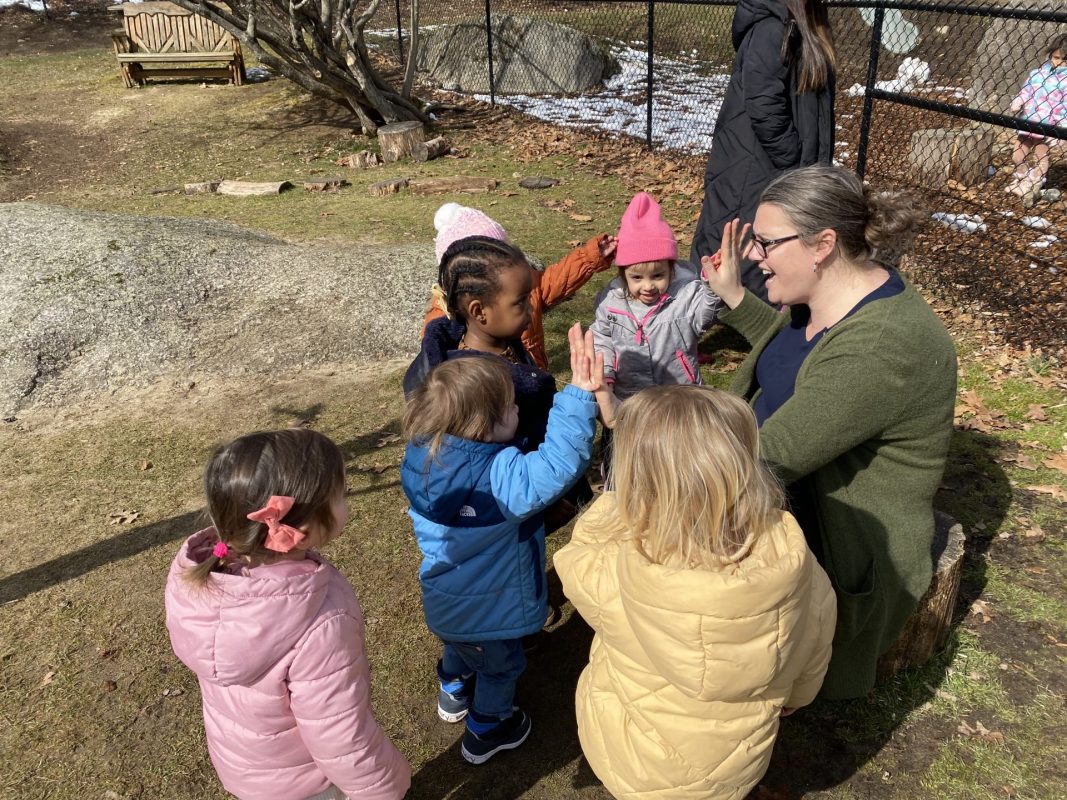
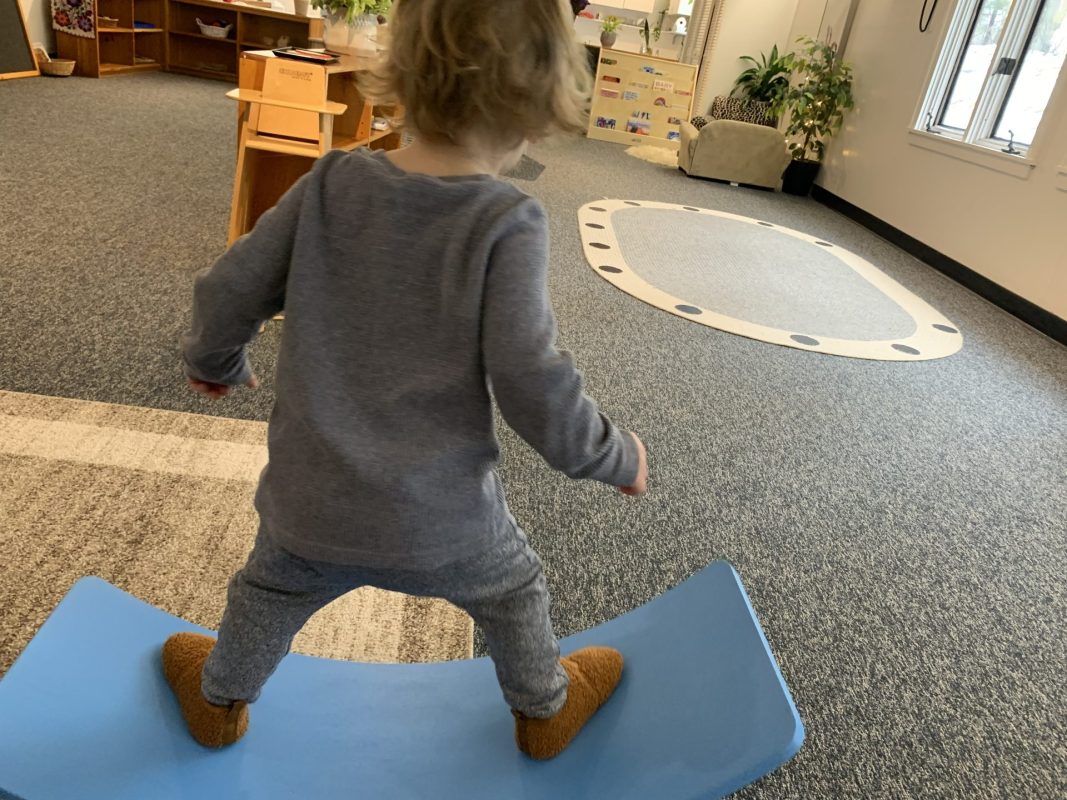
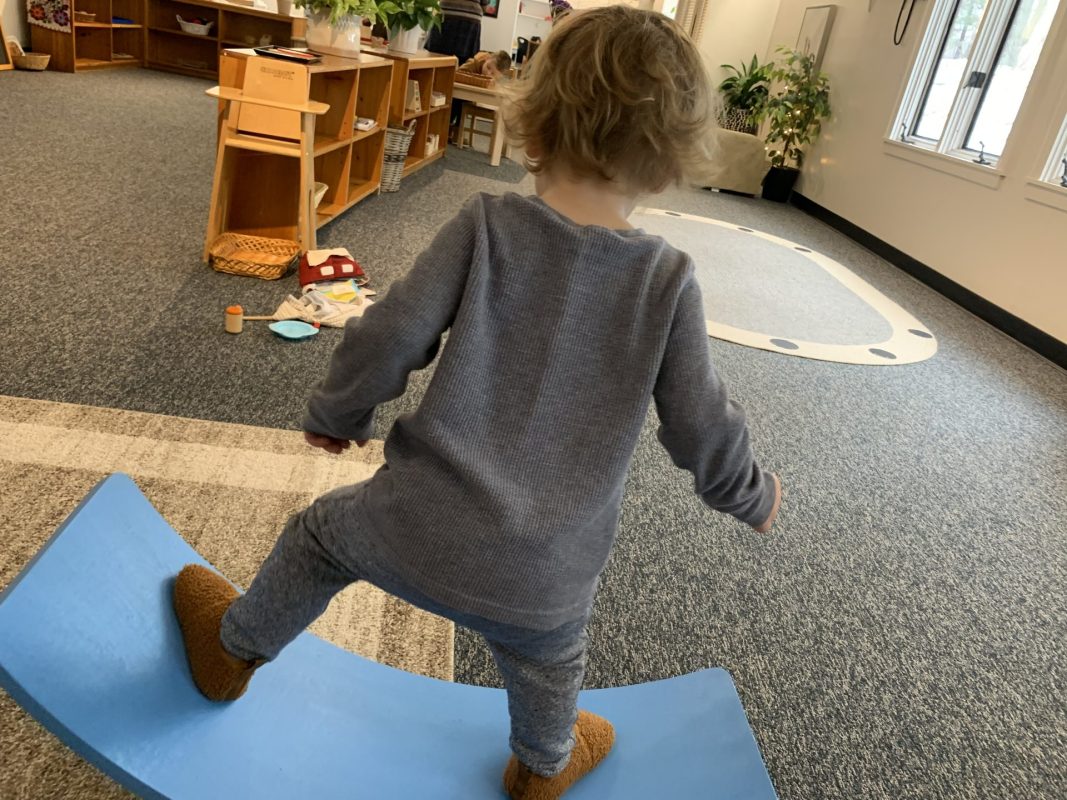
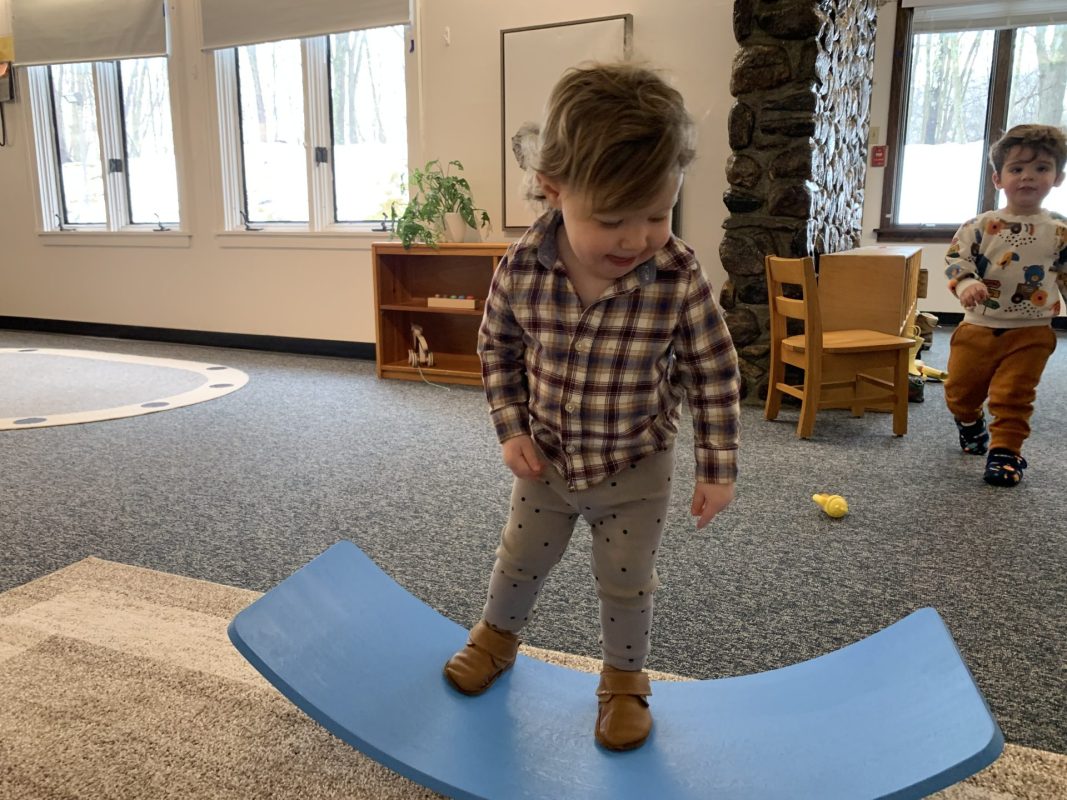
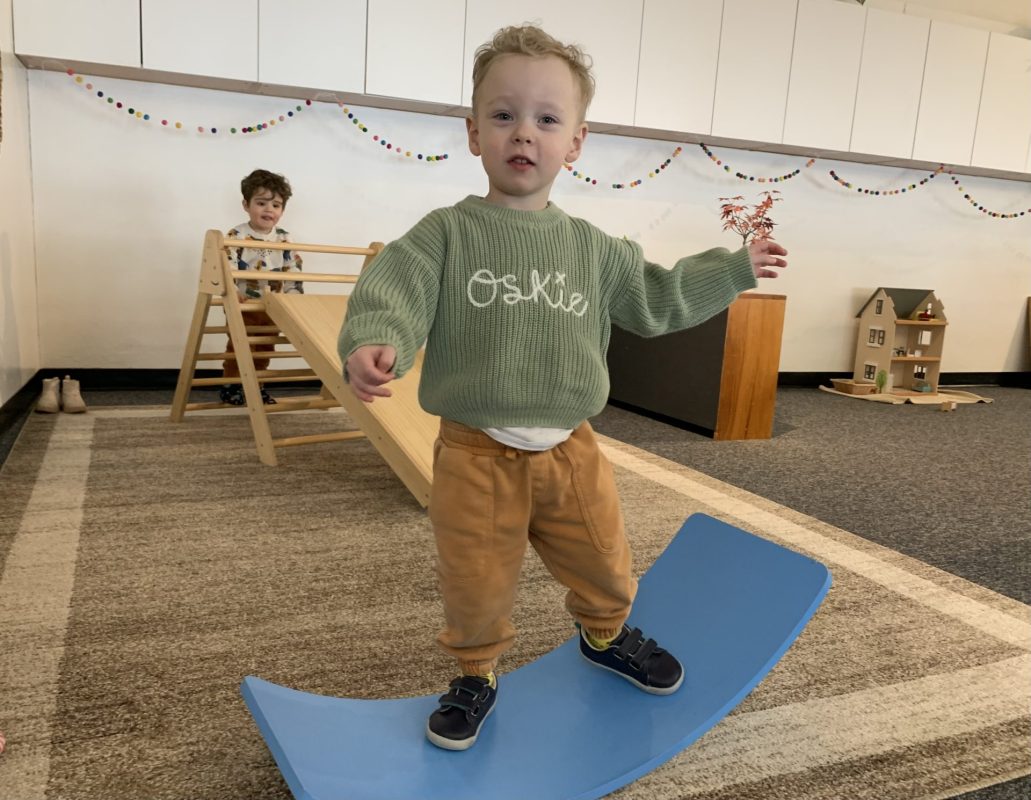
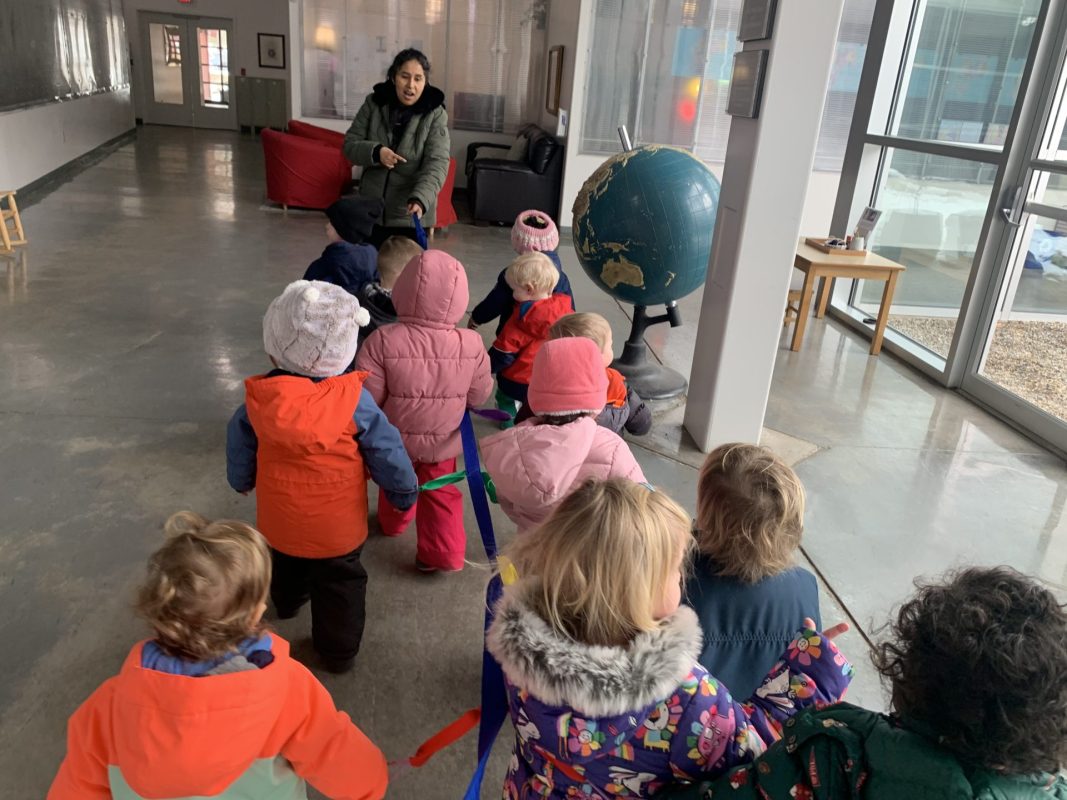
Stepping outside, the children were greeted by a multitude of sensory experiences. The sight of snowflakes drifting from the sky, the sound of their footsteps crunching on the snow, the feel of the cold air on their cheeks, and the taste of fallen snow were sensations that contributed to a rich and meaningful learning experience. As they played and explored, they not only had fun learning to make snow angels and rolling snowballs to create a snowman with Mrs. Mollie but also developed their gross motor skills, balance, and coordination while navigating the playground.

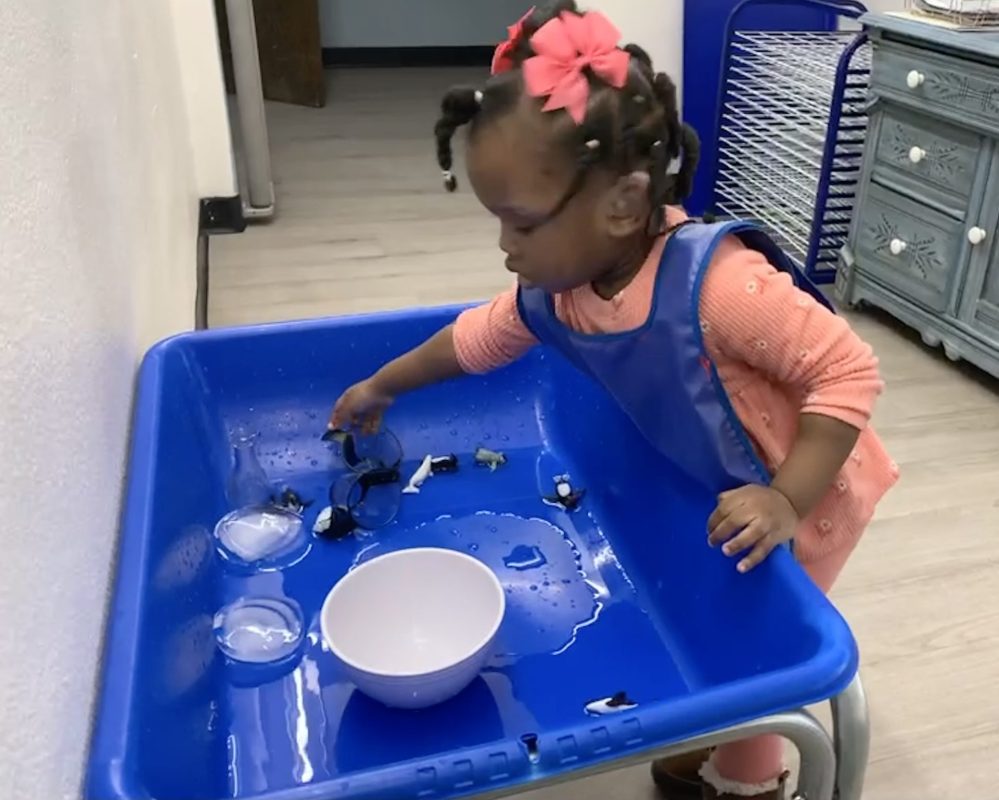
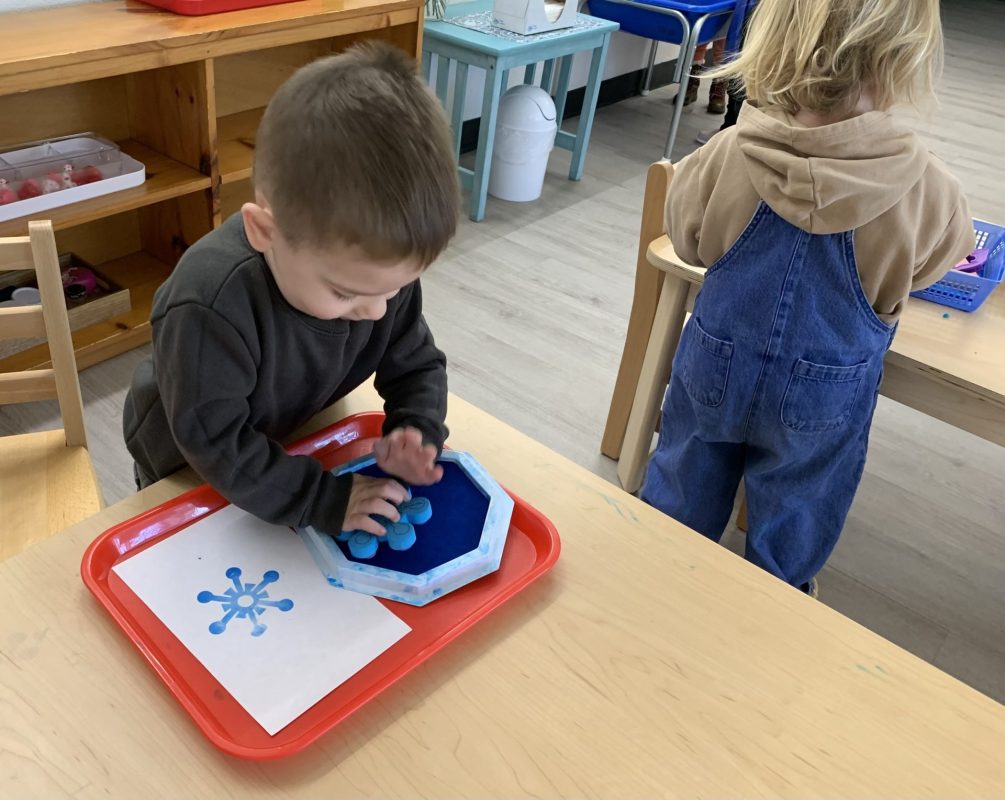
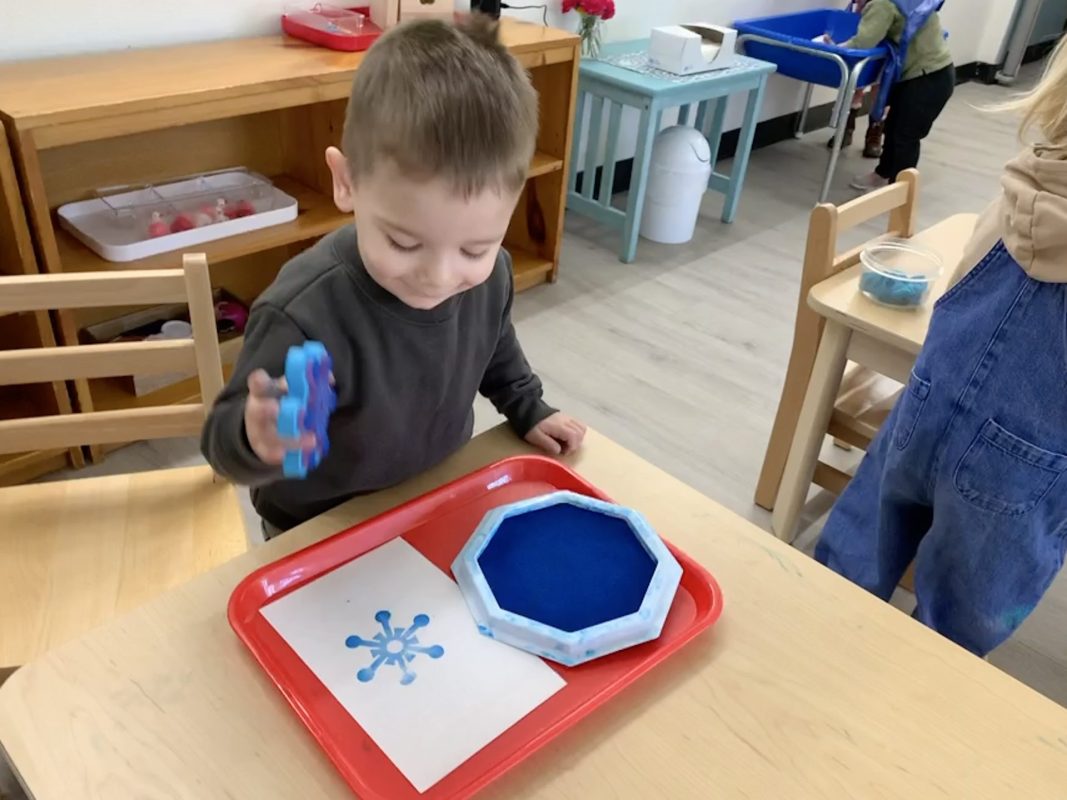
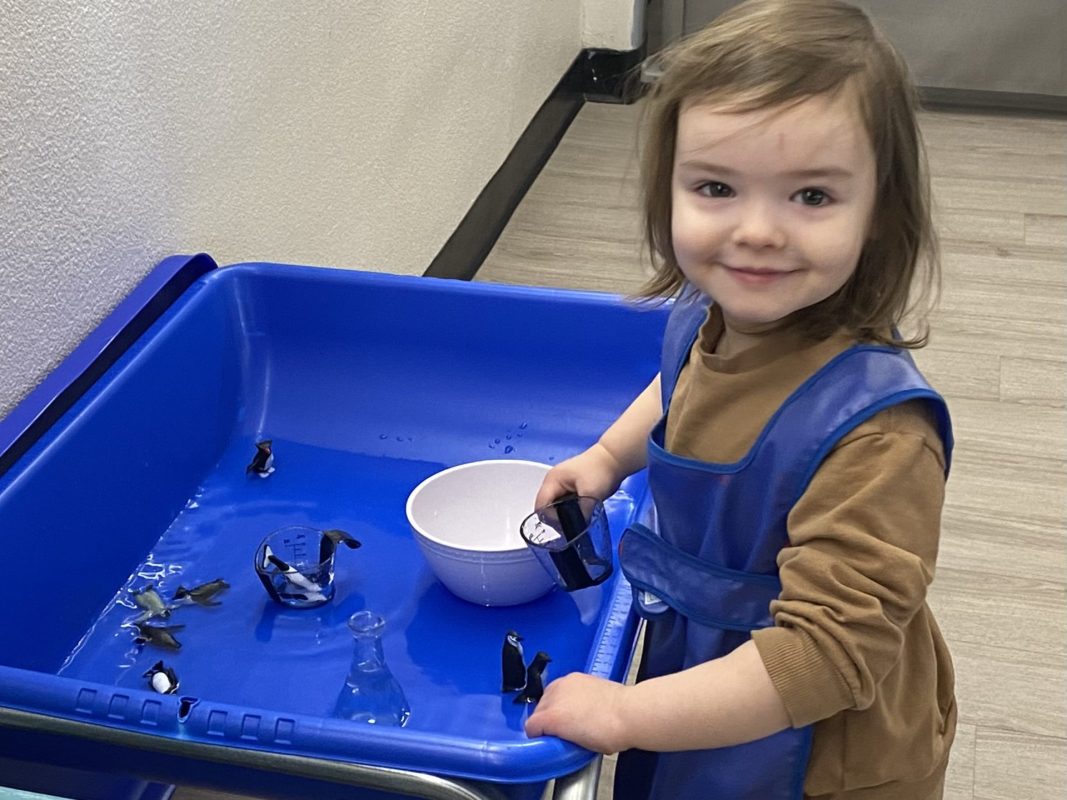
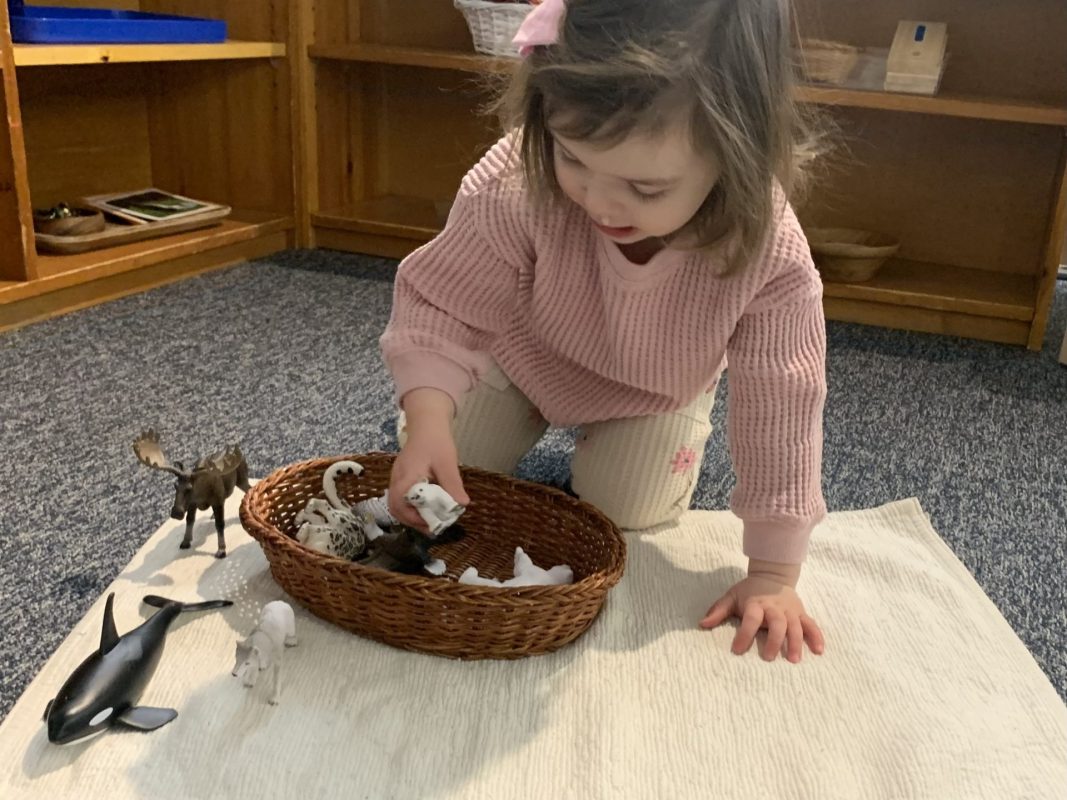
Back inside, the children seemed to enjoy working with the nesting penguins, the winter clothes vocabulary cards. They also engaged in an object-to-picture matching activity focused on Arctic animals. They learned to recognize and observe animals like the harp seal, arctic fox, killer whale, walrus, husky, caribou, beluga whale, and polar bear and learned some fun facts about them through short educational videos, sparking their curiosity about the natural world. This was definitely one of the most popular works this week.

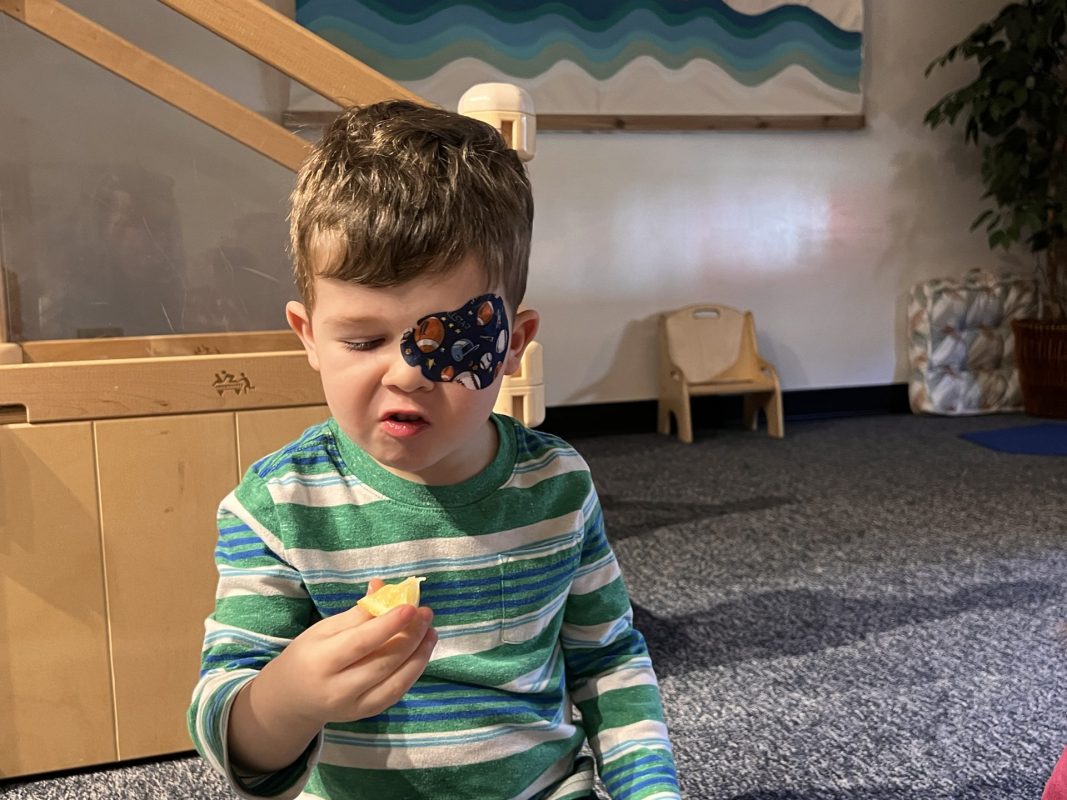
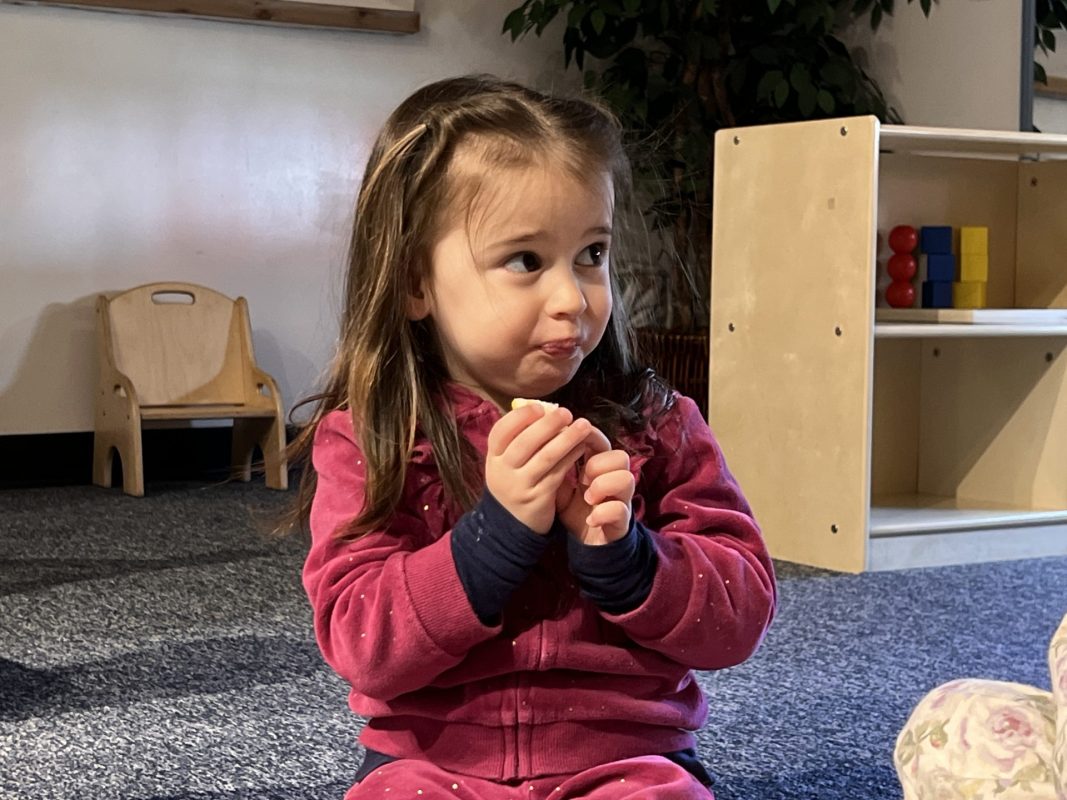
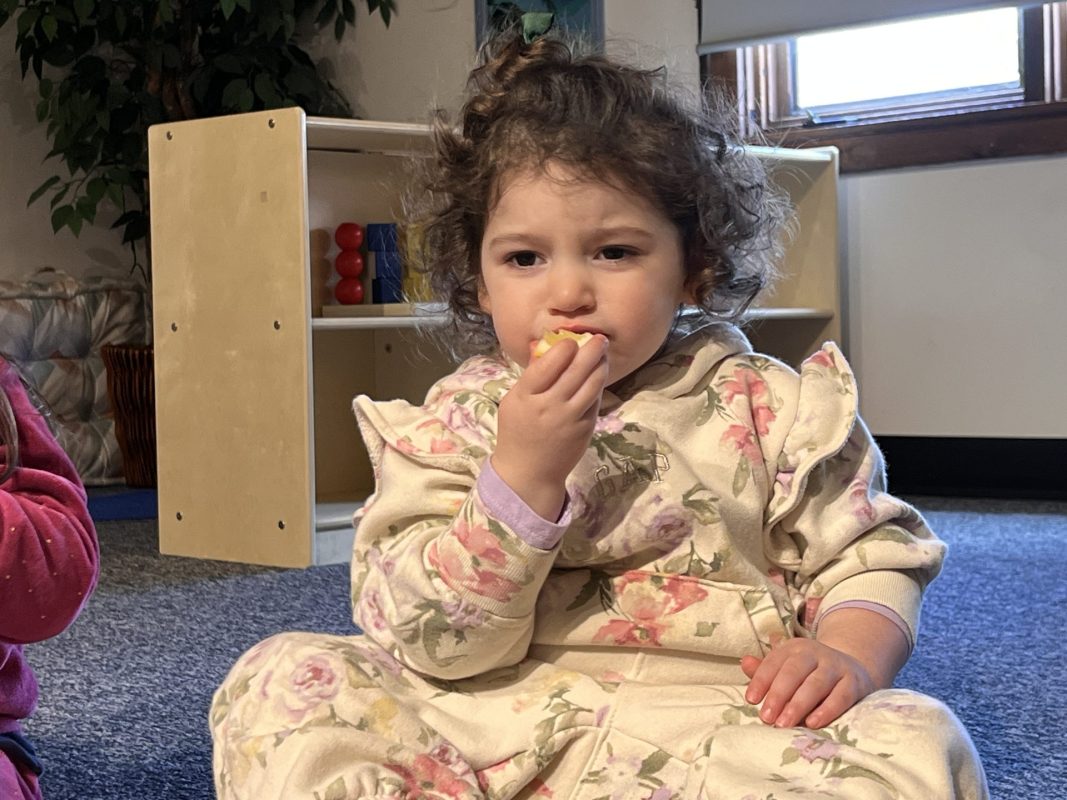
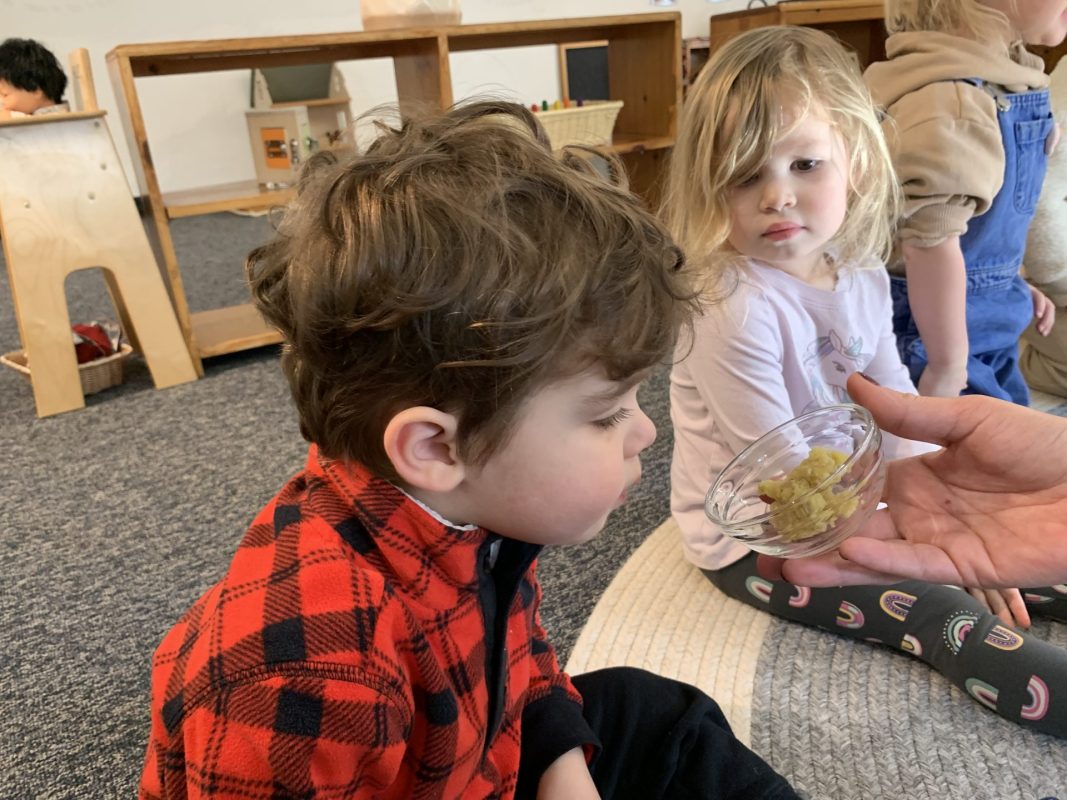
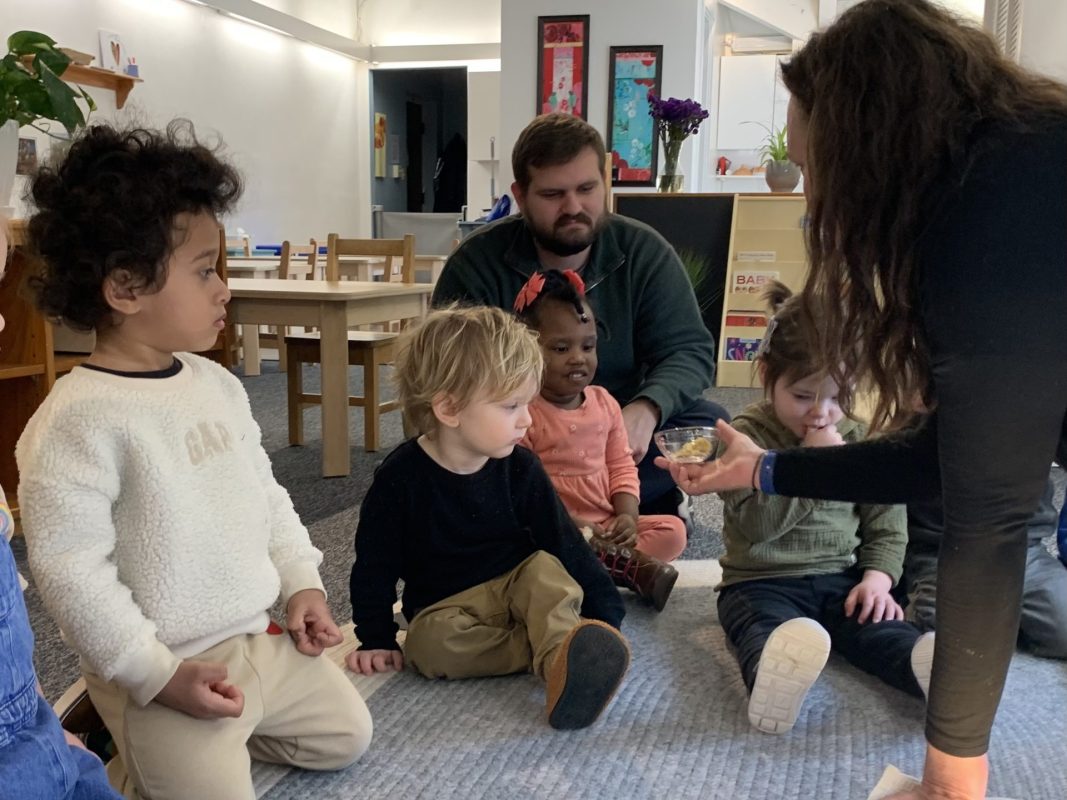
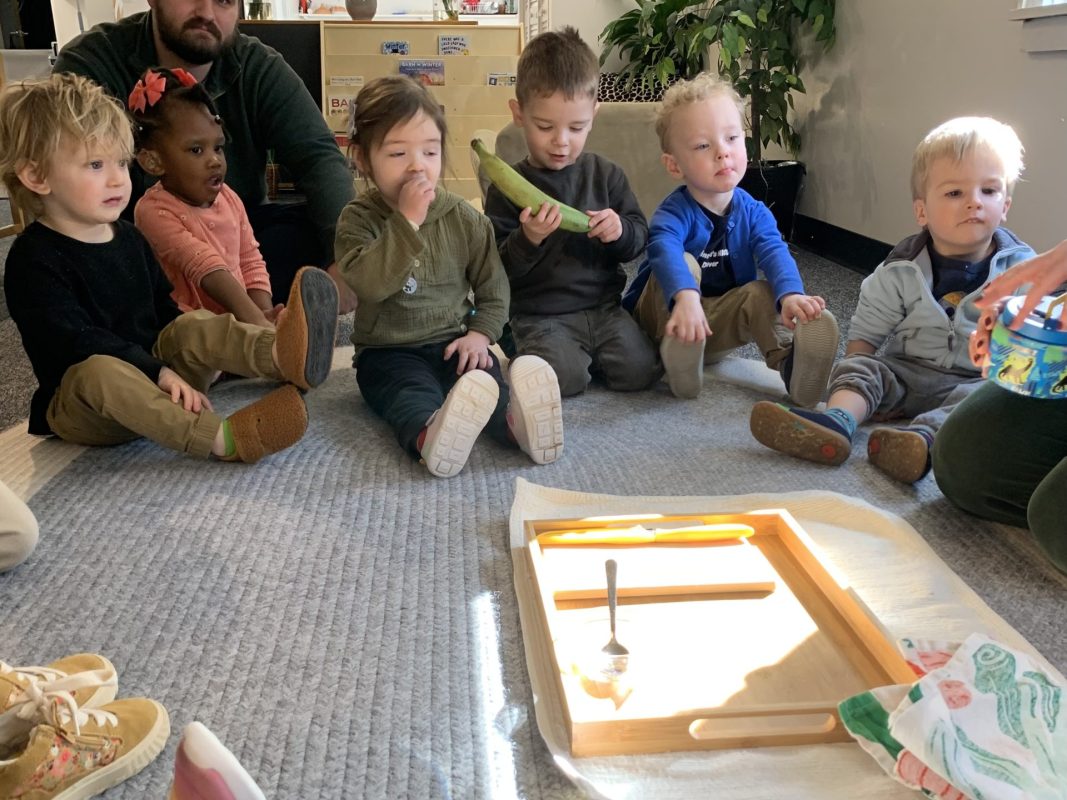
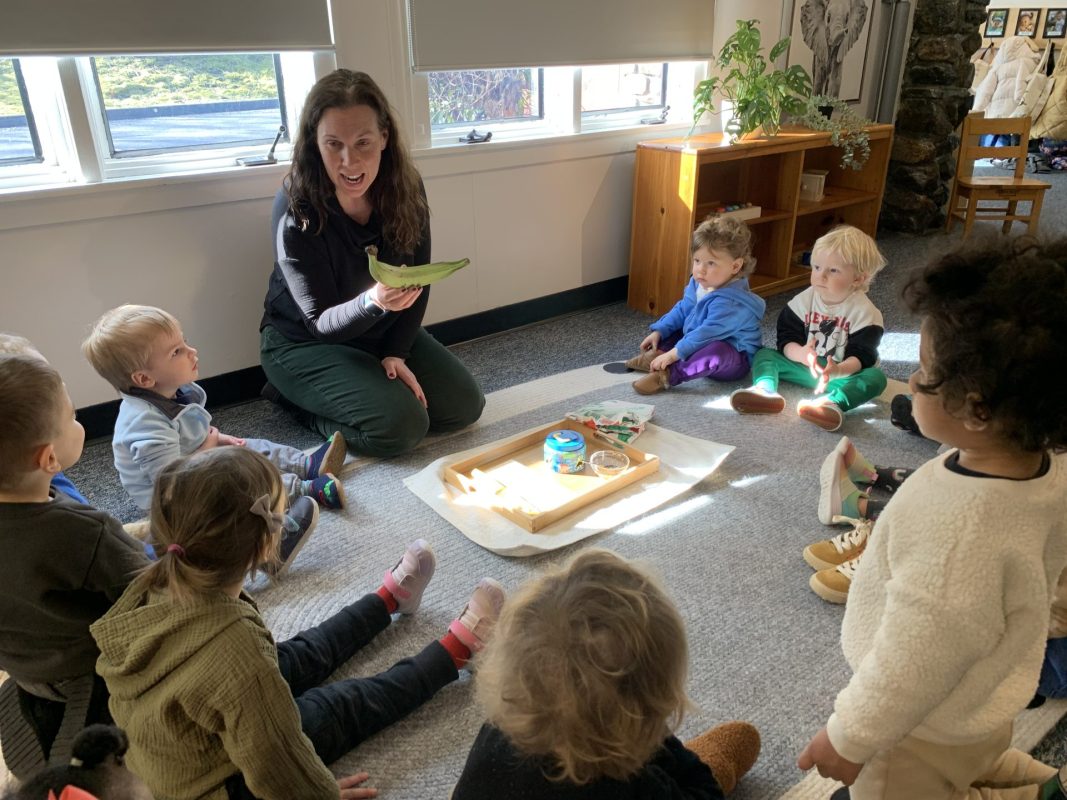
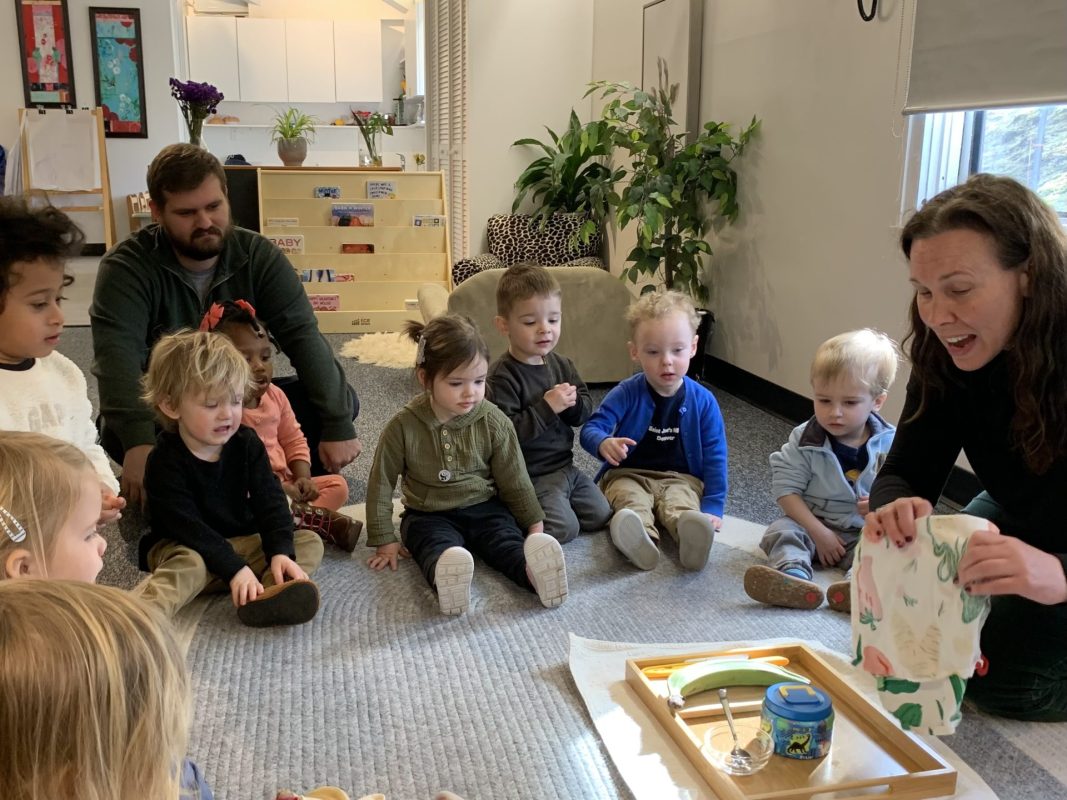
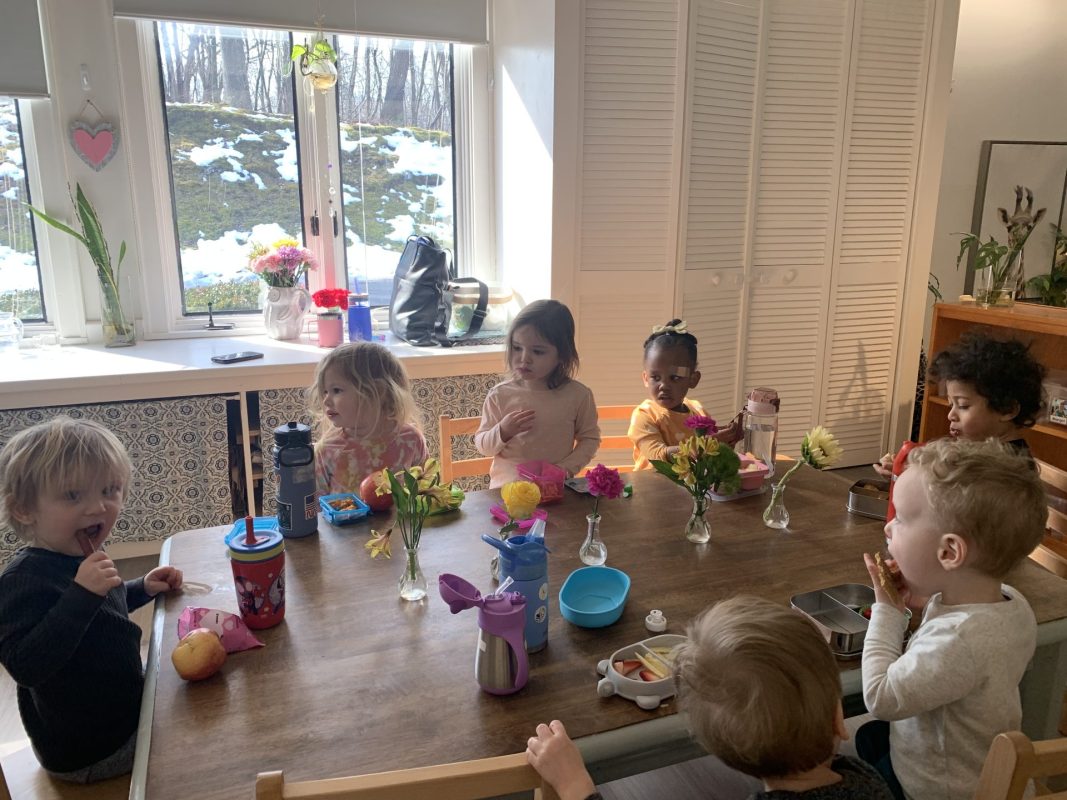
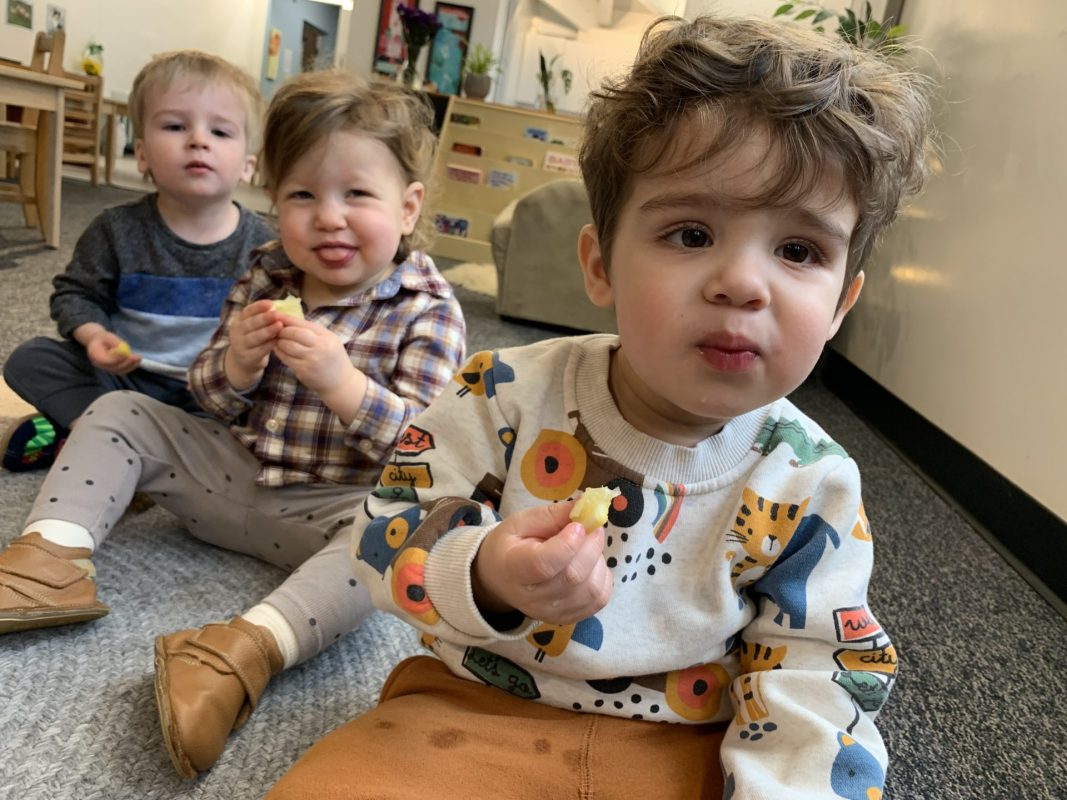
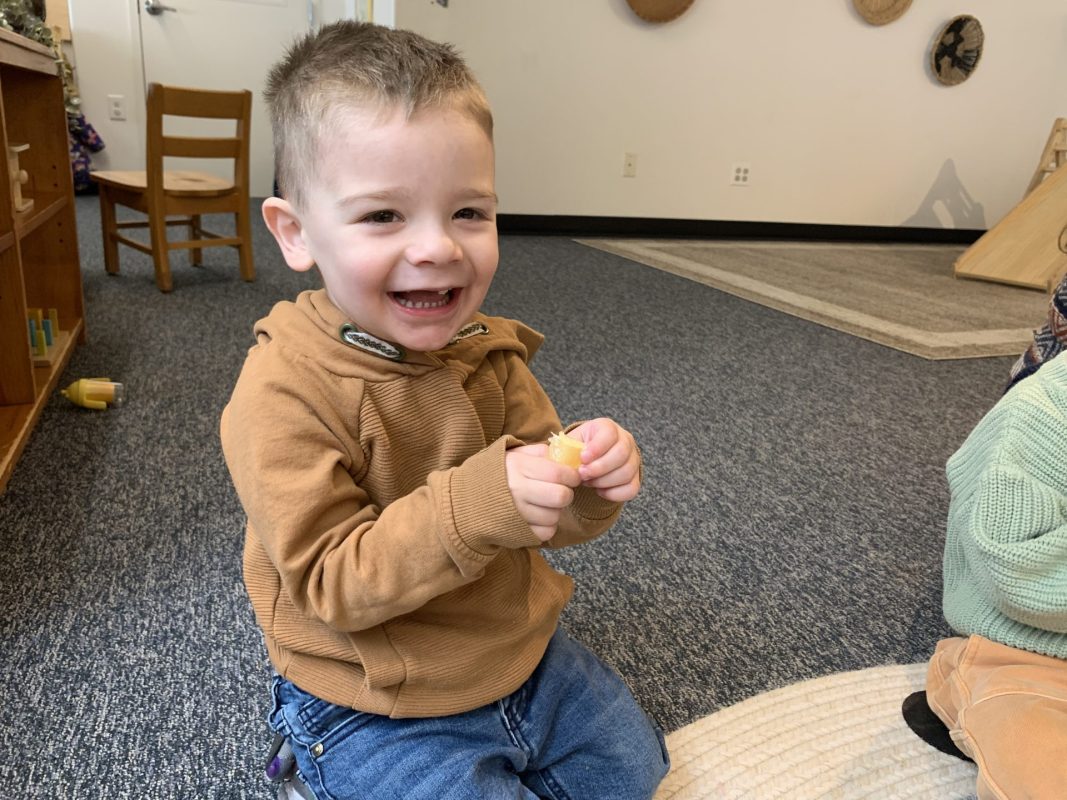
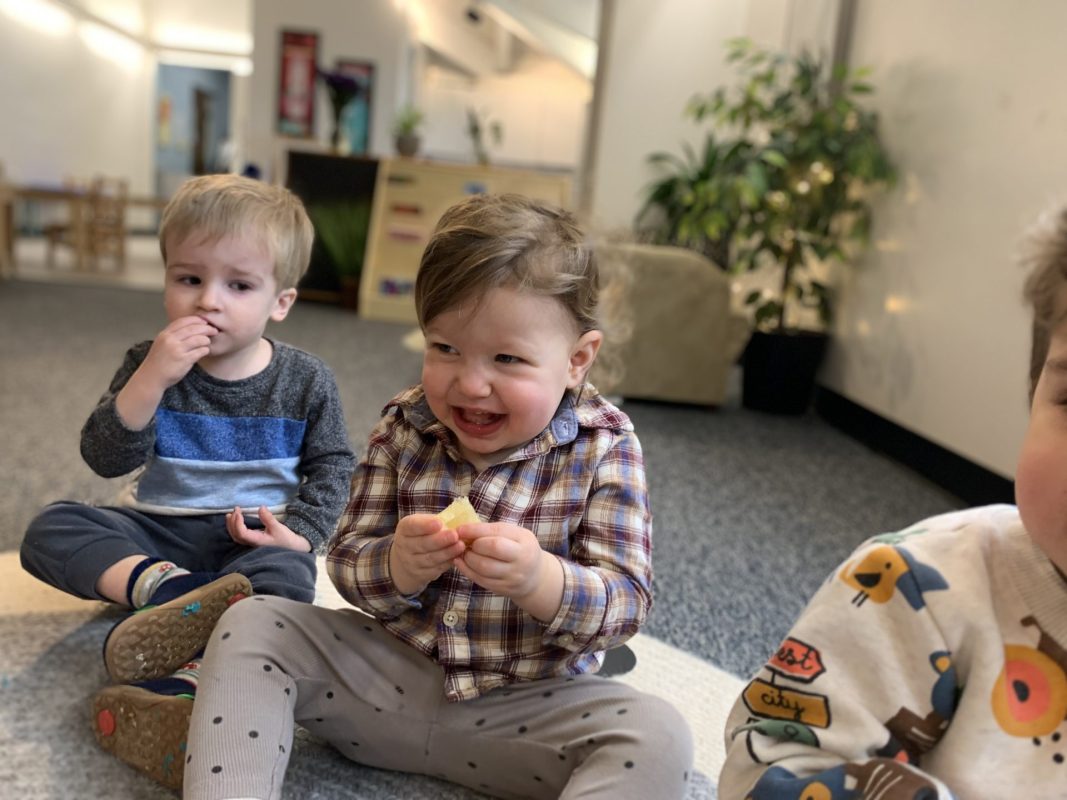
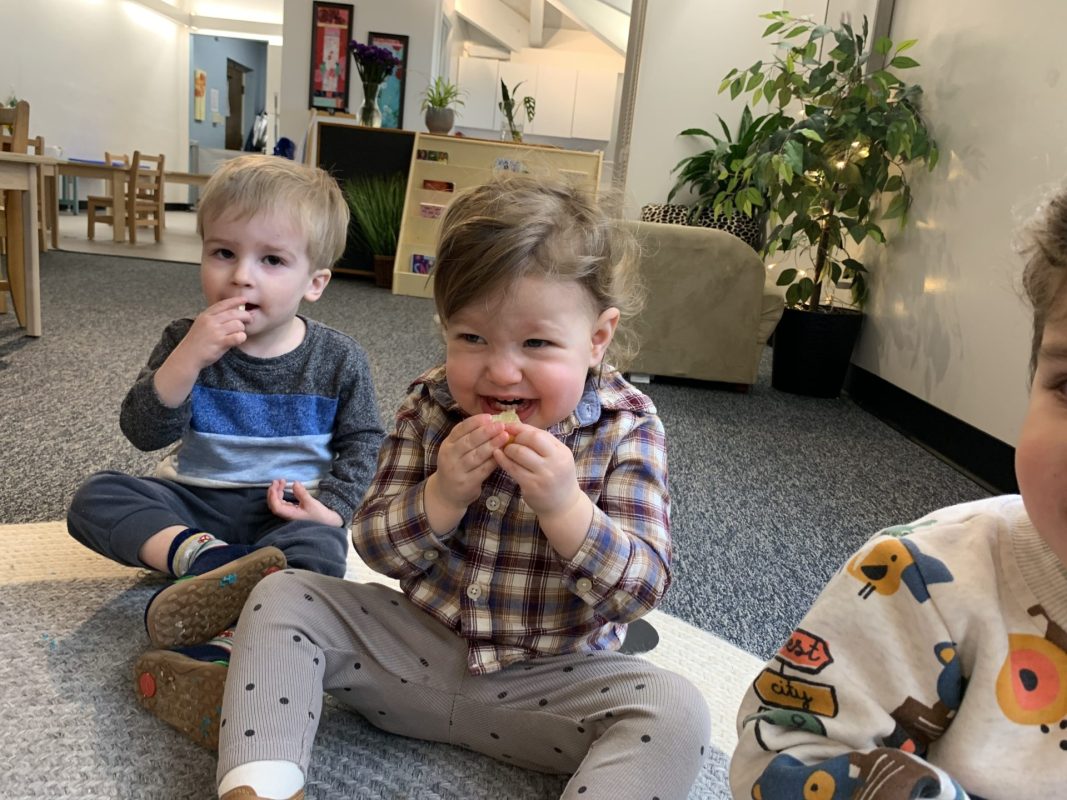
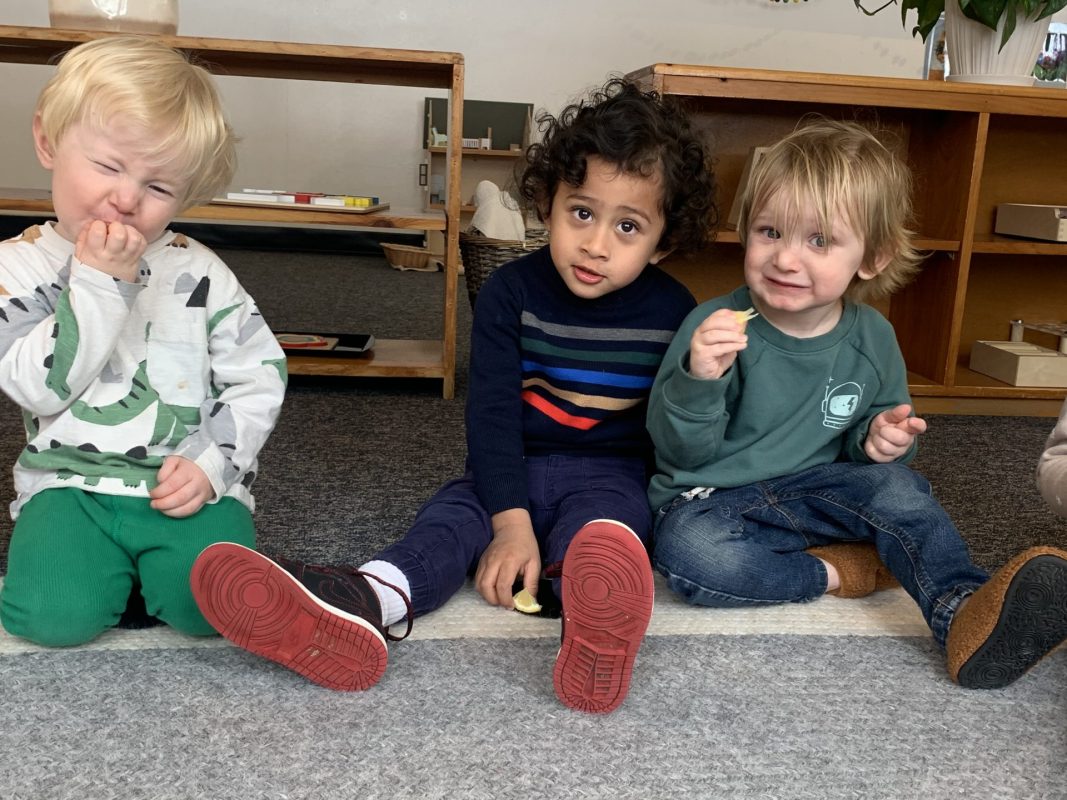
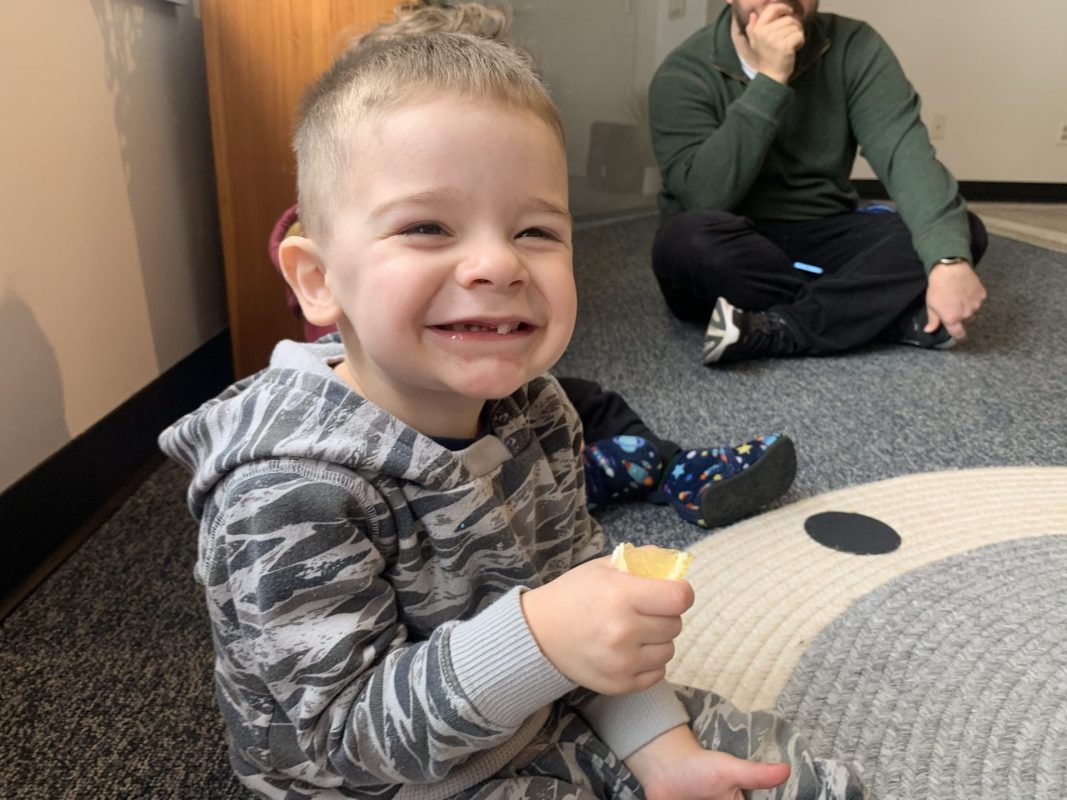
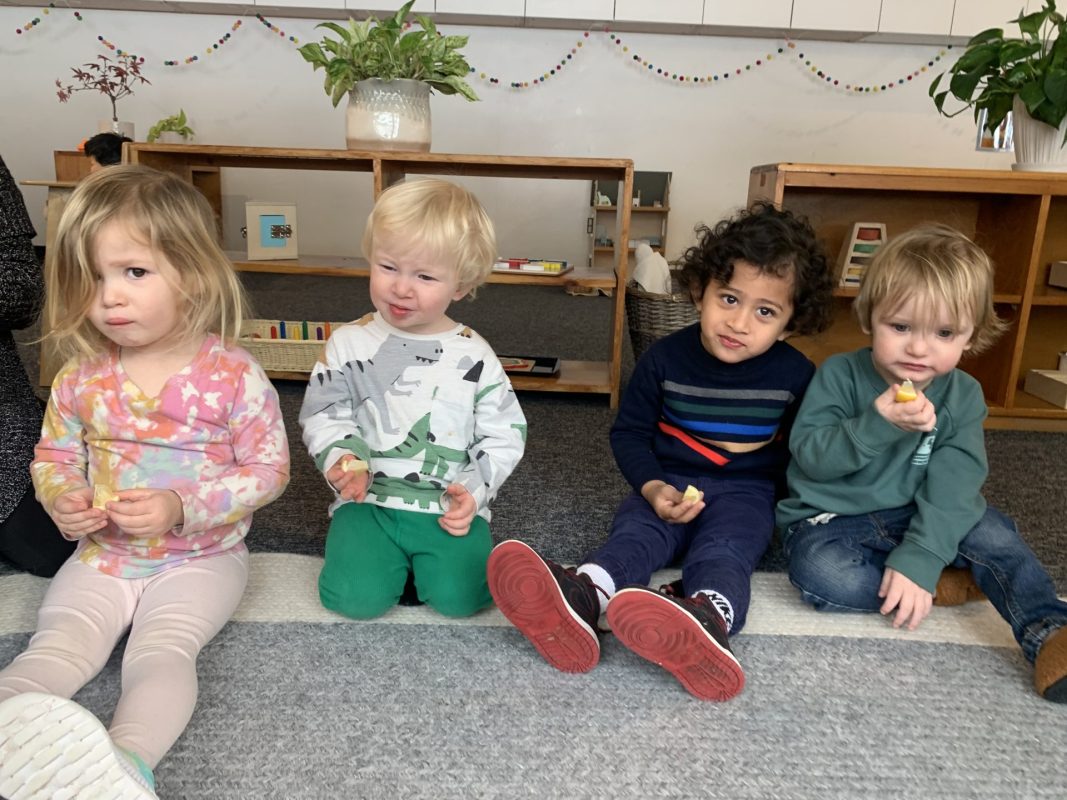
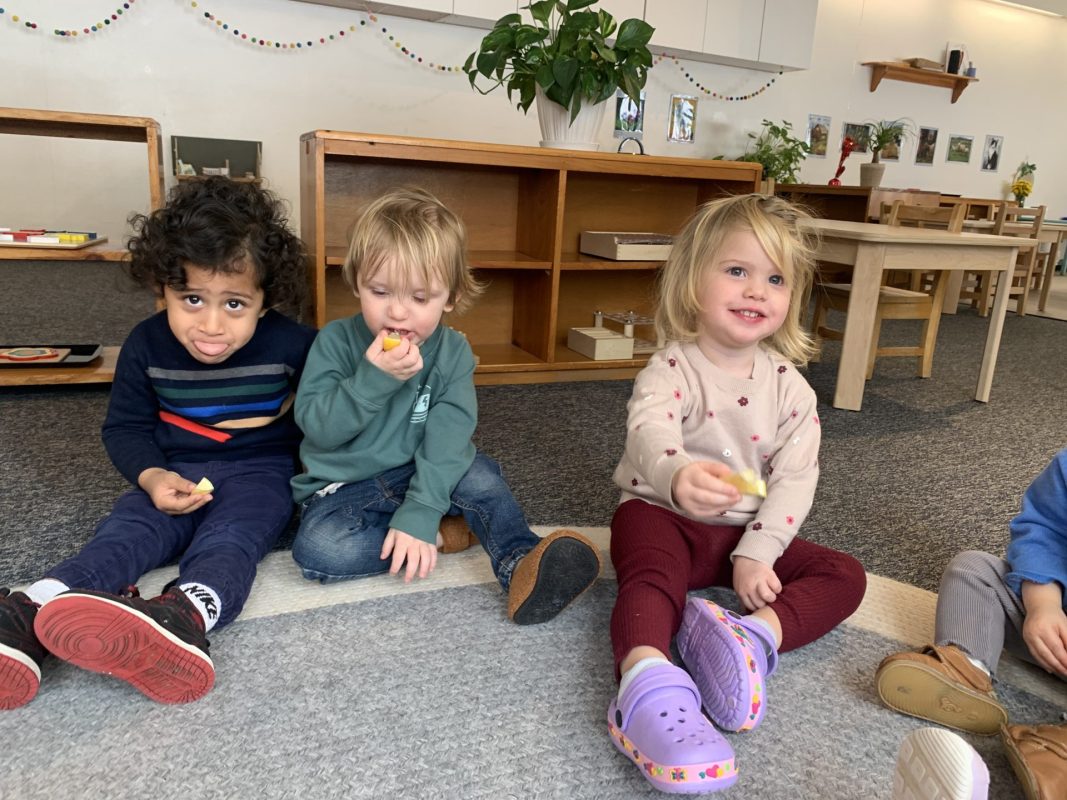
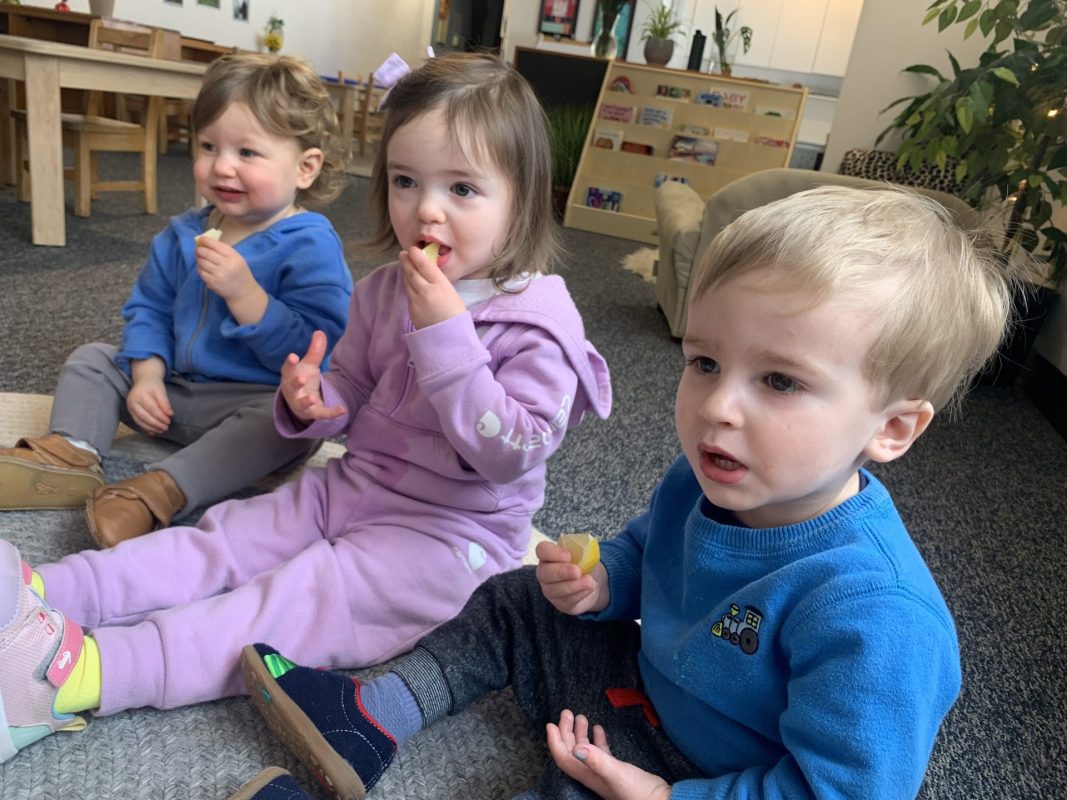
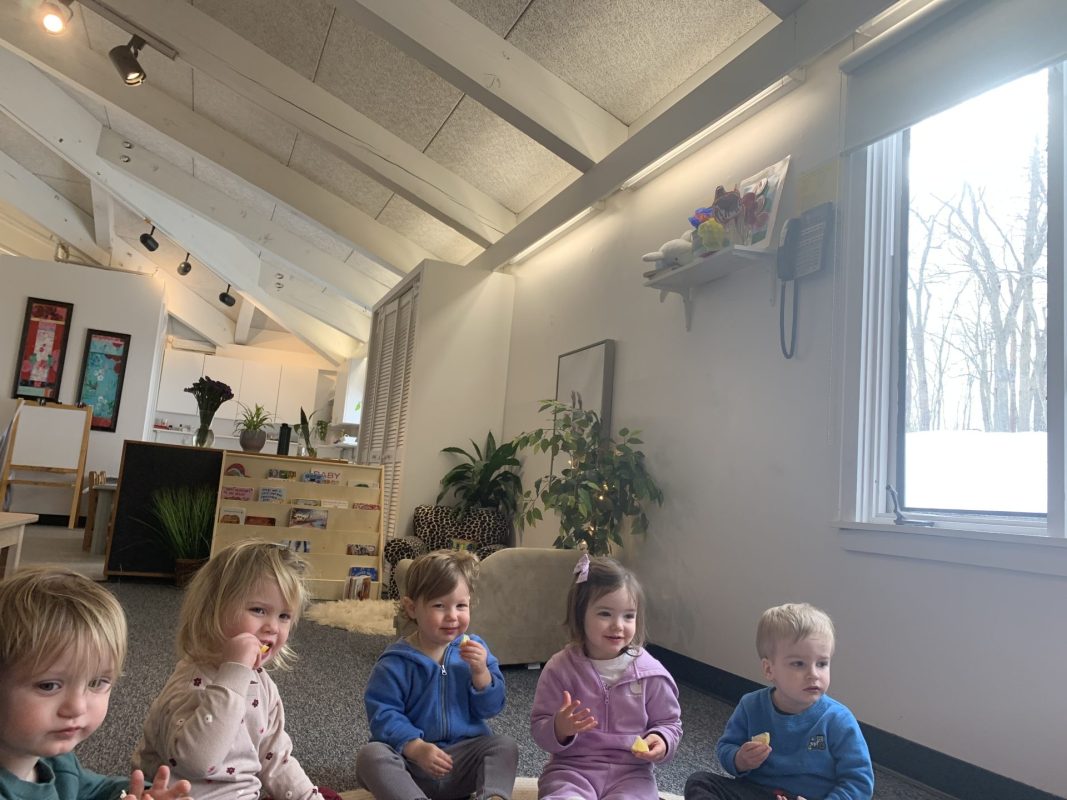
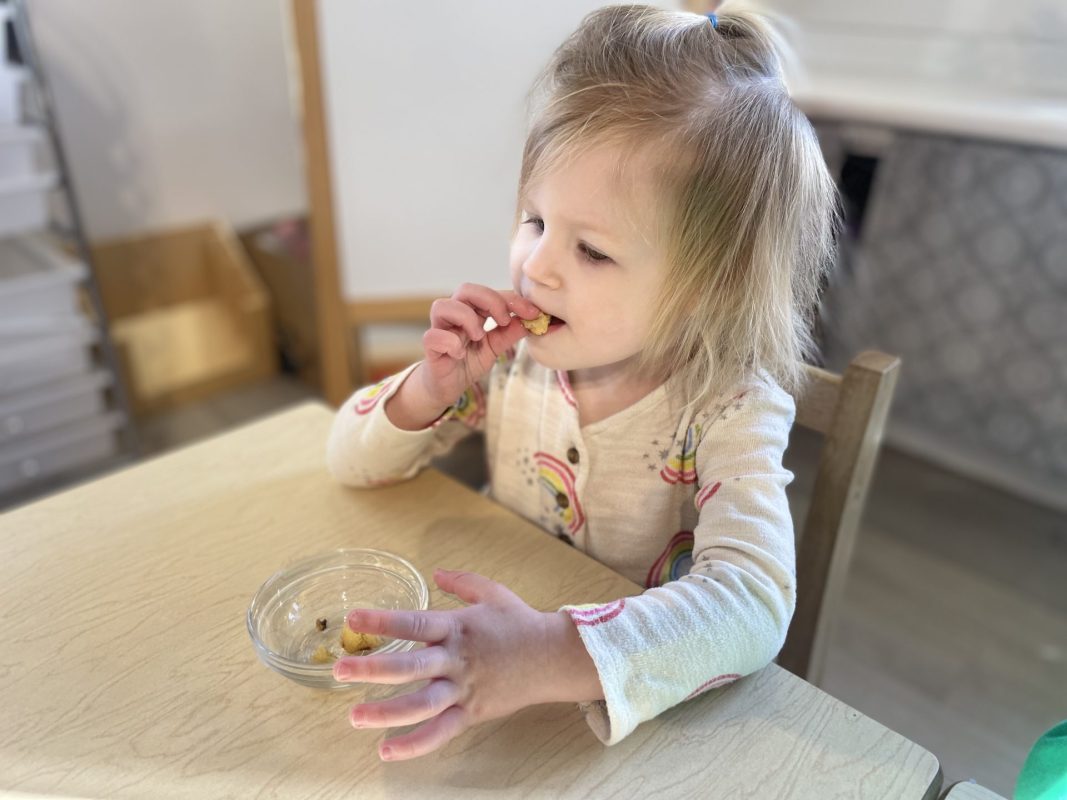
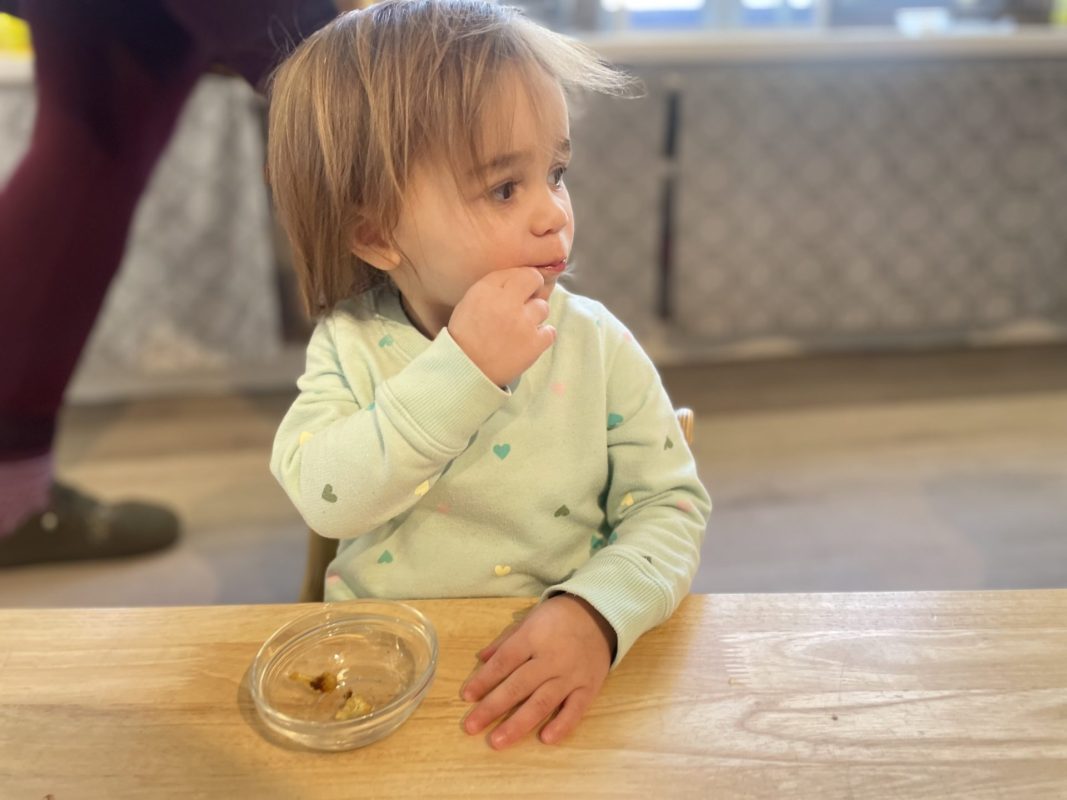
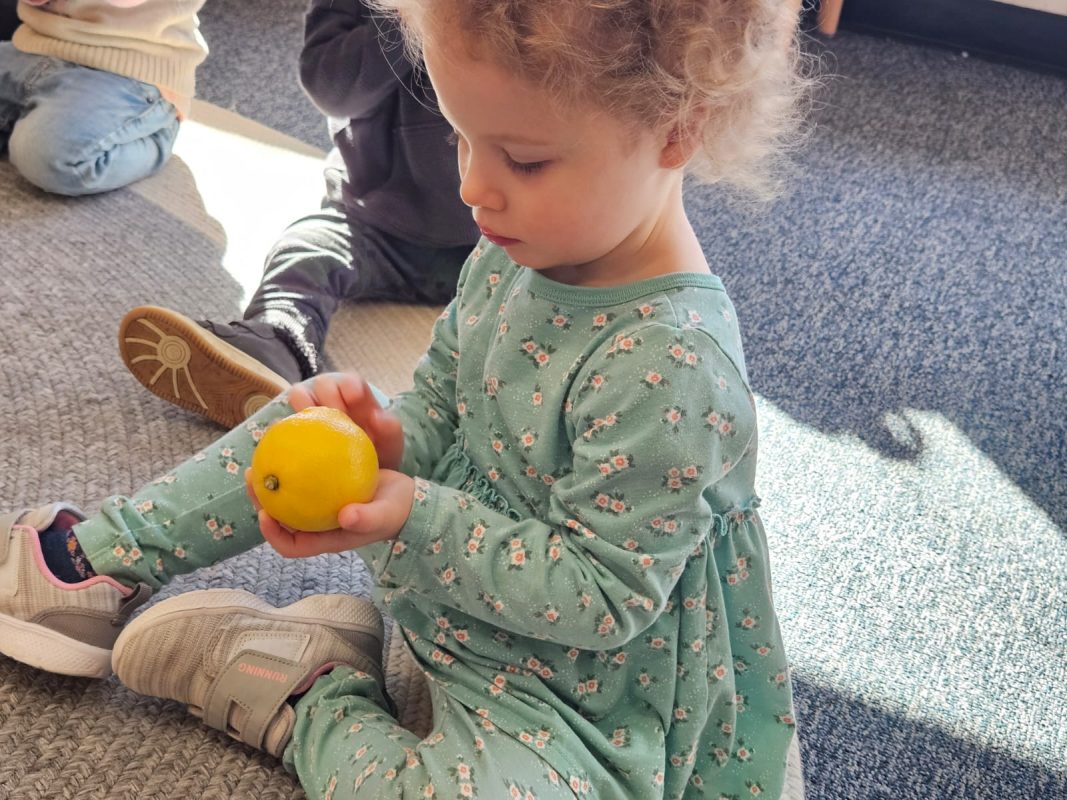
Our food-tasting lesson introduced the children to the vibrant flavor of mango, a surprising favorite among them. They were fascinated to discover that despite its green and red skin, the mango’s pulp is a sunny yellow.

In the world of books, Polar Bear, Polar Bear, What Do You Hear? by Bill Martin Jr. and Eric Carle, Baby Beluga by Raffi, and Potty by Leslie Patricelli captured the children’s imaginations and sparked lively discussions.

It’s been an eventful and enriching week, filled with new experiences and discoveries. We look forward to continuing this journey of learning and growth with your children.

Enjoy the long weekend,

Mrs. Hood and Mrs. Mollie

This Week in Upper El


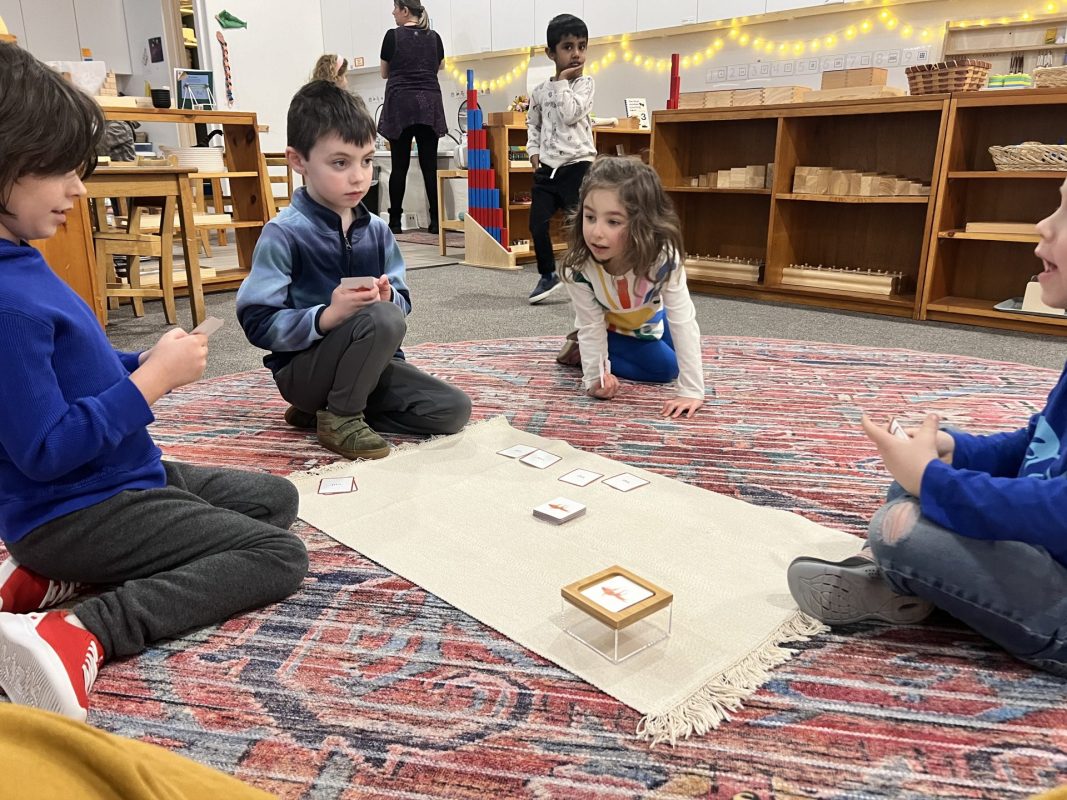
Our classroom is buzzing with enthusiasm as we begin our Autobiography Project this week! Each student will be able to share their unique life story with the class through a written account of five chapters. These chapters will delve into their personal experiences, family background, thoughts, and aspirations for the future. This is a significant project for all of us, and we will dedicate the next seven weeks to it. Students will work on their autobiographies in class and at home, honing their writing skills and reflecting on their lives. Once the written portion is complete, they may create a slide presentation to accompany their oral presentation. This project will enhance their public speaking skills and create a treasured keepsake for each student to look back on.
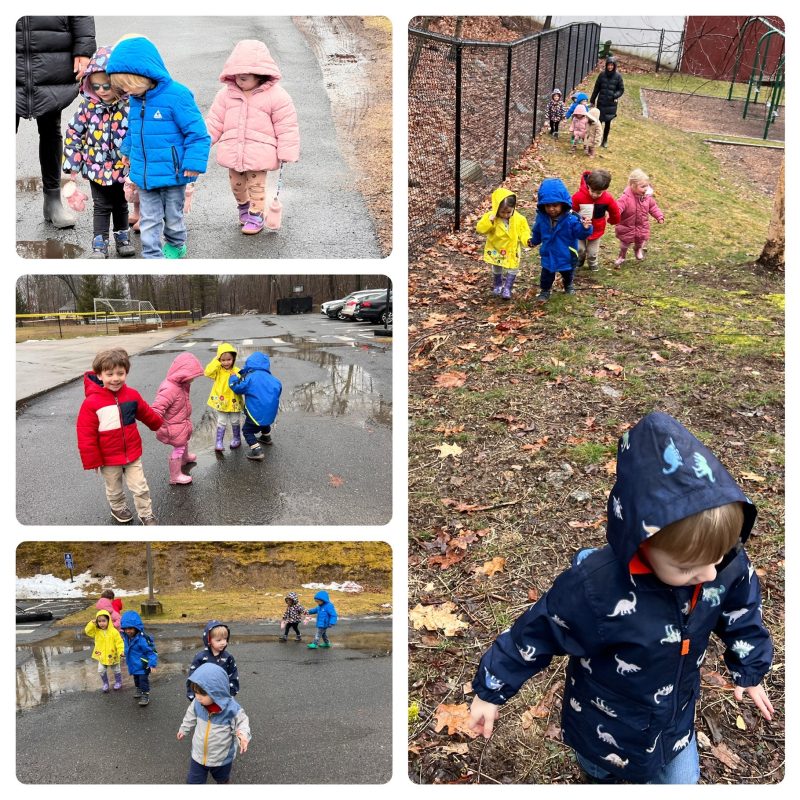
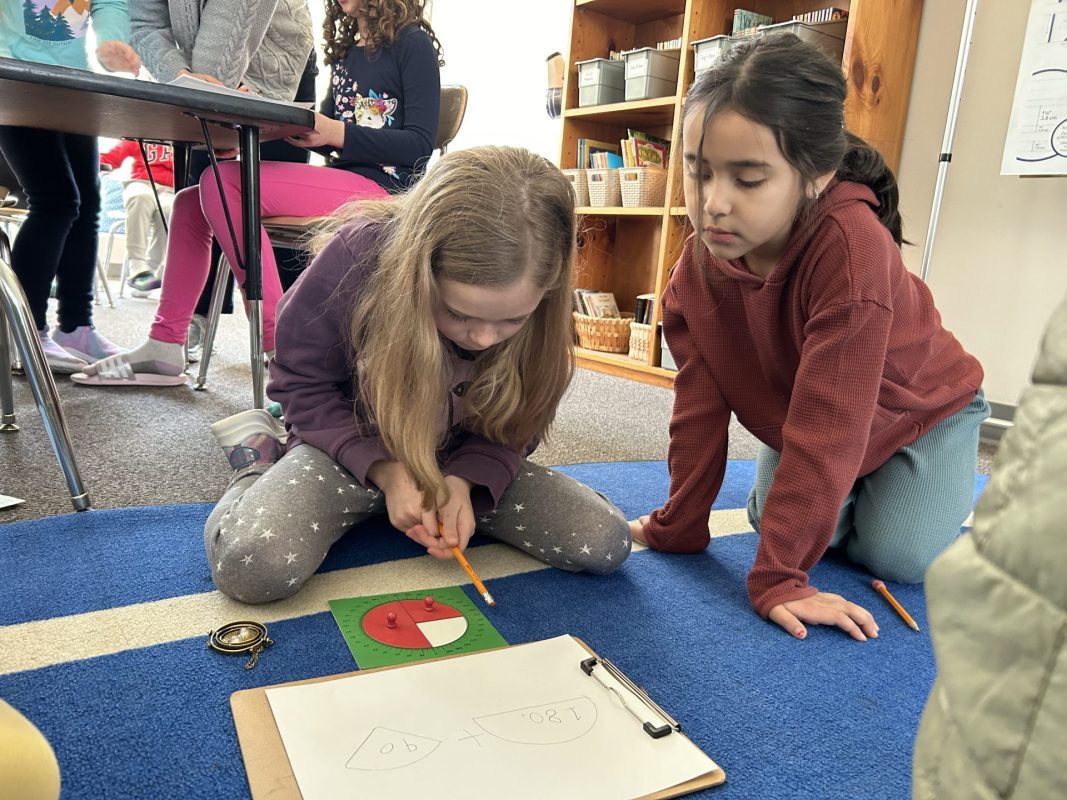
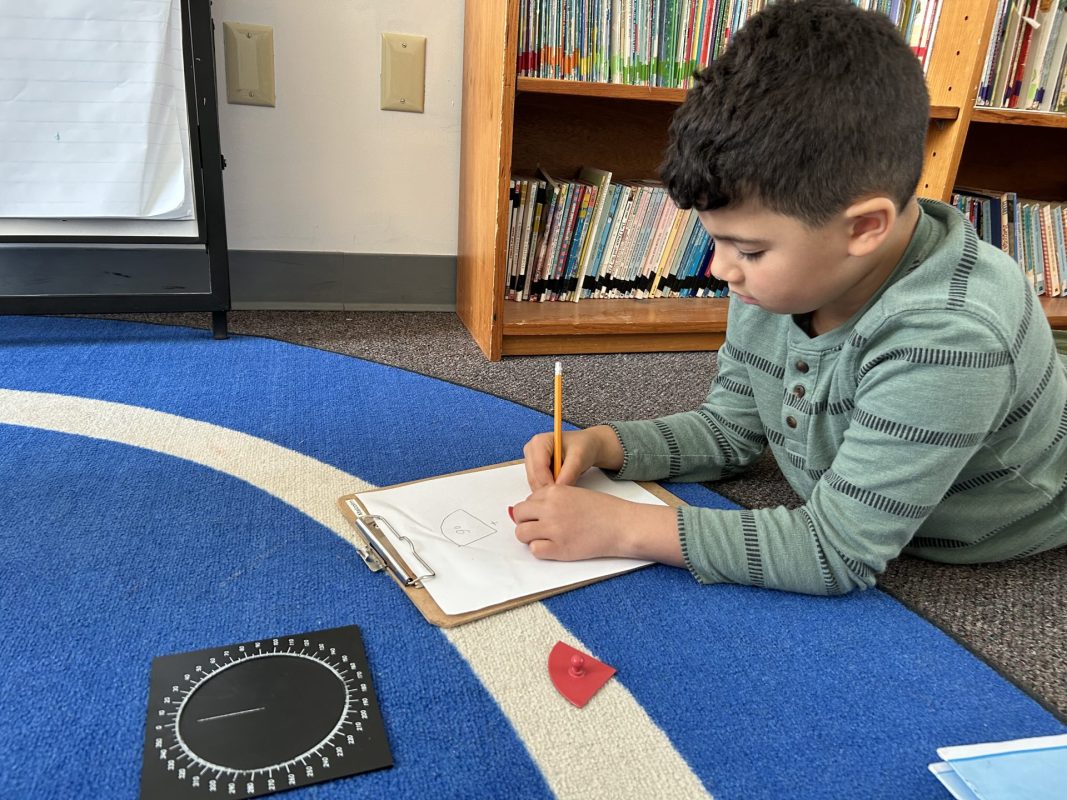
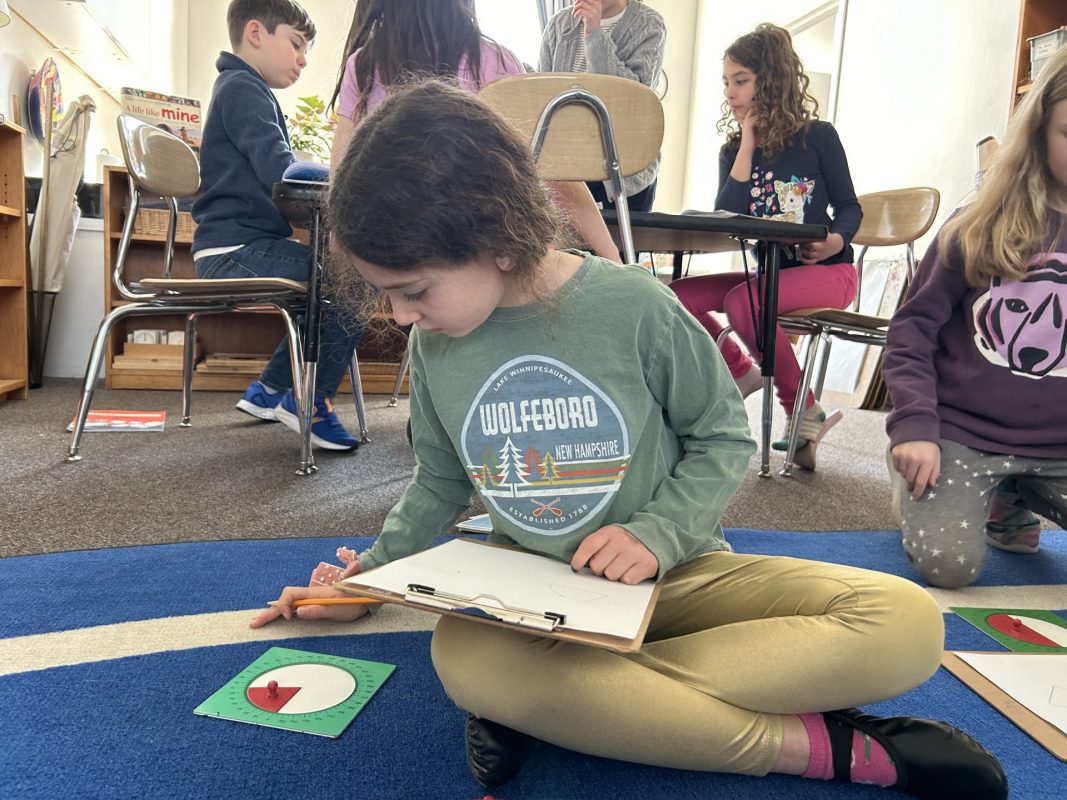
In addition to our focused independent autobiography work this week, we had time to play in the snow and have other group and individual lessons. Geometry lessons focused on finding the area of an acute triangle. In grammar, we learned about indefinite, demonstrative, and possessive adjectives. Our biology lesson this week looked at the vital function of sensitivity.


Ms Marissa: Montessori Math, It All Adds Up!

Children display a universal love of mathematics, which is par excellence the science of precision, order, and intelligence.”~ Dr. Maria Montessori

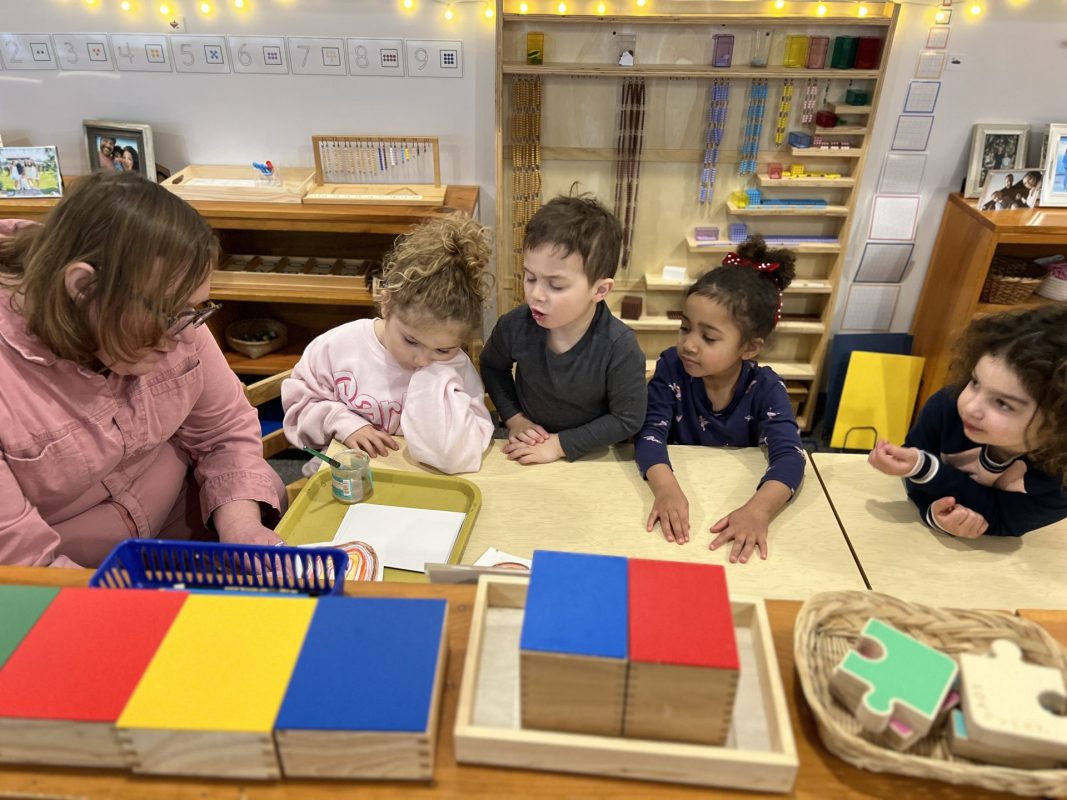
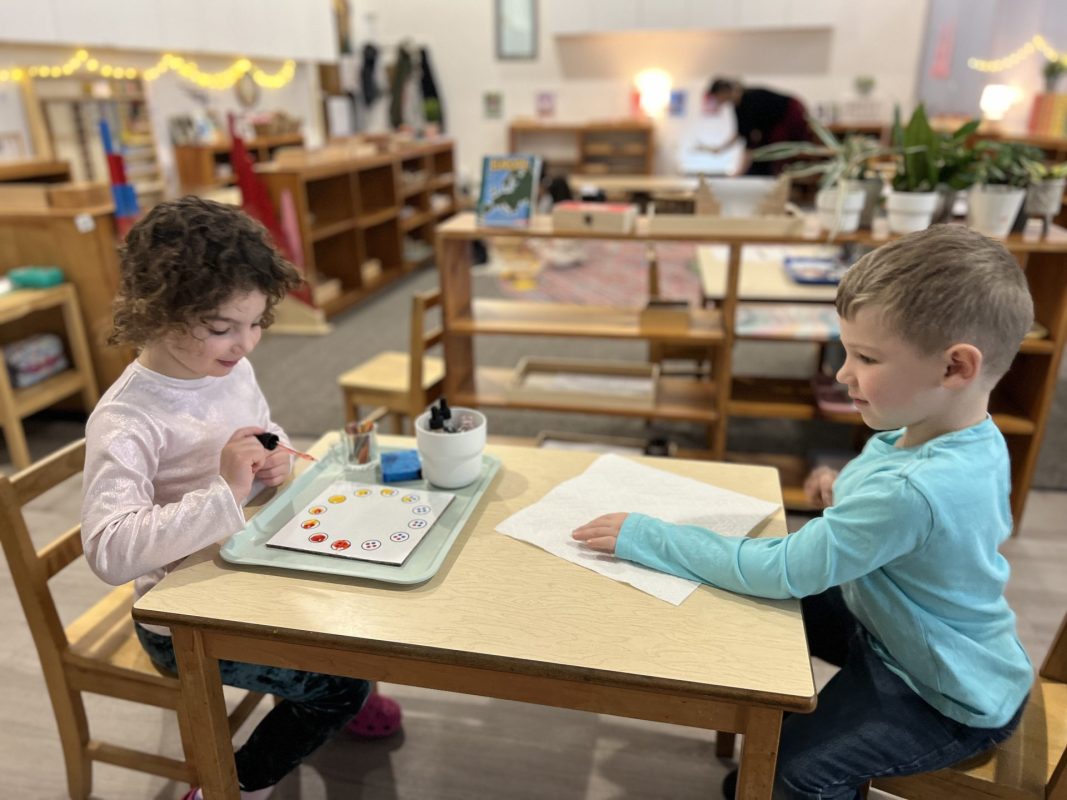
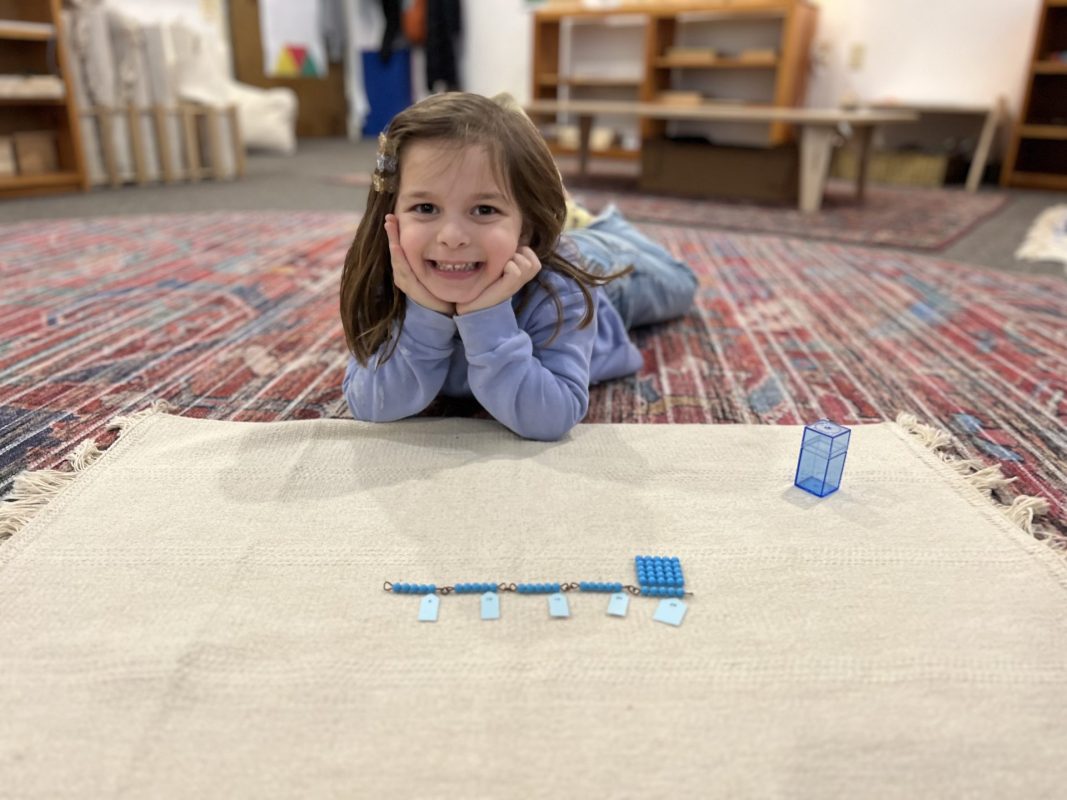
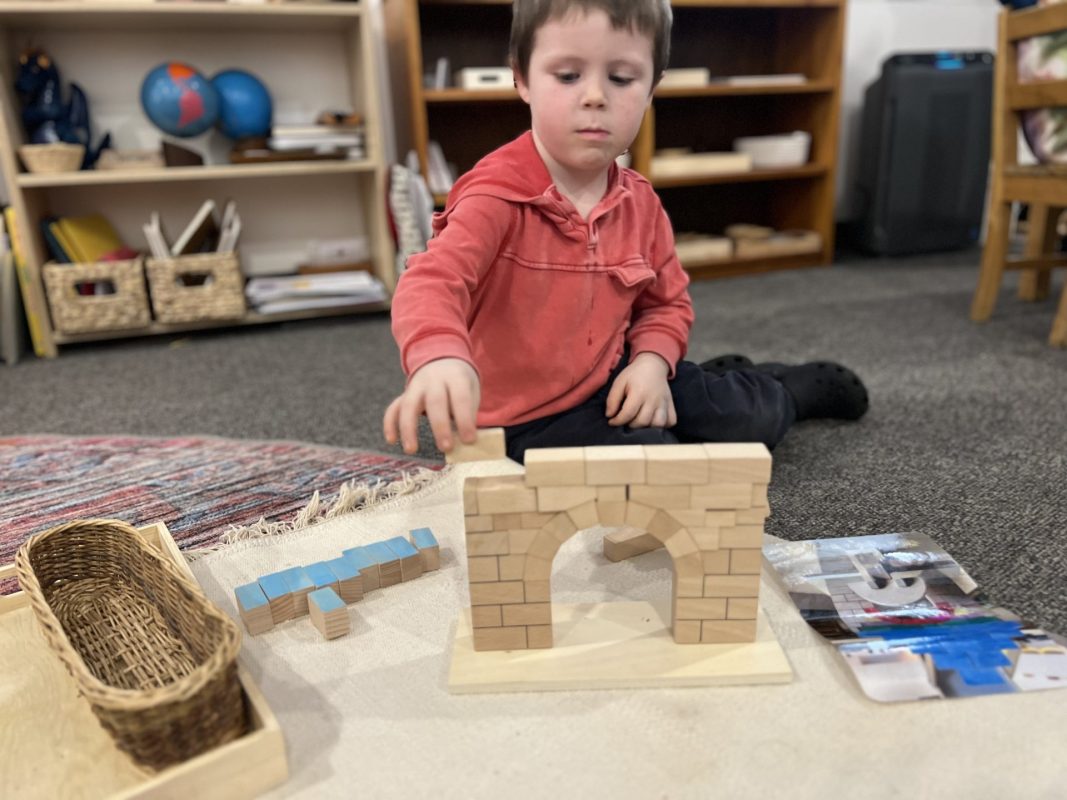
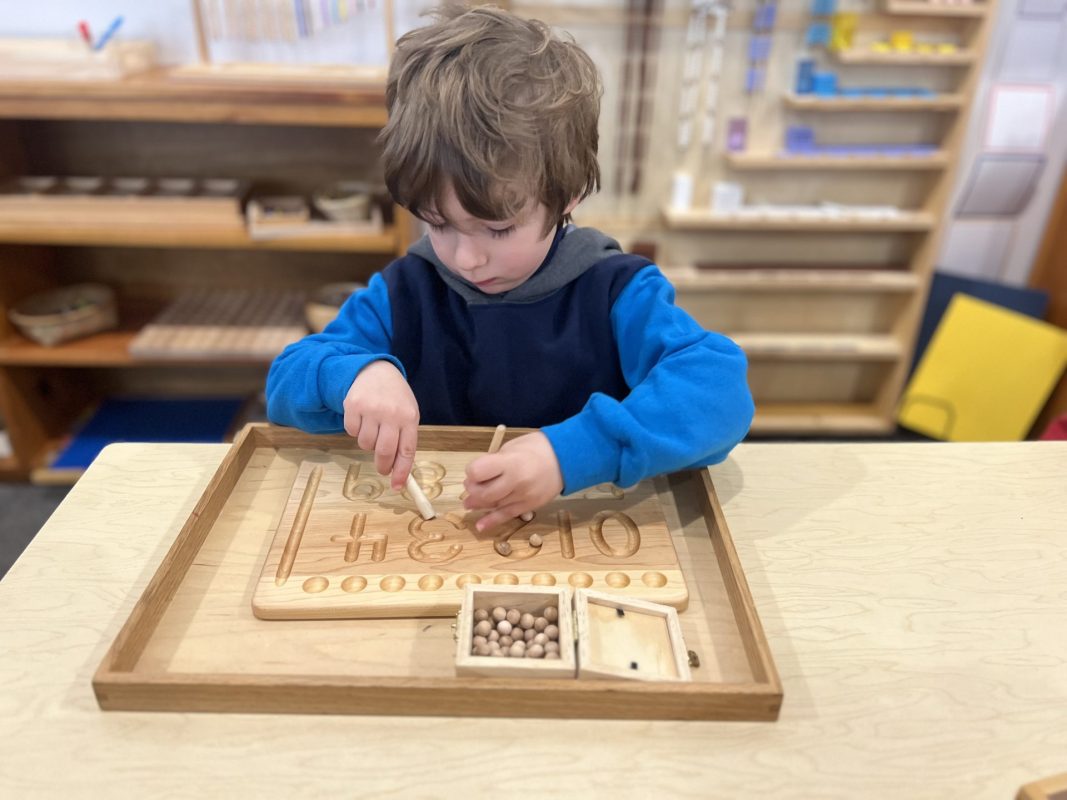
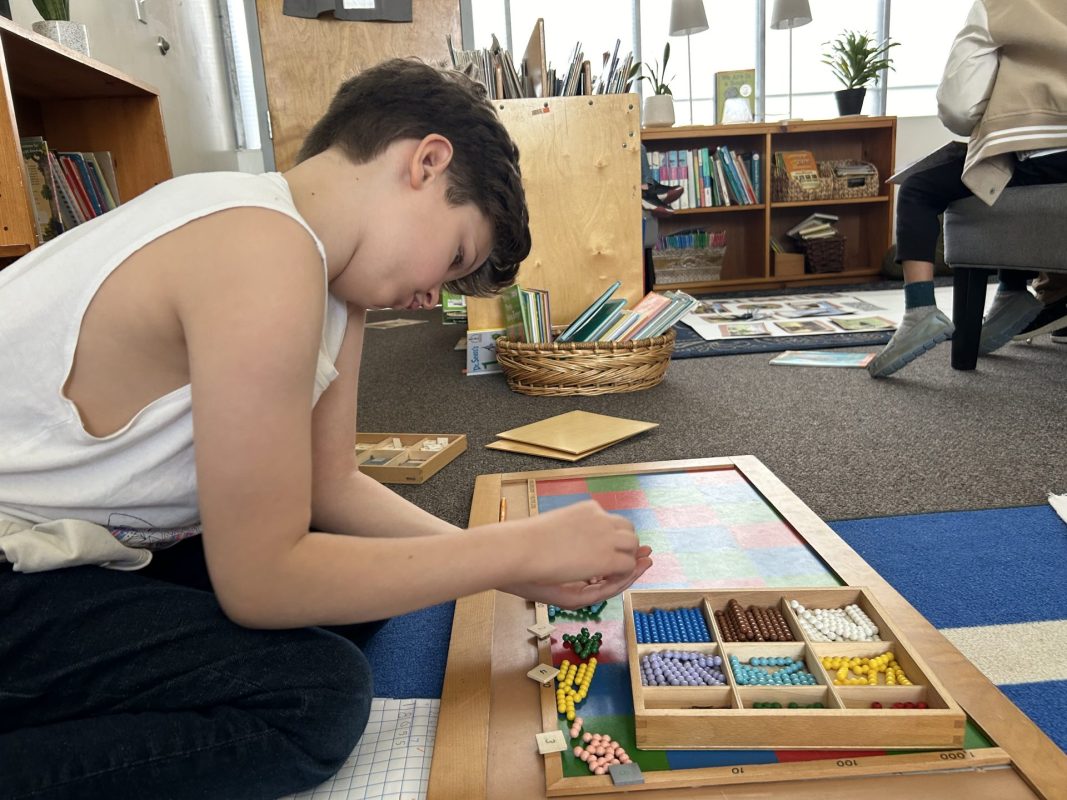
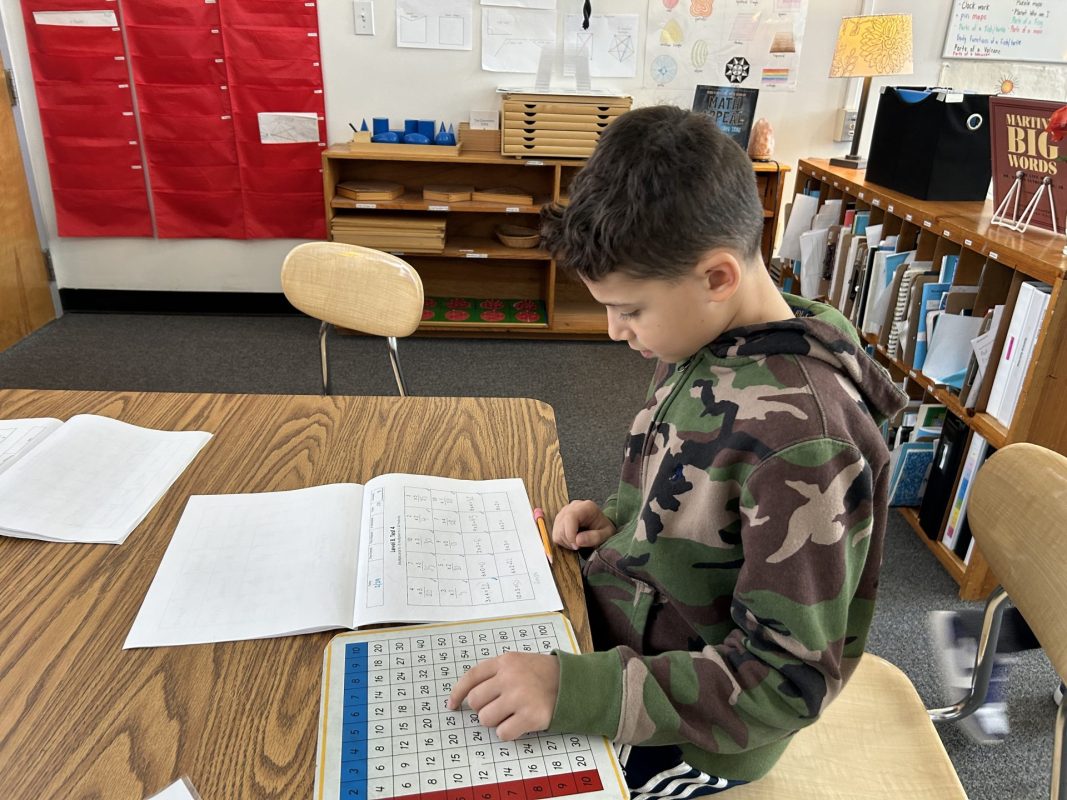
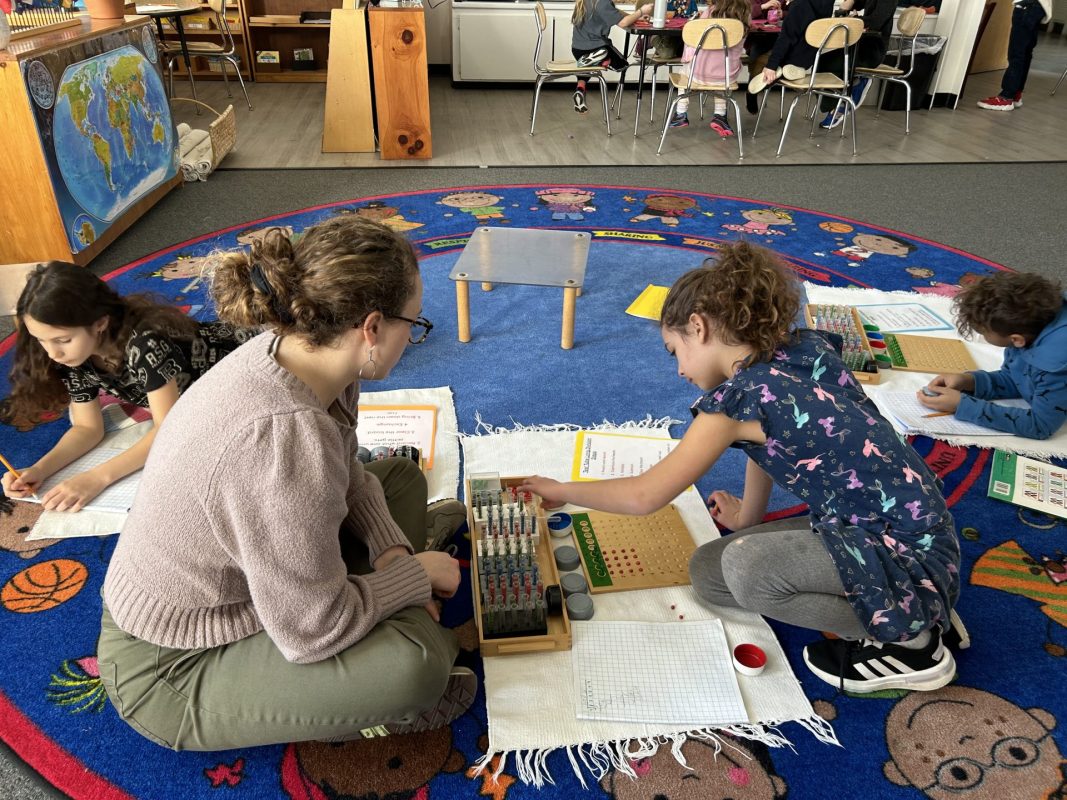
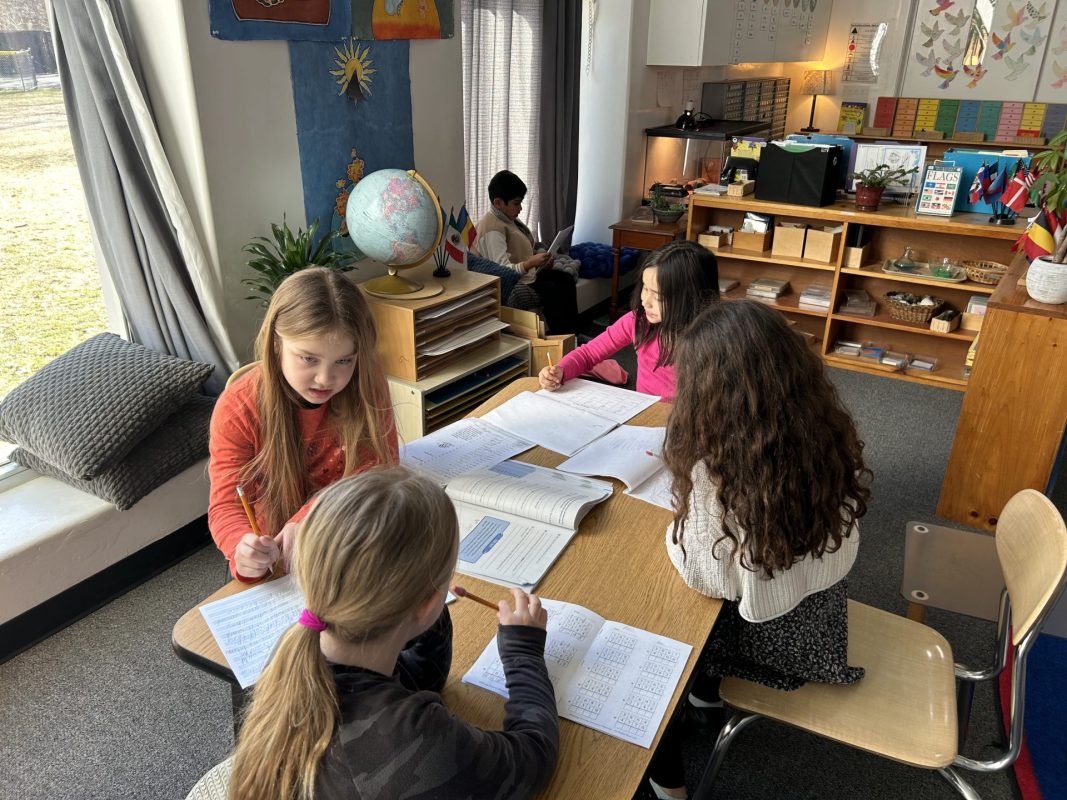
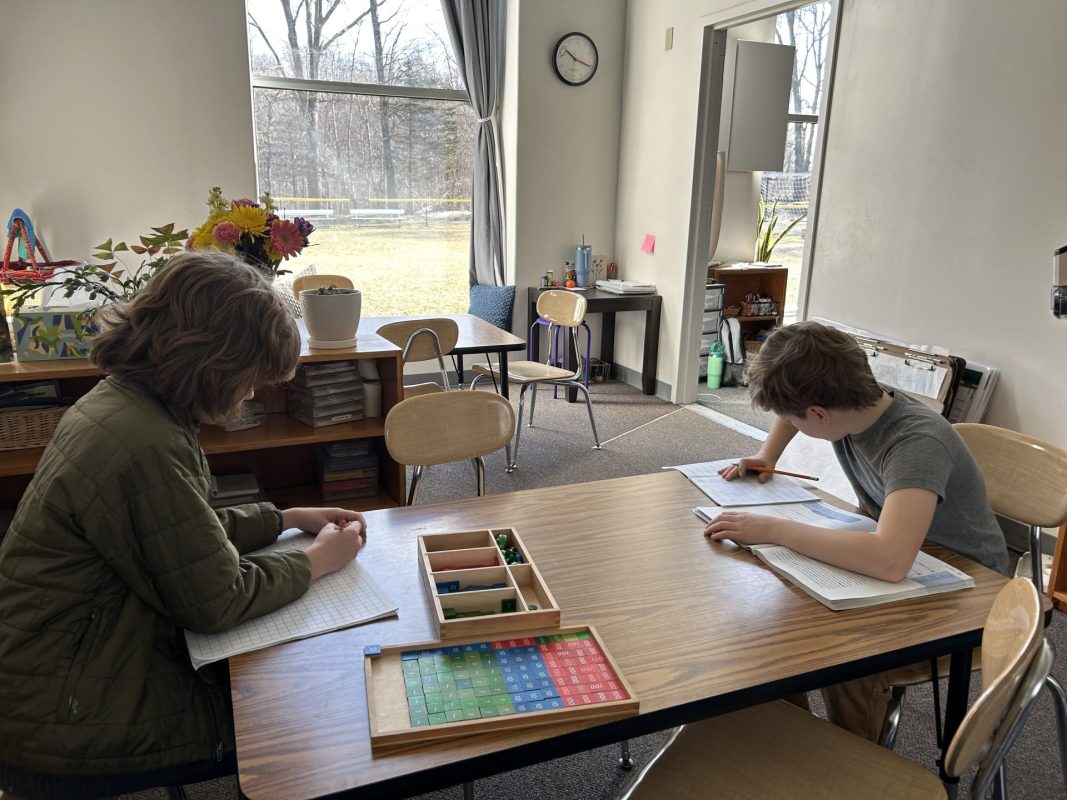
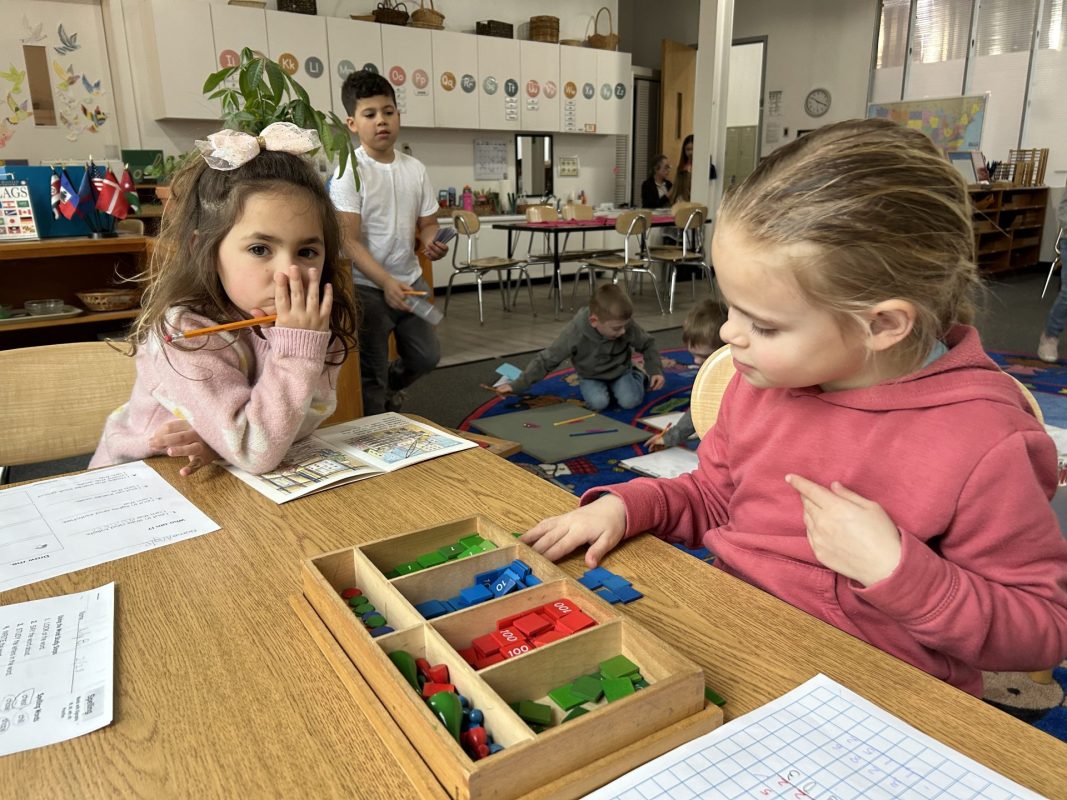
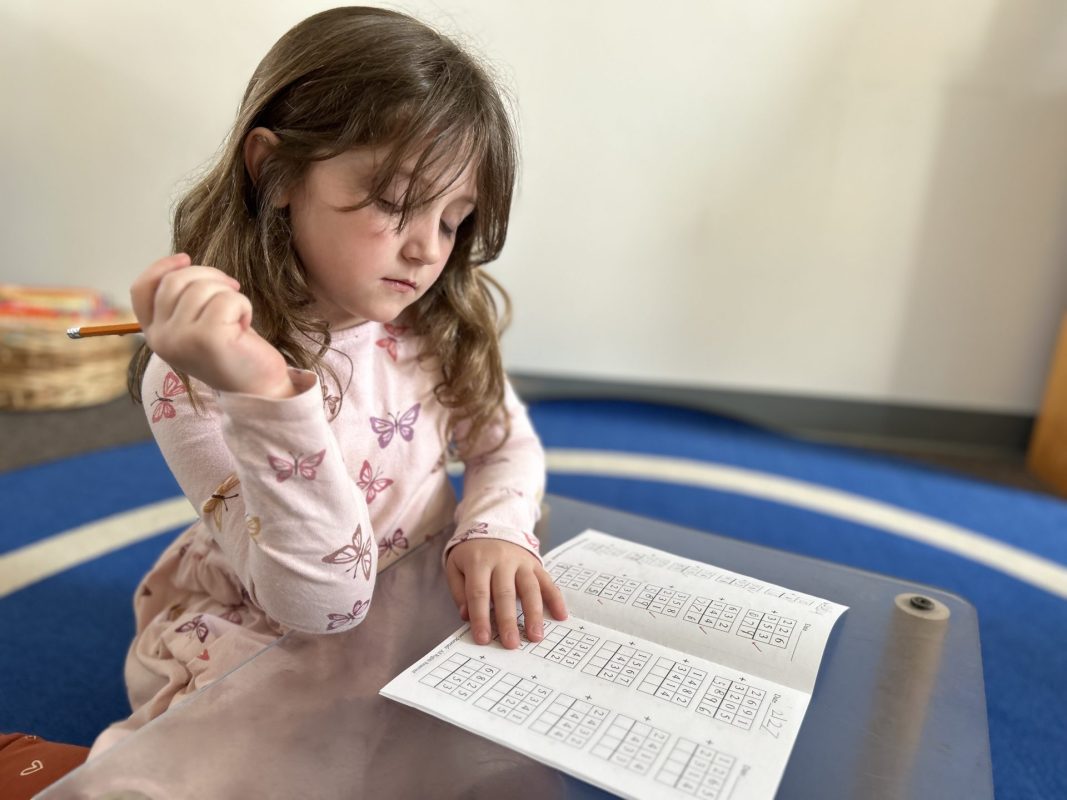
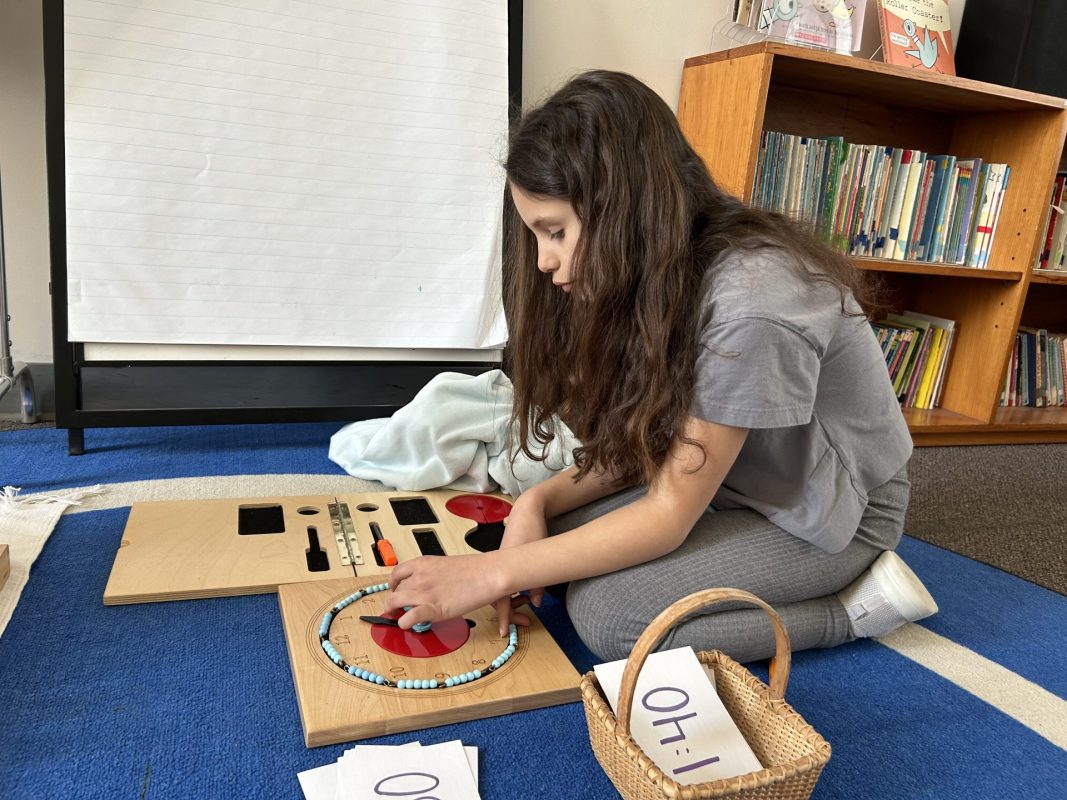
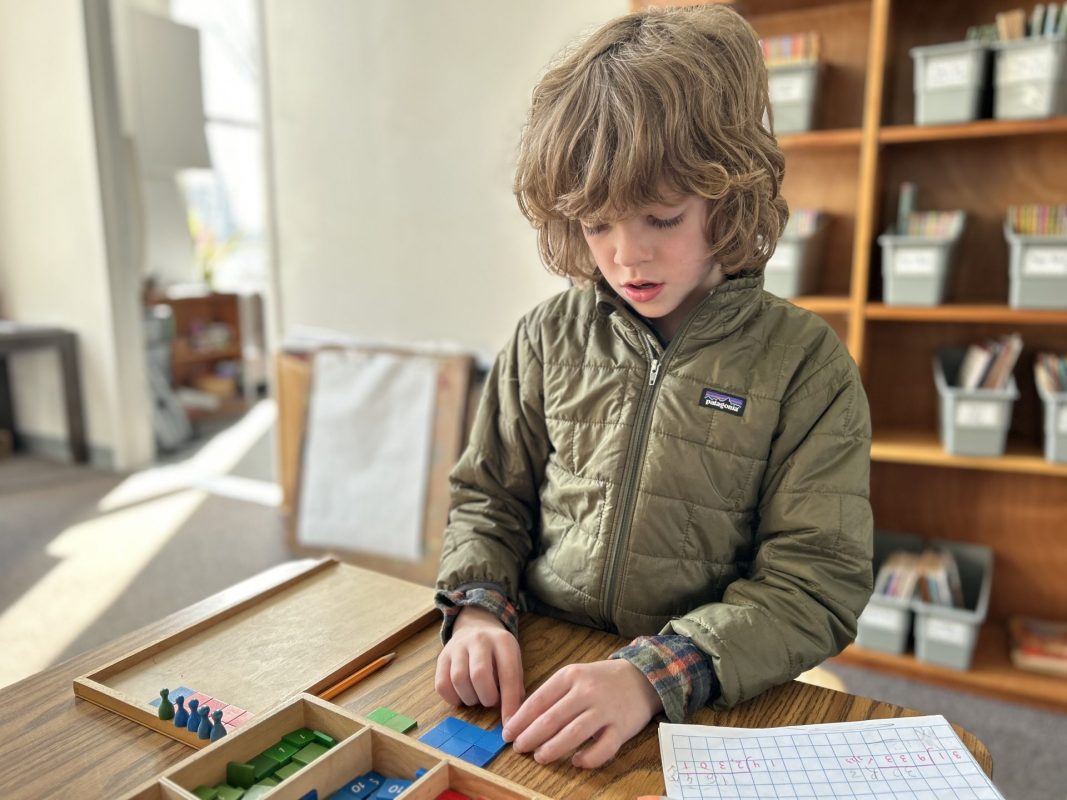
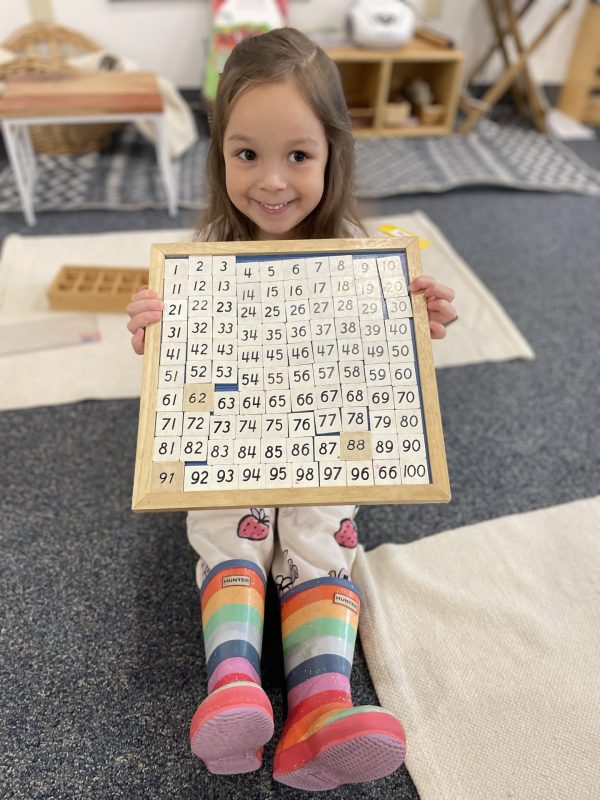
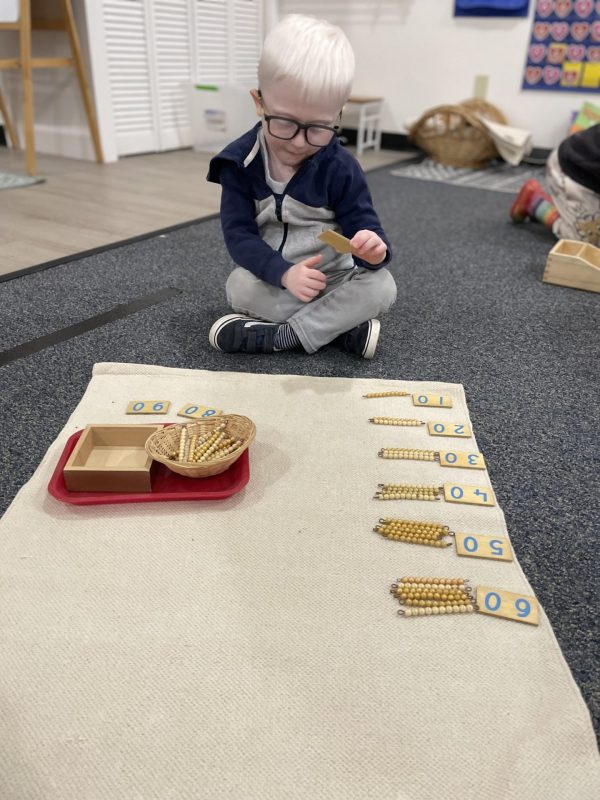
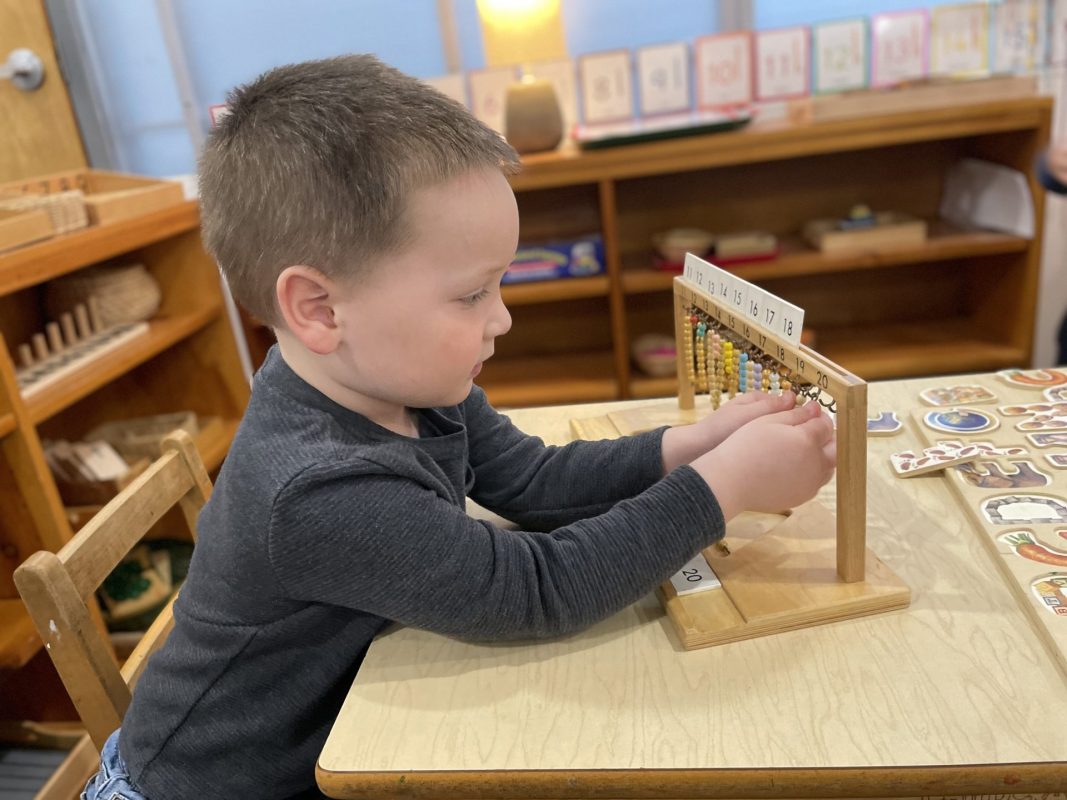
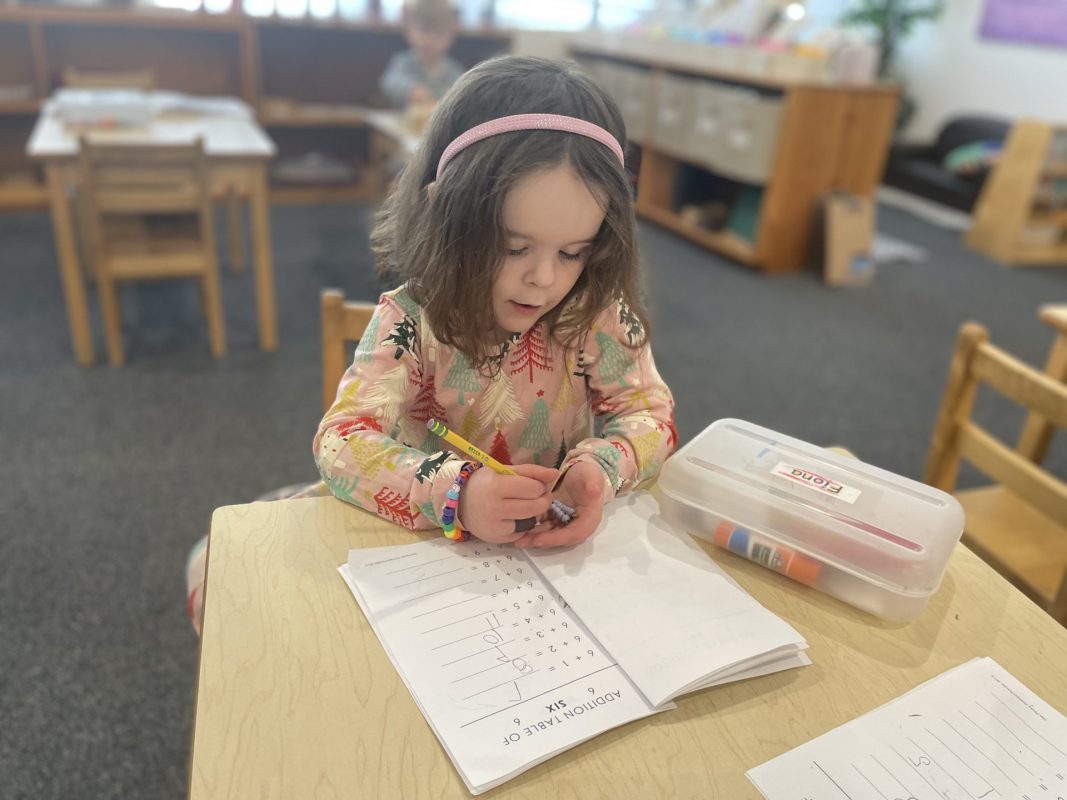
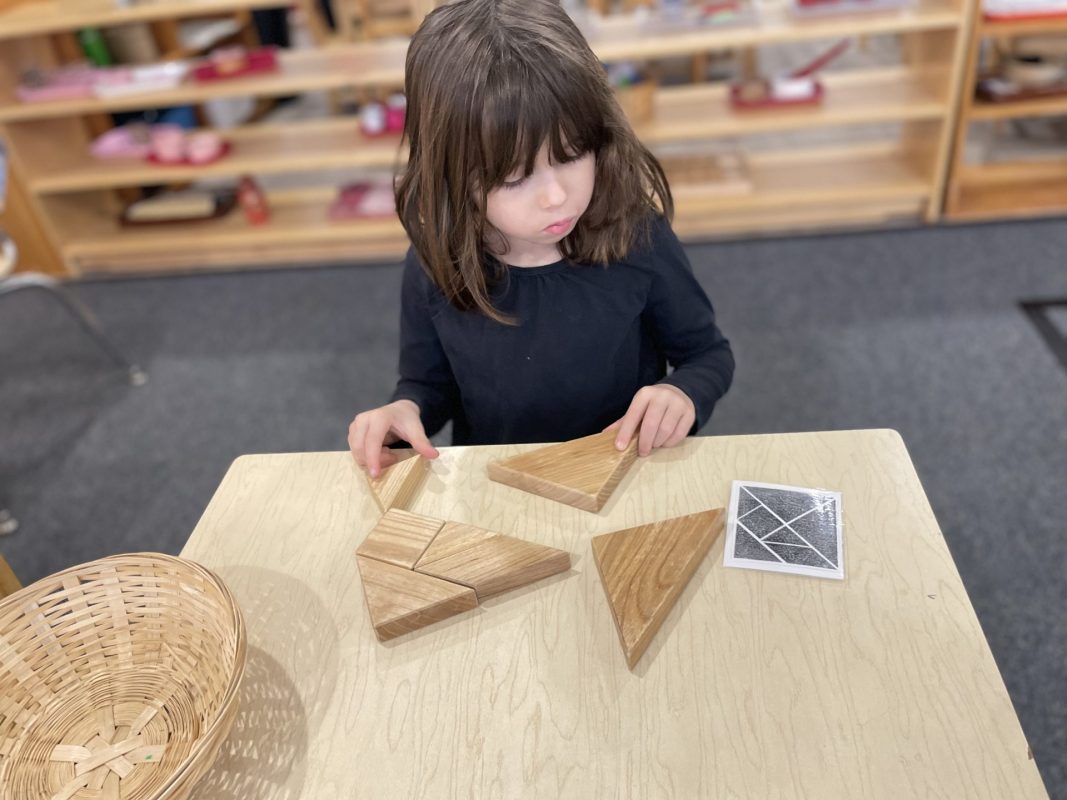
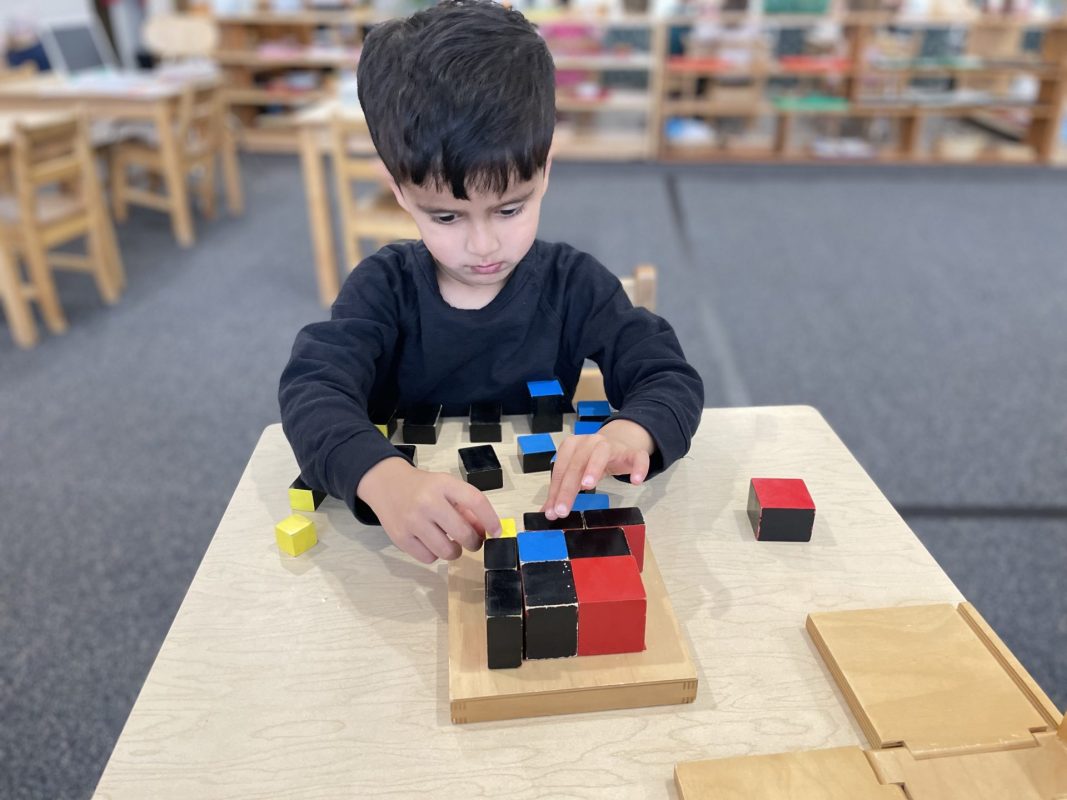
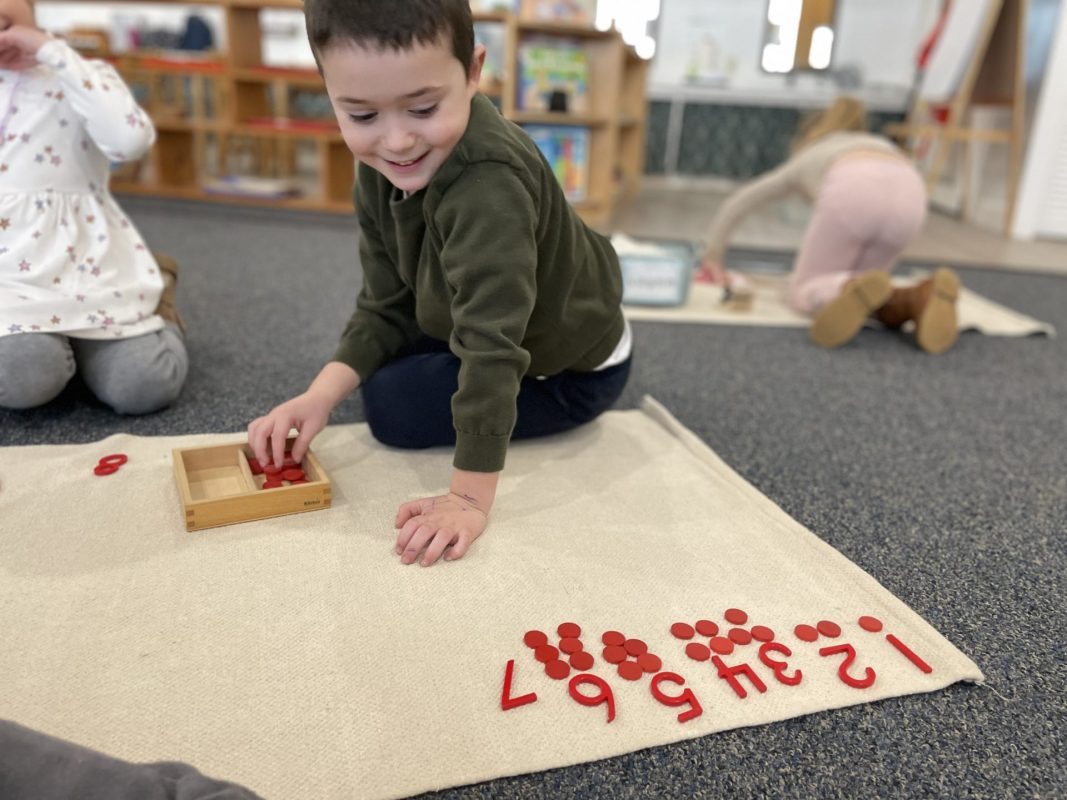
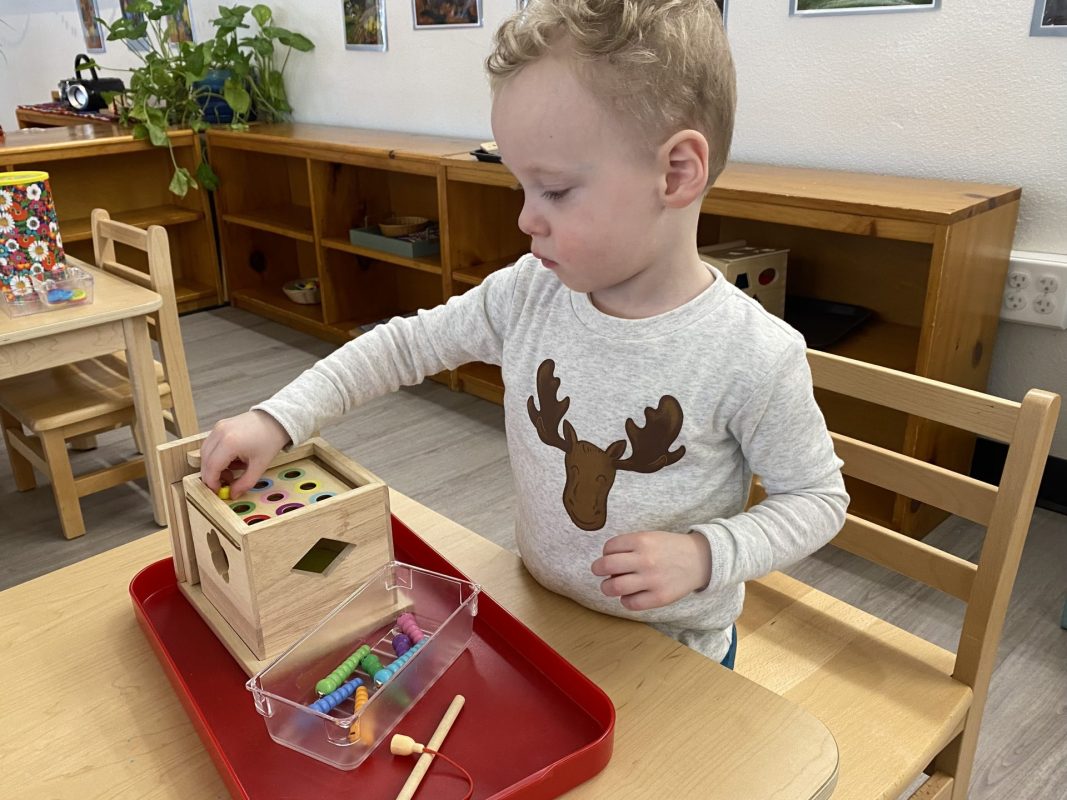
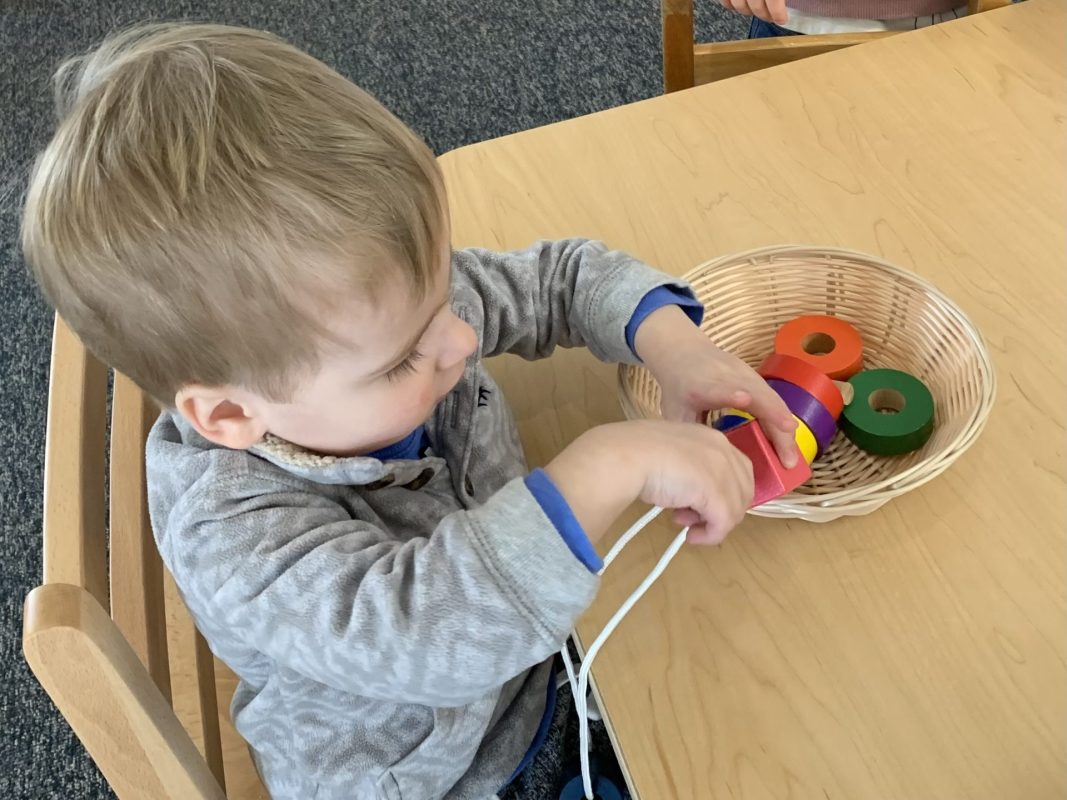
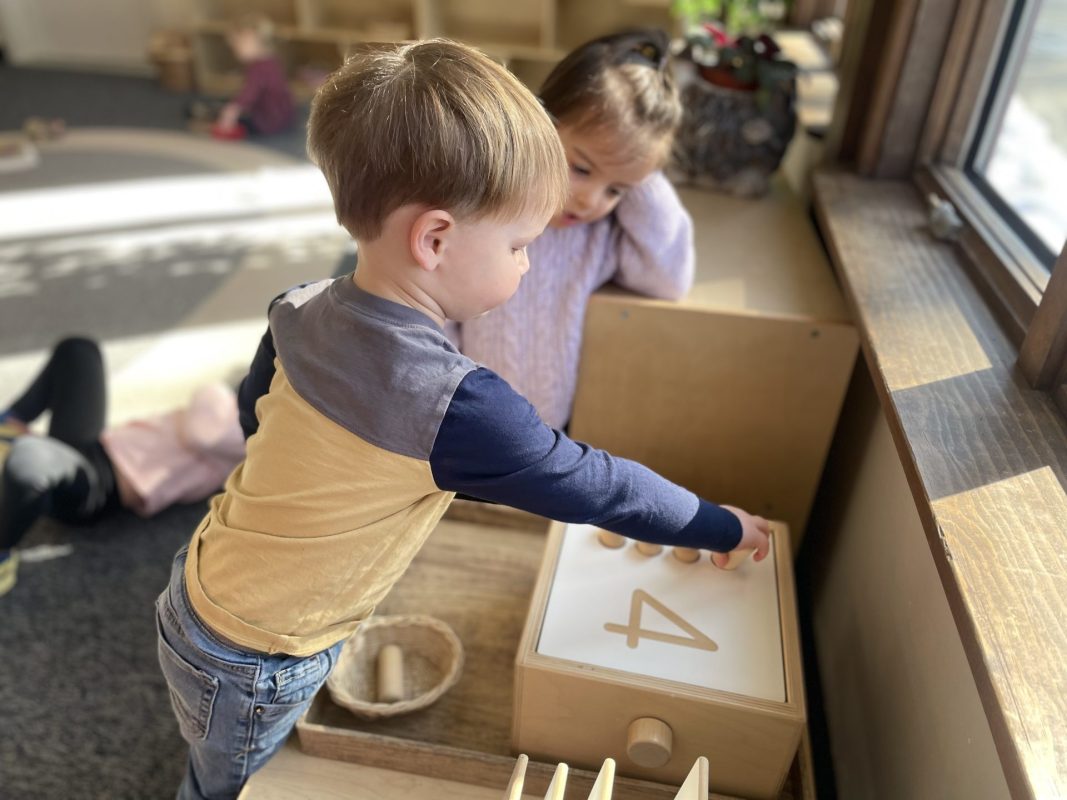
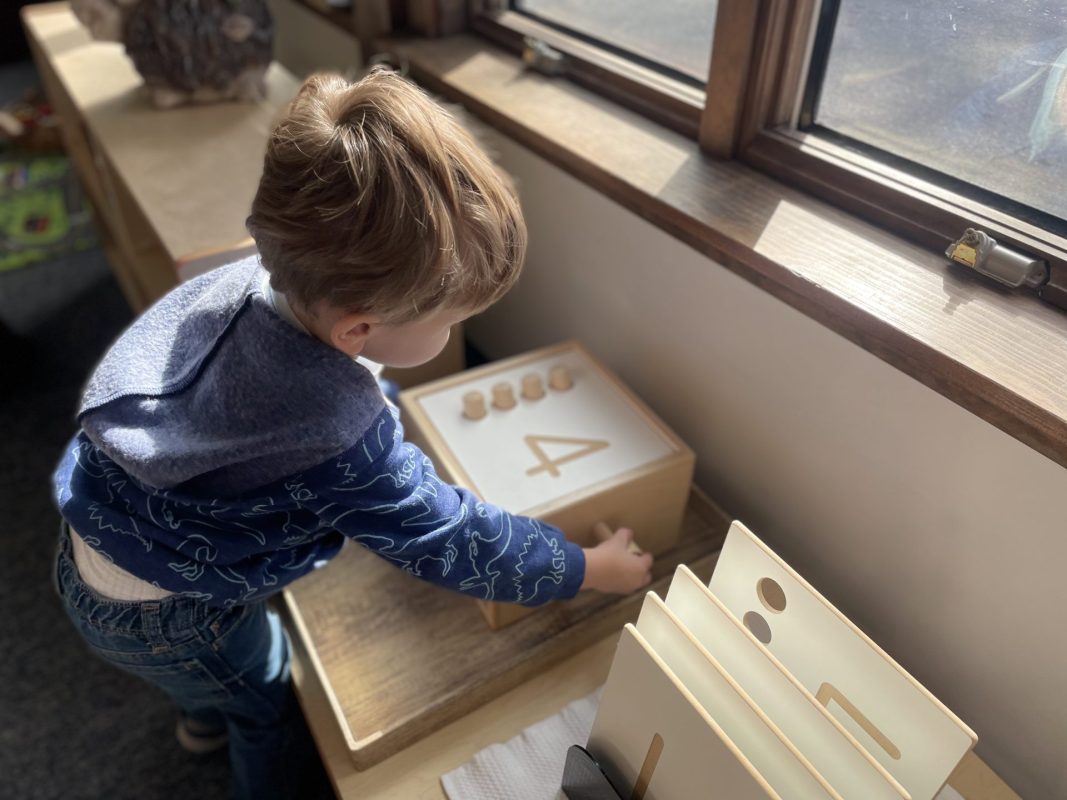
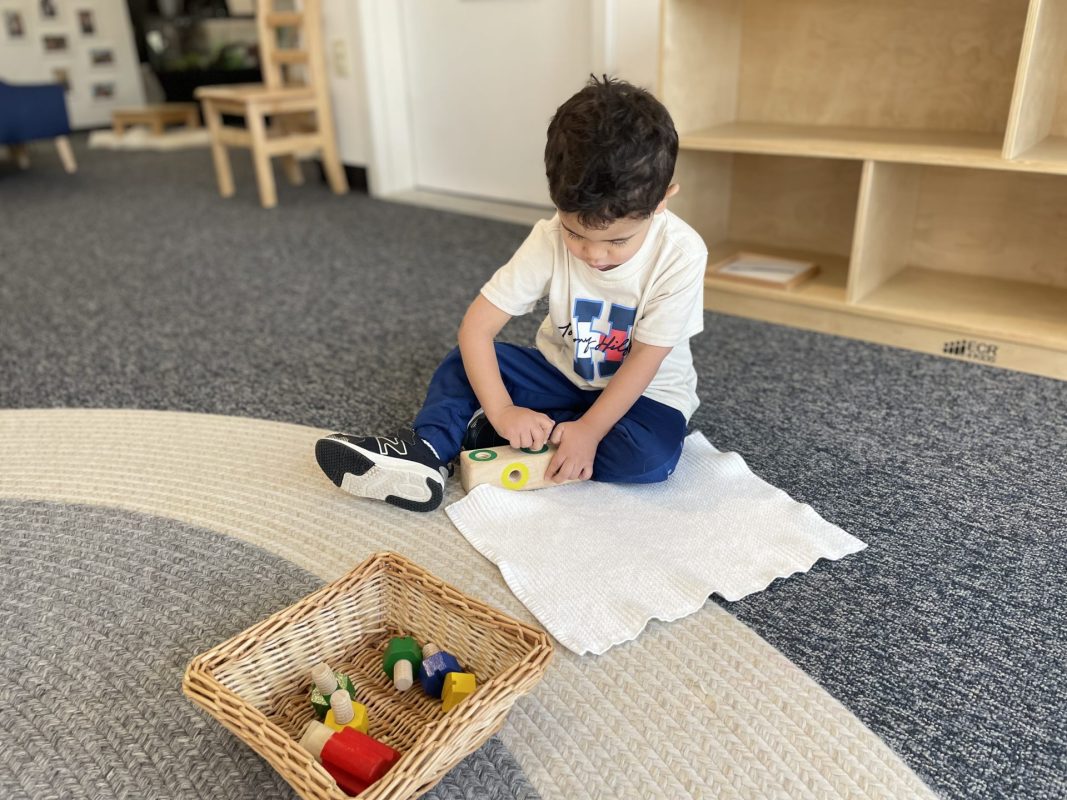
The Montessori math materials are visual and hands-on manipulatives, aiding in the ability of a child to understand mathematical concepts concretely. After many repetitions and when the child is ready, we introduce the more complex and abstract concepts. We teach the process first because the goal is to develop a true understanding of mathematical concepts and not simply memorization. The materials are sequenced in a way that each success a child experiences is a building block for the next concept to be introduced.

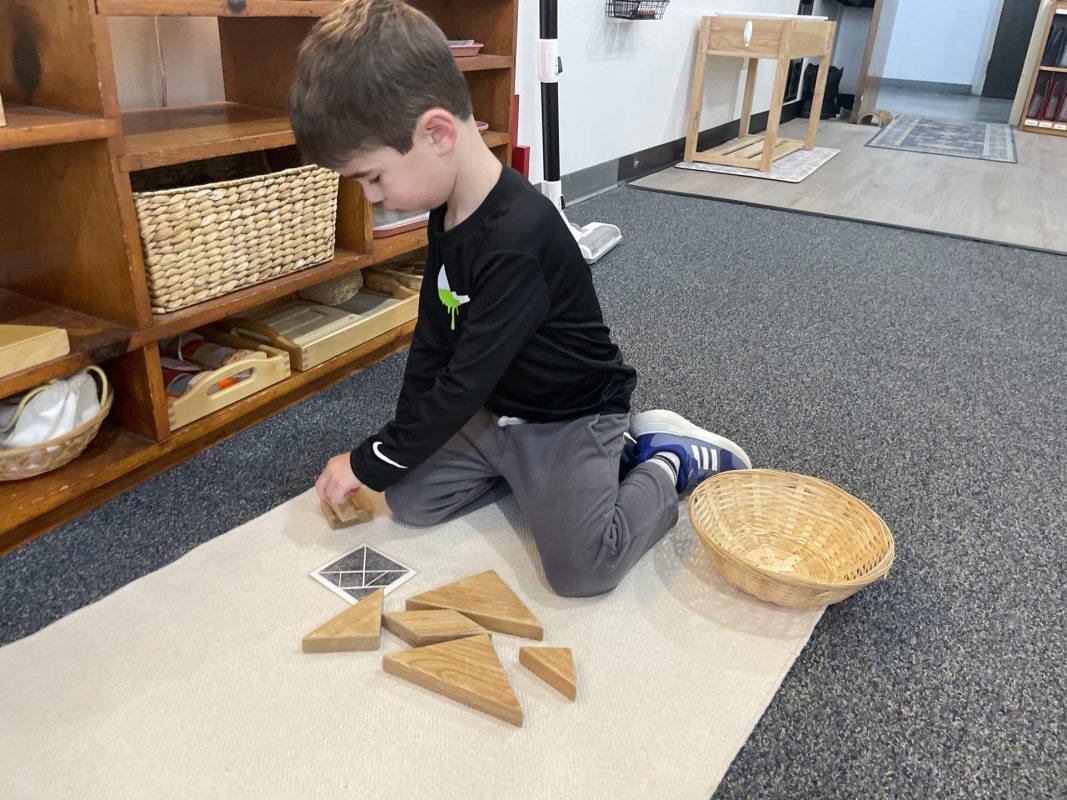
Maria Montessori believed that all children have a mathematical mind and an internal drive to understand the environment around them. We know that the Montessori math materials are exact and precise and allow the child to have positive experiences in math right from the beginning. We also know that the Practical Life activities have helped the child to develop order, concentration, coordination, and independence. Likewise, the Sensorial materials have allowed the children to recognize and extend patterns. Here’s the real secret behind the success of the Montessori math materials: the children truly enjoy them.

Hope your week adds up to one filled with peace and love.

Marissa & Sue


Mrs. Doyle: Montessori Math, It All Adds Up!

Children display a universal love of mathematics, which is par excellence the science of precision, order, and intelligence.”~ Dr. Maria Montessori

The Montessori math materials are visual and hands-on manipulatives, aiding in the ability of a child to understand mathematical concepts concretely. After many repetitions and when the child is ready, we introduce the more complex and abstract concepts. We teach the process first because the goal is to develop a true understanding of mathematical concepts and not simply memorization. The materials are sequenced in a way that each success a child experiences is a building block for the next concept to be introduced.

Maria Montessori believed that all children have a mathematical mind and an internal drive to understand the environment around them. We know that the Montessori math materials are exact and precise and allow the child to have positive experiences in math right from the beginning. We also know that the Practical Life activities have helped the child to develop order, concentration, coordination, and independence. Likewise, the Sensorial materials have allowed the children to recognize and extend patterns. Here’s the real secret behind the success of the Montessori math materials: the children truly enjoy them.

Hope your week adds up to one filled with peace and love.

Michelle & Maria


Mrs. Lopes: Montessori Math, It All Adds Up!


Children display a universal love of mathematics, which is par excellence, the science of precision, order, and intelligence.”
~ Dr. Maria Montessori

The Montessori math materials are visual and hands-on manipulatives, aiding in the ability of a child to understand mathematical concepts concretely. After many repetitions and when the child is ready, we introduce the more complex and abstract concepts. We teach the process first because the goal is to develop a true understanding of mathematical concepts and not simply memorization. The materials are sequenced in a way that each success a child experiences is a building block for the next concept to be introduced.

Maria Montessori believed that all children have a mathematical mind and an internal drive to understand the environment around them. We know that the Montessori math materials are exact and precise and allow the child to have positive experiences in math right from the beginning. We also know that the Practical Life activities have helped the child to develop order, concentration, coordination, and independence. Likewise, the Sensorial materials have allowed the children to recognize and extend patterns. Here’s the real secret behind the success of the Montessori math materials: the children truly enjoy them.

Hope your week adds up to one filled with peace and love.

Amanda & Hema