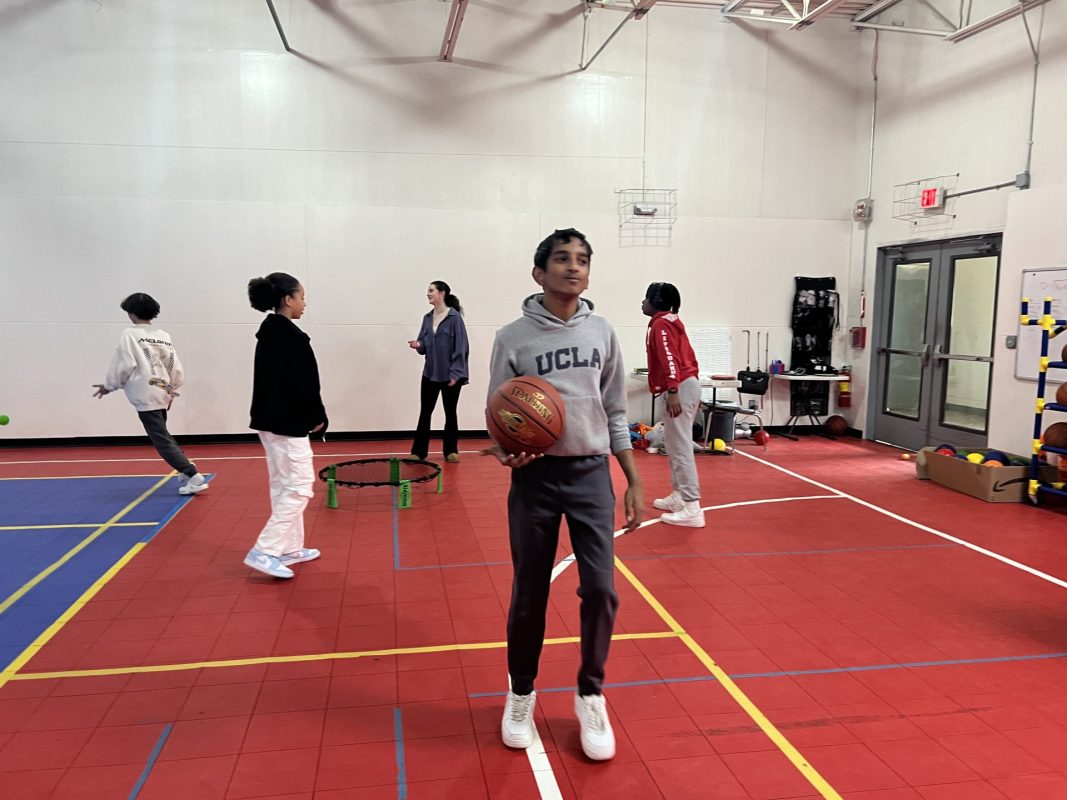
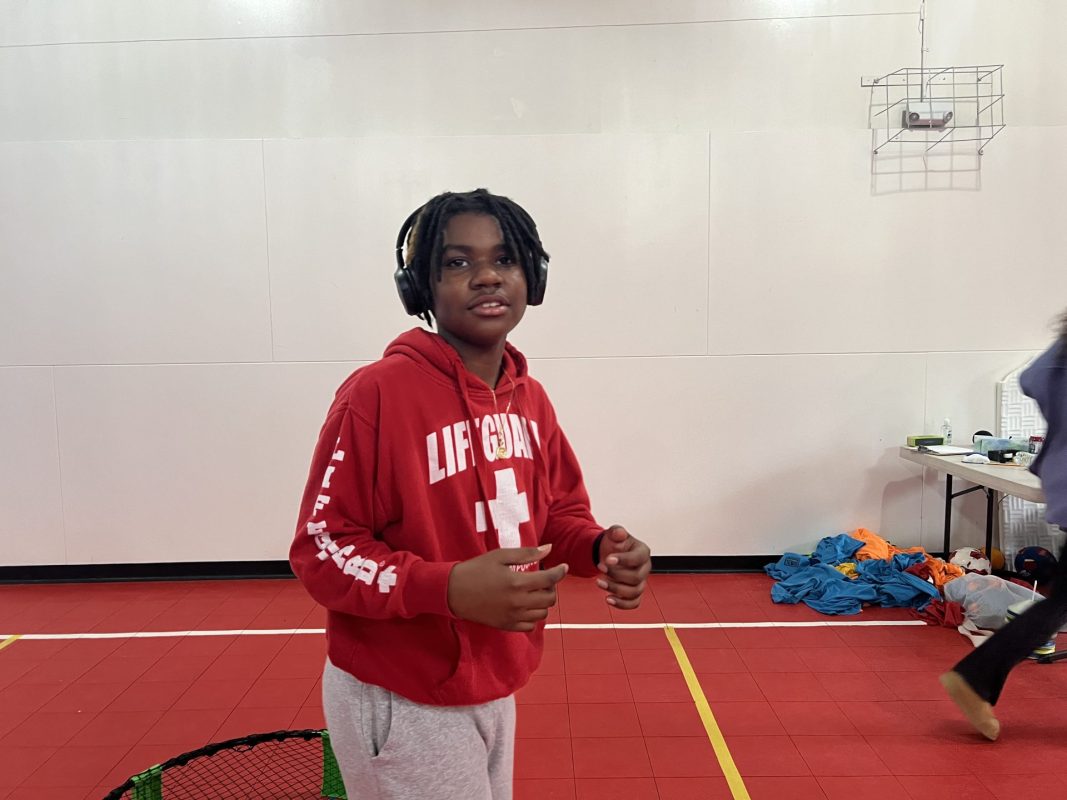
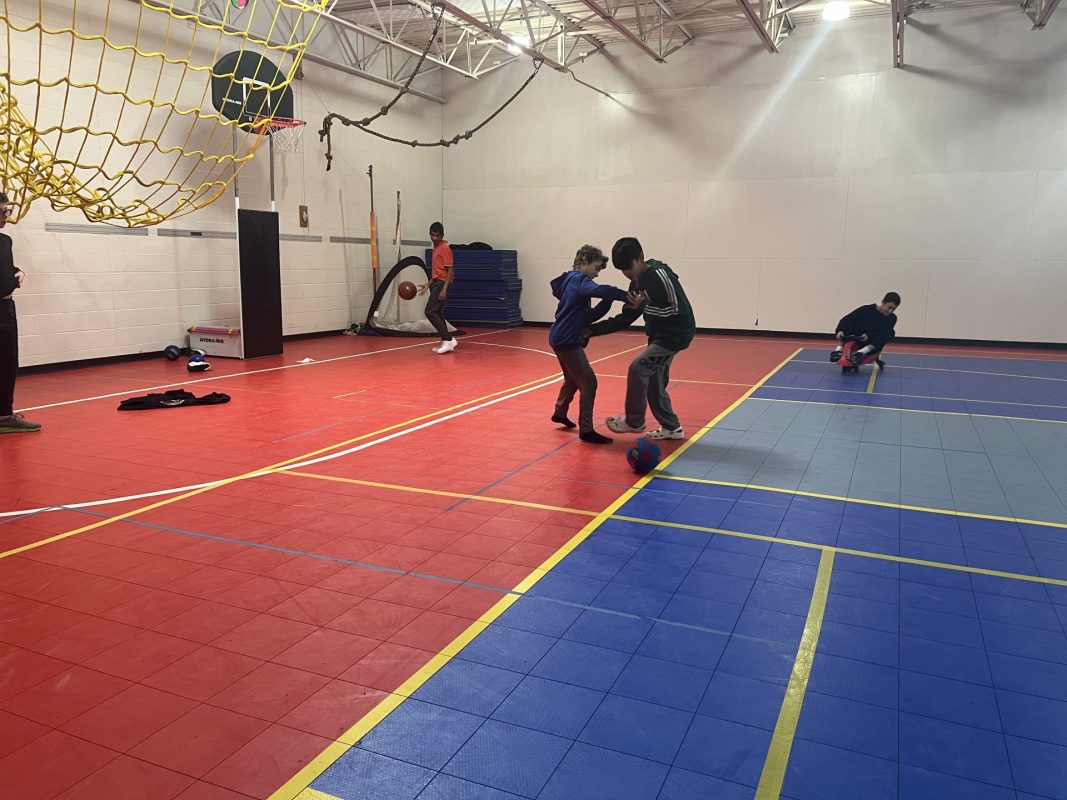
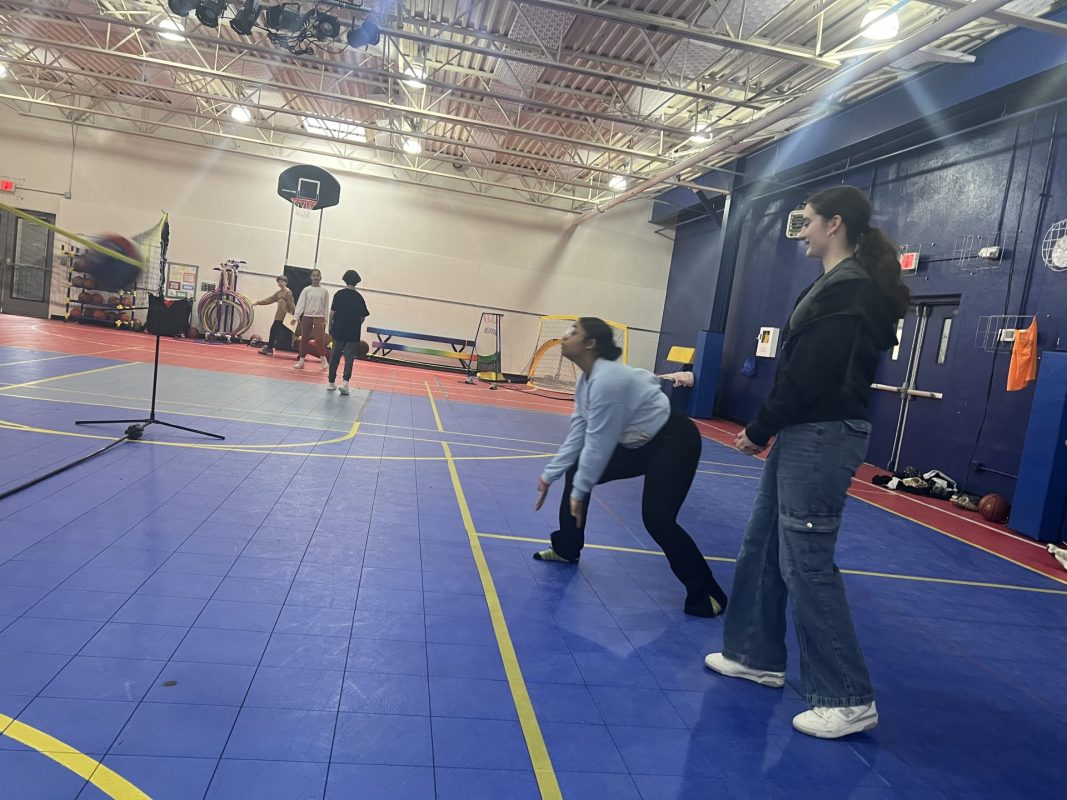
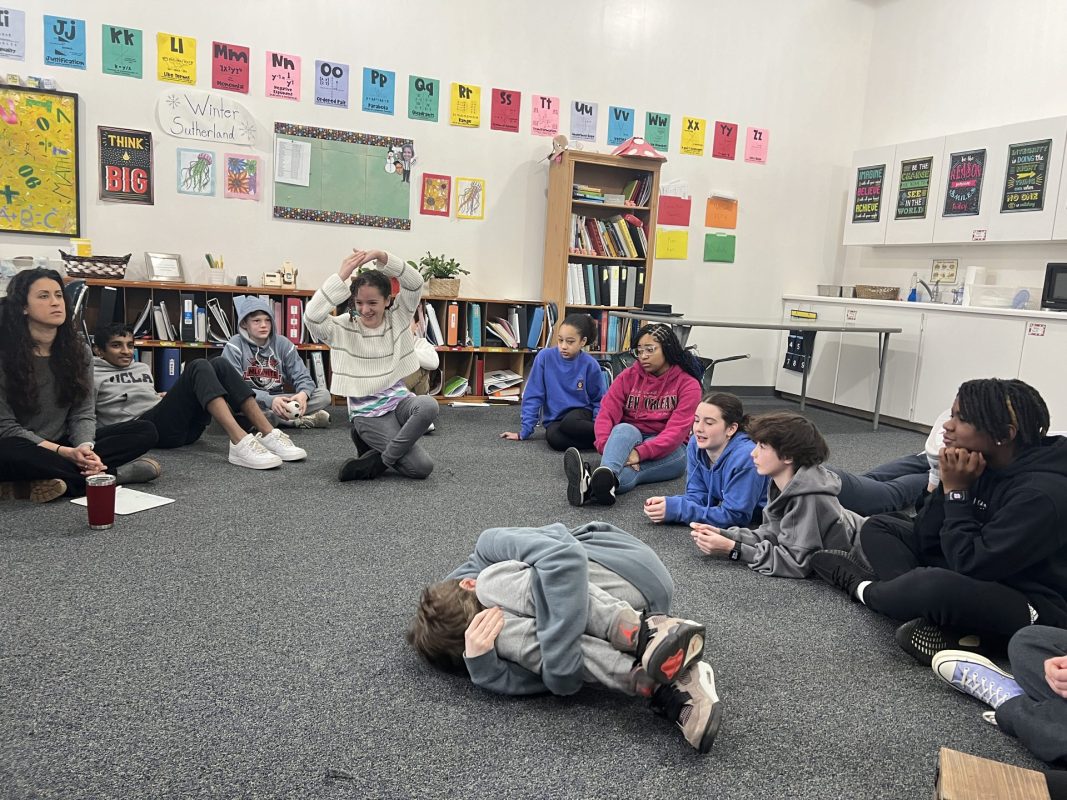
Well, folks, it is almost time for spring break! While it may not feel like spring outside quite yet, there are signs of spring manifesting in sprouting foliage, buds, and increased energy among the middle schoolers.
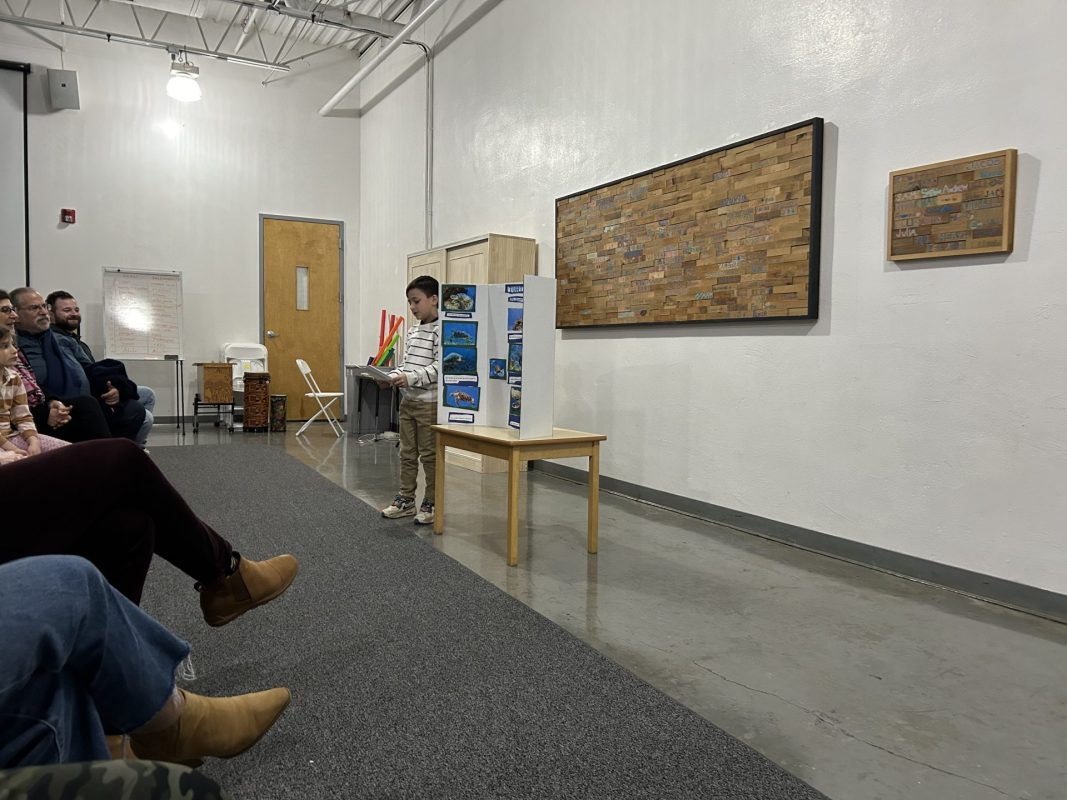
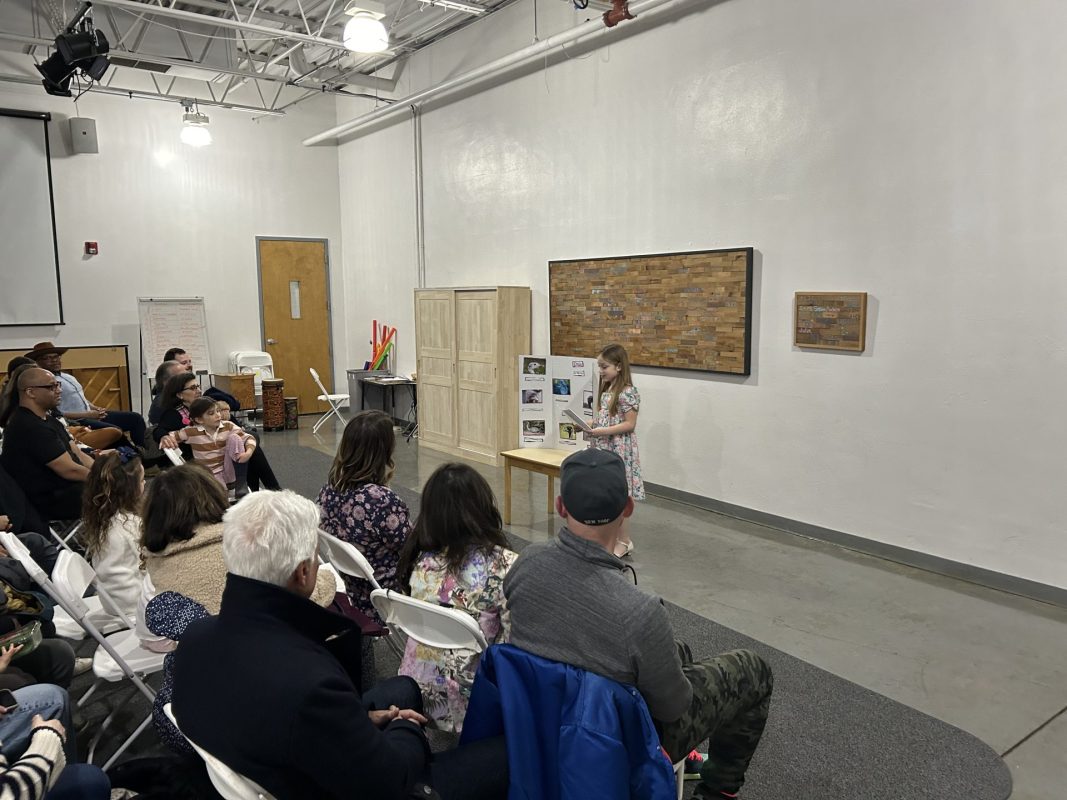
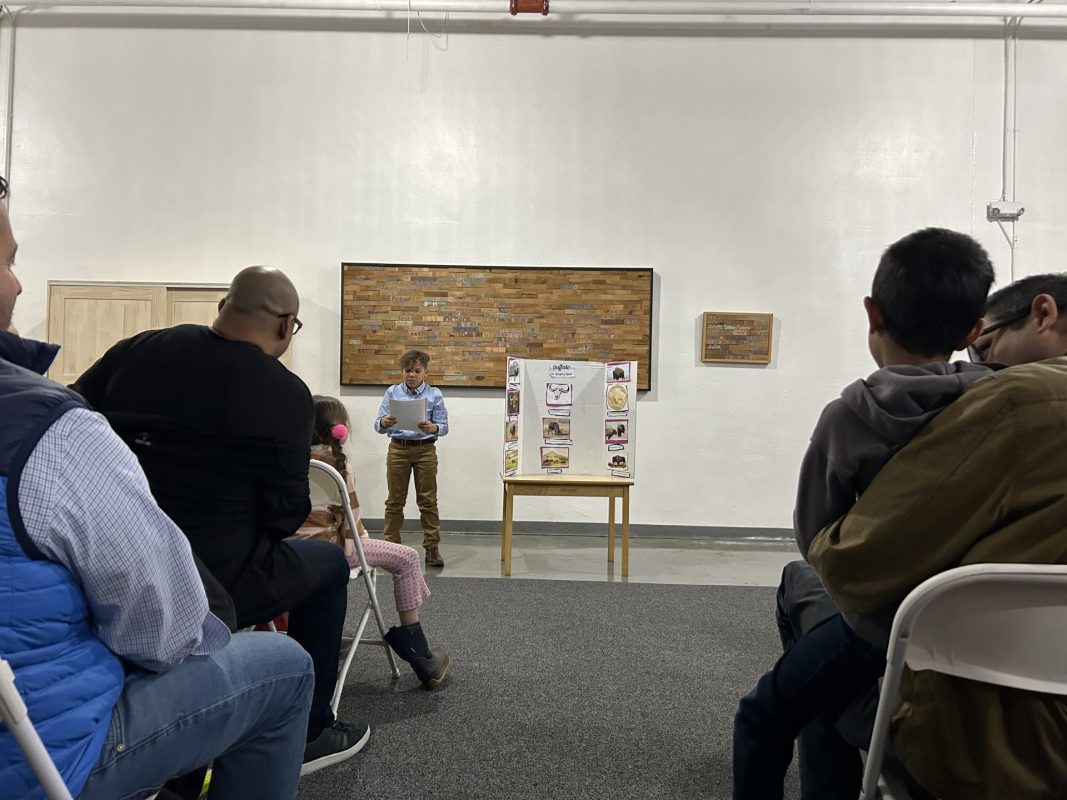
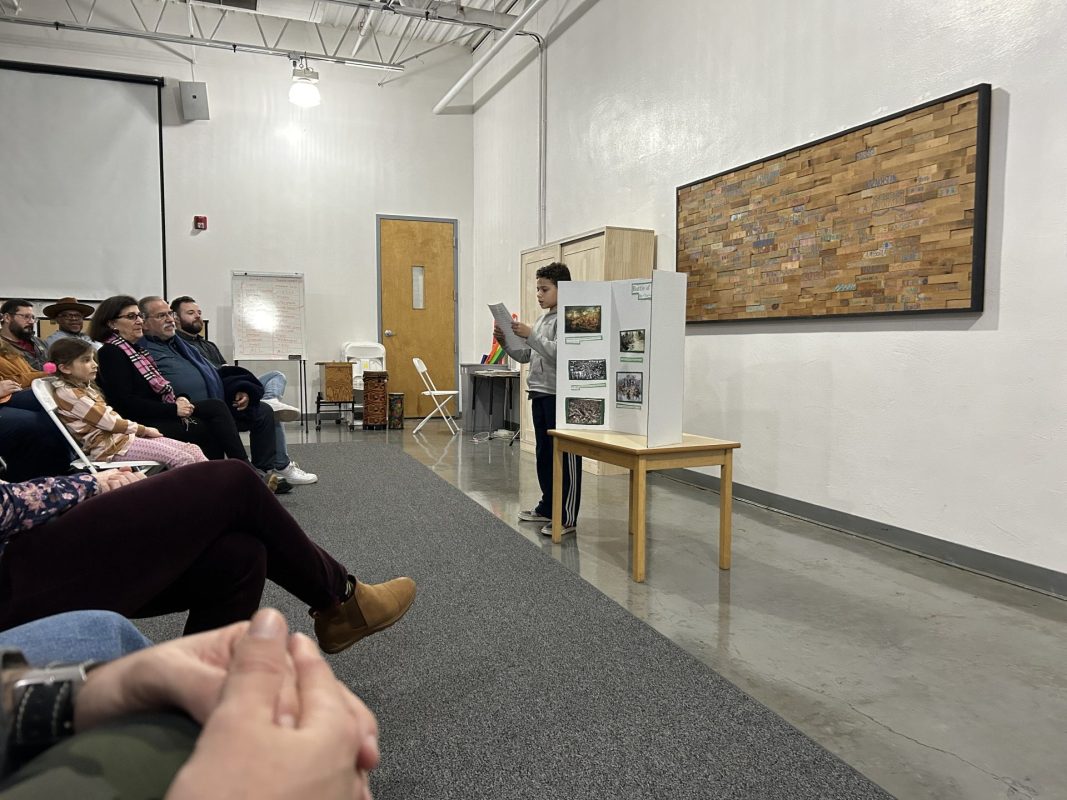
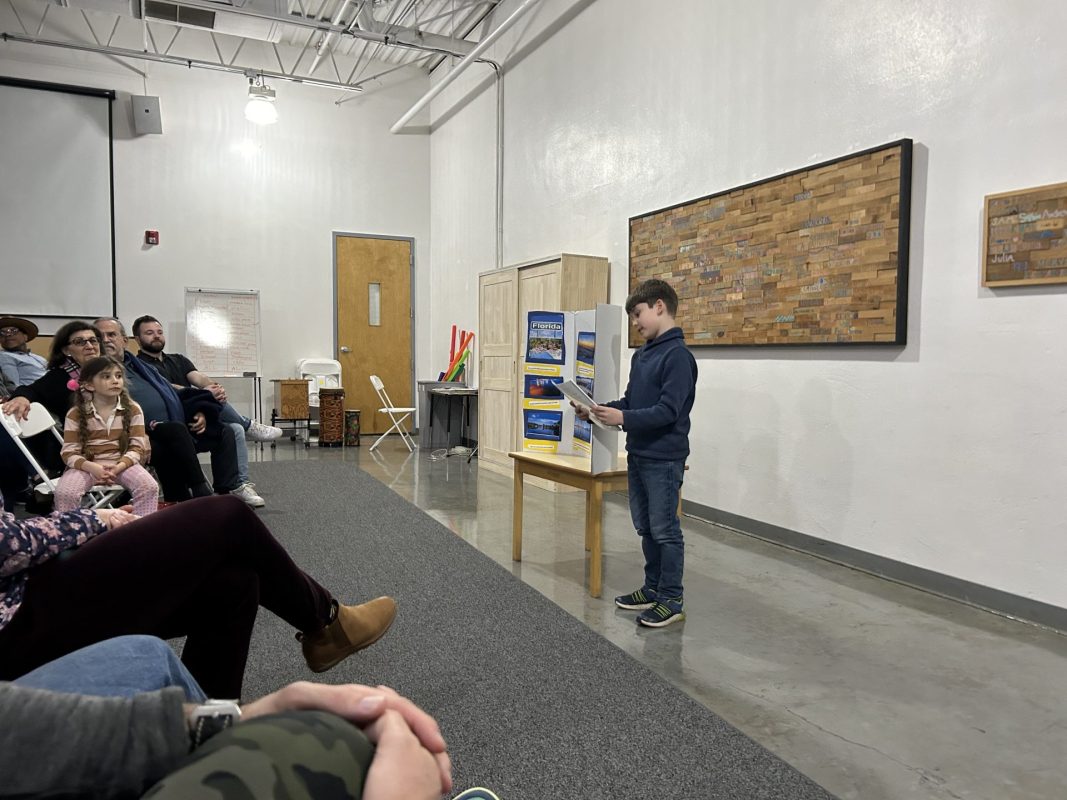
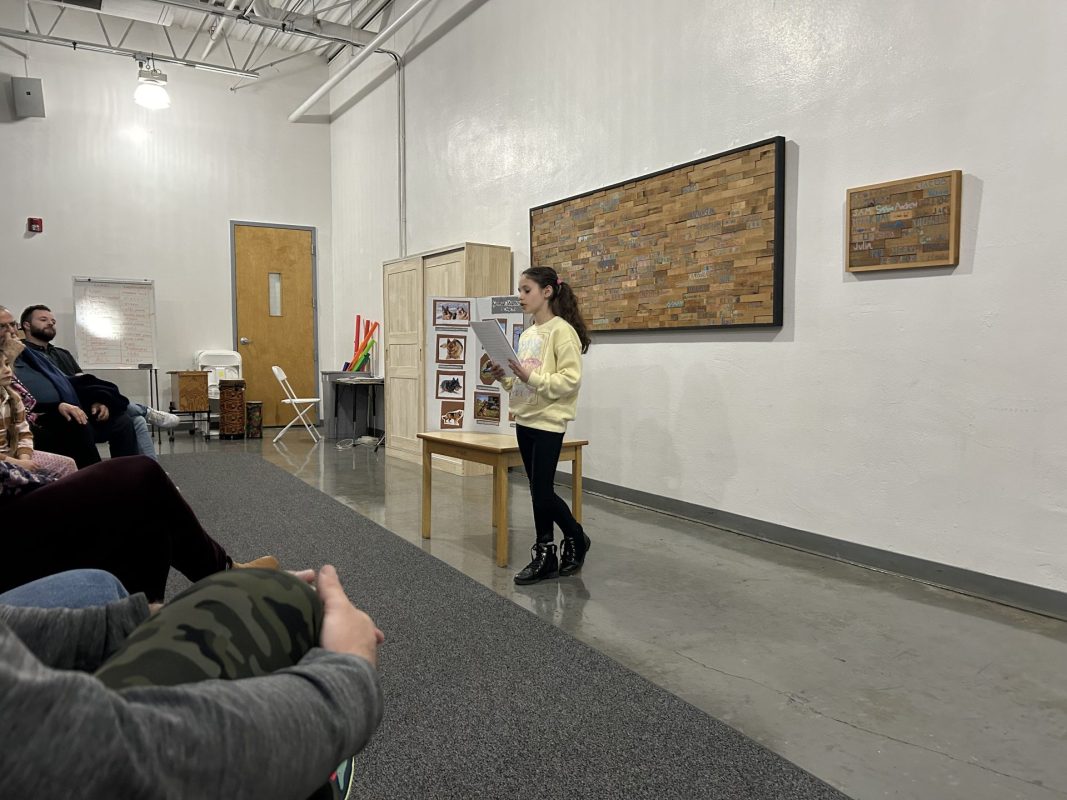
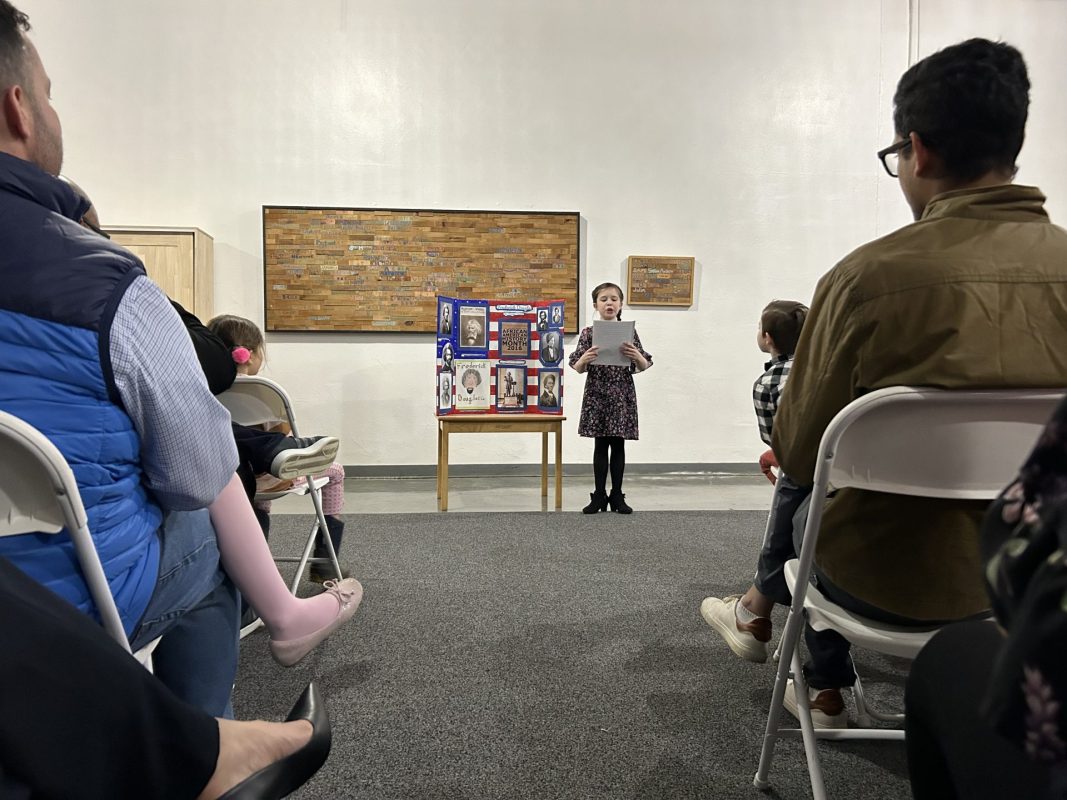
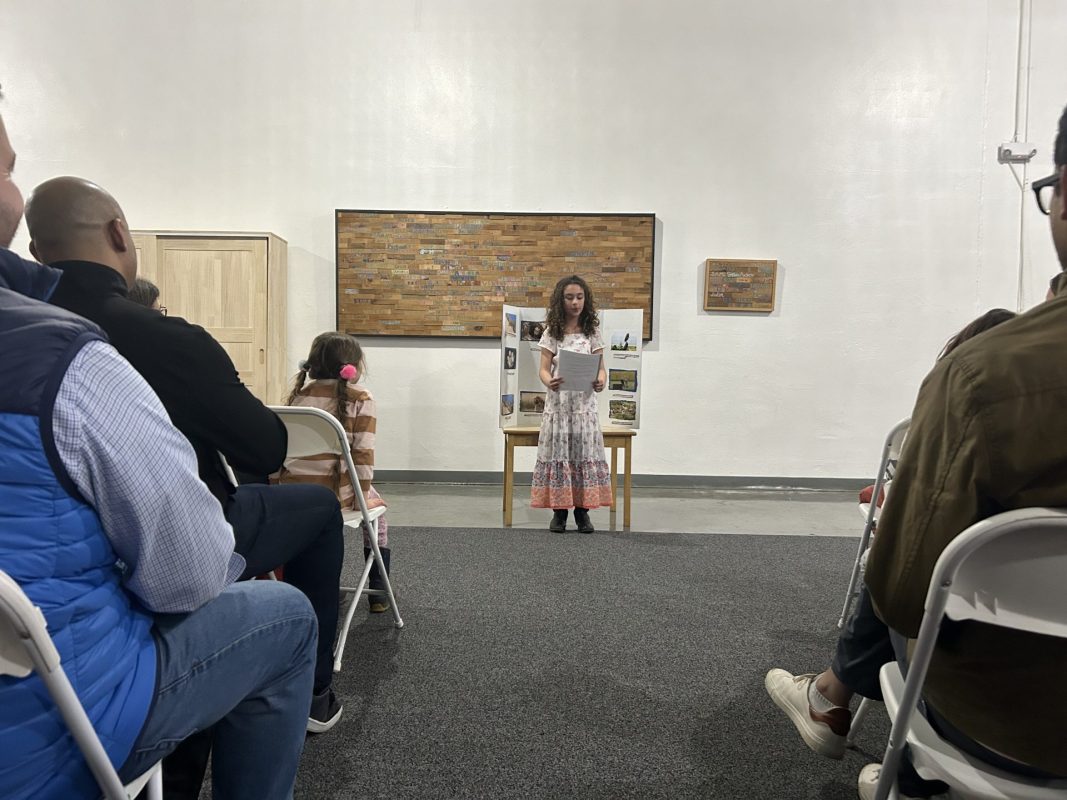
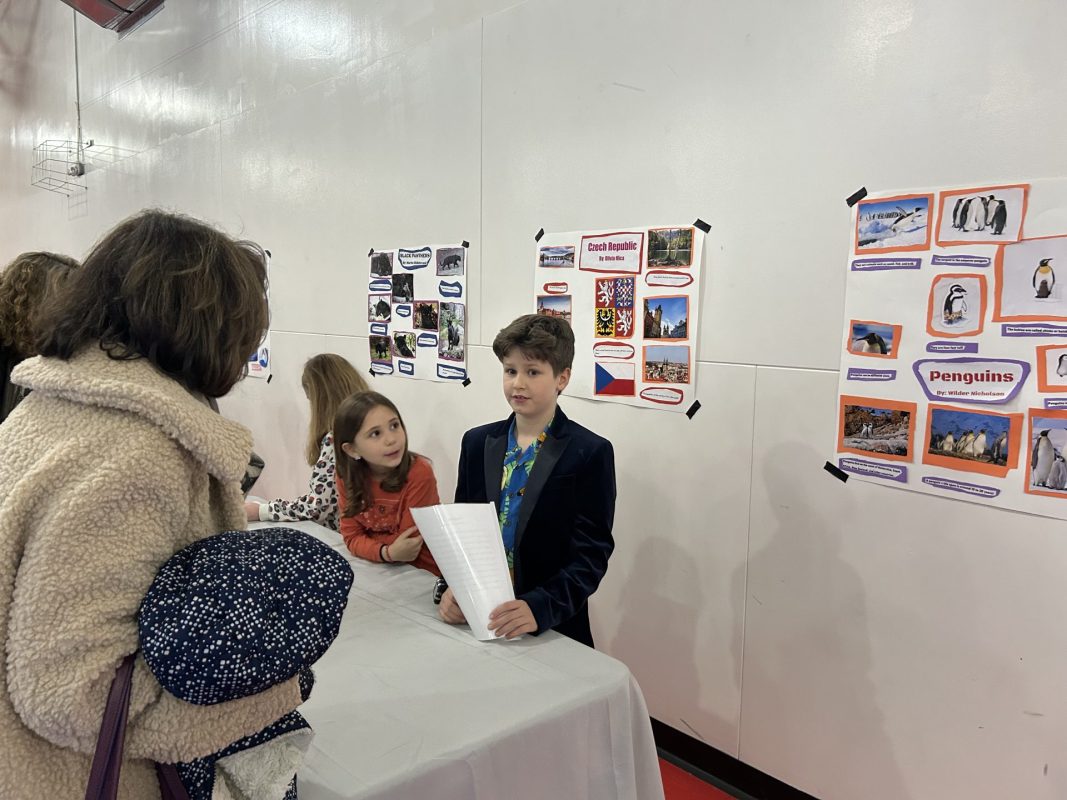
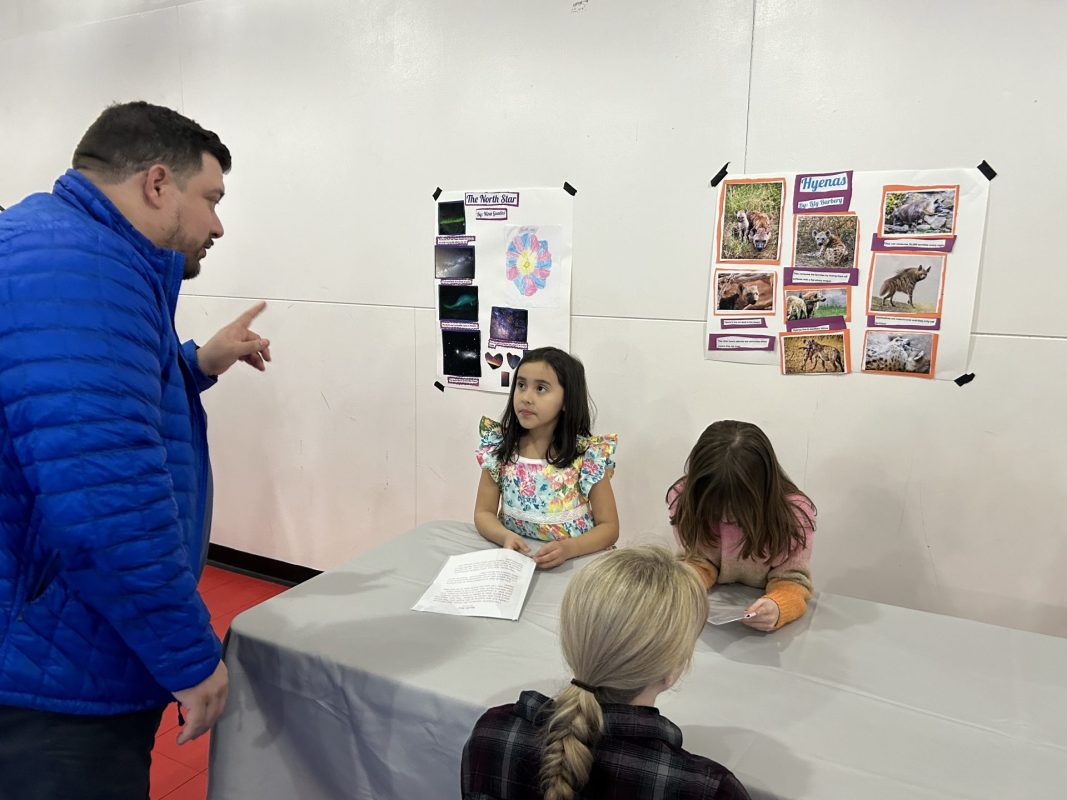
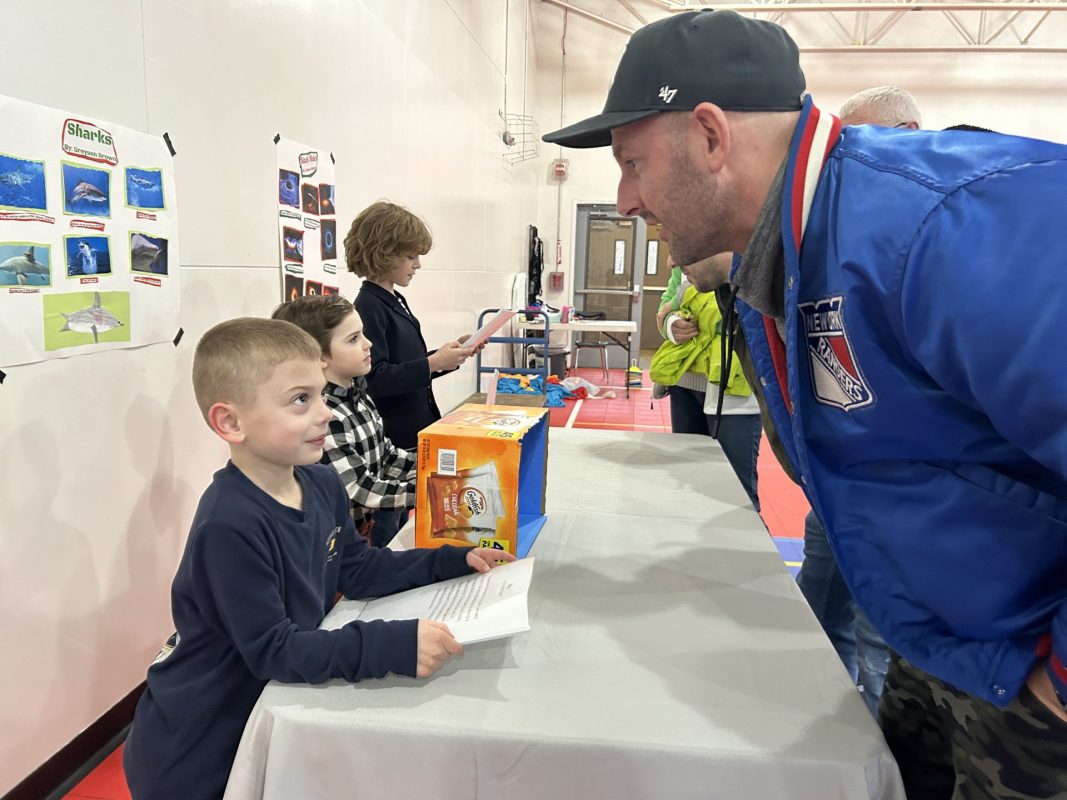
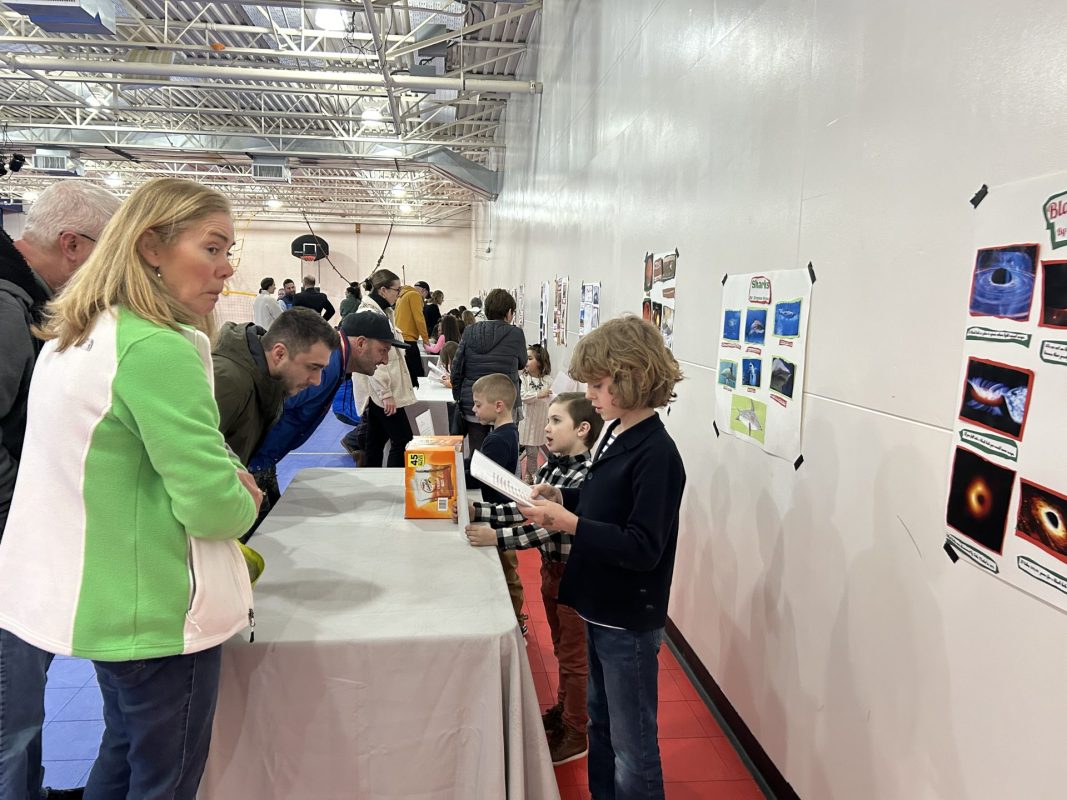
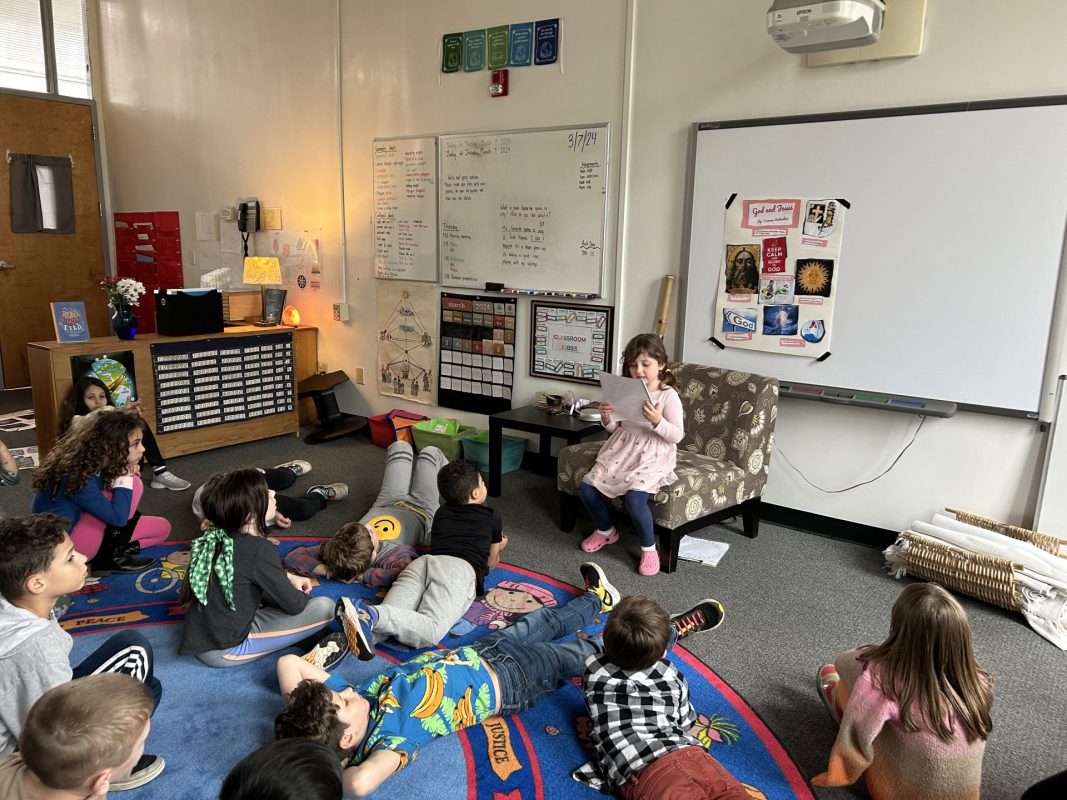
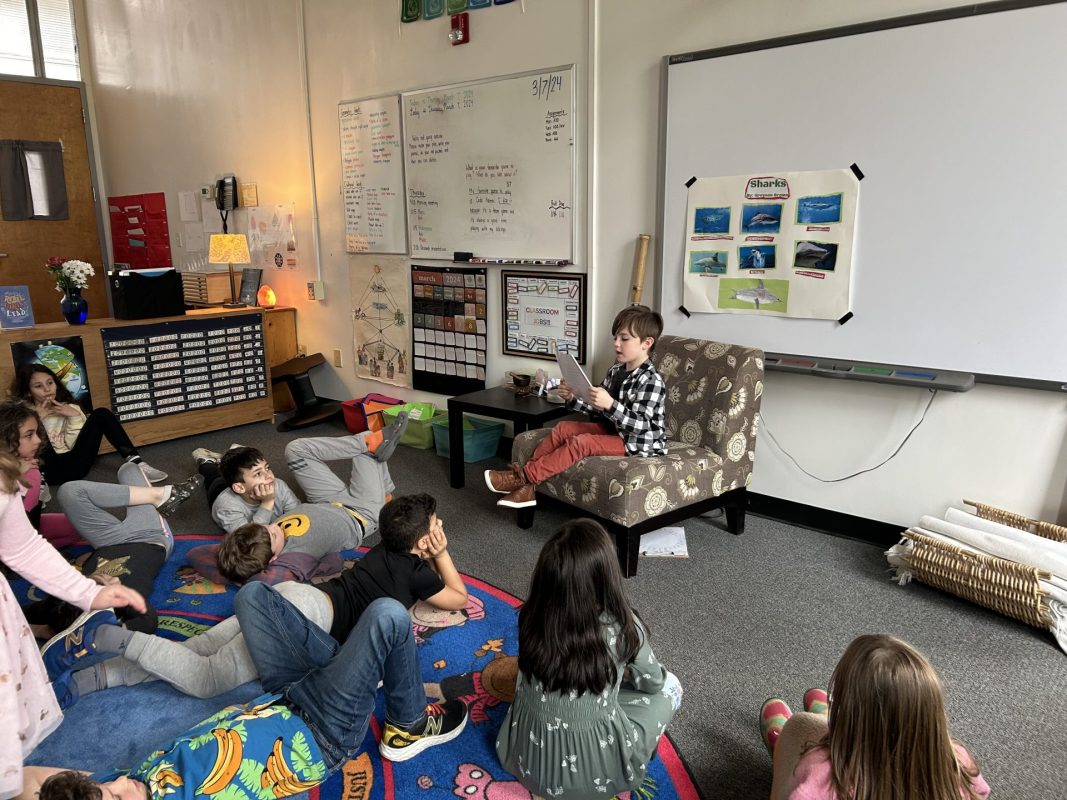
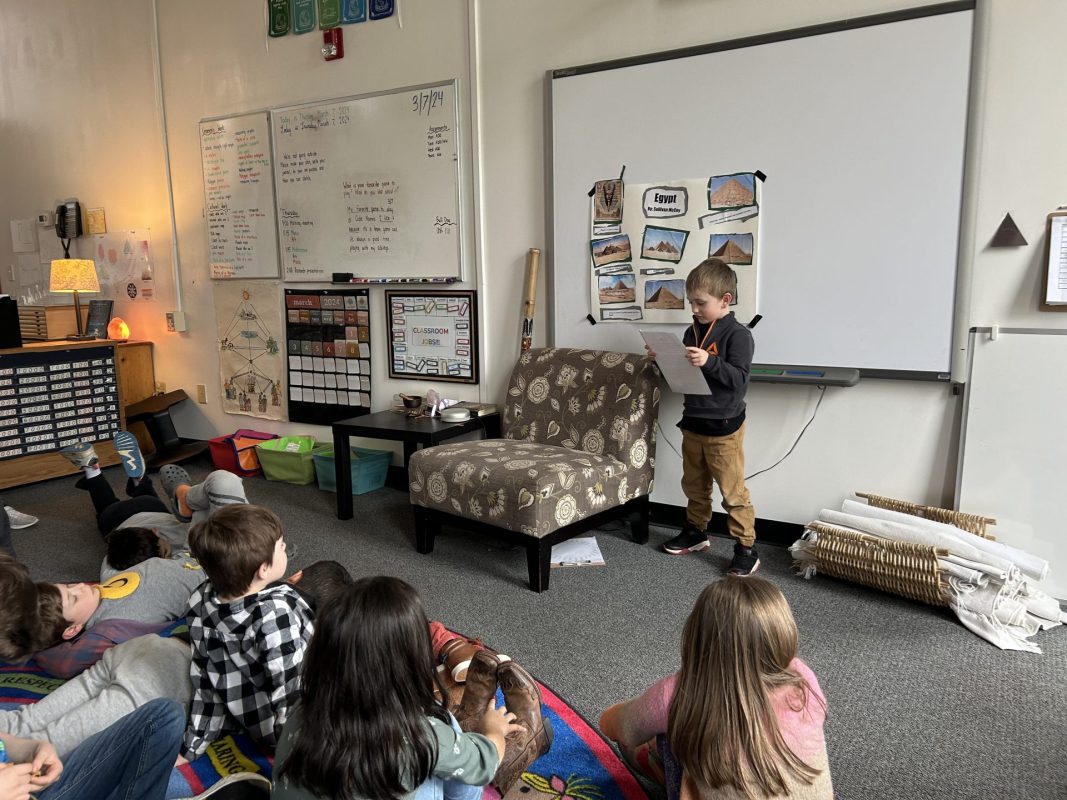
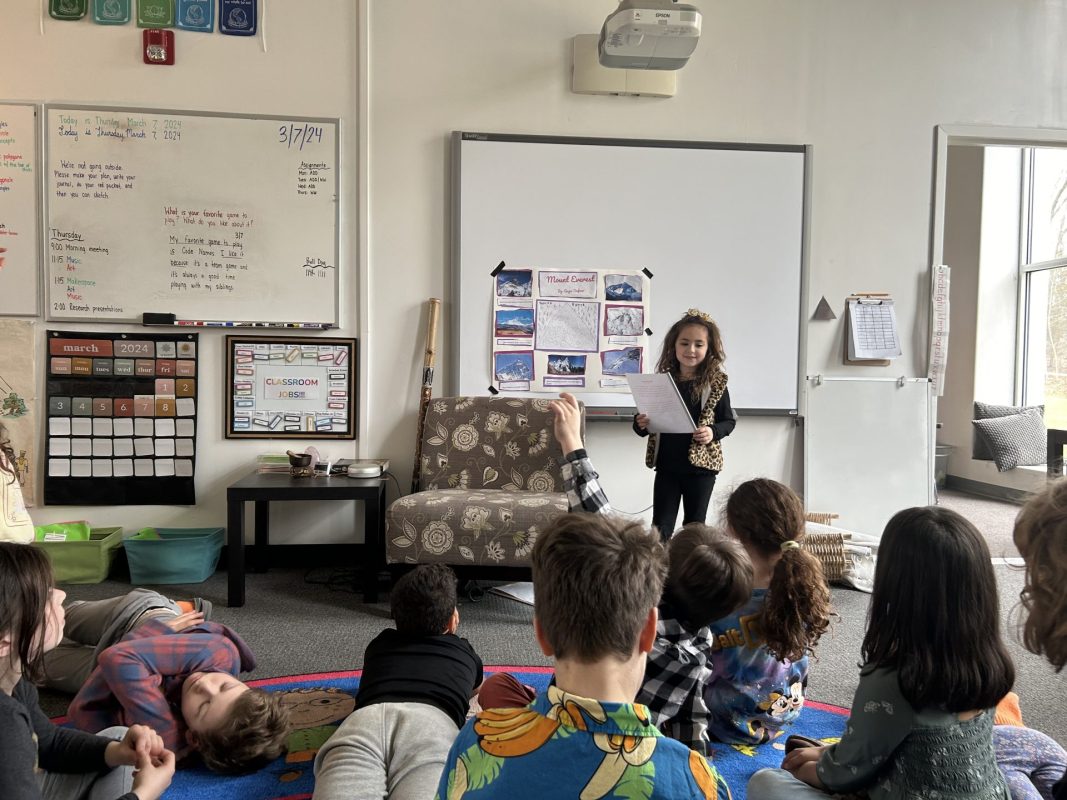
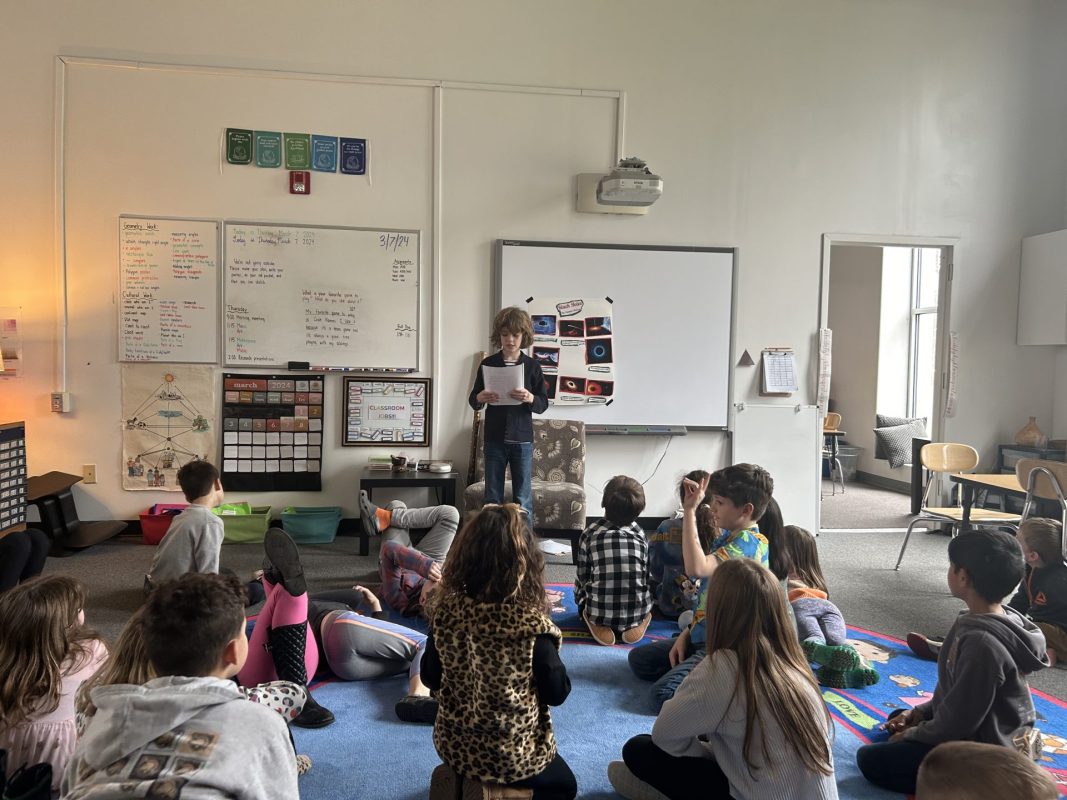
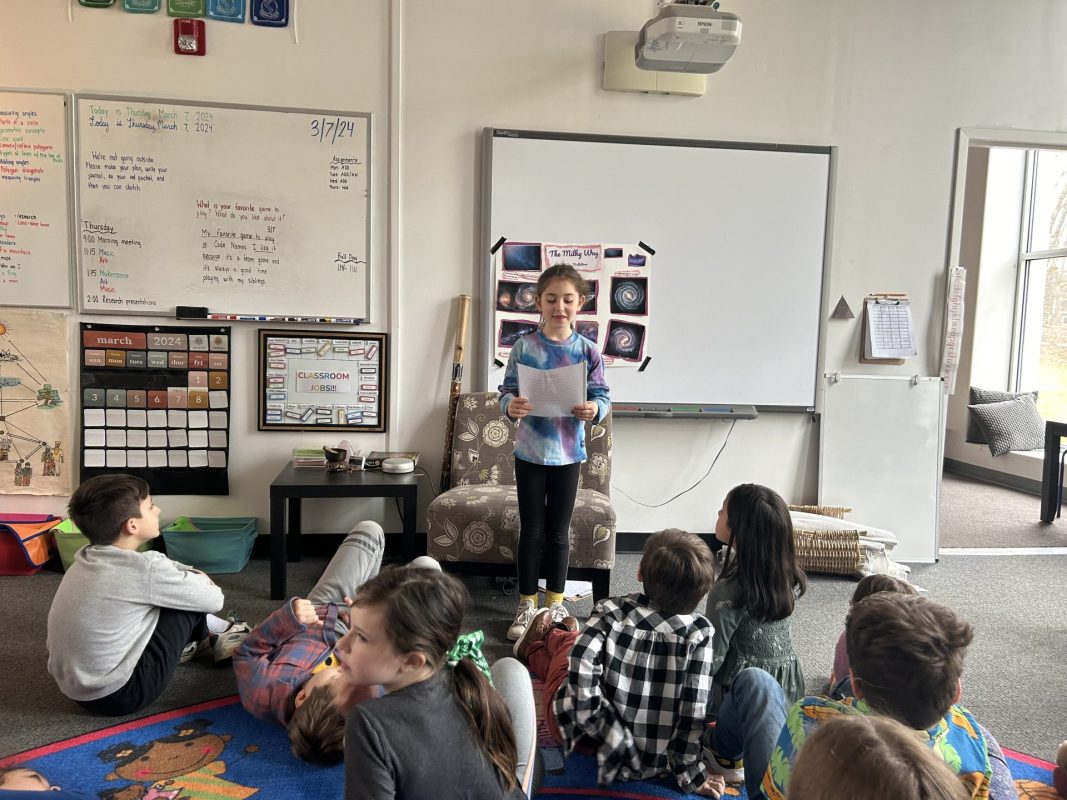
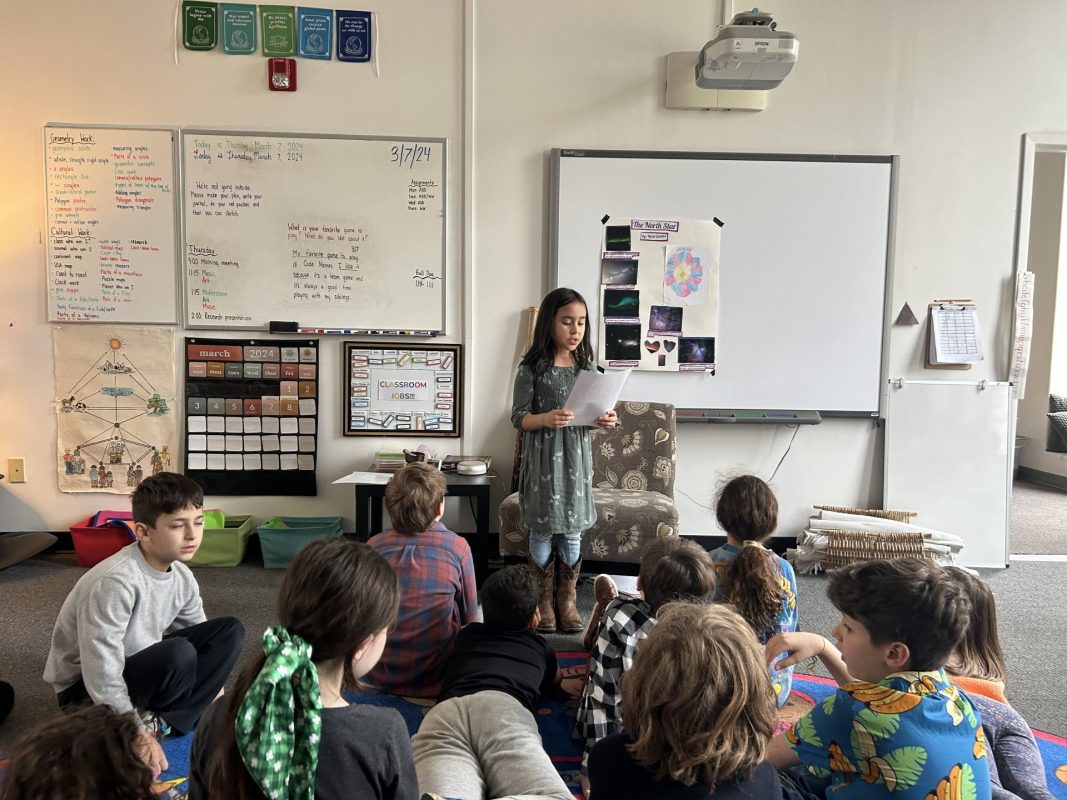
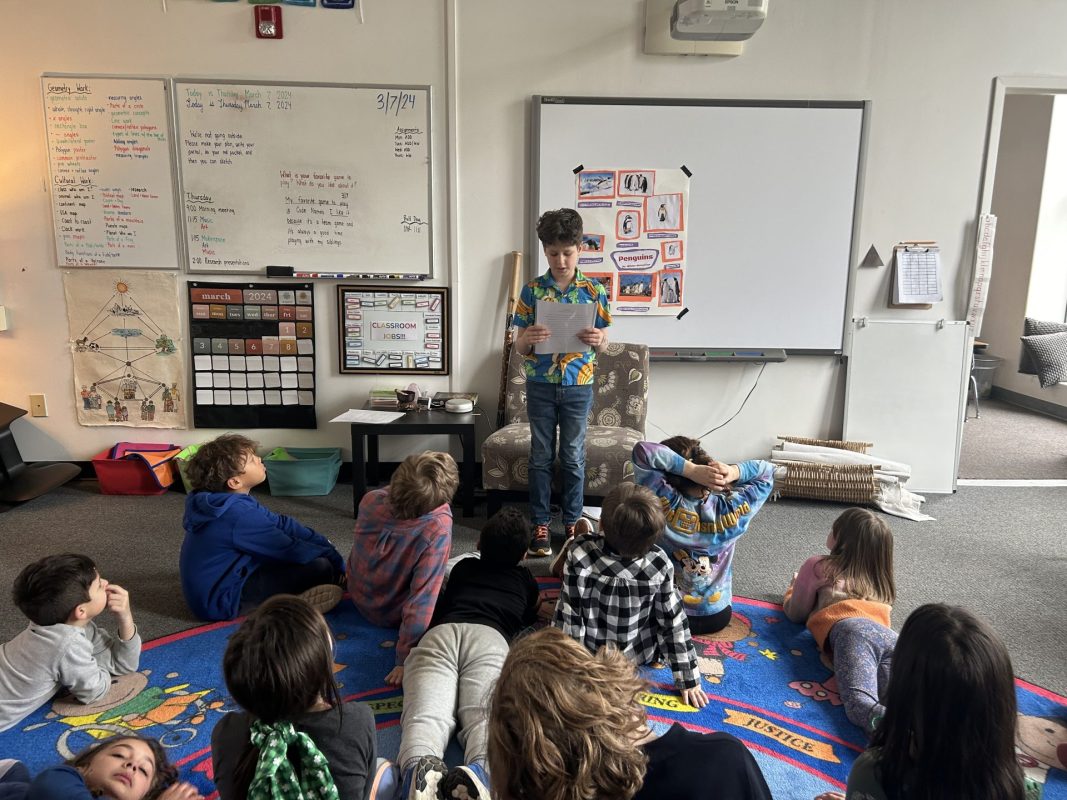
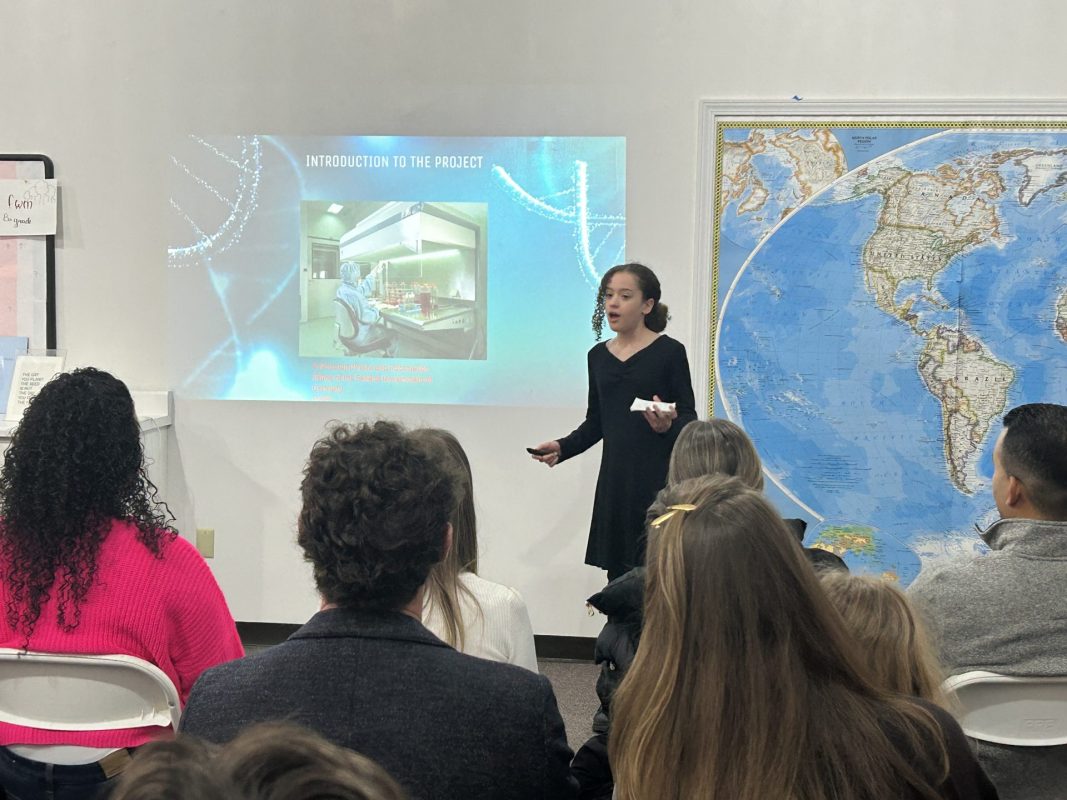
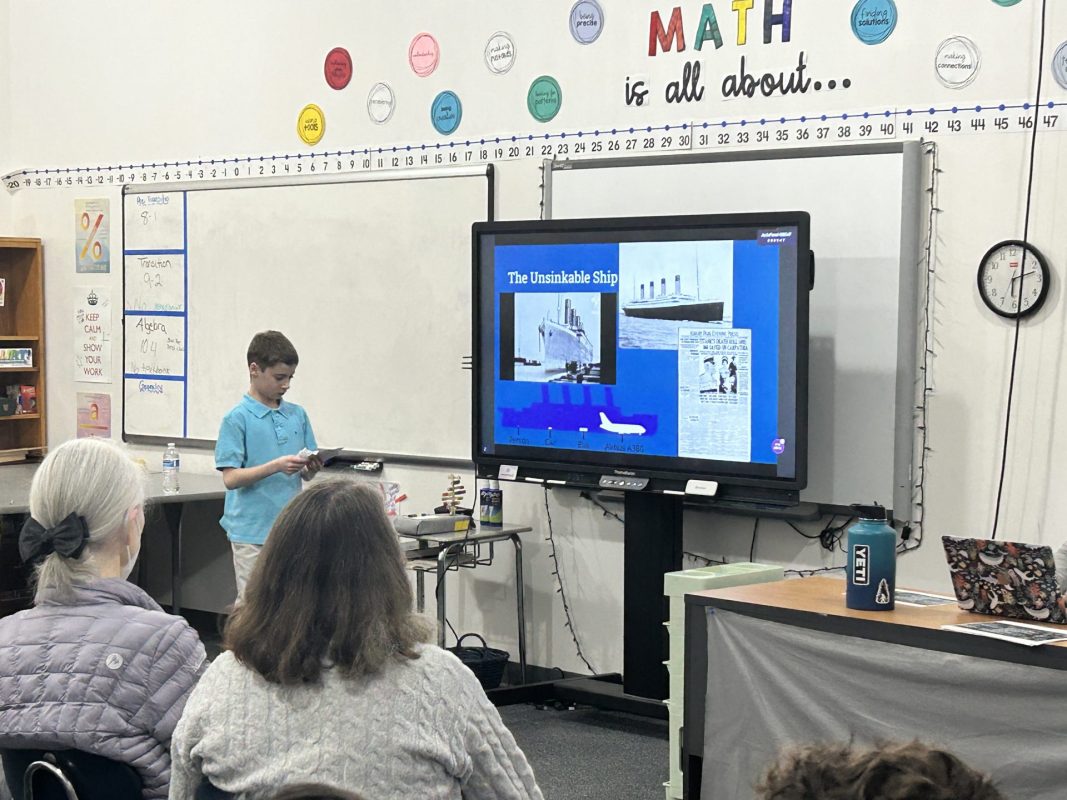
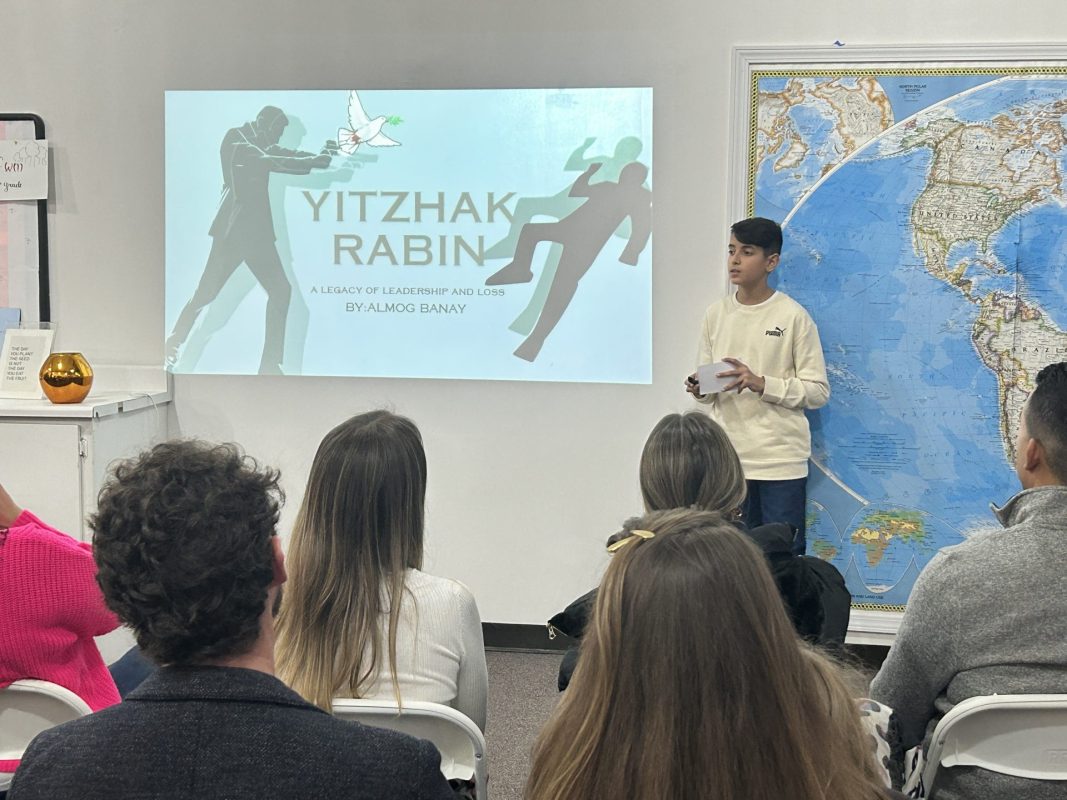
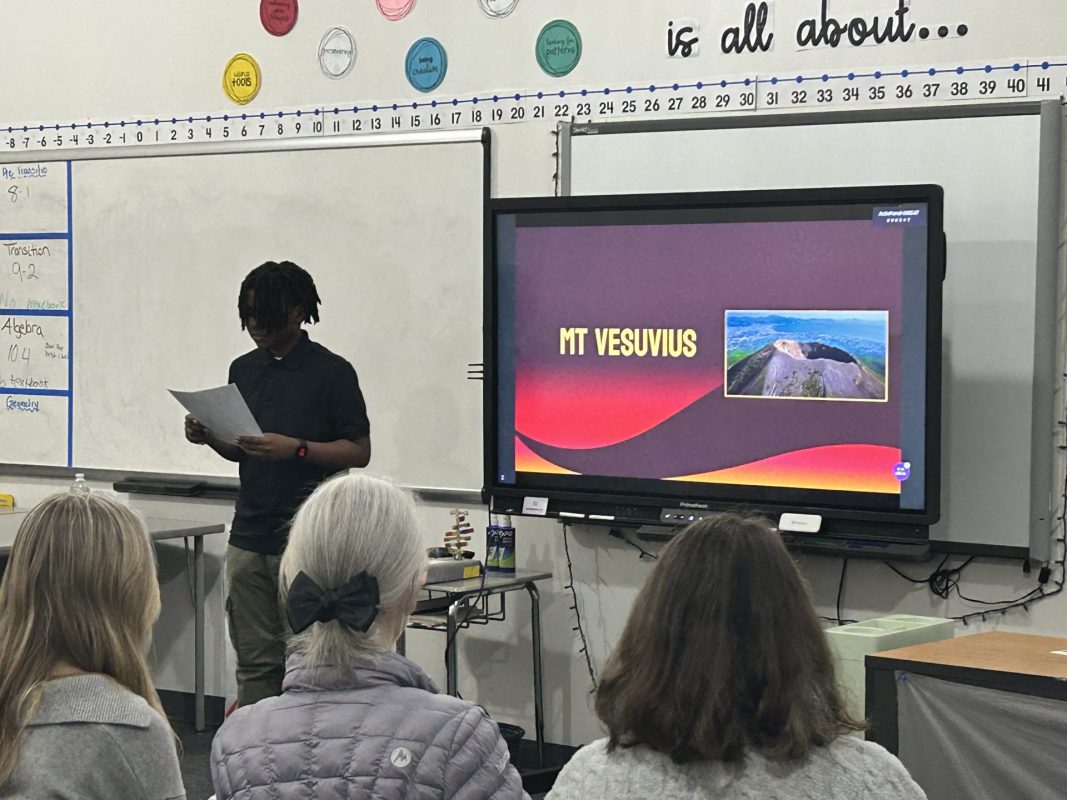
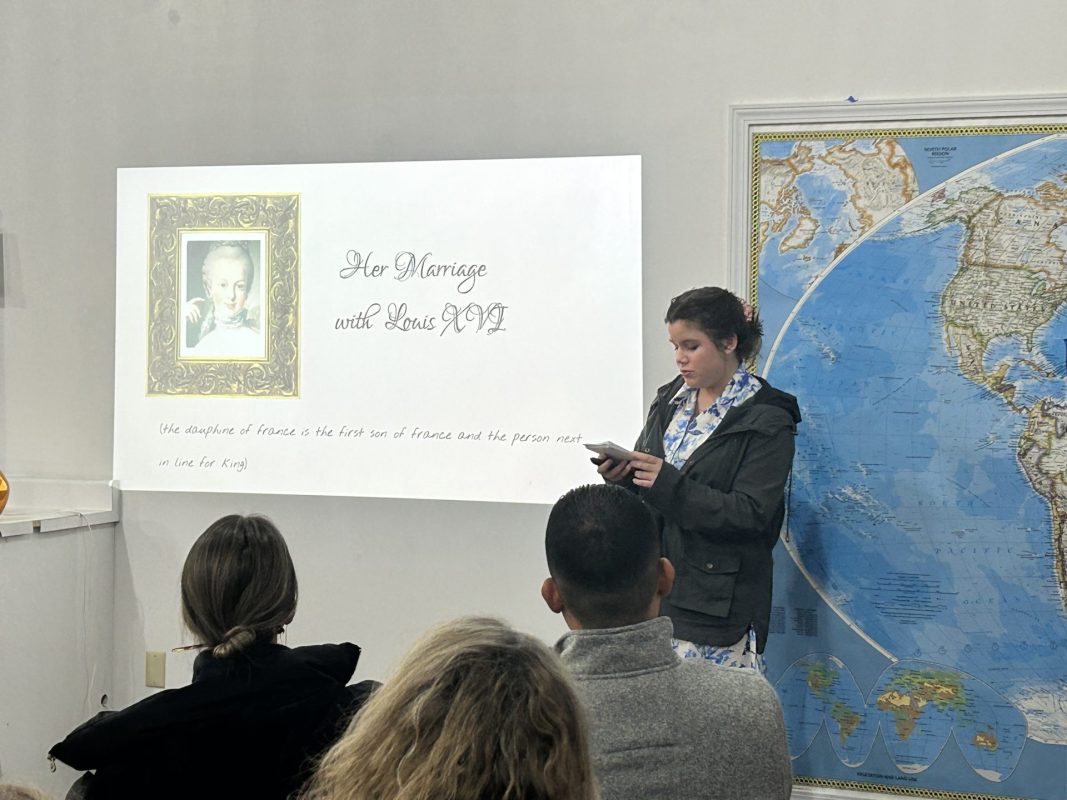
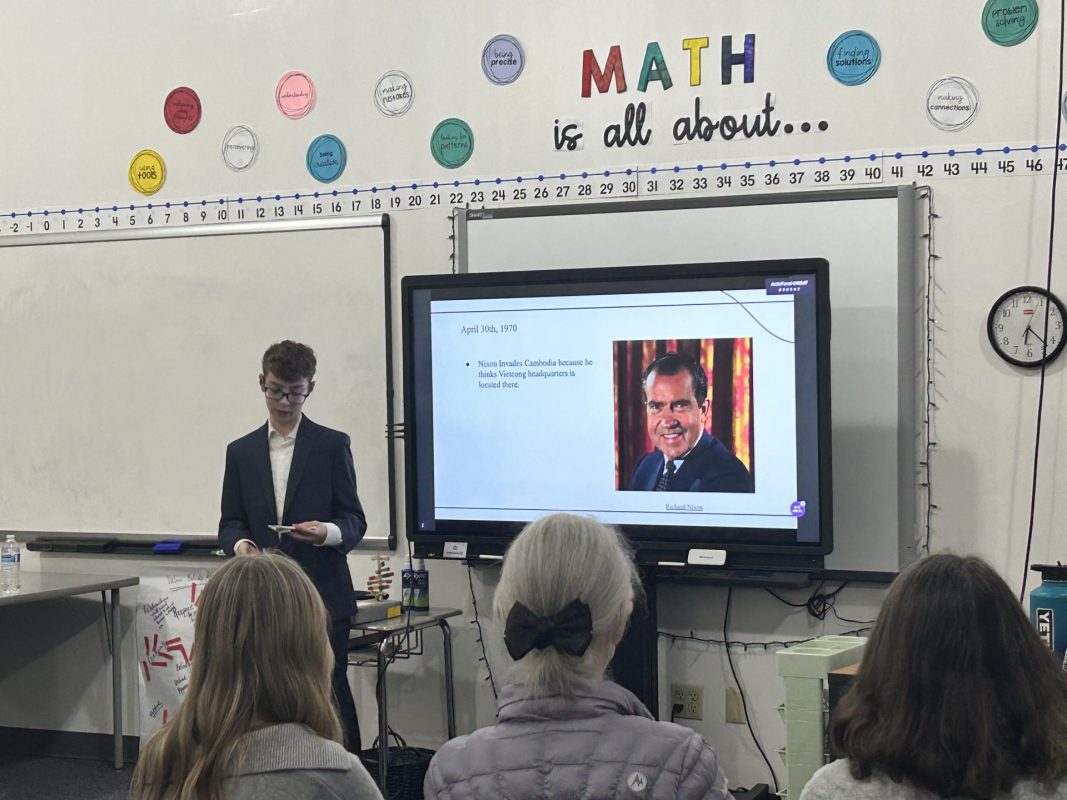
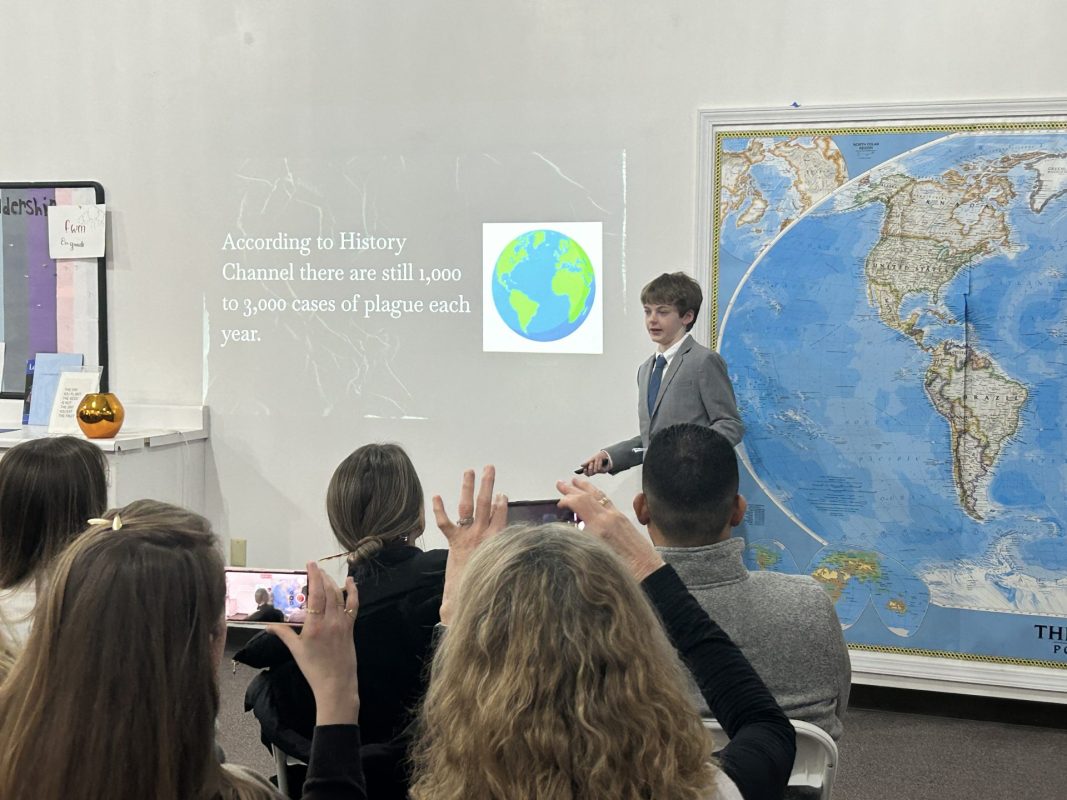
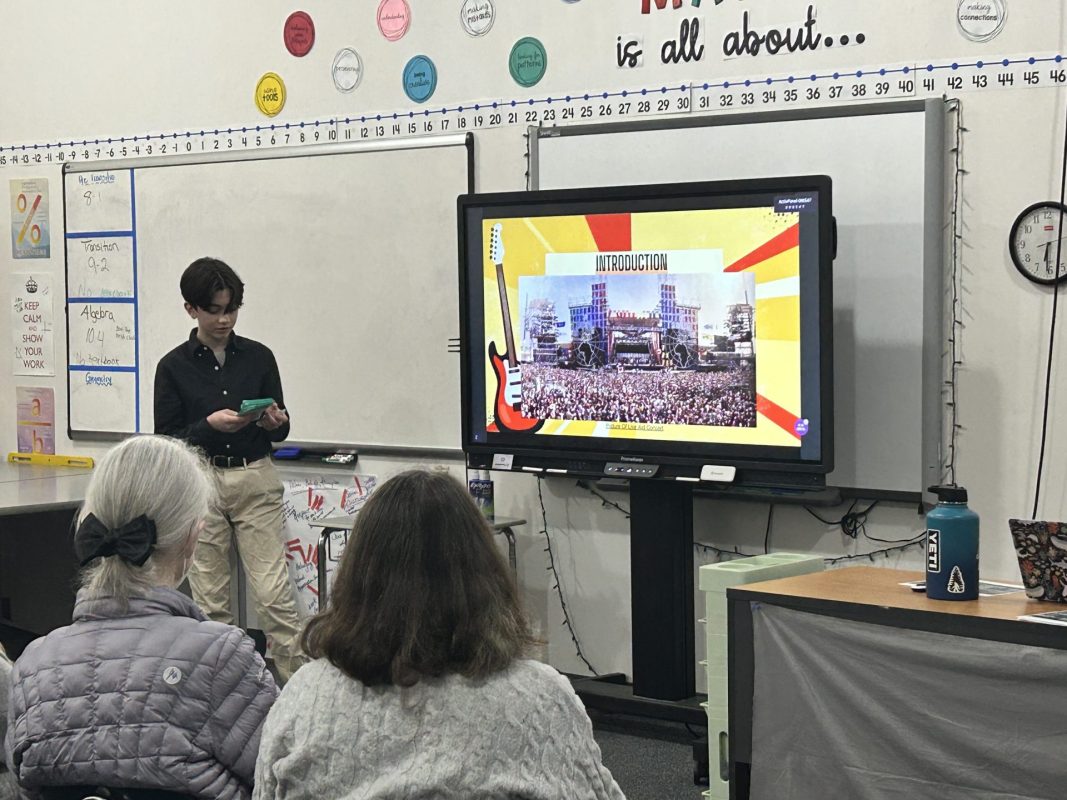
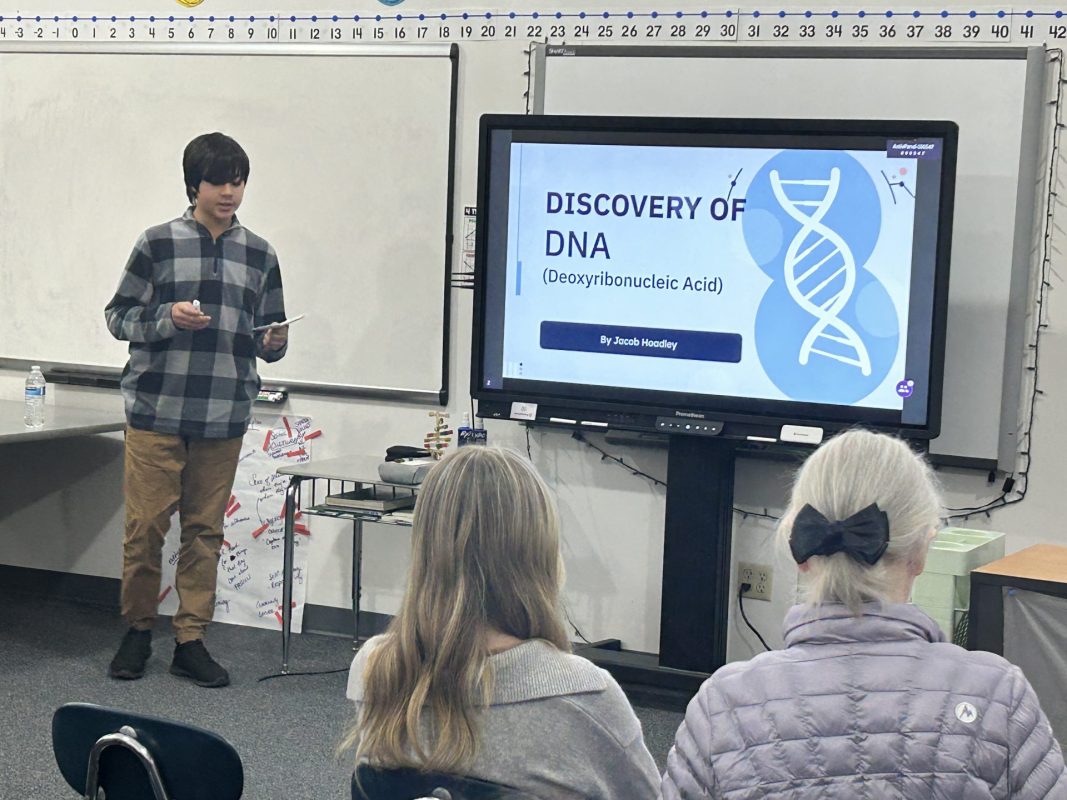
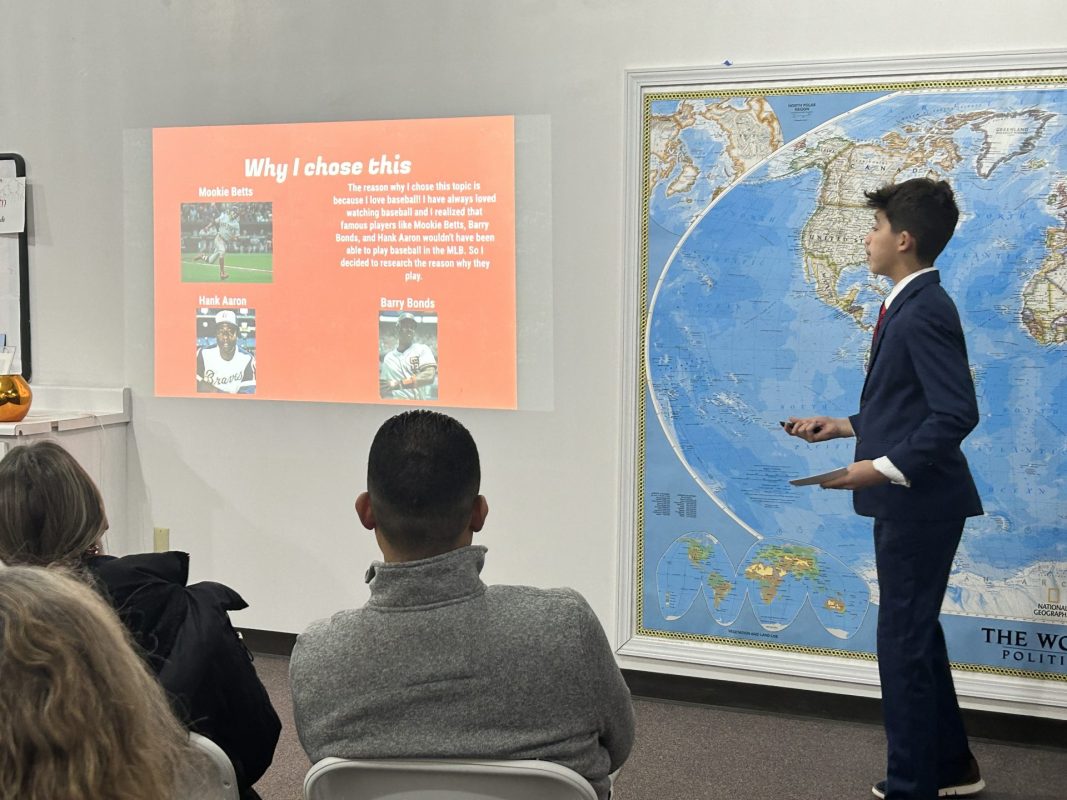
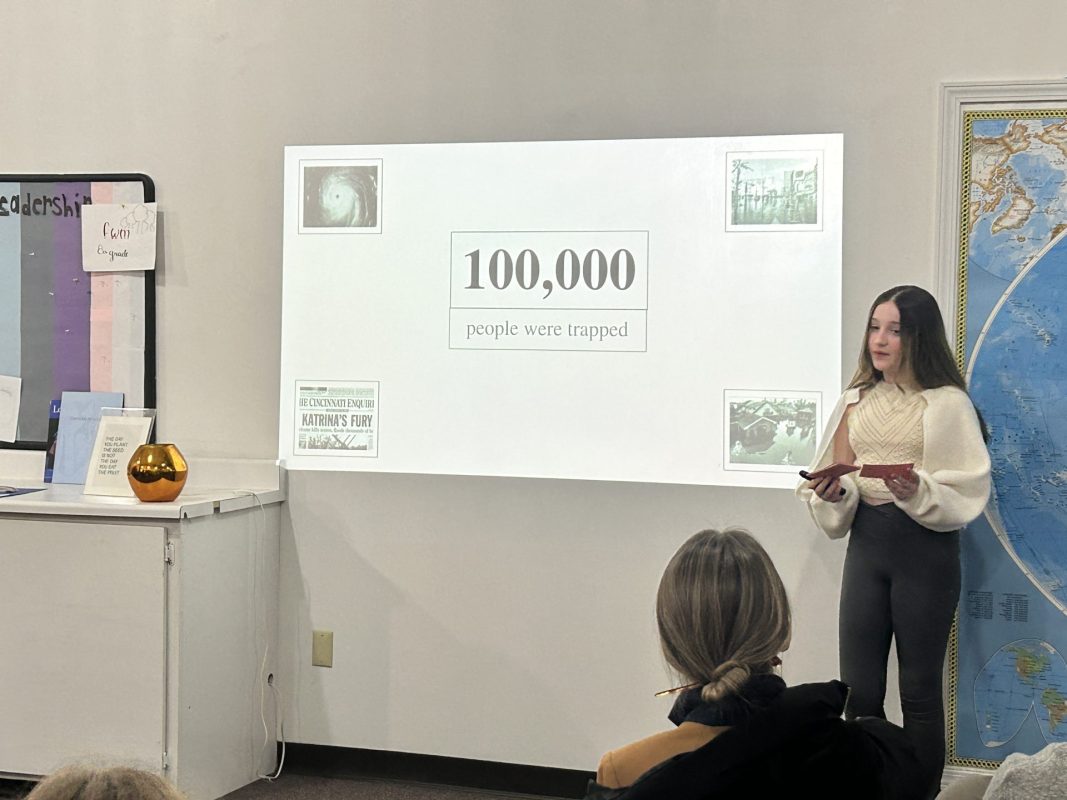
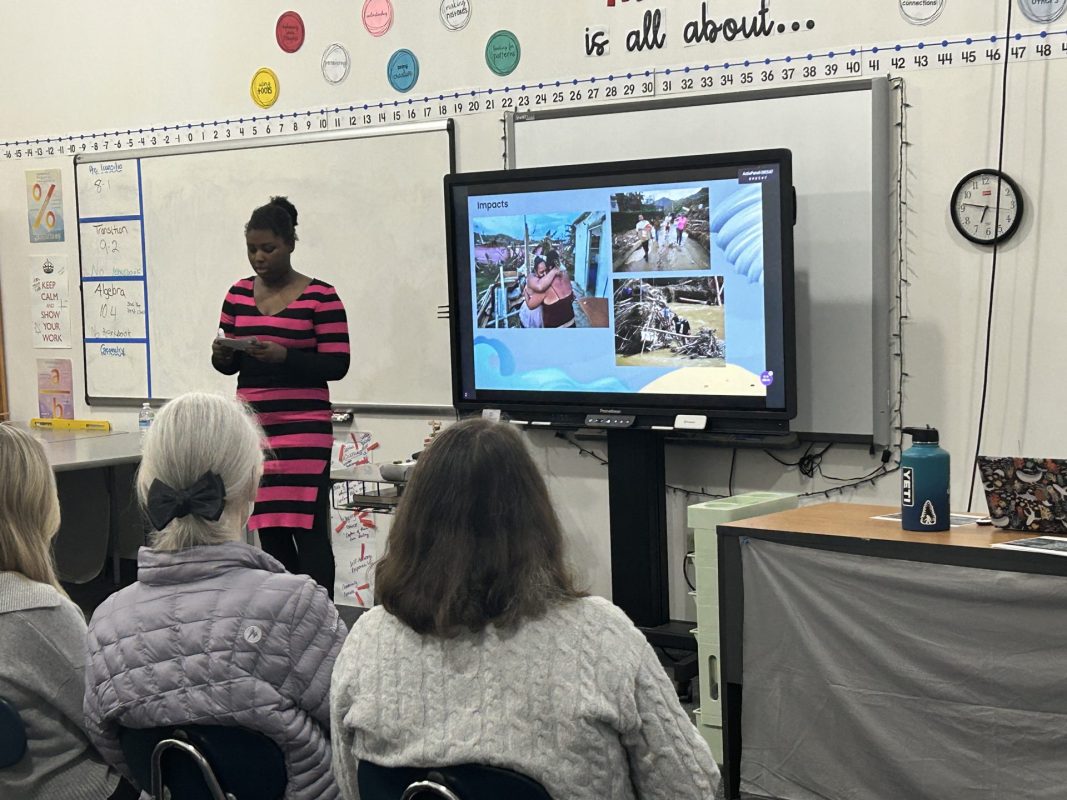
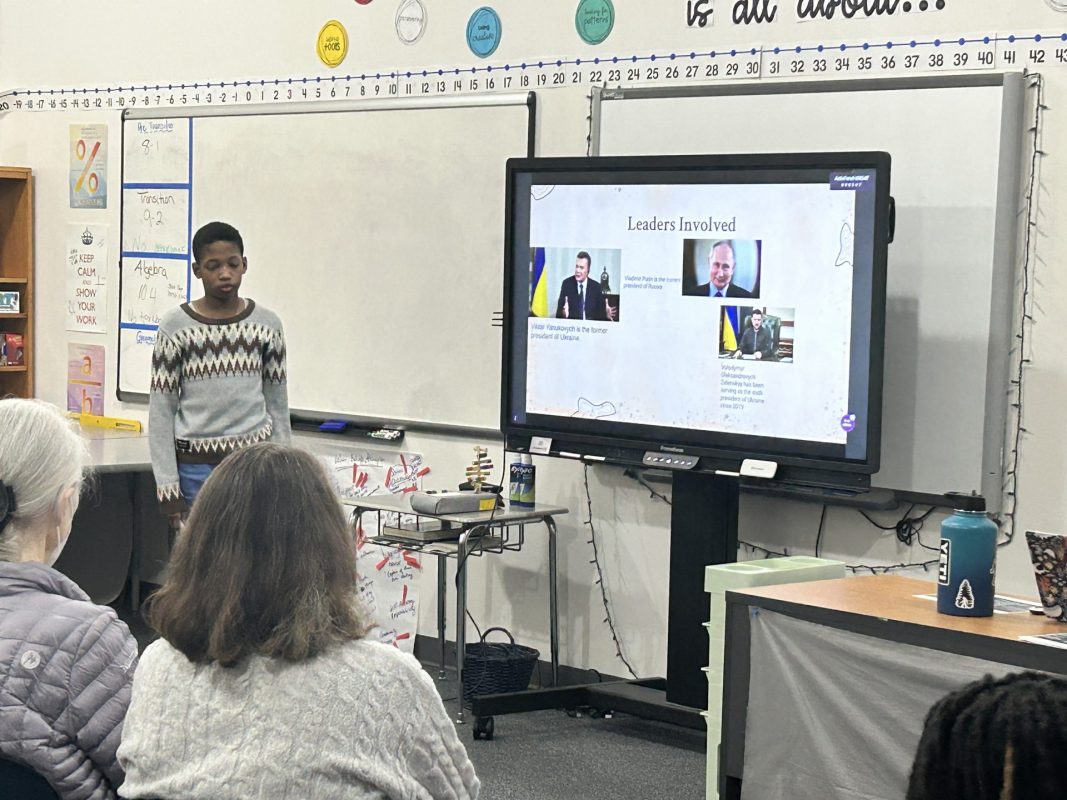
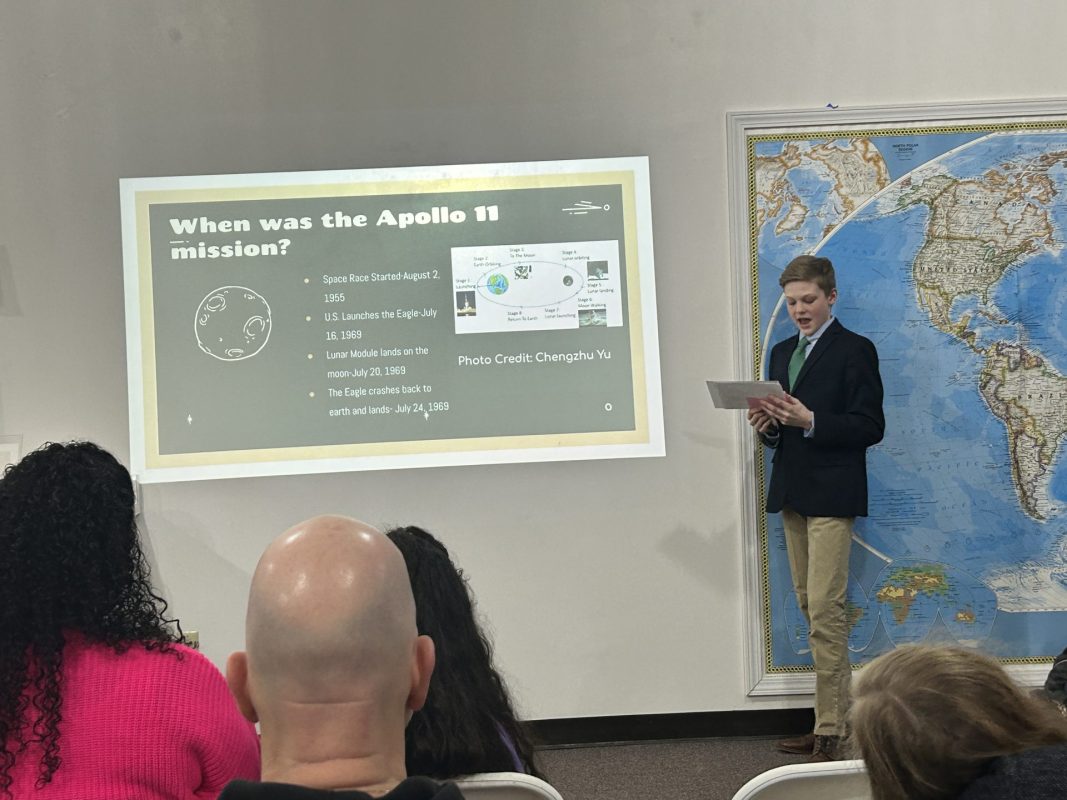
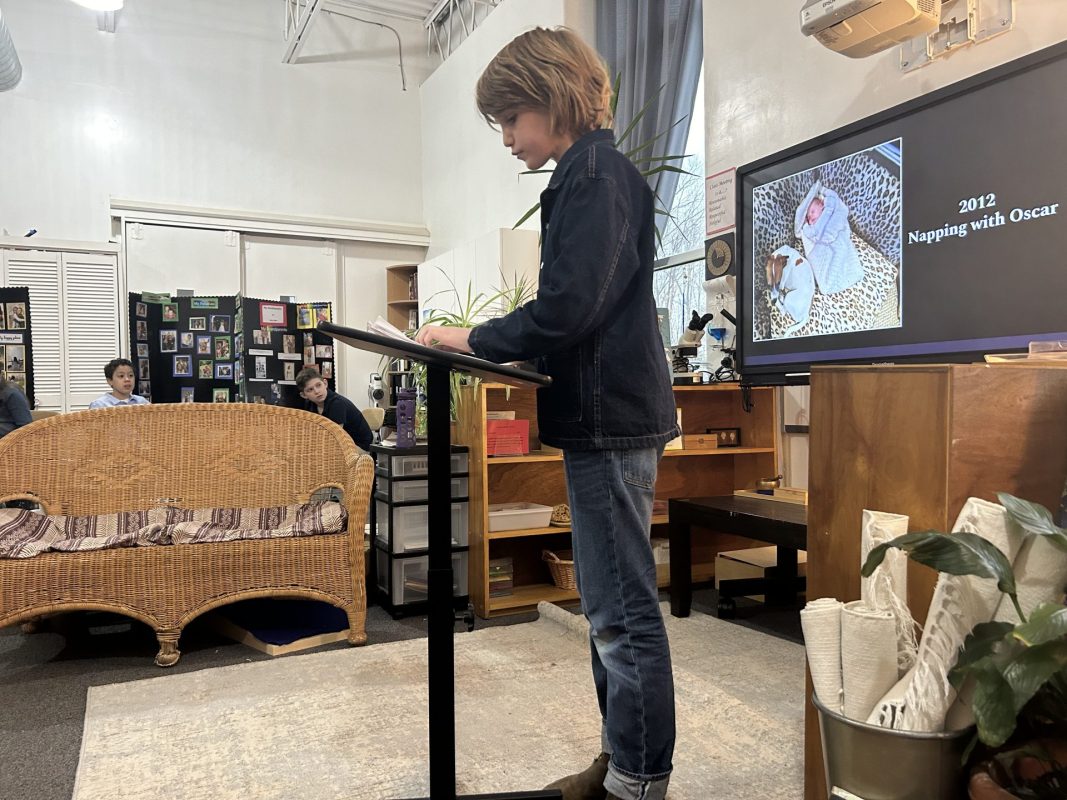
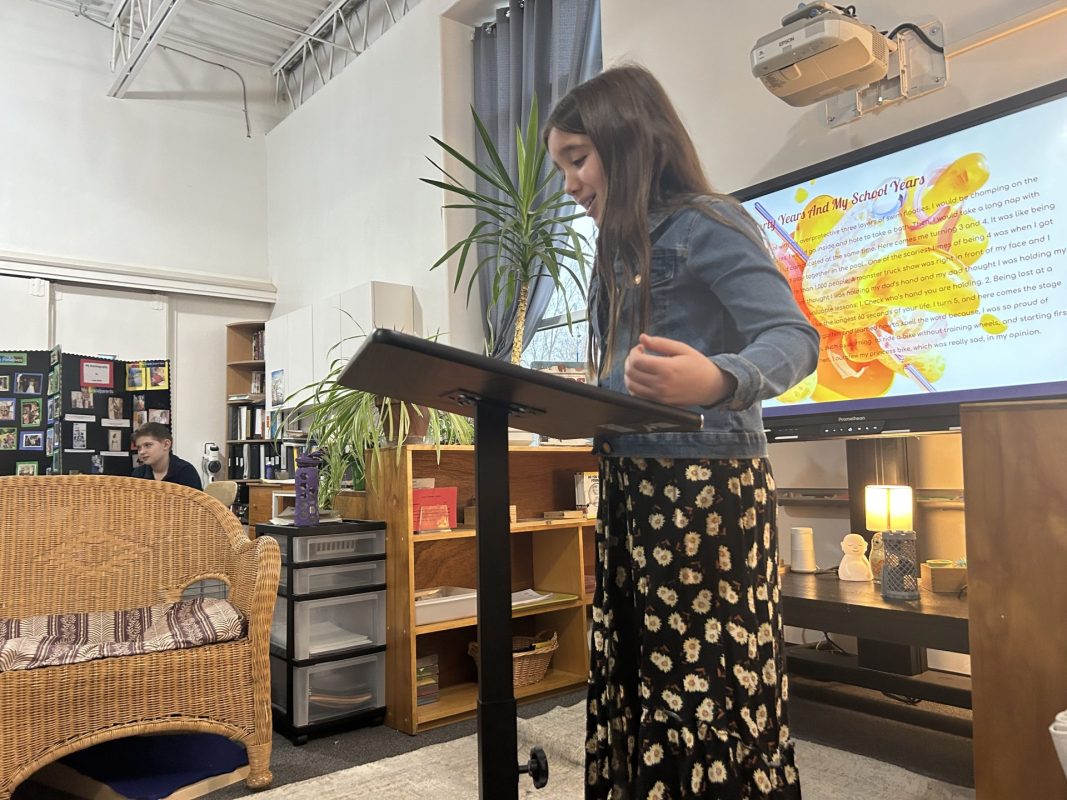
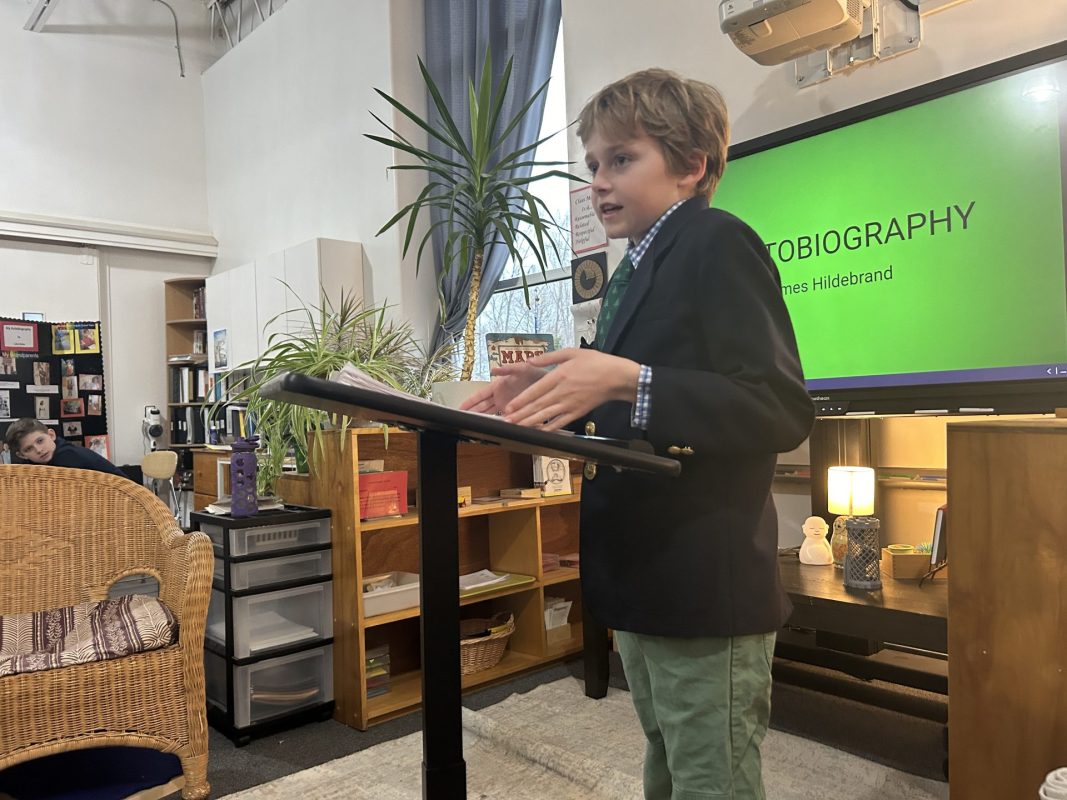
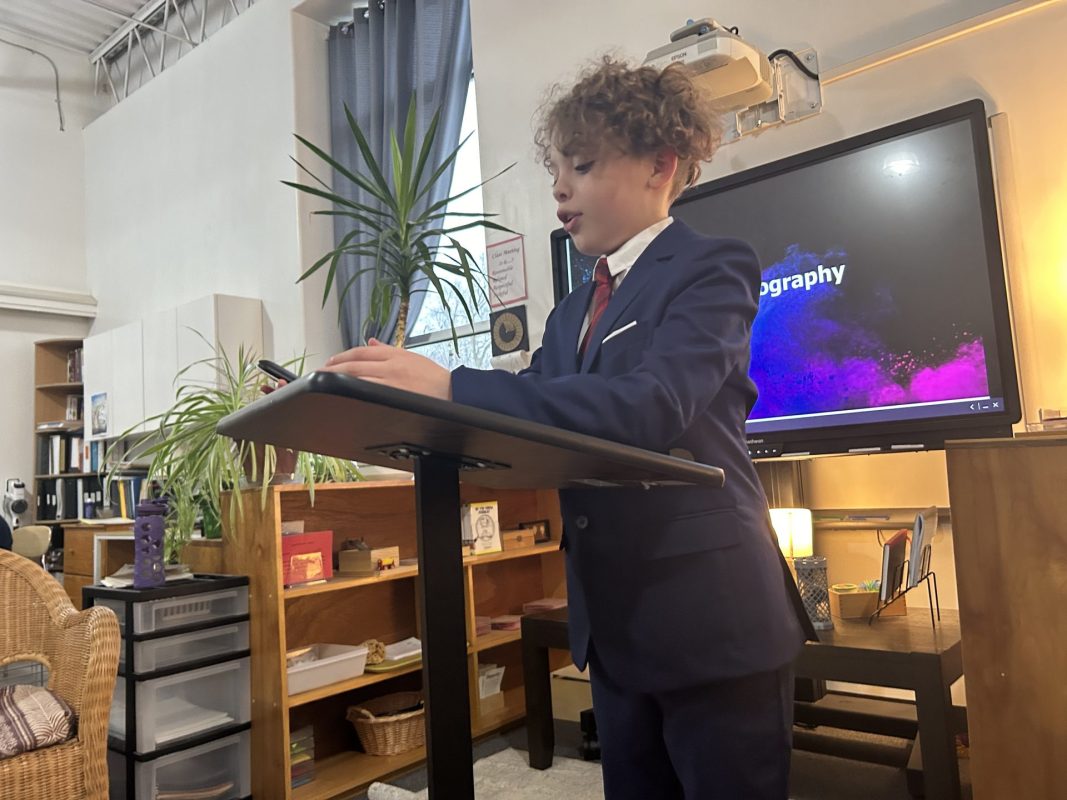
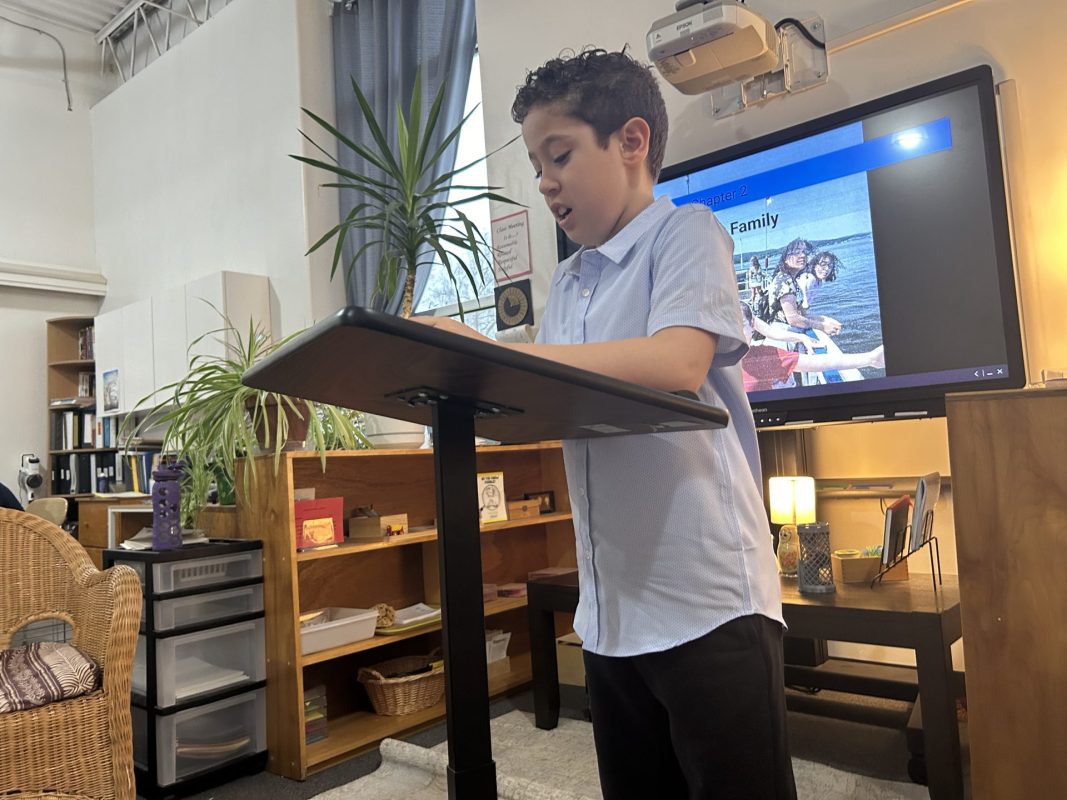
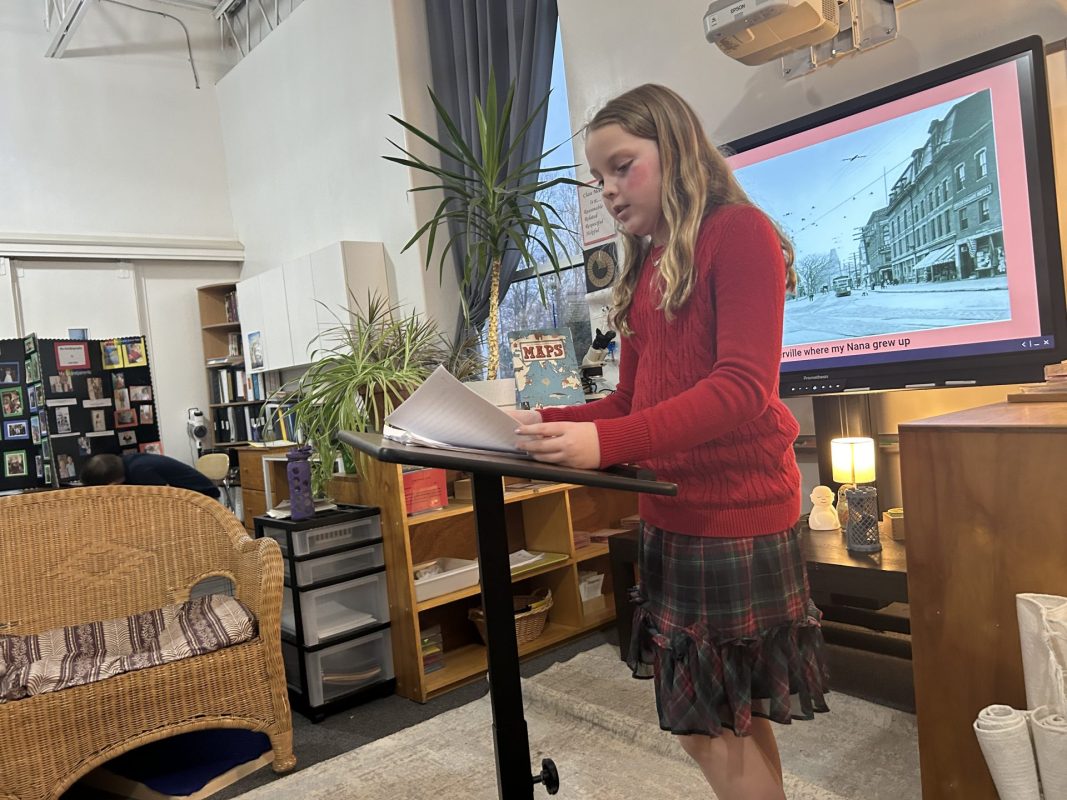
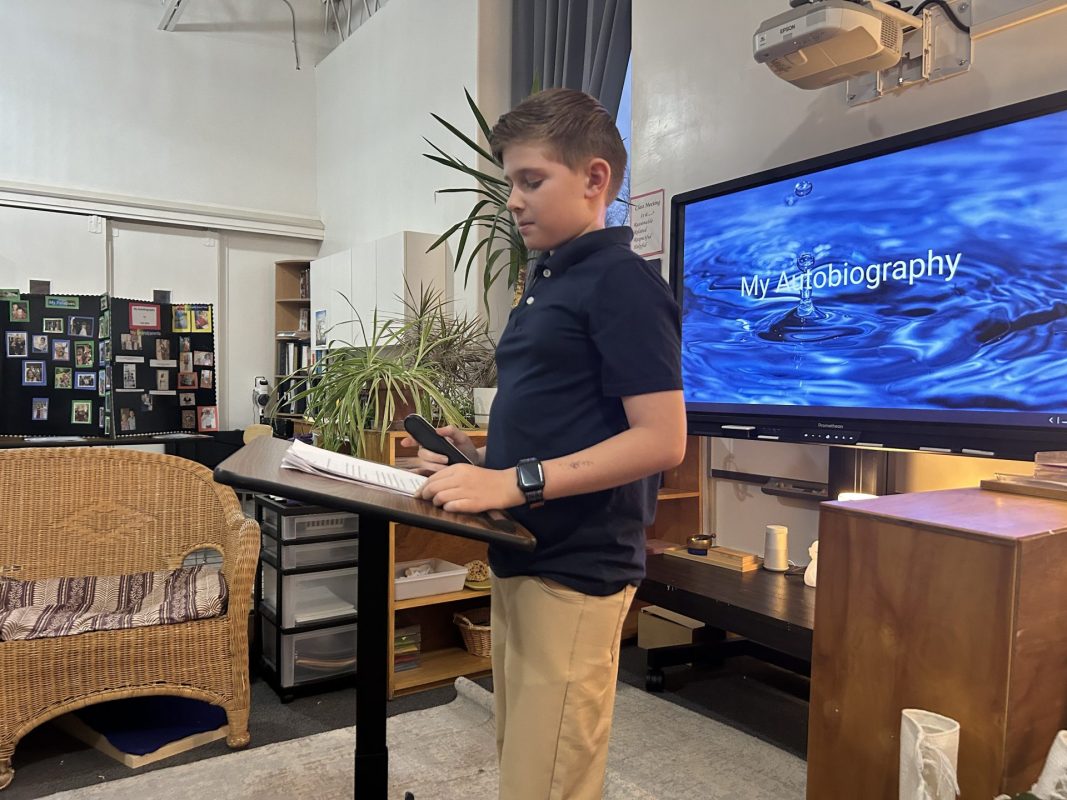
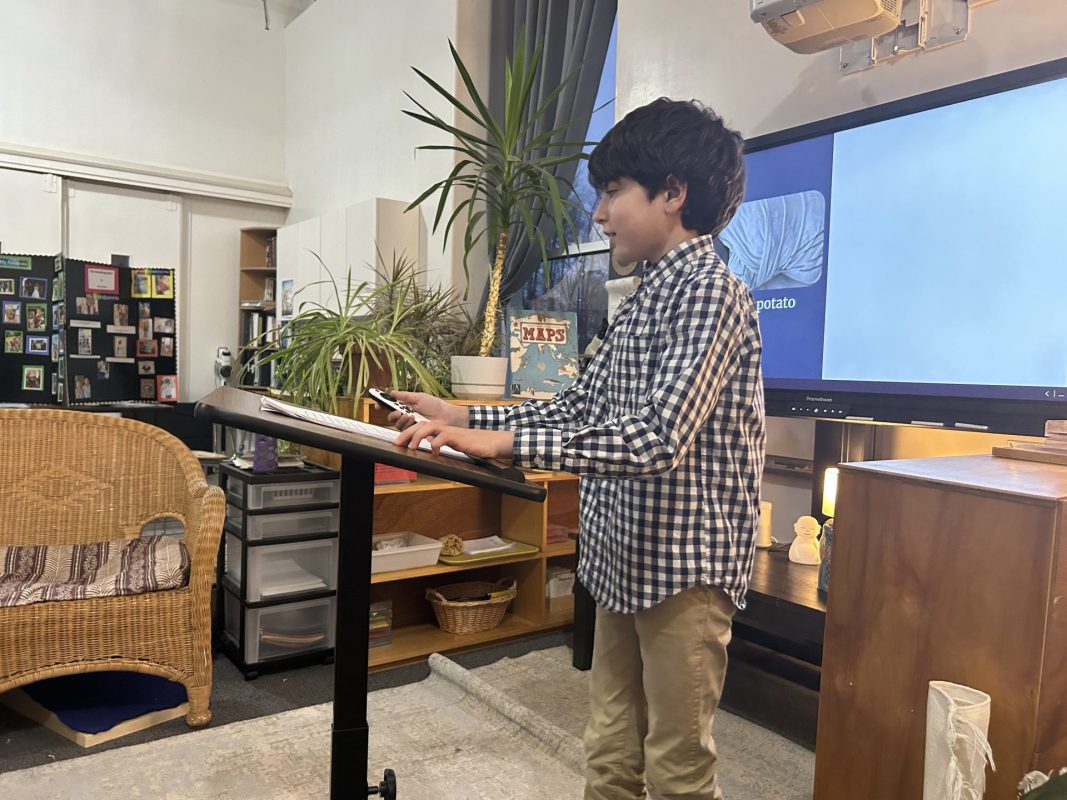
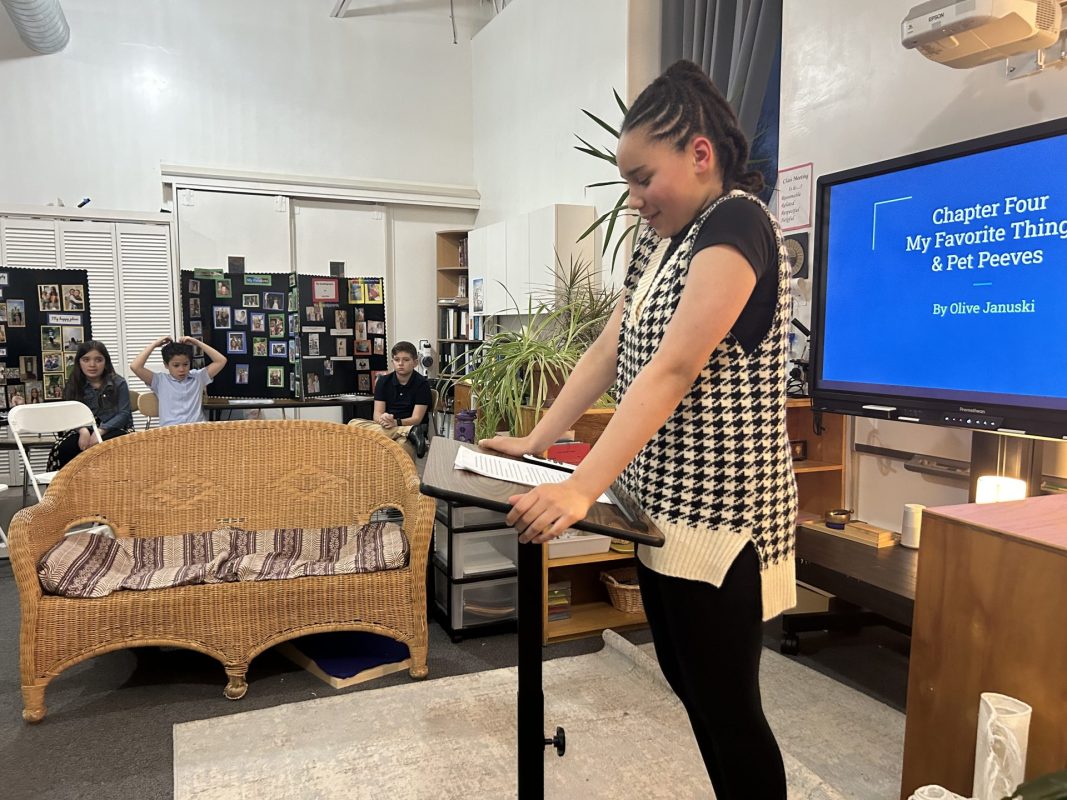
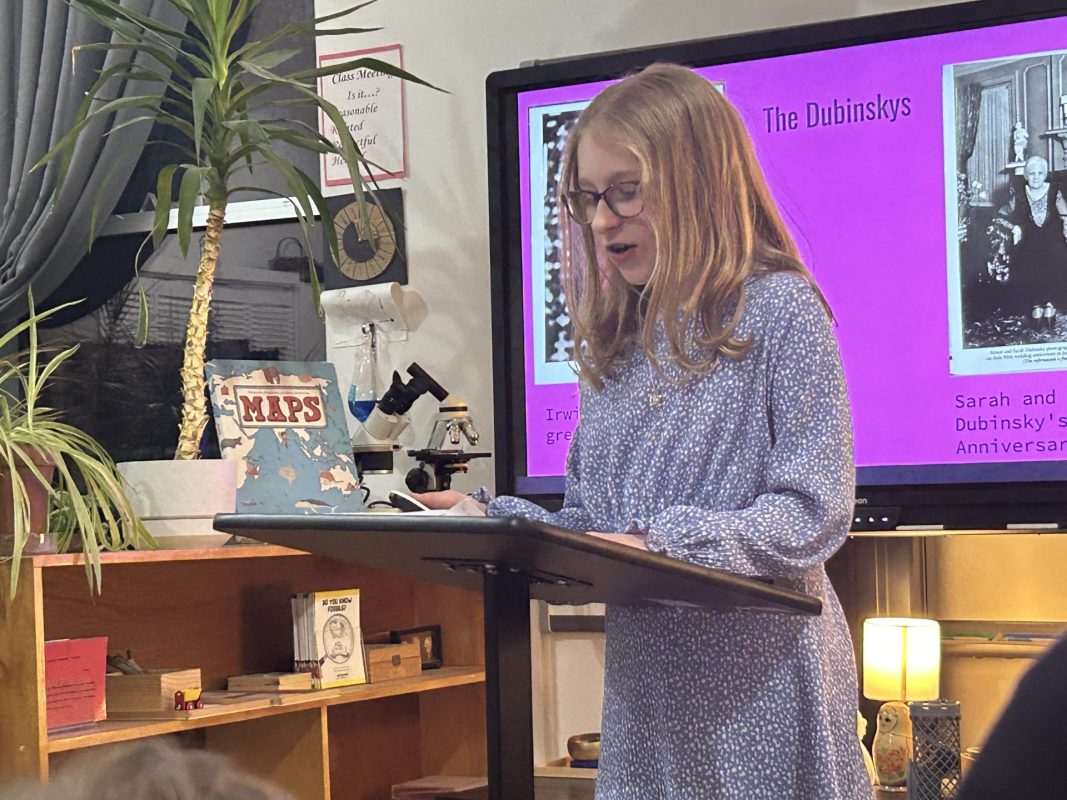
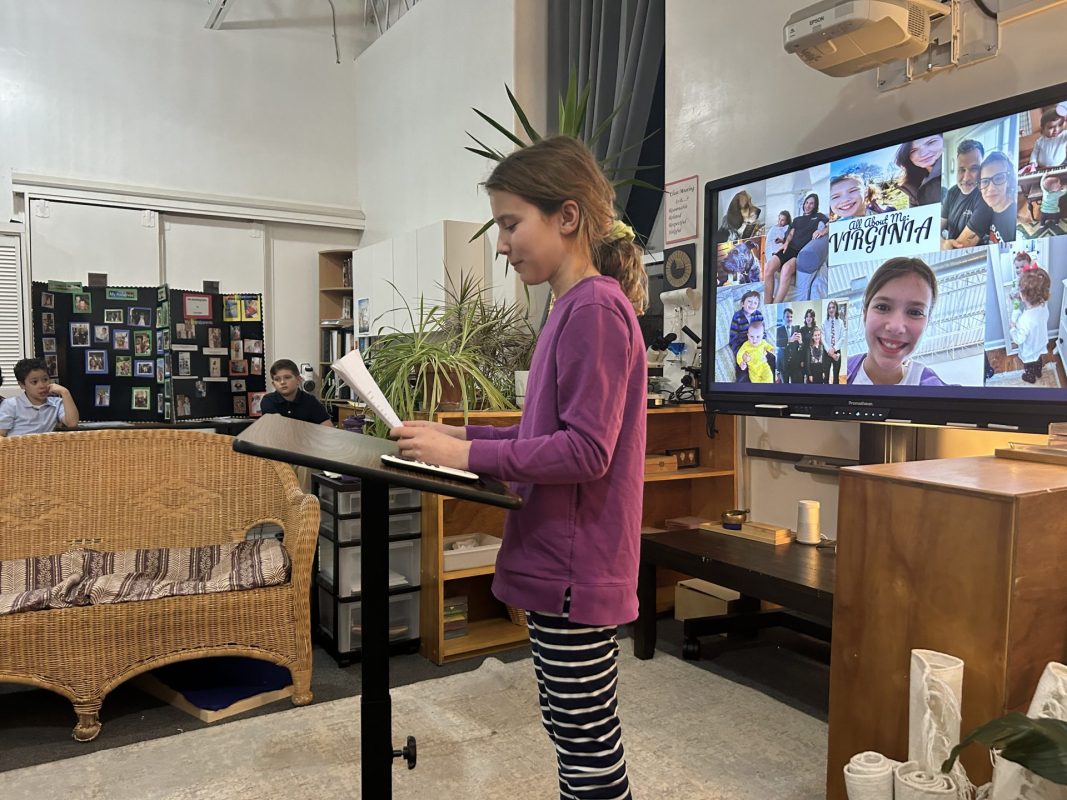
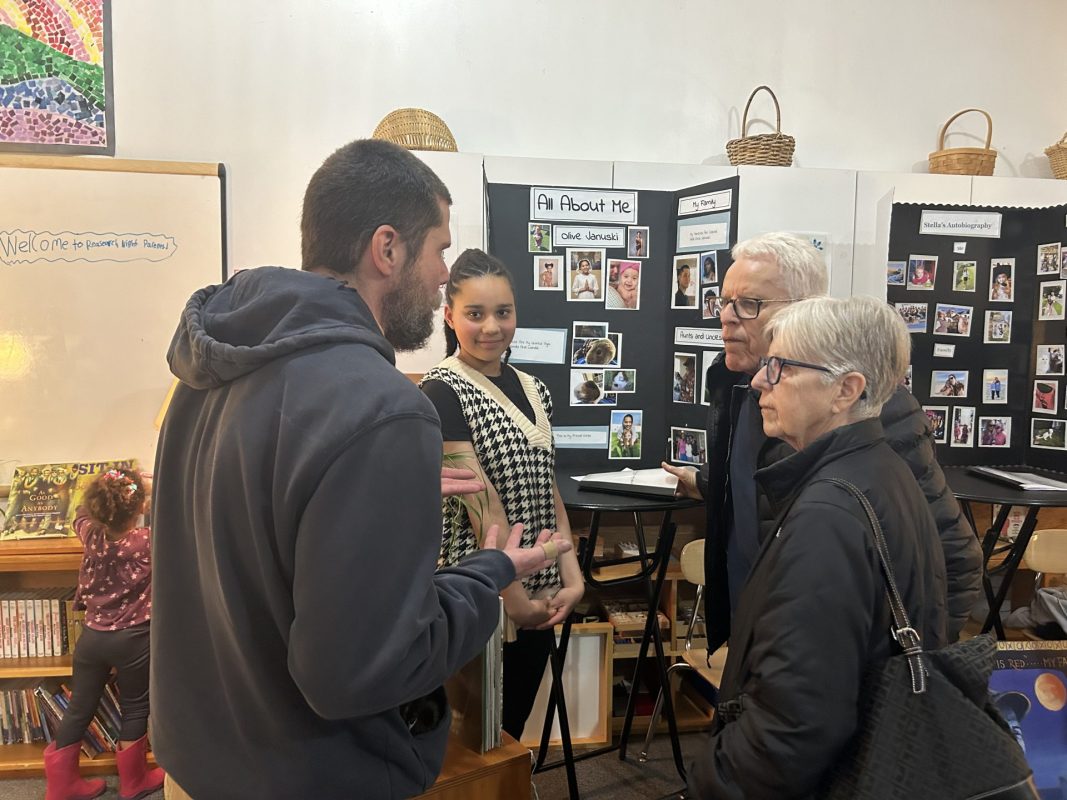
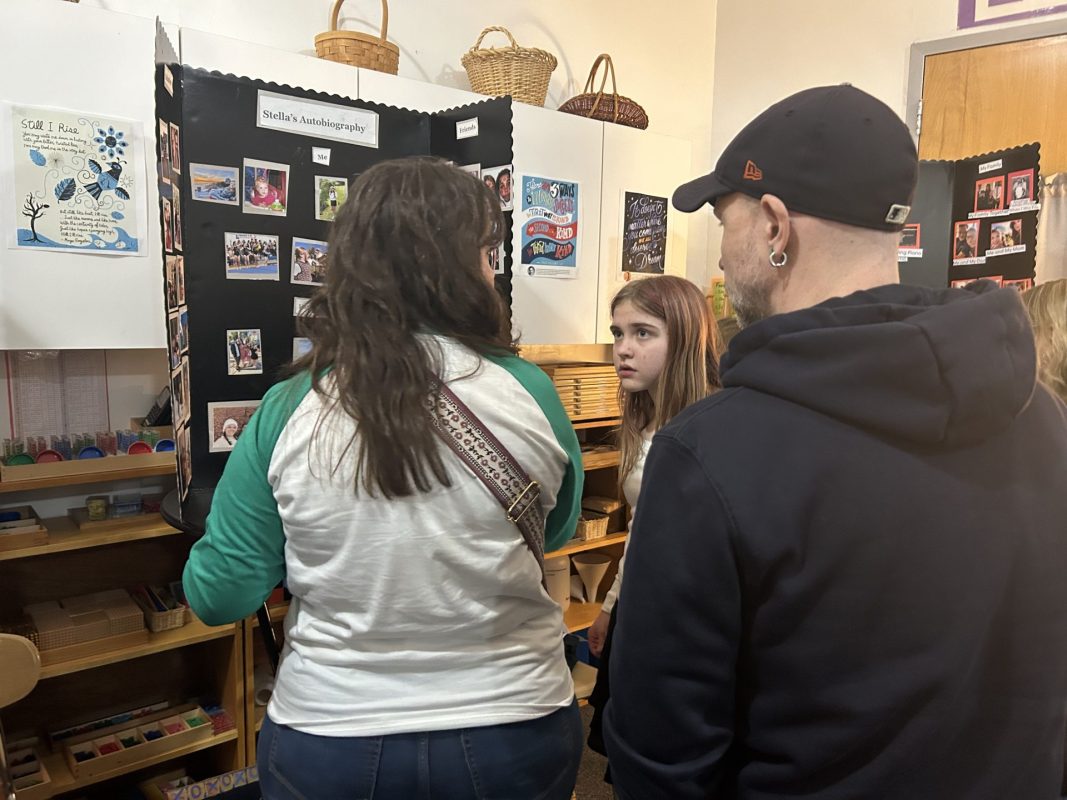
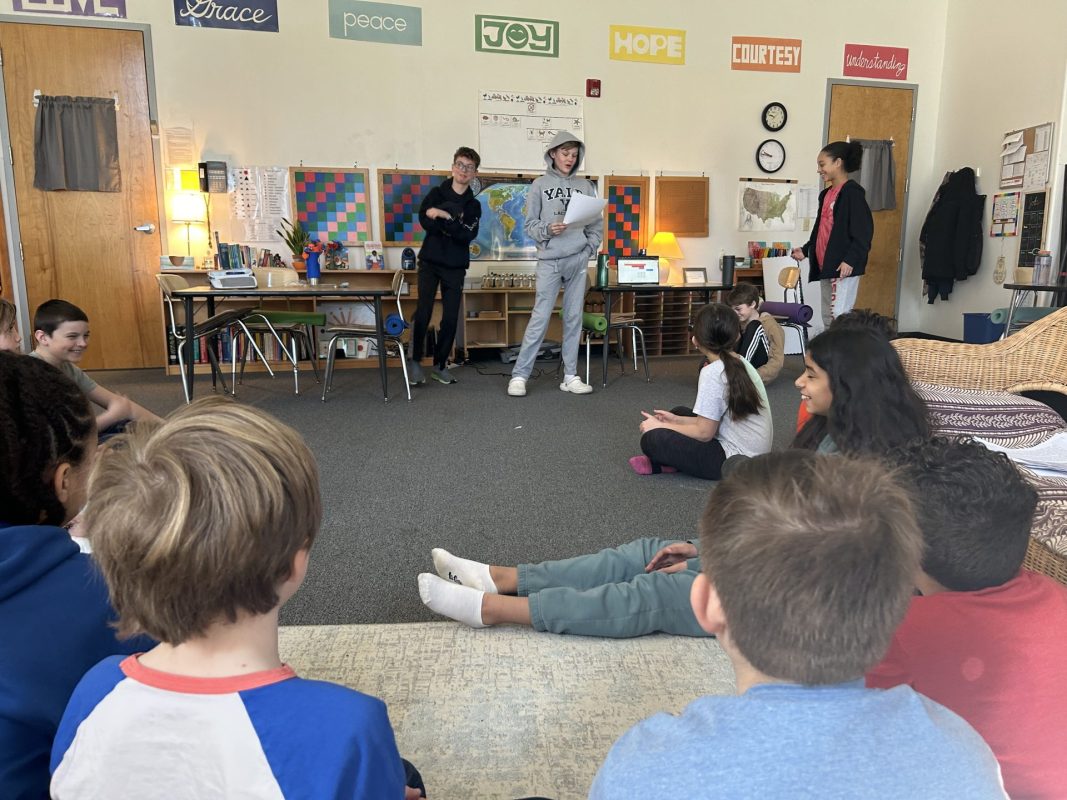
On the agenda for the final week before spring break is 6th and 7th grade Research Night! Please arrive at 5:50 for the 6 pm start time. Students will be separated into two mixed-grade groups and will be presenting in either Mrs. Lamb’s room OR the Math room. The program should run for about 45 minutes.
**Student presenters should be dressed to impress in business casual clothes and neat hair. Please leave sweats, torn clothes, and everyday gym shoes at home.**
Humanities
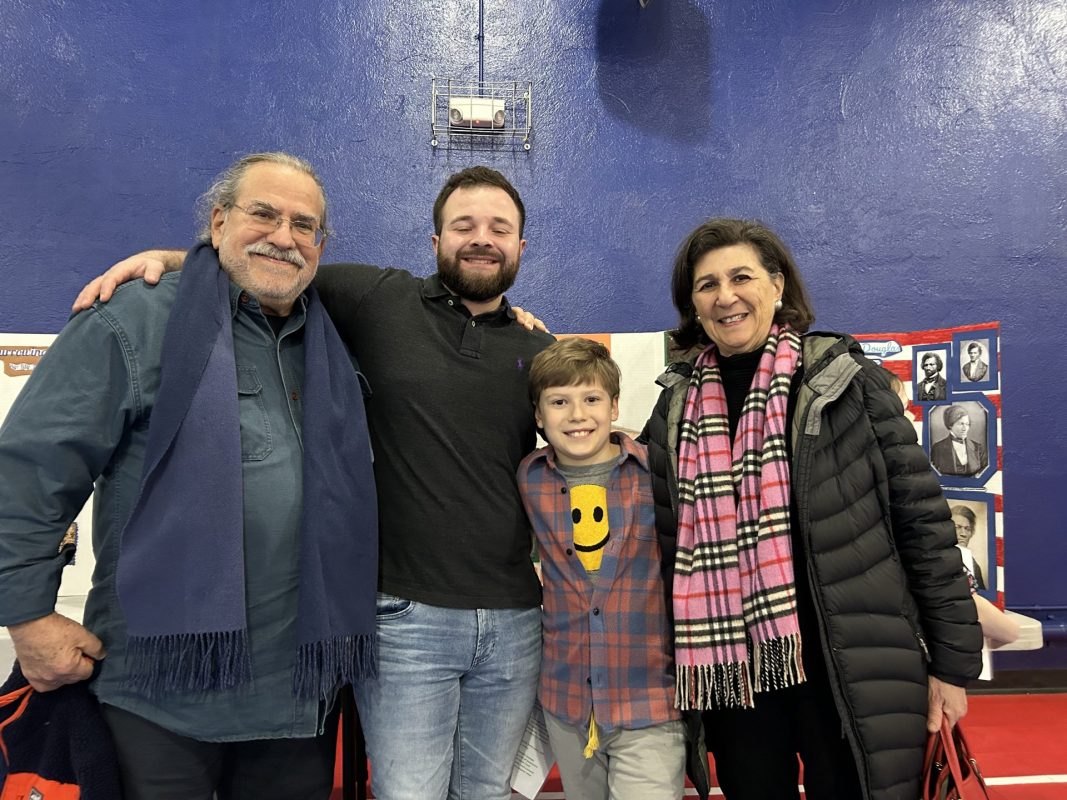
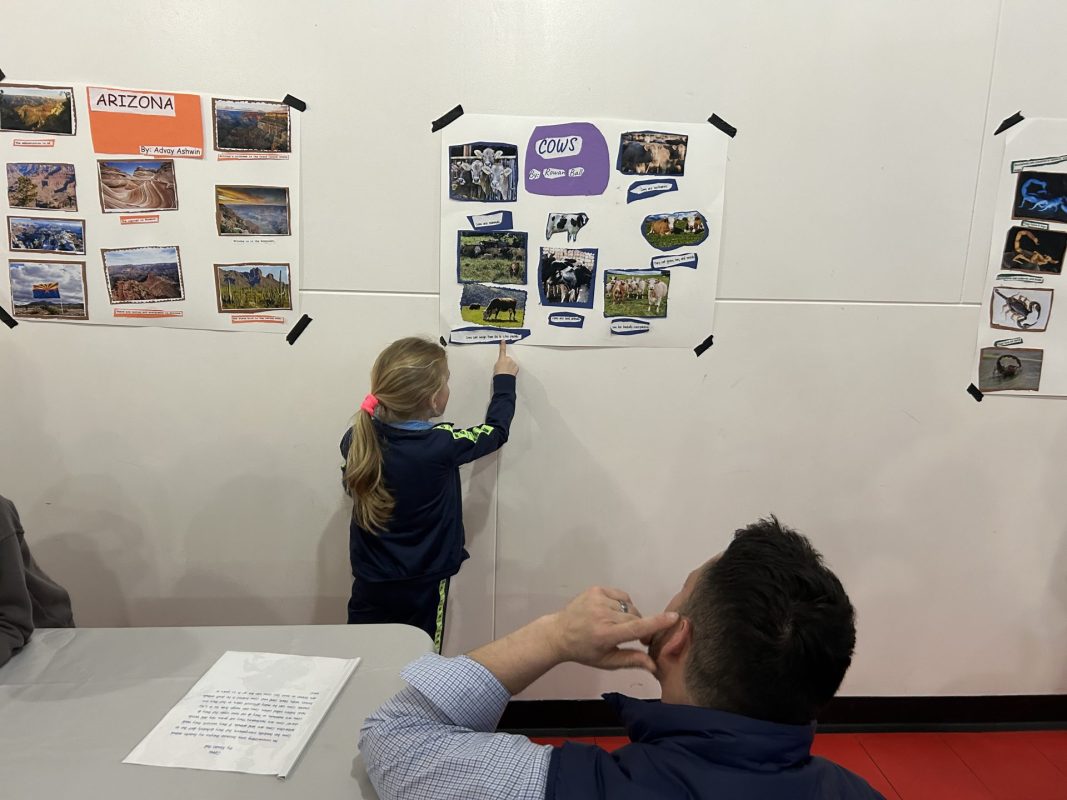
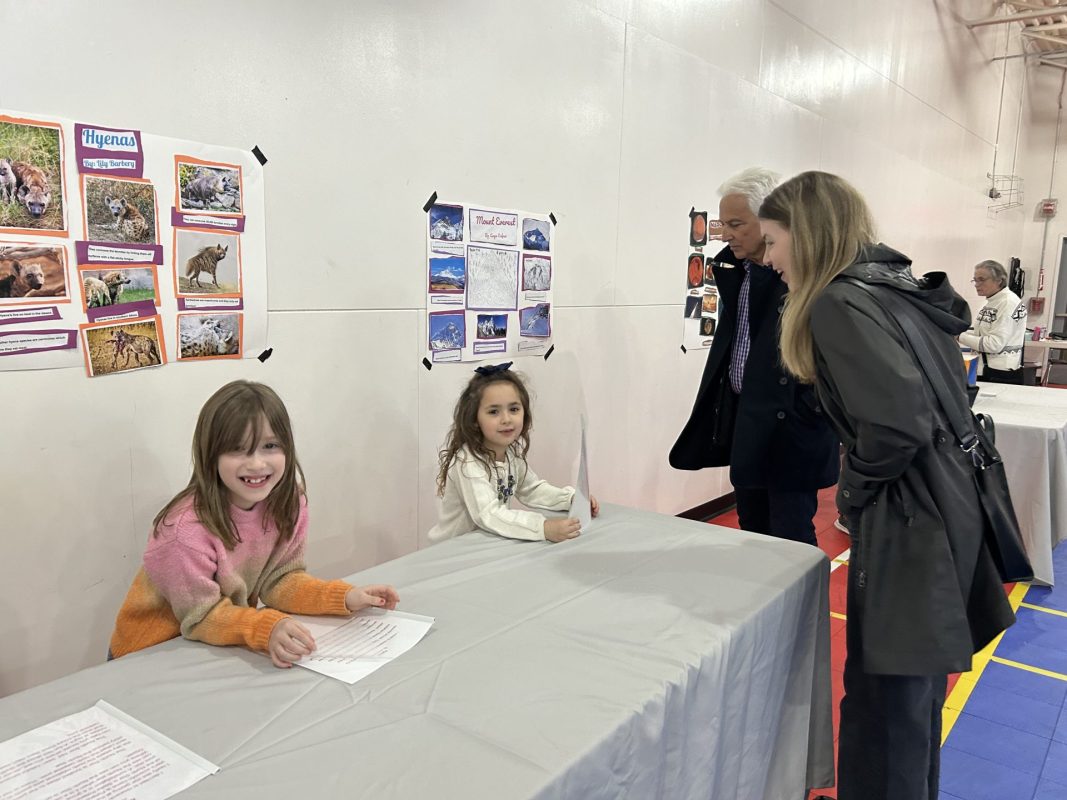
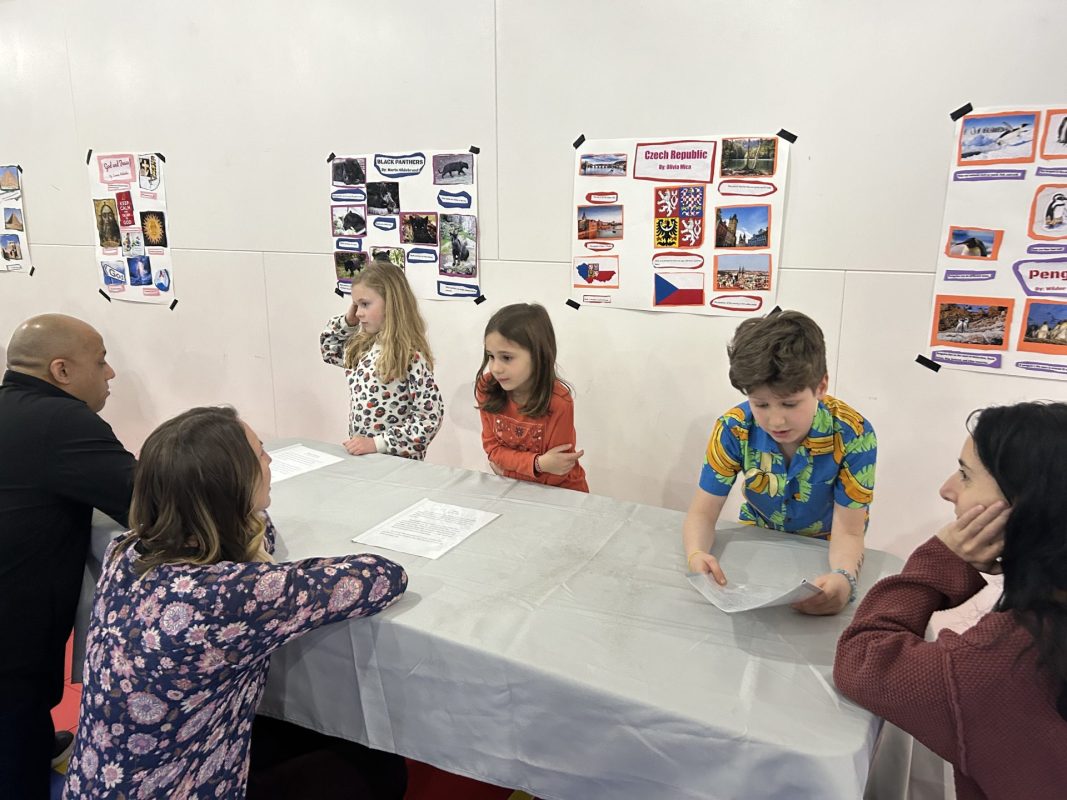
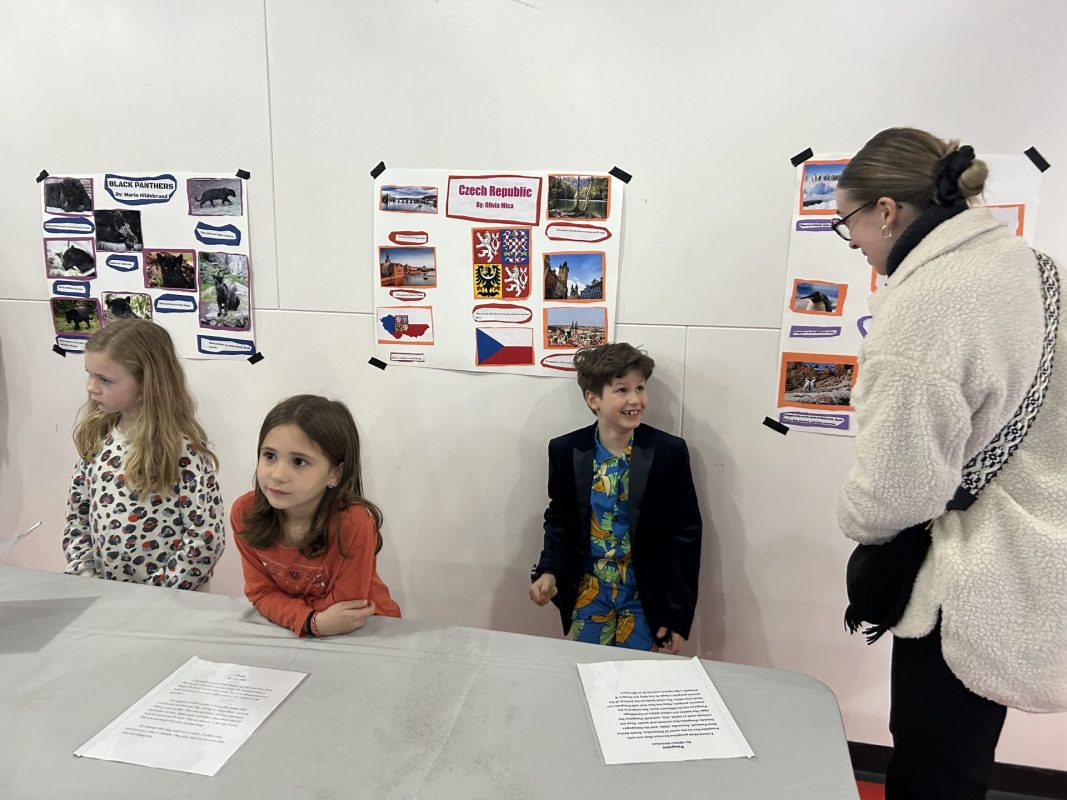
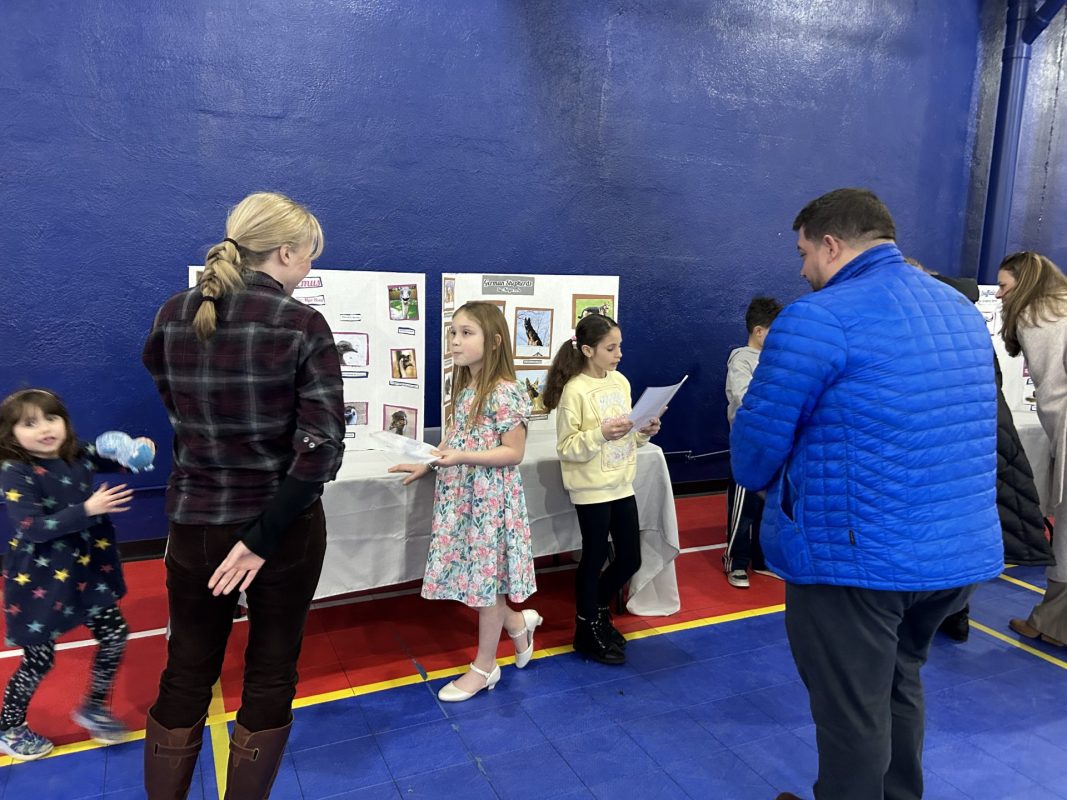
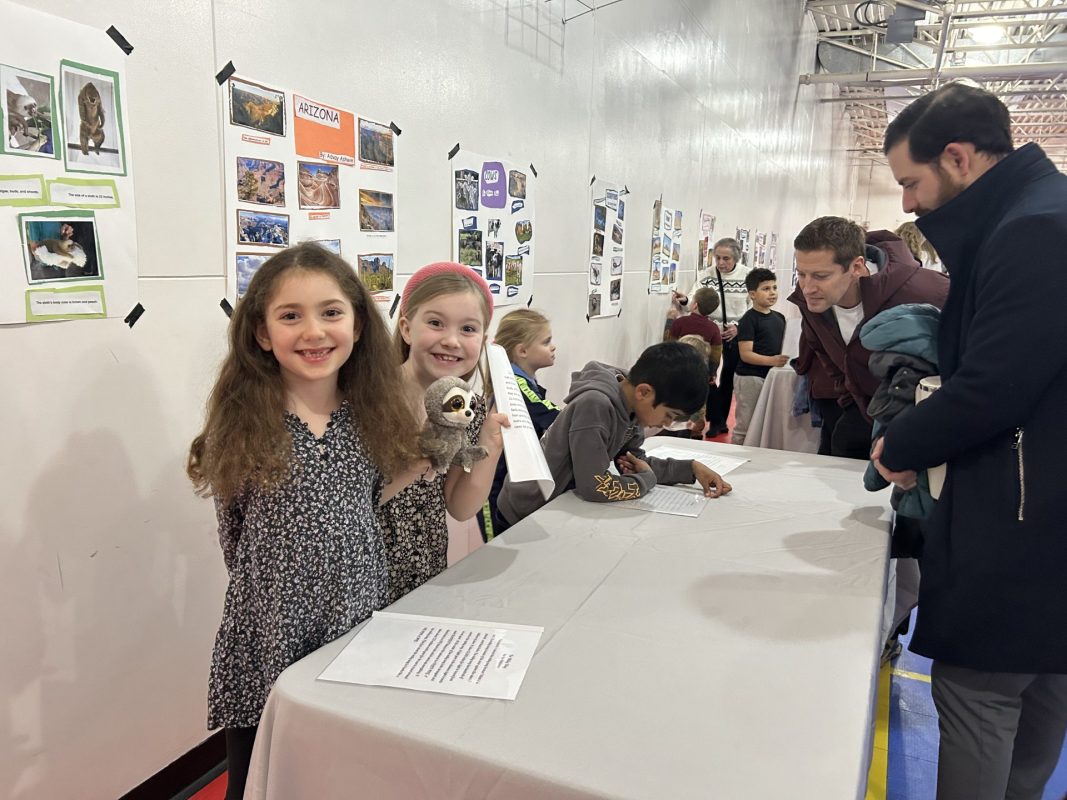
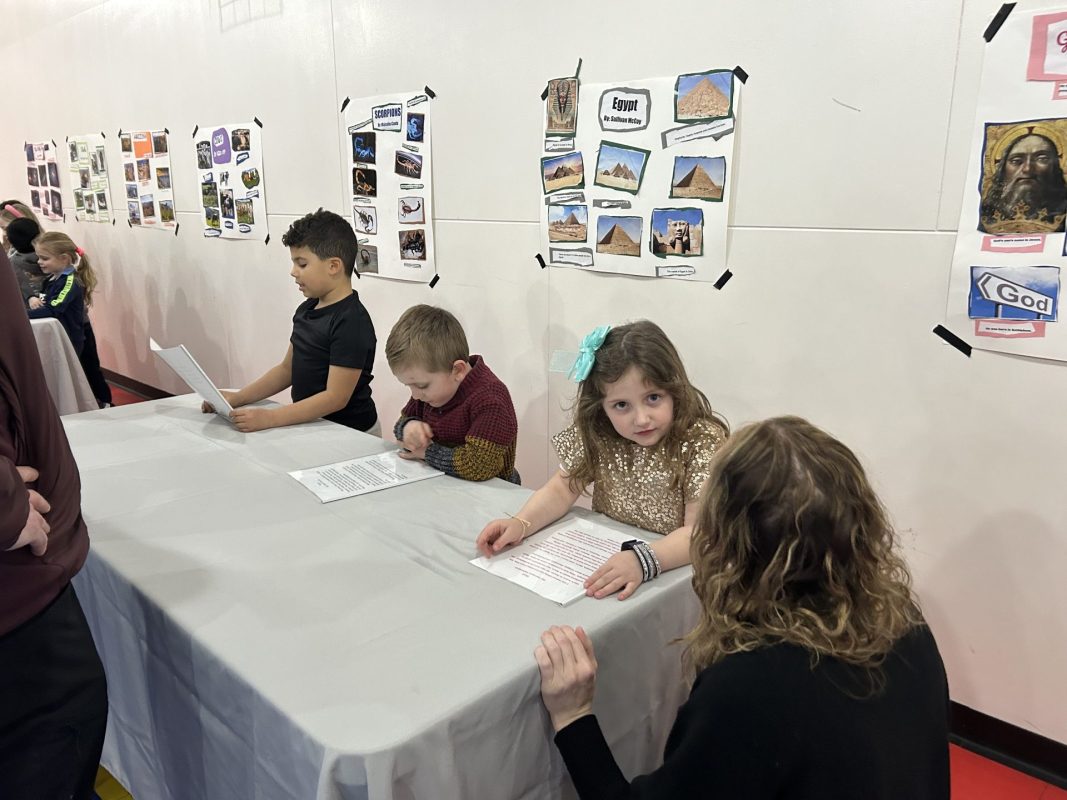
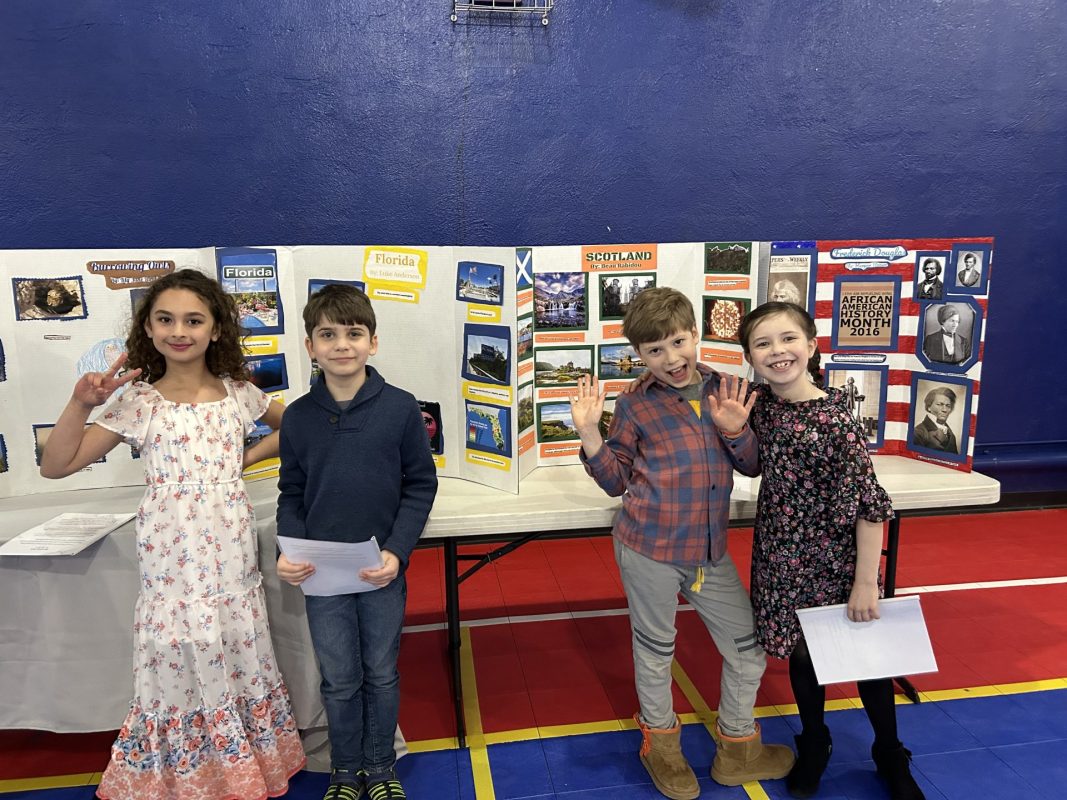
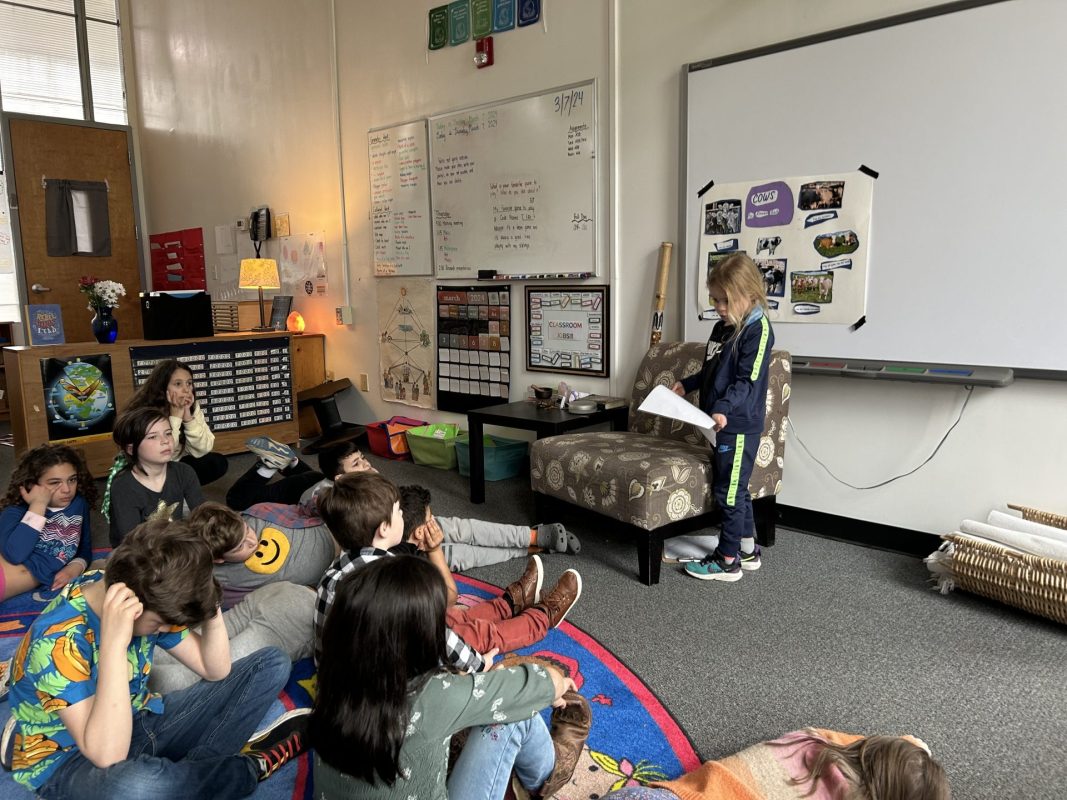
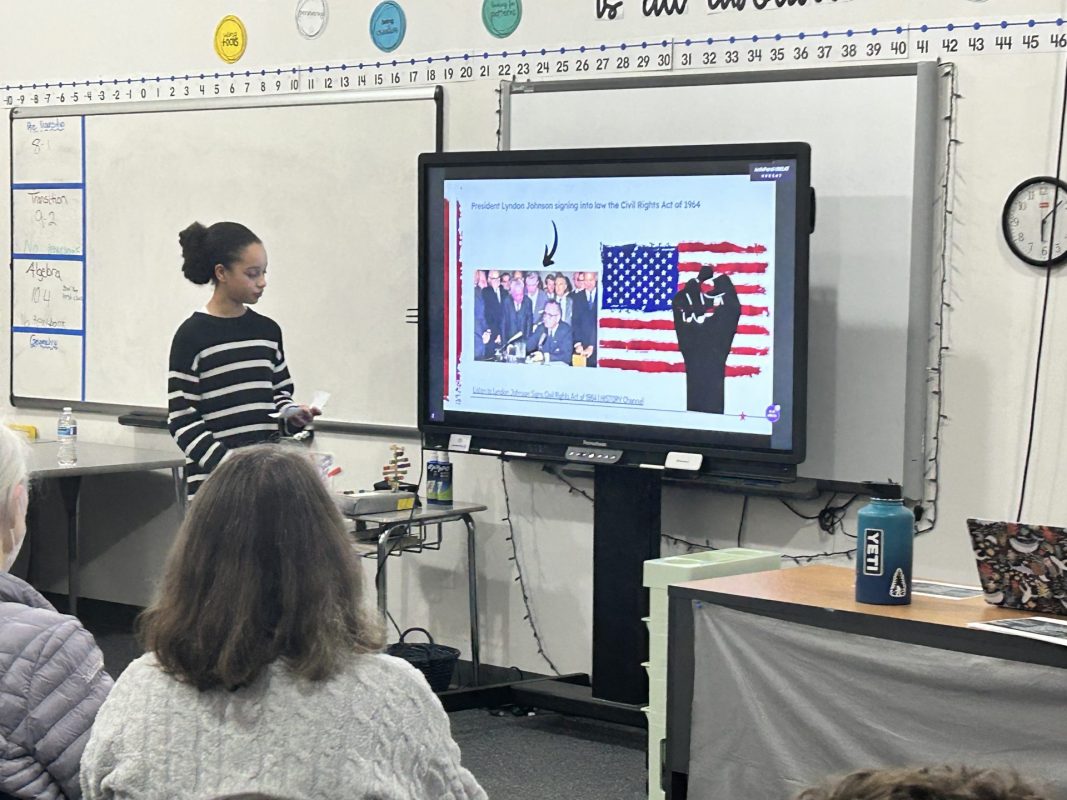
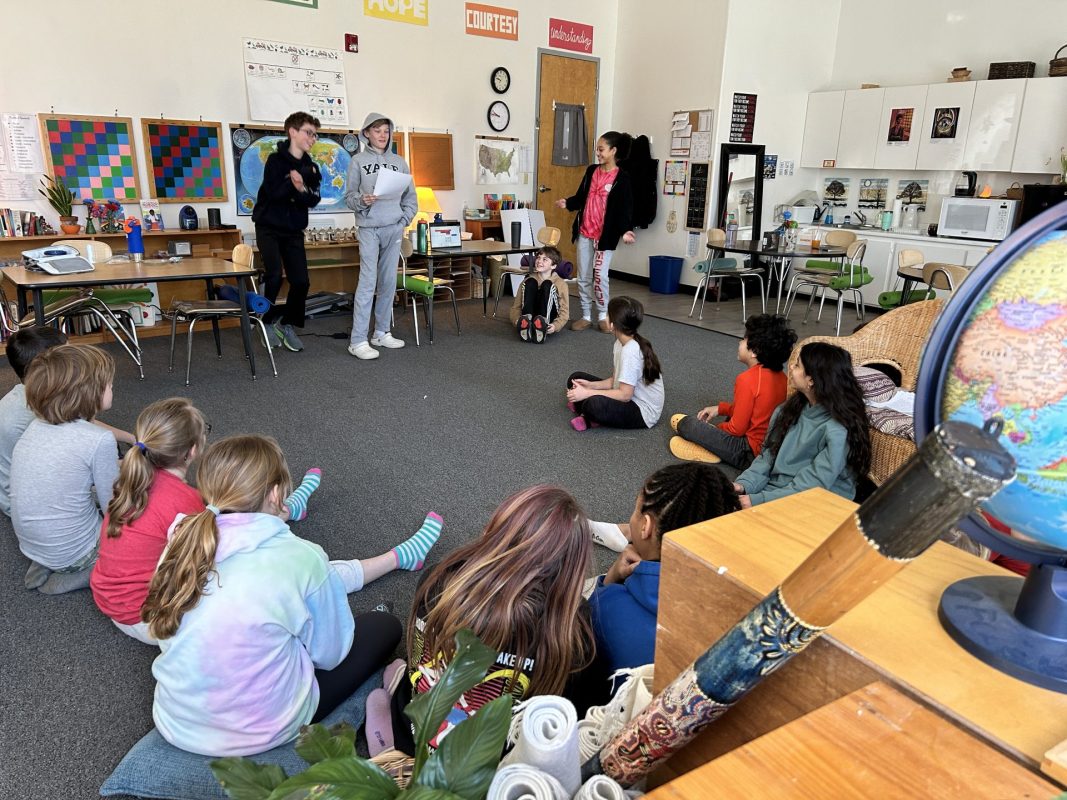
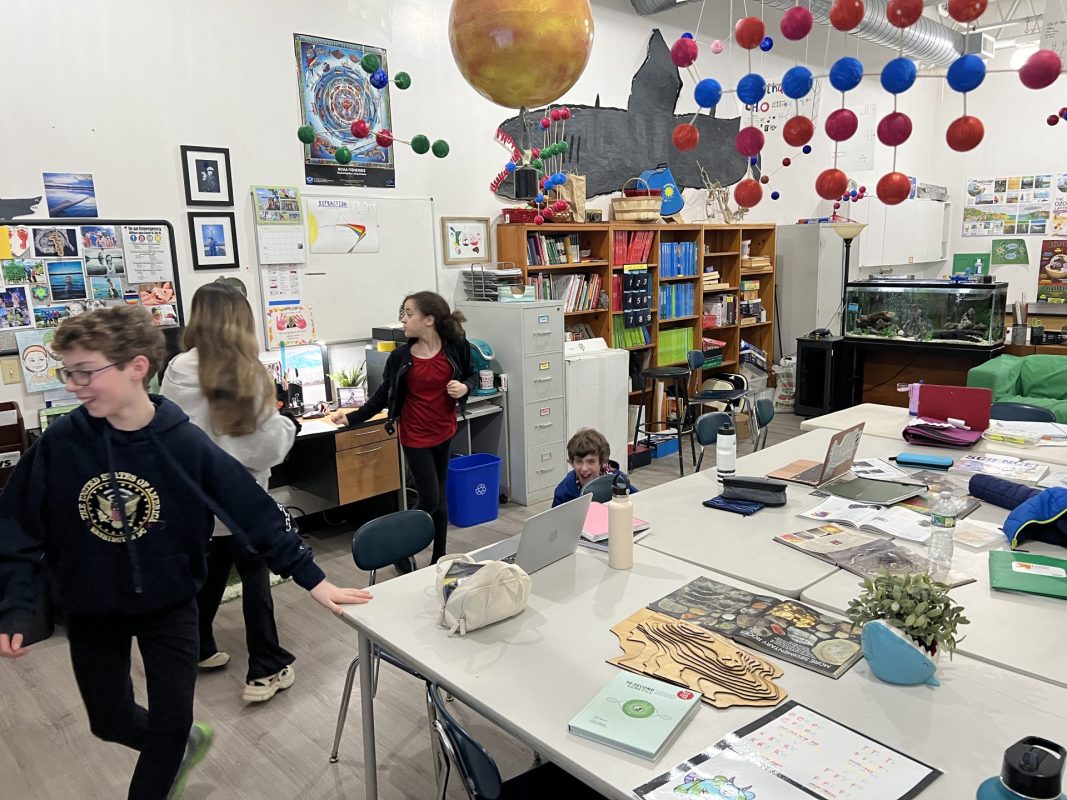
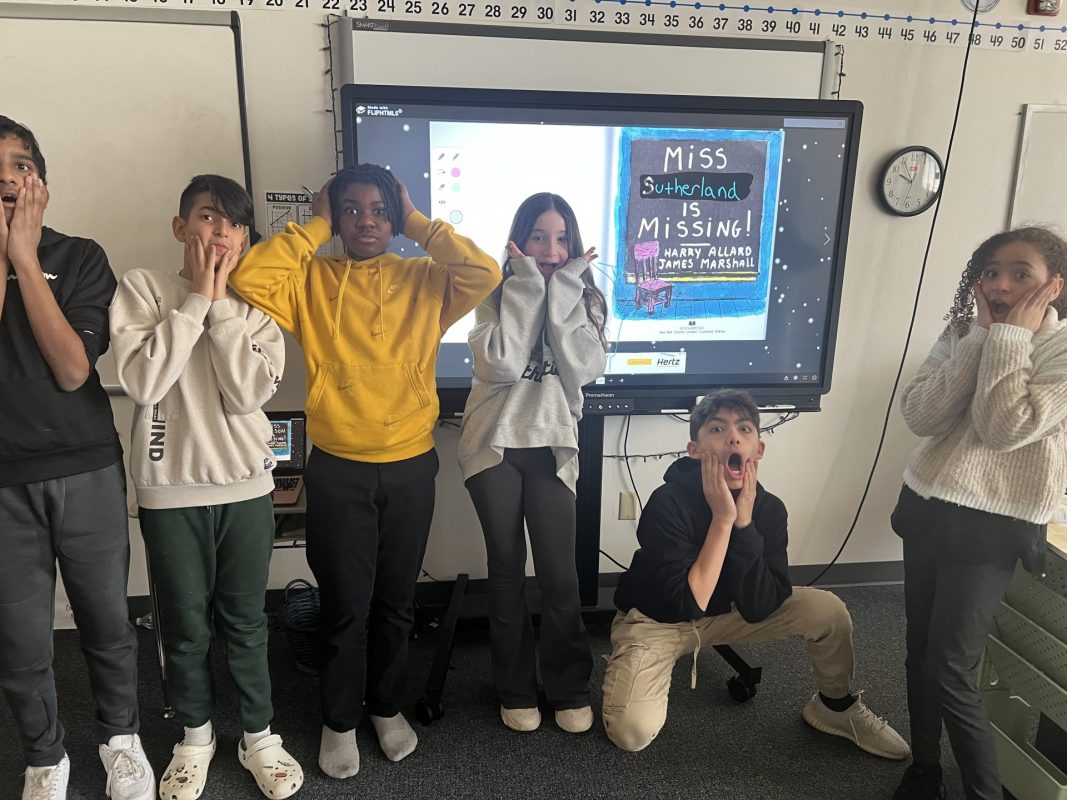
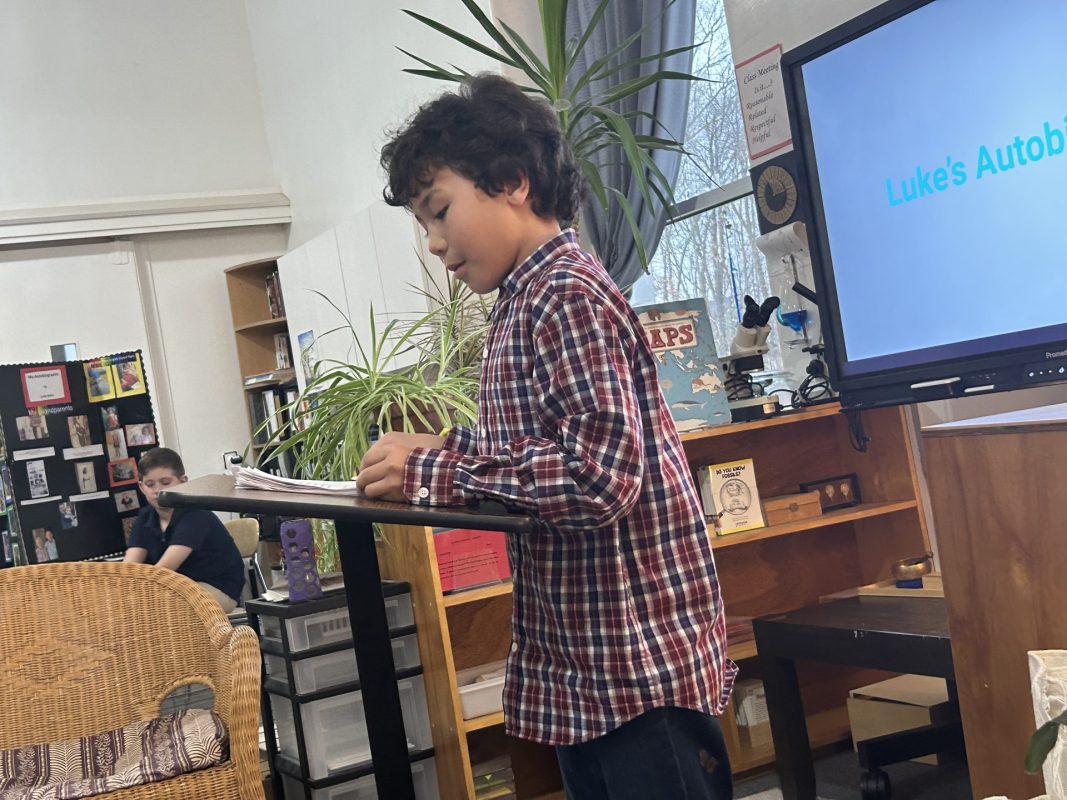
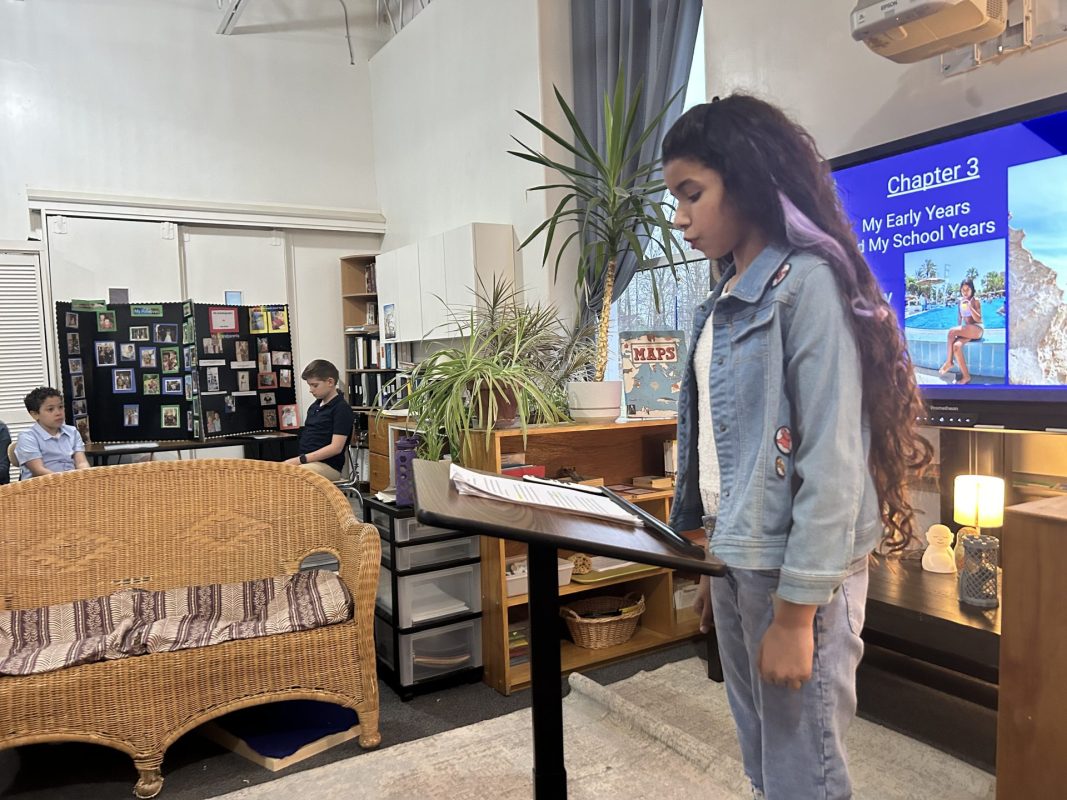
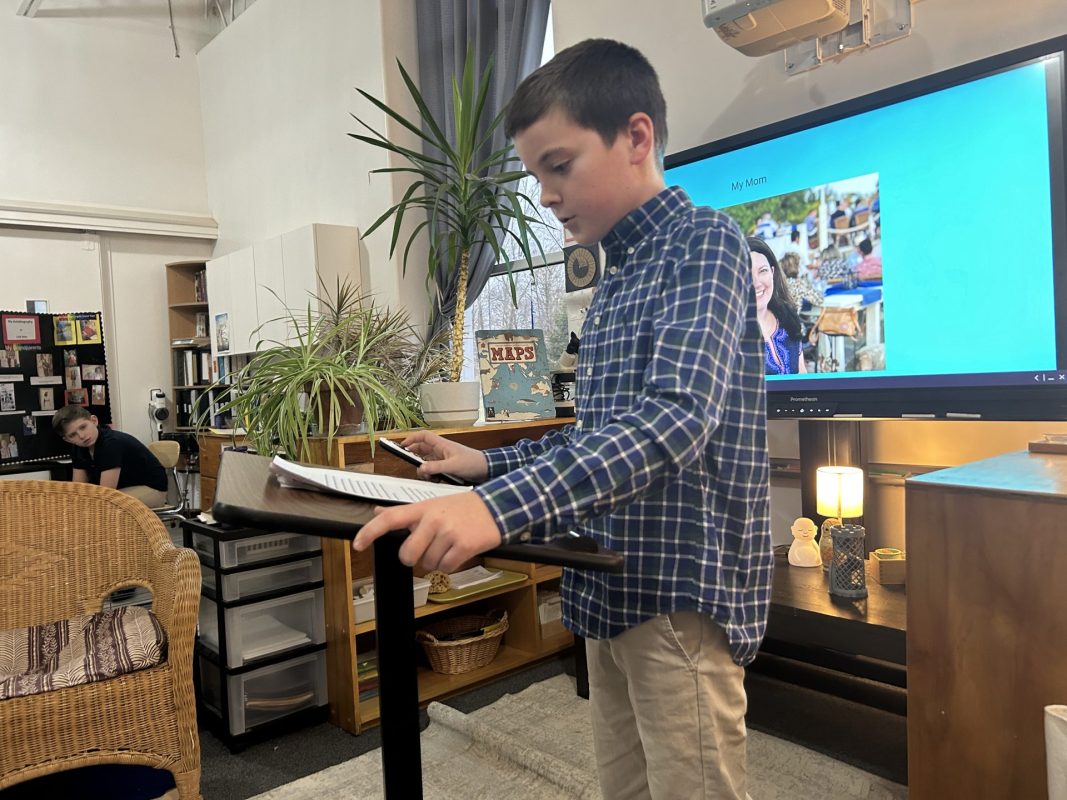
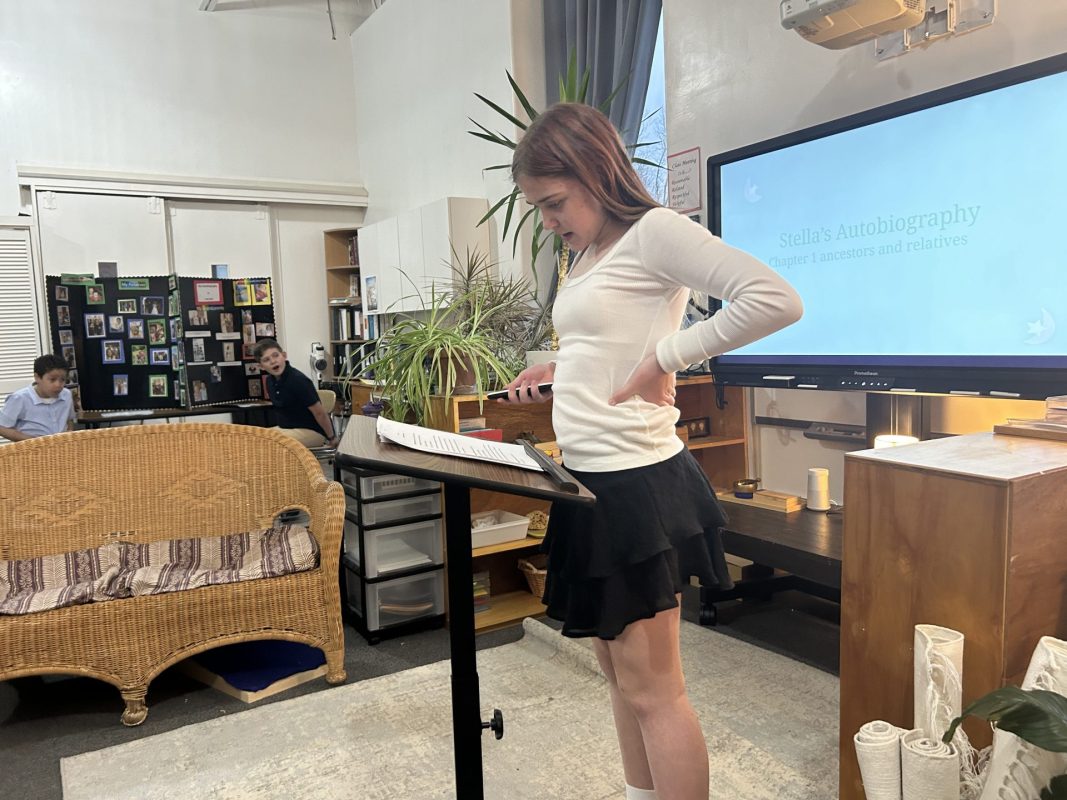
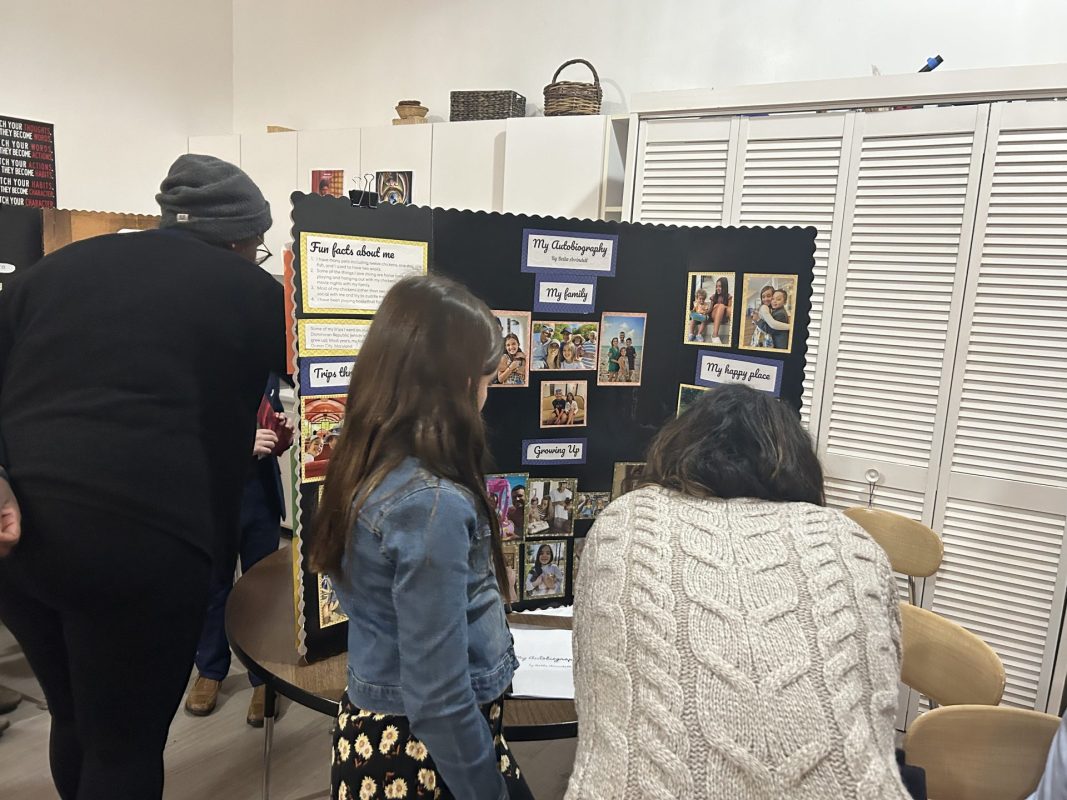
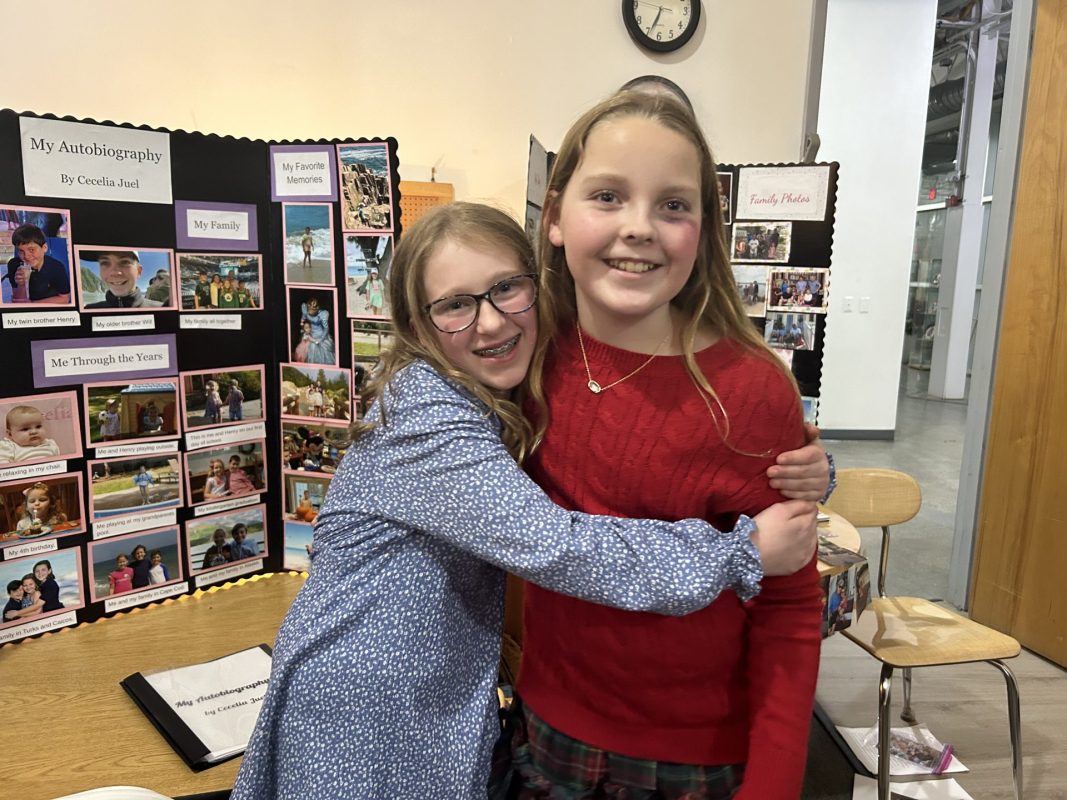
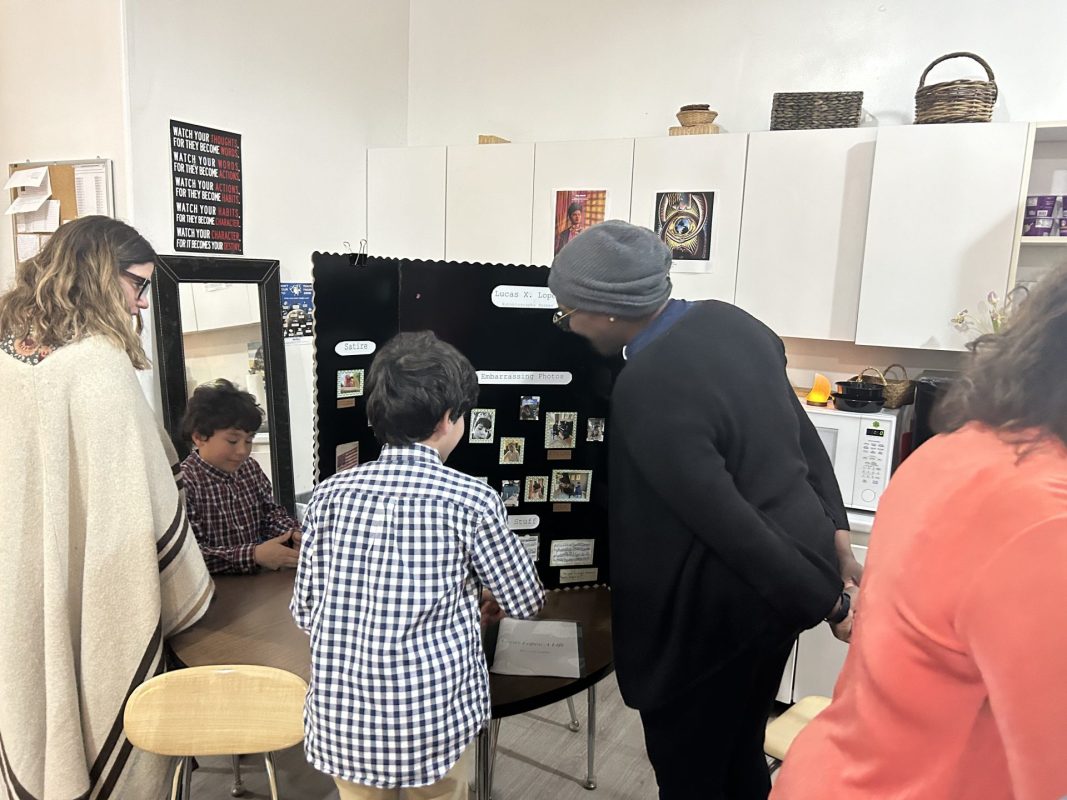
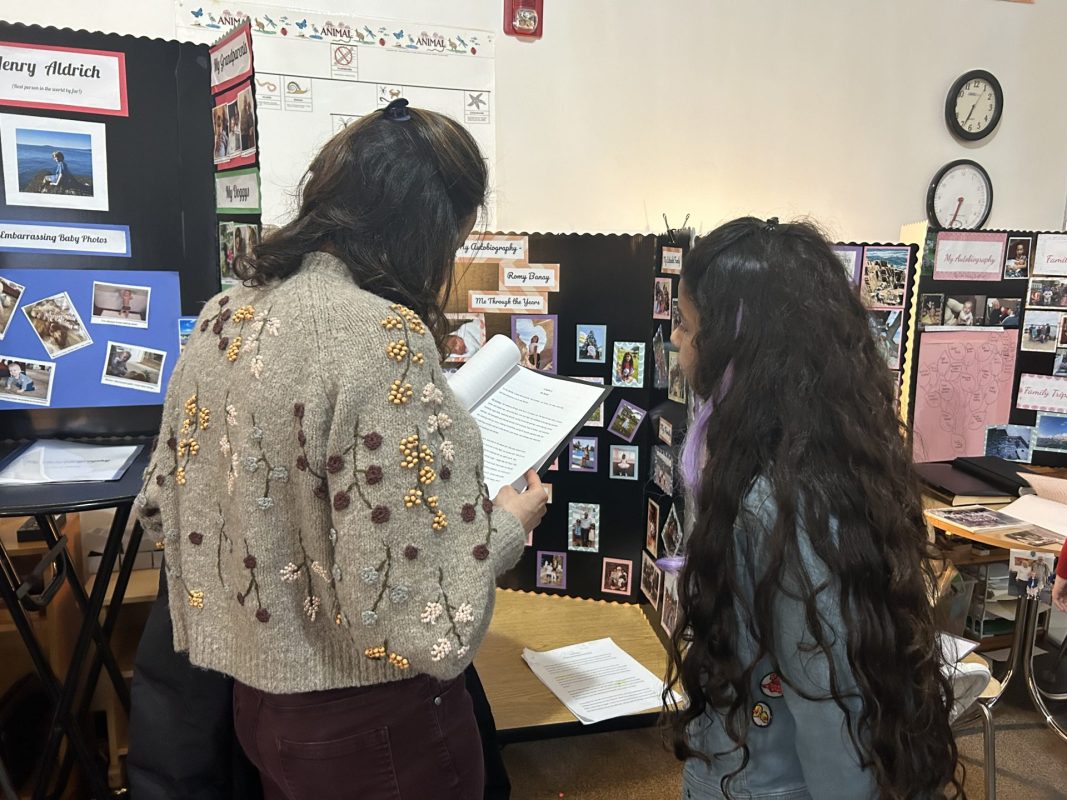
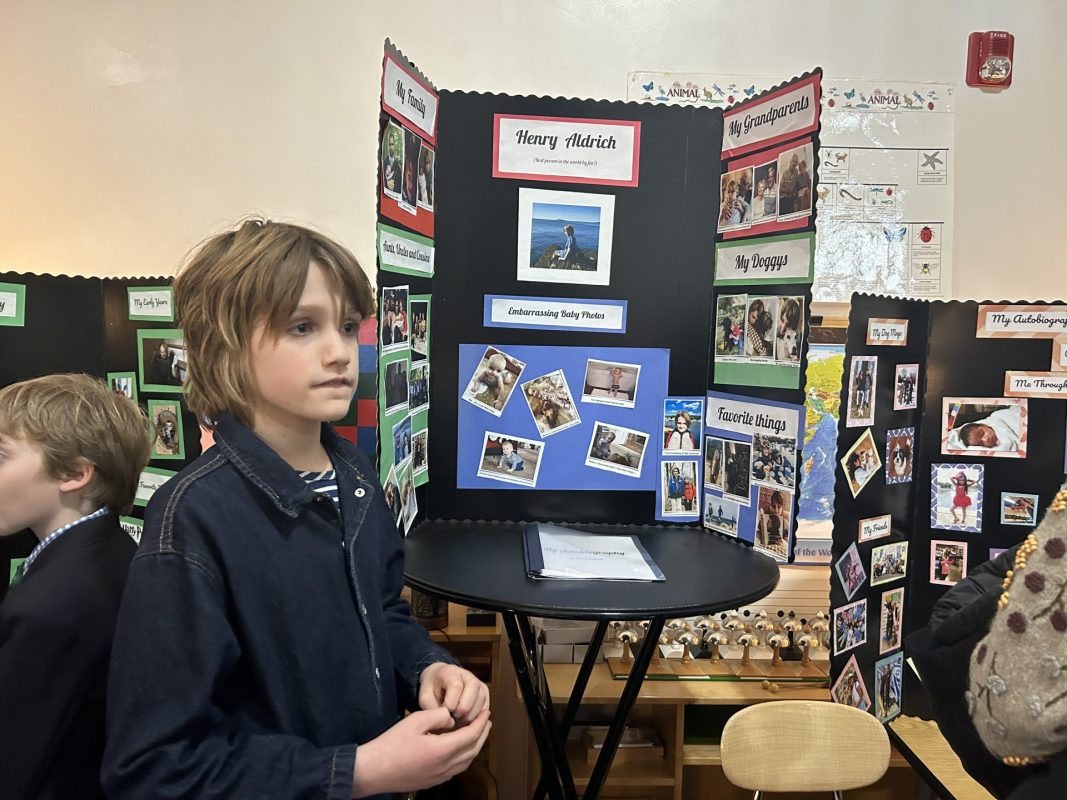
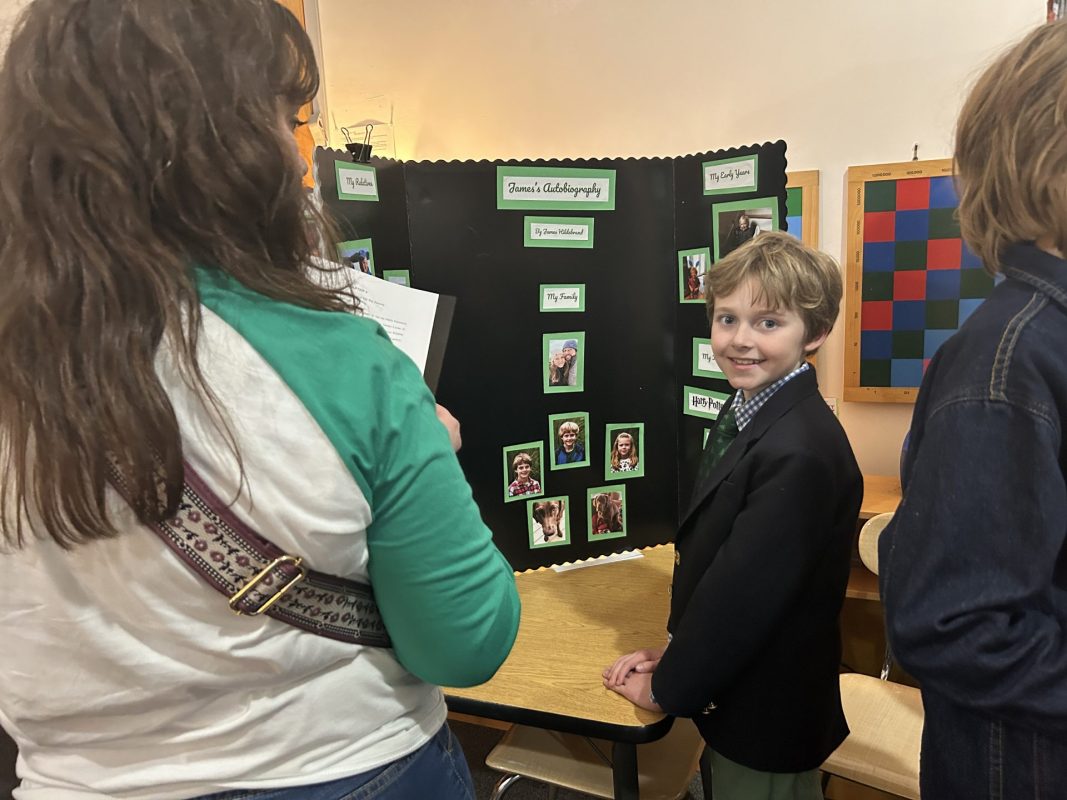
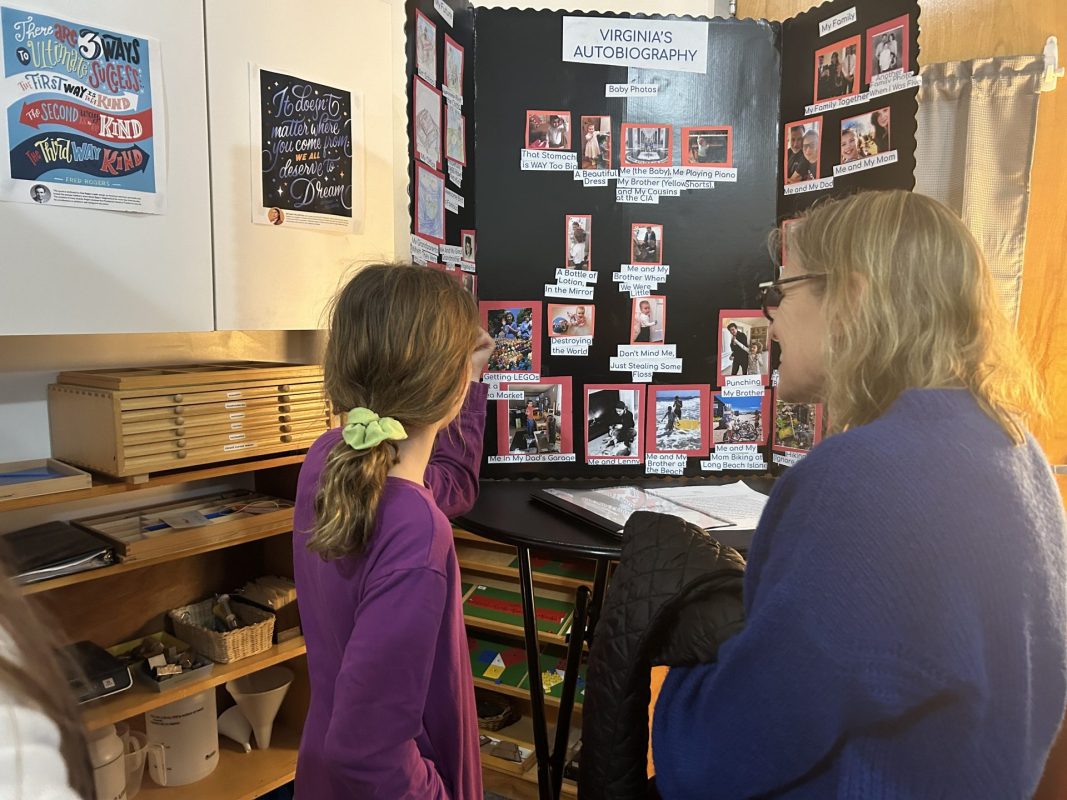
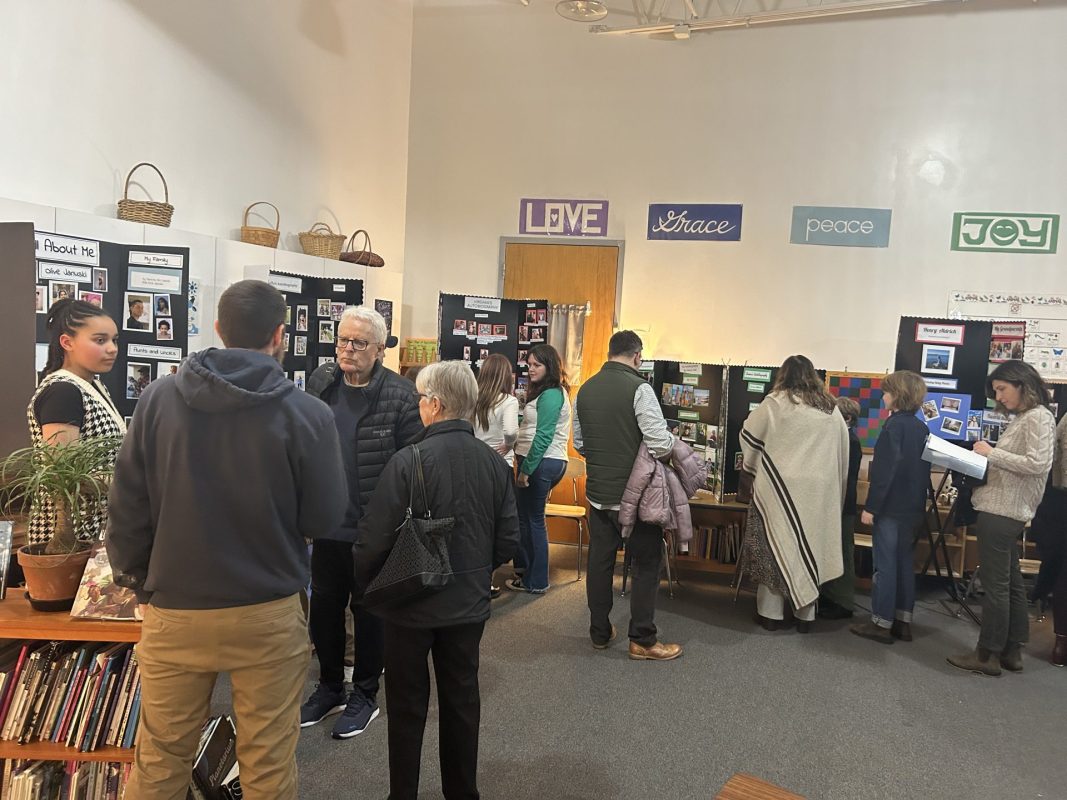
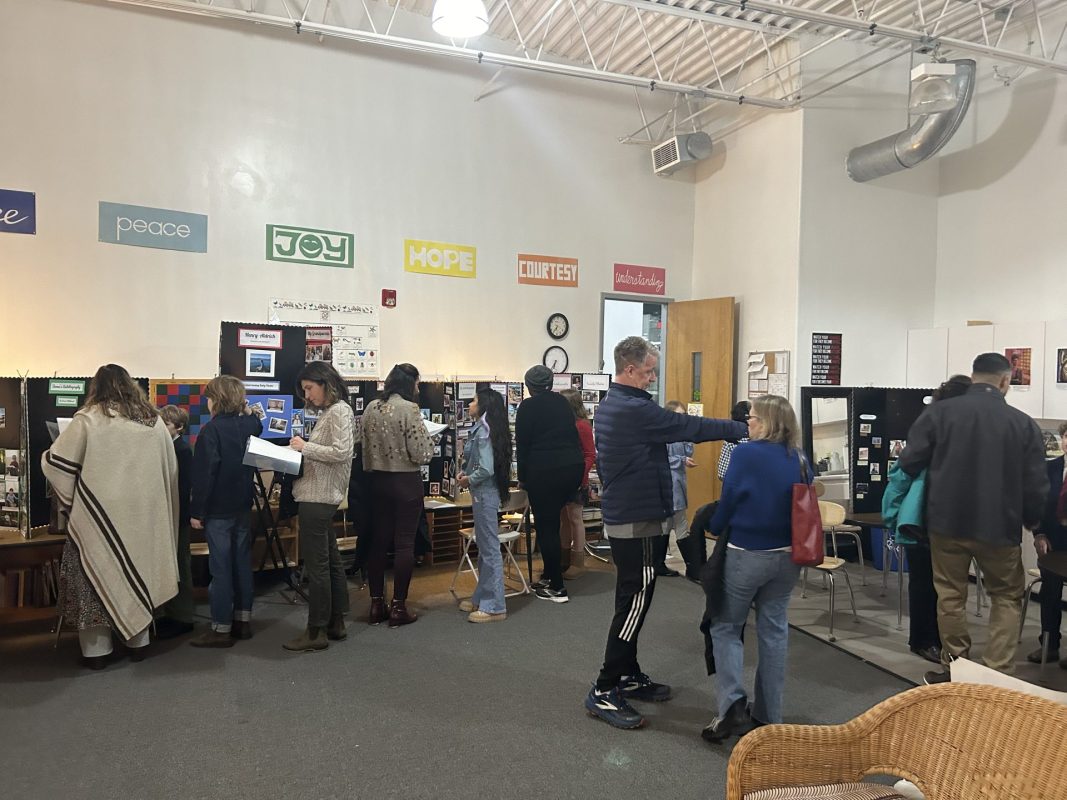
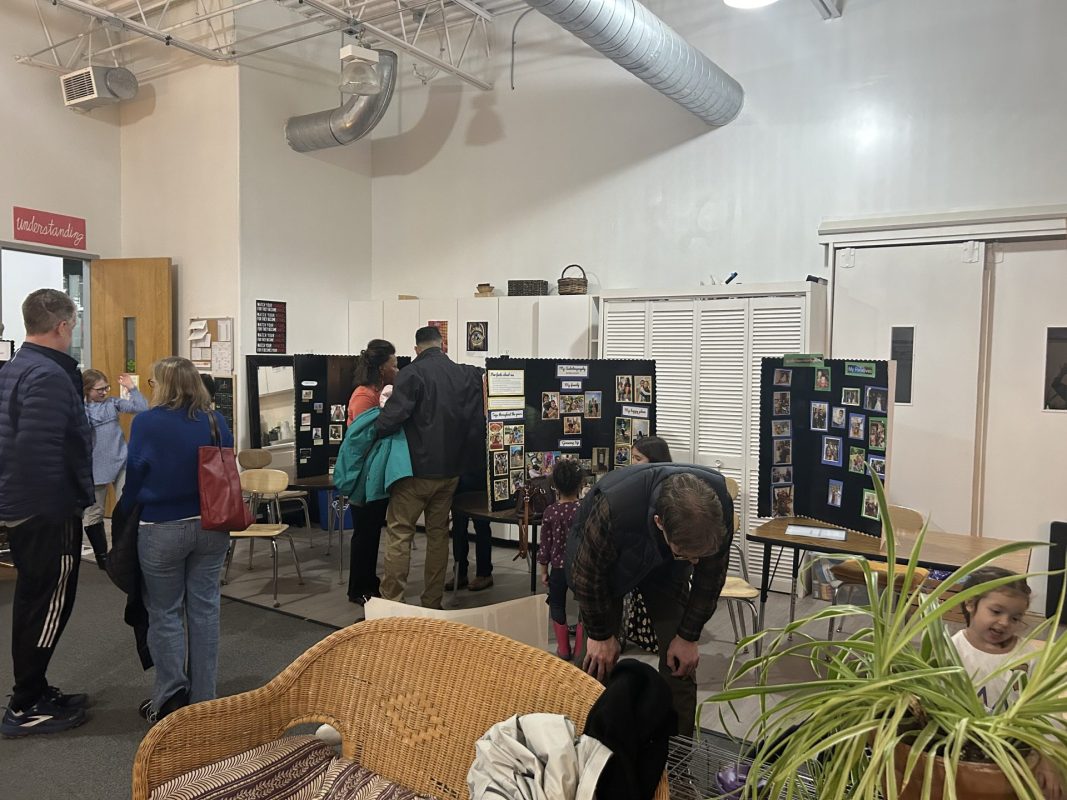
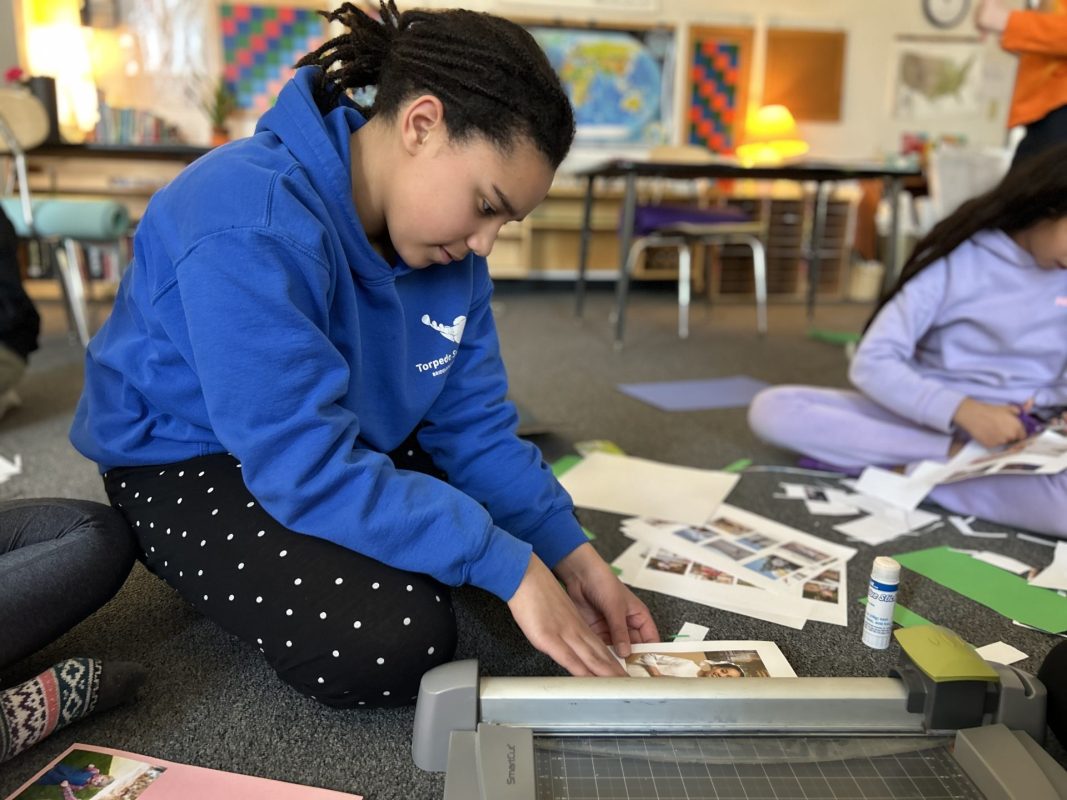
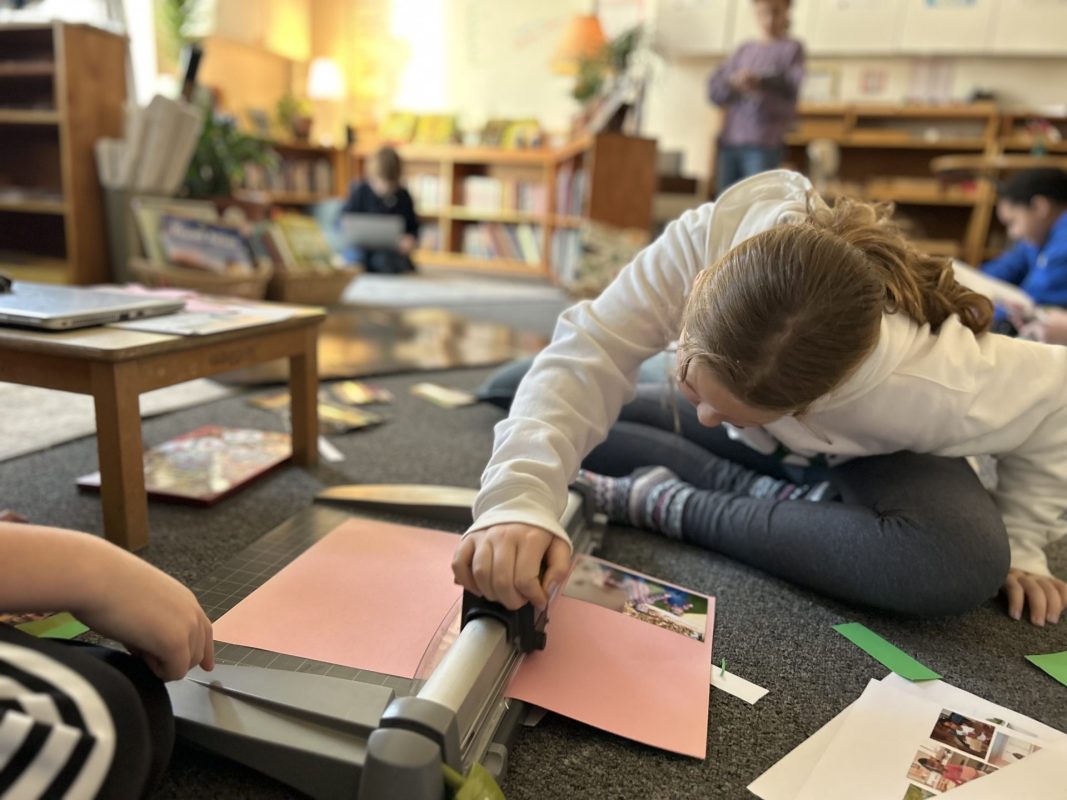
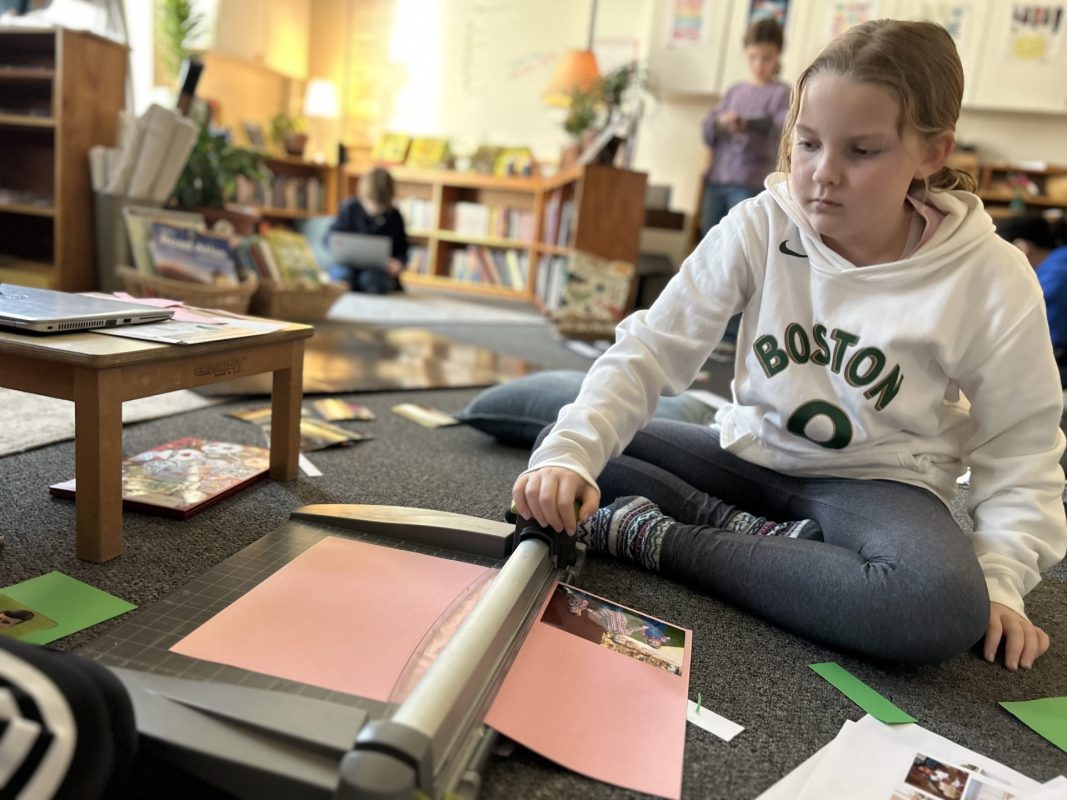
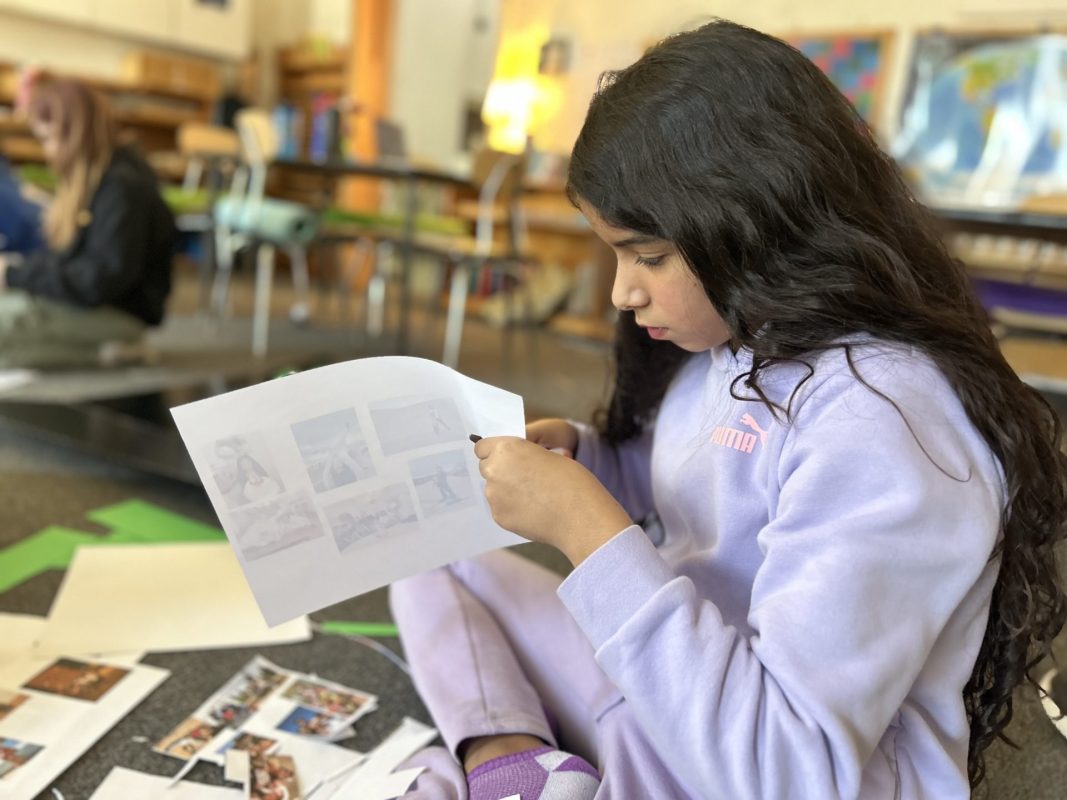
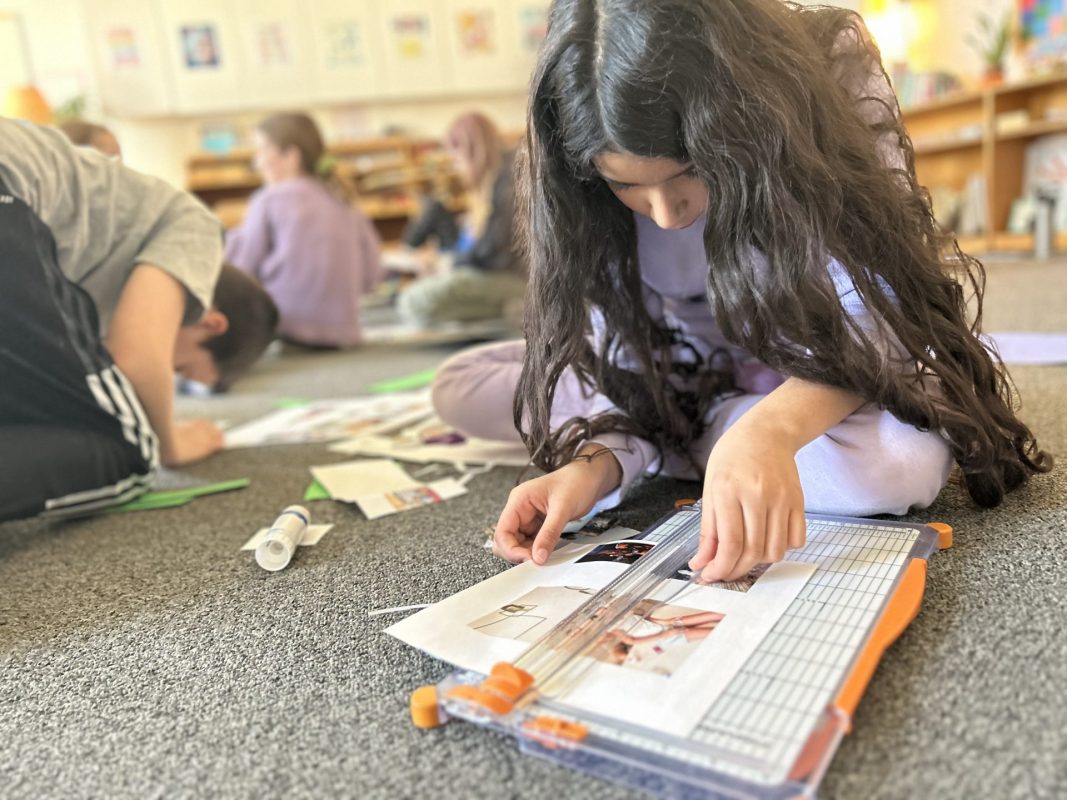
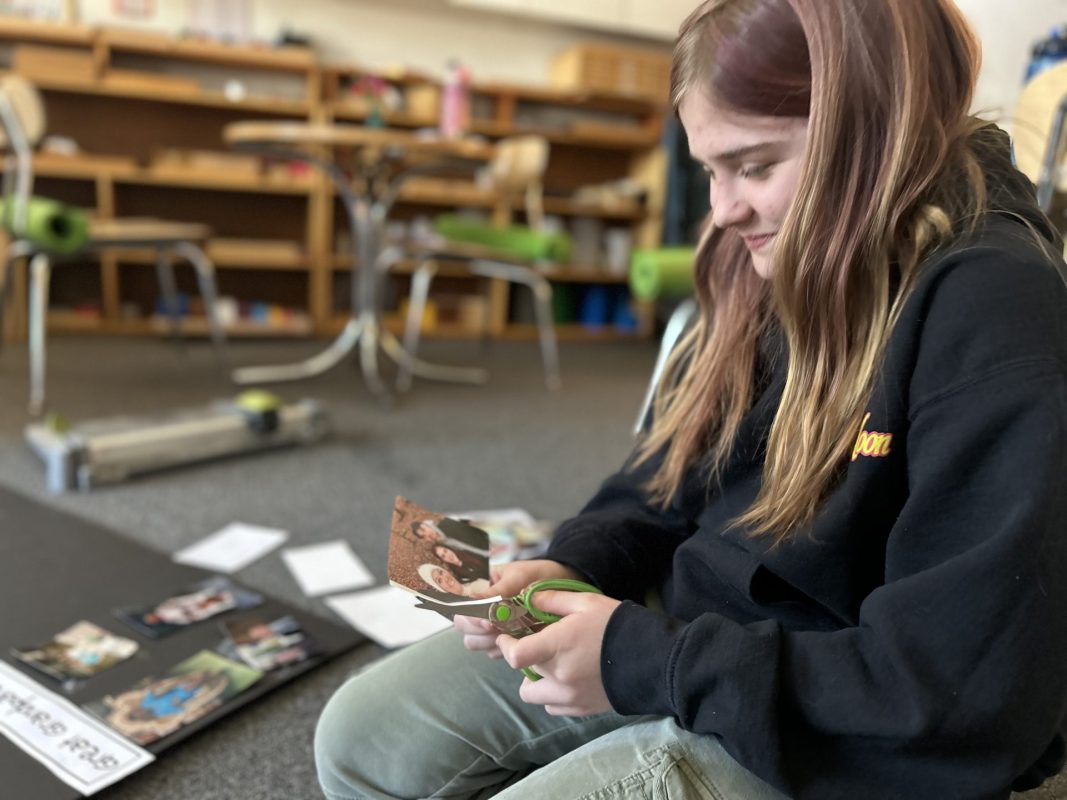
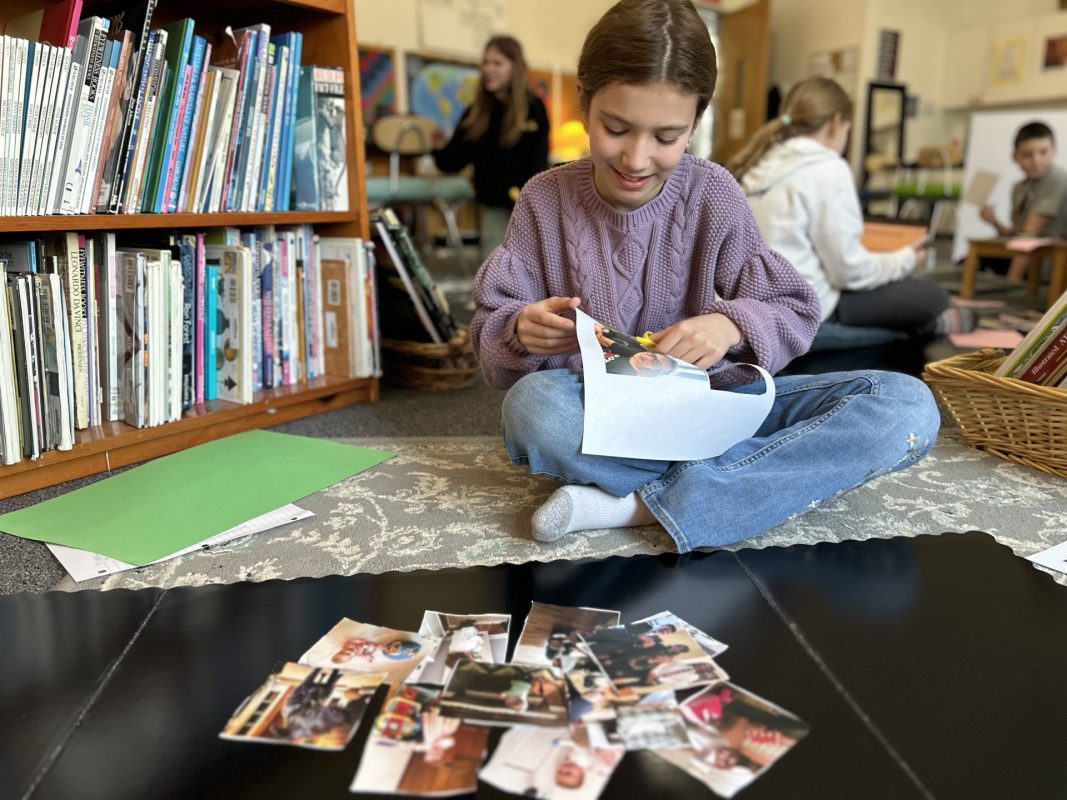
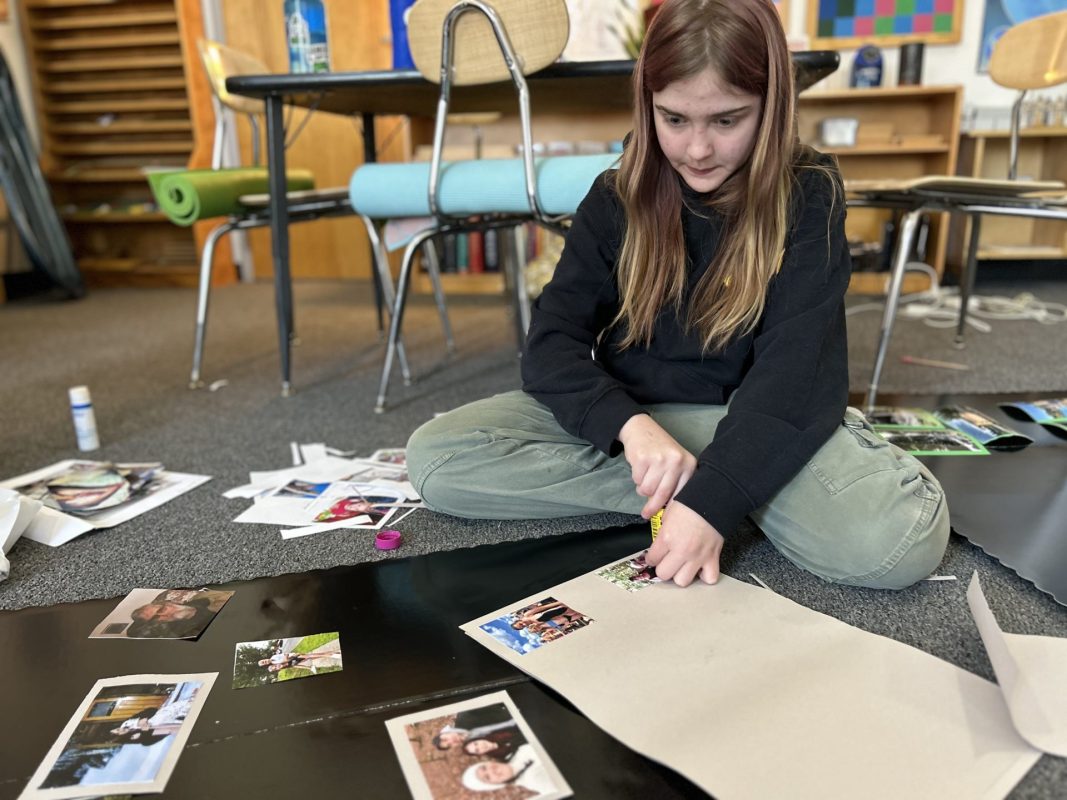
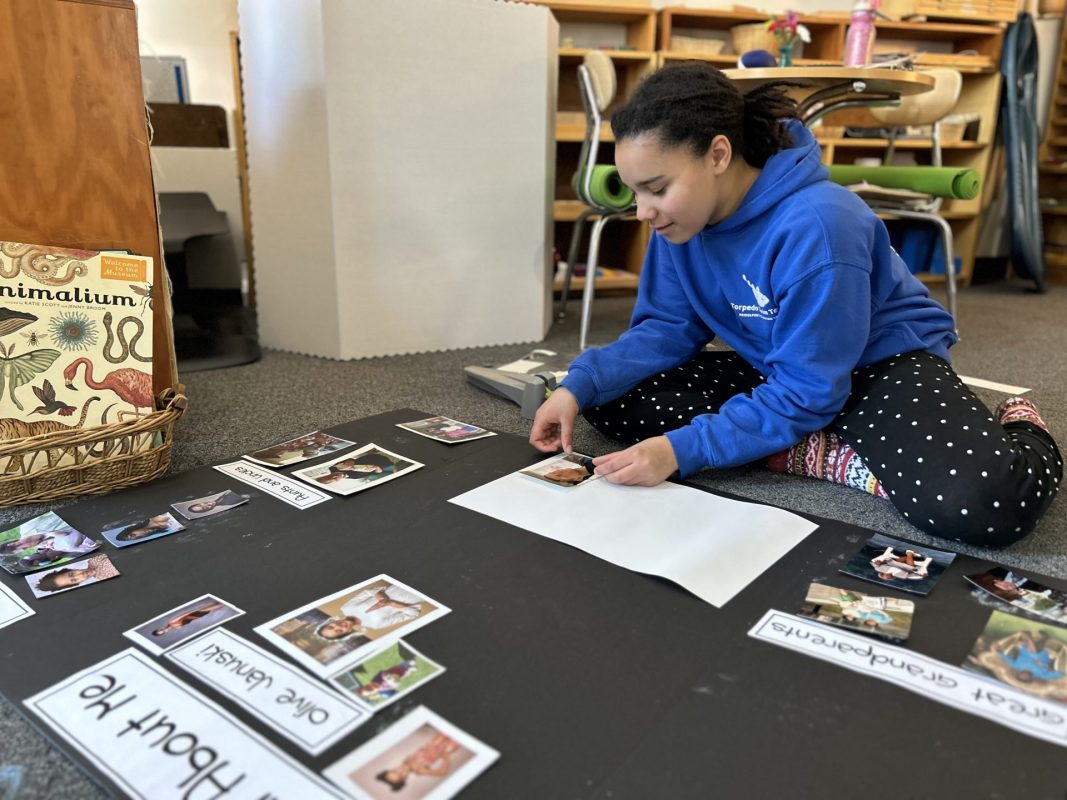
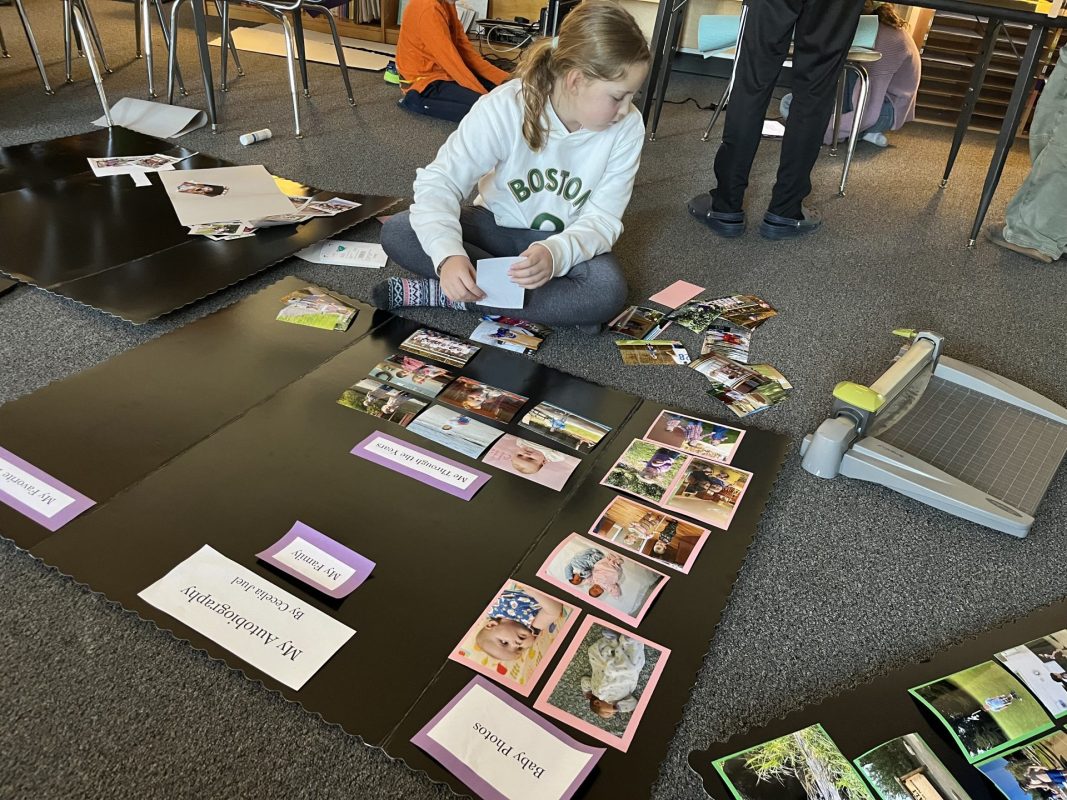
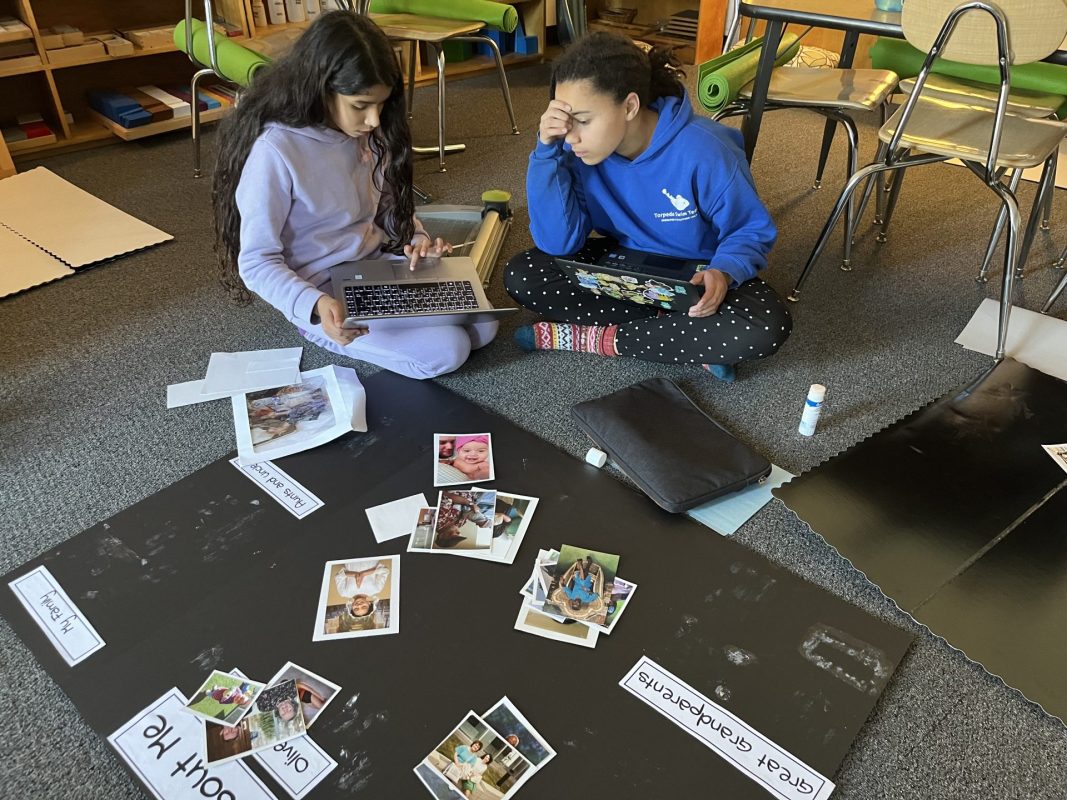
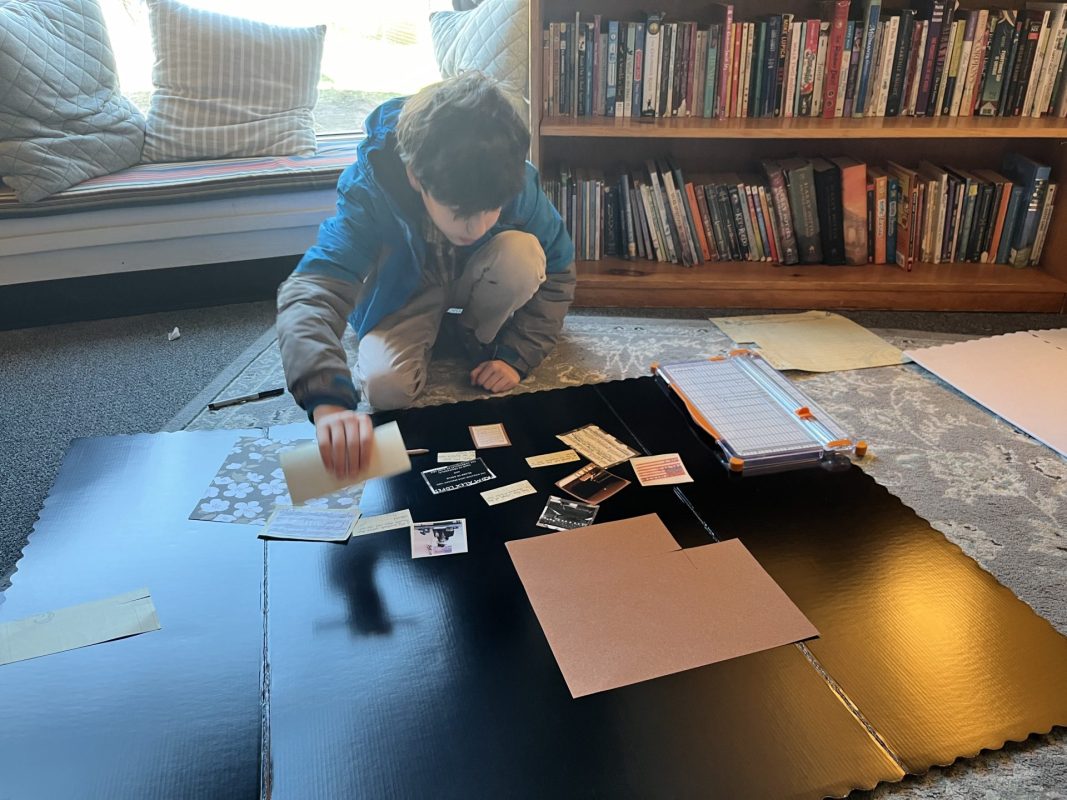
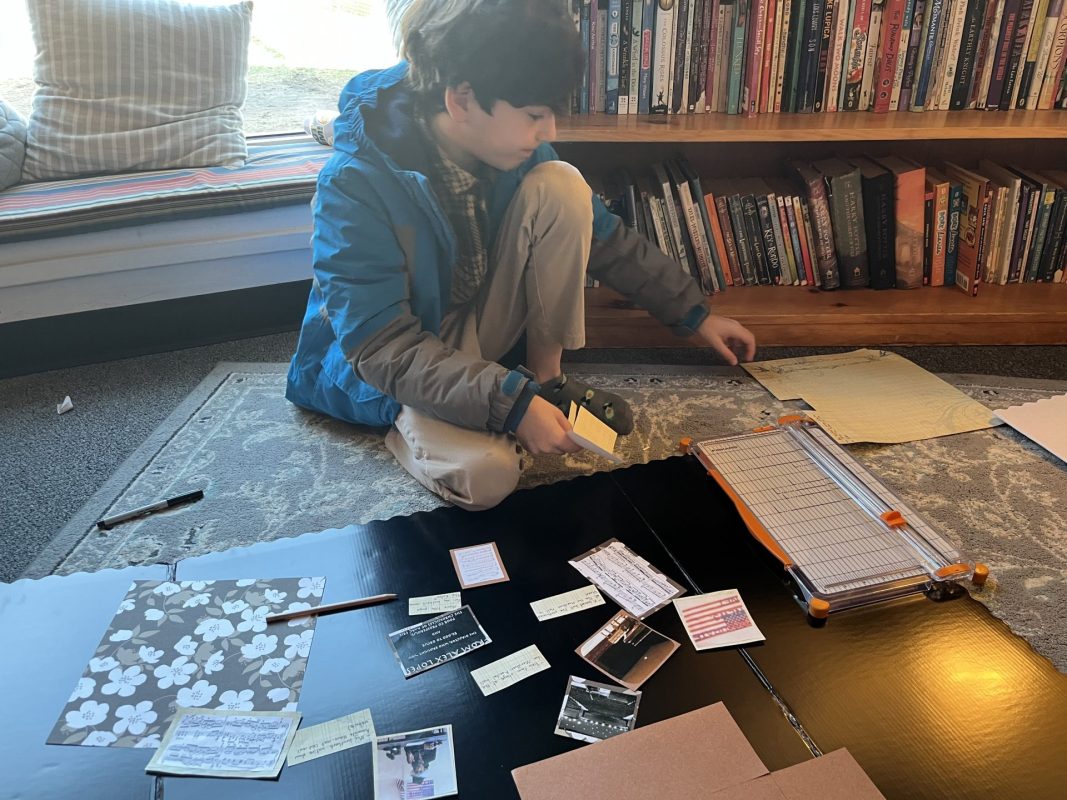
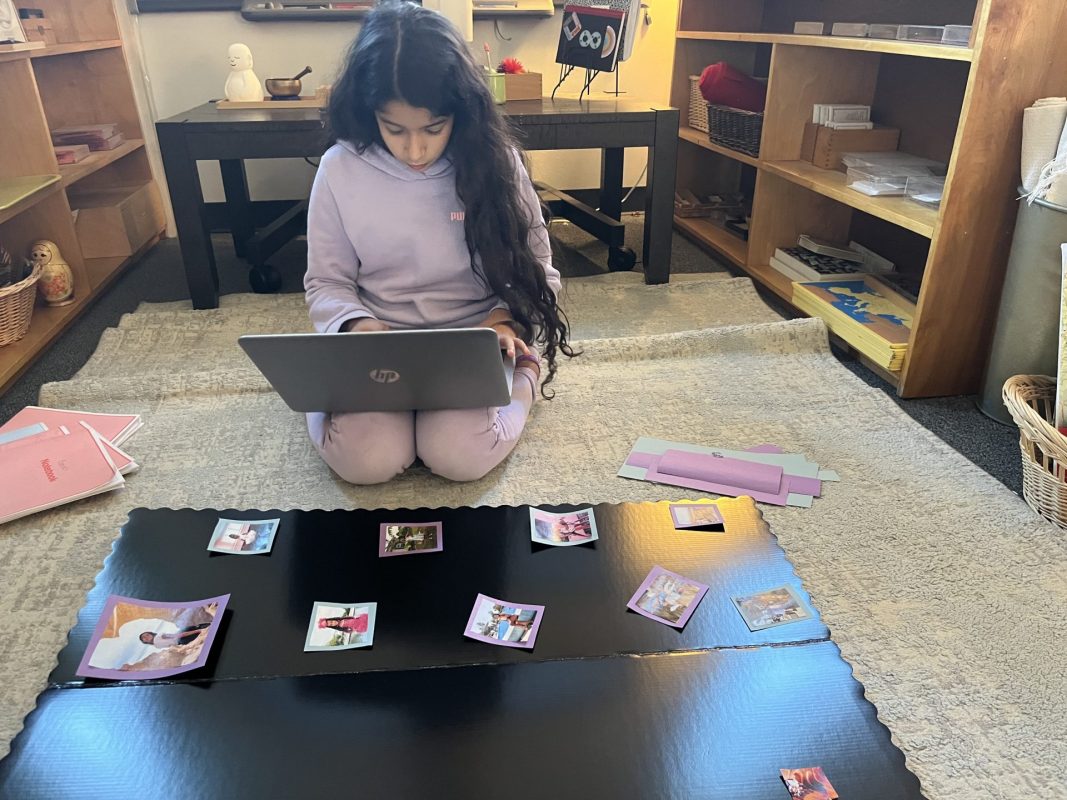
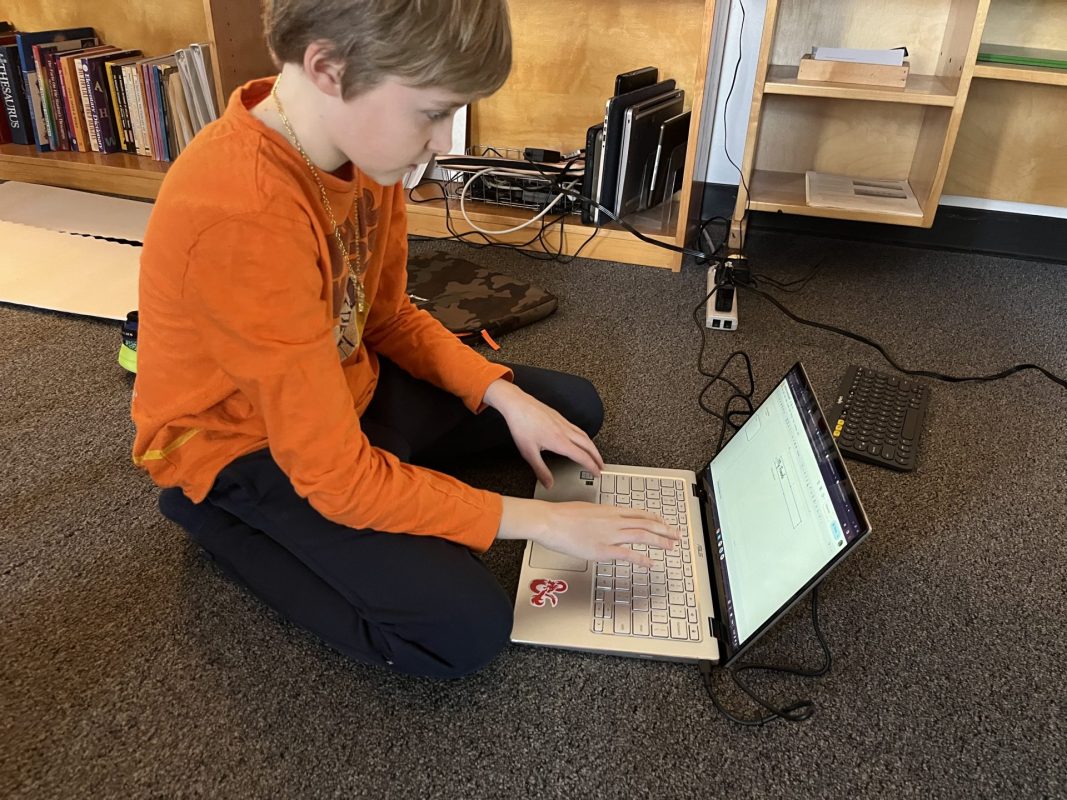
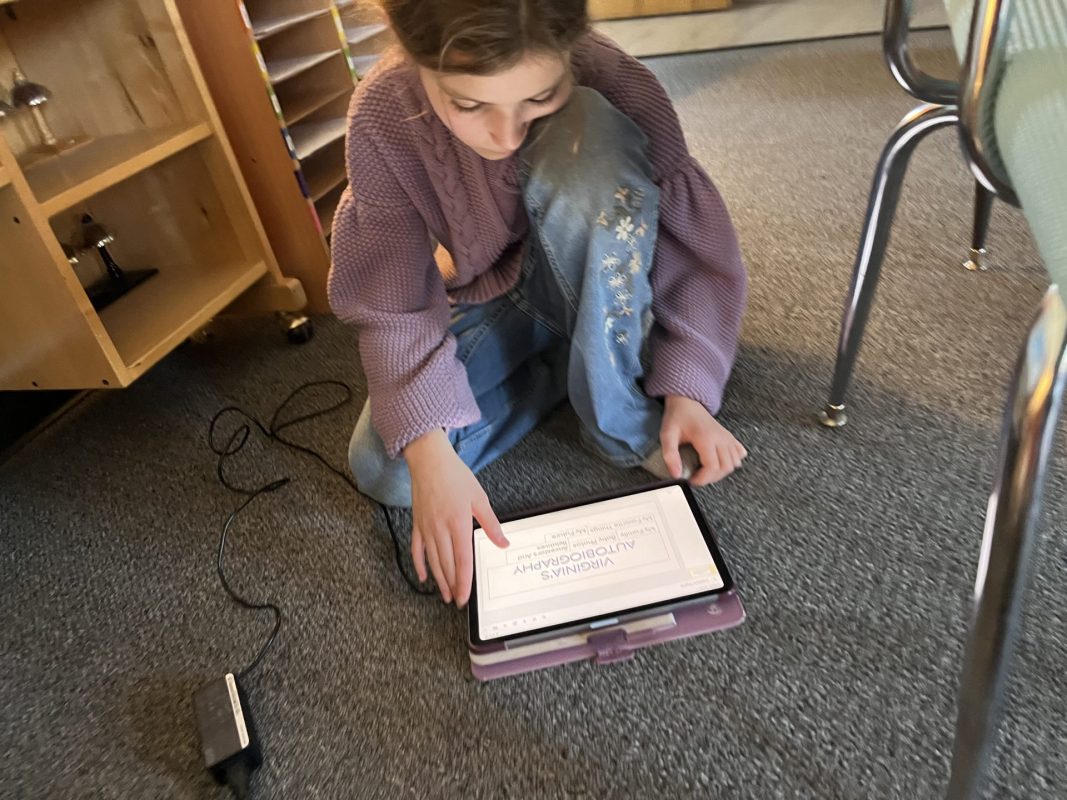
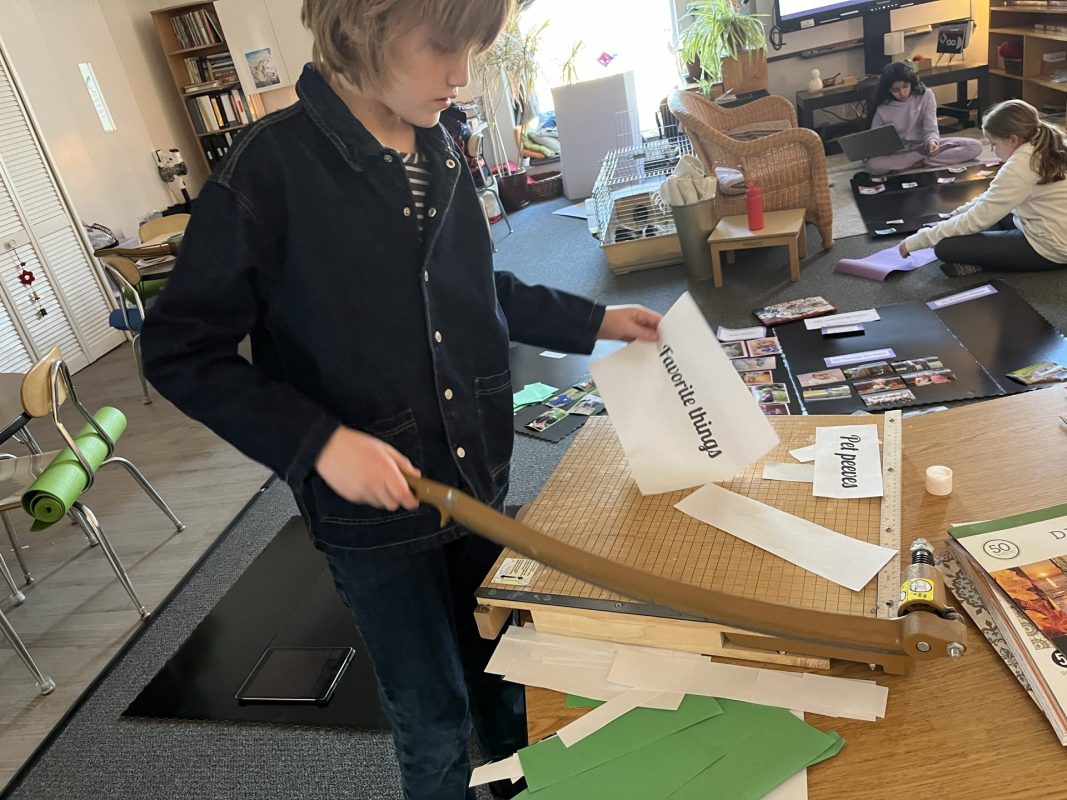
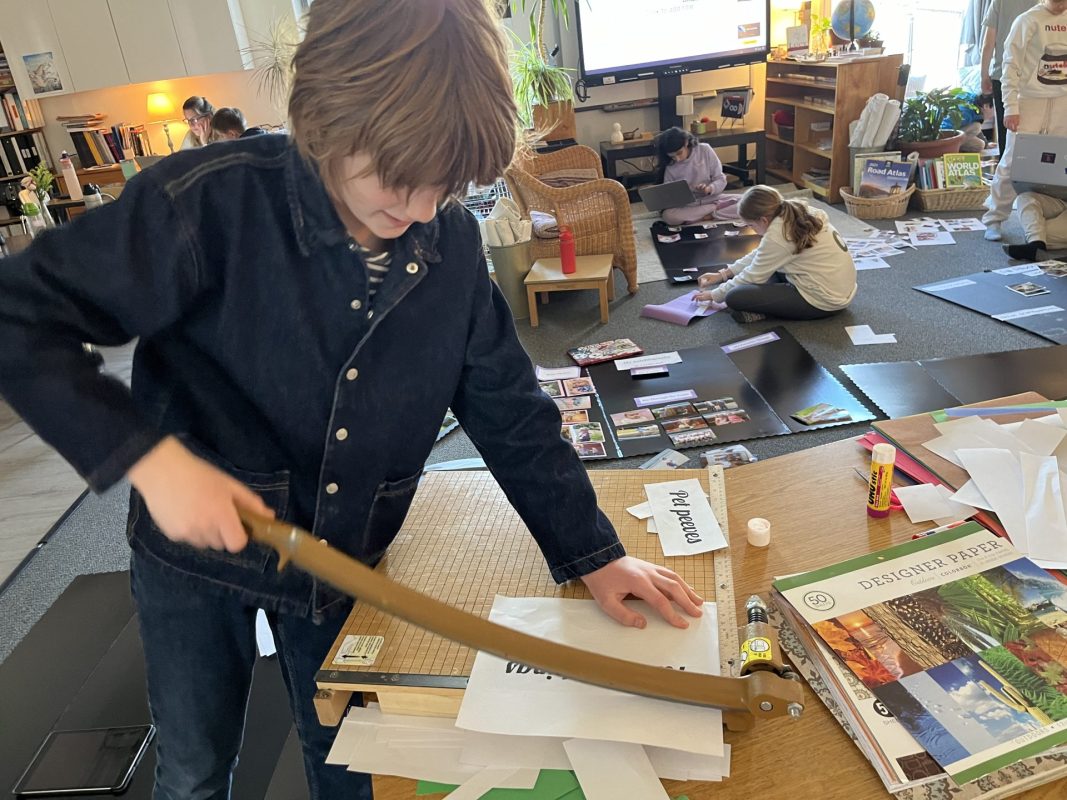
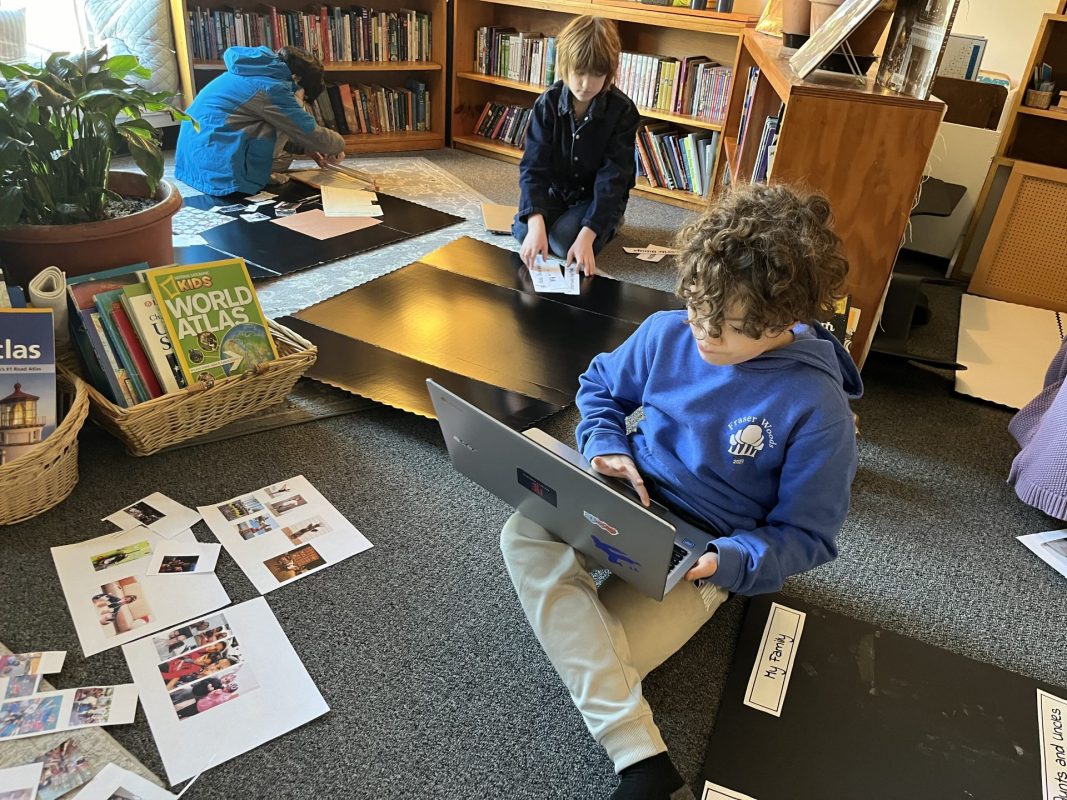
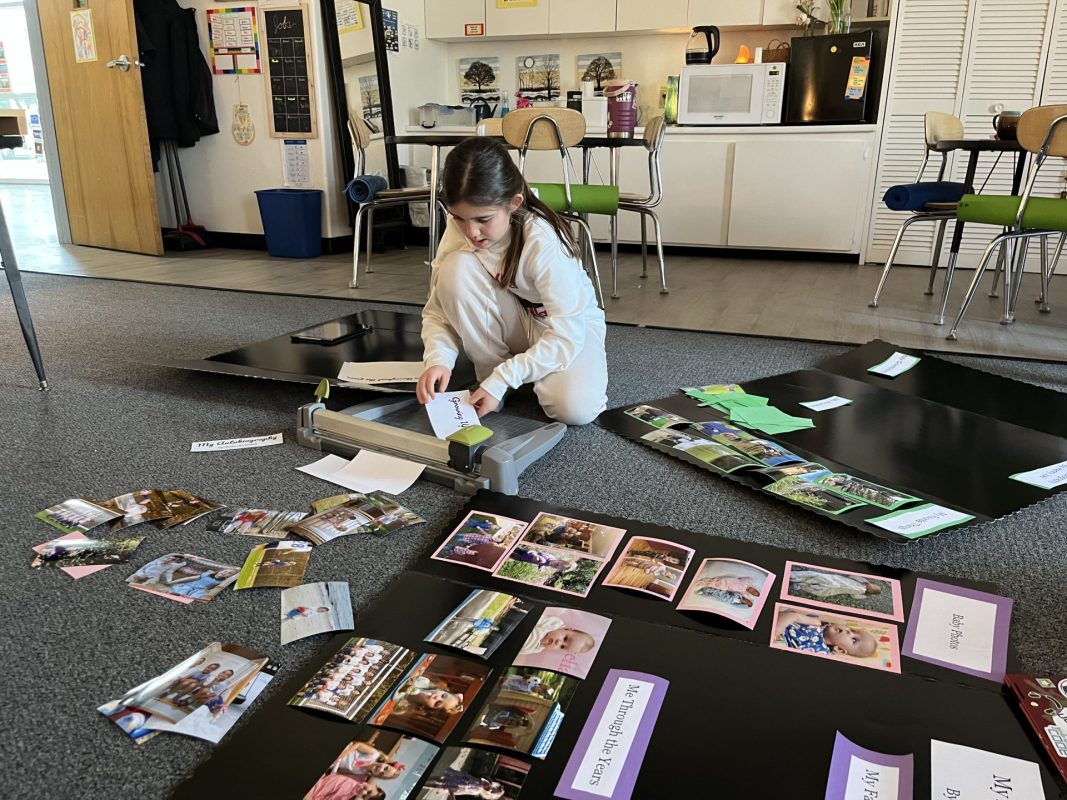
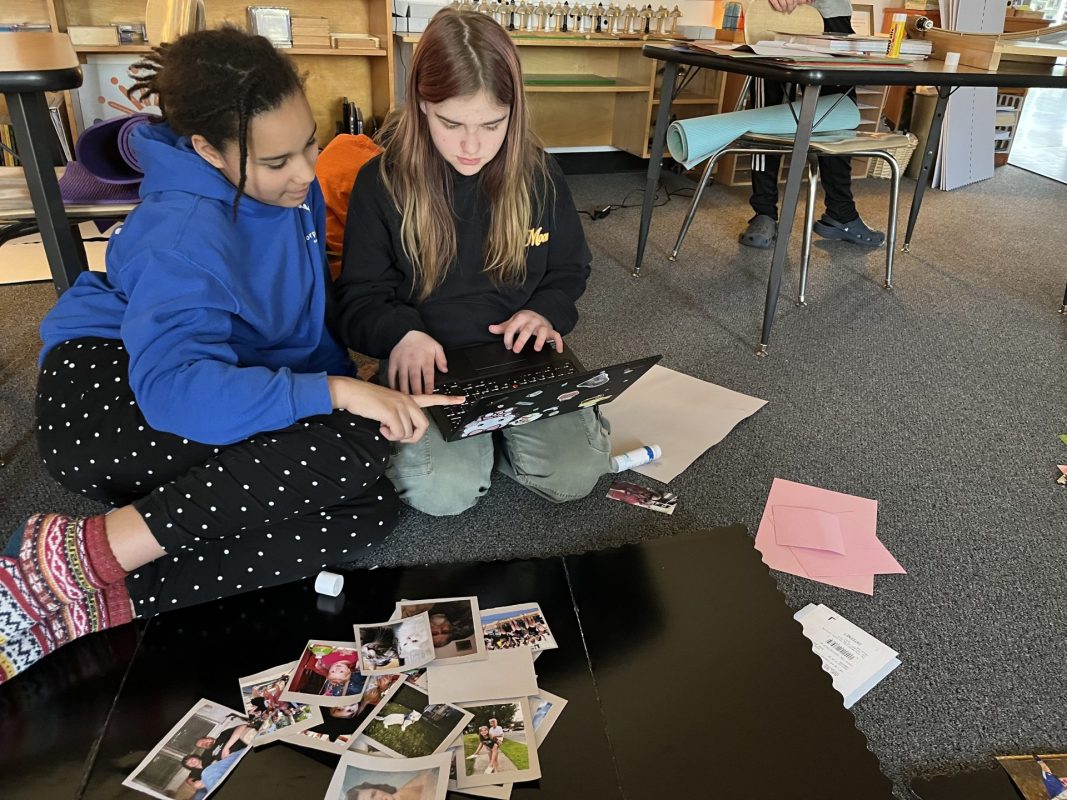
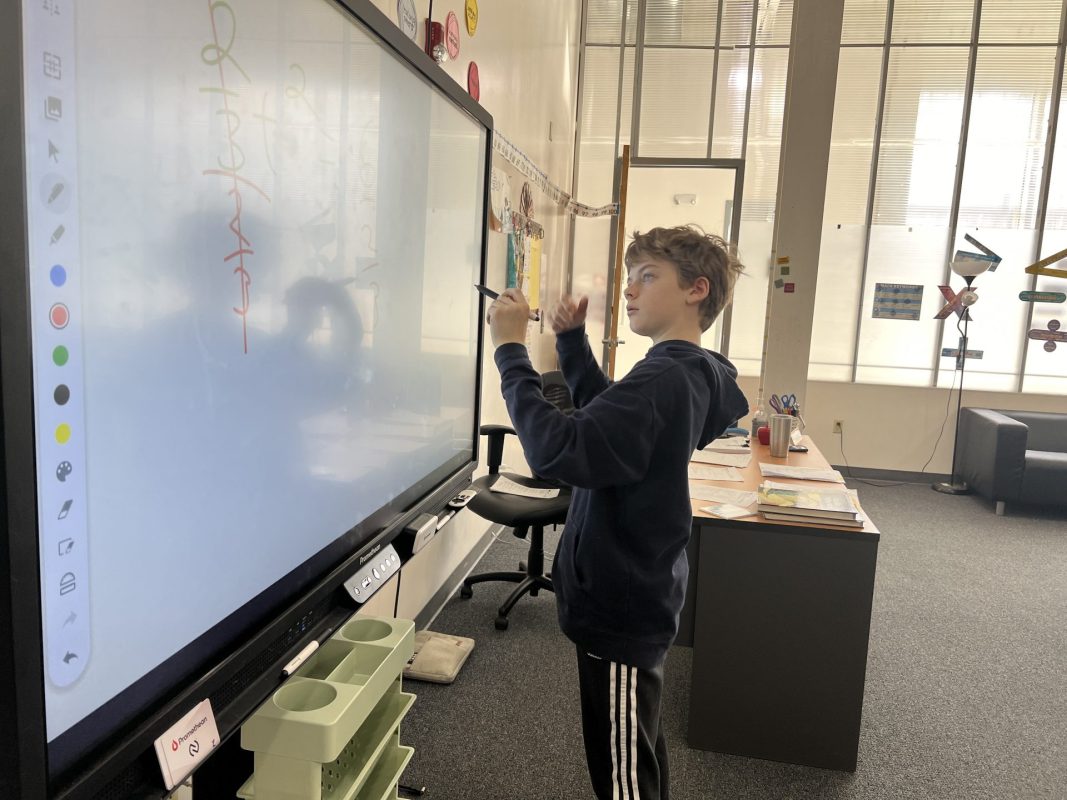
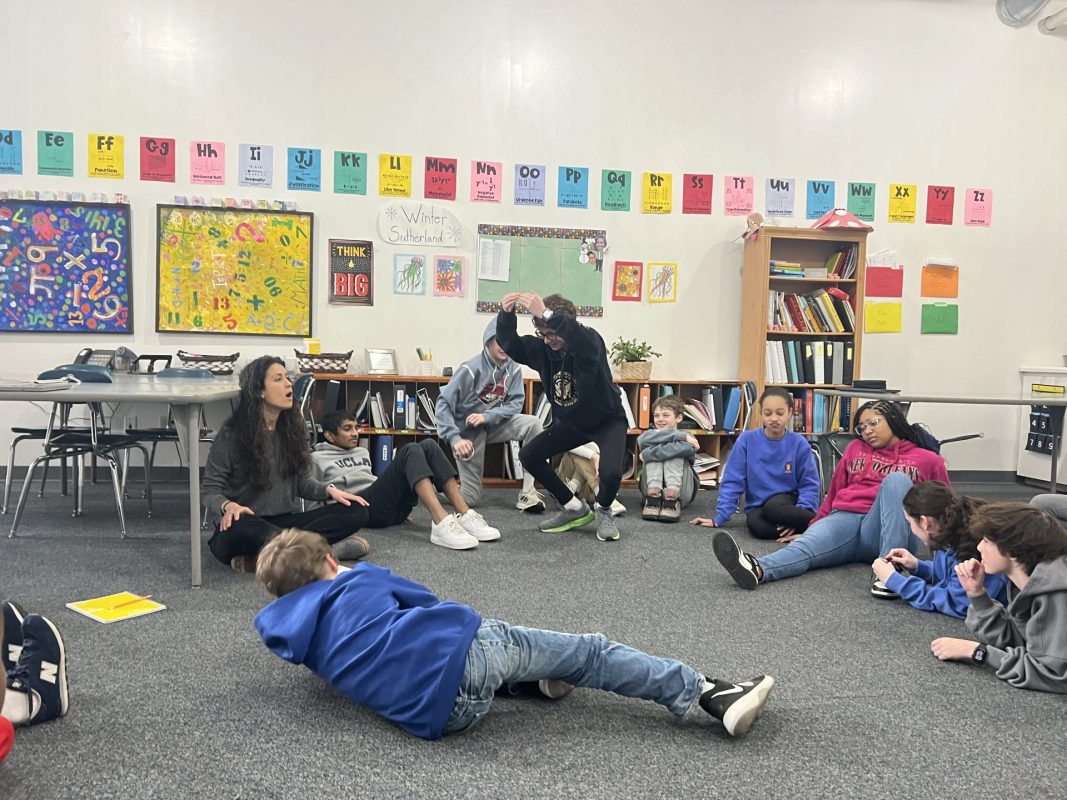
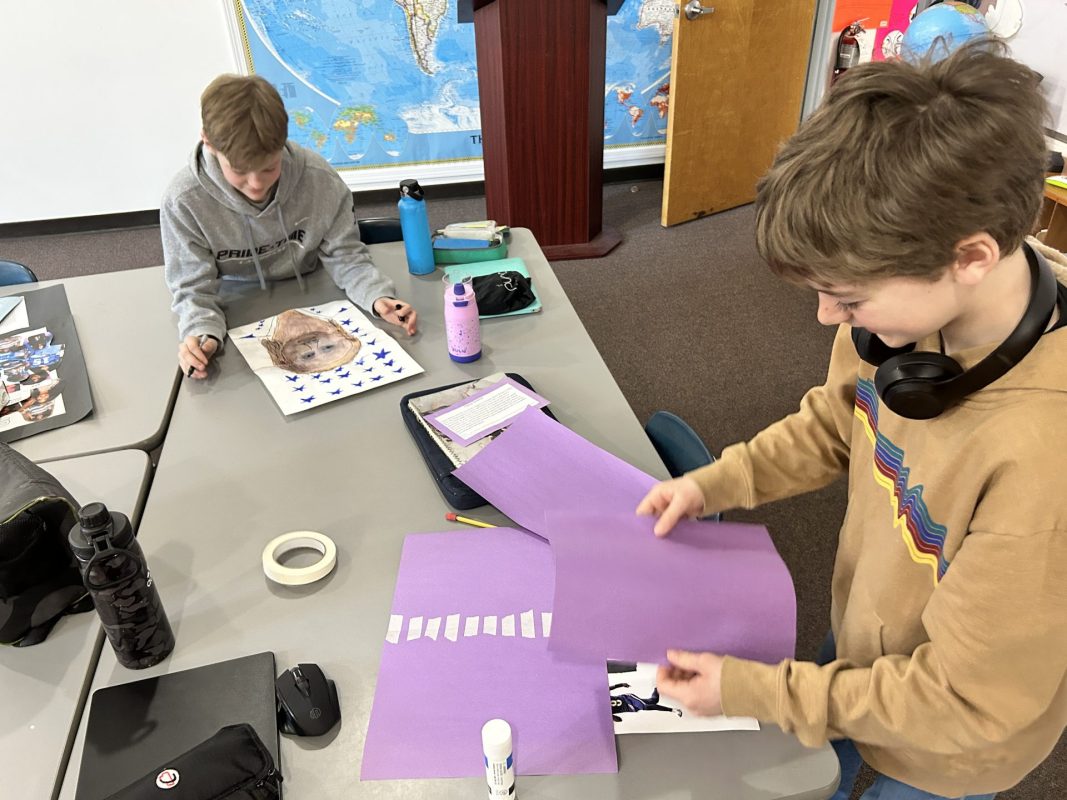
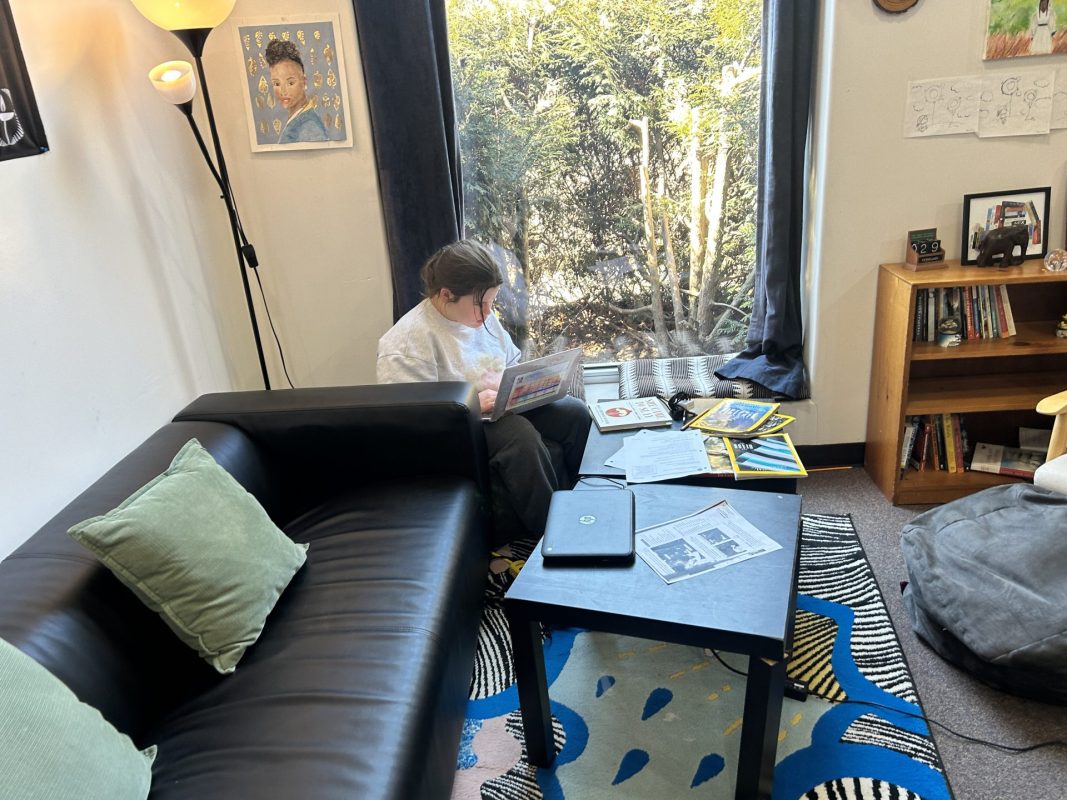
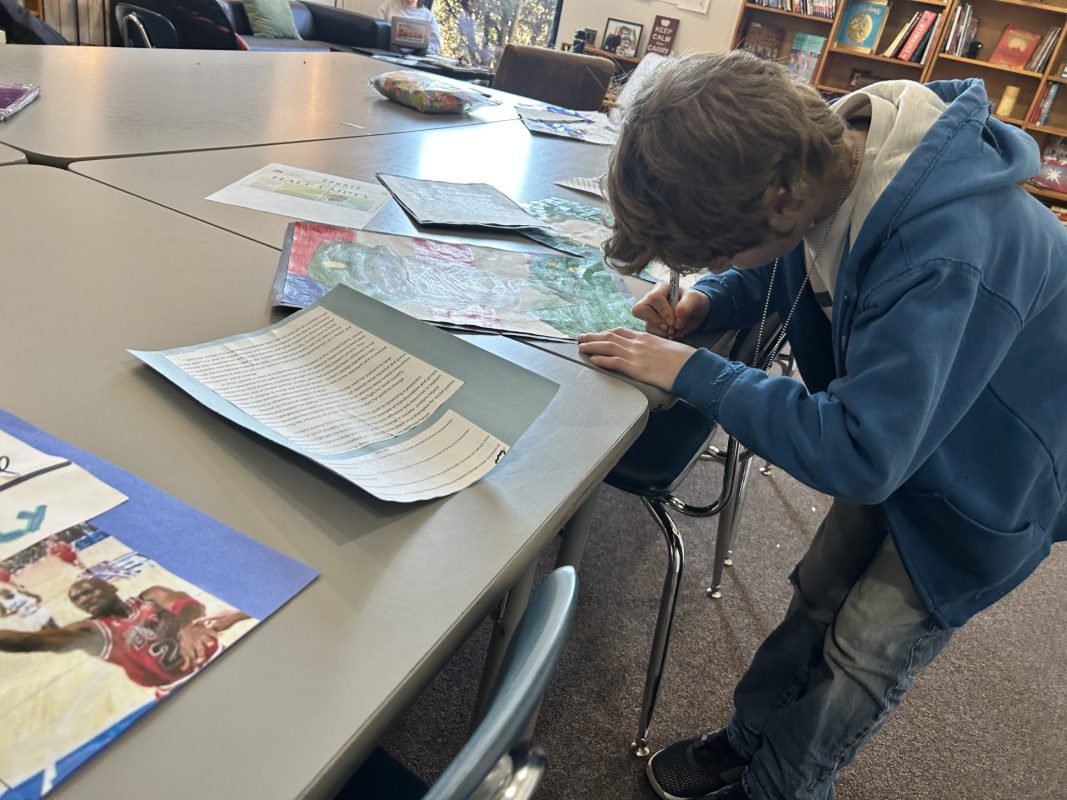
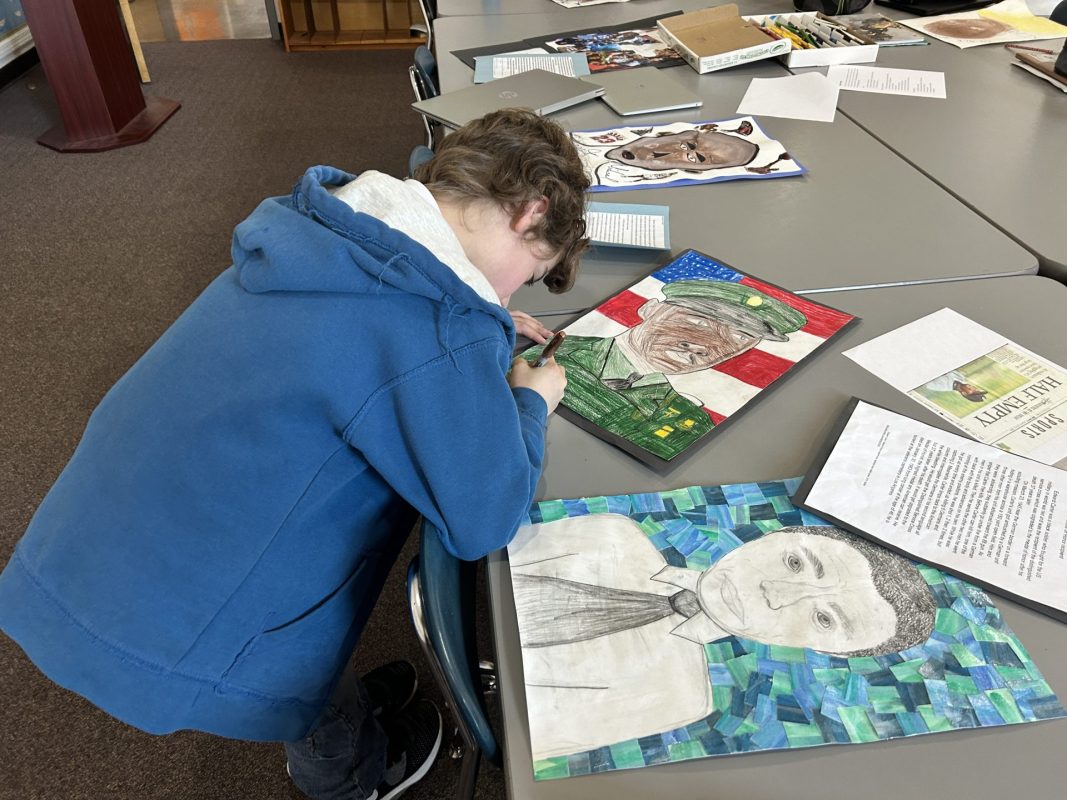
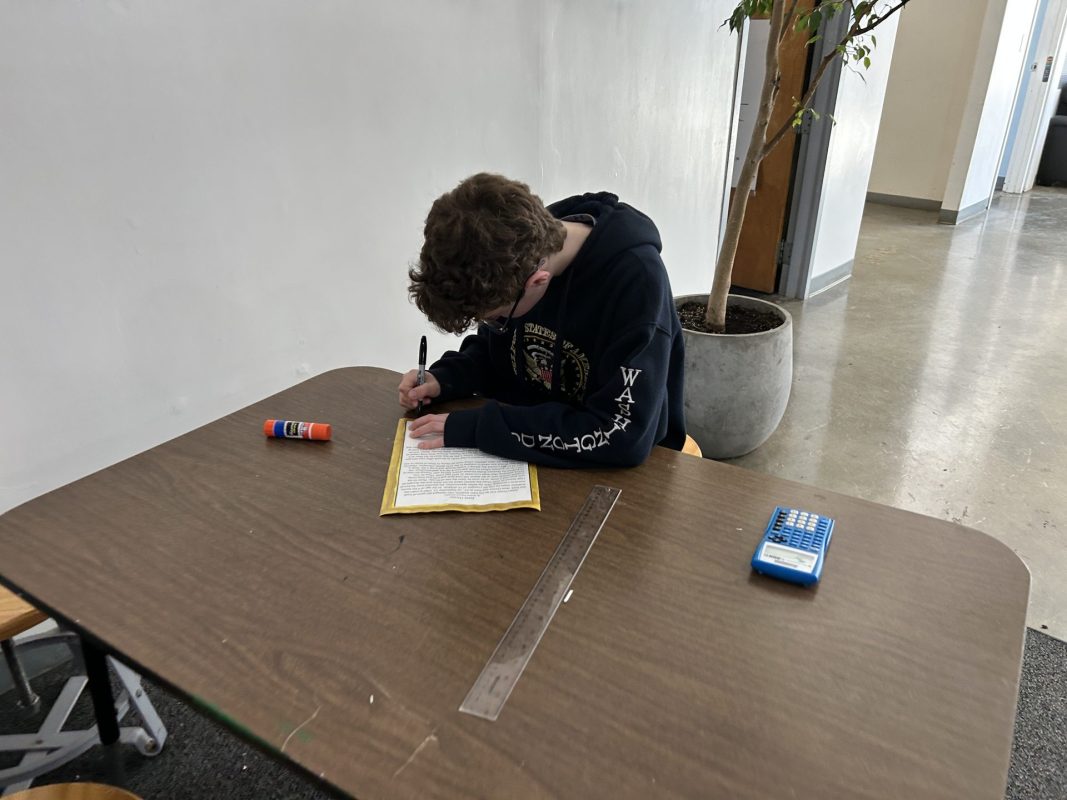
In general, Humanities classes were productive and almost entirely student-run, working through a few different tasks with each student in a different place with their own independent work. 6th and 7th-grade Humanities classes worked on revisions, presentation run-throughs, and finishing up their Black History Month gallery project. This is the culmination of Black History Month and additional learning about impactful Black Americans and topics in Black American history.
8th-grade classes this week for Mrs. Lamb included a one-on-one expert project check-in. Each student showed where they were with their research and set a goal for the next check-in. Also, the class discussed finding experts, reaching out and drafting emails, and interview questions, as these are due at the end of March. 8th grade also moved forward with their grammar unit and learned how to write and punctuate compound sentences to enhance writing. With learning how to identify independent and dependent clauses as well as complex and compound sentence structures, 8th graders will have a grammar assessment next week. This week, on the history side of Humanities, students have focused on the early reform of the 1800s in the United States. Students have been working on presentations for the class.
Math
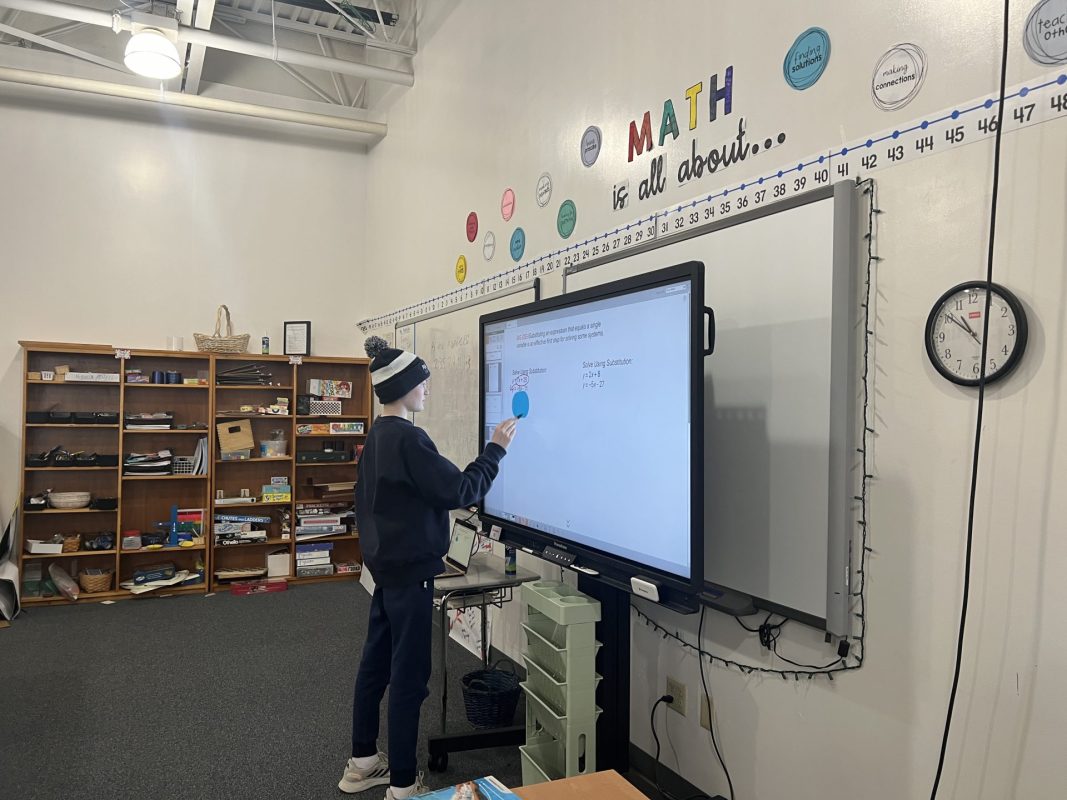
Geometry students have been working very diligently on proving triangles congruent using four different theorems. They are “dissecting ” overlapping triangles as a means to an end. We have also started on the properties of a parallelogram and finding measurements of missing angles and sides using these properties.
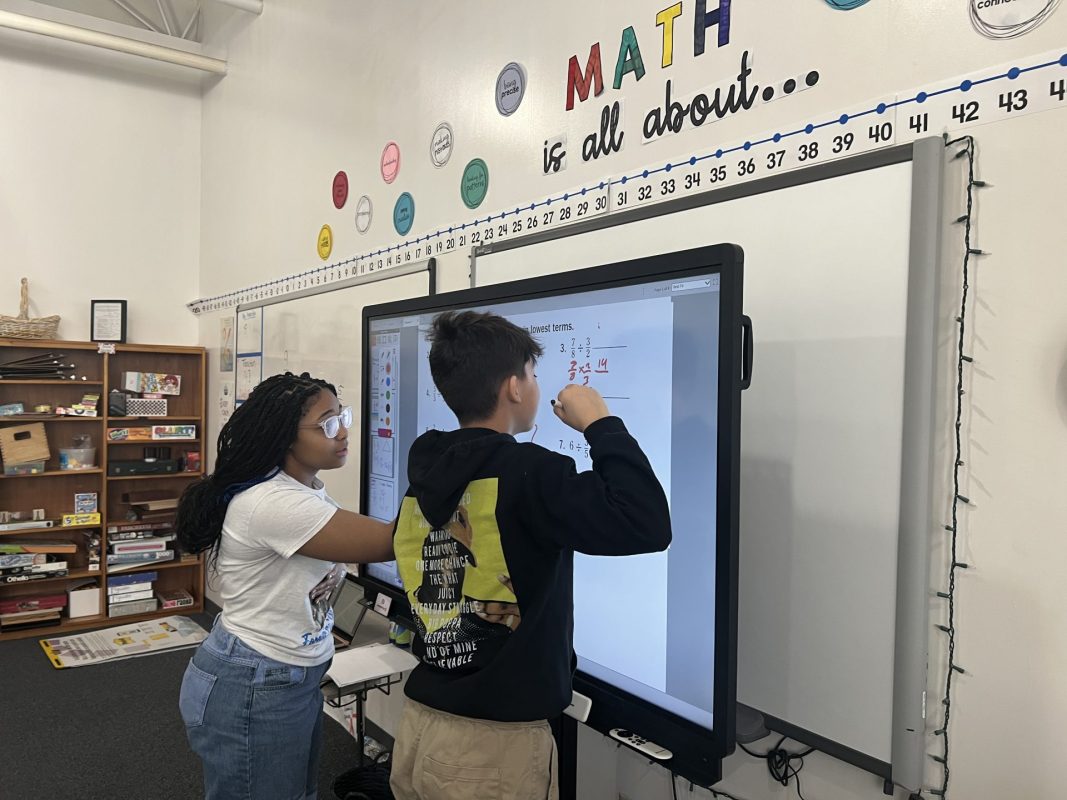
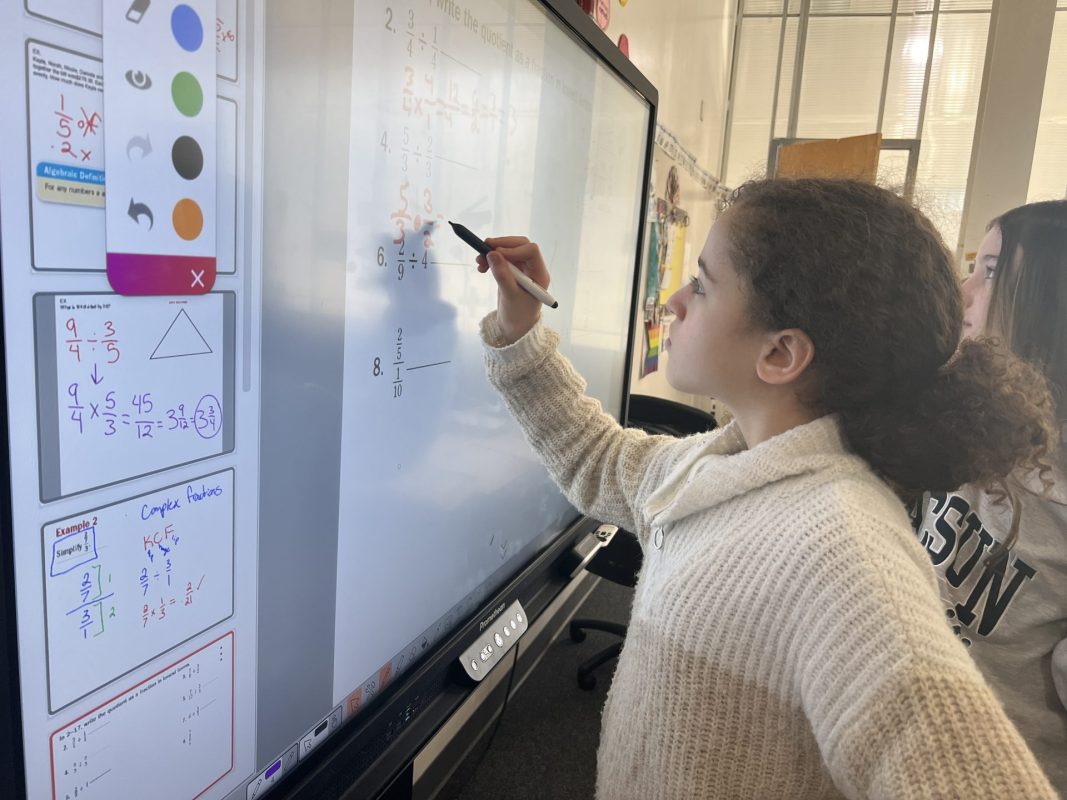
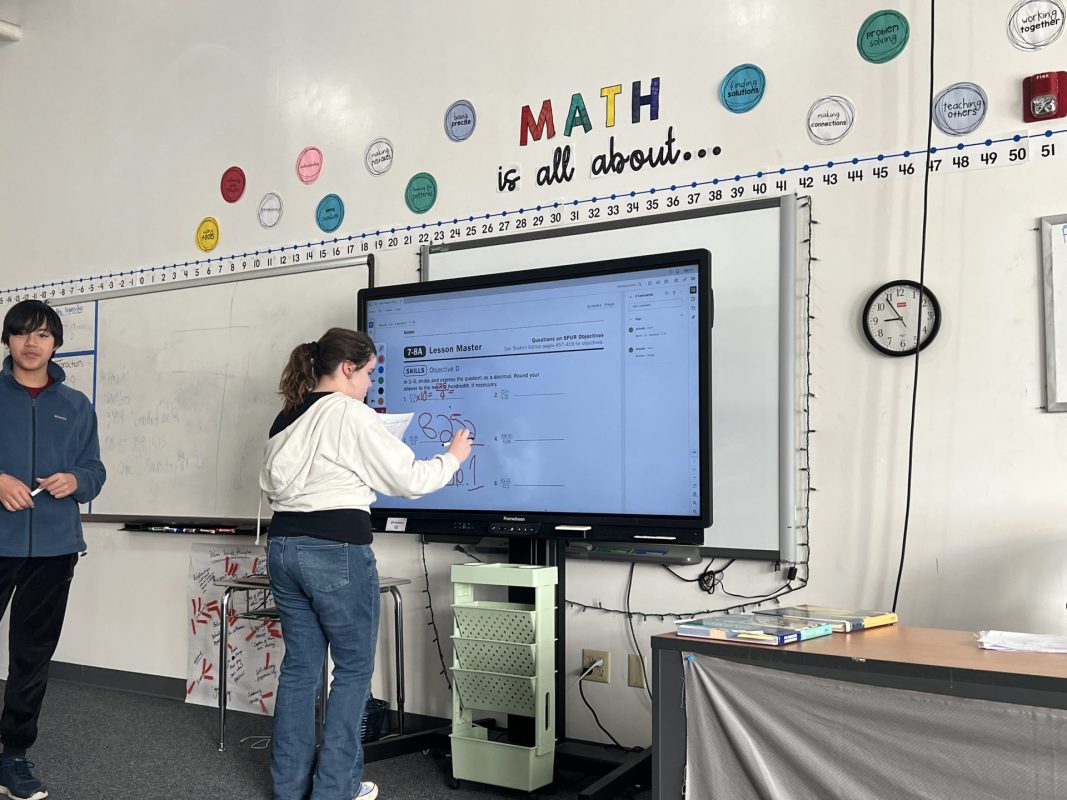
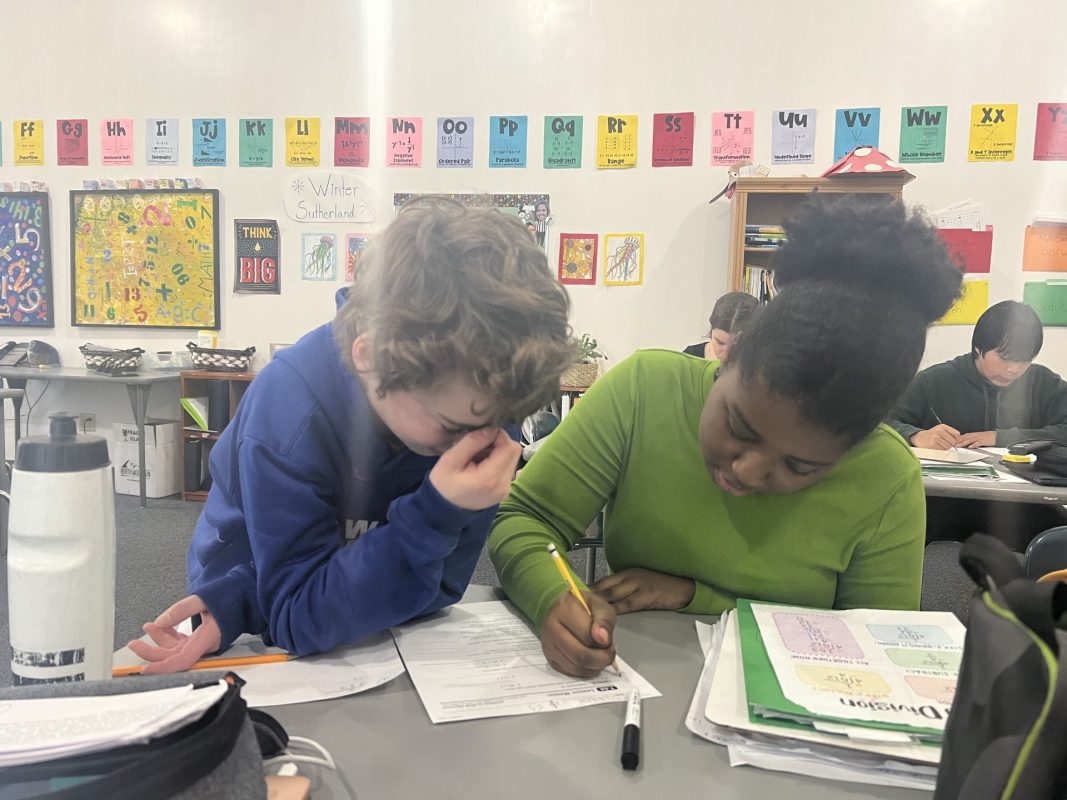
Pre-Transition math students continued their exploration of division properties this week, covering units 7.6 on Flexibility using division, 7.7 on Terminating or repeating decimals, 7.8 on Division of decimals, and 7.9 on Division of negative numbers. They honed their skills in applying flexible division strategies, identifying and working with terminating and repeating decimals, accurately dividing decimal numbers while observing decimal placement, and mastering division operations involving negative numbers, comprehending the specific rules and processes in each case.
Transition math students continued to work on chapter 8 – Multiplication in Algebra, focusing on advanced topics in chapter 8. They explored combining percentages and learning how to work with percentages efficiently. Additionally, they tackled Solving ax = b, Graphing y=ax+b to visualize linear equations, and Solving c=ax+b equations involving variables, enhancing their problem-solving skills and algebraic reasoning. Finally, students grappled with the complexities of Solving c ax+b equations, honing their understanding of algebraic manipulations and equations with multiple variables.
This week in Algebra, students continued their work on chapter 9 – Quadratic Equations and Functions. They explored essential topics like Graphing y = a in unit 9.3, understanding the connection between Quadratics and projectiles in unit 9.4, learning the powerful quadratic formula in unit 9.5, analyzing solutions to quadratic equations in unit 9.6, and gaining insights into the significance of quadratics in unit 9.7. By mastering these concepts, students are one step closer to becoming proficient problem solvers in the realm of Algebra.
Science
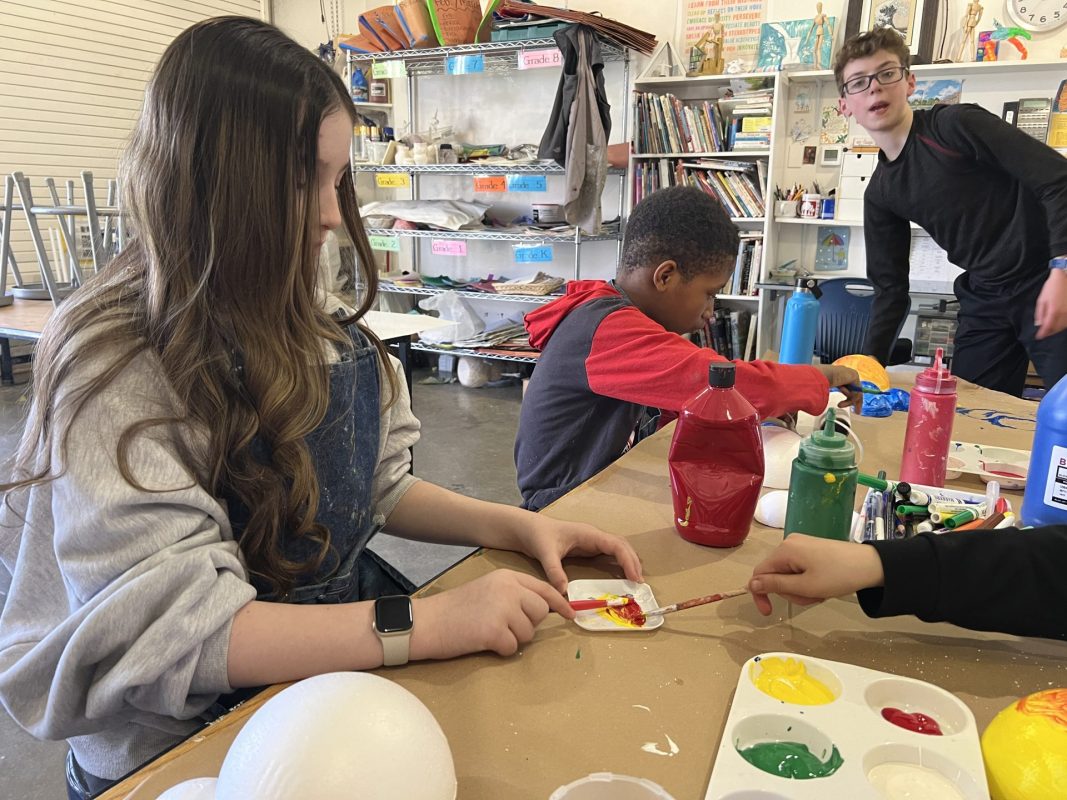
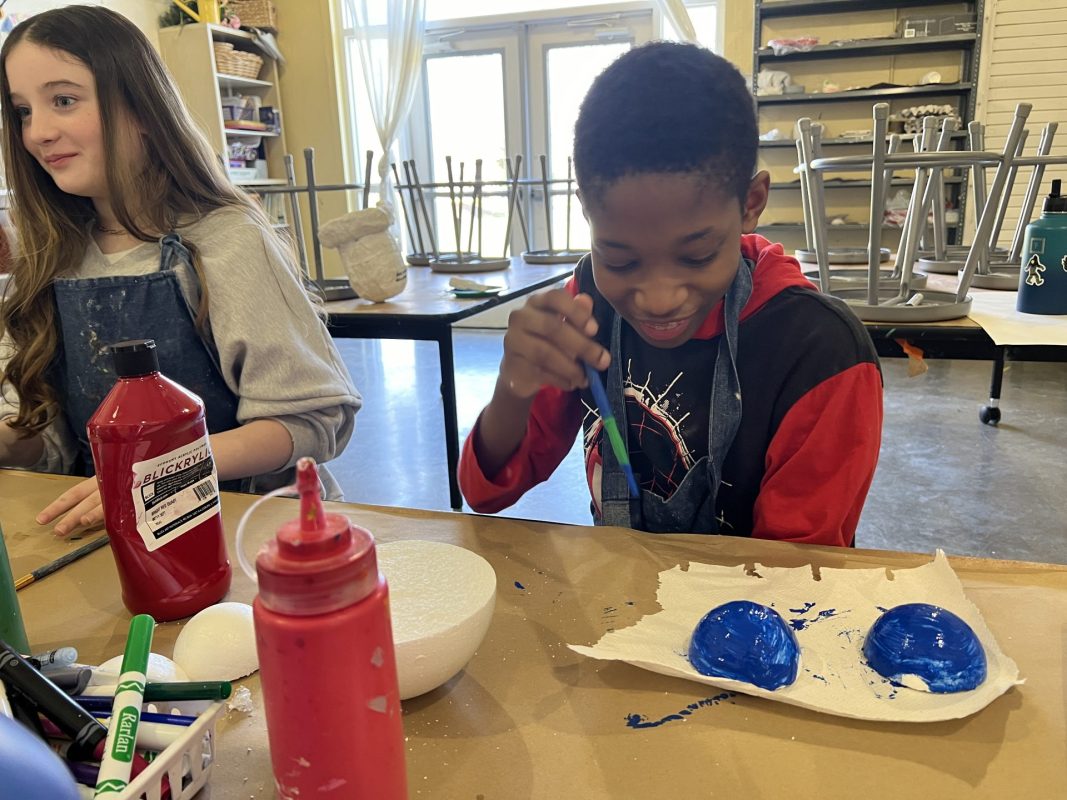
Throughout the week, 6th-year Earth Science students continued their work on tides, exploring how the gravitational forces of the sun, moon, and Earth interact to create the rhythmic rise and fall of oceans around the globe. By understanding the relationship between these celestial bodies, students gained insight into how high and low tides are formed, allowing them to appreciate the intricate dance of nature that influences our coastlines every day.
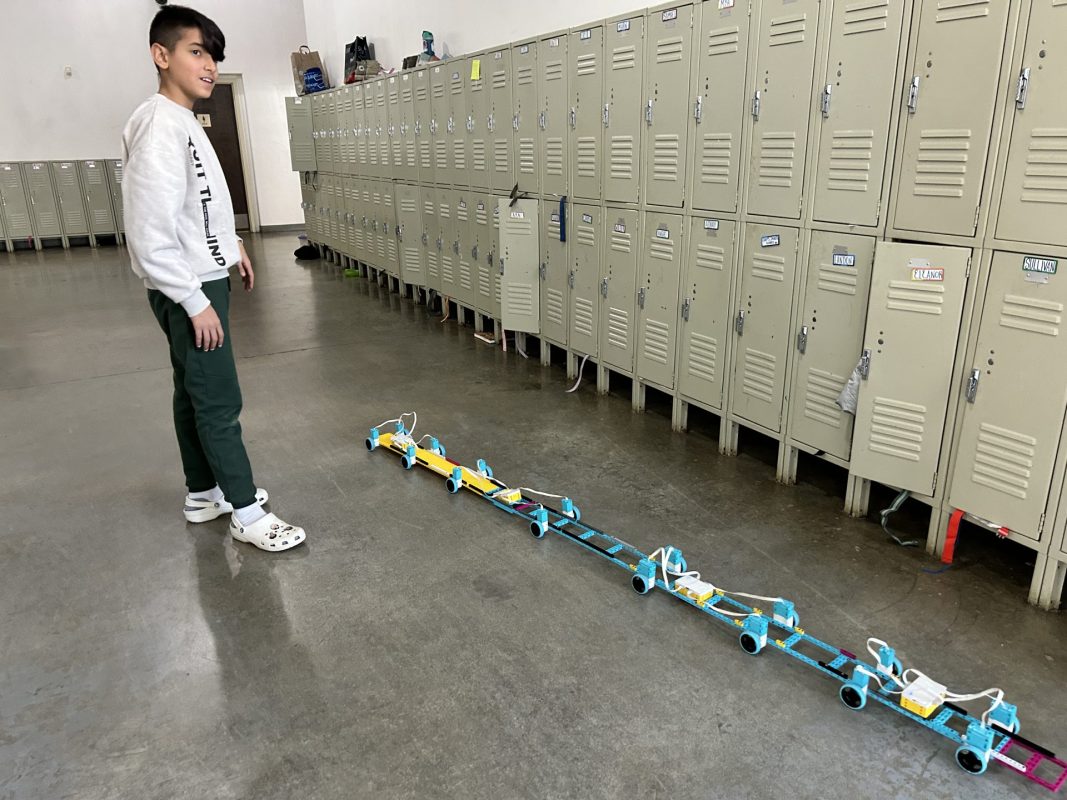
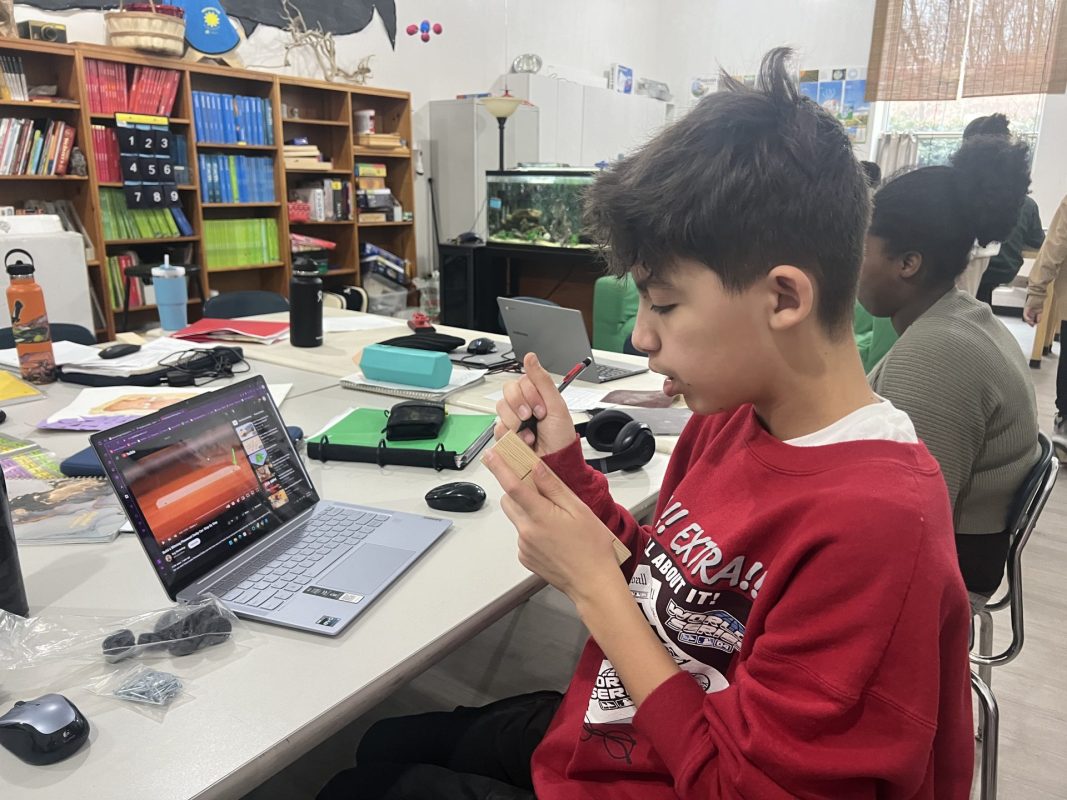
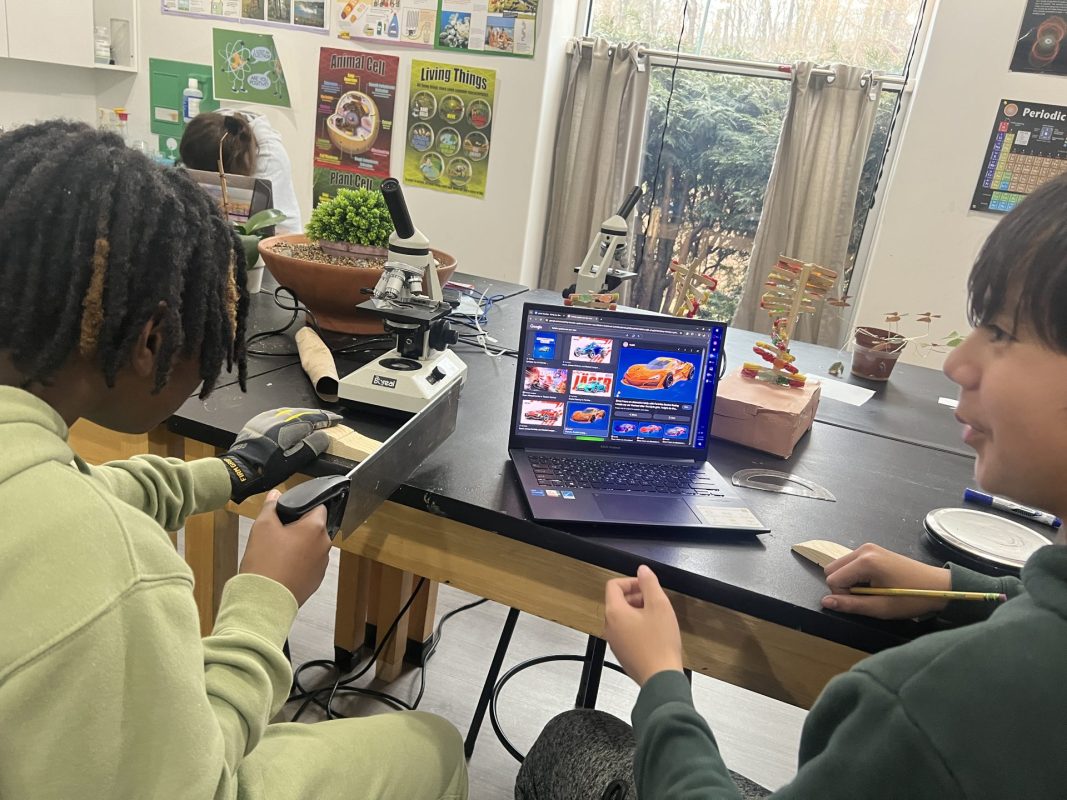
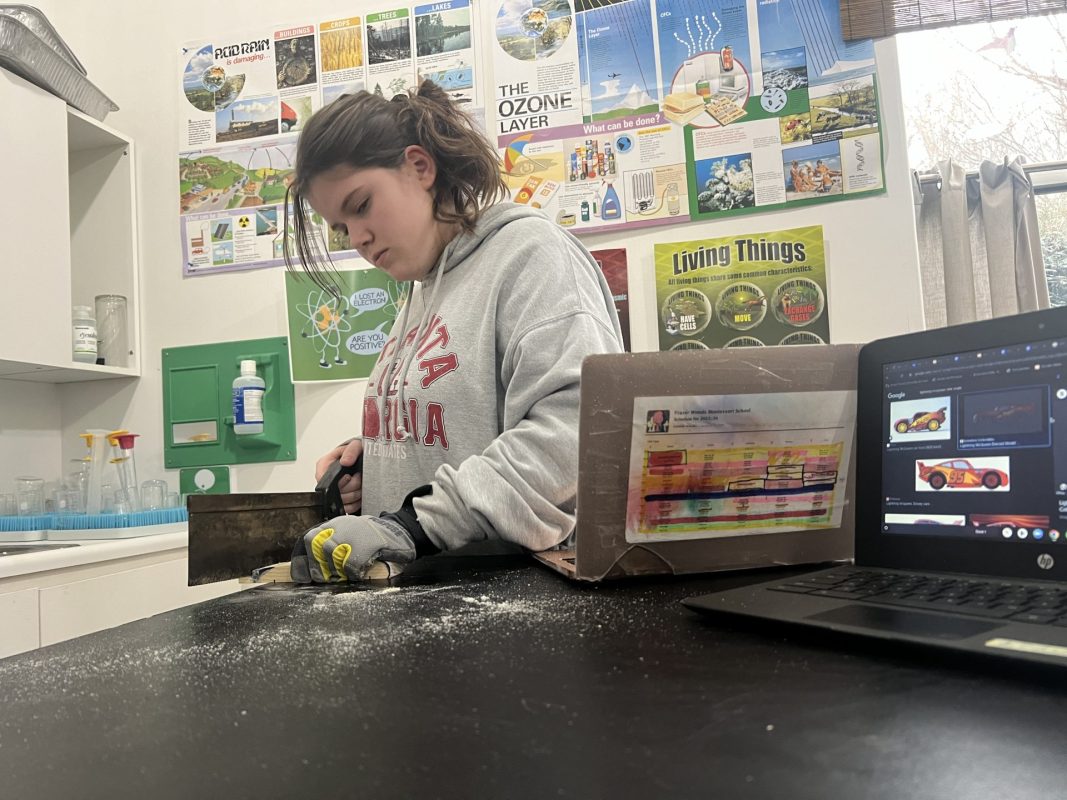
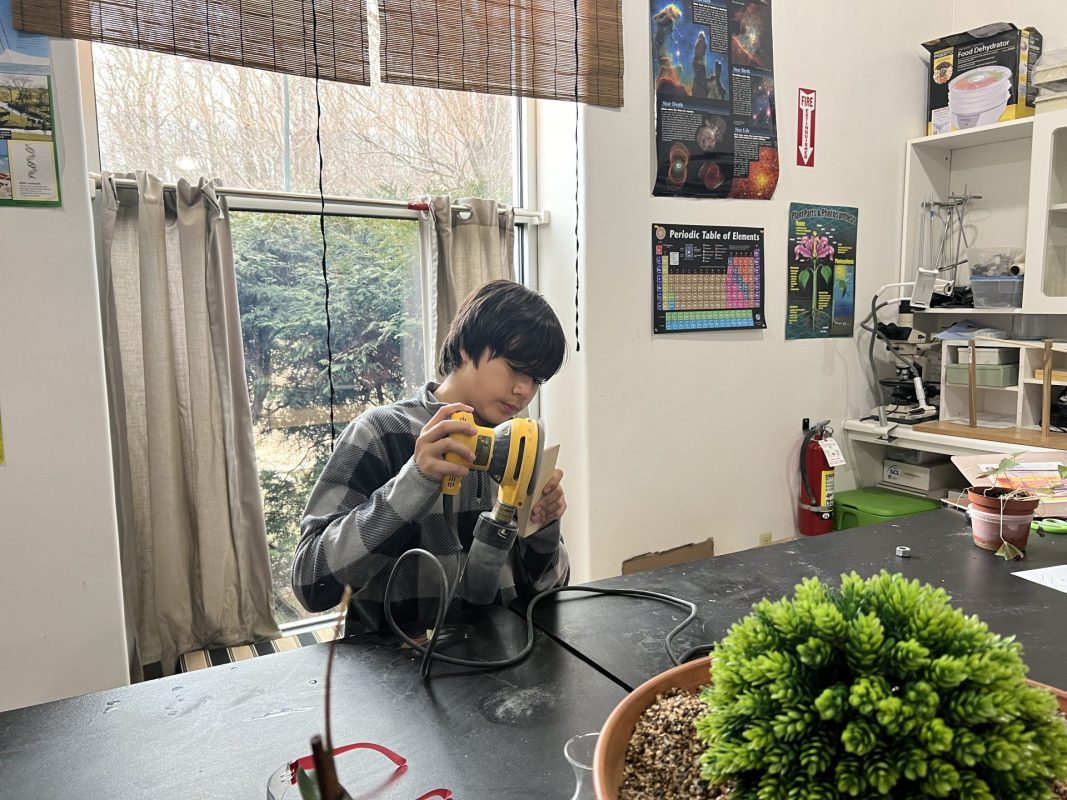
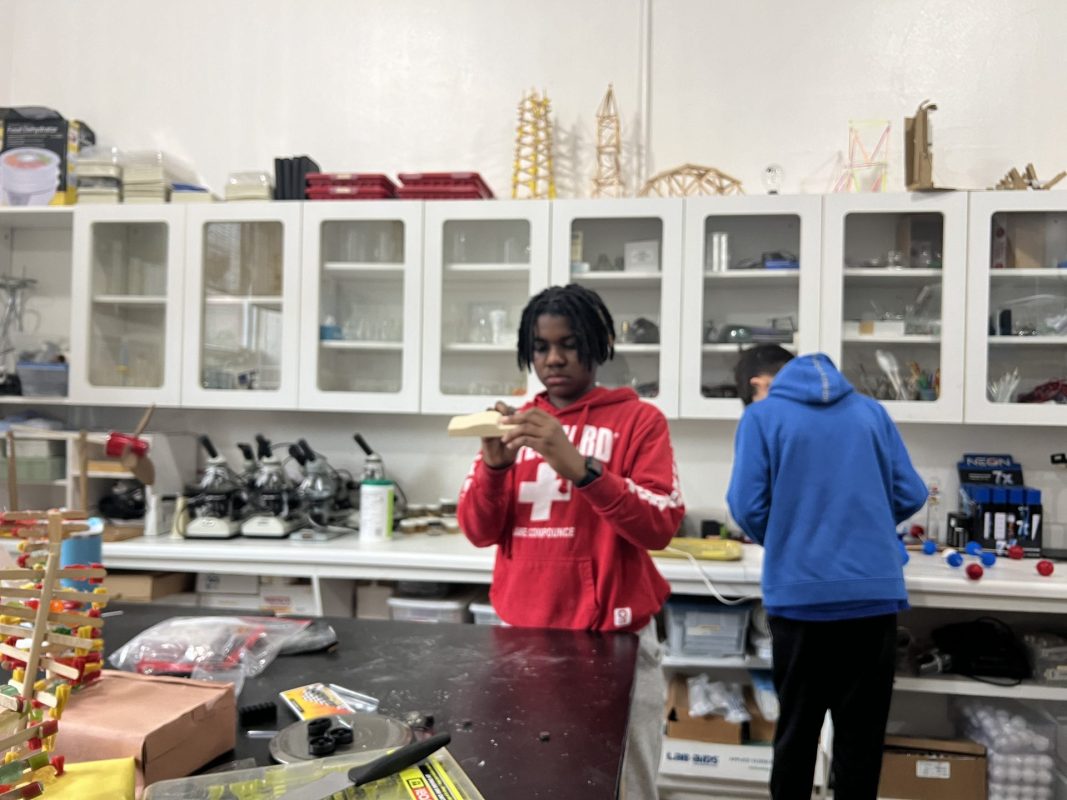
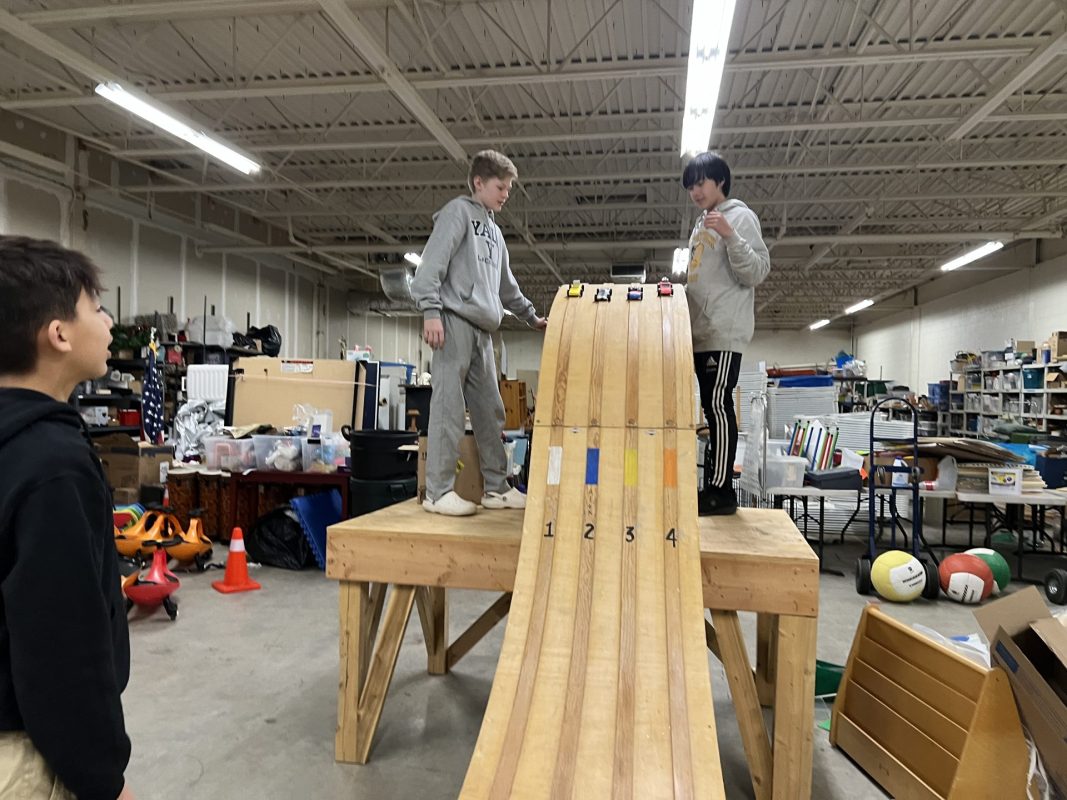
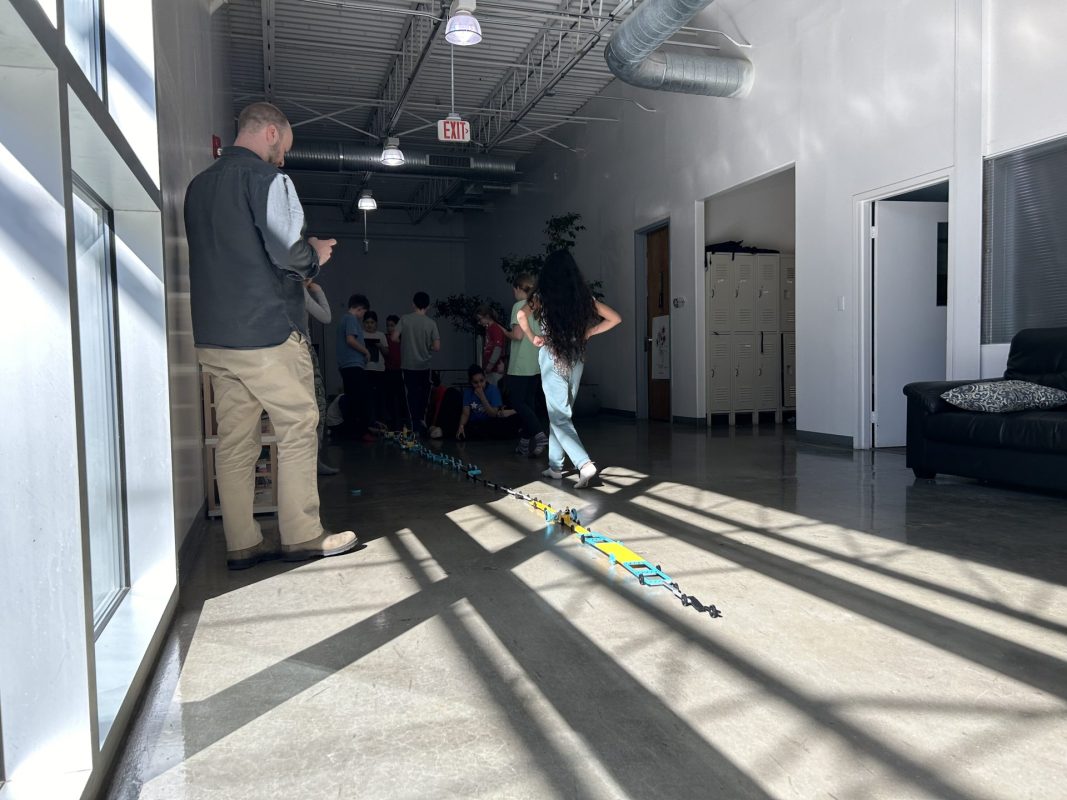
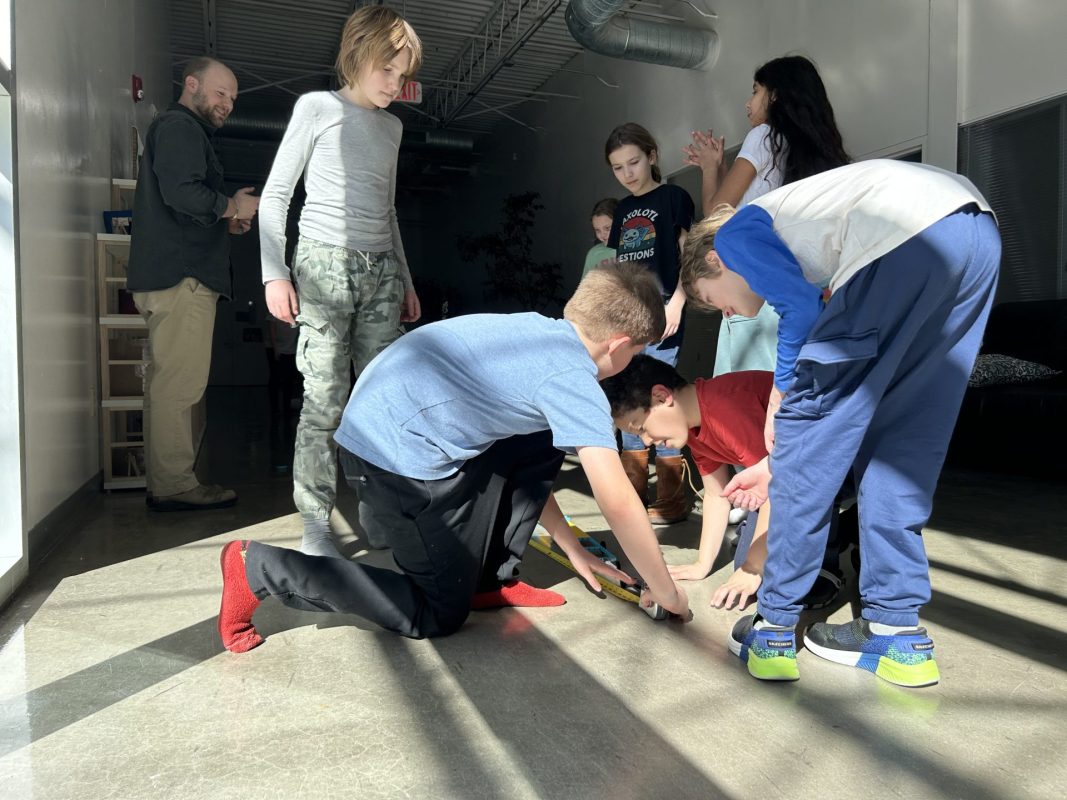
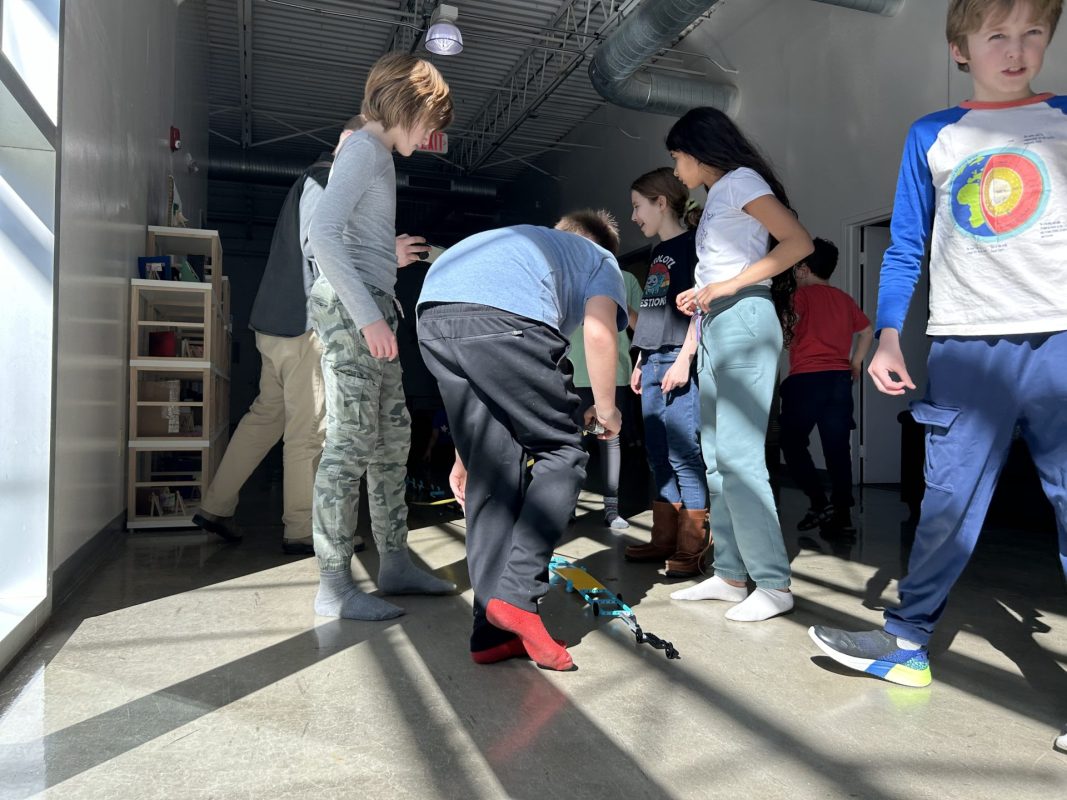
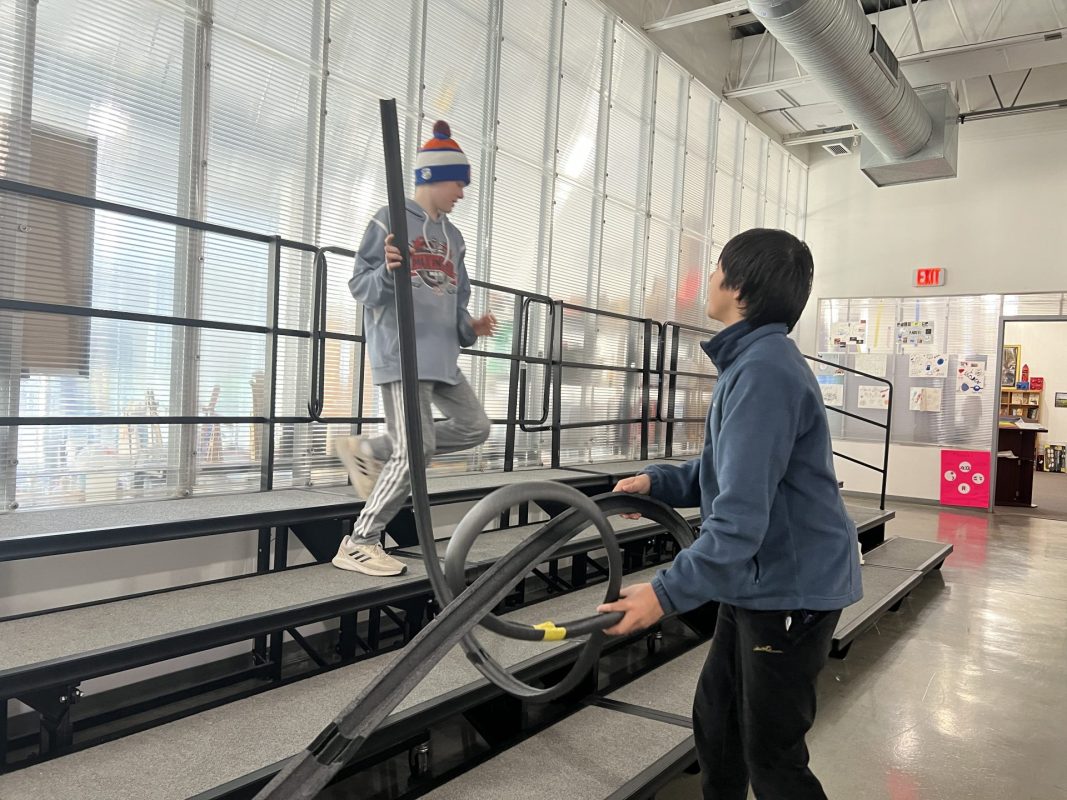
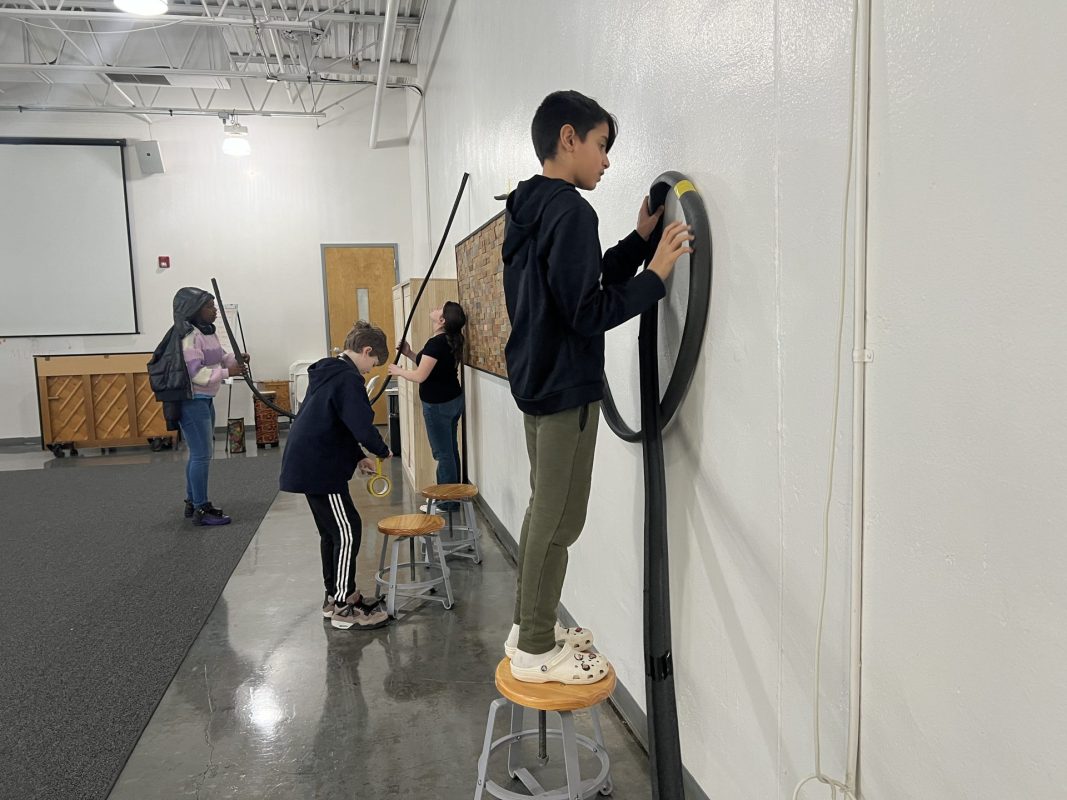
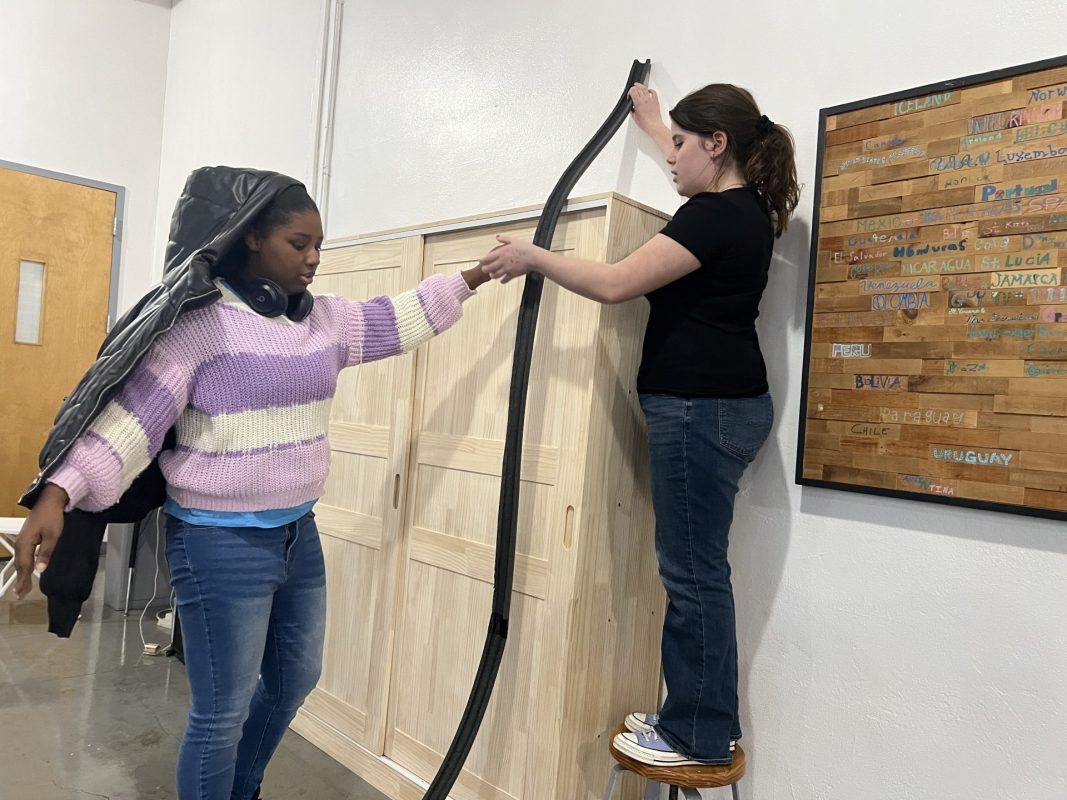
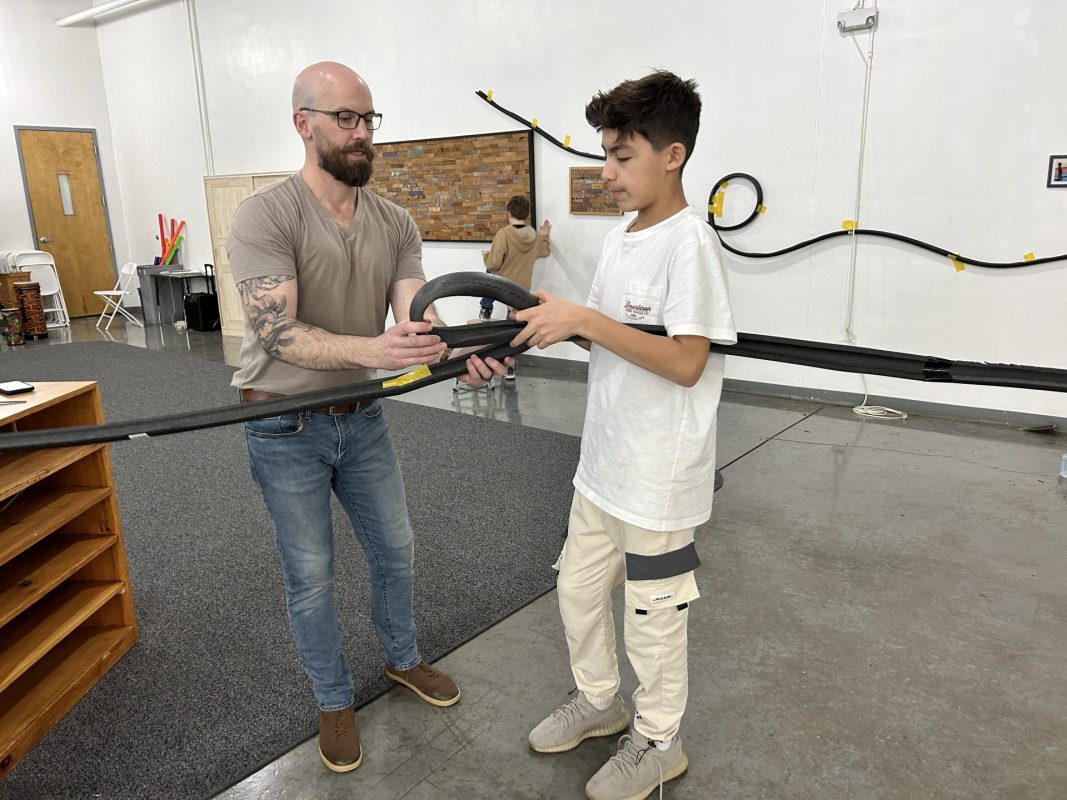
7th-year Physical Science students have been finishing their unit, Chemical Equations and Reactions, exploring how substances interact and transform. As we transition into our next exciting unit on Kinetic Energy, students will embark on a journey to understand the conversion of energy from potential to kinetic forms. They will discover how energy can change from stored energy to energy in motion. To conclude this unit, students will engage in a hands-on project where they will design their pinewood derby car. Through this activity, they will apply their knowledge of weight, velocity, and friction to comprehend the principles of potential and kinetic energy in a real-world setting.
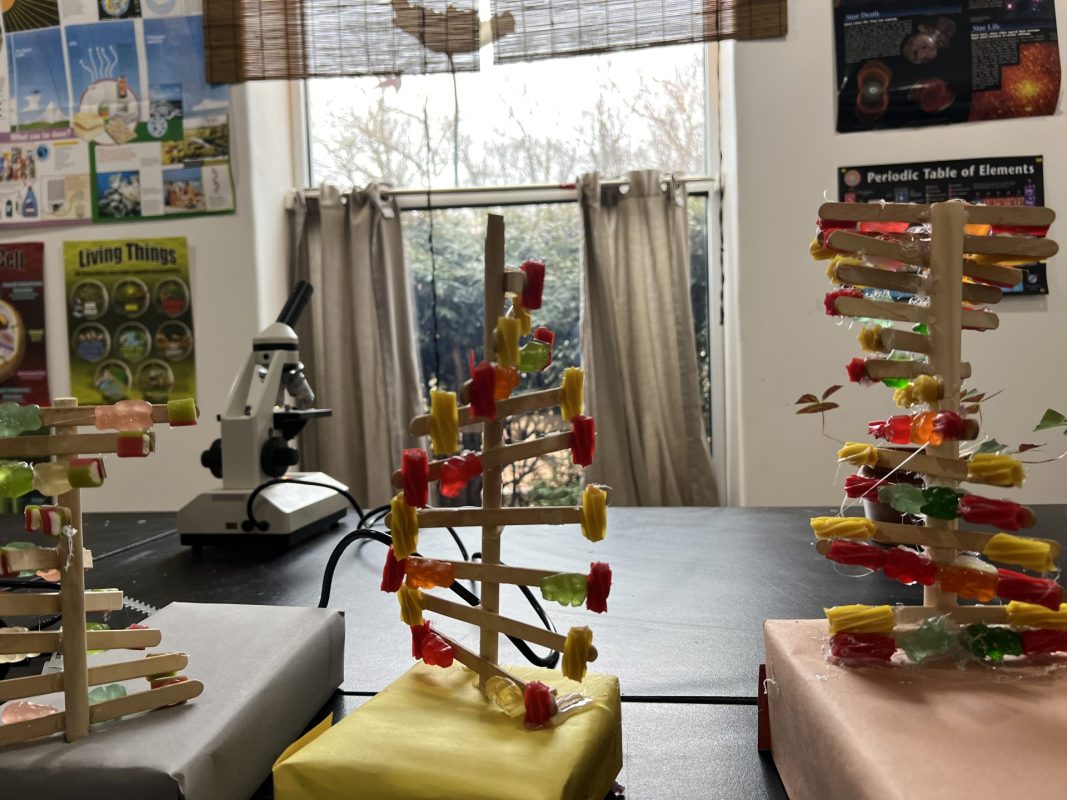
8th-year Life Science students have continued to work on their unit, Influencing Inheritance. Students researched and discussed how this scientific practice influences our daily lives. By researching various global issues, students have discovered the potential of genetic engineering to address a range of everyday problems faced by people across the world. From enhancing crop yields to developing disease-resistant organisms, genetic engineering presents innovative solutions that can positively impact living organisms and societies as a whole.
Have a great weekend!