Blog

This Week in Upper El

“Education between the ages of six to twelve is not a direct continuation of that which has gone before, though it is built upon that basis. Psychologically there is a decided change in personality, and we recognize that nature has made this a period for the aquisition of culture, just as the former was for the absorption of the environment.” -Maria Montessori, To Educate the Human Potential

Maria Montessori identified different stages in children’s development, which she called the Planes of Development. Each stage is divided into six-year periods: 0-6, 6-12, and 12-18, with each period further categorized into three-year segments. Each stage has a primary focus, and children at each stage exhibit specific characteristics. Montessori teachers use this information to create age-appropriate environments and lessons for their students.

Children in the elementary level are in the second plane of development, characterized by the “Elaboration of the Mind and Personality.” Elementary-aged children transition rapidly from concrete thinking to abstract reasoning, developing the ability to solve problems logically. They become more interested in the social world and are highly concerned with justice and fairness.

During the first three years of the elementary plane, lower elementary children are in the “period of construction” and are increasingly interested in comprehending how things work. They develop a strong moral sense and show an interest in culture. In the lower elementary classroom, their needs are met through extended opportunities for reading and writing, more involved group activities, and expanded projects.

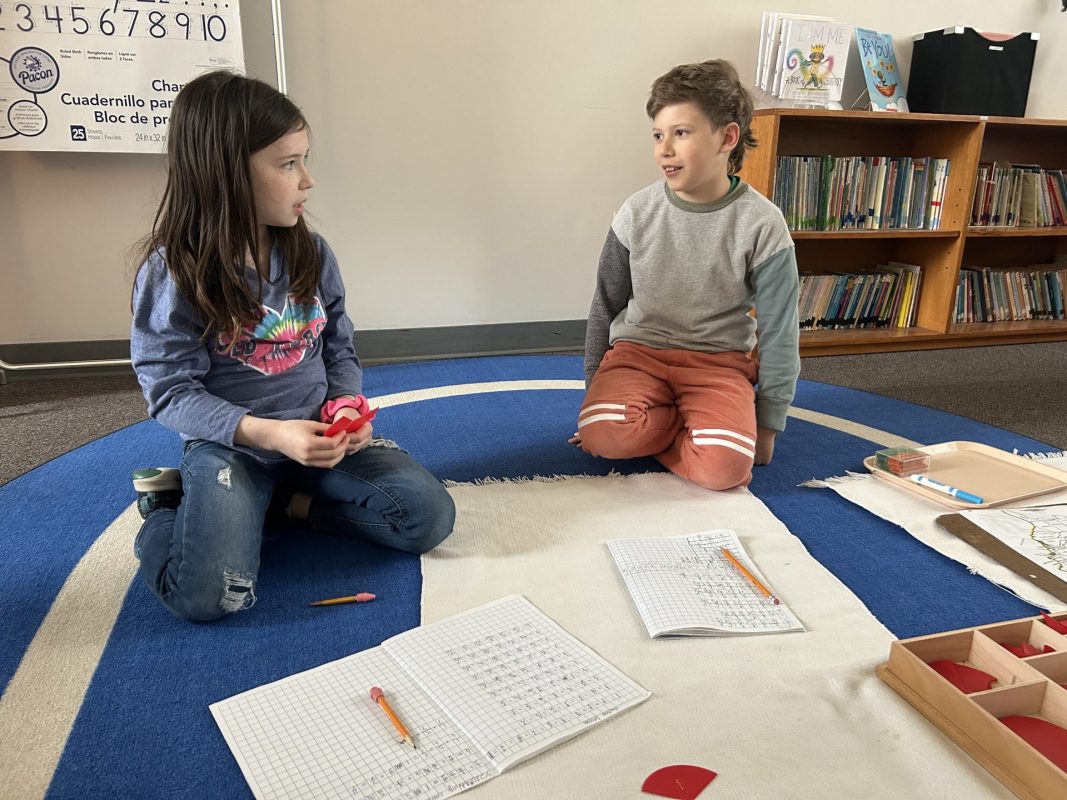
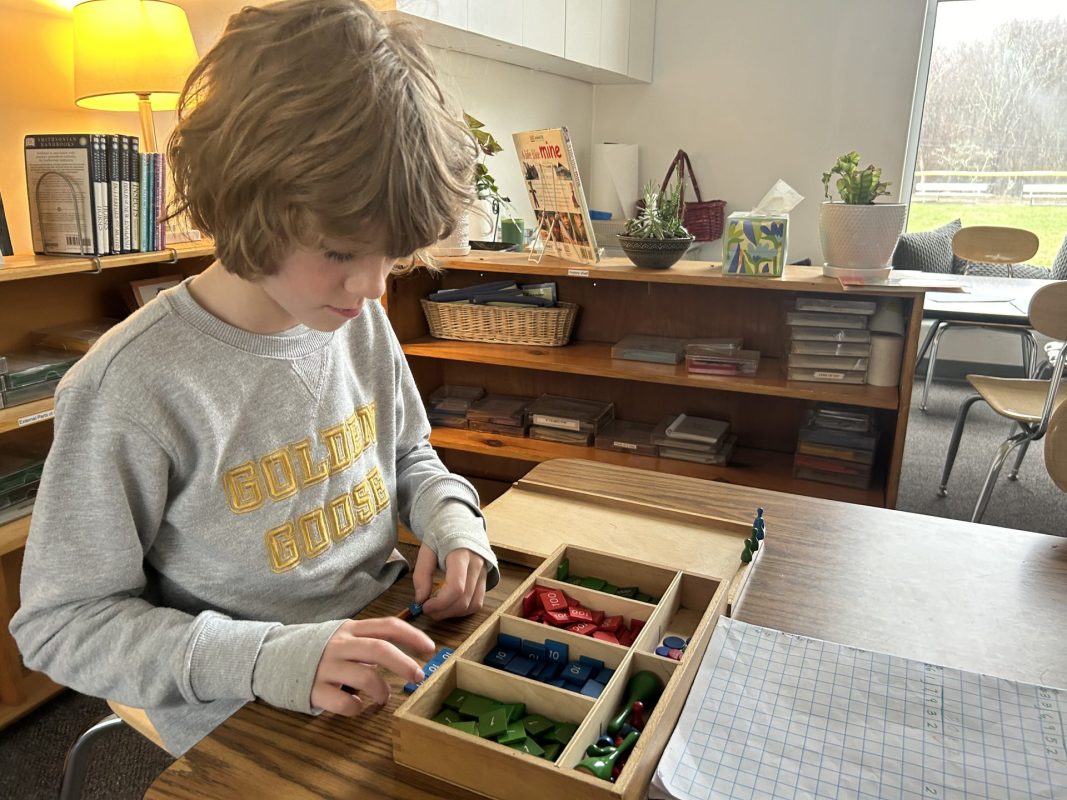
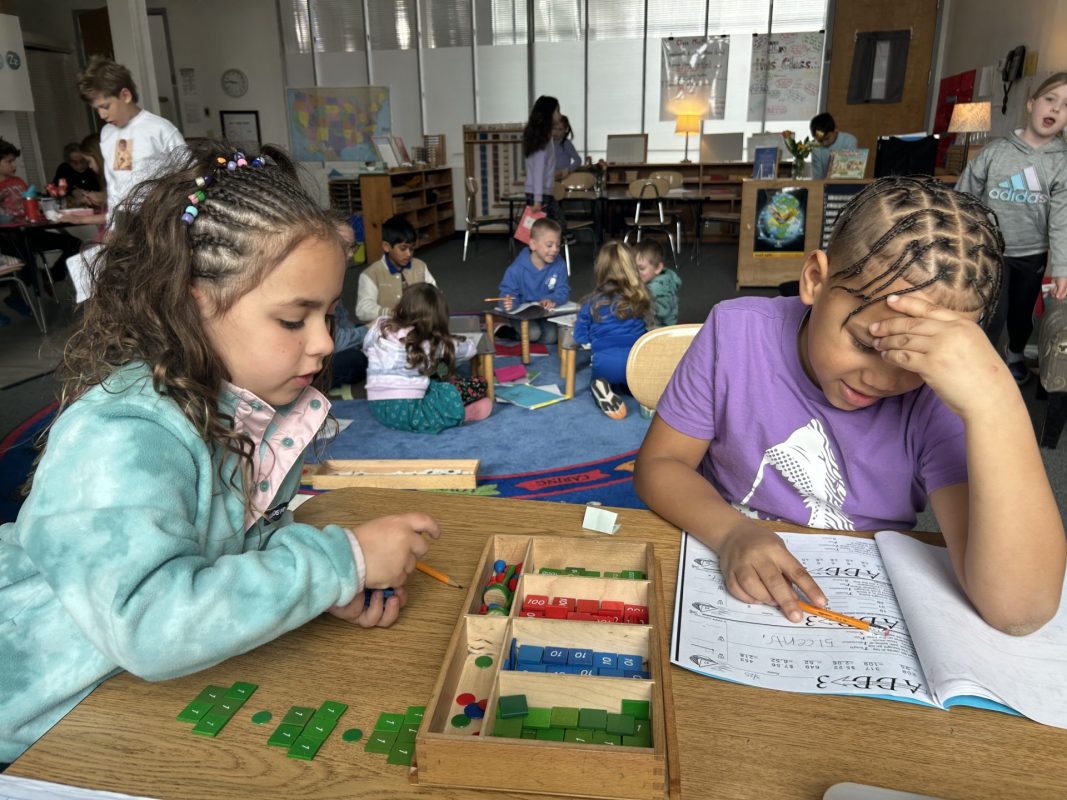
In upper elementary, the second three years of the plane, children are in the “period of consolidation” and are working on integrating the lessons of the first three years. Upper elementary children begin to exhibit internal and external order, and the socially challenging behaviors of lower elementary children mature into a more serene and well-ordered nature. Children at this level are more focused, calm, and predictable. They have learned to resolve conflicts using logic and reason and understand things from their peers’ perspectives.

Wishing you a wonderful weekend,
Karen and Krystin


Research in Lower El!

Lower Elementary has begun research projects and has been immersed in research all week! Each child has been given categories to choose from, and everyone has made their choice. The students have been fully engaged in their chosen categories, fostering a sense of shared focus within the class. Each child has selected a topic, and this collective endeavor provides an excellent opportunity for older students to assume mentoring roles, supporting their younger peers who are new to the world of research. To initiate the projects, the students began by brainstorming what they already knew about their chosen topics and formulated questions to guide their exploration. This collaborative effort has sparked genuine excitement about their upcoming projects.

First-year students will make posters with information about their topics, second-year students will make posters and write research papers, and third-year students will make presentation boards, write papers, and give oral presentations. All of this work will be done at school.

More information will come about our upcoming Research Night on March 7th!


February Family Connection Newsletter

“Our work is not to teach, but to help the absorbent mind in its work of development. How marvelous it would be if by our help, if by an intelligent treatment of the child, if by understanding the needs of his physical life and by feeding his intellect, we could prolong the period of functioning of the absorbent mind!” -Maria Montessori, The Absorbent Mind

This month’s Family Connection newsletter does a nice job of explaining the period of intense mental activity called the absorbent mind that children experience during the first six years of their lives. You will learn what the absorbent mind is and how best to support children during this period of development. The newsletter also contains some great tips for cooking with your young child.

I hope you find this Family Connection useful and informative.

Have a great weekend,
Karen Sankey


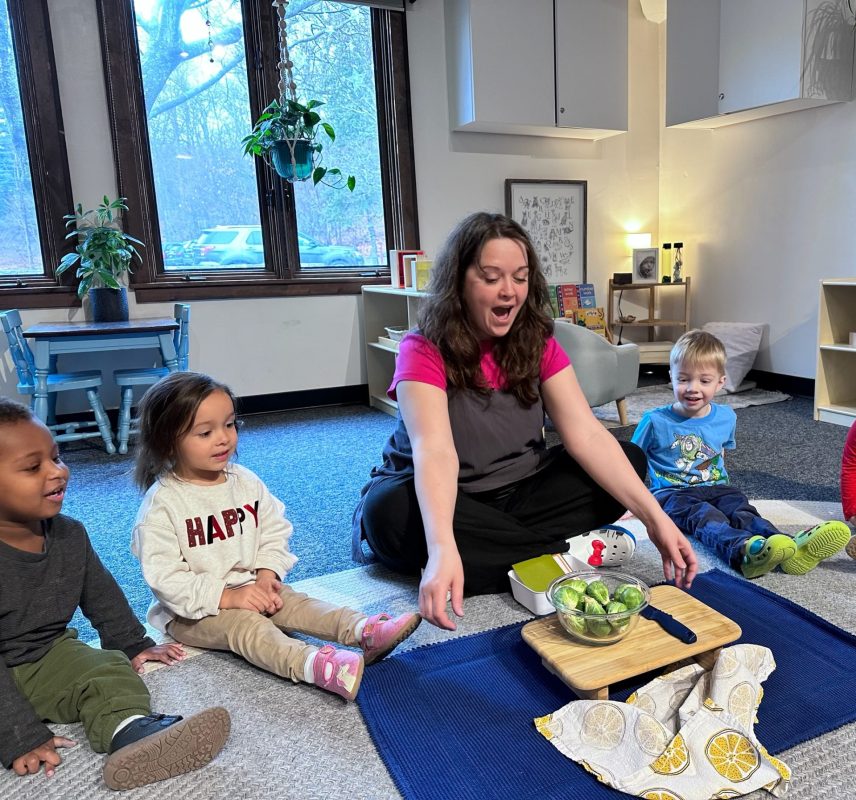
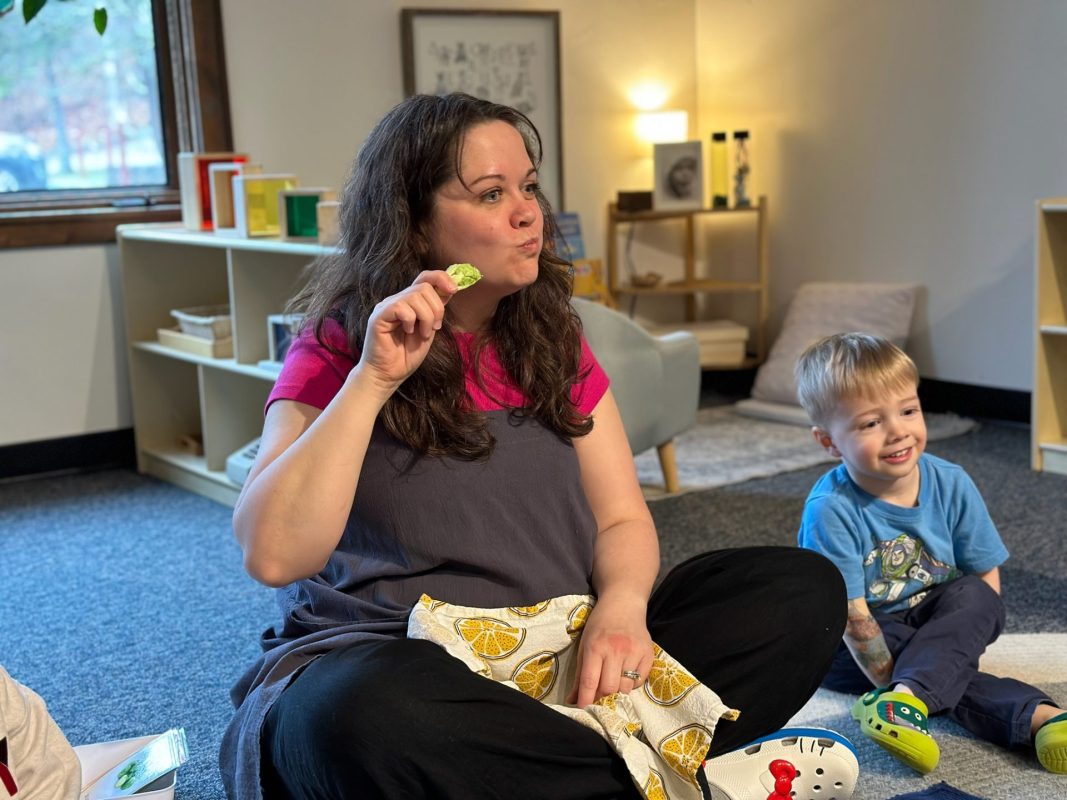
Mrs. Wilson: The Importance in Food Tasting

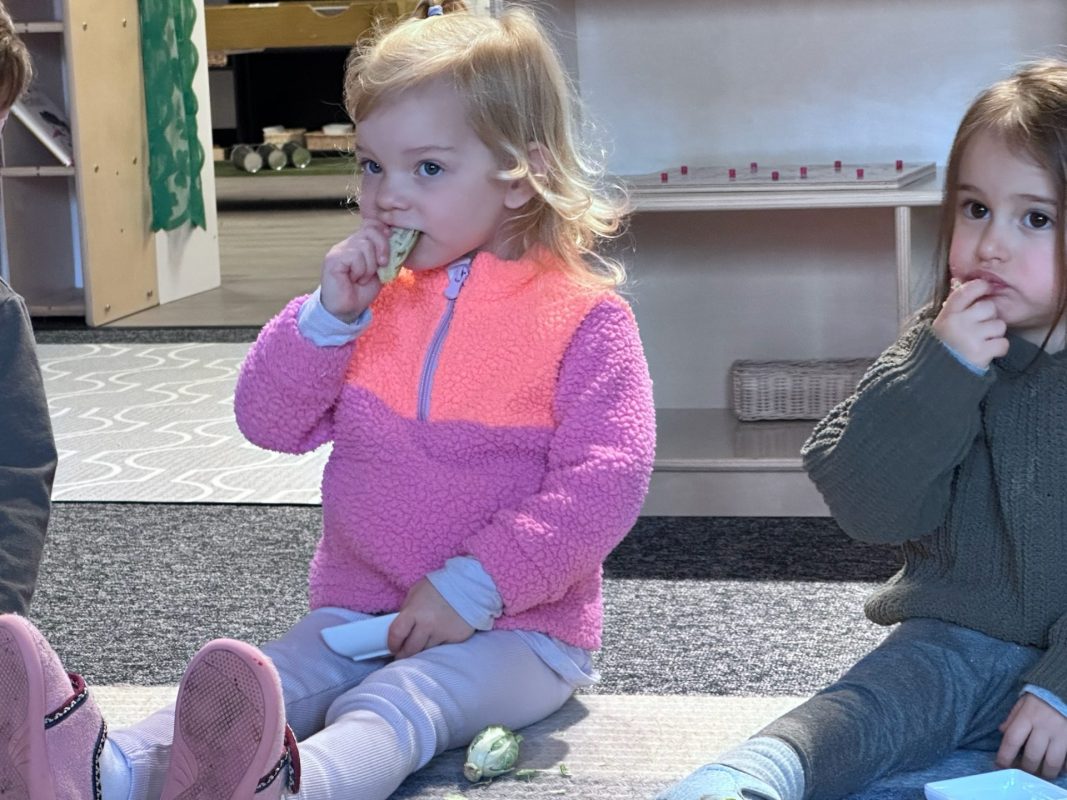
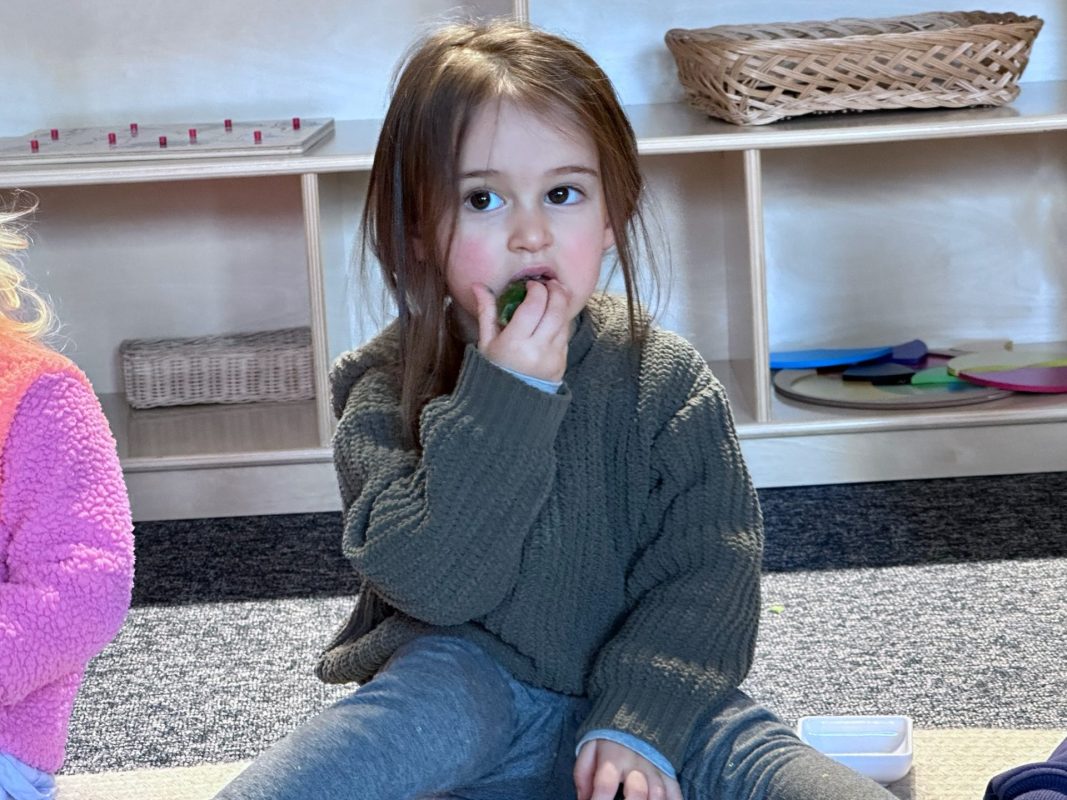
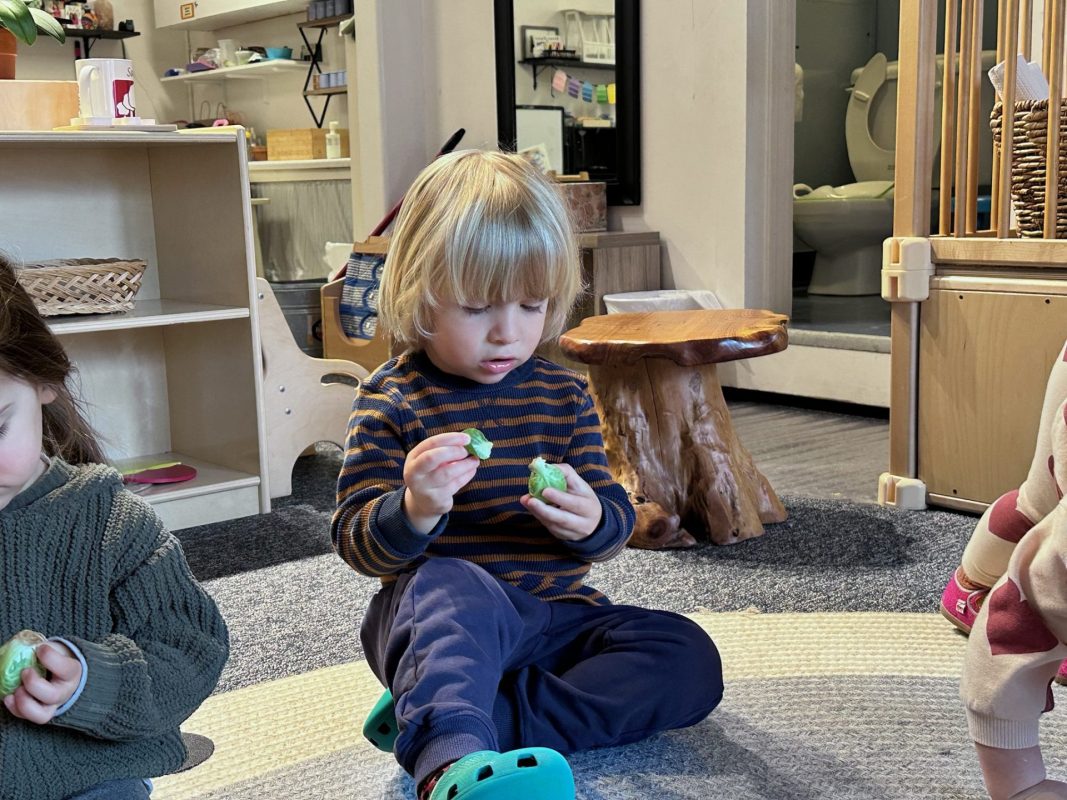
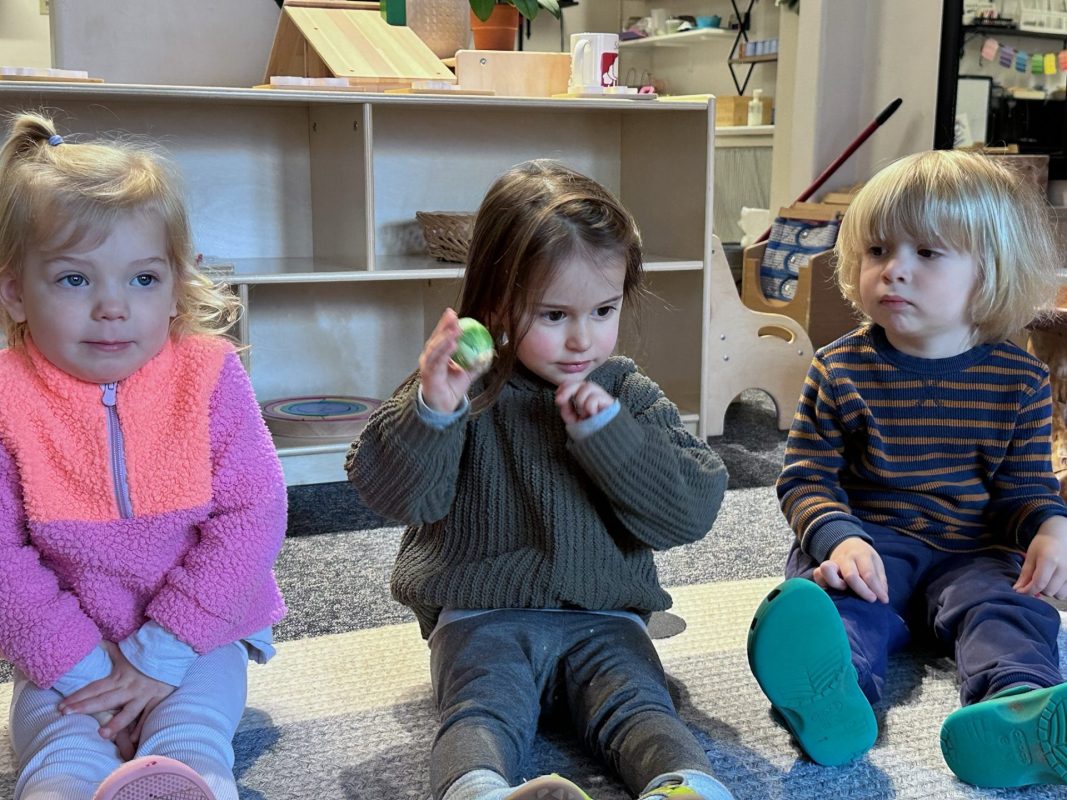
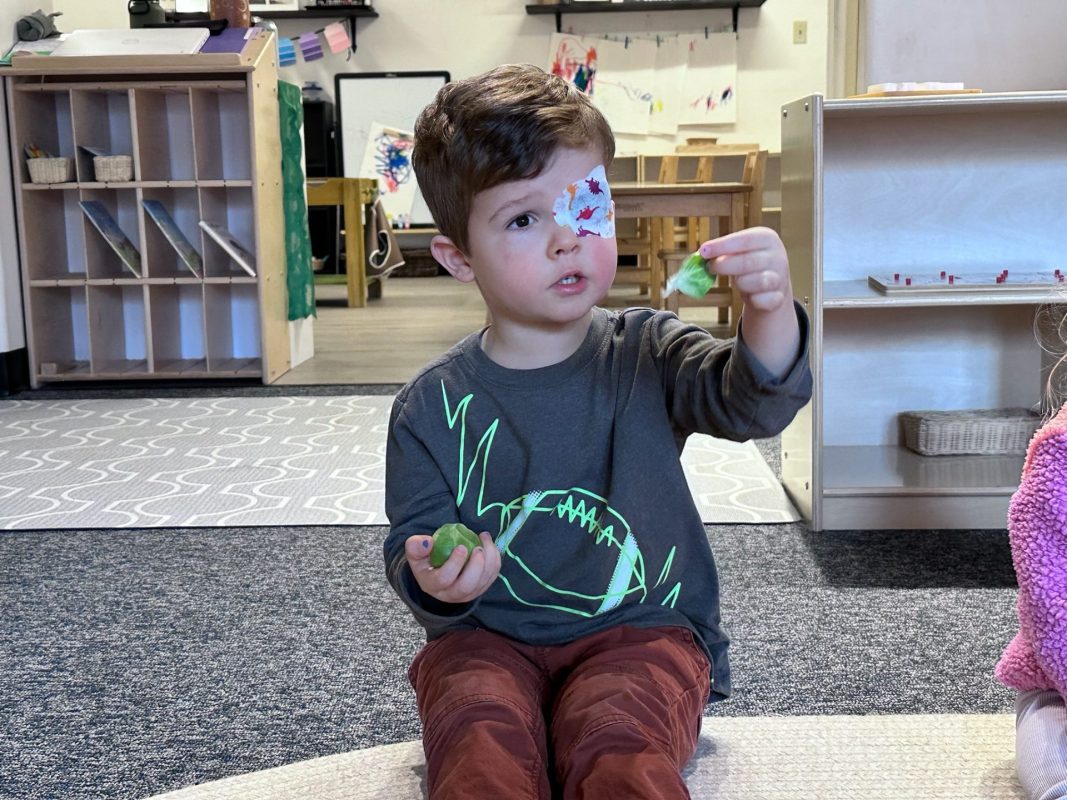
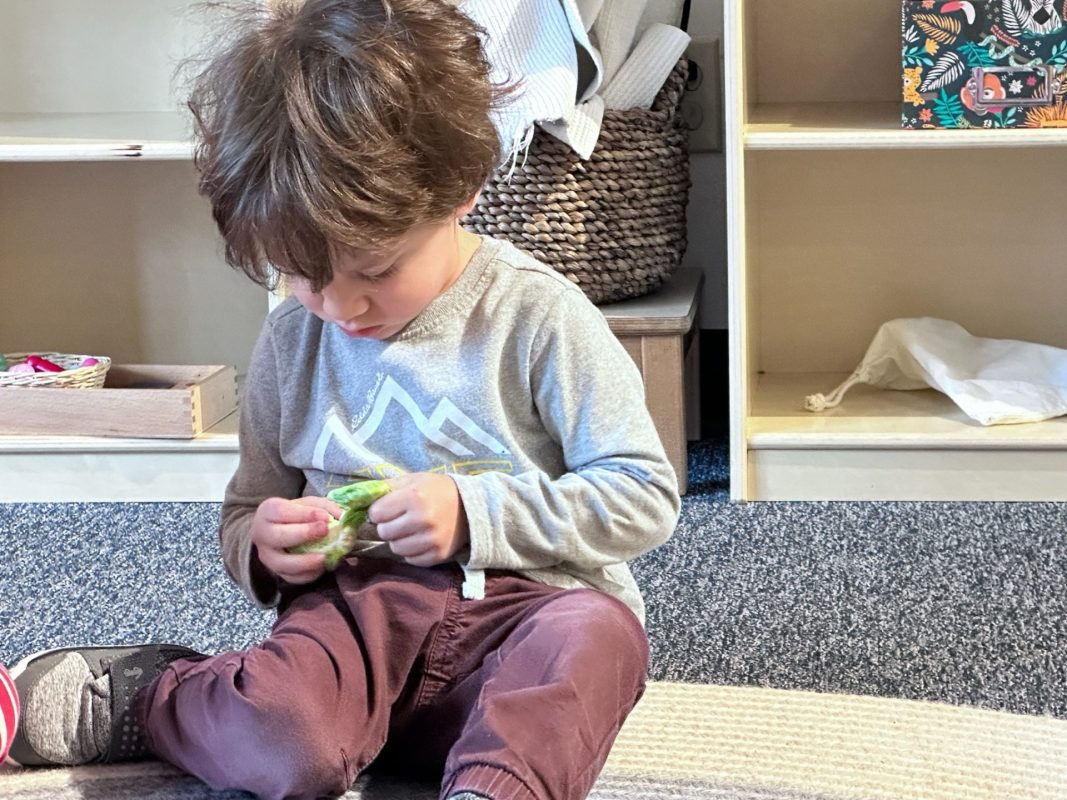
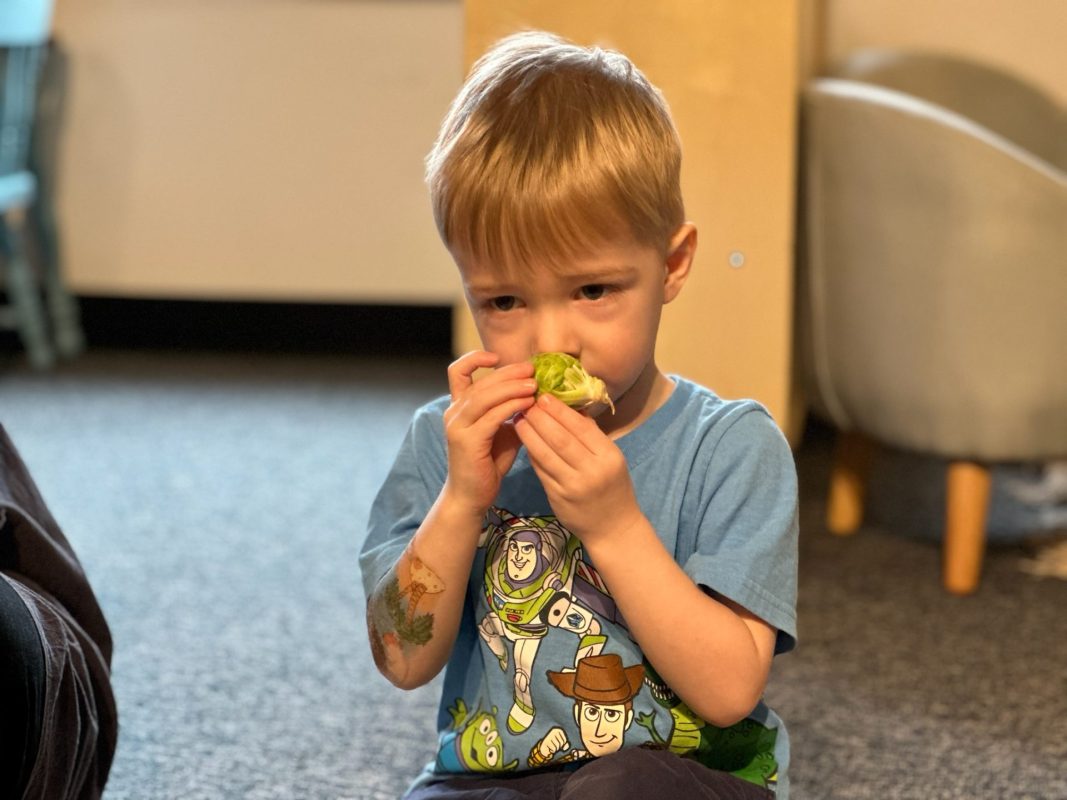
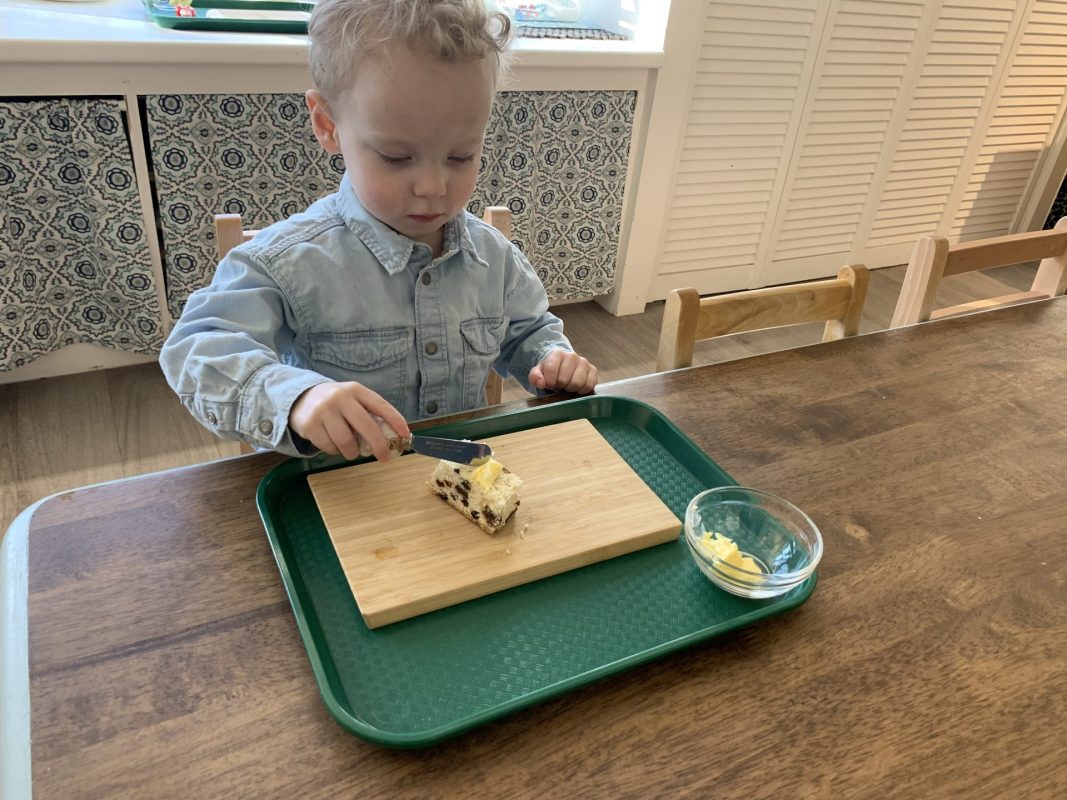
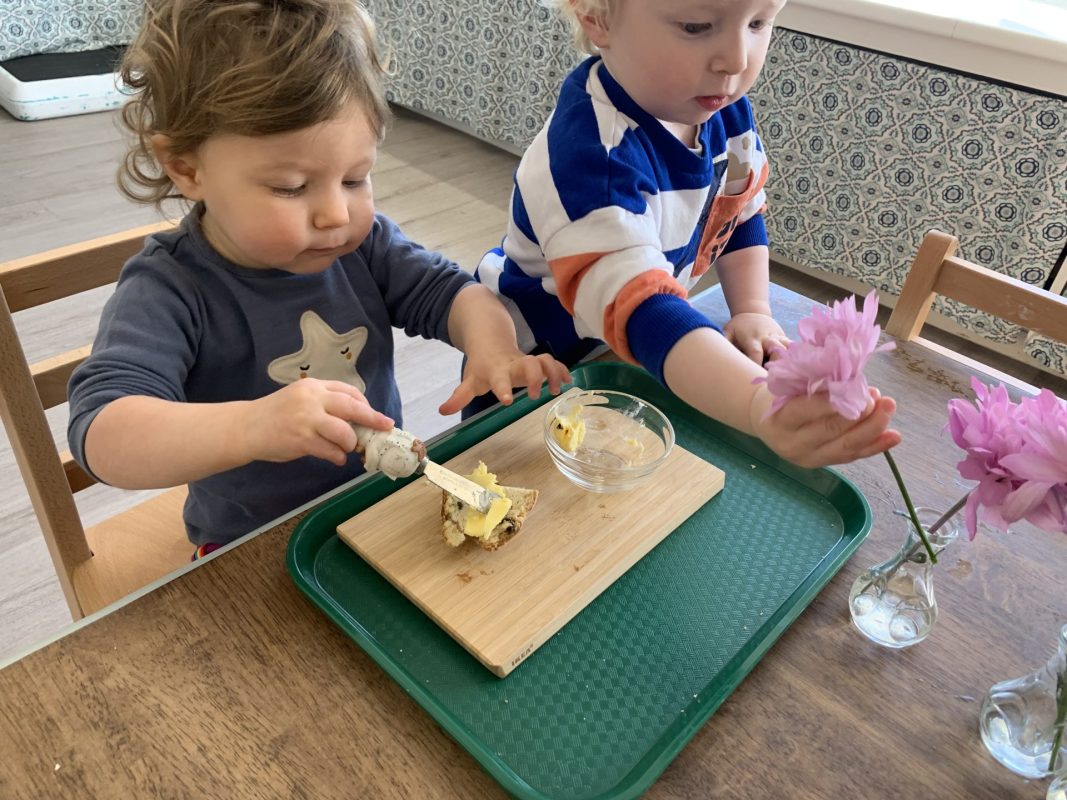
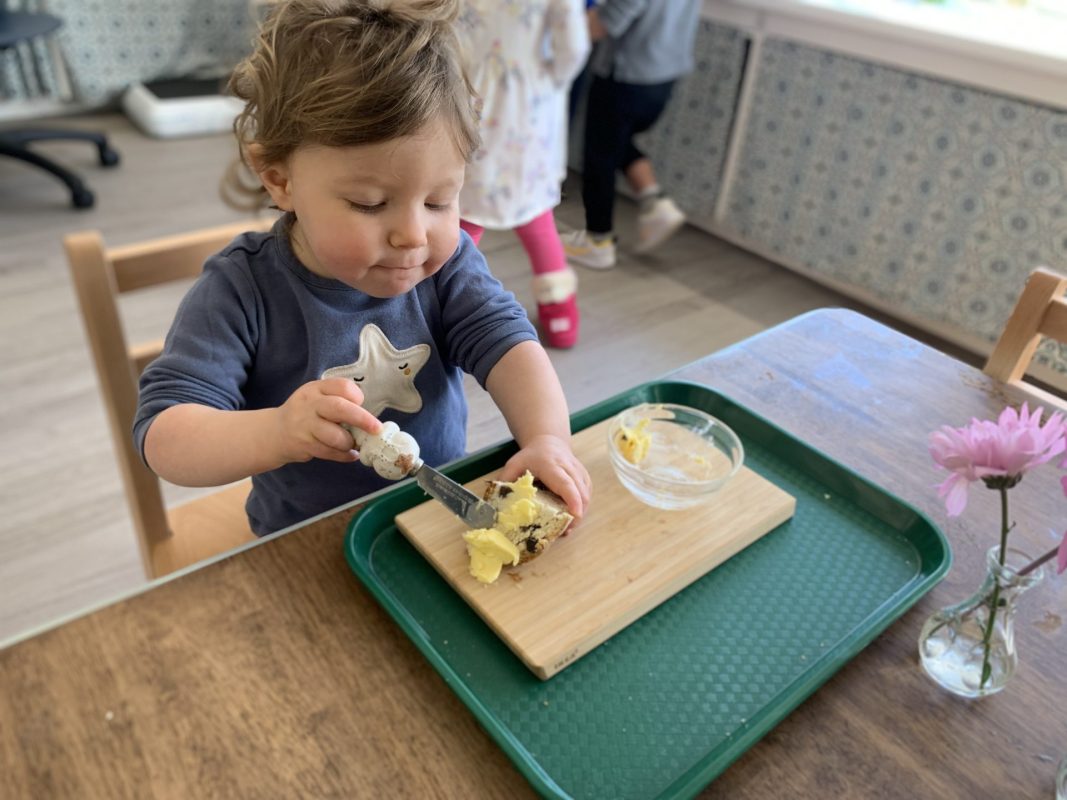
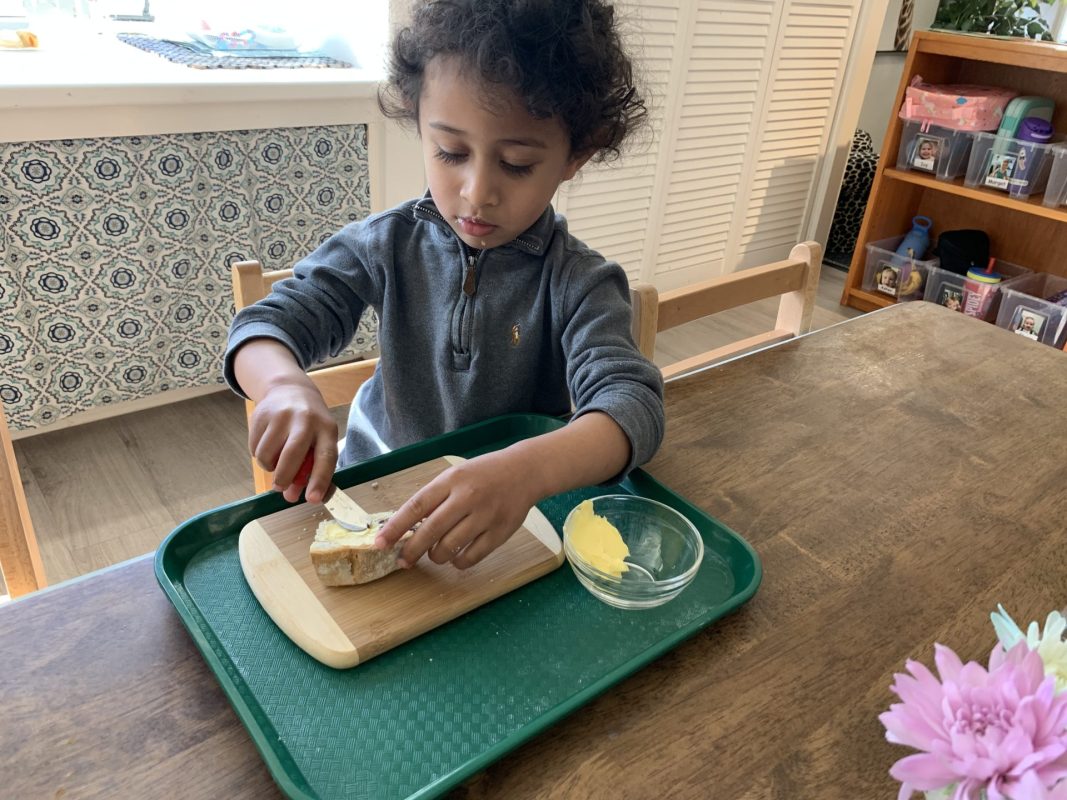
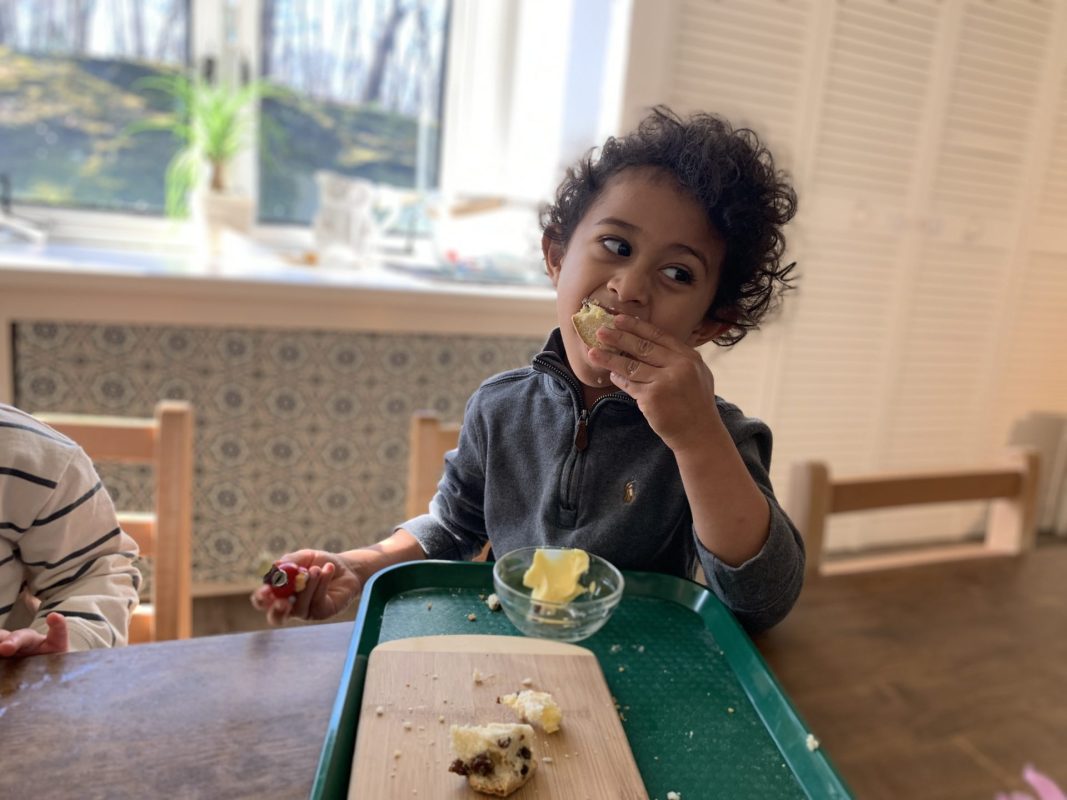
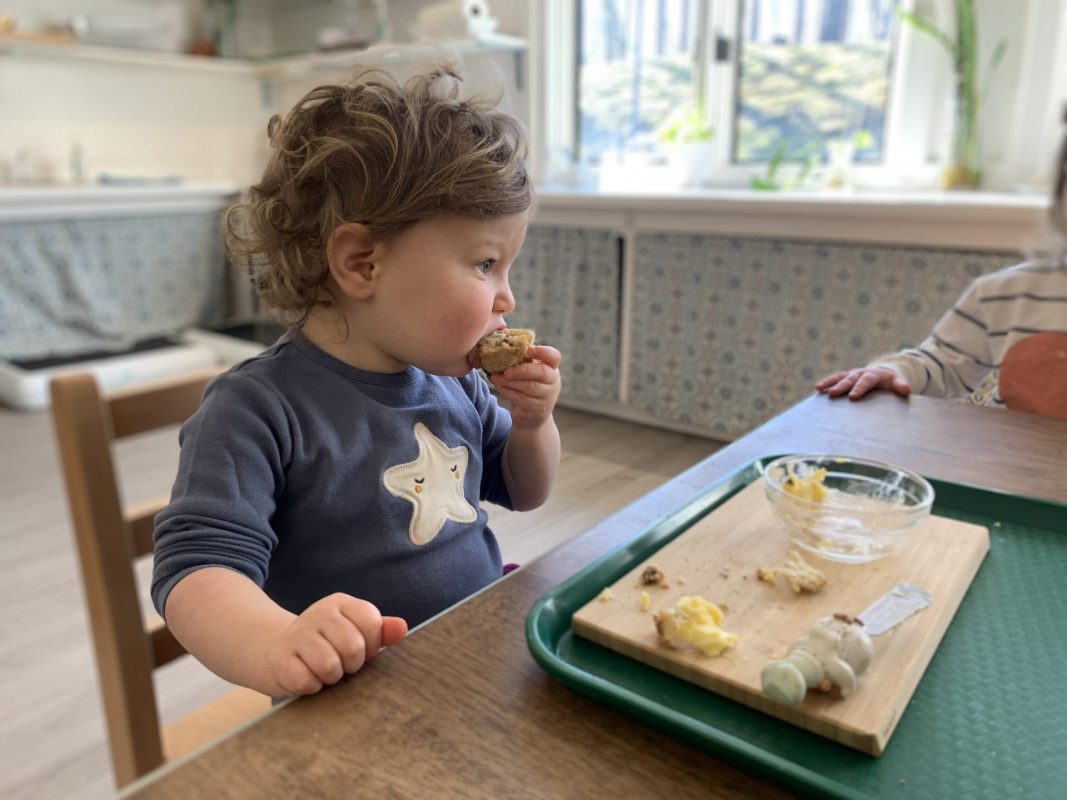
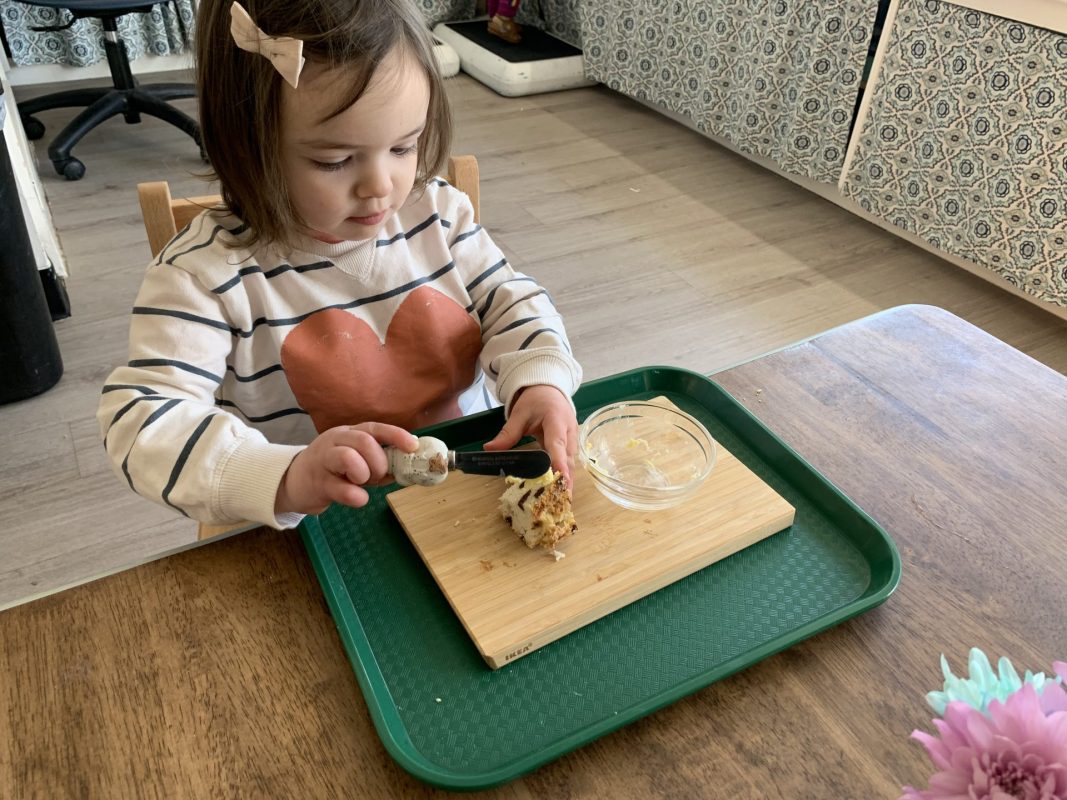
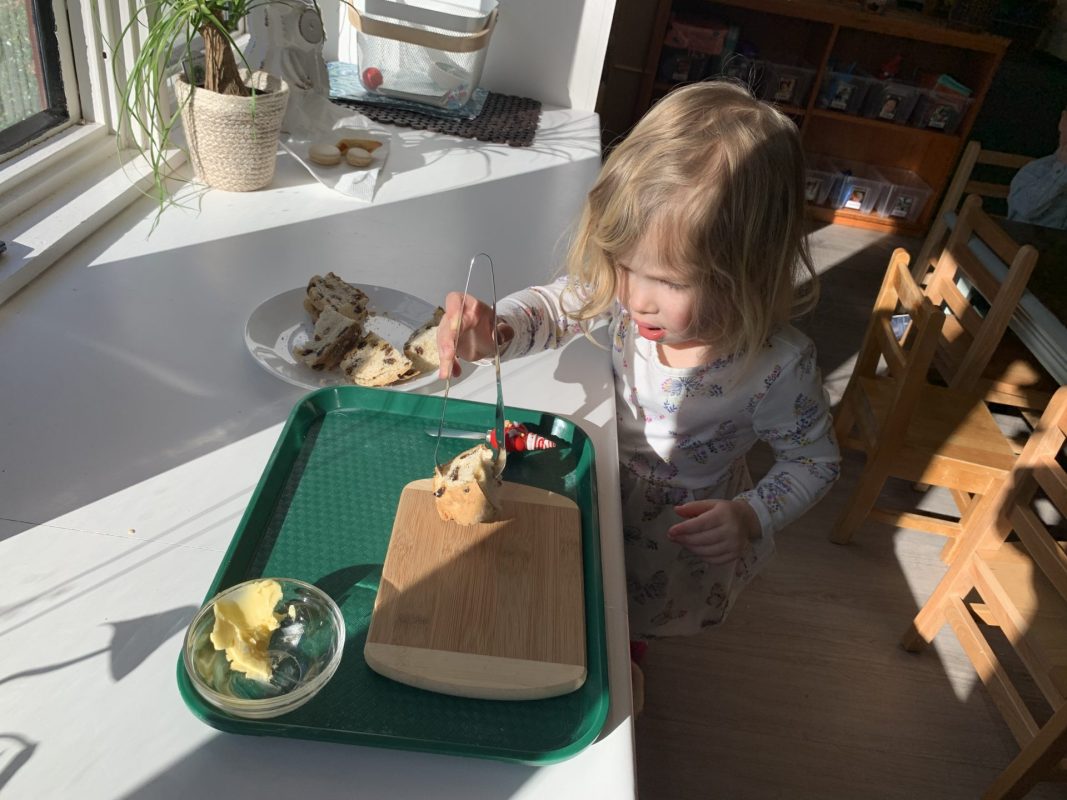
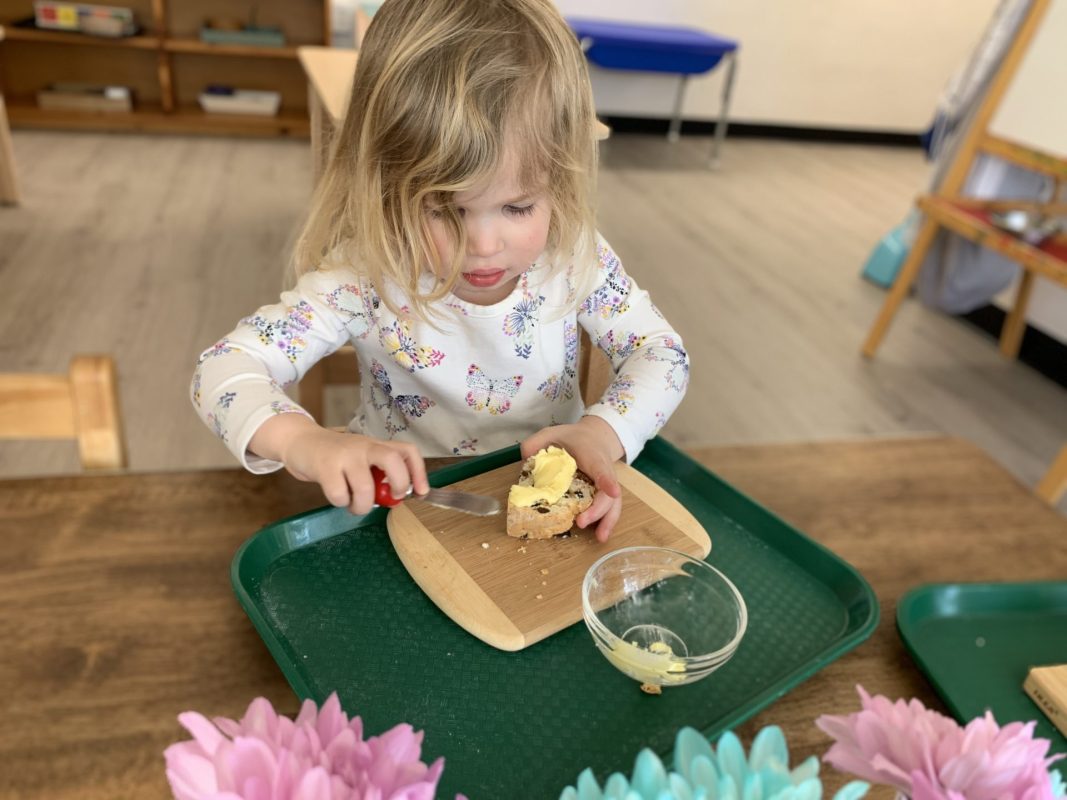
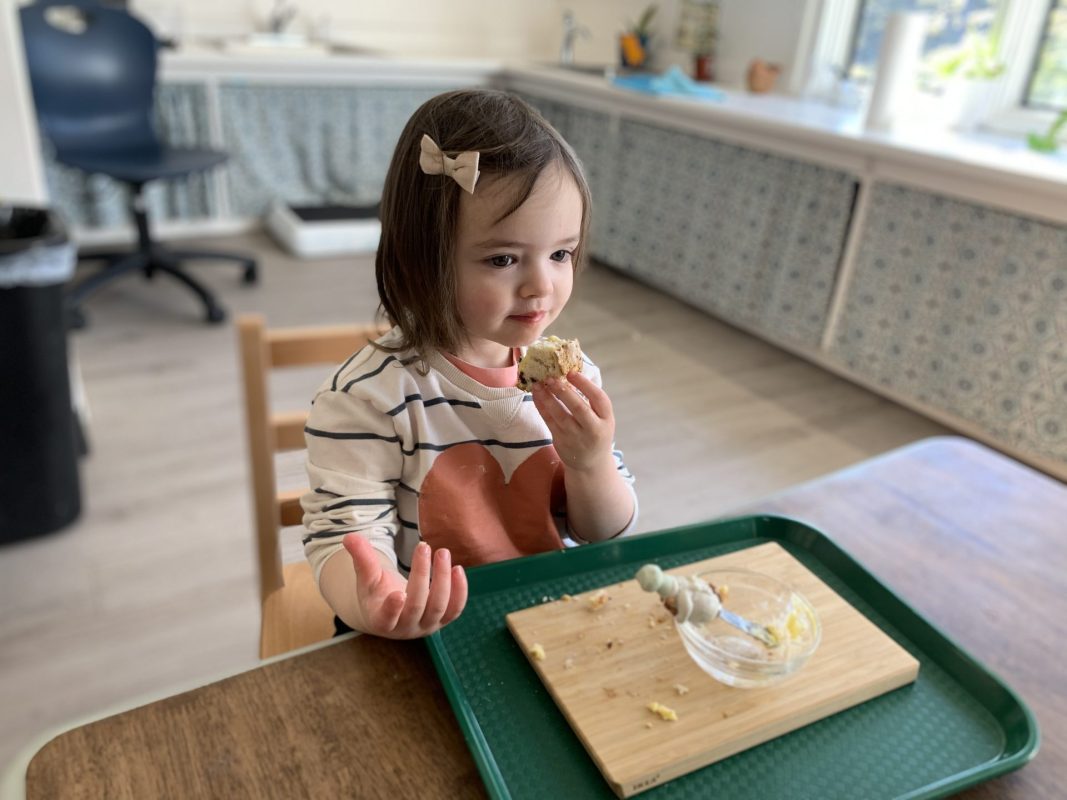
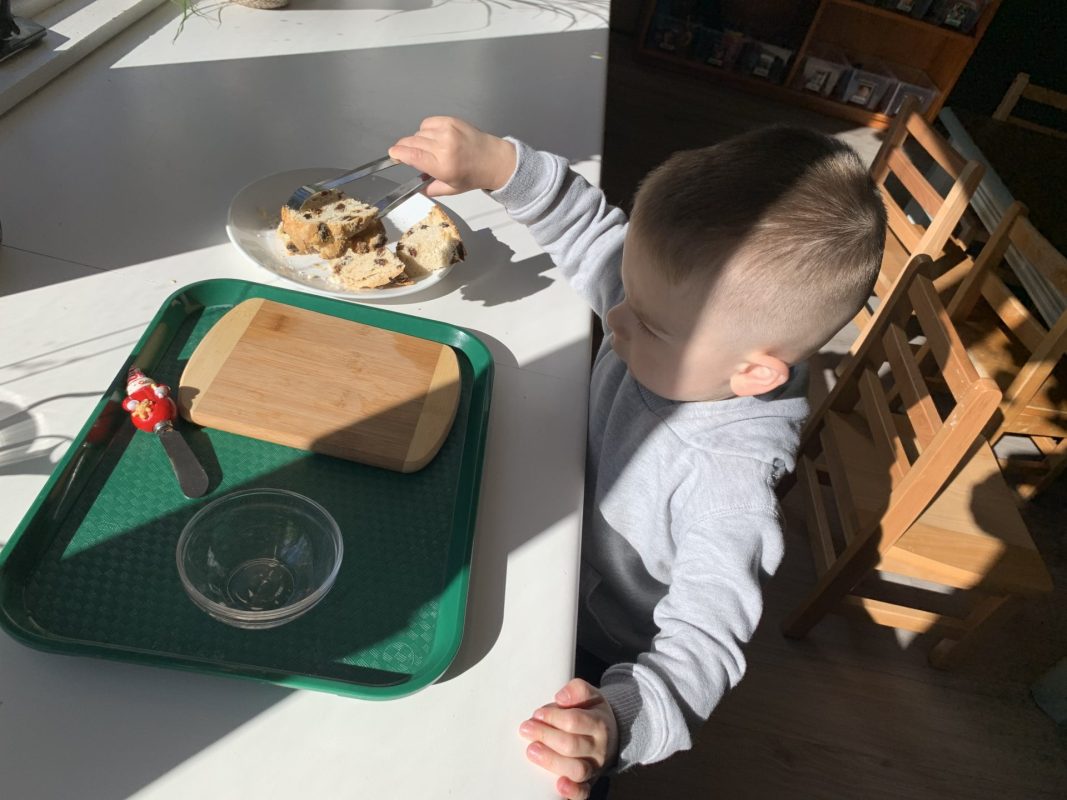
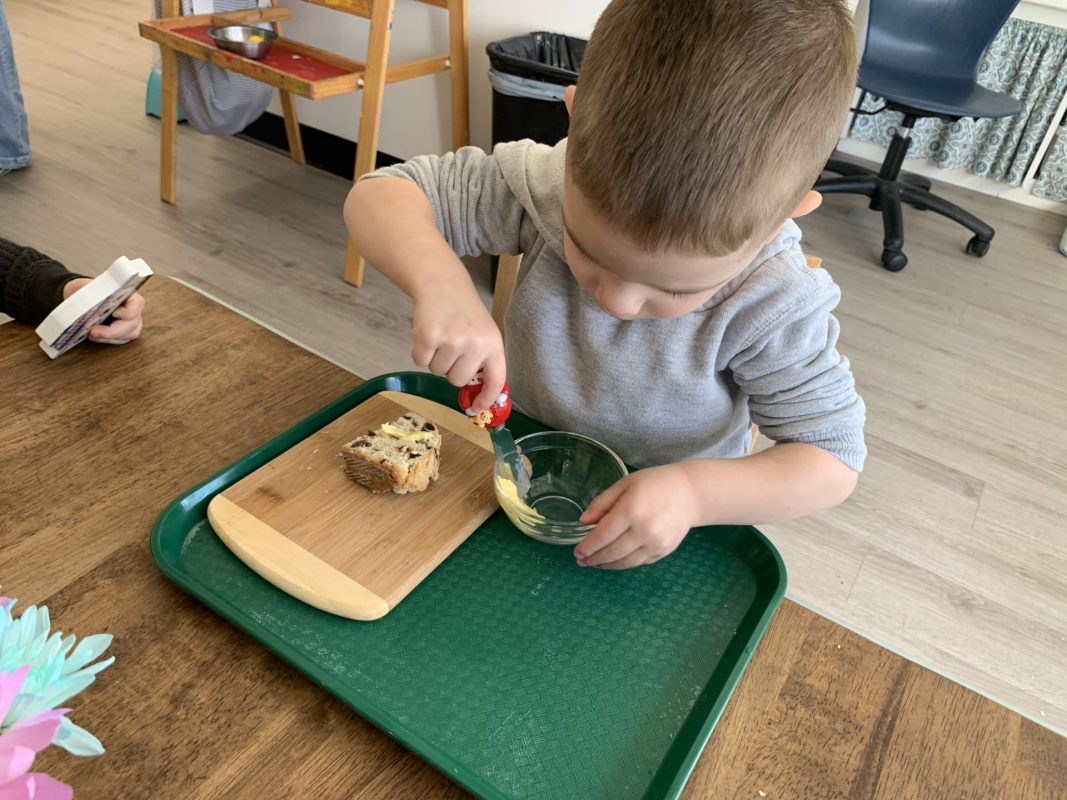
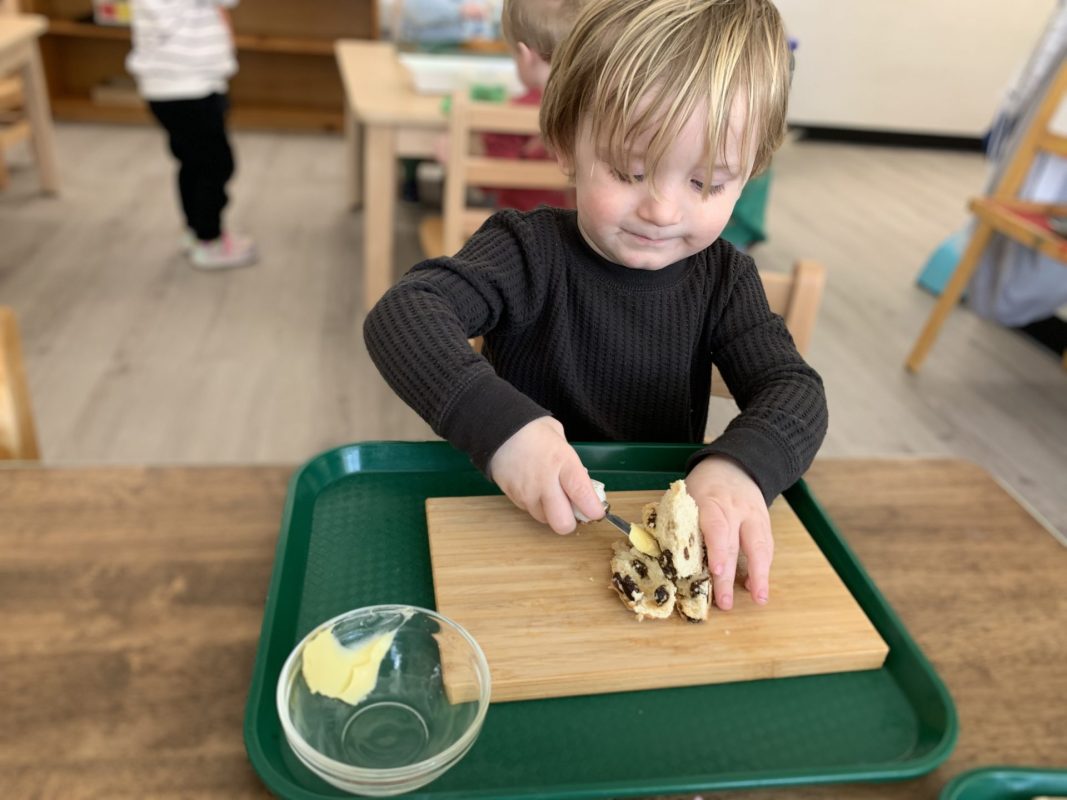
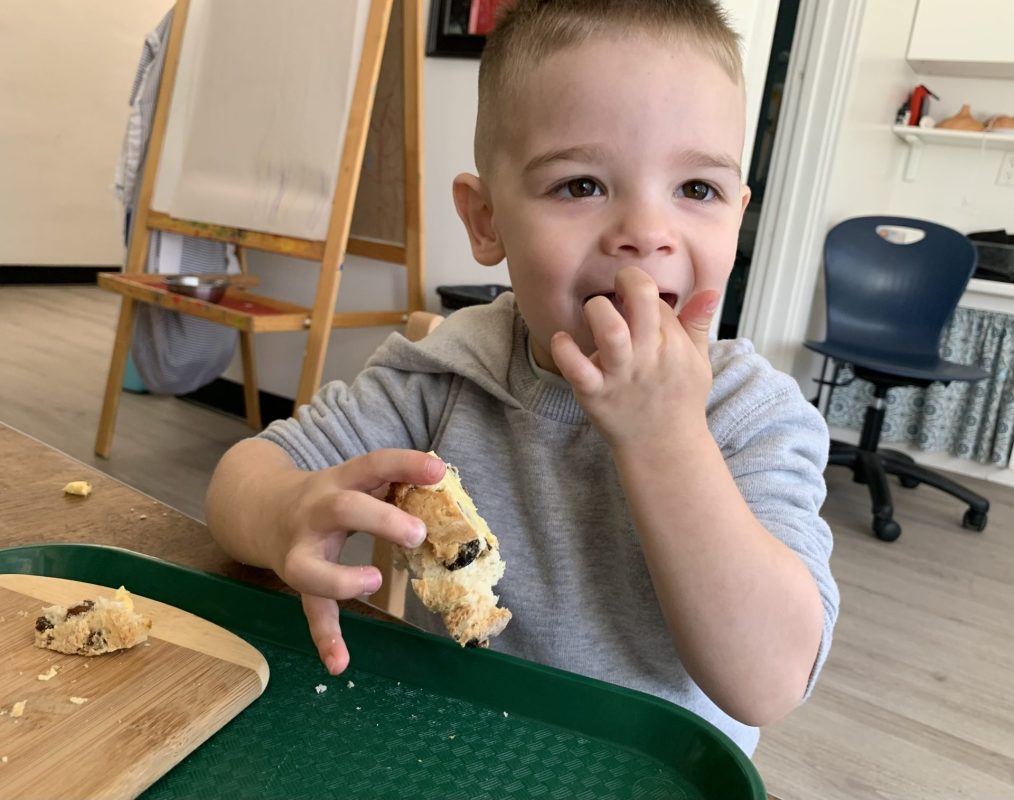
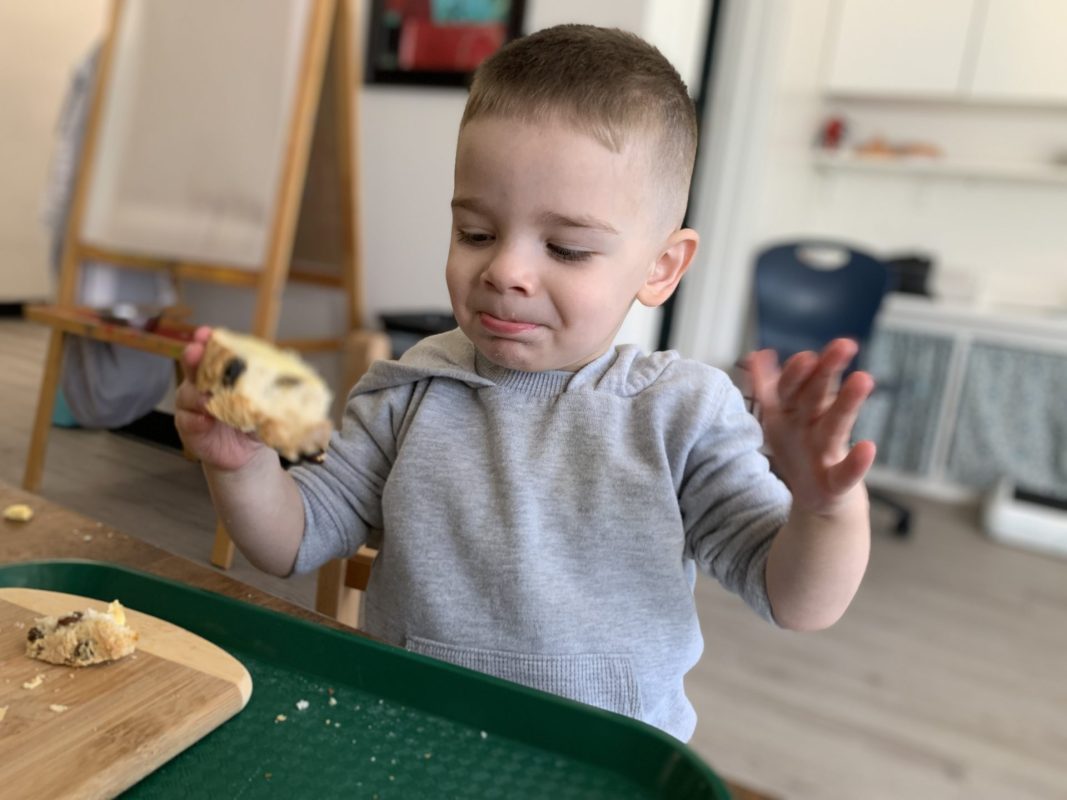
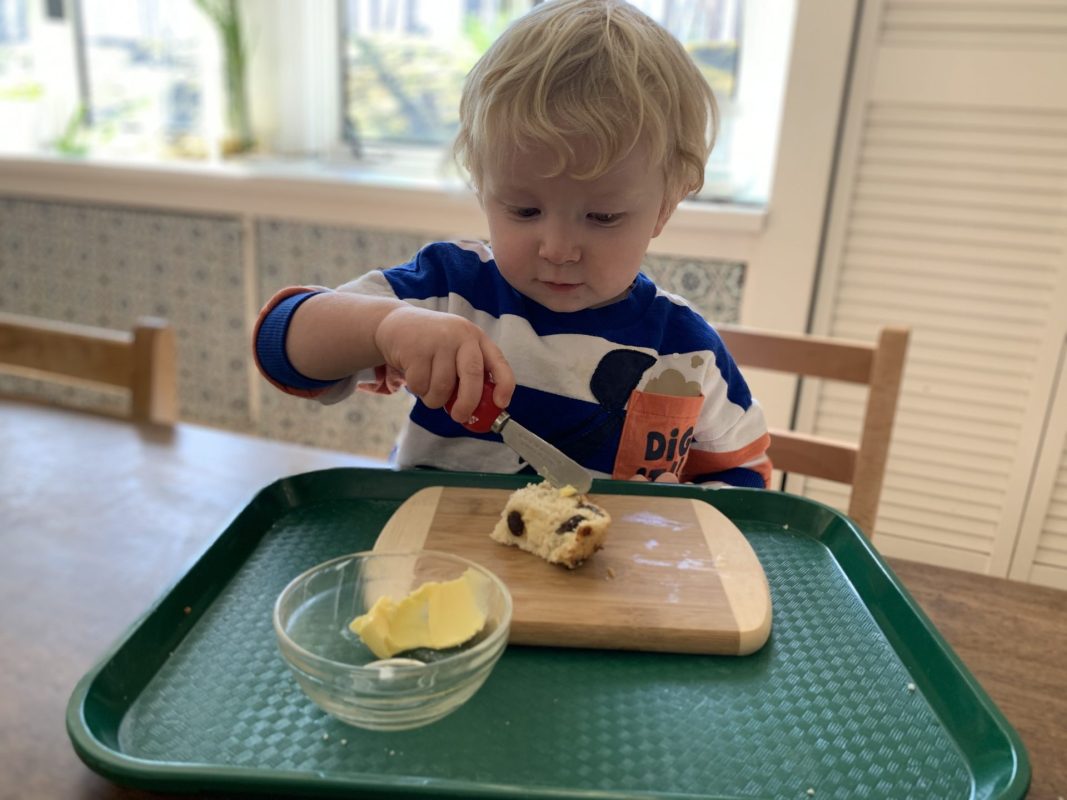
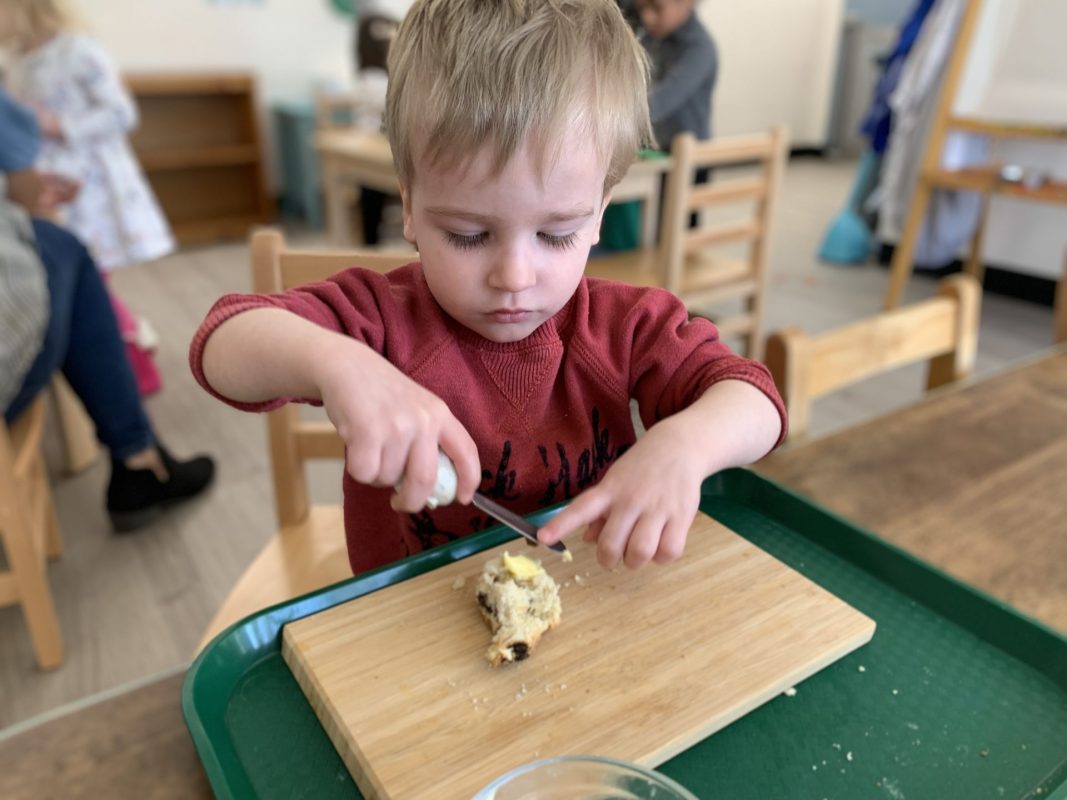
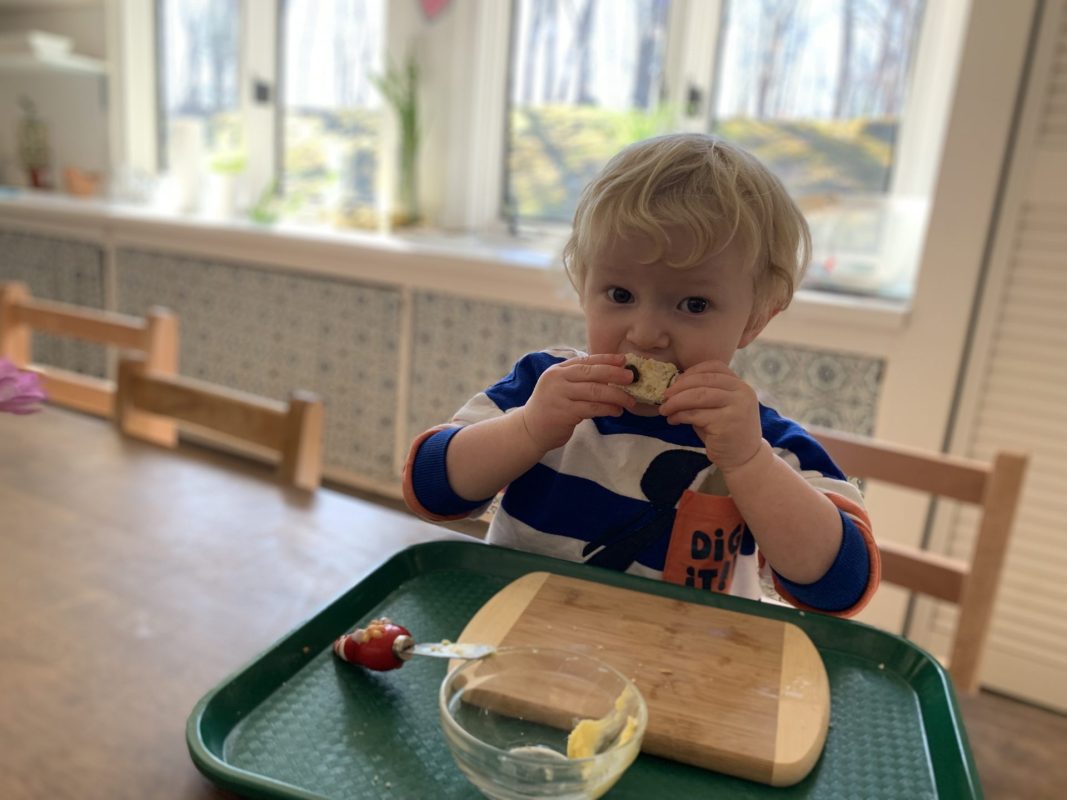
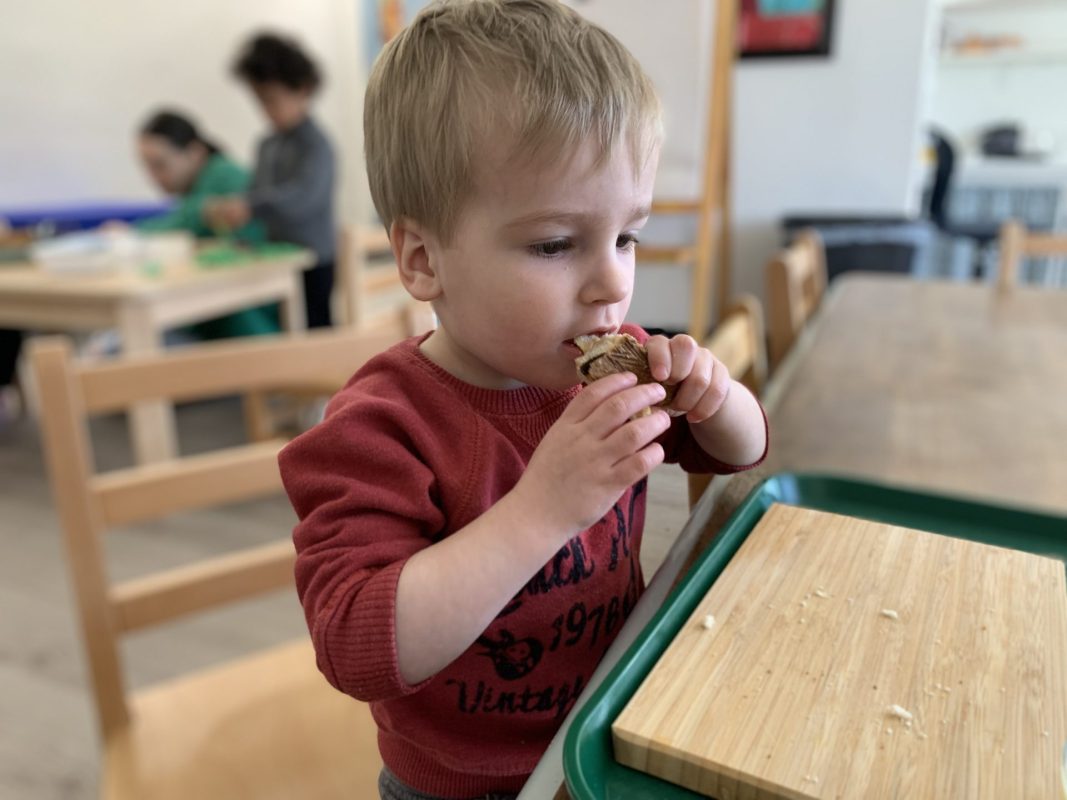
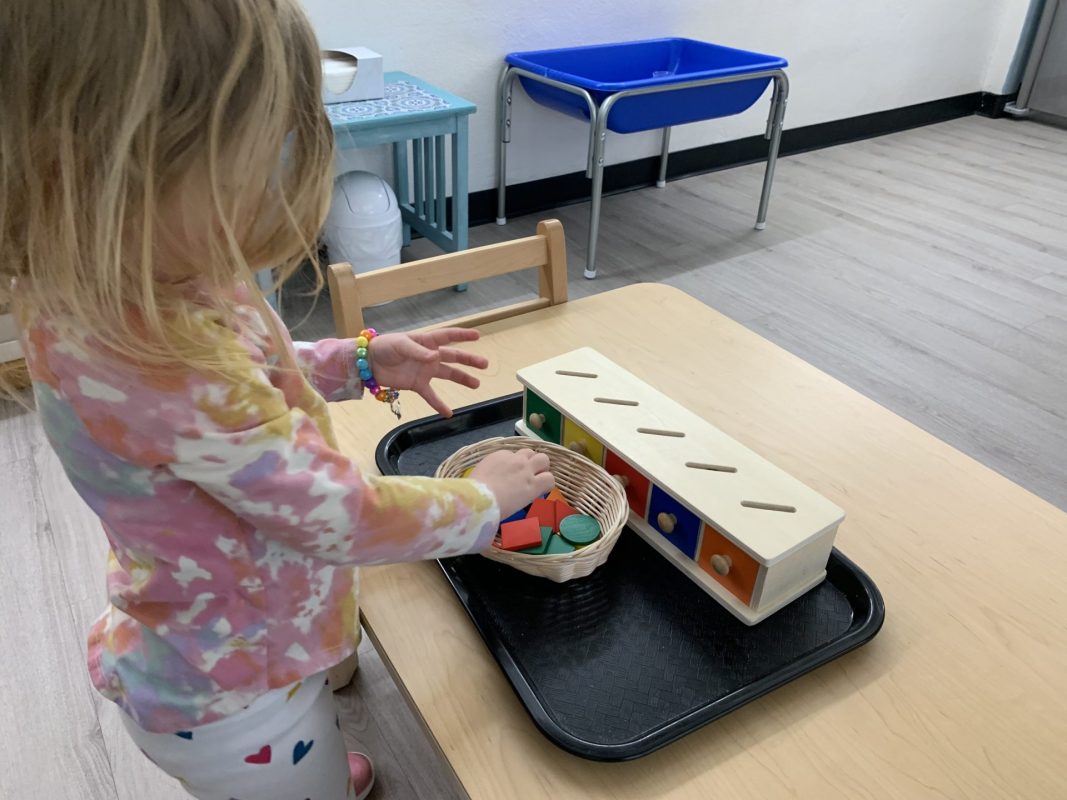
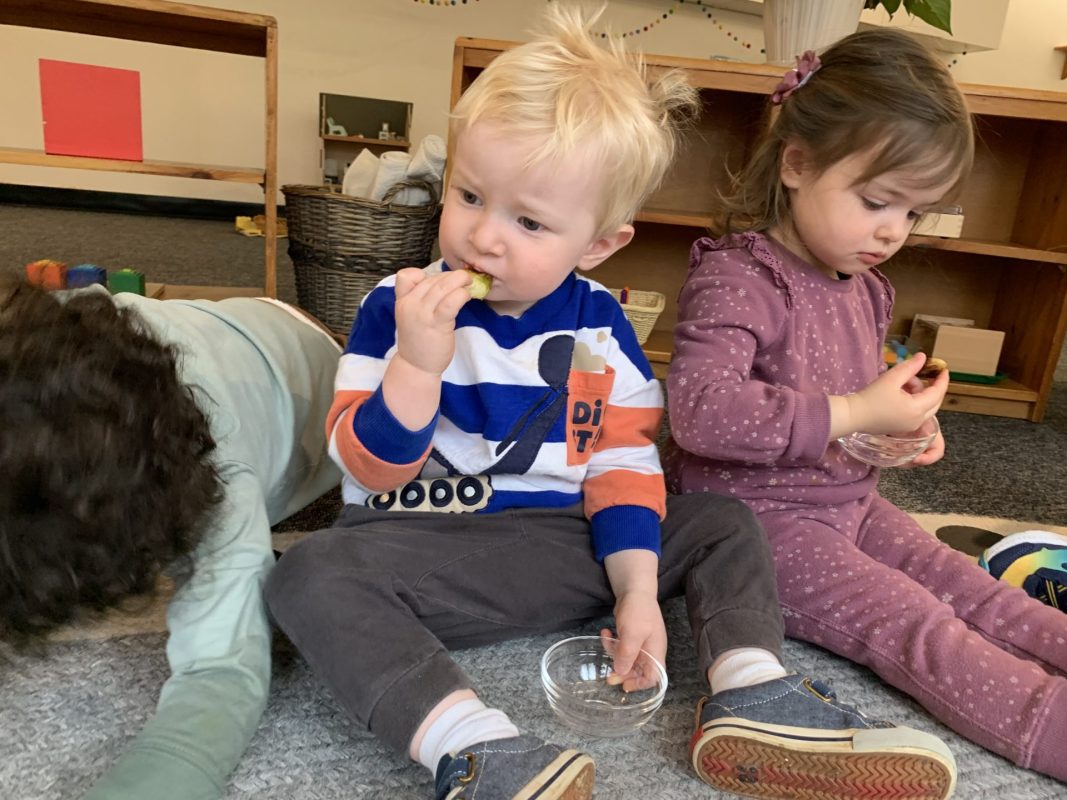
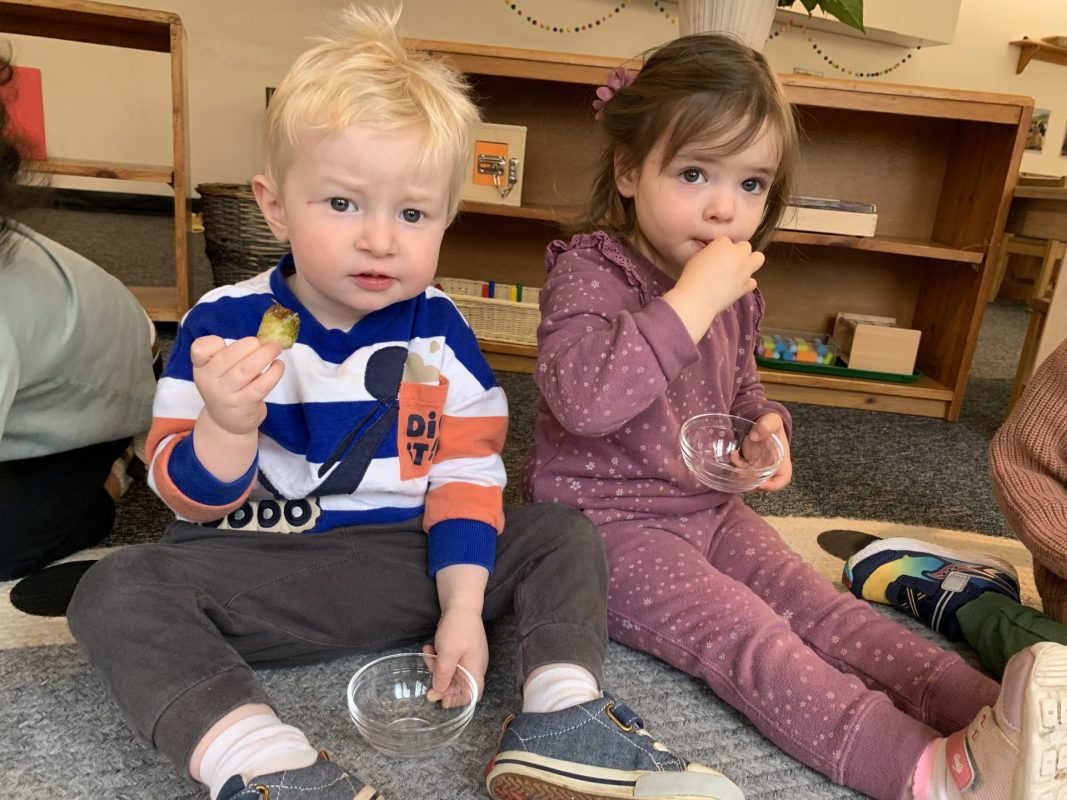
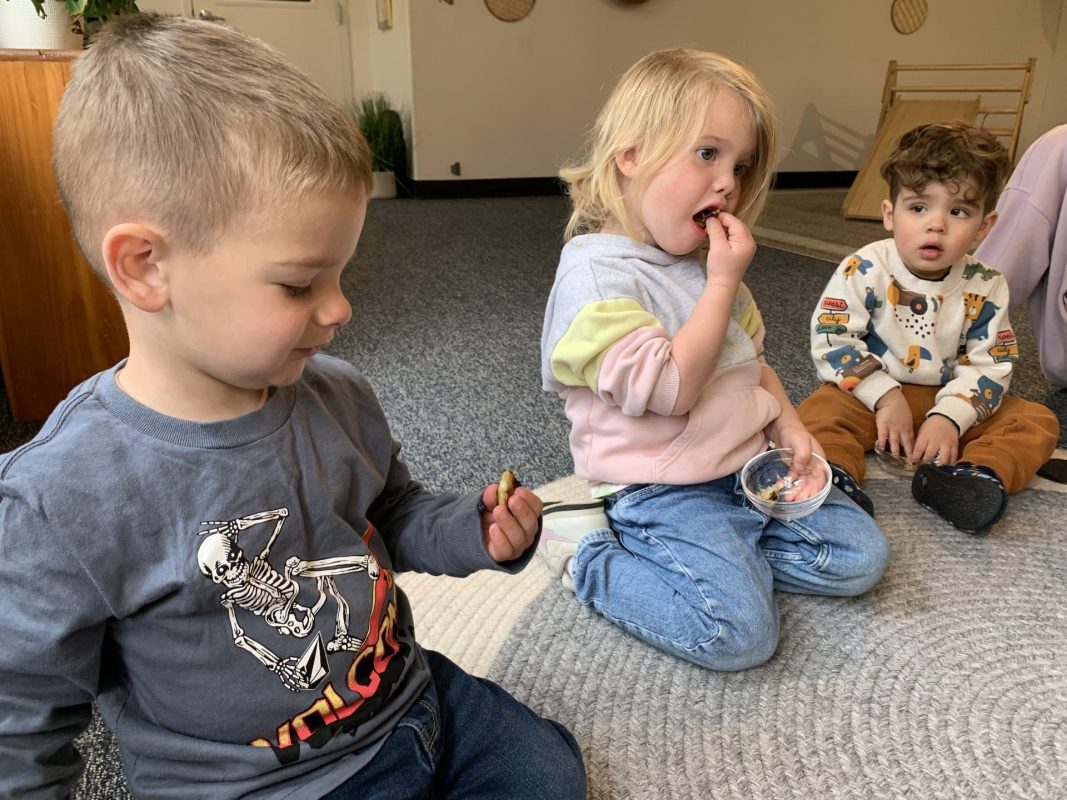
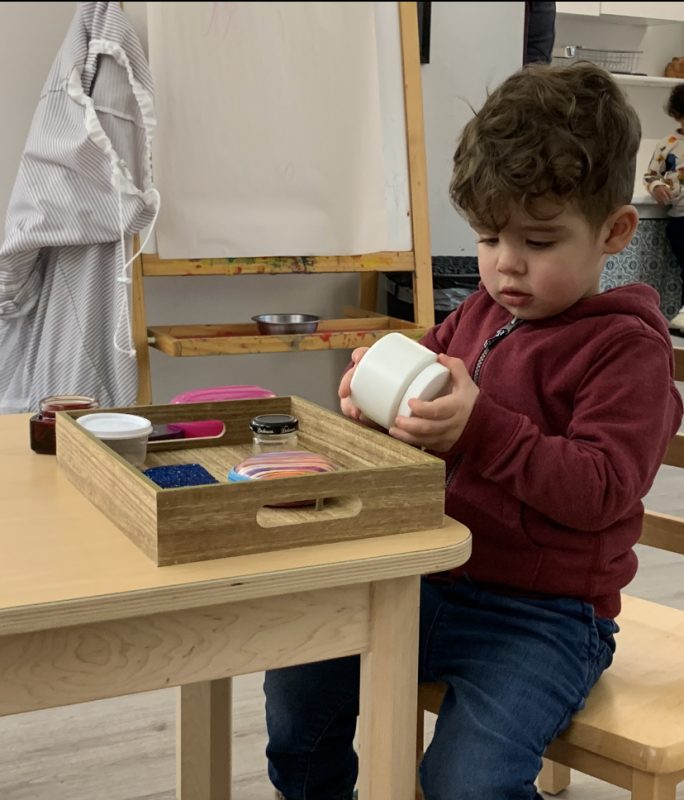
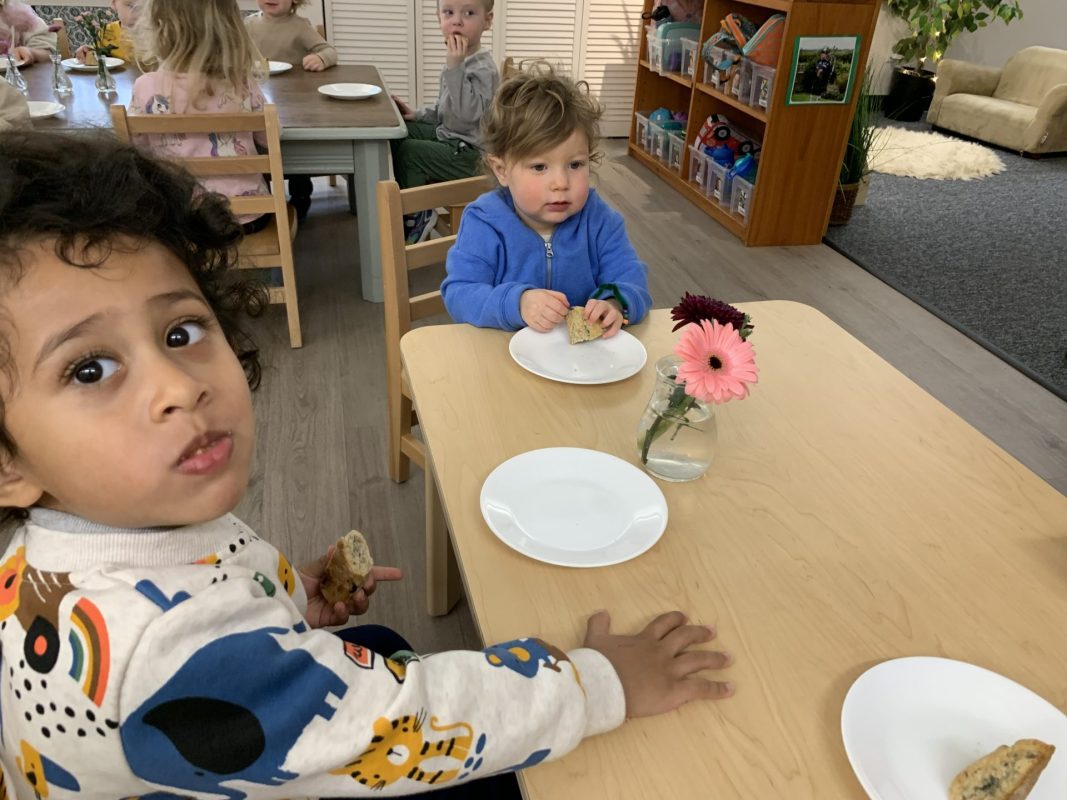
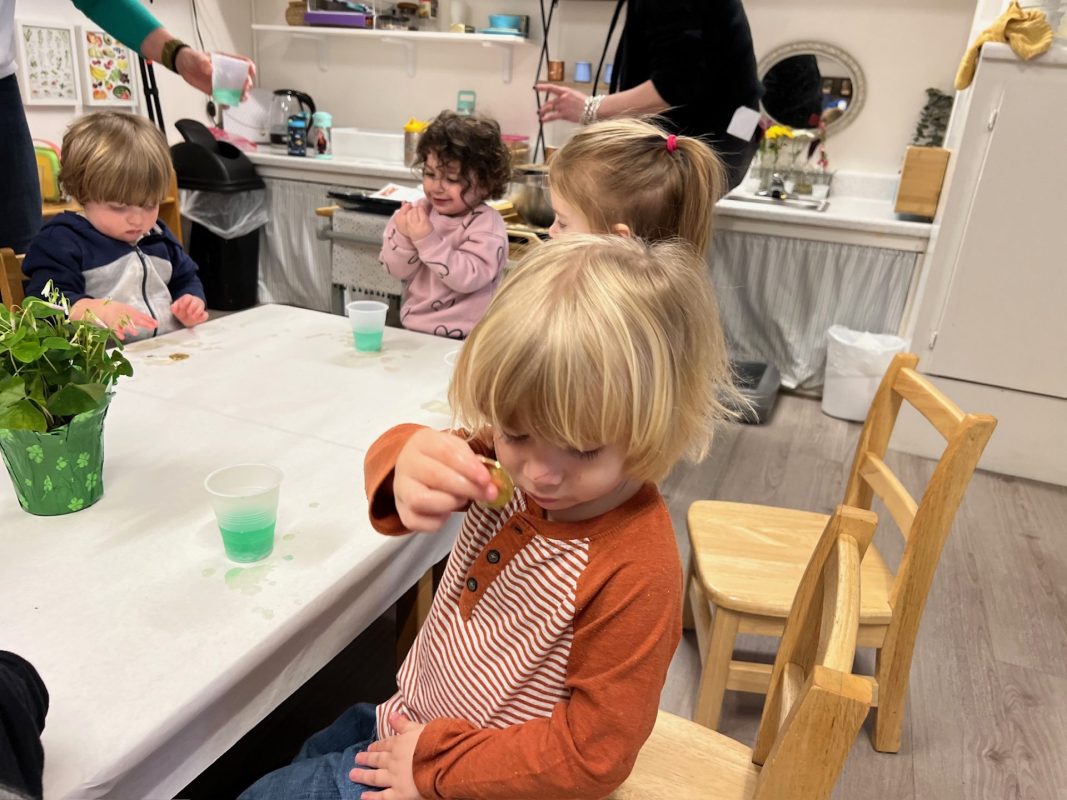
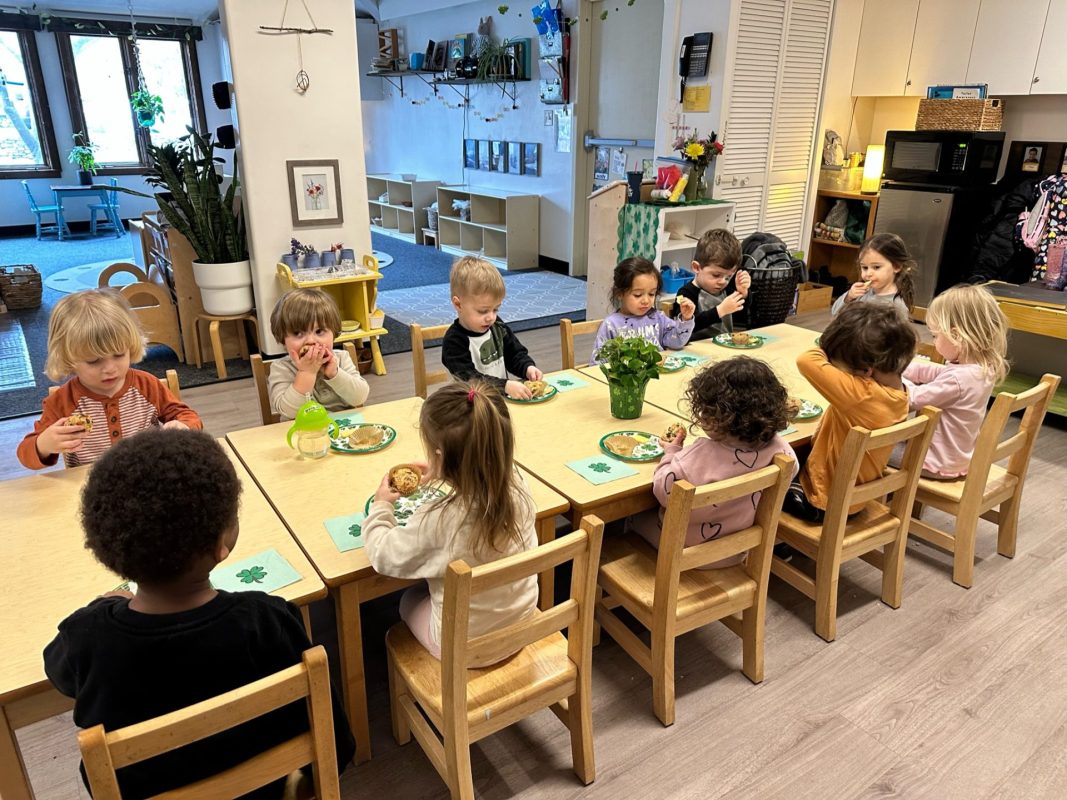
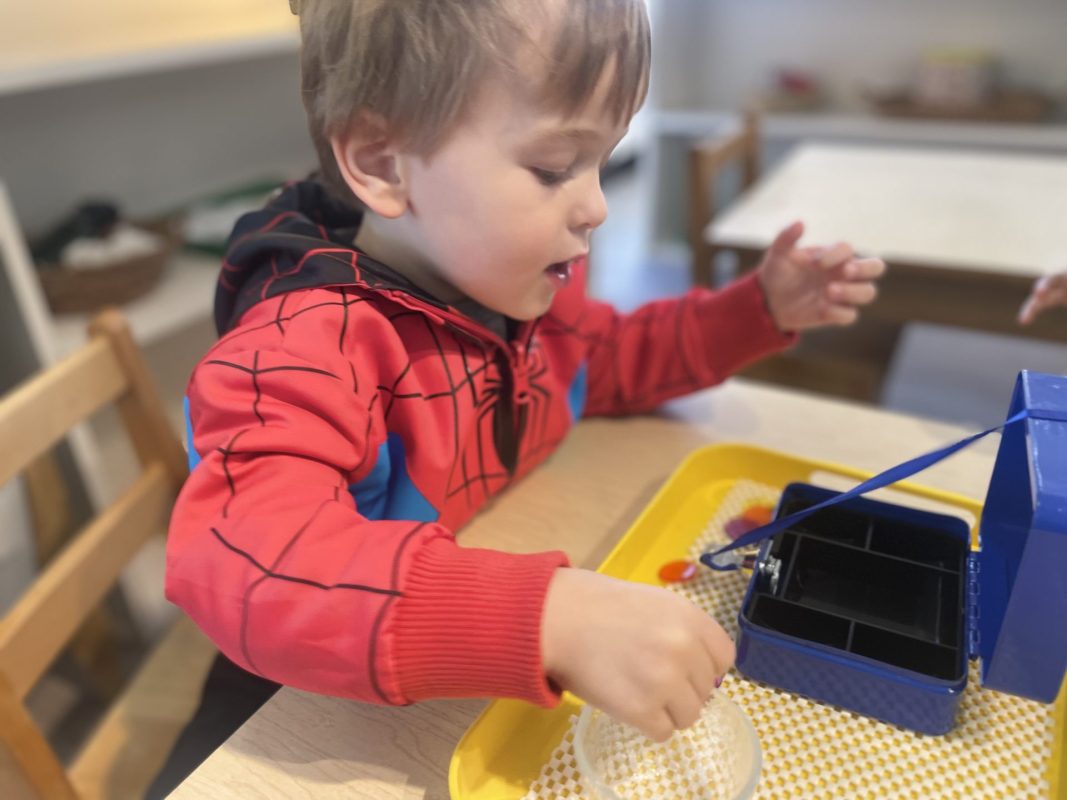
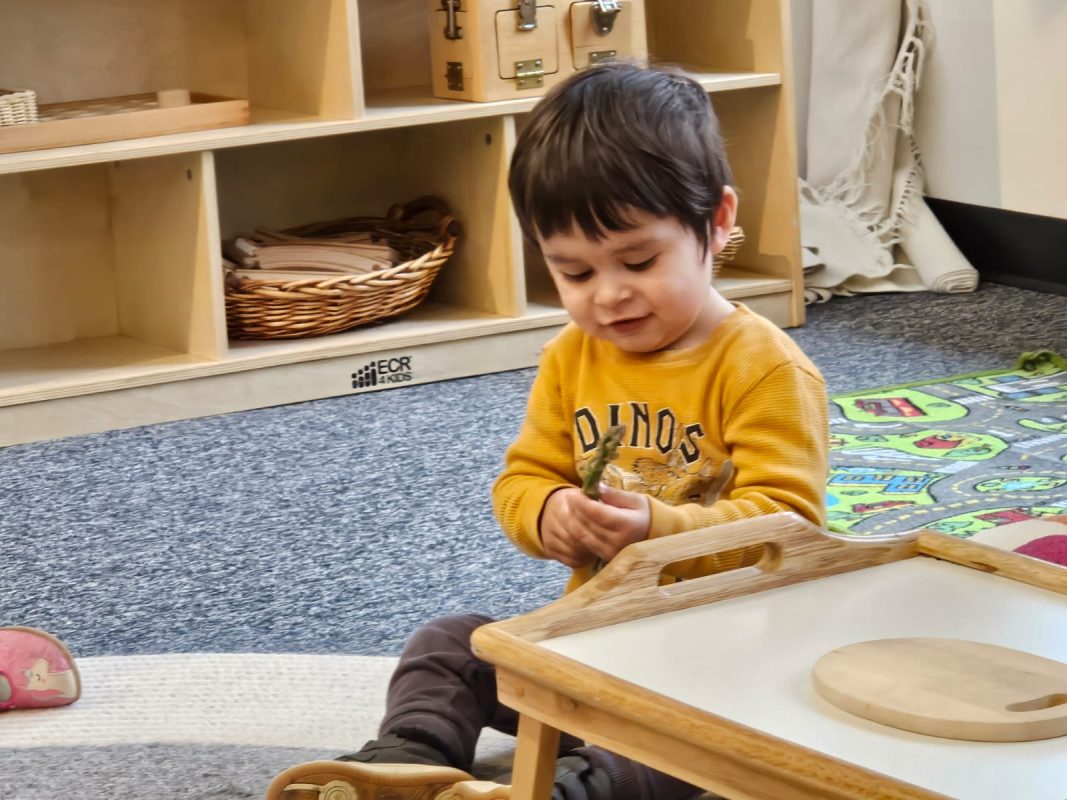
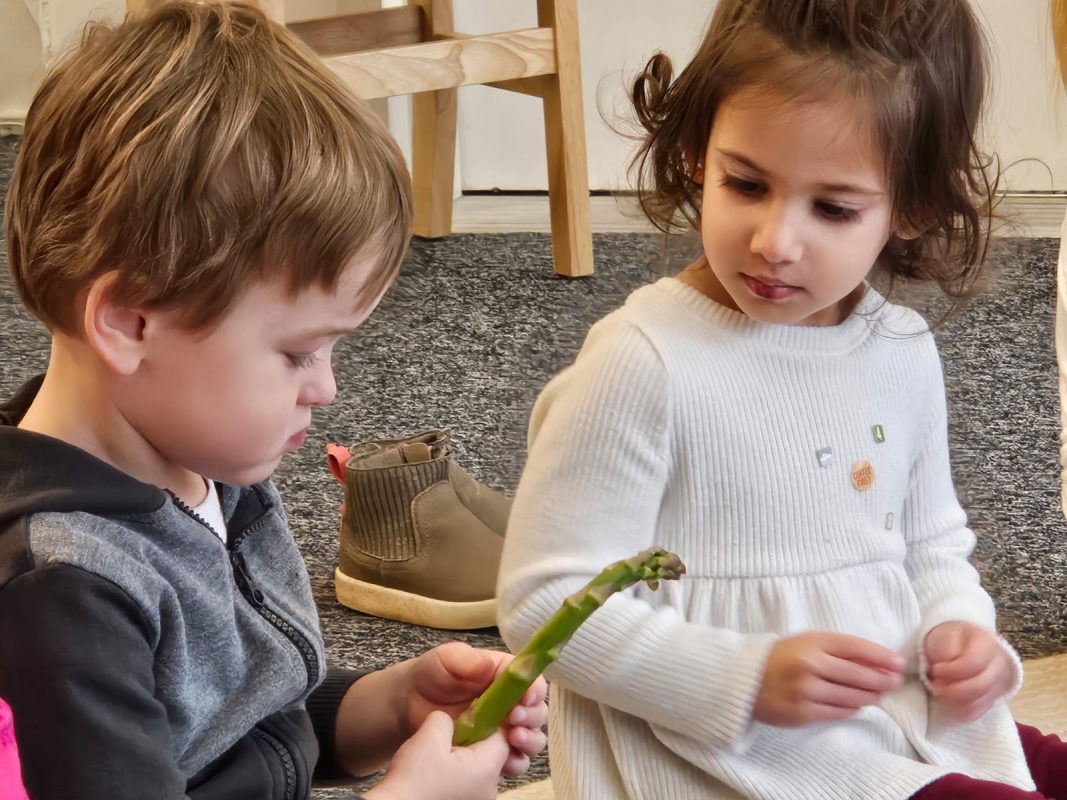
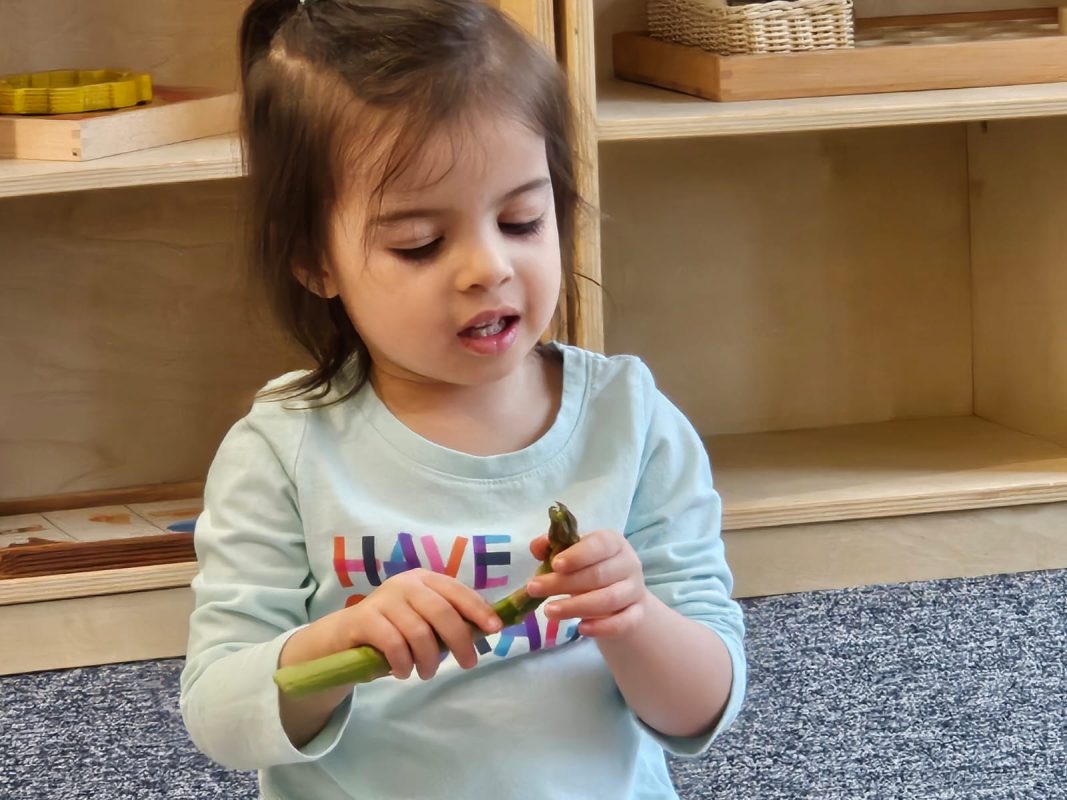
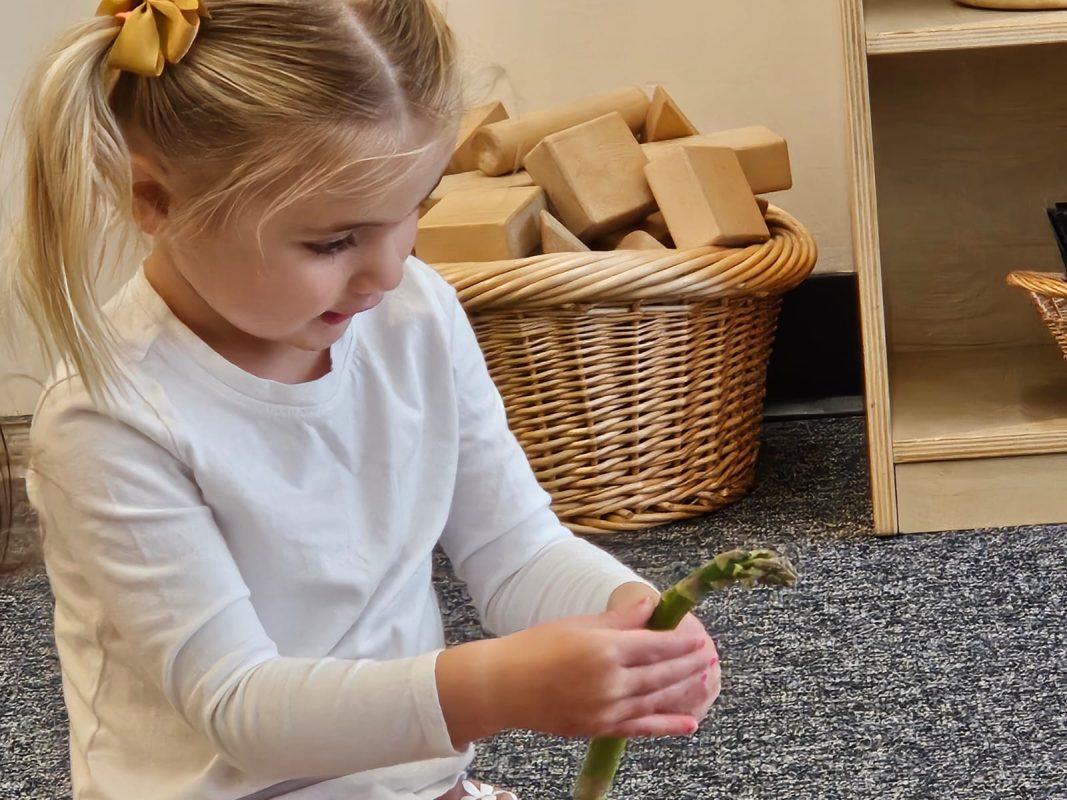
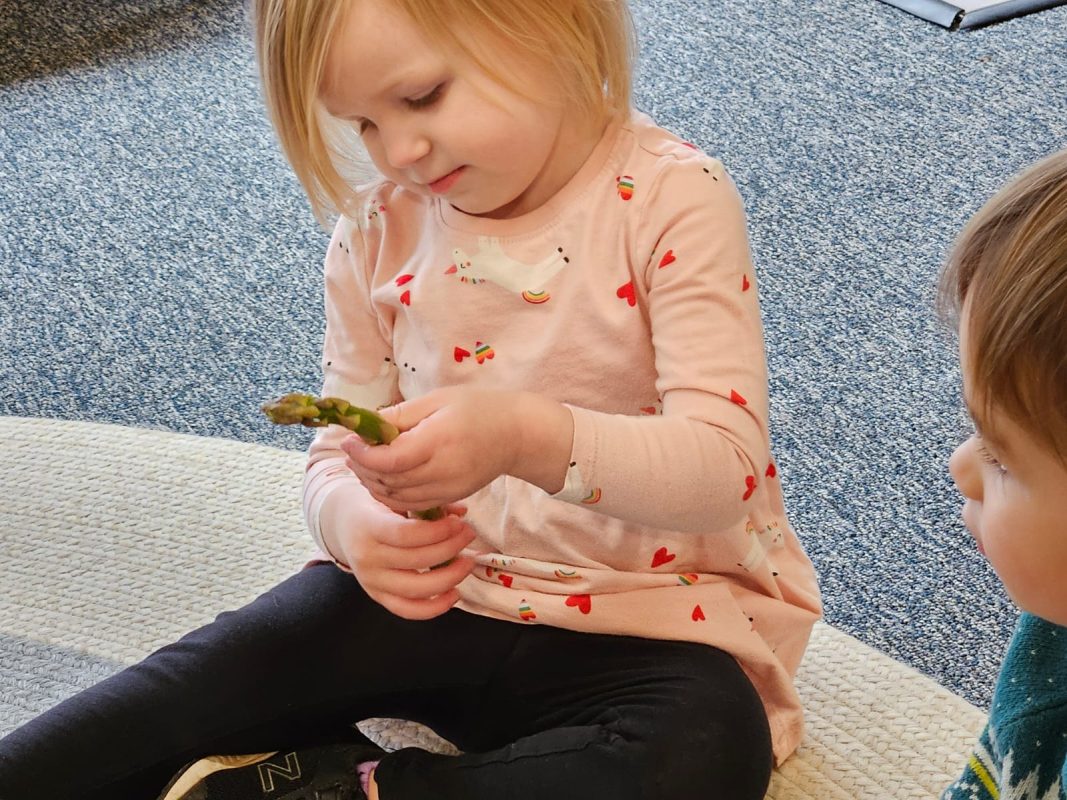
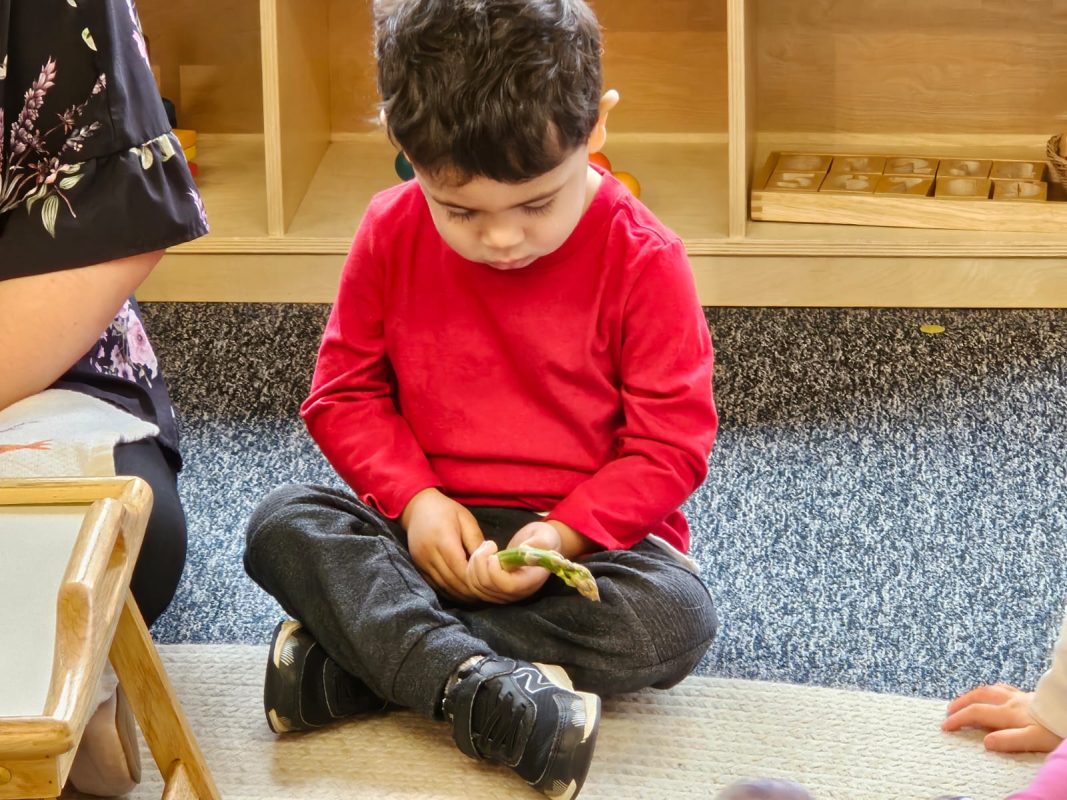
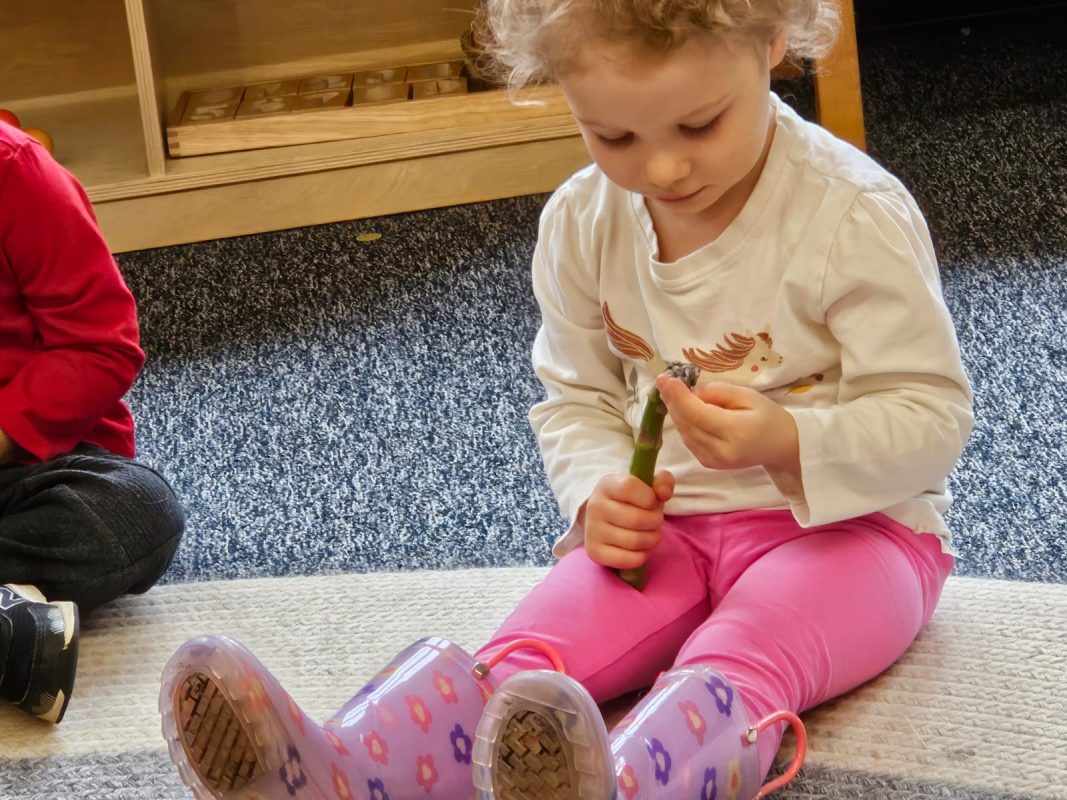
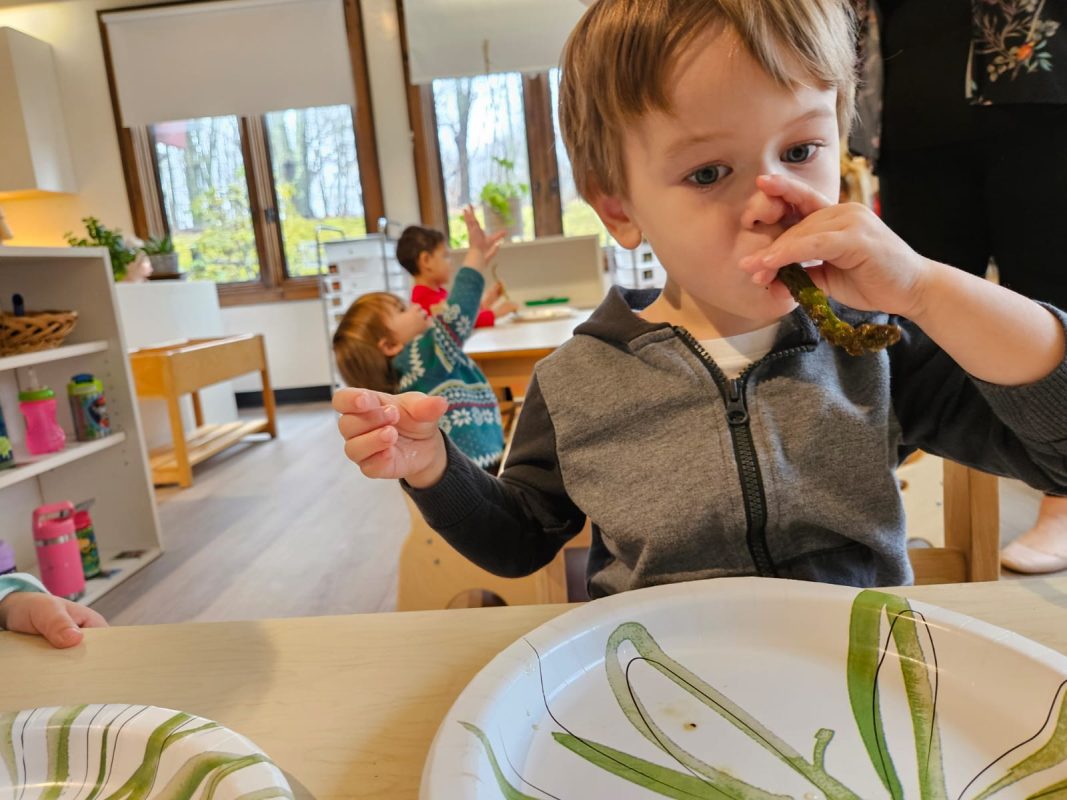
Food tasting is a valuable experiential learning activity for toddlers in Montessori classes. First, it encourages sensory exploration, allowing toddlers to engage their senses and develop their sensory perception and vocabulary. Additionally, the guessing games during the tasting foster cognitive development, encouraging toddlers to think and make connections between their senses and the object being explored. Furthermore, communal food tasting promotes socialization and cooperation, allowing toddlers to develop important social skills such as taking turns. Finally, incorporating food preparation into the curriculum aligns with the Montessori philosophy of promoting independence and practical life skills. Toddlers gain a sense of accomplishment as they participate in the hands-on process of preparing their snacks, fostering a positive attitude towards healthy eating habits. In essence, food tasting in a Montessori toddler class provides a holistic learning experience, nurturing the physical, cognitive, and social development of young learners joyously and purposefully.

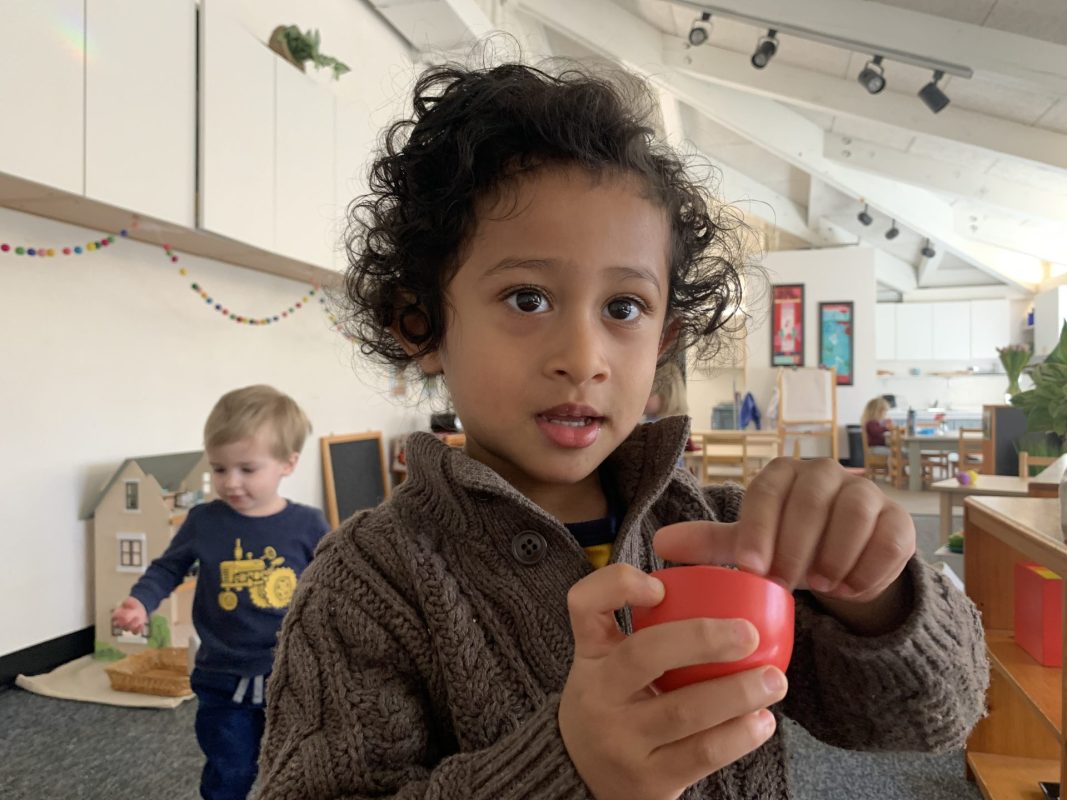
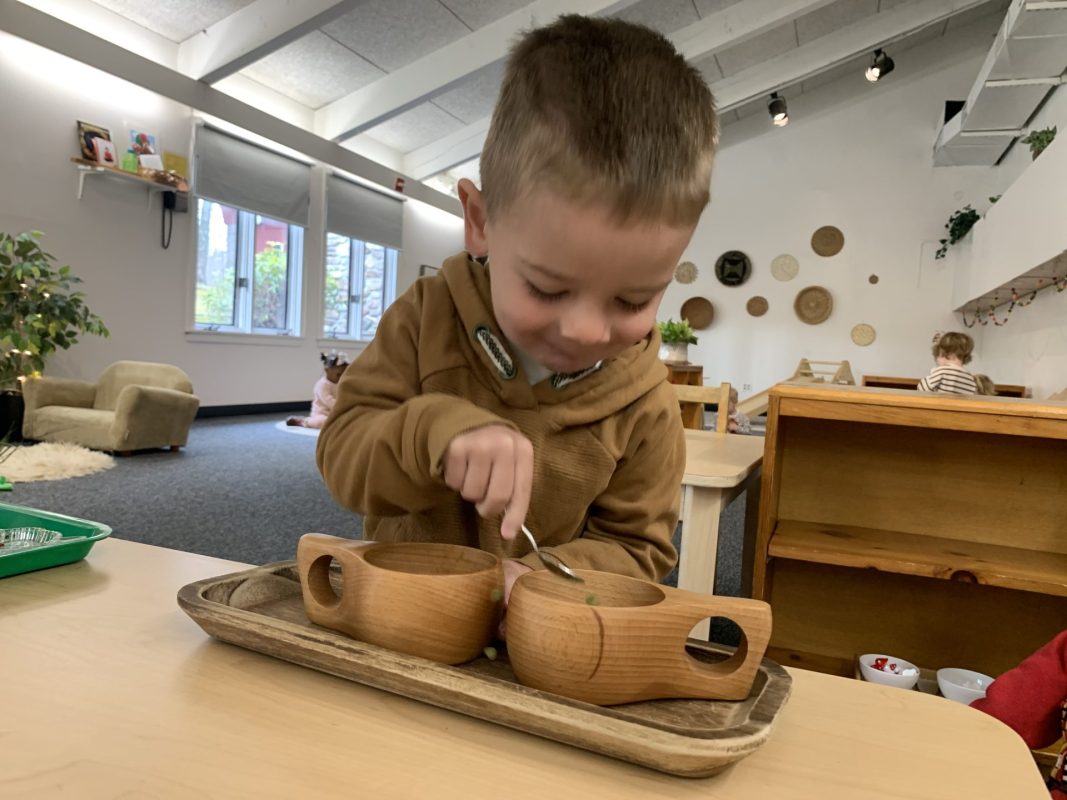
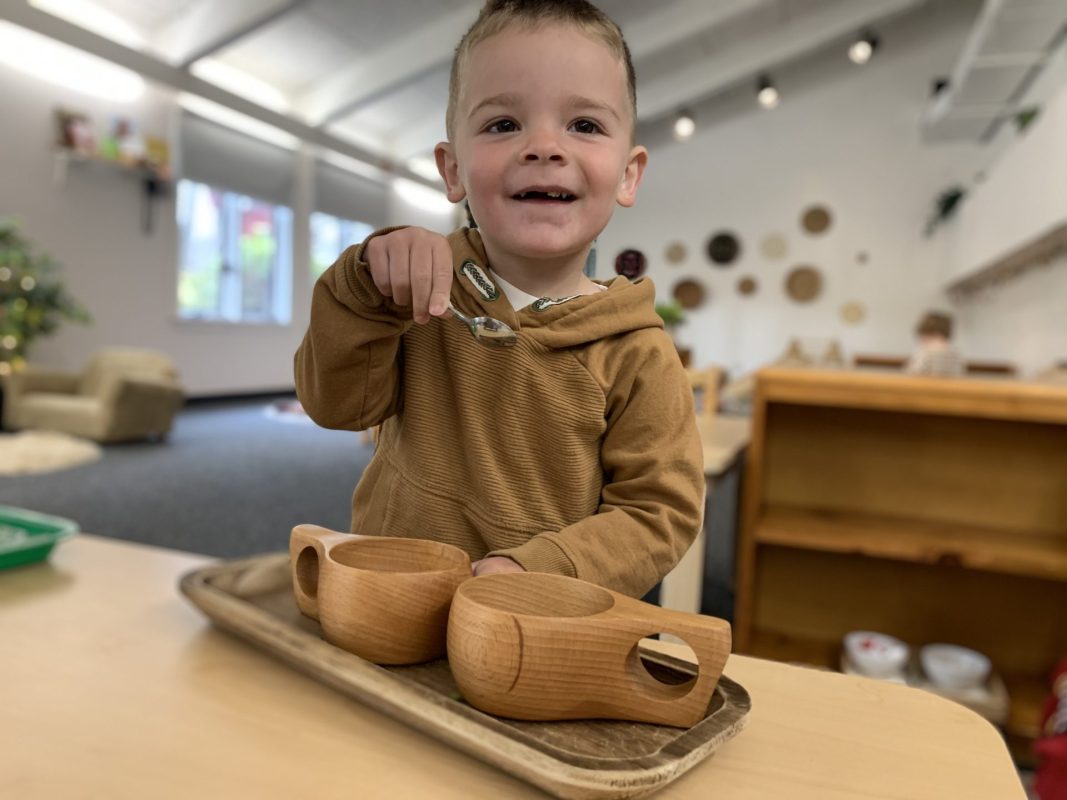
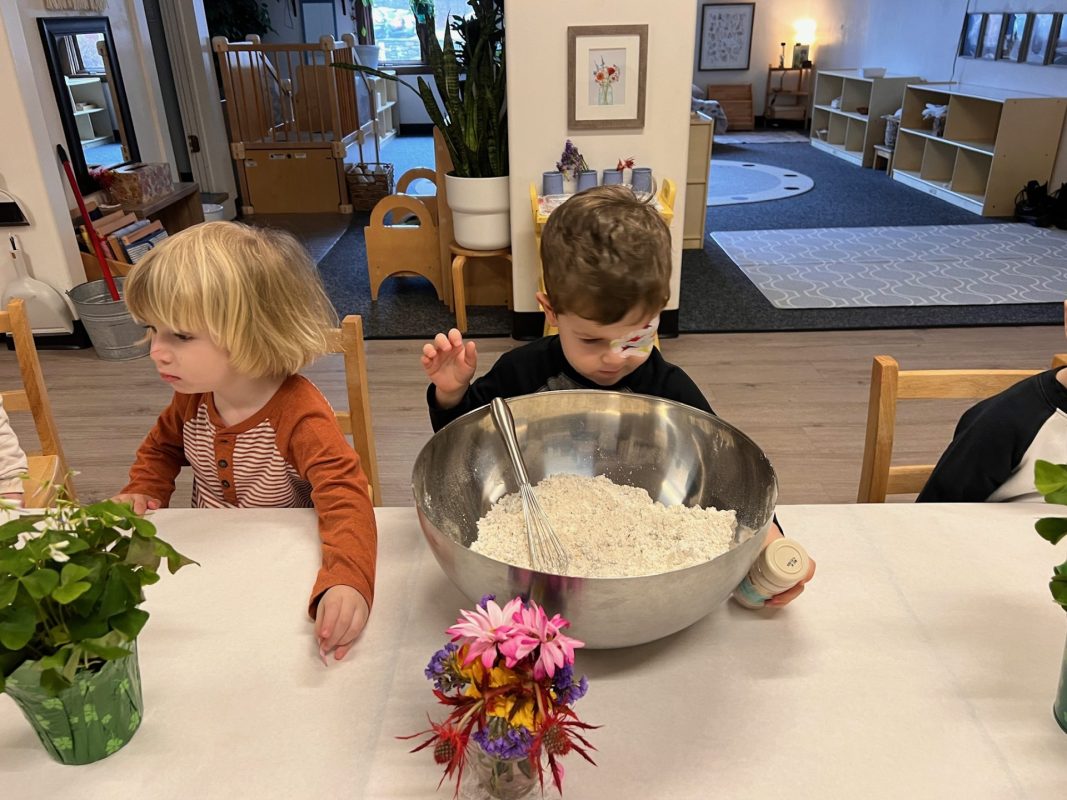
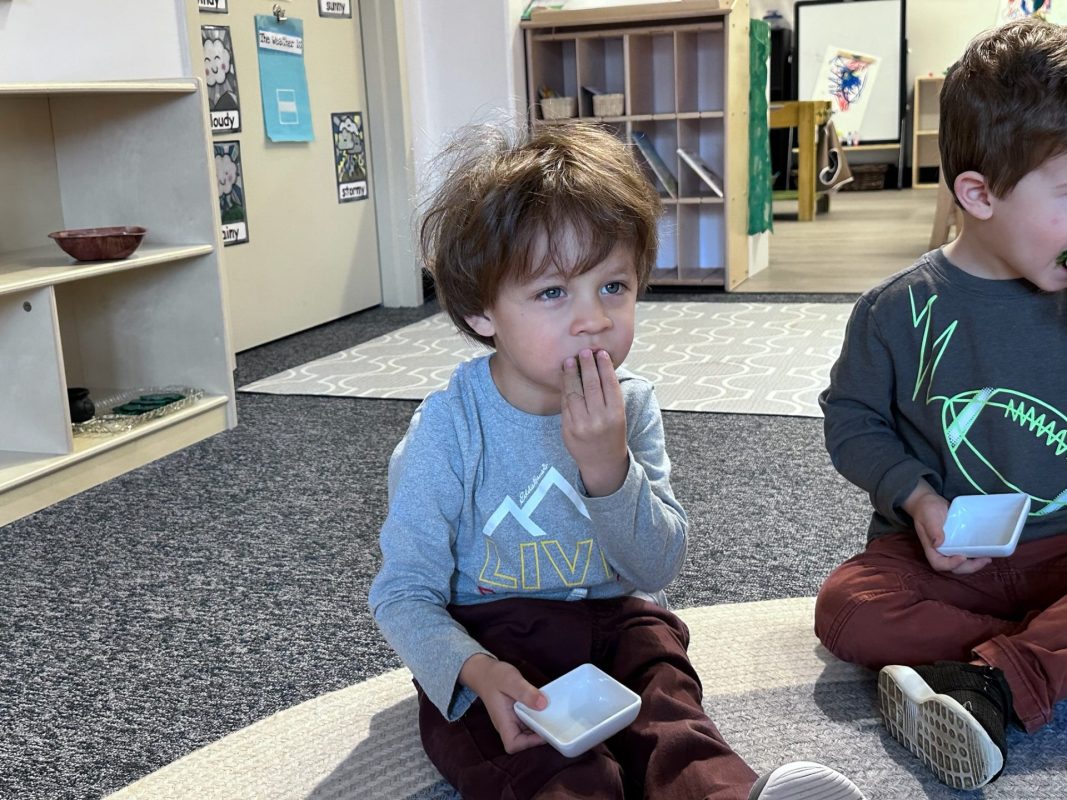
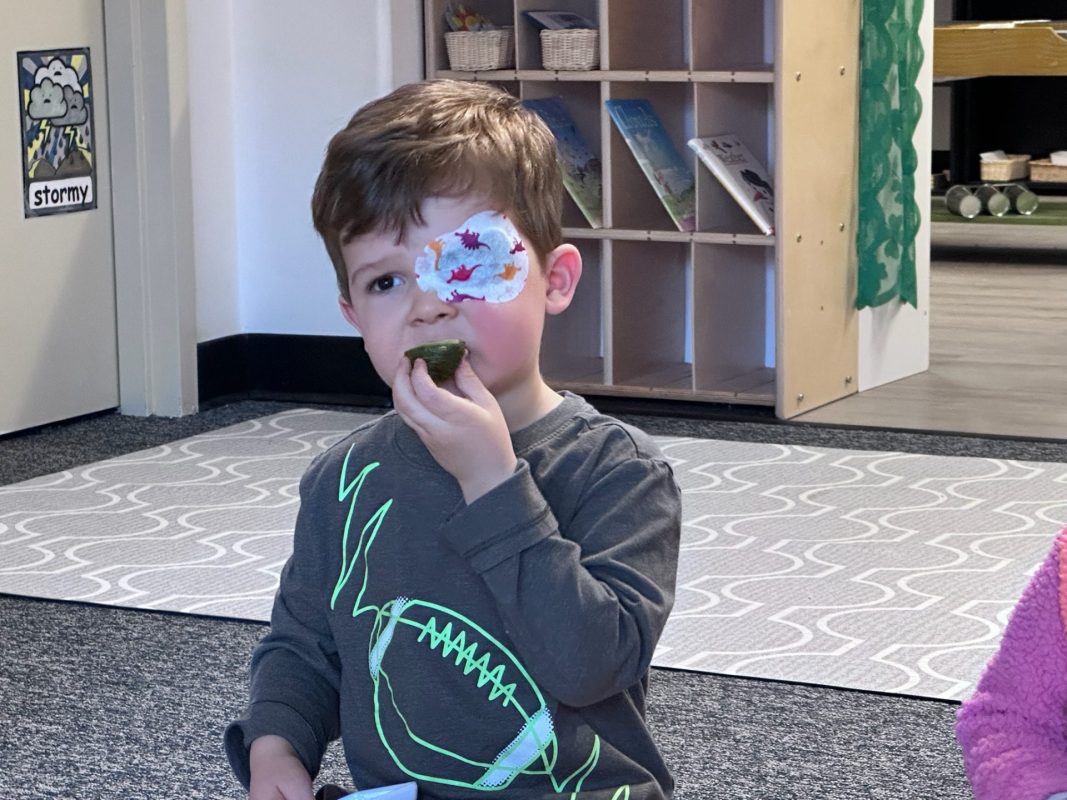
This week, we tasted clementines, and each child had a turn to peel, separate the segments, and serve their fruit onto a plate or bowl after we demonstrated and tasted it together.


Mrs. Sargeant: A Peek at the Week

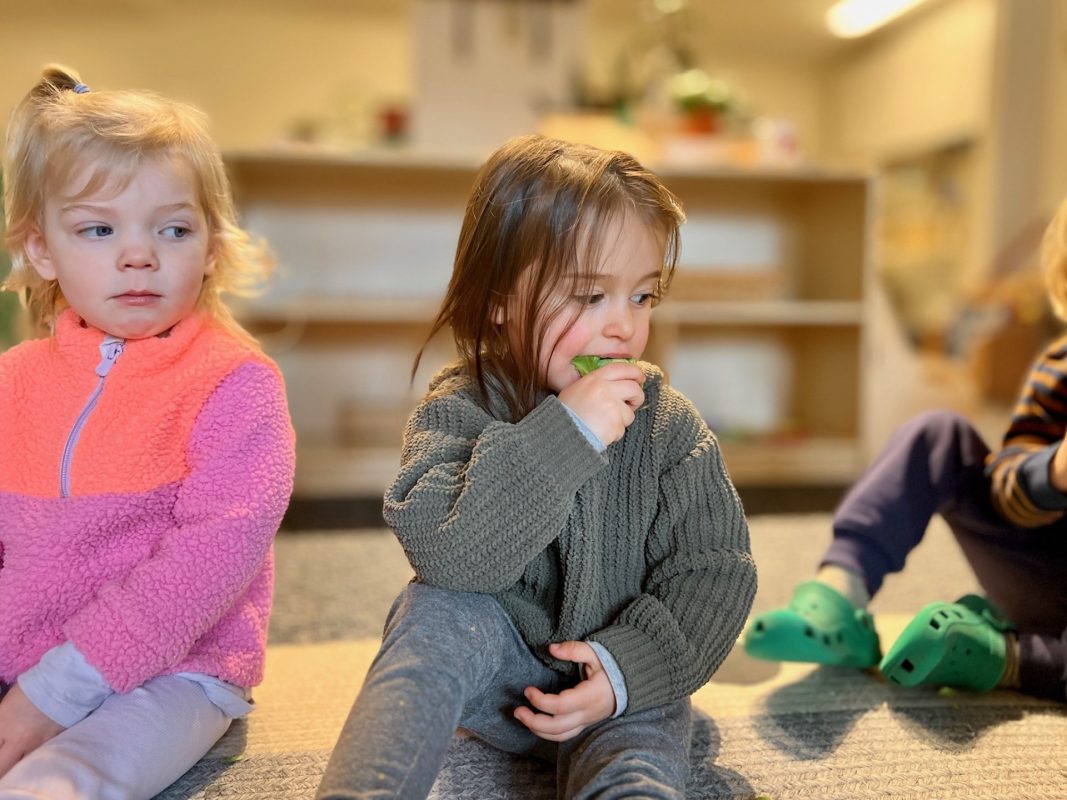
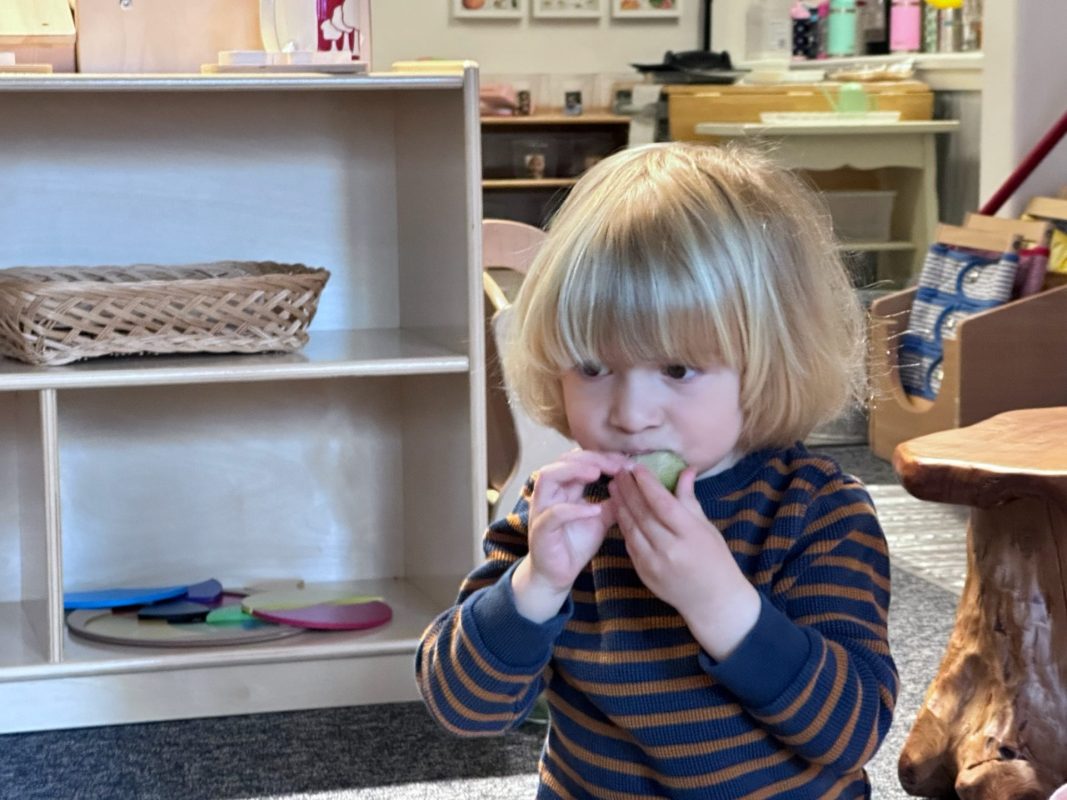
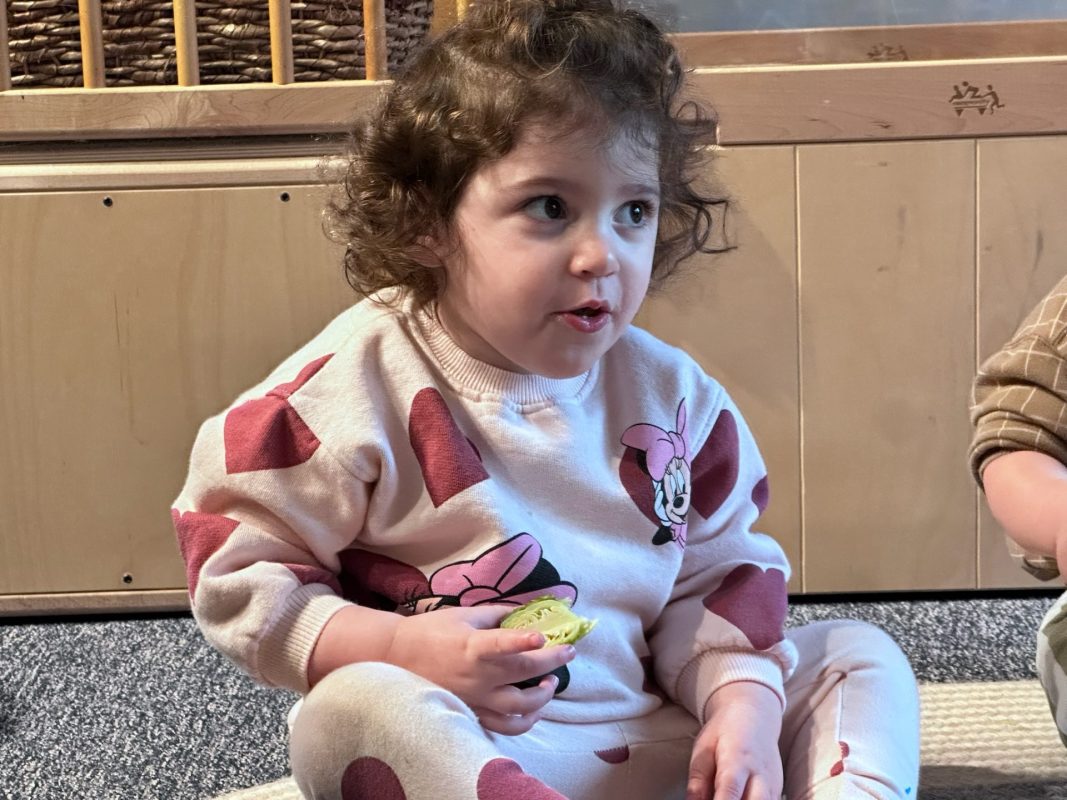
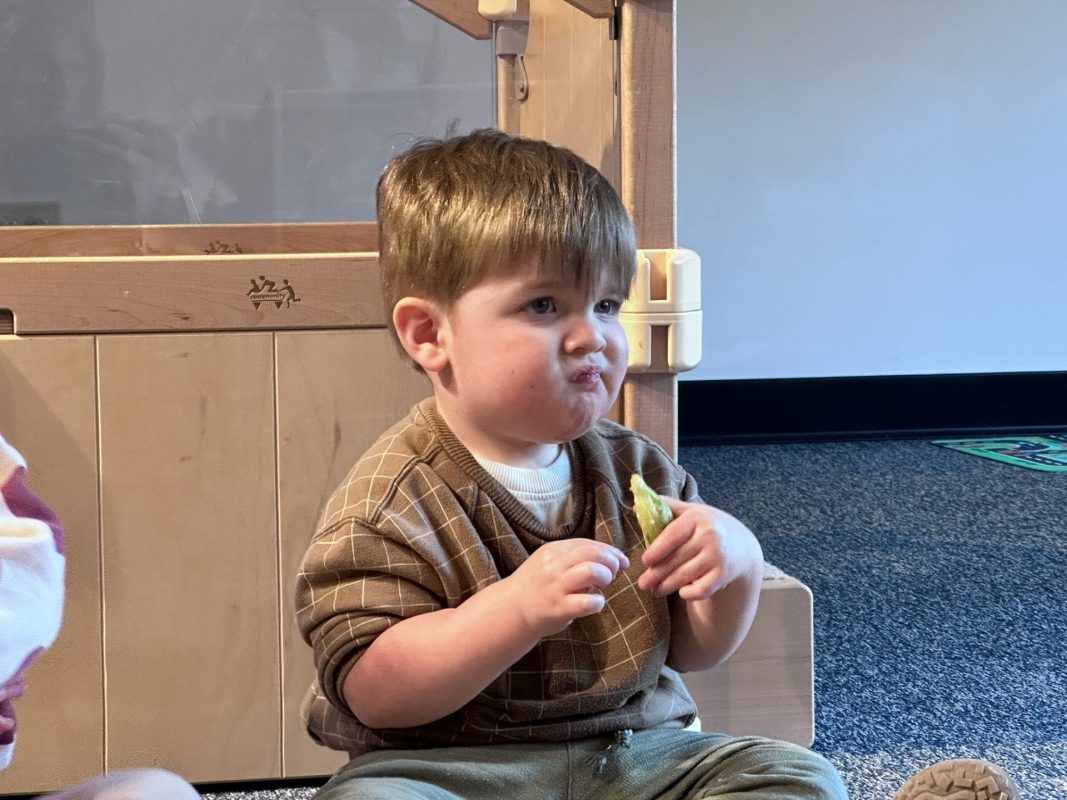
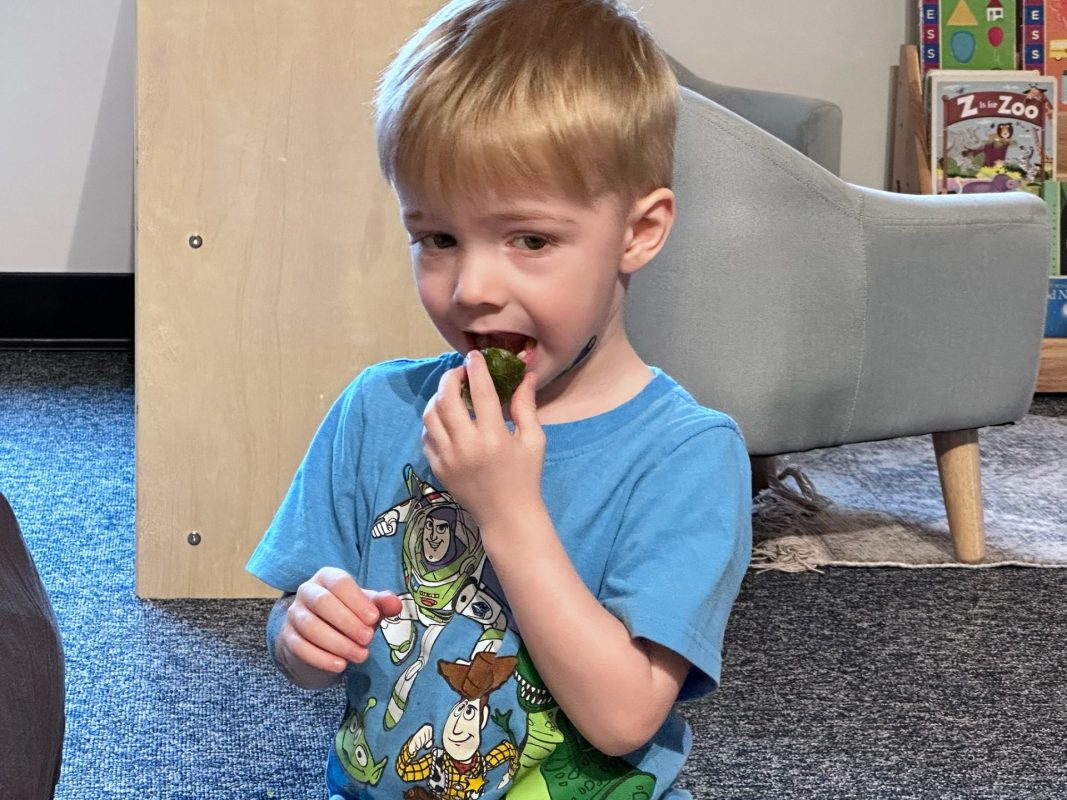
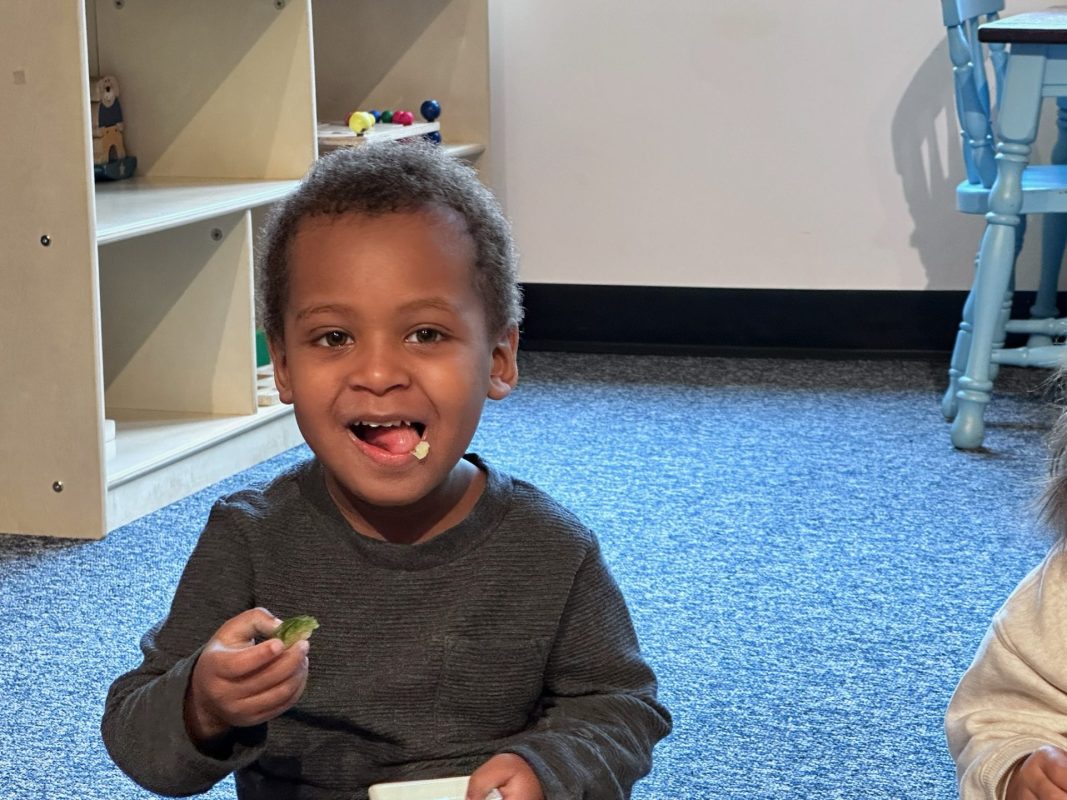
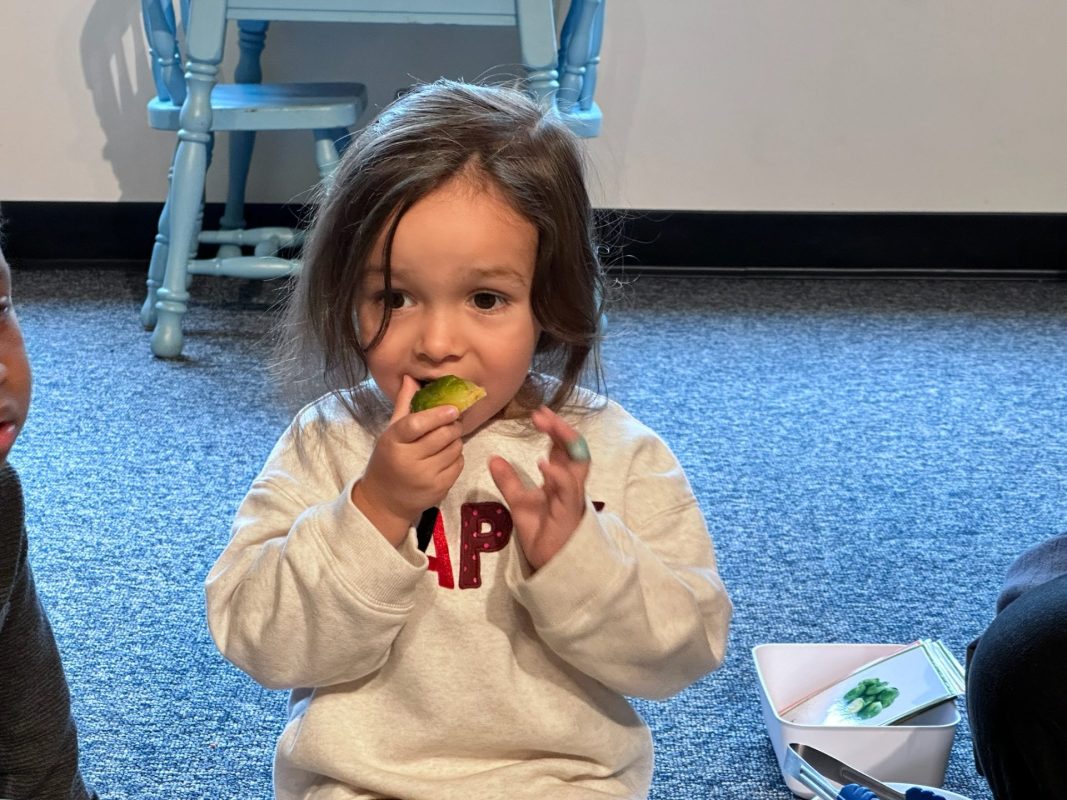
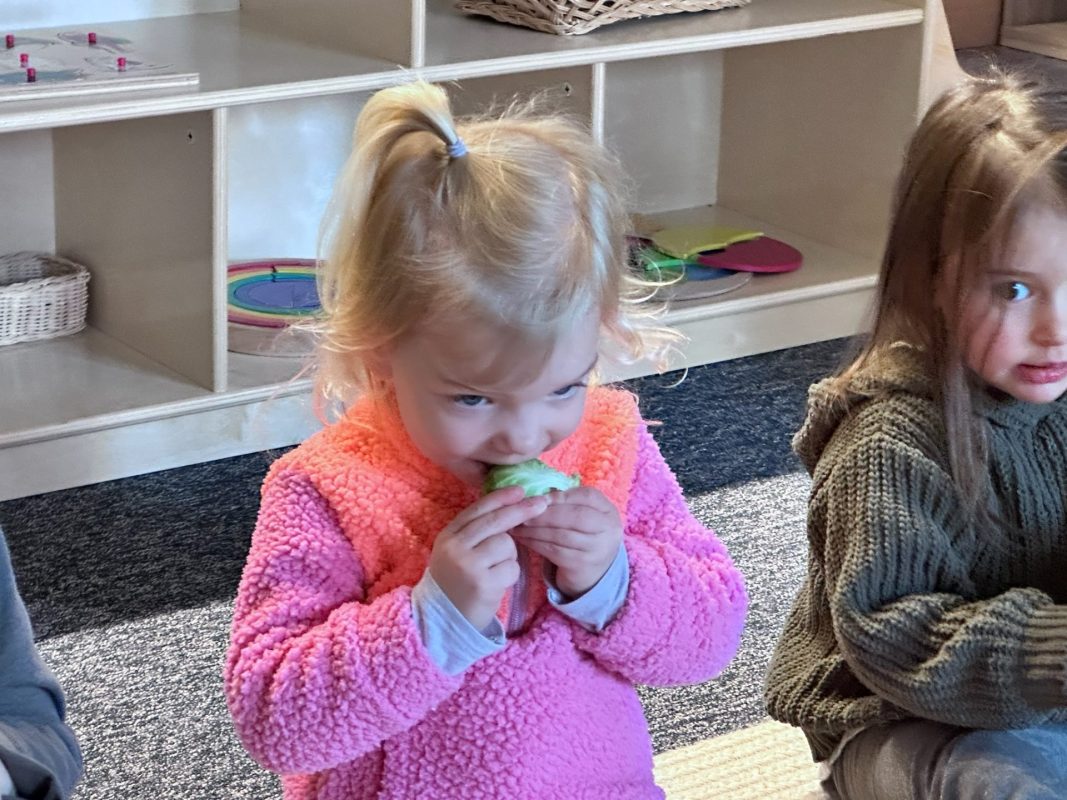
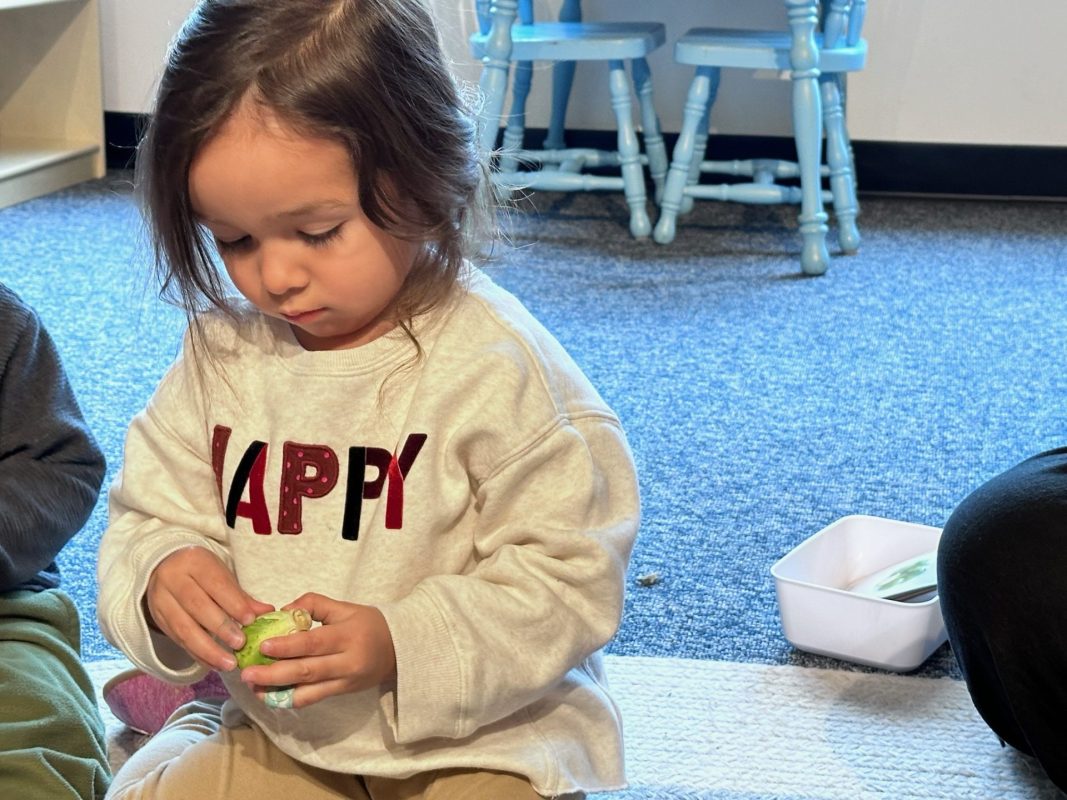
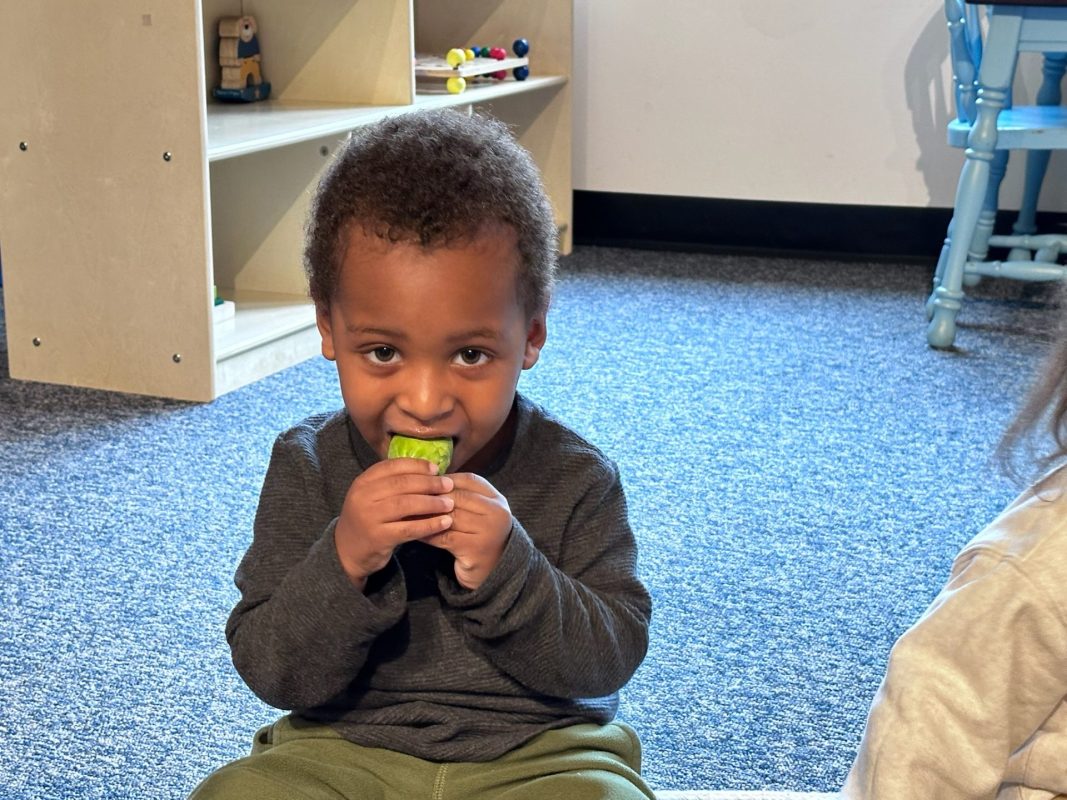
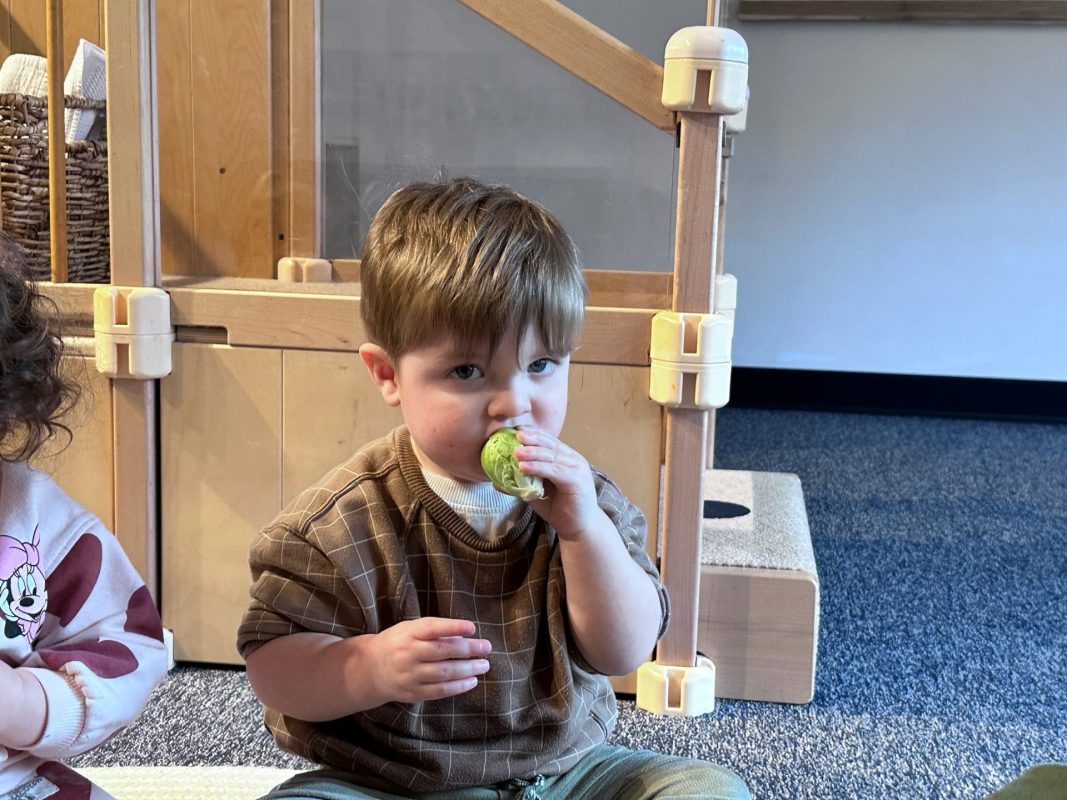
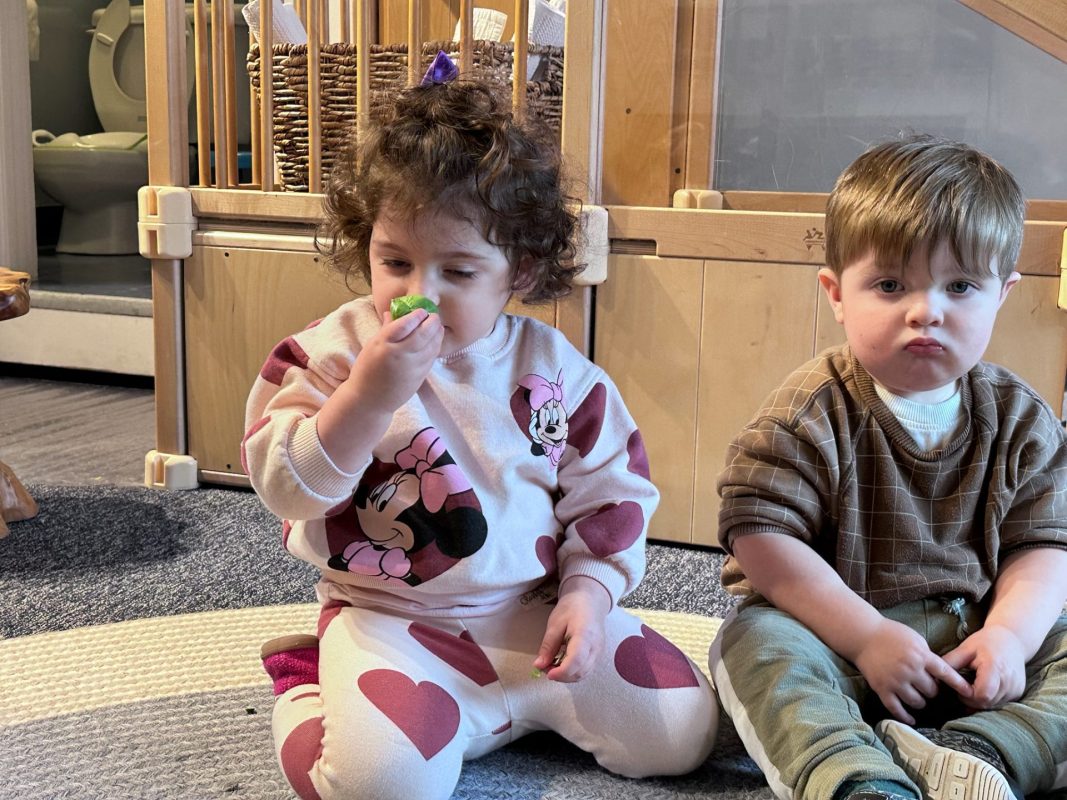
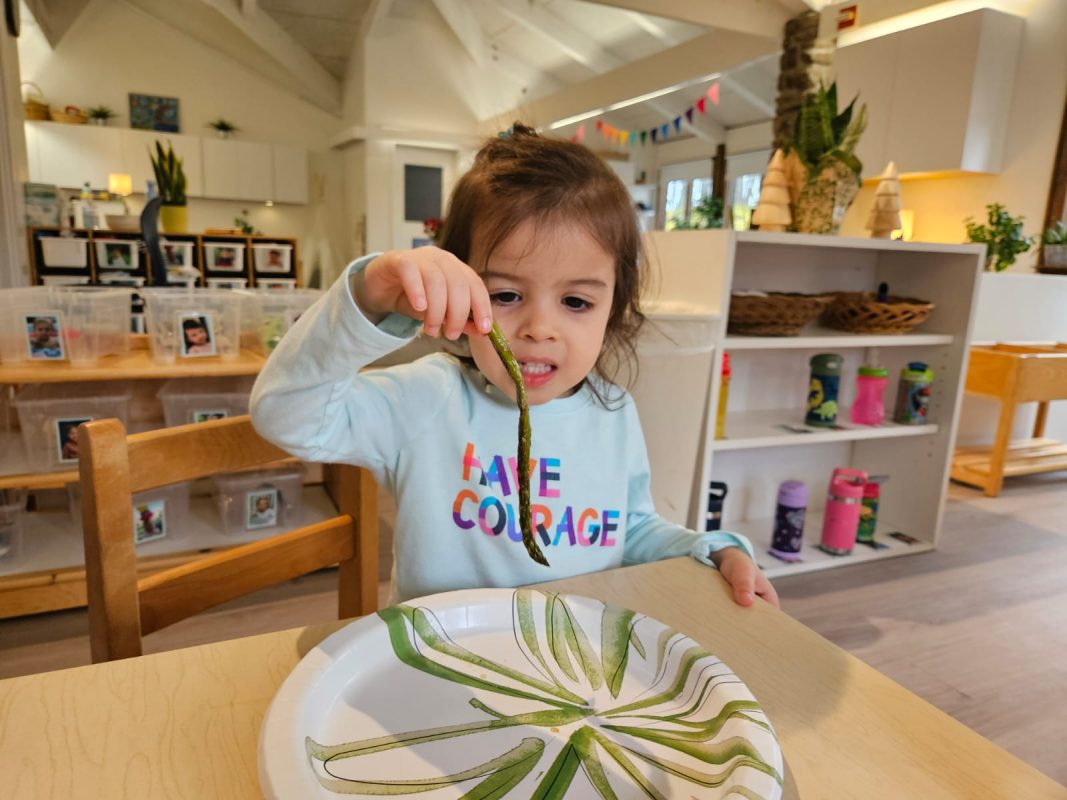
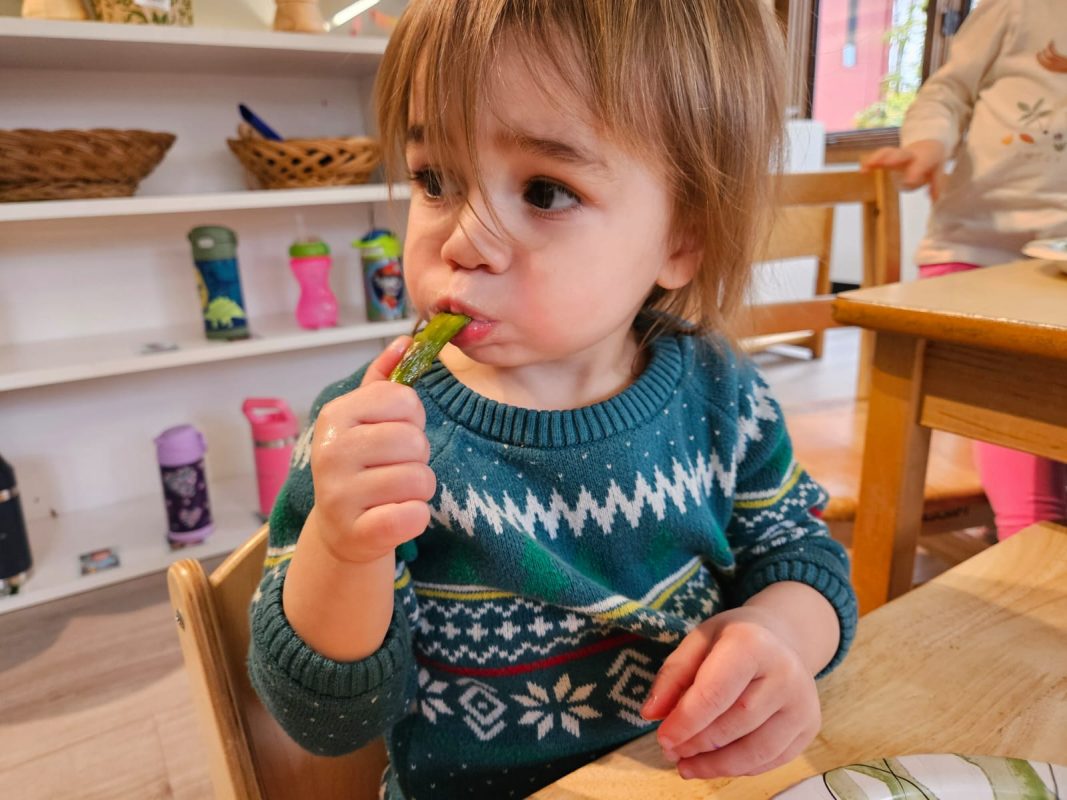
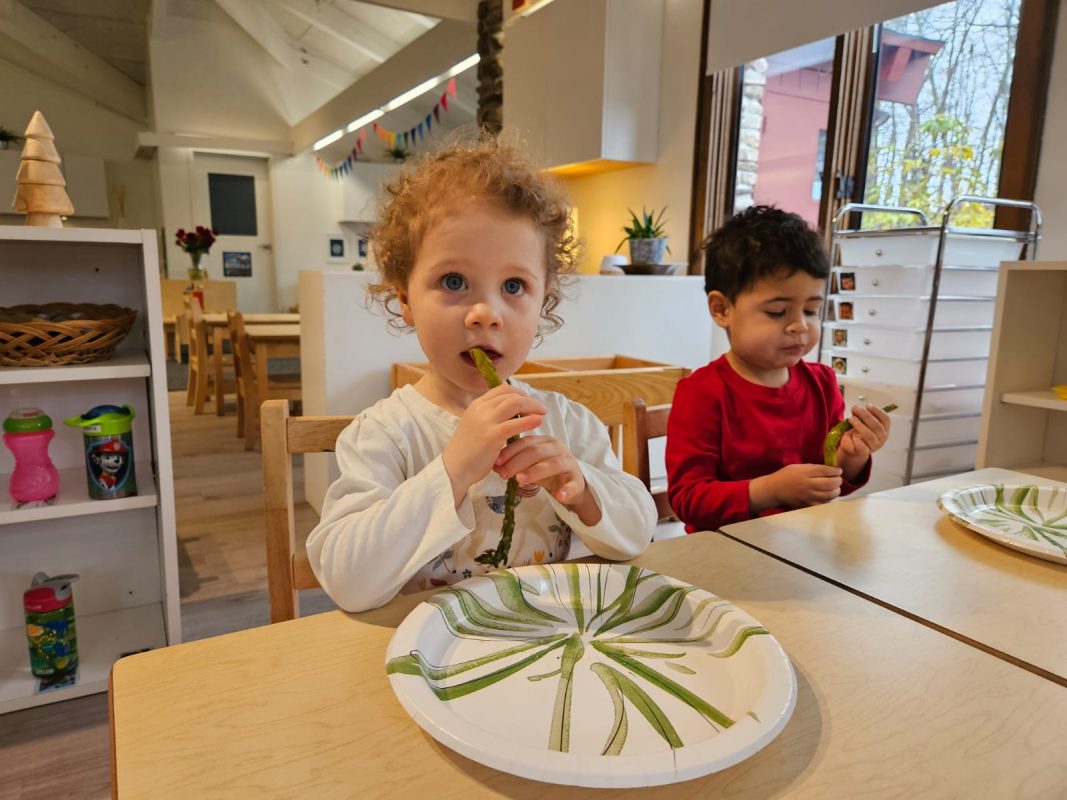
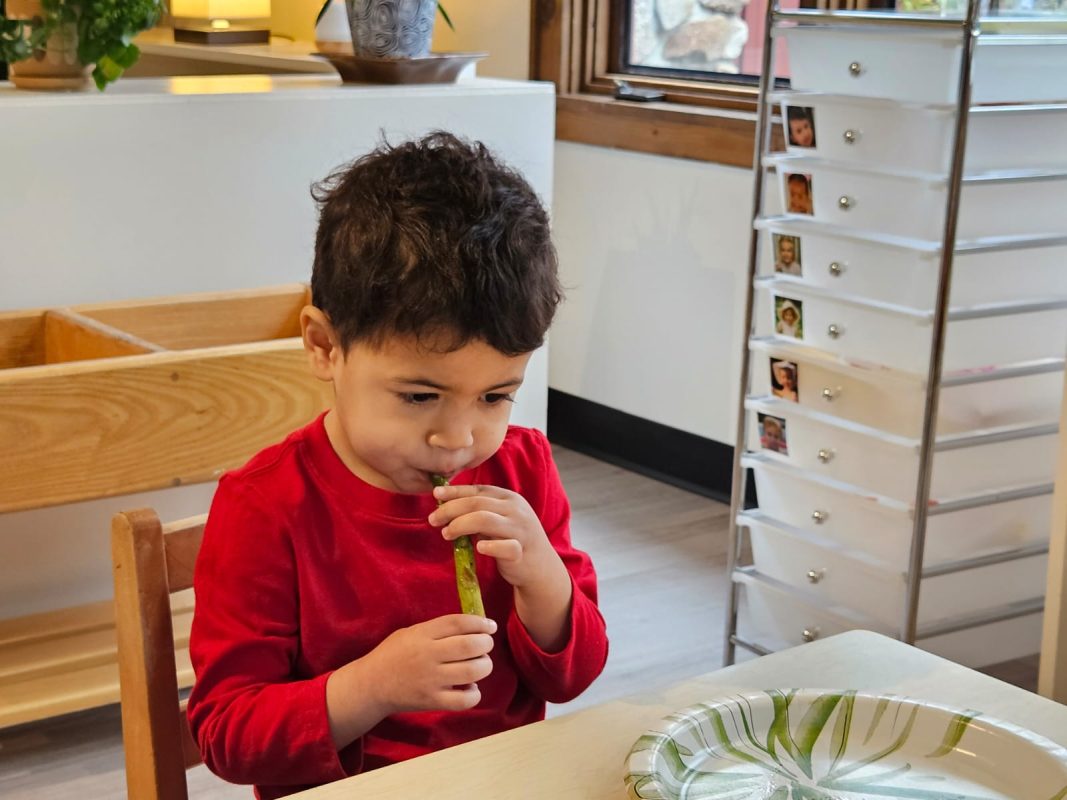
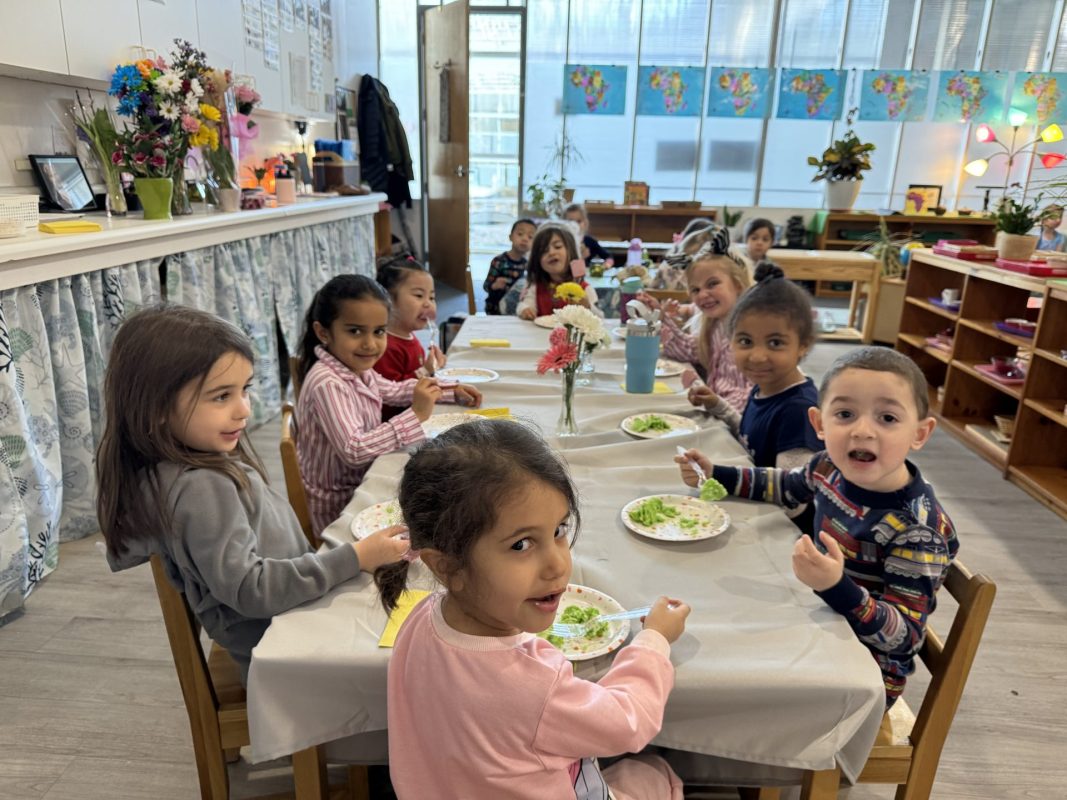
The week flew by! We tried broccoli. Raw did not go over very well, but the steamed broccoli was a hit! 

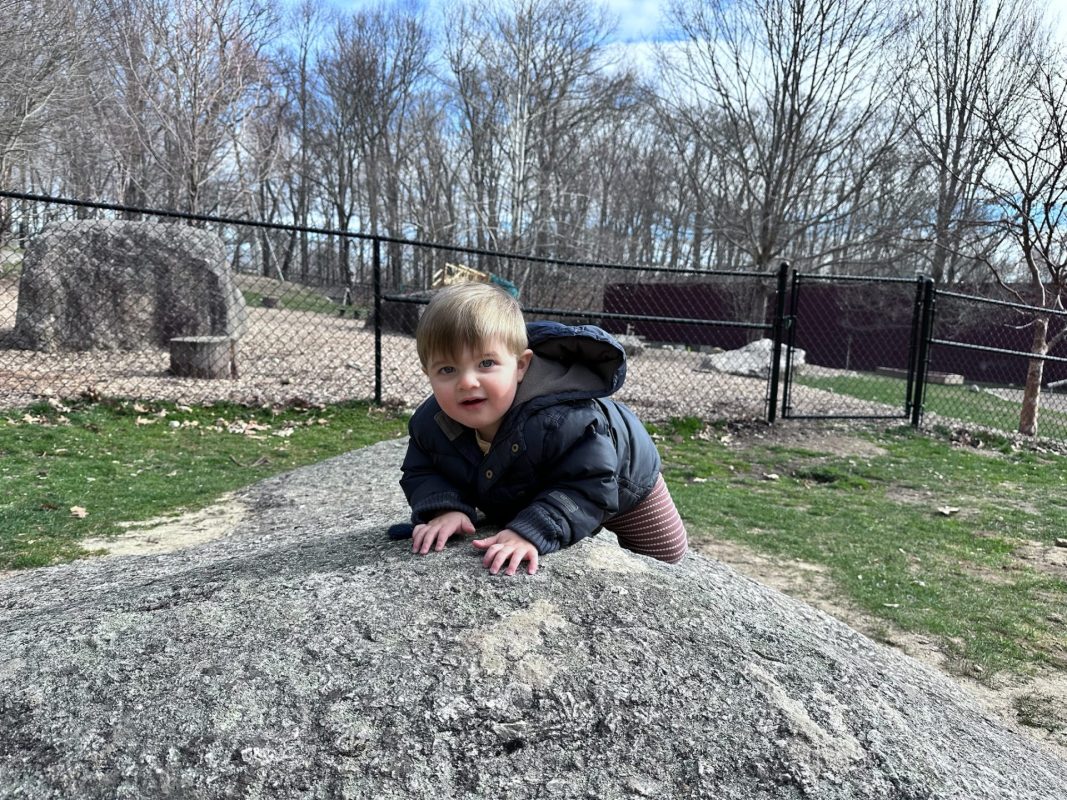
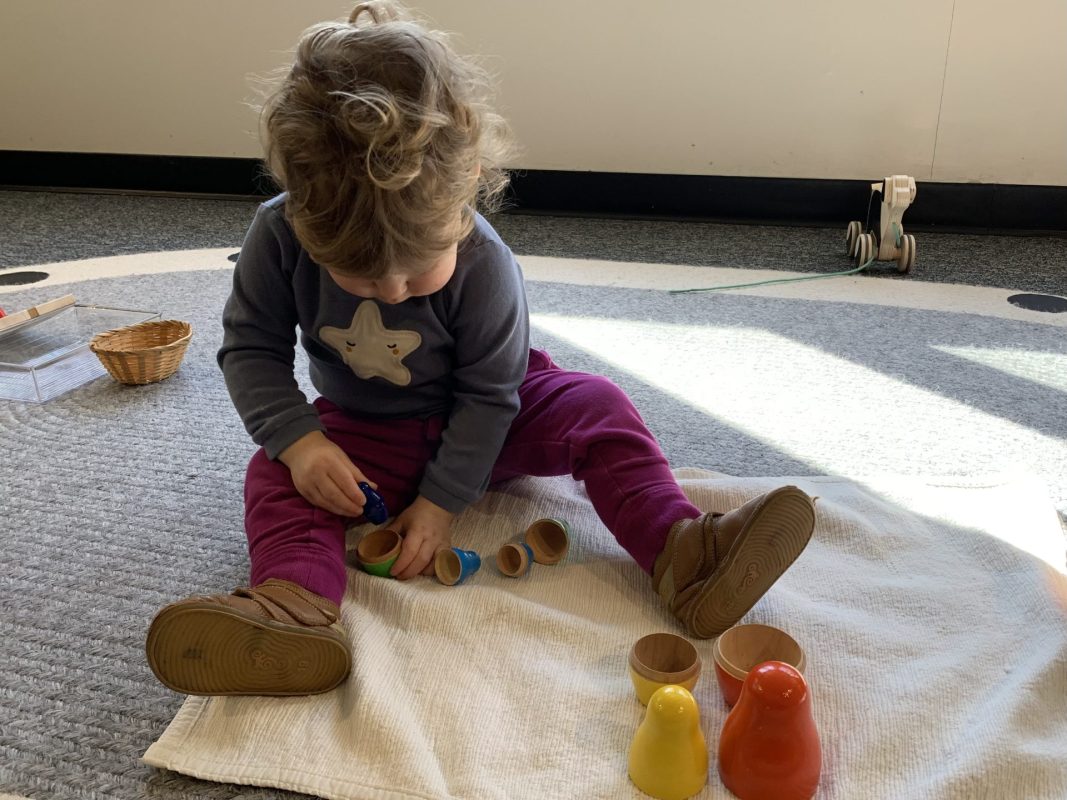
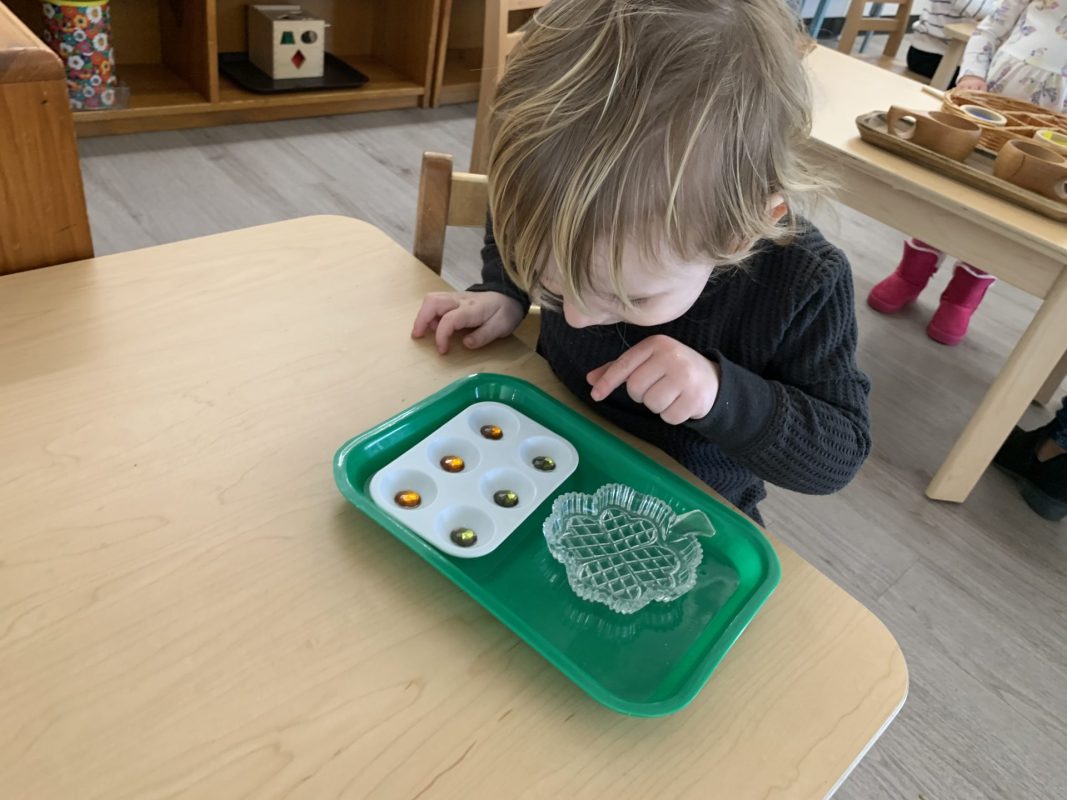
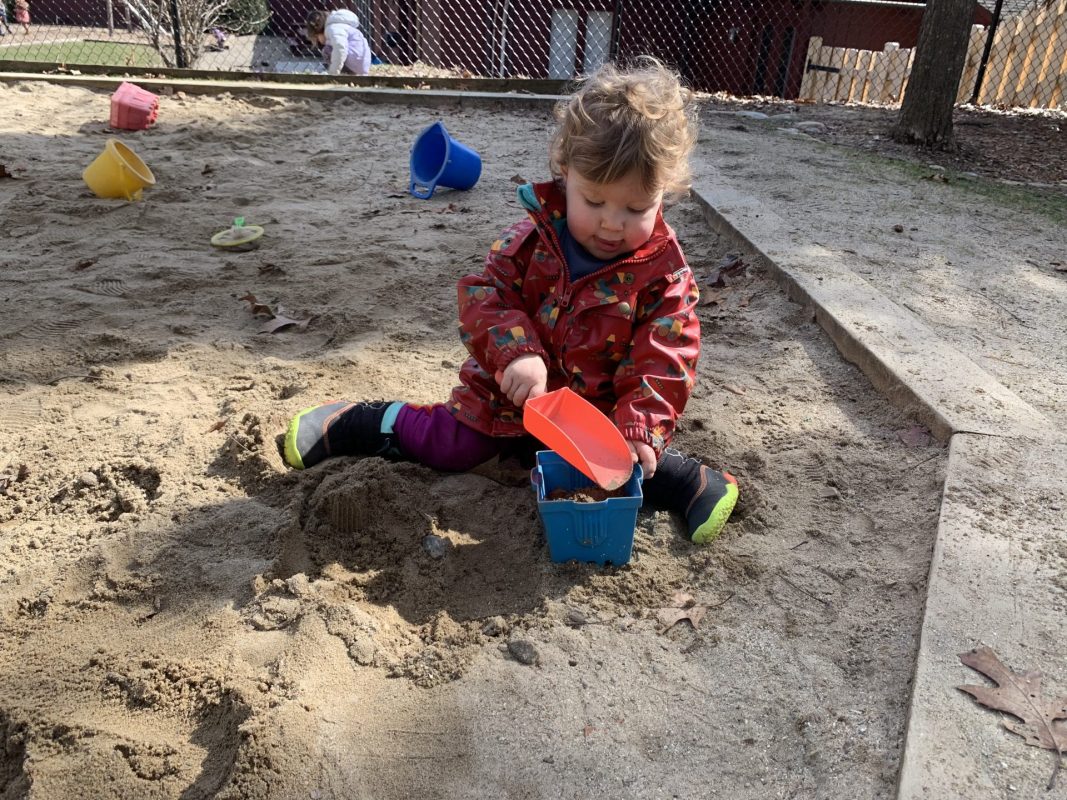
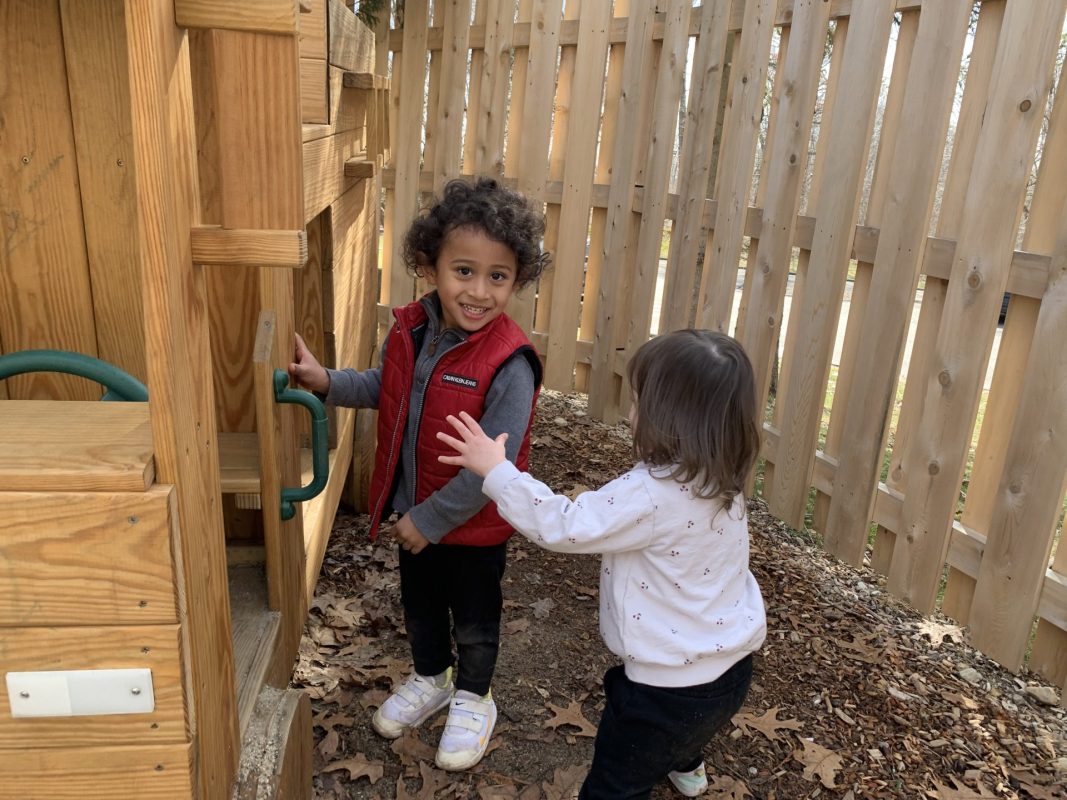
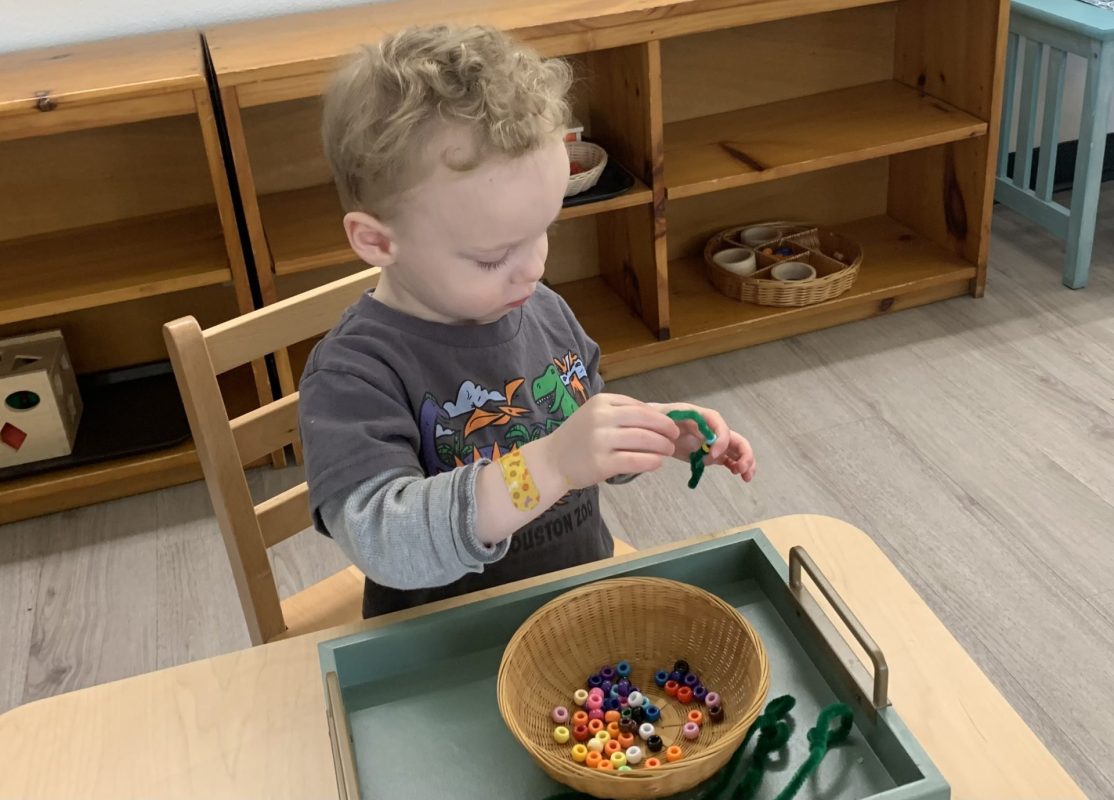
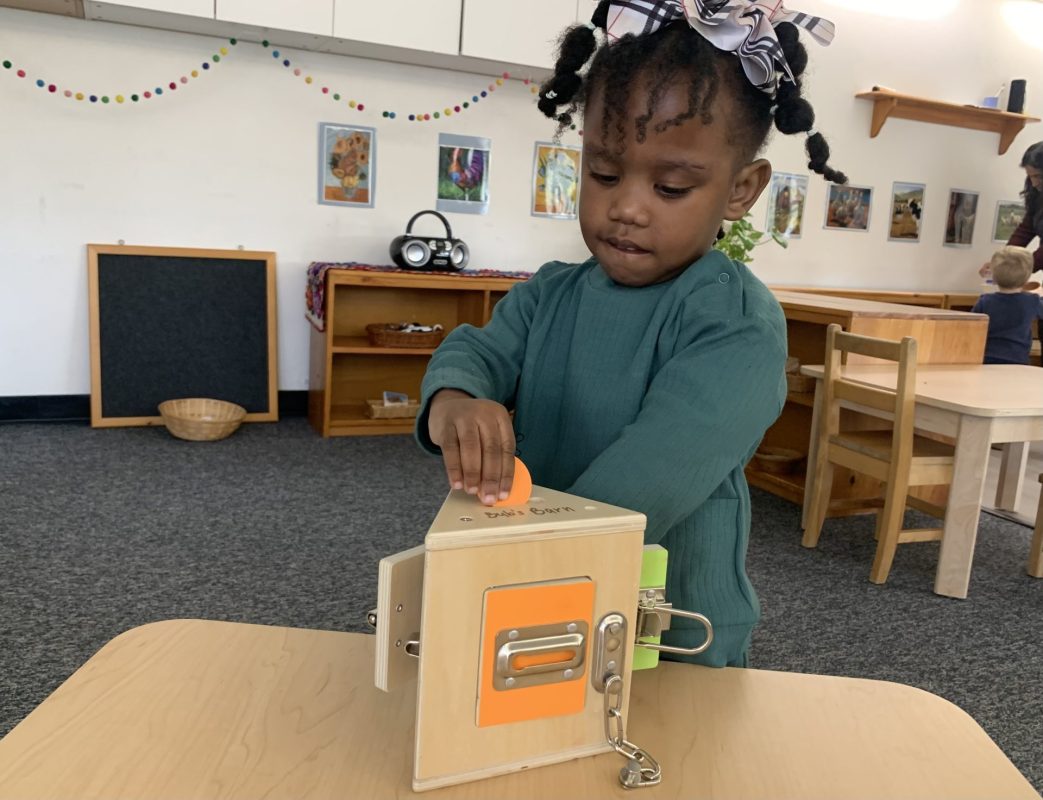
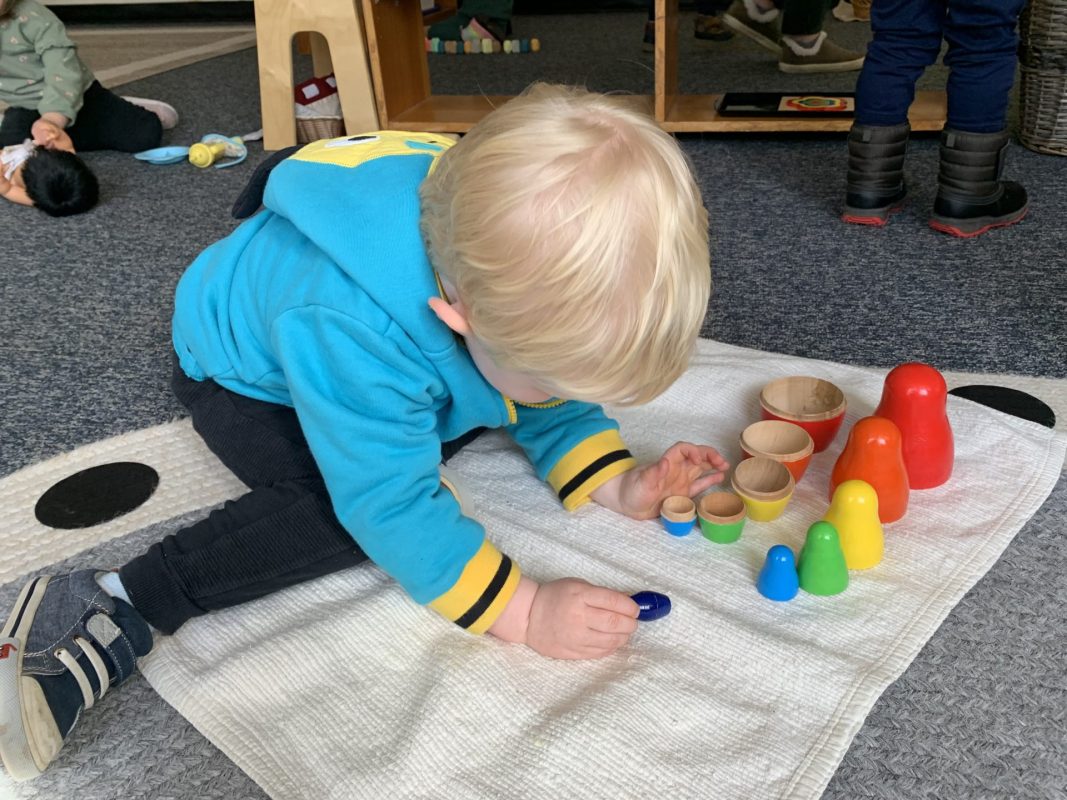
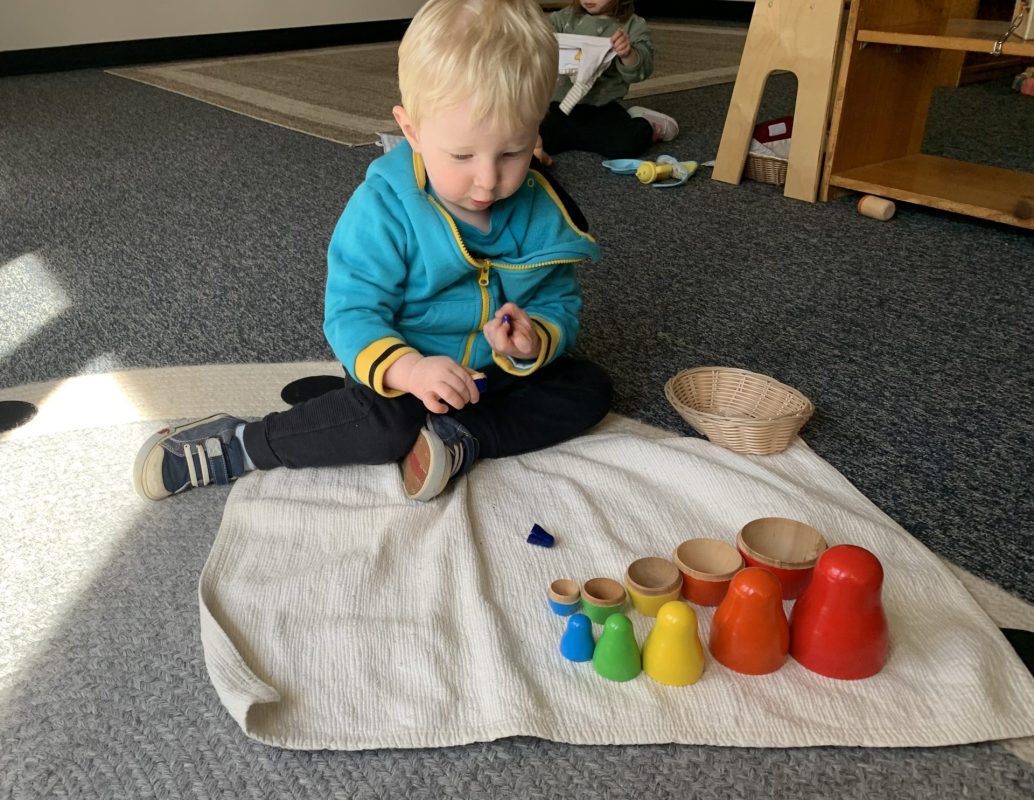
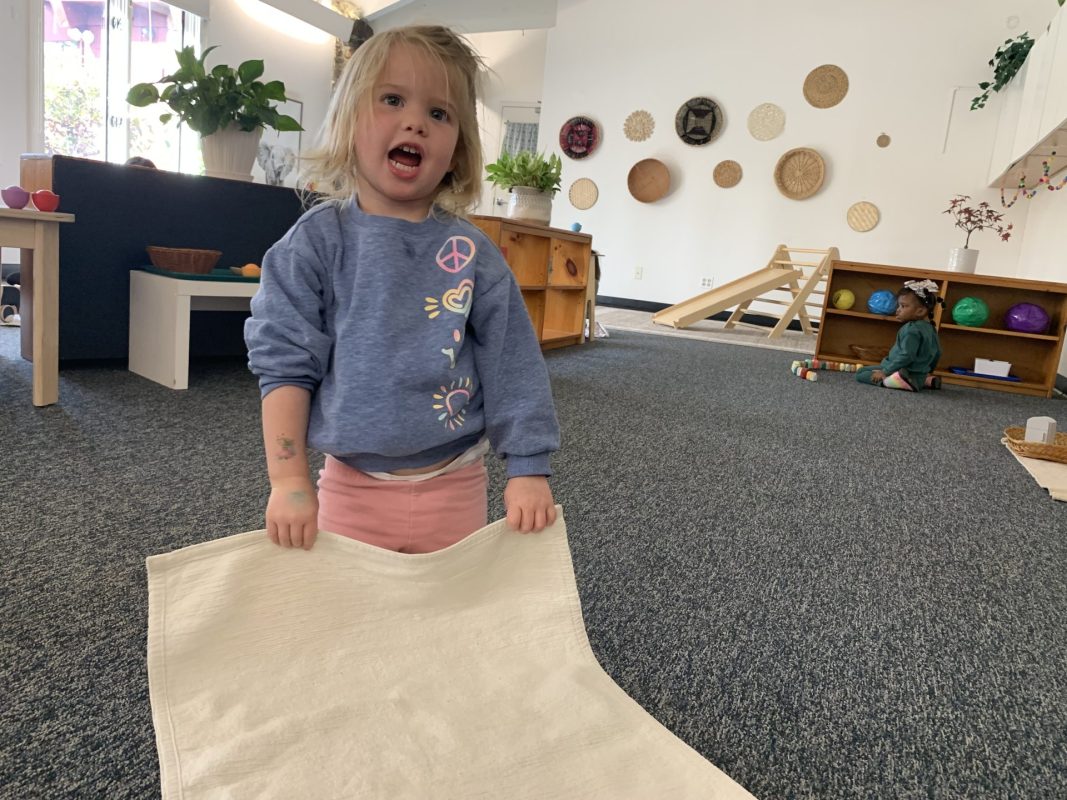
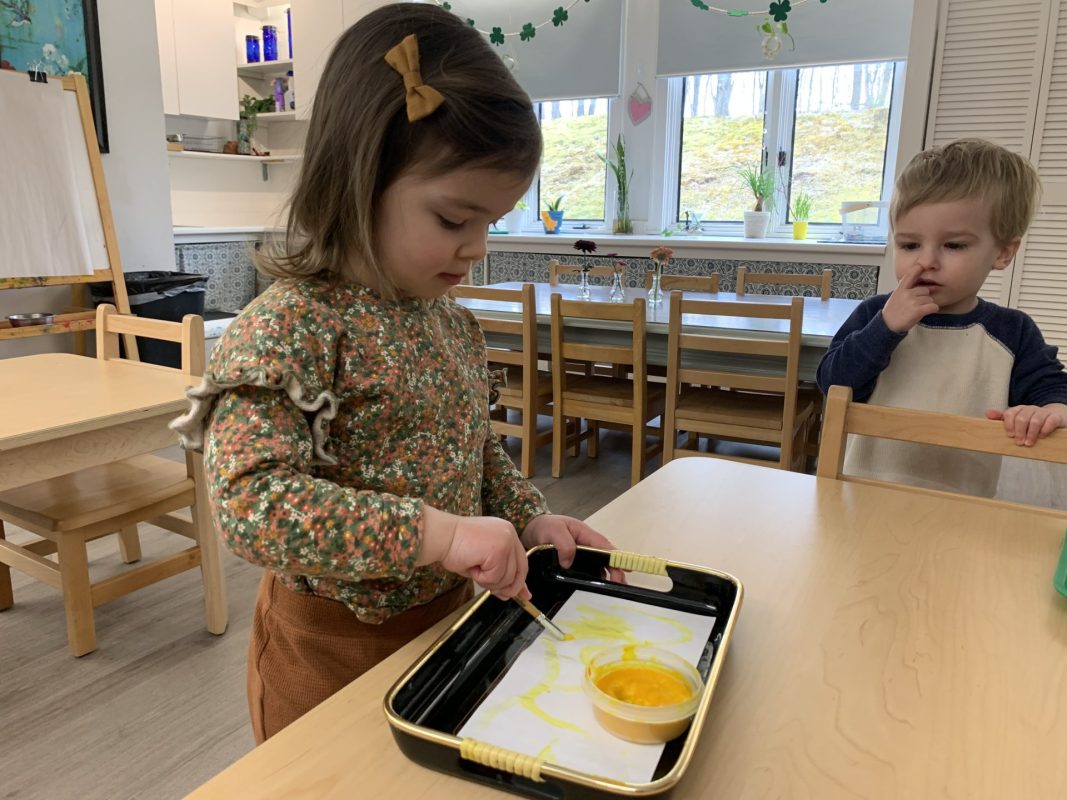
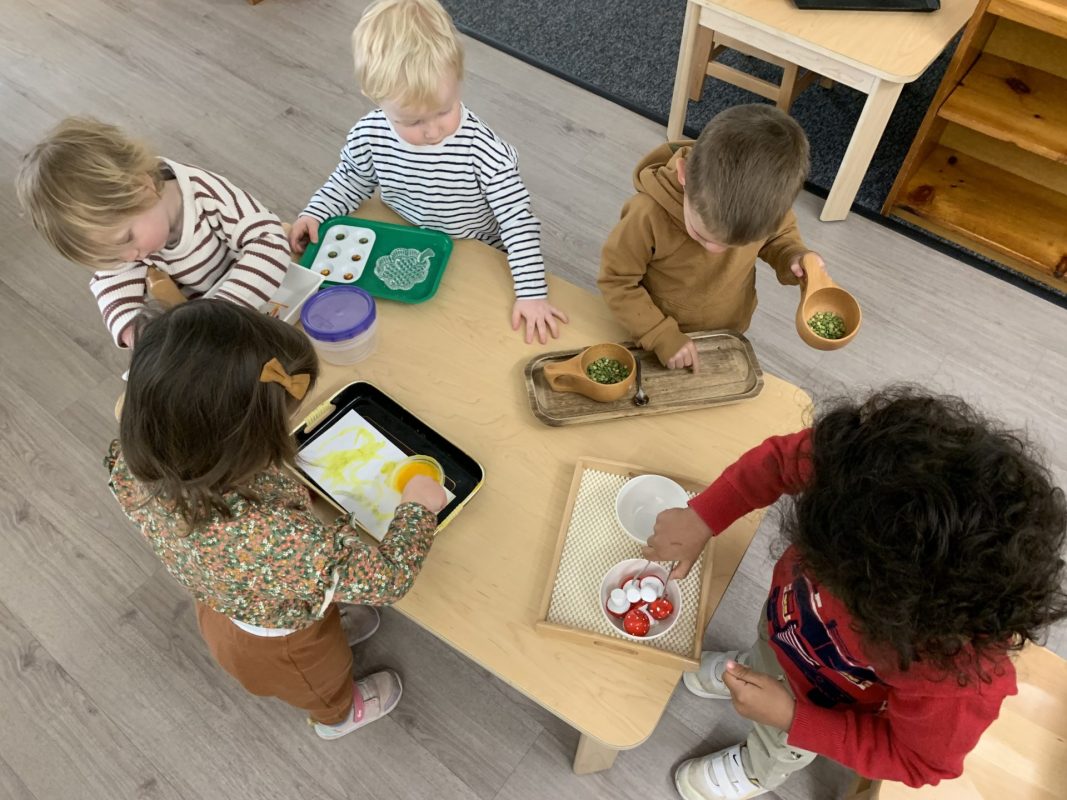
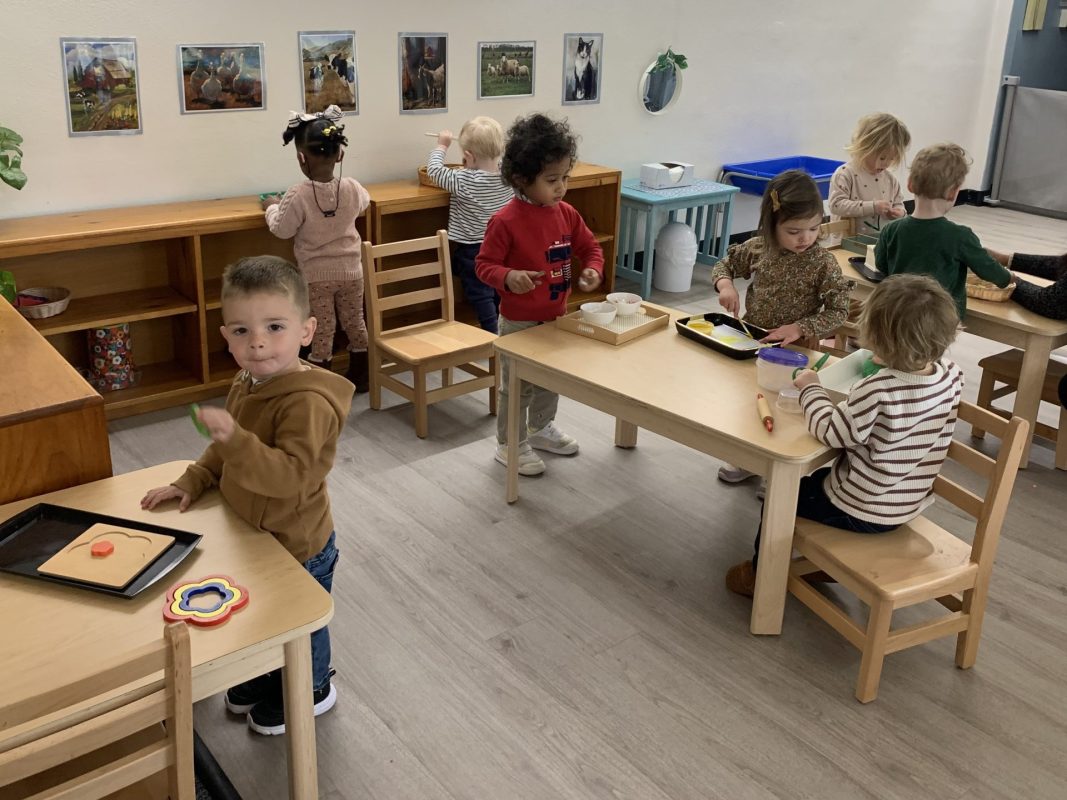
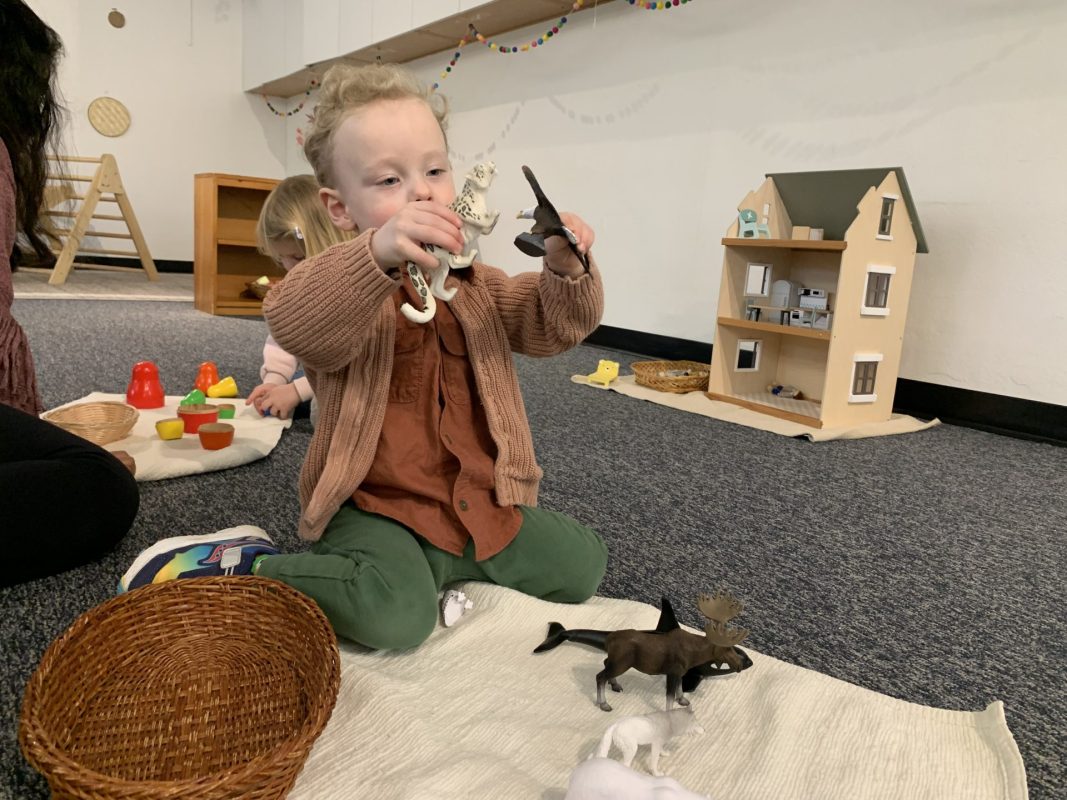
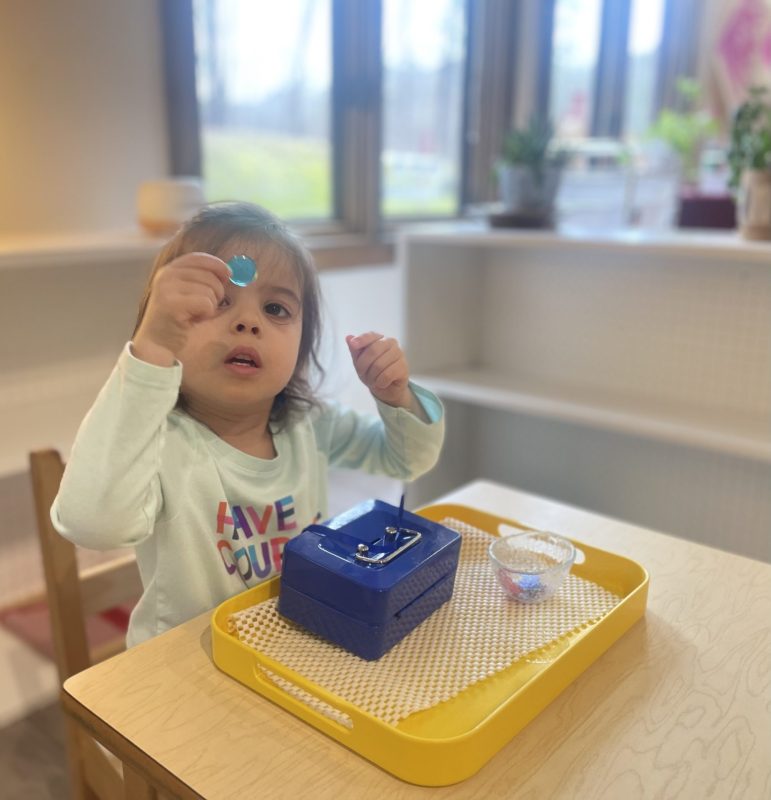
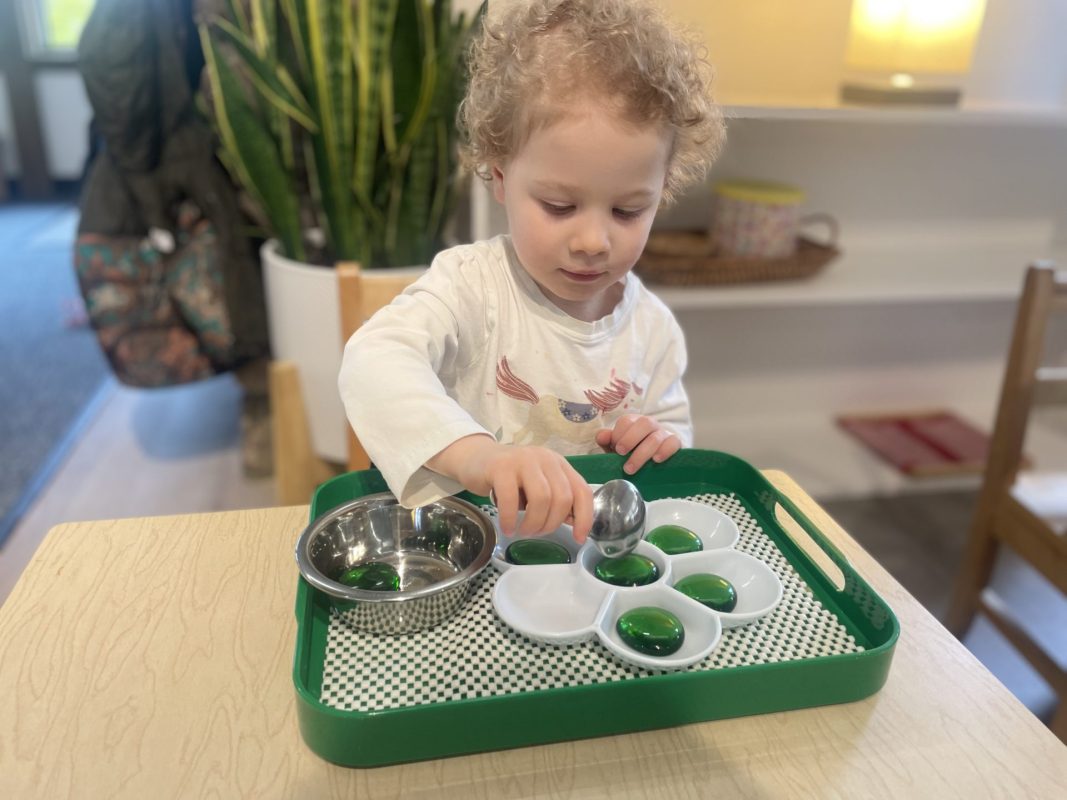
We were thrilled to have a few warmer days to enjoy on the playground. The children are becoming much more independent in dressing themselves for the outdoors. Zipping one’s own coat can be quite tricky. We tend to get the zipper started for the children, then encourage them to zip it the rest of the way up. Many of the children are now able to get their coats on and off independently as well. Has your child shown you the special ‘flip’ that we do at school? They stand by their hood (or toes to tag if they have no hood), put their arms into the arm holes, and flip the coat over their head, beaming with pride upon completion. Taking their coats off can be a bit tricky as well. Rather than jumping in to complete the task for them, we tend to help the children just a little in order to set them up for success. For example, help the child to take one hand out of their coat. Then, that hand is free for them to use to take off the other side. I often tell them that we work as a team to get the job done. We can see on their faces that they feel empowered even in the tasks that we adults may consider small.

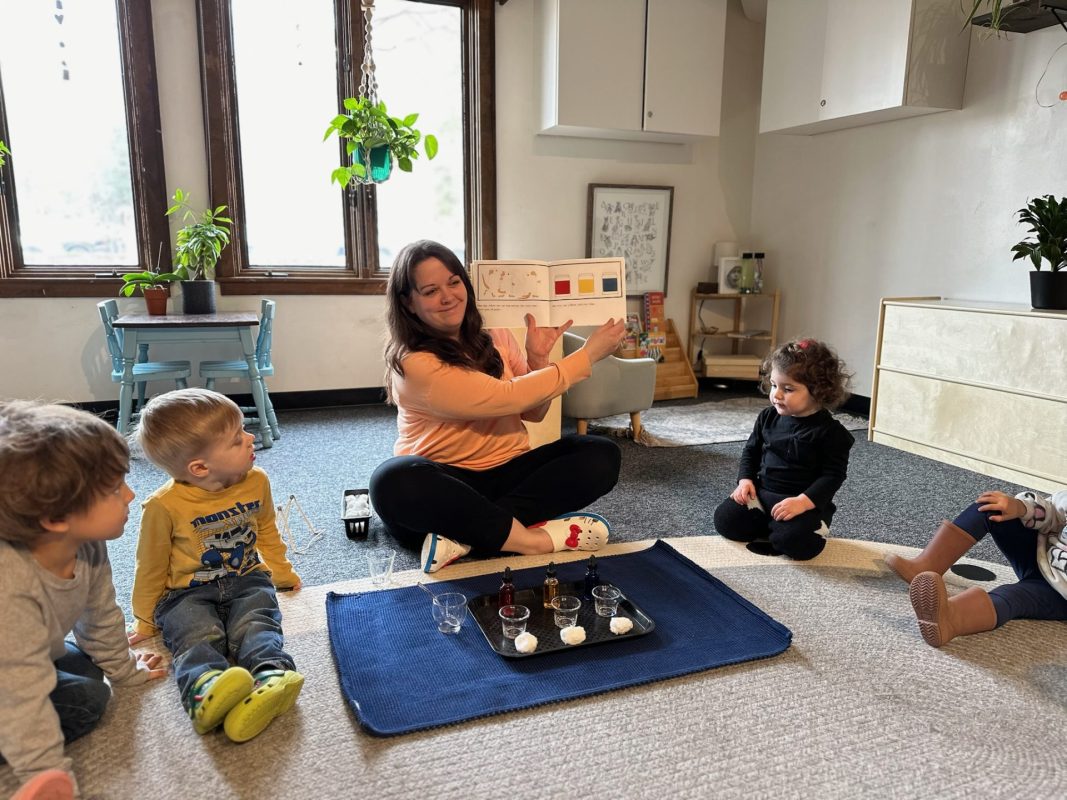
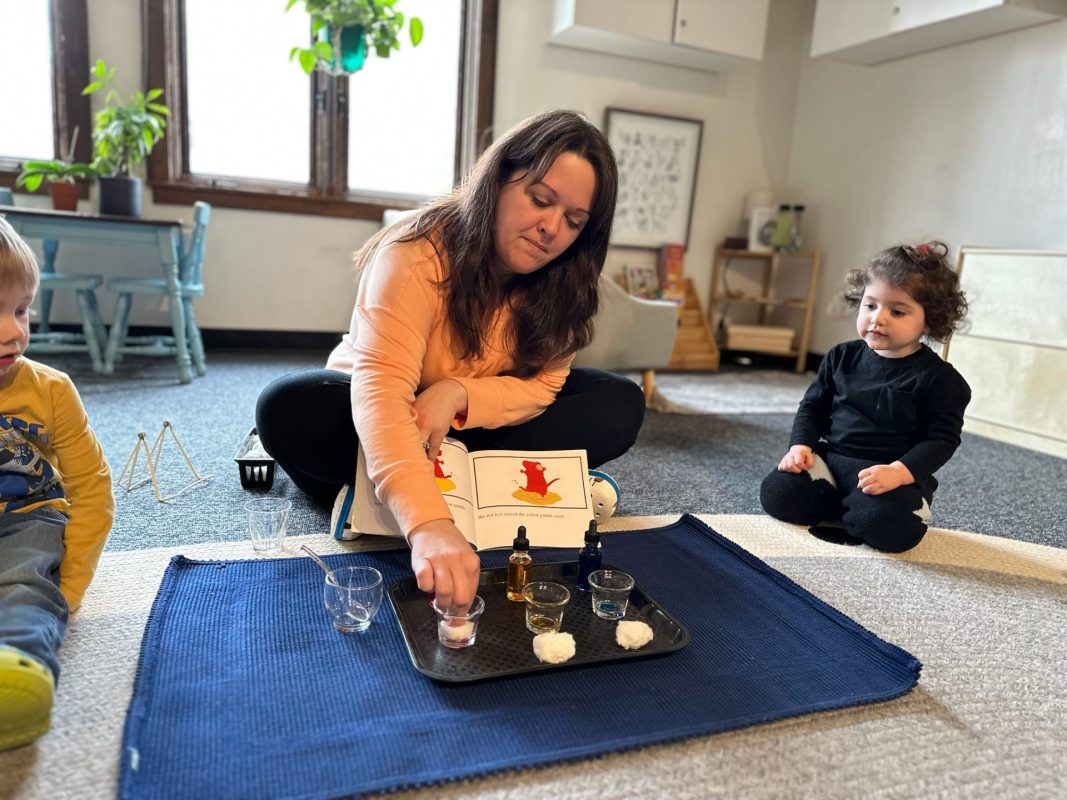
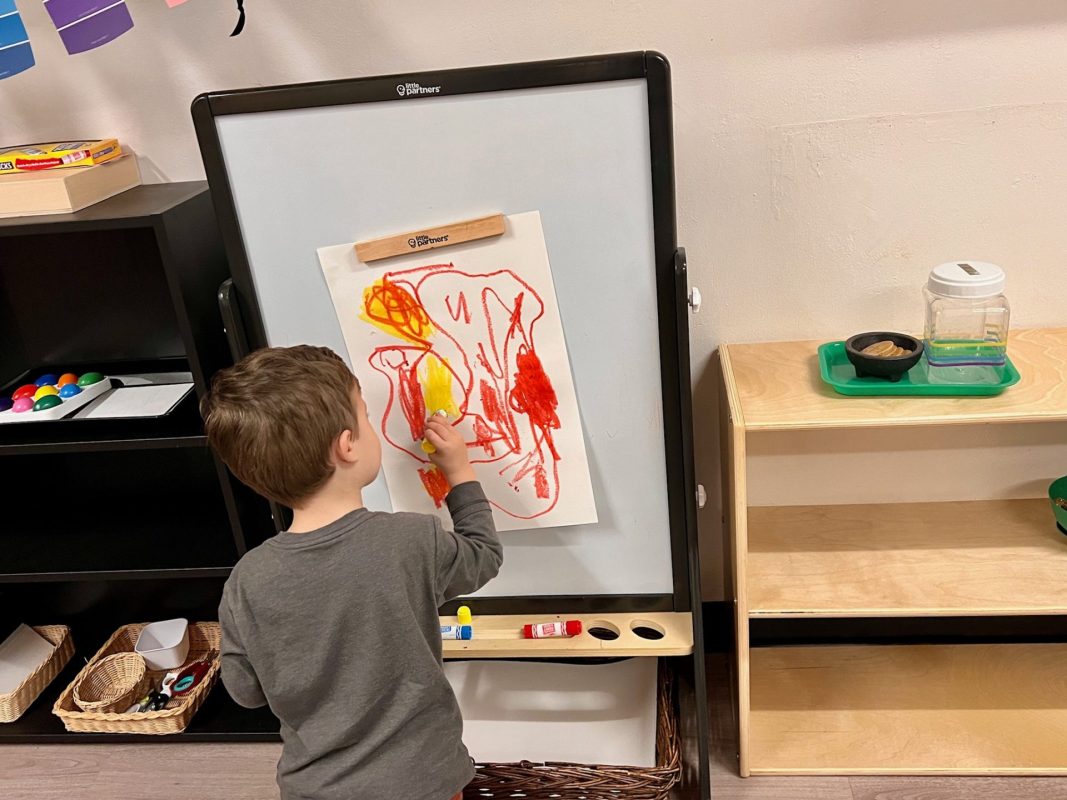
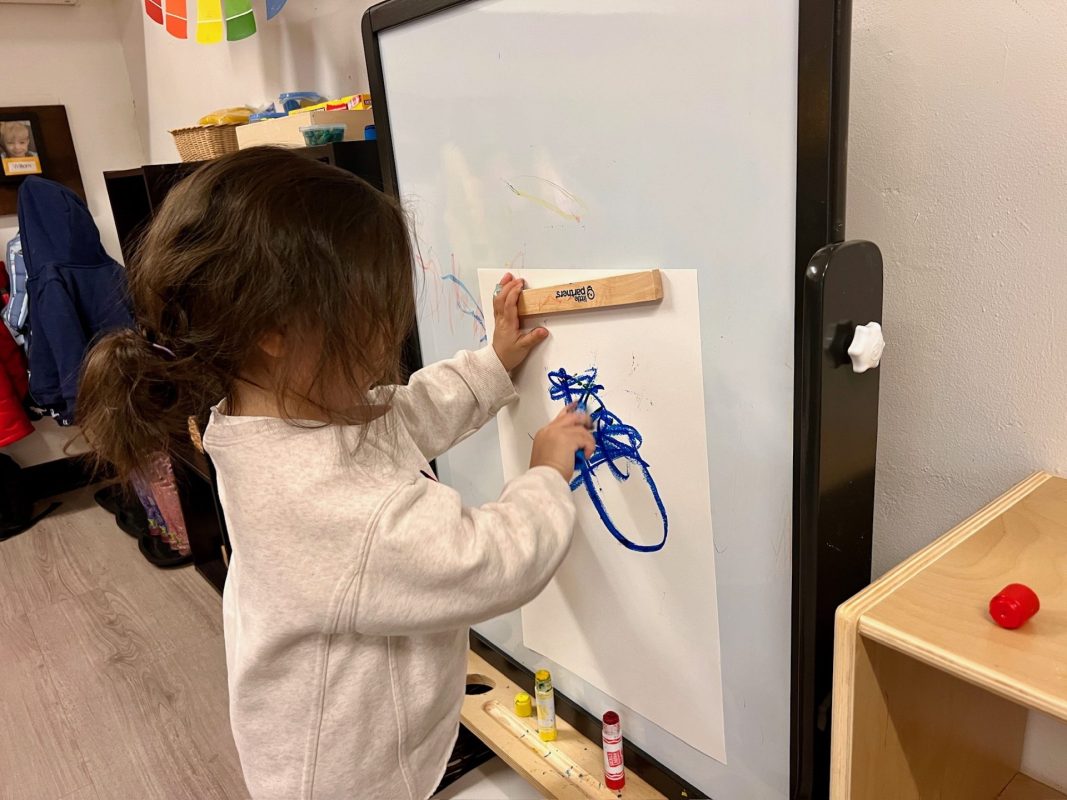
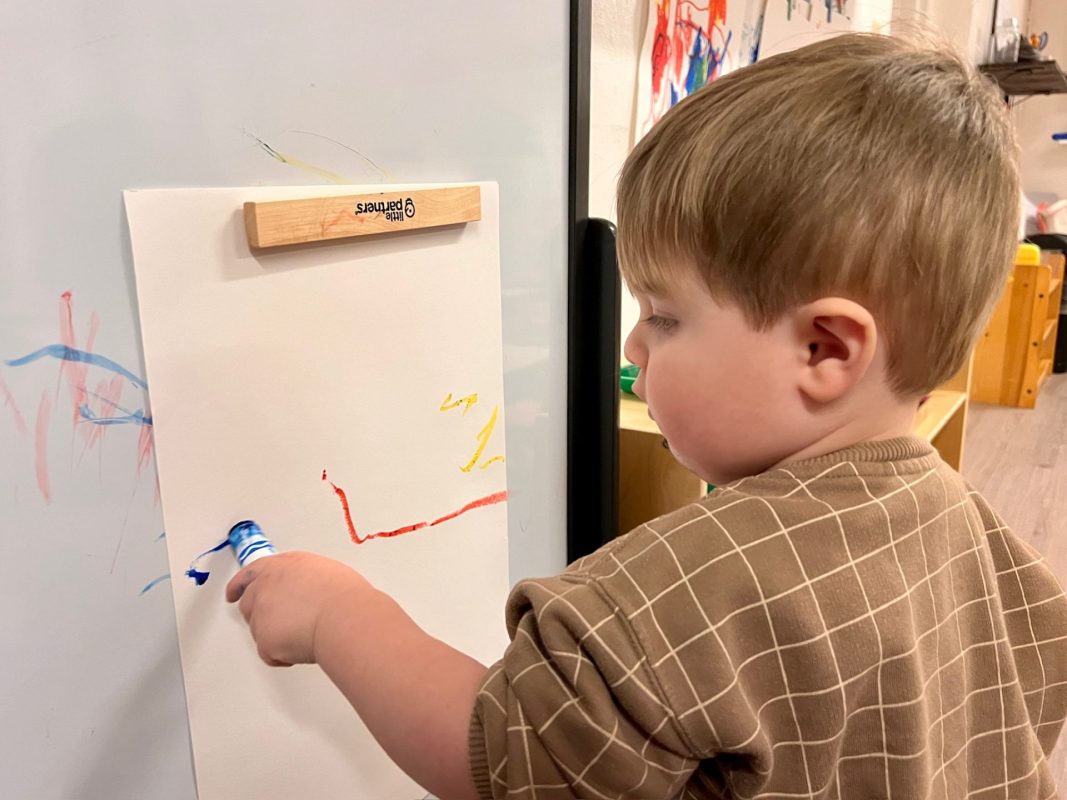
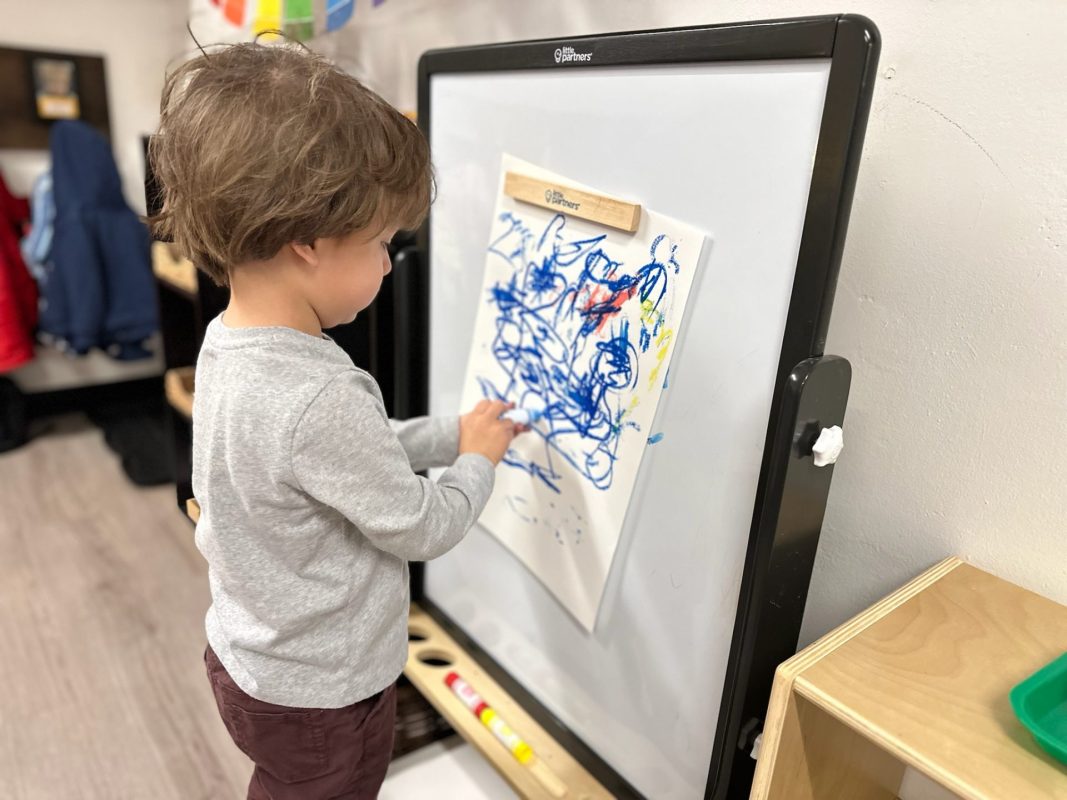
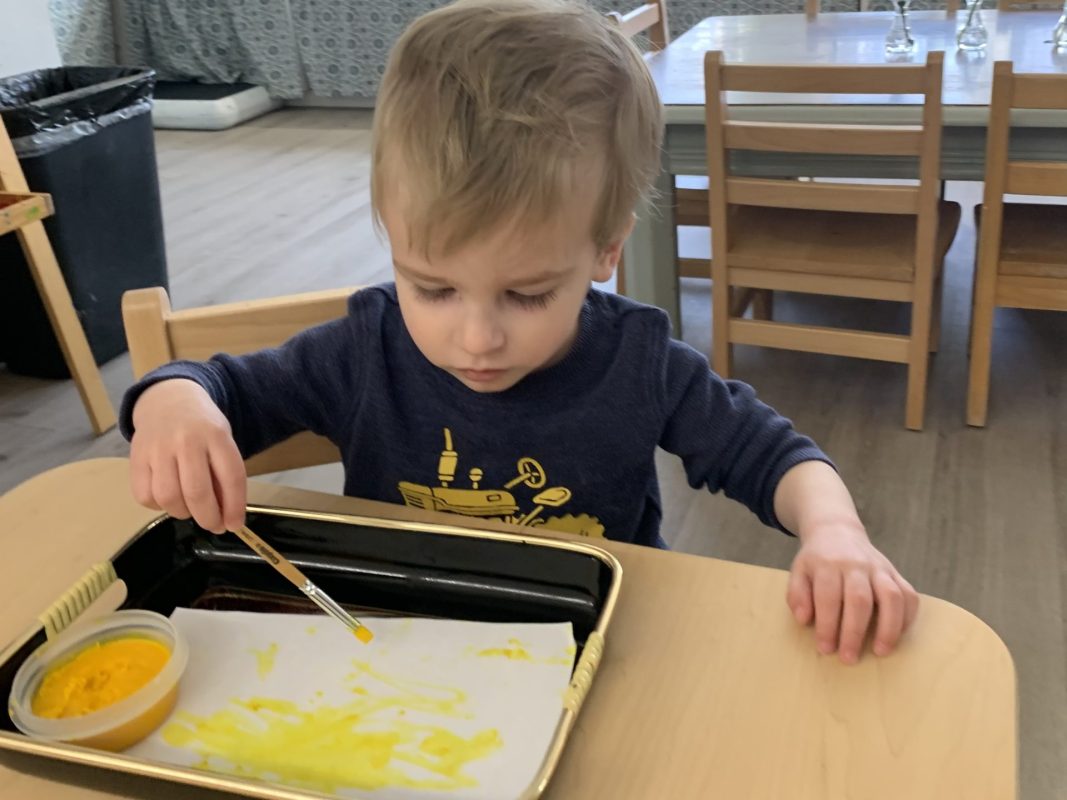
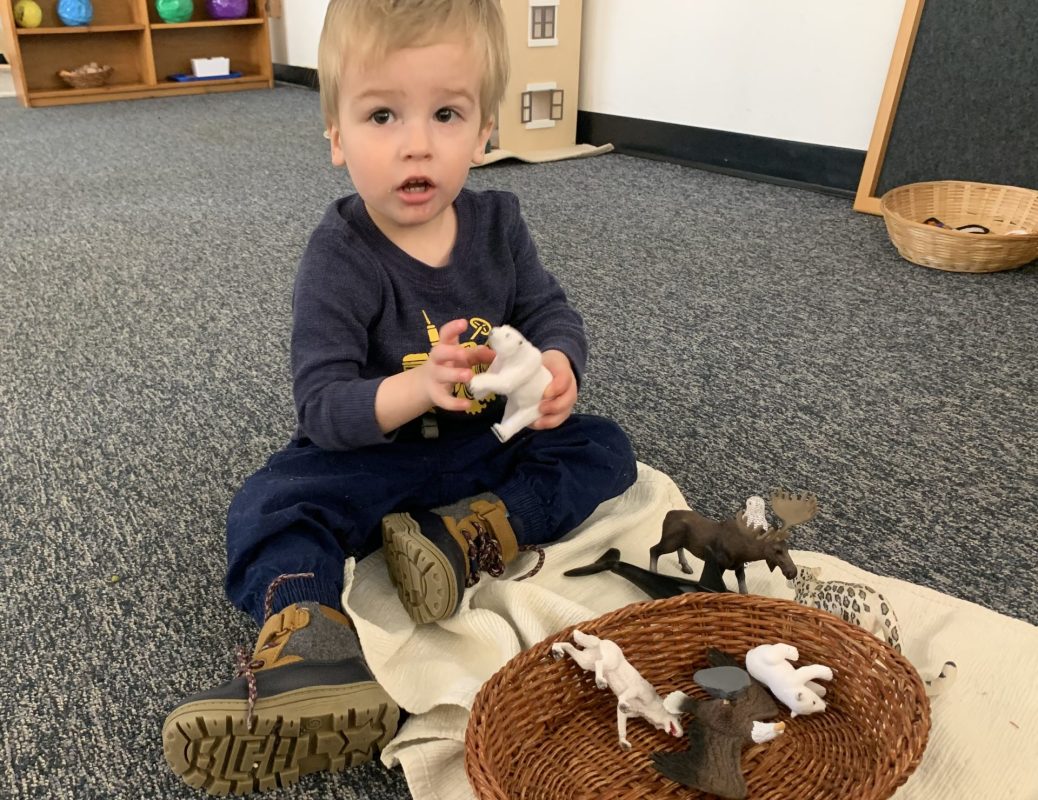
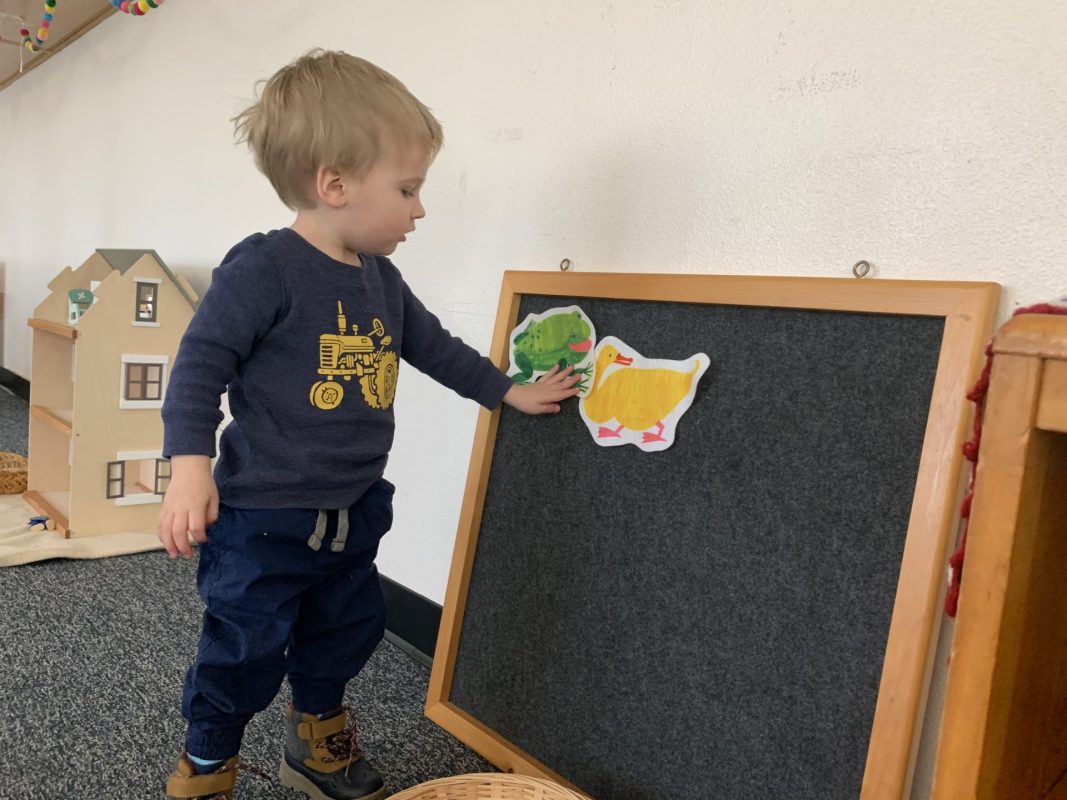
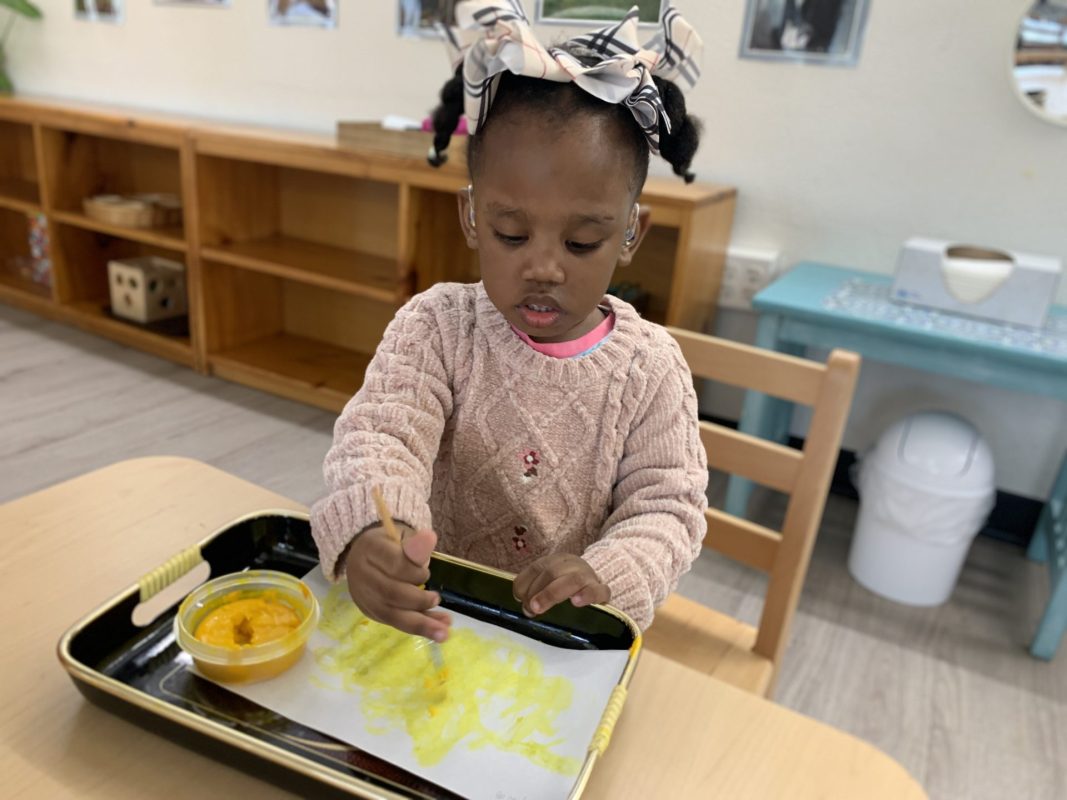
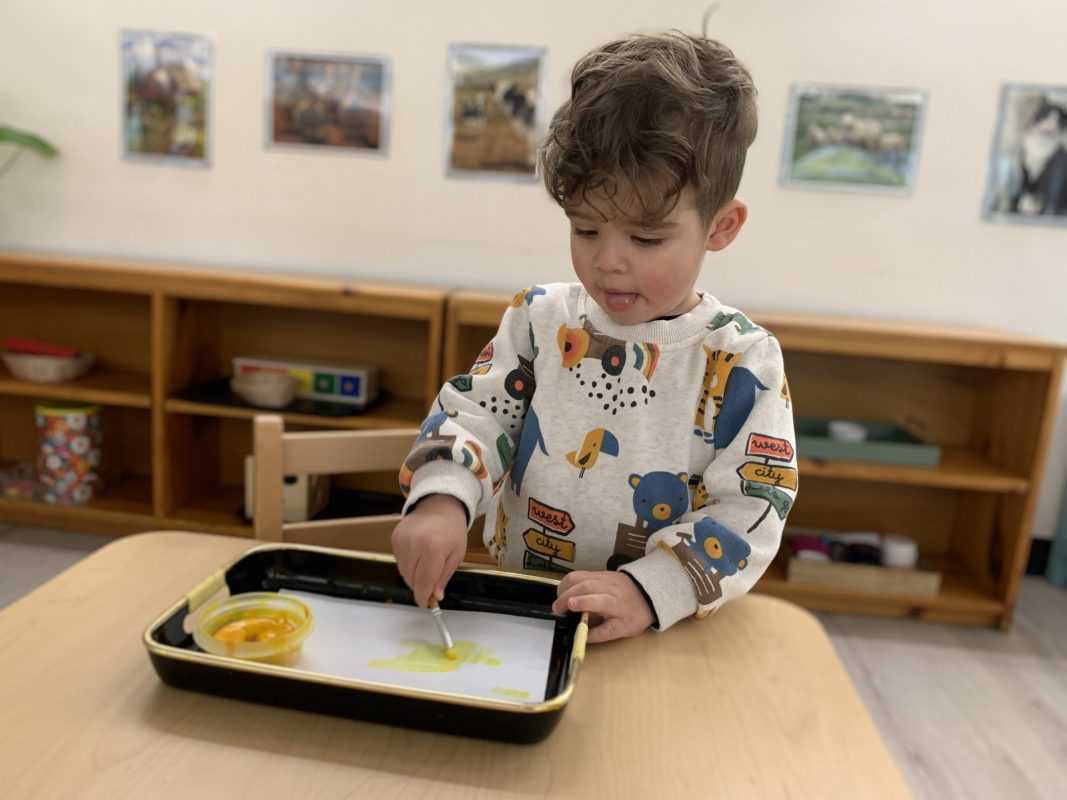
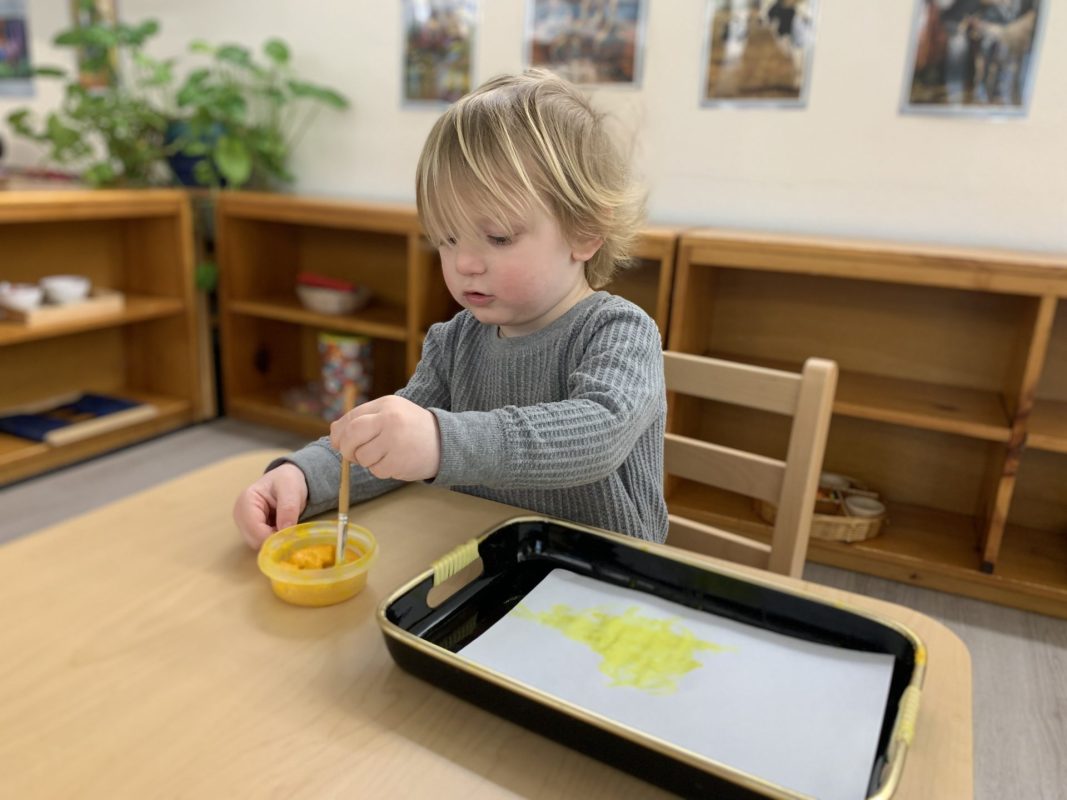
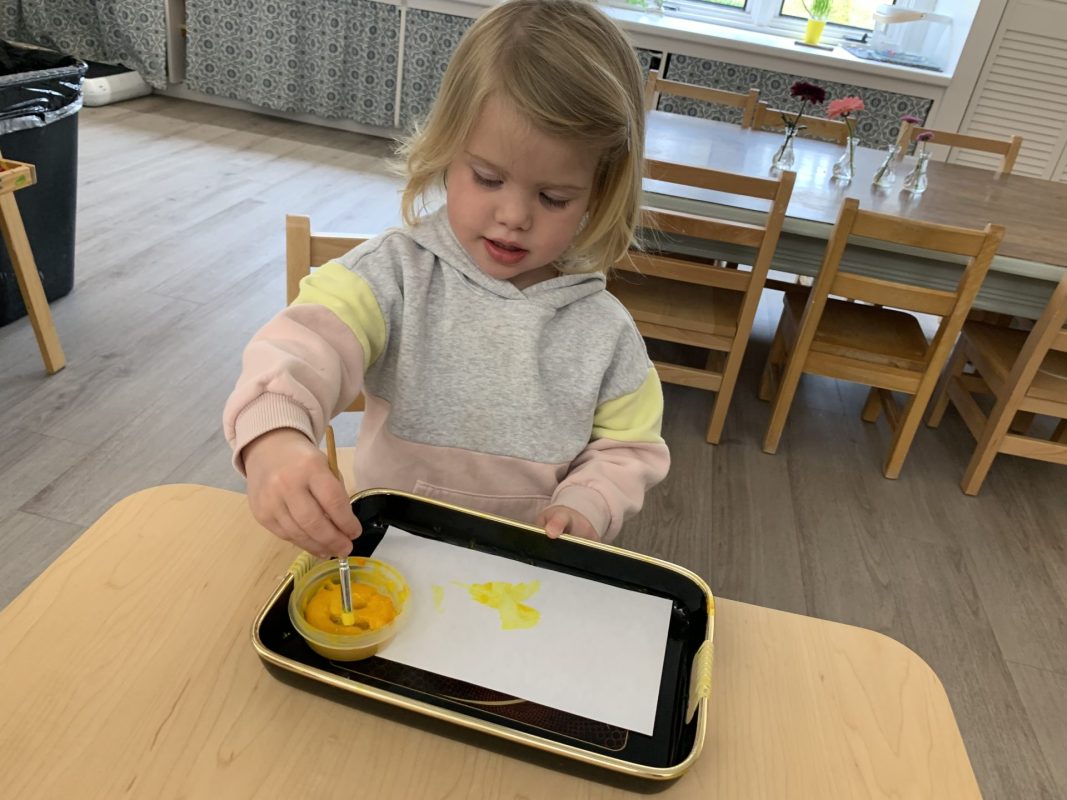
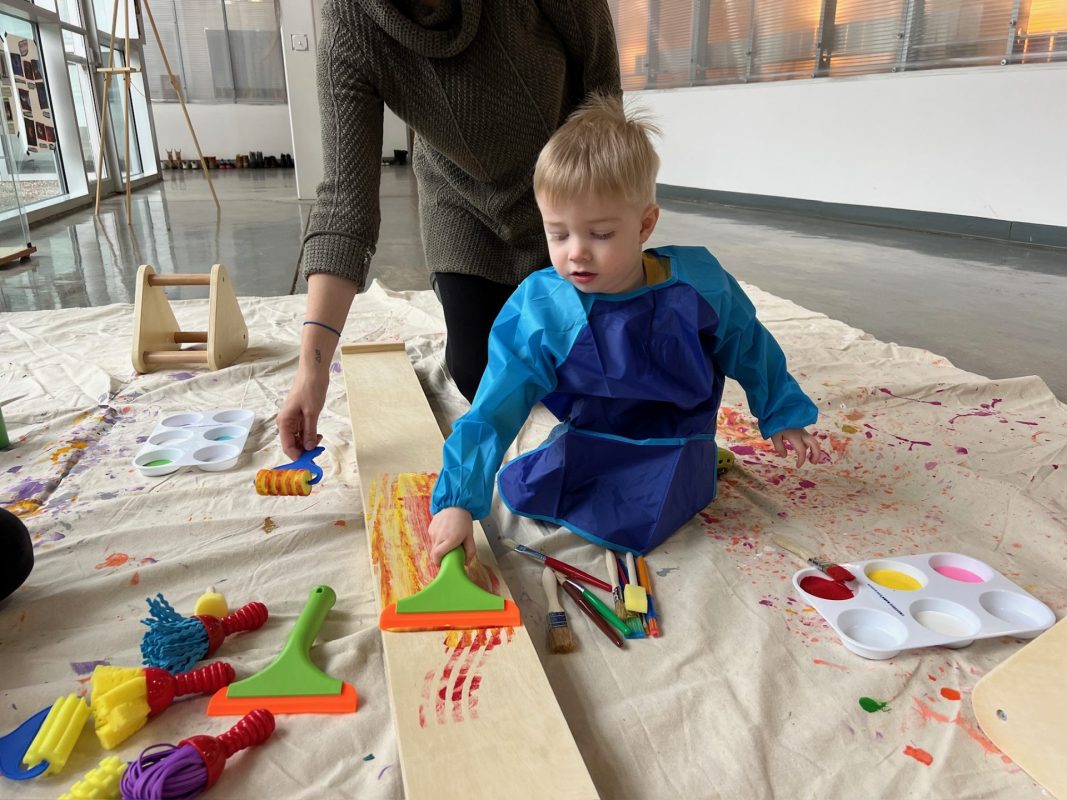
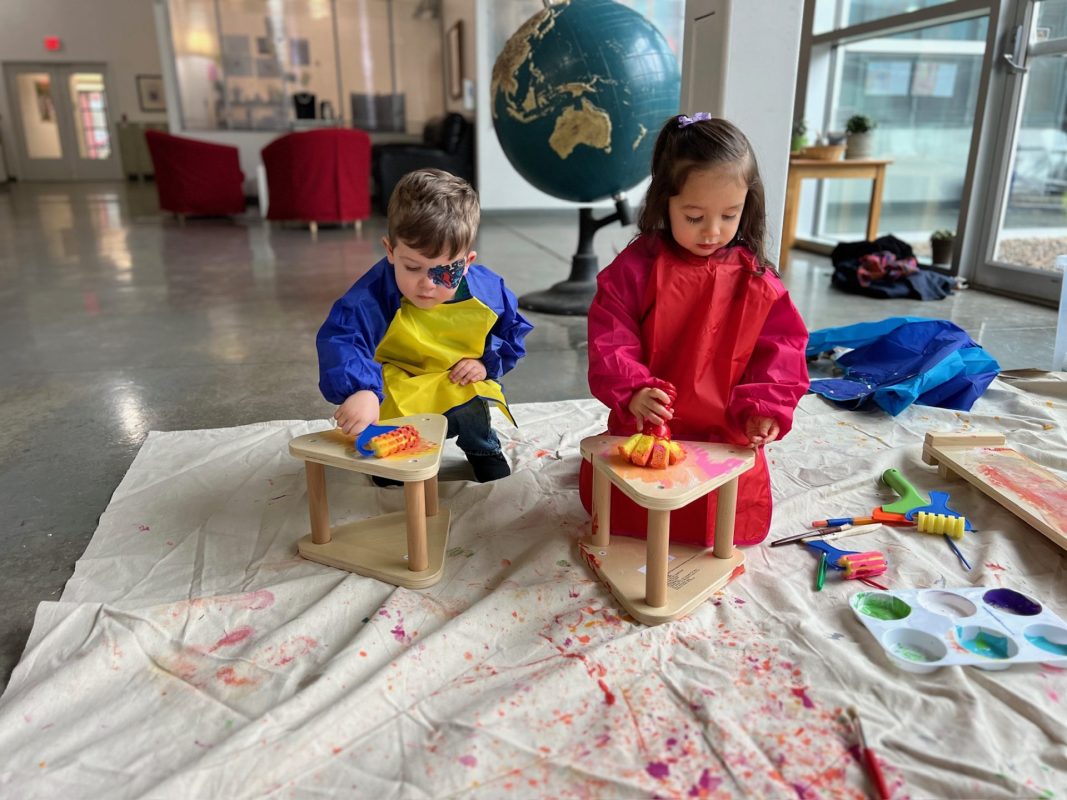
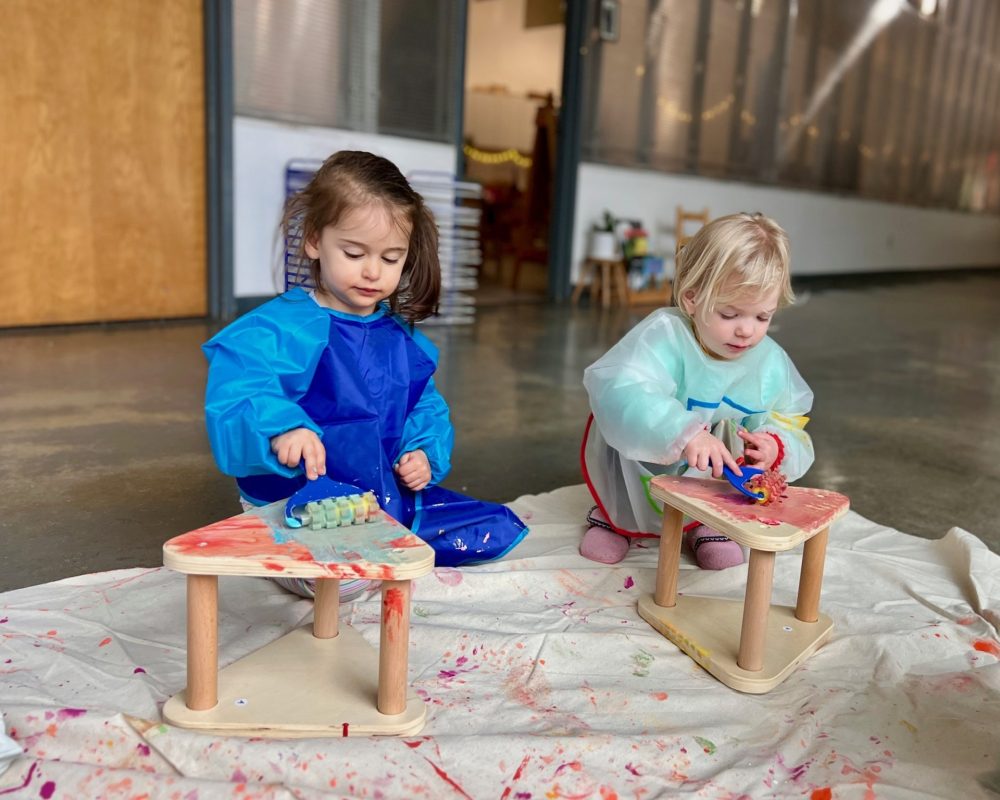
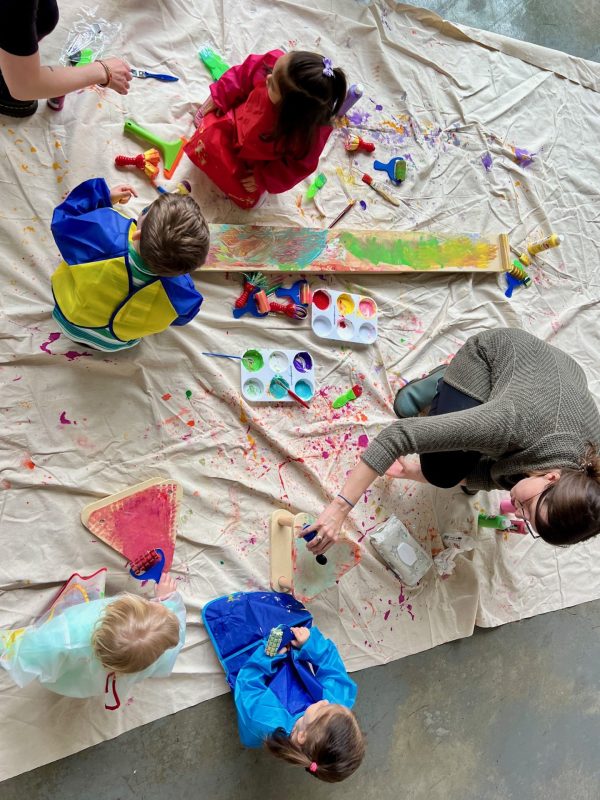
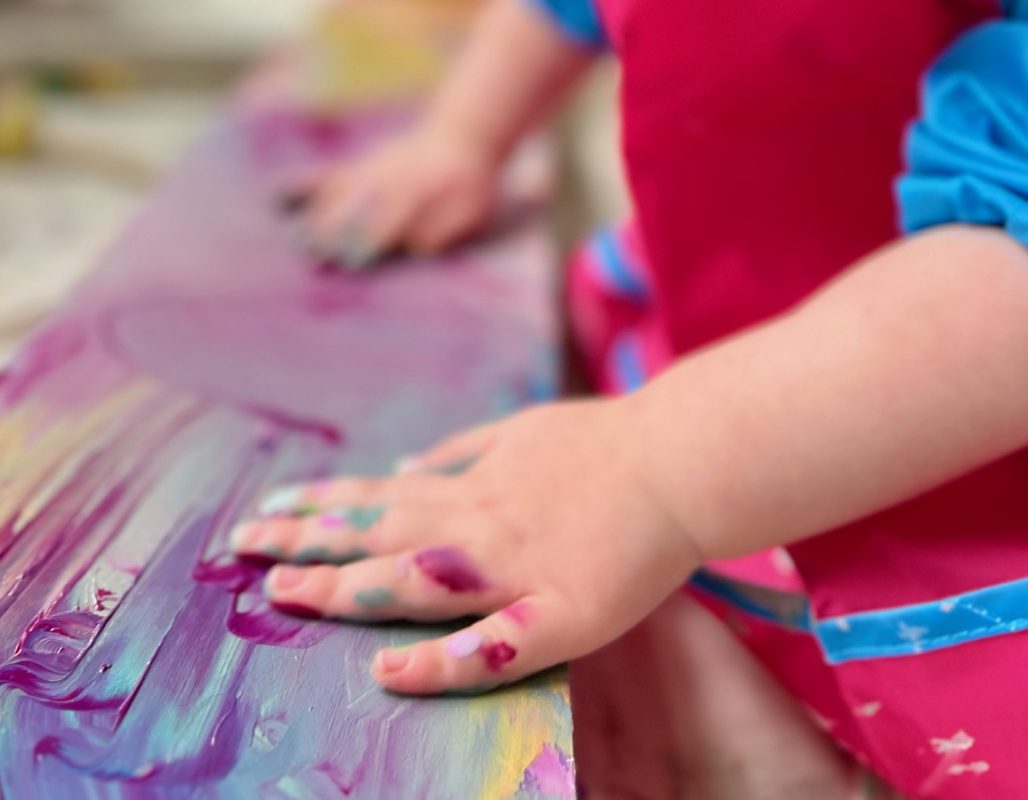
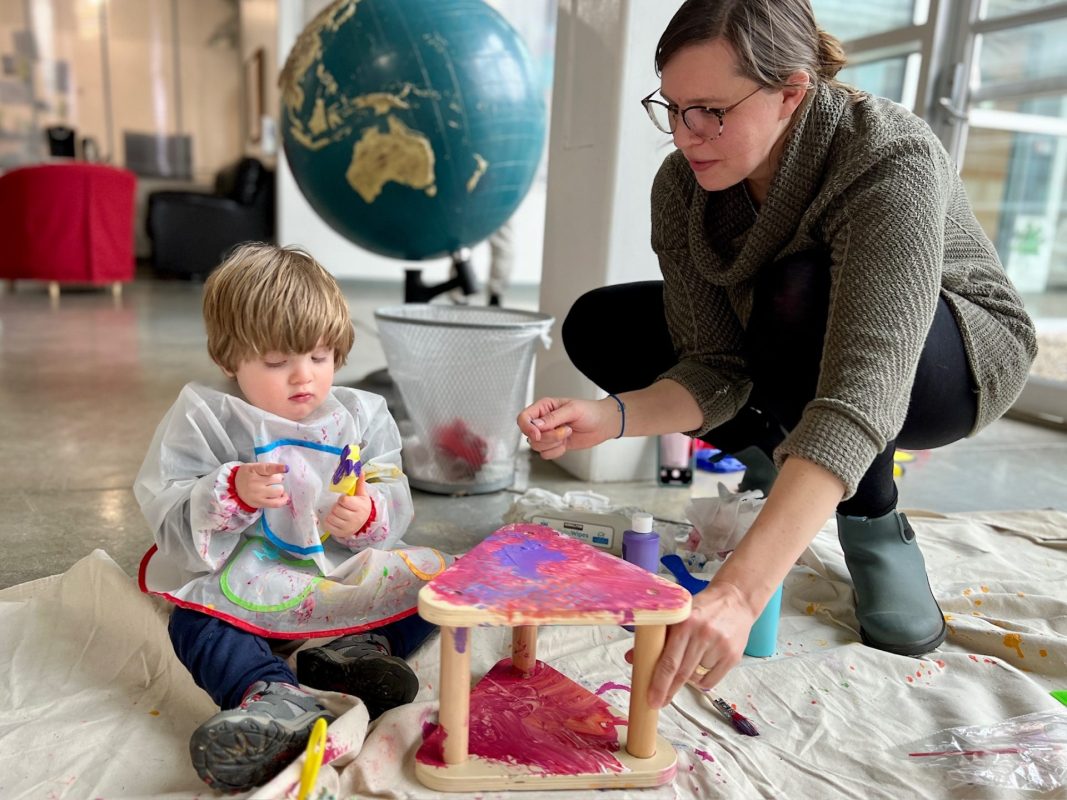
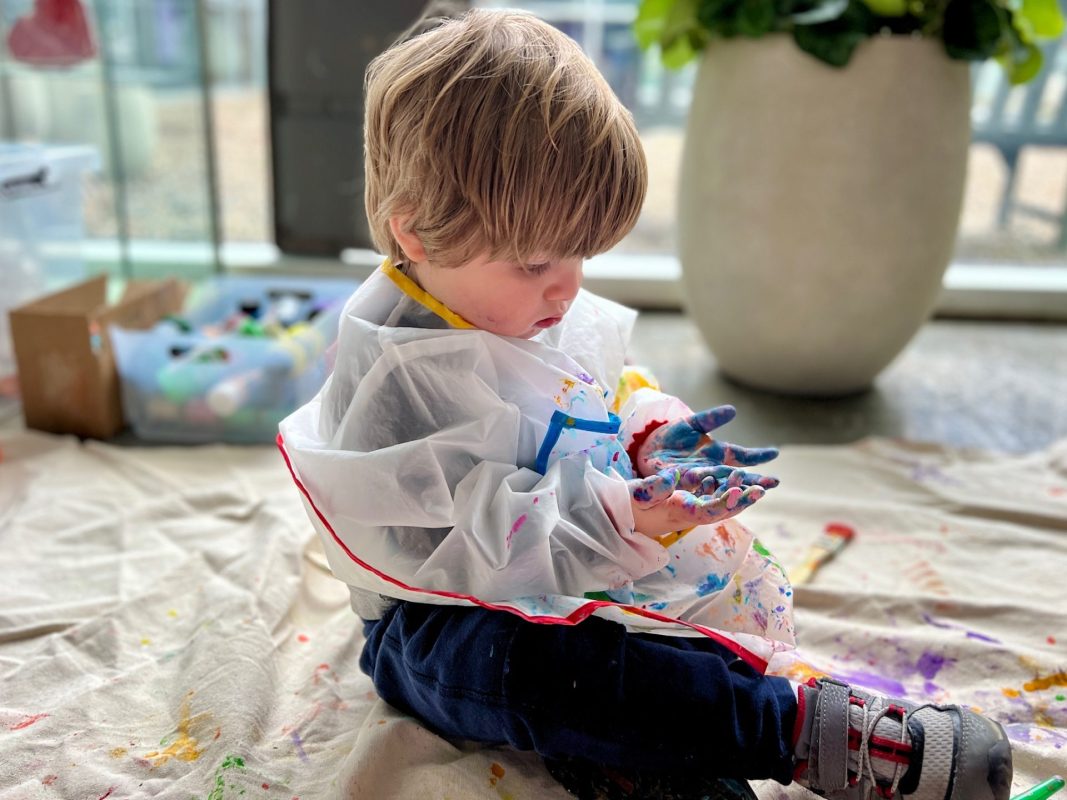
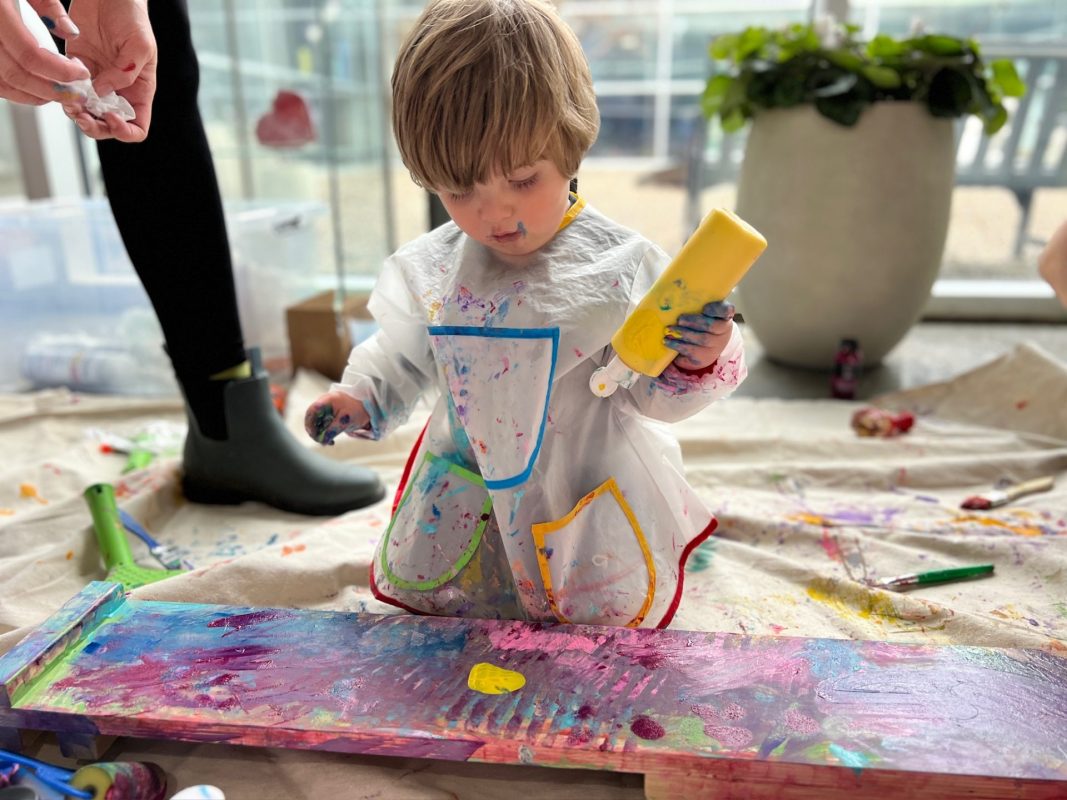
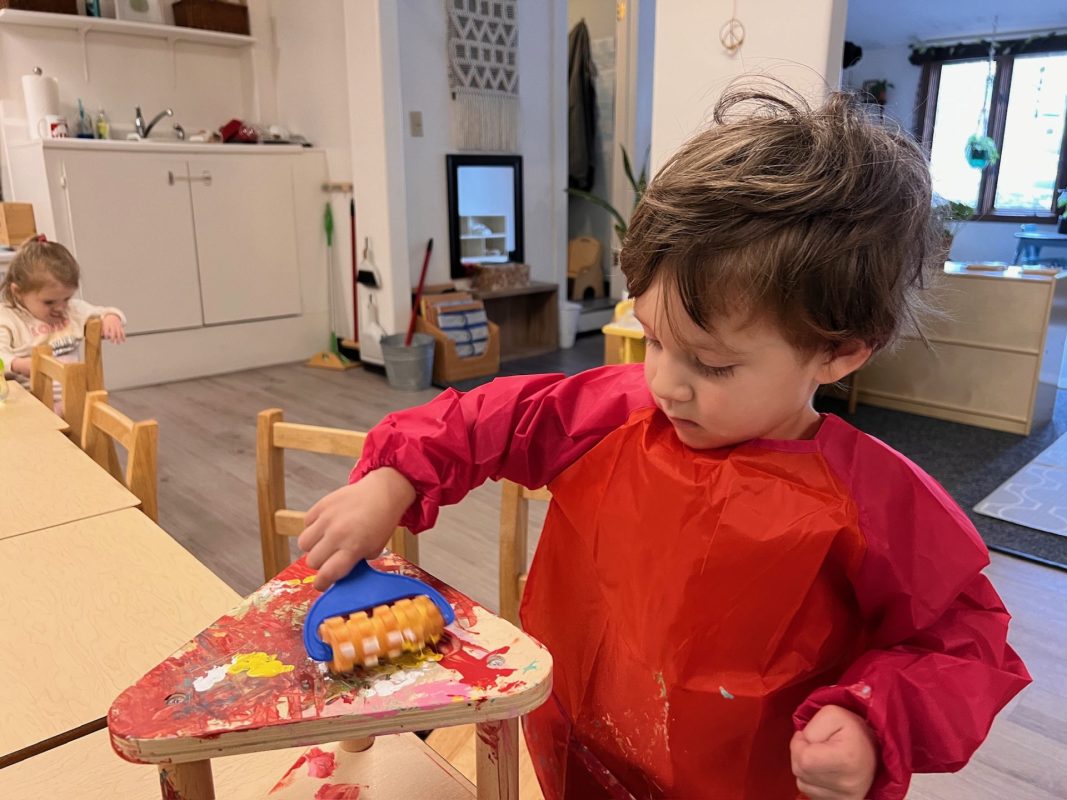
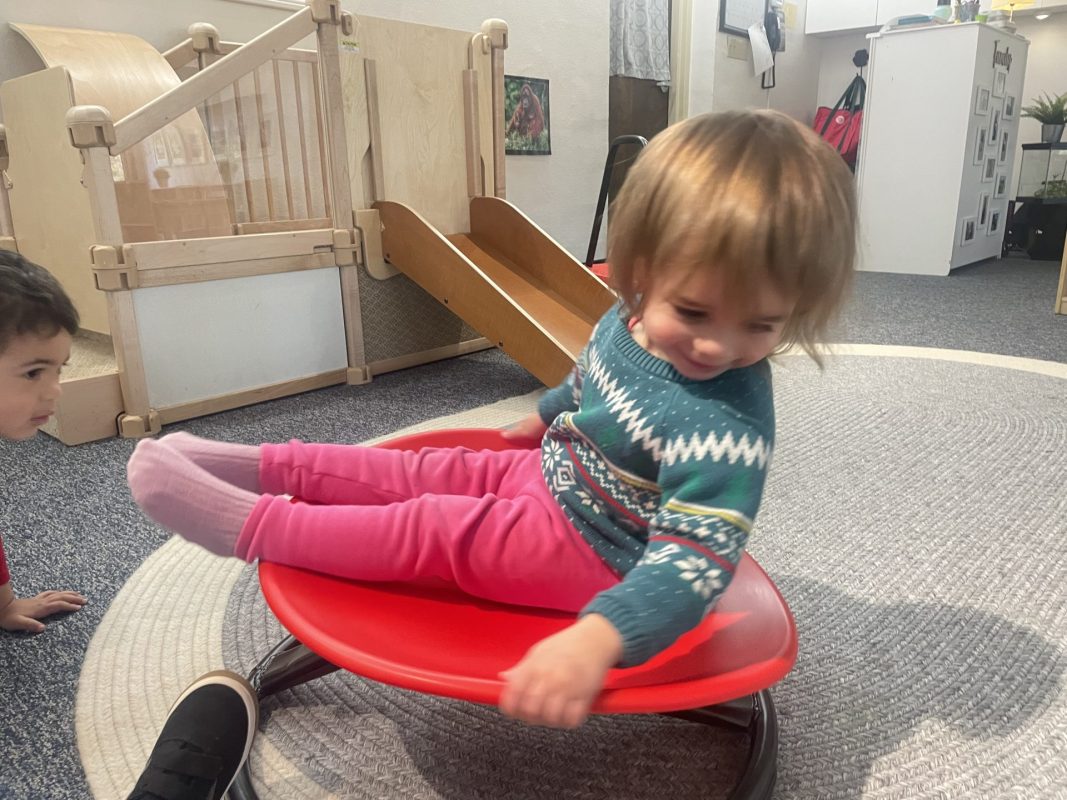
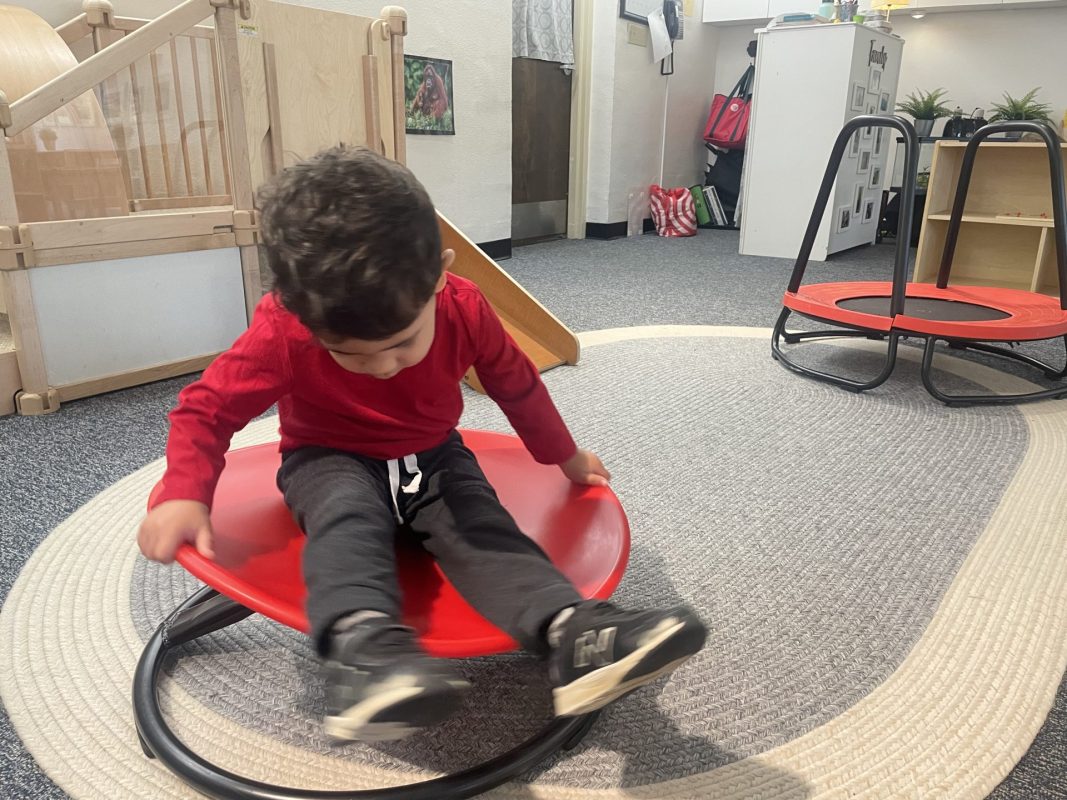
A few favorite activities this week have been painting at the easel, re-telling Bear Snores On (by Karma Wilson) using the felt board, and driving the PlasmaCars in the gym. We walked to the gym without our rope, “just like the big kids,” which was very exciting. 

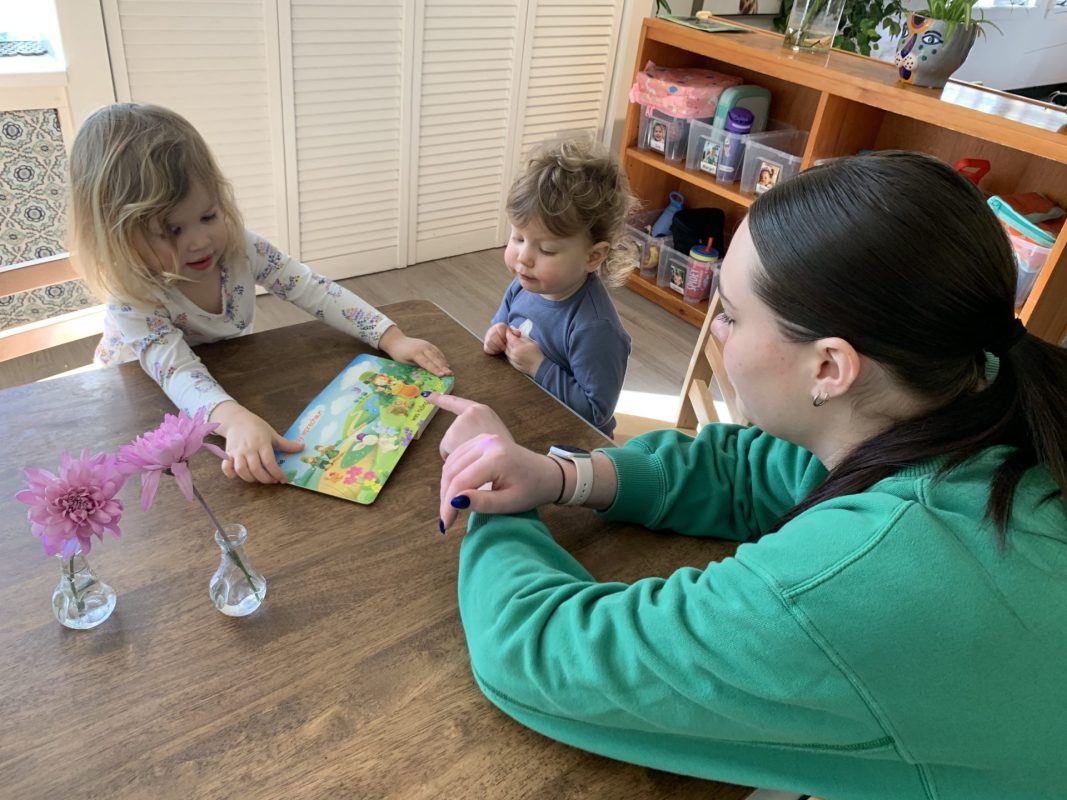
We have a new group of Middle School students who visit us weekly as part of their Social Impact program. The children are delighted when our new friends join us. Bryant, Anders, Emma, and Allie have been enthusiastic role models and also really seem to enjoy their time with the toddlers. 

Wishing you all a healthy weekend filled with a perfect balance of fun and relaxation.

Christine & Lizette


Middle School: Week in Review

Happy February, Middle School families! It’s been a great week that included 8th-grade internship presentations to the upper elementary and middle school students and teachers.

A component of our 8th-grade program includes a unique Internship project. This allows students to engage with professionals and experts, gaining real-life experience and information. The internship project has students reach out to business professionals and ask to become an interns for three days. This looks different depending on the profession, but students might be working right alongside professionals, observing and engaging in interviews about the work environment and culture. They complete daily written journals, a presentation about their experience to be delivered to the community, and a written reflection.

You will see pictures of this year’s presentations in our photos this week. These presentations made the teachers see that these 8th graders are ready to become high schoolers! It is completely bittersweet.

Here’s what went on in the other classrooms:

Science

6th-year Earth Science students are exploring their unit, Natural Resources. From this unit, students will be able to classify a natural resource as renewable or non-renewable, provide examples of ways humans depend on natural resources, compare and explain how natural resources form, explain the importance of using natural resources wisely, and cite ways in which humans can do so. Students began the week presenting their research on the impact of using non-renewable resources if restrictions are not implemented.

7th-year Physical Science students are continuing their unit, Molecules. From this unit, students will be able to recognize that atoms and molecules are too small to be seen. They will also identify, draw, and build models of elements, compounds, molecules, and diatomic molecules, as well as describe how the properties of a compound are different from the properties of the elements that form the compound. Students have done a great job creating their 3-D molecule representation on display in our classroom.
8th-year Life Science students are on the unit Genes and the Impacts of Mutations on Organisms. From this unit, students will be able to explain what a gene is and identify the location of genes, explain how genes affect the structure and function of a cell, use a model to describe why structural changes to genes (mutations) may affect proteins, and analyze whether a gene mutation is harmful, beneficial, or neutral to the structure and function of an organism.
Math

Pre-Transition Students

In our math class, Pre-Transition students have been working diligently on Chapter 6, titled “Using Multiplication.” This week, we focused on various important units, including:

  1. Arrays: Understanding the concept of arrays and how they relate to multiplication.
  2. Multiplying Fractions and Decimals: Exploring the multiplication of fractions and decimals.
  3. Areas: Applying multiplication to calculate the area of different shapes.
  4. Powers: Examining the concept of powers, including exponentiation.

Transition Students

We are currently immersed in Chapter 7, titled “Multiplication in Geometry.” In this chapter, we have explored several fascinating topics, such as:

  1. Area Models for Multiplication: Understanding how to use area models to visualize multiplication.
  2. Multiplication of Fractions: Learning how to multiply fractions effectively.
  3. Distributive Property: Applying the distributive property to simplify multiplication expressions.
  4. Area of Triangles and Trapezoids: Calculating the area of triangles and trapezoids through multiplication.

Algebra Students

We are currently delving into Chapter 8, titled “Powers and Roots.” In this chapter, you will be learning some powerful concepts, including:

  1. Discovering the Products and Quotients of Powers: Understanding how to multiply and divide numbers with powers.
  2. Negative Exponents: Exploring the rules and applications of negative exponents.
  3. Square/Cube Roots: Exploring the concept of square and cube roots and their significance.

Humanities

6th-grade Humanities students have been focused on the region of North Africa and the Middle East. They have particularly been looking at the current political maps of the region and had an assessment identifying countries. Next, they went back in time to look at the maps of 3 ancient civilizations: Indus Valley, Mesopotamia, and Egypt, focusing on bodies of water and major cities. Next week, students will begin to look at how societies organized and comparing to today. Students ended the week completing their research notes for this trimester’s research project, A Moment in History and began their research essays, which are due on the revised date of Wednesday, 2/14.

7th-grade Humanities classes had a great time presenting their Community Projects that they have been working on this month. This is a group project that had students look at the idea of Utopia stemming from their class novel, The Giver, and create their own ideas of what this might look like in a community. They brainstormed, wrote responses to each of the required components of the community, and created presentations to their classmates trying to convince them that their community is, in fact, Utopian. As each group presented, students wrote notes about what they were on board with, what they questioned, and whether or not they would consider living there. In the end, they anonymously voted on the community they felt most embodied Utopia. Of the four groups, there was a tie between 2! Finally, students ended the week completing their research notes for this trimester’s research project, A Moment in History and began their research essays, which are due on the revised date of Wednesday, 2/14.

The 8th grade had a busy week! With Mrs. Lamb, they started the week by giving the first run-through of their internship presentations, receiving feedback, and making revisions. Then, they were able to give their final presentations to the upper elementary and middle school classes. With Mr. Newman, students examine the first five presidents, looking at who they were, what similarities they shared as people, and the challenges they faced as the first leaders of a new country.

We hope you have a wonderful weekend!


Mrs. Doyle: Moving Like Molecules

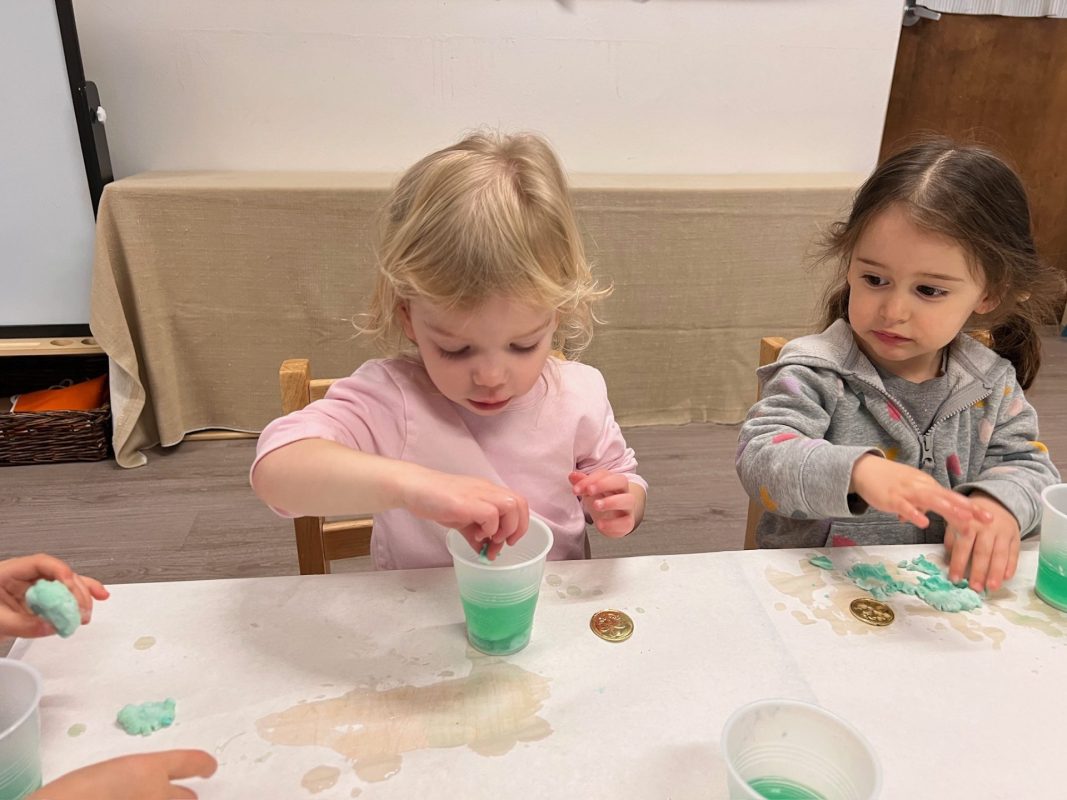
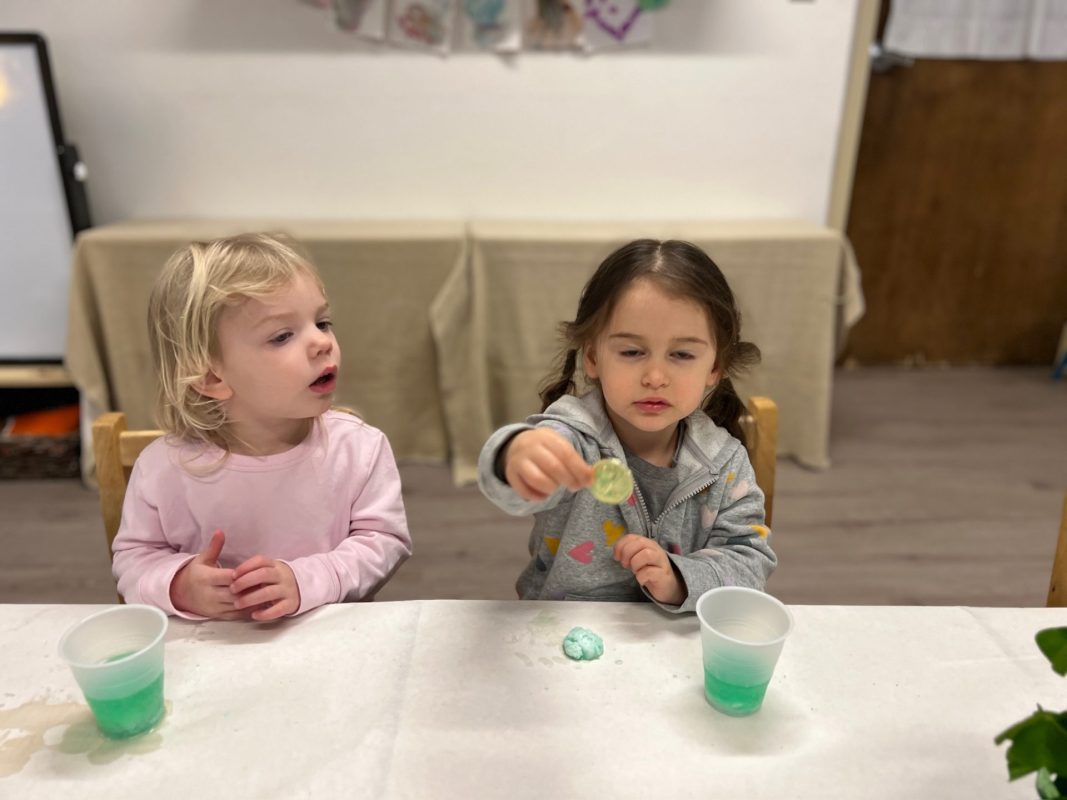
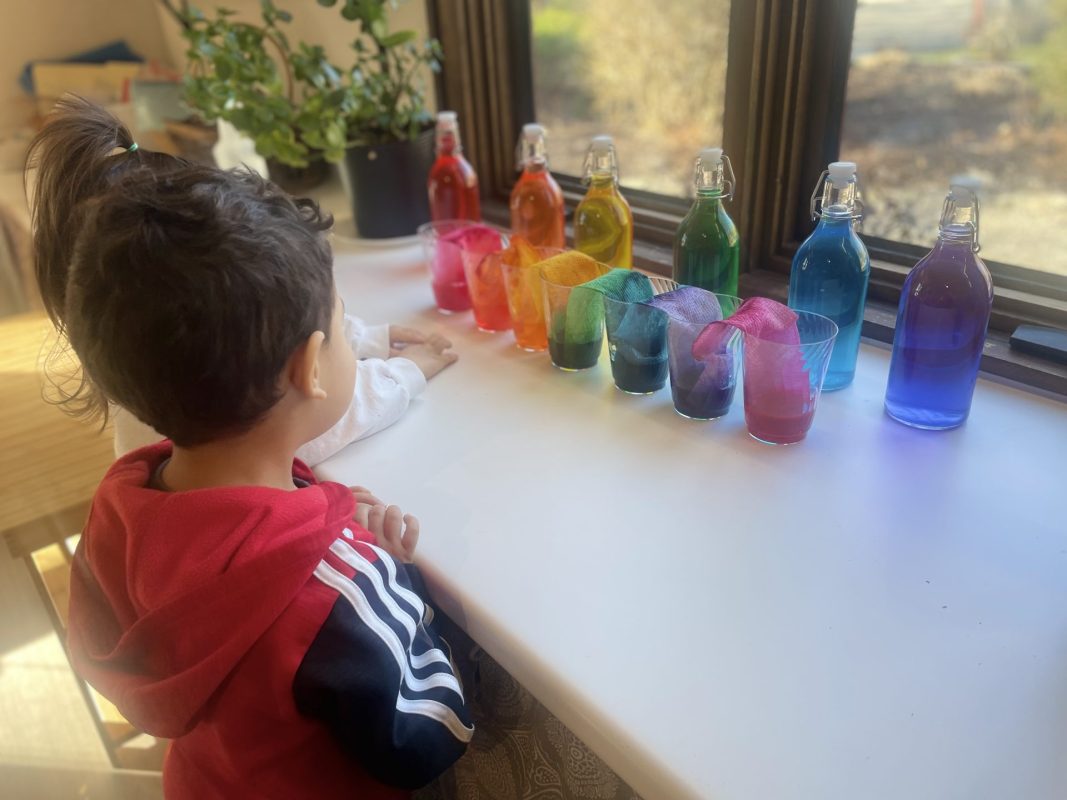
We are just beginning our science unit on States of Matter. Matter is all around us. Everything that you can touch, taste, smell, and see is made of matter. The three main states of matter are solids, liquids, and gases.
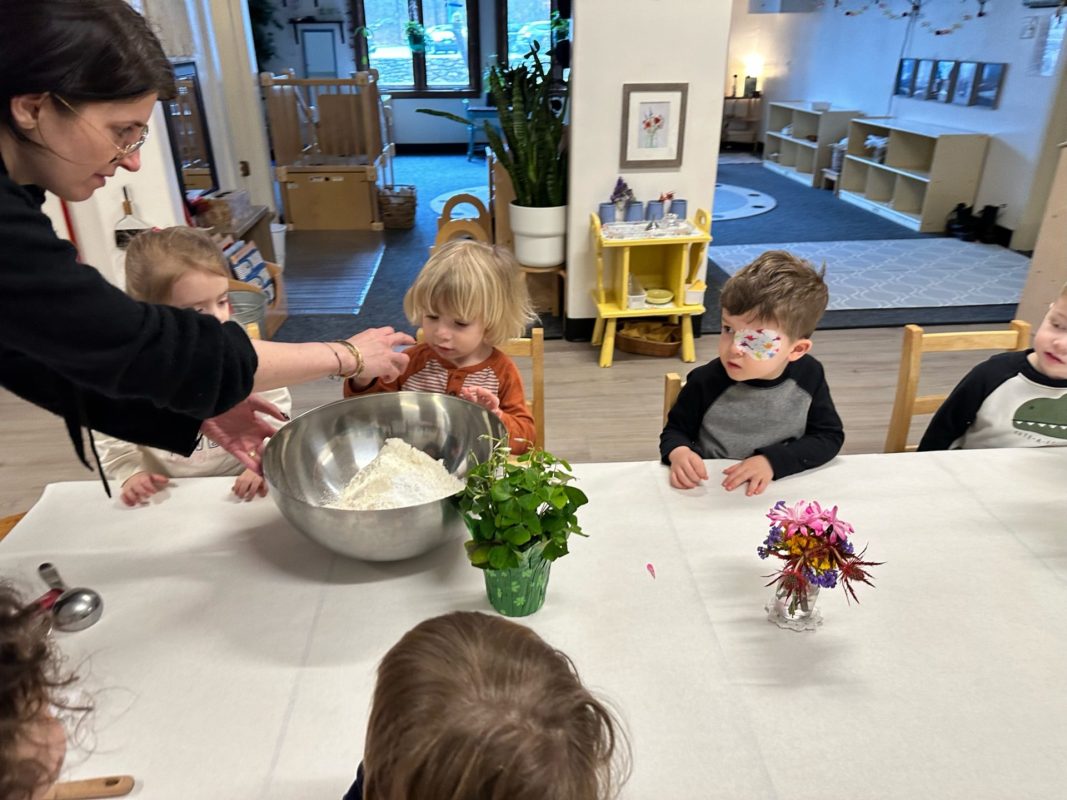
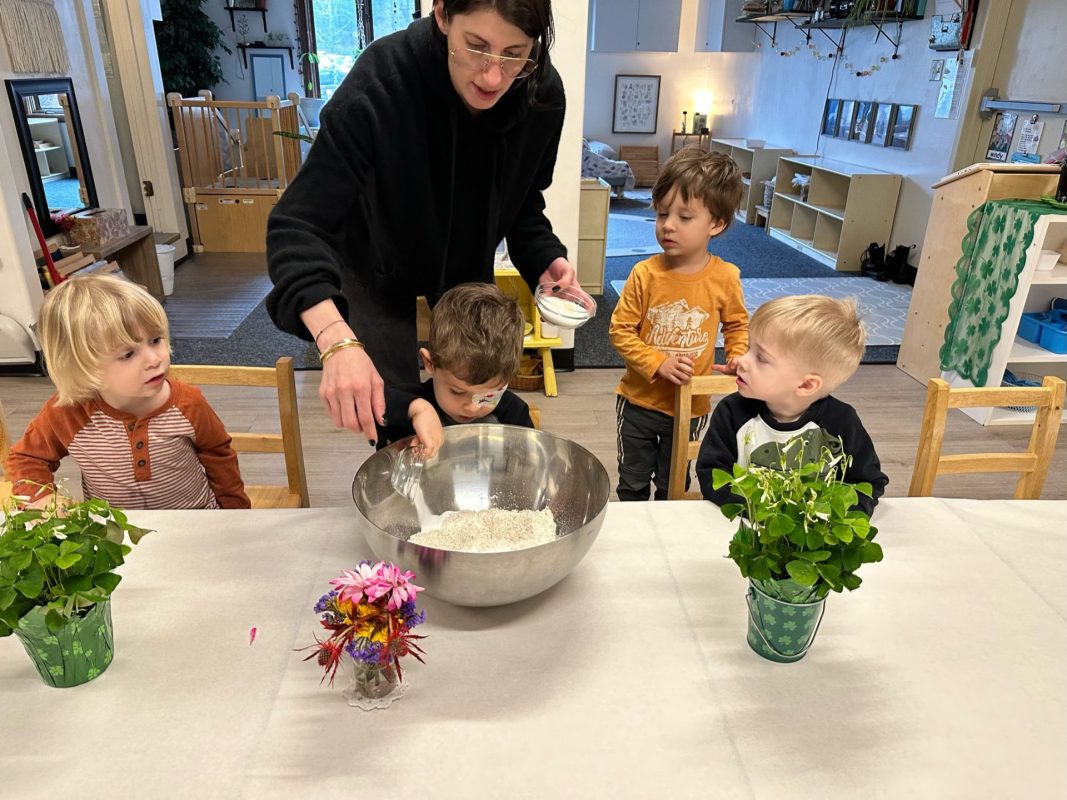
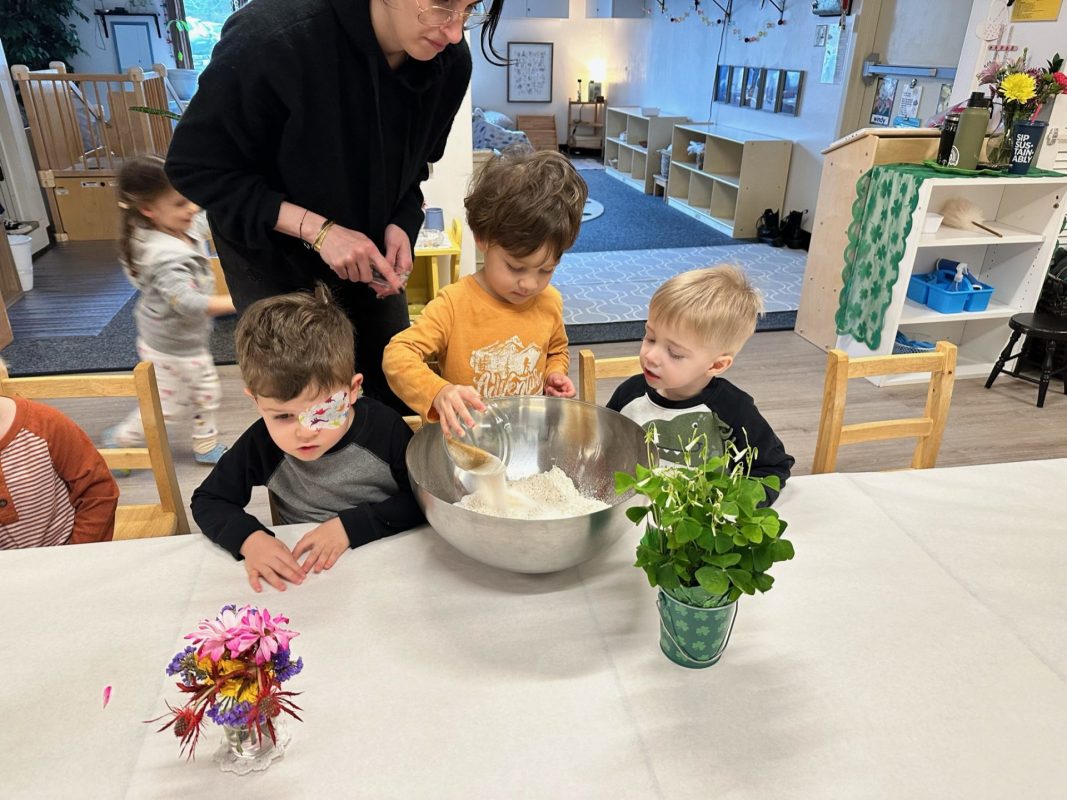
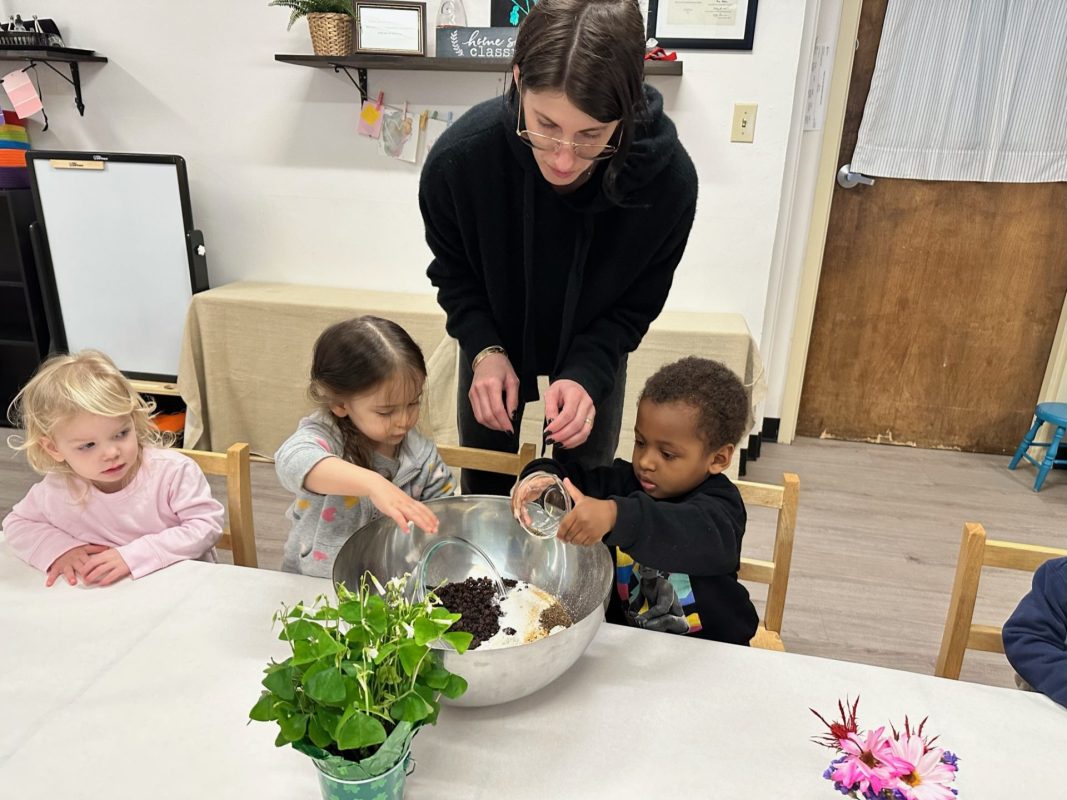
Solids have a definite shape because these molecules are very close together and do not move very much. The shapes of solids do not change unless some type of force makes them change. Liquid matter does not have its own shape. The tiny molecules in liquids are not as close together as solid molecules, and they move around more. Liquids take the shape of the container they are in. Gas matter also does not have its own shape. The molecules in a gas are far apart, and they move around a lot. Gases spread out and fill up their container, too. In the afternoon, we made Oobleck, a fun substance that is both liquid AND solid!!

We are eagerly waiting for some snowfall so that we can build a snowman, bring him inside, and observe how he will change from a solid to a liquid and finally a gas.

Wishing everyone a week filled with peace and love!

Michelle & Maria


Mrs. Lopes: Moving Like Molecules

We are just beginning our science unit on States of Matter. Matter is all around us. Everything that you can touch, taste, smell, and see is made of matter. The three main states of matter are solids, liquids, and gases.
Solids have a definite shape because these molecules are very close together and do not move very much. The shapes of solids do not change unless some type of force makes them change. Liquid matter does not have its own shape. The tiny molecules in liquids are not as close together as solid molecules, and they move around more. Liquids take the shape of the container they are in. Gas matter also does not have its own shape. The molecules in a gas are far apart, and they move around a lot. Gases spread out and fill up their container, too. In the afternoon, we made Oobleck, a fun substance that is both liquid AND solid!!

We are eagerly waiting for some snowfall so that we can build a snowman, bring him inside, and observe how he will change from a solid to a liquid and finally a gas.

Wishing everyone a week filled with peace and love!

Amanda & Hema