Blog

Middle School: Week in Review

It’s been another great week in middle school, and we have been outside to enjoy the sun every day!

Humanities

Throughout the month of February, each Humanities class begins with a mini-lesson acknowledging Black History Month. Topics range from highlighting a person to an event or time period related to Black America. 

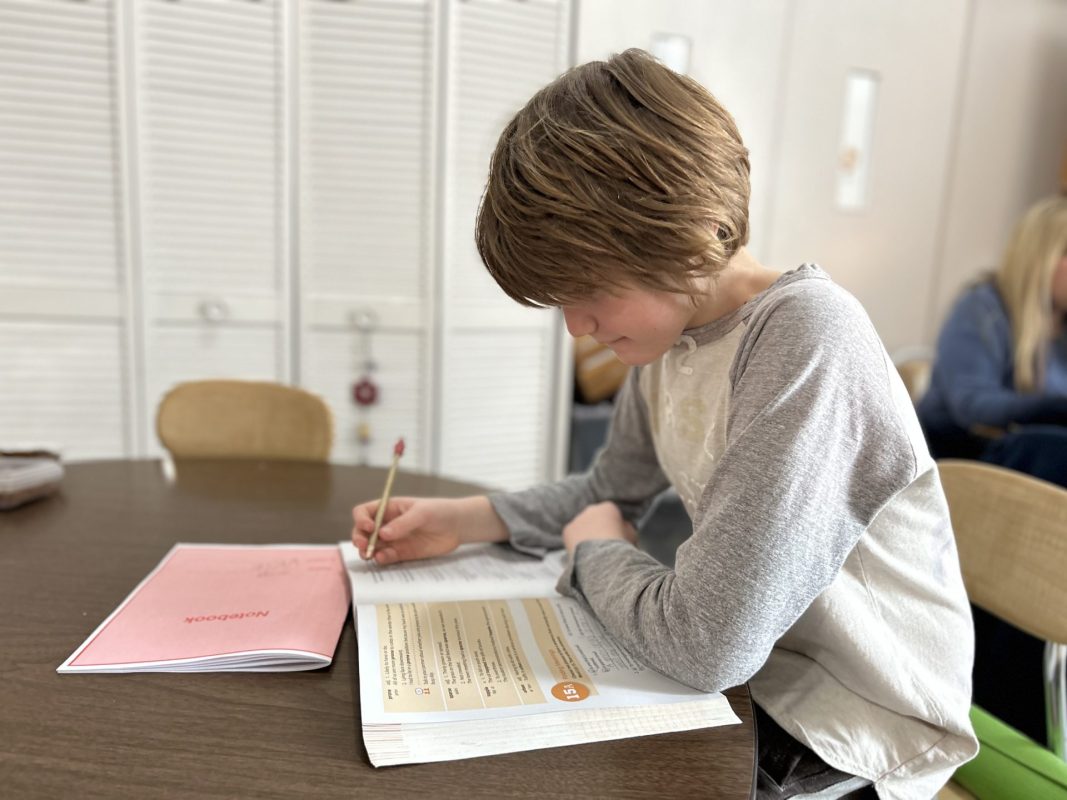
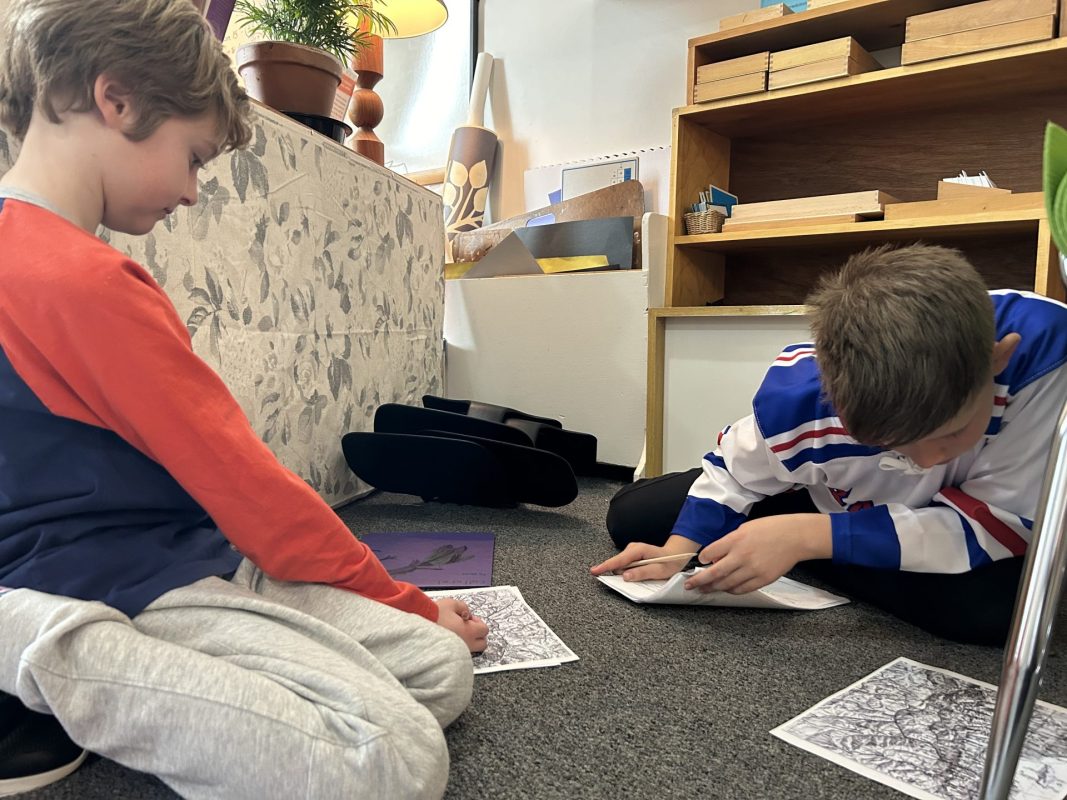
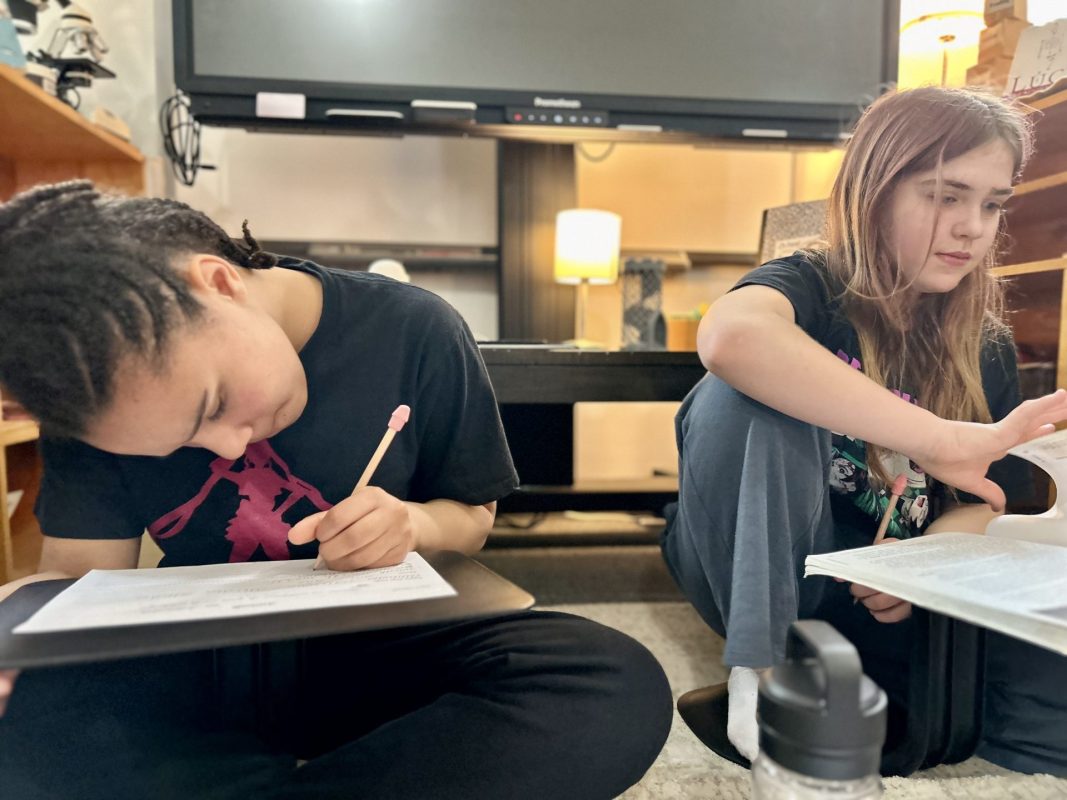
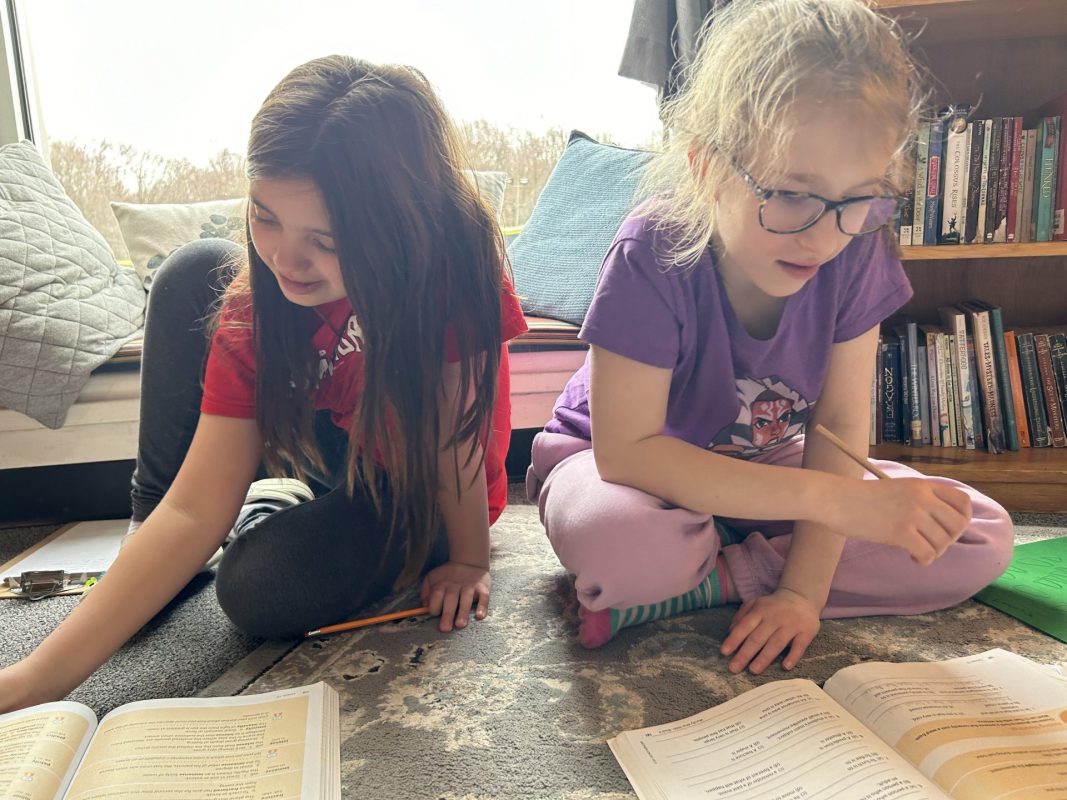
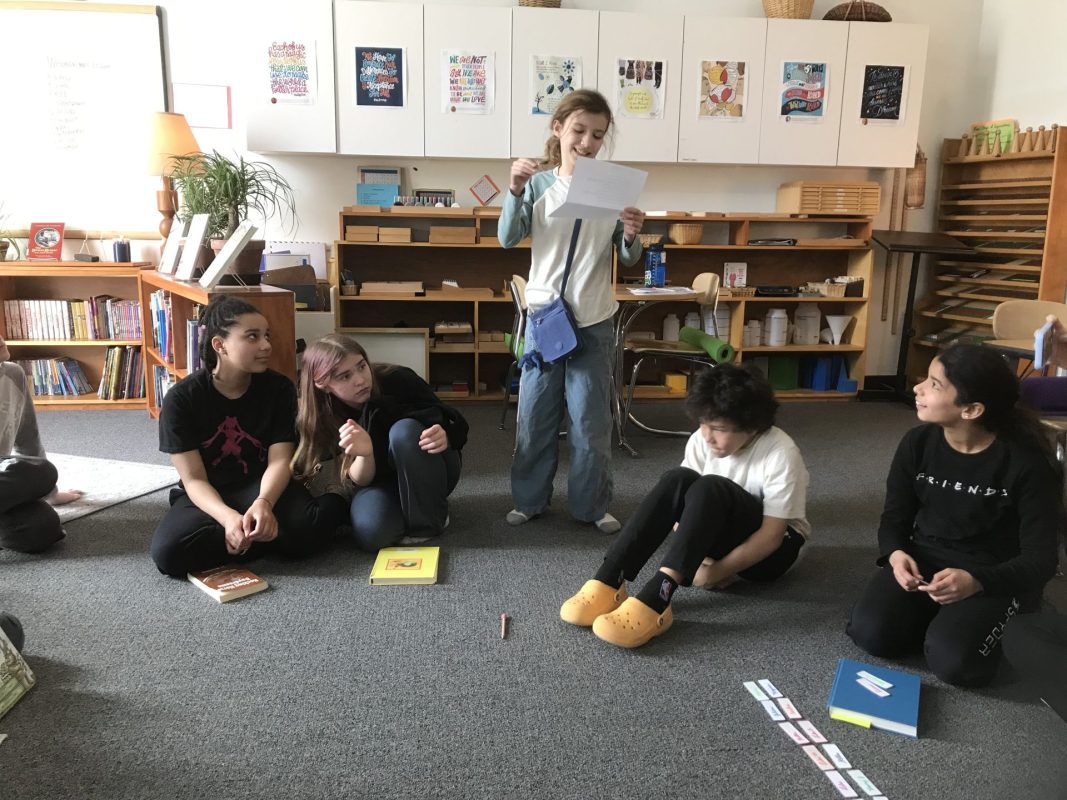
6th-grade Humanities classes have been completing work with both research writing and Ancient Mesopotamia. Writing lessons in choosing an outline format to organize writing, using transitions between paragraphs, a refresher of using them within a paragraph, giving credit to sources using in-text citations, and using direct quotations to enhance writing were all completed while they continued to draft their essays which are due on Wednesday, 2/14. After completing and reviewing some vocabulary related to ancient civilizations, students began their study of Mesopotamia. They learned about the importance of the region and land, the fertile crescent, and why silt was a crucial factor in the success of the civilization.

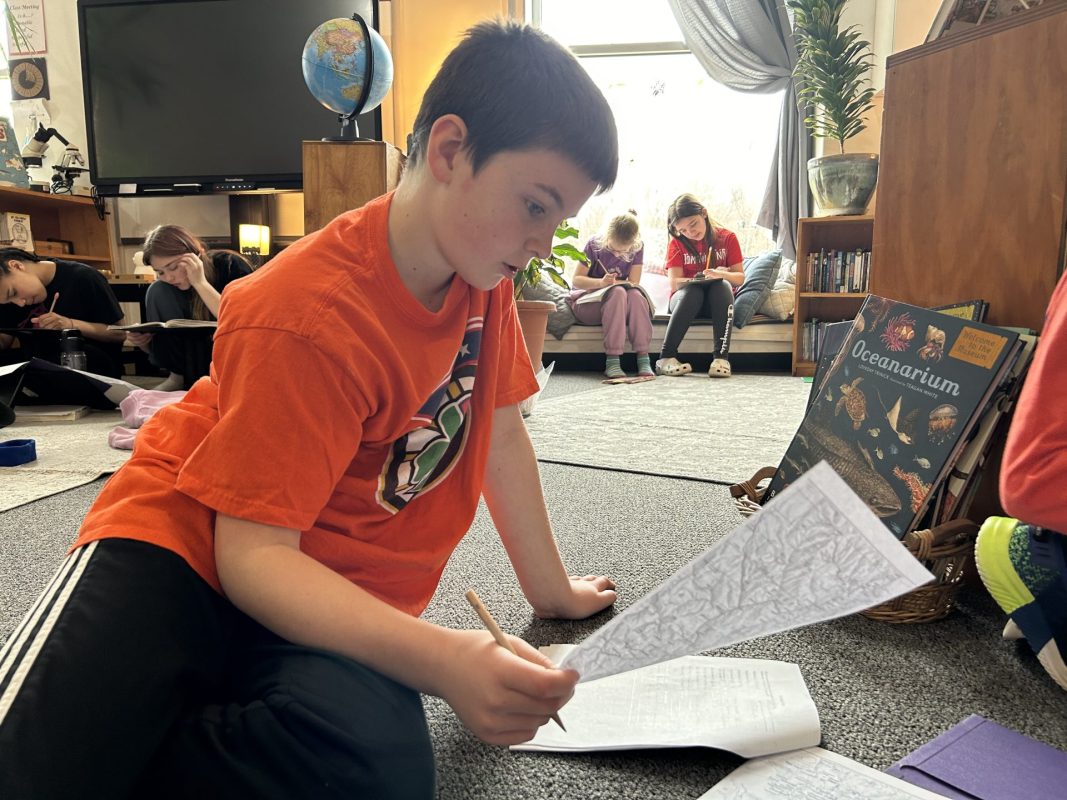
7th grade Humanities classes also worked on their research essays. They started the week with a one-on-one review of their introductions and refreshers on using transitions between and within paragraphs, giving credit to sources using in-text citations, and using direct quotations to enhance writing. While they have independent study periods to work on their essays, students should also be working at home to complete them by the due date of Wednesday, 2/15. Additionally, students are continuing with the geography of Sub-Saharan Africa before moving on to the class novel, A Long Walk to Water. 

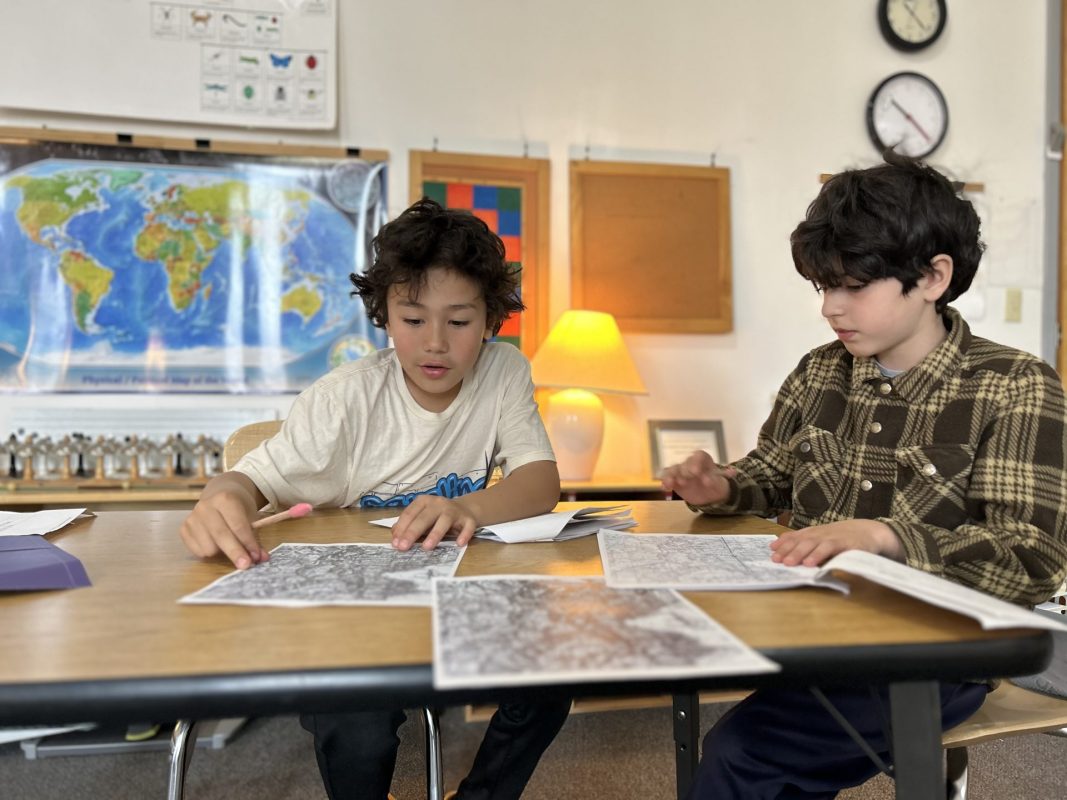
8th-grade Humanities had their first research check-in on Monday for their expert projects. Mrs. Lamb gave each student a goal and suggestions moving forward with the project. February should be spent conducting research regularly. Also, the 8th grade began a grammar unit on sentence structure and will begin to review independent and dependent clauses as they relate to complex and compound sentences. With Mr. Newman, the class continues to focus on the early presidencies and the formative years of the United States, examining the physical growth of the country as well as the political challenges faced in the years 1800-1850.

Math

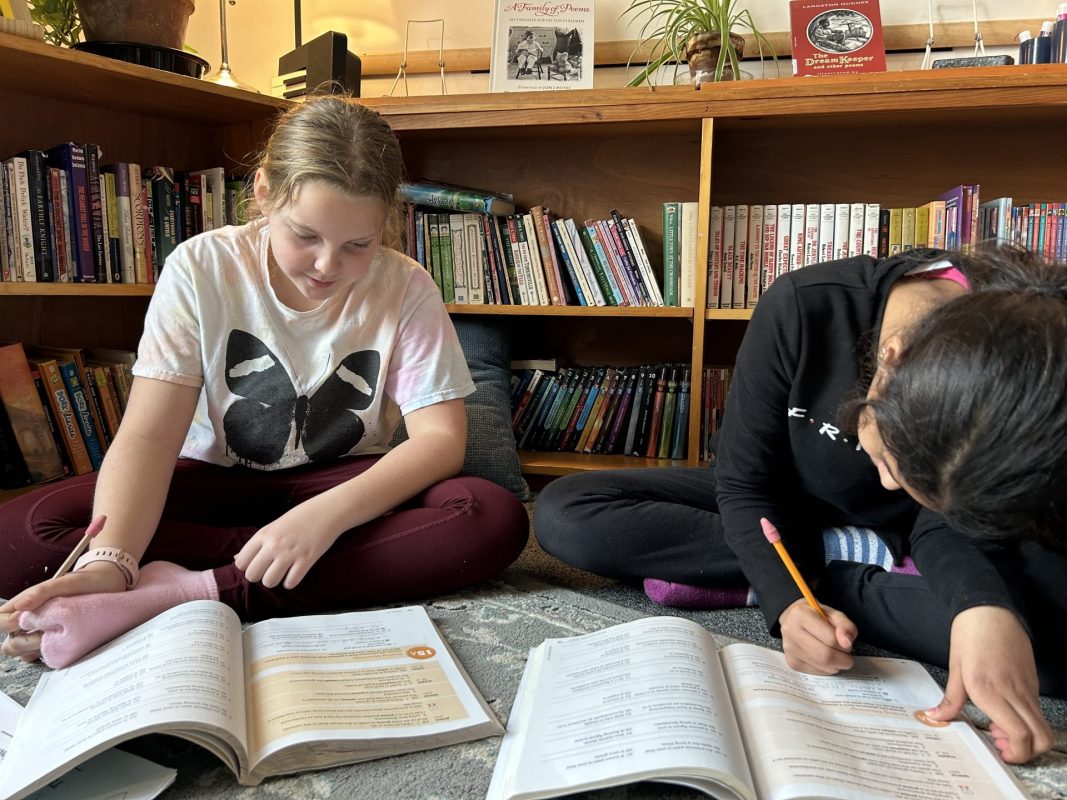
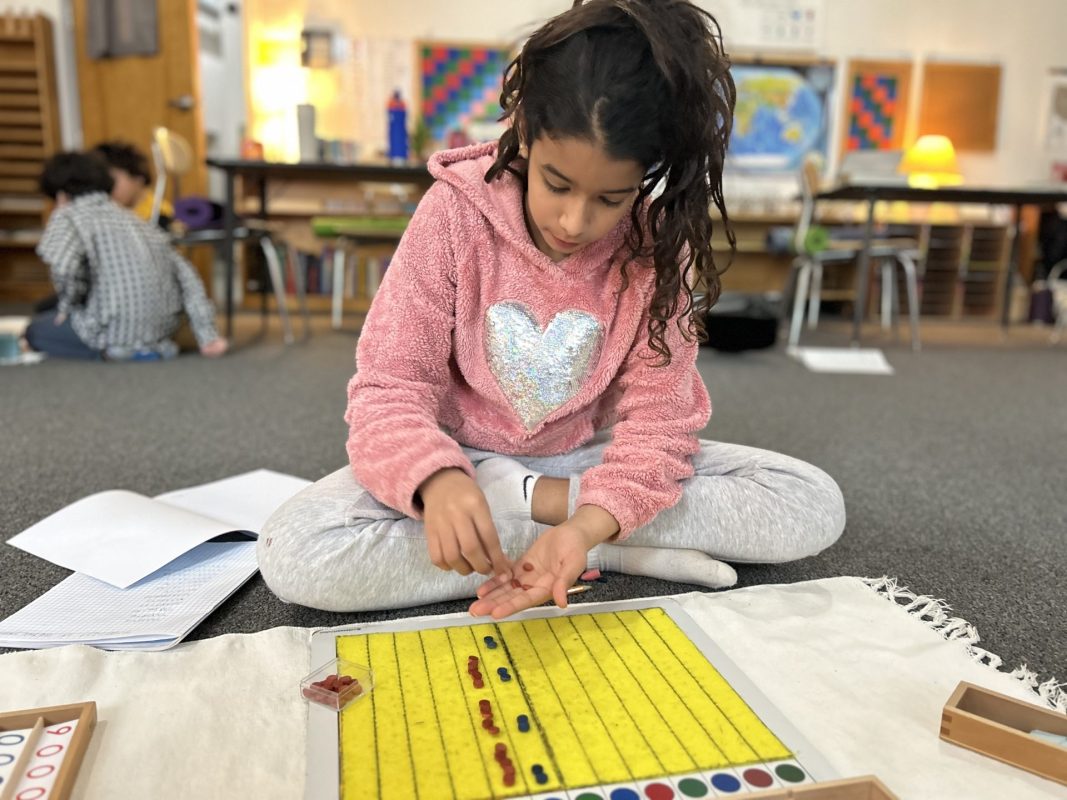
Pre-Transition students spent the week covering units 6-6 through 6-10. From these units, students learned how to calculate percentages in their heads, calculate percent as a quantity, use percent of a quantity, order of operations, and multiply mixed numbers.

Transition students covered units explaining expansion and contraction using multiplication, area of circles, trapezoids, and triangles. Our next unit, ” Multiplication in Algebra,” will begin on Monday.
Algebra students were introduced to topics covering negative exponents, powers of products and quotients, square roots and cube roots, multiplying and dividing square roots, and distance in a plane. Students have done a great job using available resources to facilitate their understanding throughout the class.
Geometry students have been learning about reflection symmetry and how an object or shape remains unchanged when reflected across the line(s) of symmetry. They did this with some common shapes and a few uncommon ones. Students have spent a good deal of time learning about the properties of quadrilaterals and isosceles triangles. They have discussed the similarities between them (lines, angles) and the differences. The students have been applying these properties in the proofs that they are learning. The class will be done with Chapter 6 soon, and then they will move on to proving triangles congruent.
Science
6th-year Earth Science students are finishing their unit, Natural Resources. Students have been able to hold several class discussions pertaining to the role humans have on climate change as it relates to our use of natural resources.
7th-year Physical Science students finished their 3-D molecule project and have begun their new unit, Chemical Reactions and Equations. From this unit, students will be able to list the indicators that a chemical reaction has occurred and explain what happened, identify the reactants and products in a chemical reaction, distinguish between endothermic and exothermic chemical reactions, and explain the law of conservation of mass.
8th-year Life Science students have begun researching GMOs (genetically modified organisms). Each student was tasked with creating a slideshow representation that addresses what GMOs are, what the benefits and risks are, and where this research and application of genetic engineering may take us in the future.

Mrs. Wilson: Nurturing Emotions and Celebrating Family

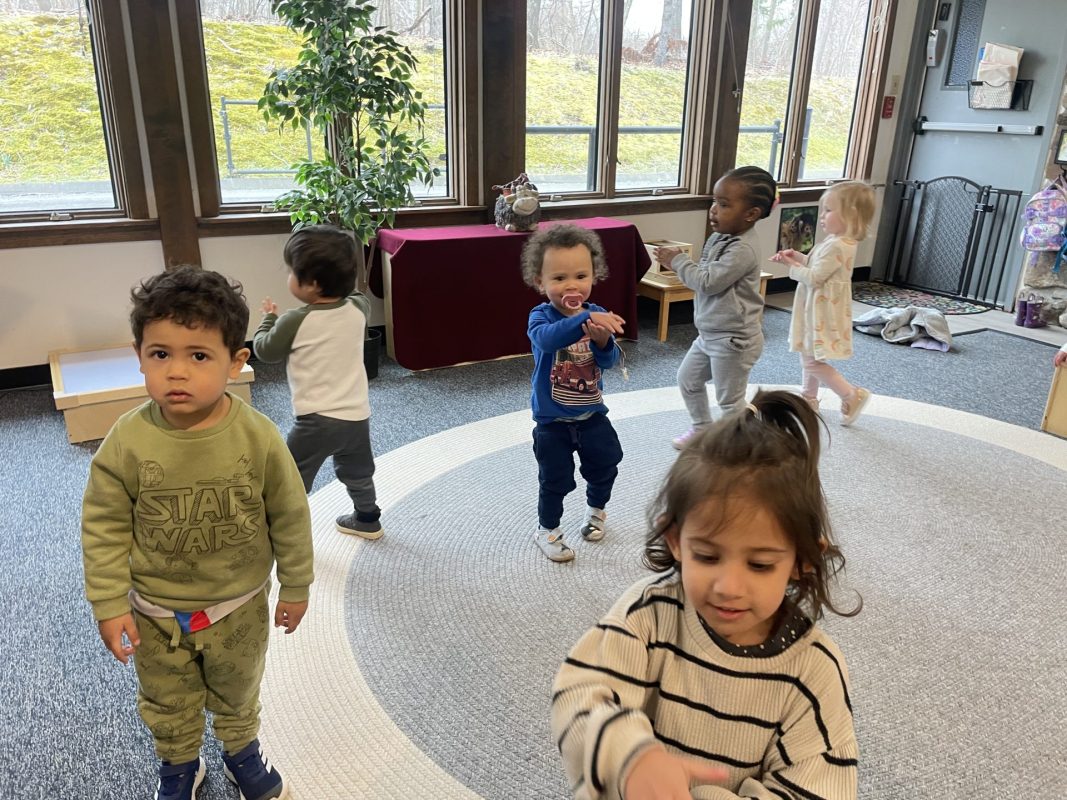
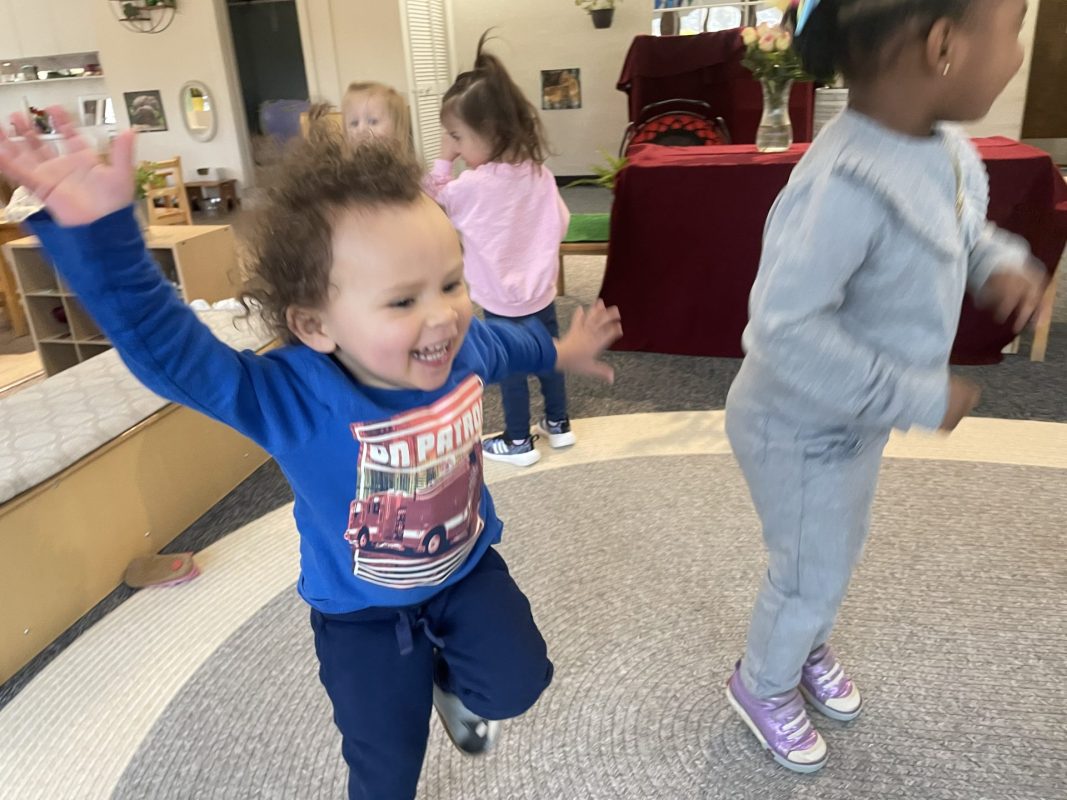
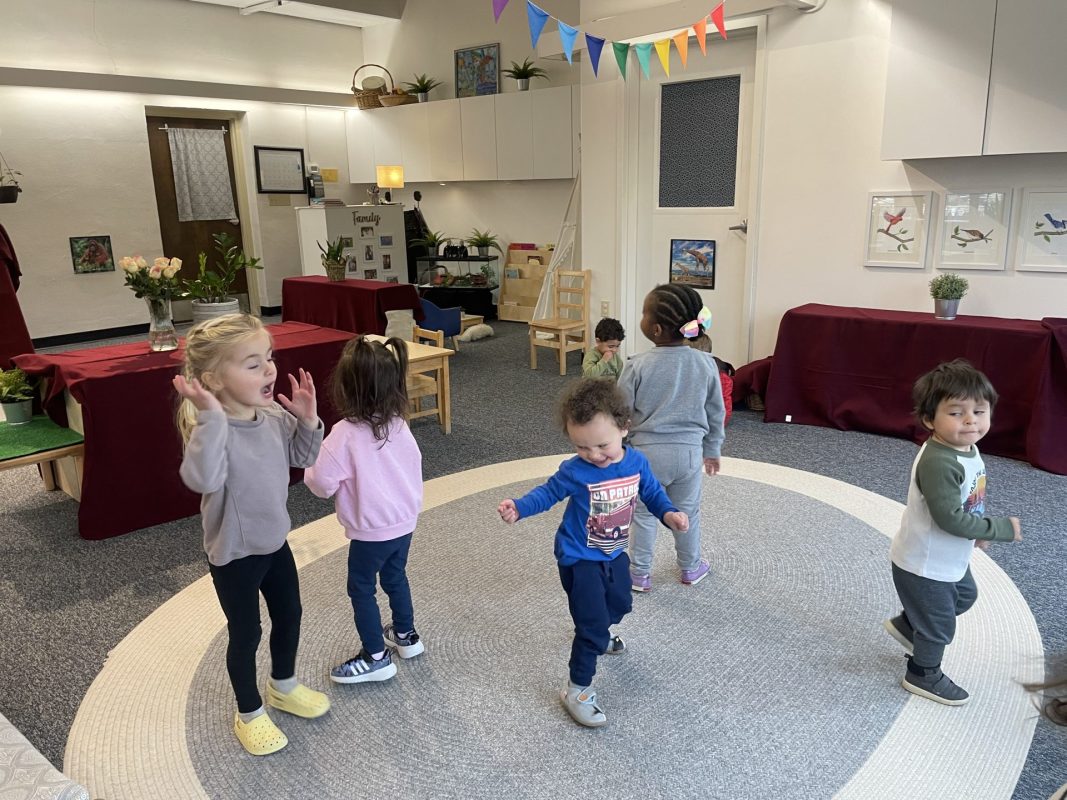
In the month of February, our learning activities will focus on emotions, family, friendship, and self-love. During our circle time, we have been practicing a lovely song called “I Love My Body” by Mother Moon. At the end of the song, we give ourselves a big hug and recite positive affirmations such as “I am special, “I am kind,” “I love myself,” and “I am amazing.”

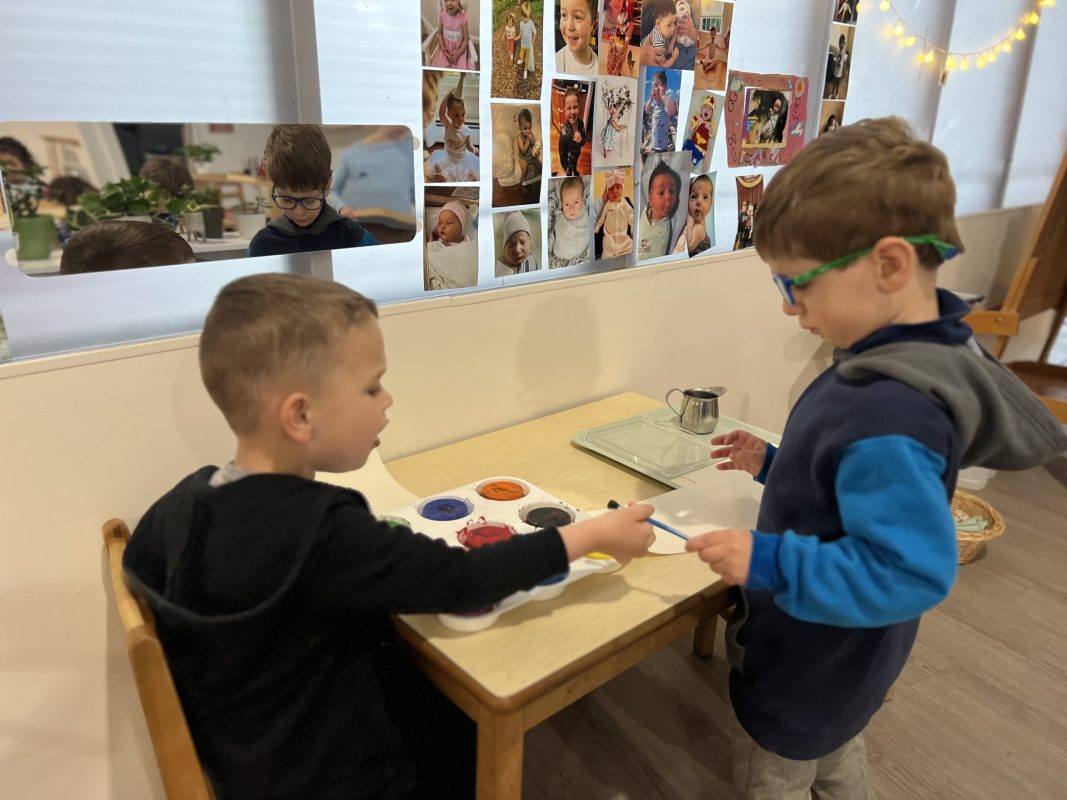
One of the topics we are exploring in-depth is emotions. We begin by looking at photos of children making different facial expressions and then guessing how they might be feeling. The children then practice making those facial expressions by looking into a mirror. Our older toddlers have been asking insightful questions, such as why a child might feel happy, sad, or angry, prompting us to discuss what makes us feel happy, sad, and angry. This month, we will continue to work on understanding, expressing, and how to cope with our feelings.

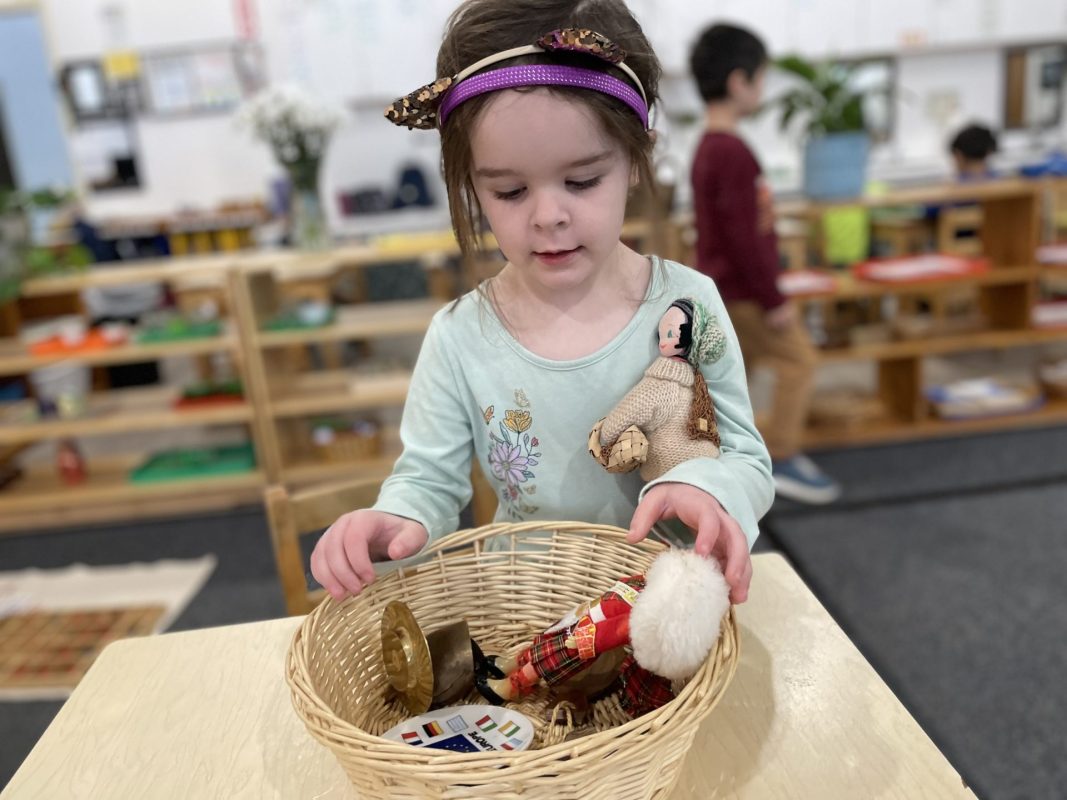
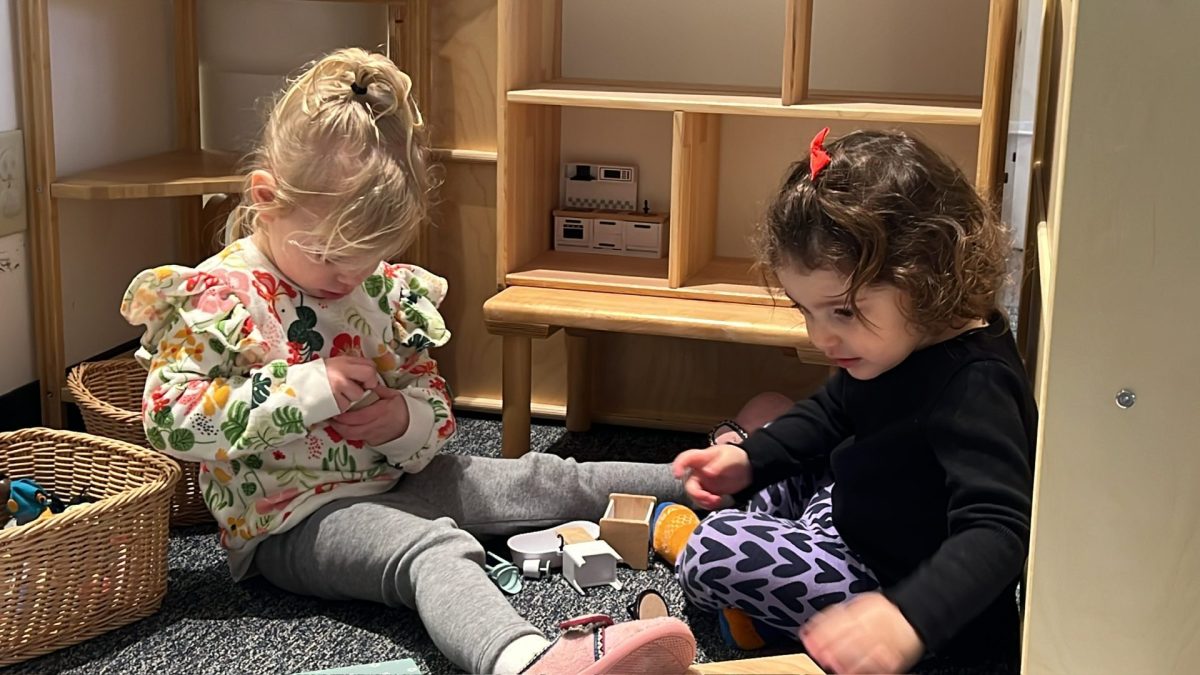
For families, we have a fun matching game in which the children can match their own and their friends’ photos to their respective family photos. This is a wonderful opportunity to practice language skills as they introduce their friends to their family members. We have also added a dollhouse with figures from diverse cultural backgrounds so that children can create their unique family units.

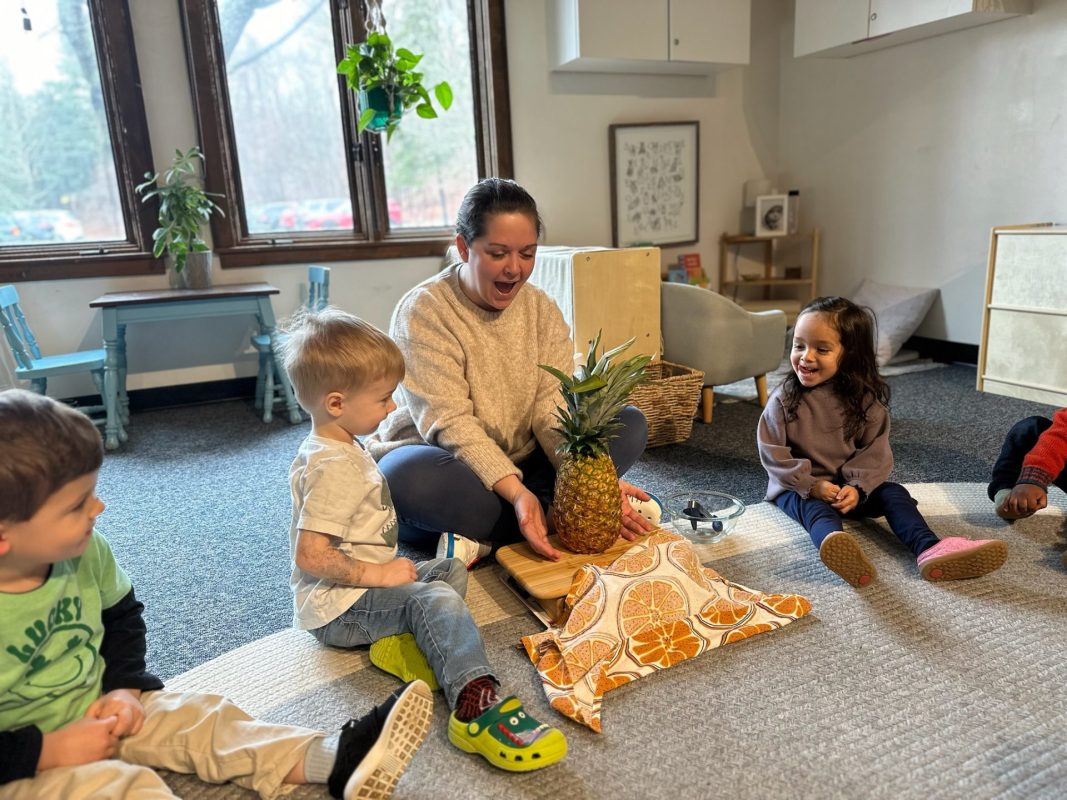
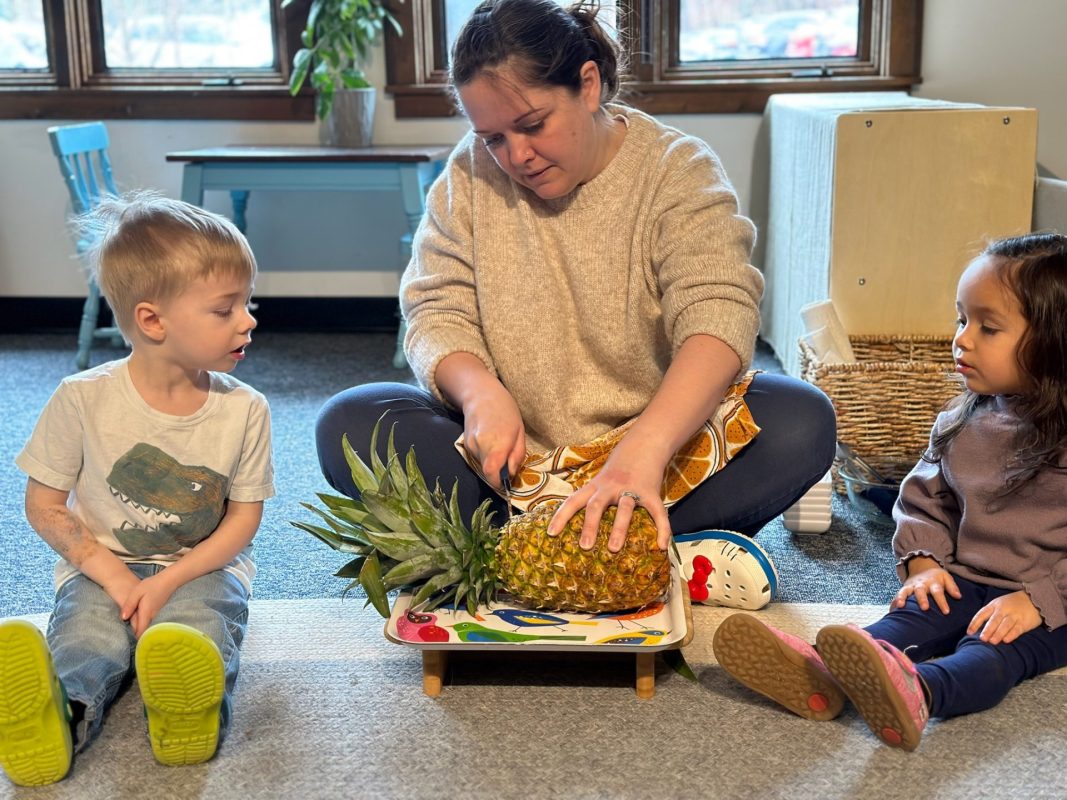
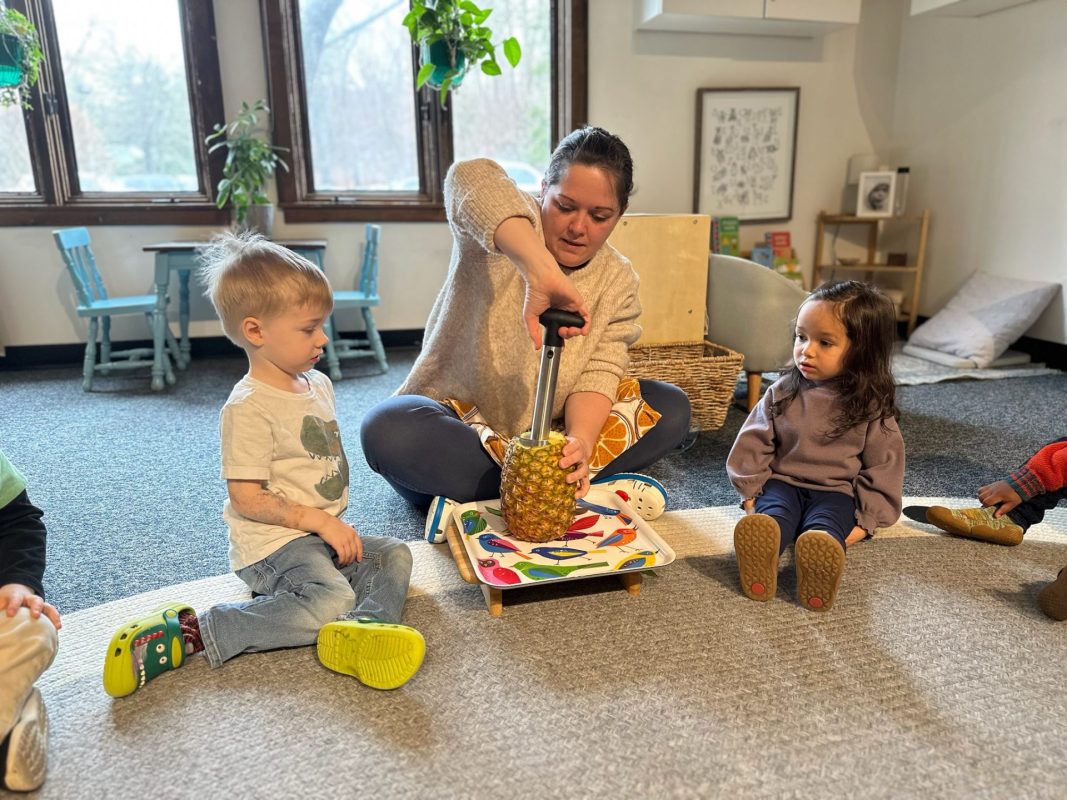
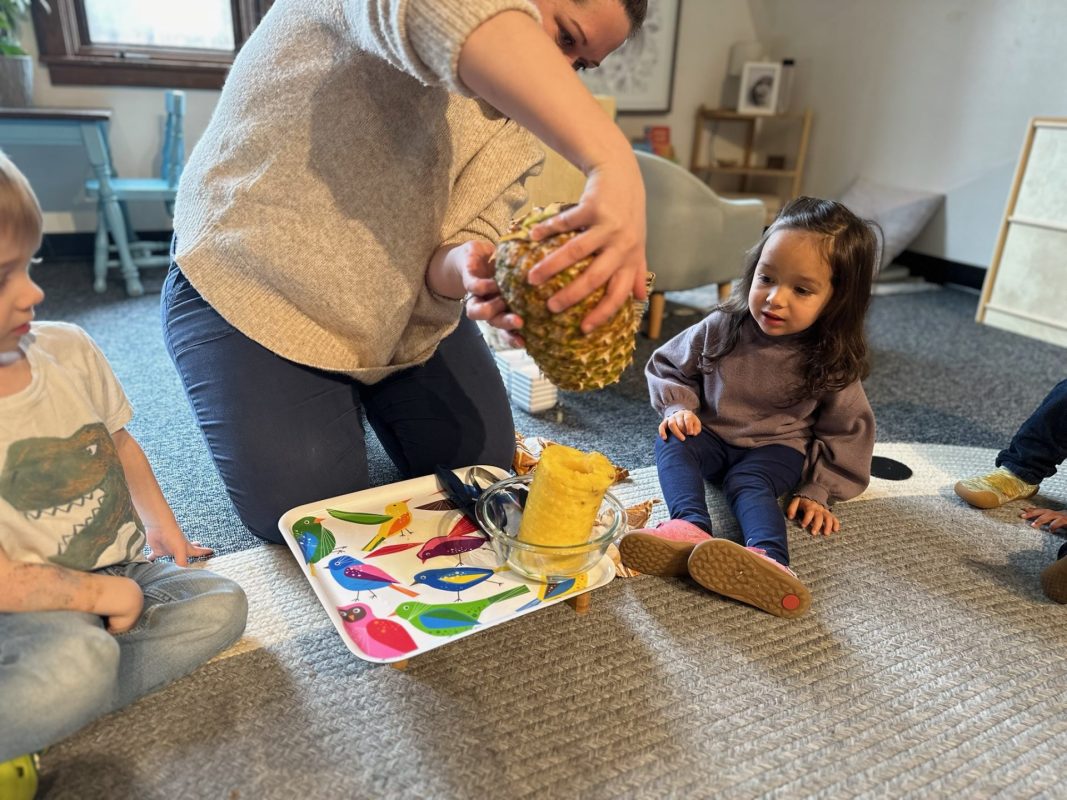
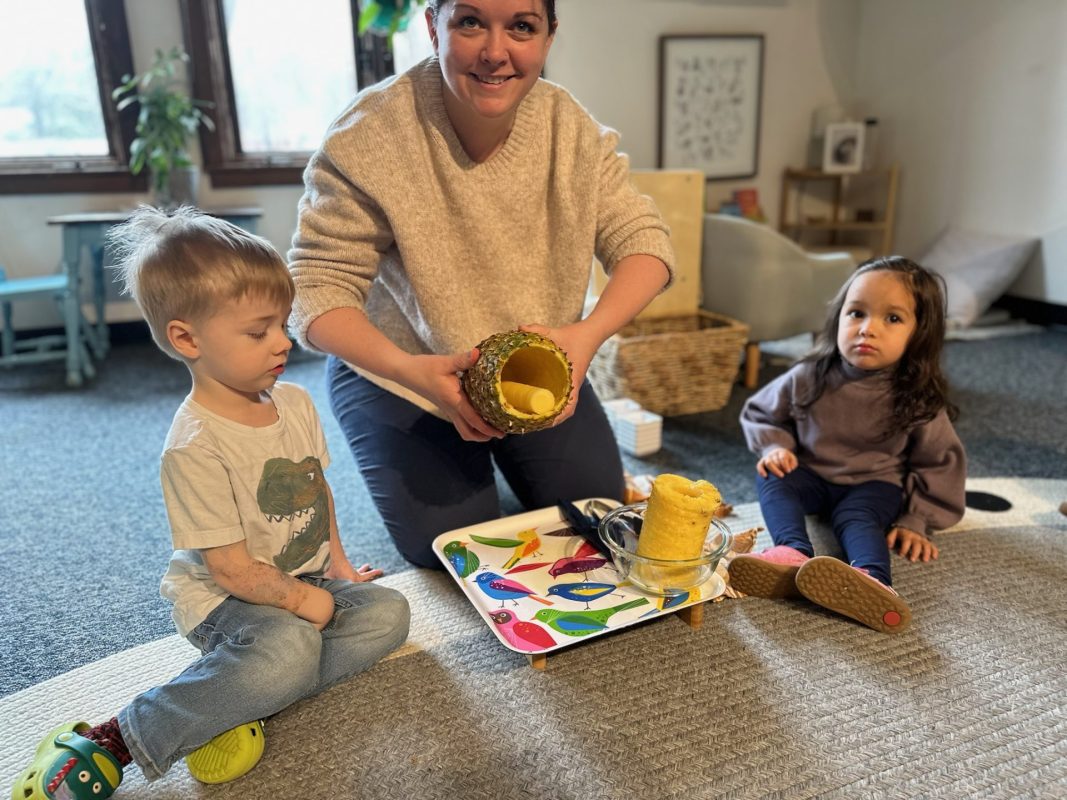
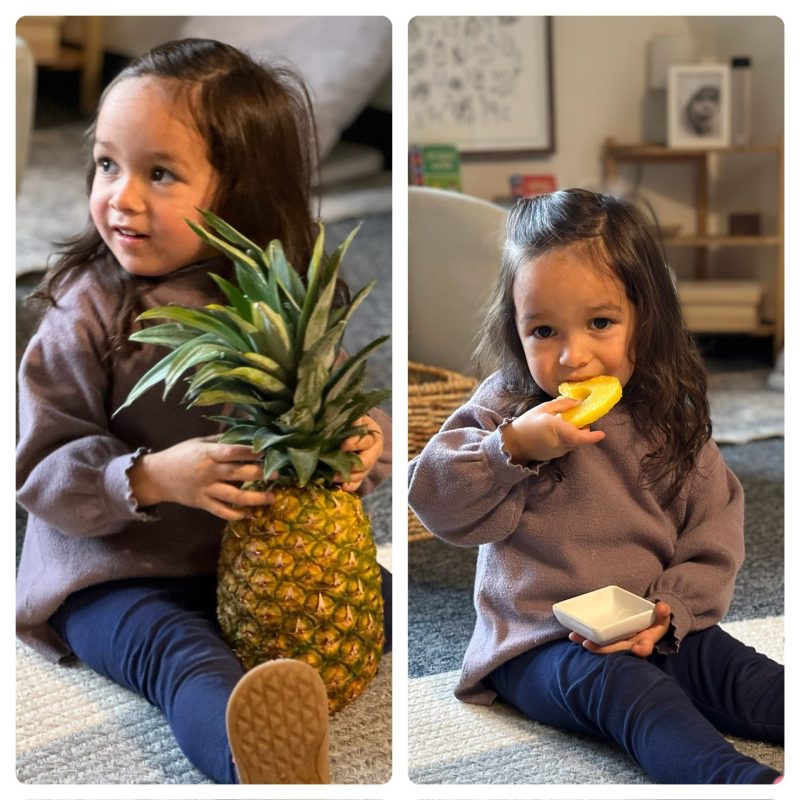
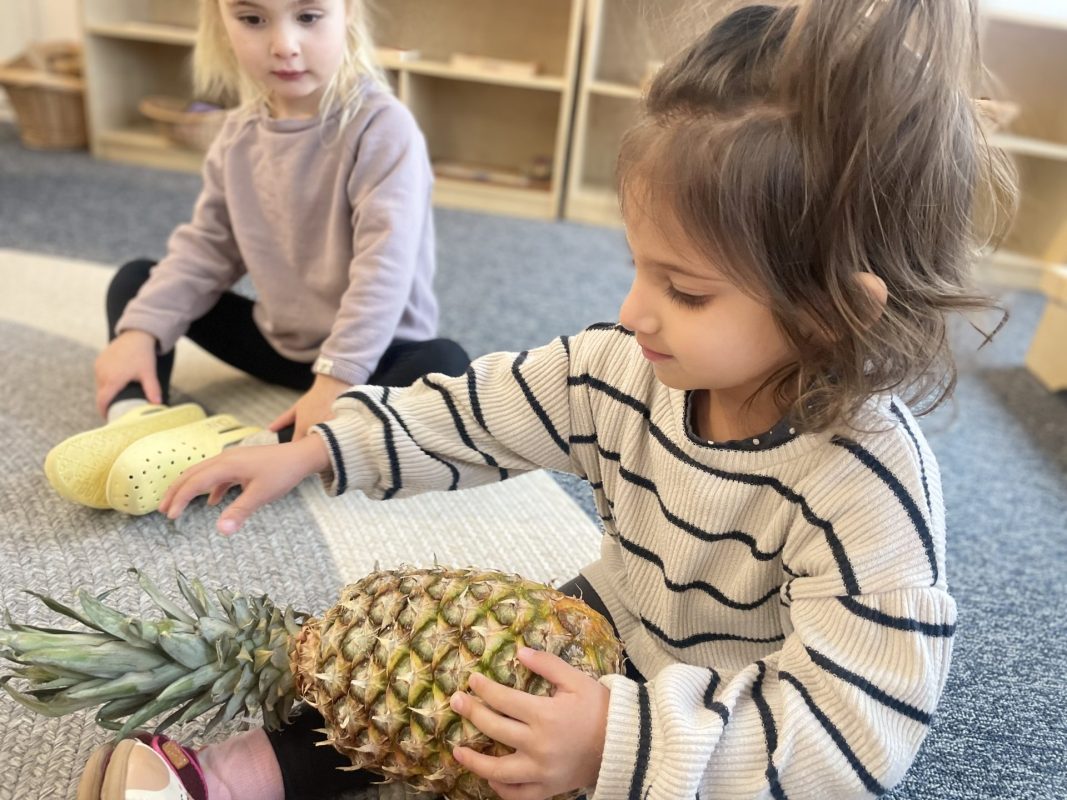
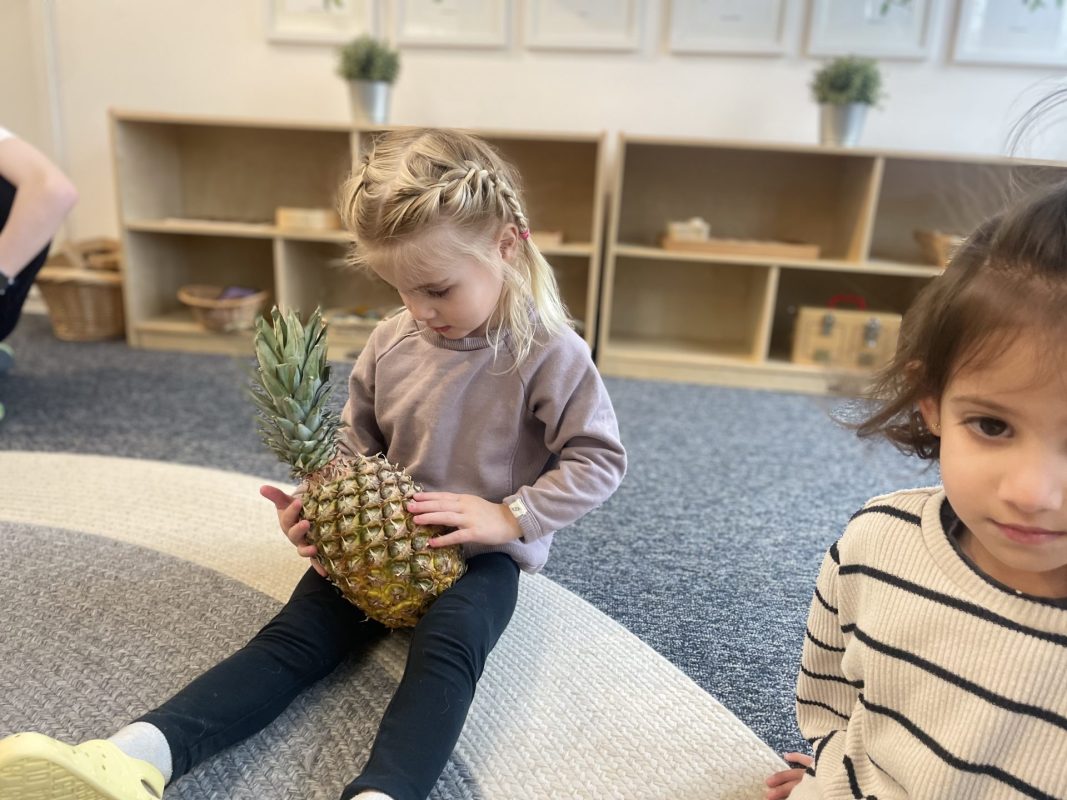
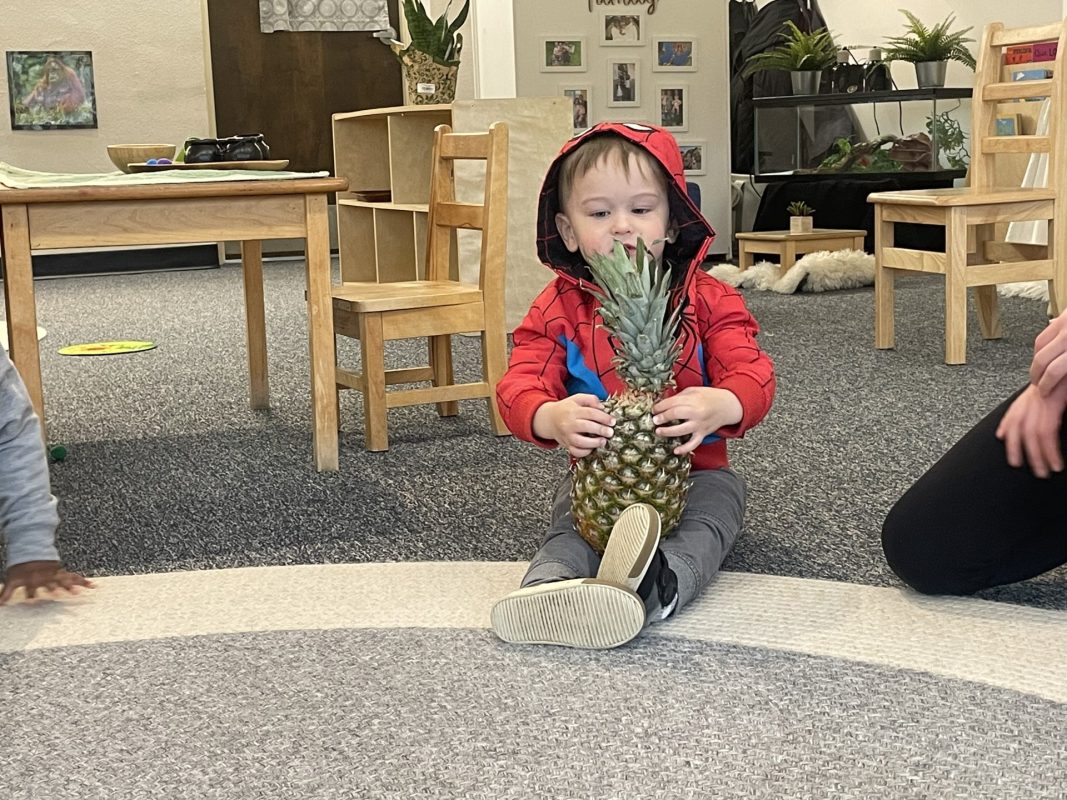
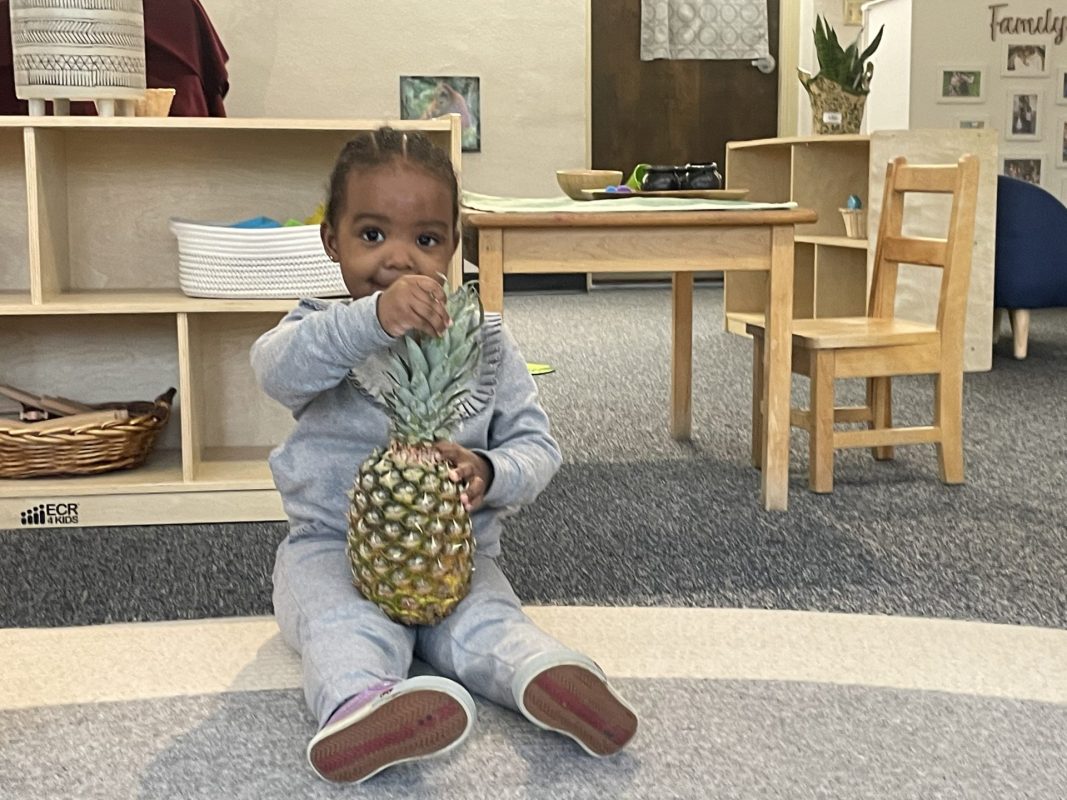
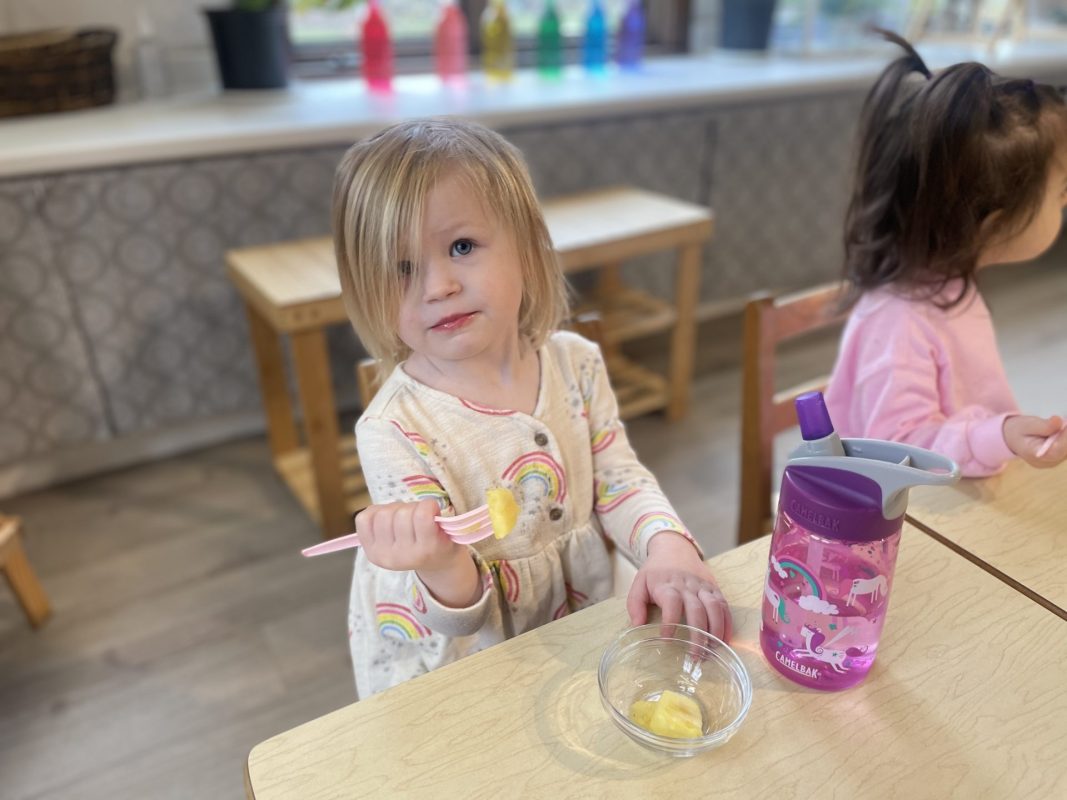
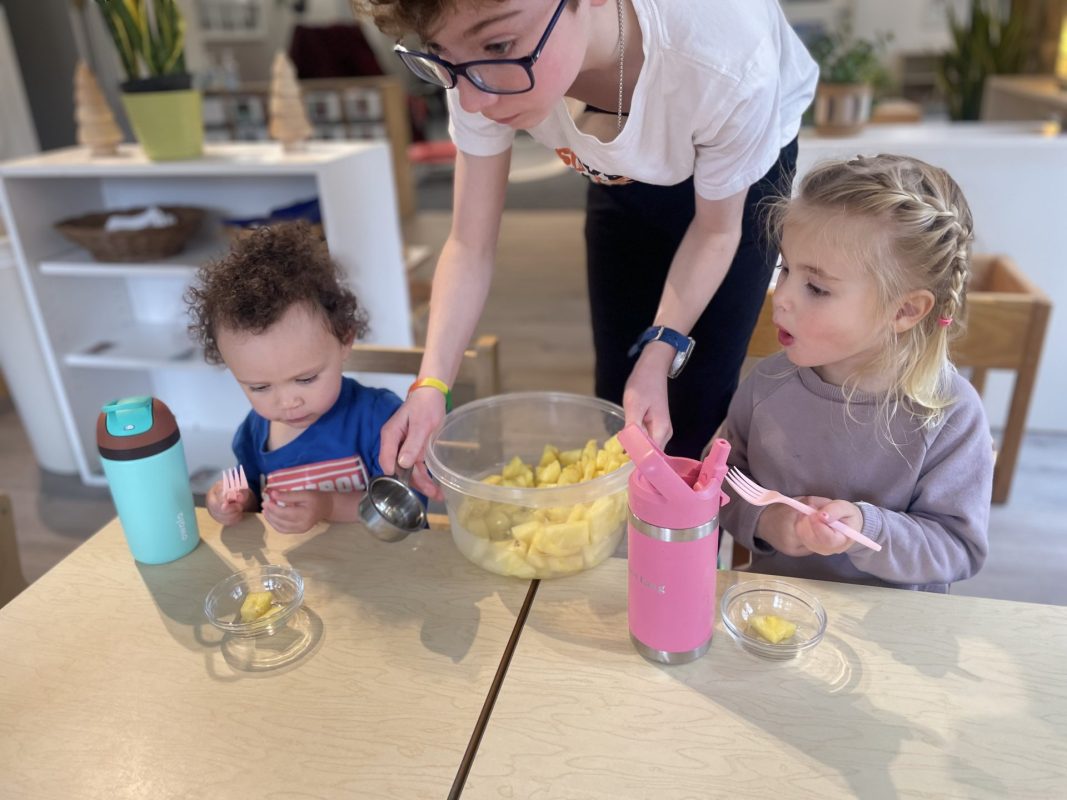
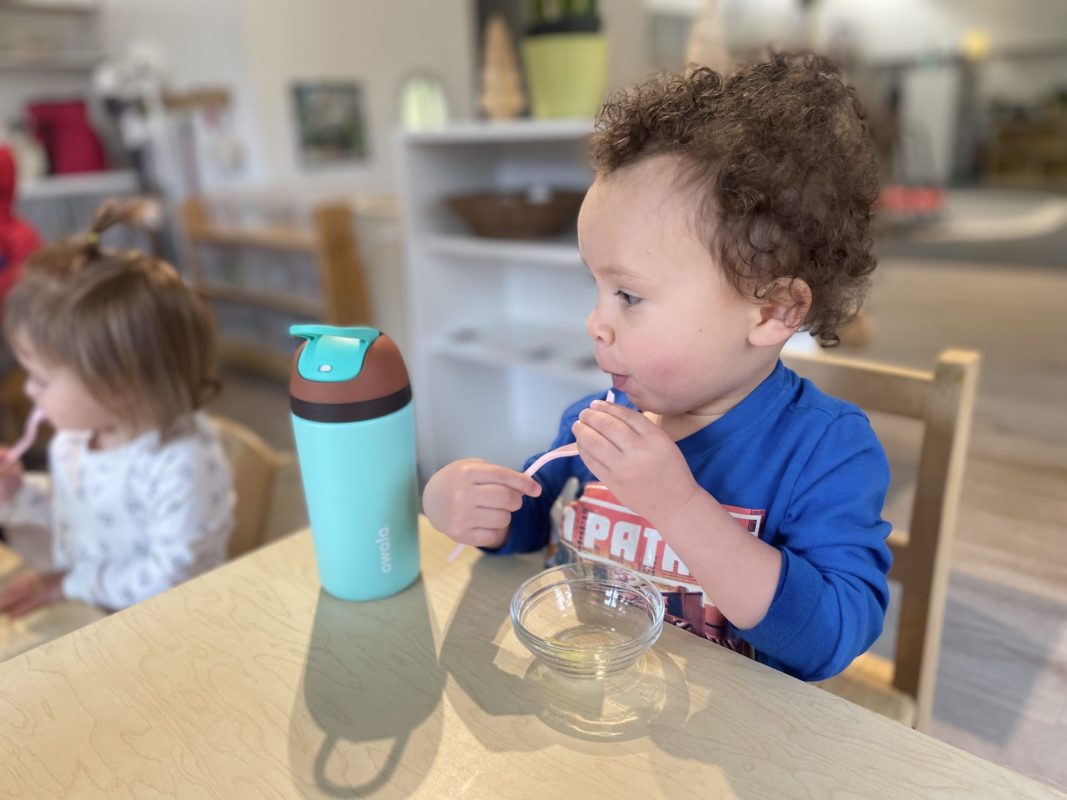
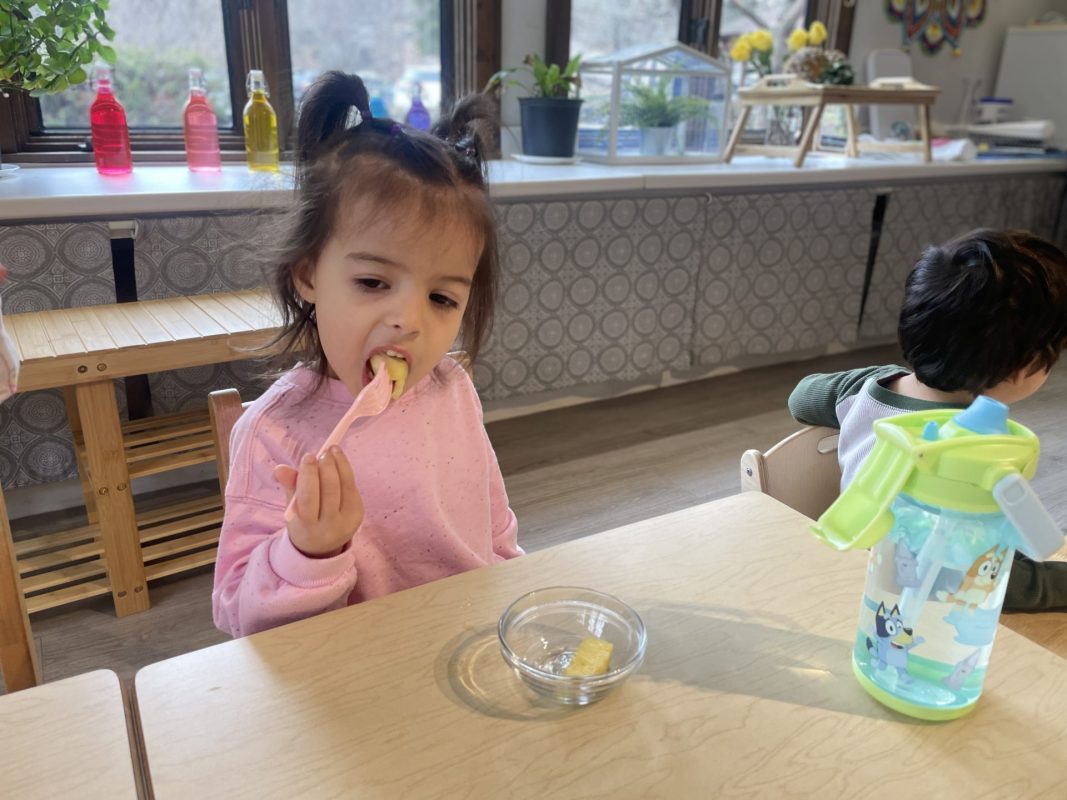
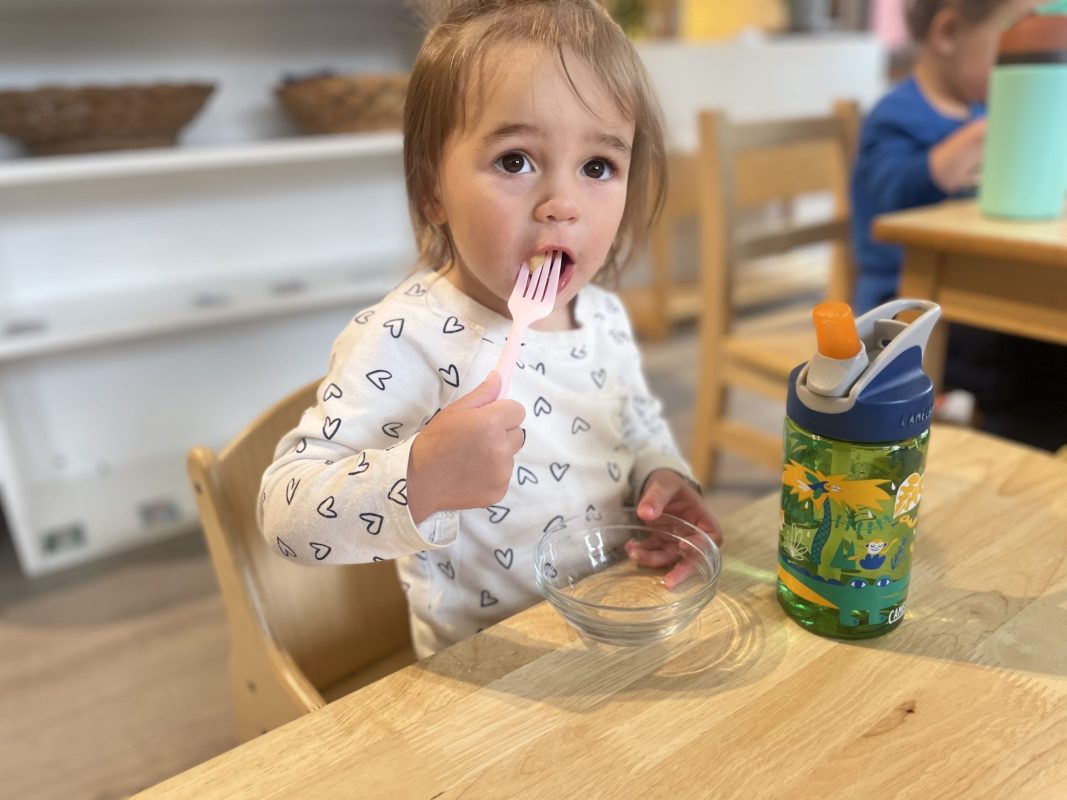
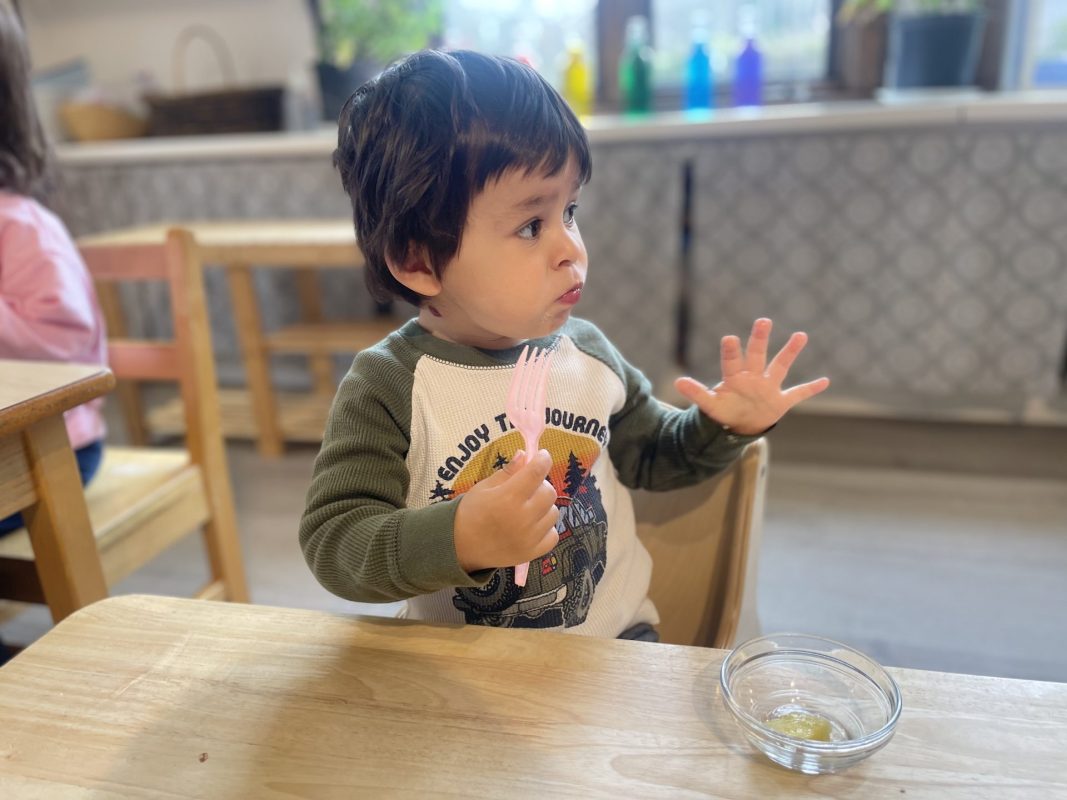
Food Tasting: We tried a fruit called gooseberry. This fruit had a sticky texture on the outside and a sweet and sour taste. If you haven’t tried gooseberries before, we highly recommend them. Perhaps your child can lead a food-tasting activity at home with your family.

Love and Light,

Cynthia and Sara


Mrs. Hood: Emotional Intelligence!

Human emotion. We are so very lucky to each experience such a wide-ranging set of feelings, but that experience can be quite the roller coaster, especially if you are a toddler.

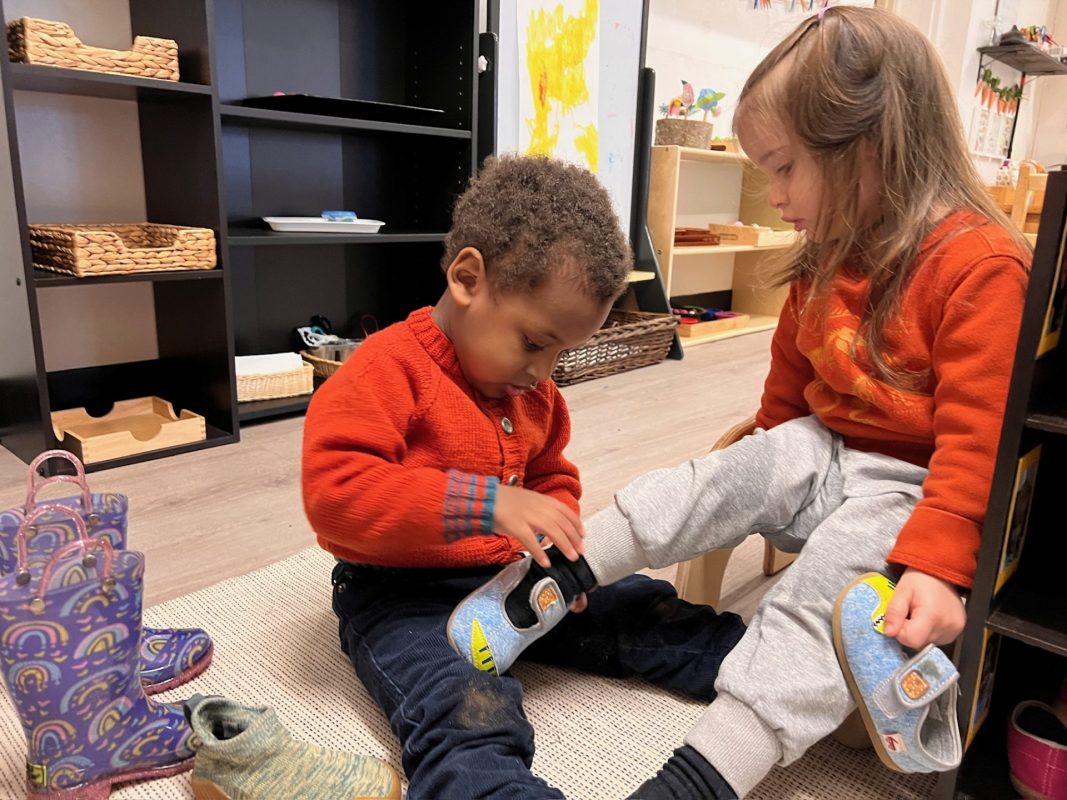
Supporting and teaching emotional intelligence to our students is one of our main goals in our toddler class. First, we do so by teaching the toddlers to identify and name emotions, their own emotions, and the emotions they see in others. It’s very important to teach children that there is a range of emotions and that ALL emotions are OK. Once children can name their emotions, they can better express themselves and feel heard and understood. We can then help the child develop techniques to manage that emotion.

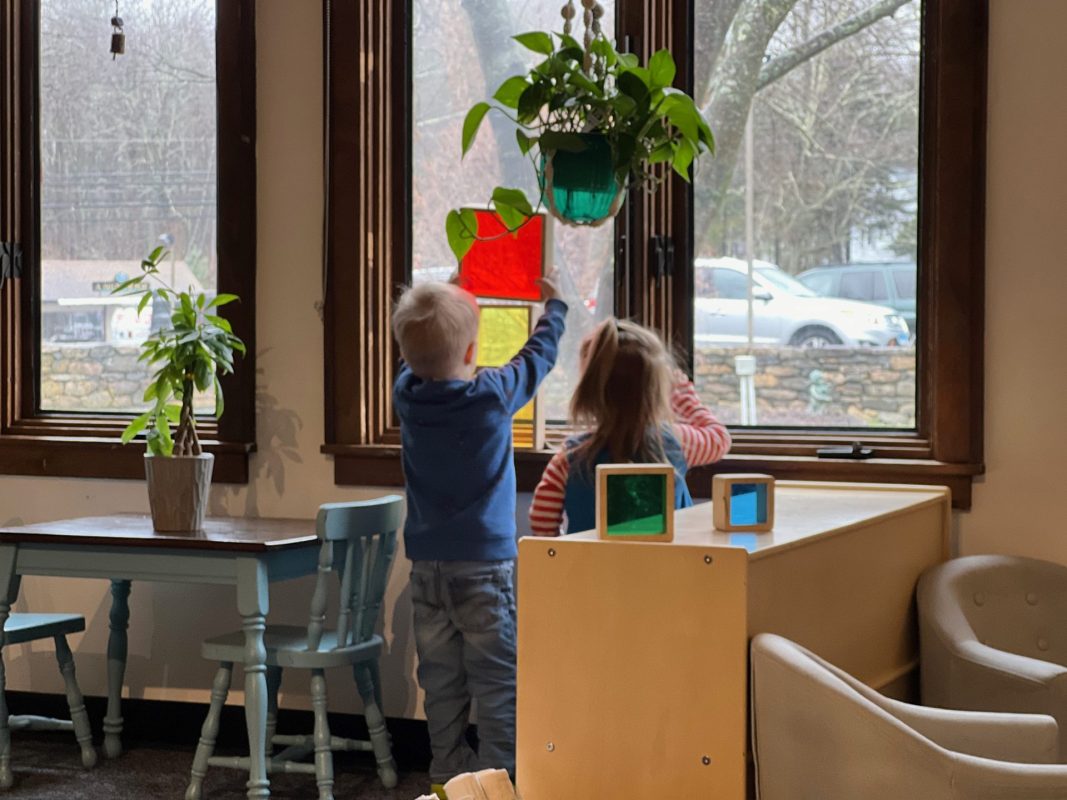
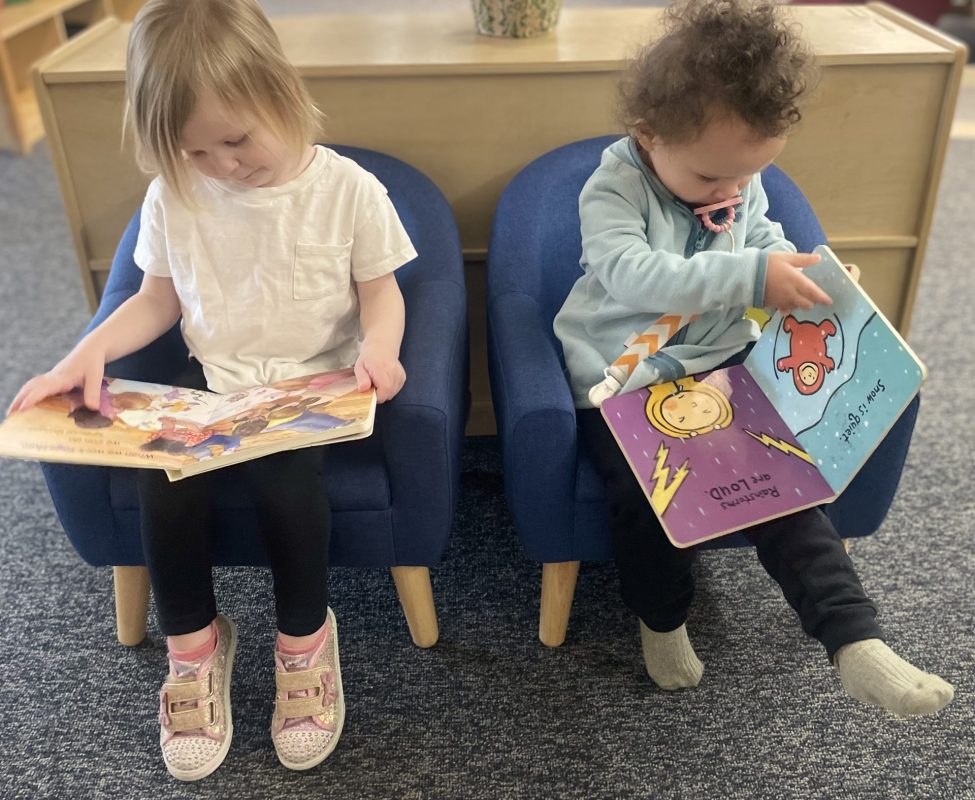
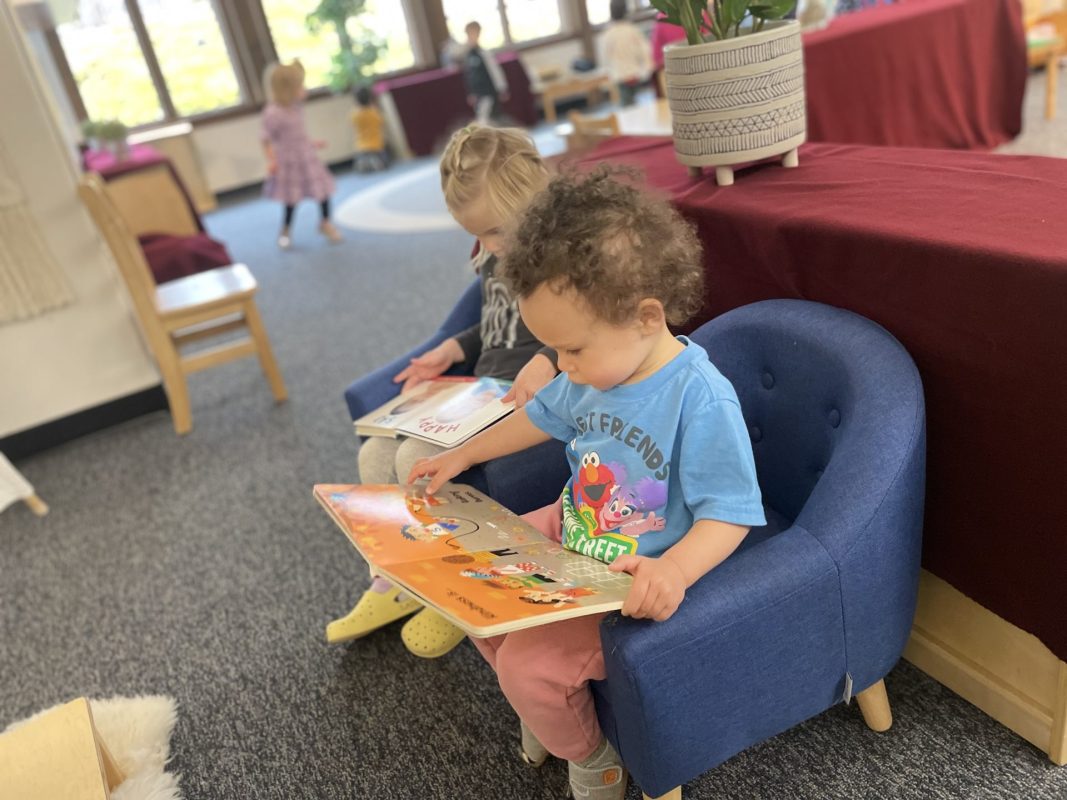
This week, we focused on this theme during our morning circle time. We utilized songs, emotion cards, and captivating books to reinforce the vocabulary of emotions and their visual expressions. Some of the emotions we explored included happiness, sadness, anger, excitement, and shyness. In the upcoming weeks, we will continue to expand this emotional vocabulary.

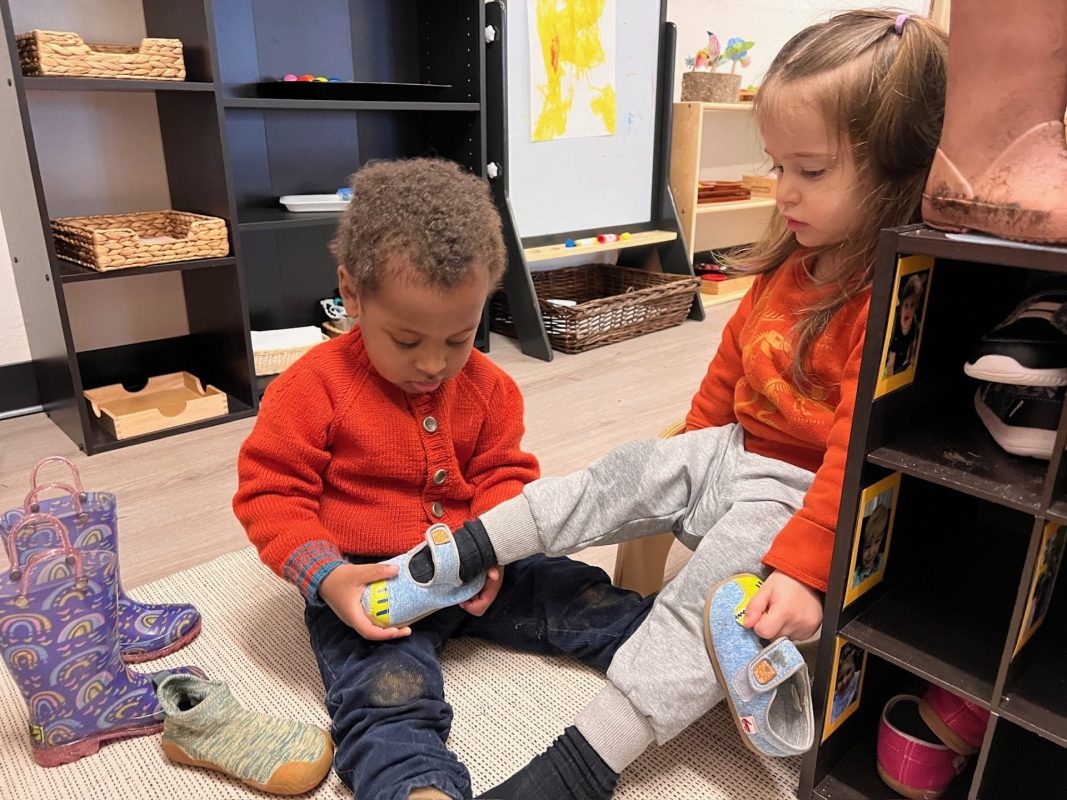
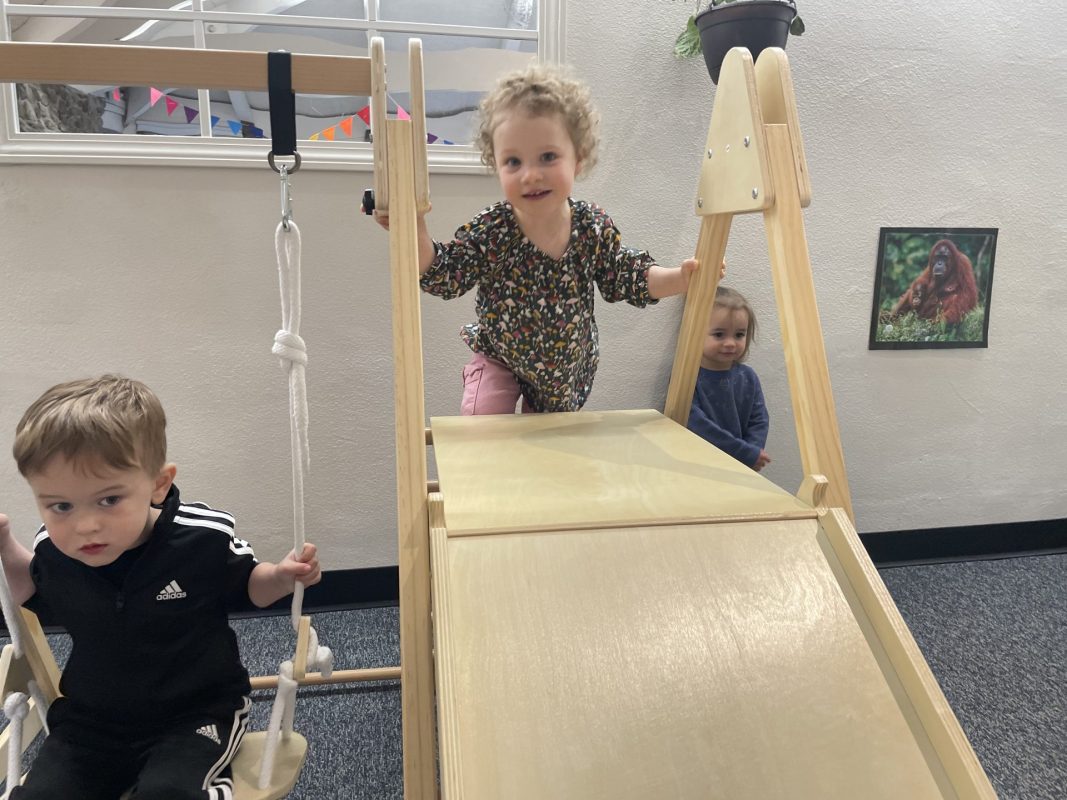
Children also have been pretty engaged with all the new materials in the environment and had the opportunity to work on decorating their Valentine’s Day bags in preparation for our celebration next Wednesday, February 14th. Our older students, who grasp the concept better, are particularly excited about this event.

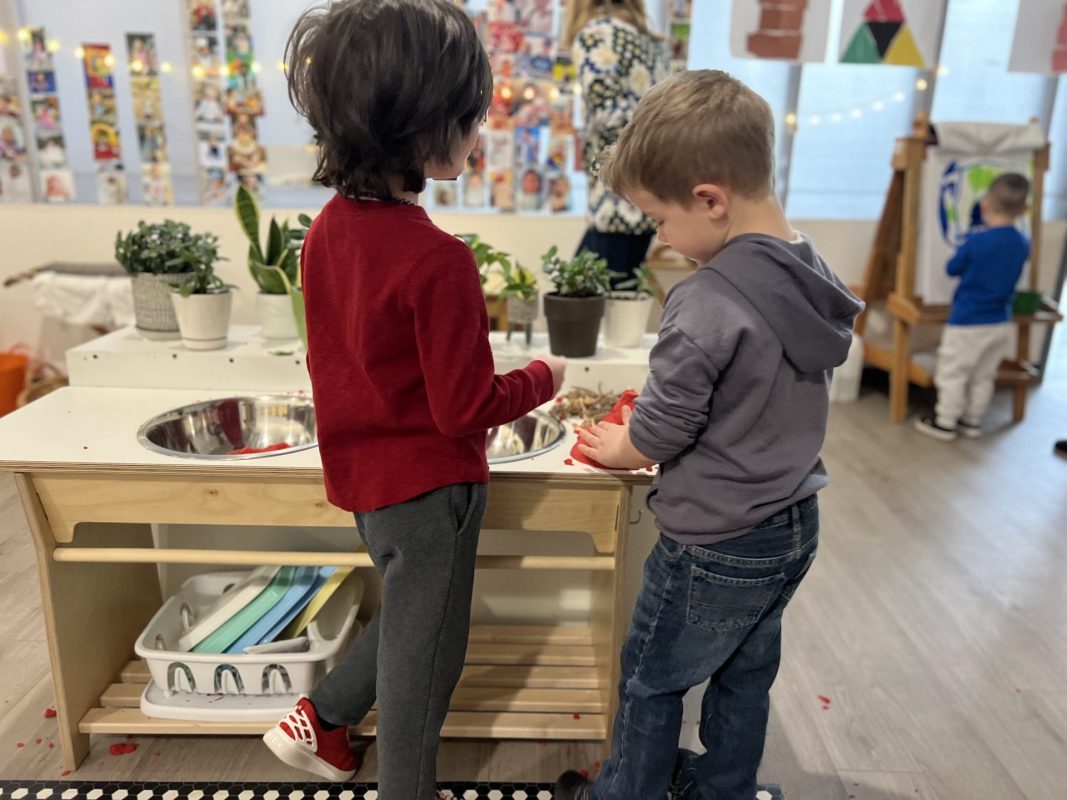
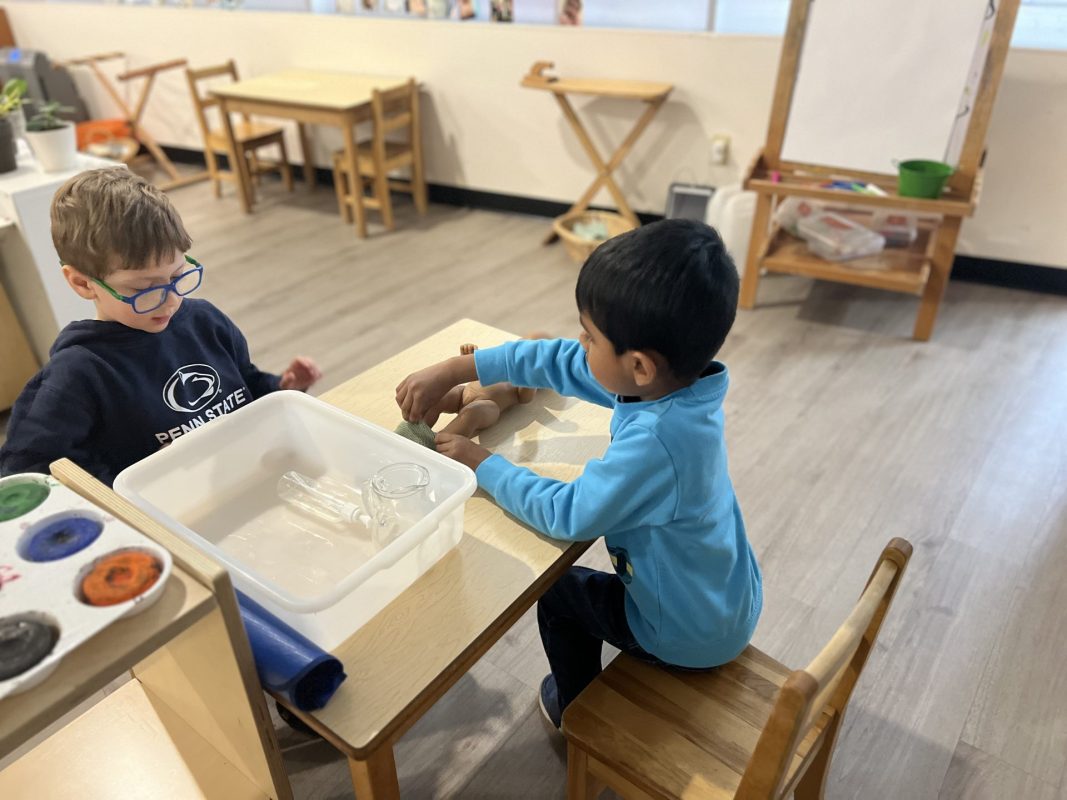
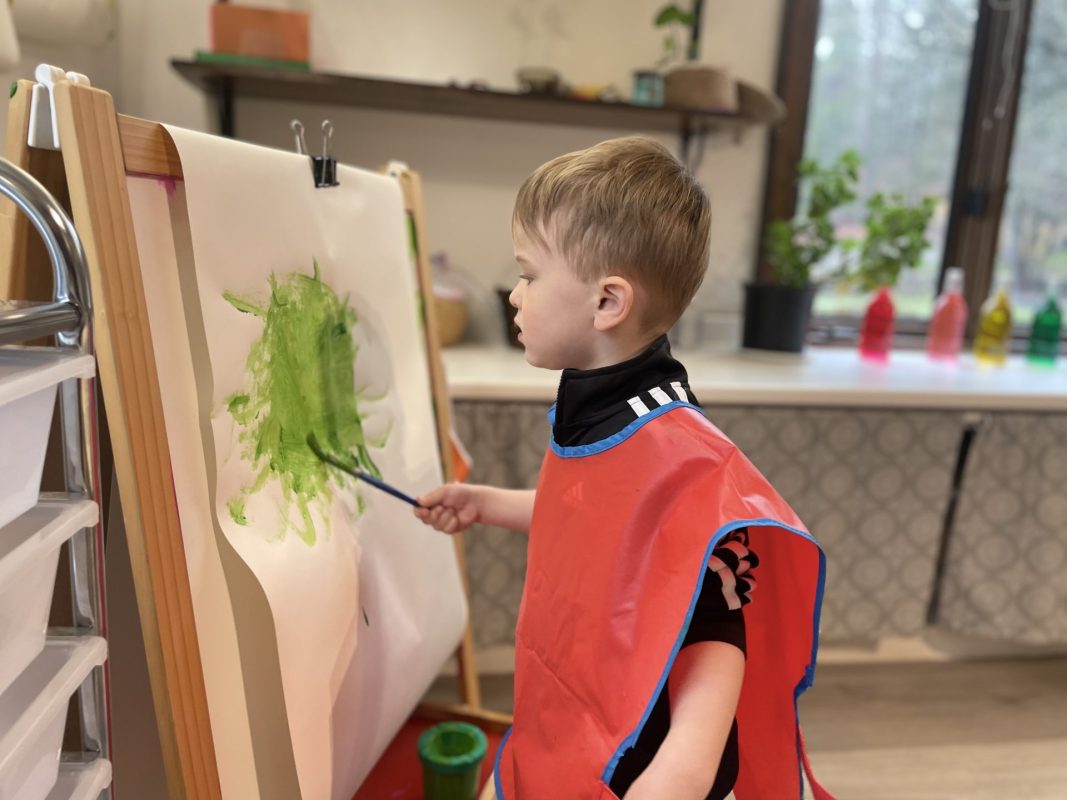
On another note, we explored delicious oranges for our food-tasting lesson, and it was a hit. Furthermore, children were introduced to the process of making orange juice all by themselves! Children worked their muscles and their maximum effort by making sure they squeezed and twisted their orange into the handheld juicer. After this, children practiced their fine motor skills by transferring the juice into a small pitcher and then serving themselves their orange juice into an open cup. To say that they seem to enjoy the process and the result of this activity is an understatement.

Lastly, we celebrated another 3-year-old birthday in our class! It’s awe-inspiring to witness the remarkable growth of our students every single day.

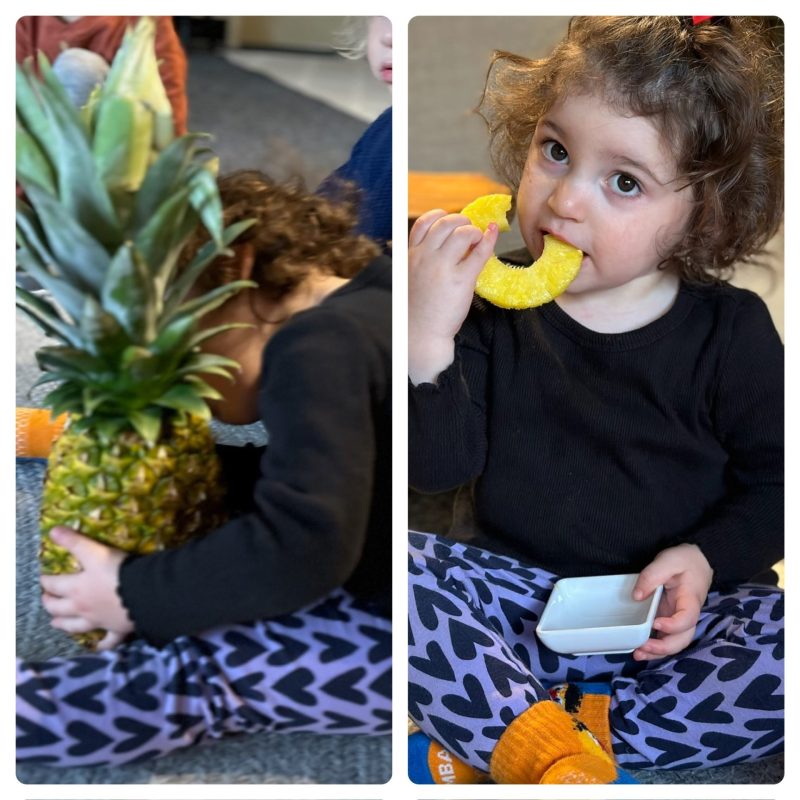
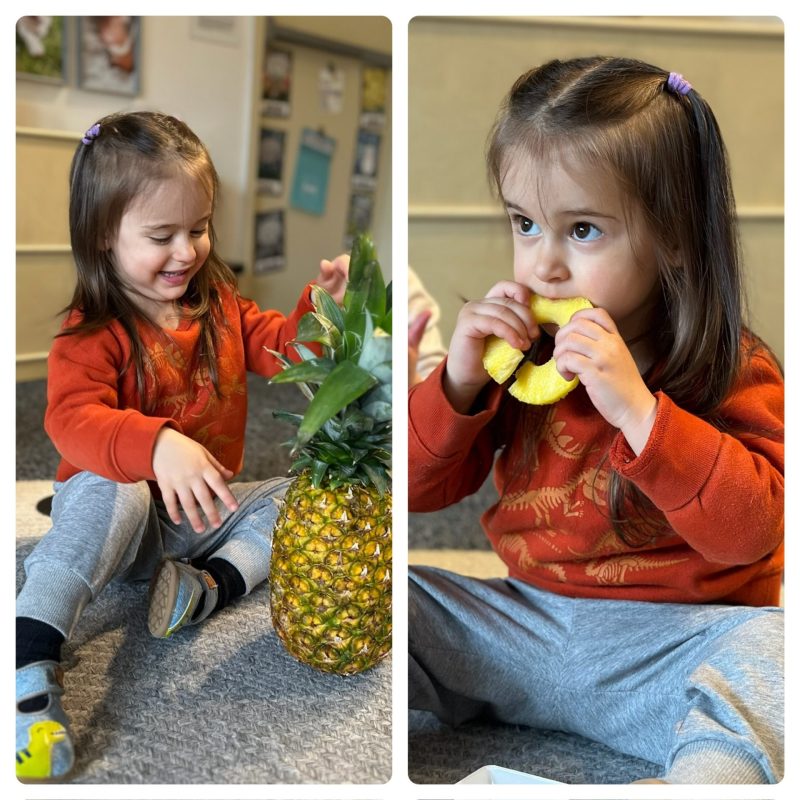
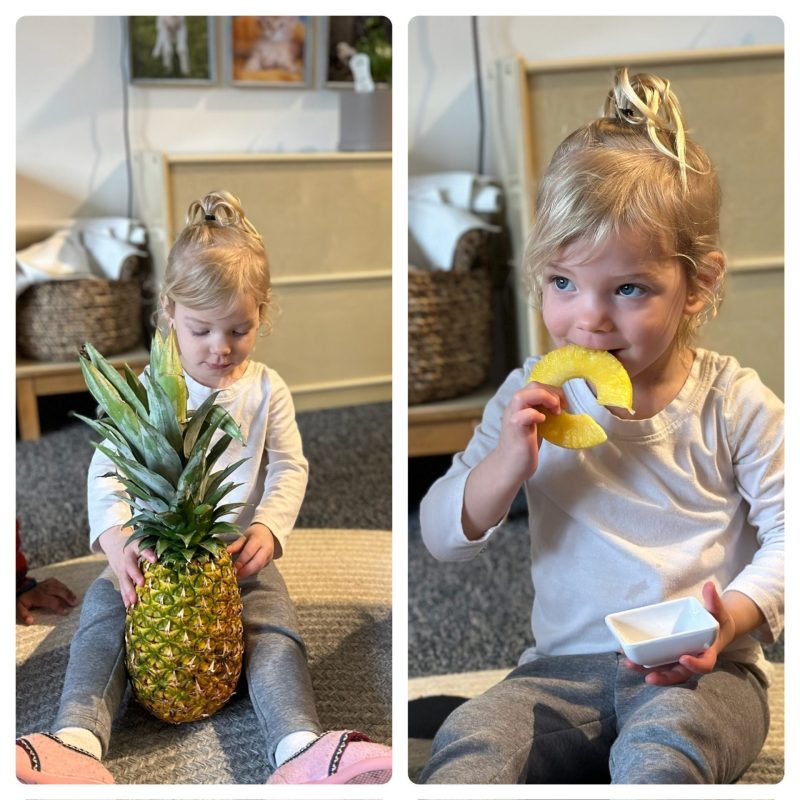
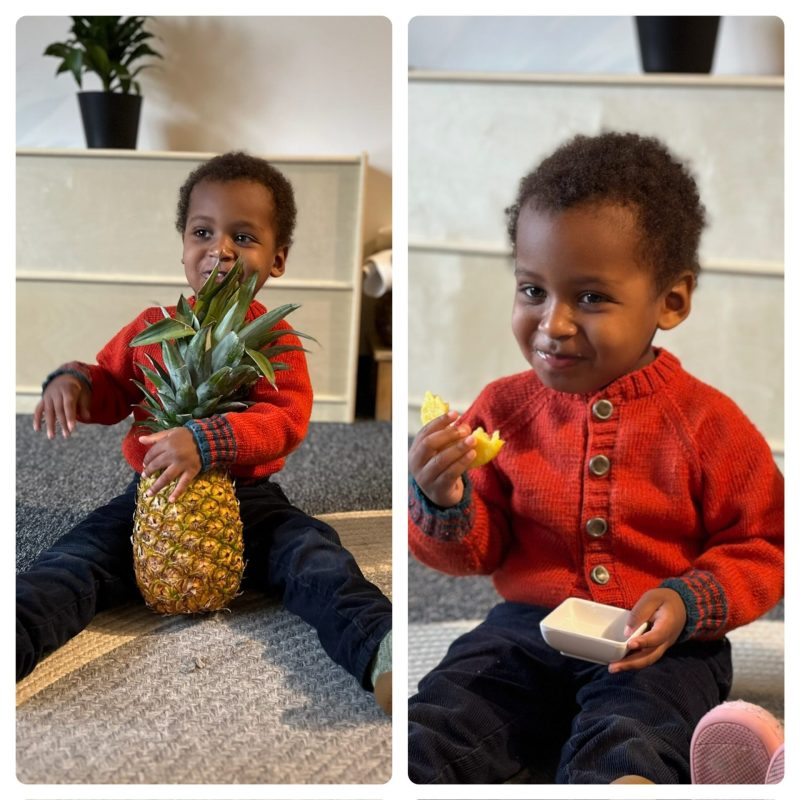
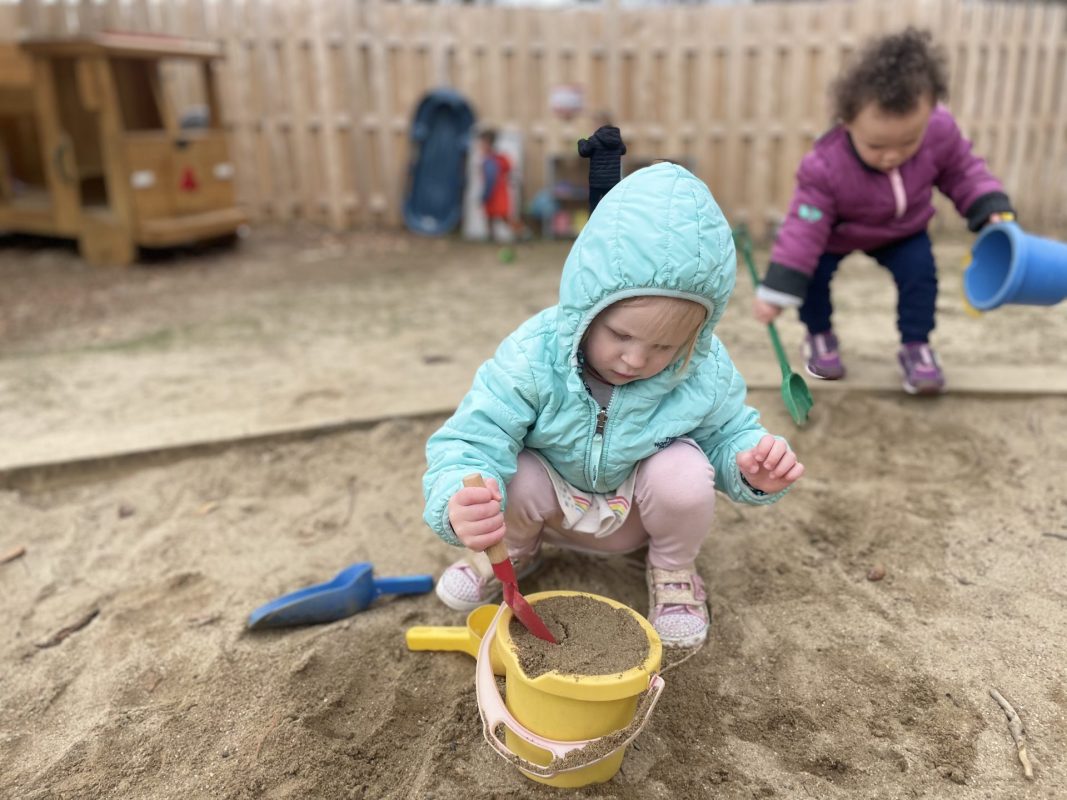
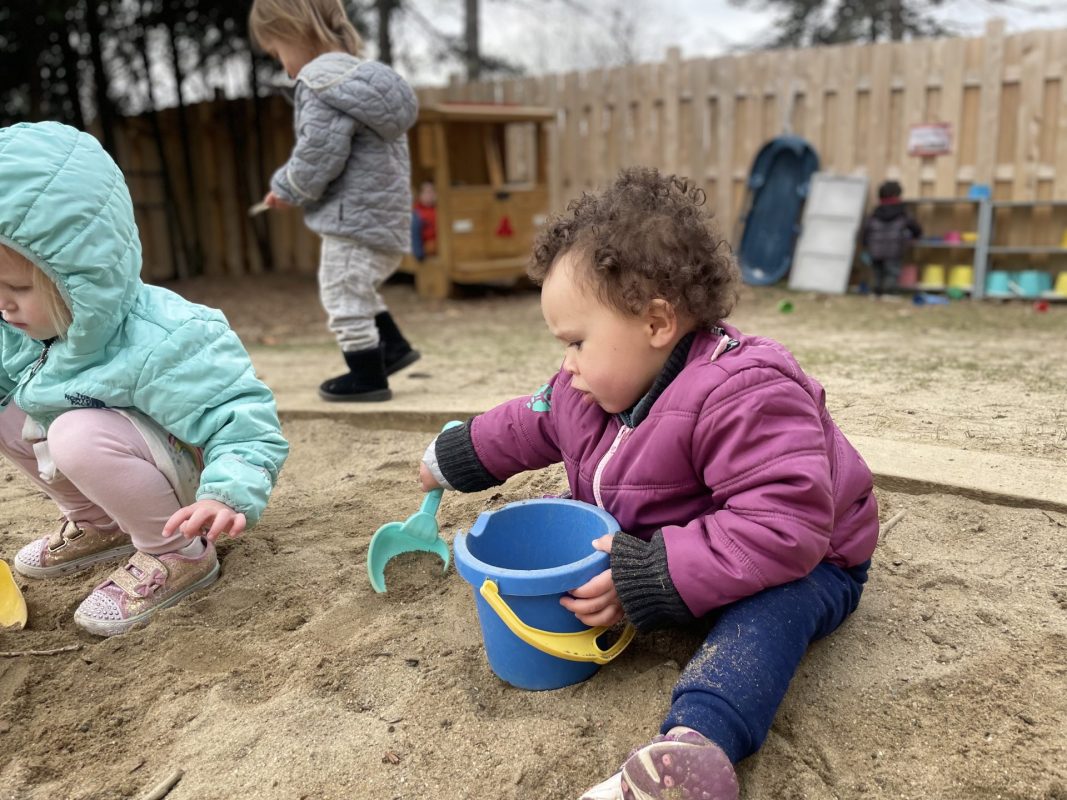
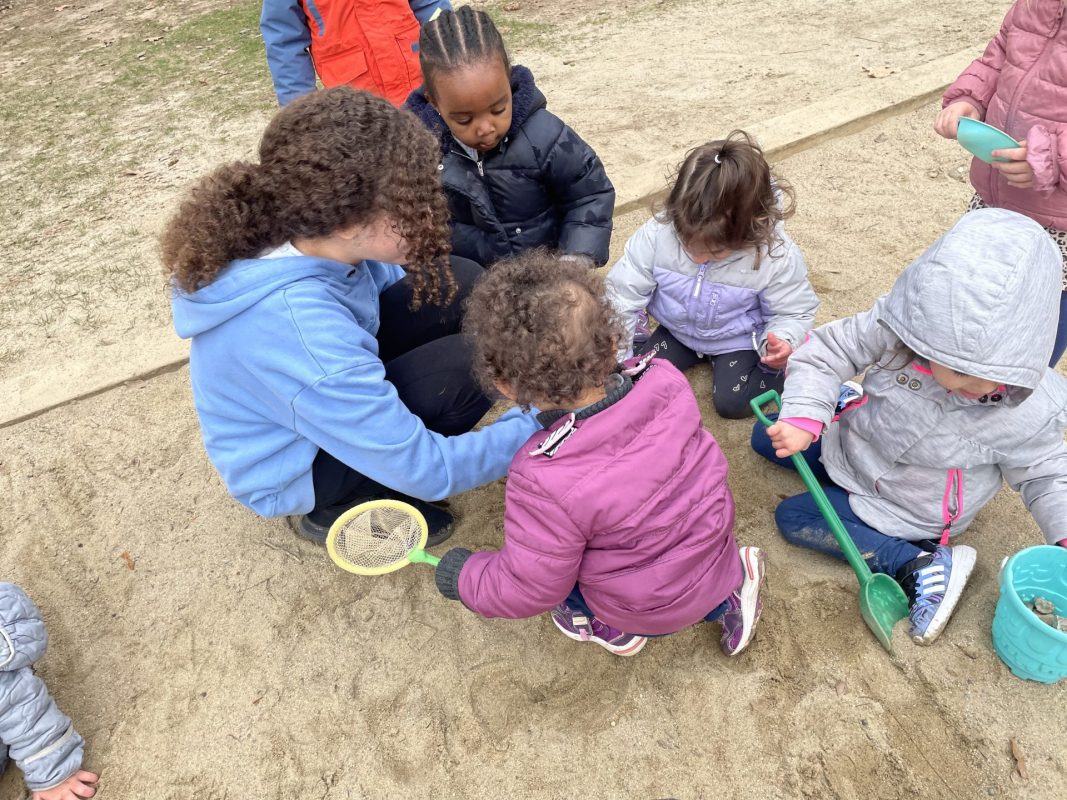
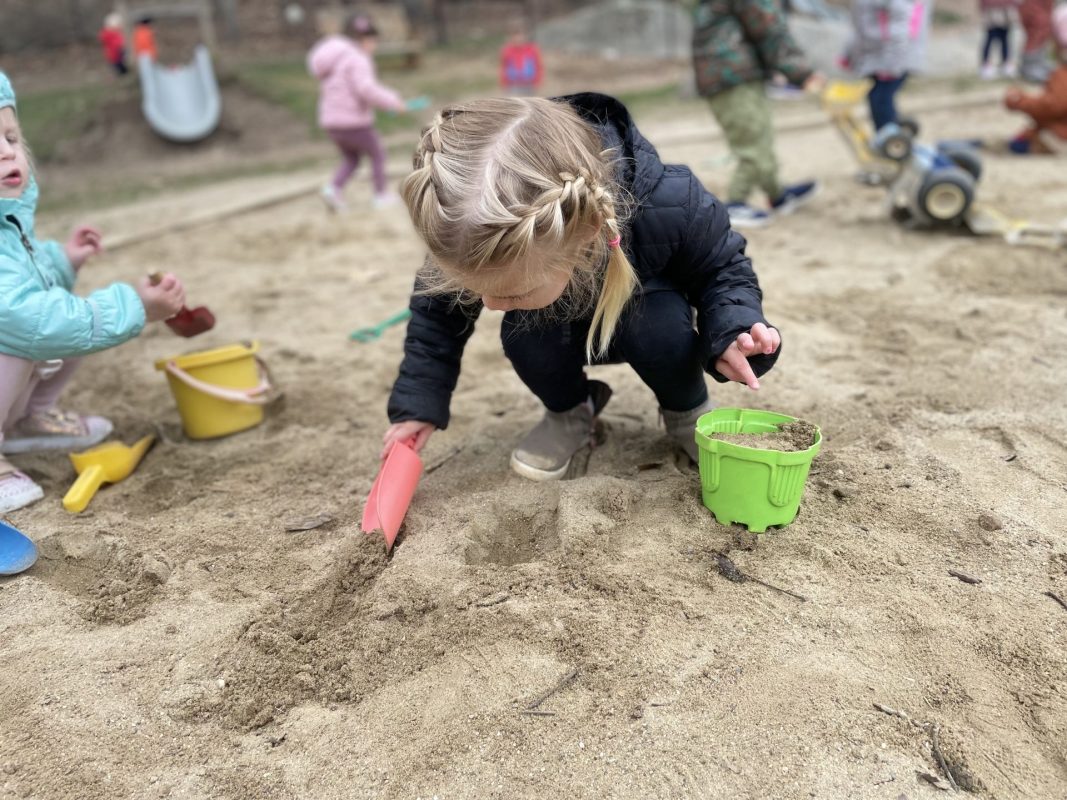
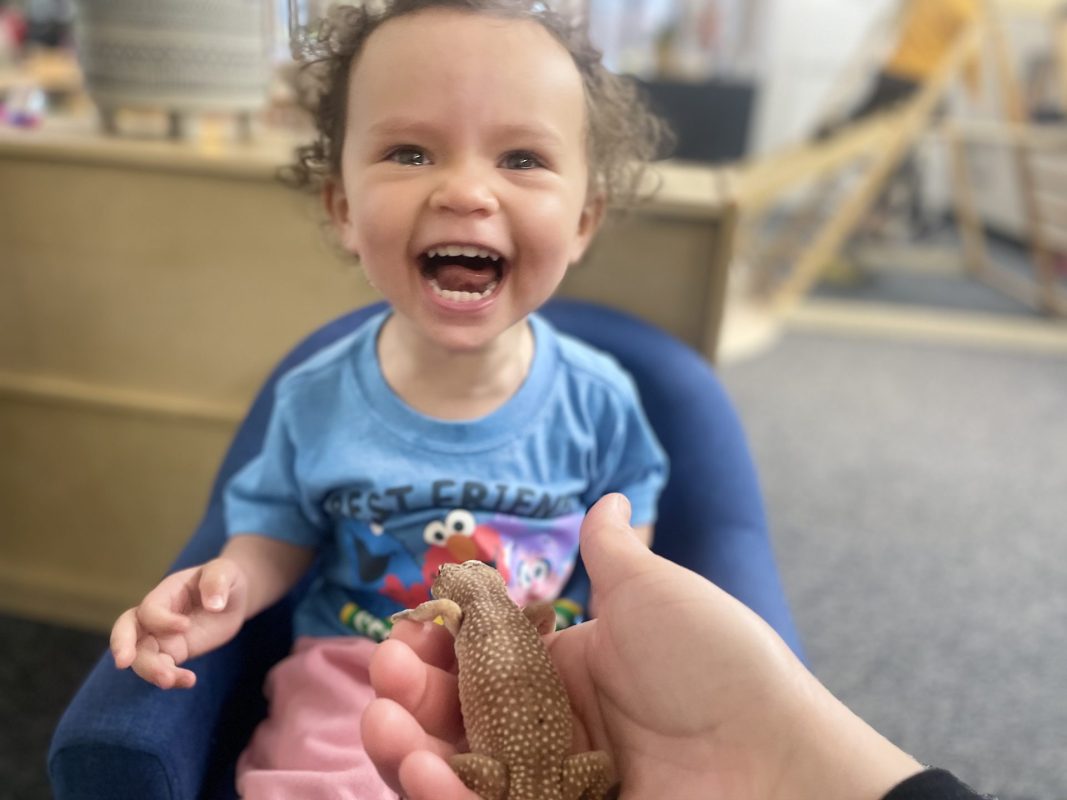
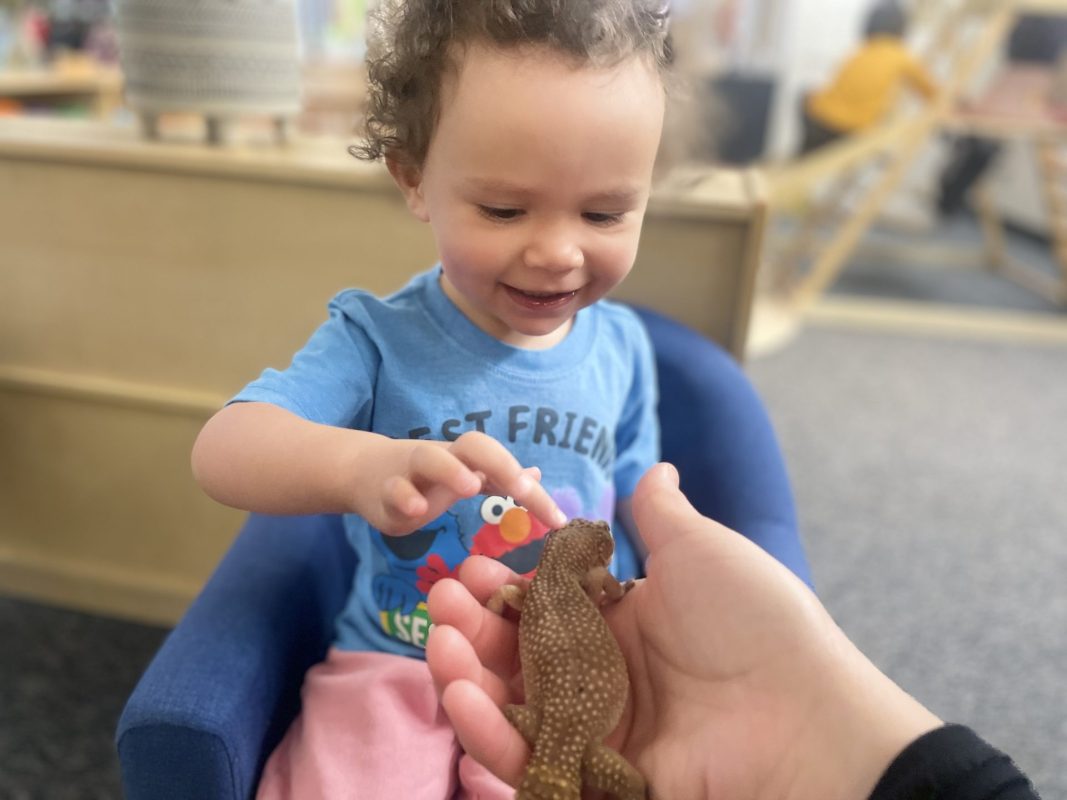
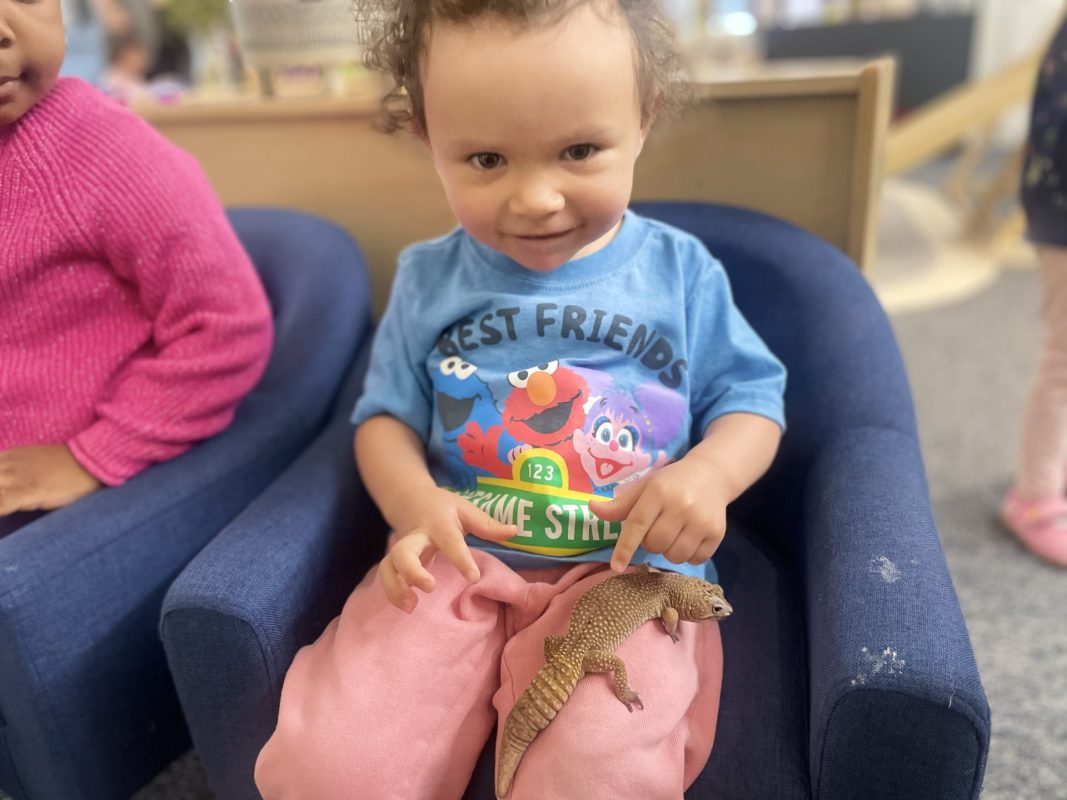
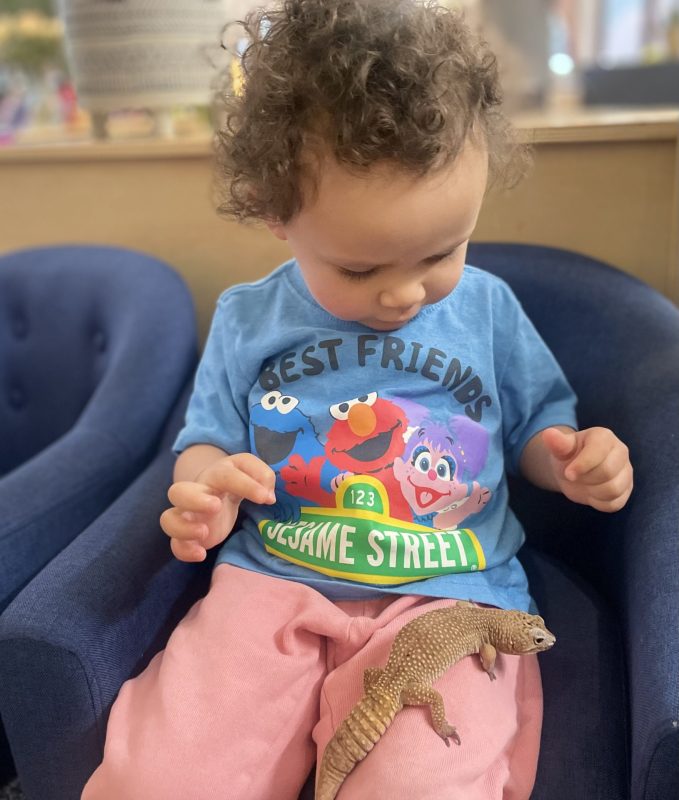
Enjoy the snapshots,

Mrs. Hood and Ms. Mollie


The Science of Suds in Lower El

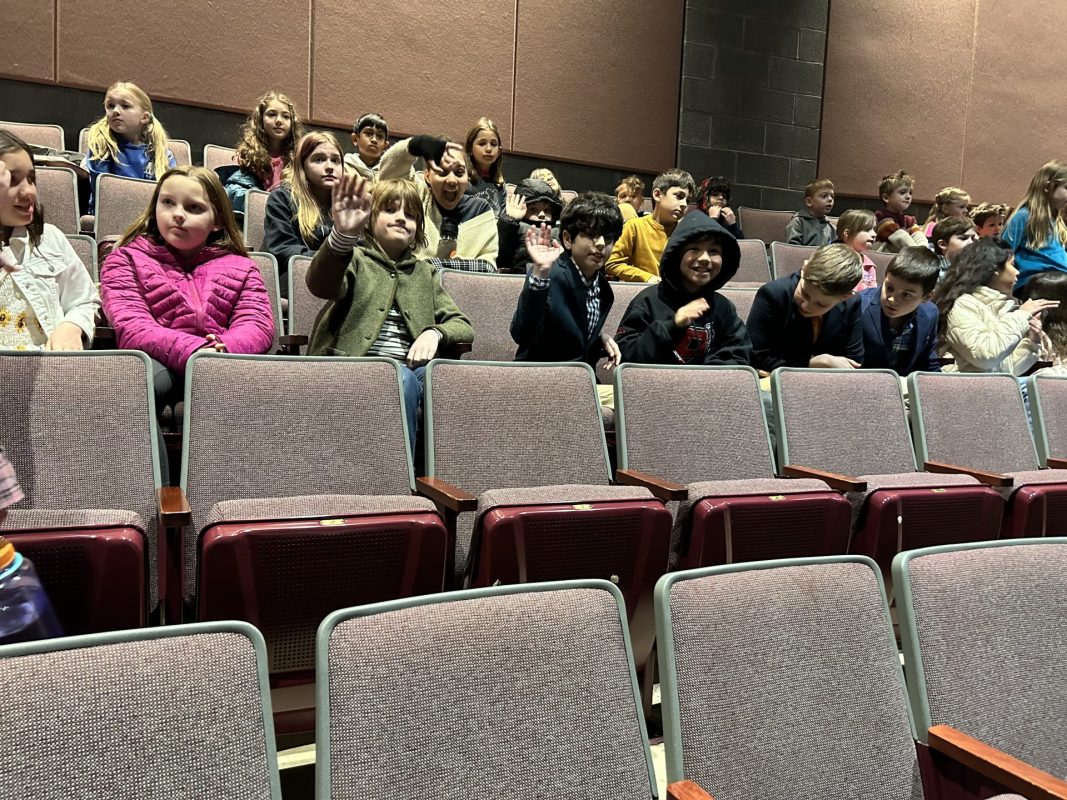
On Wednesday, our school welcomed the Connecticut Science Center for an engaging presentation titled “The Science of Suds.” This interactive program took the students on a journey into the fascinating world of soap and water. They delved into the enchanting realm of bubble formation, exploring the diverse shapes they can take and experimenting with bubbles created using various gases. It was an enjoyable learning experience as we investigated whether it was feasible to pass a hand through a bubble without bursting it and attempted to place objects inside bubbles. Additionally, we discovered the technique for holding a bubble in our hand and even dared to see if a student could fit inside one.

As a reminder, LE students will celebrate Valentine’s Day in class on Wednesday, February 14th. We will decorate bags, pass out valentines, and have a celebration with snacks and activities! Please remember to bring in enough Valentines for each child in the classroom. There are 25 children in total. Thanks!


Mrs. Doyle: The Science of Suds

On Wednesday, the CT Science Center visited our school to present “The Science of Suds.” This traveling program allowed the children to explore the captivating, colorful science of soap and water. The children explored the mysteries of bubble shapes and were able to see what happens when you make bubbles with different gases. We had fun learning if it was possible to put your hand through a bubble without popping and trying to see if we could put things inside a bubble. We learned how to hold a bubble in our hands and then tried to see if we could put a student inside a bubble.

This presentation was perfectly timed to enhance our unit on the three different states of matter: solids, liquids, and gases.

Wishing you a week filled with peace and love.

Michelle & Maria


Mrs. Lopes: The Science of Suds

On Wednesday, the CT Science Center visited our school to present “The Science of Suds.” This traveling program allowed the children to explore the captivating, colorful science of soap and water. The children explored the mysteries of bubble shapes and were able to see what happens when you make bubbles with different gases. We had fun learning if it was possible to put your hand through a bubble without popping and trying to see if we could put things inside a bubble. We learned how to hold a bubble in our hands and then tried to see if we could put a student inside a bubble.

This presentation was perfectly timed to enhance our unit on the three different states of matter: solids, liquids, and gases.

Wishing you a week filled with peace and love.

Amanda & Hema


Ms. Marissa: The Science of Suds

On Wednesday, the CT Science Center visited our school to present “The Science of Suds.” This traveling program allowed the children to explore the captivating, colorful science of soap and water. The children explored the mysteries of bubbles’ shapes and were able to see what happens when you make bubbles with different gases. We had fun learning if it was possible to put your hand through a bubble without popping and trying to see if we could put things inside a bubble. We learned how to hold a bubble in our hands and then tried to see if we could put a student inside a bubble.

This presentation was perfectly timed to enhance our unit on the three different states of matter: solids, liquids, and gases.

Wishing you a week filled with peace and love.

Marissa & Sue


Mrs. Hood: The secret of perfection!

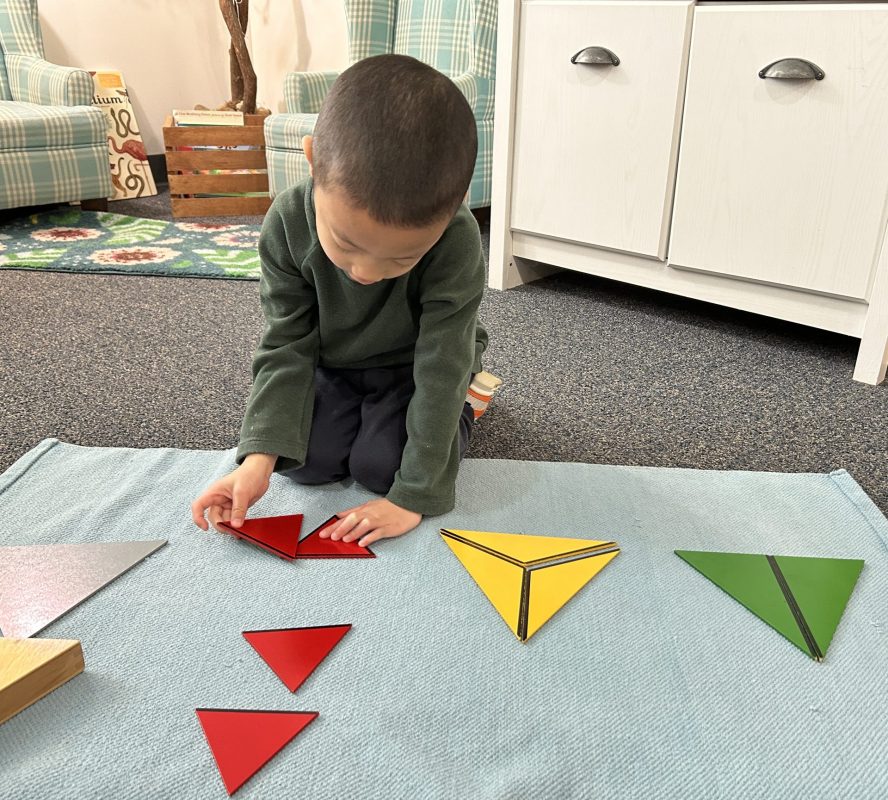
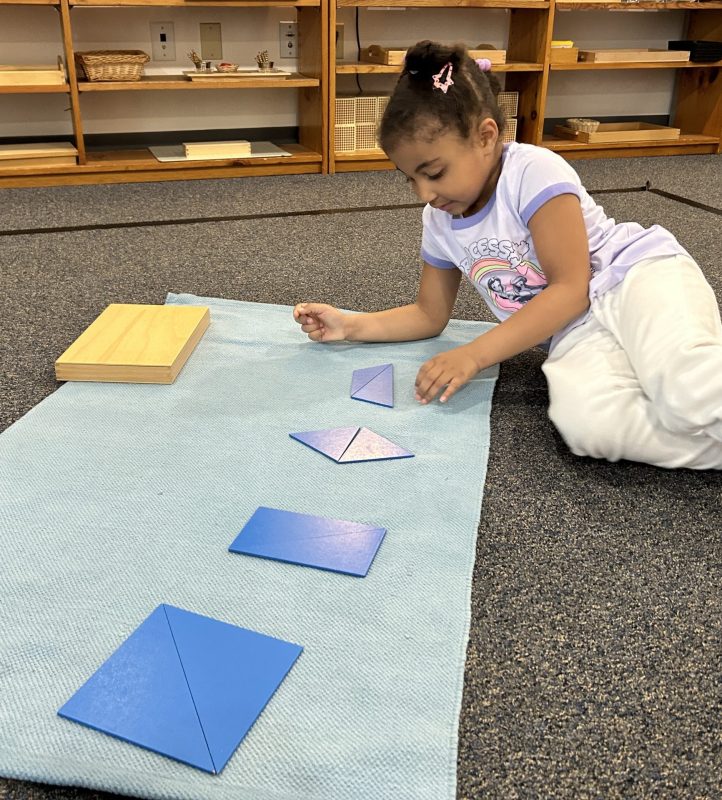
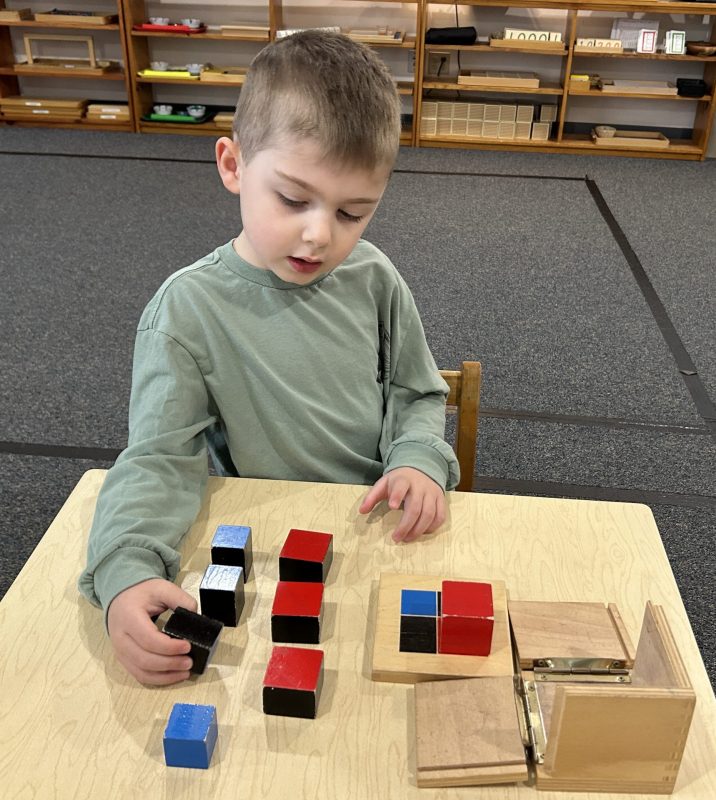
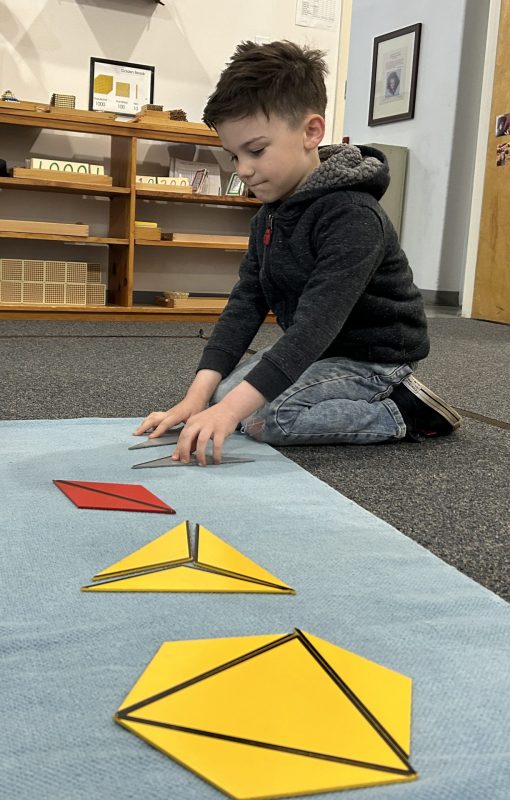
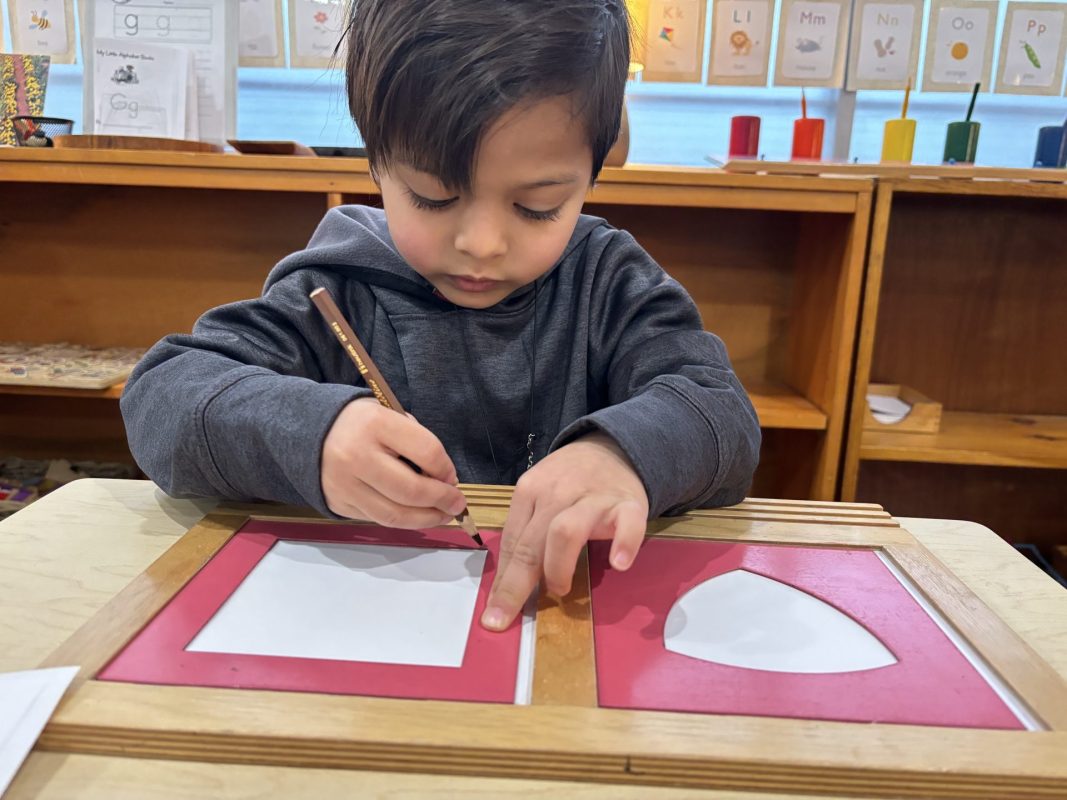
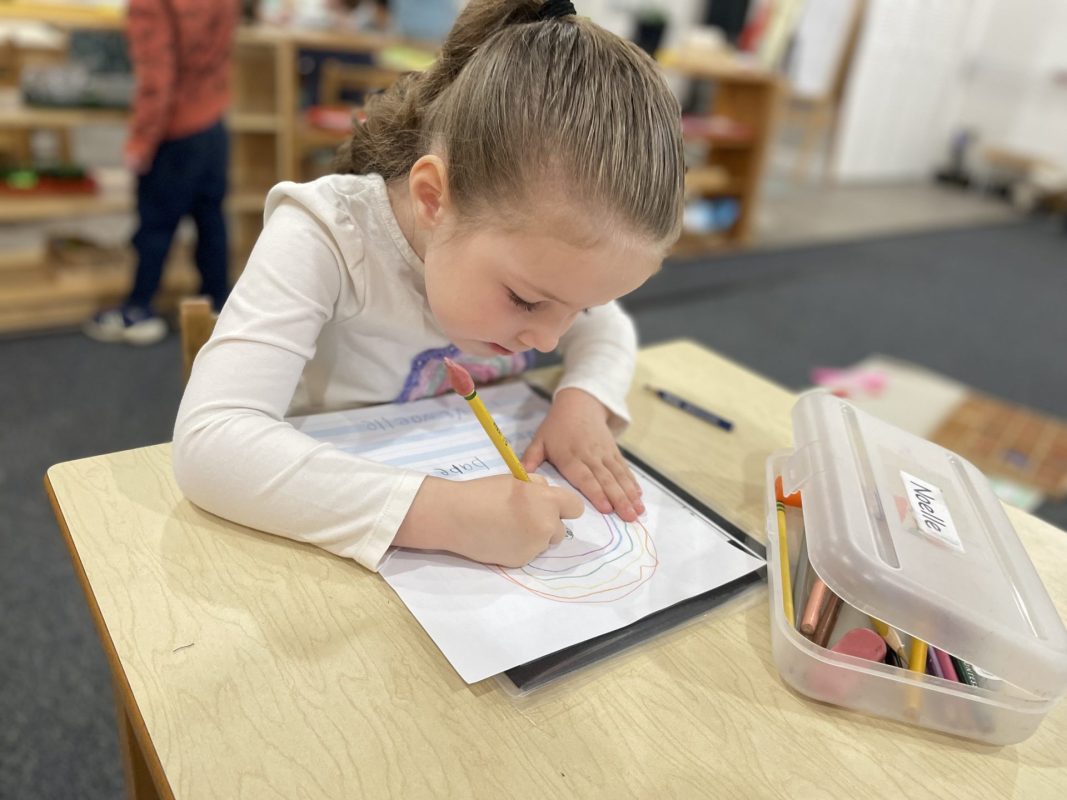
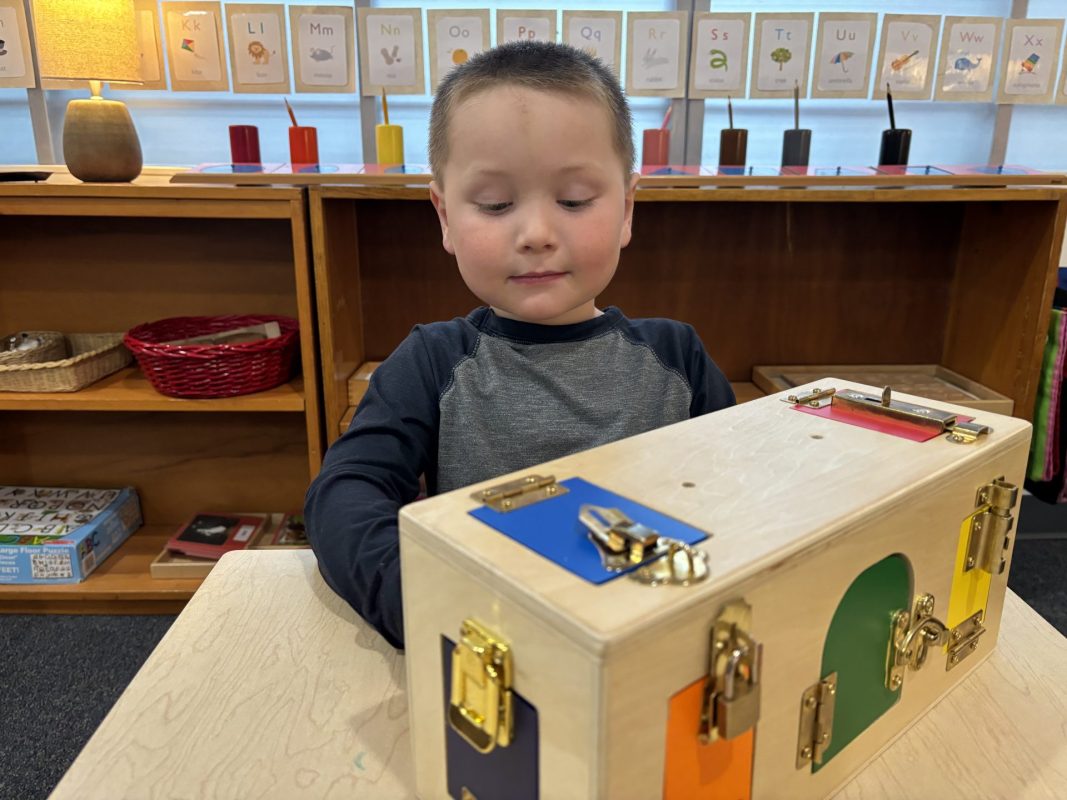
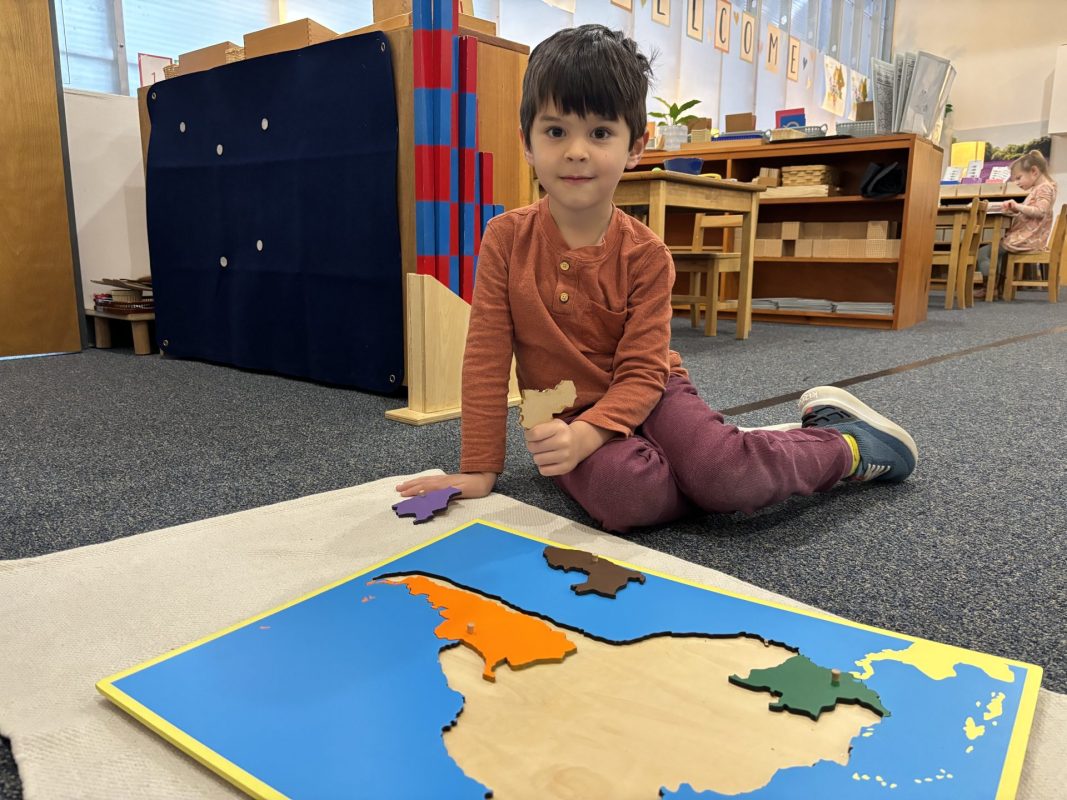
“To have learned something for the child is only a point of departure. When he has learned the meaning of an exercise, then he begins to enjoy repeating it, and he does repeat it an infinite number of times, with the most evident satisfaction.”- Maria Montessori, The Montessori Method
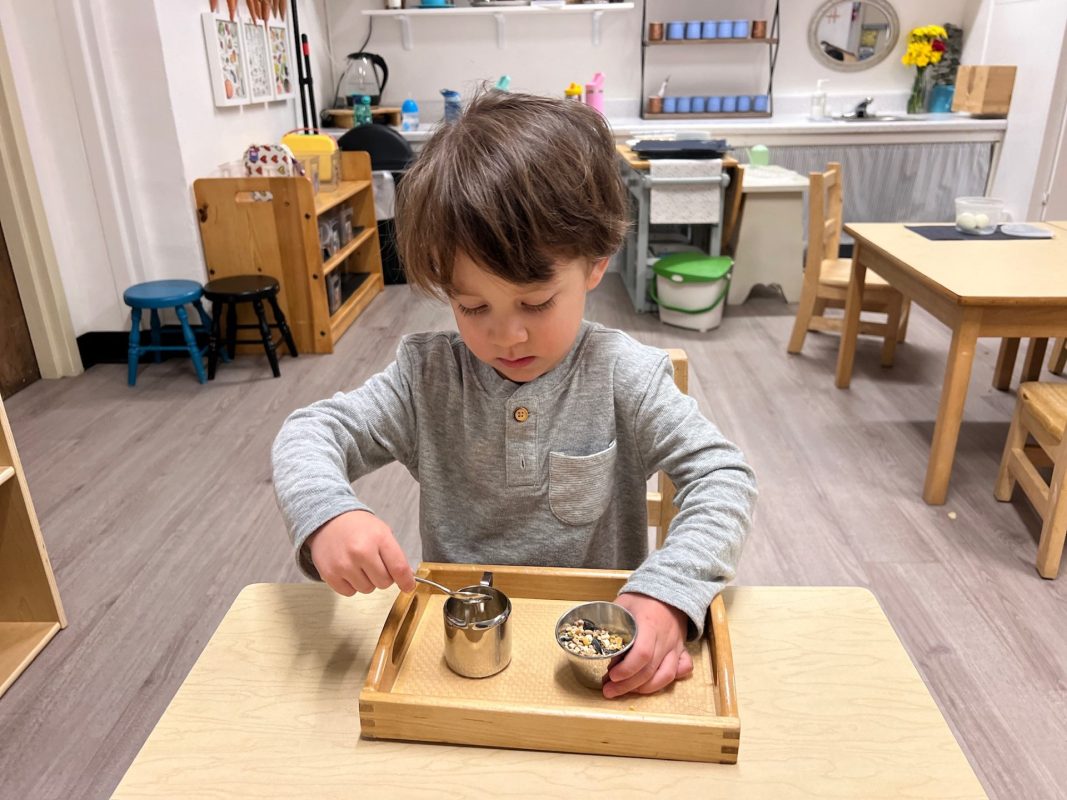
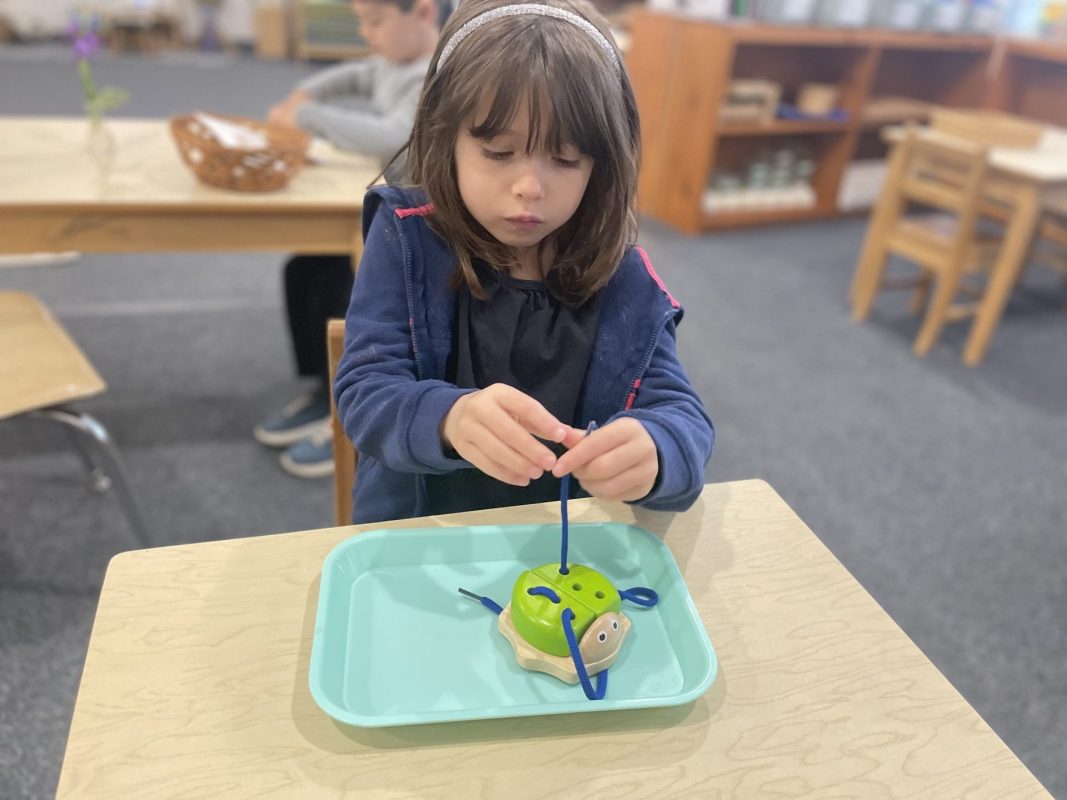
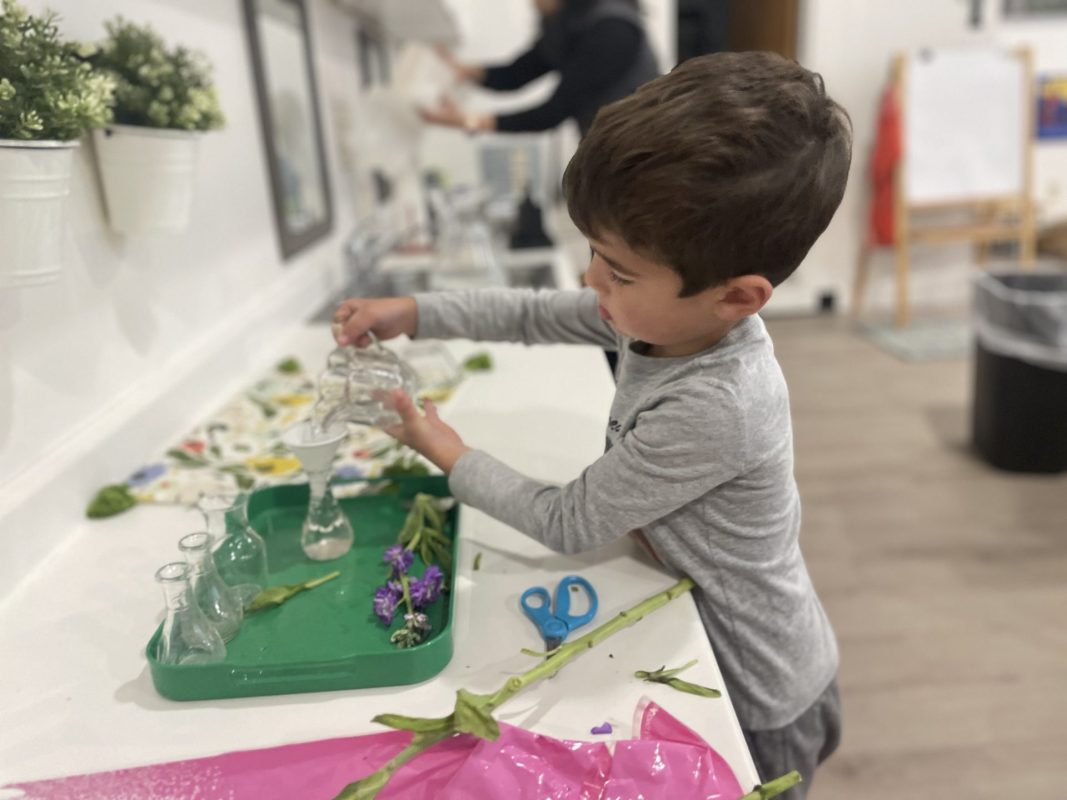
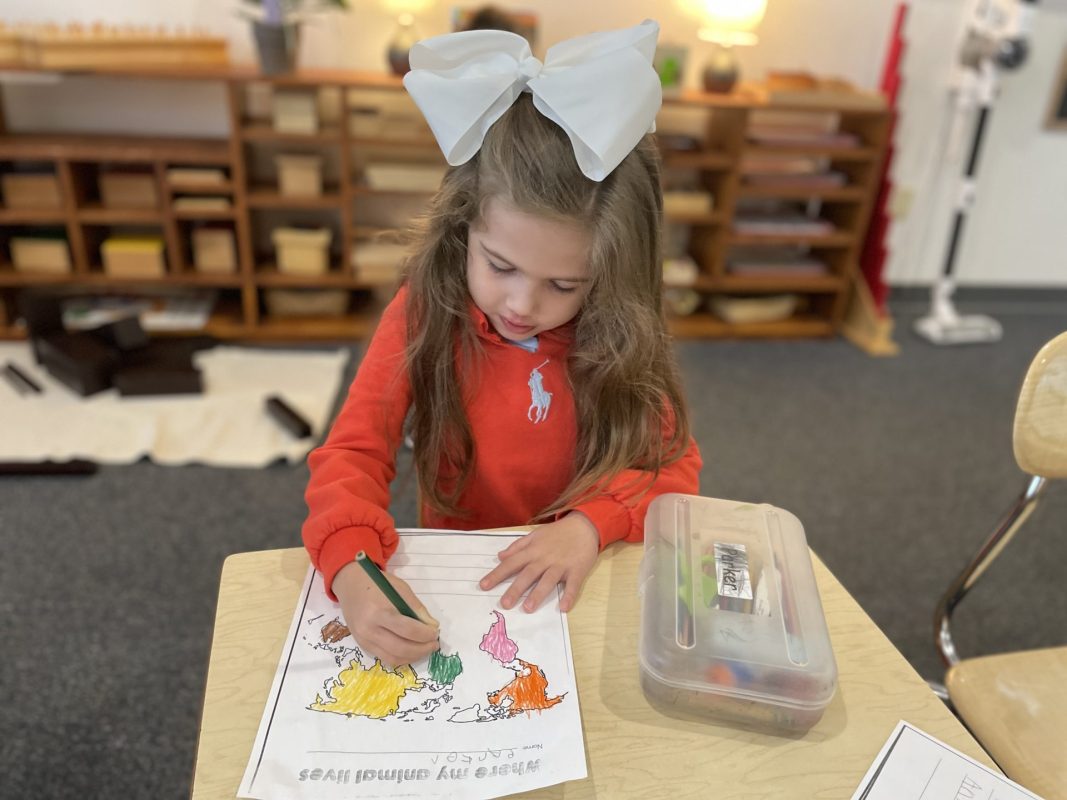
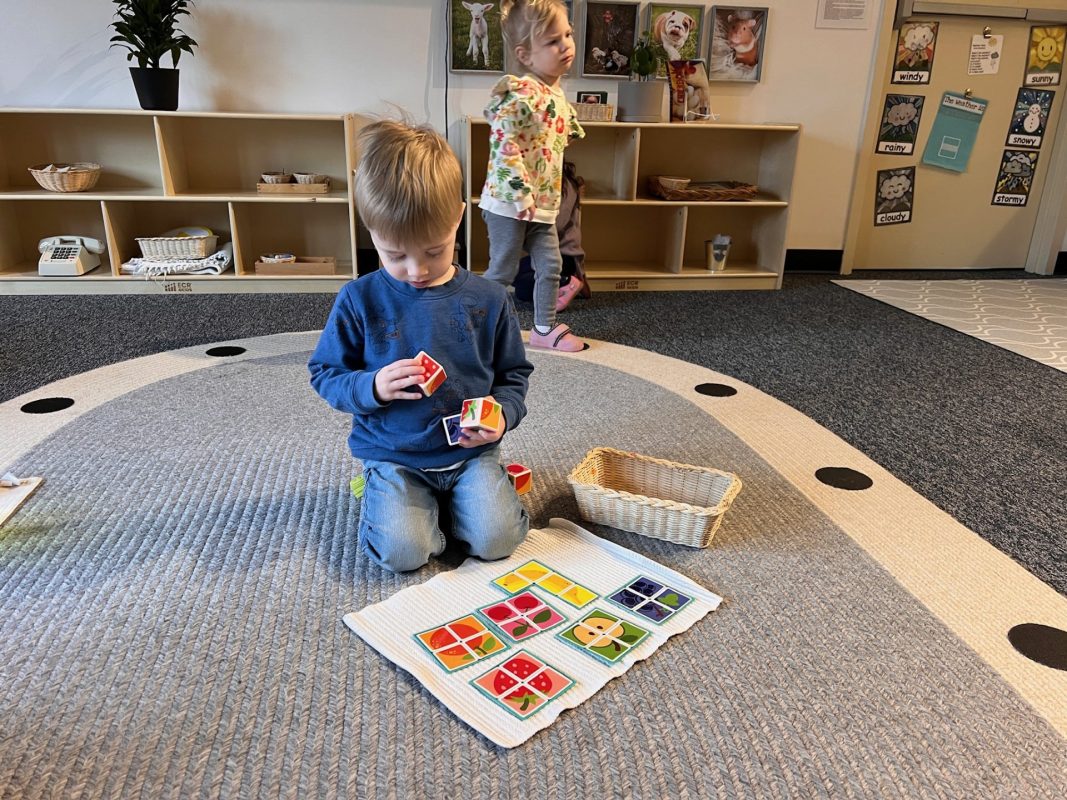
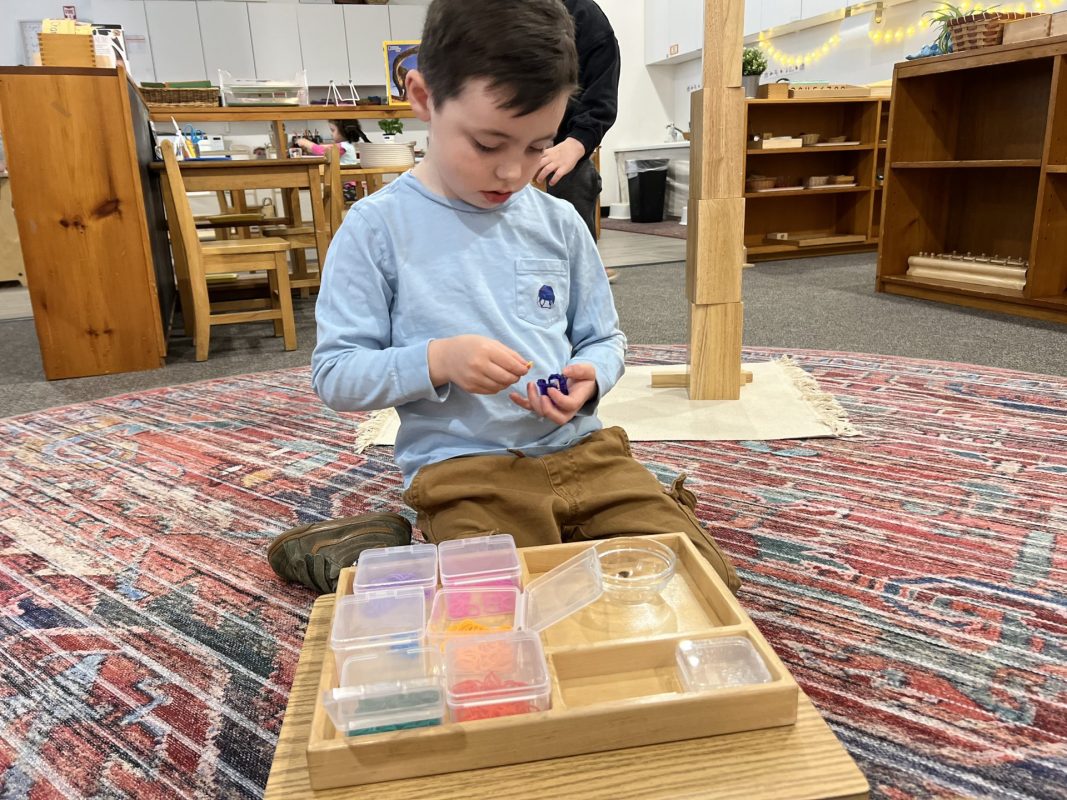
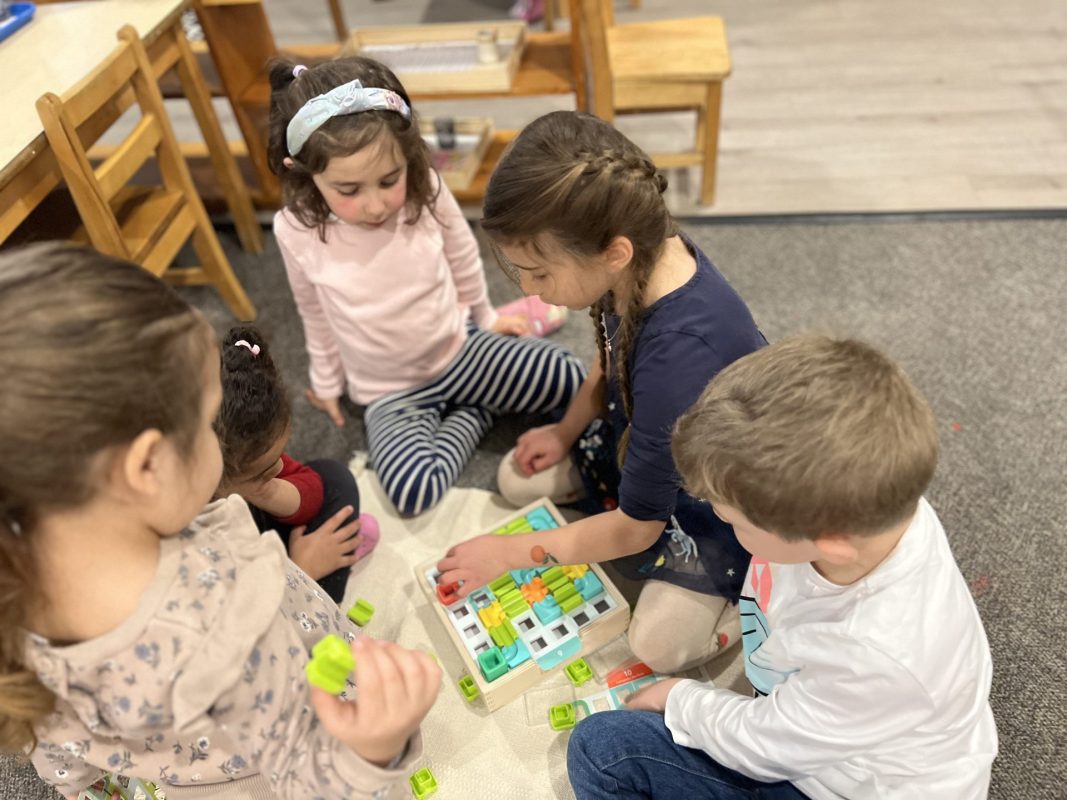
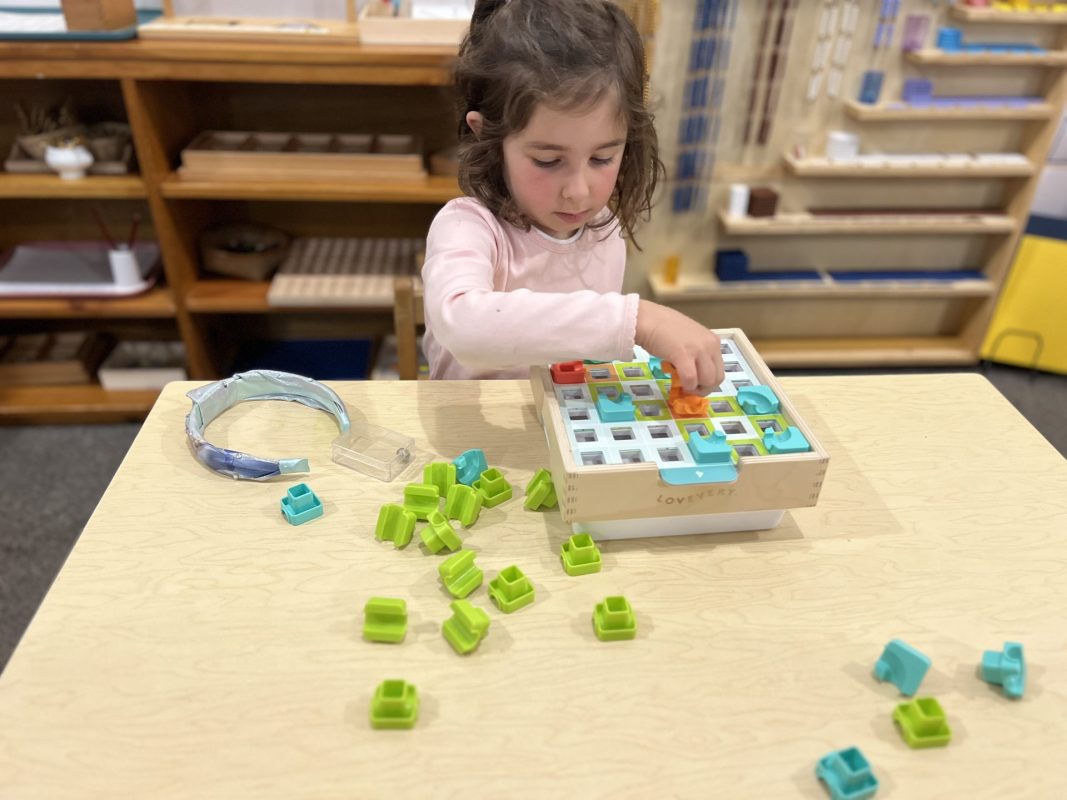
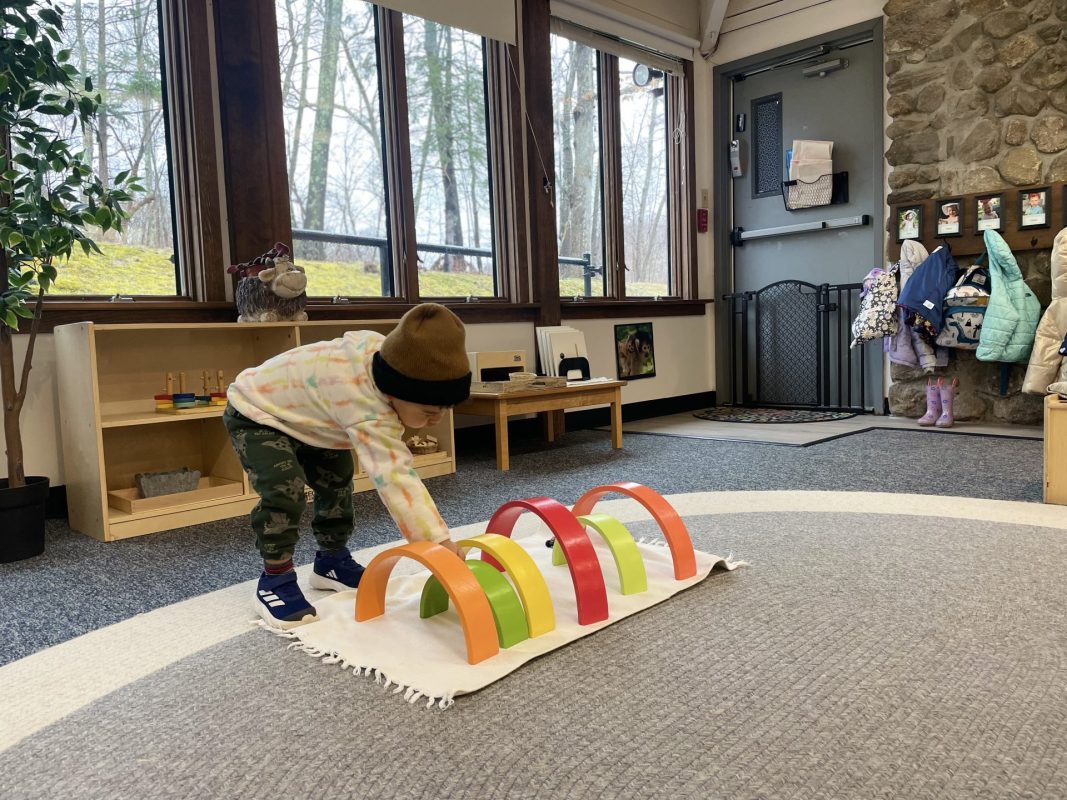
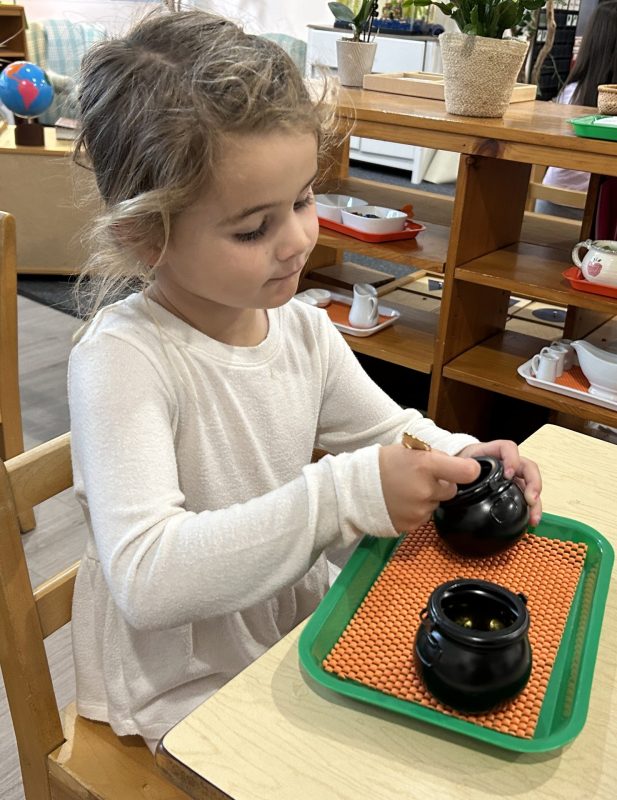
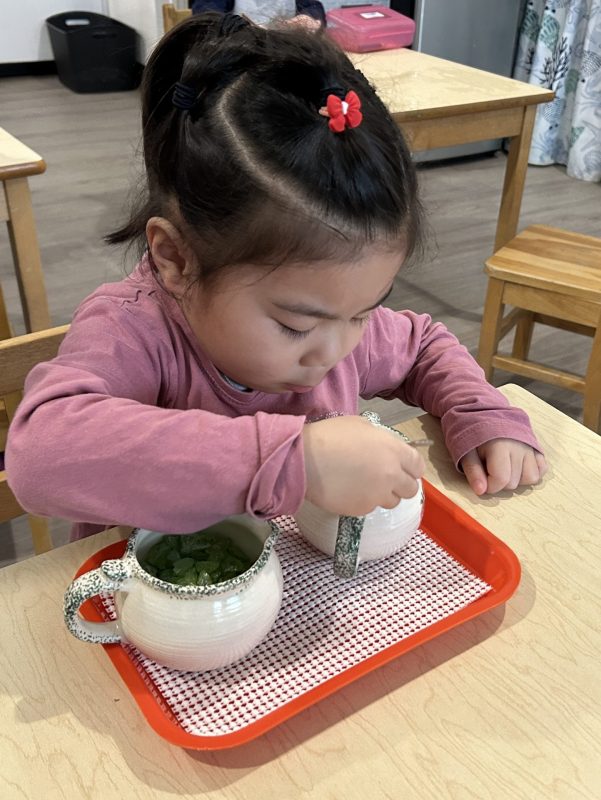
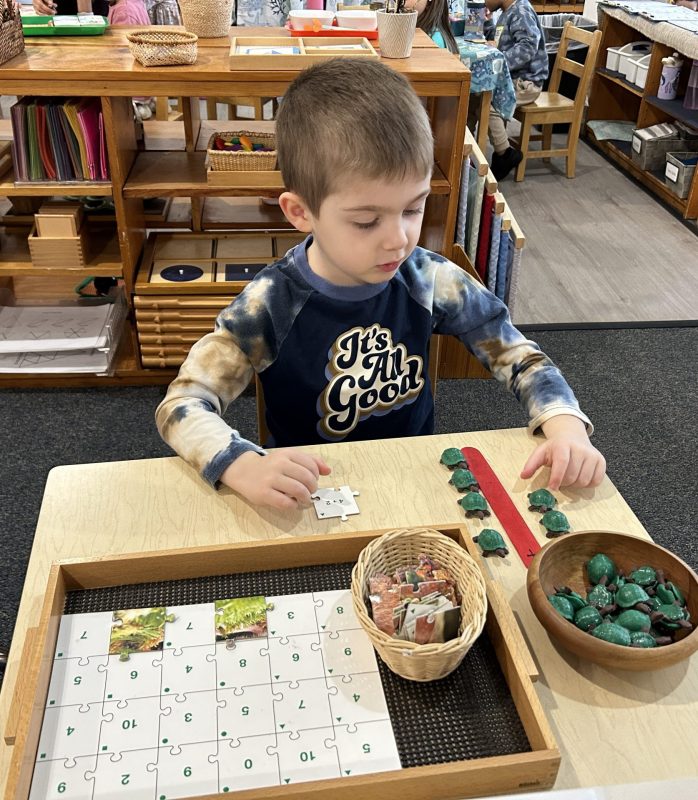
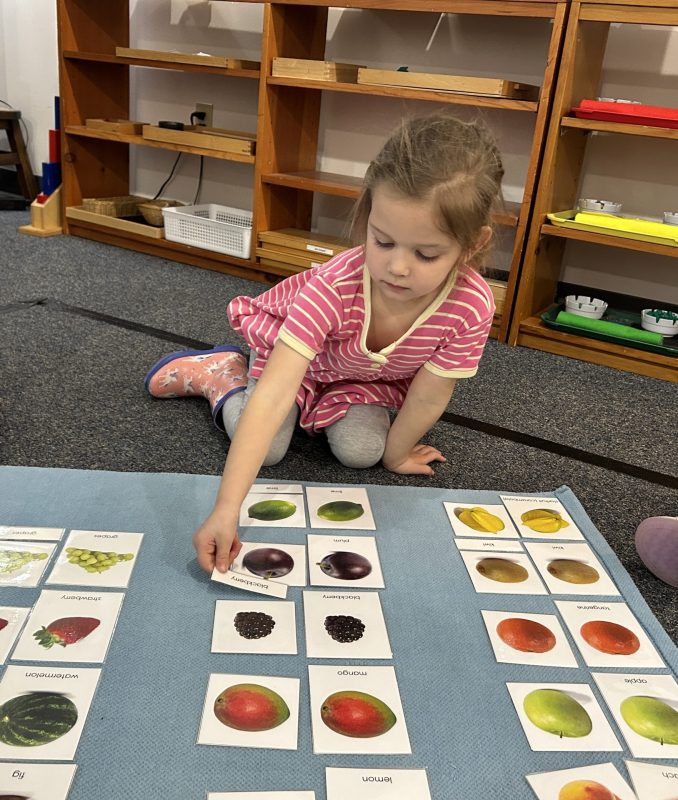
In a Montessori environment, repetition does not necessarily mean that the child has to engage in the same exact work over and over again. Anything that provides the child with the practice of a previously learned skill, including extensions and games, is repetition.

Dr. Montessori said, “Repetition is the secret of perfection.”

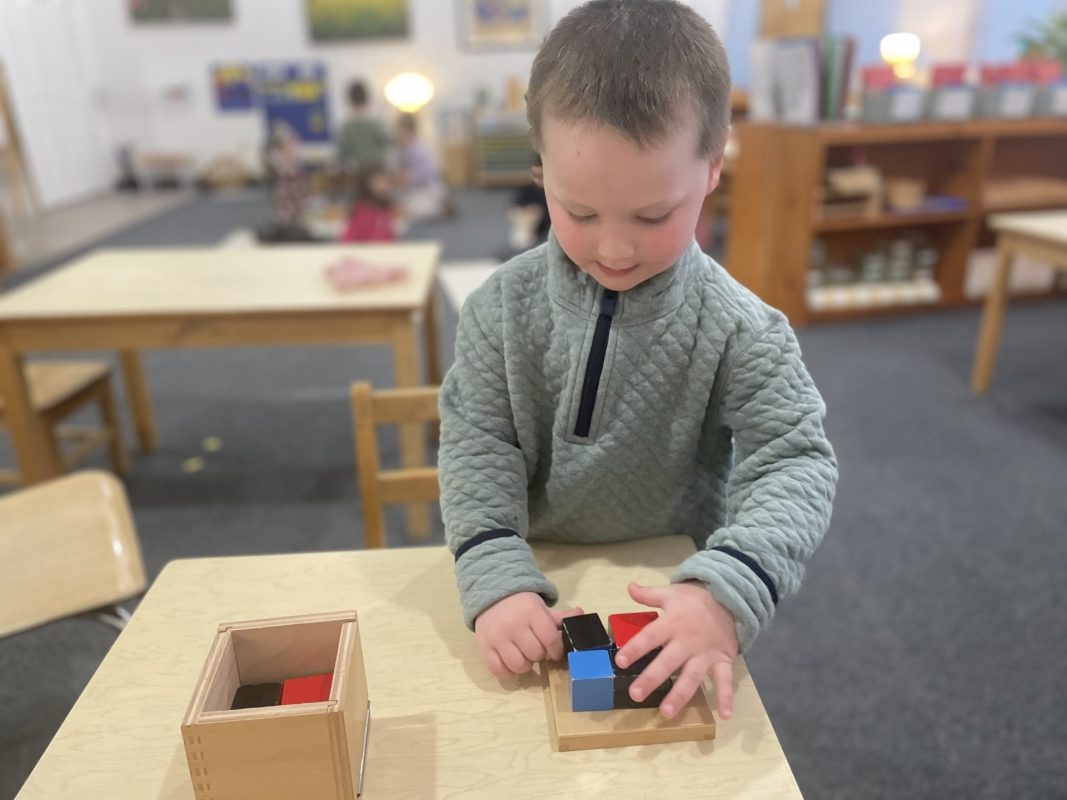
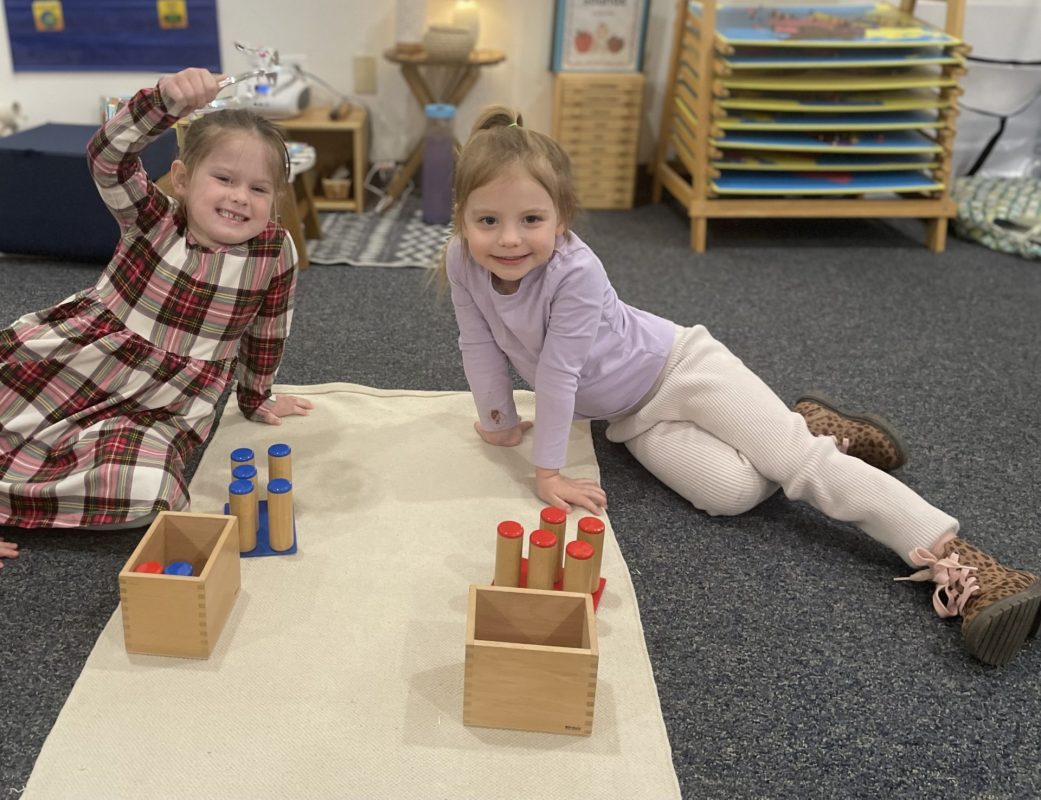
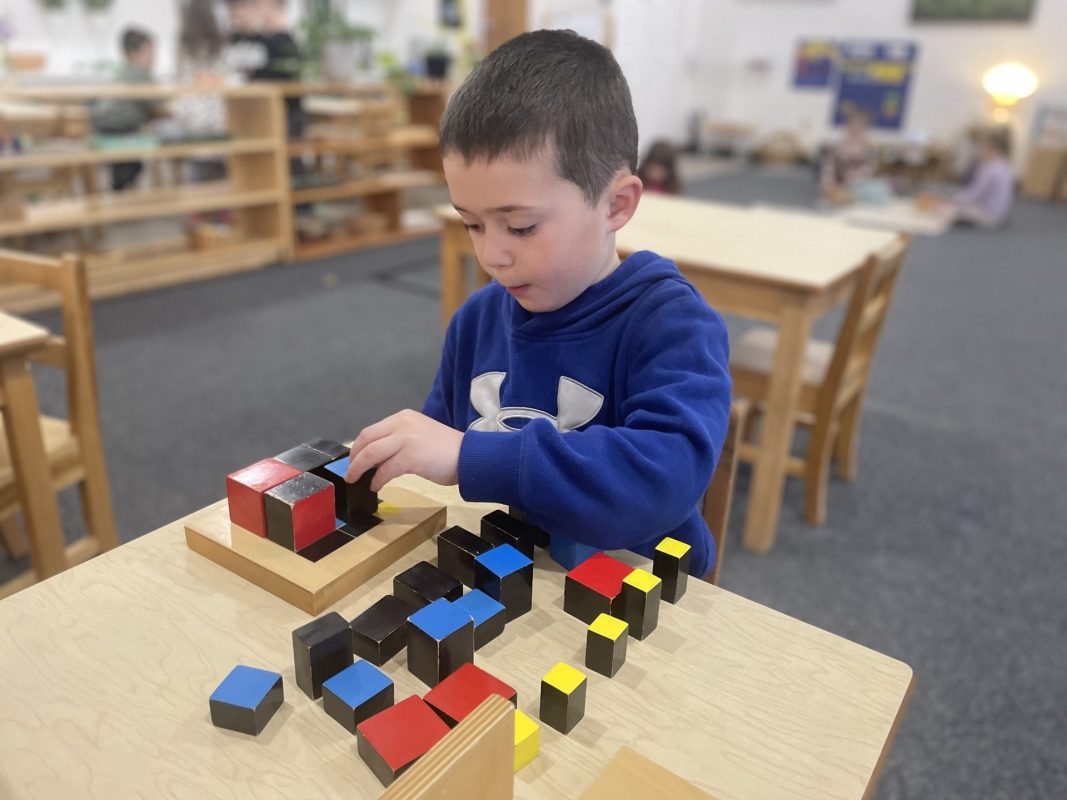
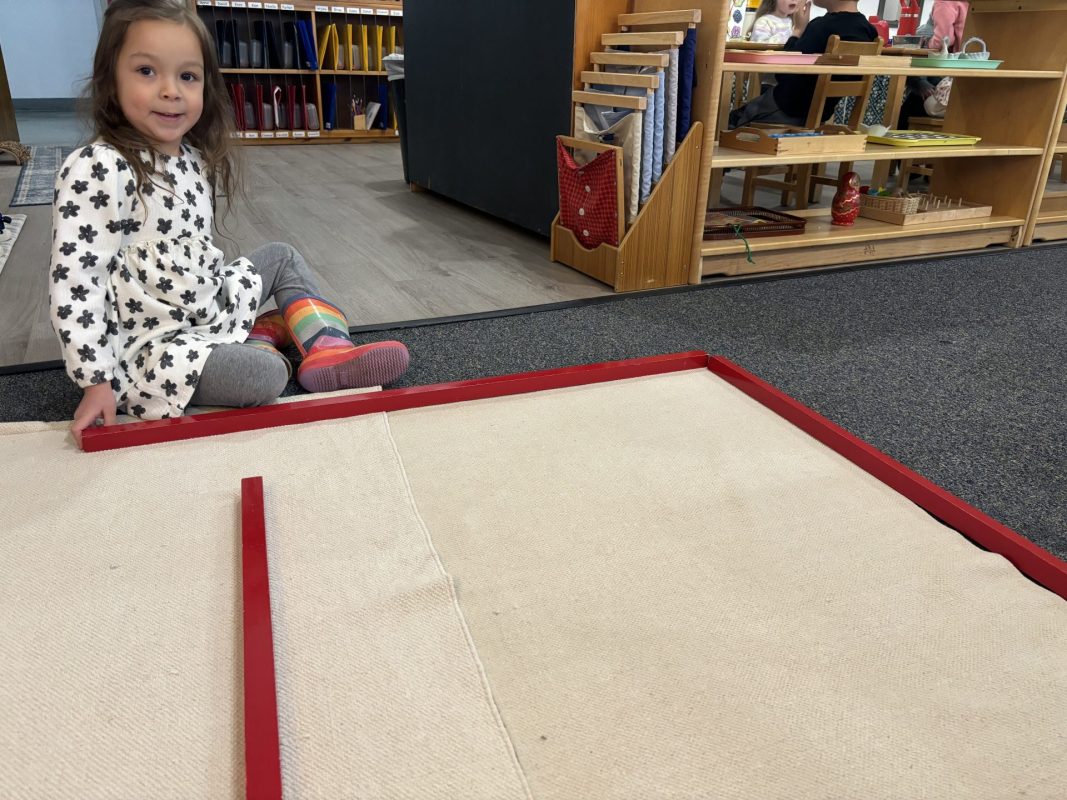
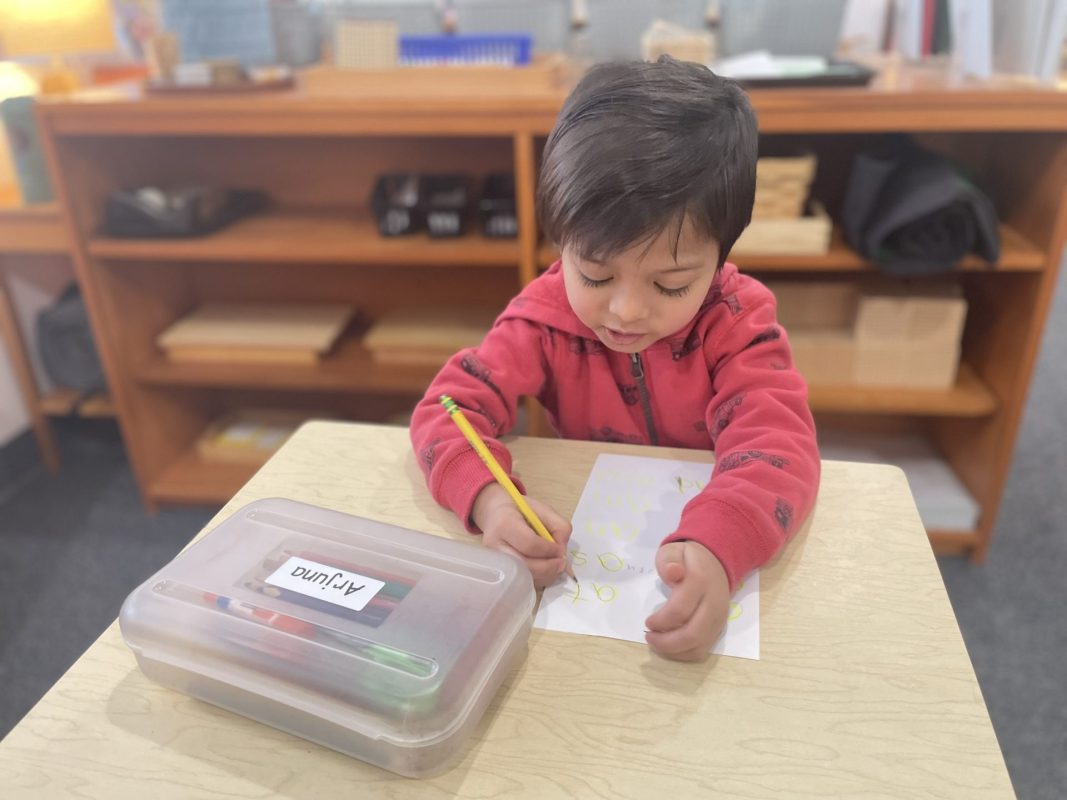
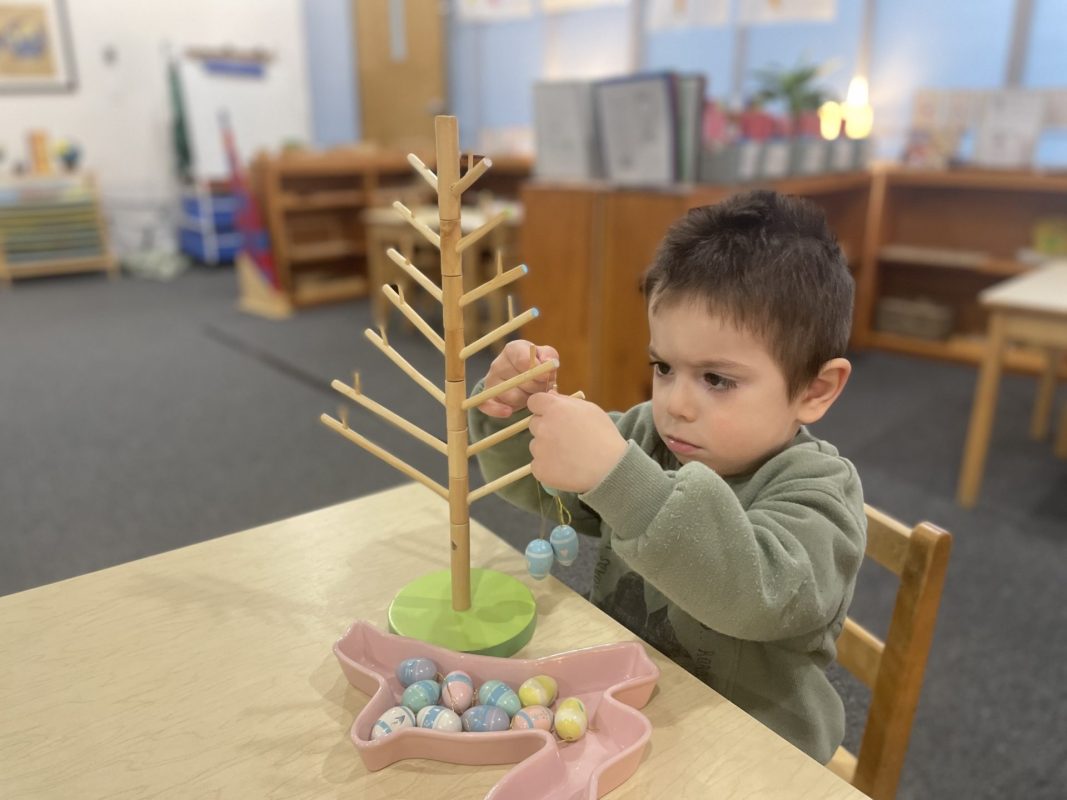
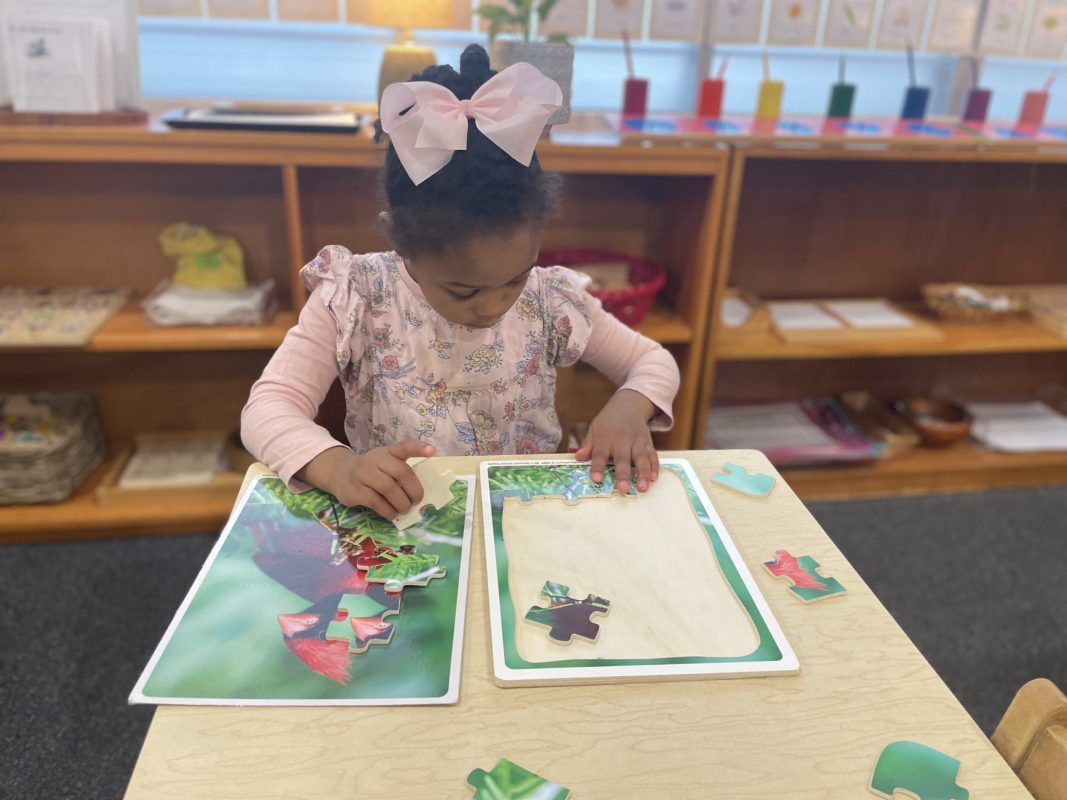
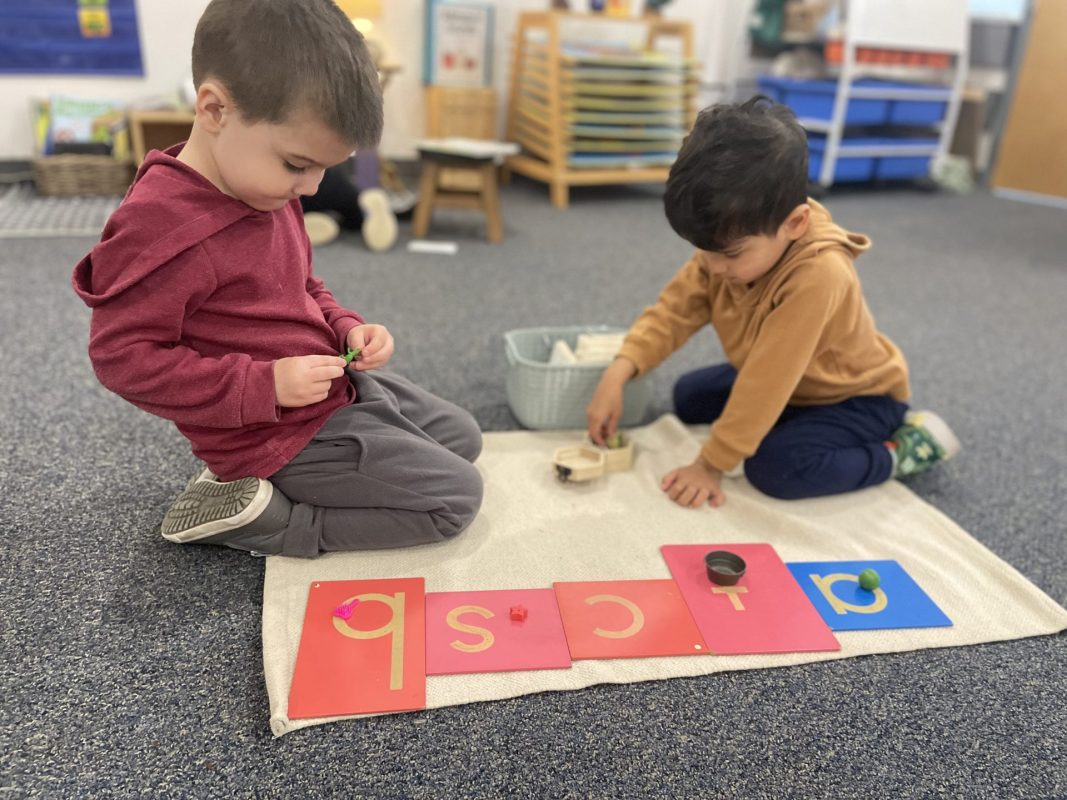
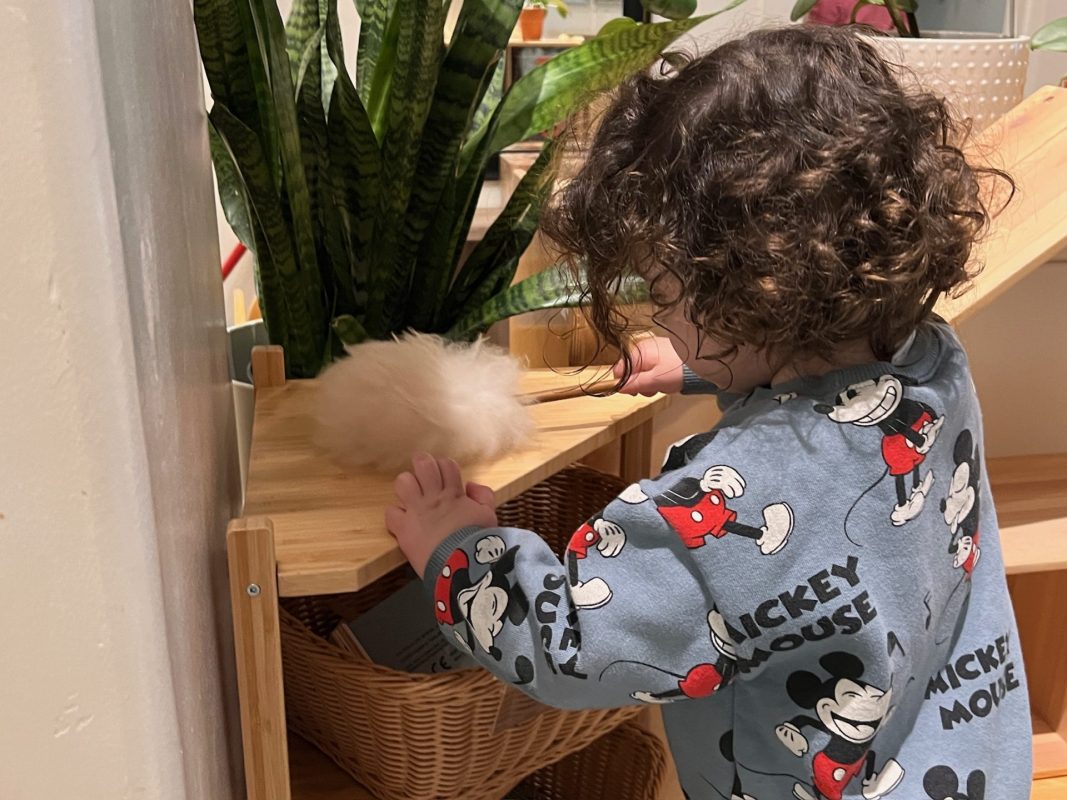
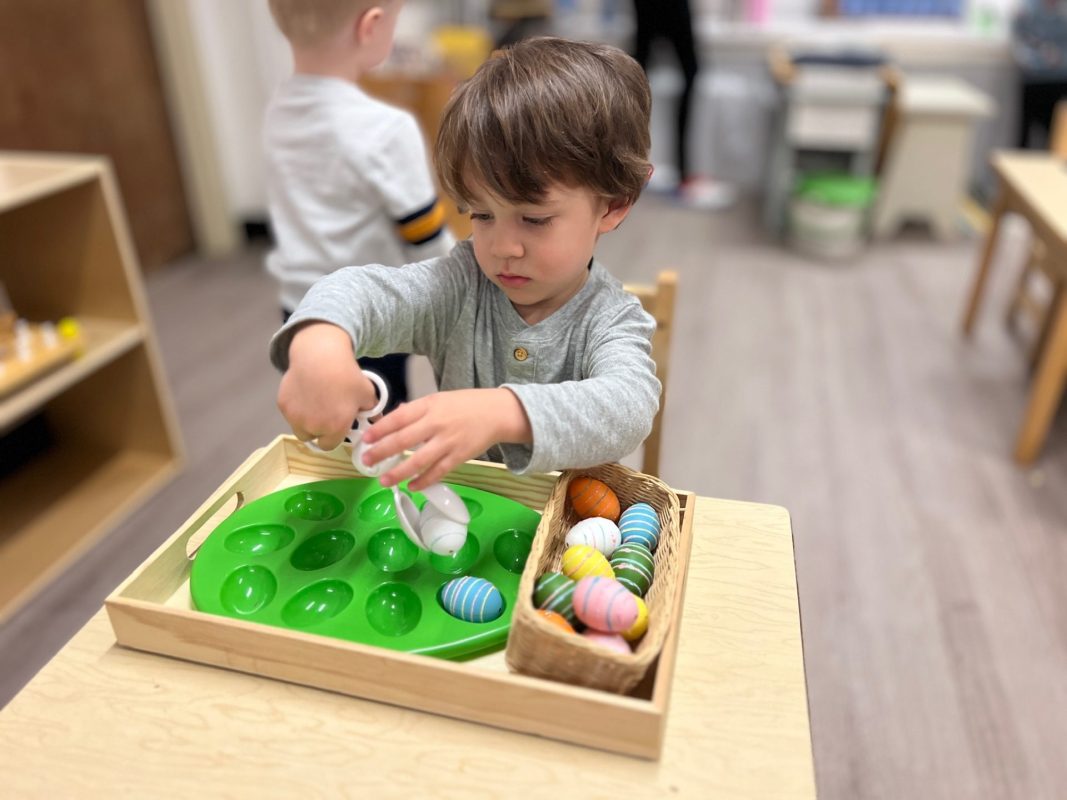
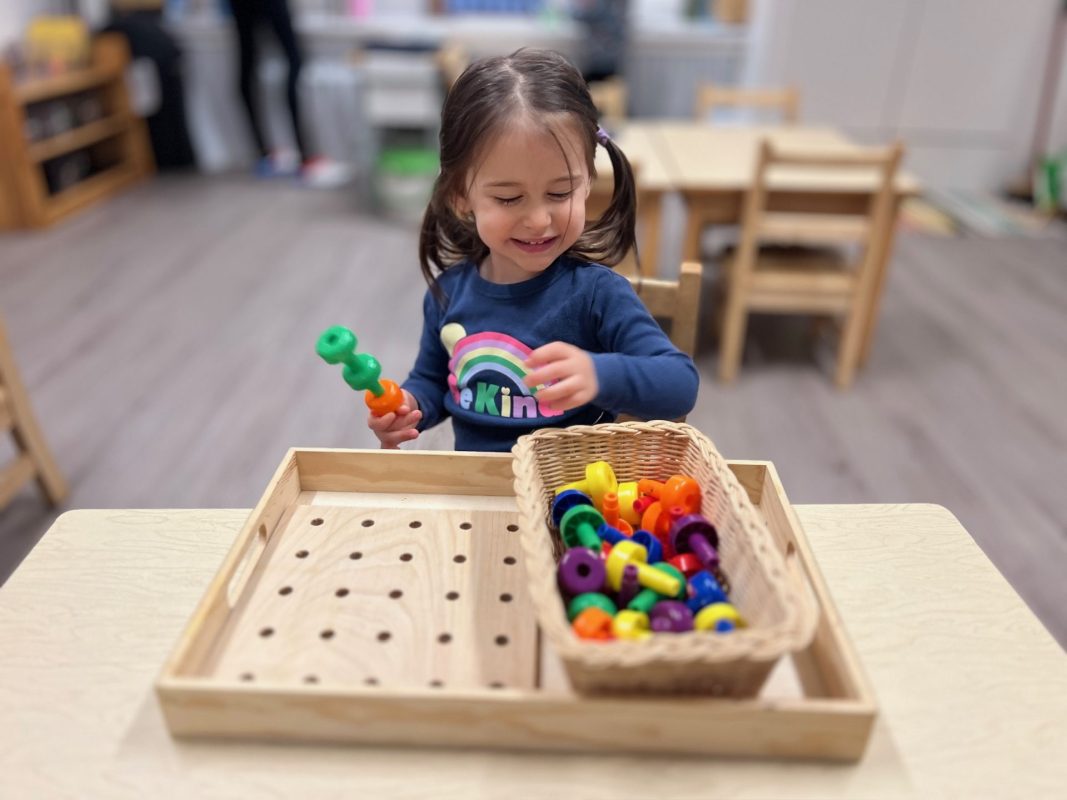
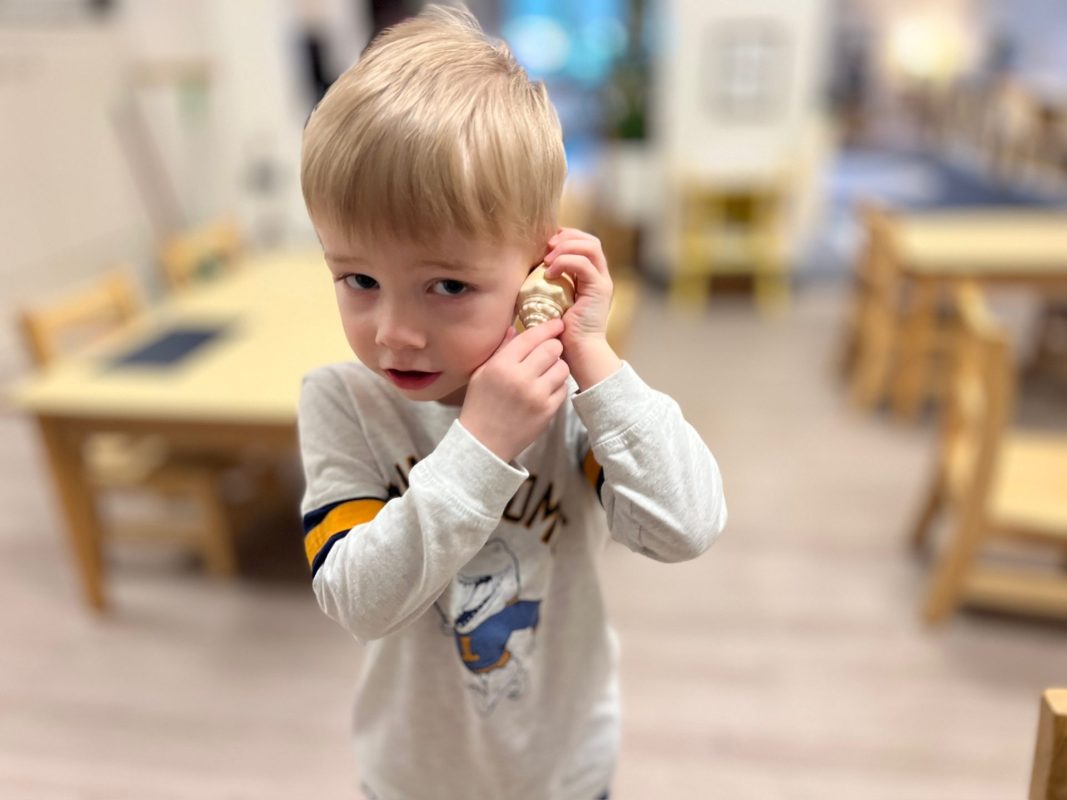
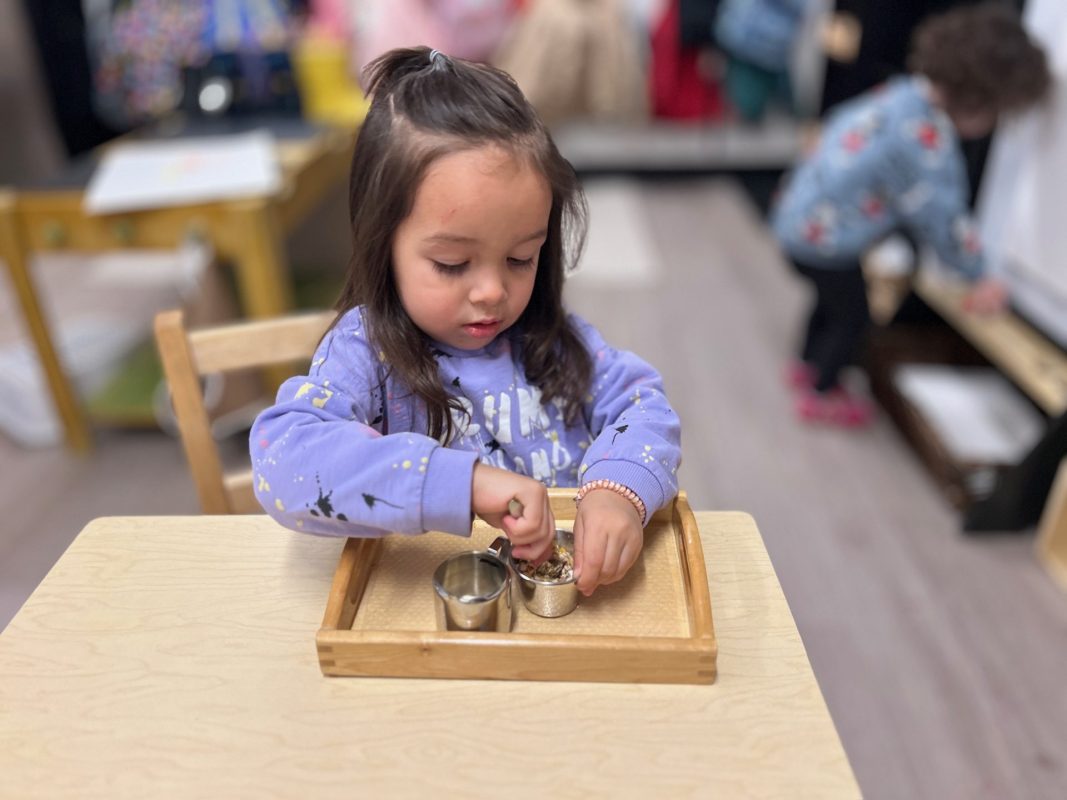
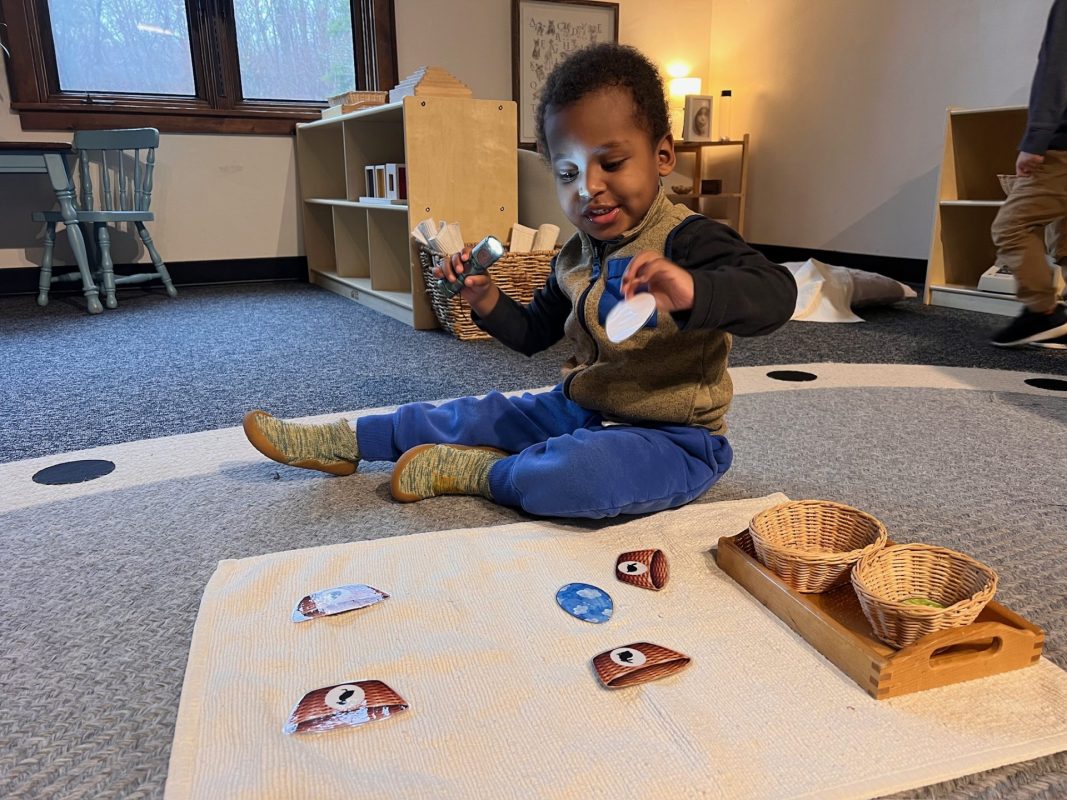
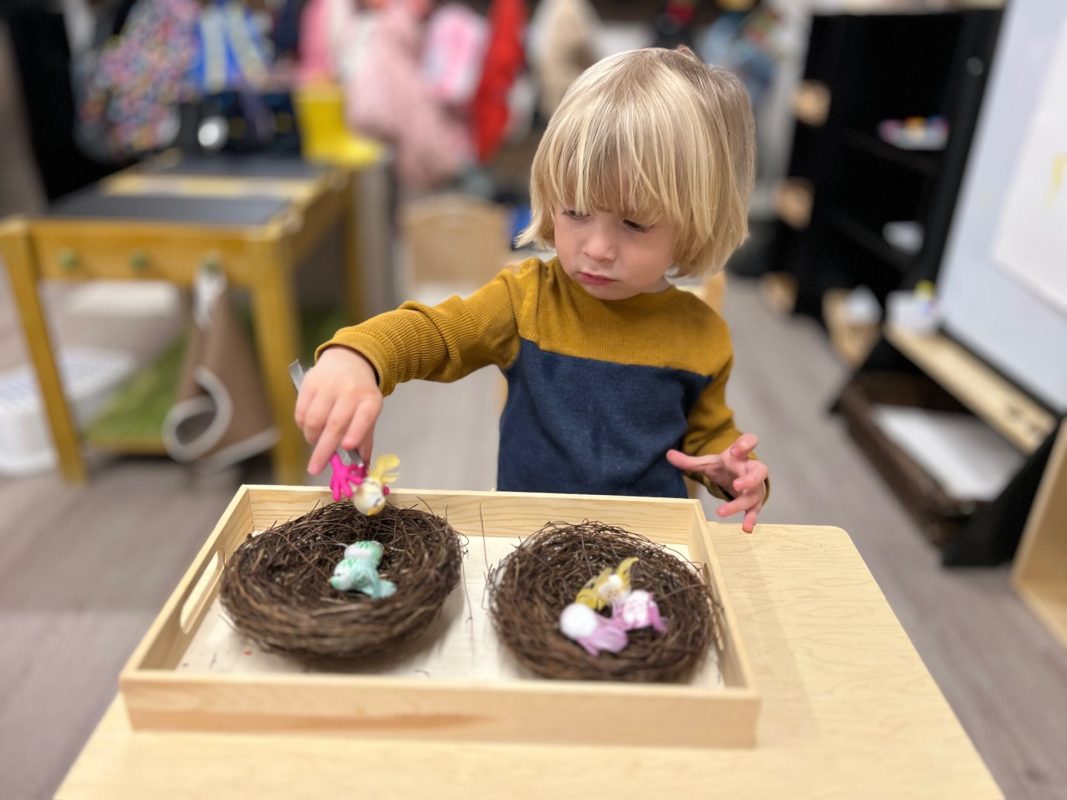
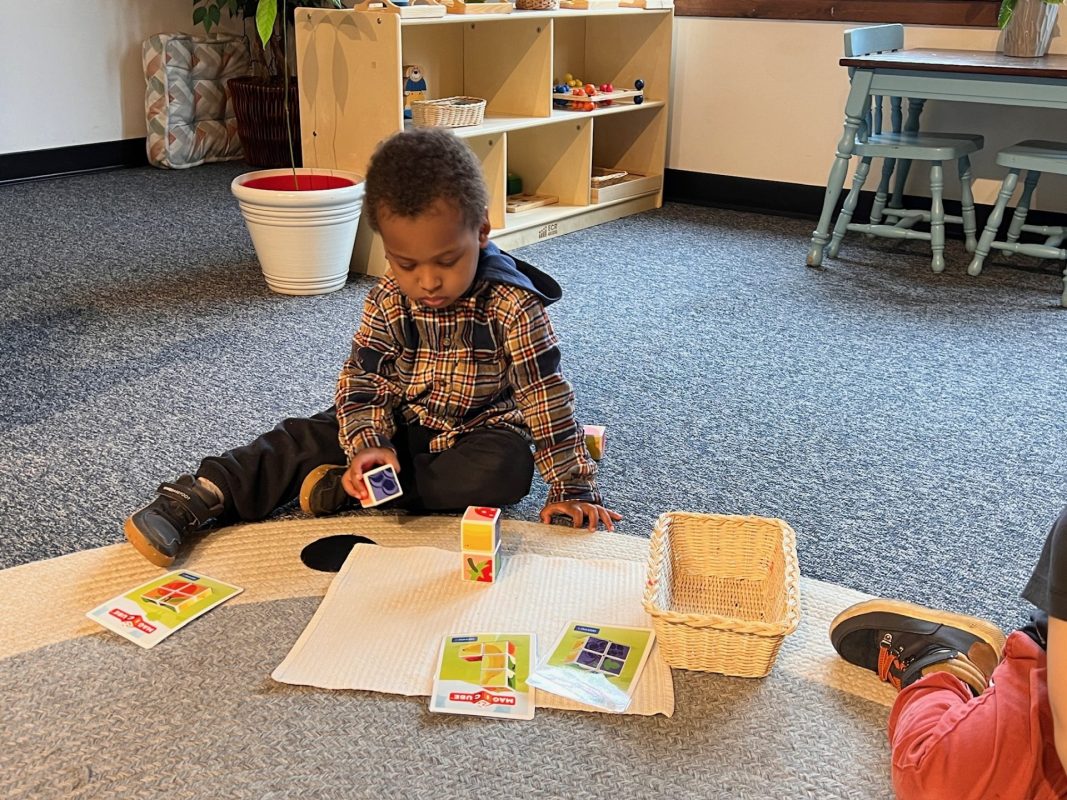
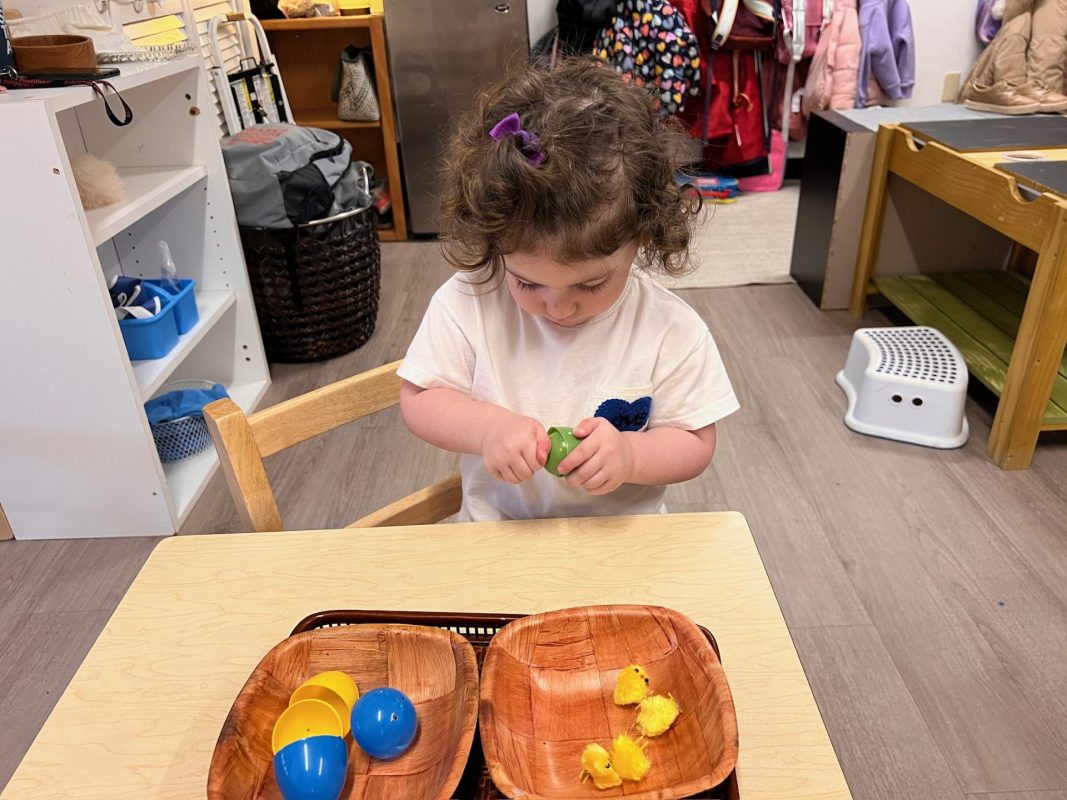
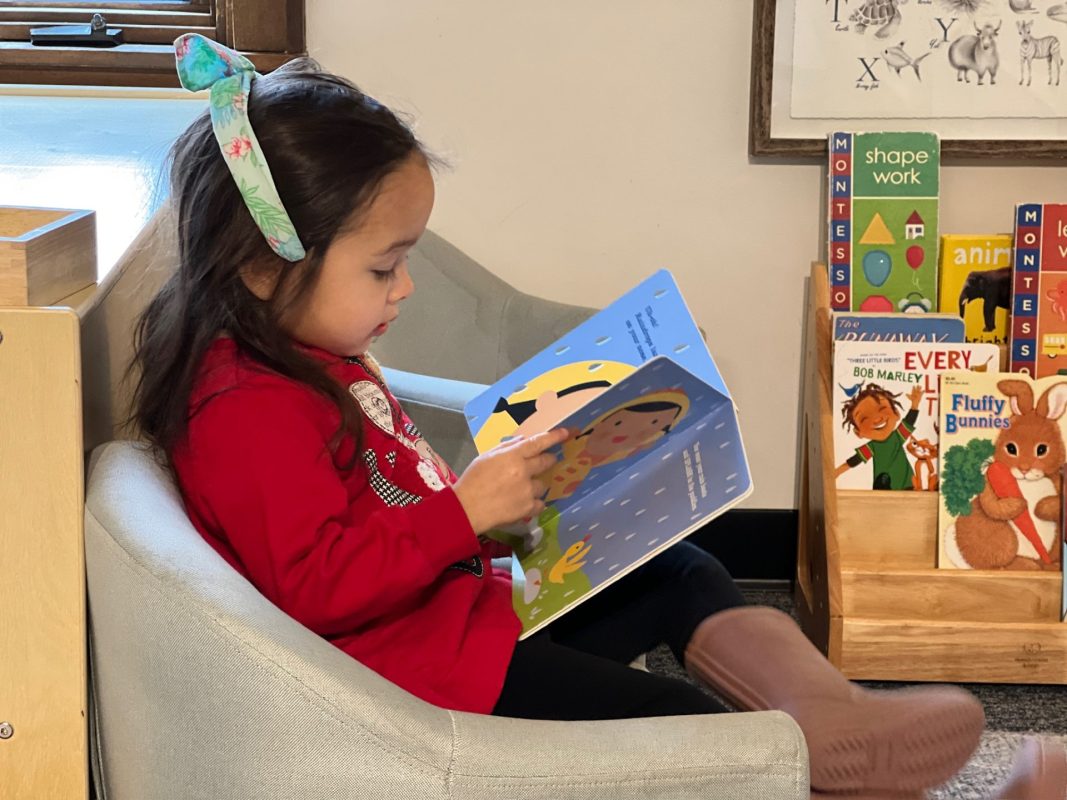
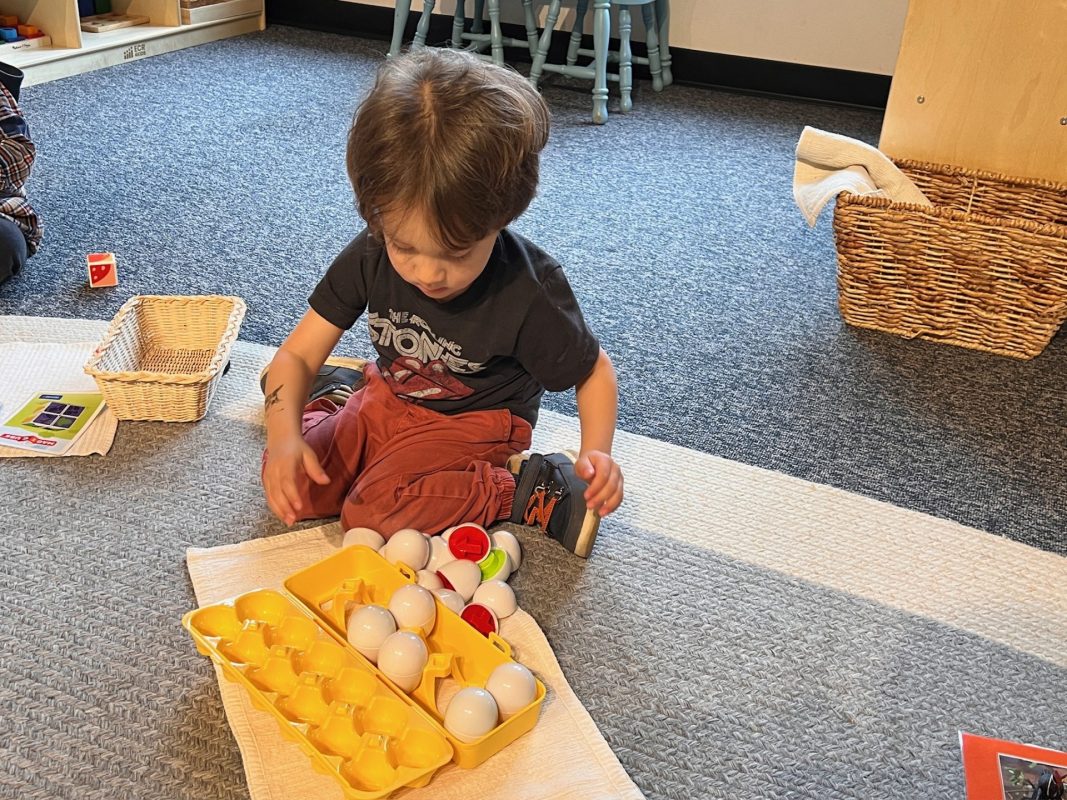
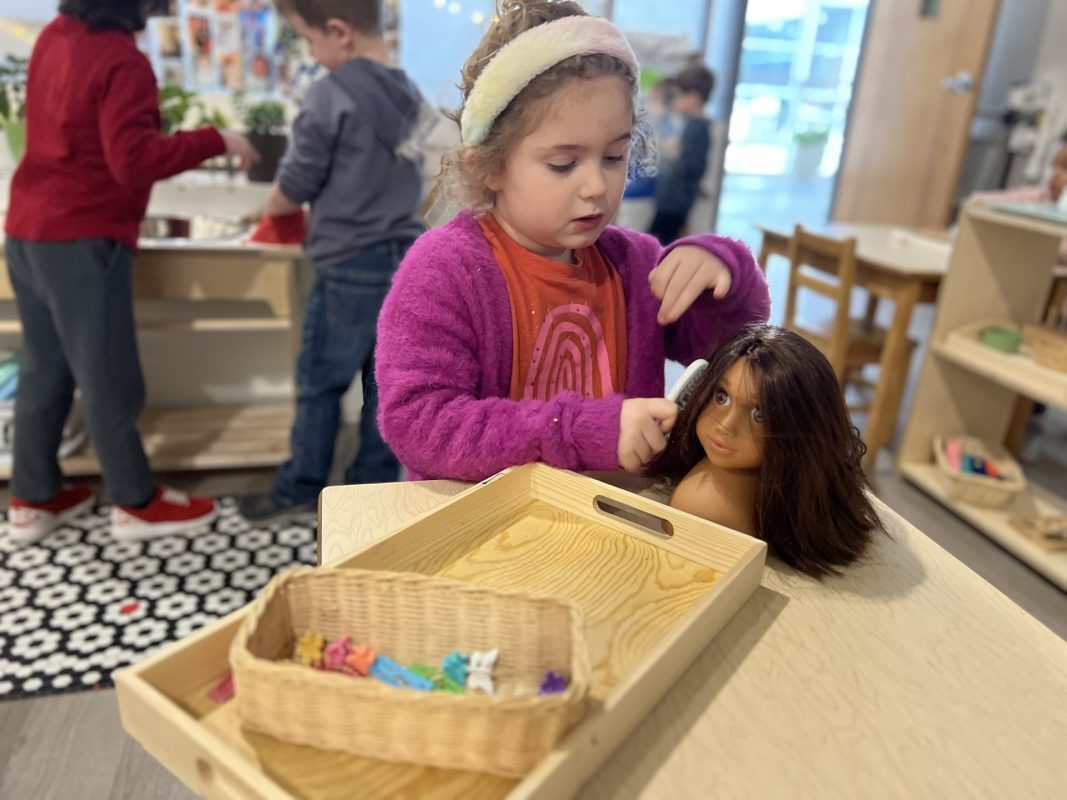
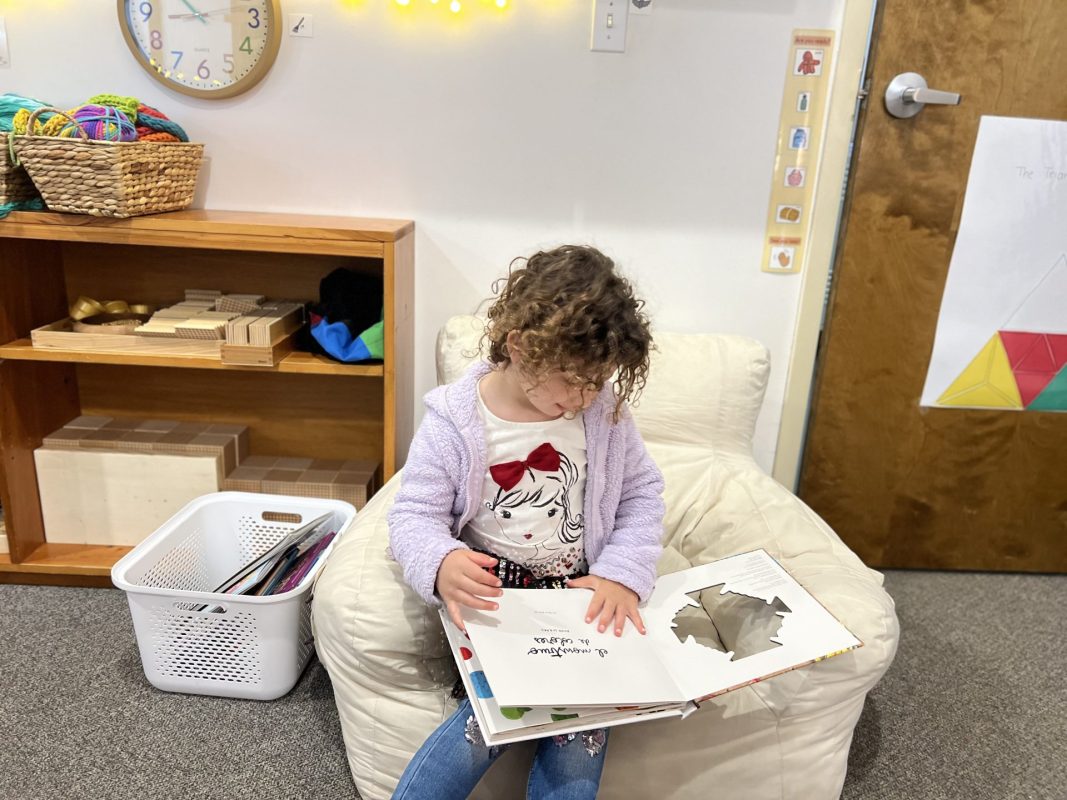
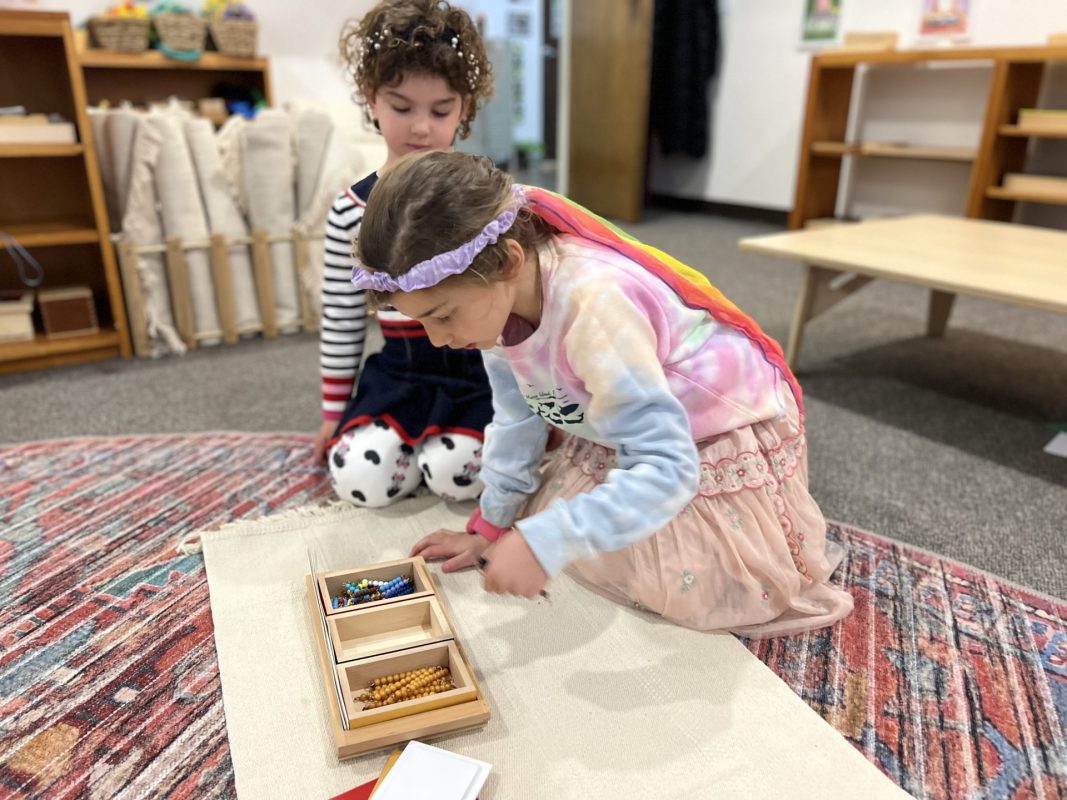
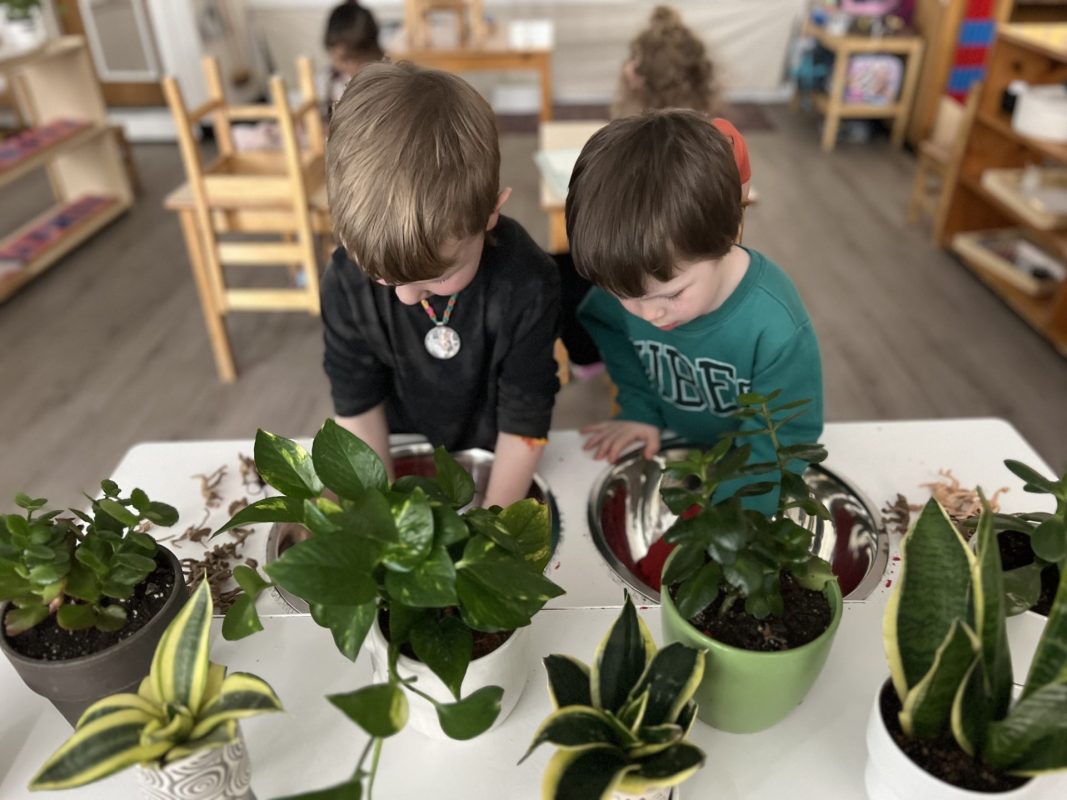
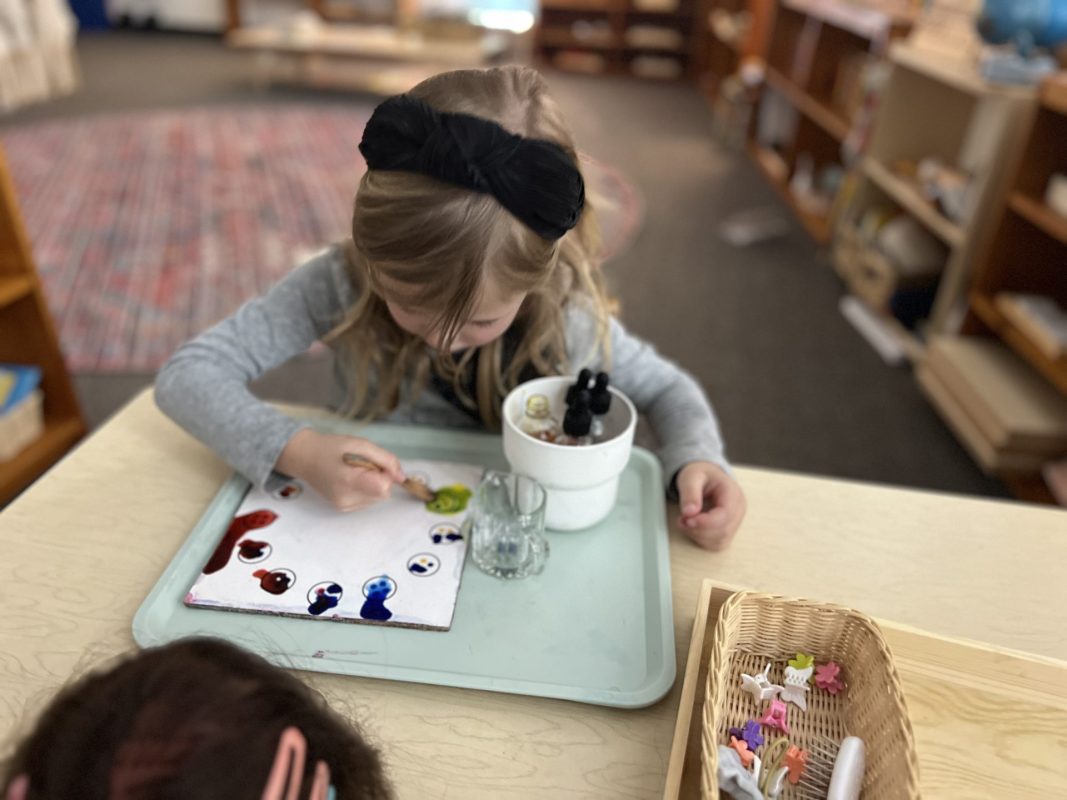
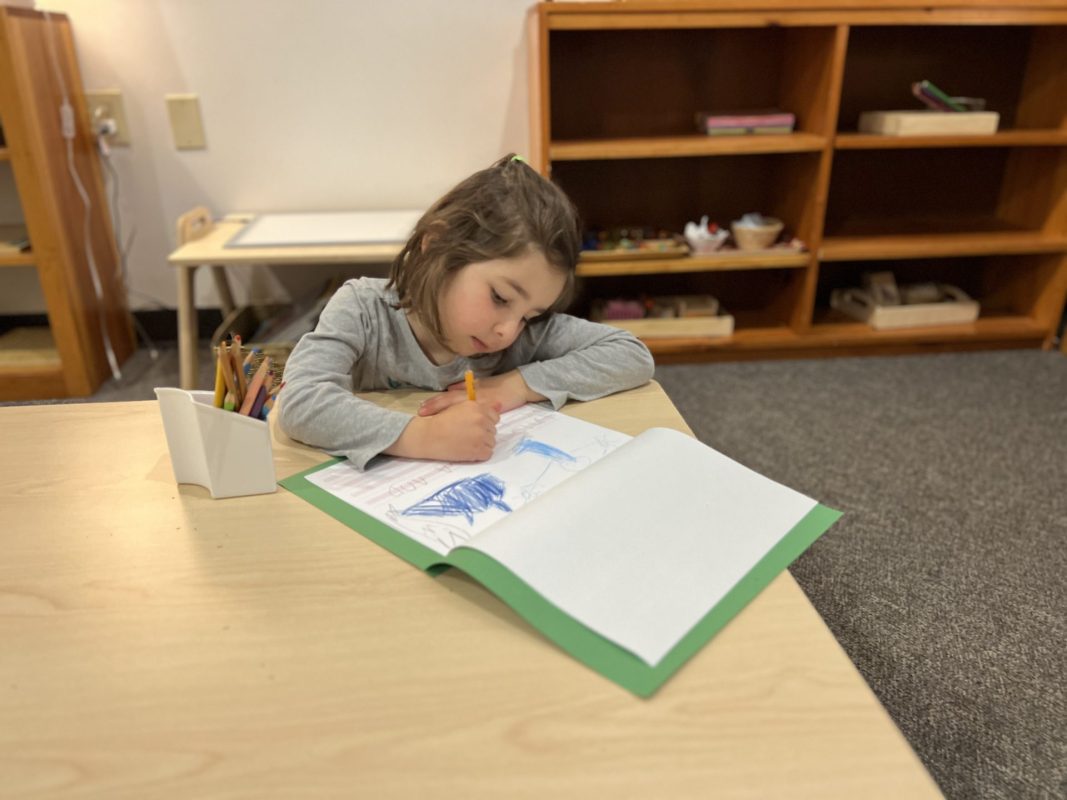
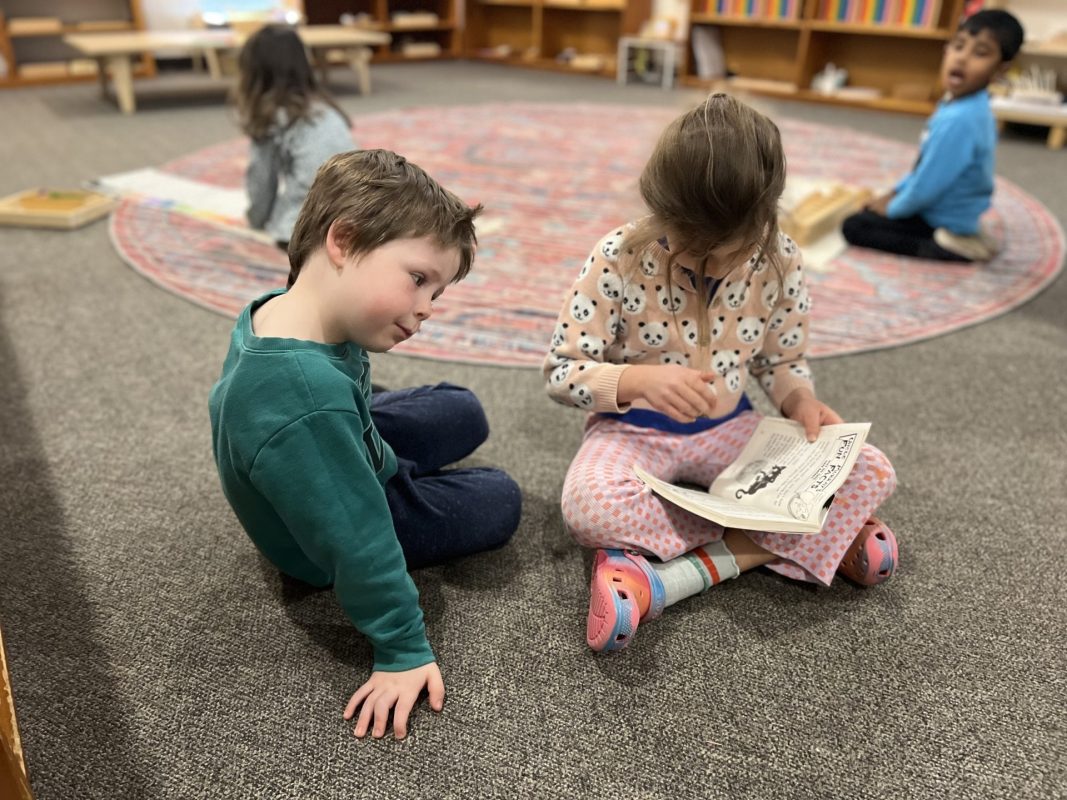
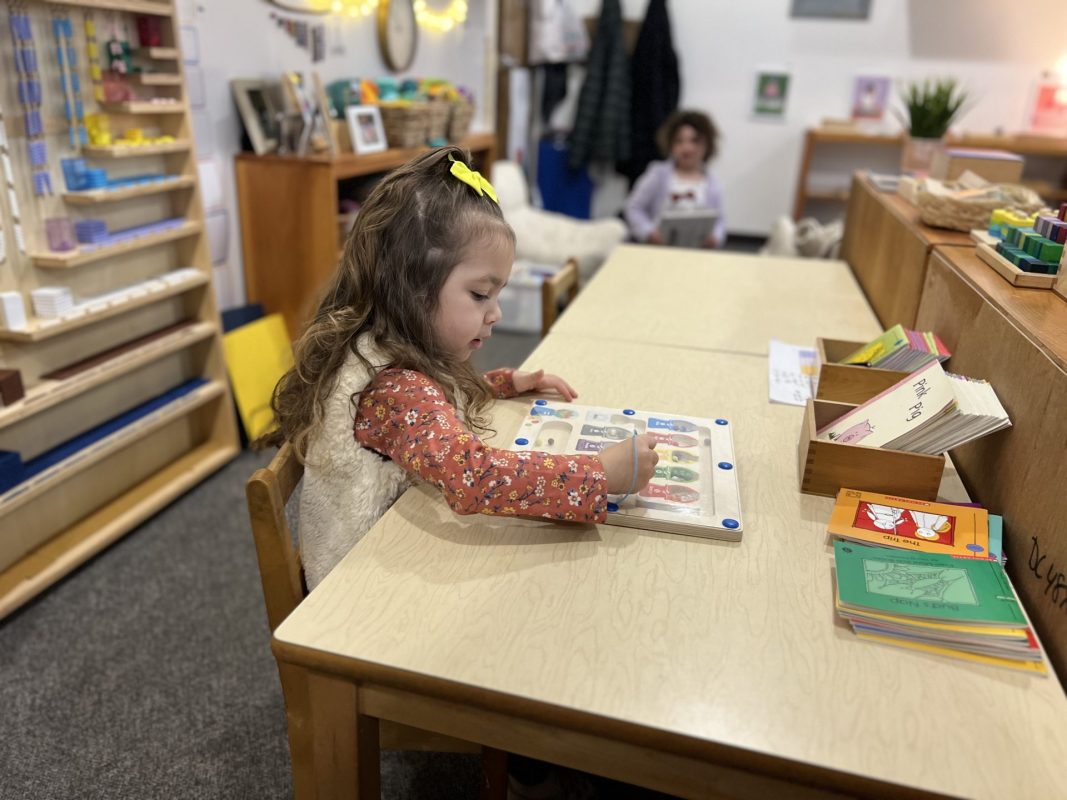
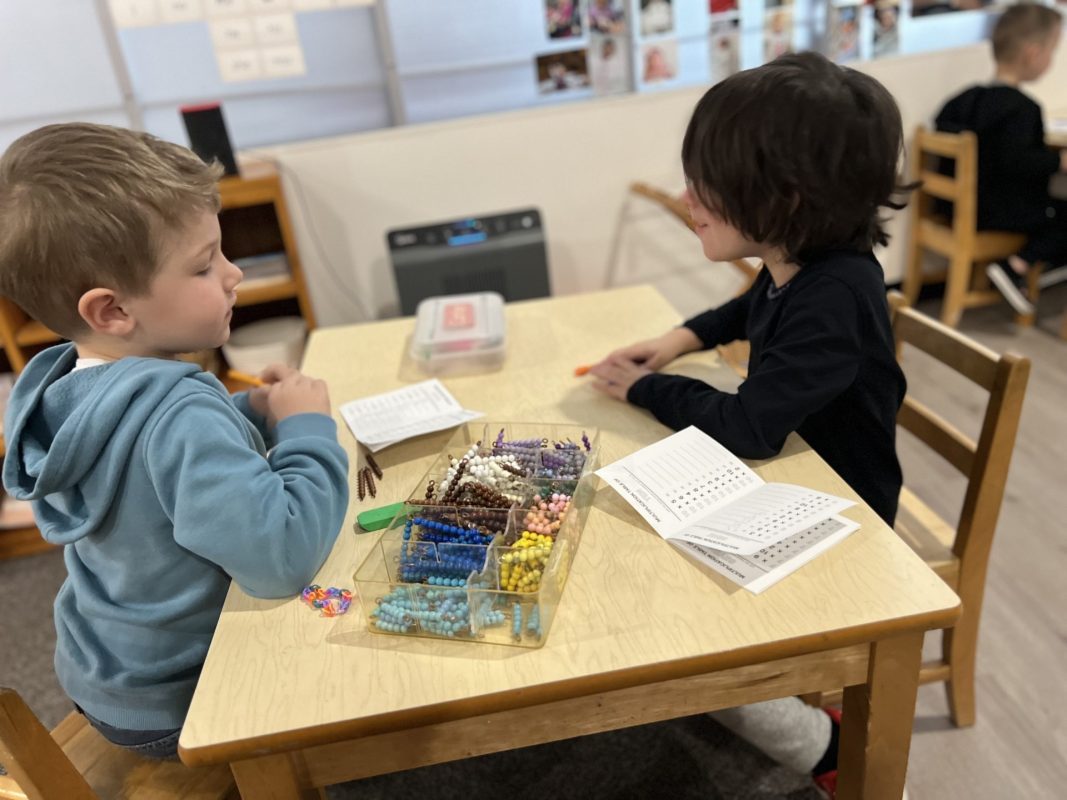
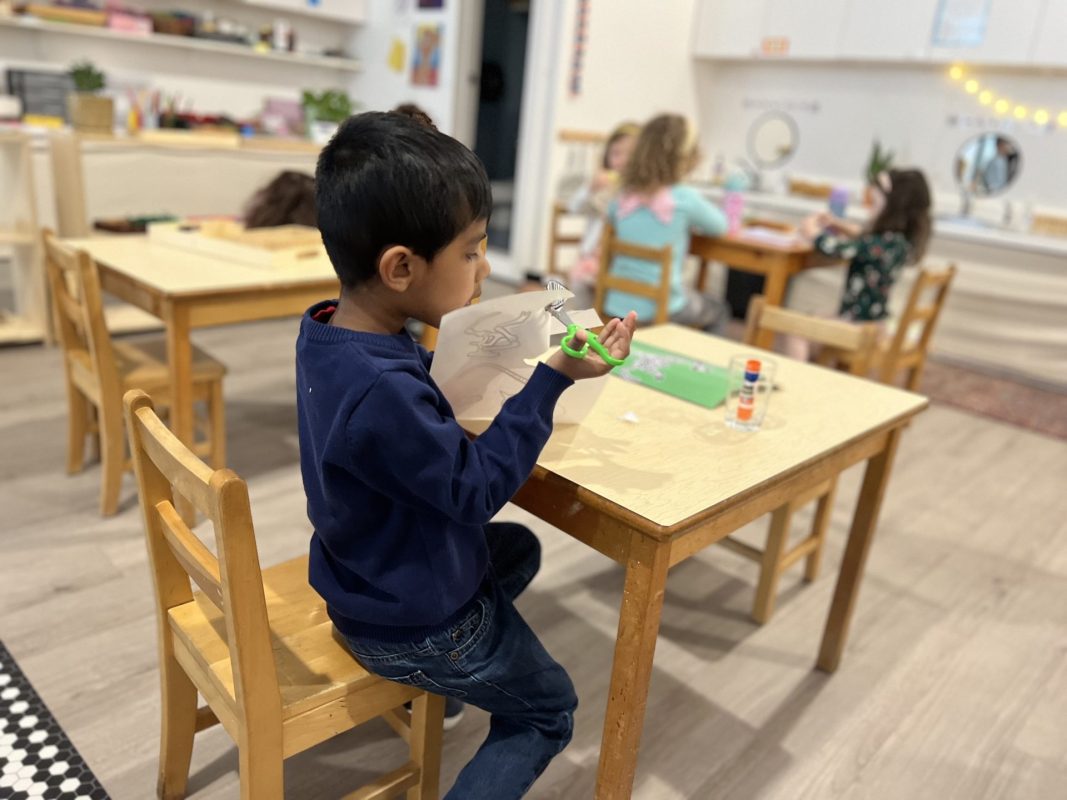
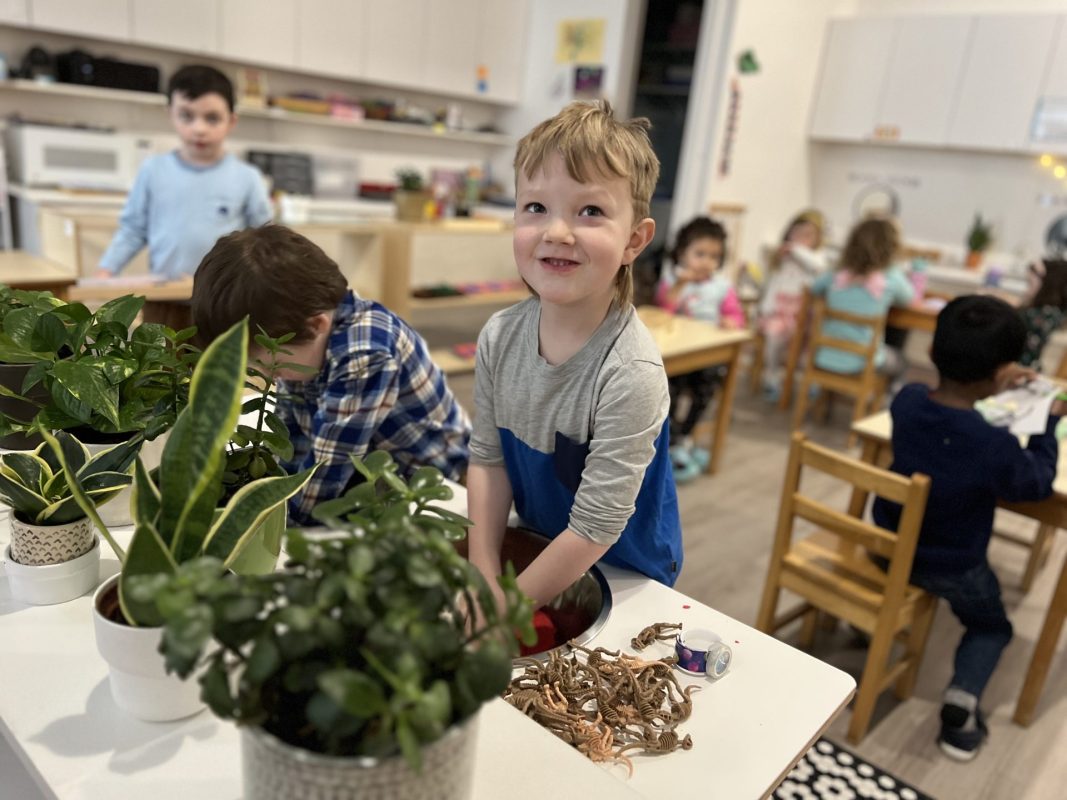
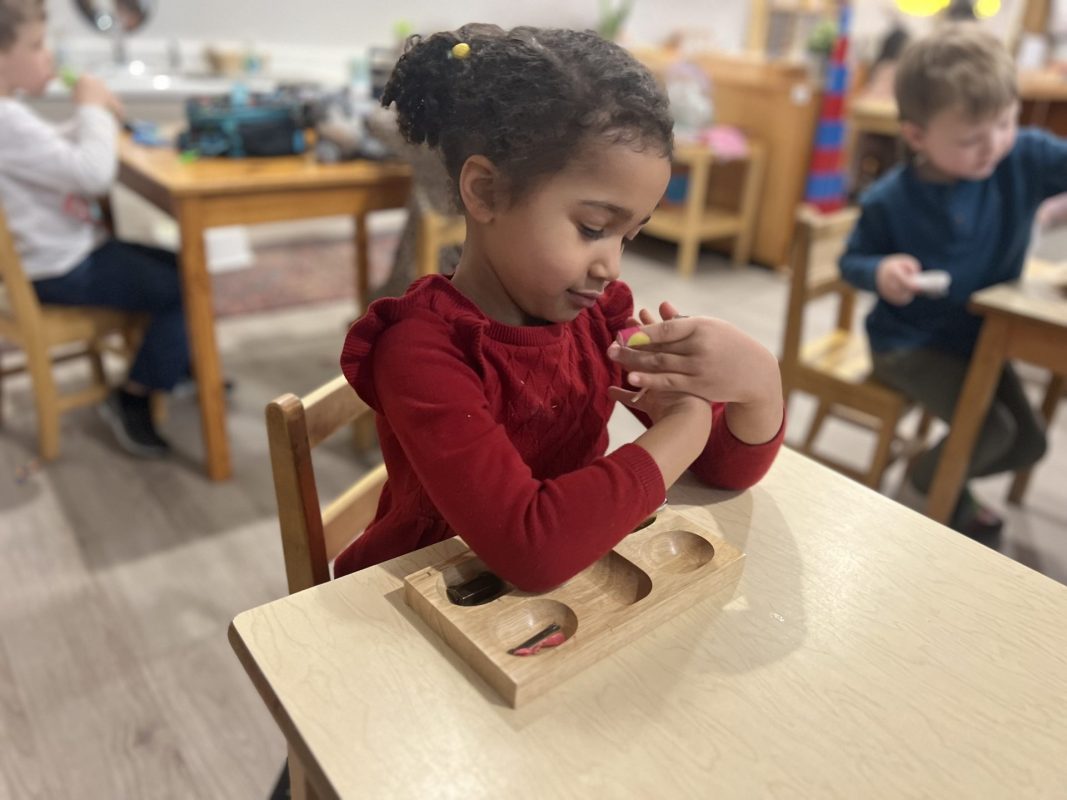
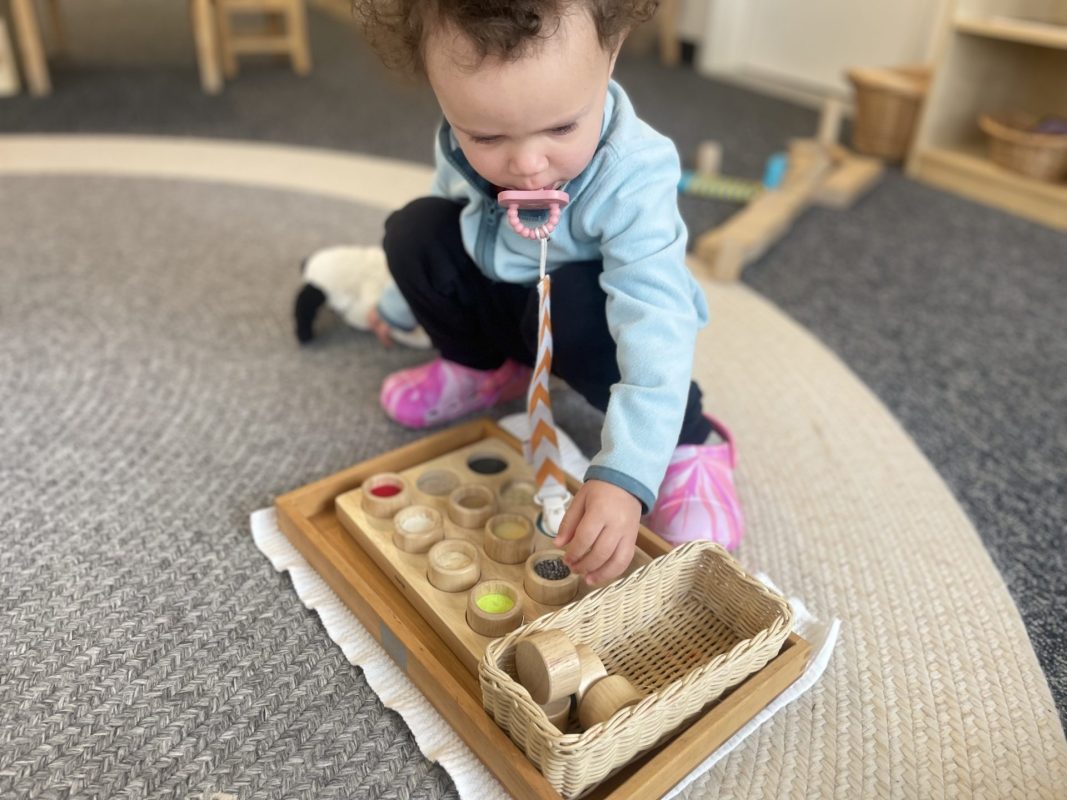
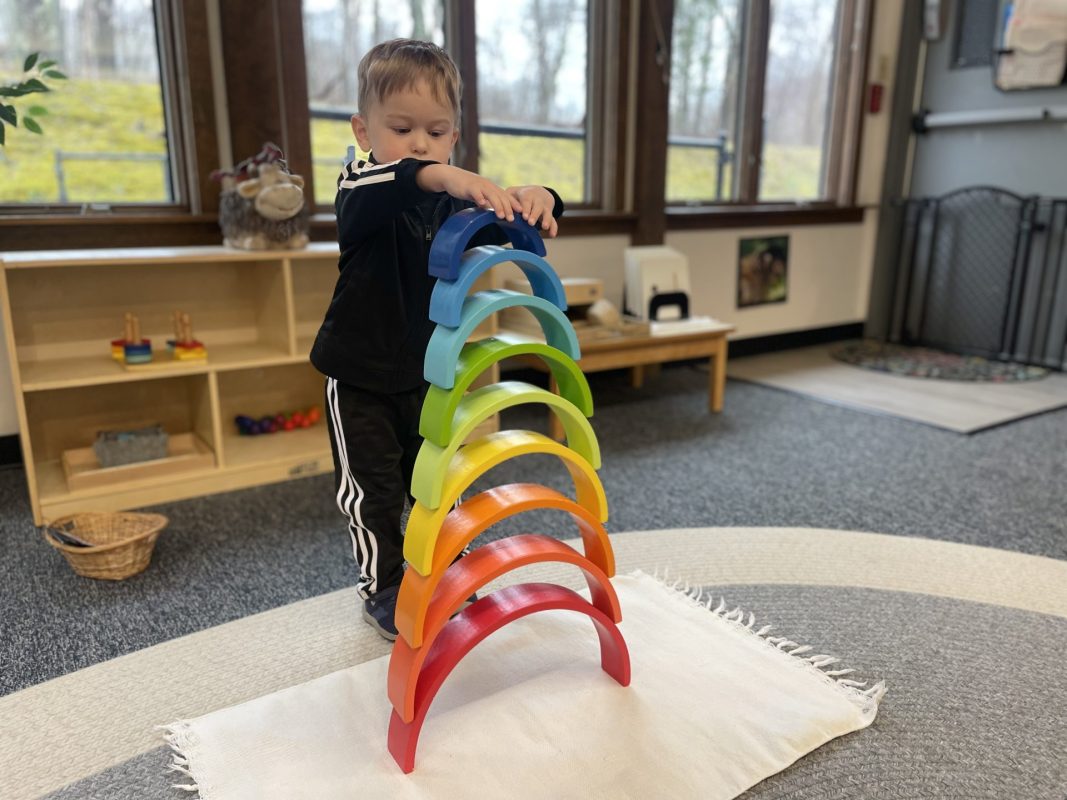
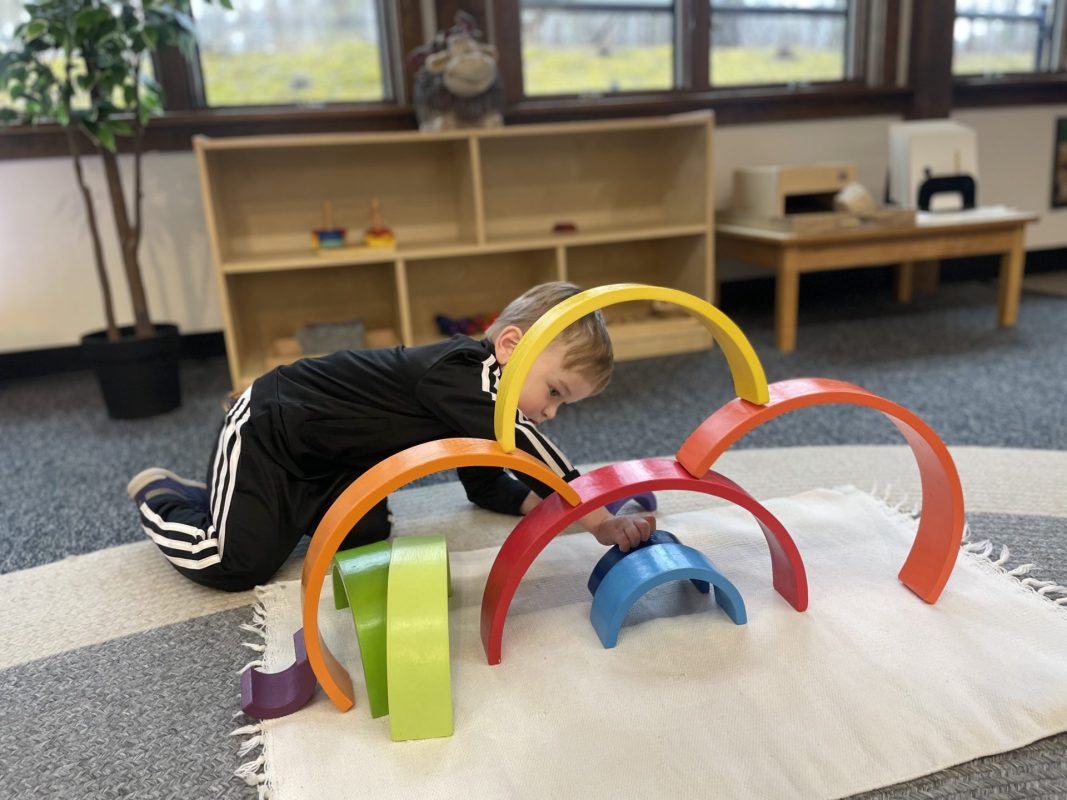
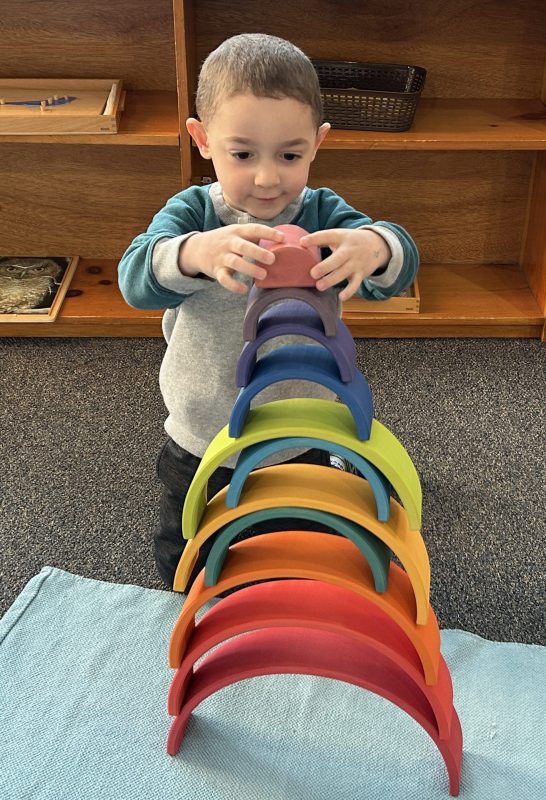
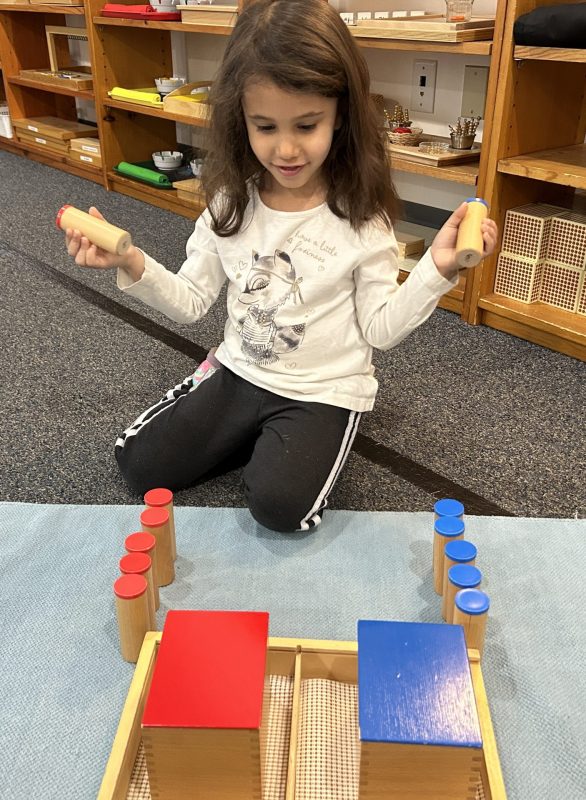
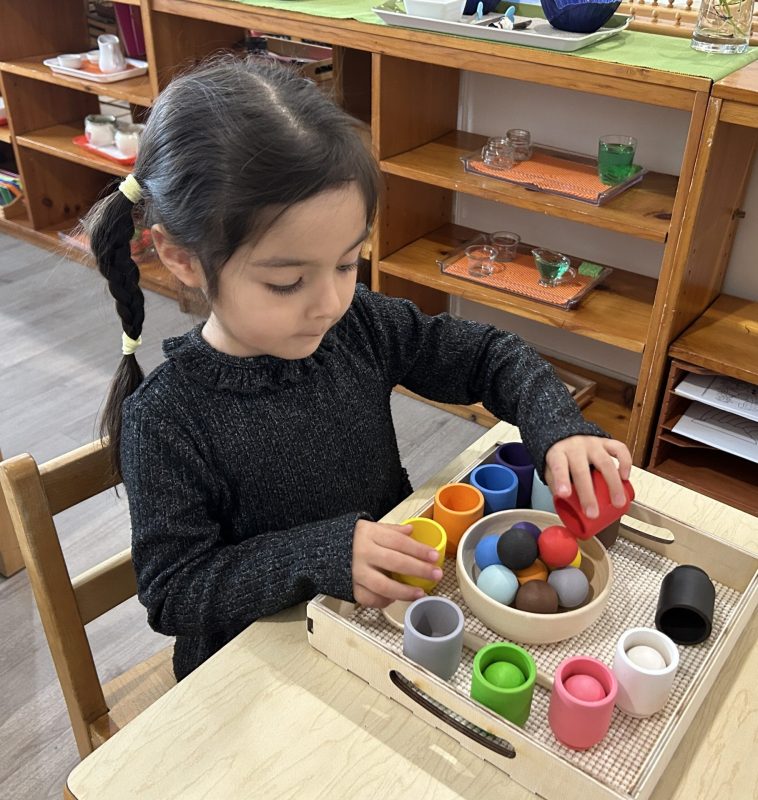
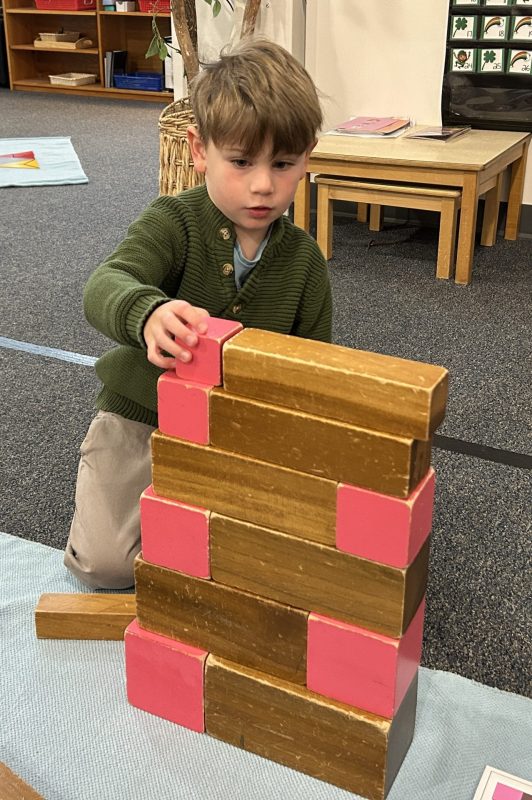
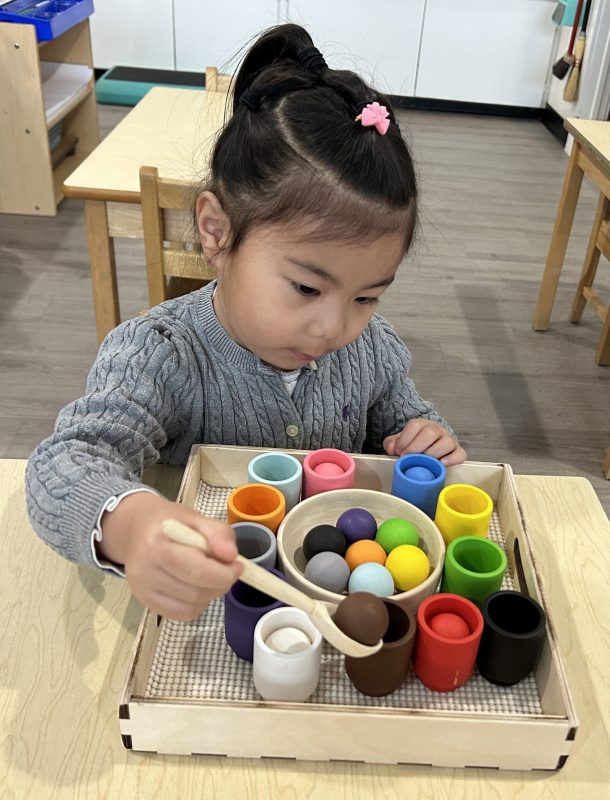
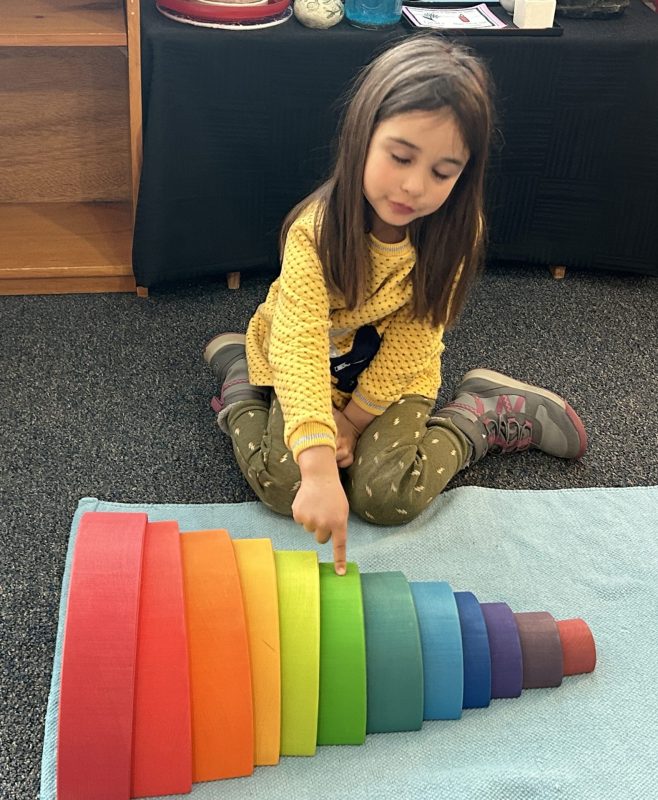
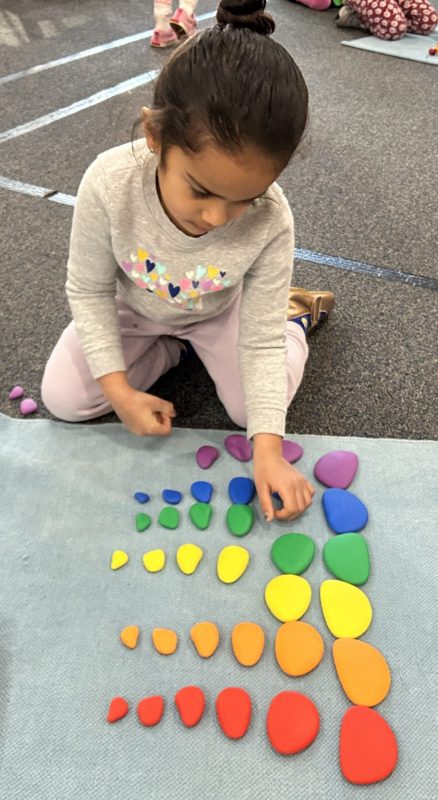
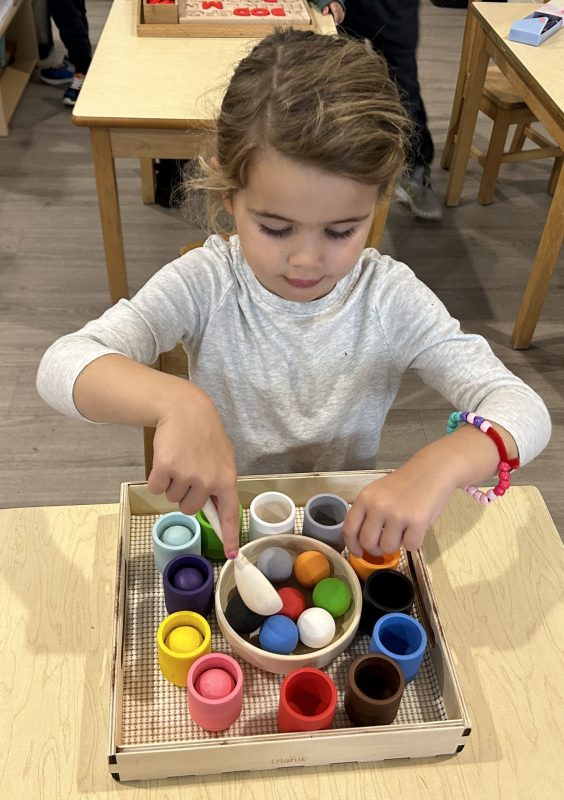
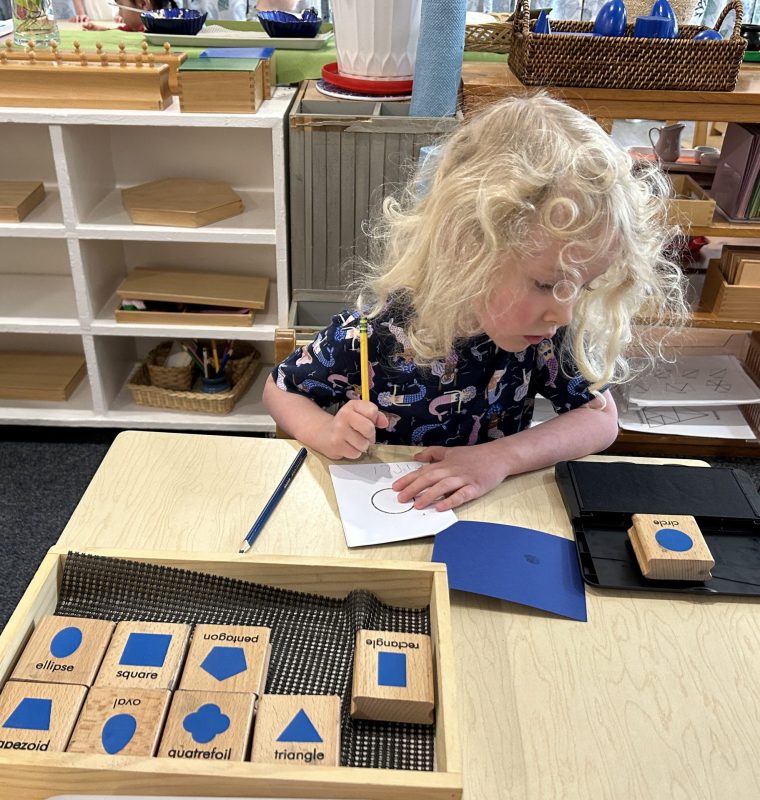
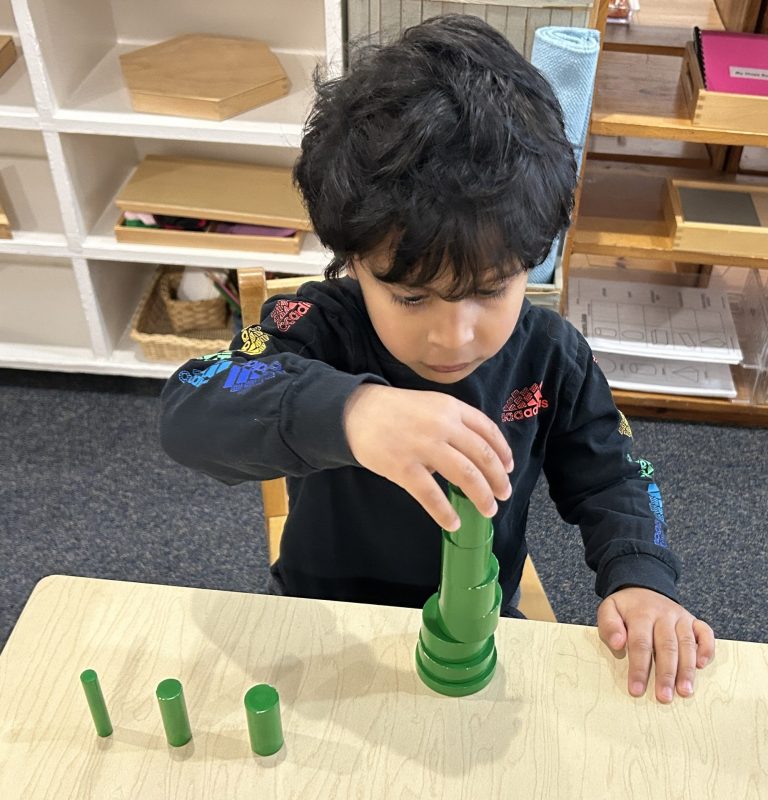
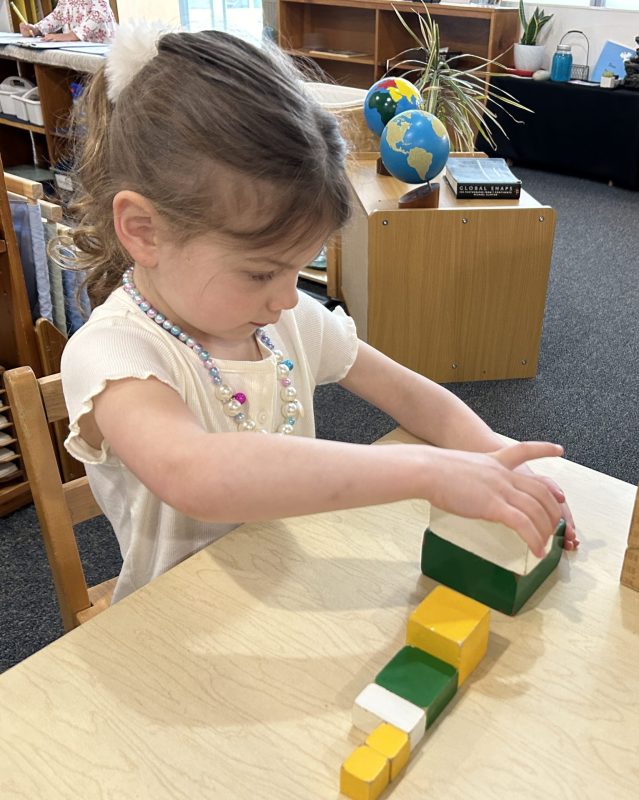
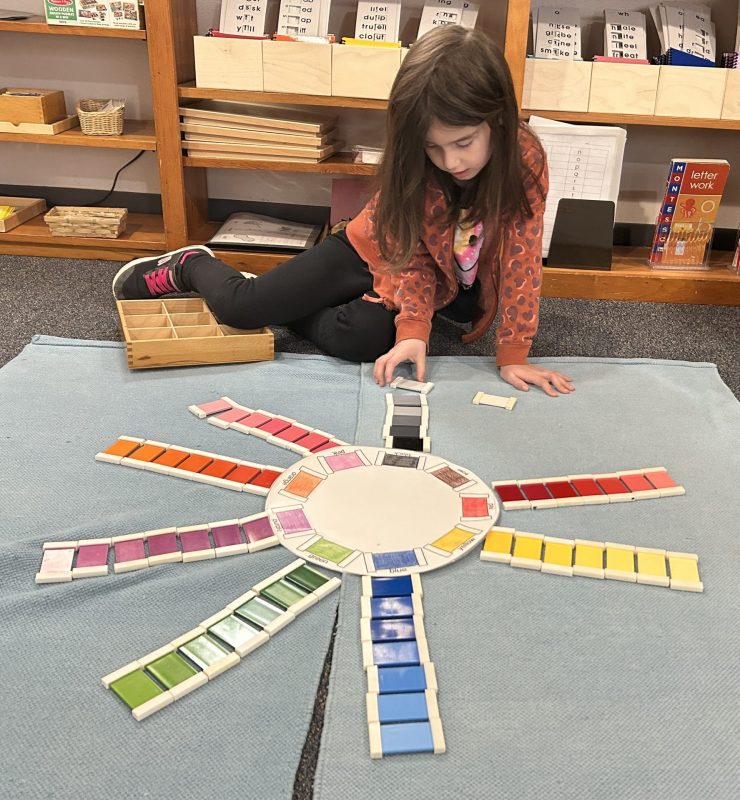
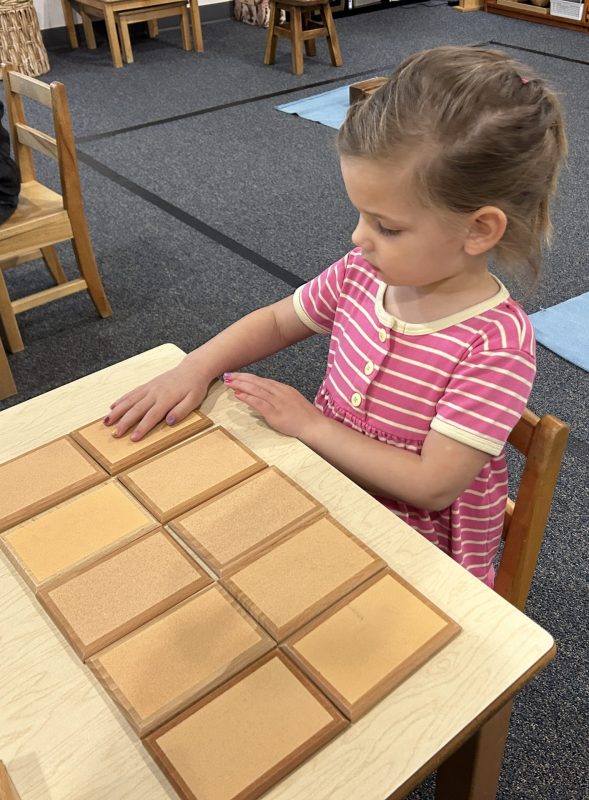
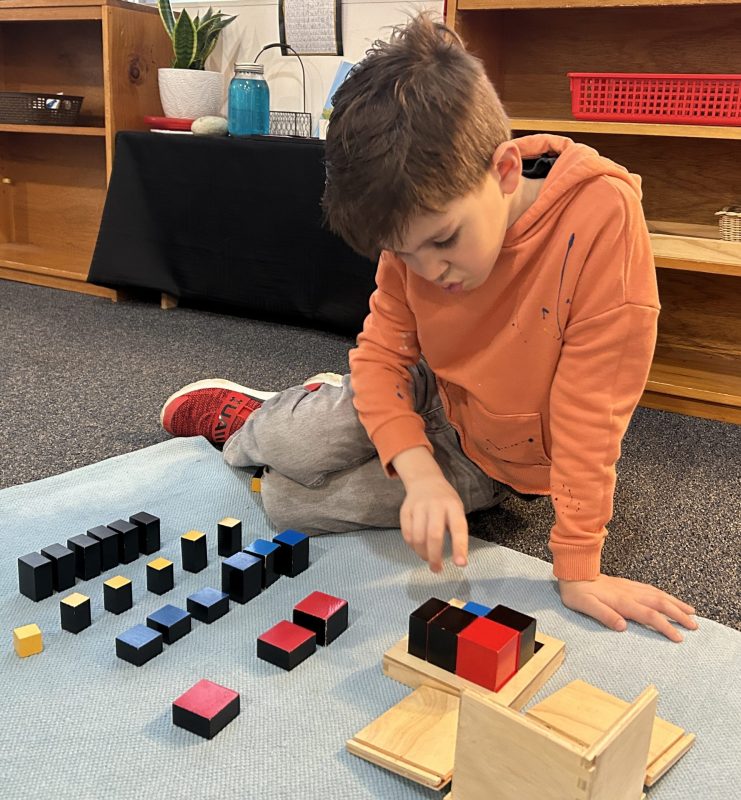
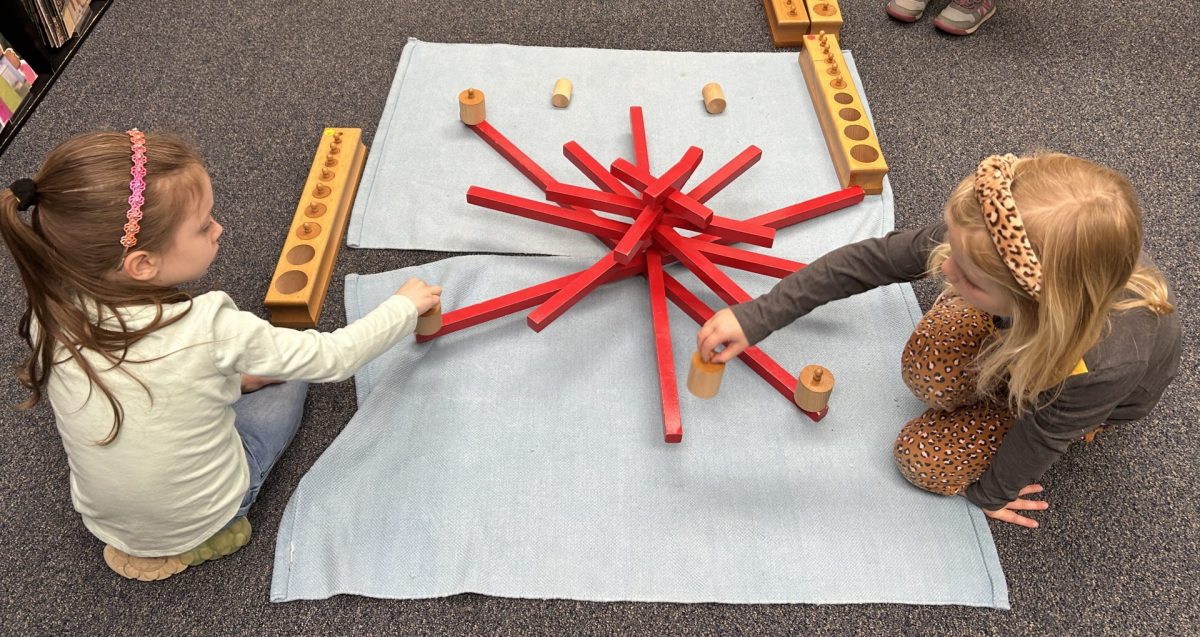
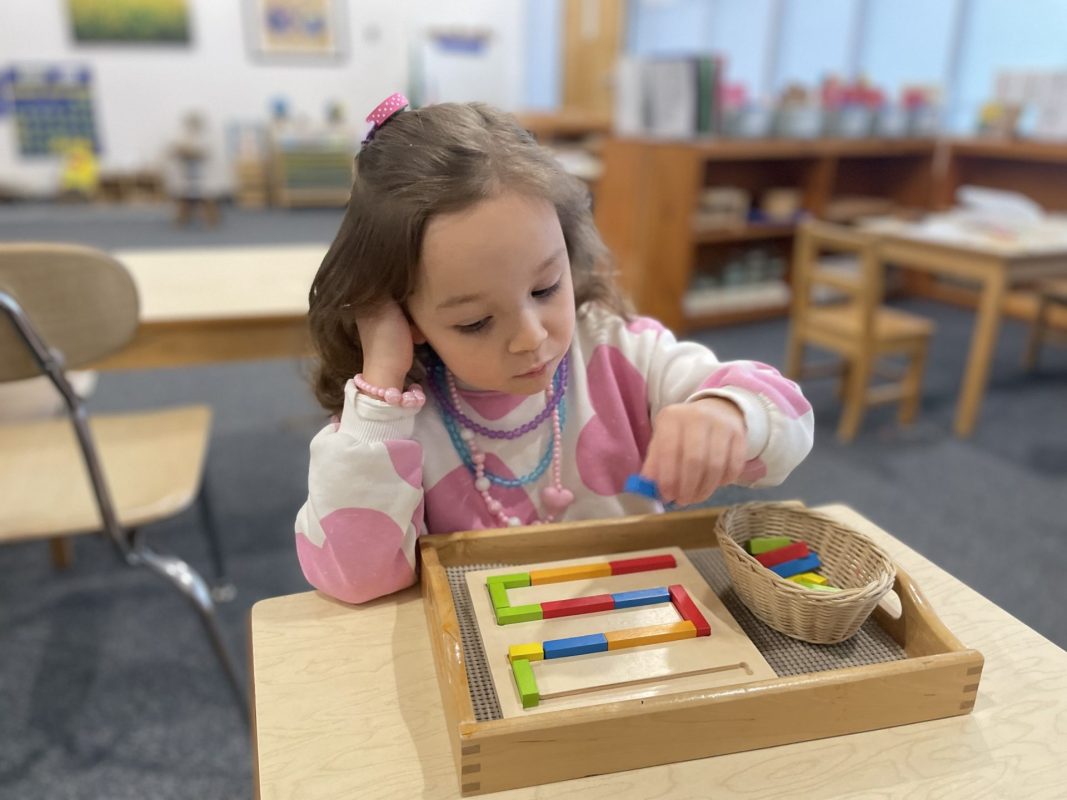
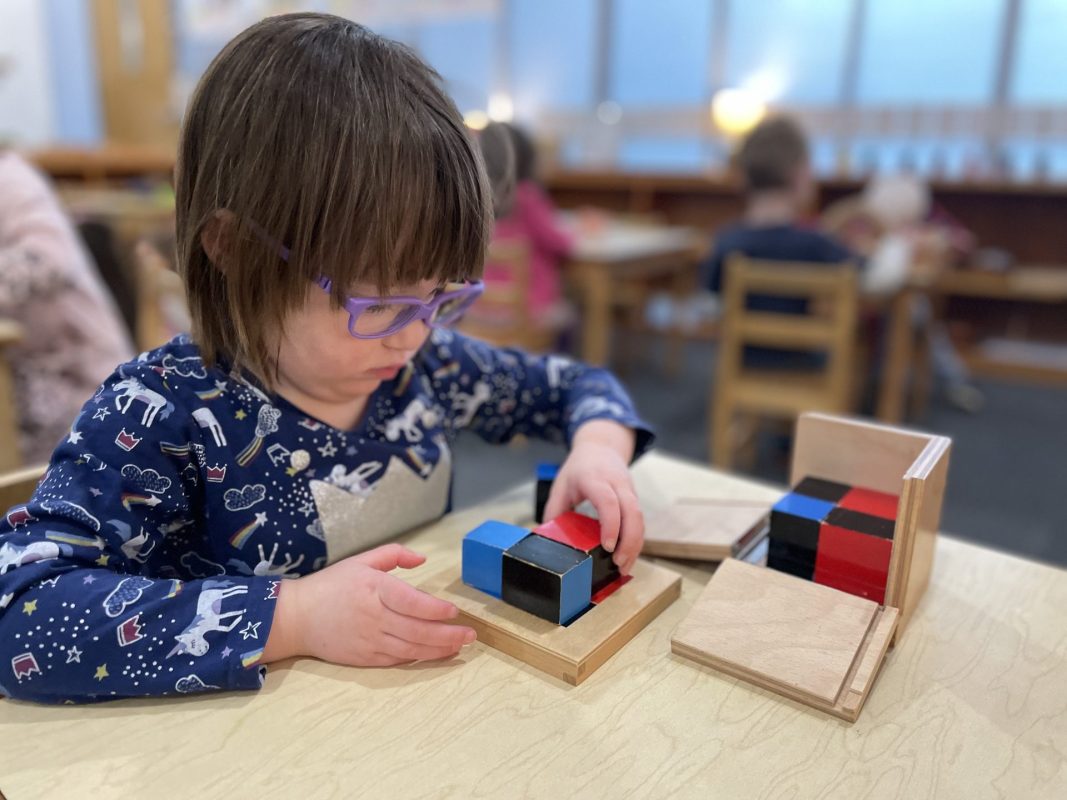
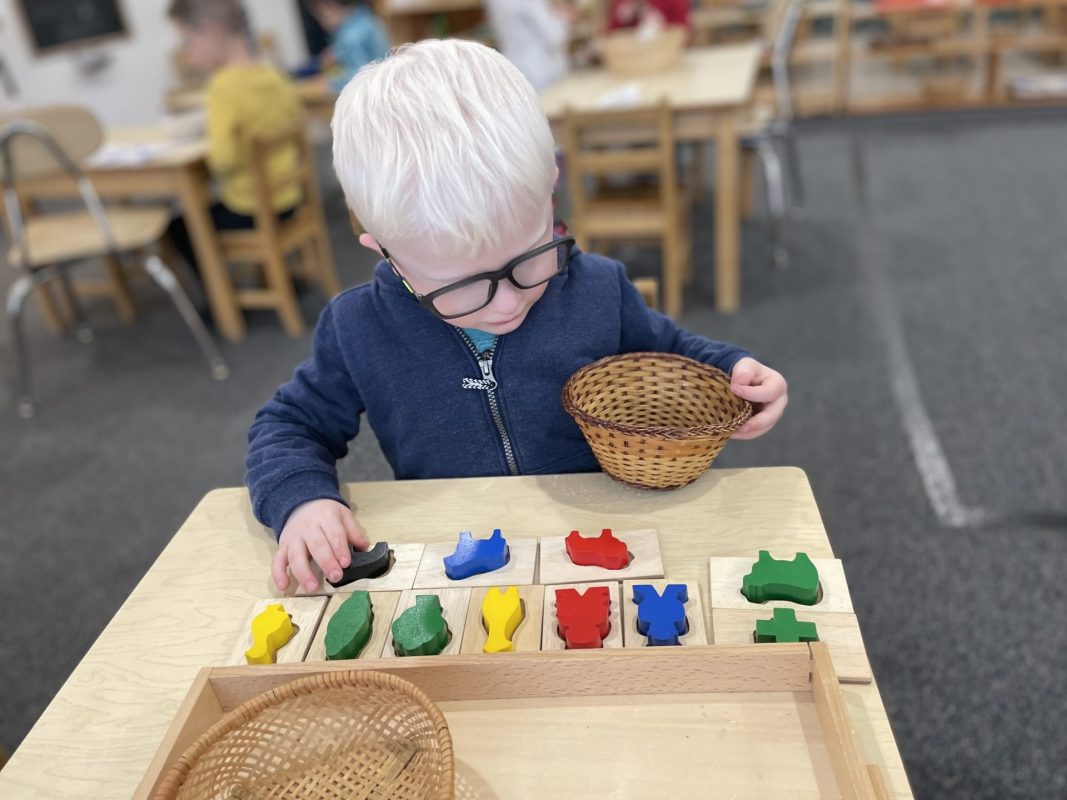
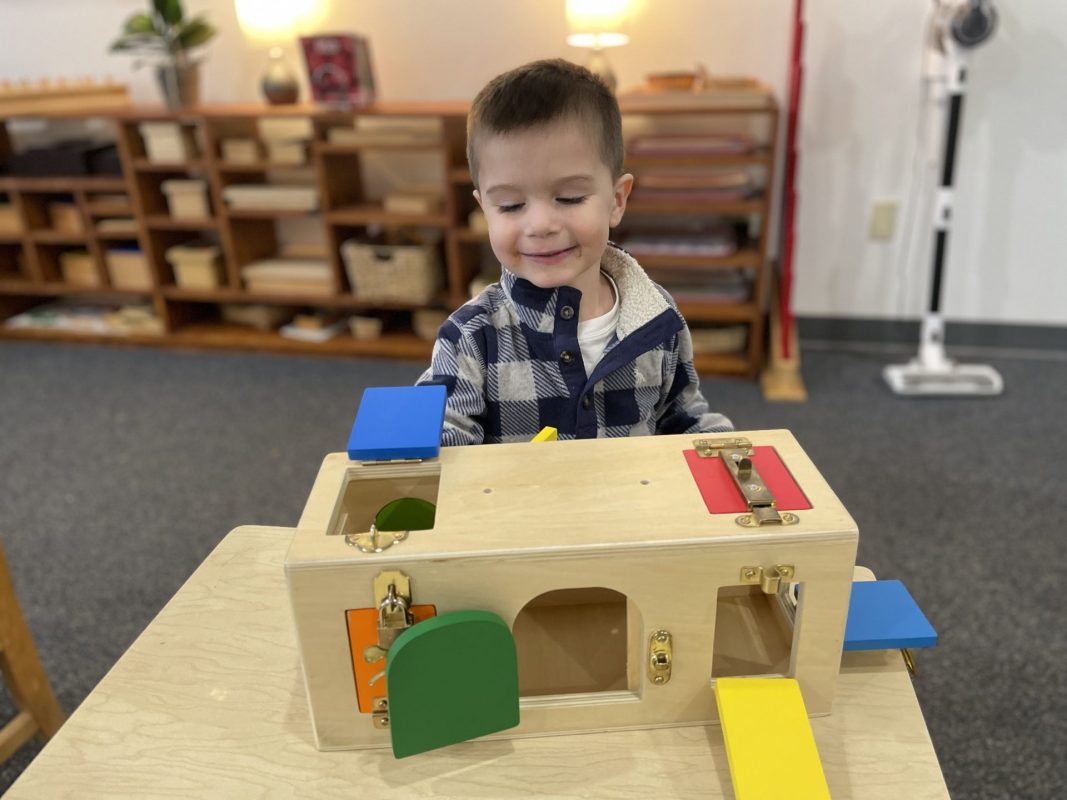
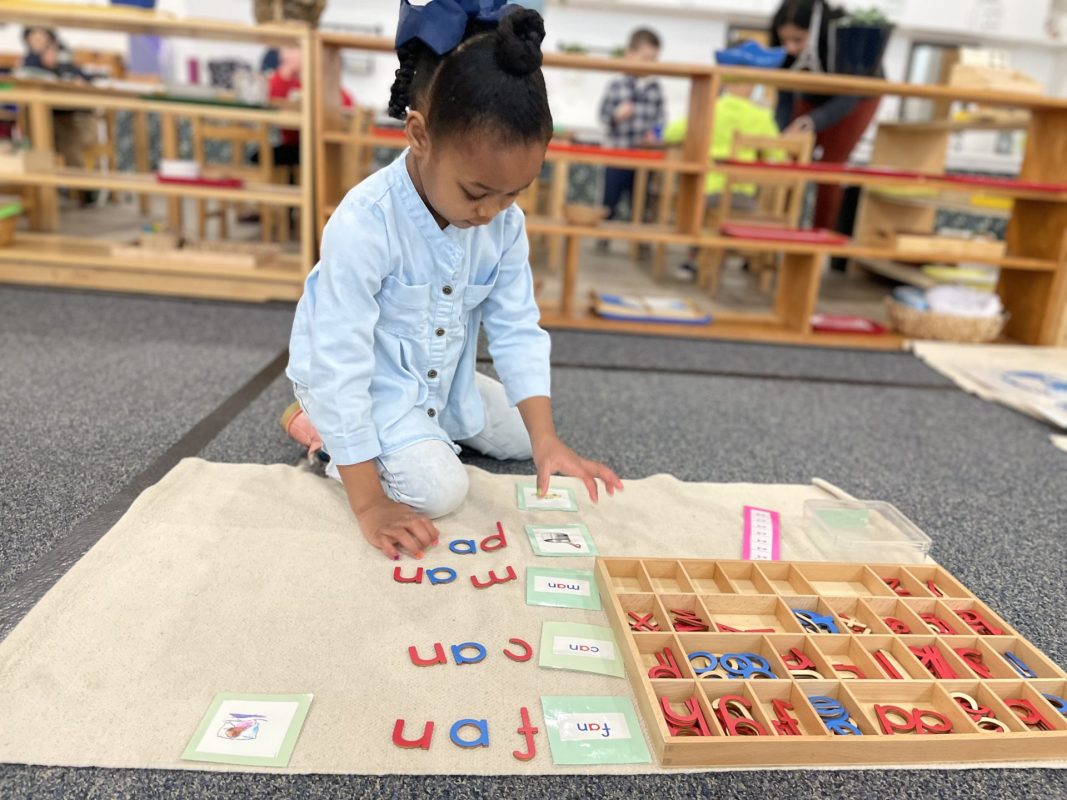
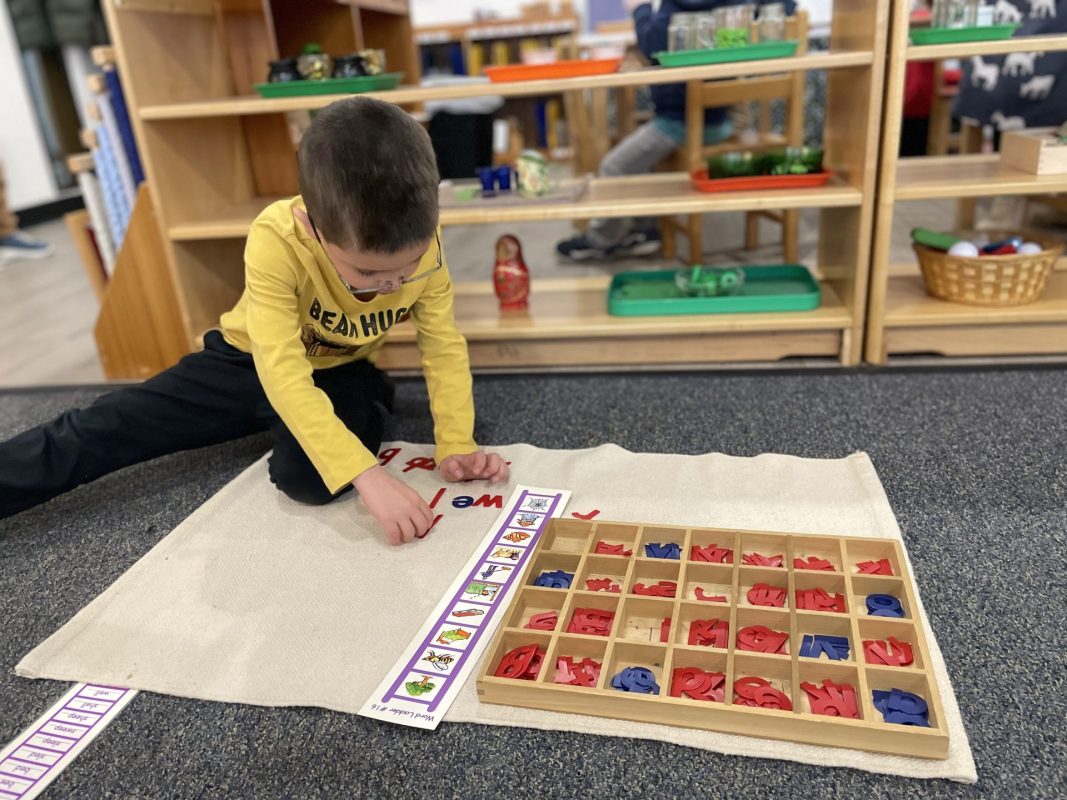
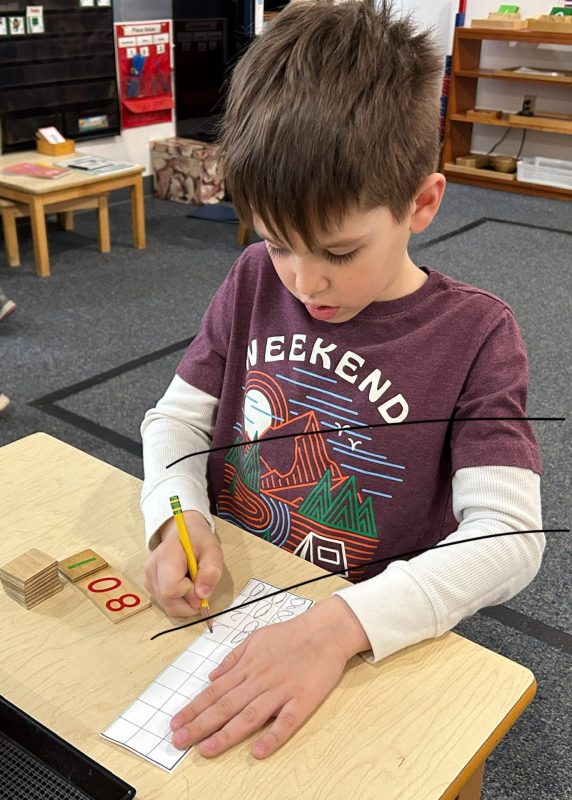
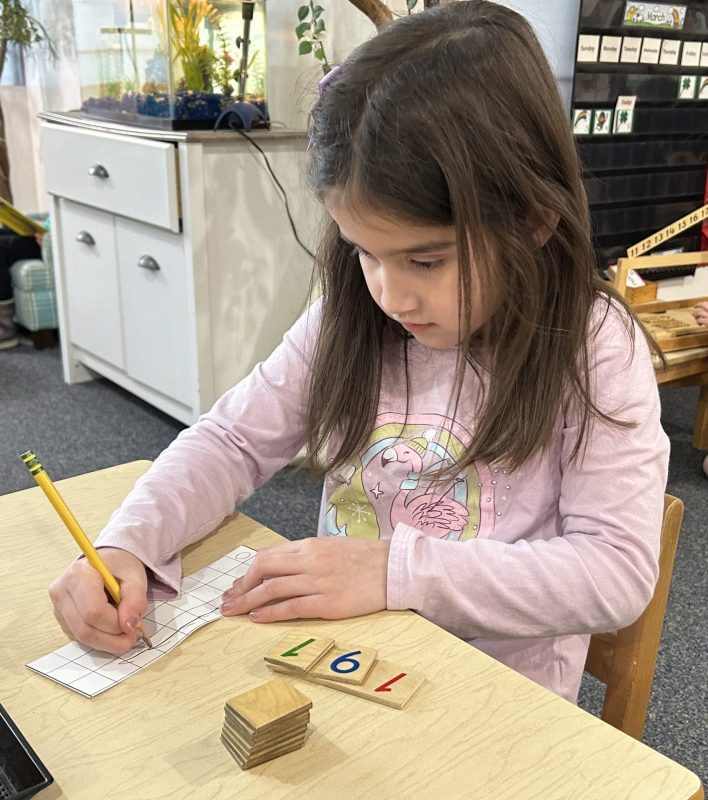
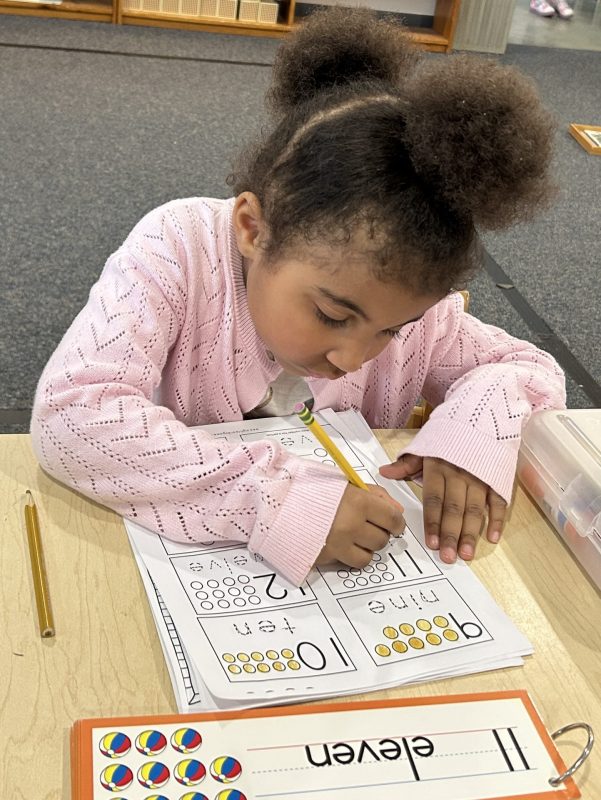
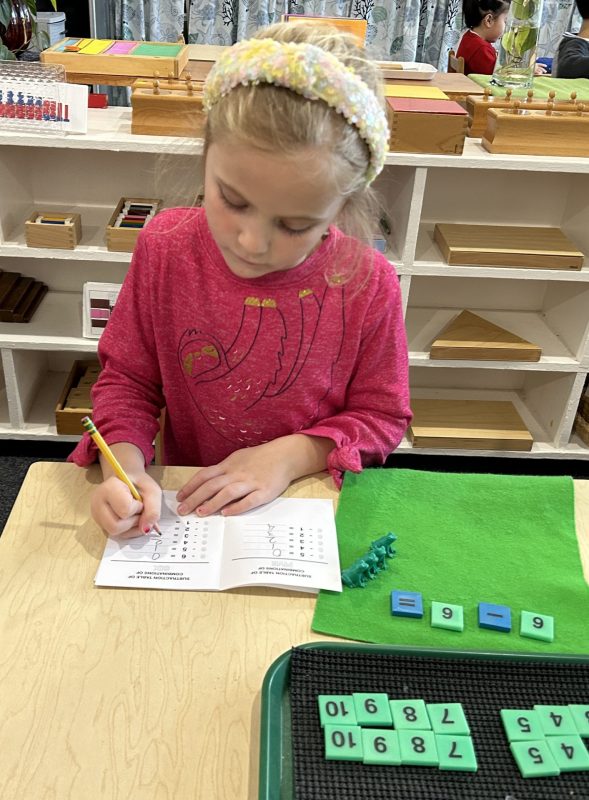
Through repetitive exploration, your children are able to look at a material from different angles and explore it, letting it become part of their understanding of the world. At the same time, it allows them to self-critique: they look at how they are doing something and make slight changes in order to perfect the action, making it more efficient. The Montessori environment is designed to support exactly this kind of learning. Children choose their own work, allowing their interests to guide them to a choice. They are drawn by desire, and that allows them to return to an activity with frequency, working with it until they have perfected it. It is, in fact, a developmental need. A common phrase you can hear in our environment is the children saying: “Again!” Dr. Maria Montessori wrote, “When a child has attained this stage of repeating an exercise, he is on the way to self-development, and the external sign of this condition is his self-discipline.”
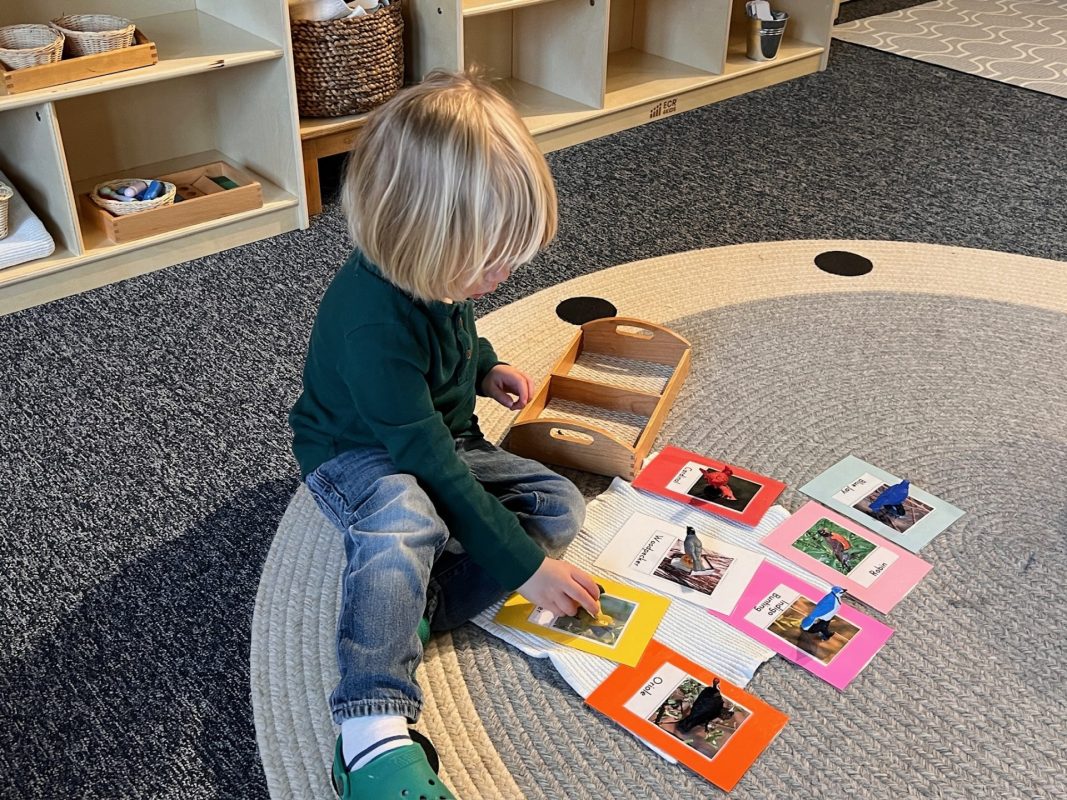
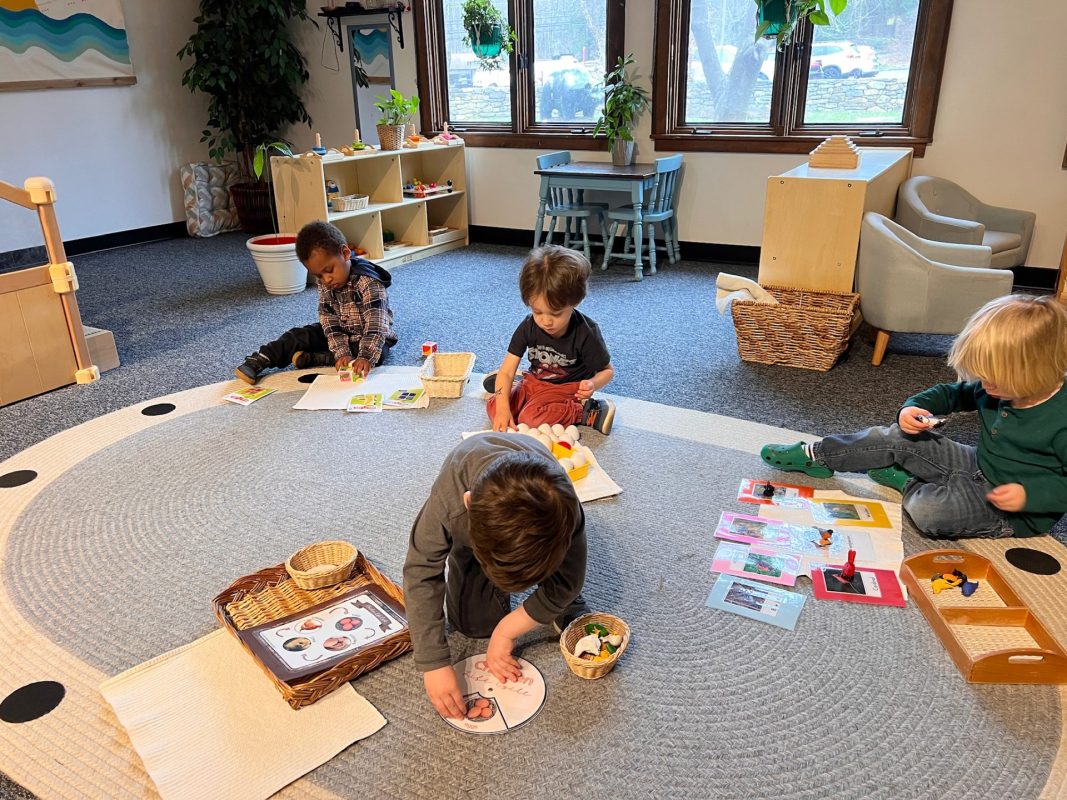
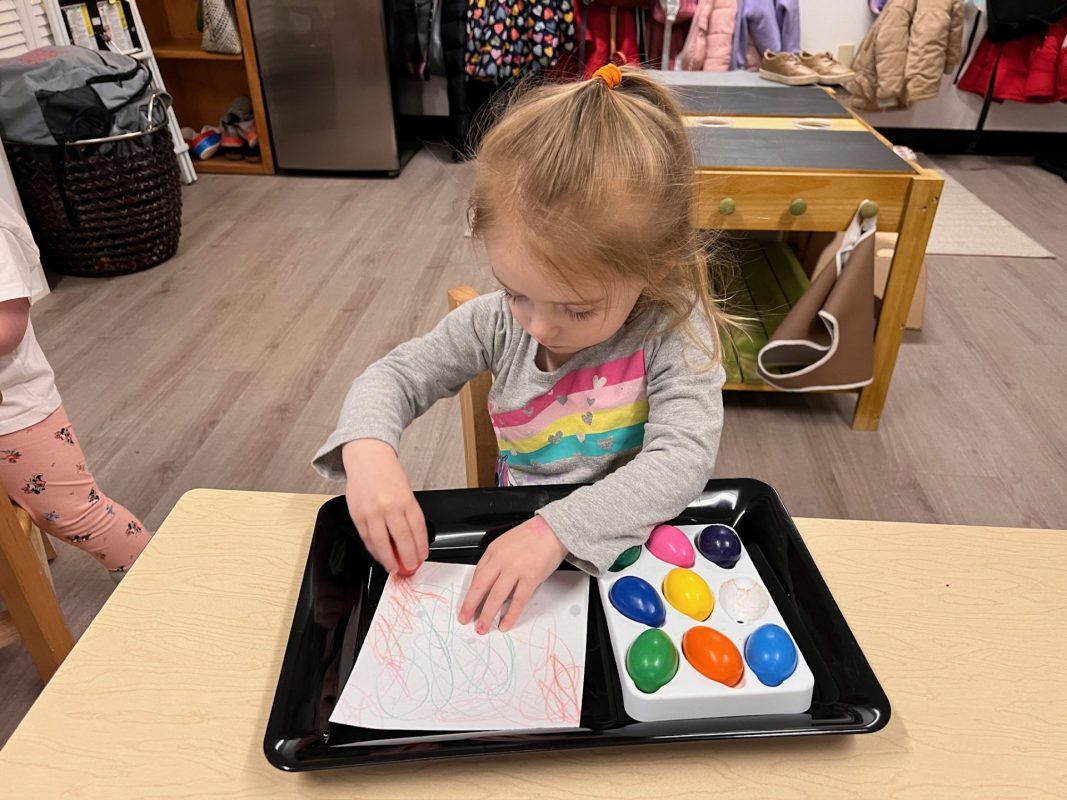
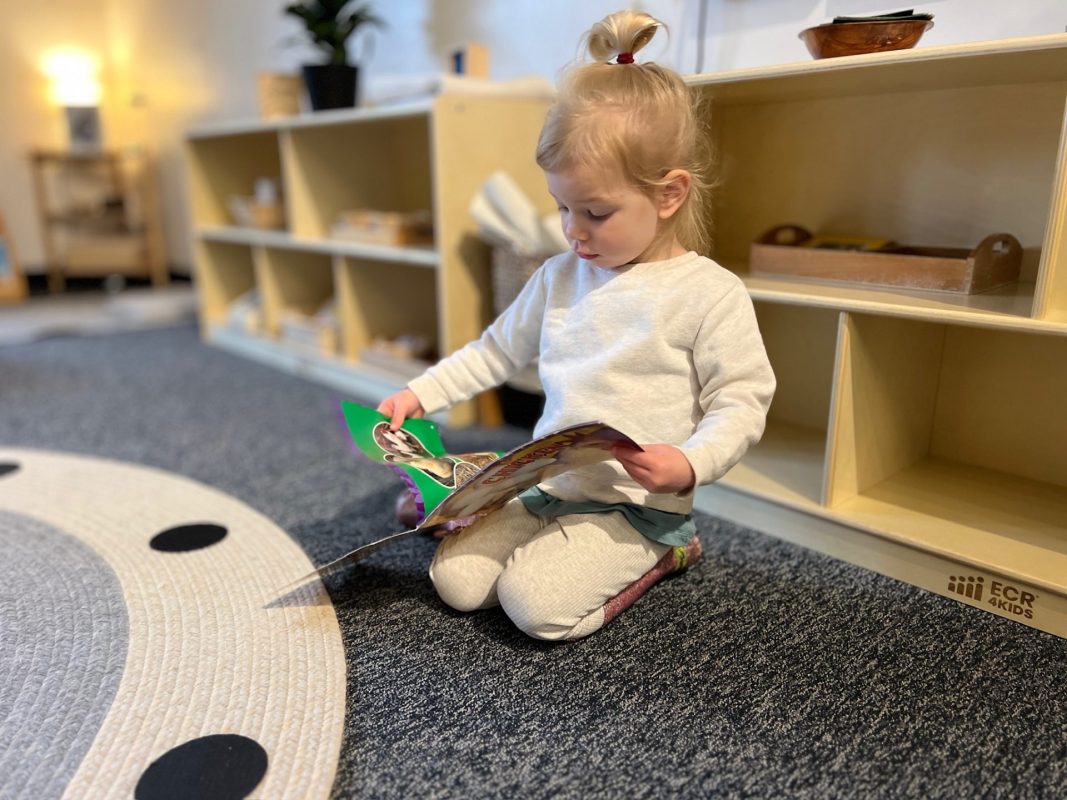
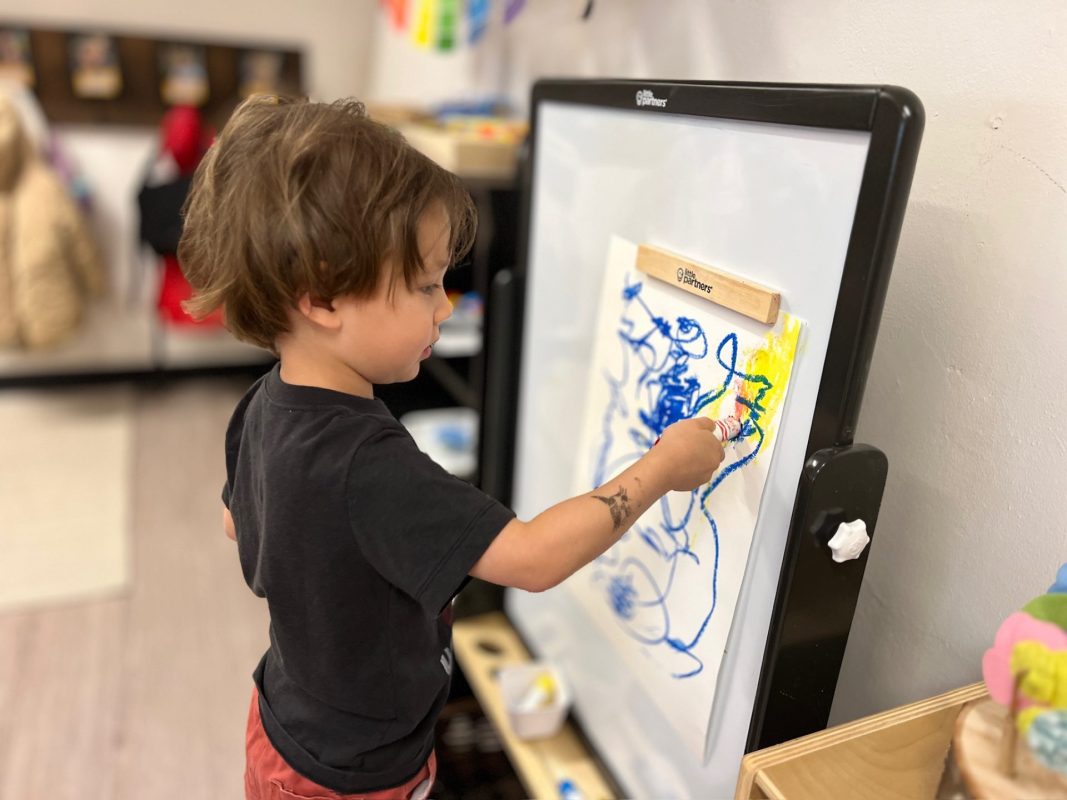
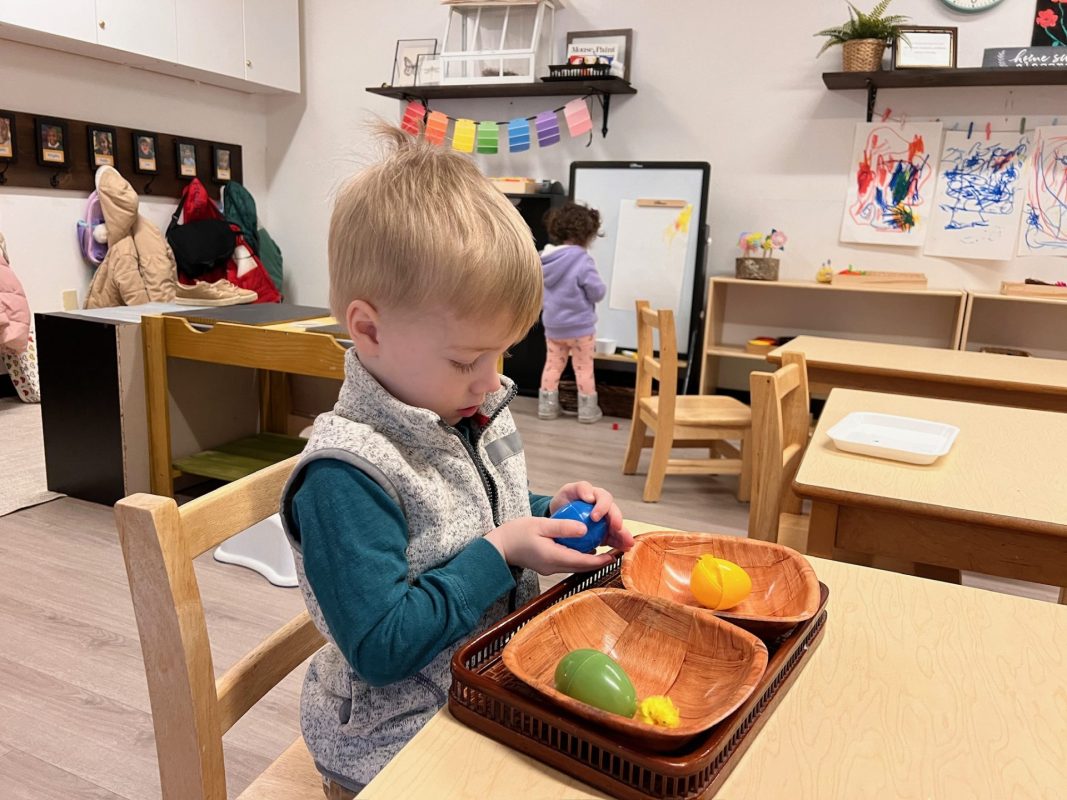
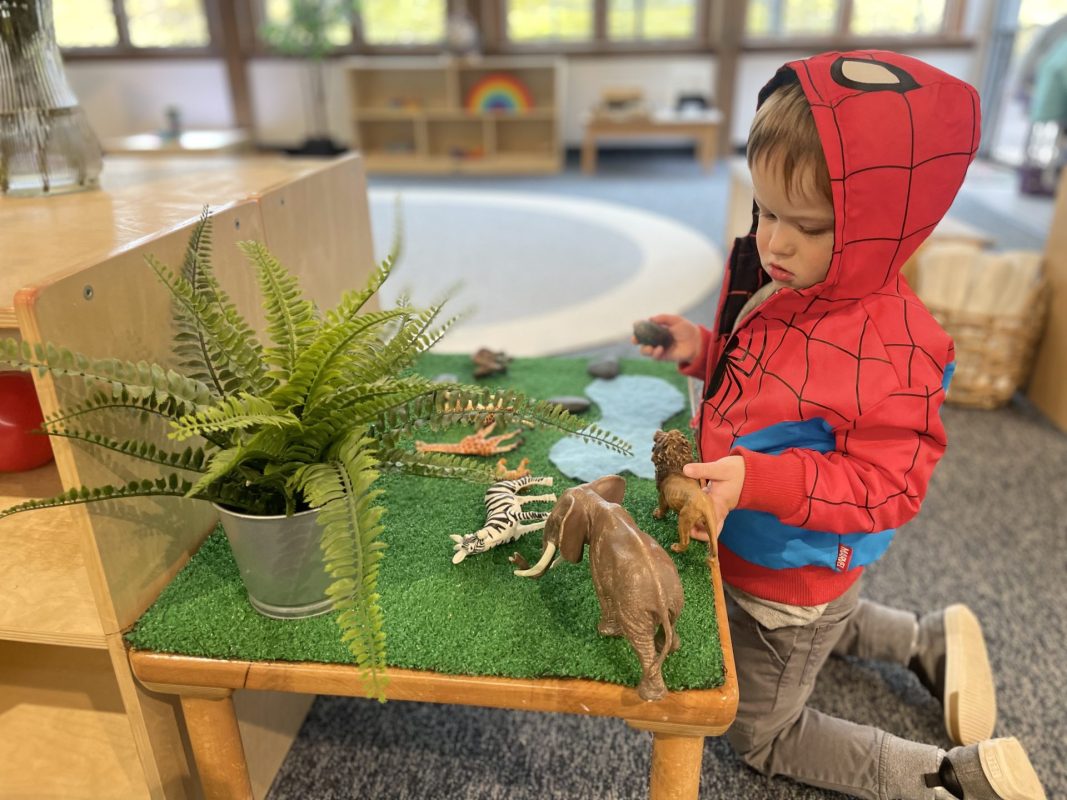
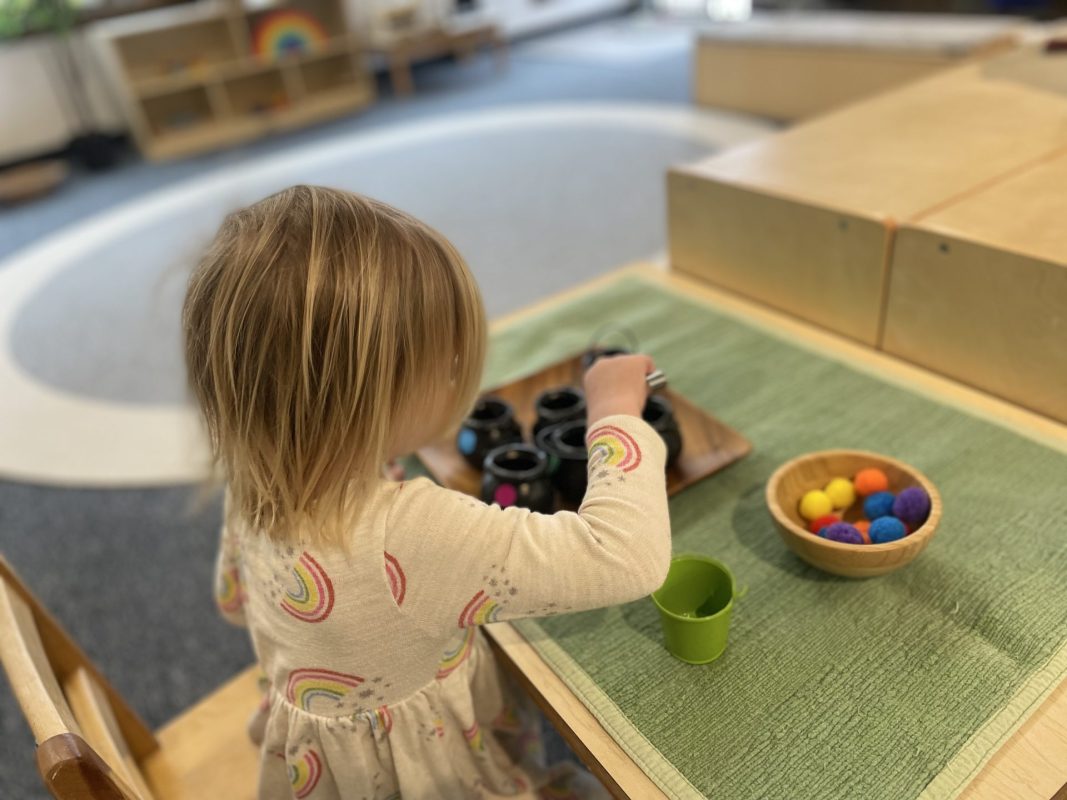
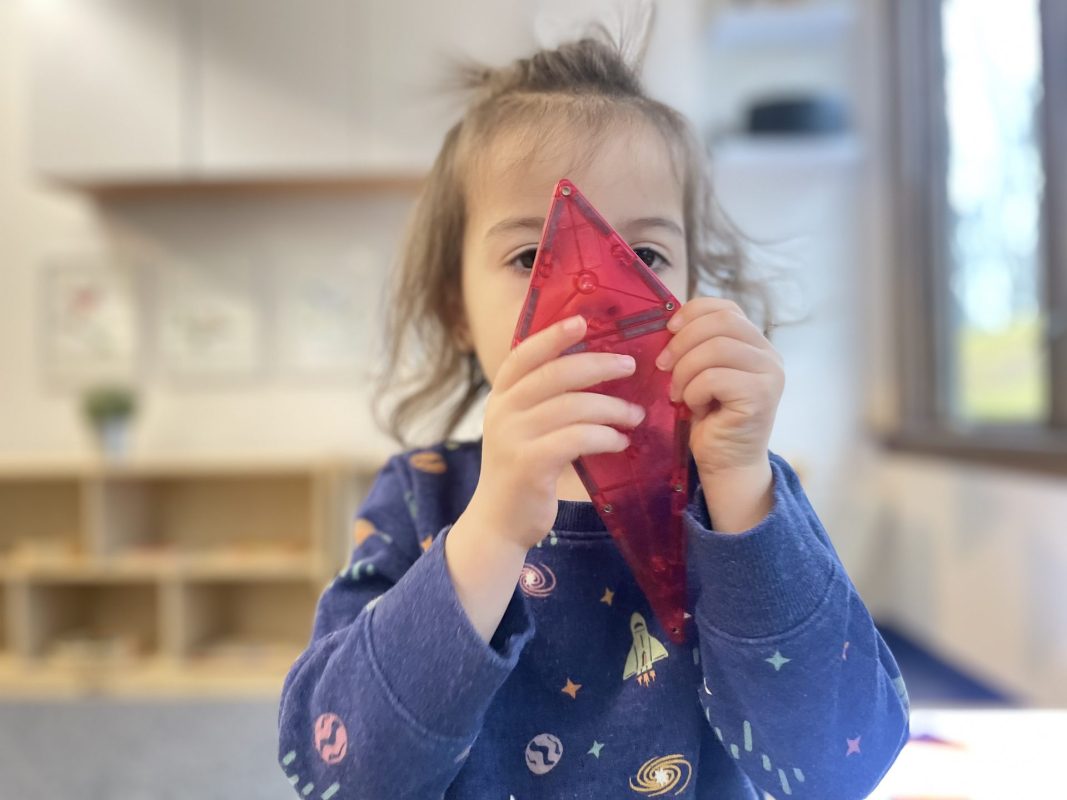
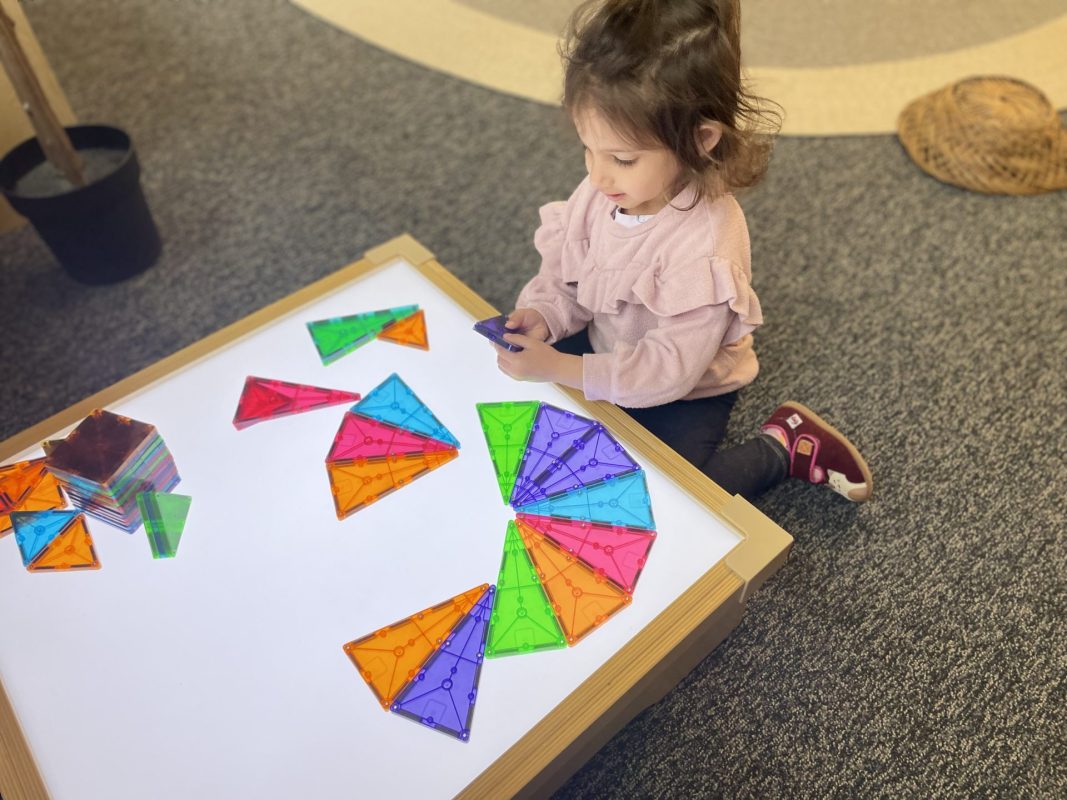
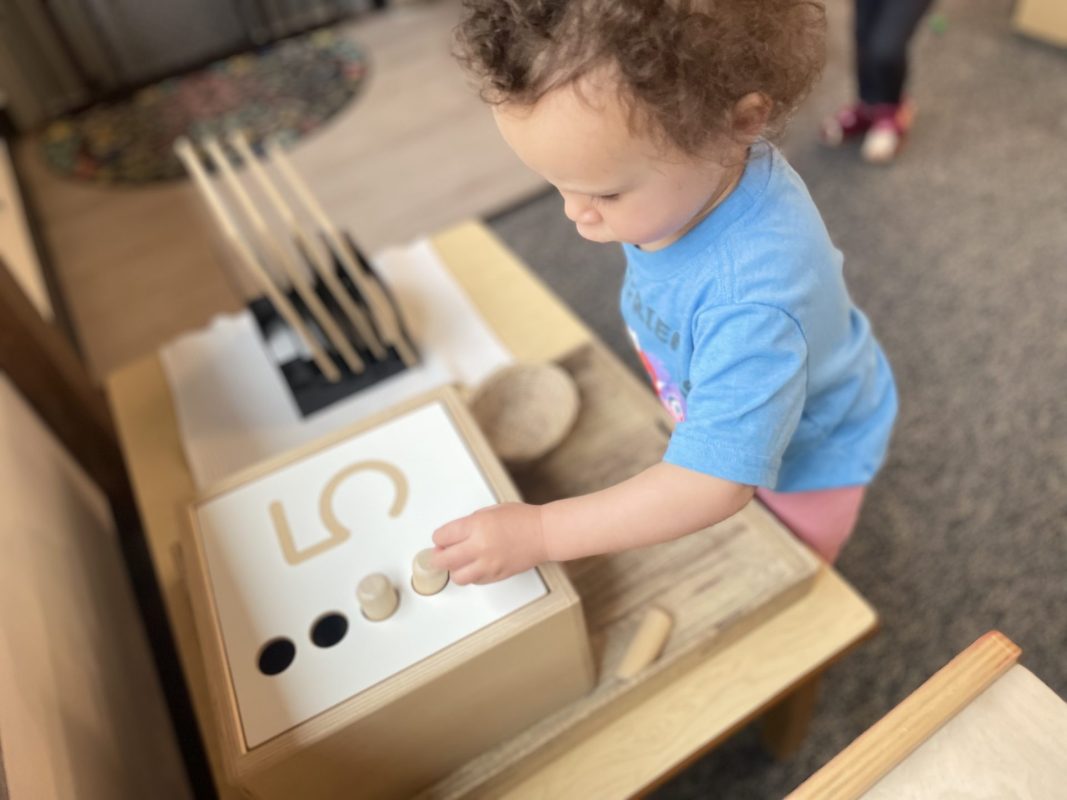
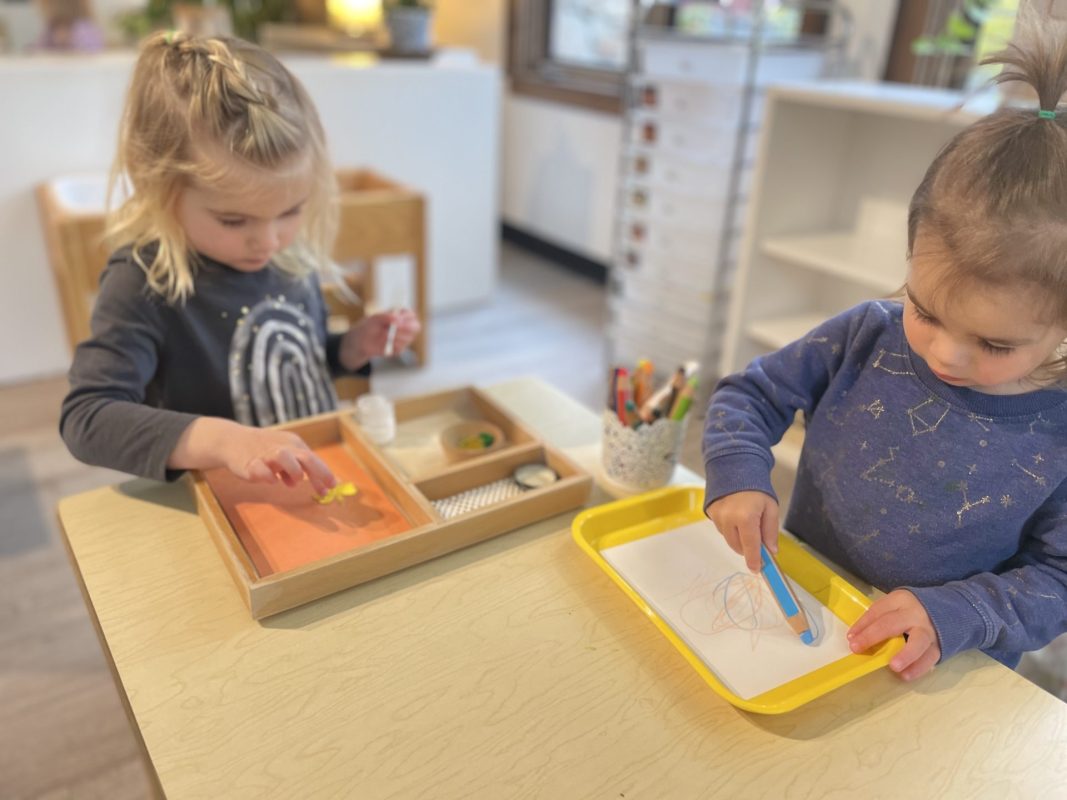
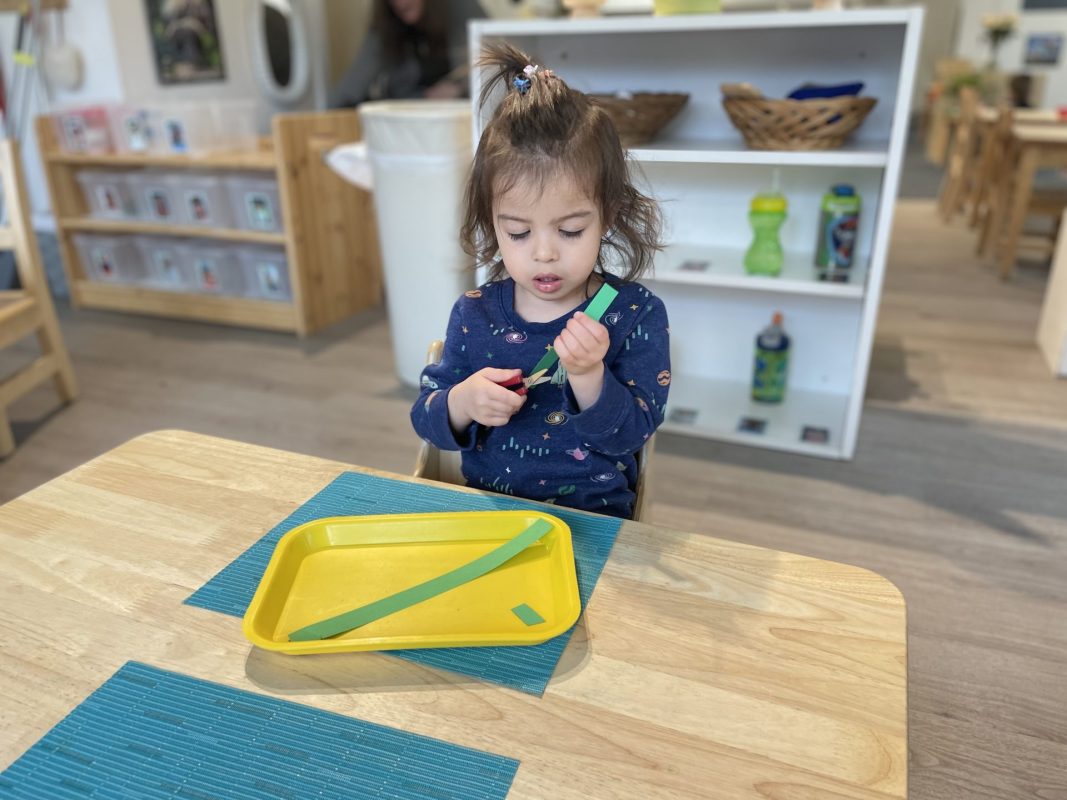
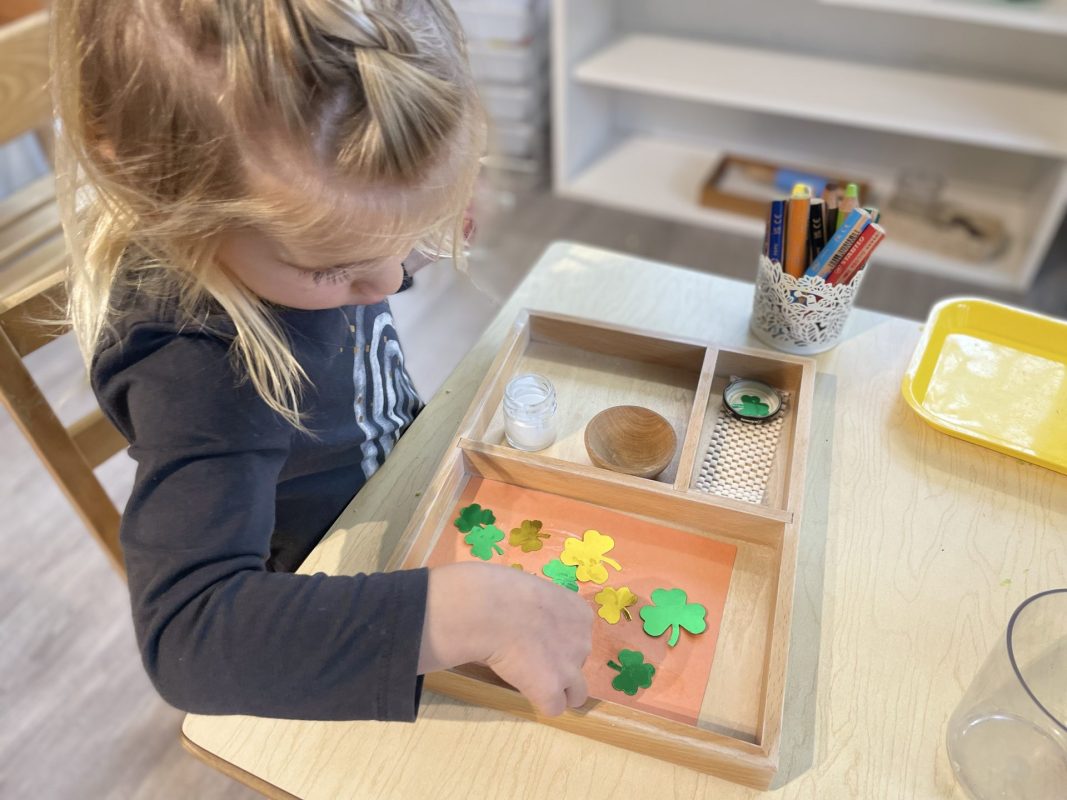
Based on our observations, this is just ONE of the many works your child seems VERY attracted to lately and enjoys repeating:

Amelia- Shapes board

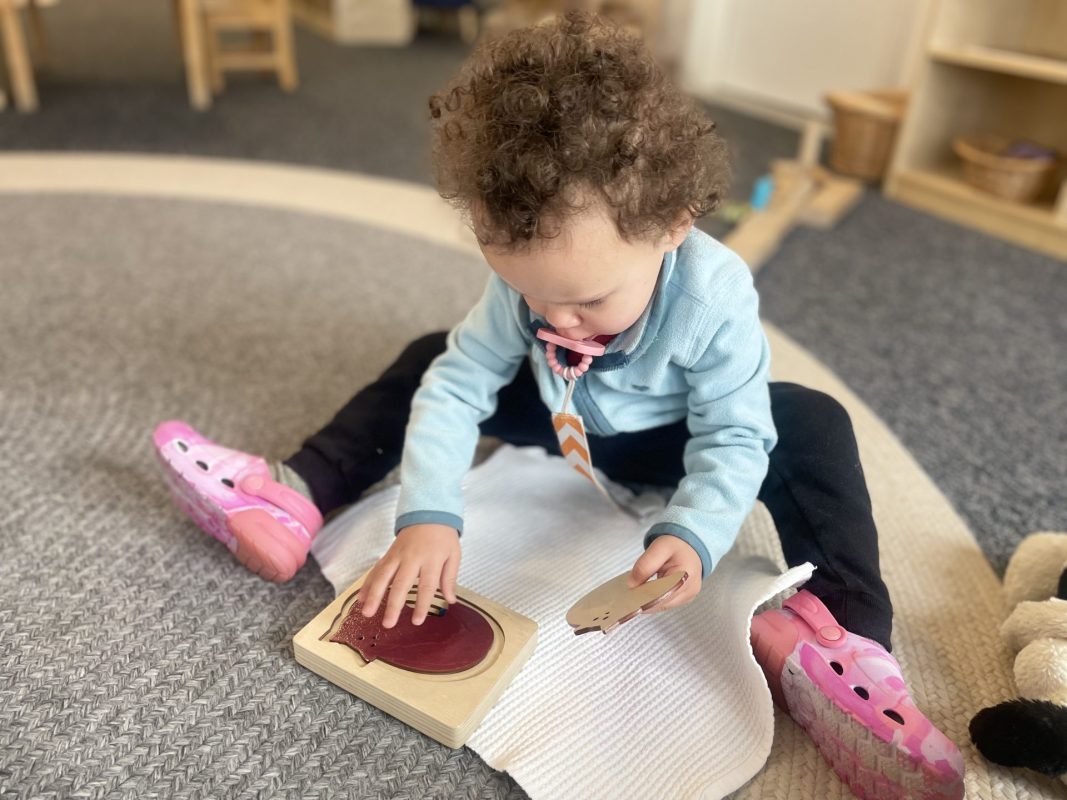
Anaya- The seasons puzzle

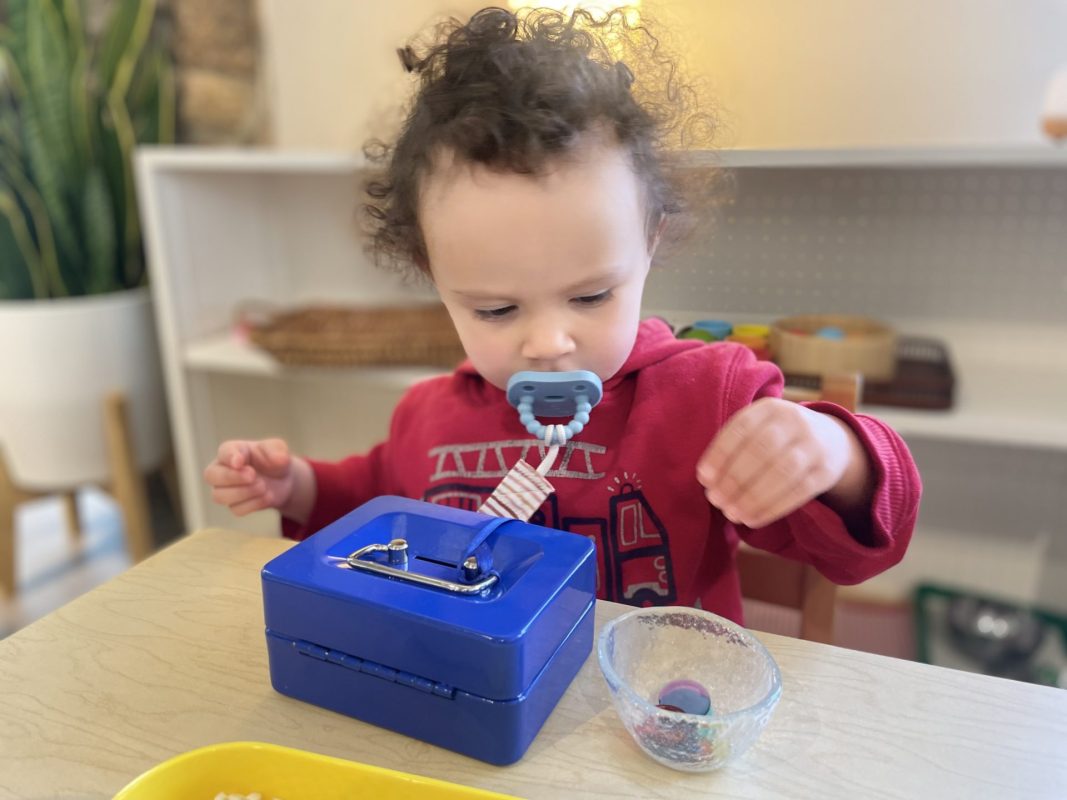
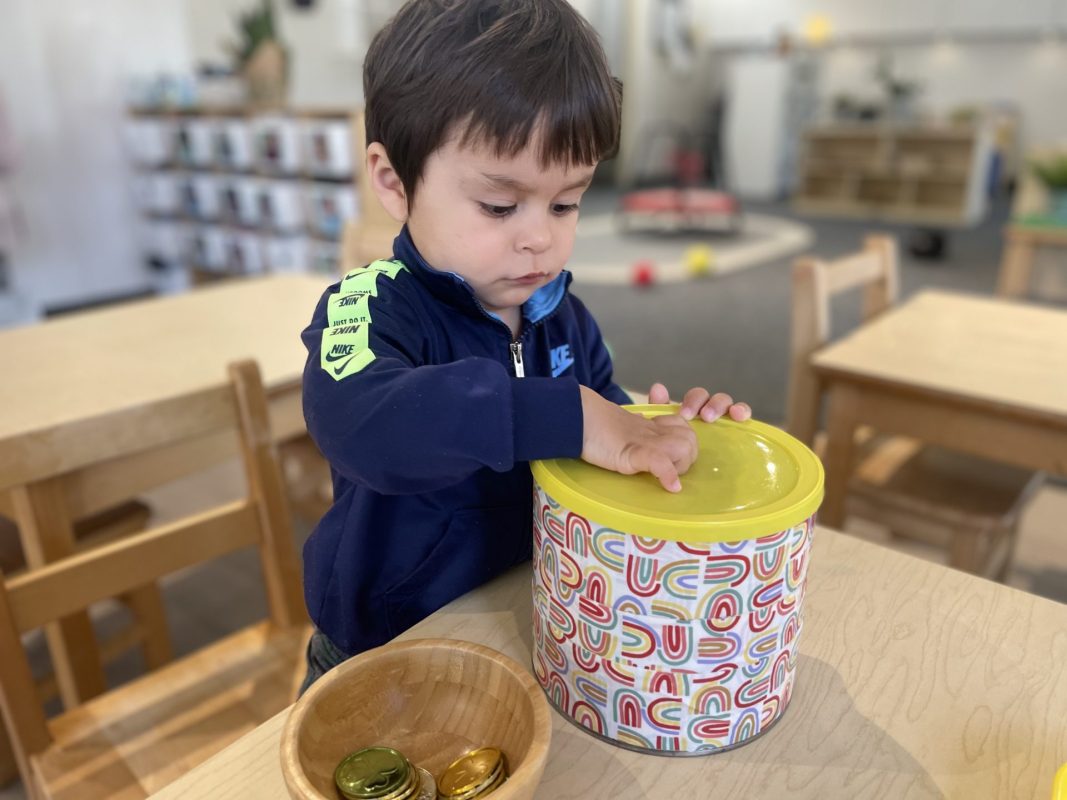
Avery- Opening and closing containers

Alexander- Arctic animals matching

Connor- The seasons puzzle

Divya- Flower arrangement

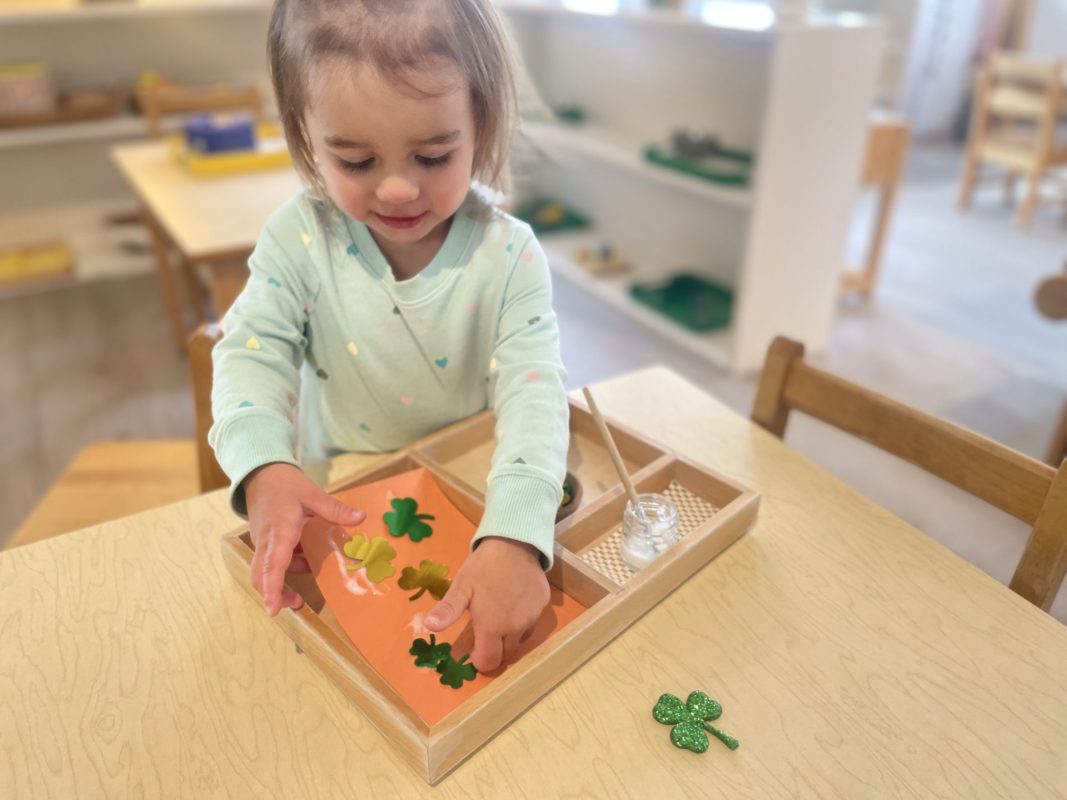
Emma- Snowflake stickers

John- Naming and exploring vehicles

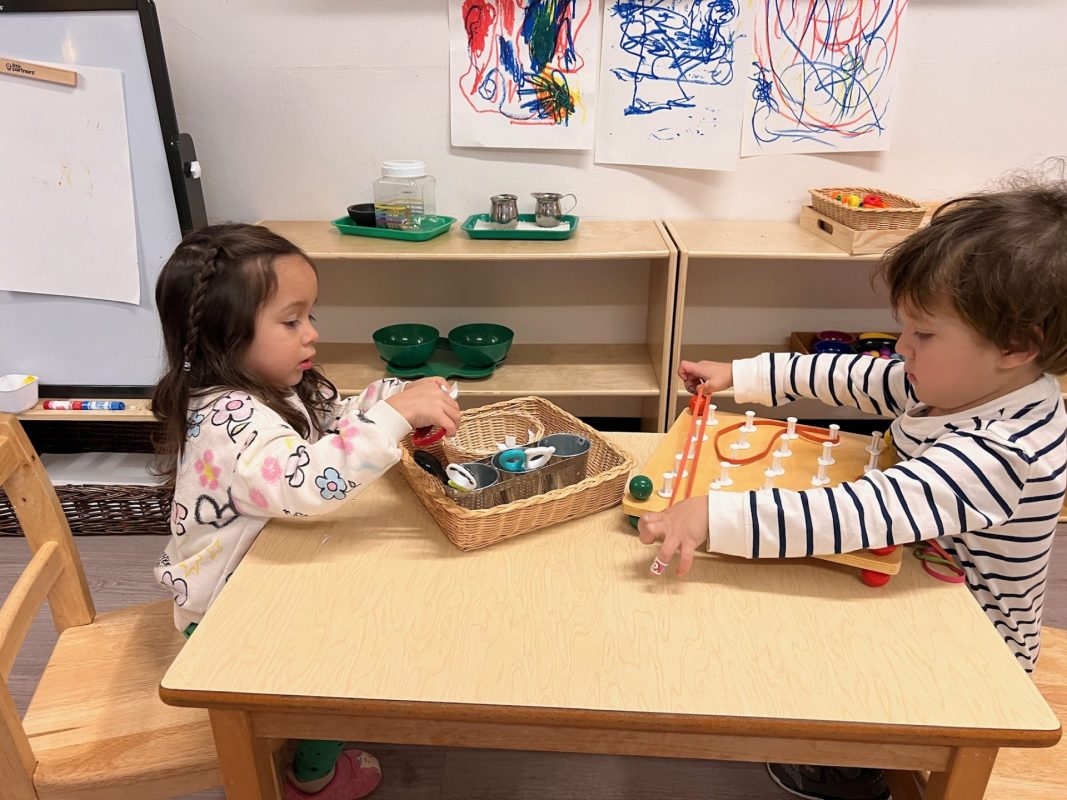
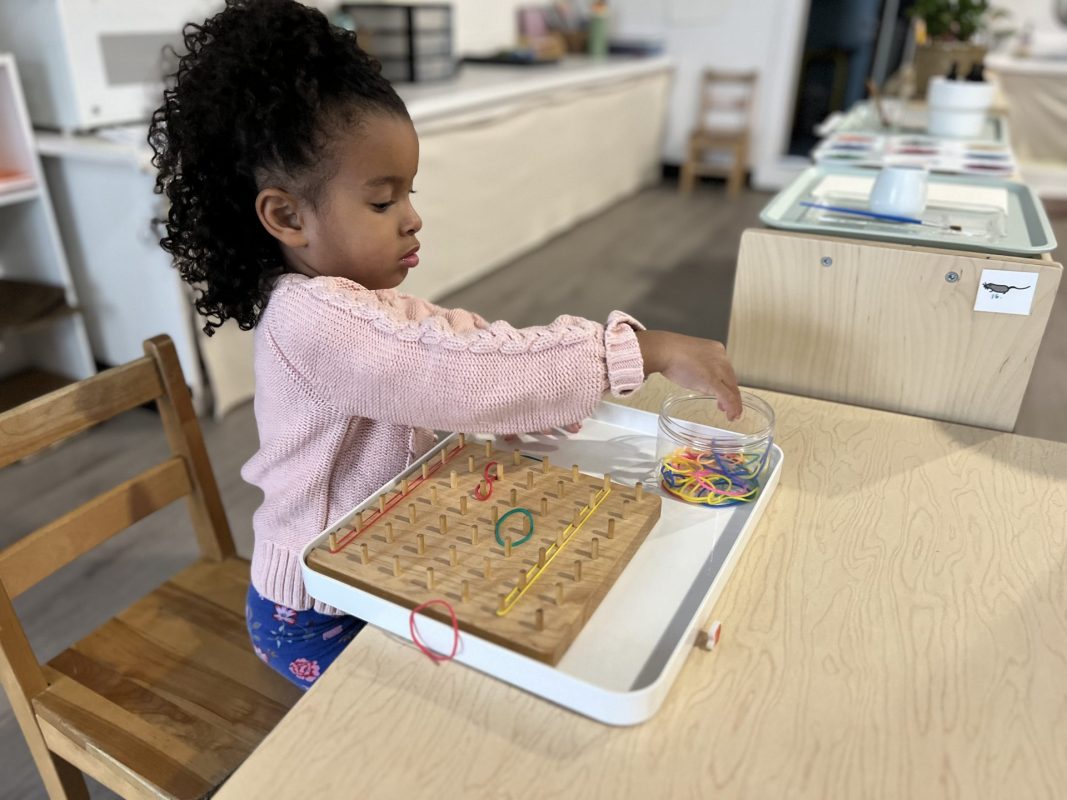
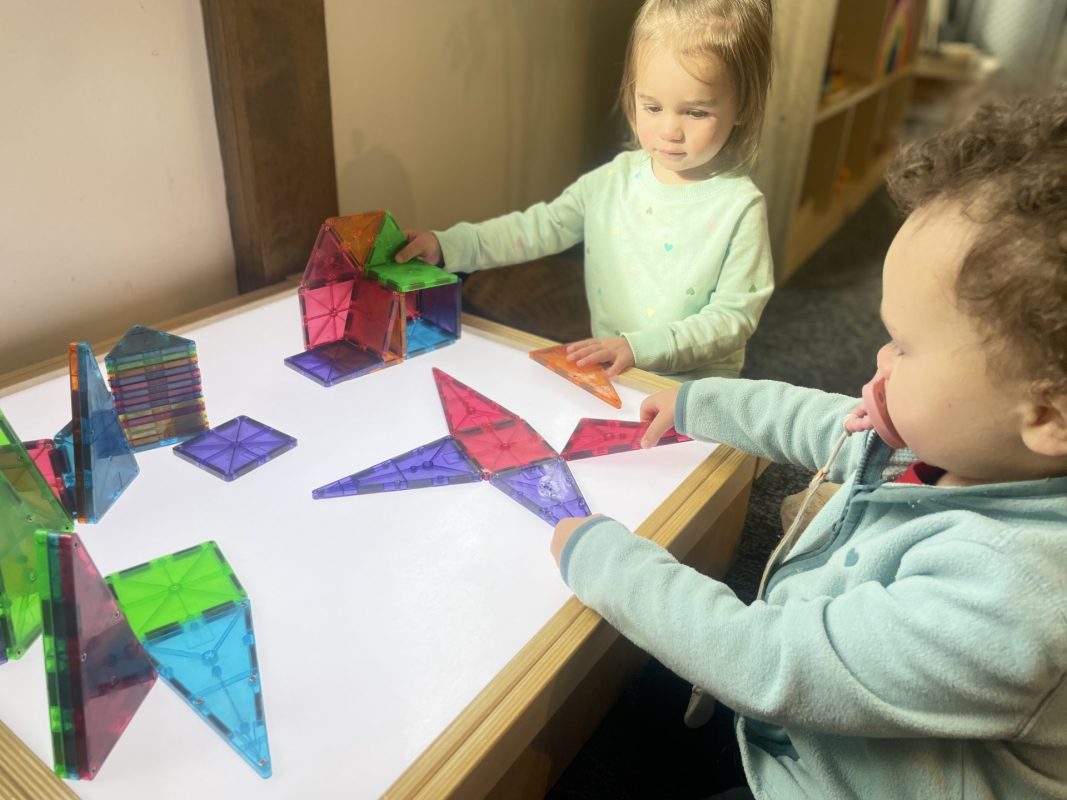
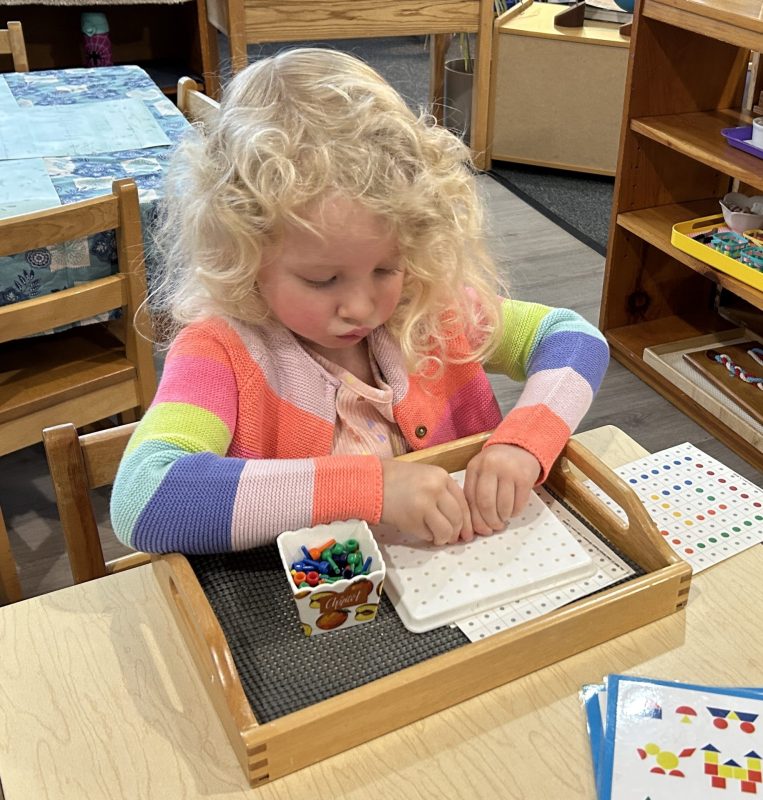
Love– Creating shapes with elastics in the Geoboard

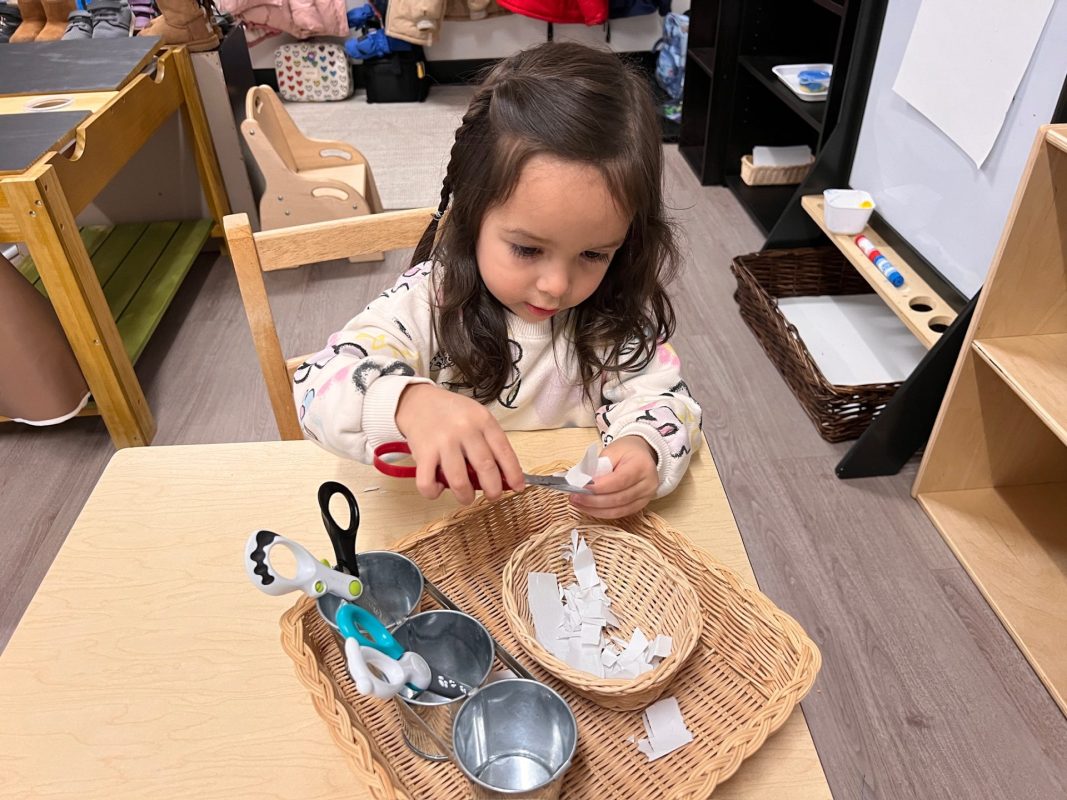
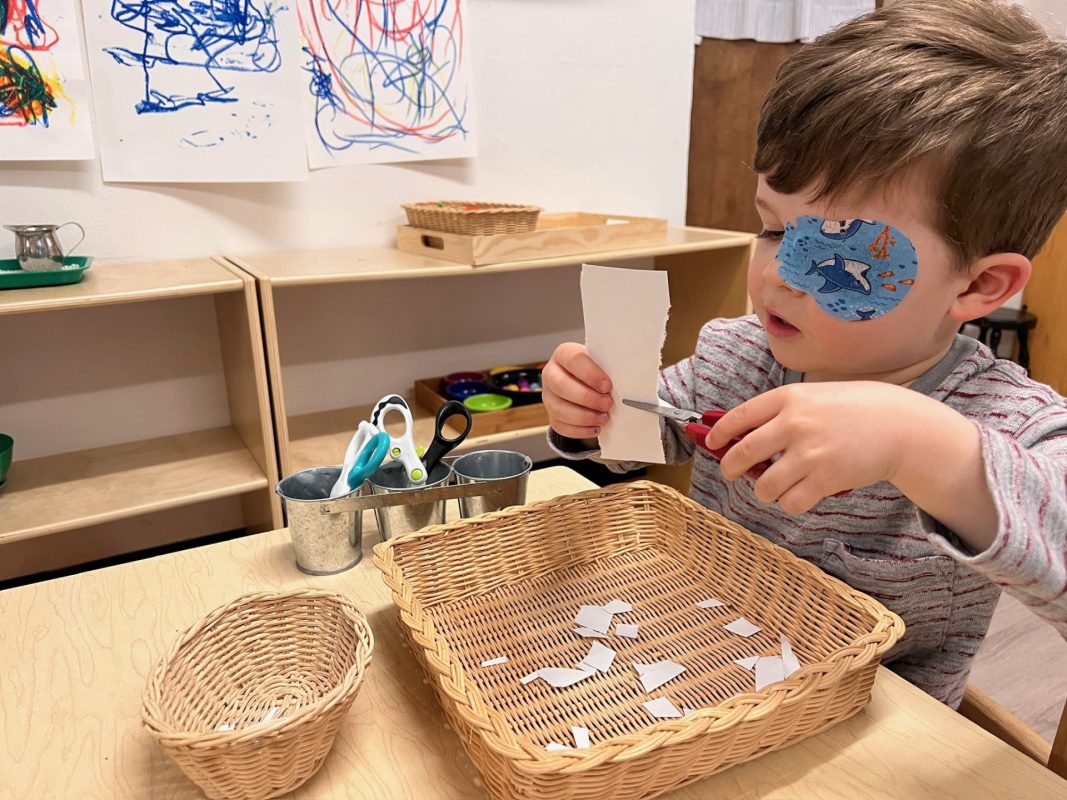
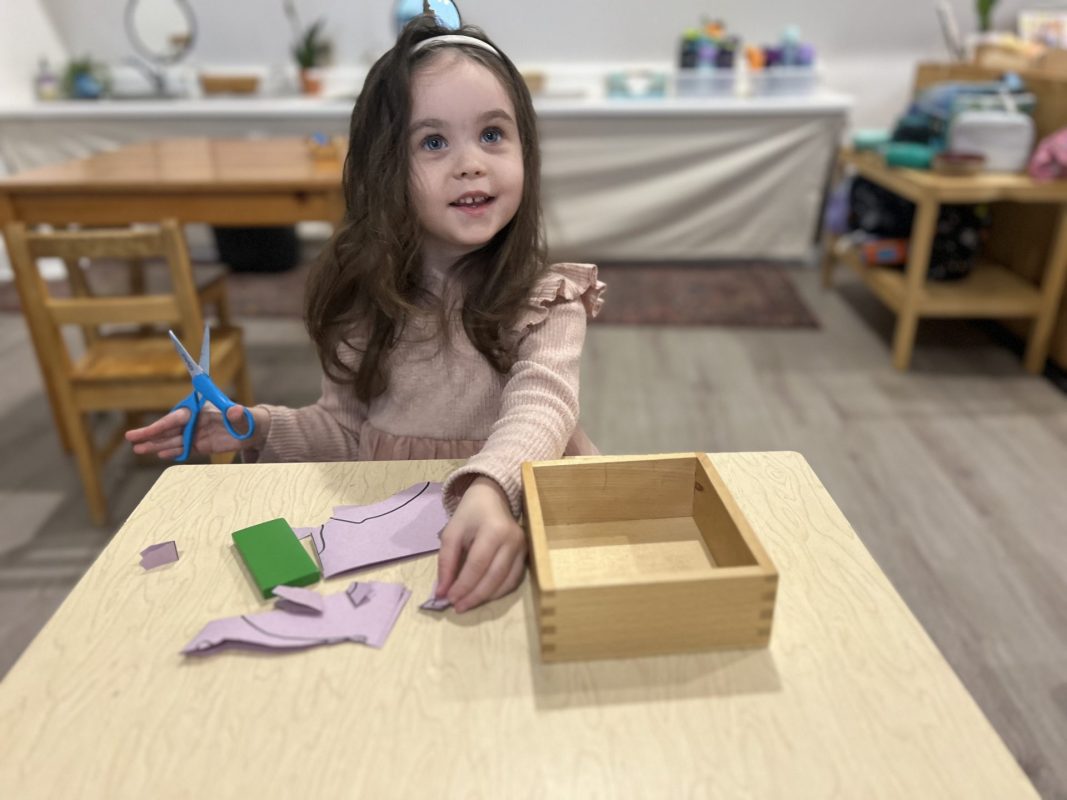
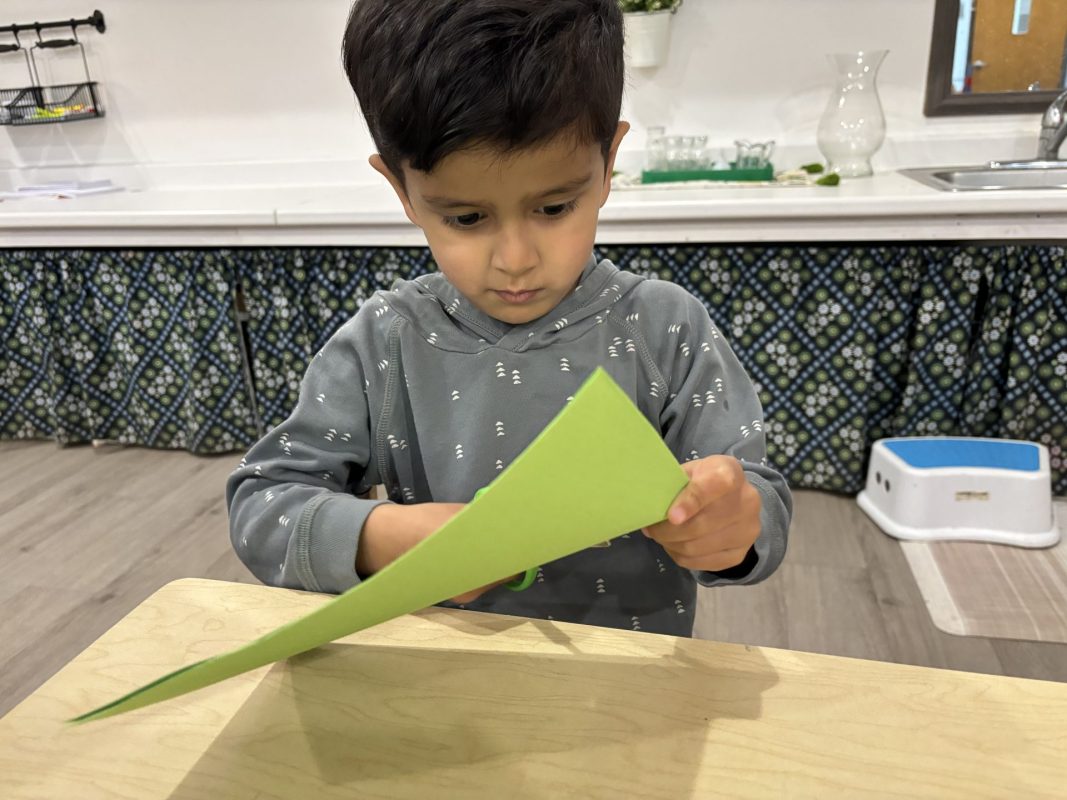
Reagan- Cutting

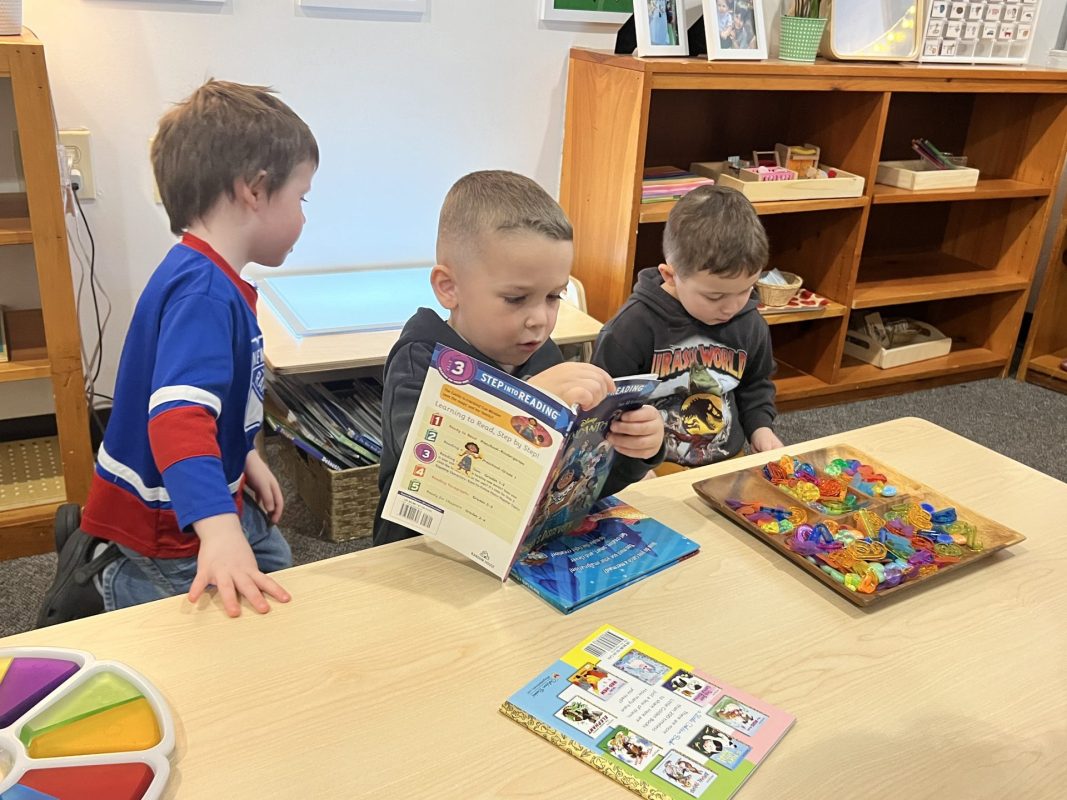
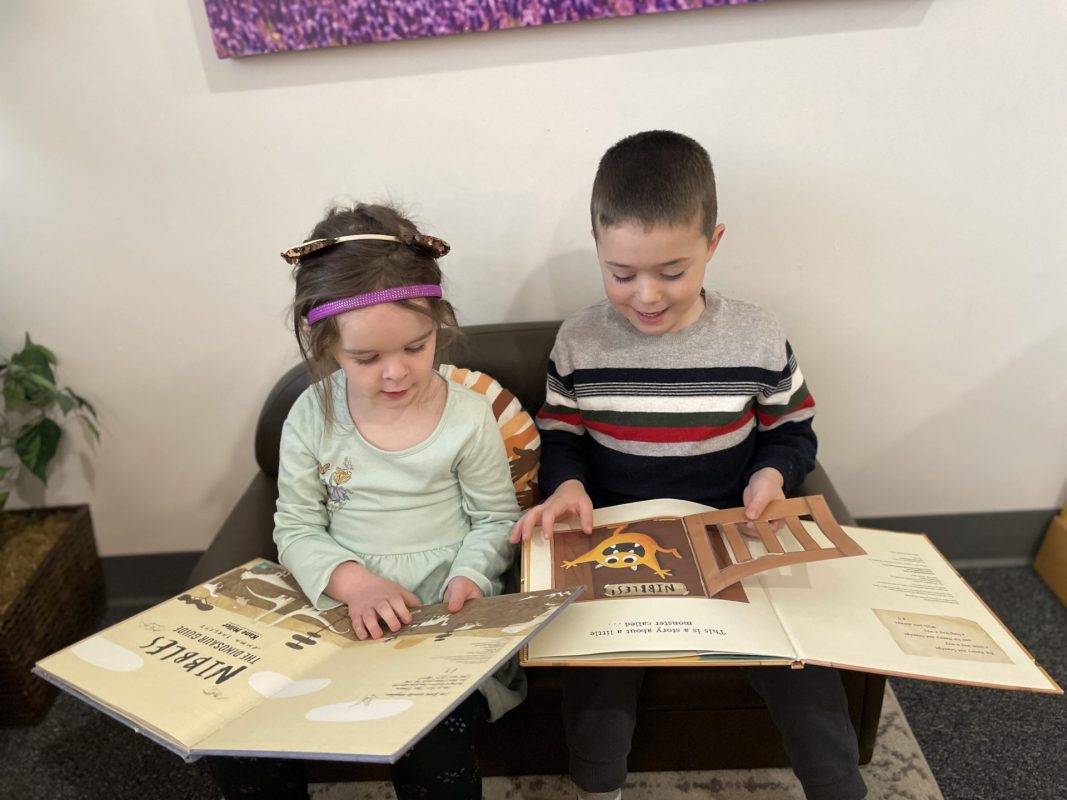
Zion- Exploring “I Spy” books

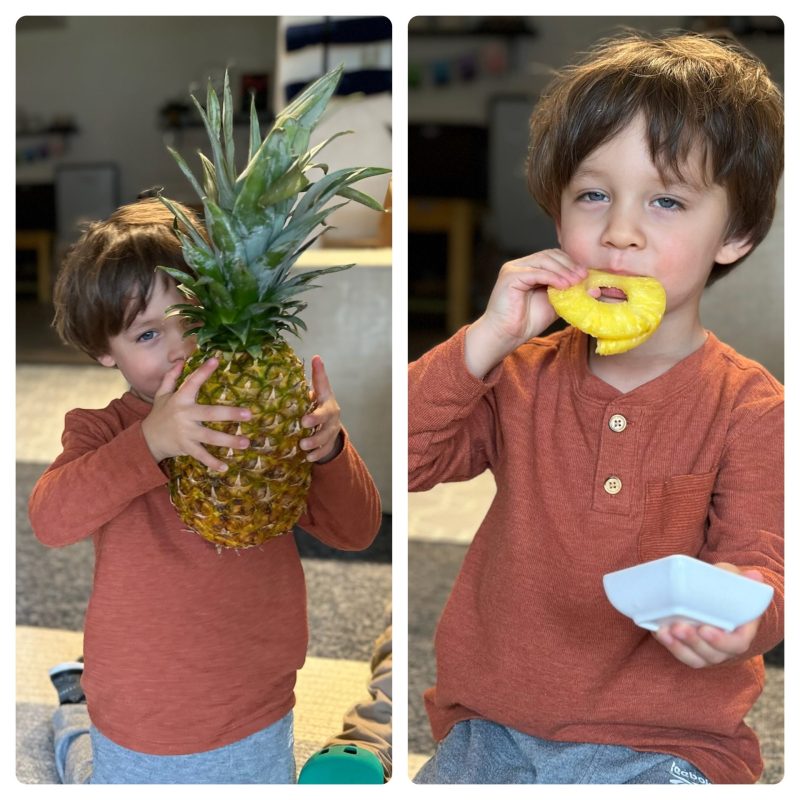
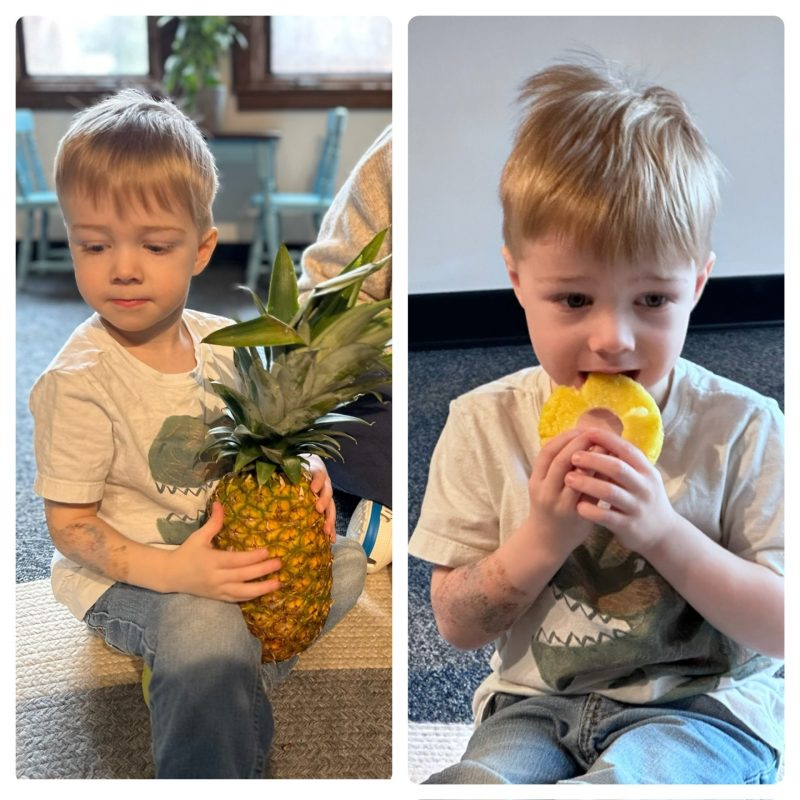
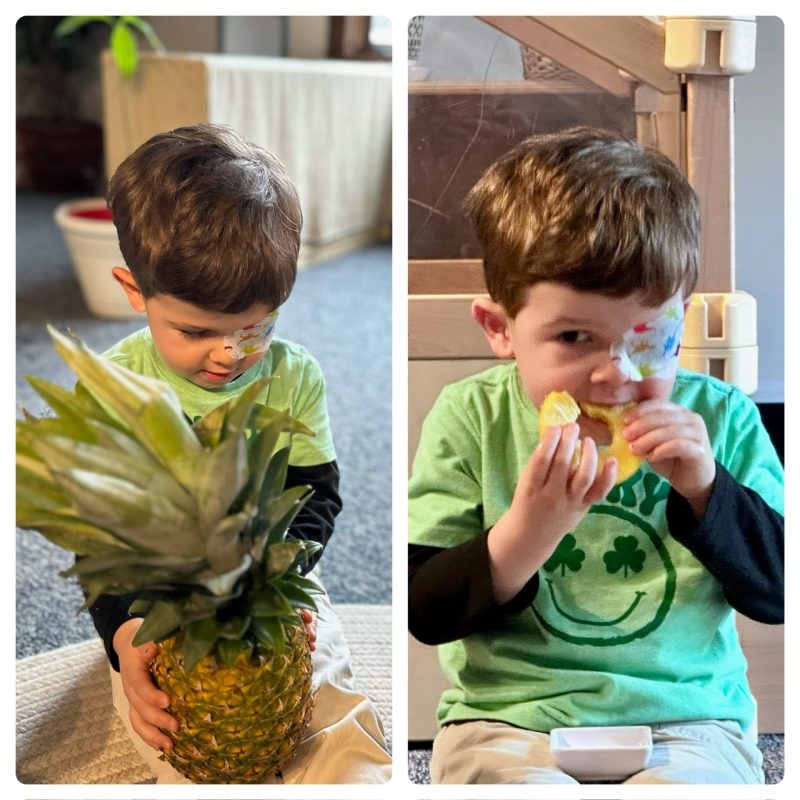
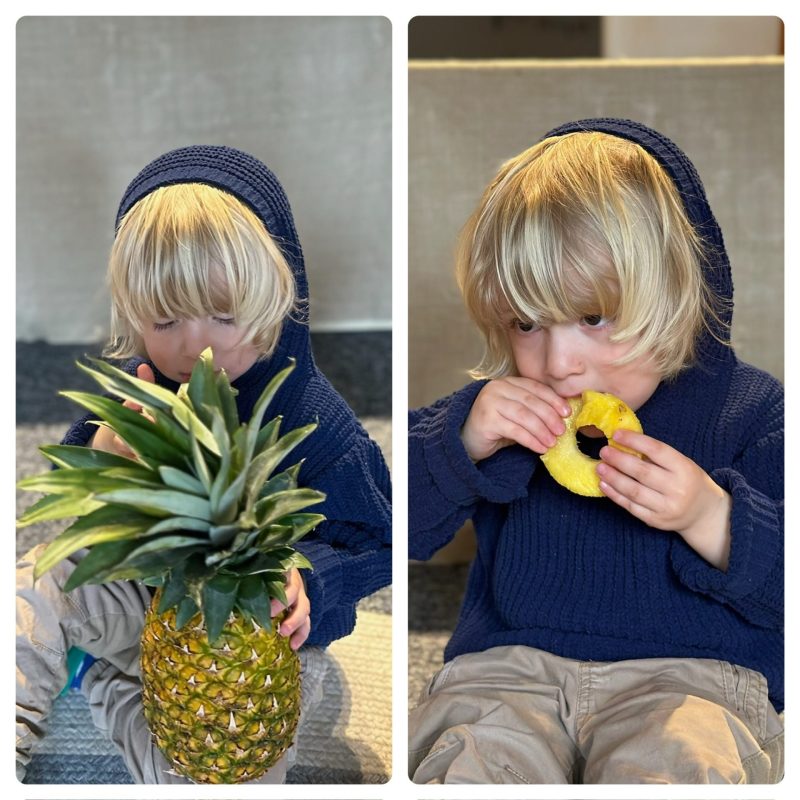
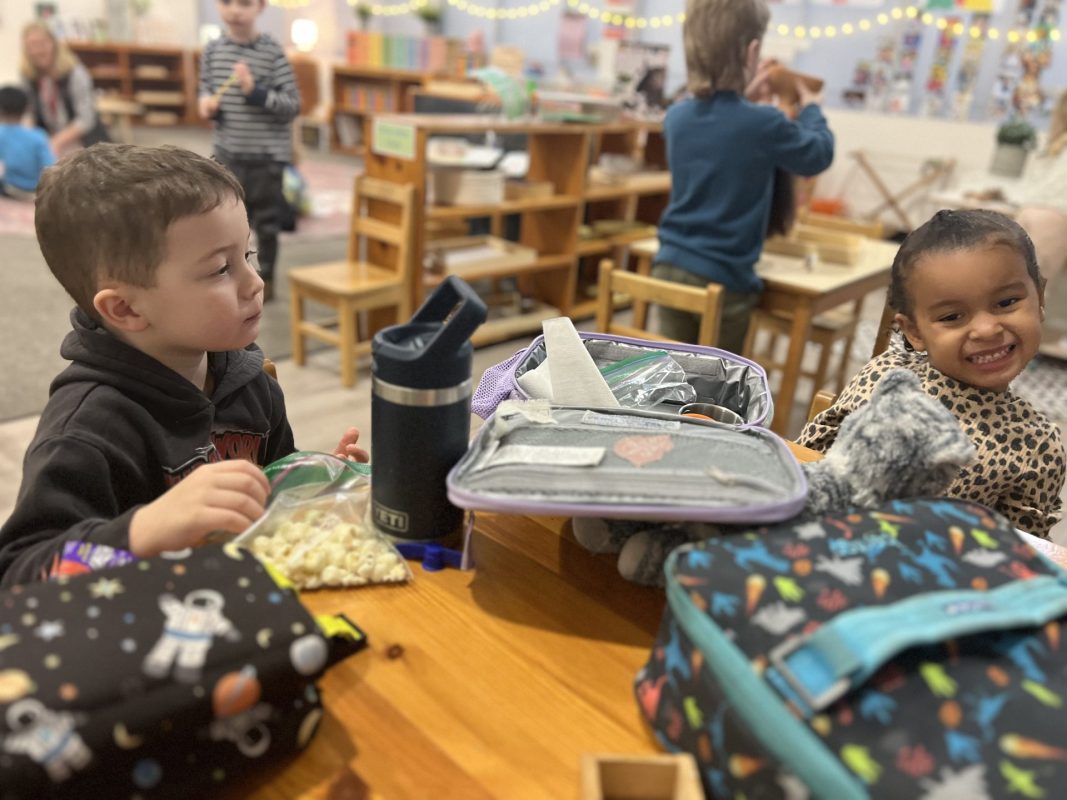
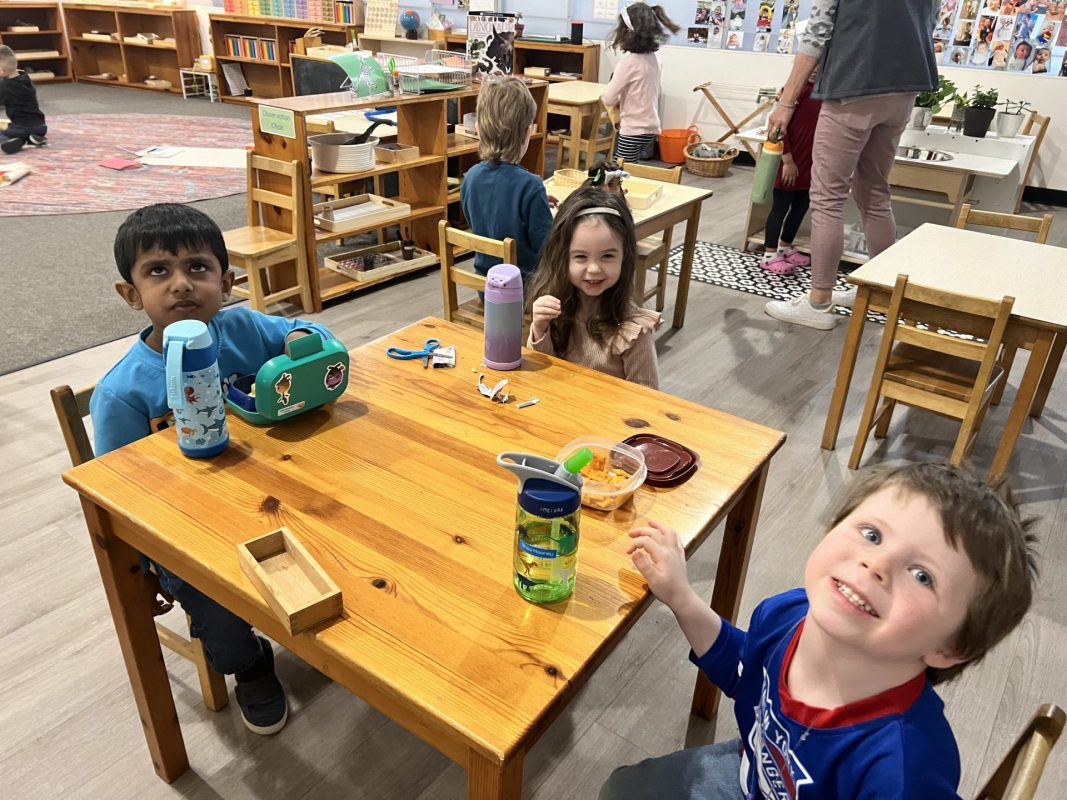
On another note, the children enjoyed exploring parsnips during our food-tasting lesson this week.

Enjoy your weekend,

Mrs. Hood and Ms. Mollie