Blog

The Science of Suds in Lower El

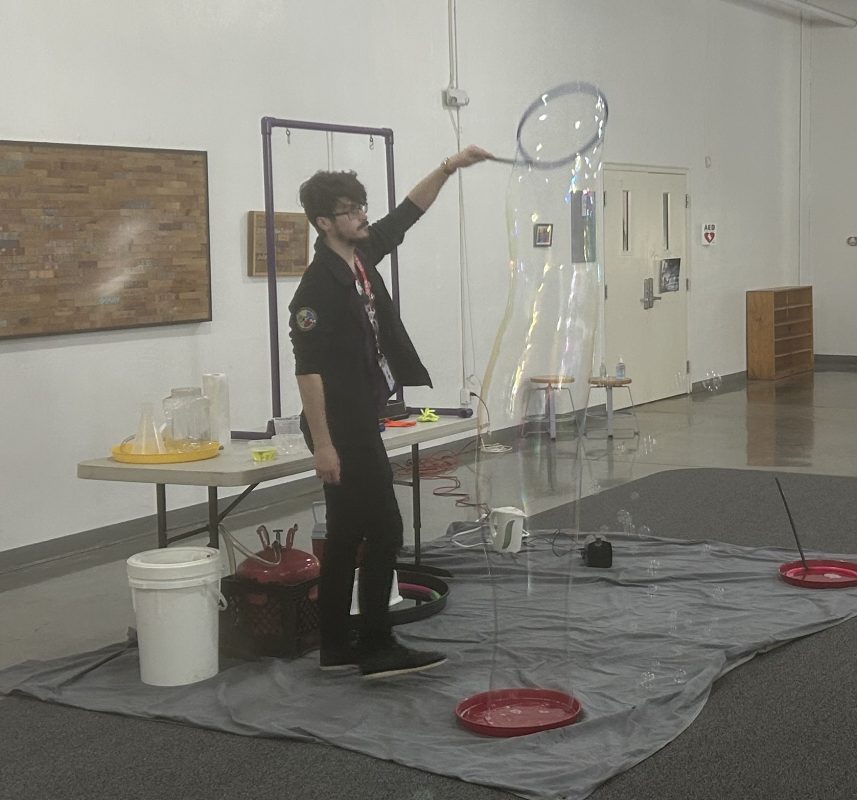
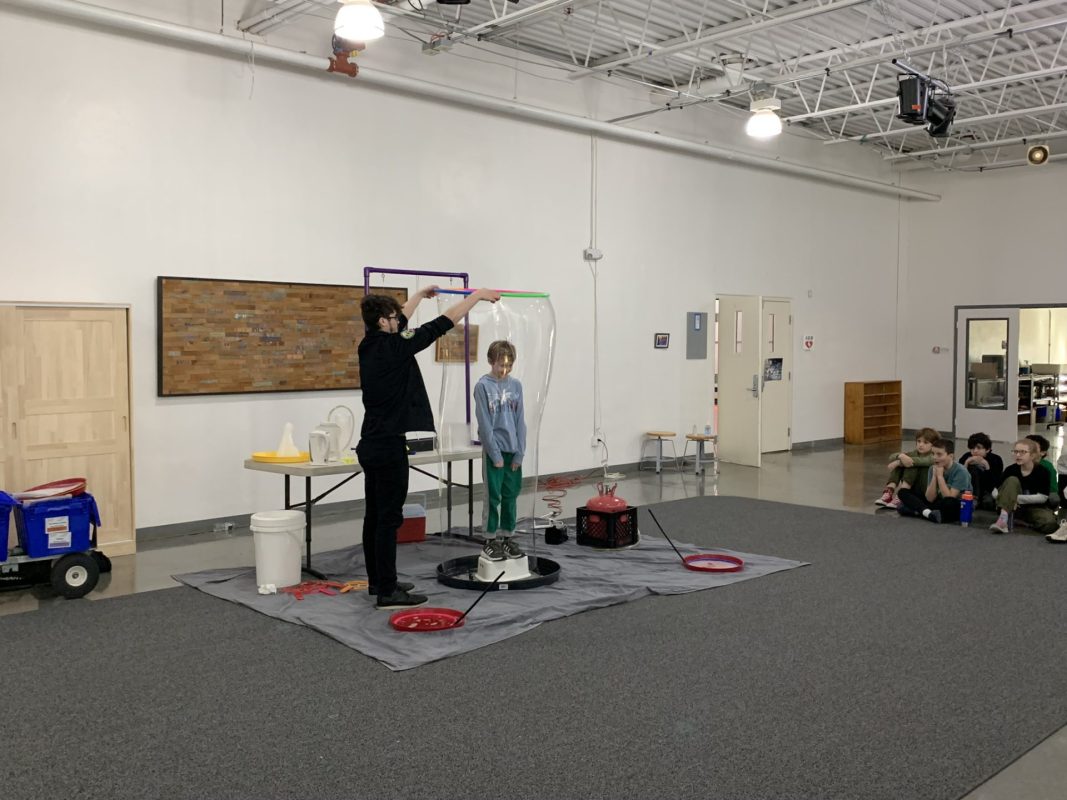
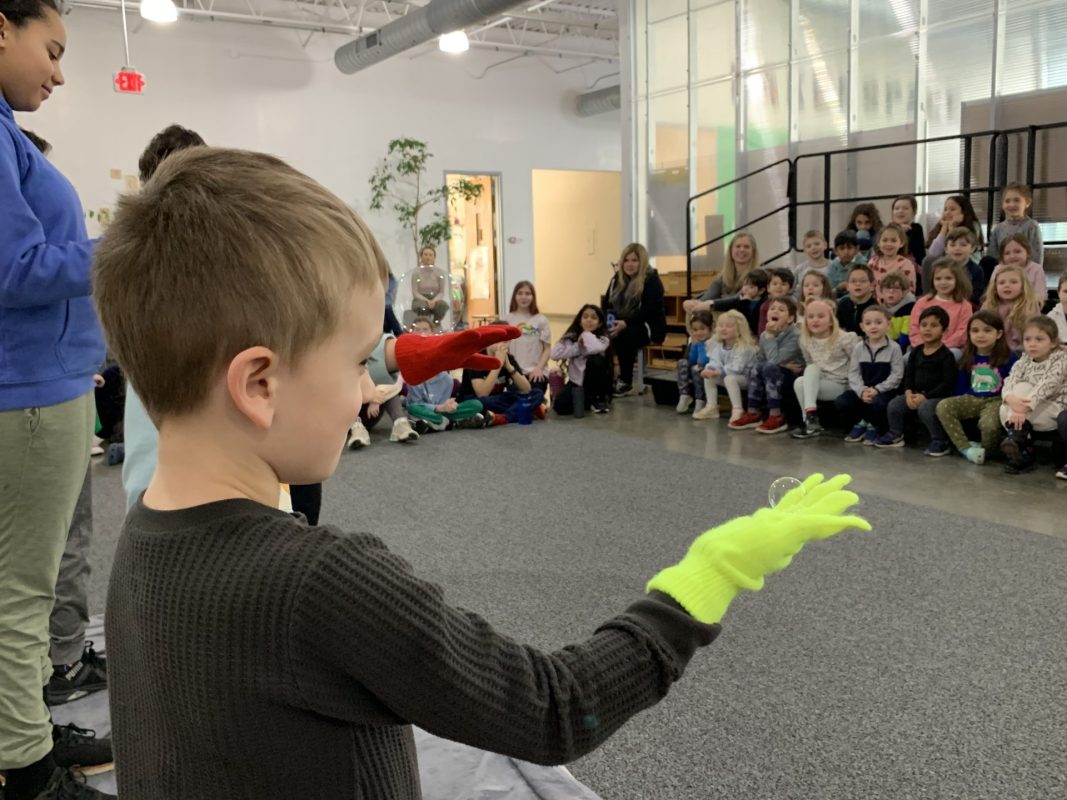
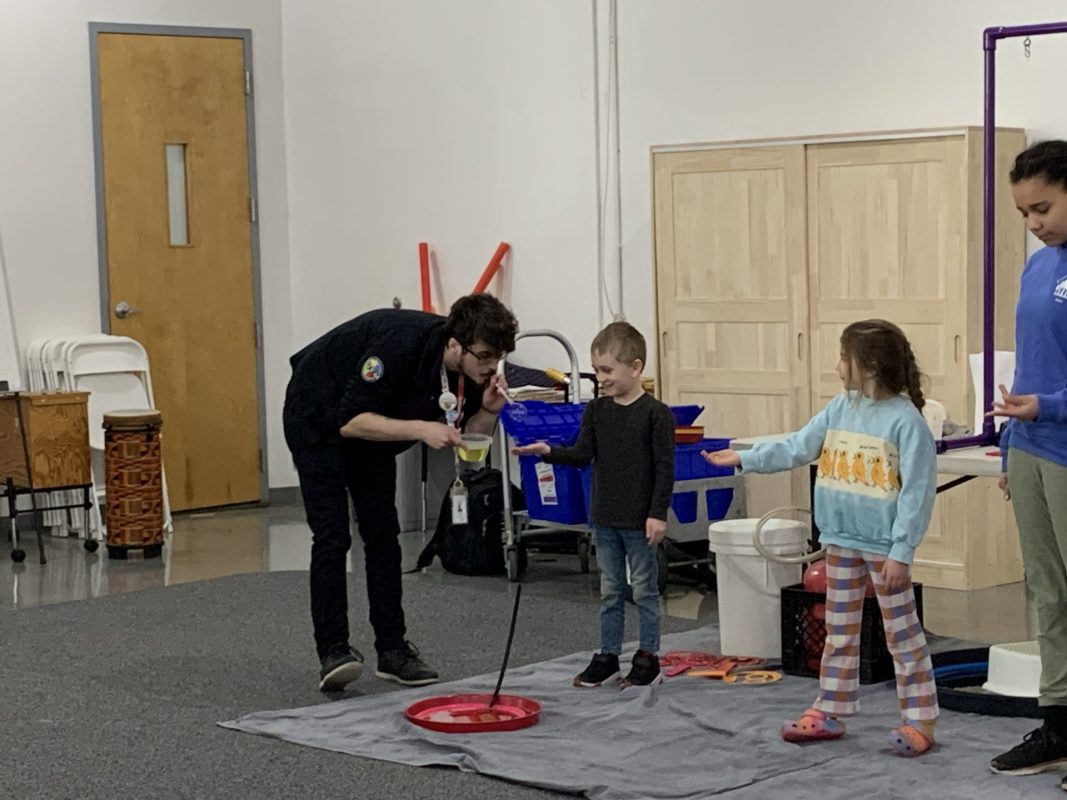
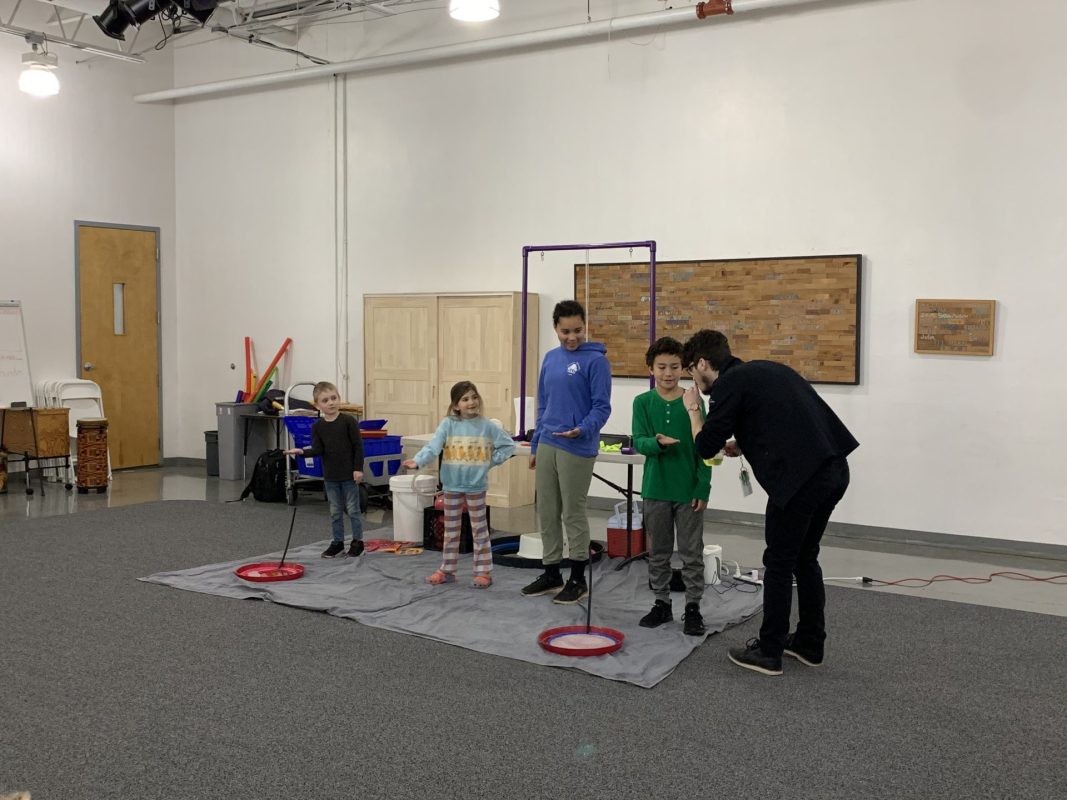
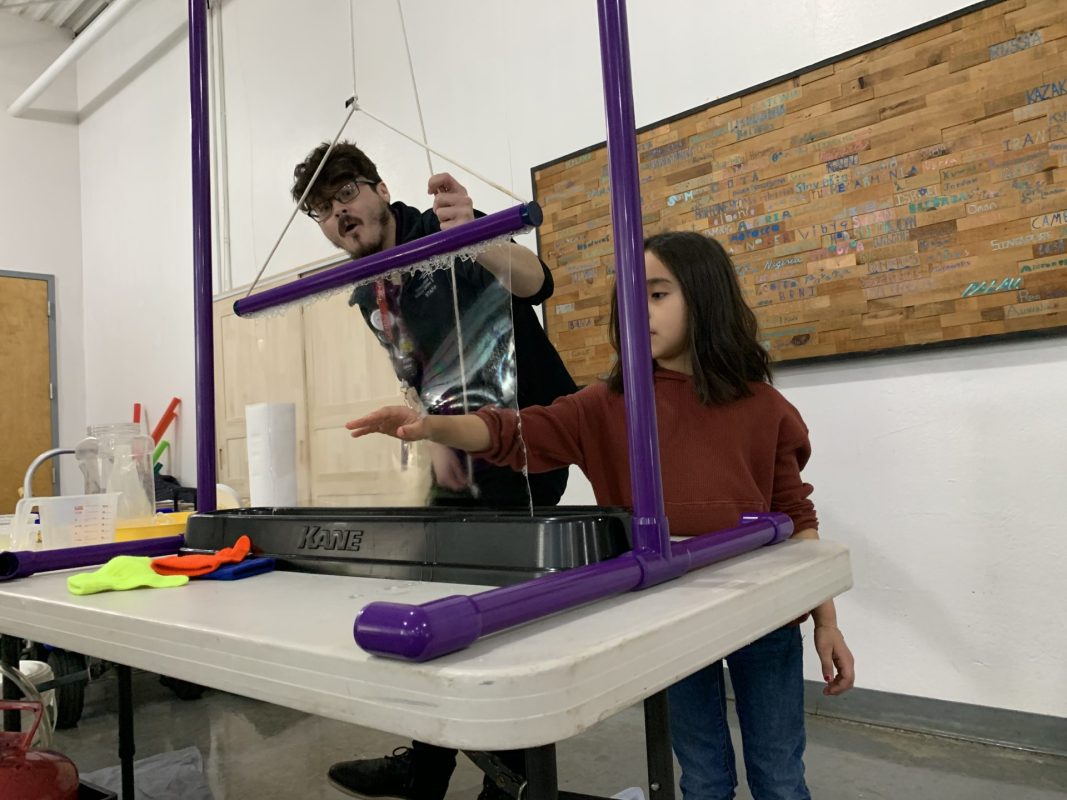
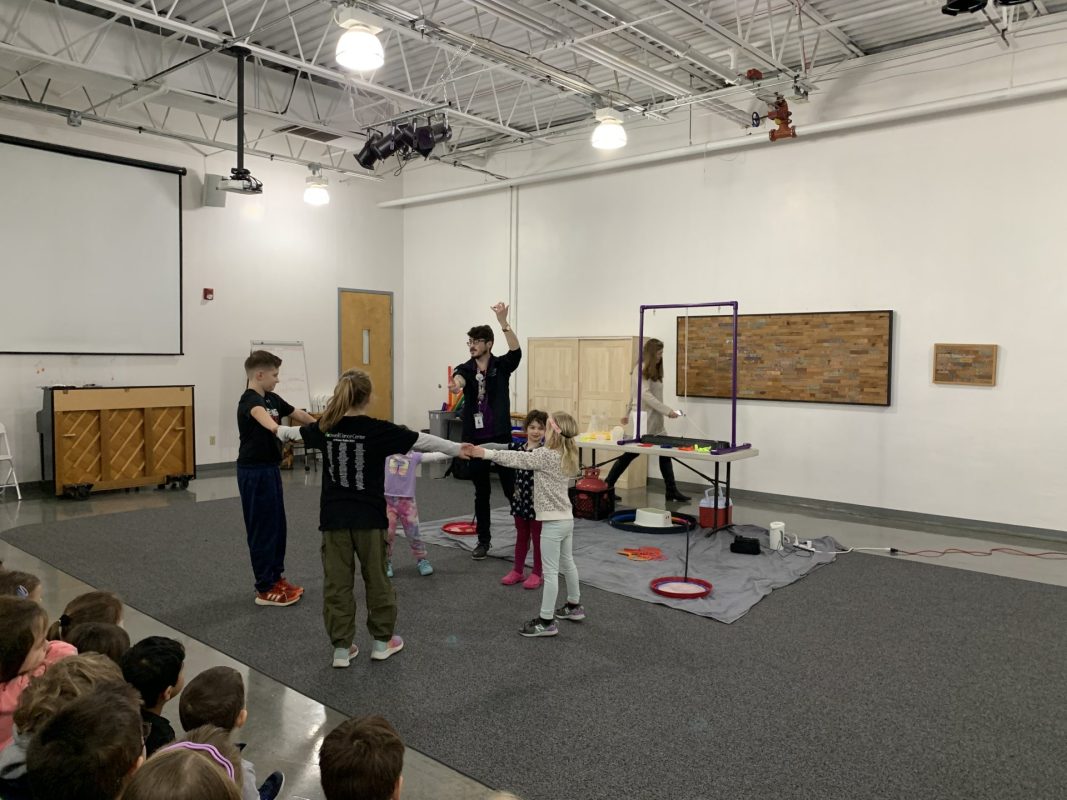
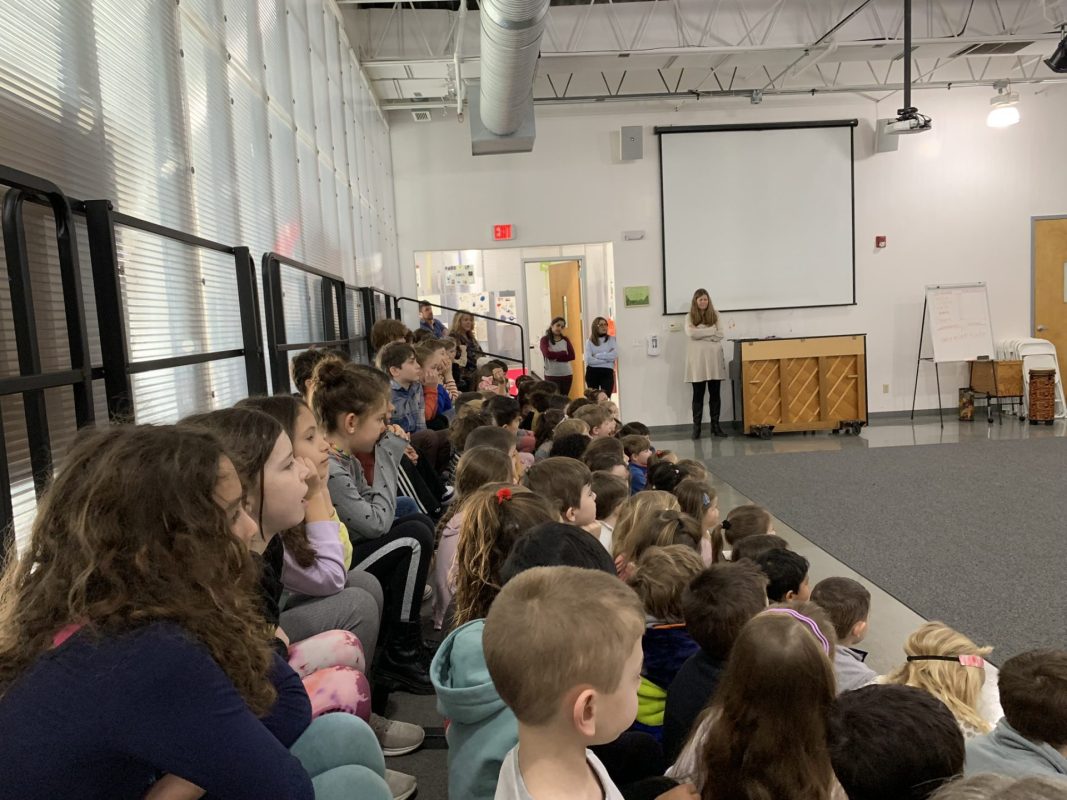
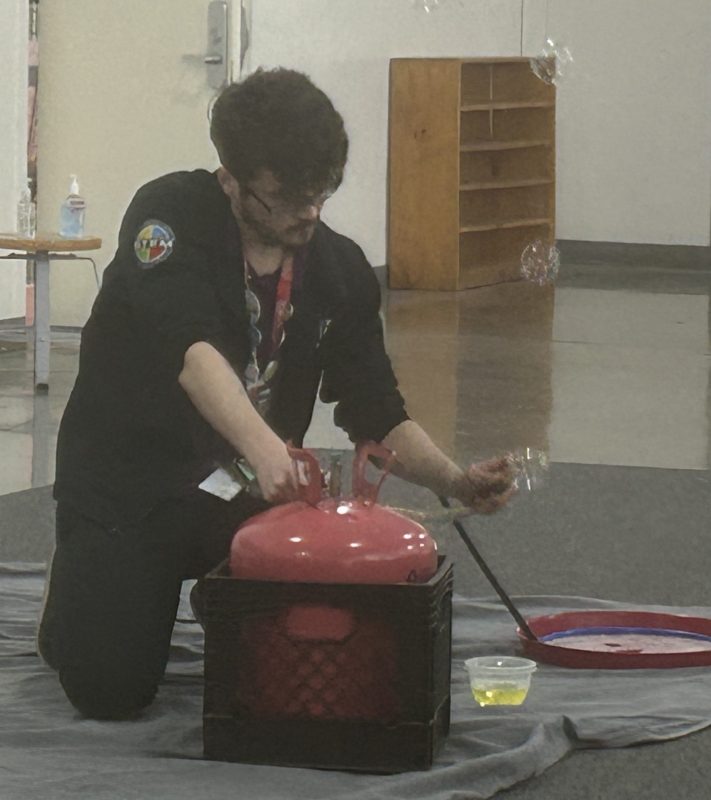
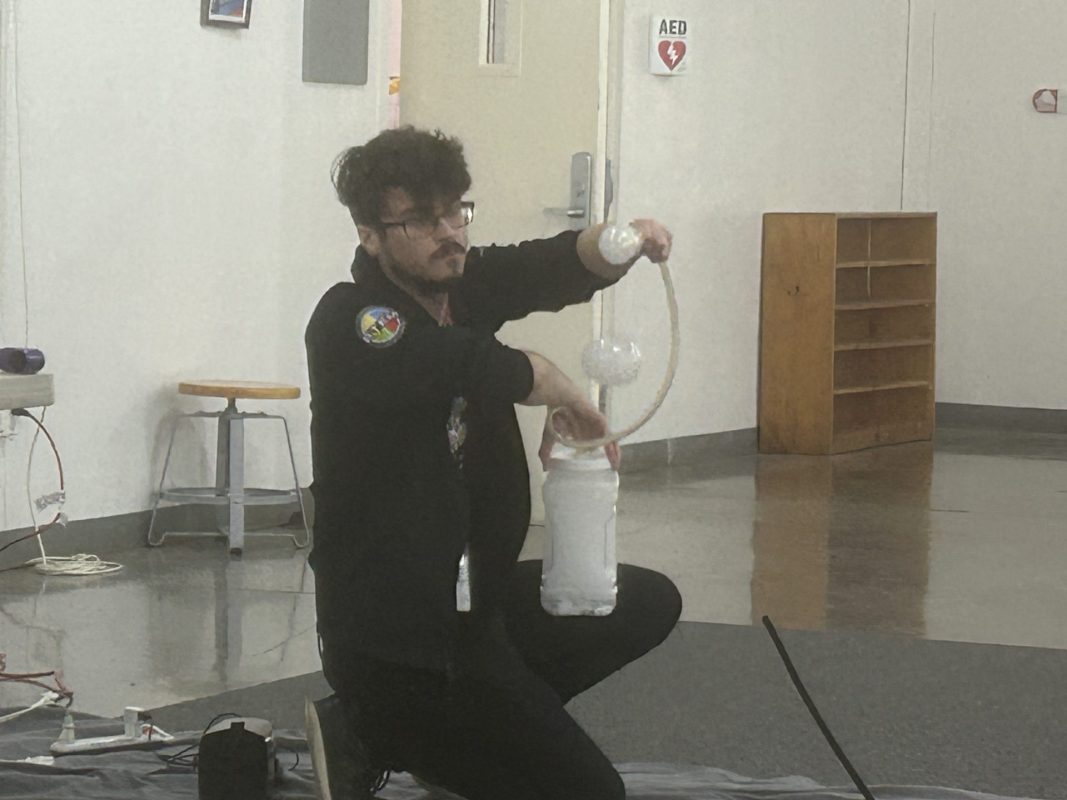
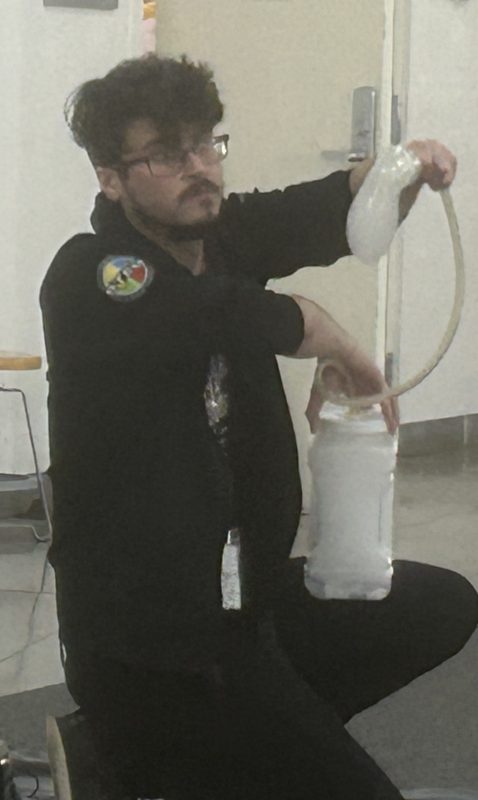
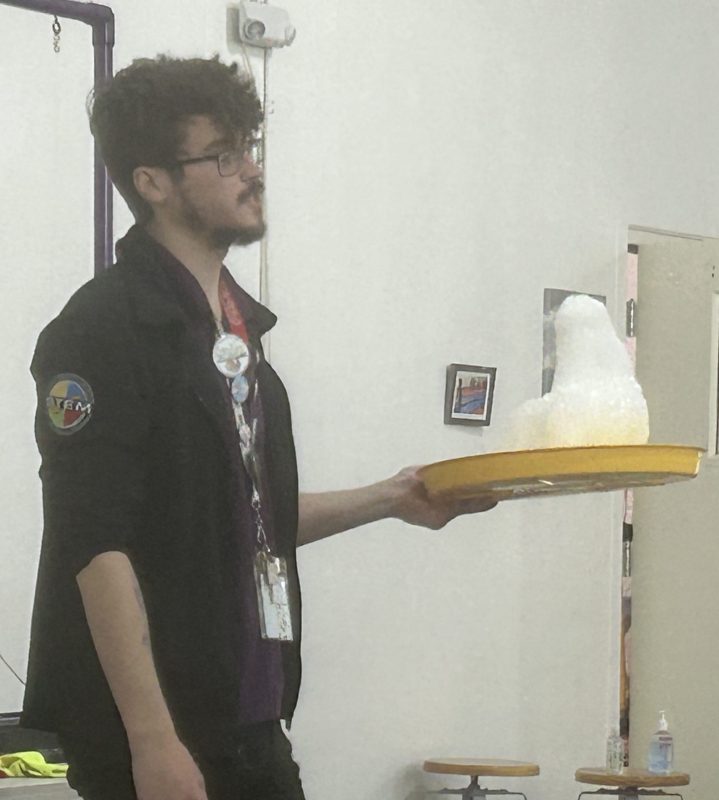
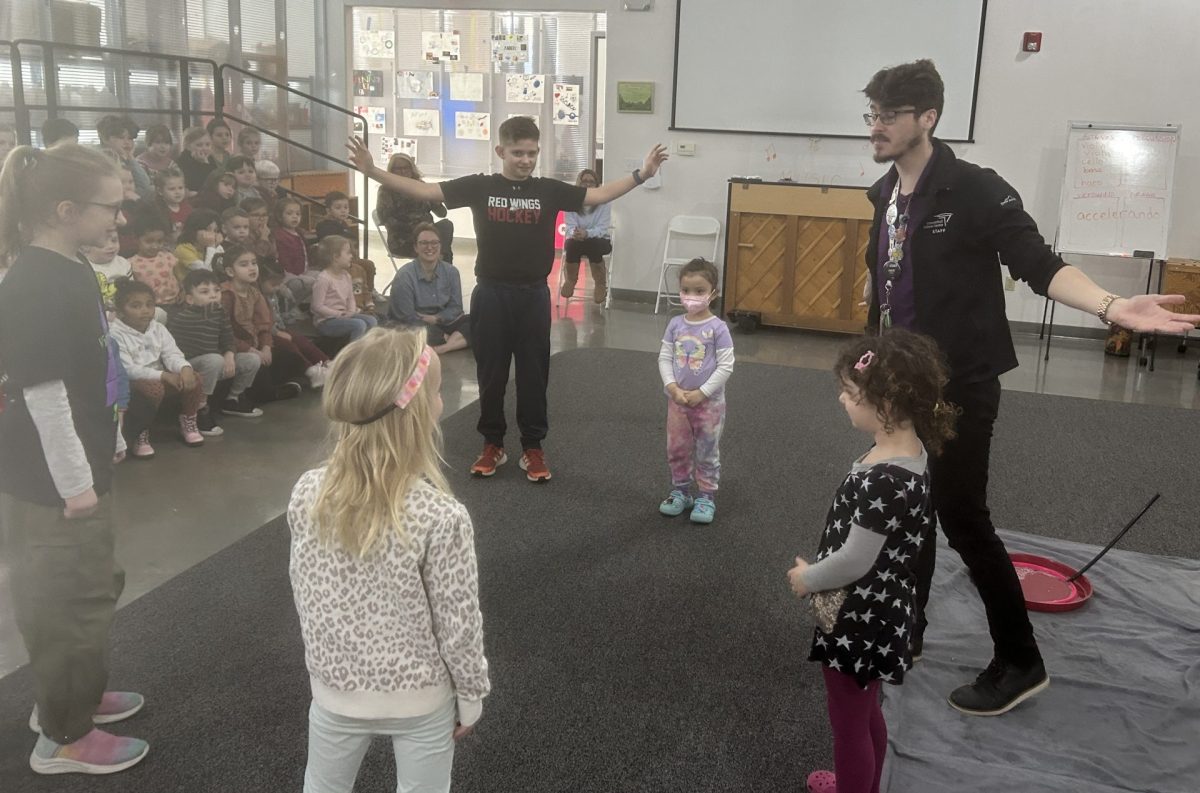
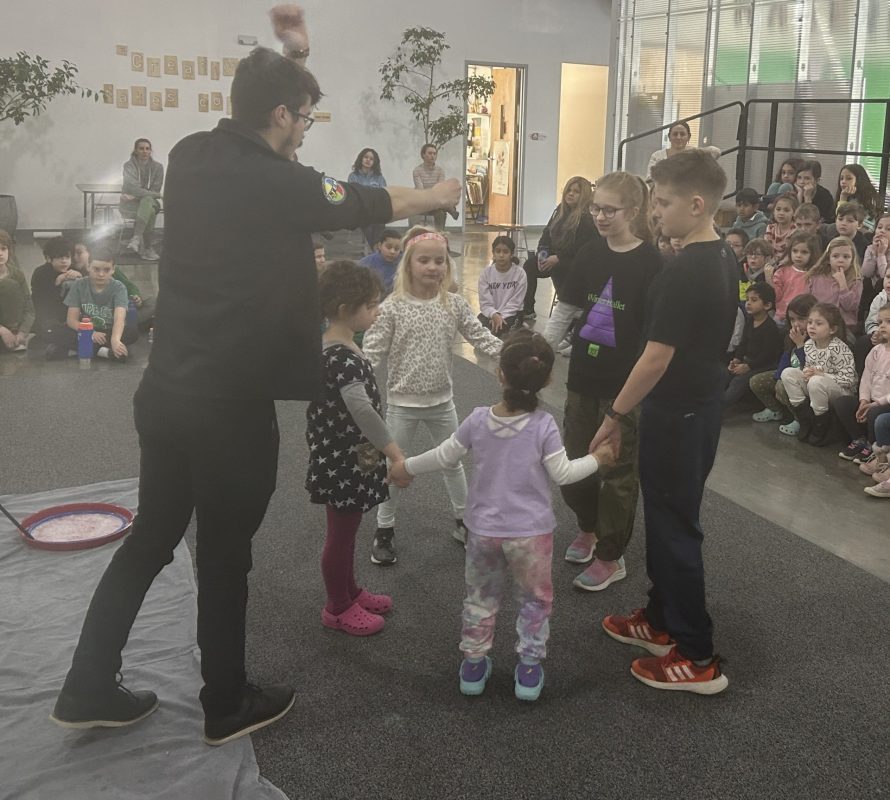
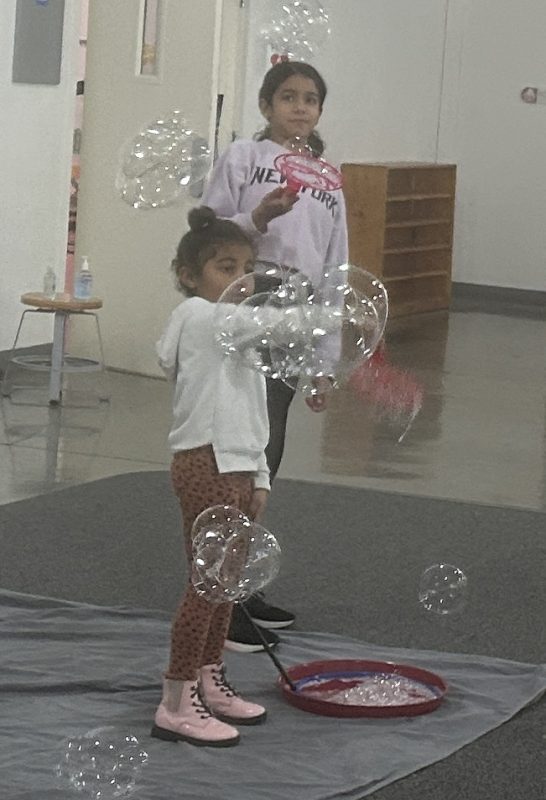
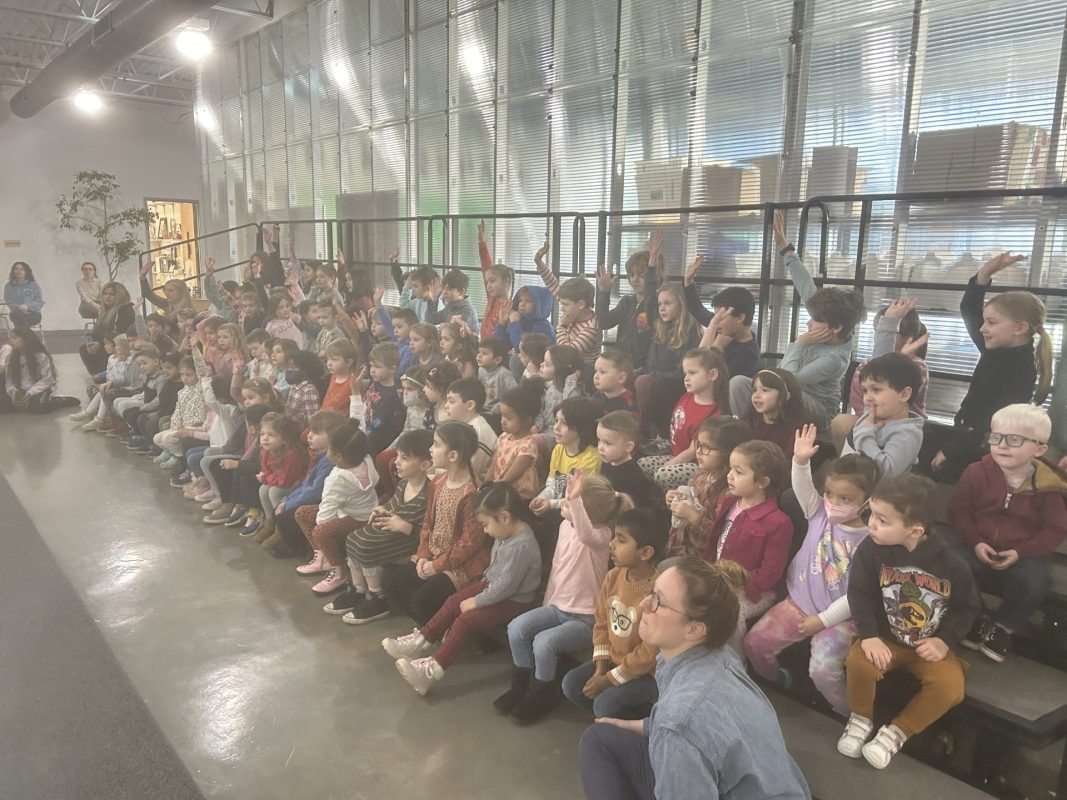
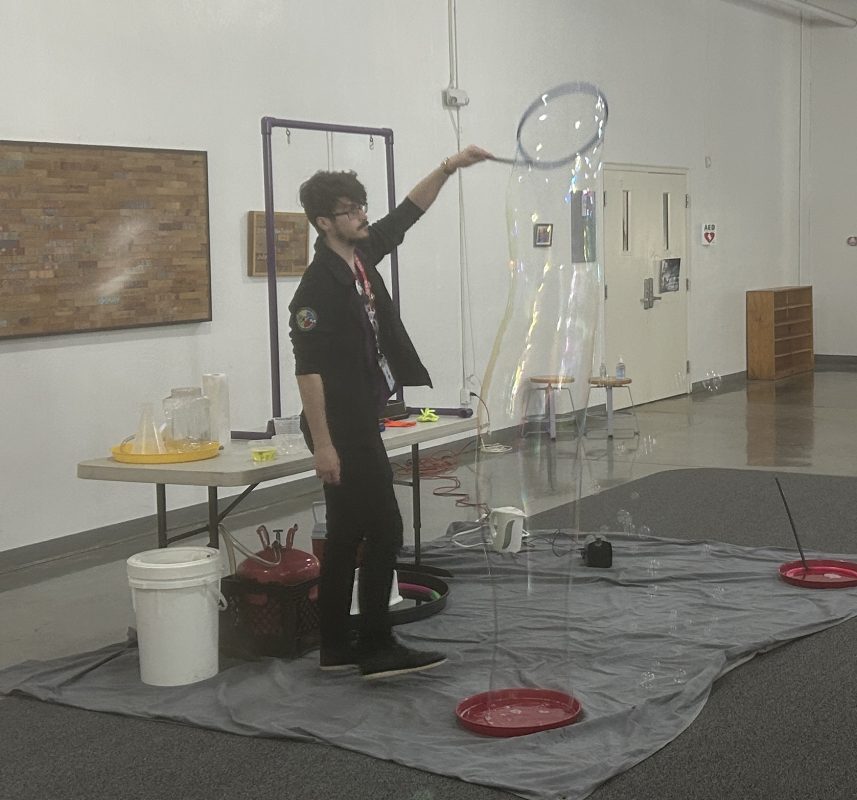
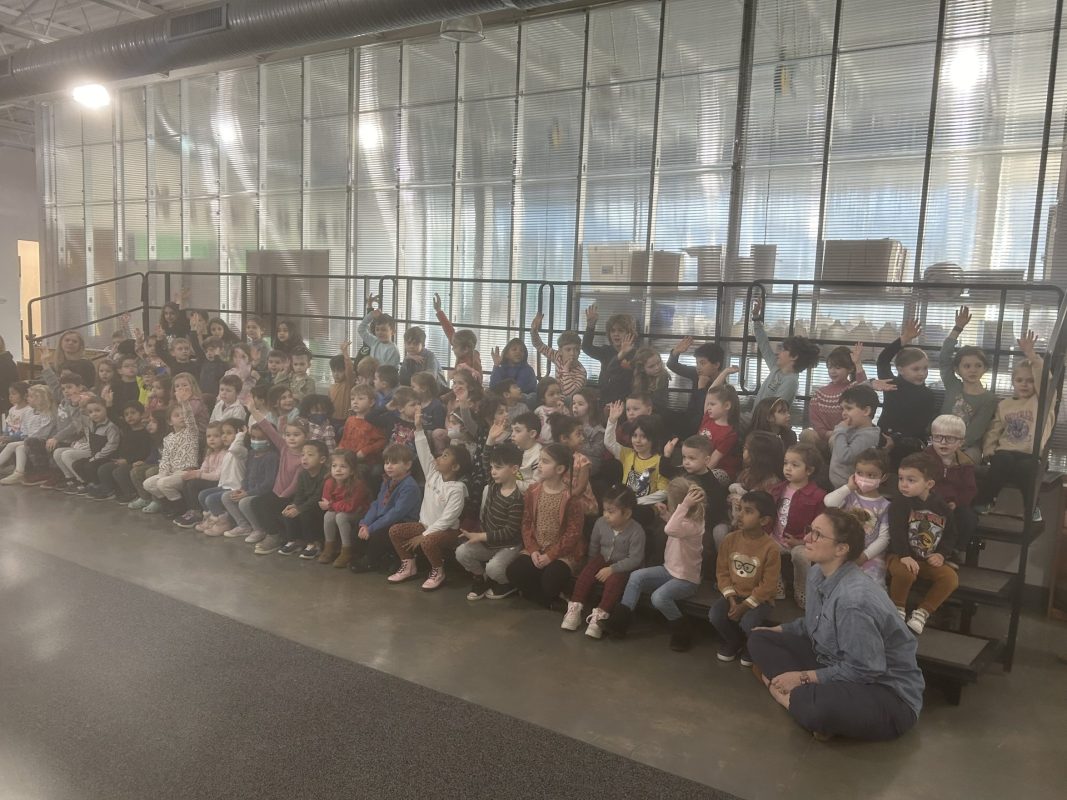
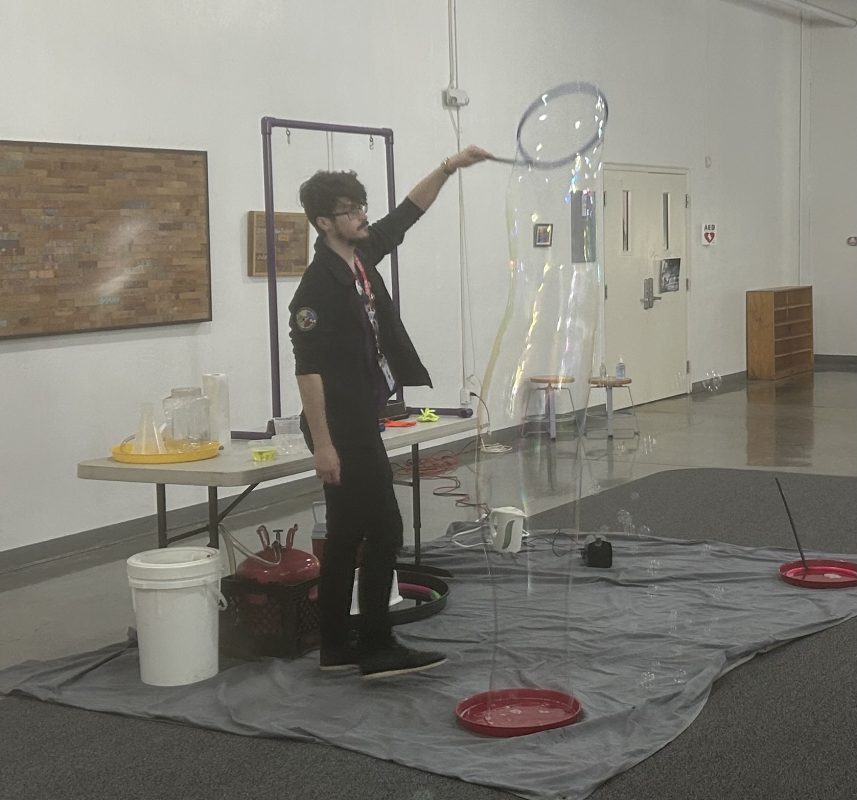
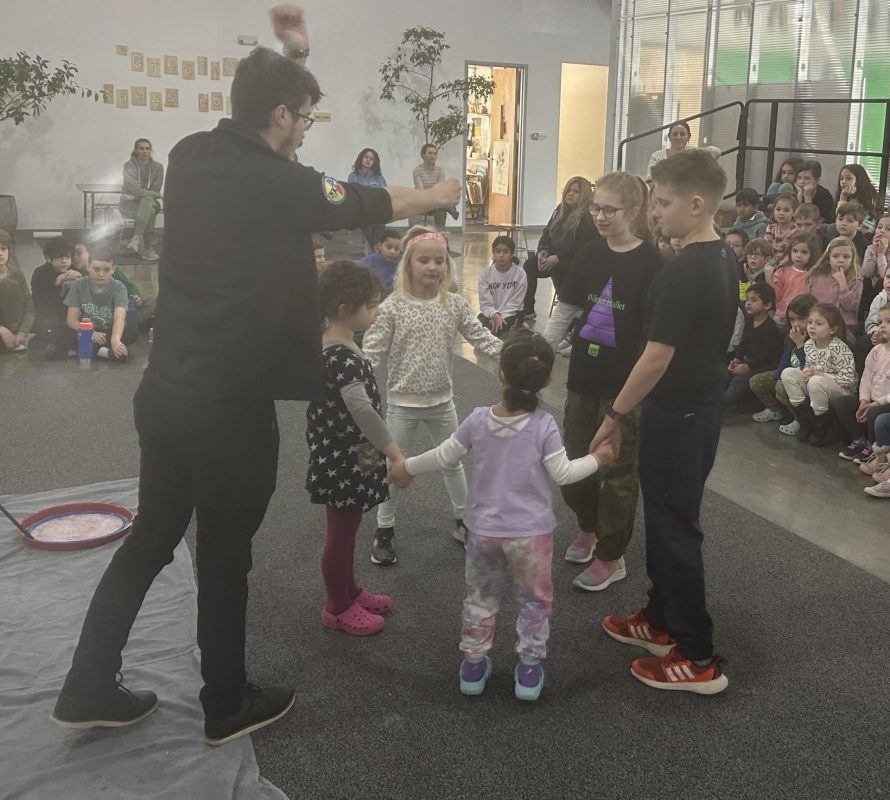
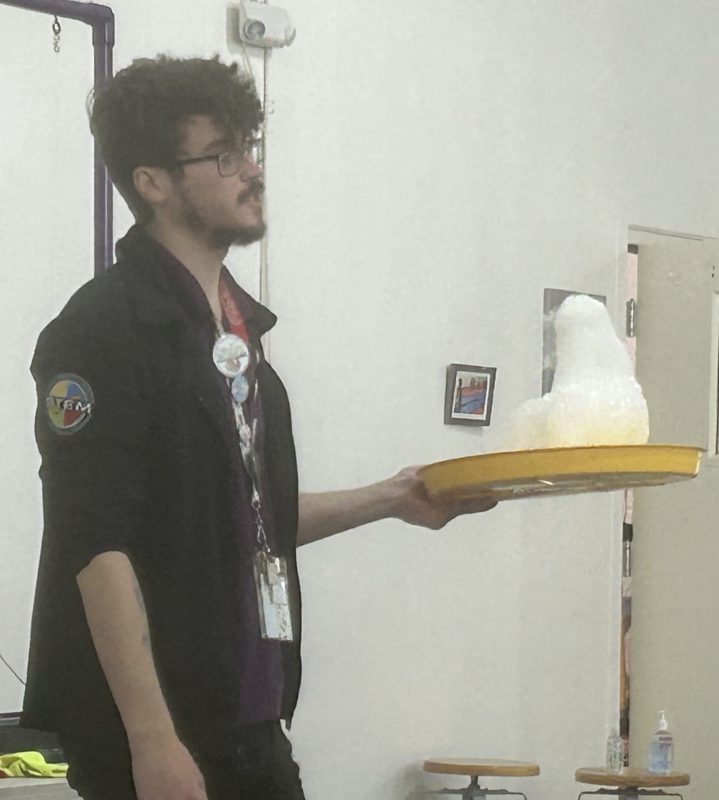
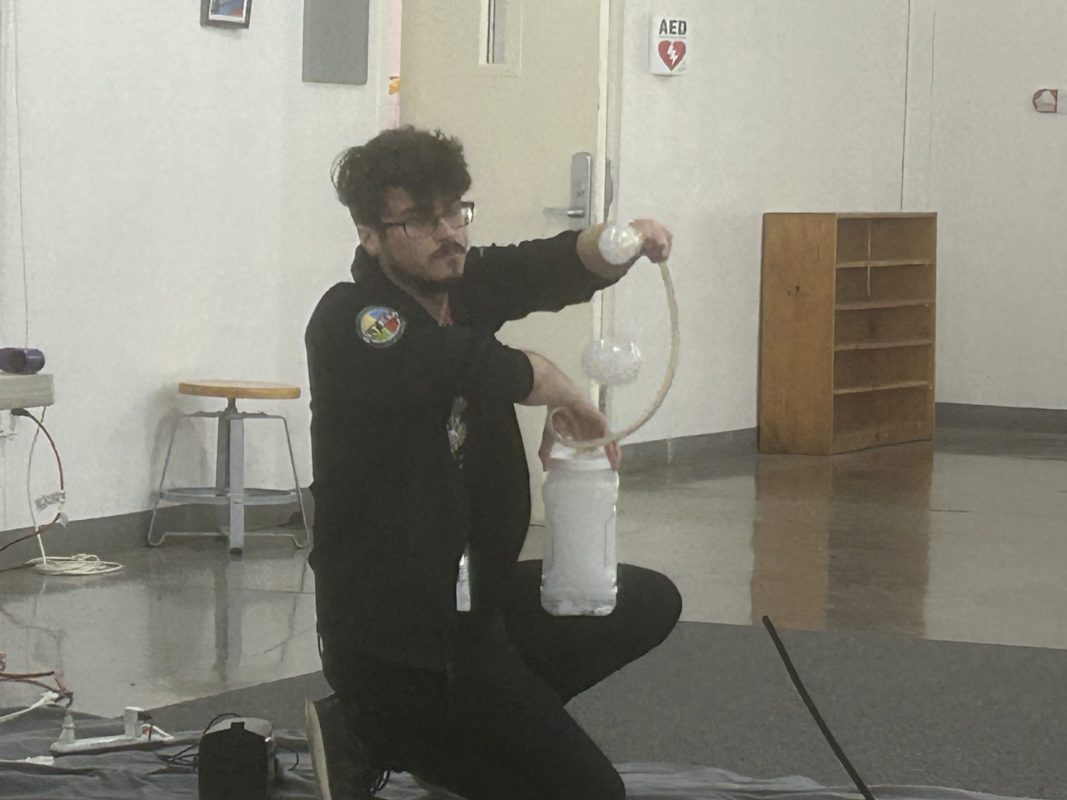
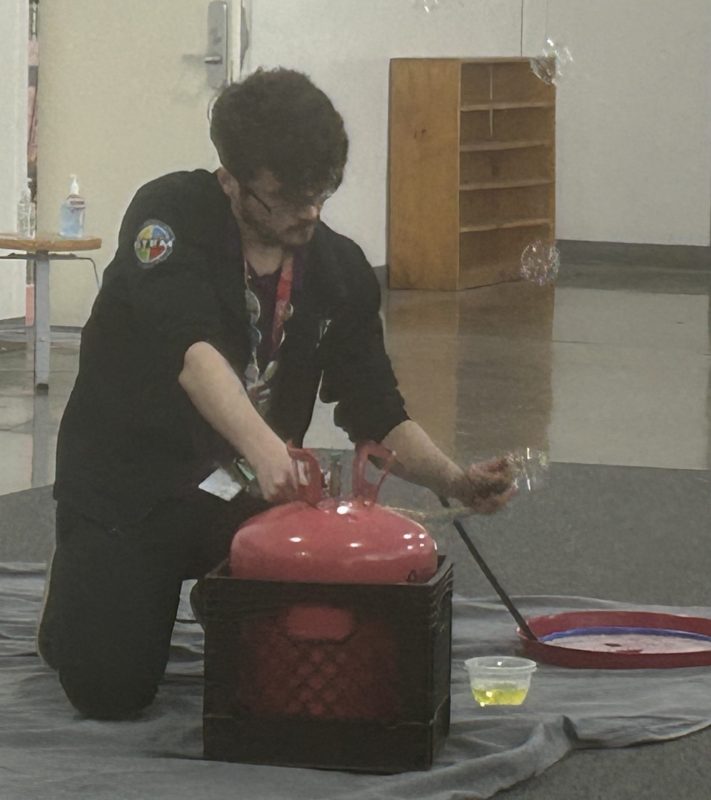
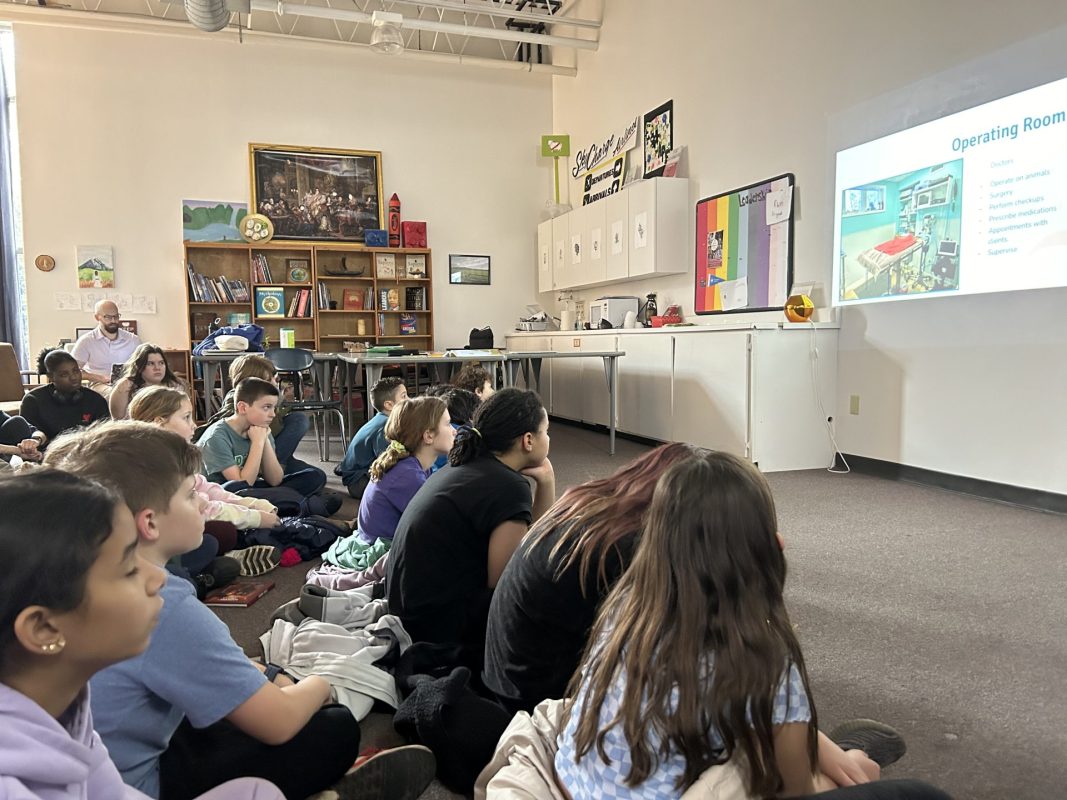
On Wednesday, our school welcomed the Connecticut Science Center for an engaging presentation titled “The Science of Suds.” This interactive program took the students on a journey into the fascinating world of soap and water. They delved into the enchanting realm of bubble formation, exploring the diverse shapes they can take and experimenting with bubbles created using various gases. It was an enjoyable learning experience as we investigated whether it was feasible to pass a hand through a bubble without bursting it and attempted to place objects inside bubbles. Additionally, we discovered the technique for holding a bubble in our hand and even dared to see if a student could fit inside one.

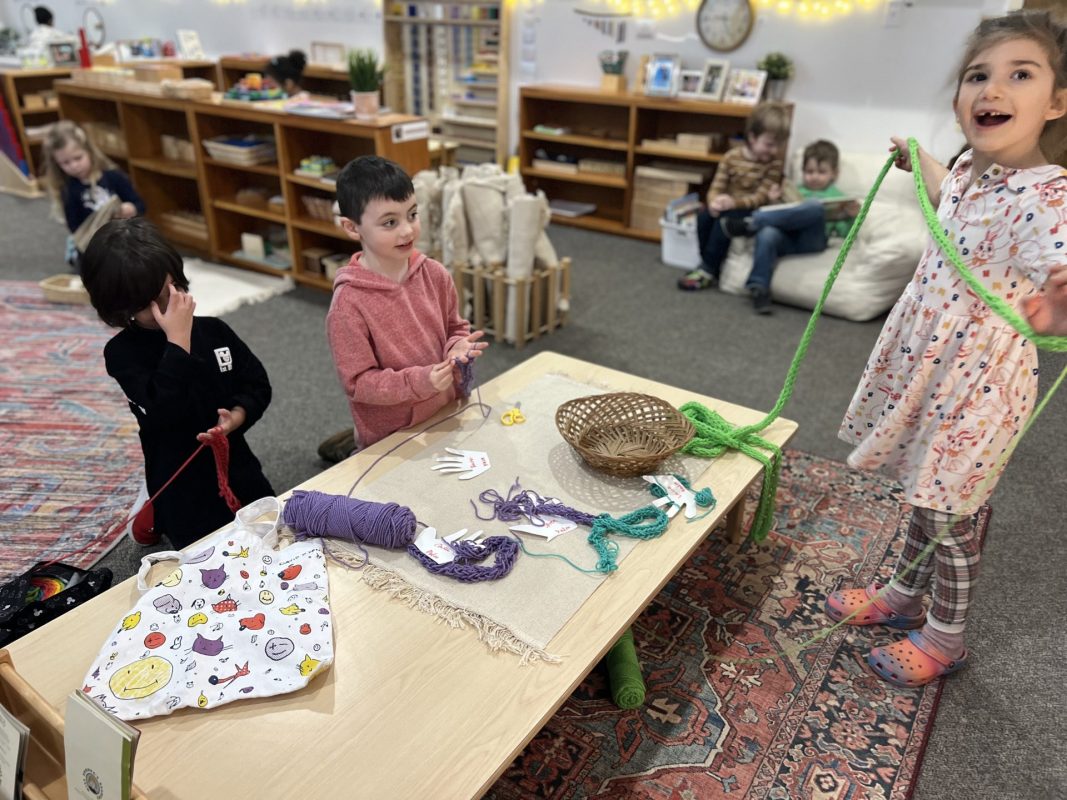
As a reminder, LE students will celebrate Valentine’s Day in class on Wednesday, February 14th. We will decorate bags, pass out valentines, and have a celebration with snacks and activities! Please remember to bring in enough Valentines for each child in the classroom. There are 25 children in total. Thanks!


Mrs. Doyle: The Science of Suds

On Wednesday, the CT Science Center visited our school to present “The Science of Suds.” This traveling program allowed the children to explore the captivating, colorful science of soap and water. The children explored the mysteries of bubble shapes and were able to see what happens when you make bubbles with different gases. We had fun learning if it was possible to put your hand through a bubble without popping and trying to see if we could put things inside a bubble. We learned how to hold a bubble in our hands and then tried to see if we could put a student inside a bubble.

This presentation was perfectly timed to enhance our unit on the three different states of matter: solids, liquids, and gases.

Wishing you a week filled with peace and love.

Michelle & Maria


Mrs. Lopes: The Science of Suds

On Wednesday, the CT Science Center visited our school to present “The Science of Suds.” This traveling program allowed the children to explore the captivating, colorful science of soap and water. The children explored the mysteries of bubble shapes and were able to see what happens when you make bubbles with different gases. We had fun learning if it was possible to put your hand through a bubble without popping and trying to see if we could put things inside a bubble. We learned how to hold a bubble in our hands and then tried to see if we could put a student inside a bubble.

This presentation was perfectly timed to enhance our unit on the three different states of matter: solids, liquids, and gases.

Wishing you a week filled with peace and love.

Amanda & Hema


Ms. Marissa: The Science of Suds

On Wednesday, the CT Science Center visited our school to present “The Science of Suds.” This traveling program allowed the children to explore the captivating, colorful science of soap and water. The children explored the mysteries of bubbles’ shapes and were able to see what happens when you make bubbles with different gases. We had fun learning if it was possible to put your hand through a bubble without popping and trying to see if we could put things inside a bubble. We learned how to hold a bubble in our hands and then tried to see if we could put a student inside a bubble.

This presentation was perfectly timed to enhance our unit on the three different states of matter: solids, liquids, and gases.

Wishing you a week filled with peace and love.

Marissa & Sue


Mrs. Hood: The secret of perfection!

“To have learned something for the child is only a point of departure. When he has learned the meaning of an exercise, then he begins to enjoy repeating it, and he does repeat it an infinite number of times, with the most evident satisfaction.”- Maria Montessori, The Montessori Method

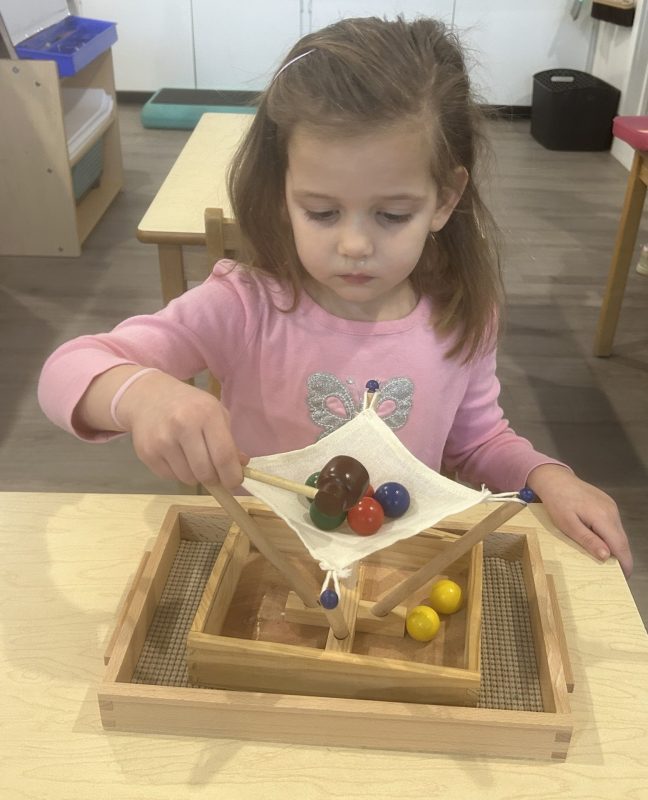
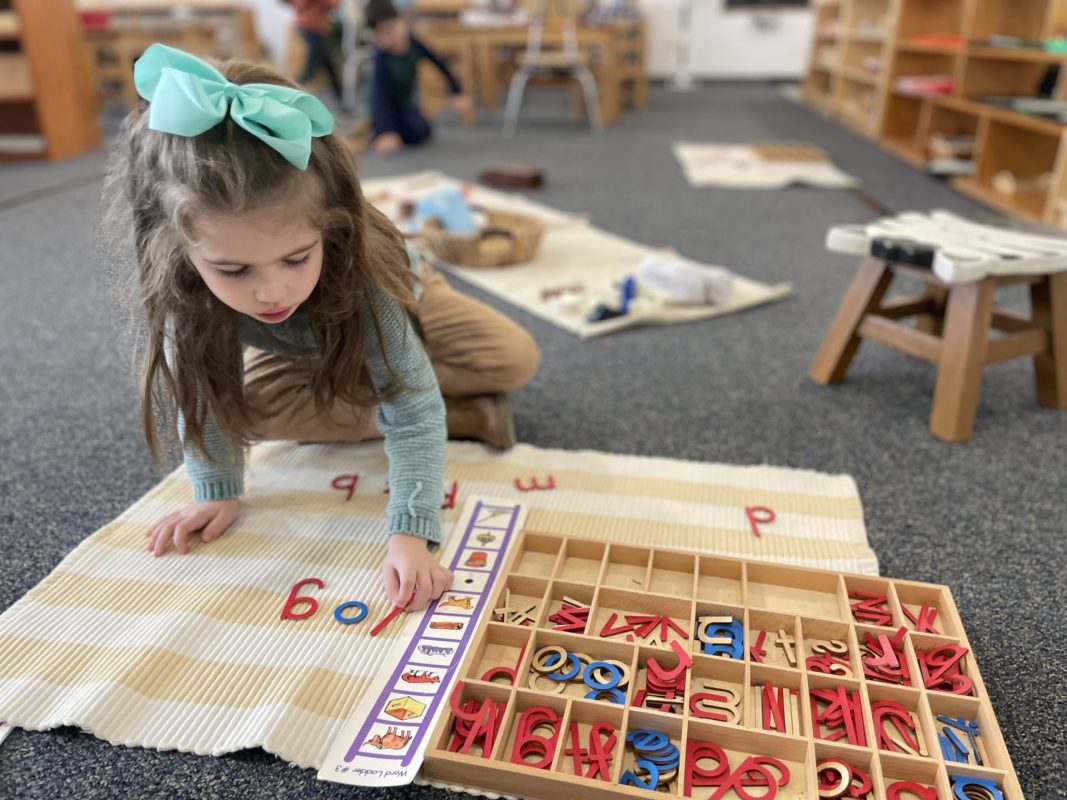
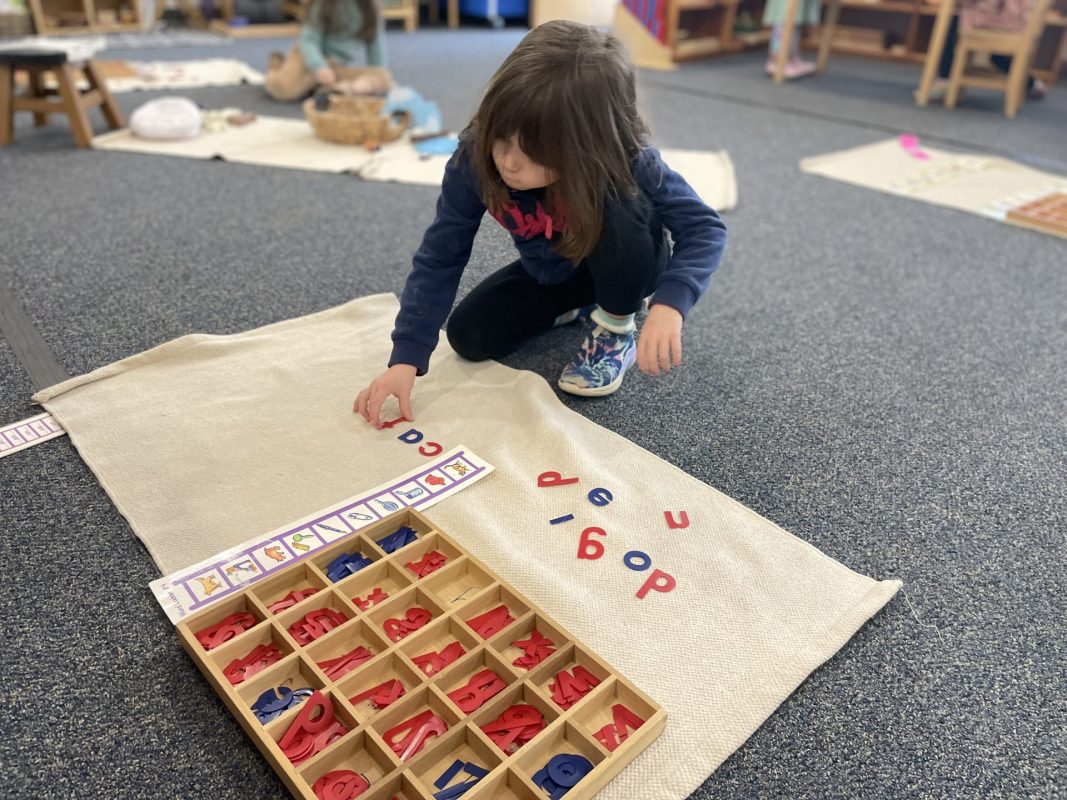
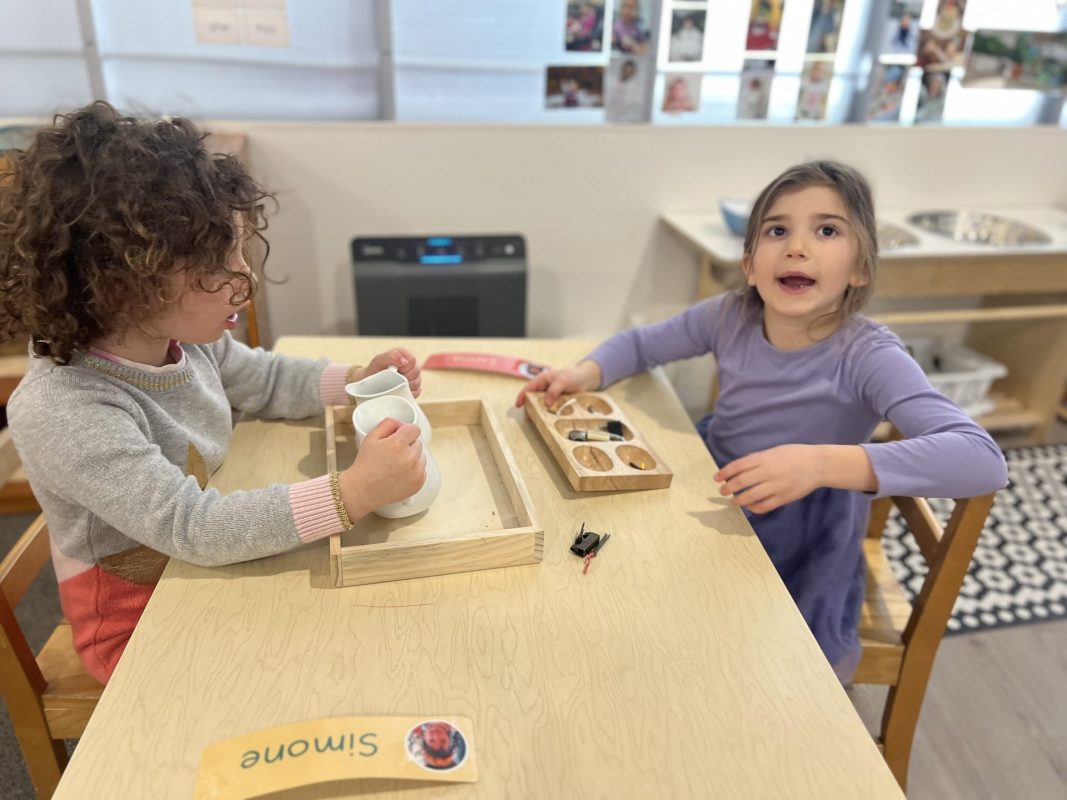
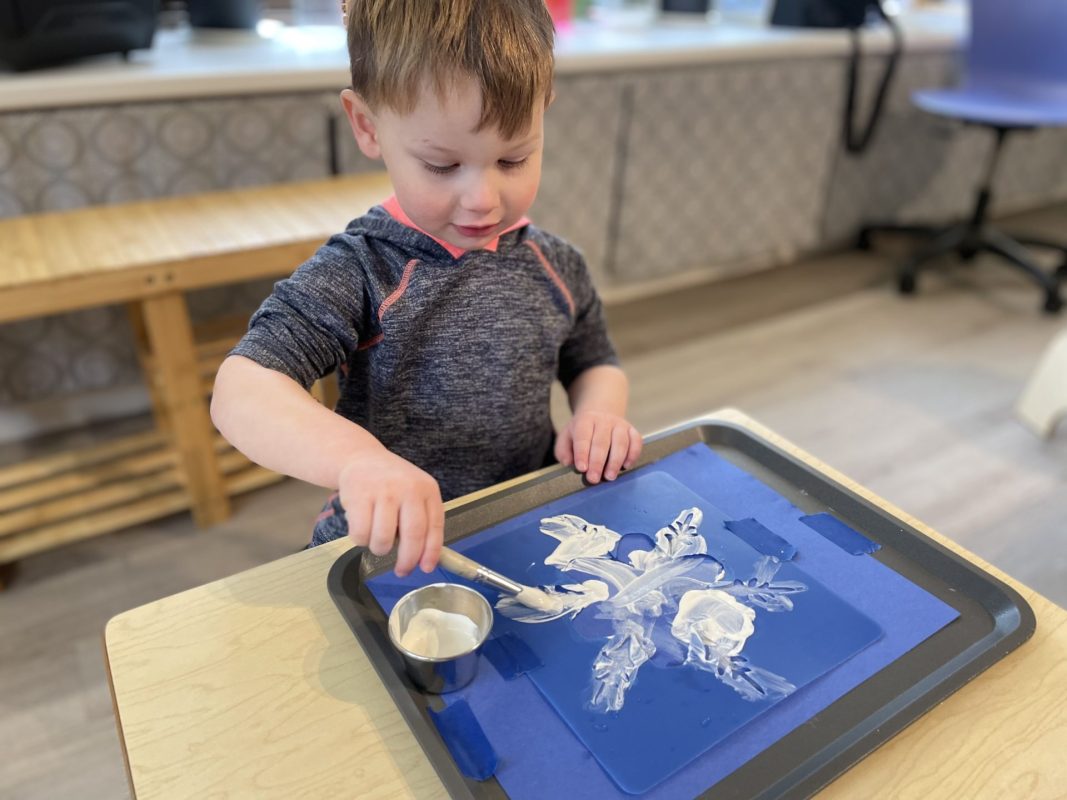
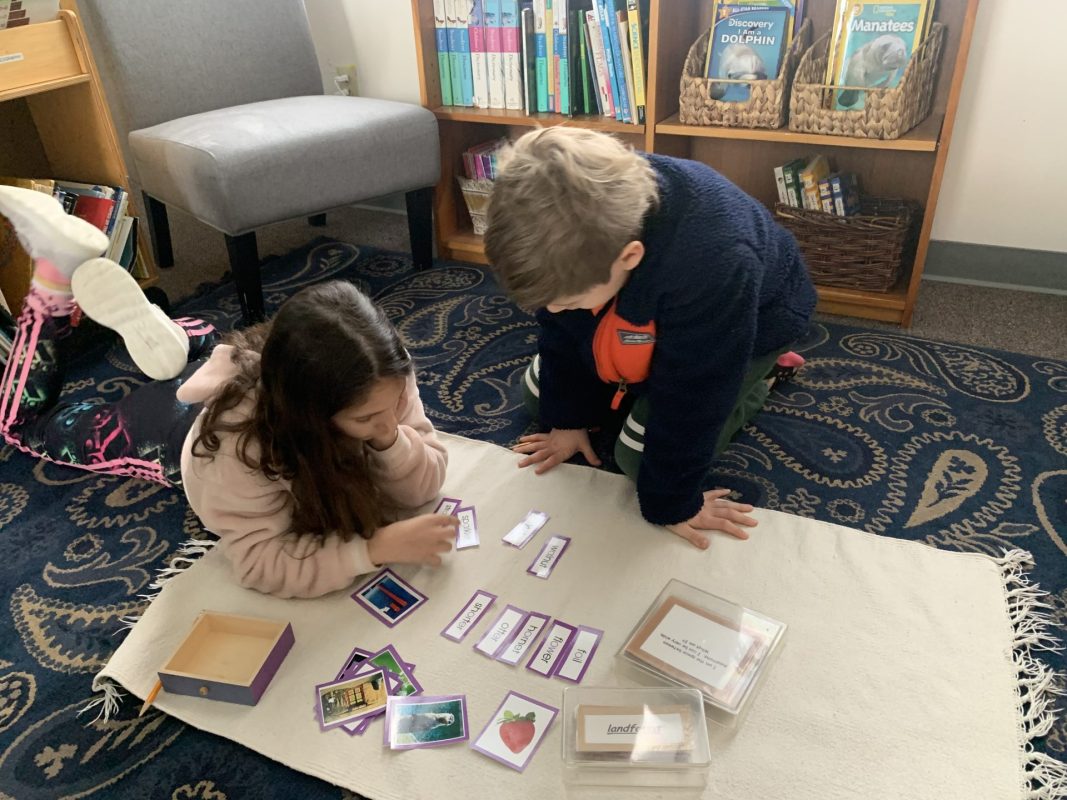
In a Montessori environment, repetition does not necessarily mean that the child has to engage in the same exact work over and over again. Anything that provides the child with the practice of a previously learned skill, including extensions and games, is repetition.

Dr. Montessori said, “Repetition is the secret of perfection.”

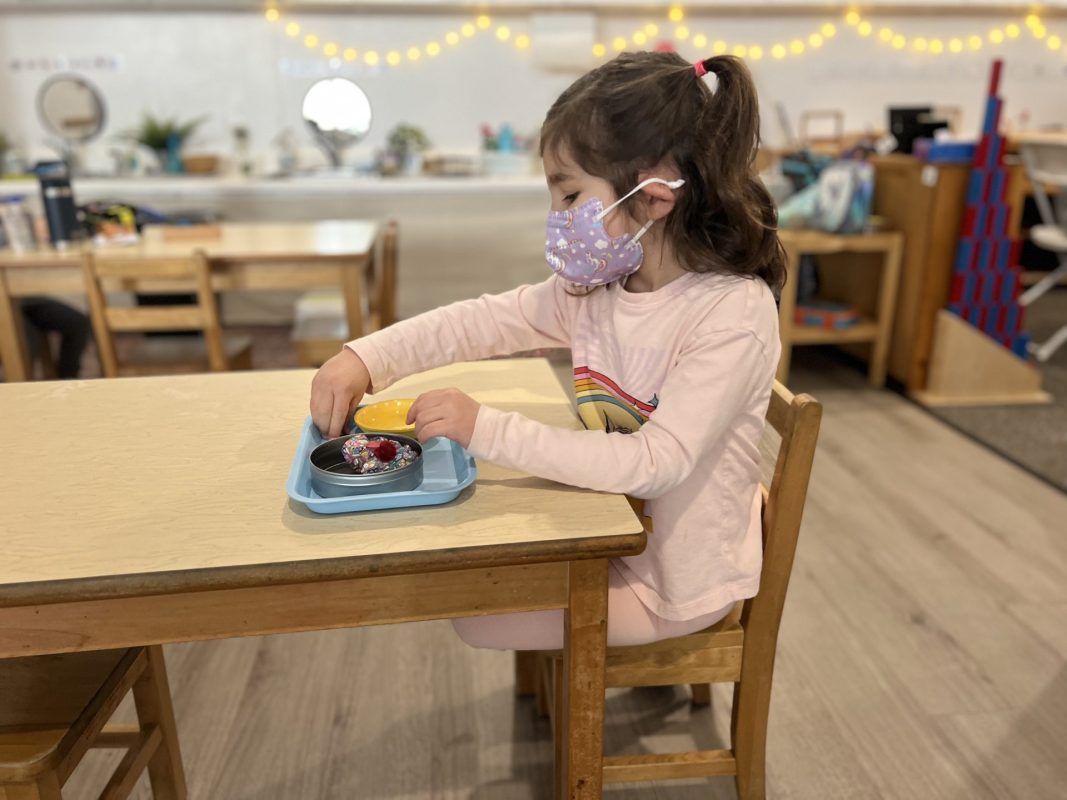
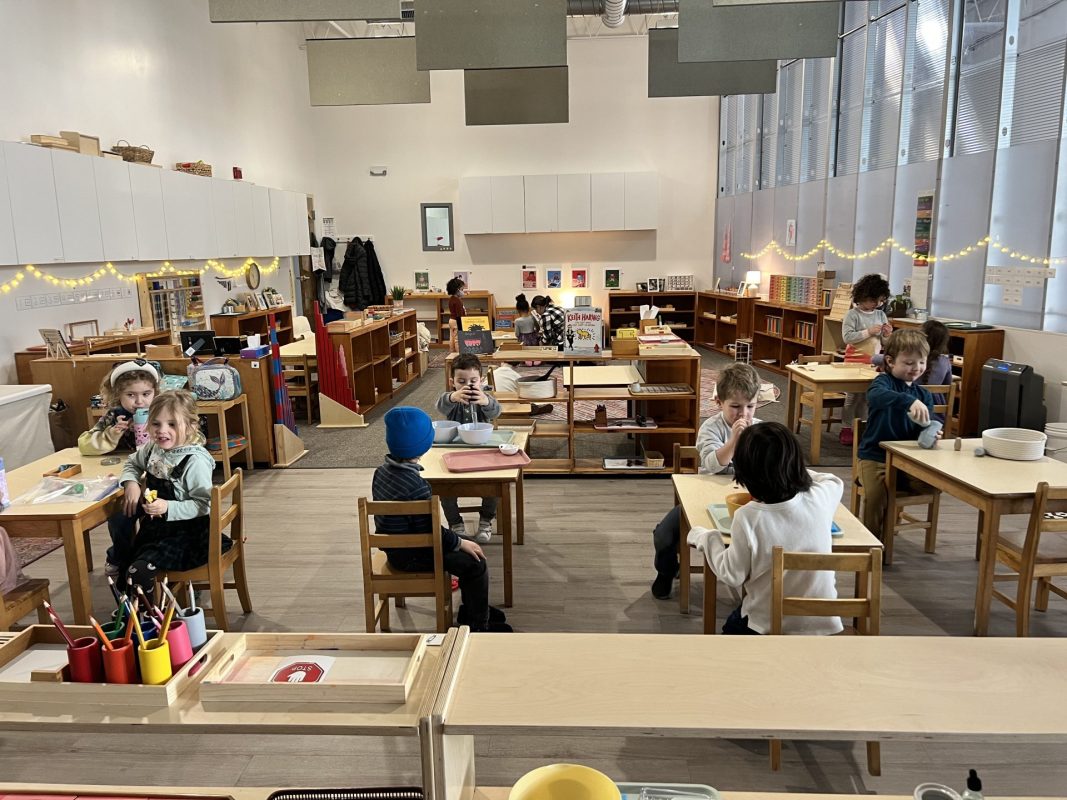
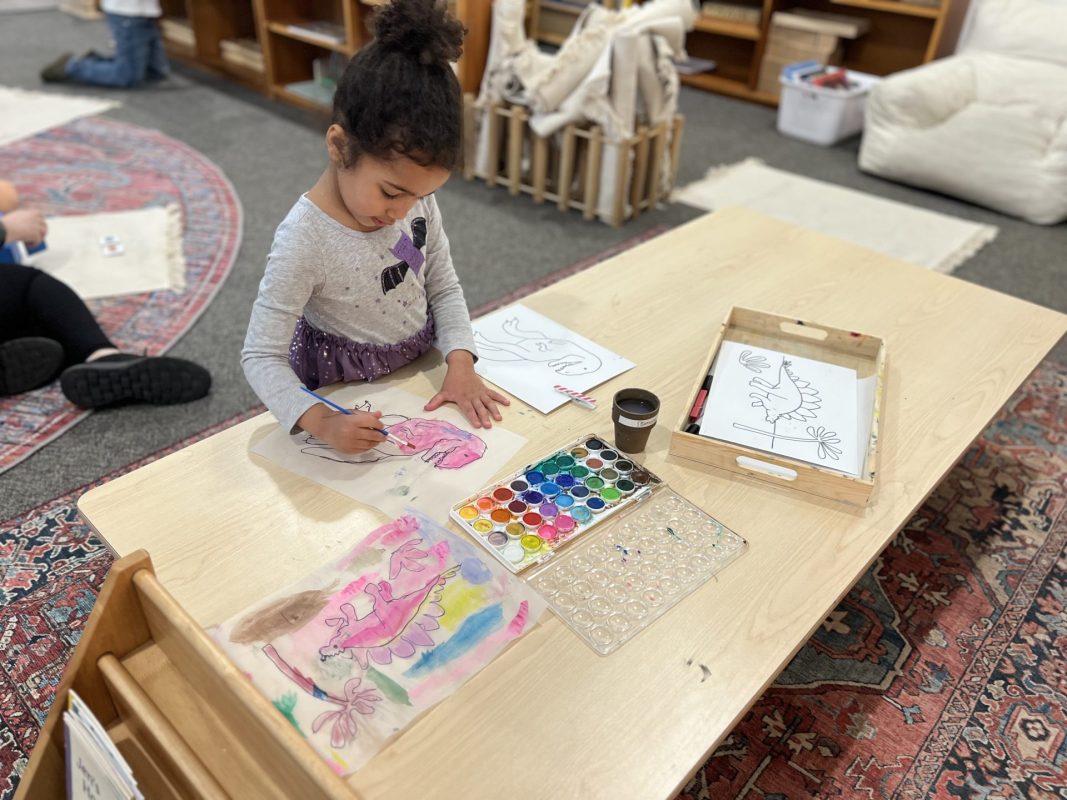
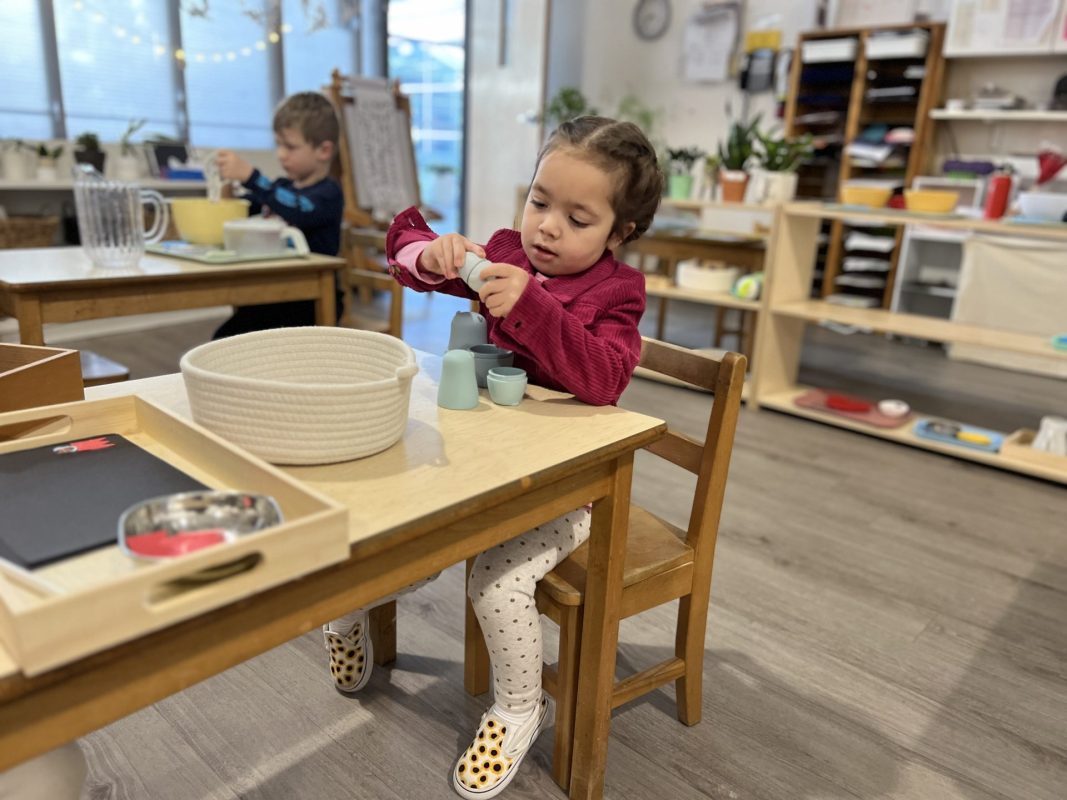
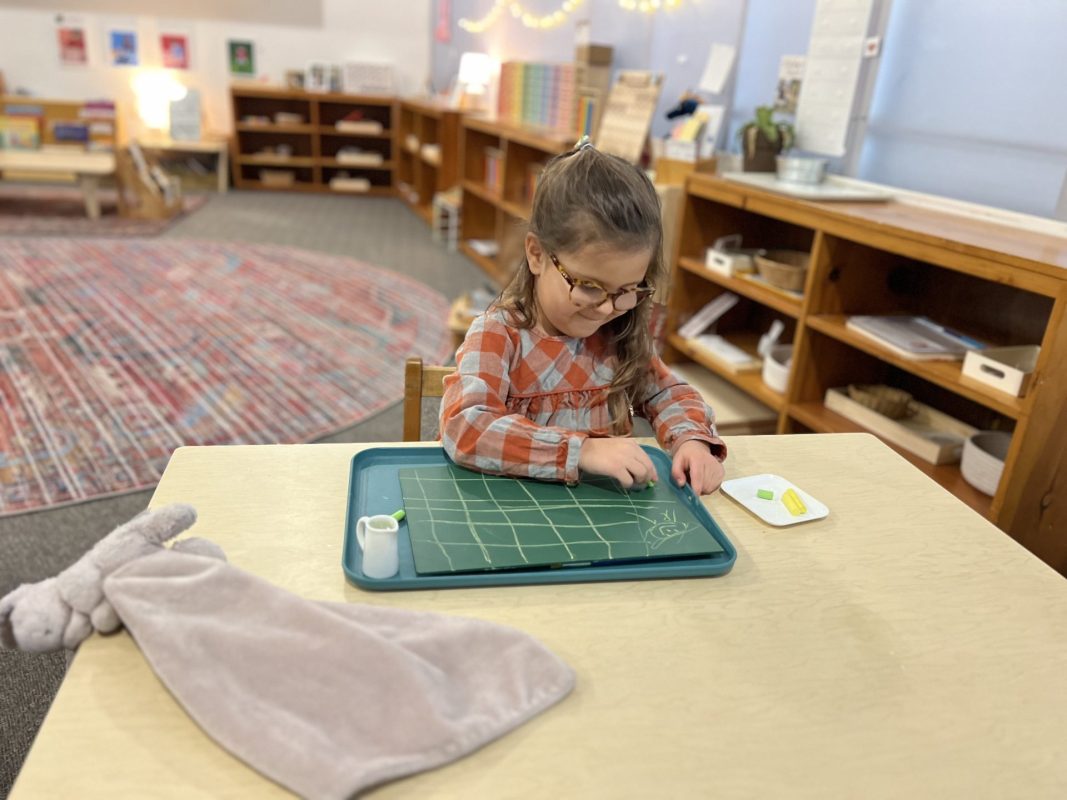
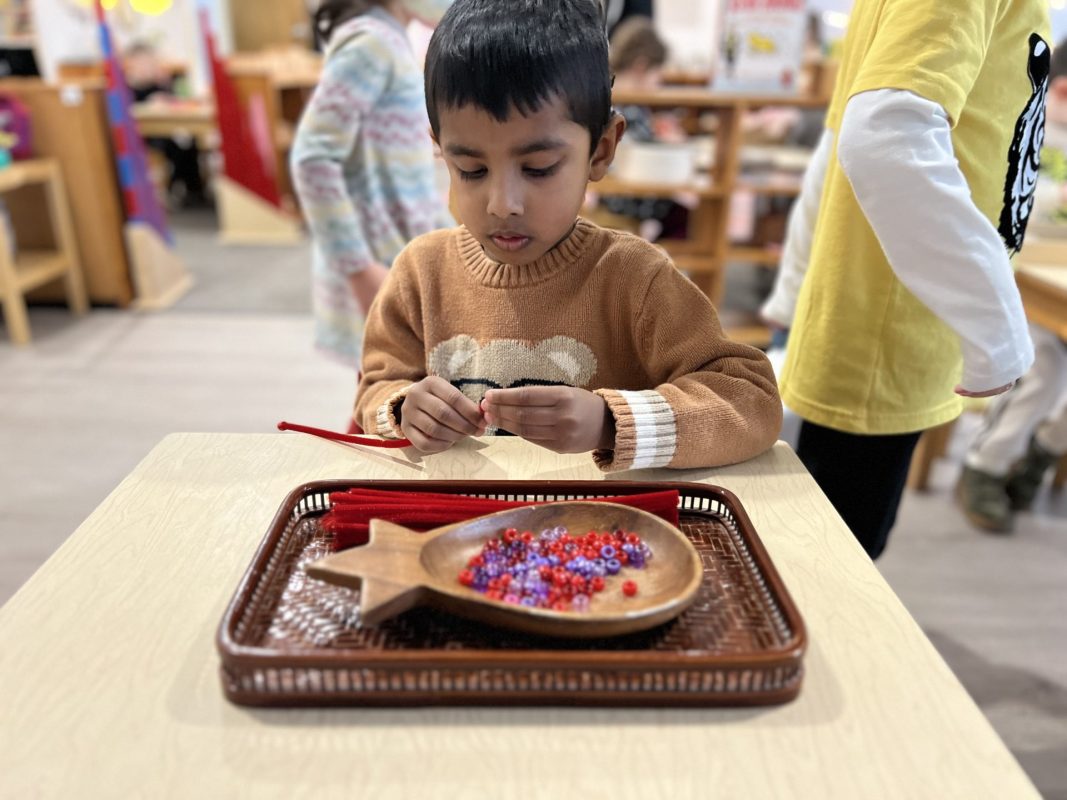
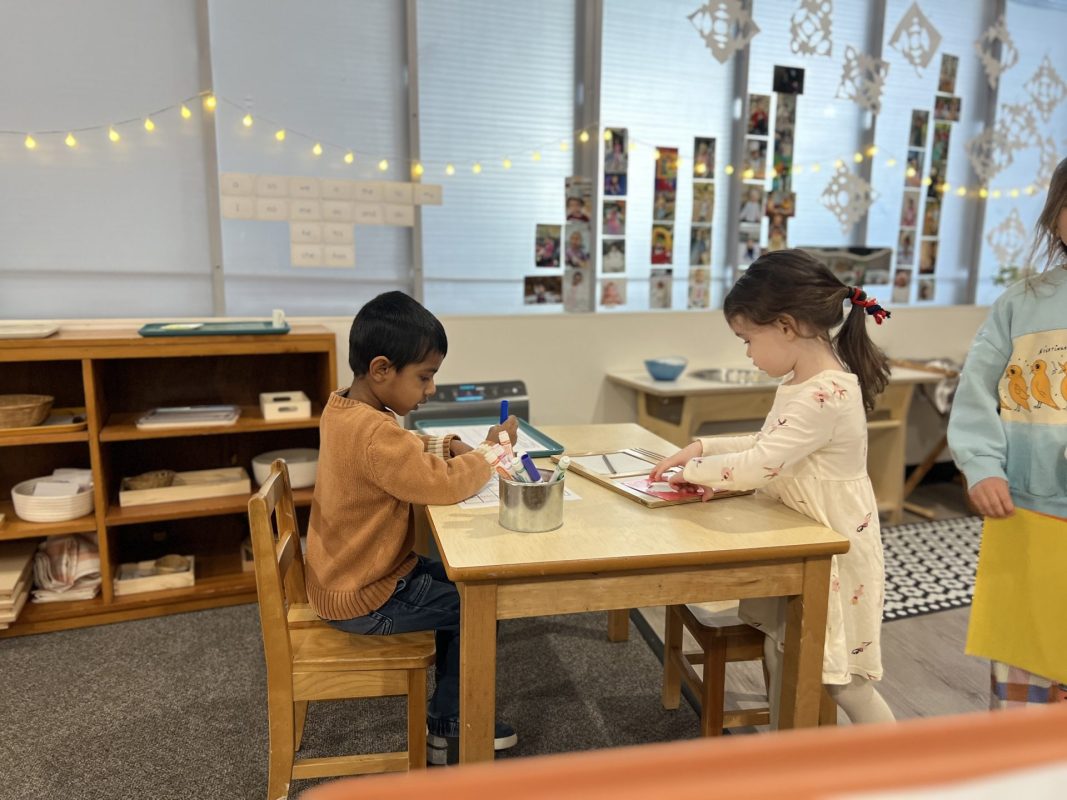
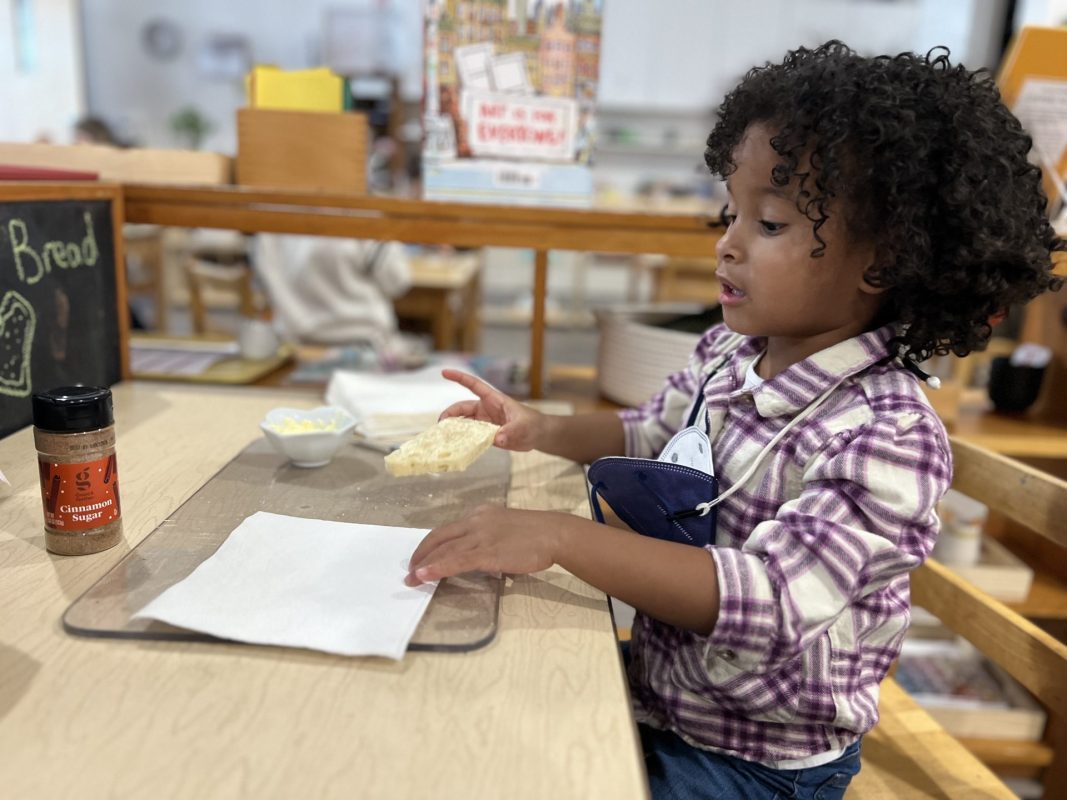
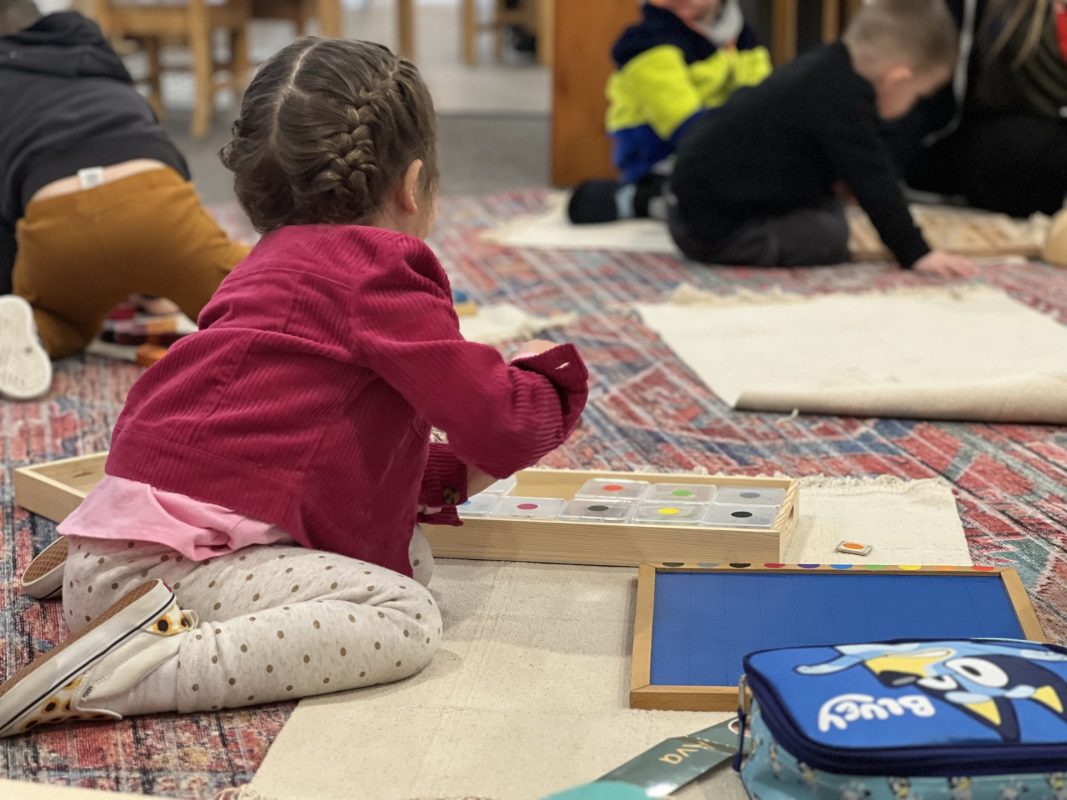
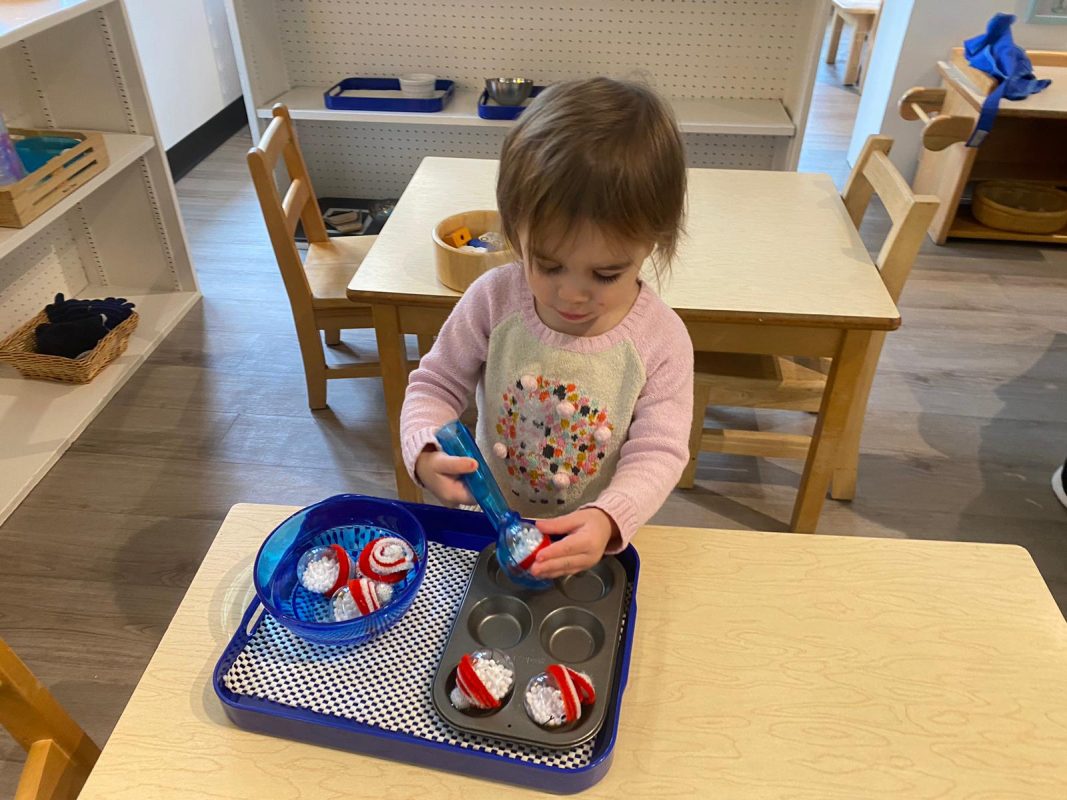
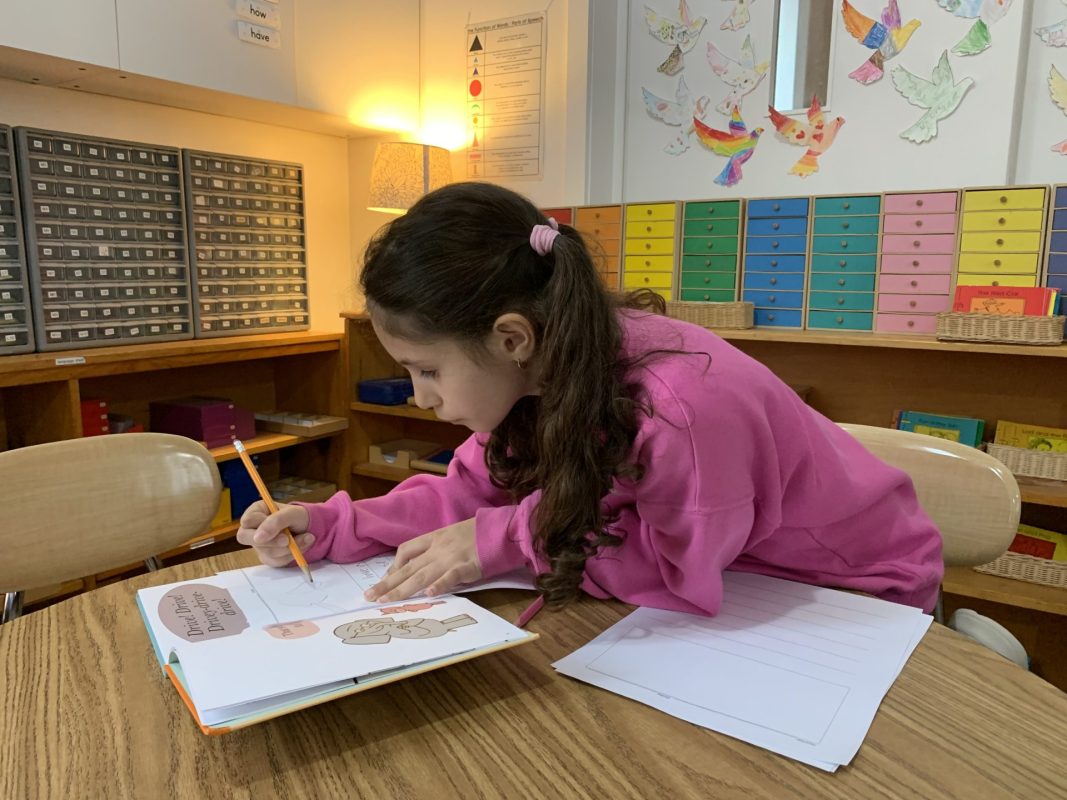
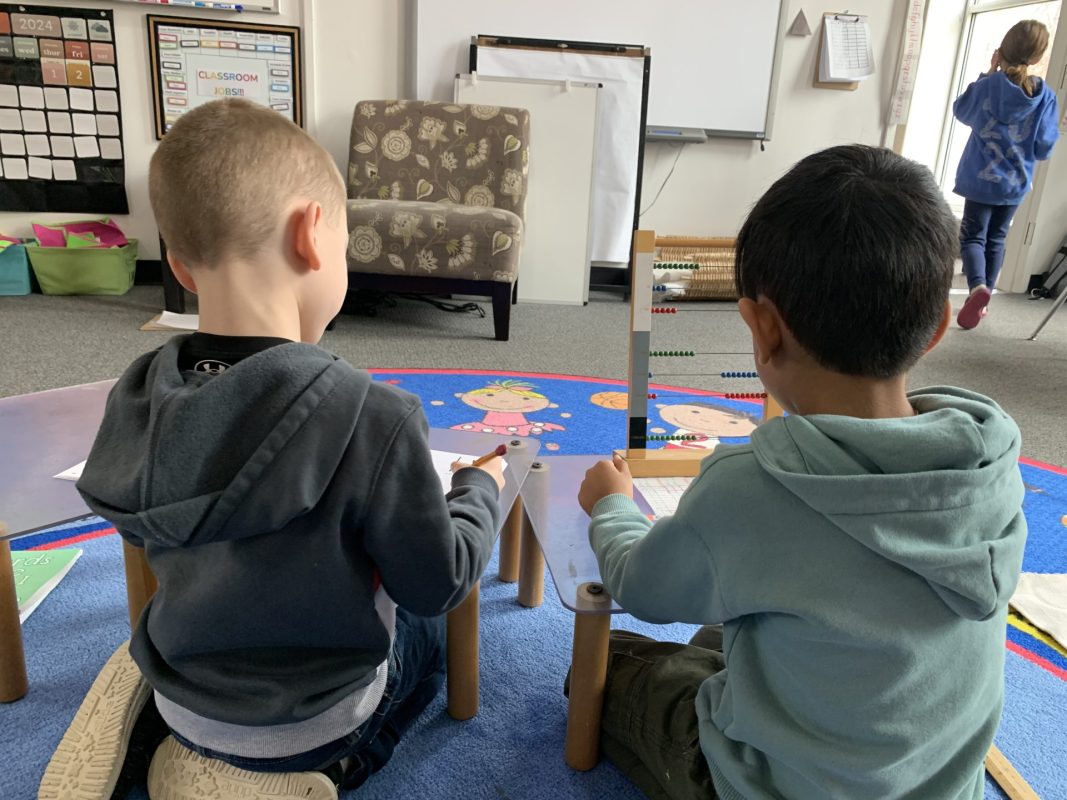
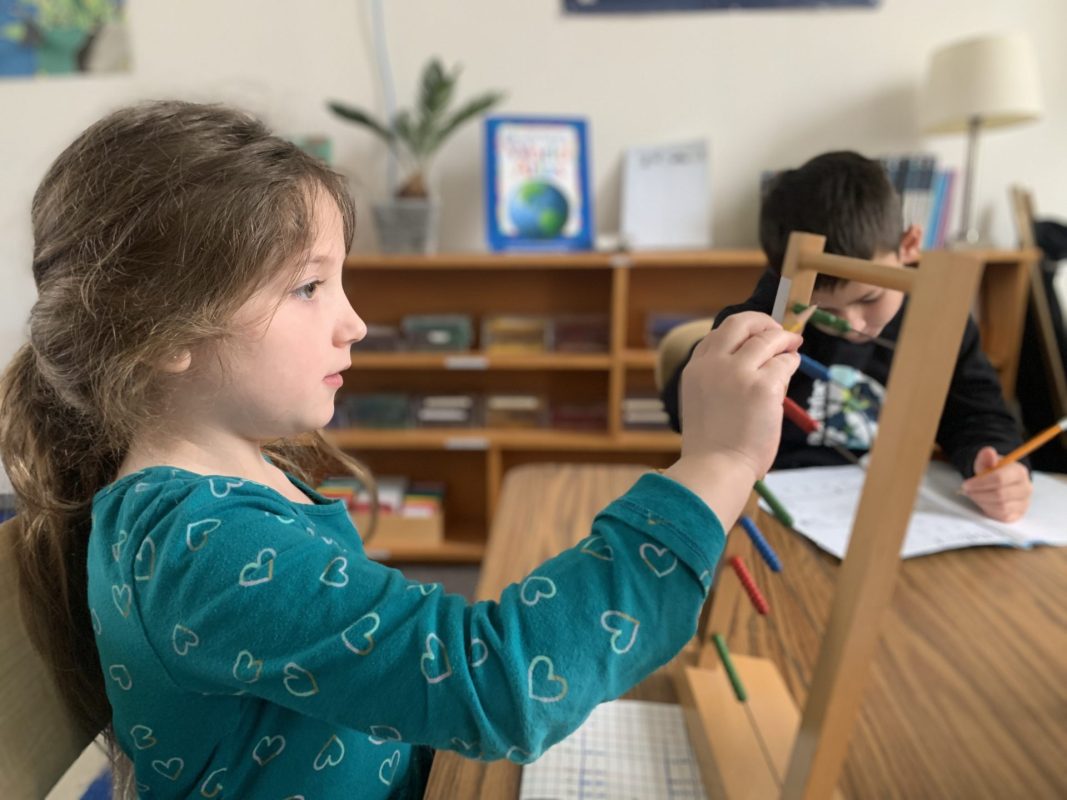
Through repetitive exploration, your children are able to look at a material from different angles and explore it, letting it become part of their understanding of the world. At the same time, it allows them to self-critique: they look at how they are doing something and make slight changes in order to perfect the action, making it more efficient. The Montessori environment is designed to support exactly this kind of learning. Children choose their own work, allowing their interests to guide them to a choice. They are drawn by desire, and that allows them to return to an activity with frequency, working with it until they have perfected it. It is, in fact, a developmental need. A common phrase you can hear in our environment is the children saying: “Again!” Dr. Maria Montessori wrote, “When a child has attained this stage of repeating an exercise, he is on the way to self-development, and the external sign of this condition is his self-discipline.”

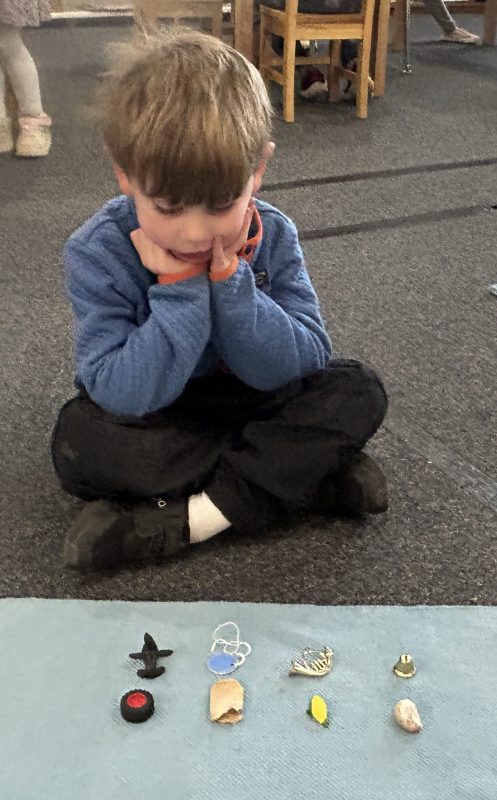
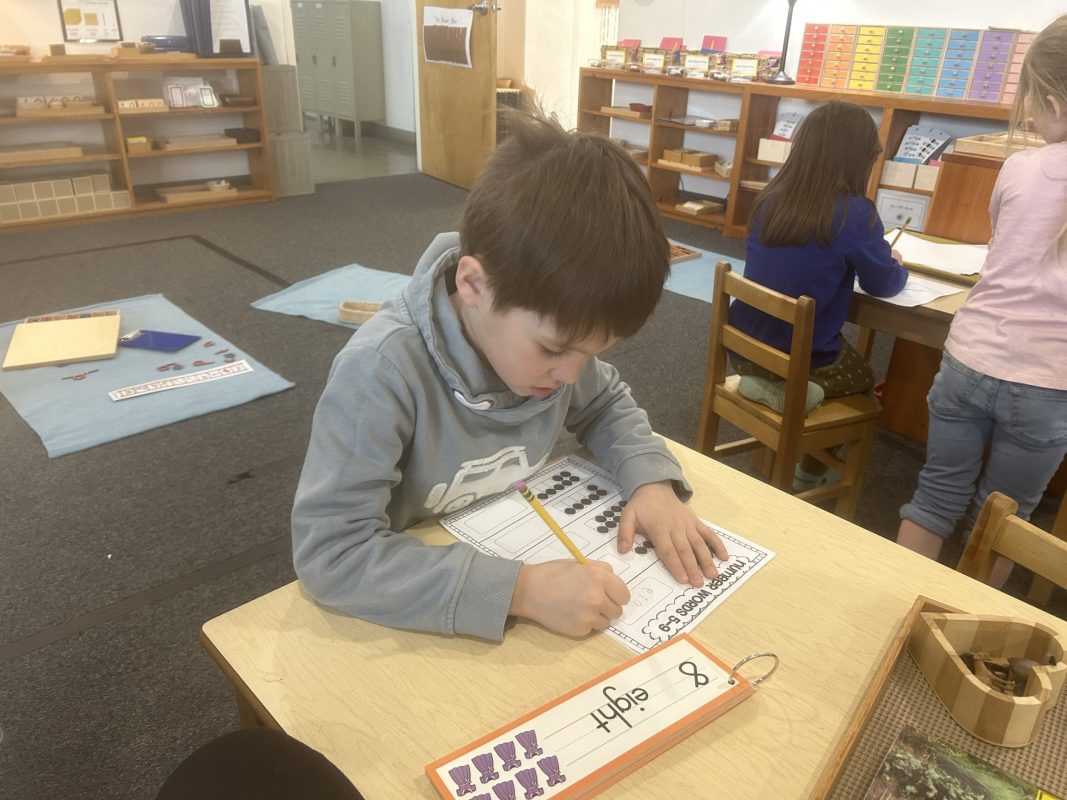
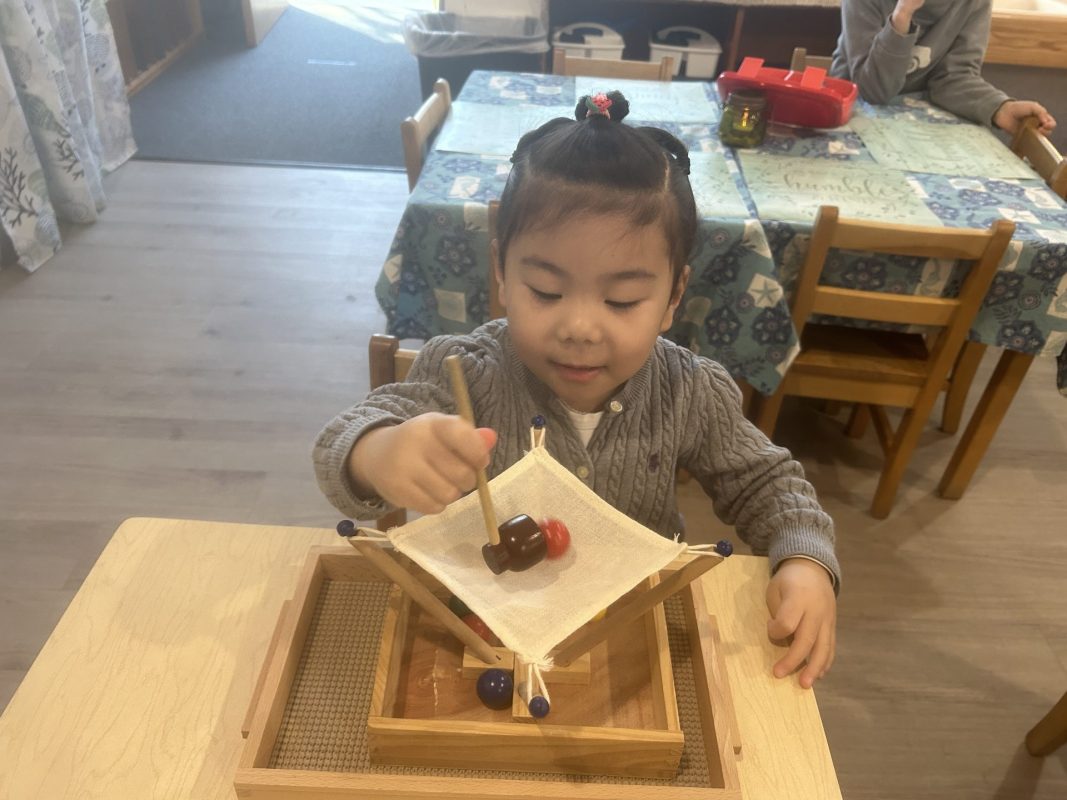
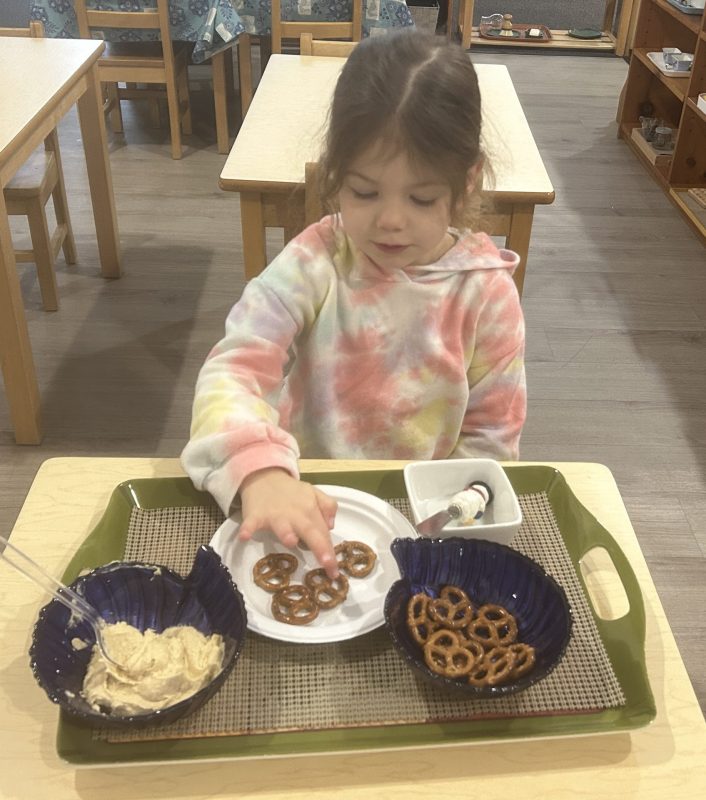
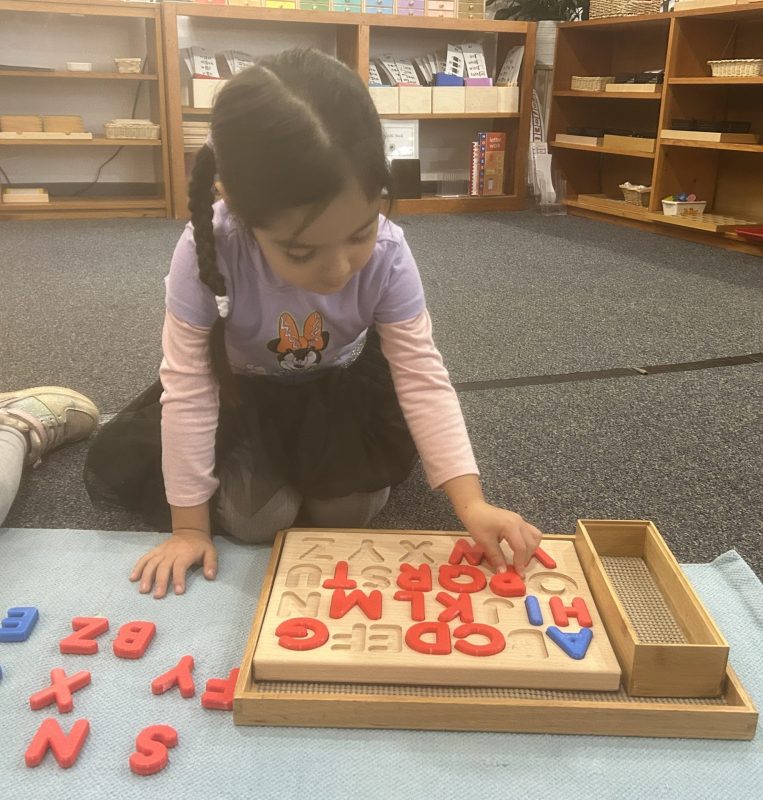
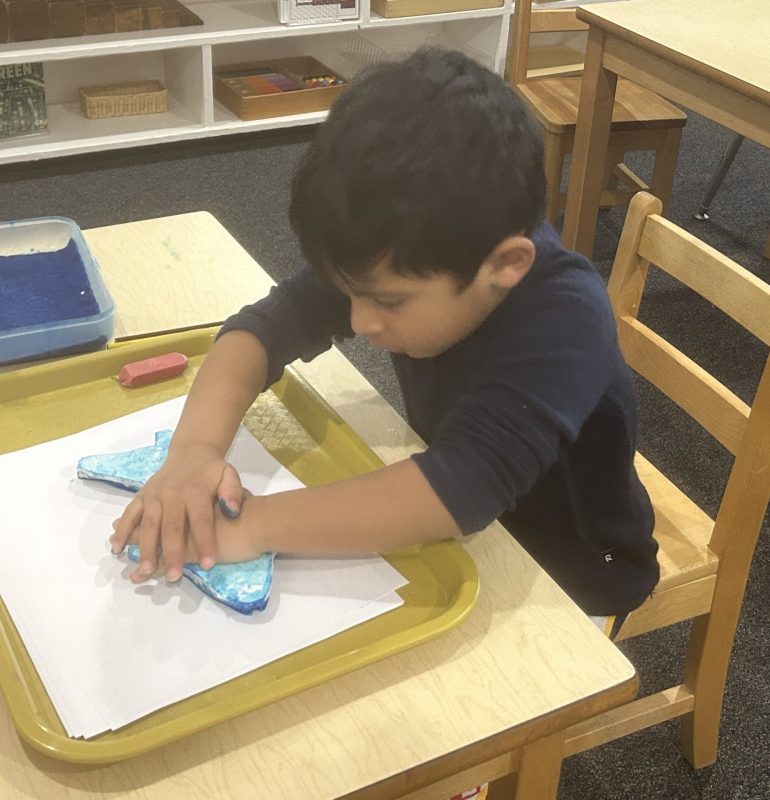
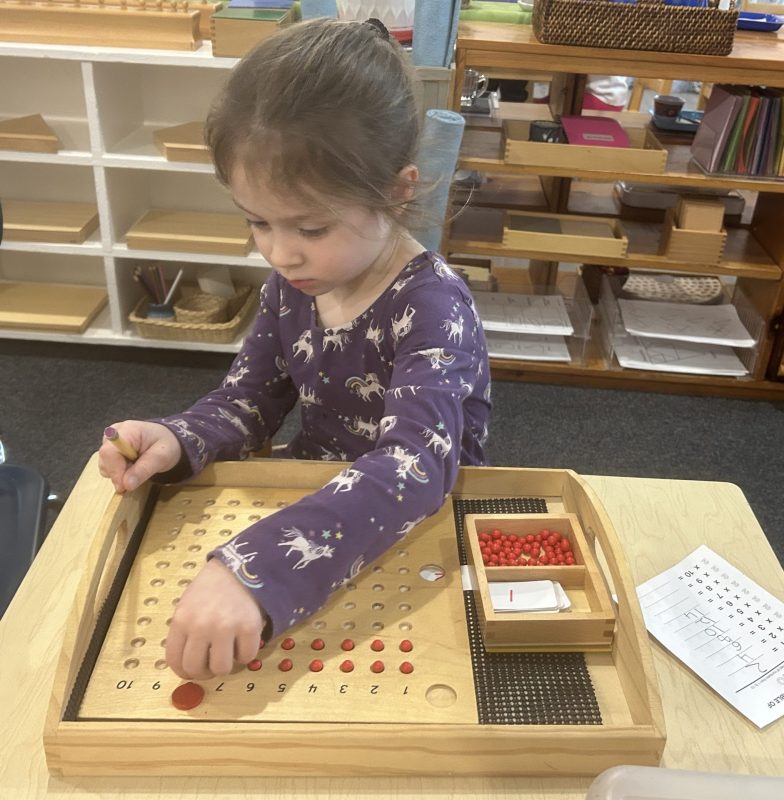
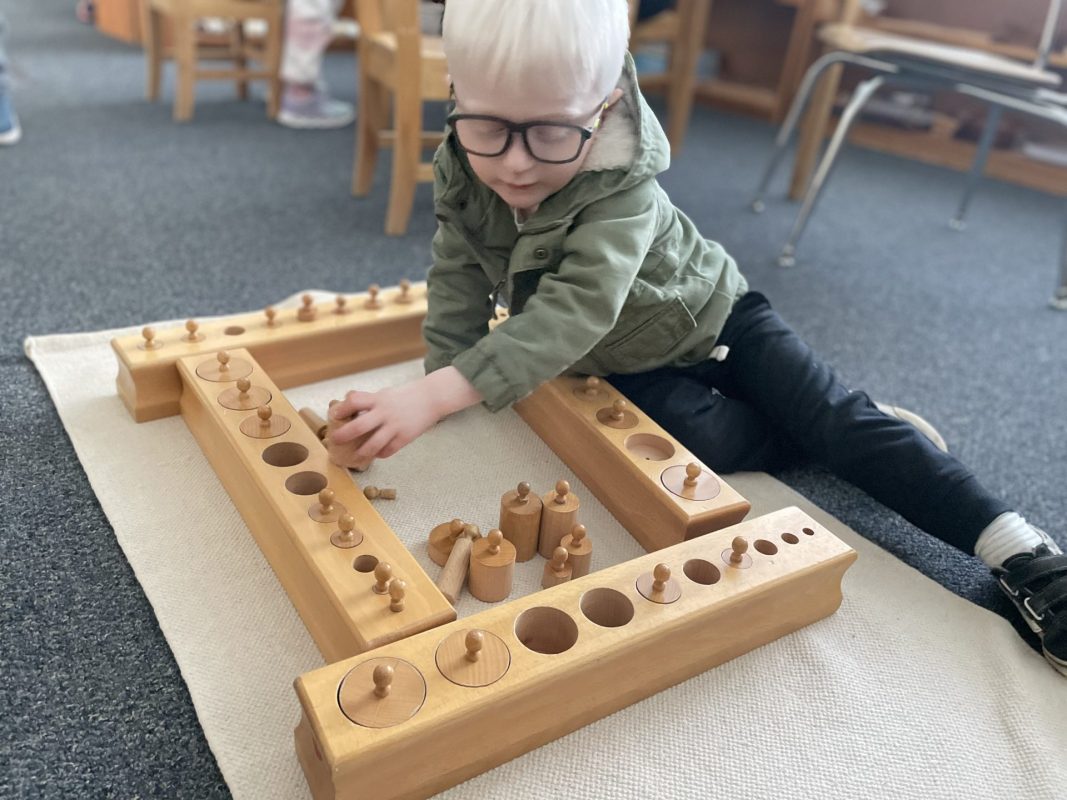
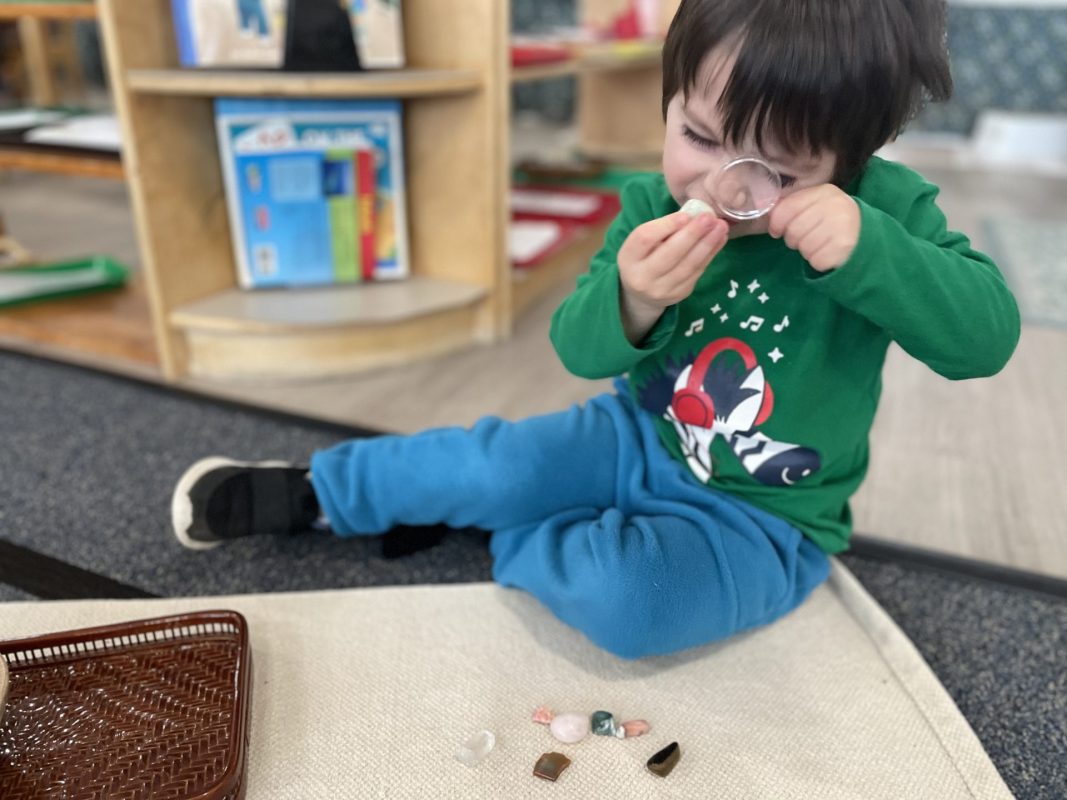
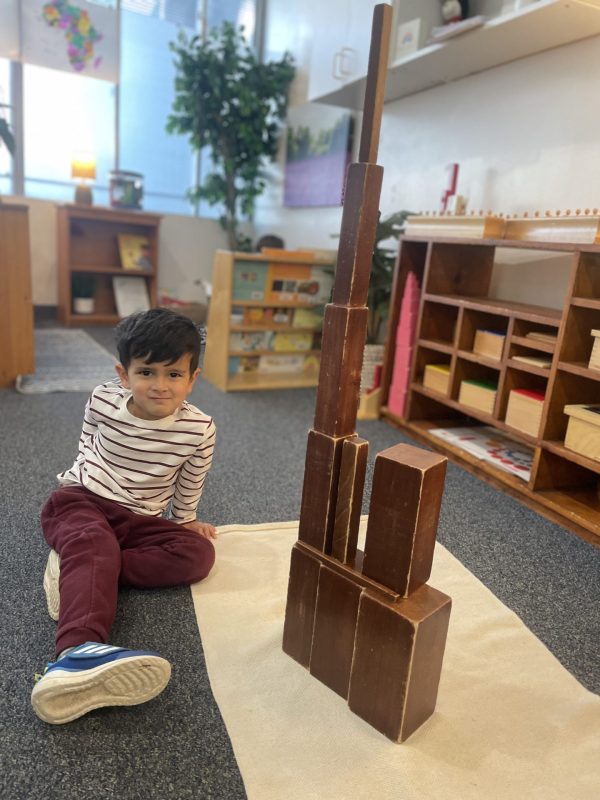
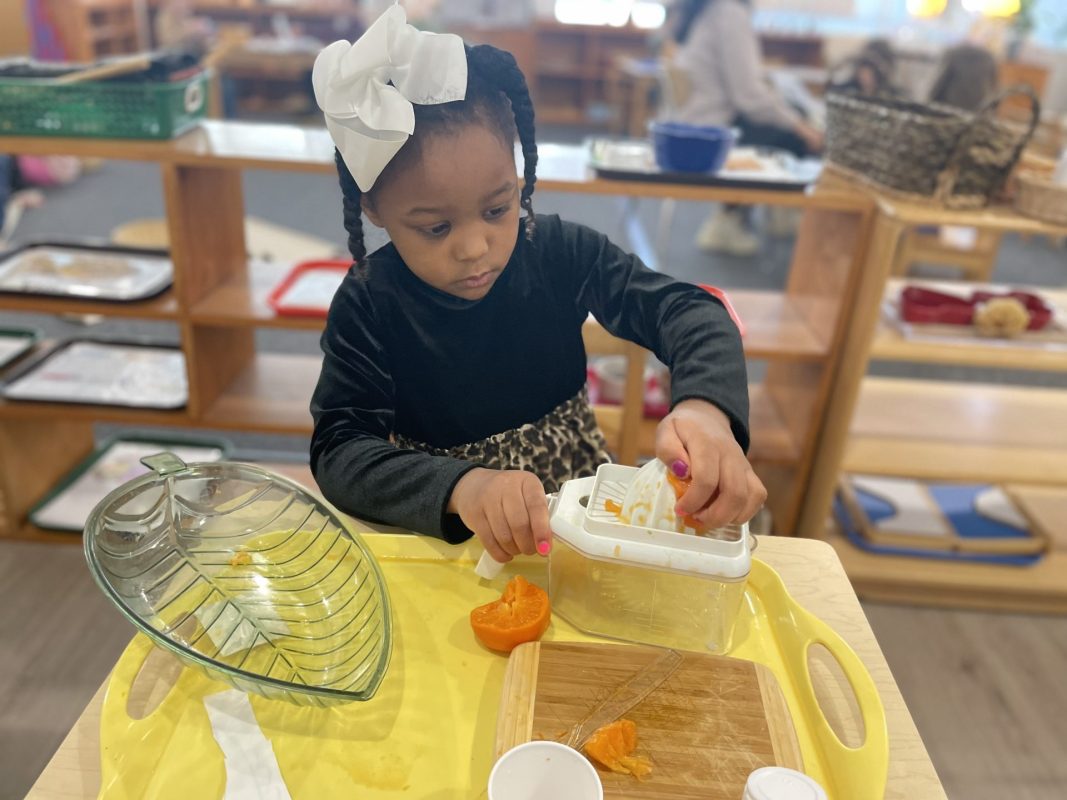
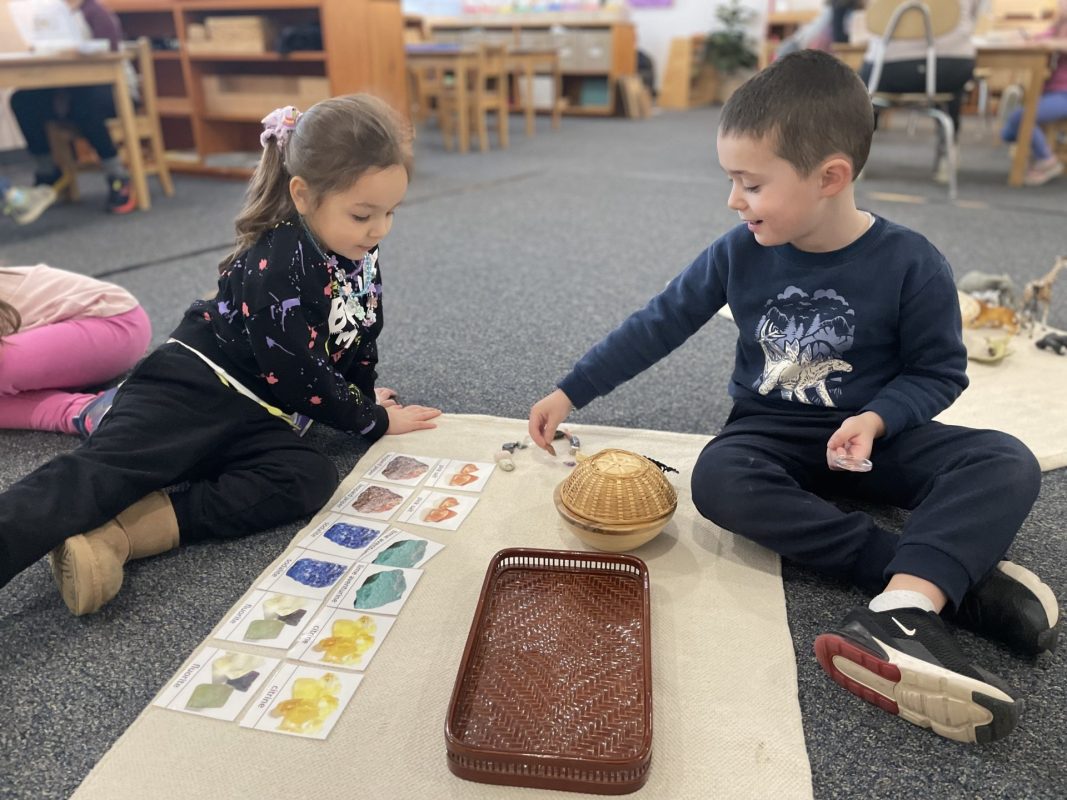
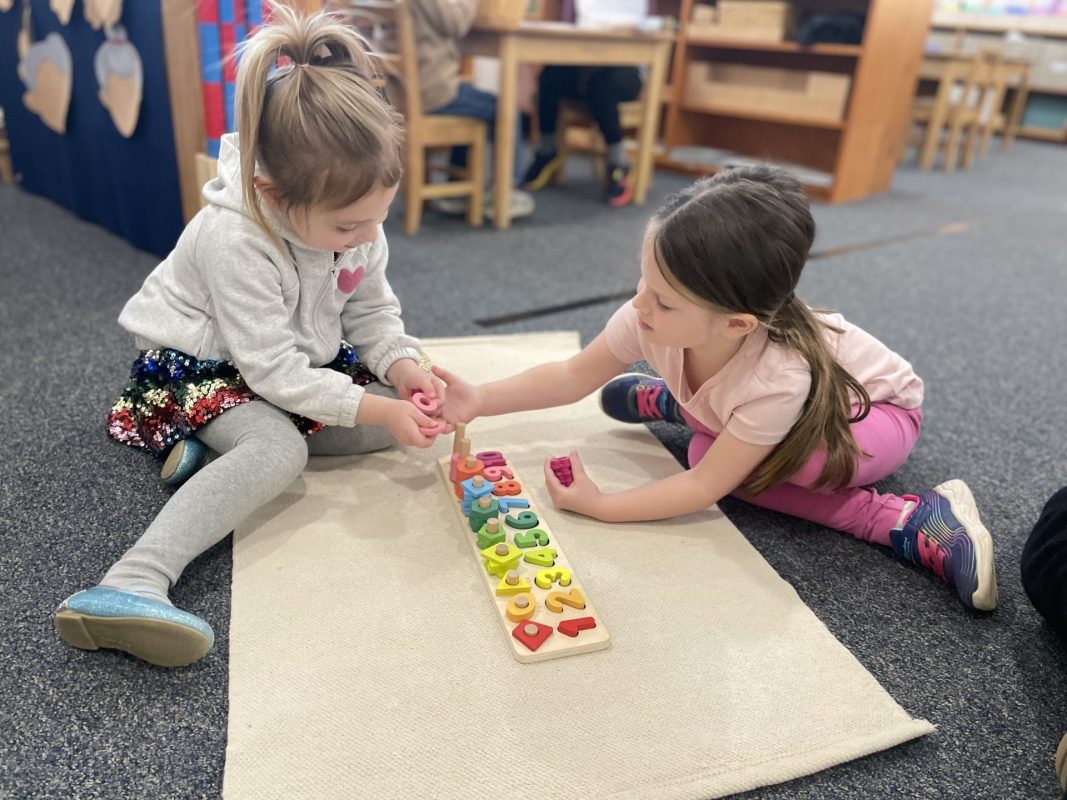
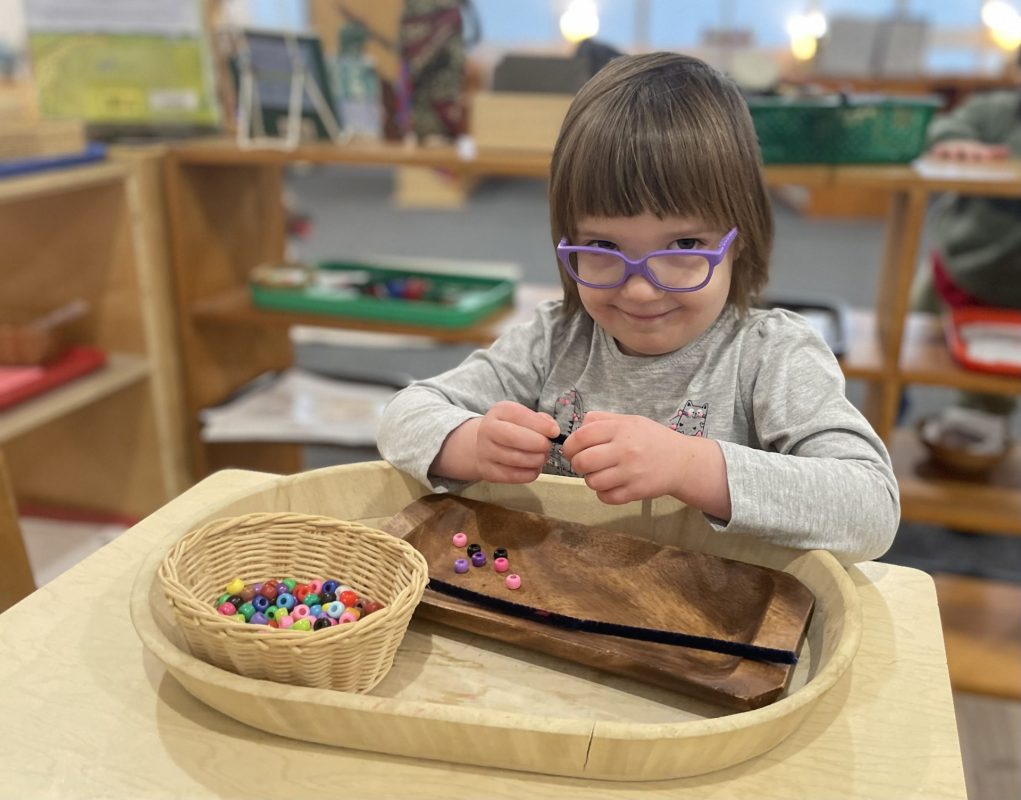
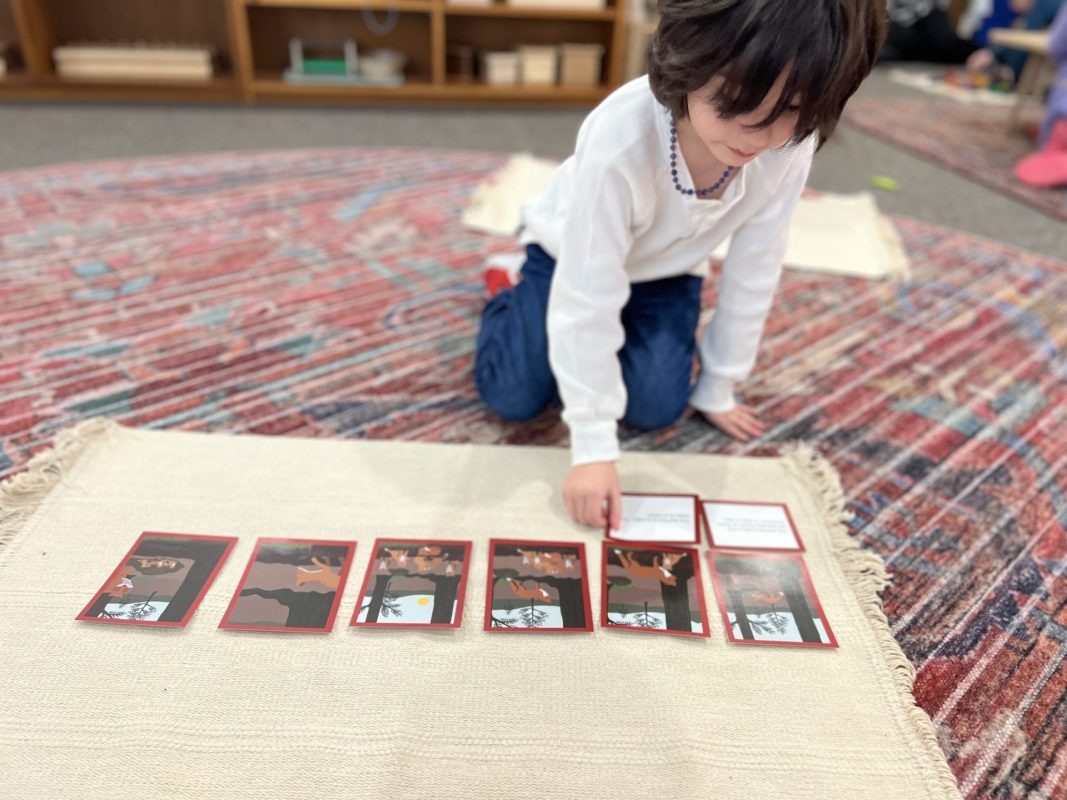
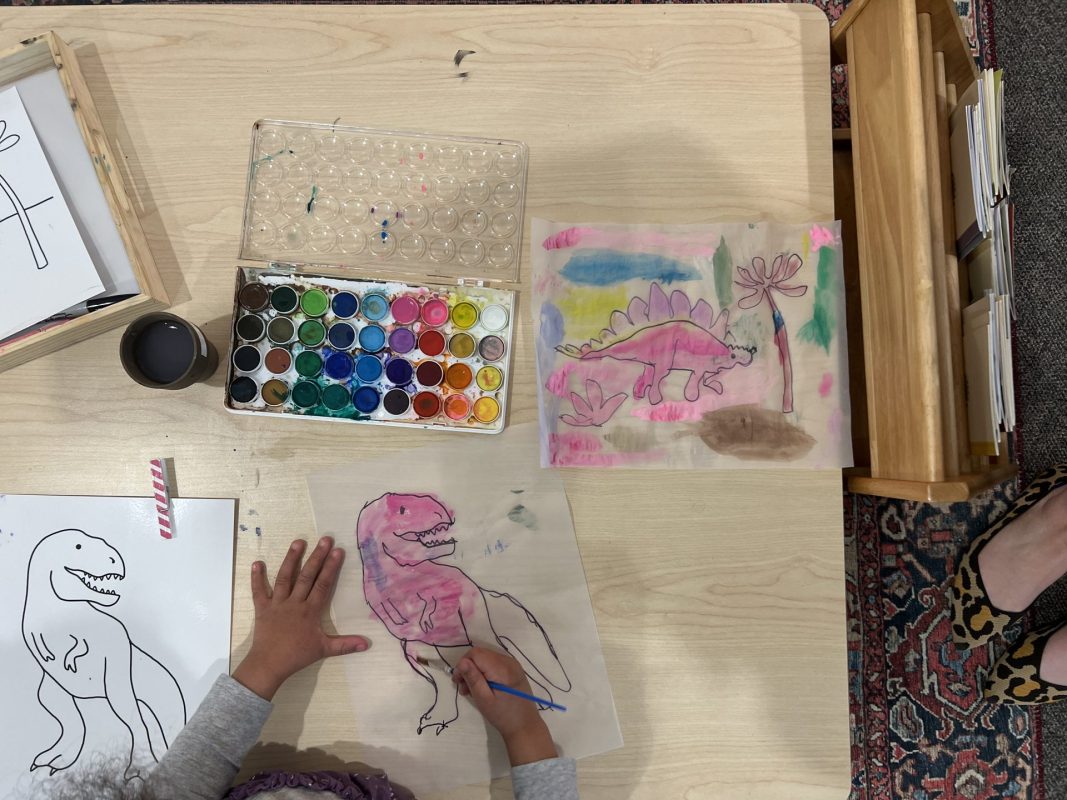
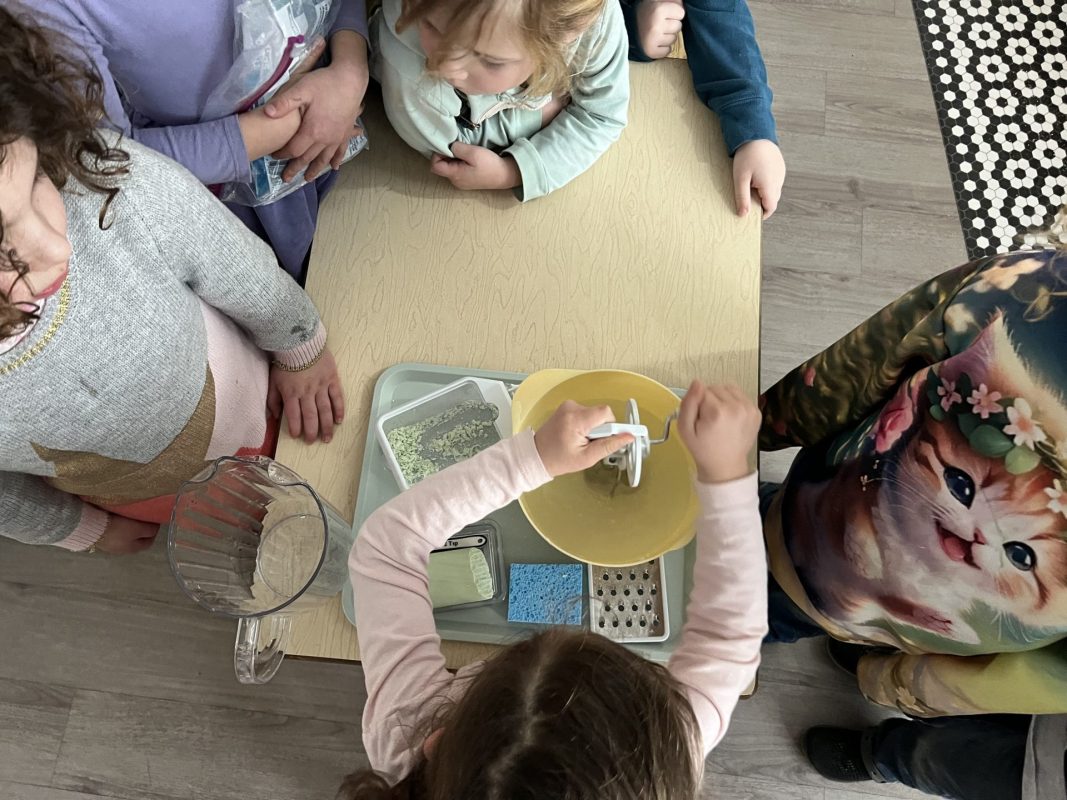
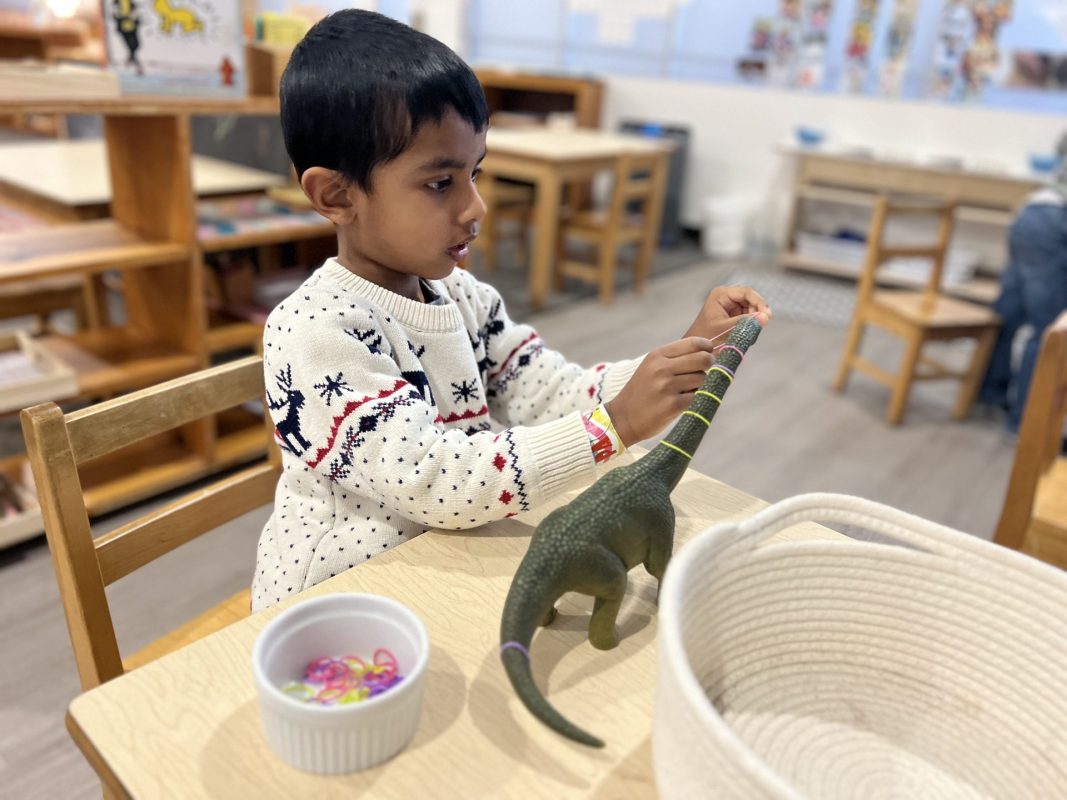
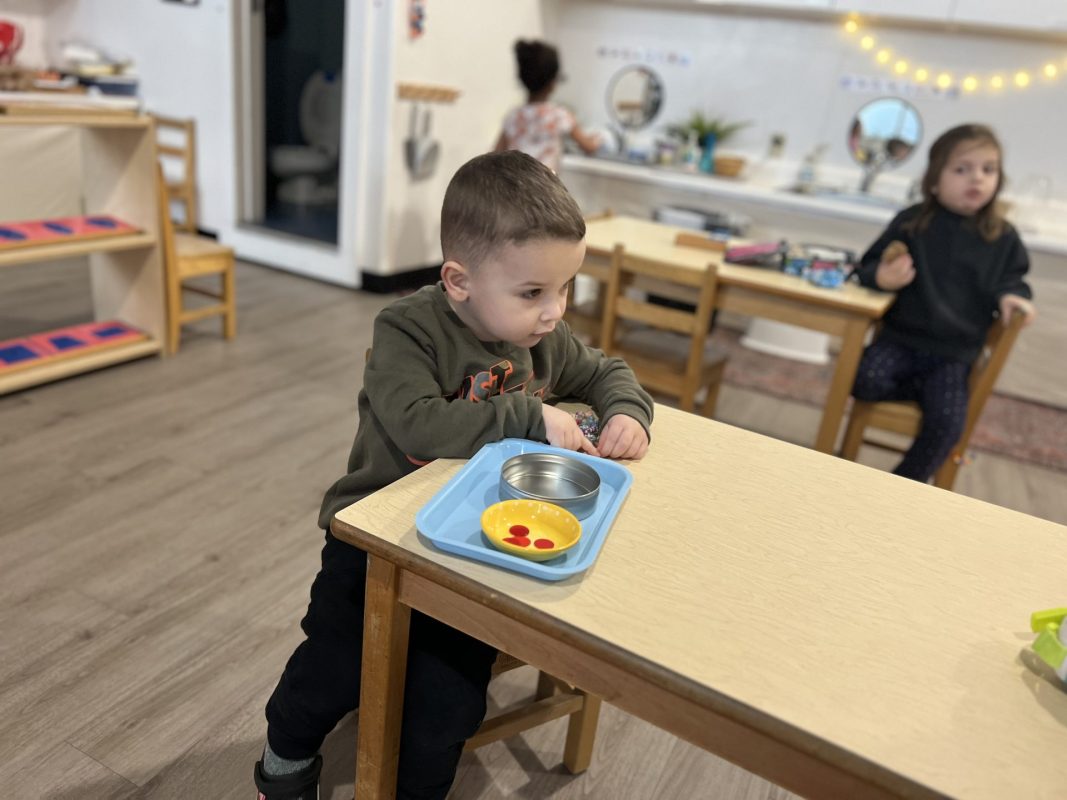
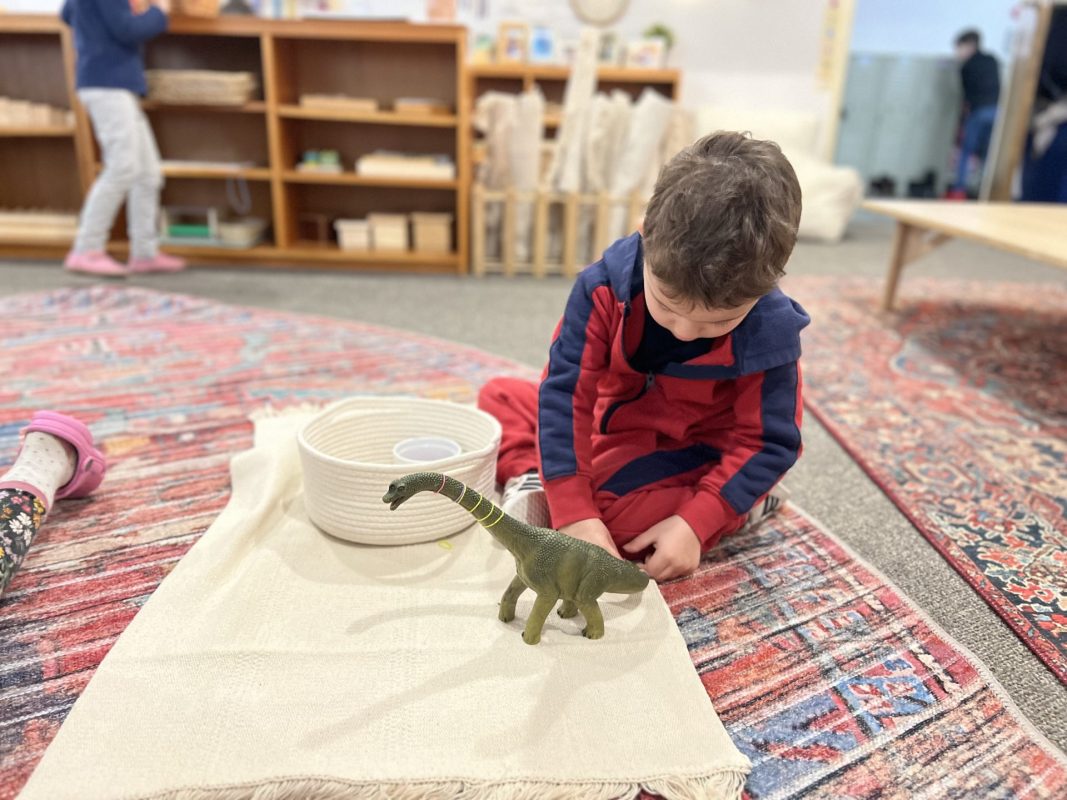
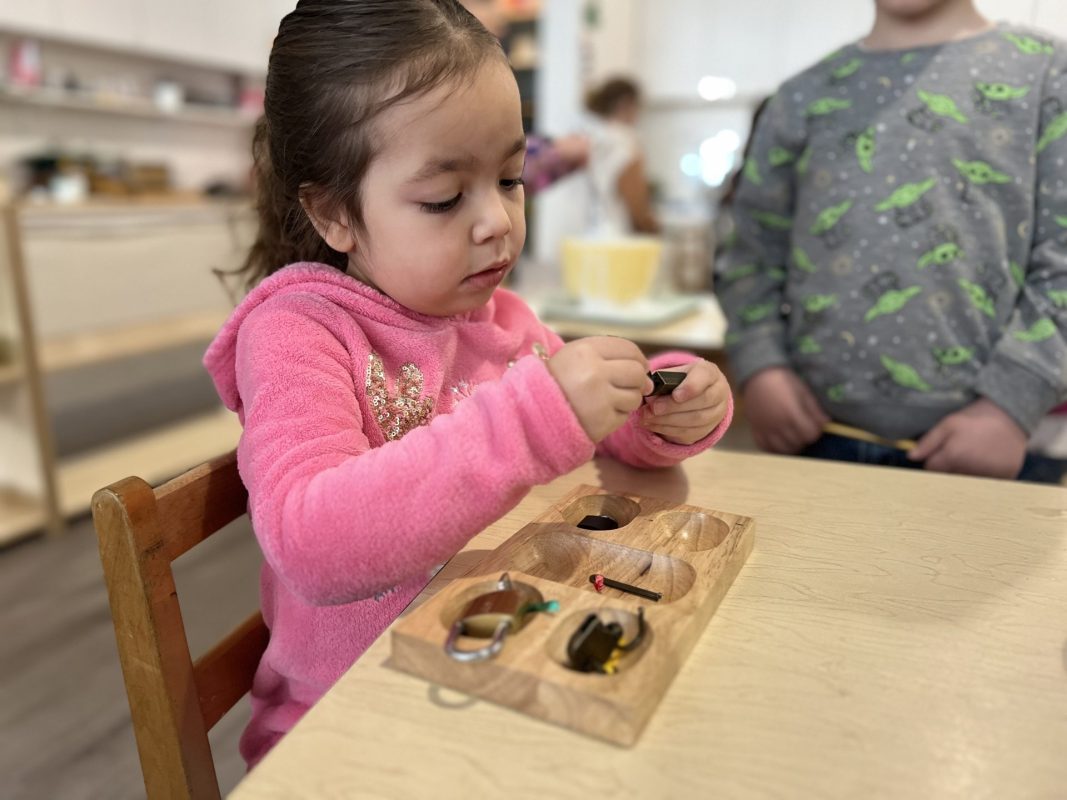
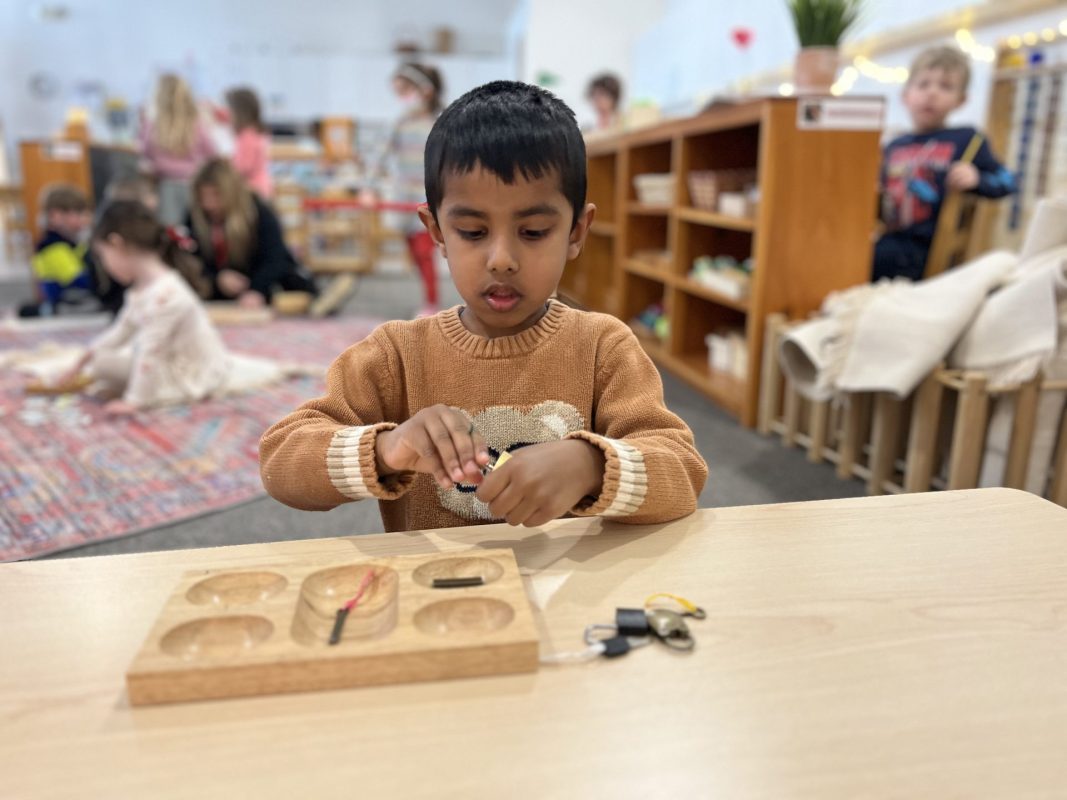
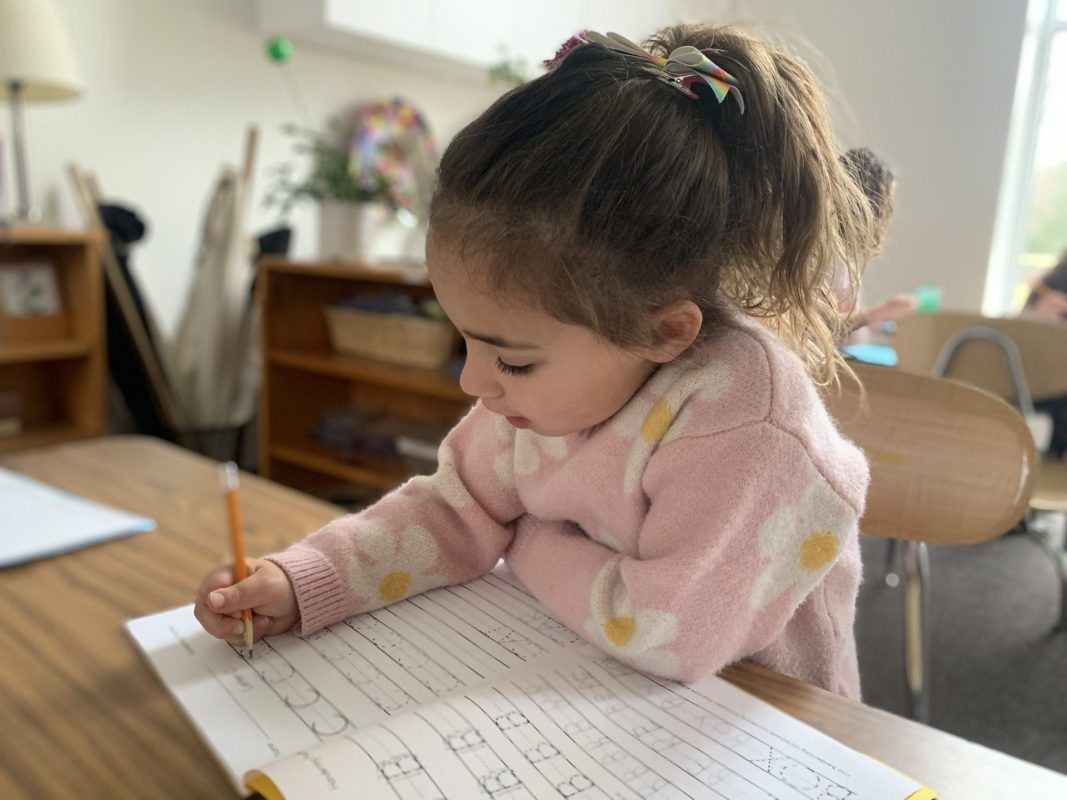
Based on our observations, this is just ONE of the many works your child seems VERY attracted to lately and enjoys repeating:

Amelia- Shapes board

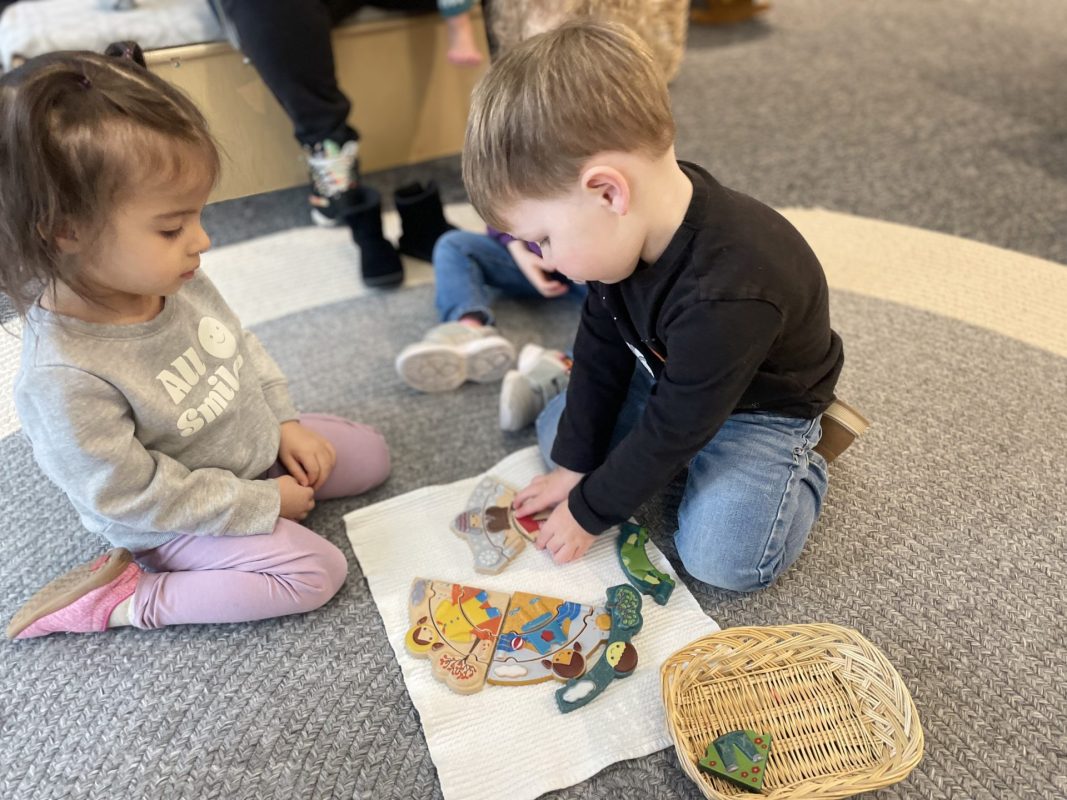
Anaya- The seasons puzzle

Avery- Opening and closing containers

Alexander- Arctic animals matching

Connor- The seasons puzzle

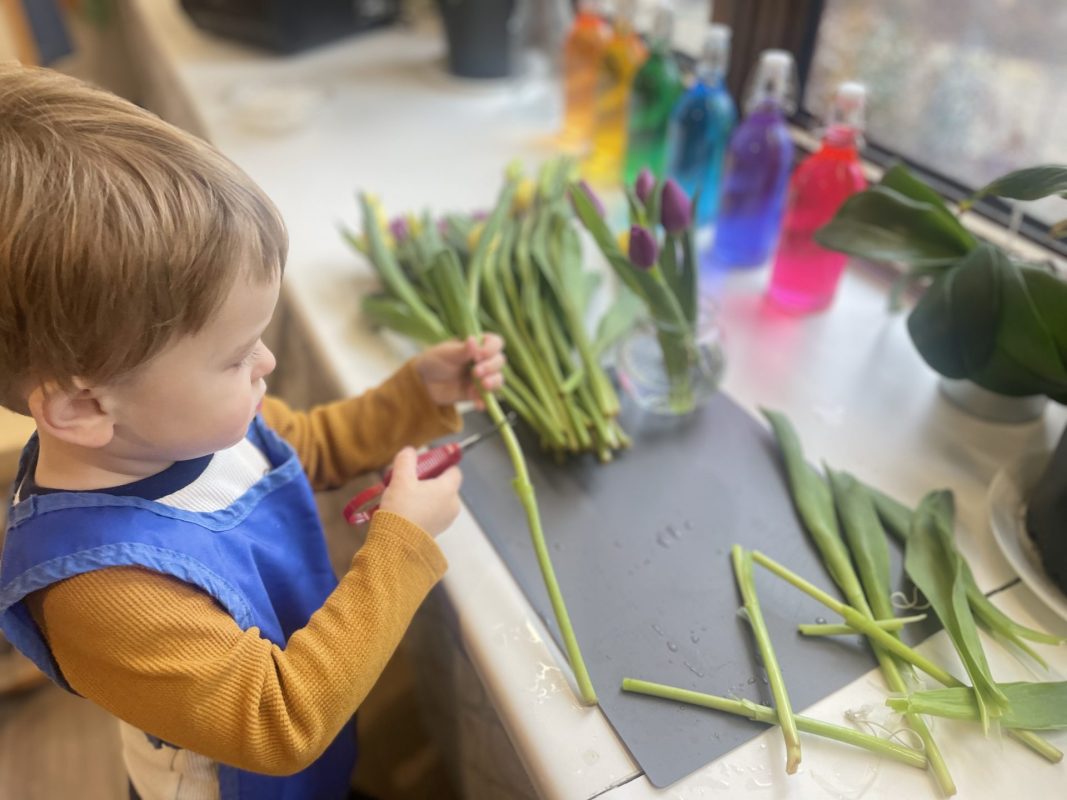
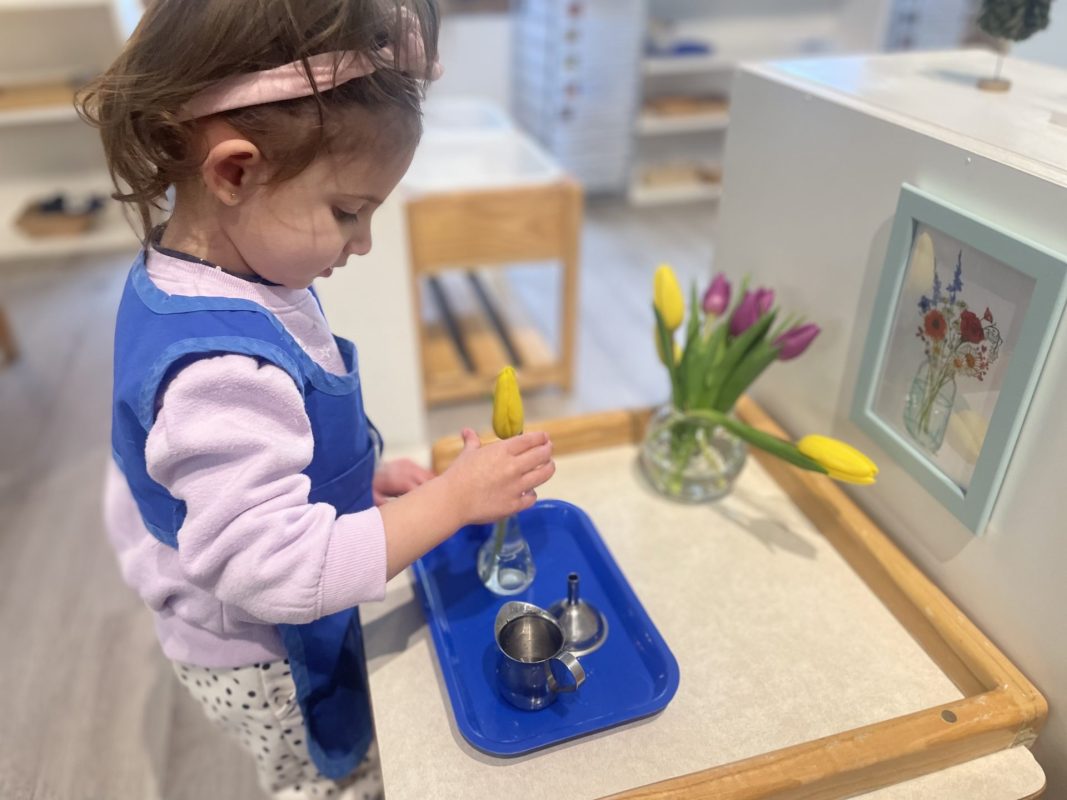
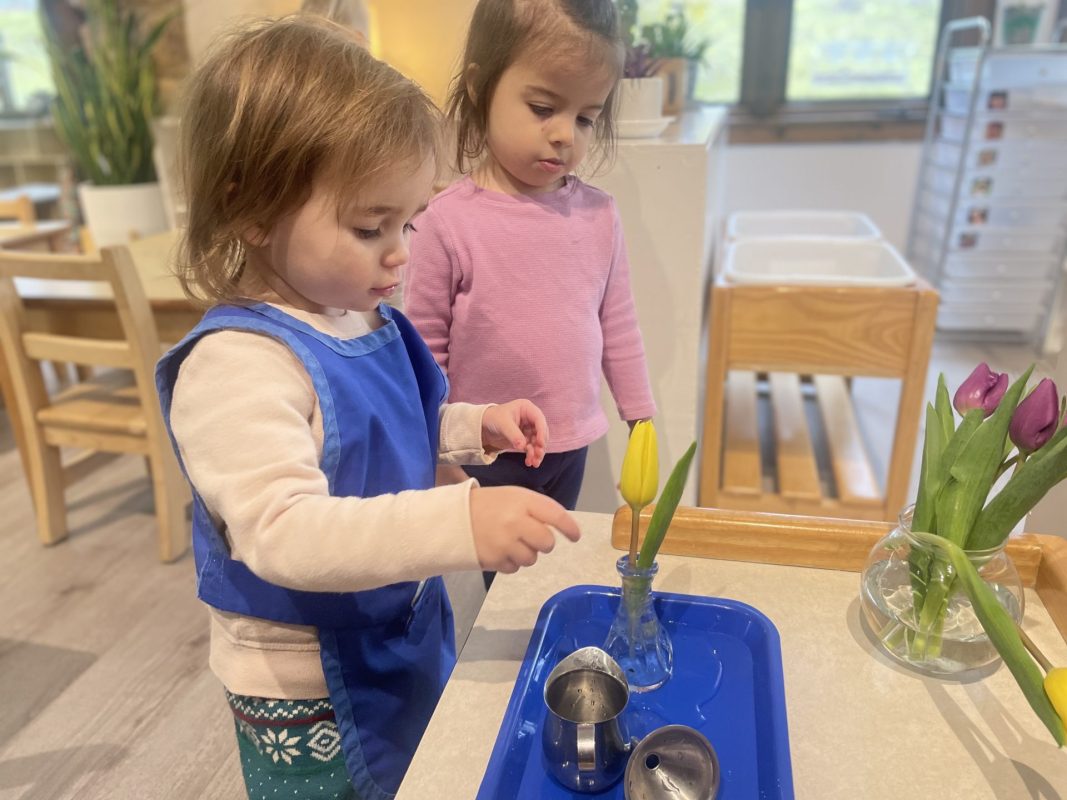
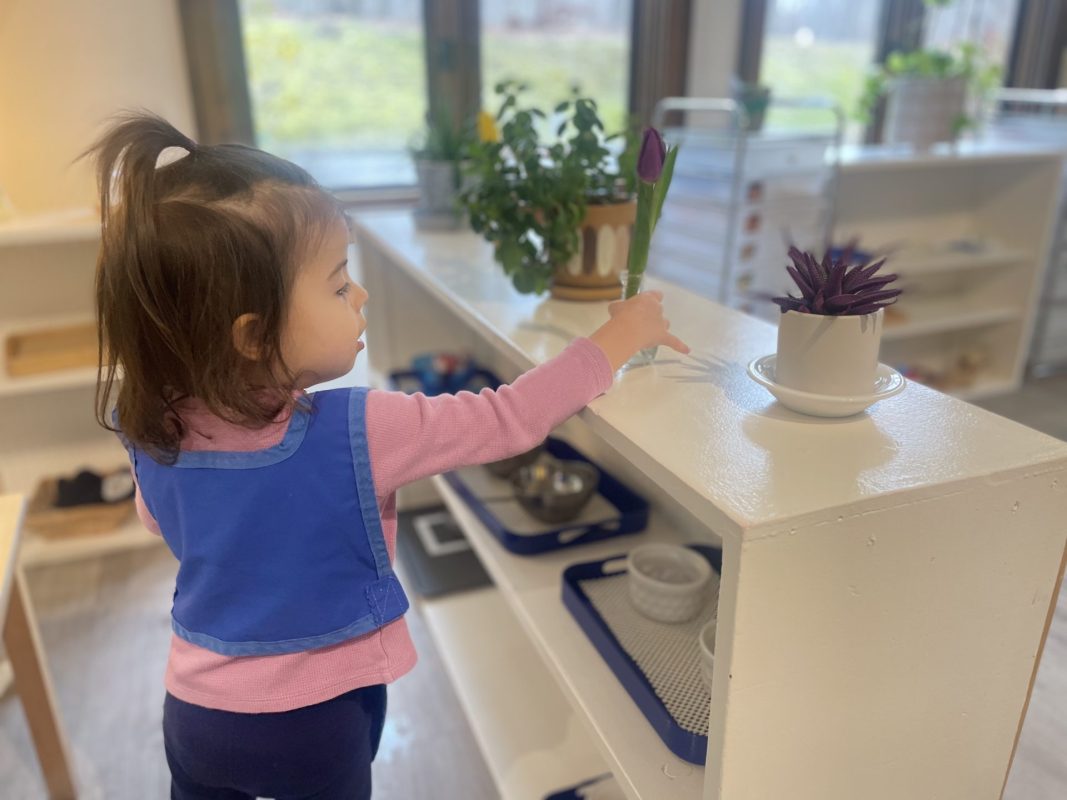
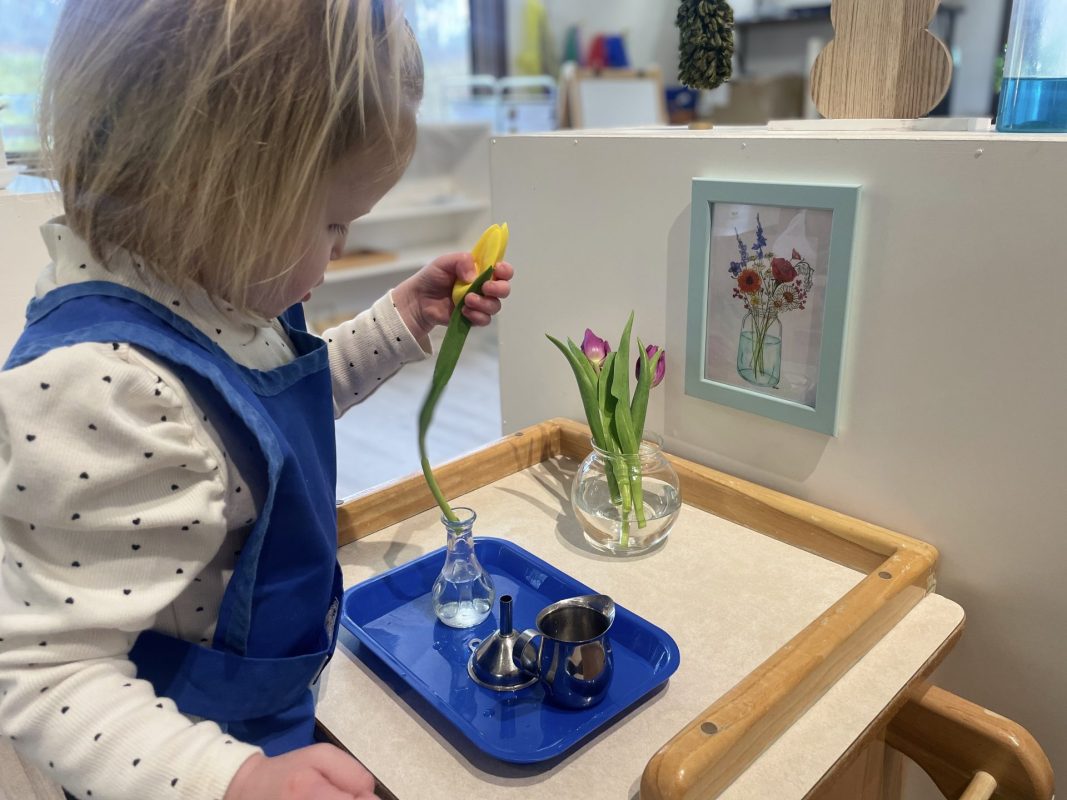
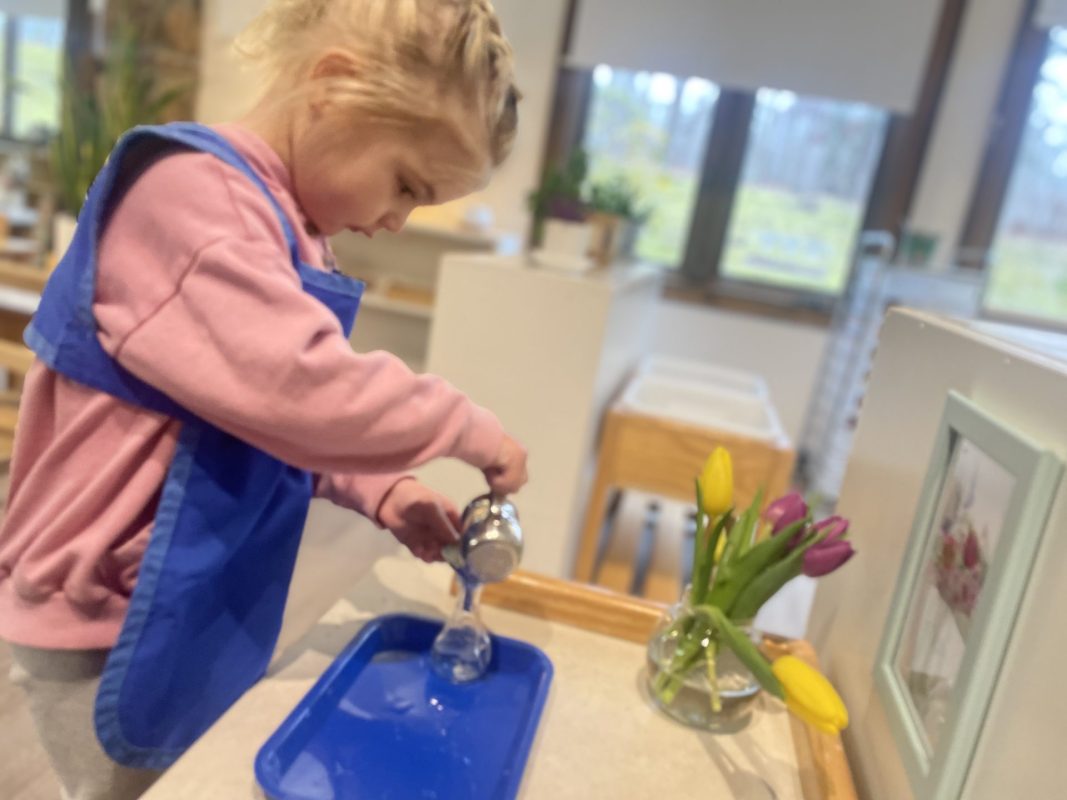
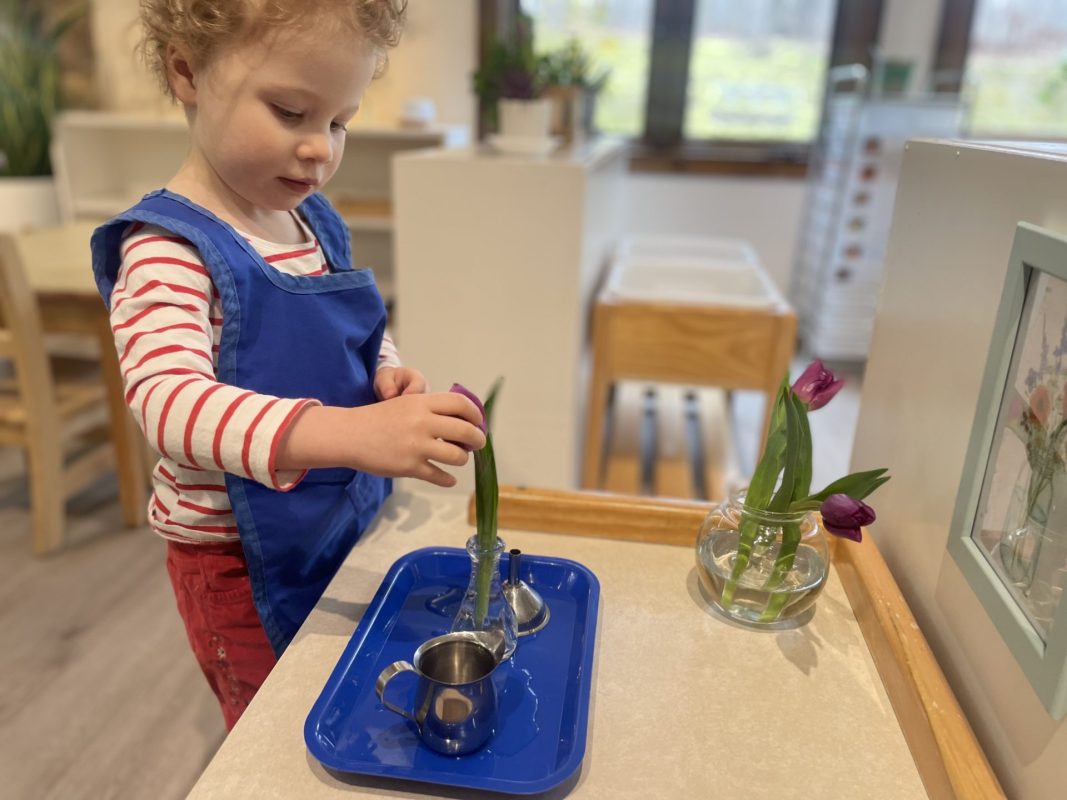
Divya- Flower arrangement

Emma- Snowflake stickers

John- Naming and exploring vehicles

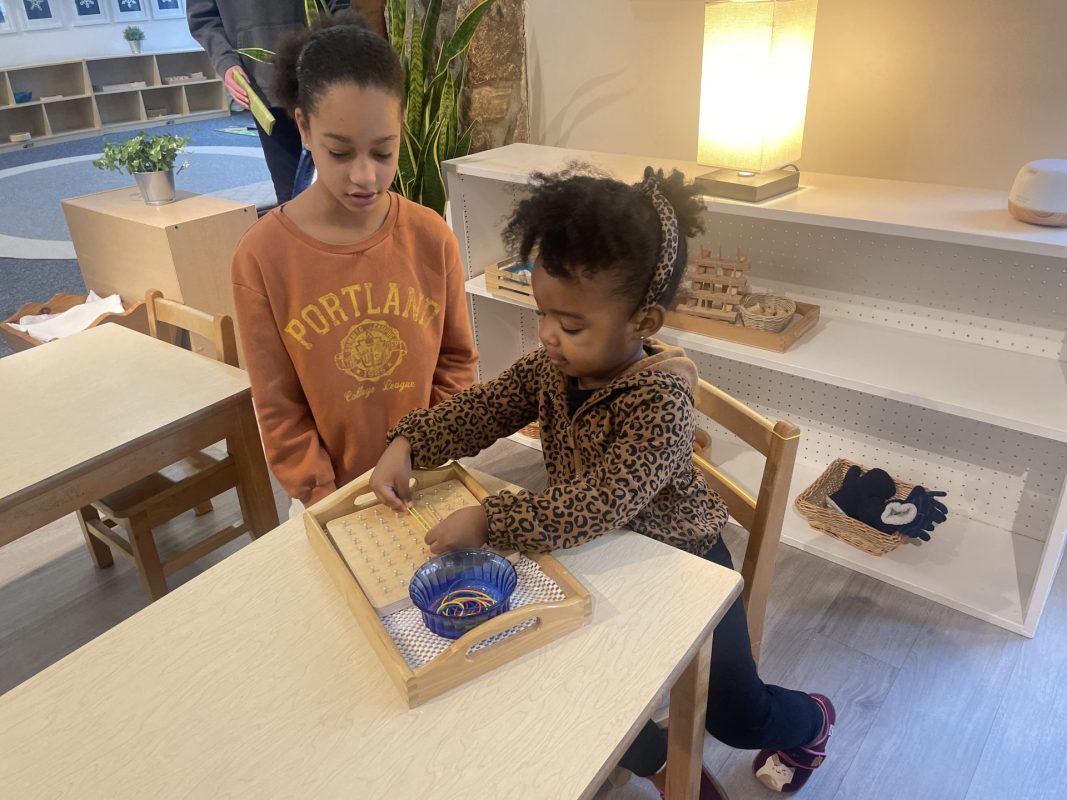
Love– Creating shapes with elastics in the Geoboard

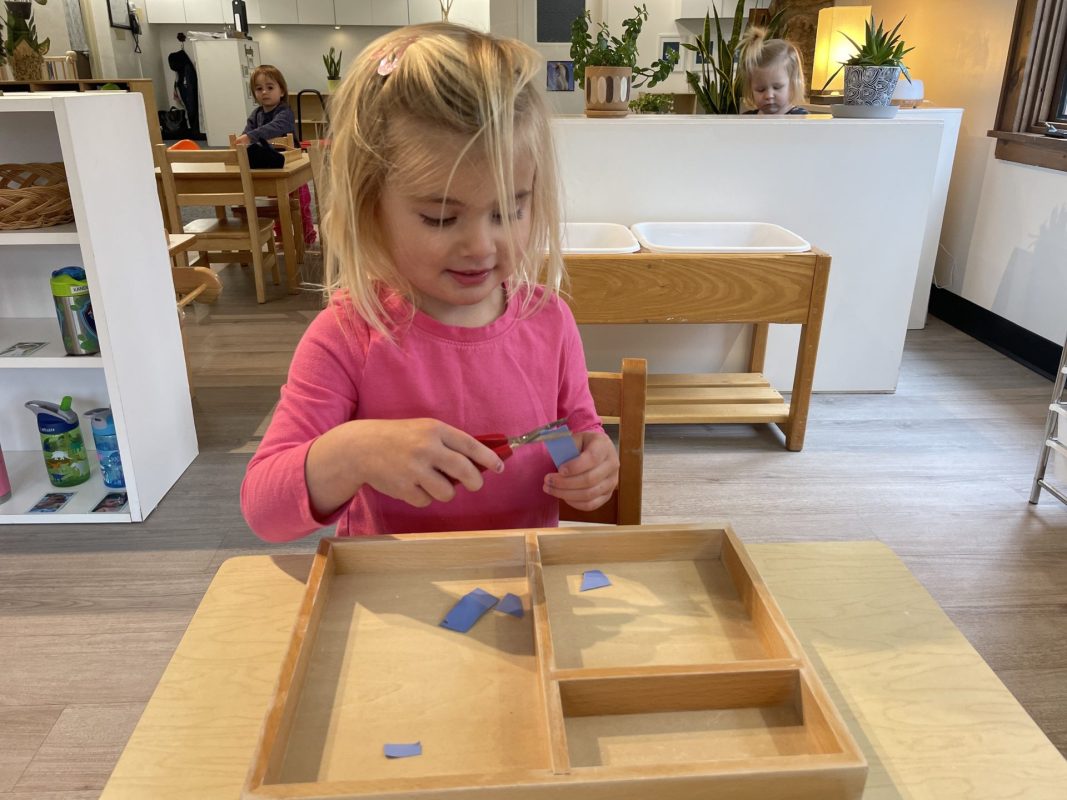
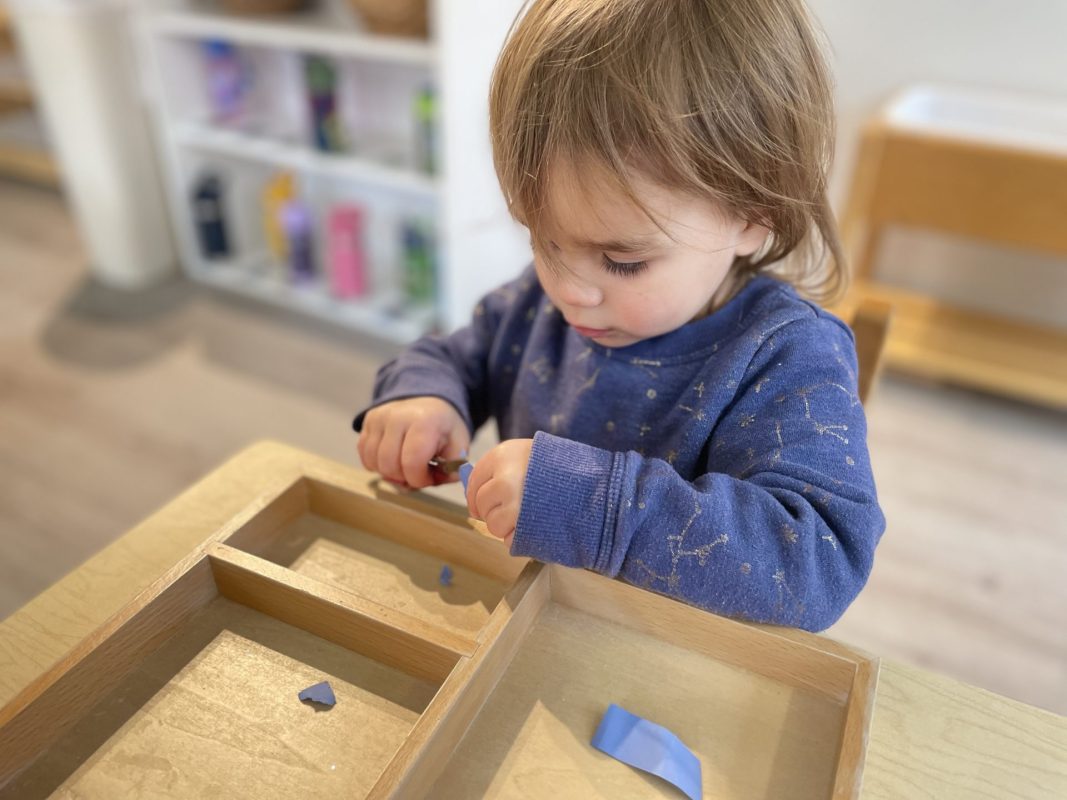
Reagan- Cutting

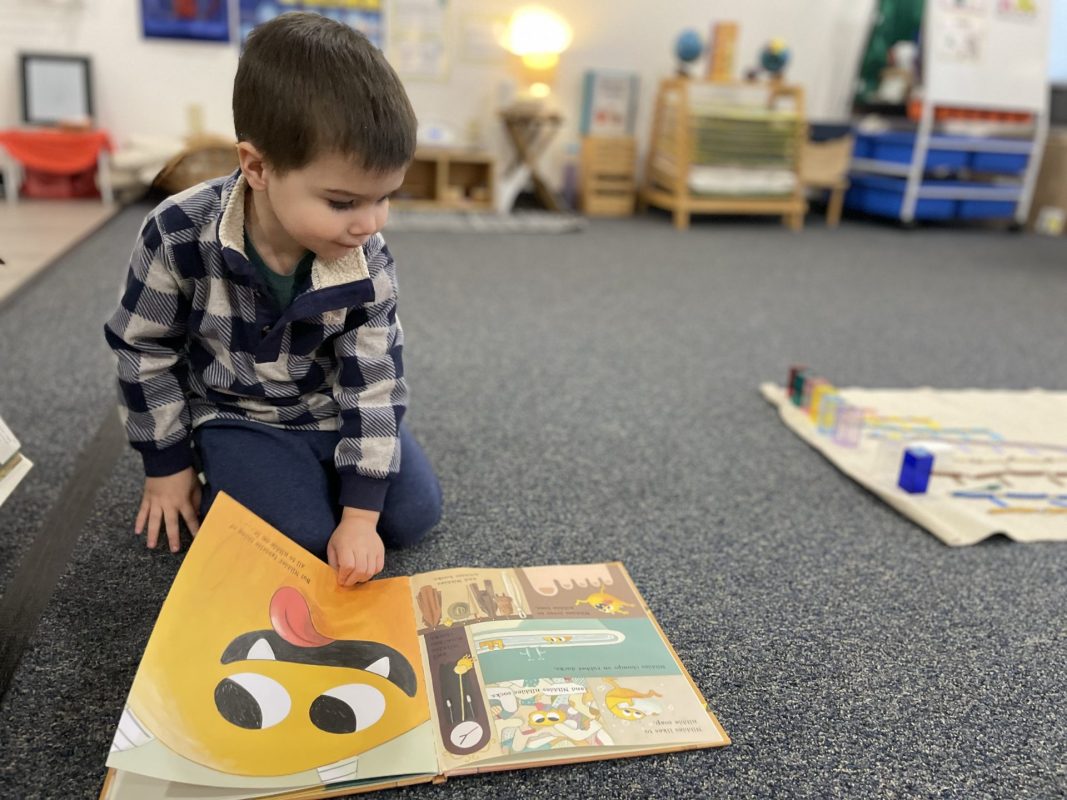
Zion- Exploring “I Spy” books

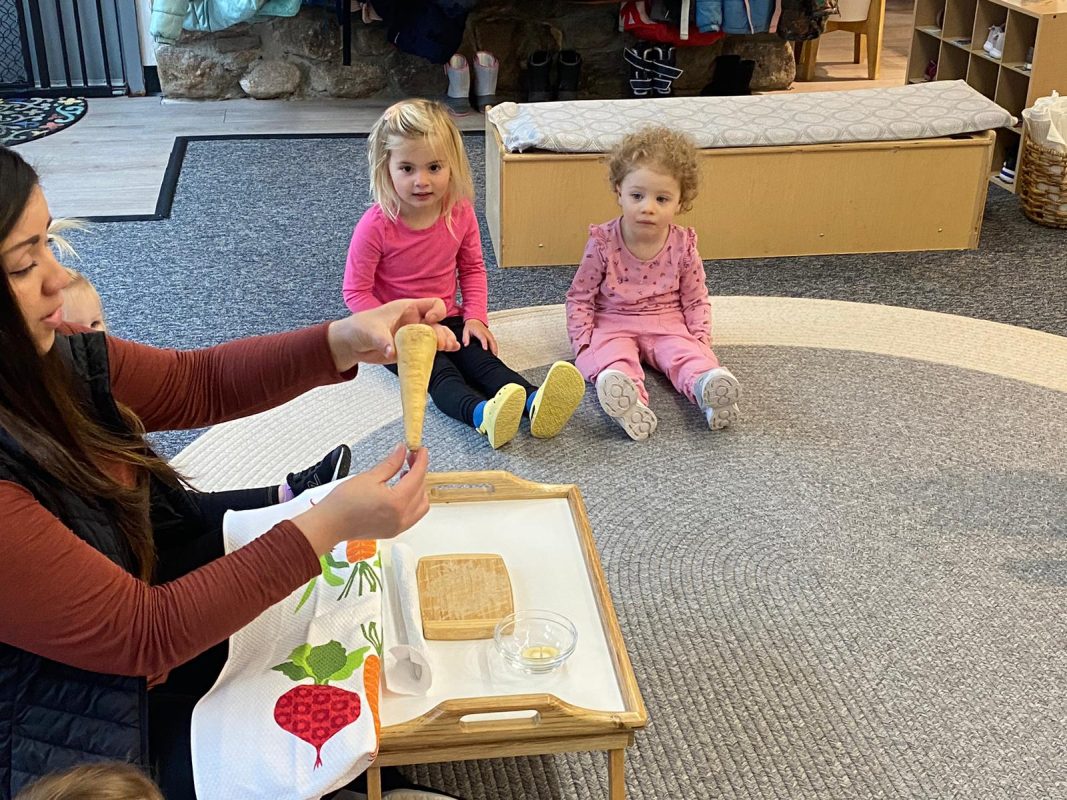
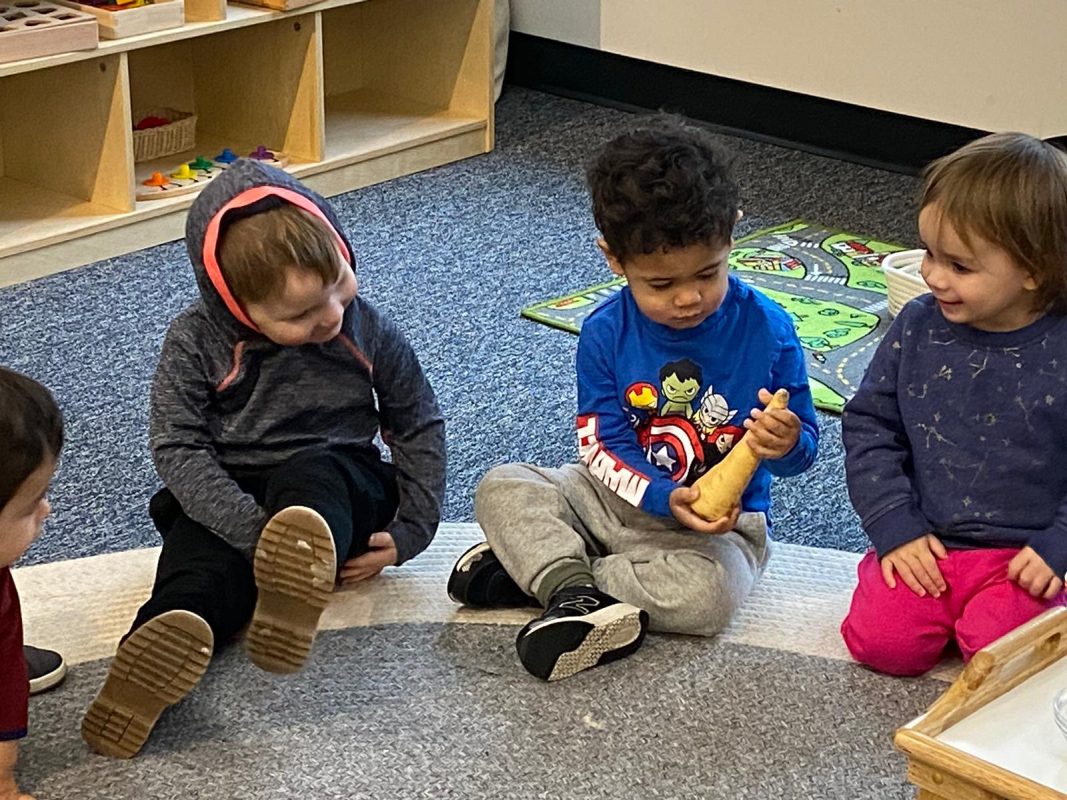
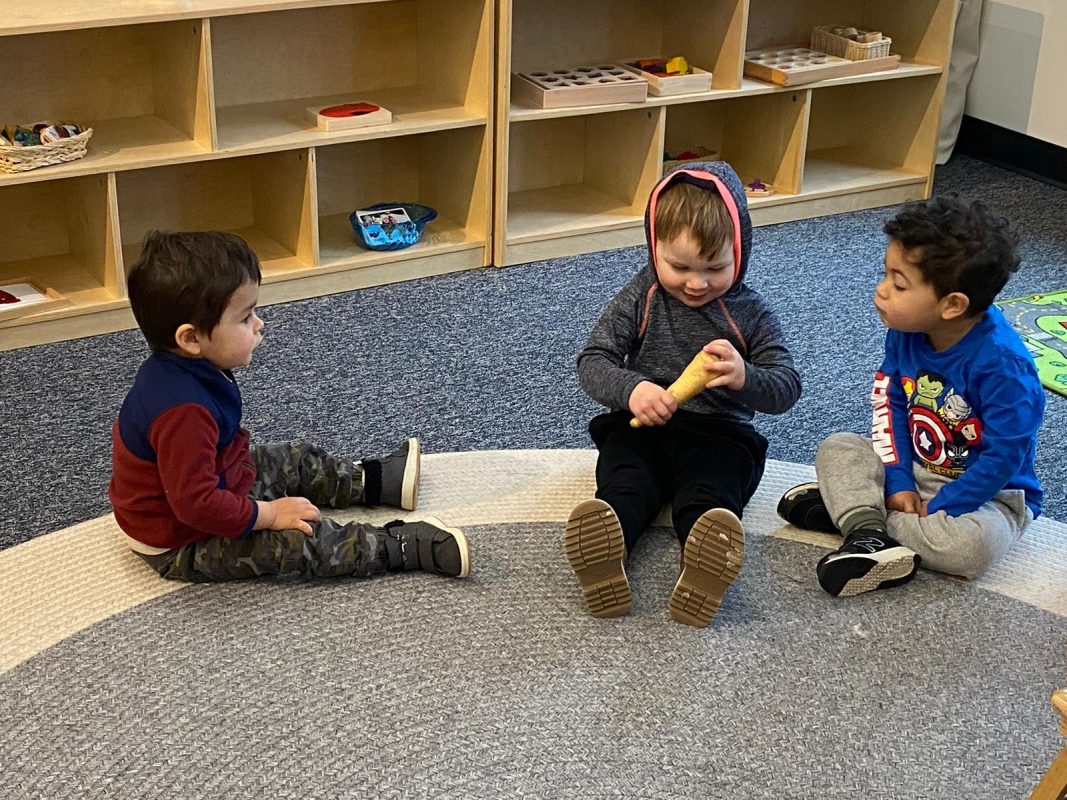
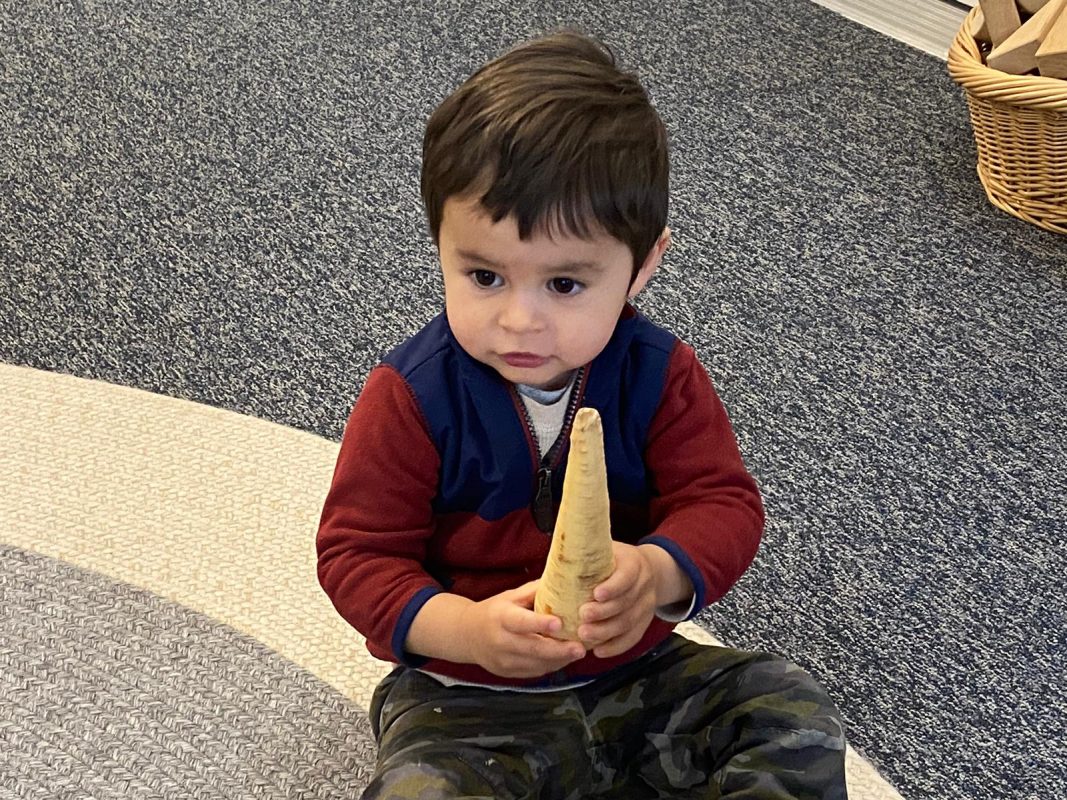
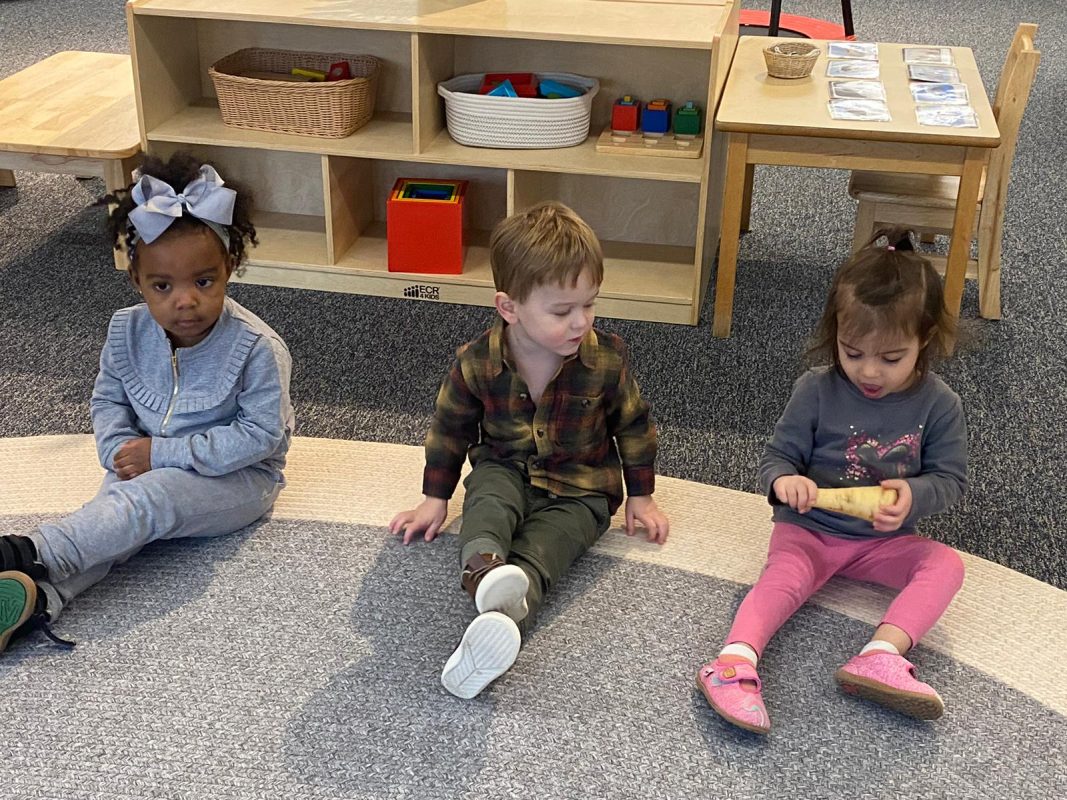
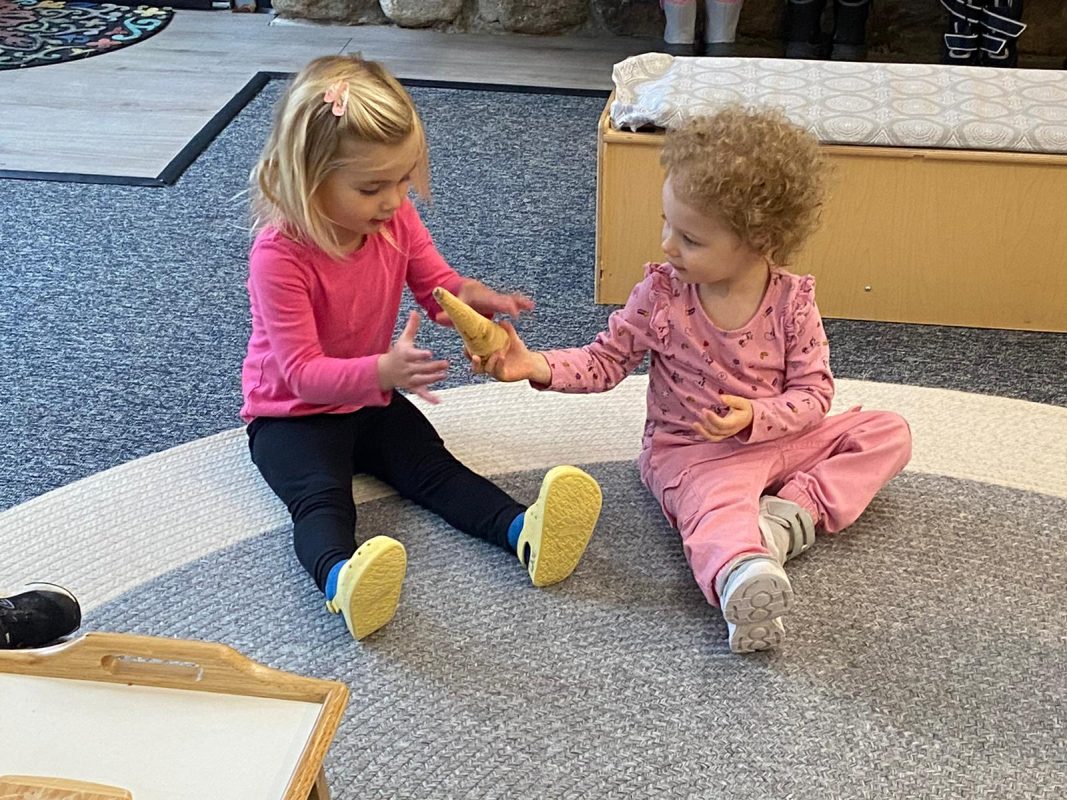
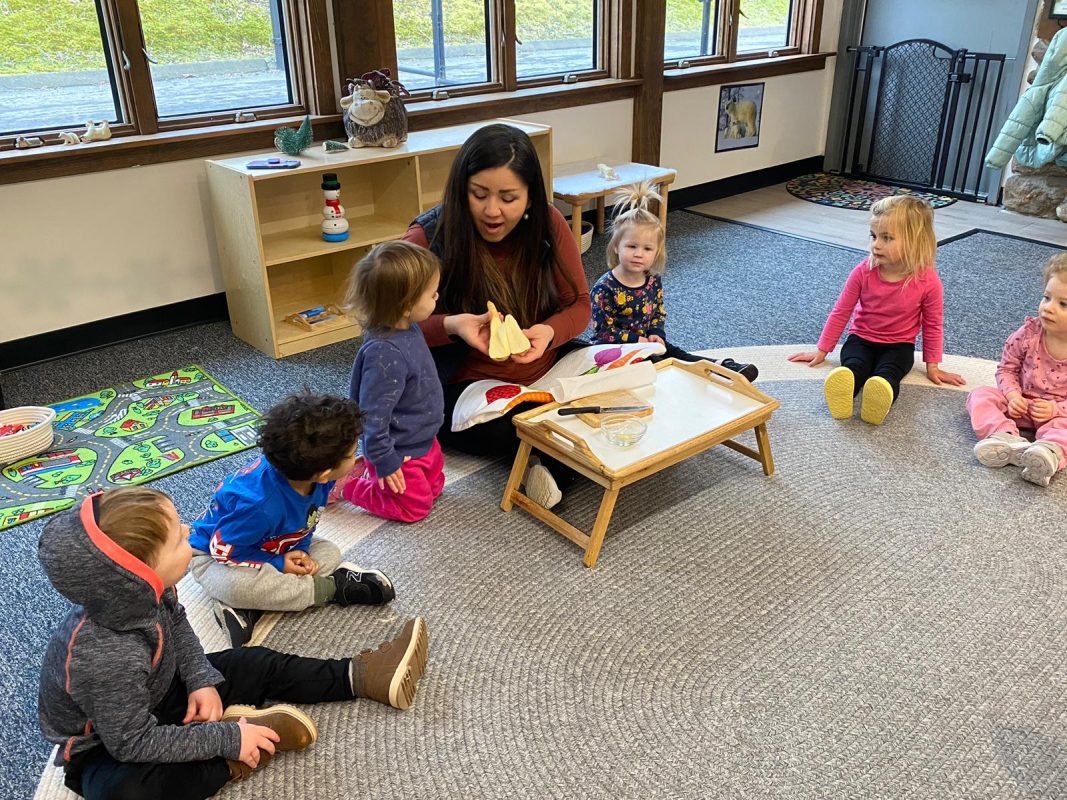
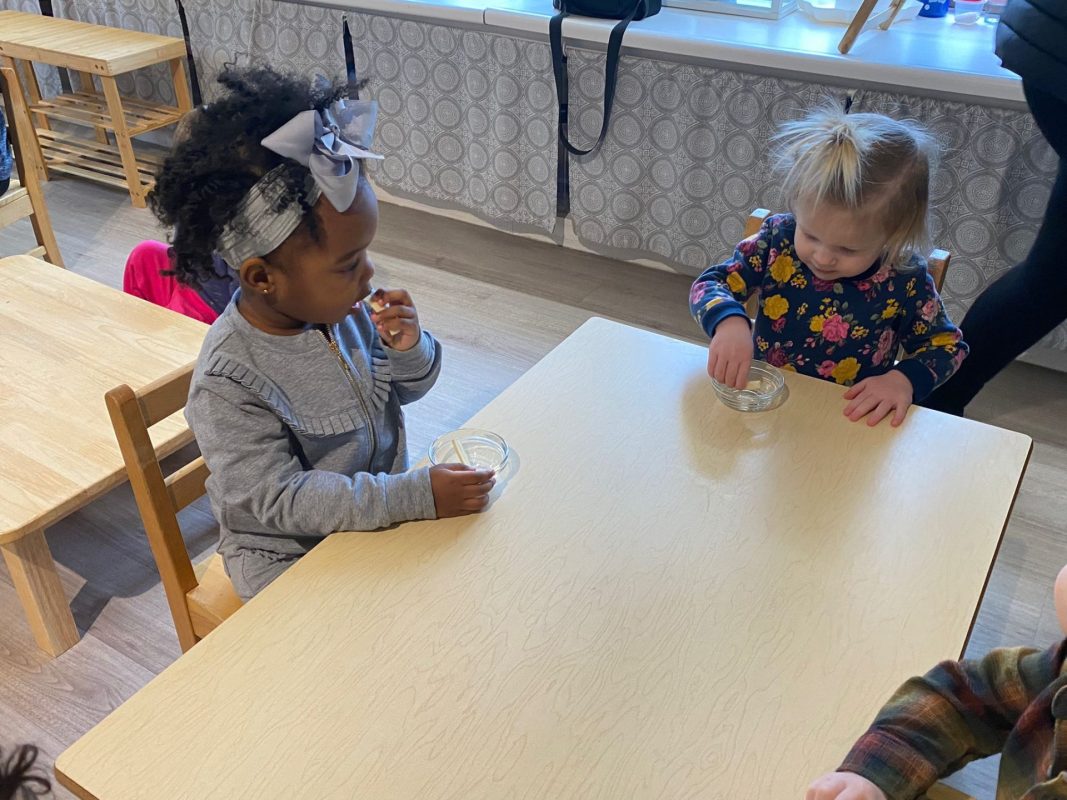
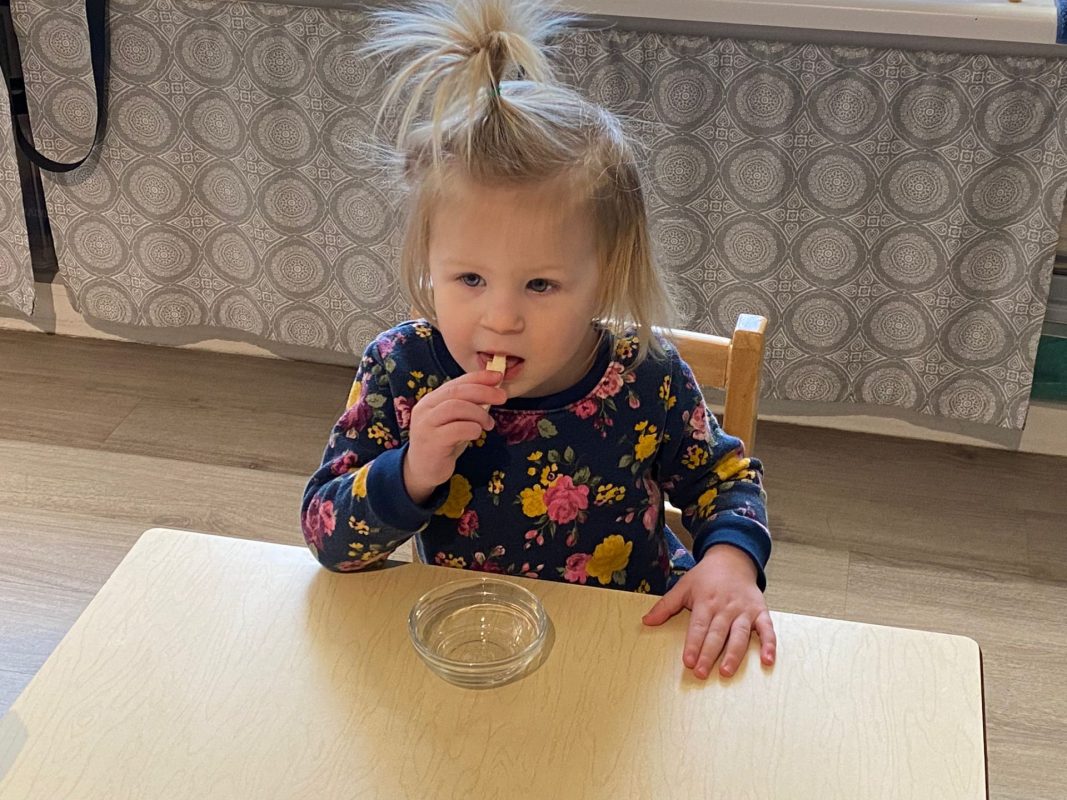
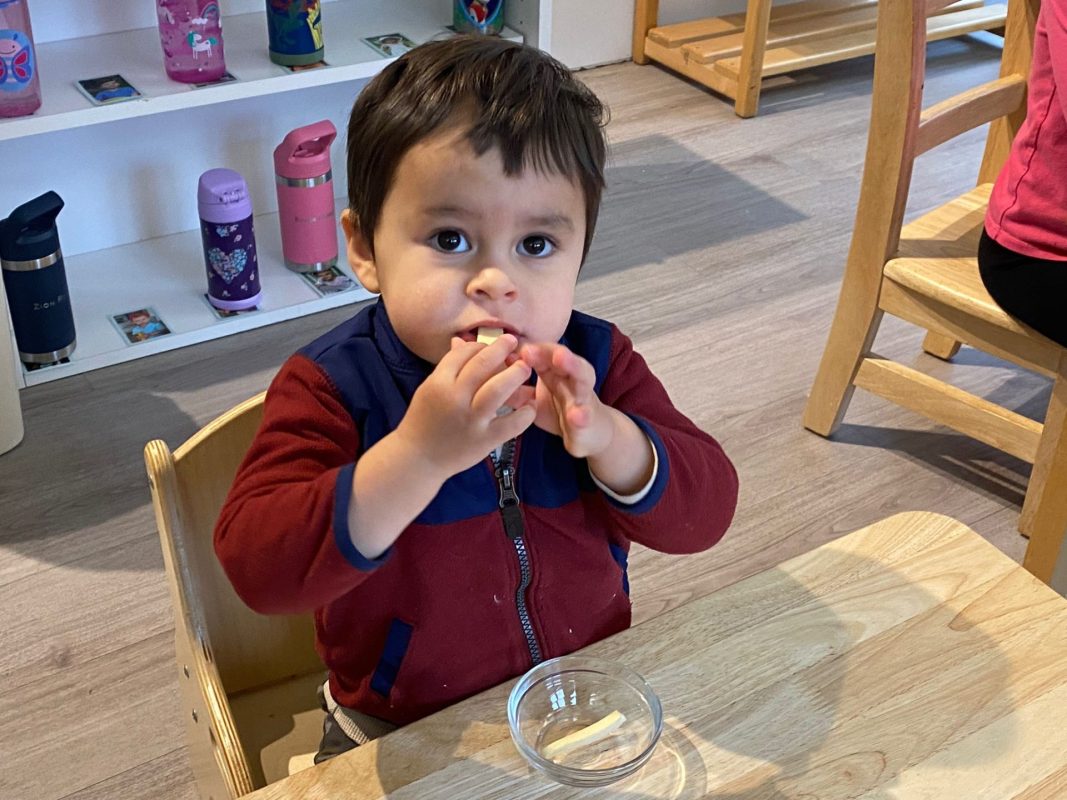
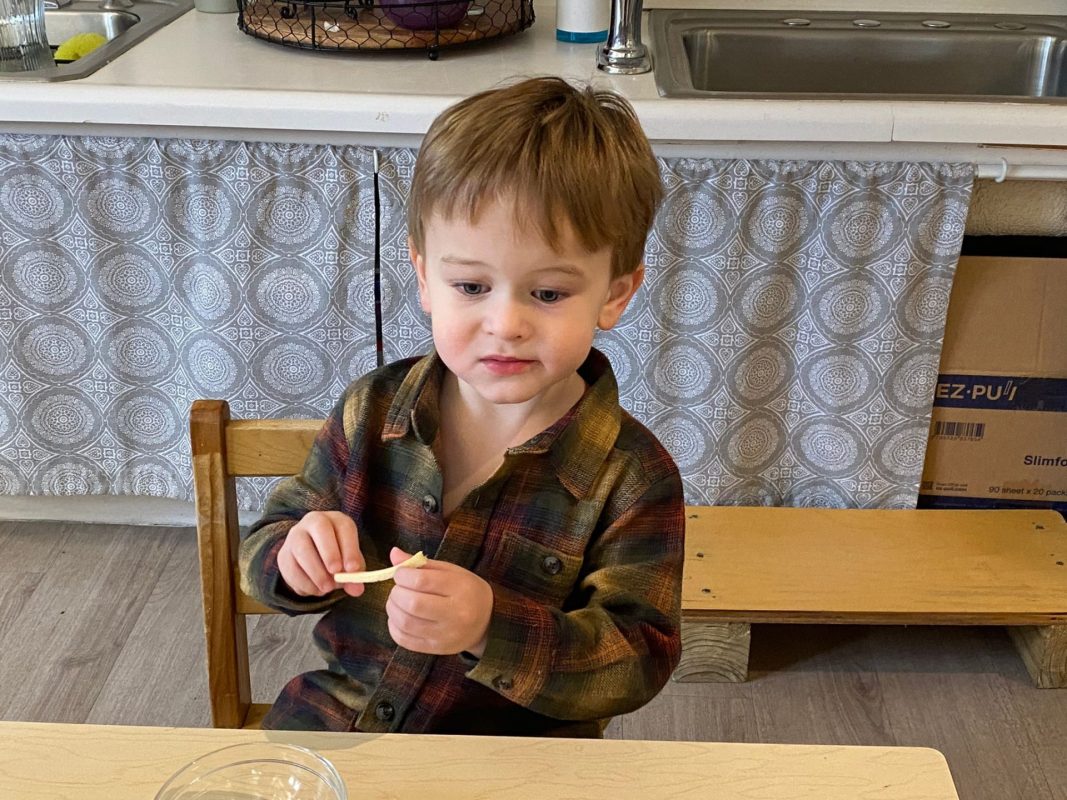
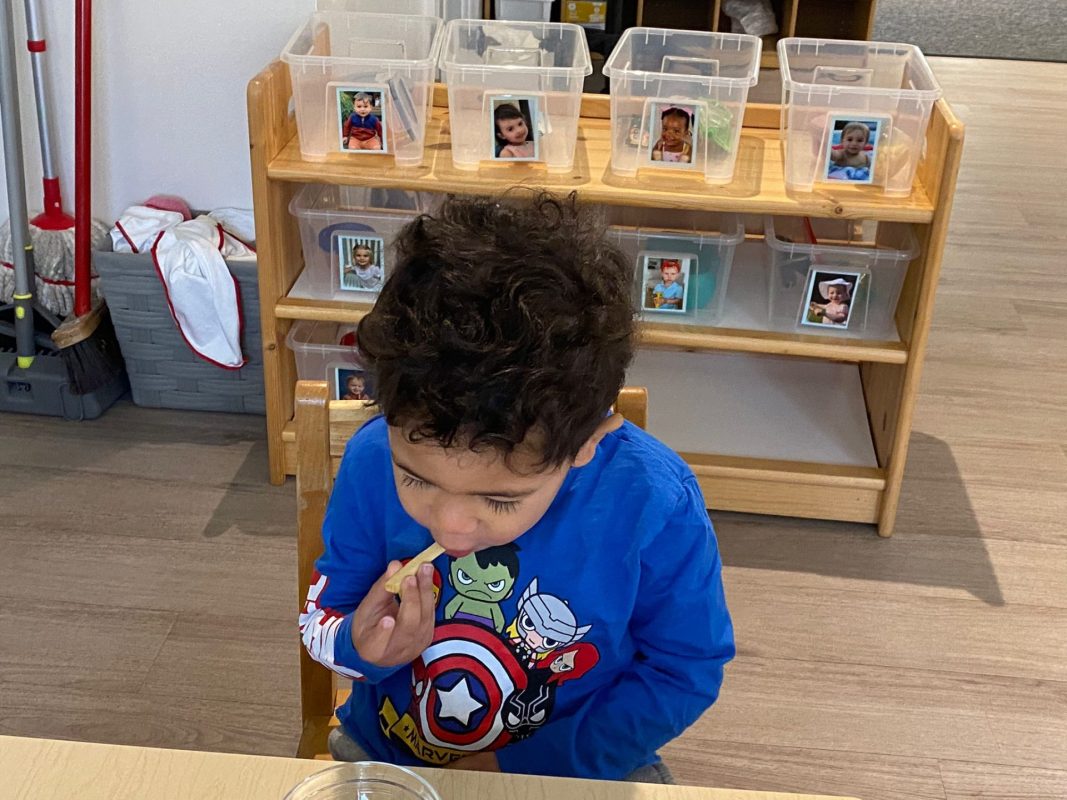
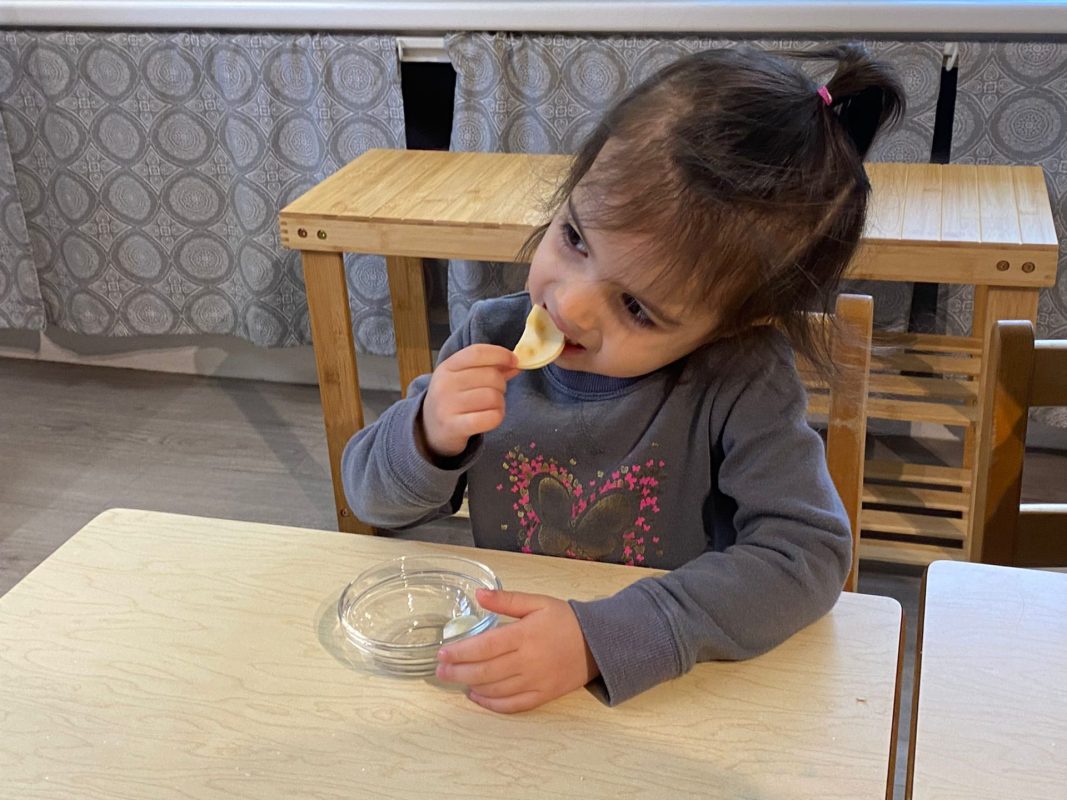
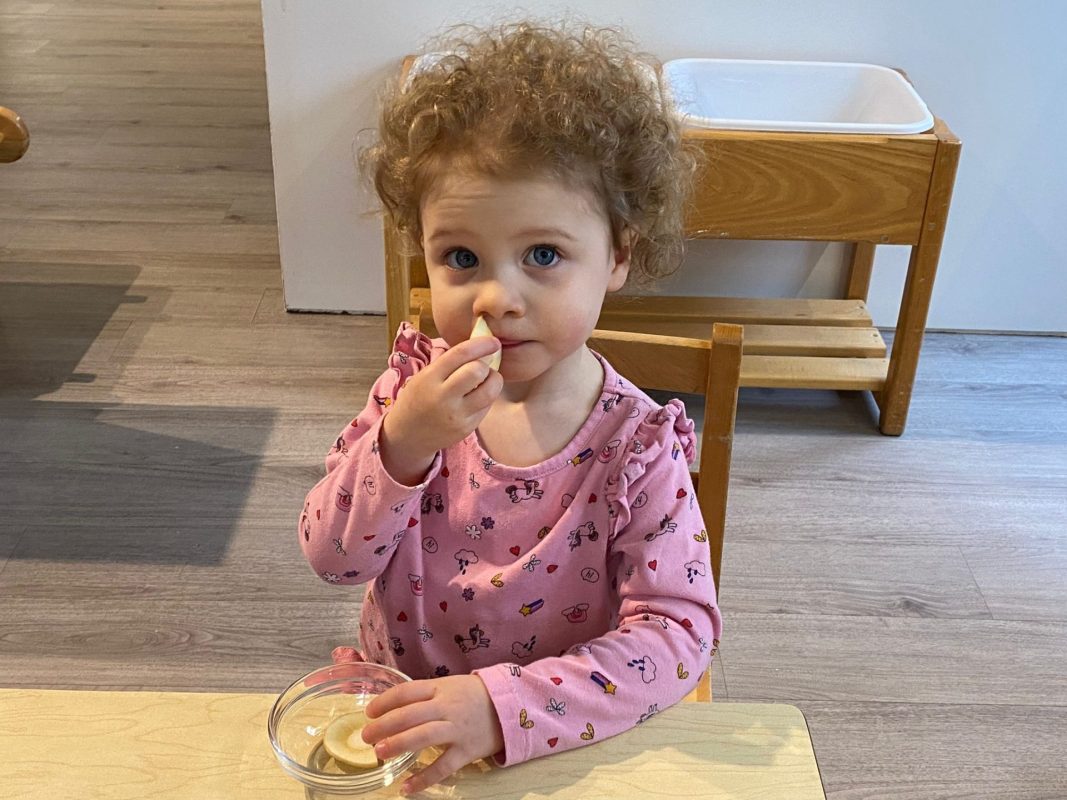
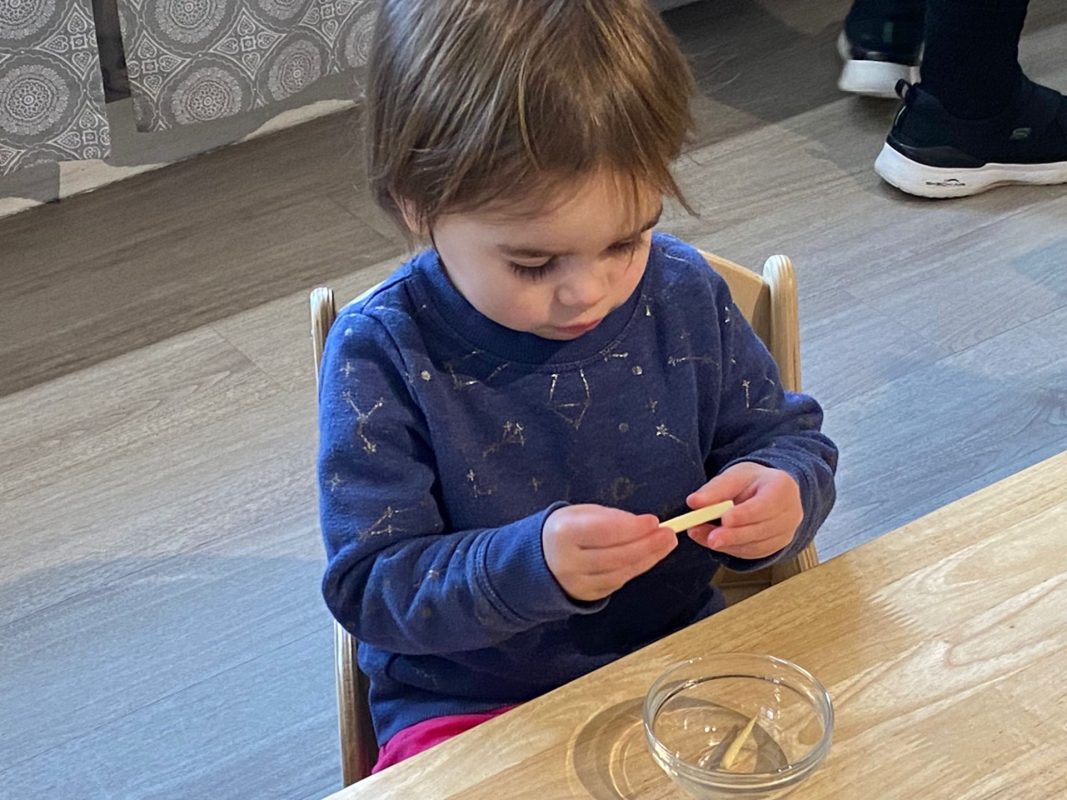
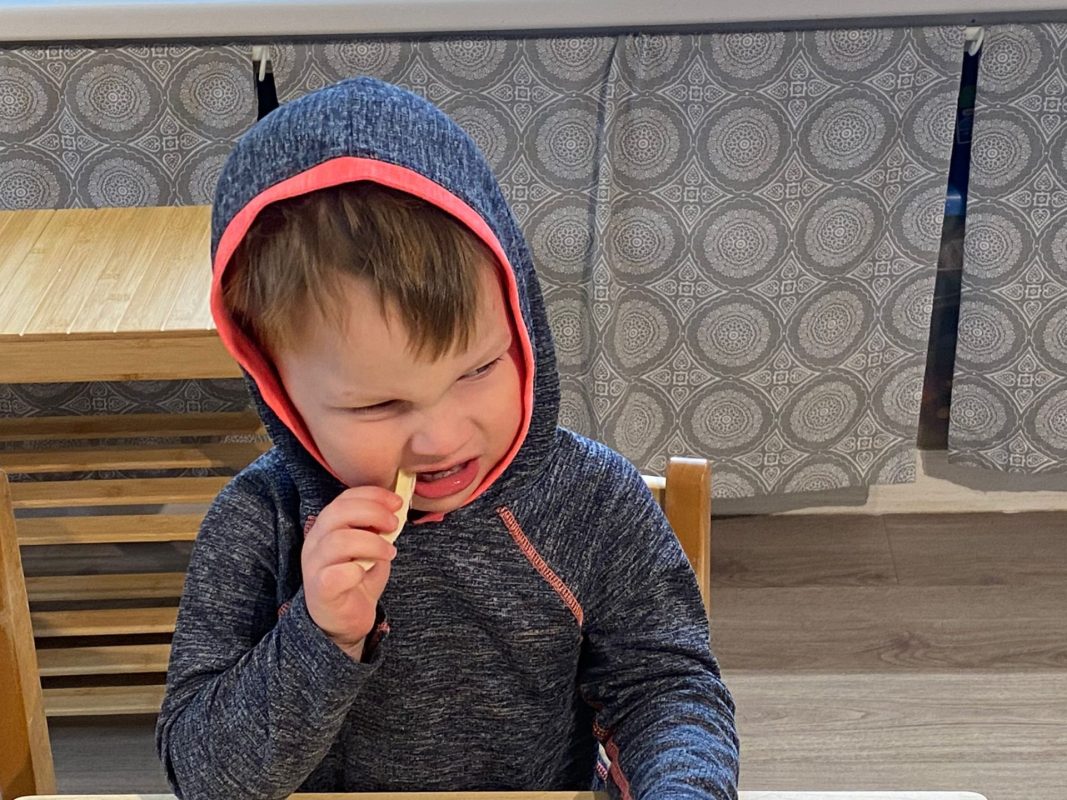
On another note, the children enjoyed exploring parsnips during our food-tasting lesson this week.

Enjoy your weekend,

Mrs. Hood and Ms. Mollie

This Week in Upper El

“Education between the ages of six to twelve is not a direct continuation of that which has gone before, though it is built upon that basis. Psychologically there is a decided change in personality, and we recognize that nature has made this a period for the aquisition of culture, just as the former was for the absorption of the environment.” -Maria Montessori, To Educate the Human Potential
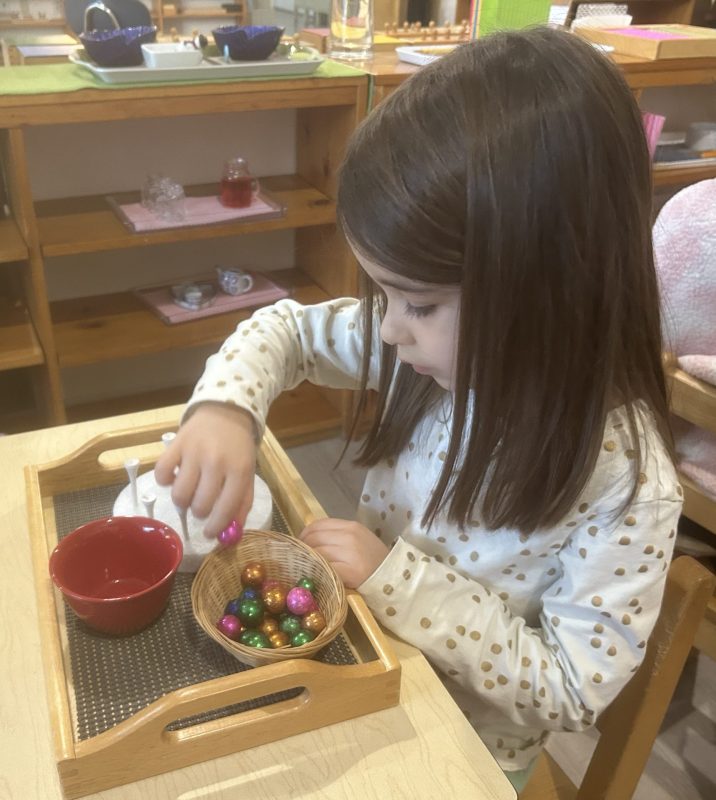
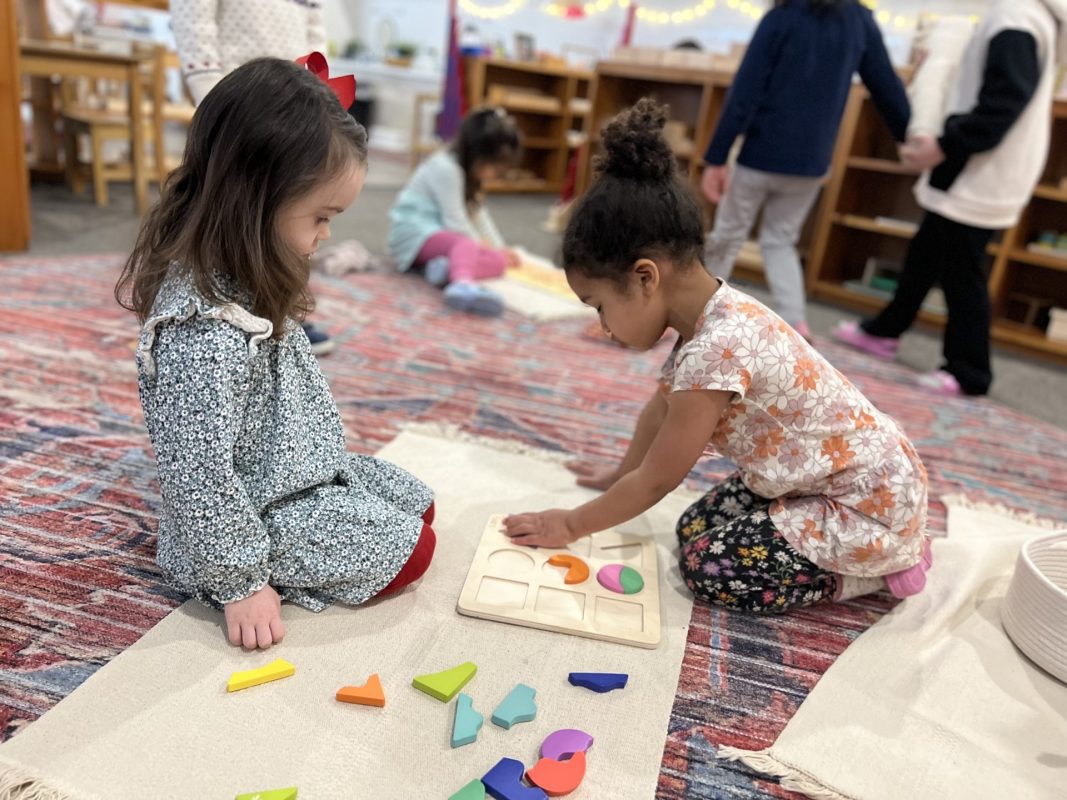
Maria Montessori identified different stages in children’s development, which she called the Planes of Development. Each stage is divided into six-year periods: 0-6, 6-12, and 12-18, with each period further categorized into three-year segments. Each stage has a primary focus, and children at each stage exhibit specific characteristics. Montessori teachers use this information to create age-appropriate environments and lessons for their students.

Children in the elementary level are in the second plane of development, characterized by the “Elaboration of the Mind and Personality.” Elementary-aged children transition rapidly from concrete thinking to abstract reasoning, developing the ability to solve problems logically. They become more interested in the social world and are highly concerned with justice and fairness.

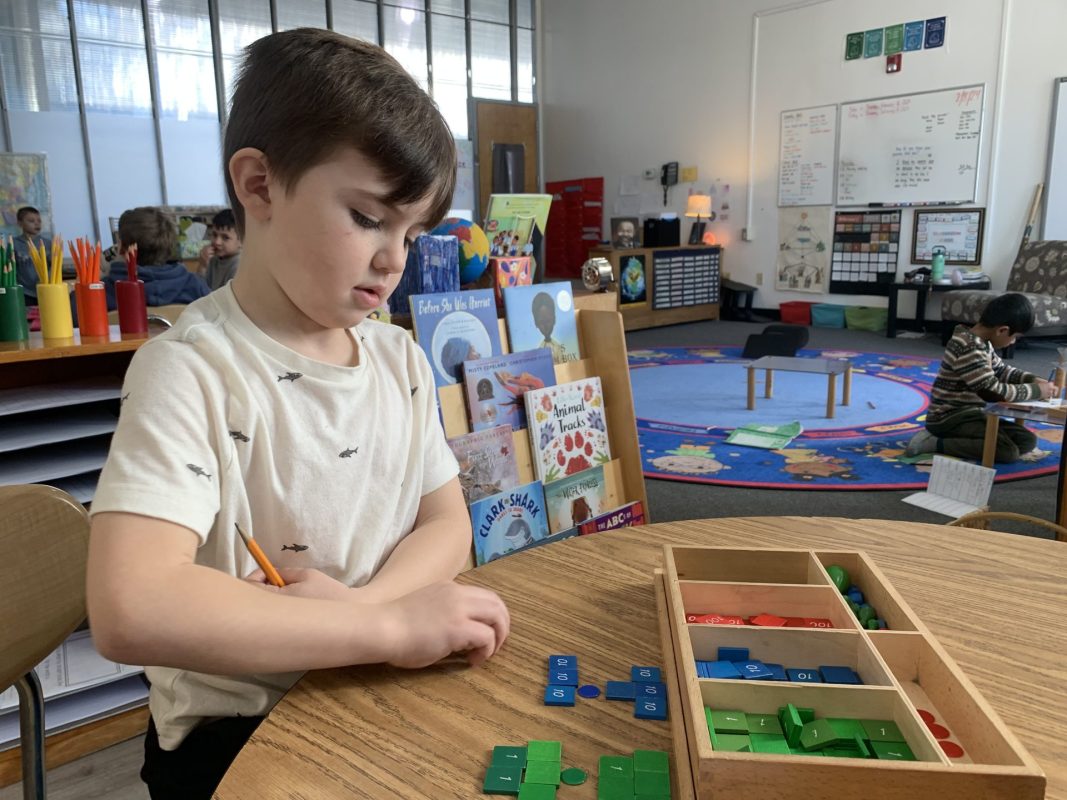
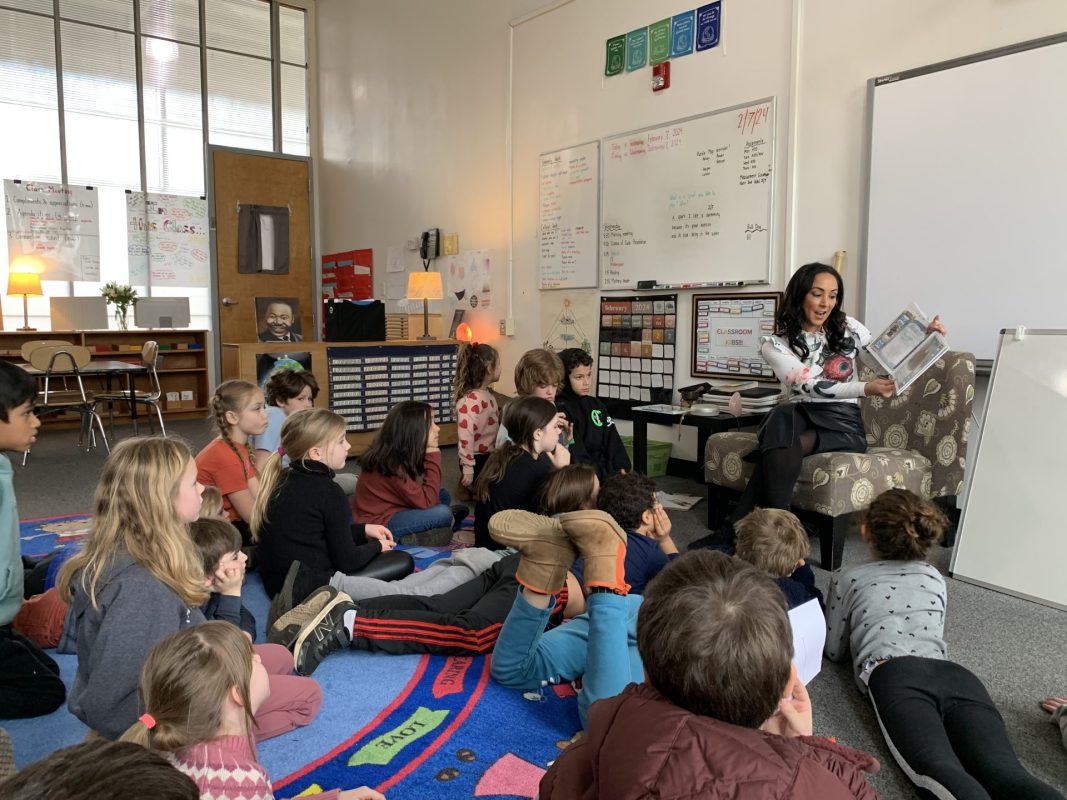
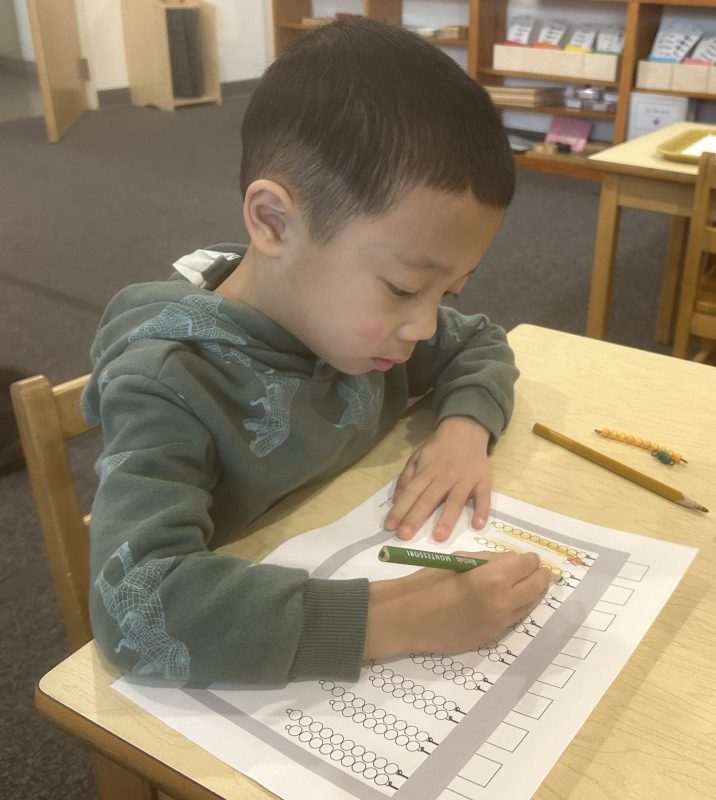
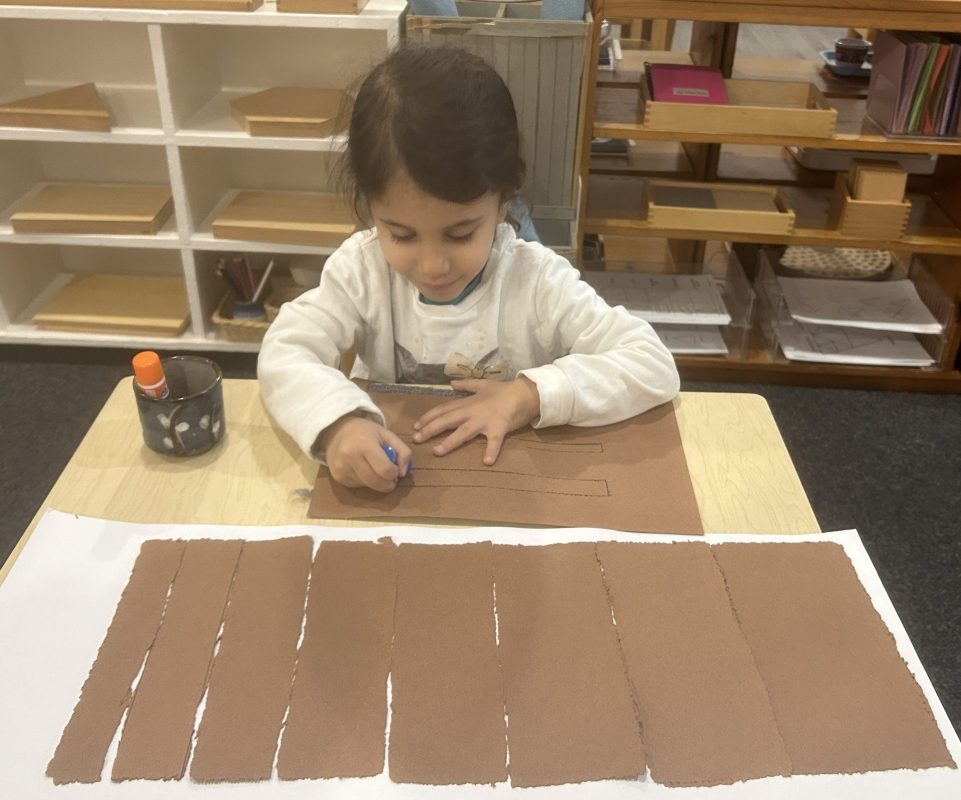
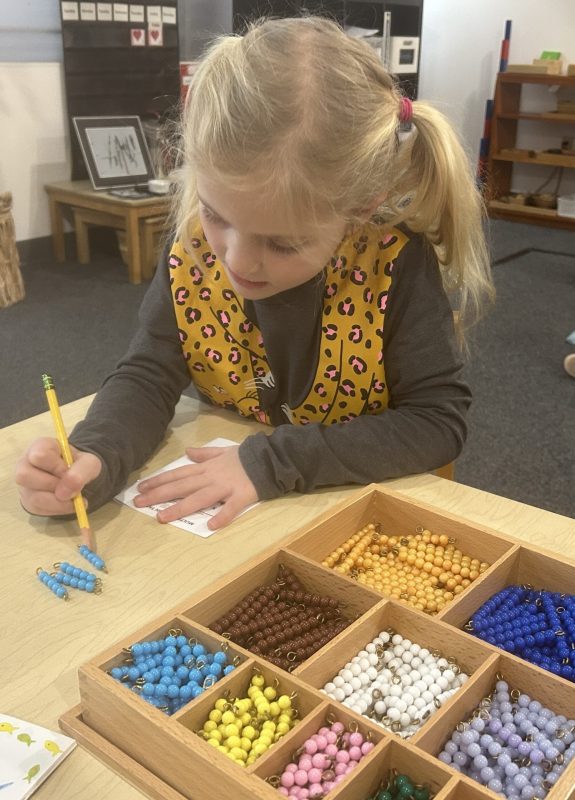
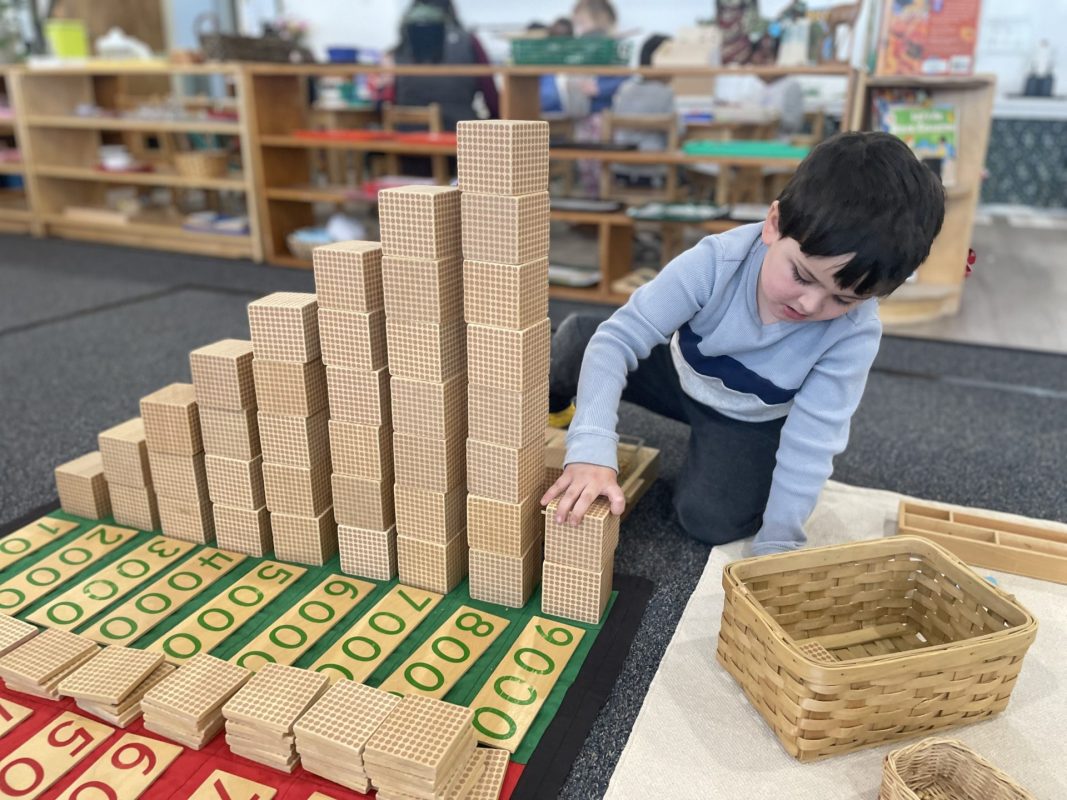
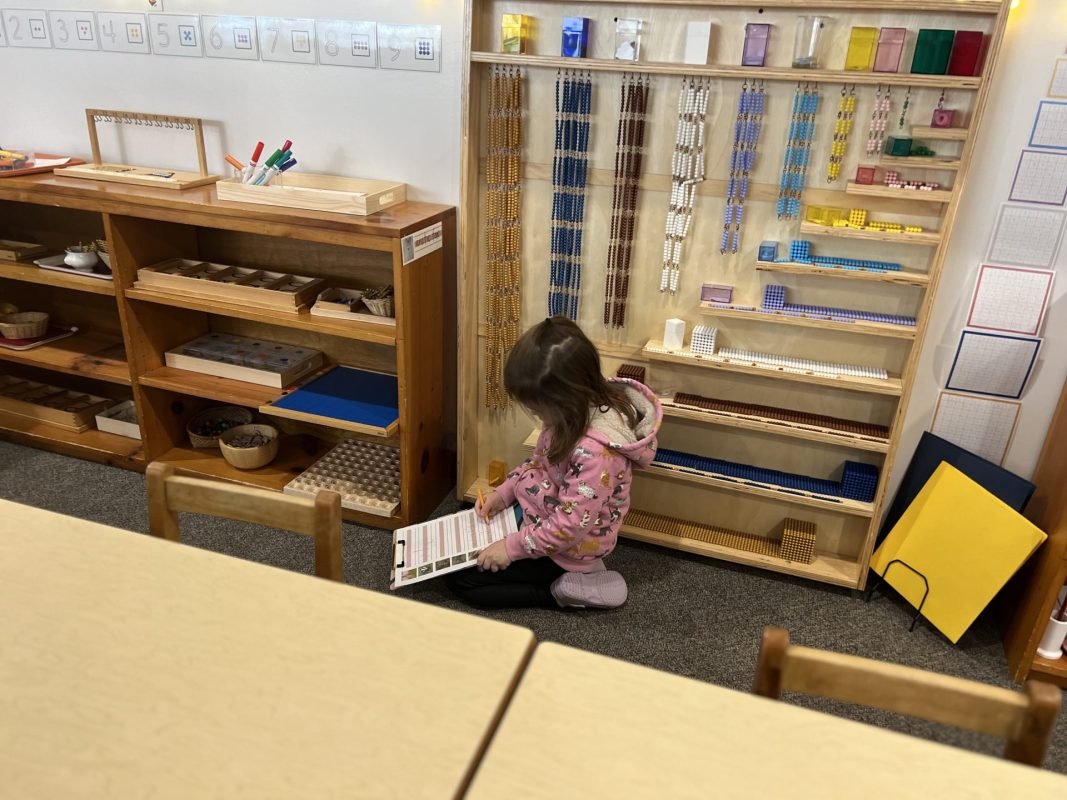
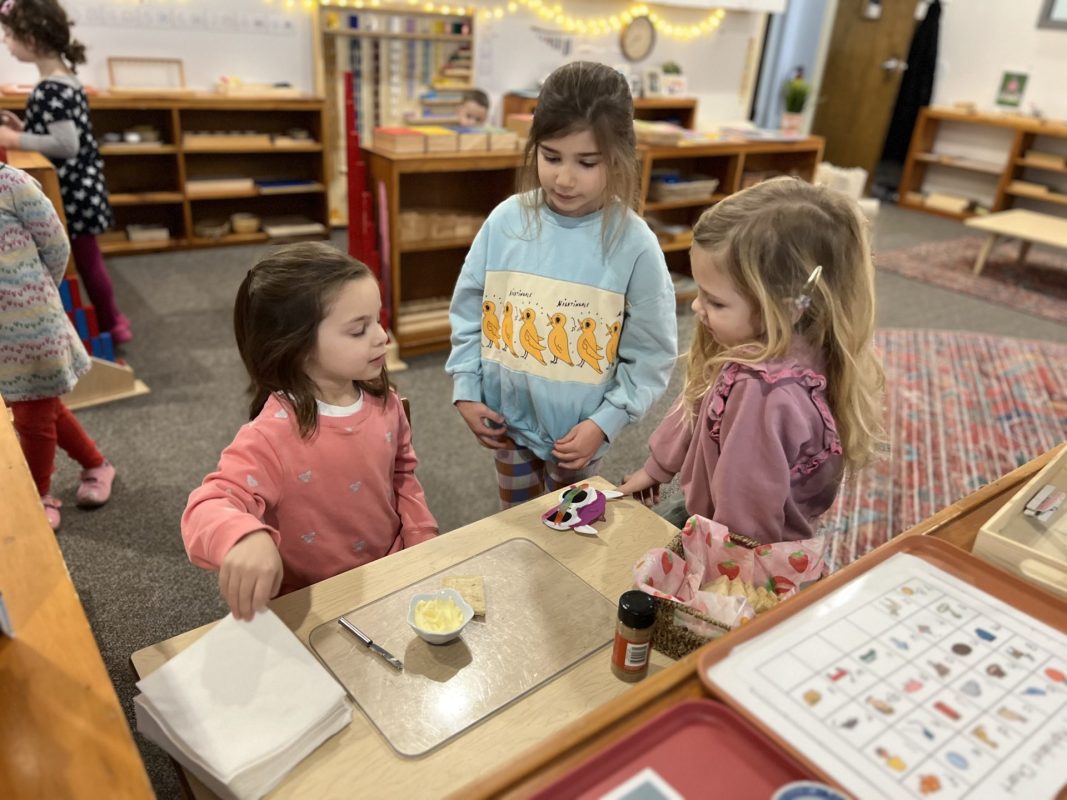
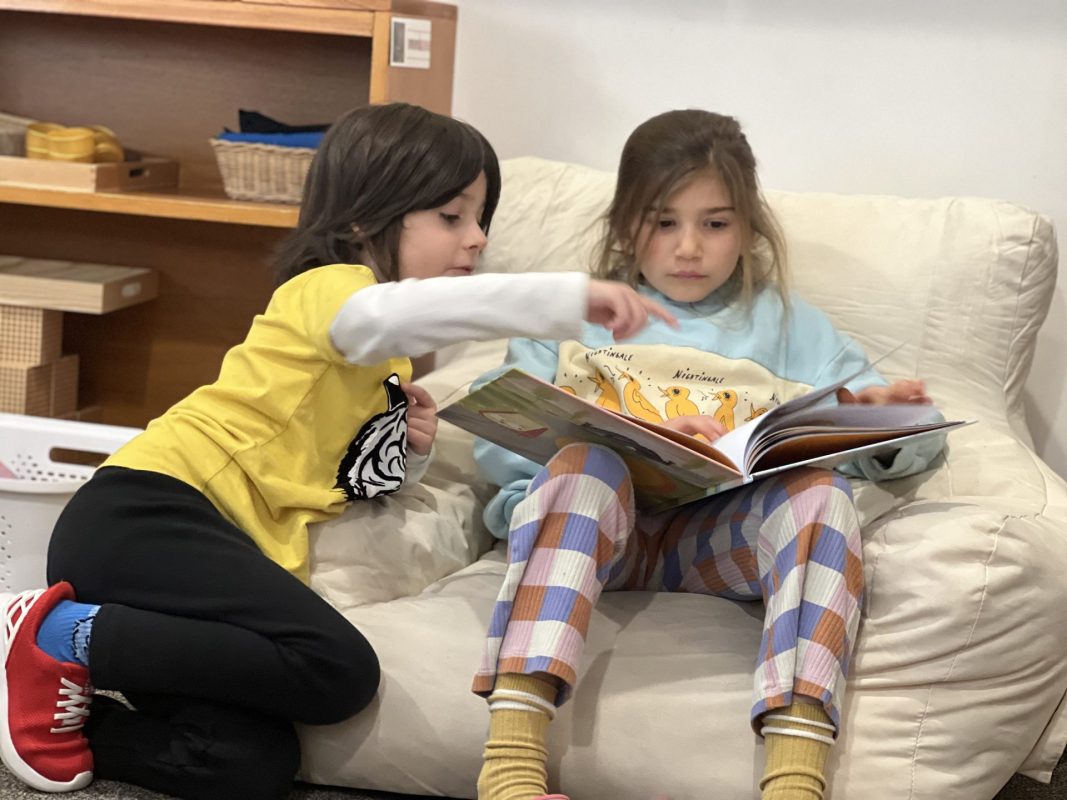
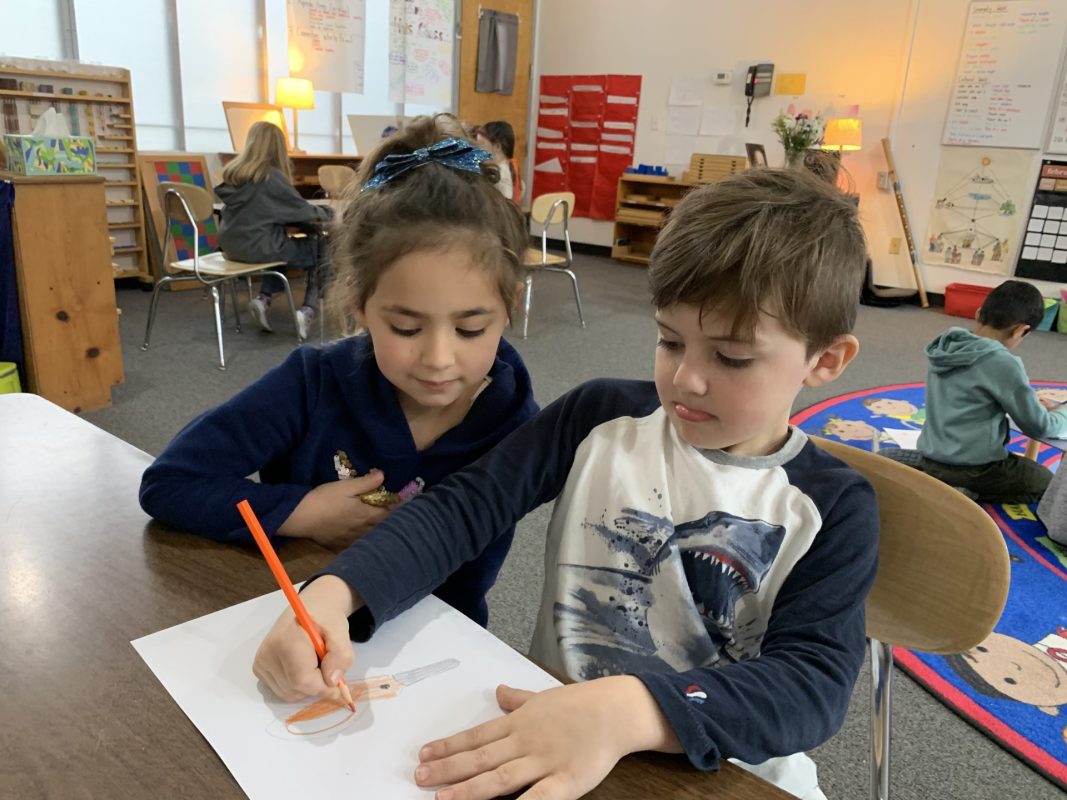
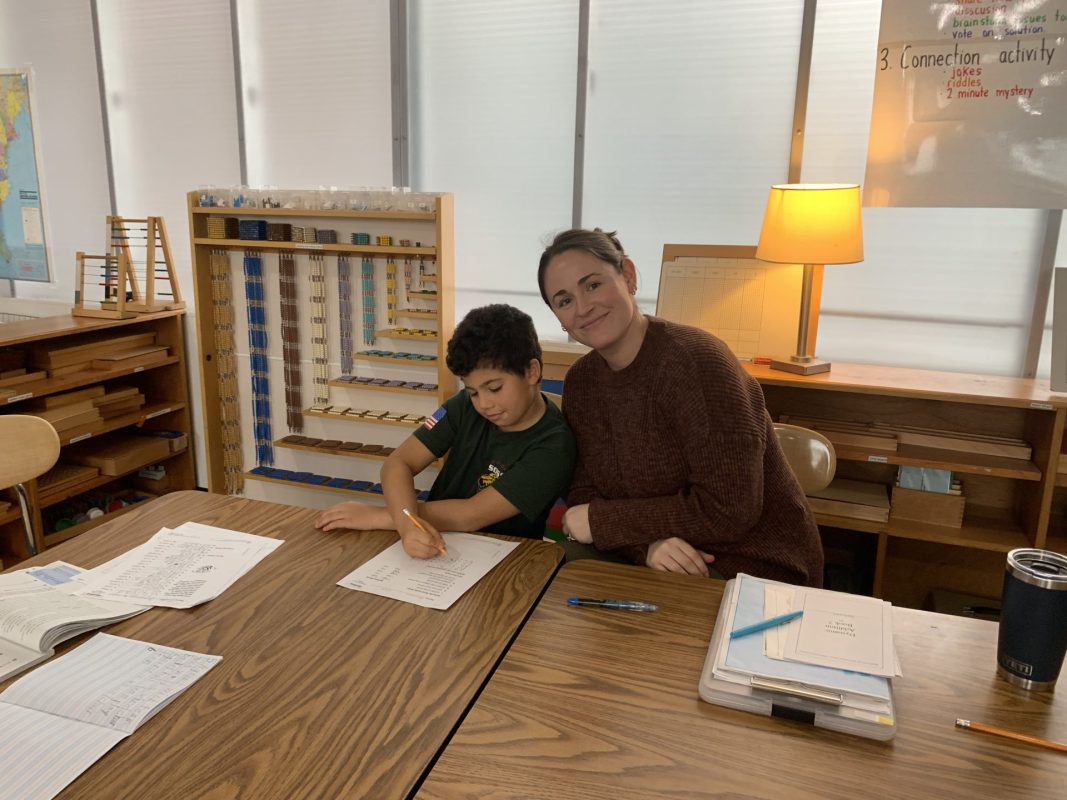
During the first three years of the elementary plane, lower elementary children are in the “period of construction” and are increasingly interested in comprehending how things work. They develop a strong moral sense and show an interest in culture. In the lower elementary classroom, their needs are met through extended opportunities for reading and writing, more involved group activities, and expanded projects.

In upper elementary, the second three years of the plane, children are in the “period of consolidation” and are working on integrating the lessons of the first three years. Upper elementary children begin to exhibit internal and external order, and the socially challenging behaviors of lower elementary children mature into a more serene and well-ordered nature. Children at this level are more focused, calm, and predictable. They have learned to resolve conflicts using logic and reason and understand things from their peers’ perspectives.

Wishing you a wonderful weekend,
Karen and Krystin


Research in Lower El!

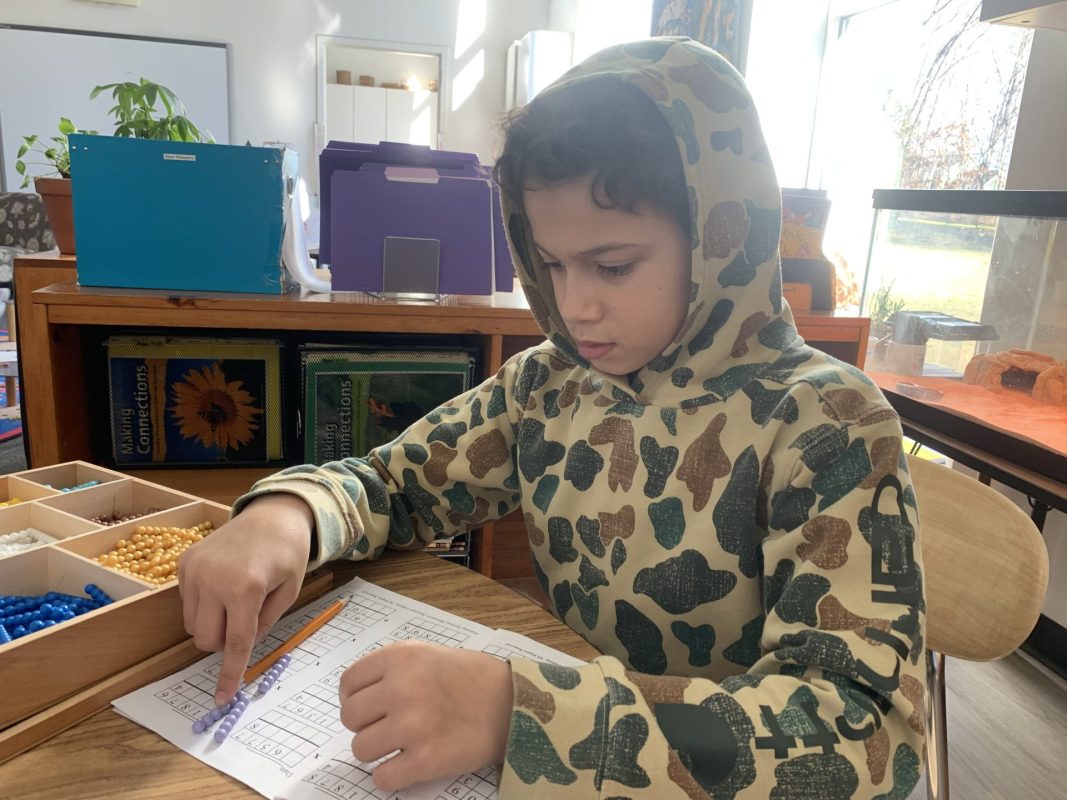
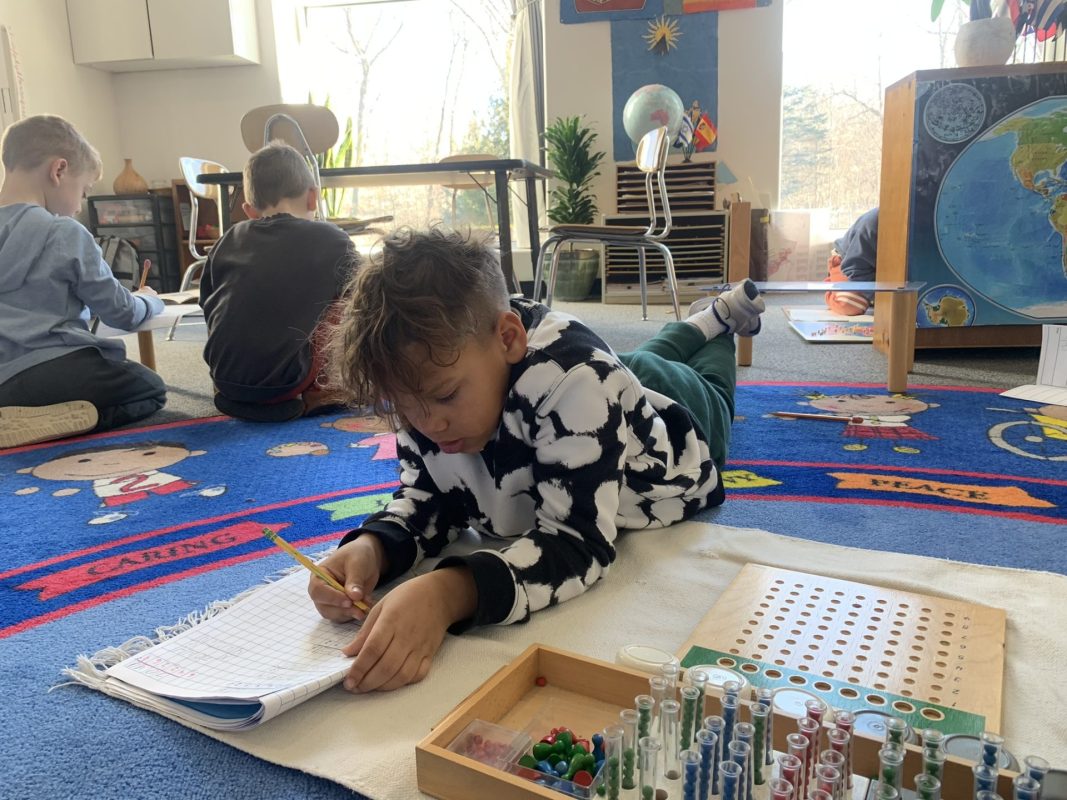
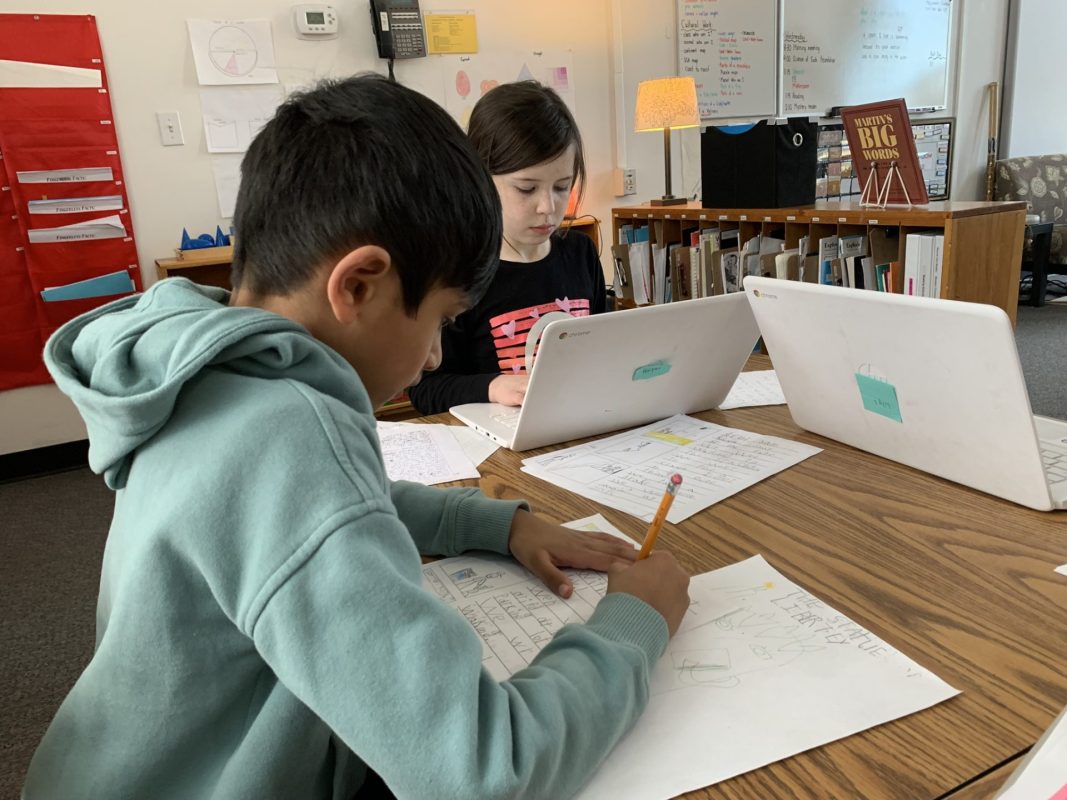
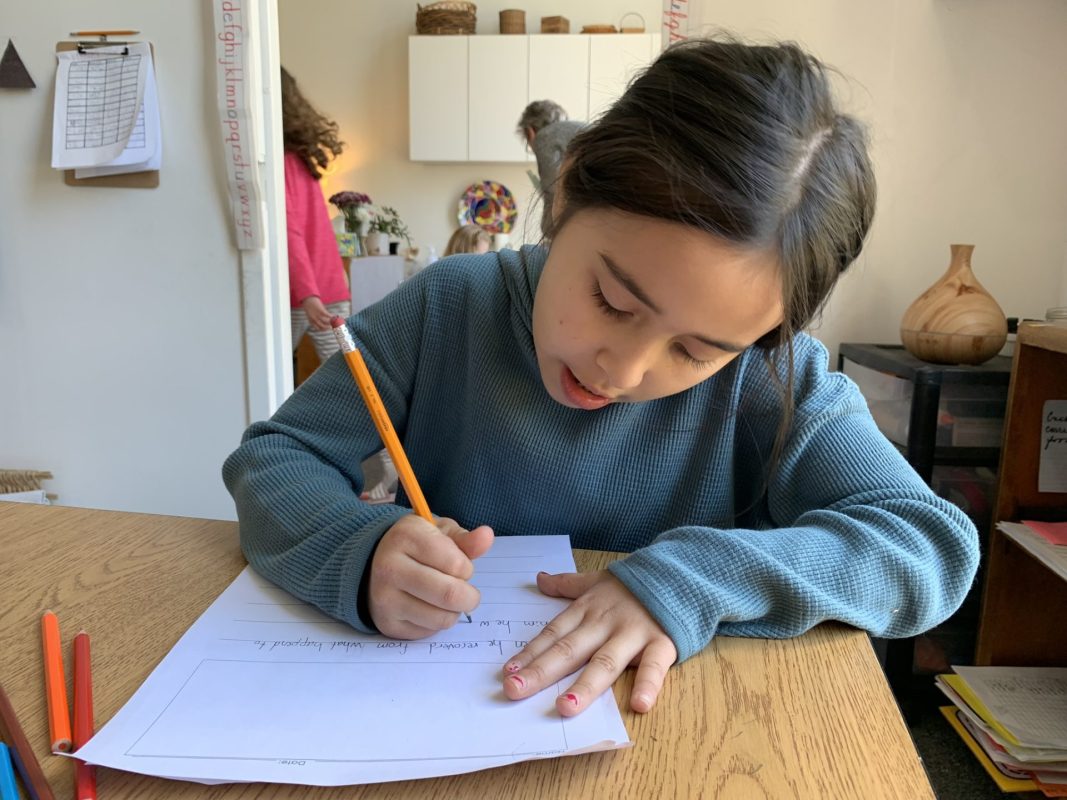
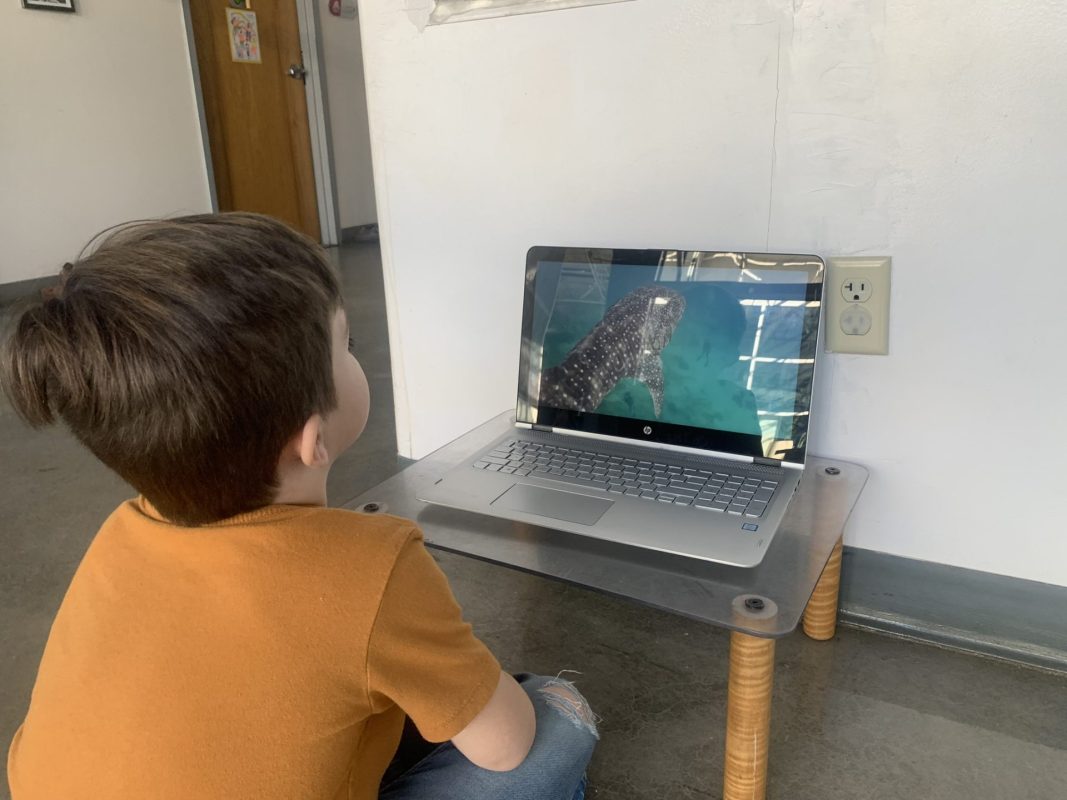
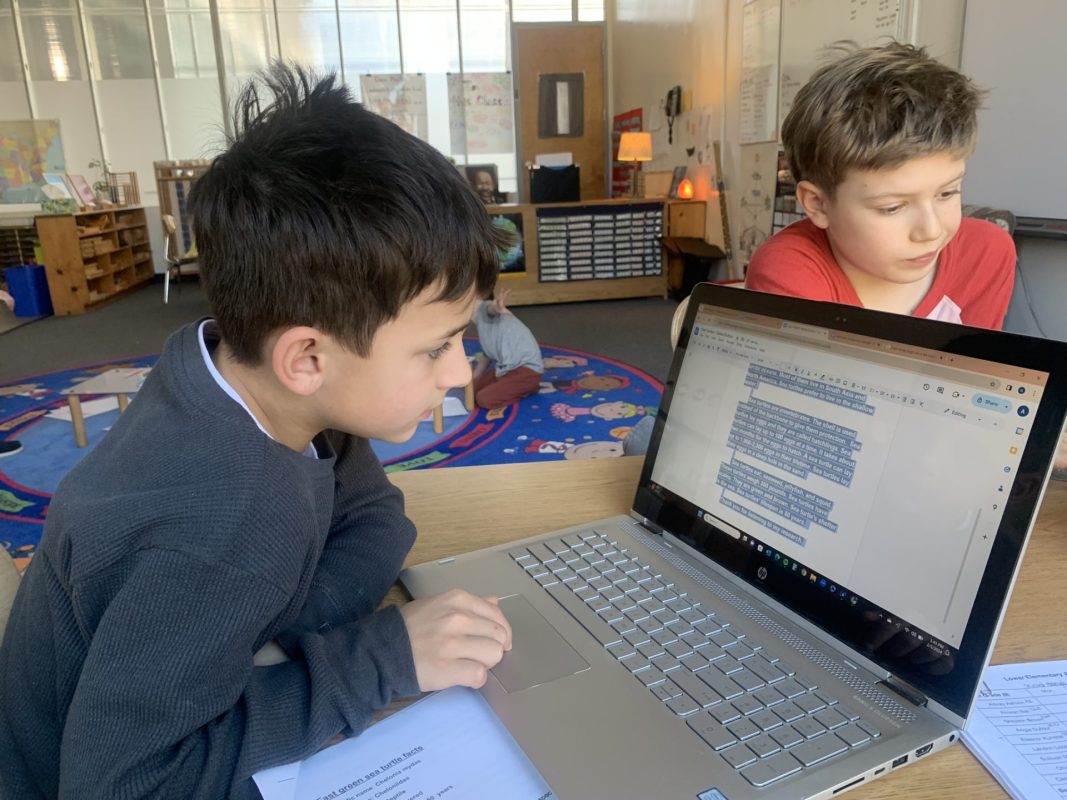
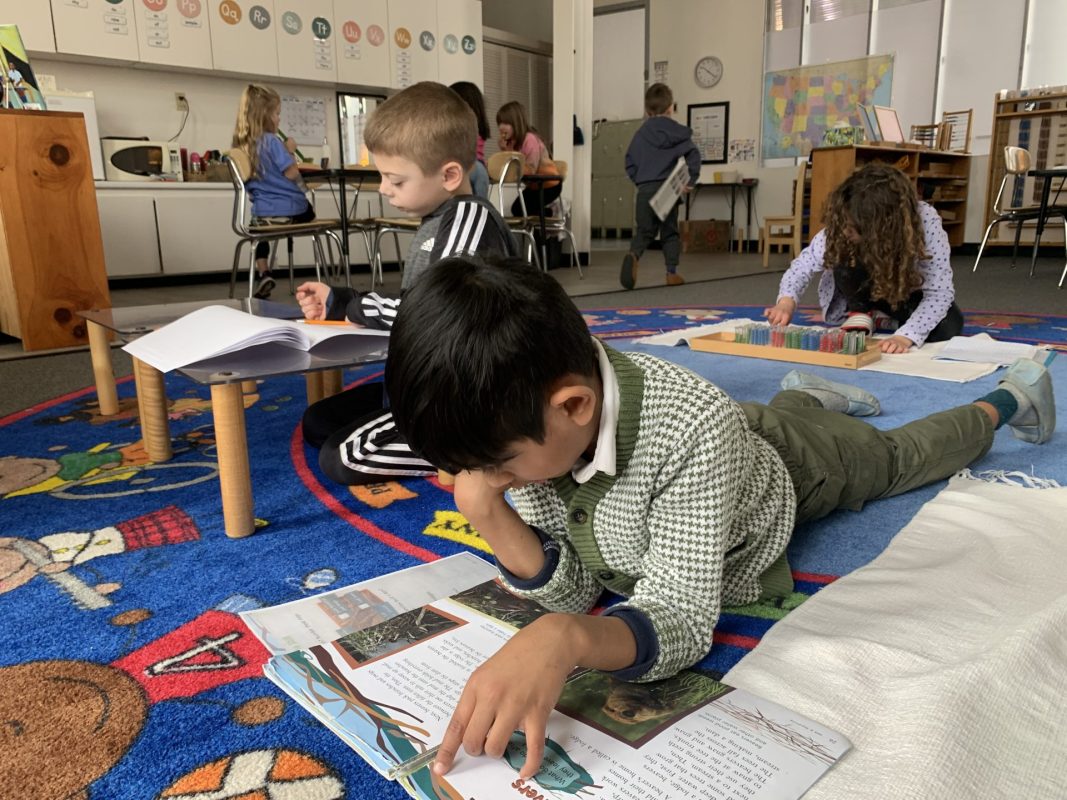
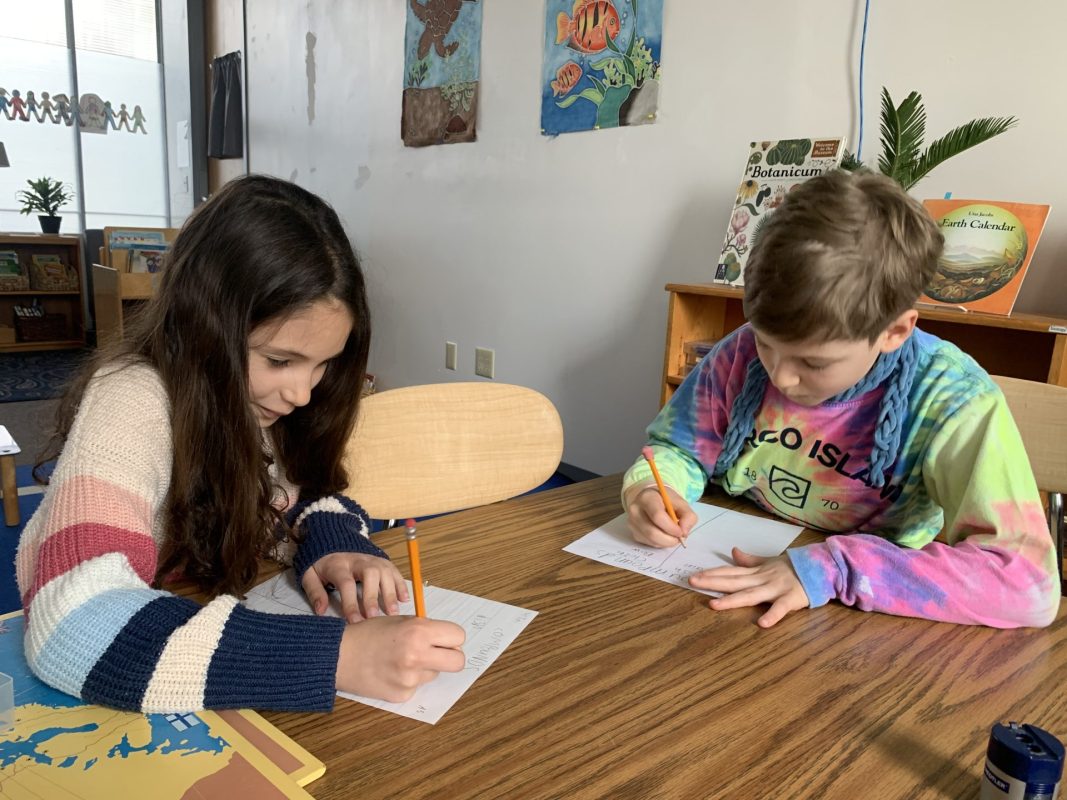
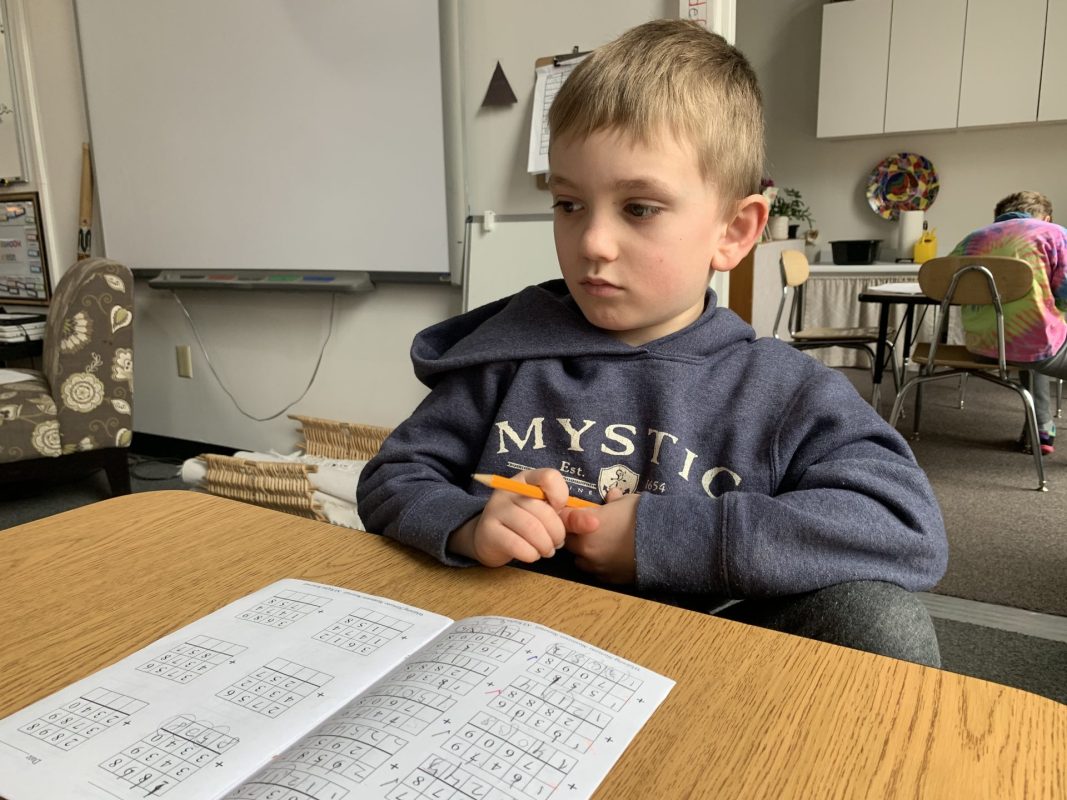
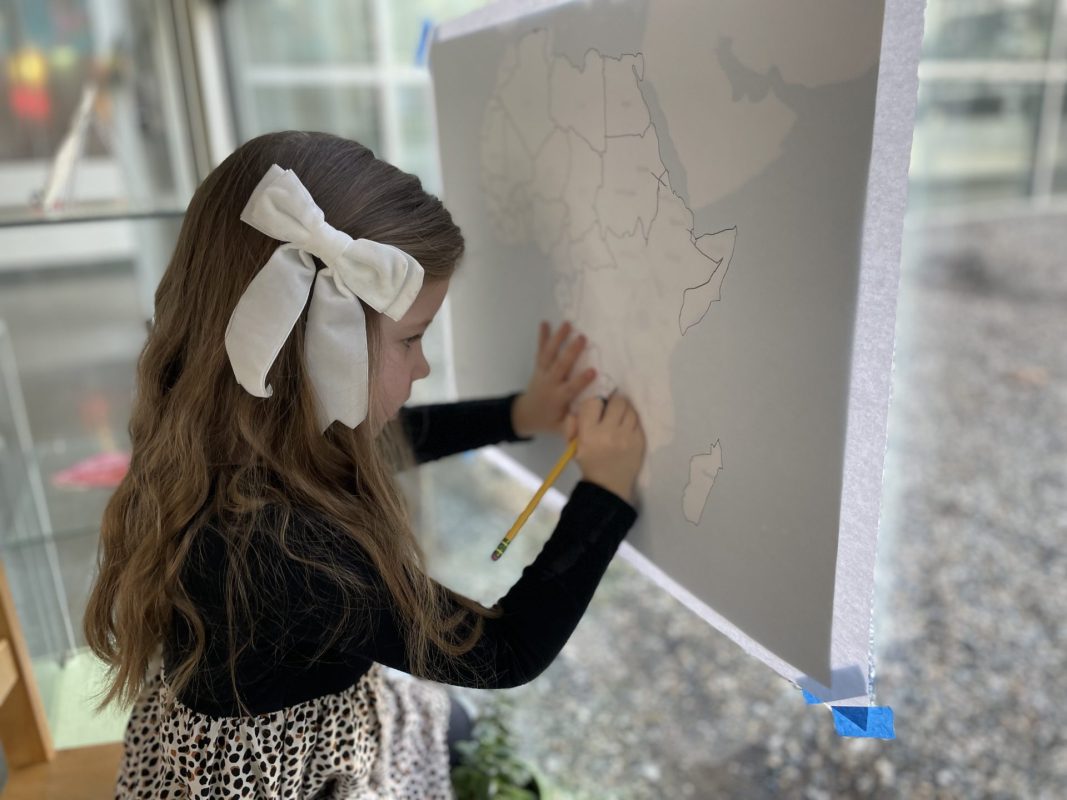
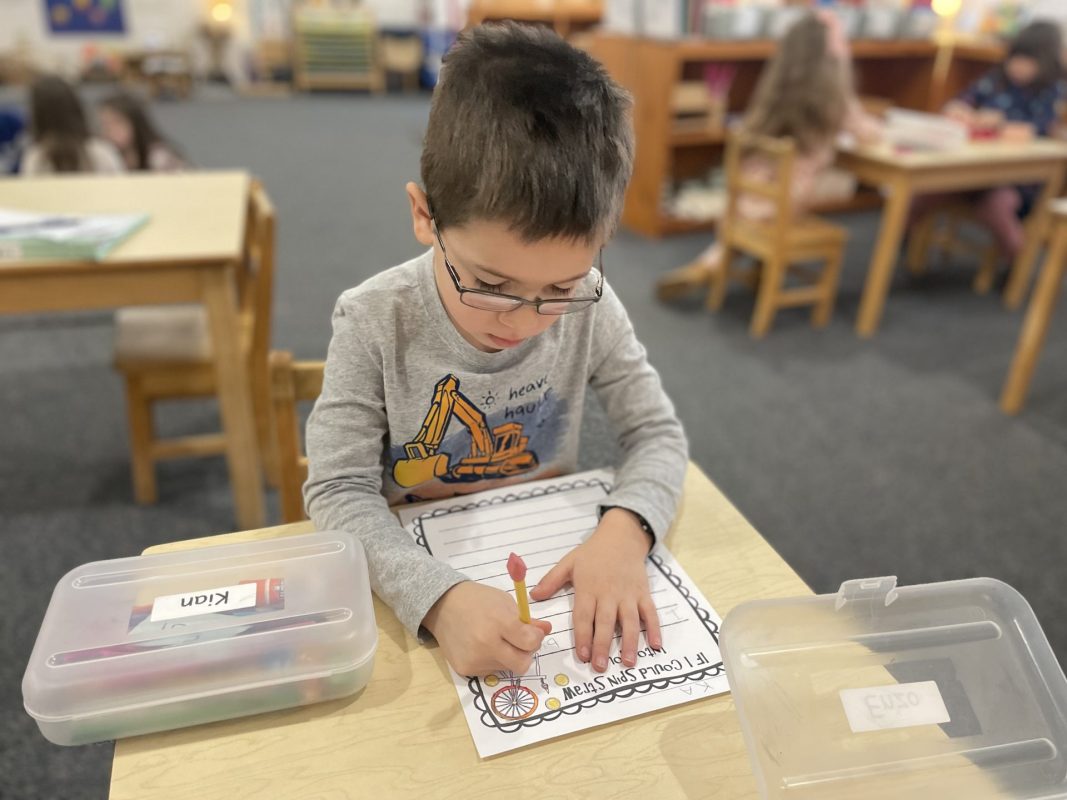
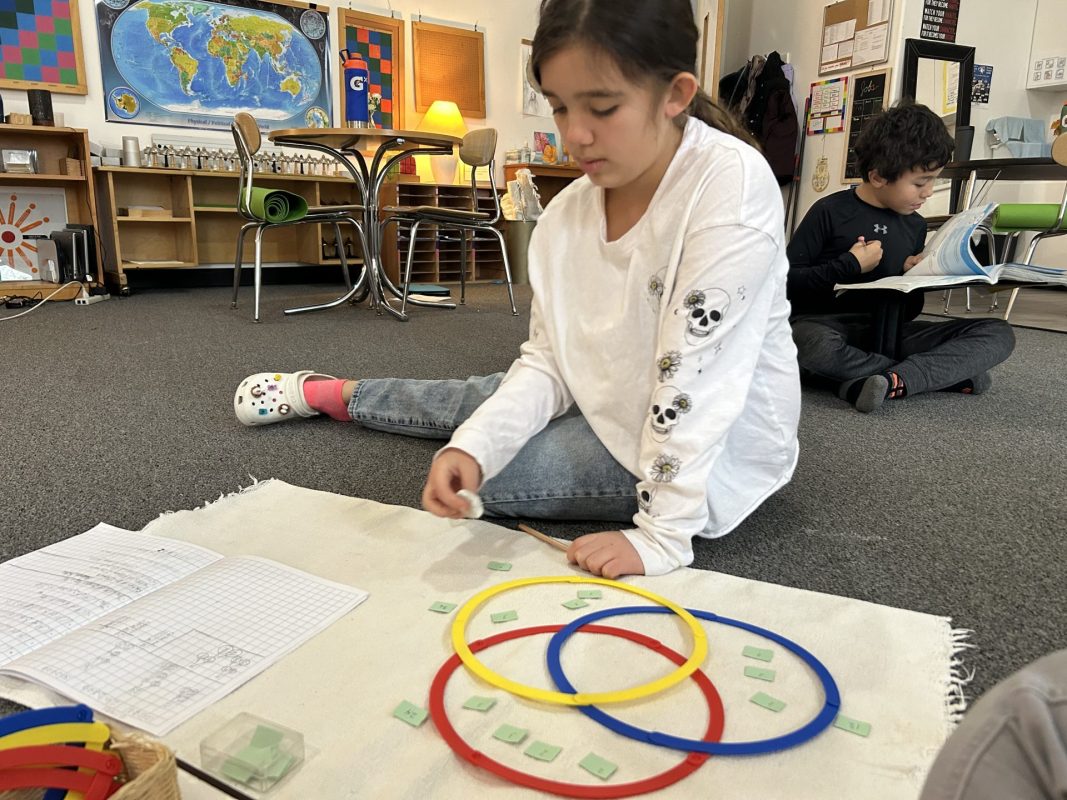
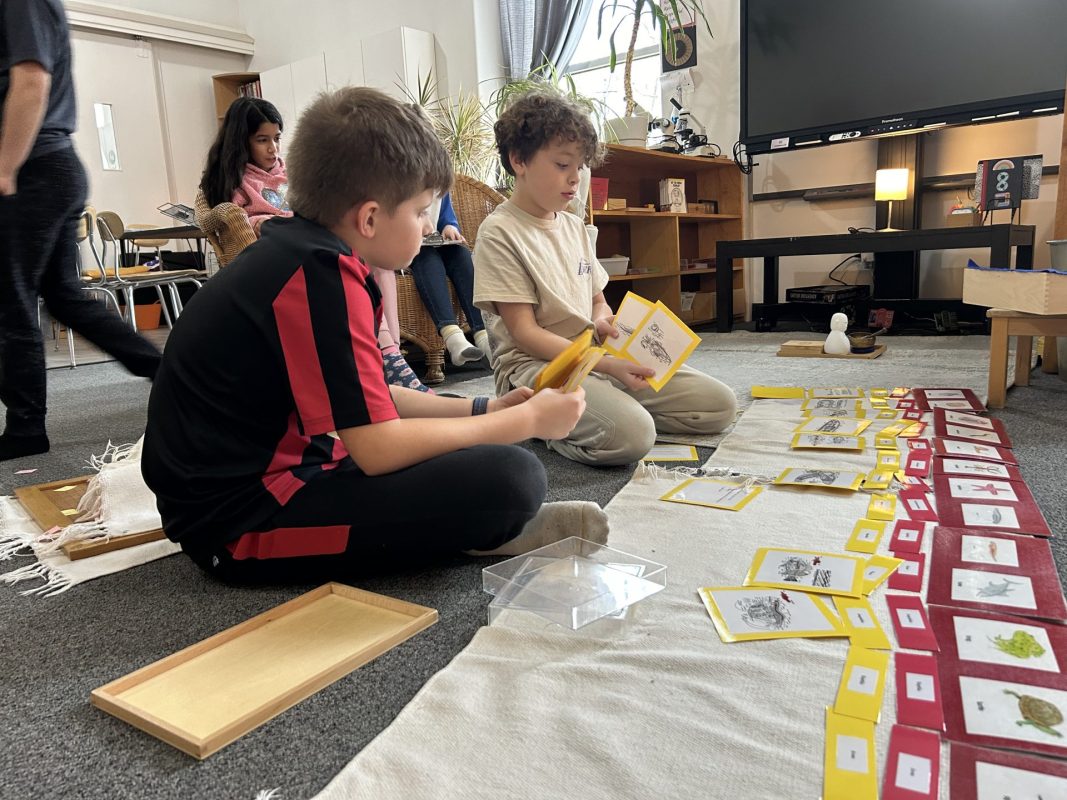
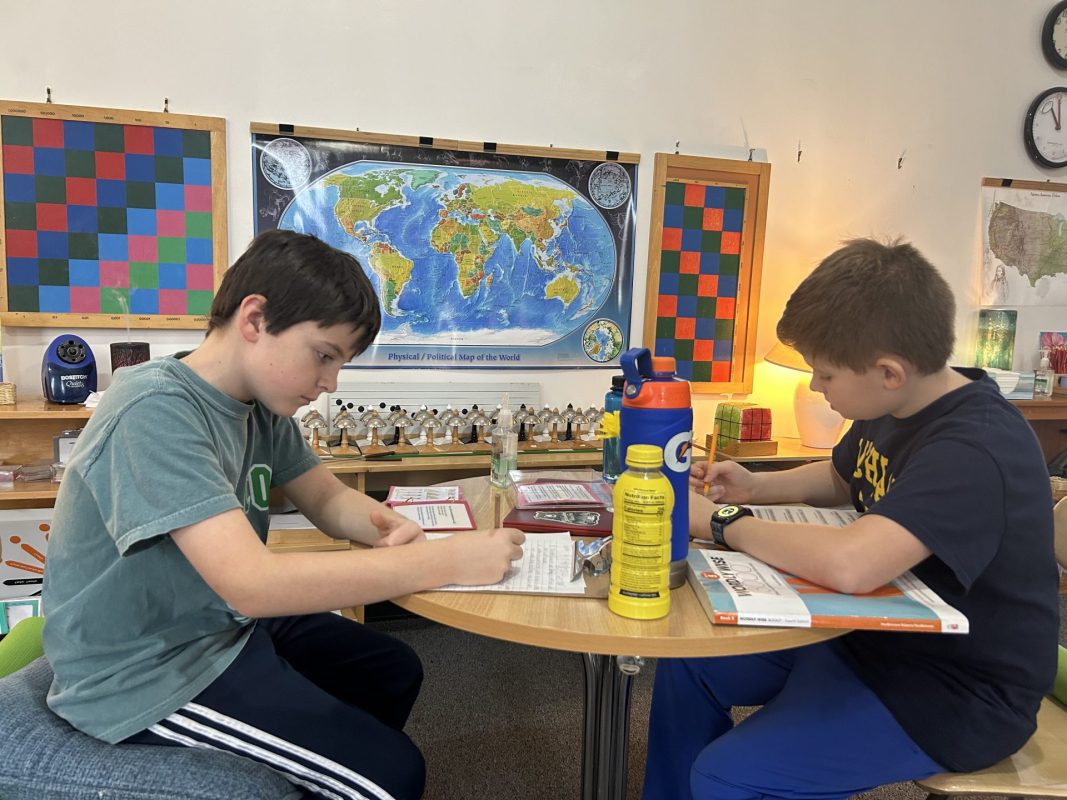
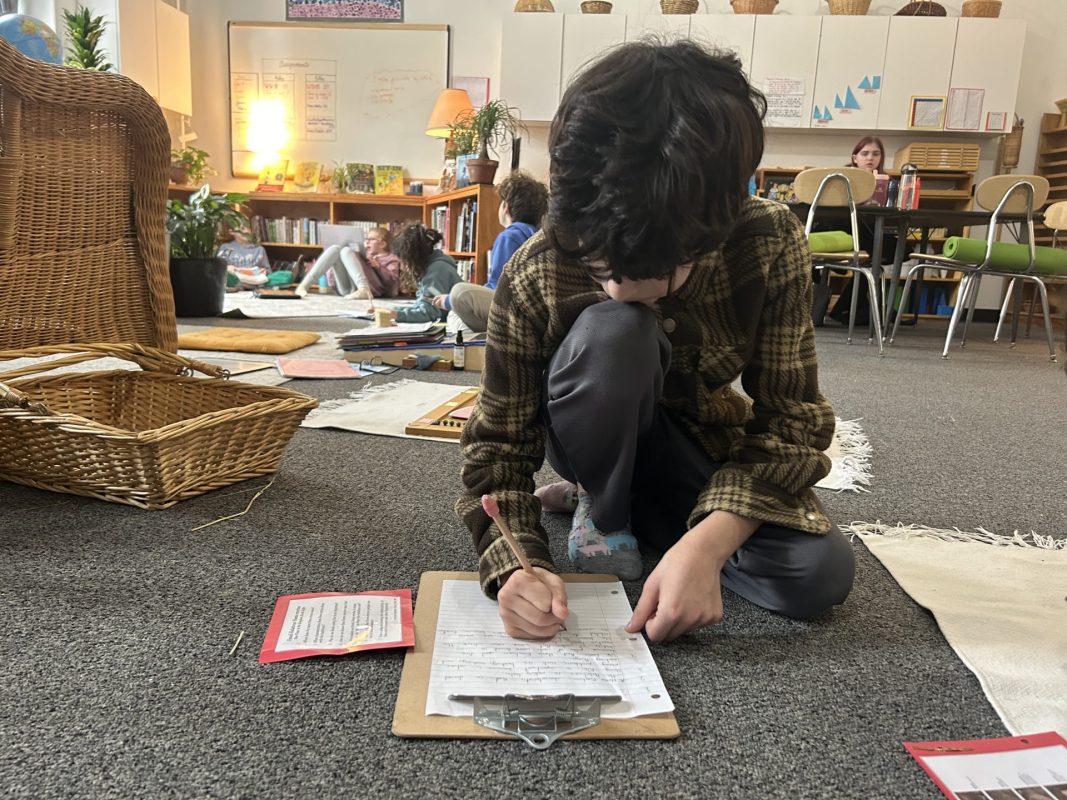
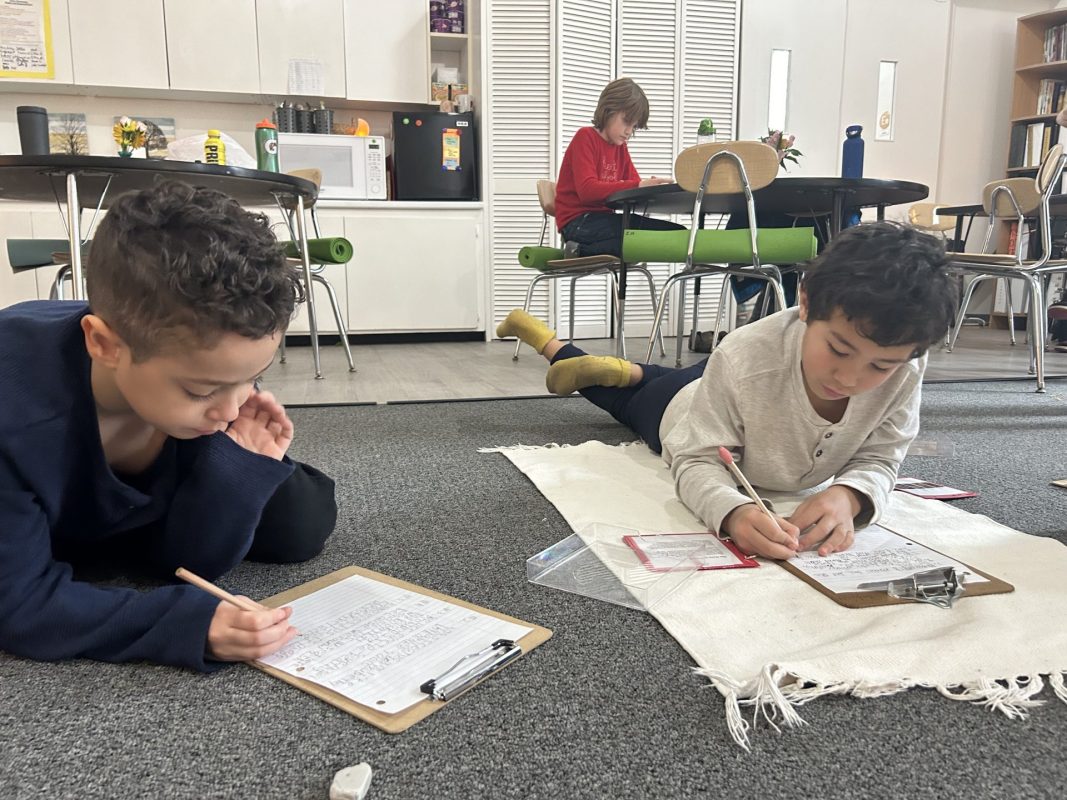
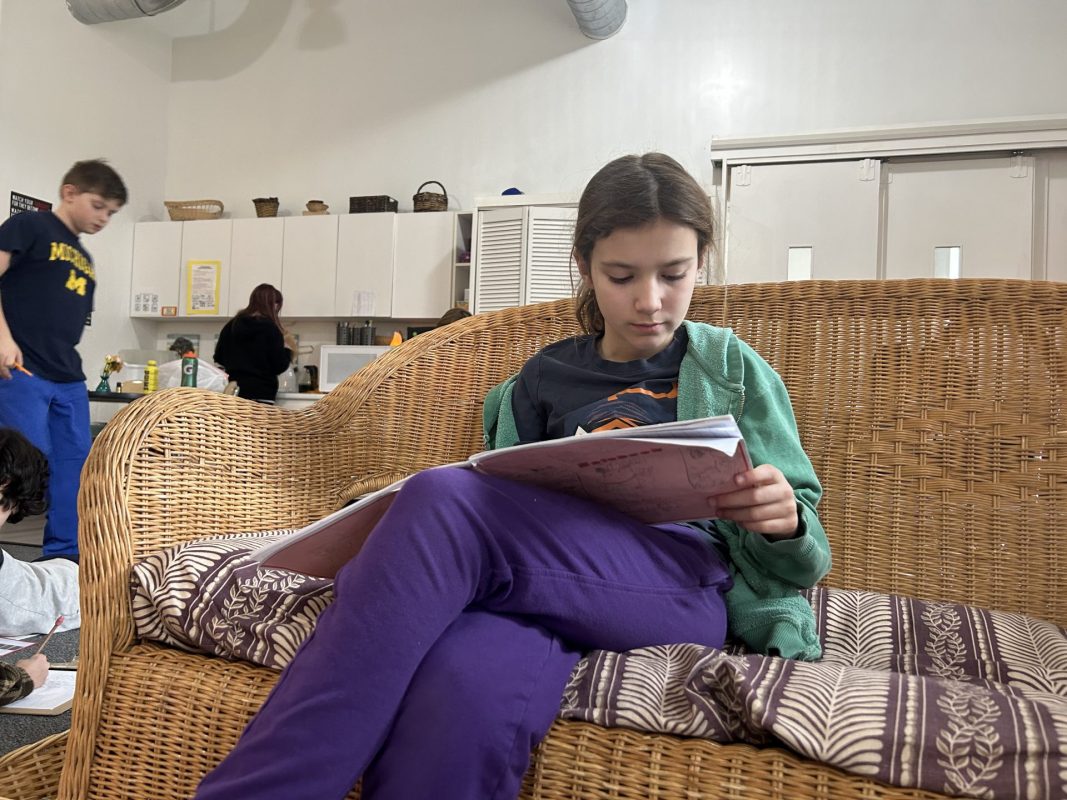
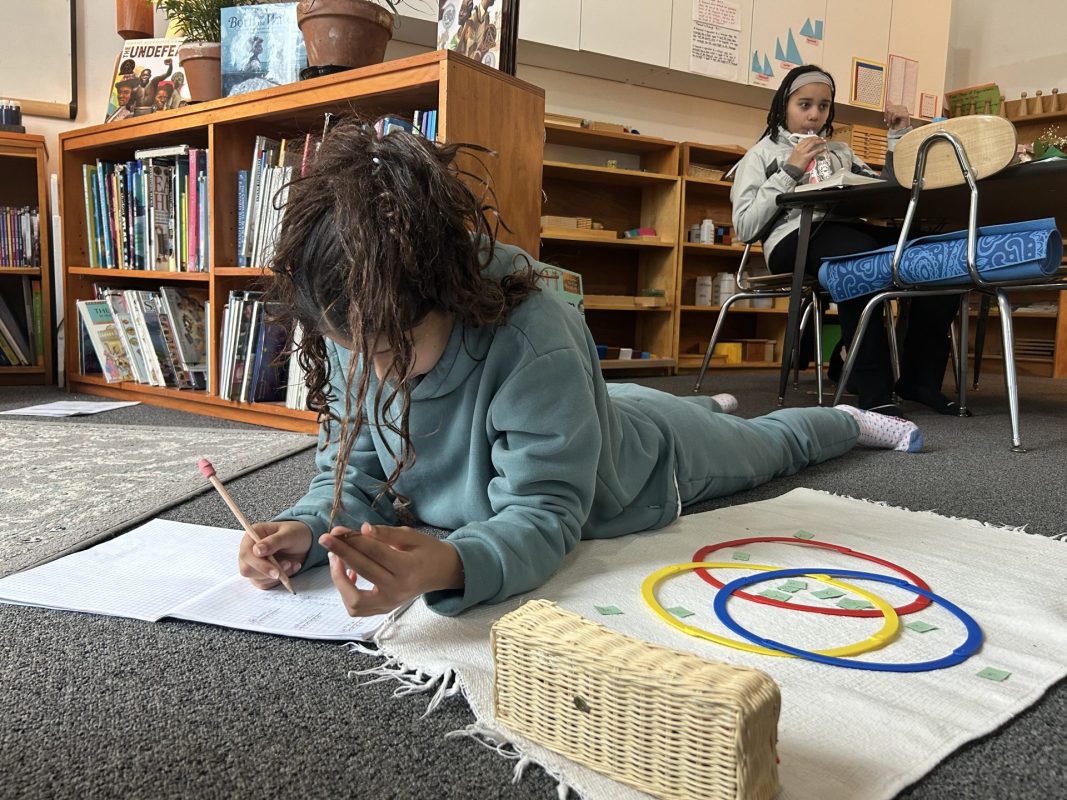
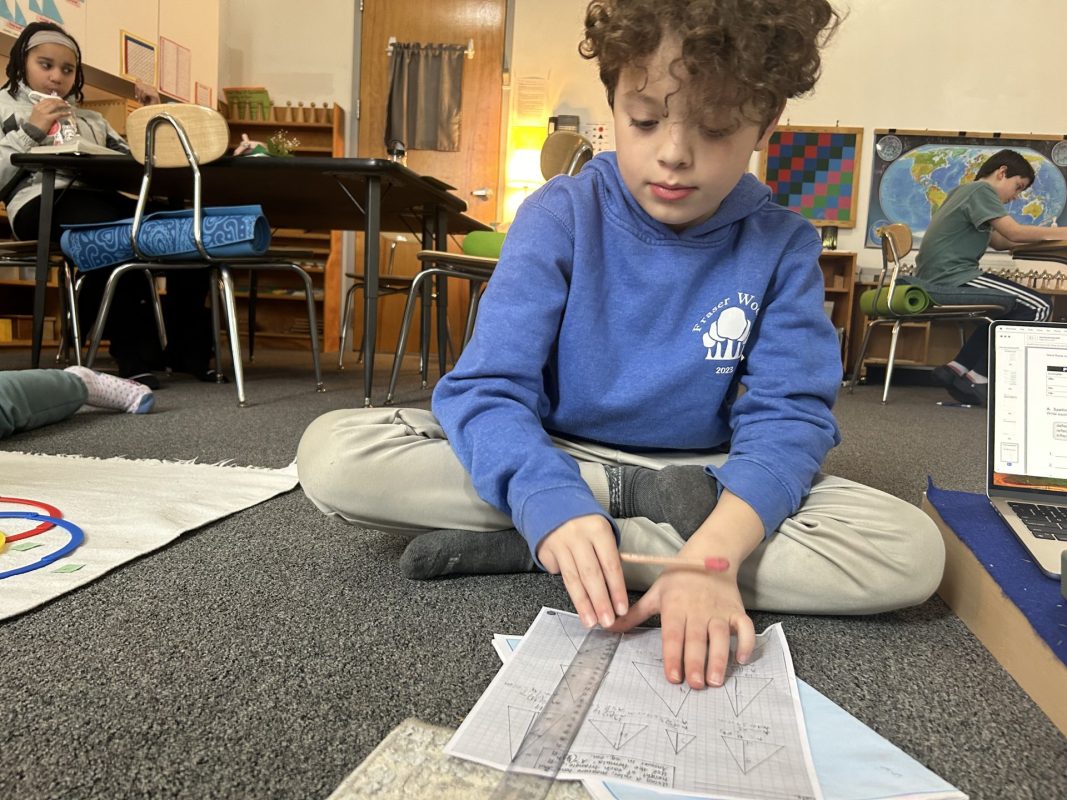
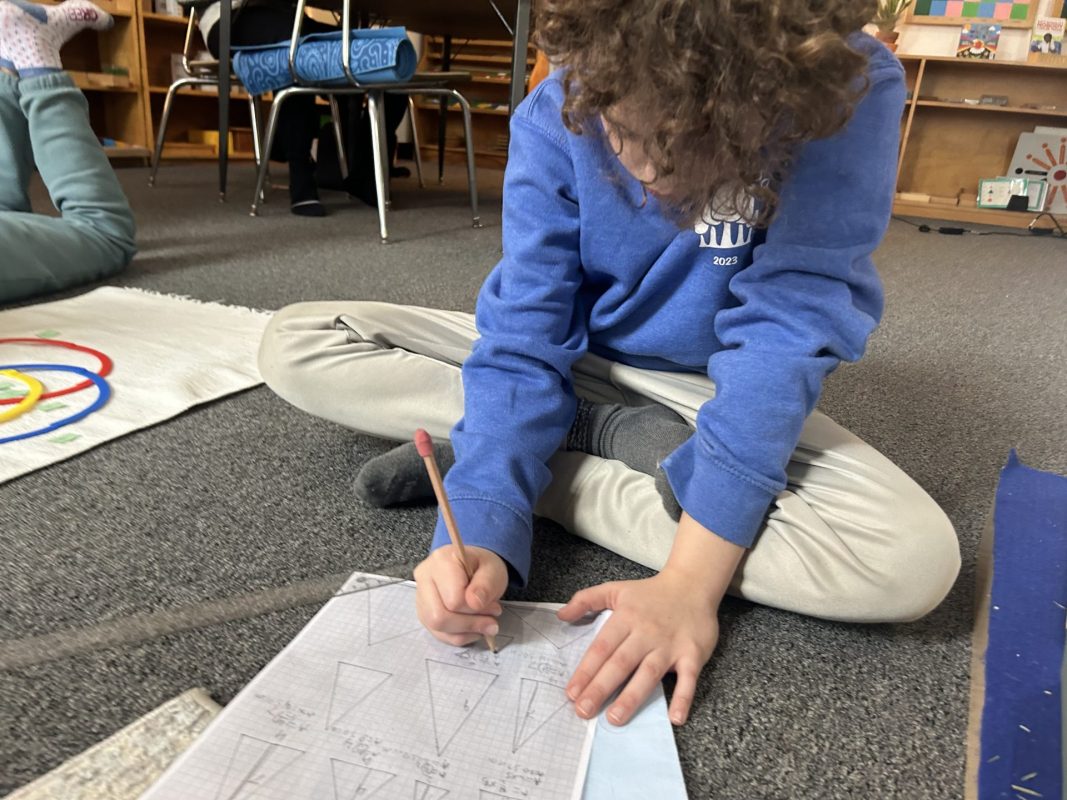
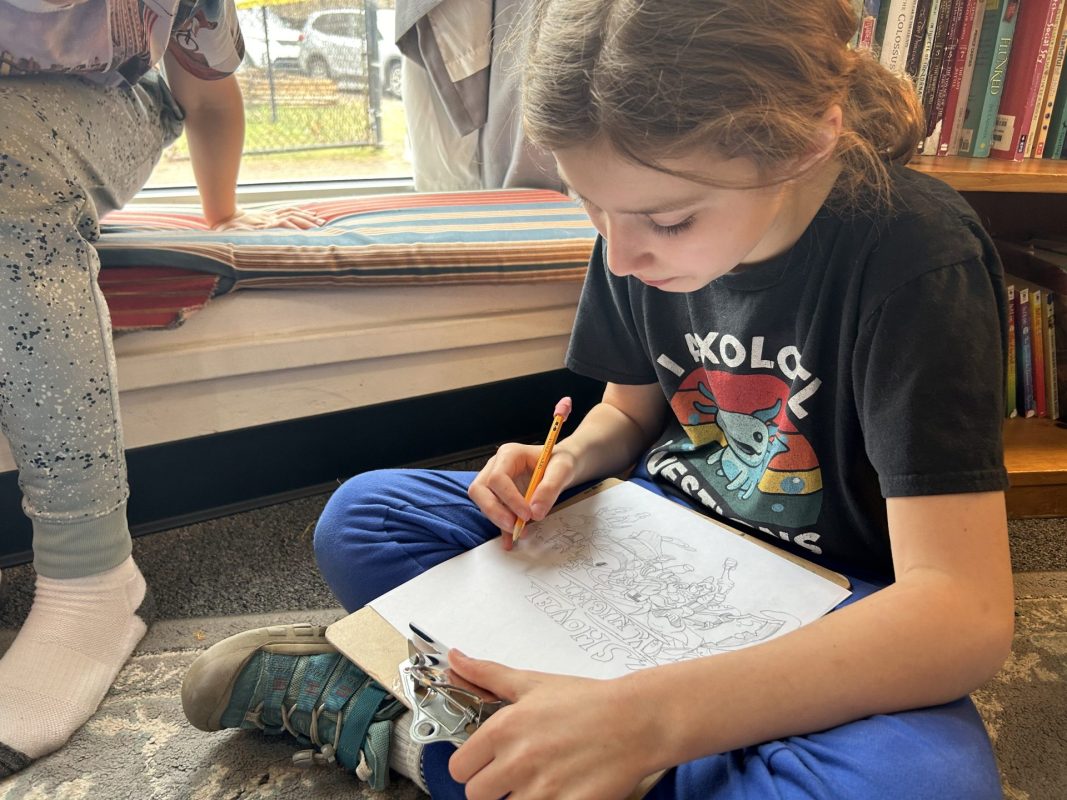
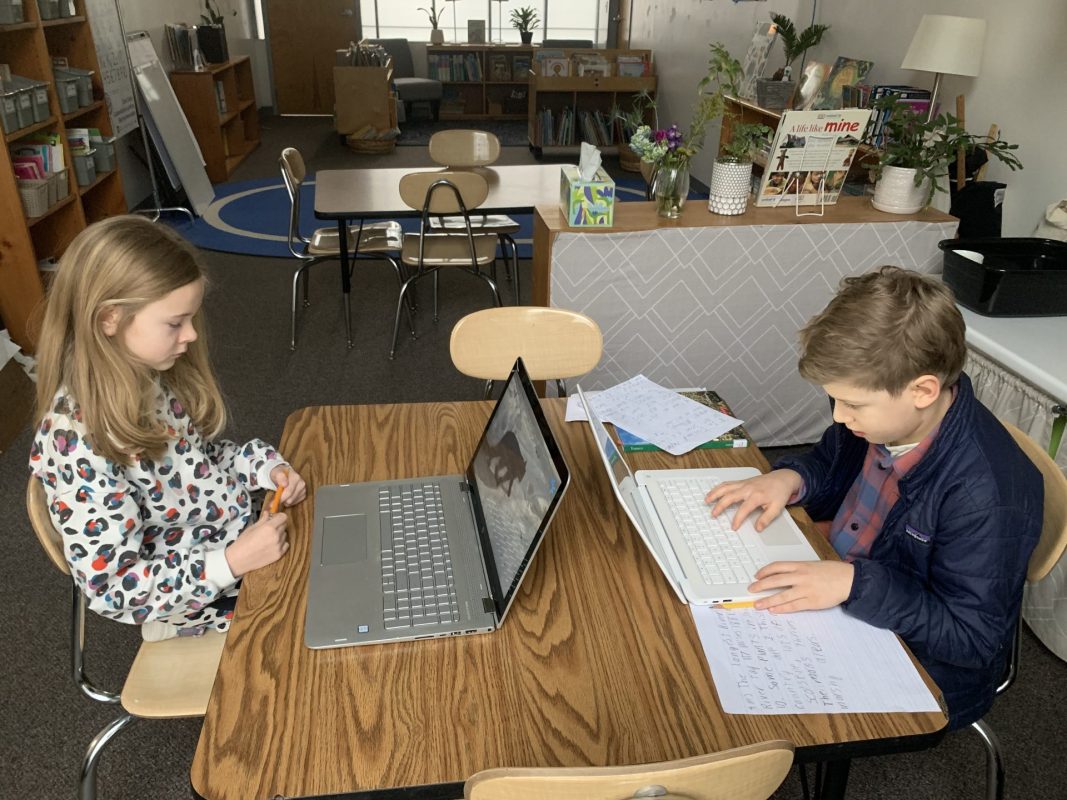
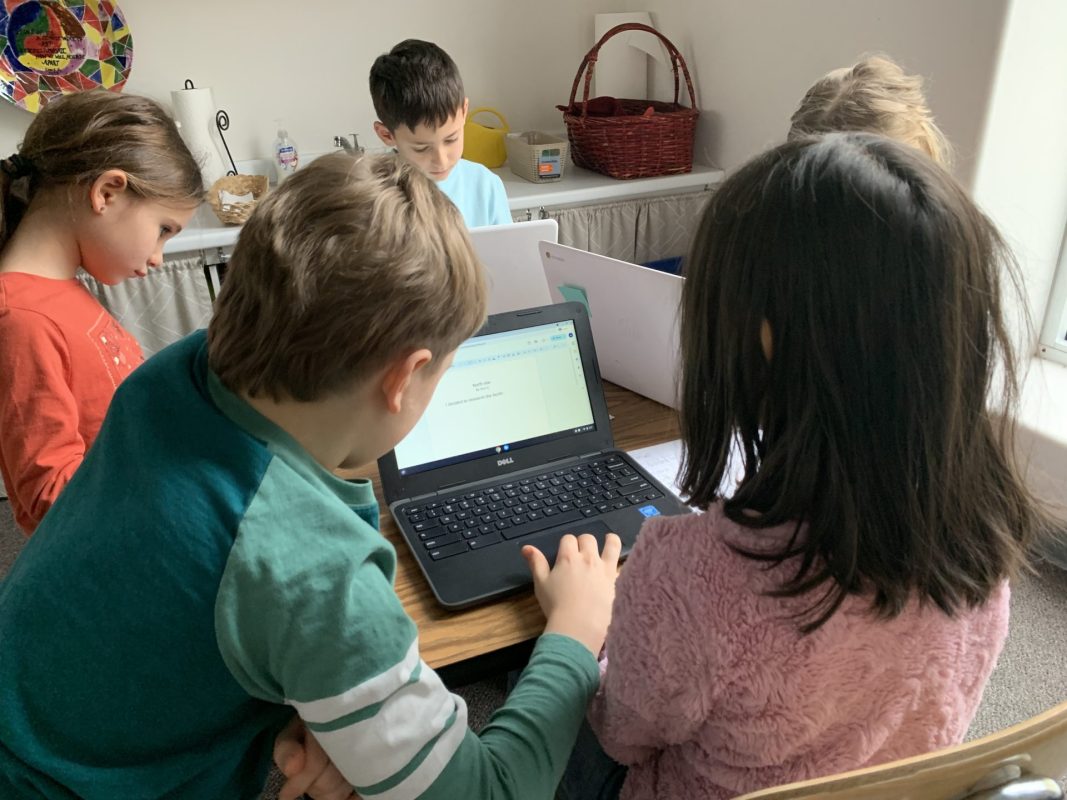
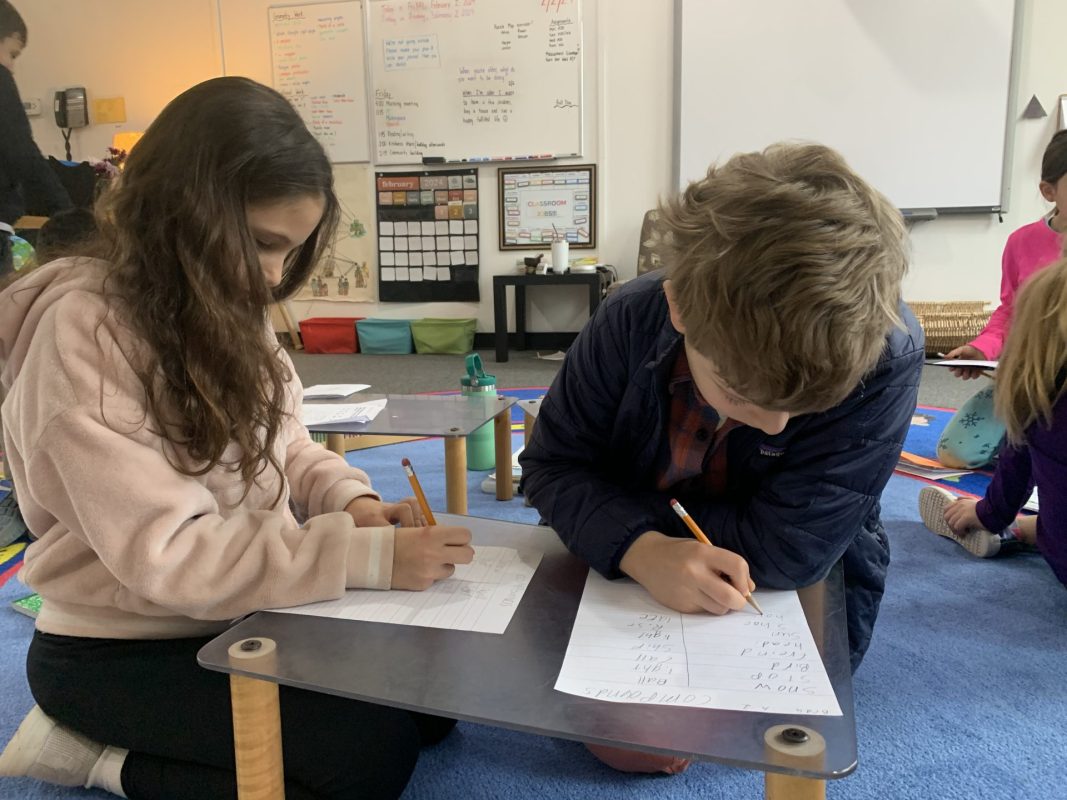
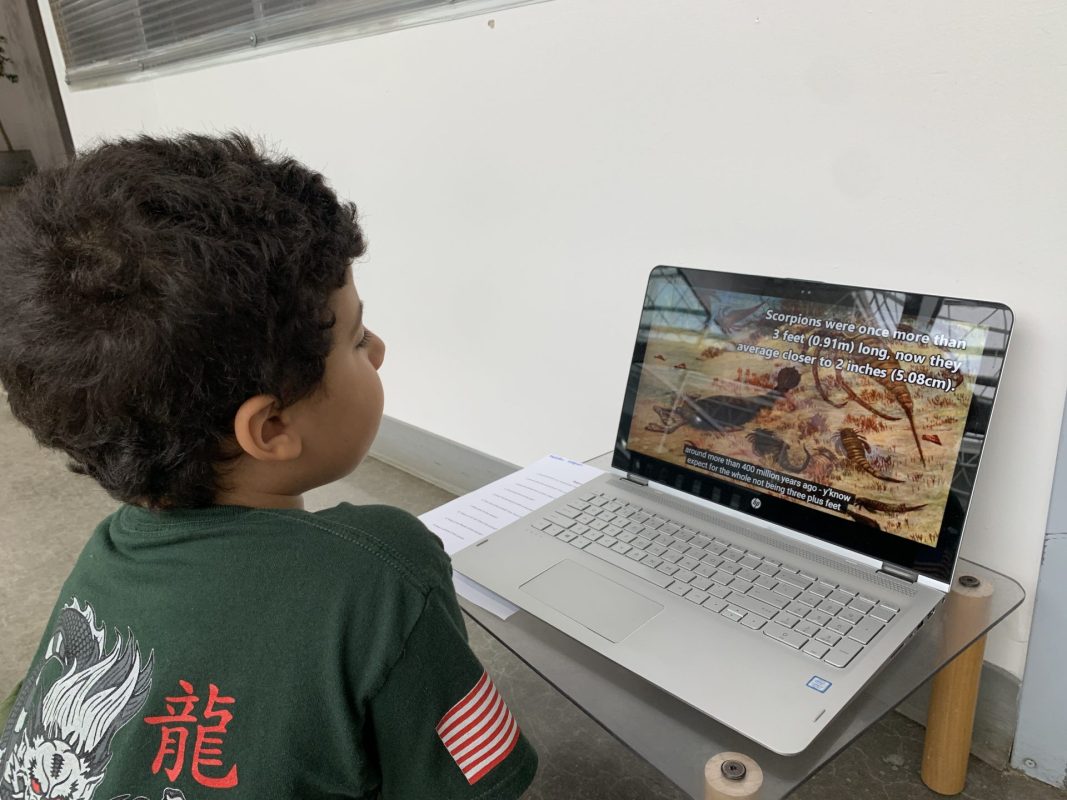
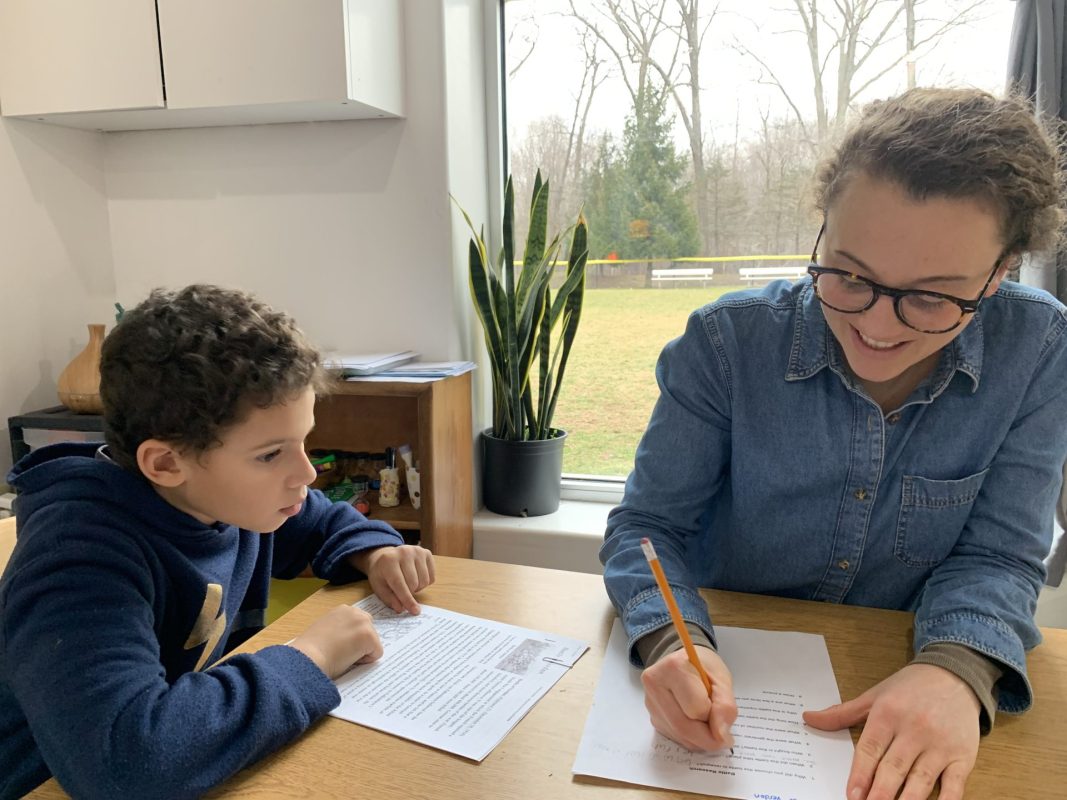
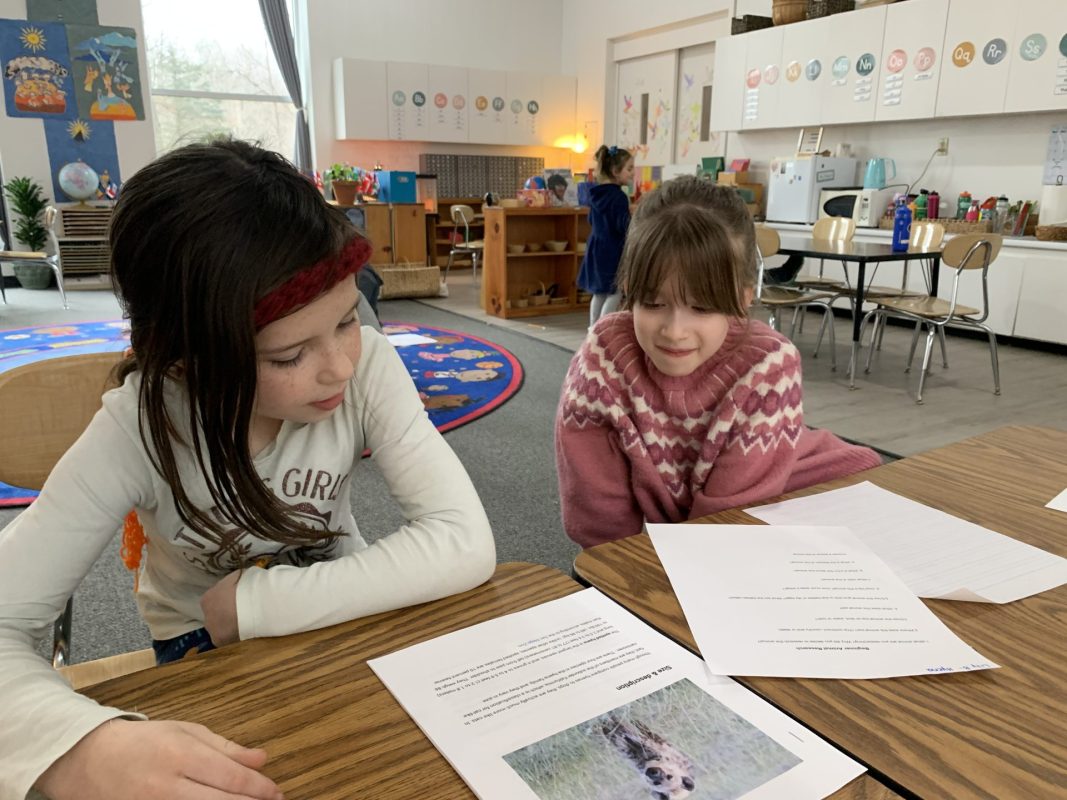
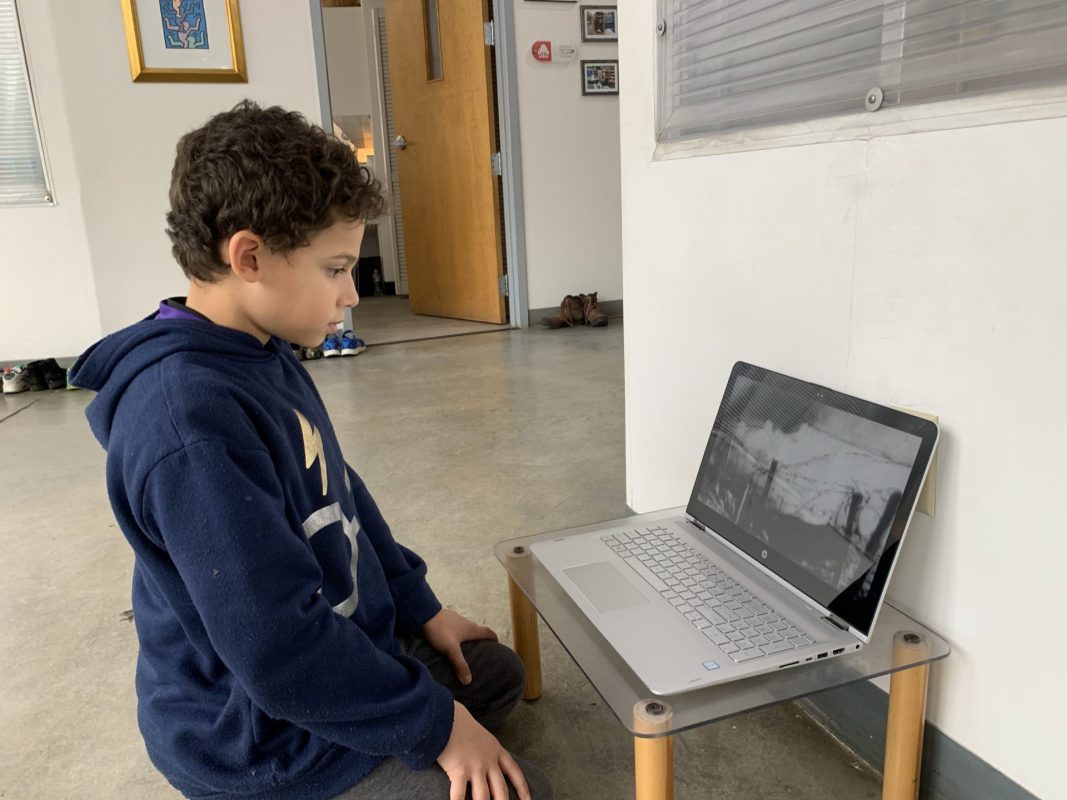
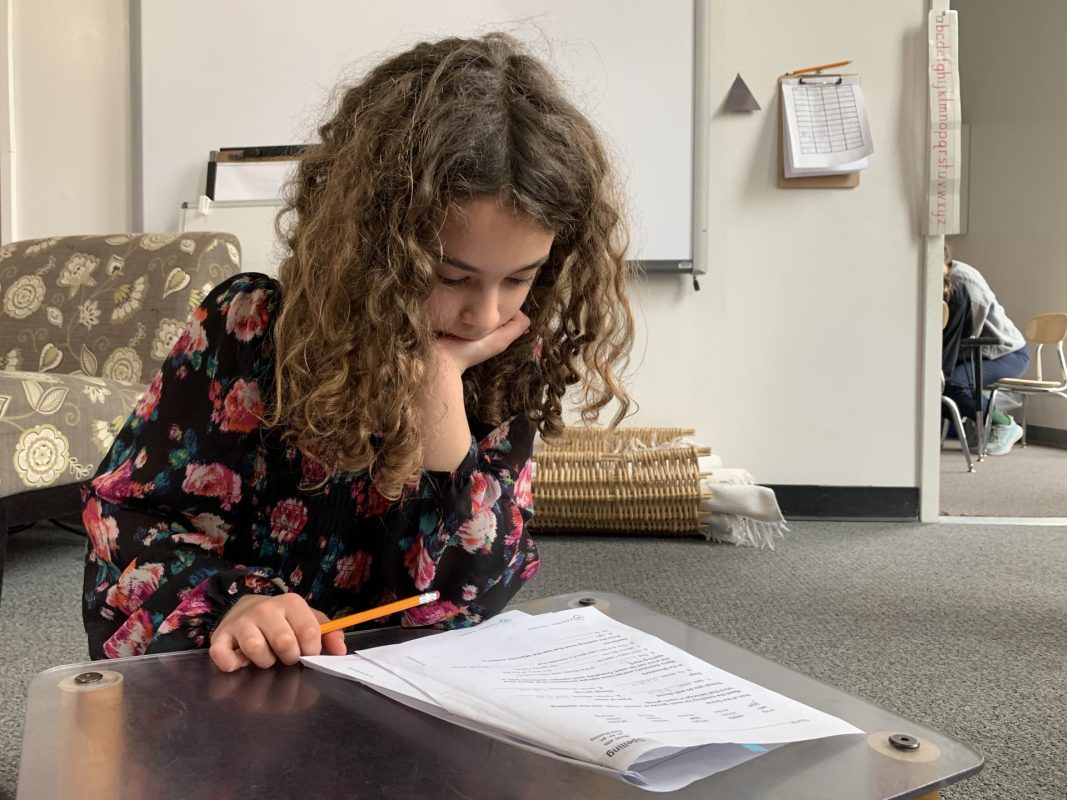
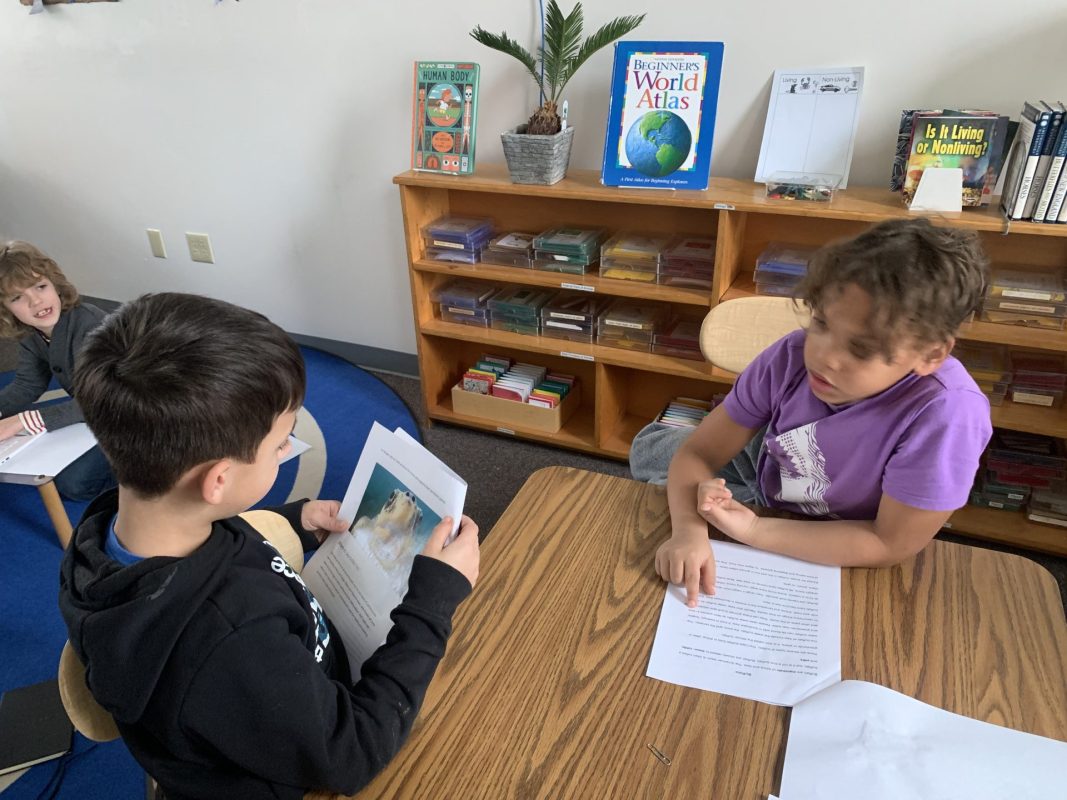
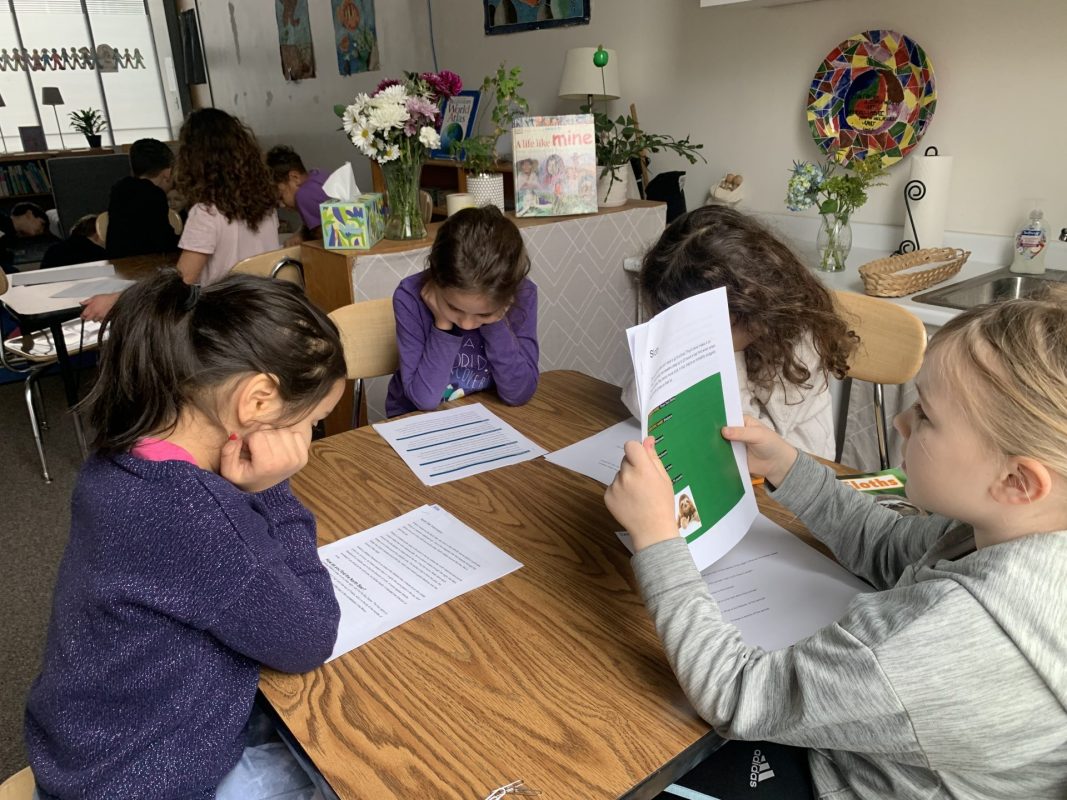
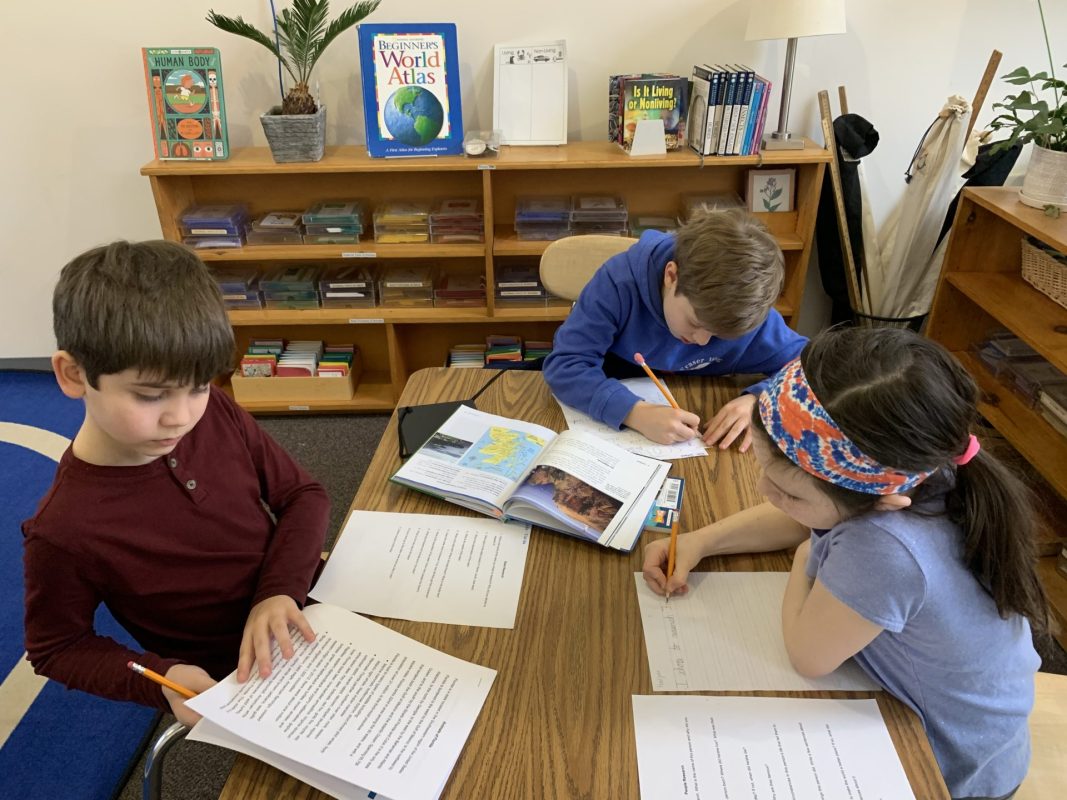
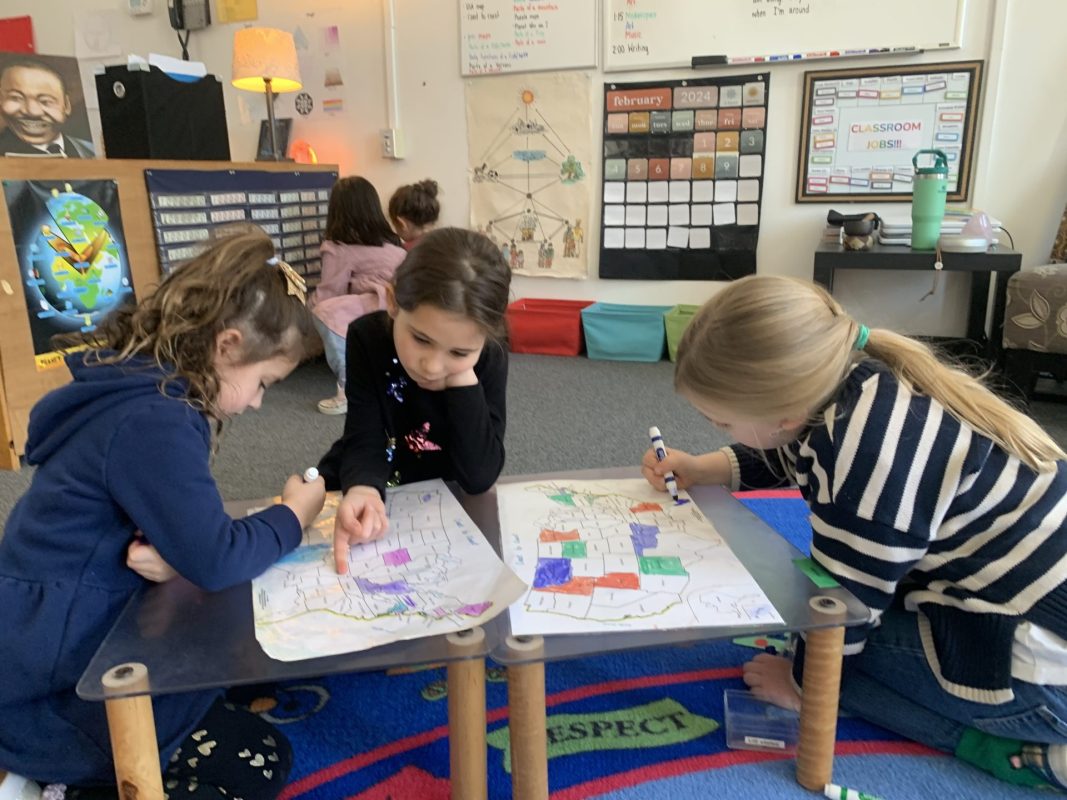
Lower Elementary has begun research projects and has been immersed in research all week! Each child has been given categories to choose from, and everyone has made their choice. The students have been fully engaged in their chosen categories, fostering a sense of shared focus within the class. Each child has selected a topic, and this collective endeavor provides an excellent opportunity for older students to assume mentoring roles, supporting their younger peers who are new to the world of research. To initiate the projects, the students began by brainstorming what they already knew about their chosen topics and formulated questions to guide their exploration. This collaborative effort has sparked genuine excitement about their upcoming projects.

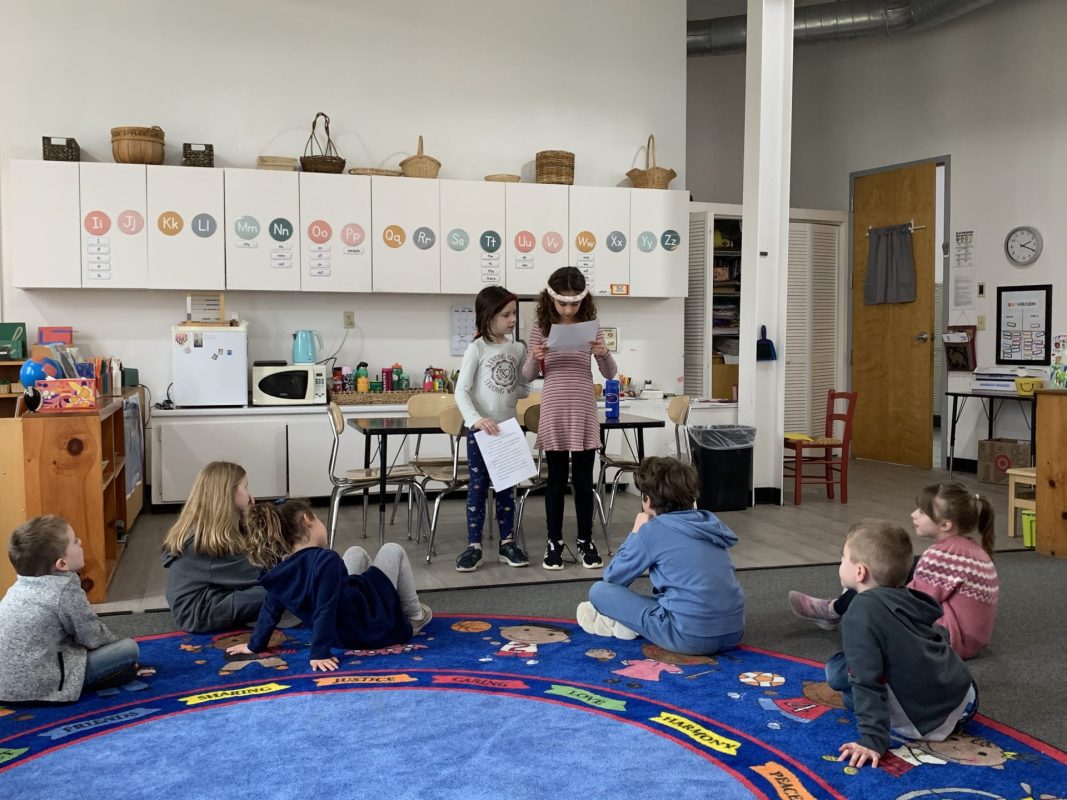
First-year students will make posters with information about their topics, second-year students will make posters and write research papers, and third-year students will make presentation boards, write papers, and give oral presentations. All of this work will be done at school.

More information will come about our upcoming Research Night on March 7th!


February Family Connection Newsletter

“Our work is not to teach, but to help the absorbent mind in its work of development. How marvelous it would be if by our help, if by an intelligent treatment of the child, if by understanding the needs of his physical life and by feeding his intellect, we could prolong the period of functioning of the absorbent mind!” -Maria Montessori, The Absorbent Mind

This month’s Family Connection newsletter does a nice job of explaining the period of intense mental activity called the absorbent mind that children experience during the first six years of their lives. You will learn what the absorbent mind is and how best to support children during this period of development. The newsletter also contains some great tips for cooking with your young child.

I hope you find this Family Connection useful and informative.

Have a great weekend,
Karen Sankey