Blog

Mrs. Wilson: The Importance in Food Tasting

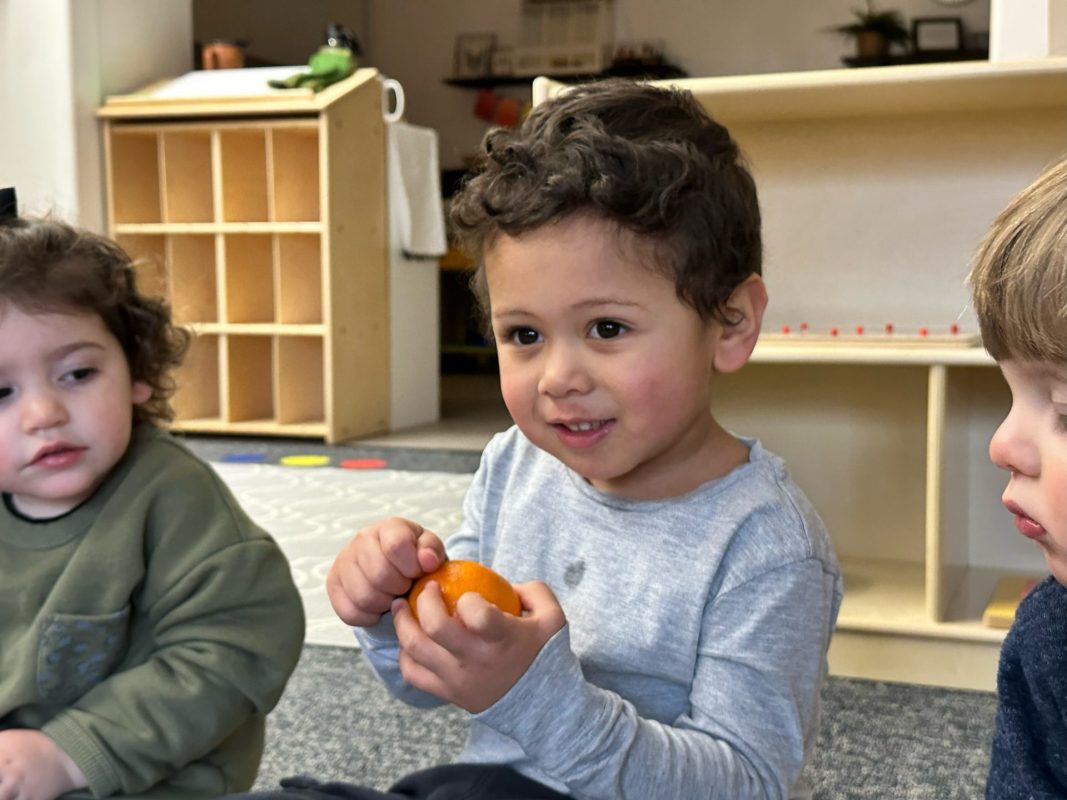
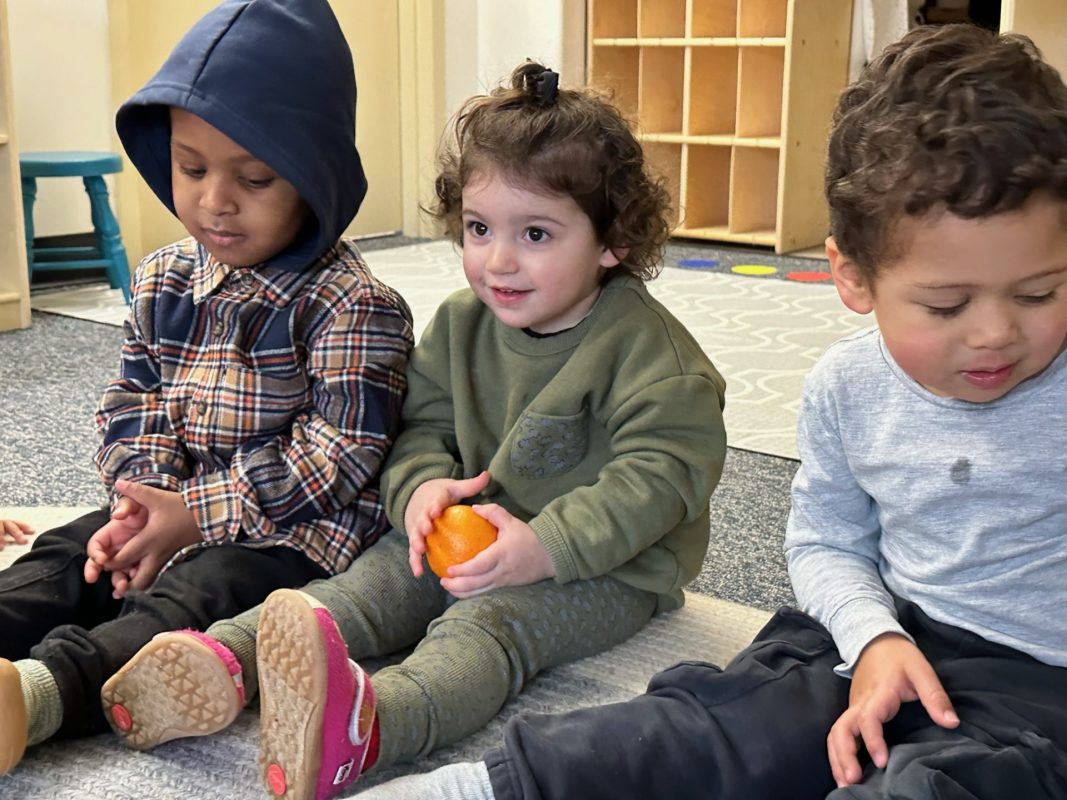
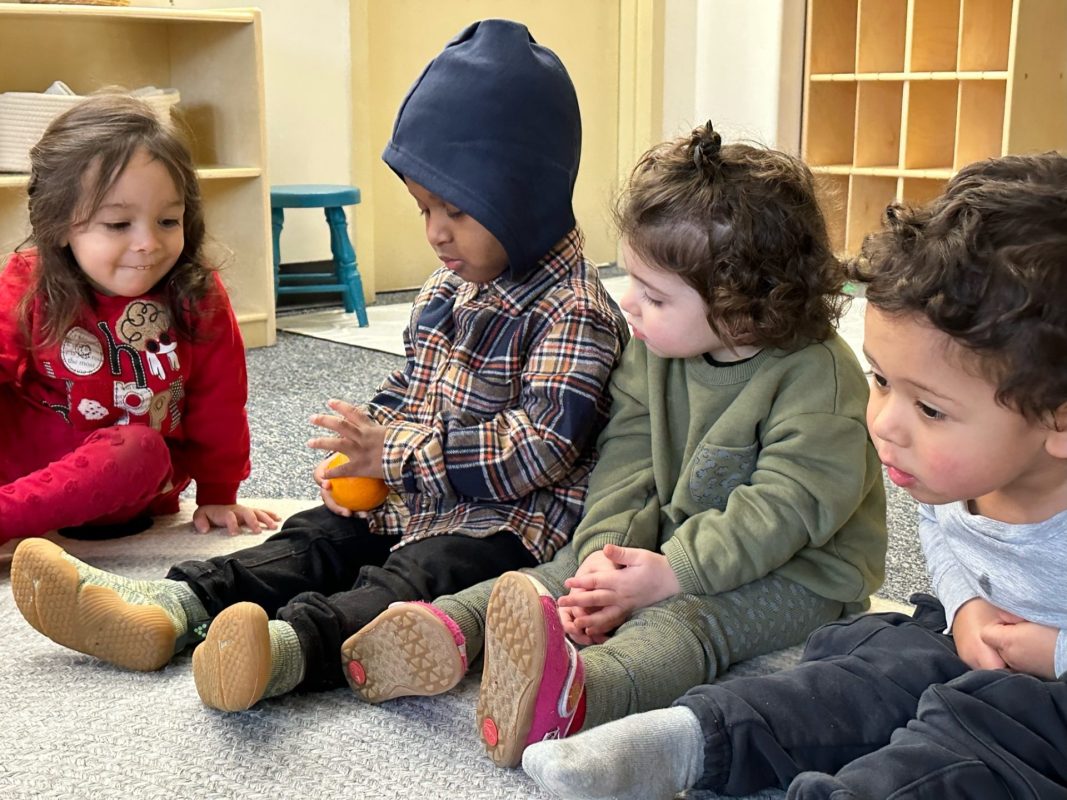
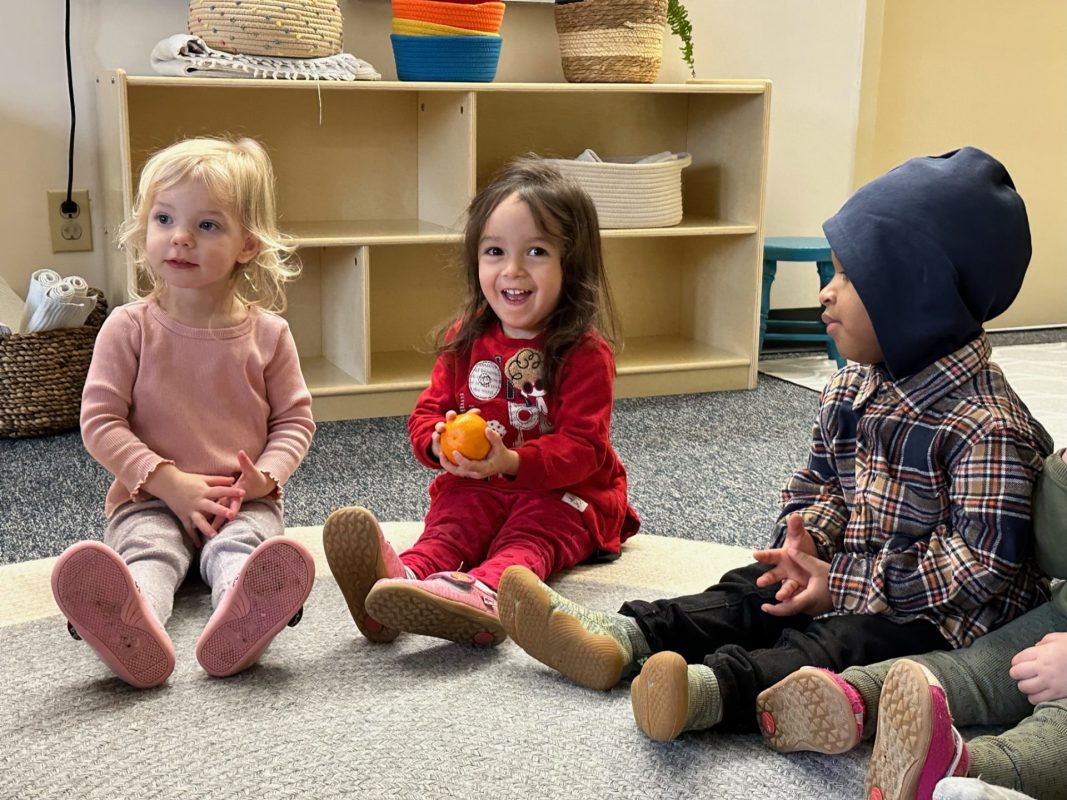
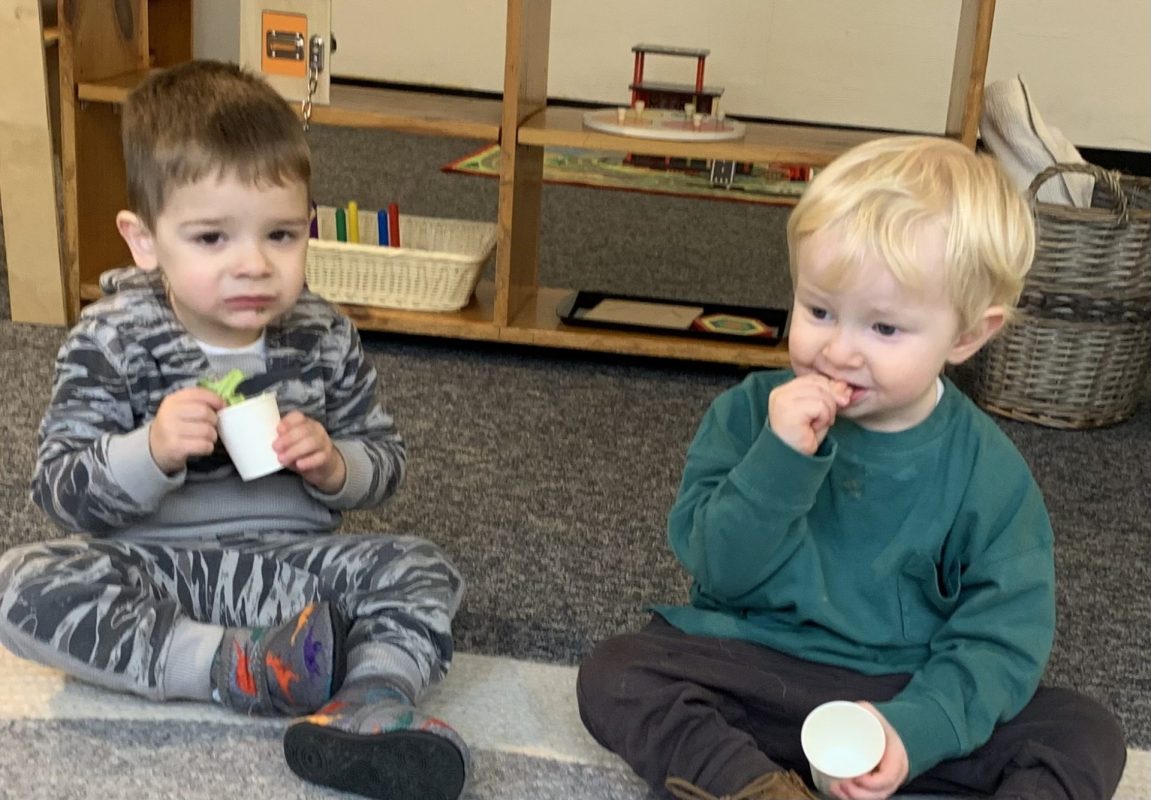
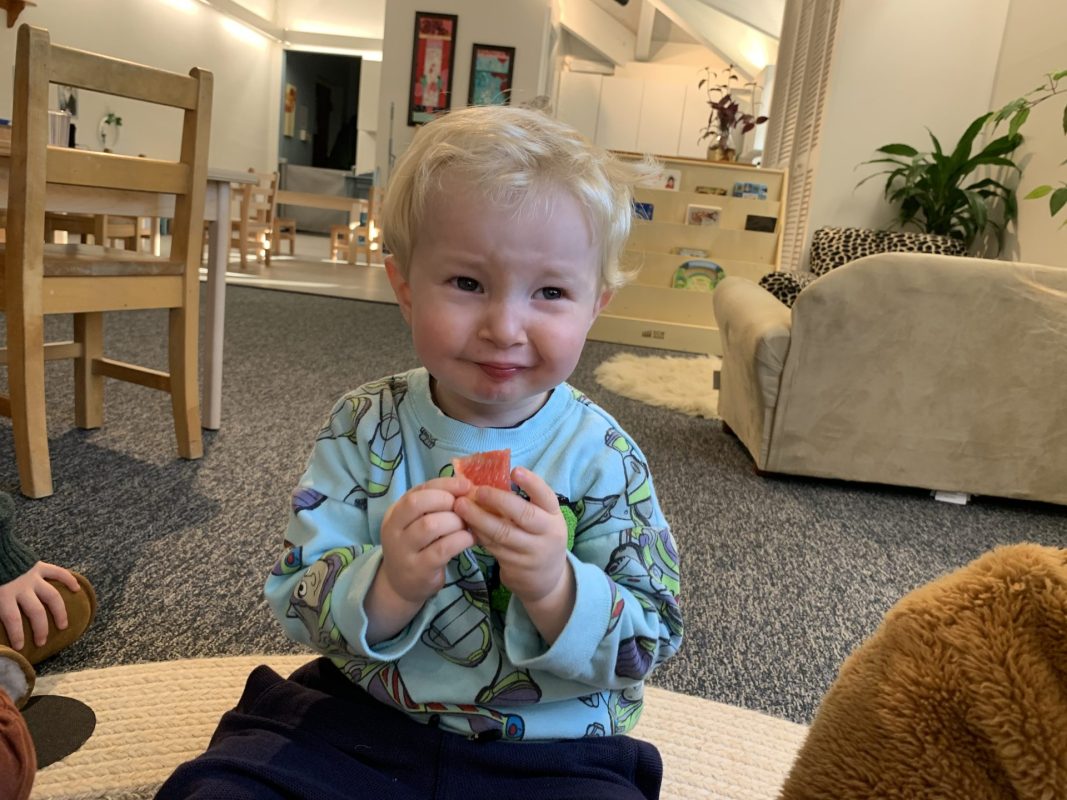
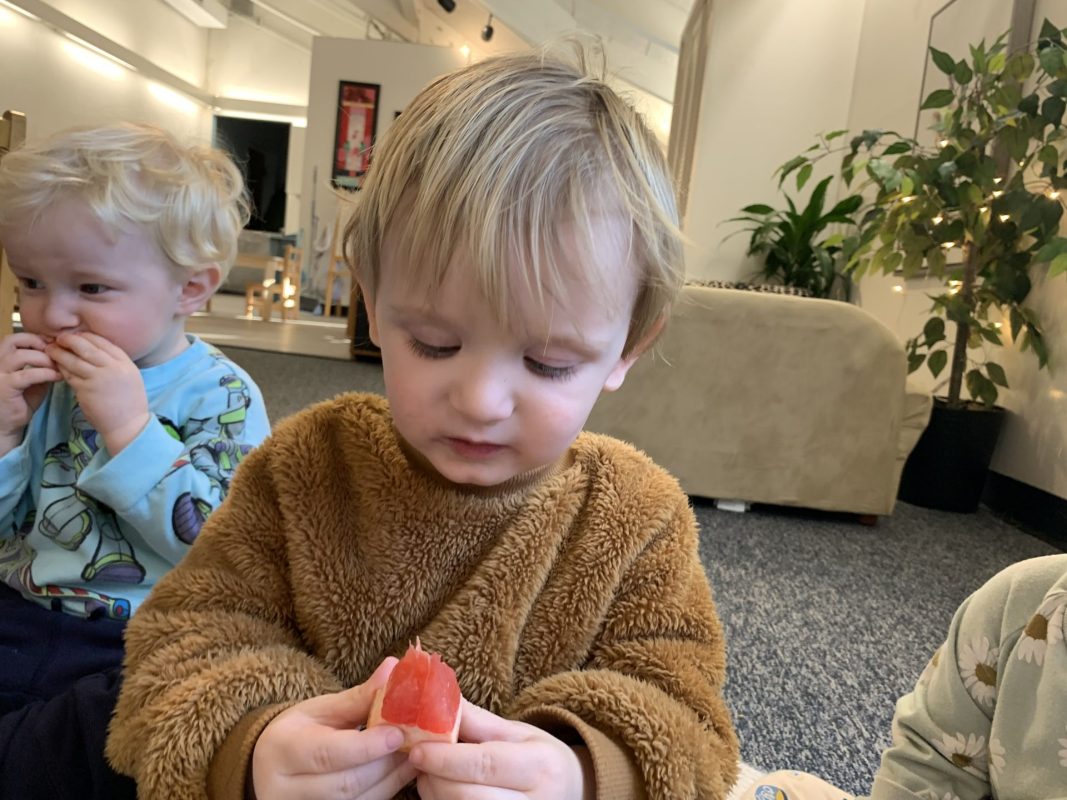
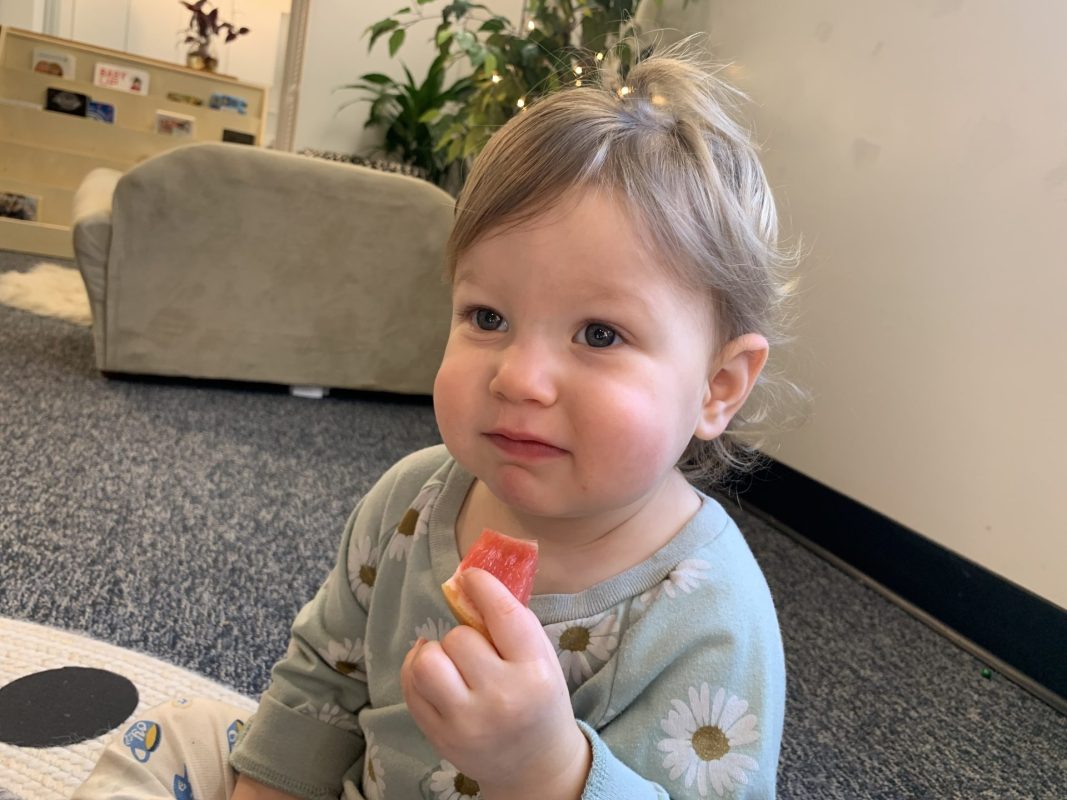
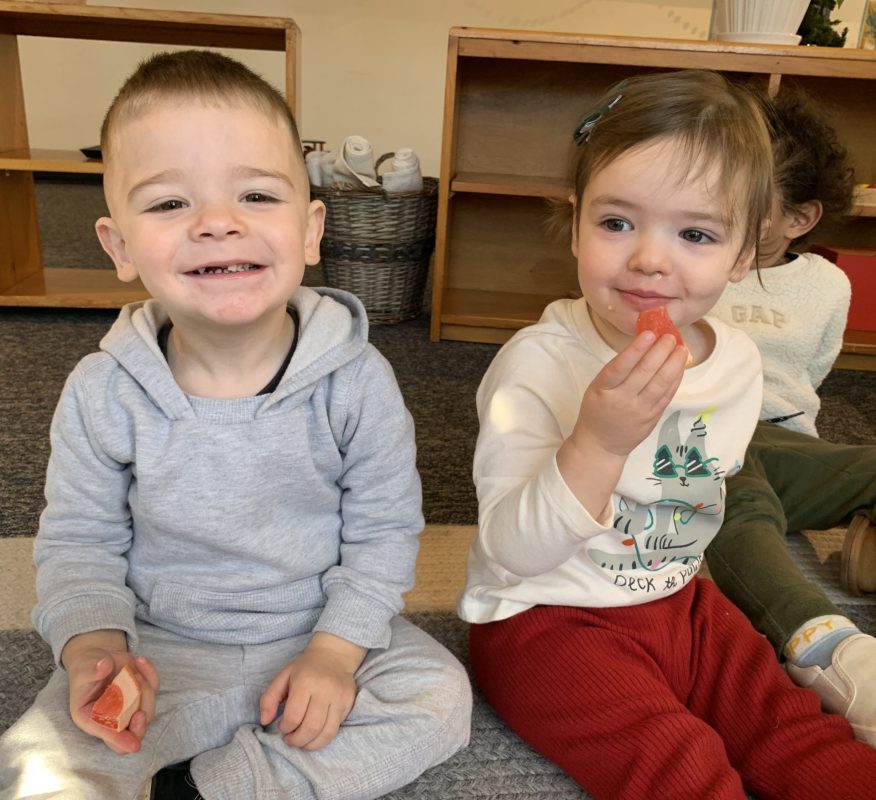
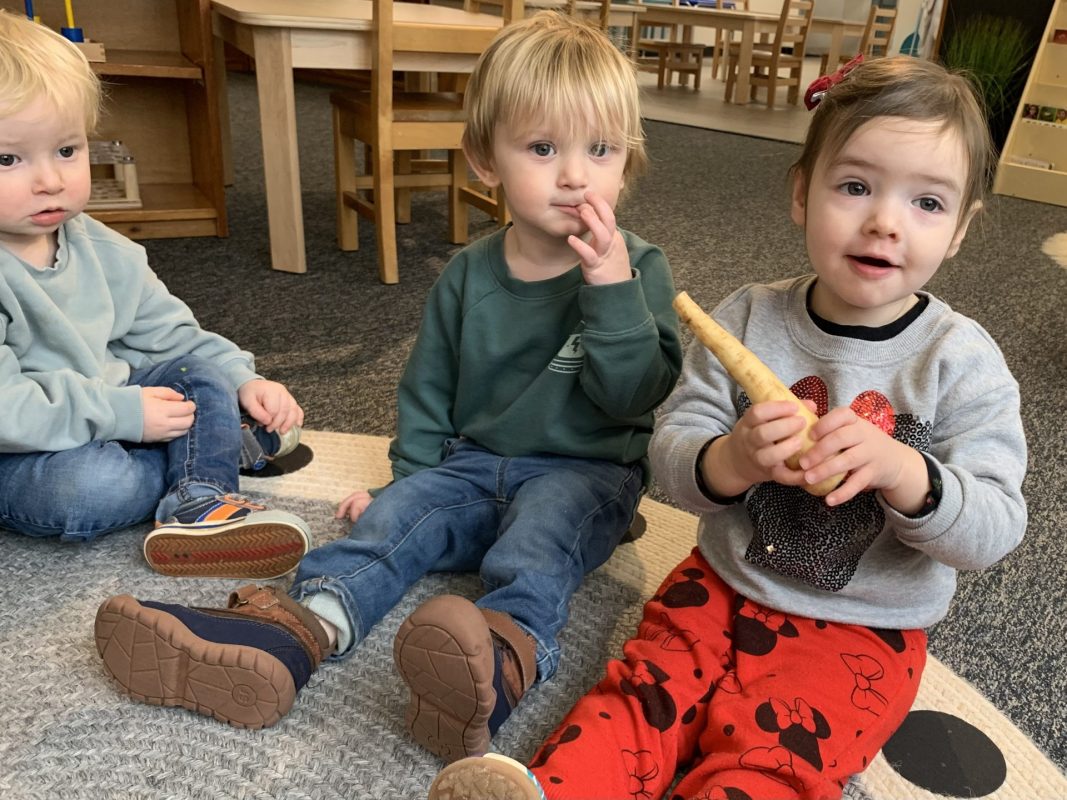
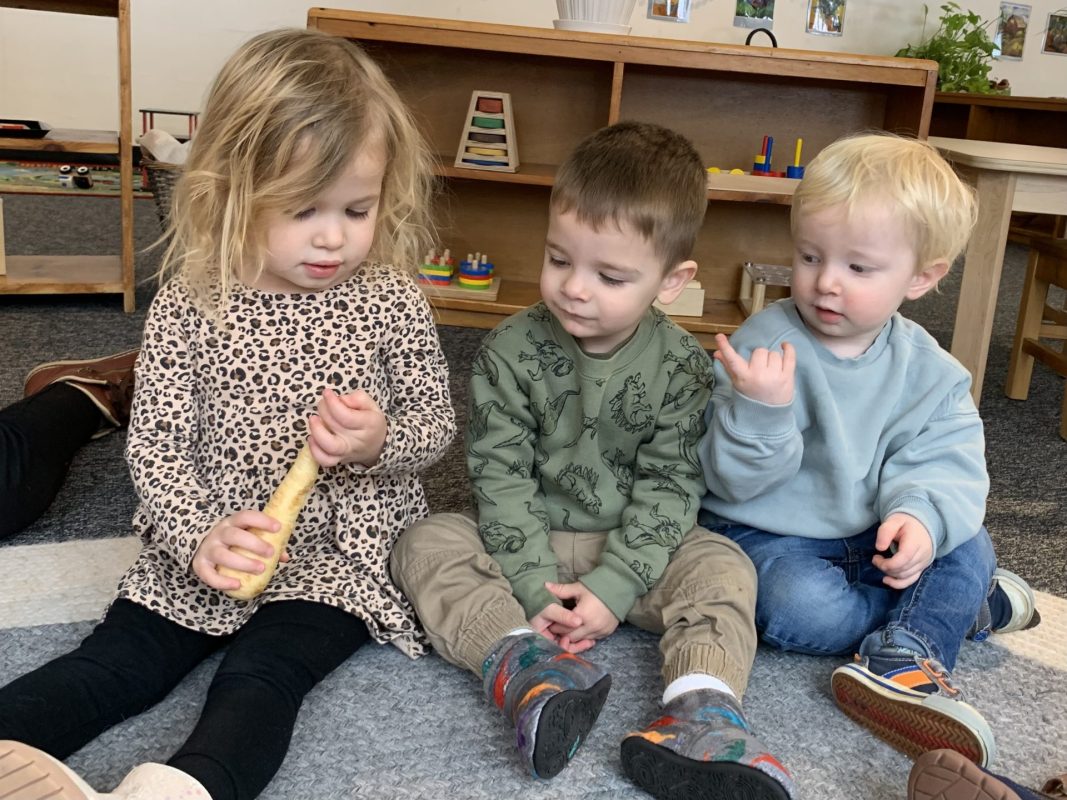
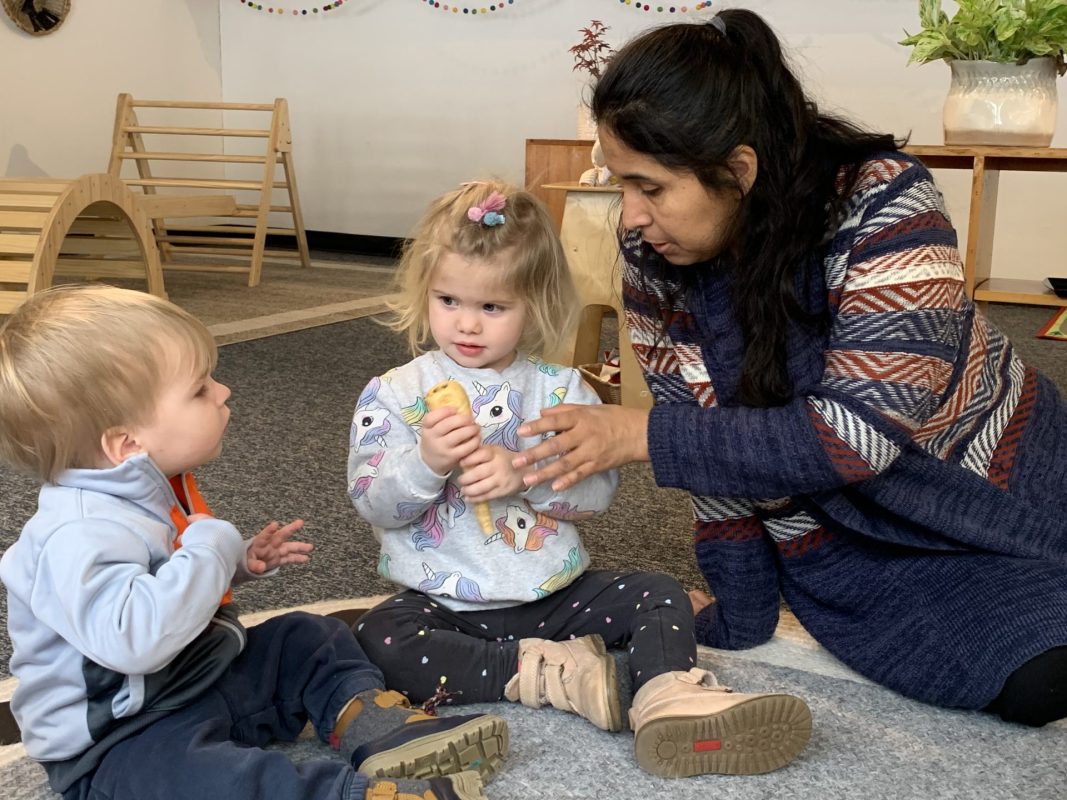
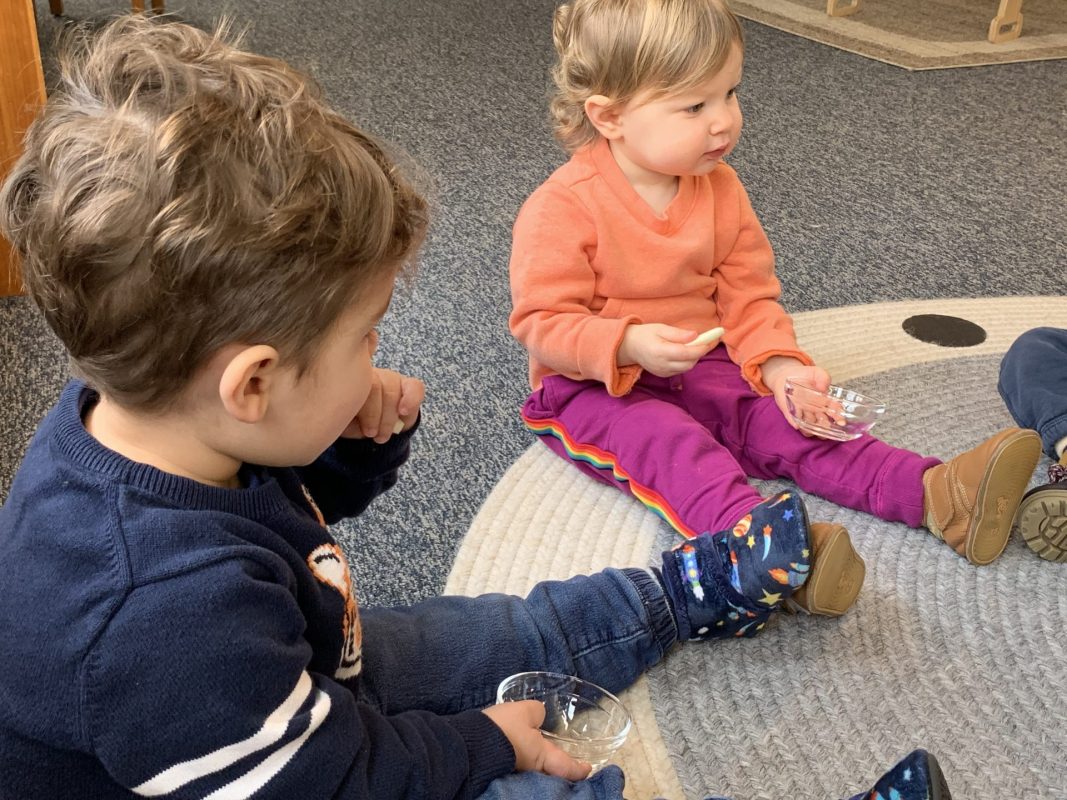
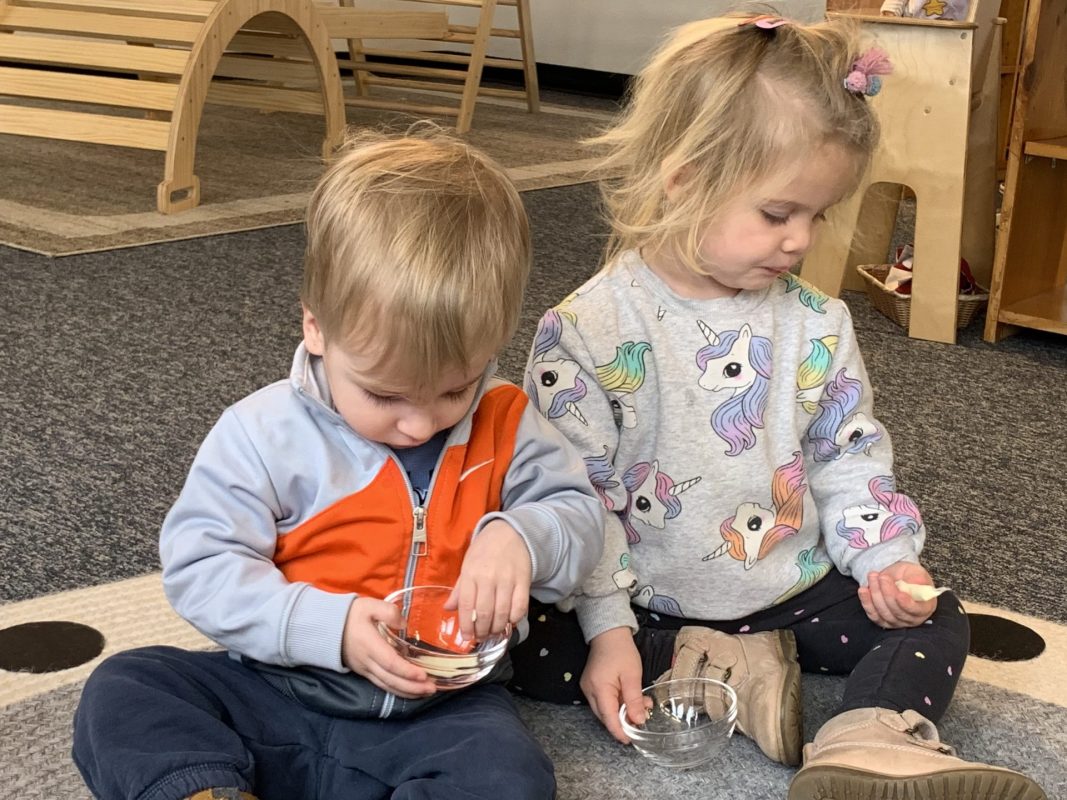
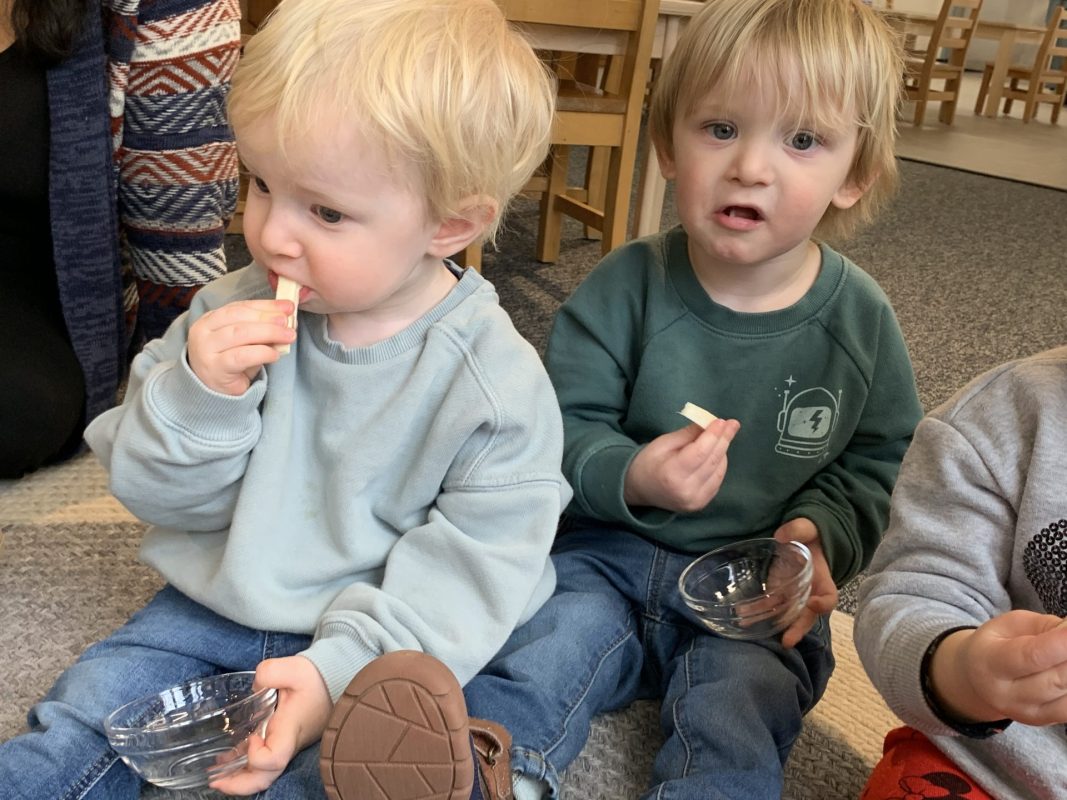
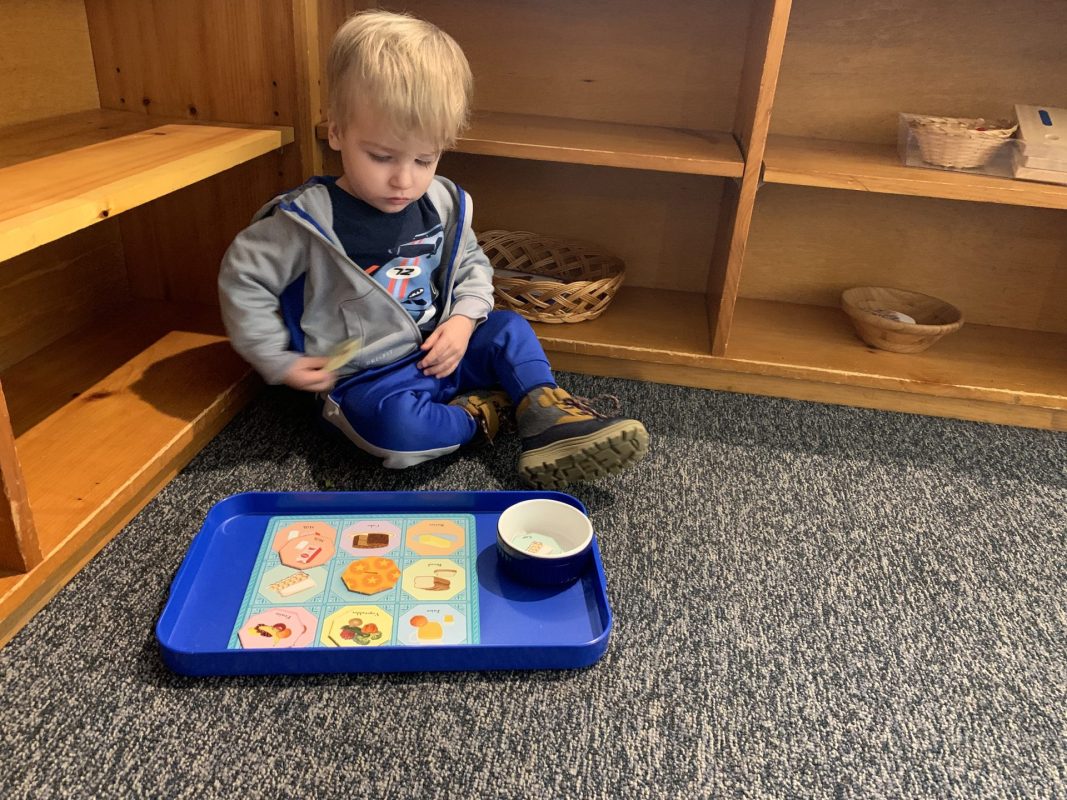
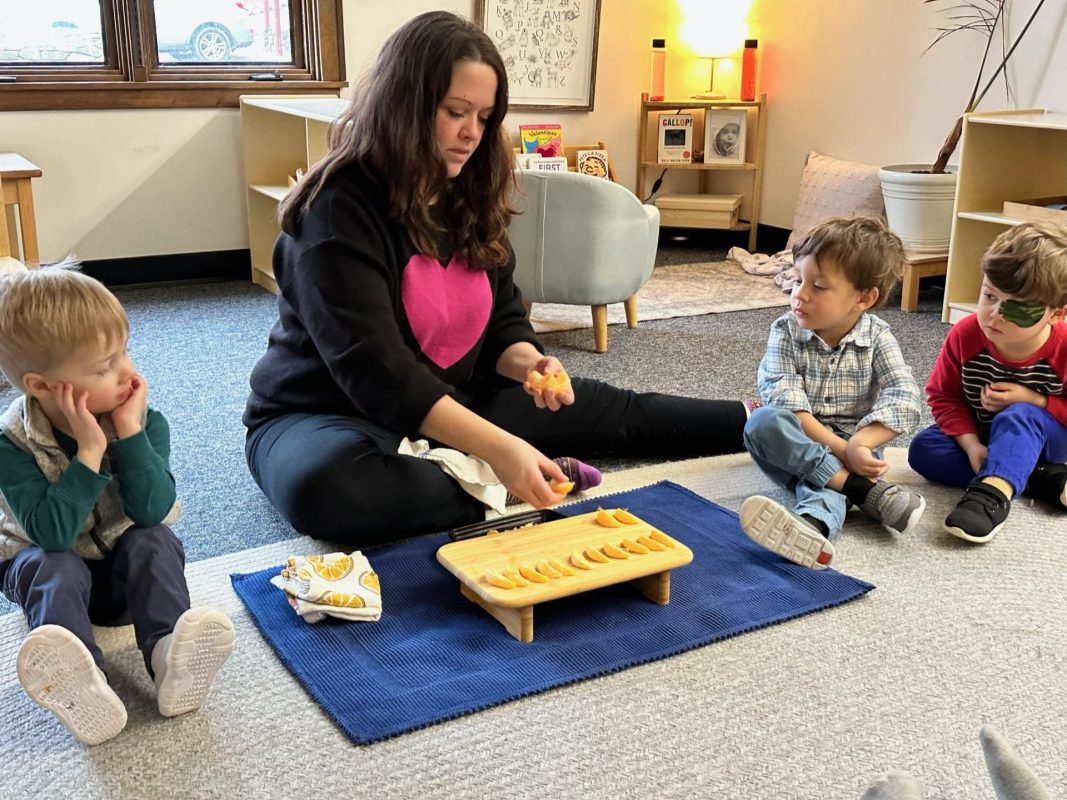
Food tasting is a valuable experiential learning activity for toddlers in Montessori classes. First, it encourages sensory exploration, allowing toddlers to engage their senses and develop their sensory perception and vocabulary. Additionally, the guessing games during the tasting foster cognitive development, encouraging toddlers to think and make connections between their senses and the object being explored. Furthermore, communal food tasting promotes socialization and cooperation, allowing toddlers to develop important social skills such as taking turns. Finally, incorporating food preparation into the curriculum aligns with the Montessori philosophy of promoting independence and practical life skills. Toddlers gain a sense of accomplishment as they participate in the hands-on process of preparing their snacks, fostering a positive attitude towards healthy eating habits. In essence, food tasting in a Montessori toddler class provides a holistic learning experience, nurturing the physical, cognitive, and social development of young learners joyously and purposefully.

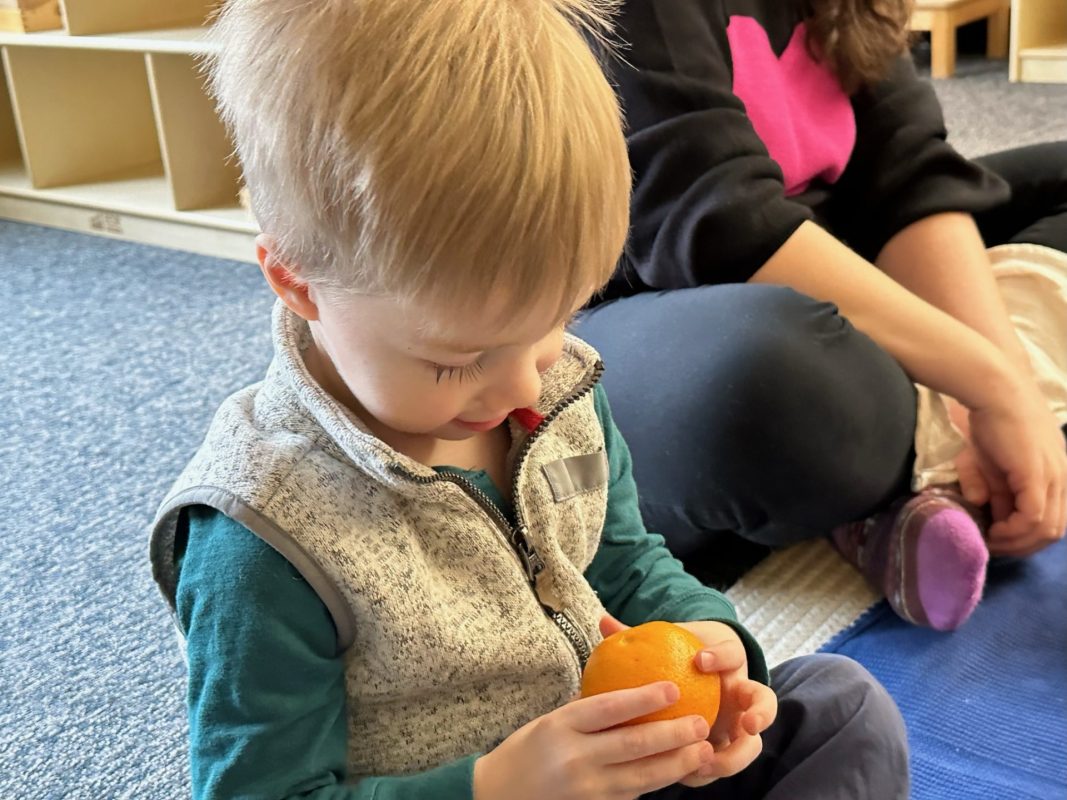
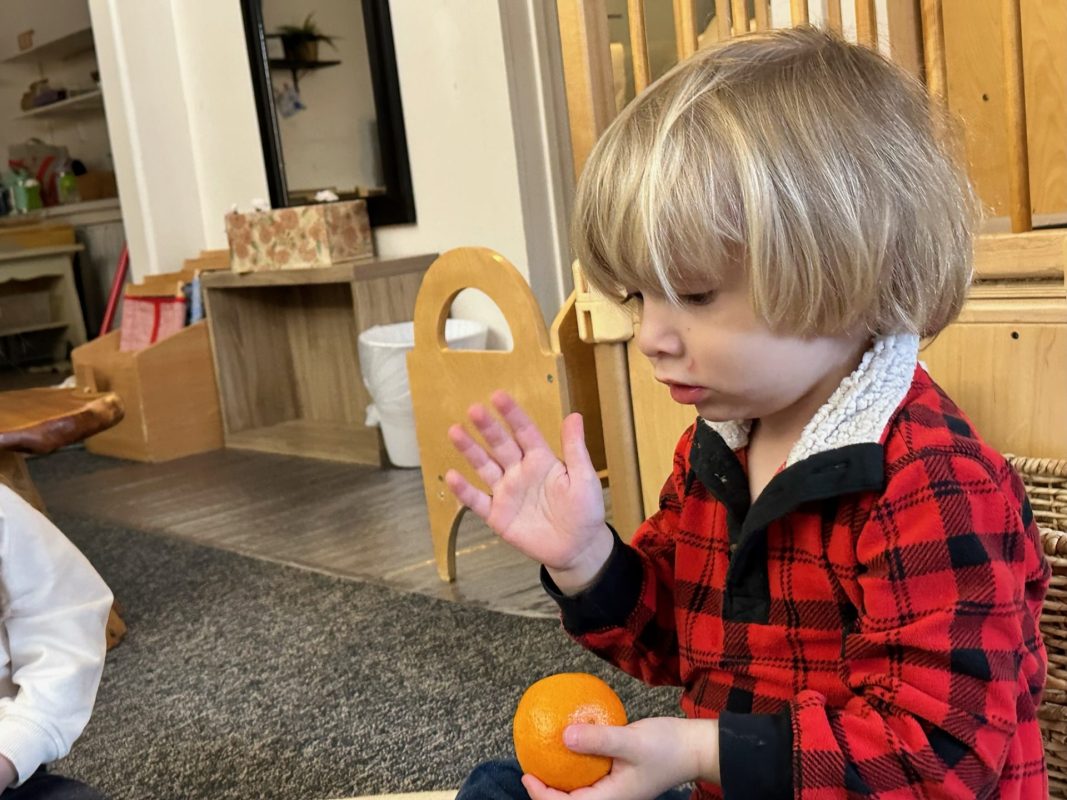
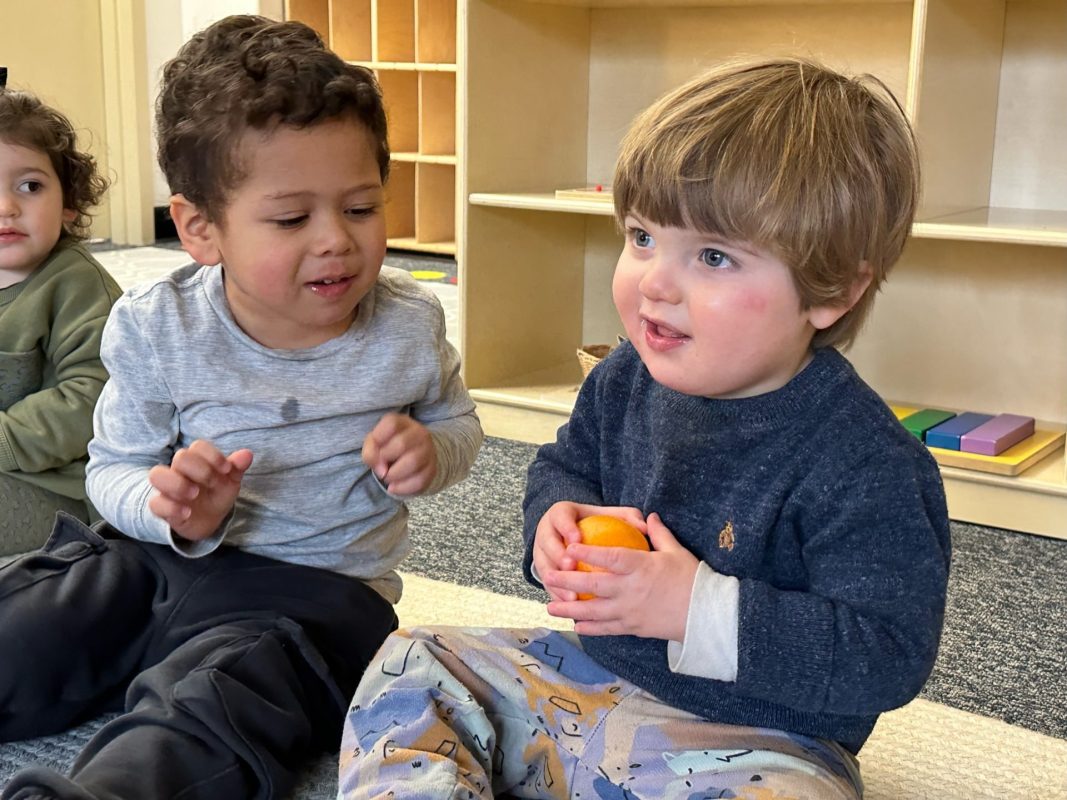
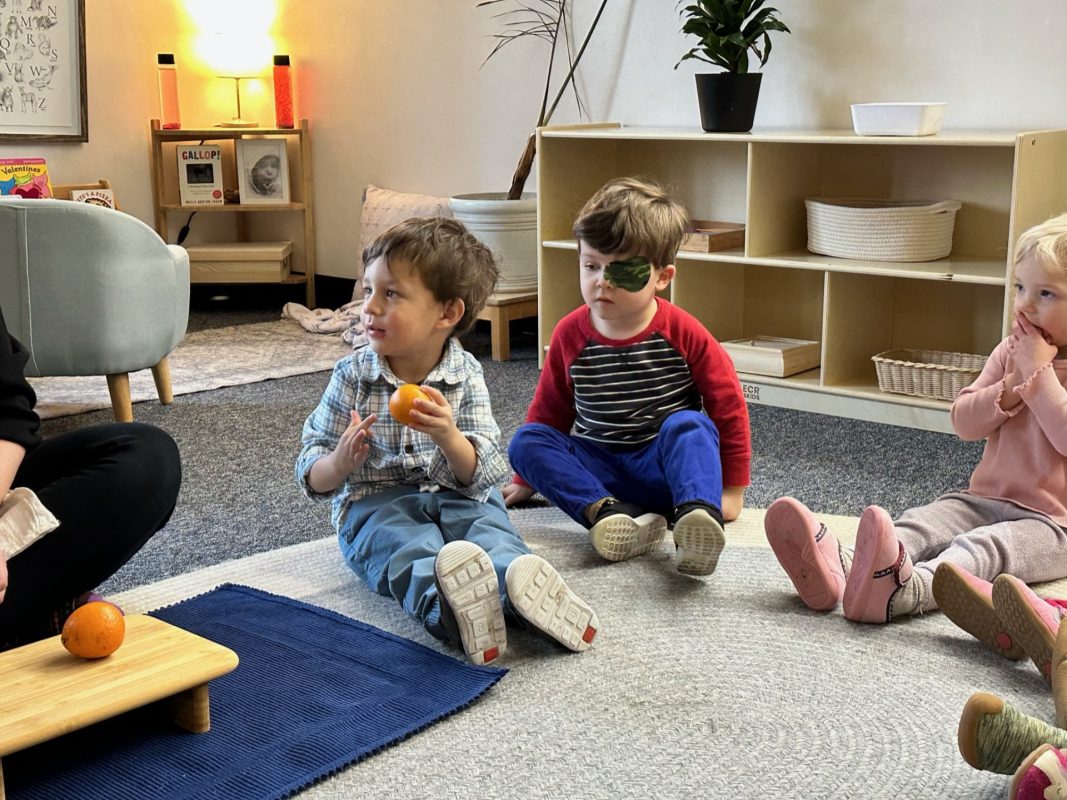
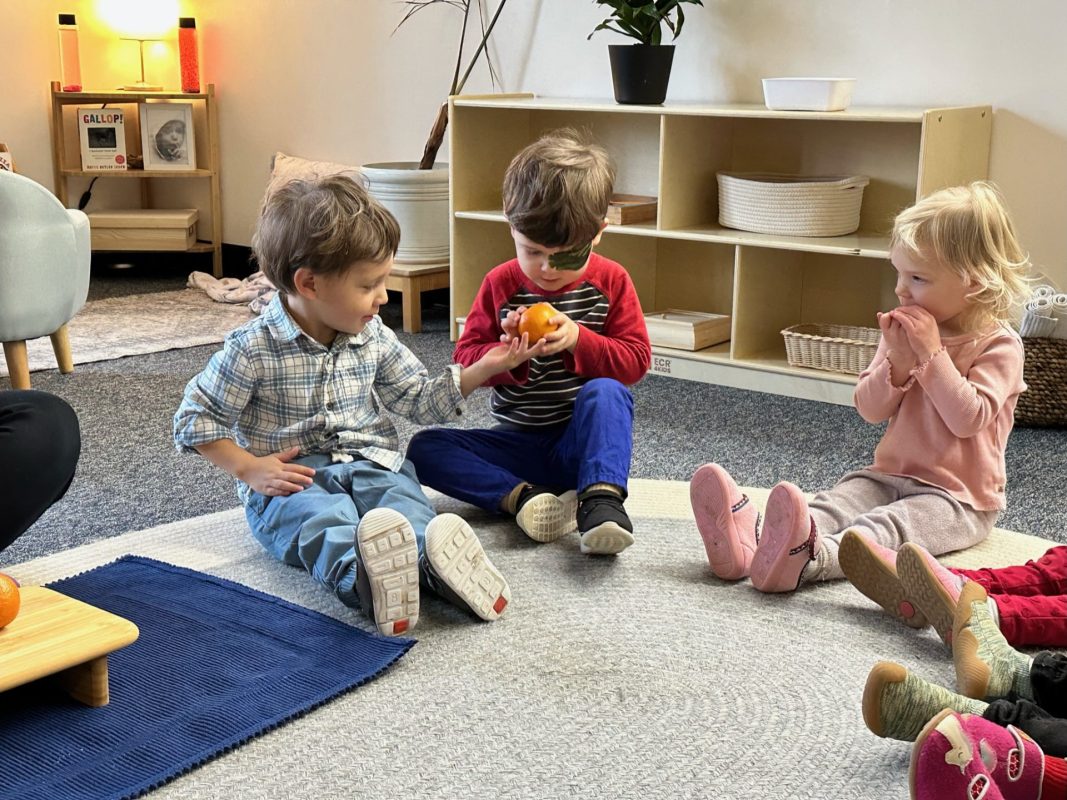
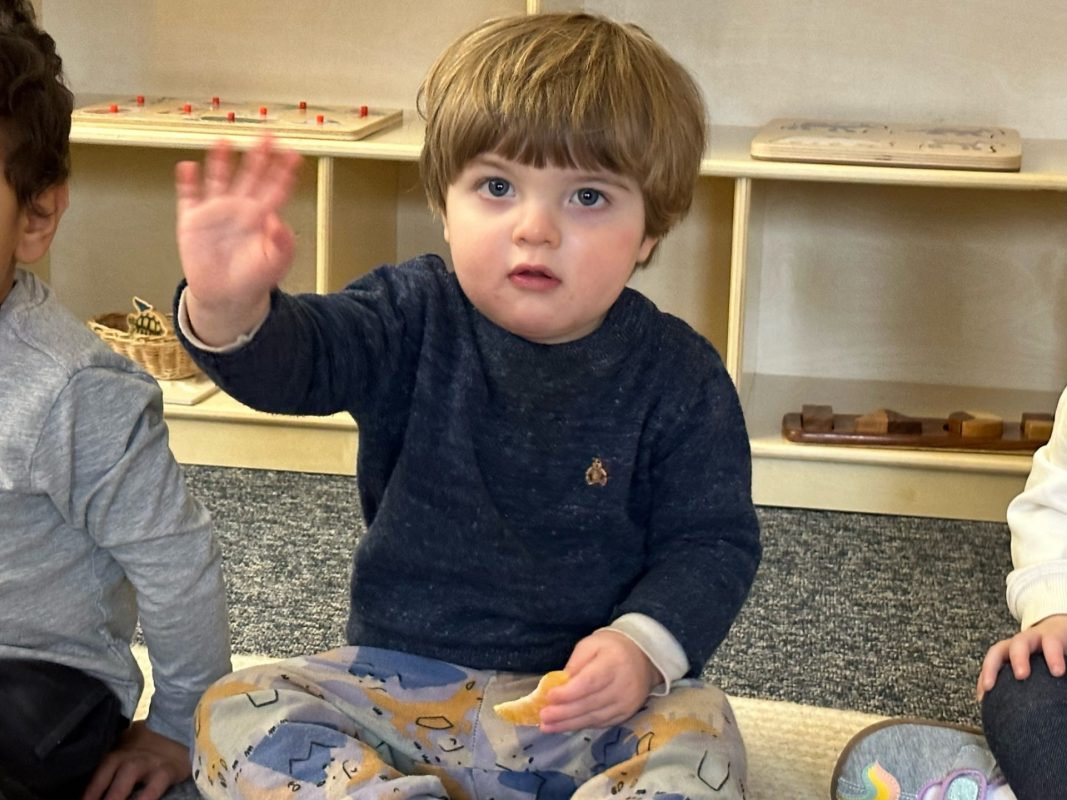
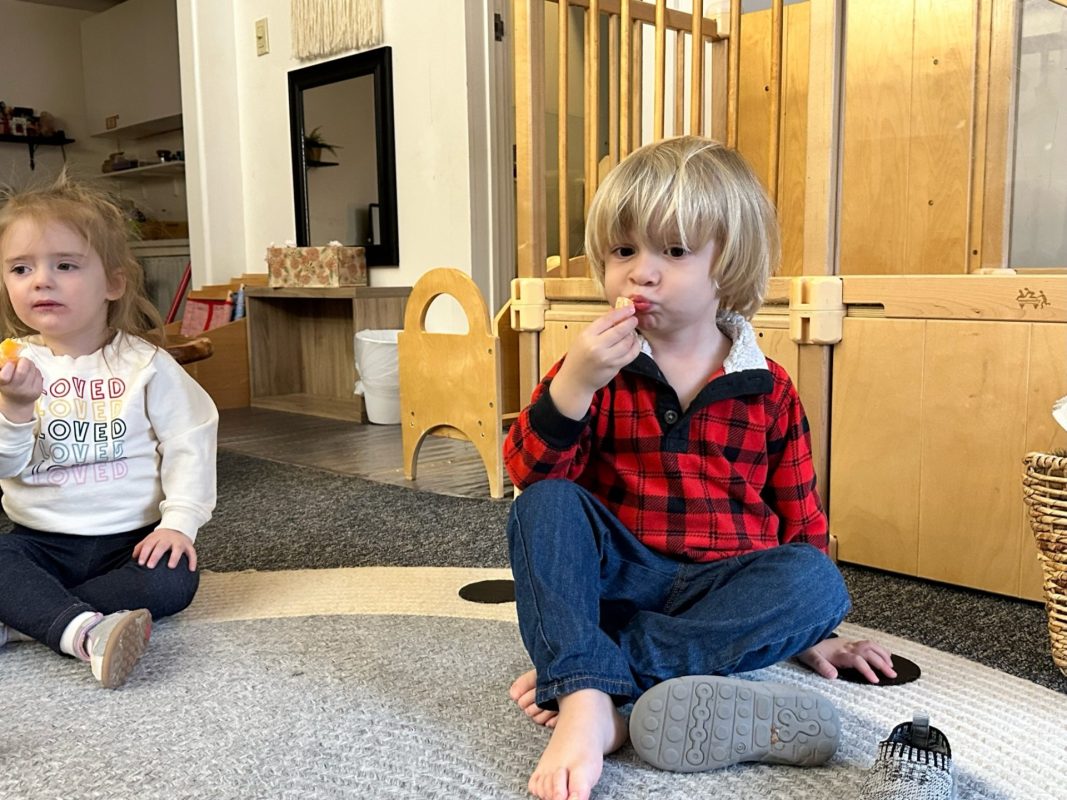
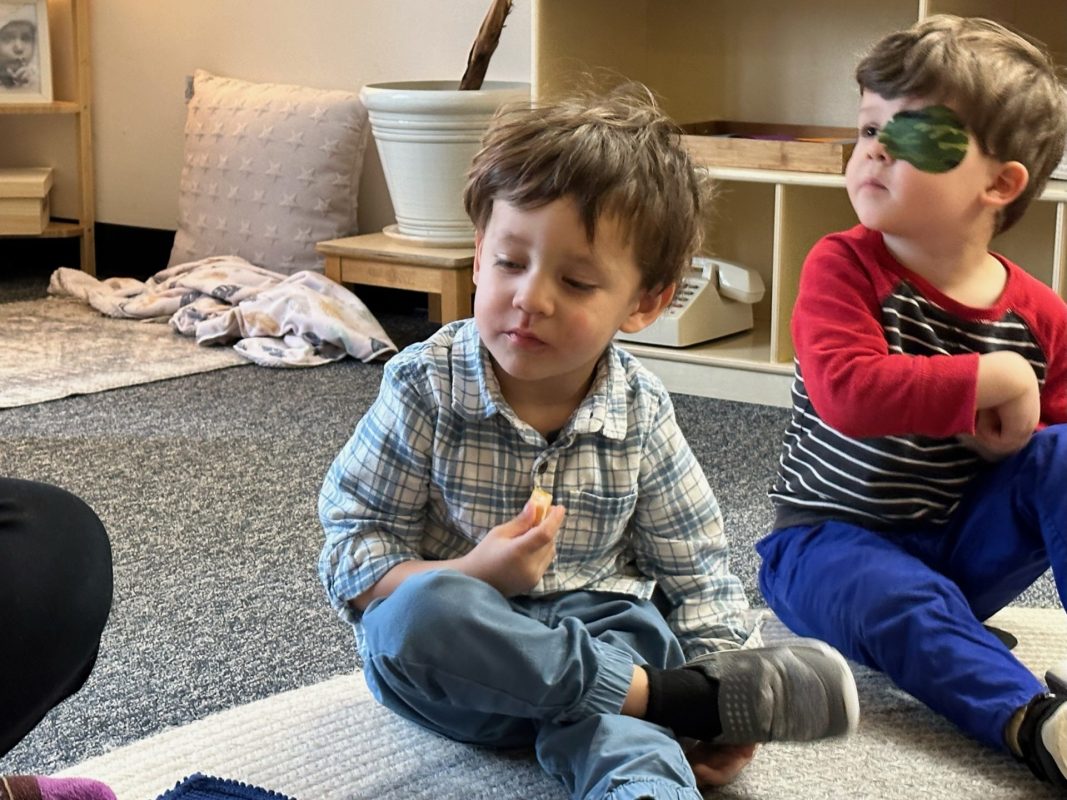
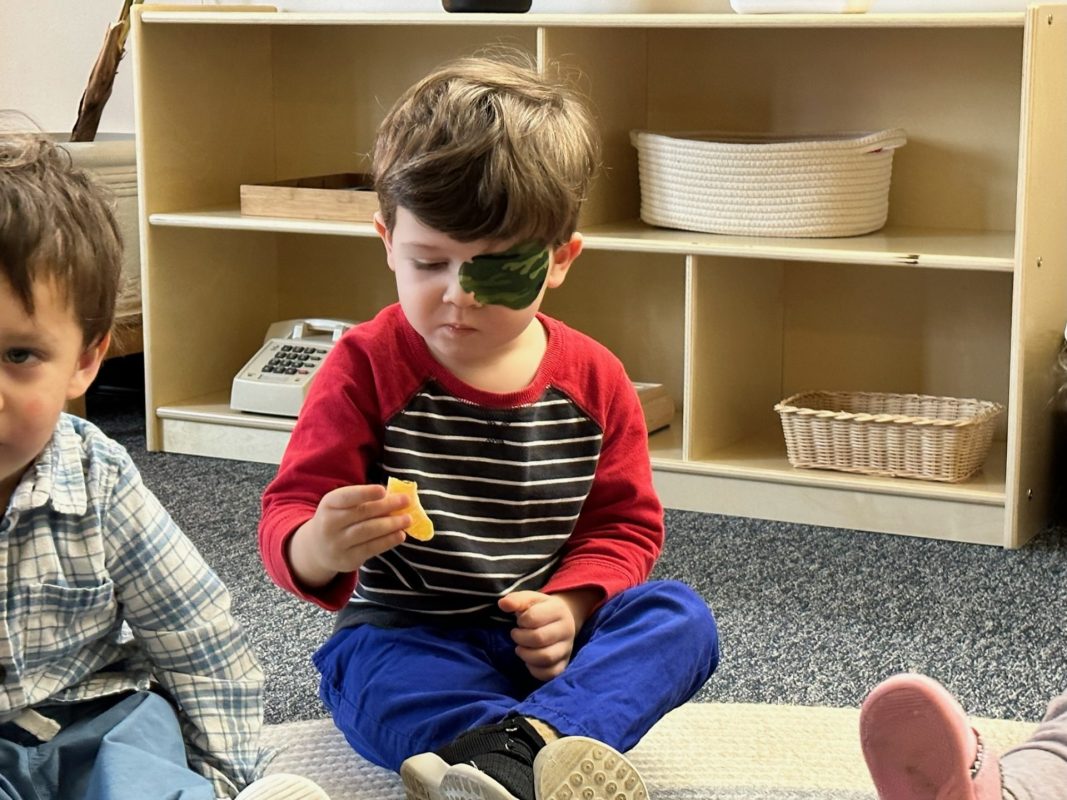
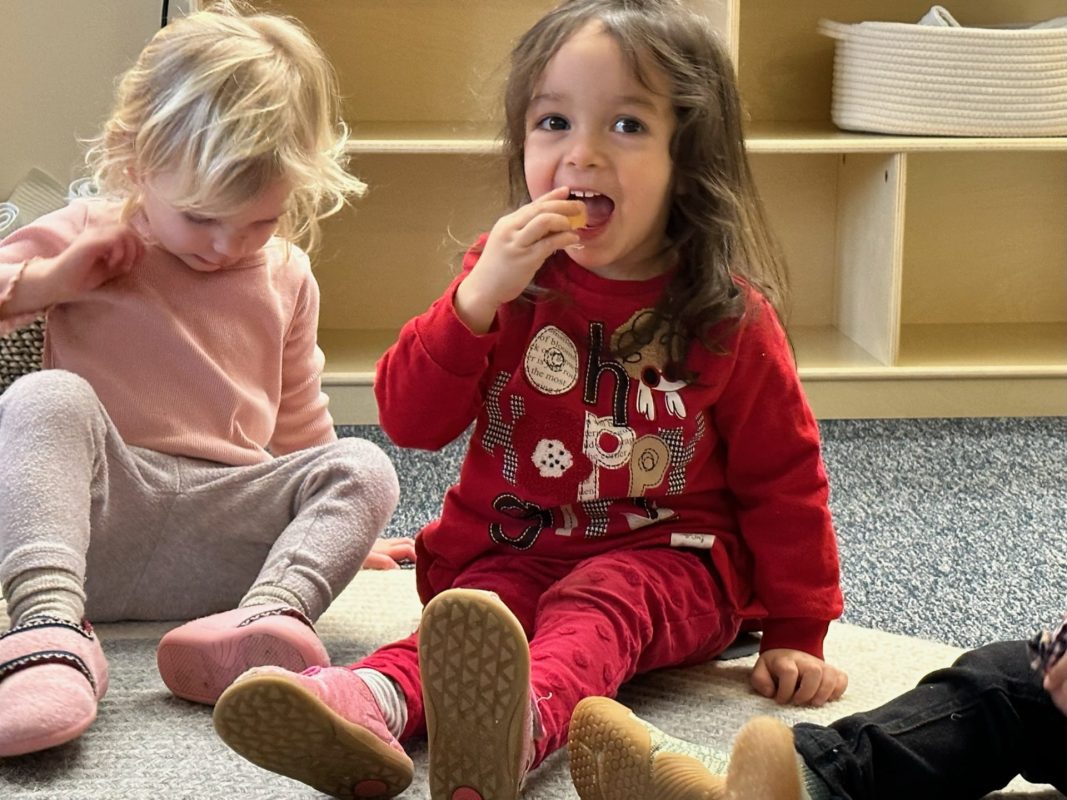
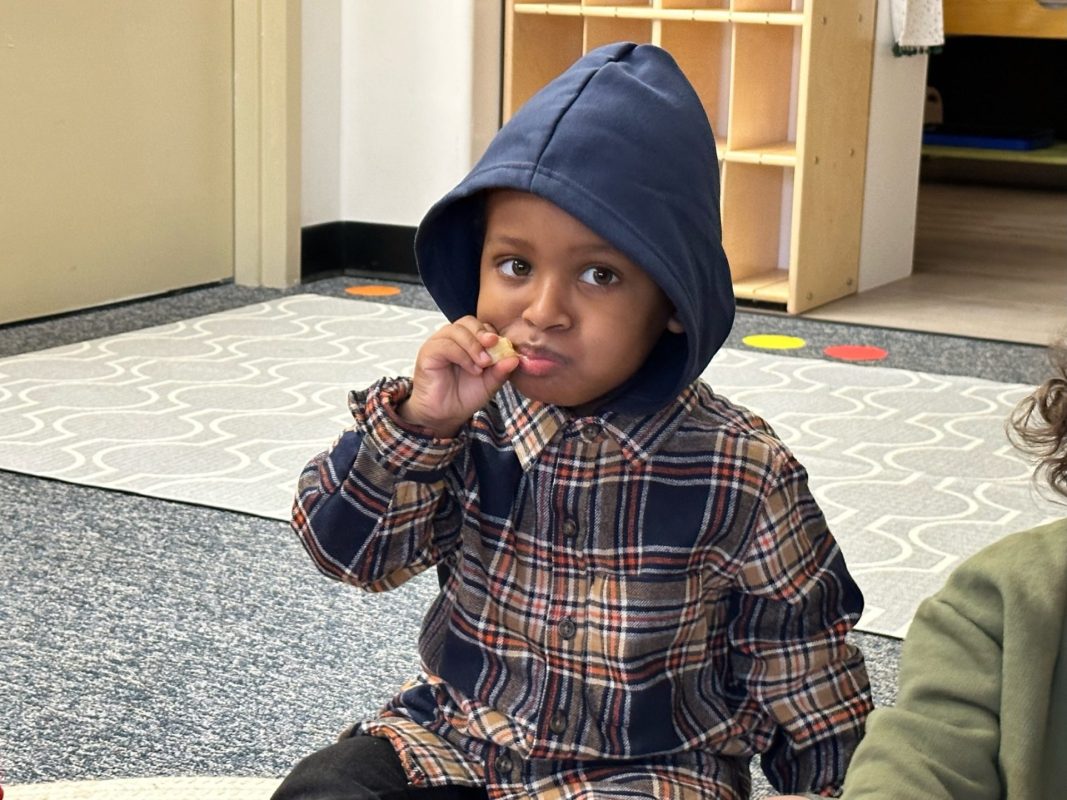
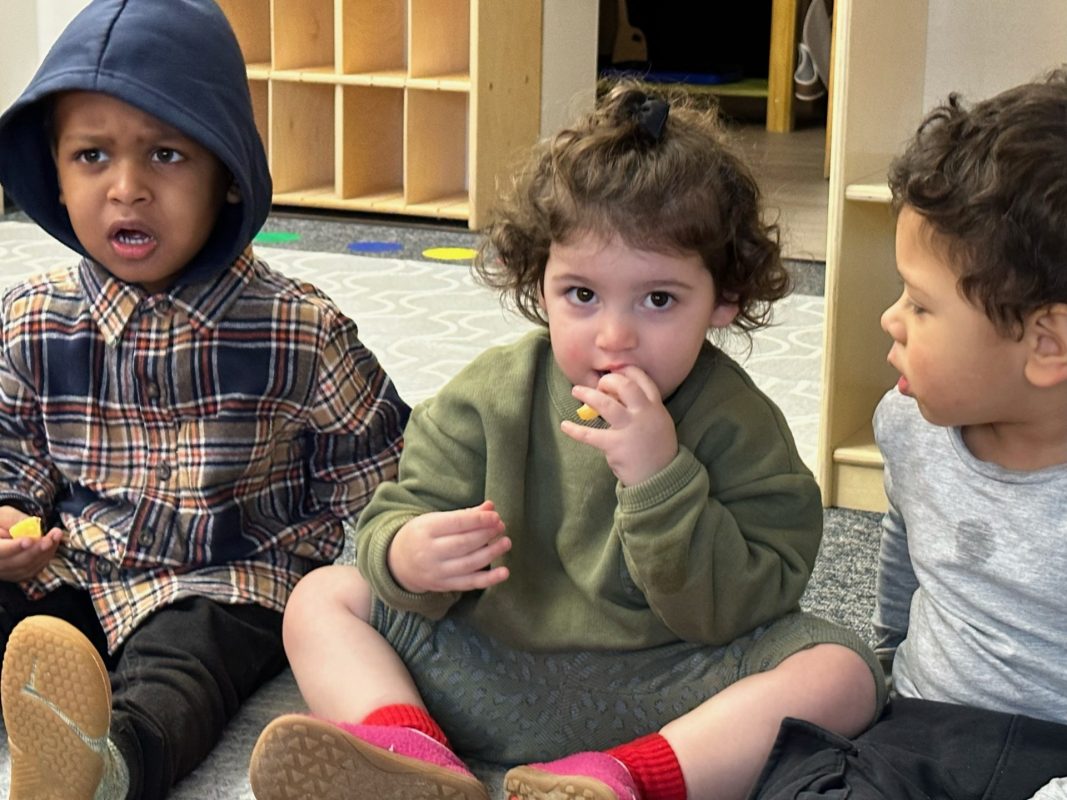
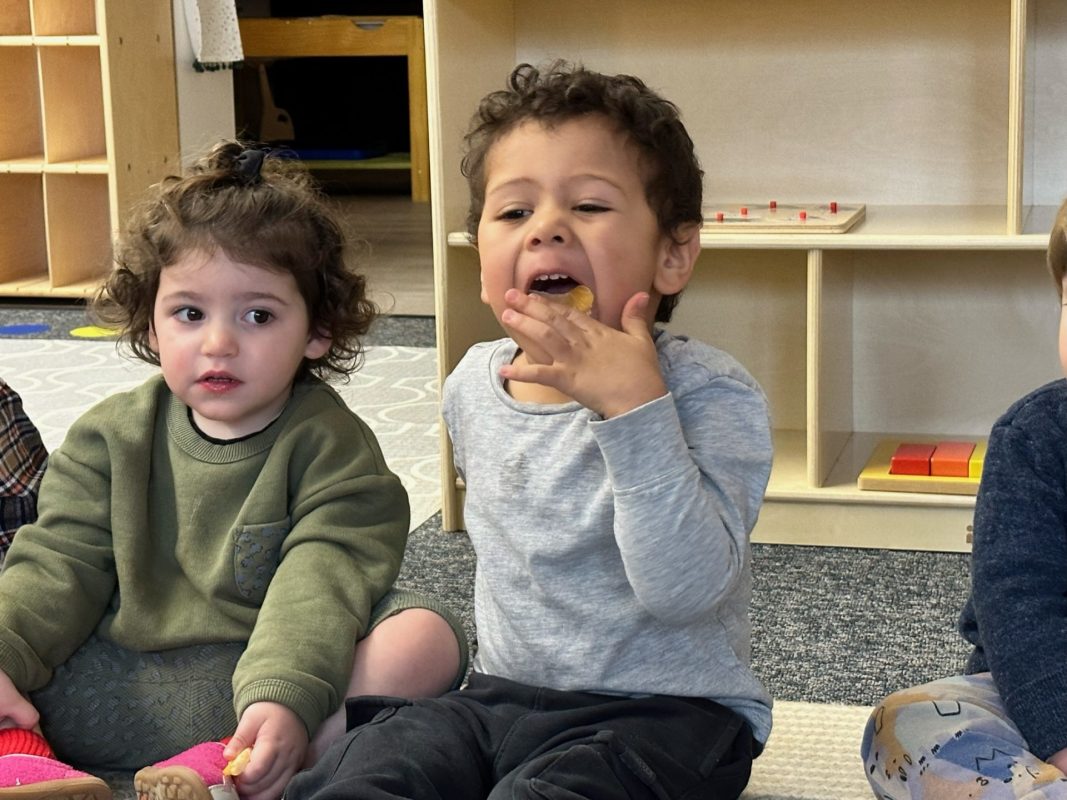
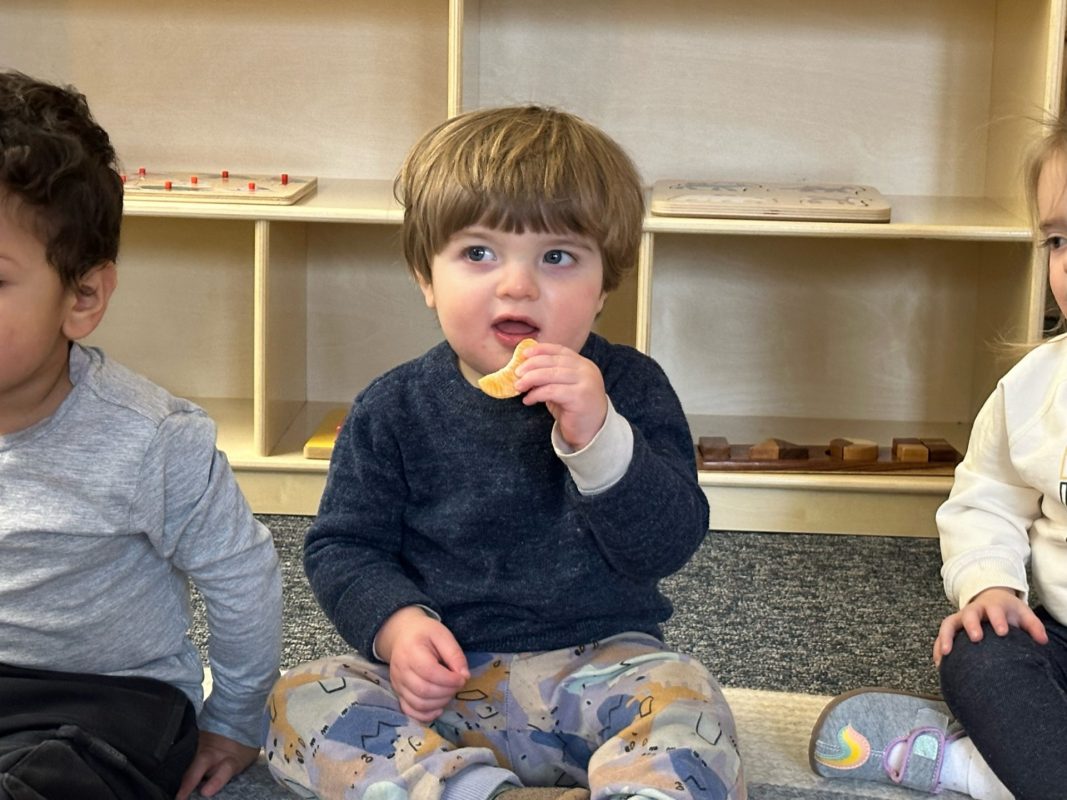
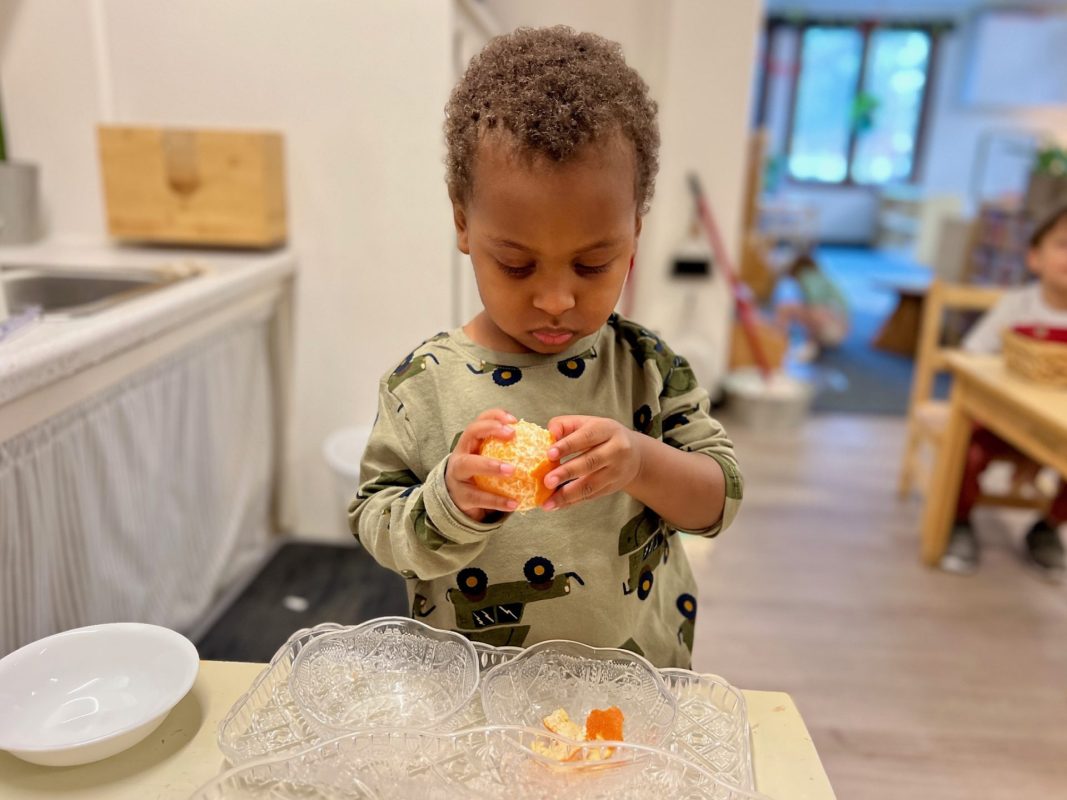
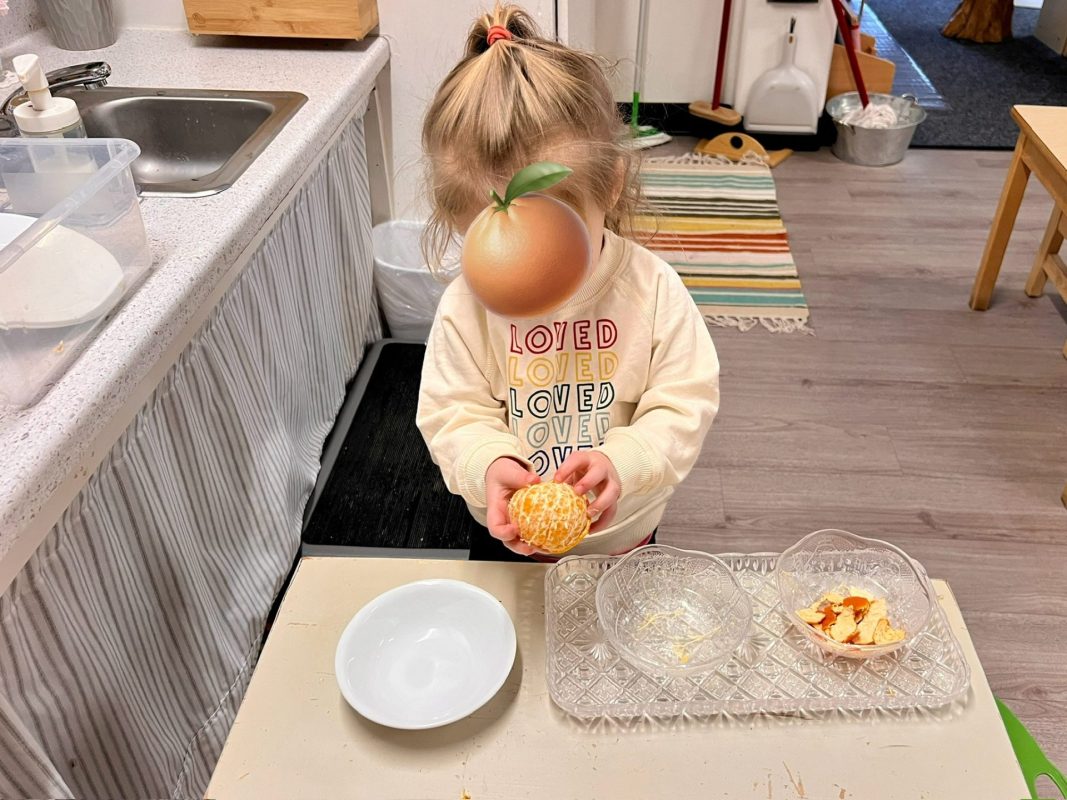
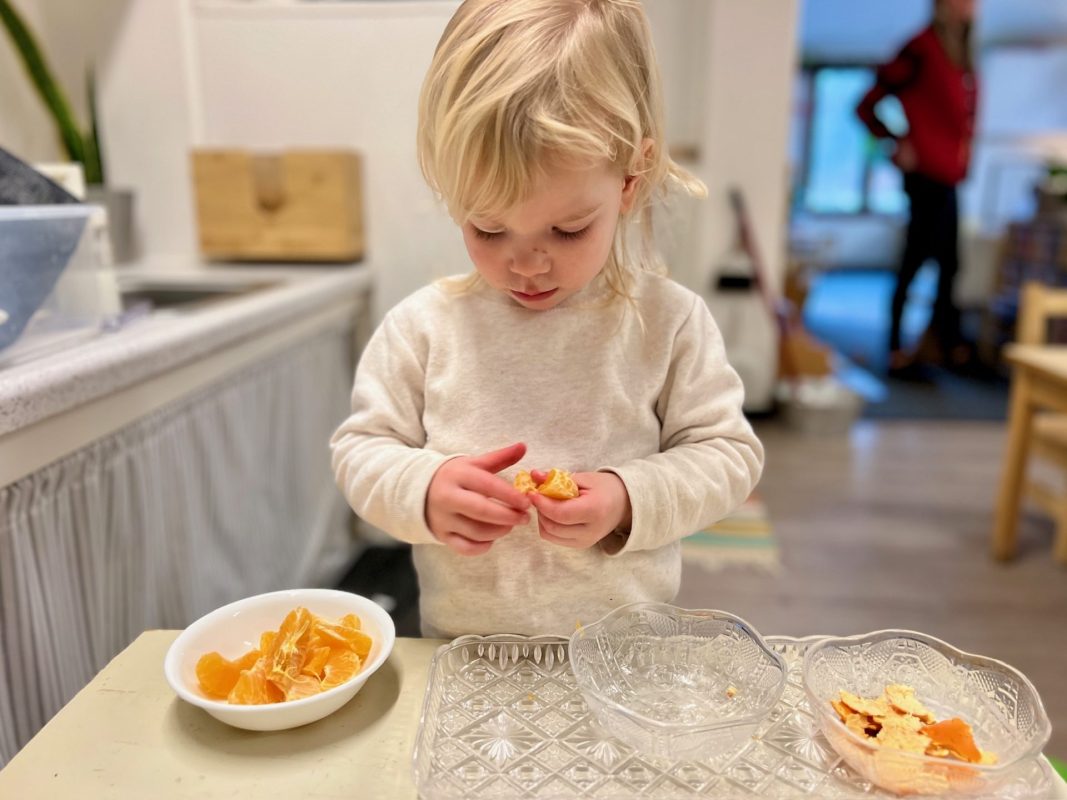
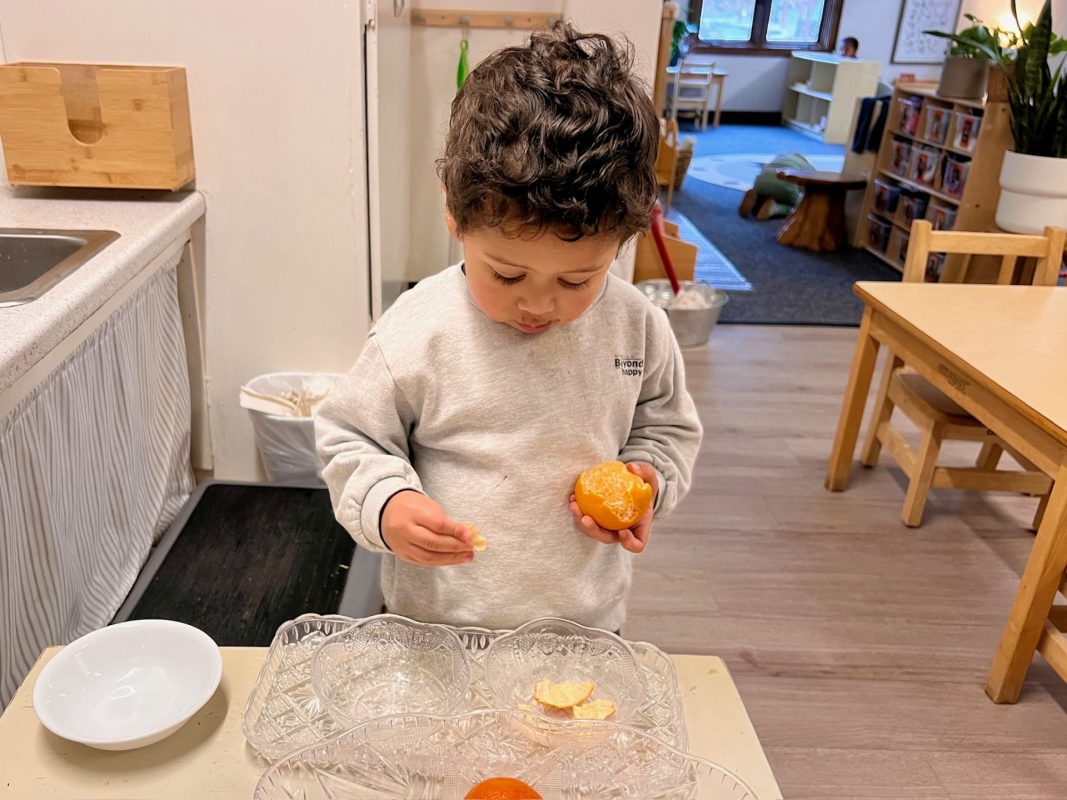
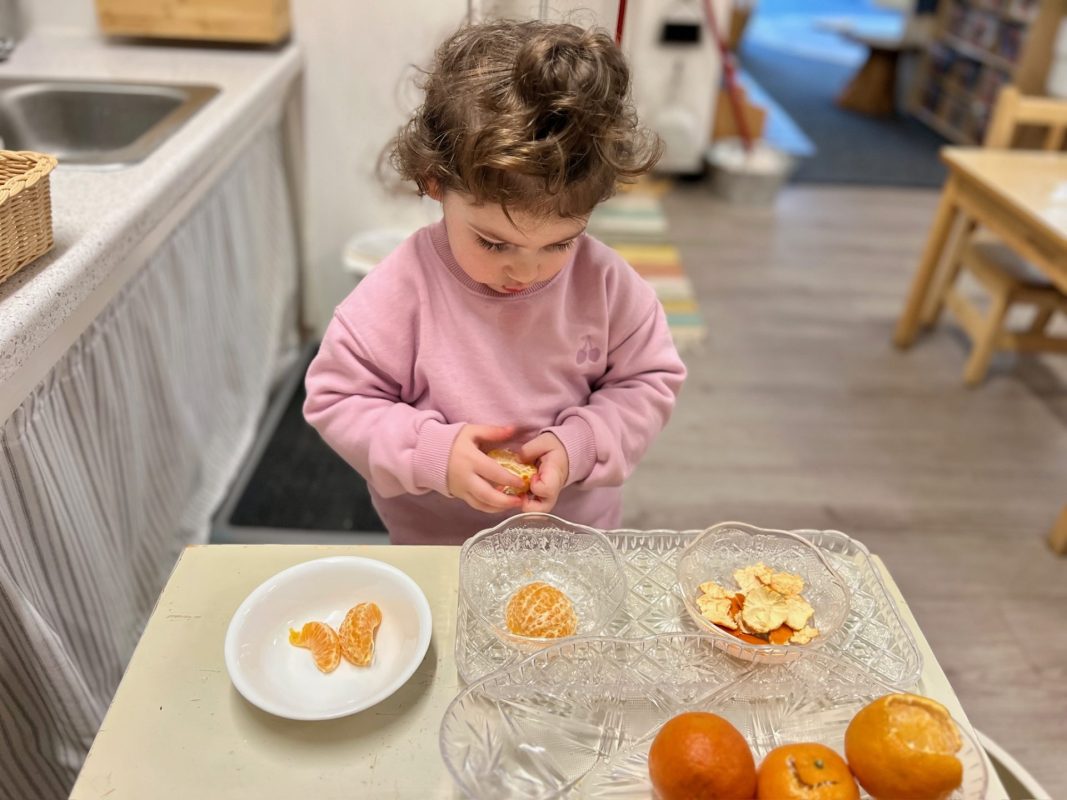
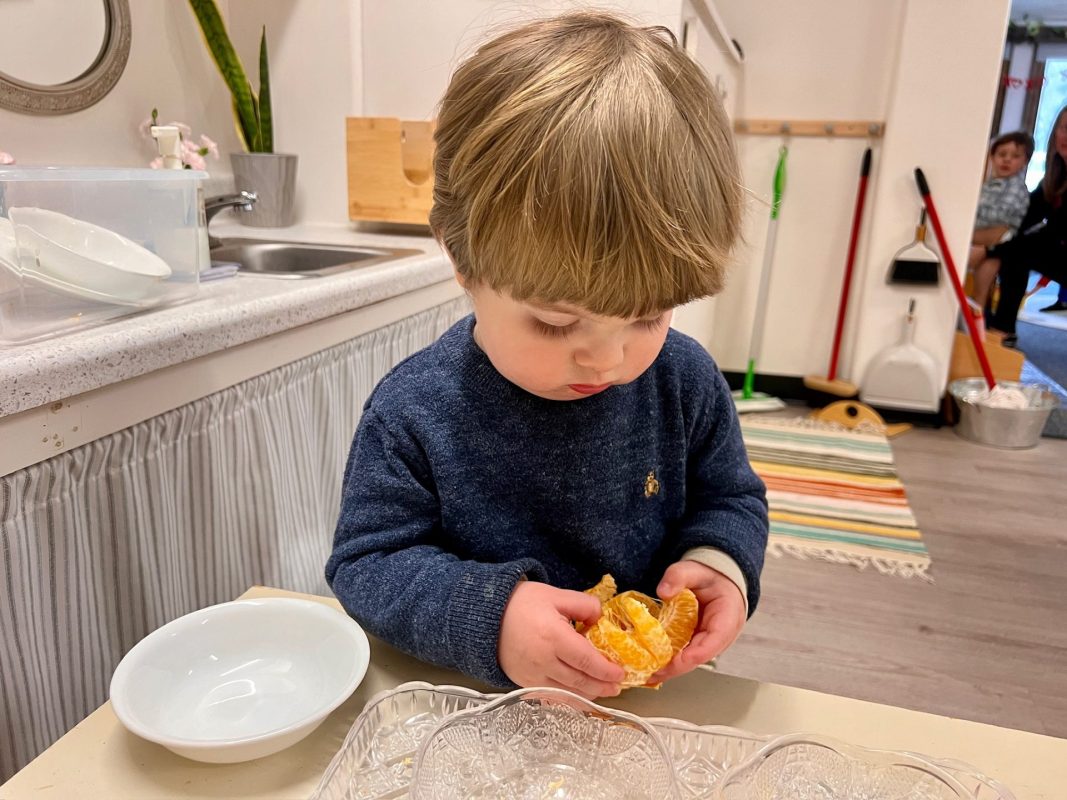
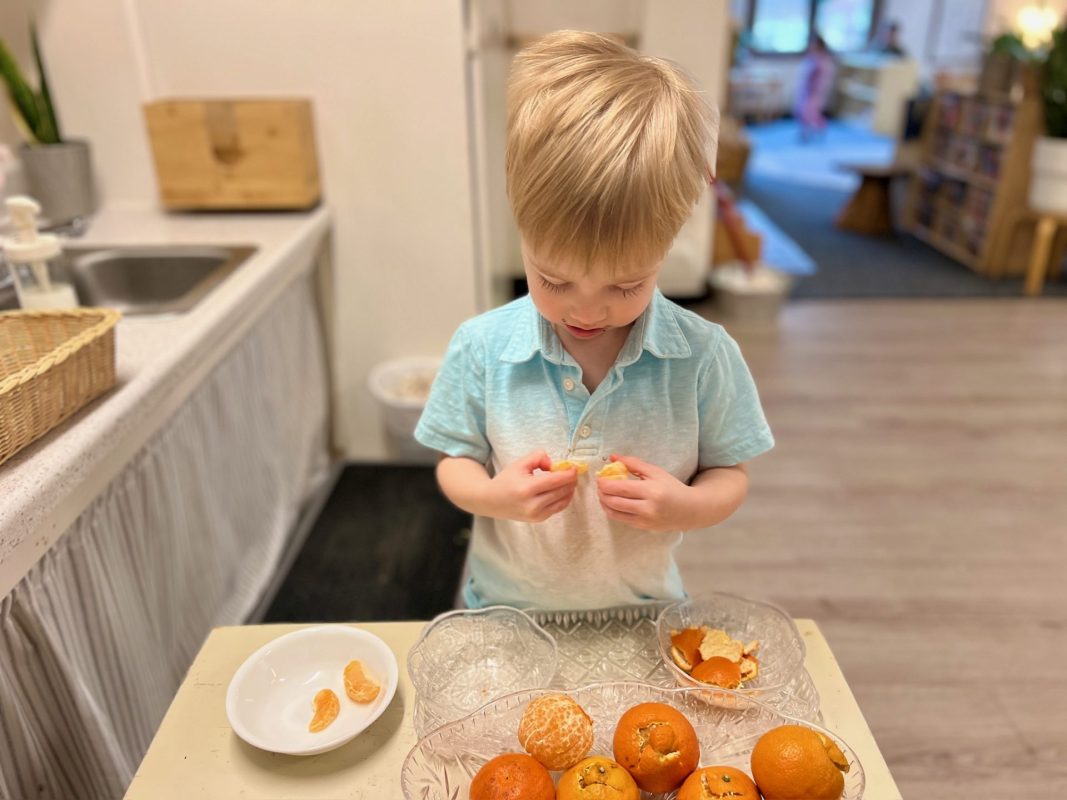
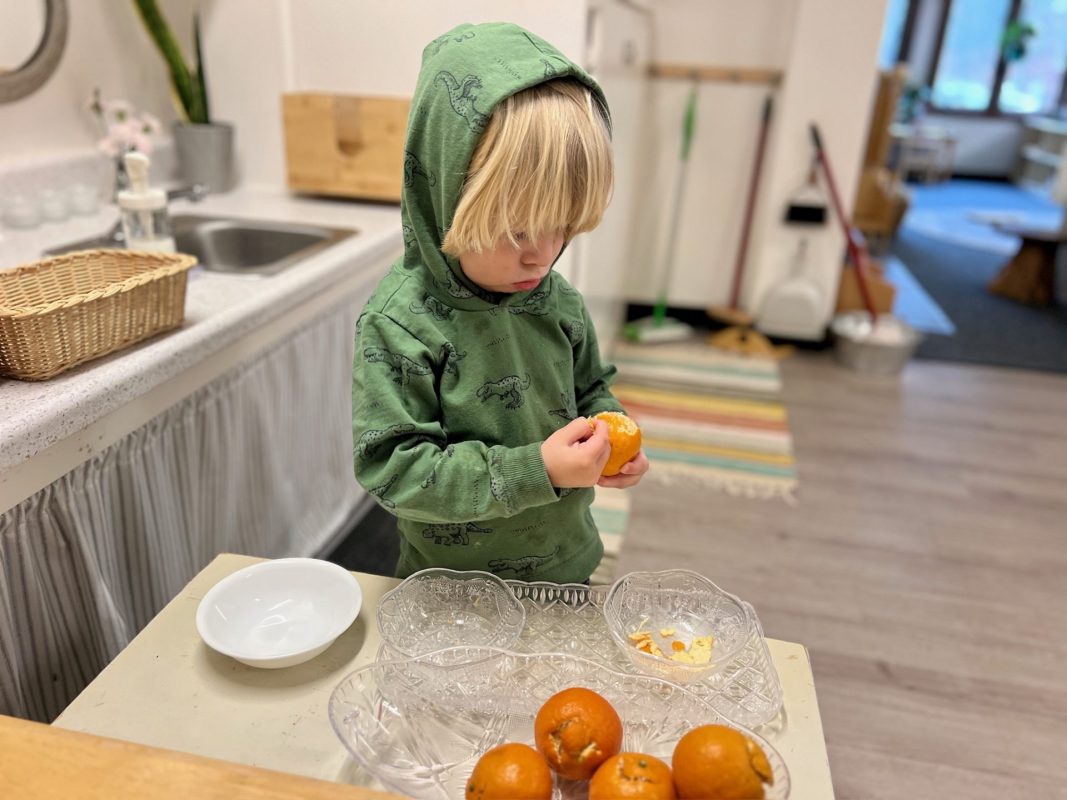
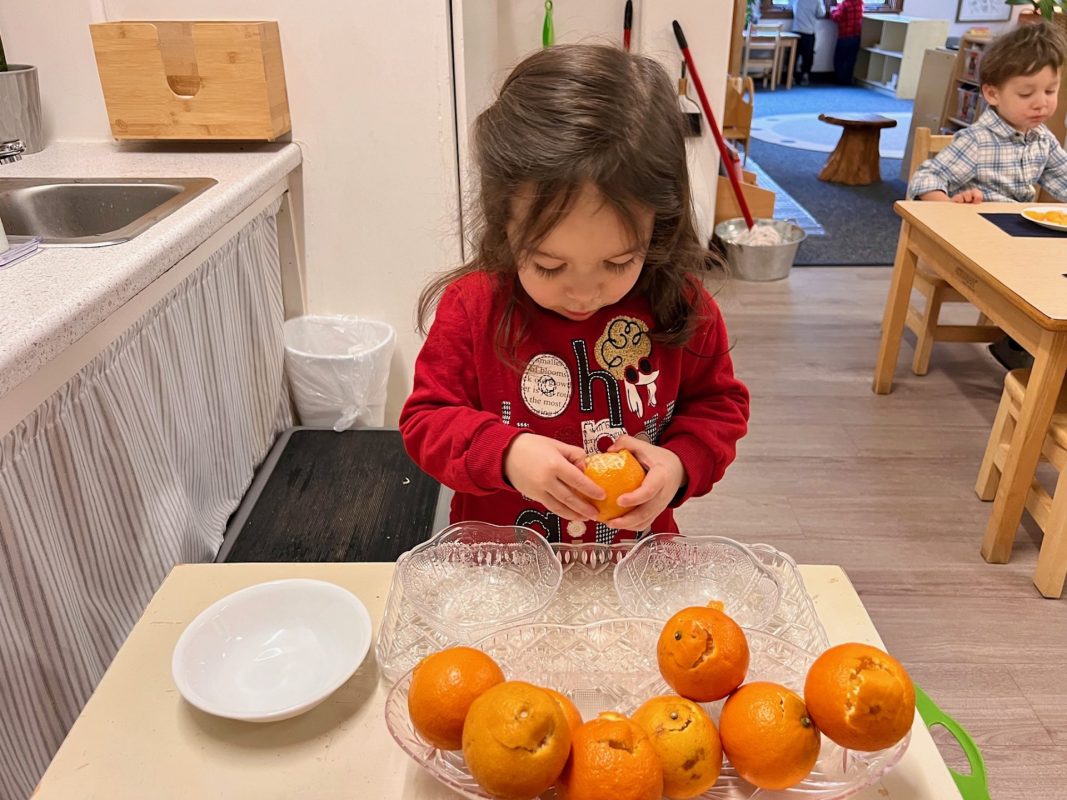
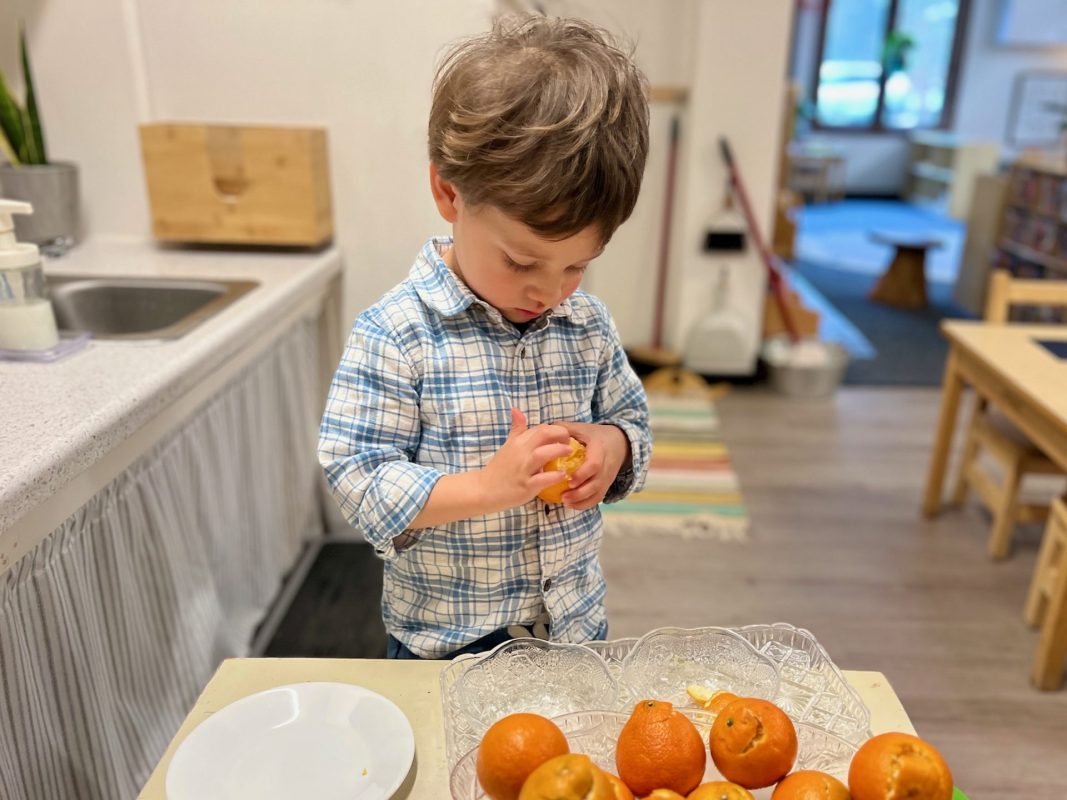
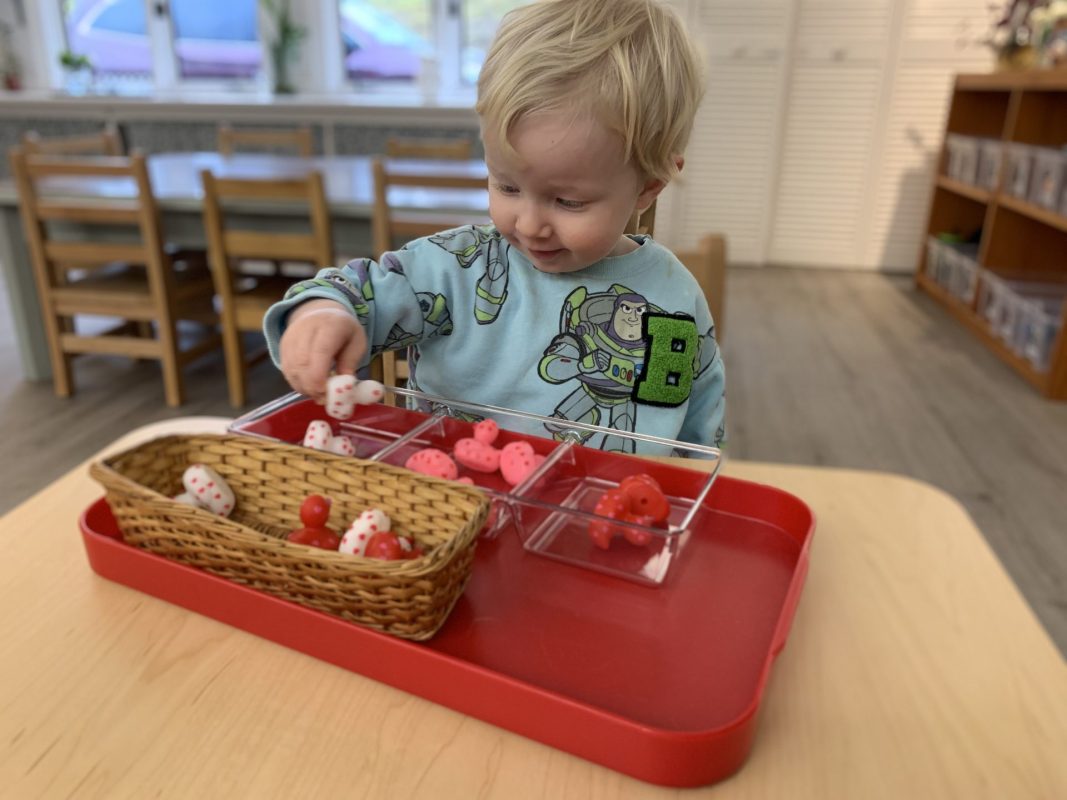
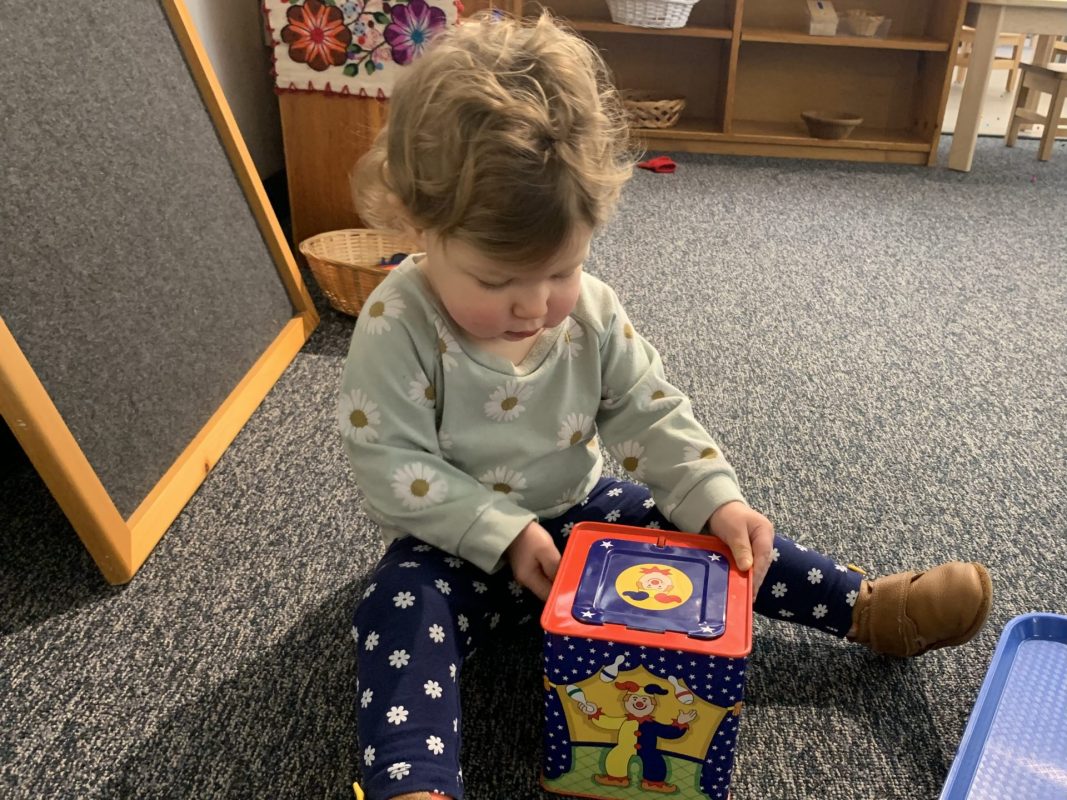
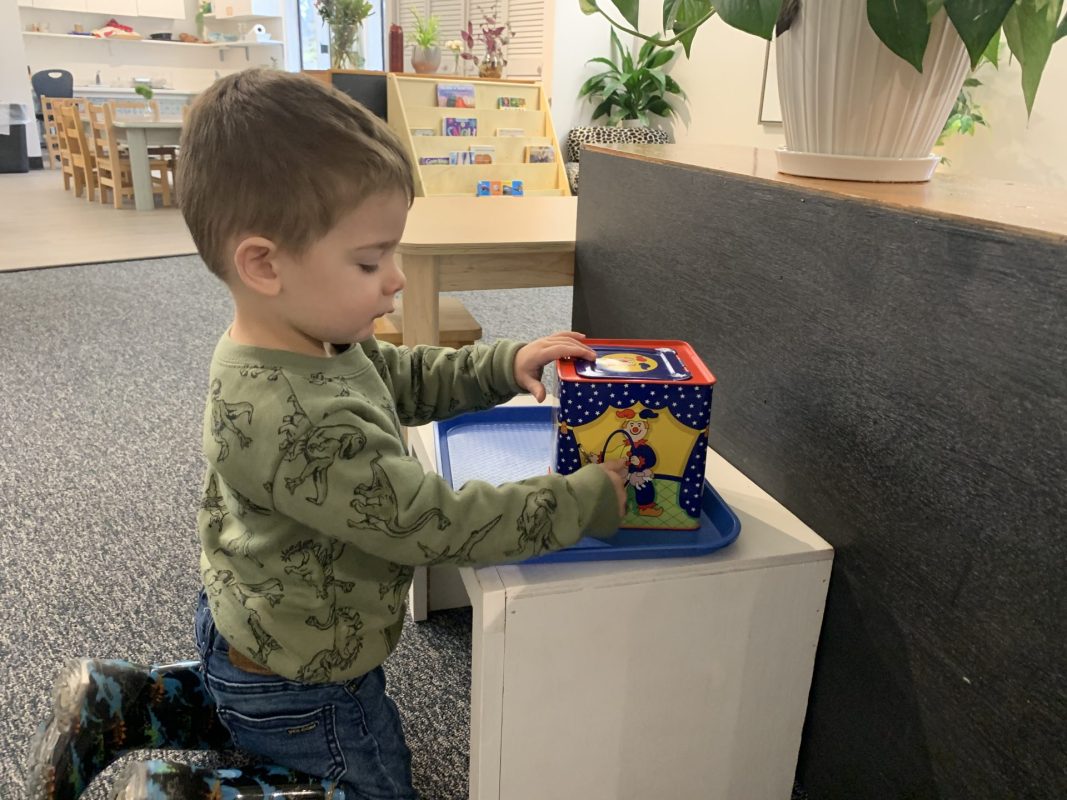
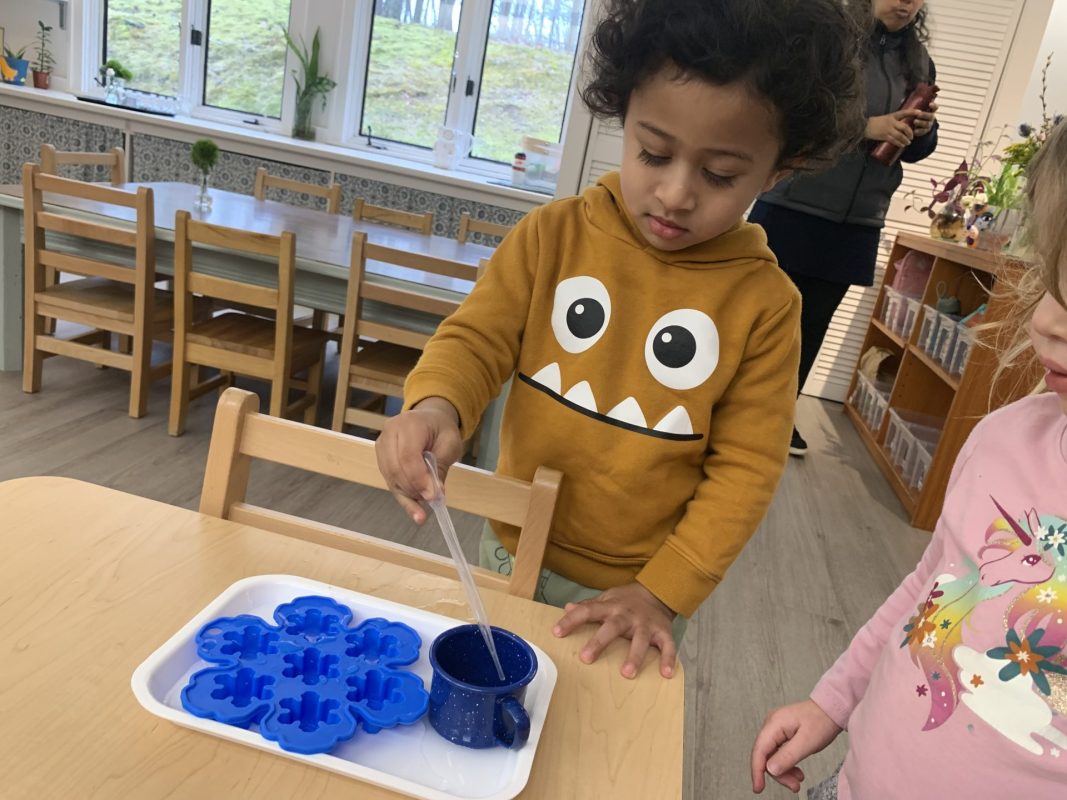
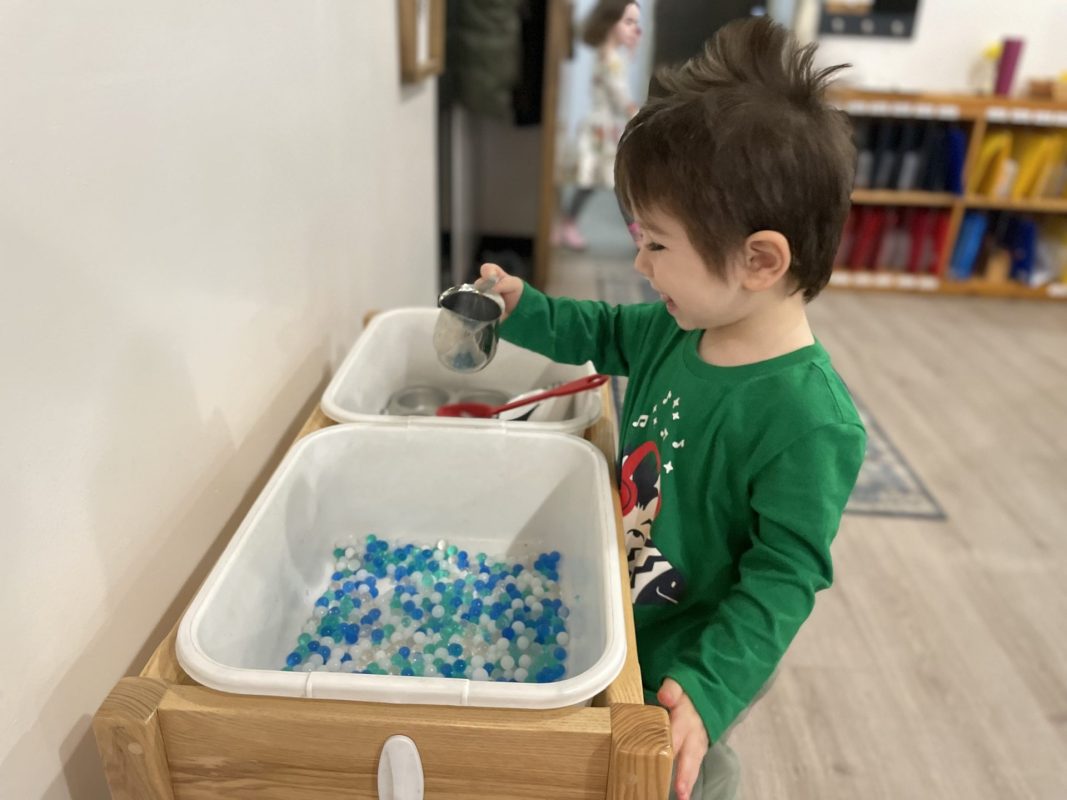
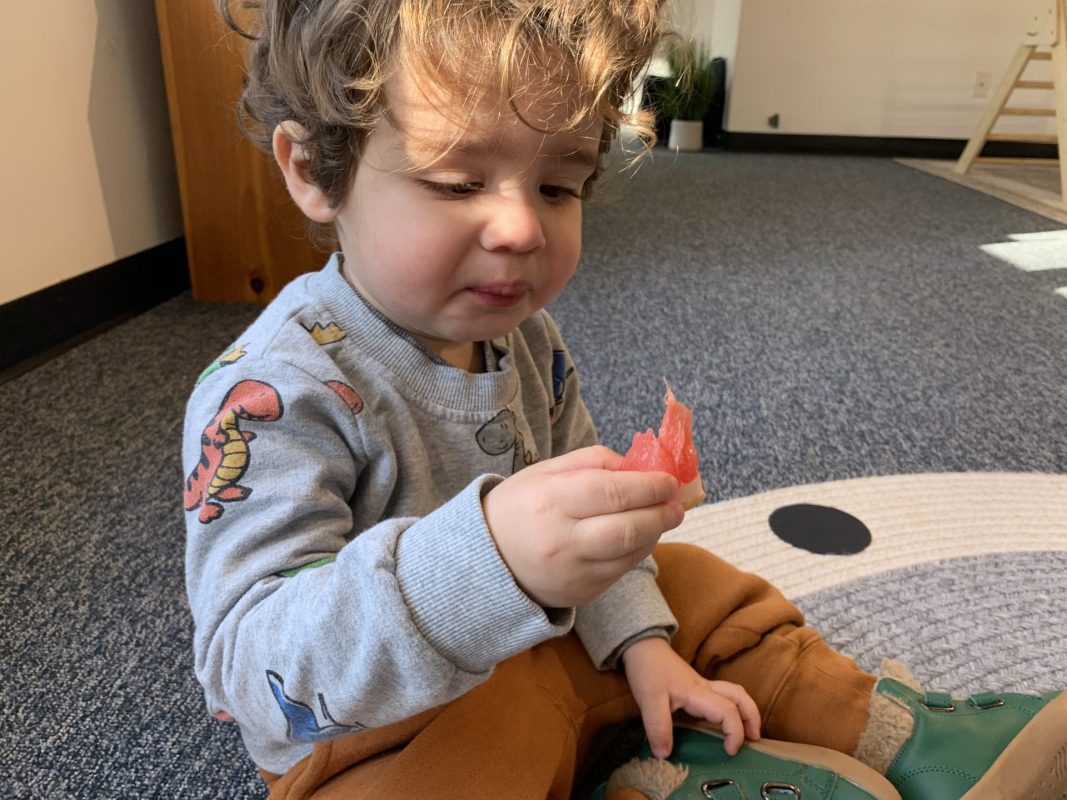
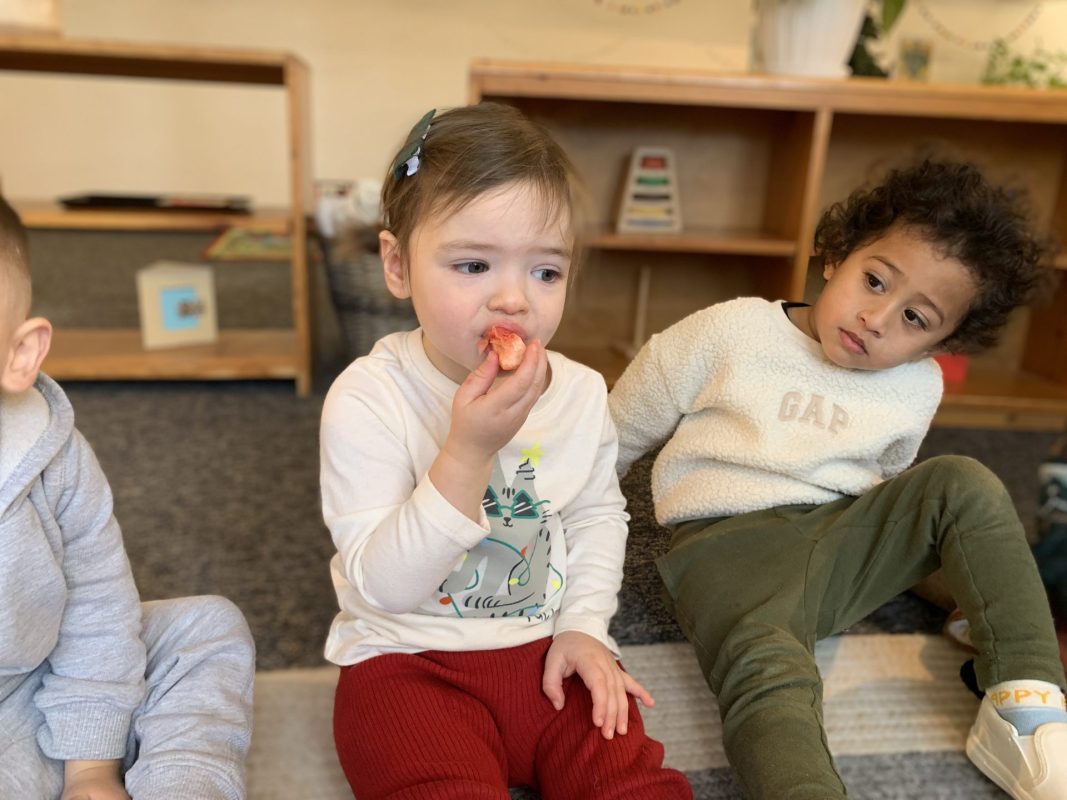
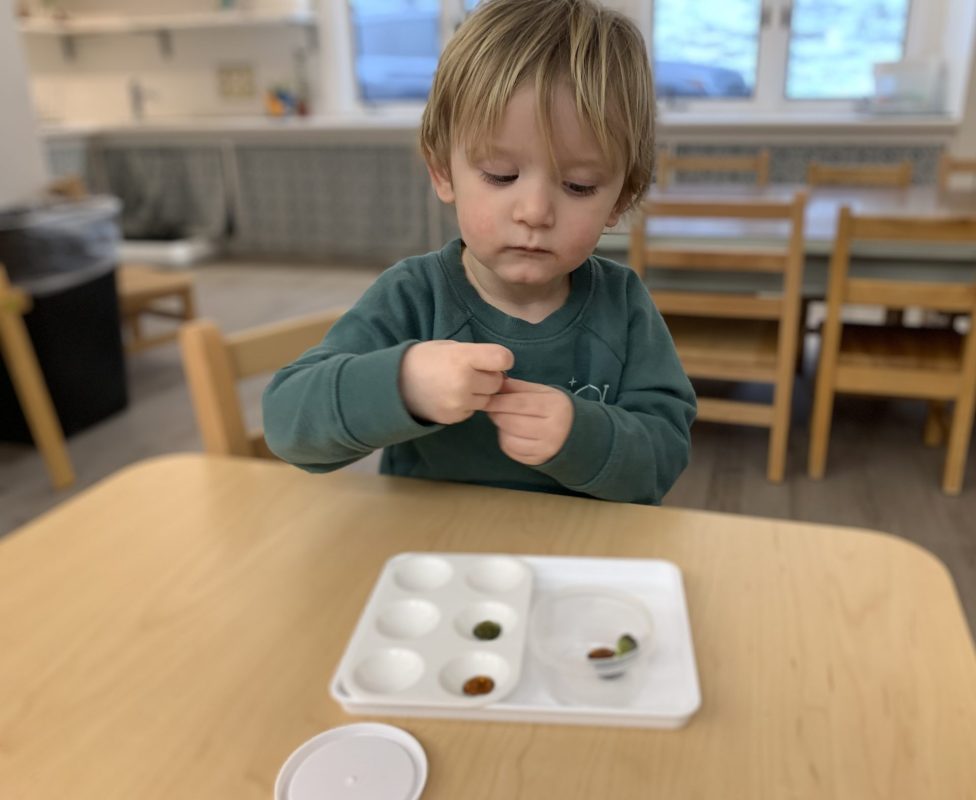
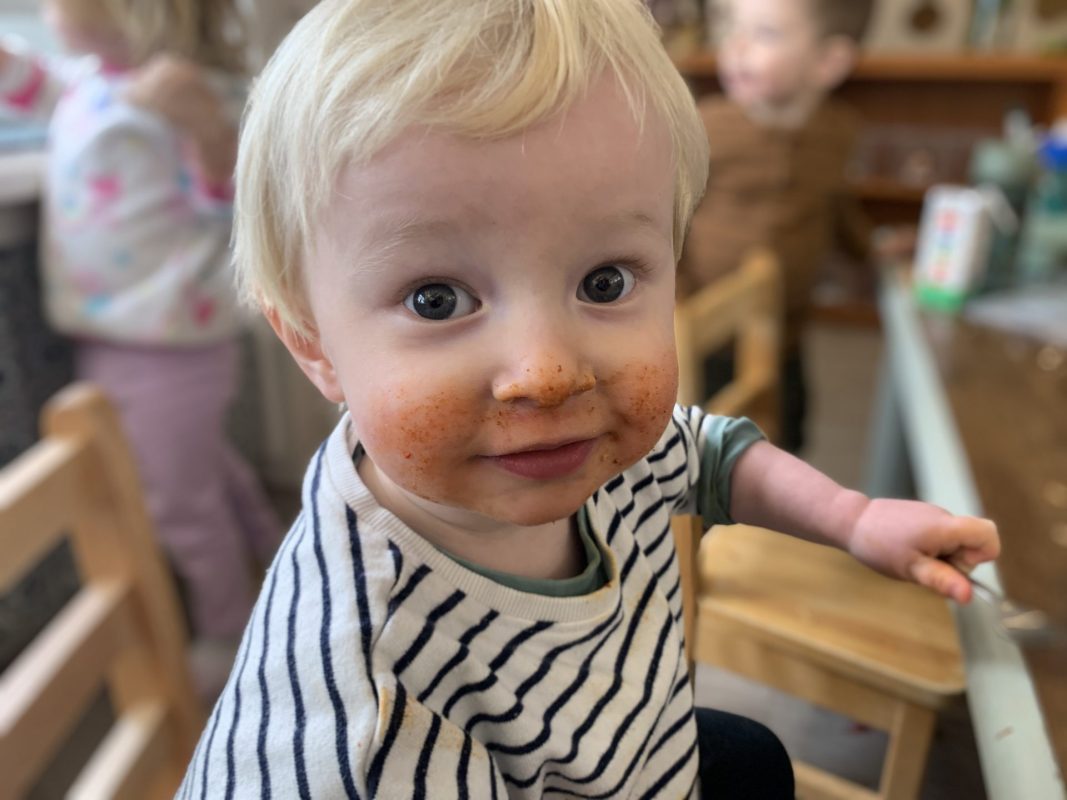
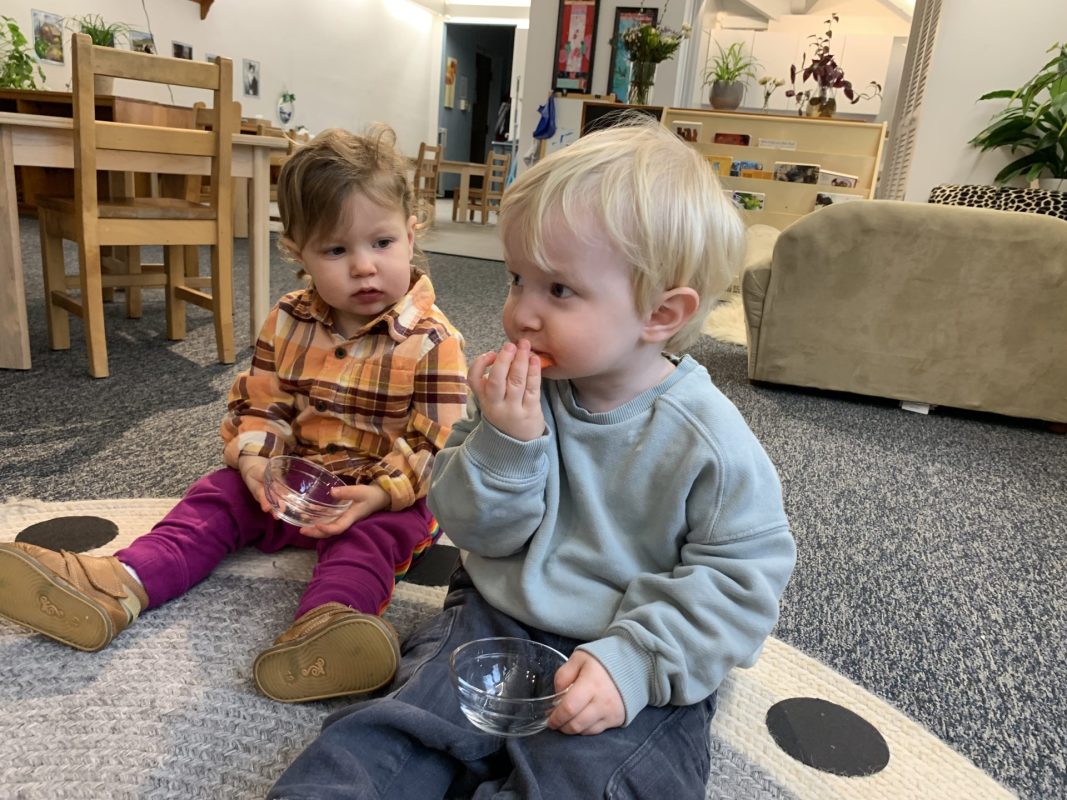
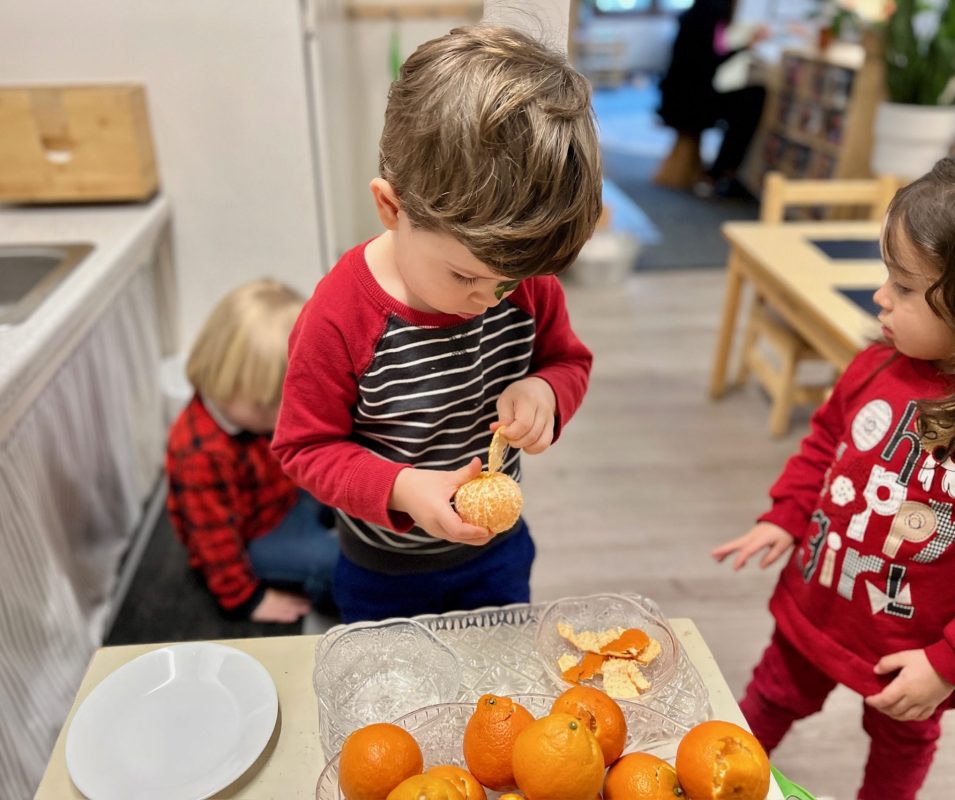
This week, we tasted clementines, and each child had a turn to peel, separate the segments, and serve their fruit onto a plate or bowl after we demonstrated and tasted it together.


Mrs. Sargeant: A Peek at the Week

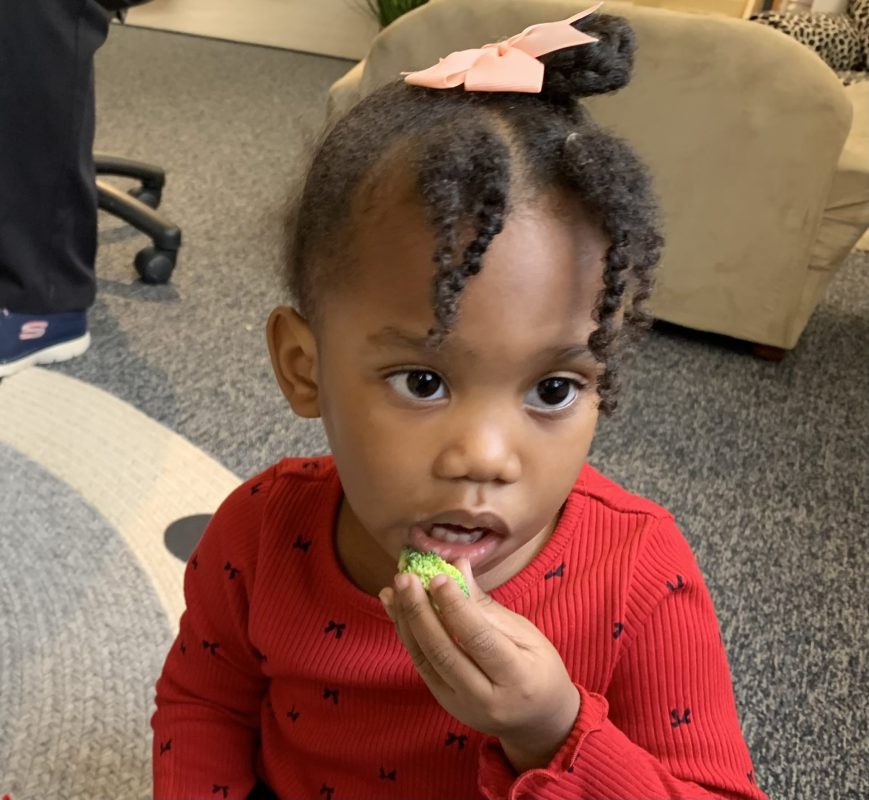
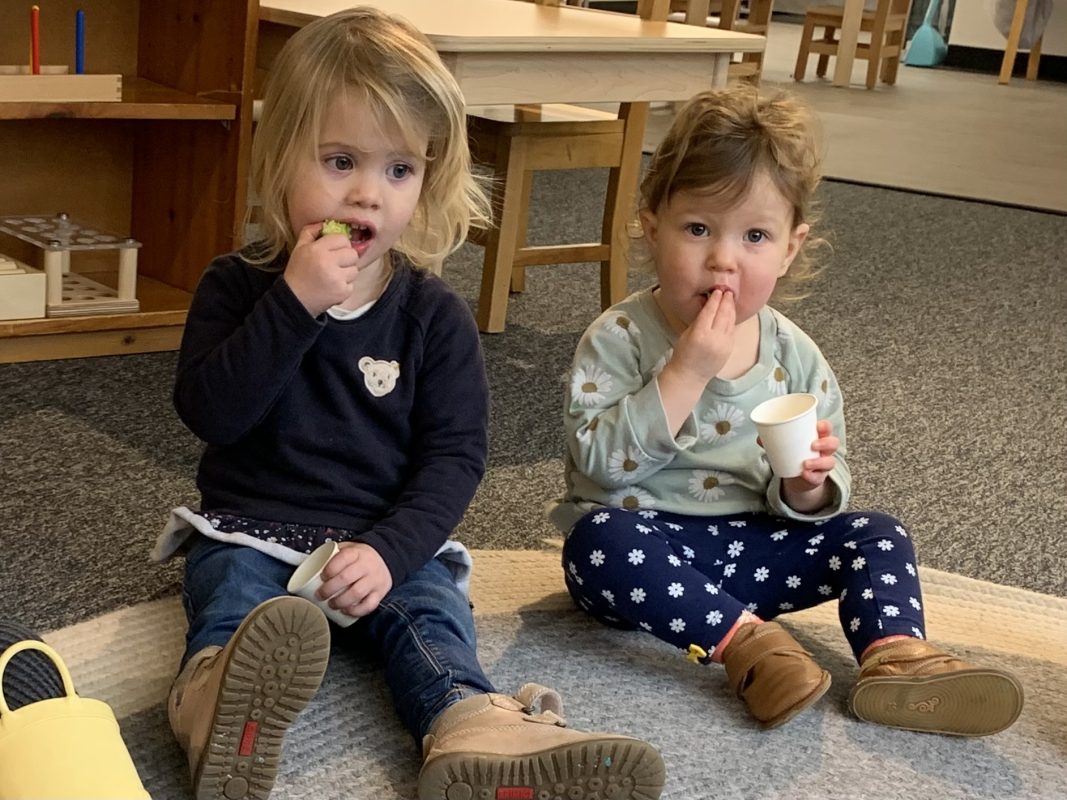
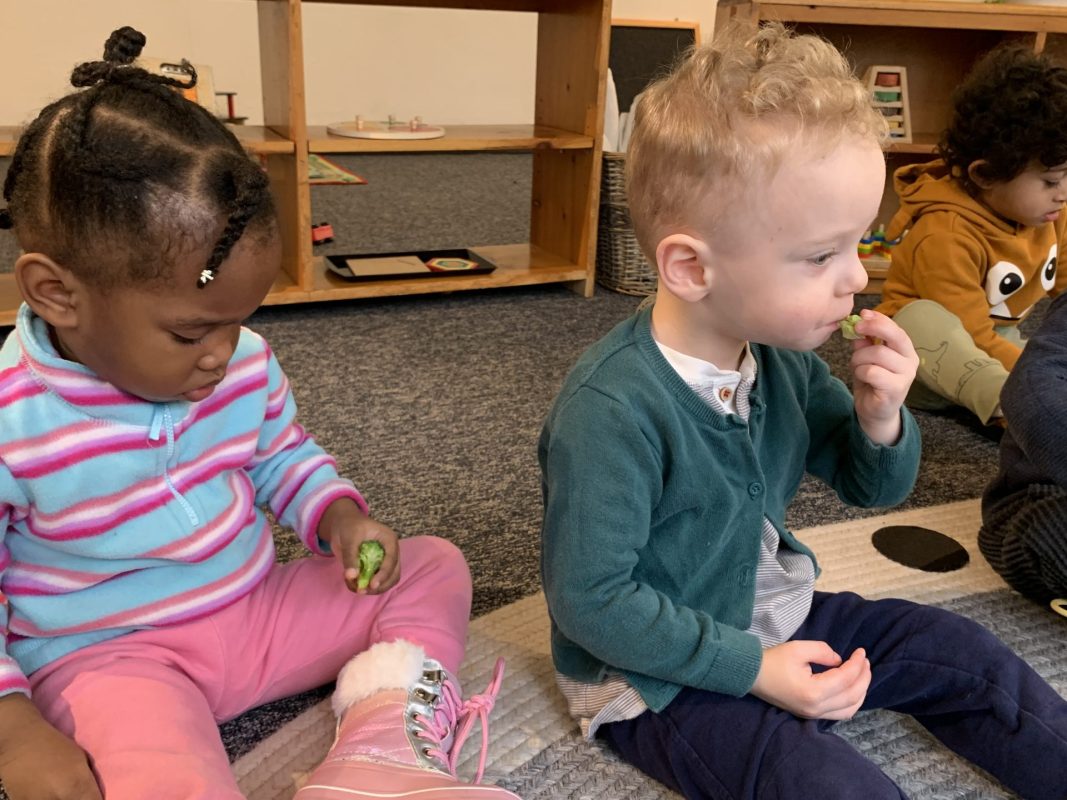
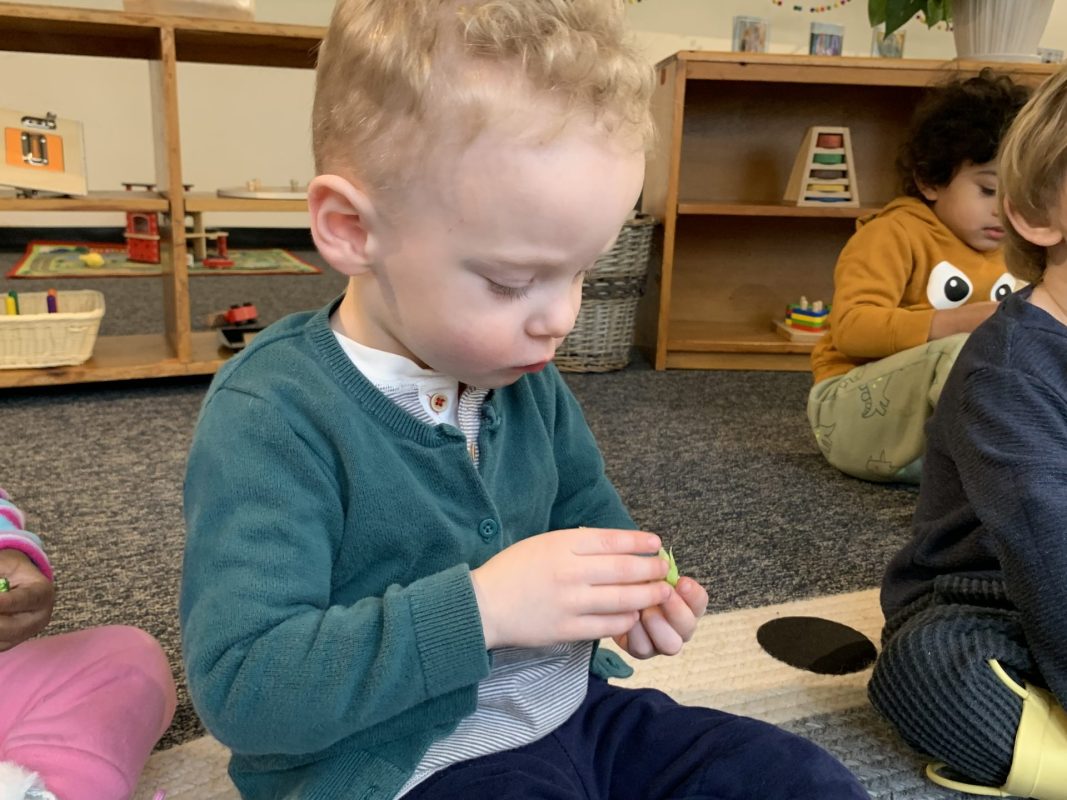
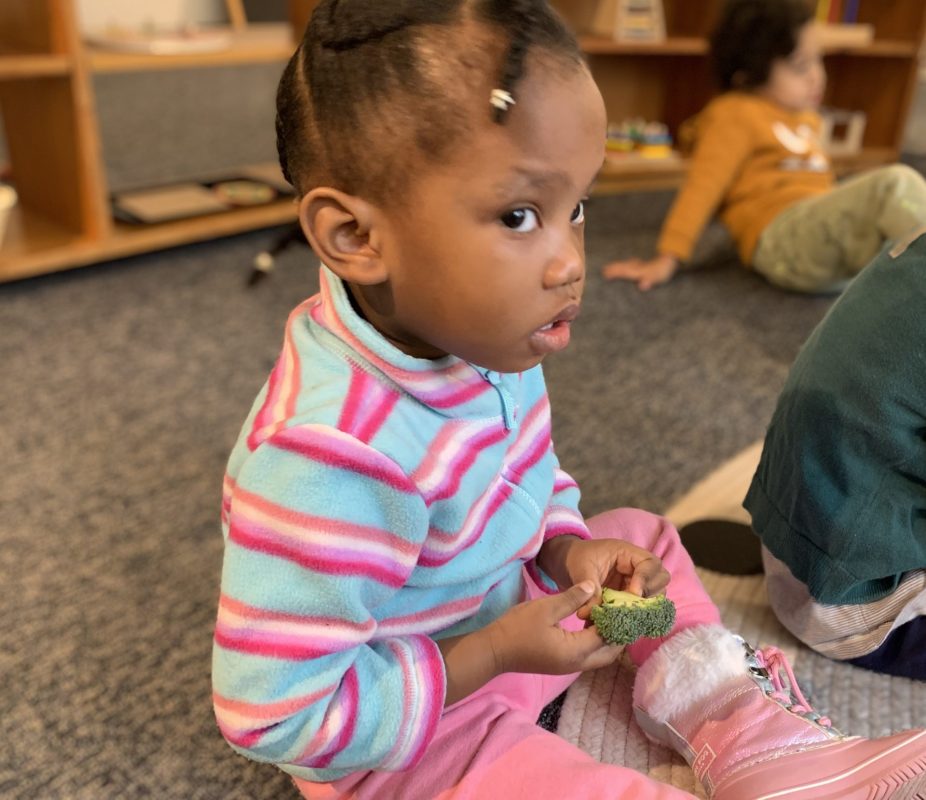
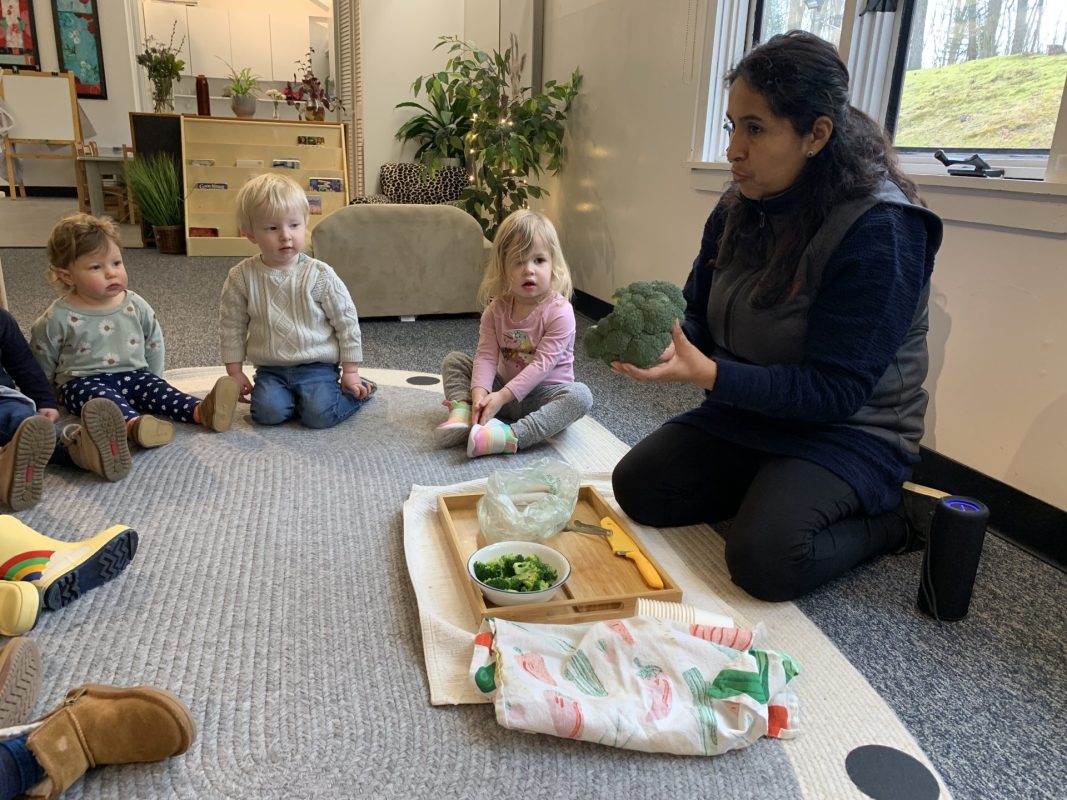
The week flew by! We tried broccoli. Raw did not go over very well, but the steamed broccoli was a hit! 

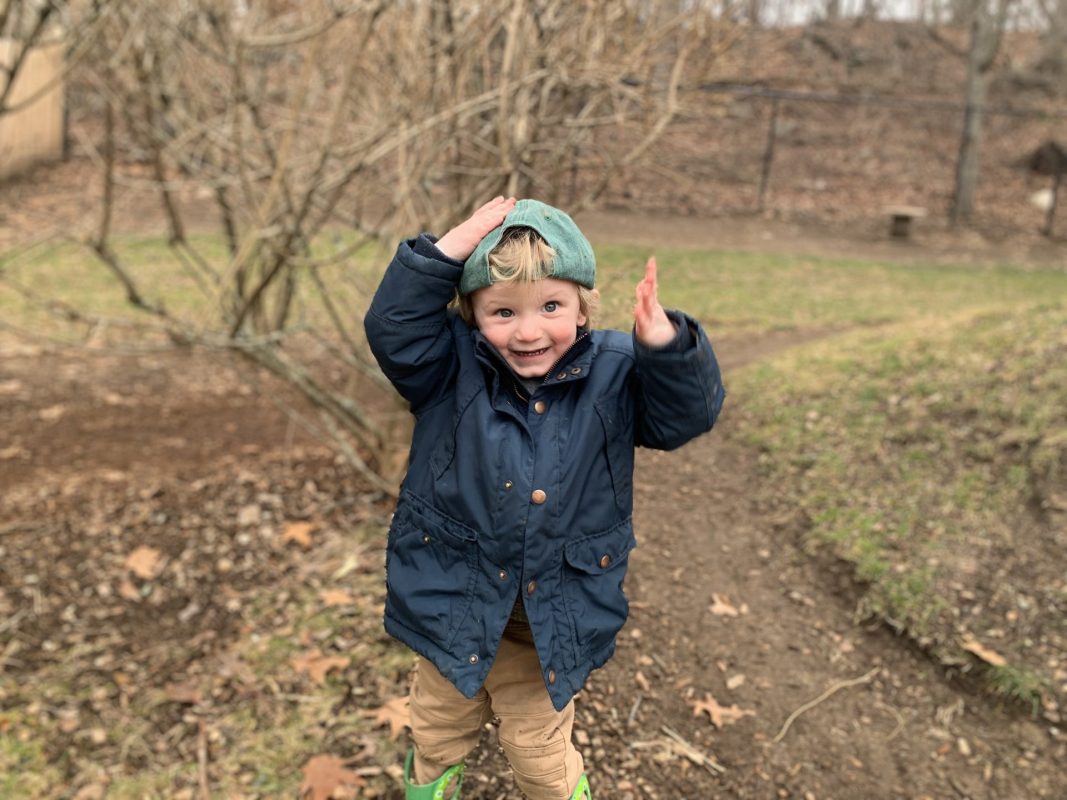
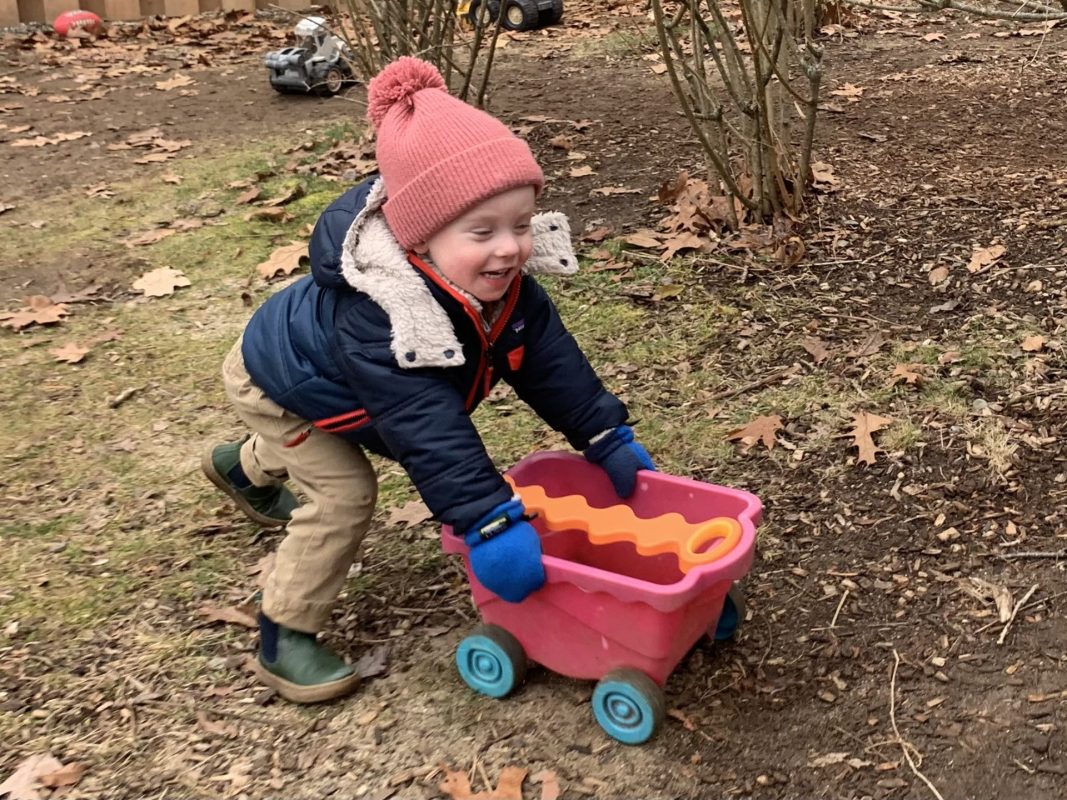
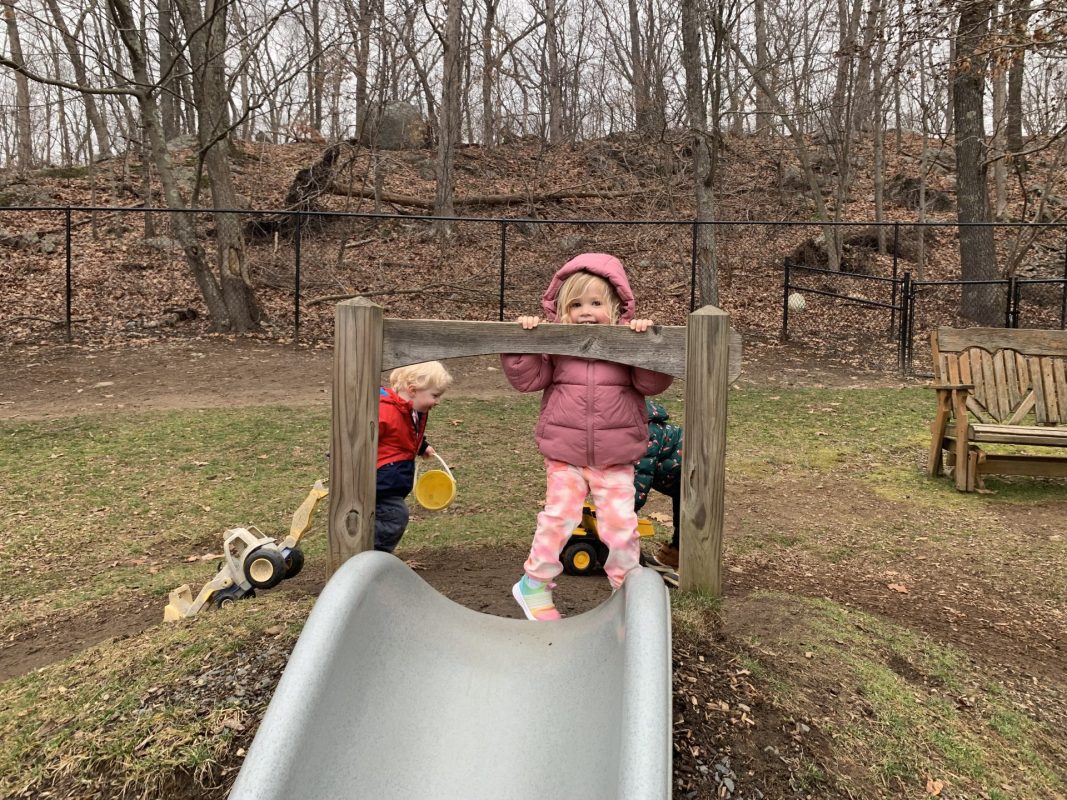
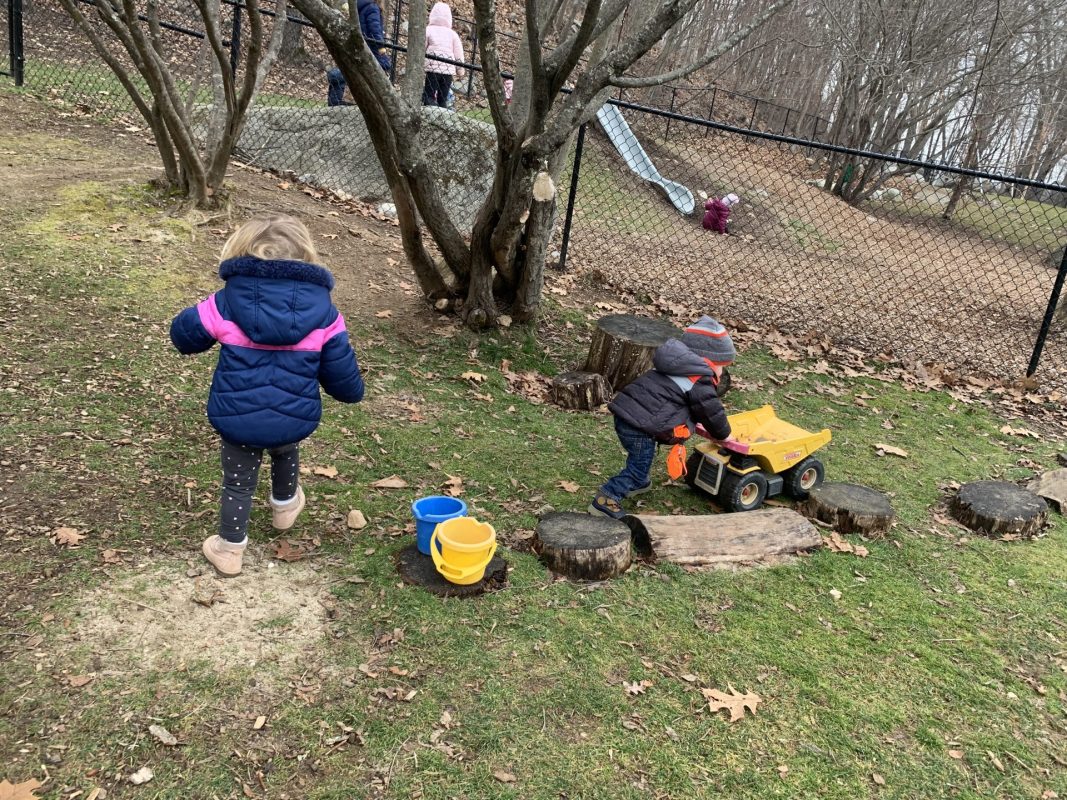
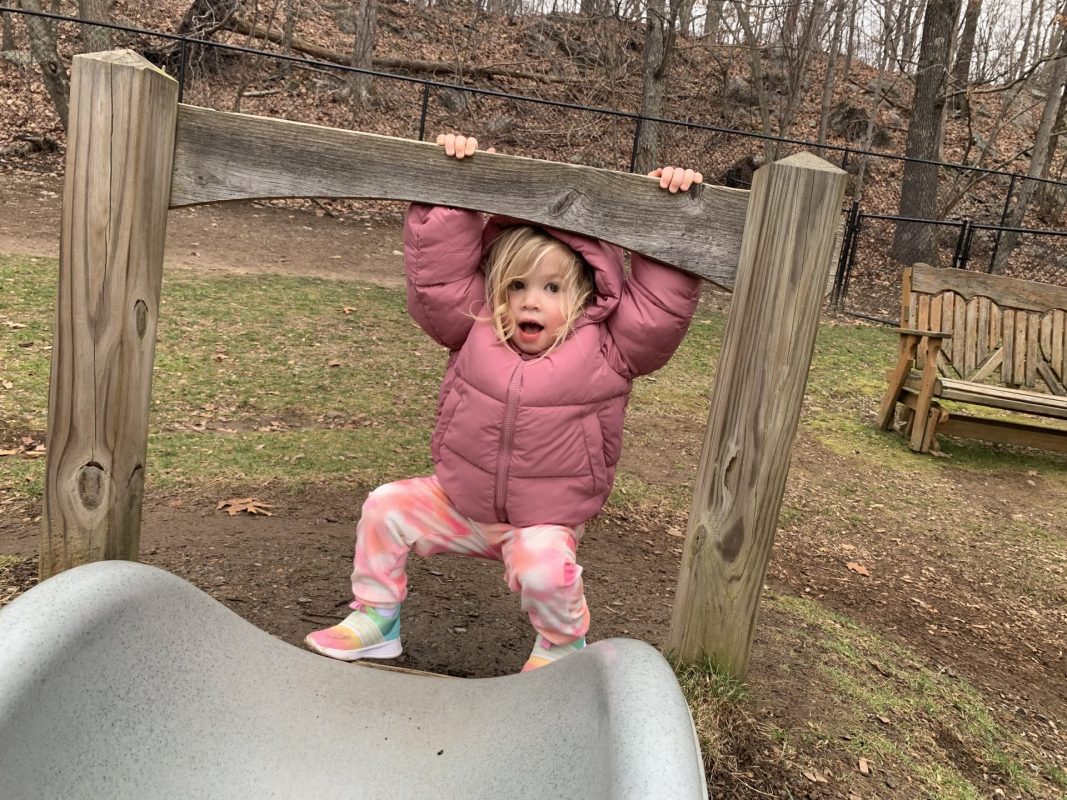
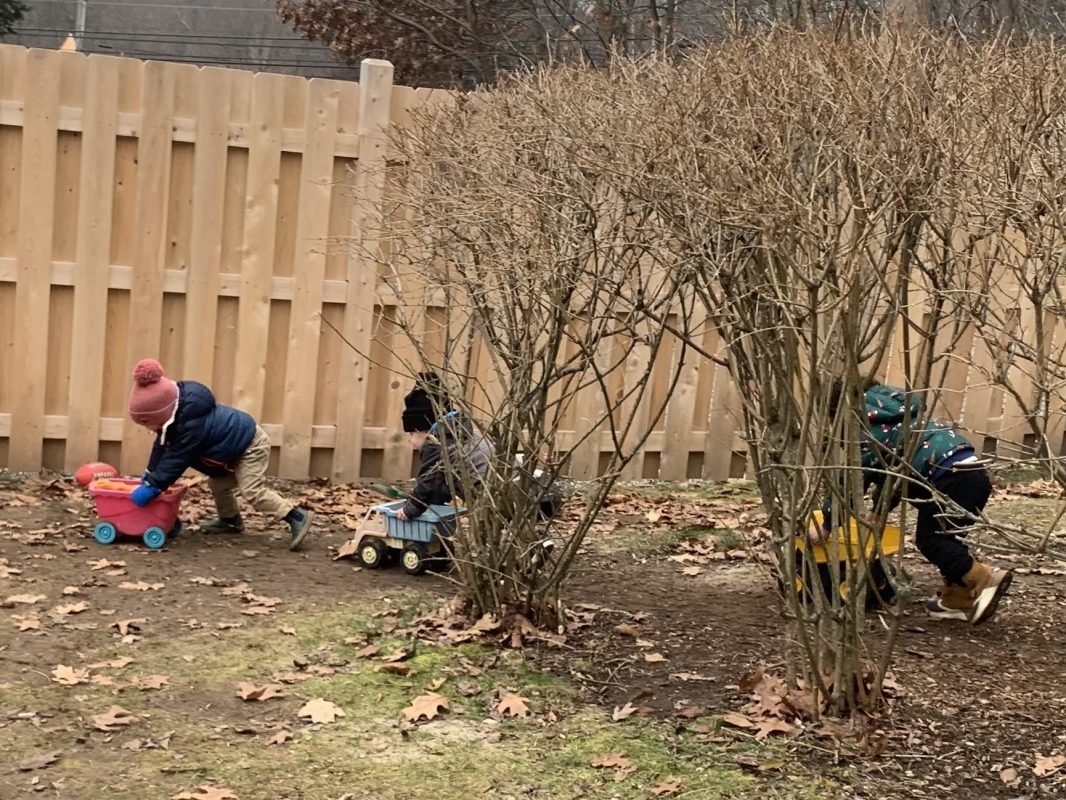
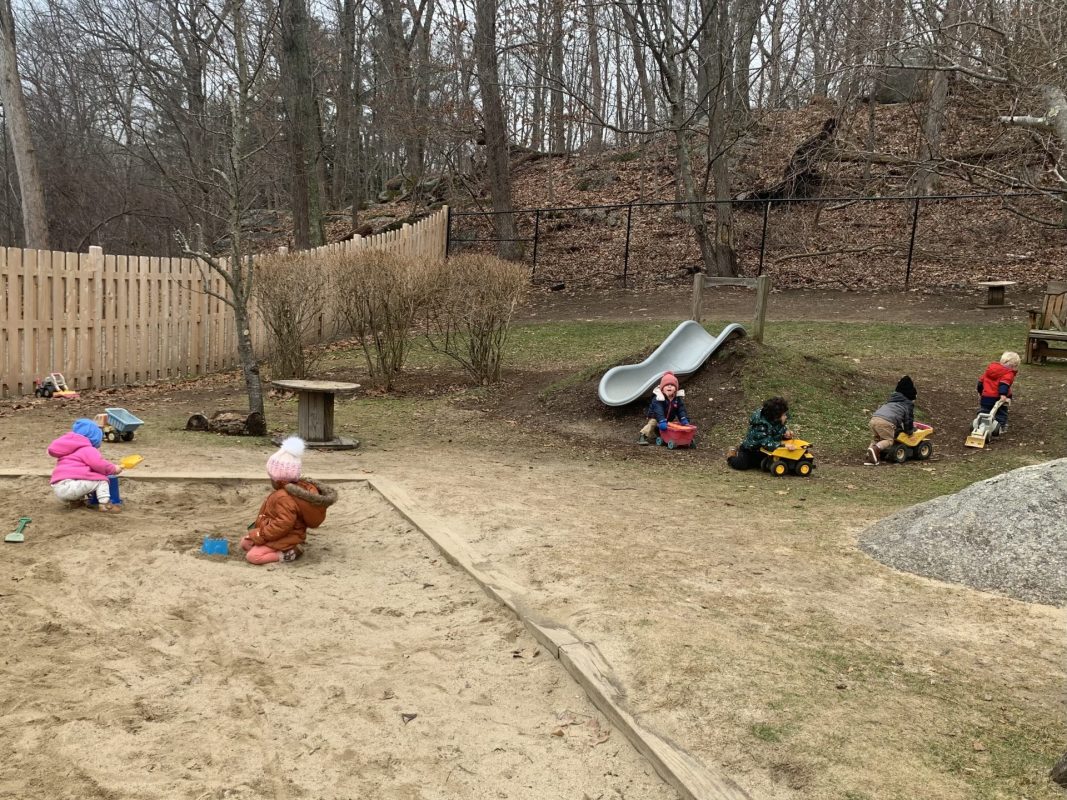
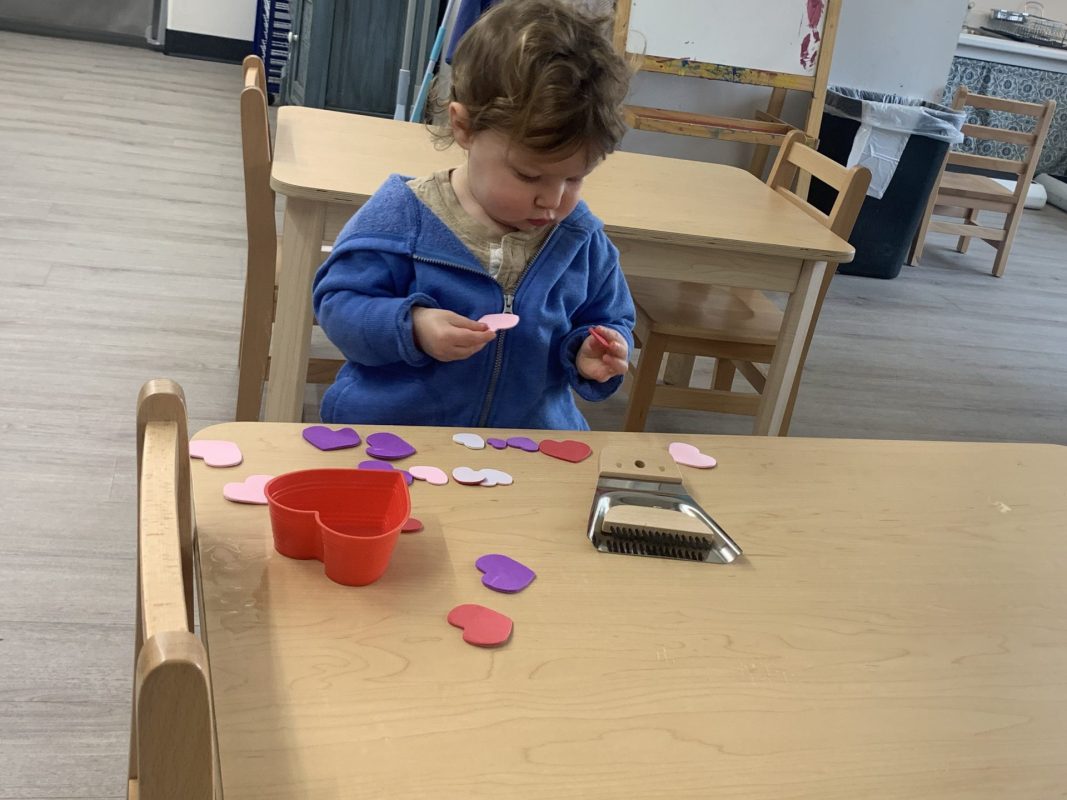
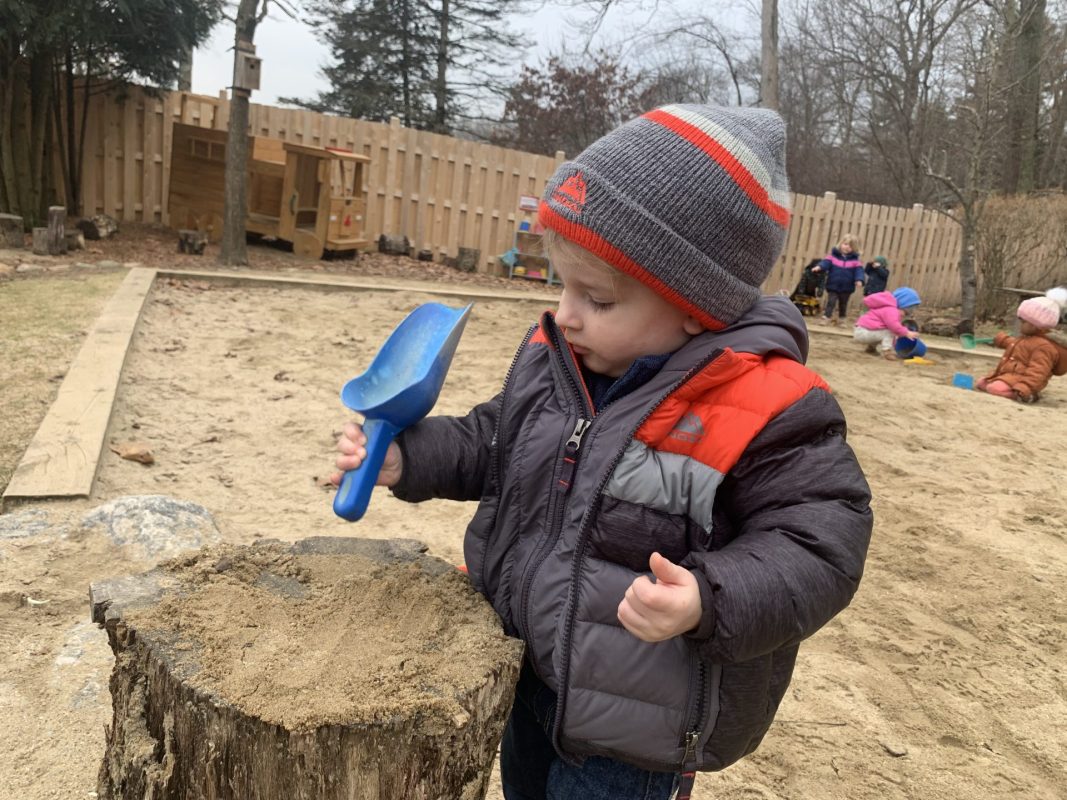
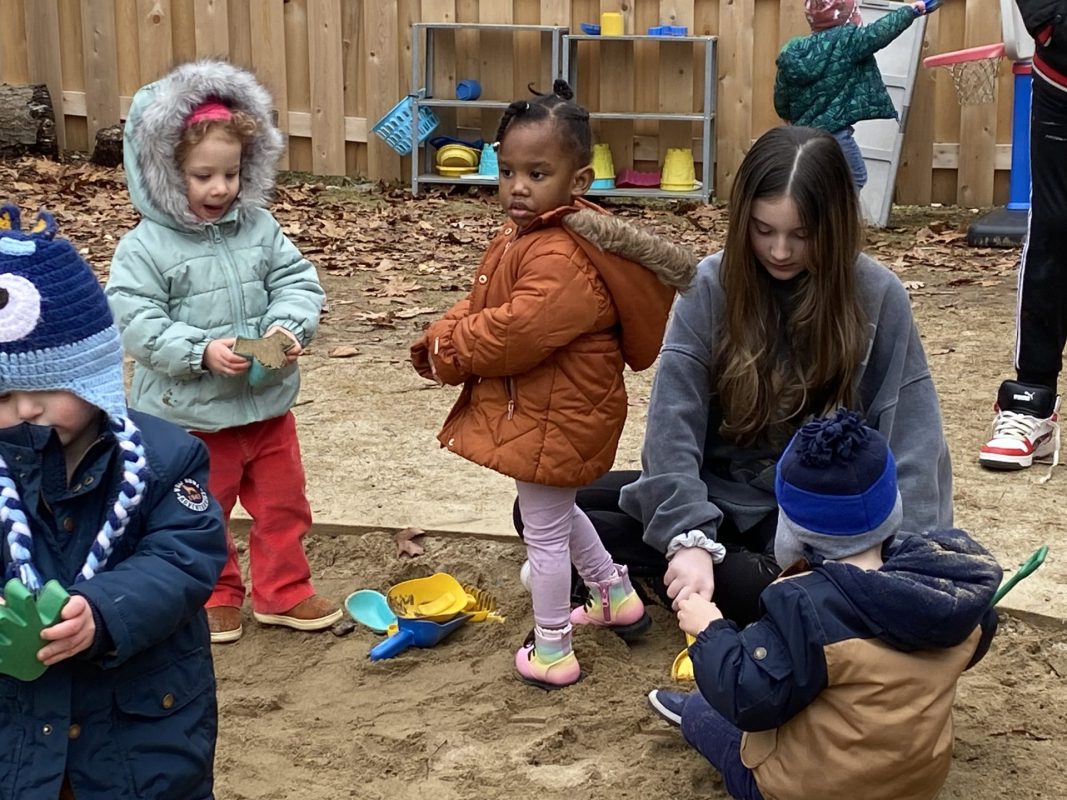
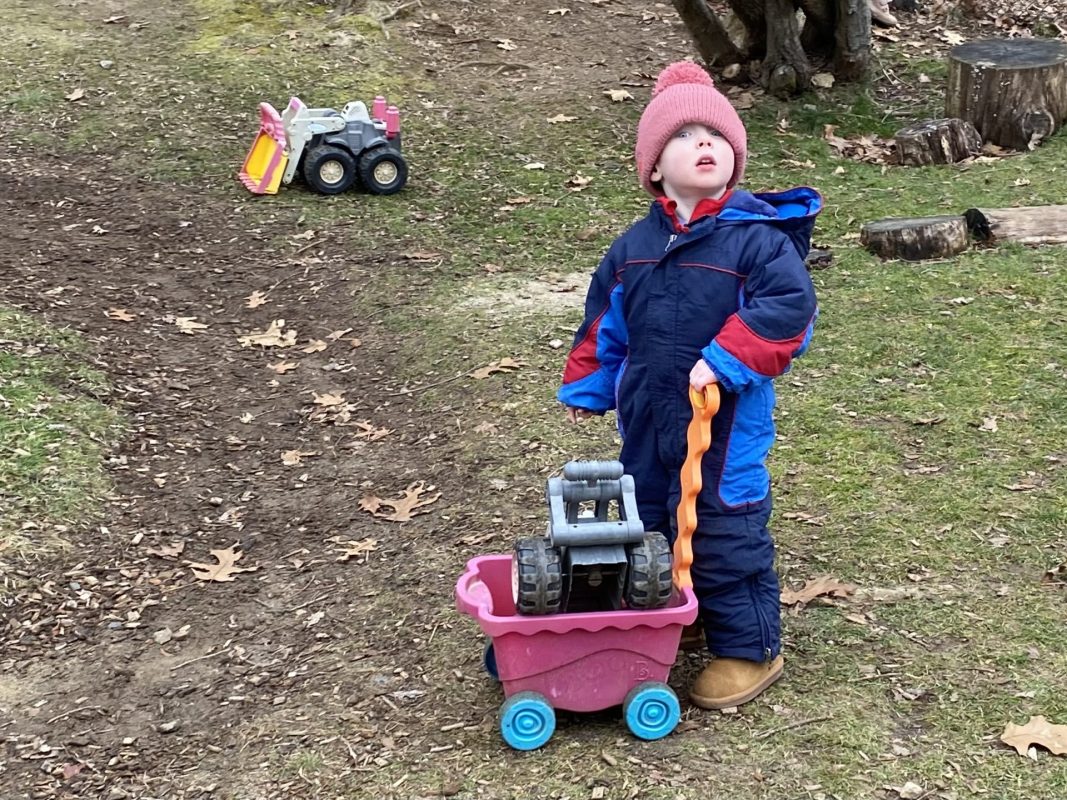
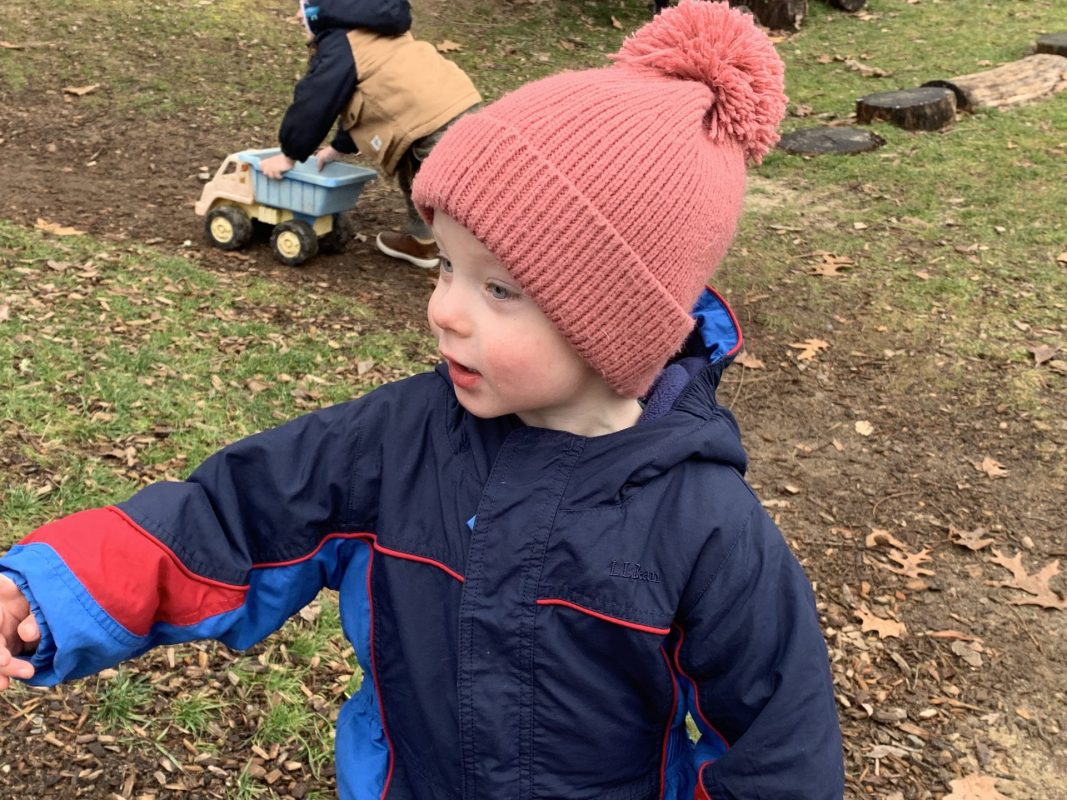
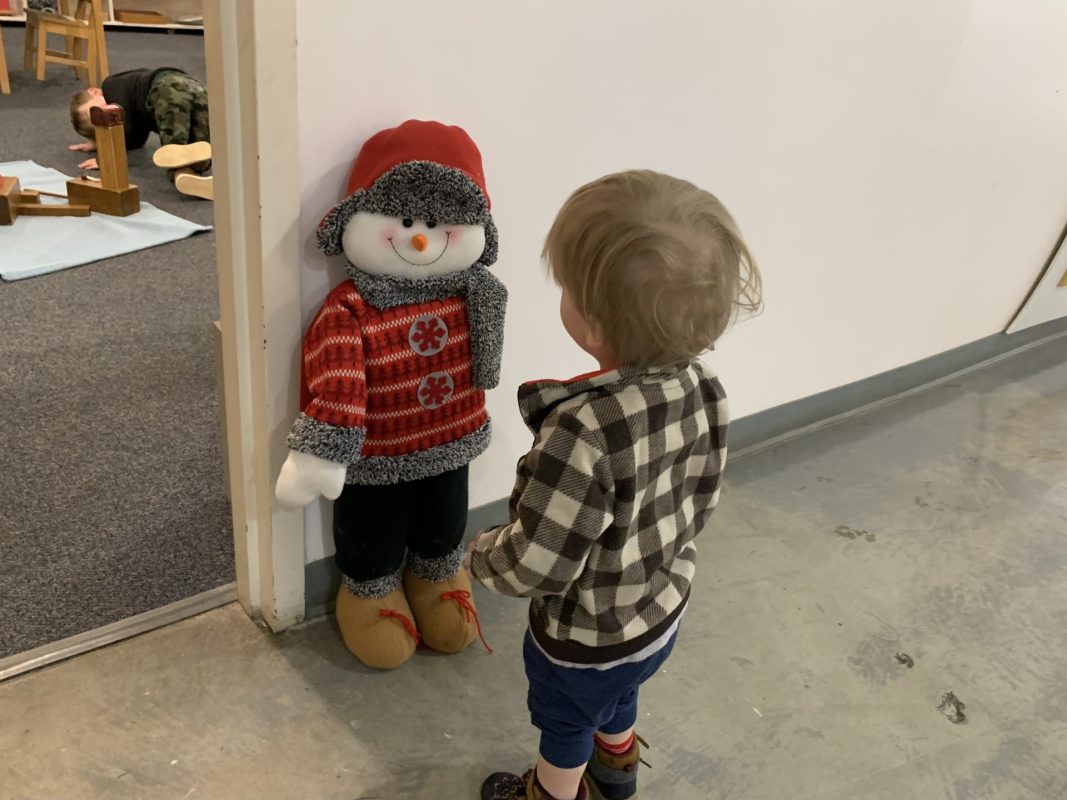
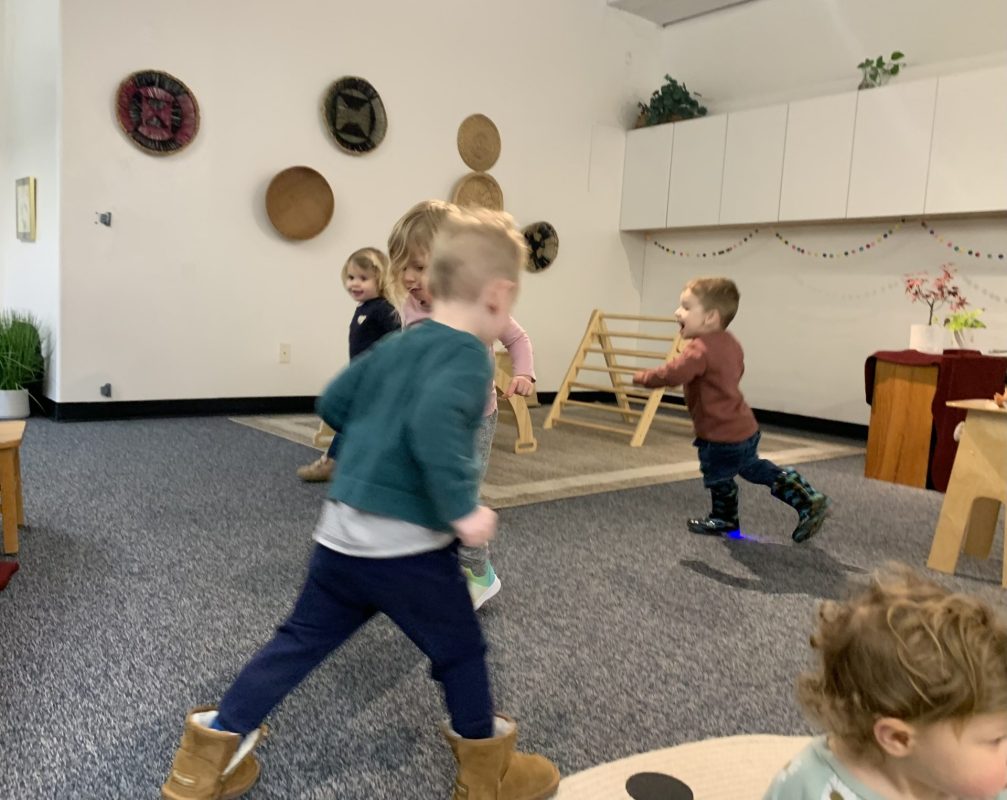
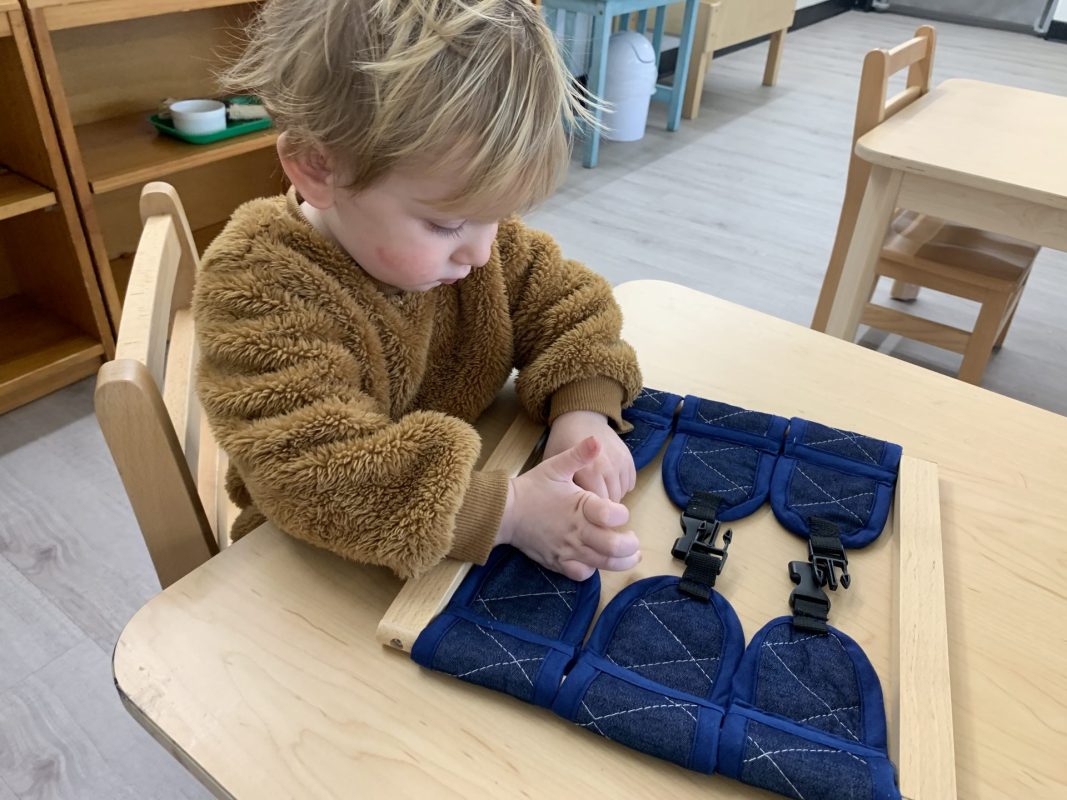
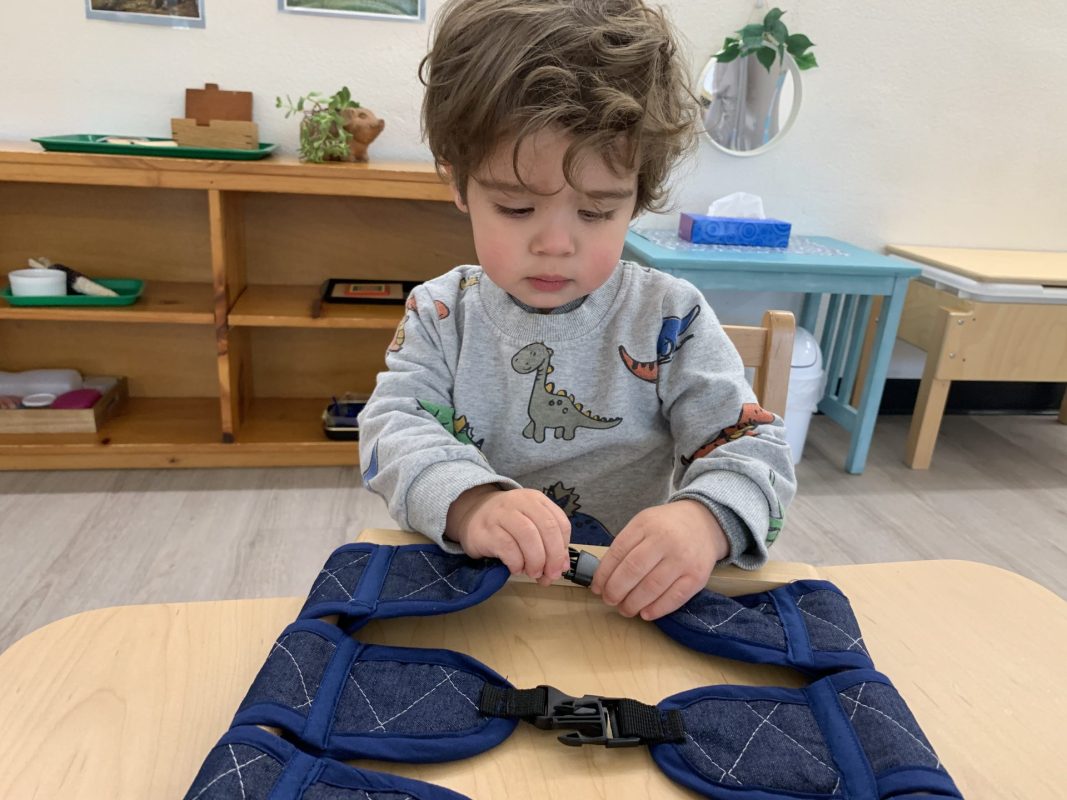
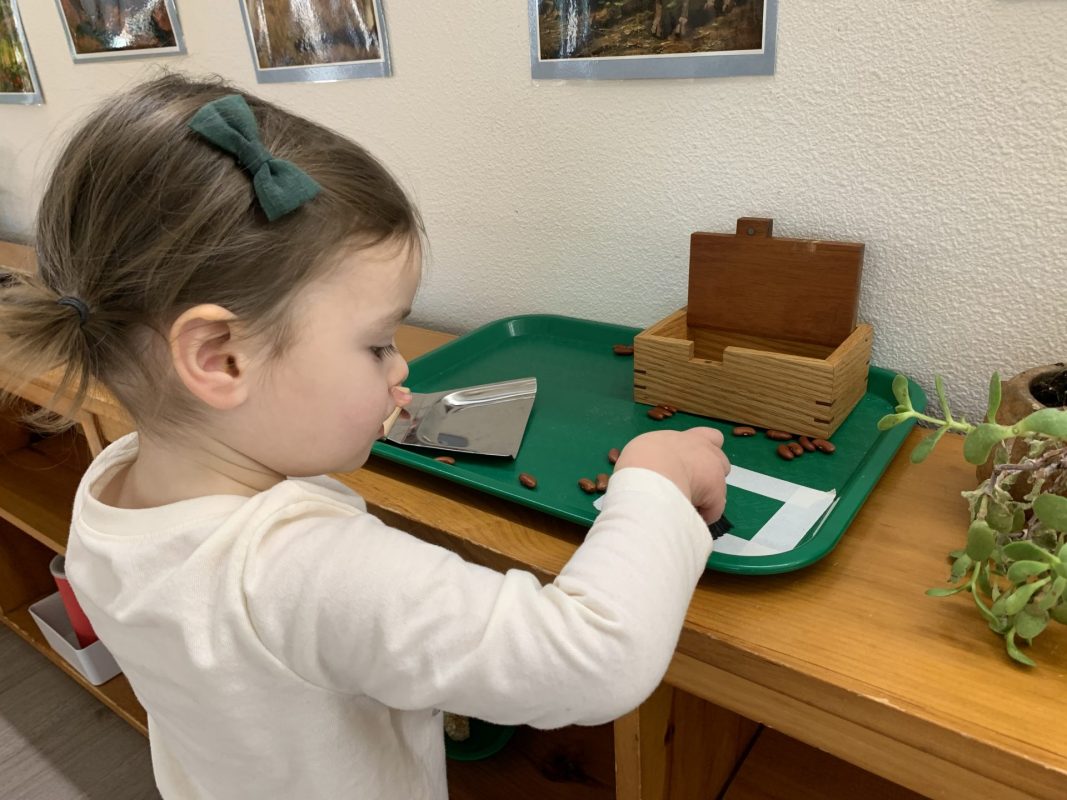
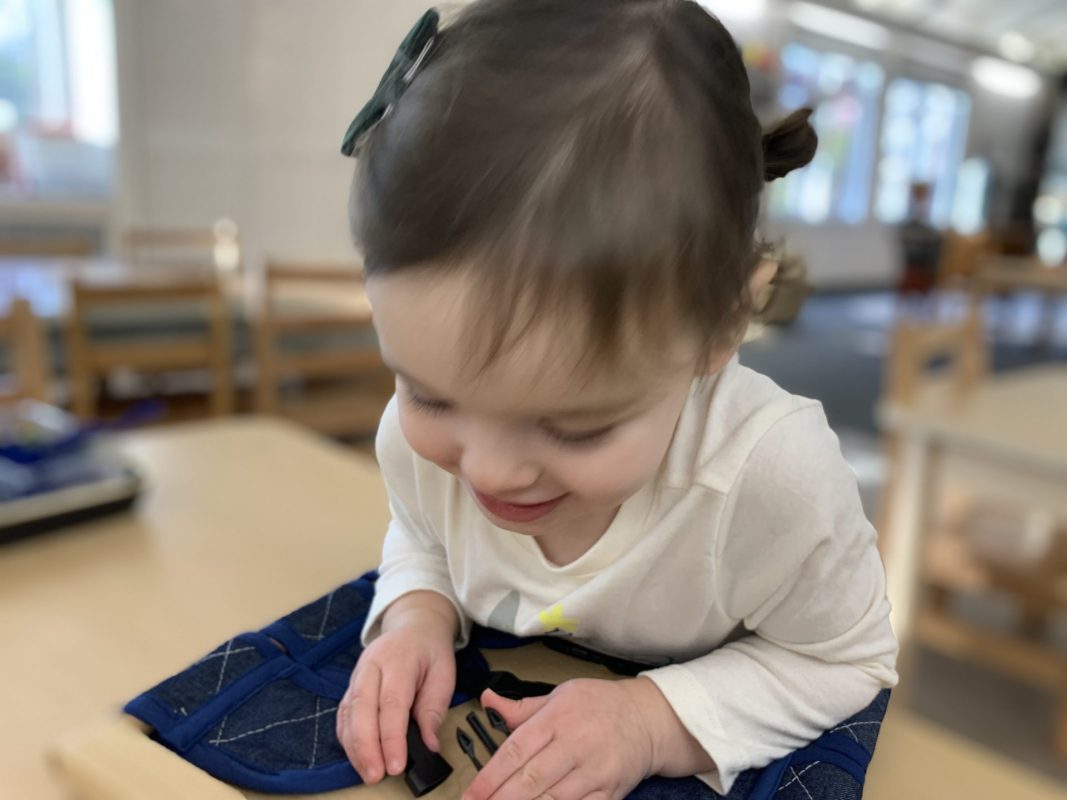
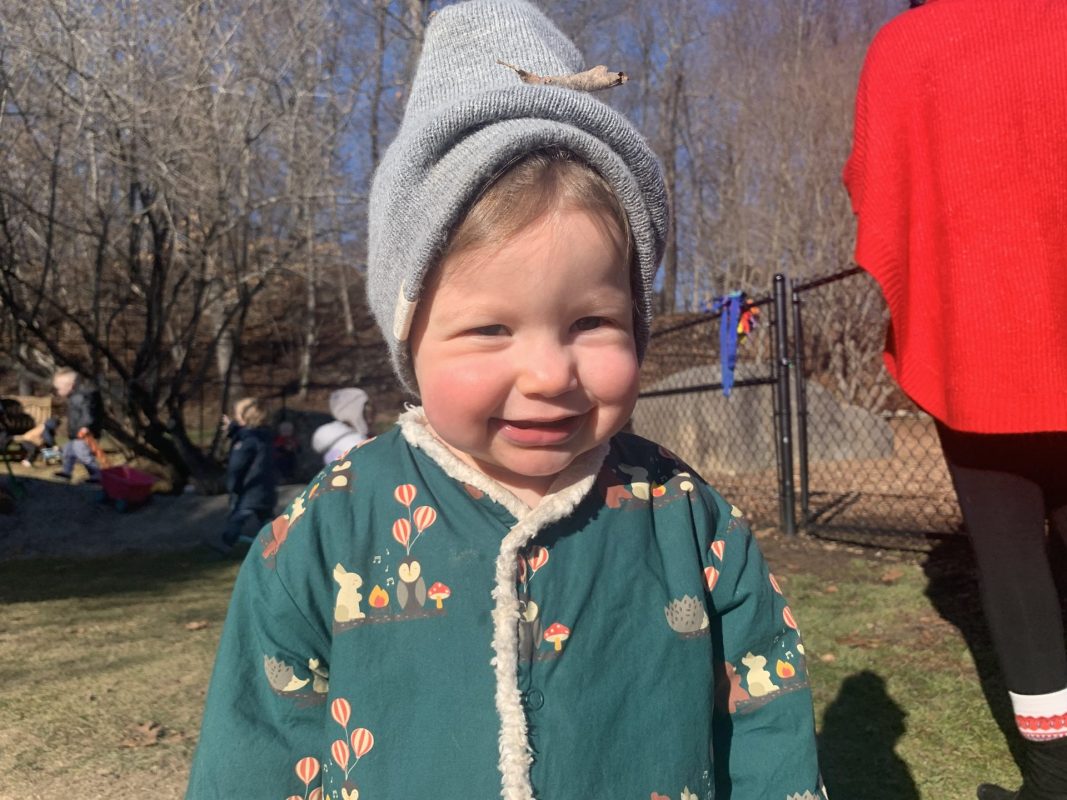
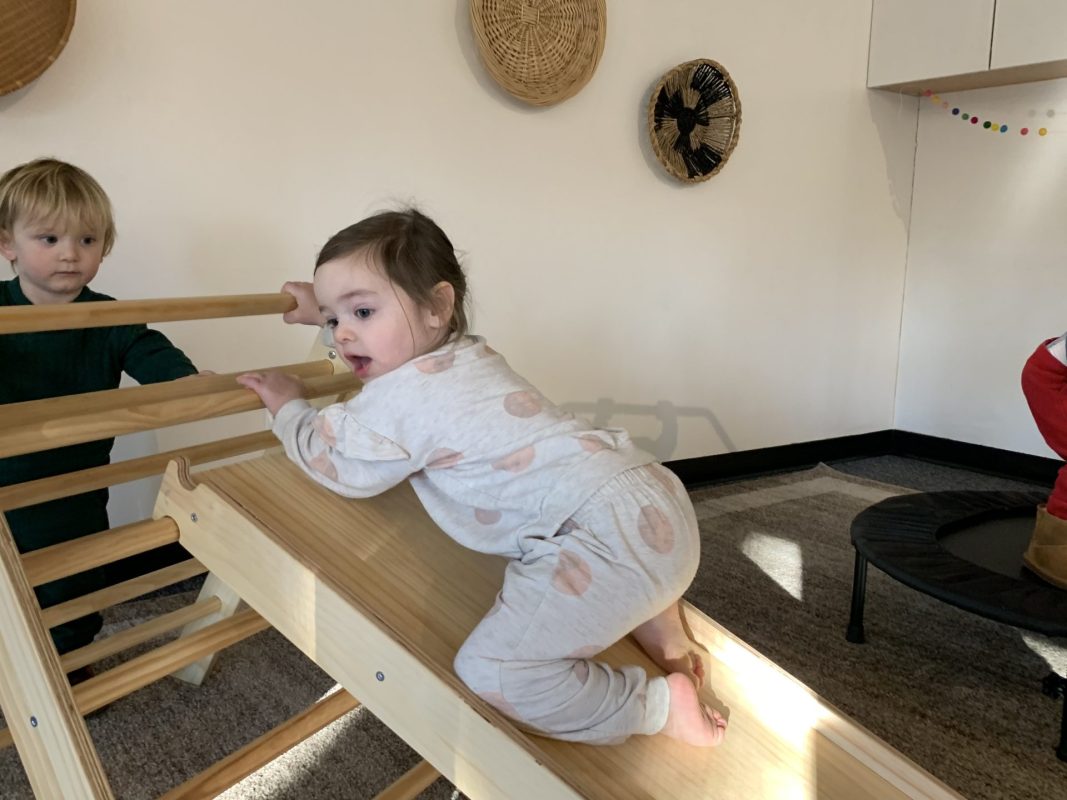
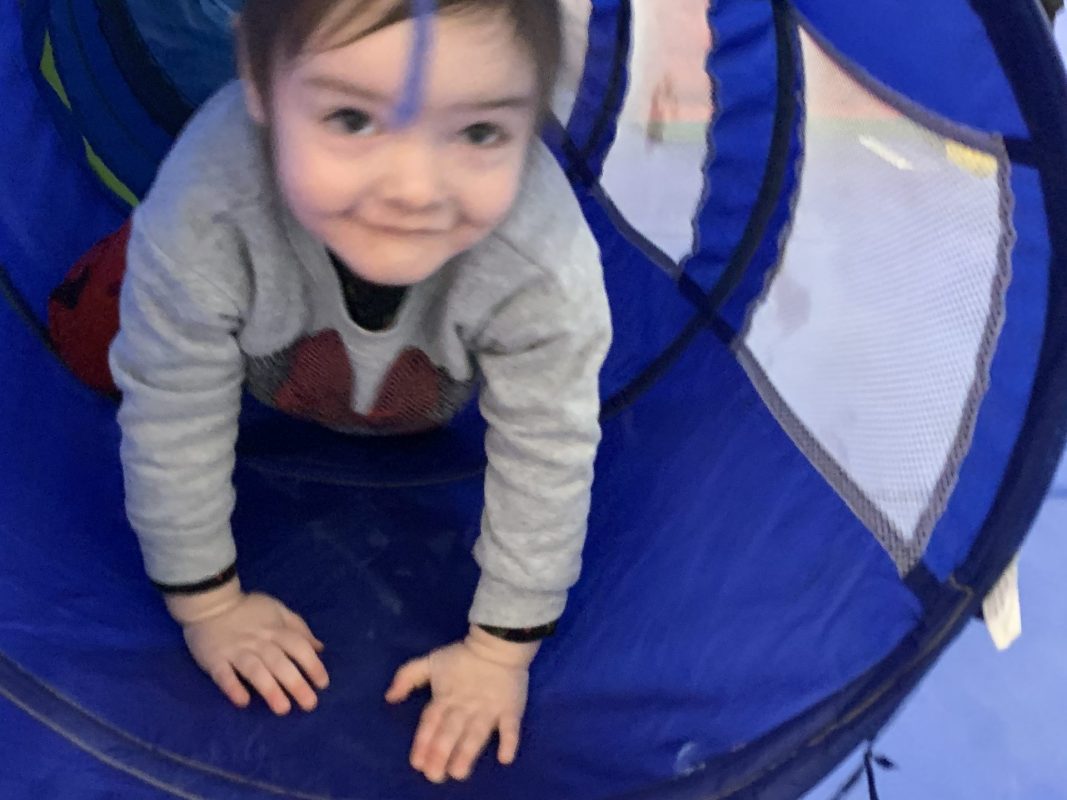
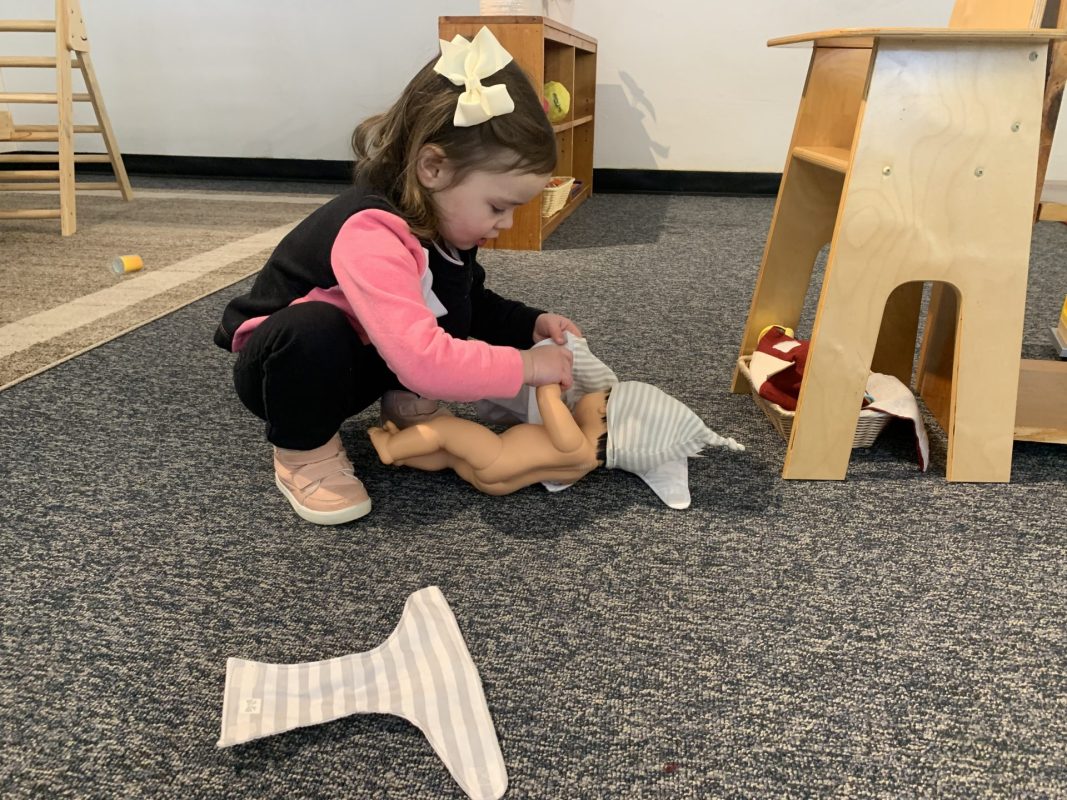
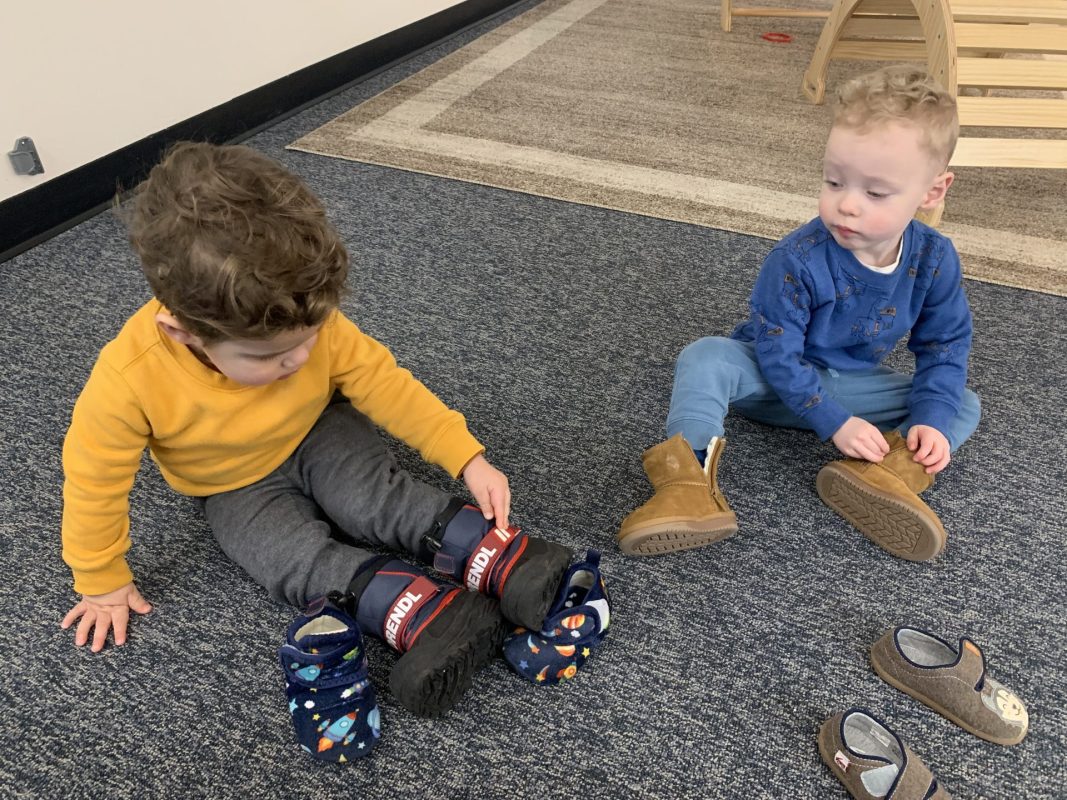
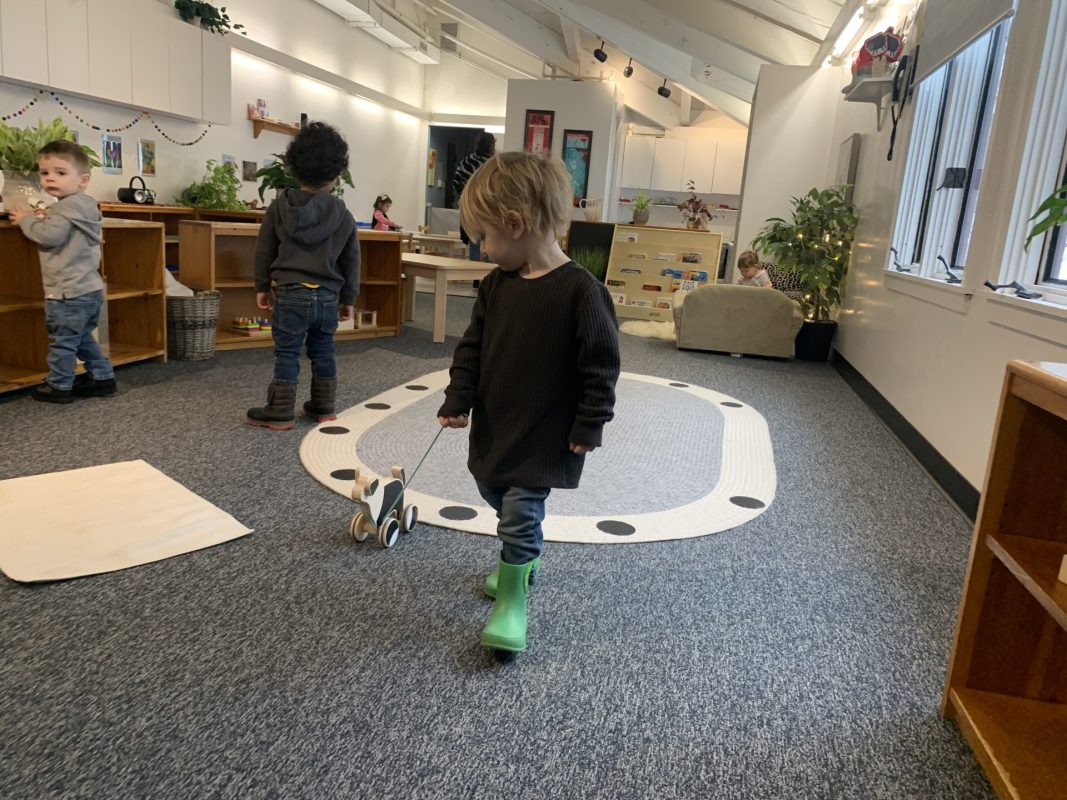
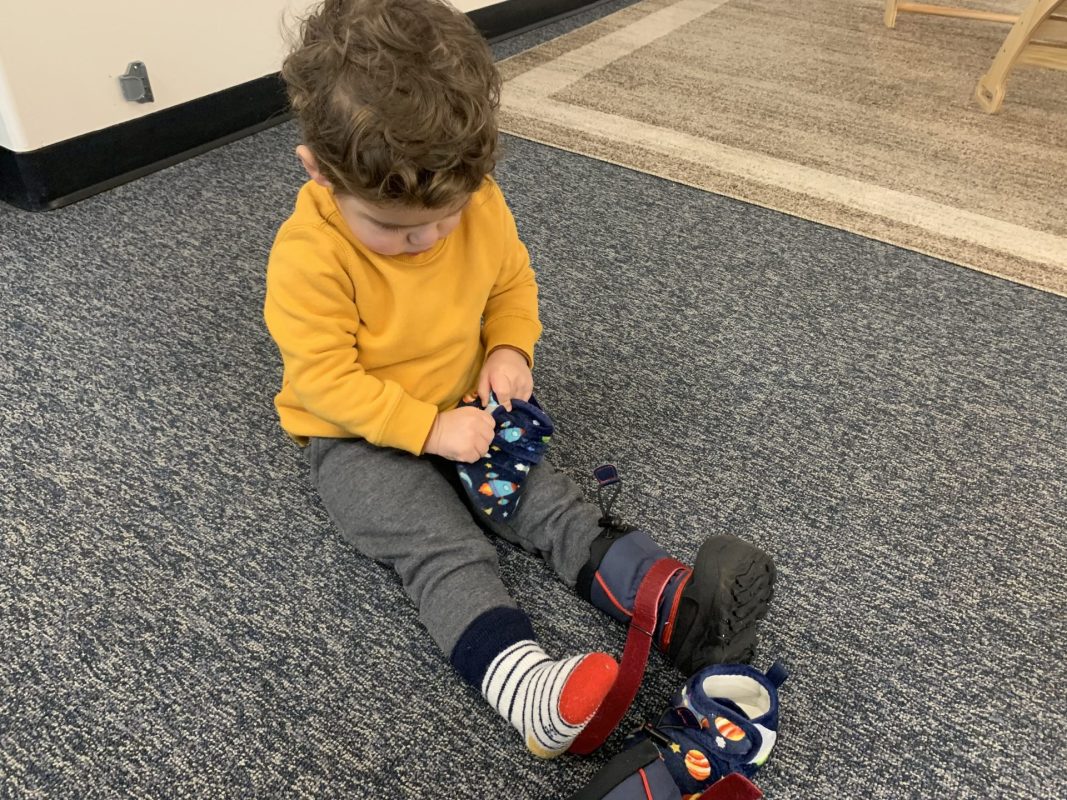
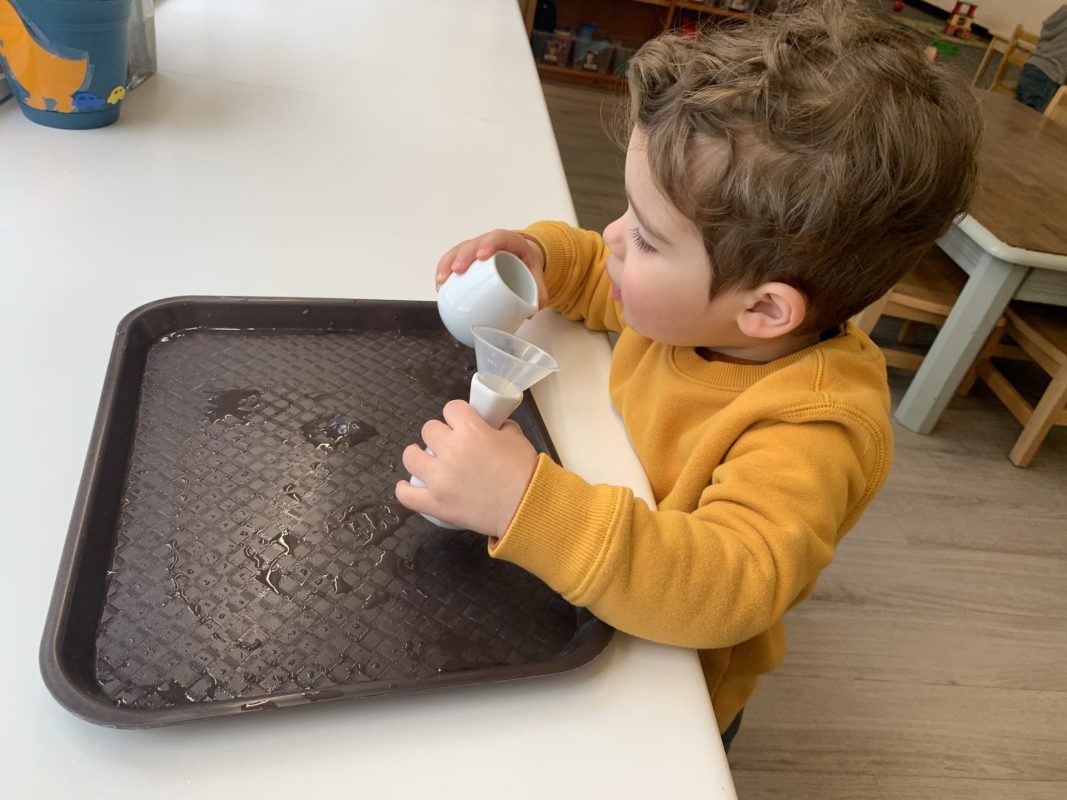
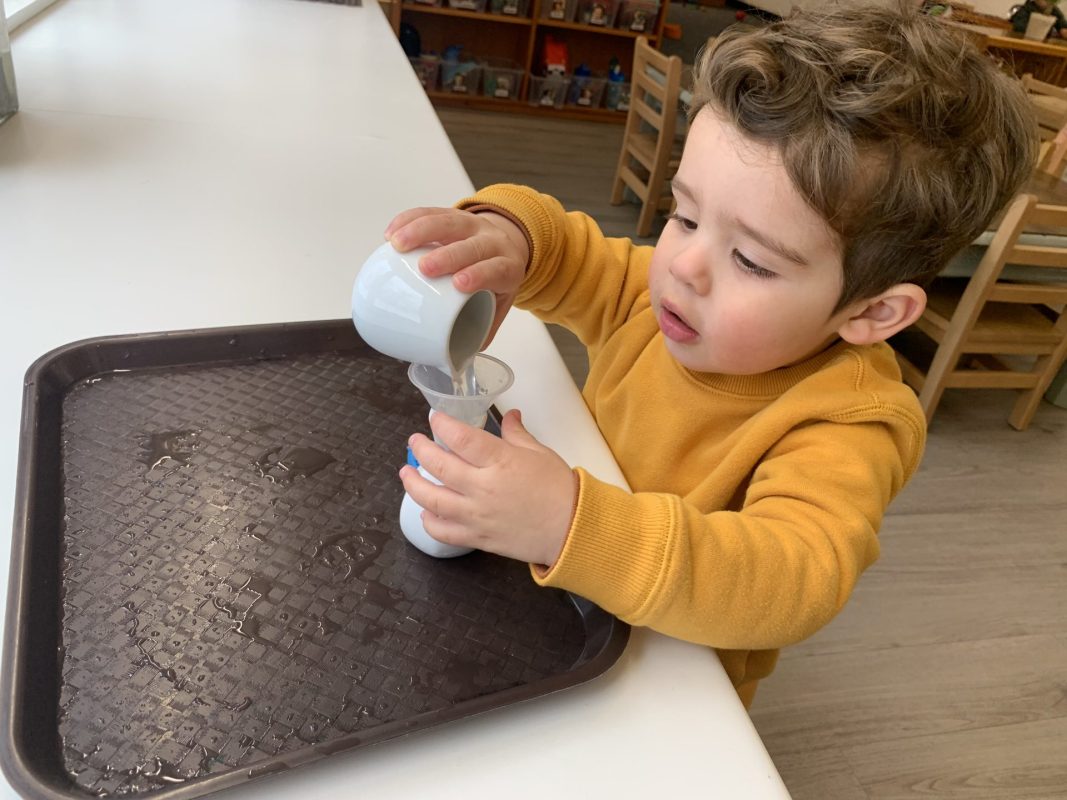
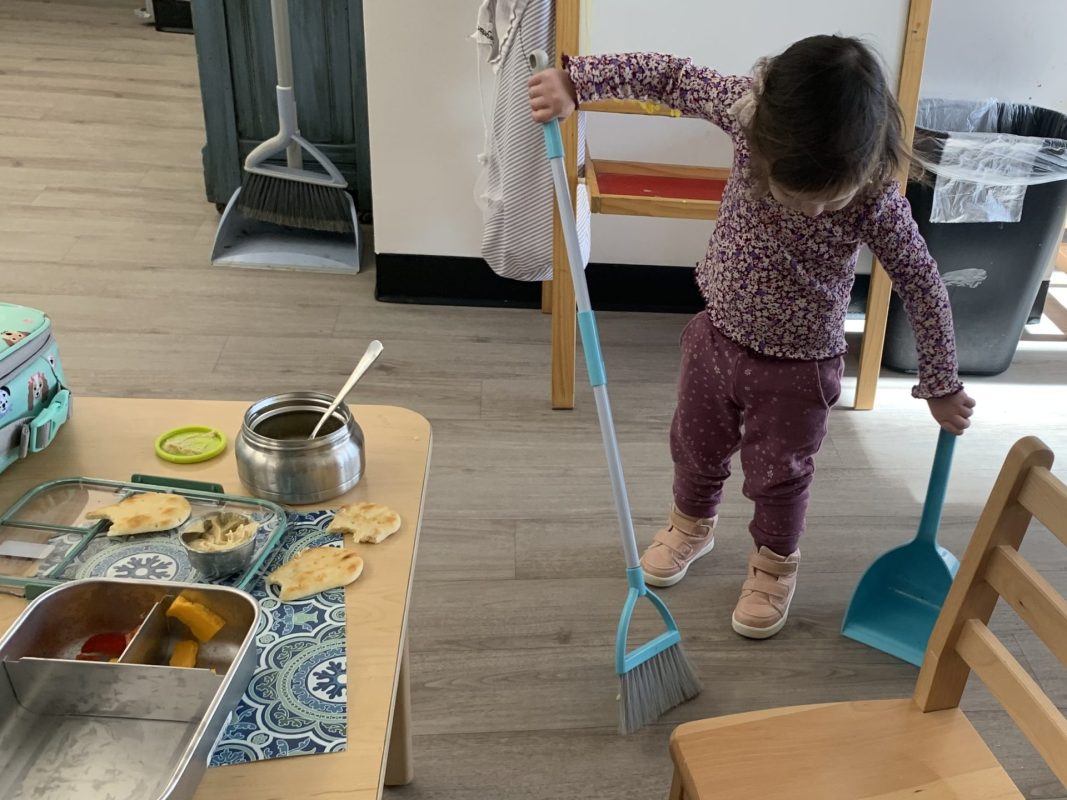
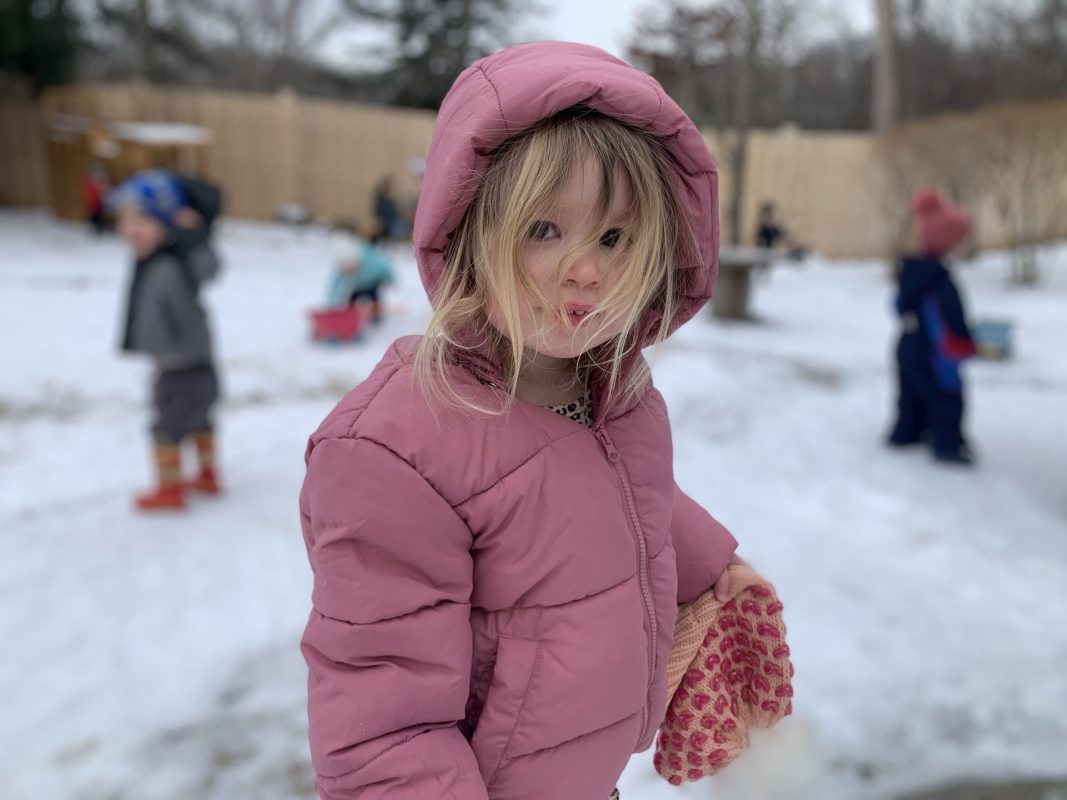
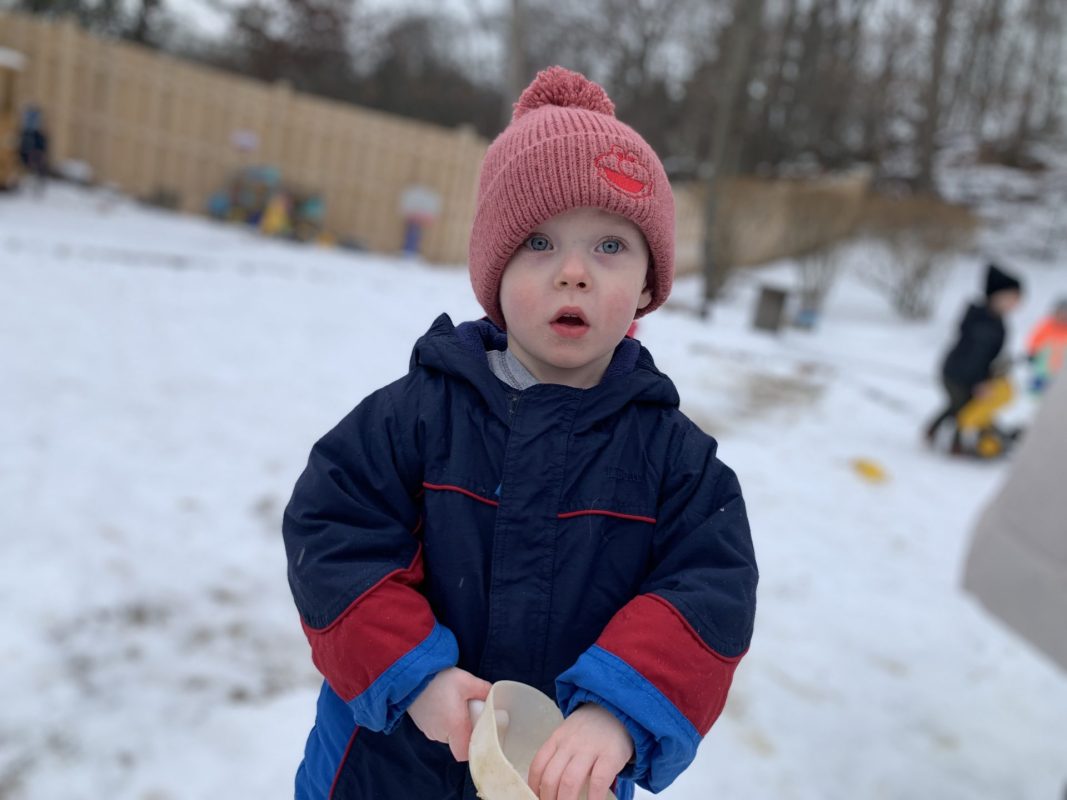
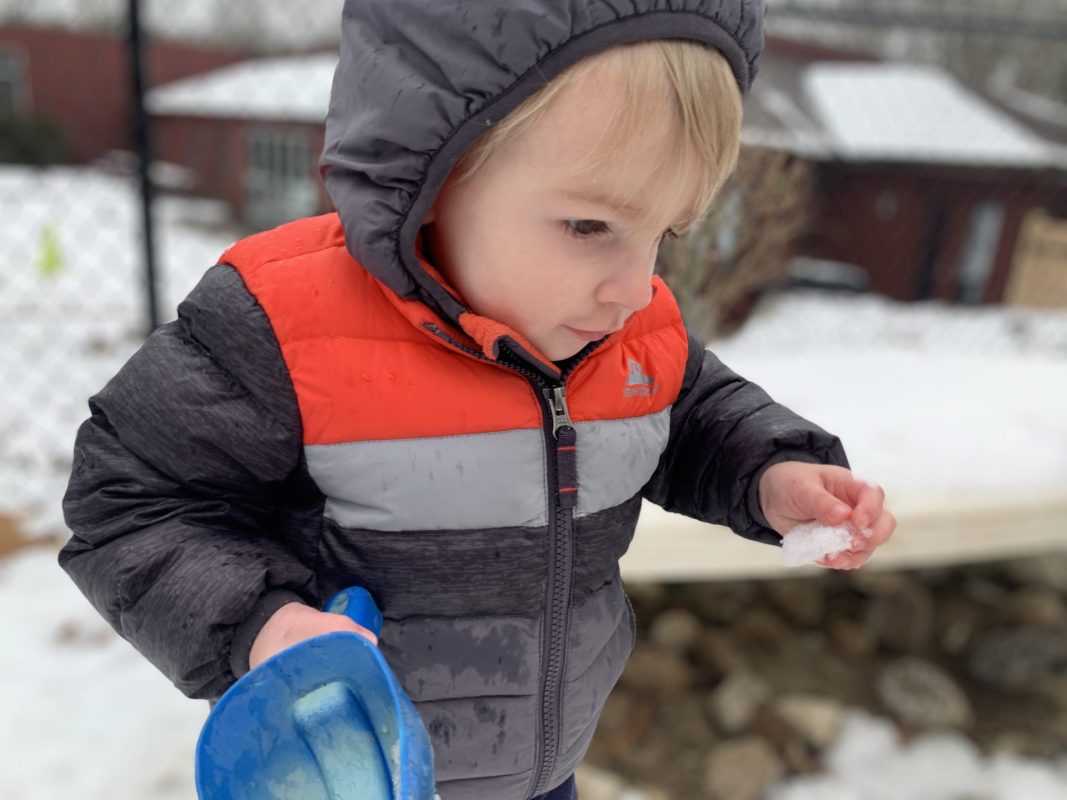
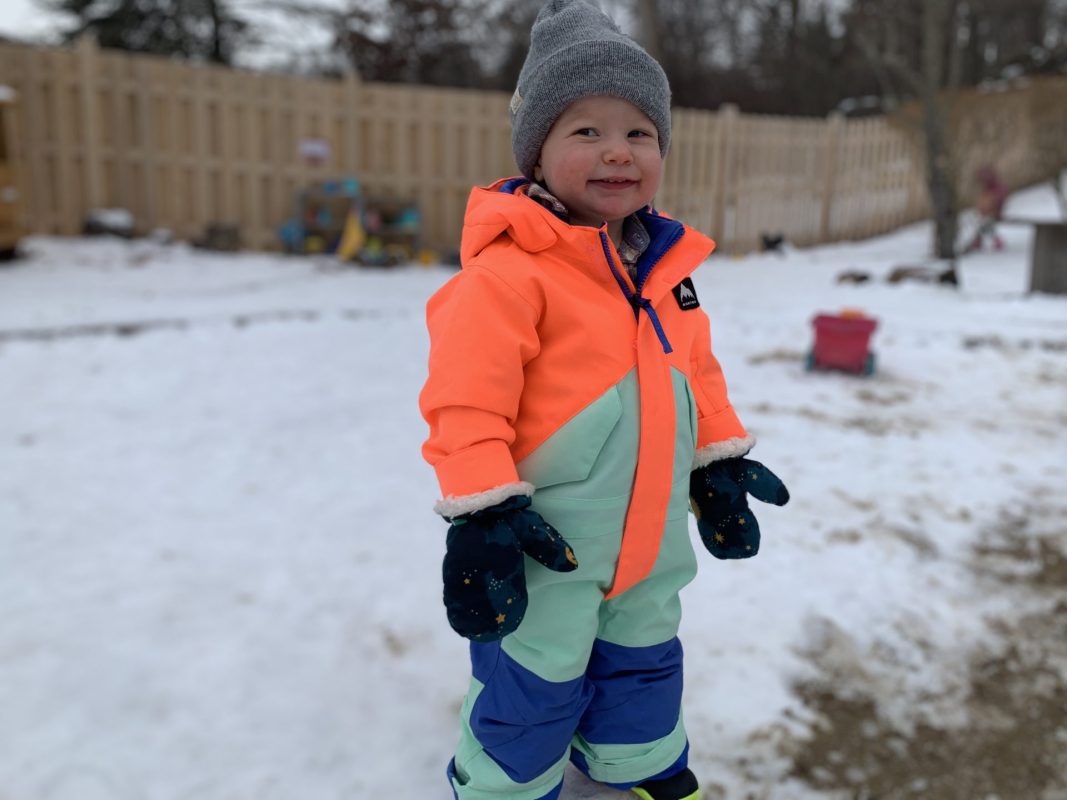
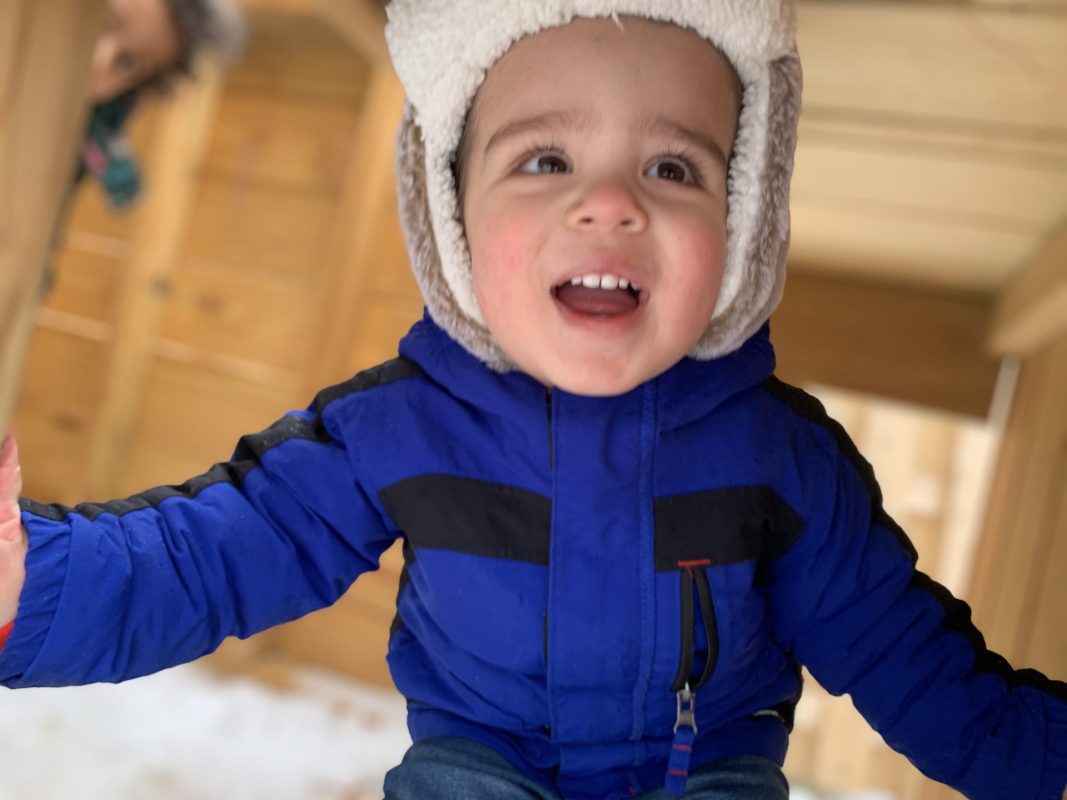
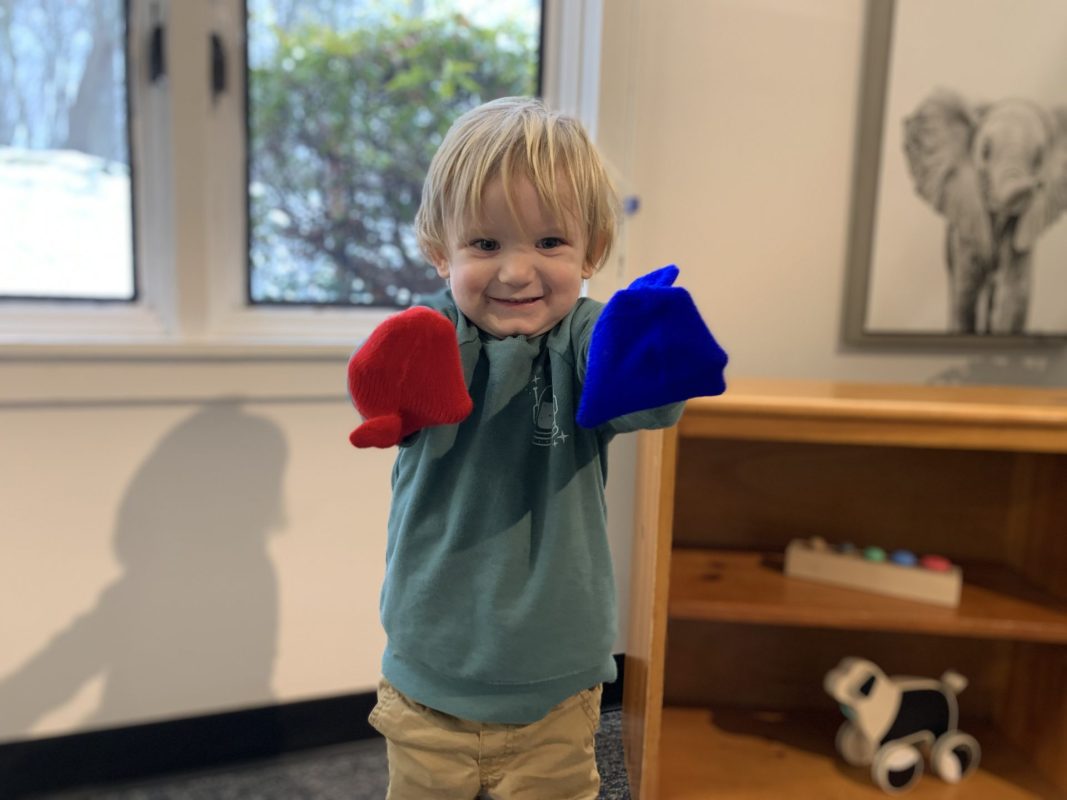
We were thrilled to have a few warmer days to enjoy on the playground. The children are becoming much more independent in dressing themselves for the outdoors. Zipping one’s own coat can be quite tricky. We tend to get the zipper started for the children, then encourage them to zip it the rest of the way up. Many of the children are now able to get their coats on and off independently as well. Has your child shown you the special ‘flip’ that we do at school? They stand by their hood (or toes to tag if they have no hood), put their arms into the arm holes, and flip the coat over their head, beaming with pride upon completion. Taking their coats off can be a bit tricky as well. Rather than jumping in to complete the task for them, we tend to help the children just a little in order to set them up for success. For example, help the child to take one hand out of their coat. Then, that hand is free for them to use to take off the other side. I often tell them that we work as a team to get the job done. We can see on their faces that they feel empowered even in the tasks that we adults may consider small.

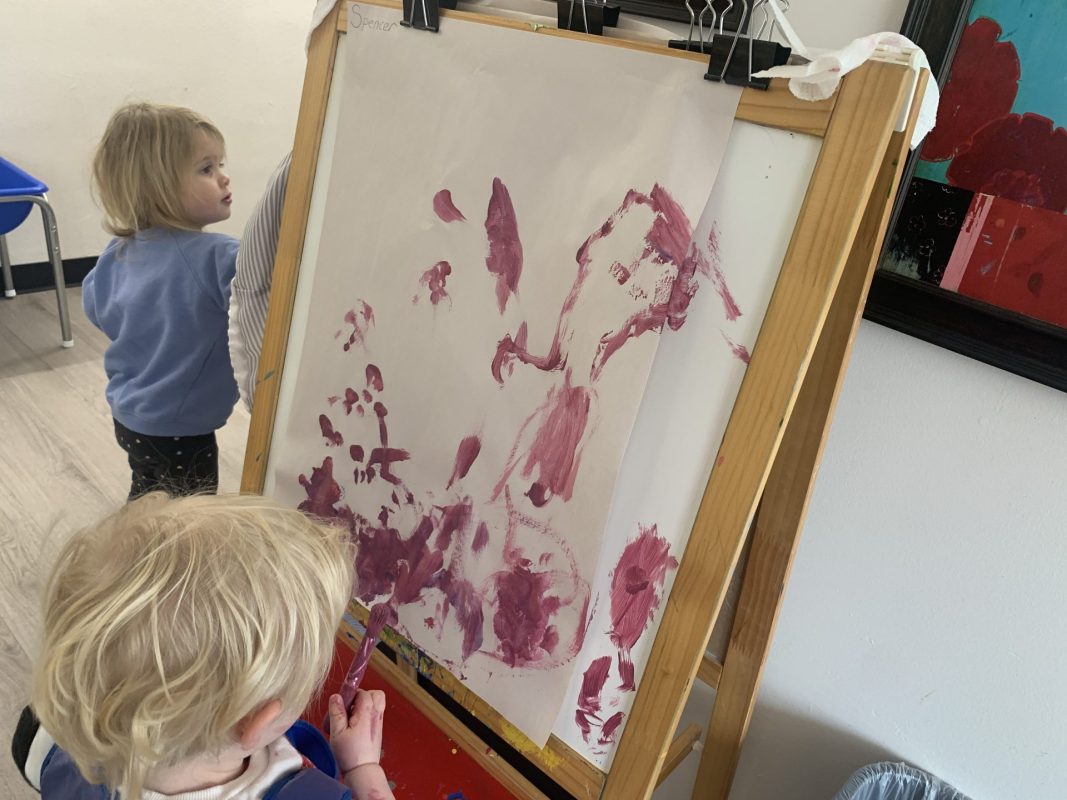
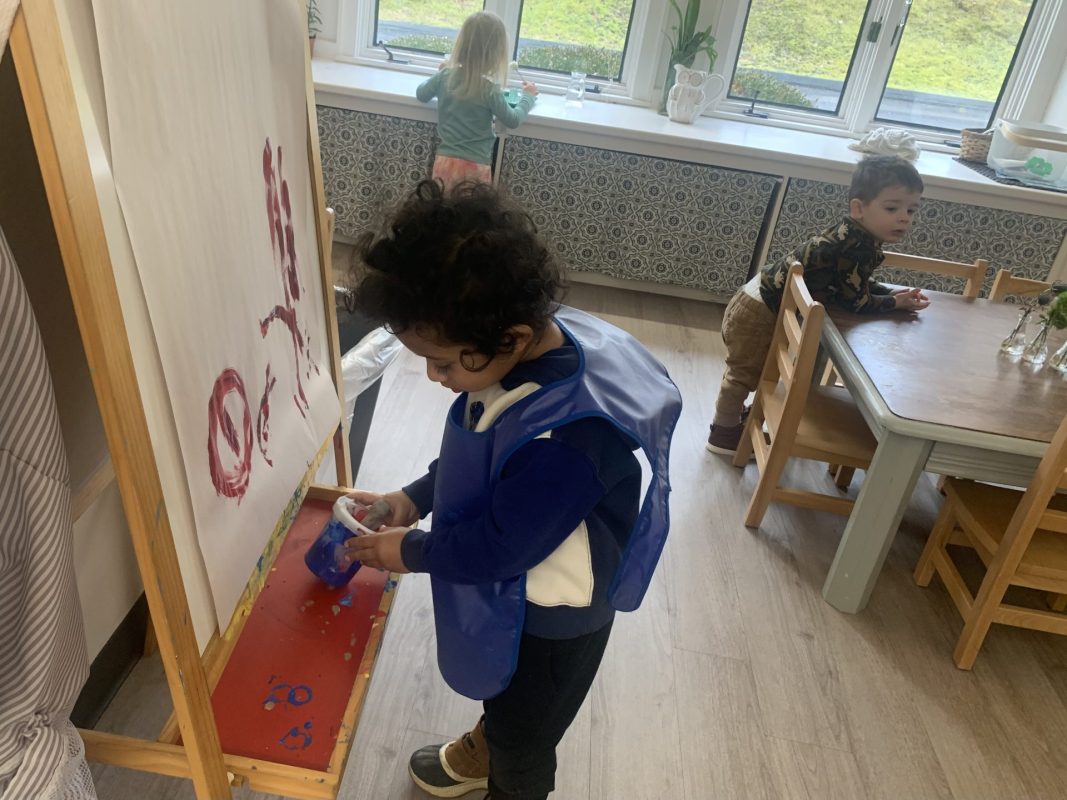
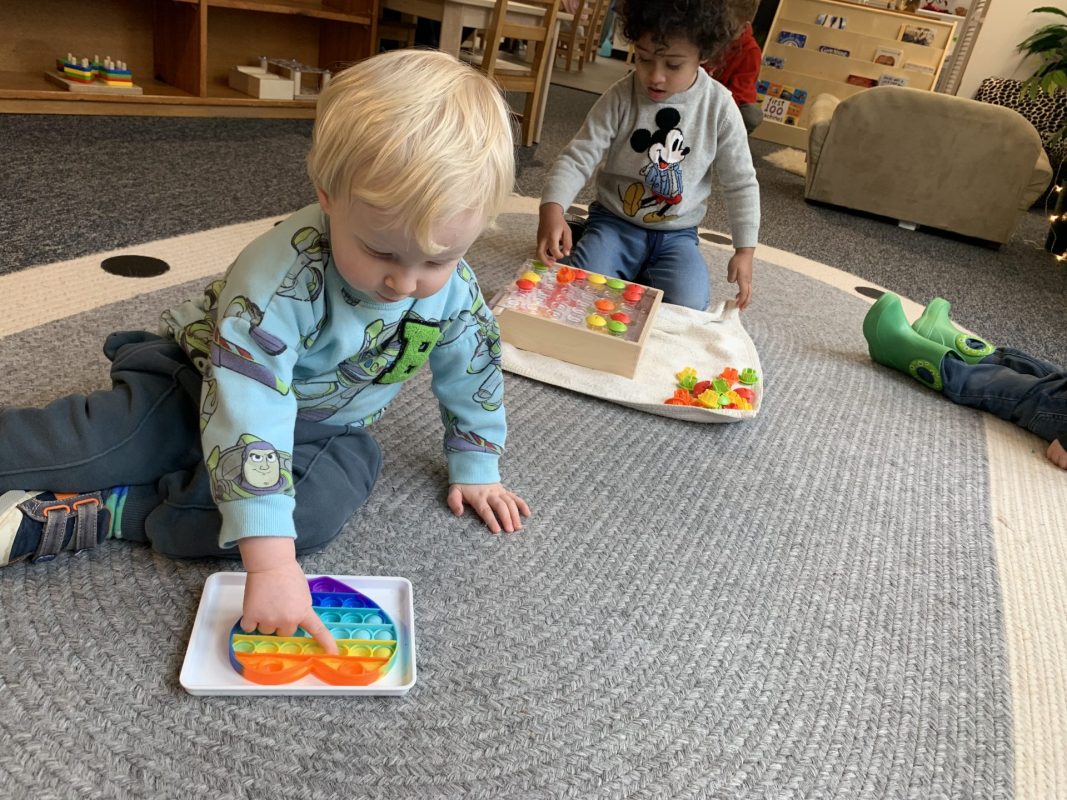
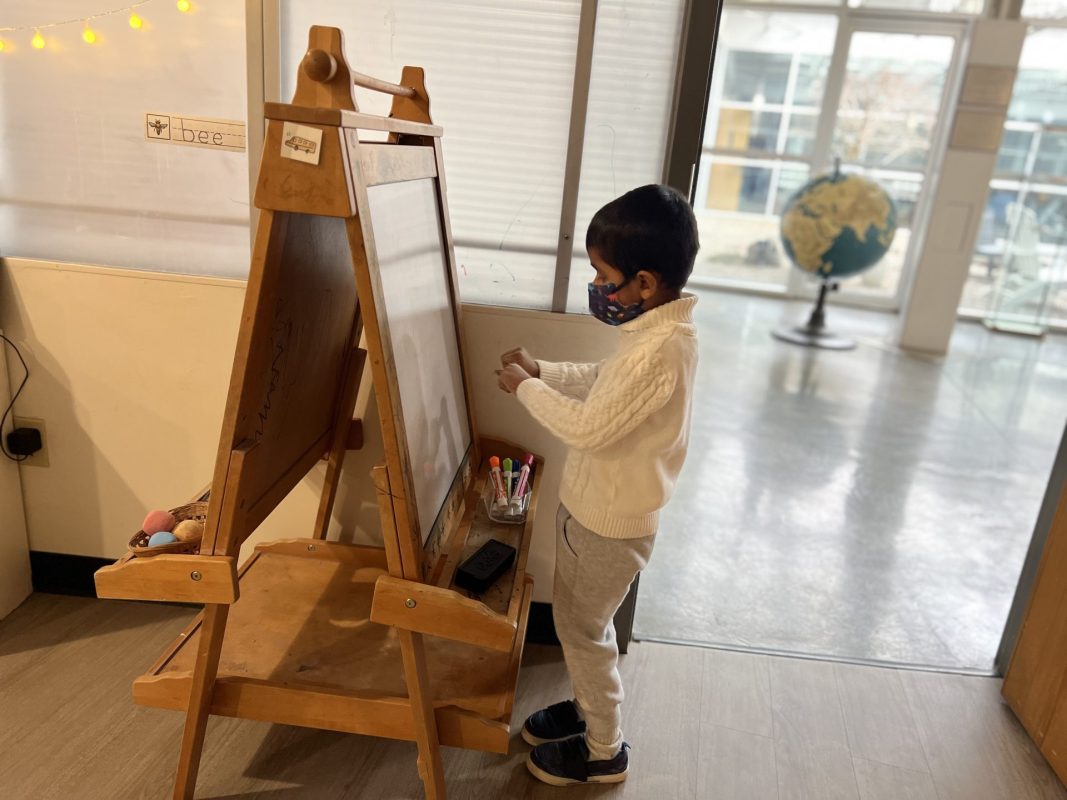
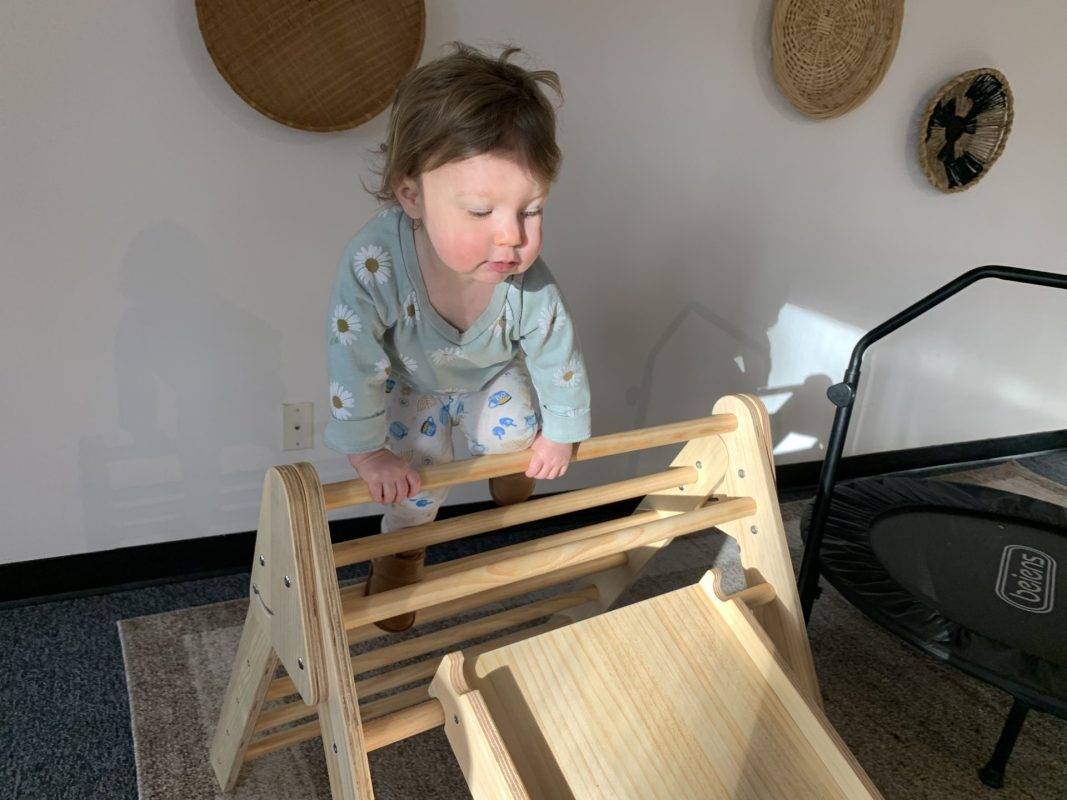
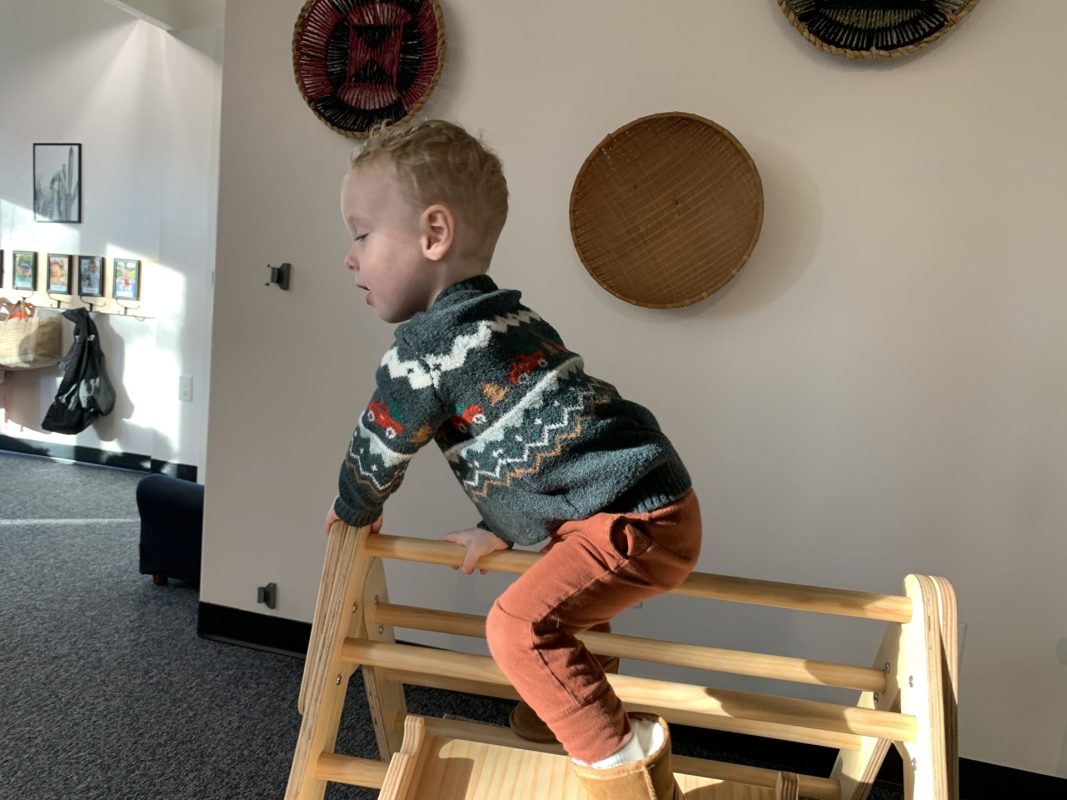
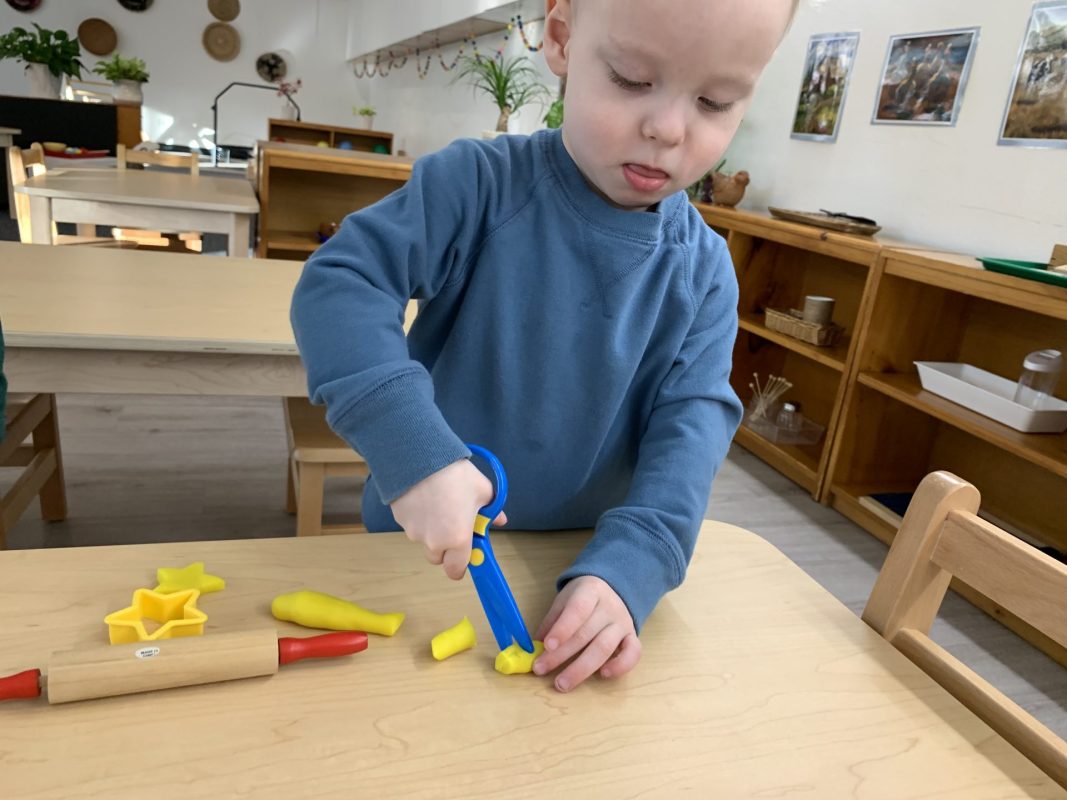
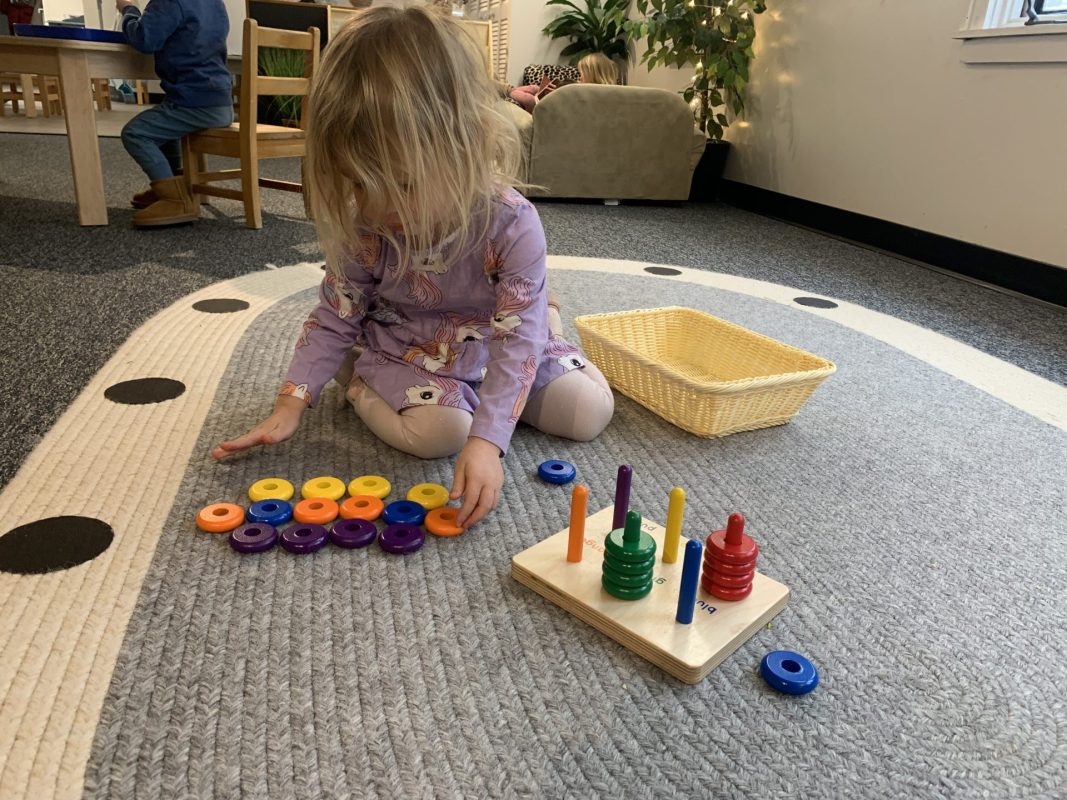
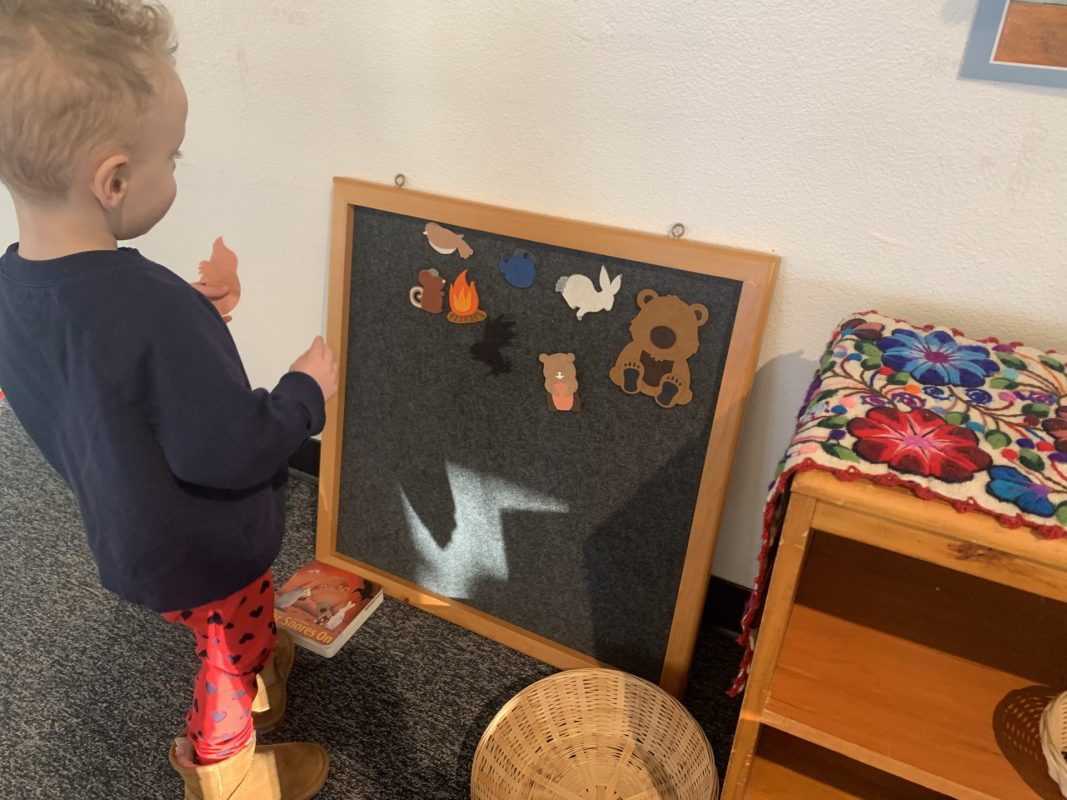
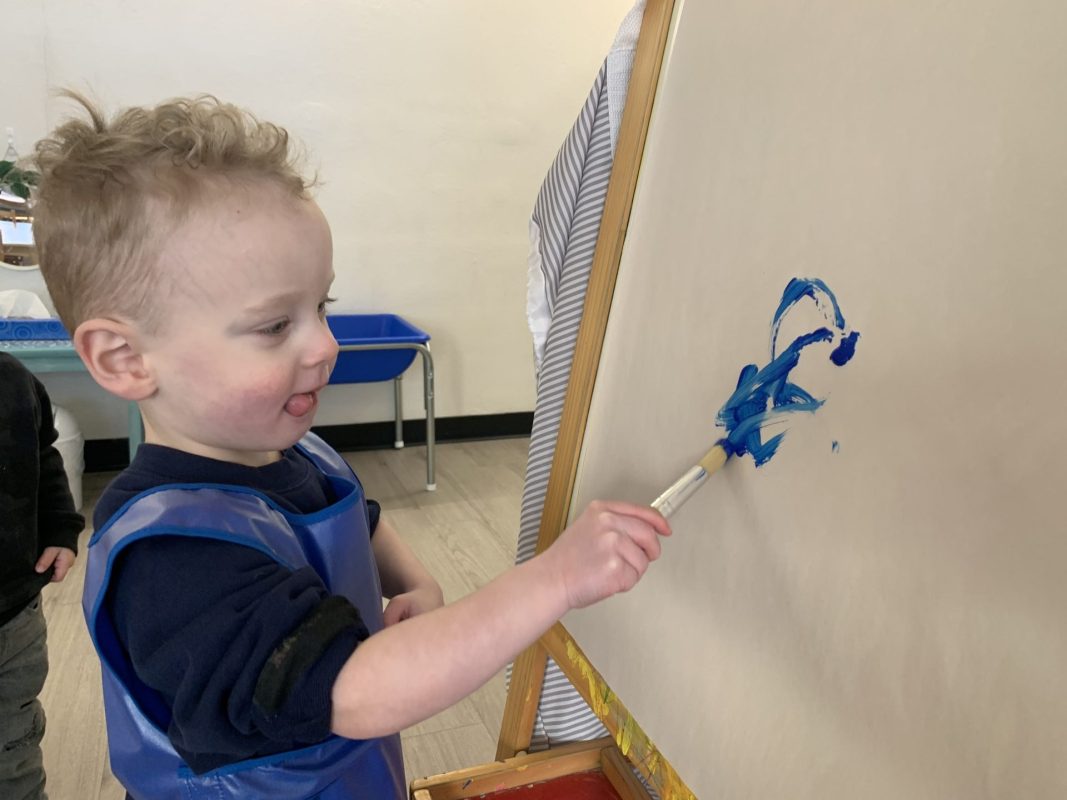
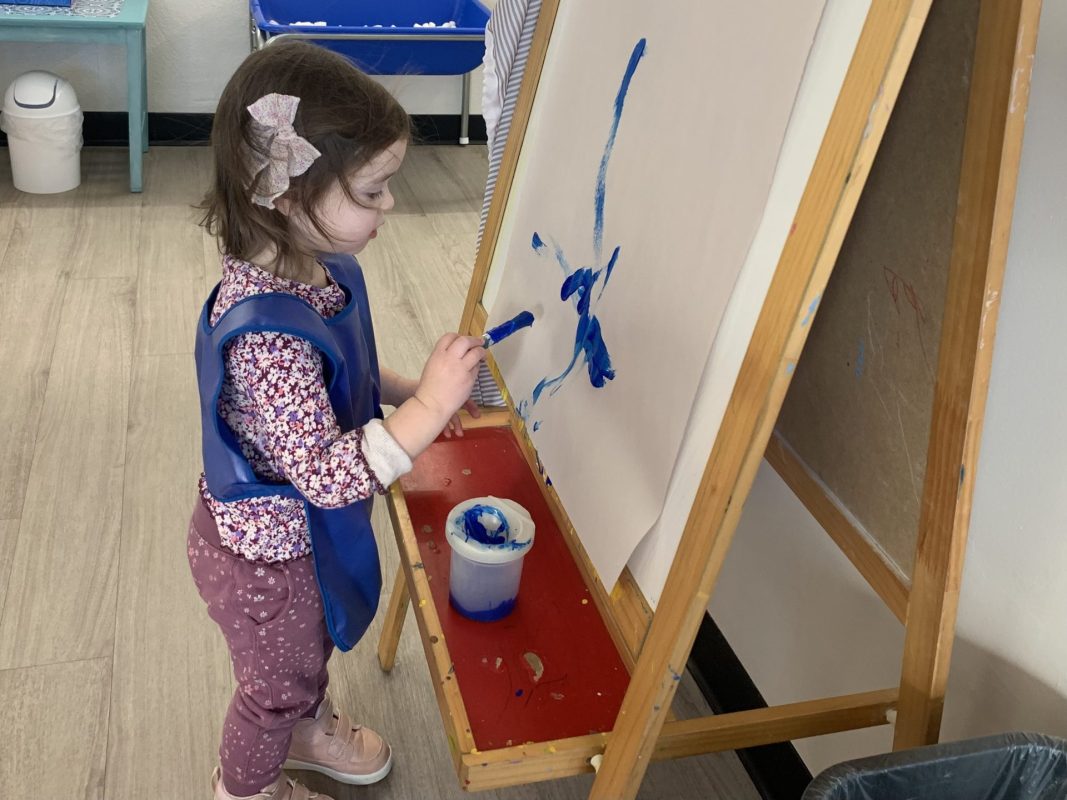
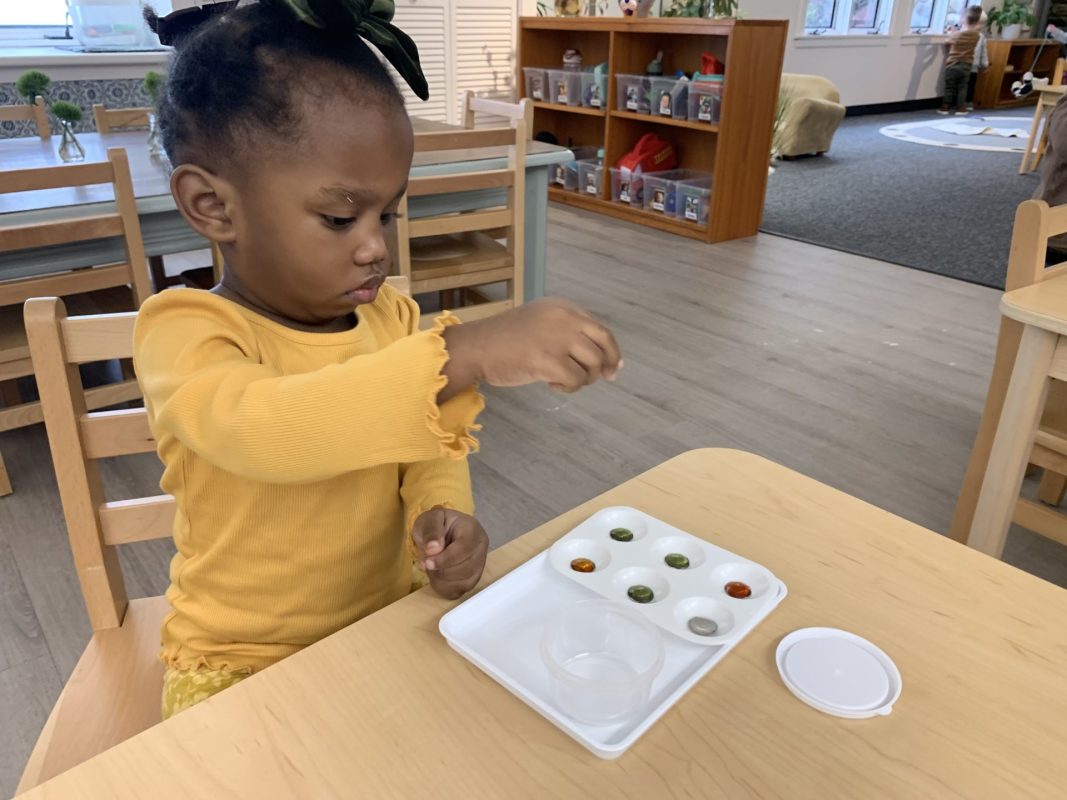
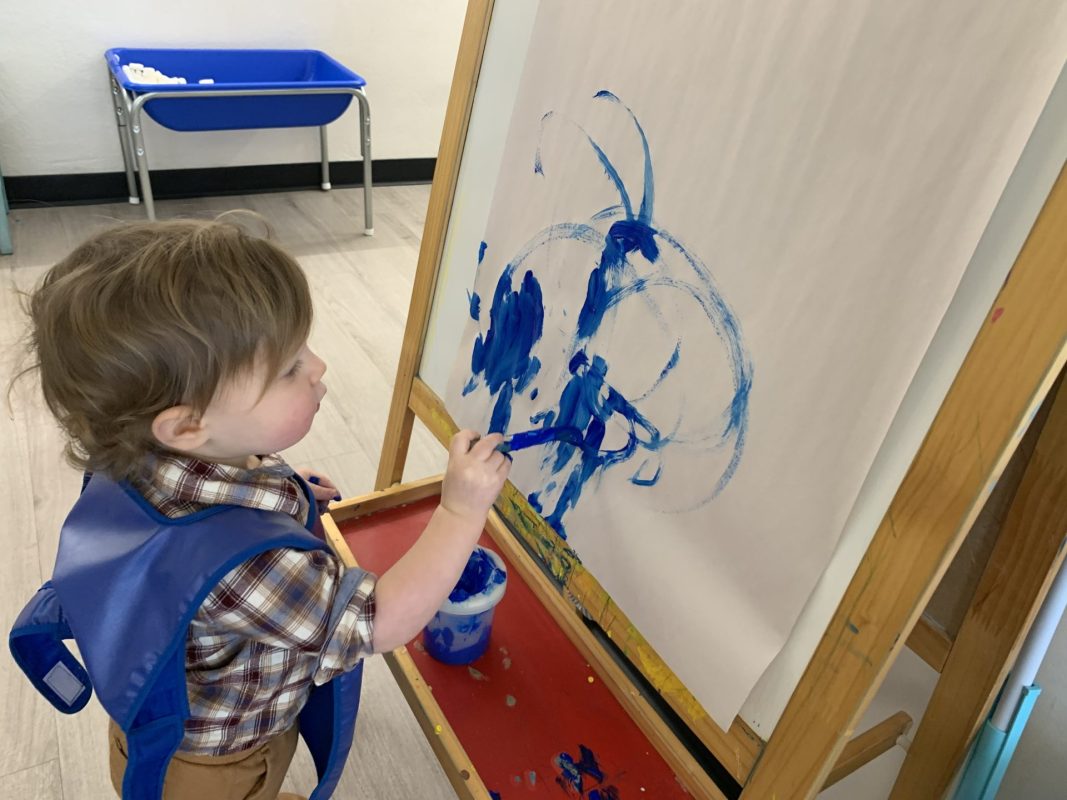
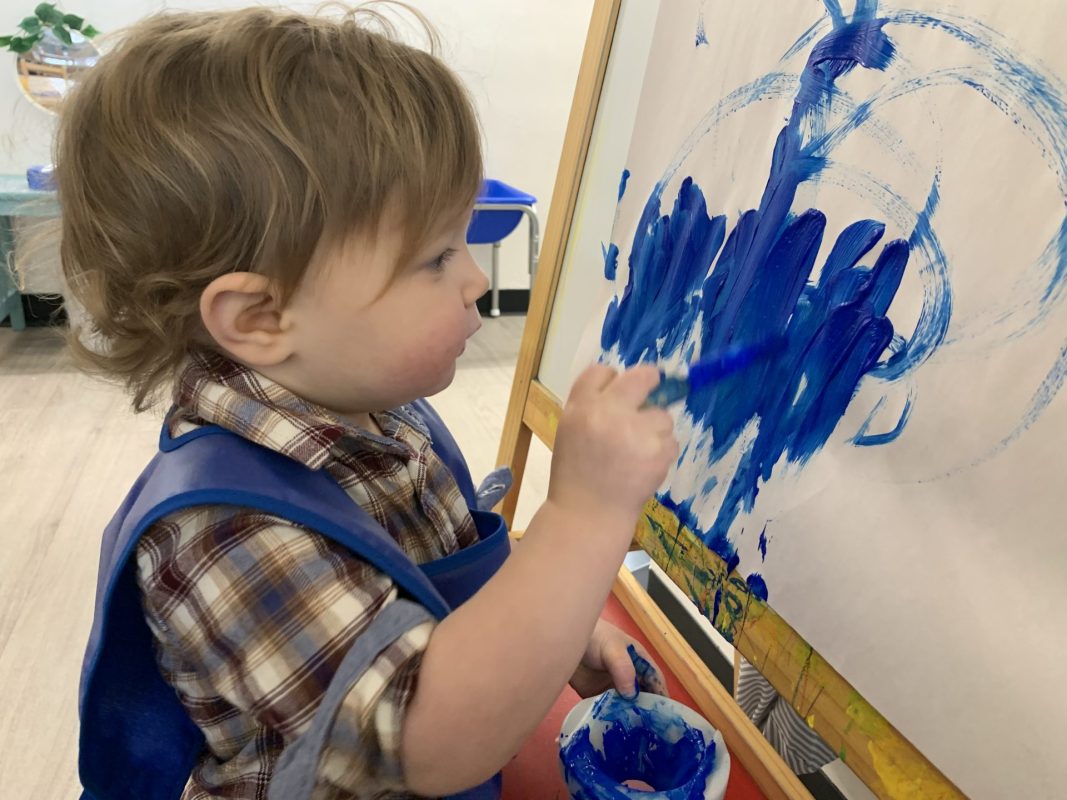
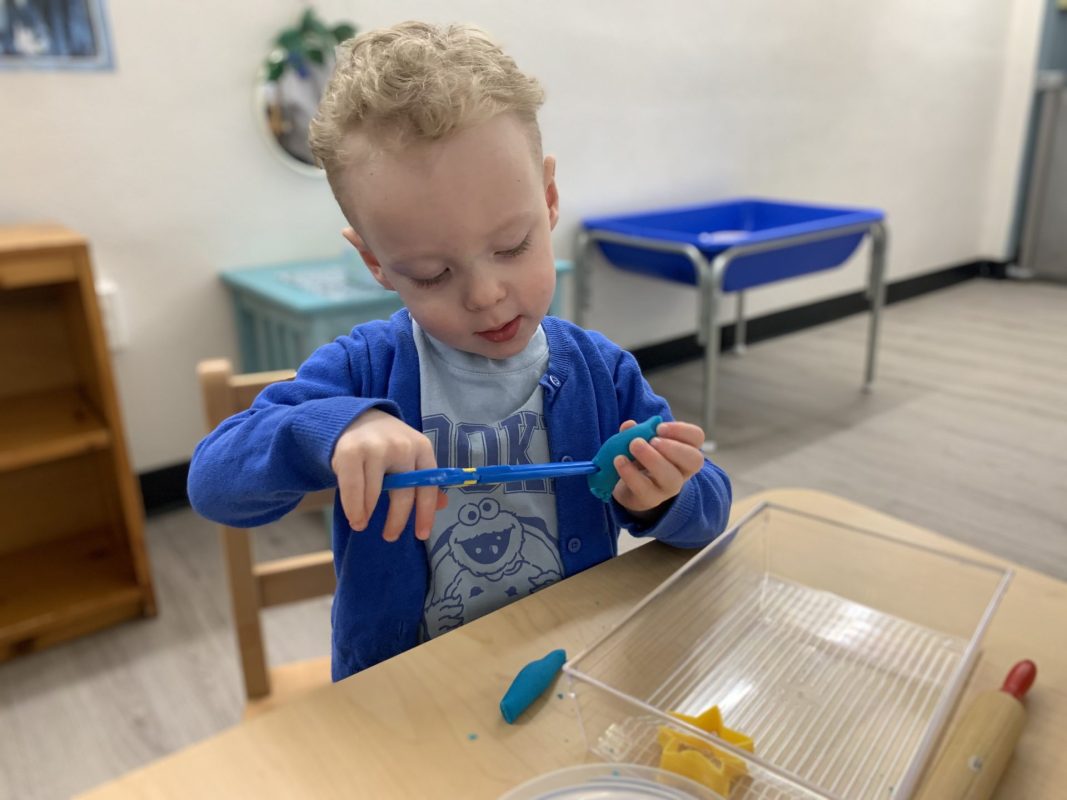
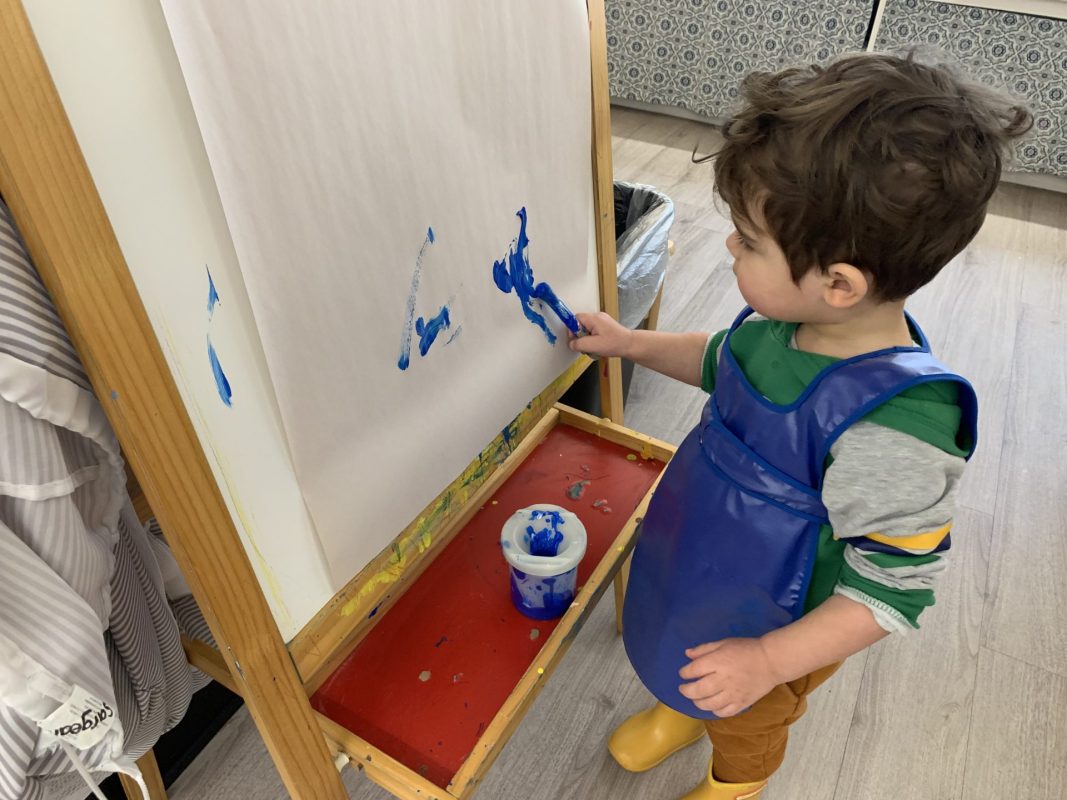
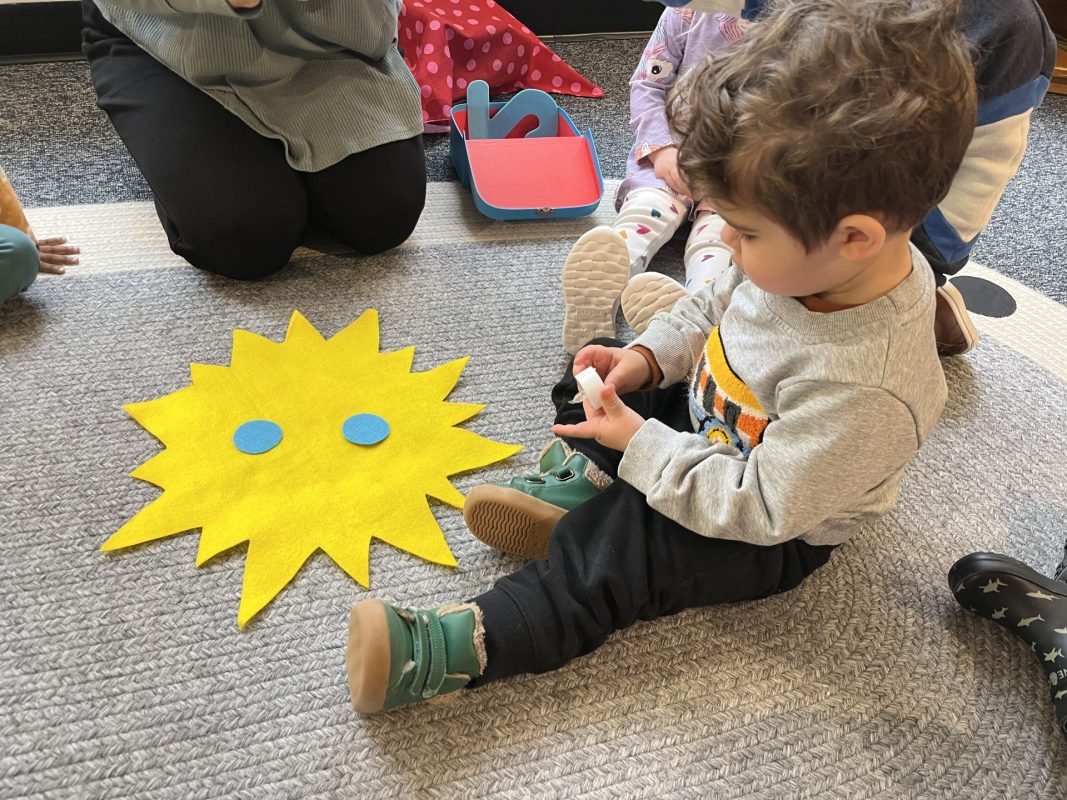
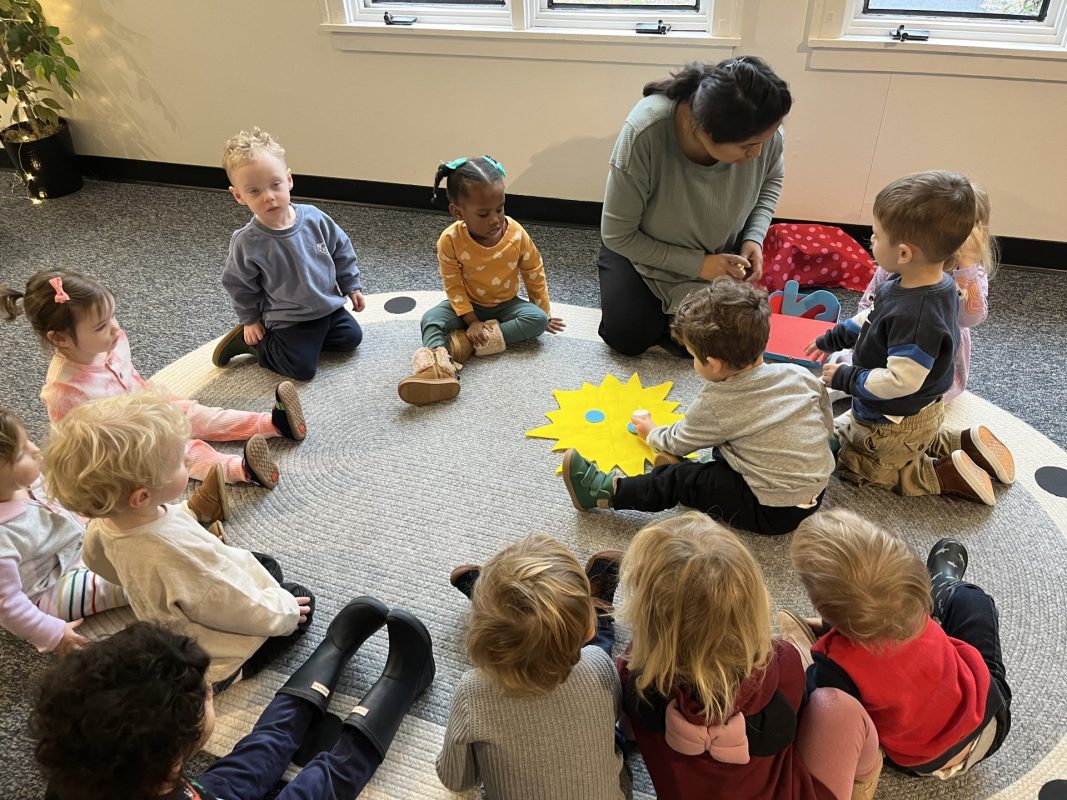
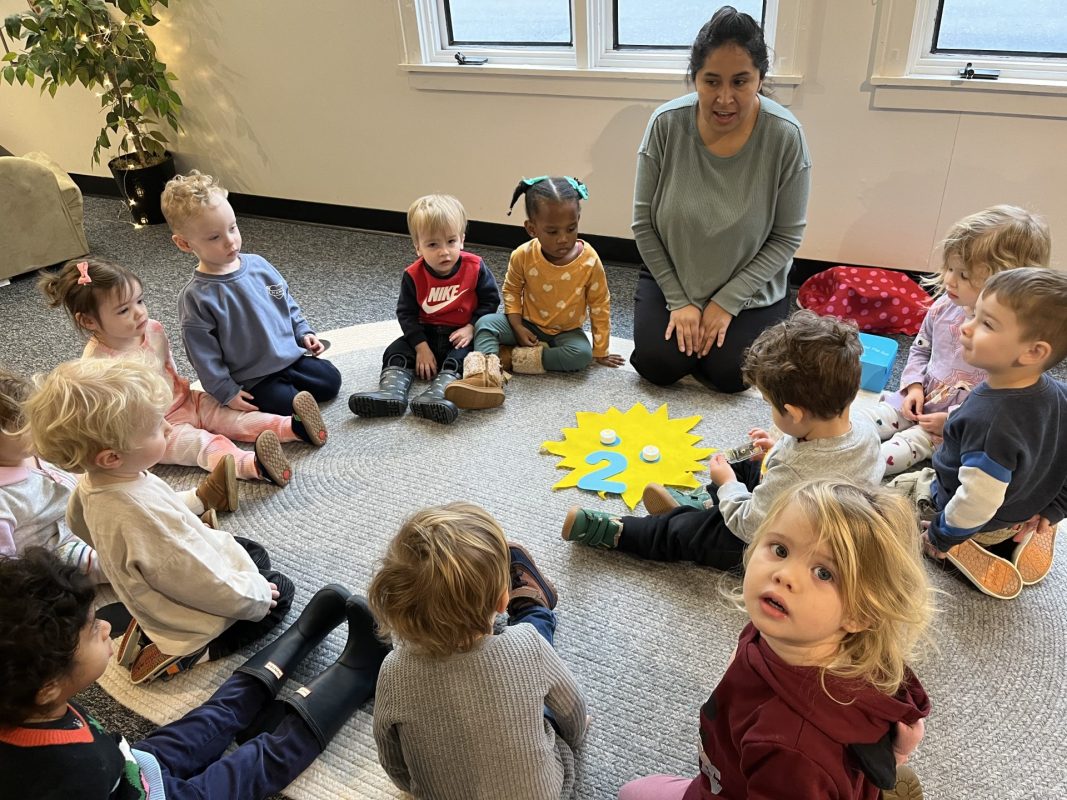
A few favorite activities this week have been painting at the easel, re-telling Bear Snores On (by Karma Wilson) using the felt board, and driving the PlasmaCars in the gym. We walked to the gym without our rope, “just like the big kids,” which was very exciting. 

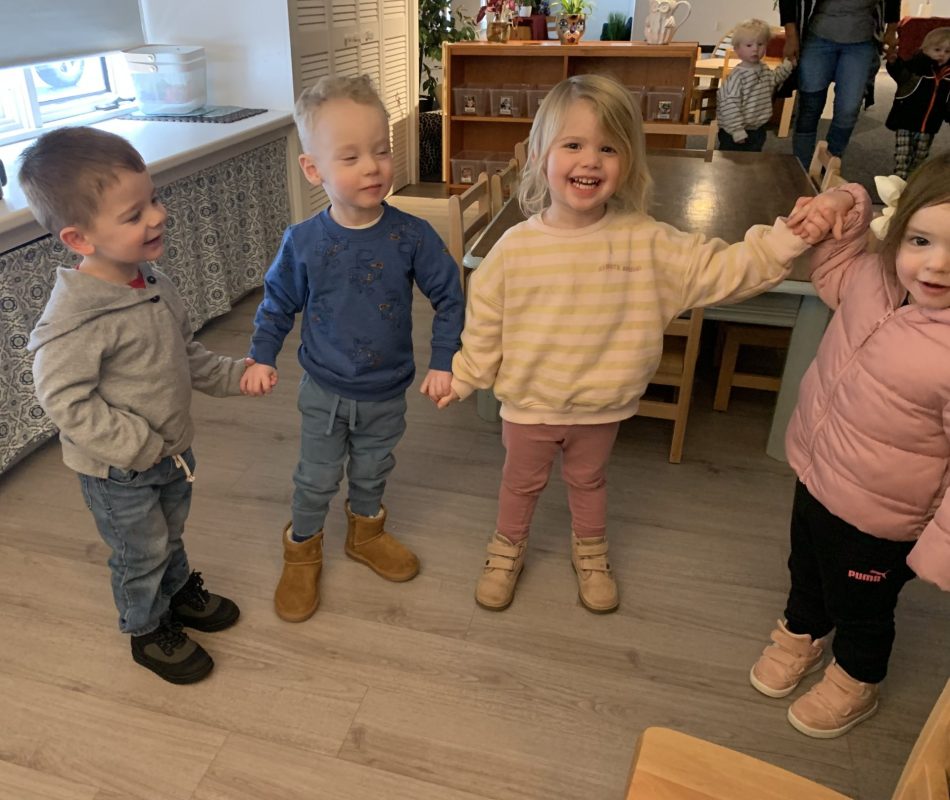
We have a new group of Middle School students who visit us weekly as part of their Social Impact program. The children are delighted when our new friends join us. Bryant, Anders, Emma, and Allie have been enthusiastic role models and also really seem to enjoy their time with the toddlers. 

Wishing you all a healthy weekend filled with a perfect balance of fun and relaxation.

Christine & Lizette


Middle School: Week in Review

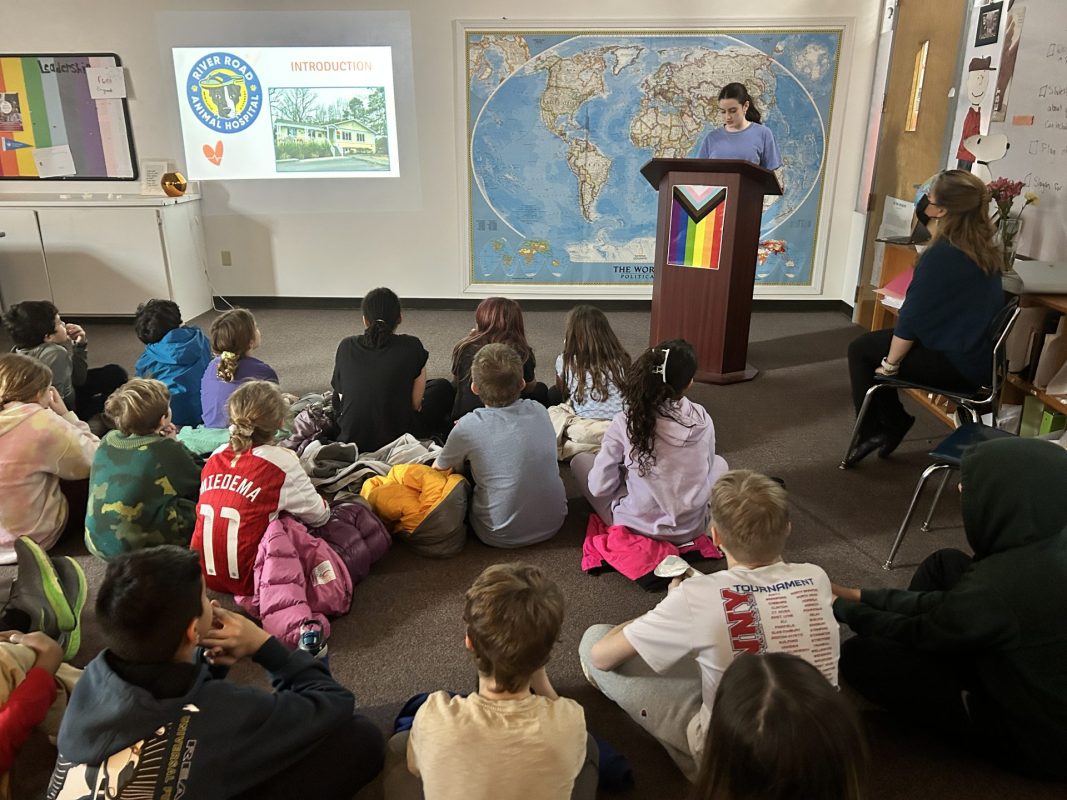
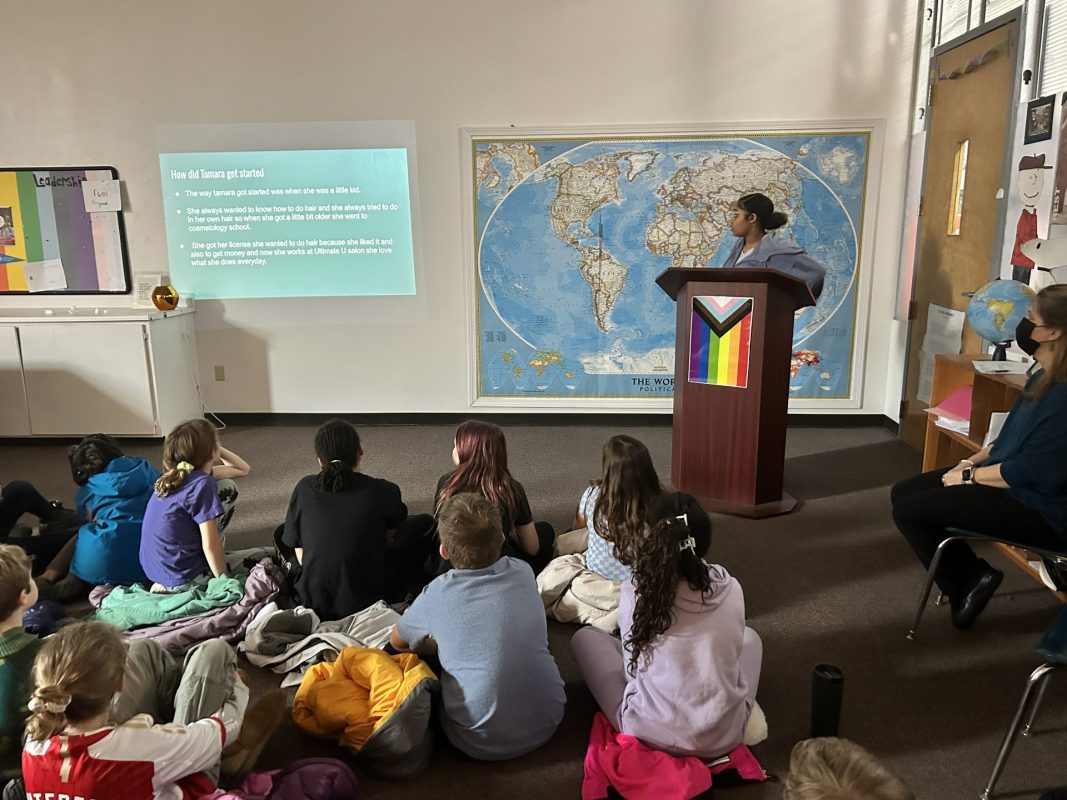
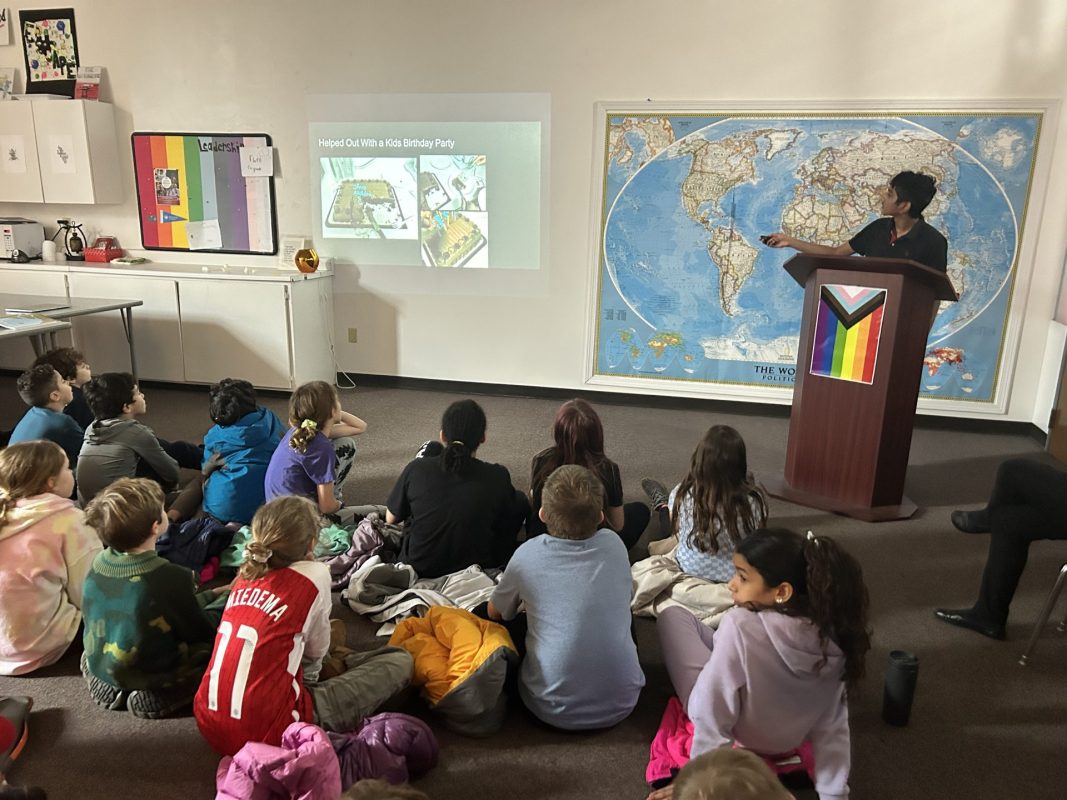
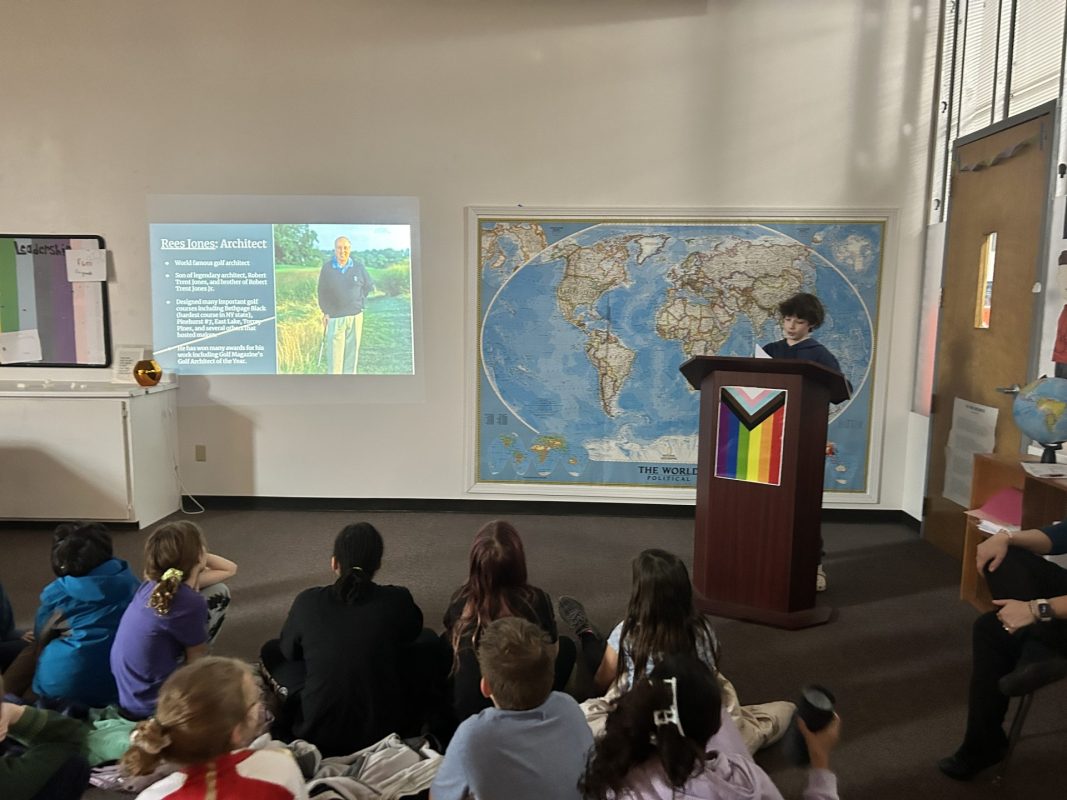
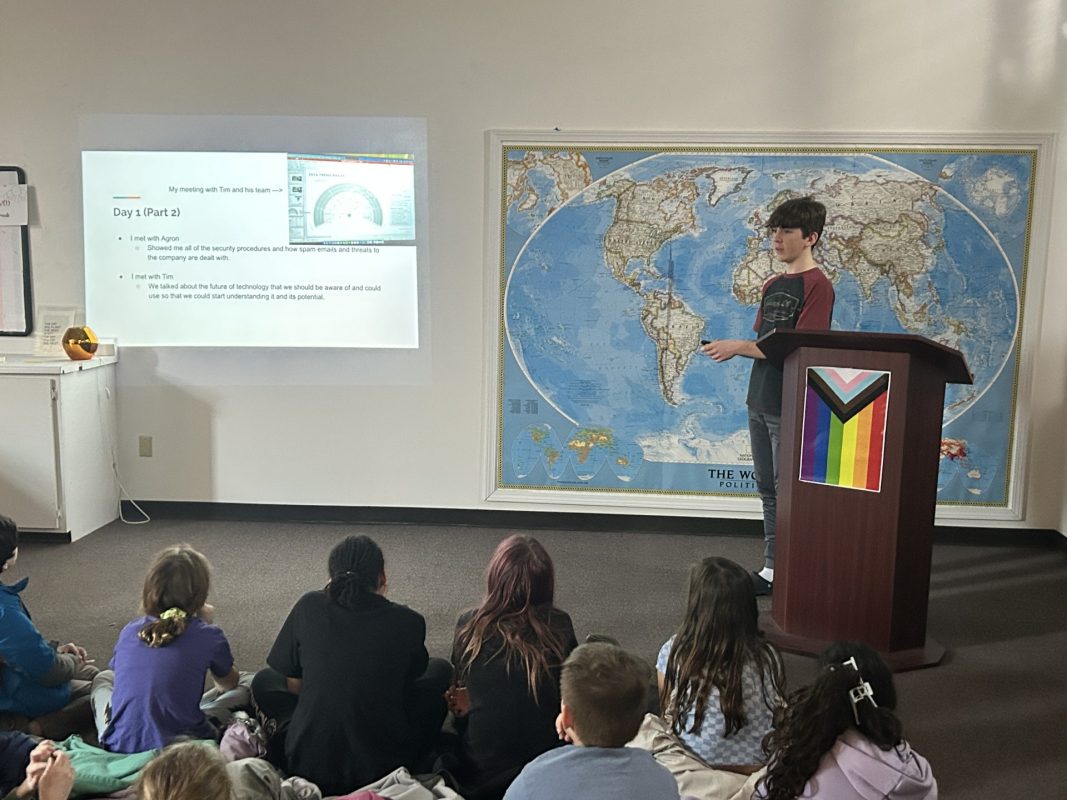
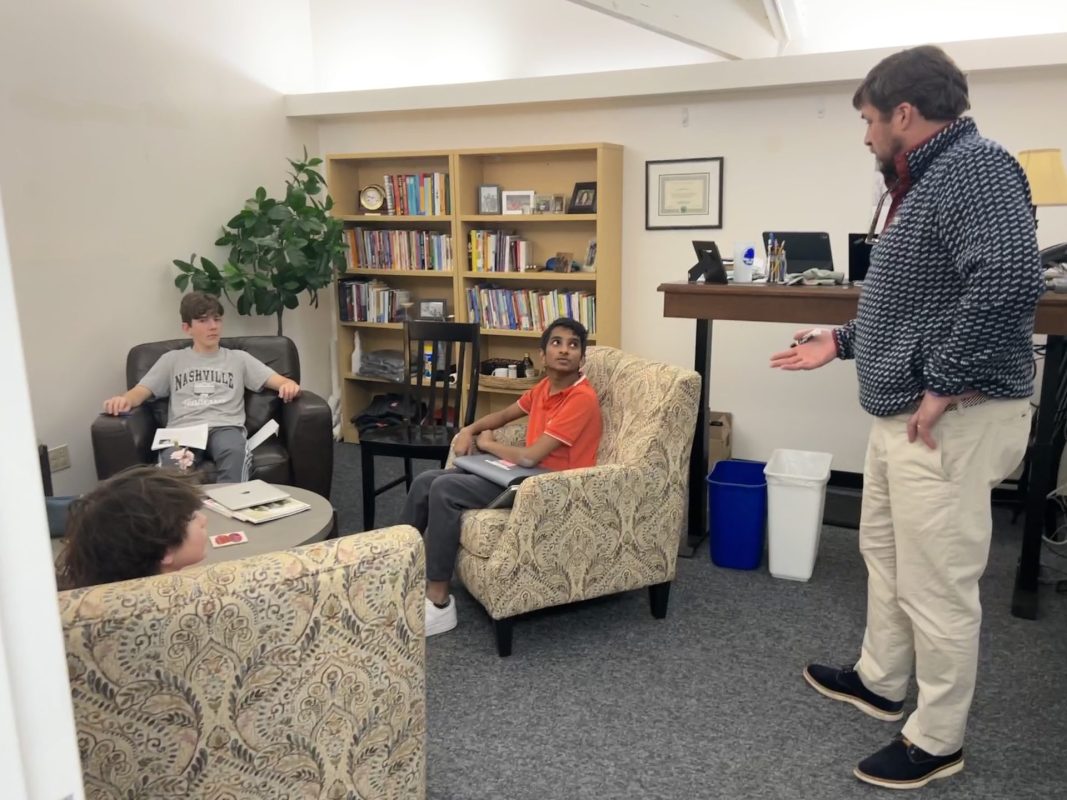
Happy February, Middle School families! It’s been a great week that included 8th-grade internship presentations to the upper elementary and middle school students and teachers.

A component of our 8th-grade program includes a unique Internship project. This allows students to engage with professionals and experts, gaining real-life experience and information. The internship project has students reach out to business professionals and ask to become an interns for three days. This looks different depending on the profession, but students might be working right alongside professionals, observing and engaging in interviews about the work environment and culture. They complete daily written journals, a presentation about their experience to be delivered to the community, and a written reflection.

You will see pictures of this year’s presentations in our photos this week. These presentations made the teachers see that these 8th graders are ready to become high schoolers! It is completely bittersweet.

Here’s what went on in the other classrooms:

Science

6th-year Earth Science students are exploring their unit, Natural Resources. From this unit, students will be able to classify a natural resource as renewable or non-renewable, provide examples of ways humans depend on natural resources, compare and explain how natural resources form, explain the importance of using natural resources wisely, and cite ways in which humans can do so. Students began the week presenting their research on the impact of using non-renewable resources if restrictions are not implemented.

7th-year Physical Science students are continuing their unit, Molecules. From this unit, students will be able to recognize that atoms and molecules are too small to be seen. They will also identify, draw, and build models of elements, compounds, molecules, and diatomic molecules, as well as describe how the properties of a compound are different from the properties of the elements that form the compound. Students have done a great job creating their 3-D molecule representation on display in our classroom.
8th-year Life Science students are on the unit Genes and the Impacts of Mutations on Organisms. From this unit, students will be able to explain what a gene is and identify the location of genes, explain how genes affect the structure and function of a cell, use a model to describe why structural changes to genes (mutations) may affect proteins, and analyze whether a gene mutation is harmful, beneficial, or neutral to the structure and function of an organism.
Math

Pre-Transition Students

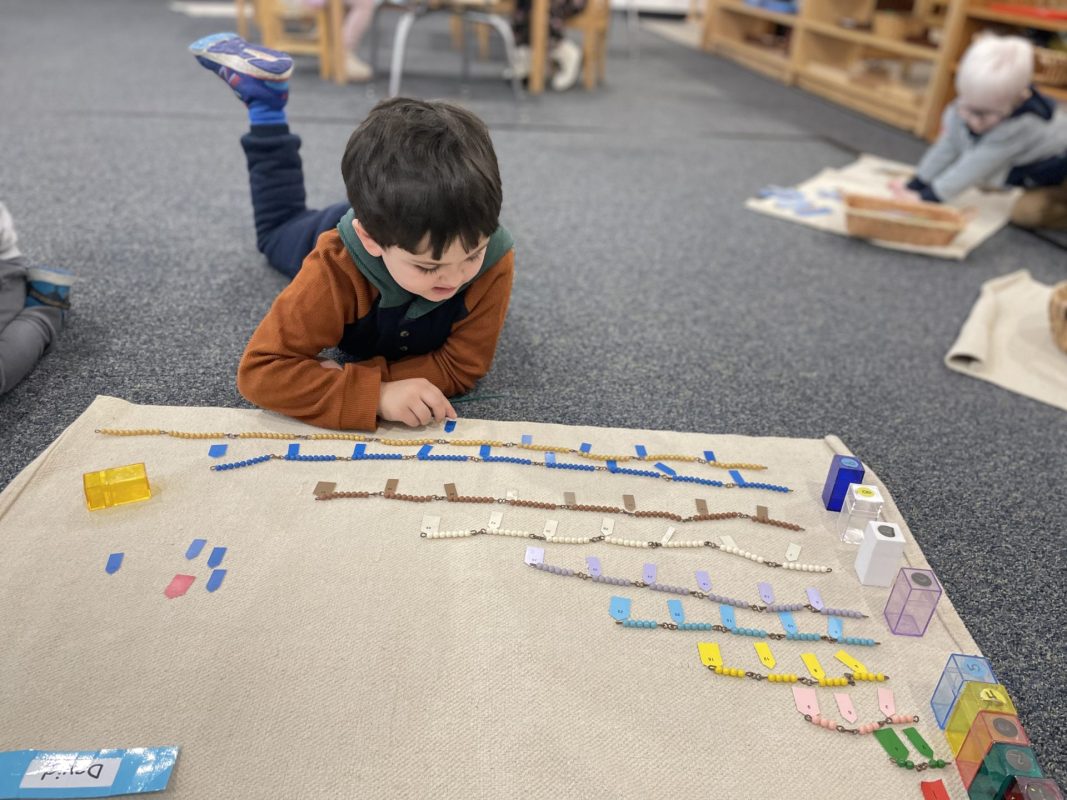
In our math class, Pre-Transition students have been working diligently on Chapter 6, titled “Using Multiplication.” This week, we focused on various important units, including:

  1. Arrays: Understanding the concept of arrays and how they relate to multiplication.
  2. Multiplying Fractions and Decimals: Exploring the multiplication of fractions and decimals.
  3. Areas: Applying multiplication to calculate the area of different shapes.
  4. Powers: Examining the concept of powers, including exponentiation.

Transition Students

We are currently immersed in Chapter 7, titled “Multiplication in Geometry.” In this chapter, we have explored several fascinating topics, such as:

  1. Area Models for Multiplication: Understanding how to use area models to visualize multiplication.
  2. Multiplication of Fractions: Learning how to multiply fractions effectively.
  3. Distributive Property: Applying the distributive property to simplify multiplication expressions.
  4. Area of Triangles and Trapezoids: Calculating the area of triangles and trapezoids through multiplication.

Algebra Students

We are currently delving into Chapter 8, titled “Powers and Roots.” In this chapter, you will be learning some powerful concepts, including:

  1. Discovering the Products and Quotients of Powers: Understanding how to multiply and divide numbers with powers.
  2. Negative Exponents: Exploring the rules and applications of negative exponents.
  3. Square/Cube Roots: Exploring the concept of square and cube roots and their significance.

Humanities

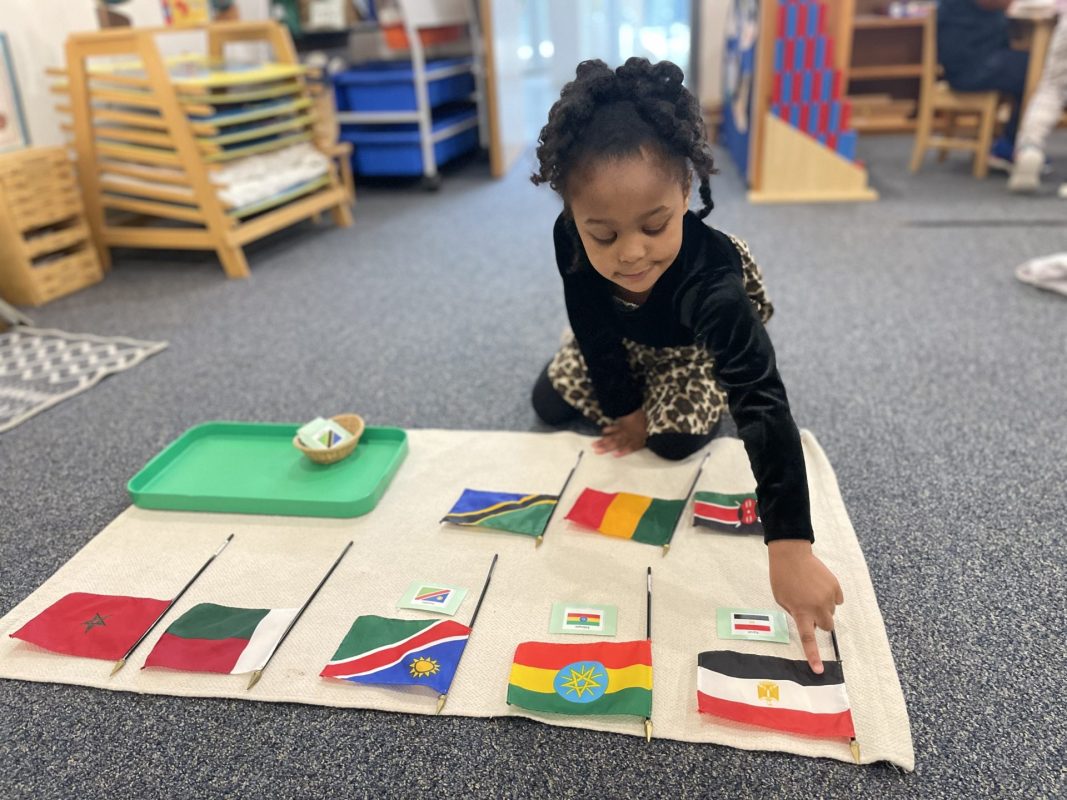
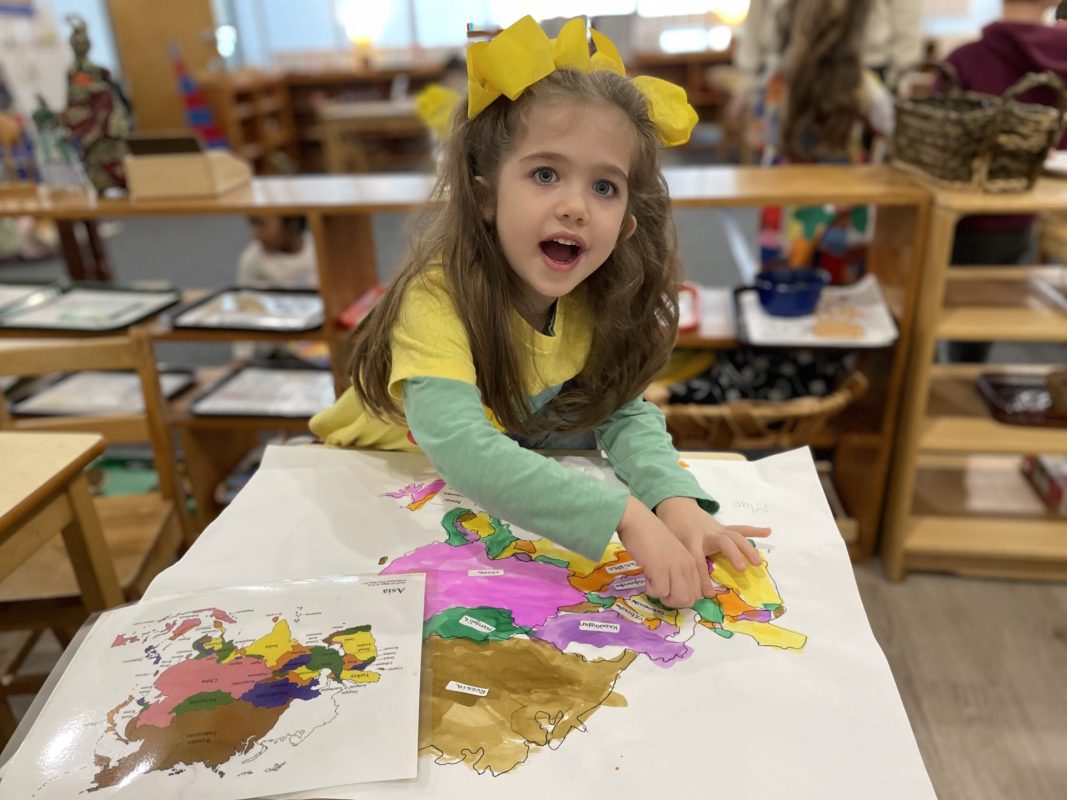
6th-grade Humanities students have been focused on the region of North Africa and the Middle East. They have particularly been looking at the current political maps of the region and had an assessment identifying countries. Next, they went back in time to look at the maps of 3 ancient civilizations: Indus Valley, Mesopotamia, and Egypt, focusing on bodies of water and major cities. Next week, students will begin to look at how societies organized and comparing to today. Students ended the week completing their research notes for this trimester’s research project, A Moment in History and began their research essays, which are due on the revised date of Wednesday, 2/14.

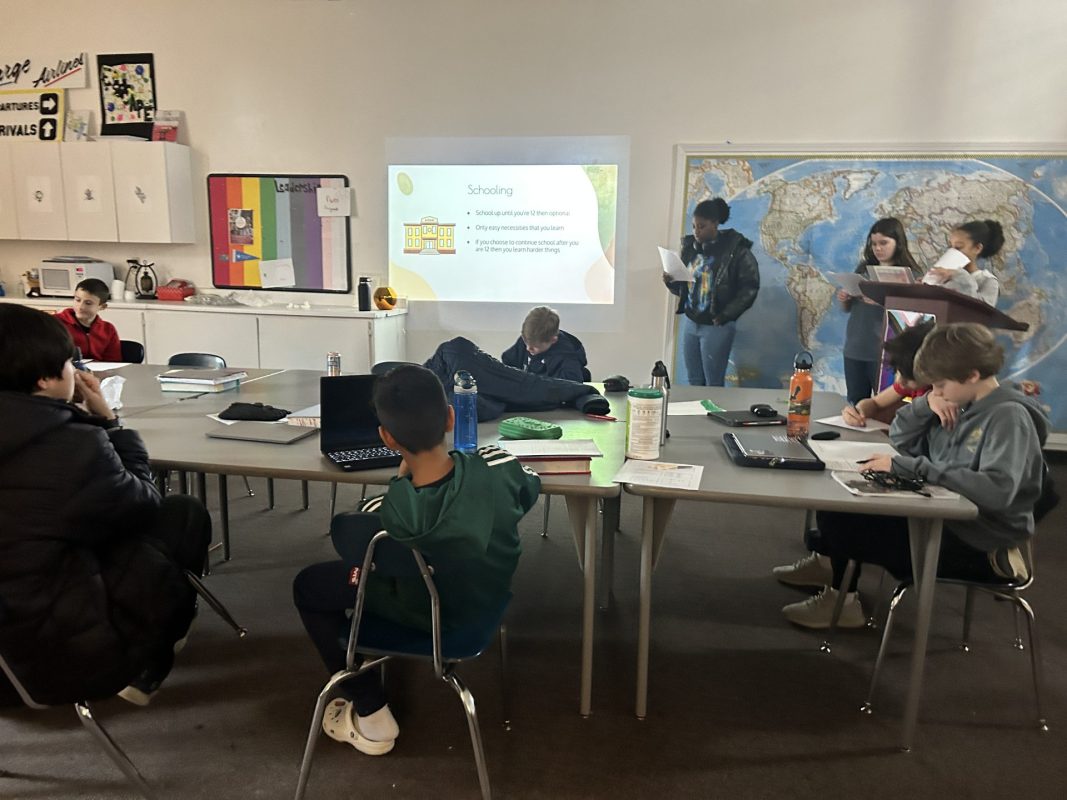
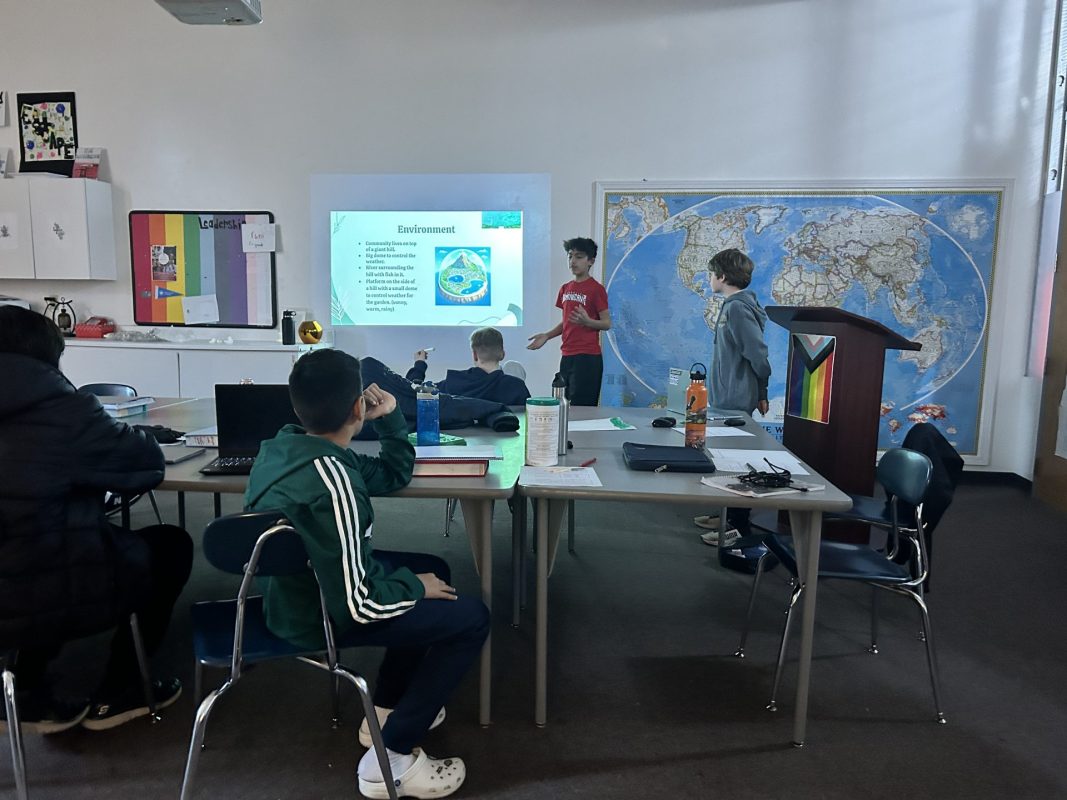
7th-grade Humanities classes had a great time presenting their Community Projects that they have been working on this month. This is a group project that had students look at the idea of Utopia stemming from their class novel, The Giver, and create their own ideas of what this might look like in a community. They brainstormed, wrote responses to each of the required components of the community, and created presentations to their classmates trying to convince them that their community is, in fact, Utopian. As each group presented, students wrote notes about what they were on board with, what they questioned, and whether or not they would consider living there. In the end, they anonymously voted on the community they felt most embodied Utopia. Of the four groups, there was a tie between 2! Finally, students ended the week completing their research notes for this trimester’s research project, A Moment in History and began their research essays, which are due on the revised date of Wednesday, 2/14.

The 8th grade had a busy week! With Mrs. Lamb, they started the week by giving the first run-through of their internship presentations, receiving feedback, and making revisions. Then, they were able to give their final presentations to the upper elementary and middle school classes. With Mr. Newman, students examine the first five presidents, looking at who they were, what similarities they shared as people, and the challenges they faced as the first leaders of a new country.

We hope you have a wonderful weekend!

Mrs. Doyle: Moving Like Molecules

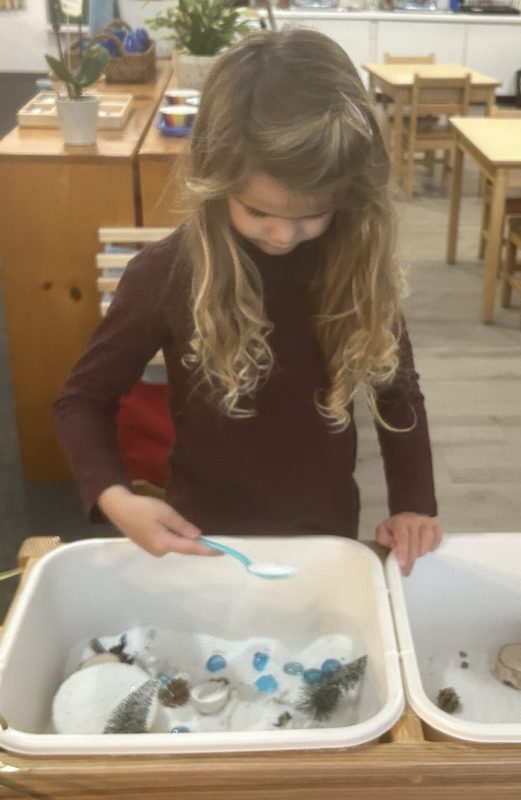
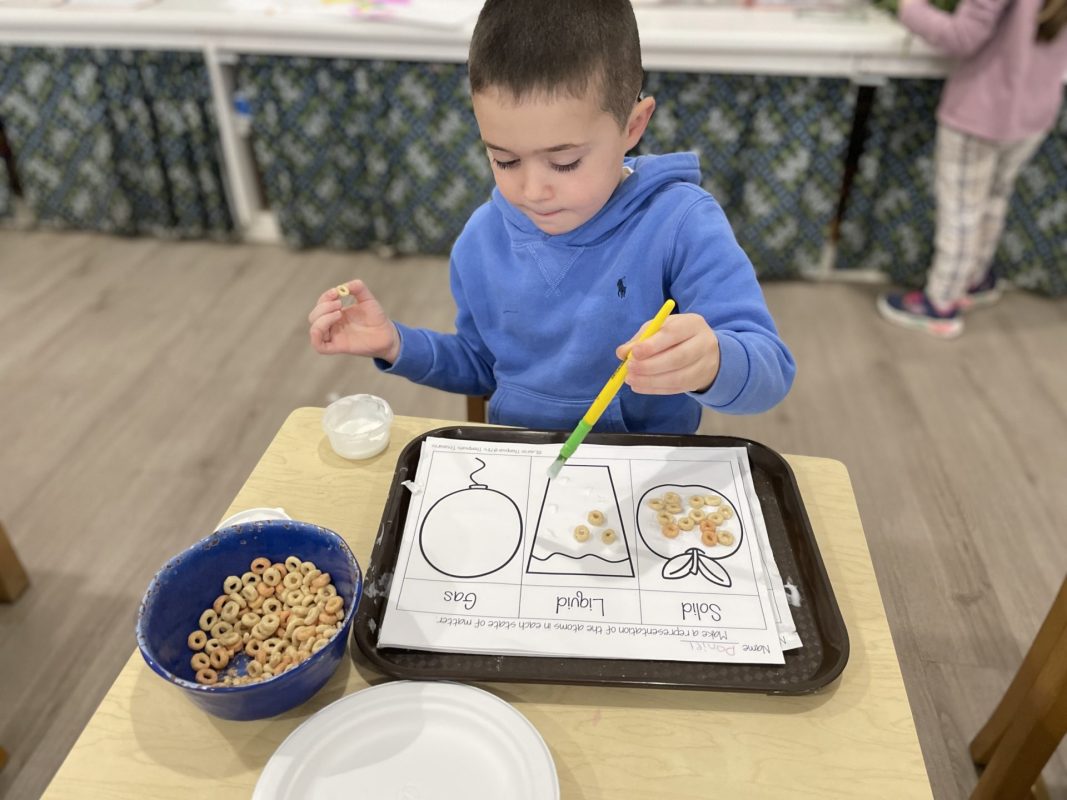
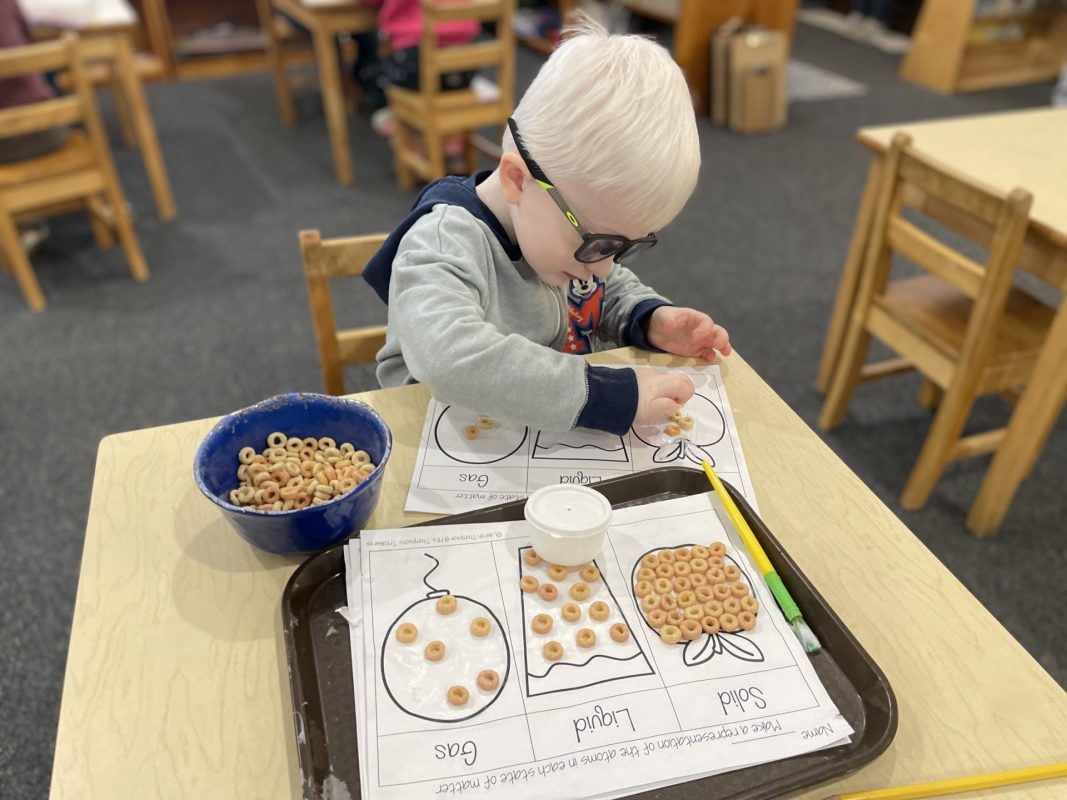
We are just beginning our science unit on States of Matter. Matter is all around us. Everything that you can touch, taste, smell, and see is made of matter. The three main states of matter are solids, liquids, and gases.

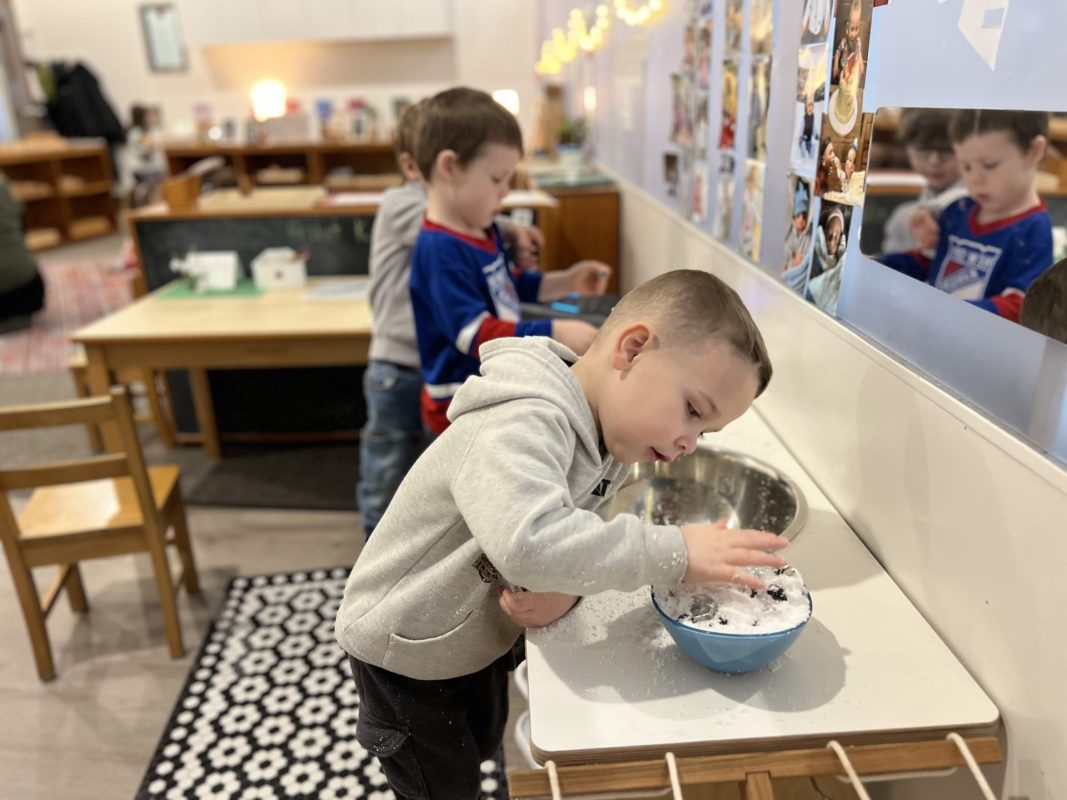
Solids have a definite shape because these molecules are very close together and do not move very much. The shapes of solids do not change unless some type of force makes them change. Liquid matter does not have its own shape. The tiny molecules in liquids are not as close together as solid molecules, and they move around more. Liquids take the shape of the container they are in. Gas matter also does not have its own shape. The molecules in a gas are far apart, and they move around a lot. Gases spread out and fill up their container, too. In the afternoon, we made Oobleck, a fun substance that is both liquid AND solid!!

We are eagerly waiting for some snowfall so that we can build a snowman, bring him inside, and observe how he will change from a solid to a liquid and finally a gas.

Wishing everyone a week filled with peace and love!

Michelle & Maria


Mrs. Lopes: Moving Like Molecules

We are just beginning our science unit on States of Matter. Matter is all around us. Everything that you can touch, taste, smell, and see is made of matter. The three main states of matter are solids, liquids, and gases.

Solids have a definite shape because these molecules are very close together and do not move very much. The shapes of solids do not change unless some type of force makes them change. Liquid matter does not have its own shape. The tiny molecules in liquids are not as close together as solid molecules, and they move around more. Liquids take the shape of the container they are in. Gas matter also does not have its own shape. The molecules in a gas are far apart, and they move around a lot. Gases spread out and fill up their container, too. In the afternoon, we made Oobleck, a fun substance that is both liquid AND solid!!

We are eagerly waiting for some snowfall so that we can build a snowman, bring him inside, and observe how he will change from a solid to a liquid and finally a gas.

Wishing everyone a week filled with peace and love!

Amanda & Hema


Ms. Marissa: Moving Like Molecules

We are just beginning our science unit on States of Matter. Matter is all around us. Everything that you can touch, taste, smell, and see is made of matter. The three main states of matter are solids, liquids, and gases.

Solids have a definite shape because these molecules are very close together and do not move very much. The shapes of solids do not change unless some type of force makes them change. Liquid matter does not have its own shape. The tiny molecules in liquids are not as close together as solid molecules, and they move around more. Liquids take the shape of the container they are in. Gas matter also does not have its own shape. The molecules in a gas are far apart, and they move around a lot. Gases spread out and fill up their container, too. In the afternoon, we made Oobleck, a fun substance that is both liquid AND solid!!

We are eagerly waiting for some snowfall so that we can build a snowman, bring him inside, and observe how he will change from a solid to a liquid and finally a gas.

Wishing everyone a week filled with peace and love!

Marissa & Sue


Mrs. Sargeant: A Peek at the Week

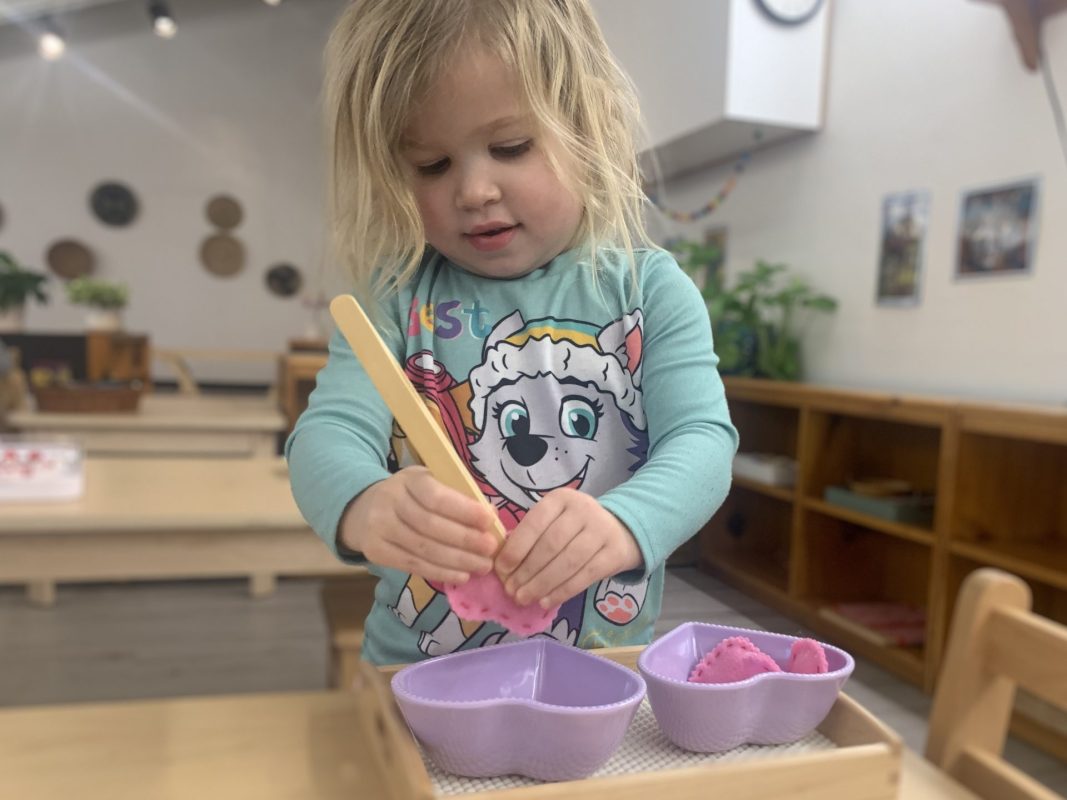
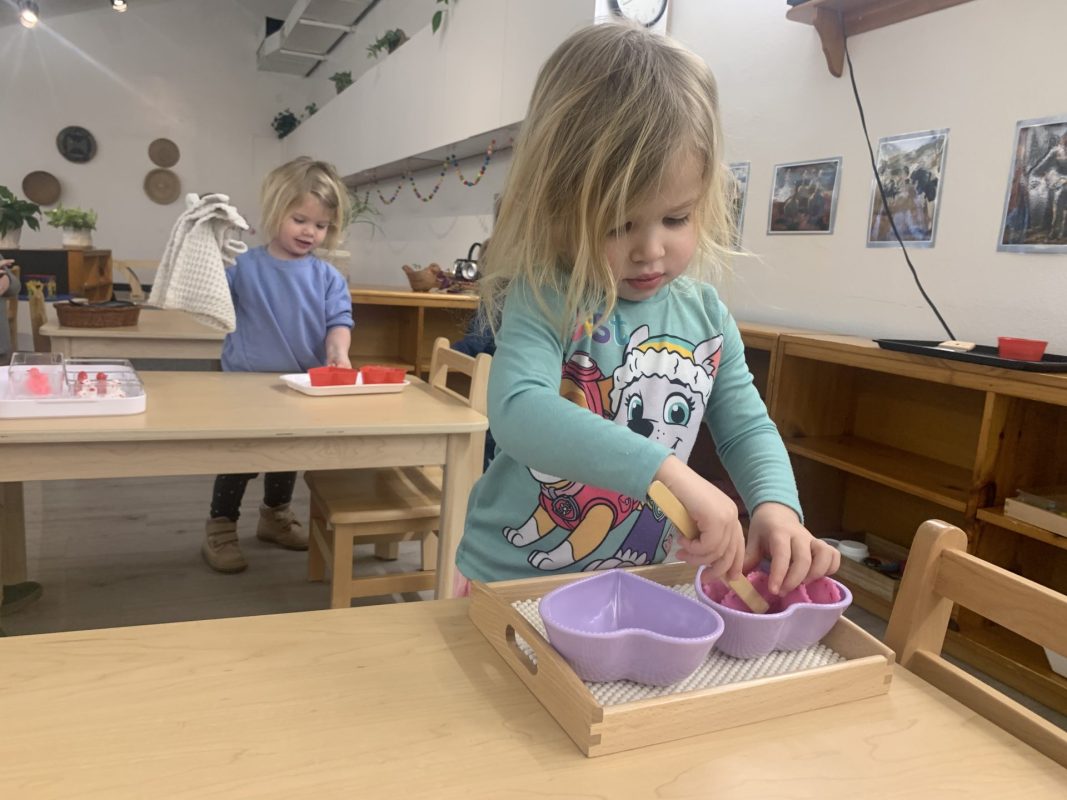
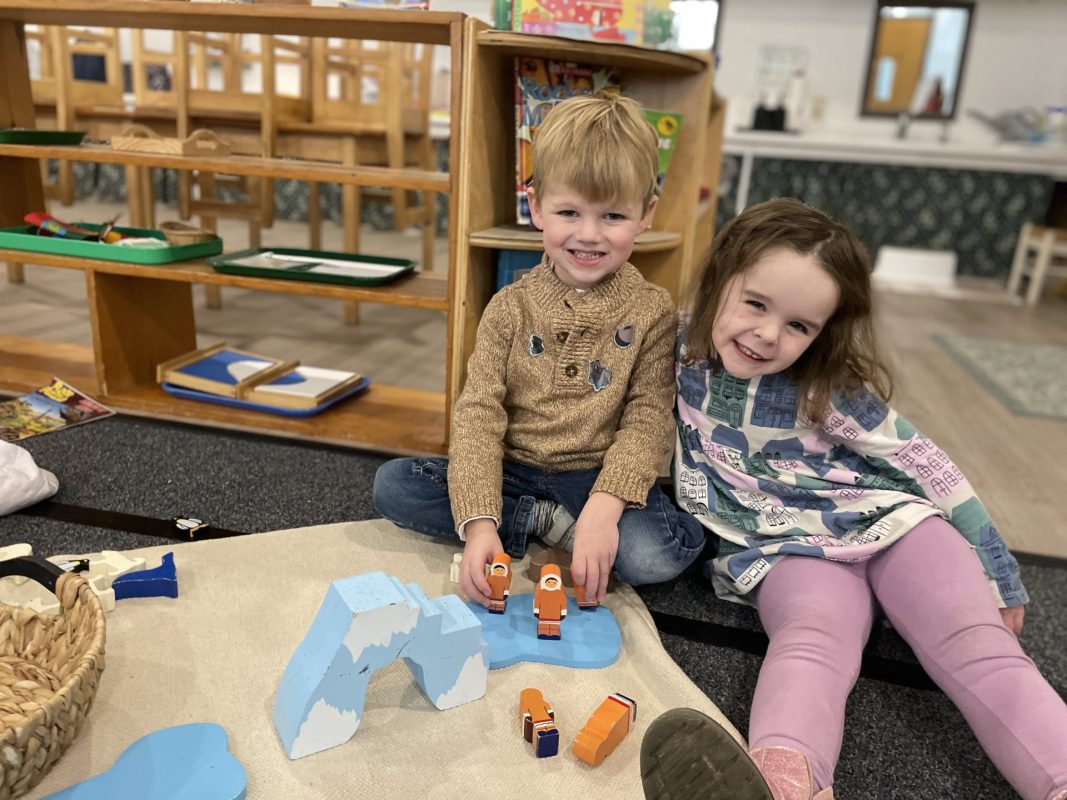
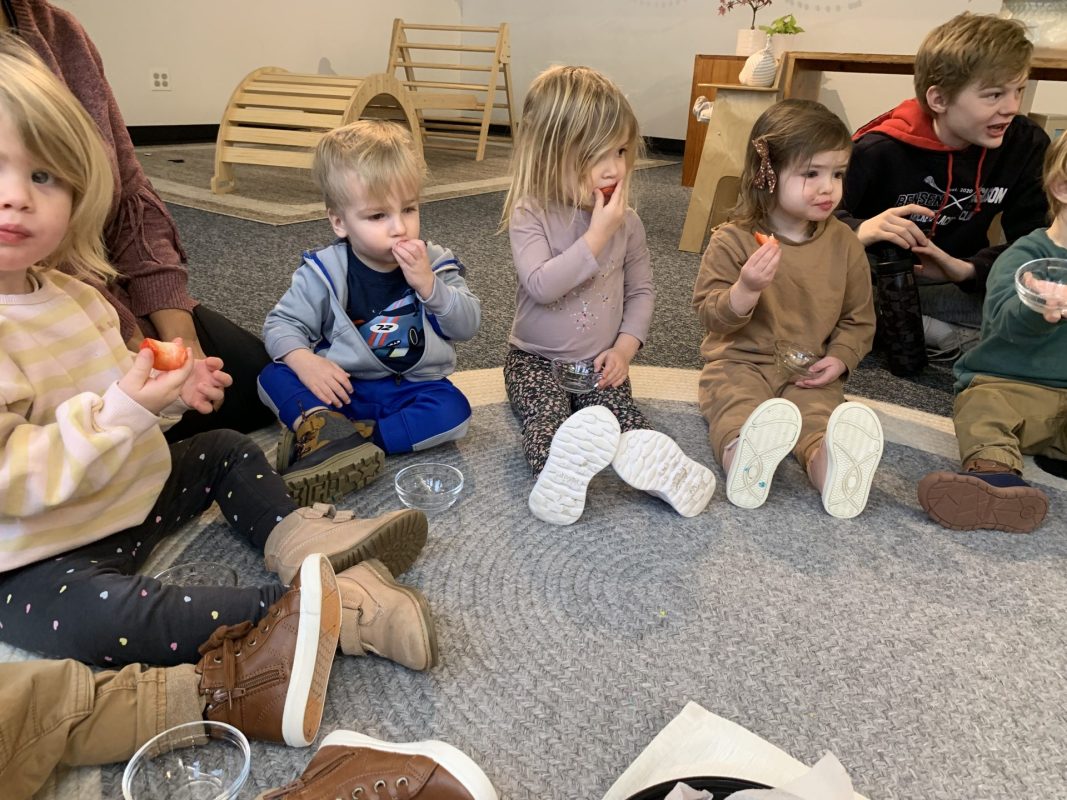
This week, we enjoyed strawberries as our food-tasting experience. Despite the children’s familiarity with the fruit, they were in awe as we cut the strawberry to reveal the white inside. We discussed the edible seeds on the outside of the strawberry and remembered that some seeds are not edible, such as those from an apple.

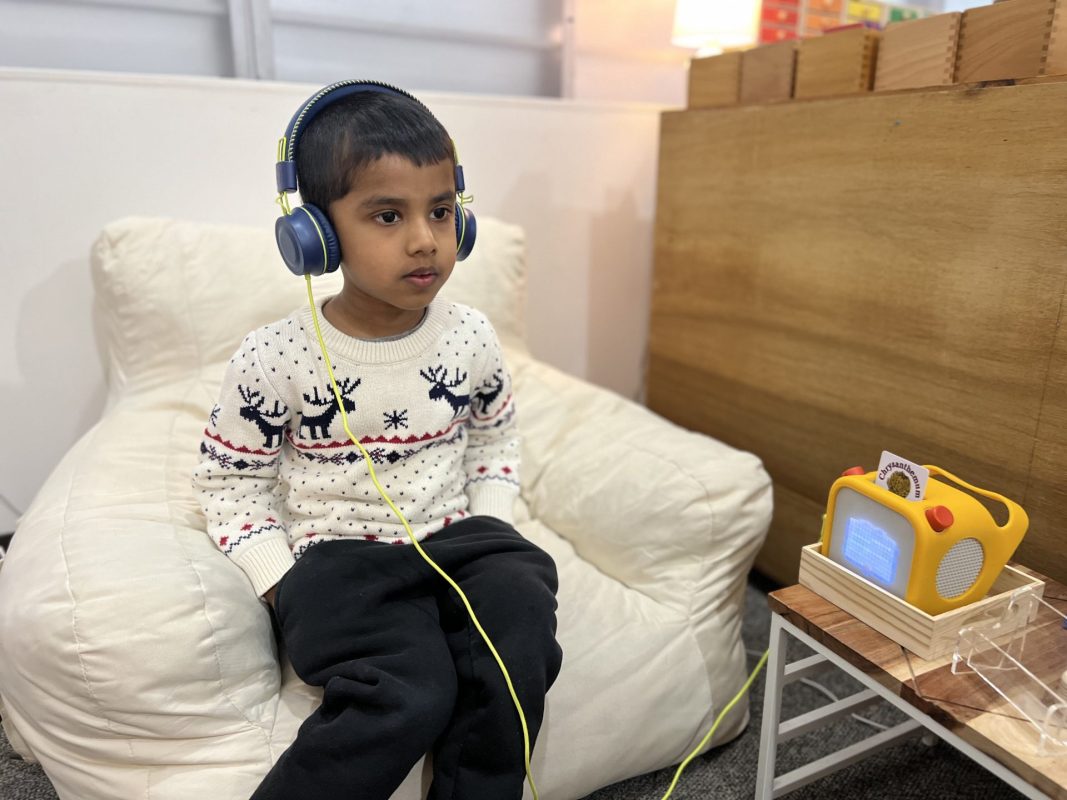
We’ve noticed since our seaweed tasting a few weeks ago that a few children have brought seaweed for a snack- and it sparks conversation each time!

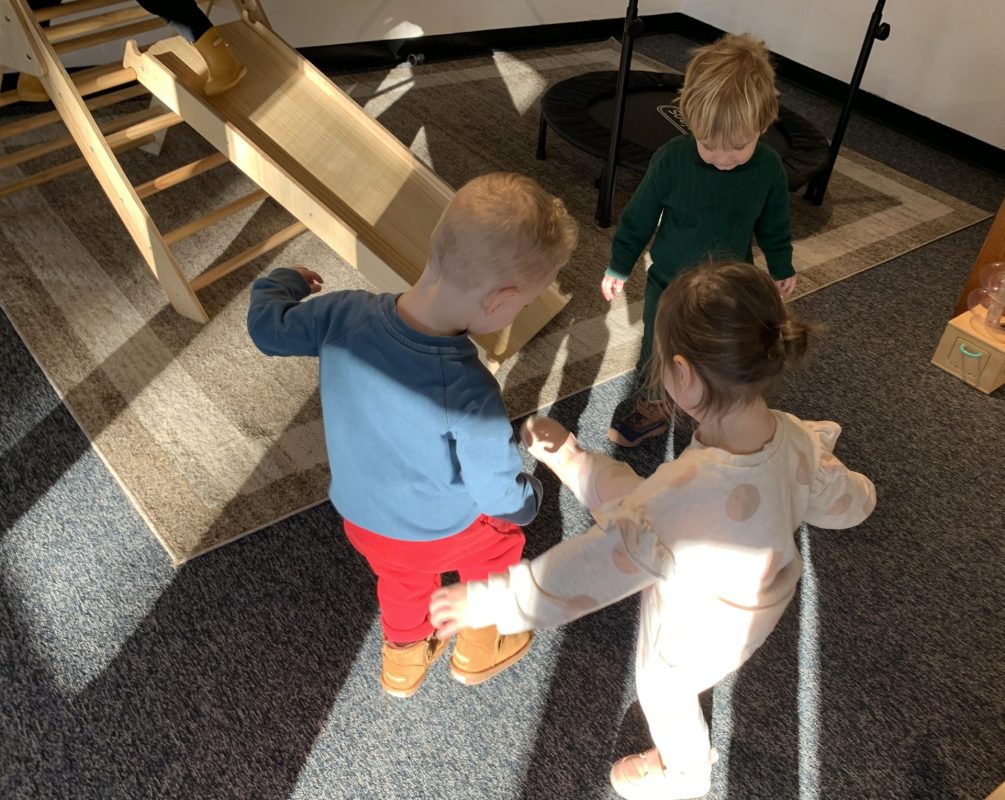
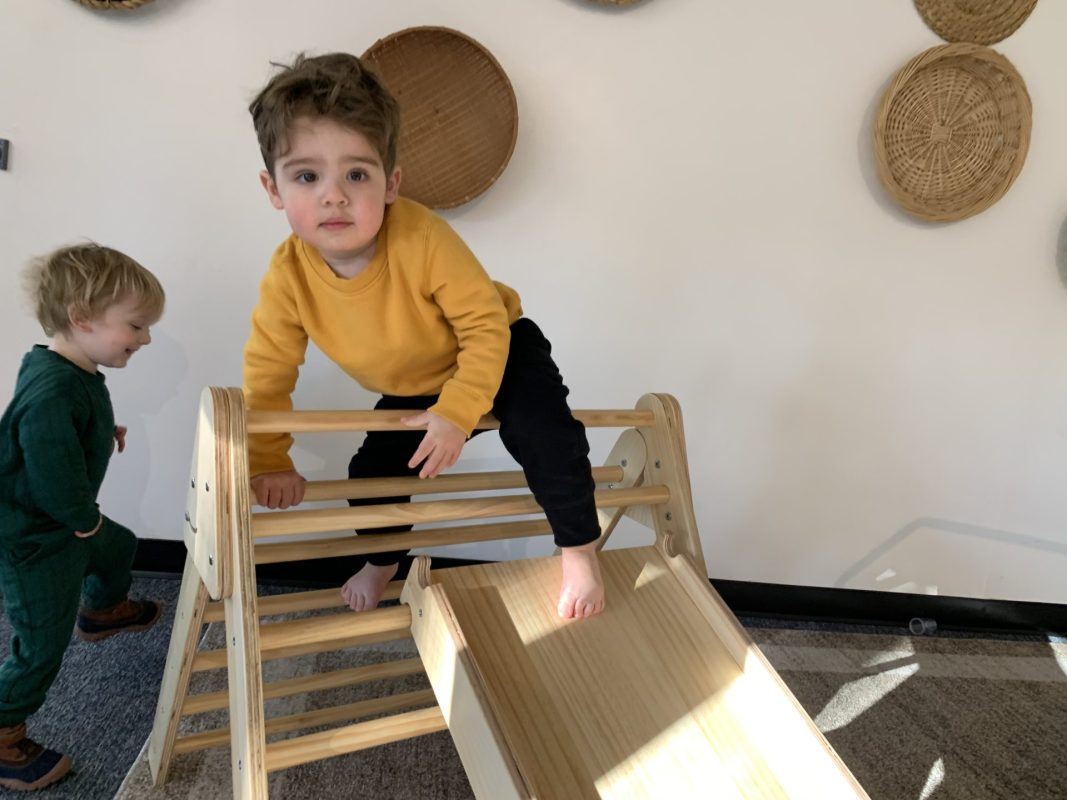
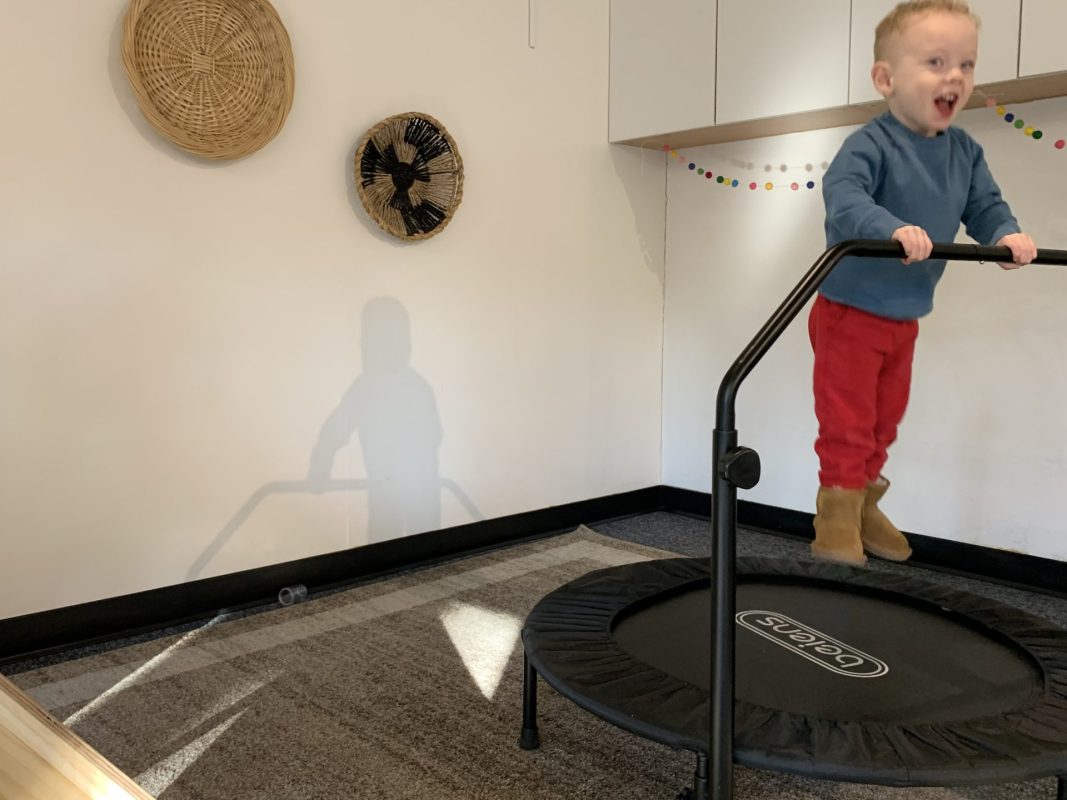
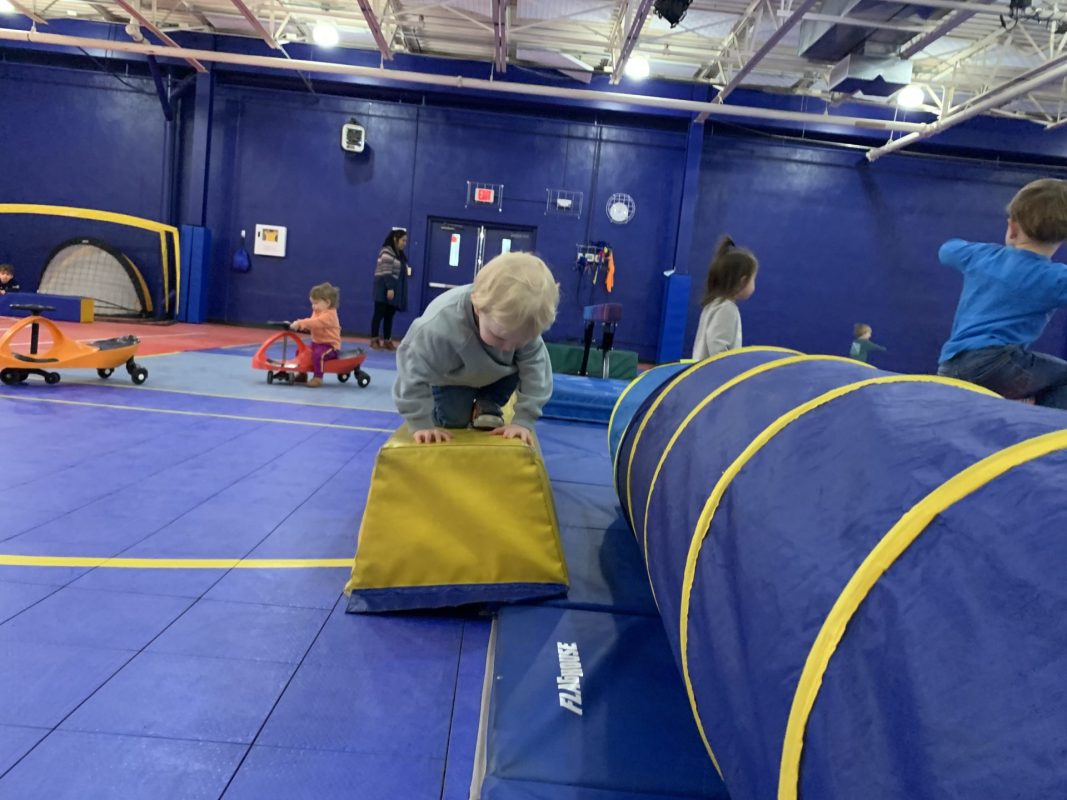
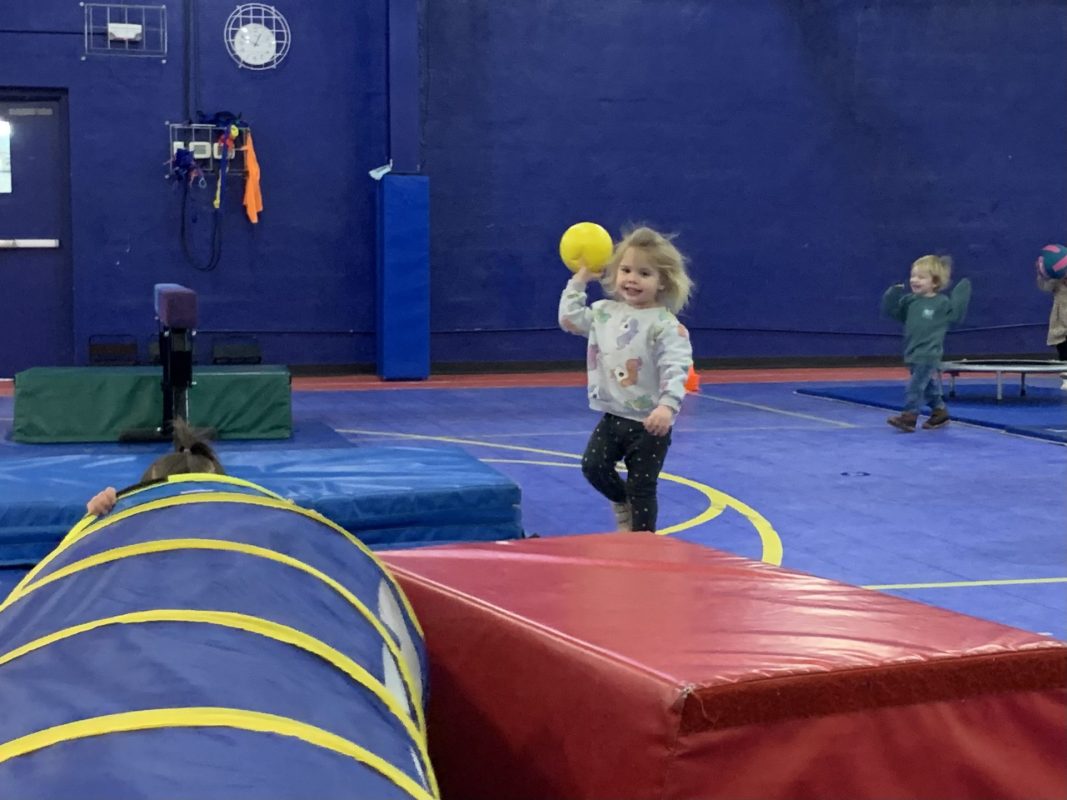
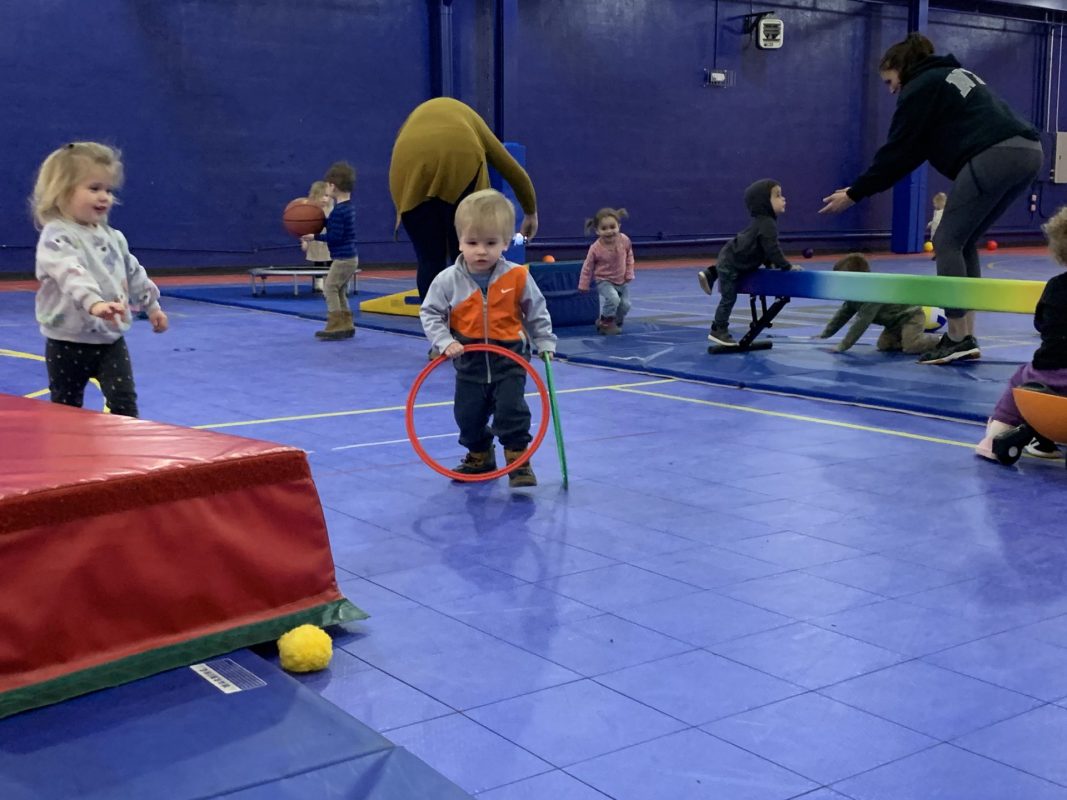
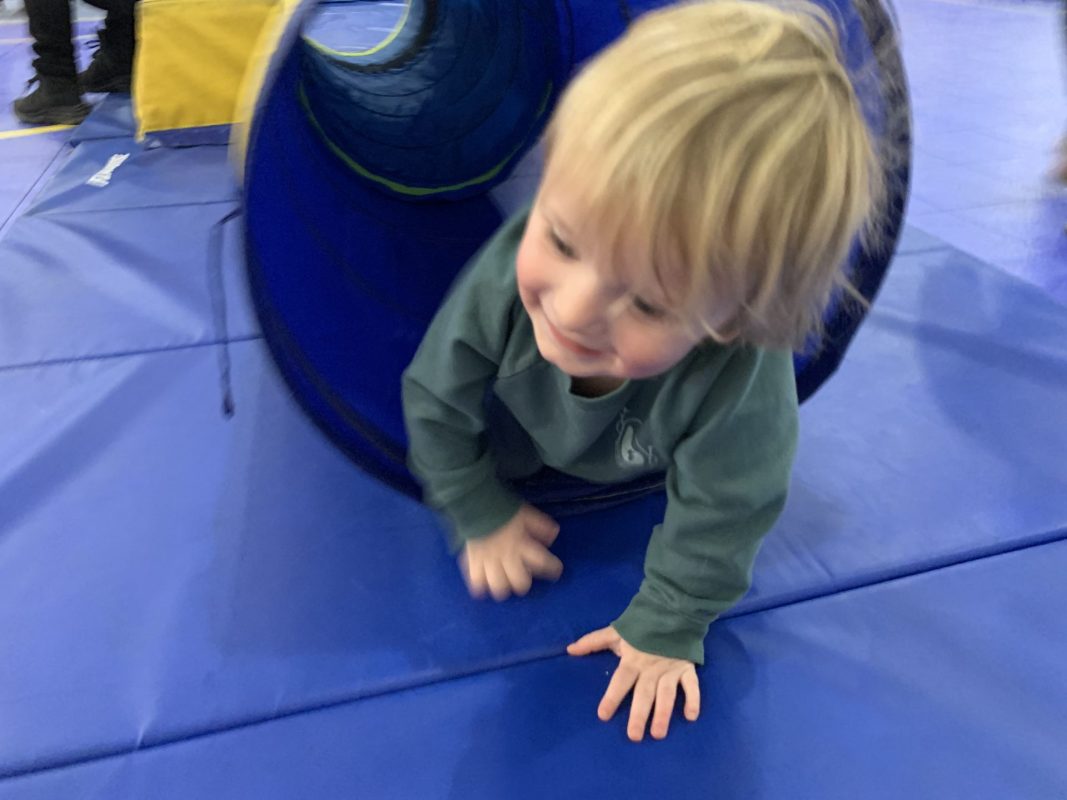
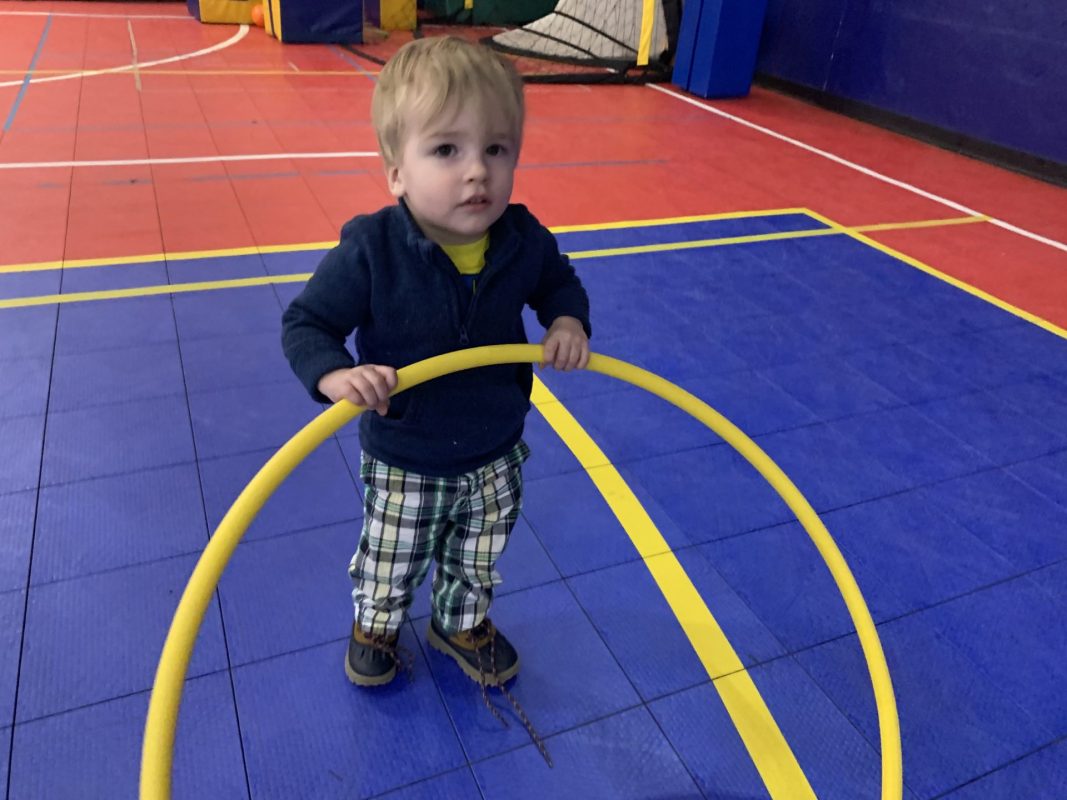
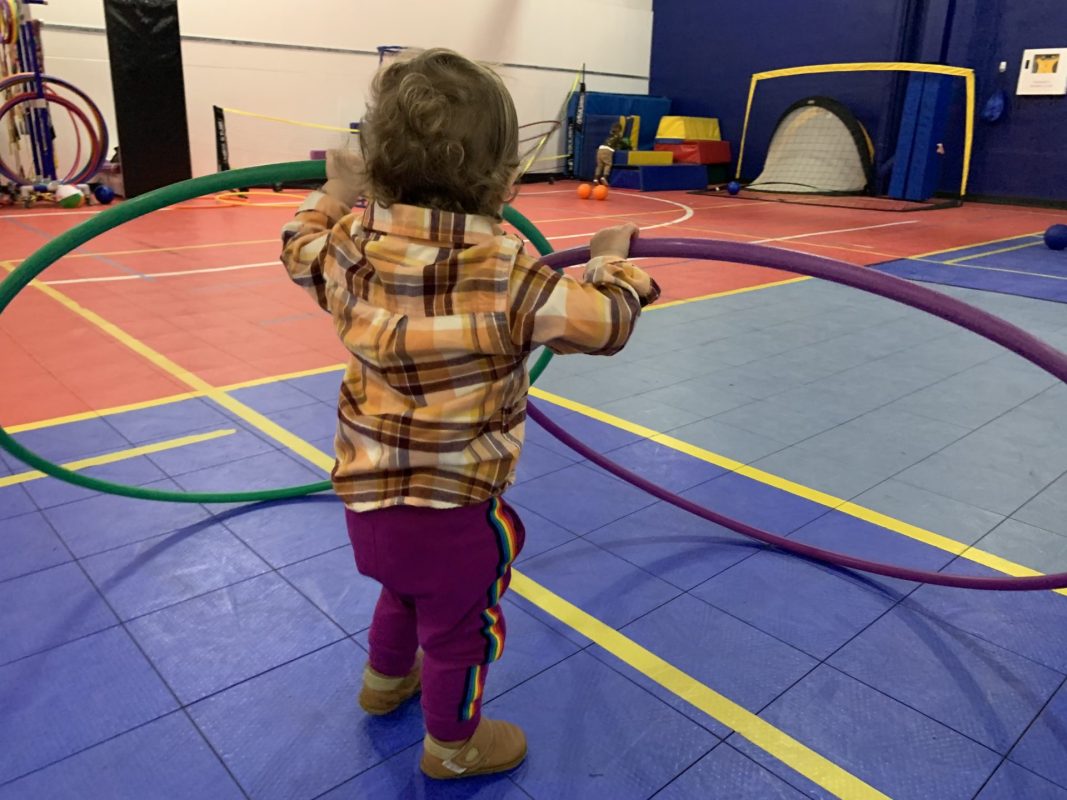
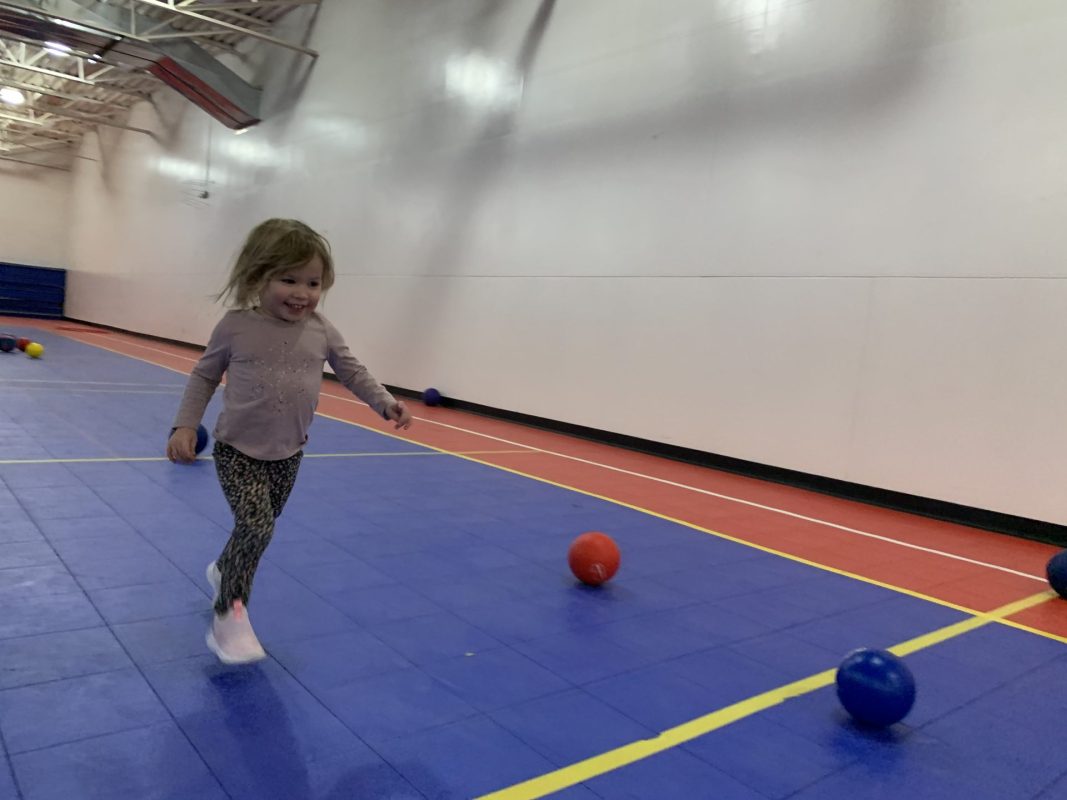
We had the opportunity to expend some energy in the gym this week. We worked on catching, throwing, and kicking balls. A few children did a few laps around the gym. We discussed how running and exercise change the way we breathe and make our hearts beat faster.

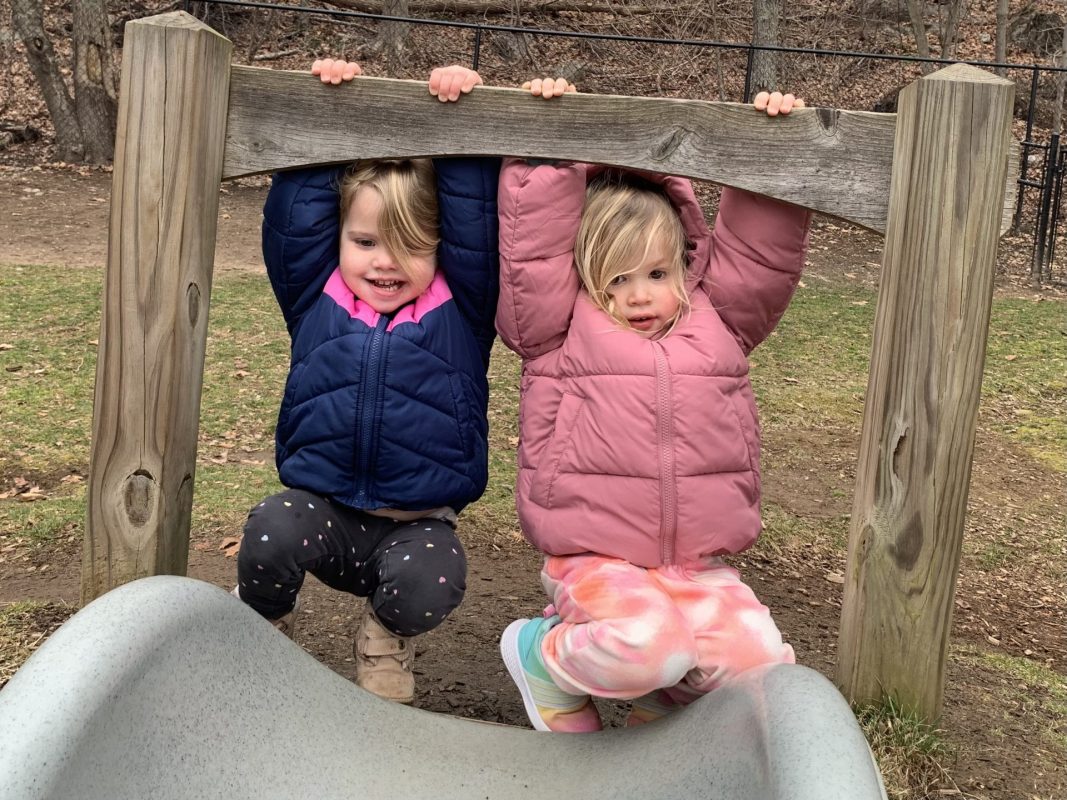
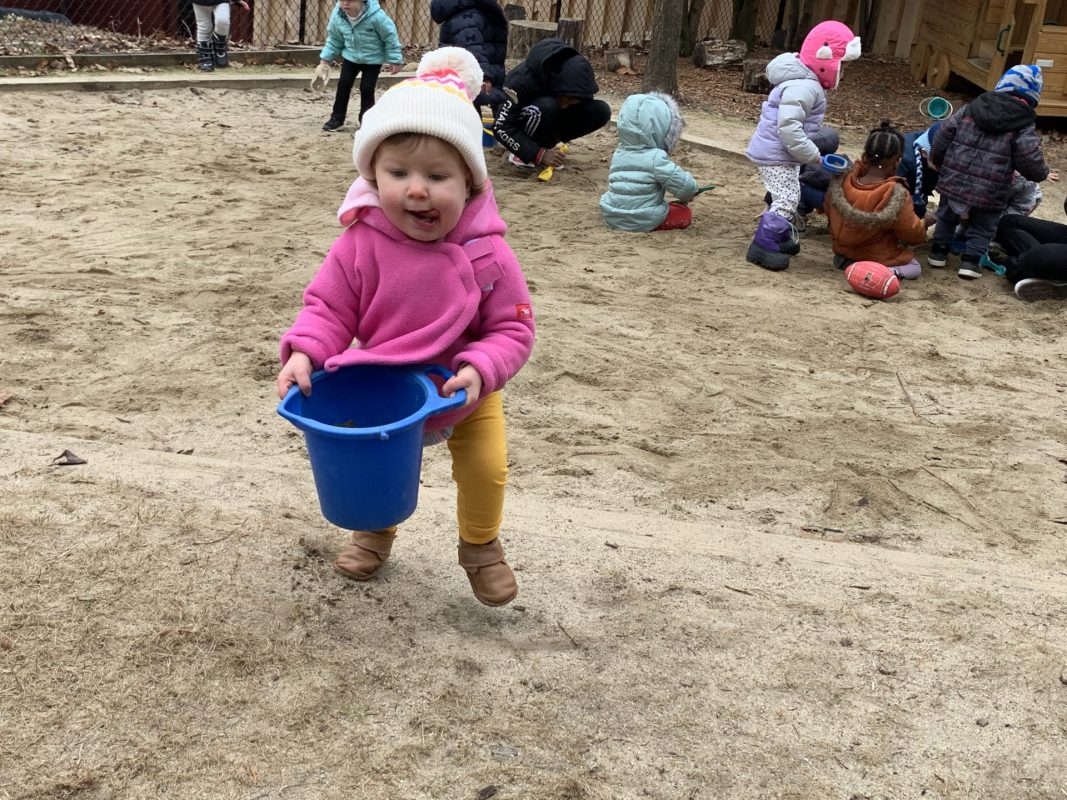
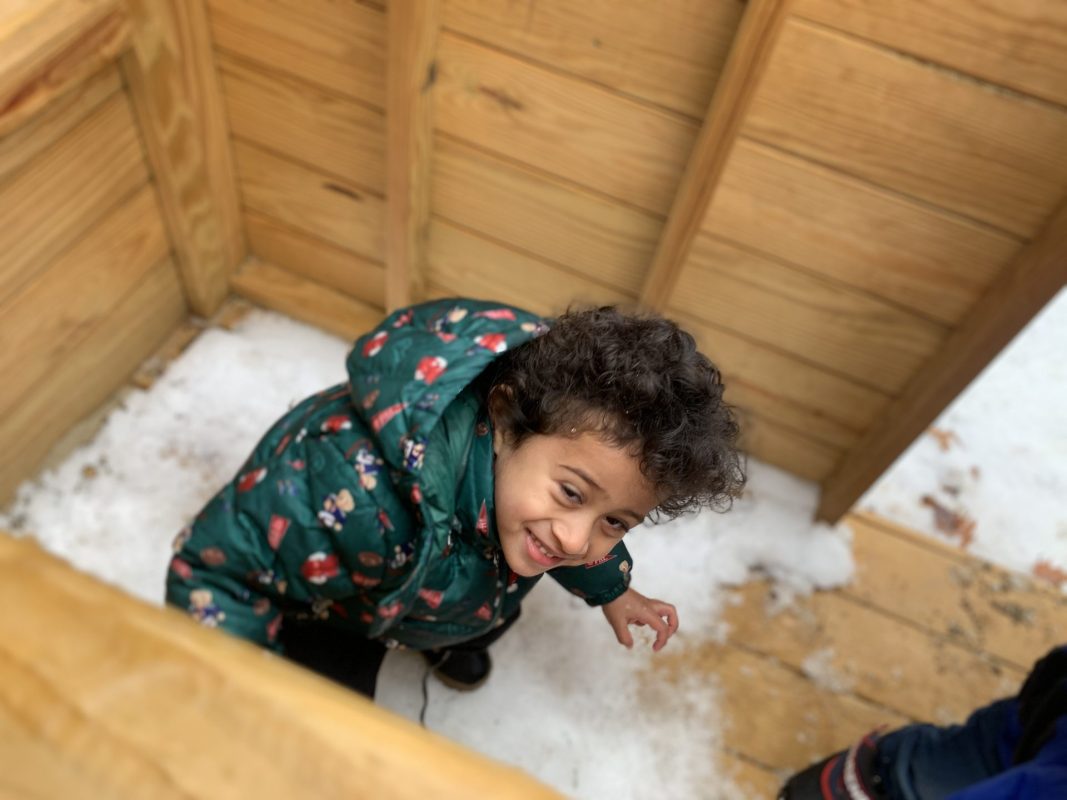
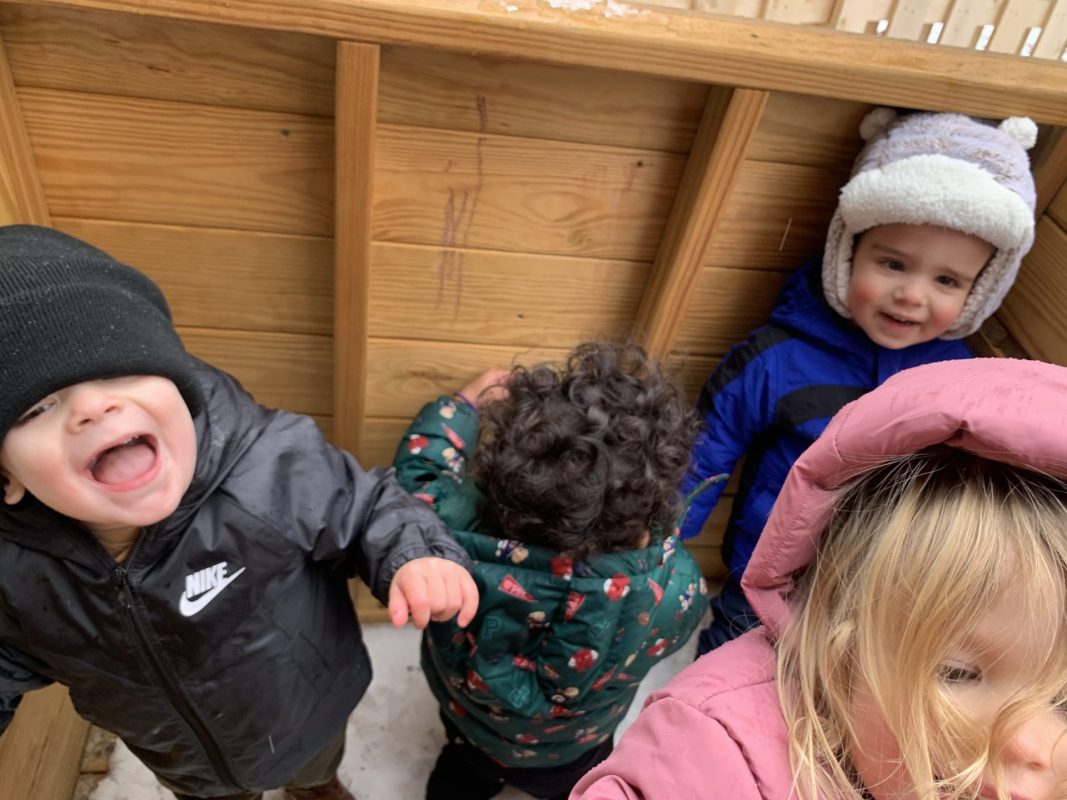
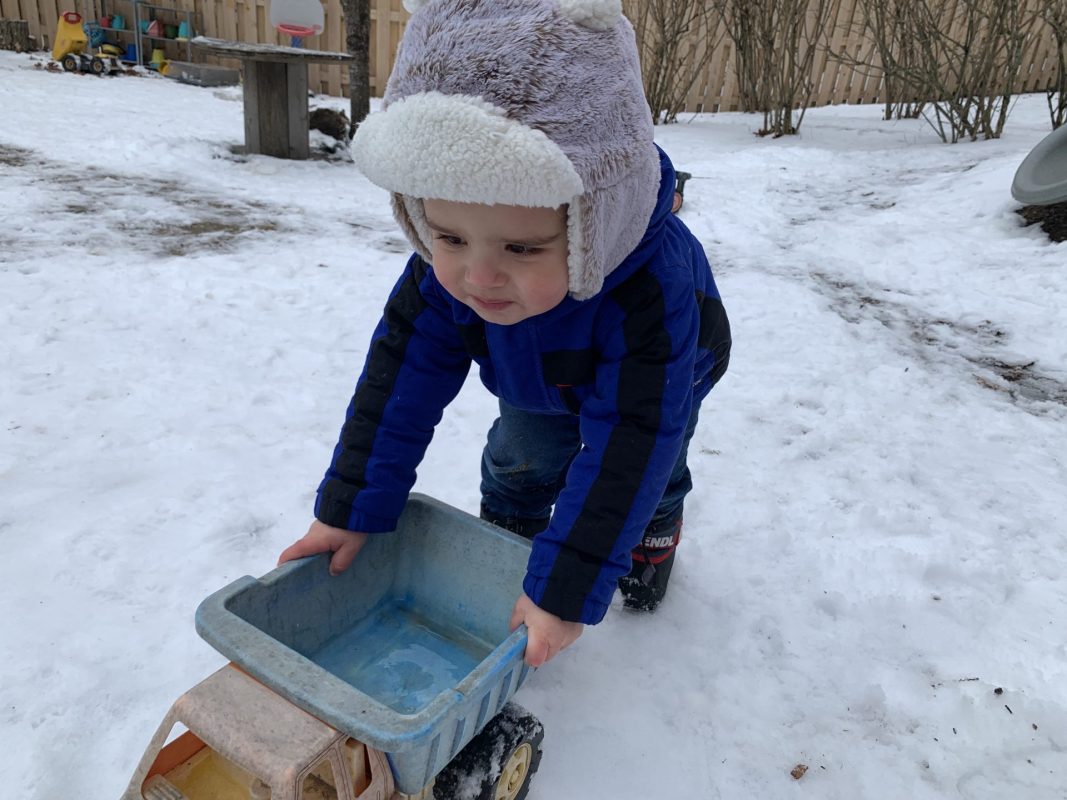
We’ve also enjoyed some time outdoors. There is so much to learn through the senses – especially when there is snow on the ground. We particularly enjoyed listening to the sound of the snow crunching underneath our boots with each step.

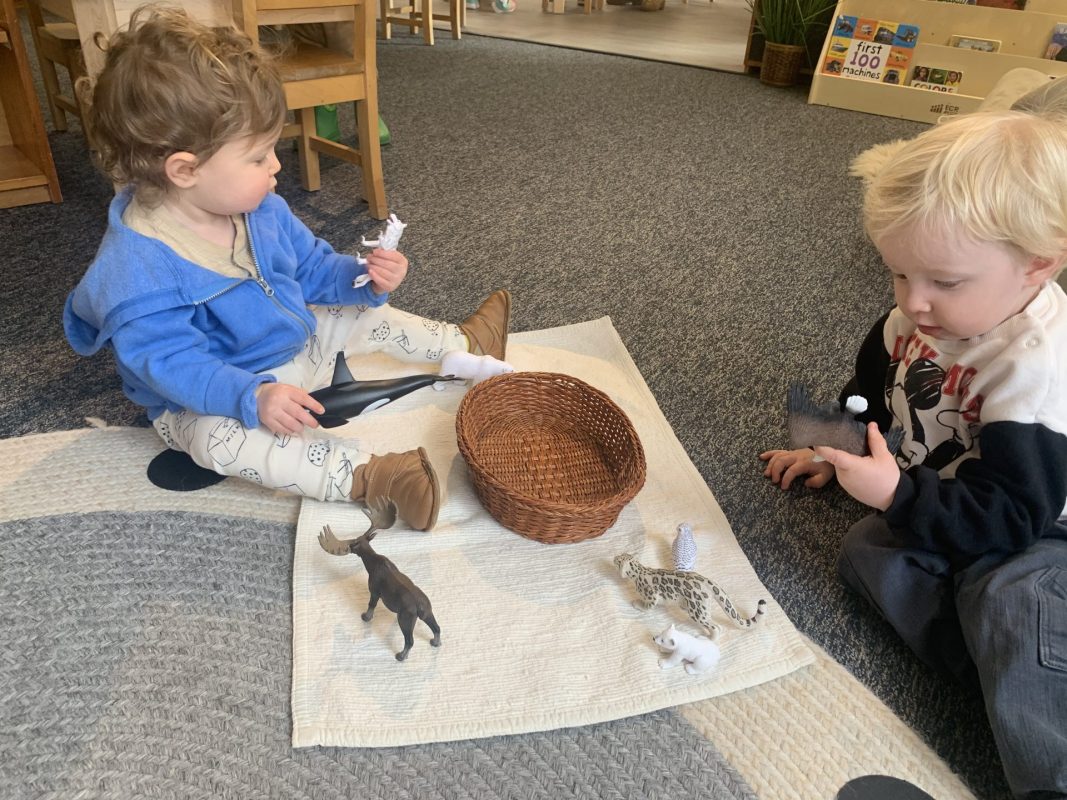
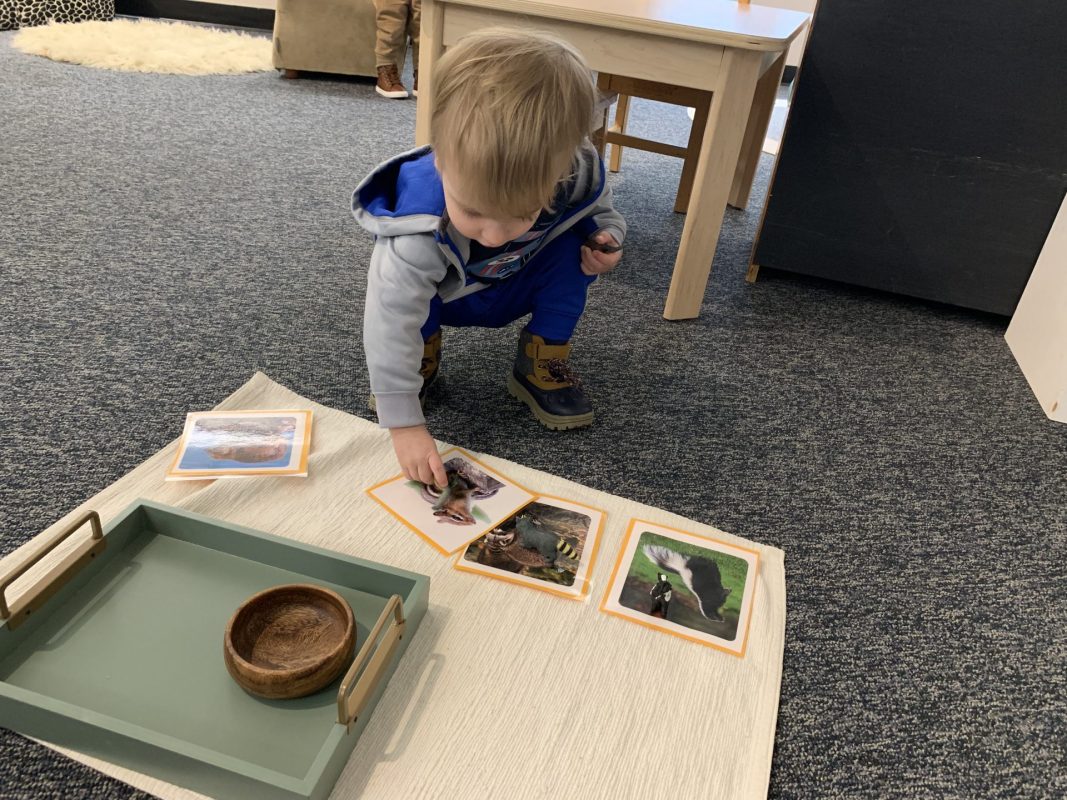
We have been talking a lot about woodland animals, such as chipmunks, skunks, raccoons, and bears. A few of us have shared stories of encounters with these backyard critters.

Happy Birthday to our friend Kai, who we celebrated in class this week.

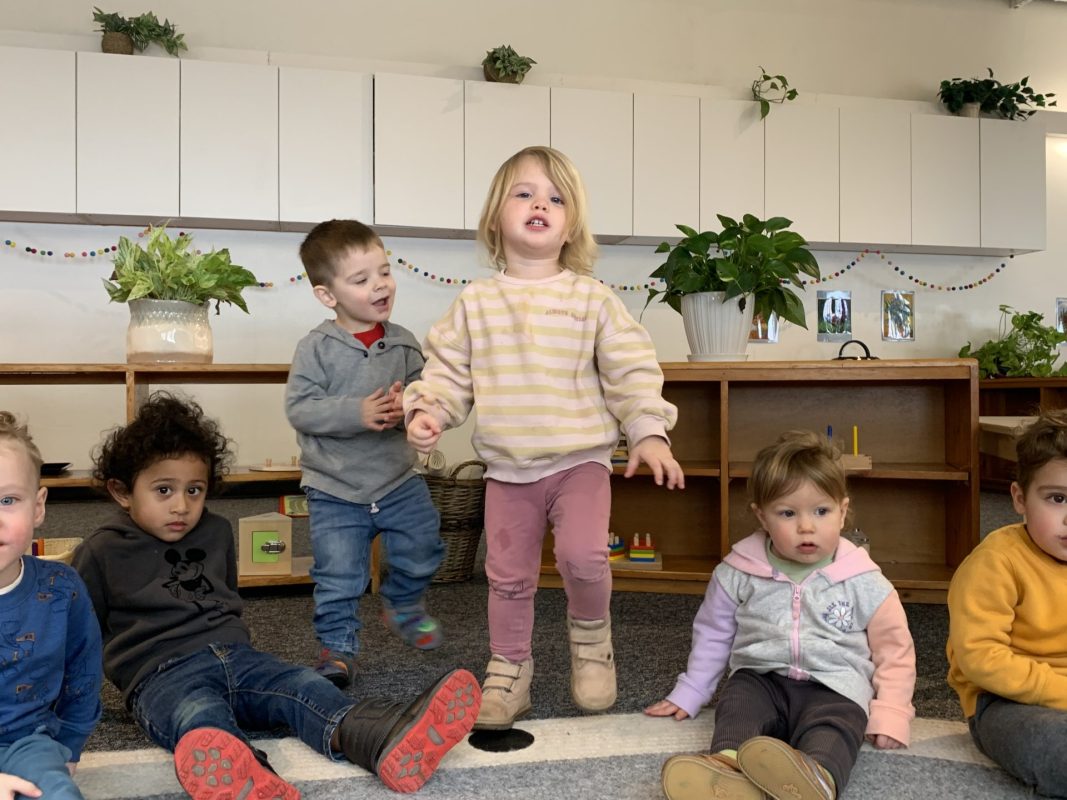
Please note that a handful of photos in this week’s batch are from last month but never made it into the post. I will share a funny song that we discovered by accident, which the children love. If you play it at home, I hope you’ll have the chance to see their bodies move and groove to the music as they listen. (We always listen to music on a speaker using Spotify, even though I share via YouTube.)

Also, for those of you whose children will be moving into Primary next year, please consider attending the Moving Up information night on Thursday evening, February 1, at 5:30 pm. It is a great way to gain more information about your child’s year ahead.

Happy and healthy weekend!
Christine & Lizette


Ms. Marissa: Do You Have Bones?

For the last few weeks in our classroom, we have been learning about animals. Not just any animals, INVERTEBRATE animals – animals with NO BONES! We have talked about invertebrate animals that live on the land (slugs!), in the air (insects!), and in the water (jellyfish!).
At circle, we see if we can think of the invertebrate animal from a riddle. Try asking your child one of these:

“I am an invertebrate who lives in the ocean. I have a hinged shell. I have a muscular food that helps me burrow in the sand. Who am I? (a mussel)

“I am an invertebrate who farmers love because I eat pests. I have a spotted, domed shell and six legs. I can fly, too! Who am I? (a ladybug)
We also have been practicing a new poem in honor of studying invertebrates called Song of the Bugs.

Some bugs pinch

And some bugs creep

Some bugs buzz themselves to sleep

Buzz Buzz Buzz Buzz

This is the song of the bugs.

Some bugs fly

When the moon is high

Some buts make a light in the sky

Flicker, flicker firefly

This is the song of the bugs.

We look forward to slithering into this next week!

Warmly,

Marissa & Sue