Blog

Mrs. Hood: Copo de Nieve!

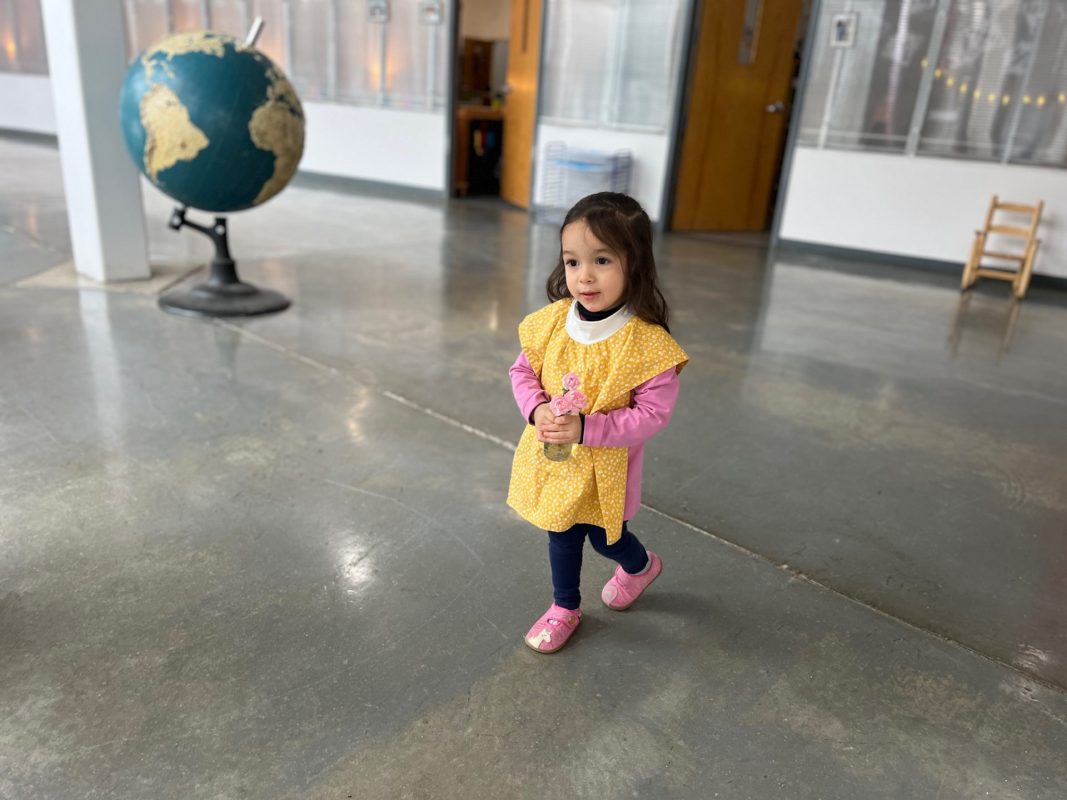
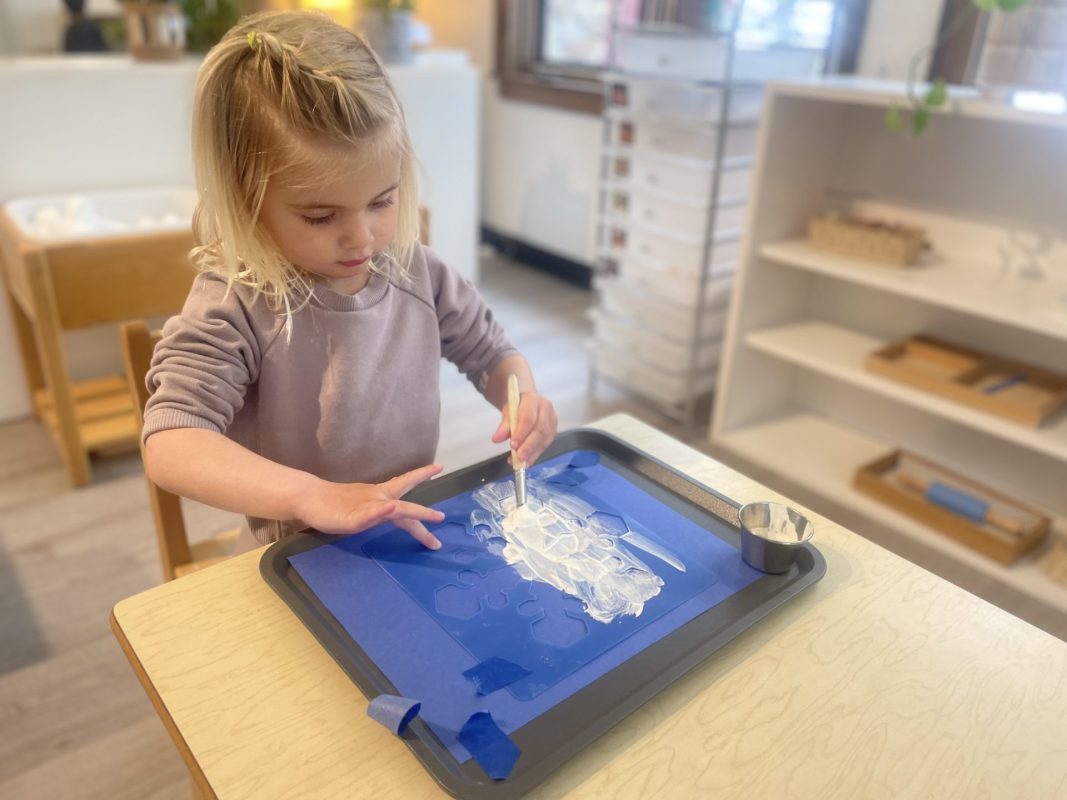
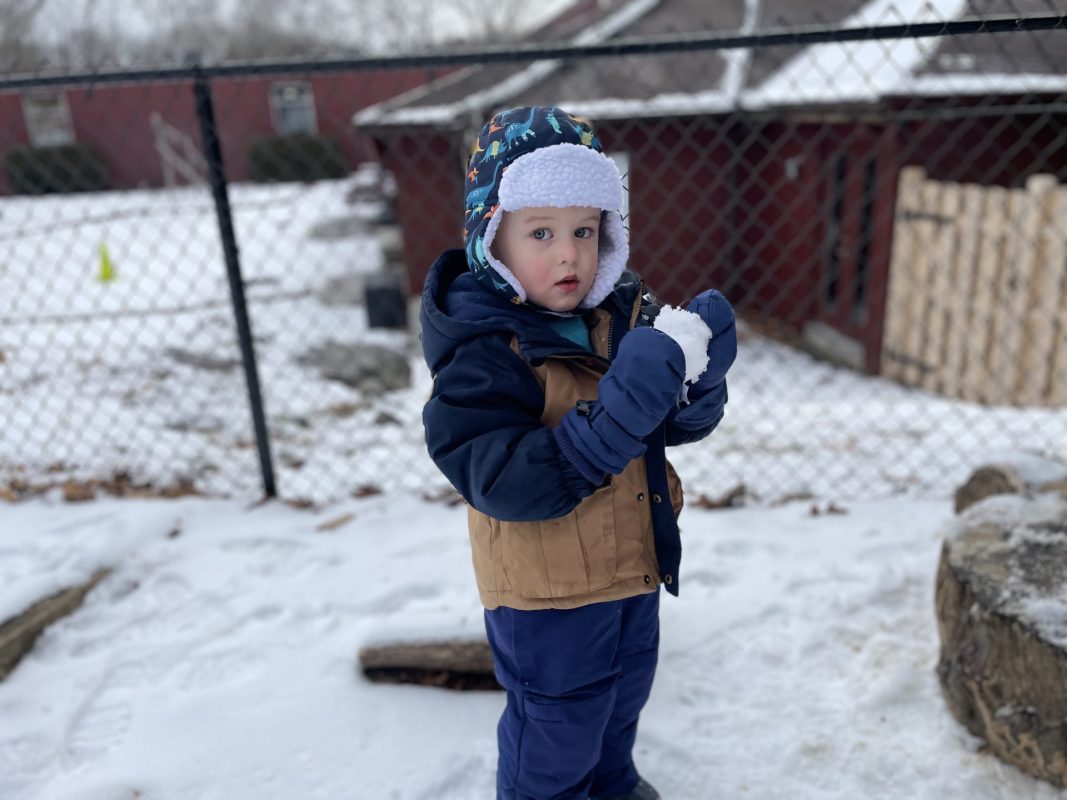
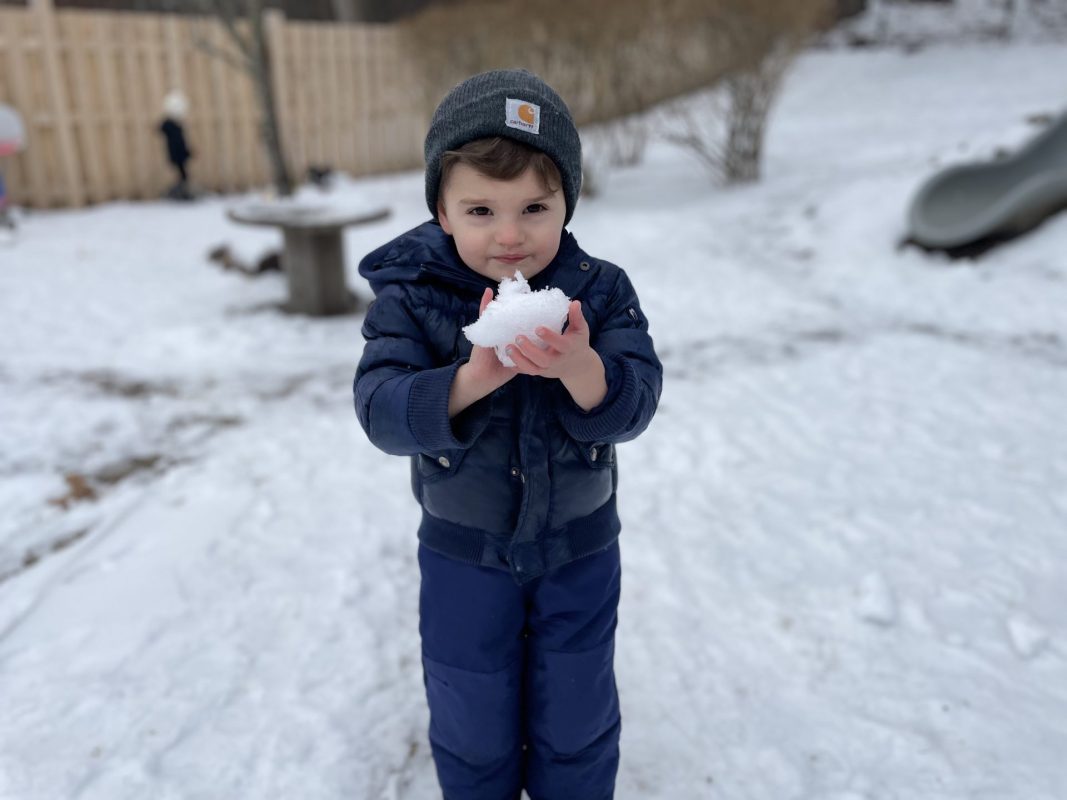
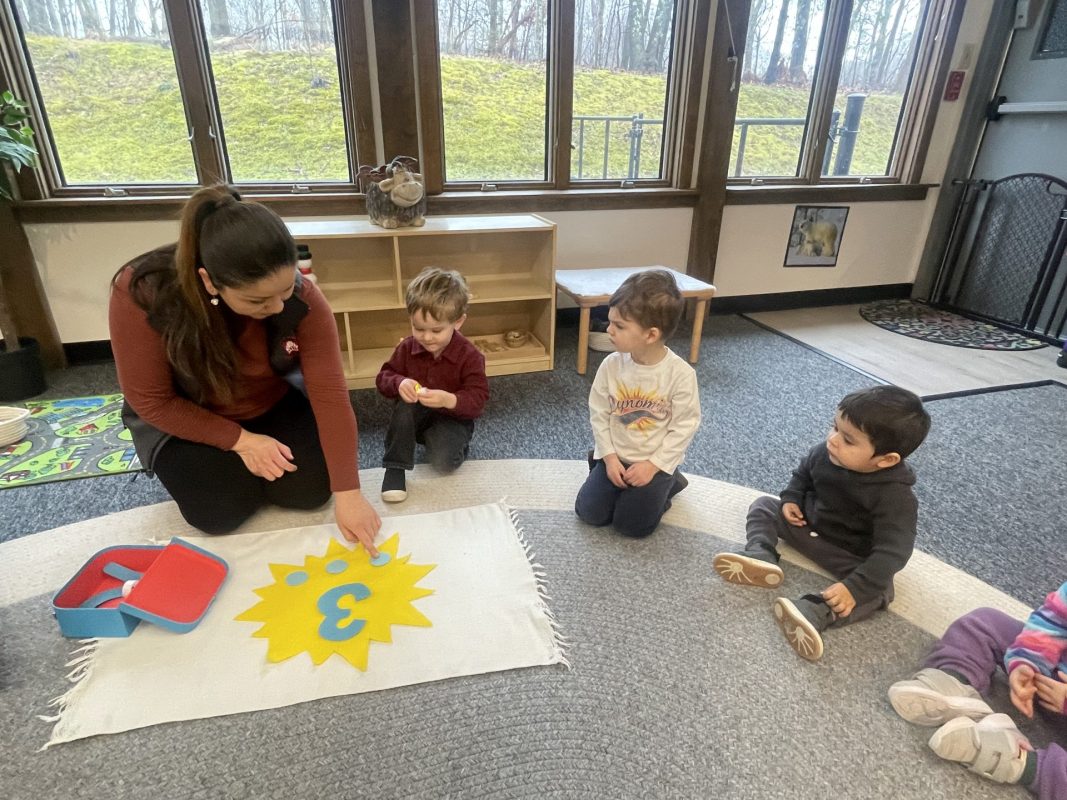
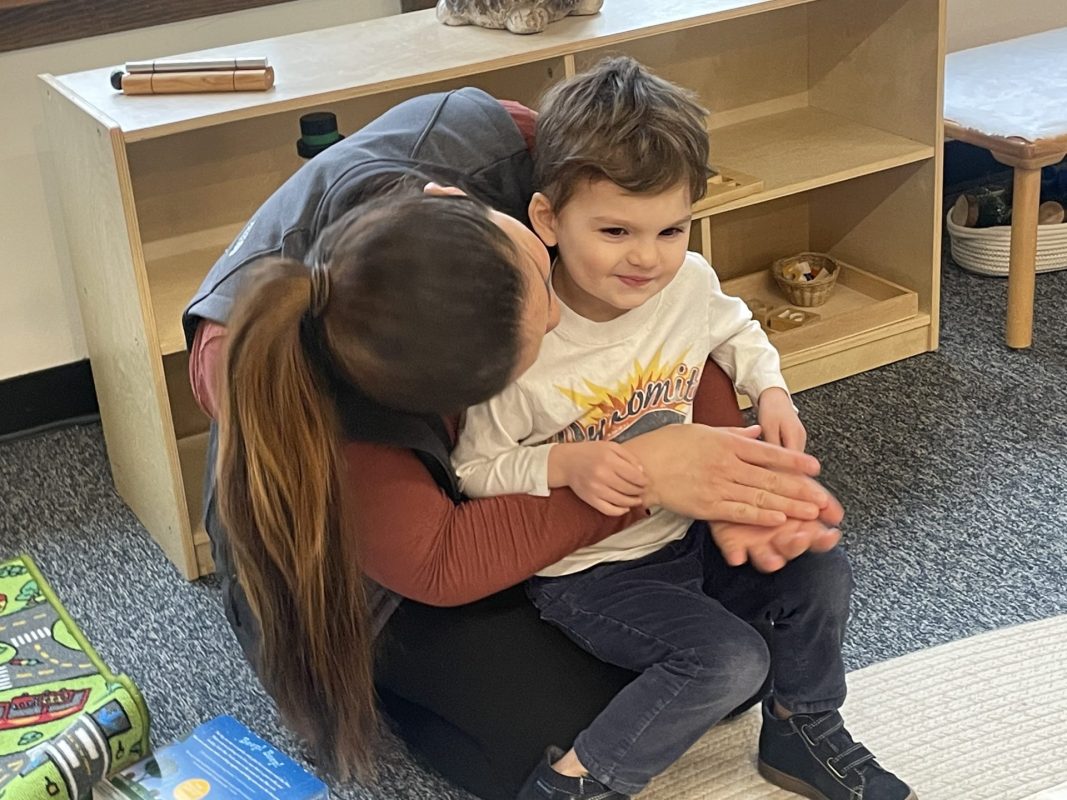
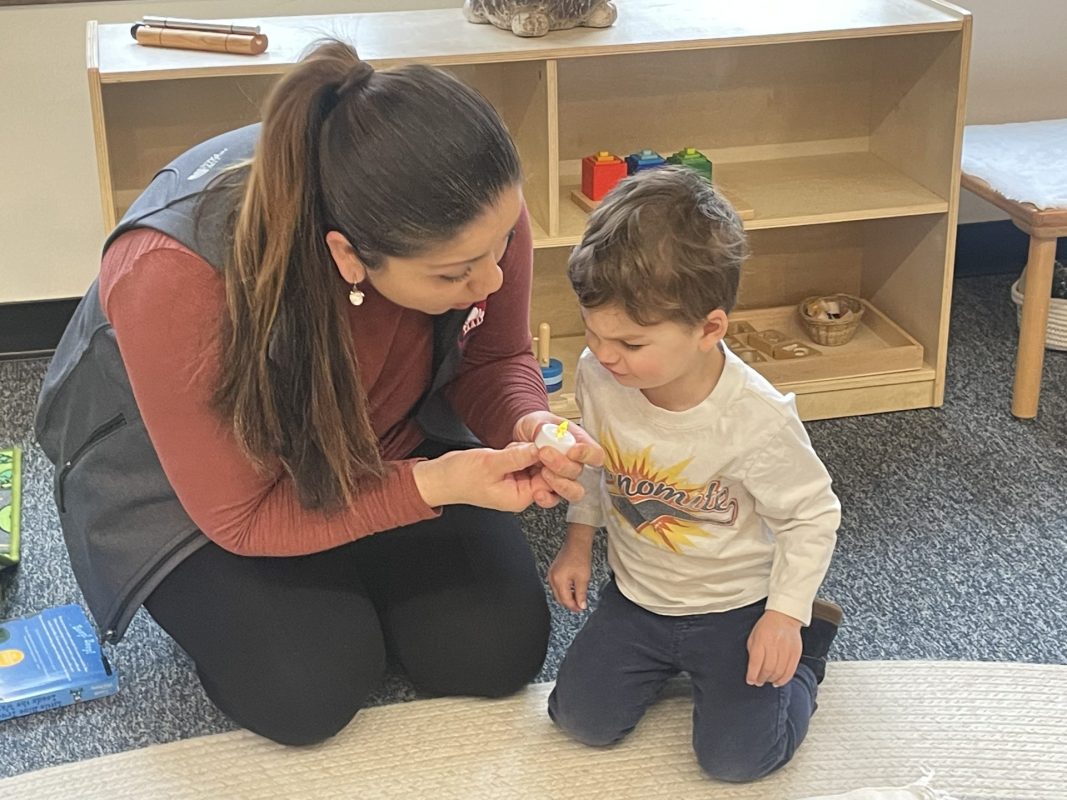
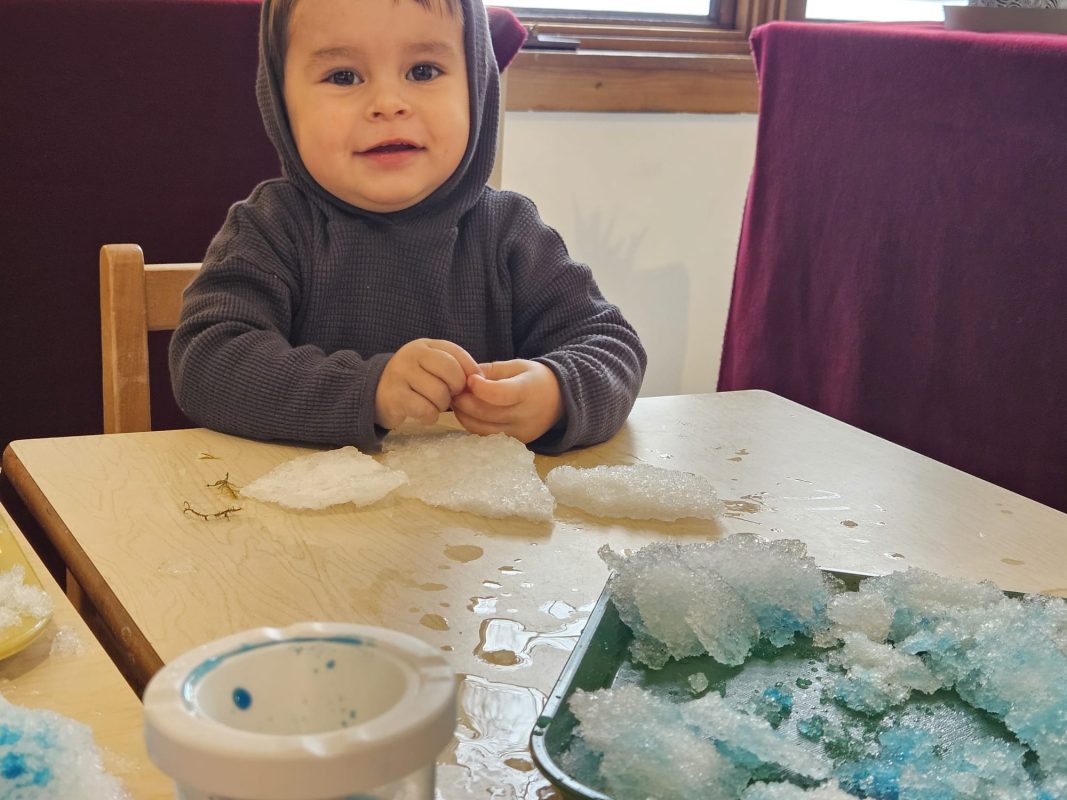
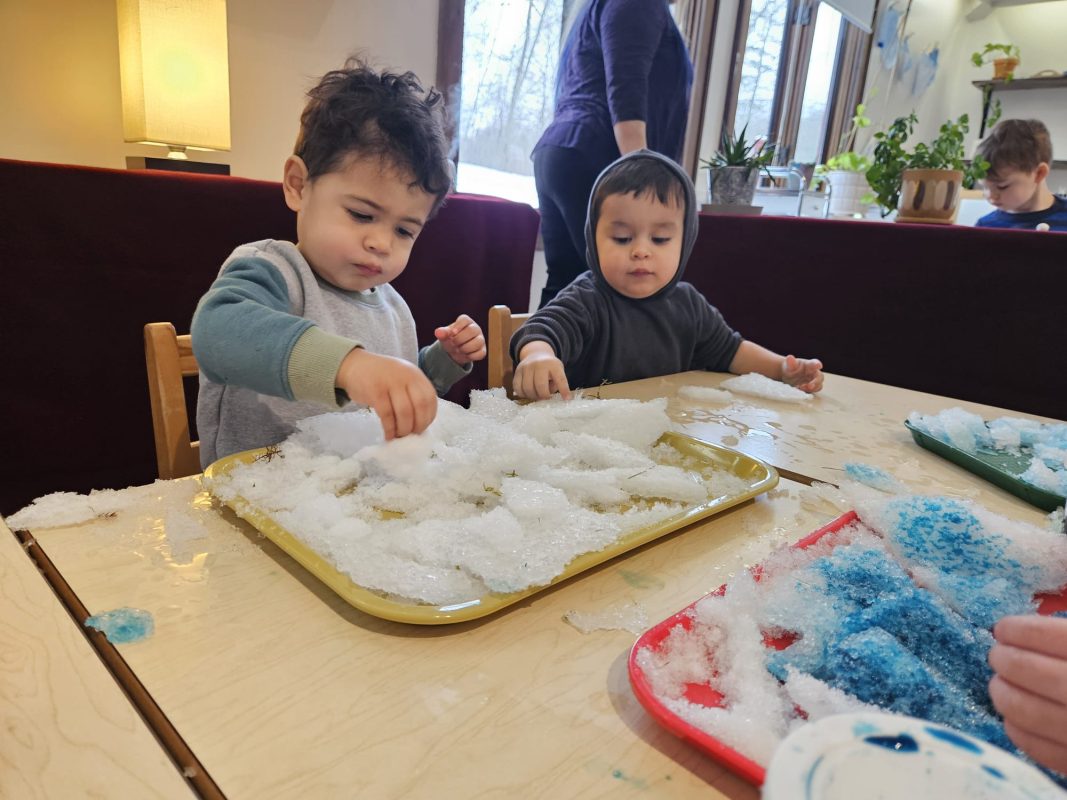
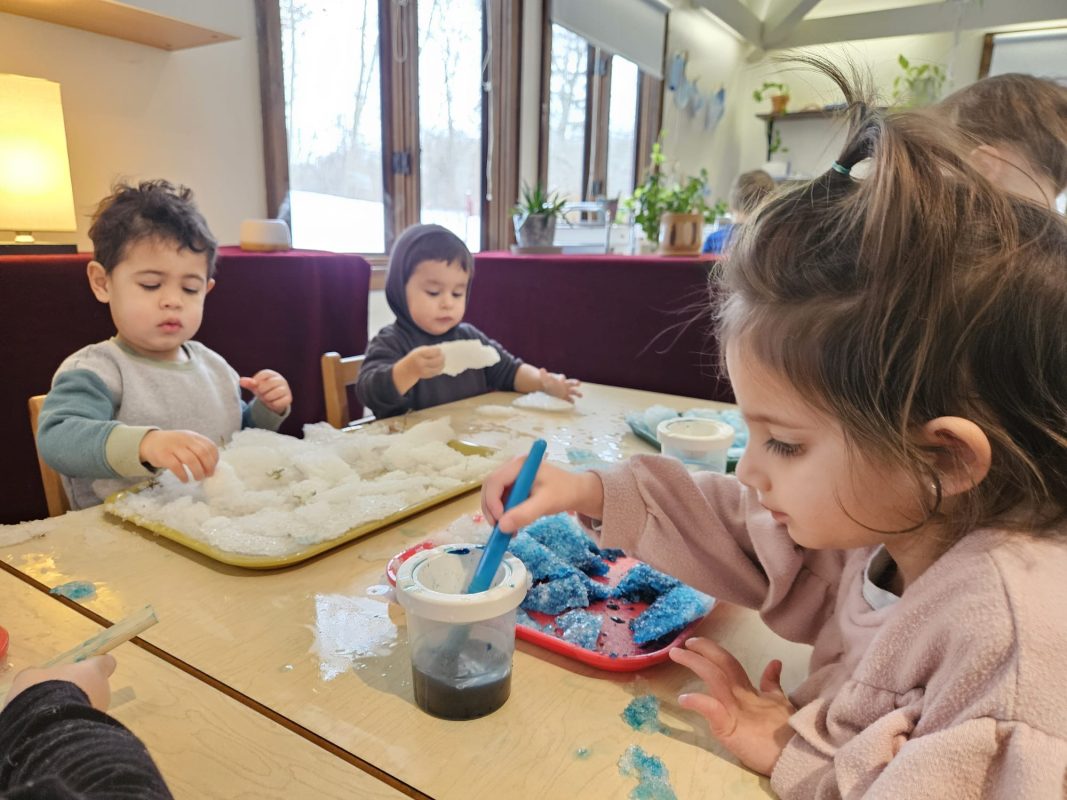
As we continue our winter studies this week, we delved into one of the most enchanting aspects of water: snowflakes. The timely weather has allowed us to reinforce this lesson as the children have had the opportunity to explore snow both indoors and outdoors. They’ve discovered that while snowflakes share a common symmetry and hexagonal structure, each one boasts a unique and intricate design—a concept we’ve presented, of course, in language tailored to their understanding.

I find it fascinating how the individuality of a snowflake mirrors that of each child. Just like snowflakes, every one of your children is unique and precious, and we are so grateful to witness their growth and share in their beauty.

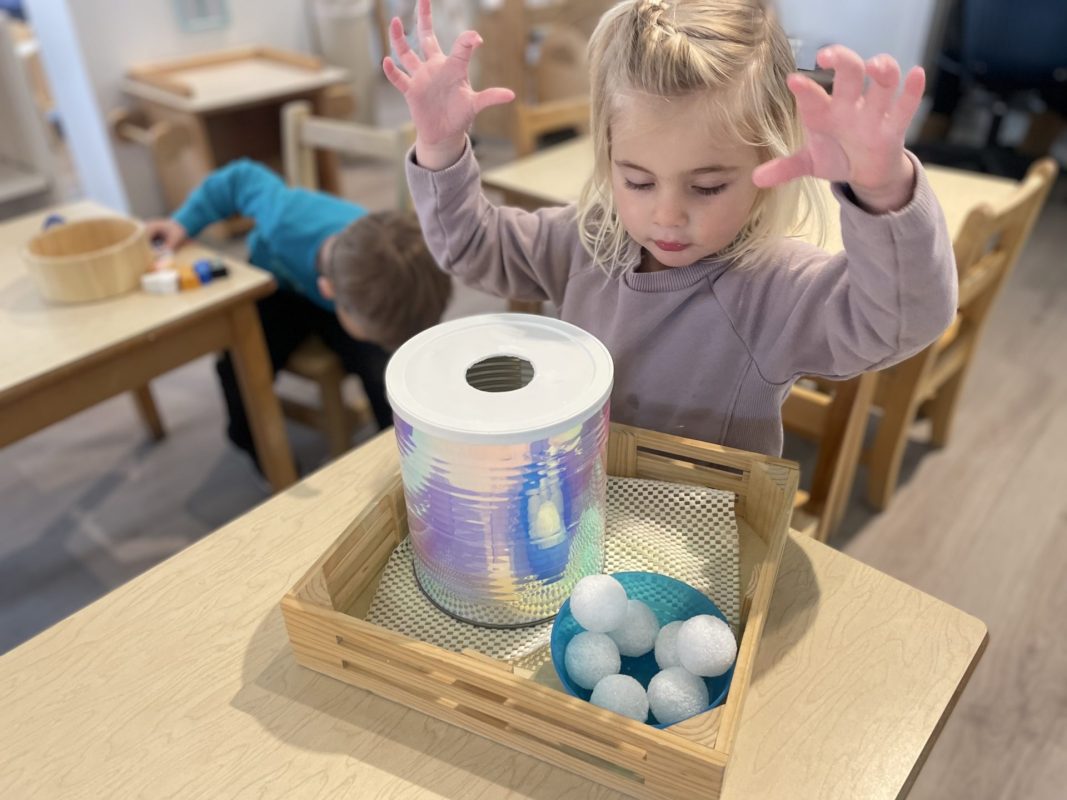
To tie this lesson into our Spanish studies, the children have been learning the song “Copo de Nieve” (Snowflake) by Super Simple Español. Using artificial snowflakes of varying sizes, they’ve acted out the song’s movements, learning Spanish words for body parts like cabeza (head), nariz (nose), and mano (hand). As we progress, we’ll continue to incorporate more Spanish vocabulary related to the body. Feel free to practice this song with your child. Find the link to the video at the end of this note.

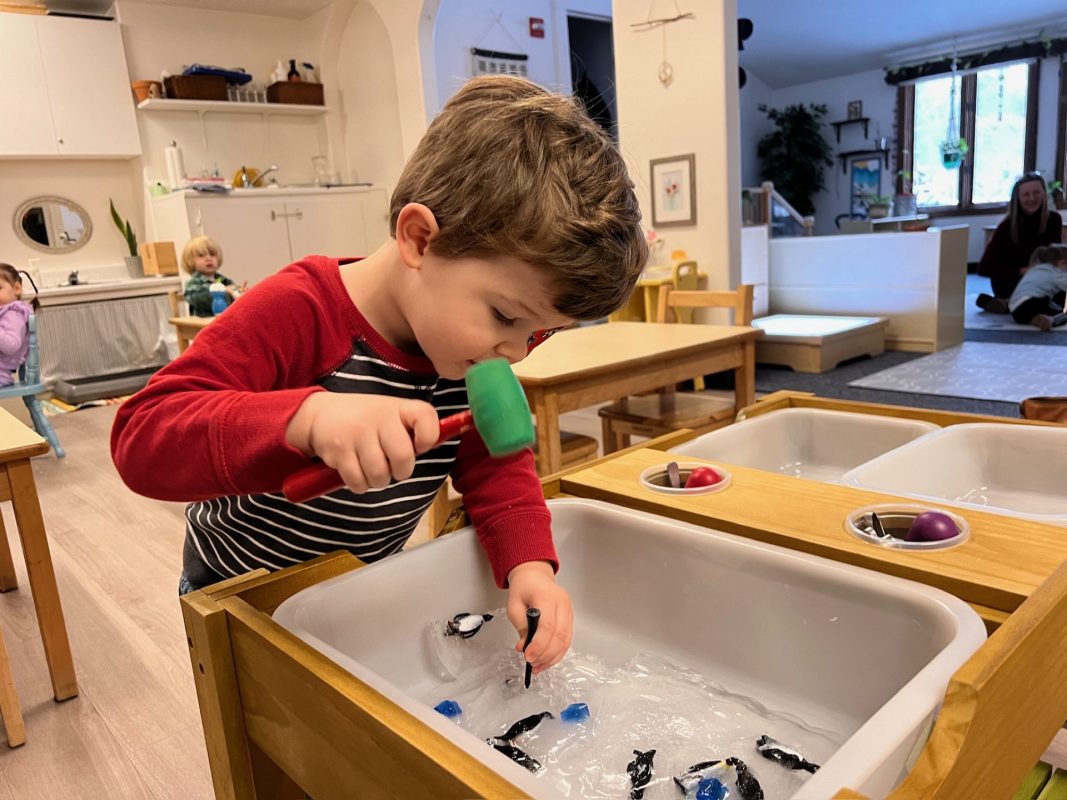
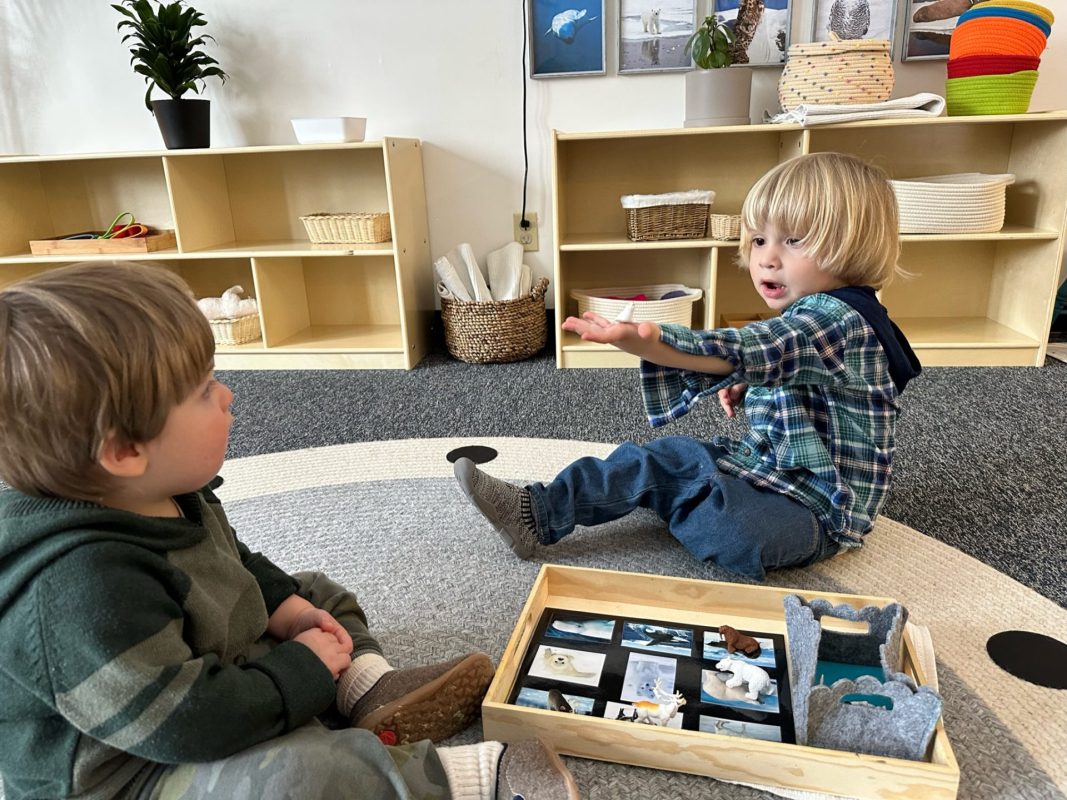
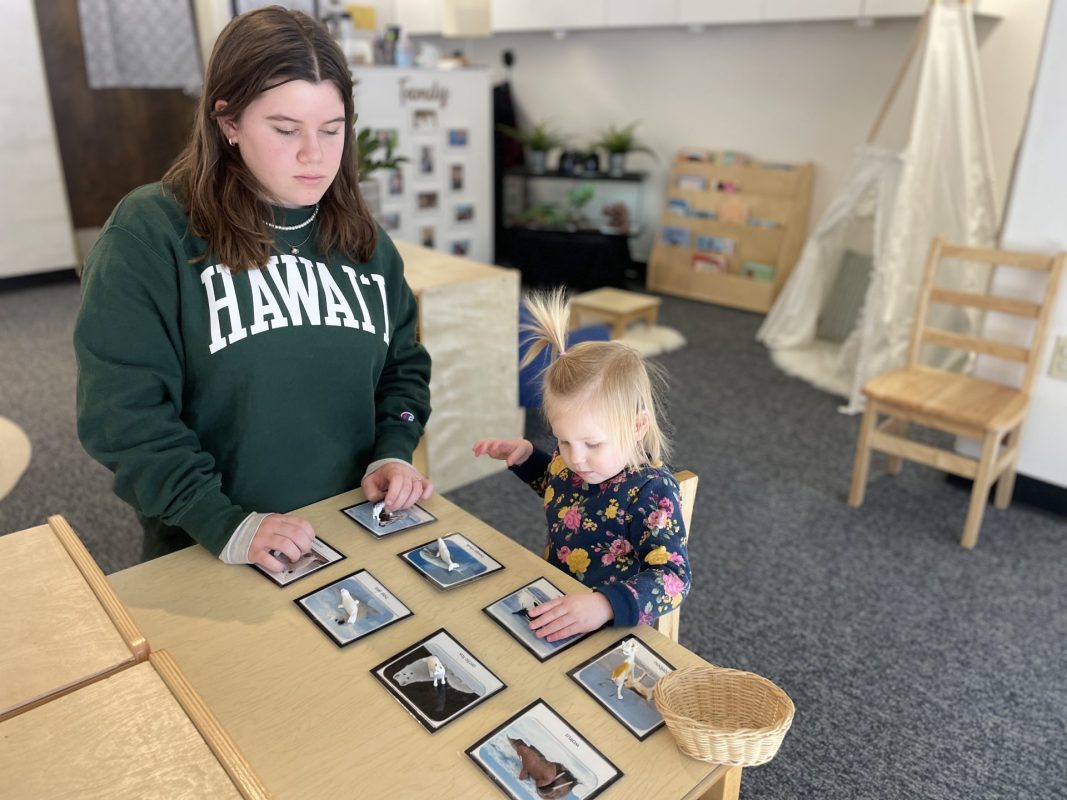
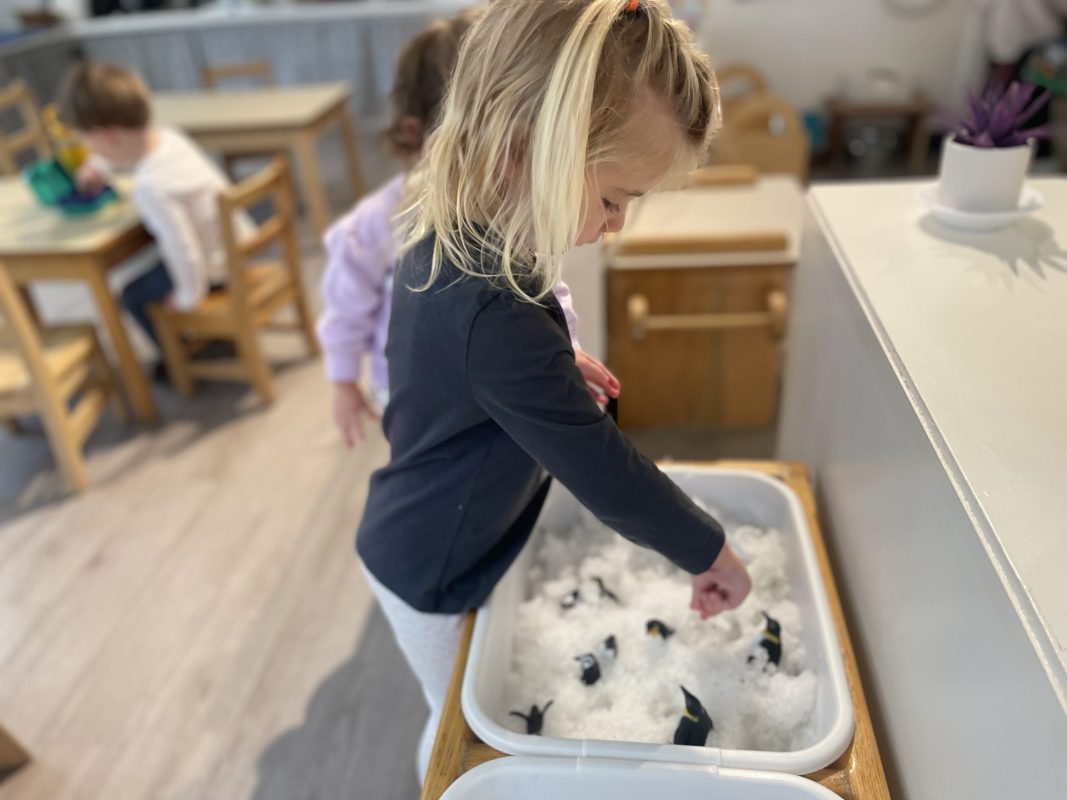
To further enrich our studies, we’ve used educational videos, books, songs, and animal models to embark on a journey to the Arctic and Antarctica. During these explorations, the children have learned fascinating facts about polar bears and penguins, including their physical characteristics and habitats. For example:

Polar Bears

  • Are warm-blooded
  • Have thick fur
  • Have big paws
  • Live in the Arctic
  • Baby bears are called cubs

Penguins

  • Are birds
  • Are expert divers and fast swimmers
  • Don’t have wings, but flippers
  • There are different types of penguins
  • Live in Antarctica

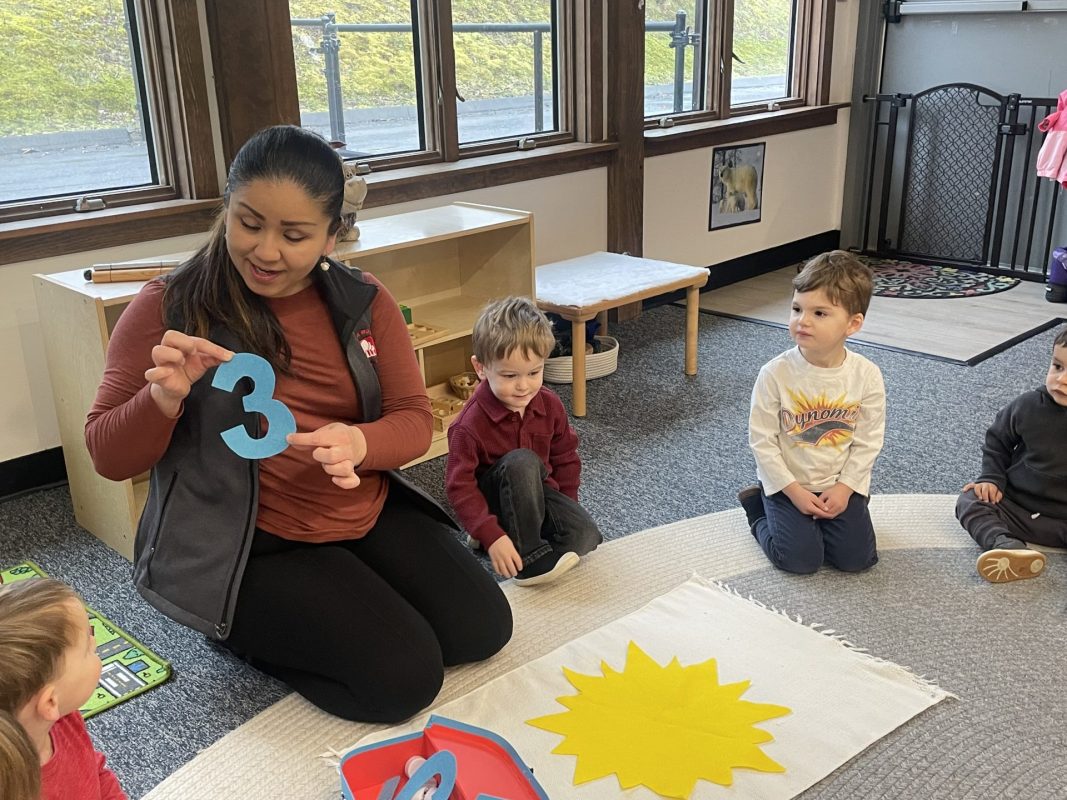
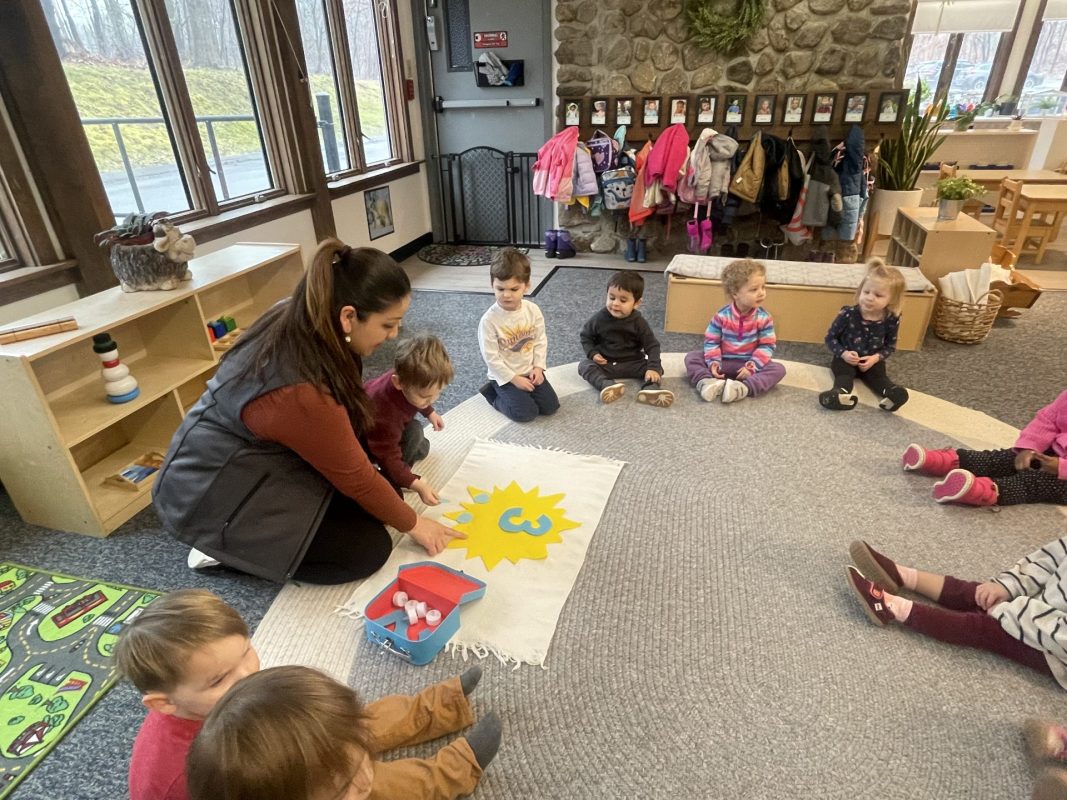
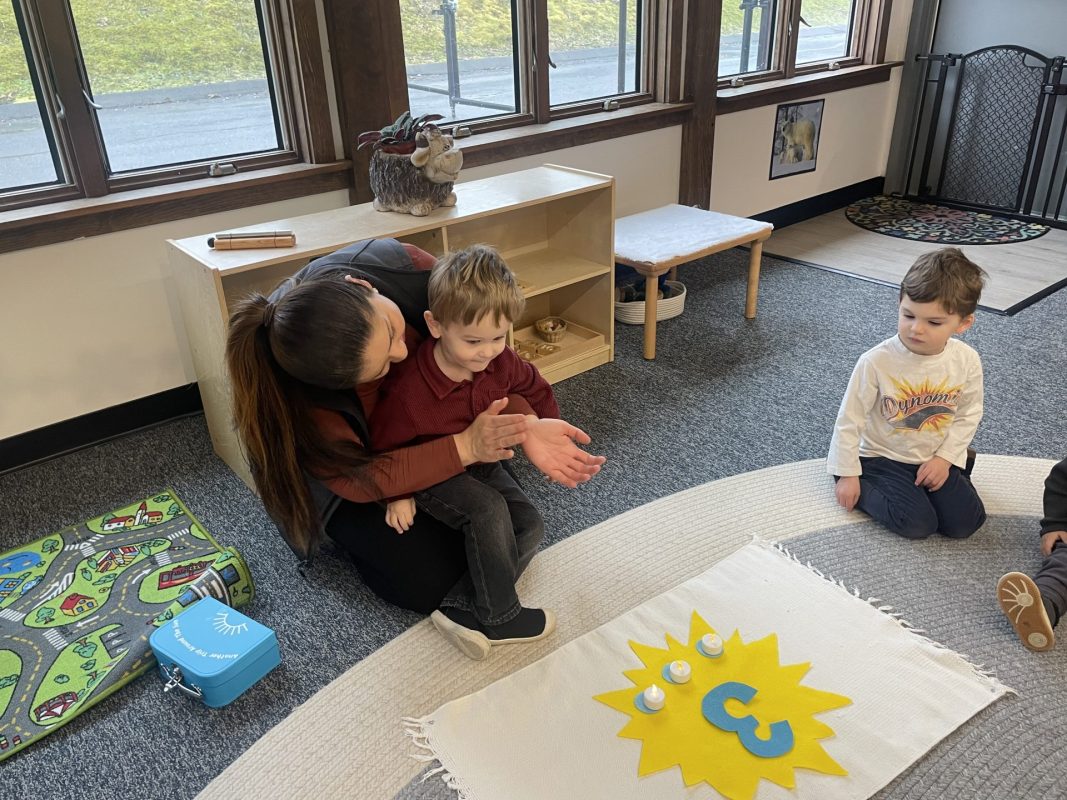
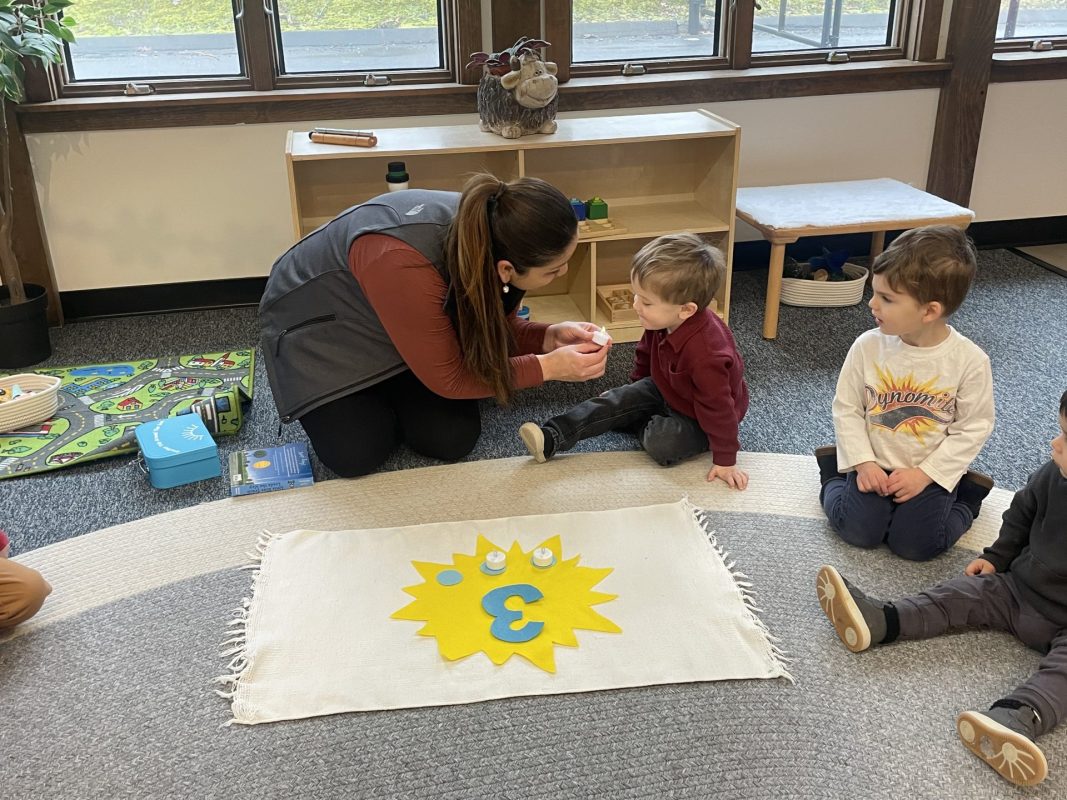
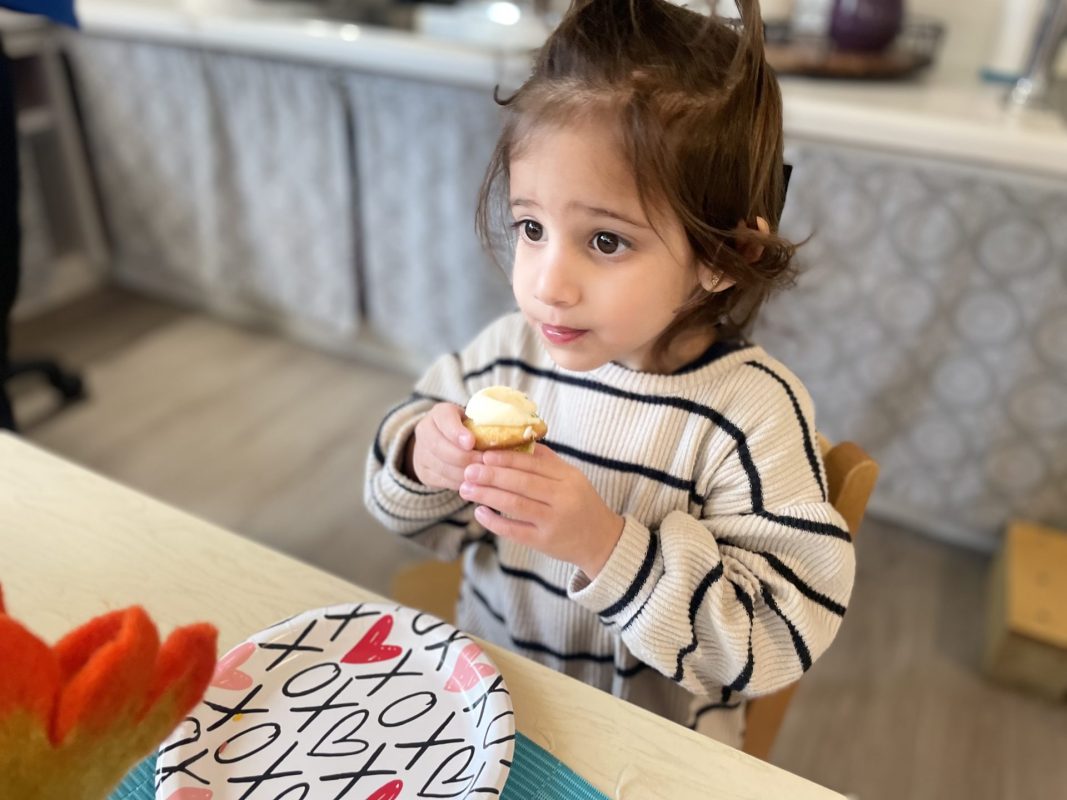
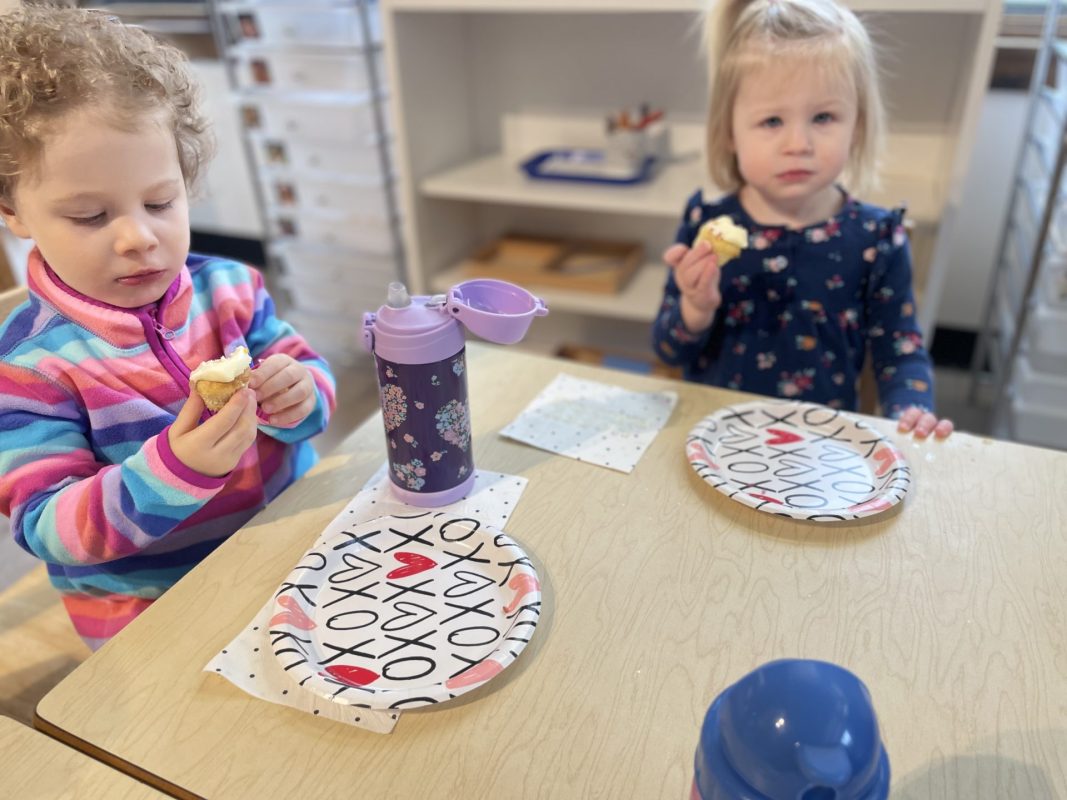
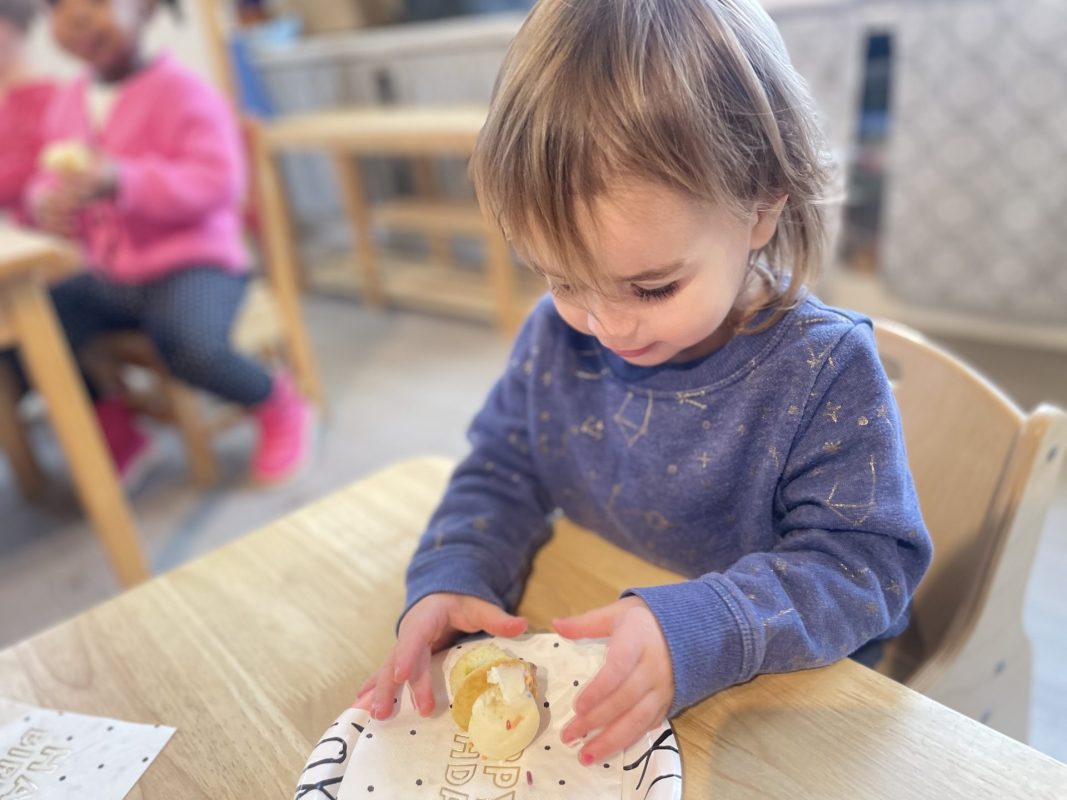
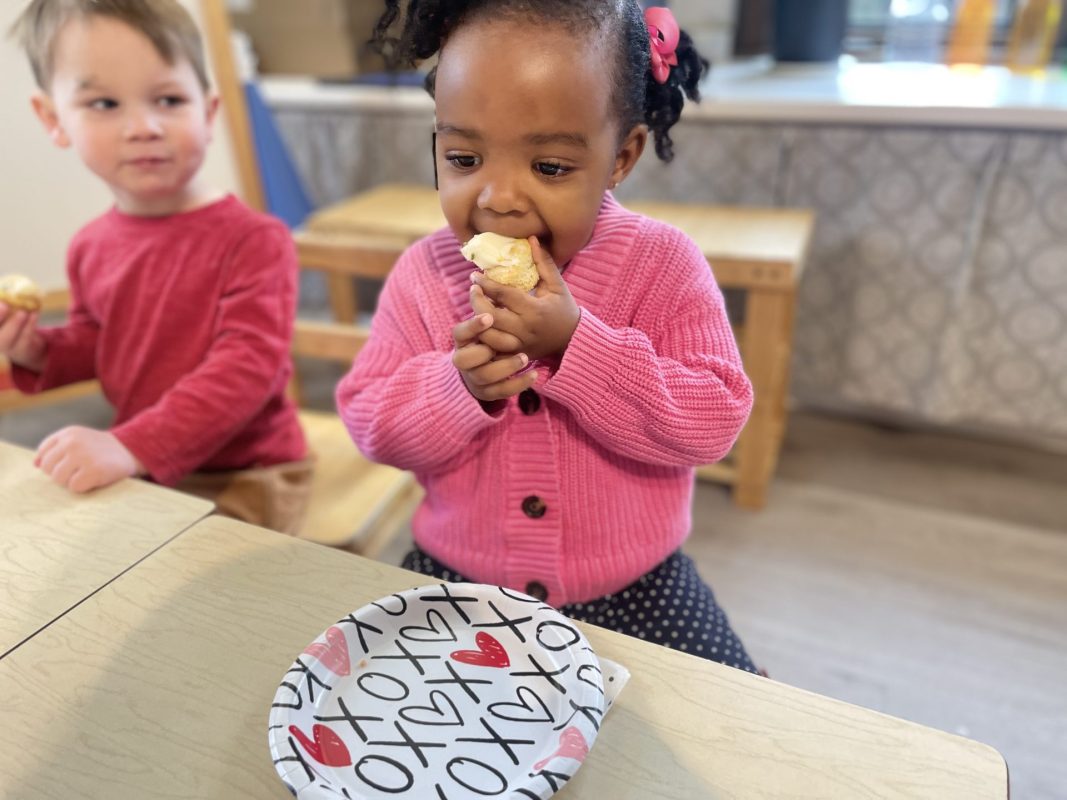
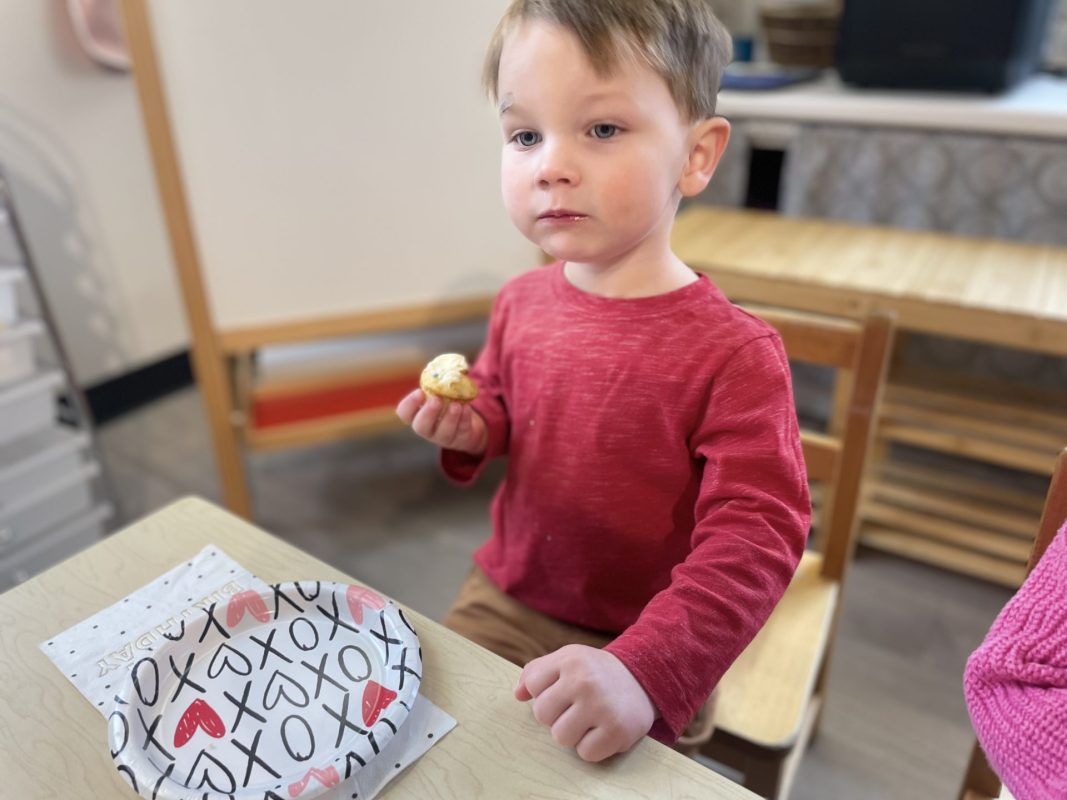
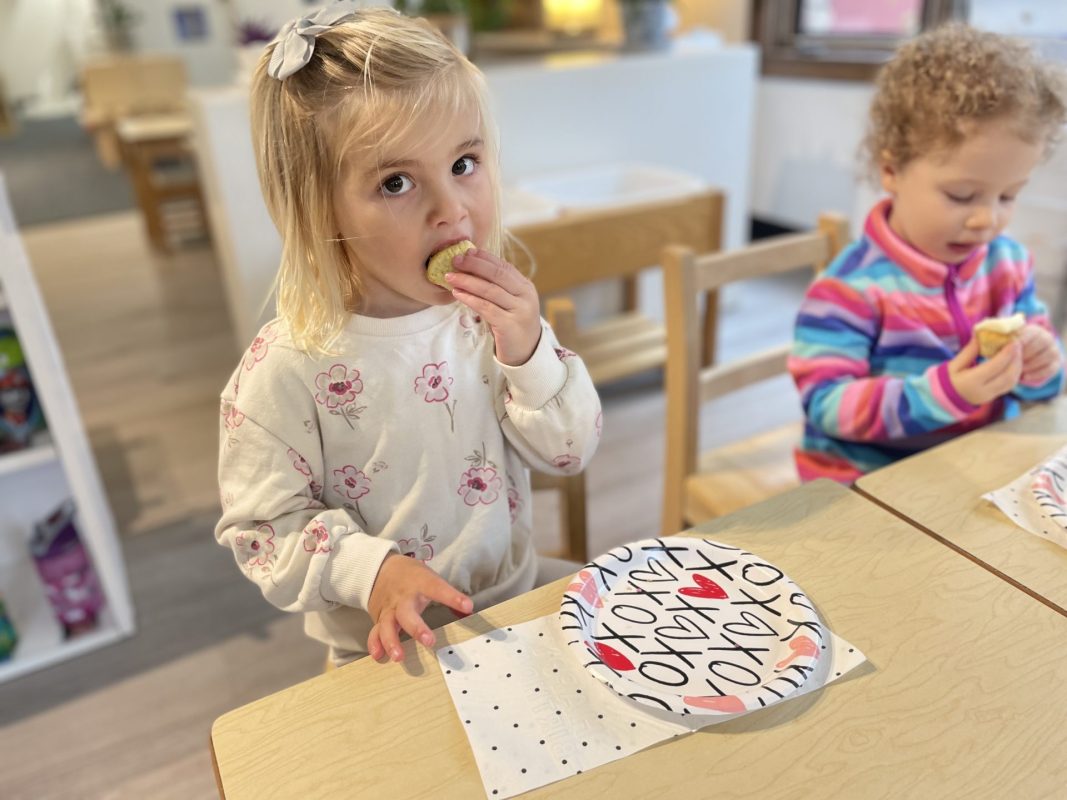
This week, we also celebrated two very special birthdays—those of our FIRST students who turned three years old during this school year! Woo hoo!

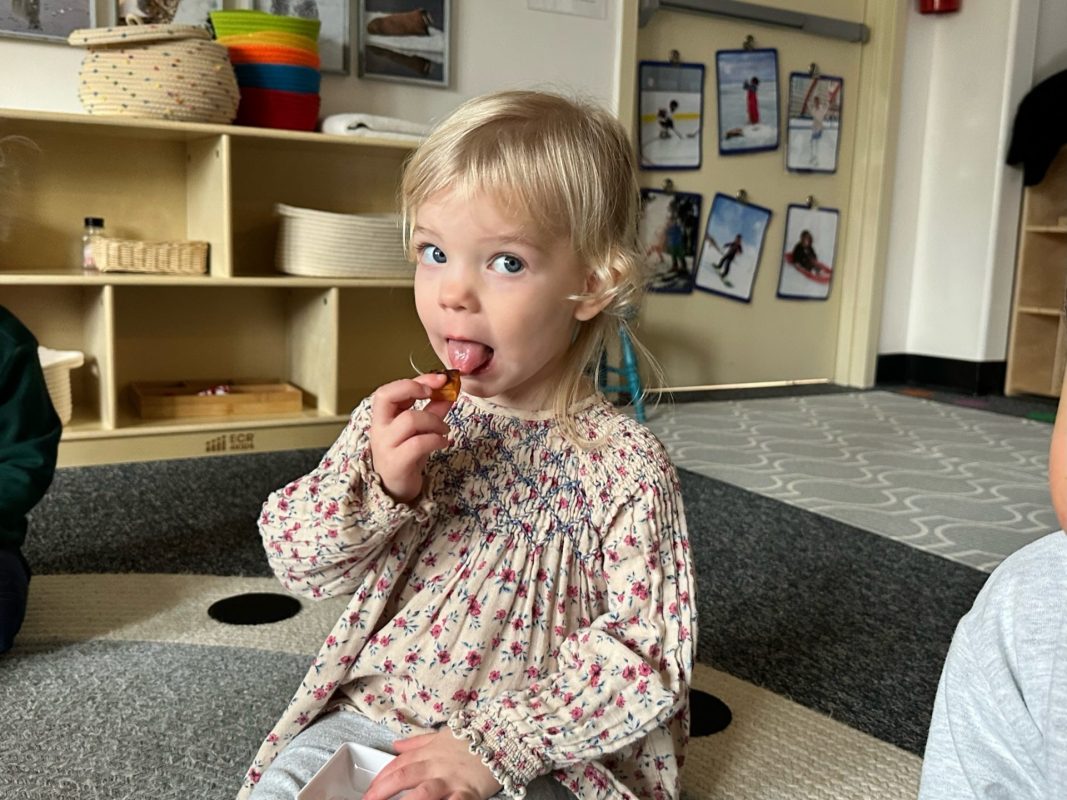
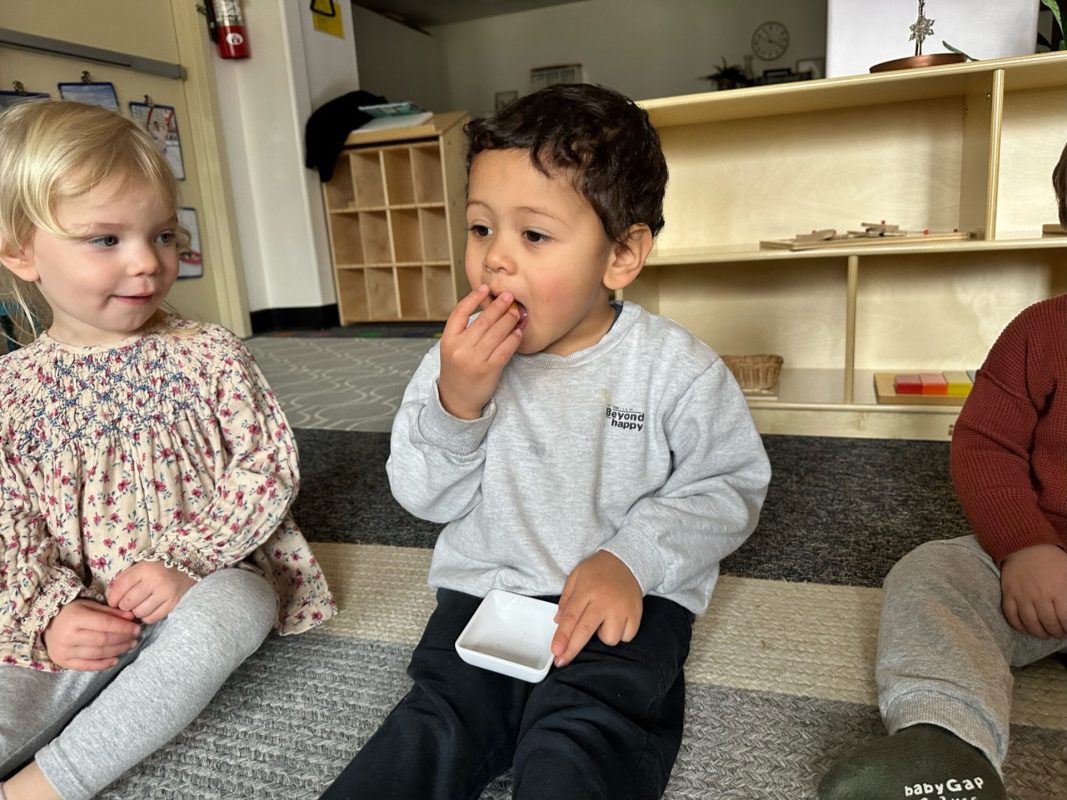
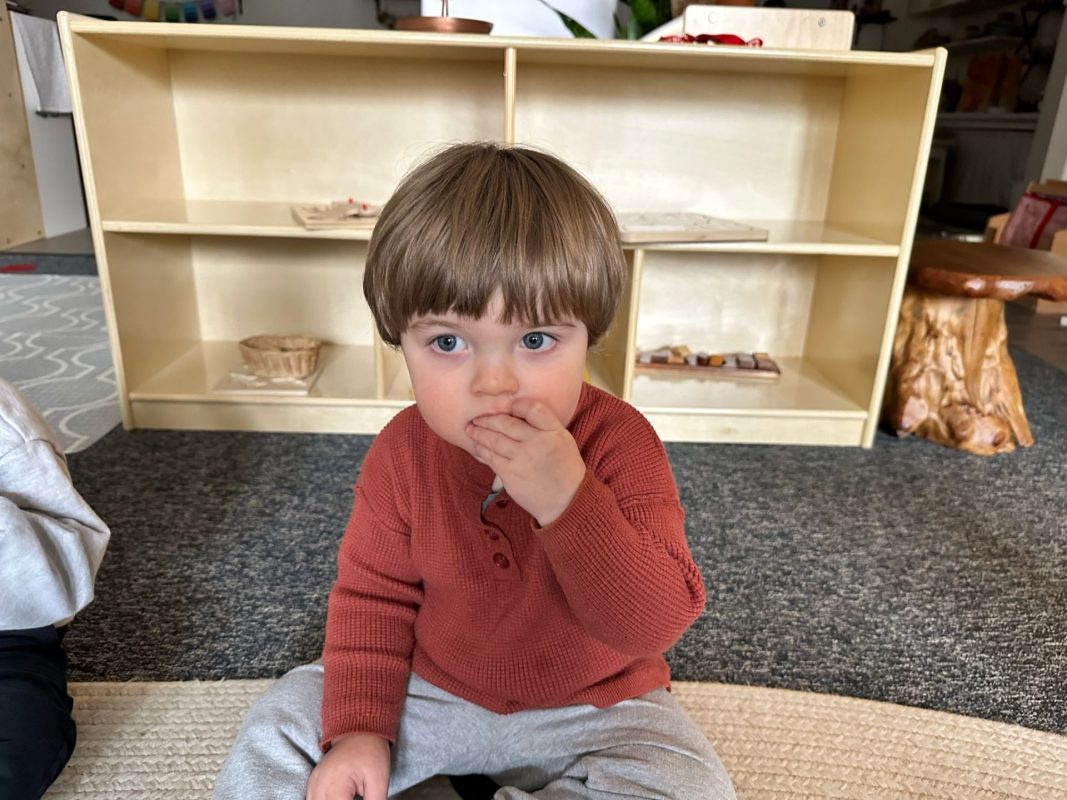
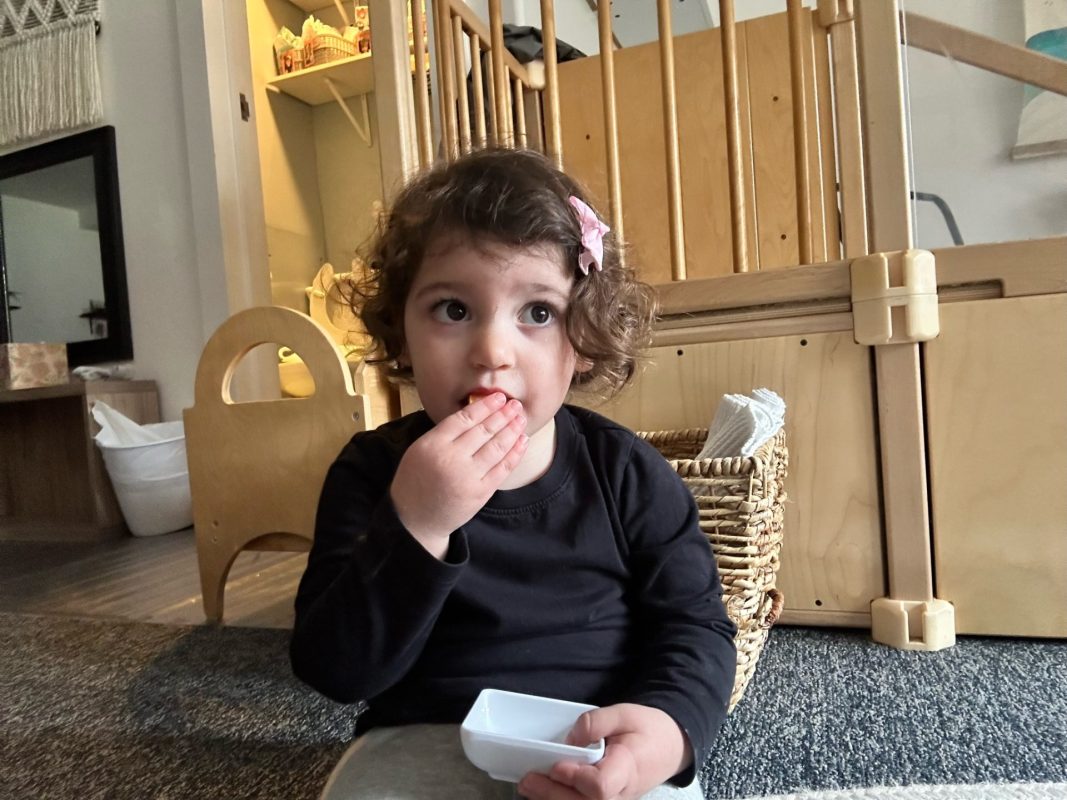
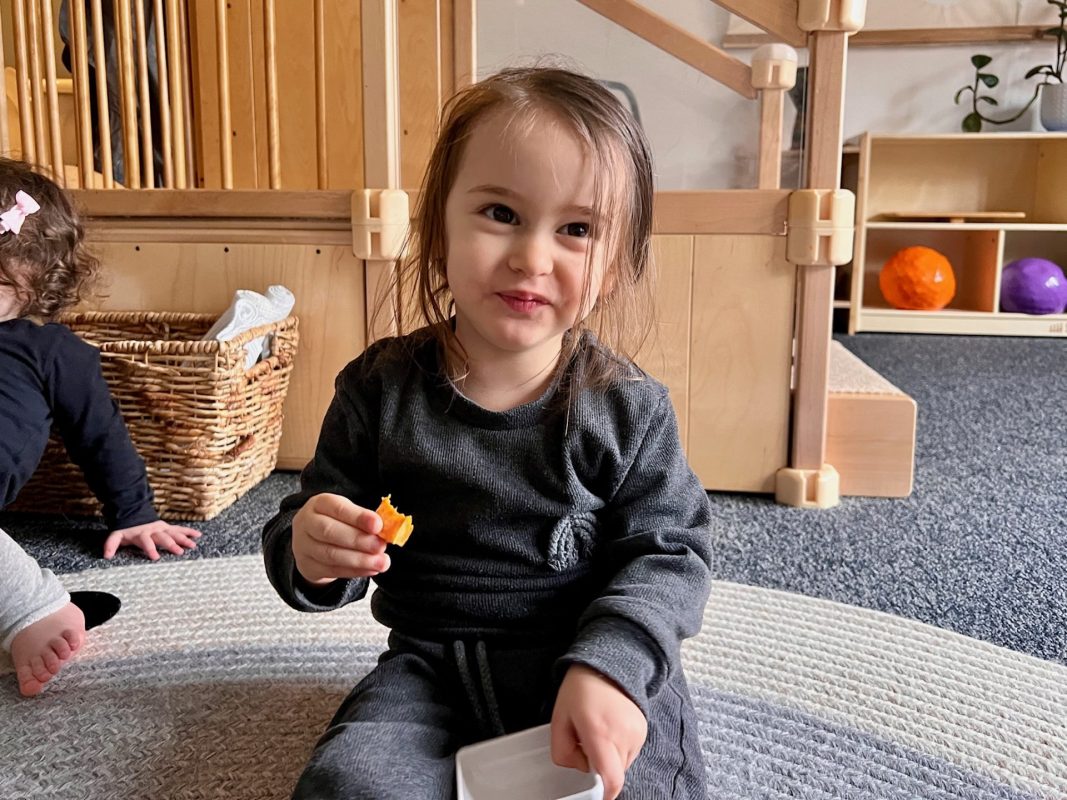
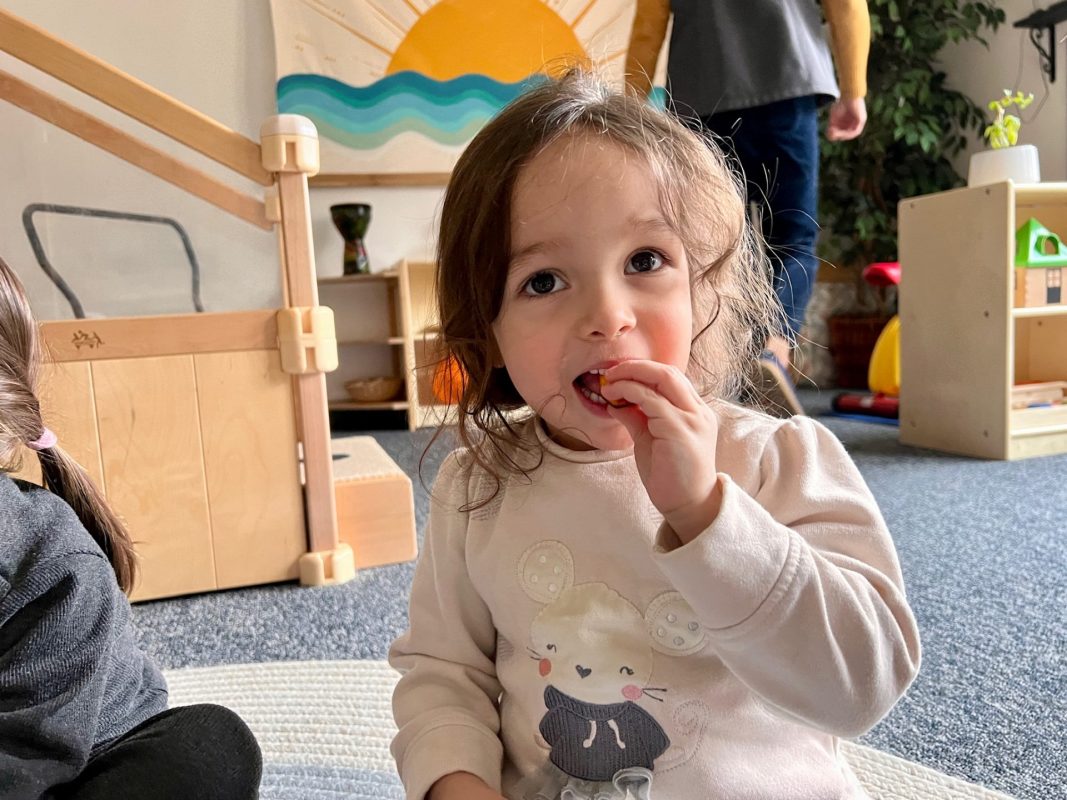
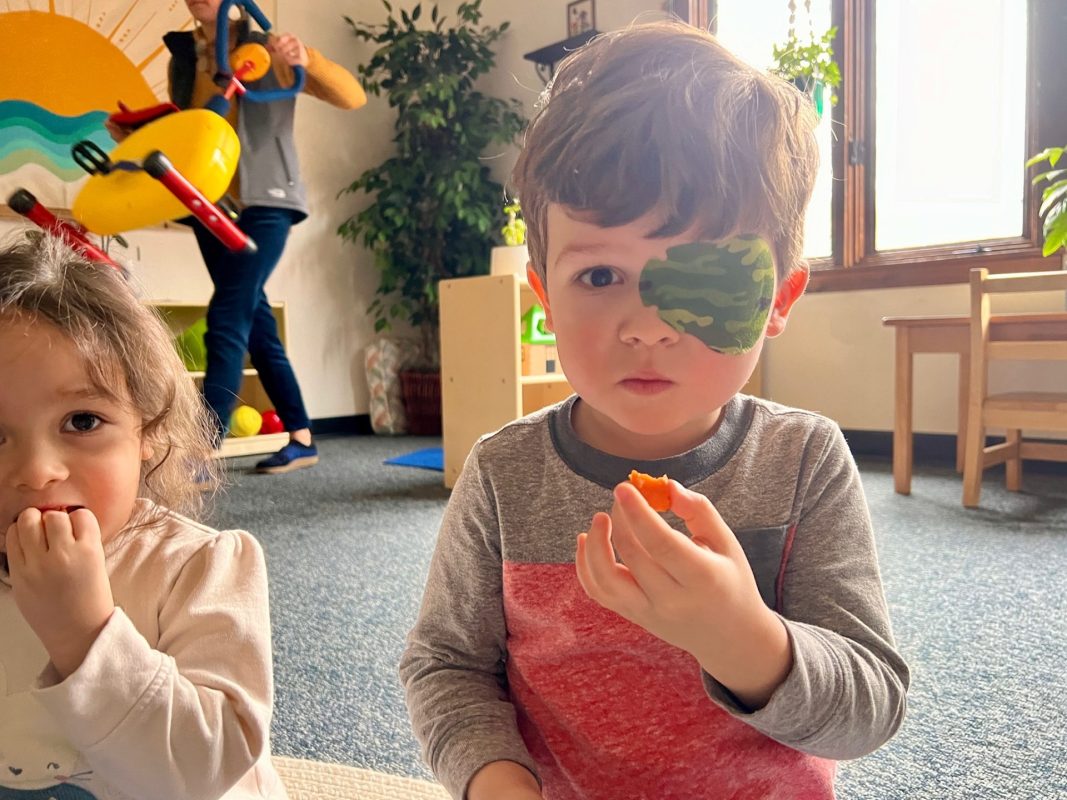
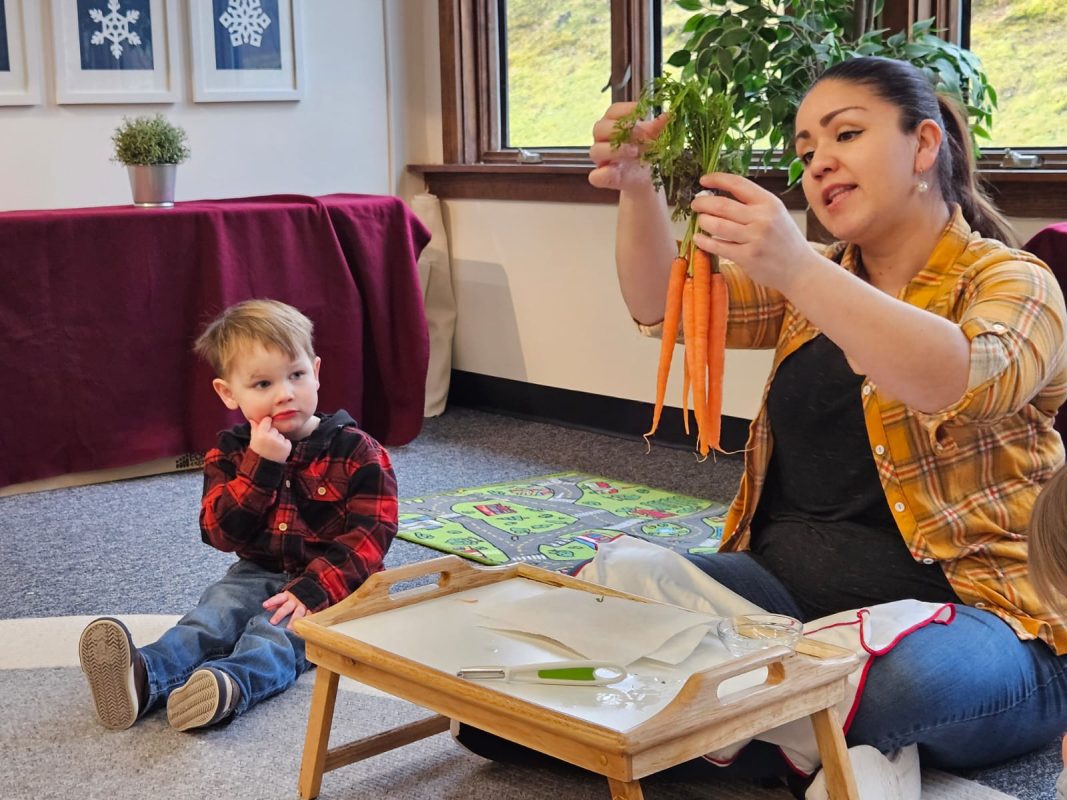
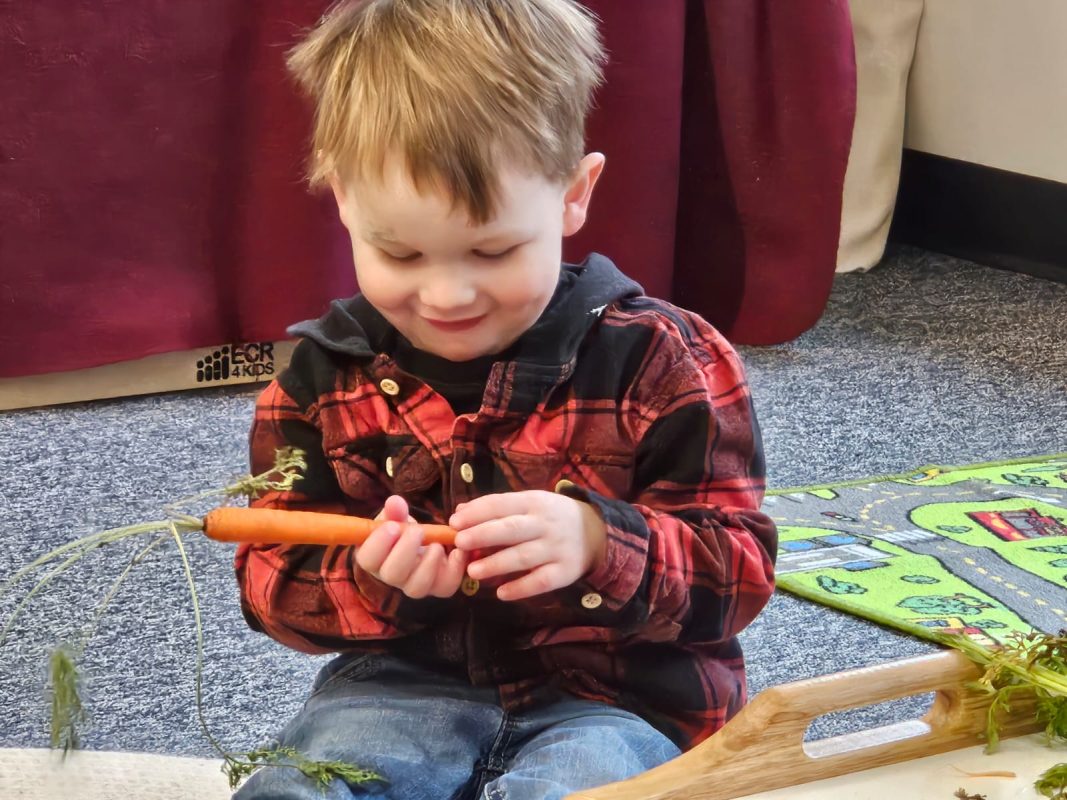
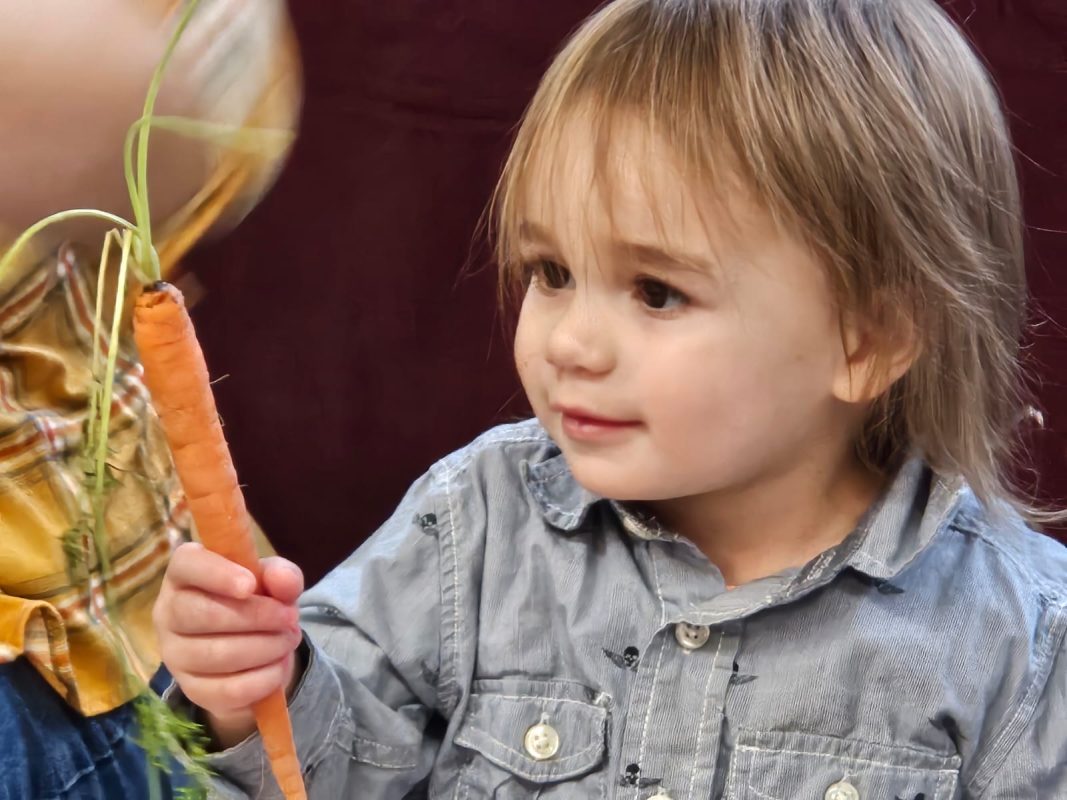
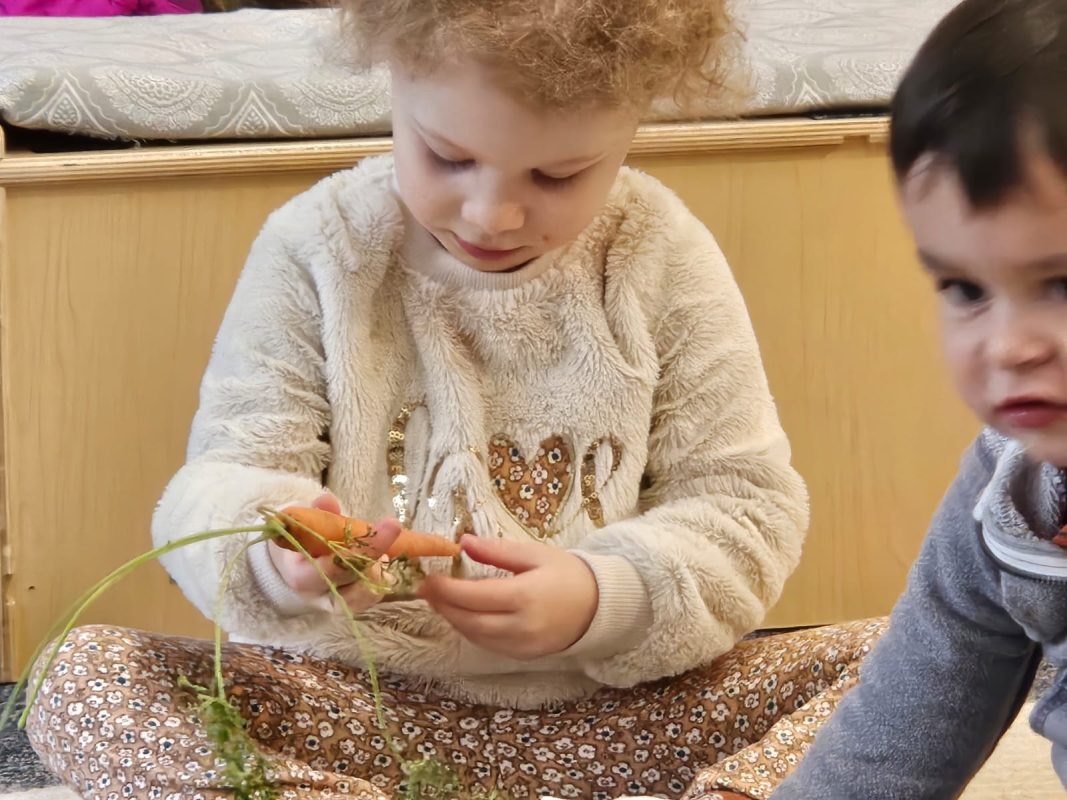
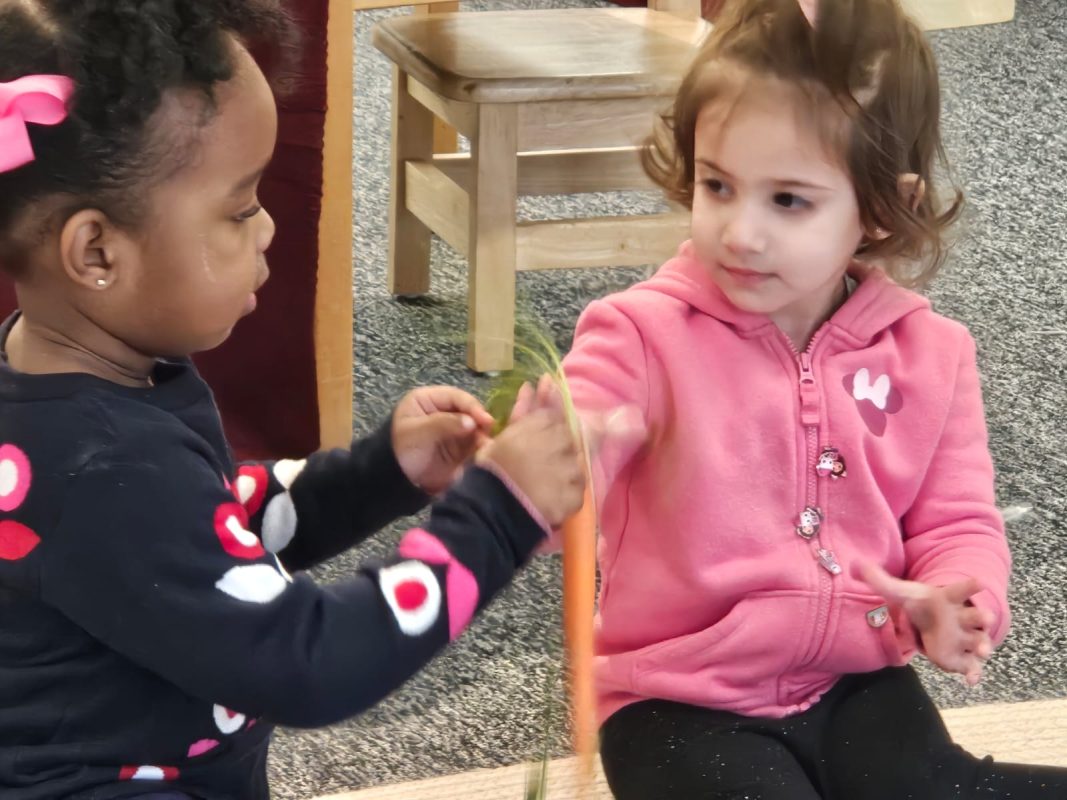
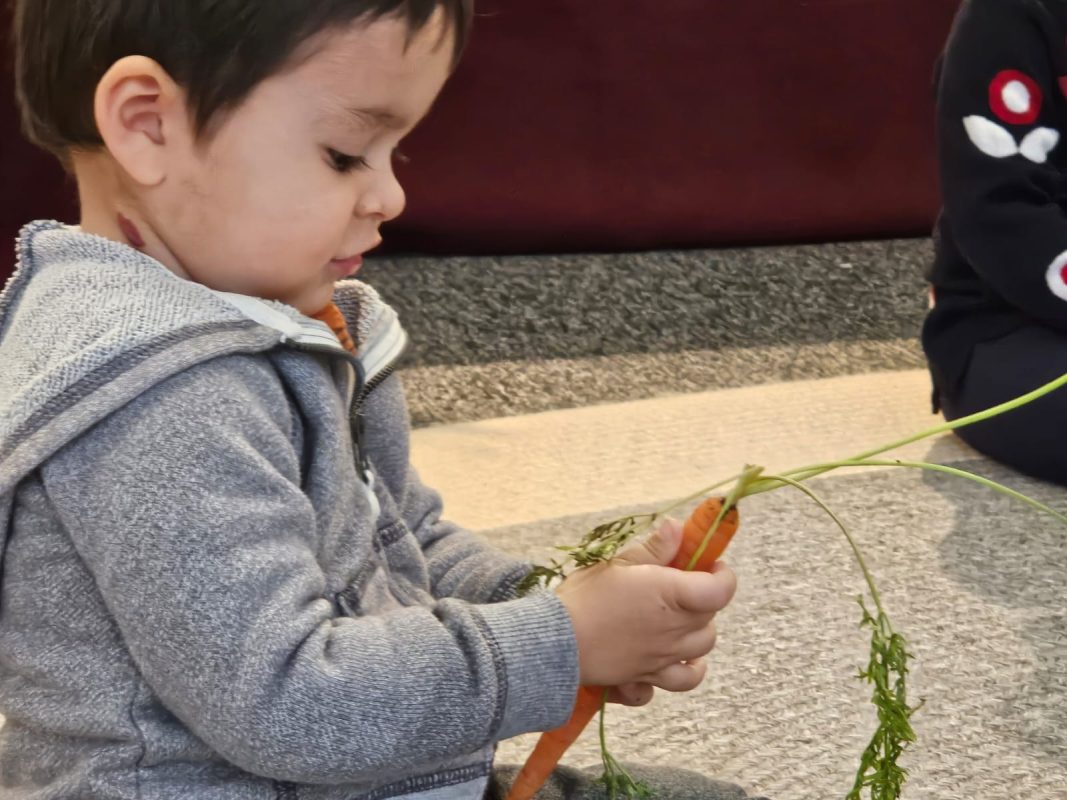
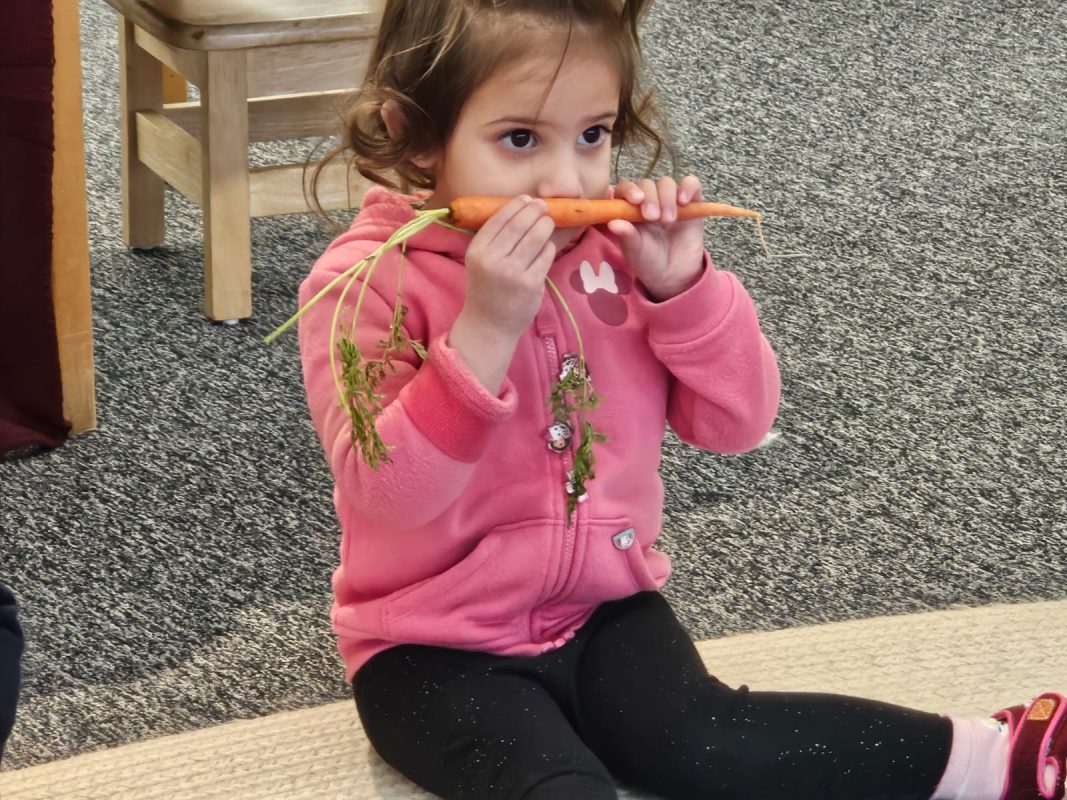
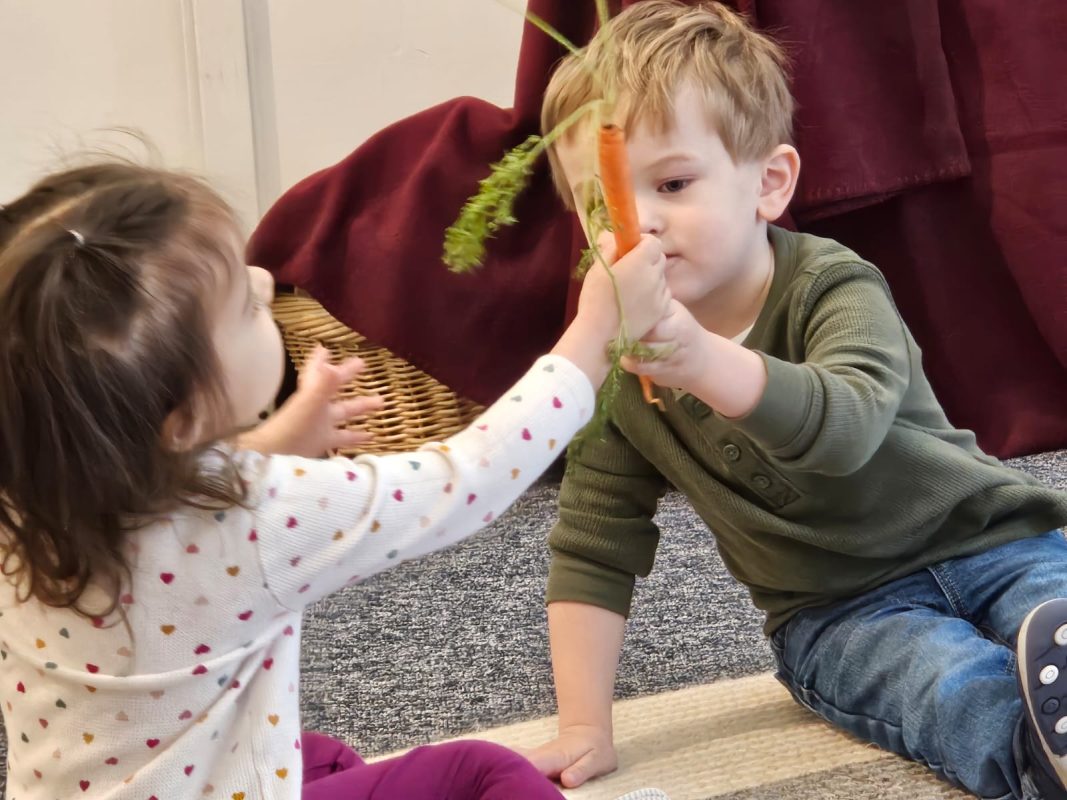
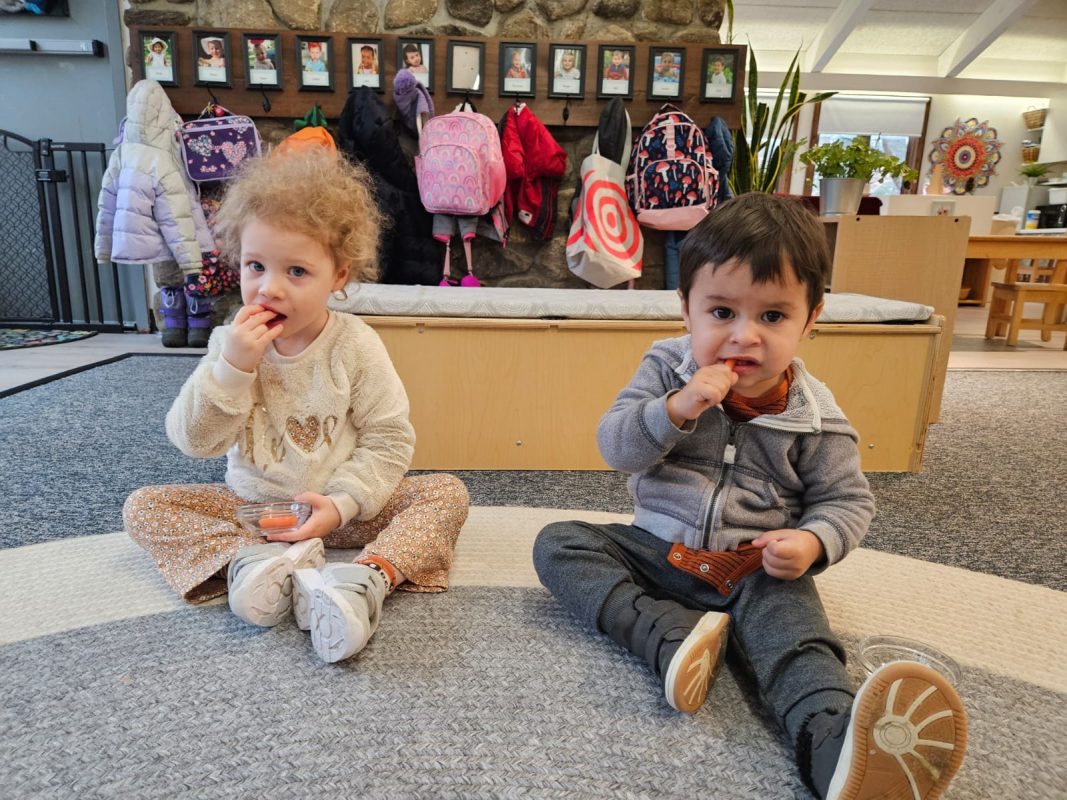
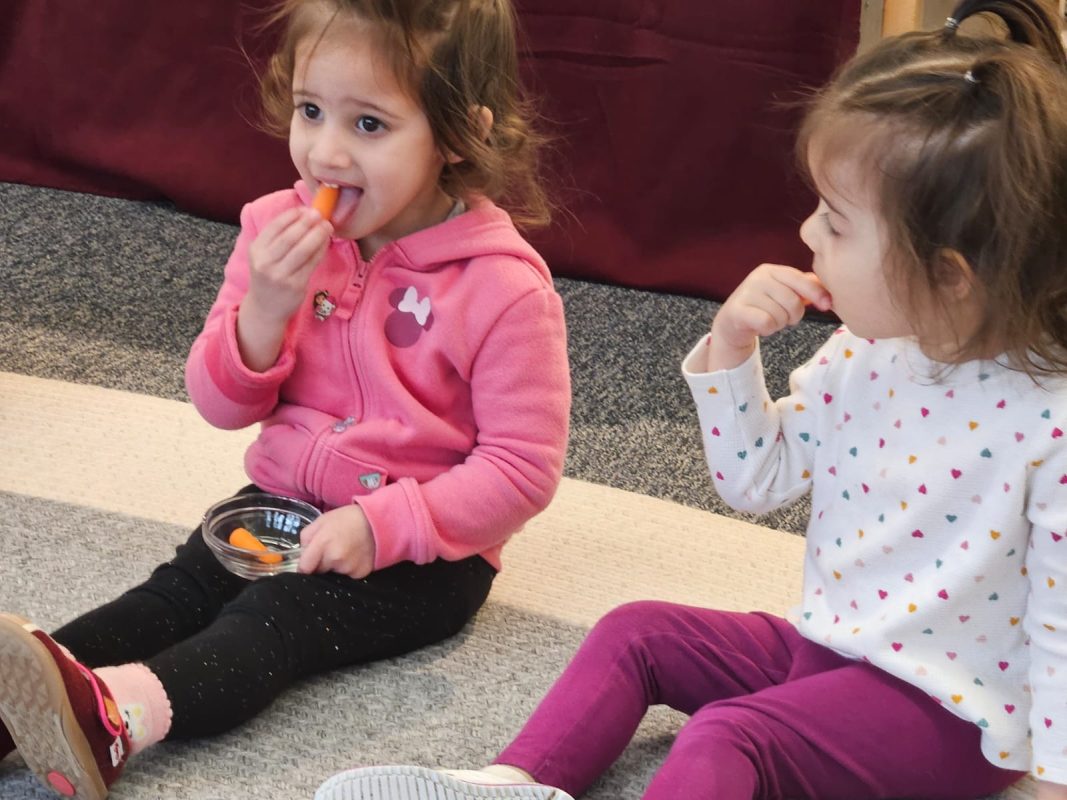
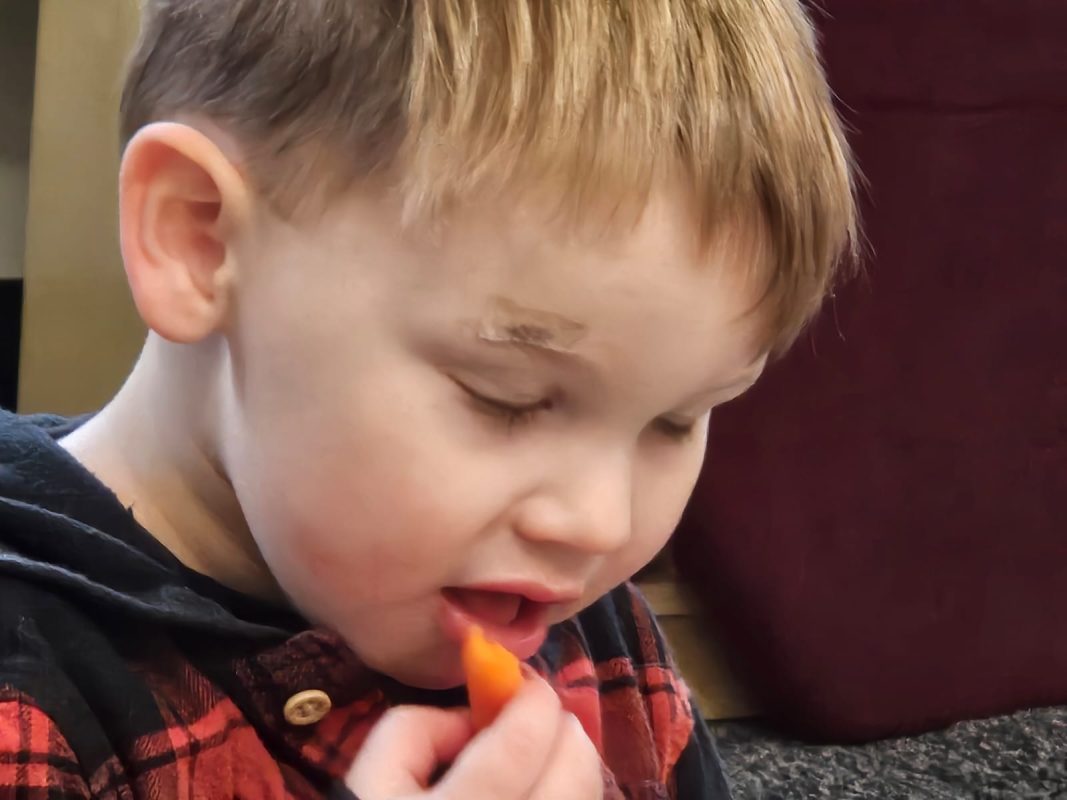
Lastly, we explored carrots as part of our weekly food-tasting lesson. Yummy!

Wishing you a wonderful weekend,

Mrs. Hood and Ms. Mollie

This Week in Upper El

“It really boils down to this: that all life is interrelated. We are all caught in an inescapable network of mutuality, tied together into a single garment of destiny. Whatever affects one directly affects all indirectly. We are made to live together because of the interrelated structure of reality…Before you finish breakfast in the morning, you’ve depended on more than half the world. This is the way our universe is structured, this is its interrelated quality. We aren’t going to have peace on Earth until we recognize the basic fact of the interrelated structure of all reality.” -Dr. Martin Luther King, Jr

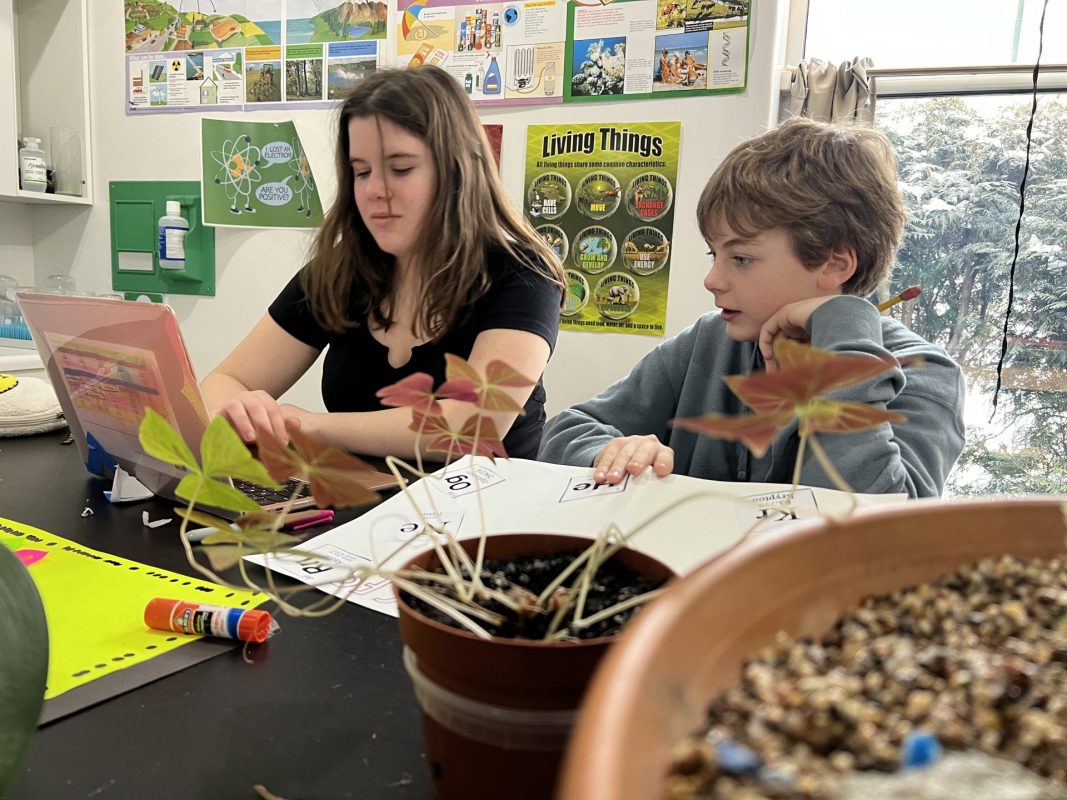
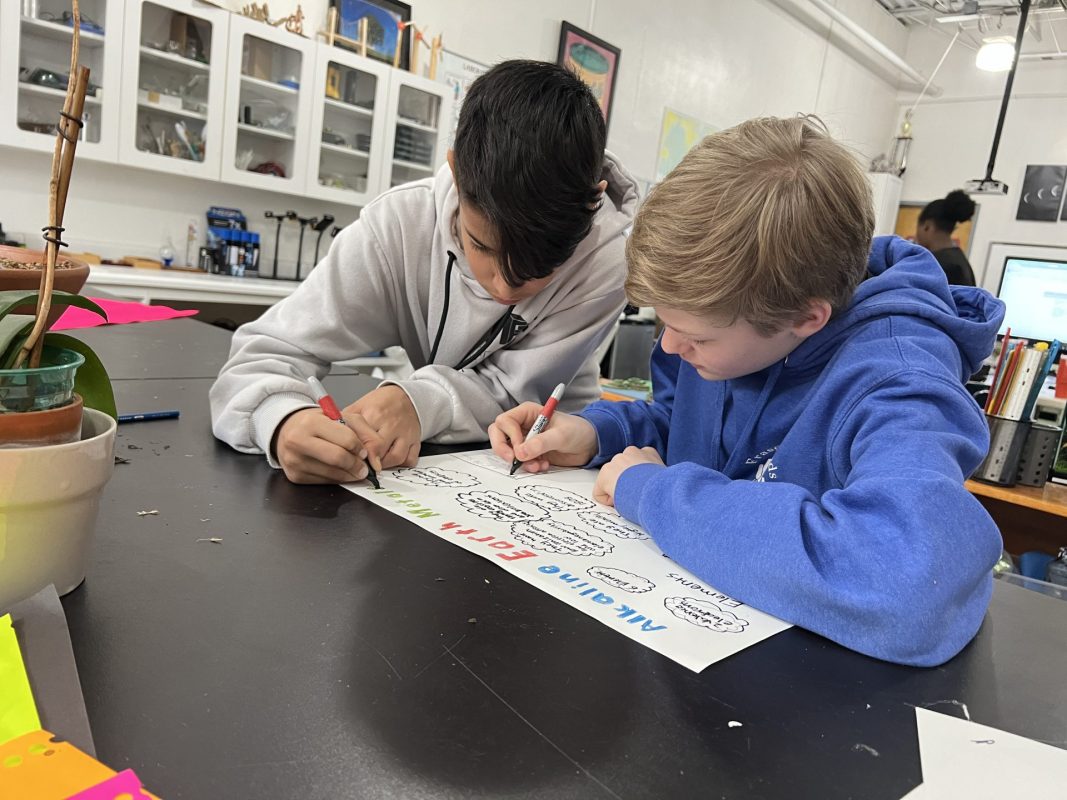
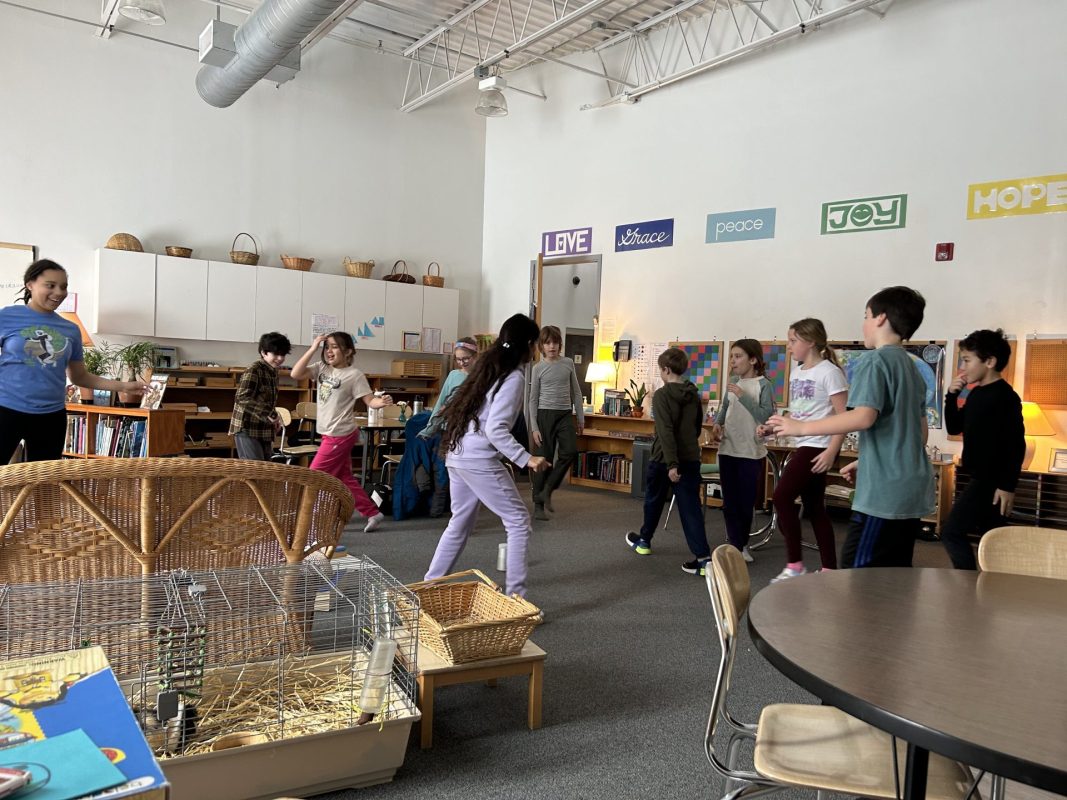
Maria Montessori’s life spanned two world wars, and after the start of the Second World War, although she was already a promoter of peace, she became determined to educate the world about the vital connection between peace and education. She believed that if children grow up with a great respect for humanity, they won’t live in ways that destroy that humanity. They will develop a conscience and a feeling towards life and be incapable of cruelty. Montessori is known worldwide for her contribution to peace between nations; she spent many years laying the foundations of peace through education. Montessori classrooms must be nurturing, respectful, and inclusive places that celebrate our diversity.

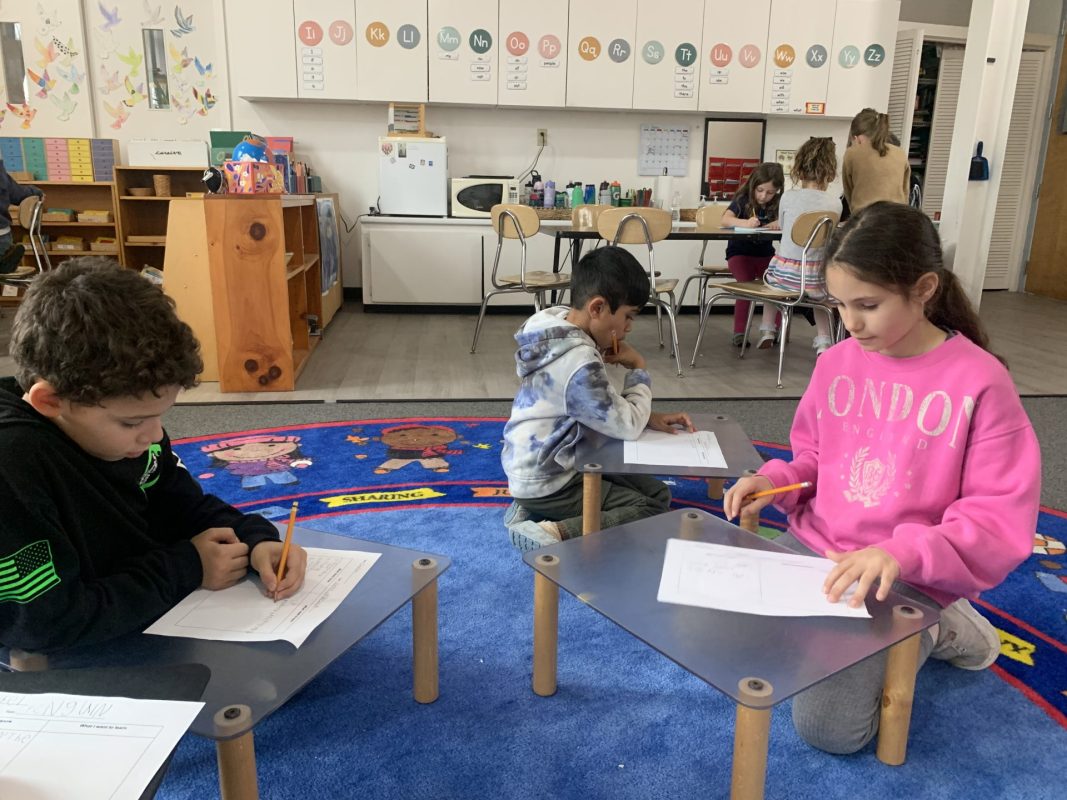
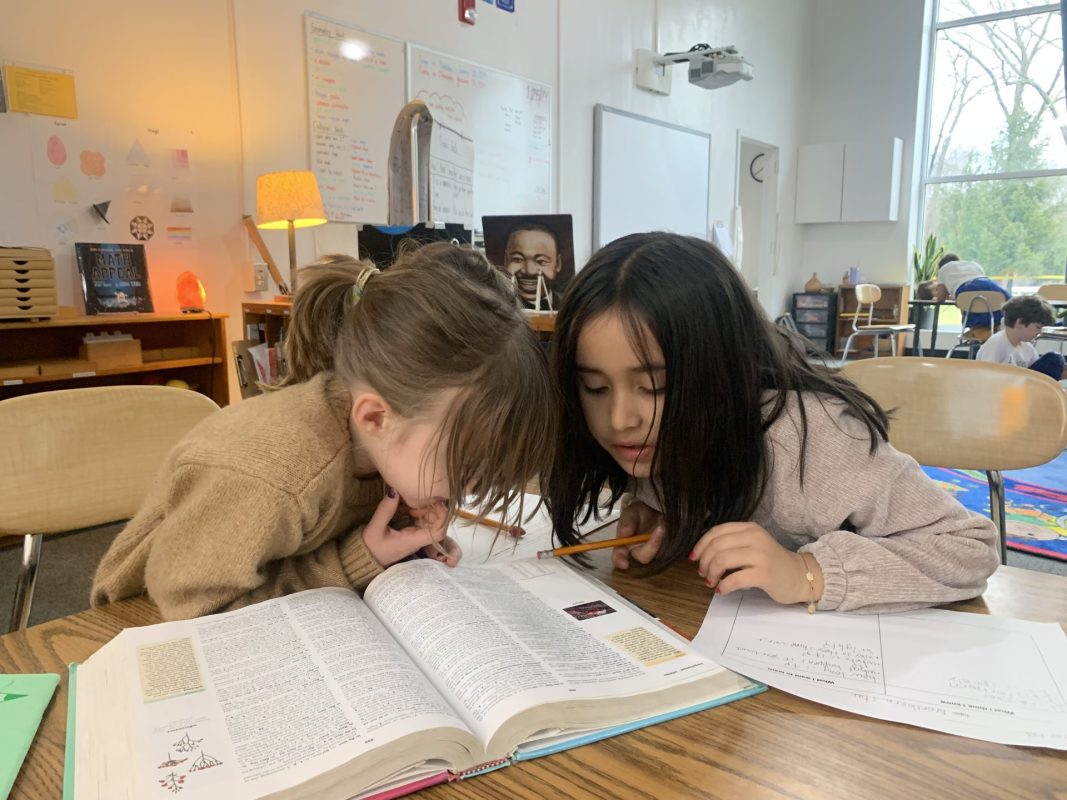
I can honestly say that this diverse group of students would be a good model for many to follow in how to work together respectfully, peacefully, and productively. Peace education isn’t a separate curricular area for them. They continually learn to respect their peers’ physical space and collaborate respectfully as they move through each day. They have a powerful sense of peace and social justice at this age and are learning to view conflict as an opportunity for growth and leadership.

Wishing you a peaceful weekend,
Karen & Krystin


MLK Day and Measurement in Lower Elementary

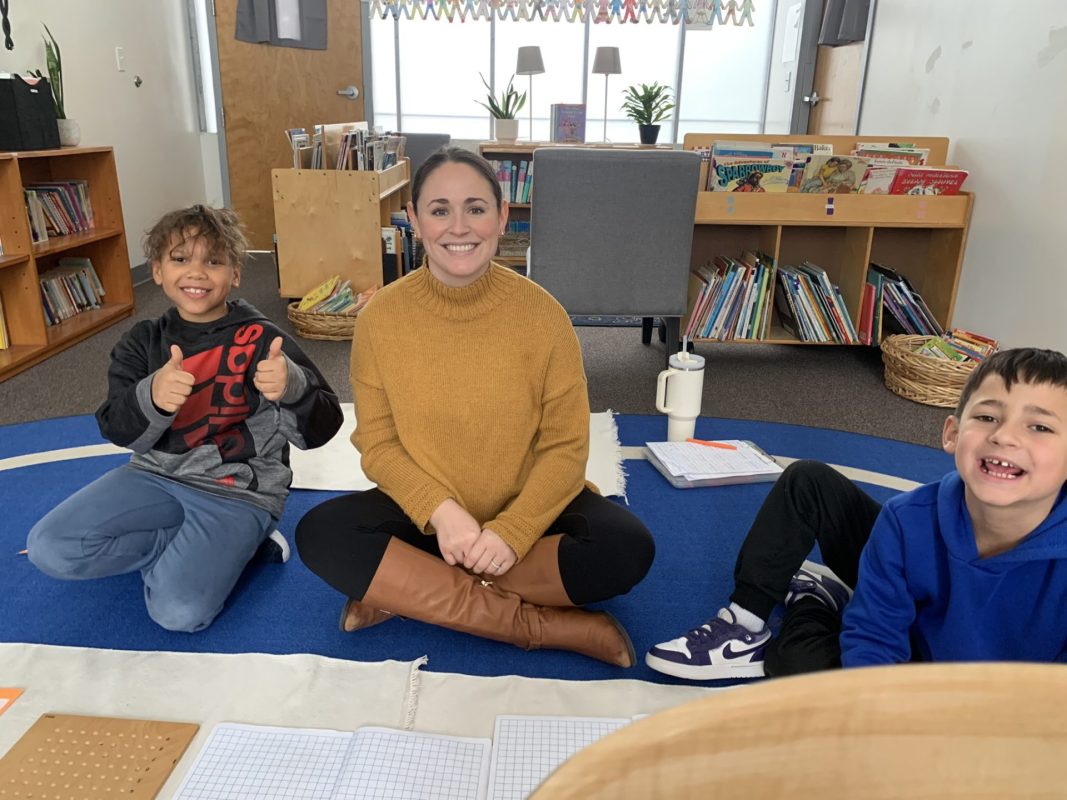
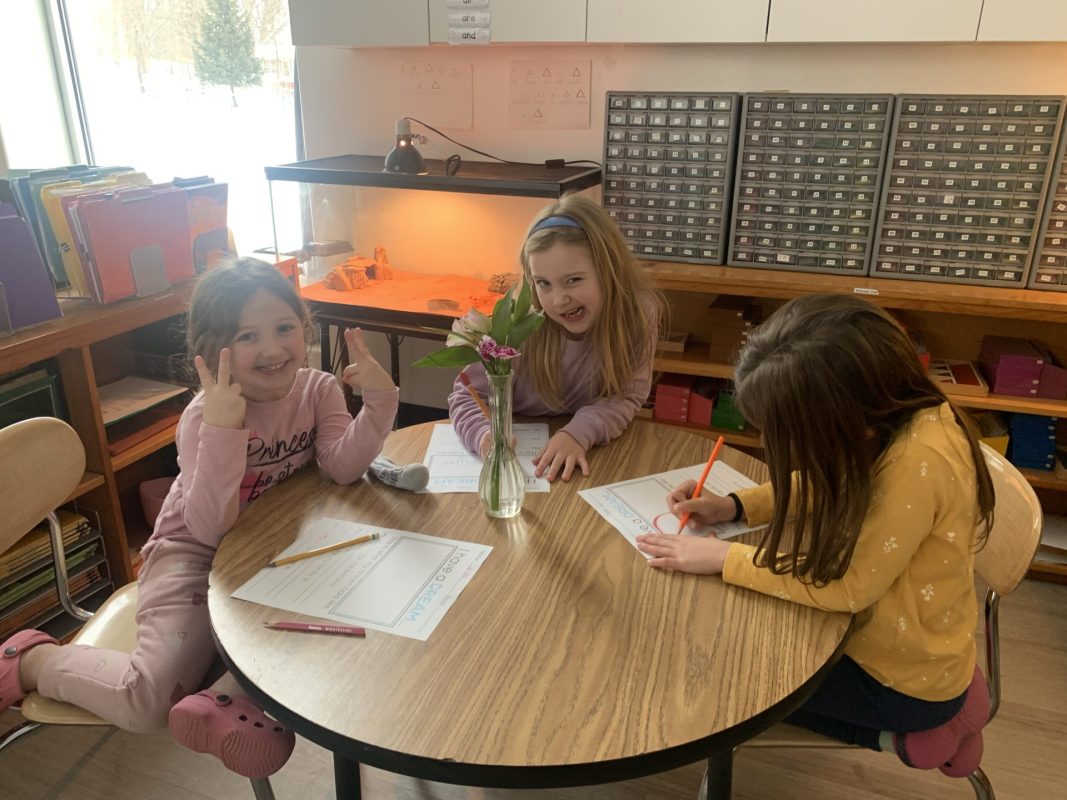
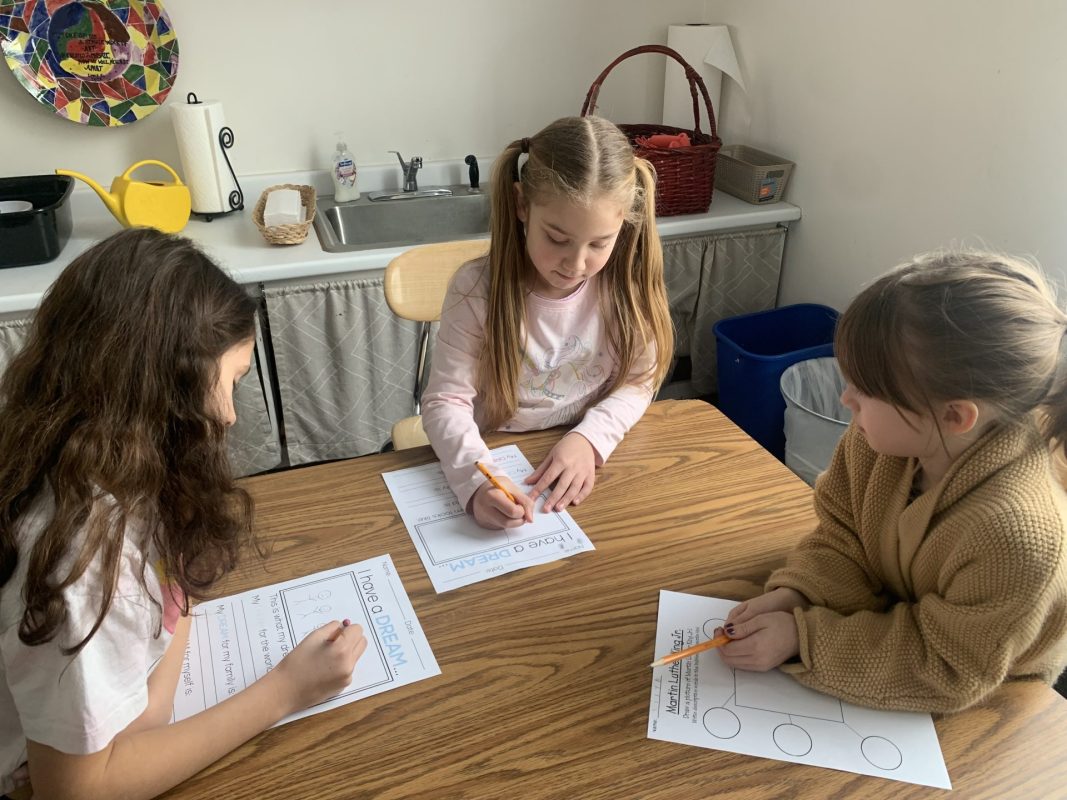
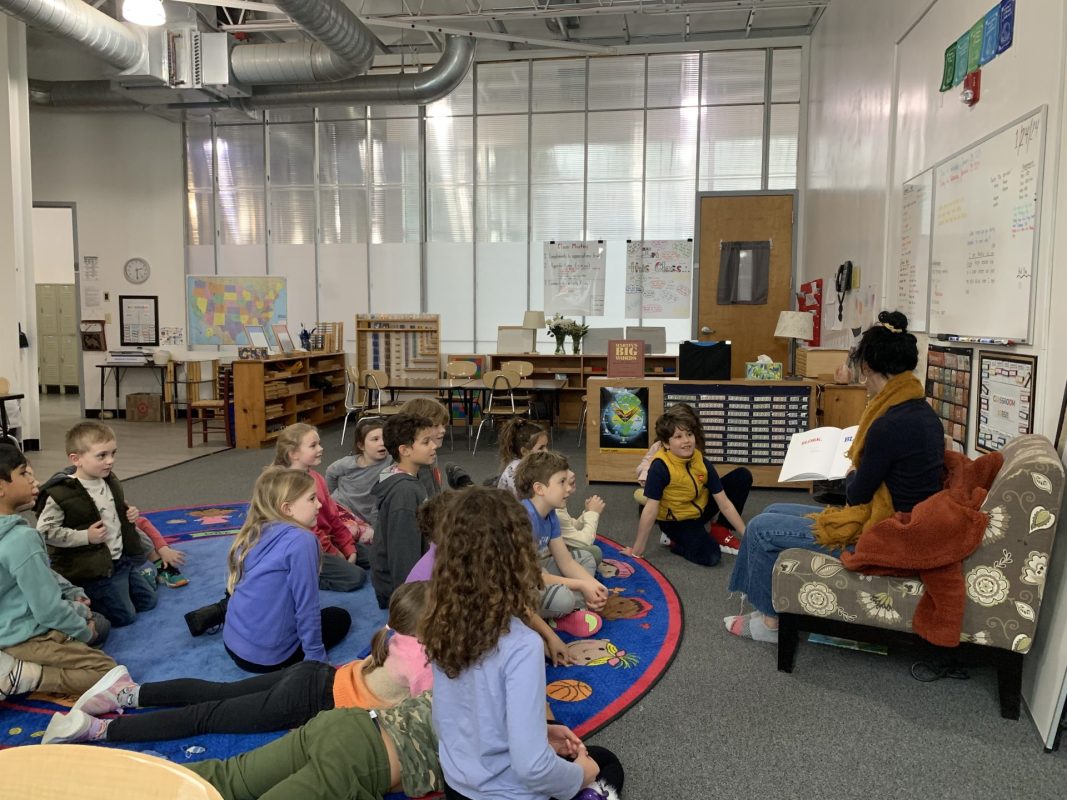
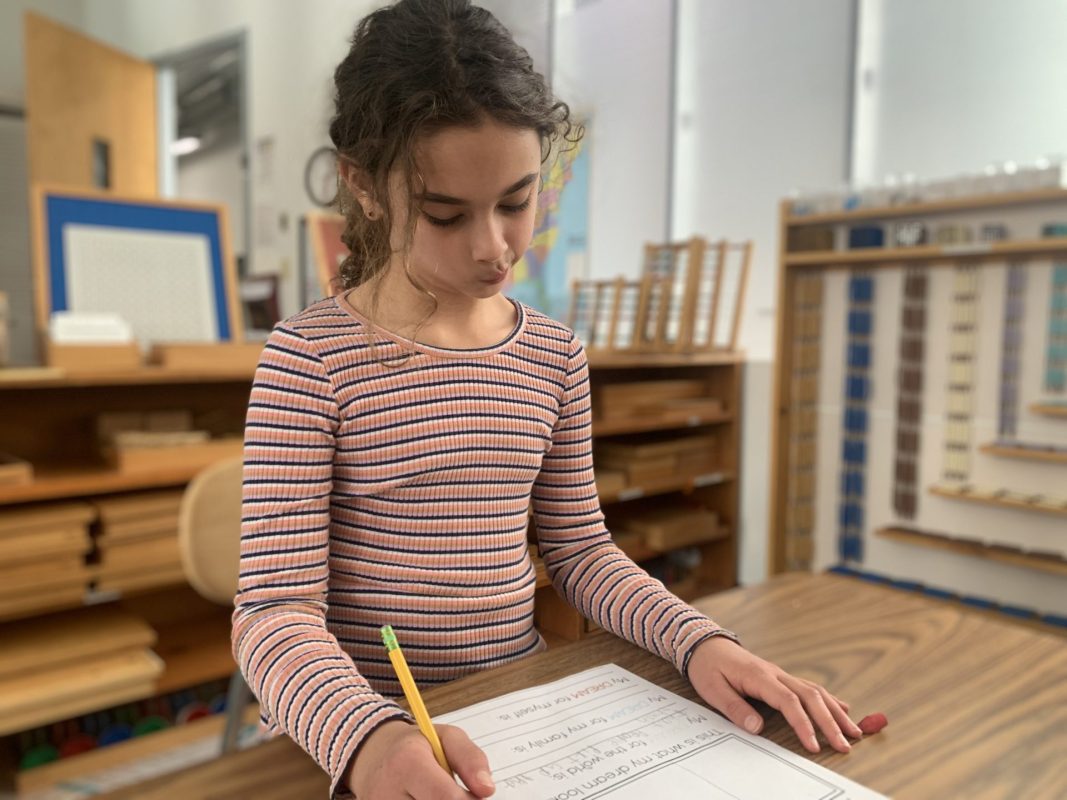
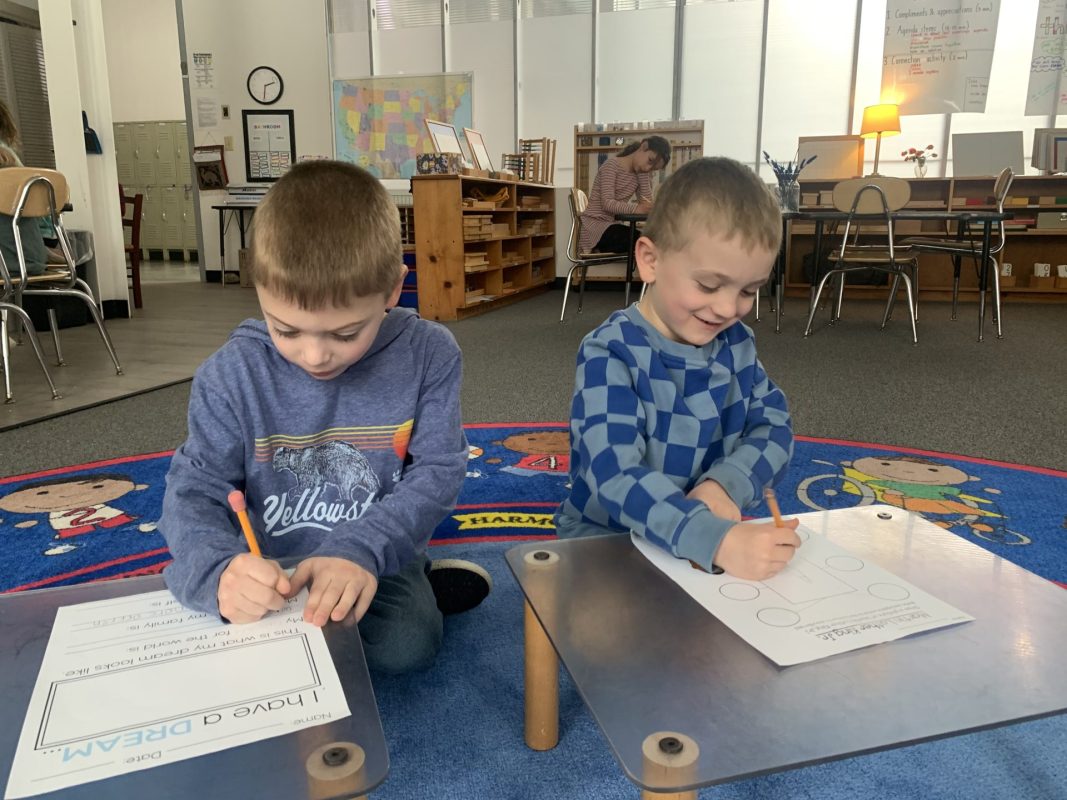
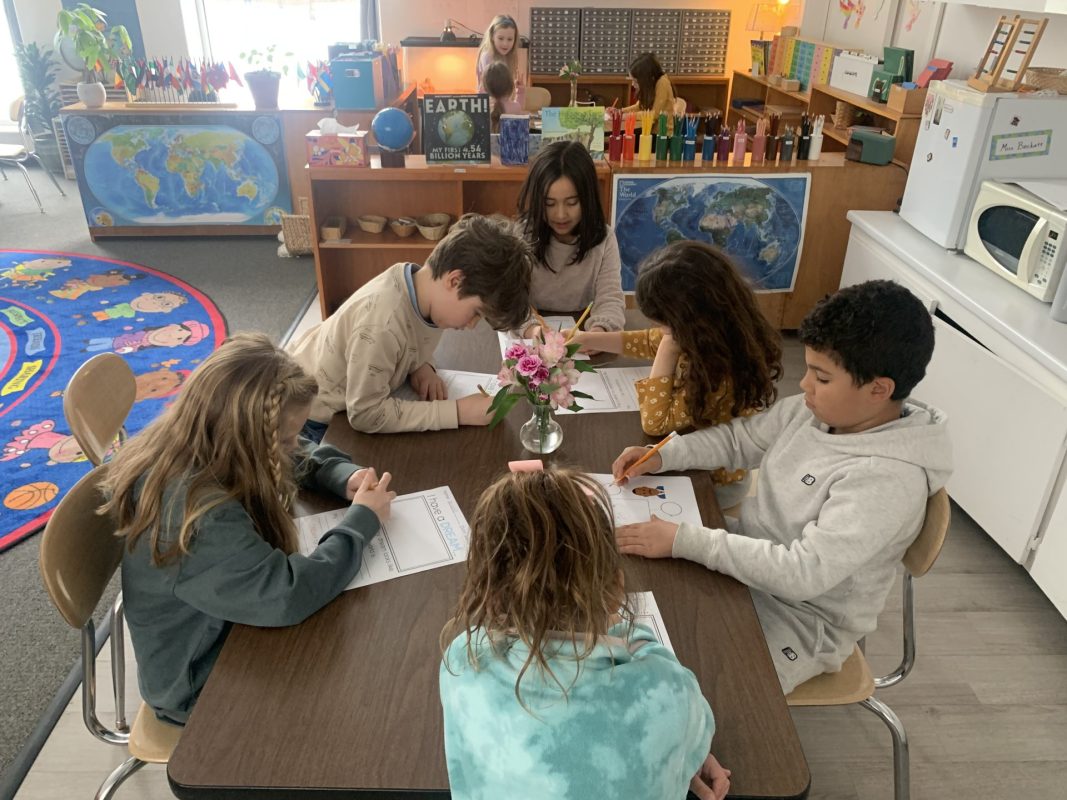
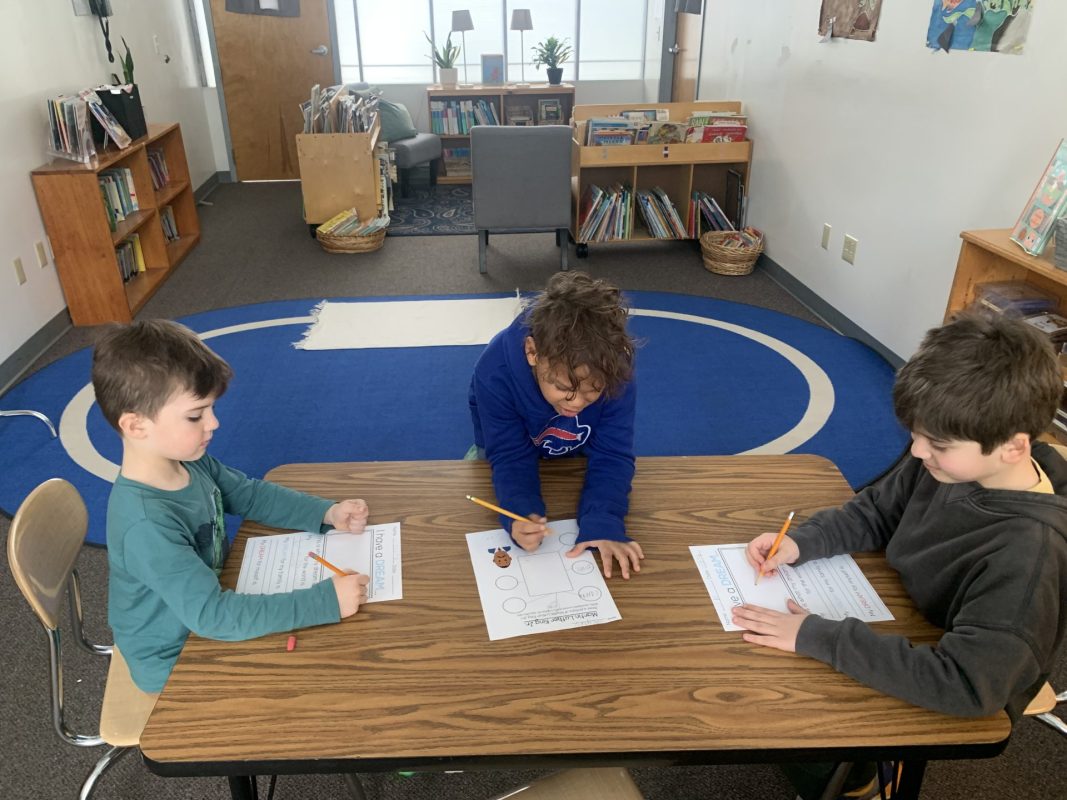
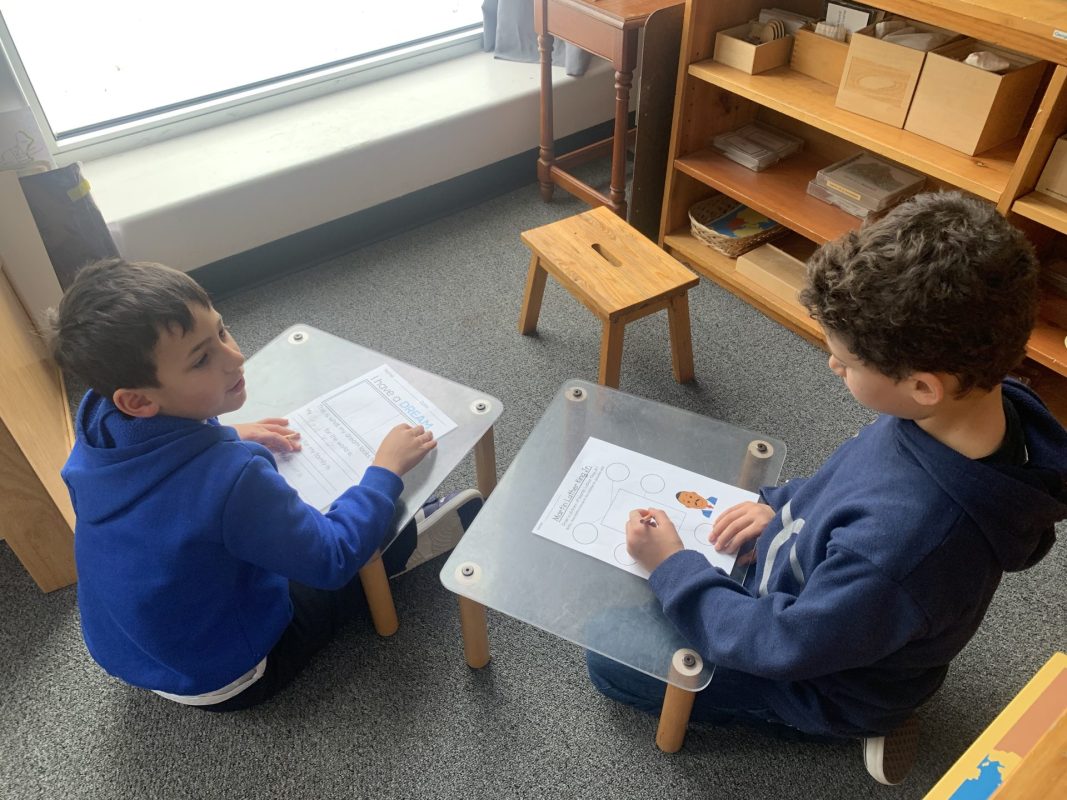
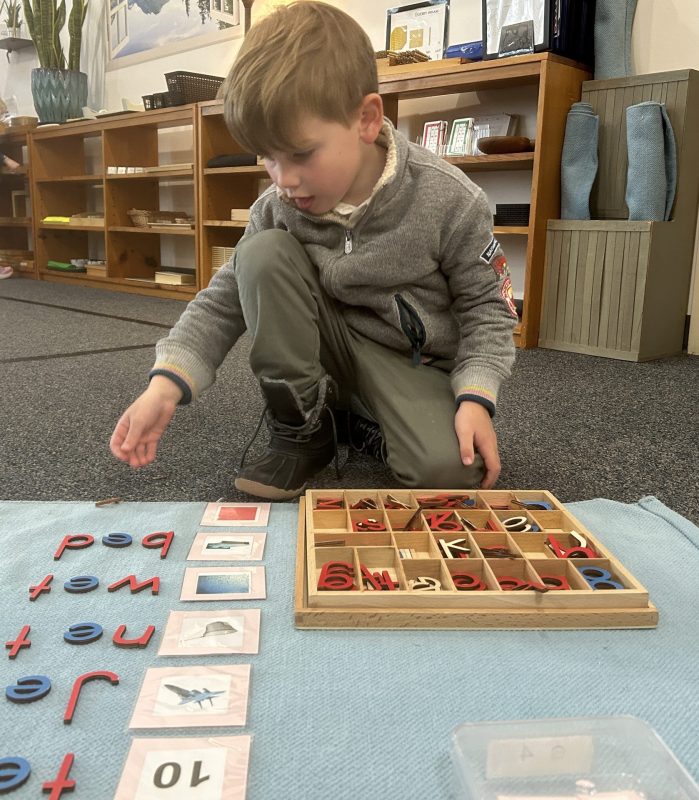
In honor of Martin Luther King Jr. Day, Lower Elementary students celebrated his good work. We read the powerful story, Martin’s Dream Day, which facilitated a great conversation about segregation, equal rights, and the power of using our words. Afterward, we talked about Martin’s Dream: equality, love, peace, and inclusion. As a follow-up activity, we collectively brainstormed adjectives to describe Martin and explored our own aspirations for a better world and personal growth.

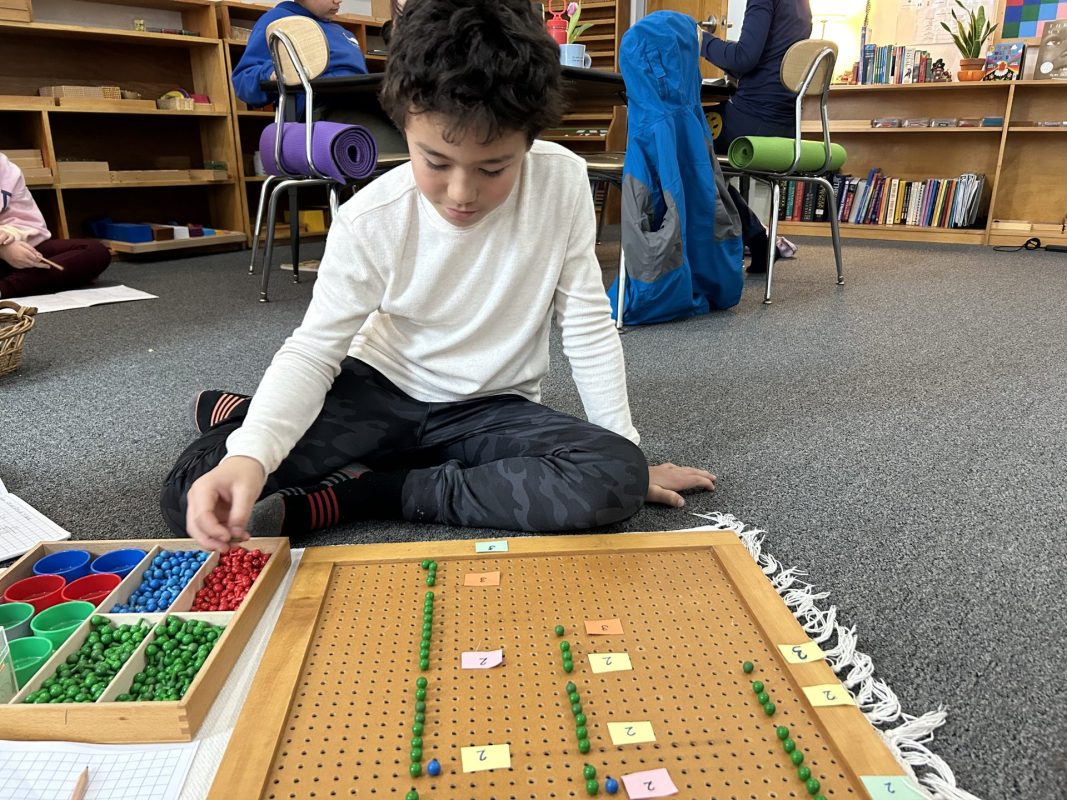
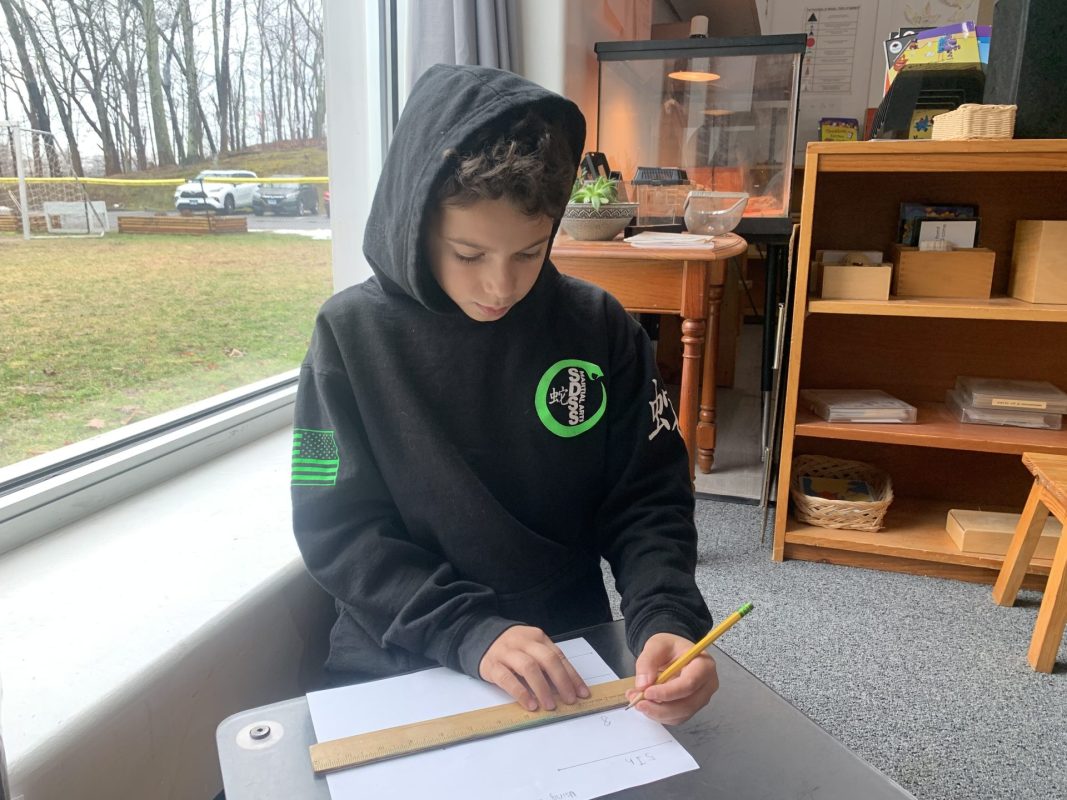
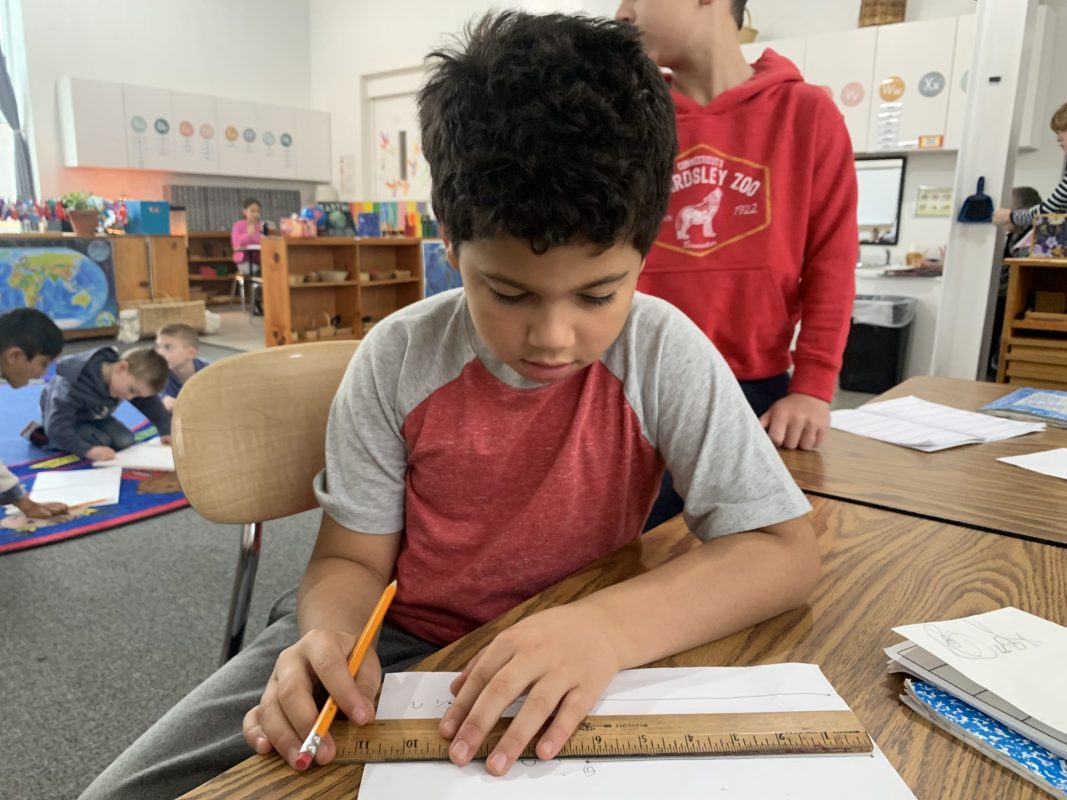
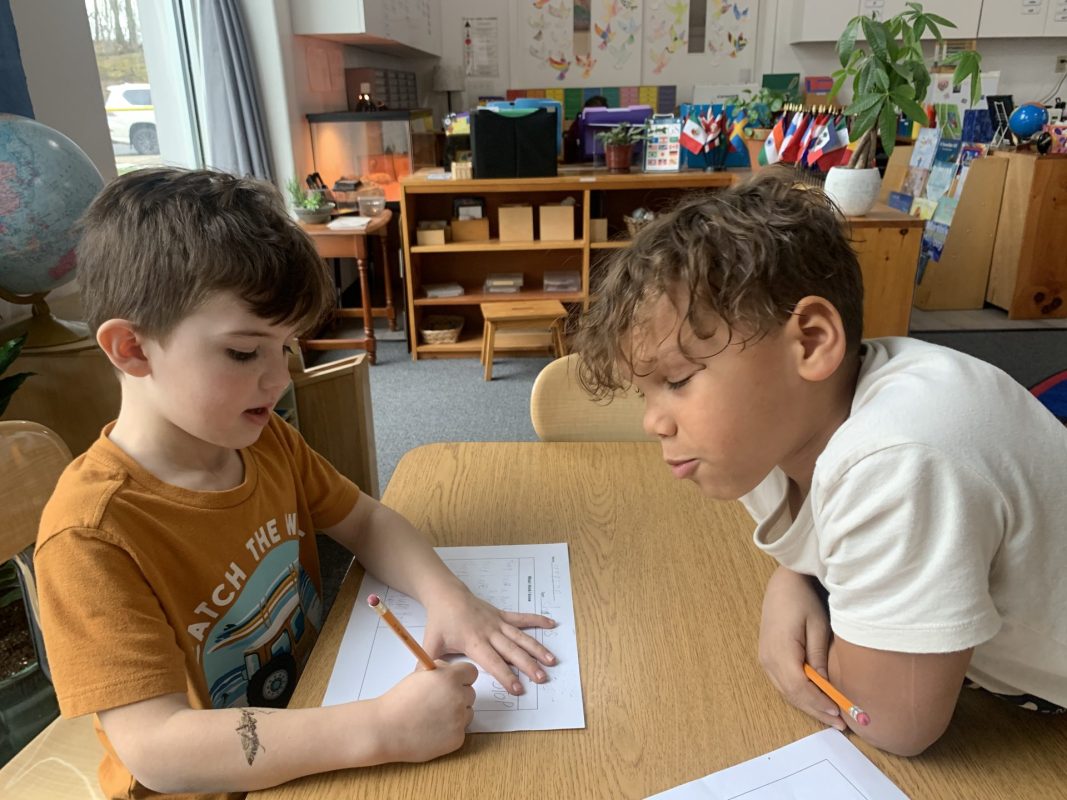
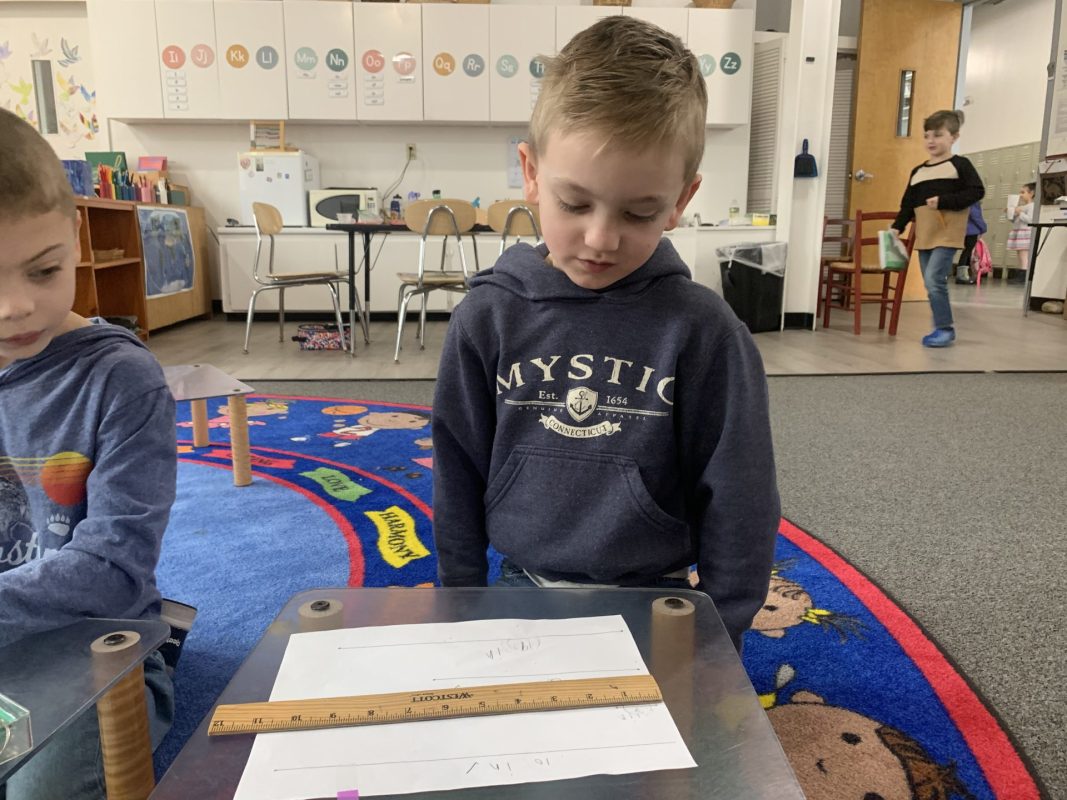
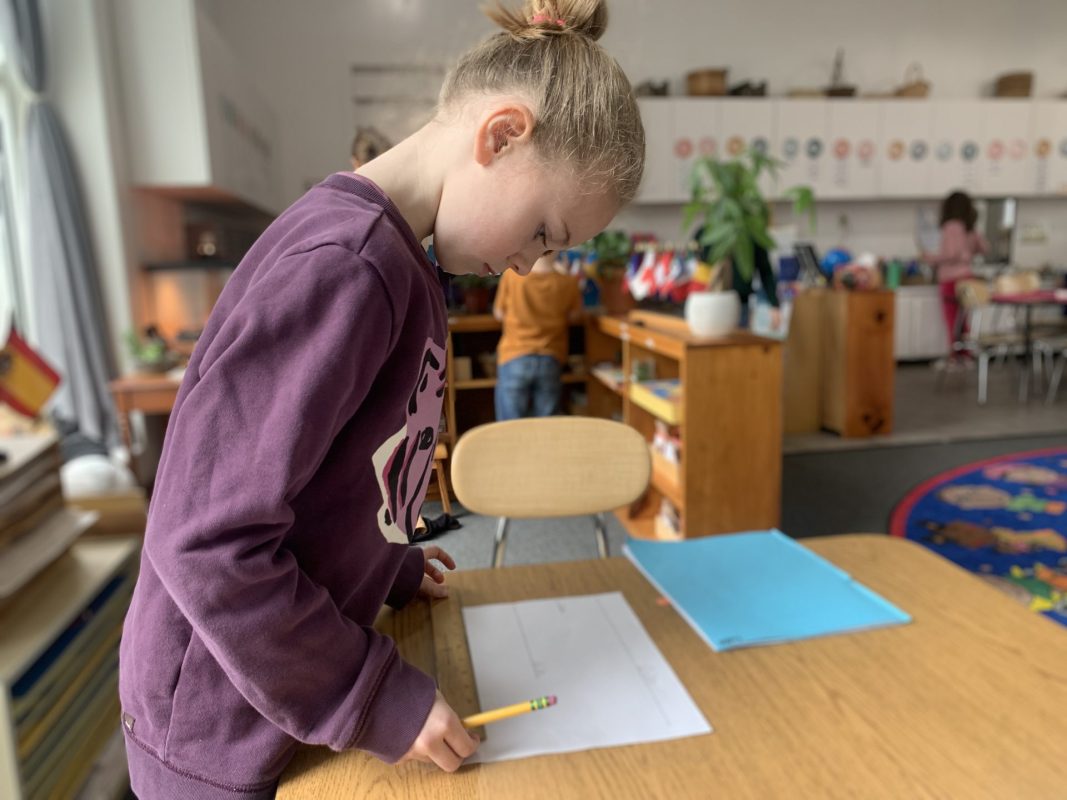
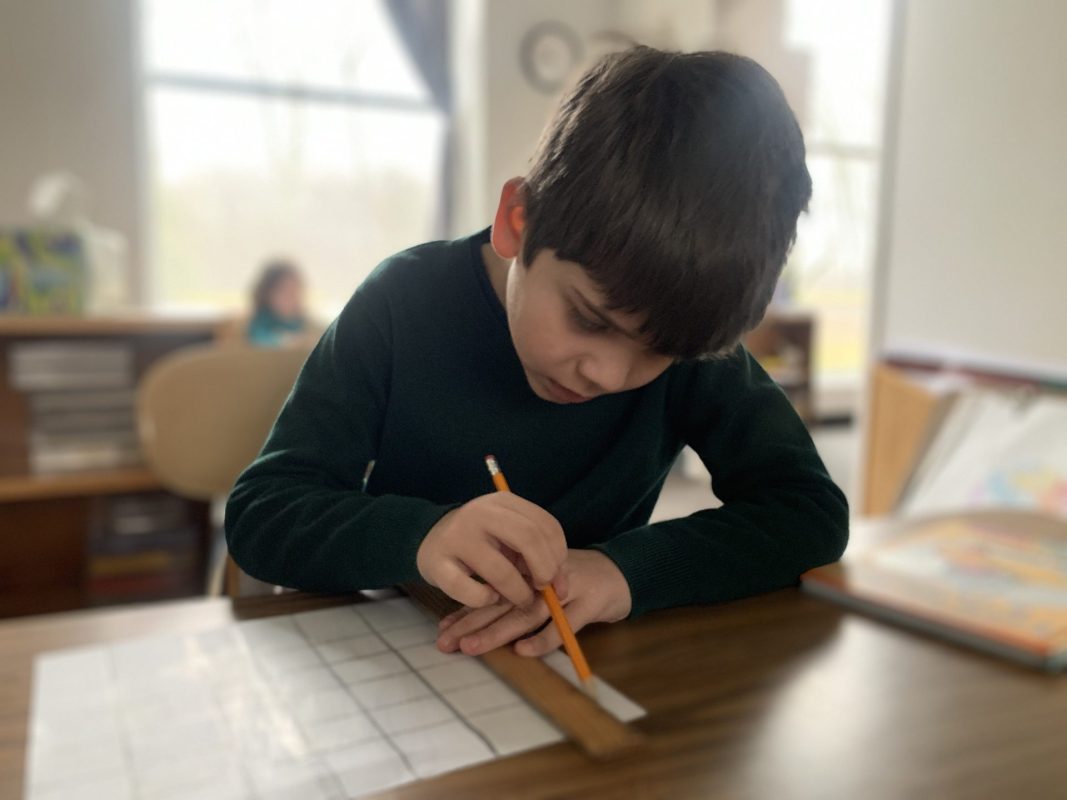
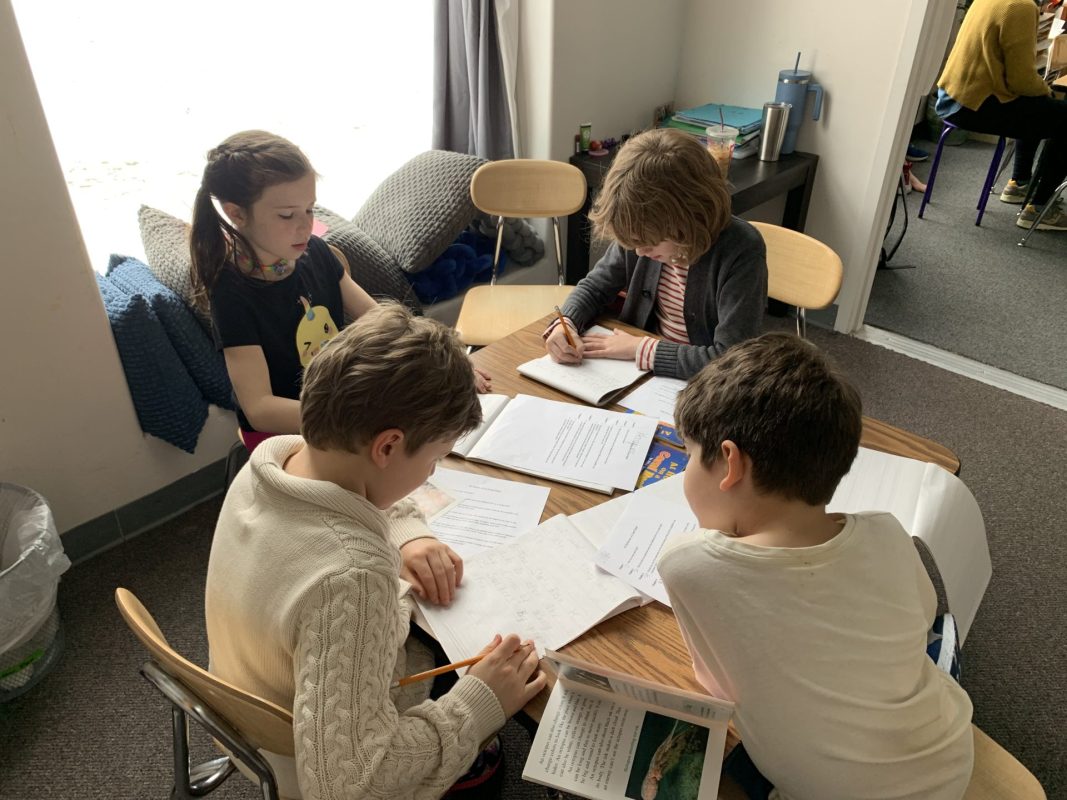
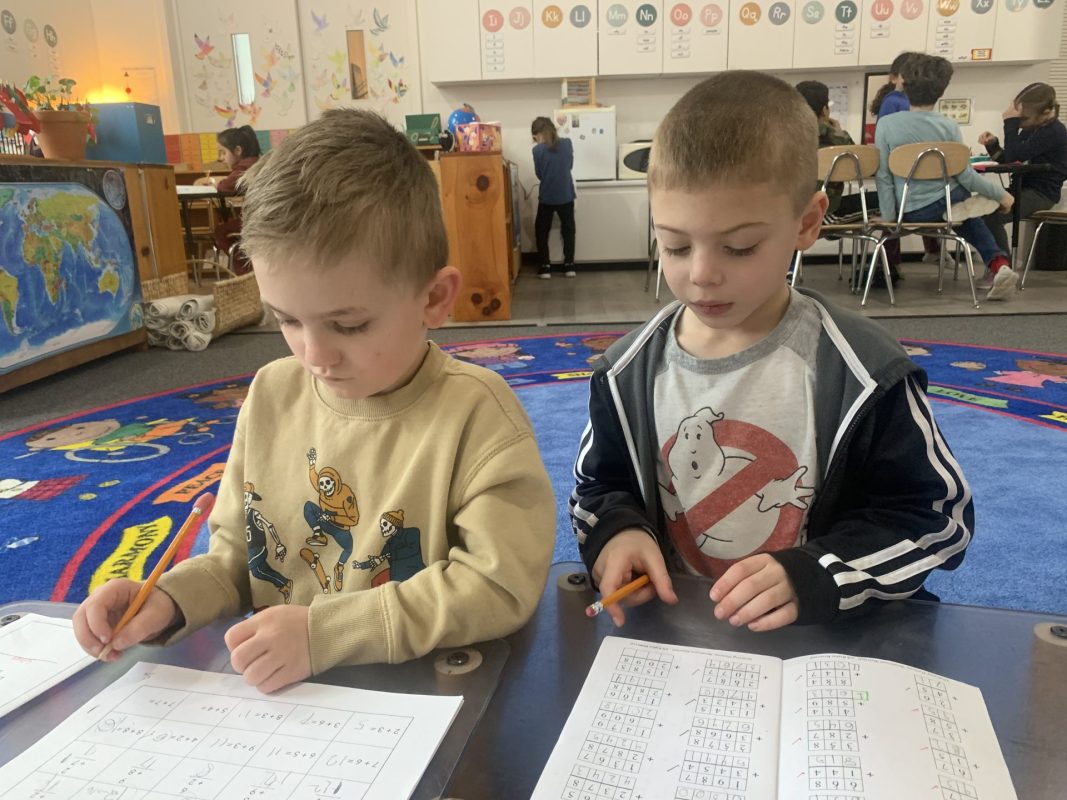
Alongside our exploration of Martin Luther King Jr. this week, the children enthusiastically embraced our new unit on measurement. The students found joy in closely observing rulers and discovering the numerical increments up to 12. Our discussions focused on the understanding that each number corresponds to an inch, emphasizing this as a fundamental unit for measuring various objects. To start, students are acquiring the skill of measuring lines of varying sizes, with the intention of progressing to more intricate objects as they advance in their learning.


Mrs. Wilson: Boots, Prints, and Puddles

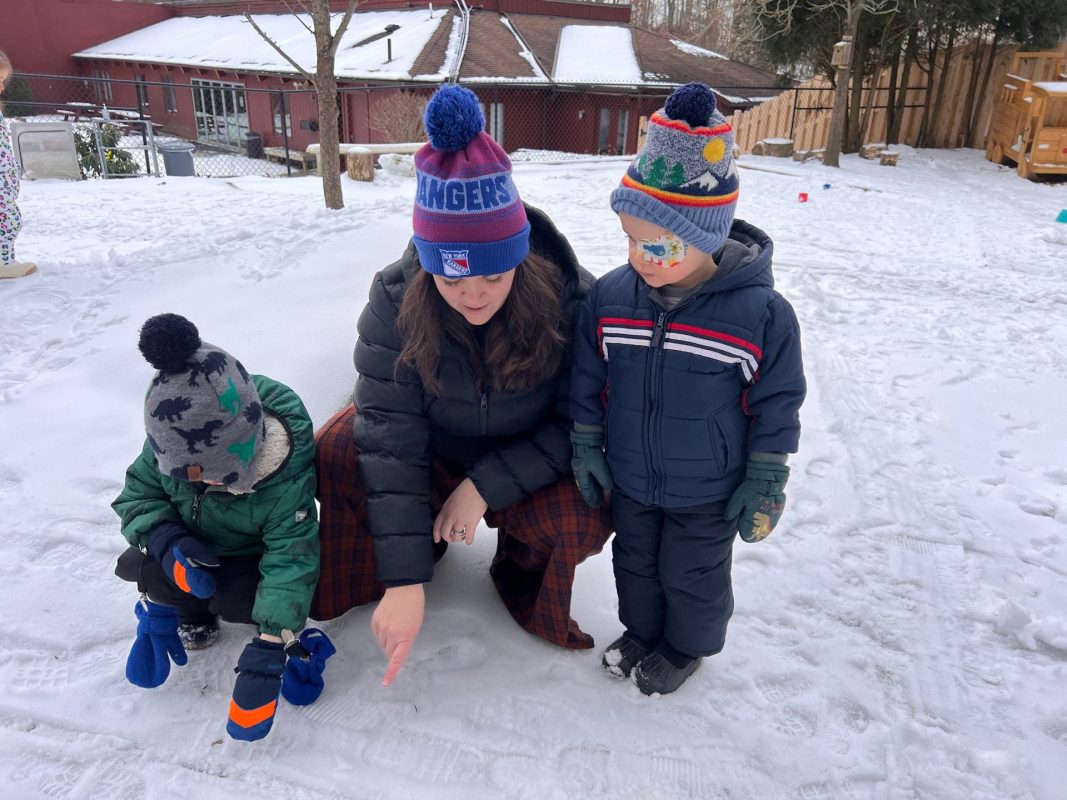
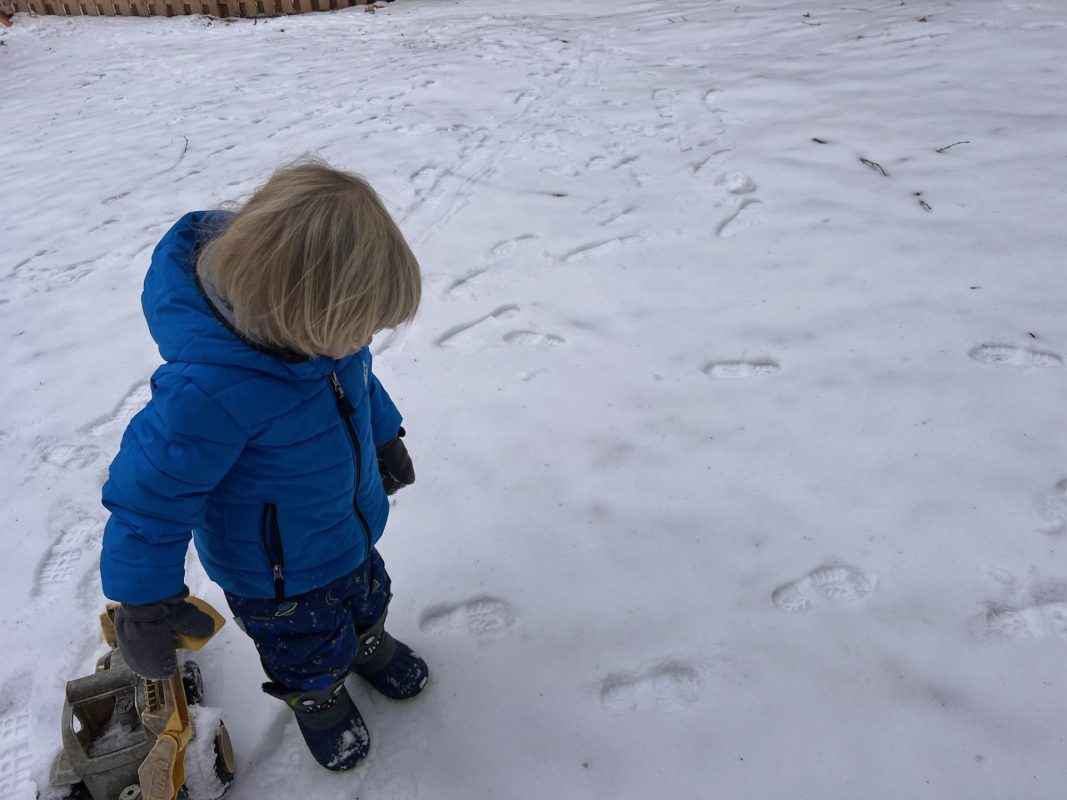
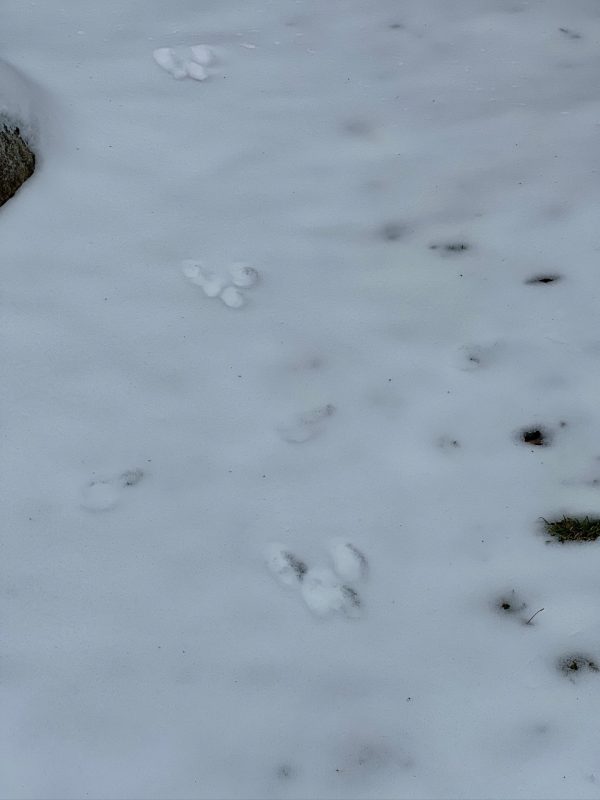
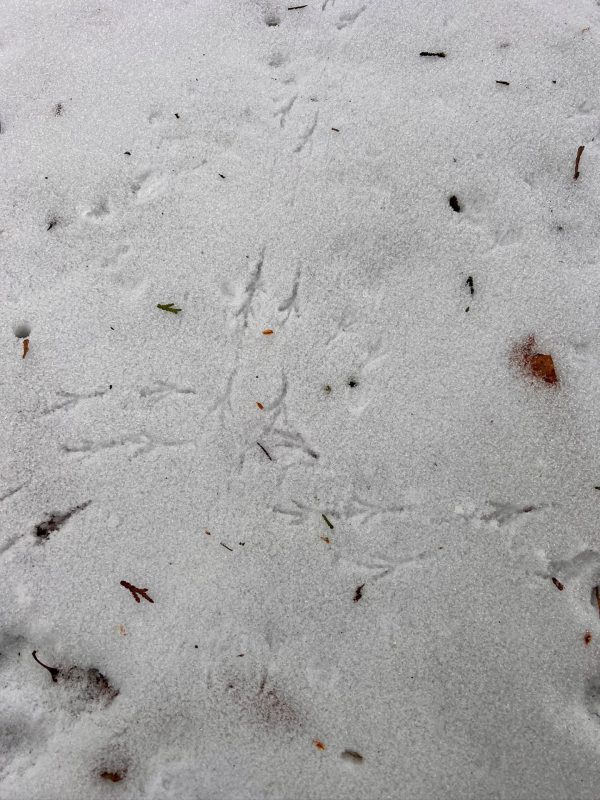
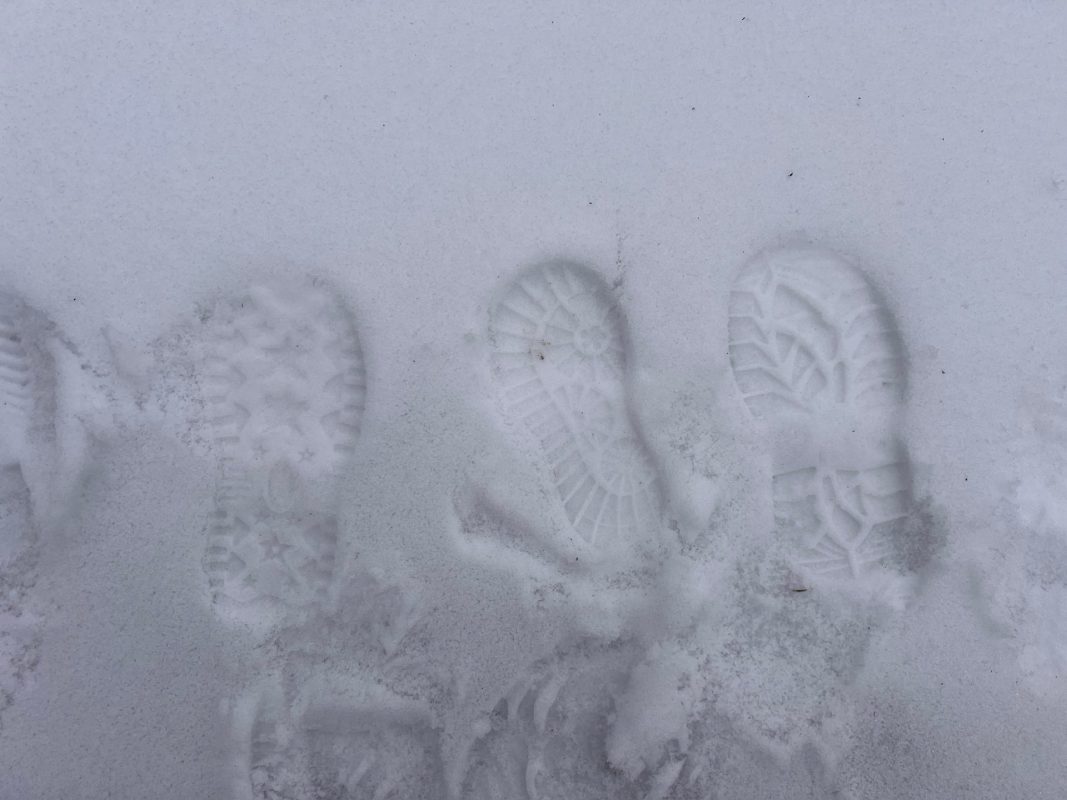
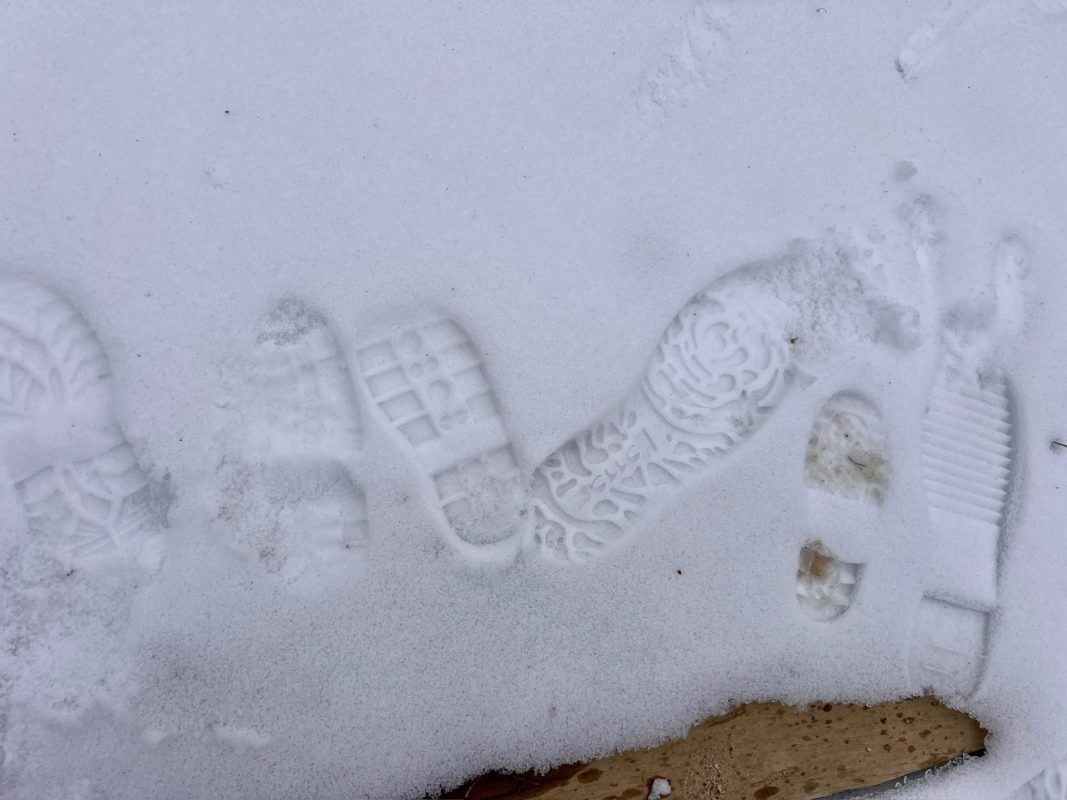
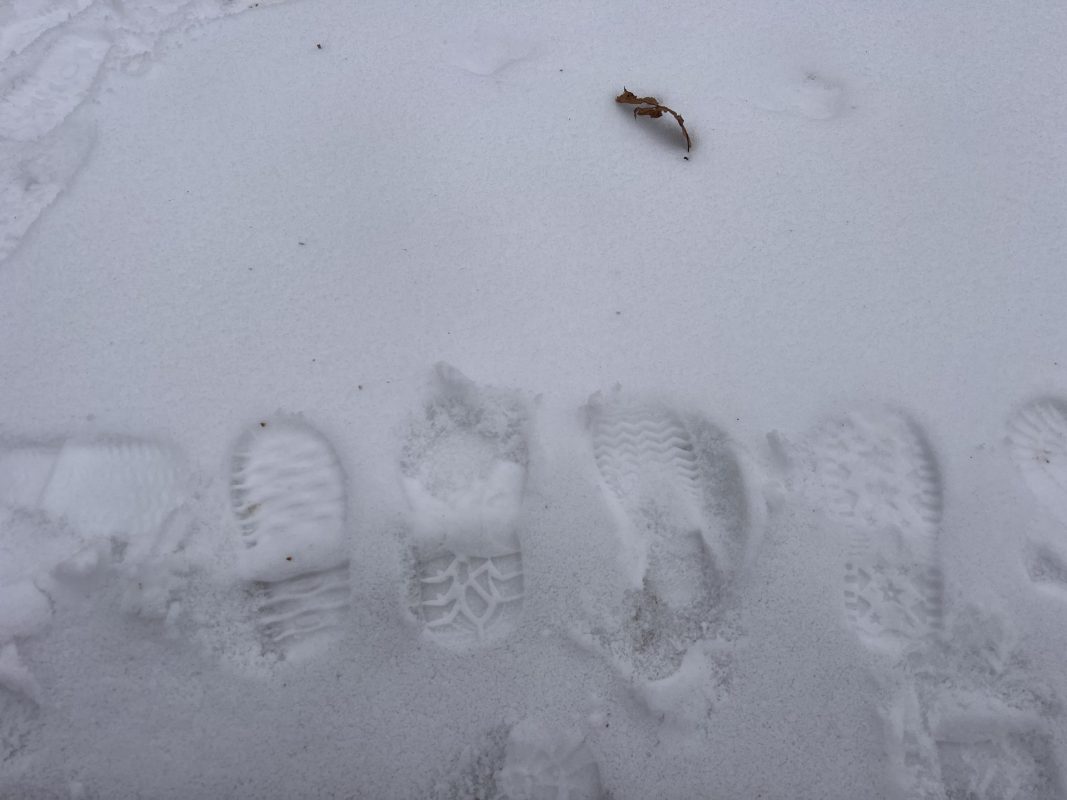
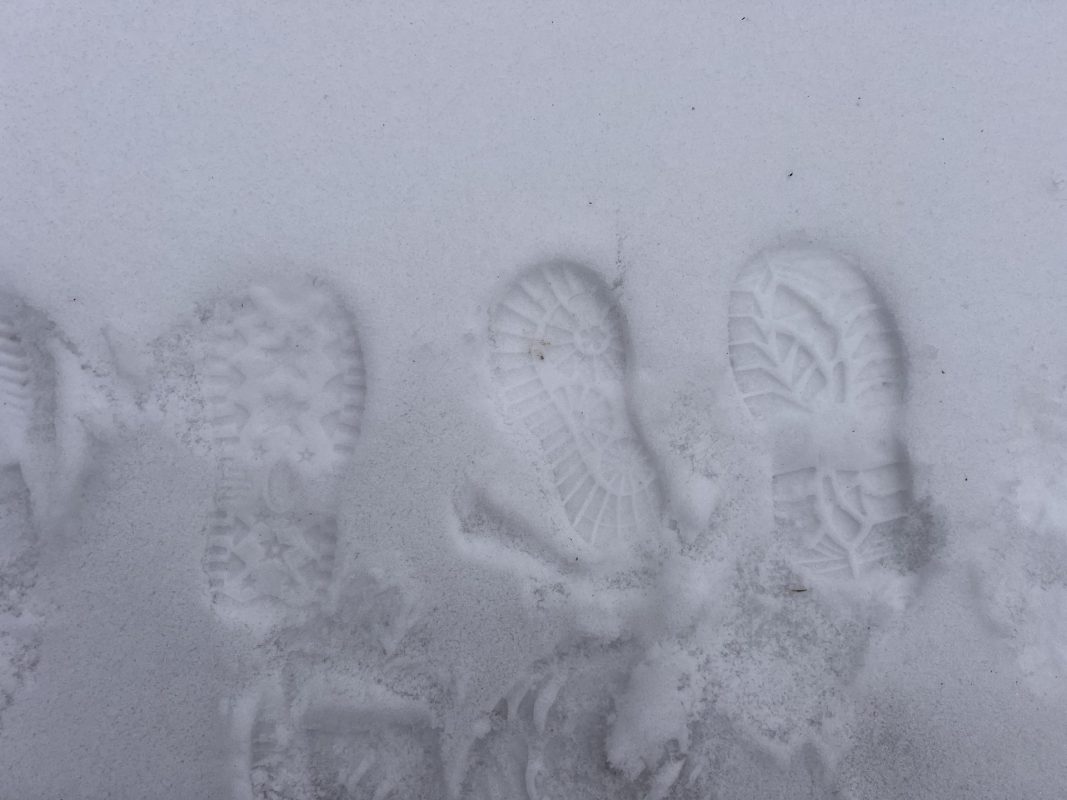
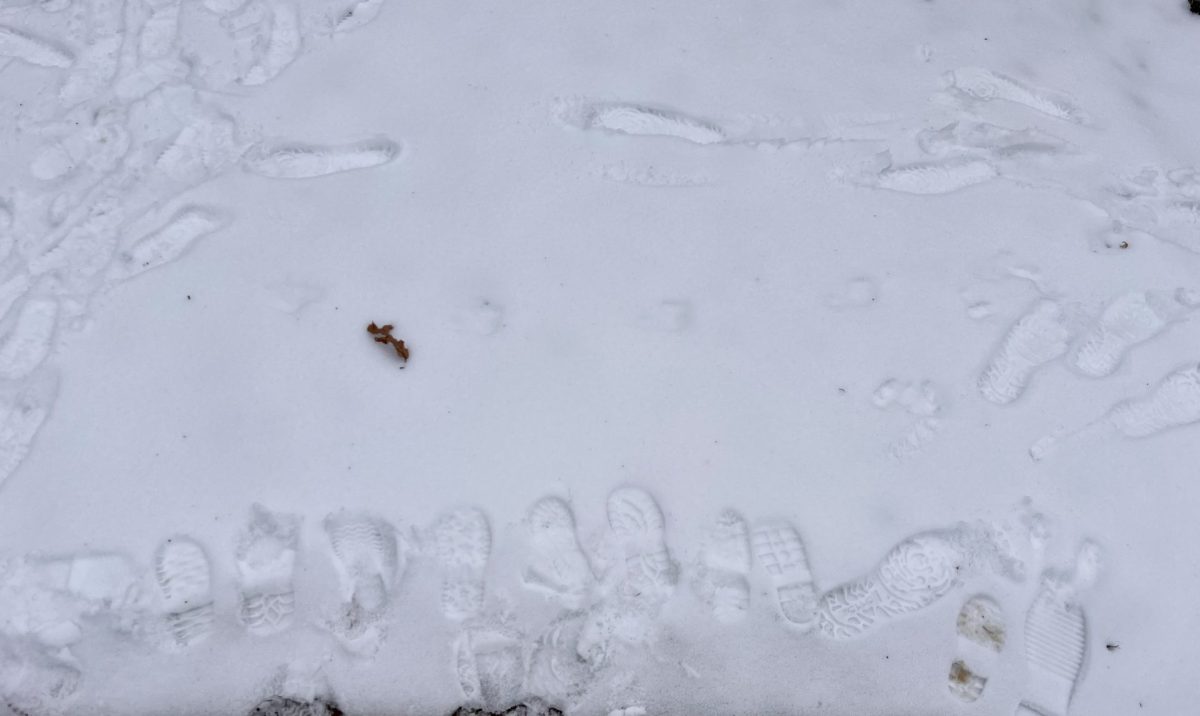
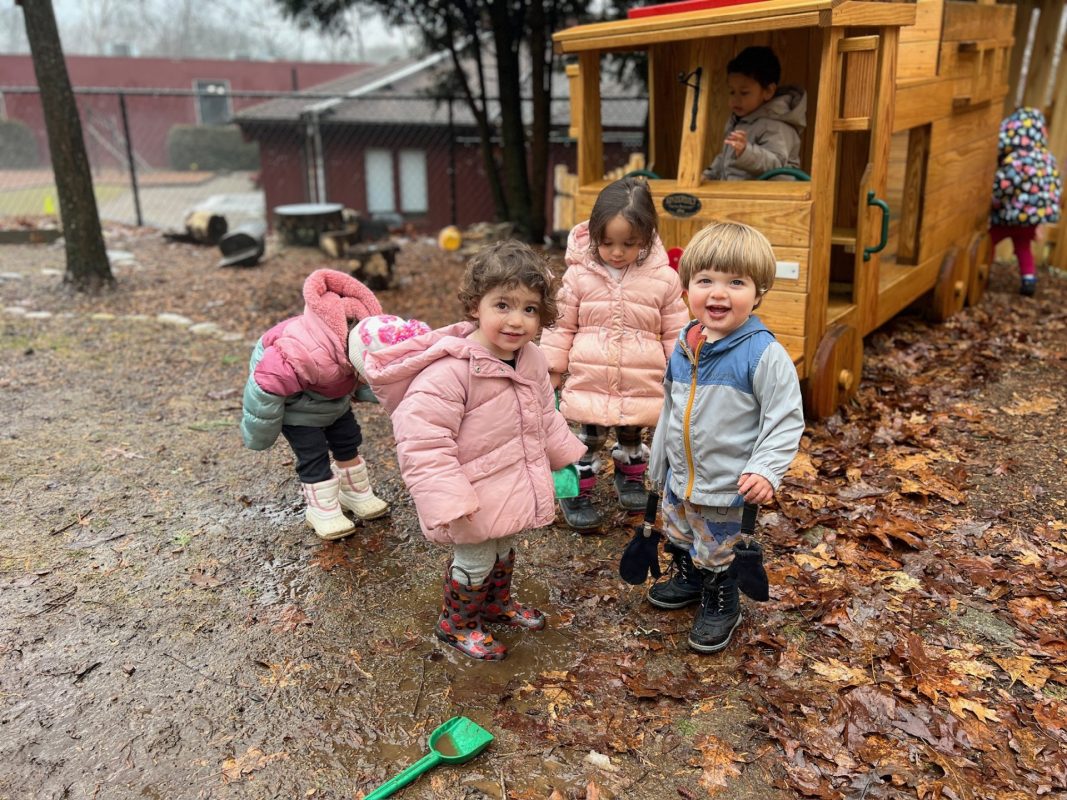
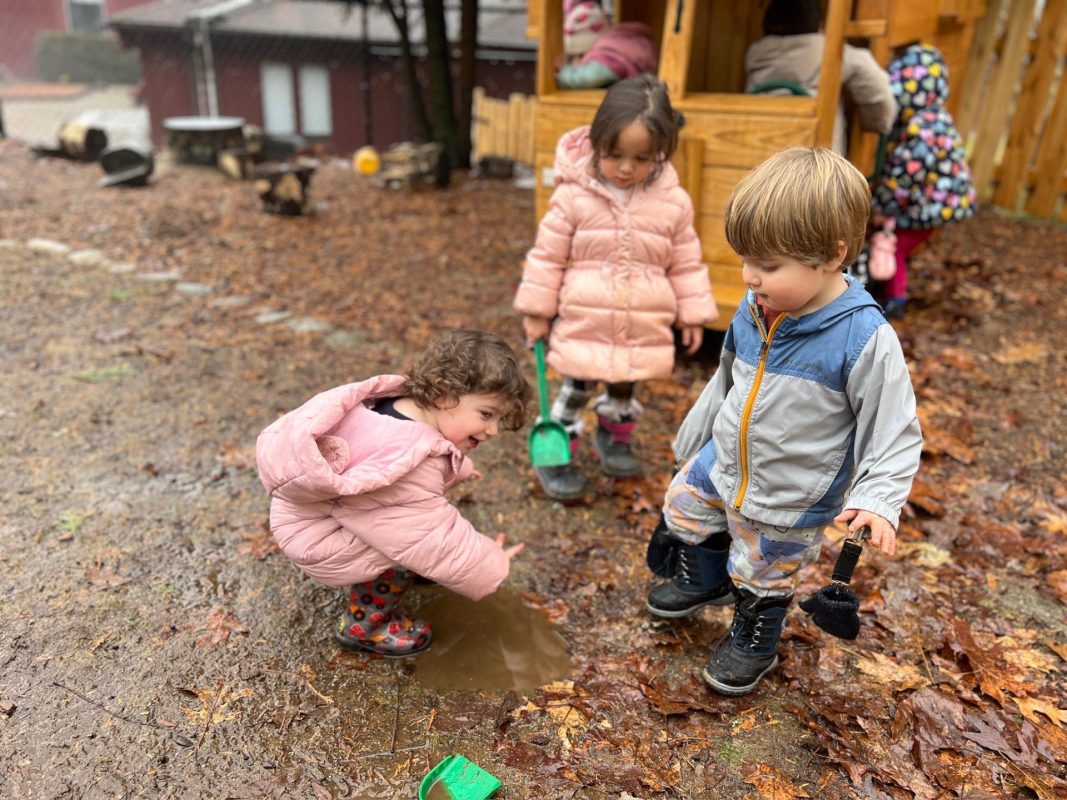
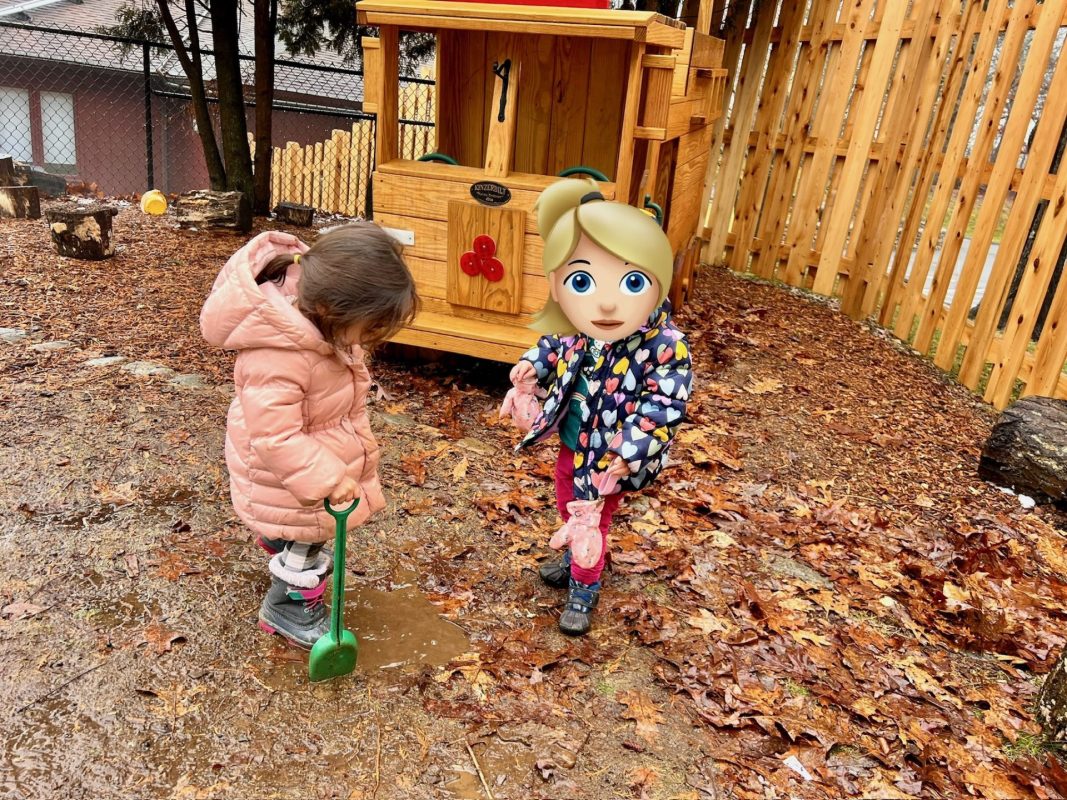
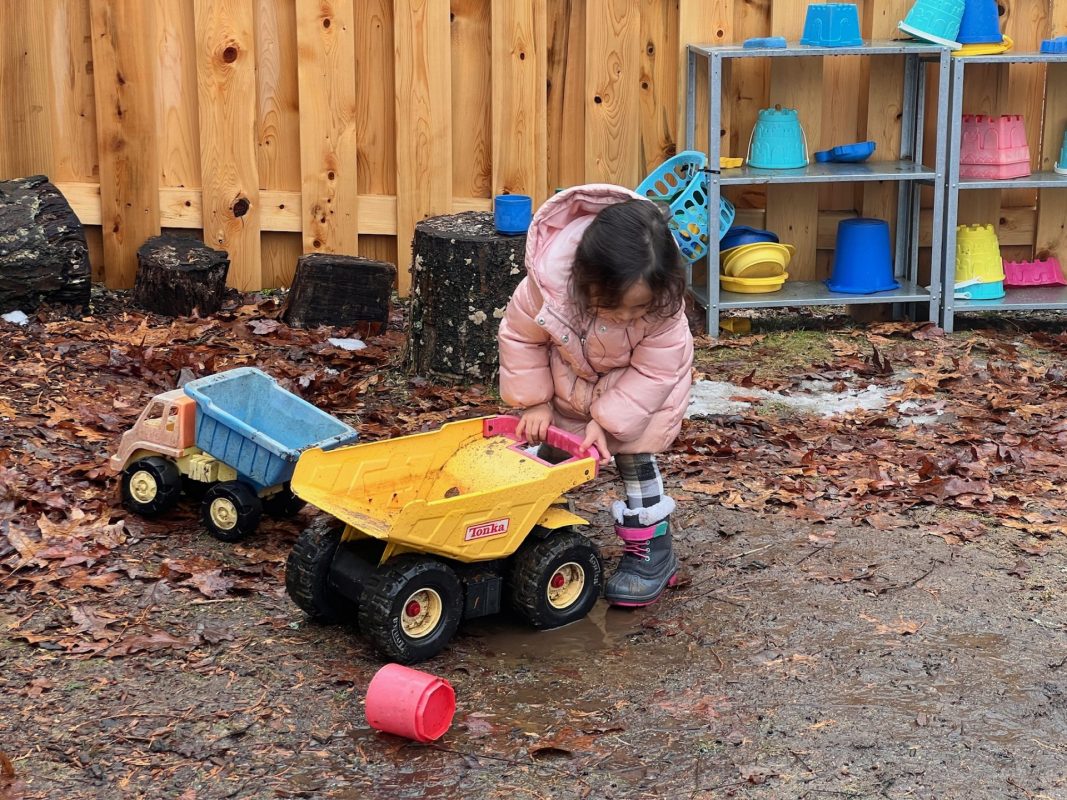
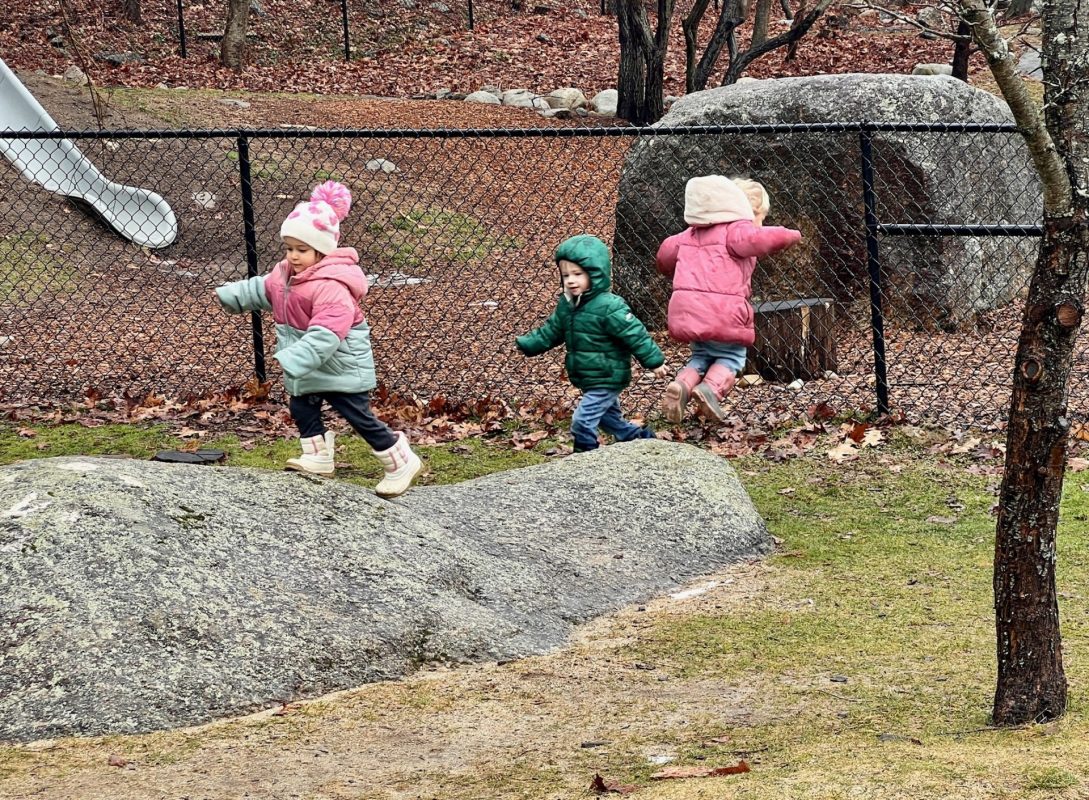
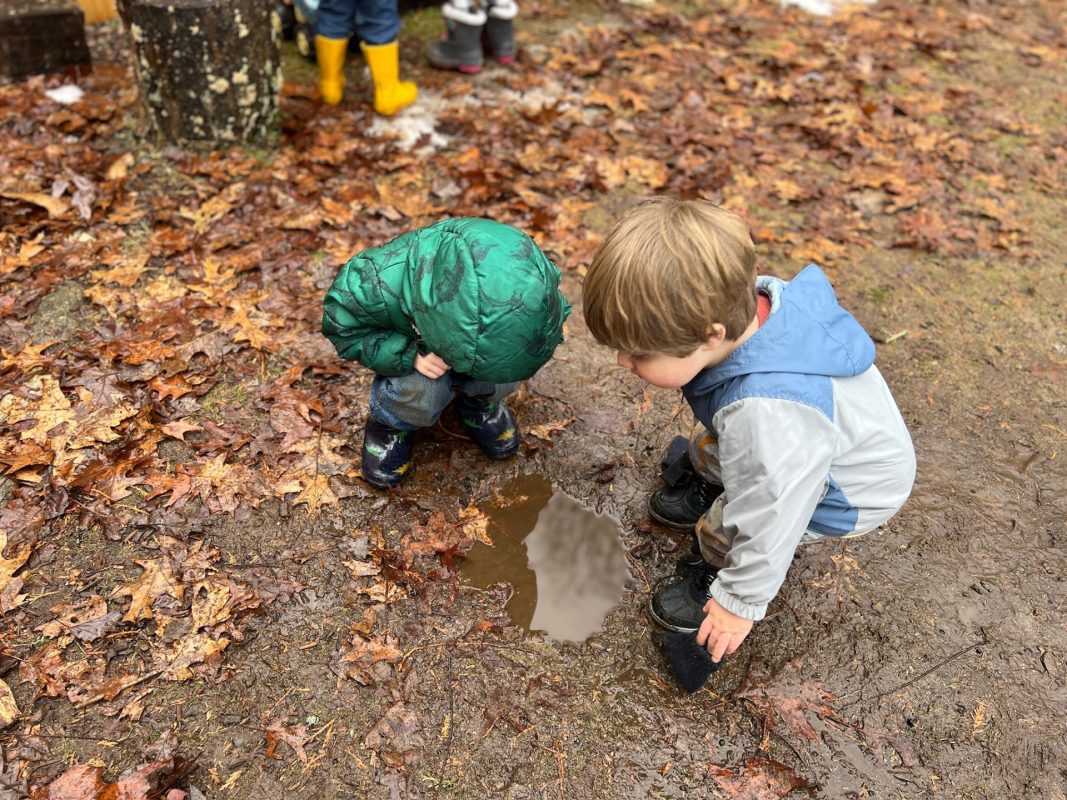
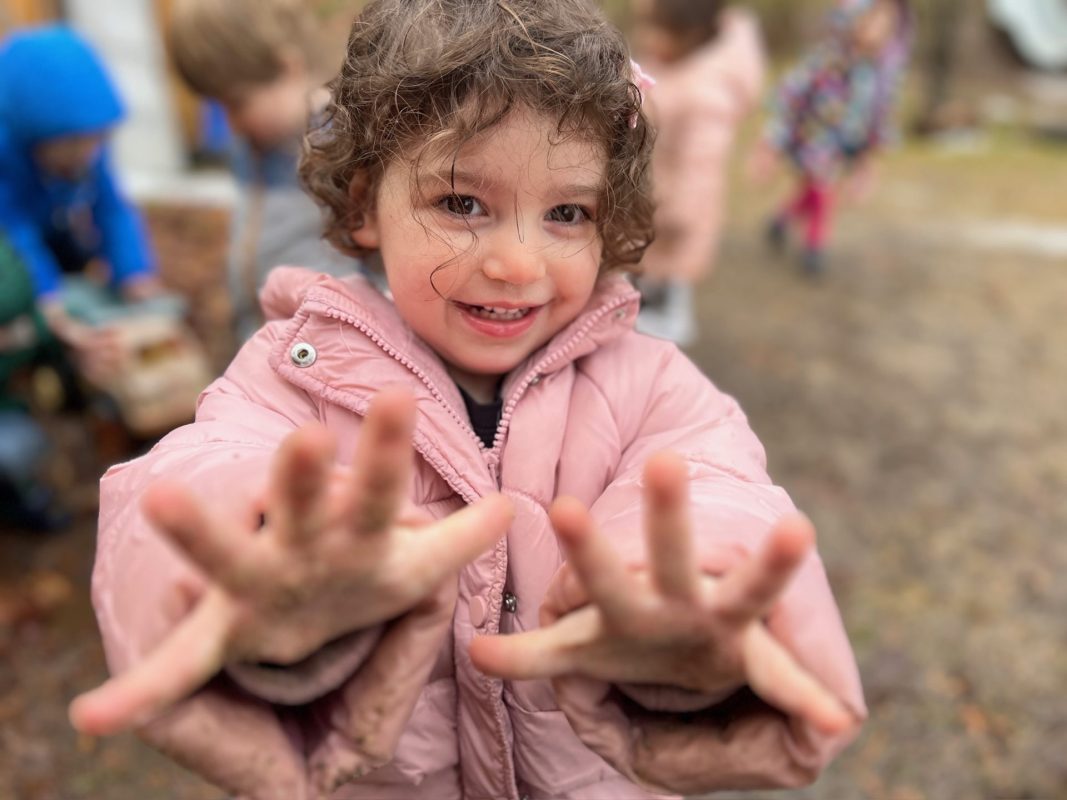
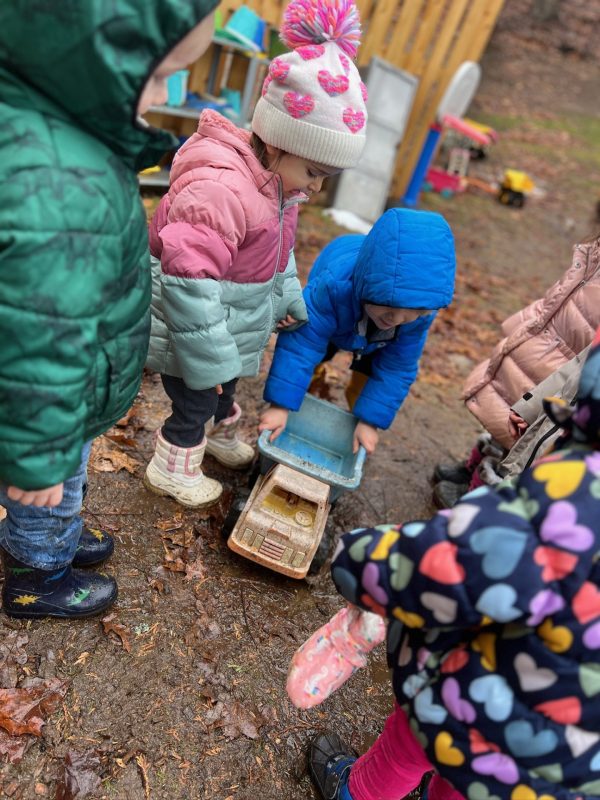
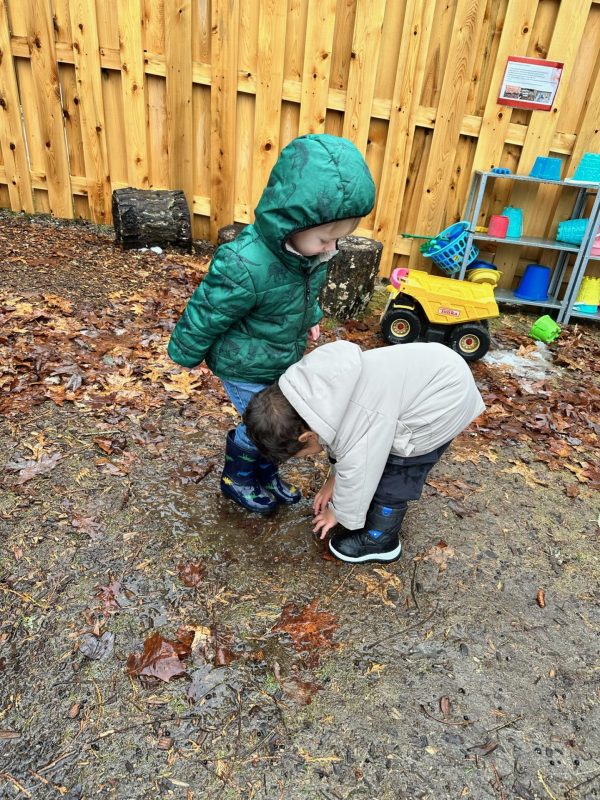
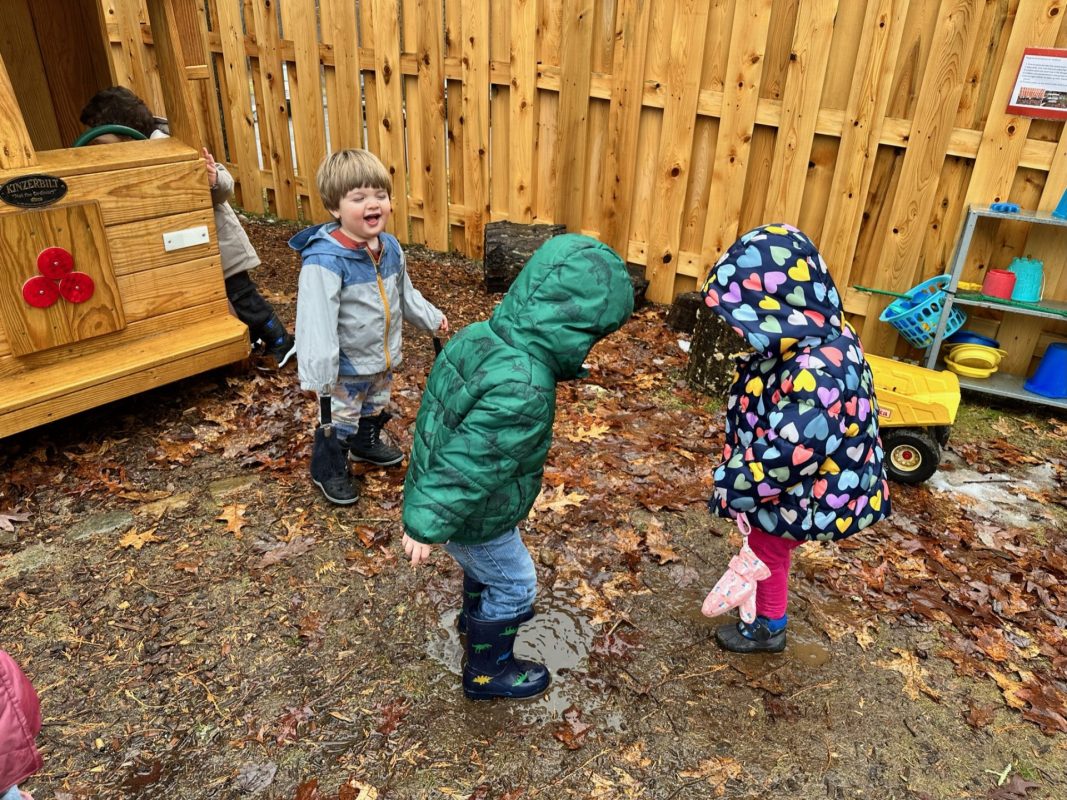
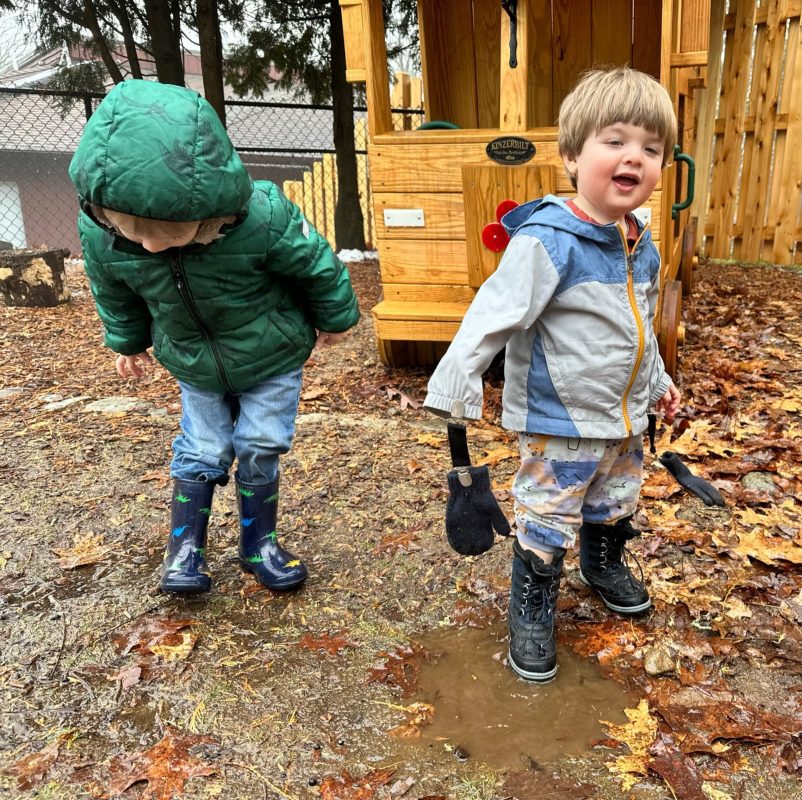
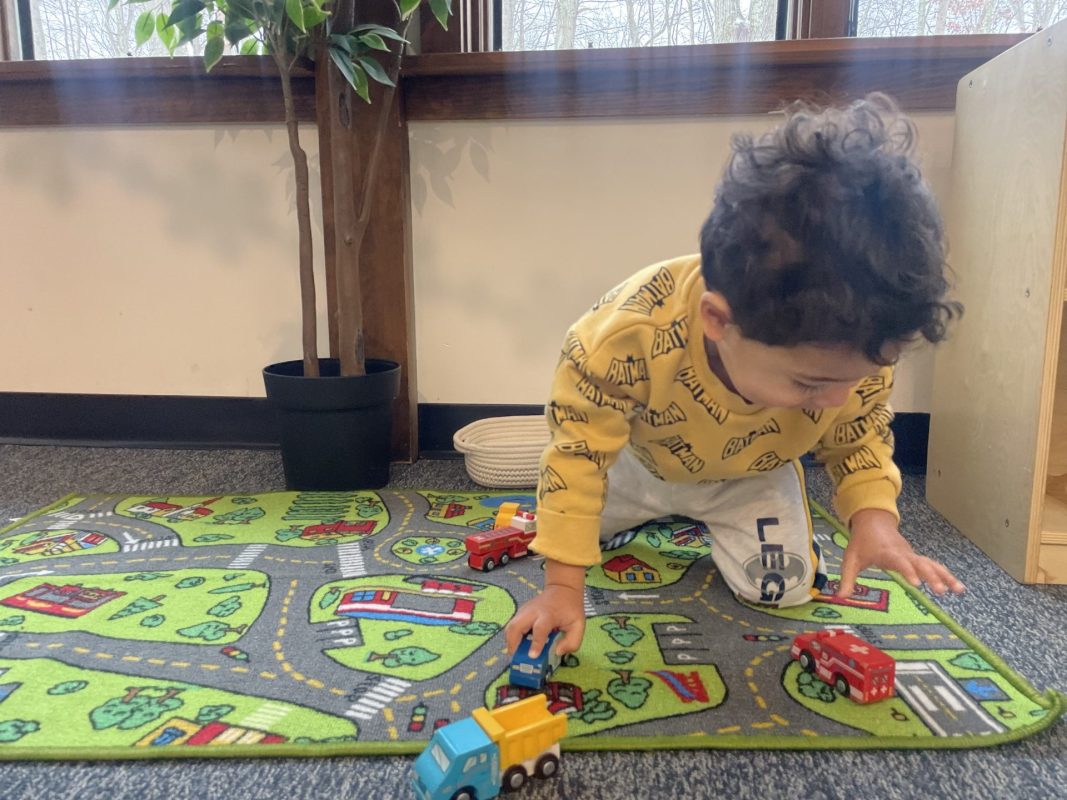
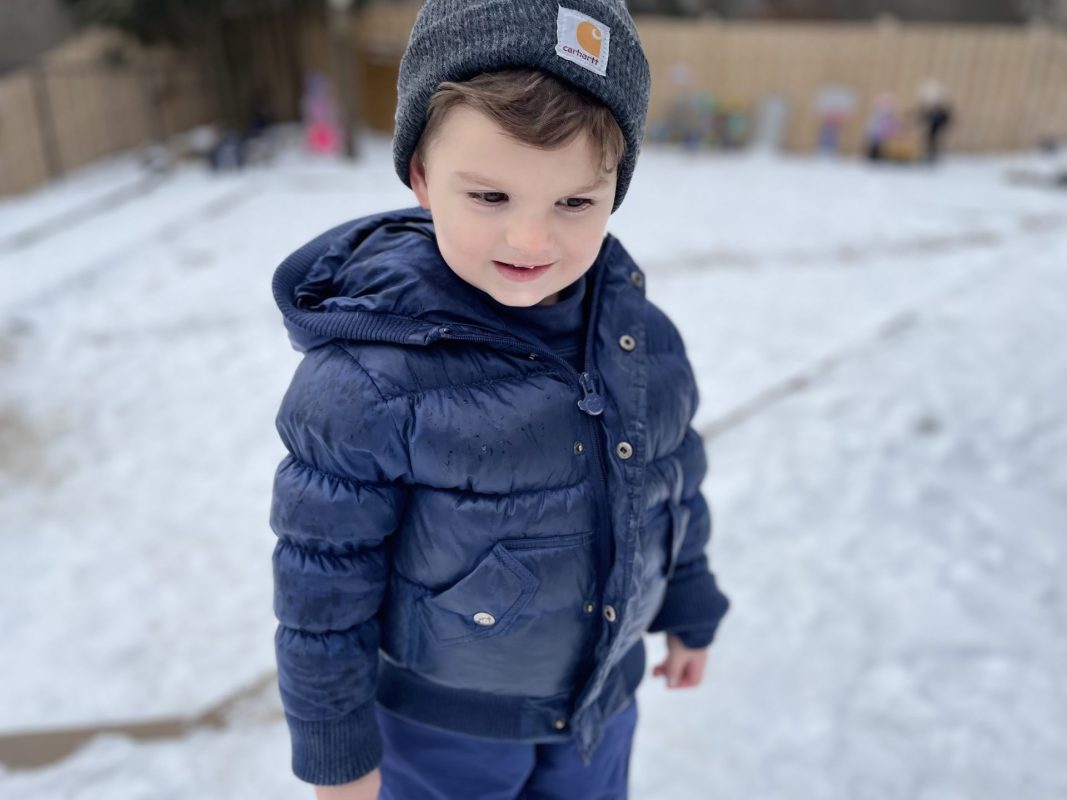
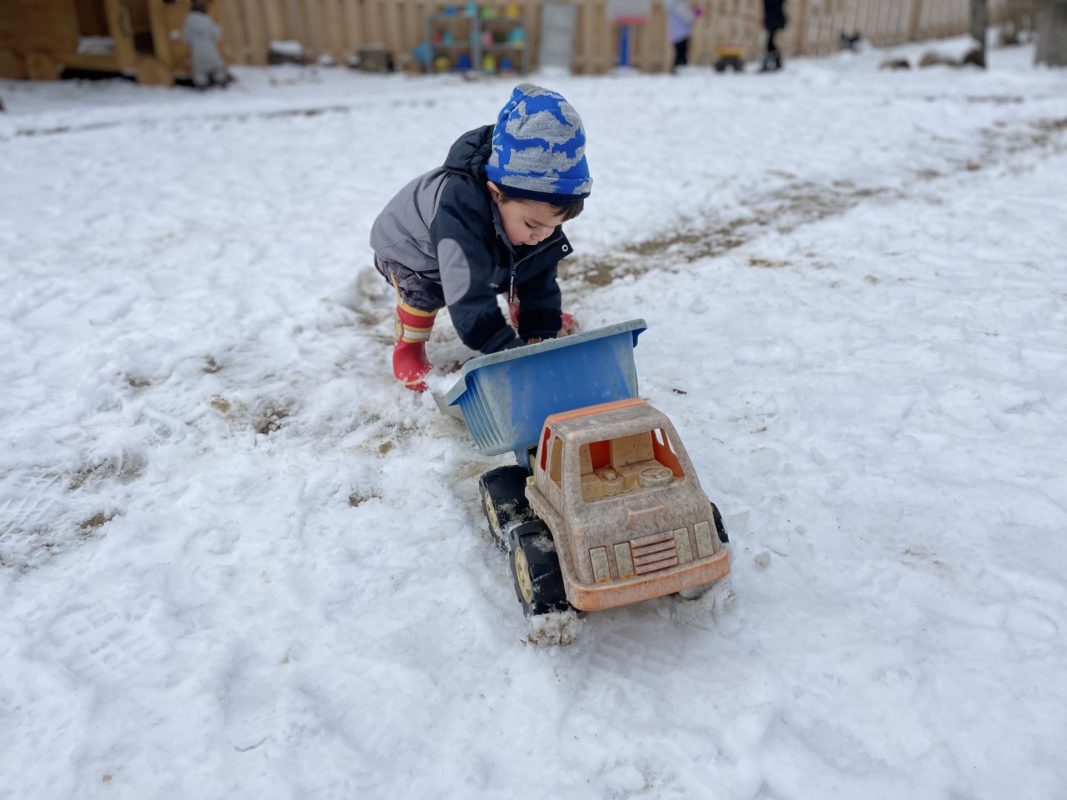
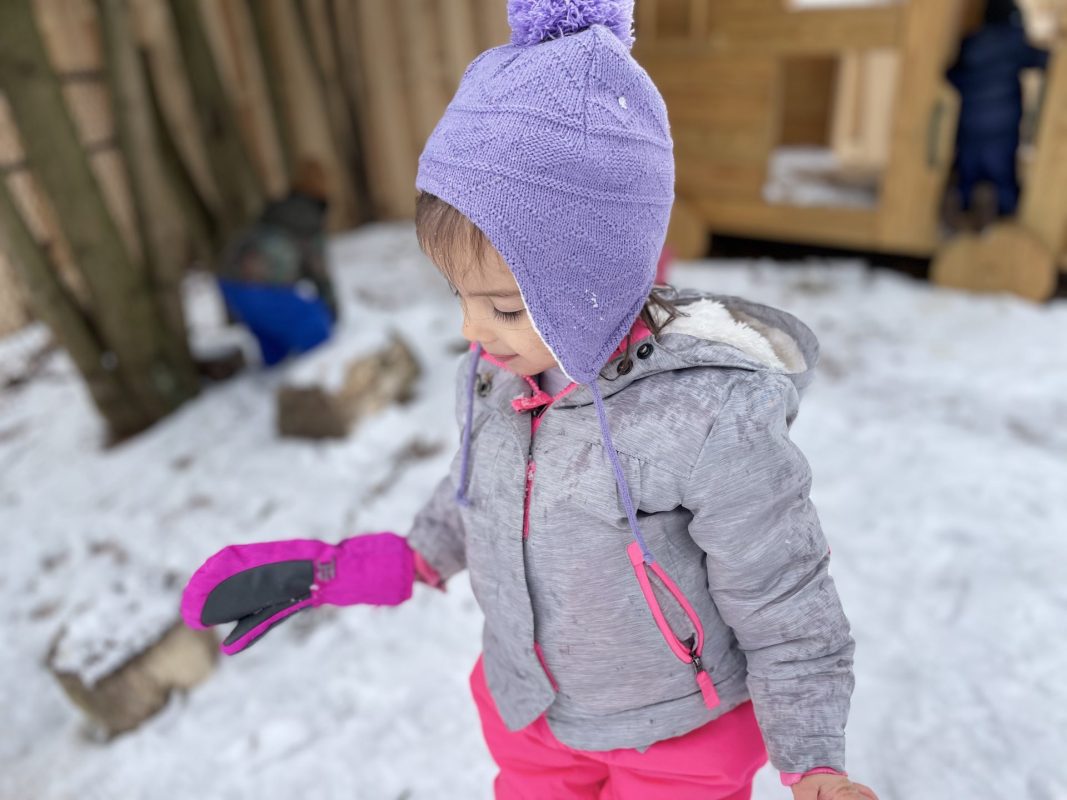
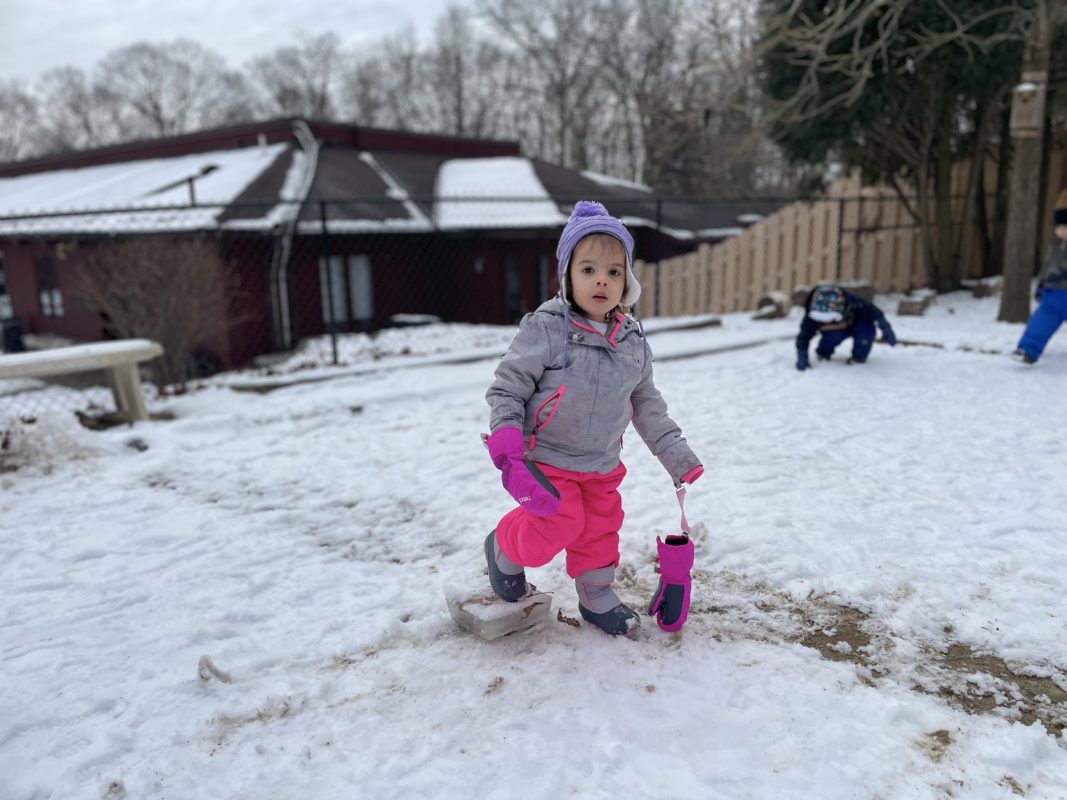
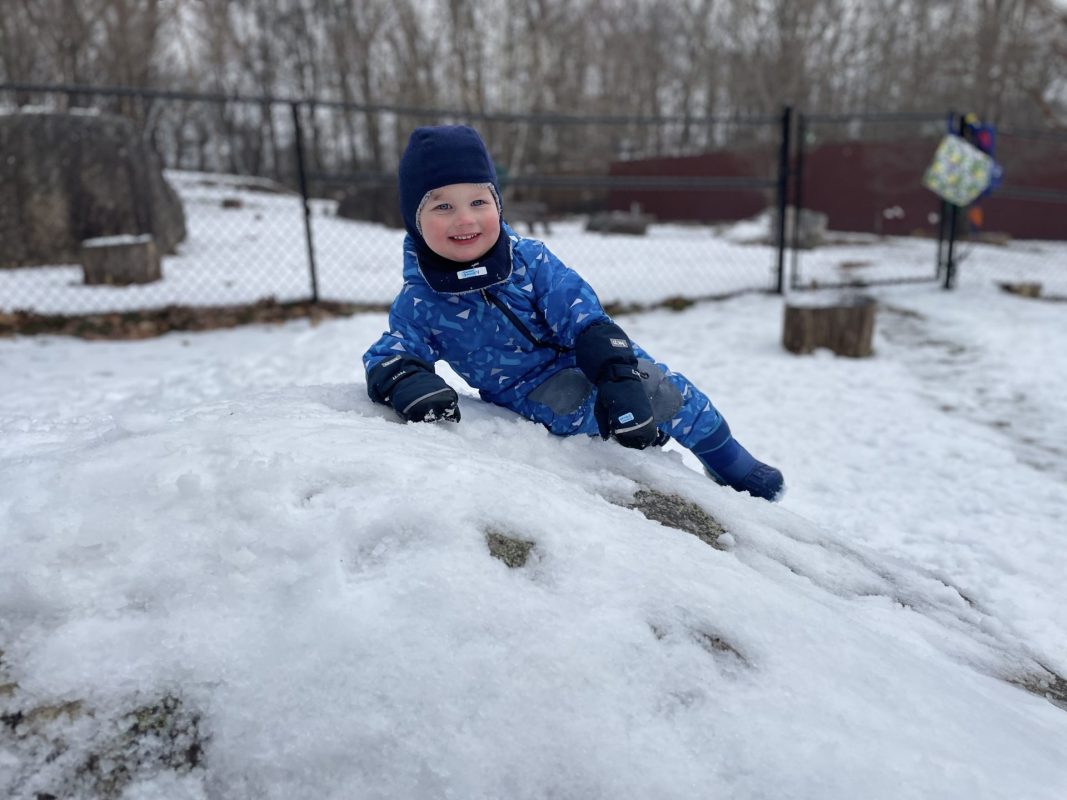
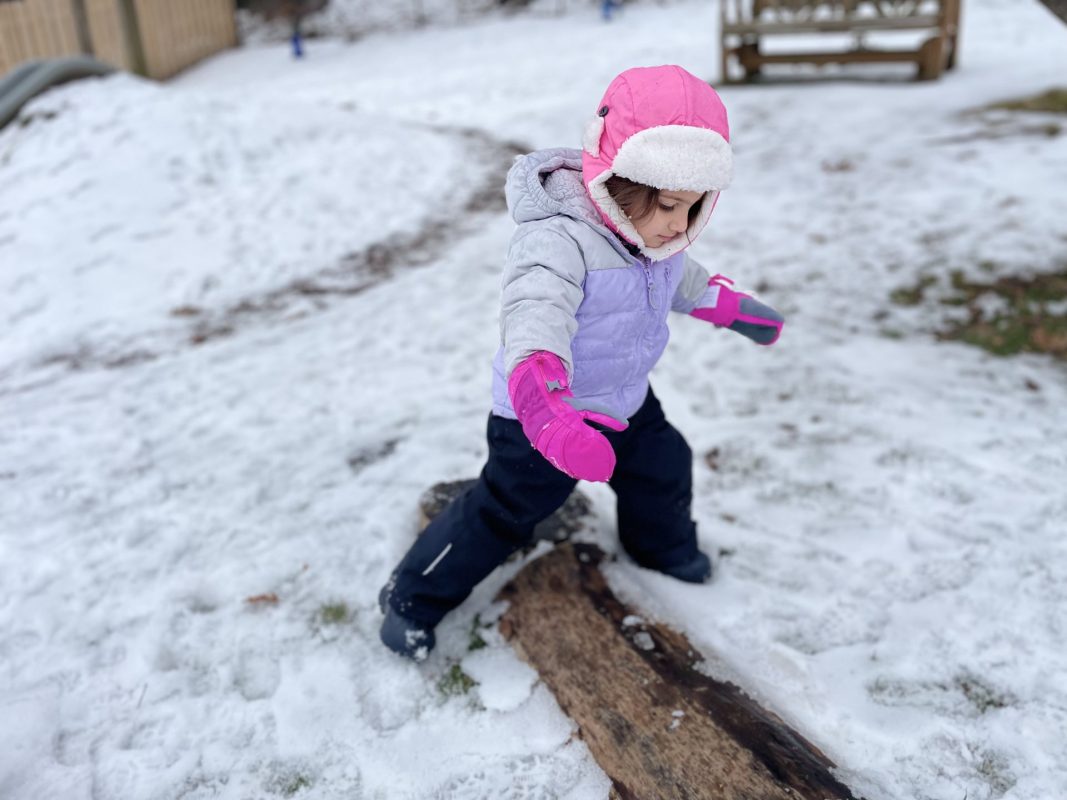
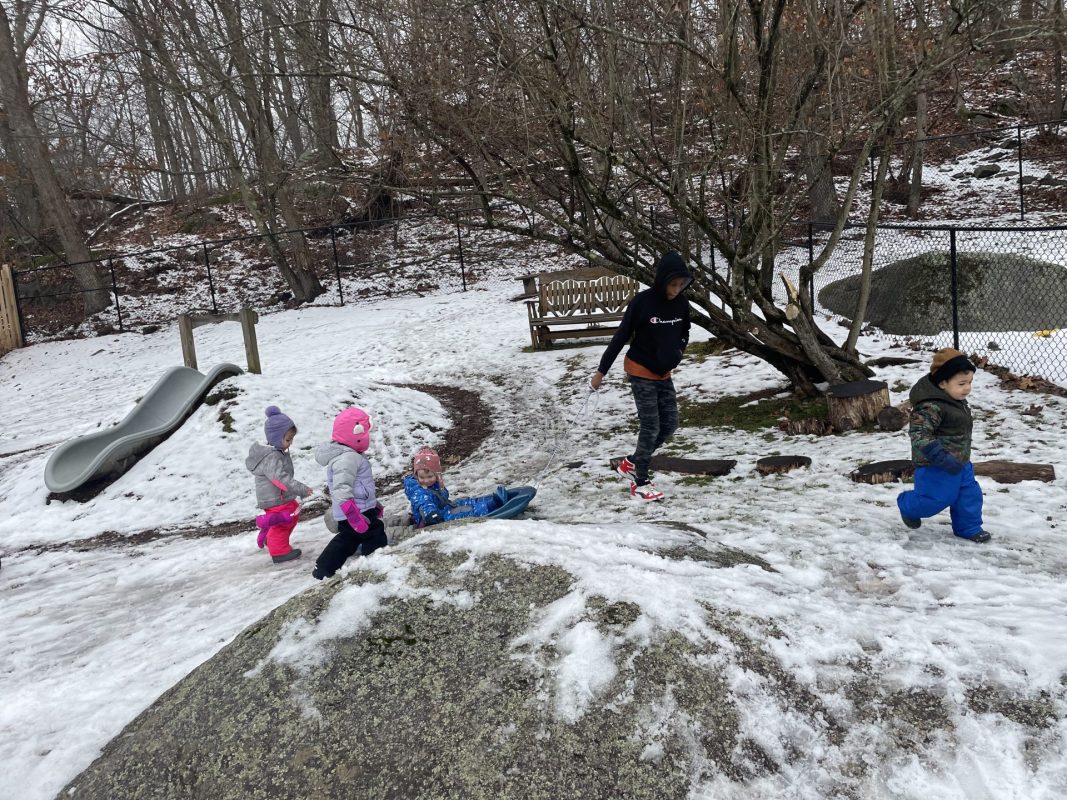
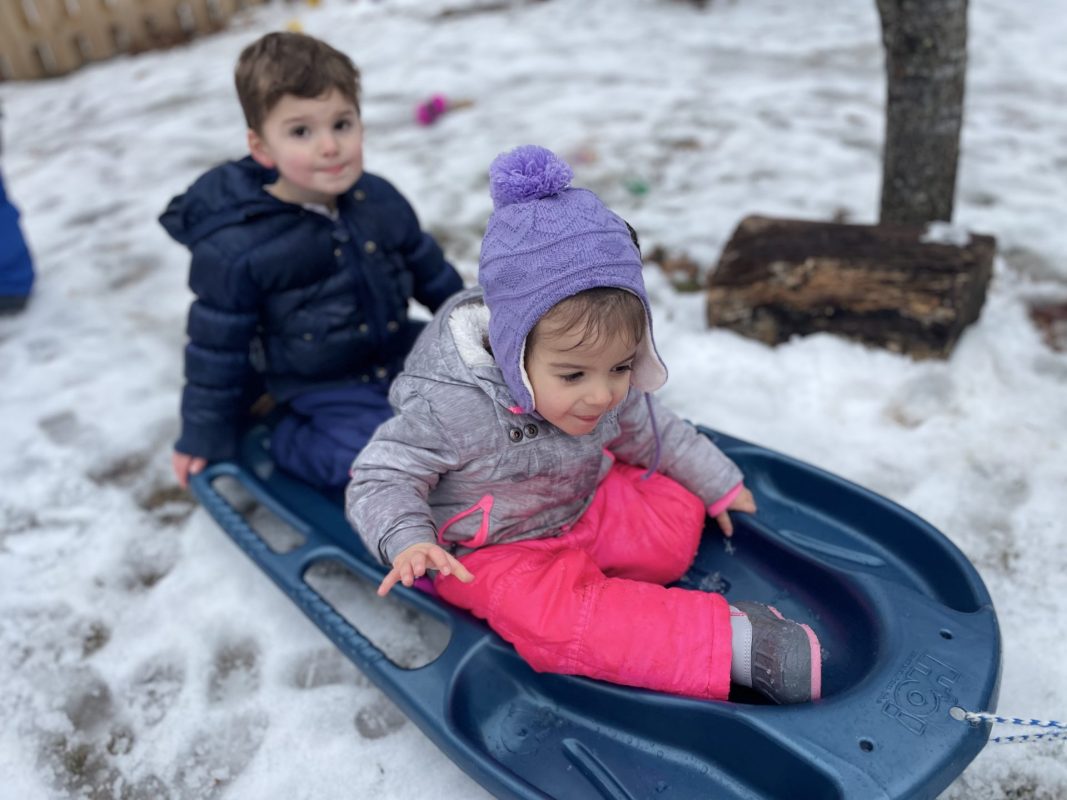
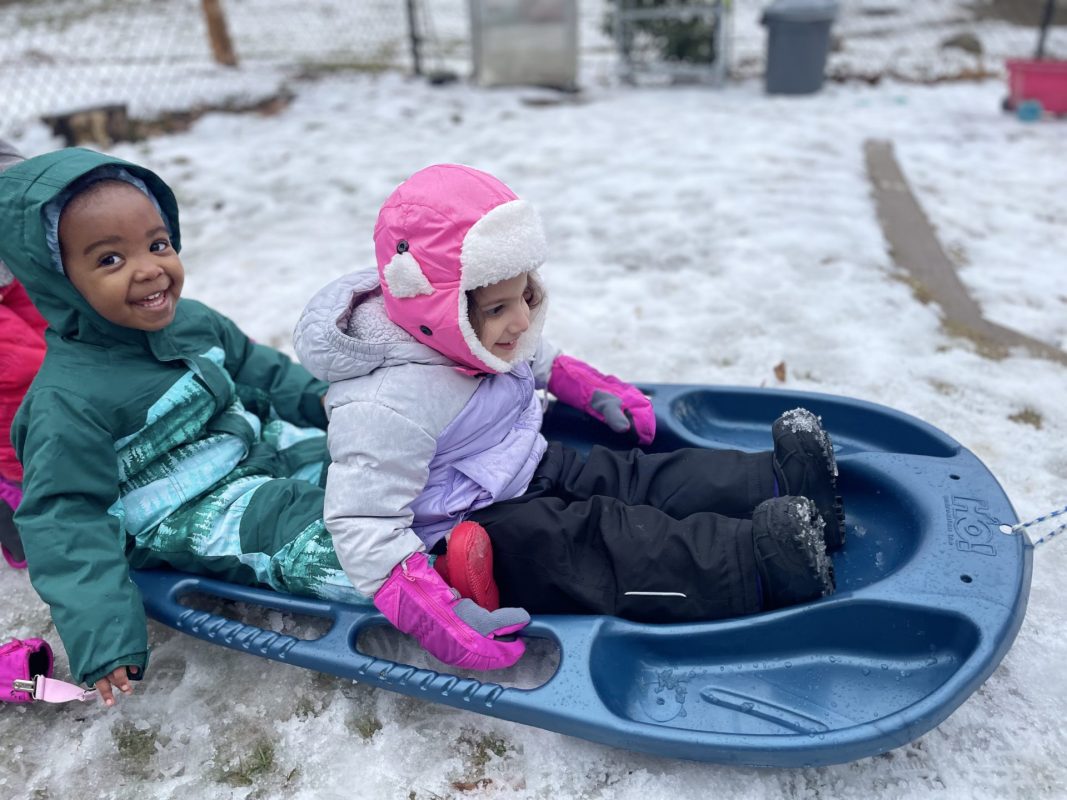
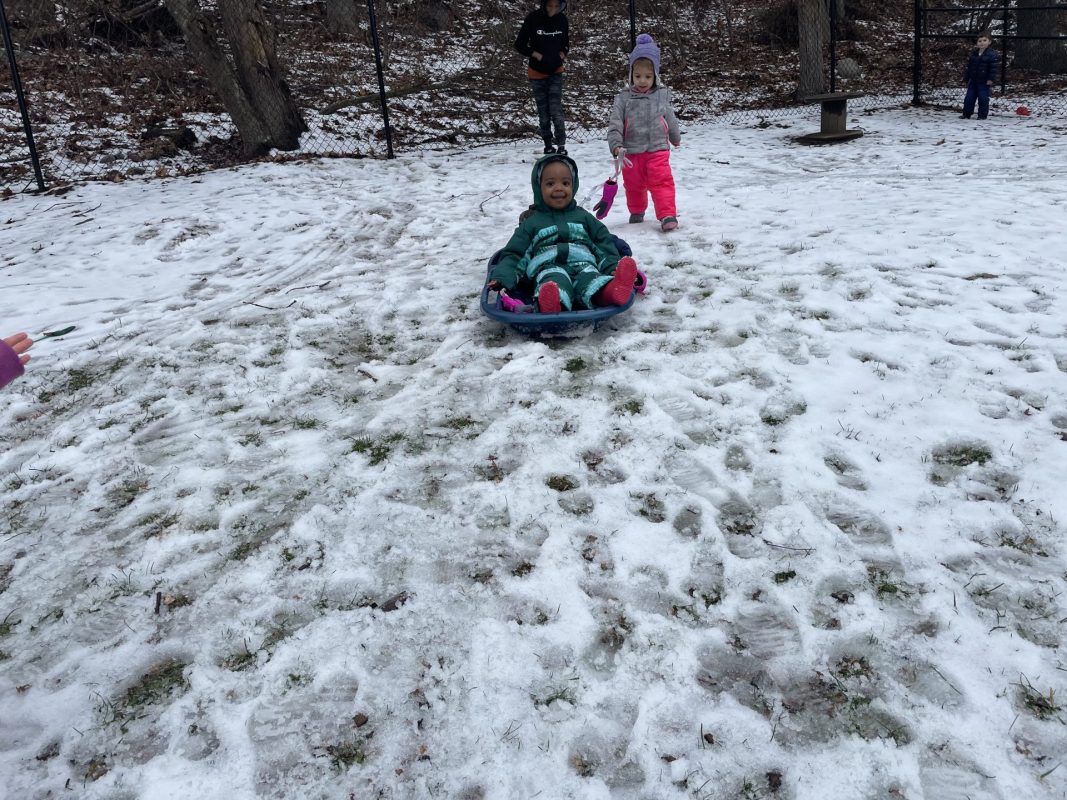
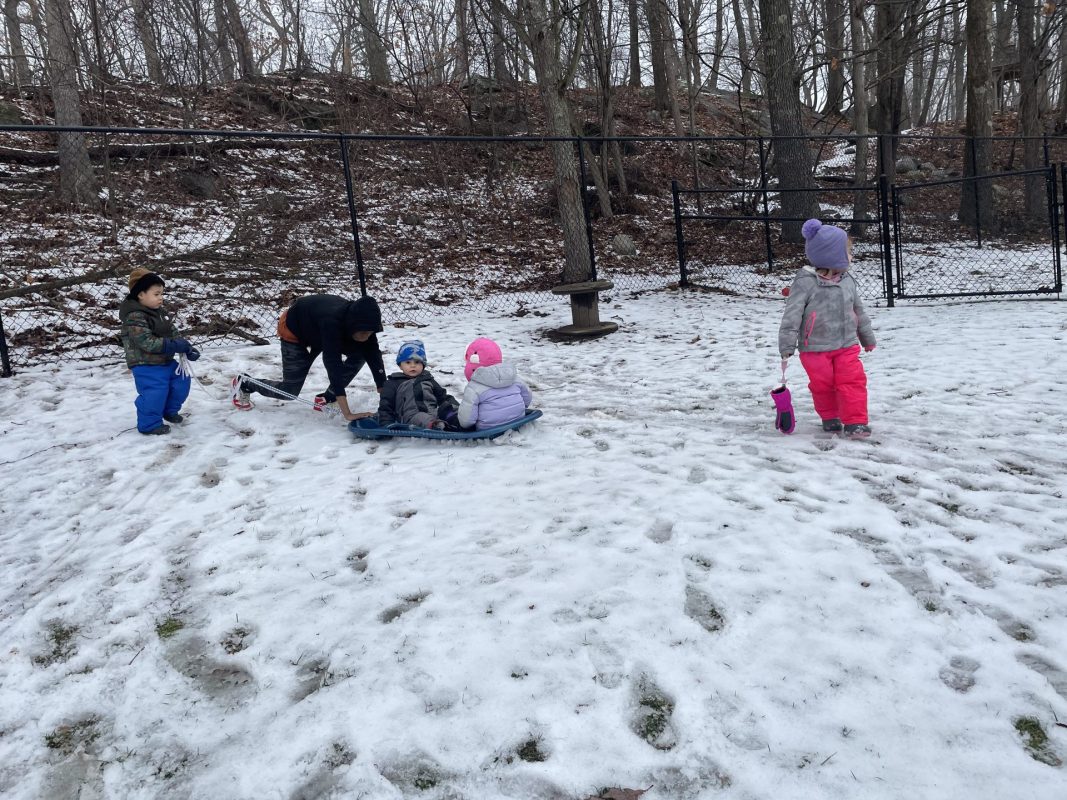
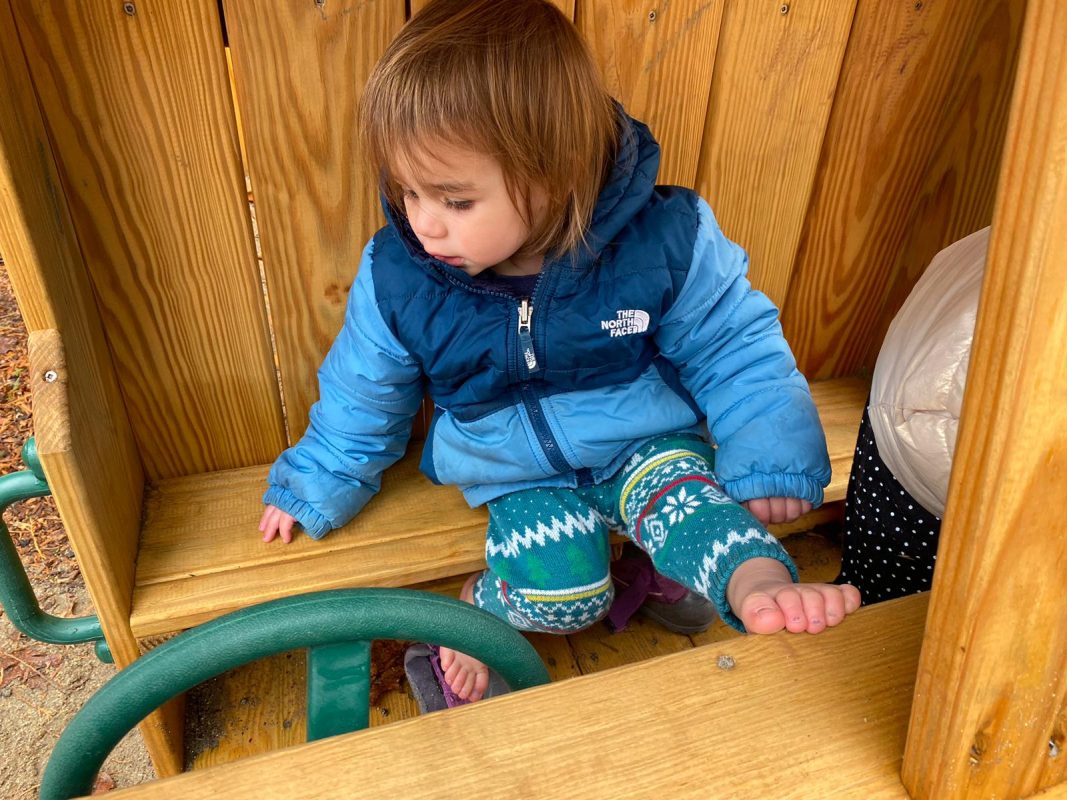
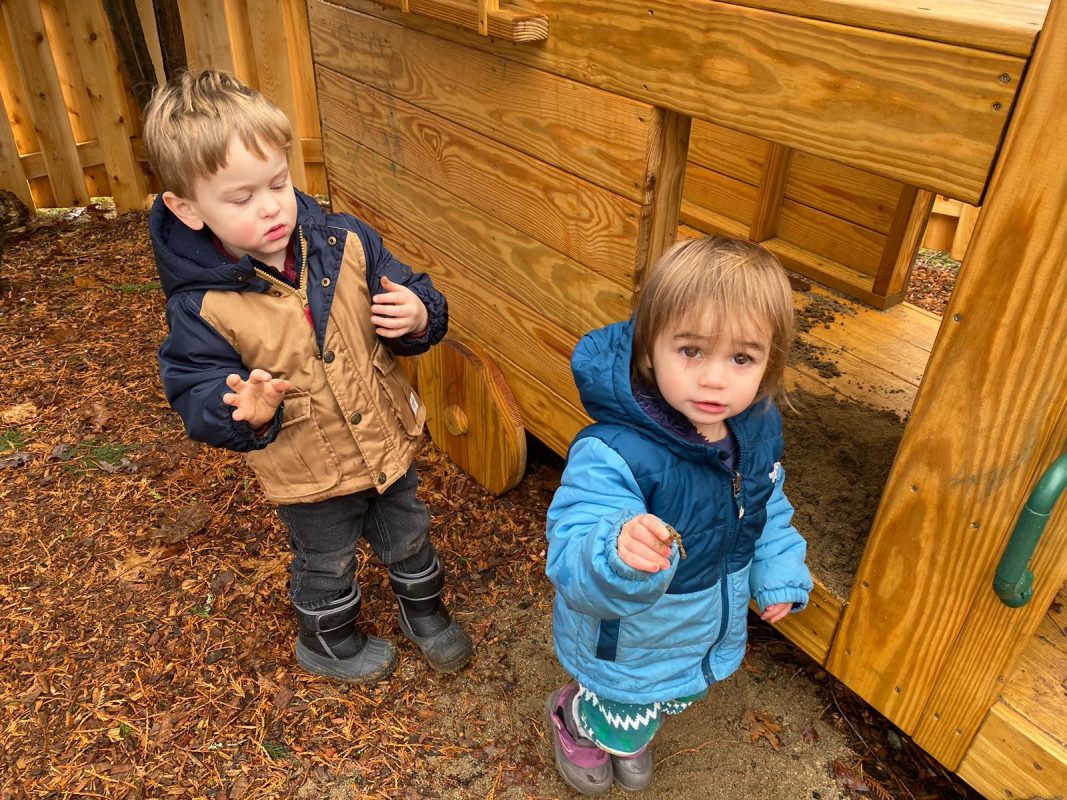
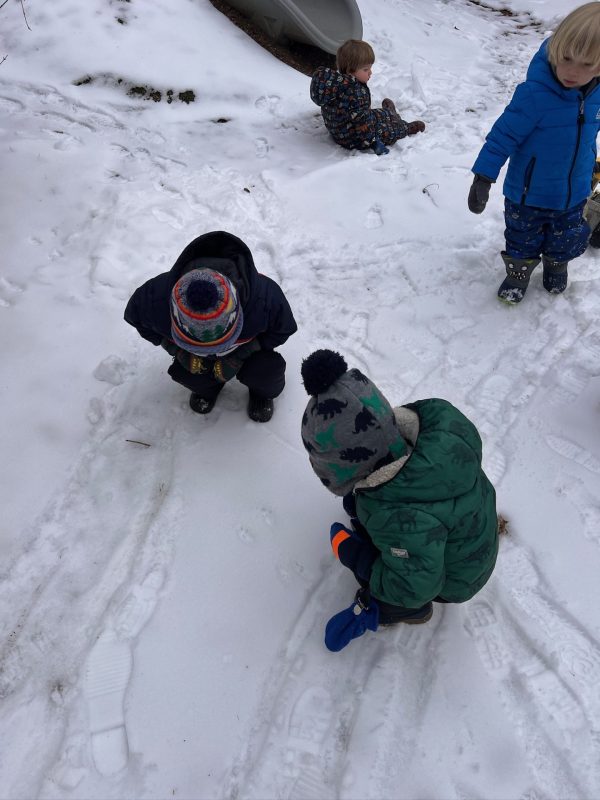
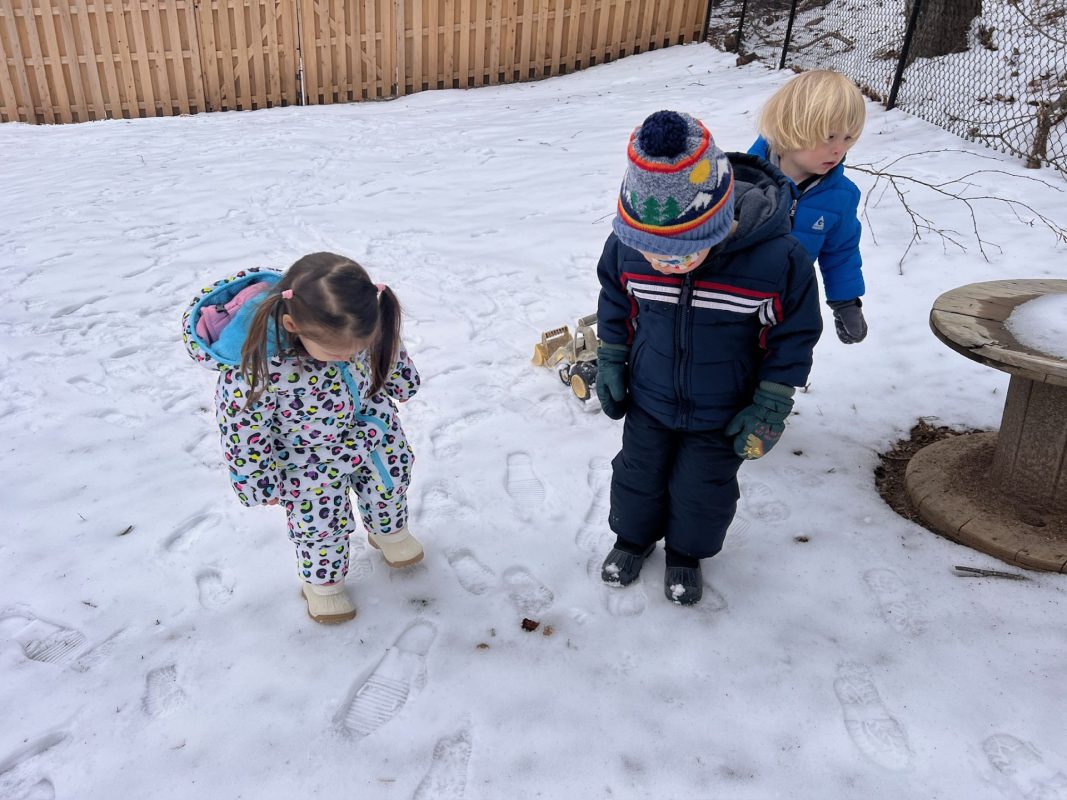
Earlier this week, we came across some footprints in the snow and noticed that there were three different types. We followed the tracks around the playground in an attempt to identify the animal that made them. While walking, we guessed that the prints might belong to a mischievous bunny, a playful squirrel, or a feathered friend. Along the way, we also noticed our footprints in the snow, which allowed us to compare the size and pattern of our boots. Can you guess which print belongs to each child? At the end of the week, the rain had washed away the snow, but we didn’t mind. Jumping, splashing, and steering toy trucks through the muck became our newfound source of muddy delight.

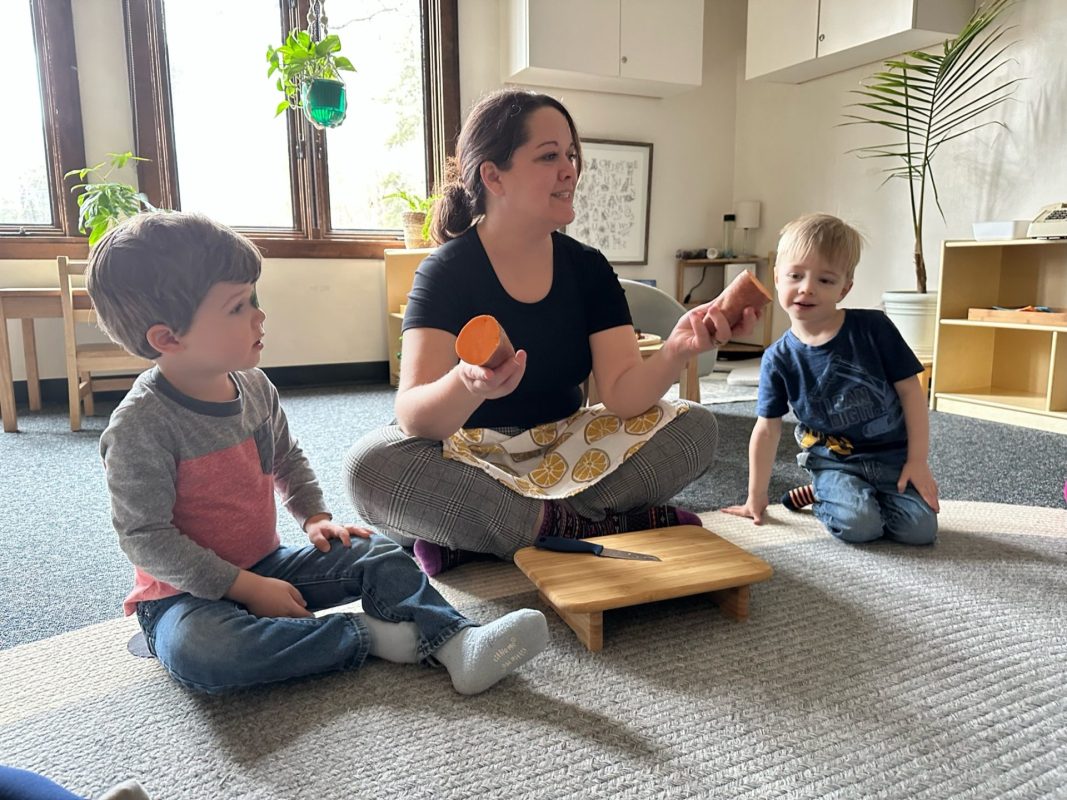
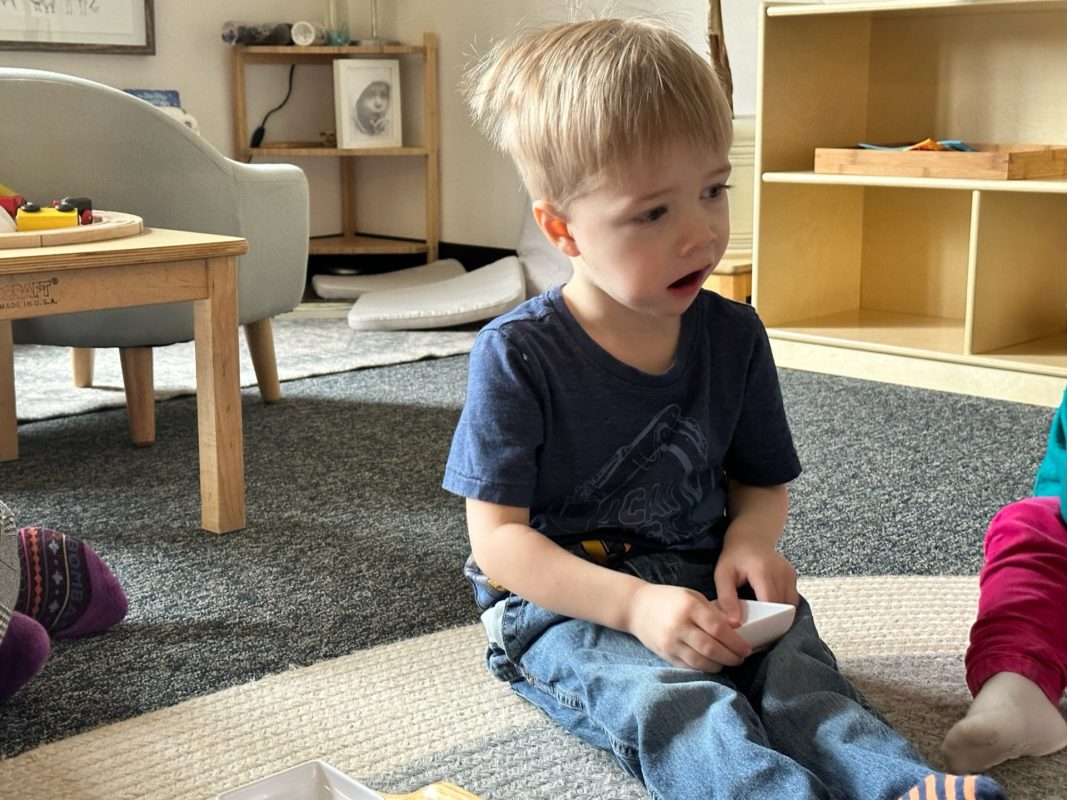
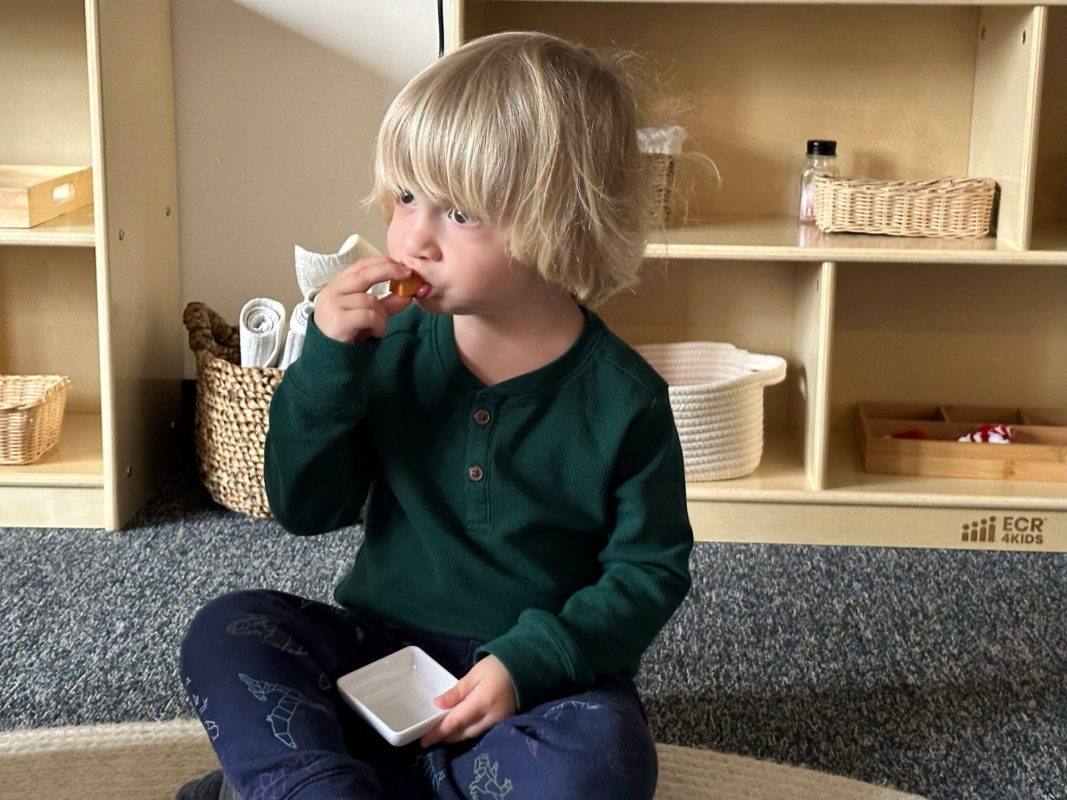
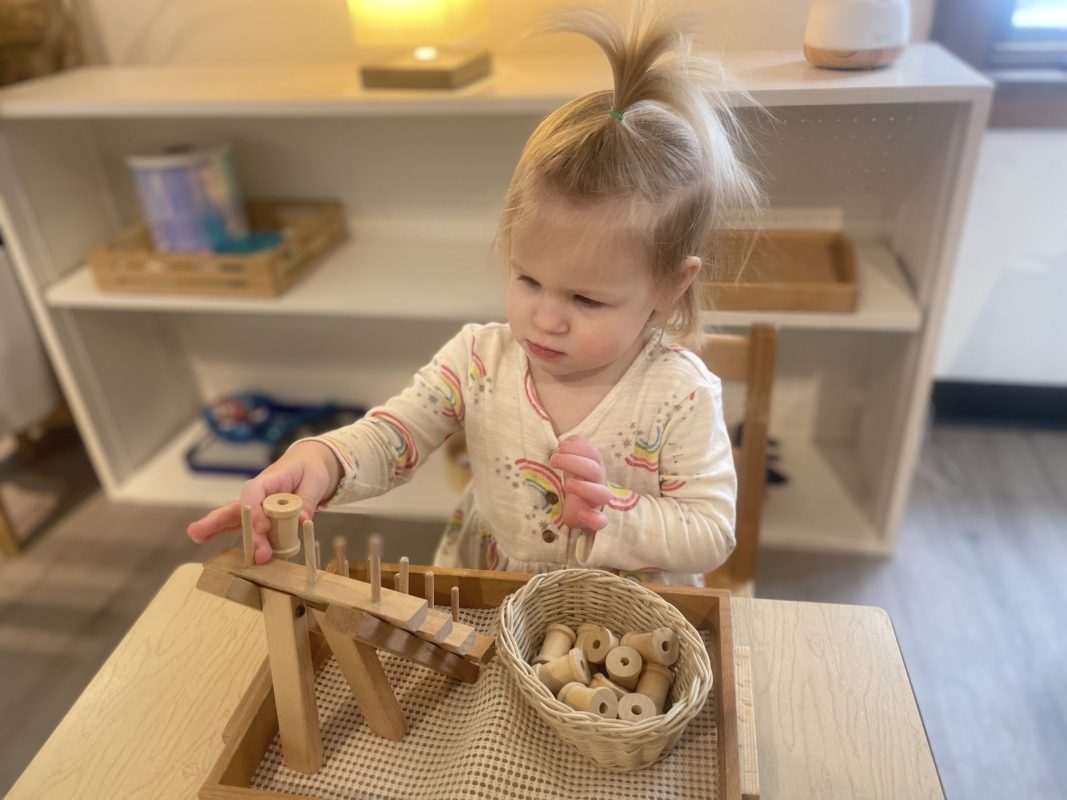
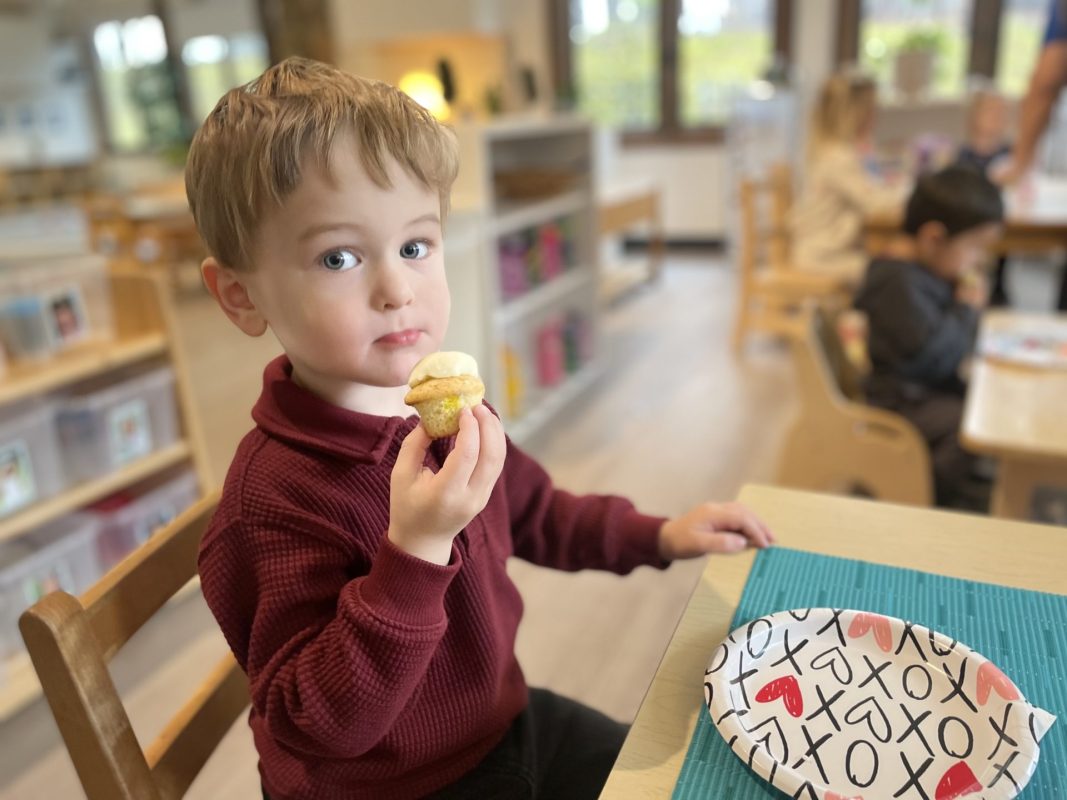
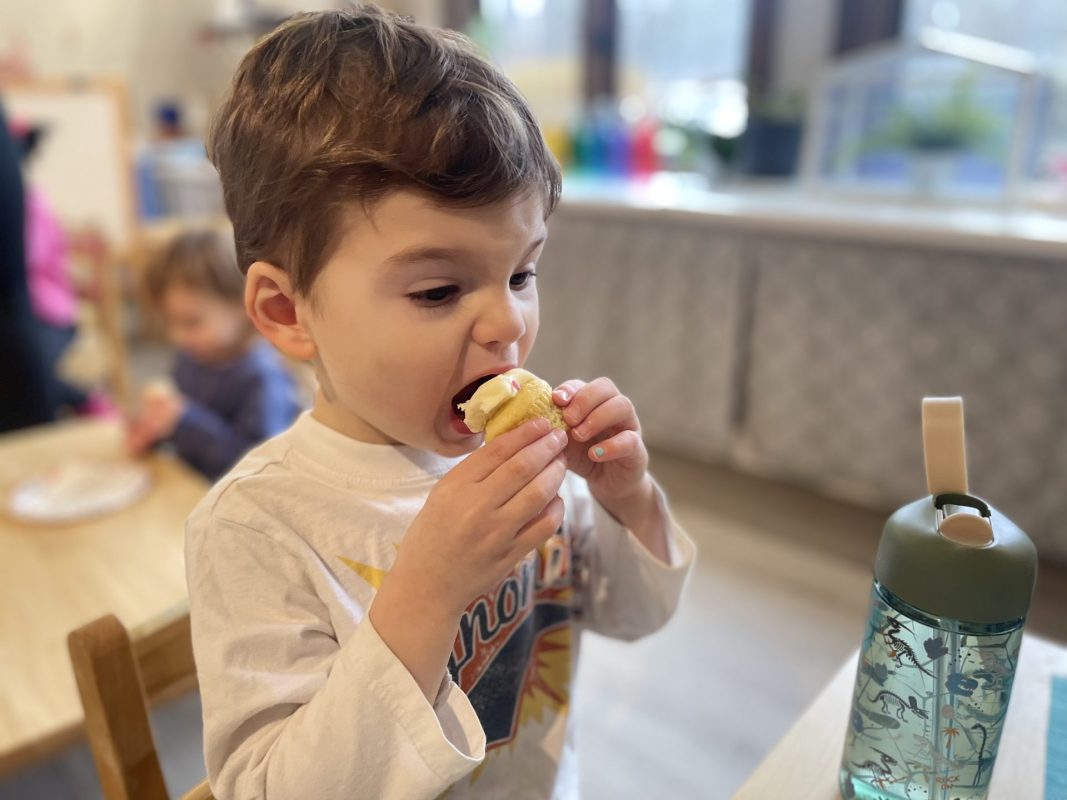
Food Tasting: This week, we tasted a roasted sweet potato. We talked about the sweet potatoes being another root vegetable, just like the carrots and parsnips. The children were surprised that the inside was a beautiful bright orange color.


Mrs. Lopes: Hidden Treasures

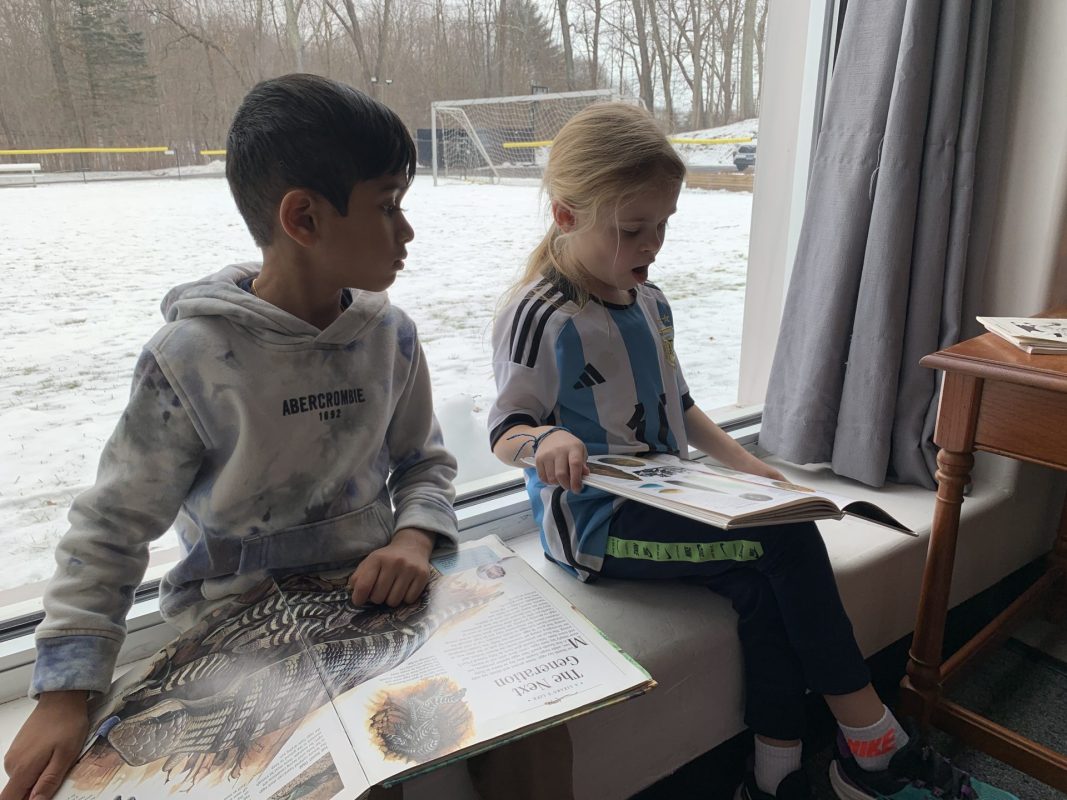
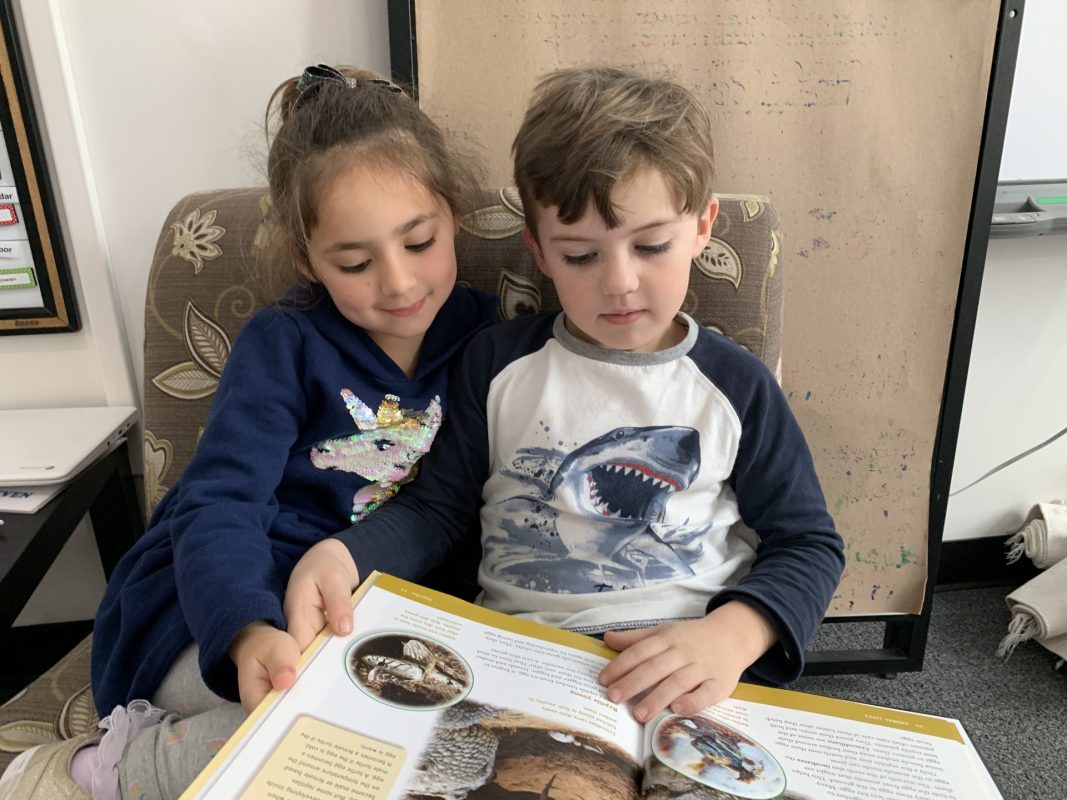
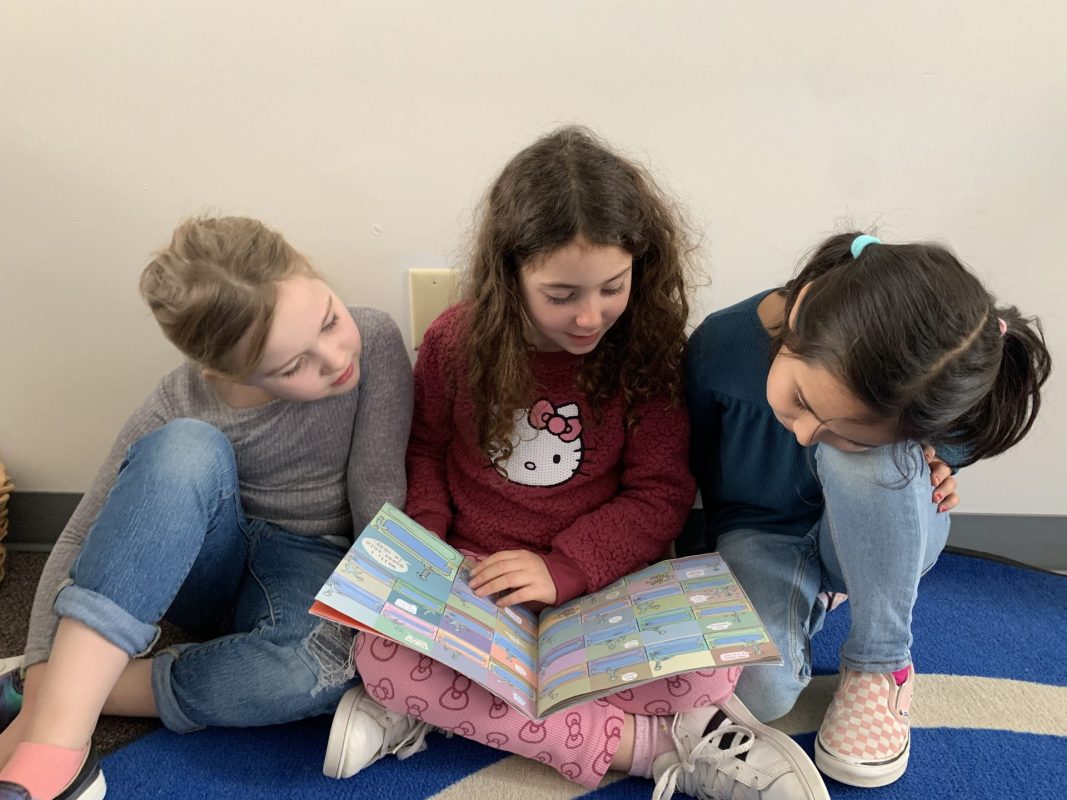
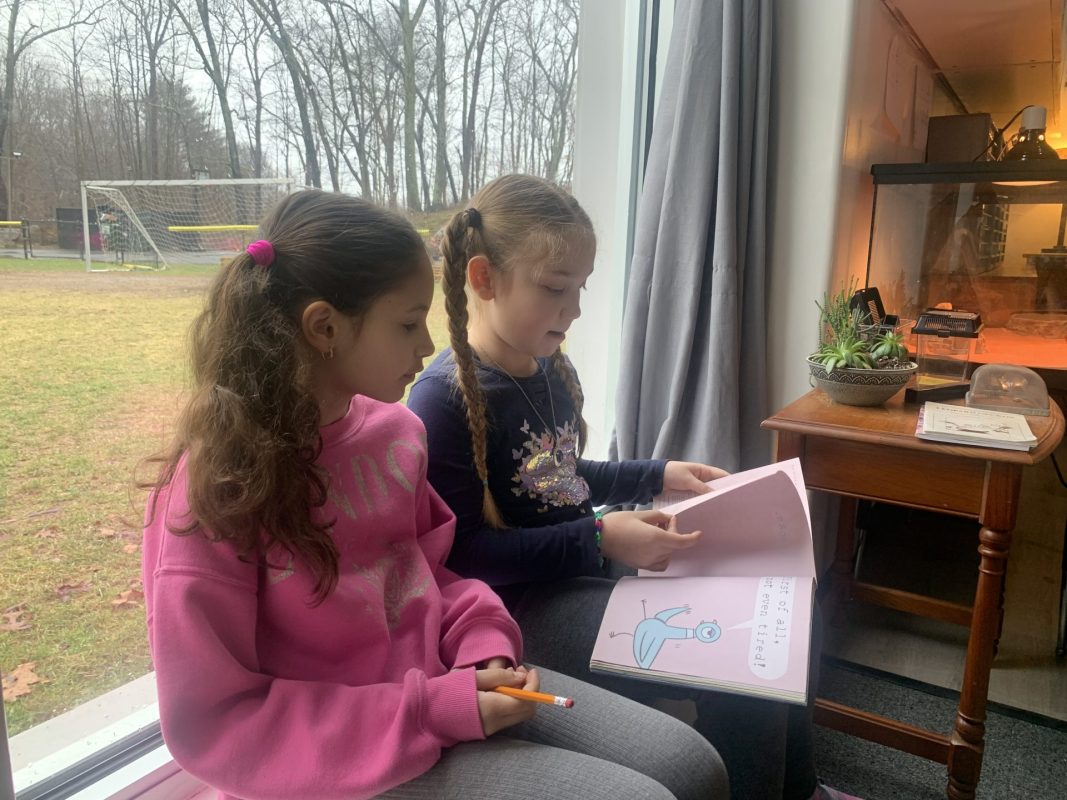
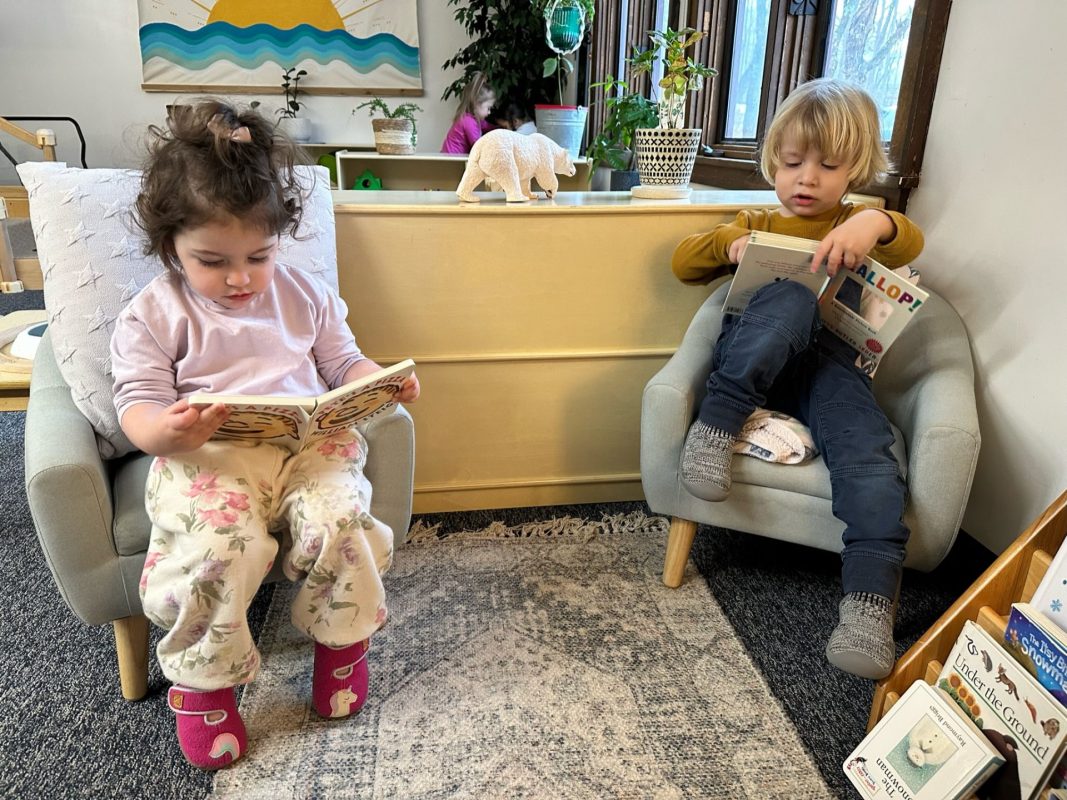
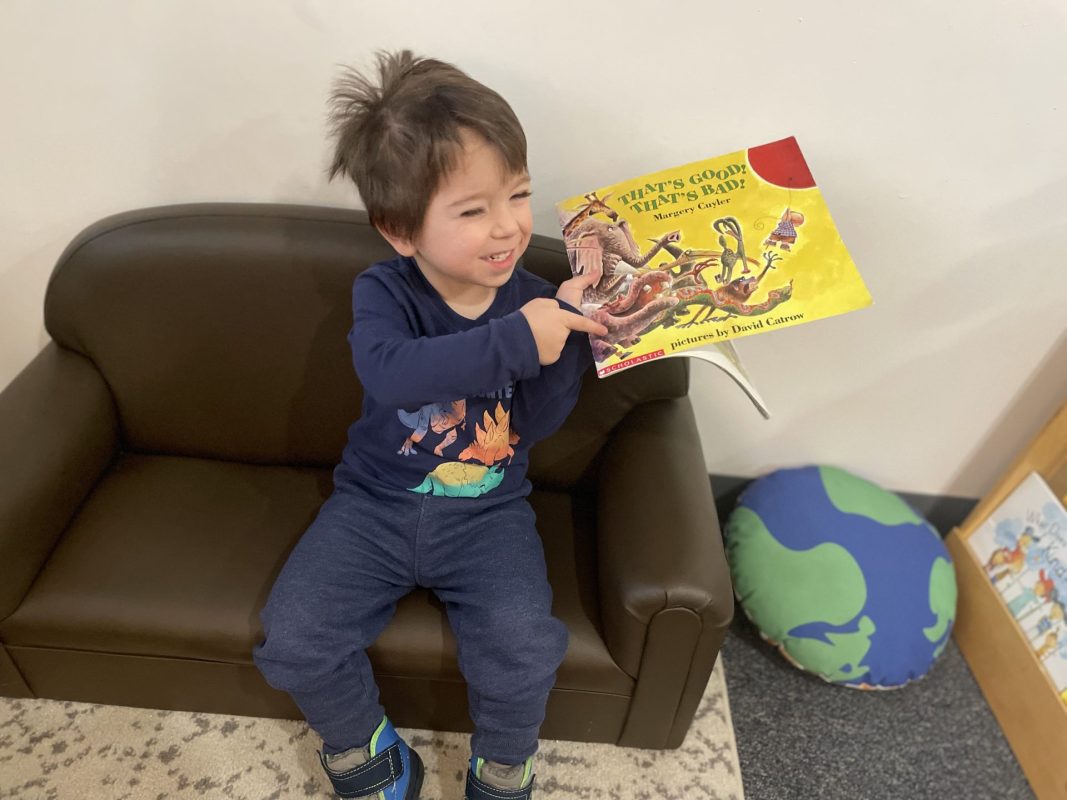
Children’s literature is a passion of mine. I truly hope that each child who spends time in our classroom will quickly absorb not only how important literature is but also how much enjoyment it brings. Books are everywhere in our classroom, and we read throughout the day. We have a book corner in our classroom, a wonderful spot for a ‘brain break’ or to spend quiet time with a beautiful story. We read a chapter (or two or three) each afternoon from a chapter book. Our older friends have both private reading and partner reading built into their day. When a child says, “I don’t know what to do,” I just give them that well-practiced teacher look, and usually they say, “I know, I know, I can read!”

We asked the children to share the title of one of their favorite books.

  • Amelia– Nat’s Snowman
  • Annie– Frosty the Snowman
  • Arian– Morning books
  • Arjuna– Mickey, Pluto, and Donald book
  • Ben– Pete the Cat
  • Brisa– A book with a lot of stories about Mickey Mouse
  • Casey– The Grumpy Monkey
  • Daniel– How the Grinch Stole Christmas
  • David– The Dogs of Bedlam Farm
  • Elanour– Nibbles the Book Monster
  • Elizabeth– Mickey and Donald Spaceship book
  • Enzo– Star Wars: the Revenge of the Sith
  • Evie– Princess Books
  • Fiona– A book about a mouse
  • Harlan– Frosty the Snowman
  • Kian– Freddy the Farting Snowman
  • Kimberlin– The Bernstein Bears books
  • Levi– Brown Bear, Brown Bear, What Do You See?
  • Nicolas– Mickey Snowman book
  • Noelle– Mercy Watson’s books
  • Parker– My shark book
  • Ryder– The space book

Wishing you a week filled with peace, love, and lots of happy reading!

Amanda & Hema


Mrs. Doyle: Hidden Treasures


Children’s literature is a passion of mine. I truly hope that each child who spends time in our classroom will quickly absorb not only how important literature is but also how much enjoyment it brings. Books are everywhere in our classroom, and we read throughout the day. We have a book corner in our classroom, a wonderful spot for a ‘brain break’ or to spend quiet time with a beautiful story. We read a chapter (or two or three) each afternoon from a chapter book. Our older friends have both private reading and partner reading built into their day. When a child says, “I don’t know what to do,” I just give them that well-practiced teacher look, and usually they say, “I know, I know, I can read!”

In our classroom, we call books ‘treasures‘ and speak about how important it is to take care of our books. The children love to hear how so many books I bring to class are the same ones from my childhood. It is an absolute joy to witness the impact of literature on every child.

We asked the children to share the title of one of their favorite books.

  • Ainsley–  The Three Little Unicorns
  • Arya–Don’t Let The Pigeon Drive the Bus
  • Bodie Bots
  • Ella–The Magic Tree House Books
  • EmmaJo– Fairies in the Woods
  • Hadley–Tick Tock
  • Hannah–Snowman Earth
  • Harper-Zog and the Flying Doctors
  • Isla– Not Quite Narwhal
  • Jacob–Ocean Animals
  • Jonathan– The Little Blue Truck
  • Joseph–Paw Patrol Books
  • Leo– My Father’s Dragon
  • Maayan–The Cat in the Hat
  • Melina– Fancy Nancy
  • Oliver–The Three Little Pigs
  • River– The Little Engine That Could
  • Ryan–Unicorns
  • Saanvi–The Little Mermaid chapter book
  • Tommy-The World chapter book
  • Zara–Rapunzel
  • Zion–Curious Georg and the Firefighters

Wishing you a week filled with peace, love, and lots of happy reading!

Michelle & Maria


Middle School Math Carnival!

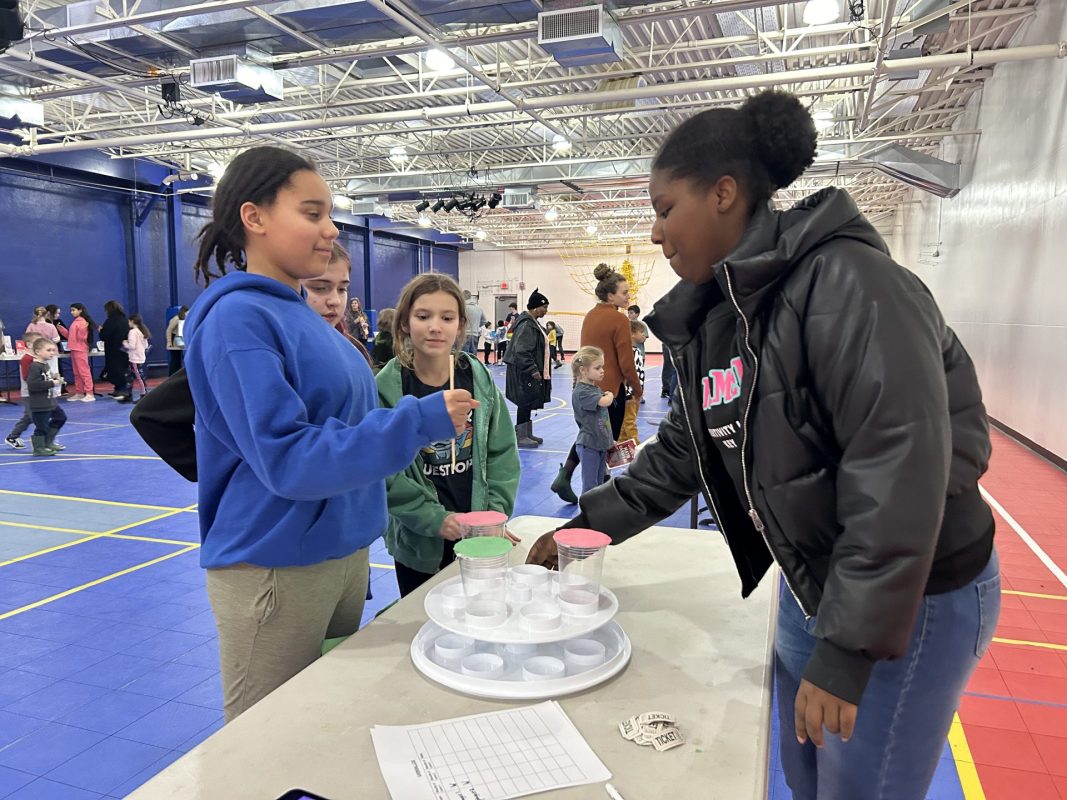
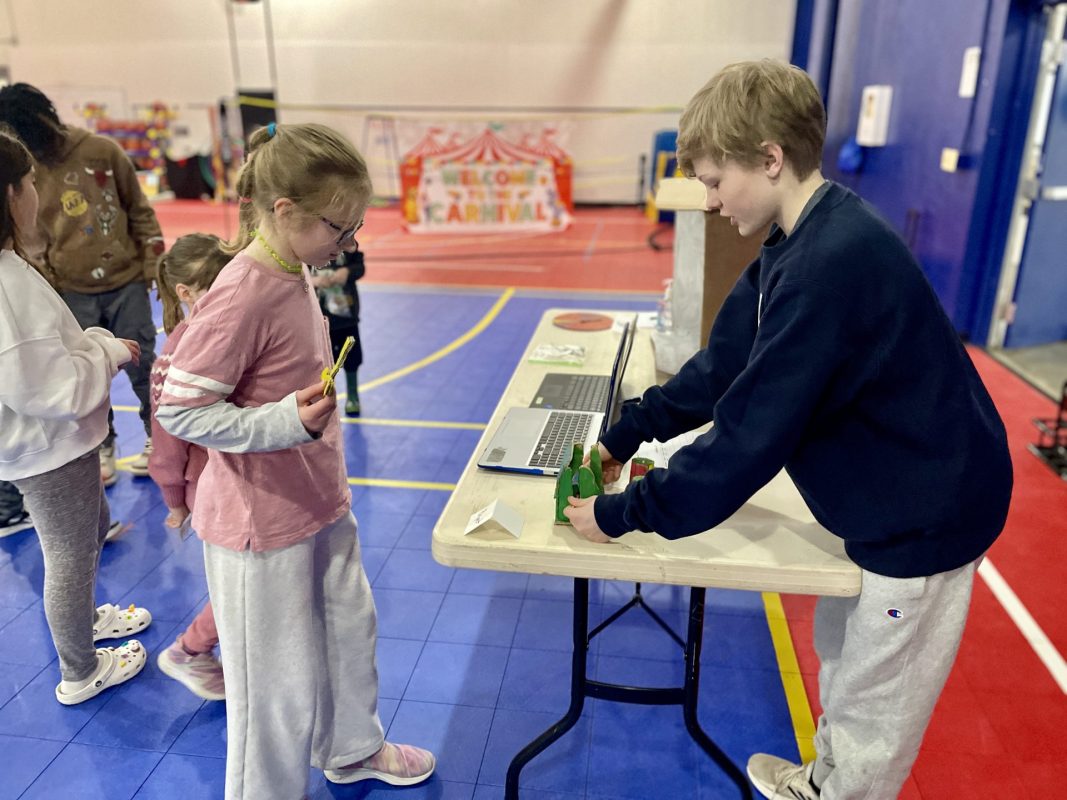
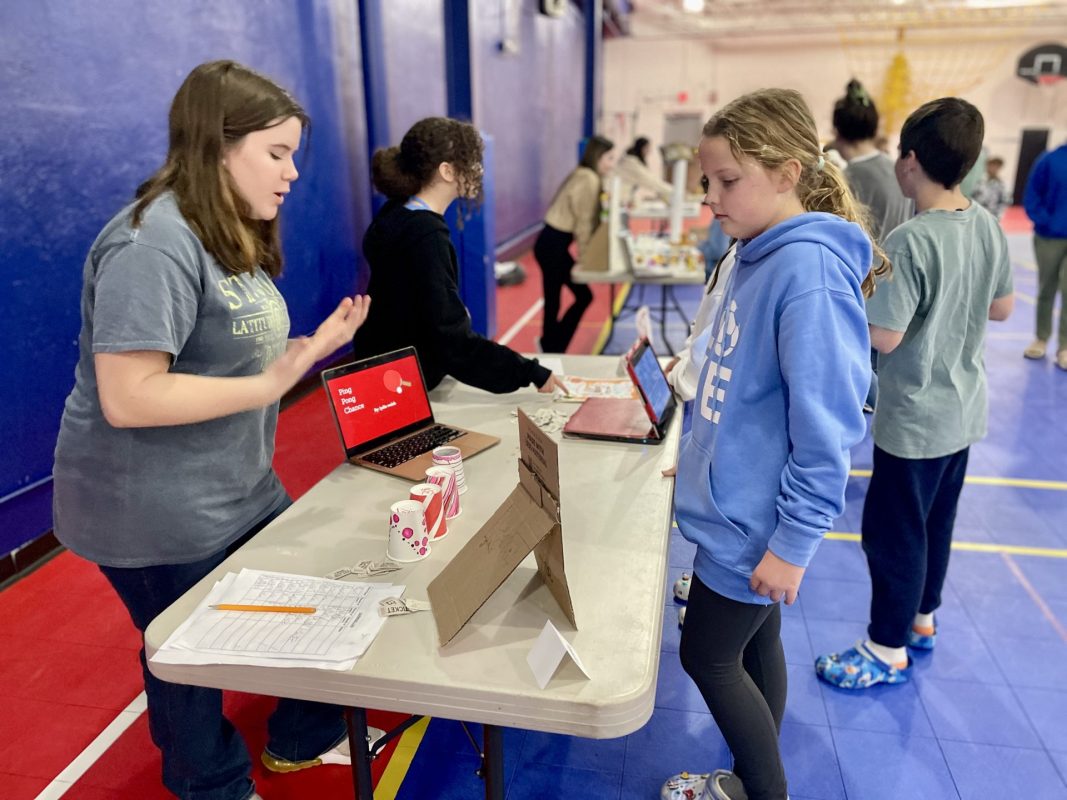
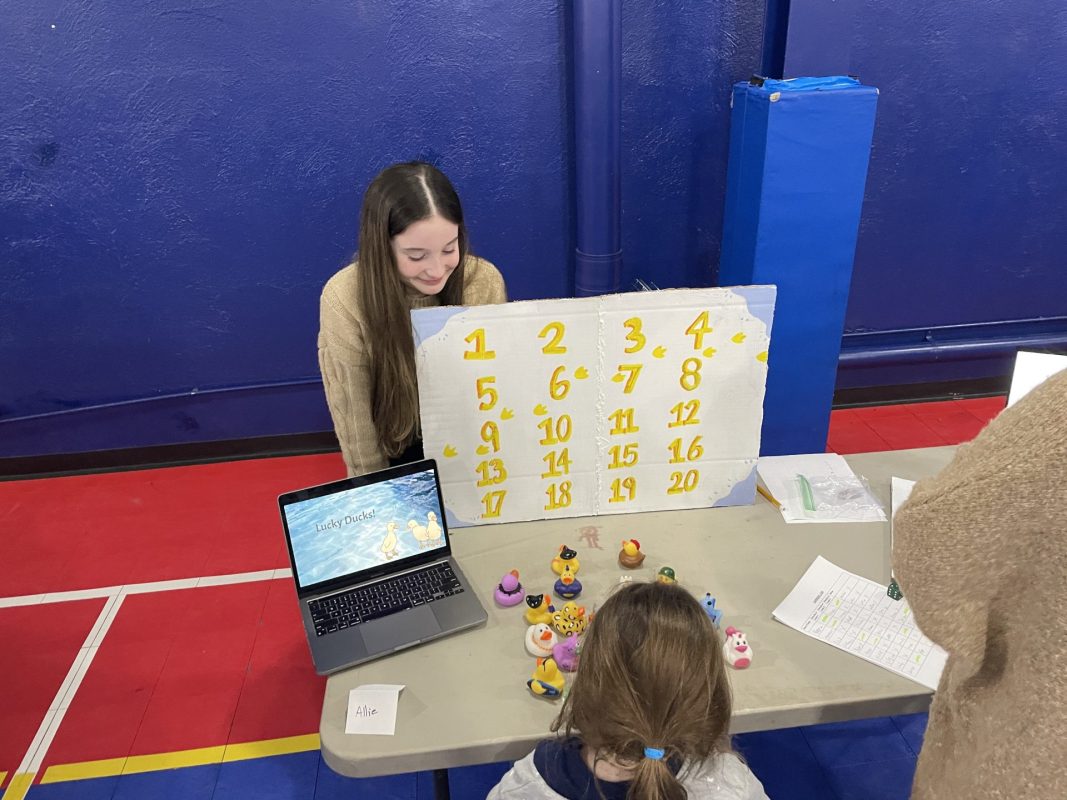
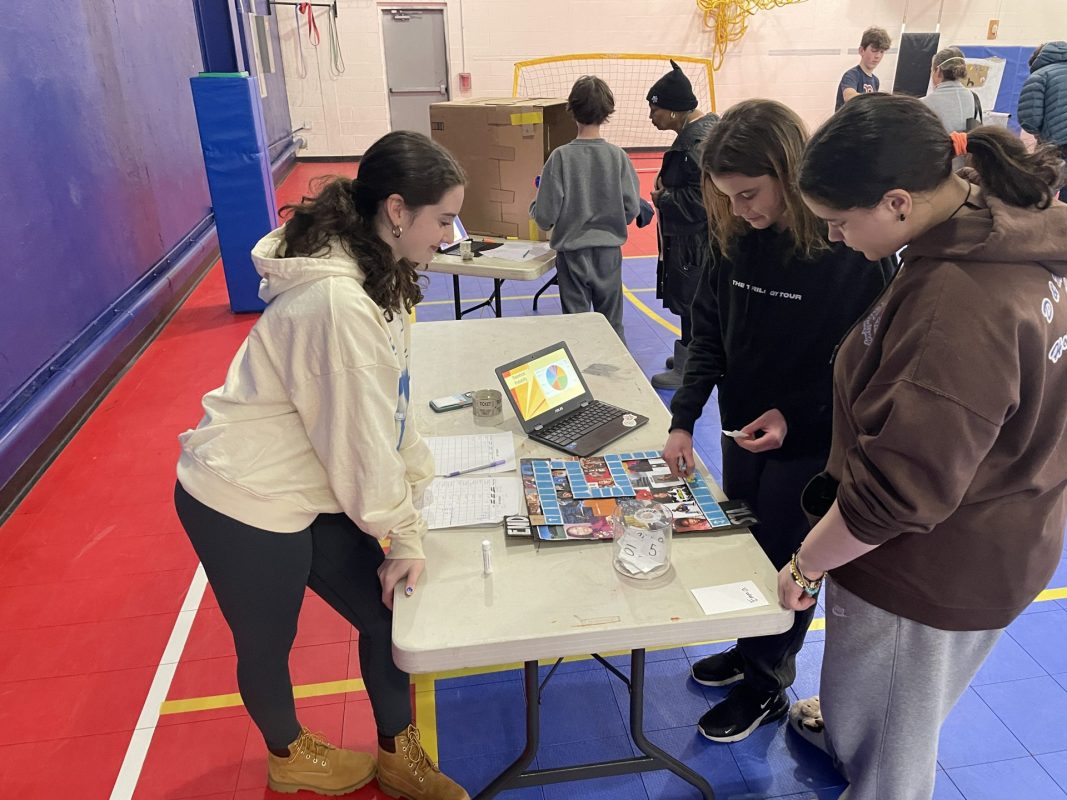
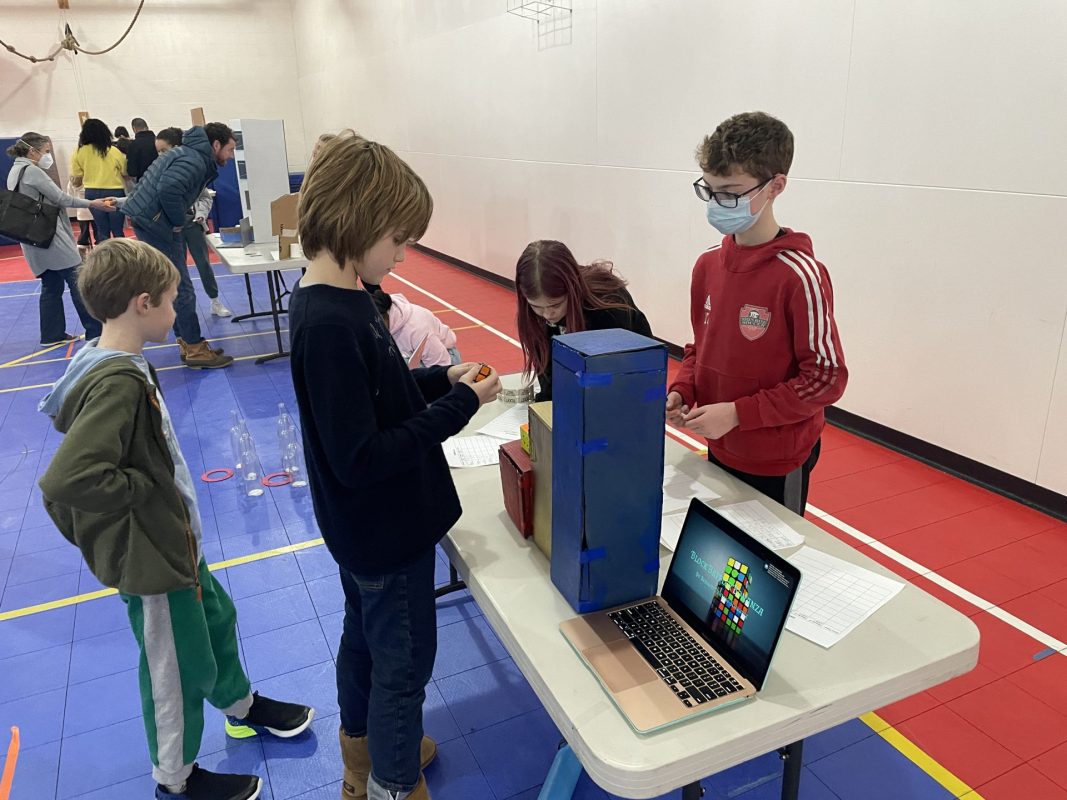
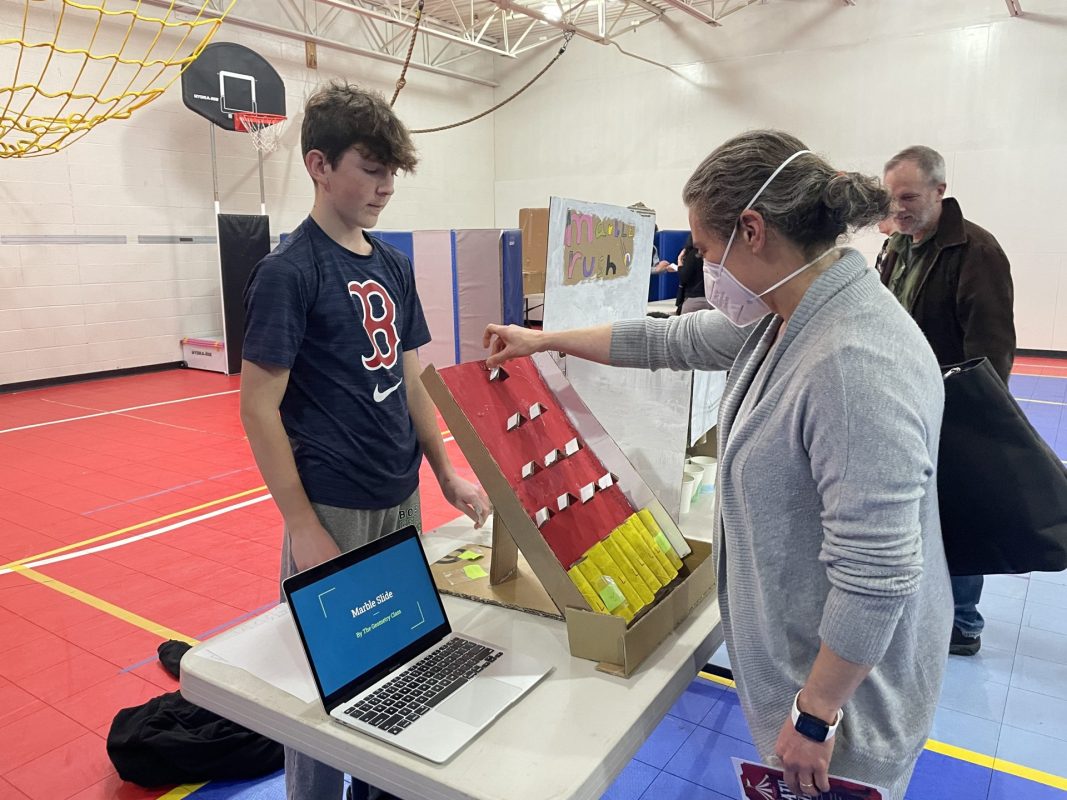
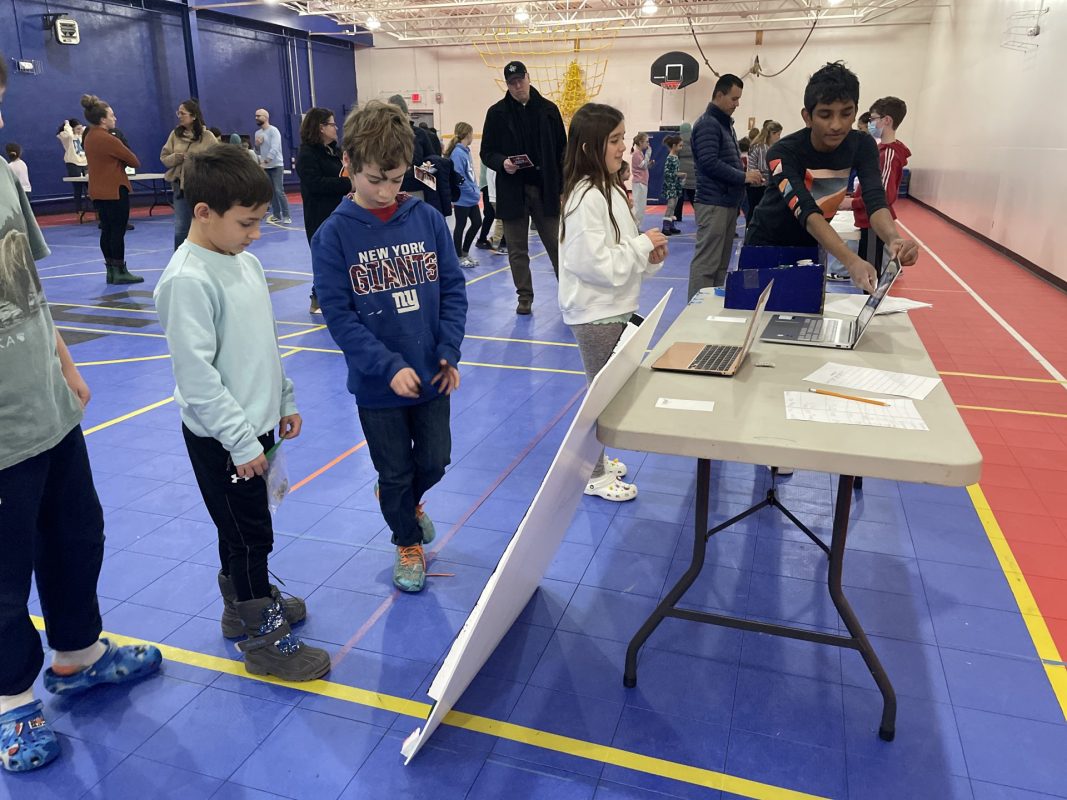
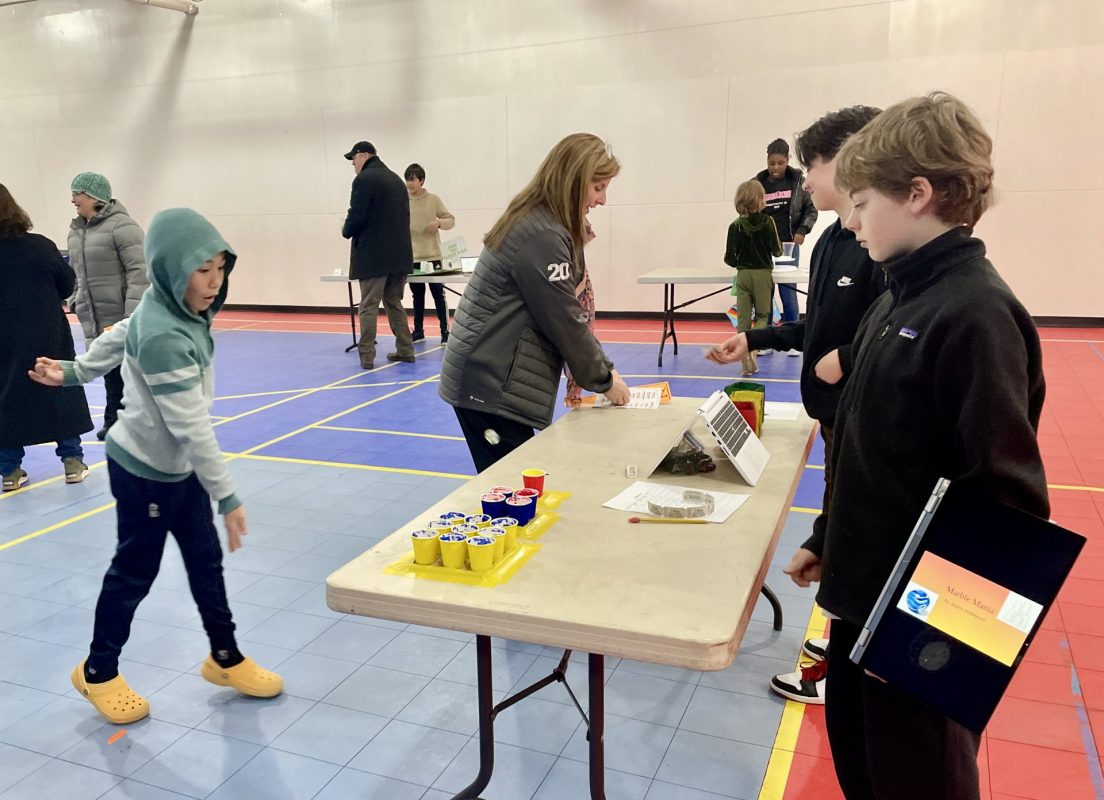
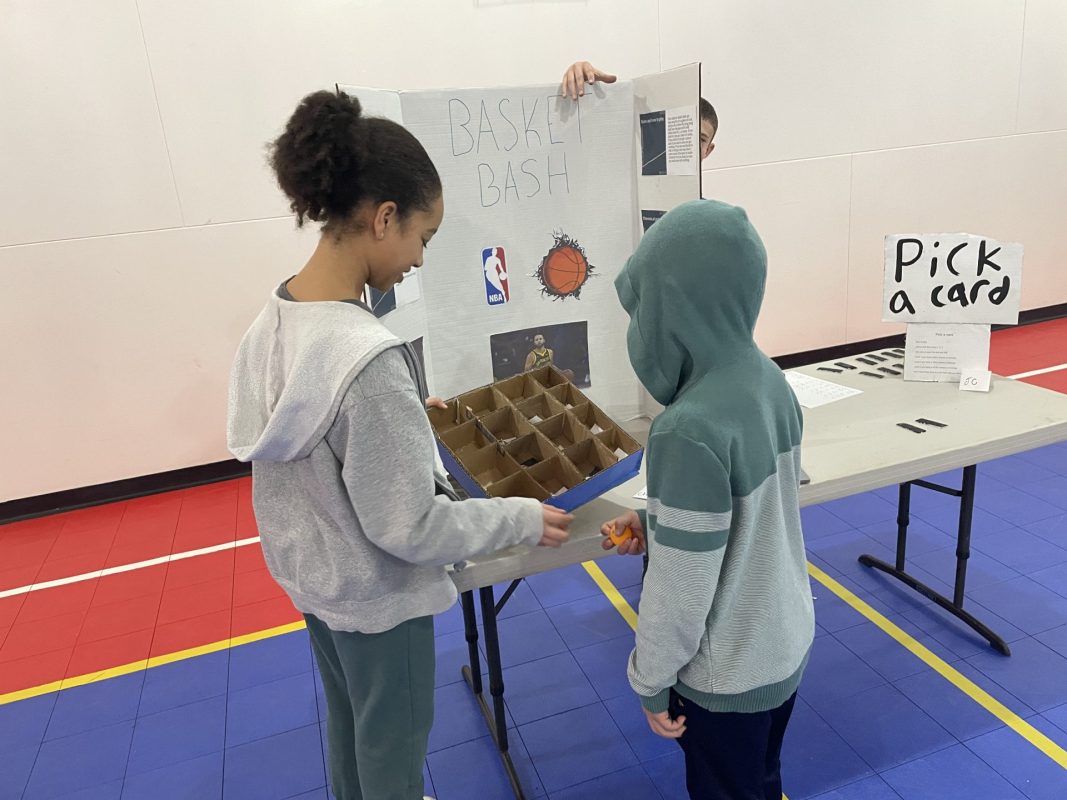
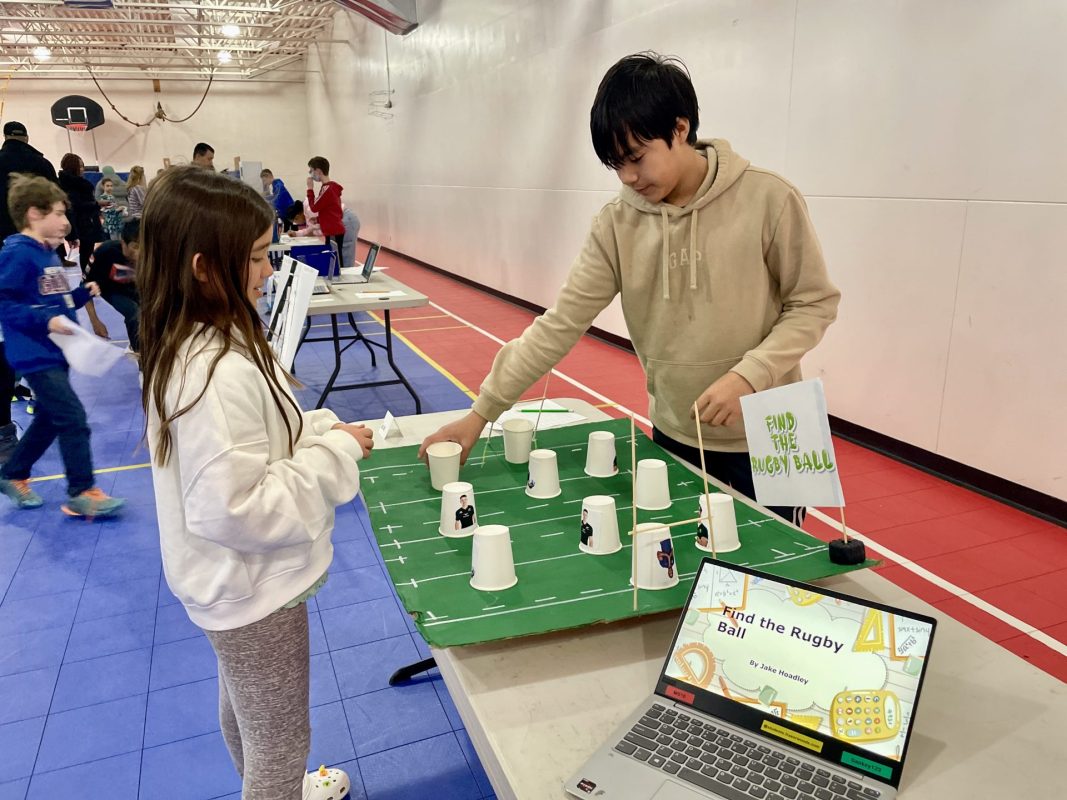
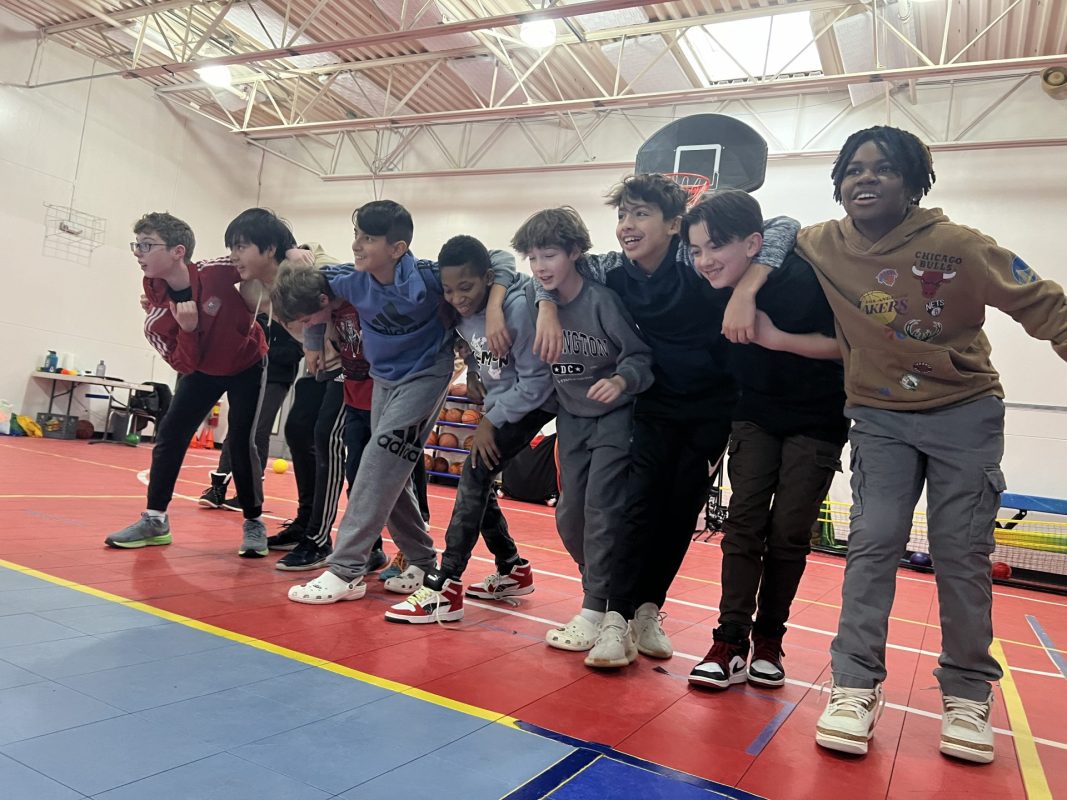
Congratulations to all Middle School students for an excellent math carnival on Friday, January 19th! We invited the upper and lower elementary classes to participate in the fun interactive probability games. This hands-on project taught students about theoretical and experimental probability as well as how to use fractions/decimals/percentages when calculating the chance of winning or losing their game. We had 21 stations set up in the main gym for our visitors to peruse through. The Middle School students had a title poster at each station to entice players and then recorded the results from each game. I was so impressed with our students’ unique setups, professionalism, and enthusiasm toward teaching the younger students about probability.

An extra special thank you to all our Middle School families for attending this event and to Mrs. Hunsucker, Mrs. Lamb, Mr. Brown, and Eric Benoit for their endless support at this year’s Math Carnival. It was a treat to have so many special guests join us in celebrating the hard work of our grade 6, 7, and 8 classes. We had so much fun and look forward to keeping the tradition alive next year!

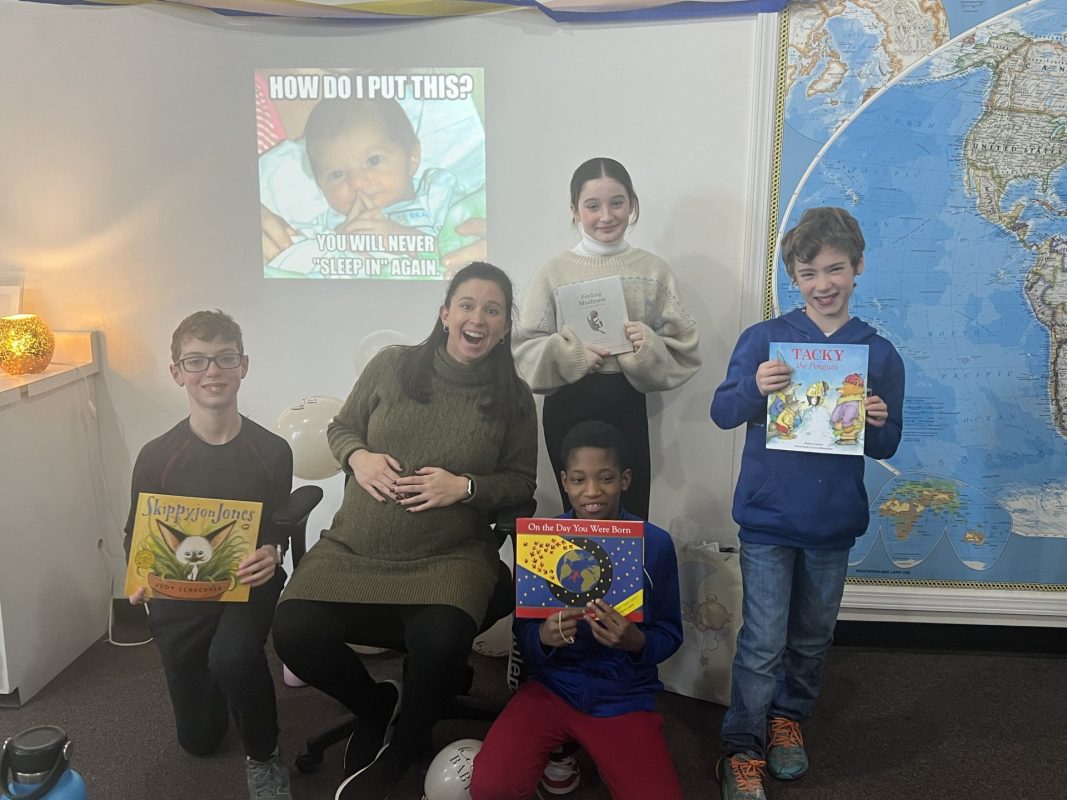
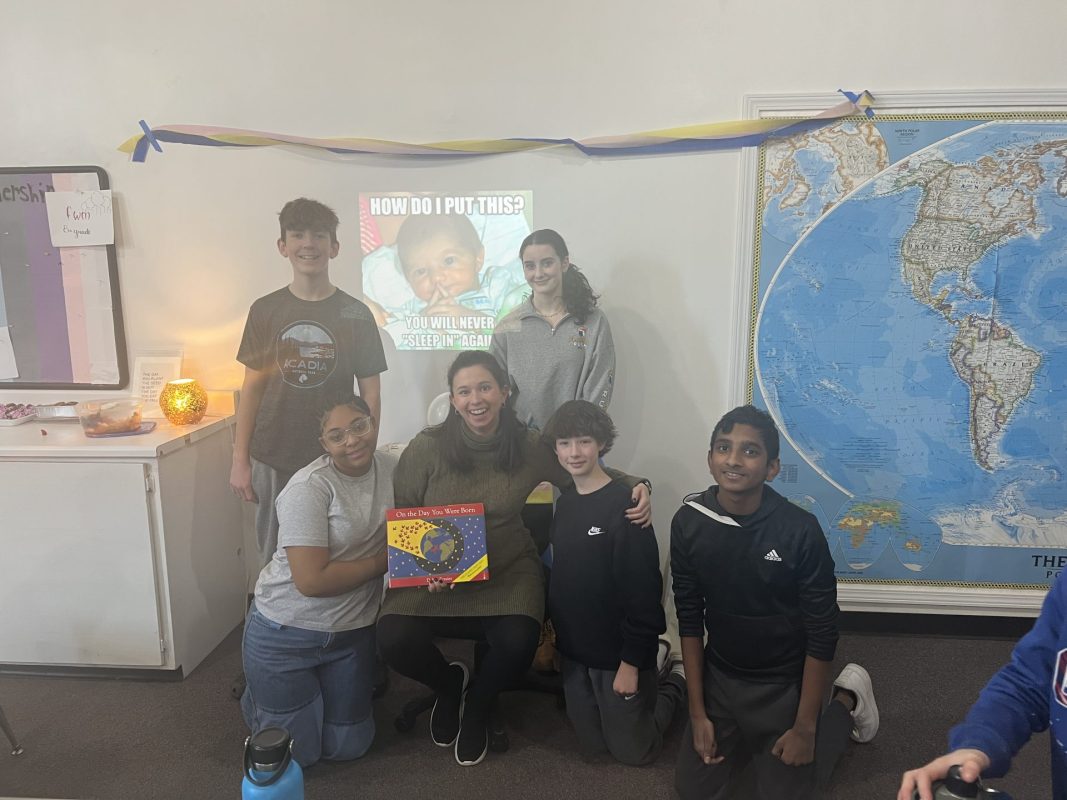
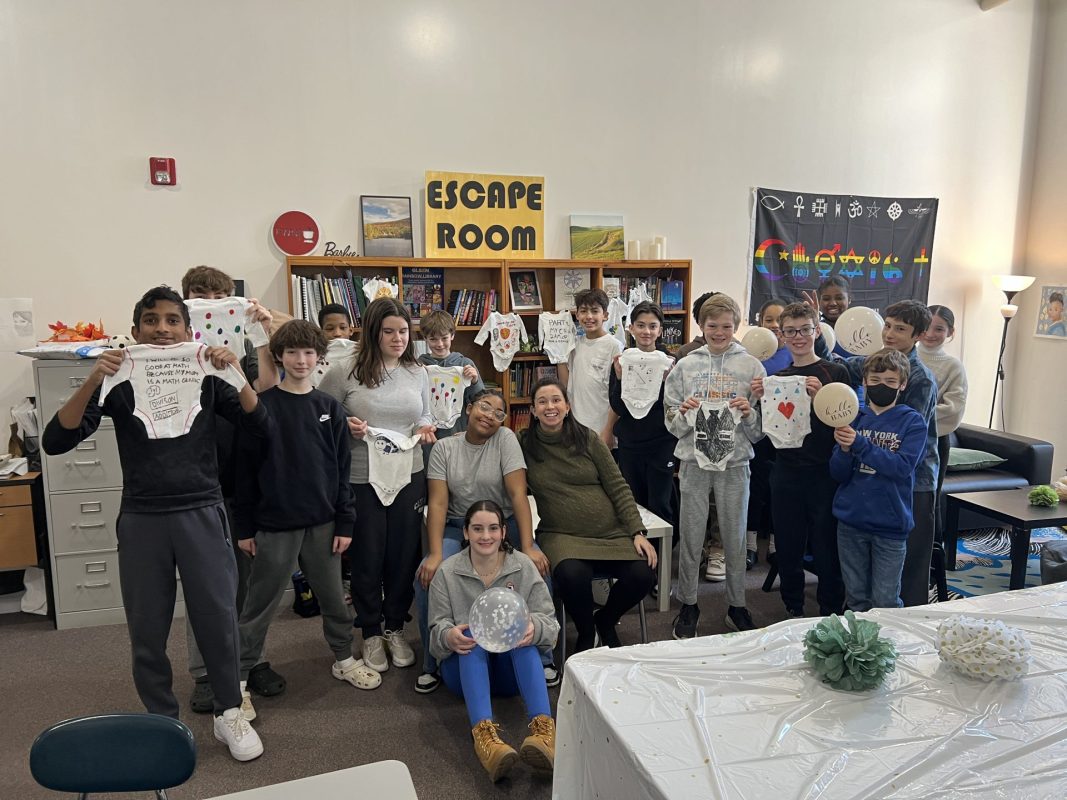
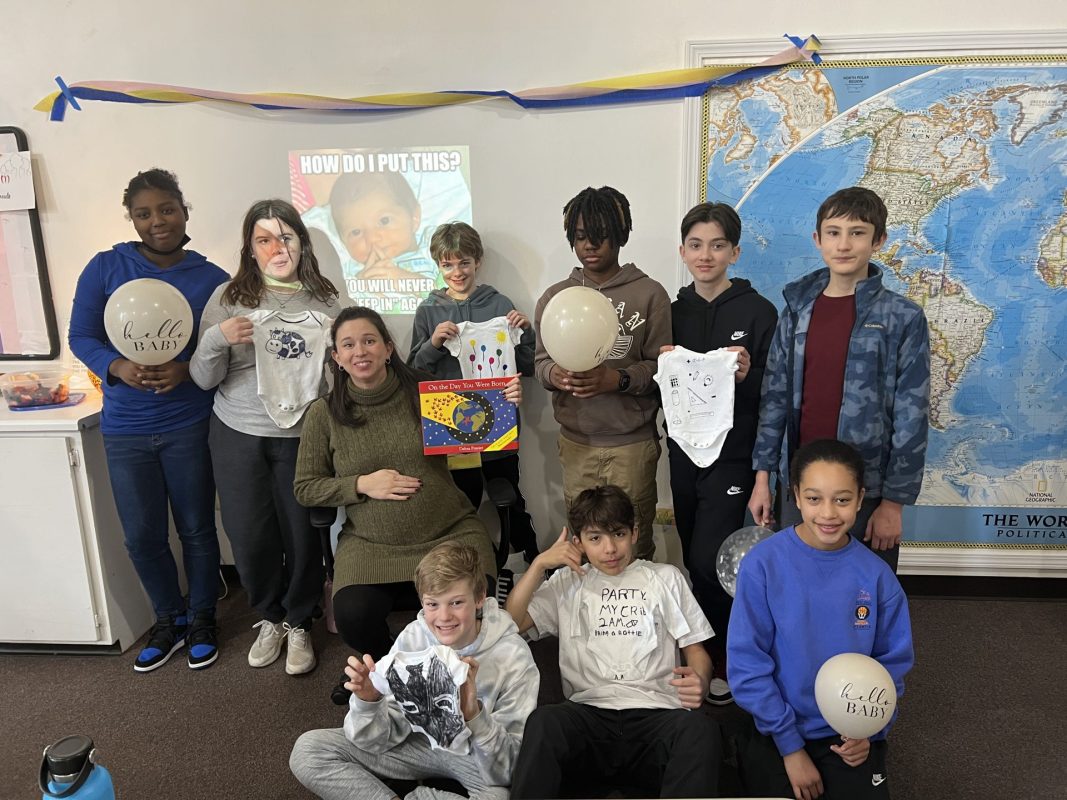
I sincerely thank the Middle School community for all the kind support and encouragement as I prepare to welcome my new bundle of joy very soon. I will miss our Middle School staff, students, and families dearly, and I can’t wait to share my exciting news with you all. I wish everyone a safe and successful rest of their 2023-2024 academic school year. See you again in September!


Positive Discipline – Mistaken Goals of Children’s Behavior 

As we’ve discussed, Positive Discipline is an approach to parenting and teaching that focuses on encouraging desirable behaviors and fostering a sense of responsibility, respect, and problem-solving in children. The concept of belonging and significance is the cornerstone of Positive Discipline.

Children who feel they belong are happier, more relaxed, and have fewer behavioral problems than others. They are also more motivated and more successful learners.

At our most recent parent education event, we talked about the Mistaken Goals of Children’s Behavior. 

The Mistaken Goals of Children’s Behavior is a concept within Positive Discipline that suggests children may display challenging behaviors to meet certain psychological or emotional needs. 

These mistaken goals are divided into four categories:

Undue Attention: Children may misbehave to gain attention, even if it’s negative attention because they feel neglected or unseen.

The mistaken Goal is – Undue Attention (to keep others busy or to get special service)

The belief behind the child’s behavior is:

I count (belong) only when I’m being noticed or getting special service. I’m only important when I’m keeping you busy with me.

Power: Some children may act out to gain a sense of power or control, often when they feel powerless or overwhelmed in other areas of their lives.

The Mistaken Goal is– Misguided Power (to be boss)

The belief behind the child’s behavior is:

I belong only when I’m boss, in control, or proving no one can boss me. You can’t make me.

Revenge: Children might display challenging behavior to get back at others, seeking revenge for perceived wrongs or injustices they have experienced.

The Mistaken Goal is –Revenge (to get even)

The belief behind the child’s behavior is:

I don’t think I belong, so I’ll hurt others as I feel hurt. I can’t be liked or loved.

Assumed Inadequacy: In this case, children may adopt a defeated attitude and engage in misbehavior because they feel incapable, insecure, or incompetent.

The Mistaken Goal is – Assumed Inadequacy (to give up and be left alone)

The belief behind the child’s behavior is:

I can’t belong because I’m not perfect, so I’ll convince others not to expect anything from me. I am helpless and unable; it’s no use trying because I won’t do it right.

Once the mistaken goals are identified, adults can begin to take action to redirect the student’s purposes and help start better behavior.

Strategies might include:

  • Offering positive attention and reinforcement for appropriate behavior.
  • Providing choices and autonomy to meet the need for power constructively.
  • Teaching problem-solving skills and alternatives to seeking revenge.
  • Helping the student build the skills and confidence to face and overcome challenges rather than avoiding them.

All children misbehave. Positive Discipline encourages parents and educators to identify the underlying needs or goals behind a child’s behavior and respond constructively to address those needs. 

Instead of resorting to punitive measures, Positive Discipline promotes effective communication, problem-solving, and cooperation to help children develop social and emotional skills. 

By understanding and addressing the mistaken goals, adults can create a positive and supportive environment that fosters healthy development in children.

Warmly,

Gina Tryforos

Assistant Head of School-Student Support Coordinator