Blog

November – Spanish Class

November:

Primary and LE: “Los números”; UE: “El abecedario y las sílabas”;

MS: “How to describe themselves and others”, “Adjectives and Opposites”.

FWM students learned about the tradition of “Día de los Muertos,” how this Spanish Holiday is celebrated in Latin America, and how each country has a unique way of celebrating this tradition.

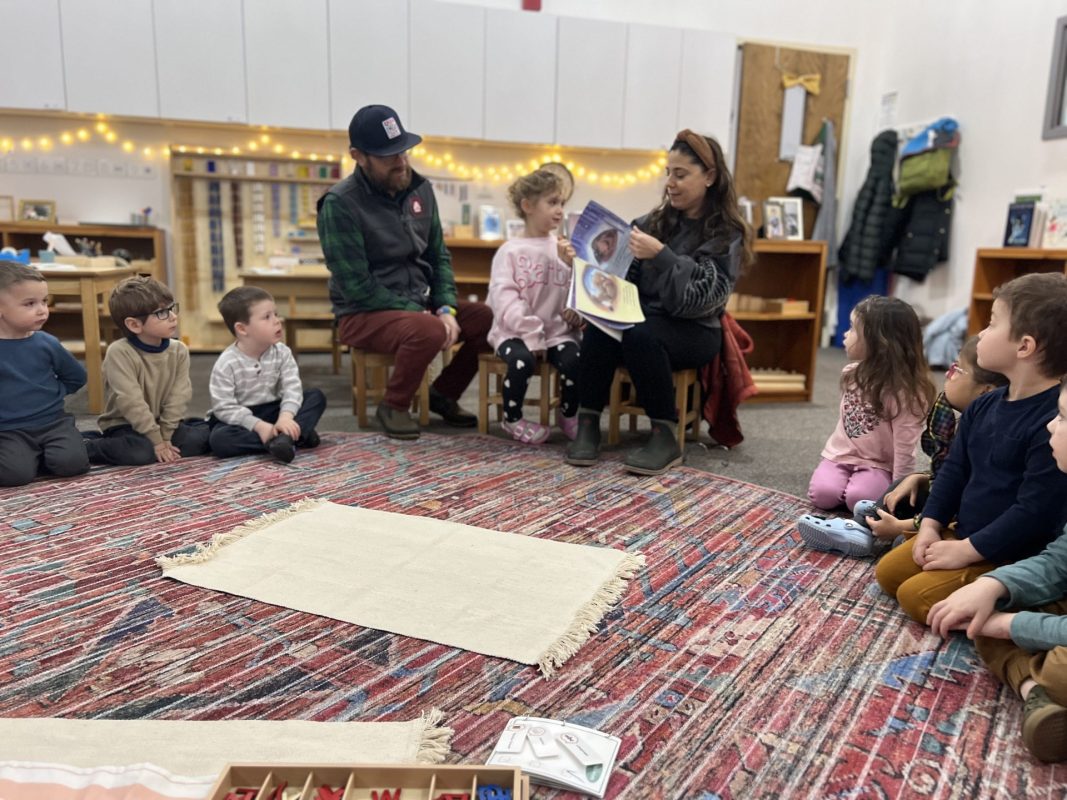
This month at FWM, students kept working on their conversations about feelings, Spanish greetings, the calendar, and weather descriptions. They are continuously improving their Spanish listening and vocabulary. Students from Primary, Lower Elementary, Upper Elementary, and Middle School listened carefully to Spanish books and songs and participated in interactive games that were displayed during class.

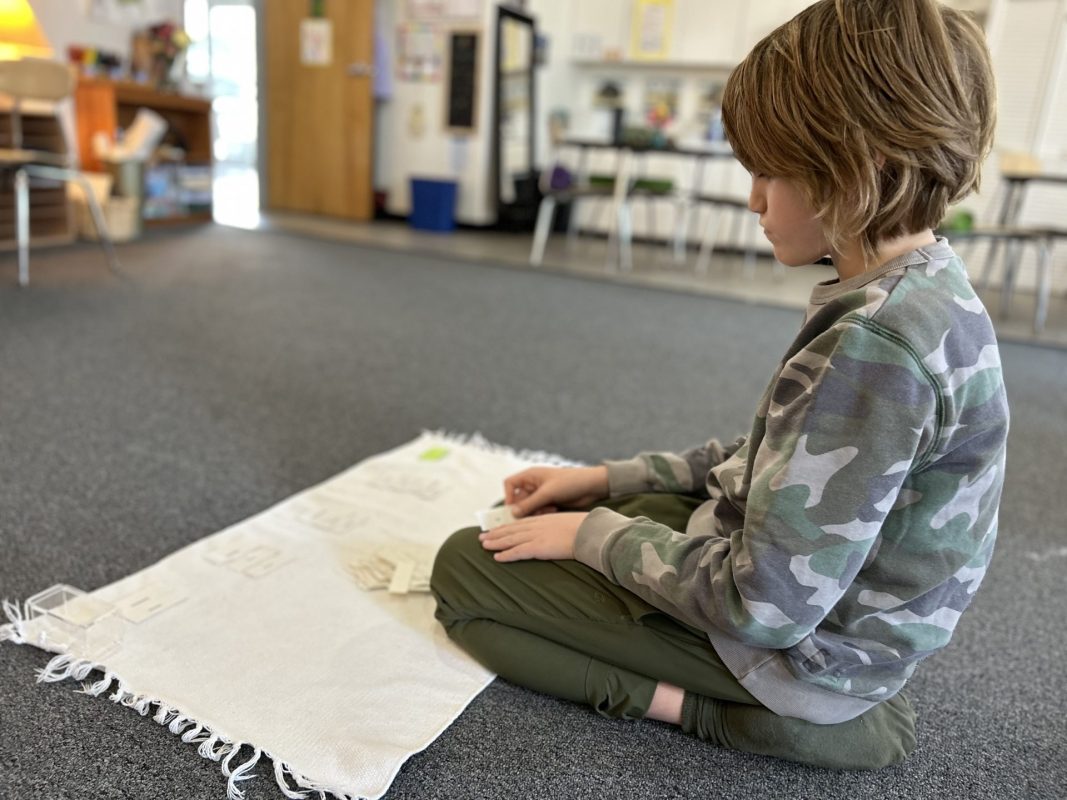
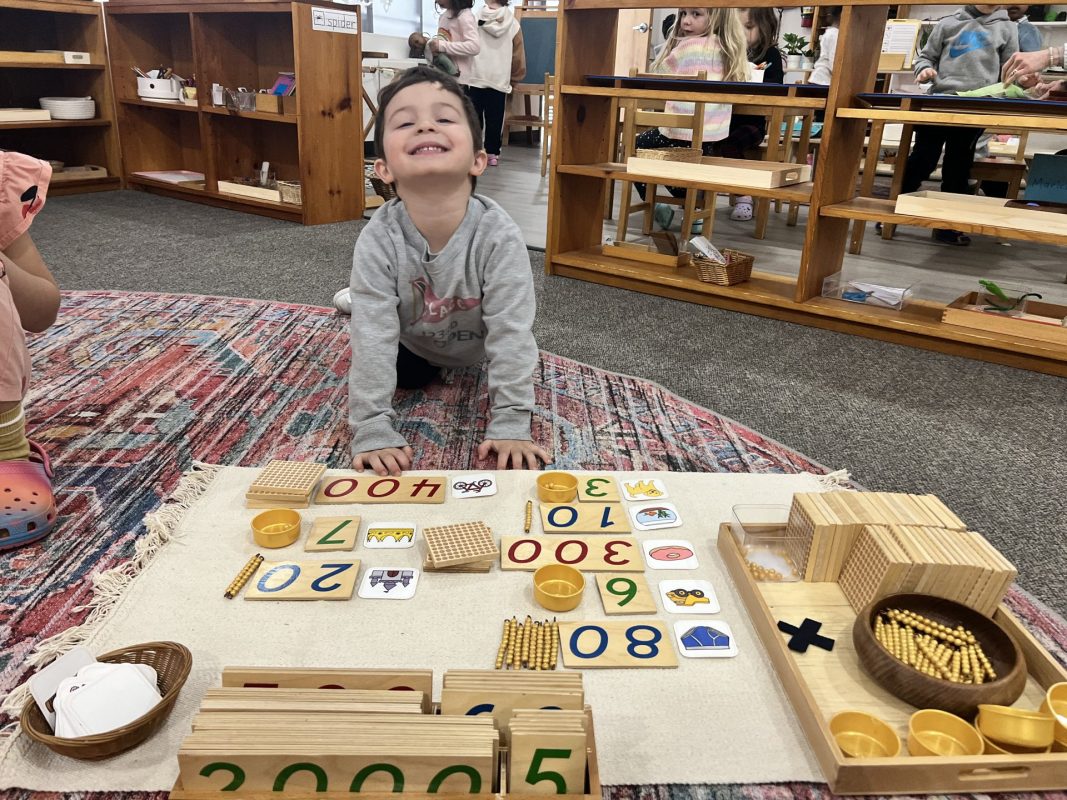
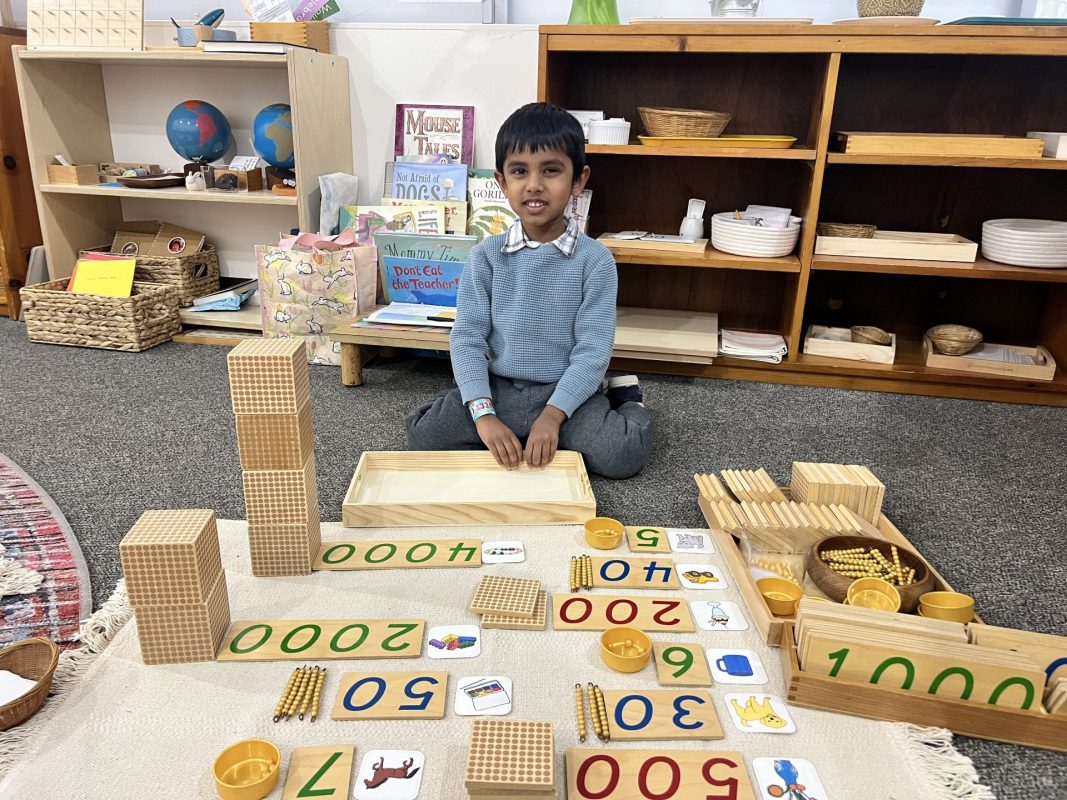
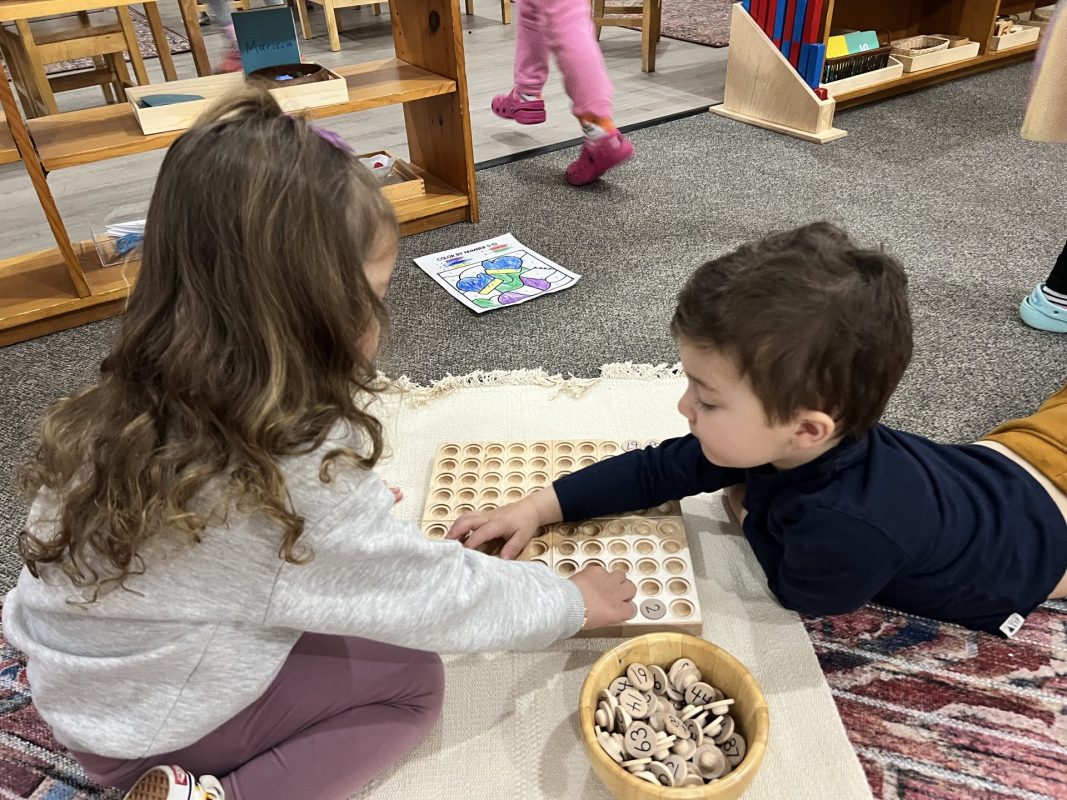
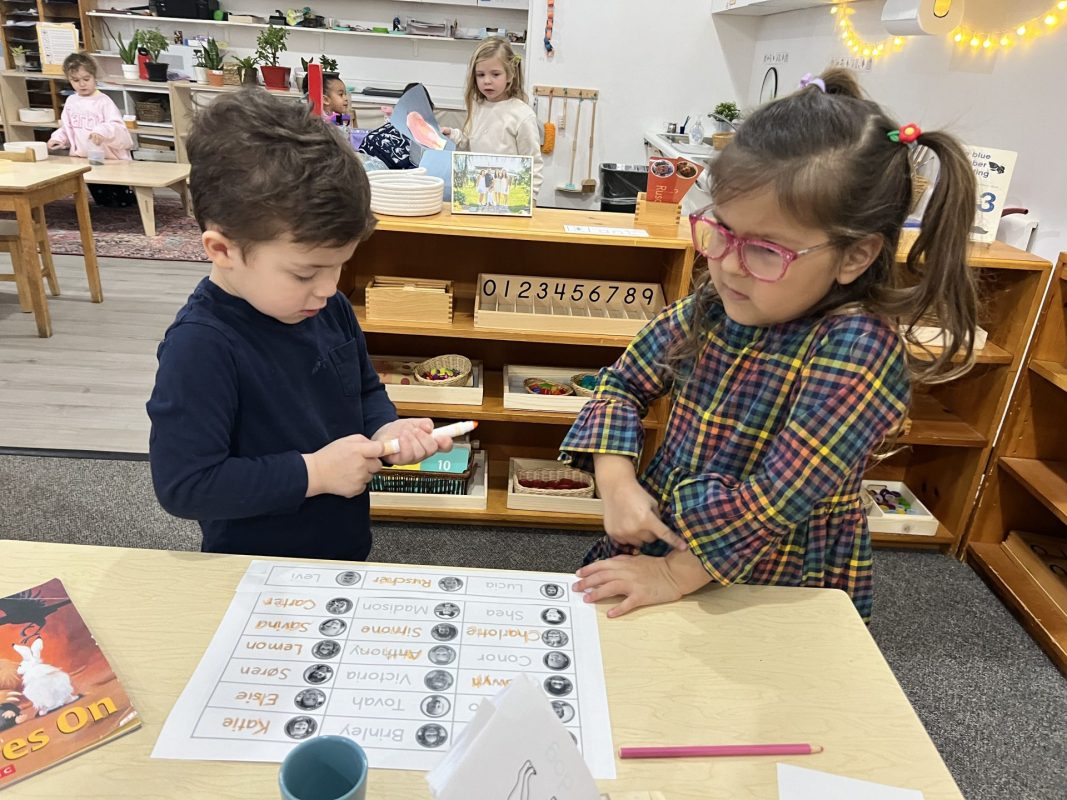
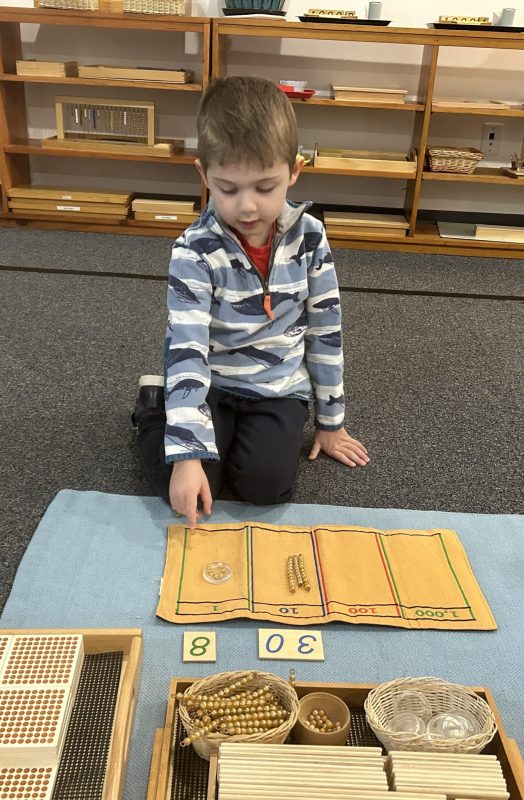
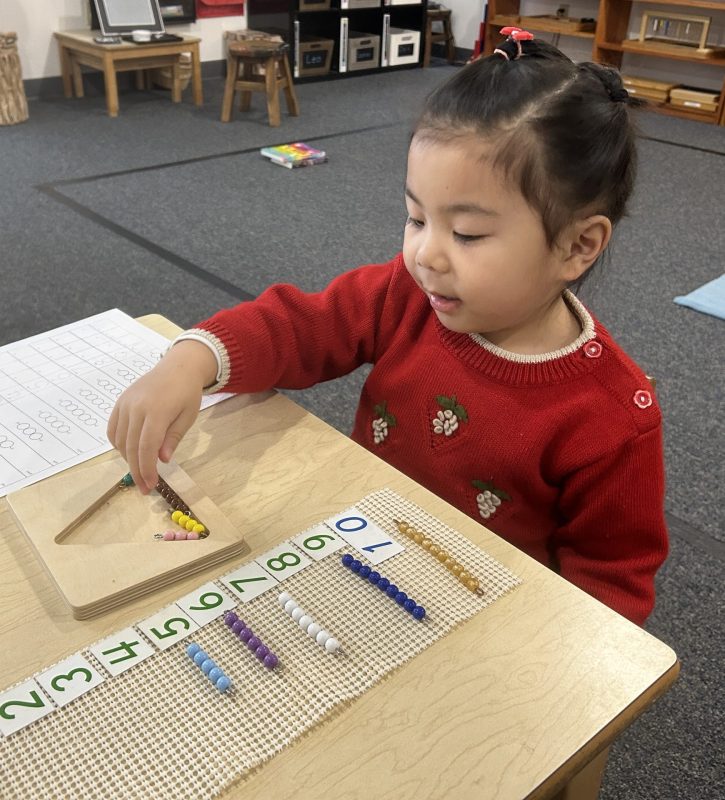
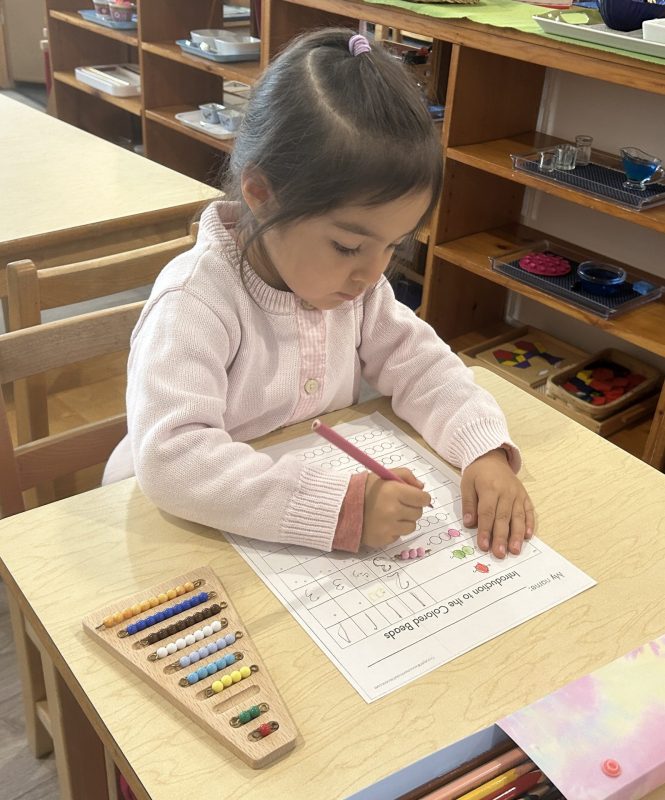
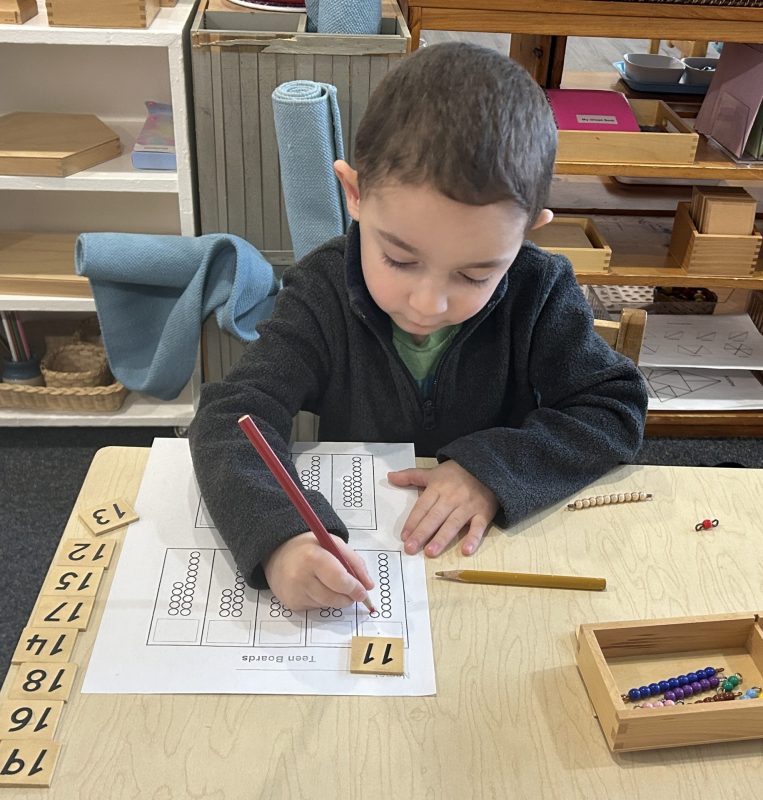
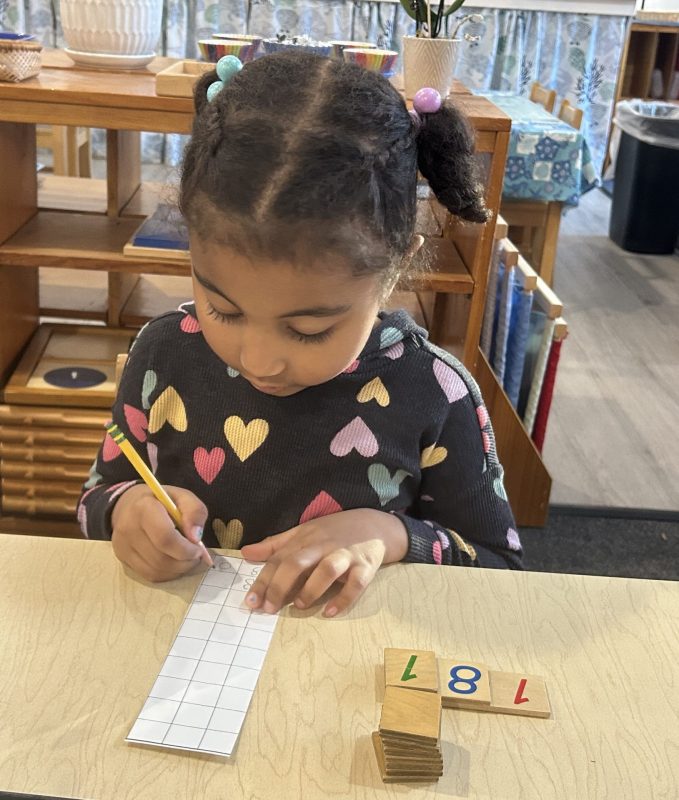
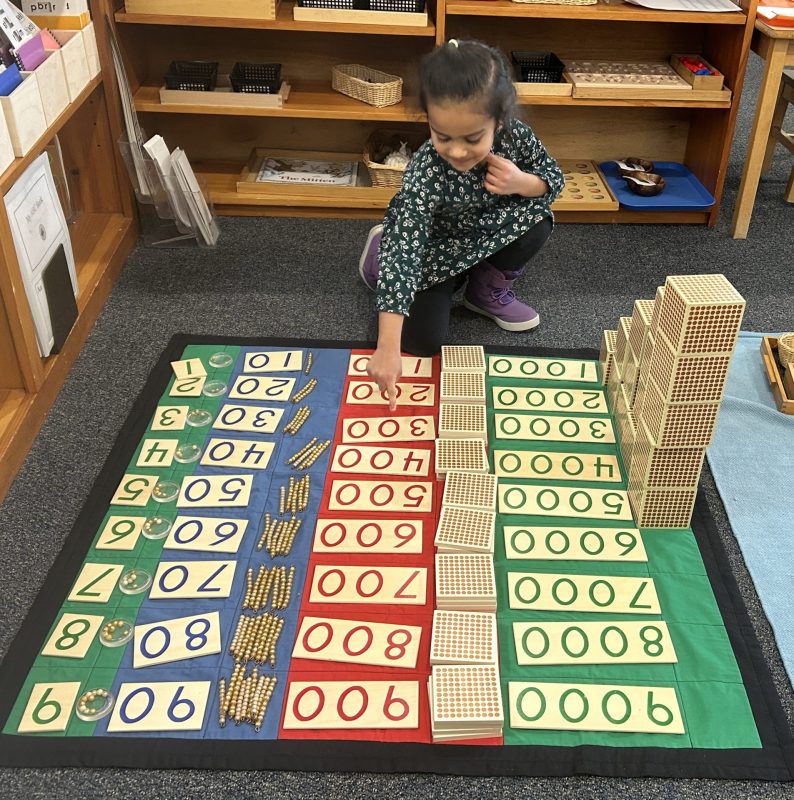
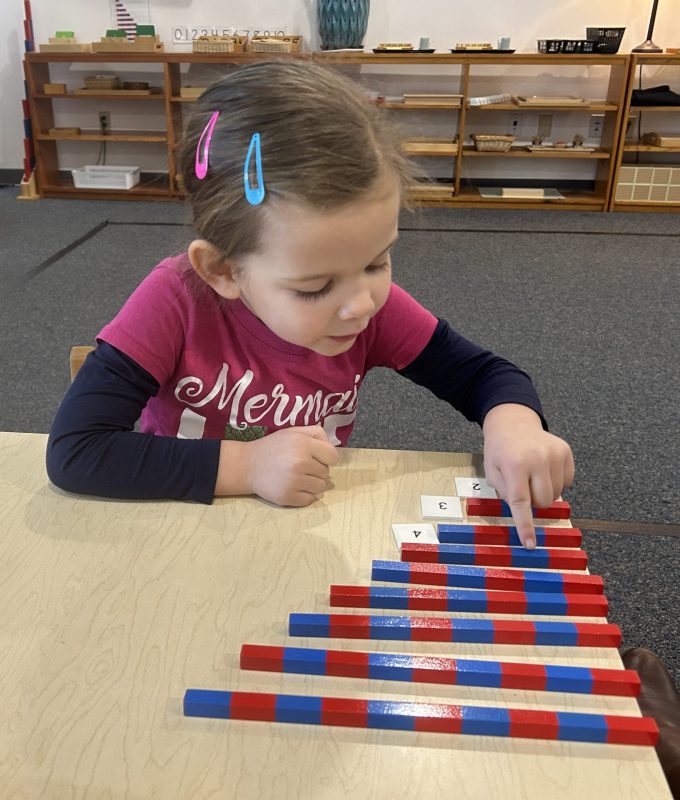
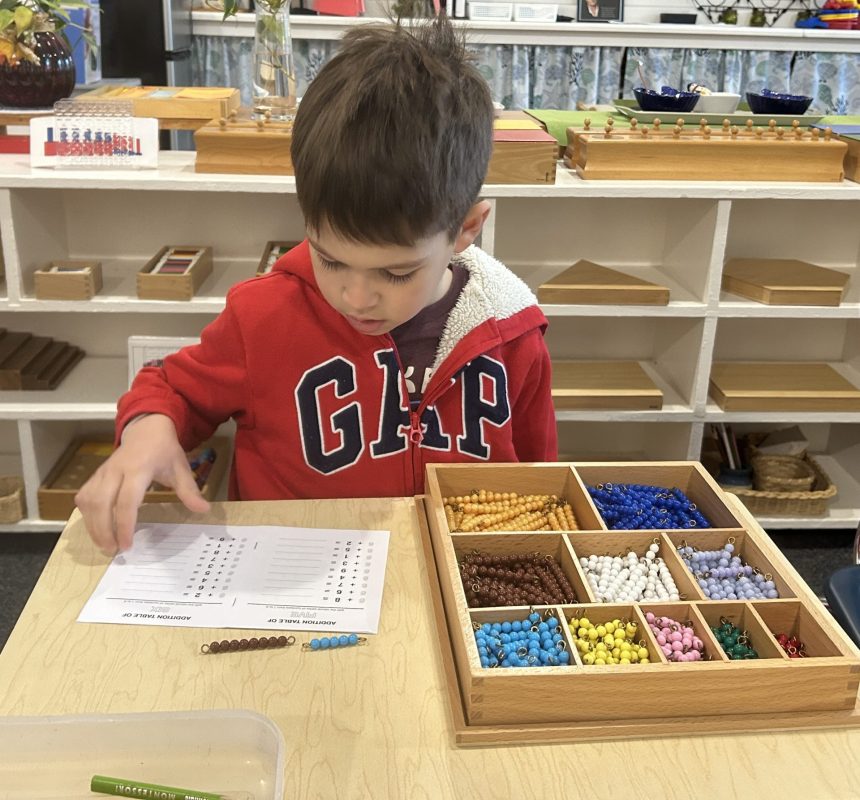
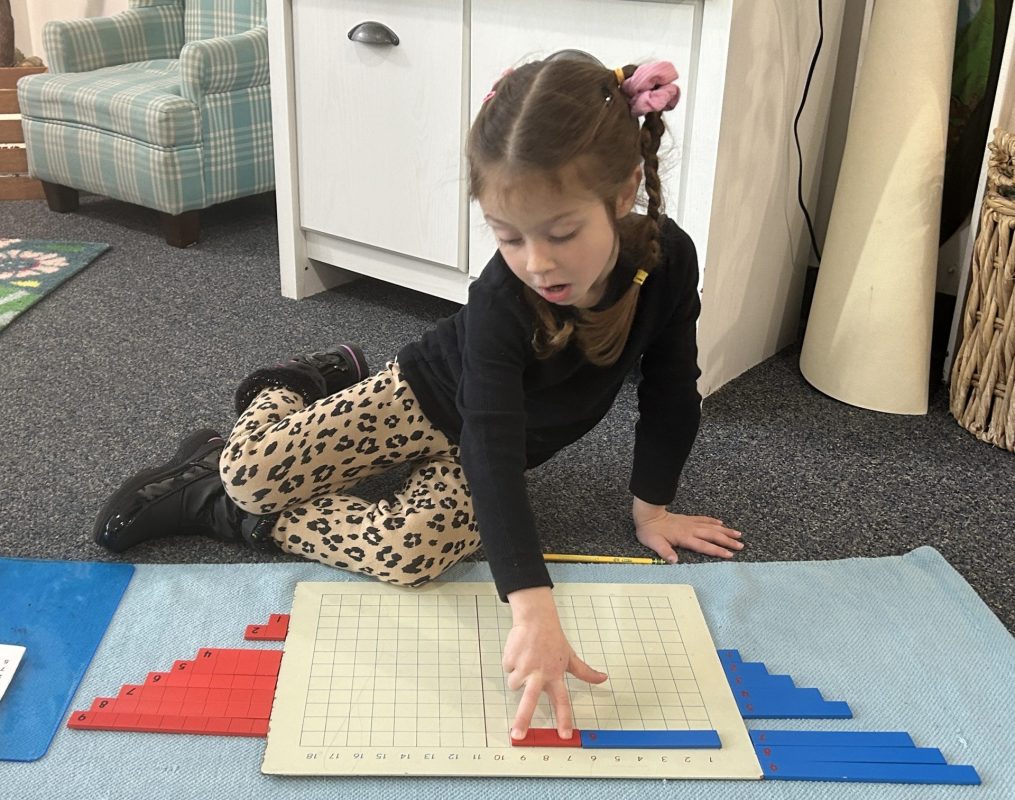
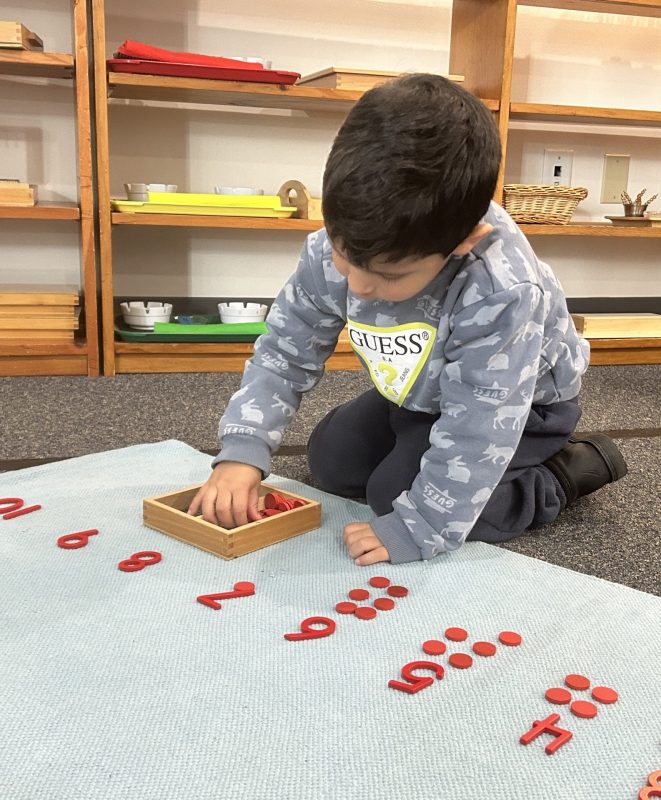
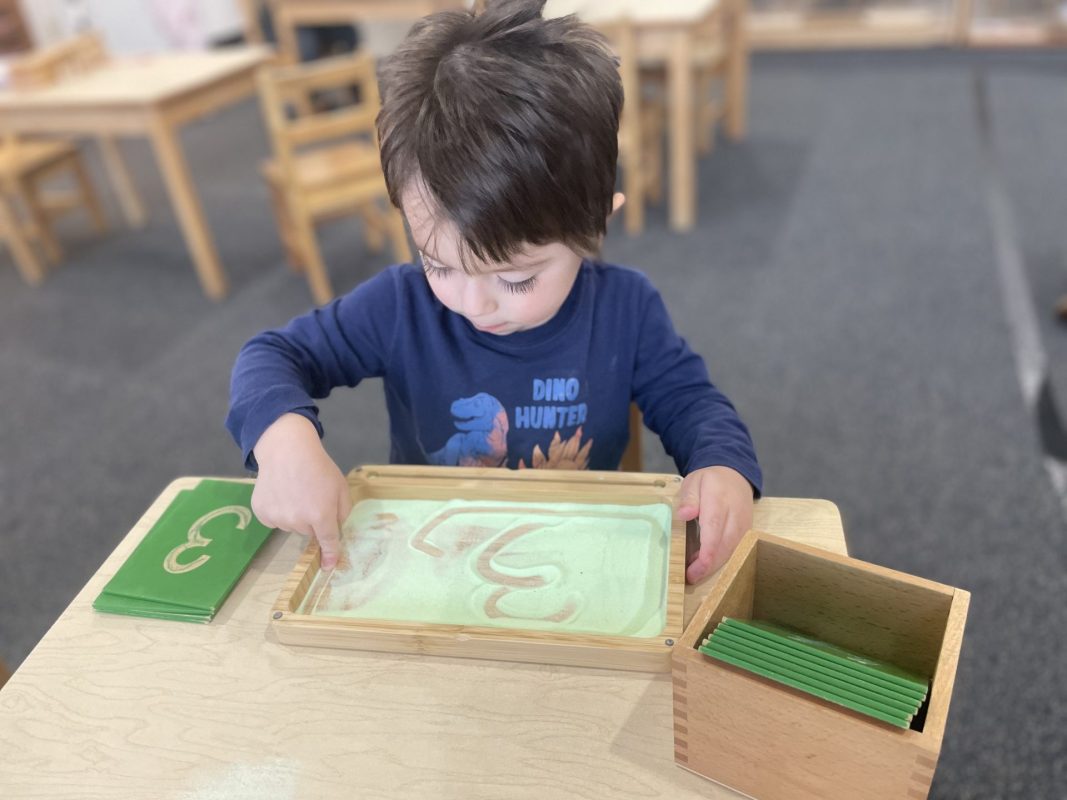
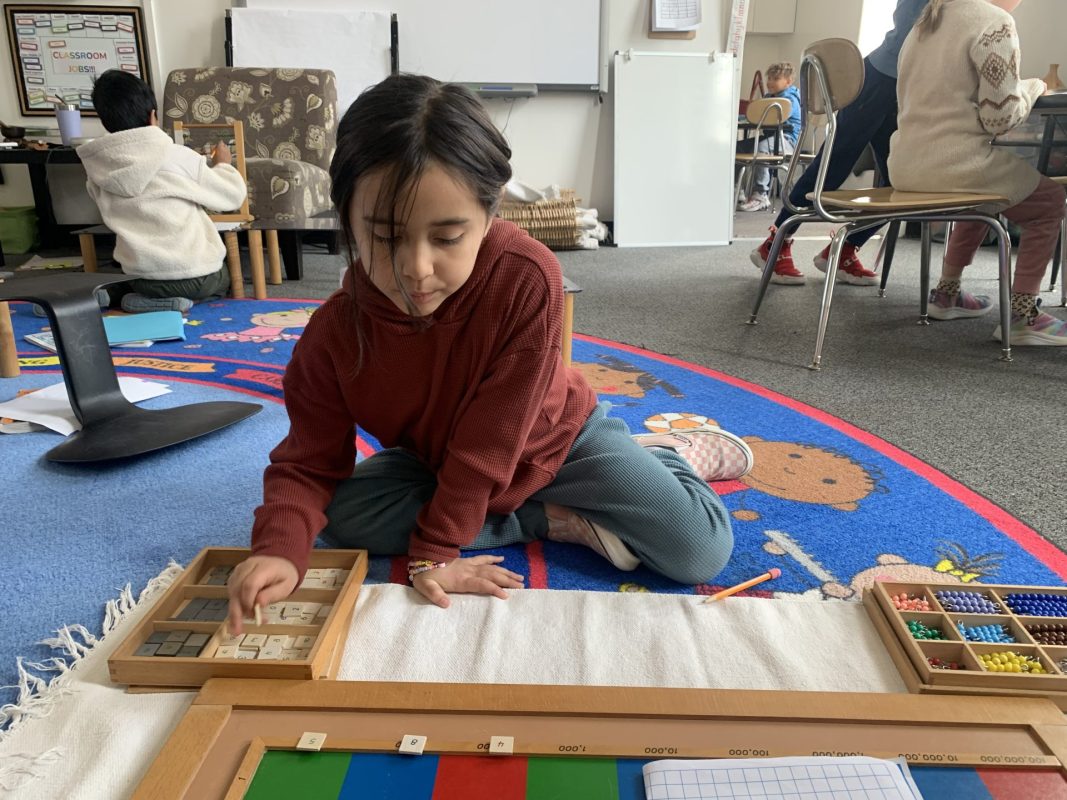
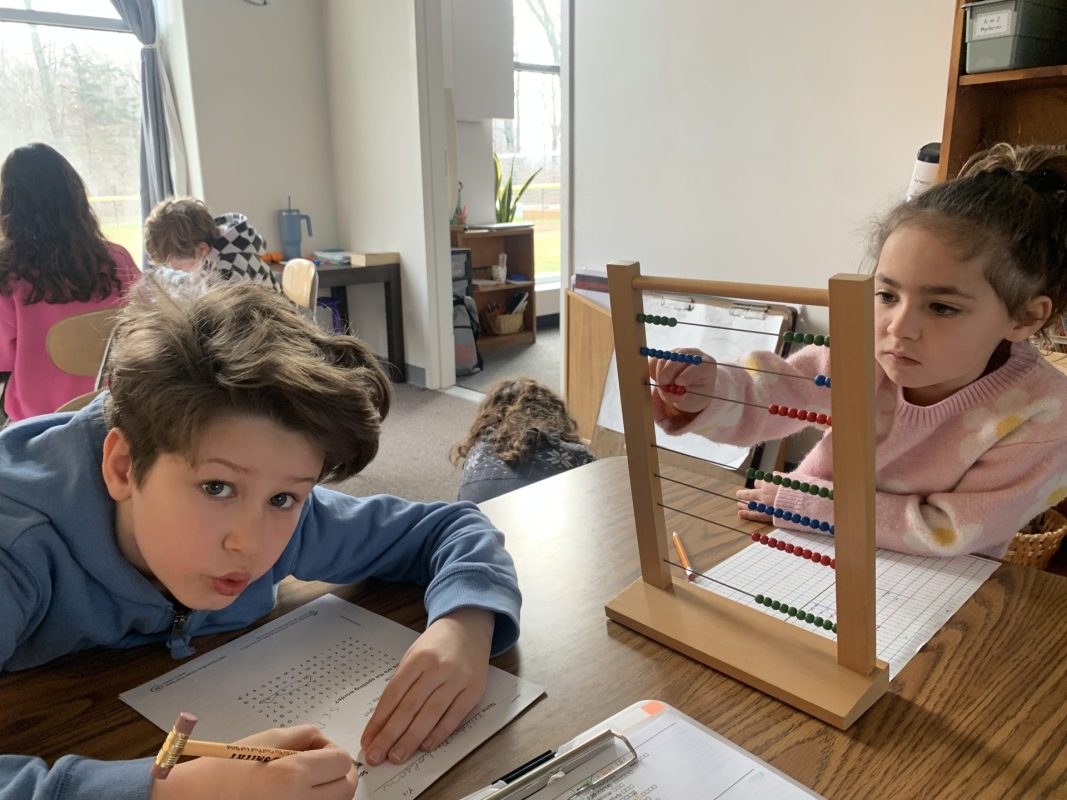
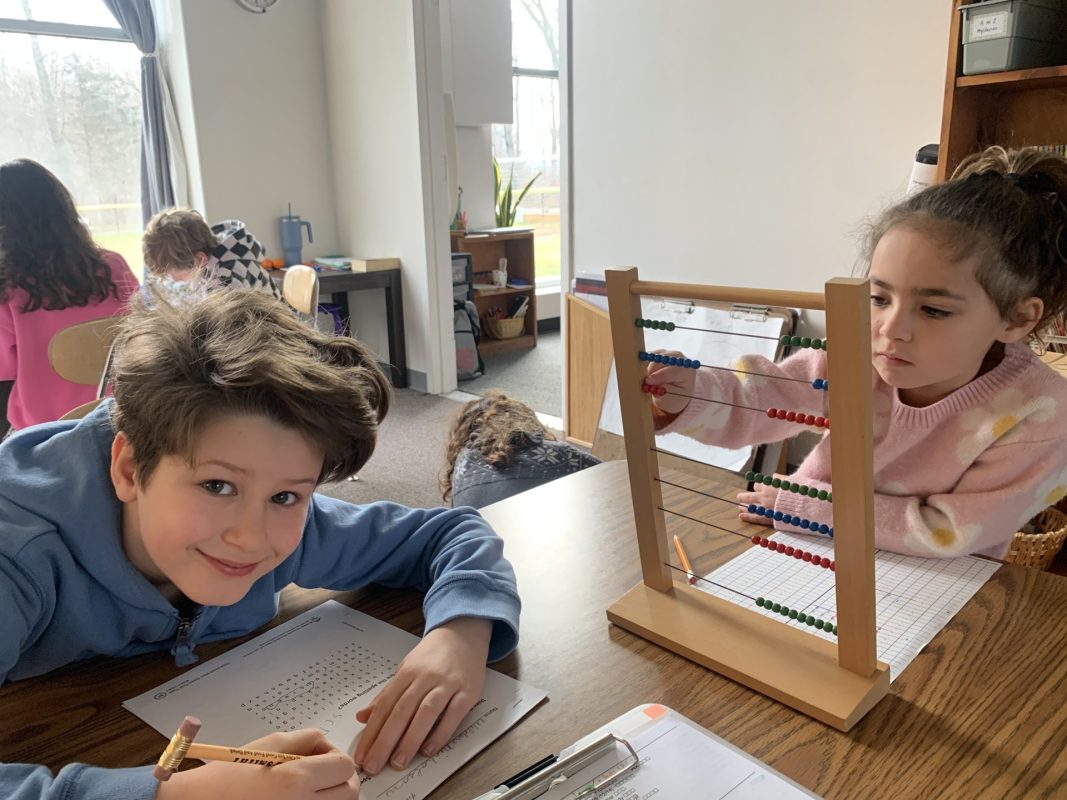
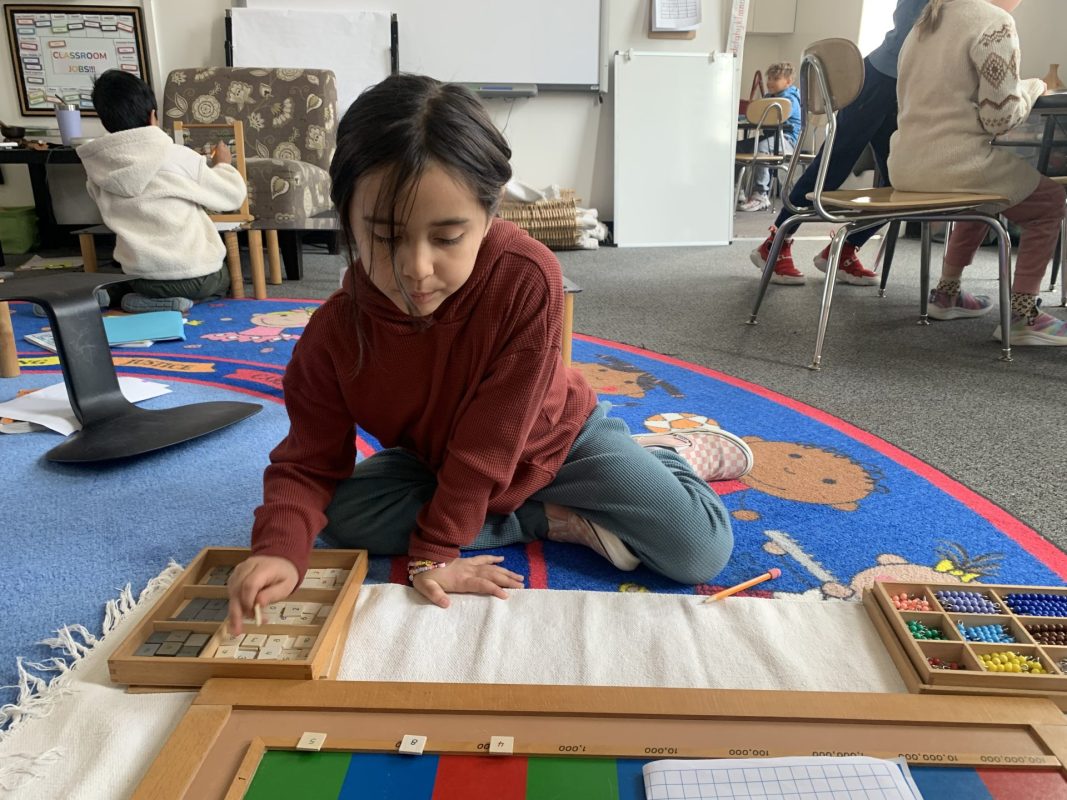
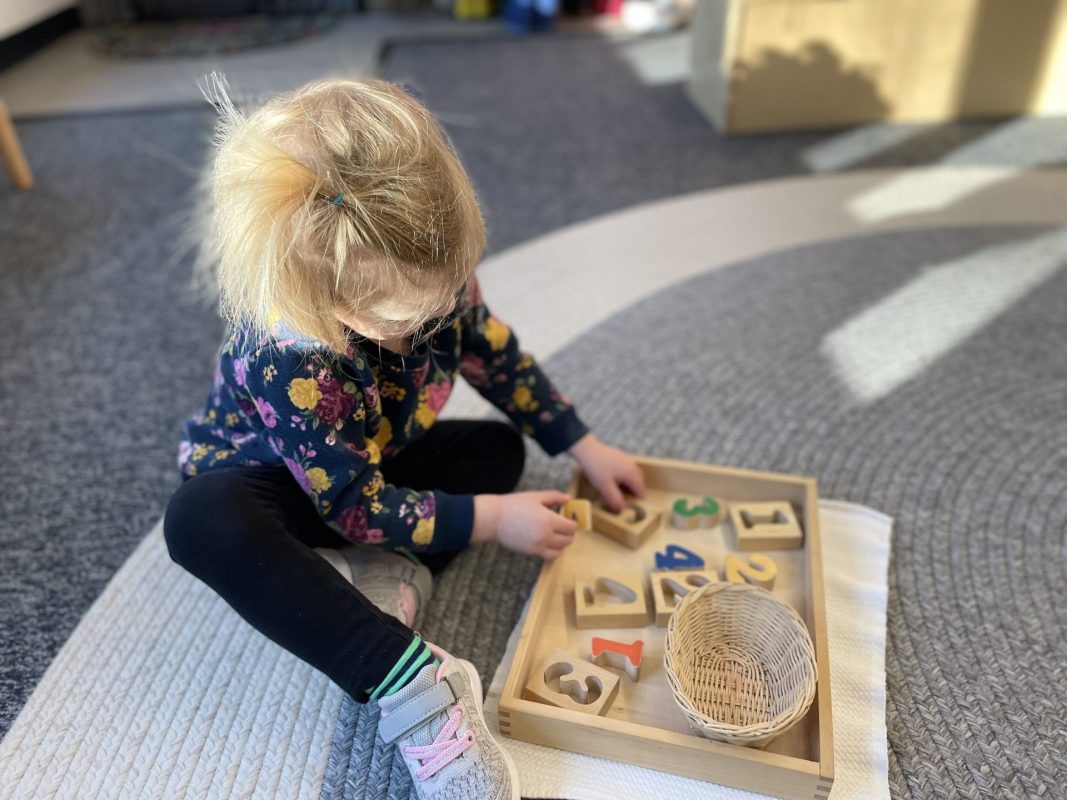
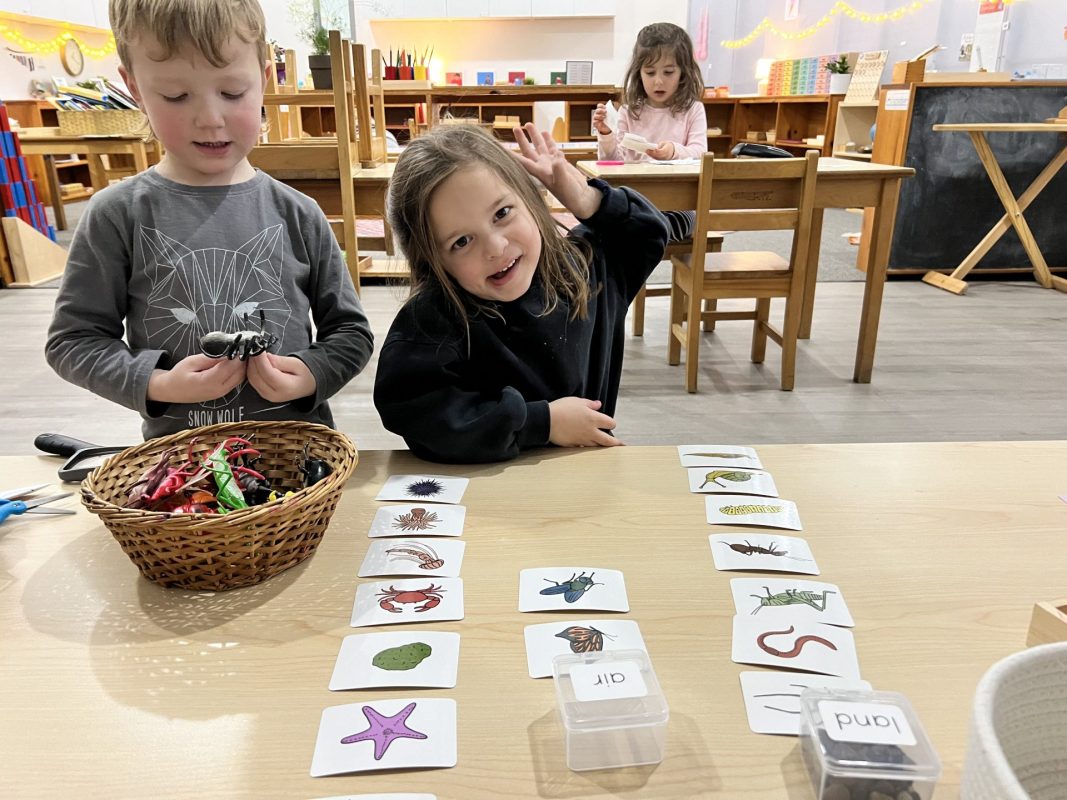
Primary students focused on learning the numbers from 1 to 10. Uno (1), dos (2), tres (3), cuatro (4), cinco (5), seis (6), siete (7), ocho (8), nueve (9) y diez (10). They studied “los números” through Spanish Montessori lessons that were left on the mathematics shelves of each class for the students to practice for a long period.

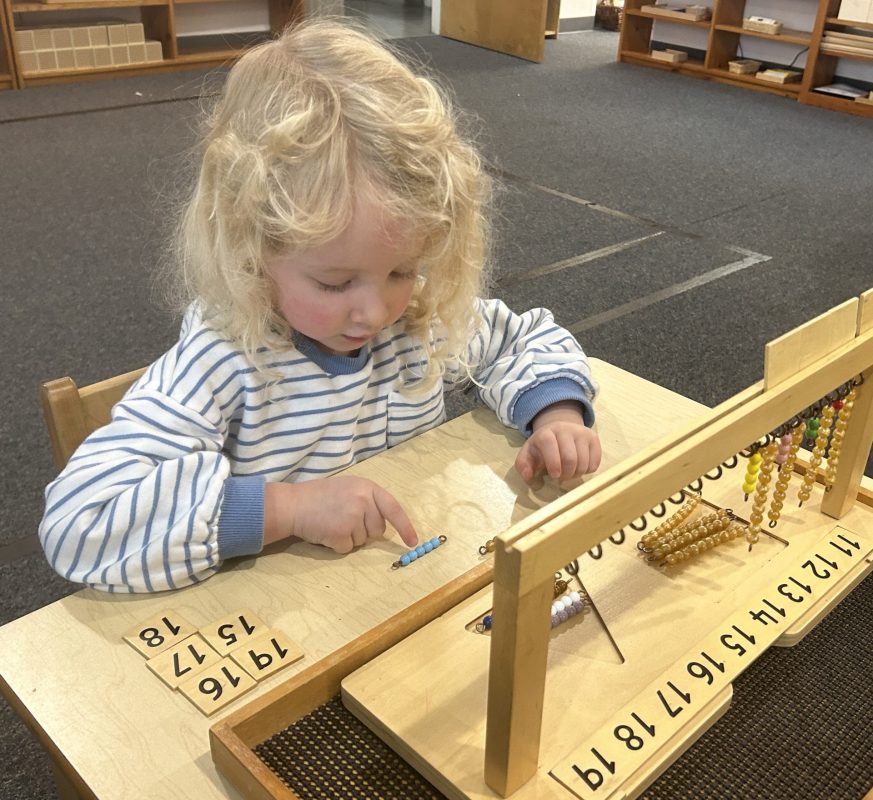
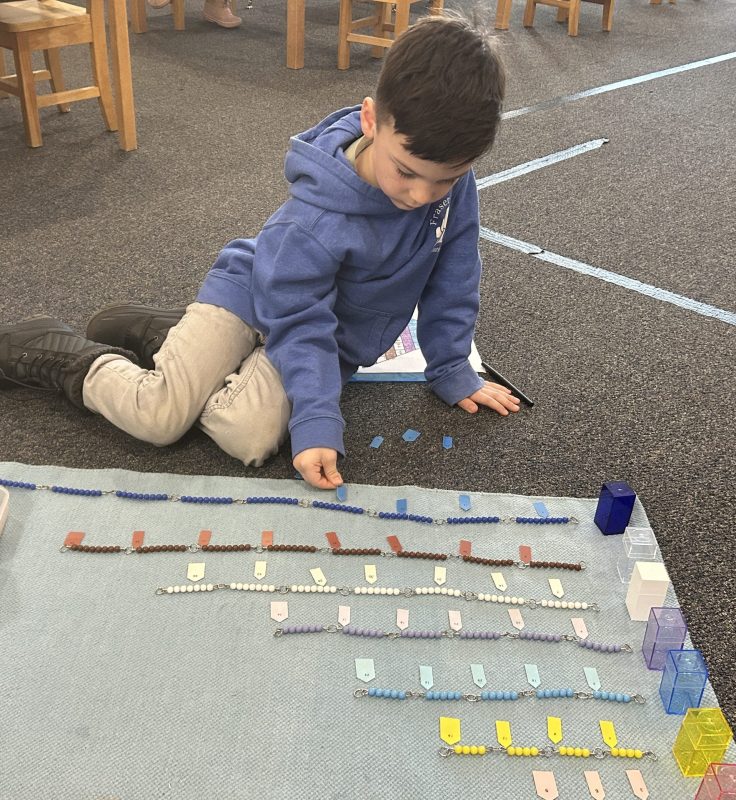
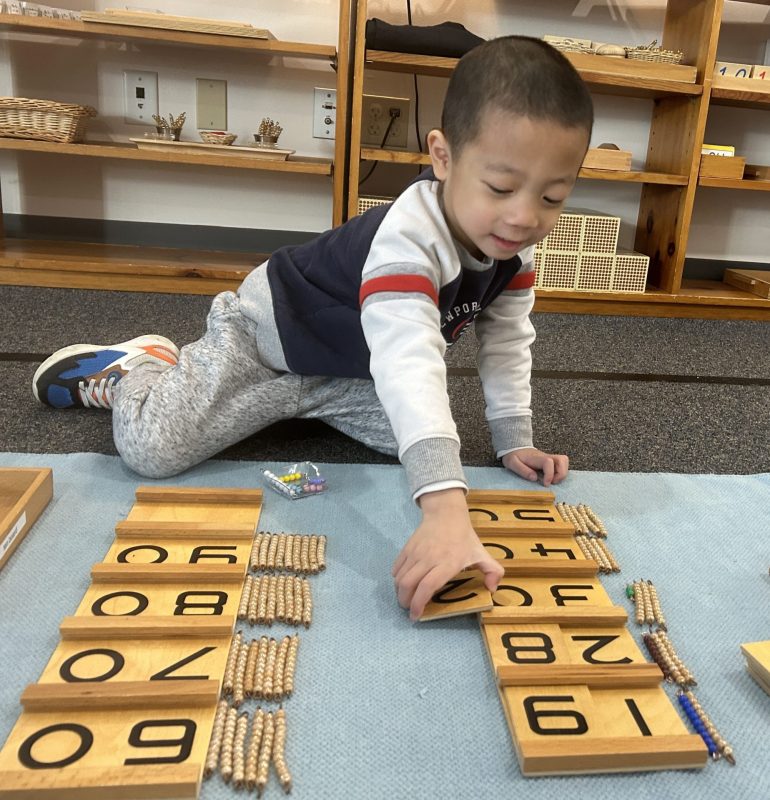
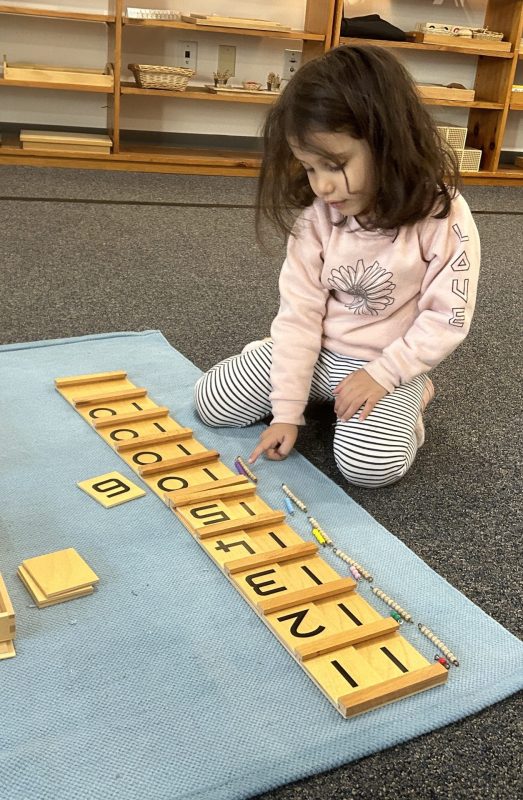
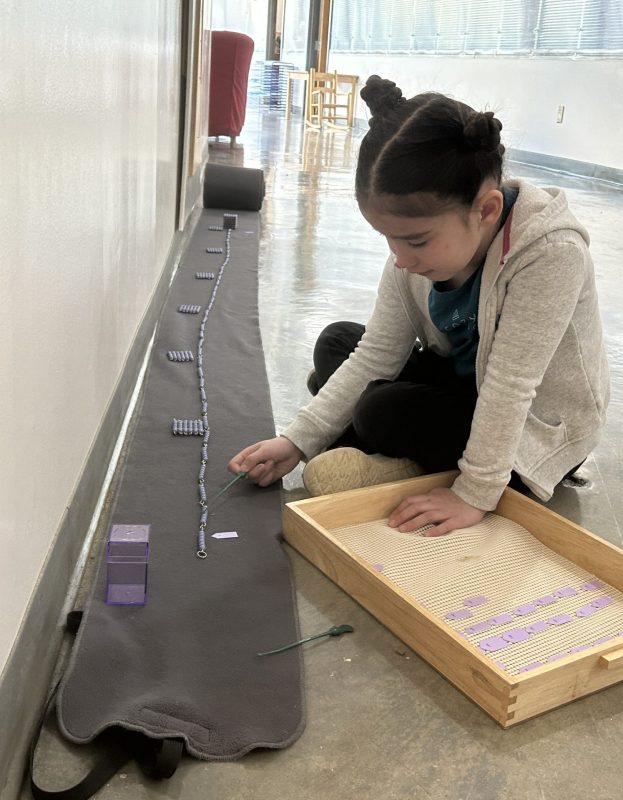
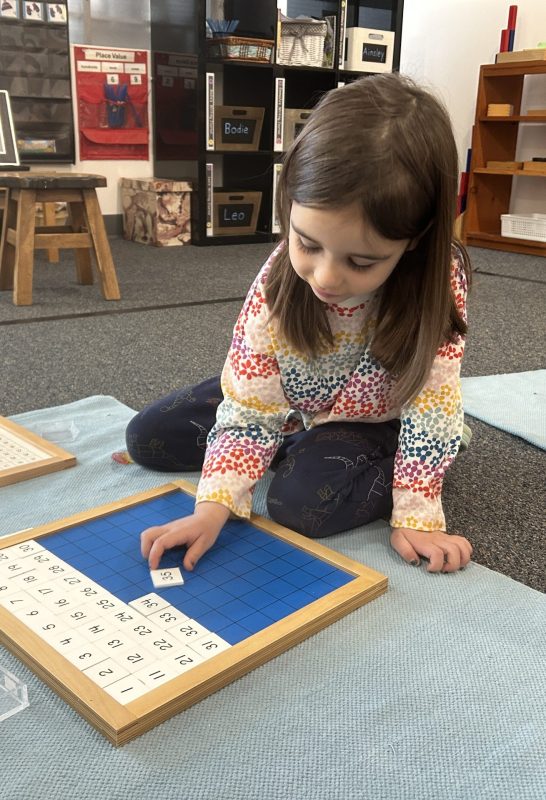
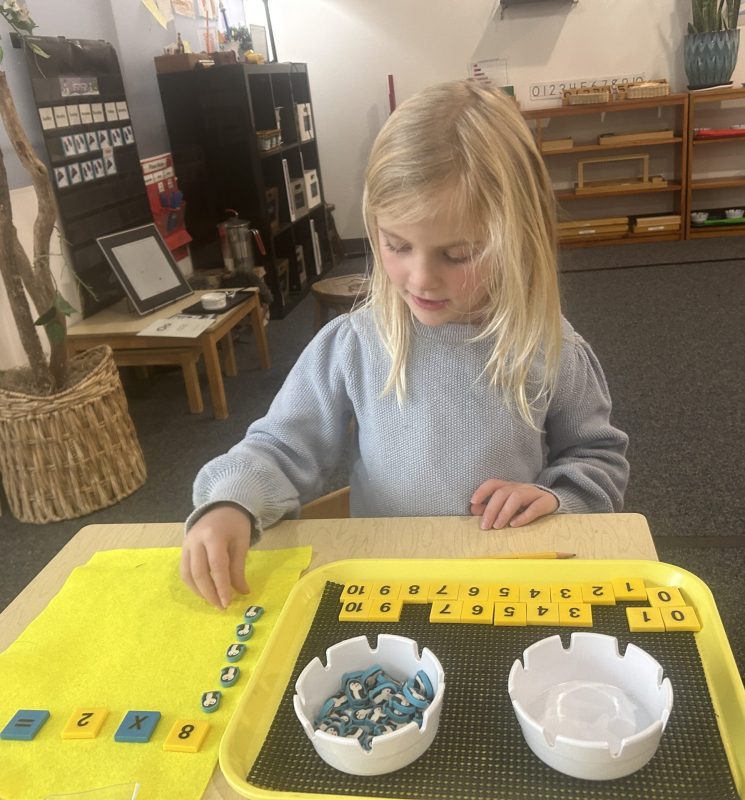
Lower Elementary students also learned “los números” from 1 to 20 in Spanish such as: uno (1), dos (2), tres (3), cuatro (4), cinco (5), seis (6), siete (7), ocho (8), nueve (9), diez (10), once (11), doce (12), trece (13), catorce (14), quince (15), dieciséis (16) , diecisiete (17), dieciocho (18), diecinueve (19) y veinte (20). They learned these numbers through Spanish Montessori Lessons. Second- and Third-grade students were able to learn the numbers up to 100. In addition, they enjoyed using the numbers and learned to play “Spanish Bingo,” which helped them to practice and remember them.

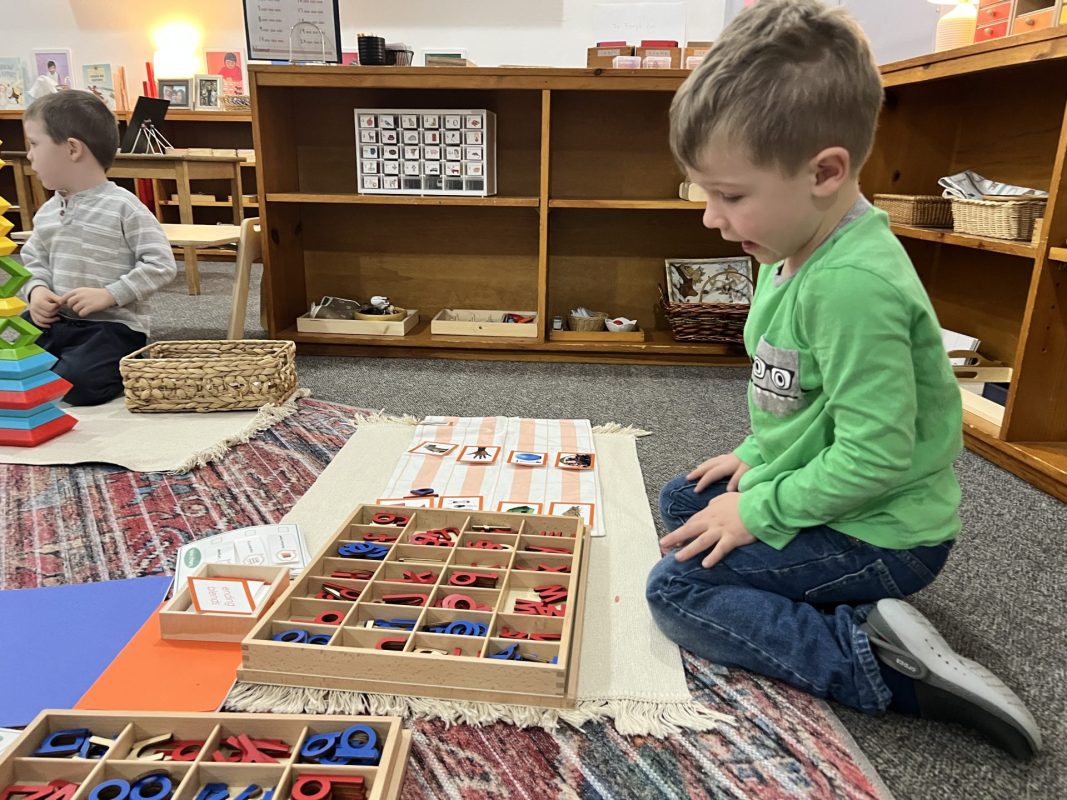
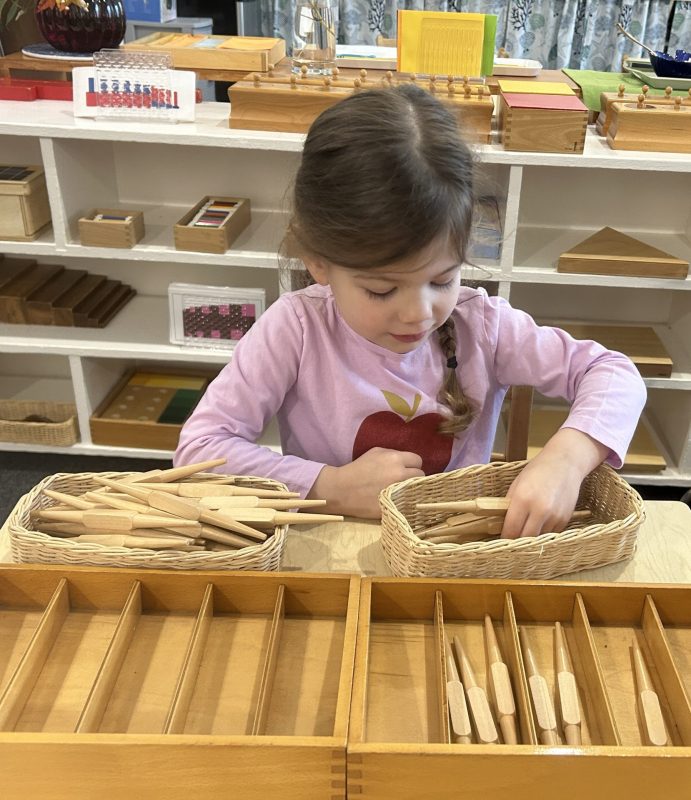
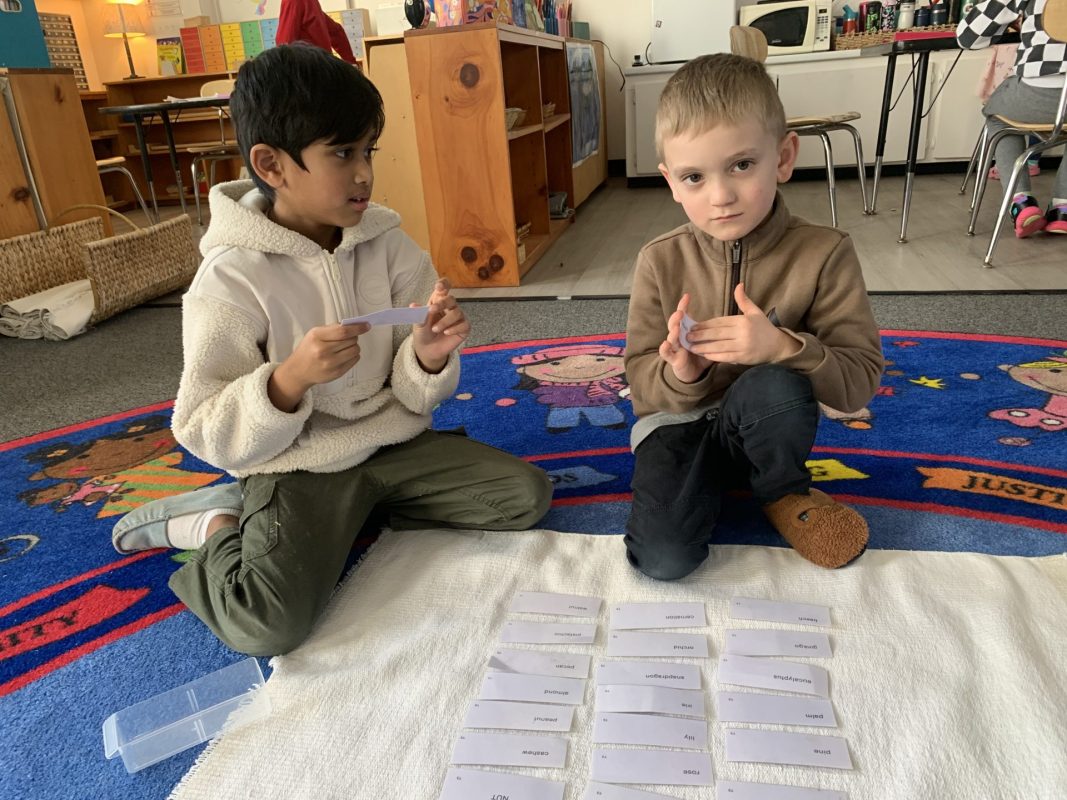
Upper Elementary Students put in hard work learning how to read in Spanish. First, they learn the pronunciation of each letter of the alphabet and form syllables, which leads them to better pronunciation of words, increasing their vocabulary and understanding.

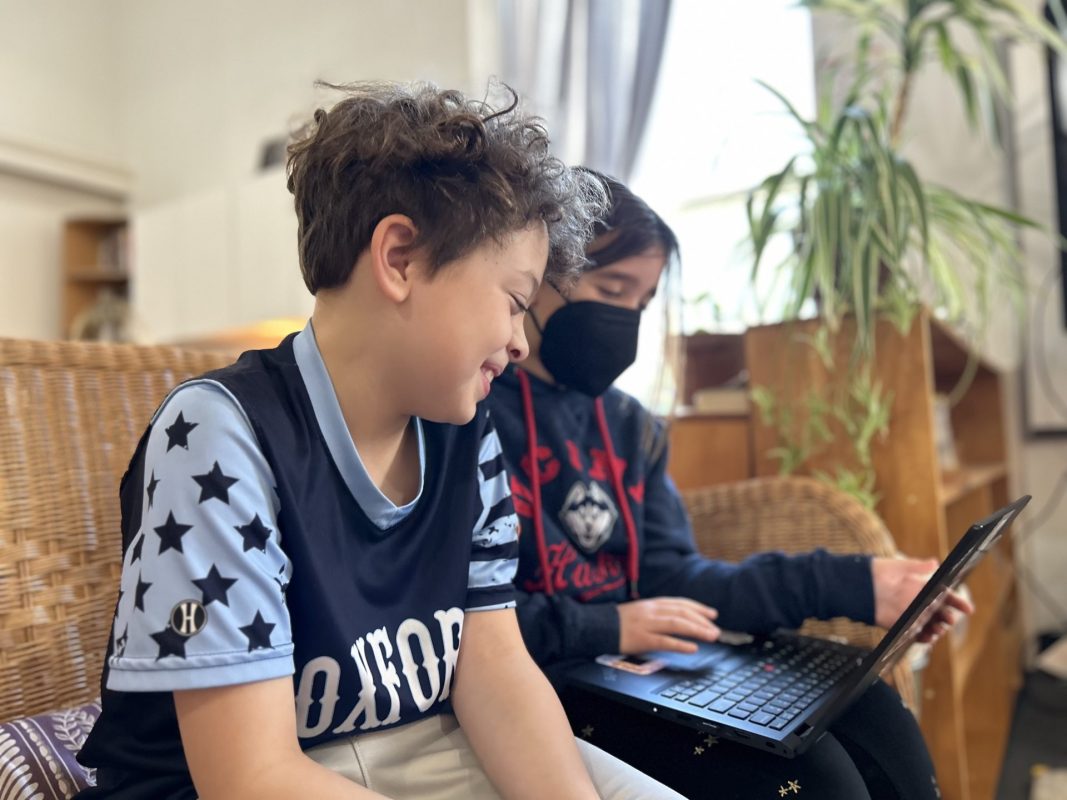
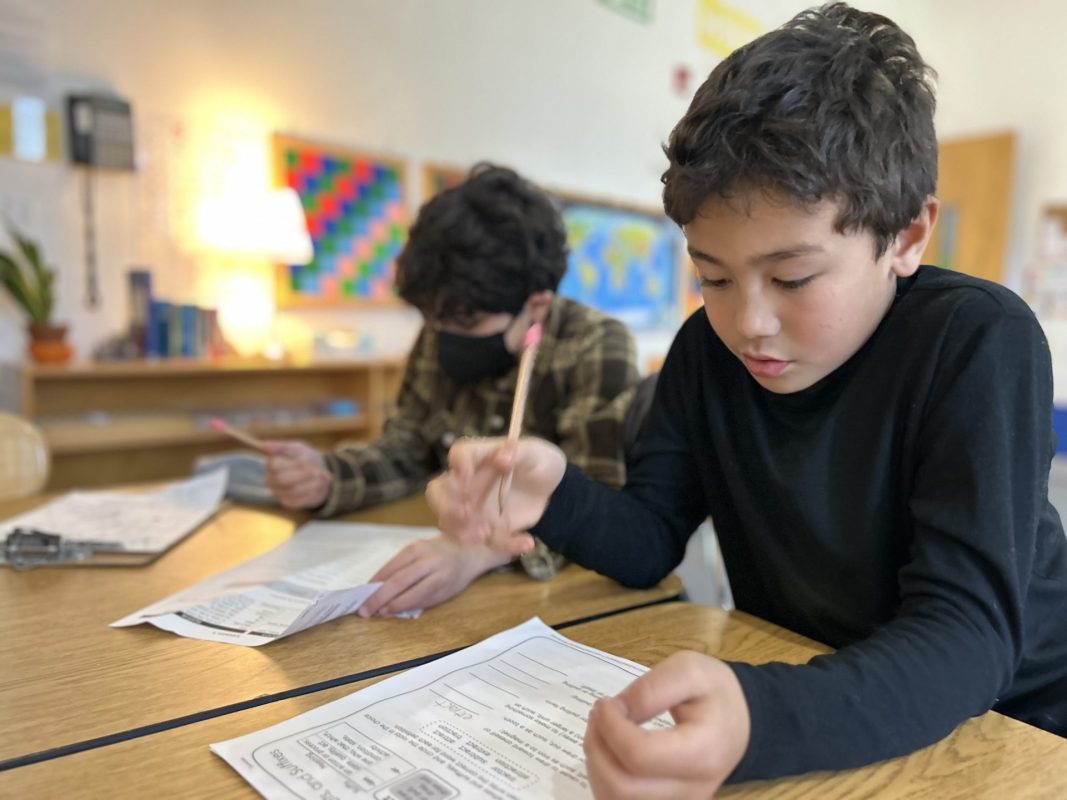
Middle Schoolers learned about adjectives and how they are used to qualify the noun. They worked on adjectives and opposites, learning how they work and how they can use them. They also learned about definite and indefinite articles and noun-adjective agreement. Also, middle school students were very excited to play Spanish Kahoot and to watch an age-appropriate movie called “Luca” in “Spanish,” where the students were able to understand the movie as part of our enrichment program.
I am very pleased with the progress and accomplishment of learning goals in all of my classes.
All the students are doing an amazing job in Spanish.


Mrs. Lopes: It’s Off to Work I Go!


When a child works, he does not do so to attain some further goal. 
His objective in working is the work itself. Maria Montessori

One of Maria Montessori’s most noted quotes is “play is the child’s work.”  We’re sure by now you have heard your child talk about their work at school. Dr. Montessori preferred the word work rather than the word play to describe the learning process children are constantly undergoing. Work conveys the amount of effort that children put into their physical, social, emotional, and academic growth. As adults, our definition of work has a very different meaning.

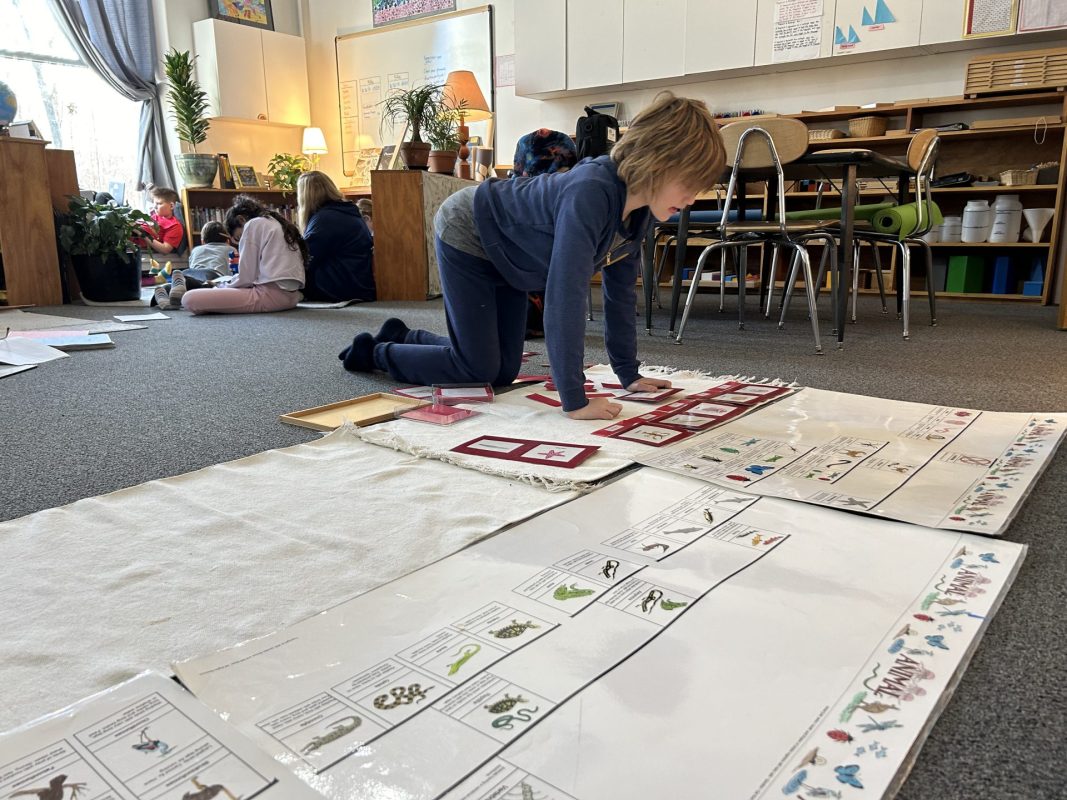
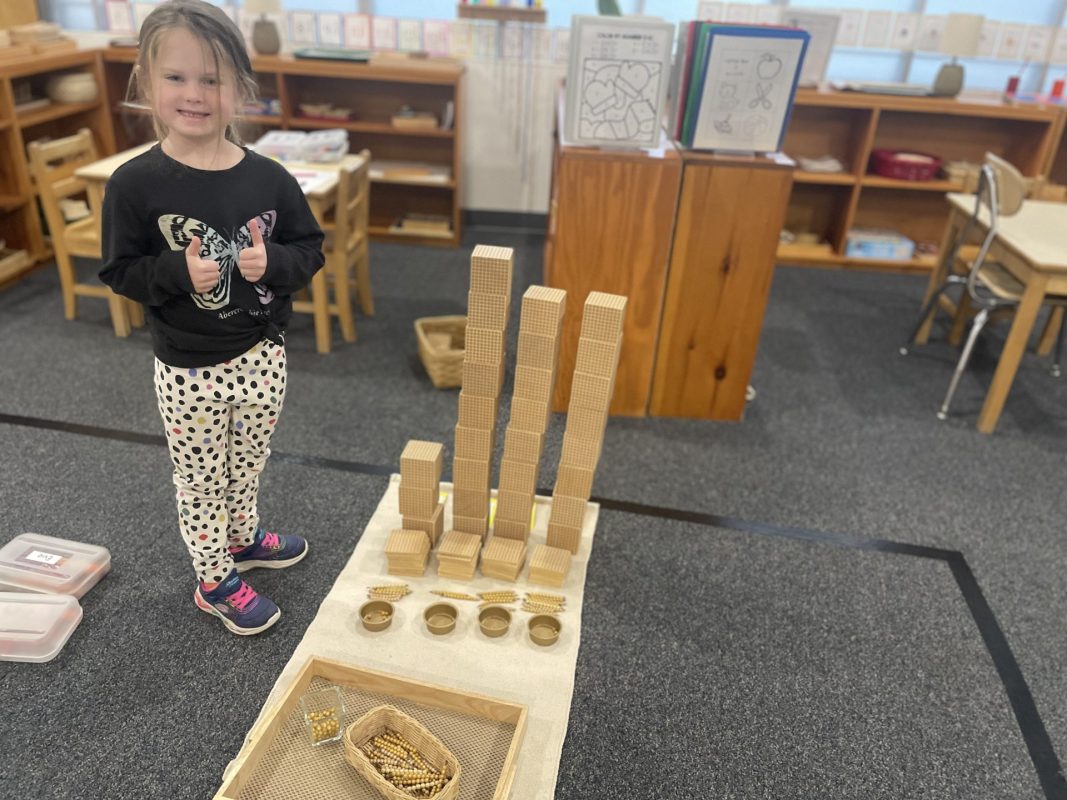
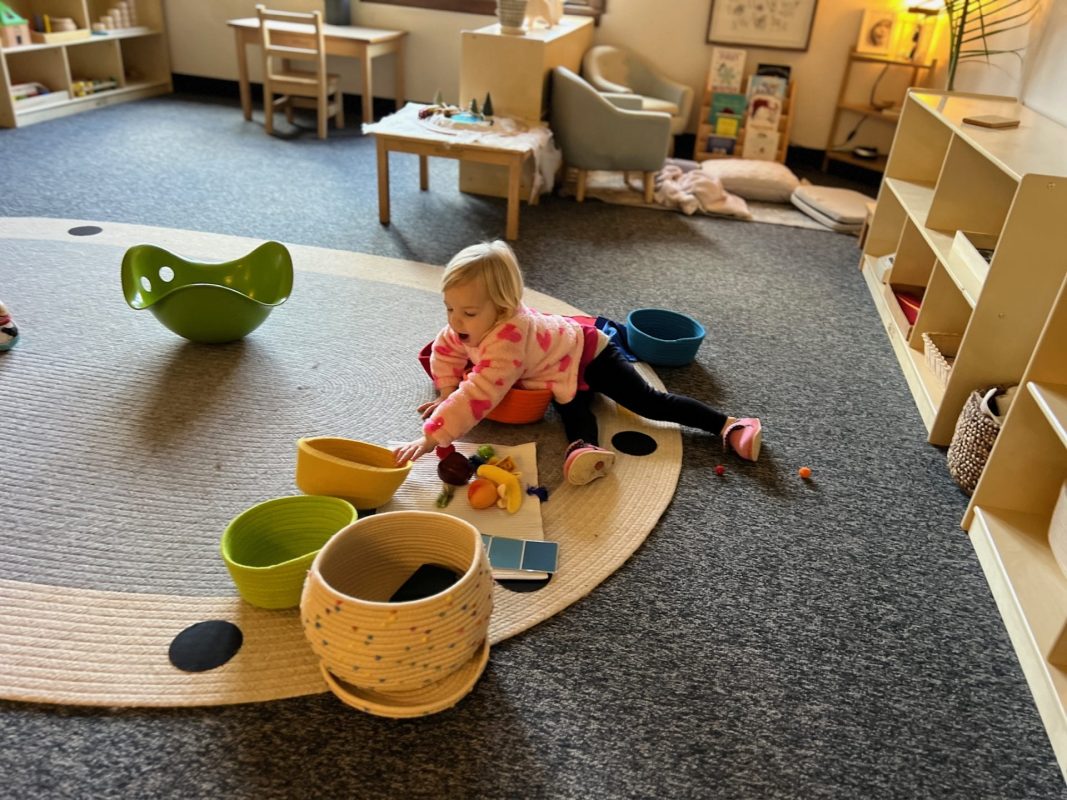
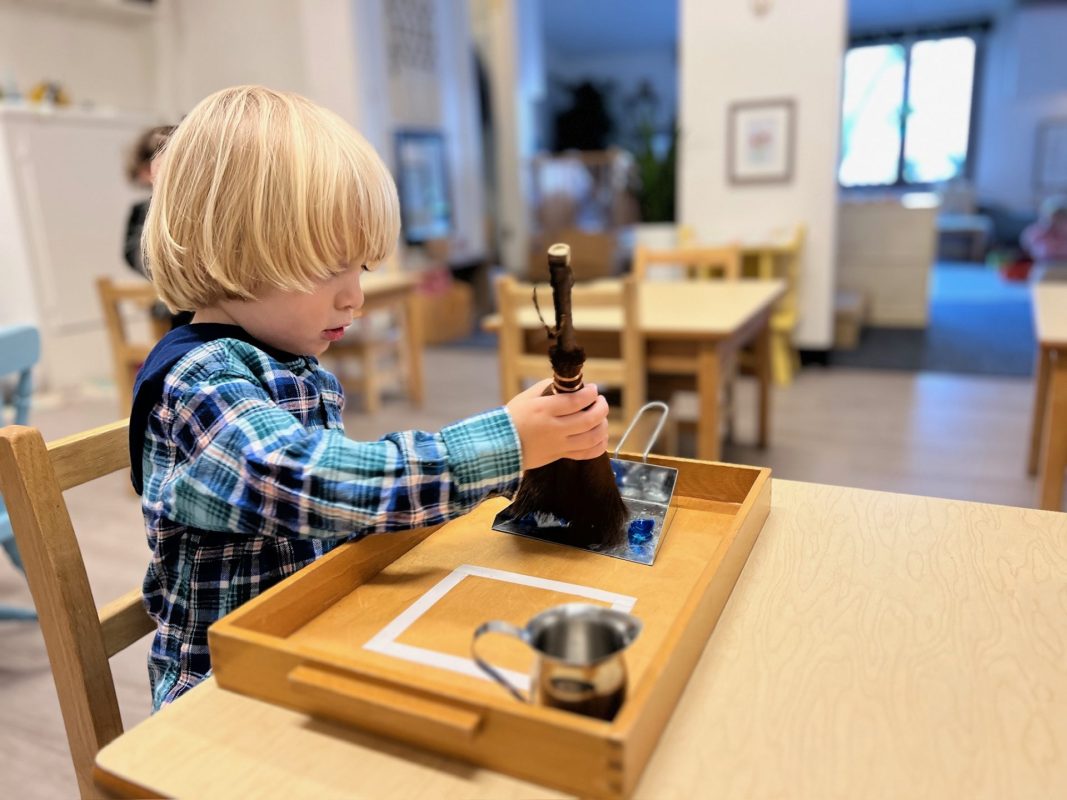
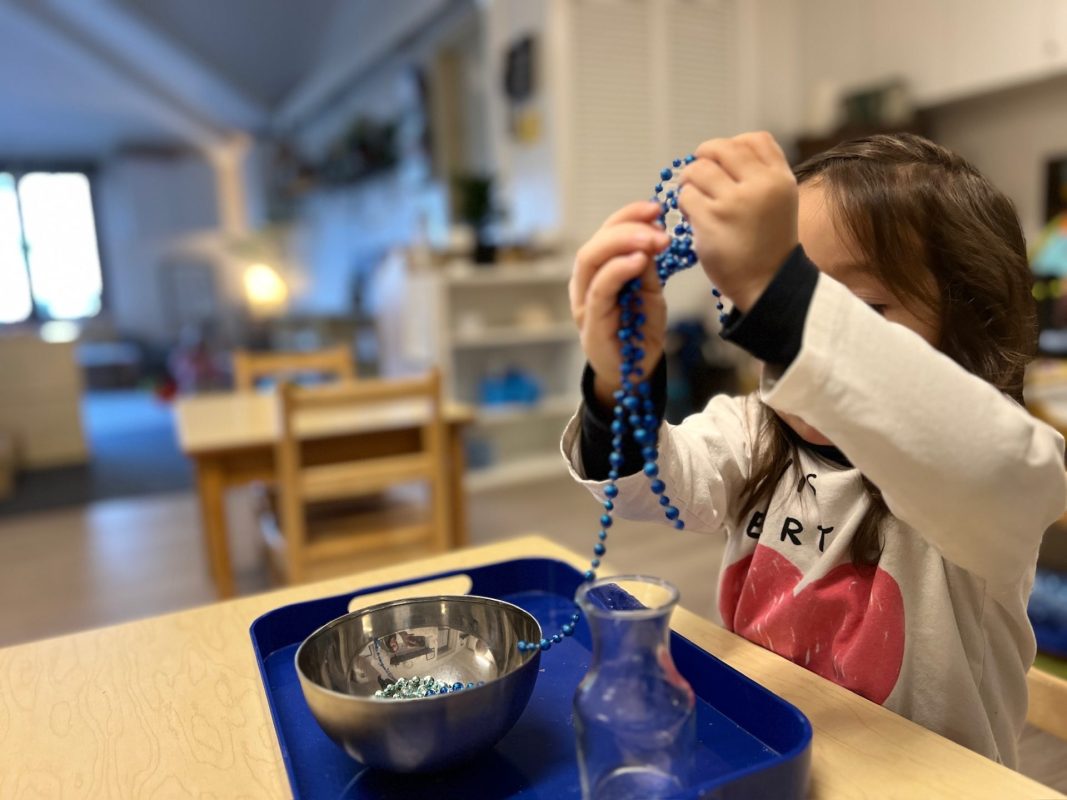
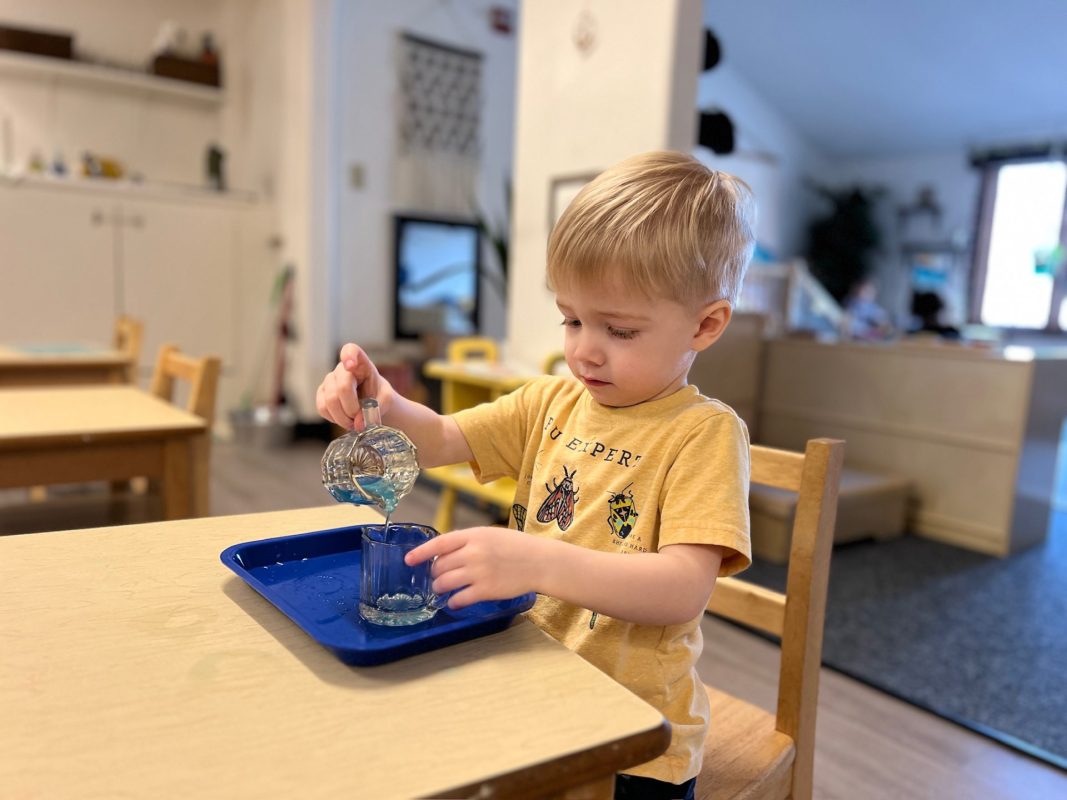
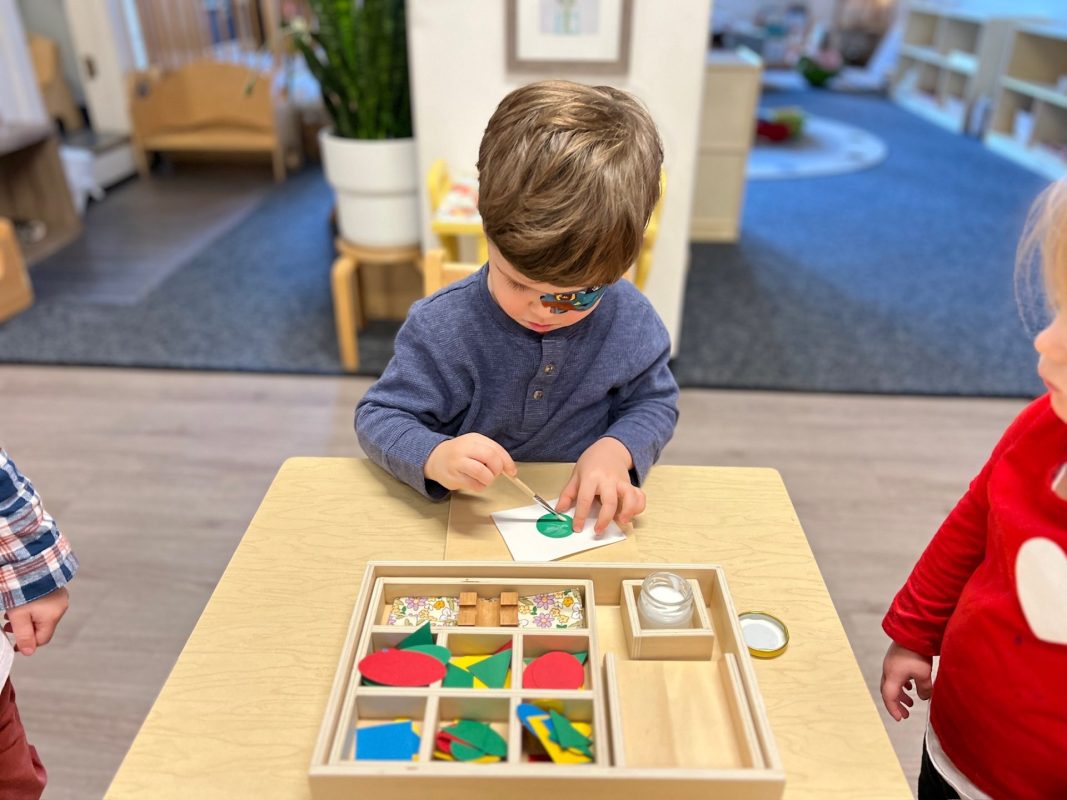
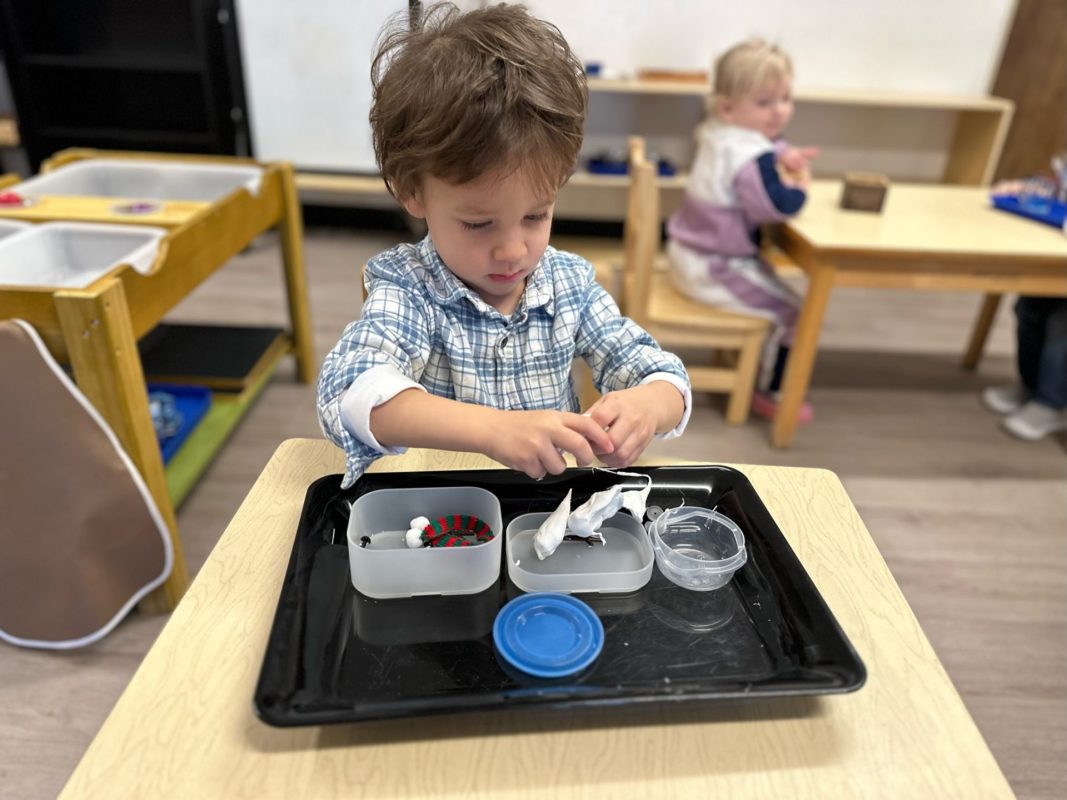
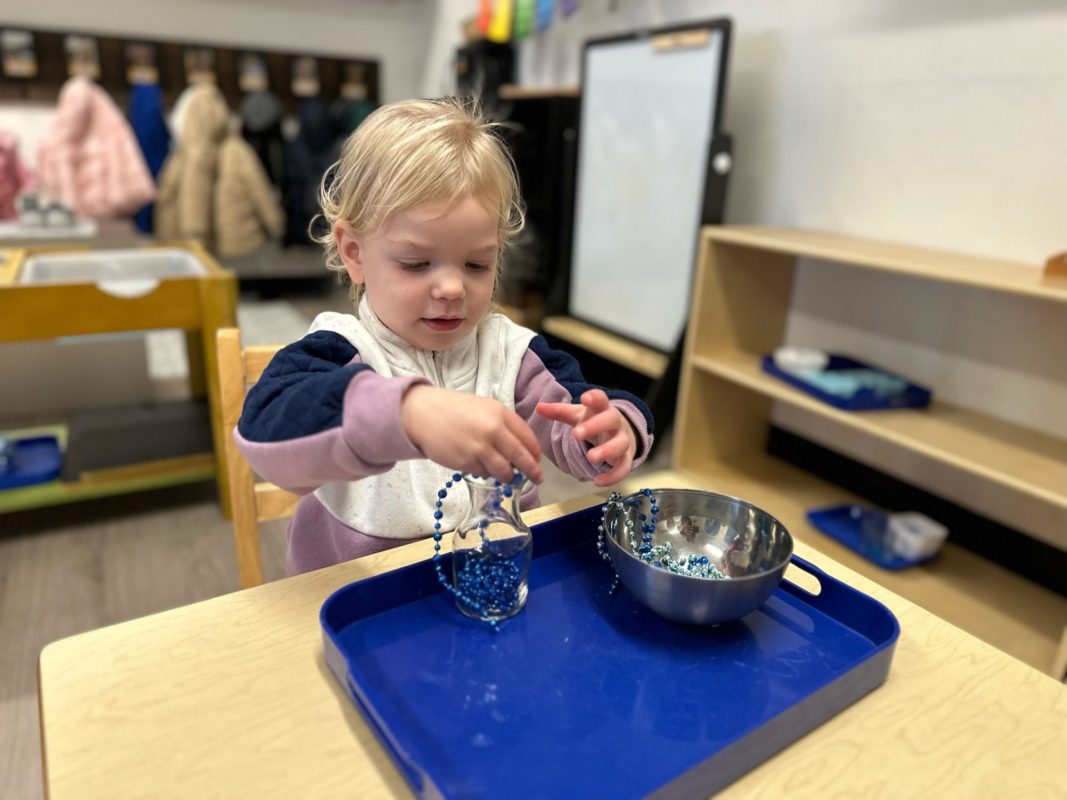
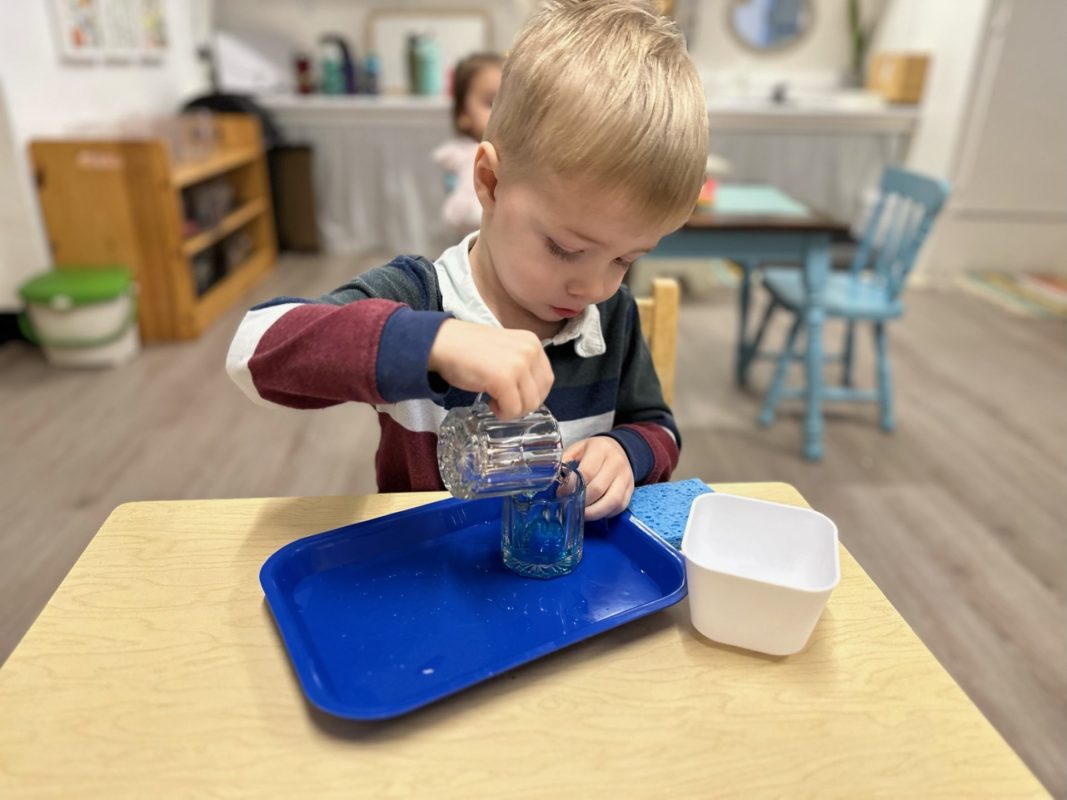
Children are driven by a strong, unconscious internal growth process to seek out experiences that will meet their needs. Our role as Montessori teachers is to provide a well-prepared environment that encourages children to be independent and learn at their own pace. The children are free to choose their work and to use it repeatedly. So, while they are ‘working’ each child is also building independence, coordination, self-discipline, and concentration.

Enjoy your work!

Amanda & Hema


Mrs. Wilson: Baked With Love

A few weeks back, the kids teamed up with Ms. Lacy and Ms. Eryn to whip up some community love in the form of delicious orange cranberry bread. Taking turns, they added, zested, and mixed ingredients, turning our classroom into a baking haven.

The following Monday, the young chefs tried their hands at homemade butter, sprinkling in a bit of salt and heavy cream. Each took a turn shaking the jar until the liquid became a solid.

The next day, we joined the whole school for a heartwarming Thanksgiving celebration. From the primary level to the eighth graders, everyone shared poems, prayers, and gratitude. Back in our classroom, we savored the tasty fruits of their labor – the delightful bread and butter they crafted together. Community, creativity, and a dash of buttery goodness – the perfect recipe for togetherness.

This week, the children are finishing up lessons about woodland animals and fall. Soon, we’ll dive into the holiday season and celebrations. We also celebrated a friend’s birthday with cupcakes and her favorite book, Pete The Kitty’s First Day of Preschool, by Kimberly and James Dean.

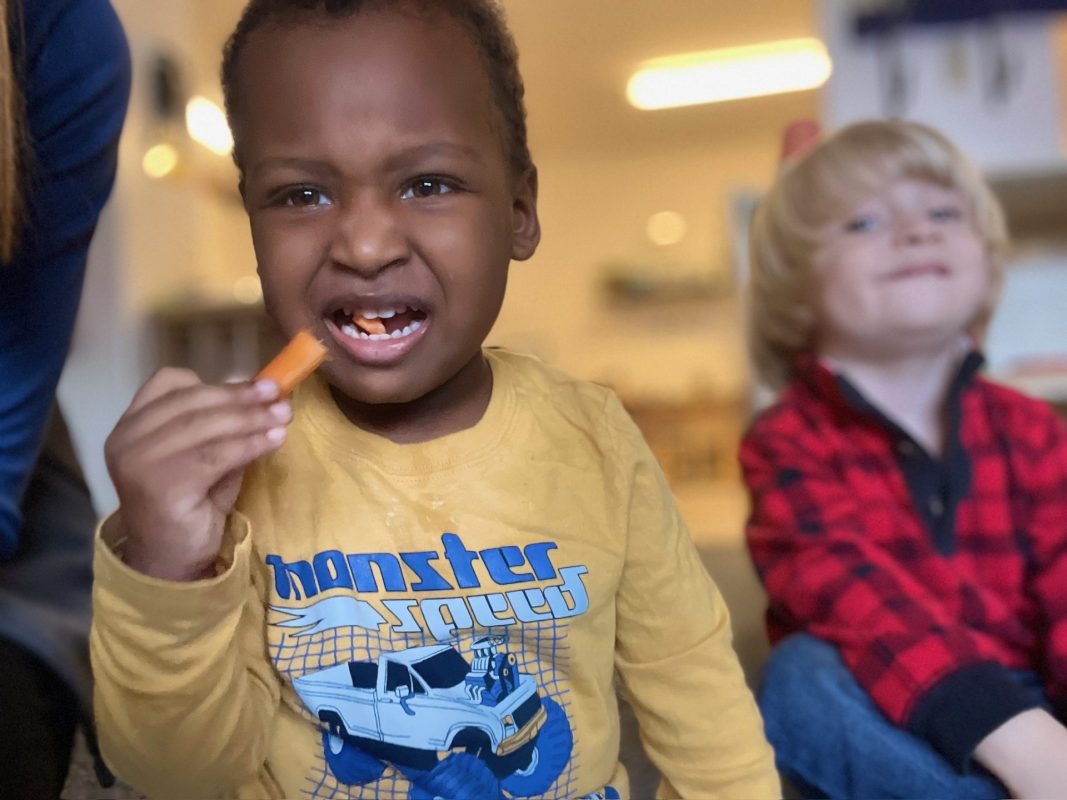
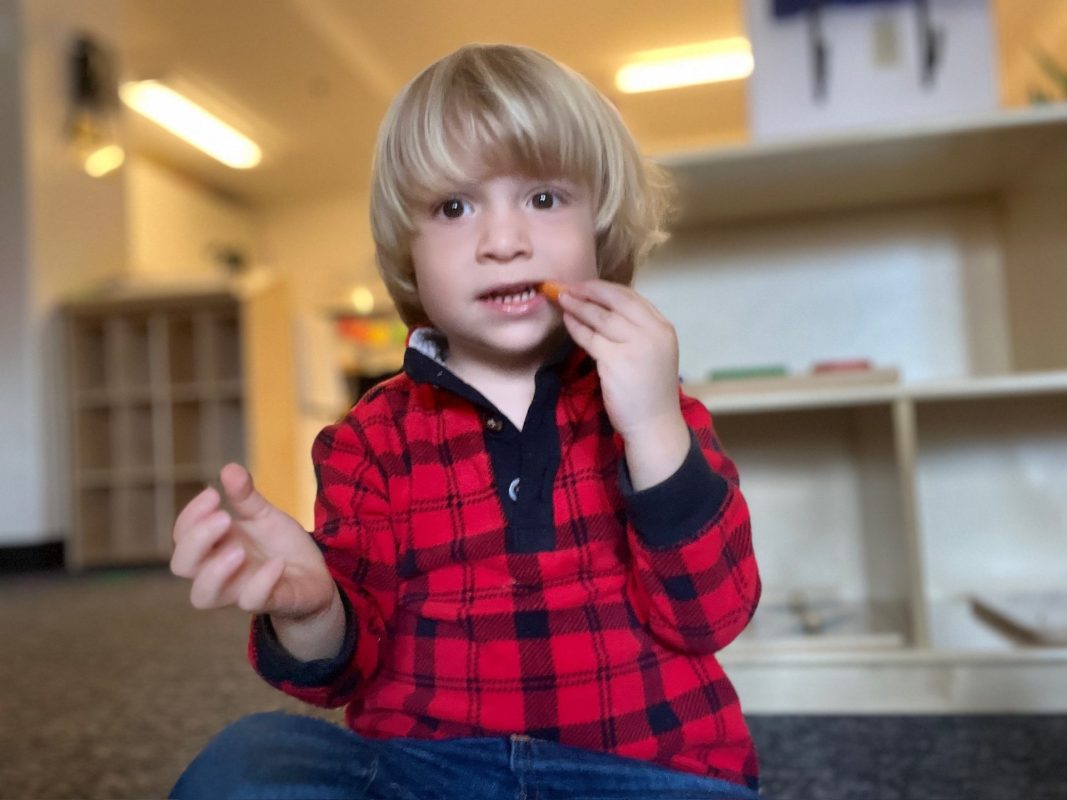
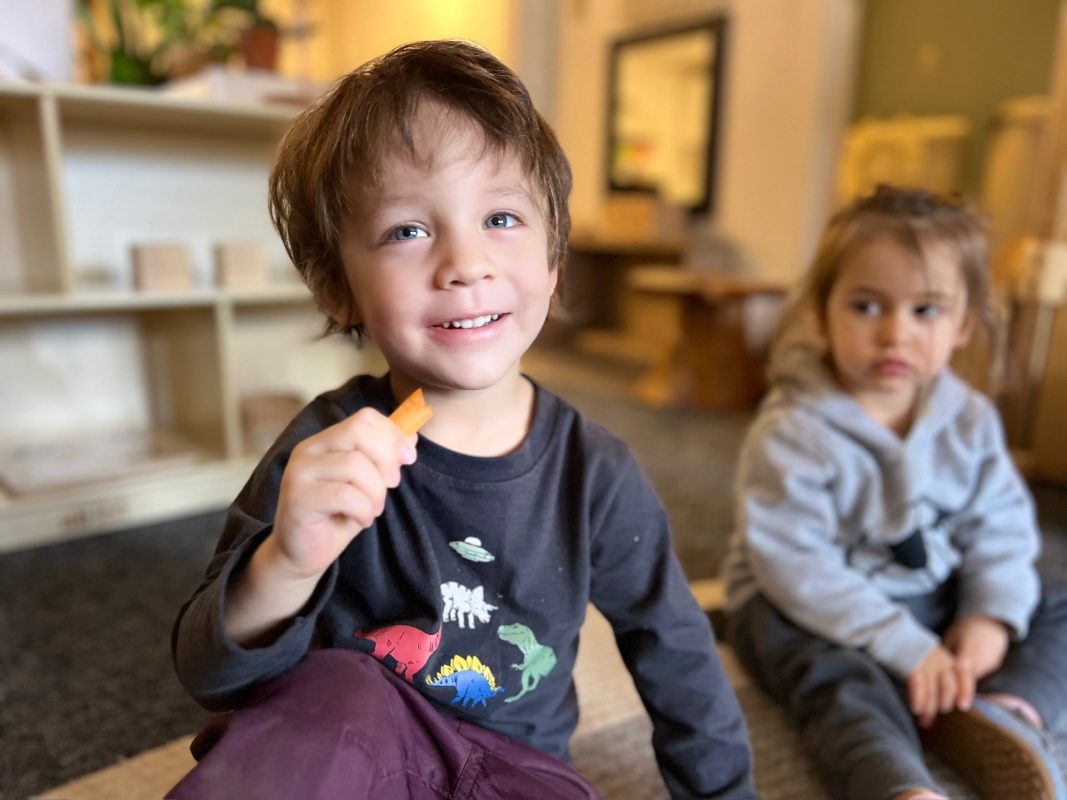
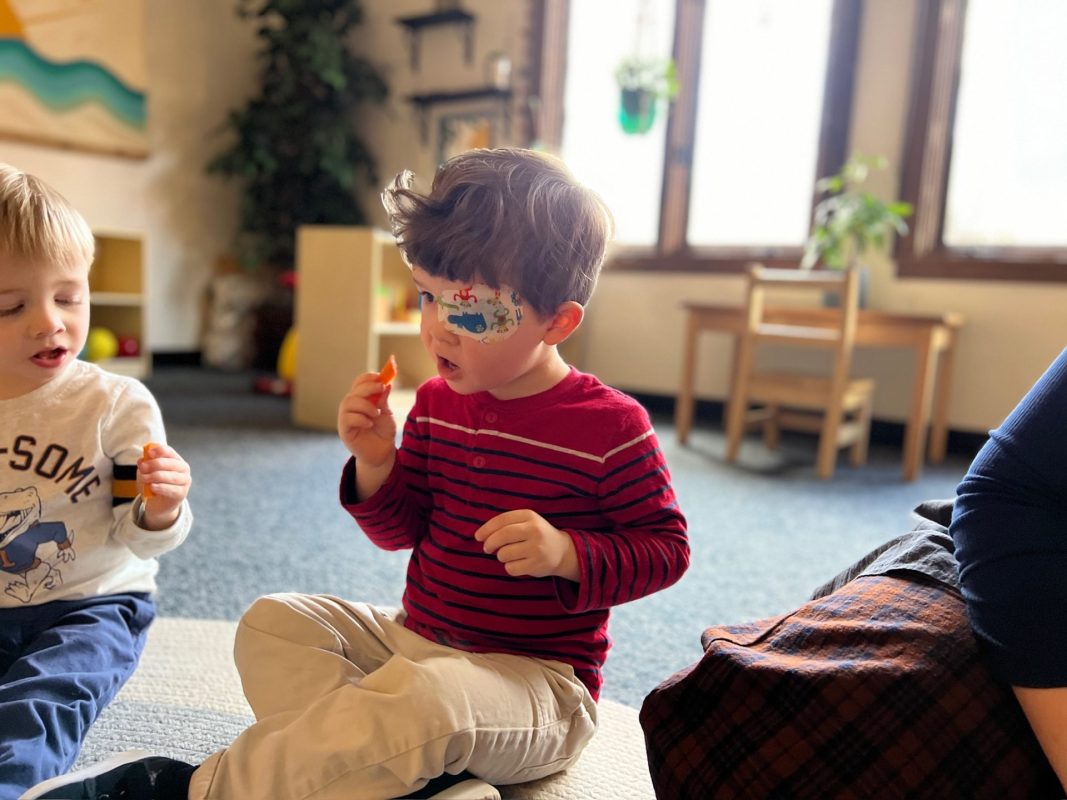
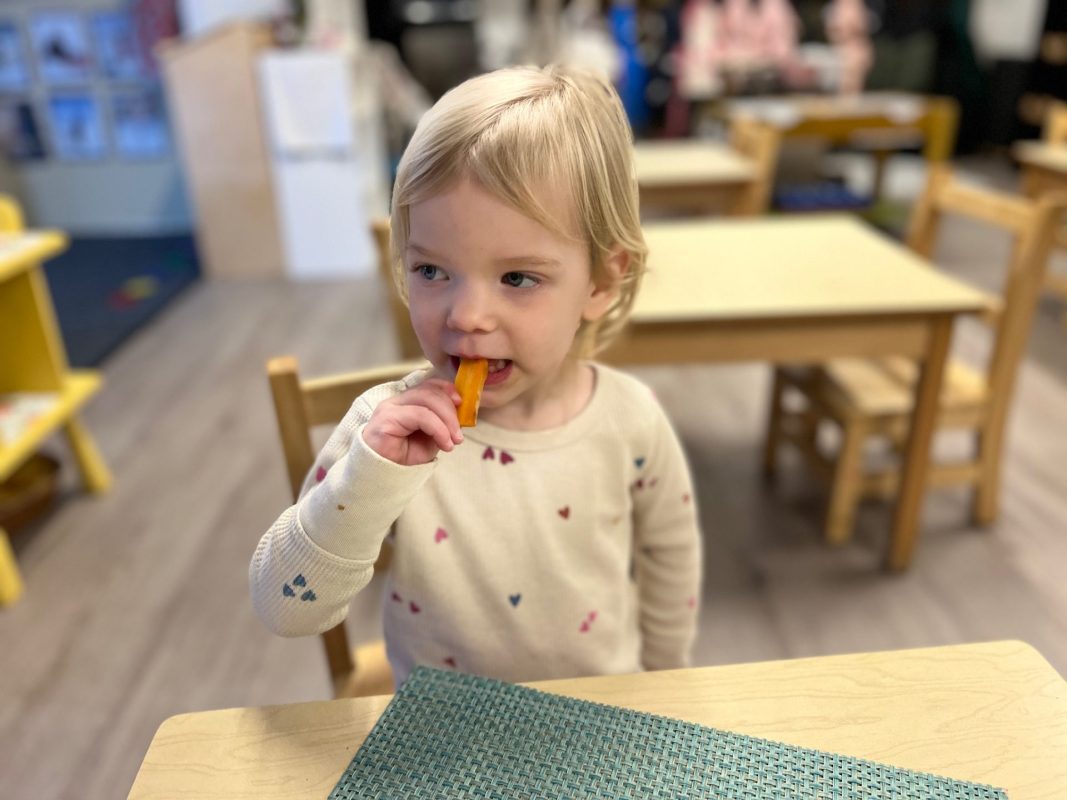
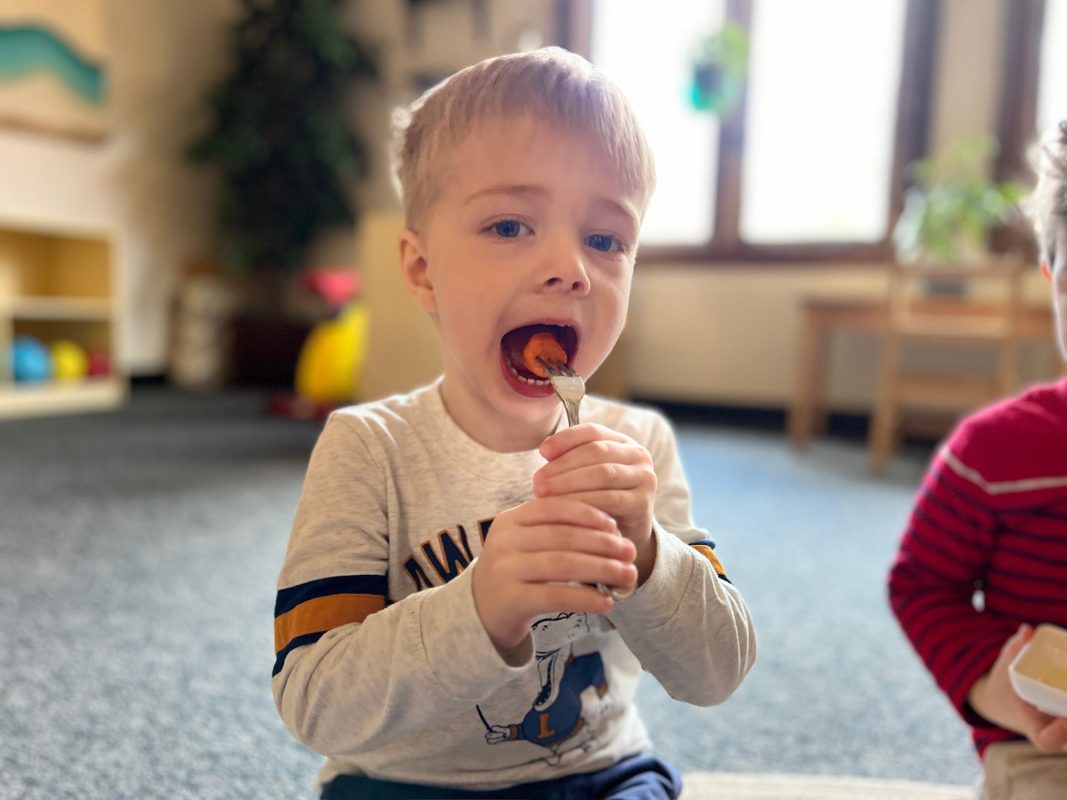
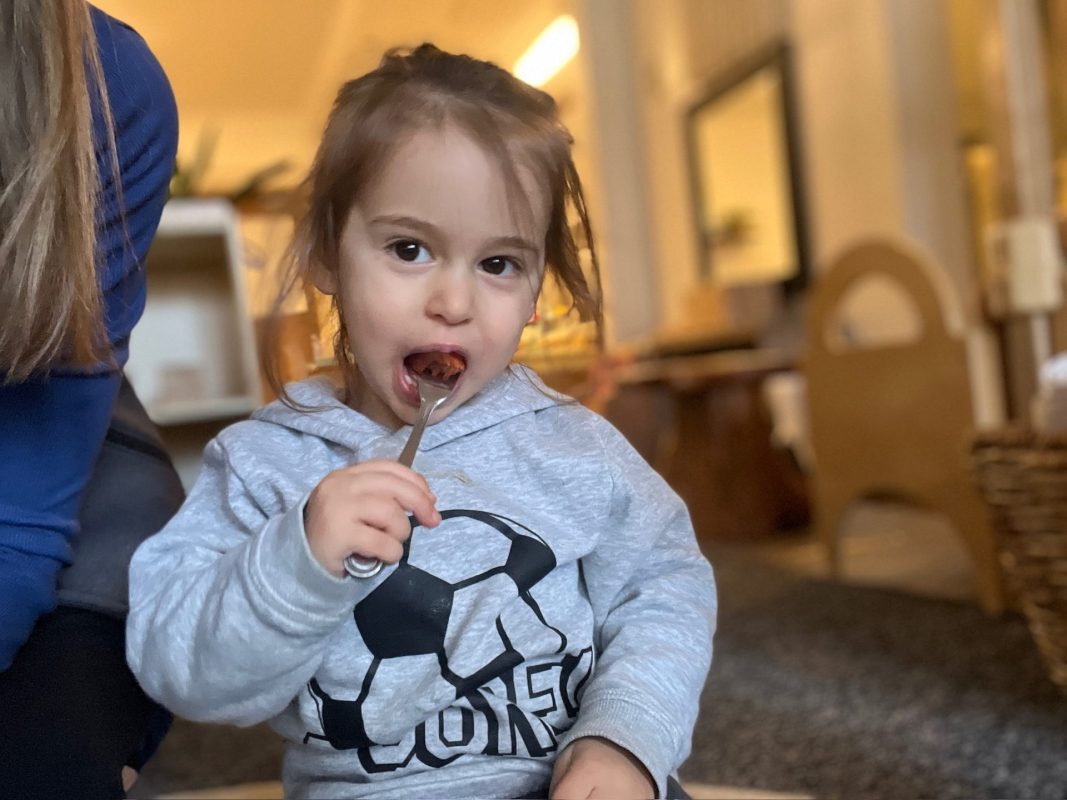
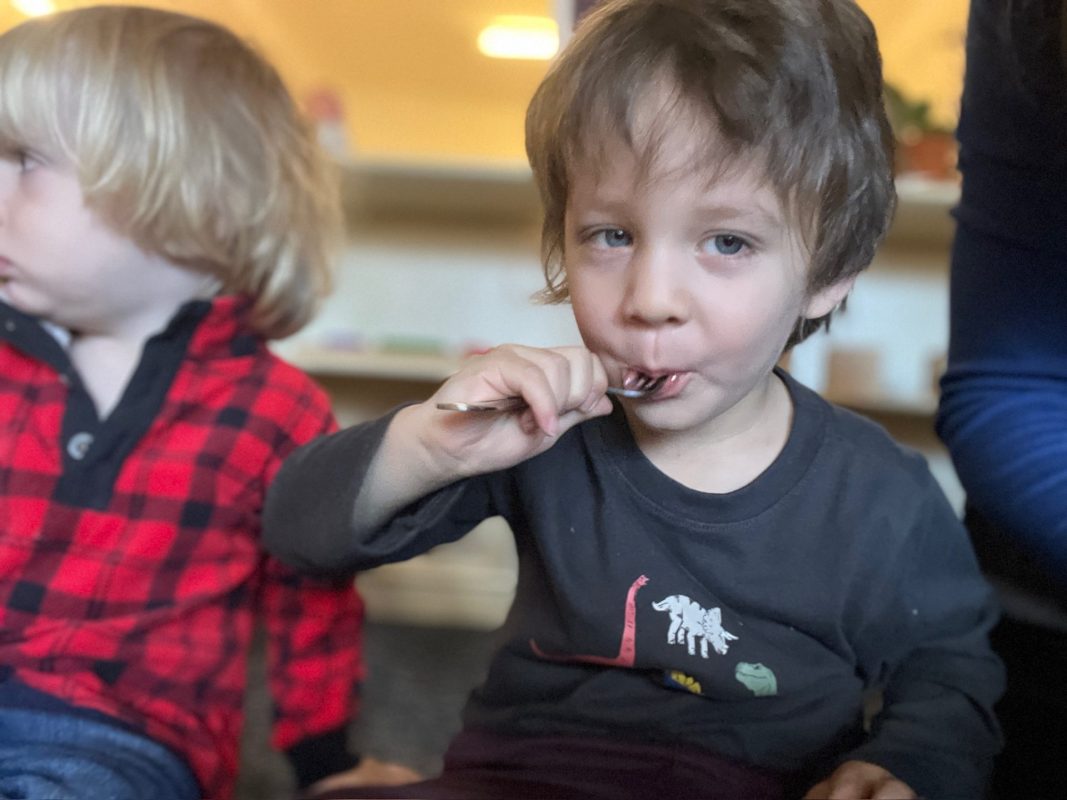
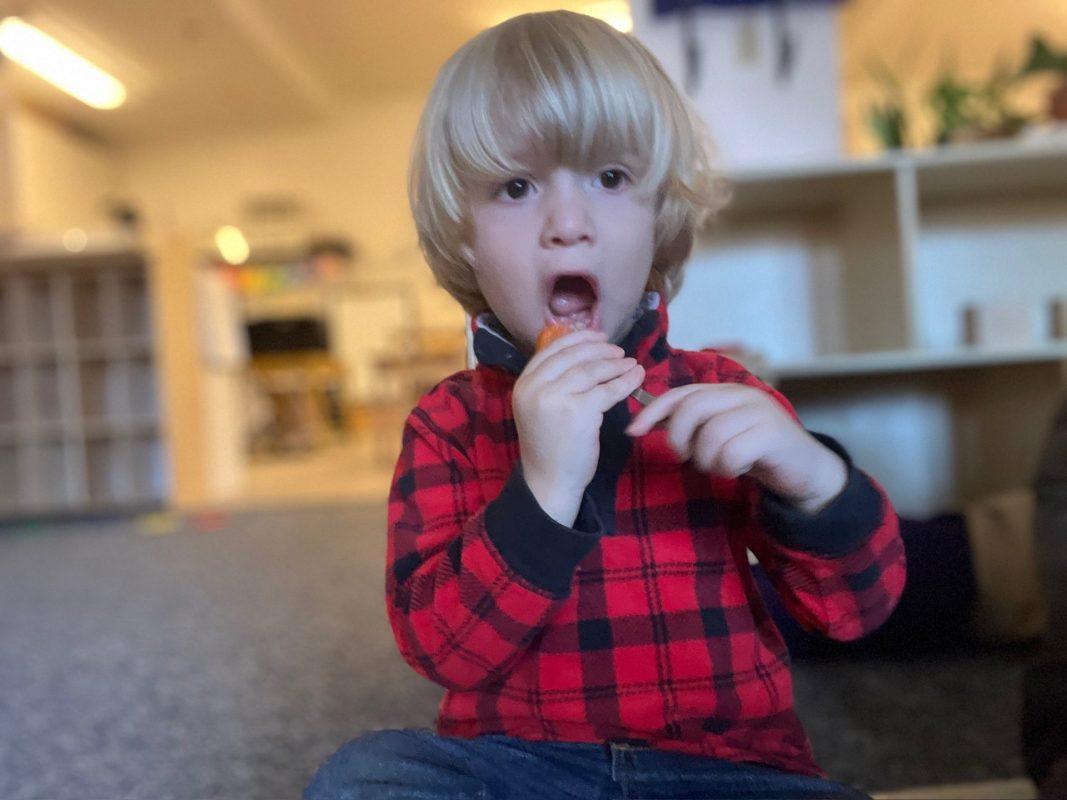
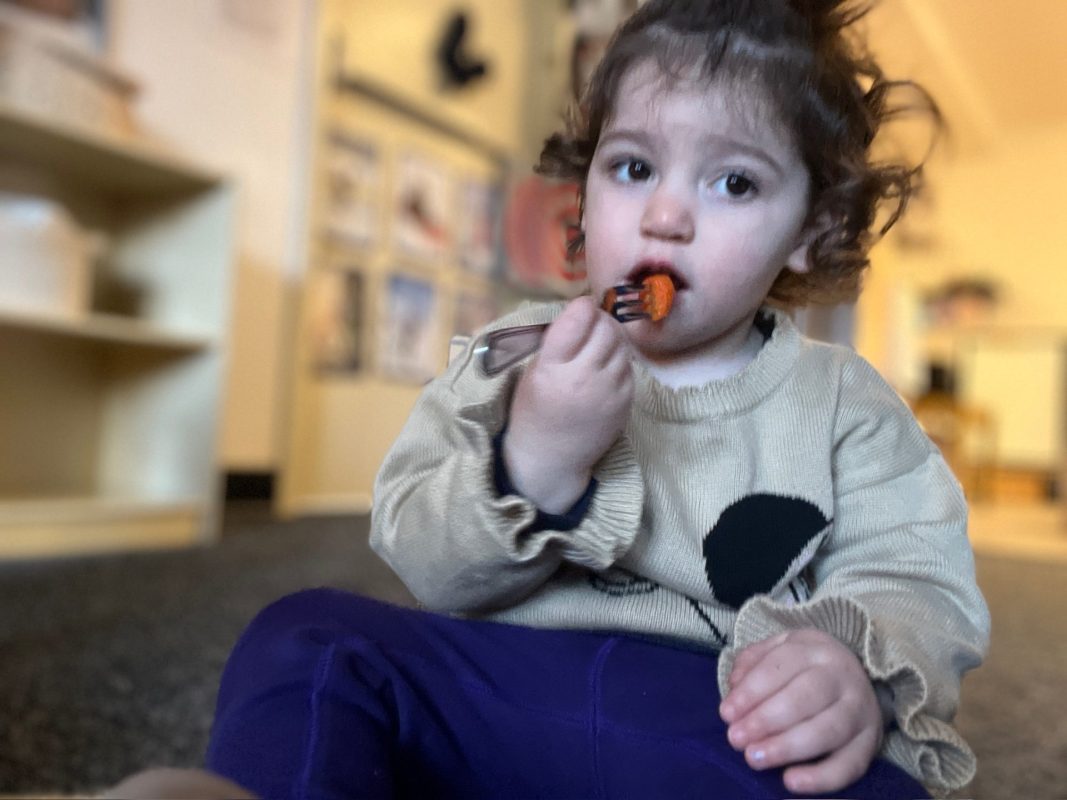
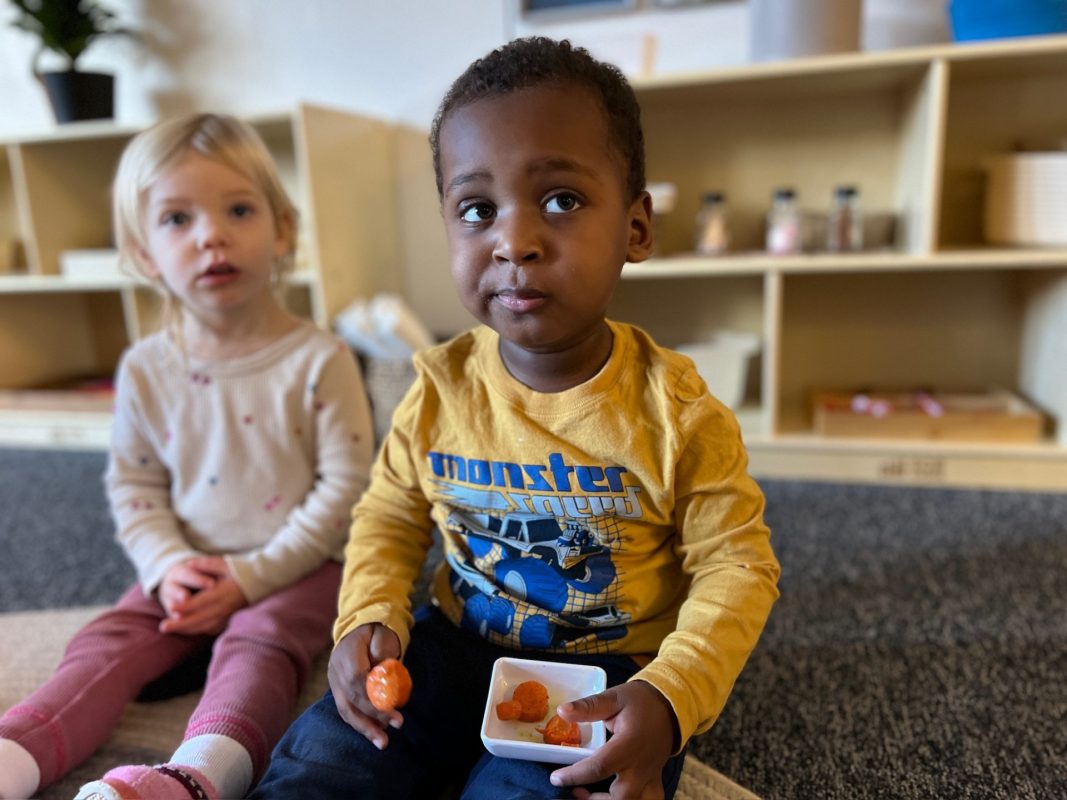
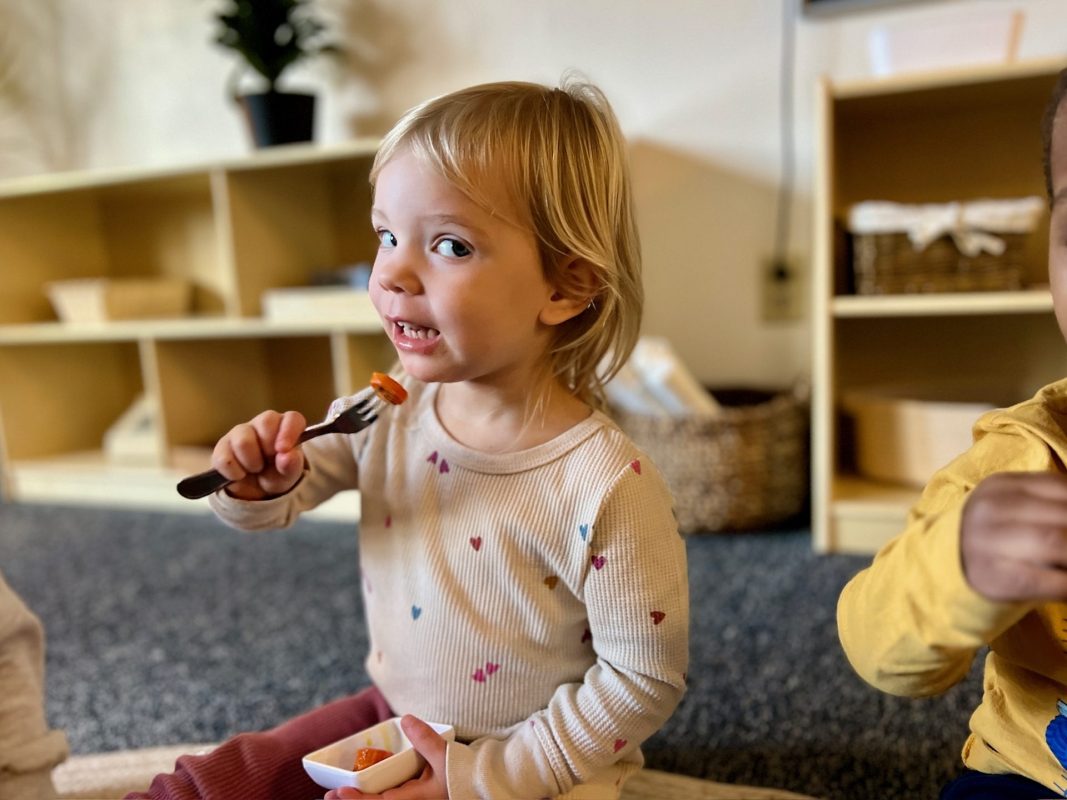
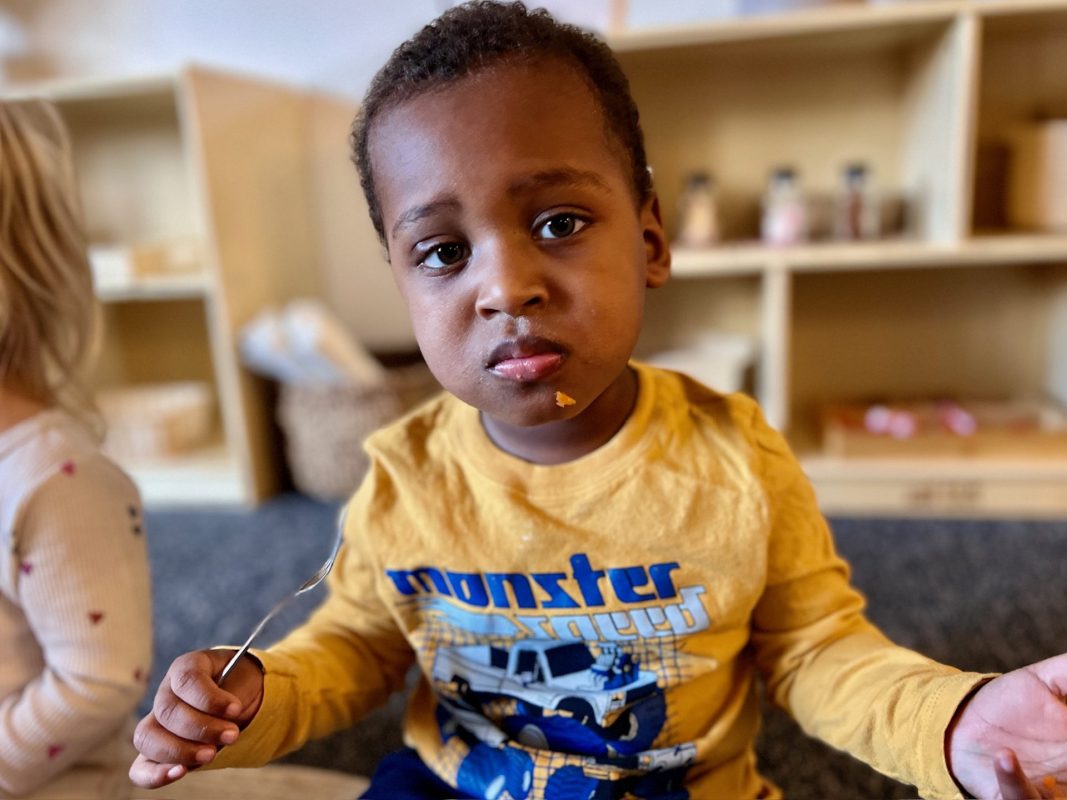
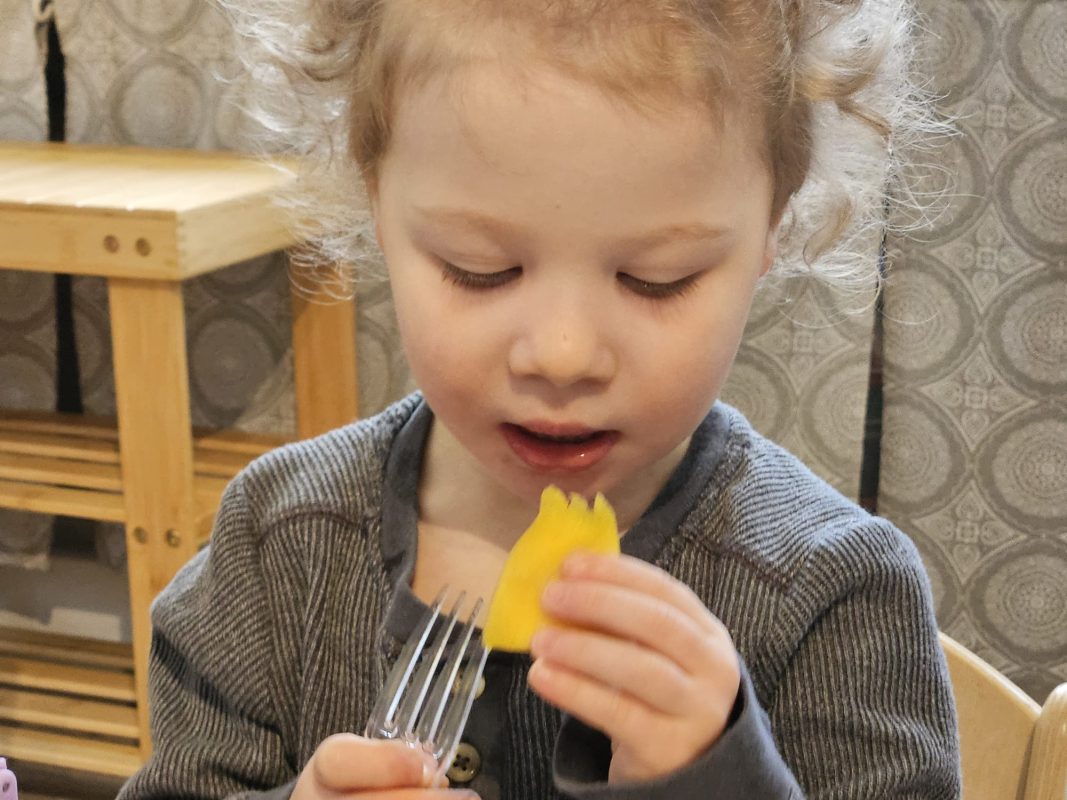
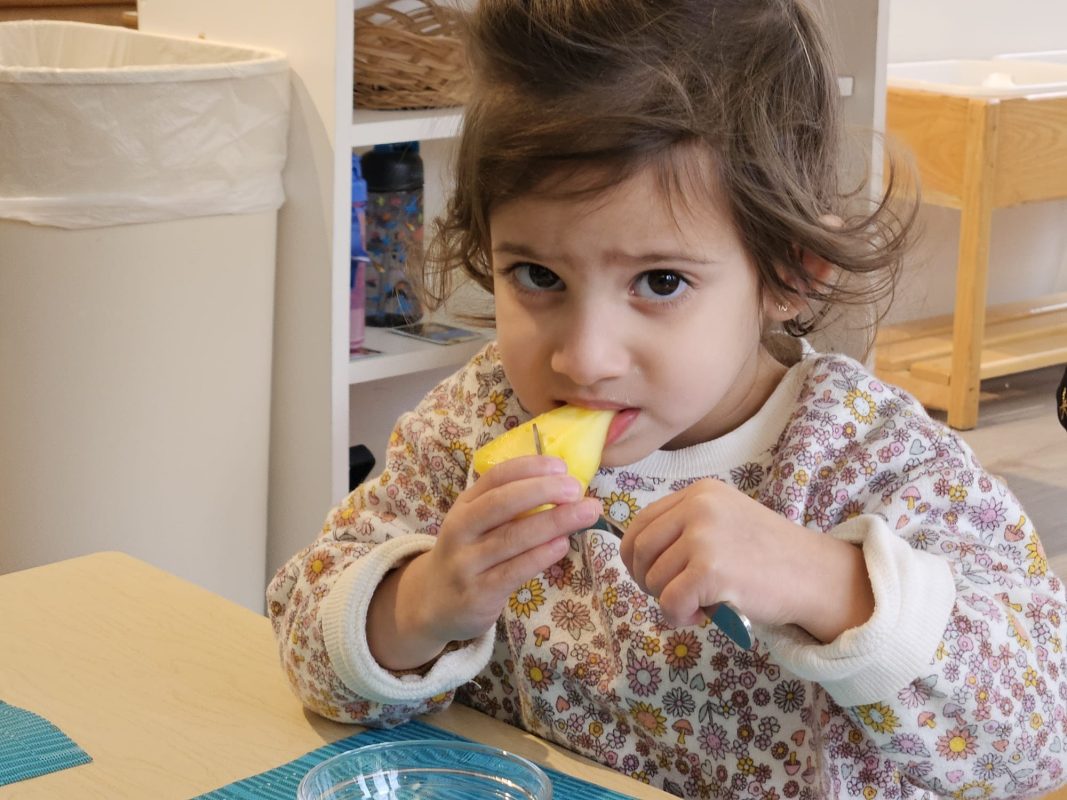
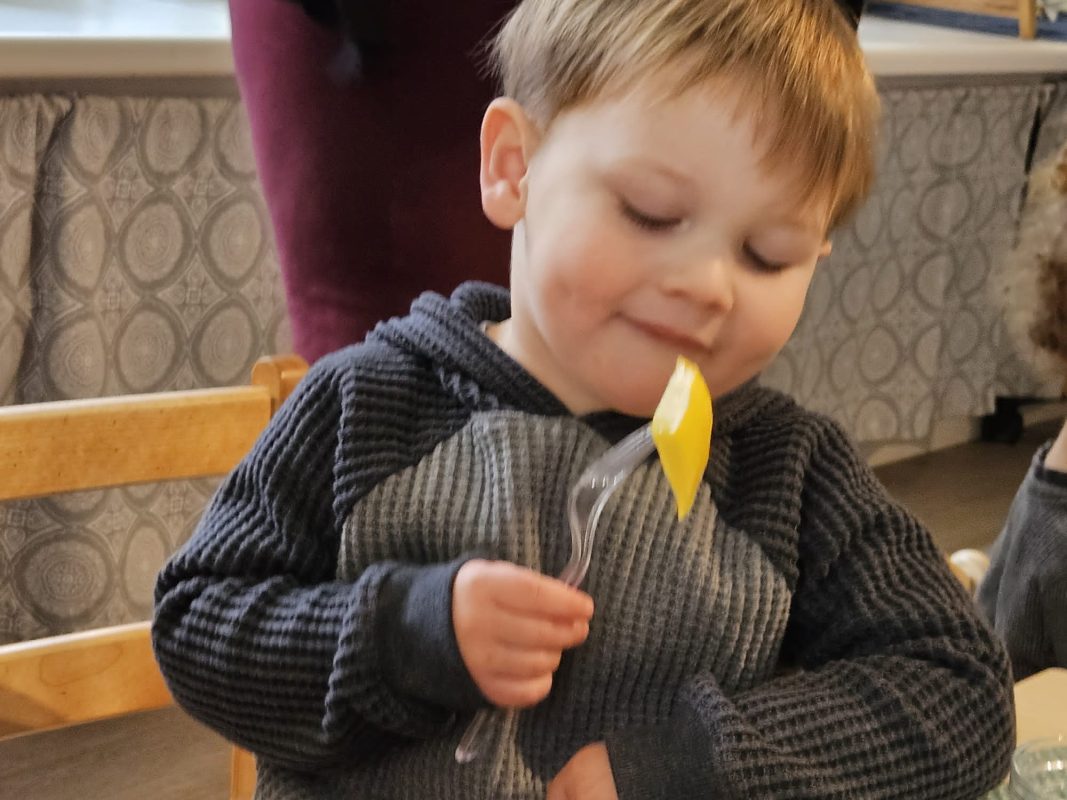
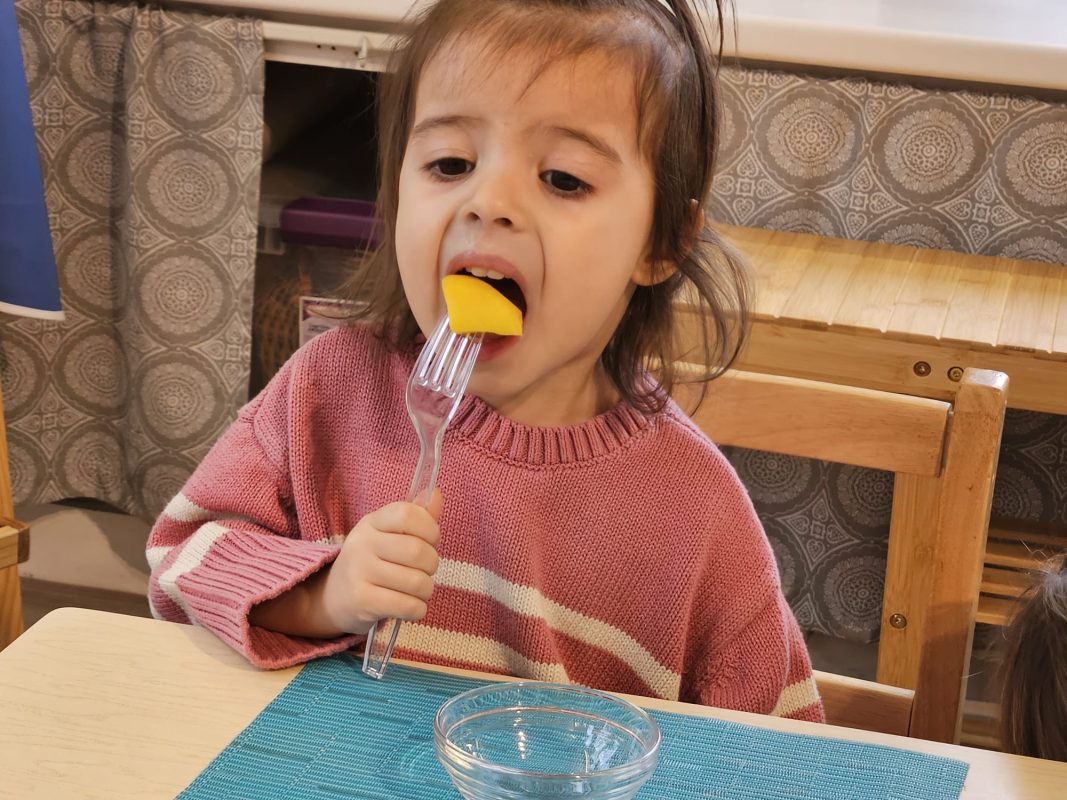
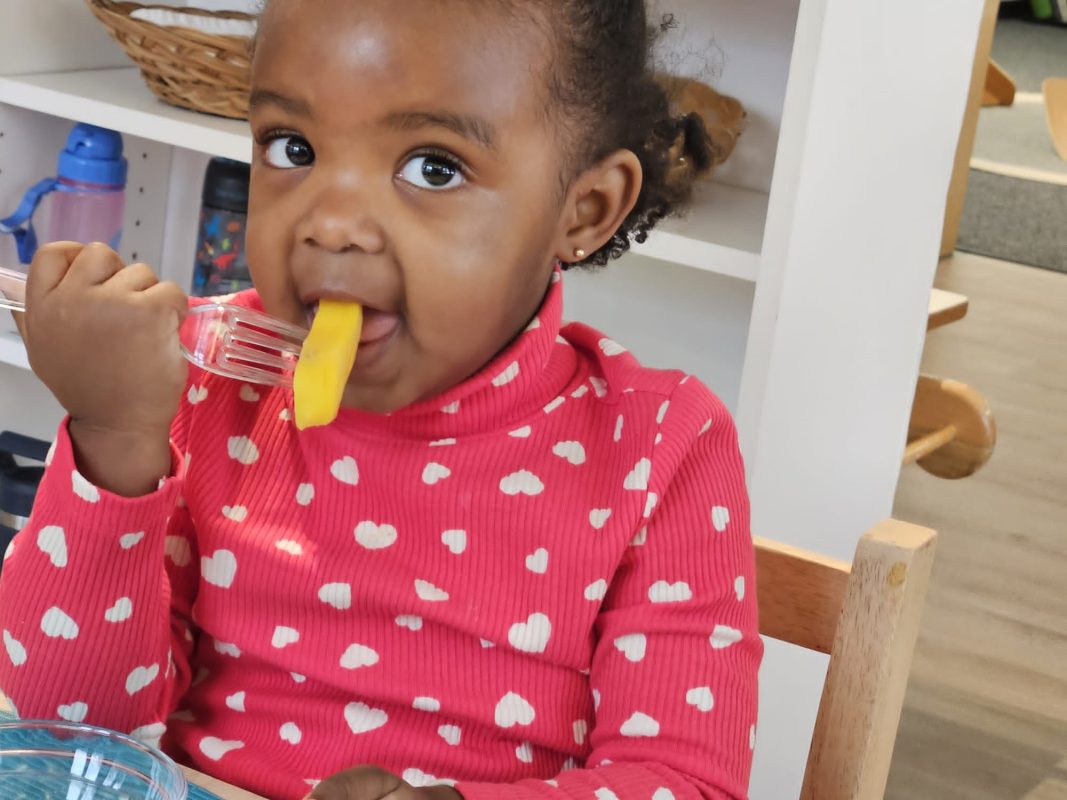
Food Tasting: This was the first time I introduced baby spinach as a food-tasting item. Even though there was not much to explore compared to other produce we had tasted, I was surprised to see all of our friends tasting it. And most of them wanted more servings.

Peace and Love,

Cynthia and Sara


Ms. Marissa: It’s Off to Work I Go!

When a child works, he does not do so to attain some further goal.  His objective in working is the work itself. Maria Montessori

One of Maria Montessori’s most noted quotes is “play is the child’s work.”  We’re sure by now you have heard your child talk about their work at school. Dr. Montessori preferred the word work rather than the word play to describe the learning process children are constantly undergoing. Work conveys the amount of effort that children put into their physical, social, emotional, and academic growth. As adults, our definition of work has a very different meaning.

Children are driven by a strong, unconscious internal growth process to seek out experiences that will meet their needs. Our role as Montessori teachers is to provide a well-prepared environment that encourages children to be independent and learn at their own pace. The children are free to choose their work and to use it repeatedly. So, while they are ‘working’ each child is also building independence, coordination, self-discipline, and concentration.

Enjoy your work!

Marissa & Sue


Mrs. Sargeant: A Peek at the Week

Our class gathered with the other toddler classes this week for a Diwali celebration. Diwali is a five-day festival that is observed around the world, and its rituals vary by region. Diwali represents new beginnings and the victory of light over darkness, good over evil. It is the triumph of righteousness, knowledge in place of ignorance. Homes are brightly illuminated with diyas (candles) and oil lamps, and people decorate their homes with rangoli. People also often wear new fine clothes and jewelry and celebrate with family and friends.

Ms. Paromita, along with a couple of toddler parents, including Arhan’s mom, Supreeti, were dressed in traditional Indian attire and provided our children with a wonderful opportunity to experience the beauty of Indian culture. Our children were mesmerized by the sights and sounds! Ms. Paromita danced to Indian music in her gorgeous attire while the hallway was decorated with beautiful and meaningful items related to Diwali. 

Next, the children were able to taste homemade laddu (thank you, Supreeti!) and decorate paper diyas. We are so grateful to all who shared their culture!

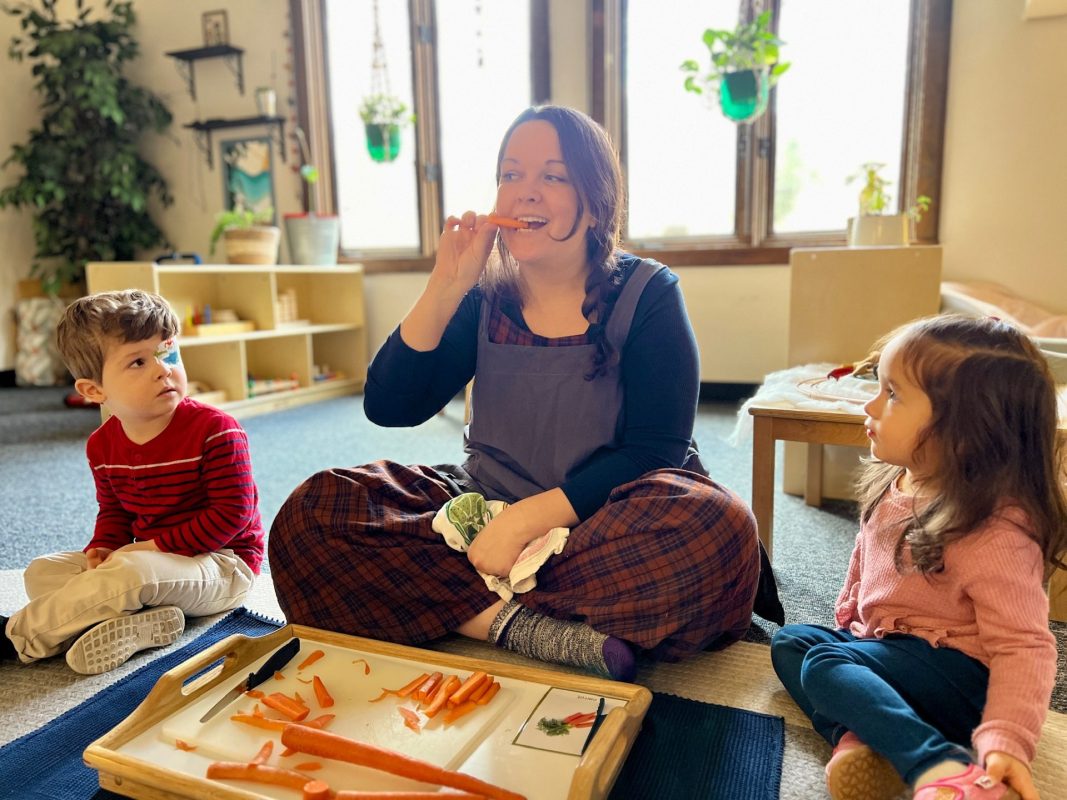
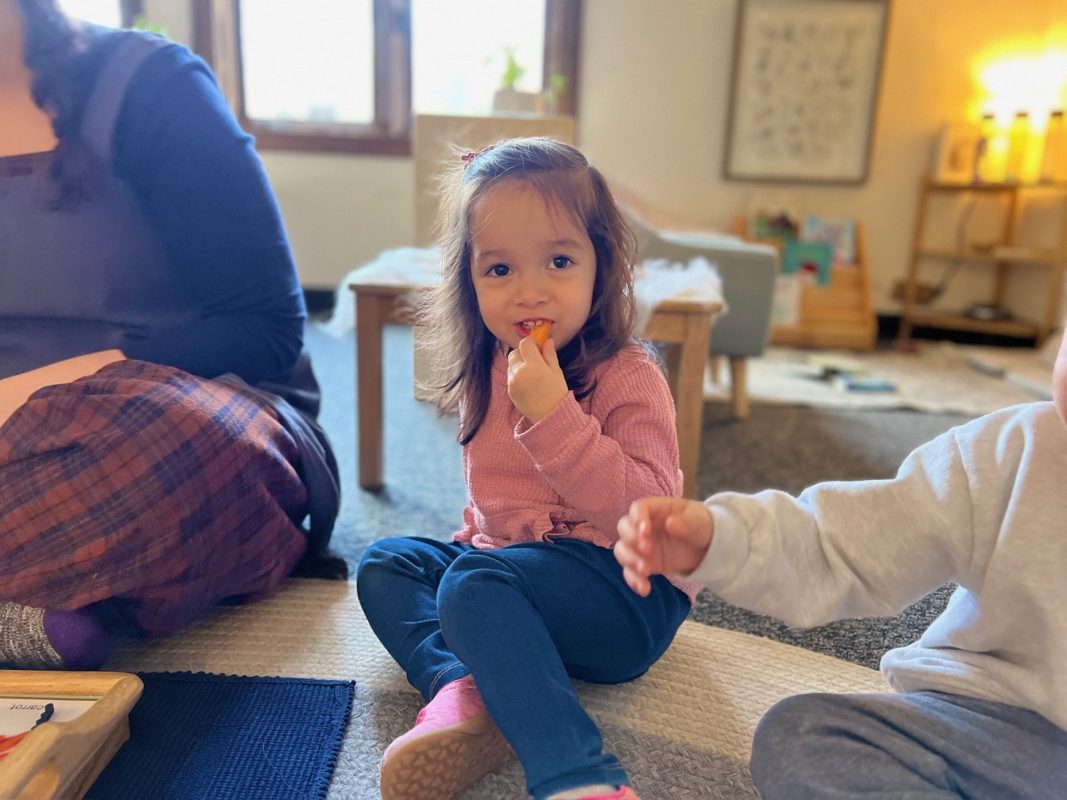
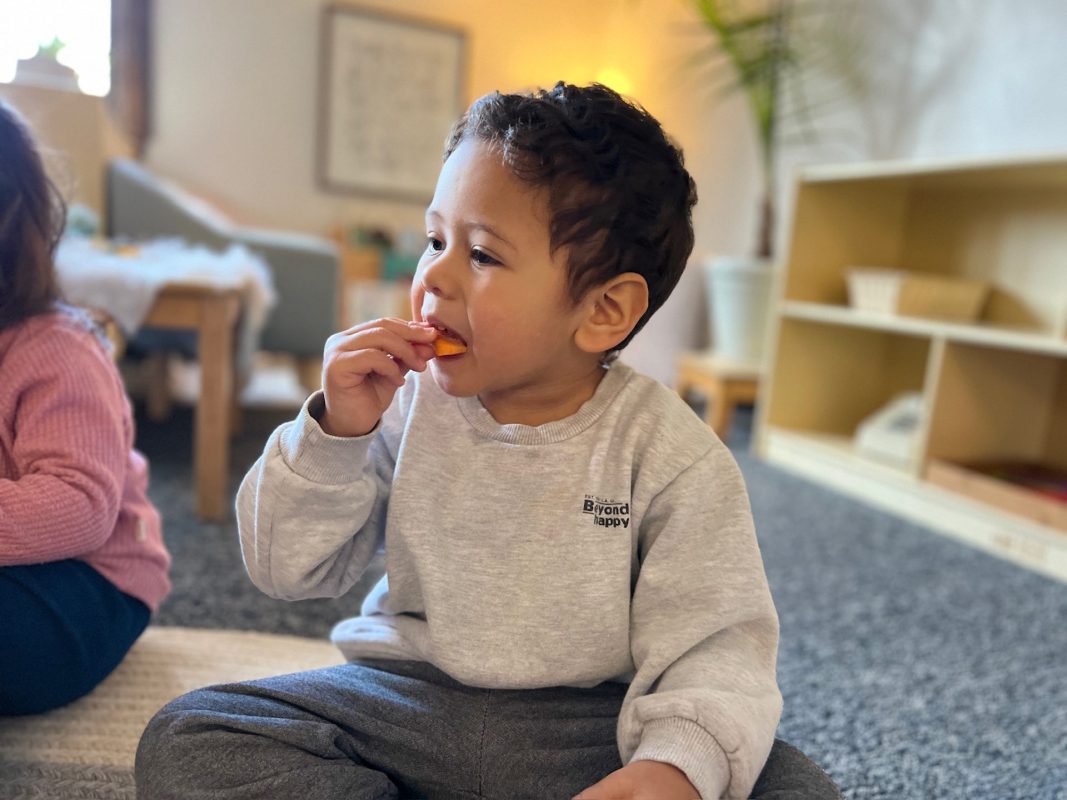
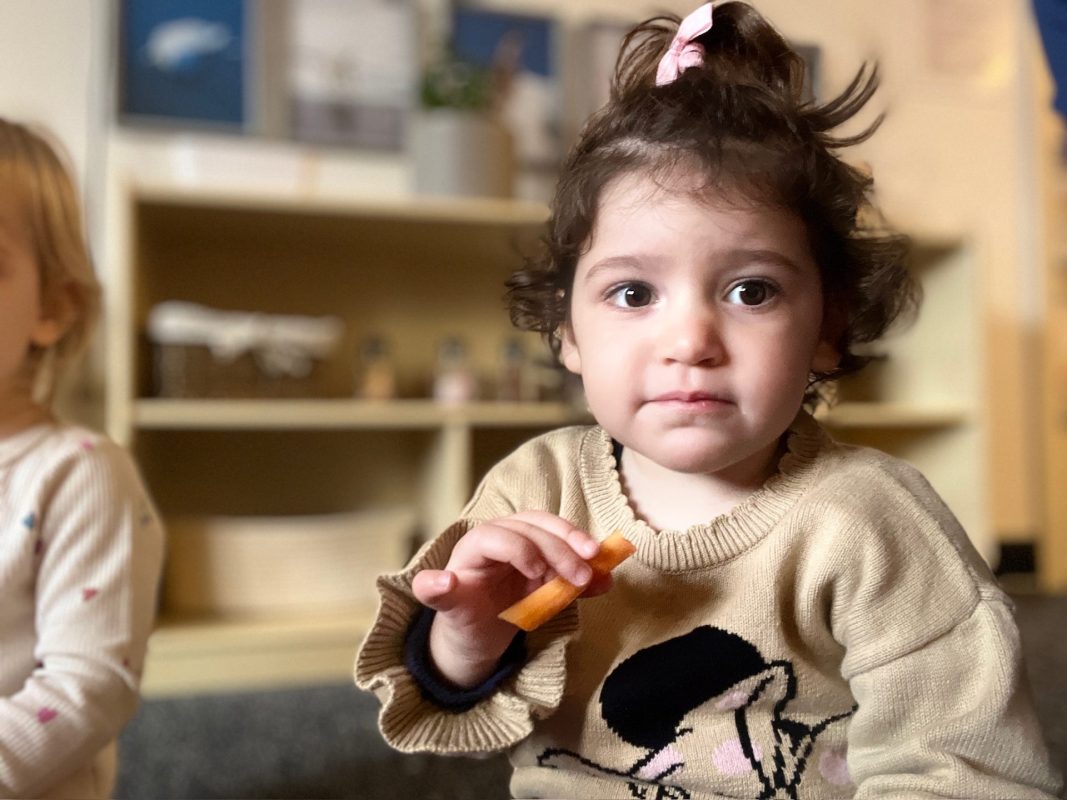
The children tasted pomegranate at the end of last week, which most found to be a delicious treat. This week, we tasted both raw cranberries (a huge hit!) and homemade cranberry sauce (thanks to Jaxxon’s family!) The children were fascinated when we cut both of these fruits open. 

Wishing all of your families a healthy, restful weekend!

Christine & Lizette


Mrs. Lopes: Giving Thanks


The education of even a small child, therefore, does not aim at preparing him for school, but for life.

Maria Montessori

For many, the holiday season is a time for giving. Perhaps more than ever, it is so important for our children to understand that giving does not have to be a materialistic gift. Simple and heartfelt words of love and friendship will last much longer than most anything that can be bought from a shelf. It can be an amazing and powerful gift to our children if, in all the hustle and bustle of the holidays, we take time to slow down and model being grateful.

This week we asked each child to share what they are thankful for. While their messages will make you smile and warm your heart, there is beauty in their simplicity.

Amelia–   is thankful for her pig stuffy because it’s so cute.

Annie– is thankful for her family because they love her and take care of her.

Arian— is thankful for pasta because it is his favorite food.

Arjuna– is thankful for flowers because they smell good and are pretty.

Ben– is thankful for his bunnies because they are soft.

Brisa– is thankful for her Mom and Dad because they give her hugs and kisses.

Casey–is thankful for Long Island because he loves to go there.

Daniel– is thankful for his friends because he likes to play with them.

David–is thankful for his dogs because they lick him when he wakes up in the morning.

Elanour– is thankful for her Ariel stuffy because she likes to sleep with it at night.

Elizabeth– is thankful for her dog, Bell Bell, because she is a good pillow.

Enzo– is thankful for his Mom and Dad because they always help him.

Evie– is thankful for her brothers, Ruscher and Rory, because she likes to play with them.

Fiona– is thankful for her Gigi and Pop Pop because they love her a lot.

Harlan–is thankful for his iPad because he likes to play Lego Star Wars on it.

Kian– is thankful for hiking with his family.

Kimberlin– is thankful for her brother and sister because they make her laugh.

Levi– is thankful for his Mommy and Daddy because they play cars with him.

Nicolas–is thankful for apples and the animal work at school.

Noelle–  is thankful for the ice cream place because she loves the chocolate and vanilla ice cream.

Parker– is thankful for her Nintendo Switch because she loves playing games.

Ryder–  is thankful for the claw machine at Bill’s Drive-In because he likes to try to get a stuffy from the machine.

On Wednesday, the children were treated to a presentation honoring the meaning of Diwali.  Diwali represents new beginnings and the victory of light over darkness, good over evil.  This five-day festival is observed around the world, and its rituals vary by region. Homes are brightly illuminated with diyas (candles) and oil lamps, and people decorate their homes with rangoli.  While gathering with family and friends, people often wear fine clothes and jewelry.  We are grateful for the time and effort that Paromita Dutt Kunzweiler, Punam Patel, Supreeti Saika, Mithu Talukdar, Chamaini Niyangoda, Radha Priya Gupta, and Hema Ganesan volunteered in order to share with the children this beautiful and meaningful tradition.

Hema and I are grateful for the time we spend with the children each day, and for the relationships we develop with each of you.  Wishing you all a week filled with peace and love.

Amanda & Hema


Mrs. Doyle: Giving Thanks


The education of even a small child, therefore, does not aim at preparing him for school, but for life.

      Maria Montessori

For many, the holiday season is a time for giving. Perhaps more than ever, it is so important for our children to understand that giving does not have to be a materialistic gift. Simple and heartfelt words of love and friendship will last much longer than most anything that can be bought from a shelf. It can be an amazing and powerful gift to our children if, in all the hustle and bustle of the holidays, we take time to slow down and model being grateful.

This week we asked each child to share what they are thankful for. While their messages will make you smile and warm your heart, there is beauty in their simplicity.

Ainsley– is thankful for rainbows because they are so colorful and pretty.

Arya– is thankful for her Mommy and Daddy.

Bodie— is thankful for his Nana because she likes to play puppies with him.

Ella– is thankful for her sister Livie because they read books together.

EmmaJo– is thankful for her friends because she loves them.

Hannah– is thankful she gets to take walks with her Mommy.

Harper–is thankful for going to the park with her Mommy, Daddy, and Spencer.

Isla– is thankful for her dog Frieda because she is the best dog ever.

Jacob–is thankful for his friends at school because they can play outside together.

Jonathan– is thankful he gets to go outside with his Mommy and play in the leaves.

Joseph– is thankful he goes to get pizza with his Mommy and Daddy.

Leo– is thankful for the medal he got at his camp for being such a well-behaved kid.

Maayan– is thankful she gets to play everything with her sister Noya.

Melina– is thankful she counts numbers with Mommy and Daddy.

Oliver–is thankful for his whole family because he loves them so much.

River– is thankful when her mom takes her for ice cream, and they get to see a rainbow.

Ryan– is thankful for her sister Poppy because she loves to play with her.

Saanvi– is thankful she gets to go skiing with her family.  Sometimes she goes on the bunny hill and sometimes the big hill.

Tommy–is thankful for his dogs because they like to play with him.

Zara–  is thankful for her Daddy because he is her best friend.

Zion–is thankful that he can paint rainbows with his Mommy.

On Wednesday, the children were treated to a presentation honoring the meaning of Diwali.  Diwali represents new beginnings and the victory of light over darkness, good over evil.  This five-day festival is observed around the world, and its rituals vary by region. Homes are brightly illuminated with diyas (candles) and oil lamps, and people decorate their homes with rangoli.  While gathering with family and friends, people often wear fine clothes and jewelry.  We are grateful for the time and effort that Paromita Dutt Kunzweiler, Punam Patel, Supreeti Saika, Mithu Talukdar, Chamaini Niyangoda, Radha Priya Gupta, and Hema Ganesan volunteered in order to share with the children this beautiful and meaningful tradition.

Maria and I are grateful for the time we spend with the children each day and for the relationships we develop with each of you.  Wishing you all a week filled with peace and love.

Michelle & Maria


Middle School: Chef Showdown & Independent Study

Happy Friday! It is a great week in middle school! The culmination of a few big projects occurred this week: the script for our middle school play, Chef Showdown, and the presentation of trimester independent study projects.

Chef Showdown

In Humanities classes this week, students worked together to write the script for Chef Showdown, a full-length play that they developed in all aspects. First, 8th-grade students brainstormed the overarching idea for the play. This year, that main idea is a reality TV cooking show. Then, students created a plot line with the skeleton of the play. Next, they developed their characters. This involved writing their personality traits, any particular traits in appearance, an example of what they might say, and how their role contributes to the plot. Next, any relationships between characters are established. Finally, the class wrote the scenes. They sat in a variety of combinations, with one person writing ideas from the group and another editing and formatting. The end product is humorous, nail-biting, and full of personality.

Come see Chef Showdown on Wednesday, Dec. 6th at 7 pm.

Independent Study Presentations

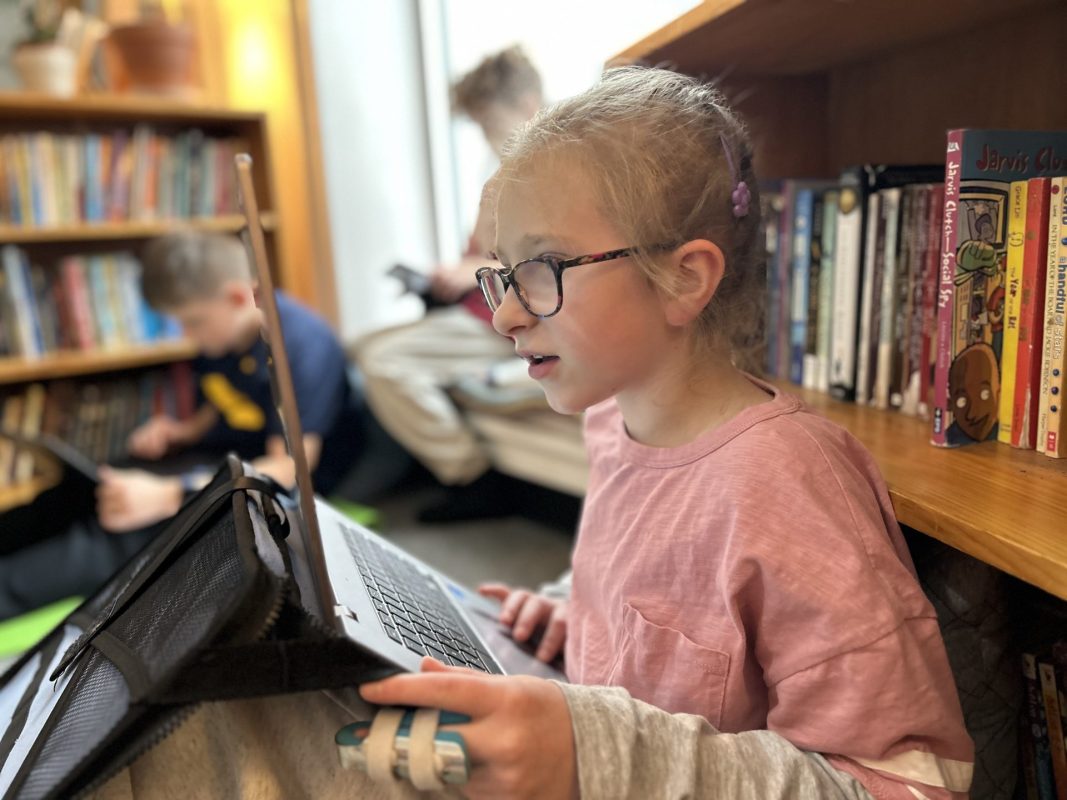
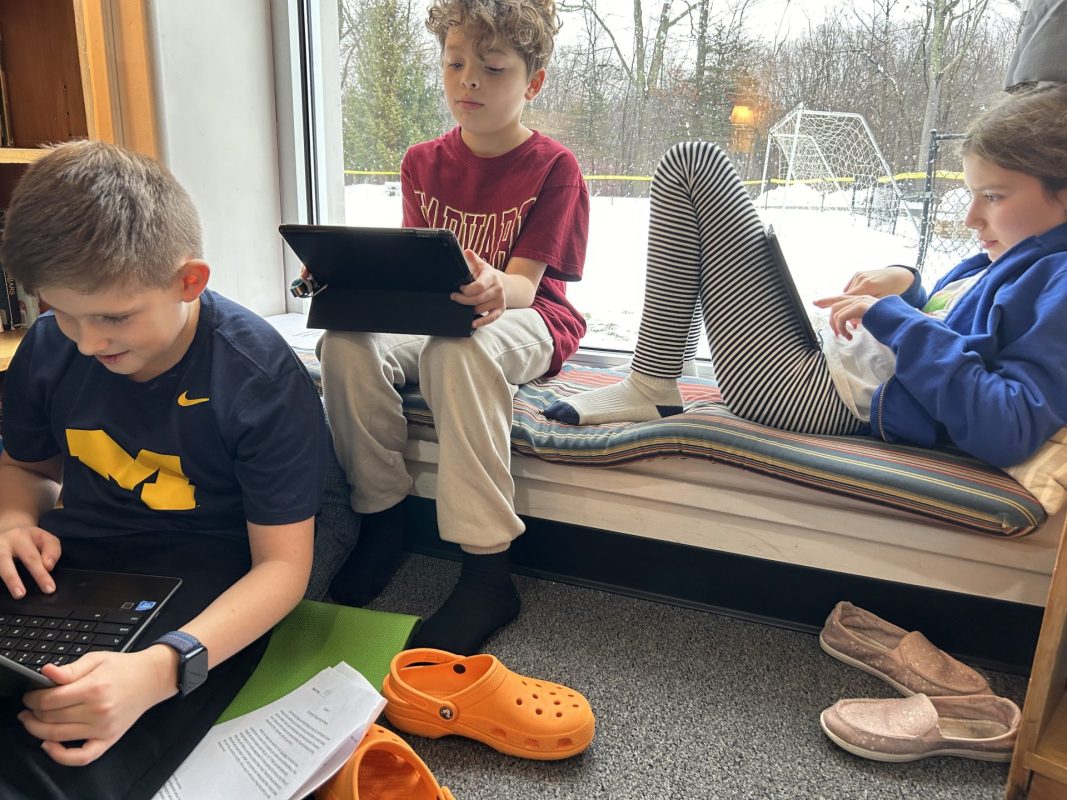
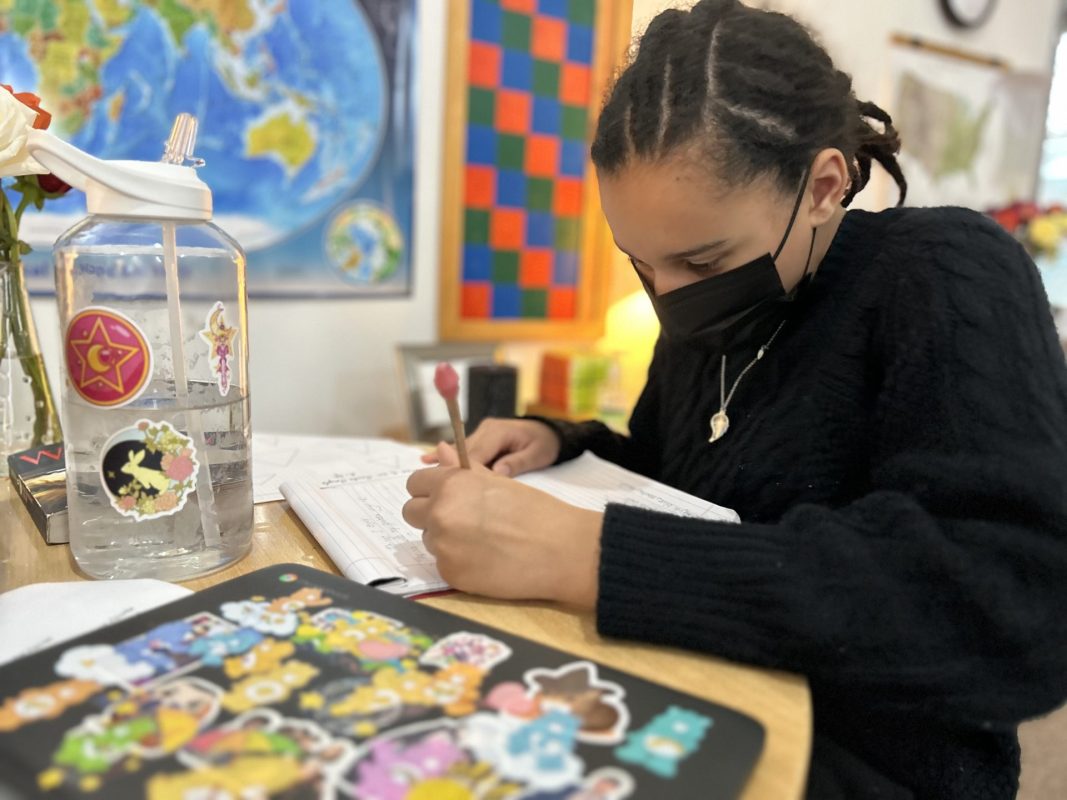
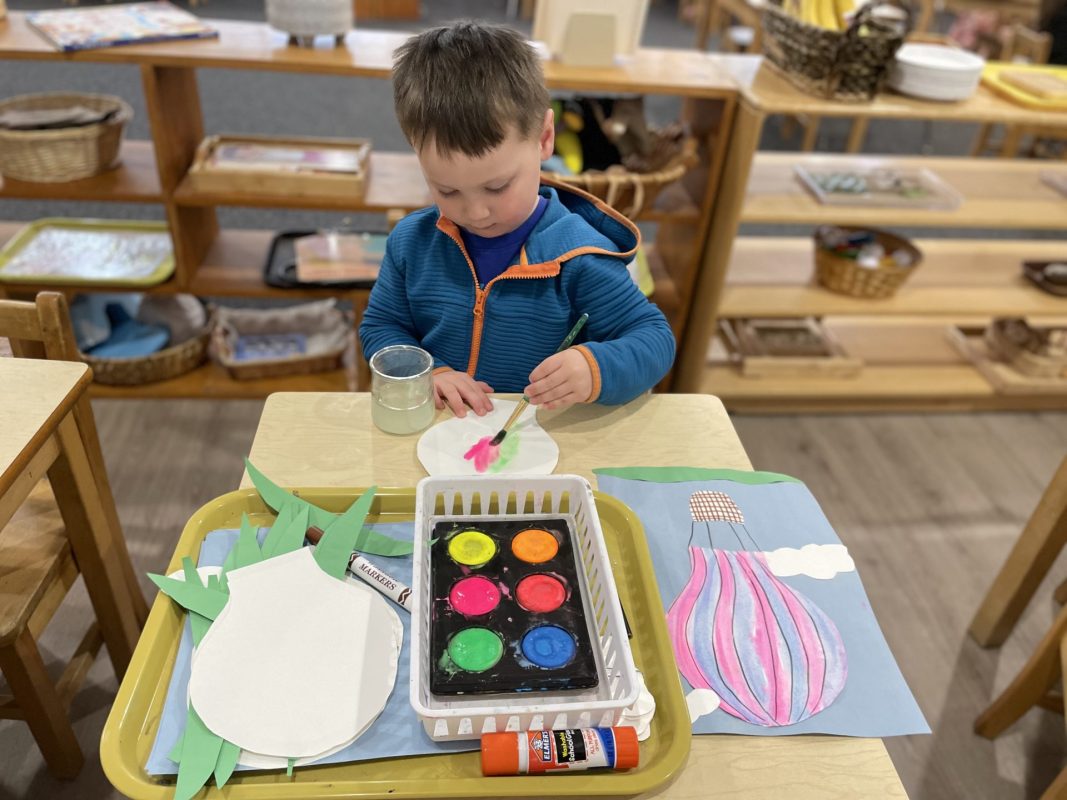
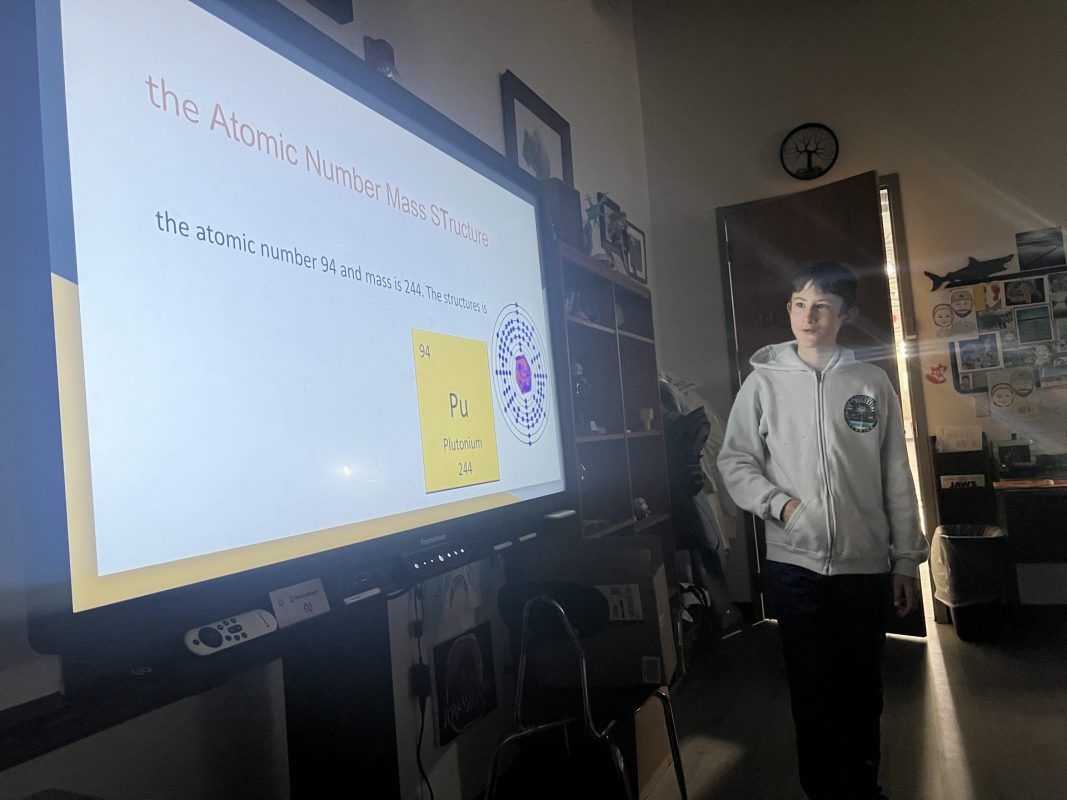
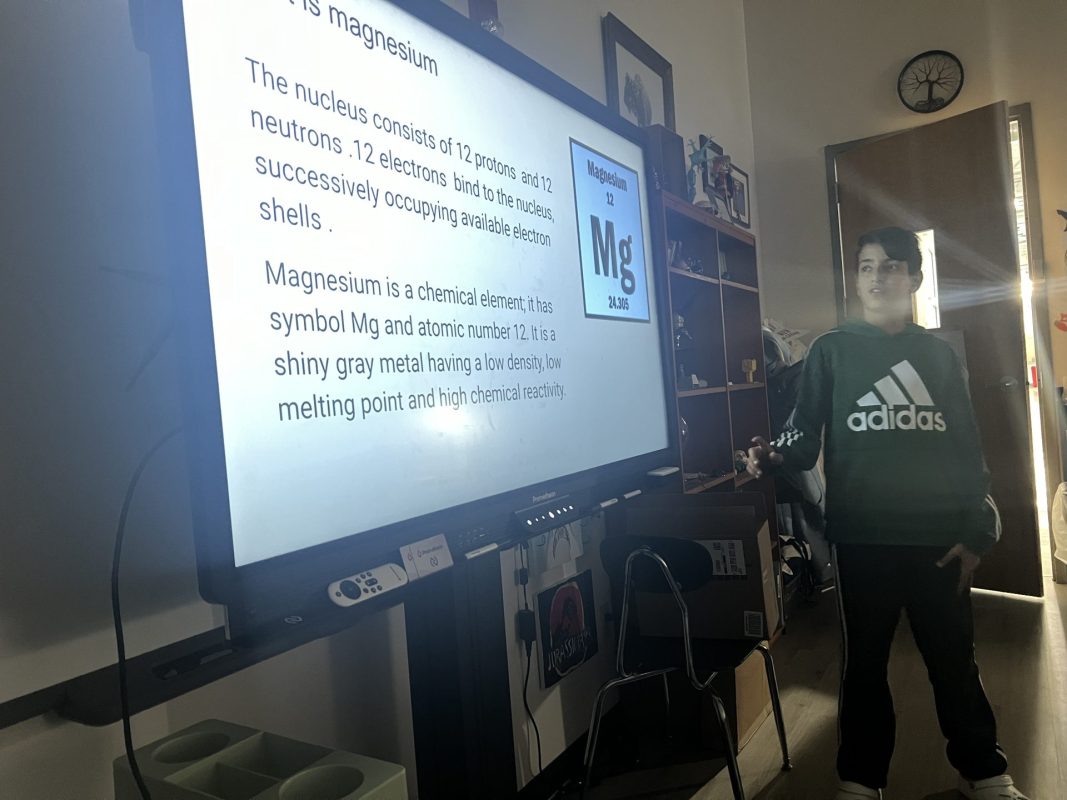
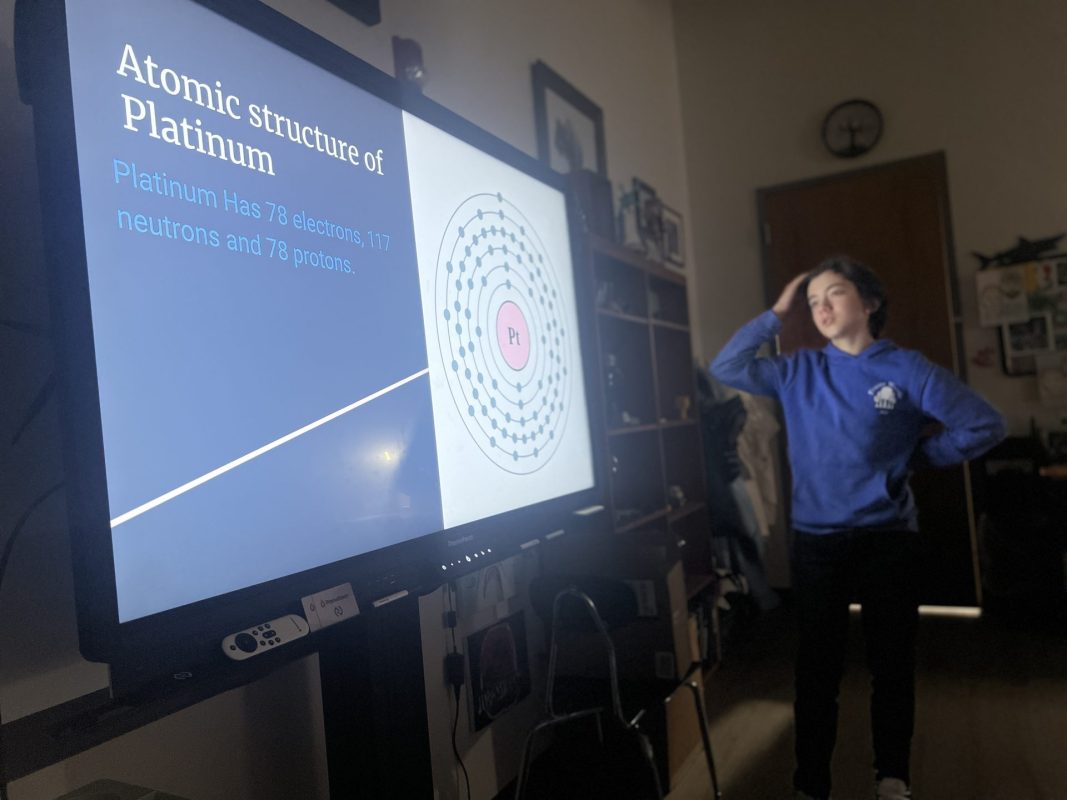
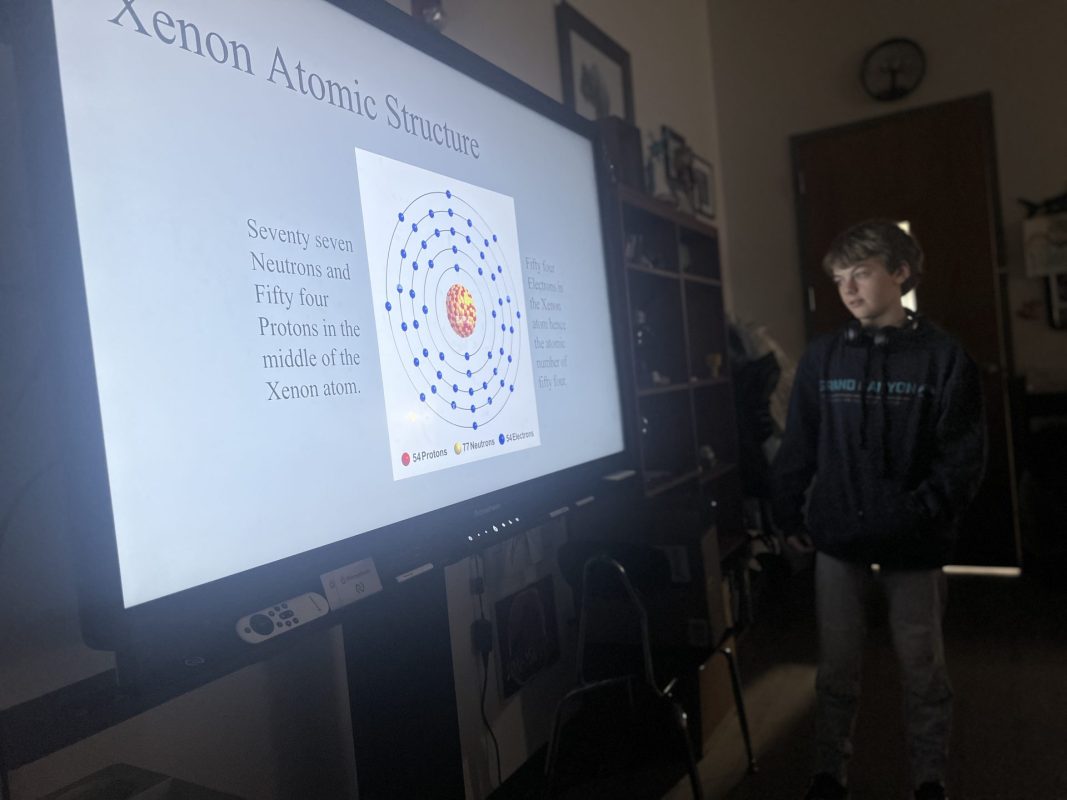
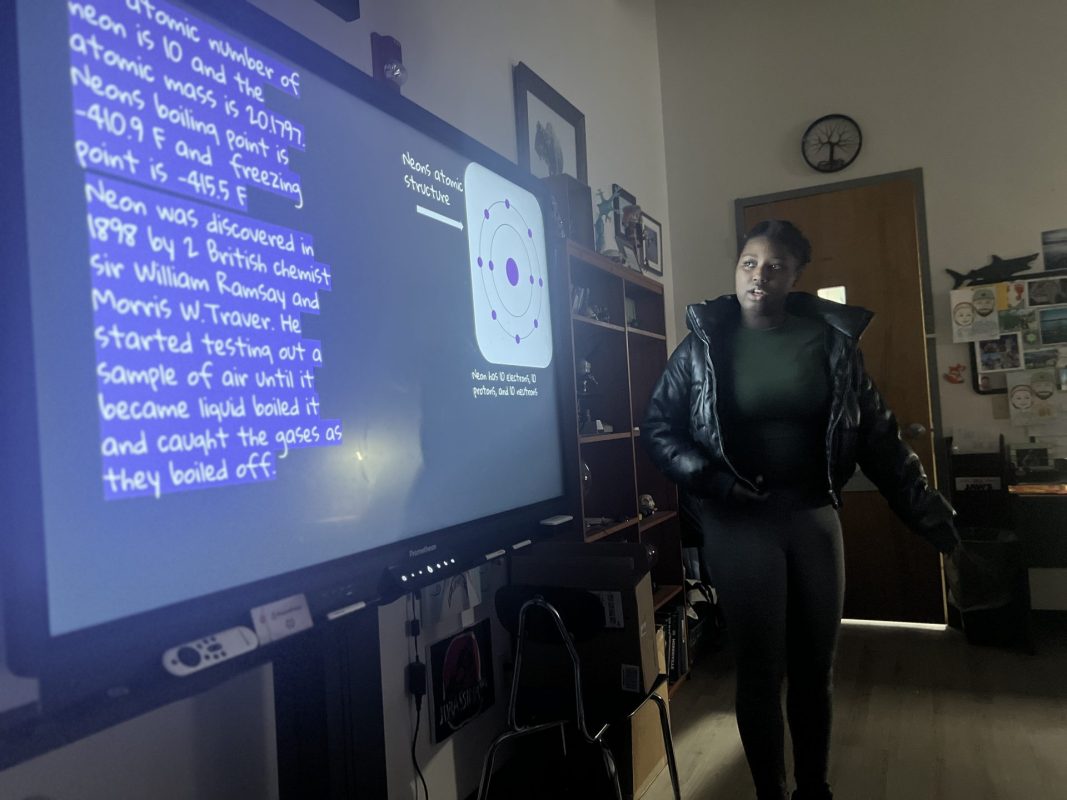
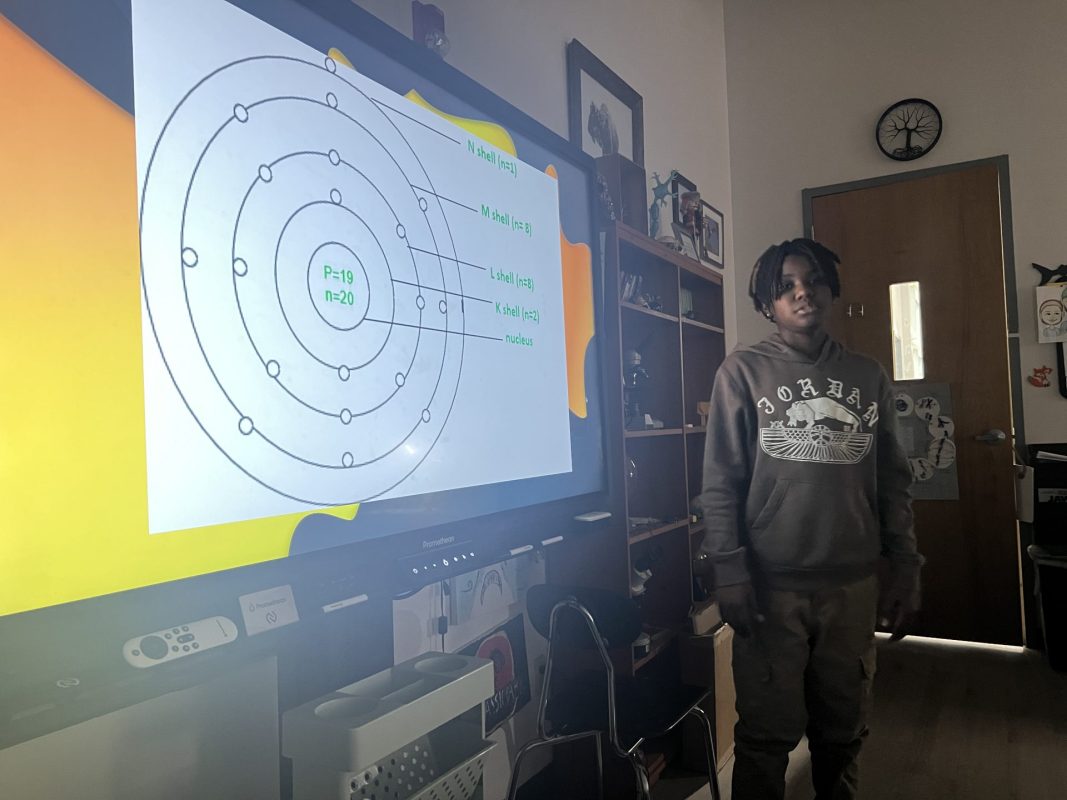
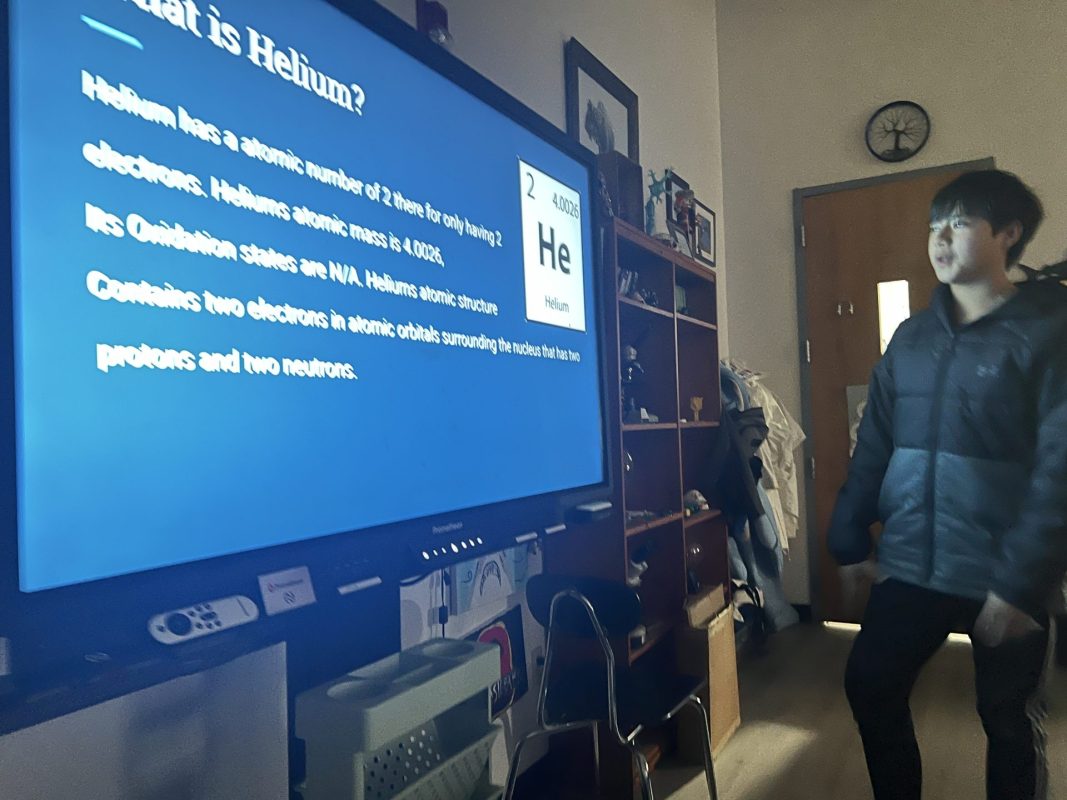
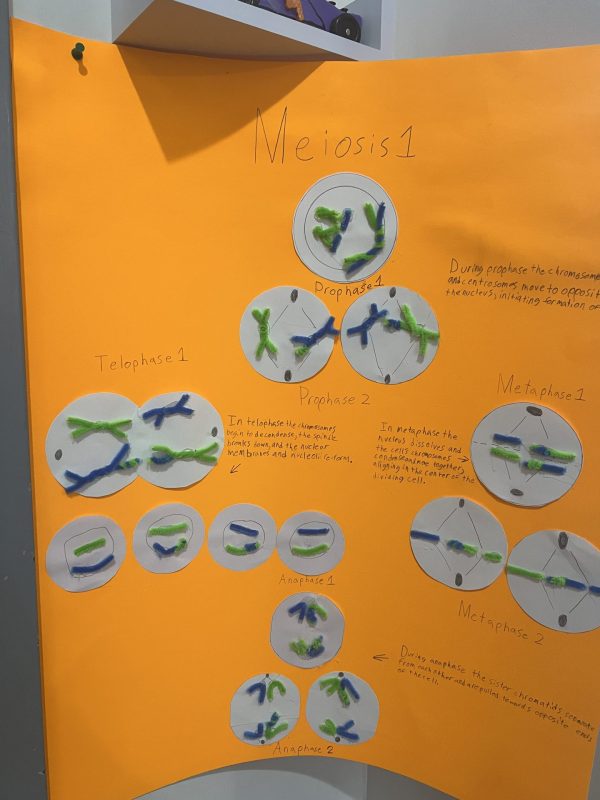
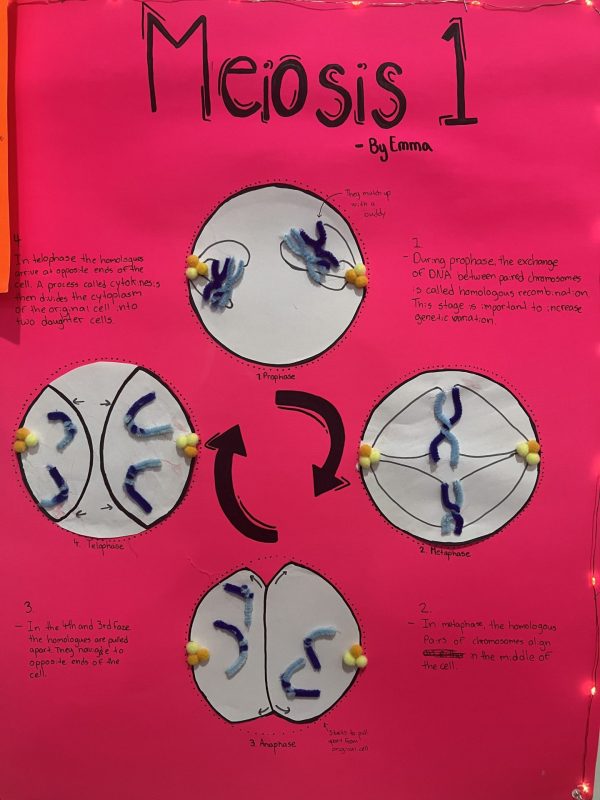
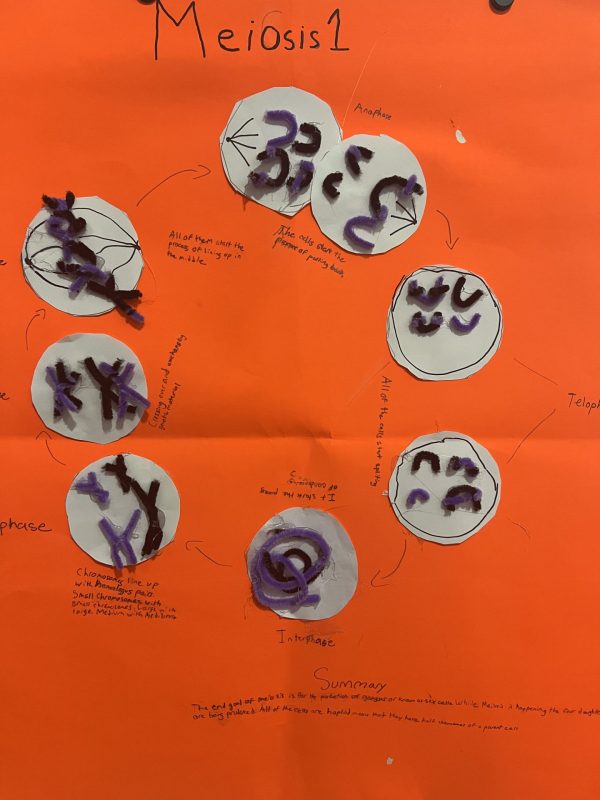
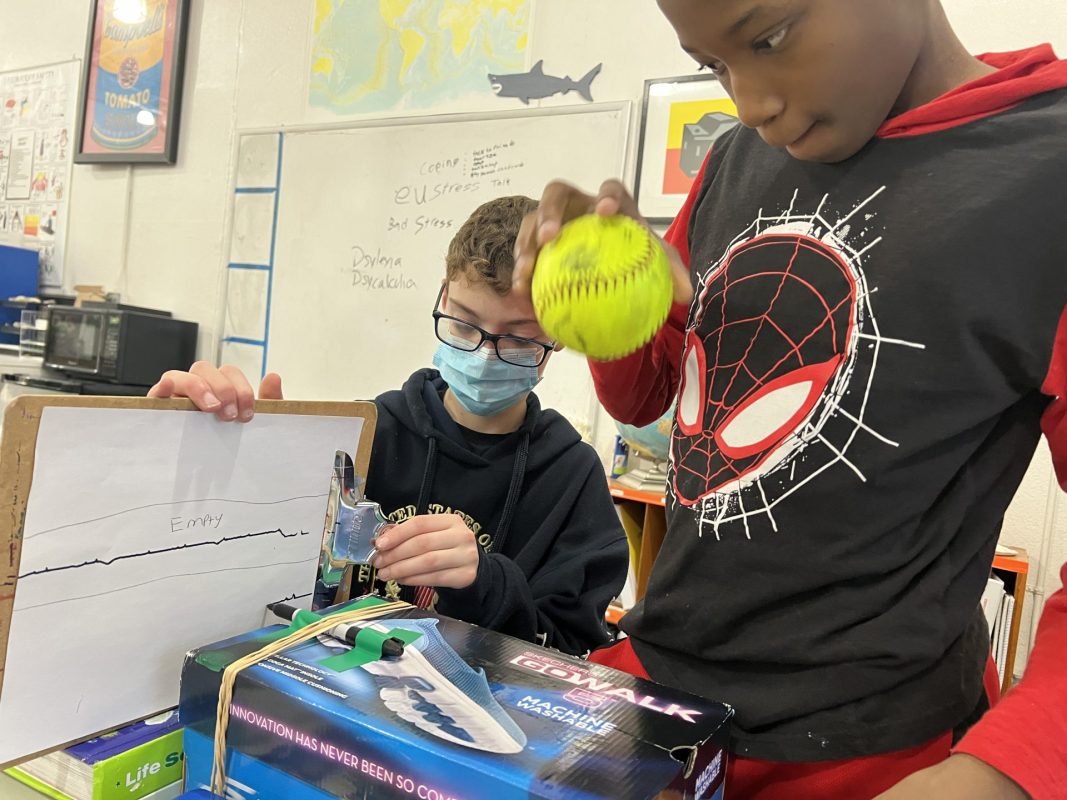
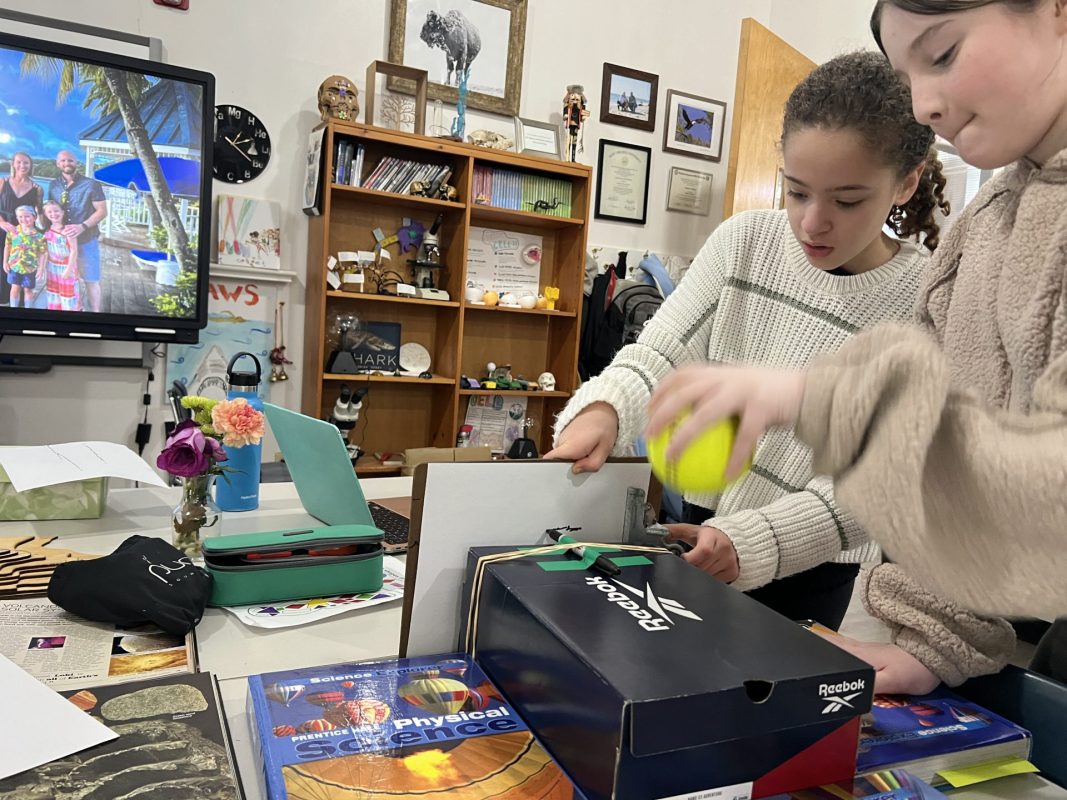
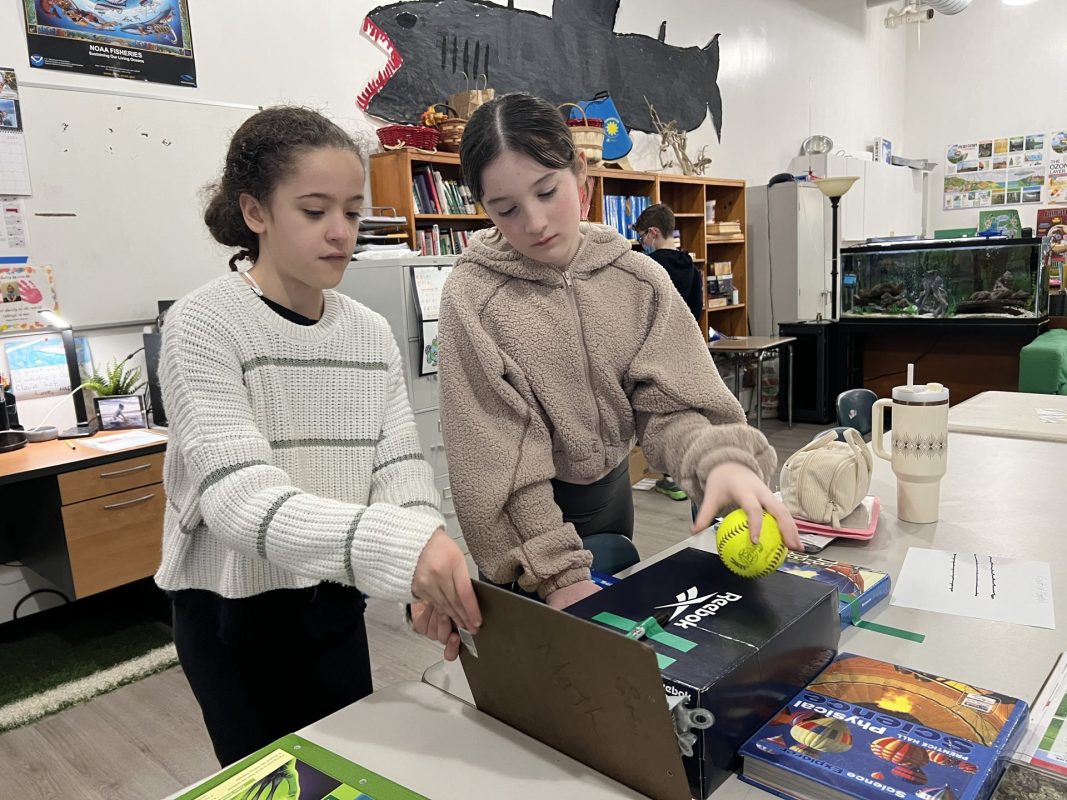
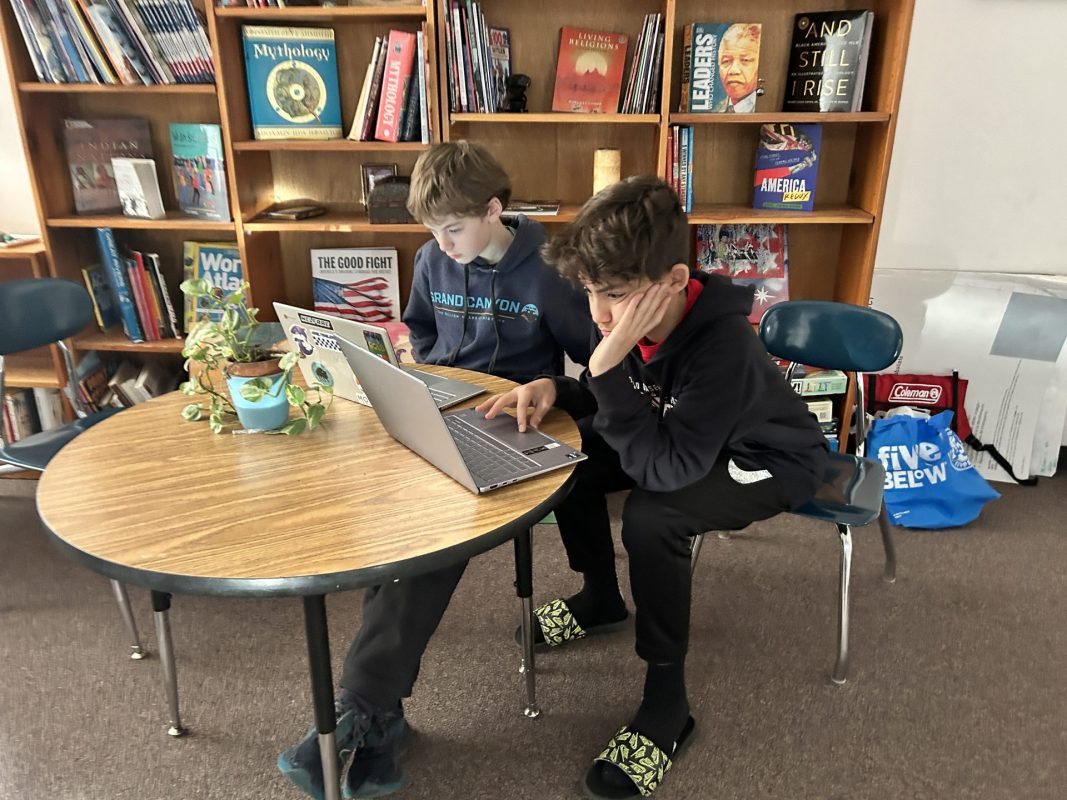
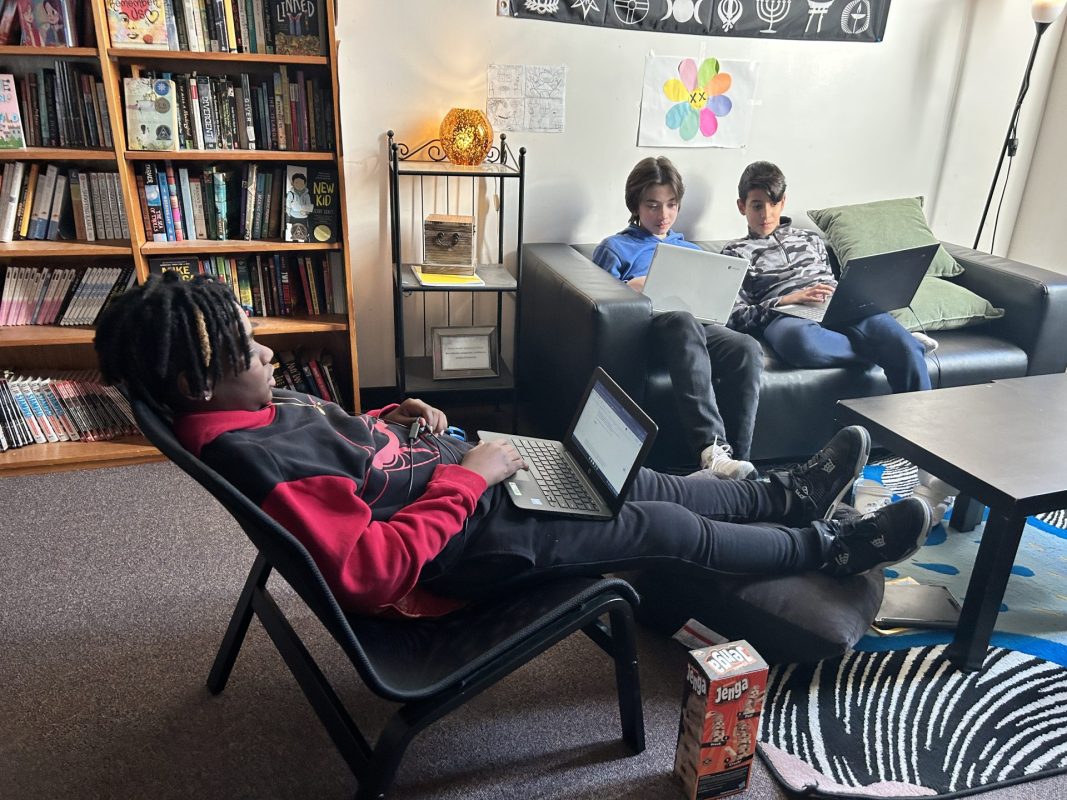
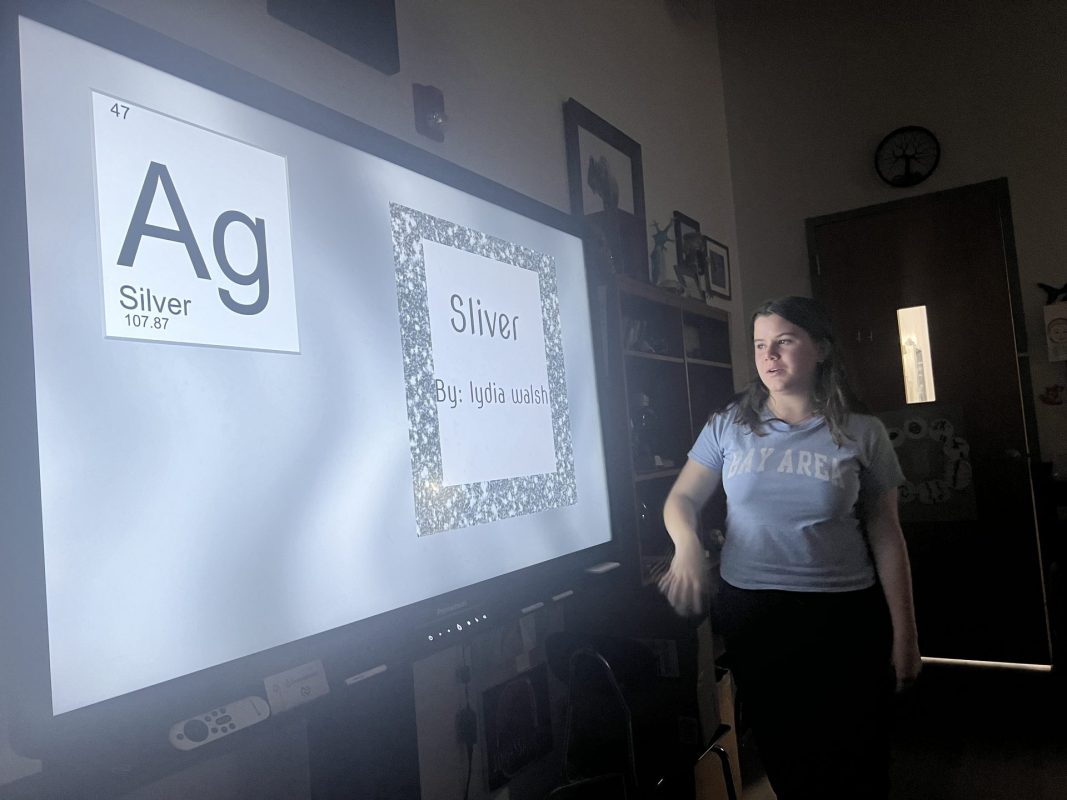
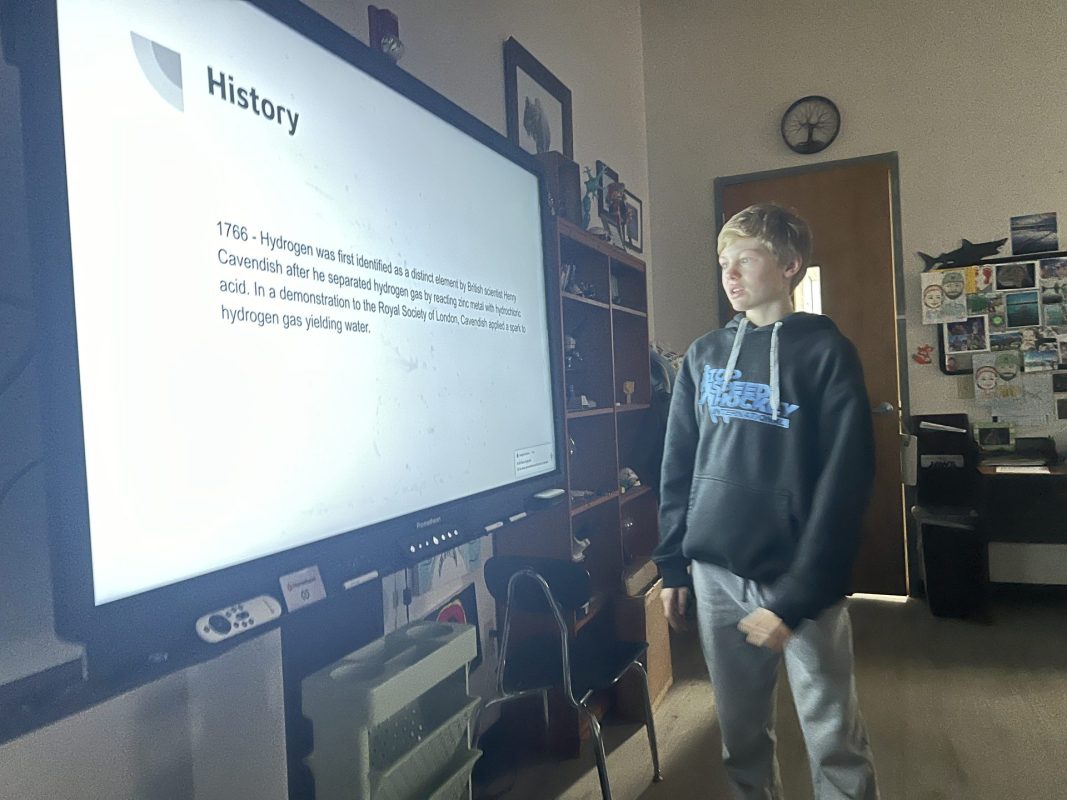
New to this year’s Middle School schedule is Independent Study. This twice-weekly class is completely student-run, with projects of the students’ choosing. In the first week, students decided what they wanted to study or create and then decided upon their final product/presentation. The sky is the limit with this project, and it was amazing to see and hear what the students created this fall.

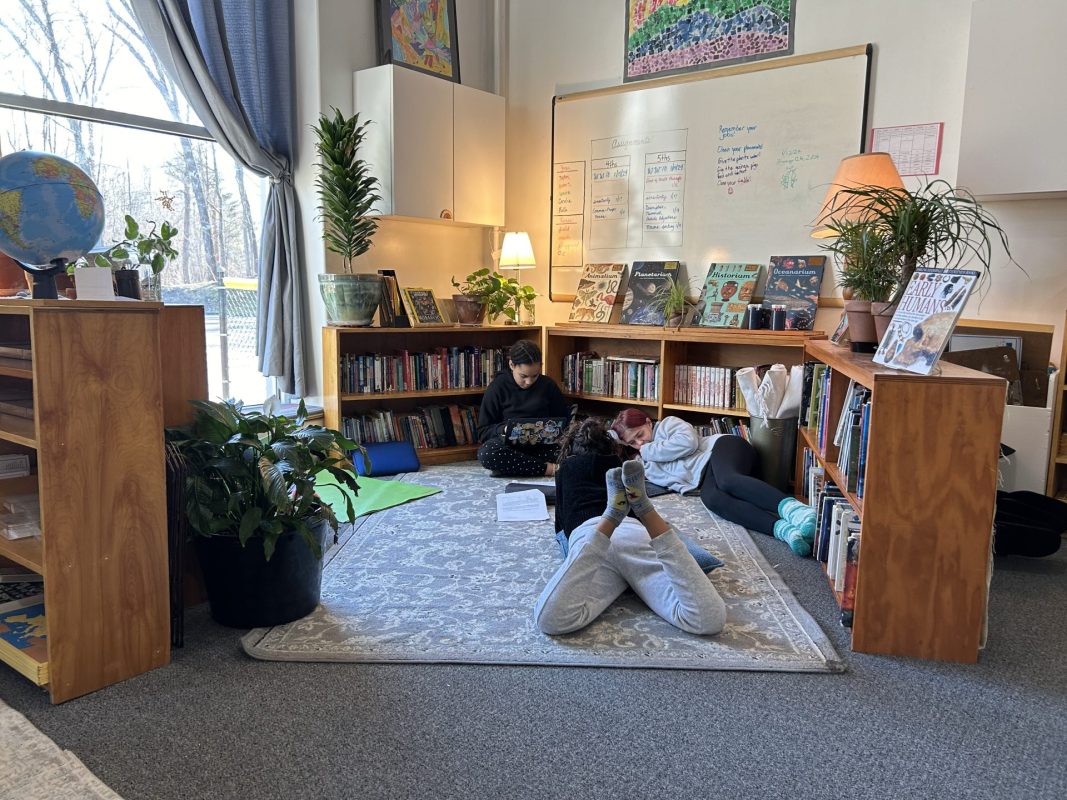
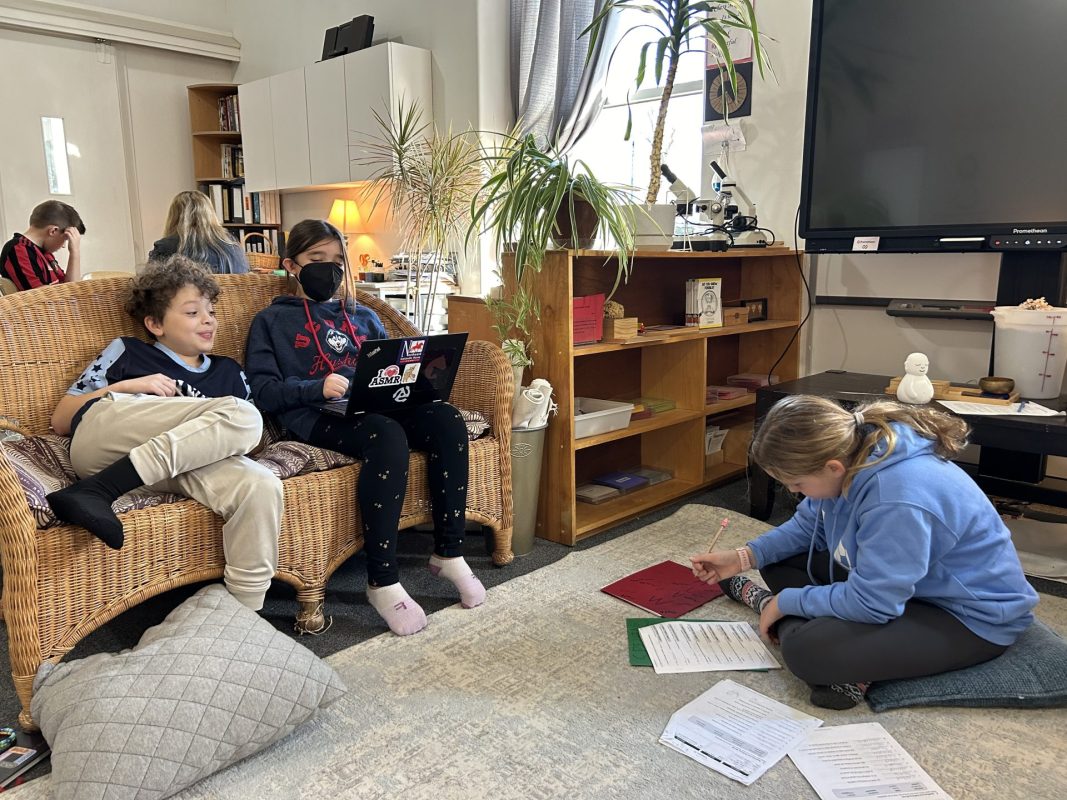
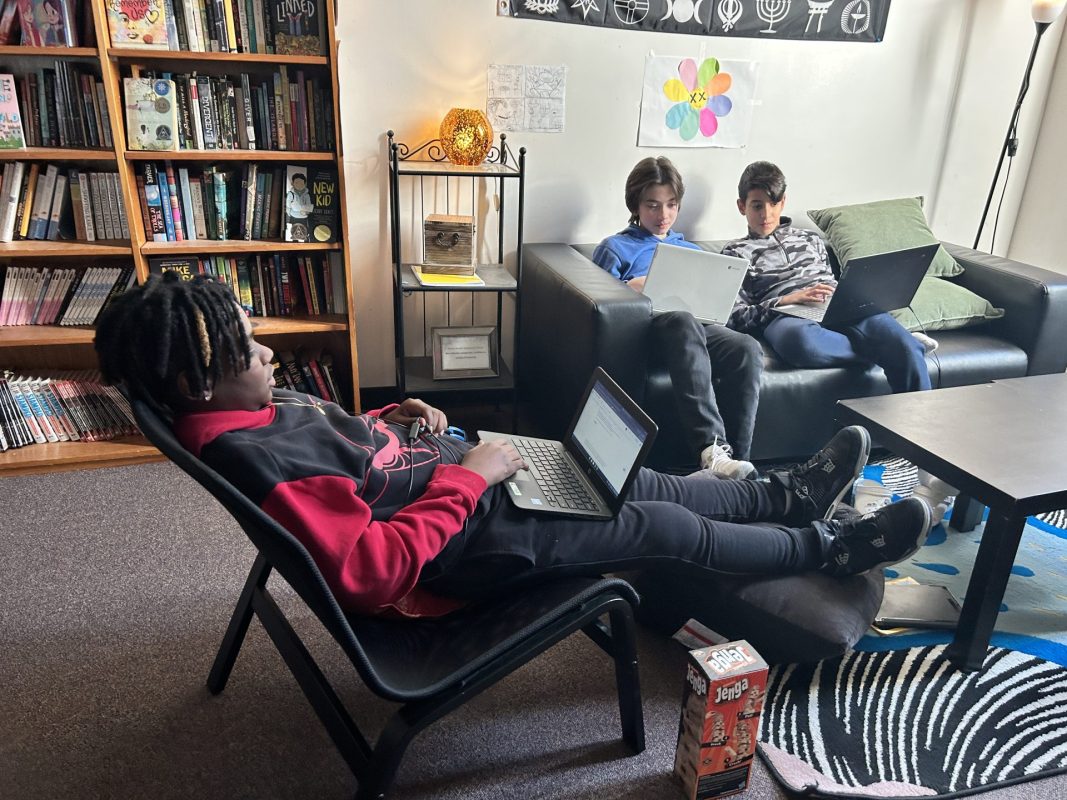
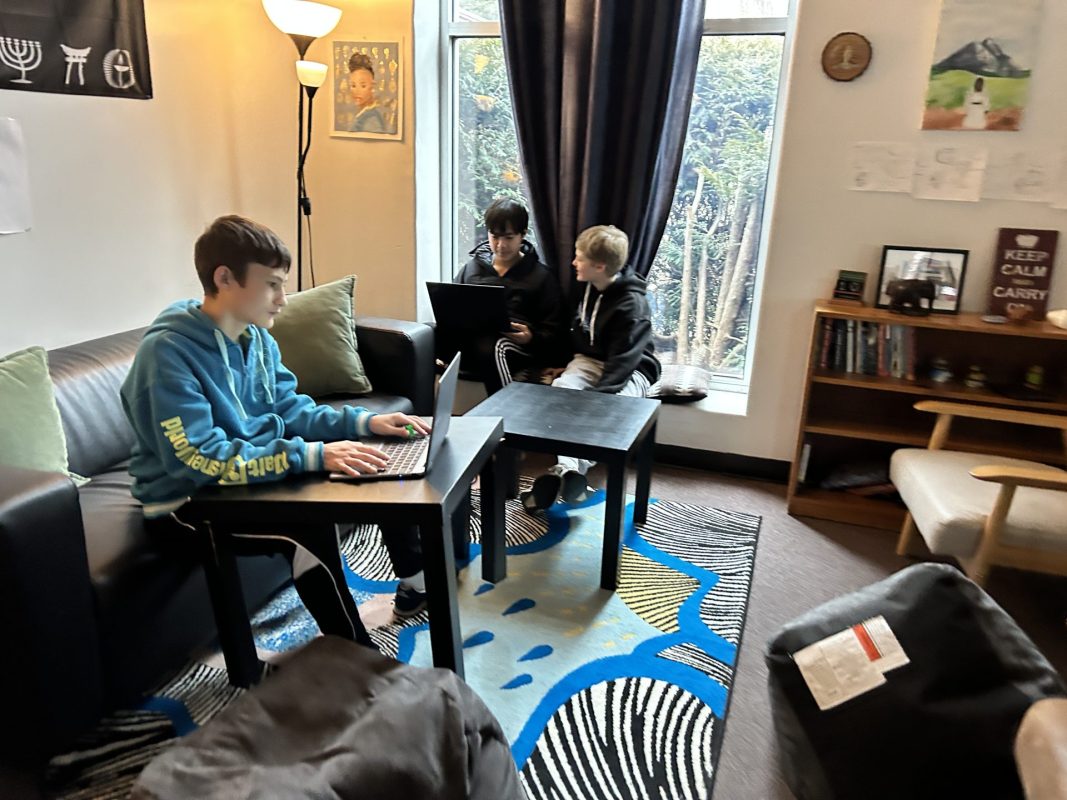
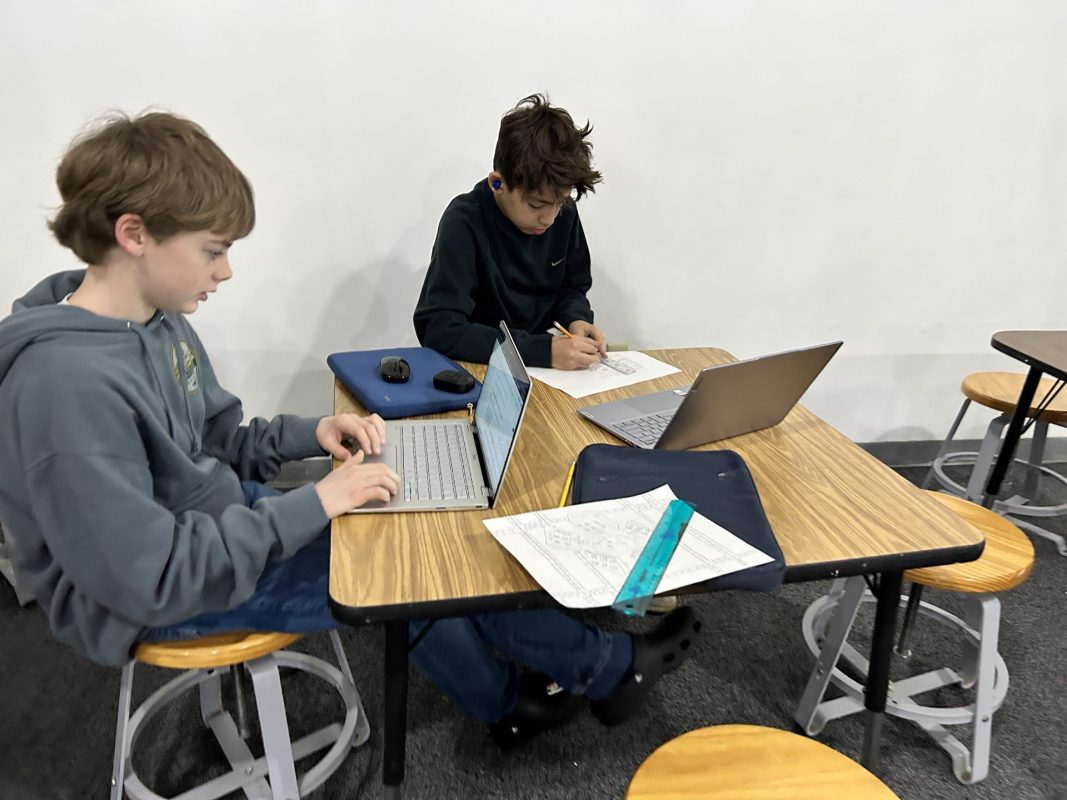
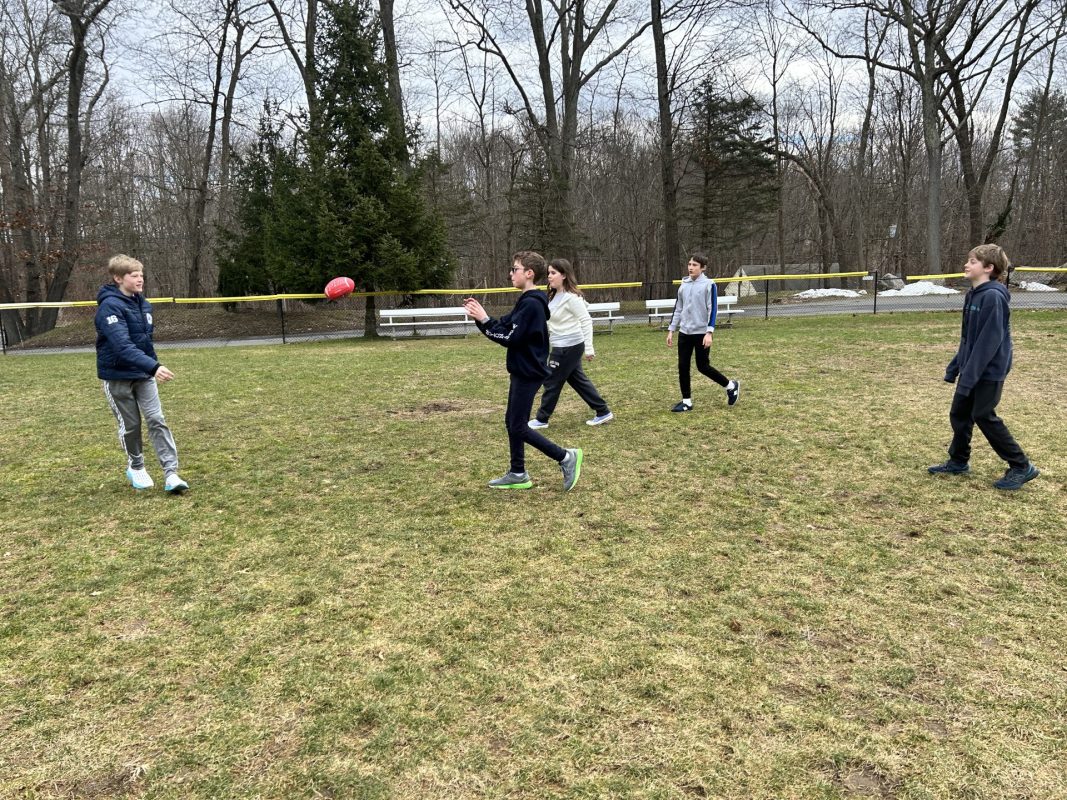
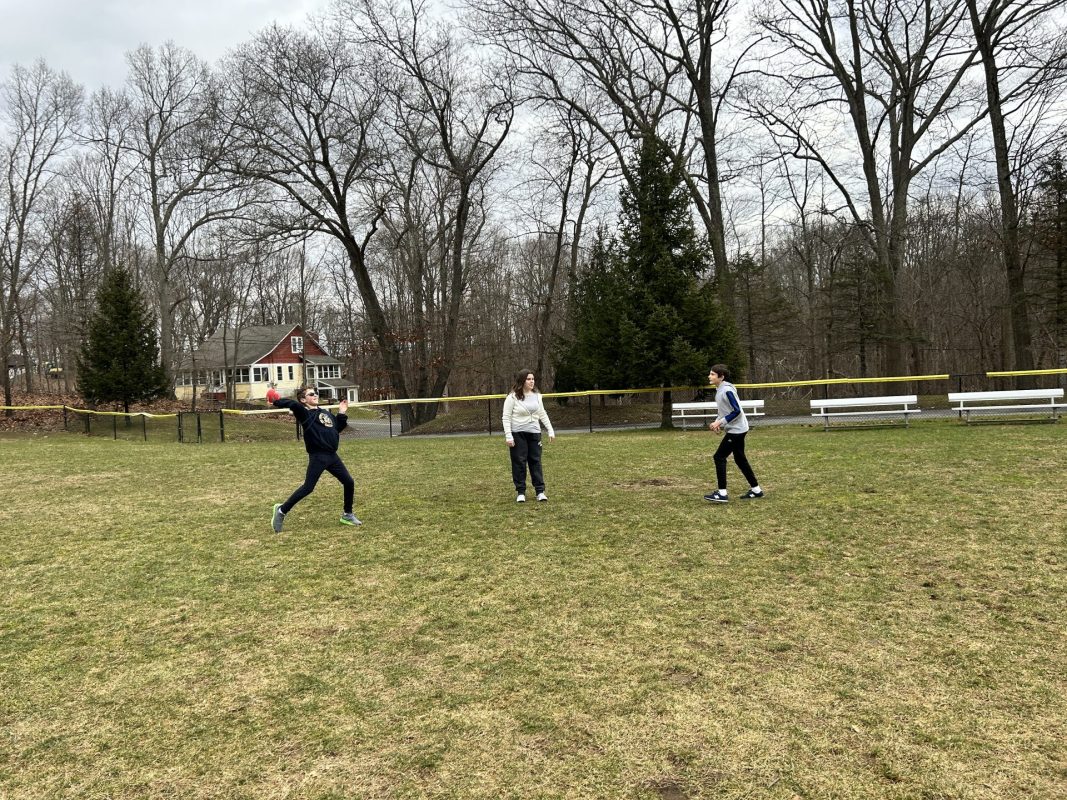
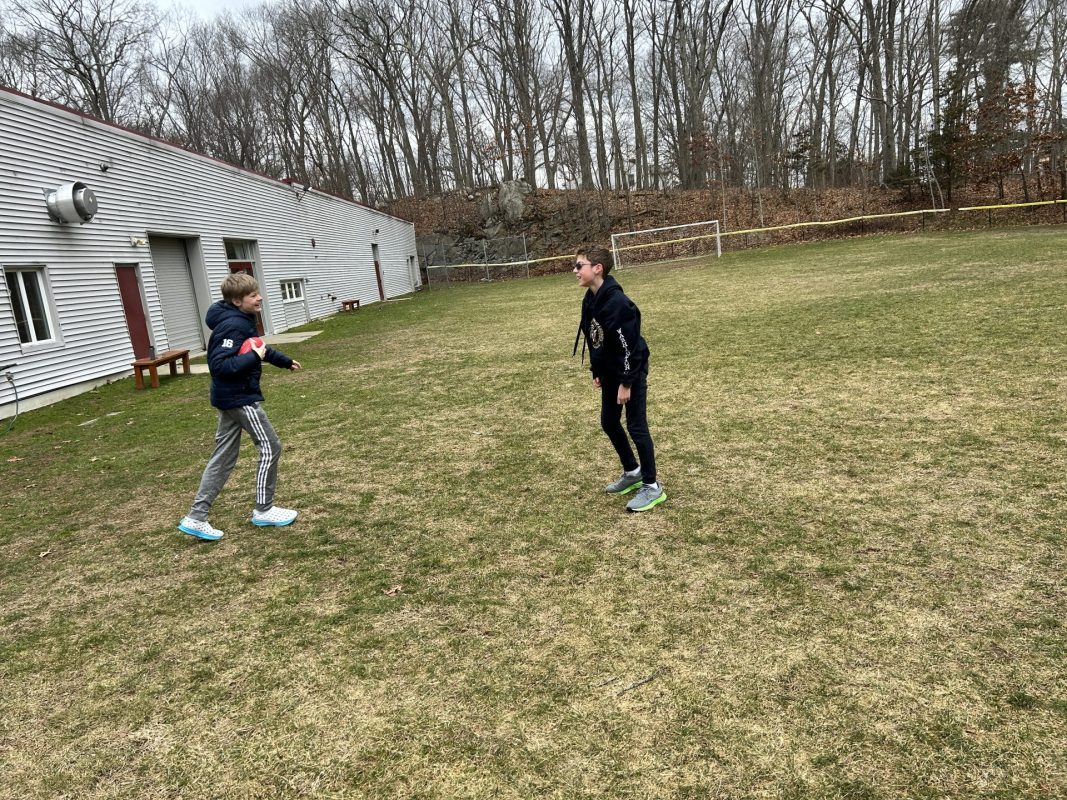
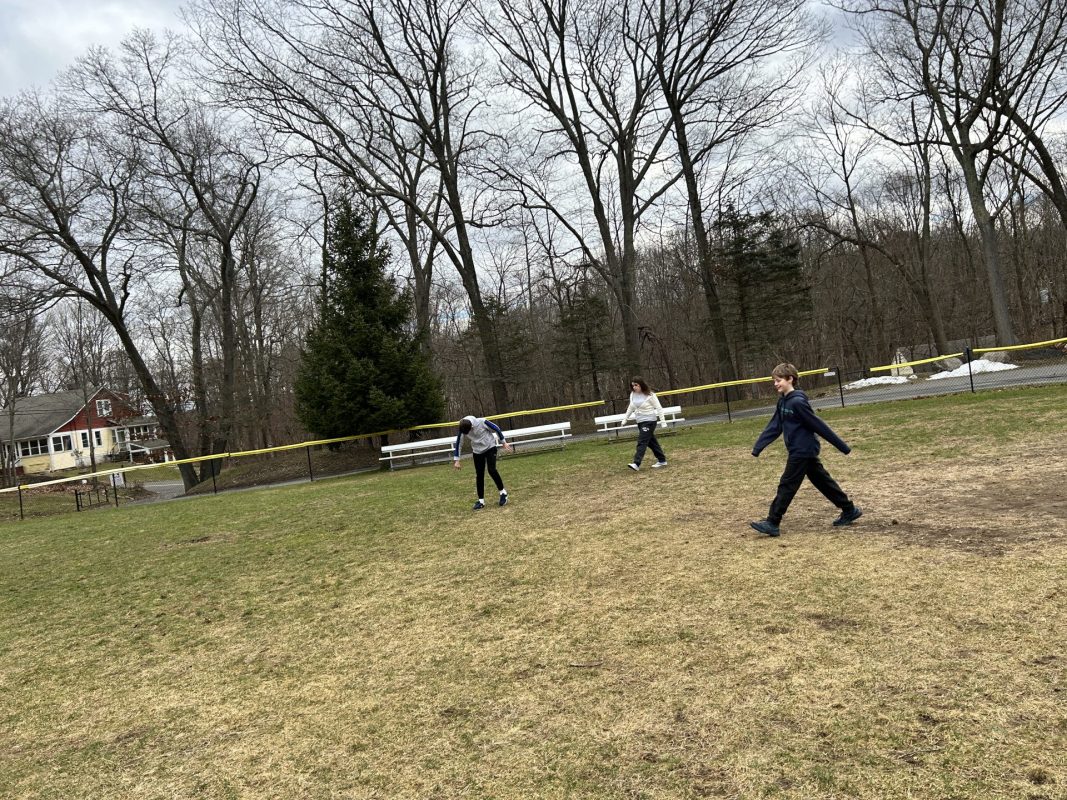
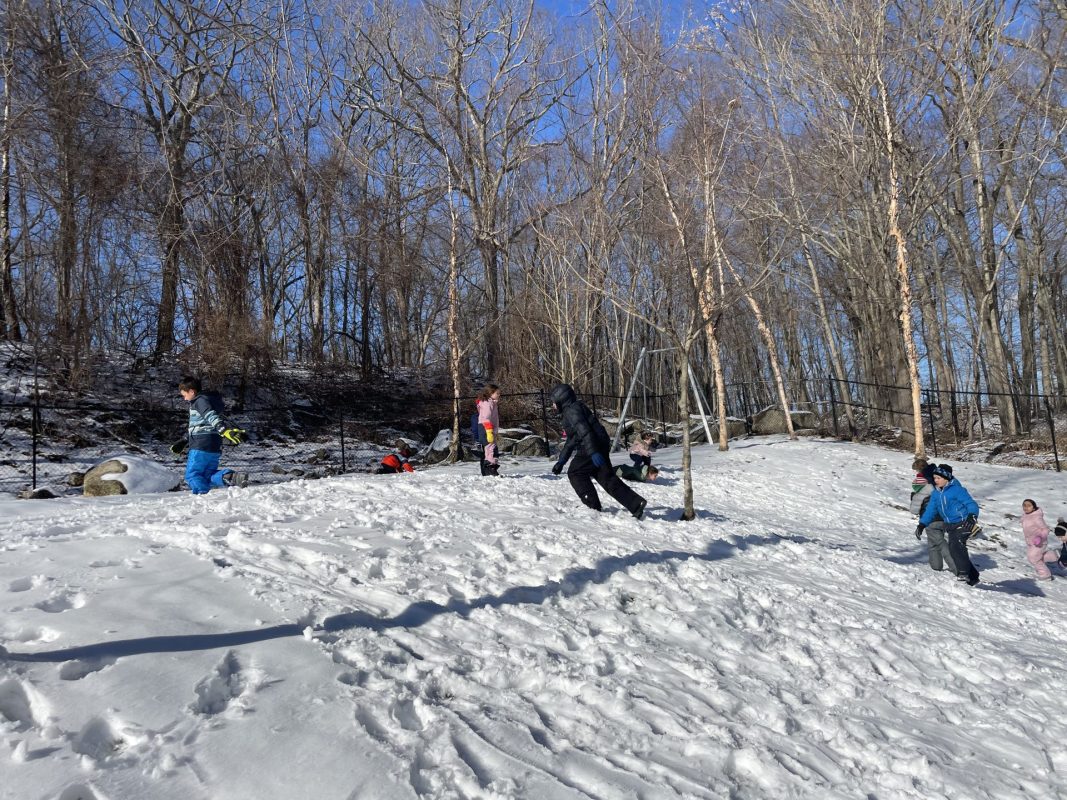
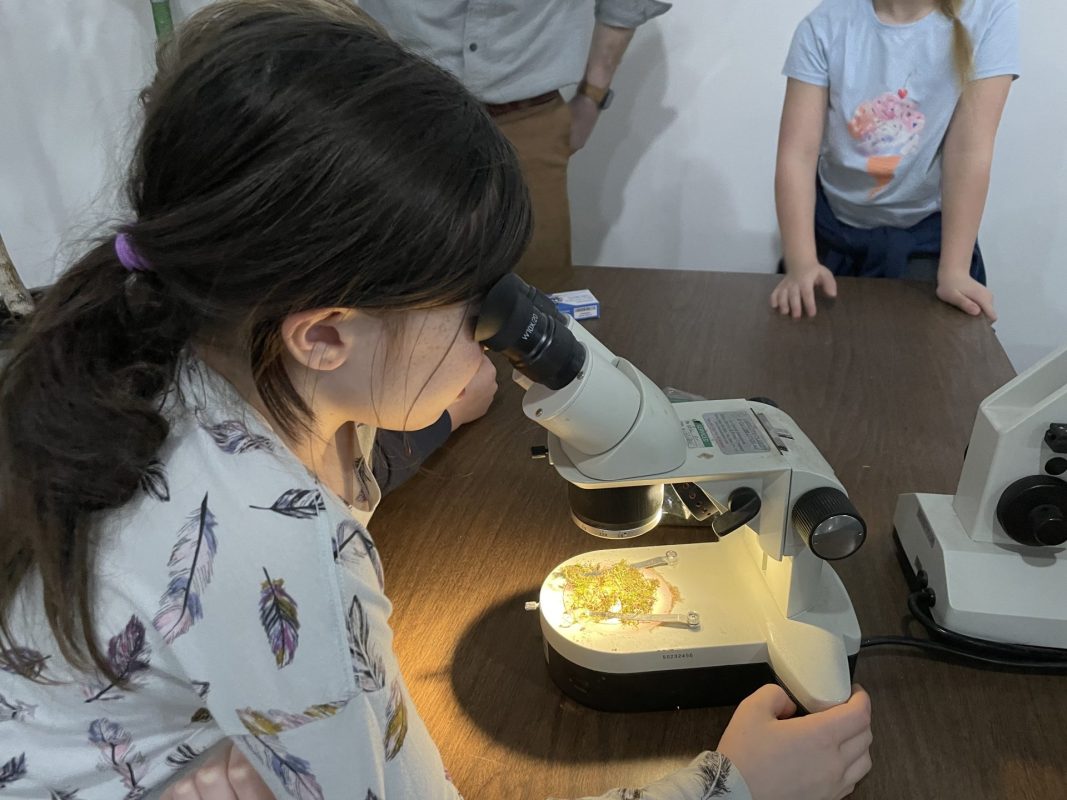
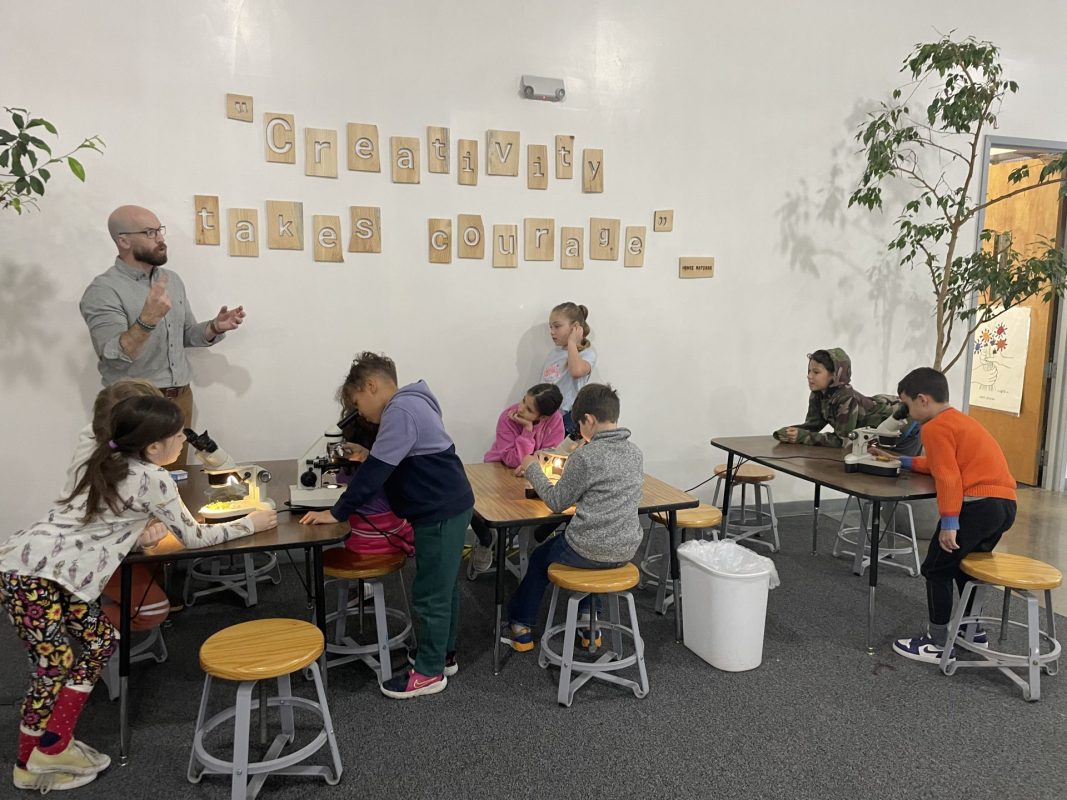
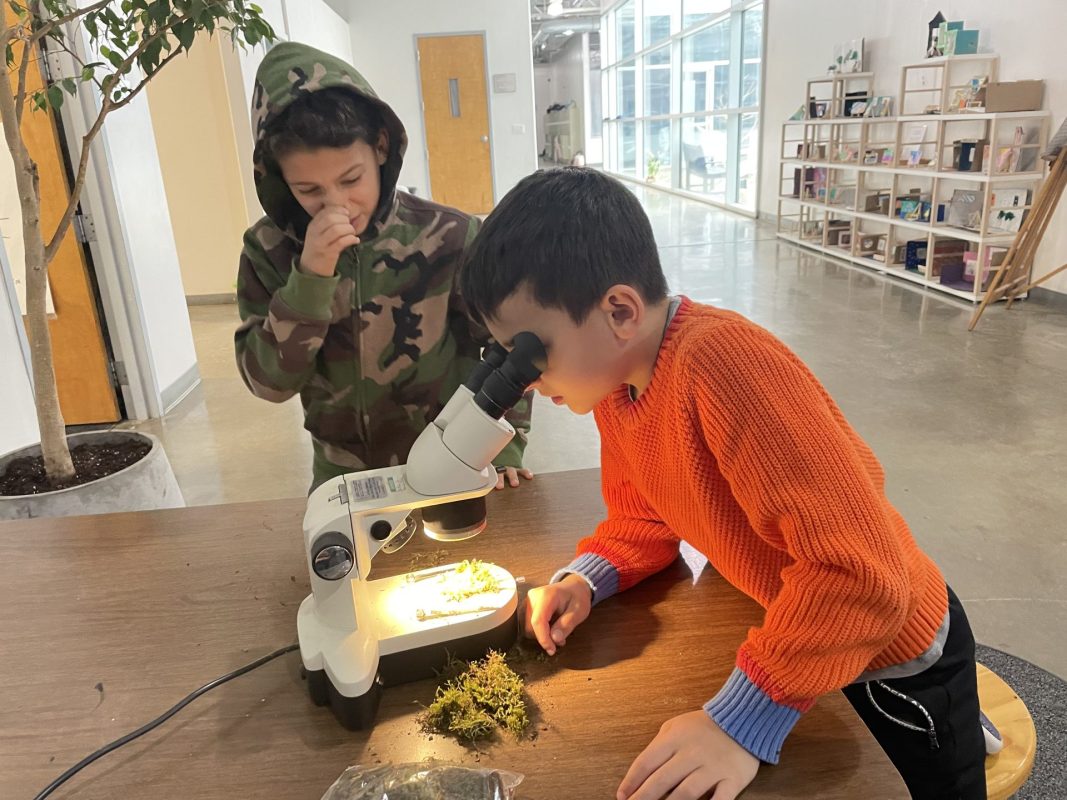
Please enjoy the photos from the week.