Blog

Middle School: Chef Showdown & Independent Study

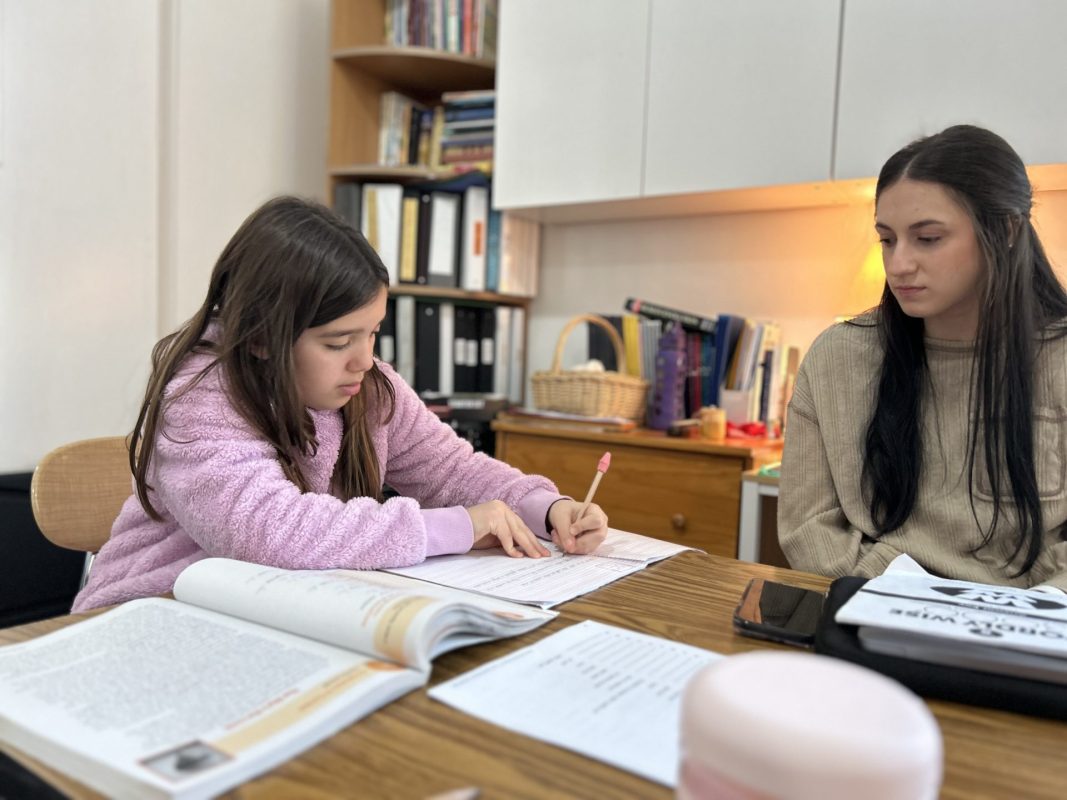
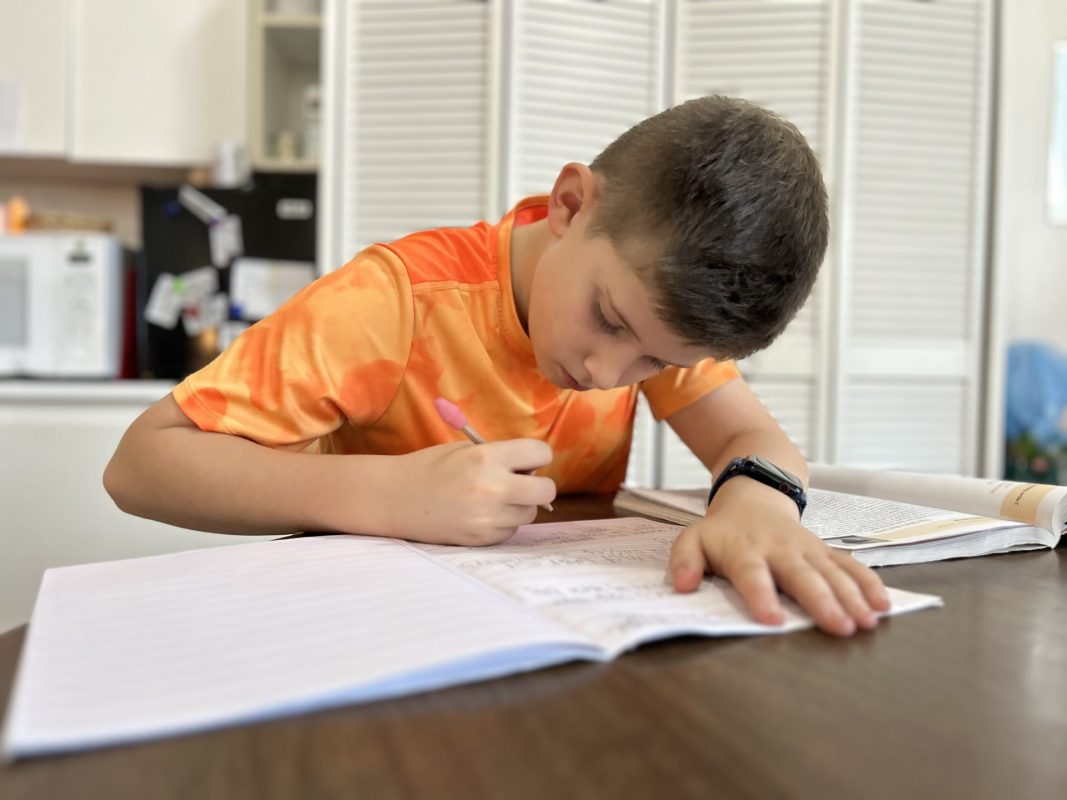
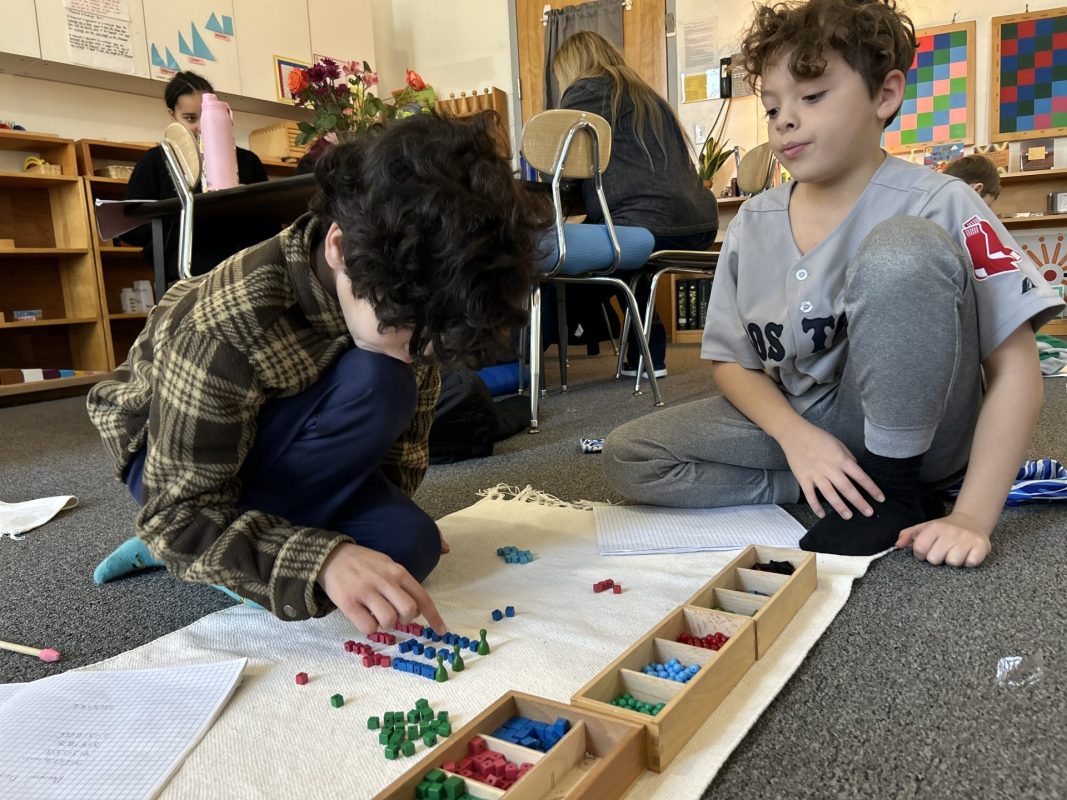
Happy Friday! It is a great week in middle school! The culmination of a few big projects occurred this week: the script for our middle school play, Chef Showdown, and the presentation of trimester independent study projects.

Chef Showdown

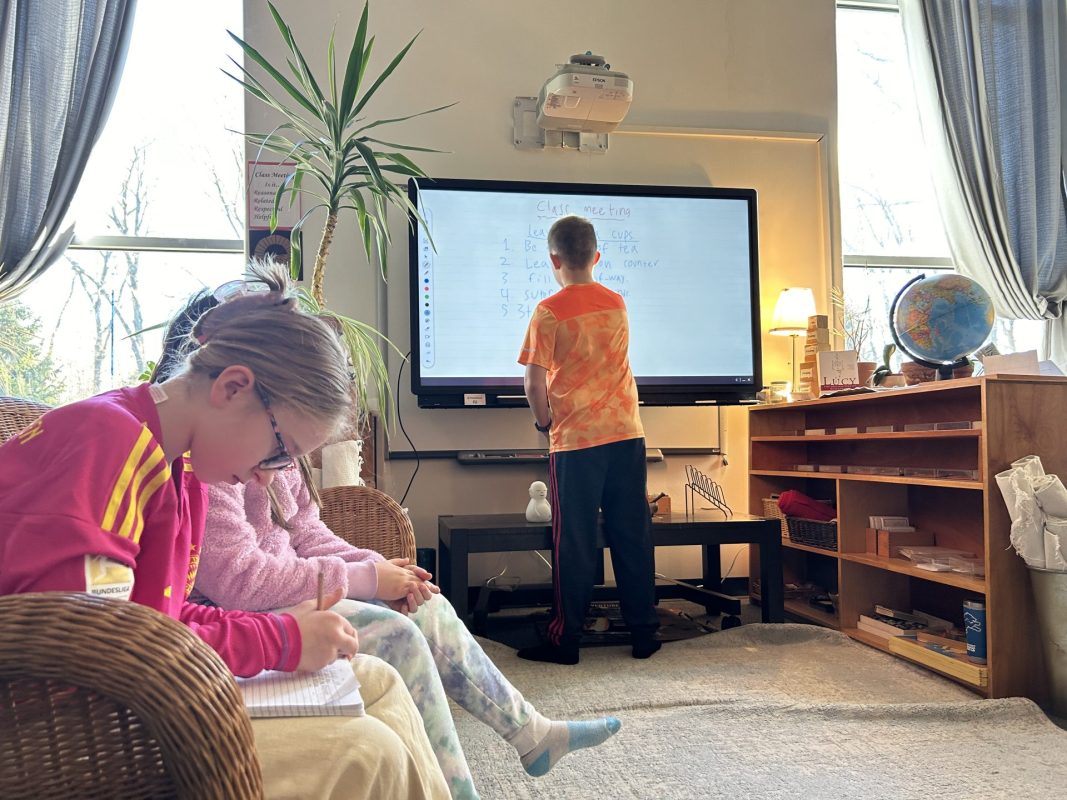
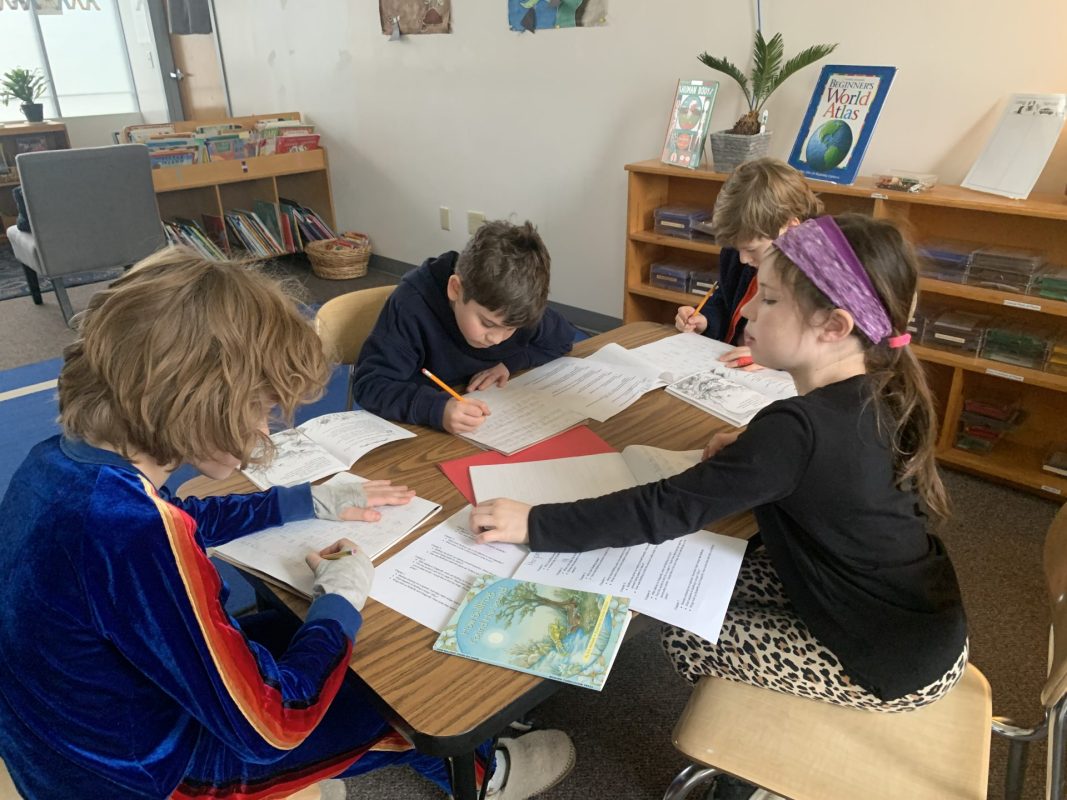
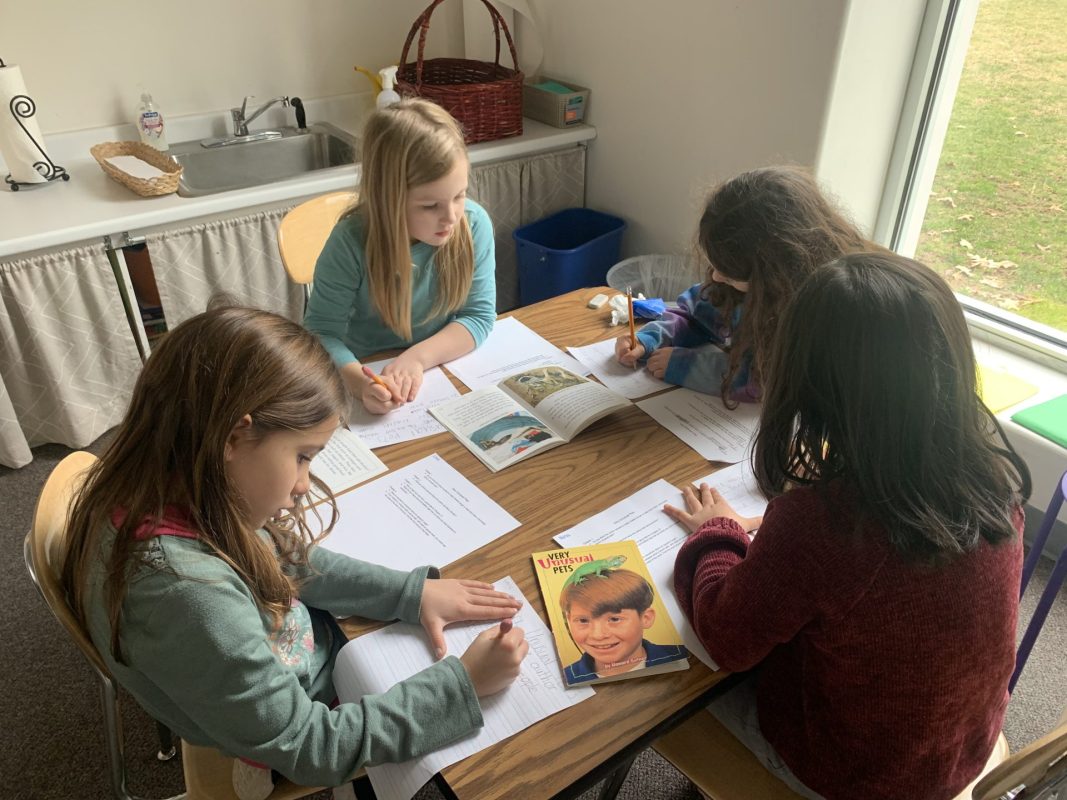
In Humanities classes this week, students worked together to write the script for Chef Showdown, a full-length play that they developed in all aspects. First, 8th-grade students brainstormed the overarching idea for the play. This year, that main idea is a reality TV cooking show. Then, students created a plot line with the skeleton of the play. Next, they developed their characters. This involved writing their personality traits, any particular traits in appearance, an example of what they might say, and how their role contributes to the plot. Next, any relationships between characters are established. Finally, the class wrote the scenes. They sat in a variety of combinations, with one person writing ideas from the group and another editing and formatting. The end product is humorous, nail-biting, and full of personality.
Come see Chef Showdown on Wednesday, Dec. 6th at 7 pm.

Independent Study Presentations

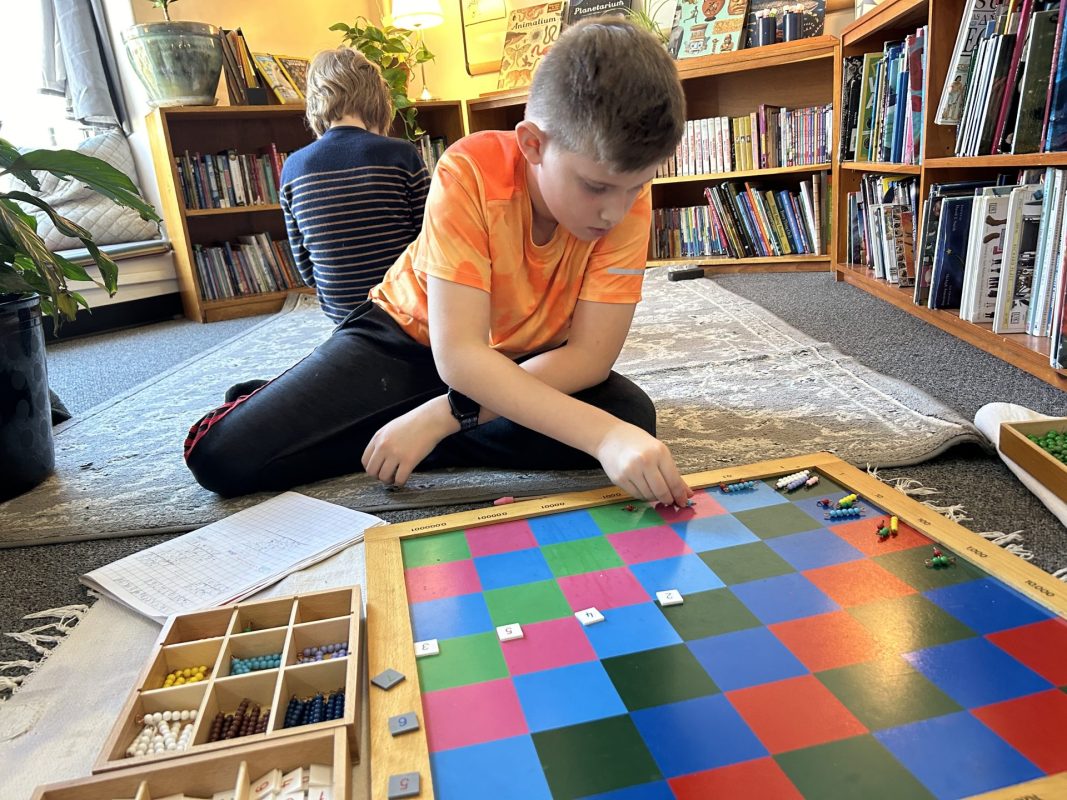
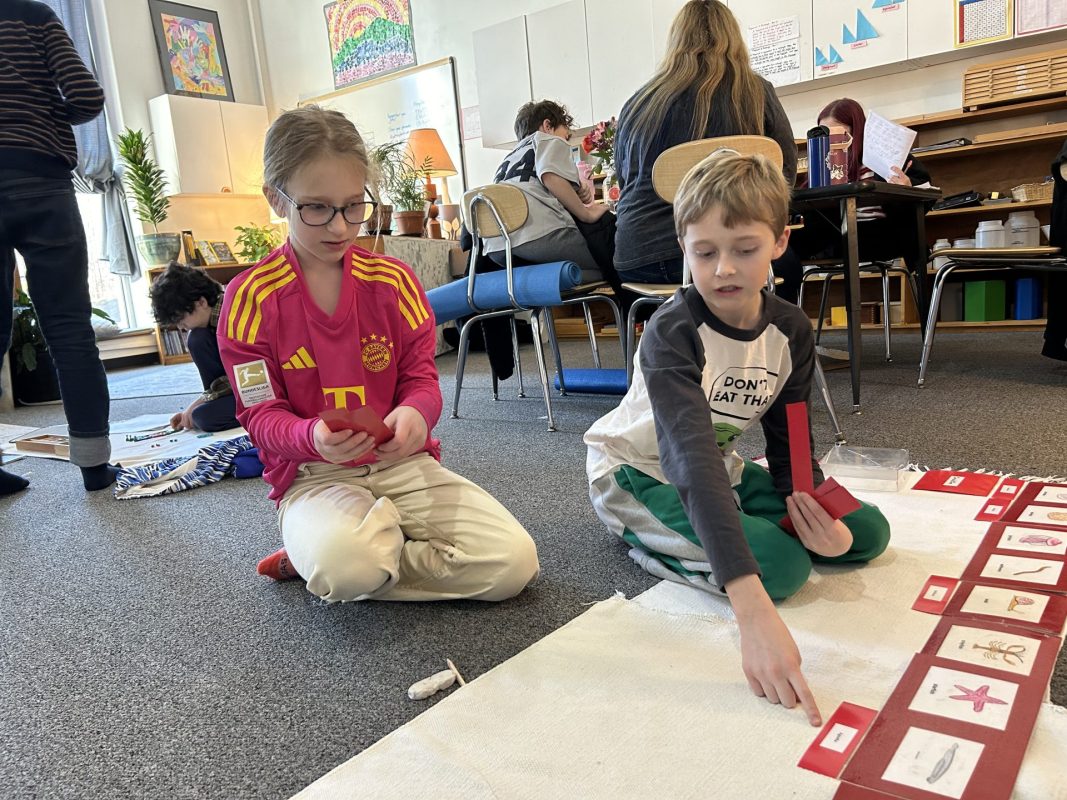
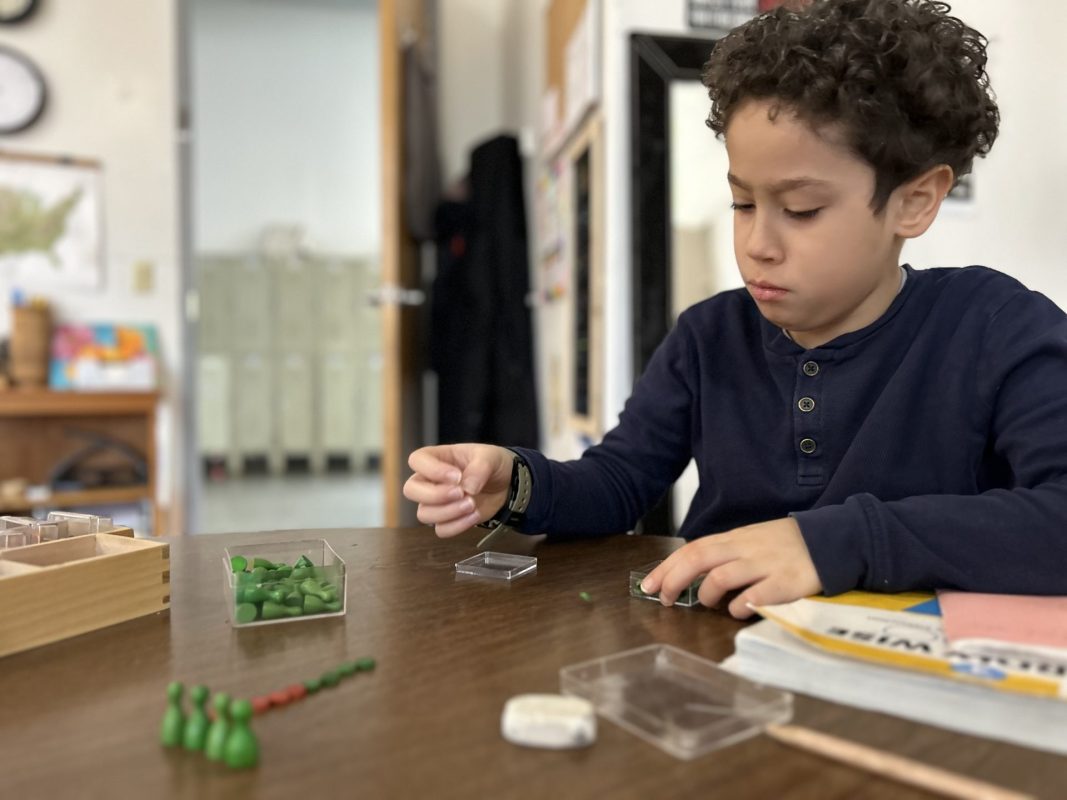
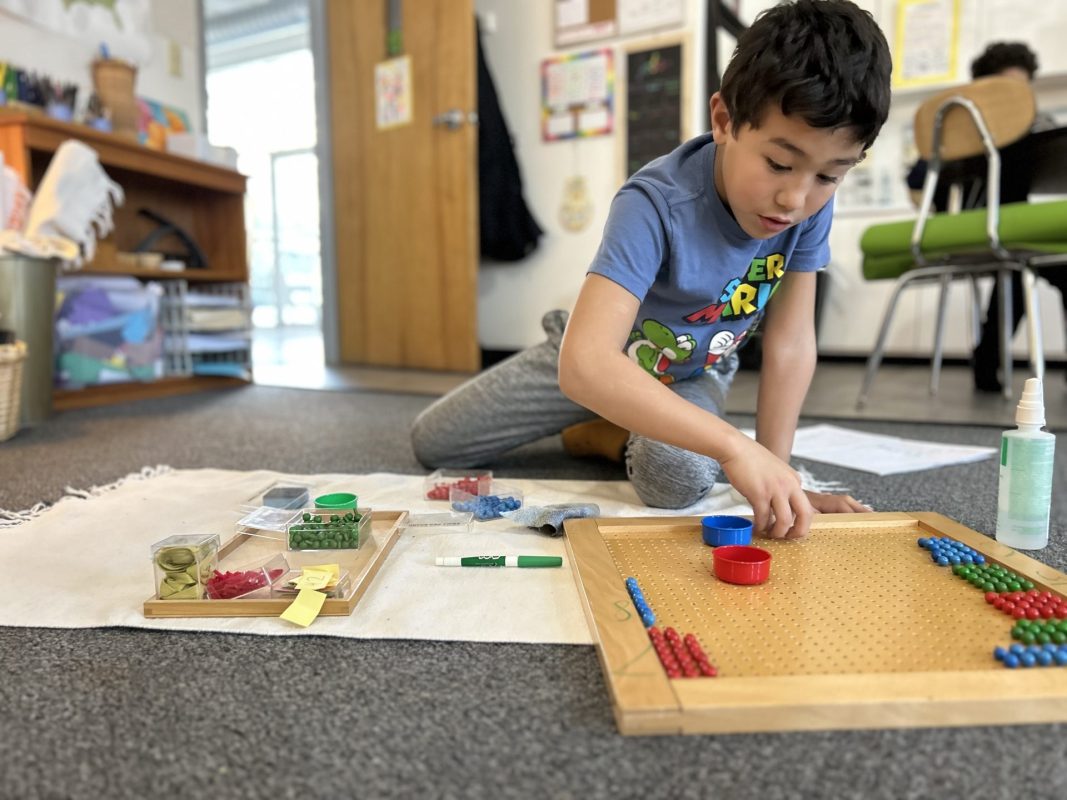
New to this year’s Middle School schedule is Independent Study. This twice-weekly class is completely student-run, with projects of the students’ choosing. In the first week, students decided what they wanted to study or create and then decided upon their final product/presentation. The sky is the limit with this project, and it was amazing to see and hear what the students created this fall.

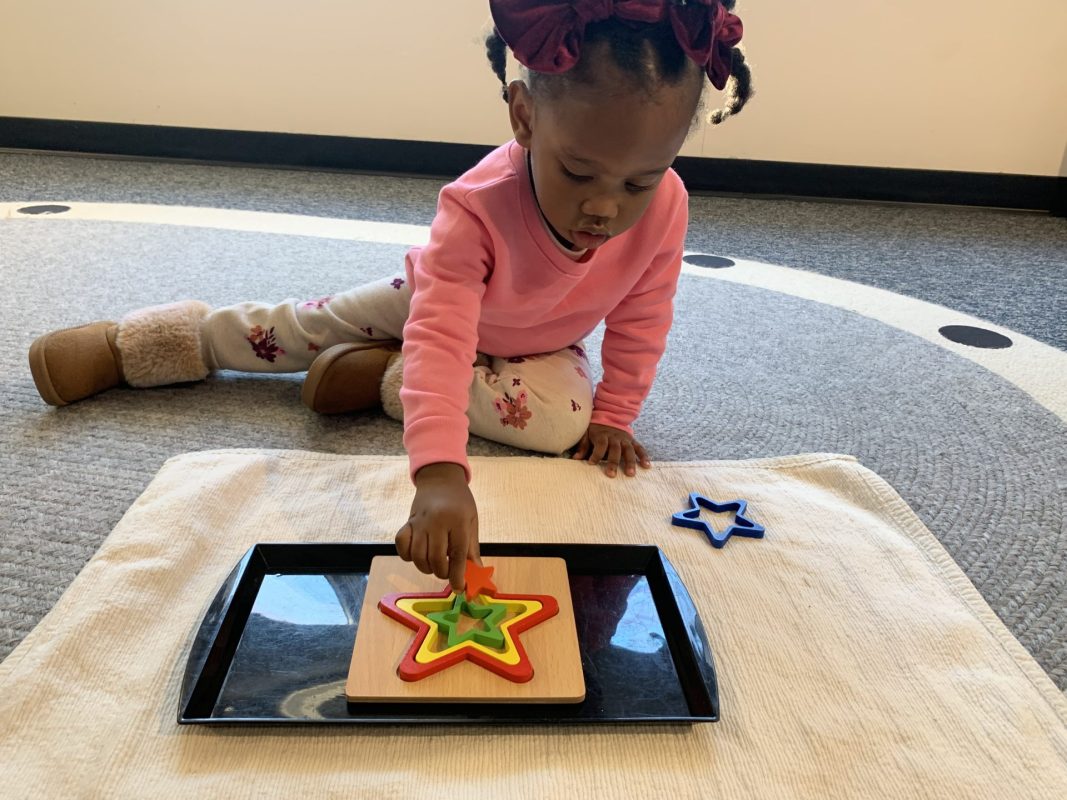
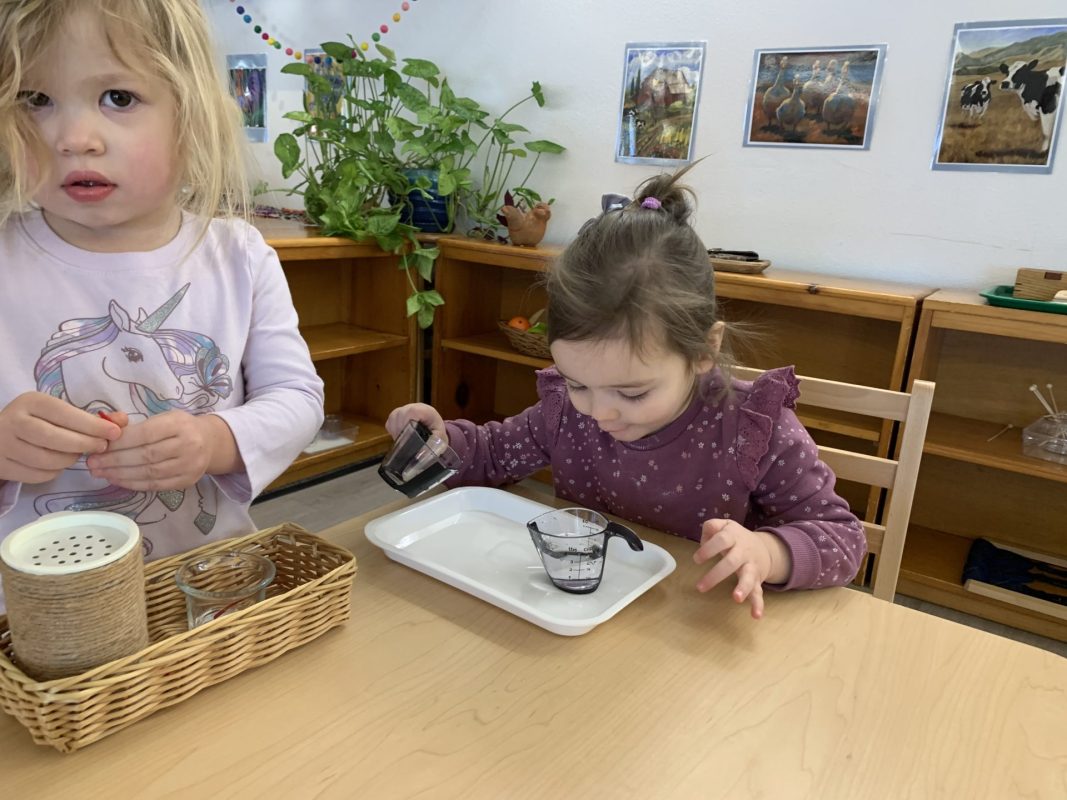
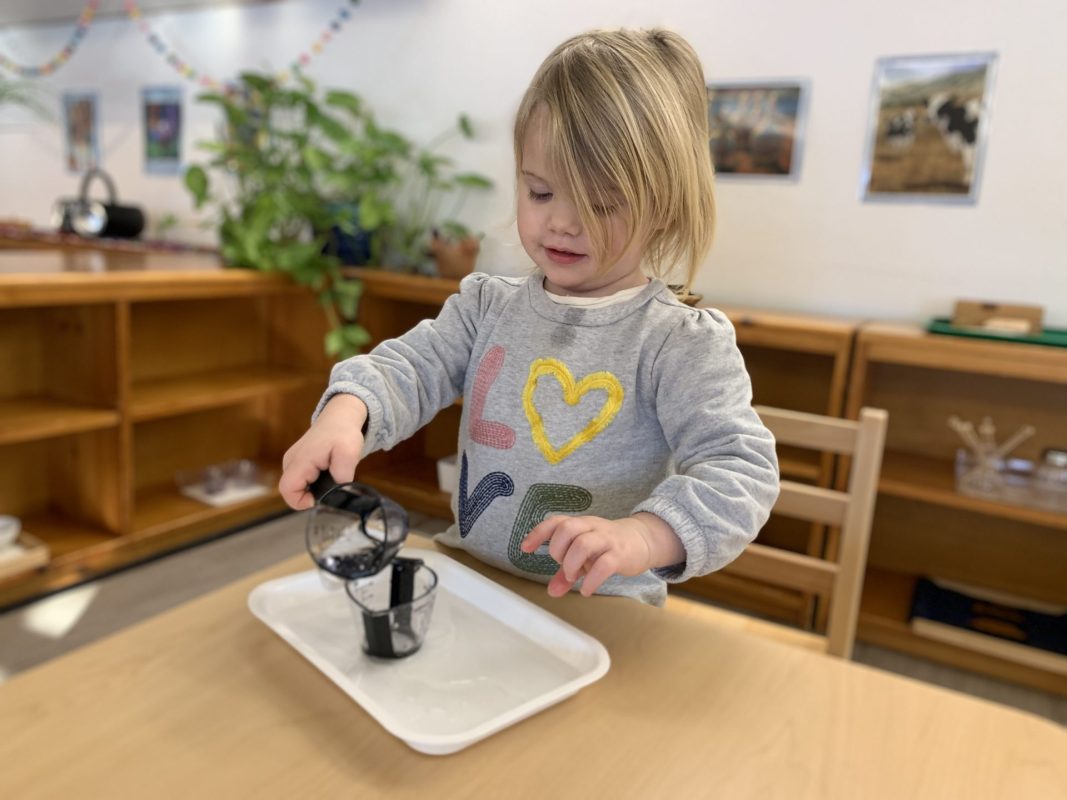
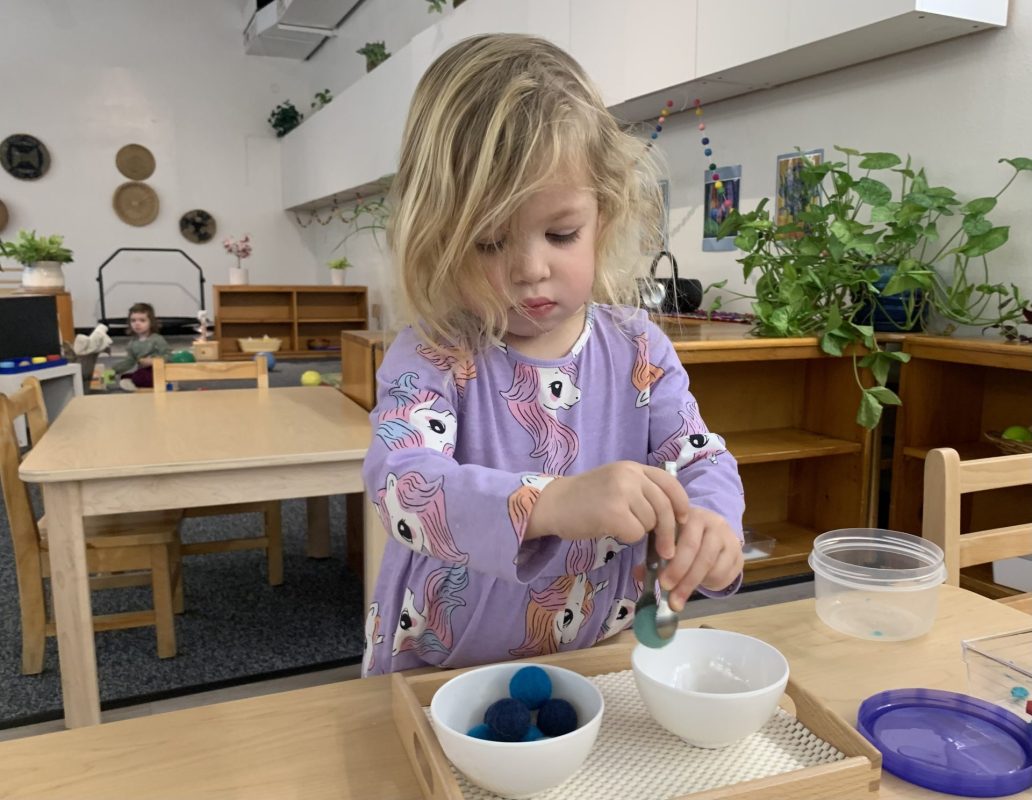
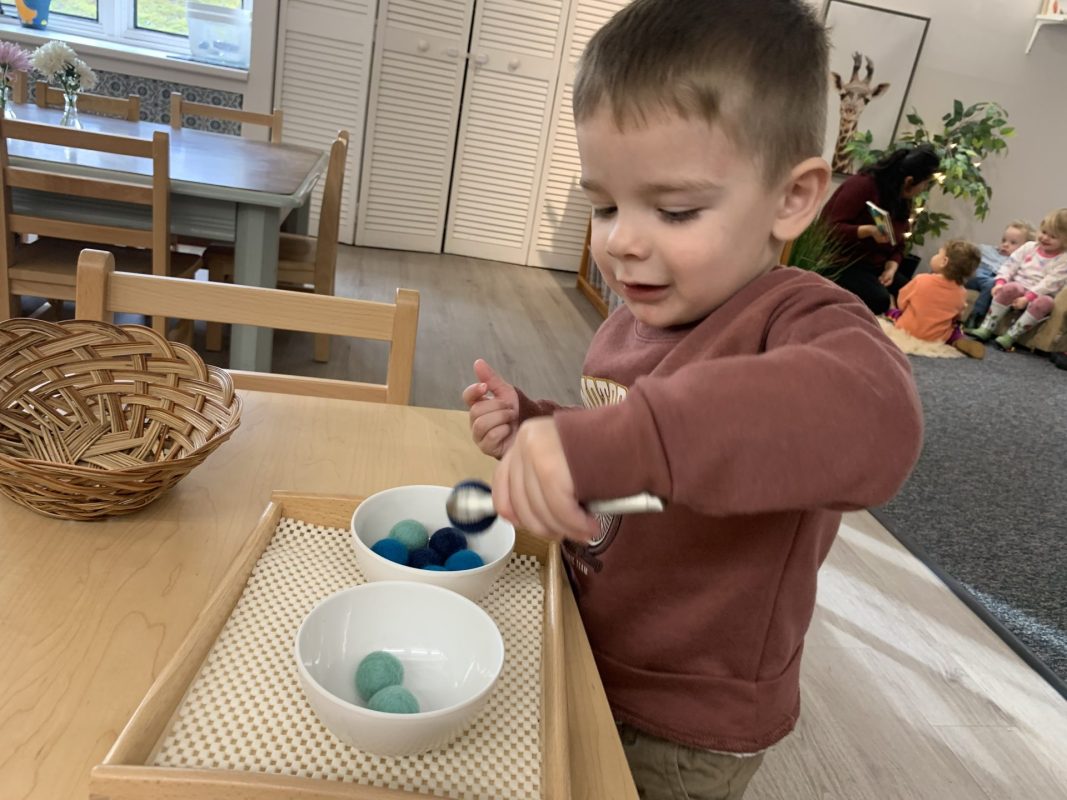
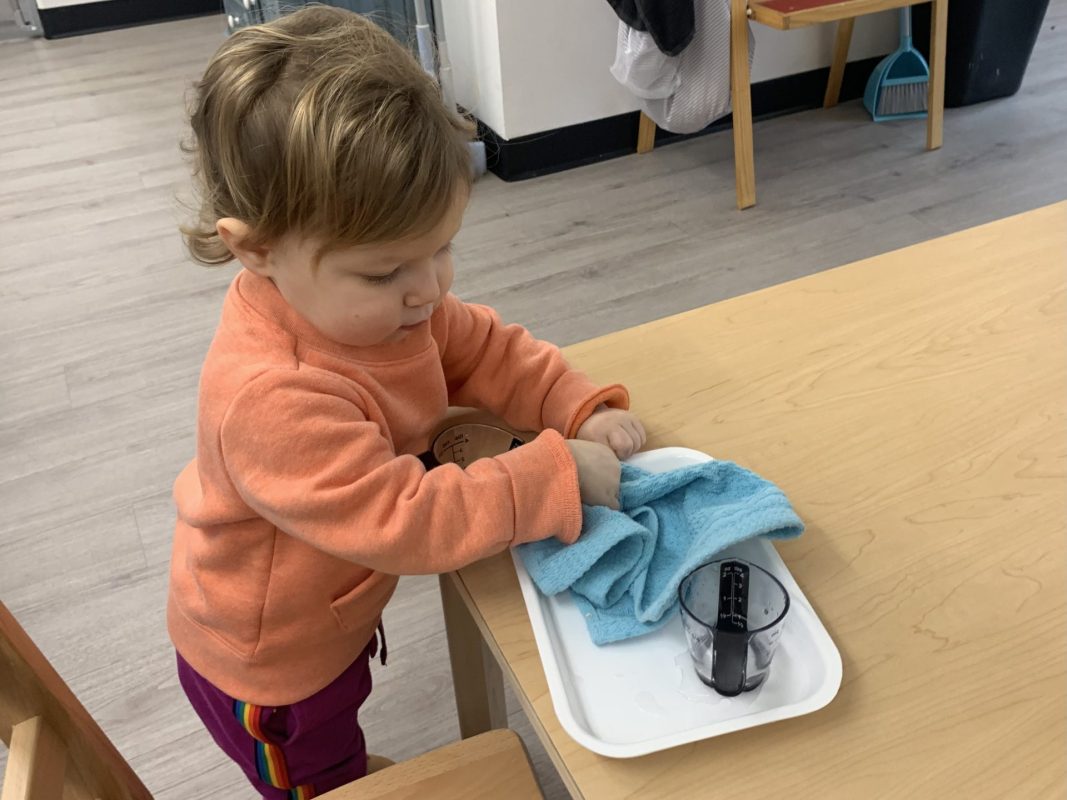
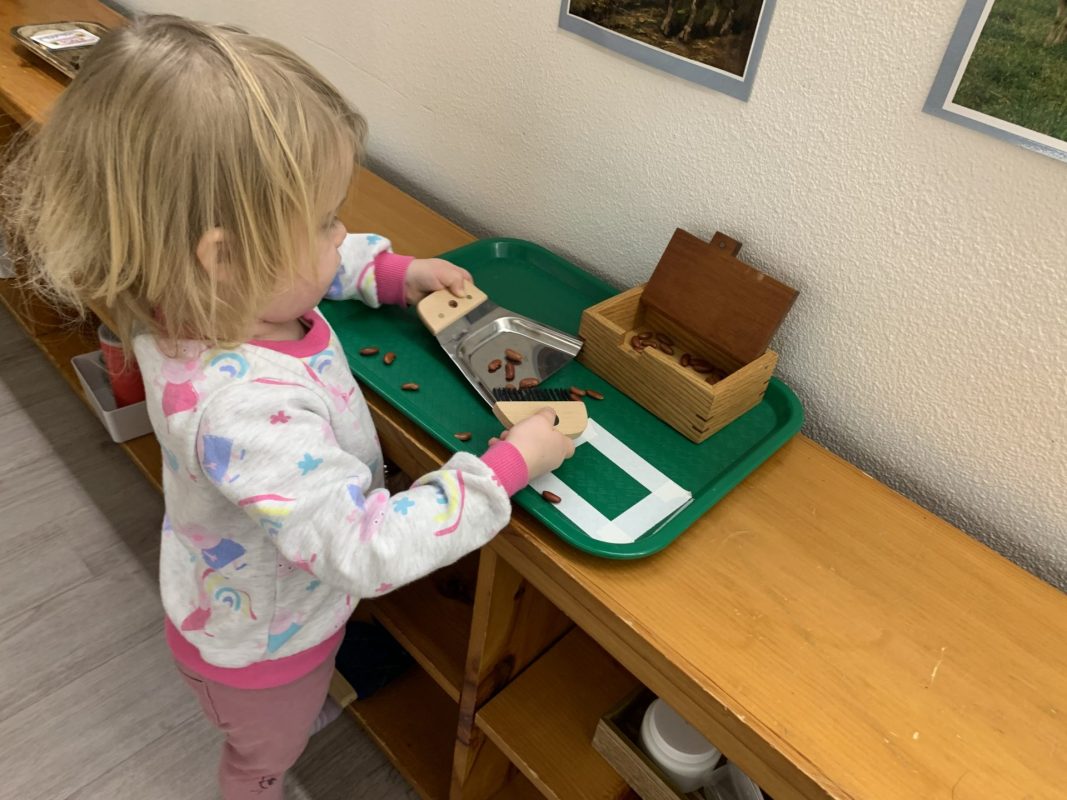
Please enjoy the photos from the week.


Mrs. Wilson: Little Adventurers and Celebrating Diwali

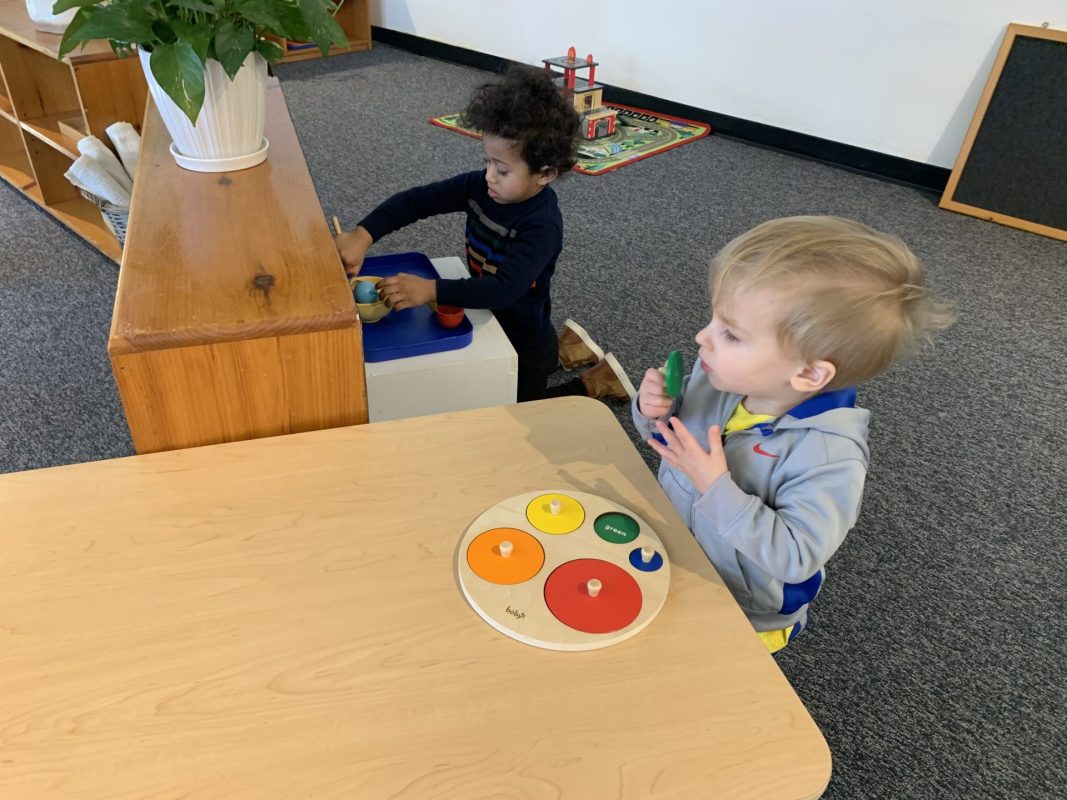
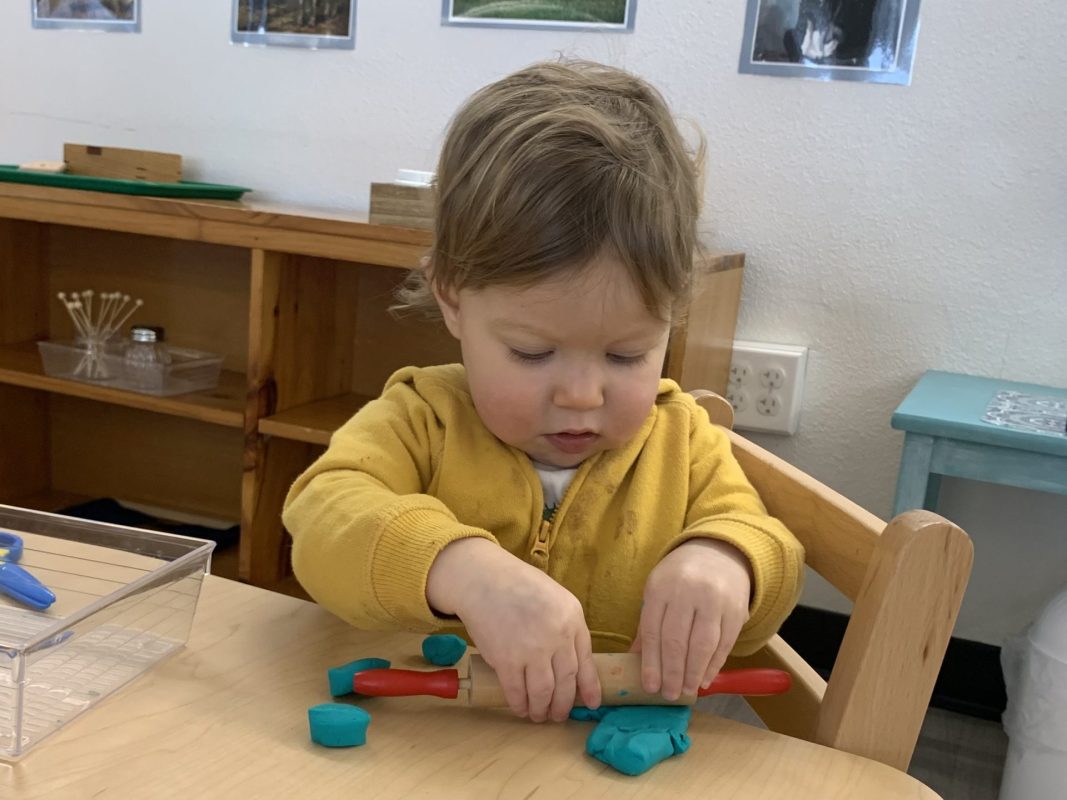
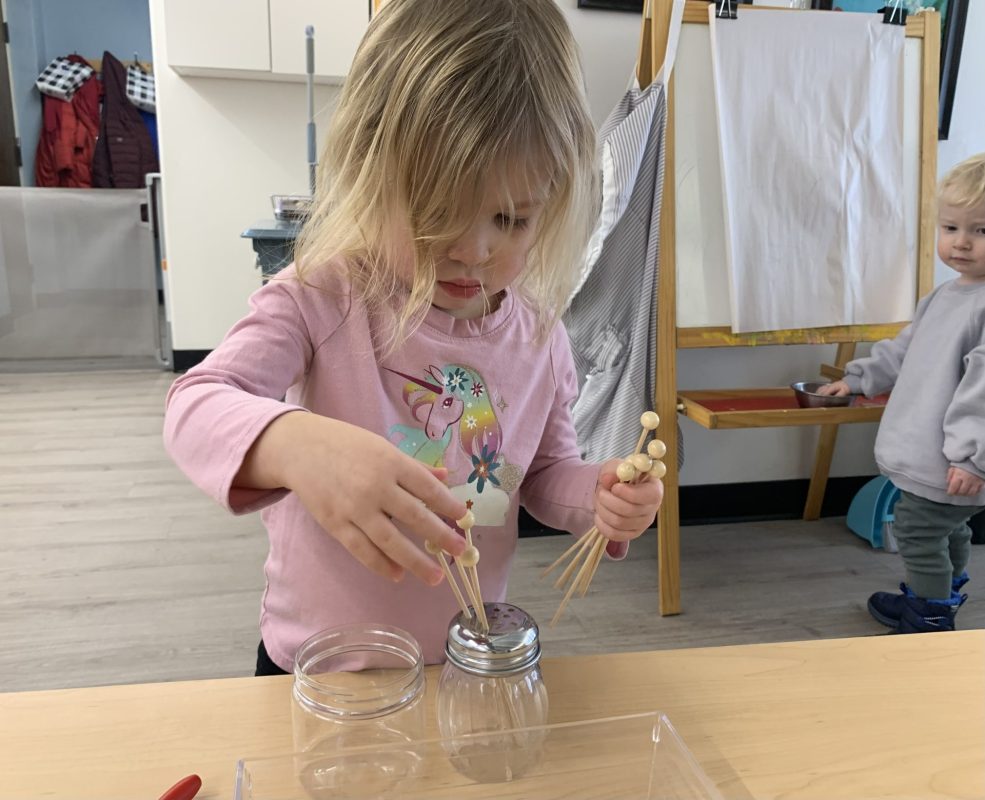
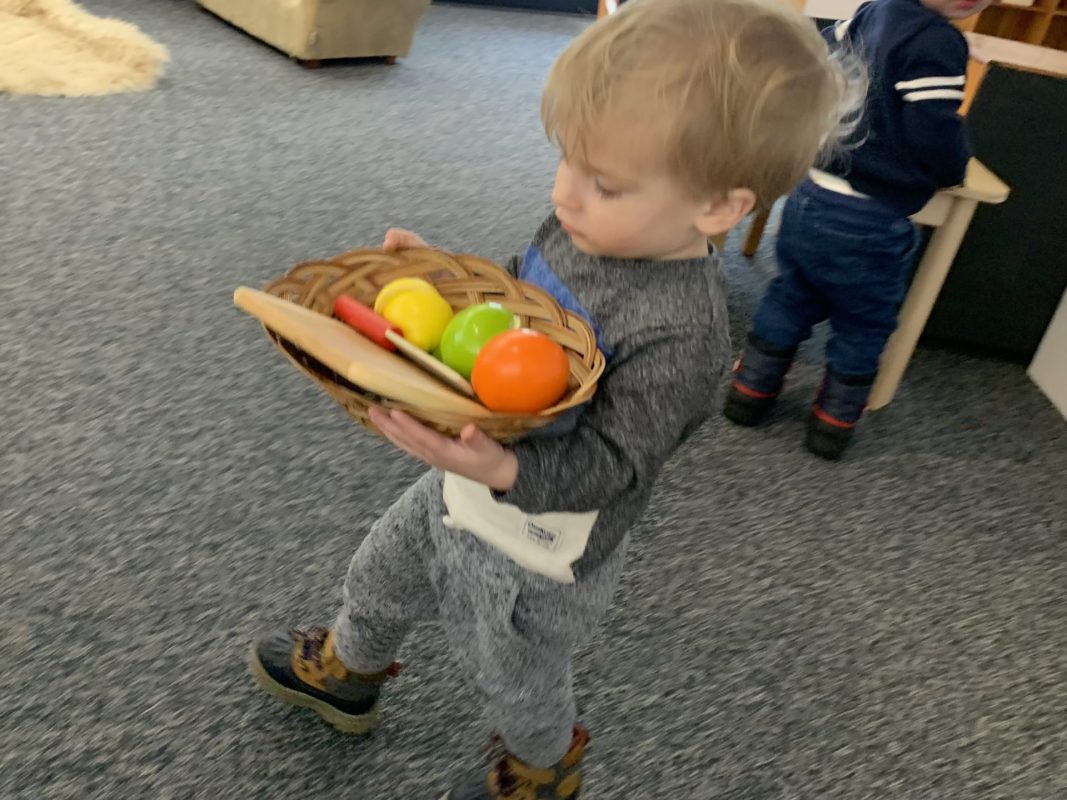
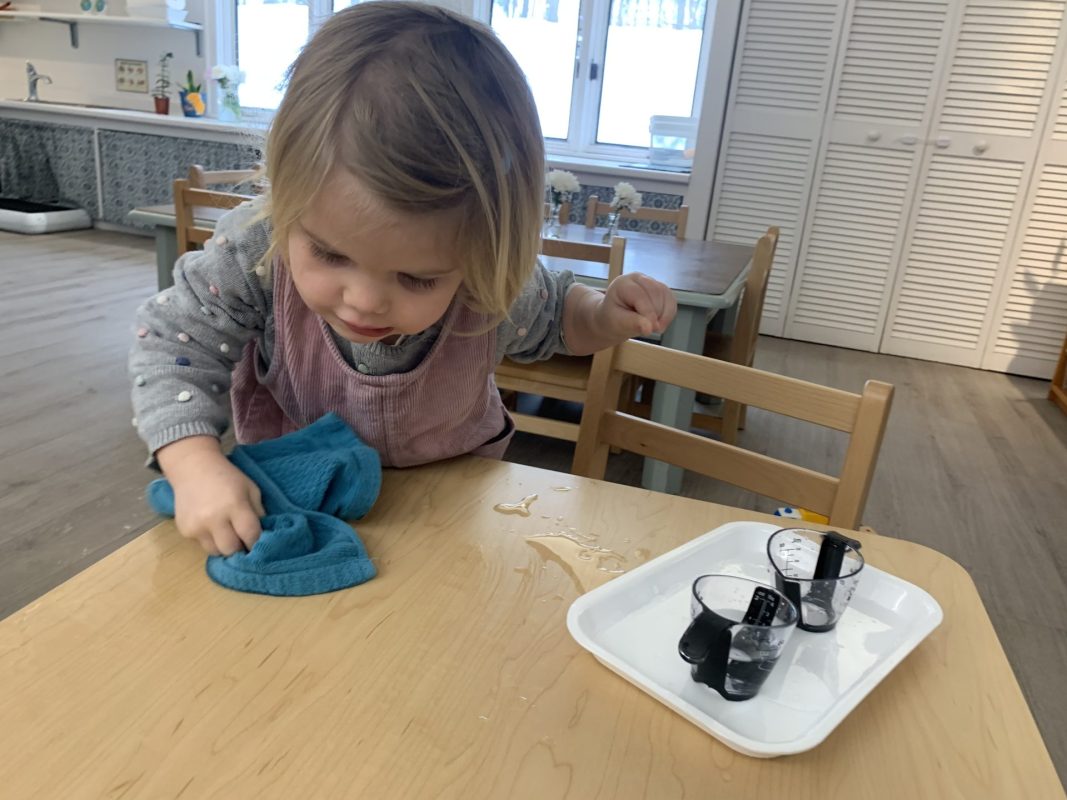
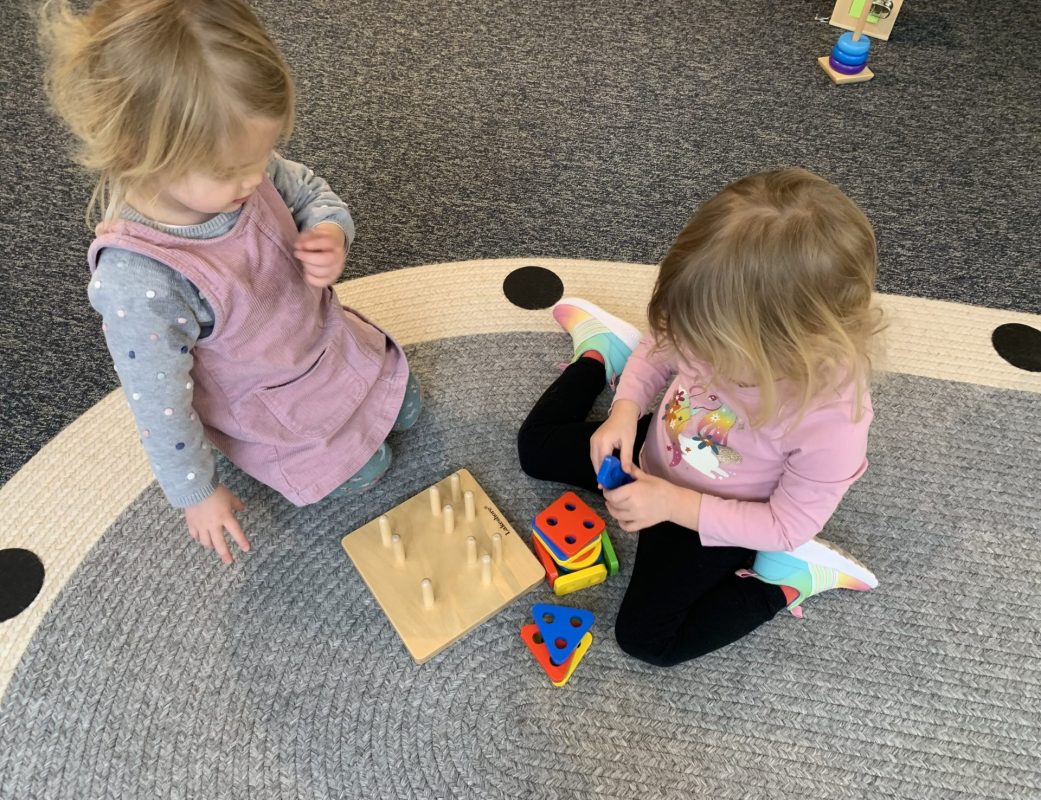
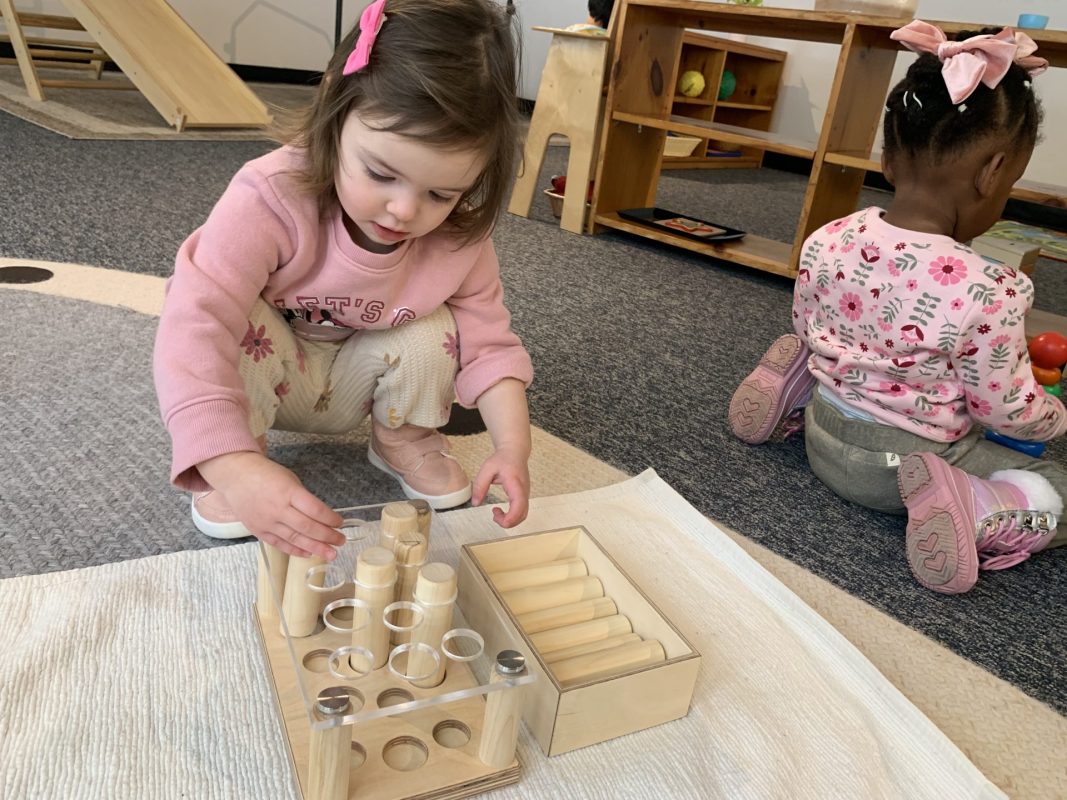
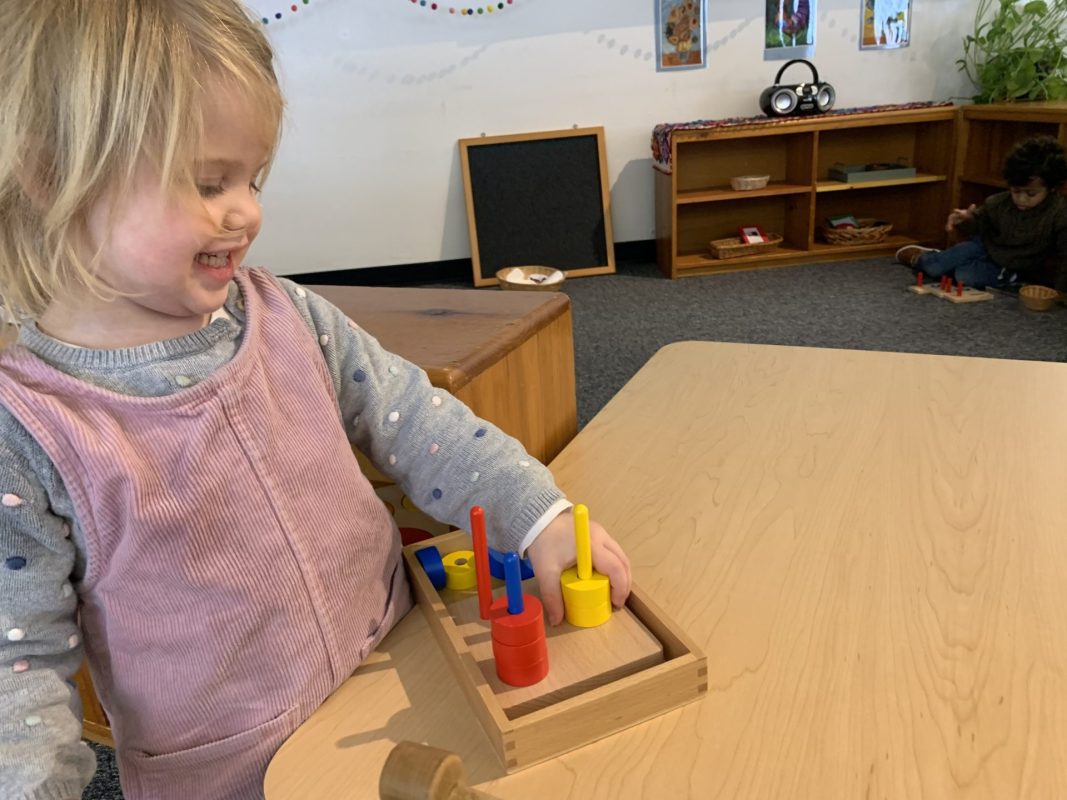
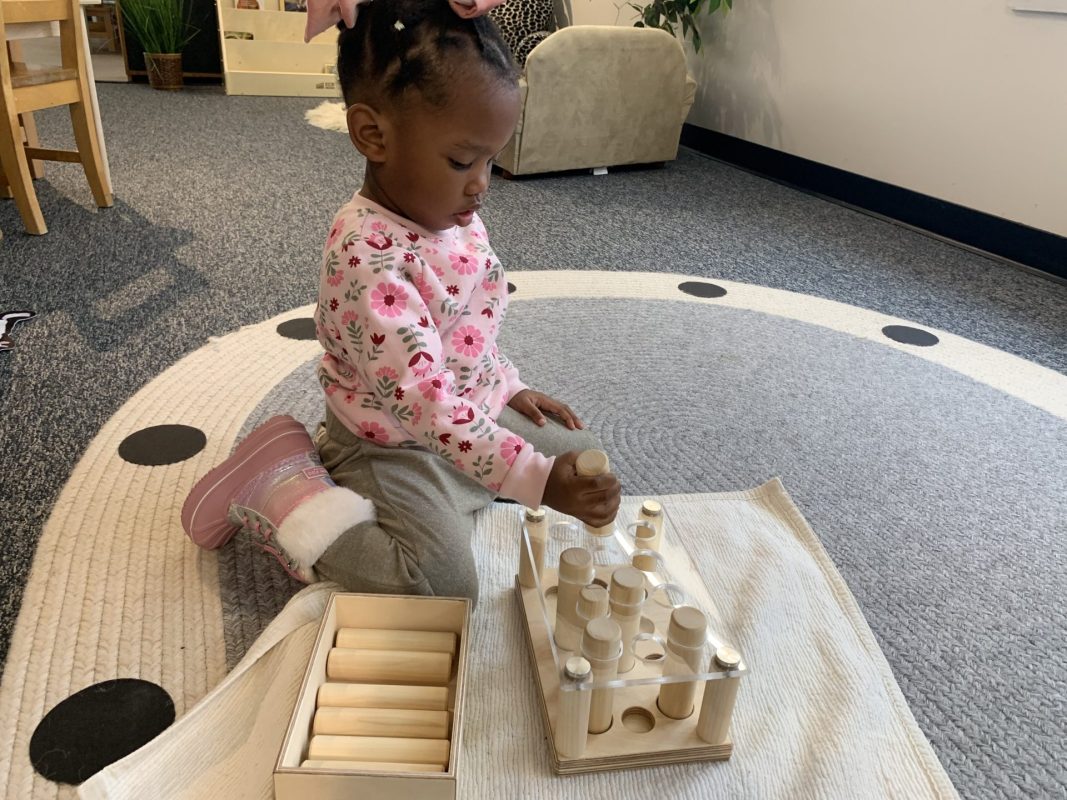
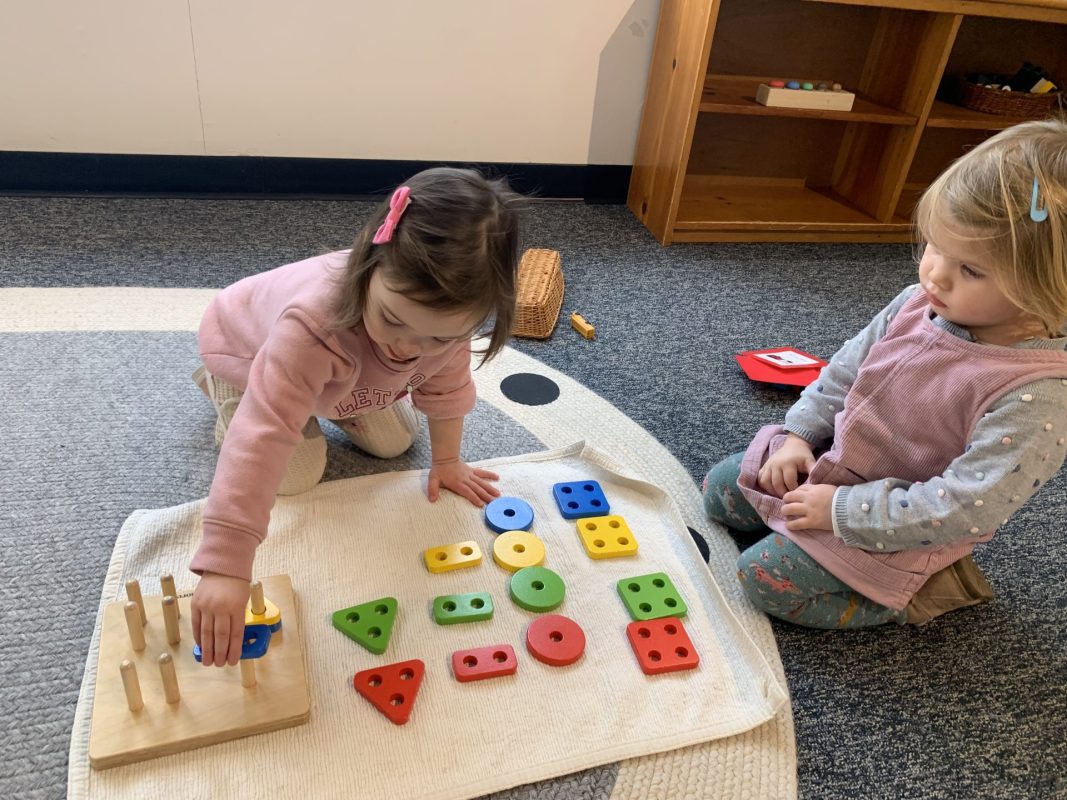
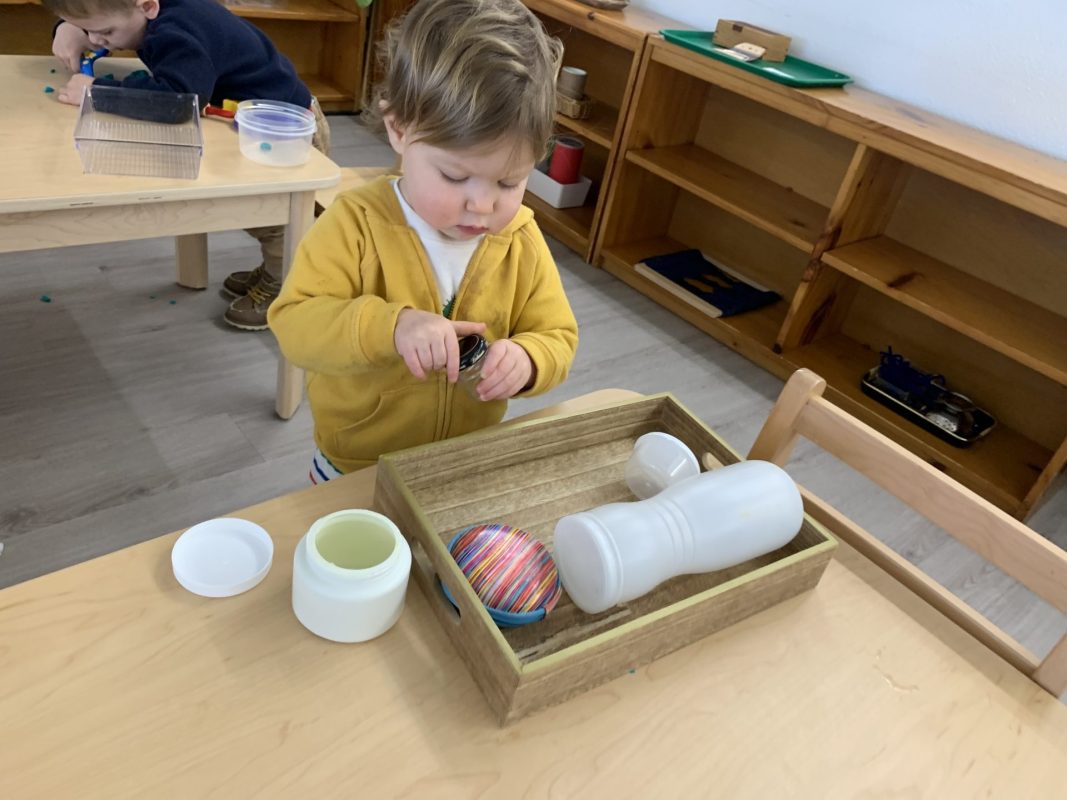
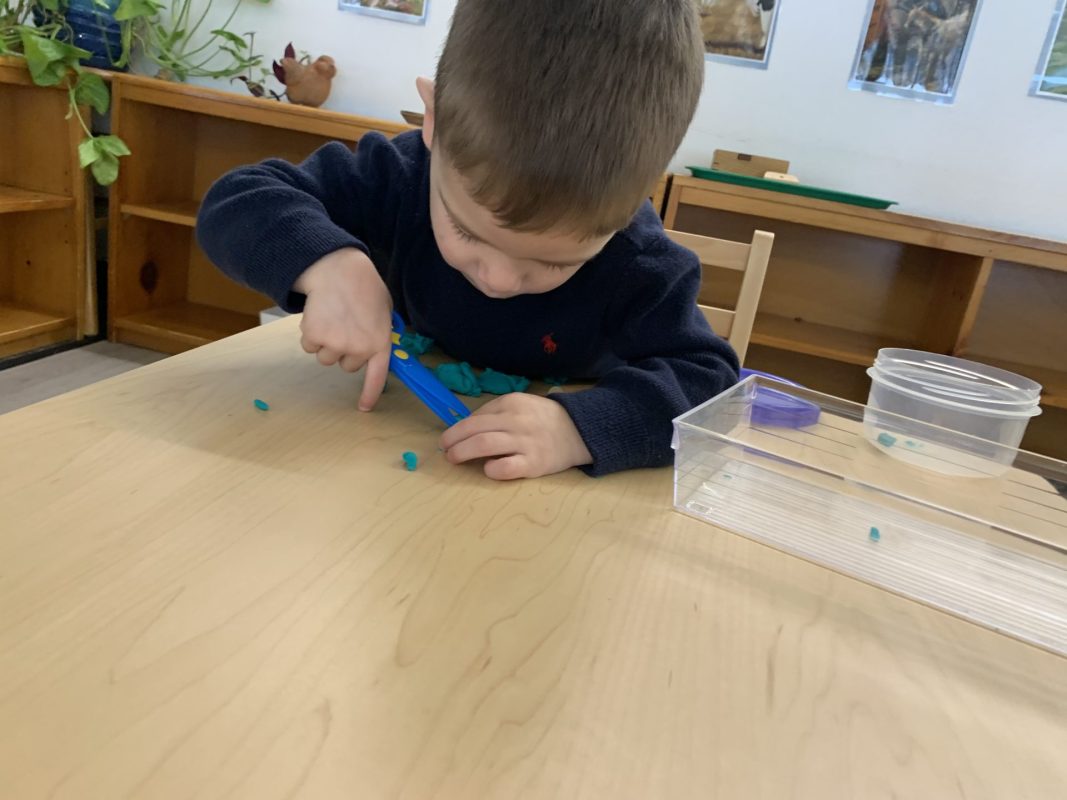
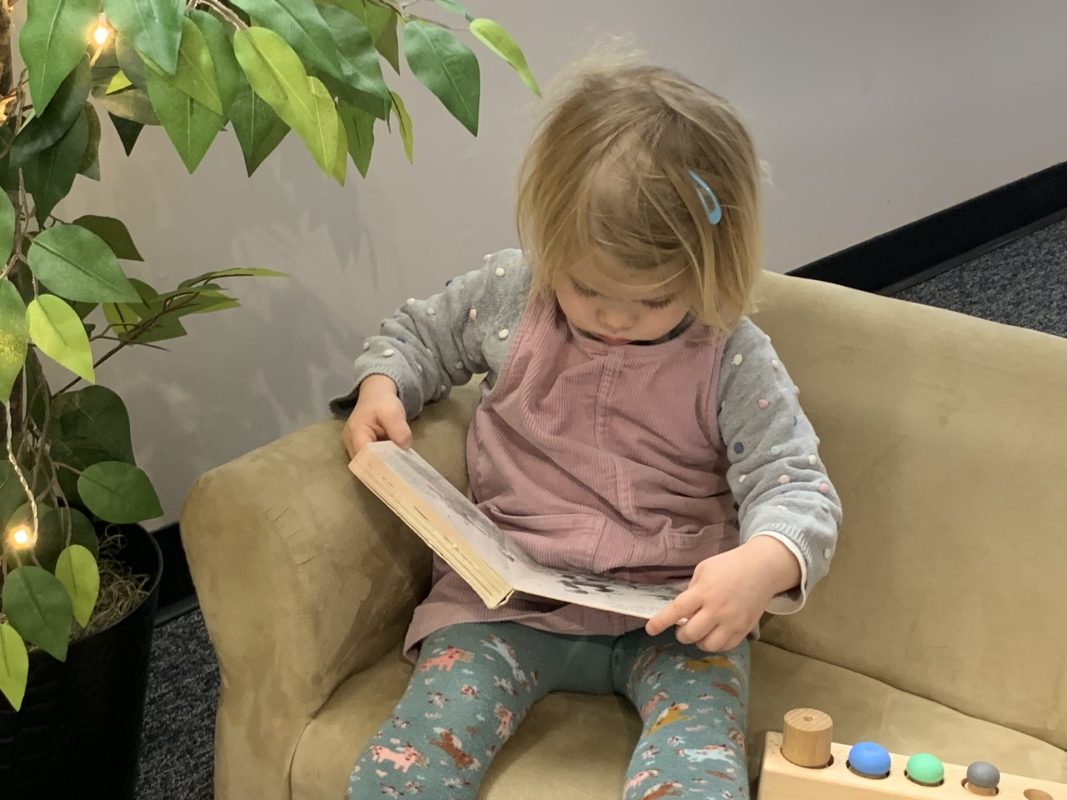
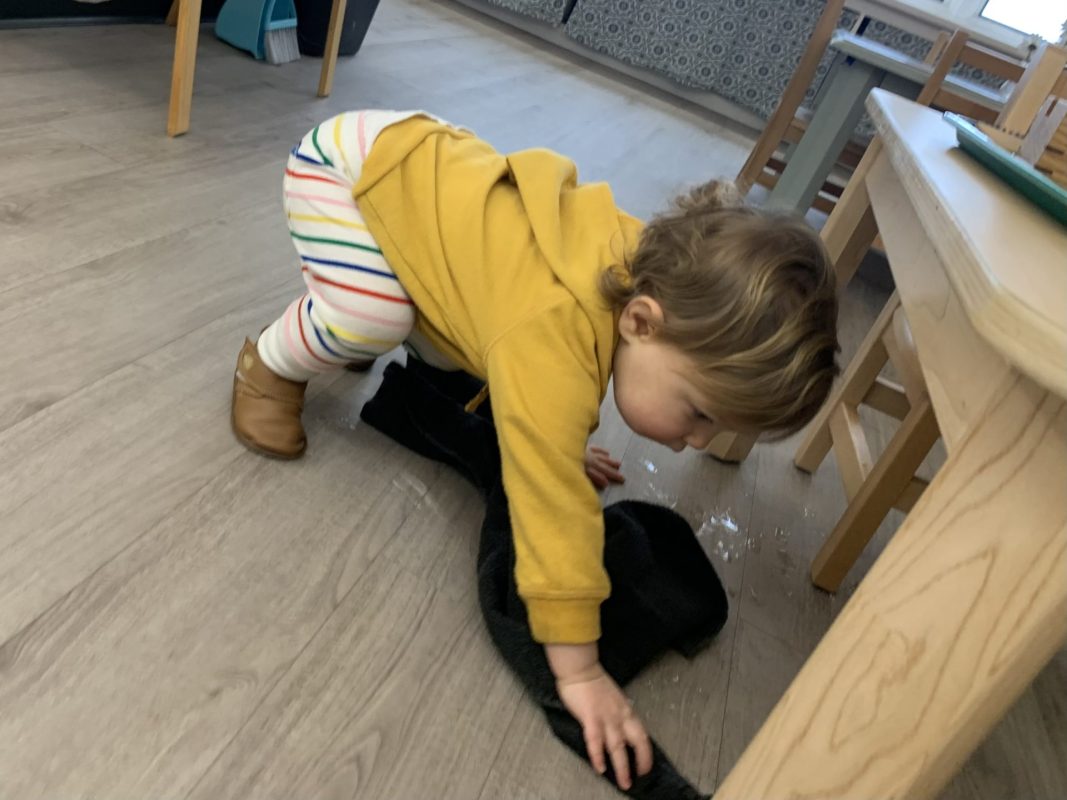
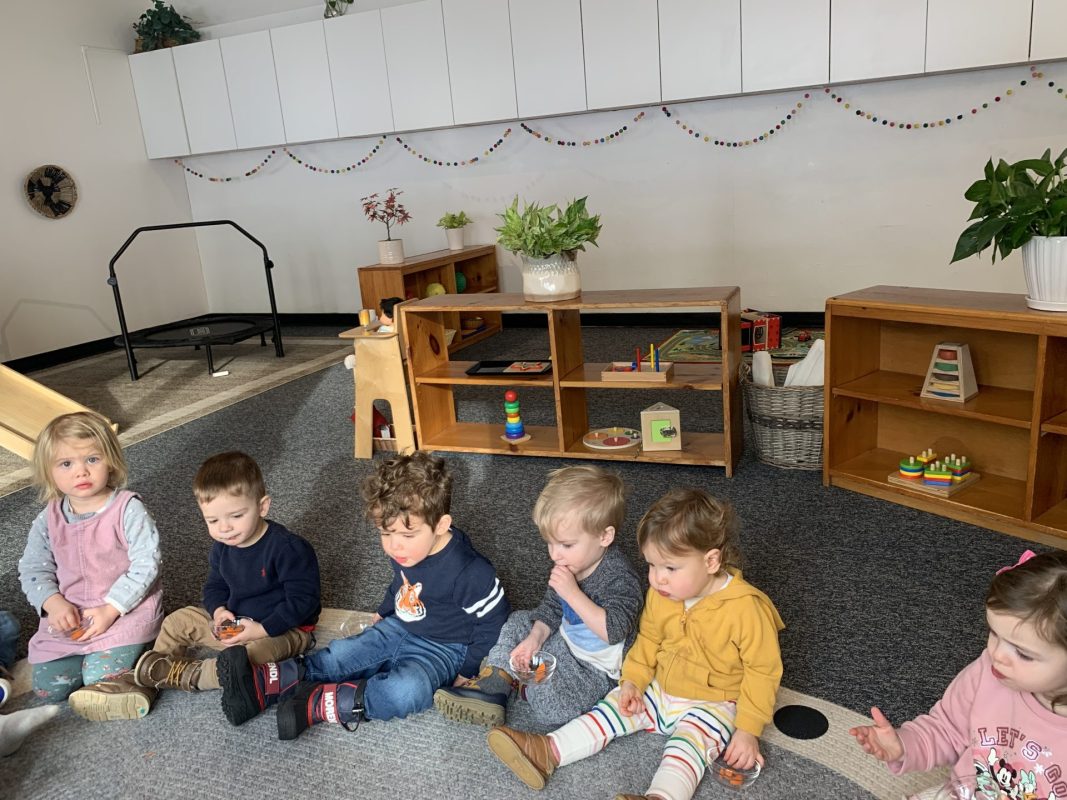
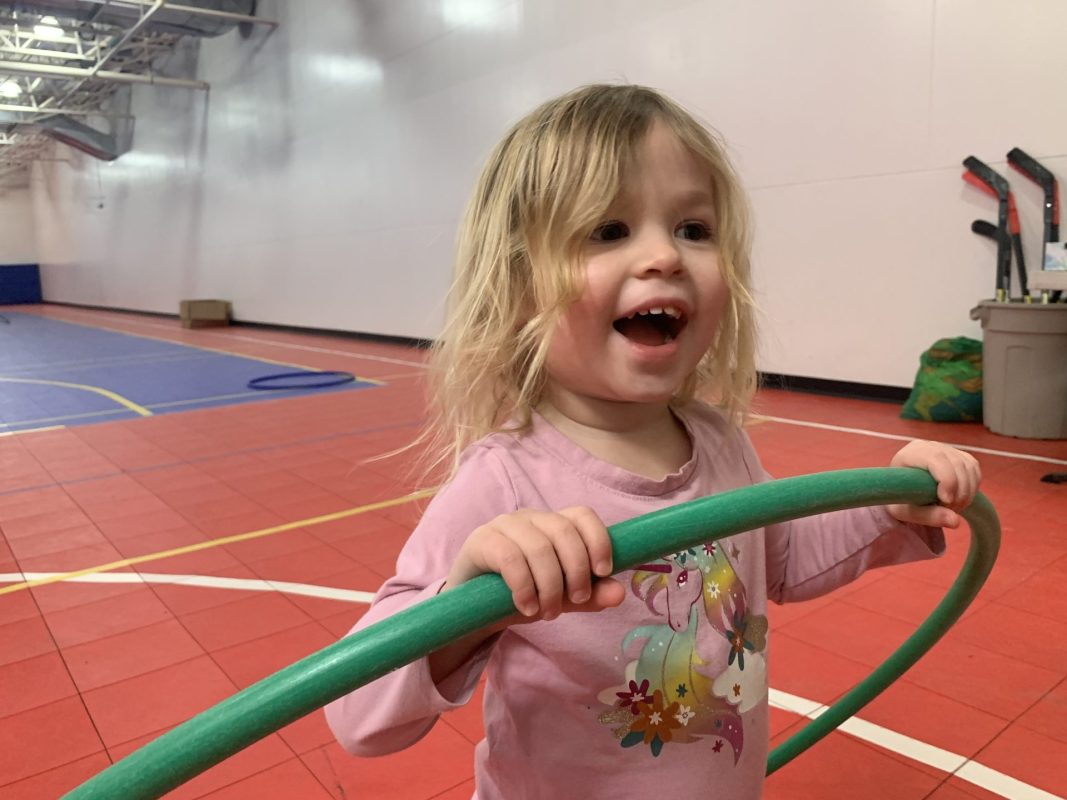
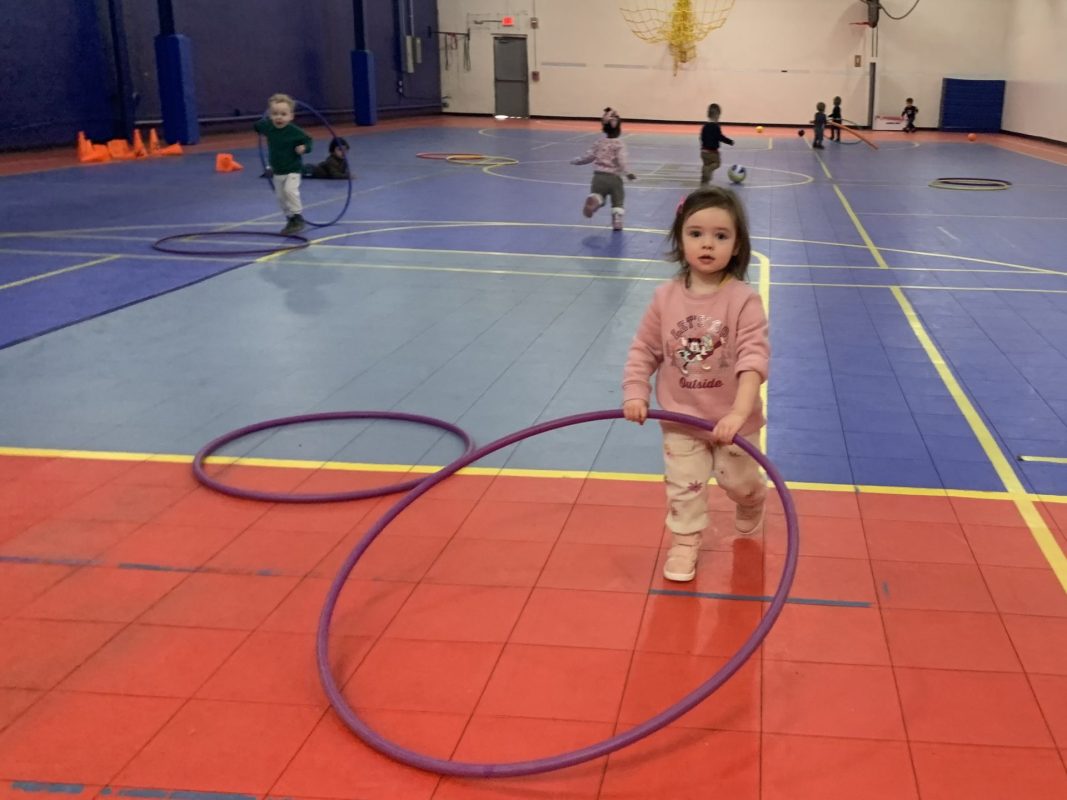
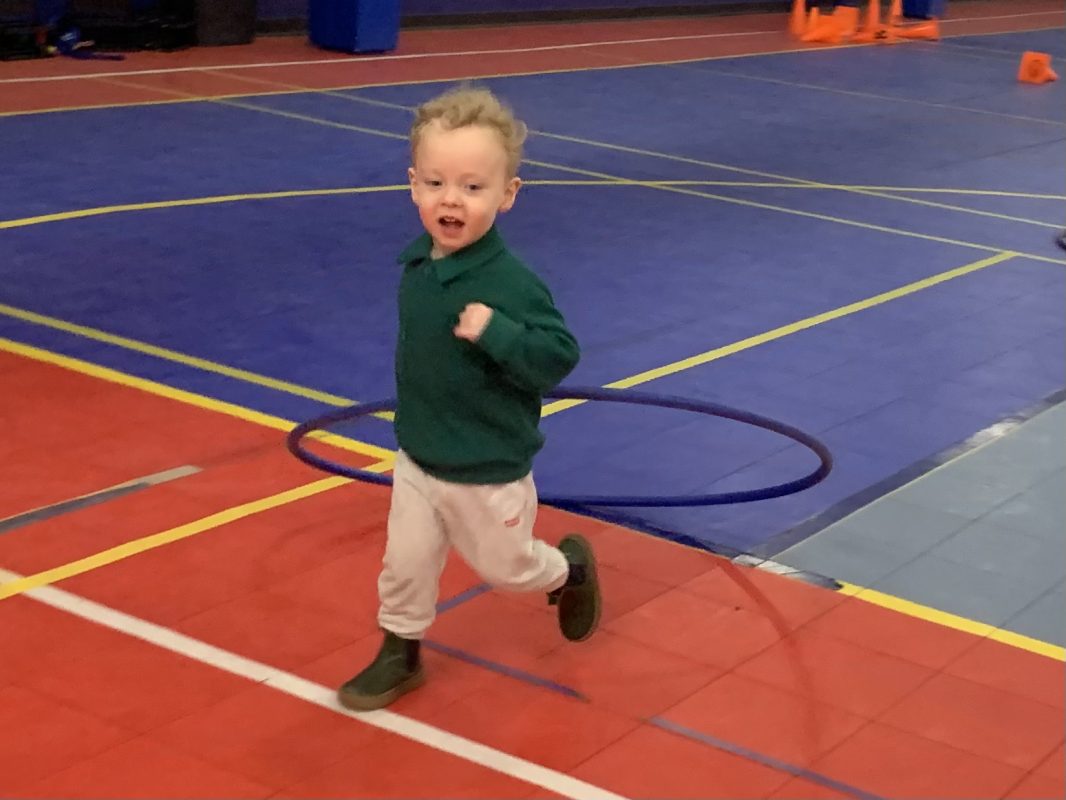
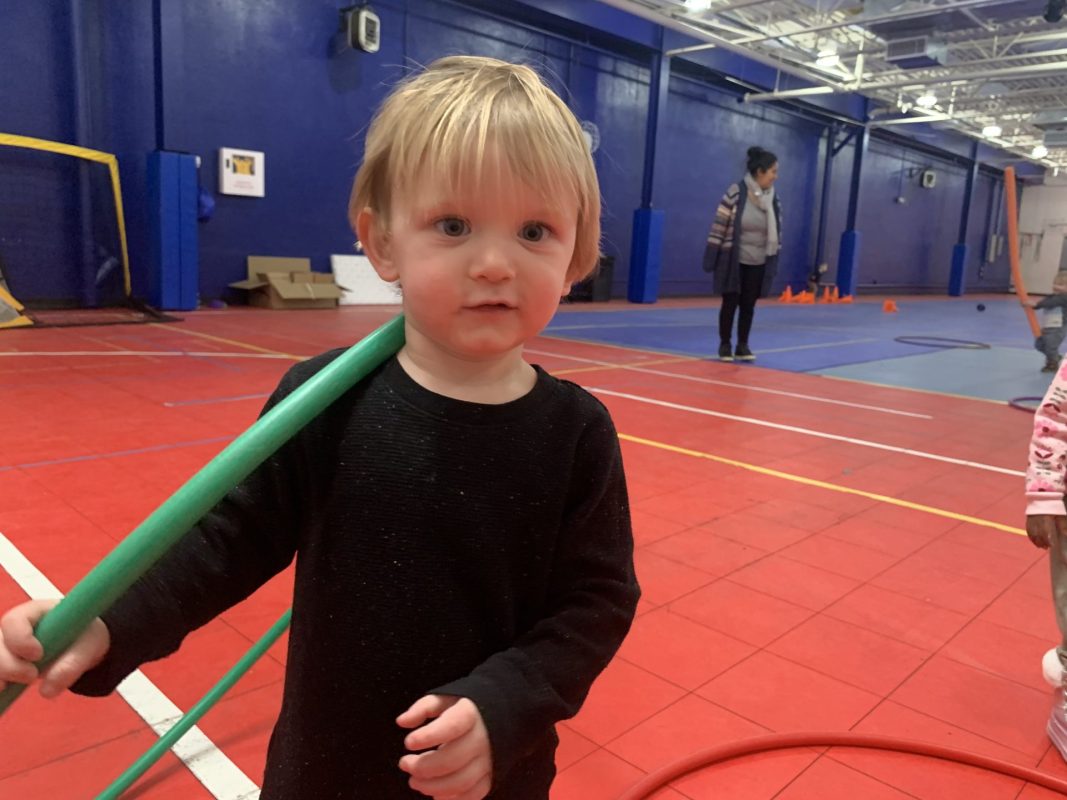
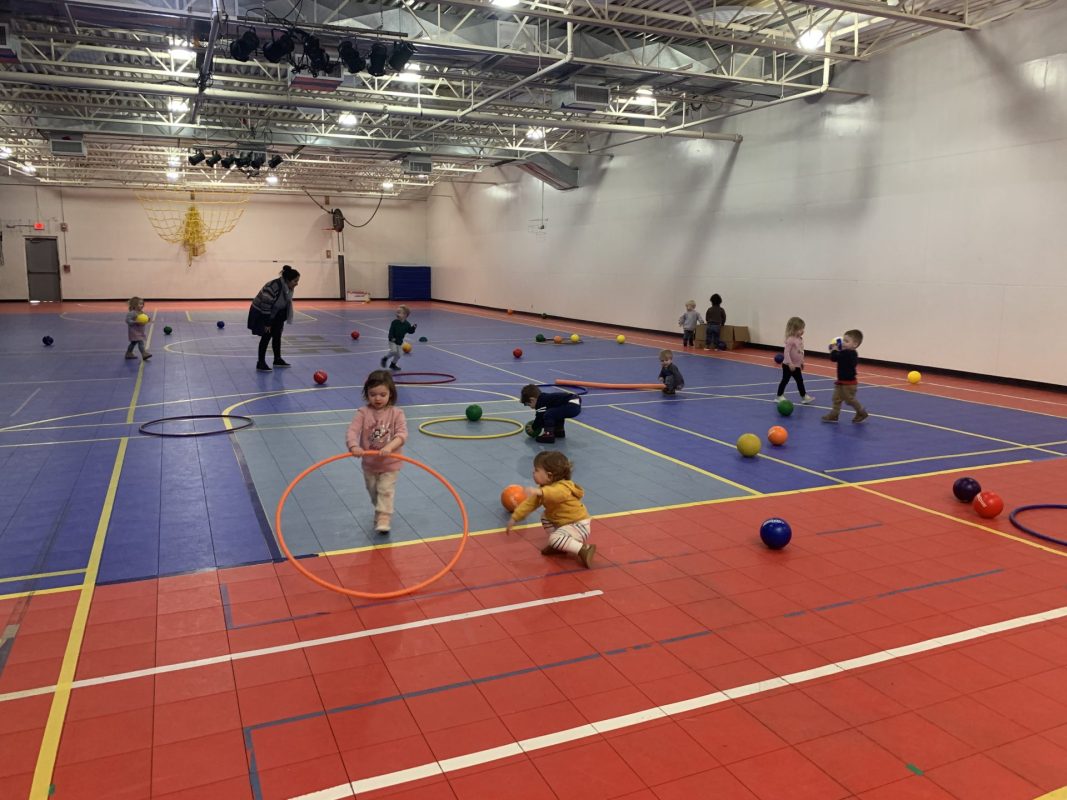
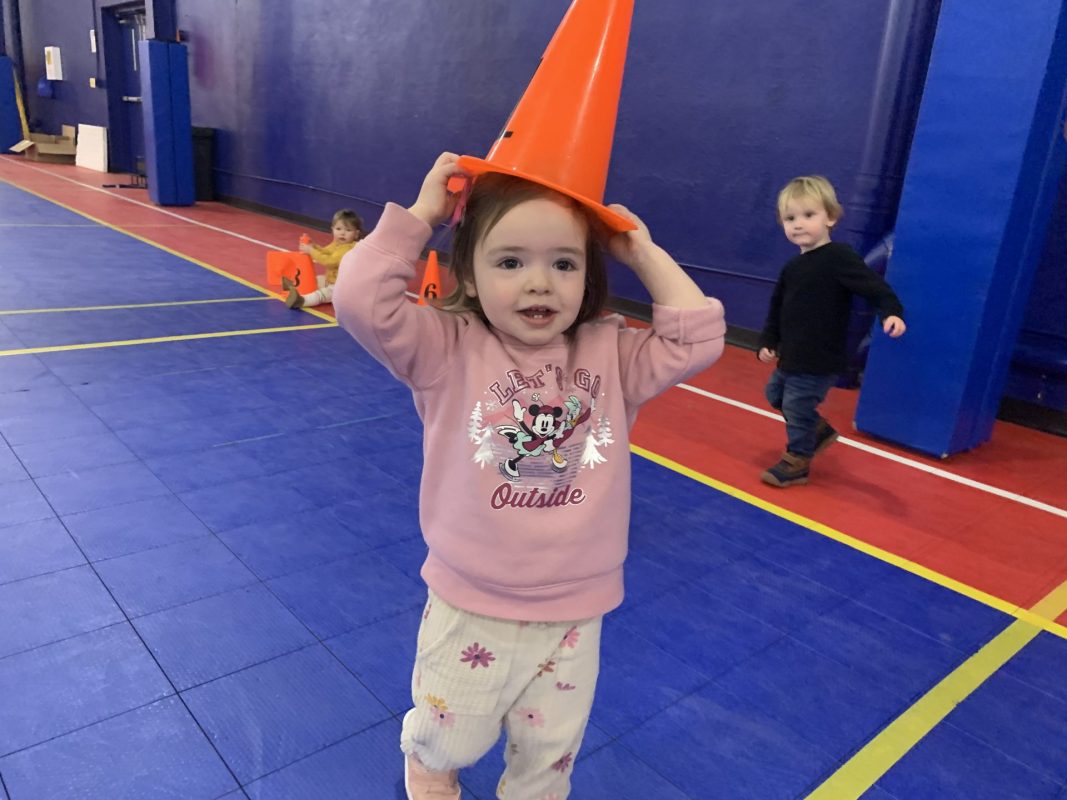
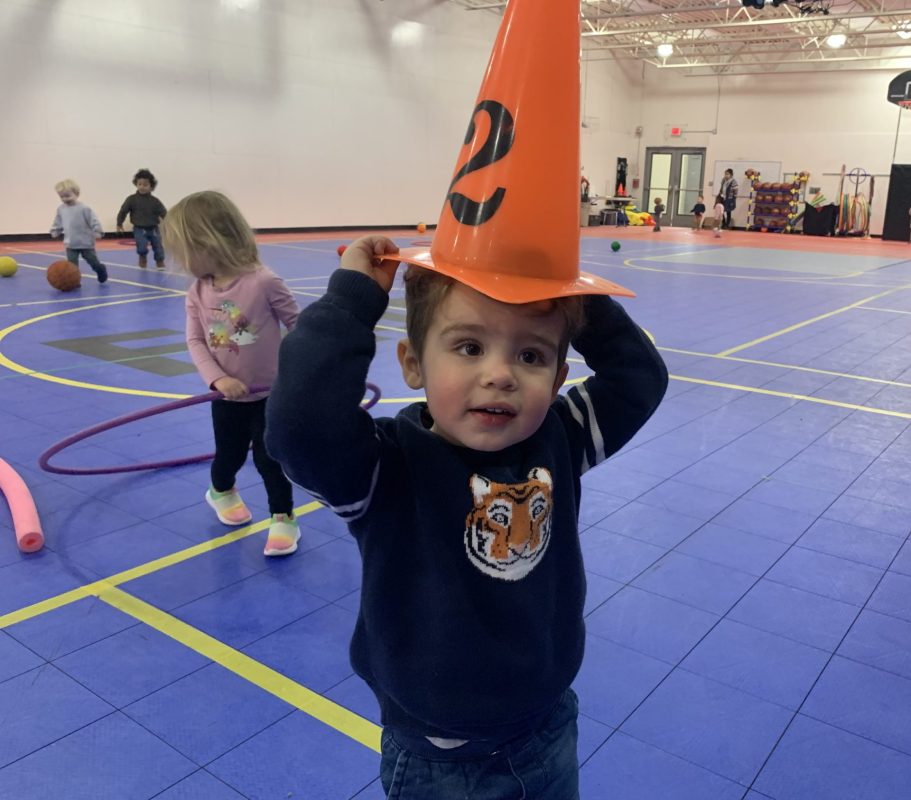
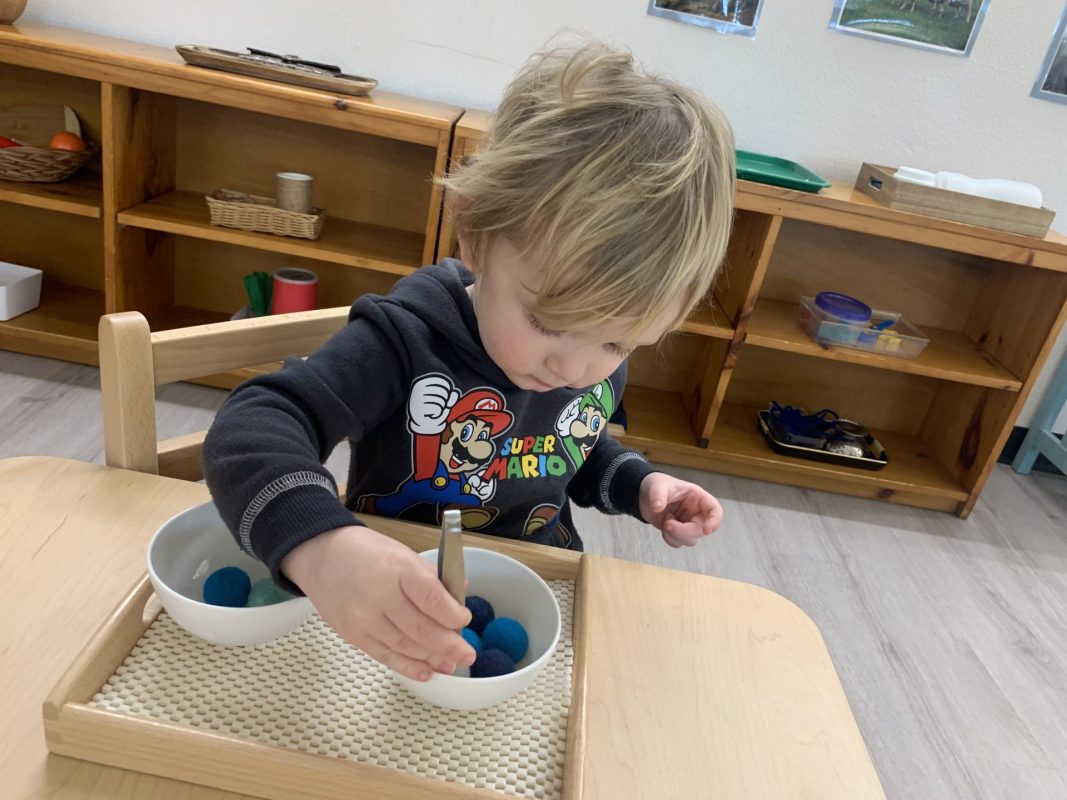
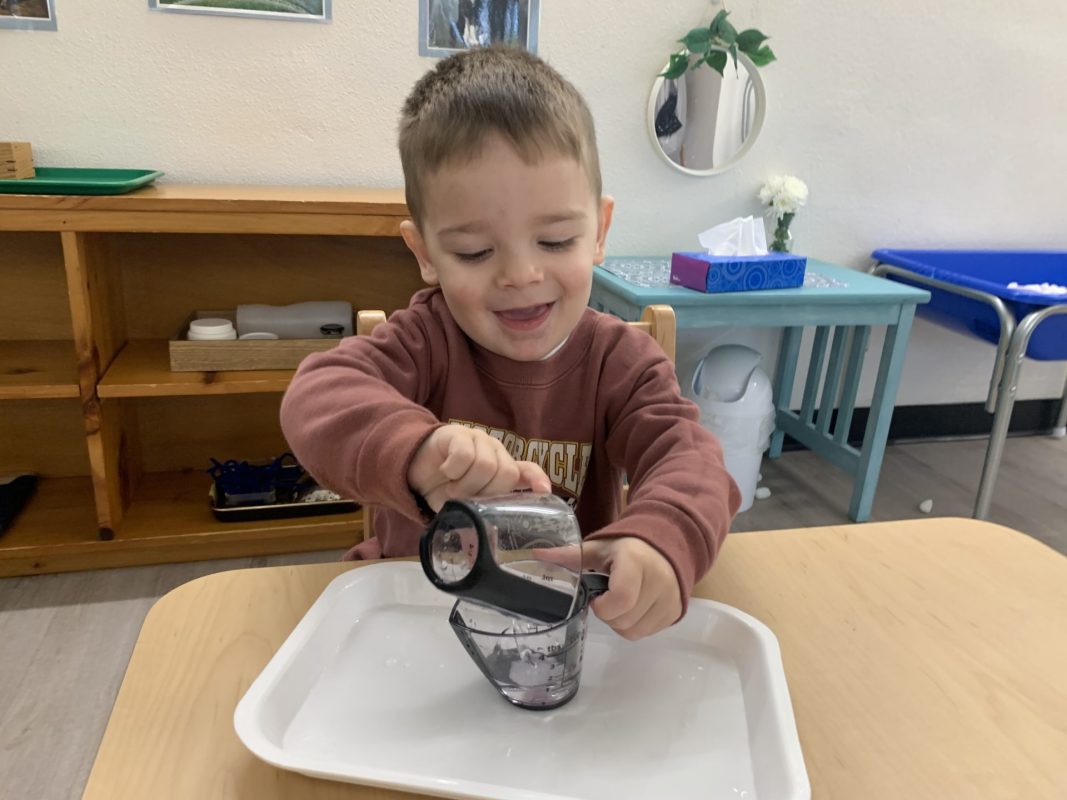
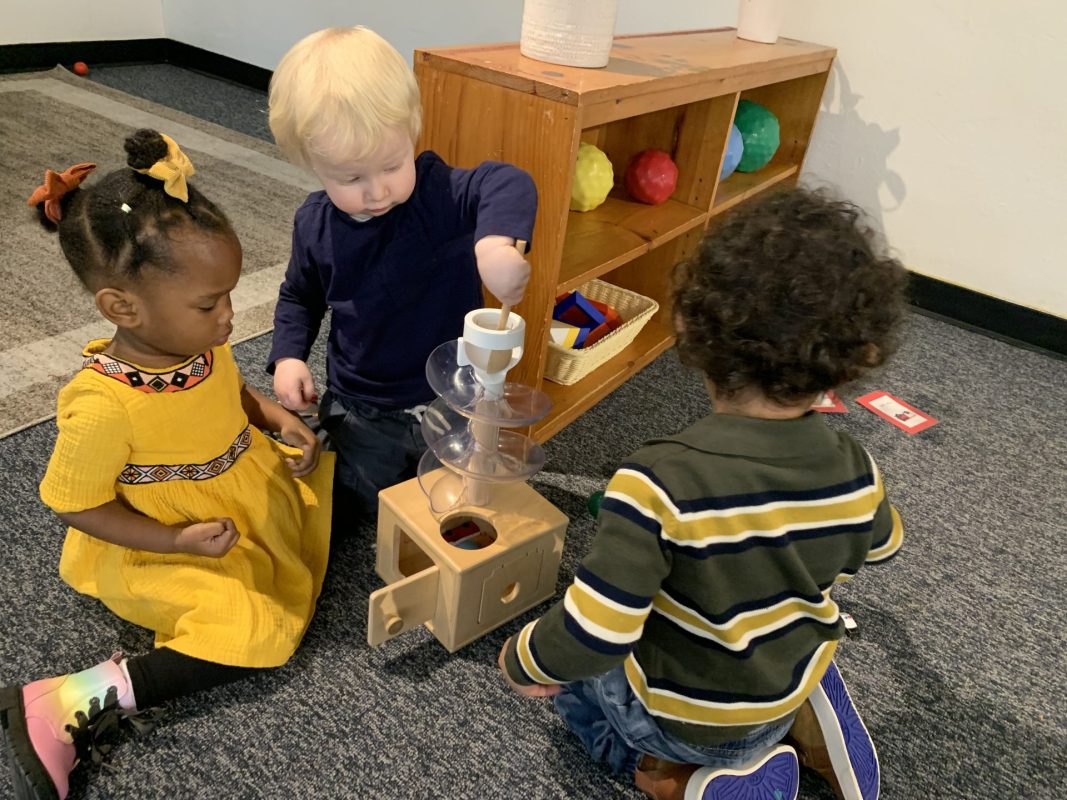
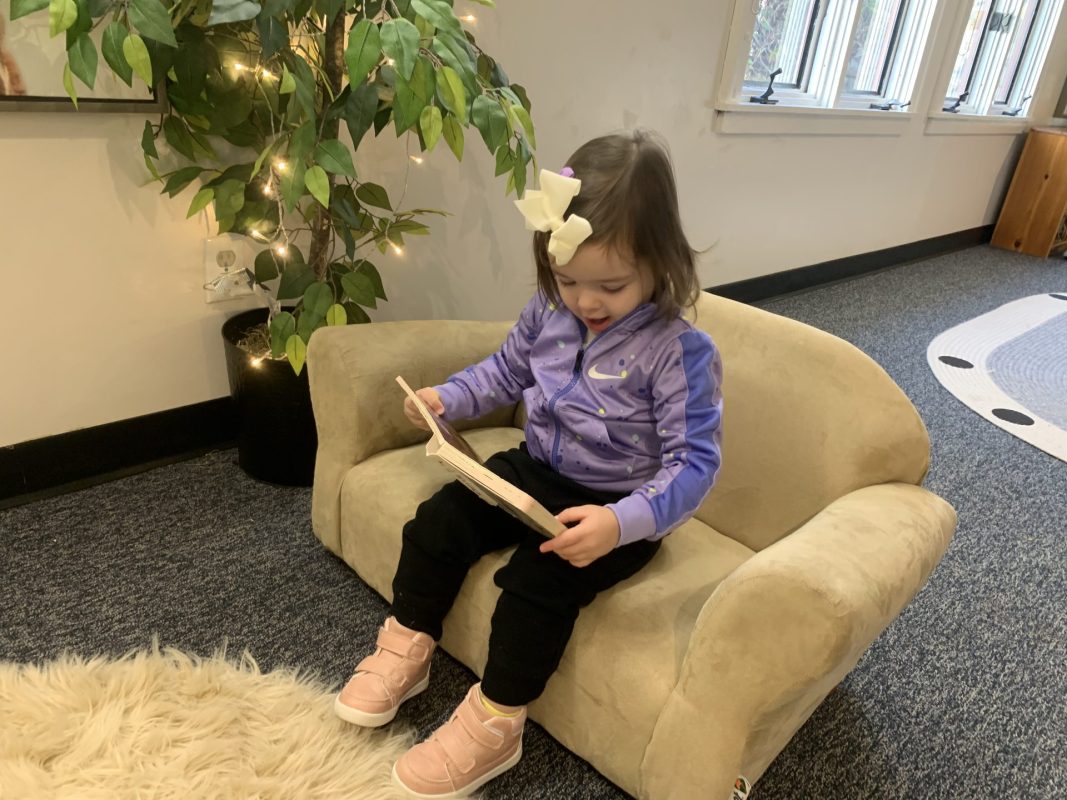
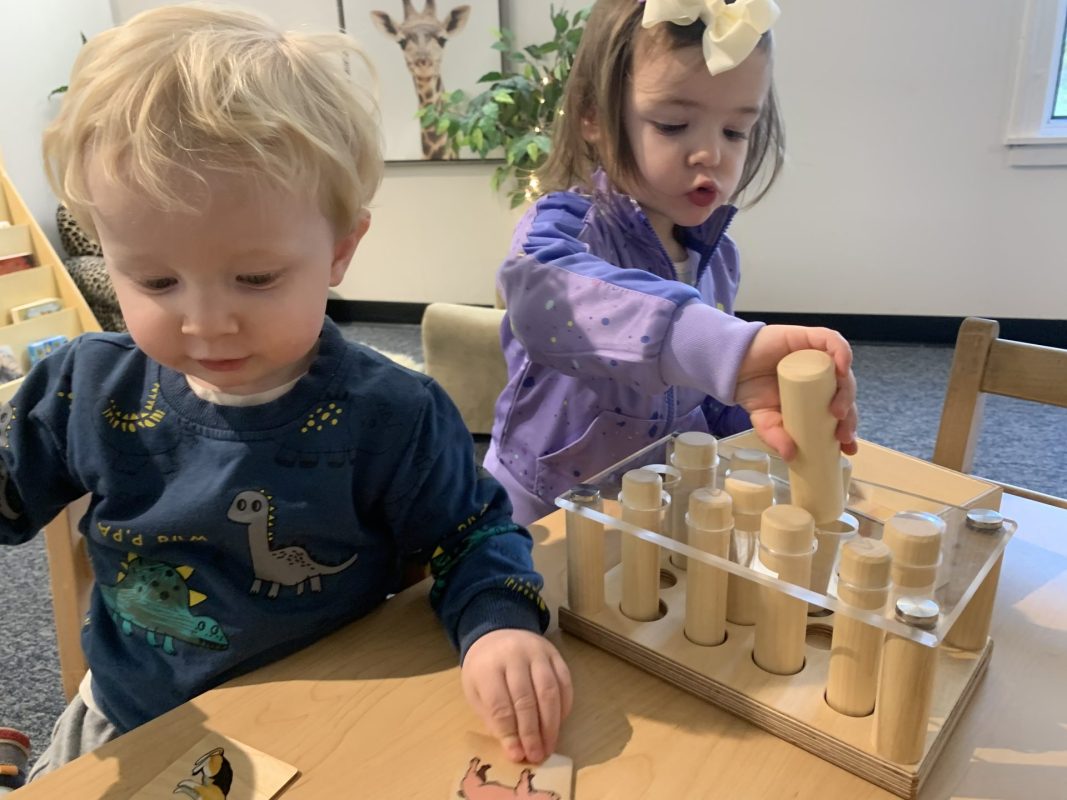
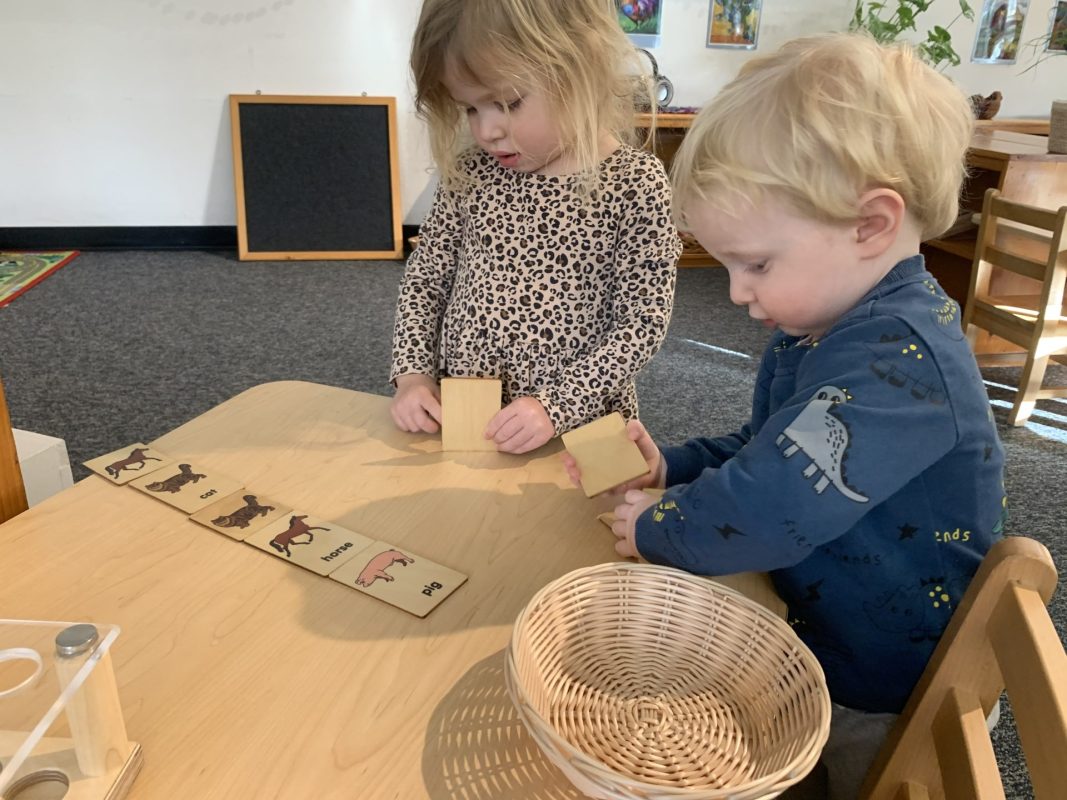
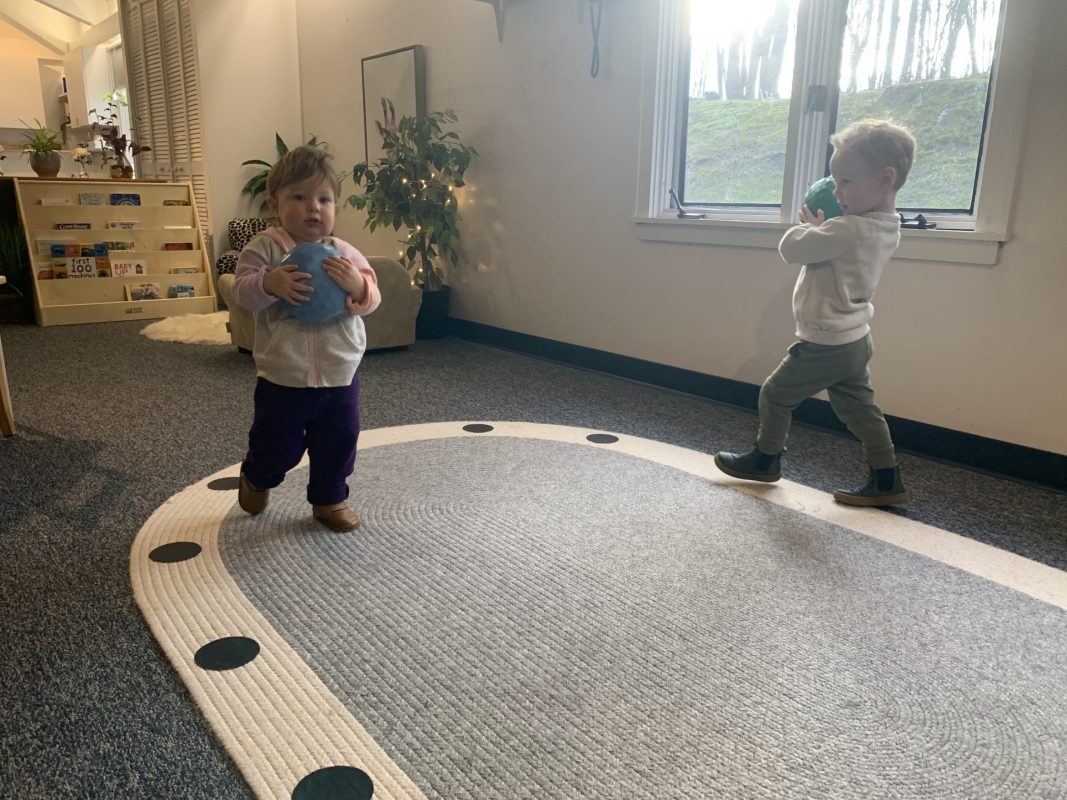
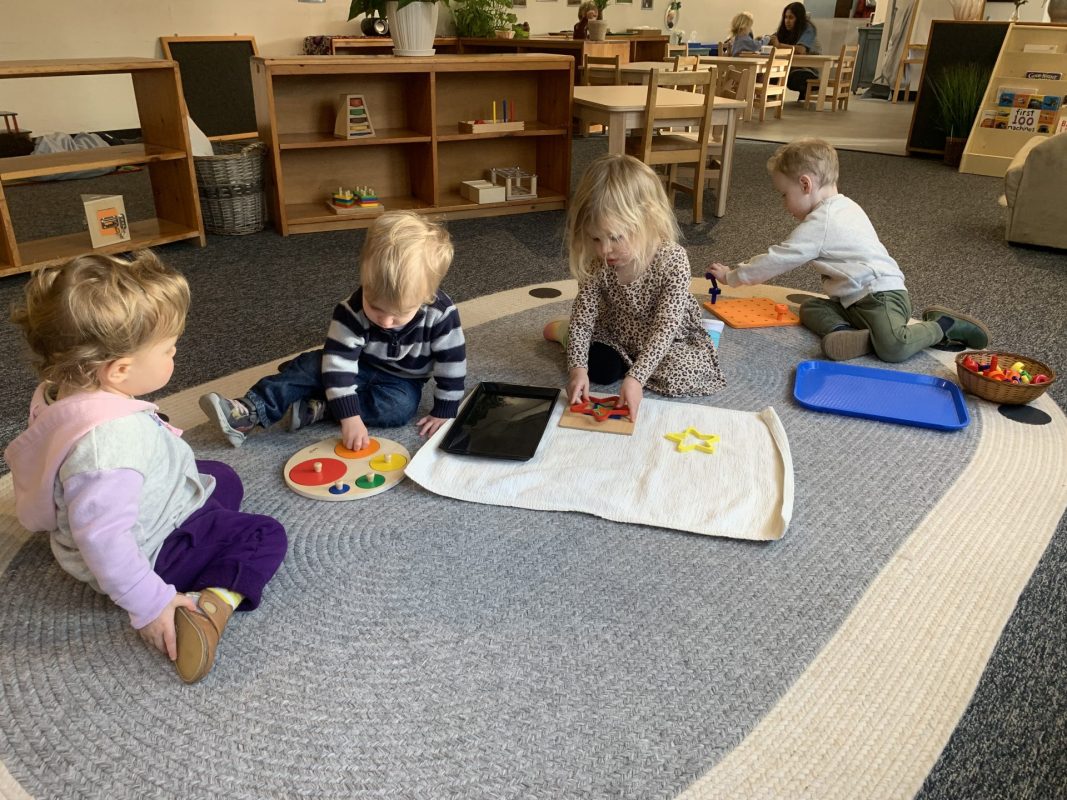
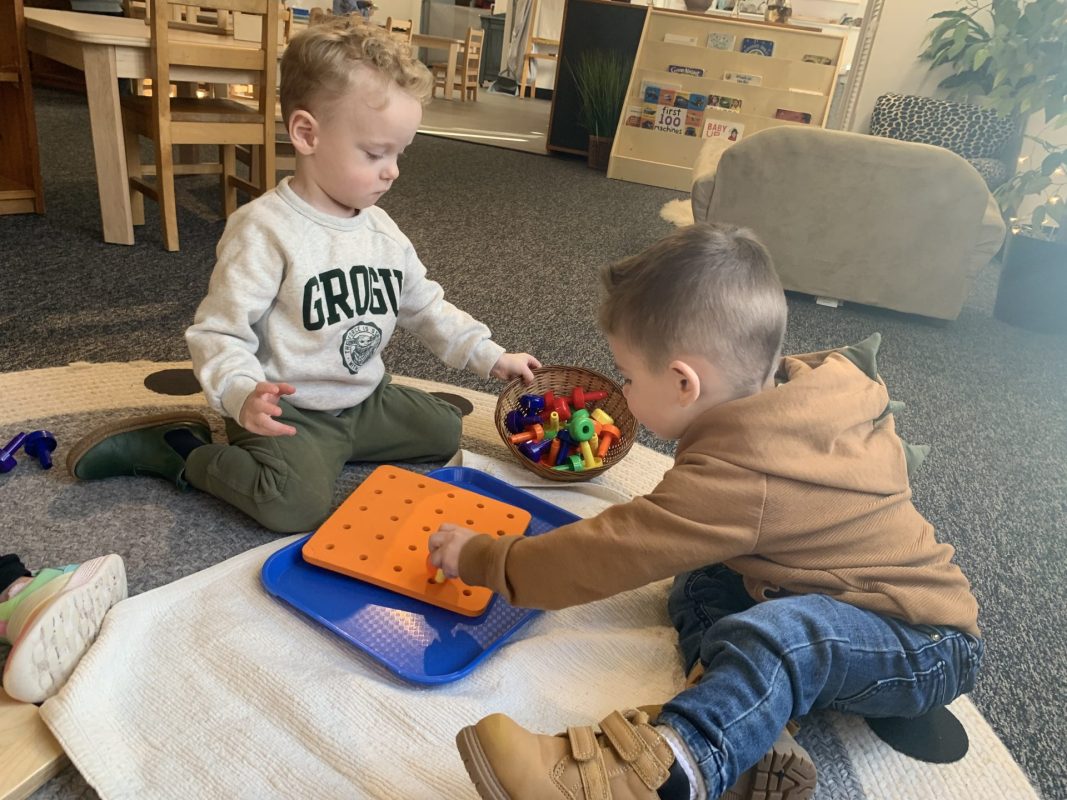
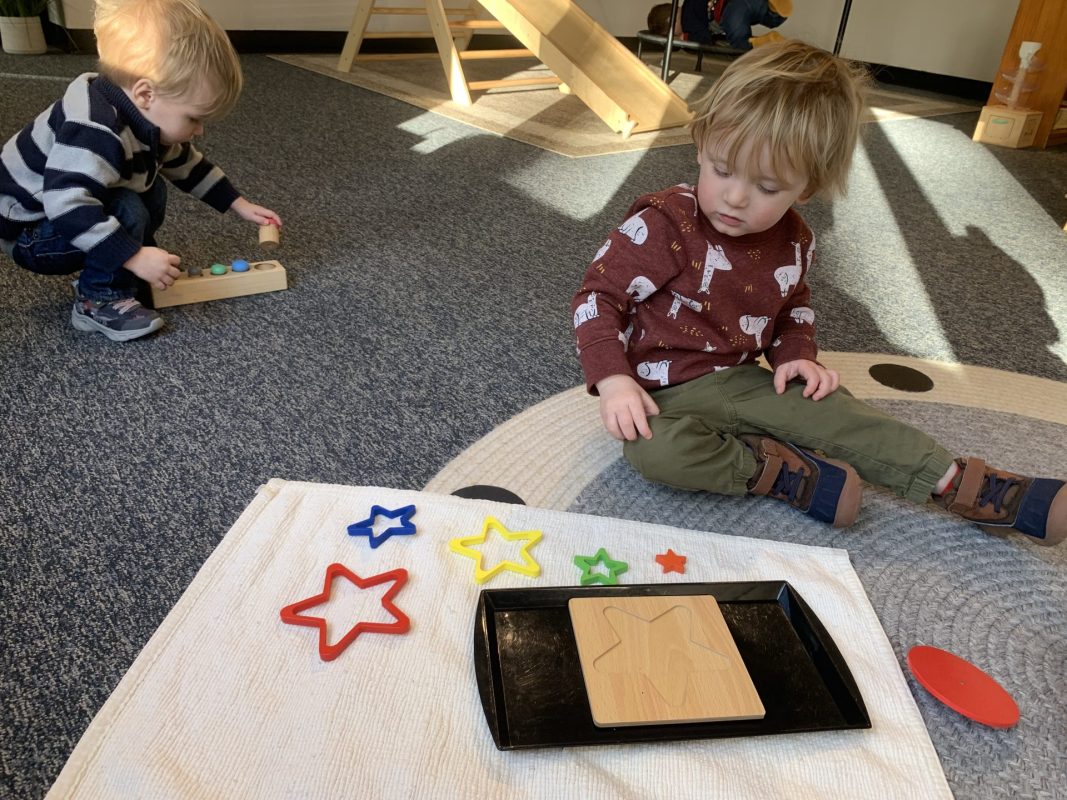
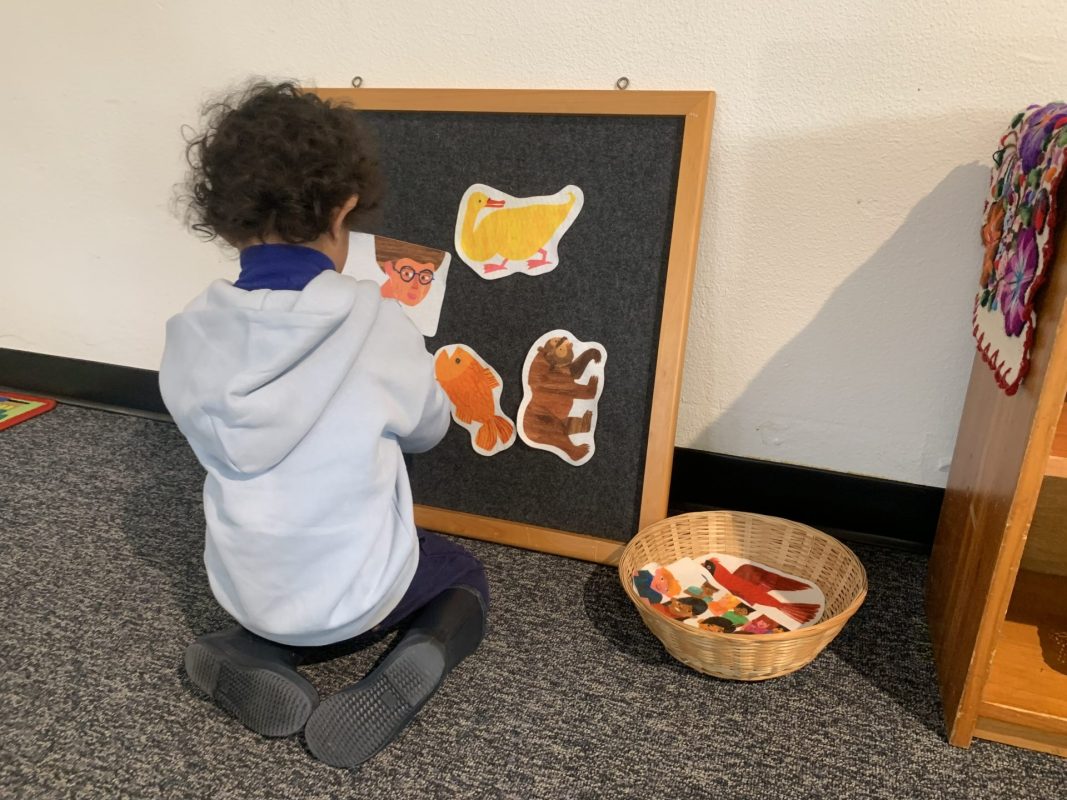
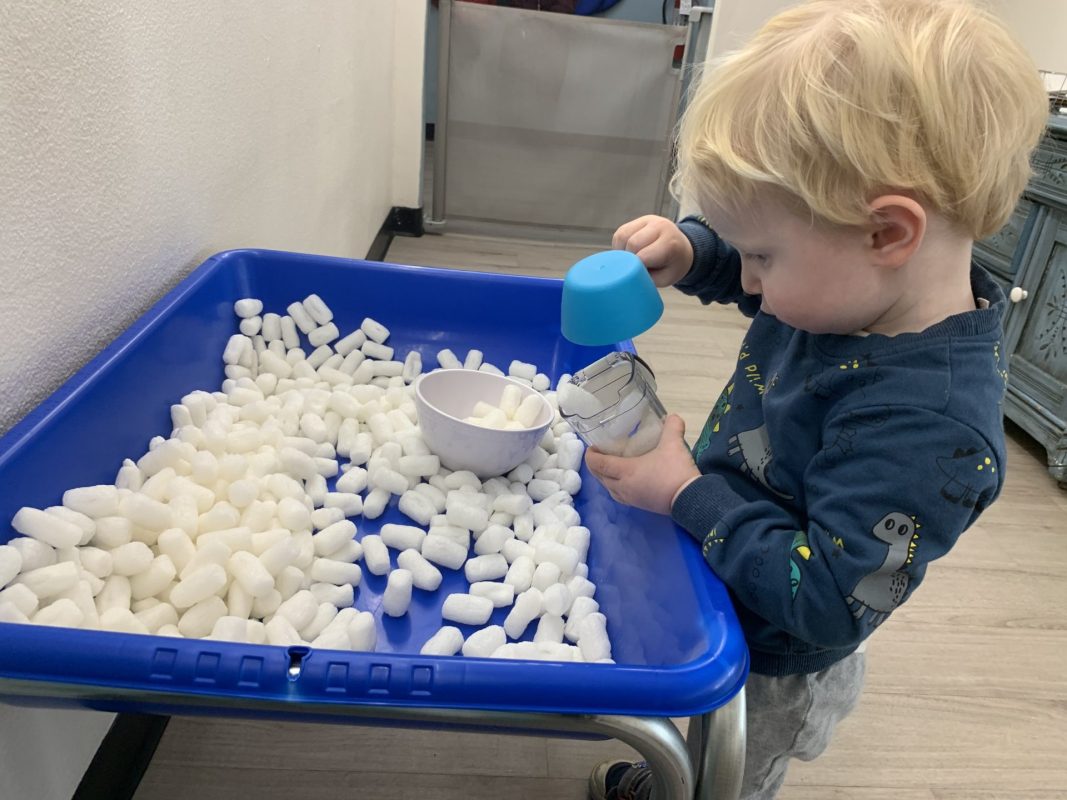
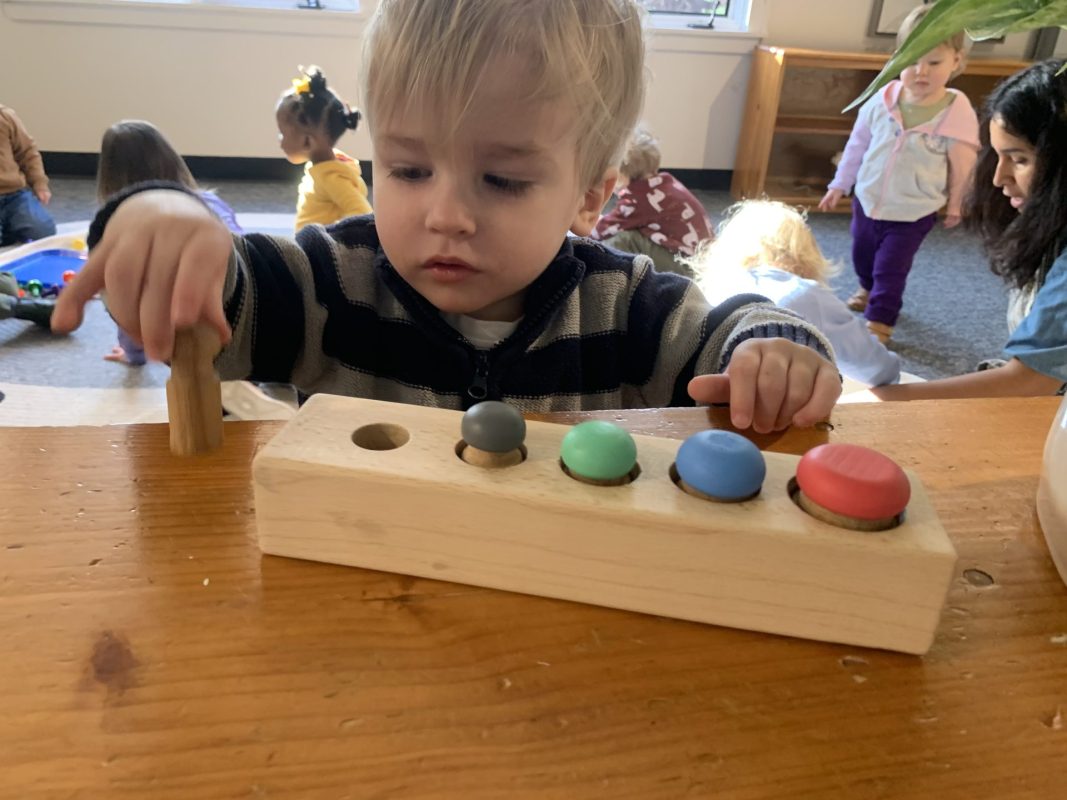
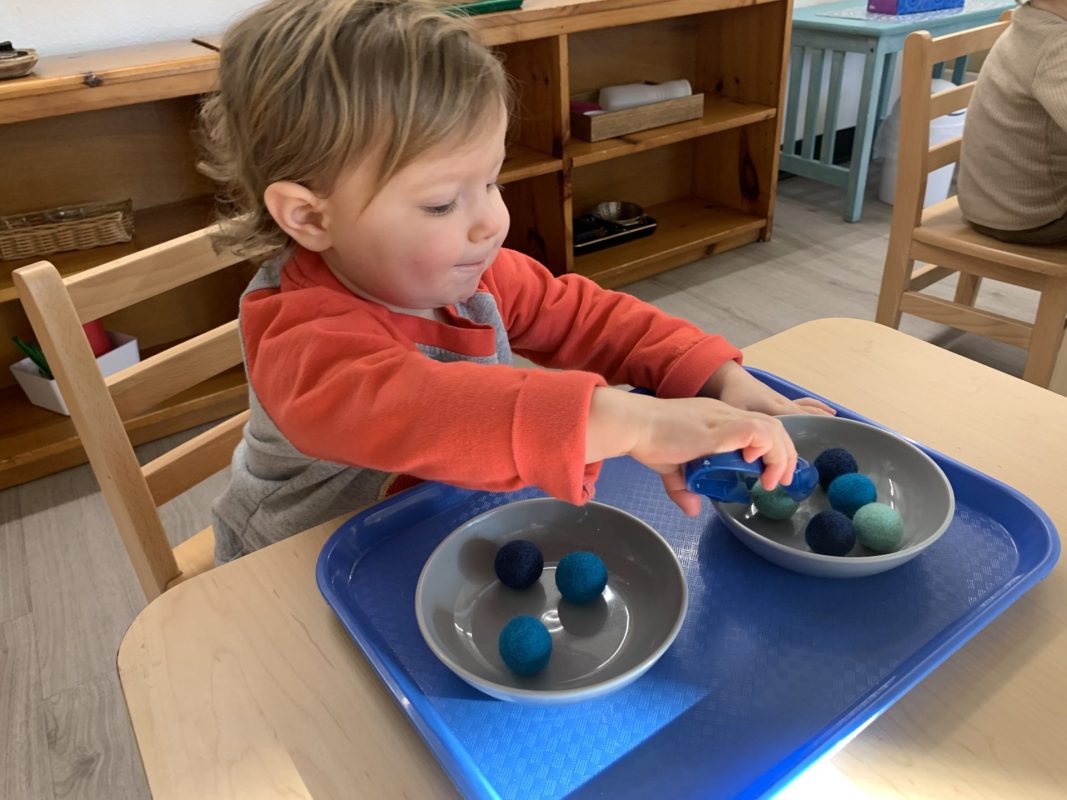
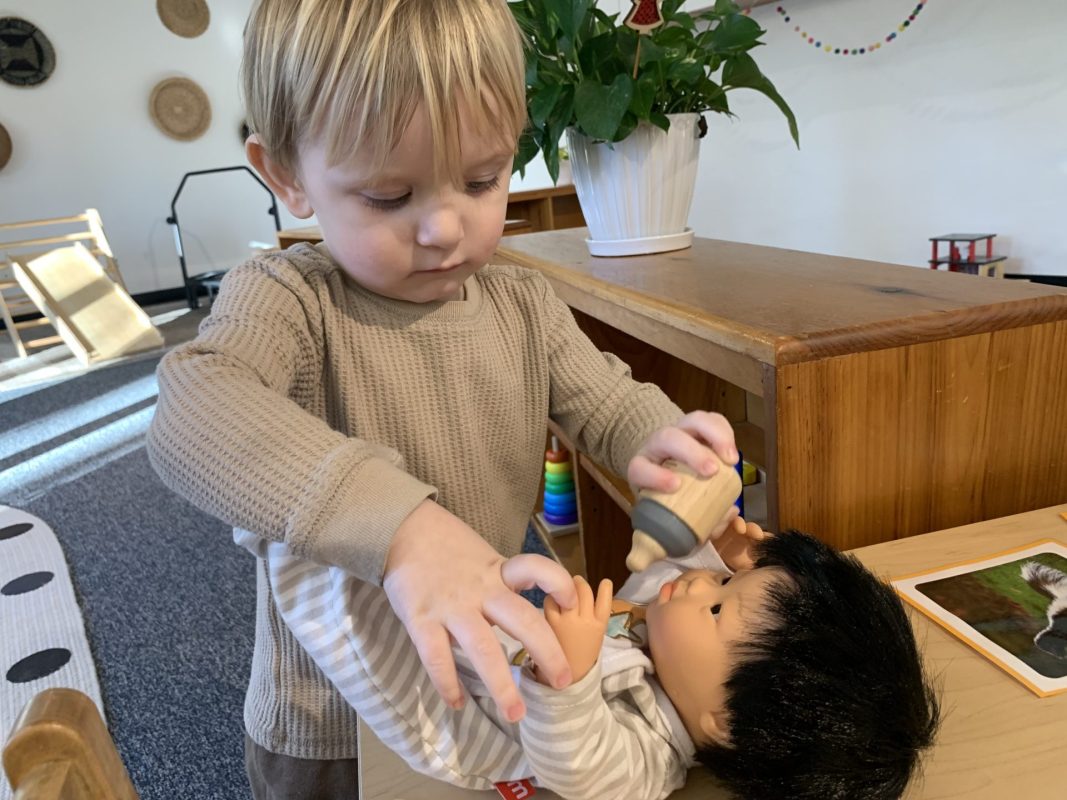
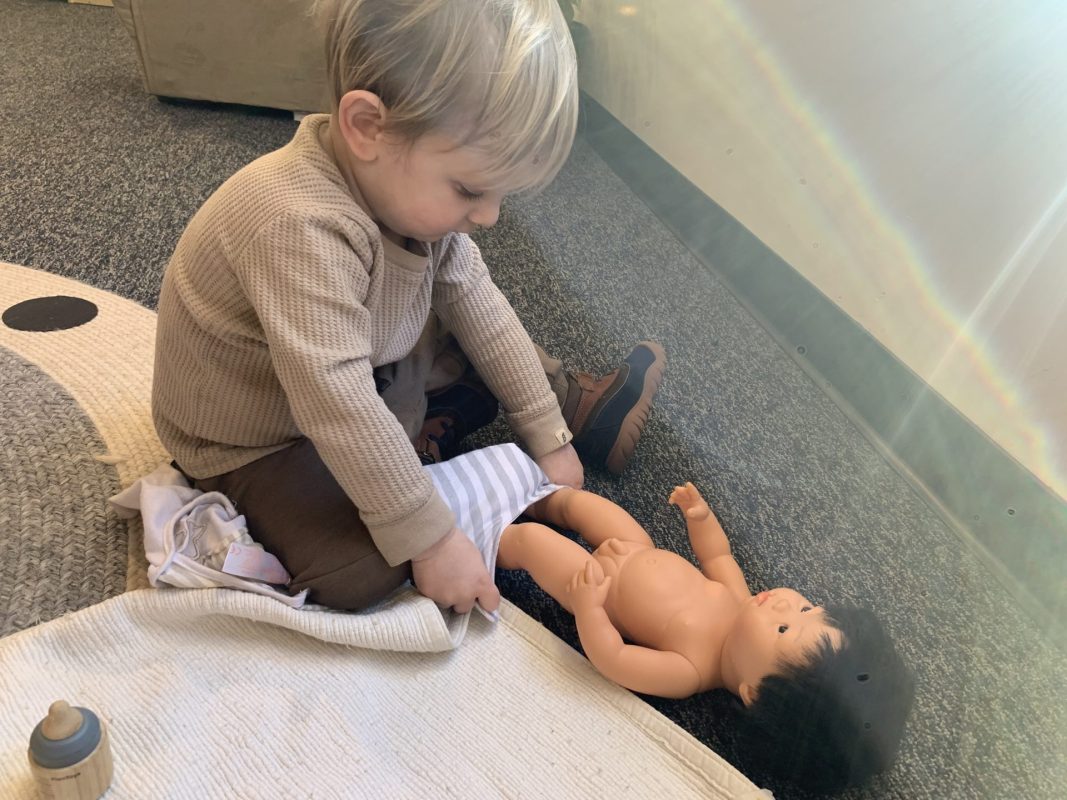
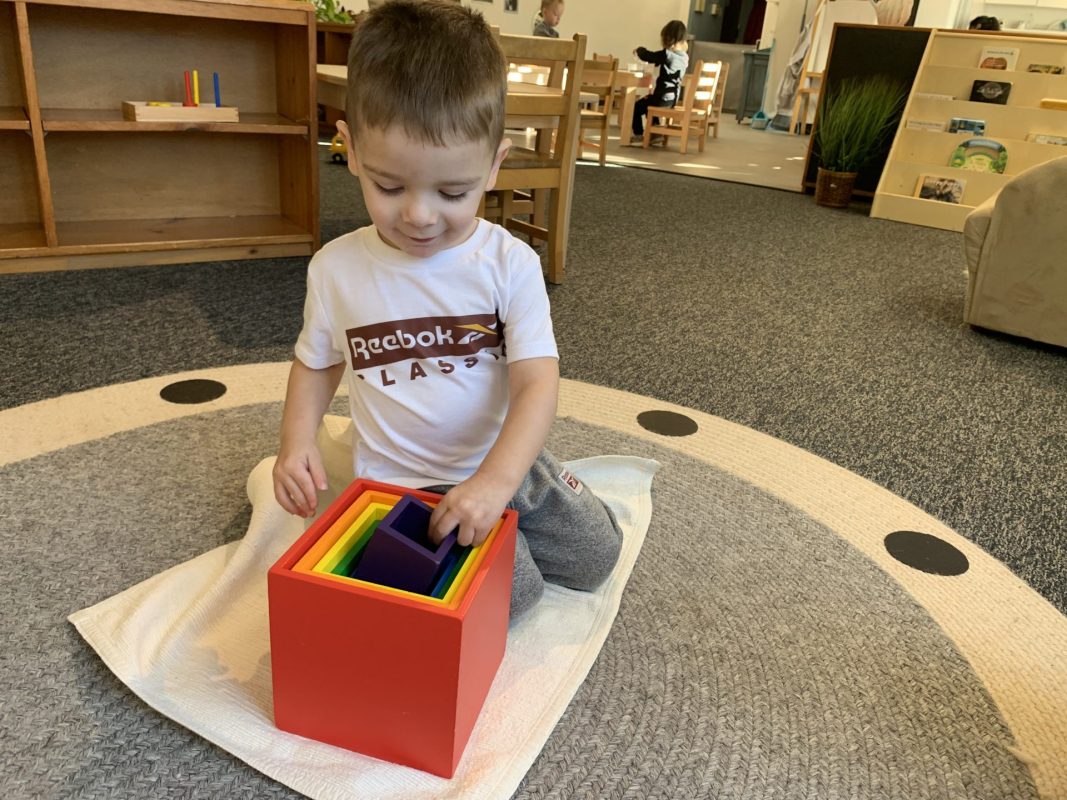
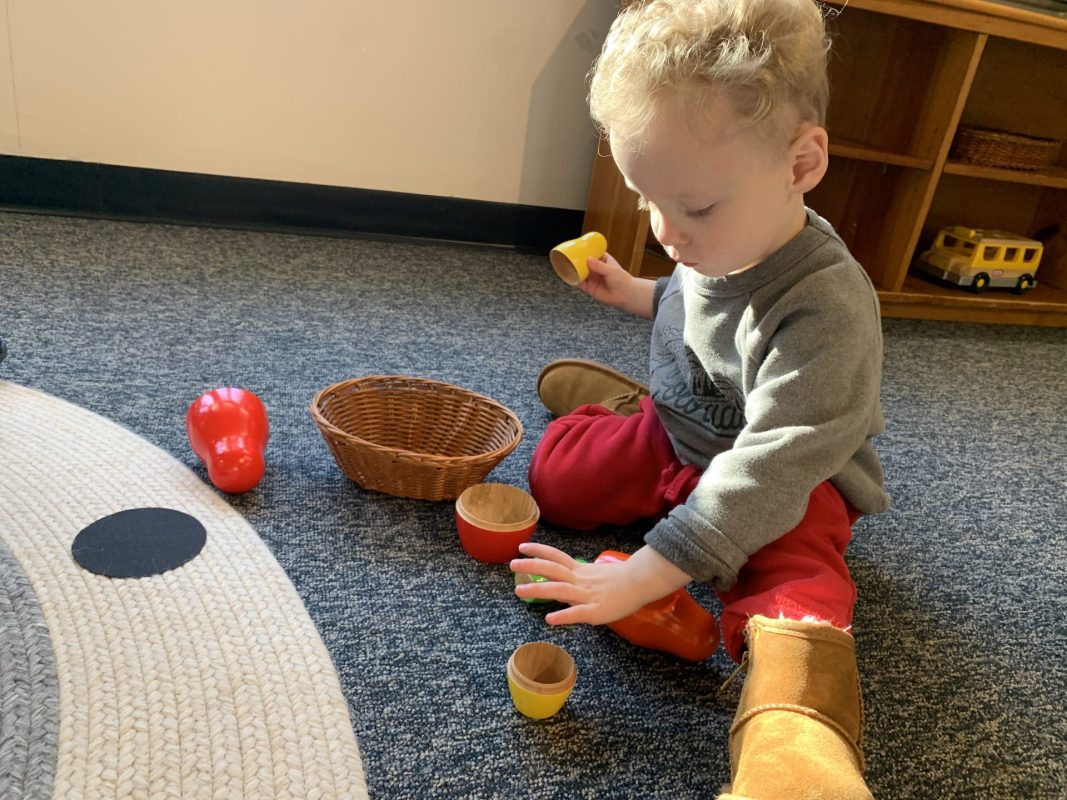
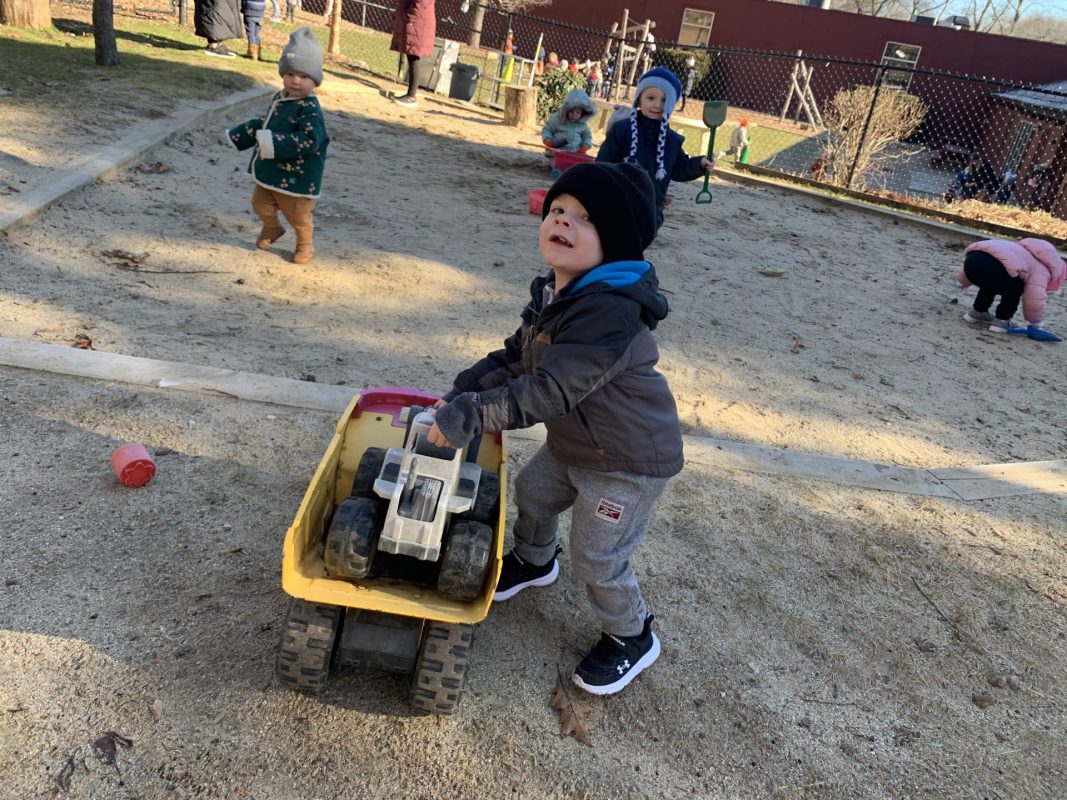
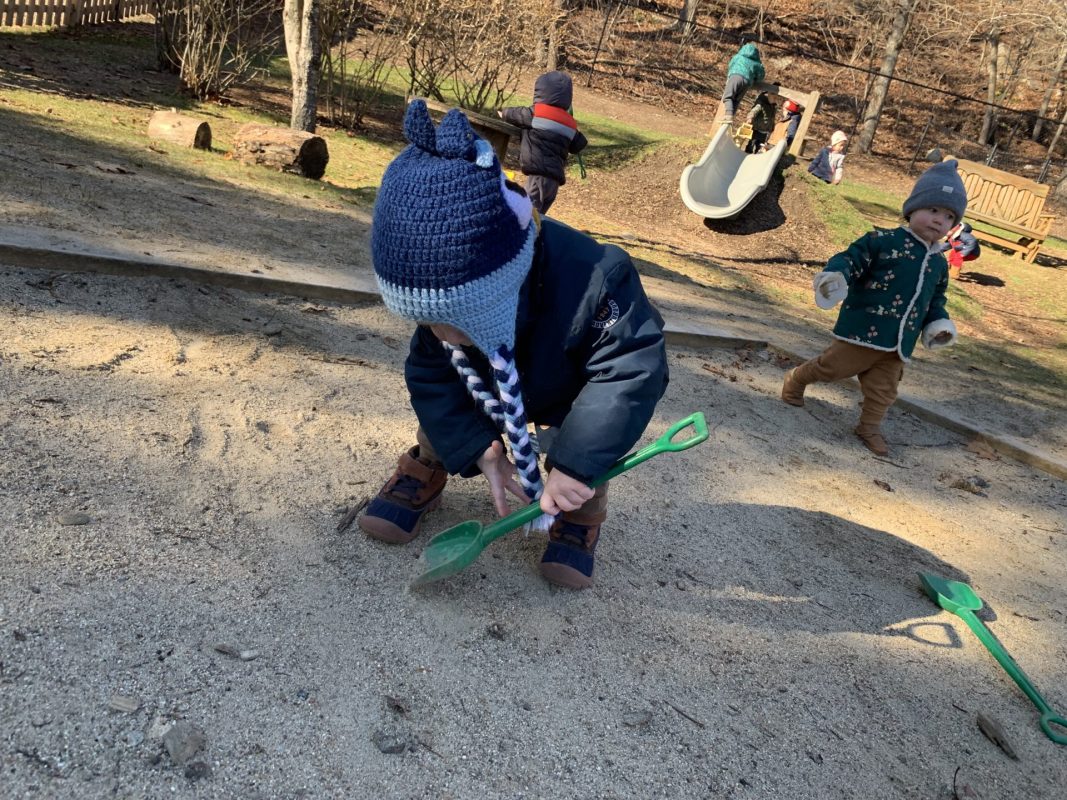
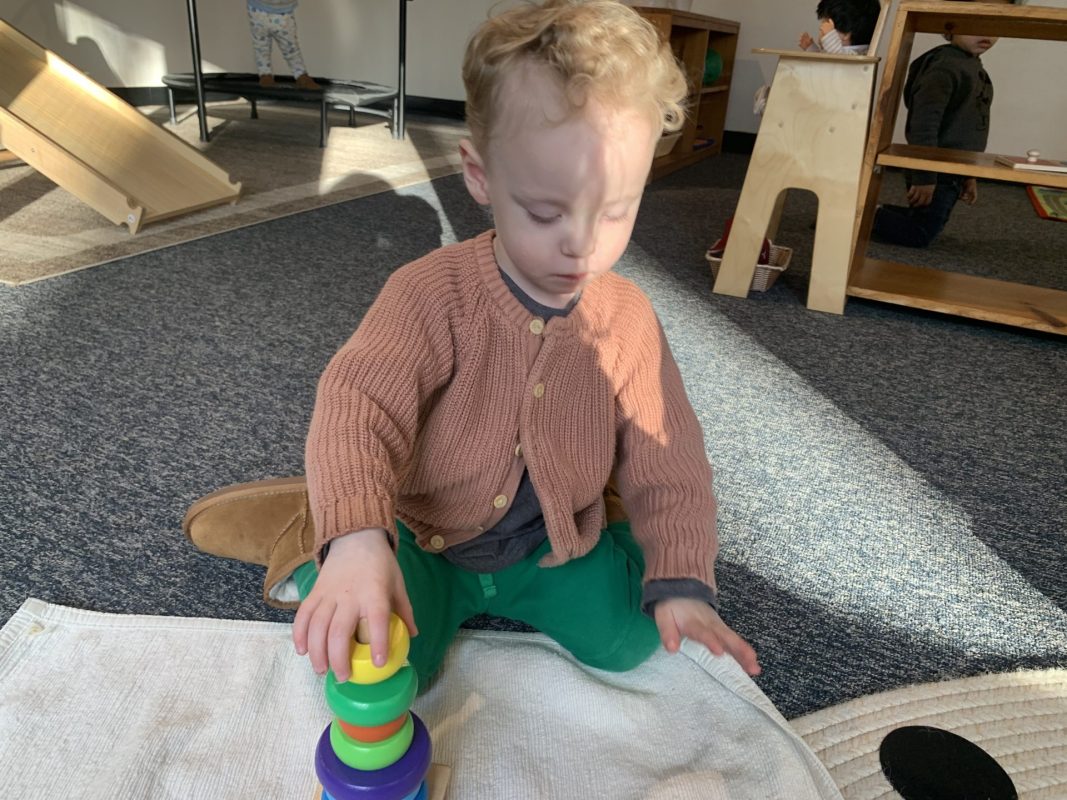
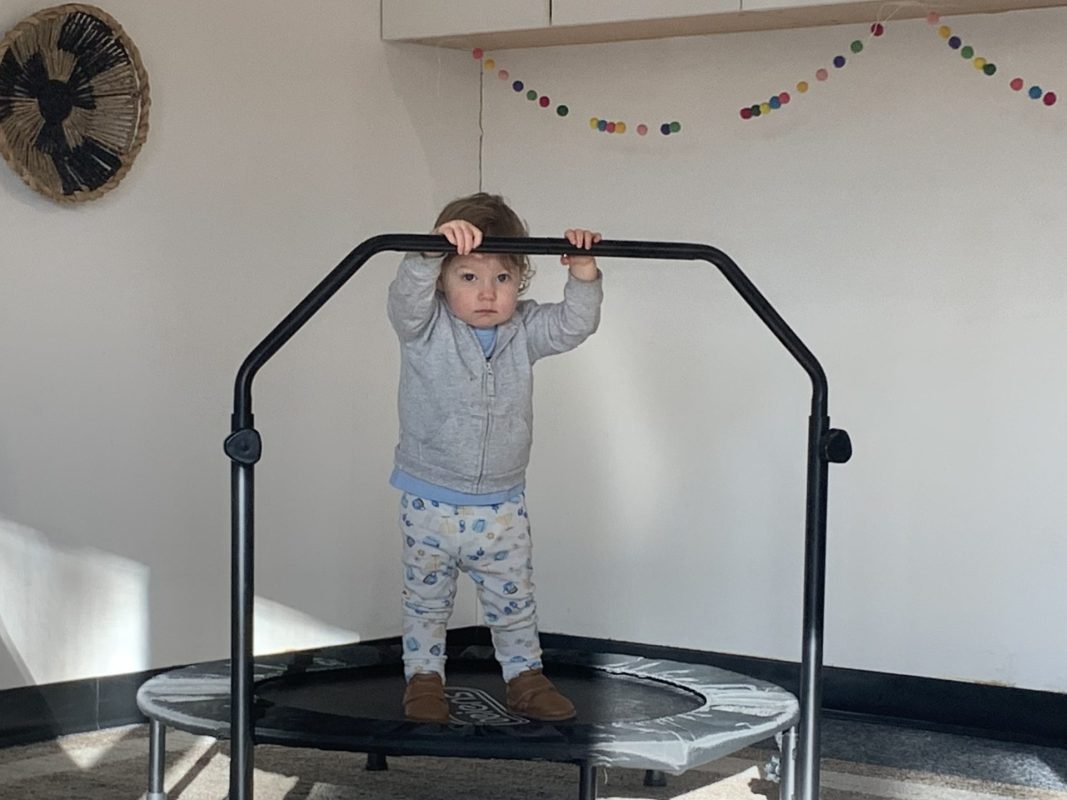
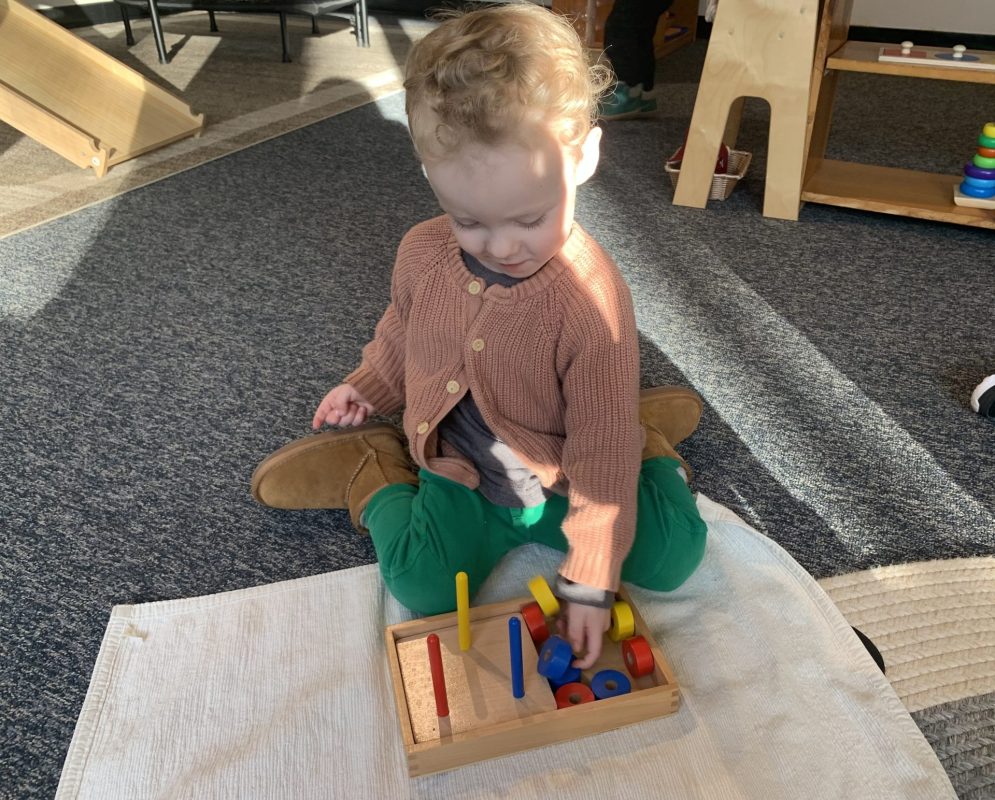
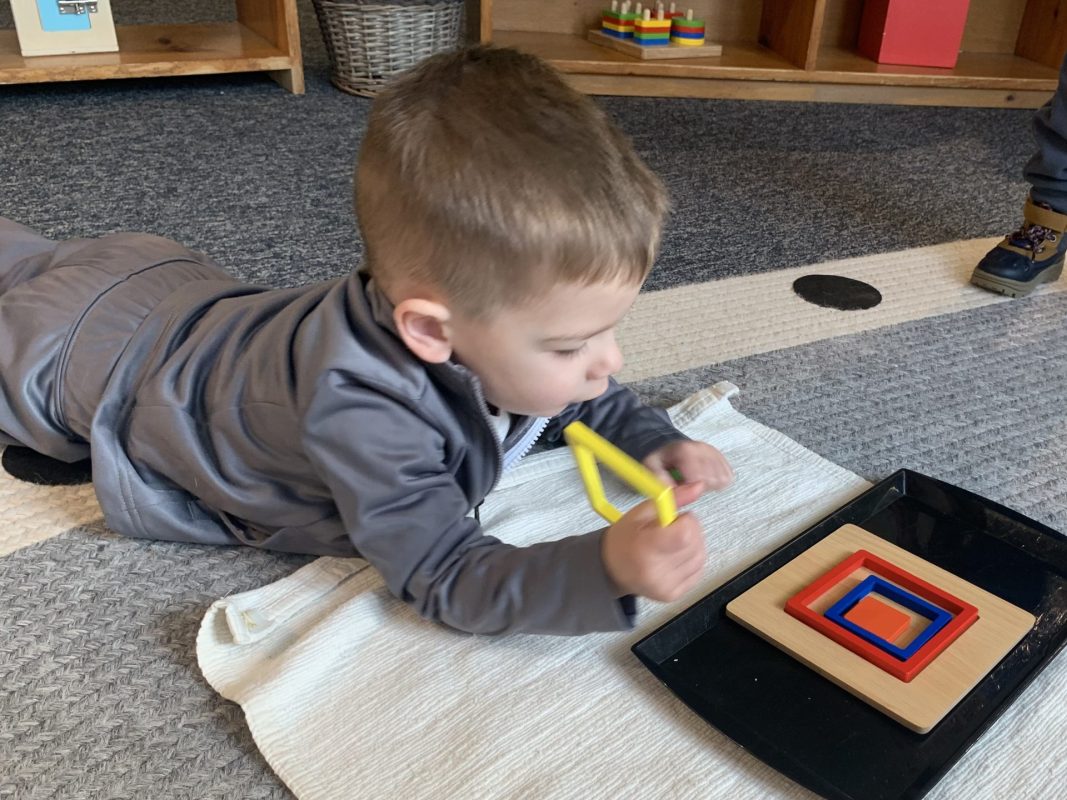
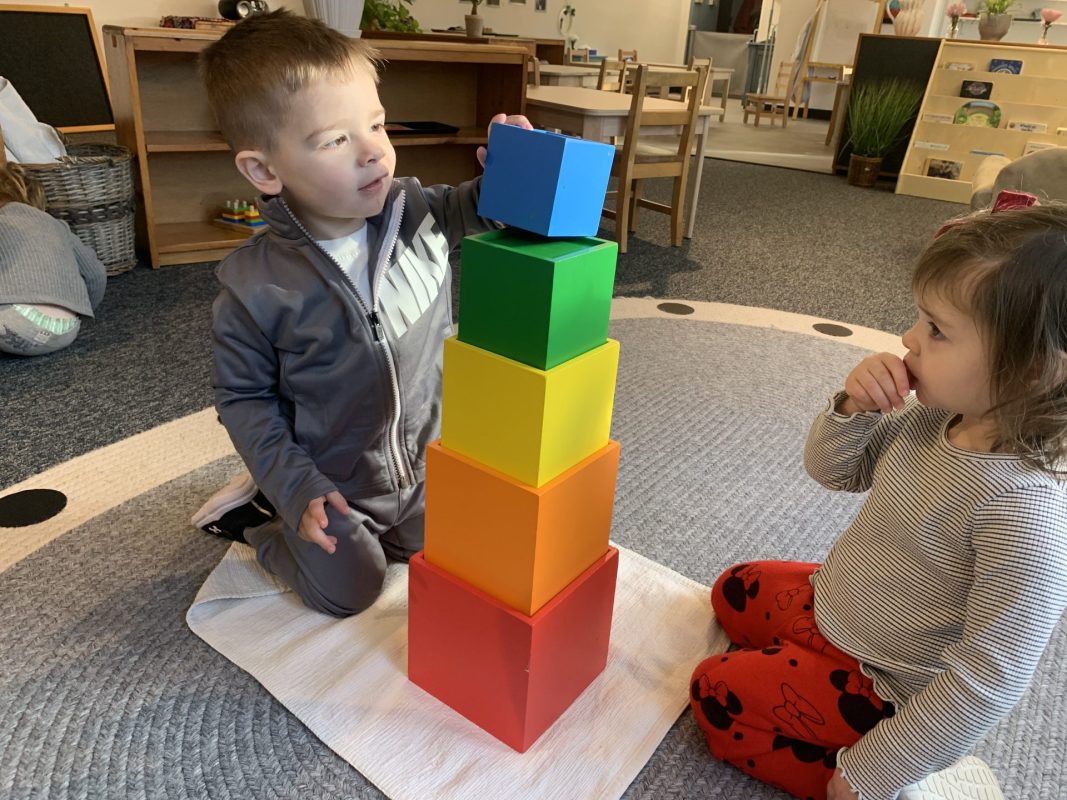
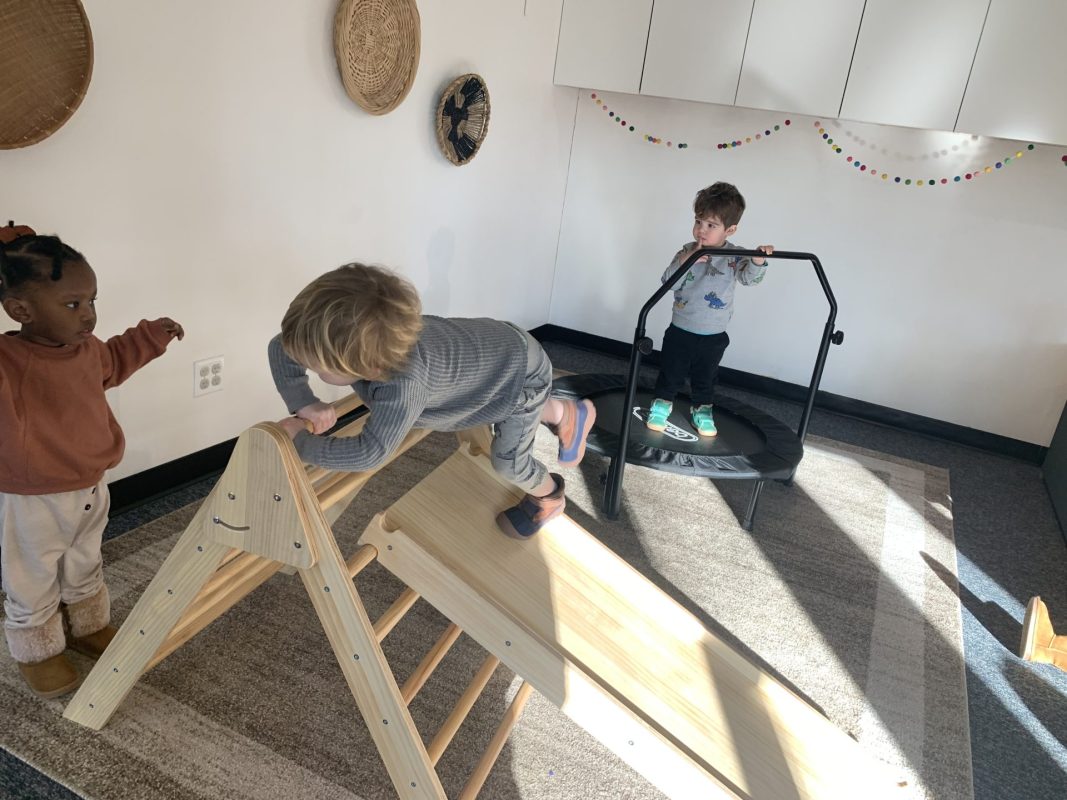
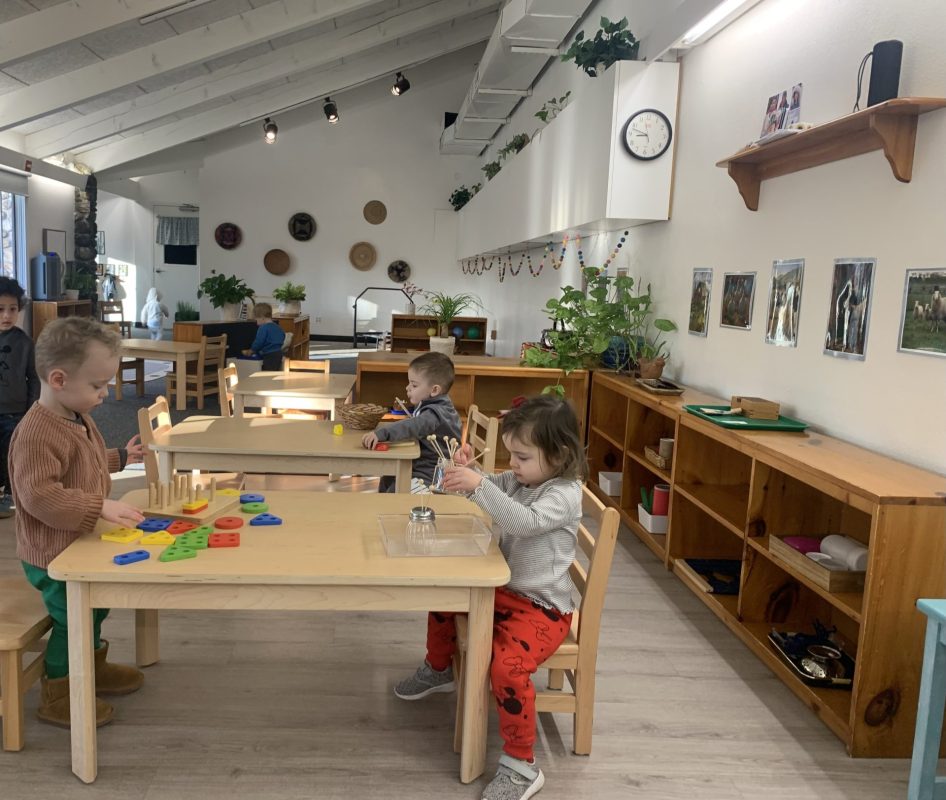
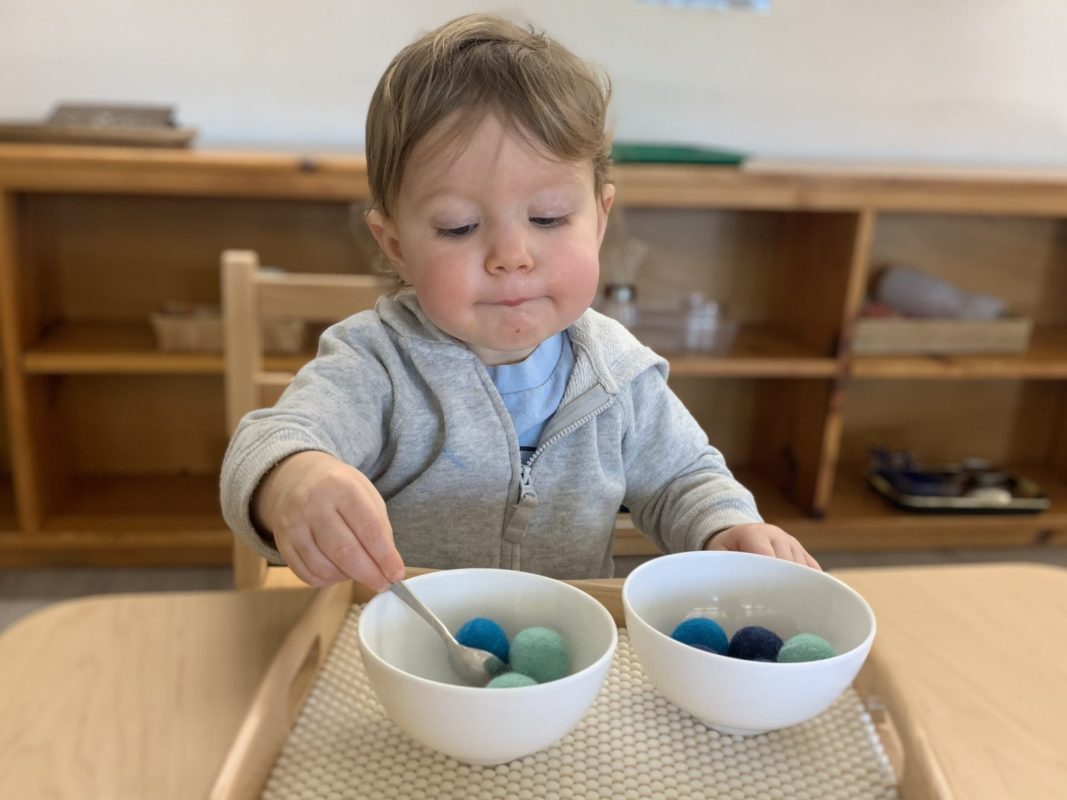
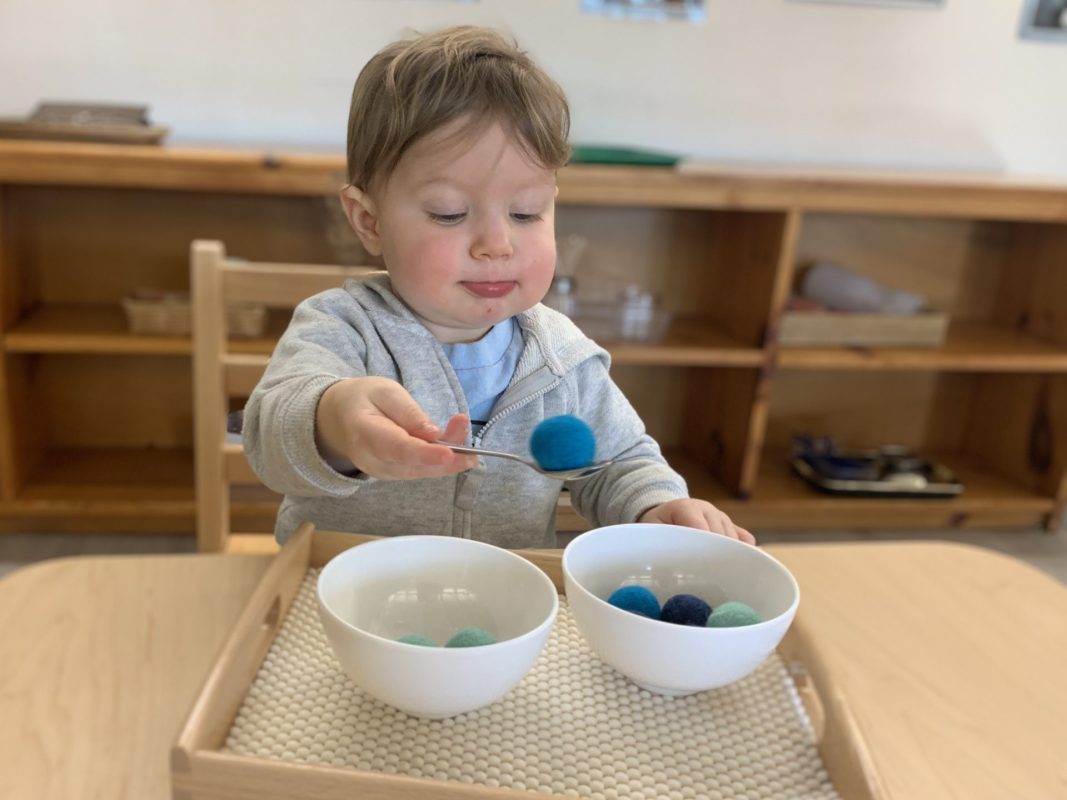
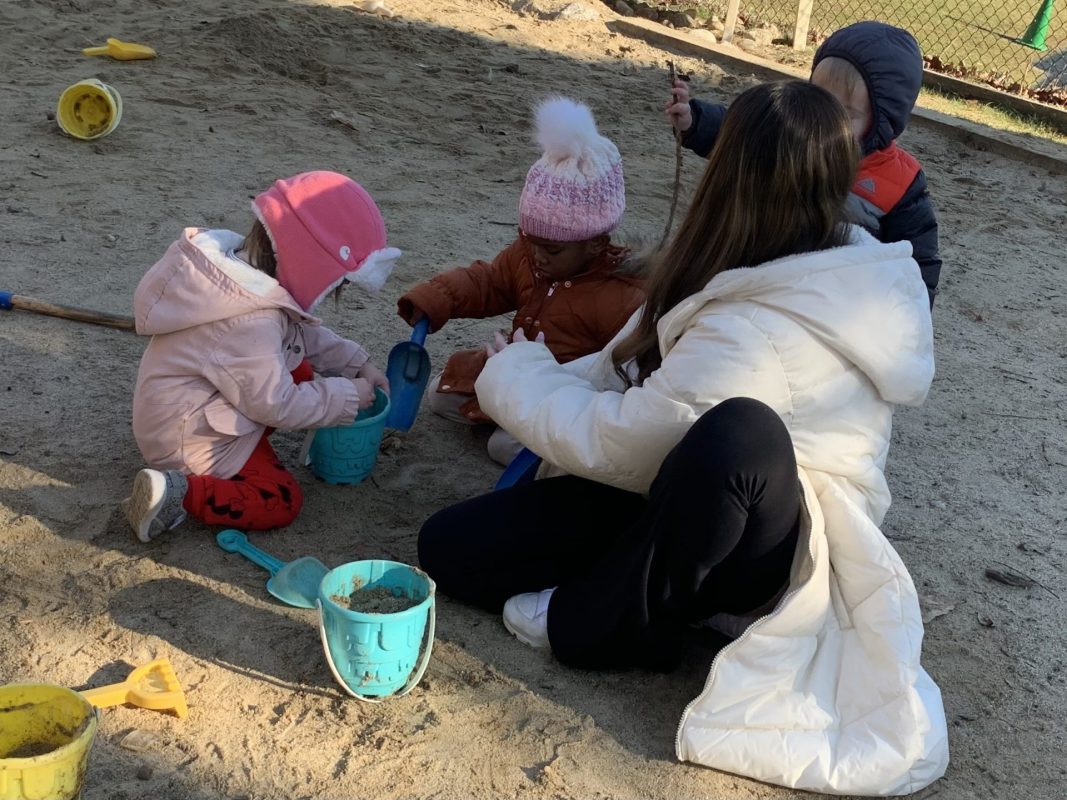
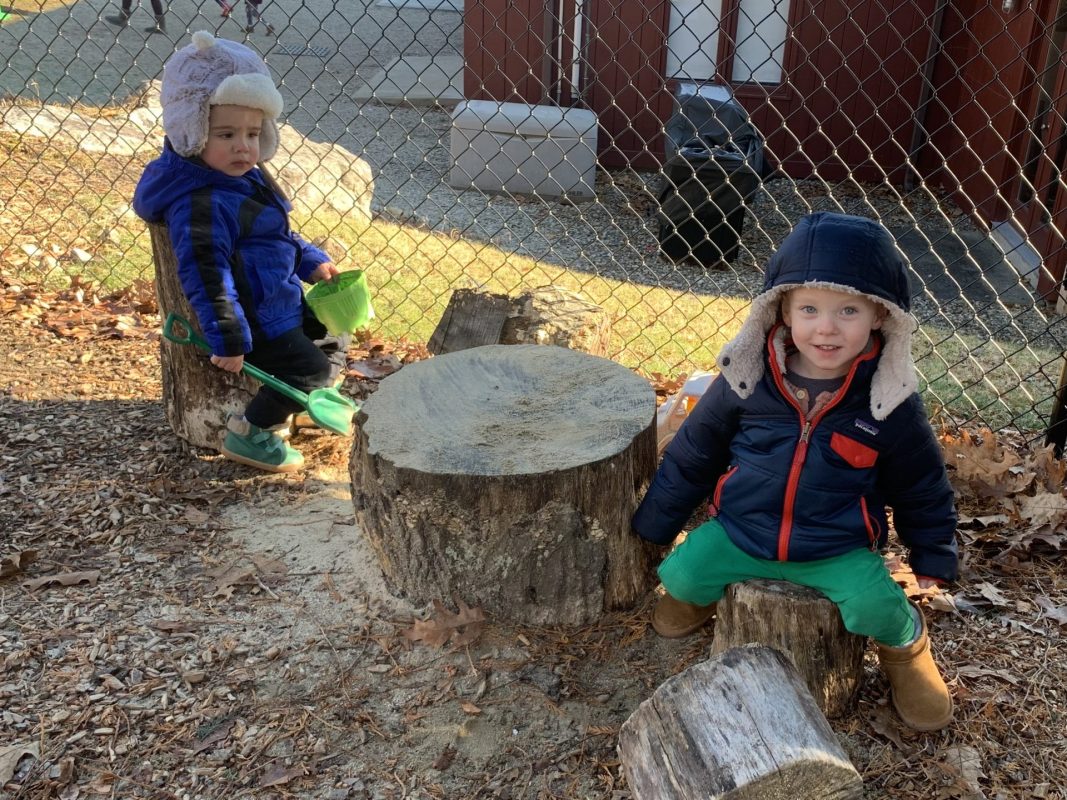
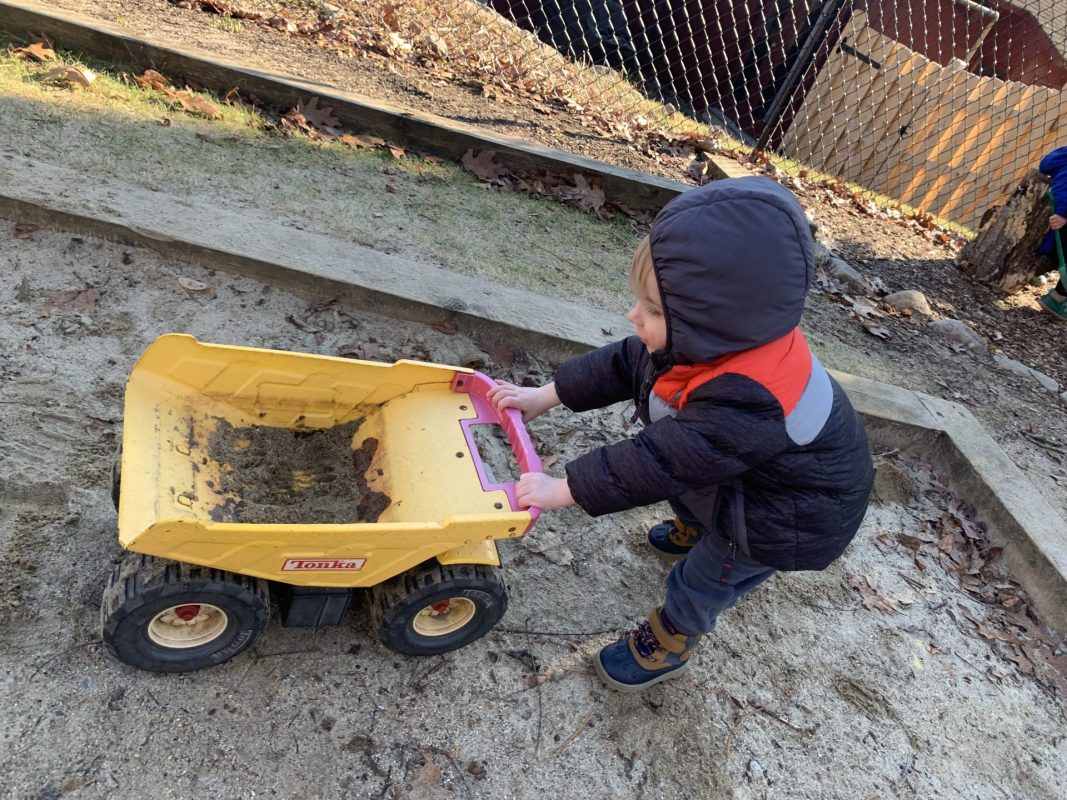
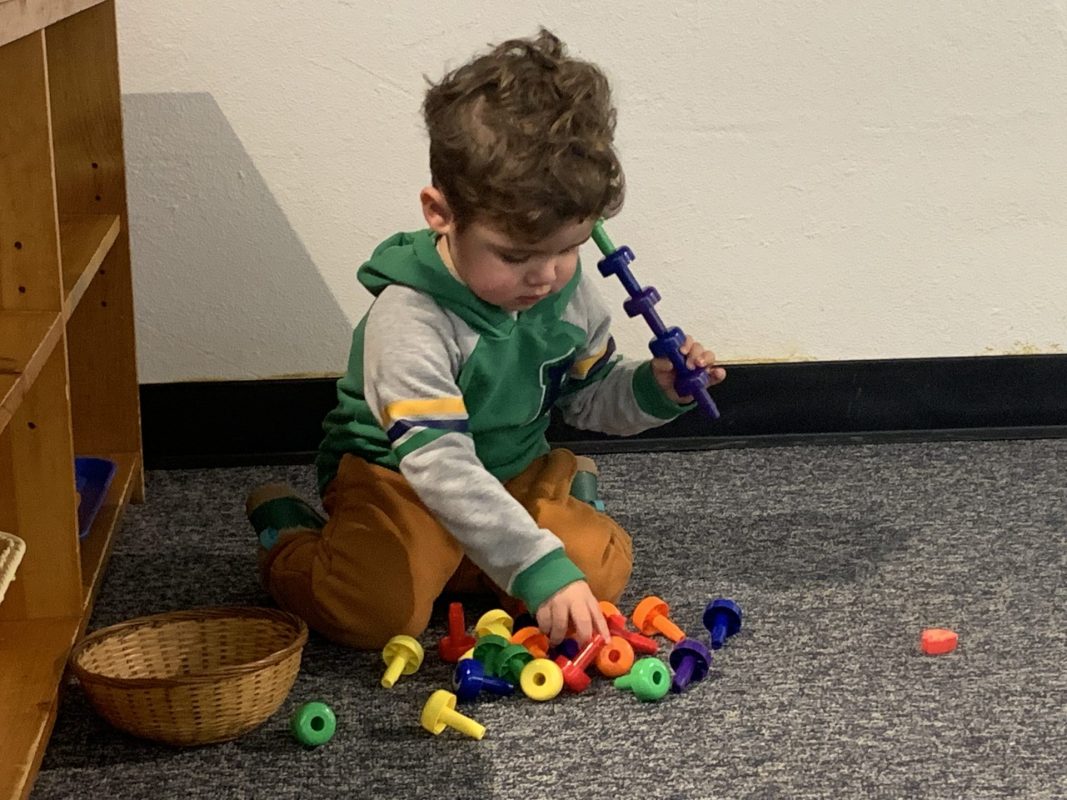
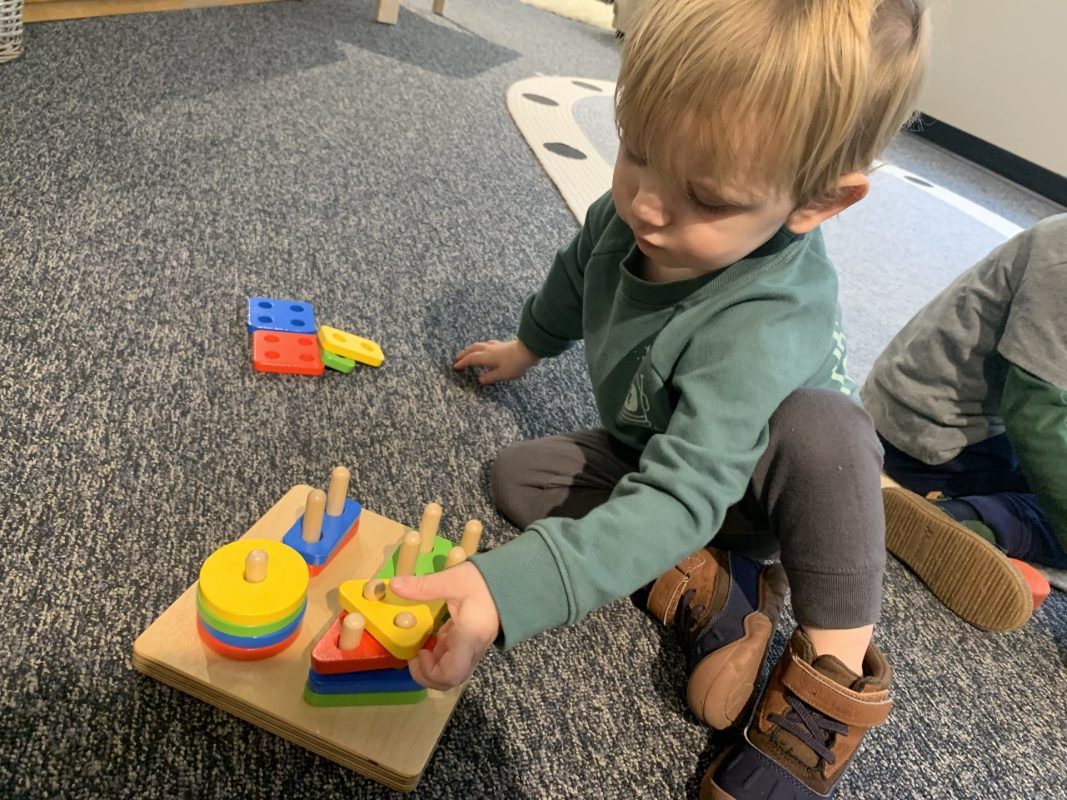
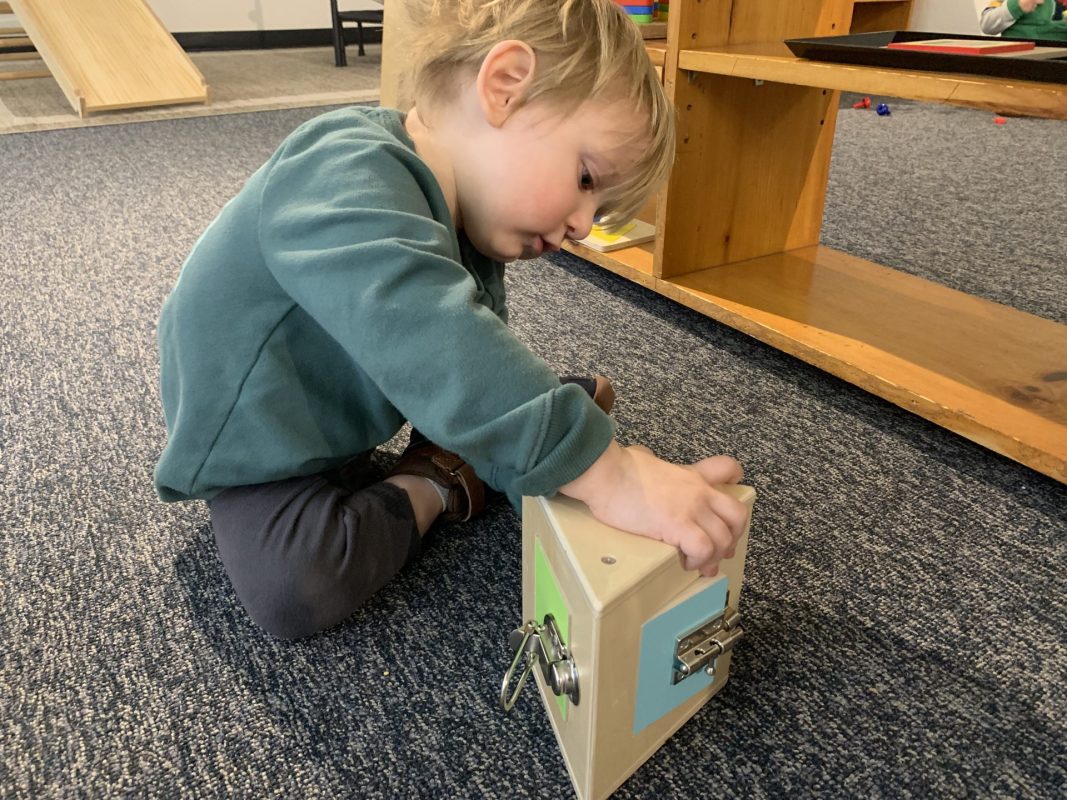
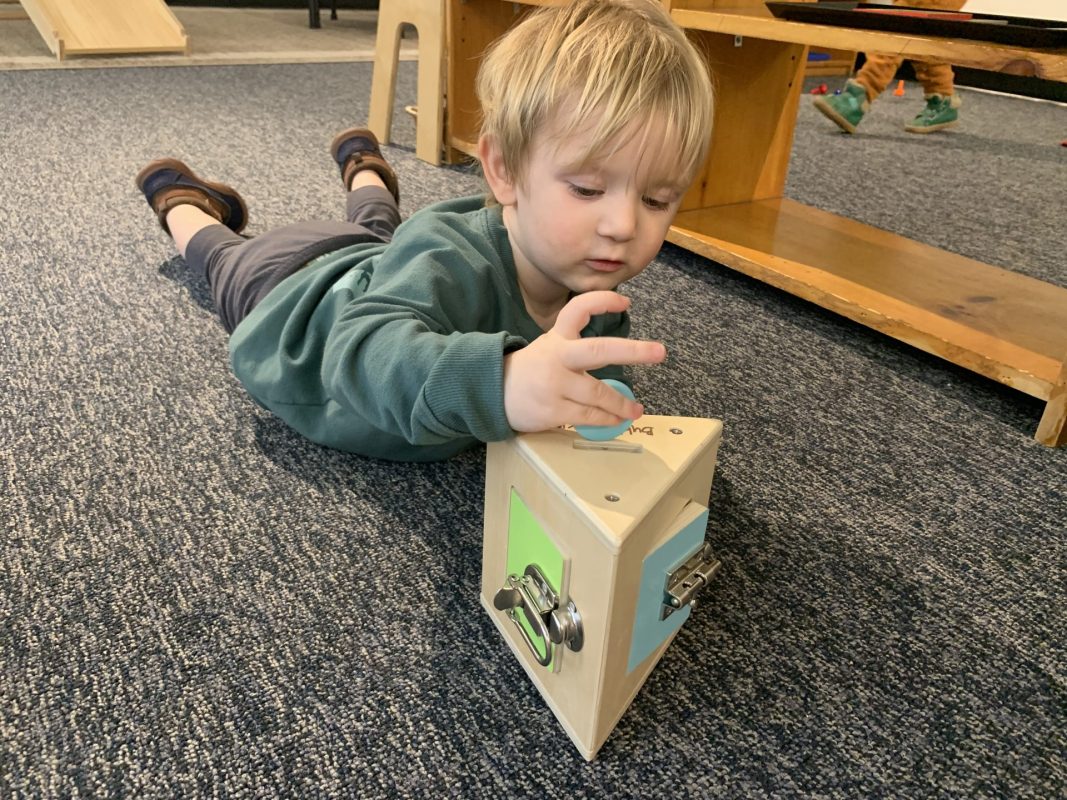
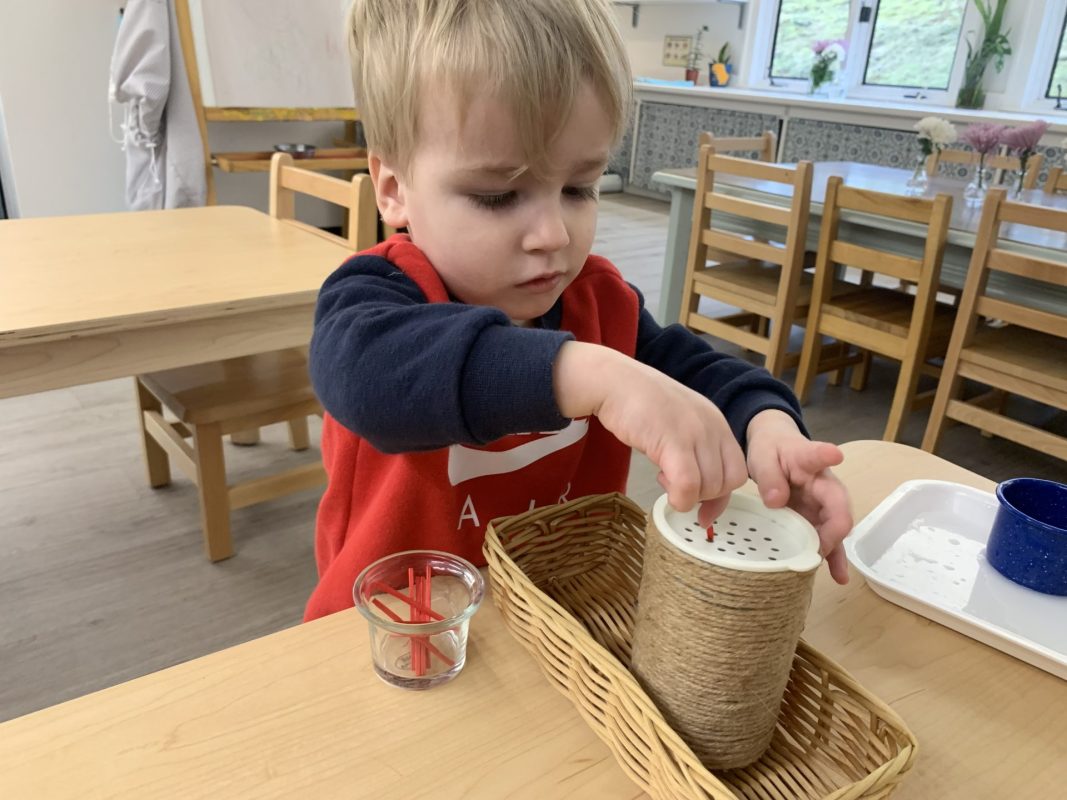
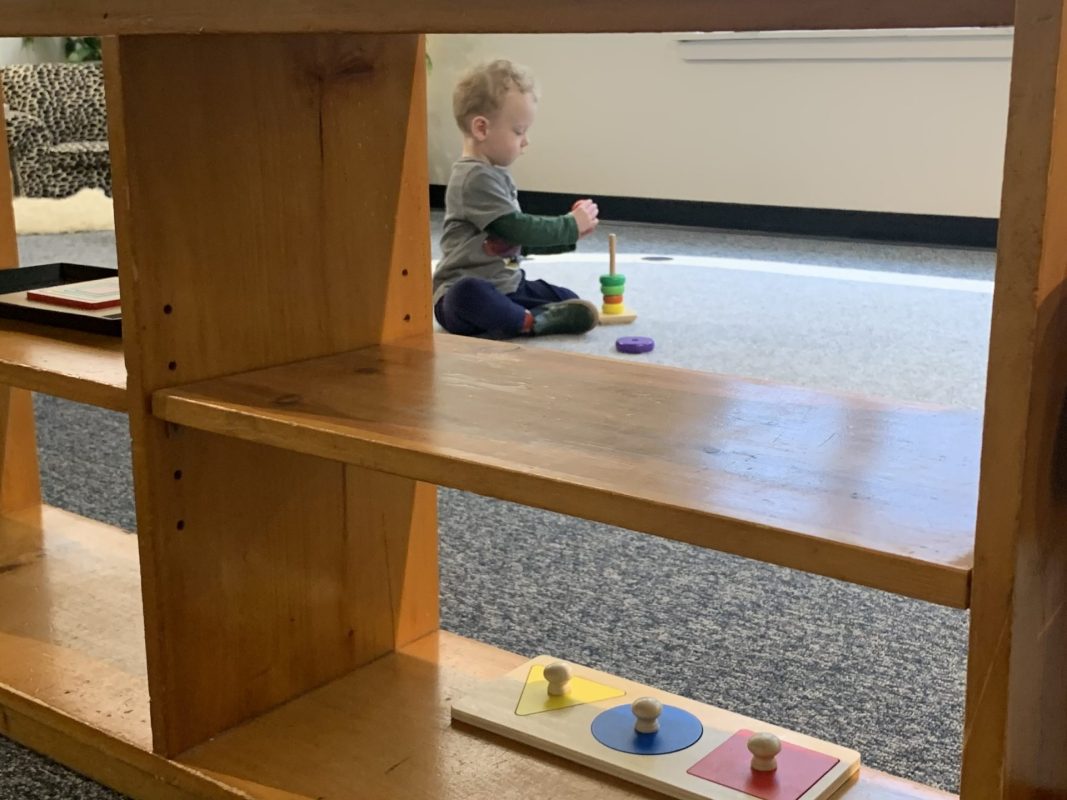
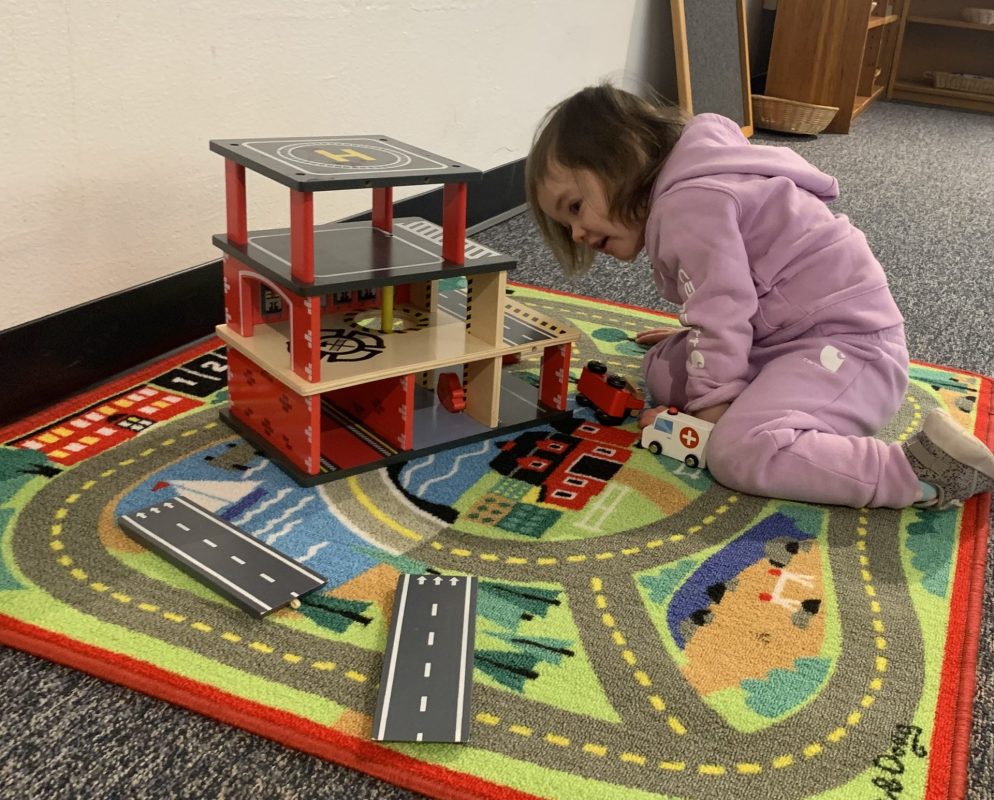
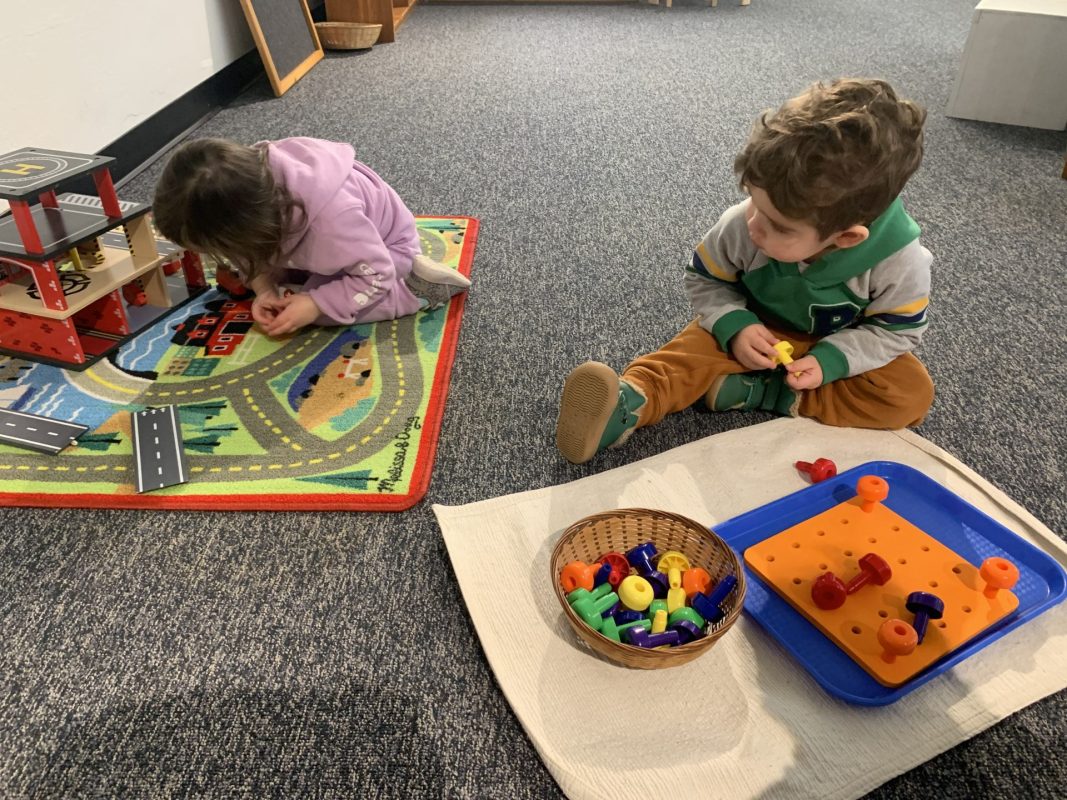
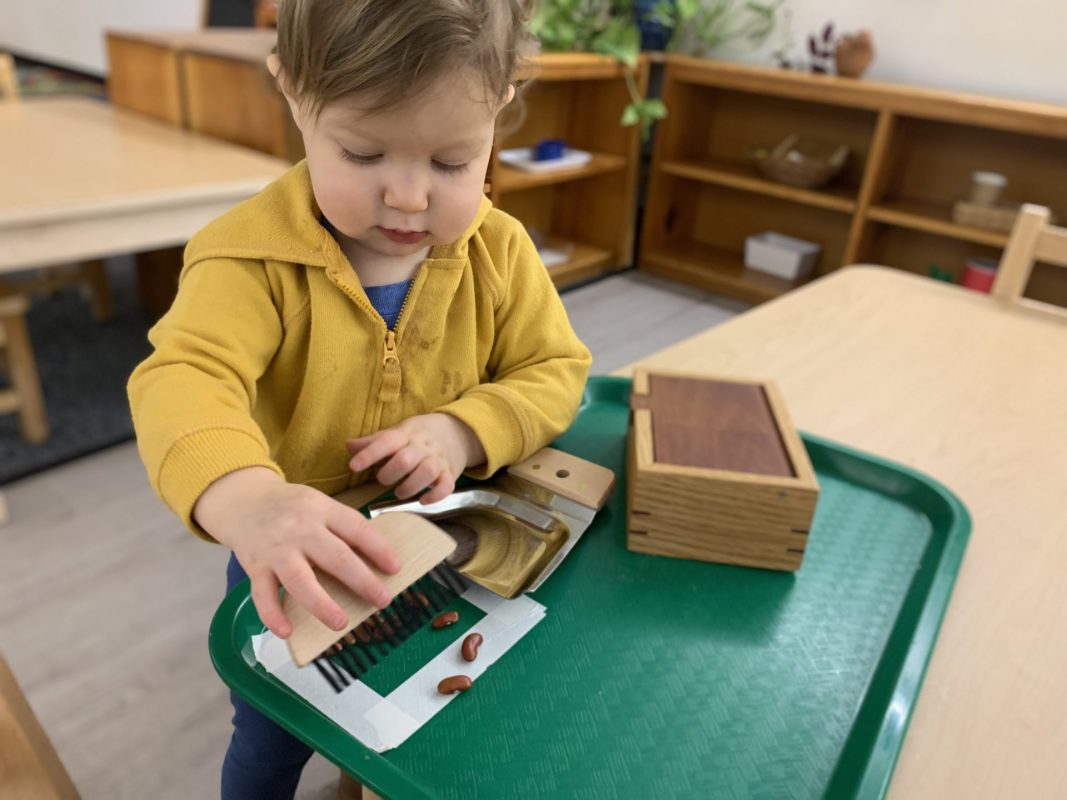
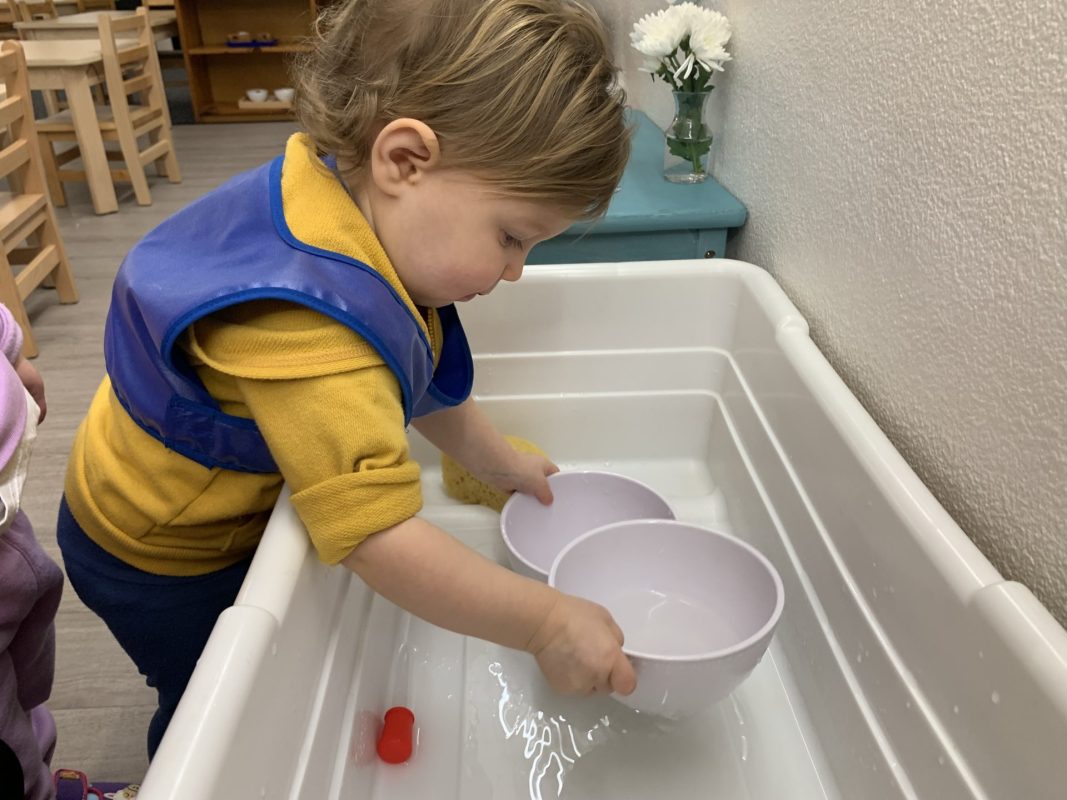
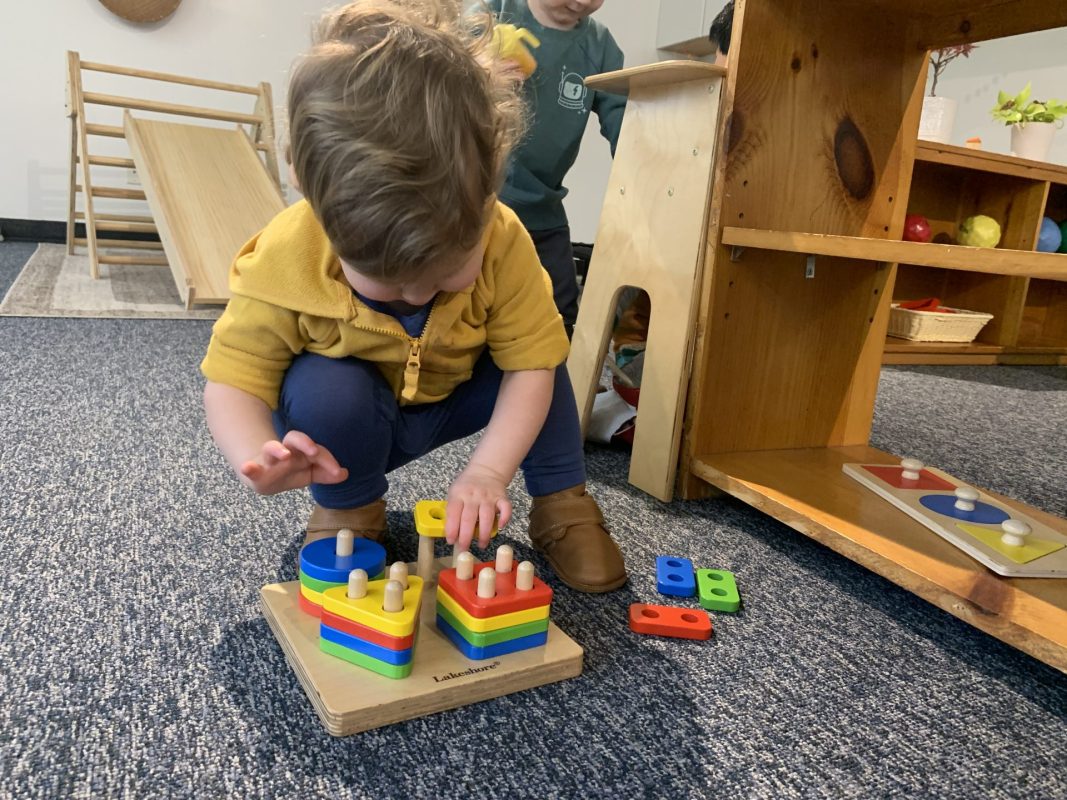
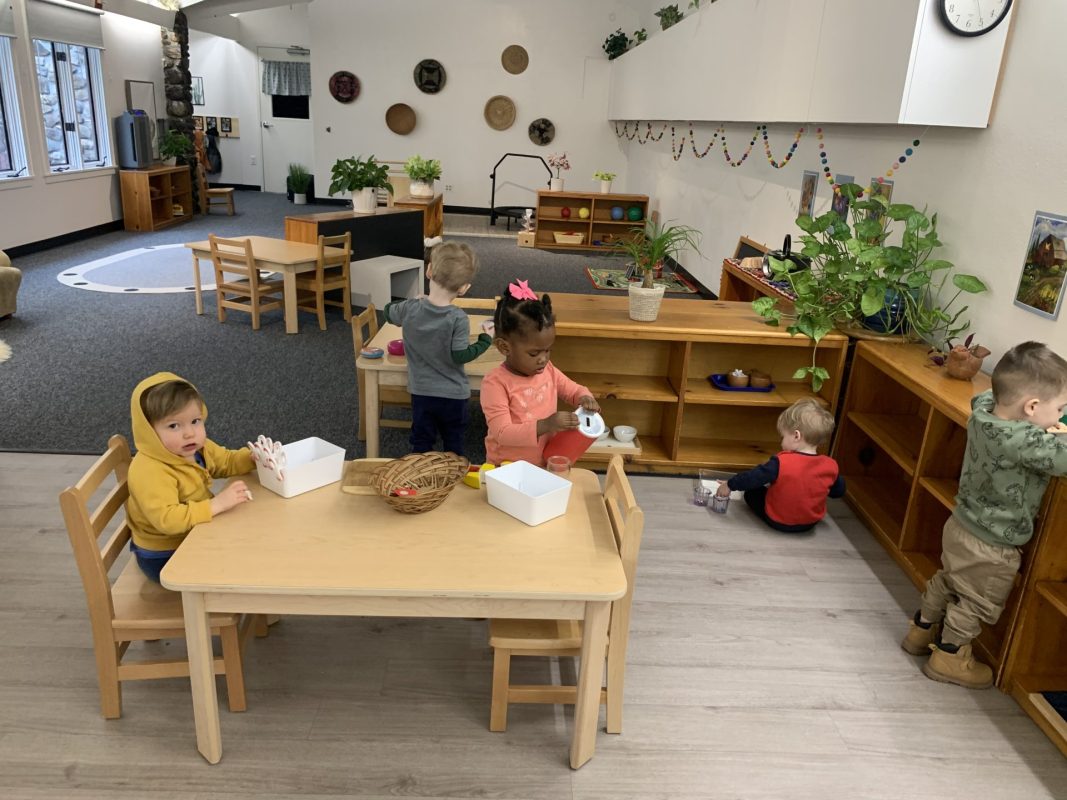
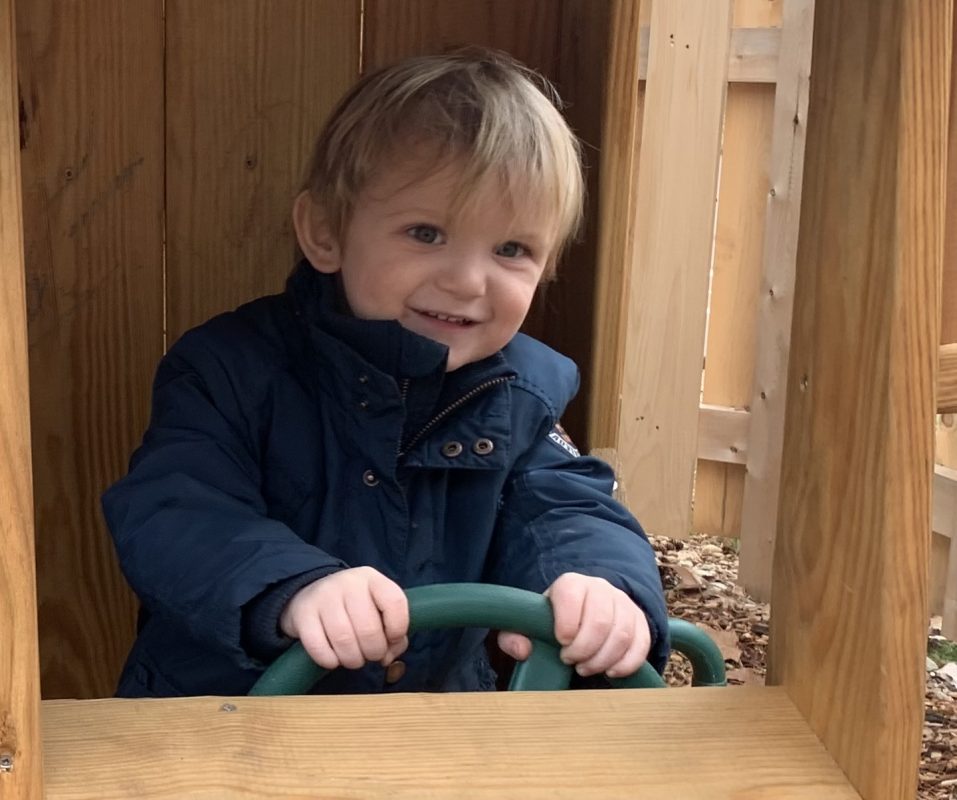
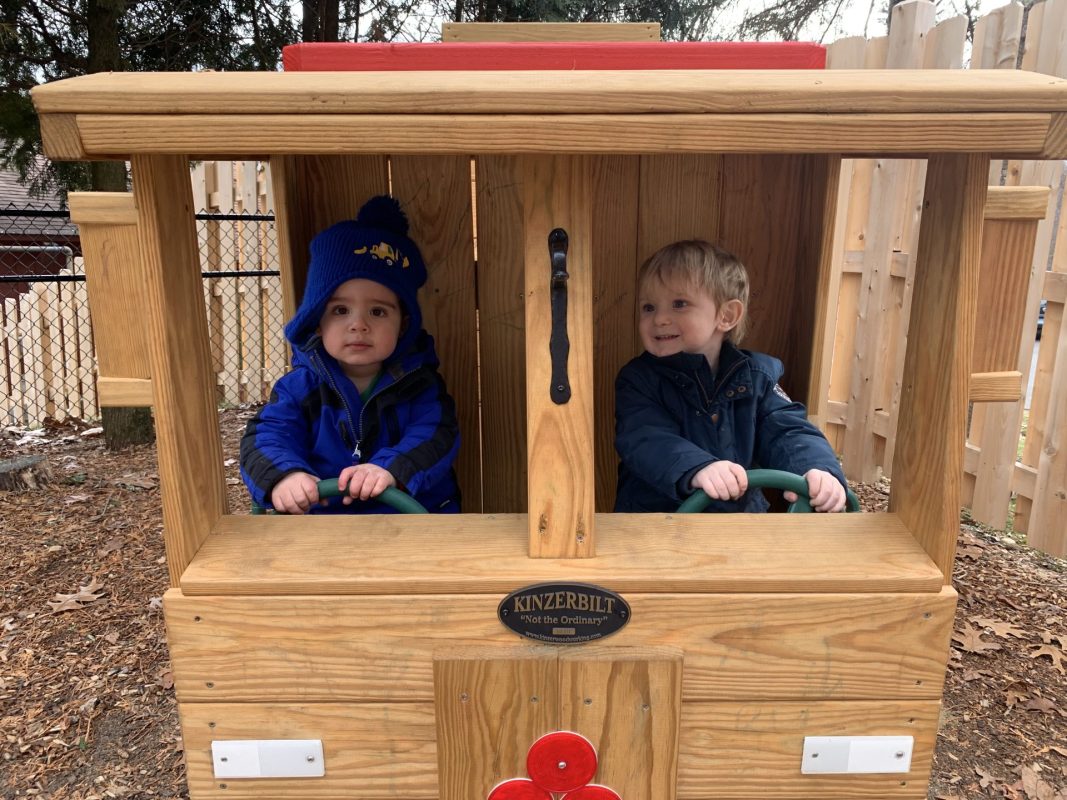
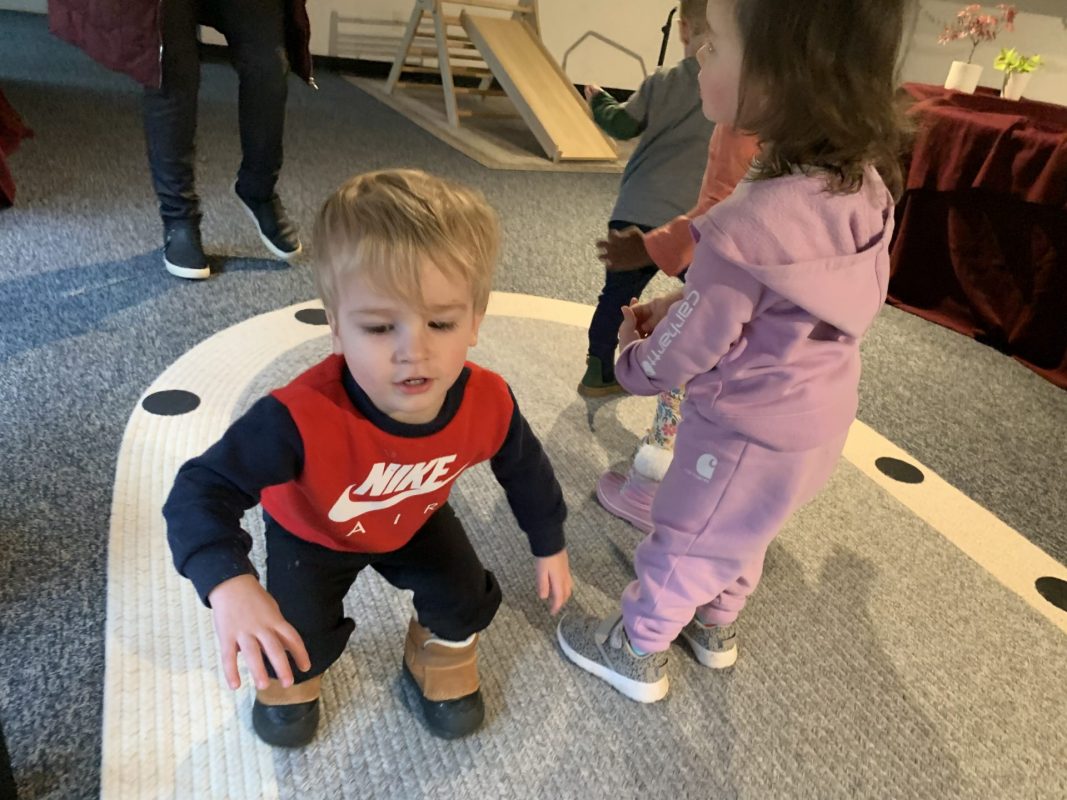
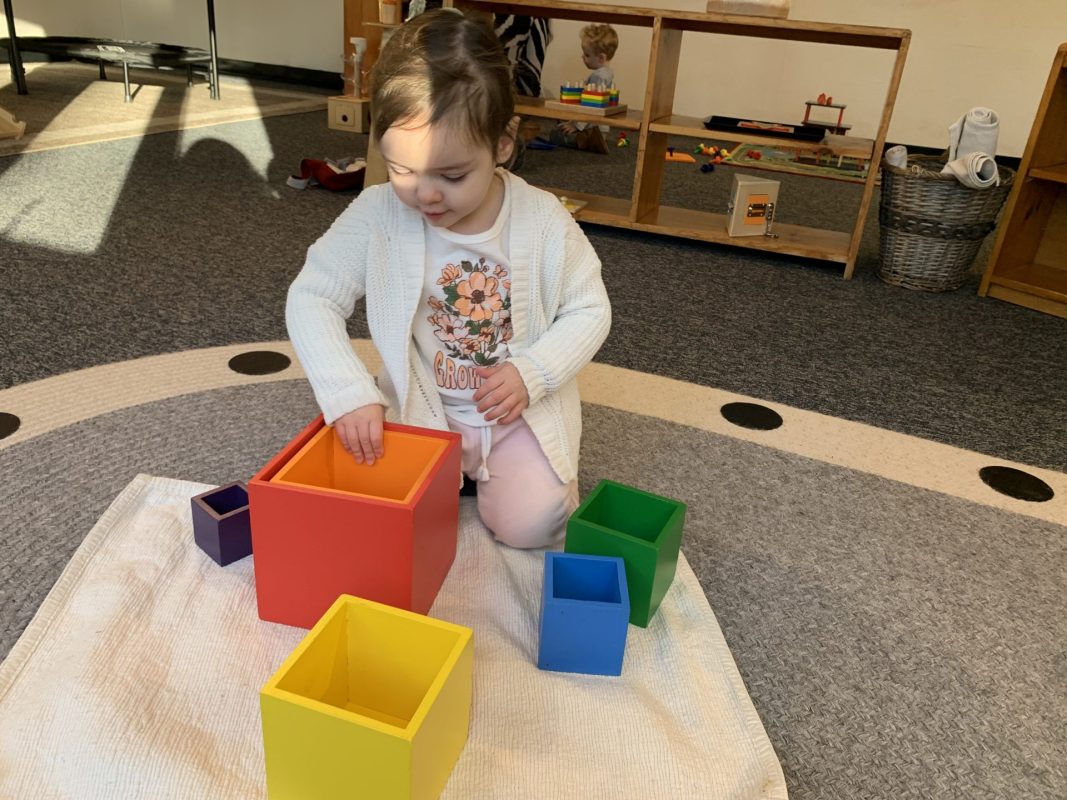
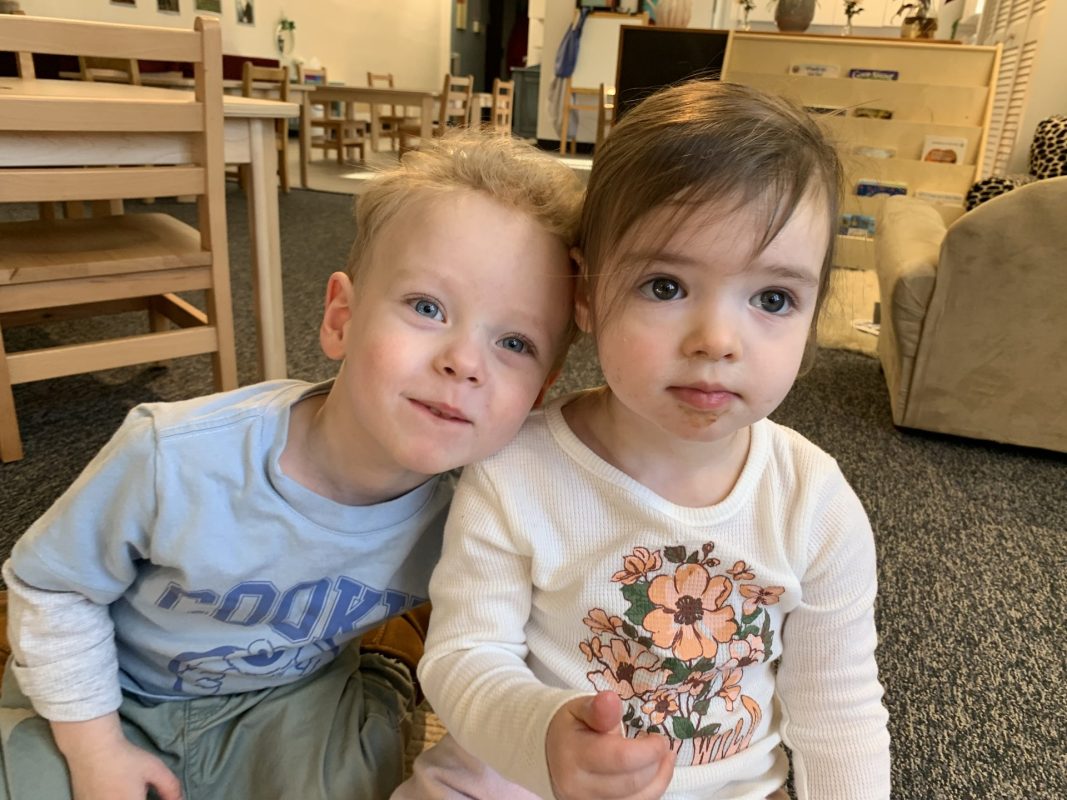
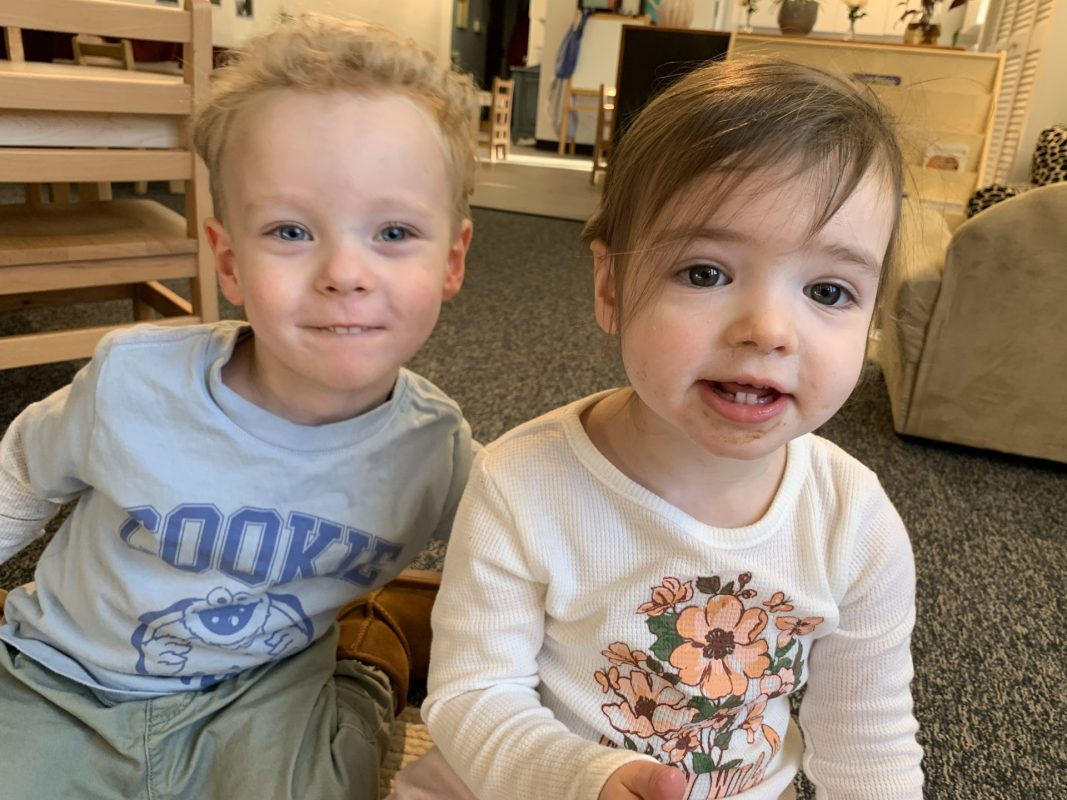
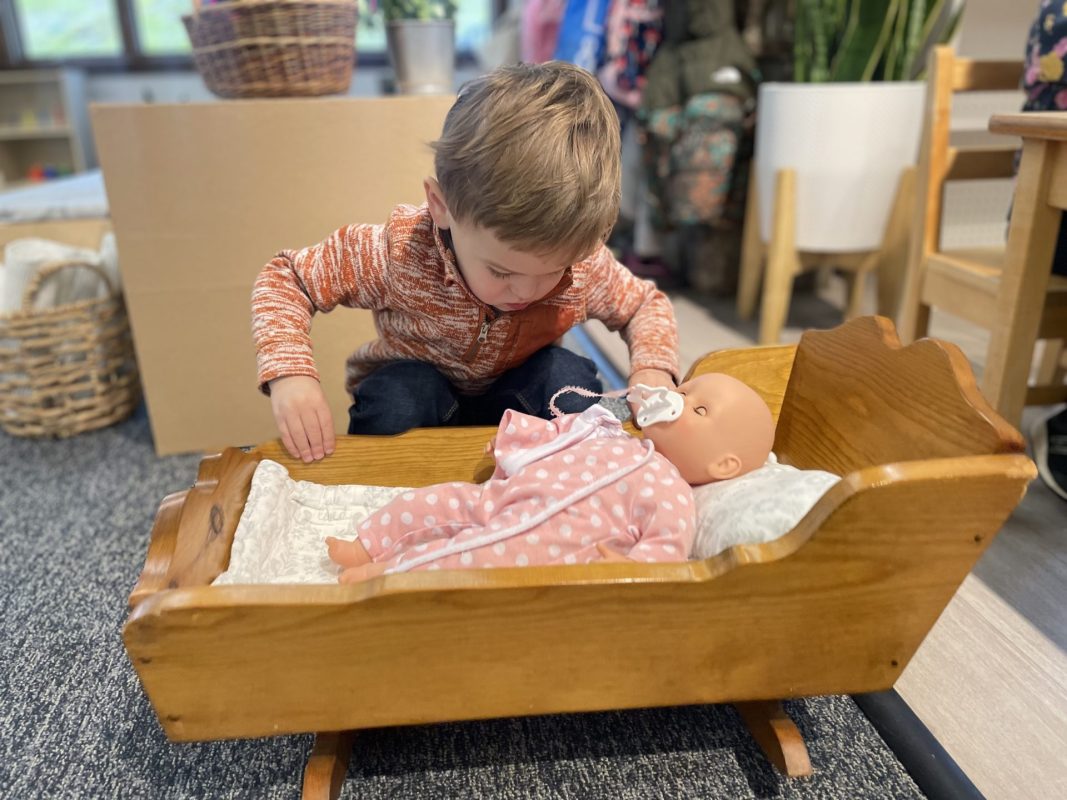
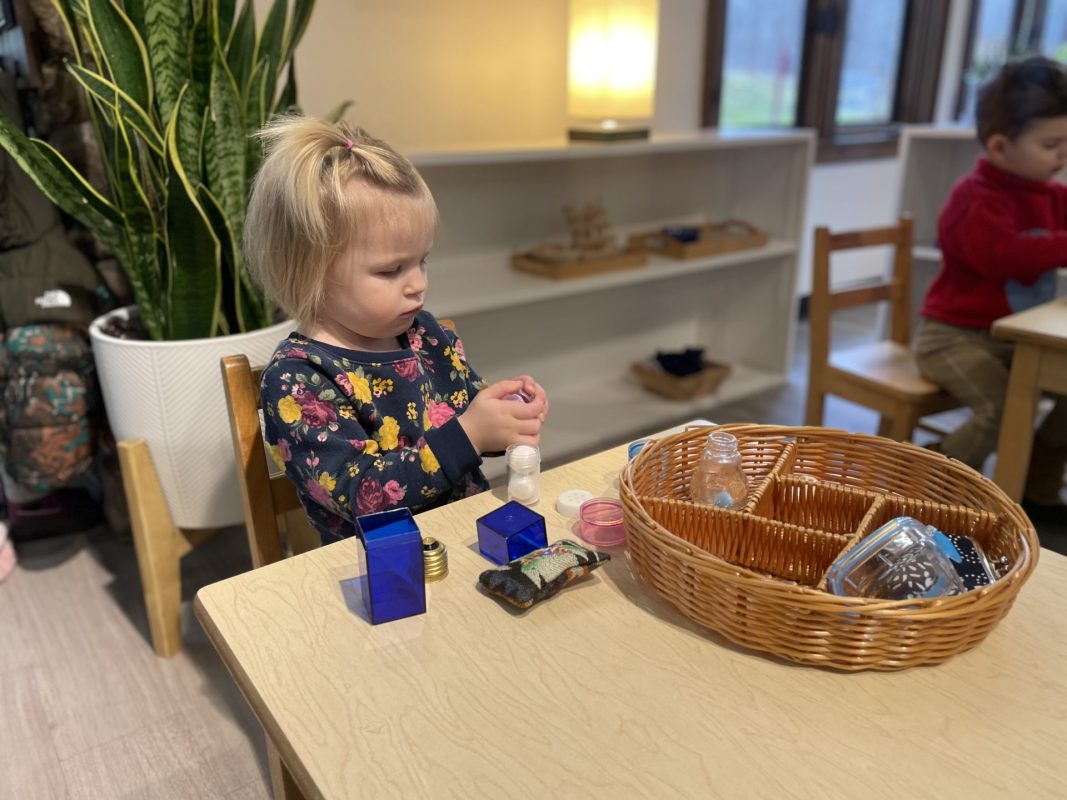
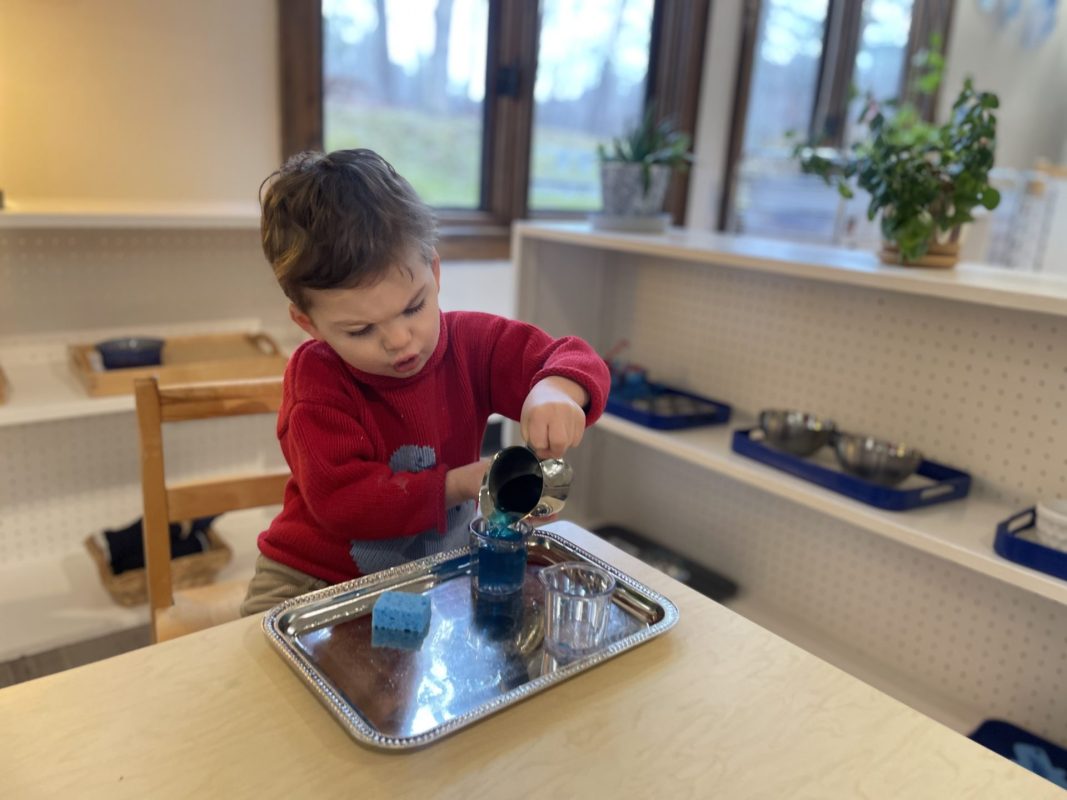
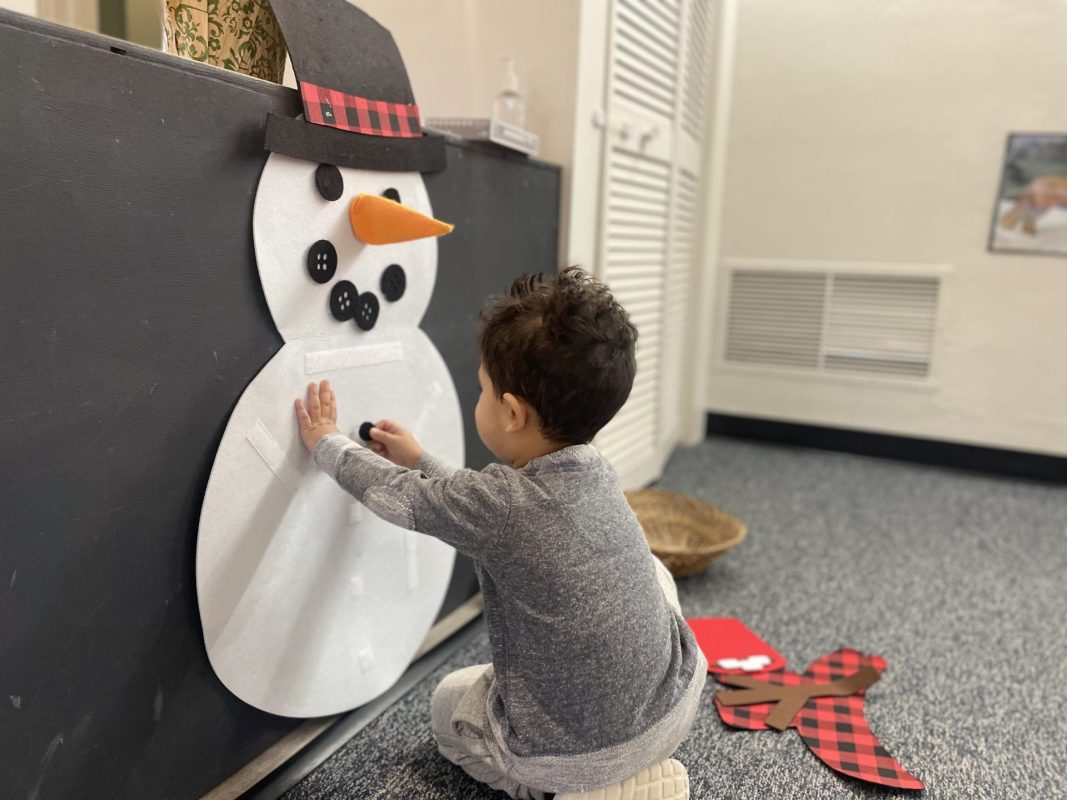
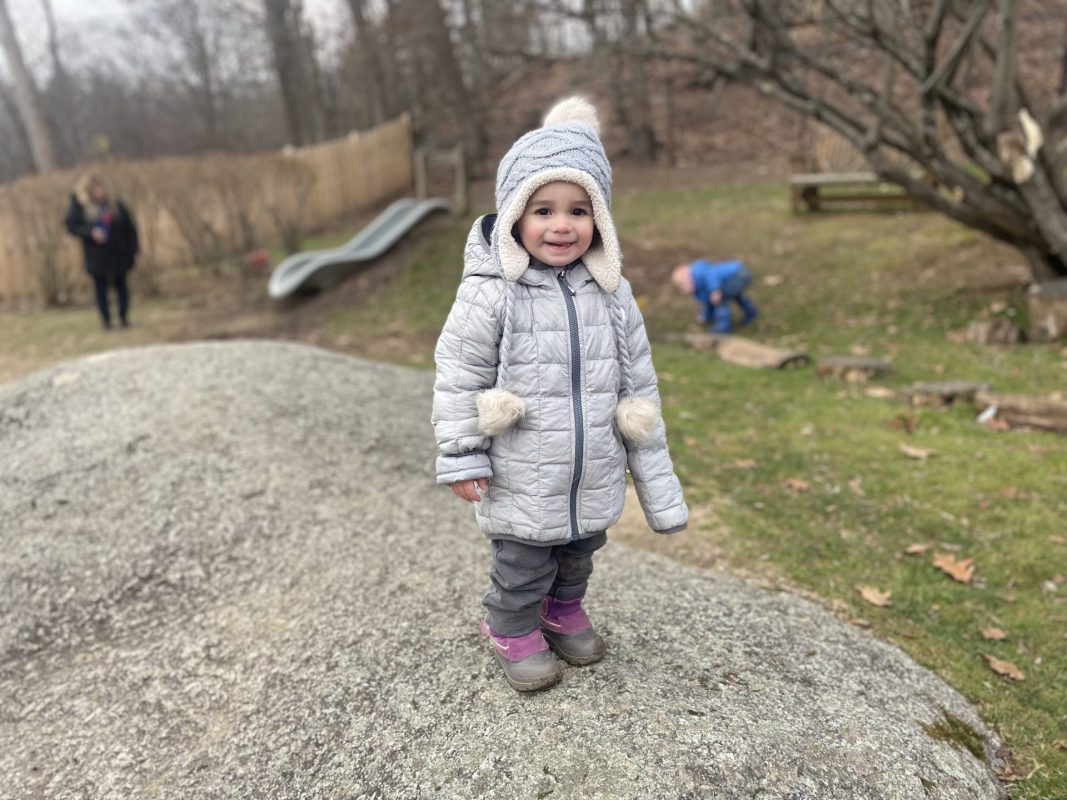
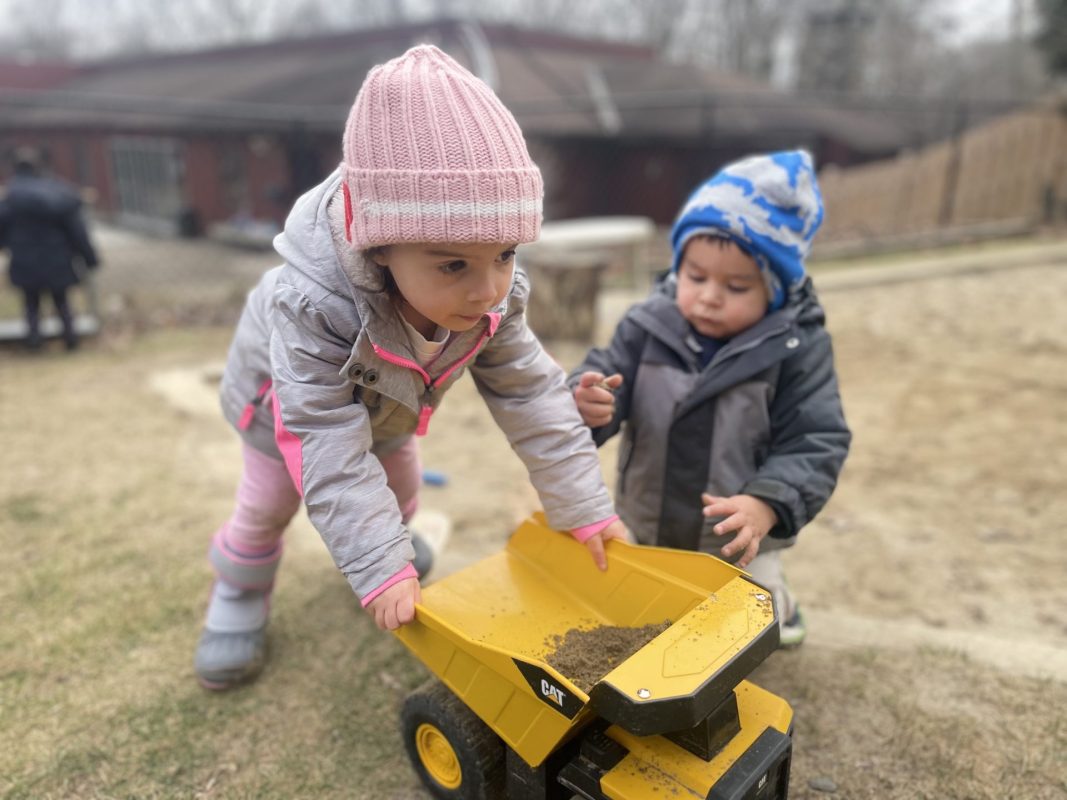
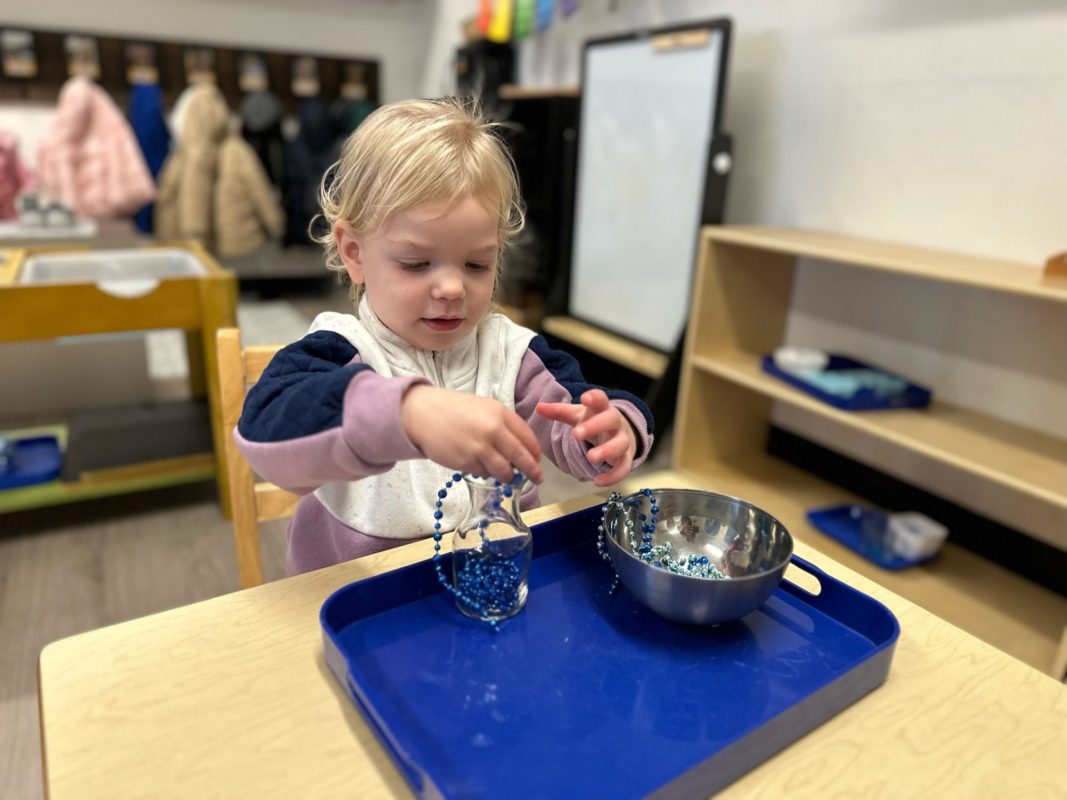
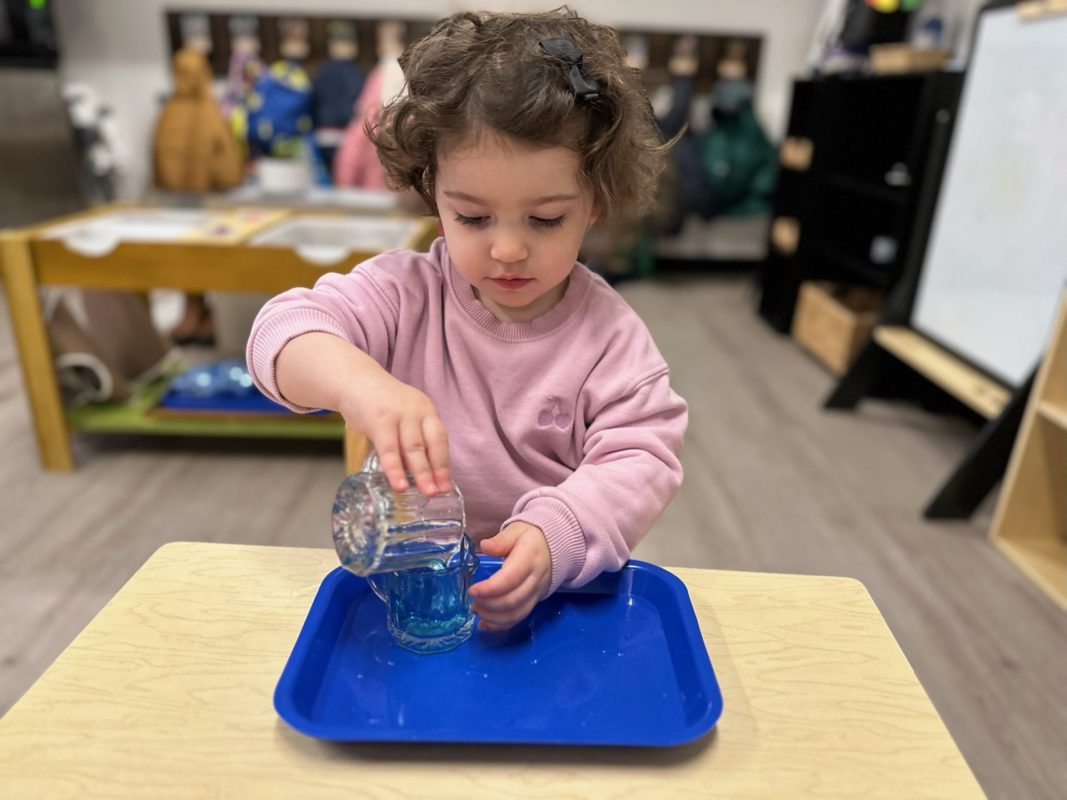
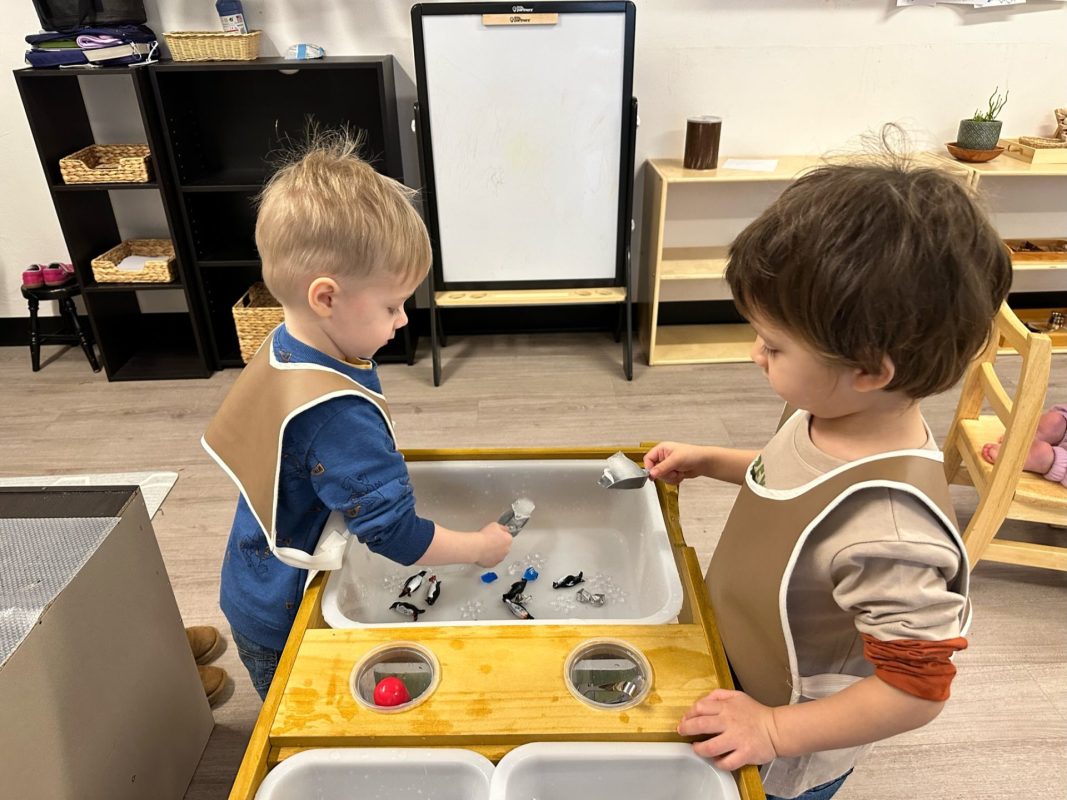
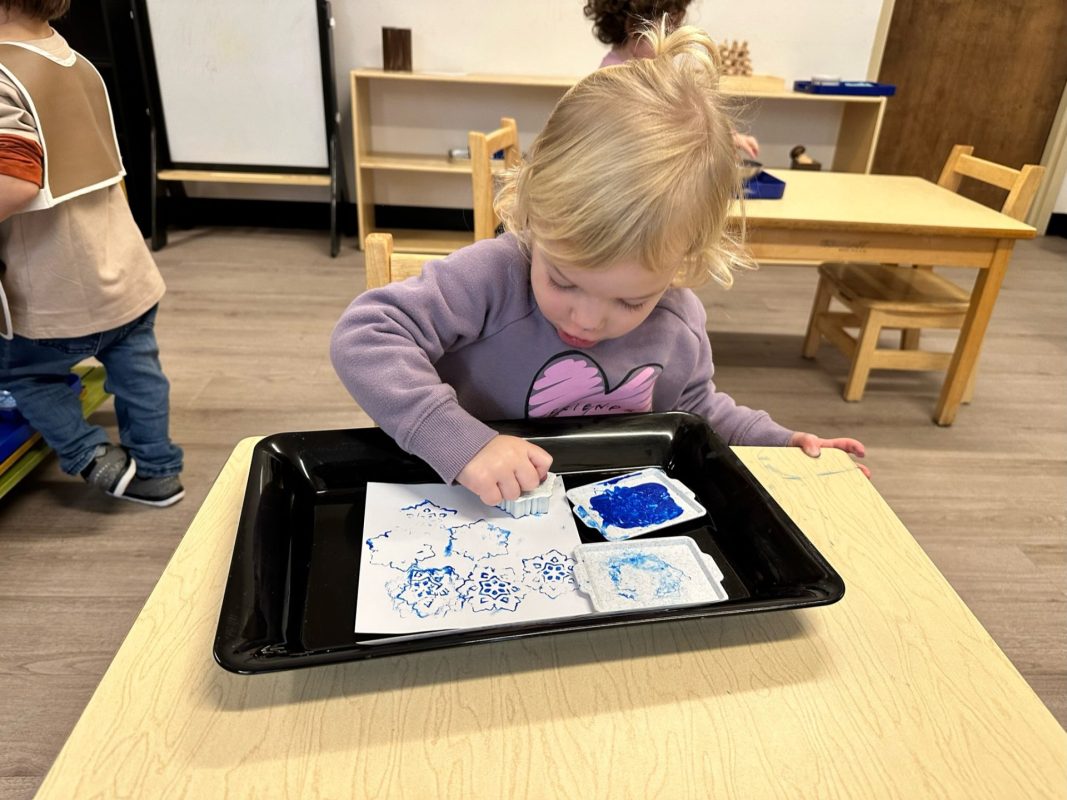
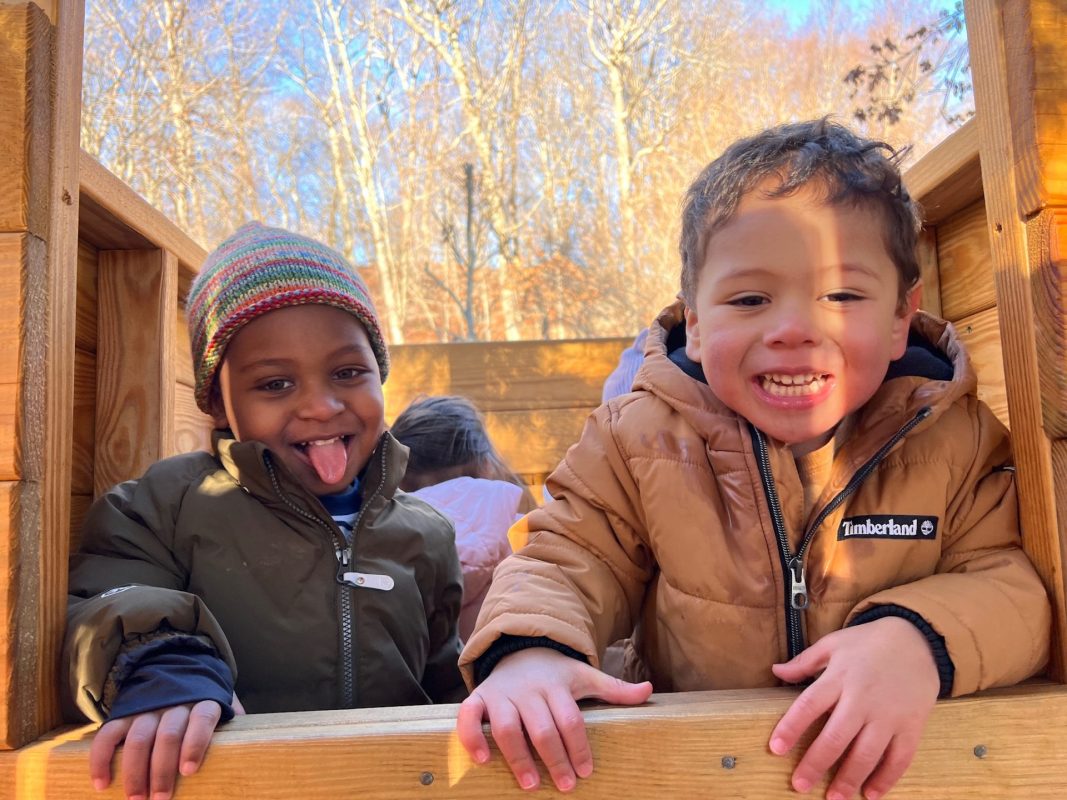
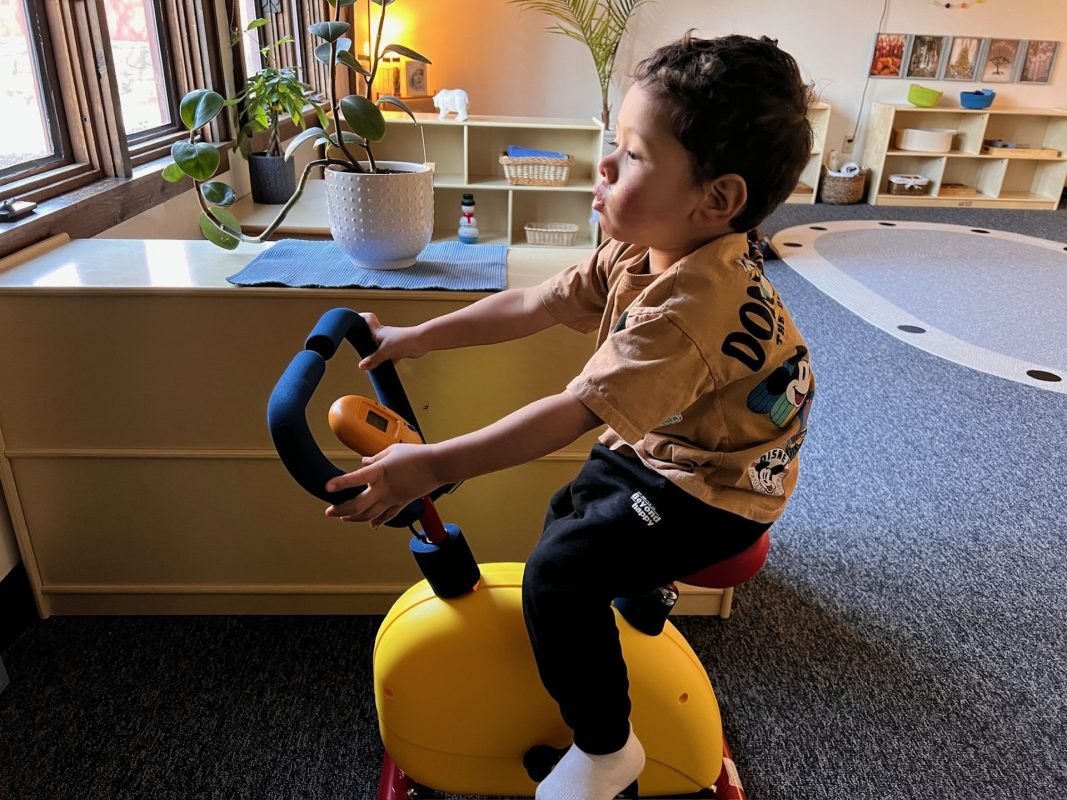
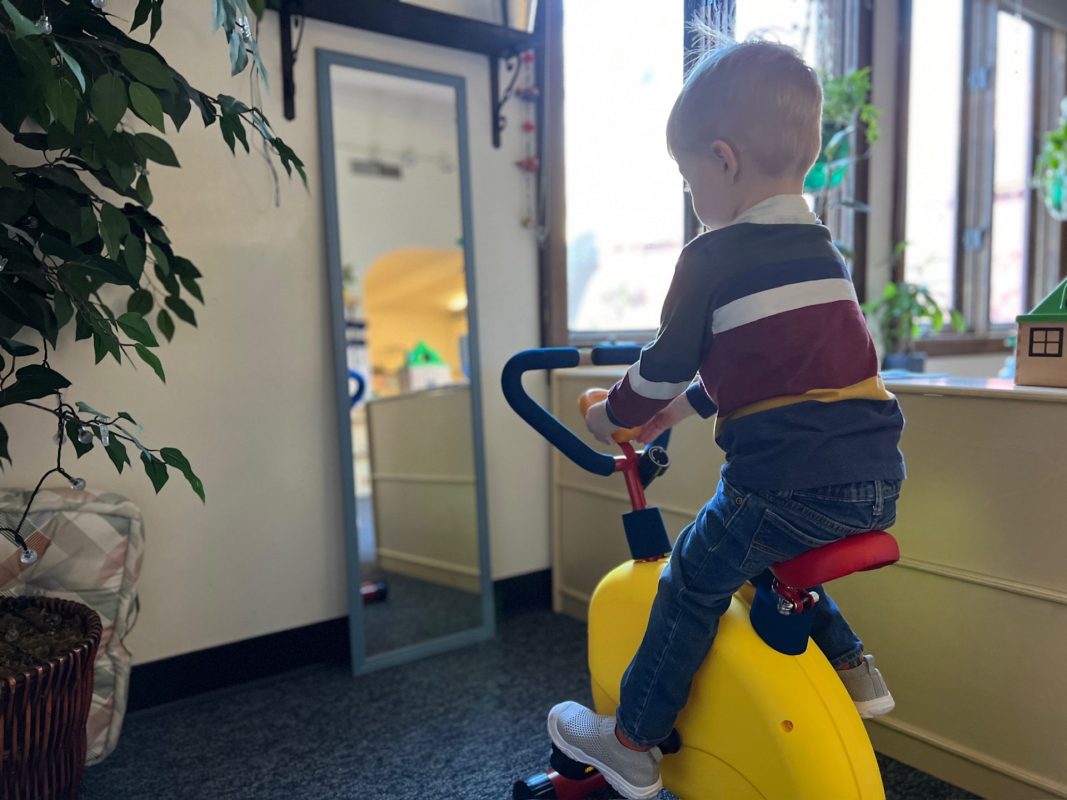
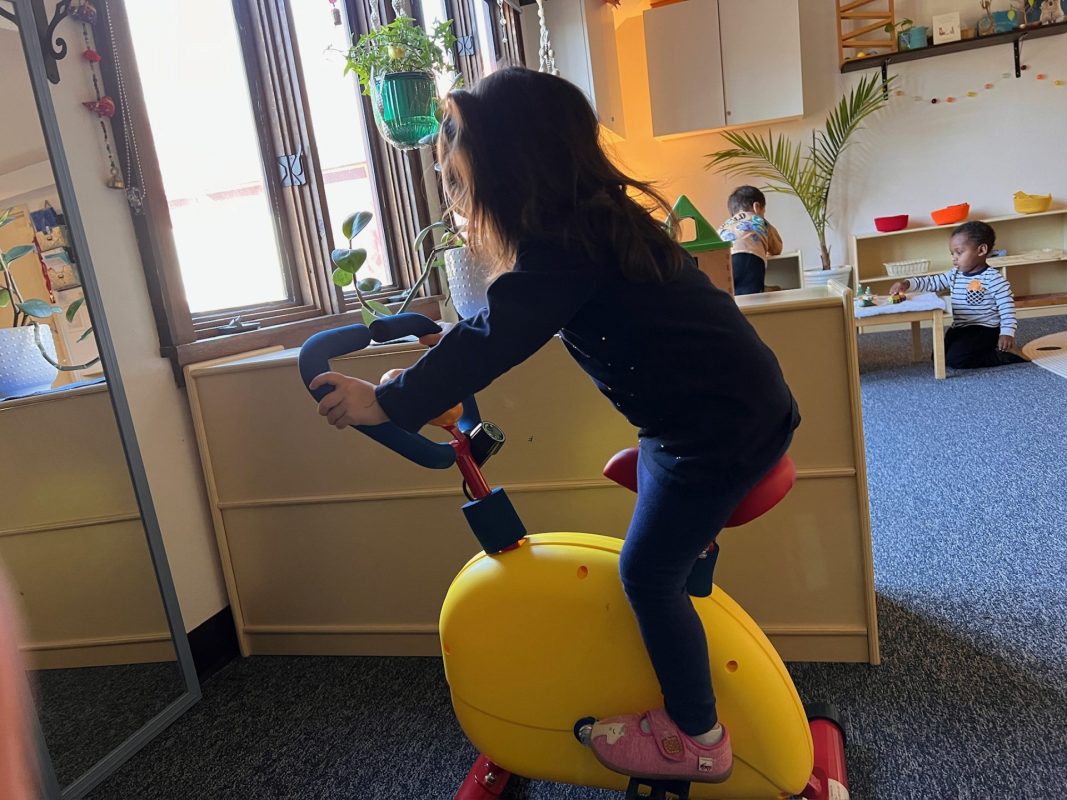
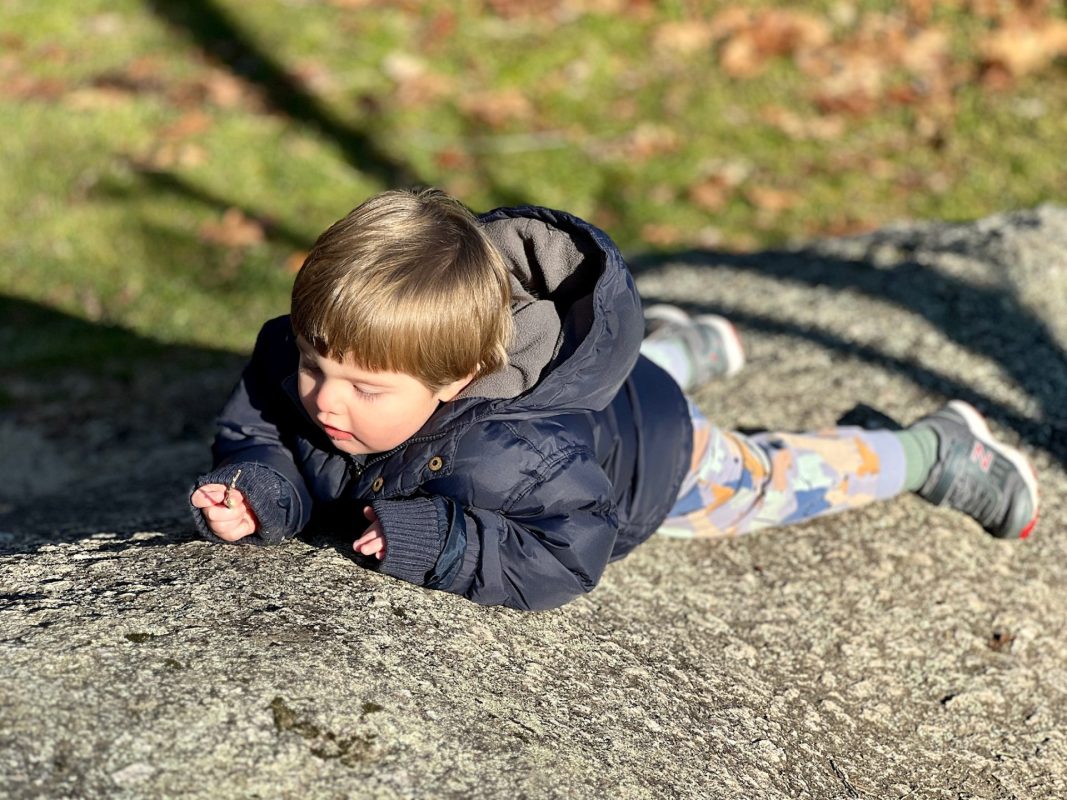
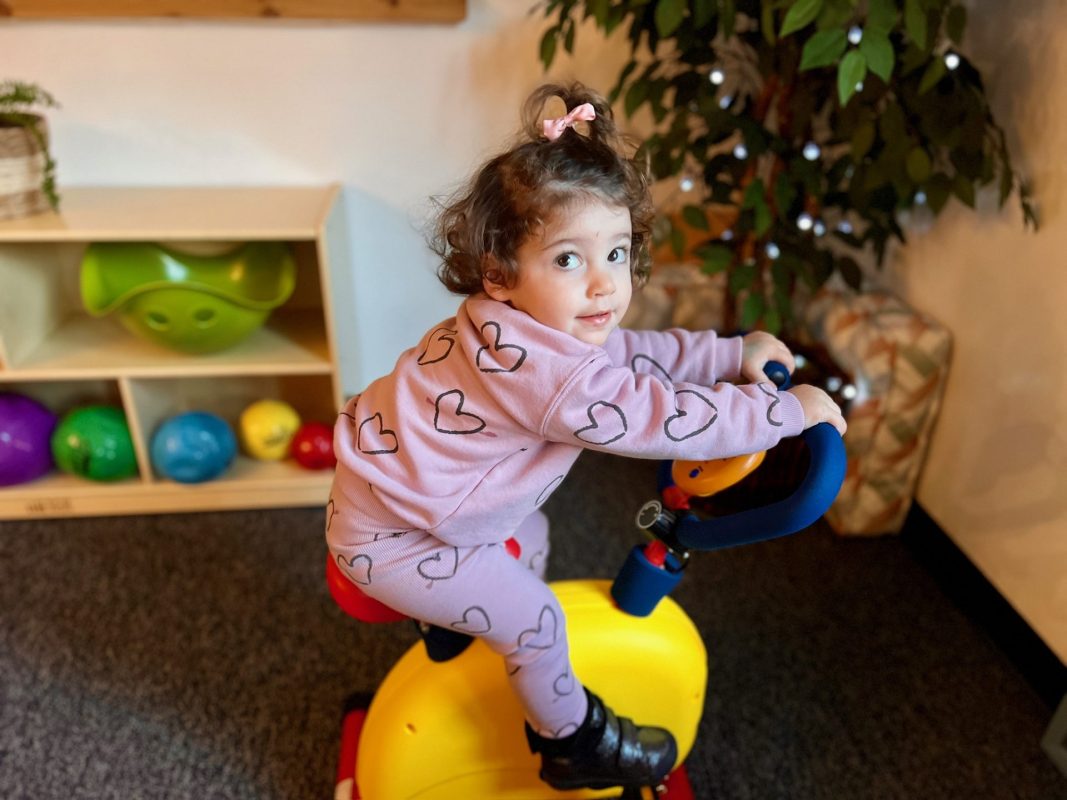
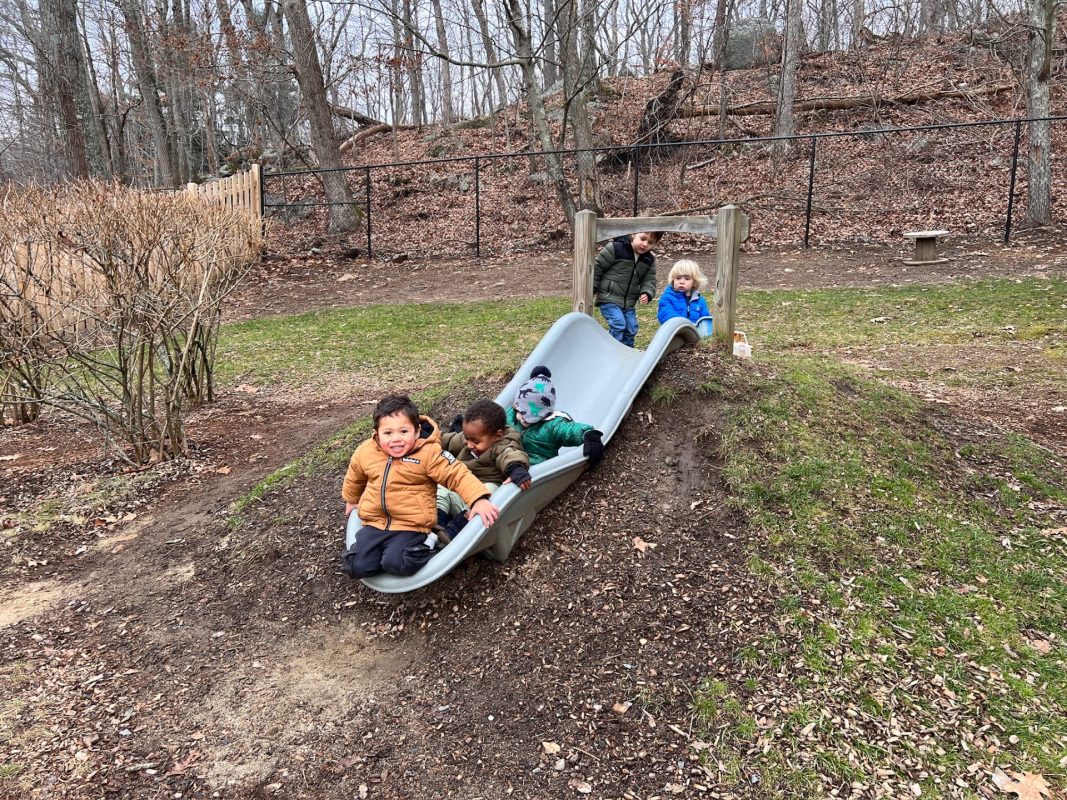
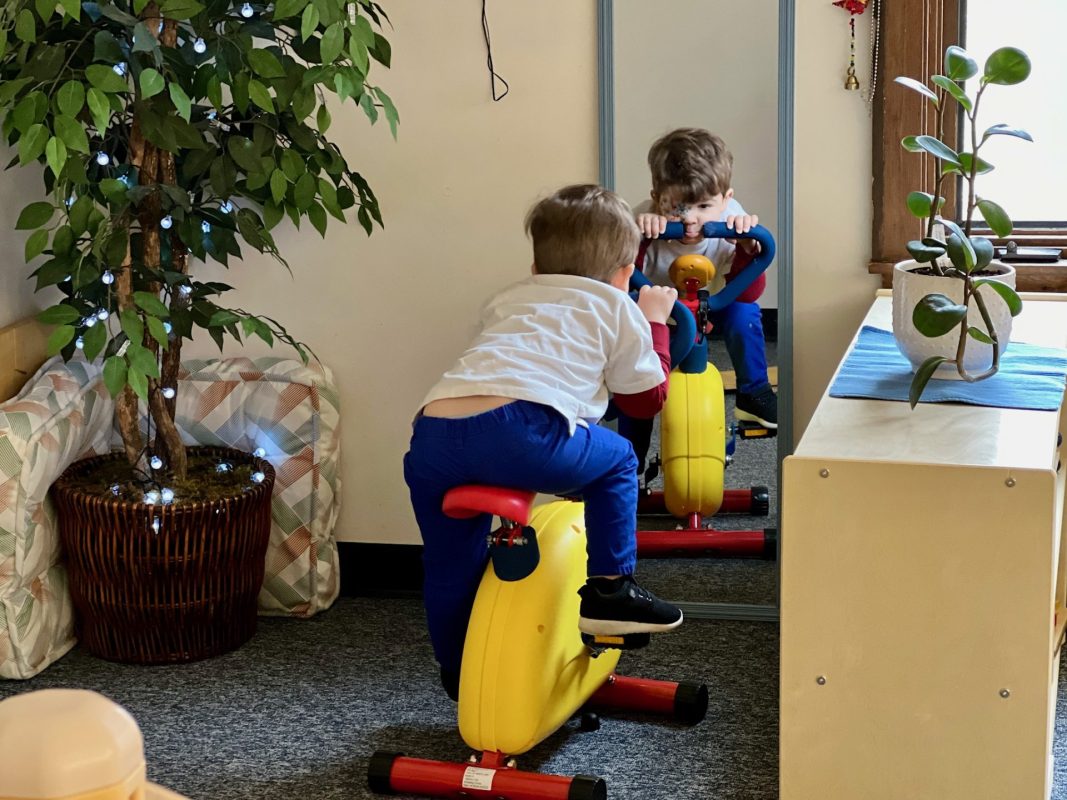
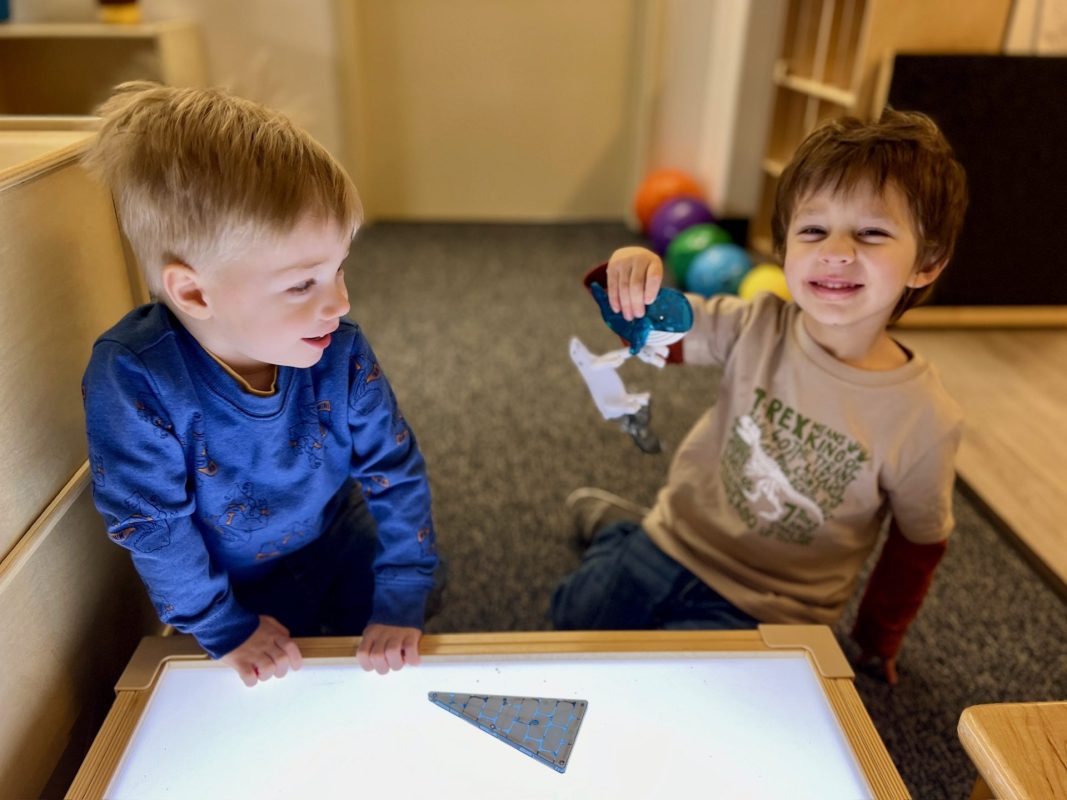
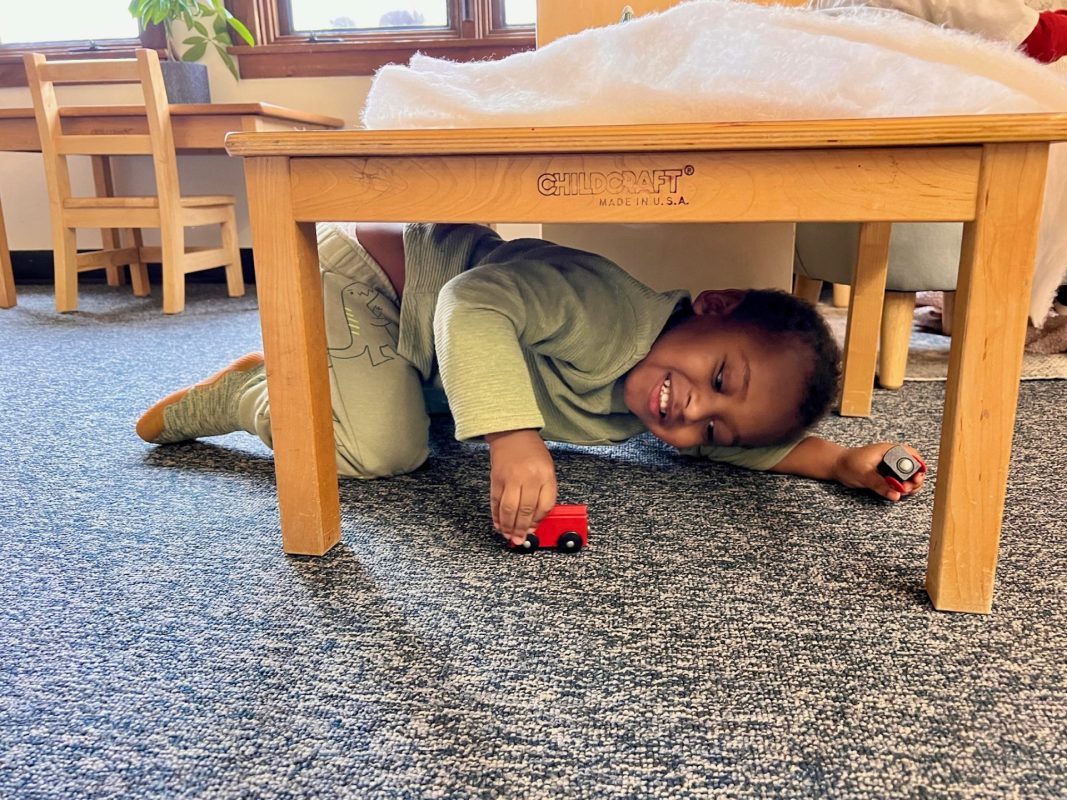
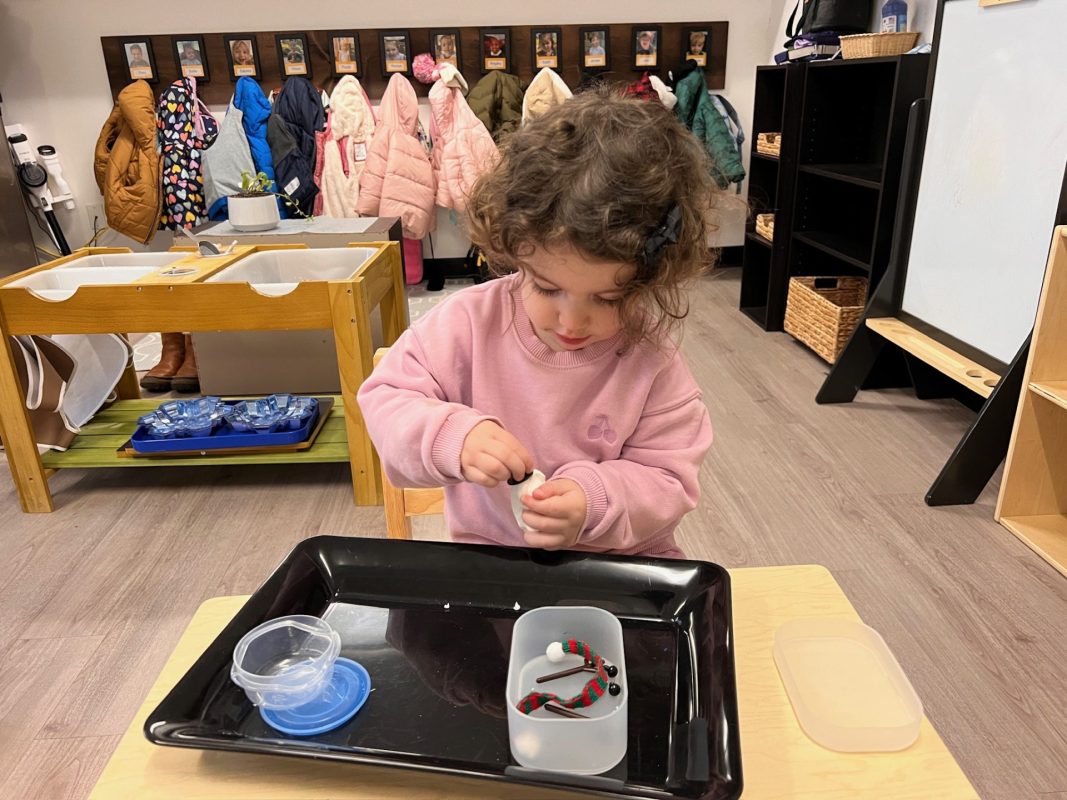
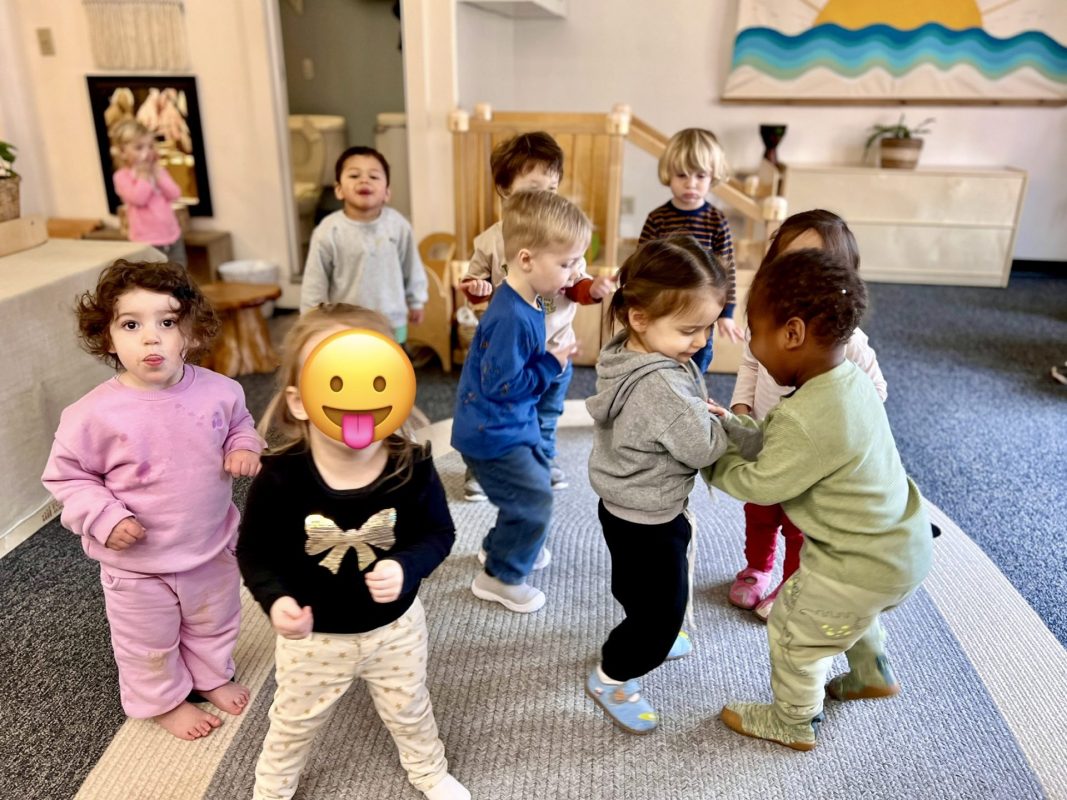
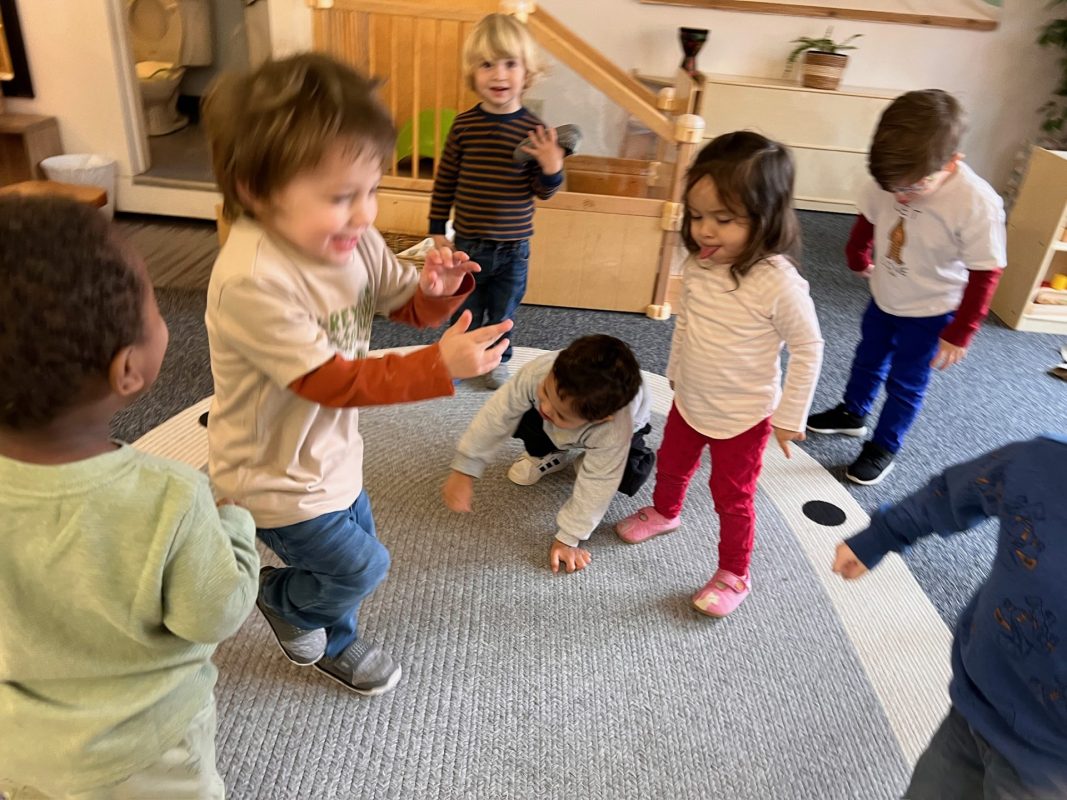
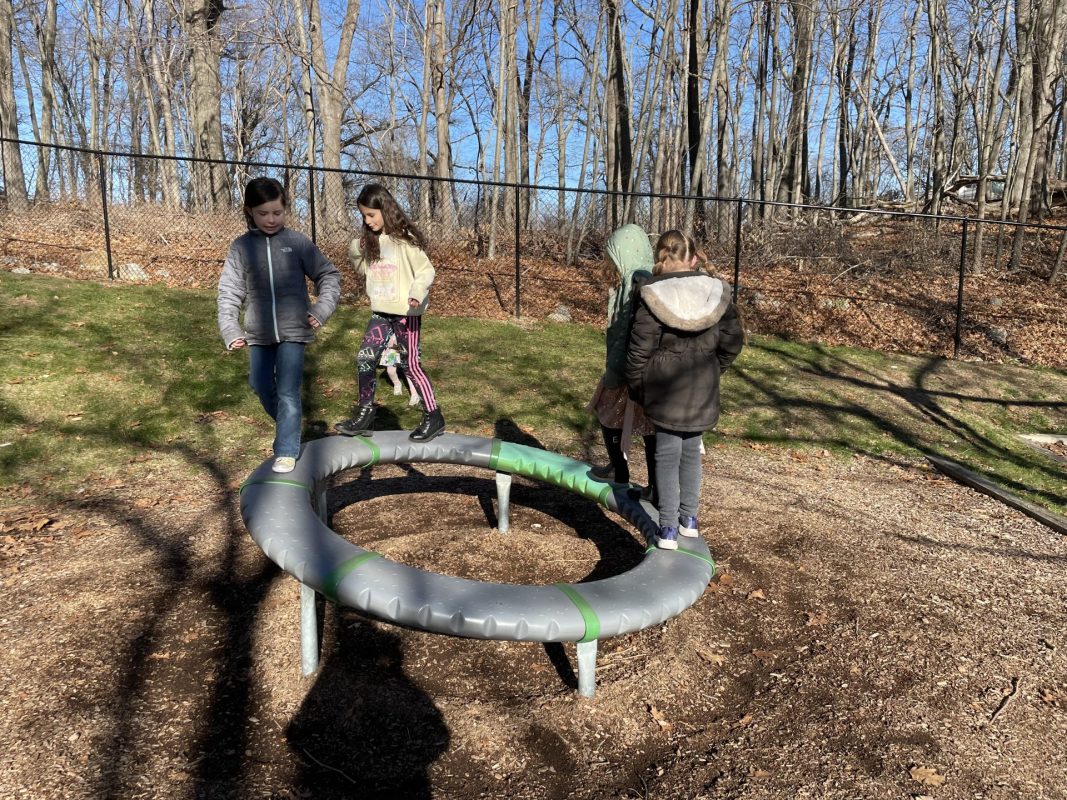
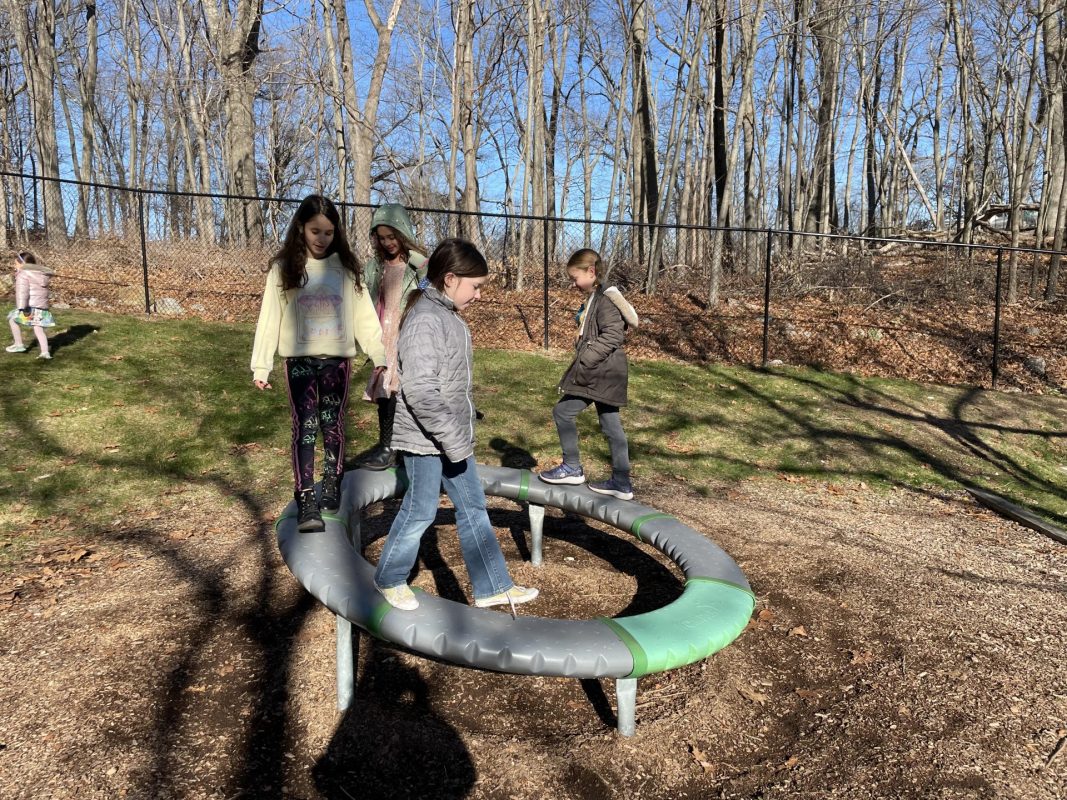
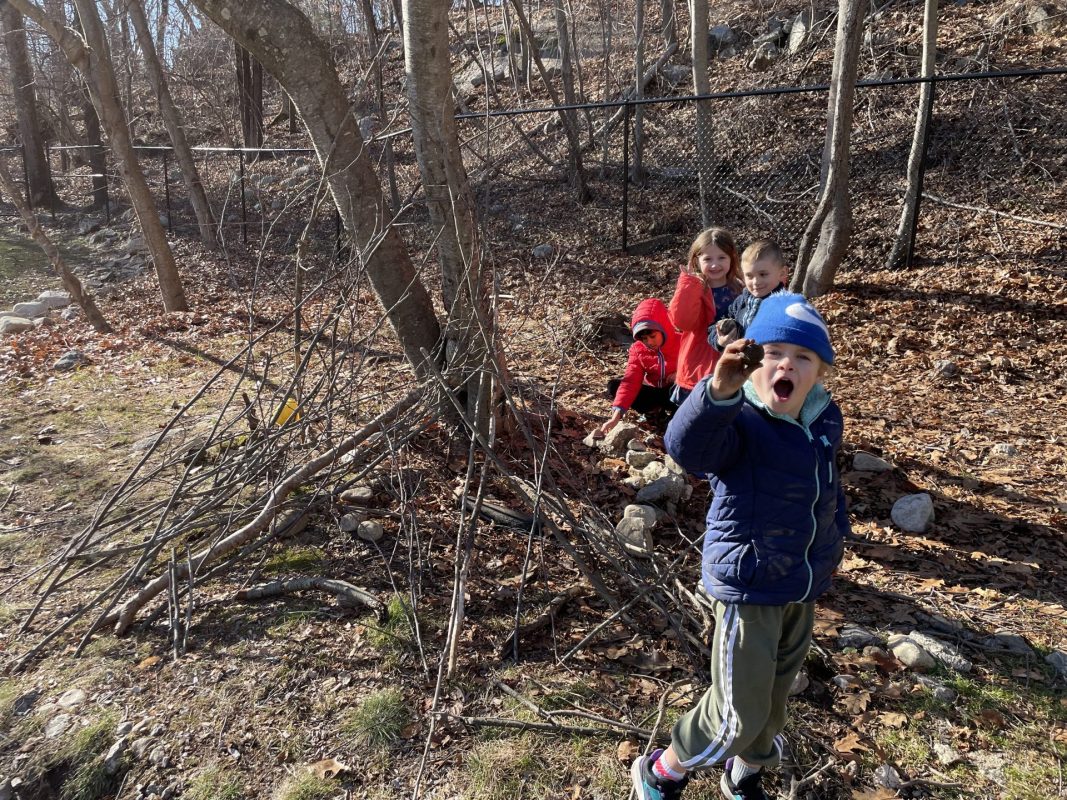
In the enchanting realm of our toddler classroom, there’s a captivating transformation unfolding—the delightful transition from parallel play to cooperative adventures. While our younger companions explore the nuances of parallel play, the older children are weaving together imaginative exploits on the playground.

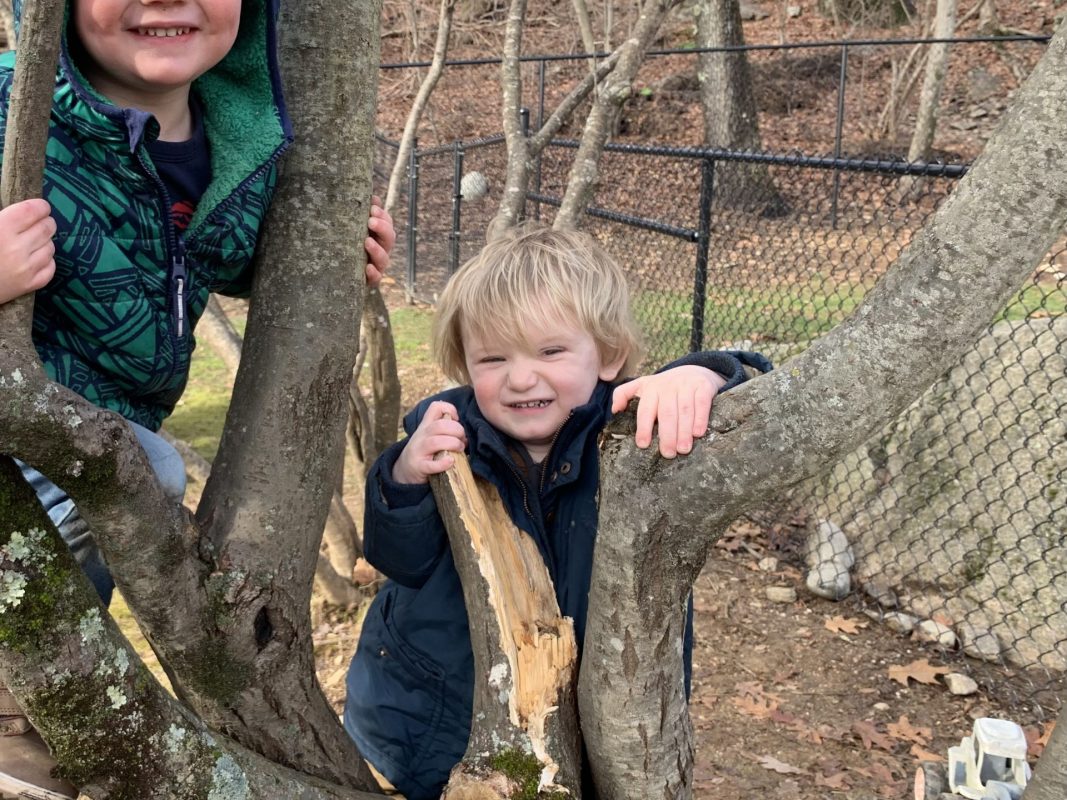
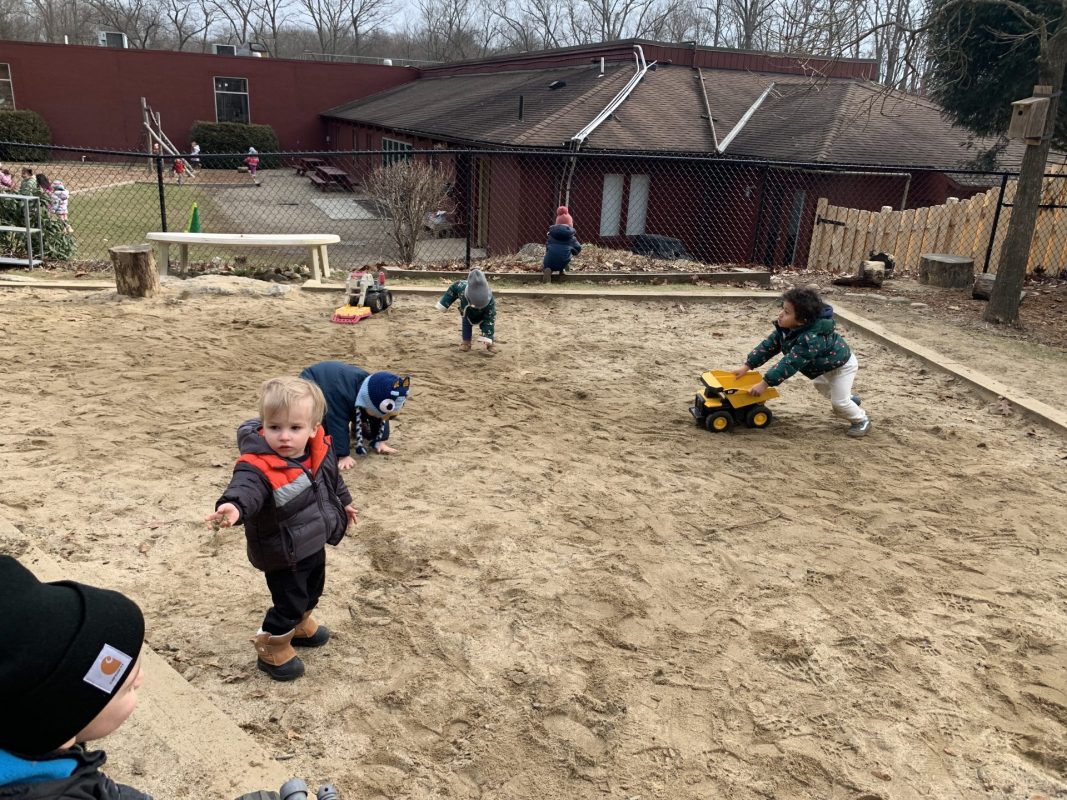
A whimsical saga commenced with a simple pile of leaves ingeniously placed on the slide by two adventurous souls. Once the others caught on to the fun, more of the children joined in. What ensued was a collaborative masterpiece, each child taking turns, sliding down to craft an ever-growing cushion of leaves. A symphony of laughter echoed as they collaborated in gathering more leaves, sharing in the sheer joy and excitement of their collective creation.

The enchantment continued the next day as the slide metamorphosed into a towering mountain to conquer. One brave explorer would ascend, calling for a friend’s helping hand to reach the summit. Witnessing this magical camaraderie unfold was a joyous spectacle, a testament to the bonds and creativity flourishing within our cherished classroom.

On Thursday, the enchantment in our toddler classroom reached new heights as the children gathered for a captivating Diwali presentation curated by our very own Ms. Paromita and two dedicated toddler parents. Ms. Paromita adorned the space with meaningful decorations and shared items of cultural significance. Engaging the little ones, she read a delightful book about the celebration of Diwali, transporting them to the vibrant traditions of her heritage.

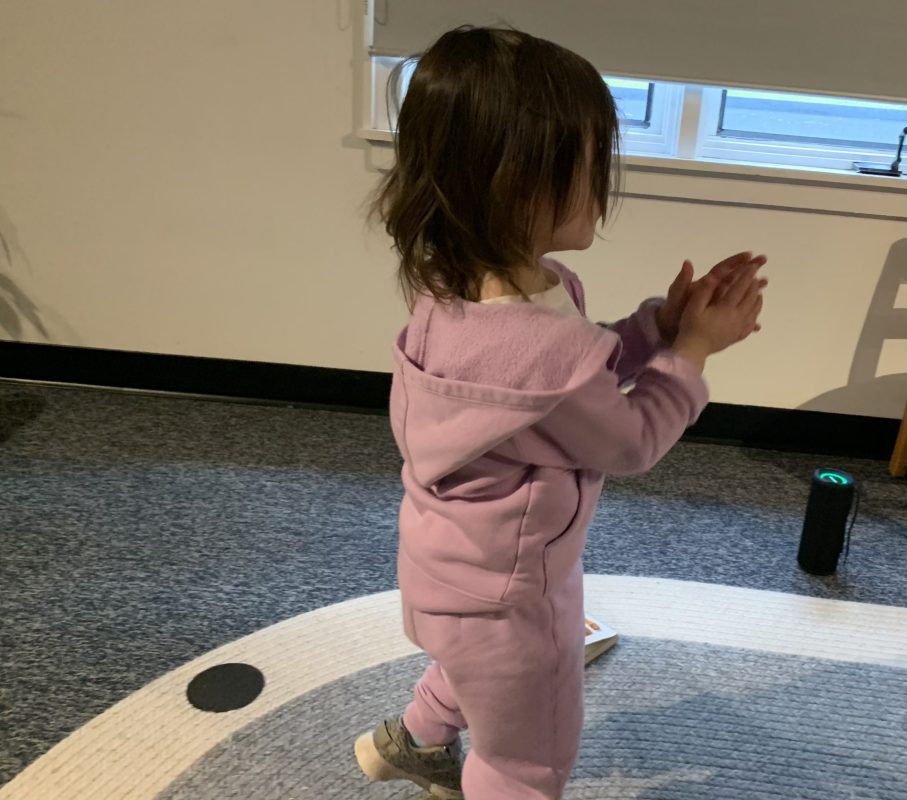
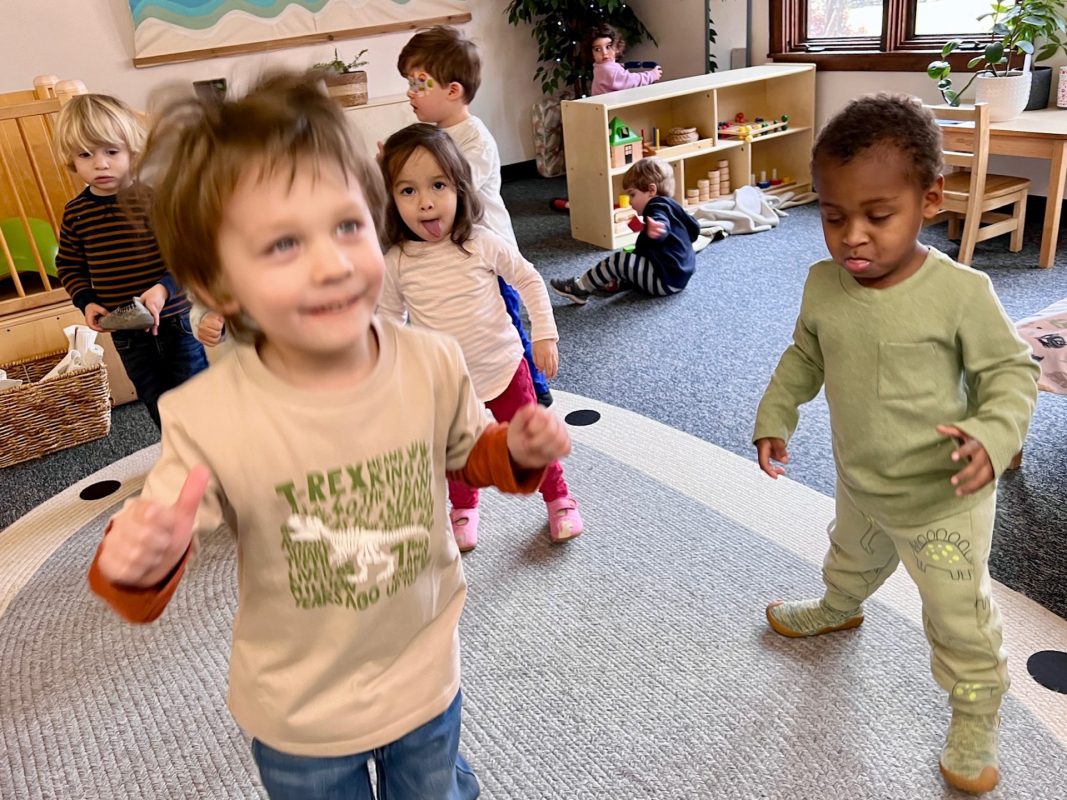
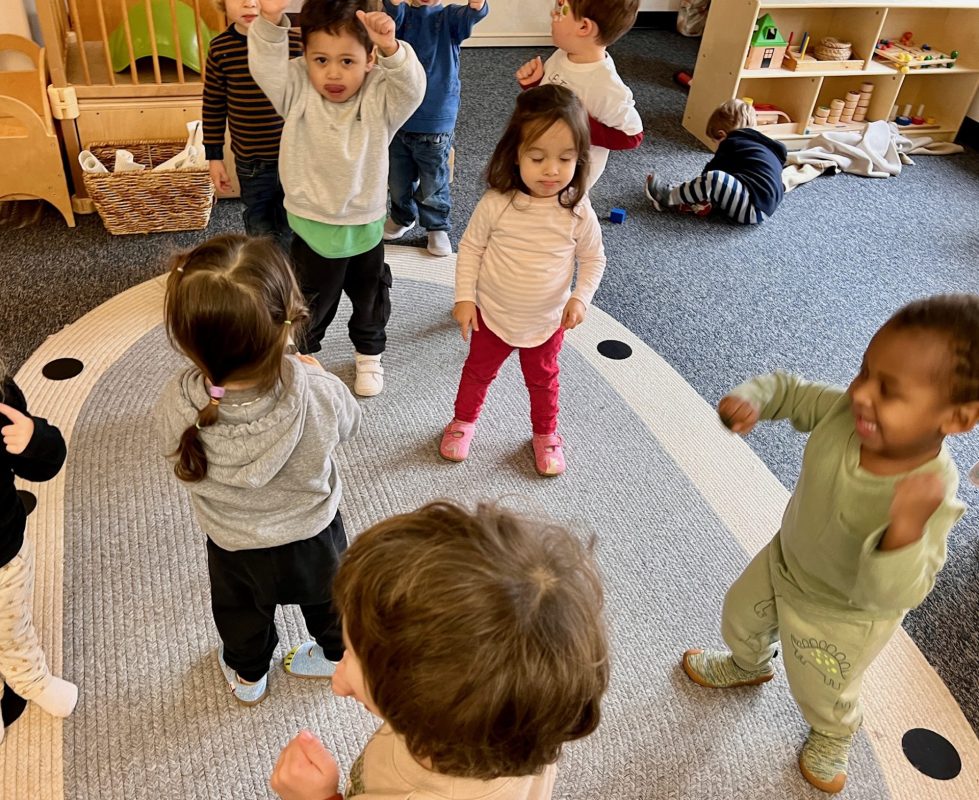
As the rhythmic beats of music filled the air, Ms. Paromita danced with grace, inviting the children to join in the festivities. Awe-struck faces lit up with joy as some toddlers eagerly embraced the opportunity to dance alongside Ms. Paromita, creating a heartwarming scene of cultural exchange and celebration.

After the presentation, the children headed back to their classroom to savor a delicious treat, Laddu. Amidst smiles and laughter, they also engaged in a creative activity, painting paper Diya —a colorful expression of the cultural richness shared during this special day.

We extend our heartfelt thanks to Ms. Paromita and the toddler parents for enriching our classroom with this beautiful Diwali experience, fostering a spirit of unity, appreciation, and creative exploration among our young adventurers.

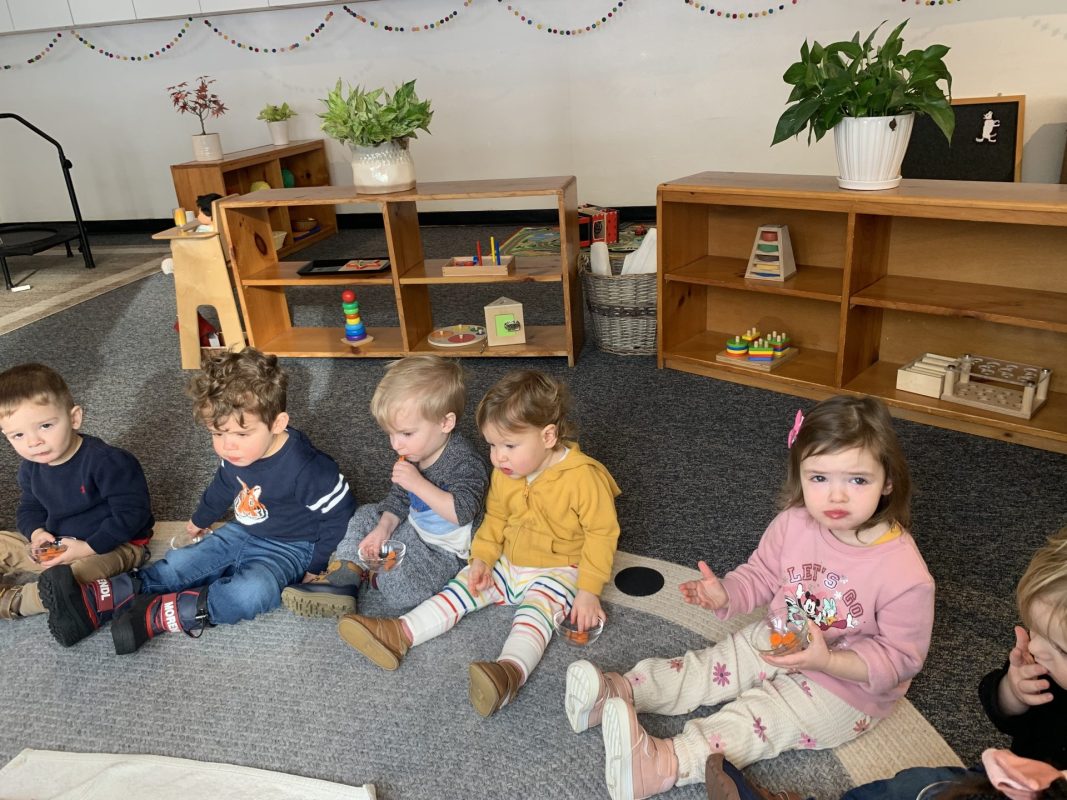
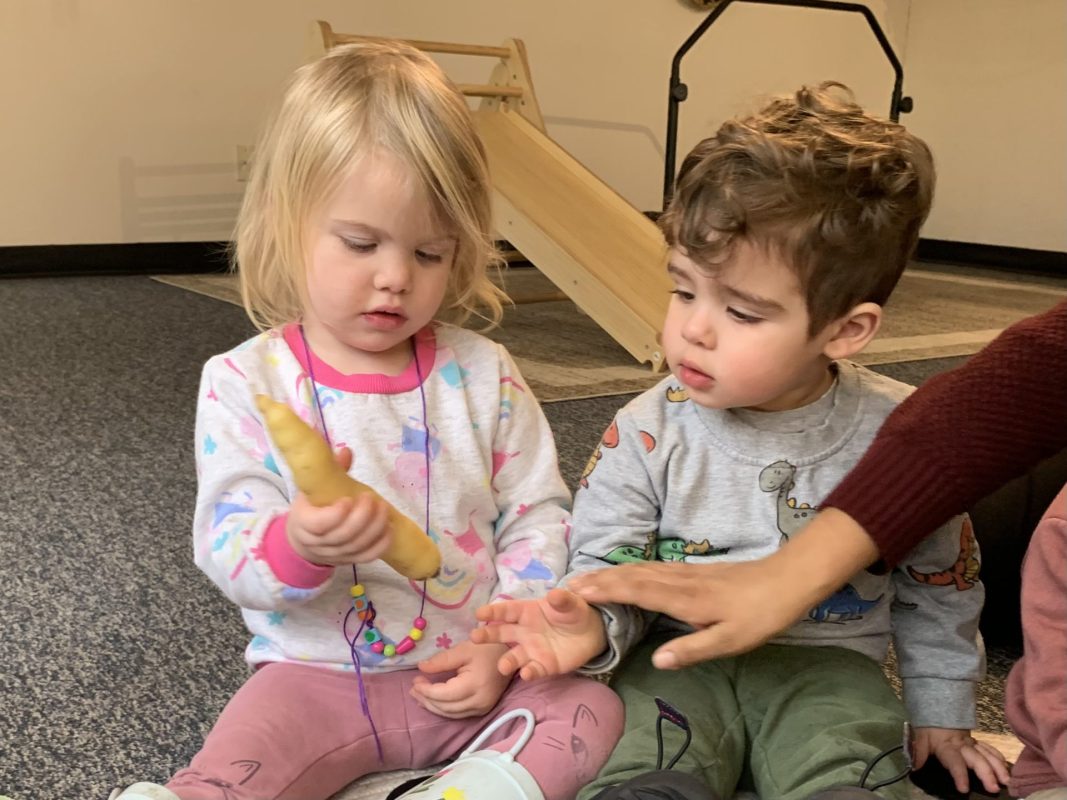
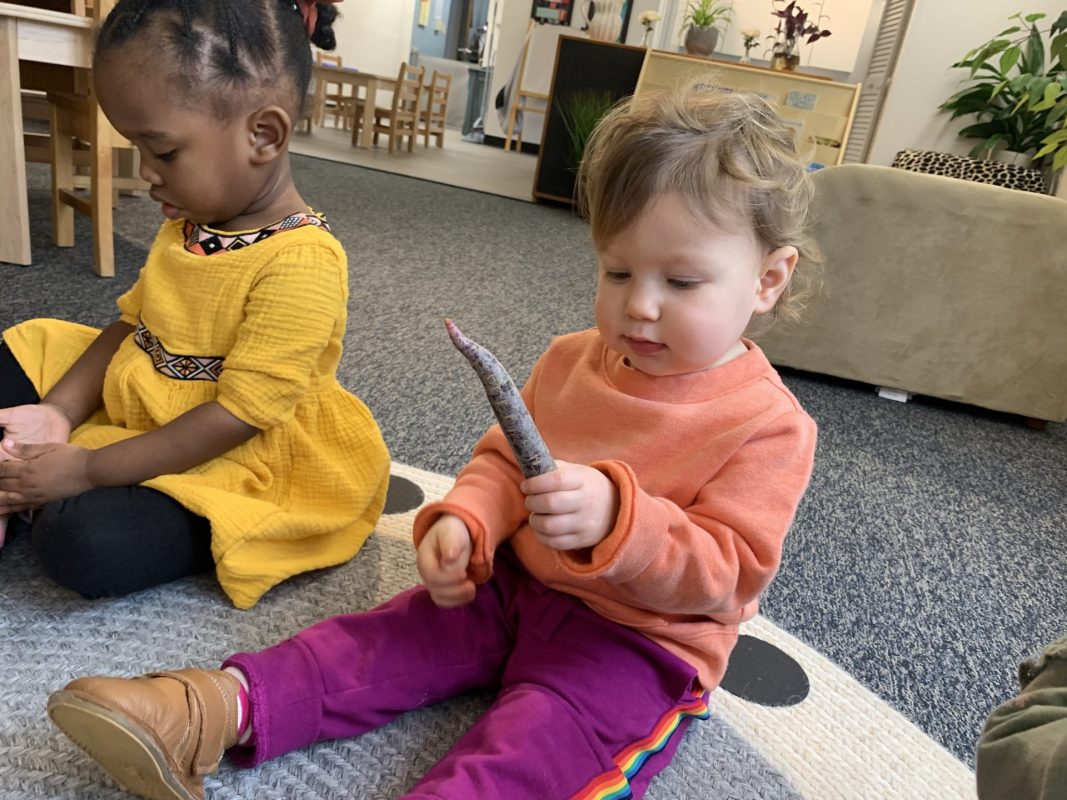
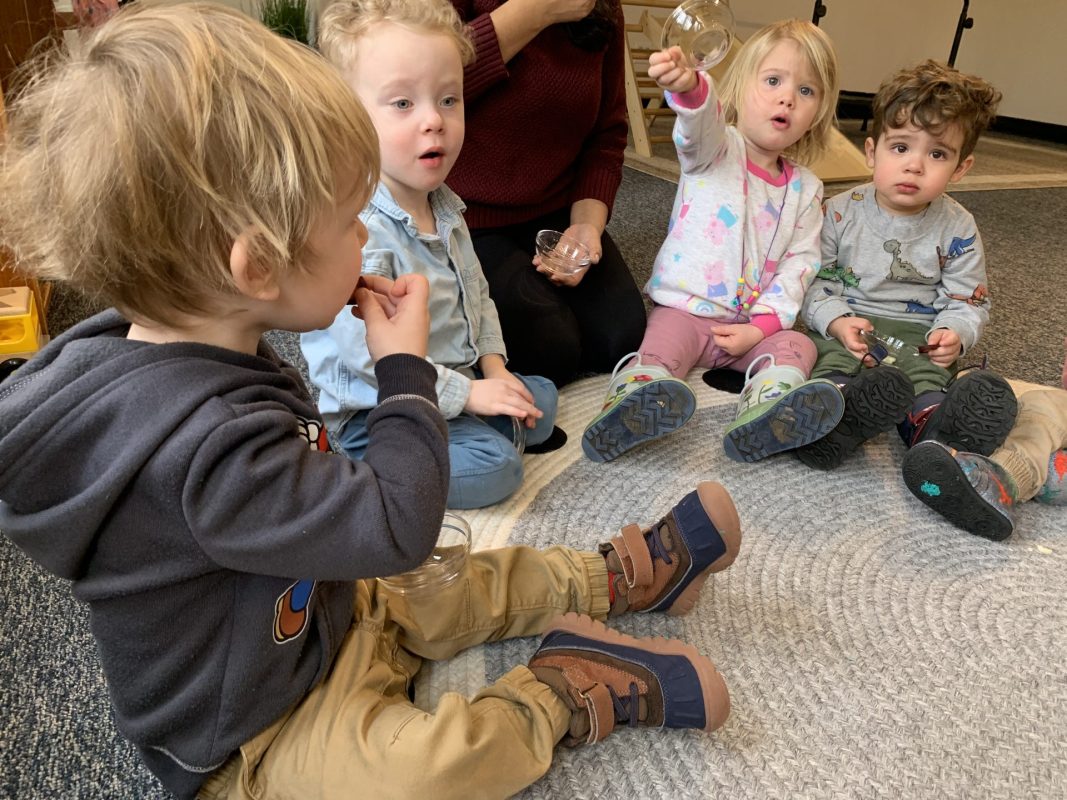
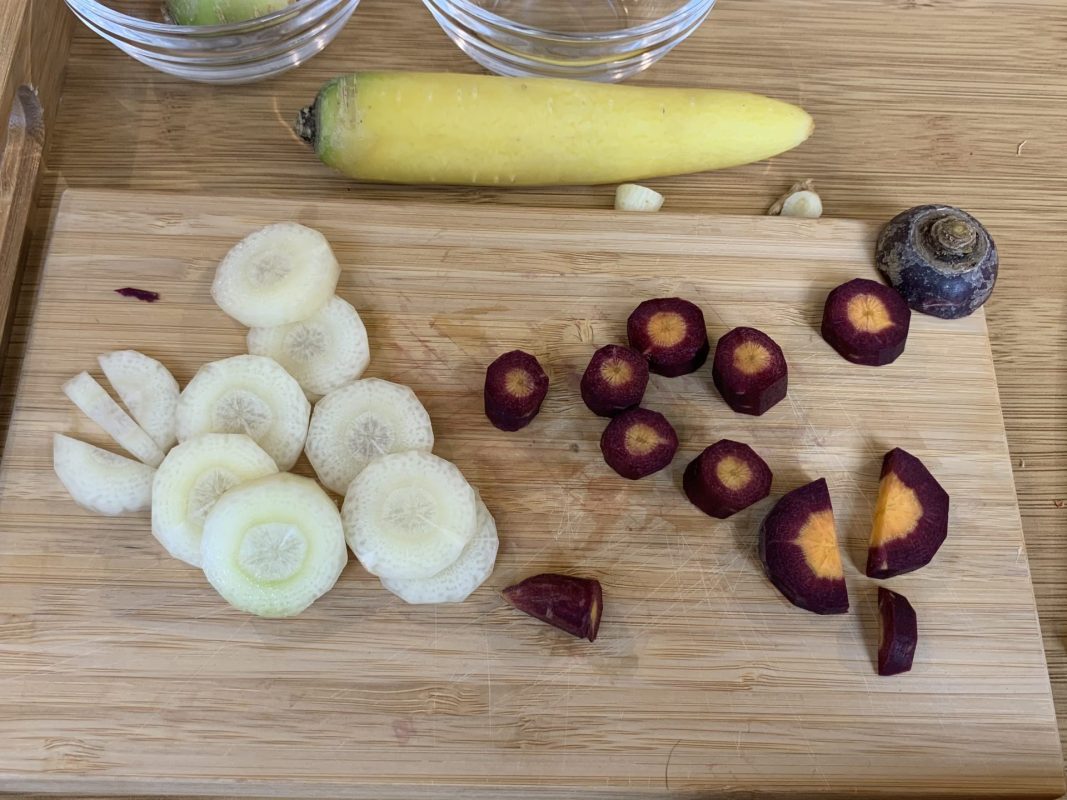
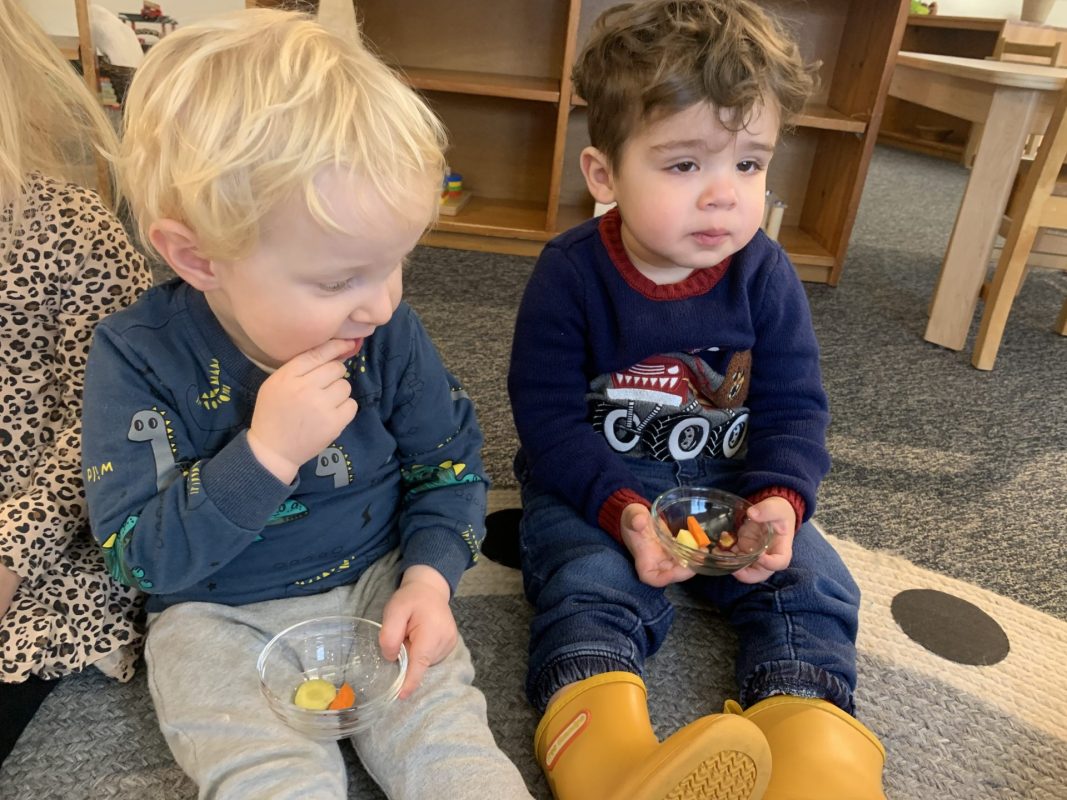
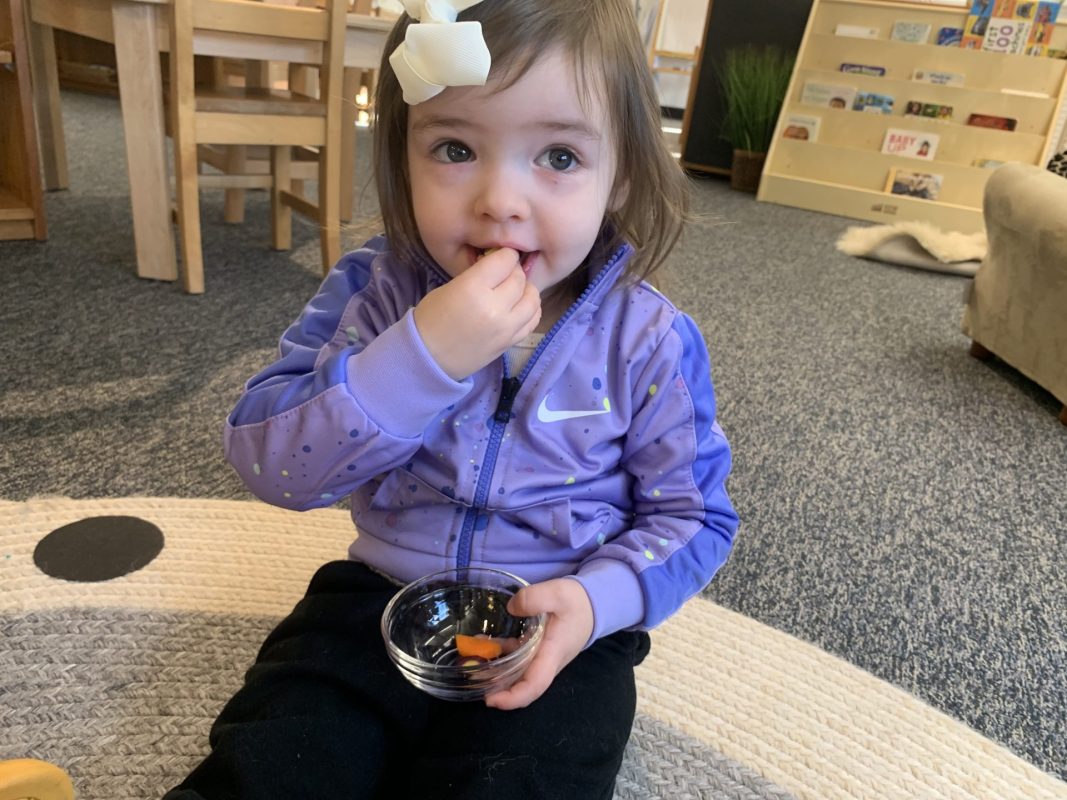
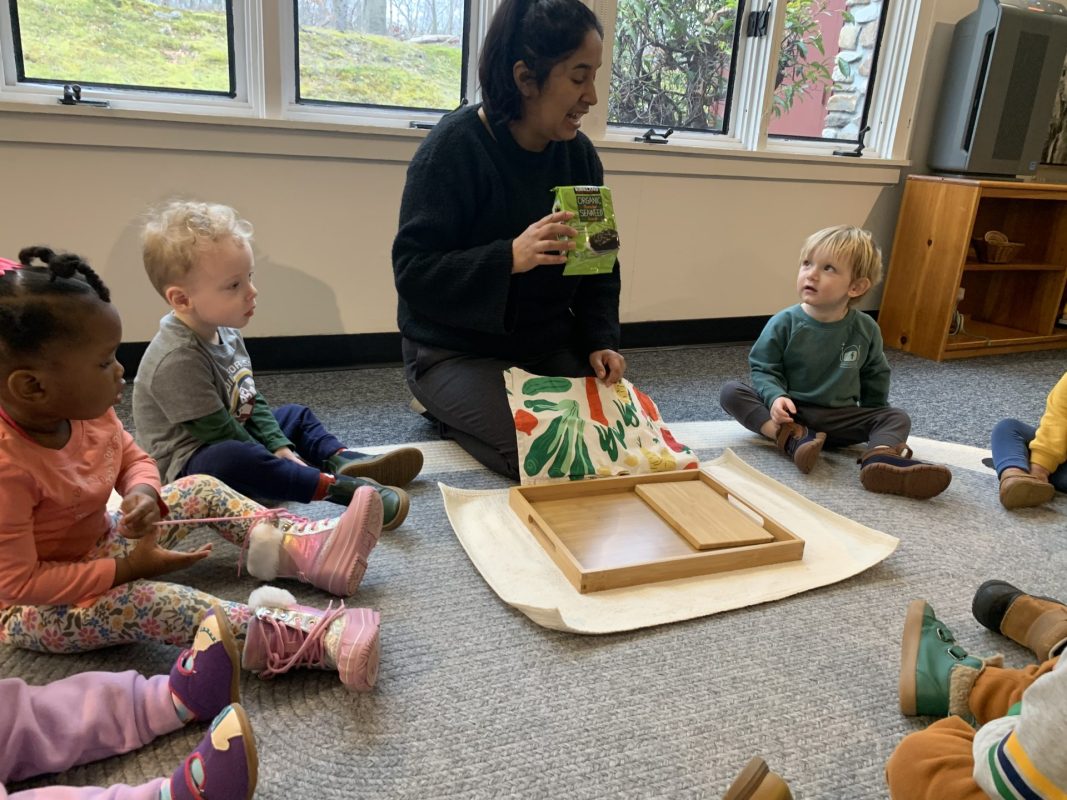
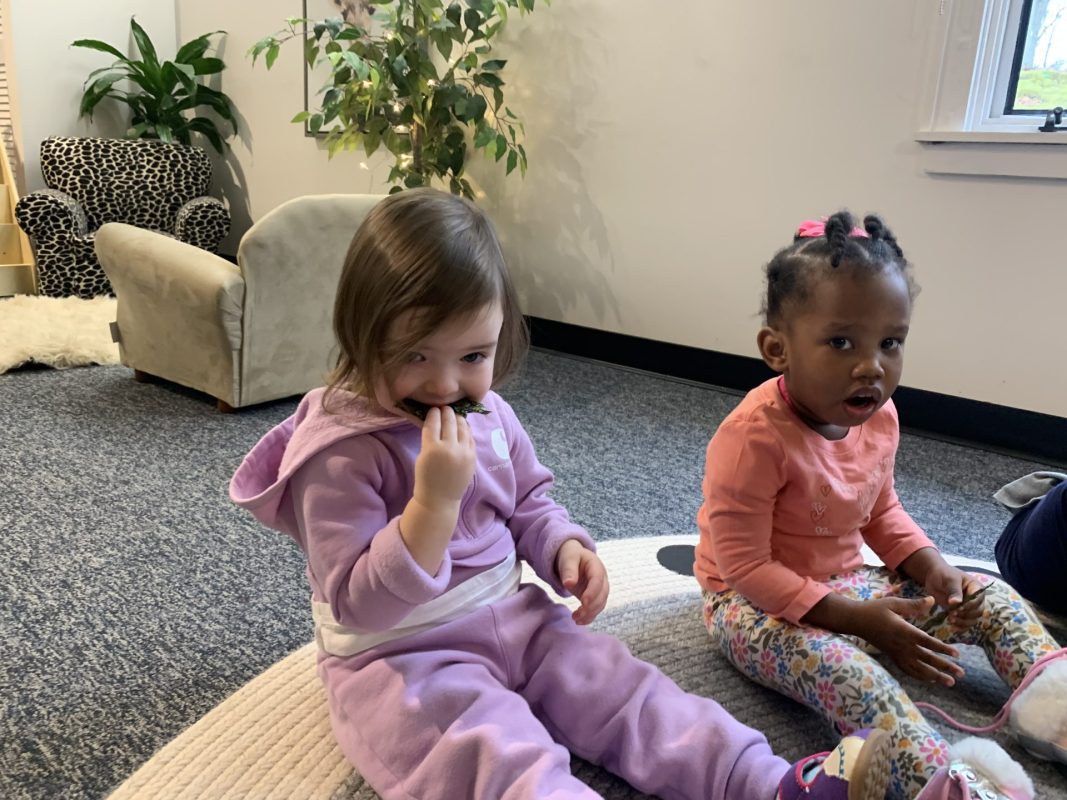
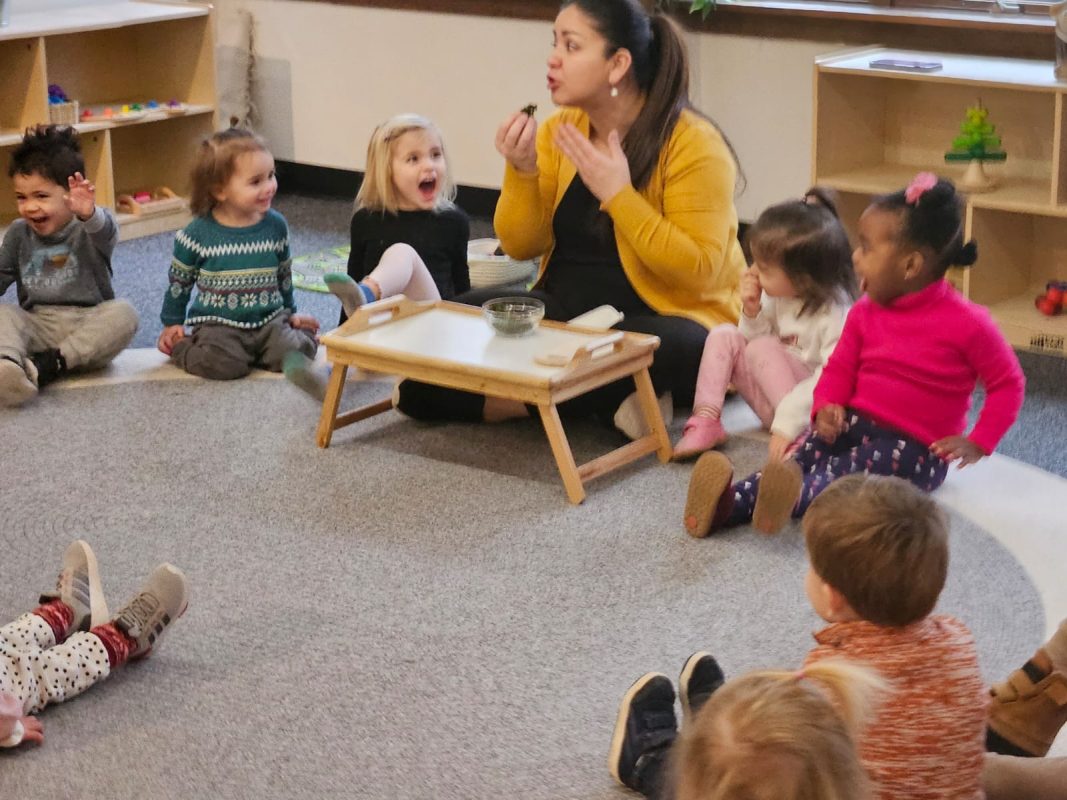
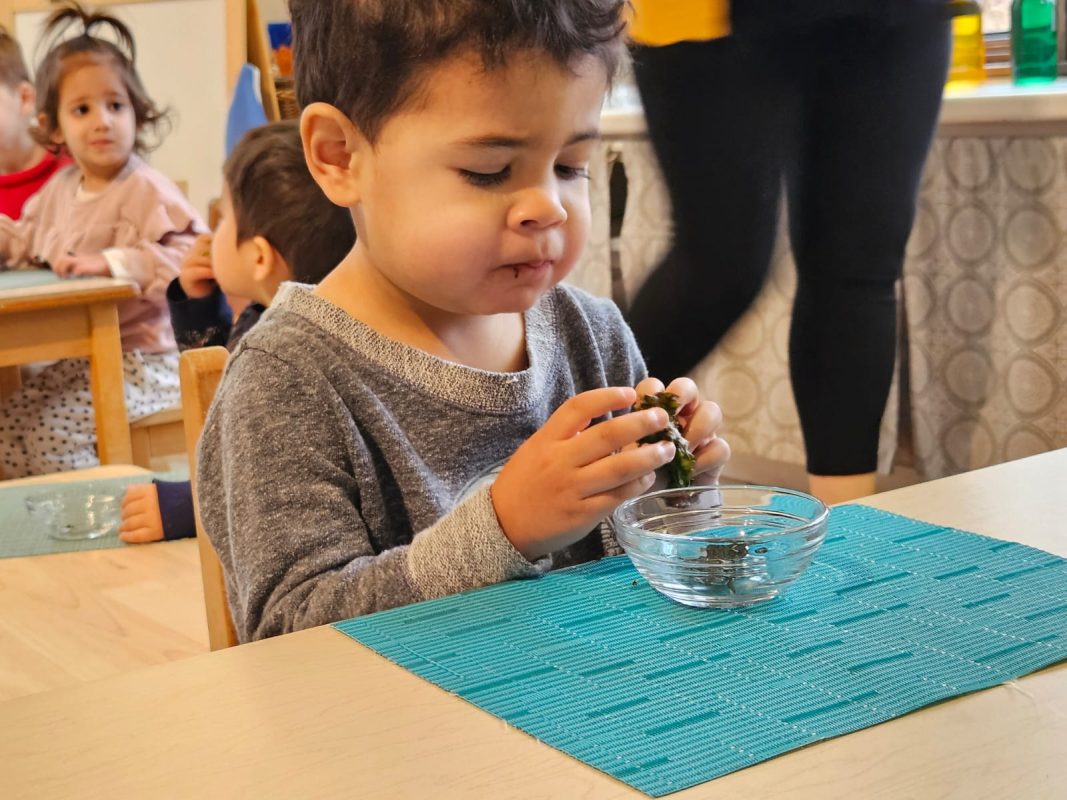
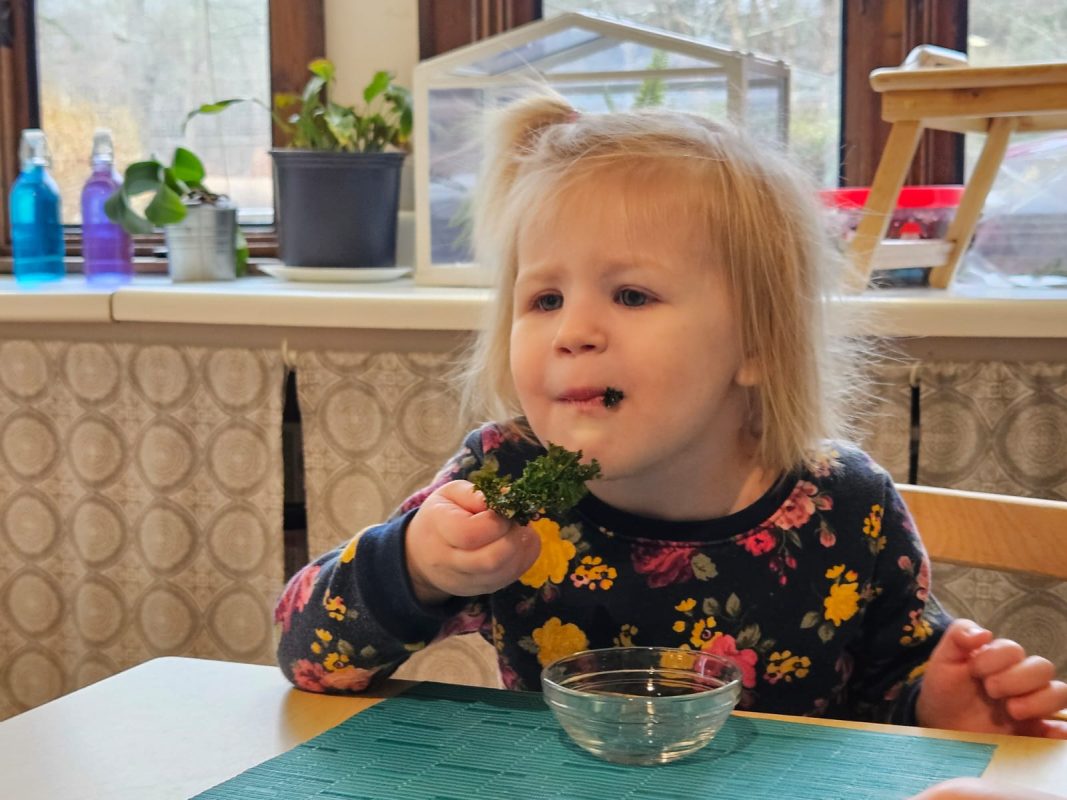
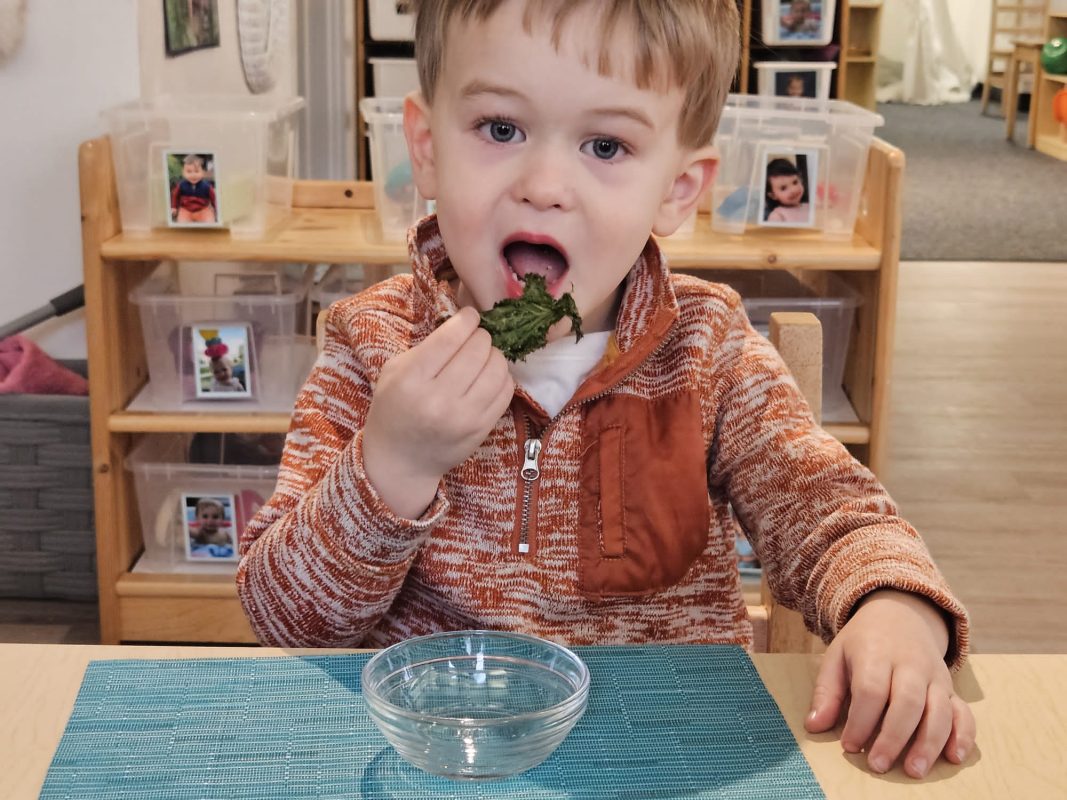
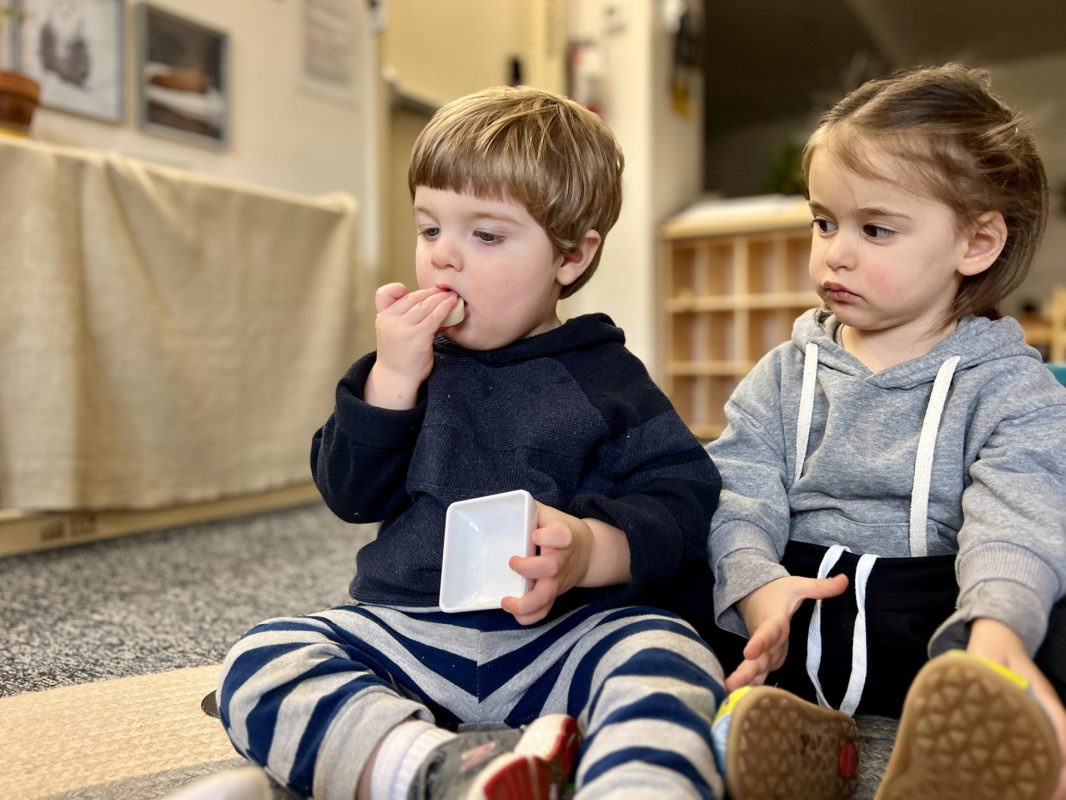
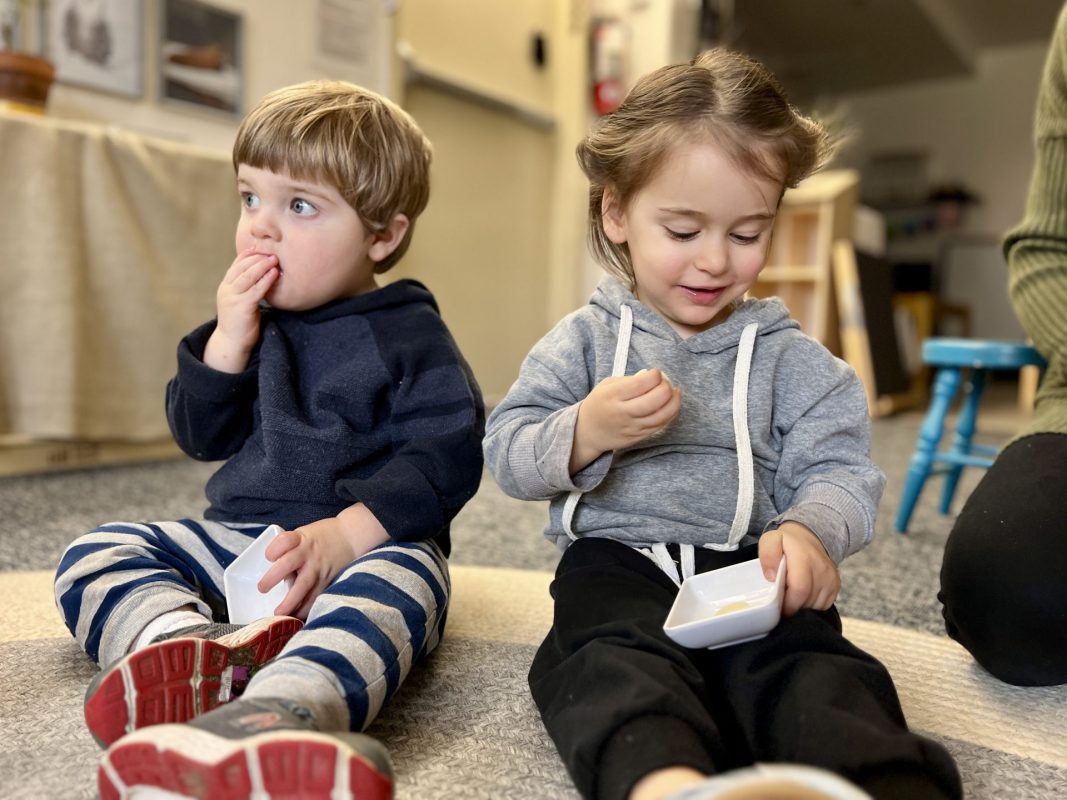
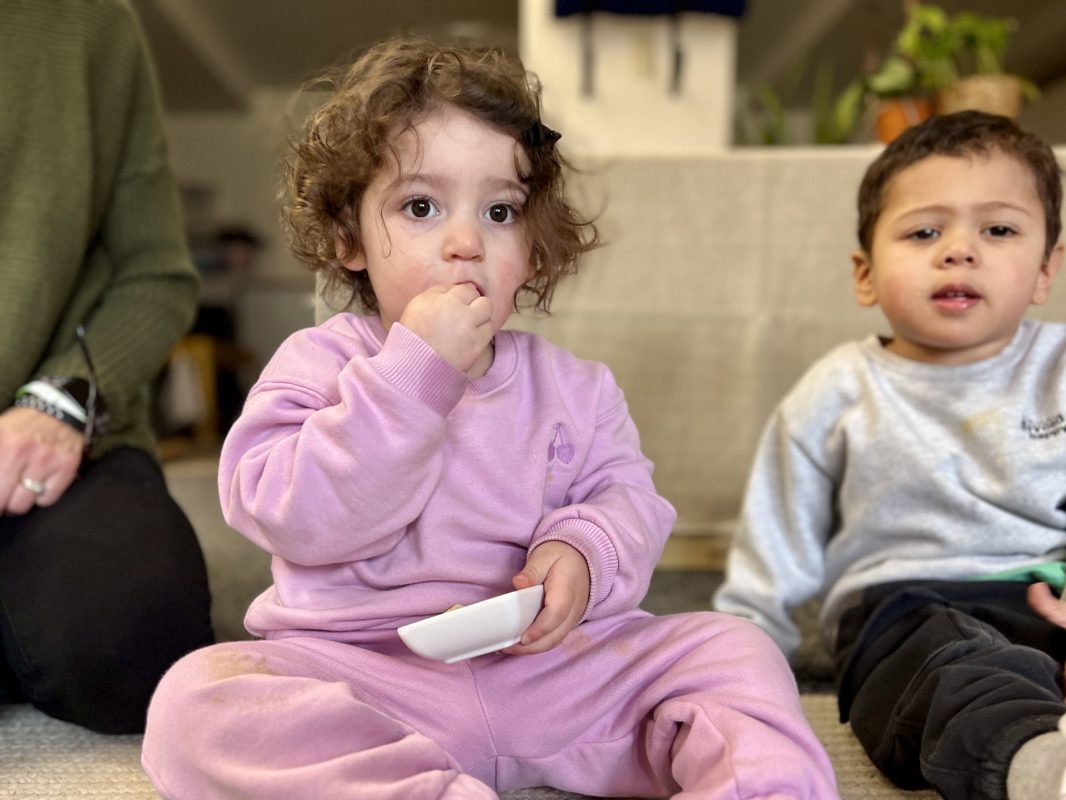
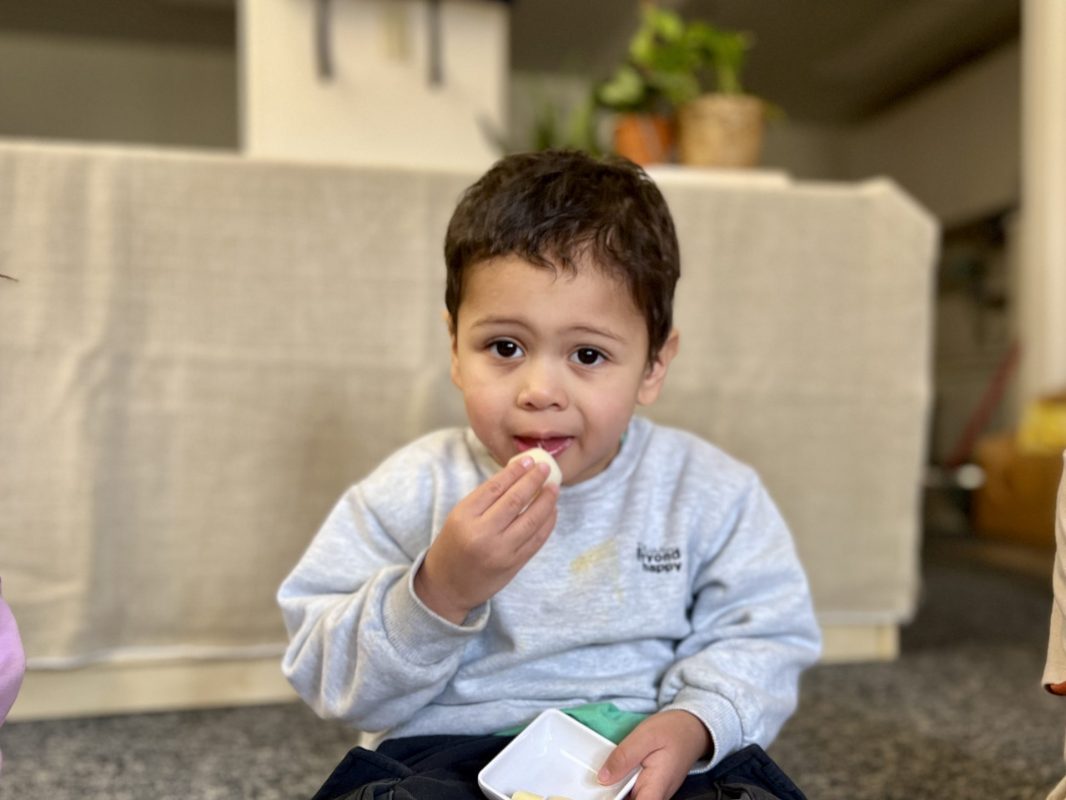
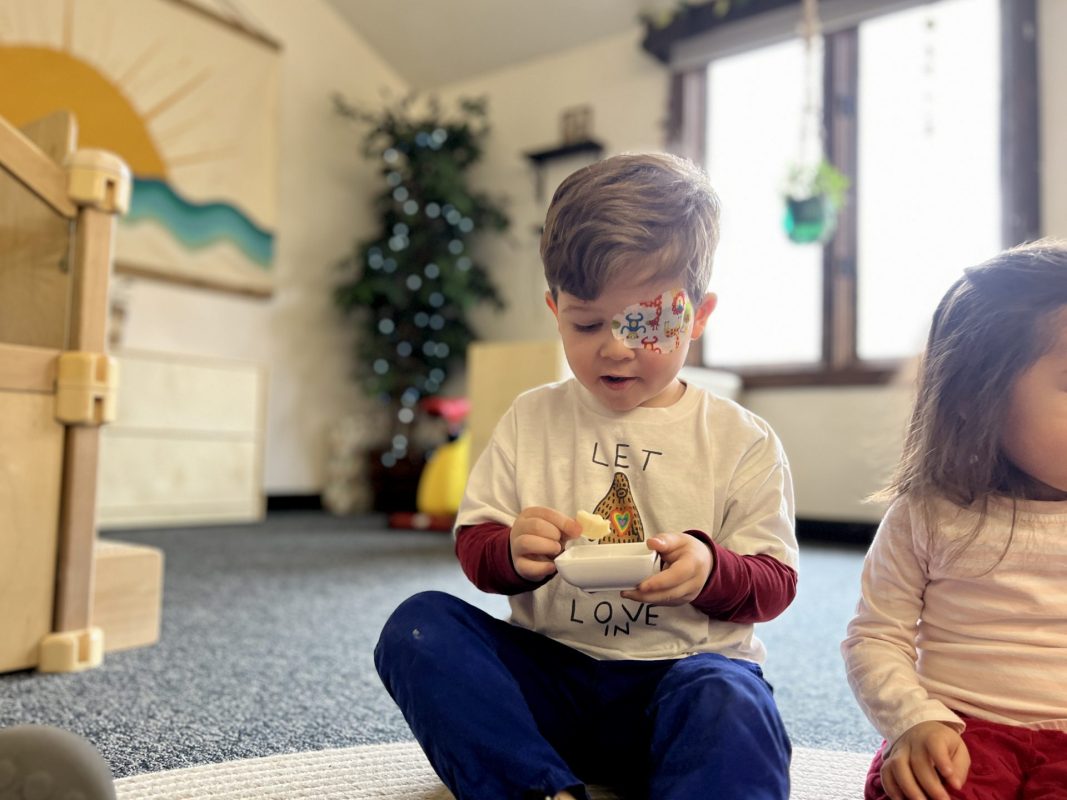
Food Tasting: We tasted a tart raw cranberry and some amazing homemade cranberry sauce. Almost everyone devoured the sauce.

Love and Light,

Cynthia and Sara


Ms. Marissa: In November’s Gusty Gale

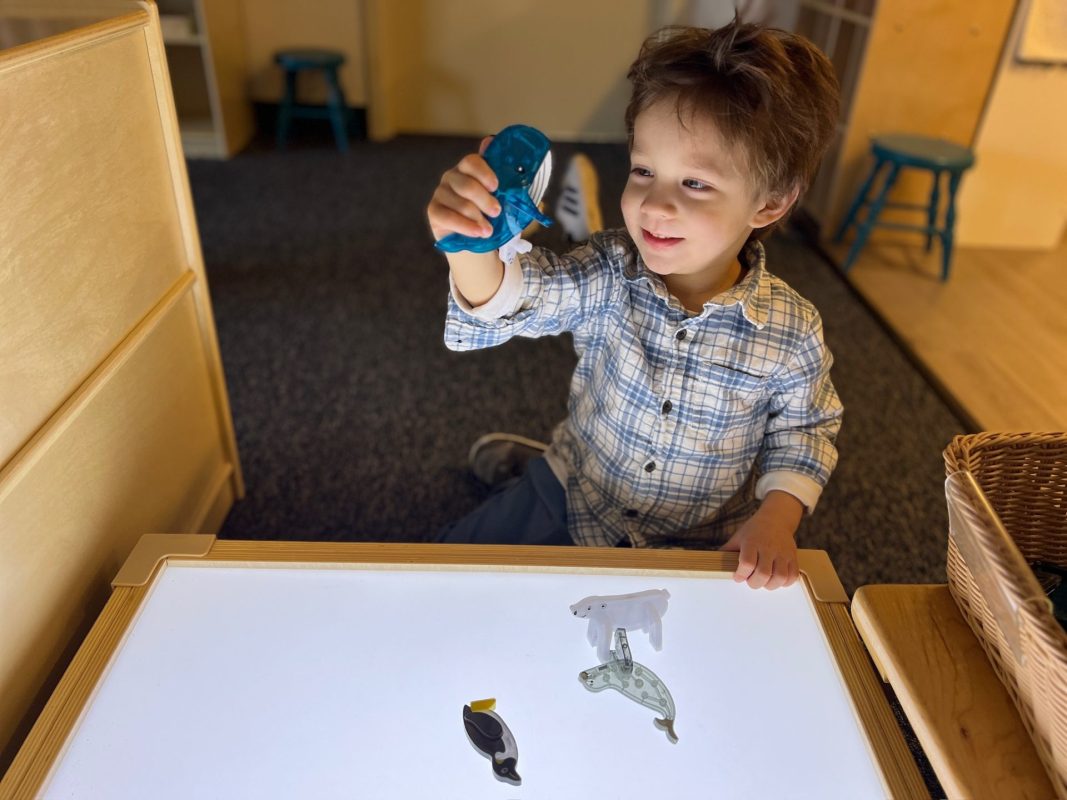
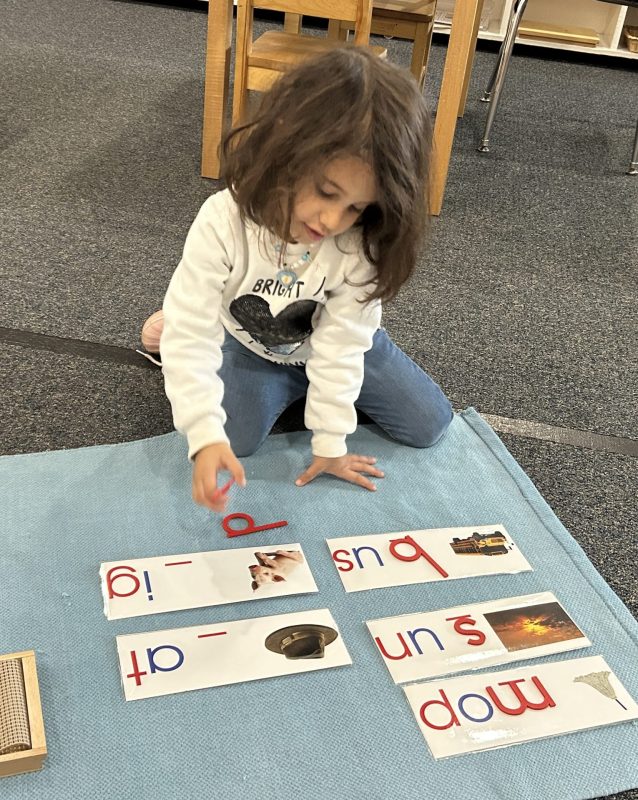
You may have heard your child recite one of our silly monthly poems at home! This month we are practicing our November Poem from Maurice Sendak’s book Chicken Soup with Rice.

“In November’s
gusty gale
I will flop
my flippy tail
and spout hot soup.
I’ll be a whale!
Spouting once
spouting twice
spouting chicken soup
with rice.”

The children enjoy learning poems from this book in particular. This month’s has a tricky tempo, and we are learning how to read poetry in different ways. As we get through the month, volunteers recite the poem for the class. It is challenging to remember all the words! We usually practice as a group each morning after we sing our morning song, the days of the week and months of the year, and do our calendar.

Circle time is a wonderful part of our day. It brings the class together; we sing, practice different movements, open up with questions and comments, and have a group lesson. Integrating poetry into circle time brings so many benefits like public speaking, rhyming, storytelling, comprehension, and of course – silliness! We reinforce the poem each month with paper booklets – maybe you’ve seen them come home in Friday folders! Try asking your child if they remember their chicken soup poem for November.

On Wednesday, the children were treated to a presentation honoring the meaning of Diwali.  Diwali represents new beginnings and the victory of light over darkness, good over evil.  This five-day festival is observed around the world, and its rituals vary by region. Homes are brightly illuminated with diyas (candles) and oil lamps, and people decorate their homes with rangoli.  While gathering with family and friends, people often wear fine clothes and jewelry.  We are grateful for the time and effort that Paromita Dutt Kunzweiler, Punam Patel, Supreeti Saika, Mithu Talukdar, Chamaini Niyangoda, Radha Priya Gupta, and Hema Ganesan volunteered in order to share with the children this beautiful and meaningful tradition.

Have a wonderful weekend!

Warmly,

Marissa & Sue


Lower Elementary’s Week

To deepen the students’ understanding of Diwali, our school organized a special presentation led by enthusiastic staff members and parents from the community. One highlight of the presentation was the dance performances. The students couldn’t resist joining in, their laughter and dance moves reflecting the sheer joy of the occasion. No celebration is complete without some food, and our Diwali festivities were no exception. Parents and community members generously contributed some delicious treats, allowing the children to get a taste of different cuisines.

Another highlight of the week was our class field trip to the CT Science Center. This place proved to be a treasure trove of knowledge and excitement for all ages. From interactive exhibits showcasing the wonders of space to demonstrations on the laws of physics, every corner of the center seemed to spark curiosity and amazement. The children, in particular, were captivated by the engaging displays and the chance to conduct their own experiments. Some other exhibits we explored were the Engineering Lab, Forces in Motion, Sight/Sound, and many more! Thank you again to the parent volunteers who came with us.


Positive Discipline – Non-Verbal Cues

As adults, sometimes we talk too much.

Many times, we find ourselves making a point and then continuing to speak, hoping that our reminders, coaxing, and explanations will inspire a child to cooperate and adhere to community guidelines.

Dr. Montessori advocated for the use of minimal words when delivering lessons. She recognized that by speaking less and taking more action, the child’s focus would remain on the message rather than the messenger.

A big part of Positive Discipline is using non-verbal signals as a measure of Kindness and Firmness. Whether you are parenting your children or a teacher in a classroom, using nonverbal cues enables you to address students discreetly without drawing unwarranted attention to them. 

This approach works well for students who may require frequent prompting. In the classroom, especially with UE and MS students, the teacher and the student, together, can agree on a private signal (e.g., the teacher tugs her ear) to remind the student to stay on task.

You may have heard the saying that 90% of communication is non-verbal. While that’s an exaggeration, non-verbal communication does hold significant weight.

If you know me, you know I love my research.

Research by Albert Mehrabian revealed that communication is 55% non-verbal, 38% vocal (tone of voice, pauses, etc.), and only 7% verbal. Studies have also shown that teachers’ non-verbal communication is correlated with student academic success.

Our actions really do often speak louder than our words. Teachers recognize this truth, and instead of incessantly reminding, coaxing, or nagging, we often use non-verbal communication to convey kindness and firmness. In response, we find that students treated with dignity and respect cooperate more readily.

Non-Verbal Signals (ages three and older):

Using signals is an effective method for interacting with children while establishing connections. Rather than verbally instructing a child to tidy up their mat left on the floor, a teacher might gently touch the child’s shoulder and offer a warm smile while pointing to the mat. When noticing a lunchbox left on the floor, an adult might pick it up and hand it to the child, prompting them to put it away.

Here are some other examples of signals for use with children:

  • A hand on the teacher’s shoulder indicates a student’s desire to speak.
  • A personalized signal between the child and the teacher to guide the child in centering themselves or taking a break from a group activity.
  • Using the hand peace sign to signal the need for quiet and attention from a group.
  • Extending an open palm indicates that children in conflict should place the disputed object in the adult’s hand.
  • A walking motion with fingers on the palm to encourage a child to walk.
  • Pointing to the foot instructs a child to put on their indoor shoes.
  • The use of simple sign language is taught to all children.
  • These signals are quiet, personal, and respectful. If the adult models kind and firm behavior, the use of signals can be empowering for the children and foster a connection, especially when accompanied by a warm, understanding smile.

Use a Note (ages six and older):

  • Short, personalized notes can also be a discreet way to set limits and strengthen connections. Notes can be particularly effective for upper elementary and adolescent students.
  • Notes can also be a powerful way to show appreciation and let students know they are seen and noticed and their contributions matter.

One of the core principles of Positive Discipline is that effective discipline is both kind and firm simultaneously. Children feel secure and develop cooperative relationships when they know that adults are on their side, even when it’s time to enforce boundaries. Non-verbal communication is one of the most potent ways to maintain relationships while upholding limits at school and home.

Gina Tryforos

Assistant Head of School and Student Support Coordinator


This Week in Upper El

In the Montessori story of the human being, there are three gifts humankind has been given that distinguish us from the rest of the animals – a mind with which to think, a heart with which to love, and hands with which to work. These gifts are given to us to know, love, and serve our world and ourselves. Maria Montessori felt that this was the cosmic task of our species. This is the basis upon which human work ought to be founded. (Lecture, University of Madras, 1940.)

The following is an excerpt from The Coming of Humans.

Human beings have a different kind of love than other animals. Other animals can love as well, but humans don’t only have one kind of it. We have the kind of love that two people share – the kind where people may be in love with each other – but we also have a different sort of love. Humans have love at a distance. We can even love someone we may never see. We may help others that we hardly ever know, just because they’re human beings. This love has an origin, and the origin is in the depths of time, when at some point in the past, people began to care for one another in a way that went beyond what other animals do. Our capability to love is our second gift. You and I and any other human can show our love for others. When something terrible happens to other people, we can support them in some way by giving them something – even if it may be that we will never know them, never know who they are, never meet them. We can do this without ever even expecting thanks. That’s a kind of love for others that other animals don’t have. We have that transcendent kind of love, when we choose to use it. 

This week the Upper Elementary students organized FWM’s annual Thanksgiving Food Drive. They enthusiastically spent their recess each morning collecting donations as they were dropped off during arrival. On Friday, they sorted hundreds of items for the two families we are supporting and loaded them onto Mr. Newman’s truck for delivery to the families. I wish you all could have felt the joyful energy in the room as they worked. After we finished and the donations were on their way, one student said, “I feel so good right now.”

Have a wonderful weekend,
Karen and Krystin


Mrs. Hood: Let the festivities begin!!!

As families worldwide eagerly embrace the upcoming holiday season, we at the school are equally enthusiastic and ready to join in the festive spirit.

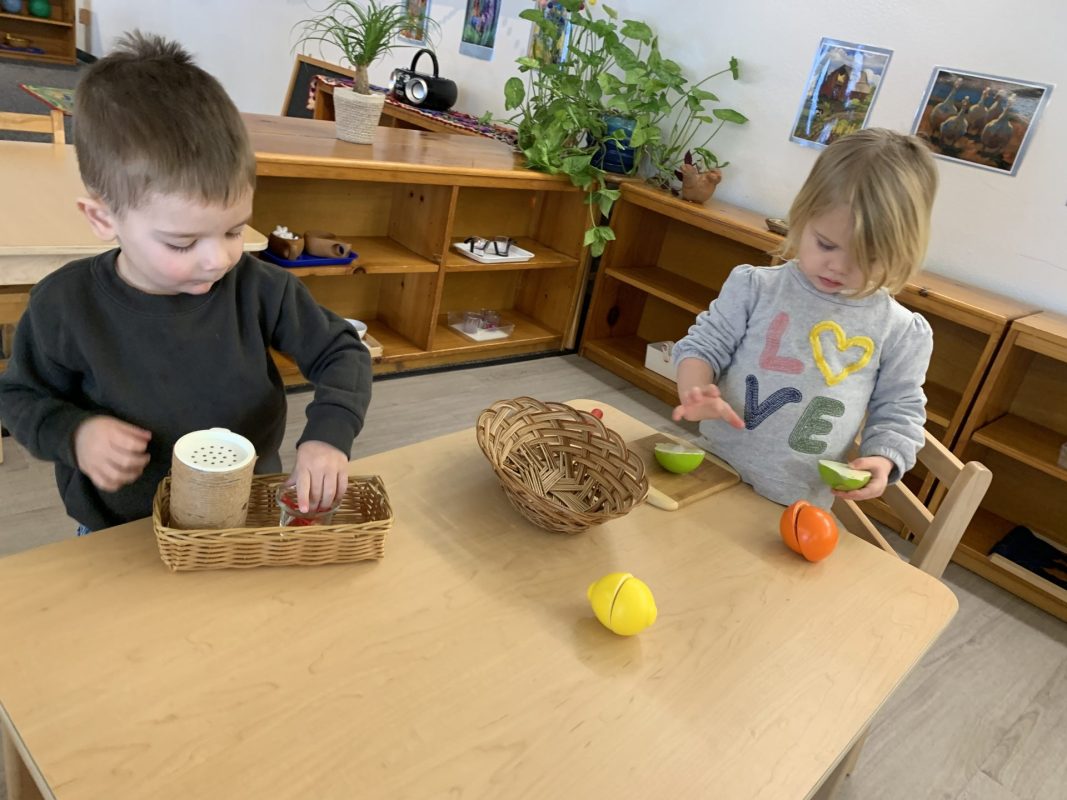
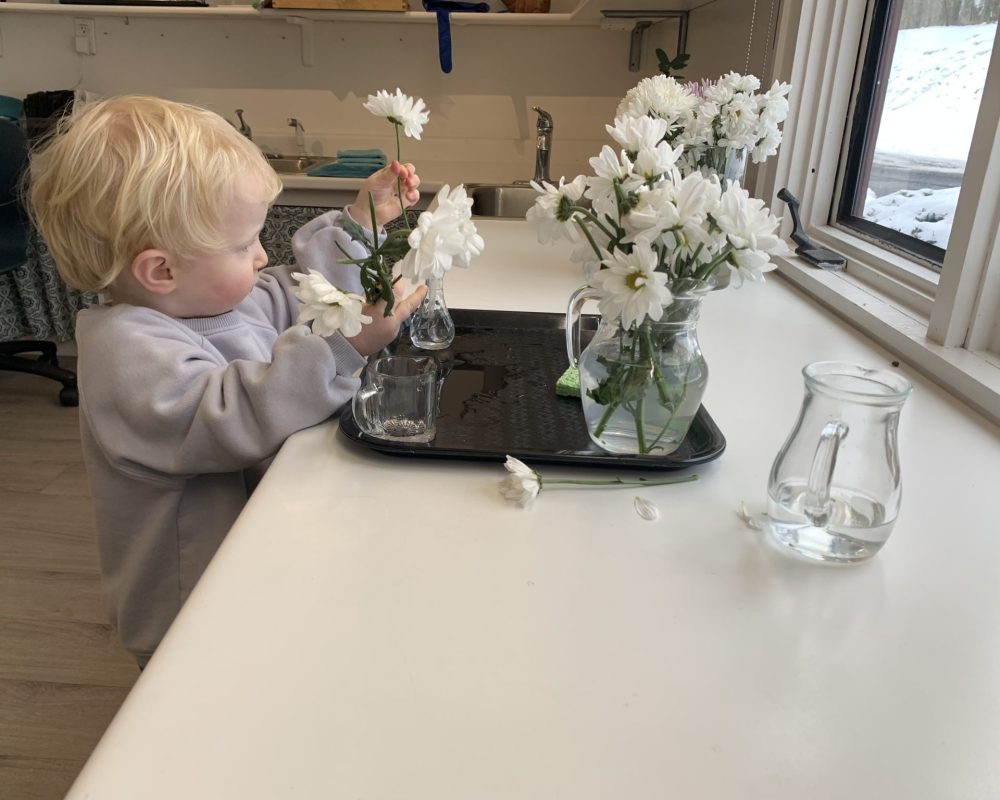
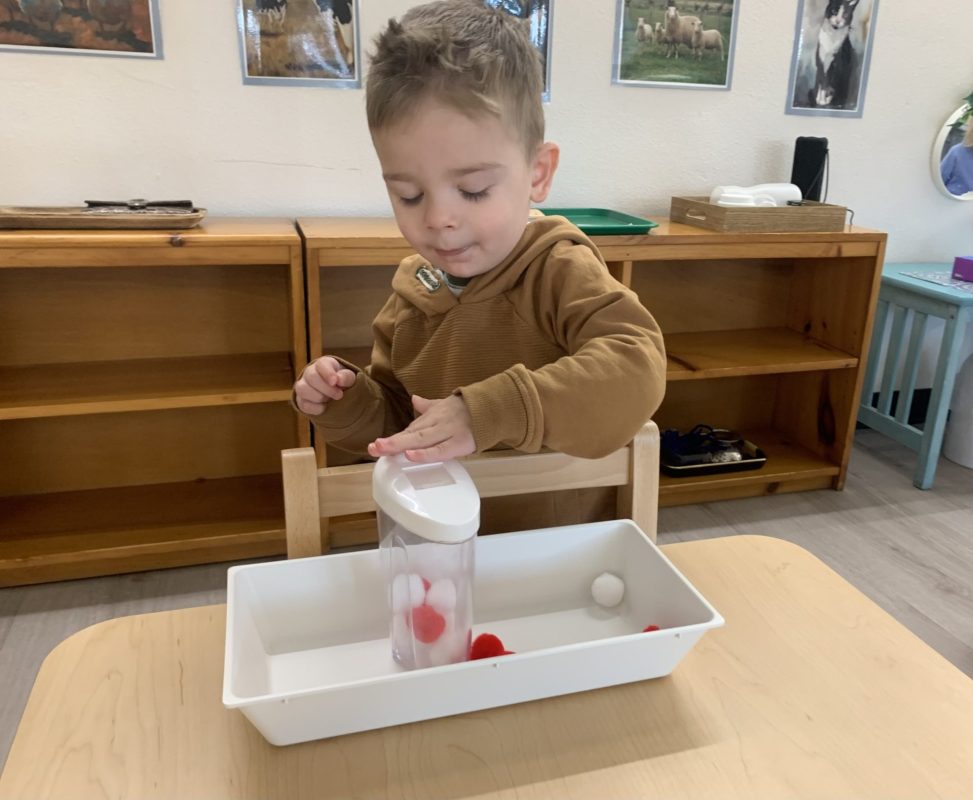
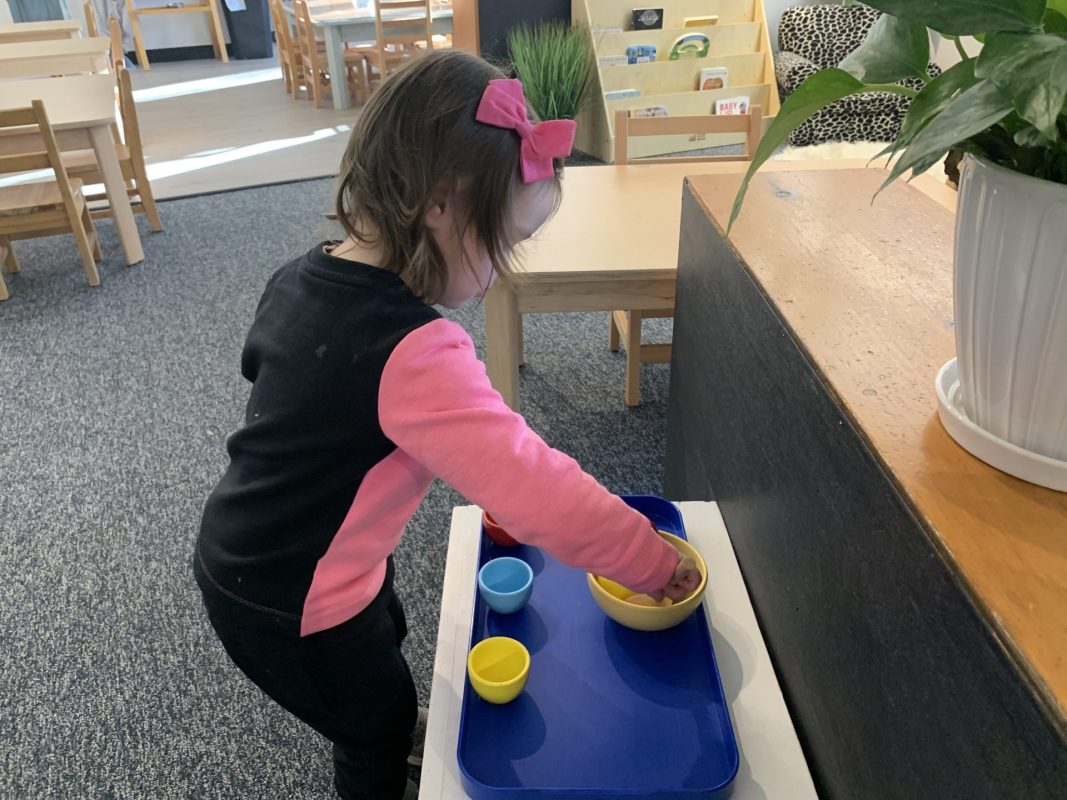
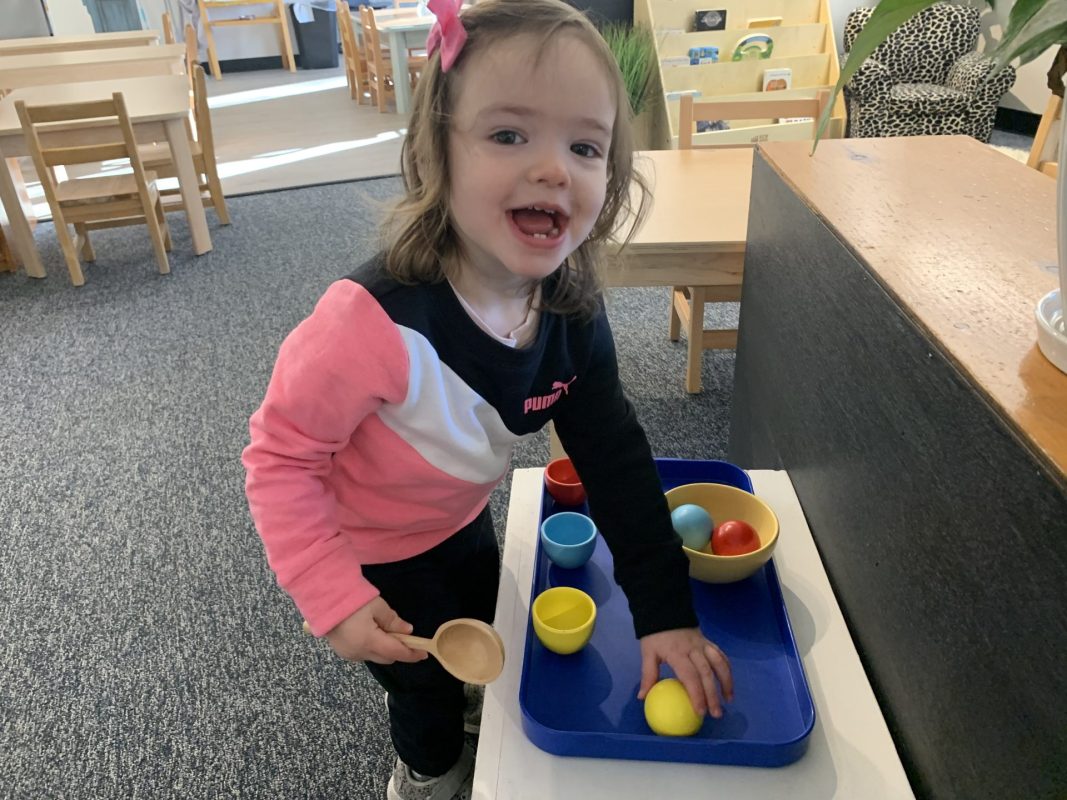
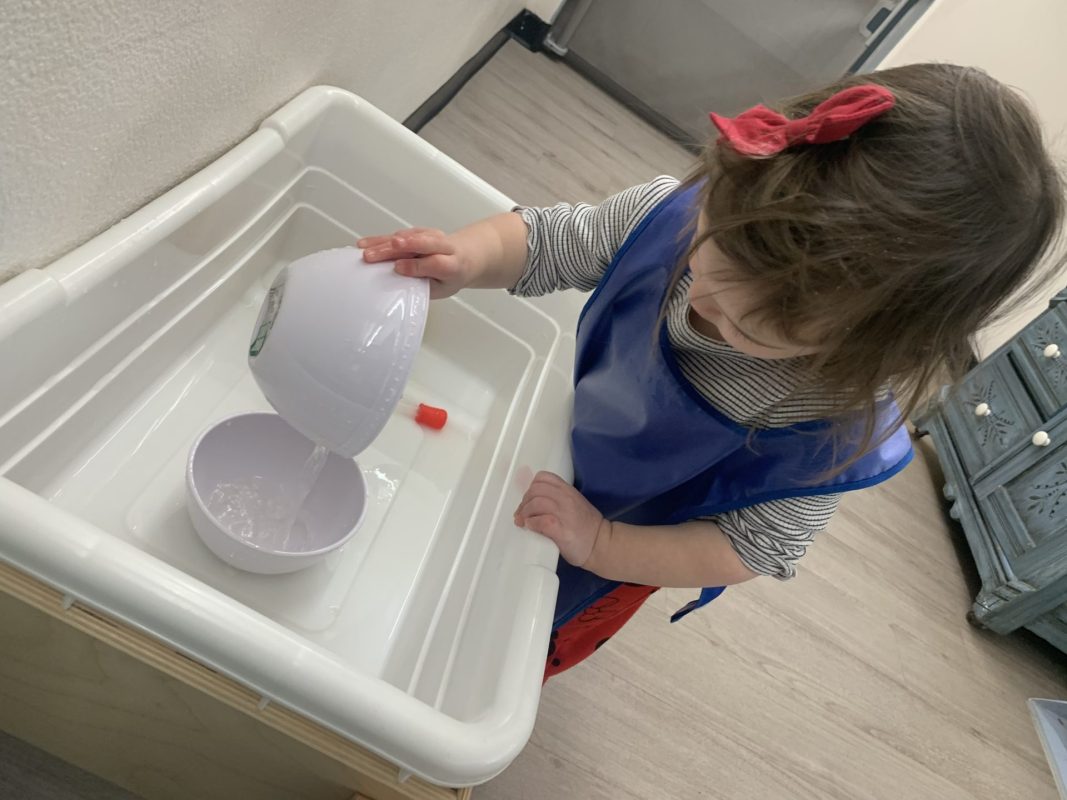
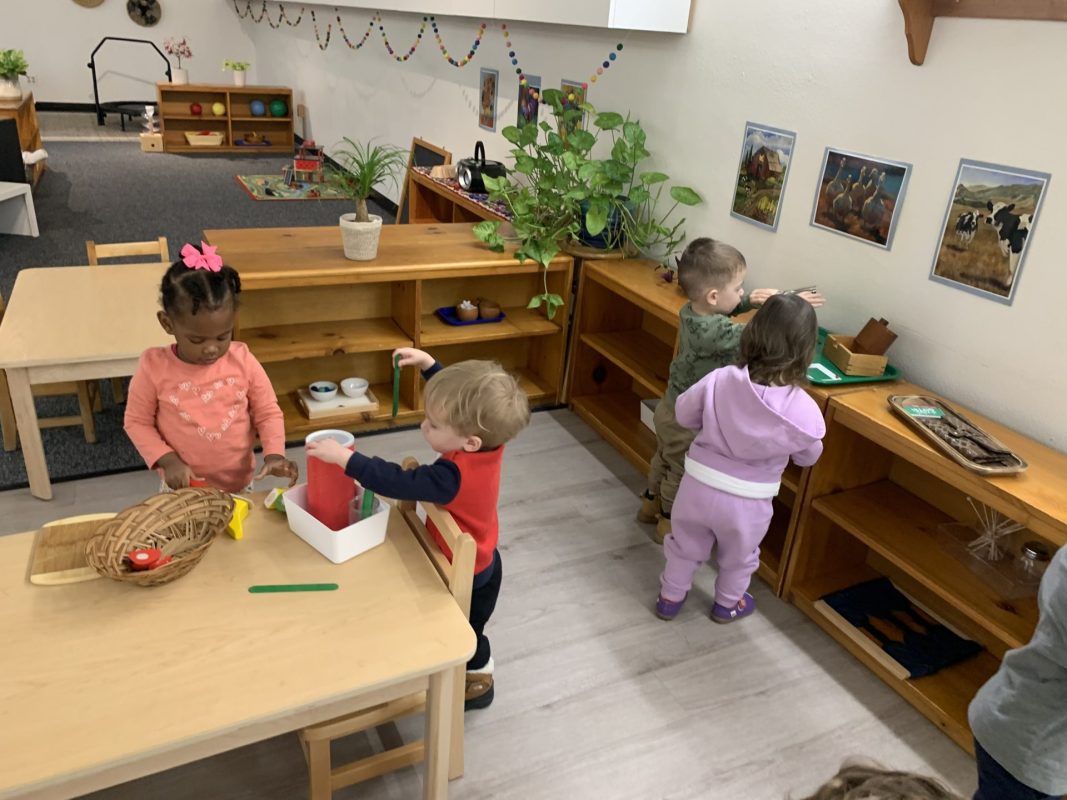
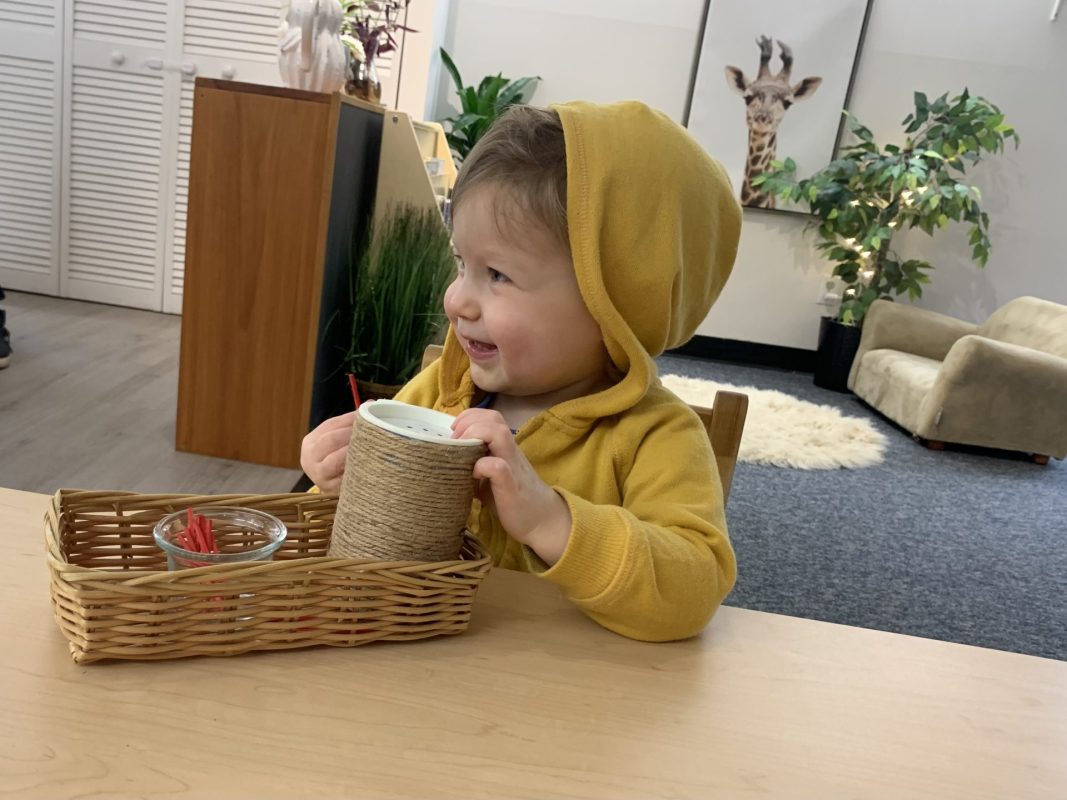
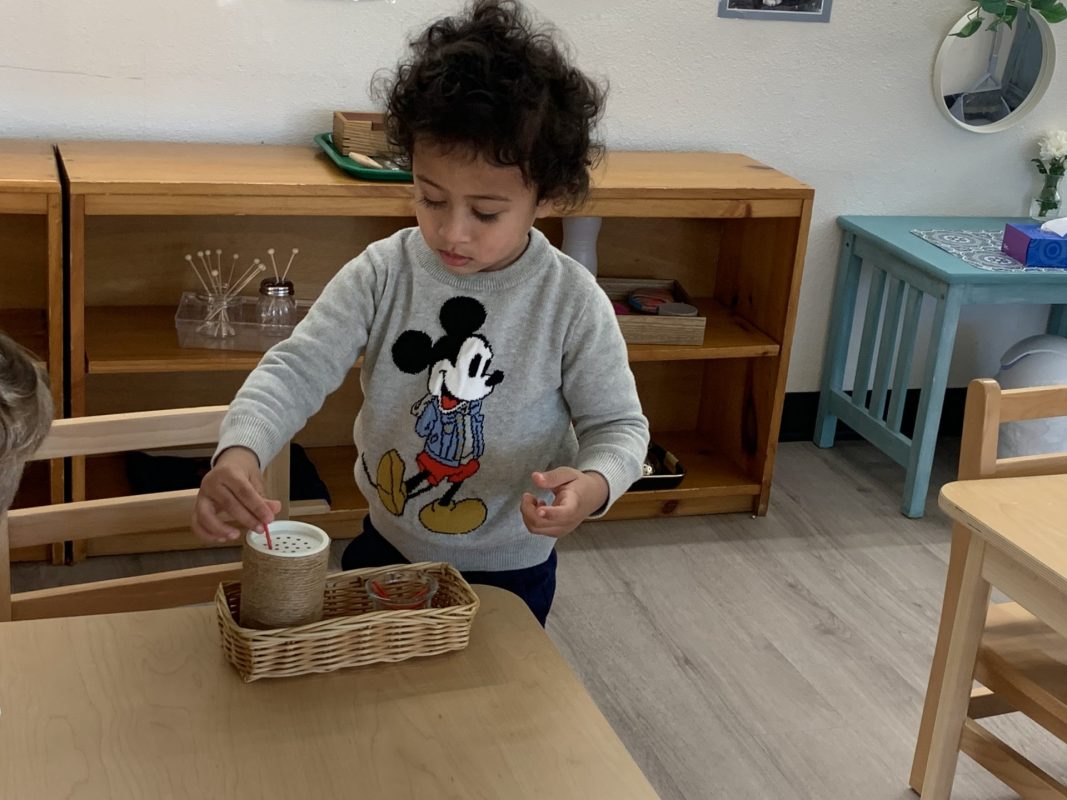
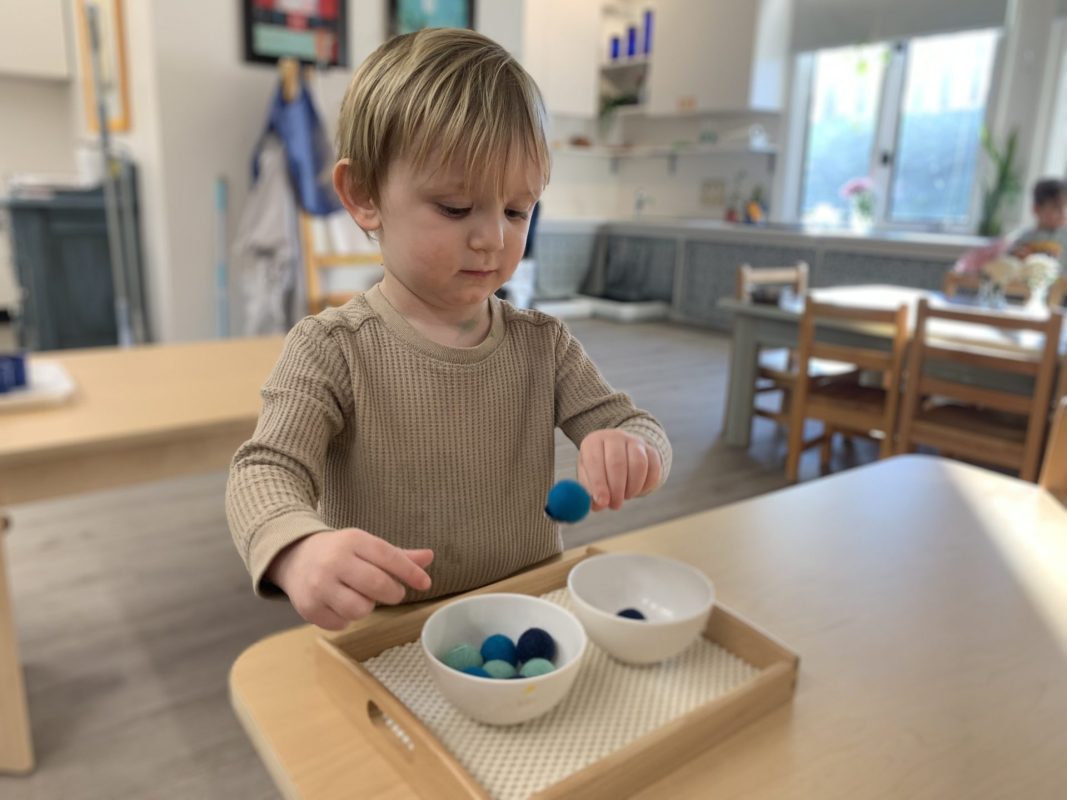
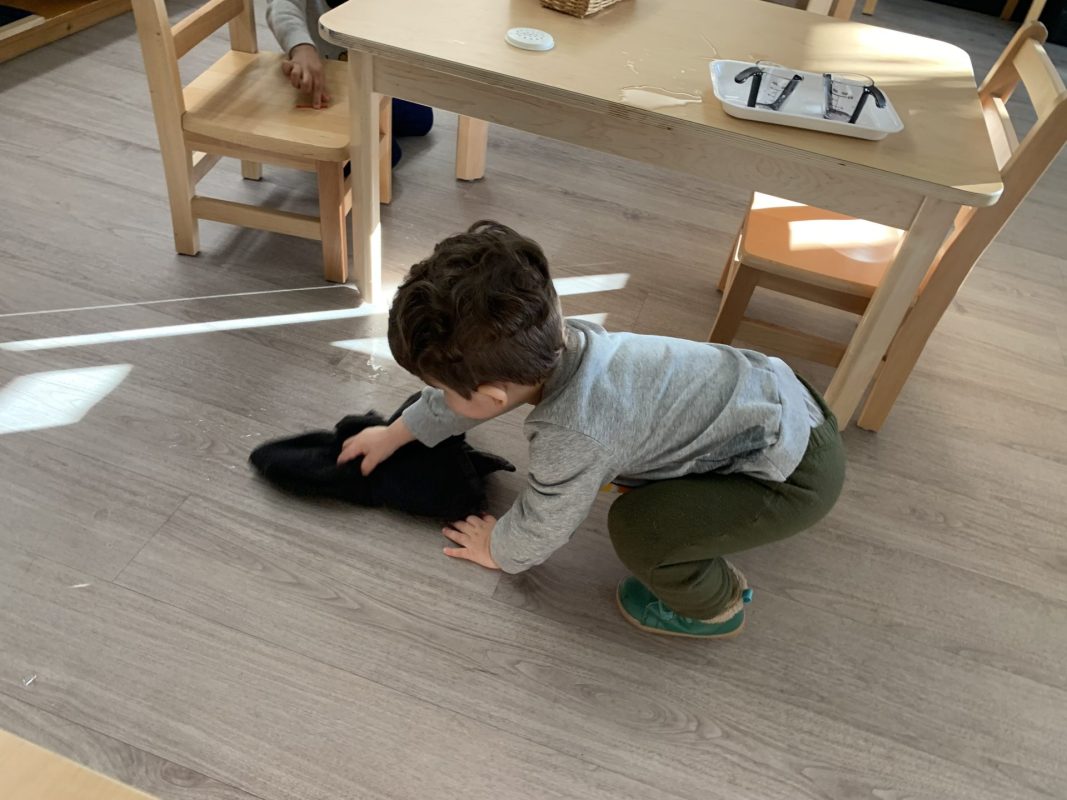
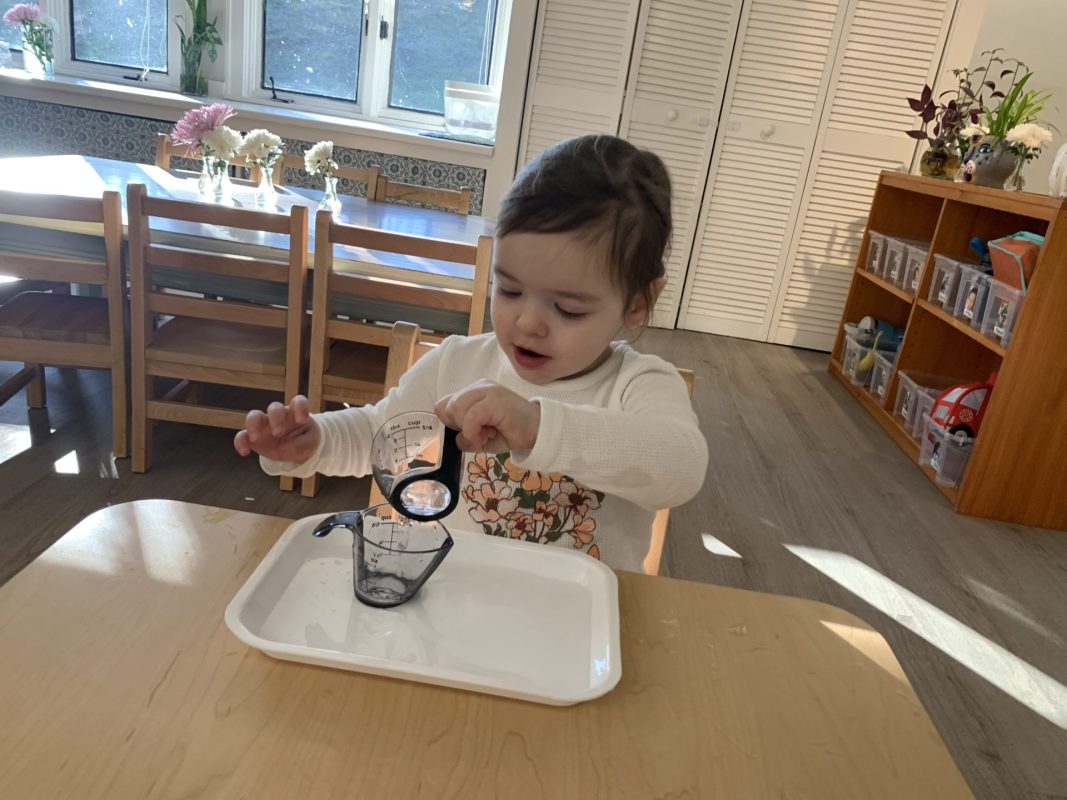
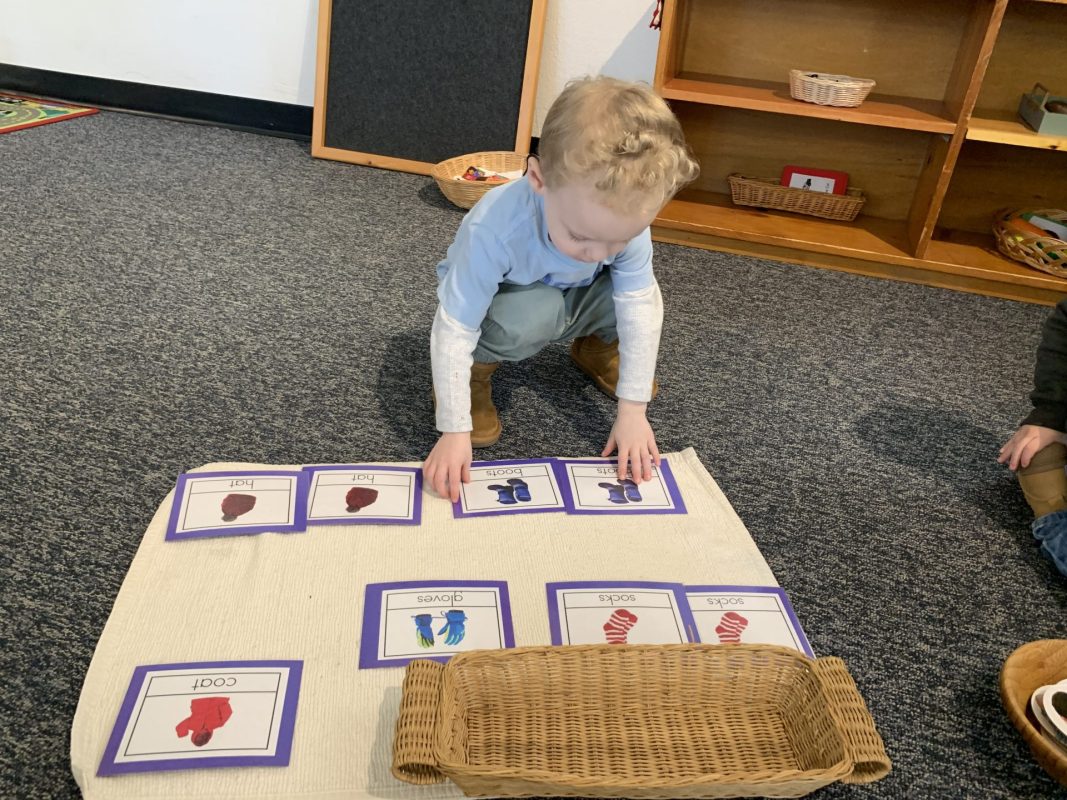
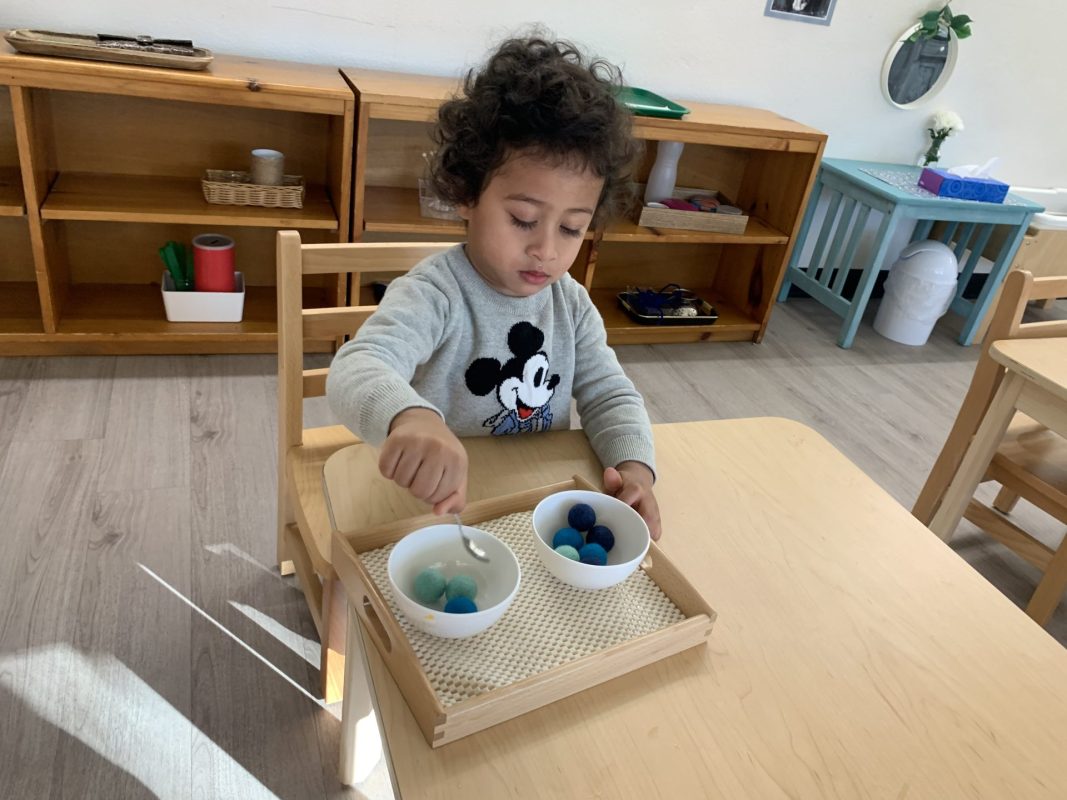
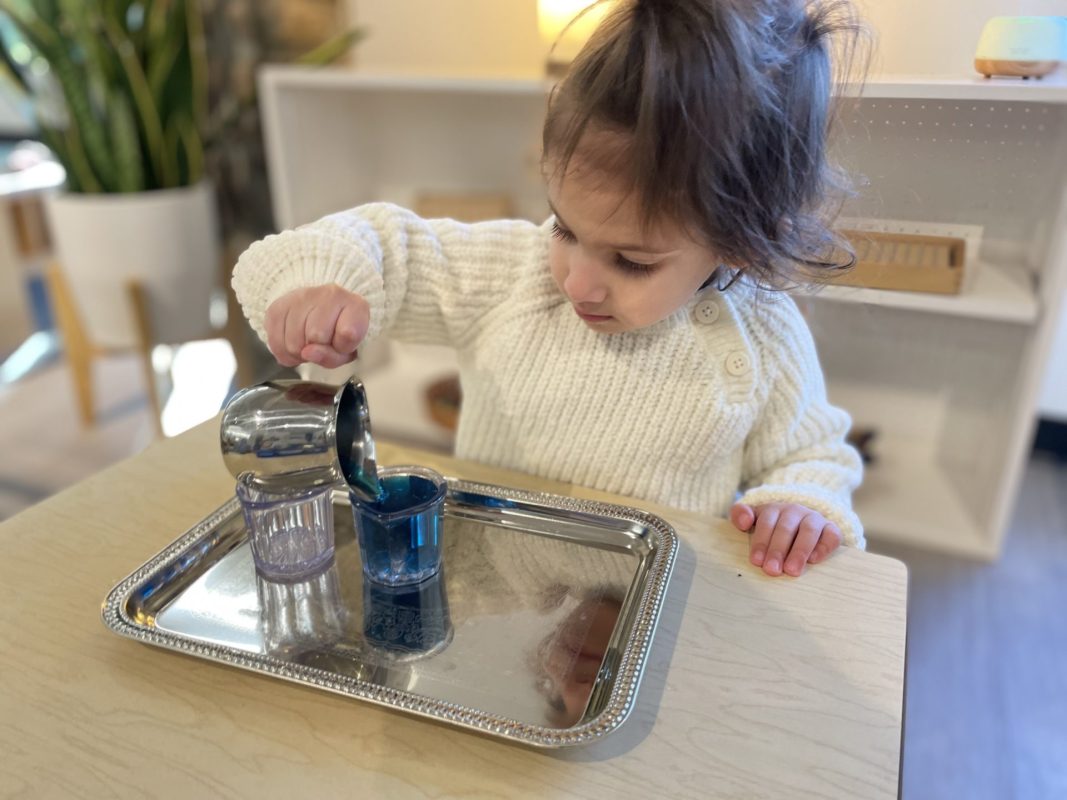
One of the main highlights of this week was our baking day, preparing for our Thanksgiving celebration next Tuesday. Children listened to the names of ingredients and had the opportunity to touch, smell, watch, and help with the mixing of the ingredients of a delicious Vegan banana bread.  On Monday, the whole class will work together to prepare homemade butter as well. We can’t wait to celebrate and take time to let our thankful hearts speak. 

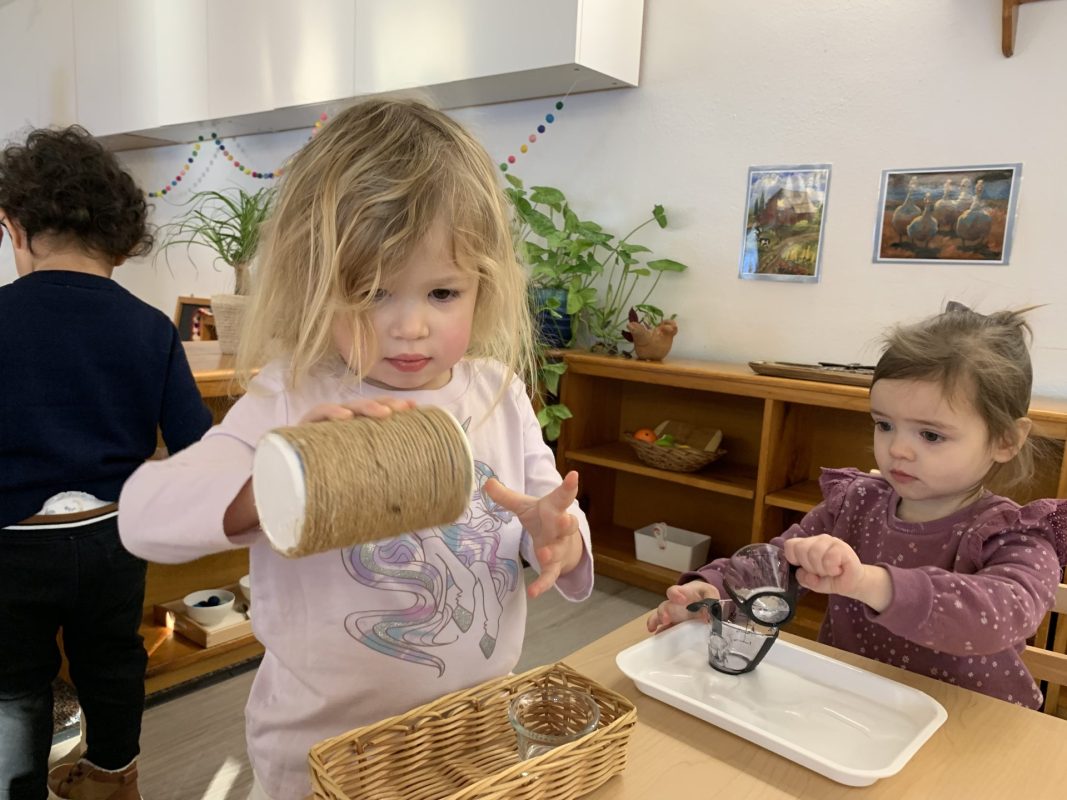
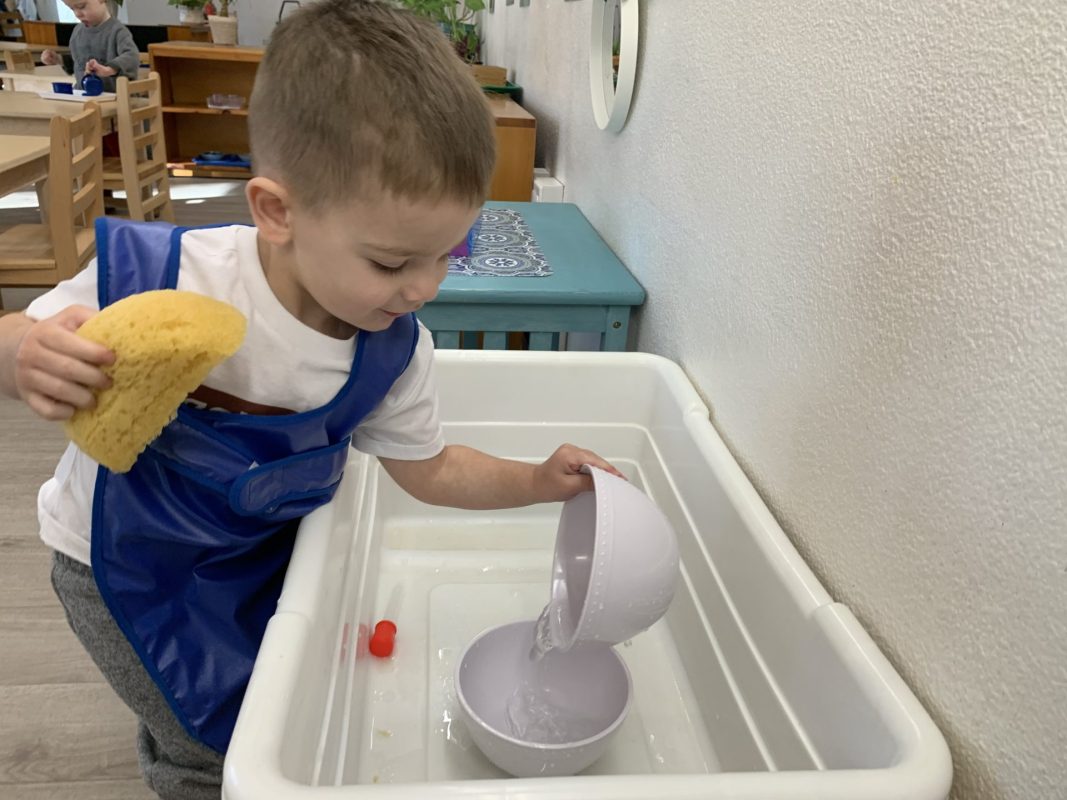
This week, the toddlers also embarked on a colorful and joyous journey as they celebrated the festival of lights, Diwali! 

Diwali represents new beginnings and the victory of light over darkness, good over evil. It is the triumph of righteousness, knowledge in place of ignorance. This five-day festival is observed around the world, and its rituals vary by region. Homes are brightly illuminated with diyas (candles) and oil lamps, and people decorate their homes with rangoli. People also often wear new fine clothes and jewelry and celebrate with family and friends.

The little ones had a blast immersing themselves in the vibrant traditions of this Indian festival. The children were treated to a beautiful presentation and a mesmerizing Indian dance performance that left our little ones wide-eyed and enchanted, and they immediately joined the fun as the dancer, our wonderful Paromita, invited them to join in. 

No Diwali celebration is complete without indulging in some mouthwatering treats, and our toddlers were no exception! The children enjoyed the delicious taste of Laddu, a popular Indian sweet that symbolizes the sweetness of life. 

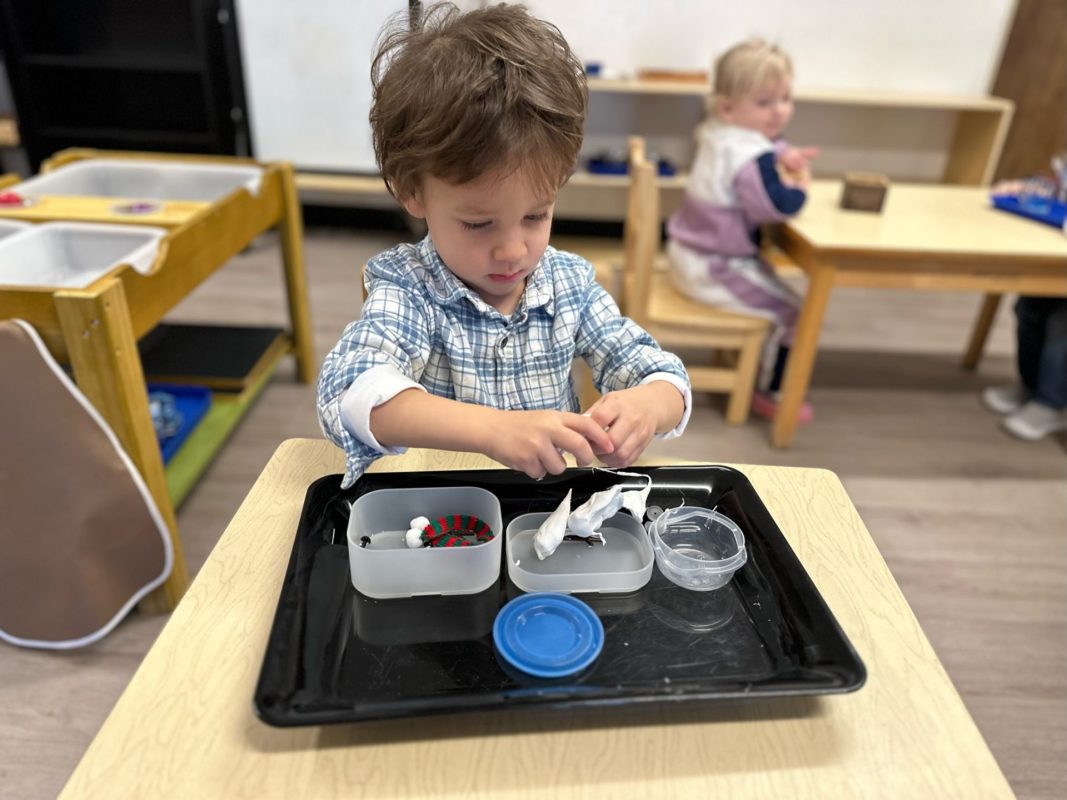
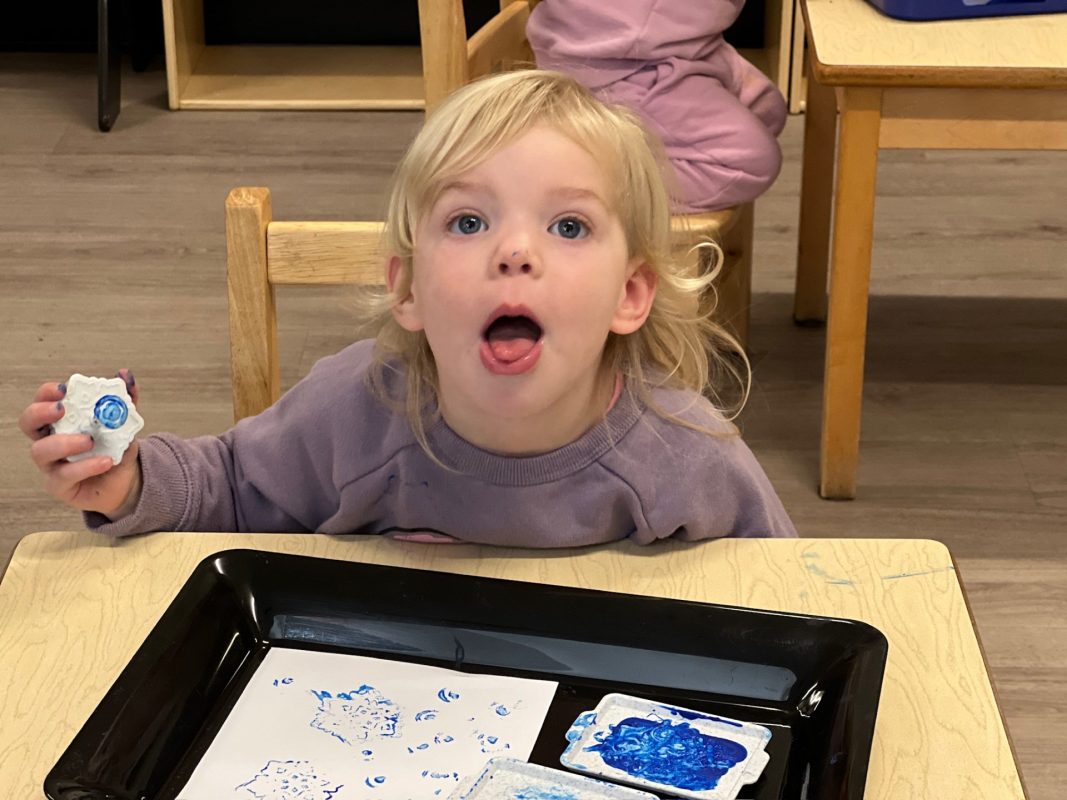
In the spirit of creativity, the toddlers got their hands dirty (literally!)  with some Diya crafts. With vibrant colors and a whole lot of imagination, our toddlers crafted their own unique Diyas. 

A big shout out to Neetha Desai for the amazing Diwali gift bags donated for each toddler and volunteering in our class, to Supreeti Saikia for the yummy Laddus, and of course, to Paromita Dutt-Kunzweiler for organizing this beautiful event.

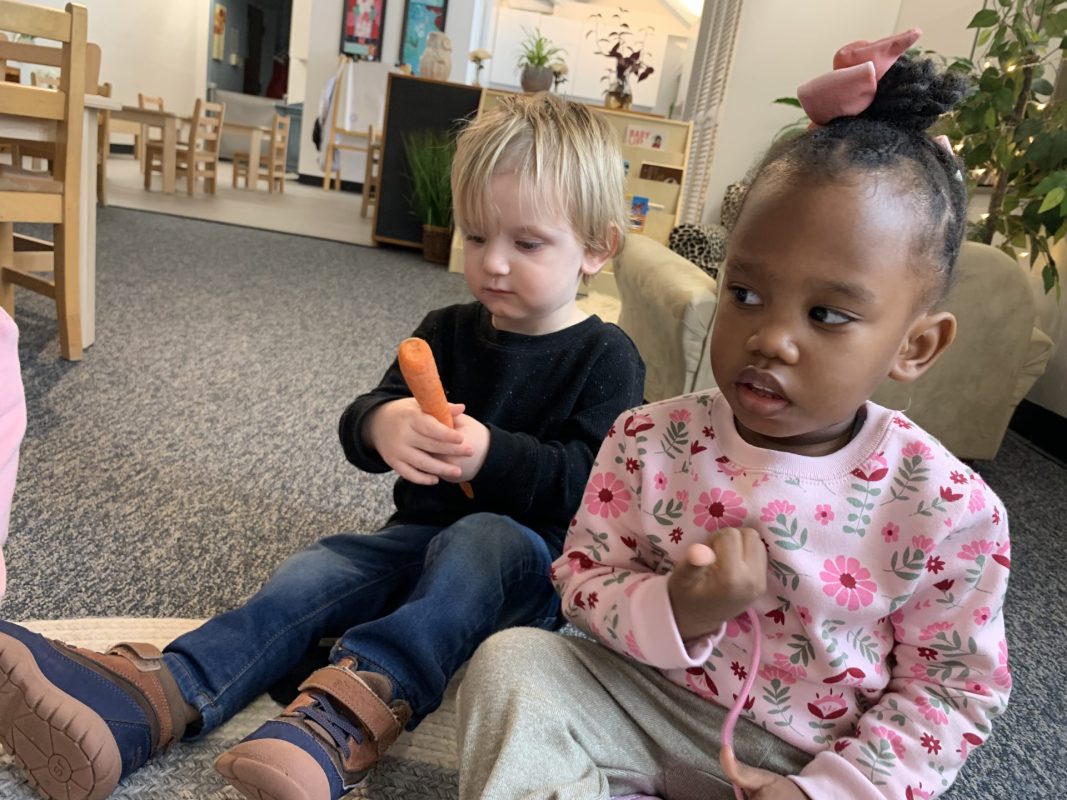
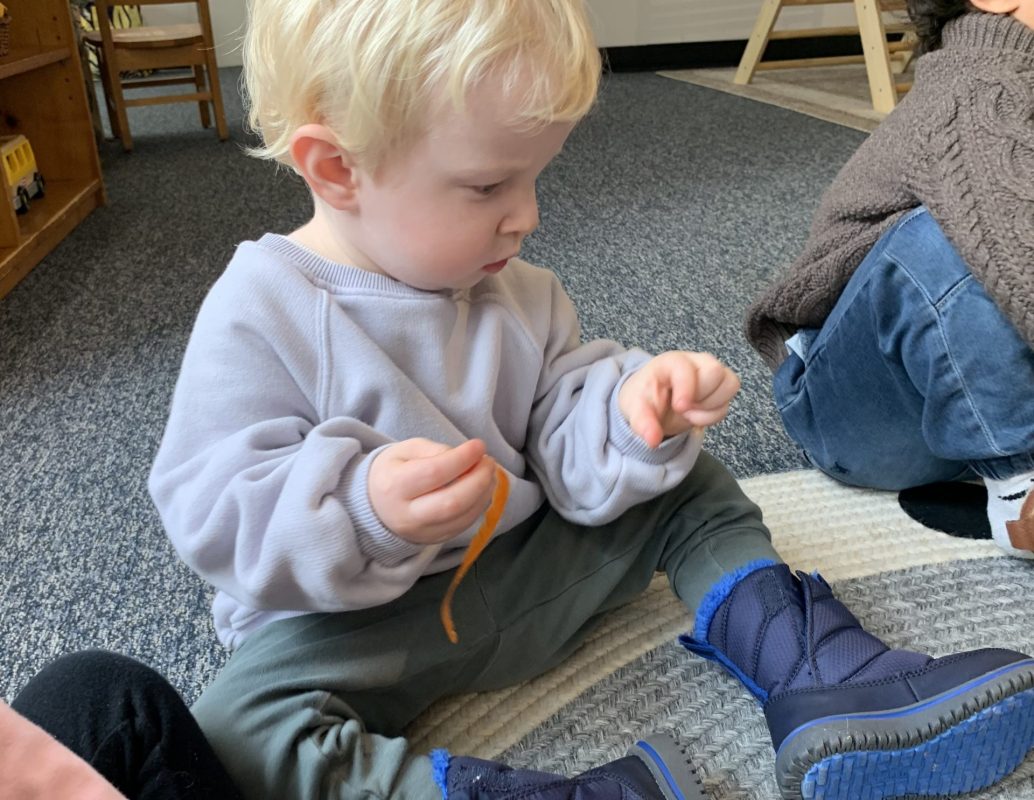
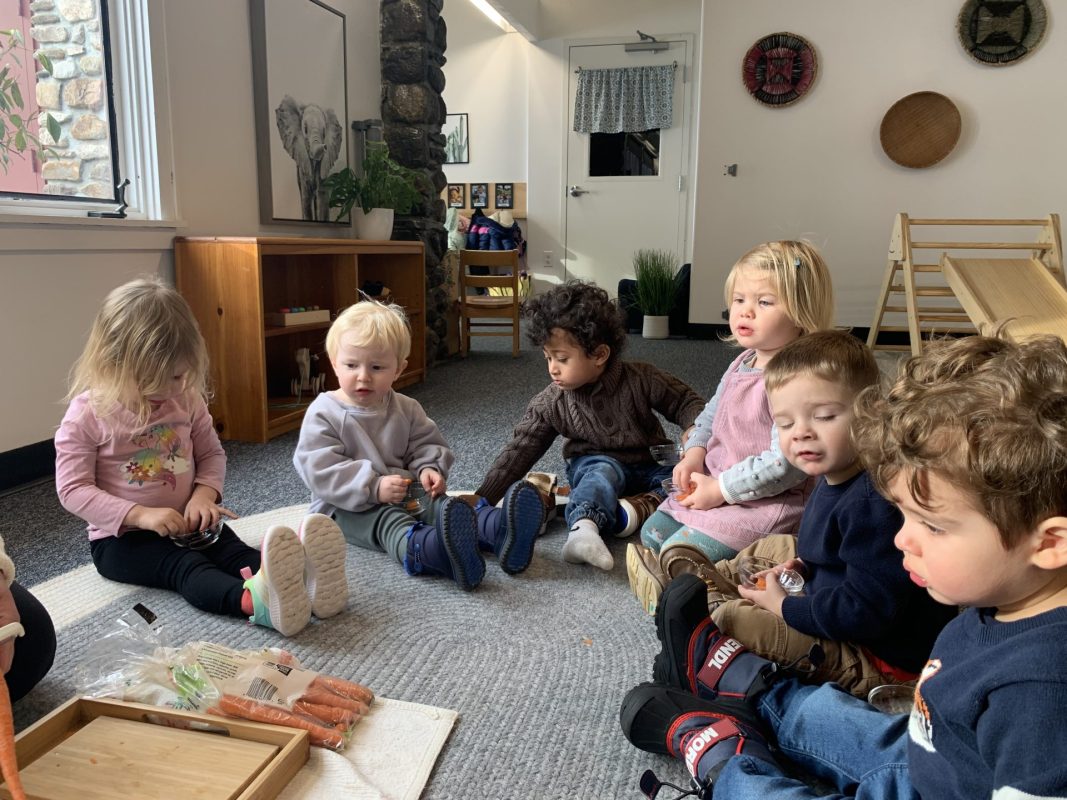
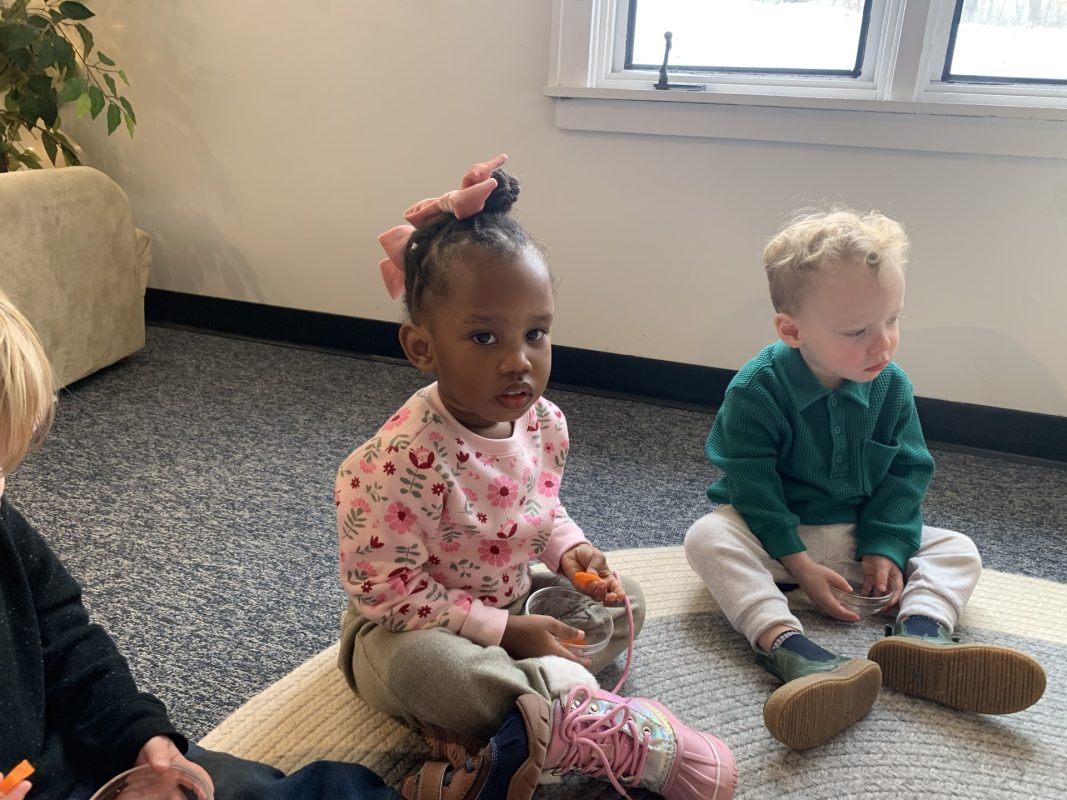
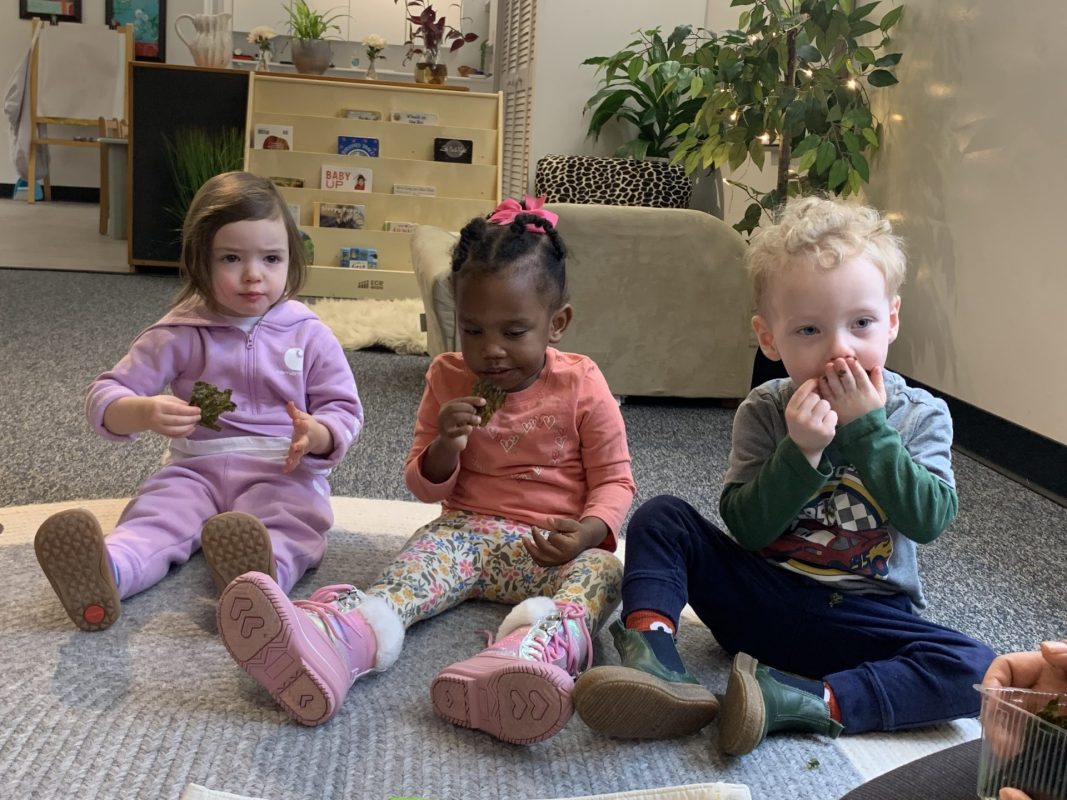
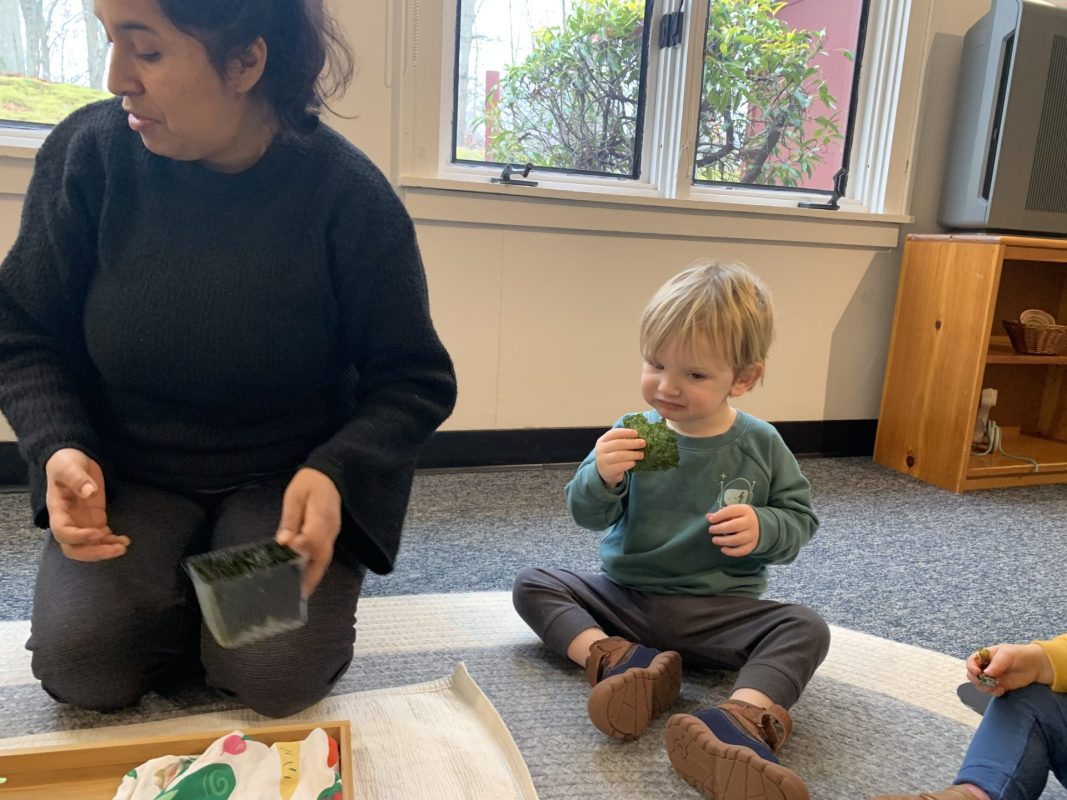
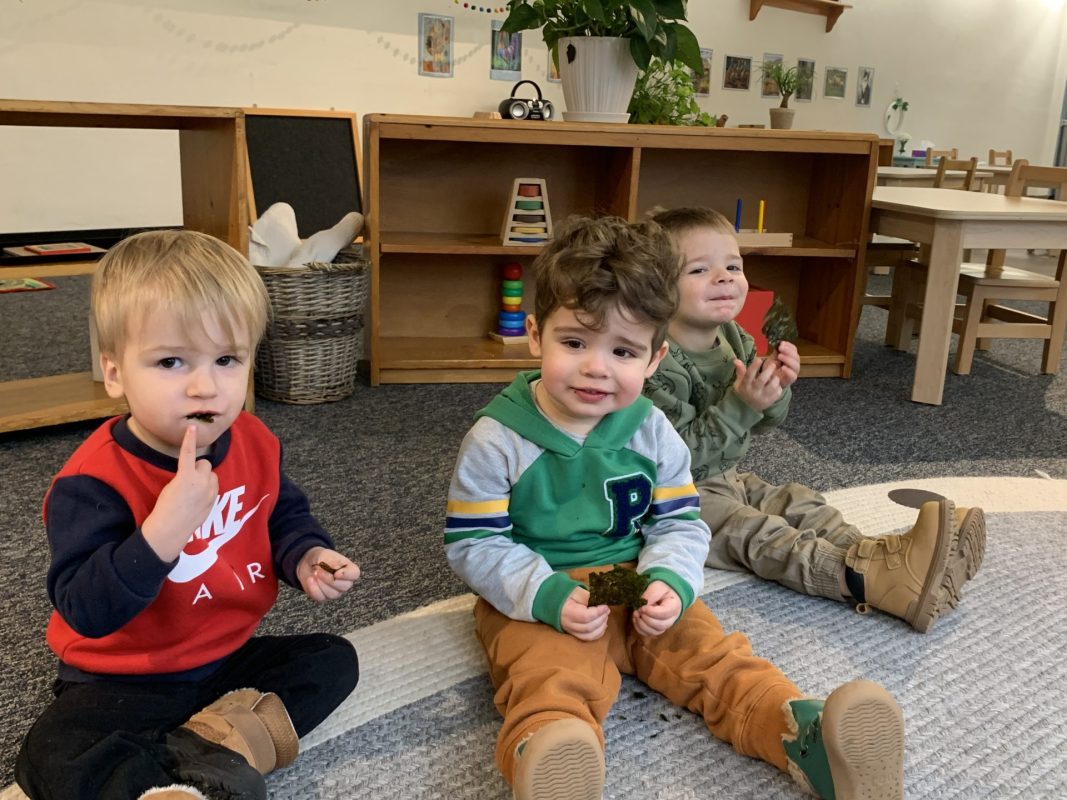
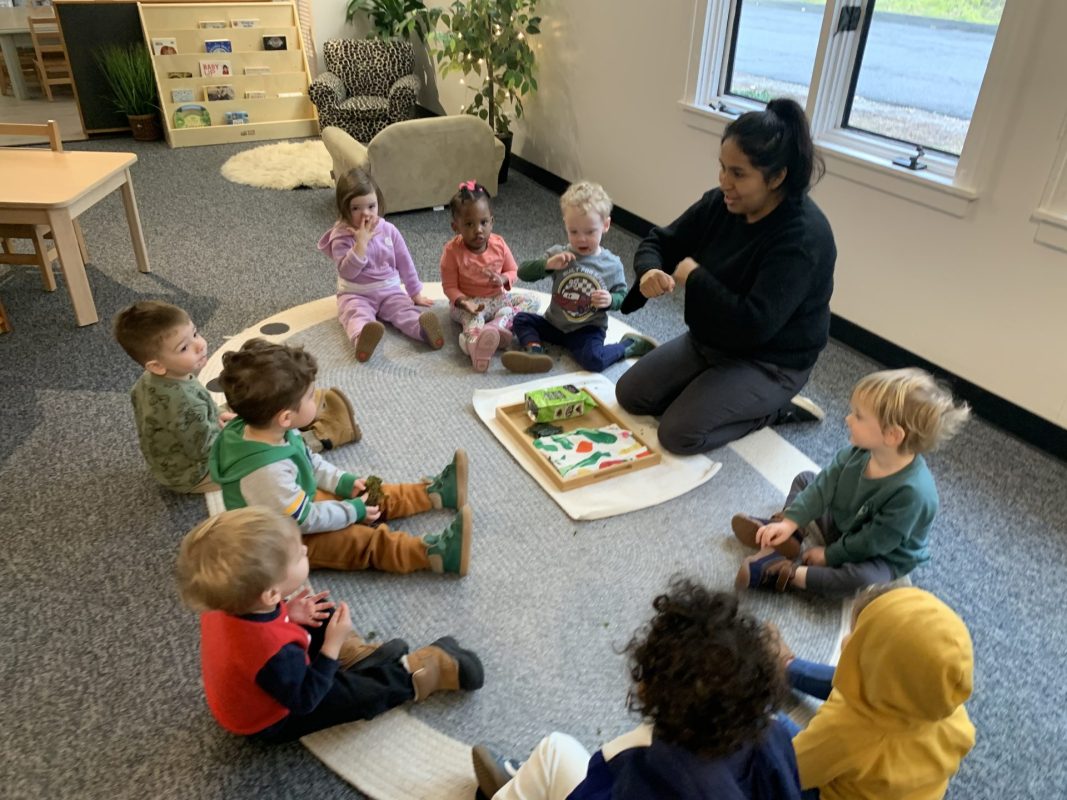
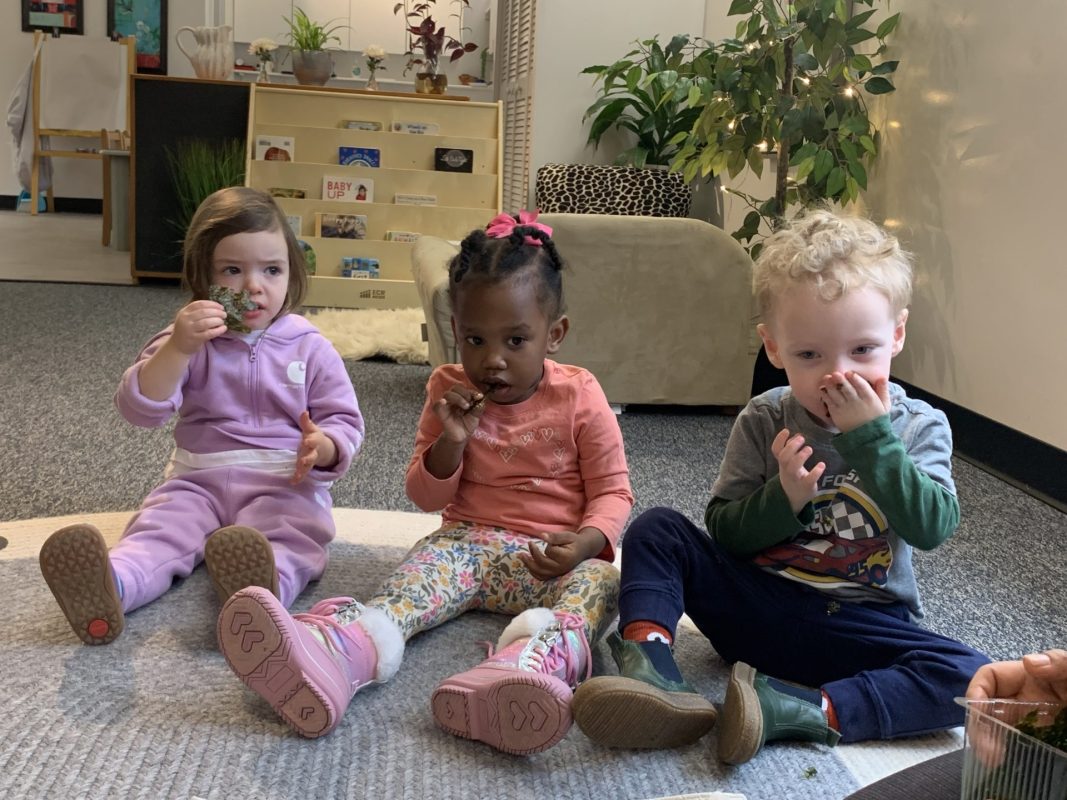
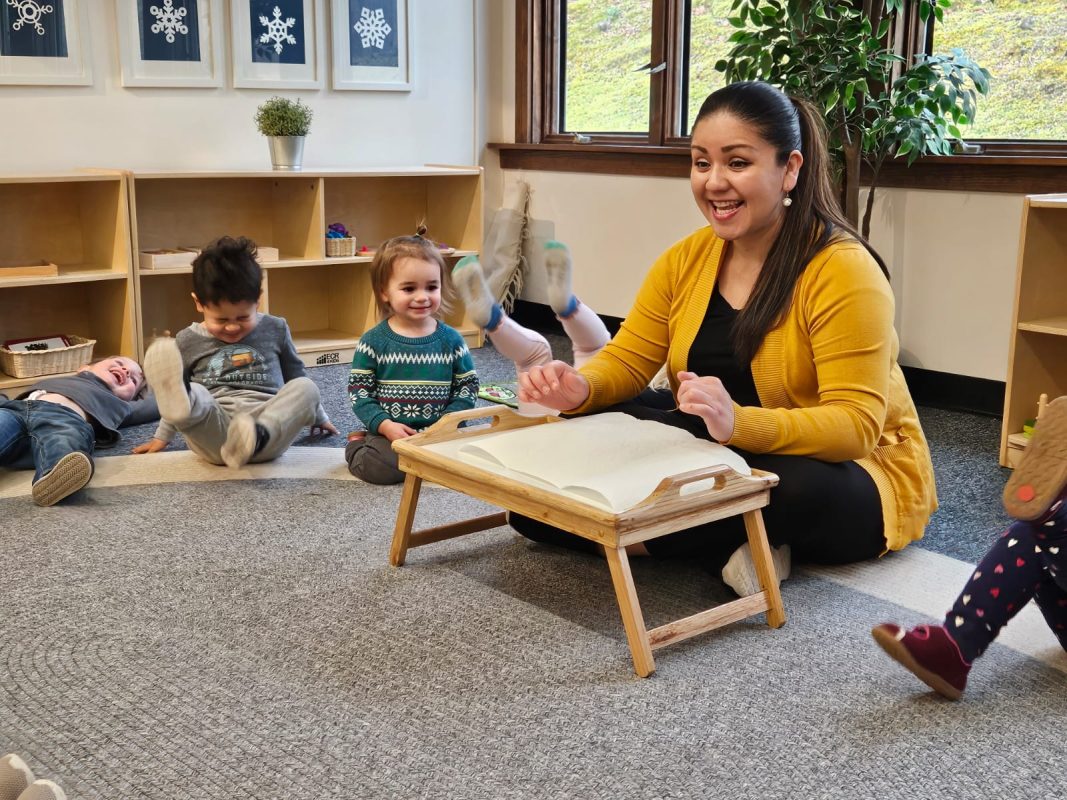
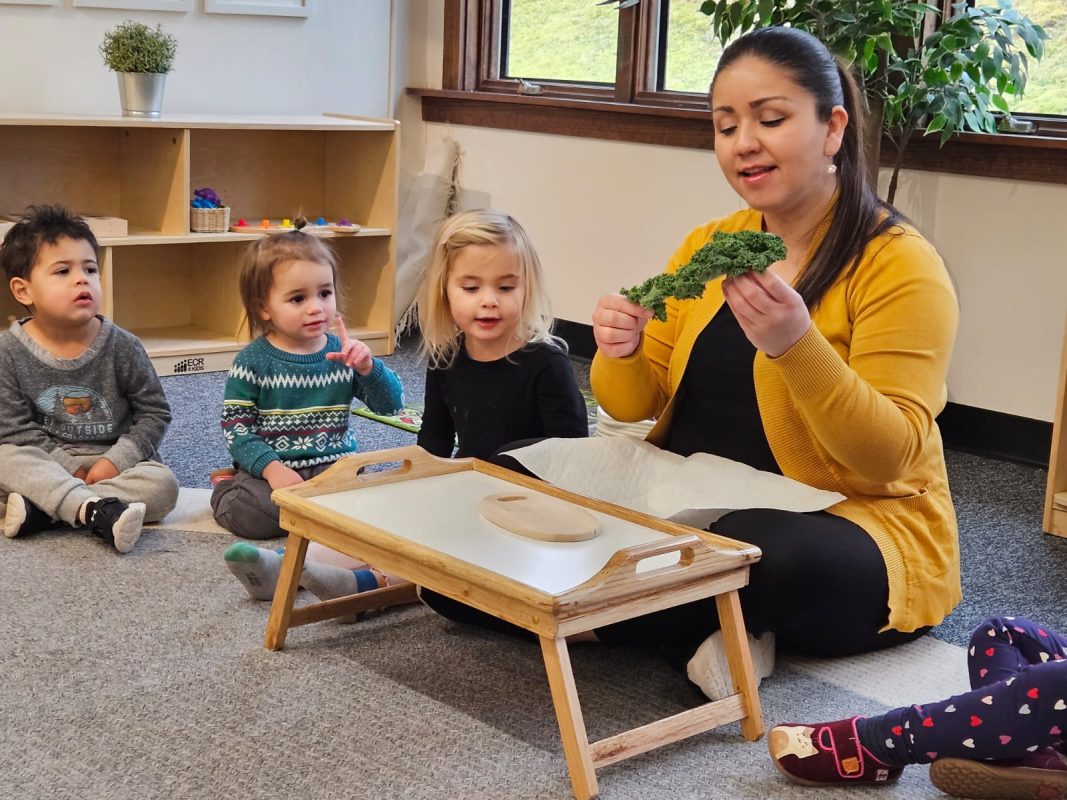
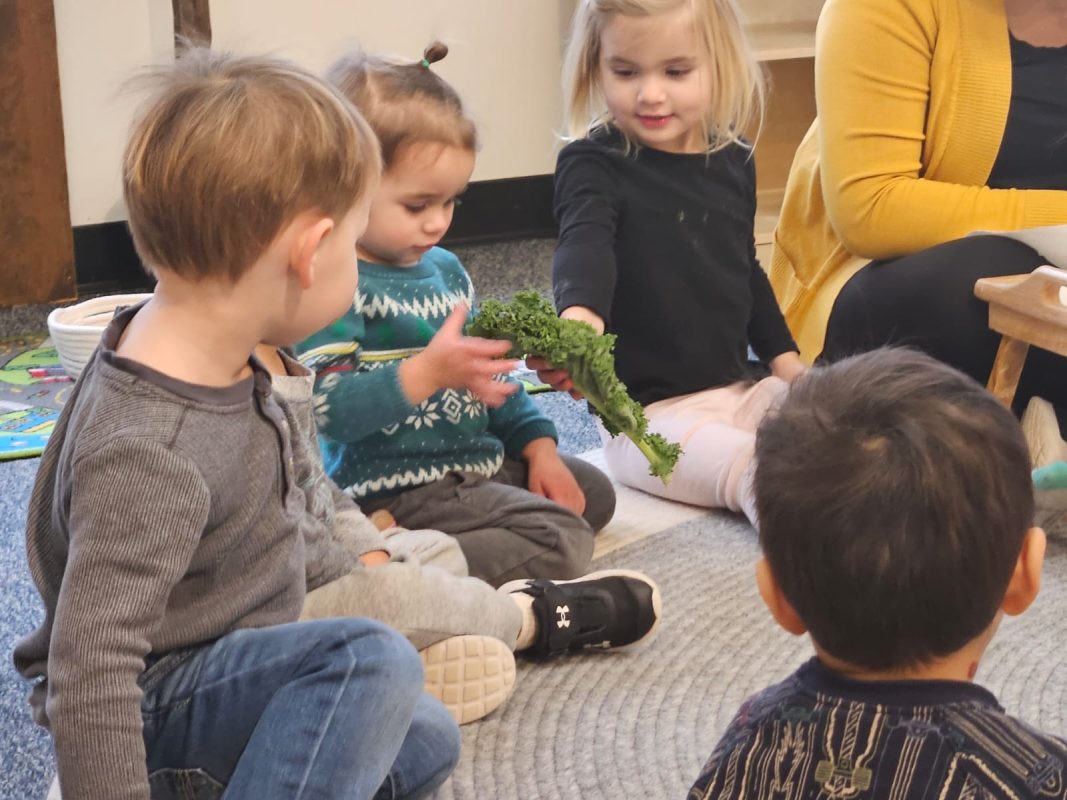
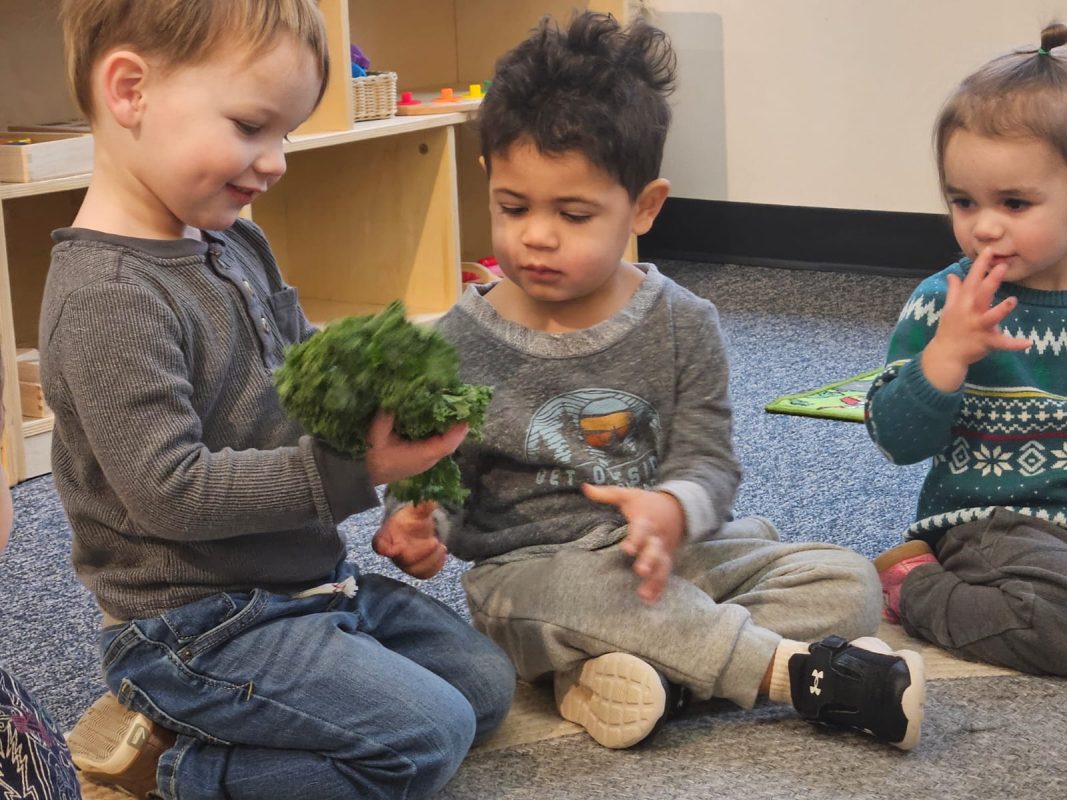
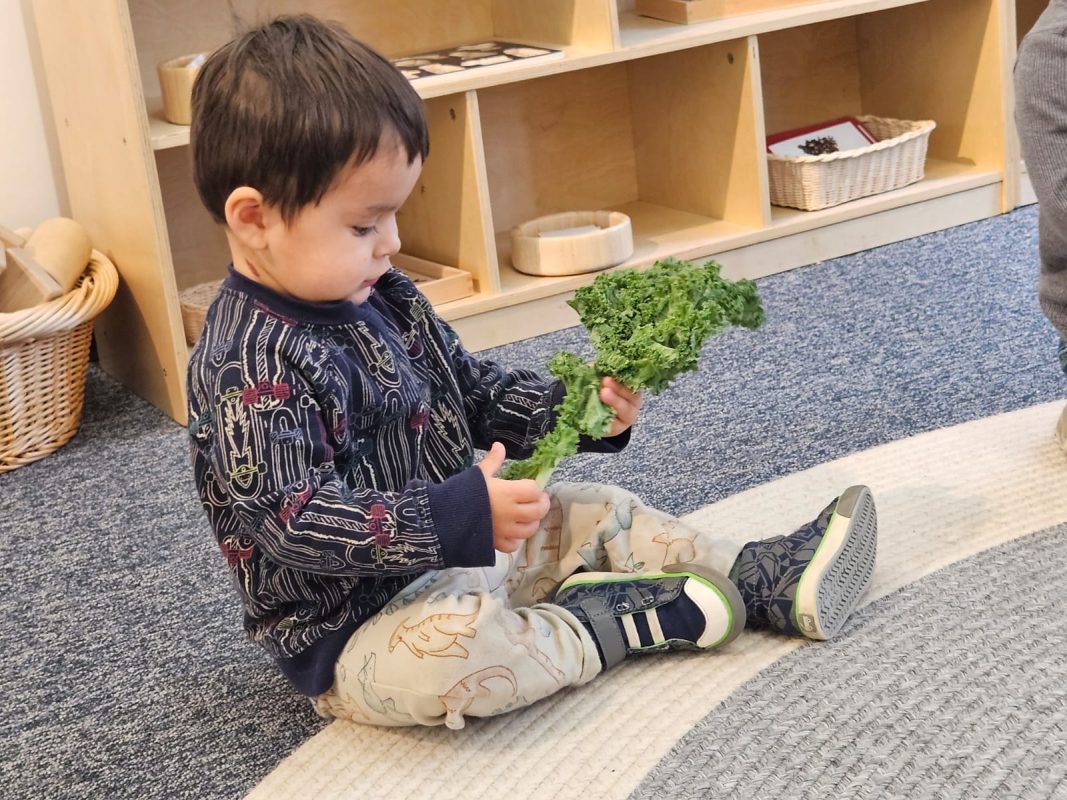
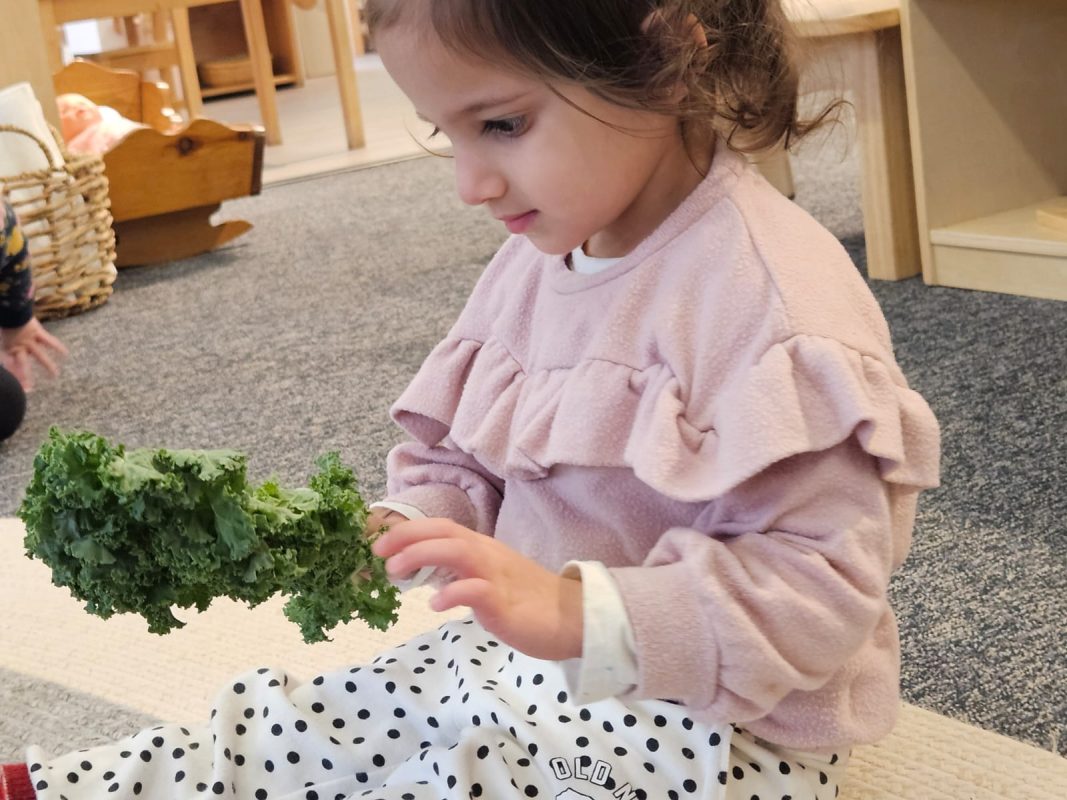
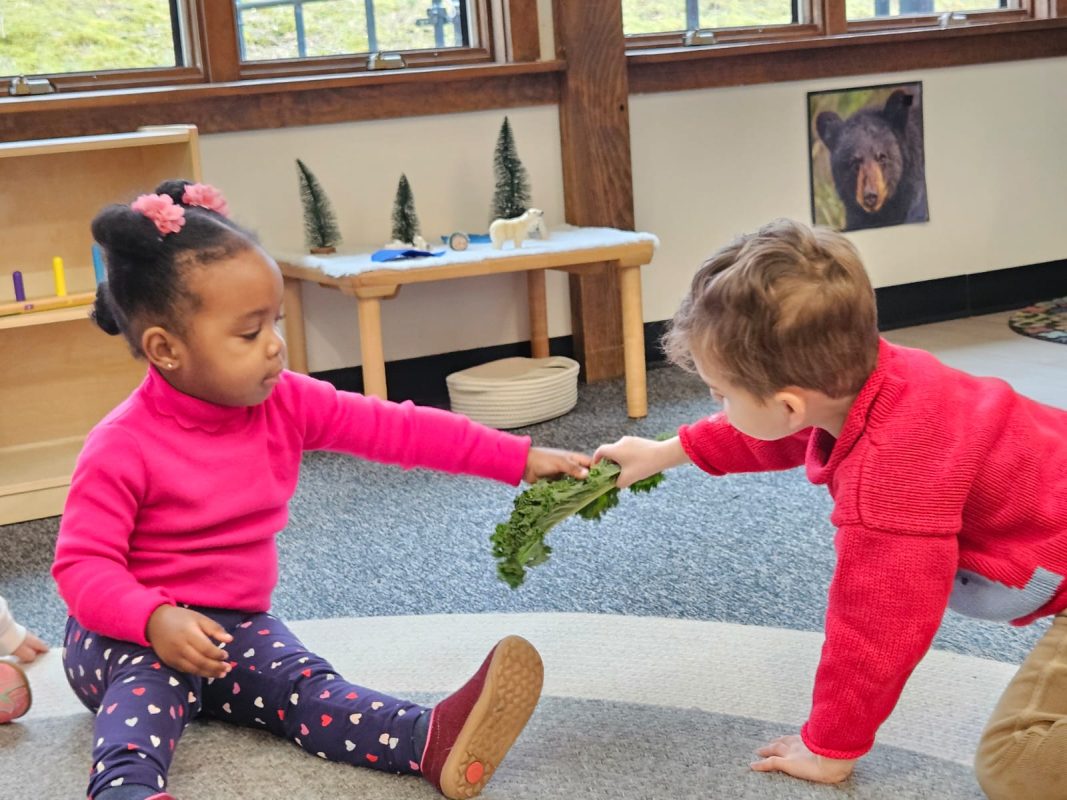
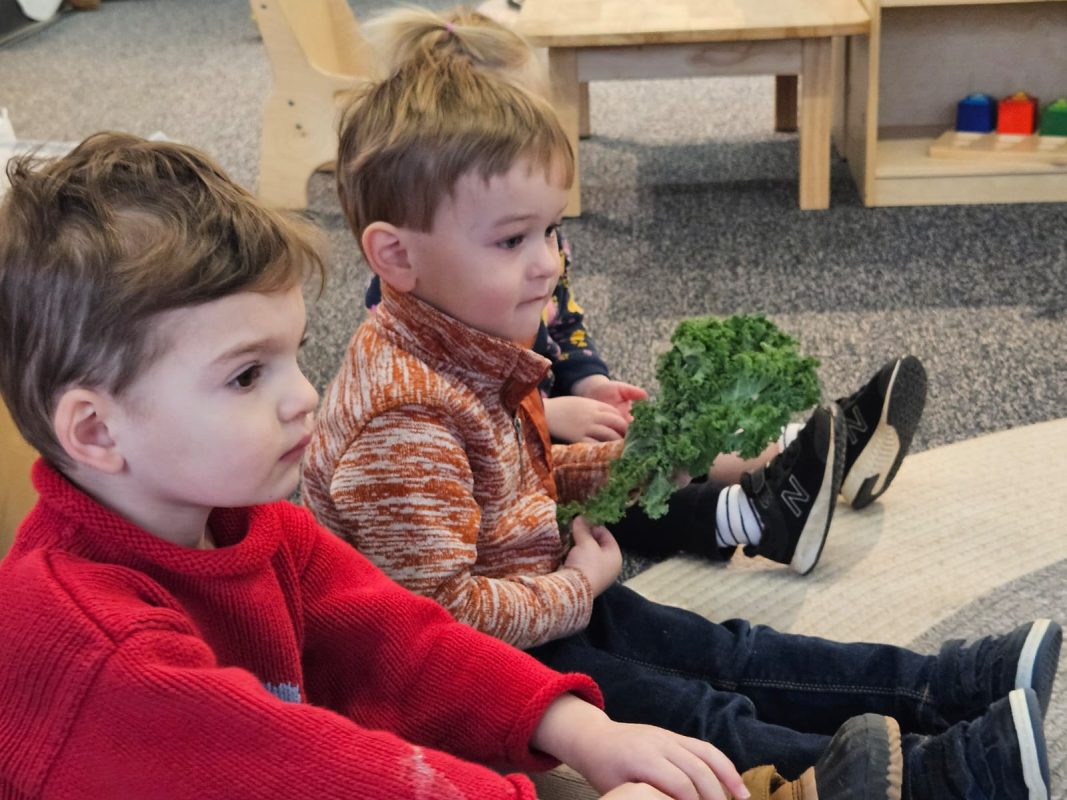
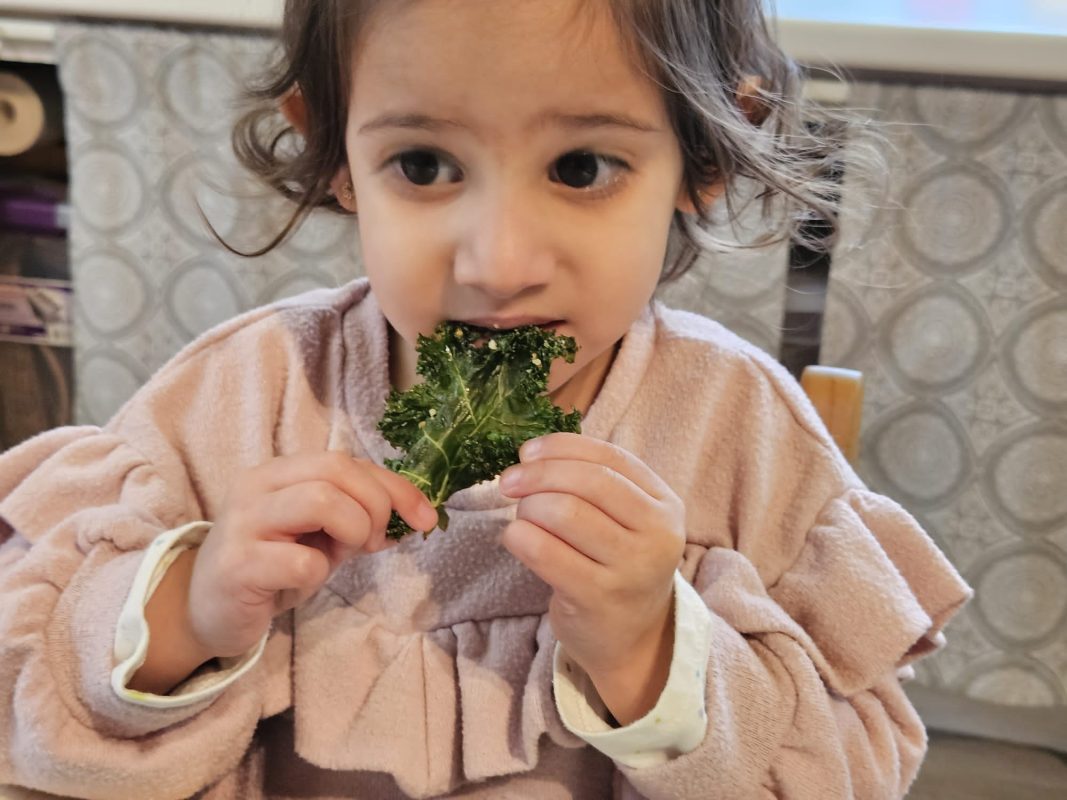
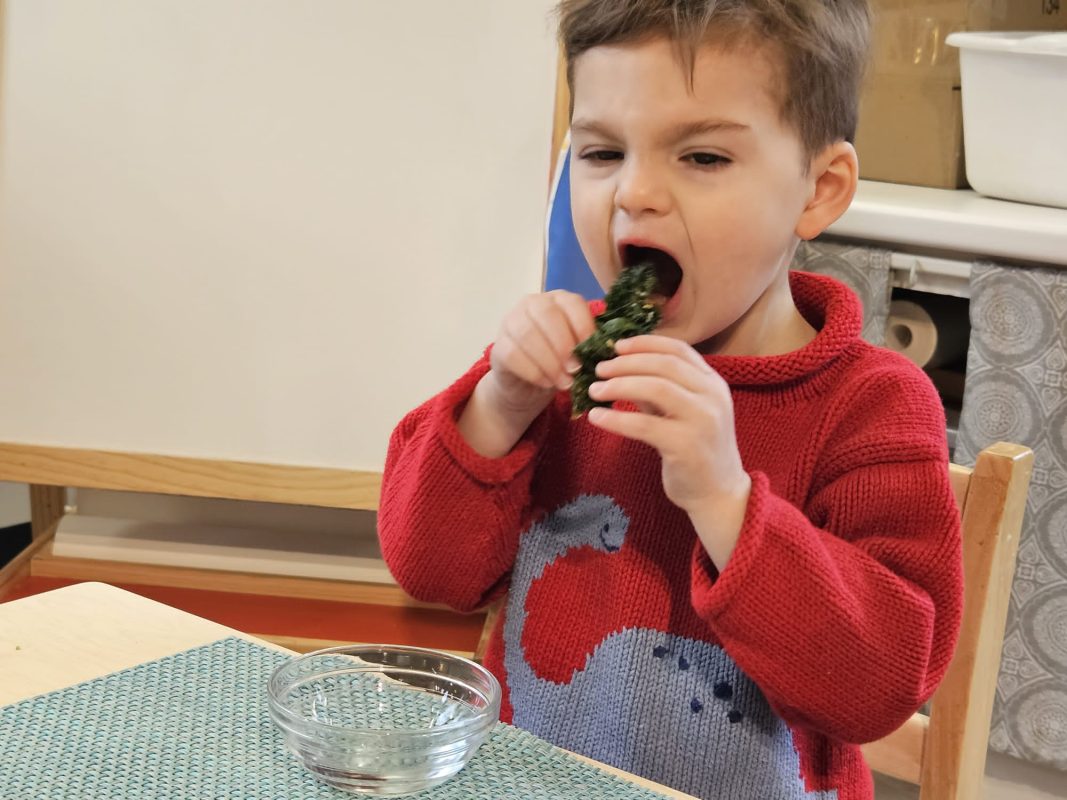
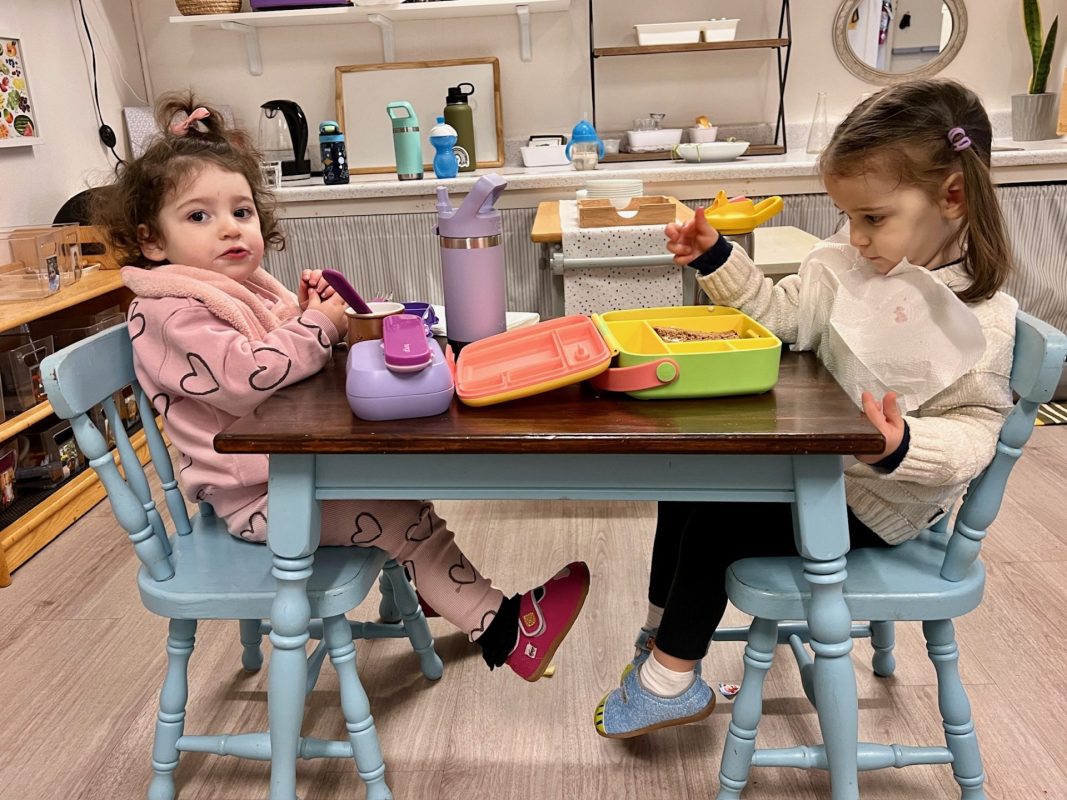
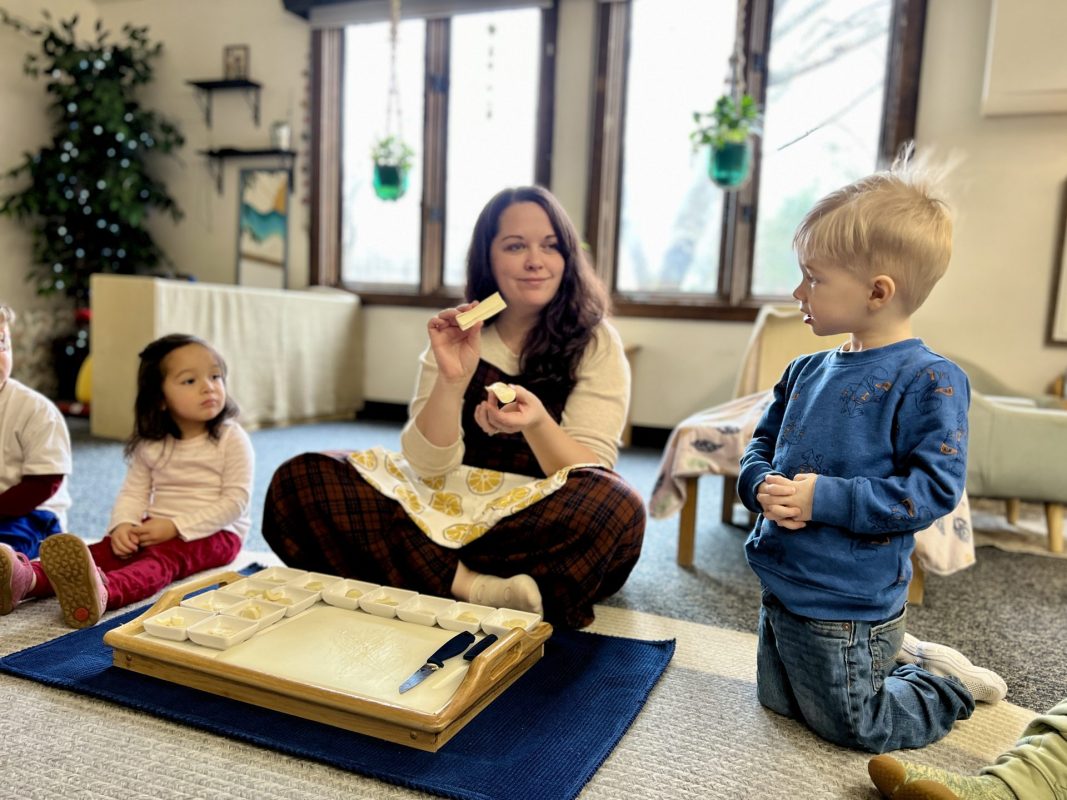
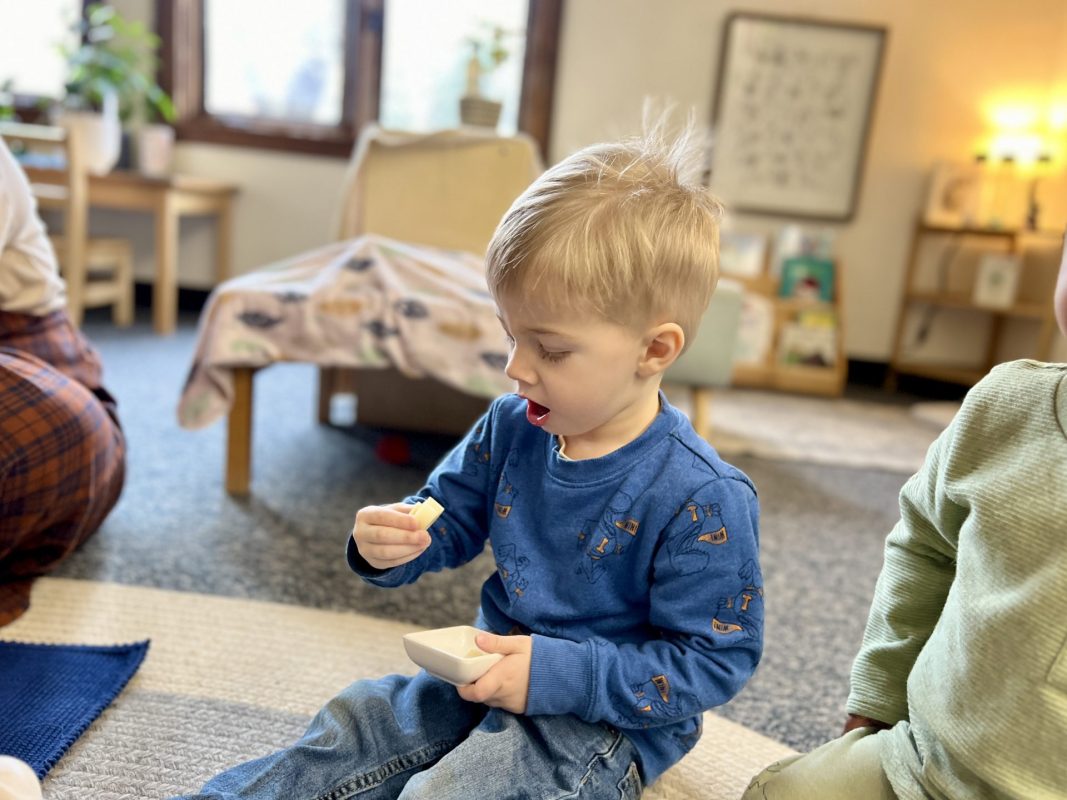
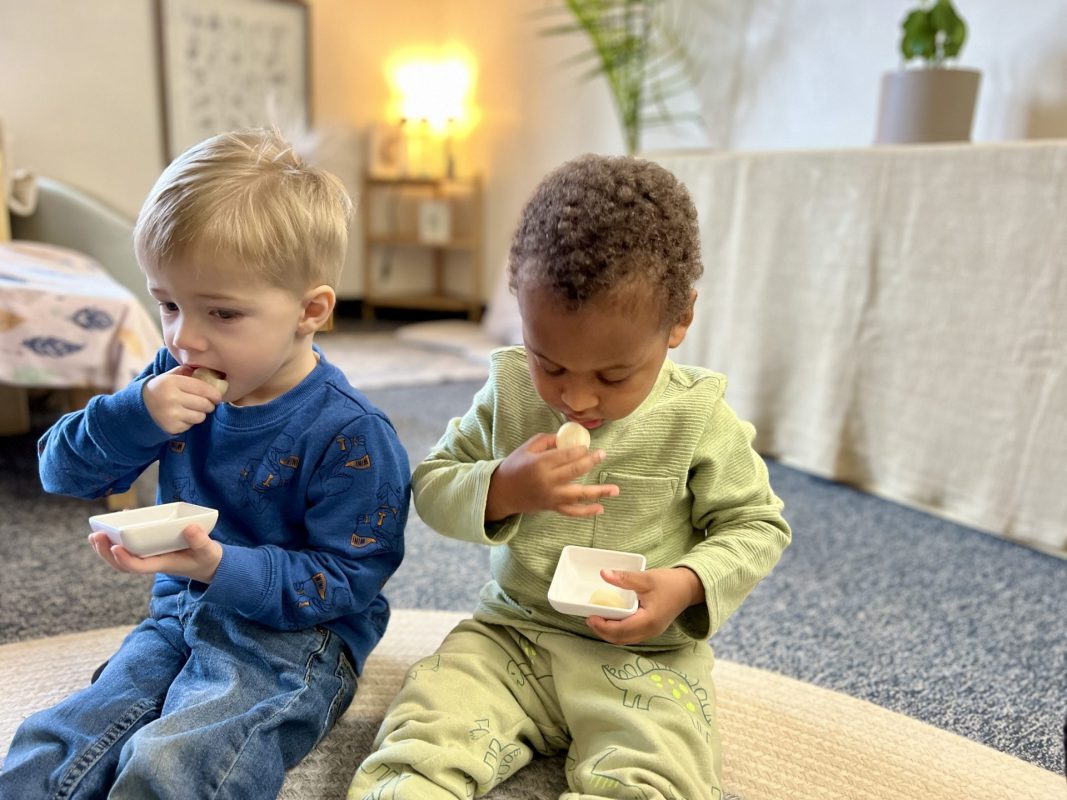
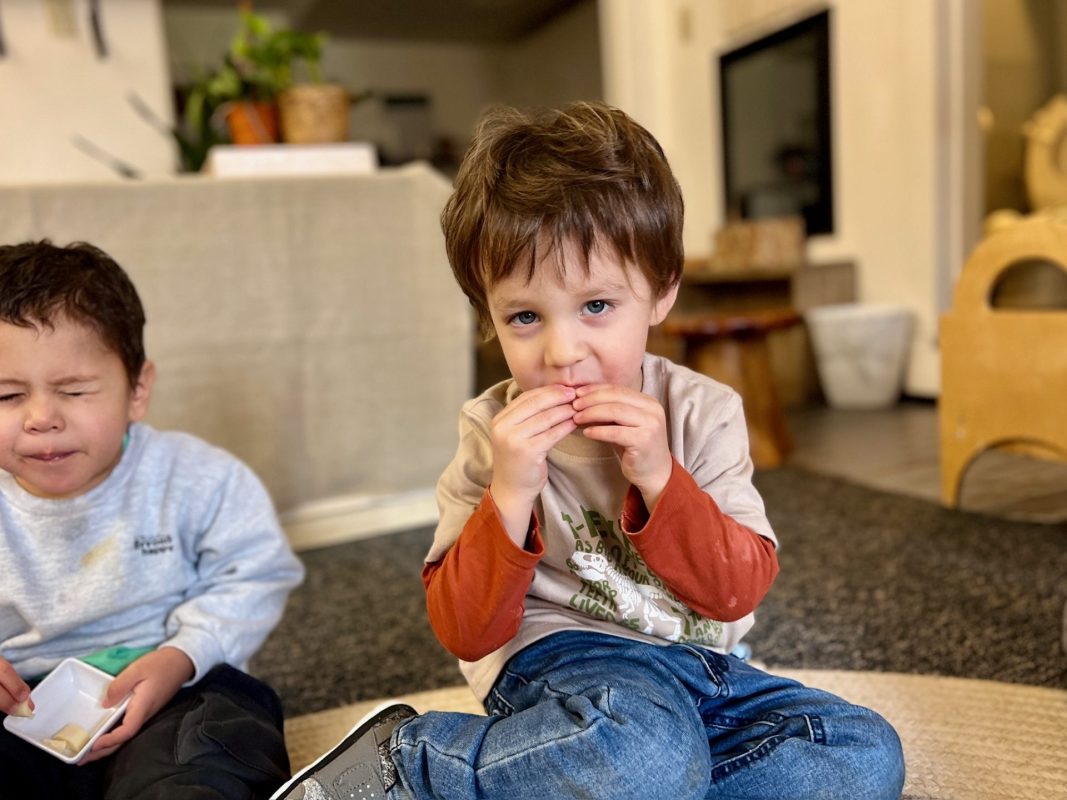
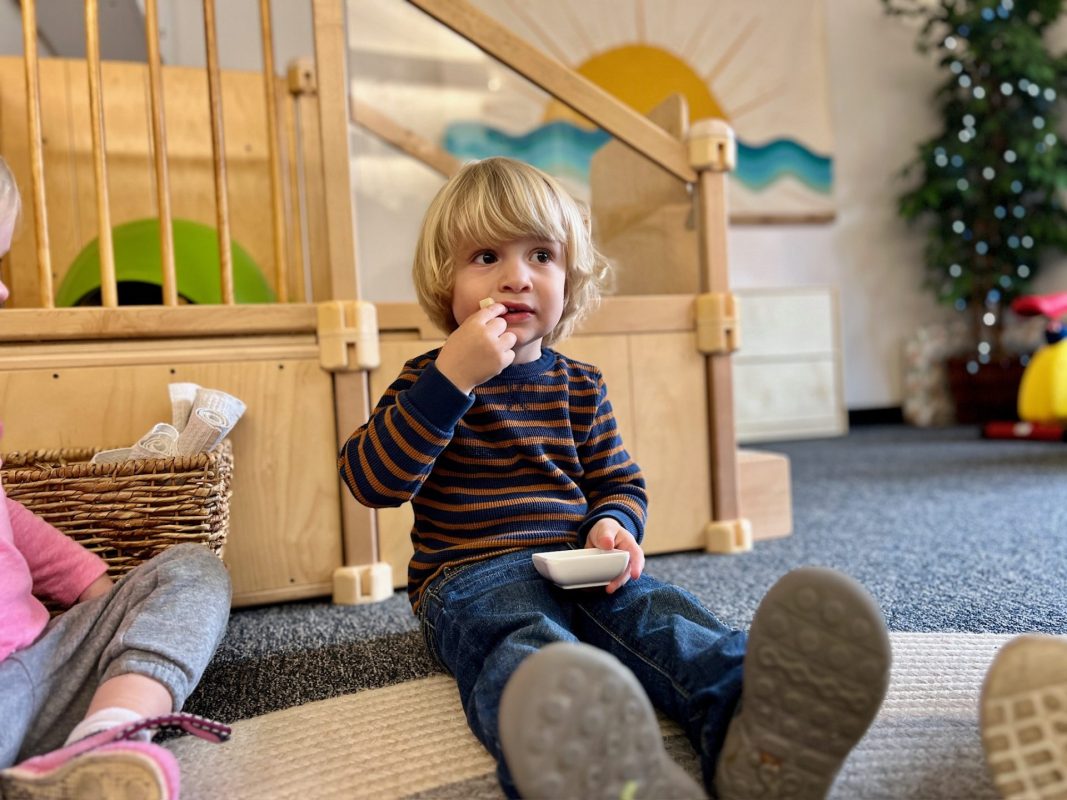
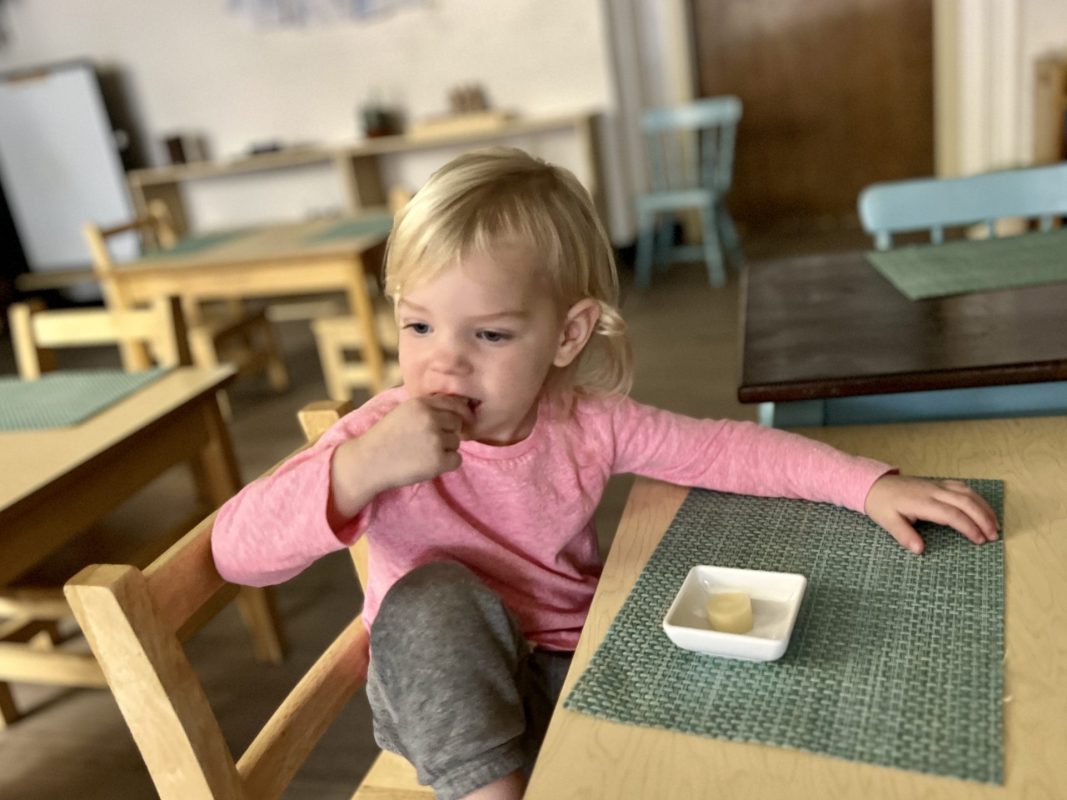
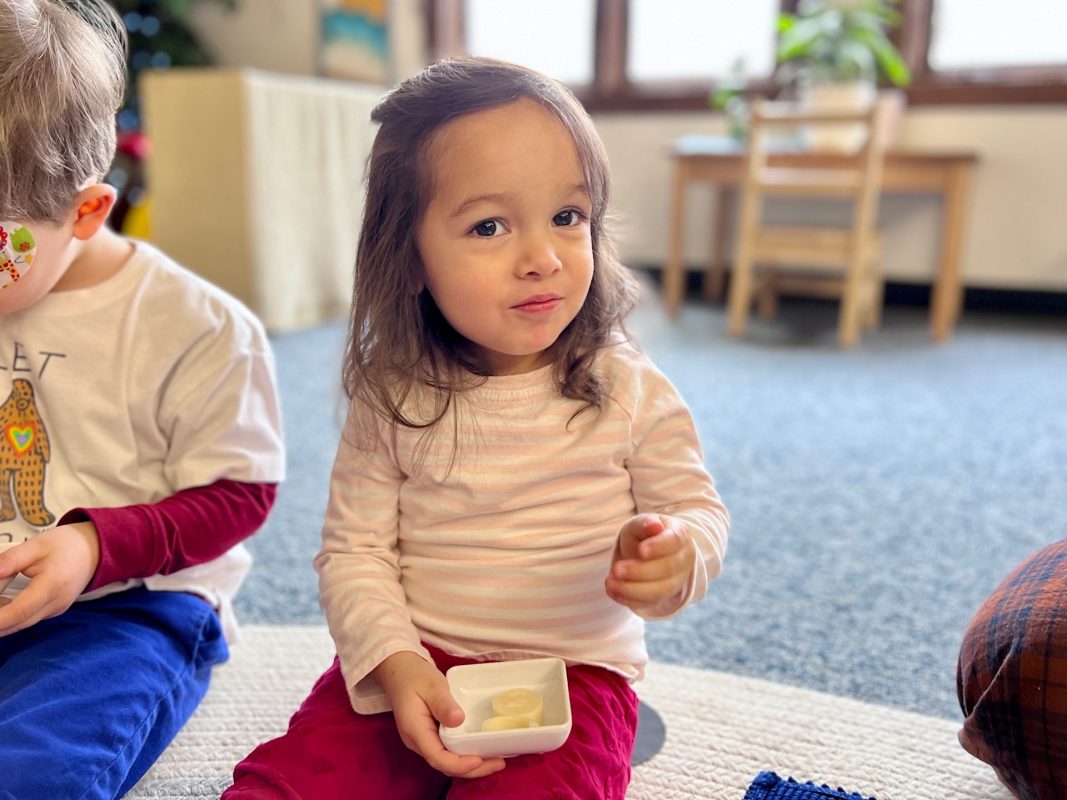
Lastly, the children enjoyed some plantains as the weekly food-tasting lesson, and my Latino heart couldn’t be happier seeing the children enjoy this food item.

As we finish this week, our hearts are filled with gratitude and joy, thankful for the rich cultural experiences that shape our learning environment.

Enjoy the pics, 

Mrs. Hood and Ms. Mollie 


Poppy Flower Paintings for Veterans Day!

In the Art Studio, our middle school artists created Poppy themed artwork in honor of Veterans Day. Poppies have been a symbol of Remembrance since World War I when Lieutenant Colonel John McCrae penned the Poem “In Flanders Field” which described the blooming of red poppies amidst the war-torn battlefields of Belgium. With printed images of poppy flowers as their reference, young artists sketched out their flower compositions using pencil first and then thin black sharpie markers. Some students chose to create a singular flower, while others drew a few. Students painted their flowers using watercolors and used acrylic paint for the background. Each finished piece is so bold and unique: Bravo young artists!