Blog

This Week in Upper El

This week, we had a visit from the Botsford Fire Department to learn about fire safety, with a focus on being safe around stoves. We practiced what to do in case of a fire in the home and learned about the equipment on a fire truck.

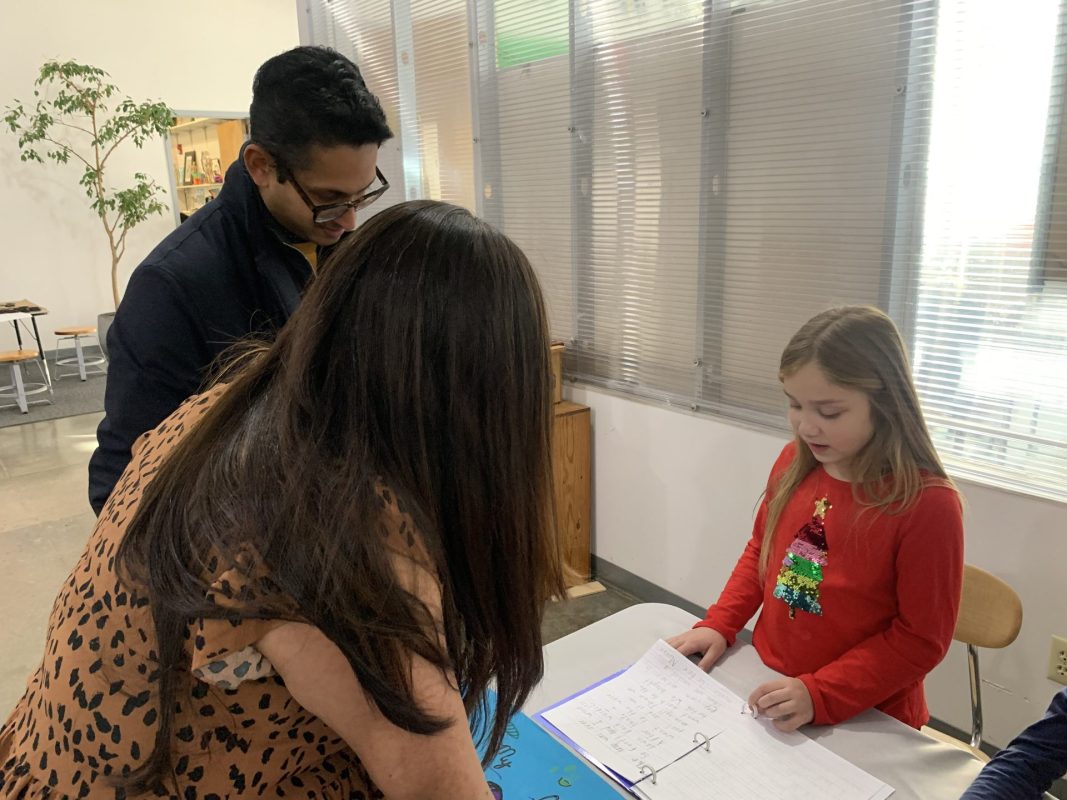
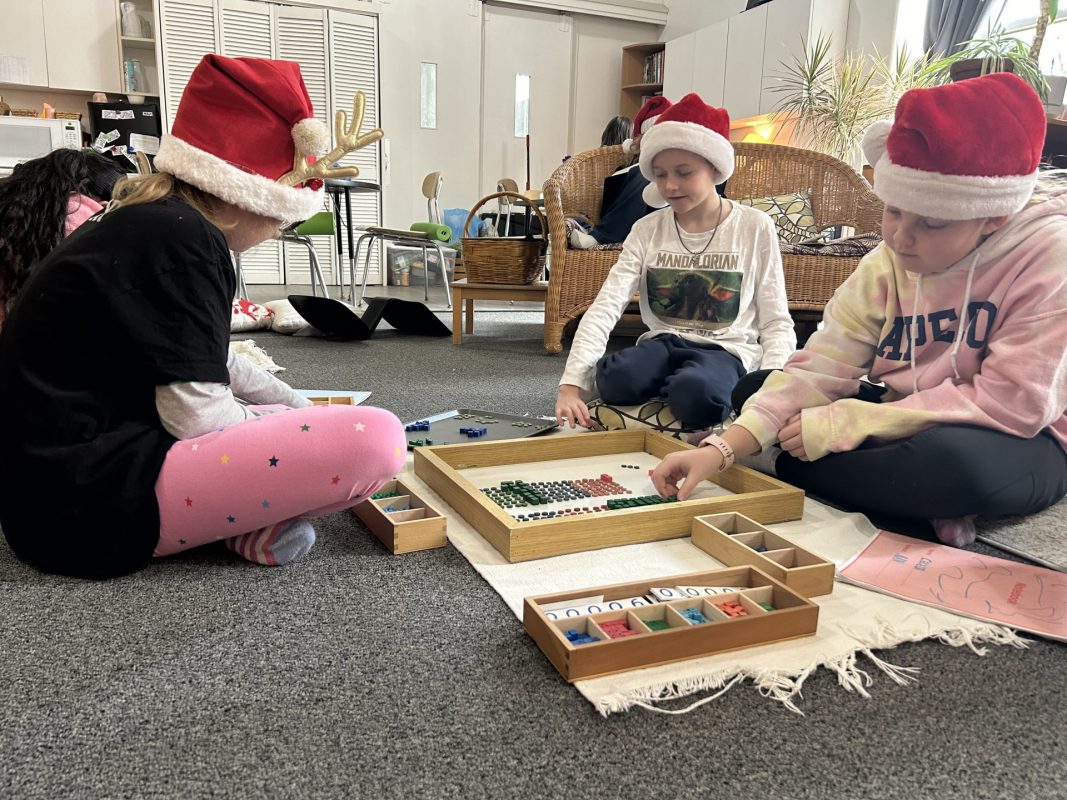
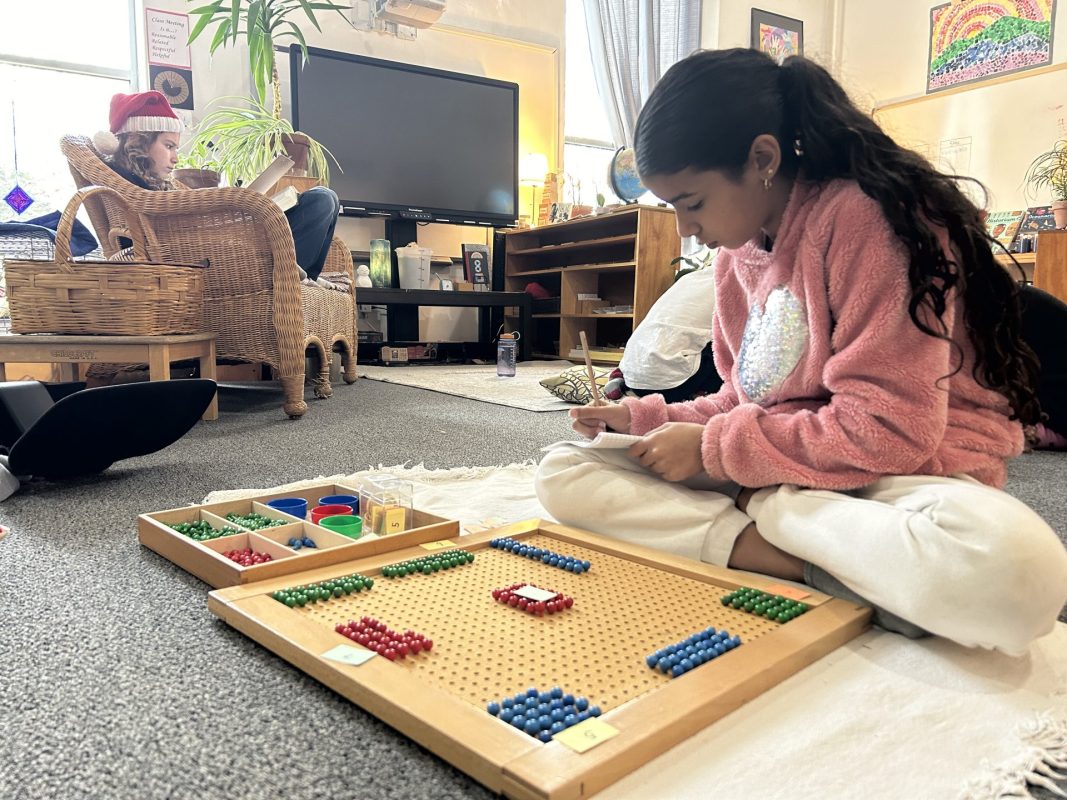
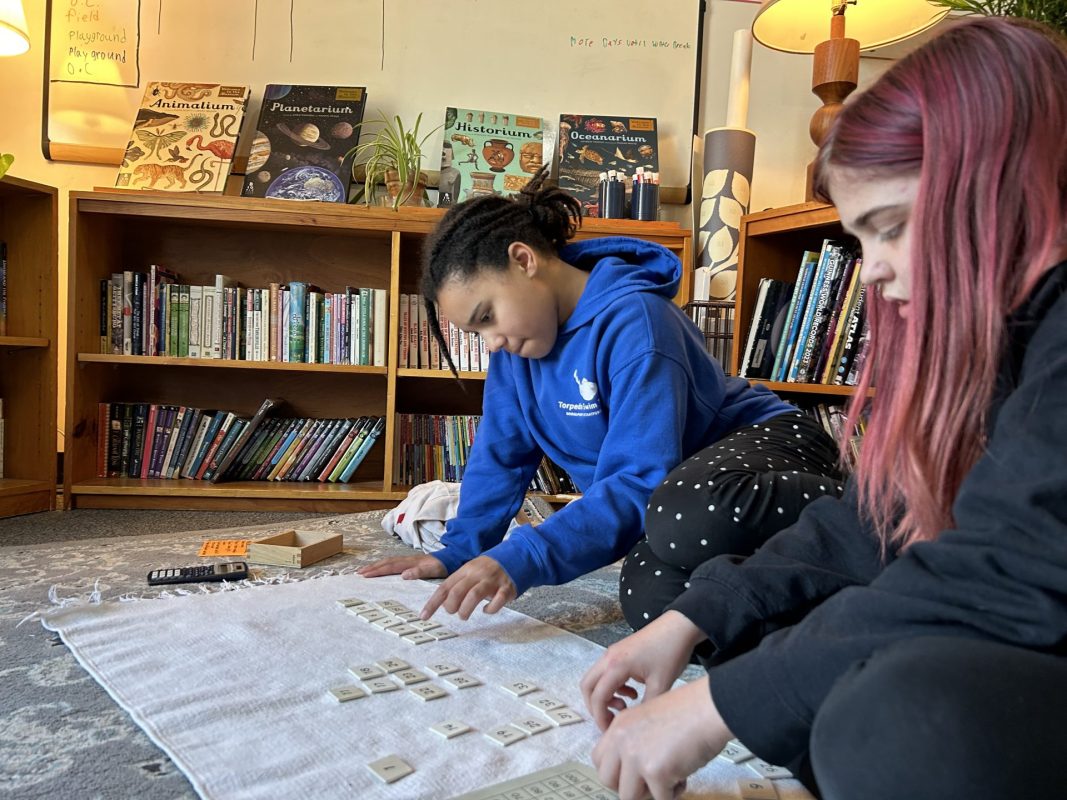
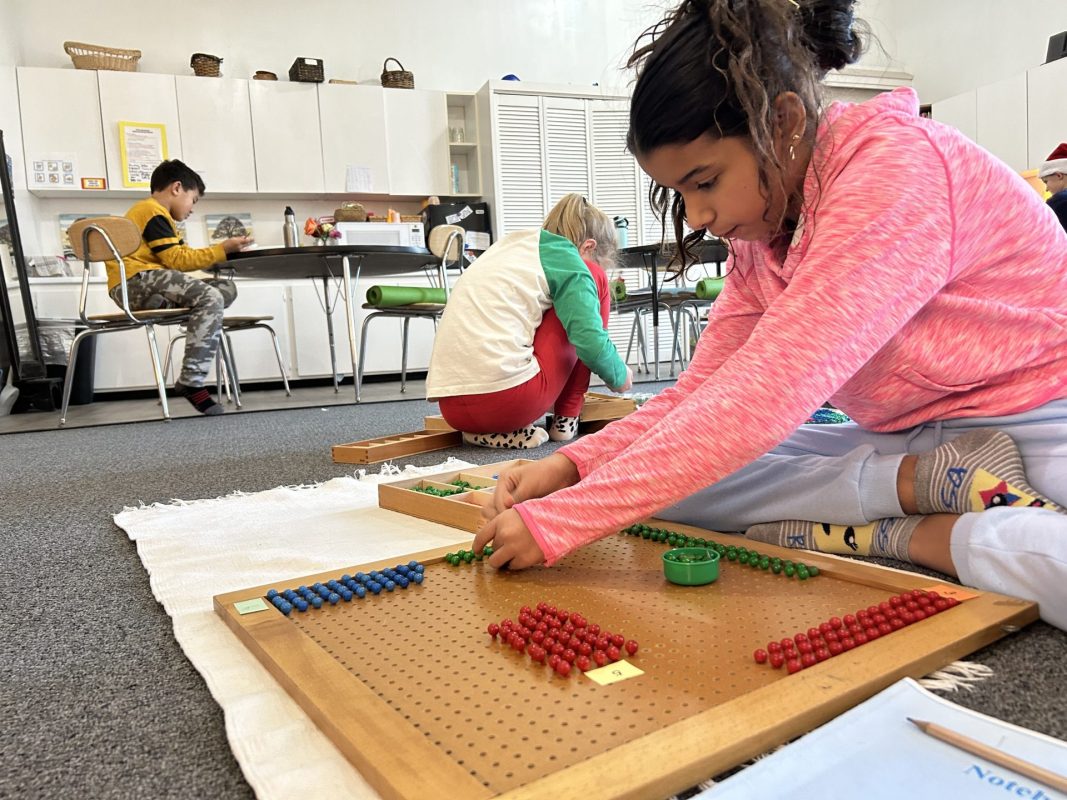
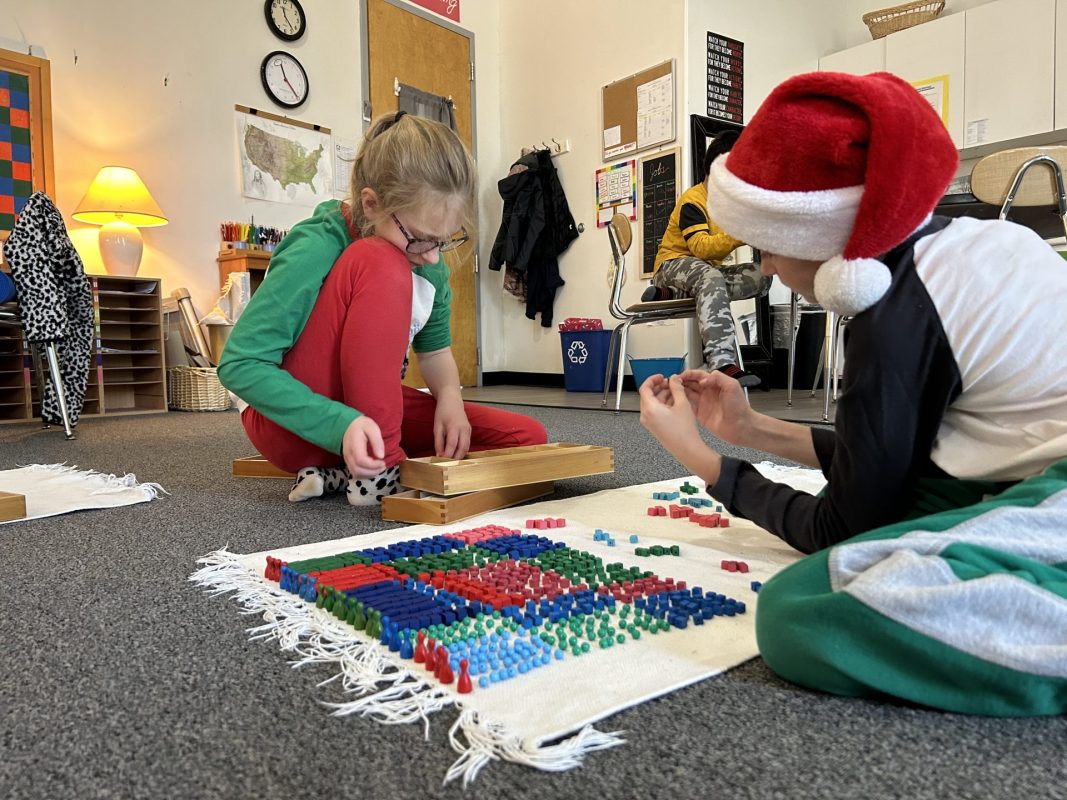
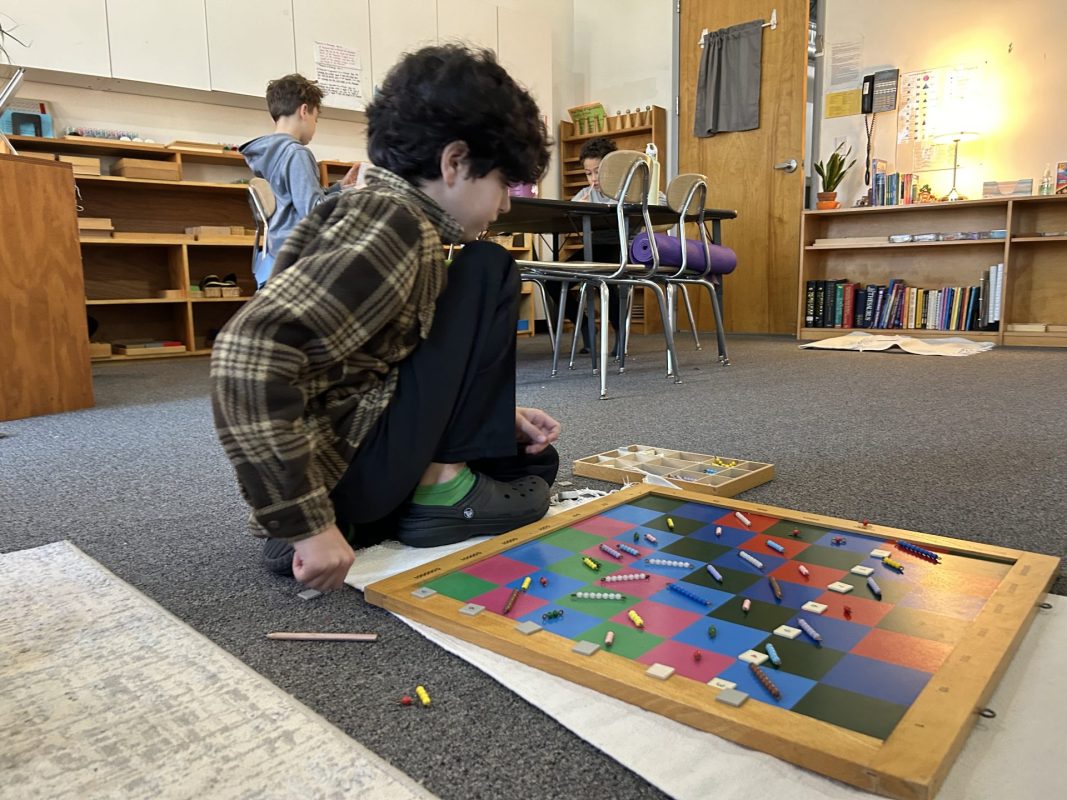
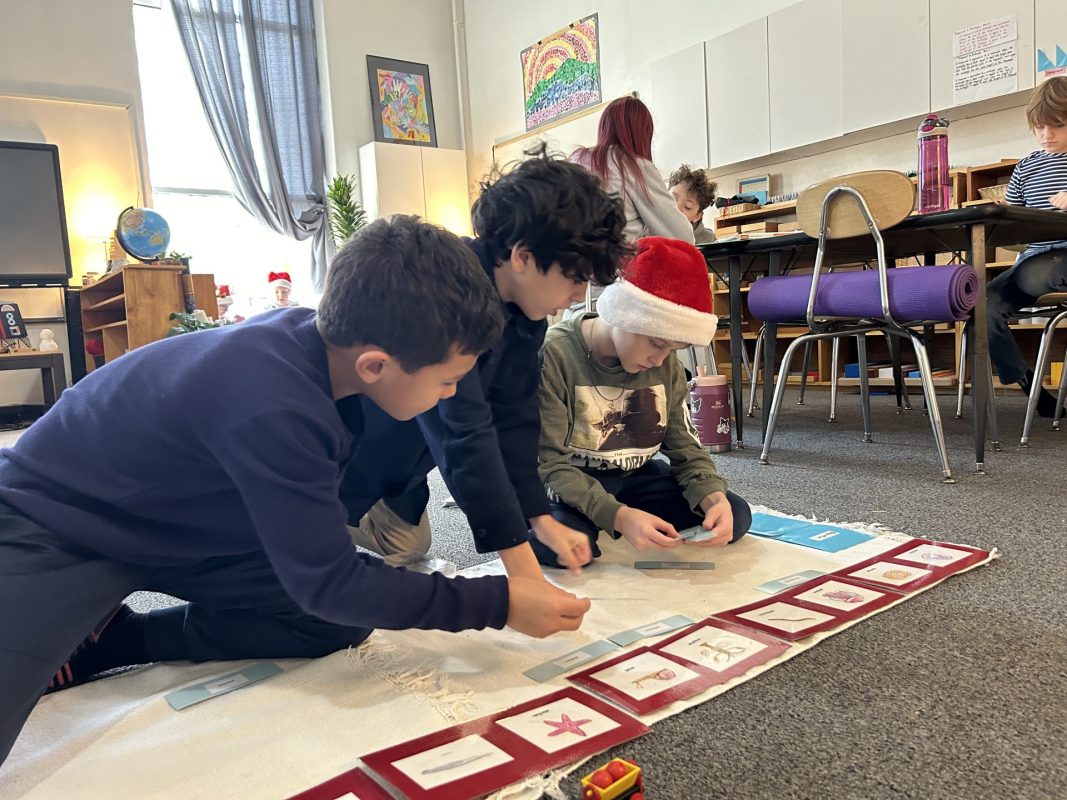
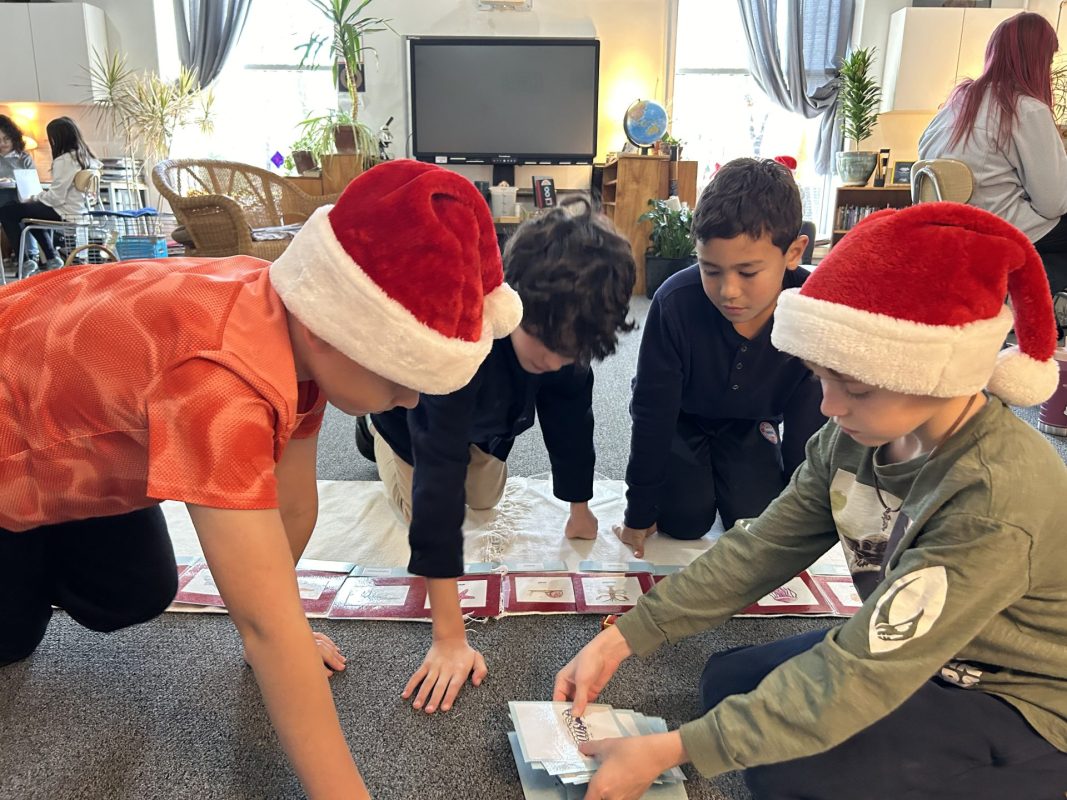
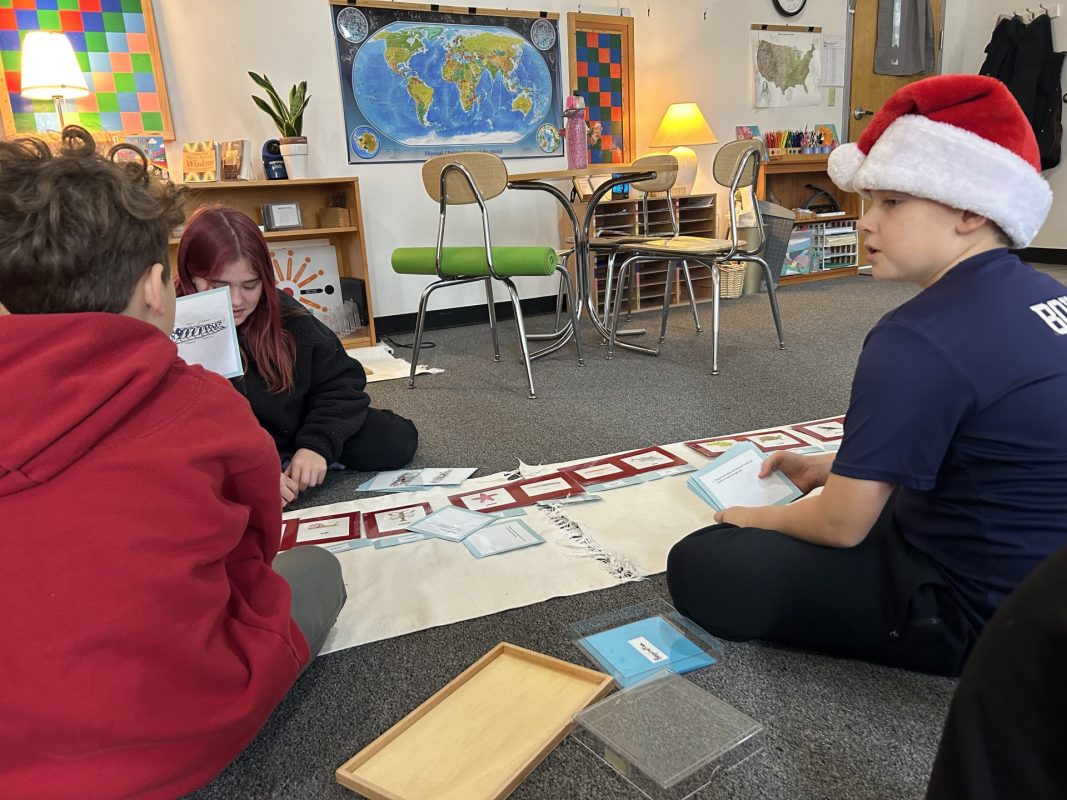
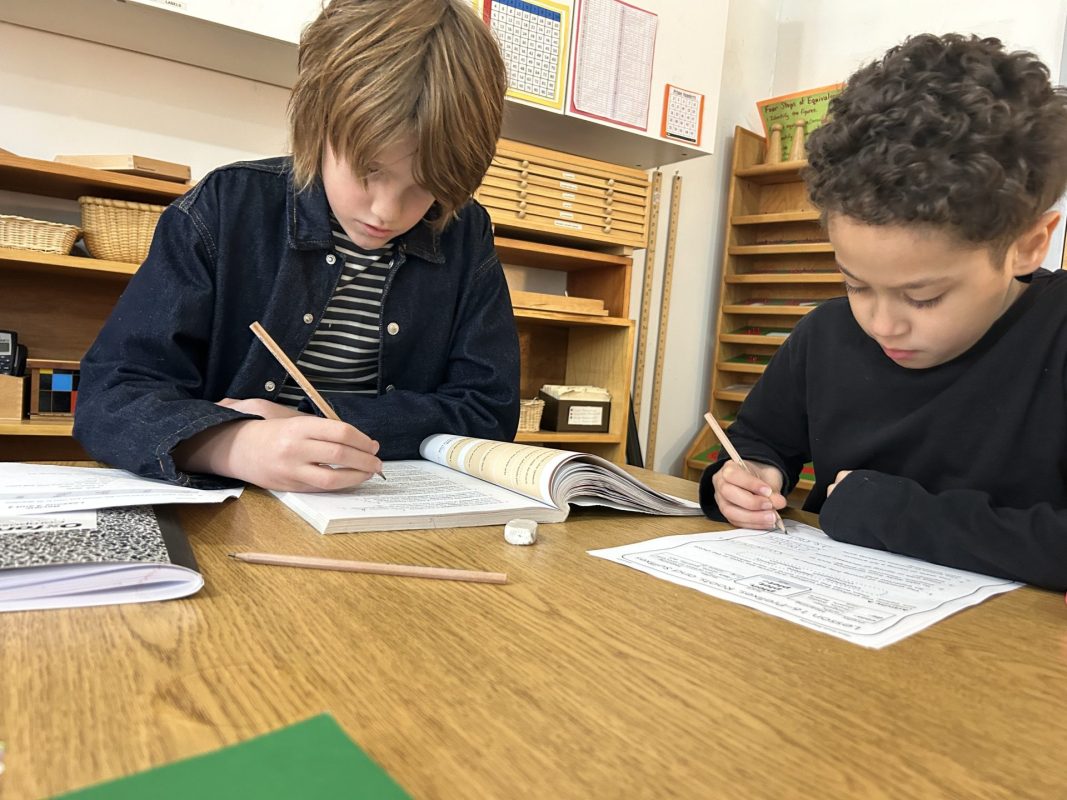
Our class was very busy with lessons and assignments this week. There were numerous individual math lessons and lots of fantastic collaborative work in math. In geometry, the fourth graders learned about the equivalency between a rhombus and a rectangle. The fifth graders had their first of many area lessons. They learned that we use the square as a unit of measure when finding area, and they also discovered the formula for finding the area of a rectangle. In biology, the class worked in small groups to identify how different animals obtain their nutrition. In grammar lessons, the fourth graders focused on sentence analysis and breaking sentences into their parts. This week, they learned about the action, subject, direct object, and indirect object in a sentence. The fifth graders learned about collective nouns and how they differ from plural nouns. Students also had fun baking banana bread with Ms. Krystin this week. They are looking forward to doing more baking throughout the year!

Lastly, to all veterans, we express our sincere gratitude for your service to the country with courage and dedication. Happy Veterans Day!

We hope you have a wonderful weekend,
Karen and Krystin


November Family Connection Newsletter

“There are many who hold, as I do, that the most important period of life is not the age of university studies, but the first one, the period from birth to the age of six. For that is the time when man’s intelligence itself, his greatest implement, is being formed. But not only his intelligence; the full totality of his psychic powers.” –Maria Montessori, The Absorbent Mind, p.21
Dear Families,

This month’s edition of the Family Connection Newsletter by the American Montessori Society focuses on the sensitive periods identified by Maria Montessori during her years of studying and observing children. Sensitive periods are phases during which we acquire specific skills or knowledge easily. In this newsletter, the age group highlighted is birth to age six. During this first phase, Dr. Montessori identified six sensitive periods, including language, order, movement, refinement of the senses/sensorial exploration, small objects/tiny details, and social behaviors. Our toddler and primary programs are designed to promote the development of our students’ skills in these areas. I hope you find this article informative and valuable.

On Veteran’s Day and every day, we express gratitude to all the Veterans in our community who have served.
Wishing you a wonderful weekend,

Karen Sankey
Director of Montessori Education


Ms Marissa: A Pumpkin Filled October!

Welcome to our pumpkin patch!  There are pumpkins everywhere in our class. Having pumpkins in the classroom provides many opportunities for the children to observe and introduce basic science and math concepts.
In Practical Life, we have pumpkin spooning, pumpkin pouring, pumpkin scrubbing, and pumpkin grasping. In Science, we learned about the parts of a pumpkin and the pumpkin’s life cycle. We compared pumpkins and categorized them as small, medium, and large. We are using our five senses to determine what pumpkins look, smell, feel, sound, and taste like.

On Tuesday, we had a small in-class Harvest Celebration where each child had the opportunity to visit our “pumpkin patch” and pick their own pumpkin, make a yarn spider web, and have a fun snack.  Last but not least, meet Skelly, our veggie skeleton prepared by the kindergarten students.  It is always so wonderful to hear the children say they don’t like this vegetable or that one and then devour all of it! All of this was possible because of parents helping behind the scenes.  A huge shout out to everyone for sharing their time and energy with us to provide these wonderful opportunities for the children. We are very grateful and truly blessed.
Wishing you a week filled with peace and love.

Marissa & Sue


Upper El’s Spooky Fun

It was a week of spooky fun and focused work in Upper El. We celebrated Halloween with a costume parade, a class party complete with many tasty foods brought by the children, and pumpkin carving. Thank you very much to everyone who contributed to our delicious spread! For some, it was their first time carving and pumpkin and there was a range of reactions to scooping out the seeds and soft inside of the pumpkin. After carving, a group of students separated the seeds from the rest of the innards and we have been enjoying roasted pumpkin seeds all week.

Our lessons this week included learning about the digestion process in biology, advanced equivalences in geometry, and identifying parts of speech in language. Individual students also had various lessons in math. We added two new pieces of independent work this week as well. The first is puzzles which are designed to help children sharpen their ability to reason, draw inferences, and evaluate evidence, all of which are important and vital critical thinking skills. The puzzles they worked on this week involve using deductive logic; students must draw conclusions based on what they know as certainly true or false, or unknown. The second new work is analogies. When students work with analogies they sharpen their reasoning skills as they analyze the subtleties of language and relationship. Analogies are useful tools for developing students’ grasp of concepts and ideas in different content areas.

Now that the weather has turned colder, please make sure your child has proper outdoor clothing each day at school. This means a warm coat for our morning recess and possibly a hat and gloves or mittens as the temperature continues to drop. We go out to play when the temperature is 20 degrees or above.


Setting the Table for Independence. Pause, Connect, Partner

By David Newman, Head of School

I recently read an article sent in the Family and Student Newsletter from my daughter’s college that resonated with me both as a parent and an educator. The article was directed toward parents of freshmen, and while we have a junior in college, my wife and I are certainly not experts and thus benefitted from its wisdom.

The intent of the article was to provide guidance for parents on how to support their students in realizing their own path to independence – effectively allowing them to struggle, emphasizing that we should support this process through listening and offering empathy without trying to solve every problem. After all, their solution might be different than ours. The college suggested the following advice to us: Stop, Drop, and Roll.

Stop = Take a deep breath. Are they truly asking me to fix the problem? More likely, they want me to listen and allow them to talk through it. Don’t panic.

Drop = Don’t take action or give in-depth advice. Ask productive questions that might help them come to a solution on their own, and acknowledge that struggling is a part of life’s journey.

Roll = Be a cheerleader. Stay informed. Make them feel like they can do this.
As a parent, this made perfect sense and served as a good reminder. As an educator, it struck a chord as it is advice I have often given to parents throughout the years – albeit not as succinctly.  

It got me thinking about the work we do at FWM, and the times when students struggle. How do our parents handle these situations, and in what ways do we promote actions that are in the best interest of the child’s learning journey? In college, the stakes may be quantifiably more consequential, but that does not mean that a 6-year-old’s challenges are any less anxiety-producing to both the student and the parent. A college student is more self-aware and more able to problem solve simply because of the “tools” they have in their kit from life experience. A 6-year-old does not have a tool kit. Yet, the goal is still the same. Therefore, while the concept applies, the execution needs adjusting for school-aged children because we are setting the table for future independence. To apply this thinking to the FWM community, I reframed my thinking of Stop, Drop, and Roll this way: Pause, Connect, and Partner.

Pause: When your child comes home and shares something about their day that caused them to be upset, was challenging, or simply doesn’t seem right, take a moment to absorb what they are telling you. Does this sound possible? In what context might this have taken place? Is it possible that this is developmentally appropriate? Listen to your child and try to provide context that reassures them they are safe.

Connect: Reach out to their teacher to establish a line of communication. Explain what your child shared with you and allow the teacher to acknowledge and then provide their perspective of what they saw…or are seeing. Often, children at these ages have trouble seeing beyond themselves. Reaching out for more context from the school can often answer questions that you may have as a parent and enable you to better support your child.

Partner: We often talk of the partnership between the school and our families formed when you send your child to FWM. When your child faces a challenging situation, the school can be an excellent partner. We have seen many students face challenges along their journey and have engaged with them to help them navigate difficult times. Each child is unique in how they react to and meet their challenges, but there are few situations we have not experienced.

It is important to remember that the school and our families share the most important goal, and that is to do what is best for our children. We may not always face challenges with the same perspective, but if we commit to a thoughtful partnership, we will more than likely set the table for our children’s future independence and a successful and meaningful learning journey.


Mrs. Hood: At the Fraser farm and some more fun!

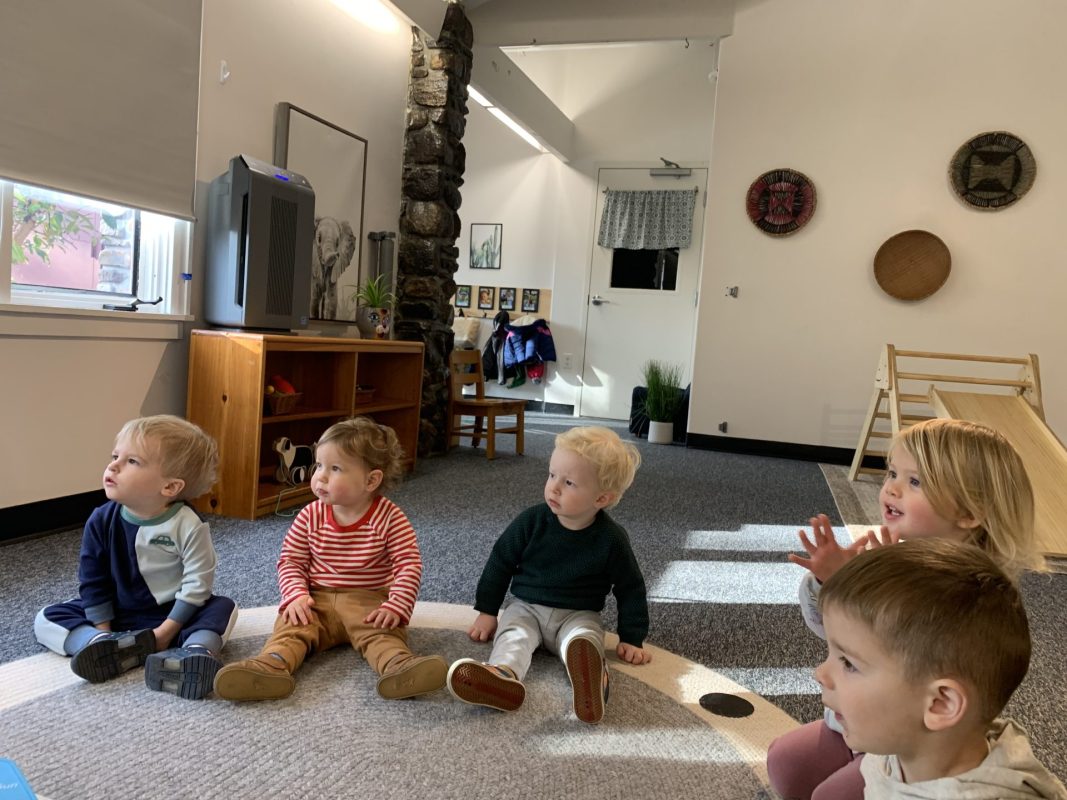
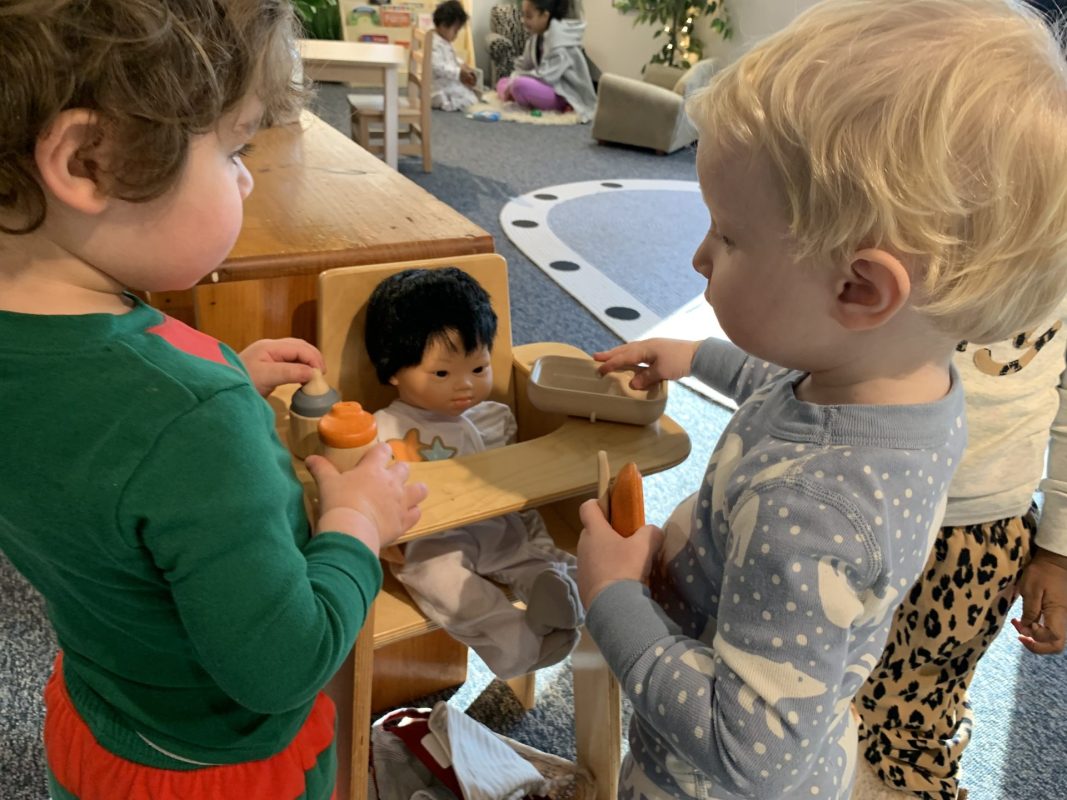
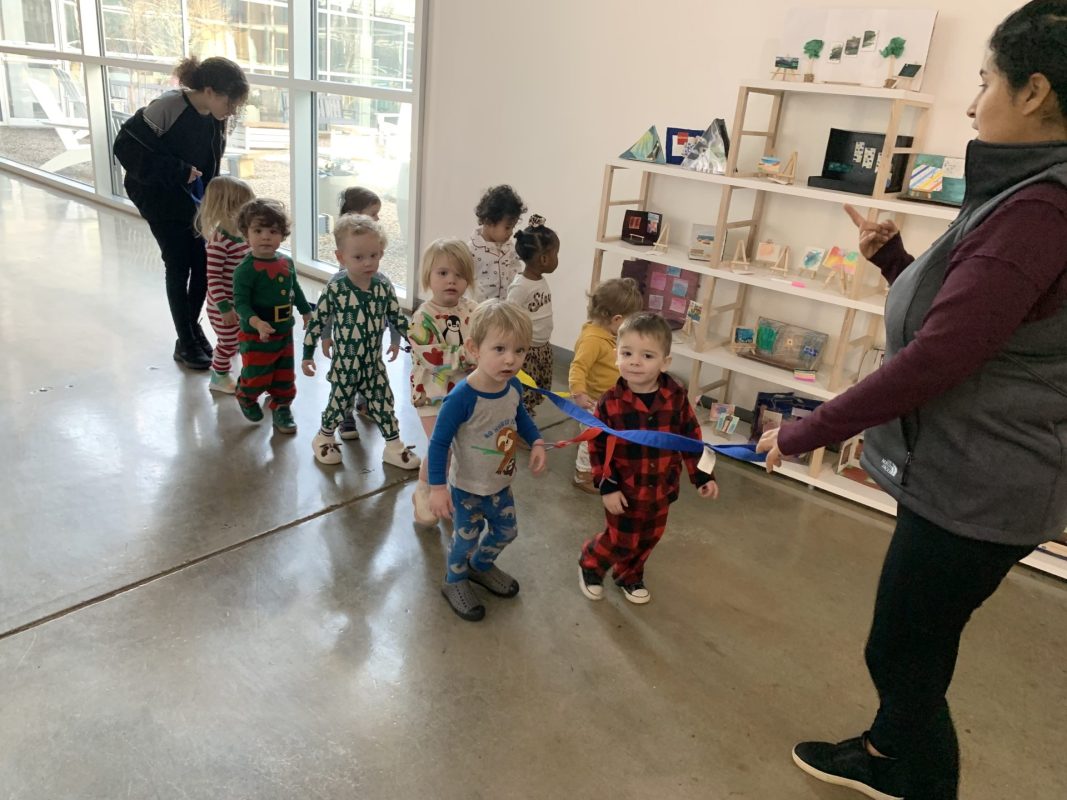
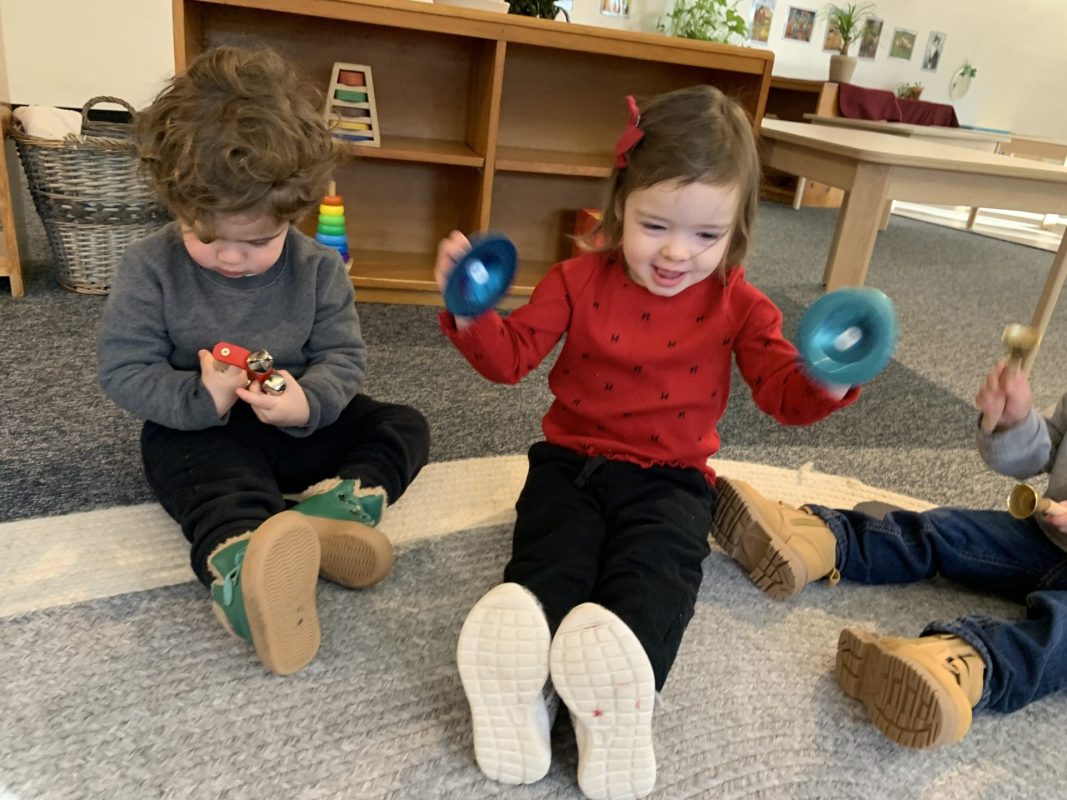
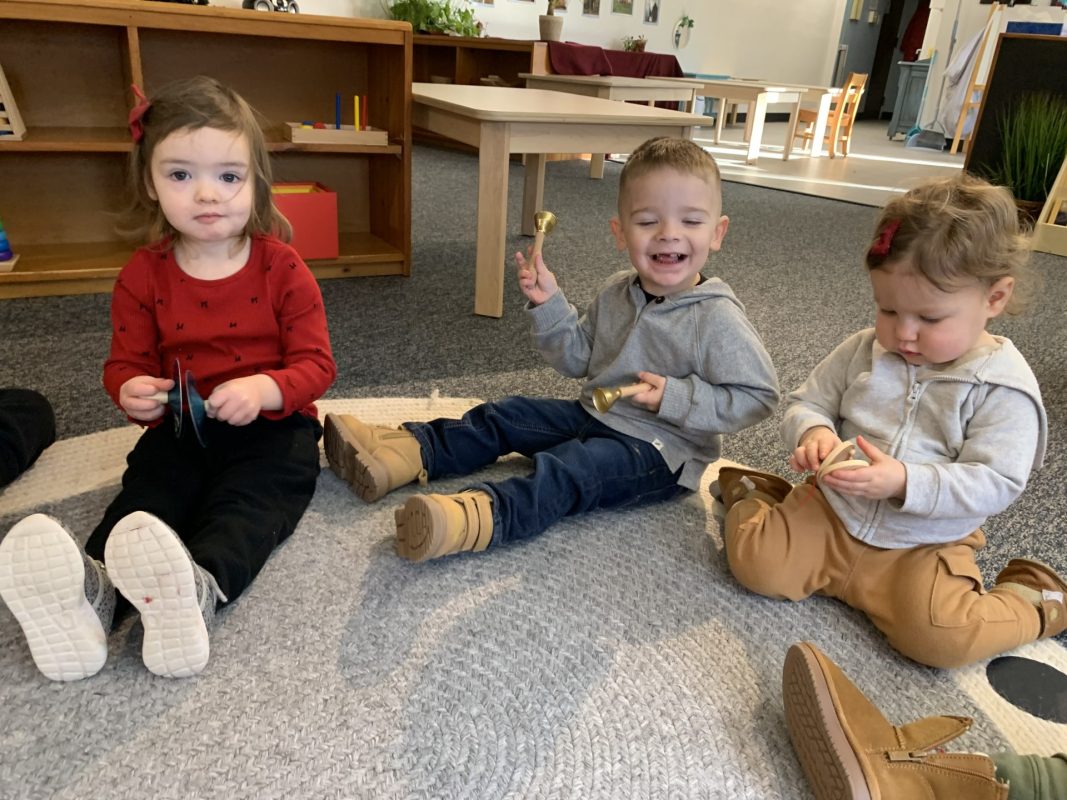
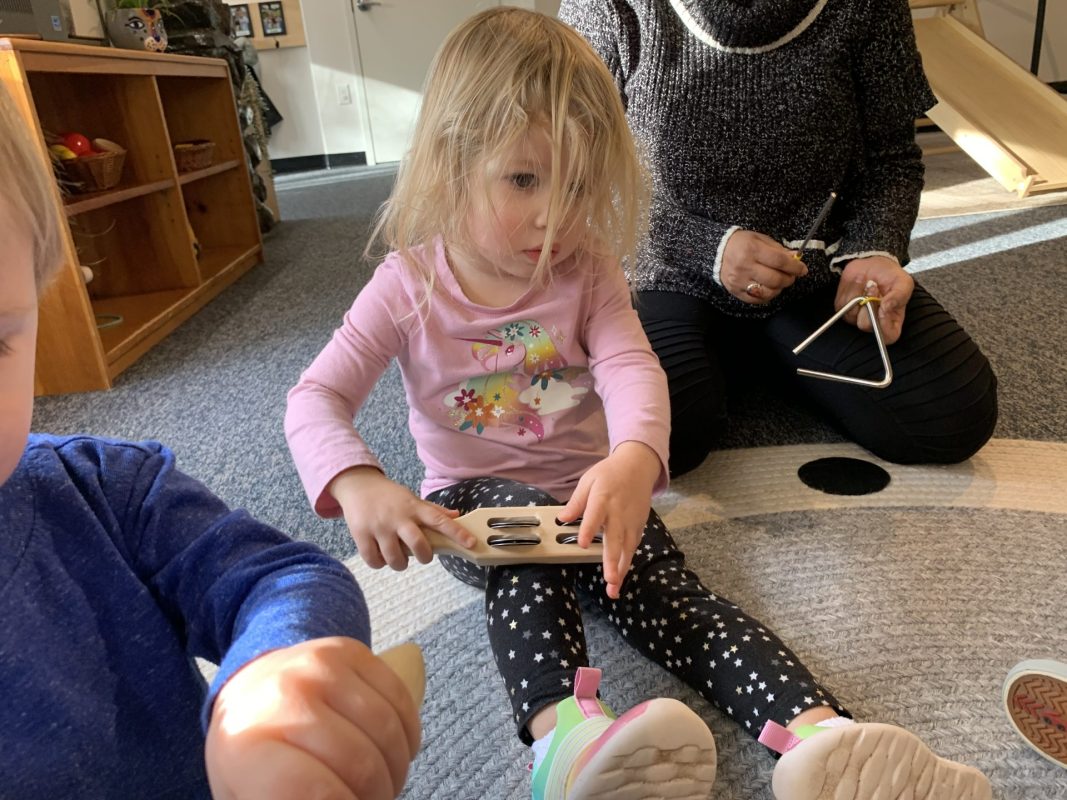
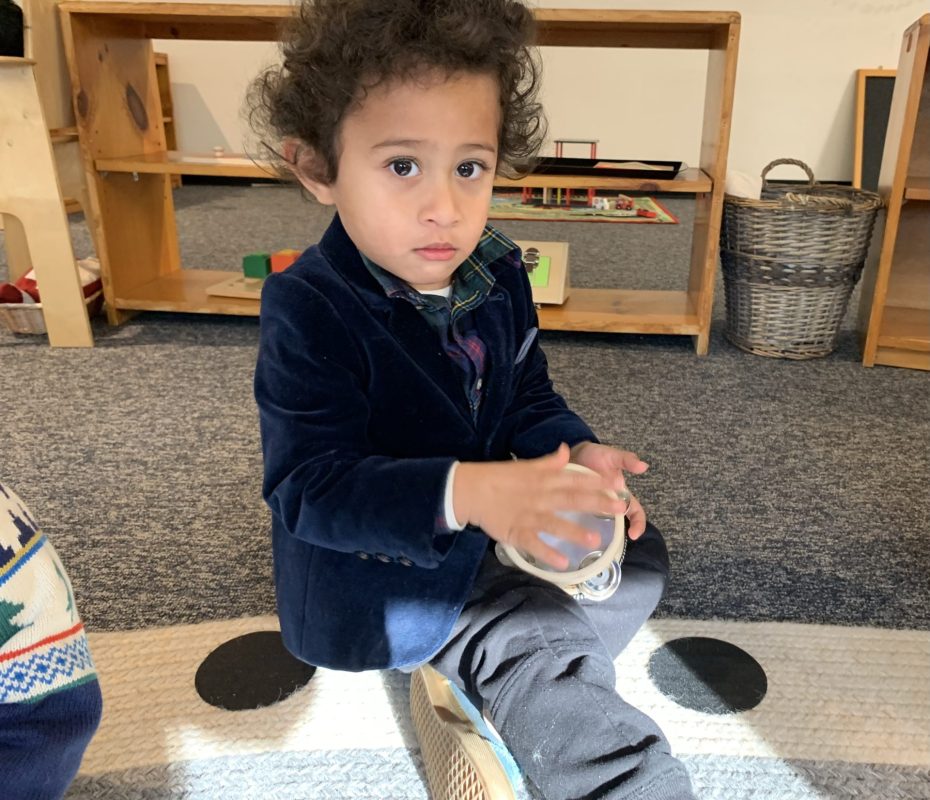
And like that, October is gone, and we continue having fun here at the Toddler level!

Last week we celebrated the fall harvest with our annual wagon ride and visit to our very own “Fraser Farm” located in our Zen garden, which was transformed into a beautiful pumpkin patch for our toddlers to explore.

First, the children were invited to ride in wagons all around the school, knowing that they needed to keep their eyes open for the pumpkins. Once we arrived at our Fraser Farm, the children were ecstatic to run around and pick their own pumpkins. There were giggles and so much excitement! Children explored different sizes of pumpkins and worked hard to carry them around. We all had a great time! When the time came, every toddler got into their wagon, carrying their chosen pumpkin, and we went for another ride around the school, arriving at our classroom ready to celebrate by sharing some yummy pumpkin treats and apple cider.

A big shout out to our wonderful Middle School students who happily offered to pull the wagons for us. Also, a big THANK YOU to our wonderful class parents and to all of you who helped with wagons, donations, and volunteering. We are so thankful to be part of a community that cares!

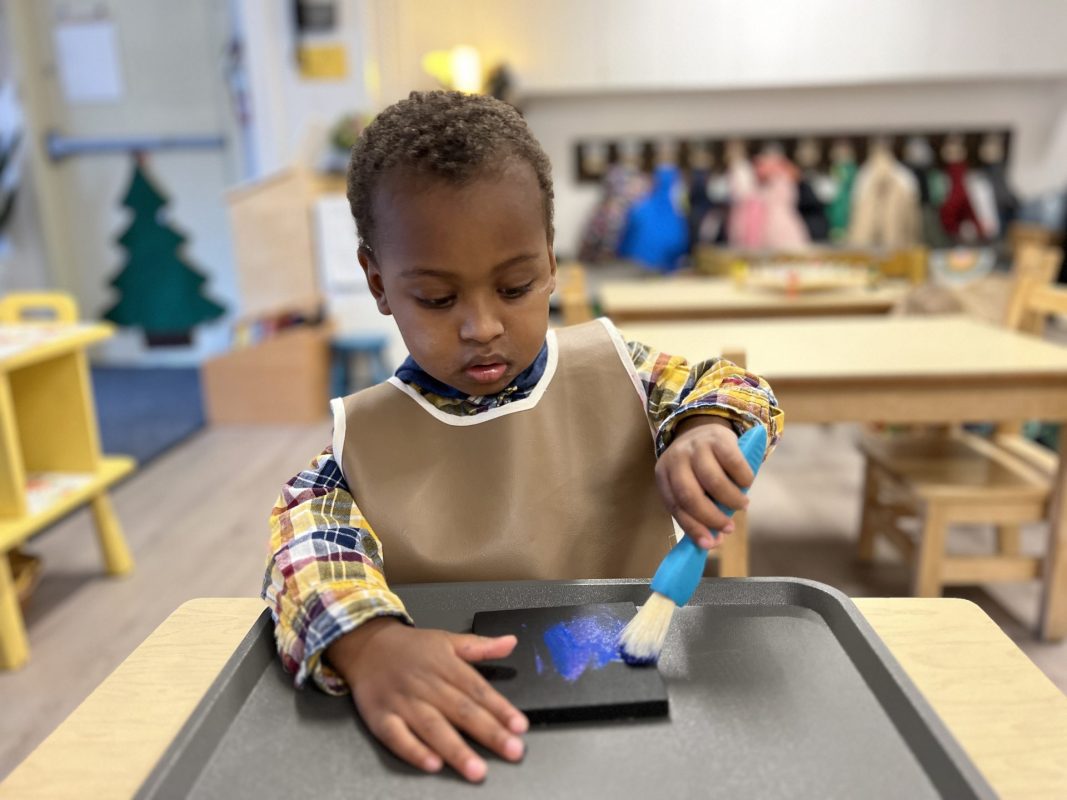
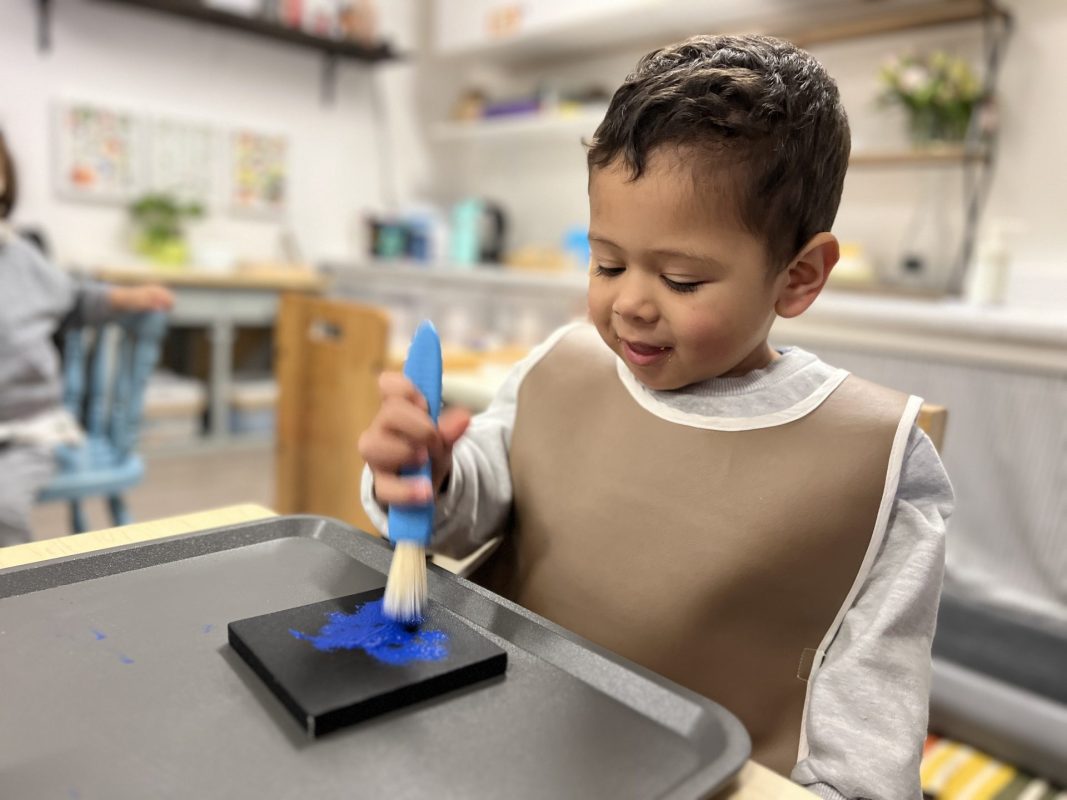
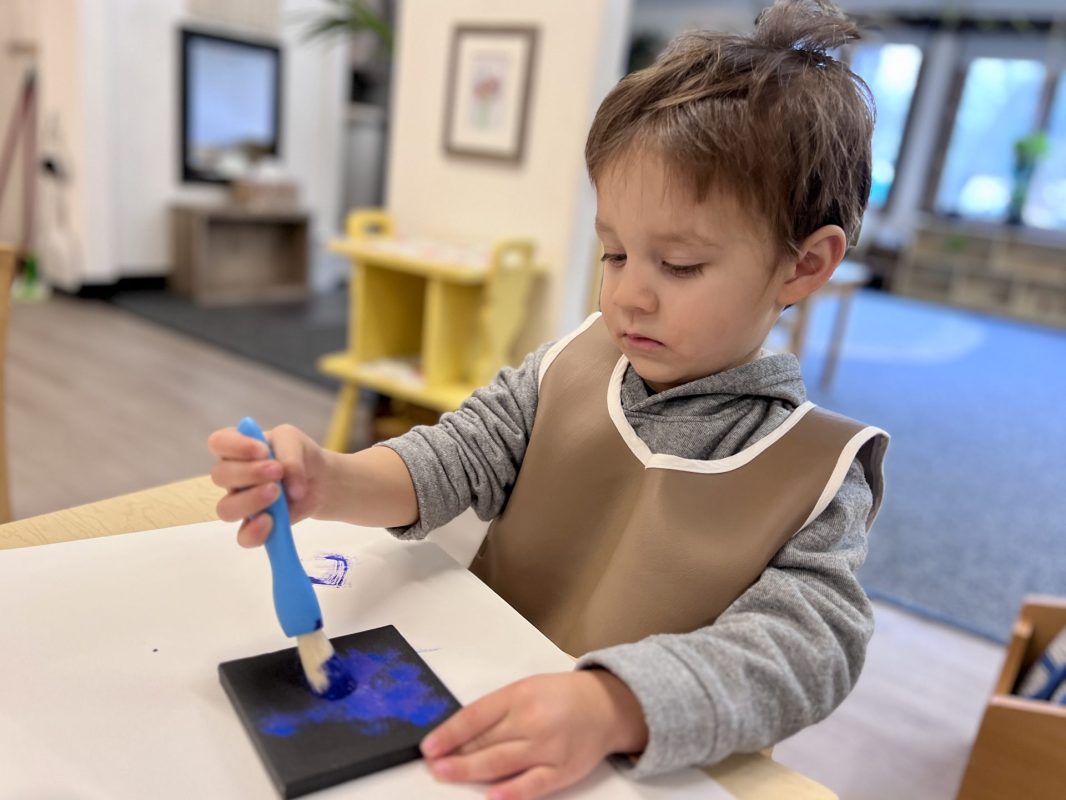
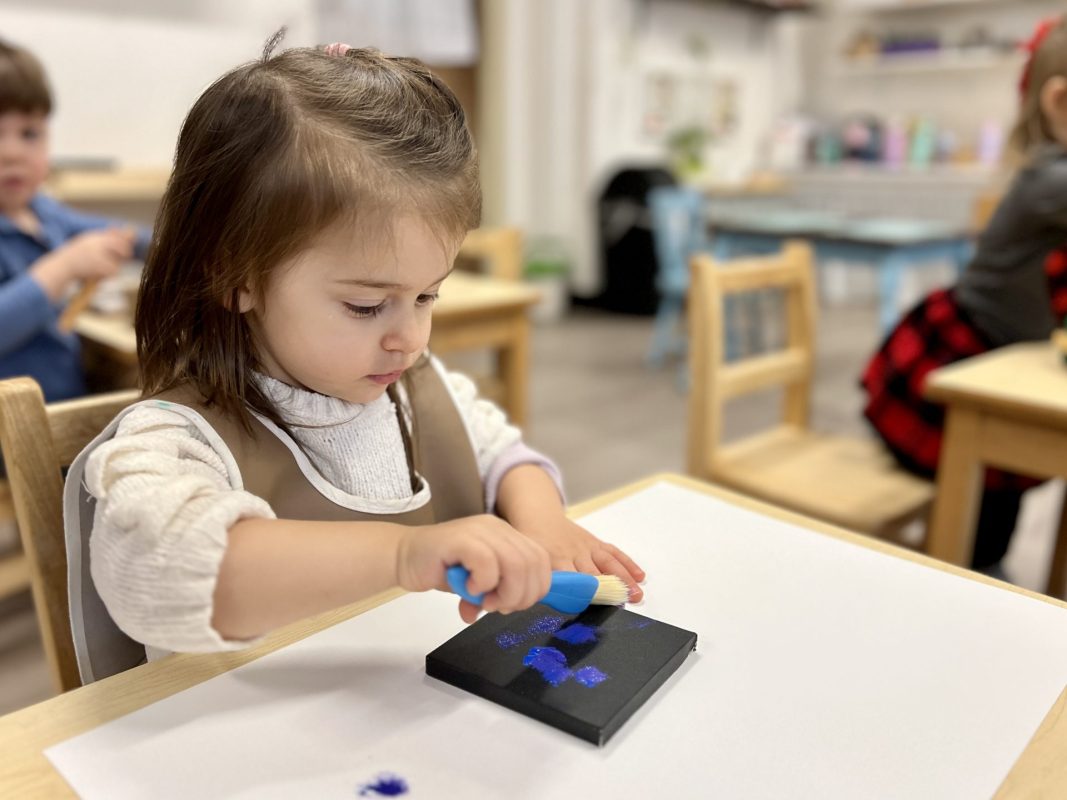
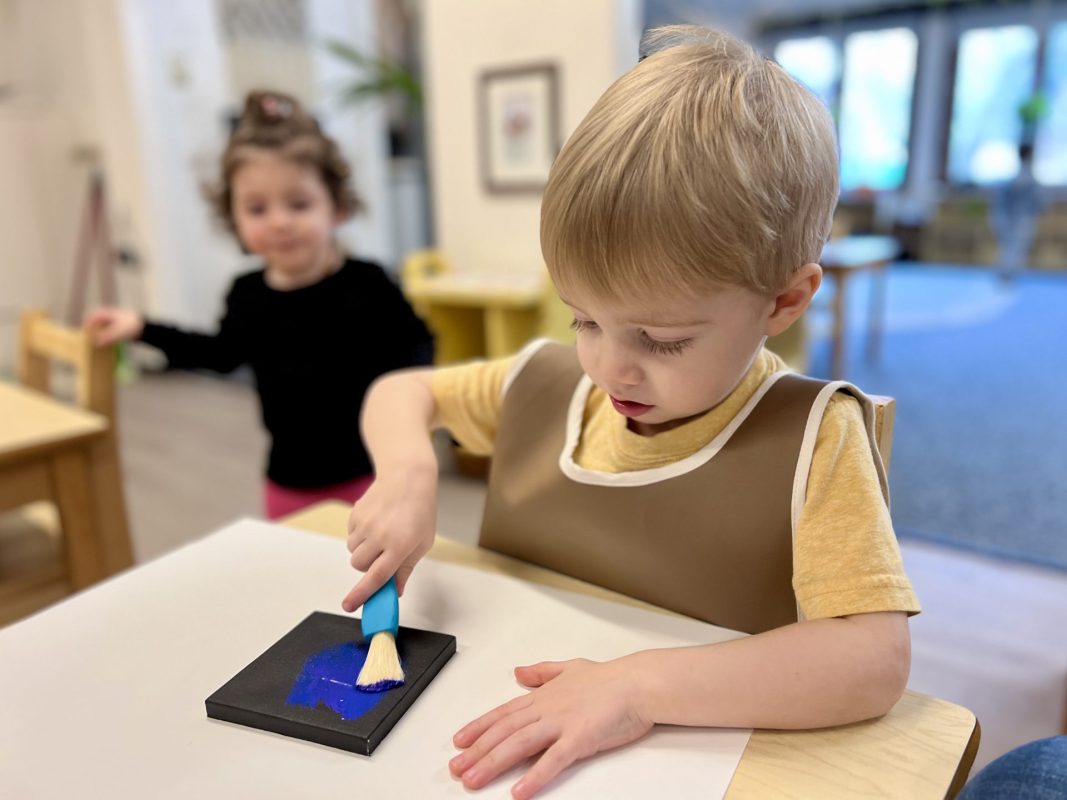
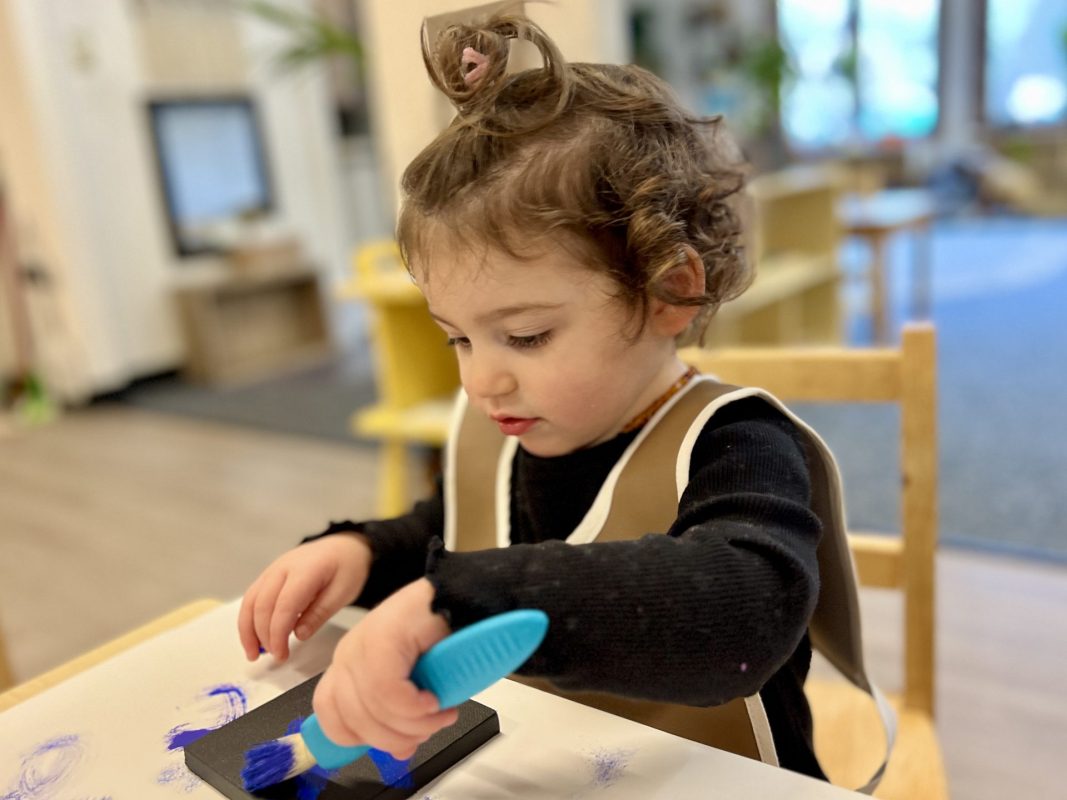
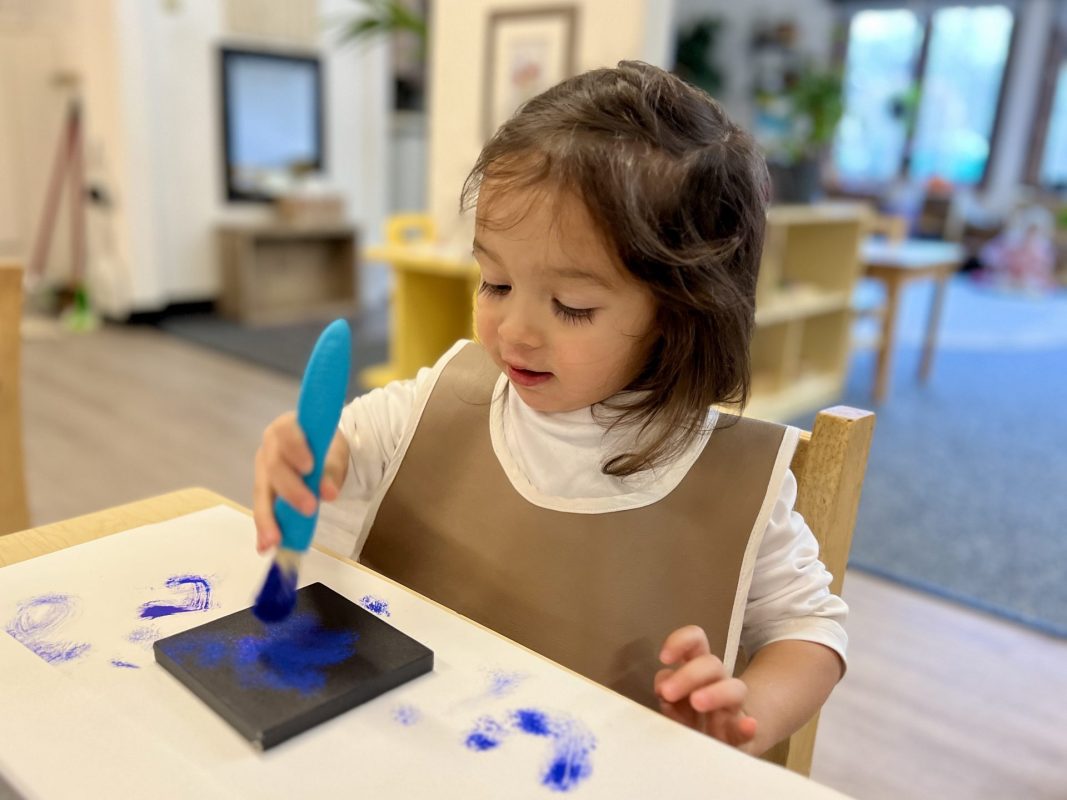
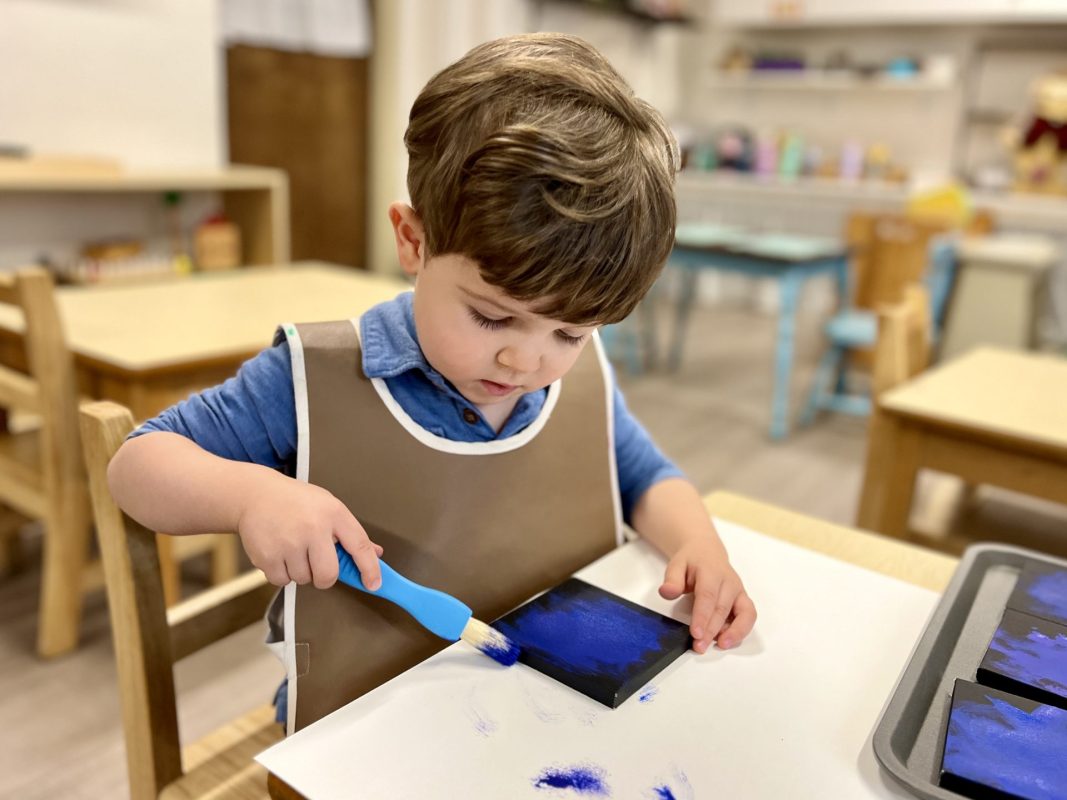
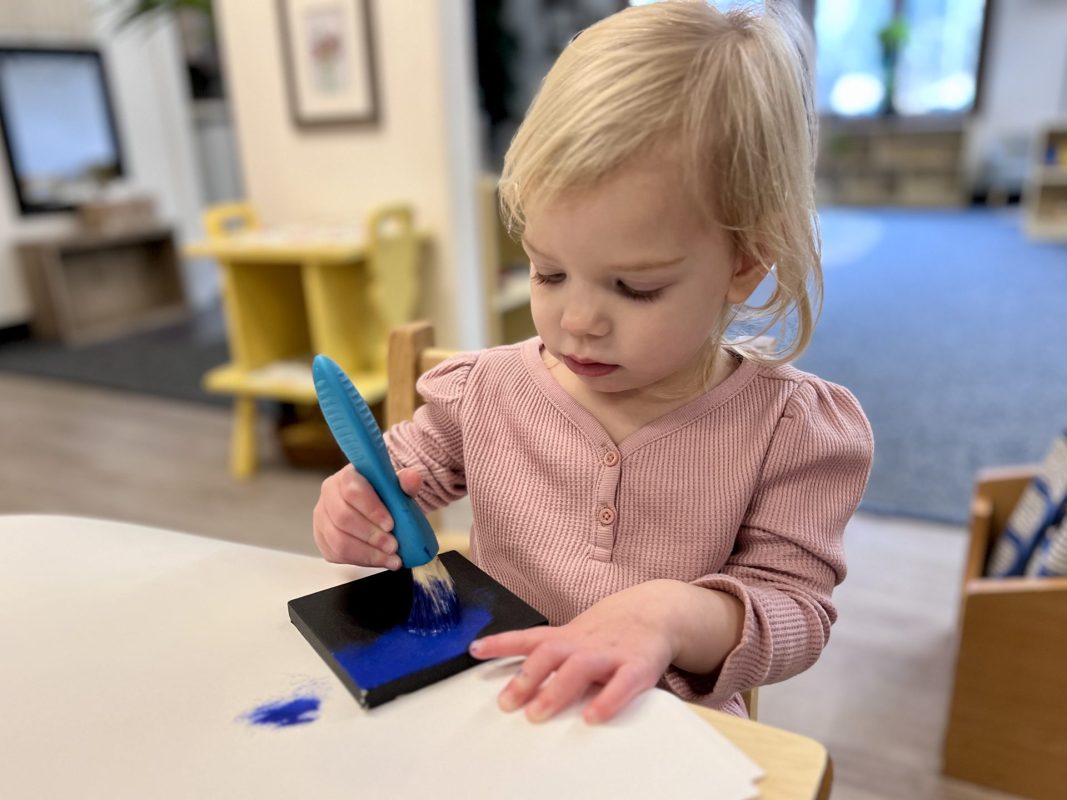
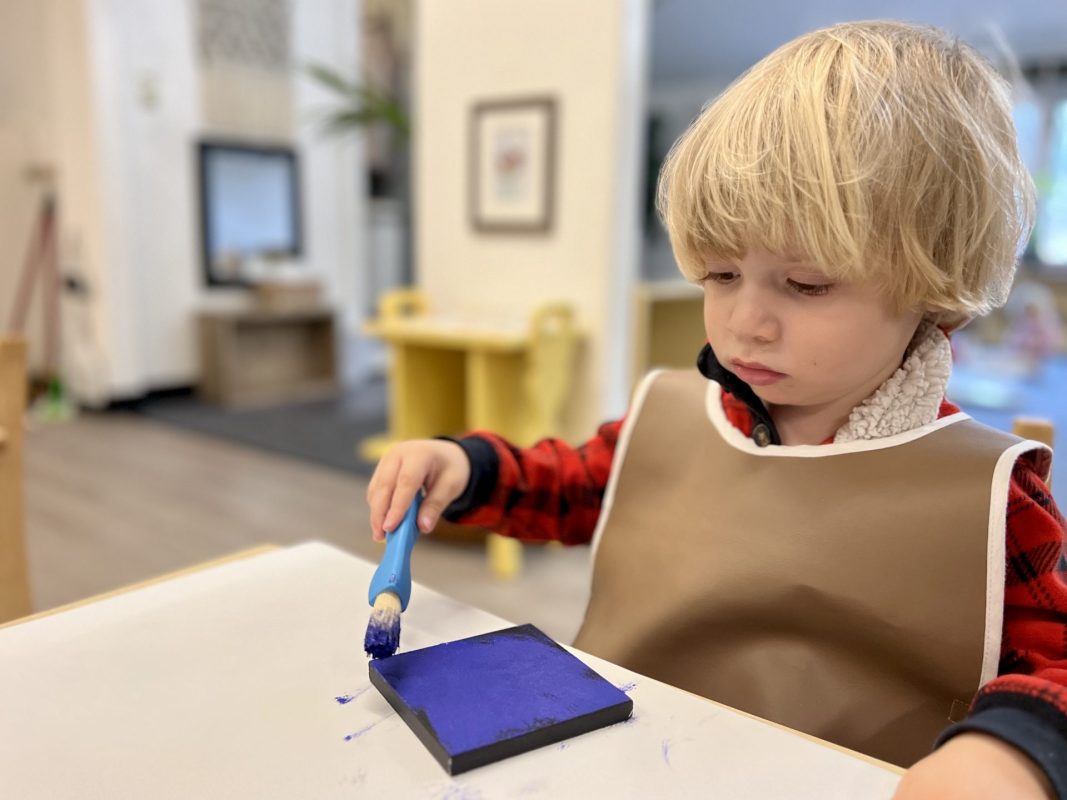
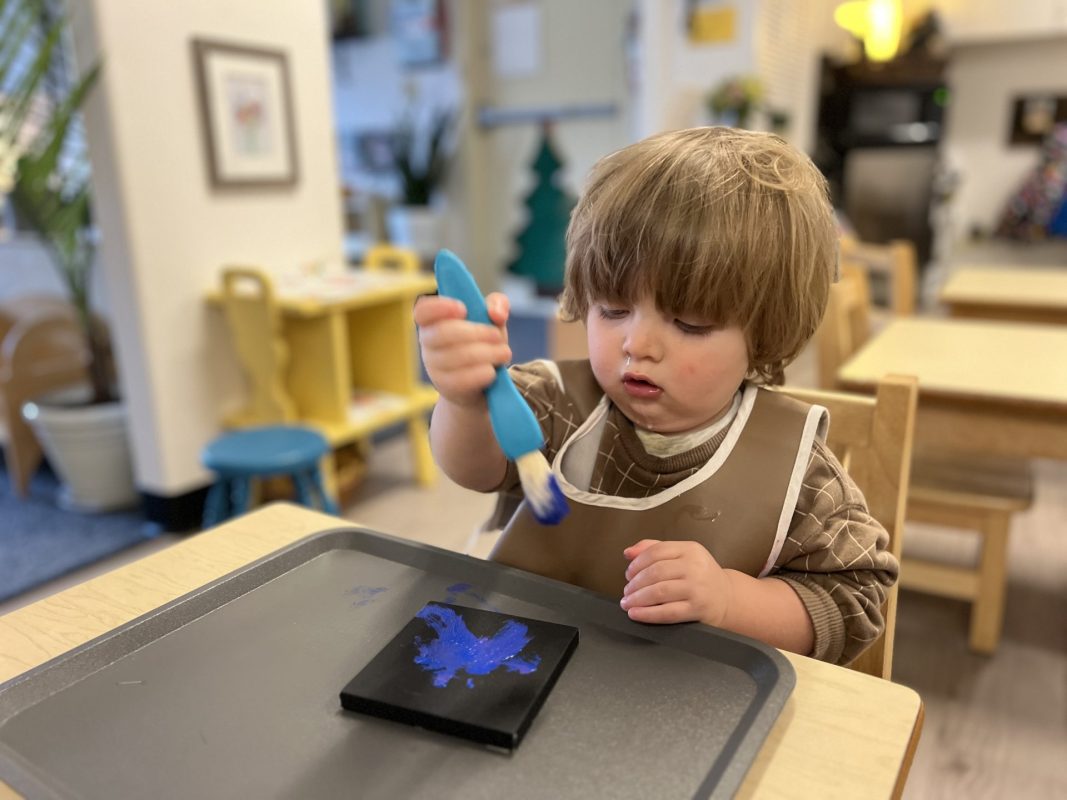
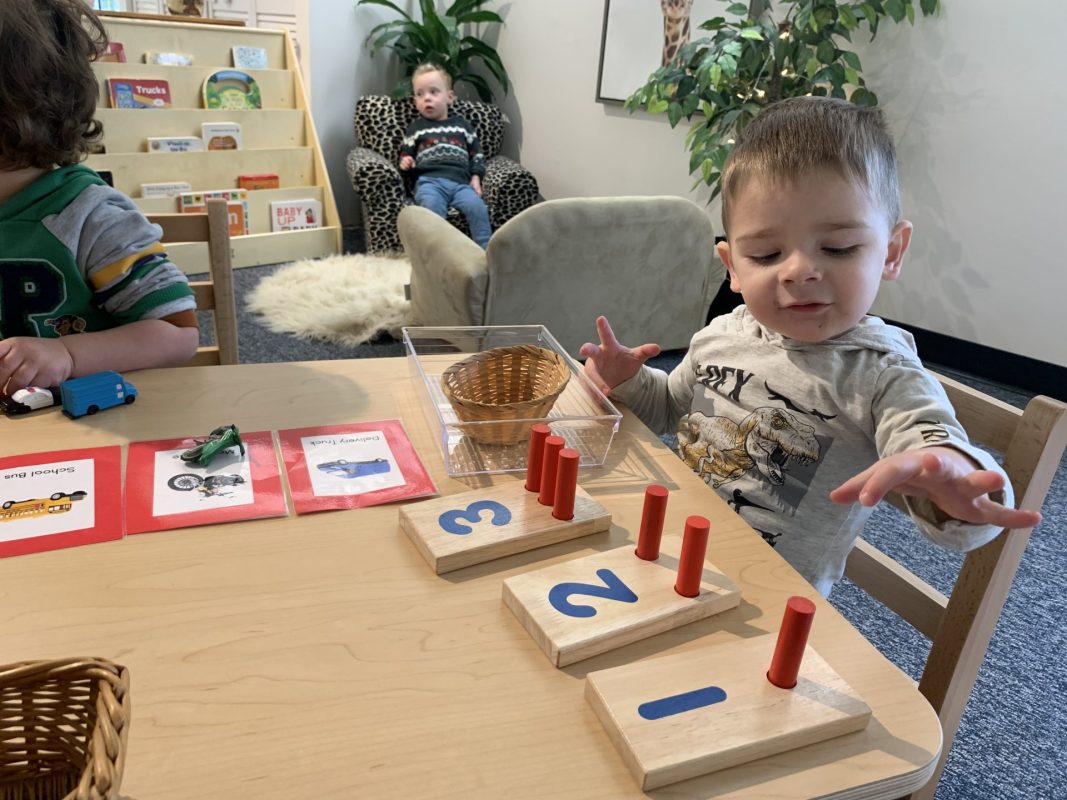
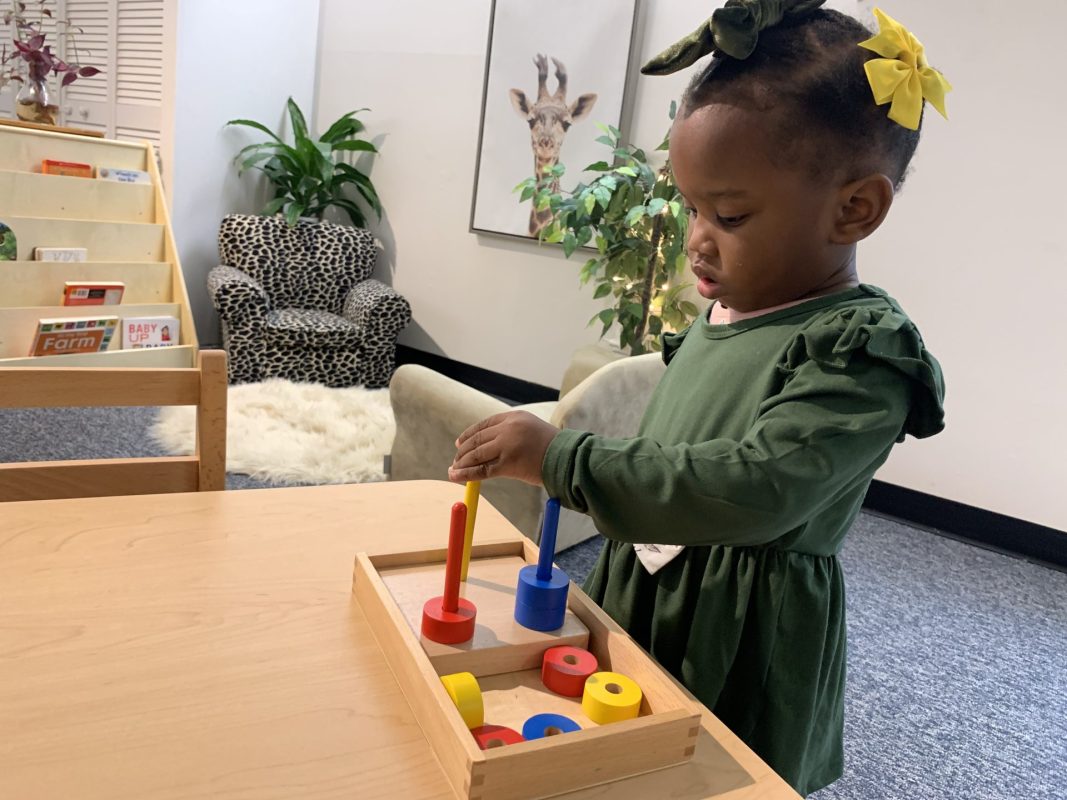
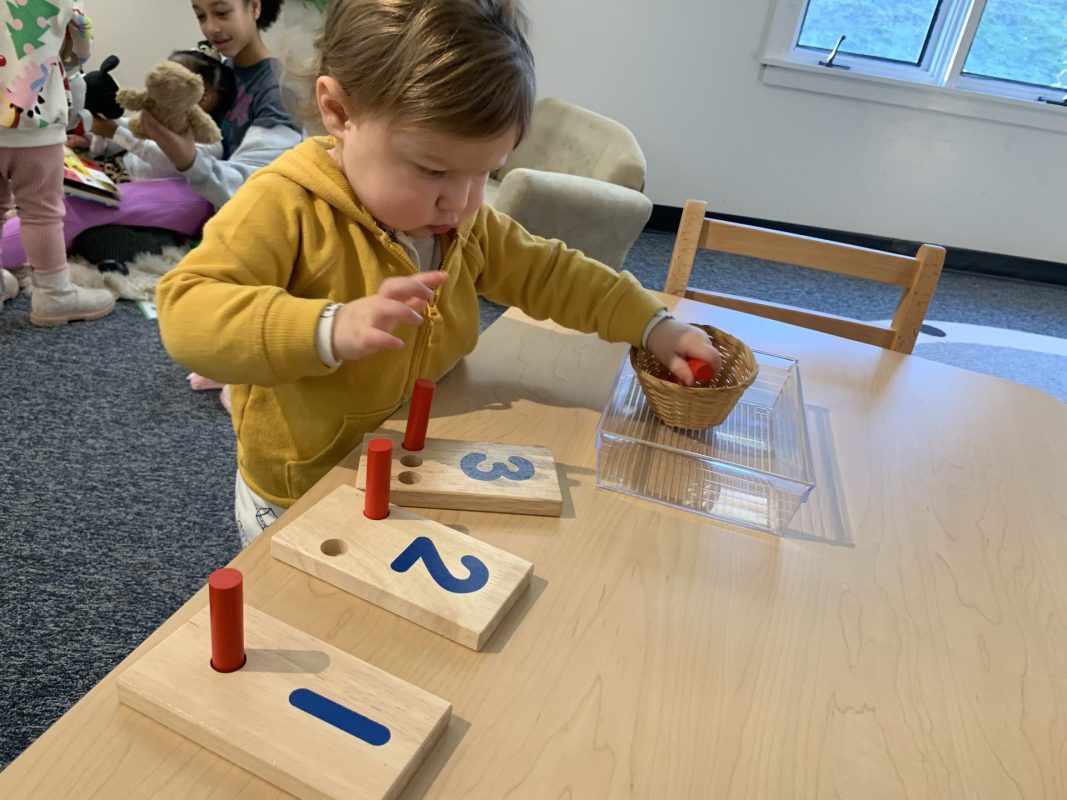
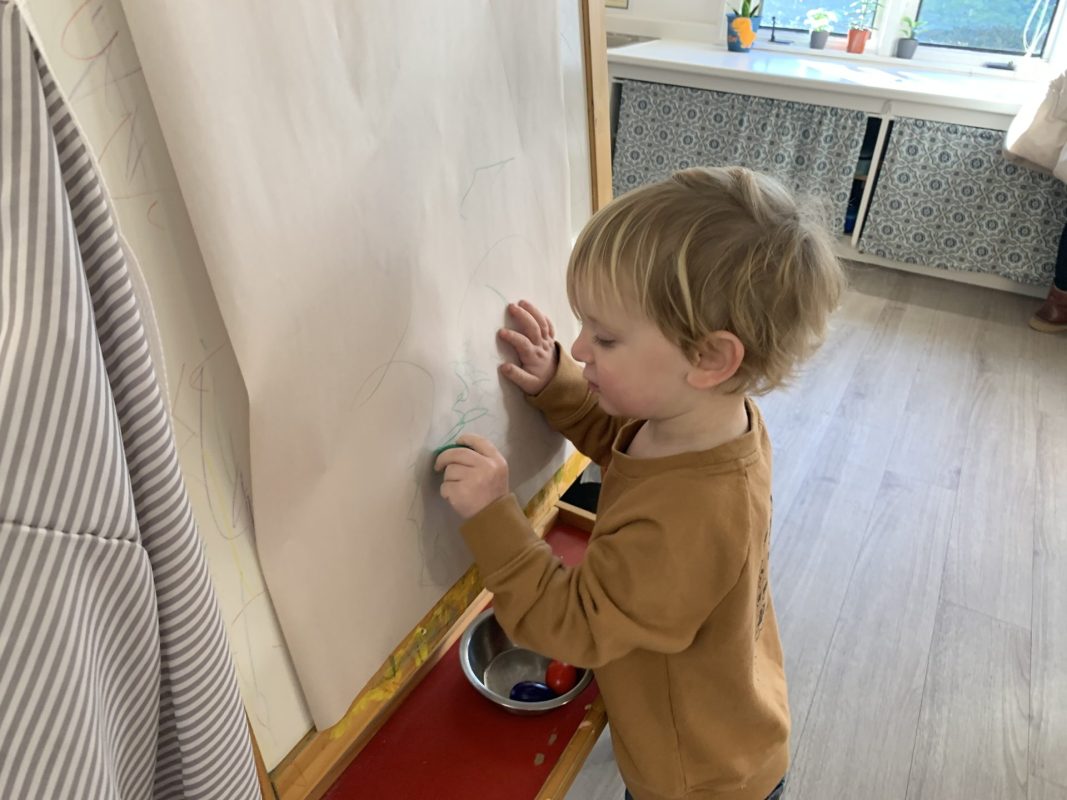
On another note, painting on the easel was a new addition to our art shelf this week. There are three main objectives of this exercise. First, the development of hand-eye coordination. Dipping the paintbrush in and out of the paint pot requires a steady hand and a keen eye, working simultaneously. Second, small motor control. Holding the paintbrush and whooshing it across the paper in the direction you want it to go is hard work when you’re small. Think of all the pre-writing skills they are learning just by holding the brush! Third, and I have to say, my favorite goal is creative independence! There are no rules when it comes to painting. There is no predetermined product, just a process. The children can plan their own painting from start to finish without any interference from adult rules or directions. The only thing they must remember is to paint only on the paper. Their sense of satisfaction, after they finish their masterpiece is just incredible to witness!

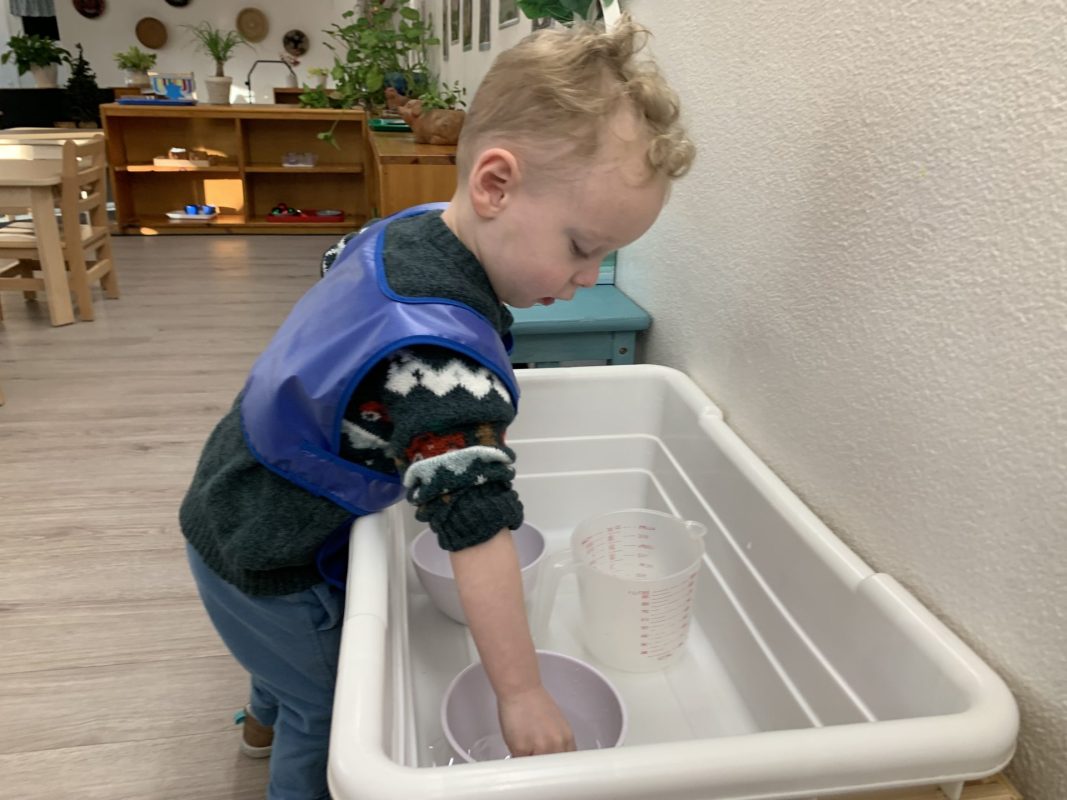
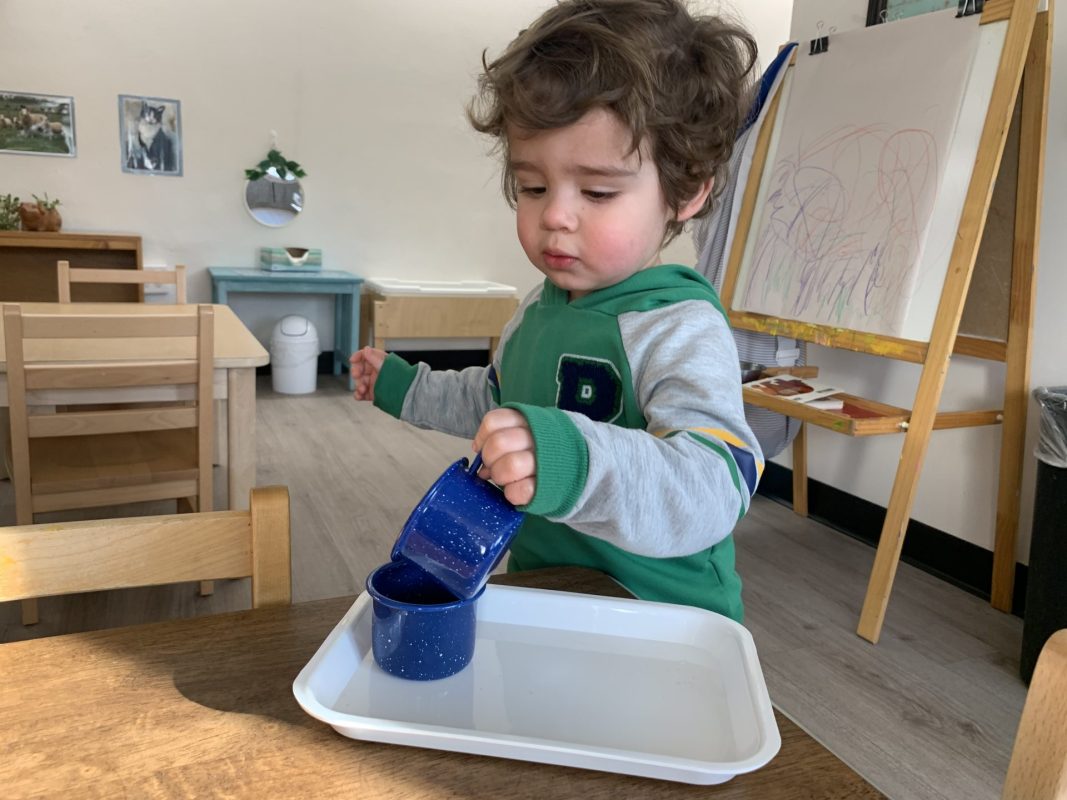
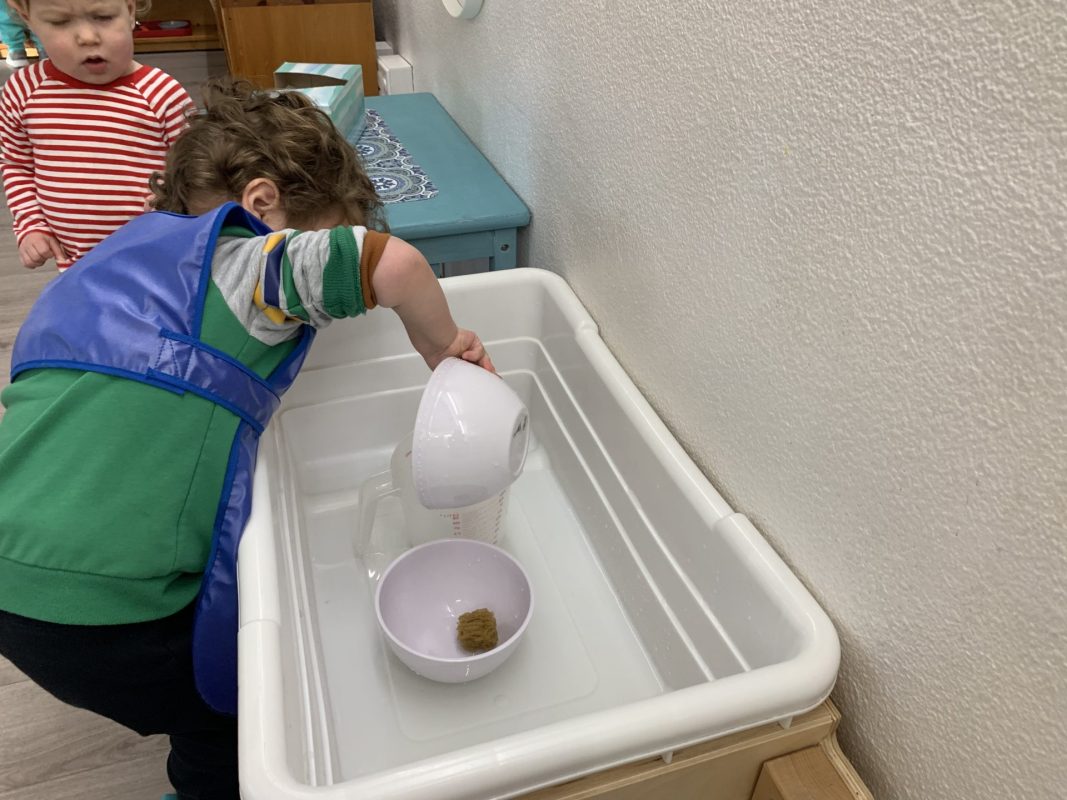
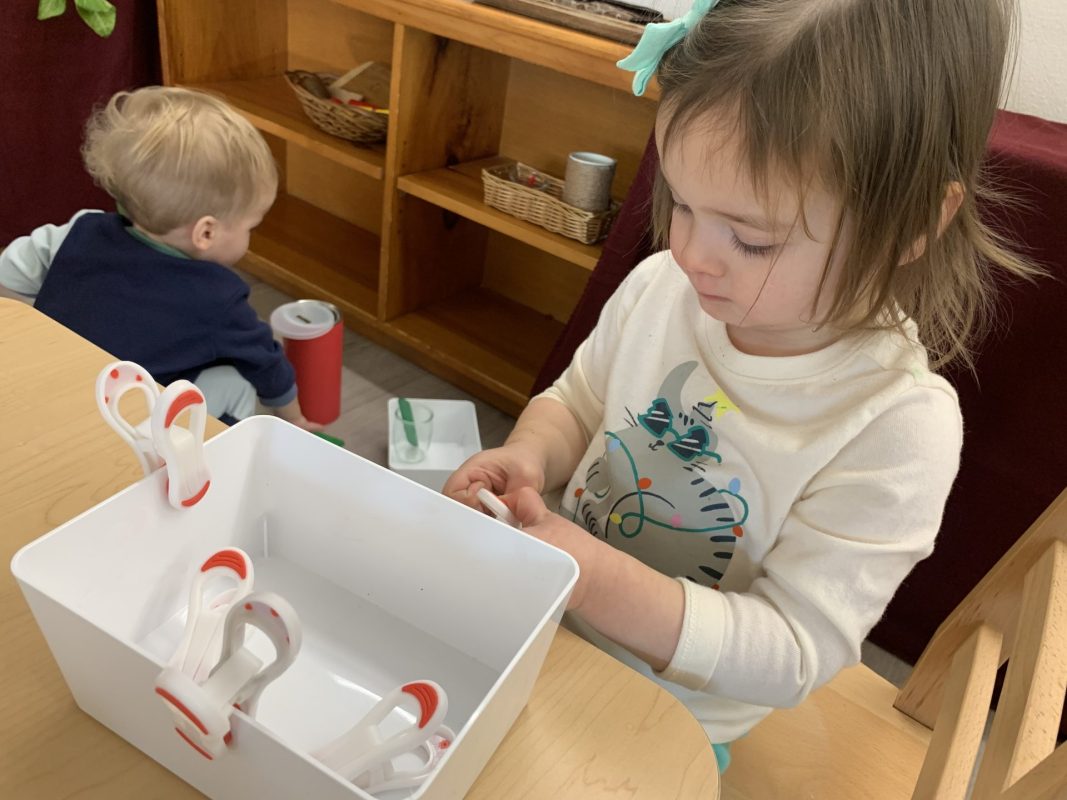
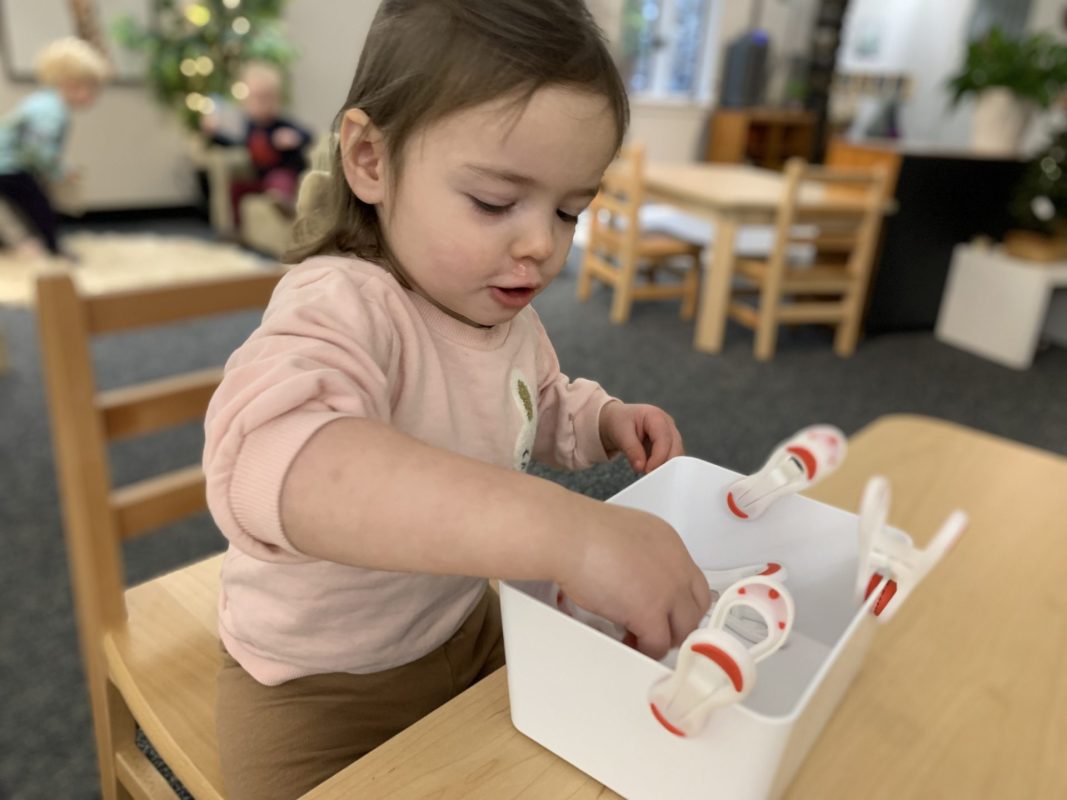
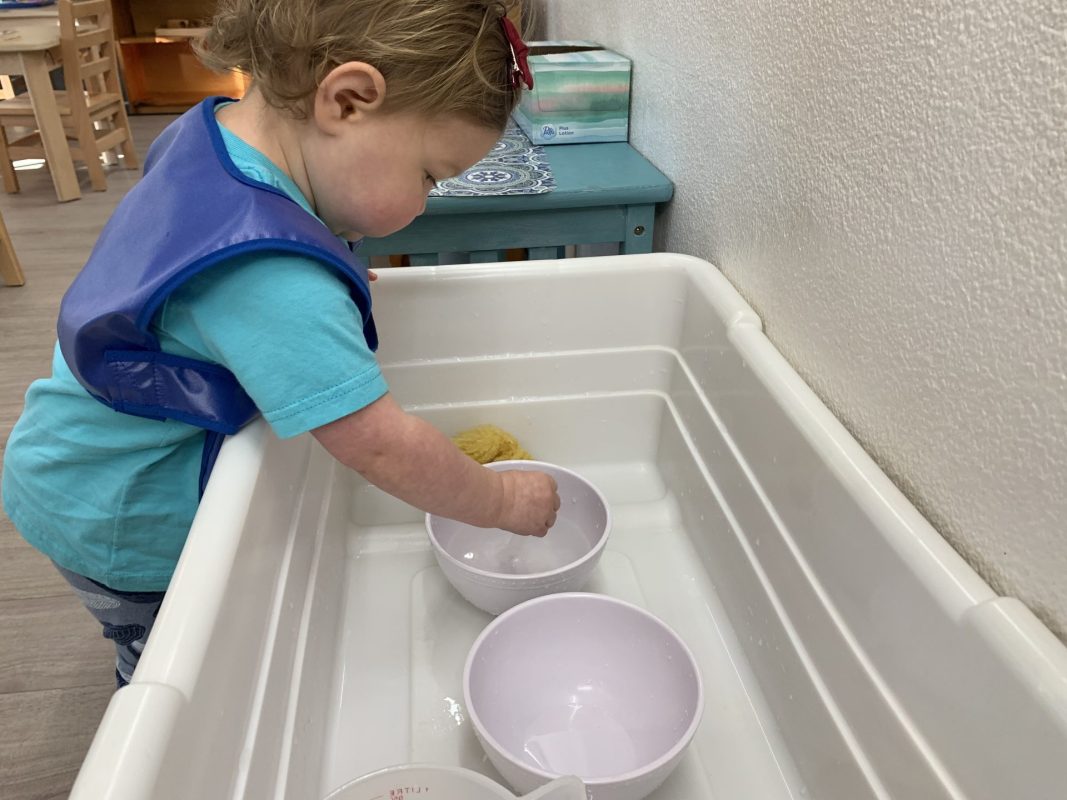
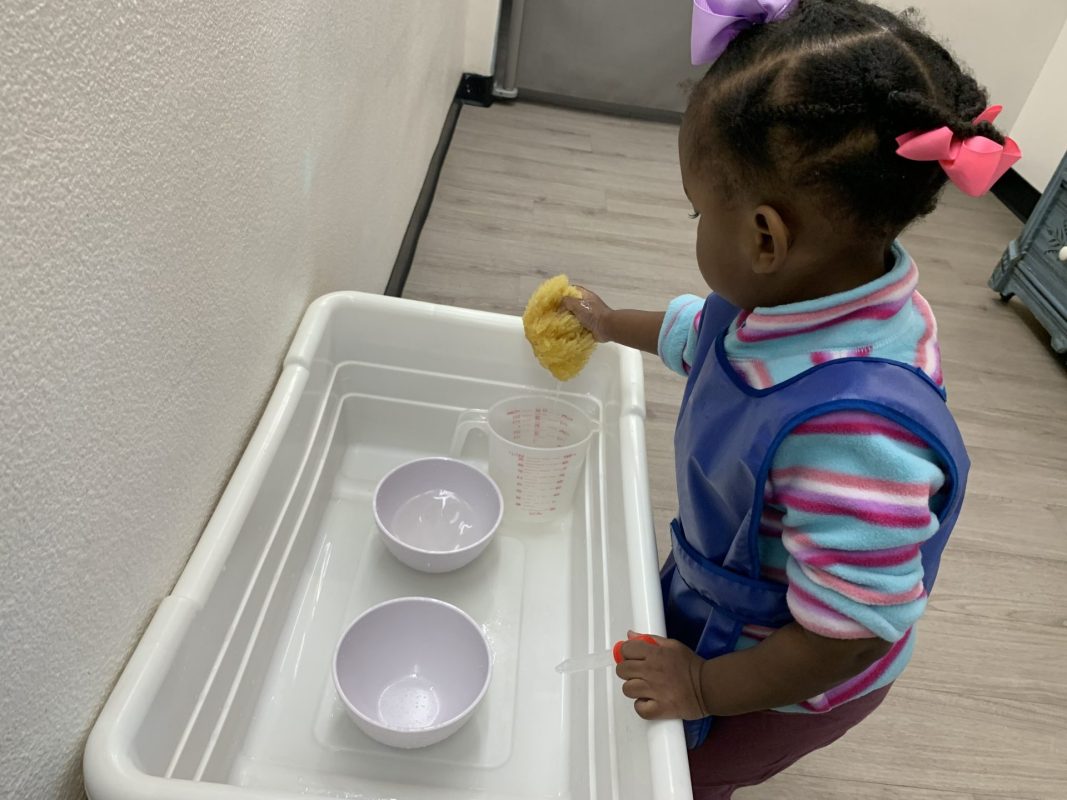
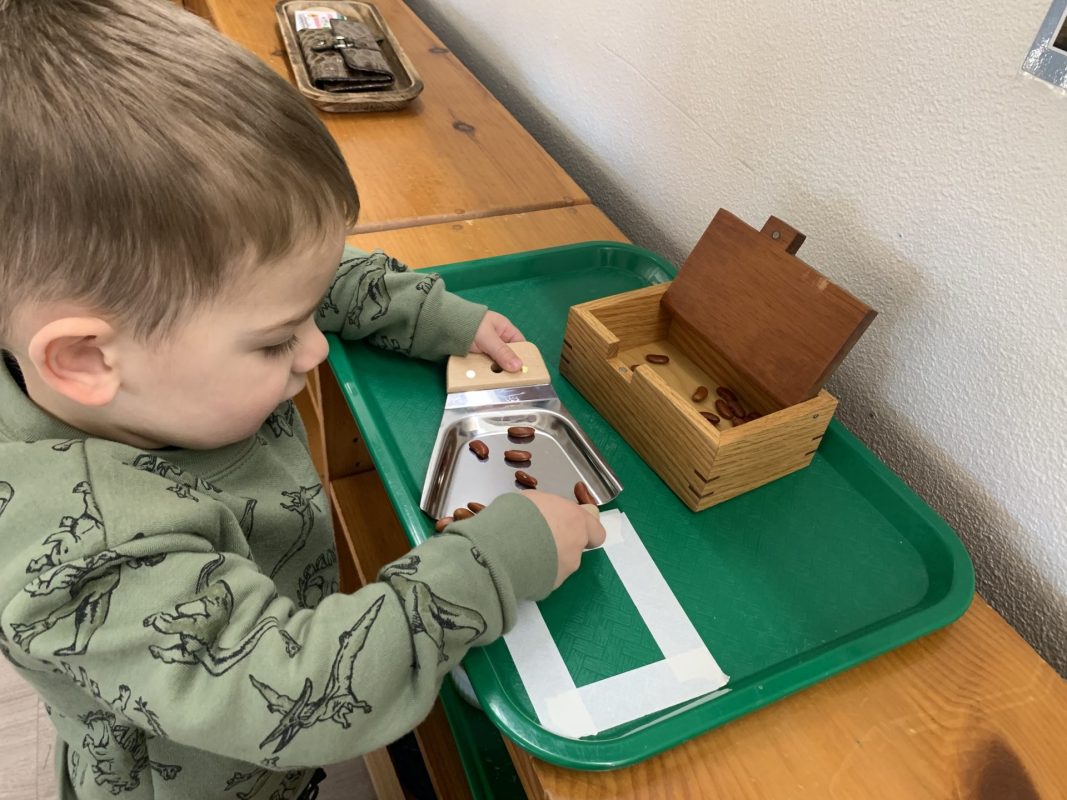
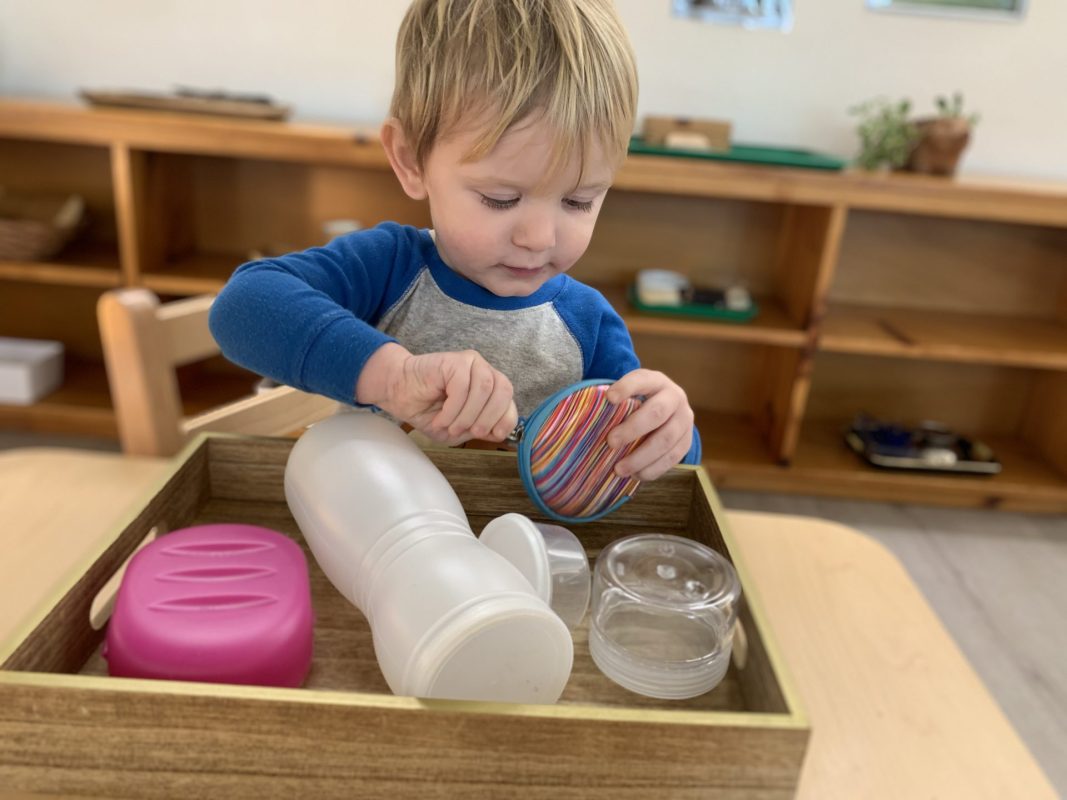
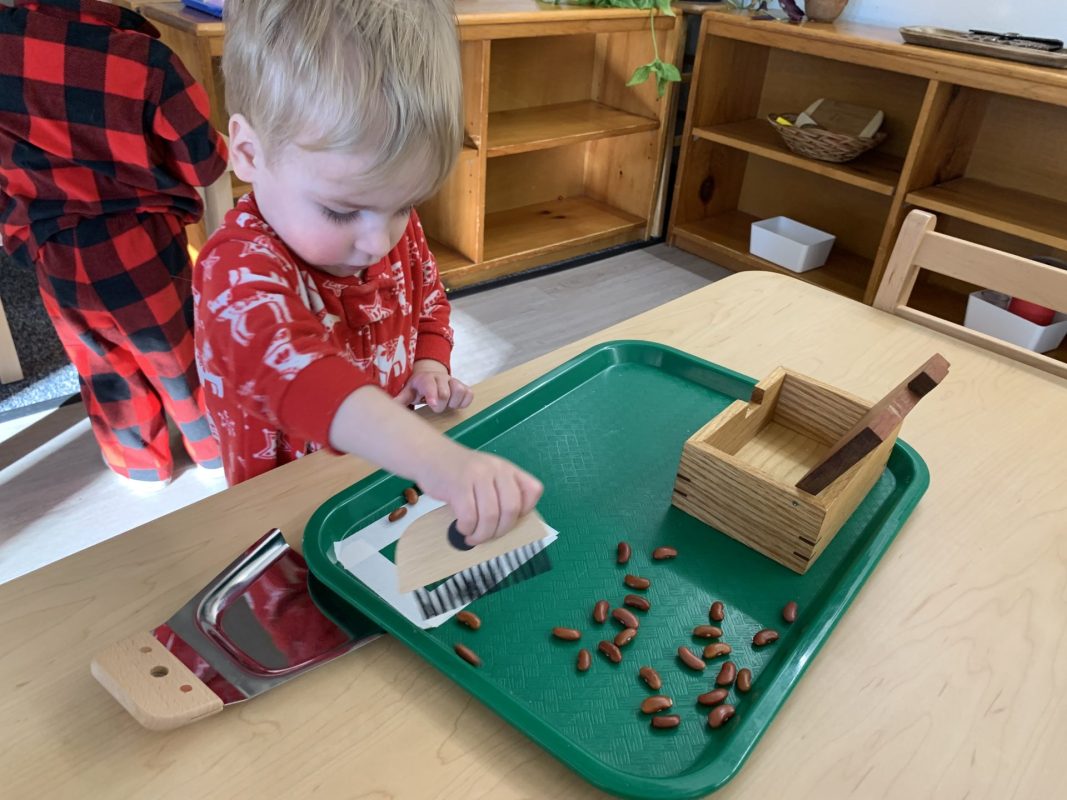
In the practical life area, we introduced the exercise of water transferring using a dropper. It was a challenging exercise, but the children were so proud of themselves when they were able to make the dropper work and hear the sound of the water touching the silver bowl. It’s common to hear some children say to themselves, “Squeeze, open,” as they work hard to coordinate their hand movements.

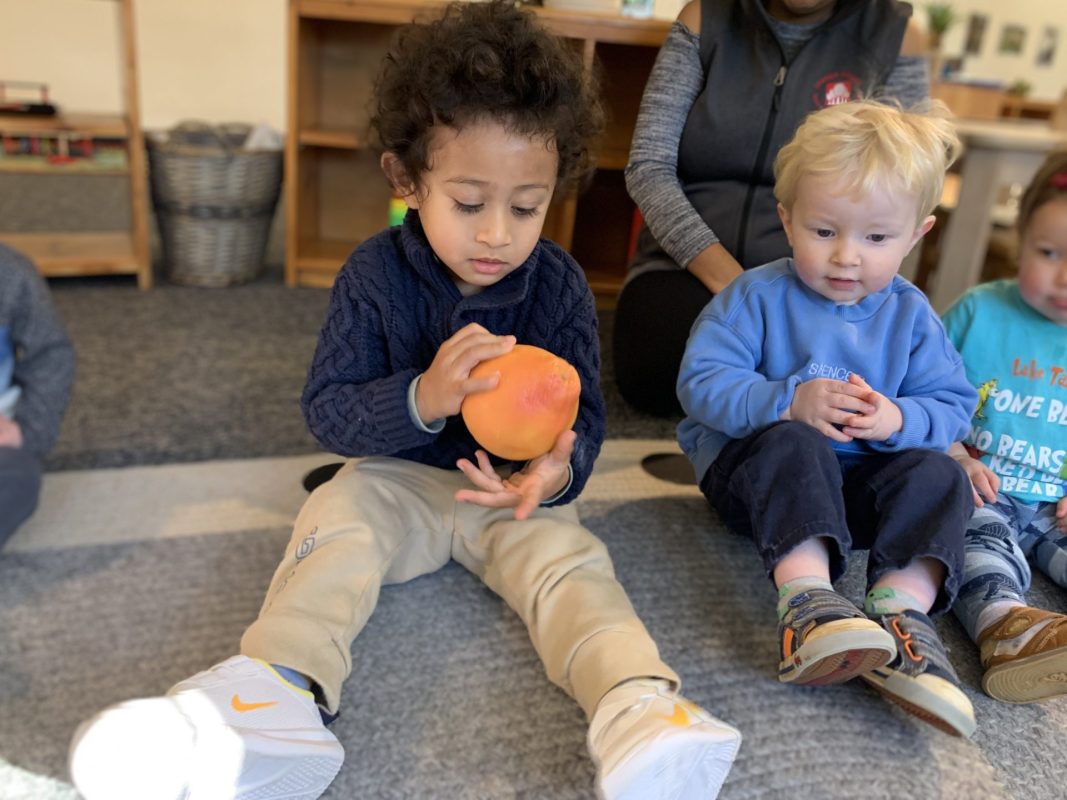
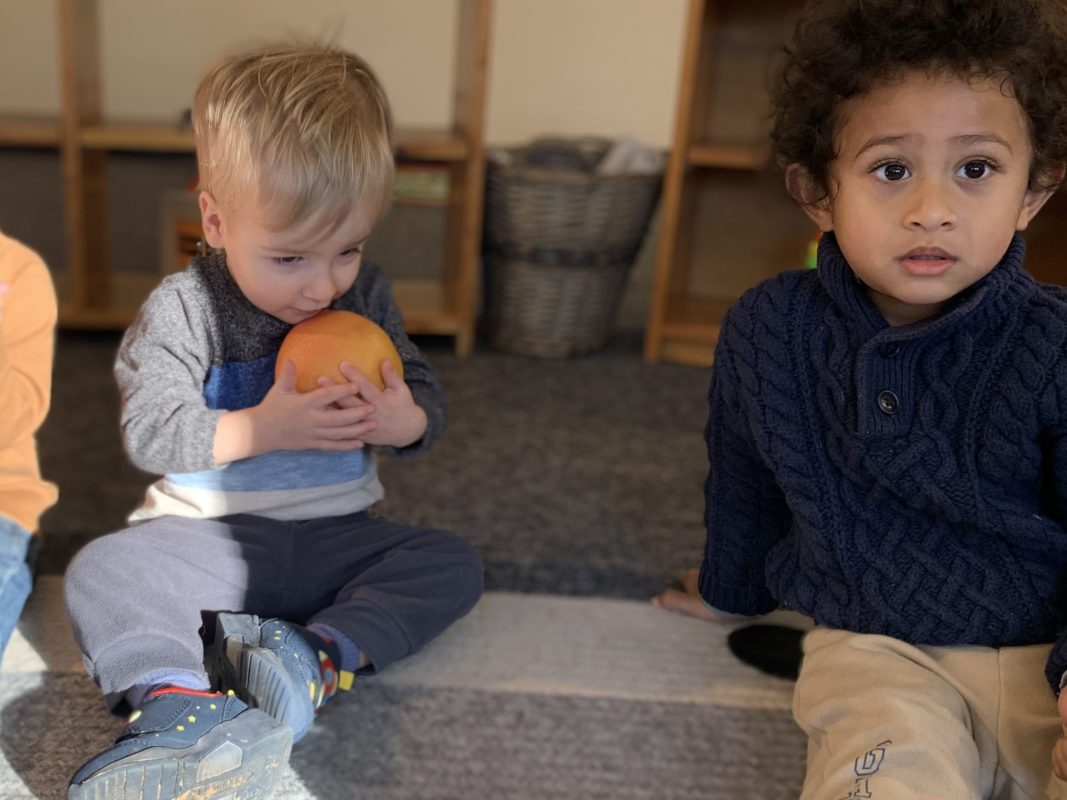
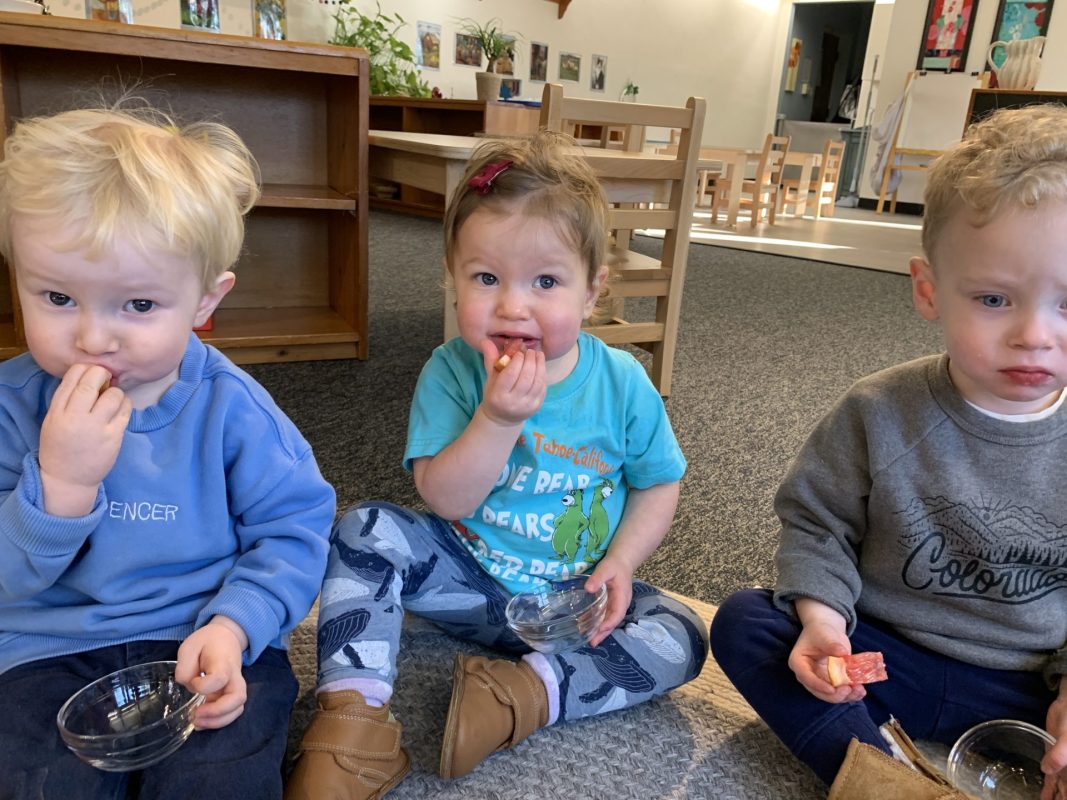
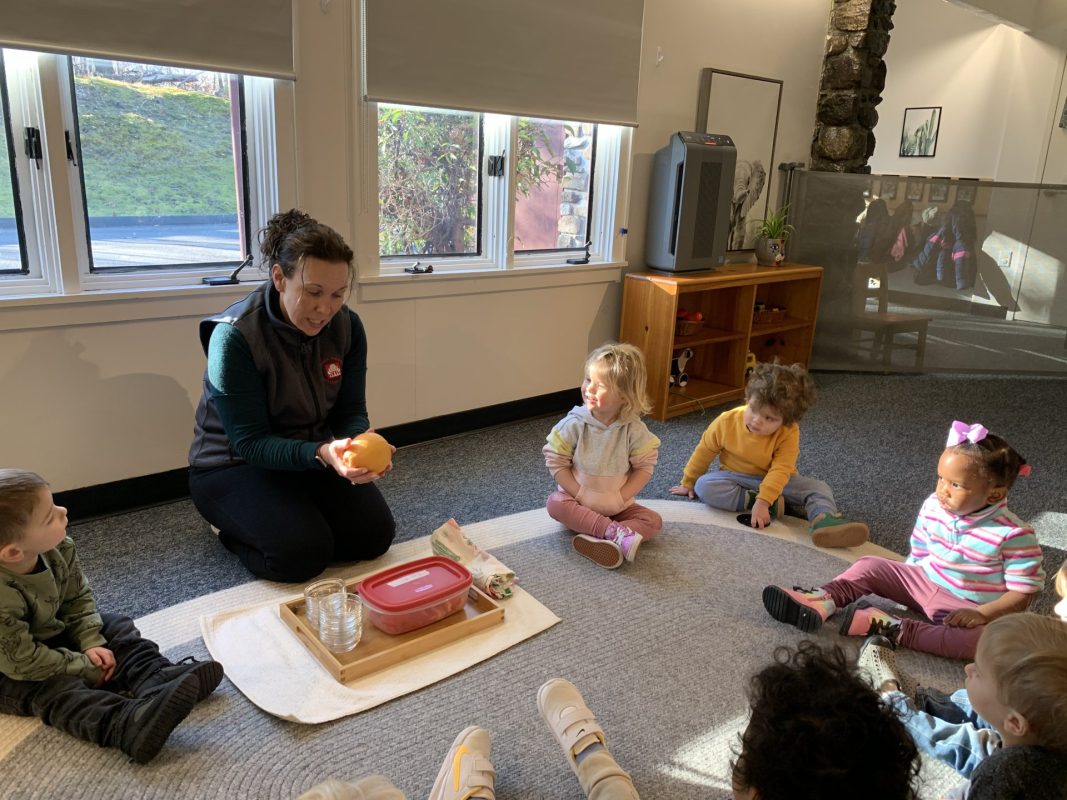
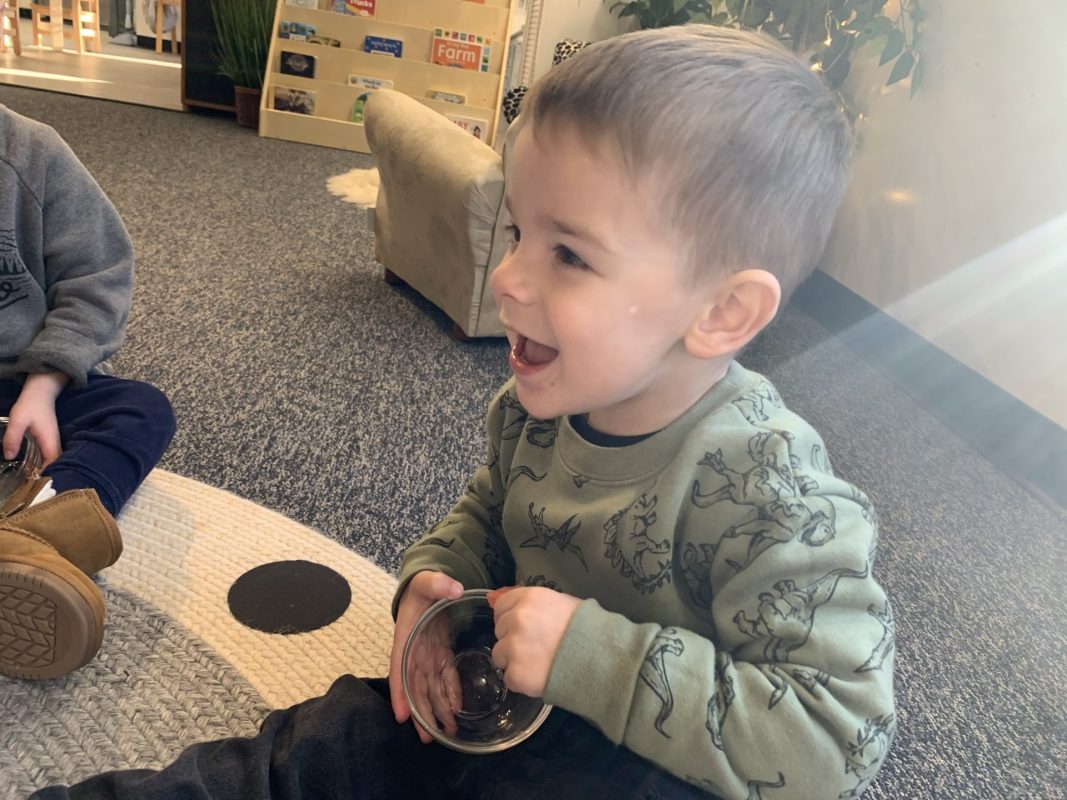
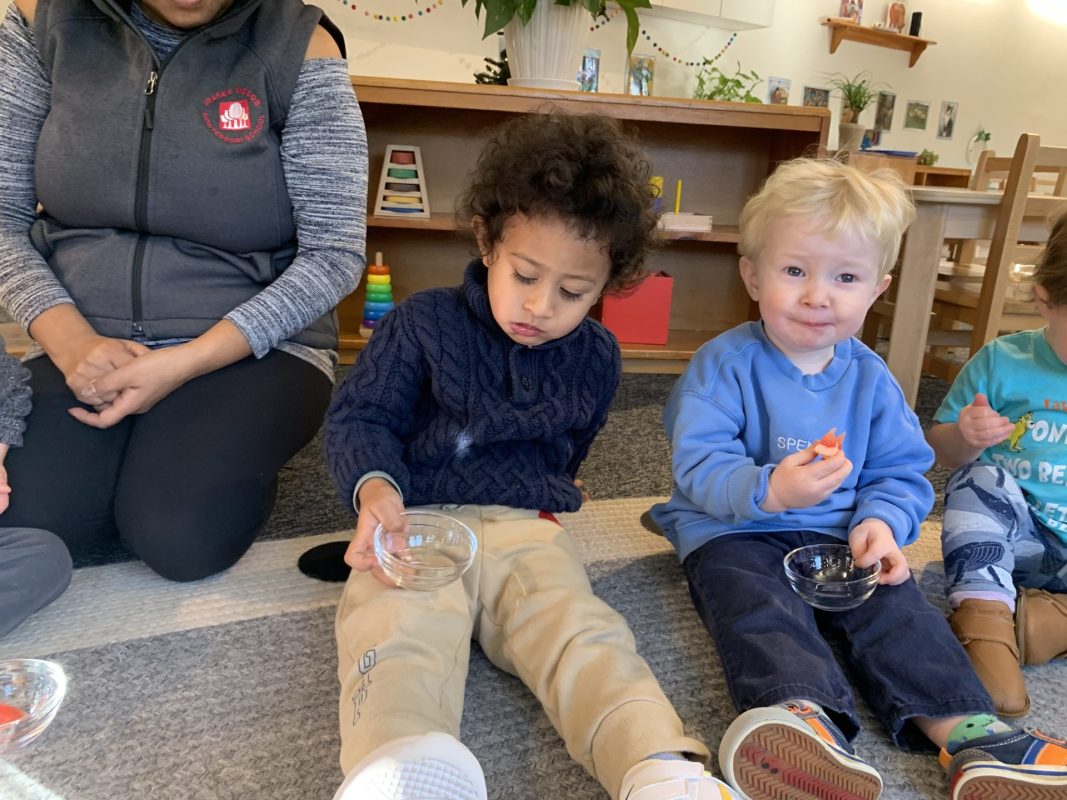
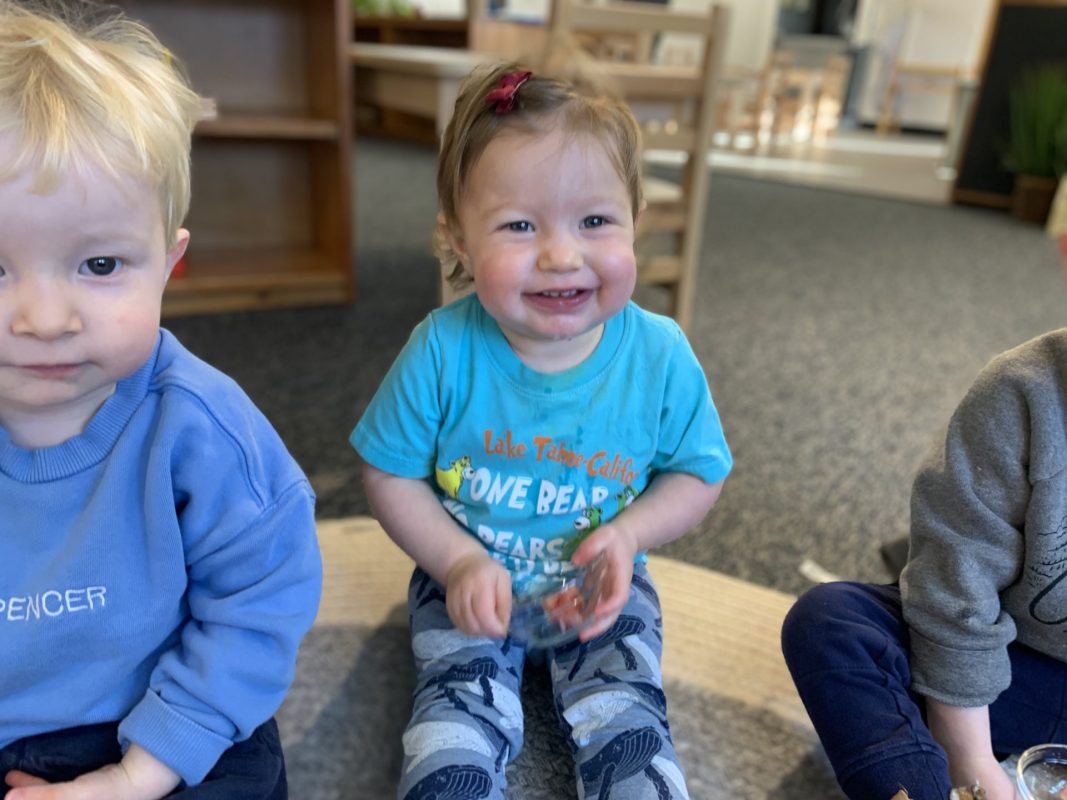
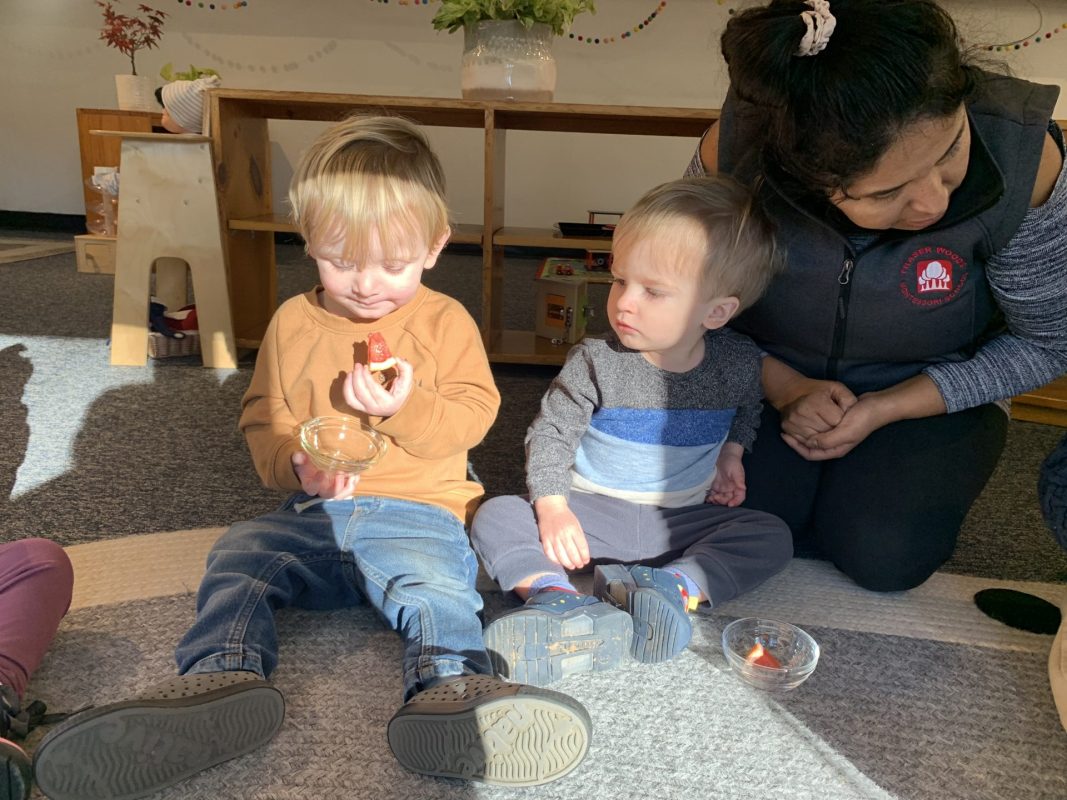
Lastly, the children enjoyed watching the school Halloween parade and exploring yellow dragon fruit for our food-tasting lesson, which it’s actually much tastier and yummier than the regular red dragon fruit, in case you want to add it to your grocery list!

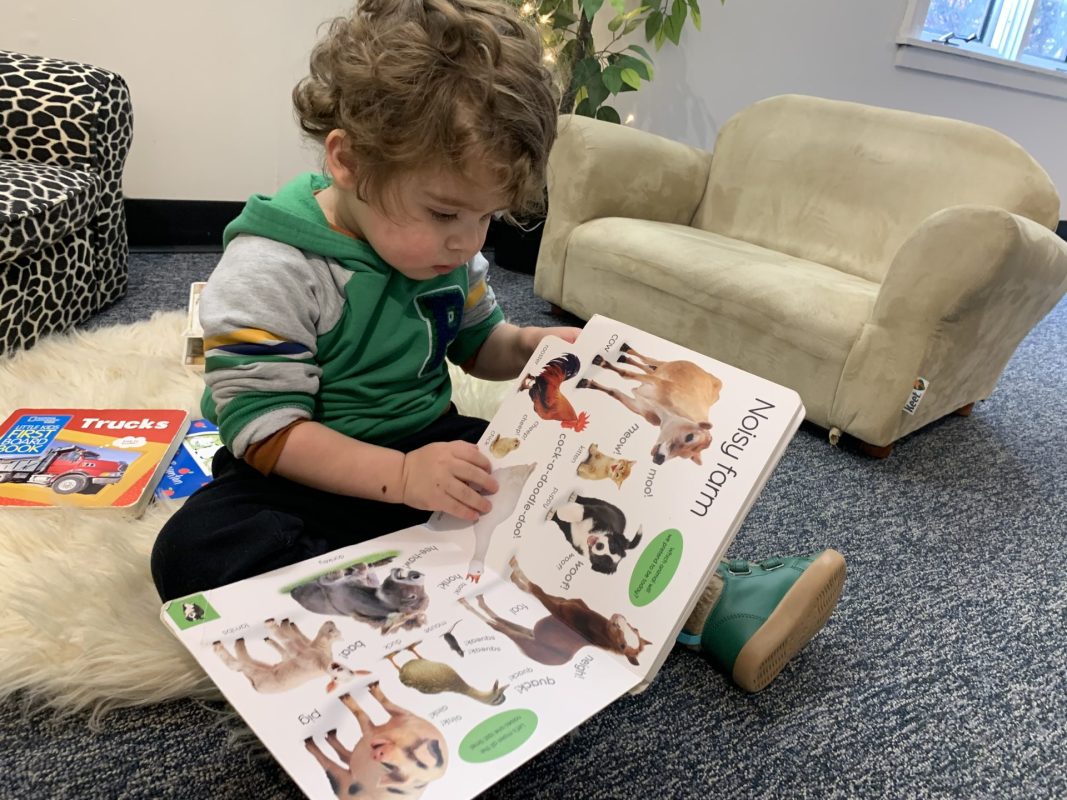
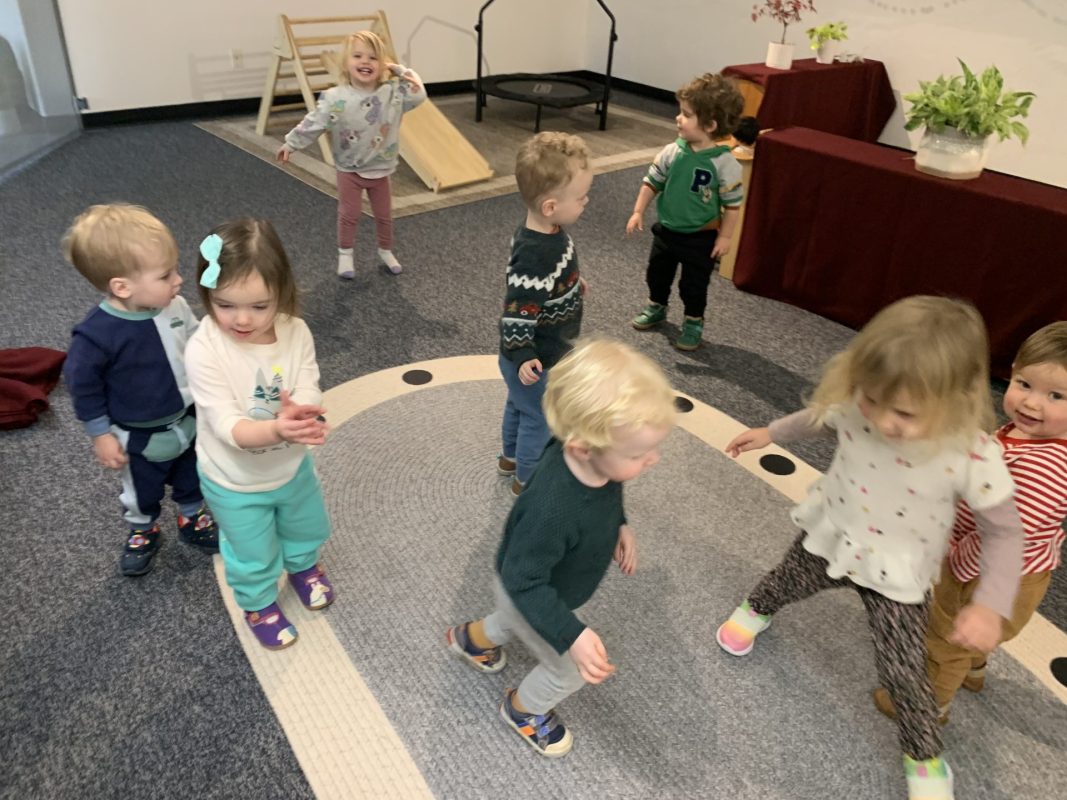
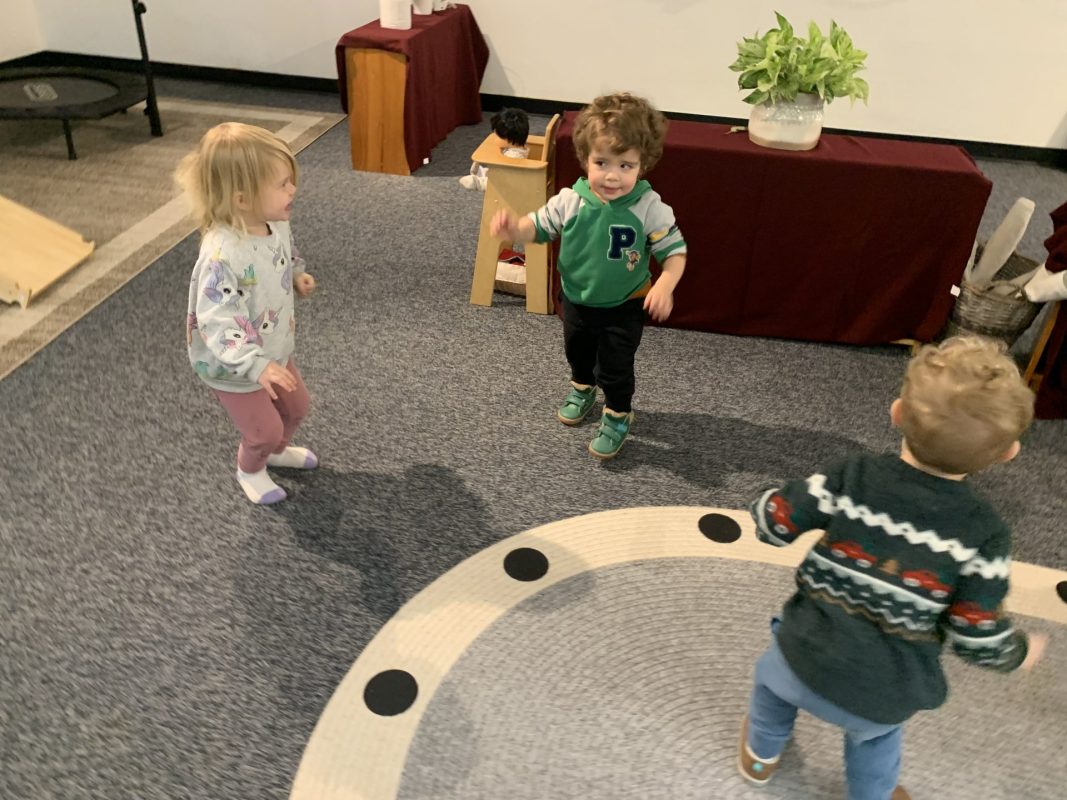
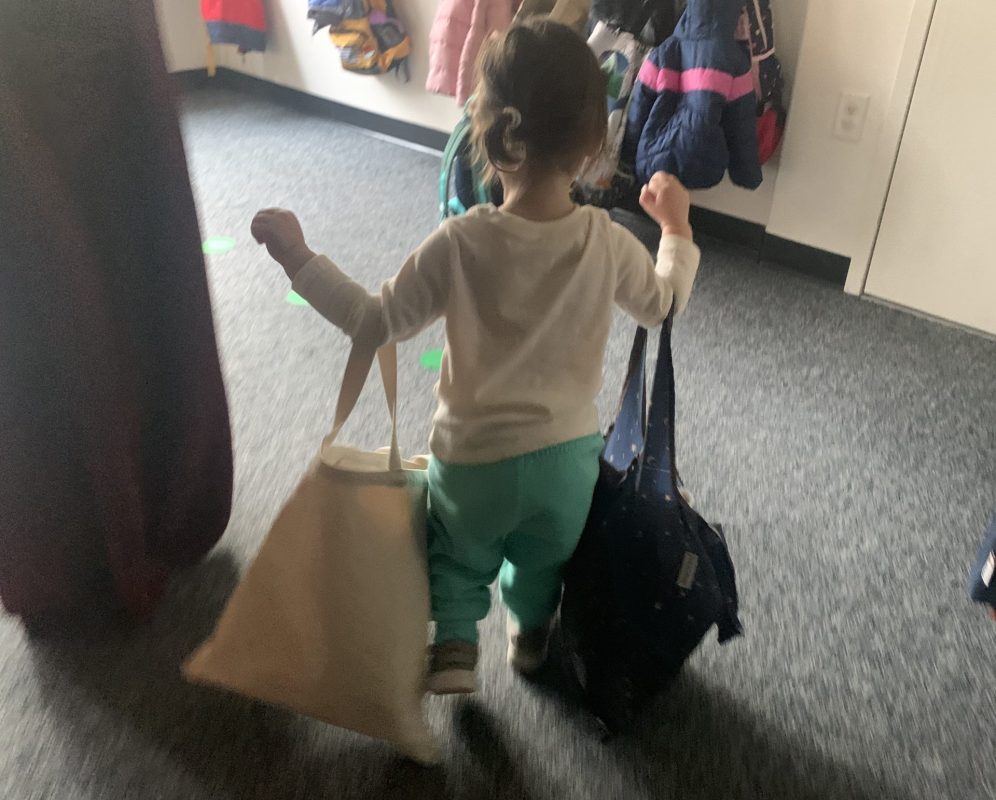
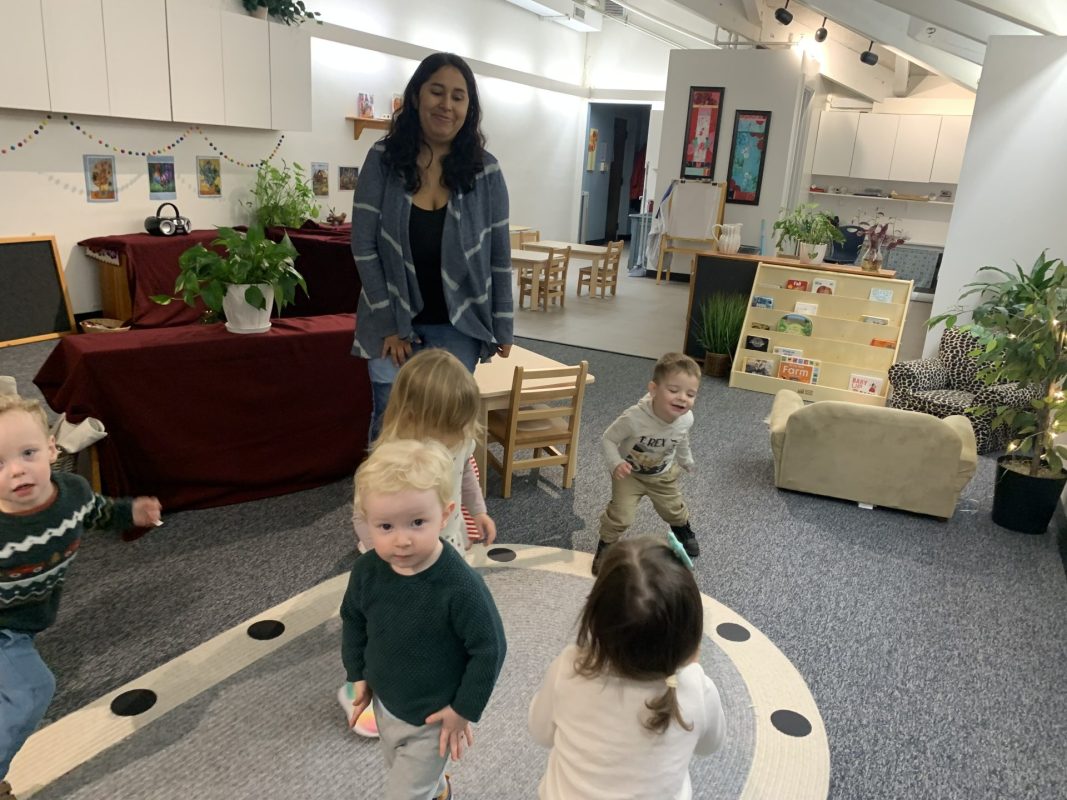
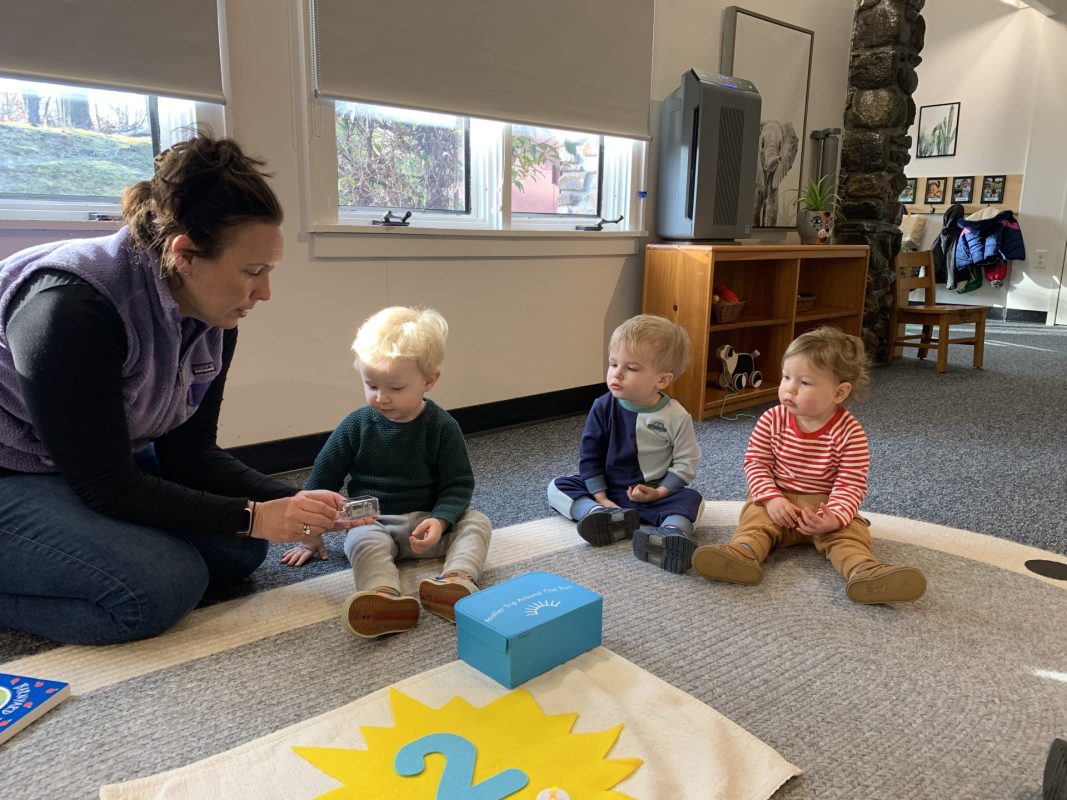
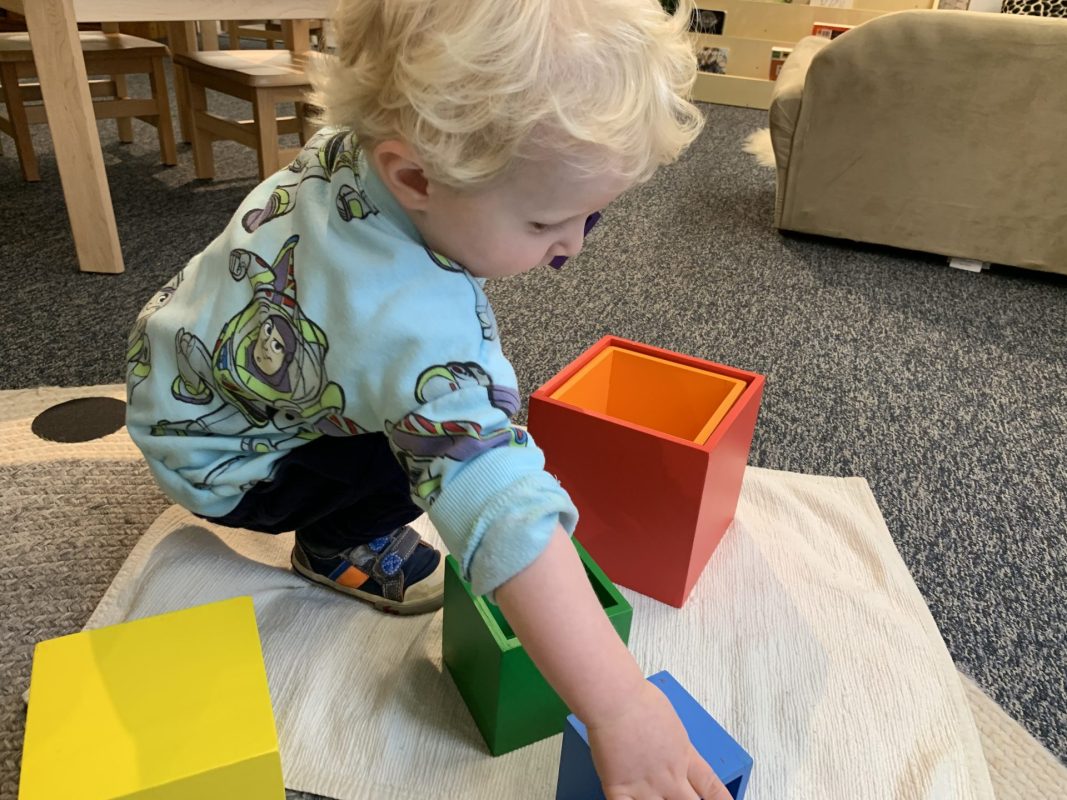
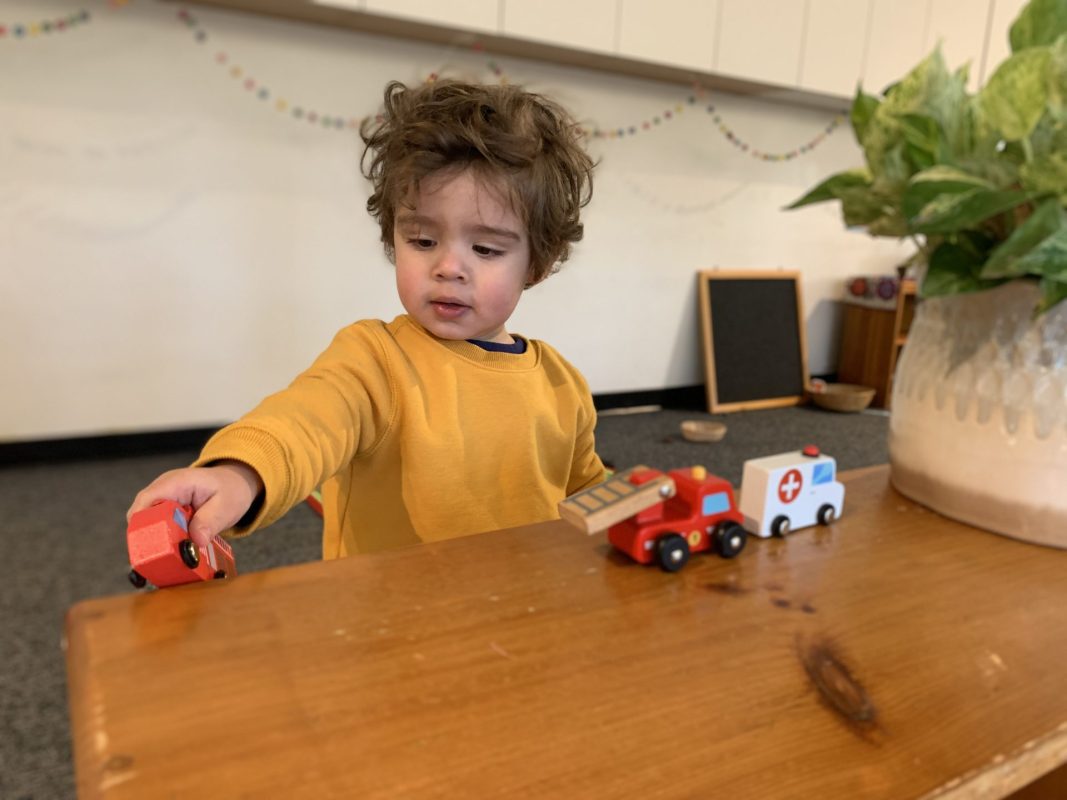
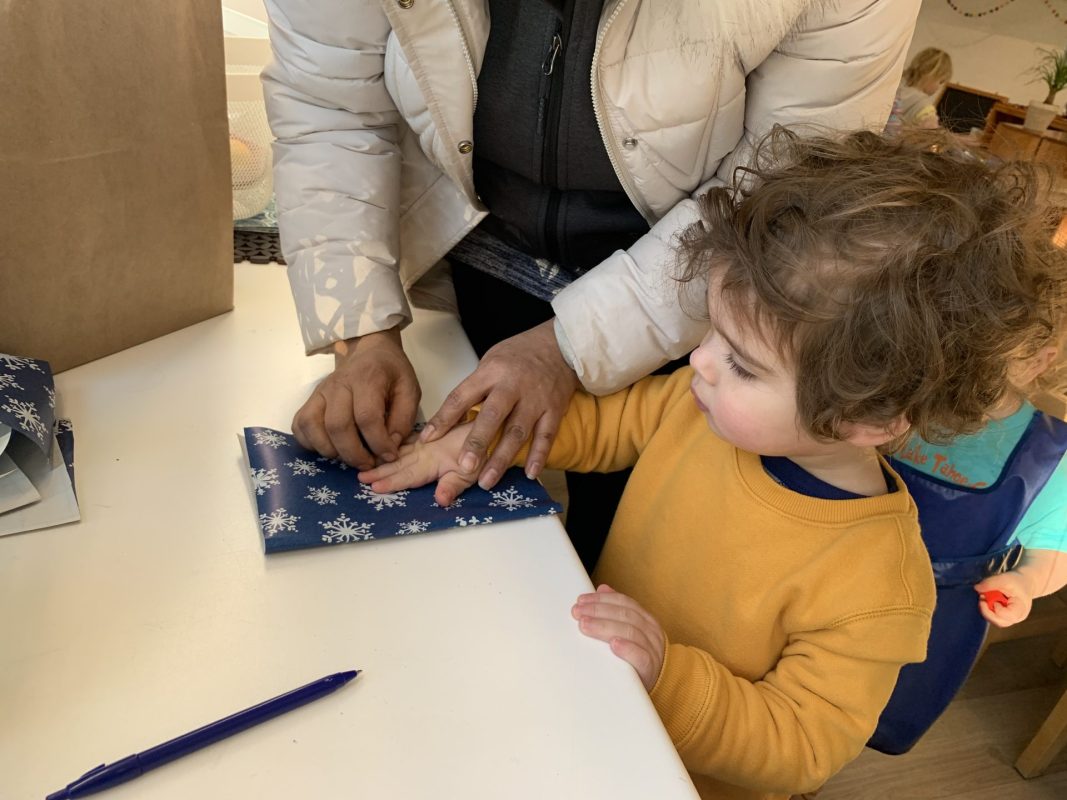
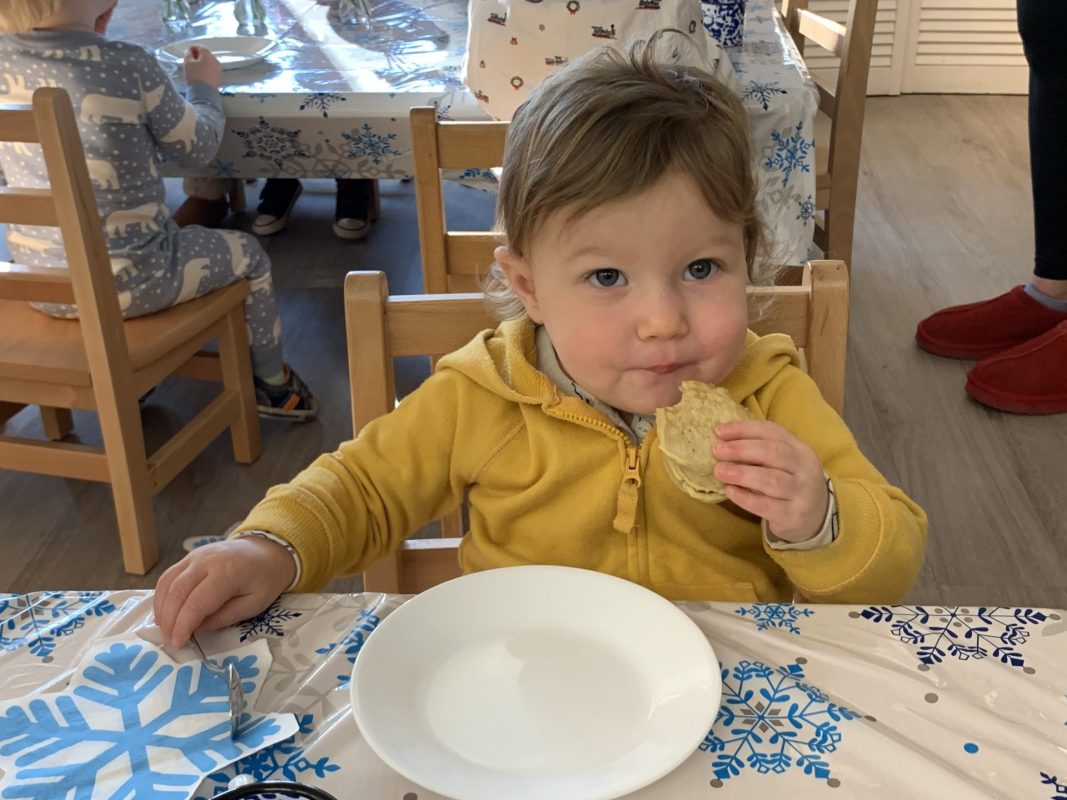
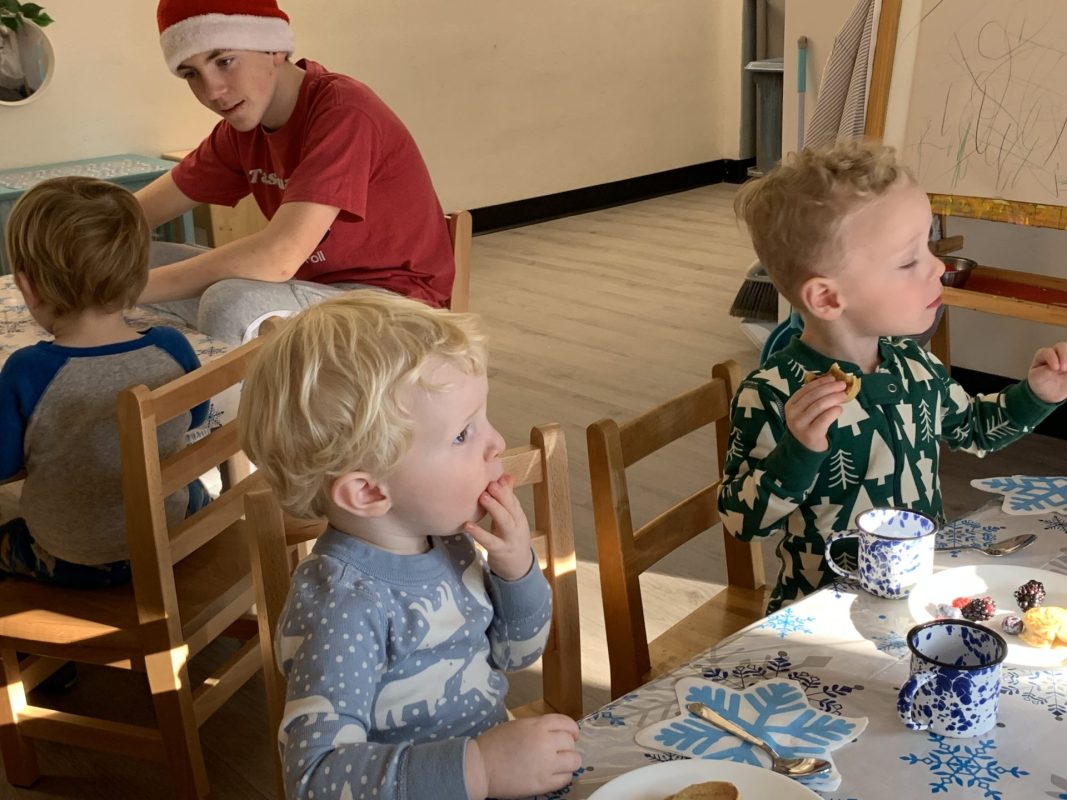
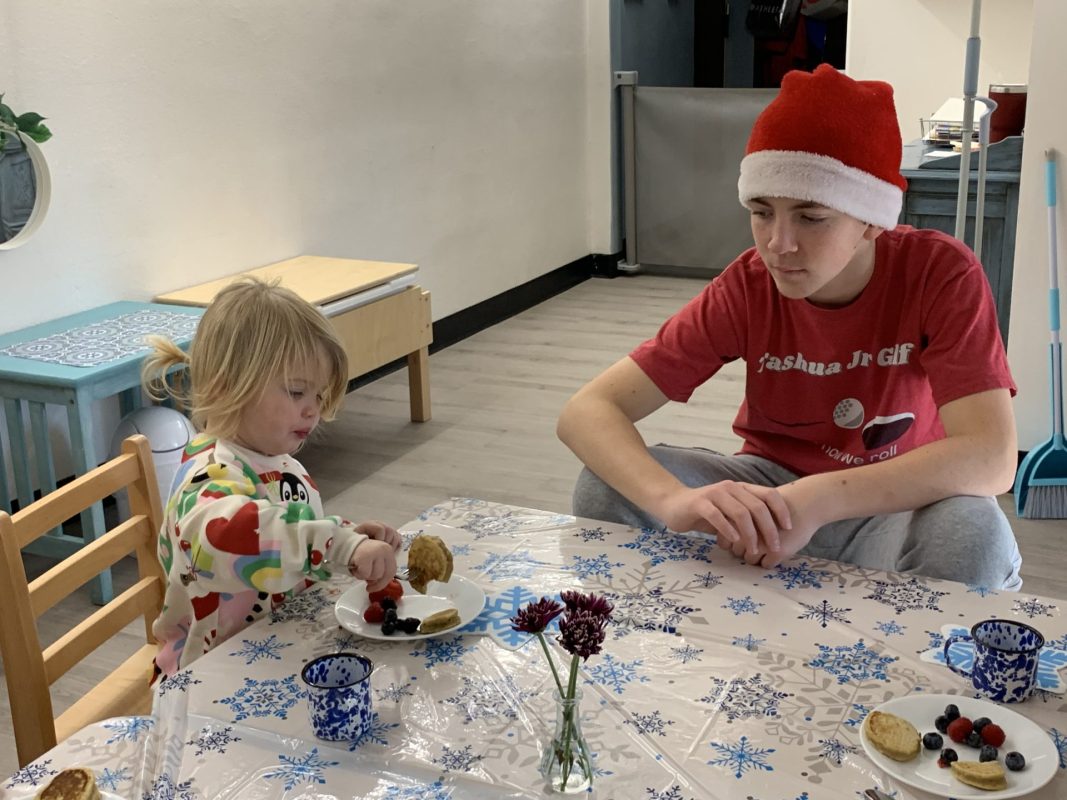
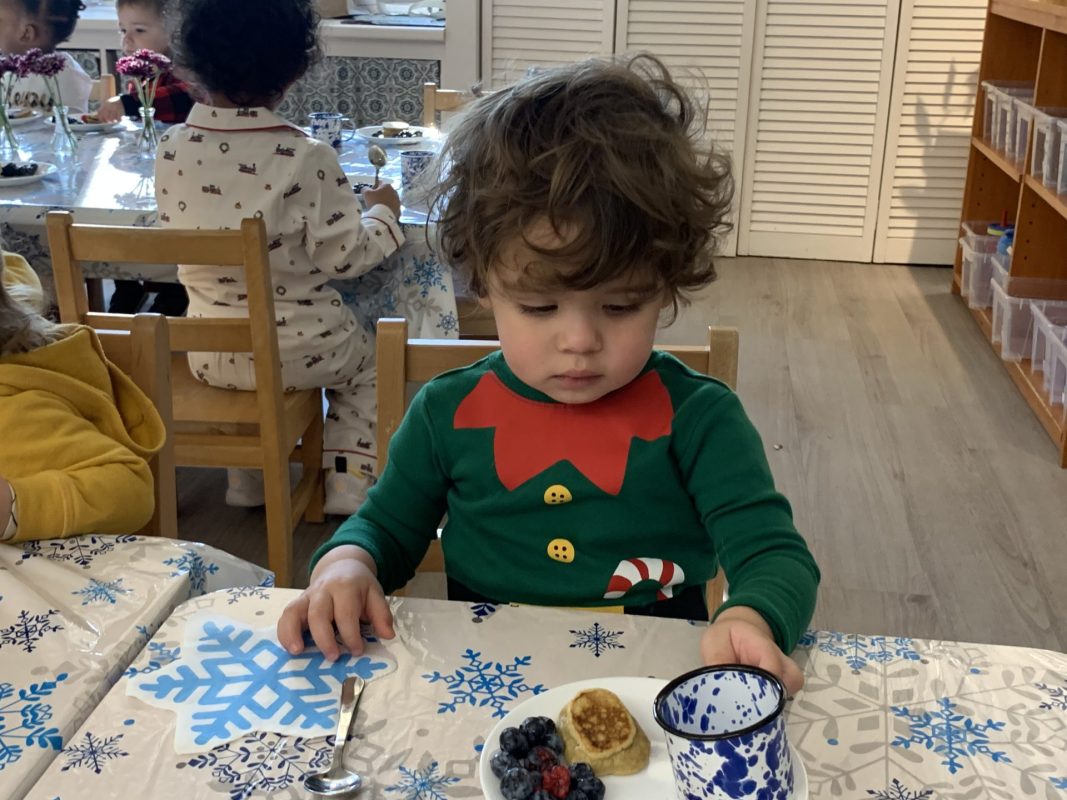
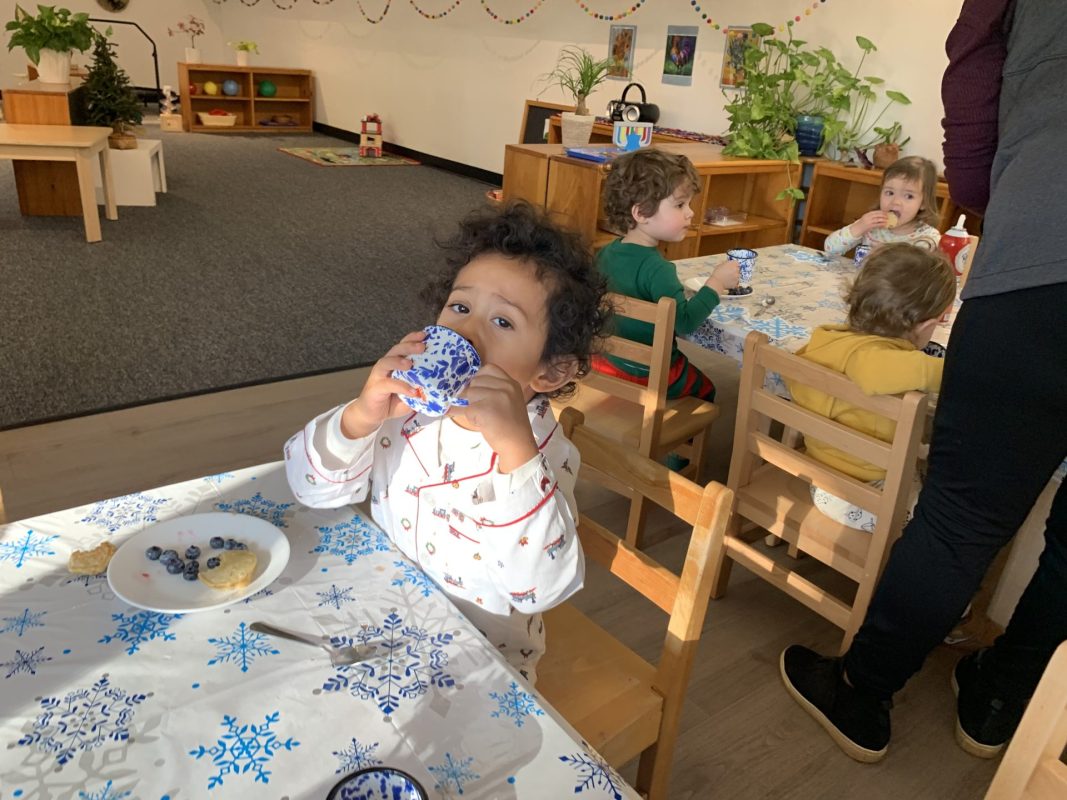
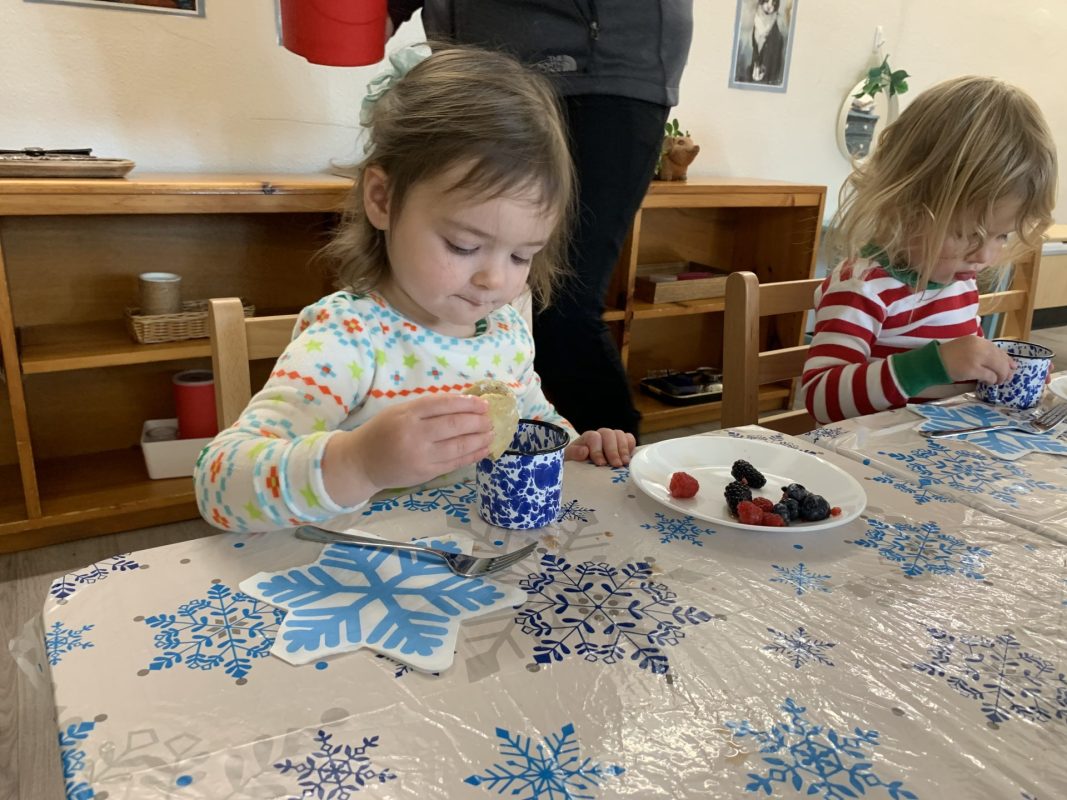
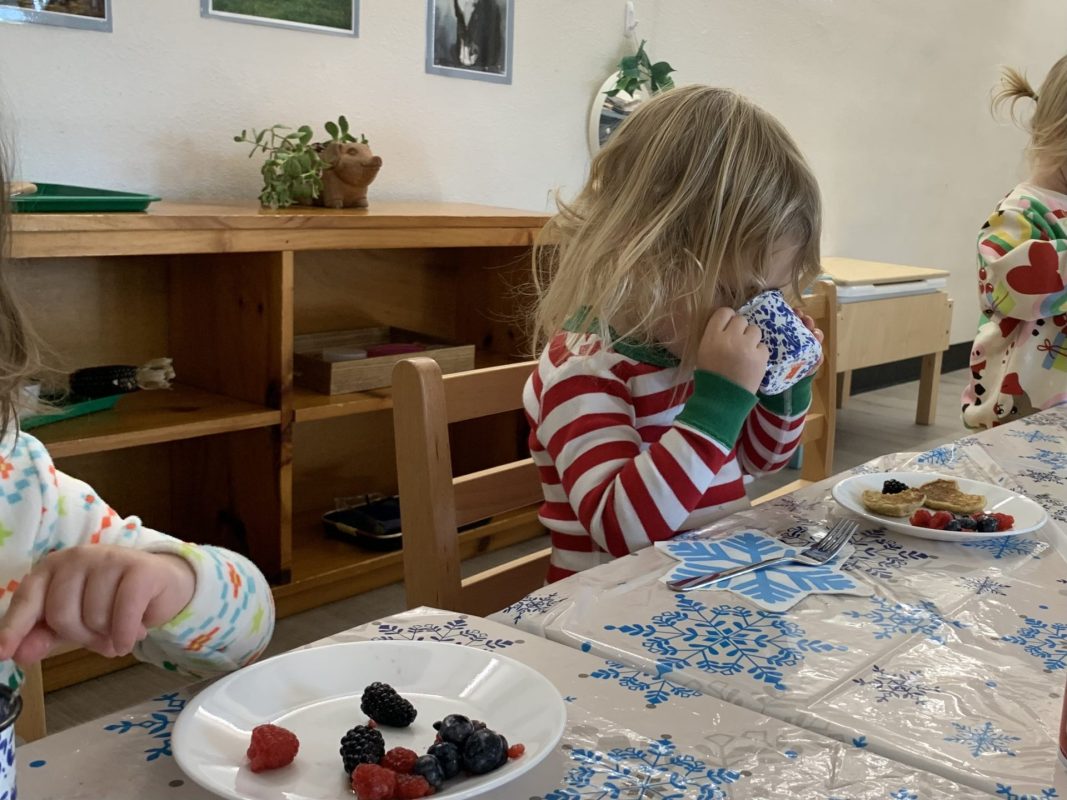
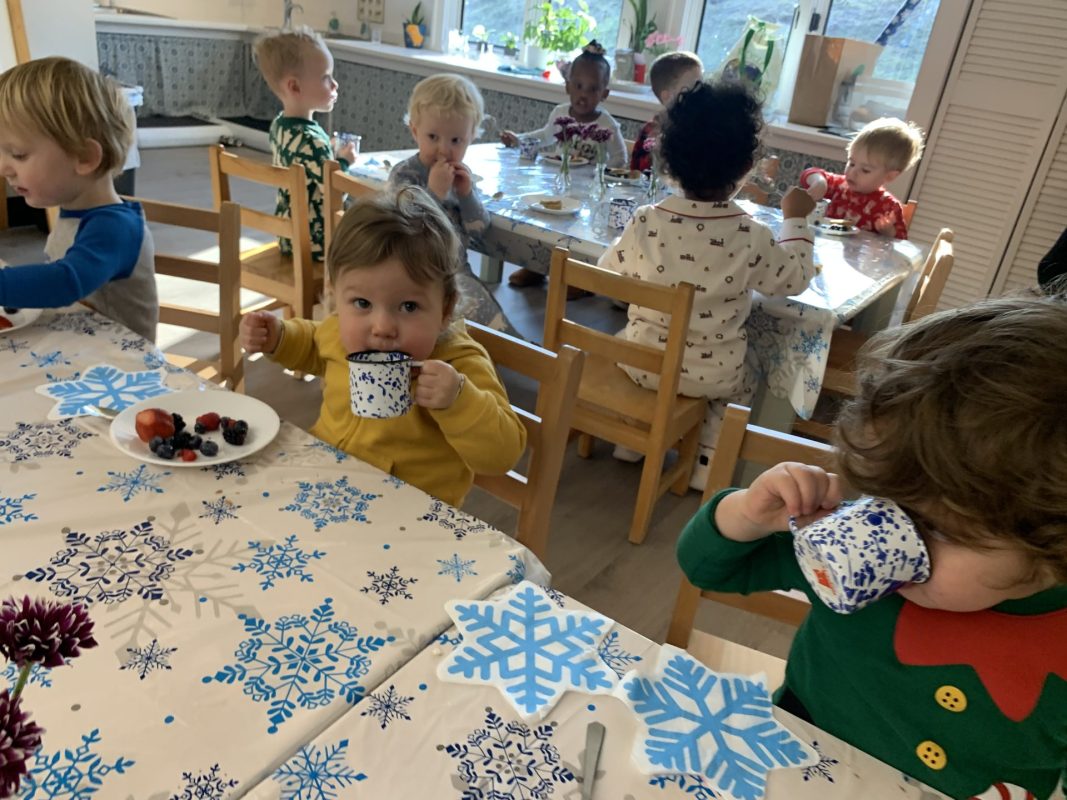
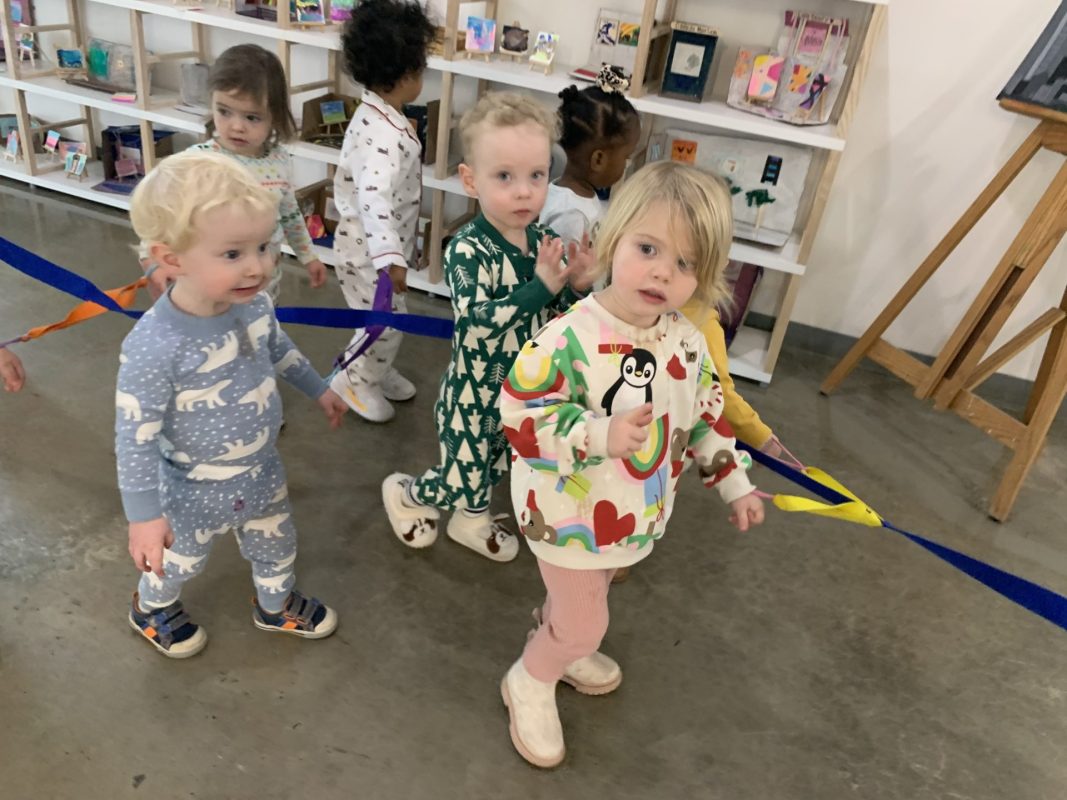
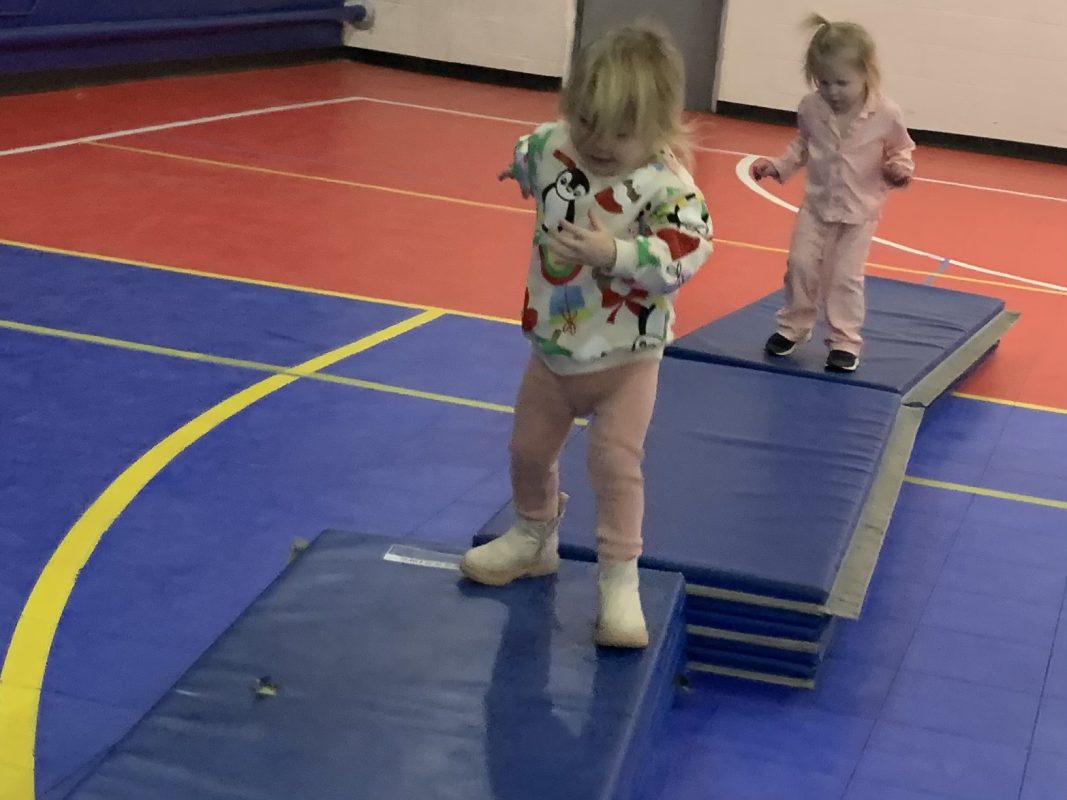
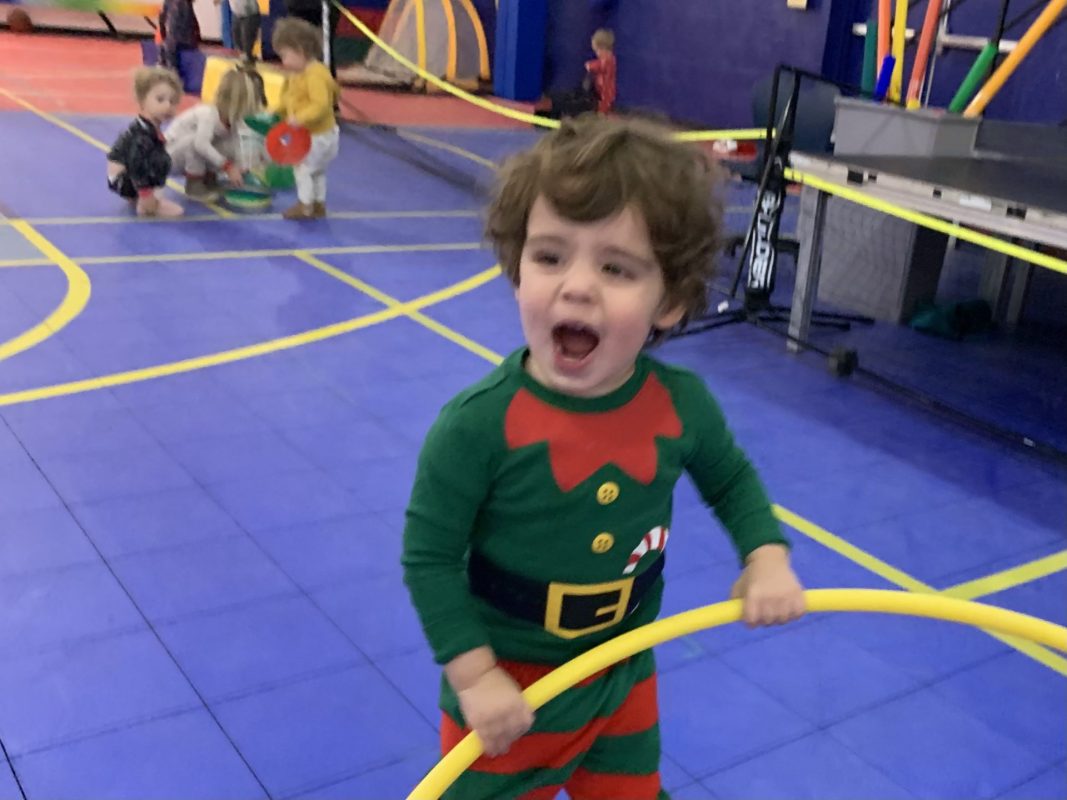
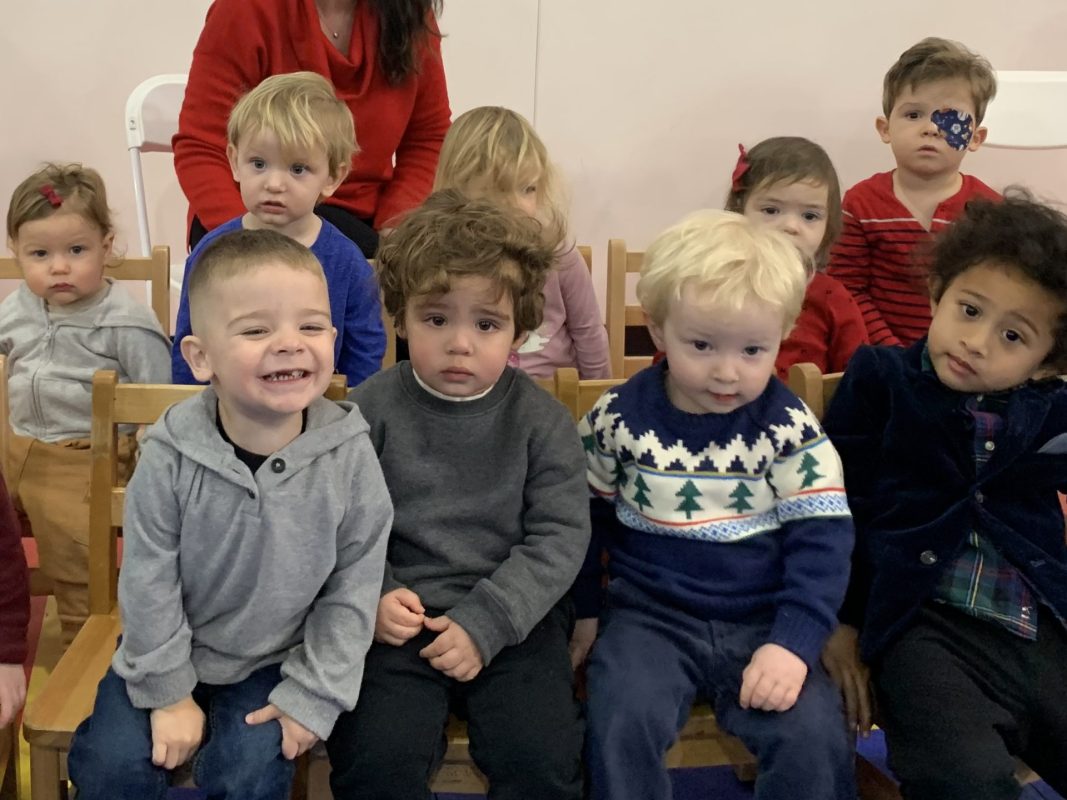
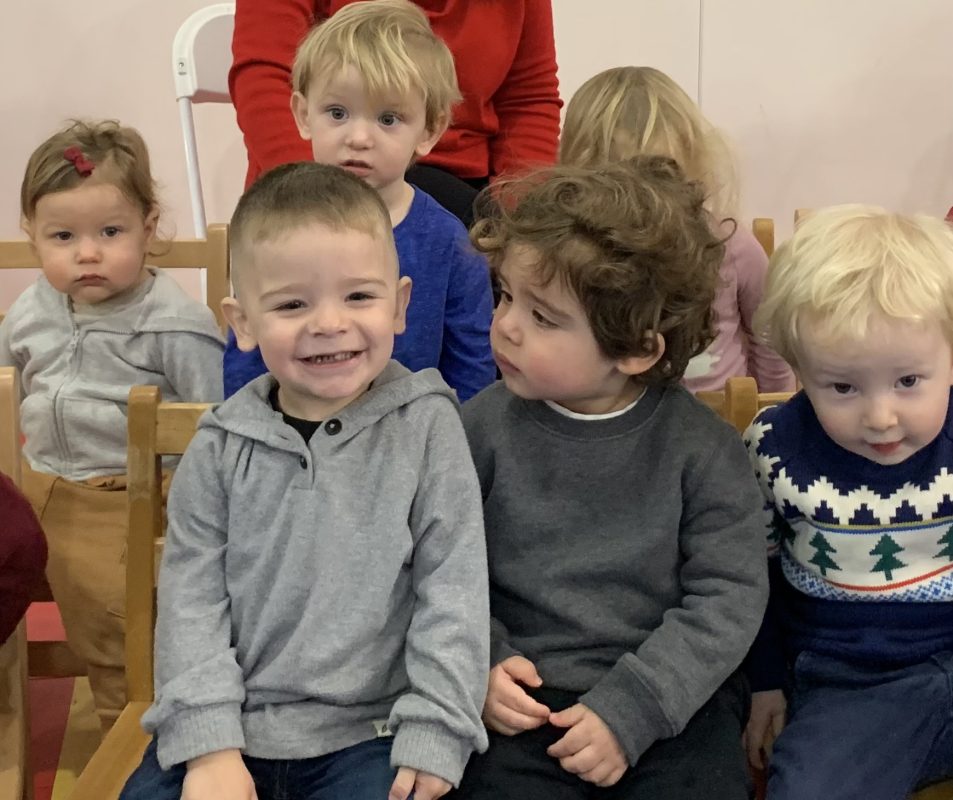
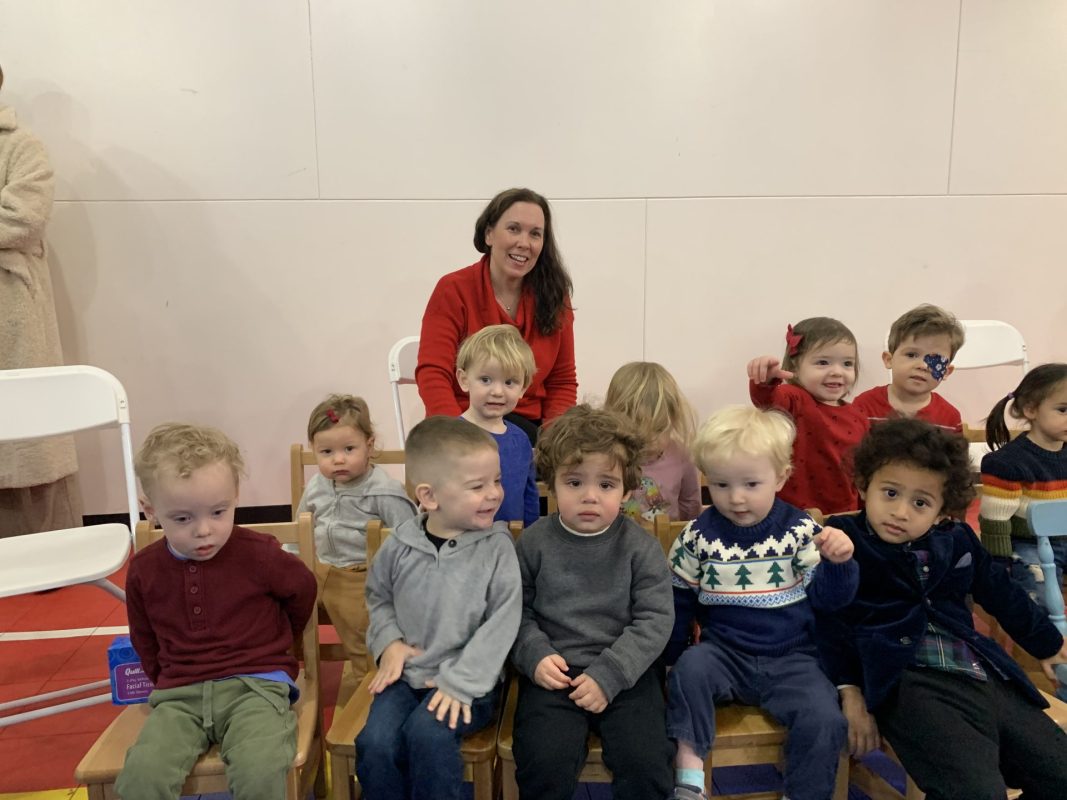
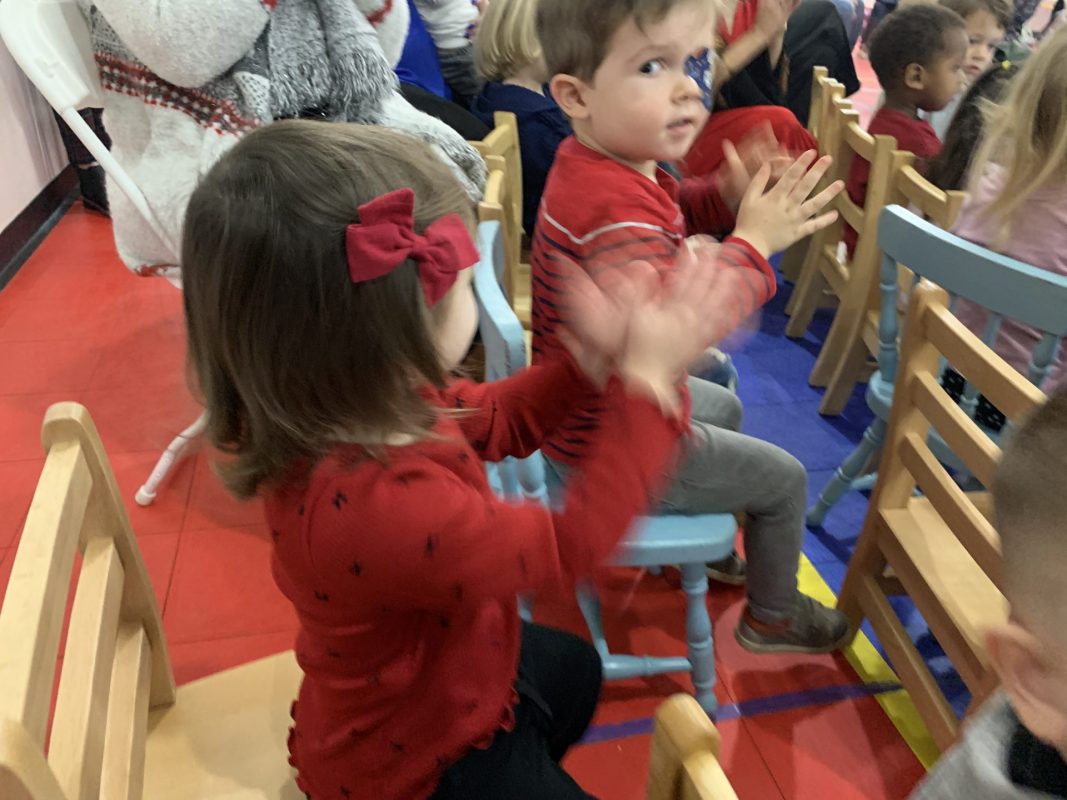
Enjoy the pictures and your children’s favorite fingerplay these days,

Mrs. Hood and Ms. Mollie


A Spooktacular Classroom Celebration

In our classroom, Halloween was an absolute blast this year! We dove headfirst into the spooky spirit with a lineup of thrilling activities that brought smiles to every face. From marching in the school parade in our most creative costumes to crafting and decorating pumpkins with a burst of artistic flair, our day was filled with joy and laughter. The classroom transformed into a hub of creativity as we delved into coloring crafts. The best part of our celebration was the hauntingly fun party where we enjoyed delicious treats, listened to spooky songs and participated in games. A heartfelt thank you goes out to the amazing parents who generously sent in an array of food and supplies, making our party a success. Here’s to a Halloween celebration that will linger in our memories for years to come!

With colder weather is approaching, please send your child with appropriate out door gear each day. We go outside in the morning and again in the afternoon everyday, with the exception of rainy days and days when the temperature is below freezing. Thank you!


Mrs. Sargeant: A Peek at the Week

We were so fortunate to have such a gorgeous day for our pumpkin-picking event in the Zen garden last week. The children rode in wagons pulled by middle school students. After the wagon ride, the children were thrilled to go out to the Zen garden, which had been transformed into a pumpkin patch. The children were delighted to explore, mesmerized by all the things they could pick up and touch. It’s hard to say if they were more interested in the pumpkins or the tiny stones that cover the floor of the Zen garden- but we made sure everyone left with a pumpkin!

On Halloween, we were invited to the field to attend the upper school’s costume parade. Our toddlers were a captive audience as the older students marched around the field several times, waving to them.

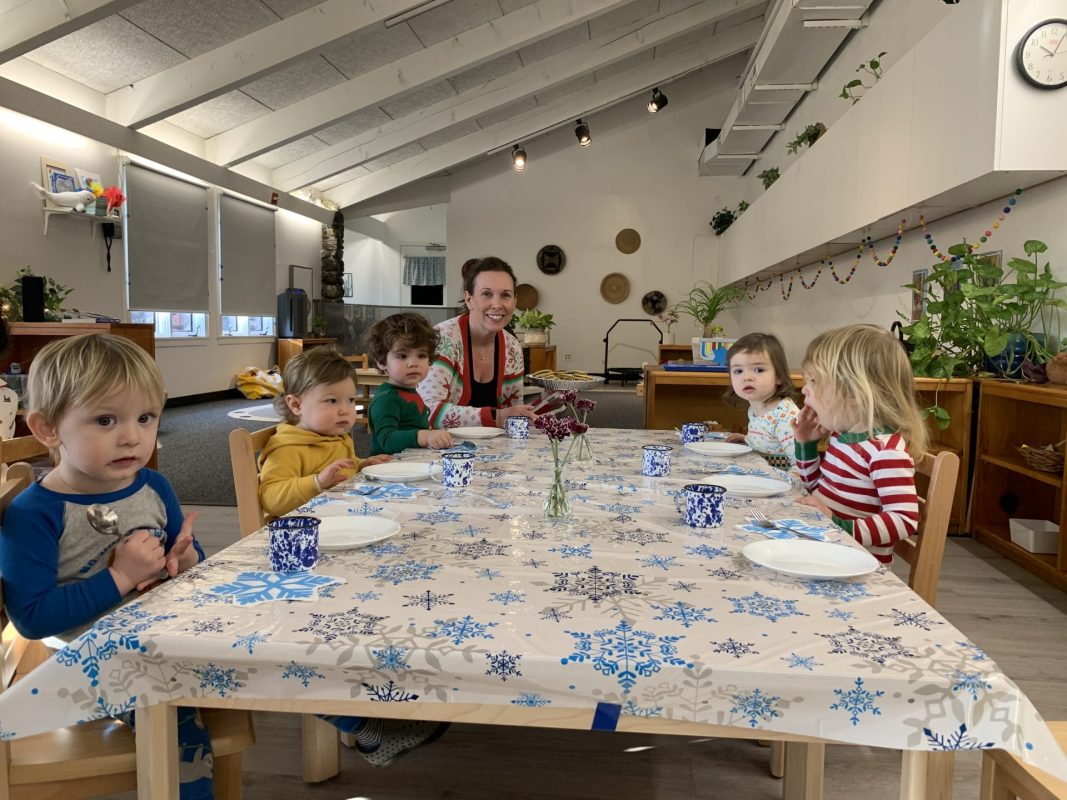
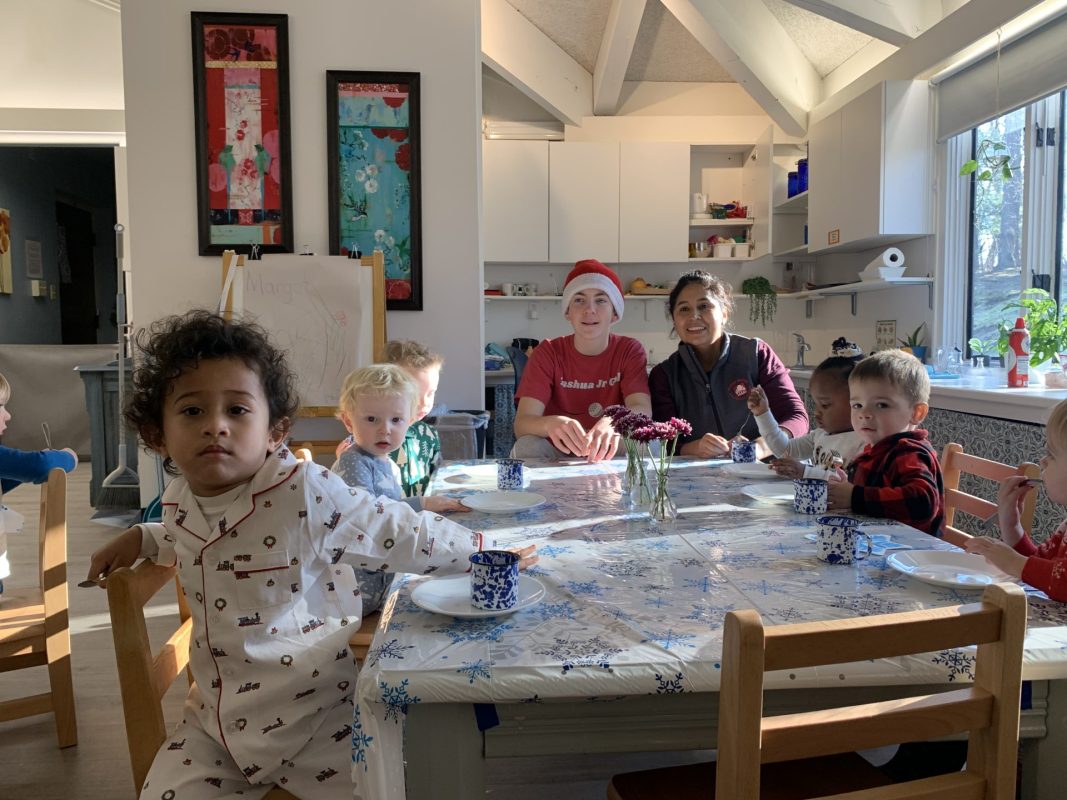
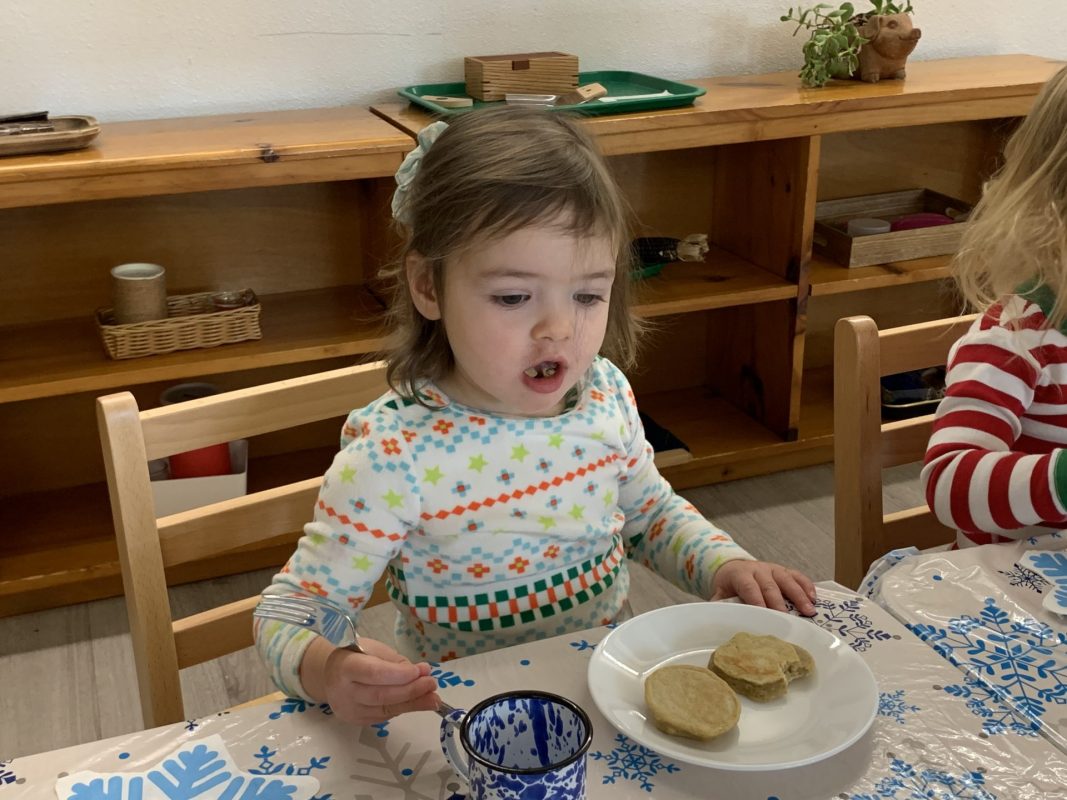
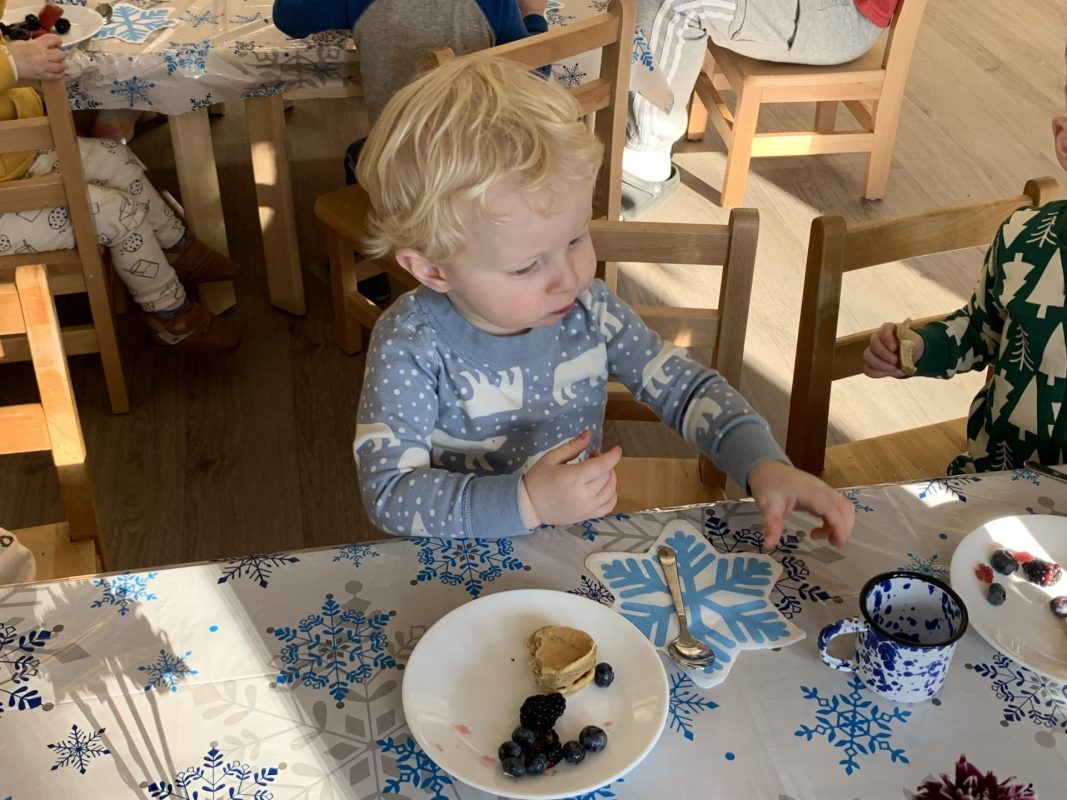
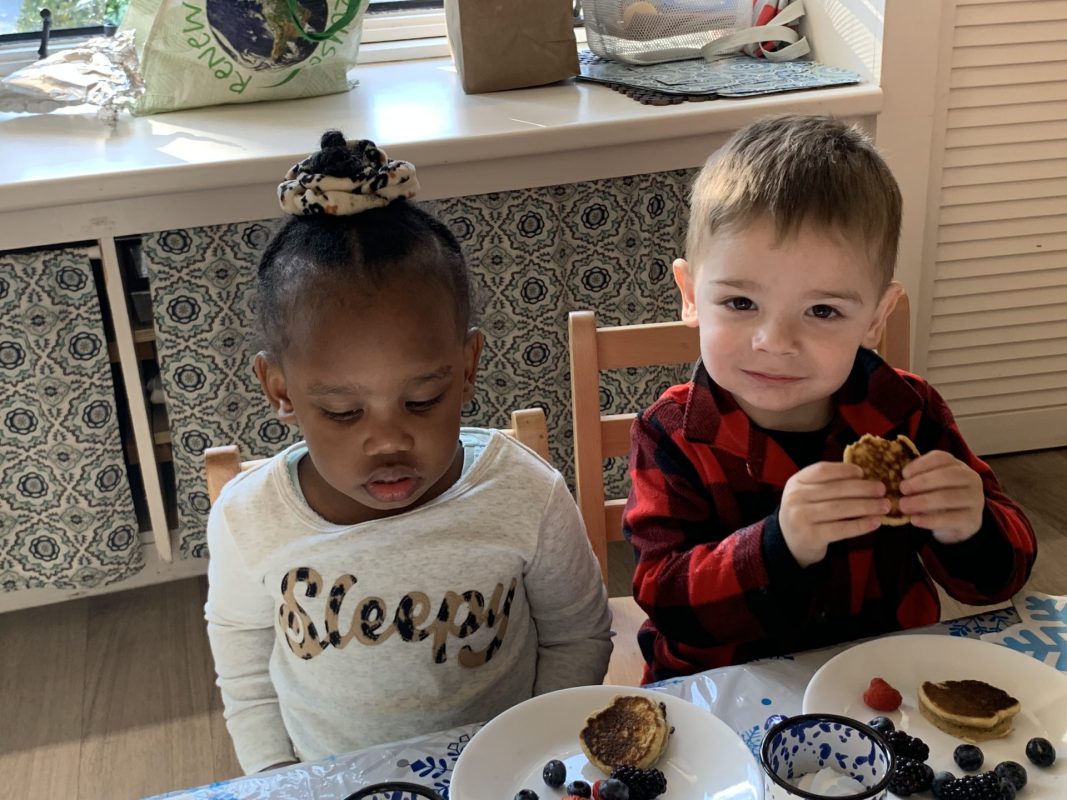
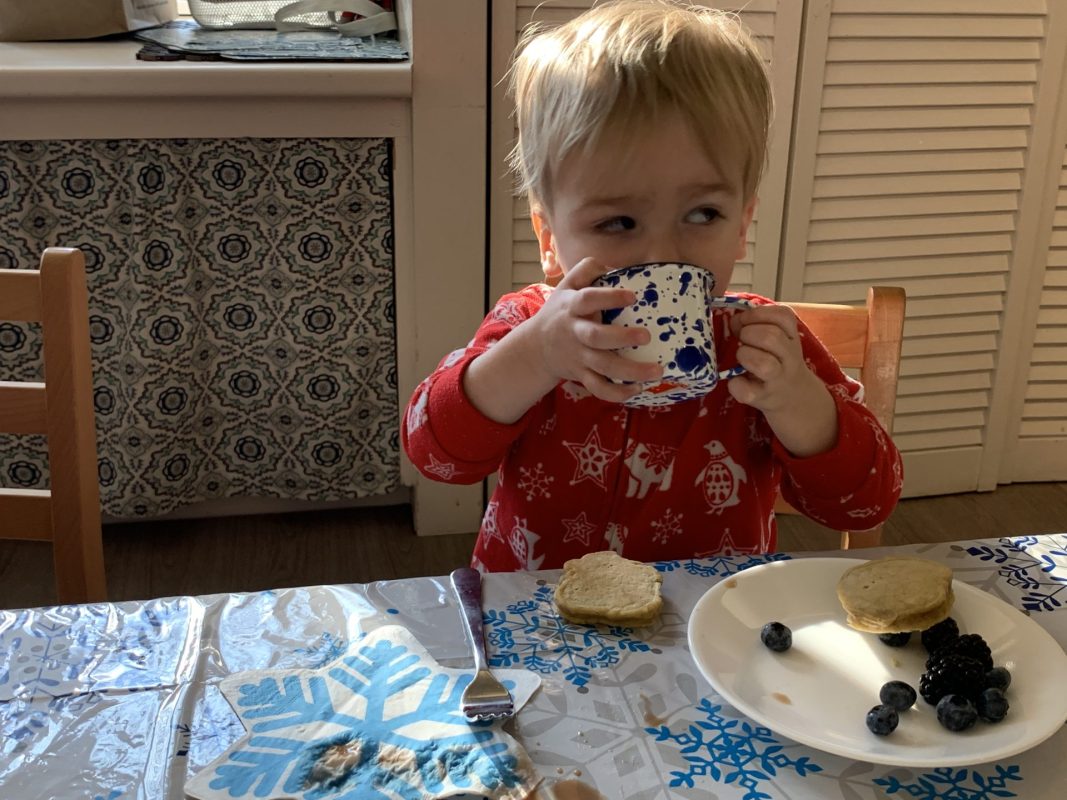
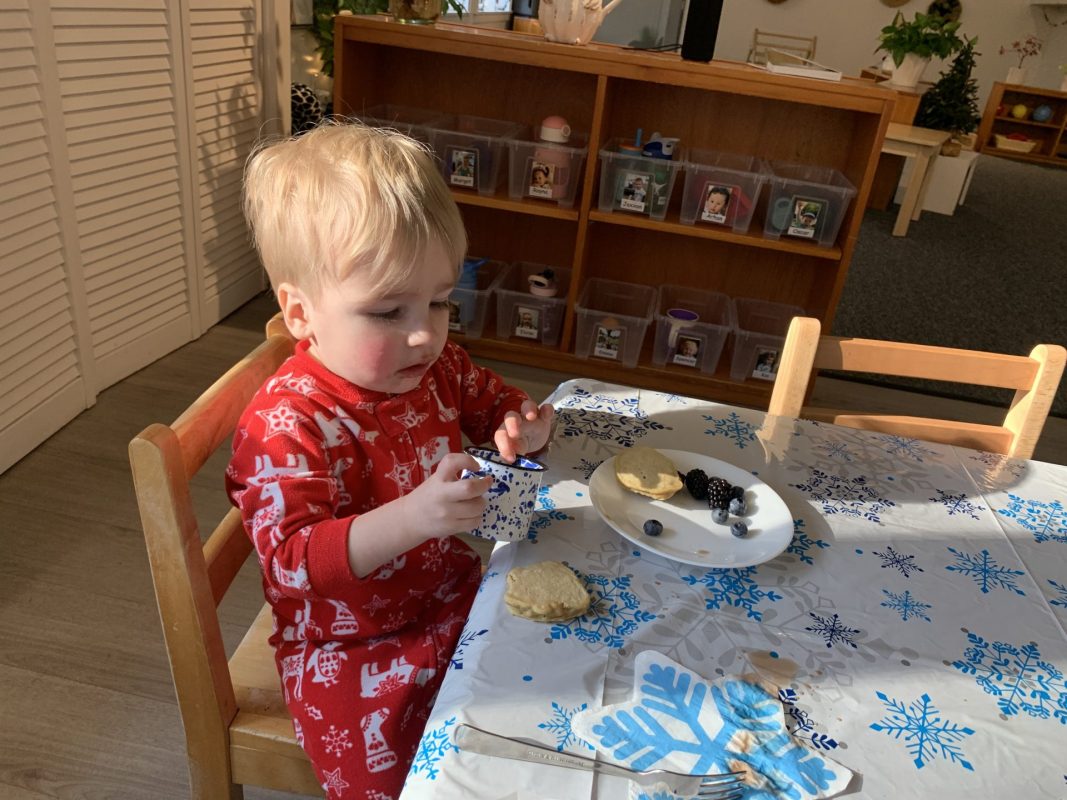
In addition to blueberry muffins and apple cider this week, we tasted pears, which the children loved. If you don’t have pears in the house, I’d definitely suggest adding them to your grocery list this week!

Many of us participated in a missing boot adventure on the playground one day. Our friend lost his yellow boot somewhere in the leaves. It was a fun hunt for the boot, which was very tricky to find as it was camouflaged in the yellow leaves! We worked as a team and noticed the variety of colored leaves that had fallen from the trees – and even found a few acorns.

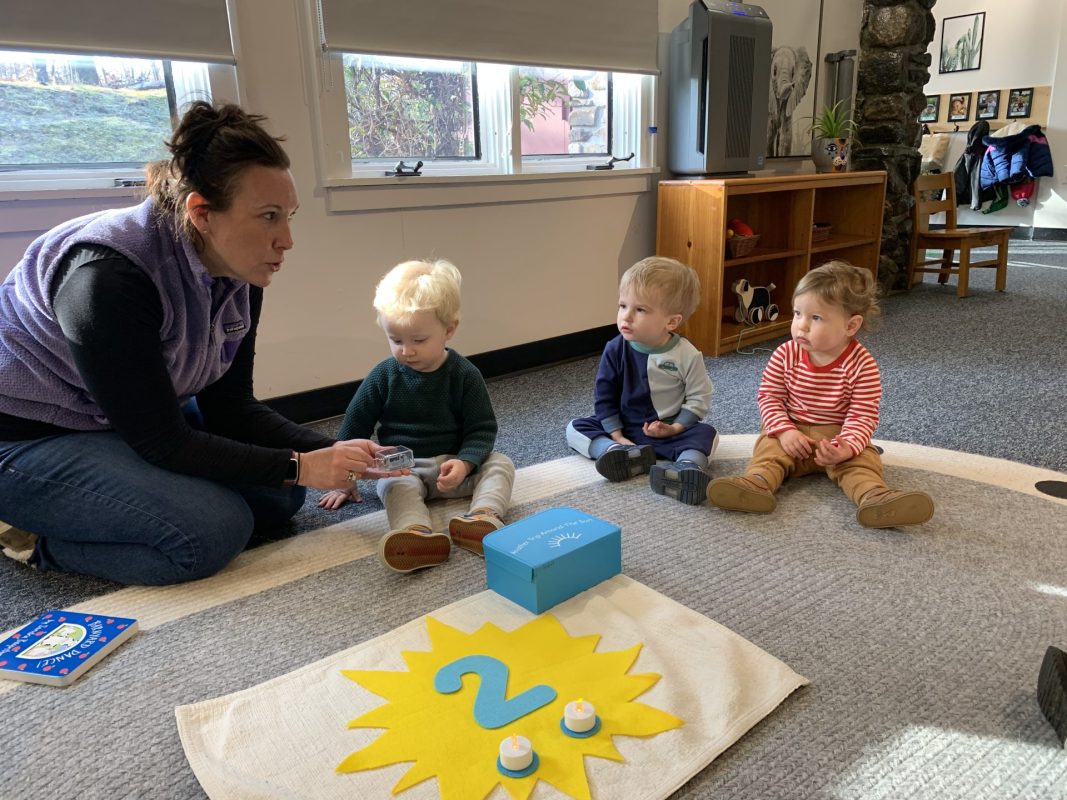
I will include a song that we have been singing daily since the first week of school. Despite learning new songs and moving from apples into pumpkins, the children request this song every single day! We use numbered apples with Velcro on a tree and subtract an apple after each verse. The children enjoy watching the tree become ‘bare’ or empty. Enjoy!

We hope you all enjoy this first November weekend with your families,

Christine and Lizette