Blog

Mrs. Wilson: Pumpkin Festivities!

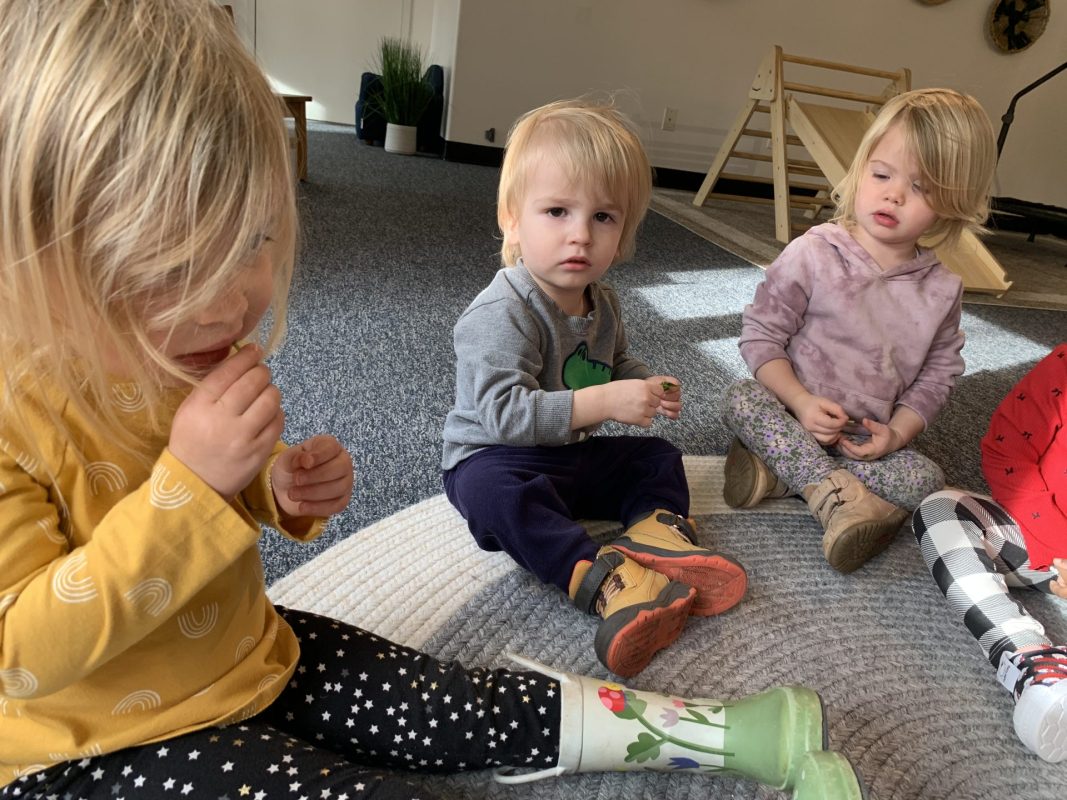
Over the past two weeks, the children had a great time participating in various fall festivities. Last week, we hosted our annual pumpkin patch event, where the Zen garden was transformed into the beautiful Fraser Farm. We want to express our heartfelt gratitude to the dedicated parent volunteers who helped create a stunning space for our toddlers and to all the families who supported this special occasion.

On Tuesday, the children had the opportunity to watch a Halloween parade organized by our 1st through 8th graders. It was a joy to see the diverse costumes pass by while we cheered and waved. Additionally, we savored a delightful Halloween cookie courtesy of one of our friends.

Moreover, we engaged the children in a creative activity where they crafted jack-o’-lanterns using various cookie-cutter shapes and mallets. Each child participated in hammering out the shapes. The moment of wonder arrived when we turned off the lights and placed a “candle” inside, leaving the children amazed by the glowing results.

We are thrilled to introduce a new member of our community, Ellie. Welcome, Ellie!

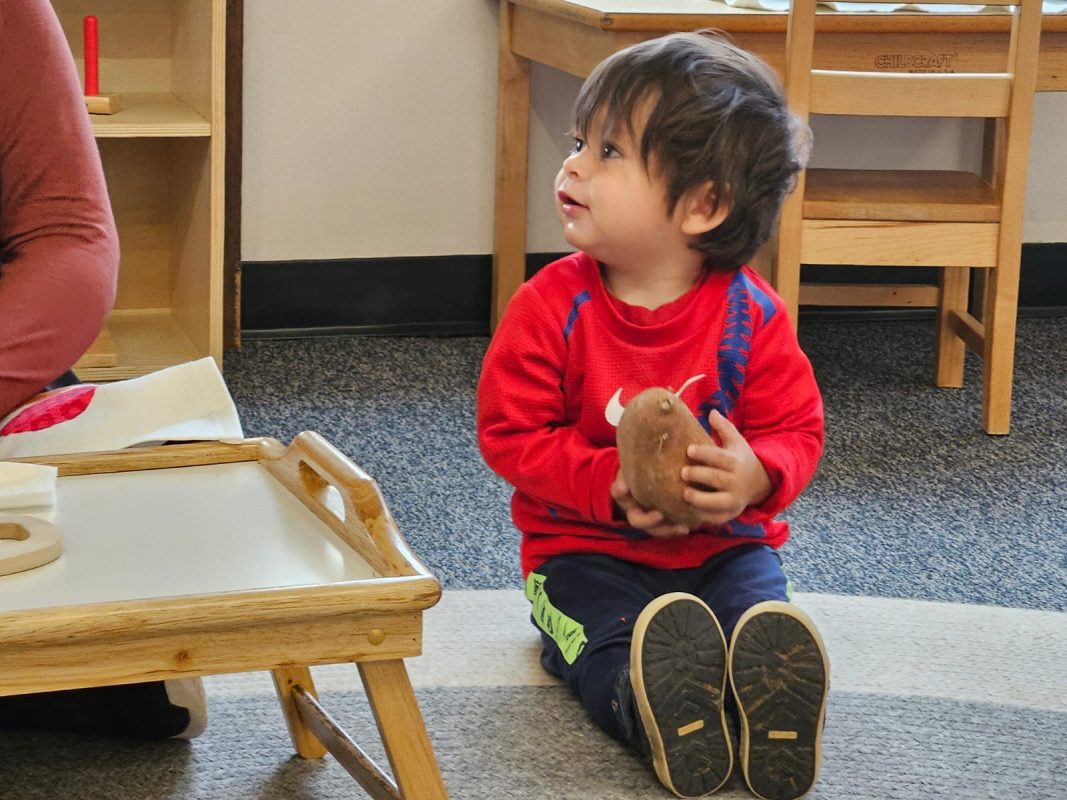
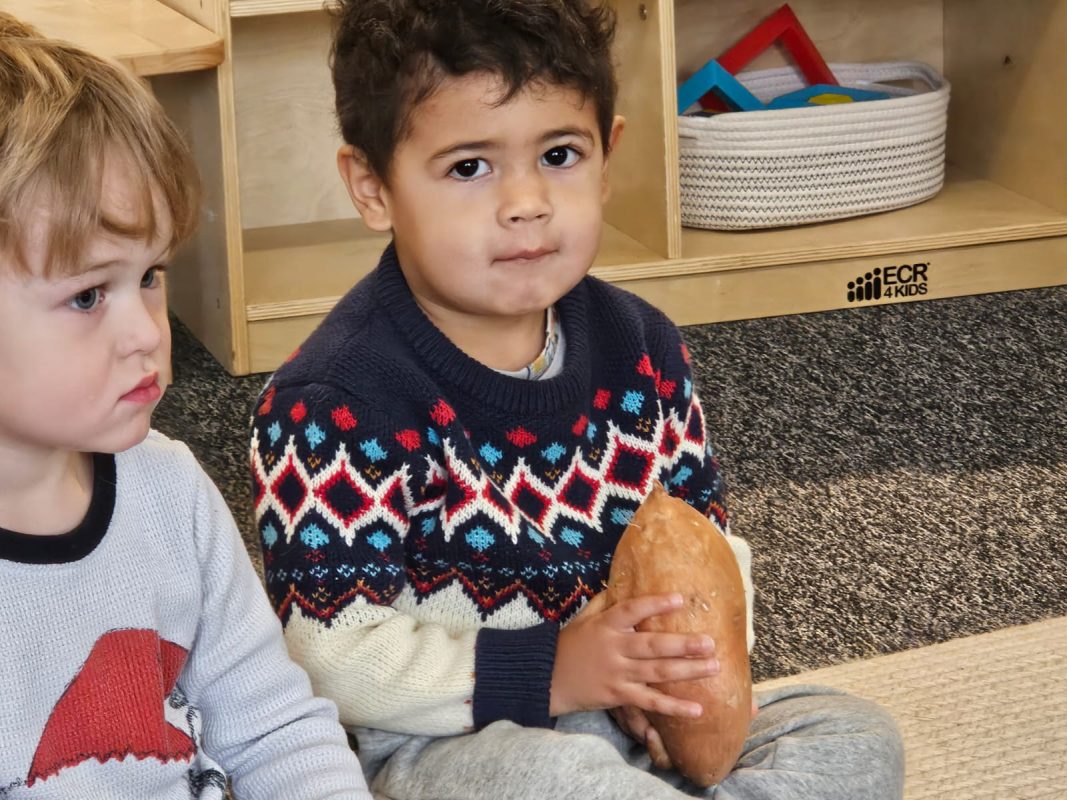
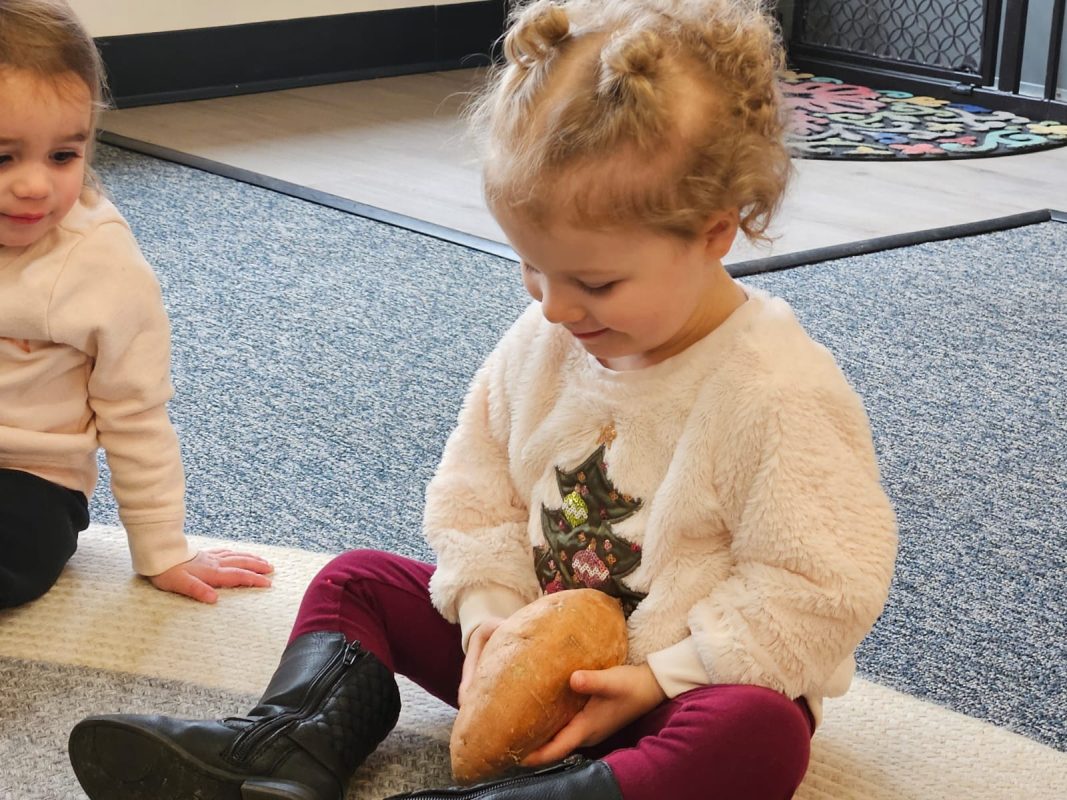
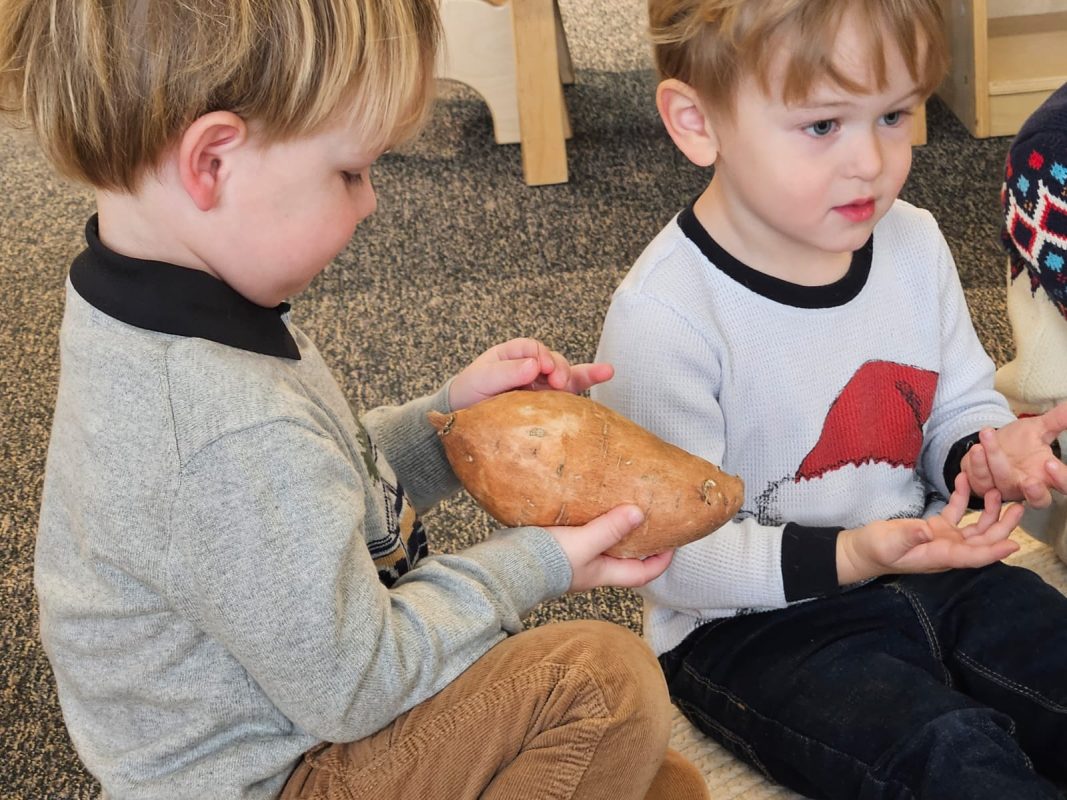
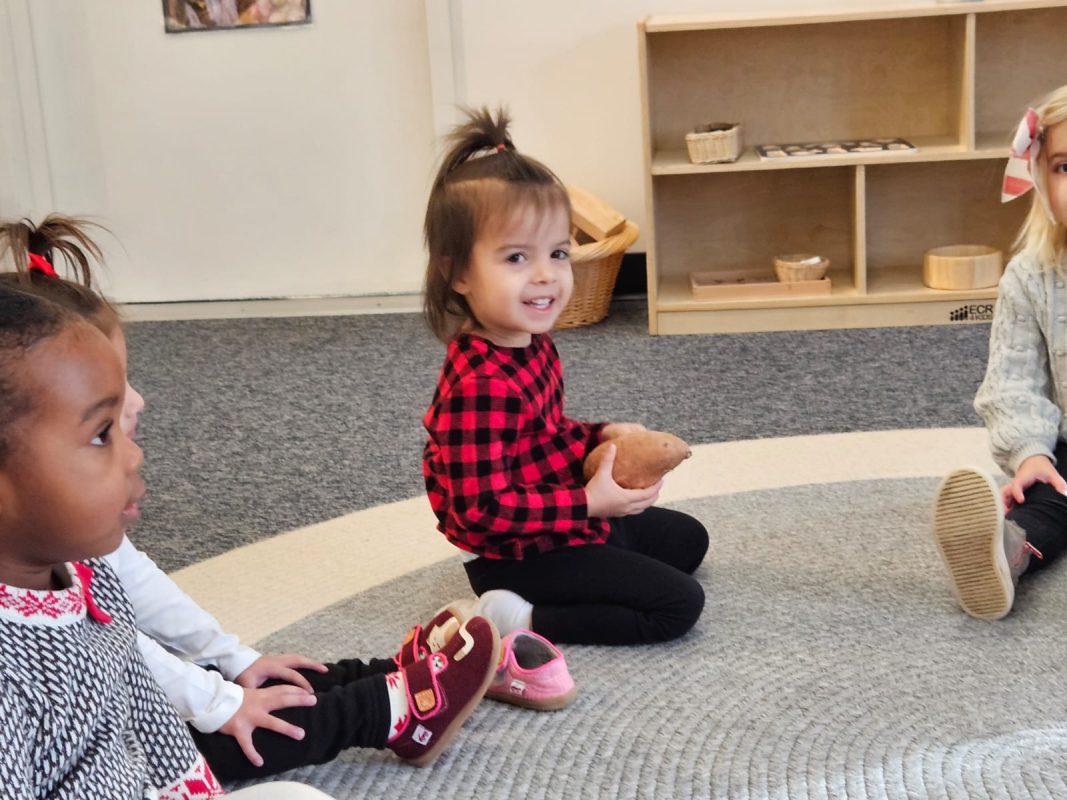
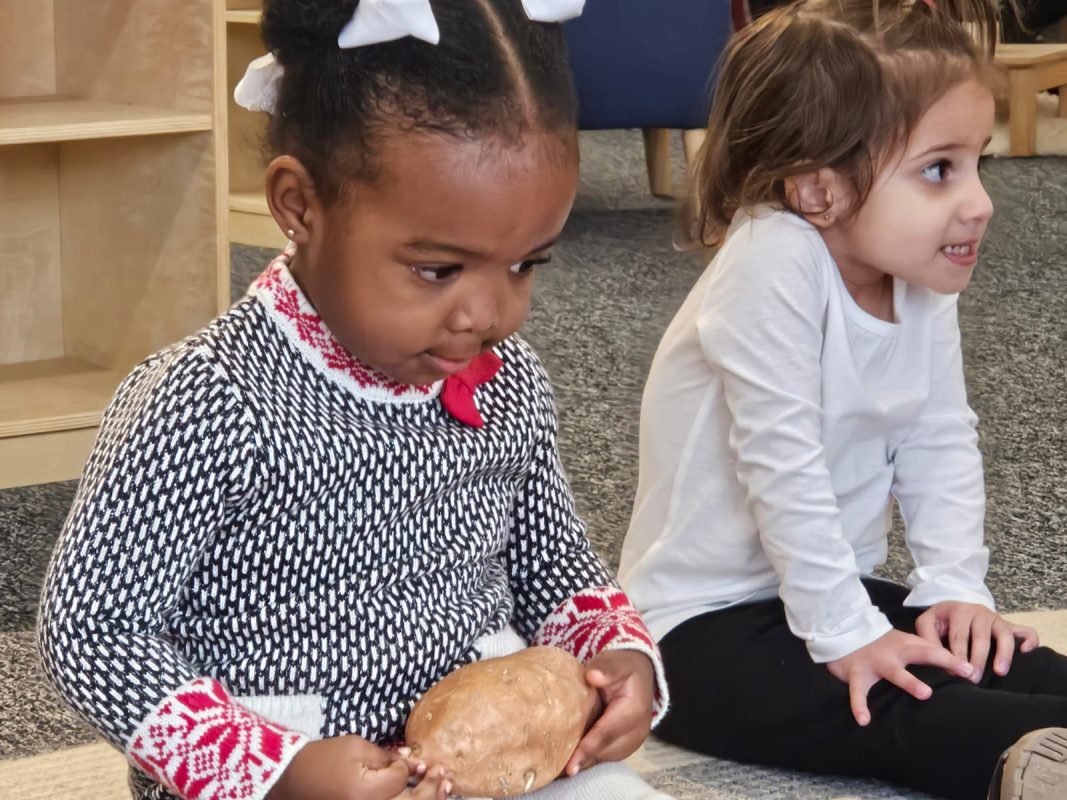
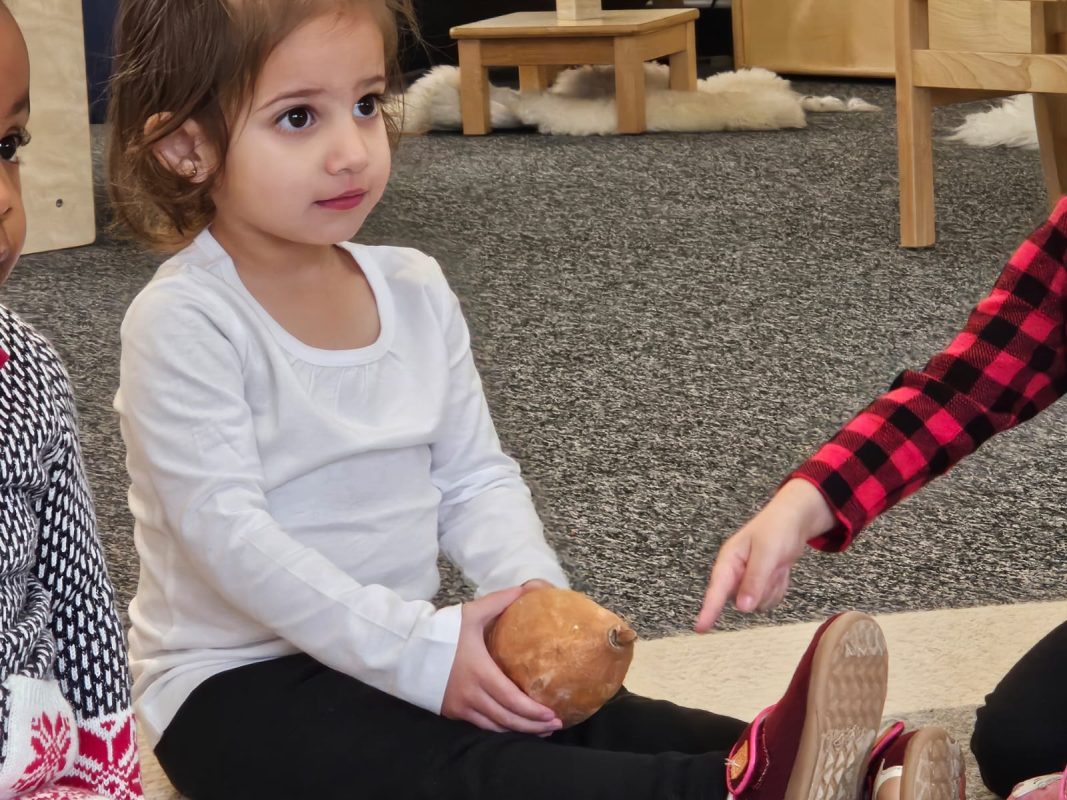
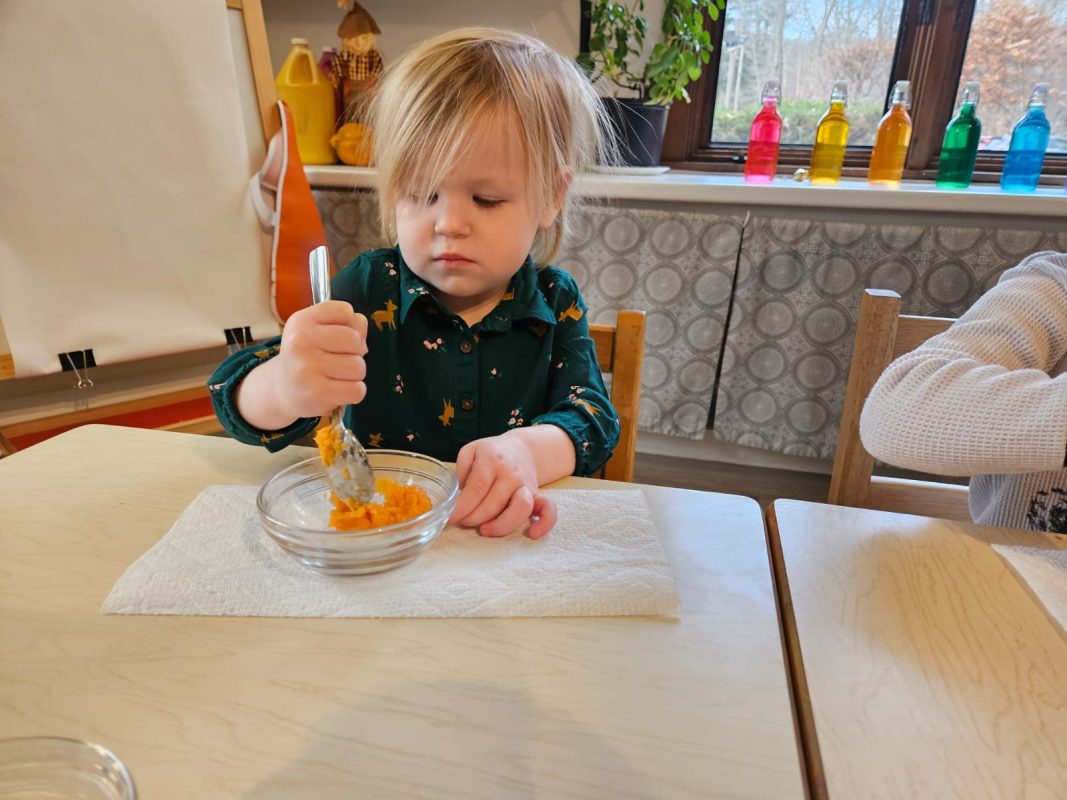
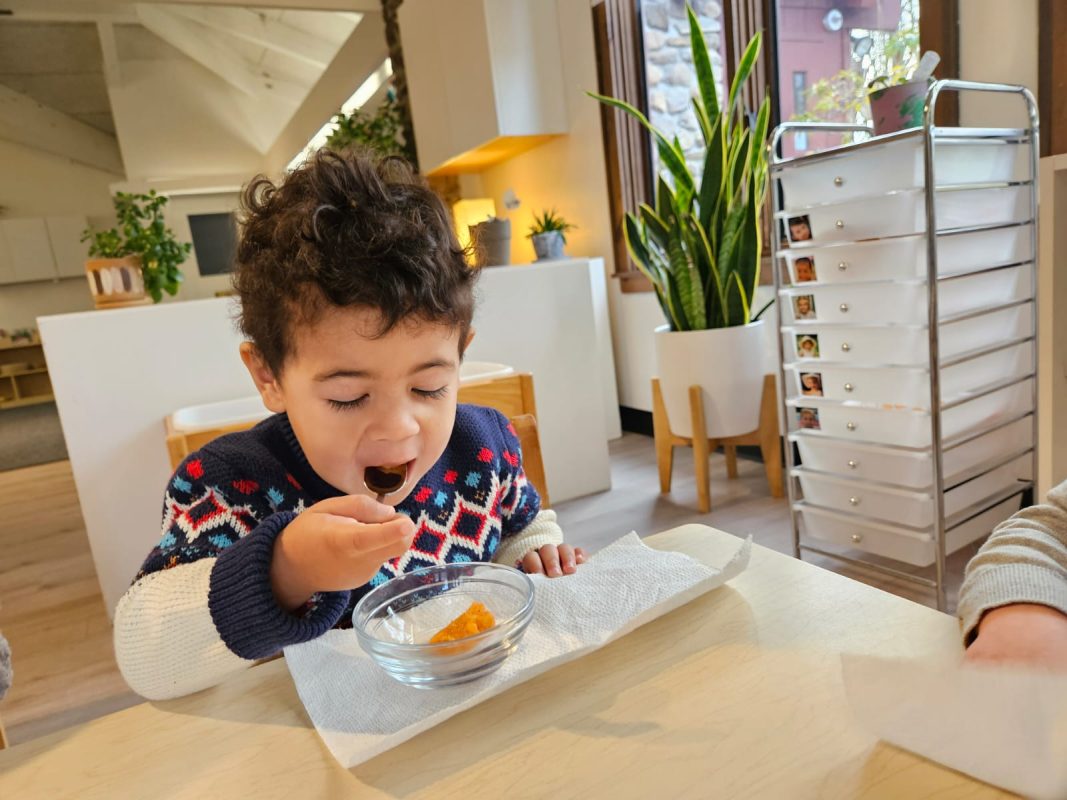
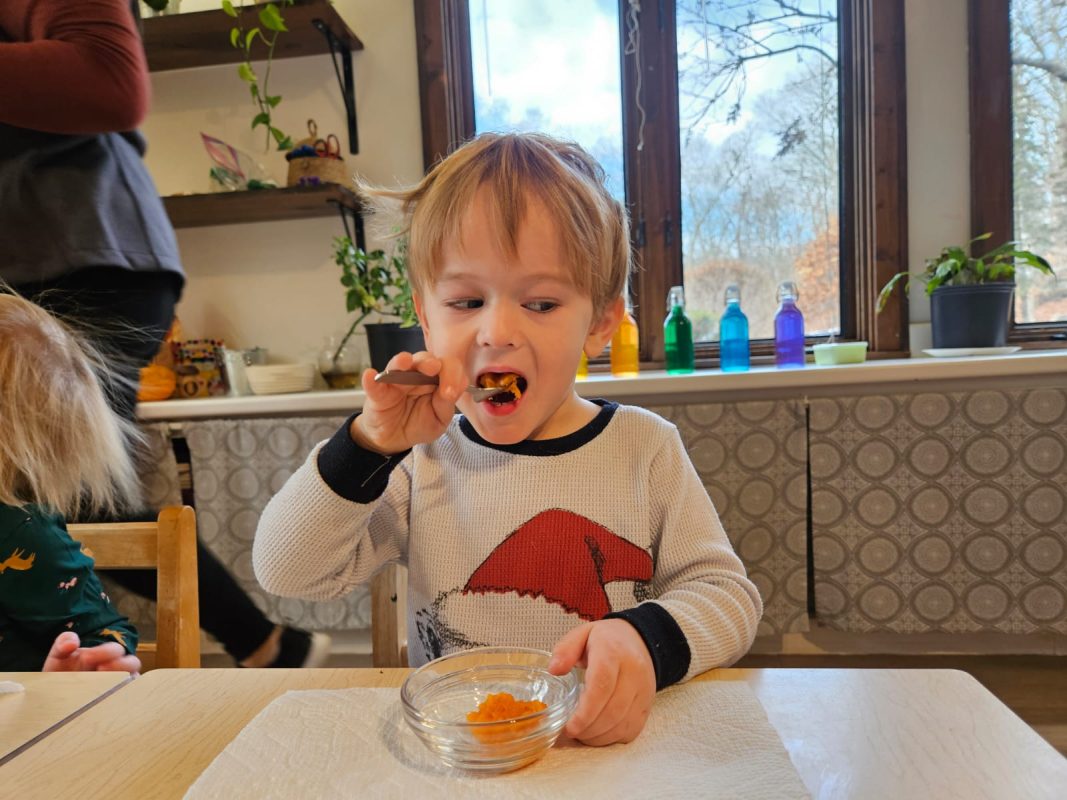
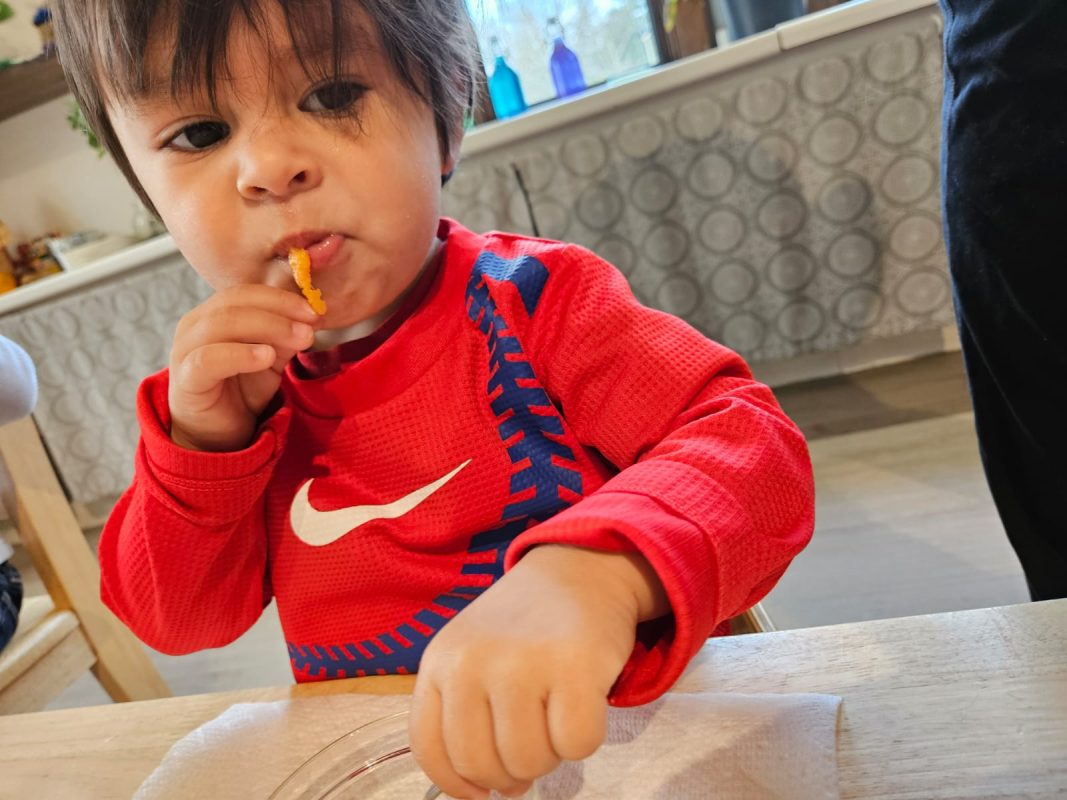
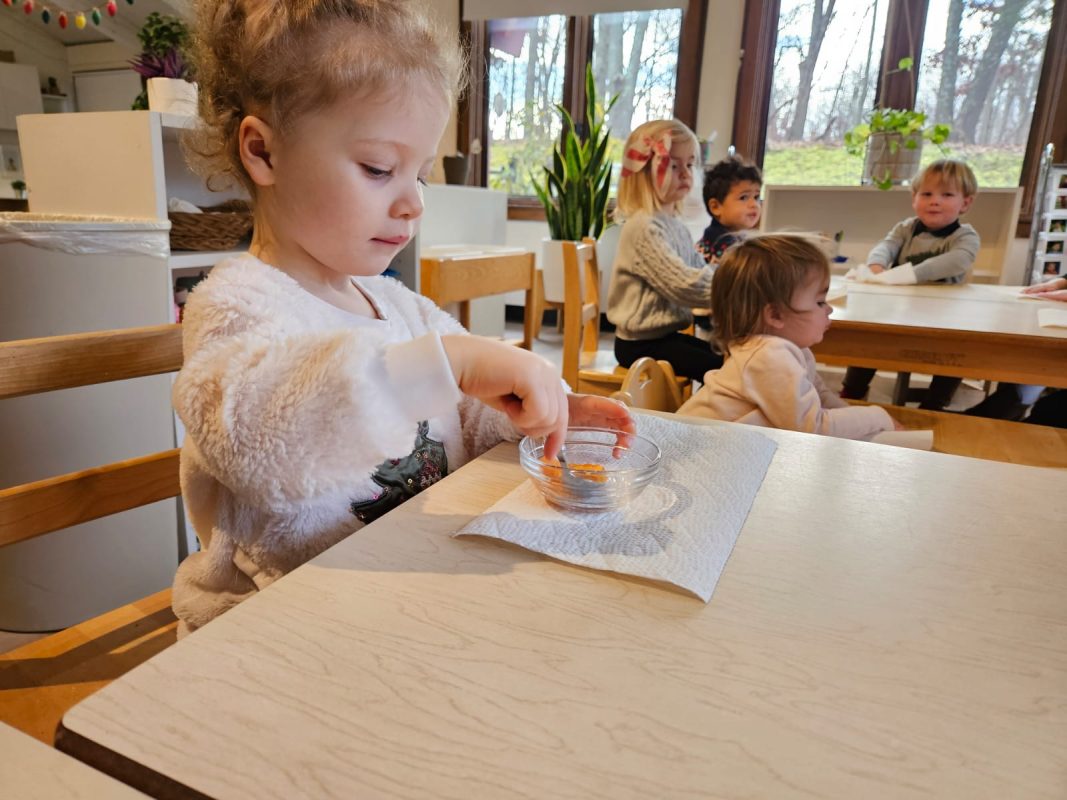
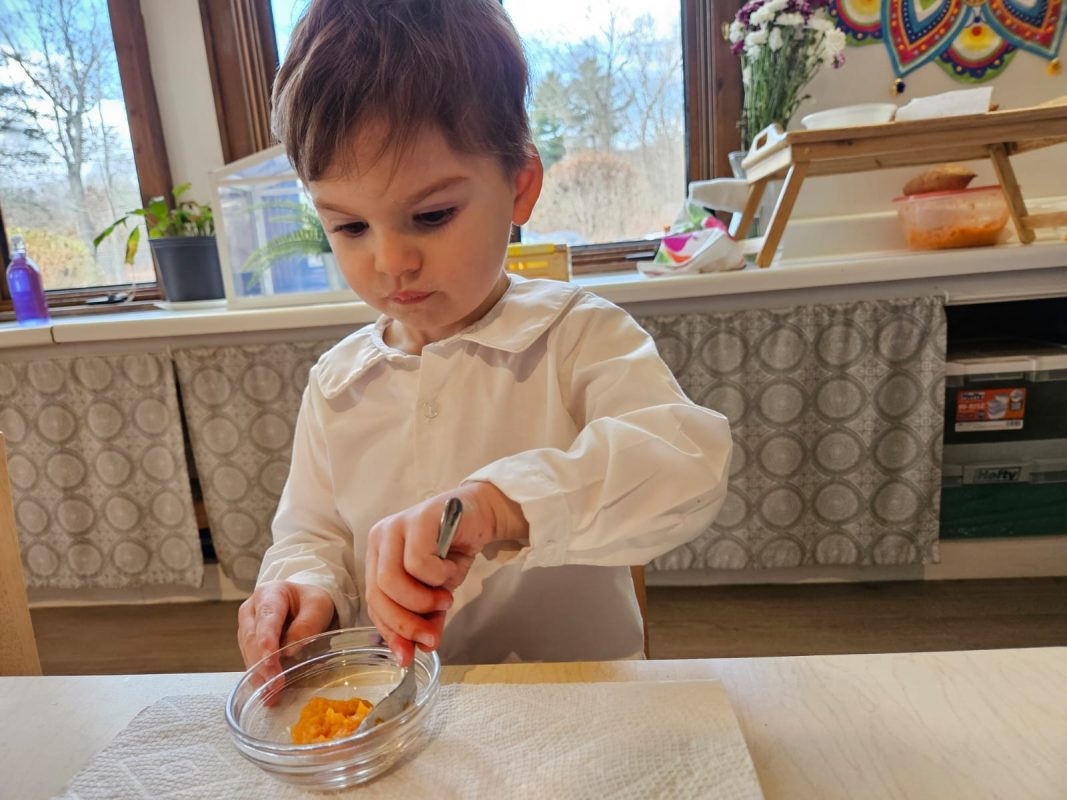
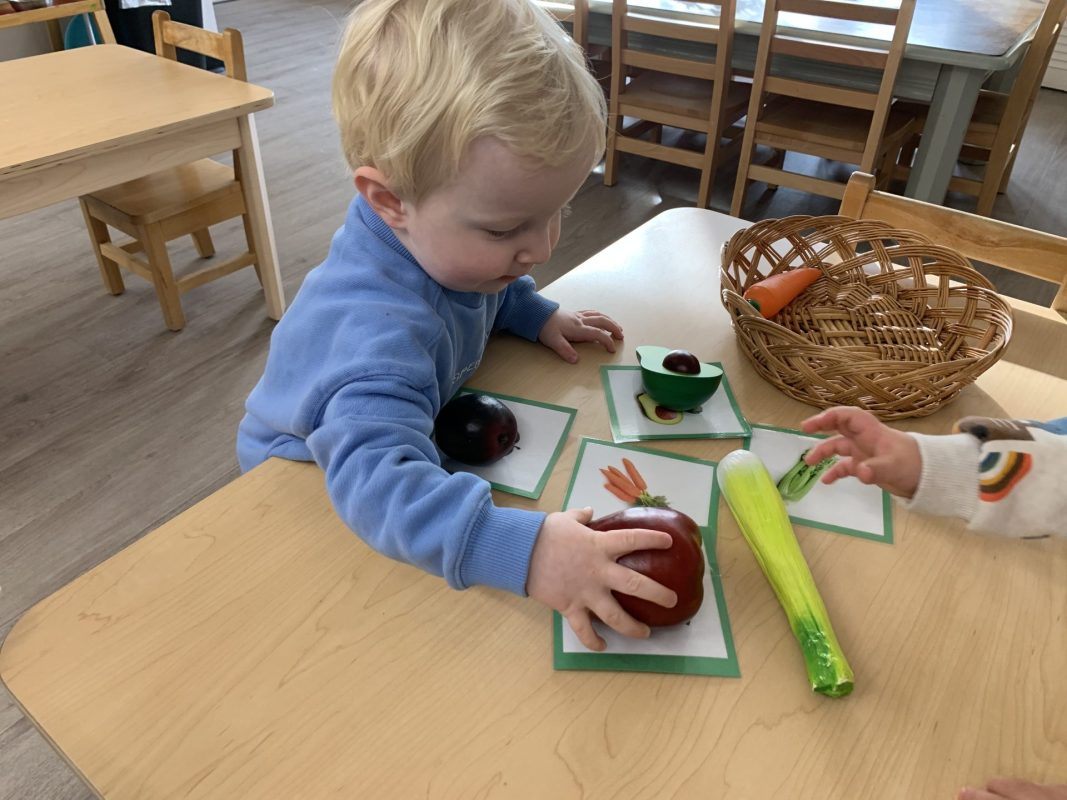
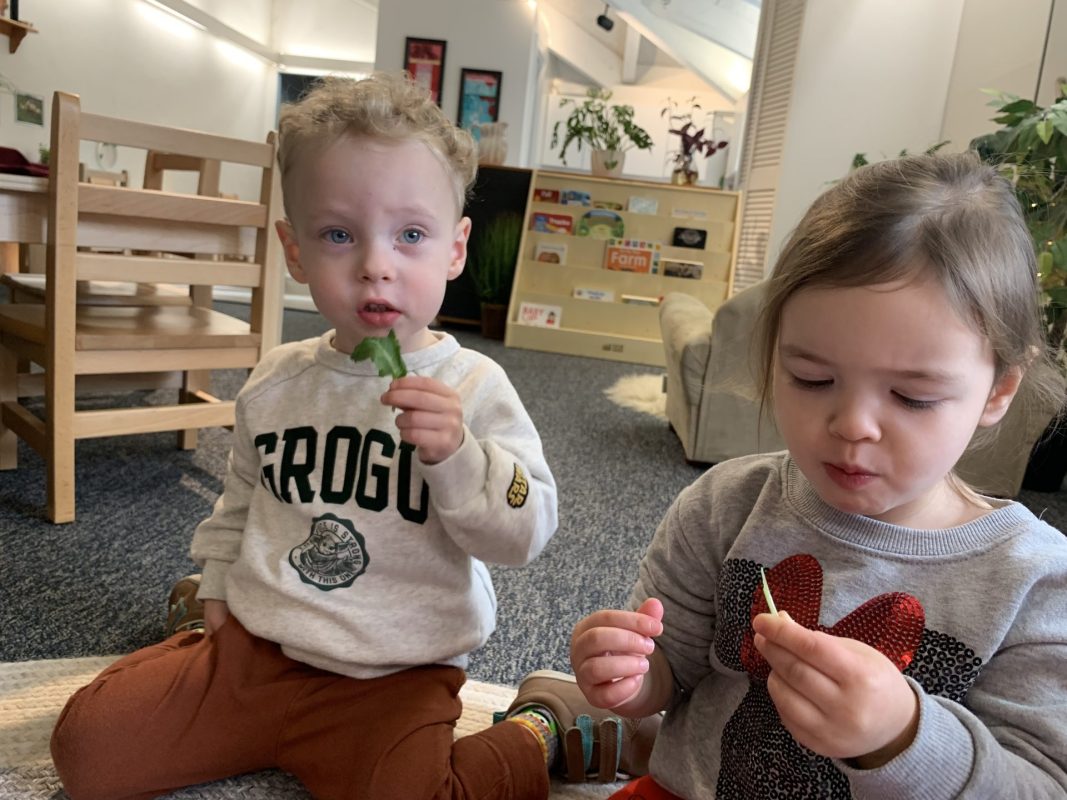
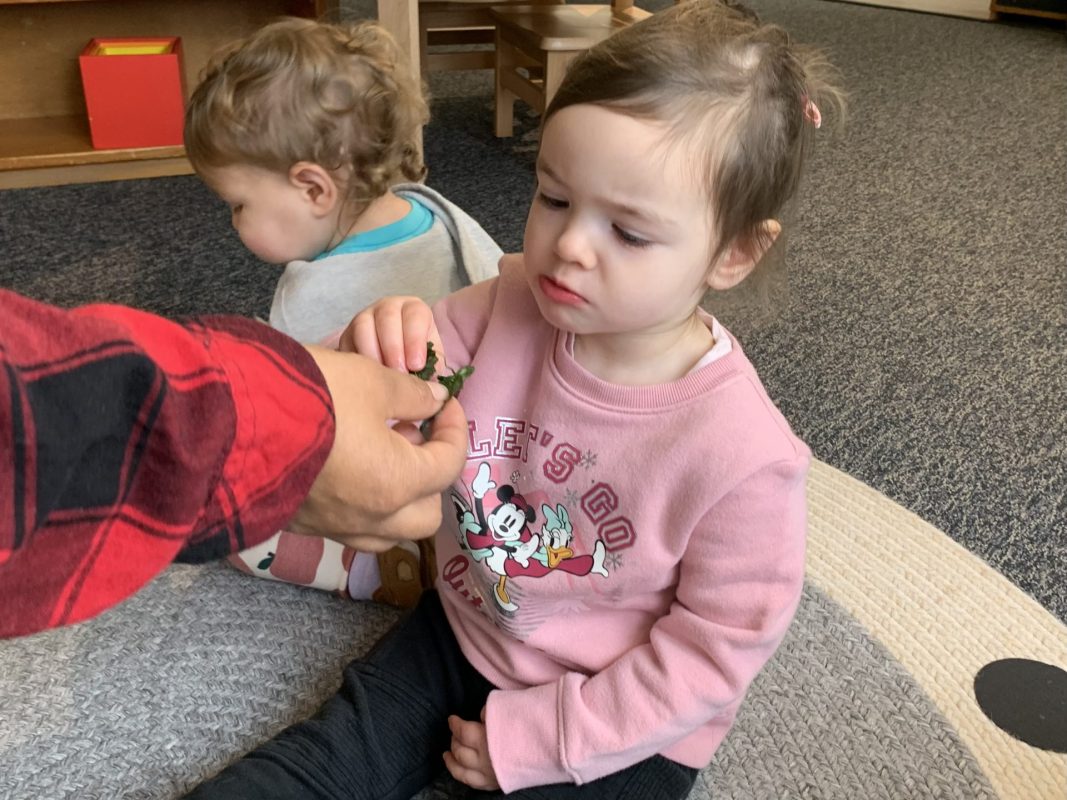
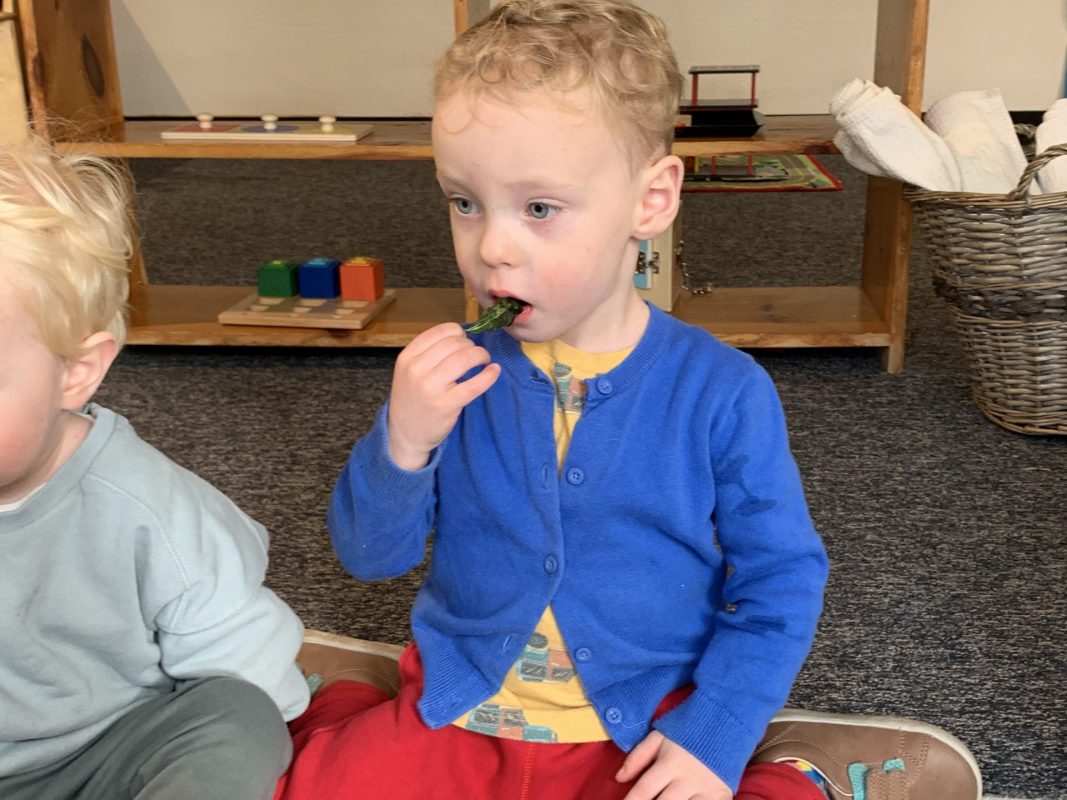
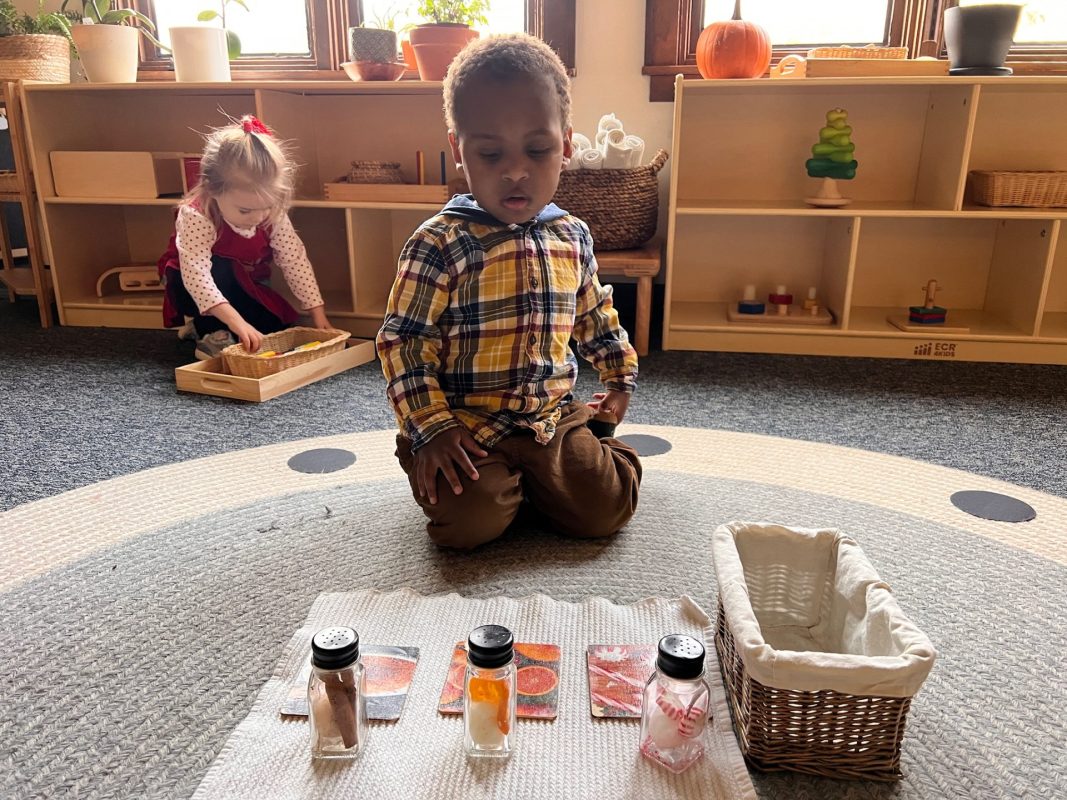
Food Tasting: This week, we explored the flavors of a delicious roasted sugar pumpkin. The children had a chance to examine the weight, texture, and scent of the pumpkin while learning about its different parts.

Have a lovely weekend,

Cynthia and Sara


Middle School: Happy Halloween!

This week brought fun and frost! We enjoyed having the middle school lead the Halloween parade for their younger peers to enjoy. We were glad to have a delicious breakfast provided by families as well as pumpkins to decorate.

Humanities classes had a spooky reading of “The Tell-Tale Heart” by Edgar Allan Poe and spoke about Poe’s role producing horror through his writing in the 19th century.

**QUICK NOTE: PLEASE ensure your middle school student(s) is dressed appropriately with the weather (this includes a jacket). They will be going outside with classes, recess, and when they visit their younger peers on Wednesdays.

Please enjoy the photos!


Mrs. Doyle: Welcome To Our Pumpkin Patch

Welcome to our pumpkin patch!  There are pumpkins everywhere in our class. Having pumpkins in the classroom provides many opportunities for the children to observe and introduce basic science and math concepts.

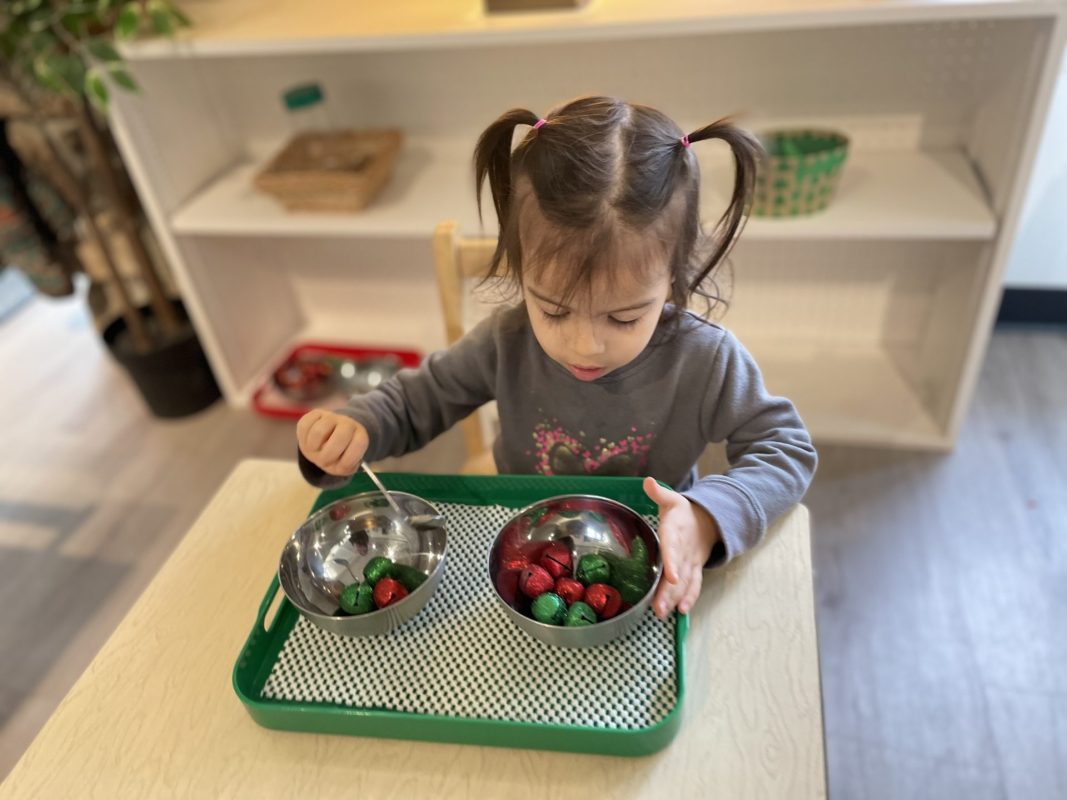
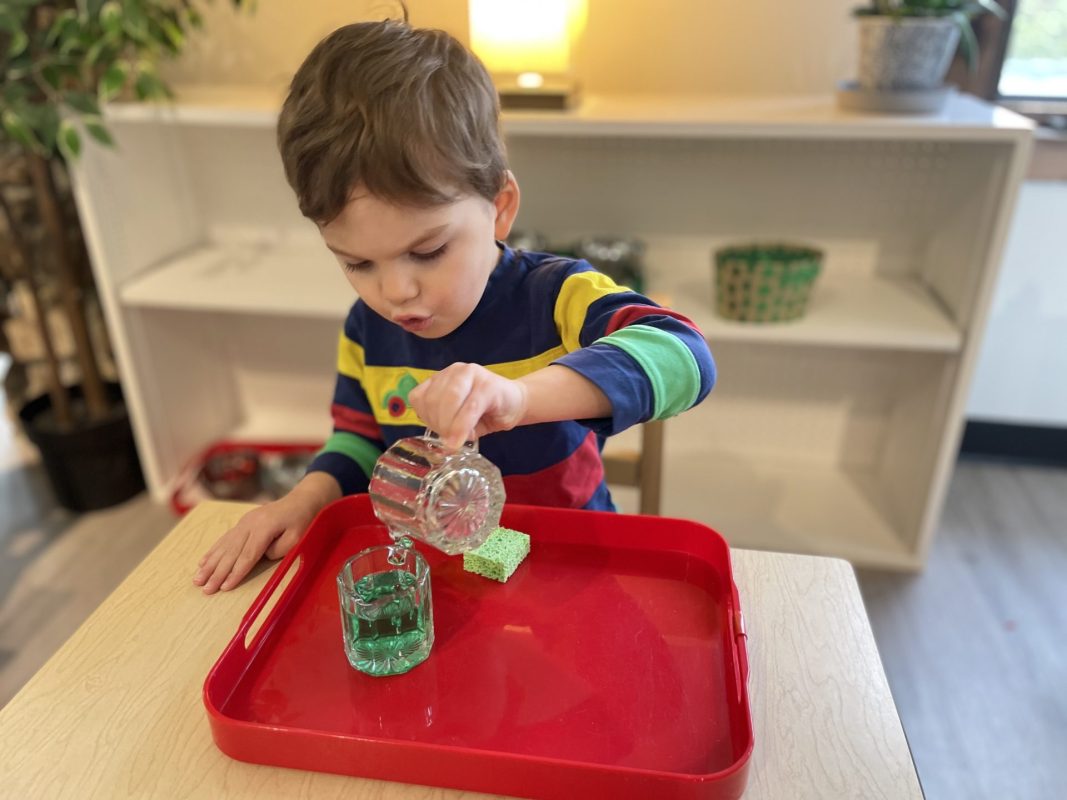
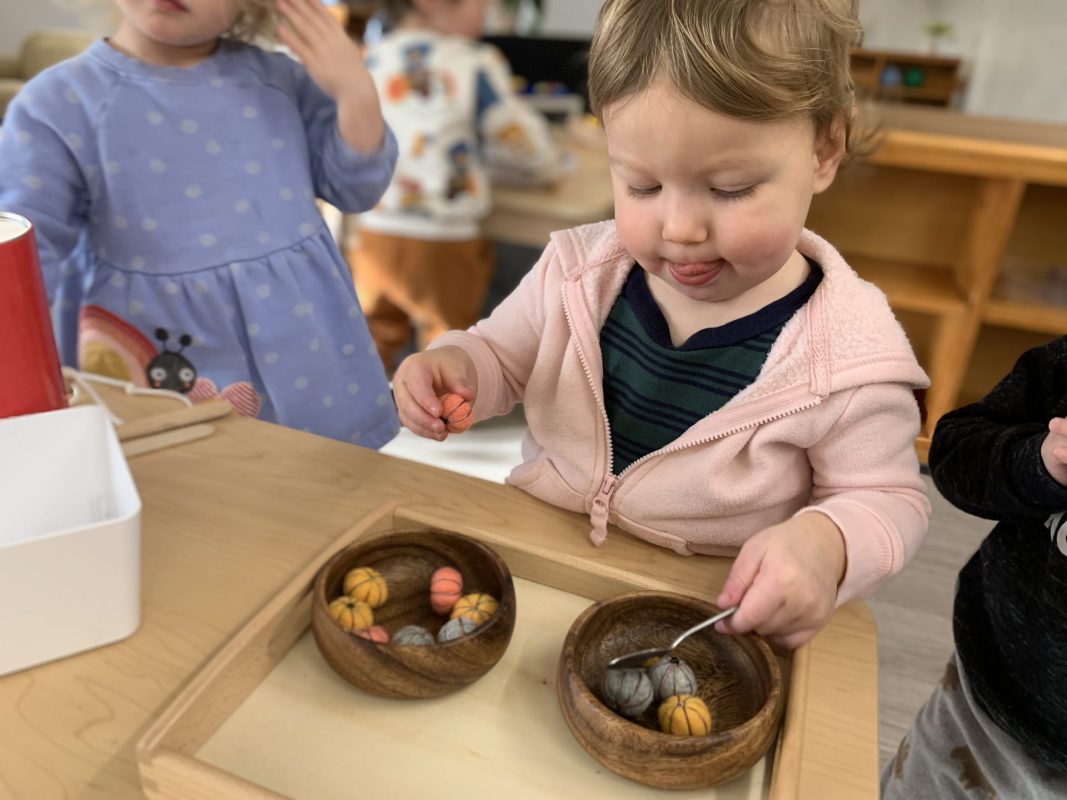
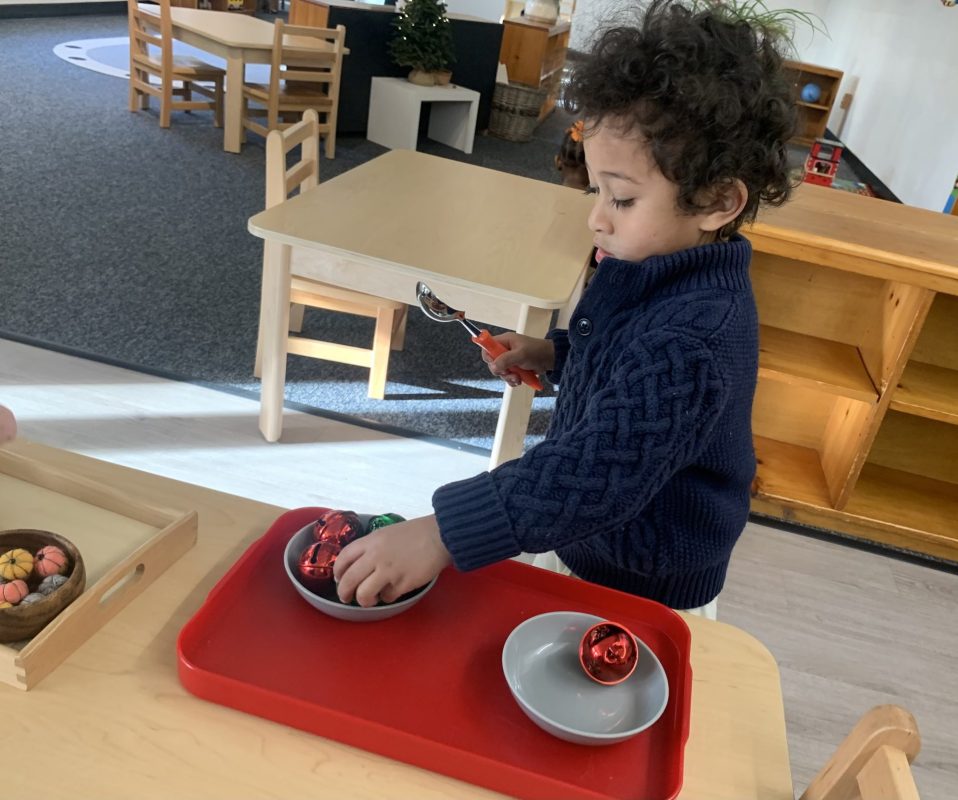
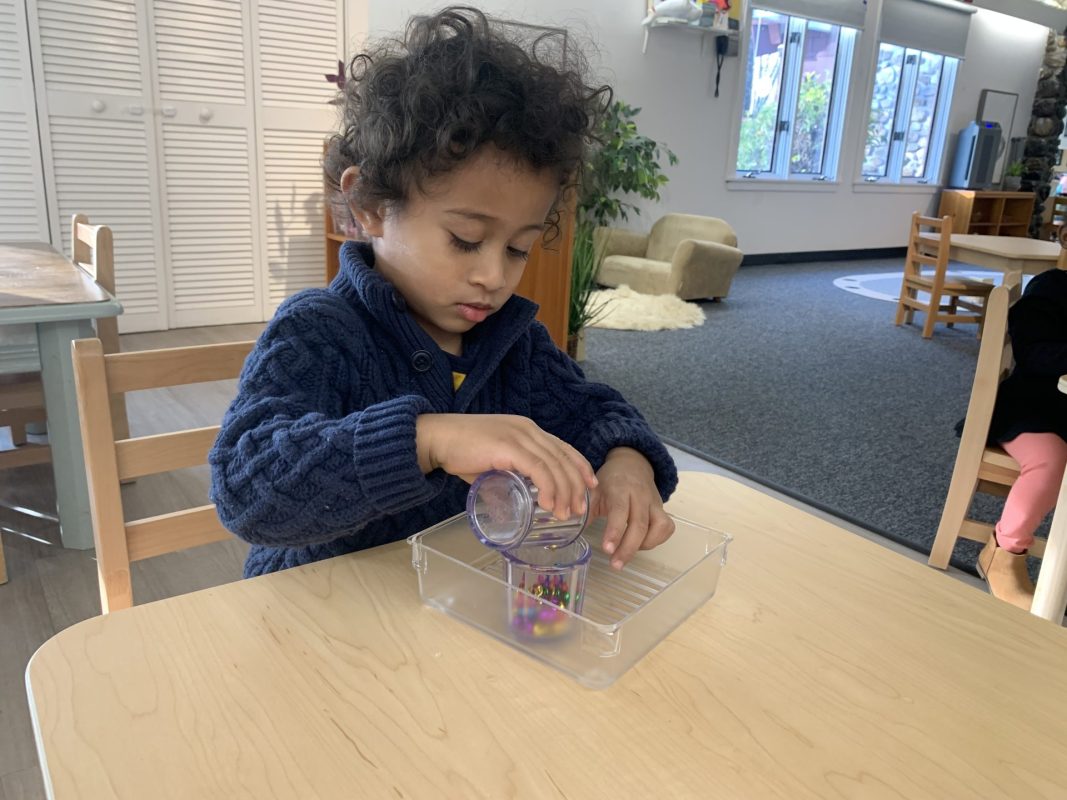
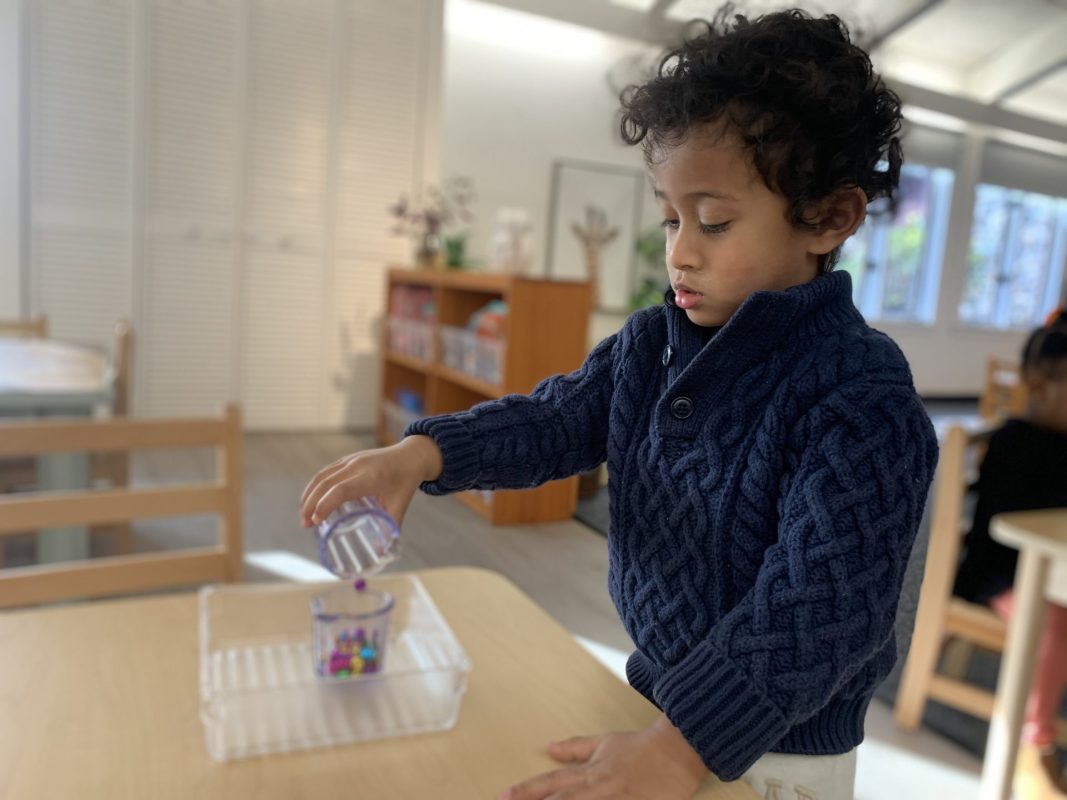
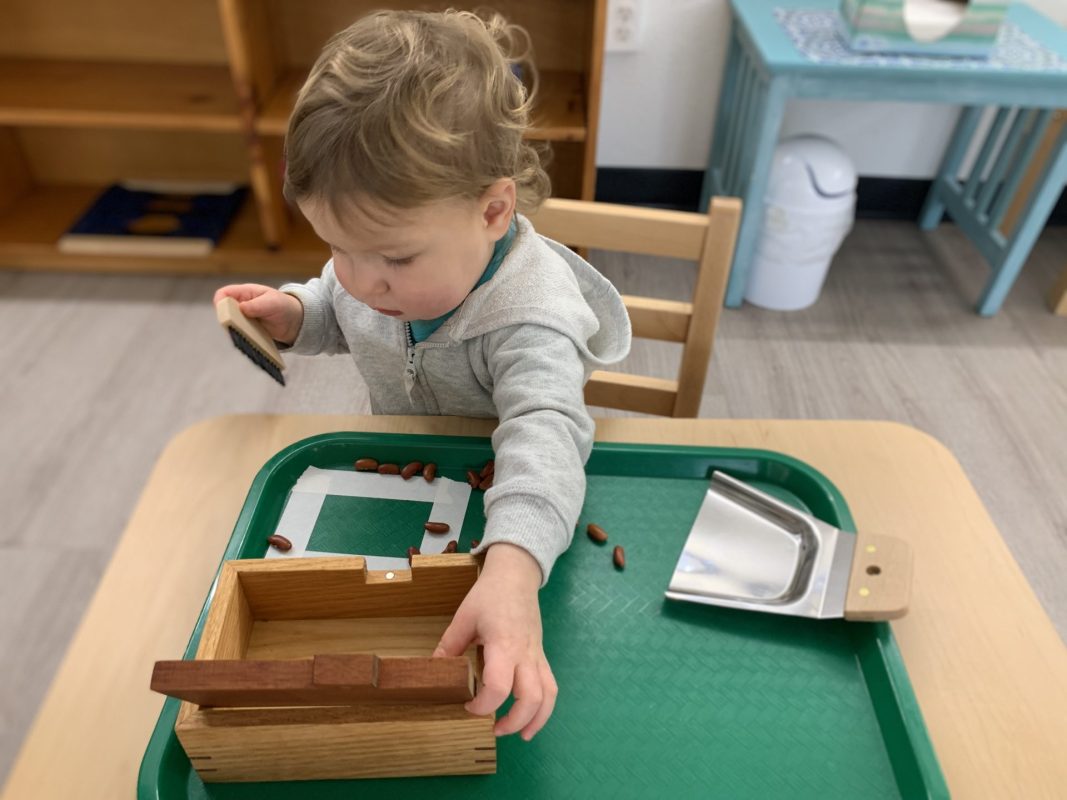
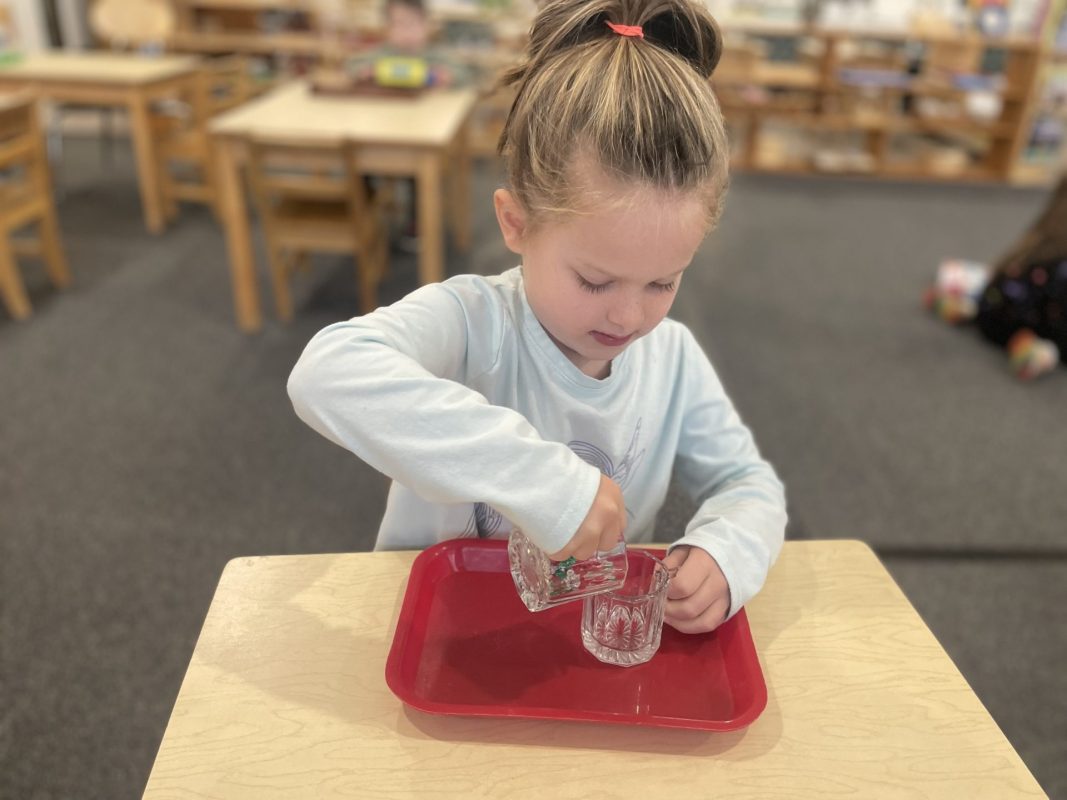
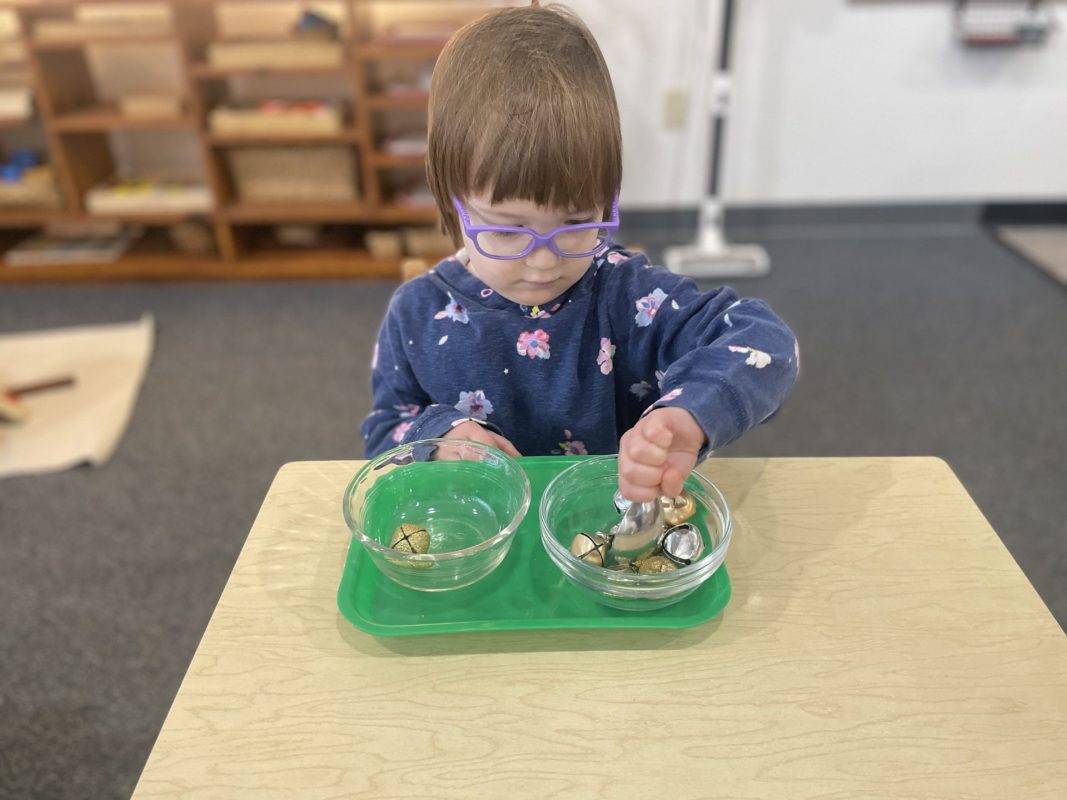
In Practical Life, we have pumpkin spooning, pumpkin pouring, pumpkin scrubbing, and pumpkin grasping. In Science, we learned about the parts of a pumpkin and the pumpkin’s life cycle. We compared pumpkins and categorized them as small, medium, and large. We are using our five senses to determine what pumpkins look, smell, feel, sound, and taste like.

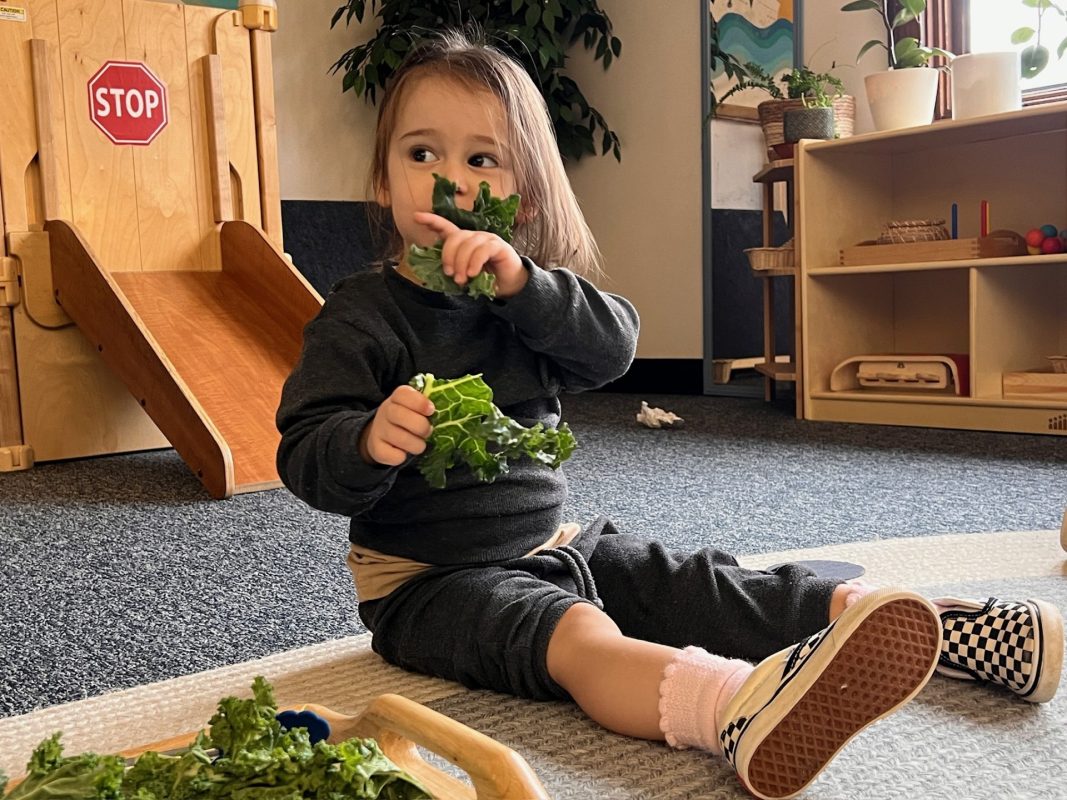
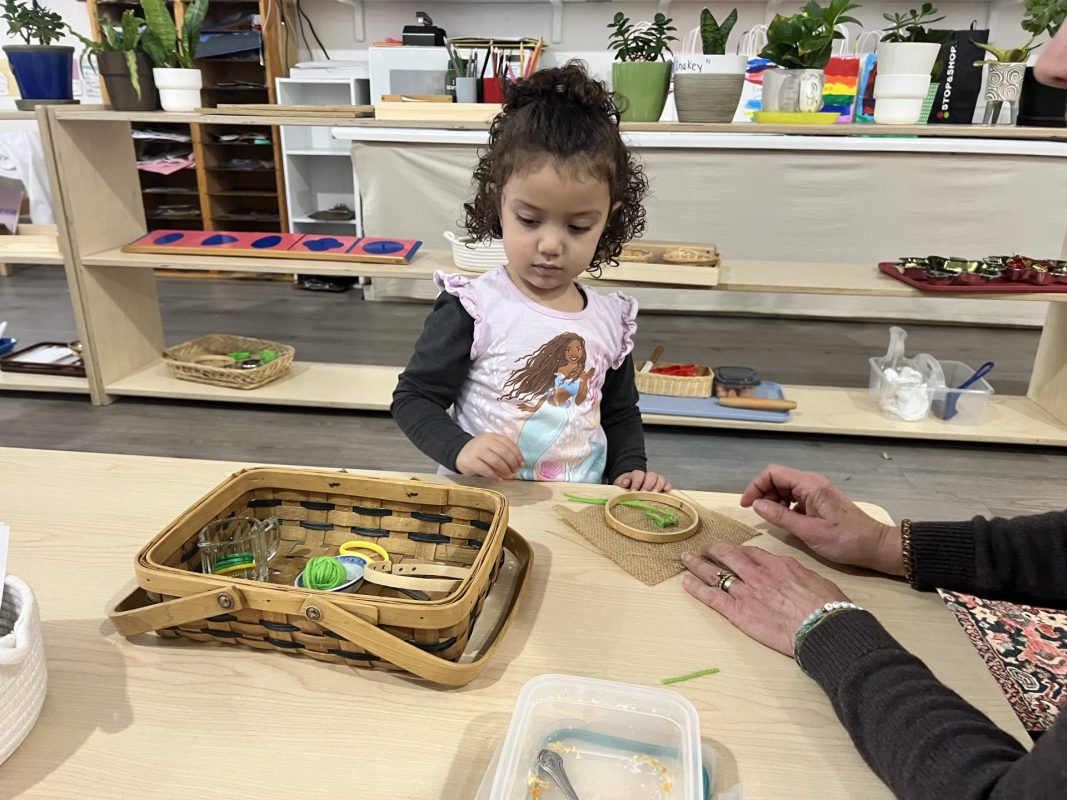
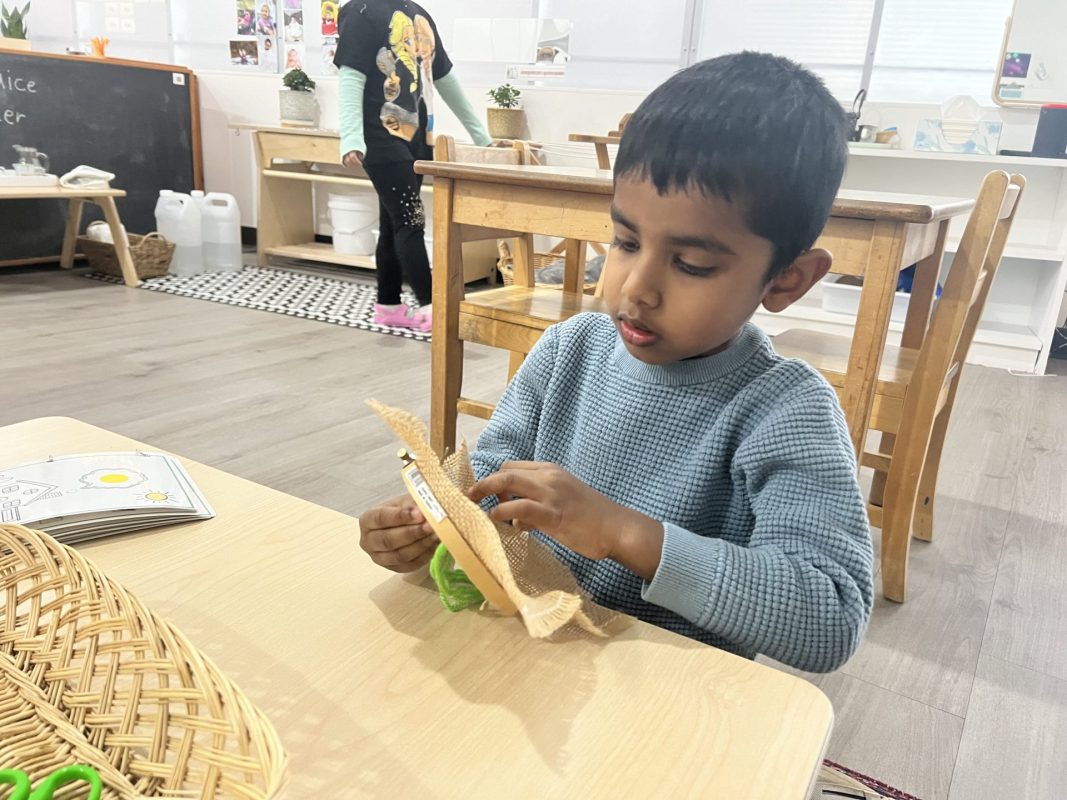
On Tuesday, we had a small in-class Harvest Celebration where each child had the opportunity to visit our “pumpkin patch” and pick their own pumpkin, make a yarn spider web, and have a fun snack.  Last but not least, meet Skelly, our veggie skeleton prepared by the kindergarten students.  It is always so wonderful to hear the children say they don’t like this vegetable or that one and then devour all of it! All of this was possible because of parents helping behind the scenes.  A huge shout out to everyone for sharing their time and energy with us to provide these wonderful opportunities for the children. We are very grateful and truly blessed.

Wishing you a week filled with peace and love.

Michelle & Maria


Mrs. Lopes: Welcome to Our Pumpkin Patch

Welcome to our pumpkin patch!  There are pumpkins everywhere in our class. Having pumpkins in the classroom provides many opportunities for the children to observe and introduce basic science and math concepts.

In Practical Life, we have pumpkin spooning, pumpkin pouring, pumpkin scrubbing, and pumpkin grasping. In Science, we learned about the parts of a pumpkin and the pumpkin’s life cycle. We compared pumpkins and categorized them as small, medium, and large. We are using our five senses to determine what pumpkins look, smell, feel, sound, and taste like.

On Tuesday, we had a small in-class Harvest Celebration where each child had the opportunity to visit our “pumpkin patch” and pick their own pumpkin, make a yarn spider web, and have a fun snack.  Last but not least, meet Skelly, our veggie skeleton prepared by the kindergarten students.  It is always so wonderful to hear the children say they don’t like this vegetable or that one and then devour all of it! All of this was possible because of parents helping behind the scenes.  A huge shout out to everyone for sharing their time and energy with us to provide these wonderful opportunities for the children. We are very grateful and truly blessed.

Wishing you a week filled with peace and love.

Amanda & Hema


UE: Grammar Is Fun!

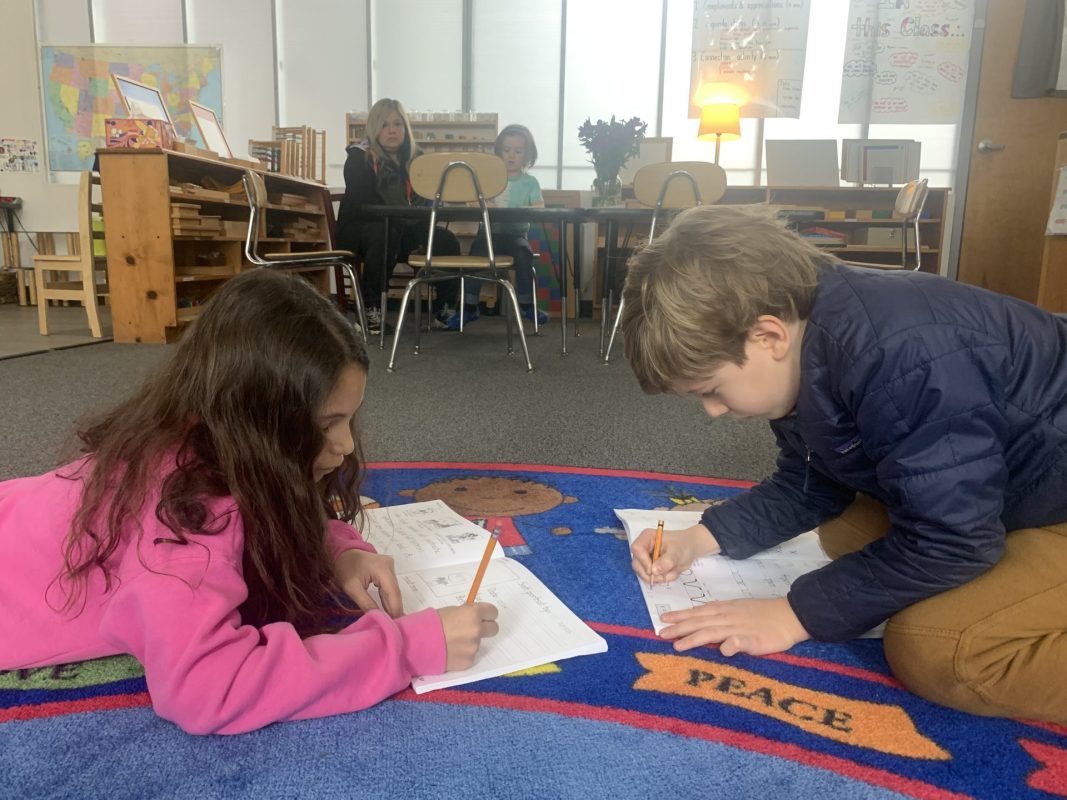
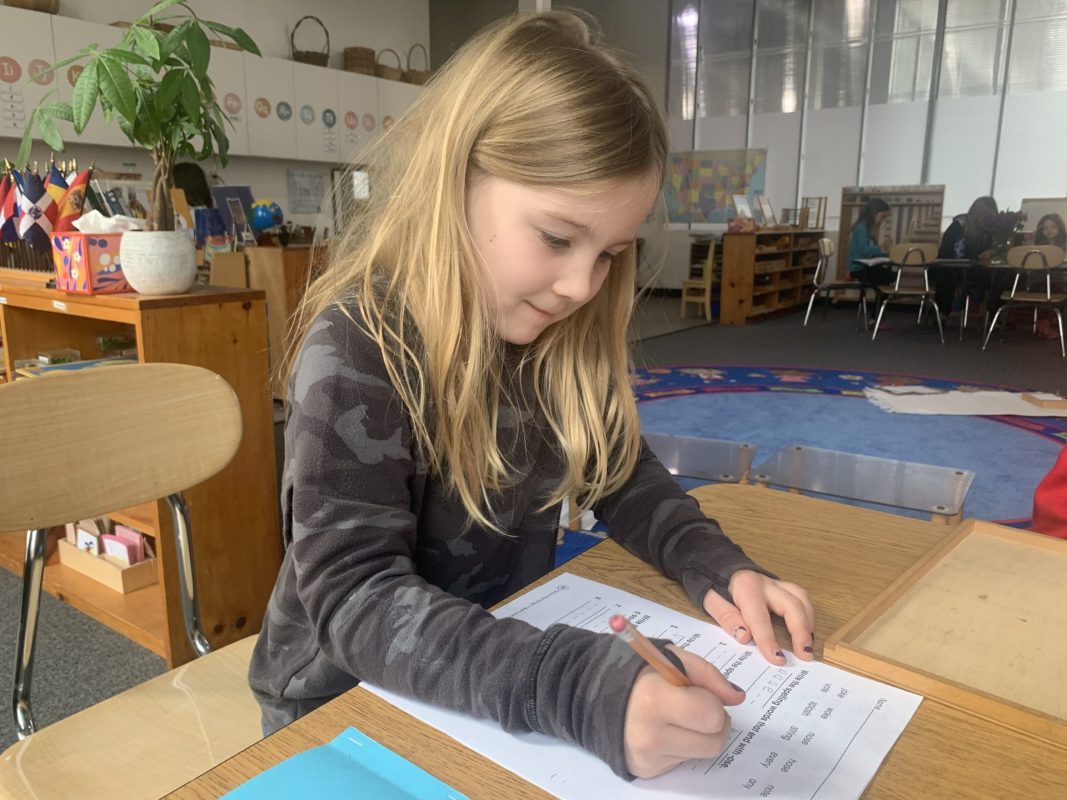
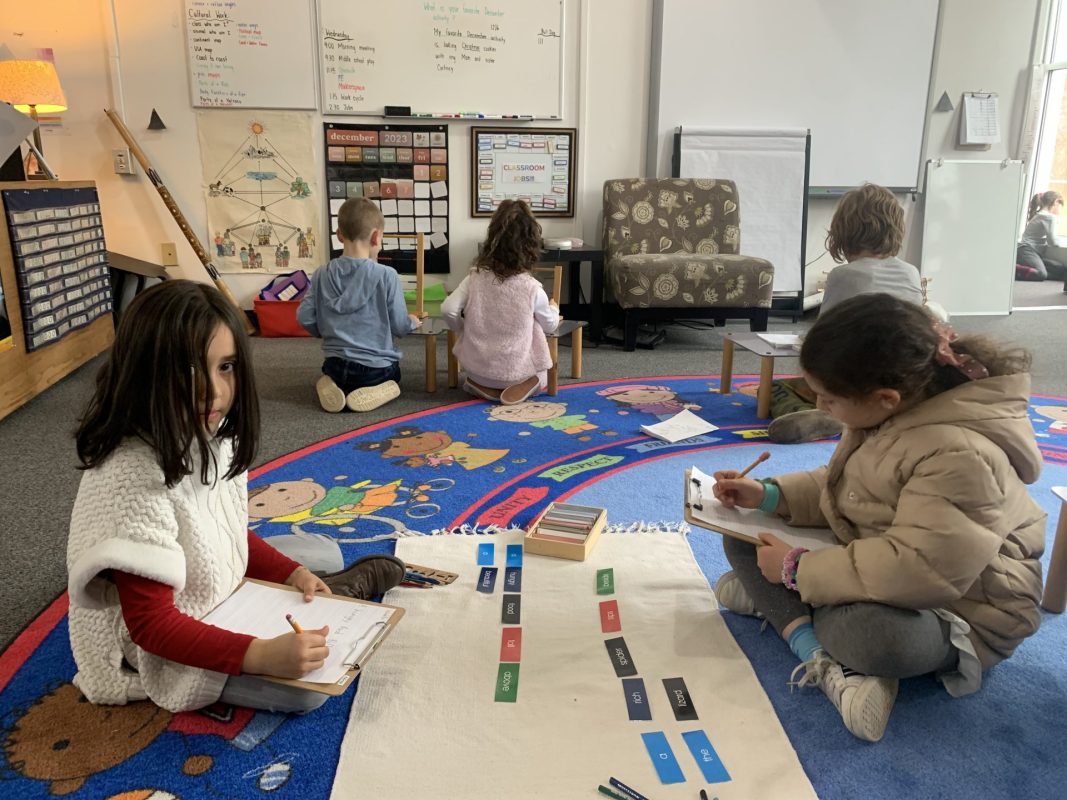
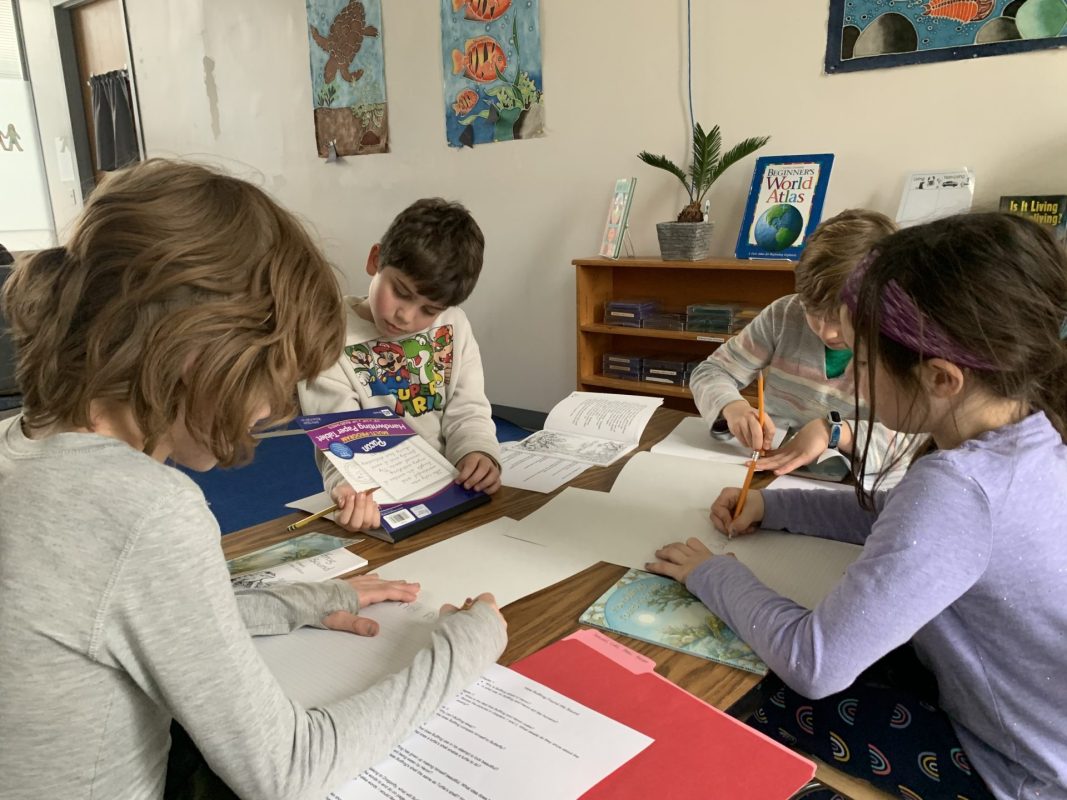
Upper elementary Montessori students study the parts of speech to become conscious of the diversity of language and how words do their work. Classifying a word depends on the work it does in the sentence, and Upper El children are asked to draw fine distinctions between types of functions. We look for categories of naming, describing, or relationship words. Work at this level prepares students for logical analysis, where it becomes even more apparent that the name a word takes in a context is totally dependent on the job that word is doing.

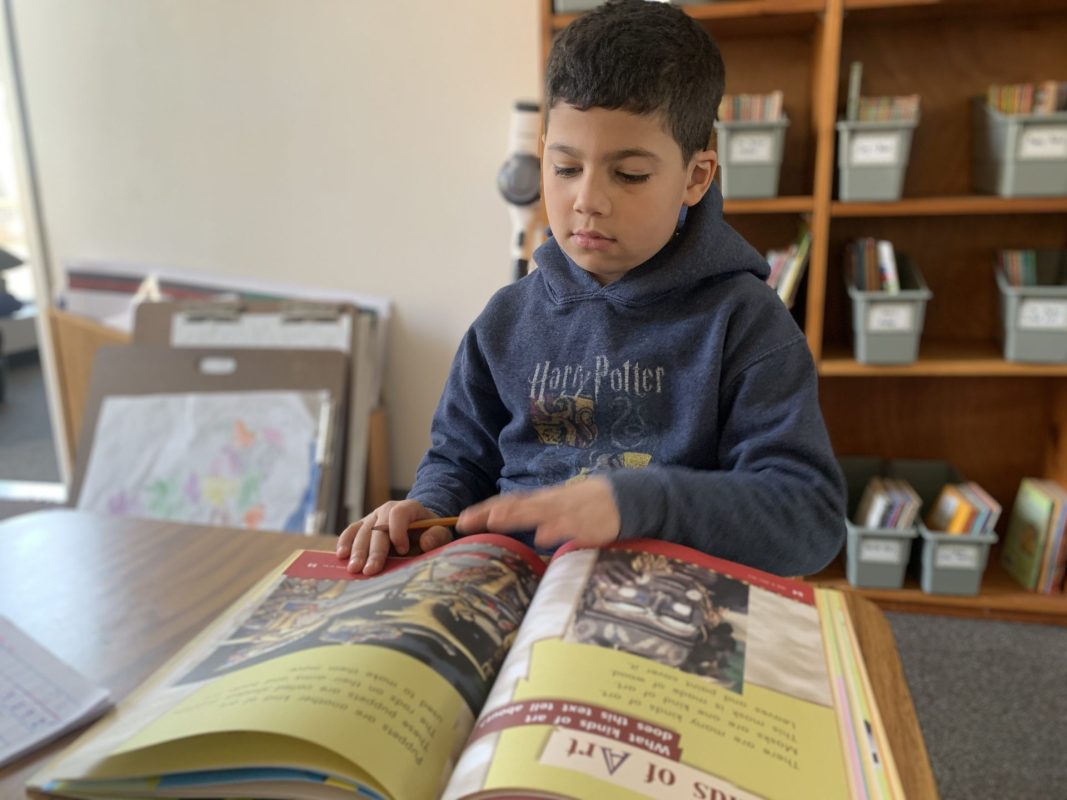
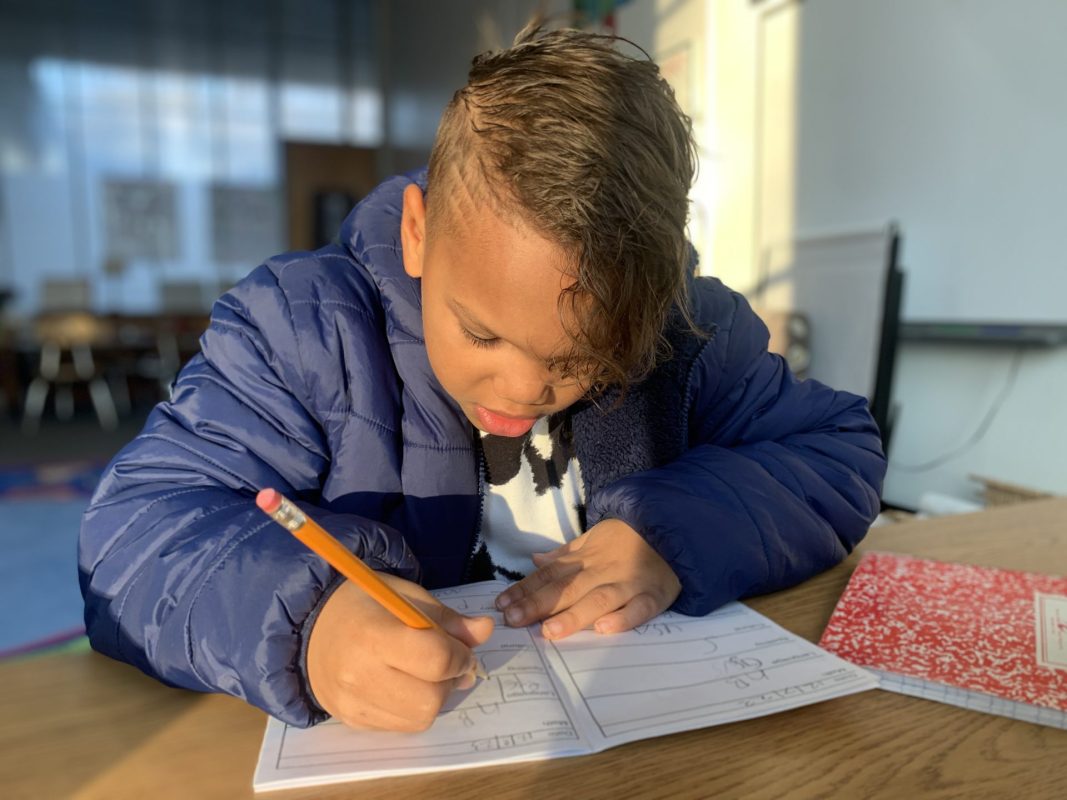
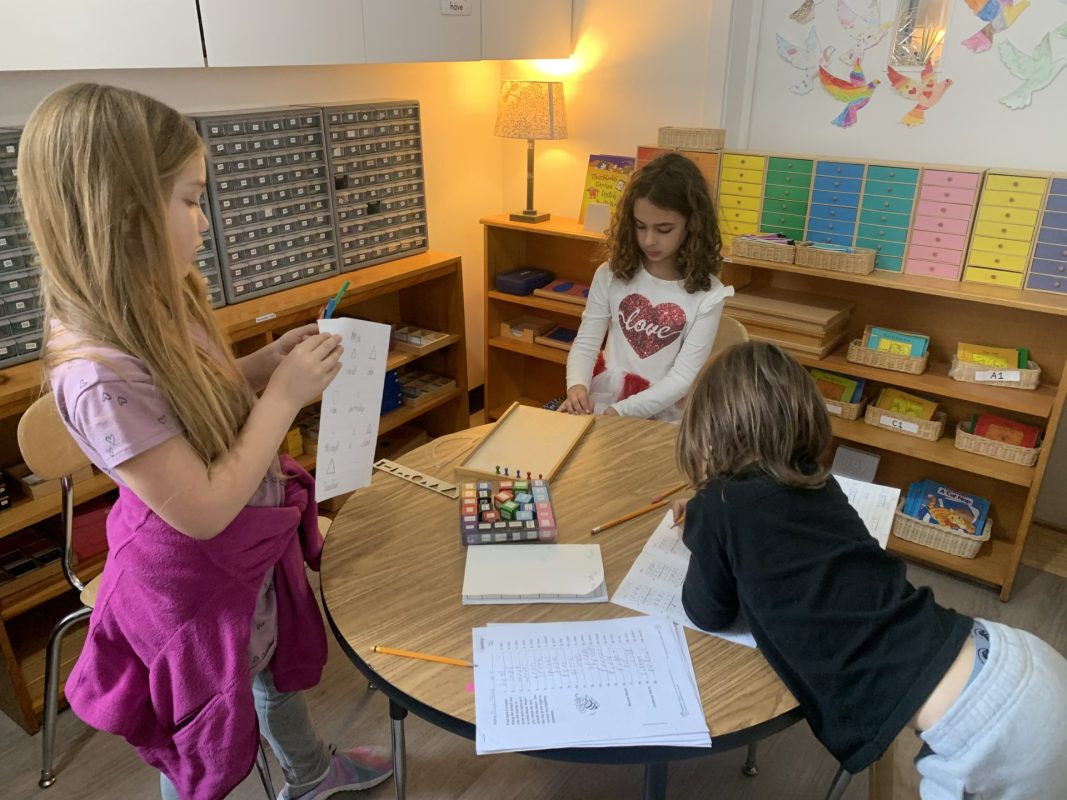
This week, we reviewed all of the basic parts of speech with mini-lessons on each. Then, students were asked to identify the part of speech for each word in some sentences from a book we are currently reading in class. What happened next was magical. Students enthusiastically collaborated, referencing dictionaries and our grammar flow chart hanging in the classroom. As I observed them working, I kept hearing, “This is so much fun! I love grammar!” I immediately took out my camera and recorded a short video so you could share in their enthusiasm.

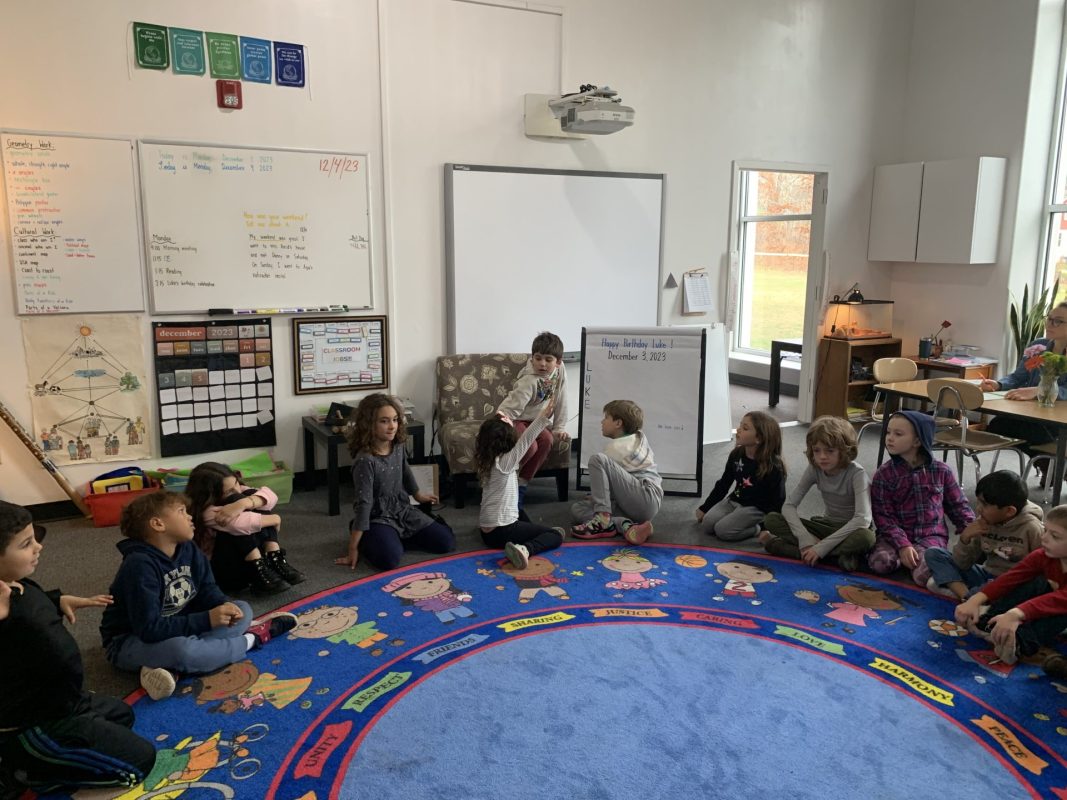
We also had a fantastic class meeting to end our week. When I attended the Positive Discipline class last year with Gina Tryforos, I learned that students often have the same concerns about a classroom as teachers. If teachers are patient and let the class meeting process work, the children will solve most problems. Our most recent agenda item, written by a student, was “behaving when there’s no teacher in the room.” As I sat silently in the meeting and listened to the students brainstorm, I experienced the success of the process. Students took turns coming up with excellent solutions to the problem without me saying a word. This was just as meaningful for the children as it was for me.


Middle School: A Week in Review


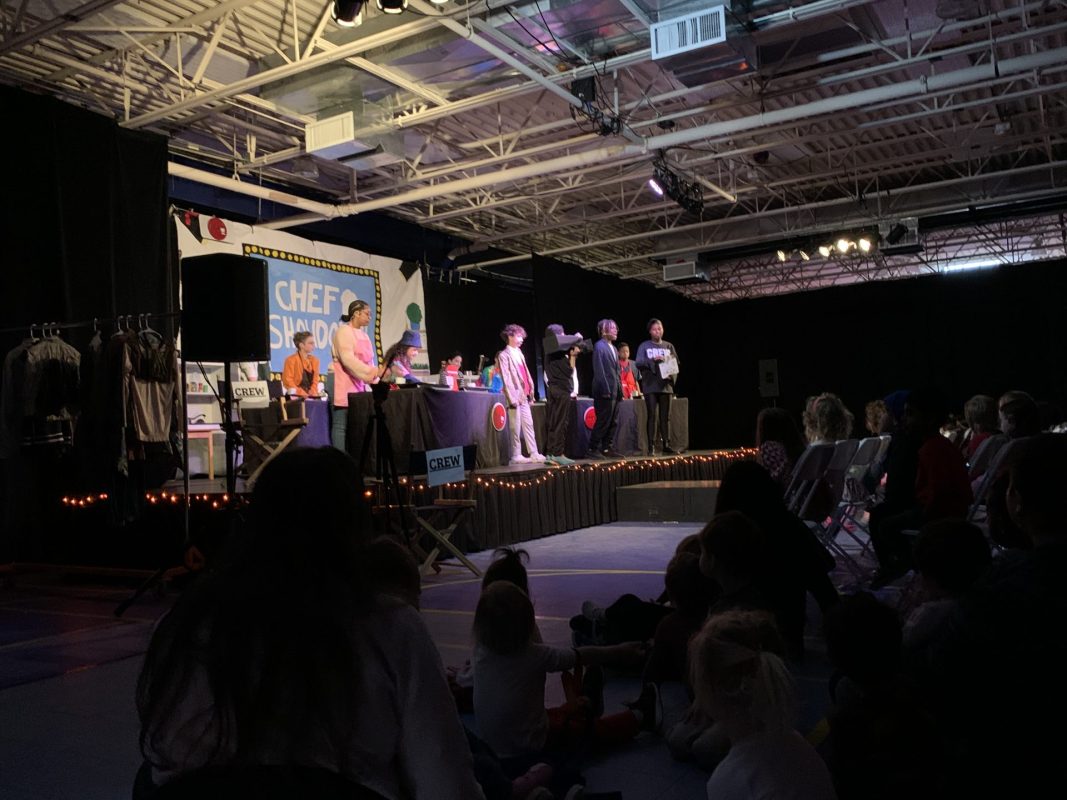
It was an exciting week for the middle school community as we prepared for the first annual Fall Cook-Out Event. Big shout out to Mrs. Lamb and the leadership classes for hosting the event, baking delicious treats, and decorating the gym for some festive fall fun!

If you have not yet signed up for a student-parent-teacher conference with your child’s respective advisor, please do so by using the sign-up genius ASAP. As a reminder, we have a Professional Development Day for all teachers on Friday, October 27th, and no regular classes will take place. Oktoberfest is just one week away and will be a jam-packed event for the entire family to attend; check your inbox for the link to purchase tickets in advance.

MATH

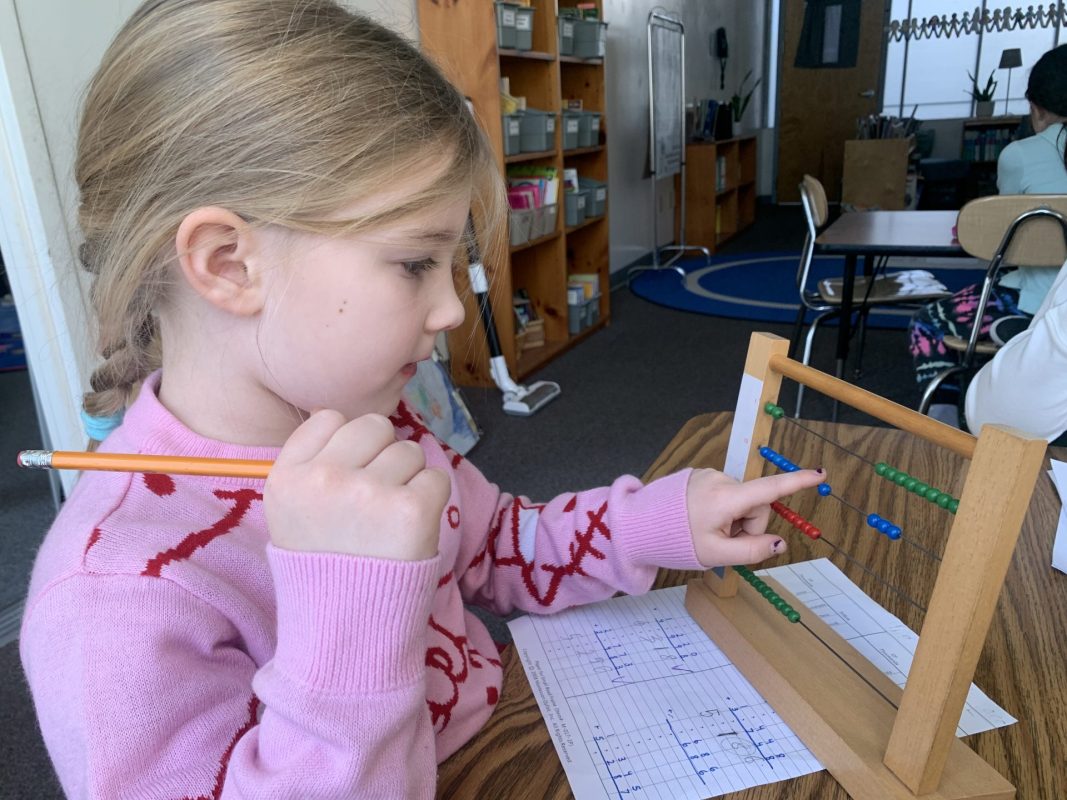
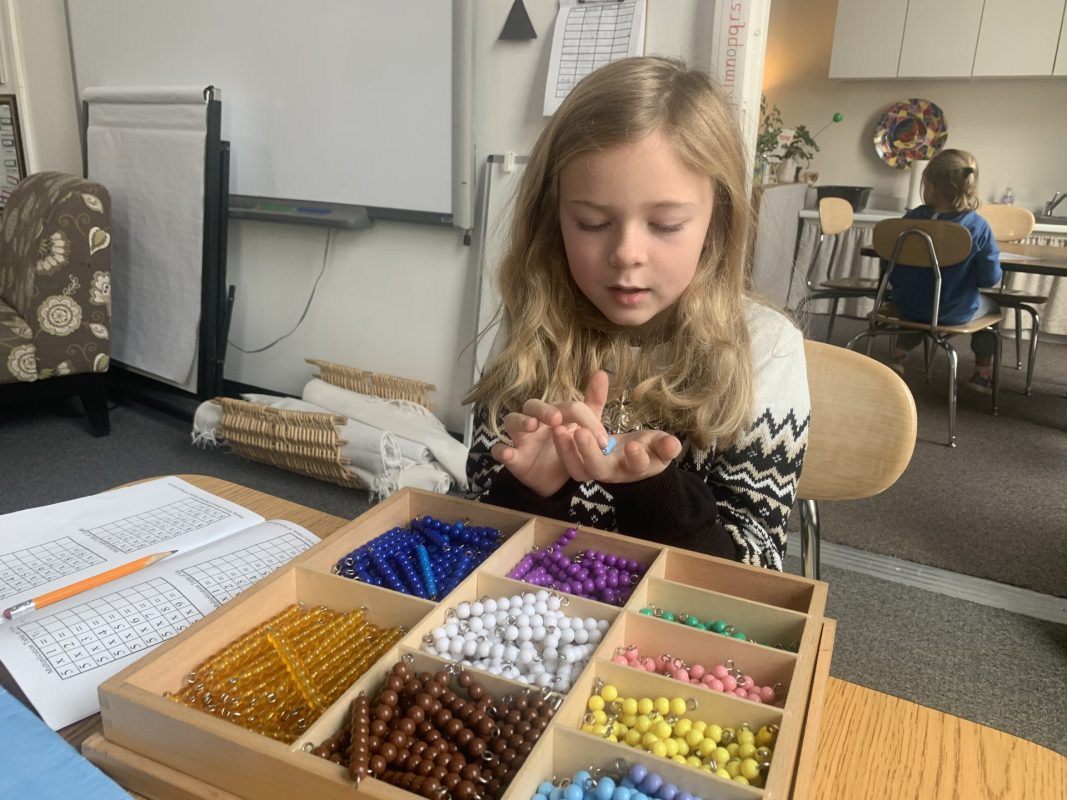
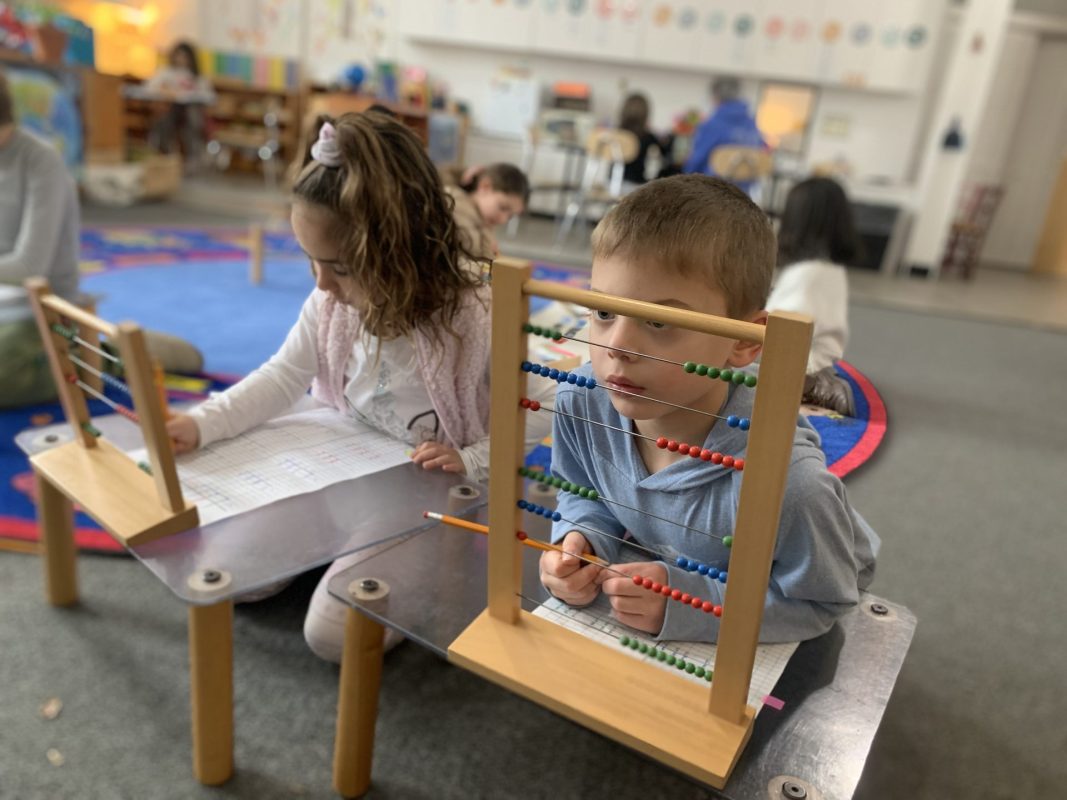
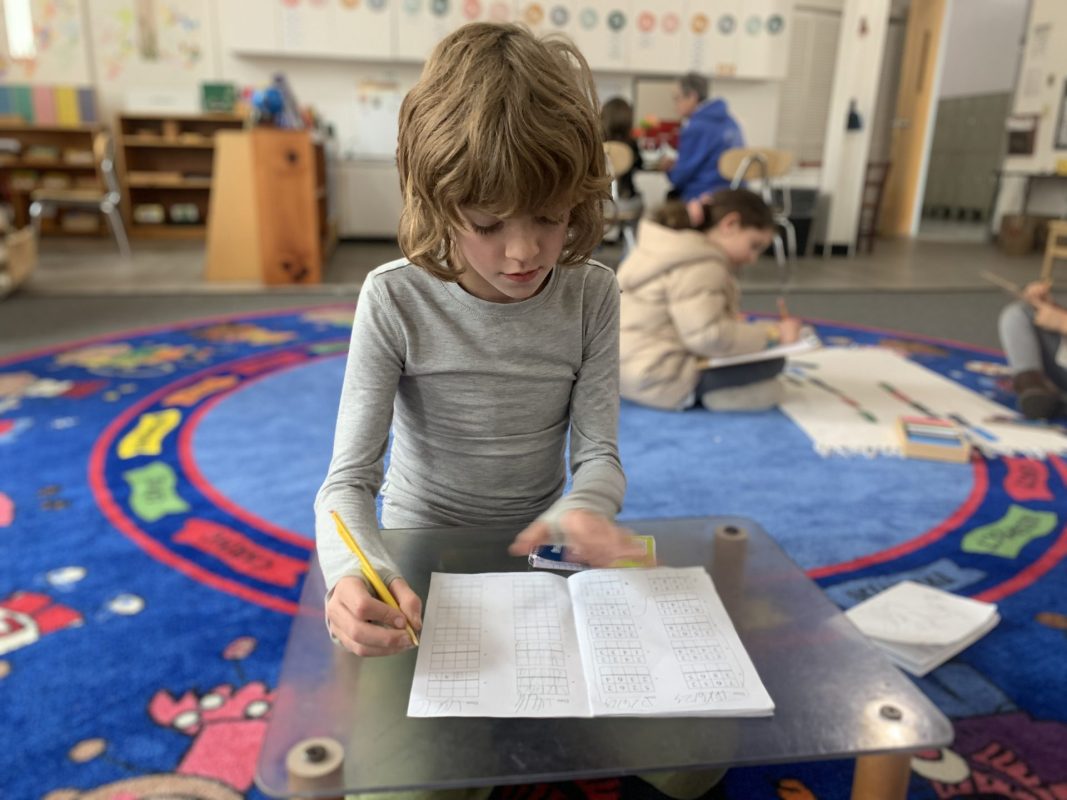
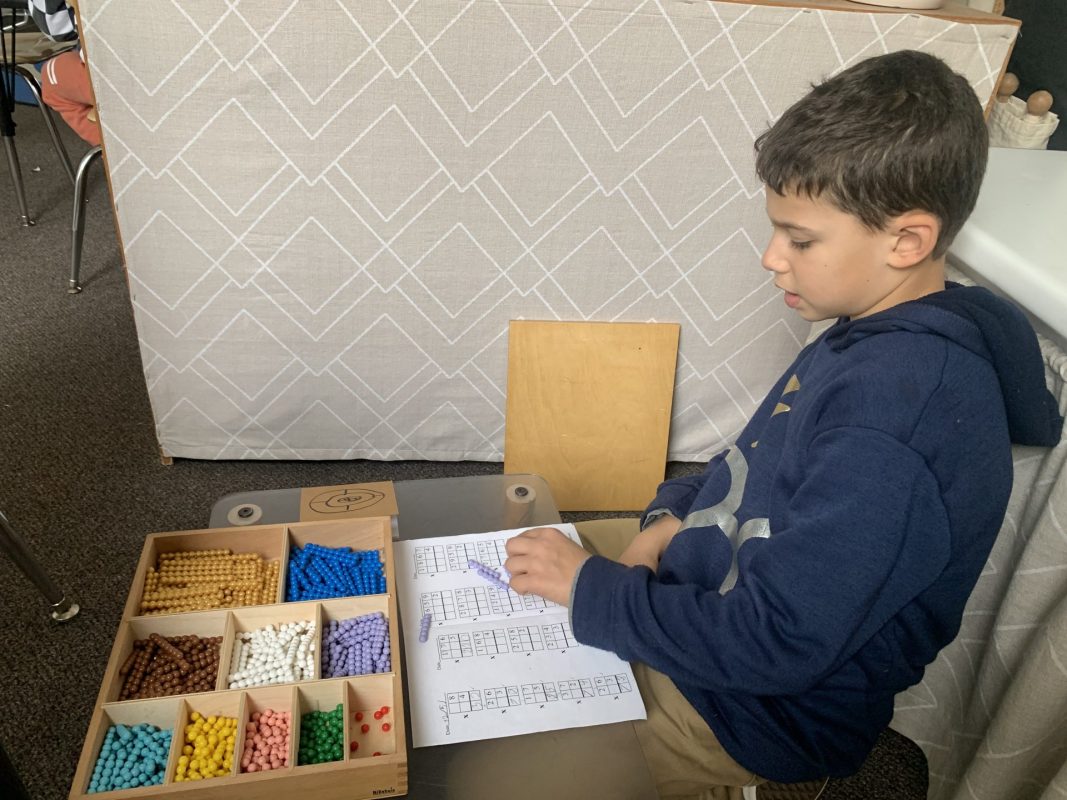
In the Pre-Transition math class, students discovered the pattern of multiplying decimal numbers and practiced translating decimal numbers in word form into digit form. This class can properly round decimals to a given place value, and they are starting to grasp the idea of converting between decimals, fractions, and percentages.

In the Transition math class, students concluded their learning of Chapter 2 and wrote the unit test on Wednesday, October 16th. This class reviewed how to translate words into algebraic expressions, use the Pythagorean Theorem to find distances in real situations, and graph solutions to simple inequalities. Next week, we will begin to explore more problems with fractions,  decimals, and percentages.
In the Algebra math class, students practiced solving multi-step algebraic equations for any unknown variable. This class can graph ordered pairs from a table of values and make algebraic equations from a real-world situation. We will continue working with the distributive property and collecting like terms as we manipulate more complex equations next week.
In the Geometry math class, students are studying arcs, angles, and transformations of a figure. This class explored different properties for parallel and perpendicular lines this week and could make conclusions about different figures given in a specific question. This class wrote the Chapter 3 quiz this week and should start to prepare for the unit test scheduled for Wednesday, October 25th.
Make Joke: Which tool is best for math? …..The multi-pliers


SCIENCE:

6th-year Earth Science students worked this week on identifying the main layers of the earth. Students were assigned a partner to research a layer of earth (inner/outer core, mantle, and crust) and later present their work to the class. Students were asked to include the depth, temperature, thickness, and fun facts about each layer in their presentation. From this research and research found in their tech books, students will begin creating a stop-motion video depicting tectonic plates and their influence on shaping our planet.

7th-year Physical Science students have continued working on identifying physical and chemical properties of matter. As a part of this unit, students conducted an experiment that tested how temperature influences solubility. Students were provided with three different temperatures of water, adding recorded amounts of sugar to them until the sugar no longer was able to dissolve in the solution. Students formulated their hypothesis beforehand, anticipating the warmer water (solvent) to allow more sugar (solute) to be dissolved in the water. After the experiment concluded and their data was recorded, each student will format the information as a formal lab report.

8th-year Life Science students are just finishing their “Structure of Life” unit. This week, students continued their research and class discussions around data and information regarding what cancer is and the work conducted to address this disease. Students learned about certain factors that influence the mutation of cells within the body, such as smoking or exposure to high levels of UV radiation. Students have been able to apply our past unit, “Cell Theory,” to our current unit as it relates to the behavior a cell might undergo when exposed to detrimental factors.

Humanities

All Humanities classes this week completed their first Current Events Assignments. The goal of Current Events is to teach students how to navigate what’s going on in the world, the media, and learn how to form an opinion and have respectful discussions about it. Students are assigned a current events date once per month. Using the guidelines posted in their Google Classroom, they find an interesting news item, write about it, and present it to the class. A key component is to write and discuss the impact of the event/issue now and moving forward. Students then lead a discussion. Topics were diverse this week, and Mrs. Lamb was impressed with the first Current Events of the year.
Additionally, 6th grade students completed drafts of a creative writing piece in the point of view of a falling leaf. Then, they watched a mini documentary about a teenage girl from New Zealand who has a similar life experience to Melody, the main character from Out of Mind. They have planned a brief writing piece comparing the two and will draft it next week.

In addition to current events, 7th grade worked with Mr. Newman and started discussing Human Nature in preparation for learning about John Locke and political economic systems.

8th grade, in addition to current events, planned and began drafting personal memoirs. After reading and analyzing a couple of memoirs, they learned about the idea of writing about a pebble- write about one pebble, not all of the pebbles. Then, they read sample memoir beginnings and are drafting them. They will continue their drafts next week. With Mr. Newman, students are learning about colonization of the 13 Colonies.


Mrs. Sargeant: A Peek at the Week


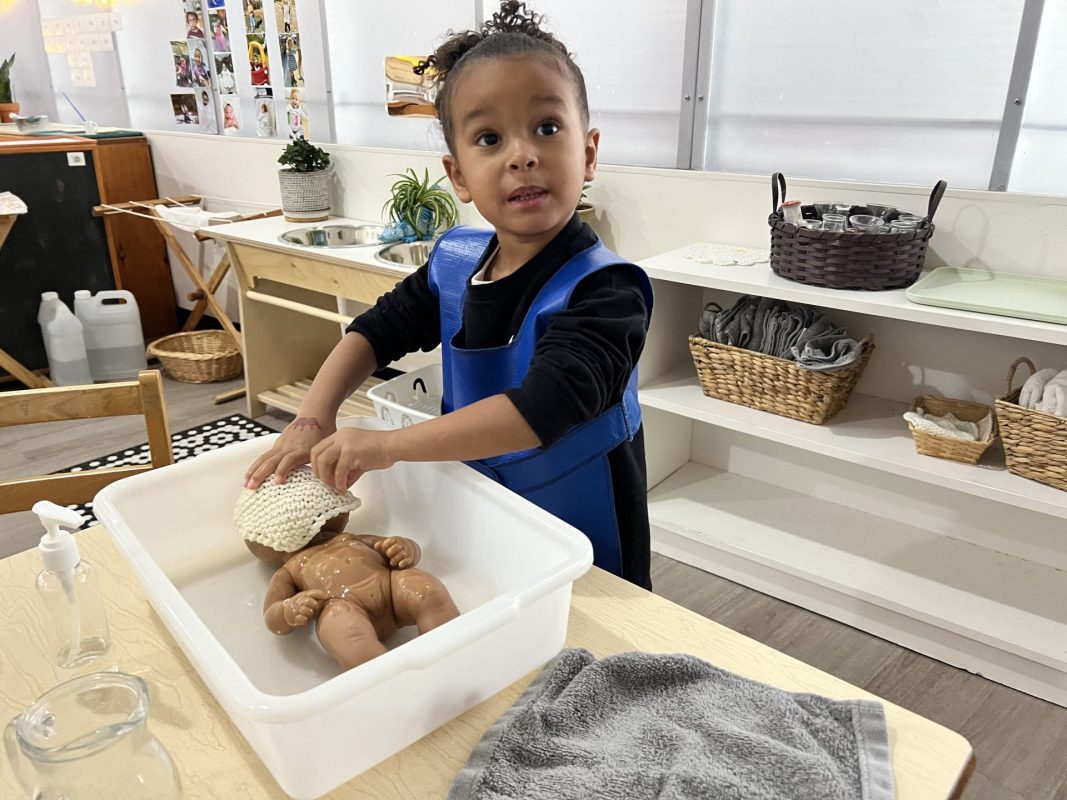
With autumn in the air, we have been taking advantage of pumpkin-related activities. This week, the children have been enjoying pumpkin scrubbing, and pumpkin hammering.

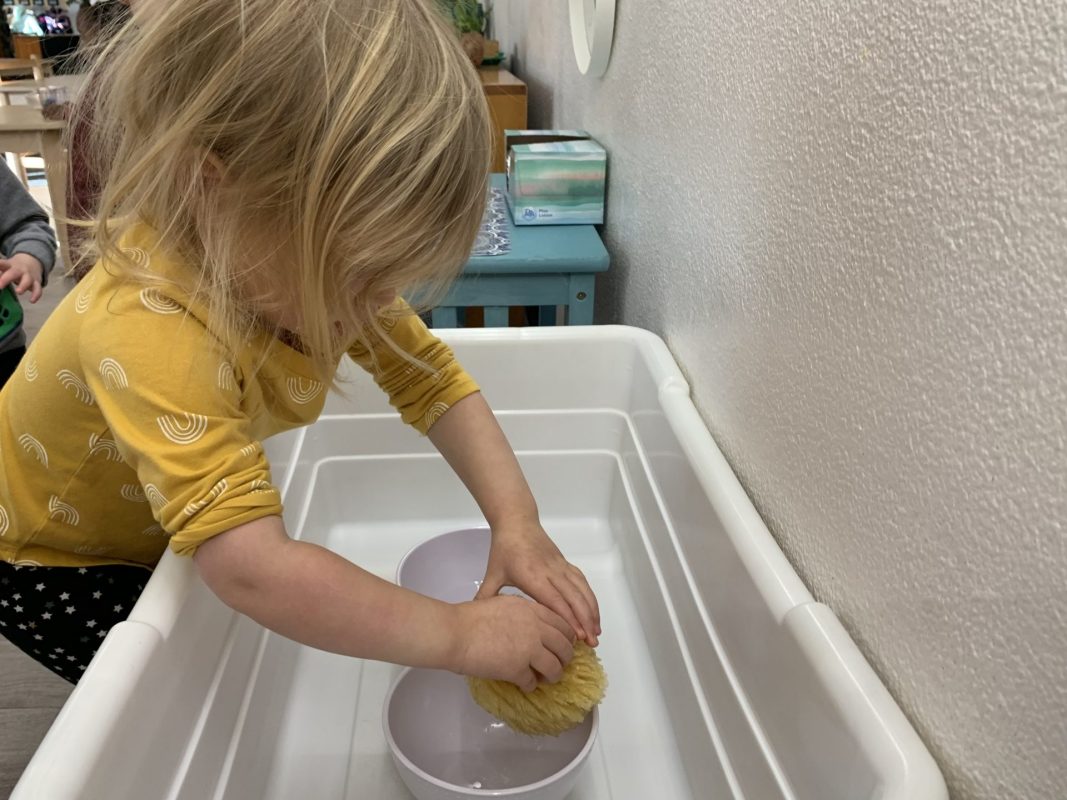
Pumpkin scrubbing is a multi-step practical life activity which the children love. They start by rolling up their sleeves, then putting an apron on over their head, securing the velcro, turning the water on, scrubbing the pumpkin, (as they delight in observing the bubbles form from the soap), turning the water off, drying the pumpkin, and finally removing the apron. They also have the opportunity to use a sponge to remove the dirty soap bubbles. This activity strengthens the muscles in the hands and fingers, in addition to building concentration and independence.

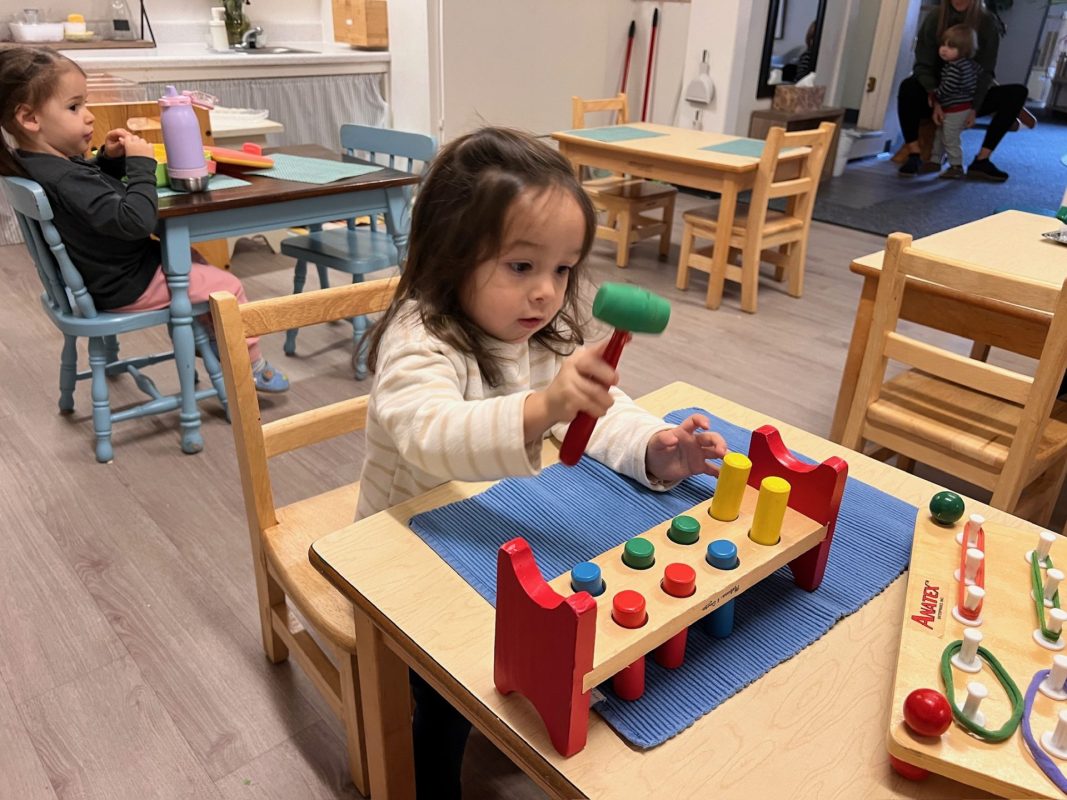
Pumpkin hammering requires a great deal of hand-eye coordination. We use a wooden mallet to hammer golf tees into a pumpkin. When the children are finished, they remove the tees with their fingers – which is quite a challenge – in order to make the activity ready for the next person.

One new song that we have been singing, which has become a fast favorite, is Five Perfect Pumpkins by Stephanie Leavell.

We’re looking forward to next week’s pumpkin picking activity in the Zen garden, which our Middle School friends will help us with. Thank you all for providing the decorations, wagons, pumpkins, and snack – we couldn’t do this without your participation.

Continue reading “Mrs. Sargeant: A Peek at the Week”


Exploring the Exciting World of Grammar in Lower El

To Maria Montessori, the teaching of grammar was at the center of her language curriculum for elementary-age children. Today, it still remains a critical element in the teaching of a complete language program in a Montessori environment. At this age, grammar is being presented at an impressionistic level, and later on, in their later elementary years, they will explore these concepts on a more formal level.

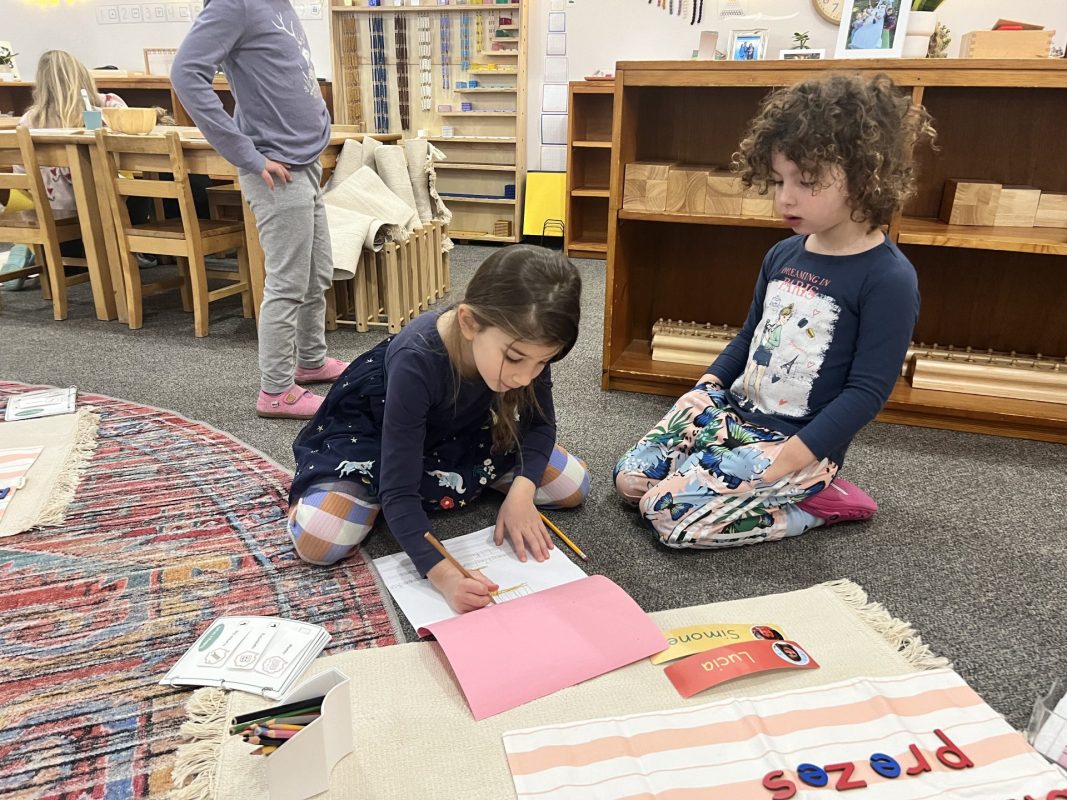
For our first-grade students, grammar is an exhilarating journey filled with discovery and adventure. The first years embarked on a mission to explore the world of nouns. Nouns are the essential building blocks of language, representing people, places, things, and ideas. To make learning about nouns engaging, the children went on a classroom scavenger hunt. This hands-on approach to learning not only made grammar fun but also helped students grasp the concept of nouns in a tangible way.

The second graders moved on to the dynamic world of verbs. Verbs are the action words that bring life to sentences. To help the students learn about verbs, we introduced grammar dice and grammar strips. These materials added an element of excitement to grammar lessons. Students rolled the grammar dice to select create a silly sentence. This interactive approach not only made learning verbs enjoyable but also helped students understand how verbs affect the meaning and structure of sentences.

In third grade, students enter the world of grammar with a solid foundation. To enhance their understanding of language concepts already learned, I introduced a new material called “Grammar Sense.” This work serves to reinforce their knowledge of various parts of speech, including nouns, articles, verbs, adjectives, adverbs, and prepositions. Grammar Sense expands on their existing knowledge by providing a holistic understanding of how these elements work together to create meaningful and well-structured sentences. This material encourages students to analyze sentences and understand the role each word plays in conveying the intended message.