Blog

Mrs. Lopes: A Colorful Week of Discovery

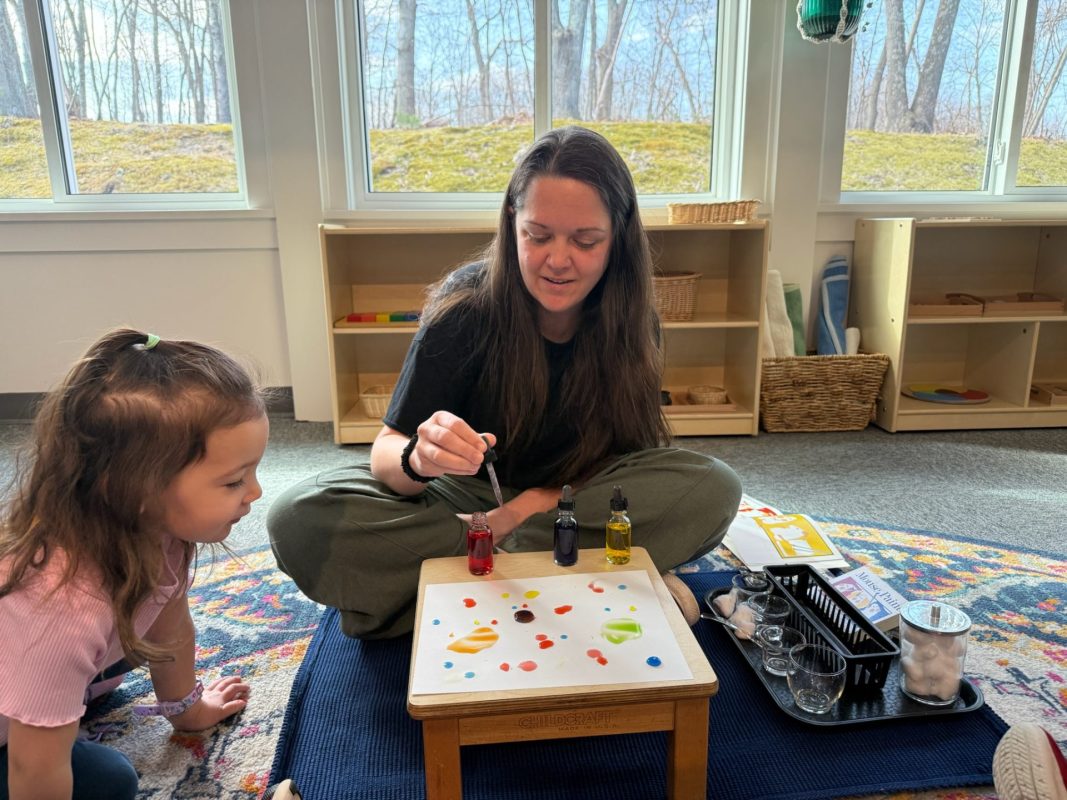
Last week, the classroom was bursting with color! We introduced color mixing using the three primary colors — red, yellow, and blue — inspired by the beloved book Mouse Paint by Ellen Stoll Walsh. The children explored how combining any two primary colors creates a secondary color: red and yellow make orange, yellow and blue make green, and red and blue make purple.

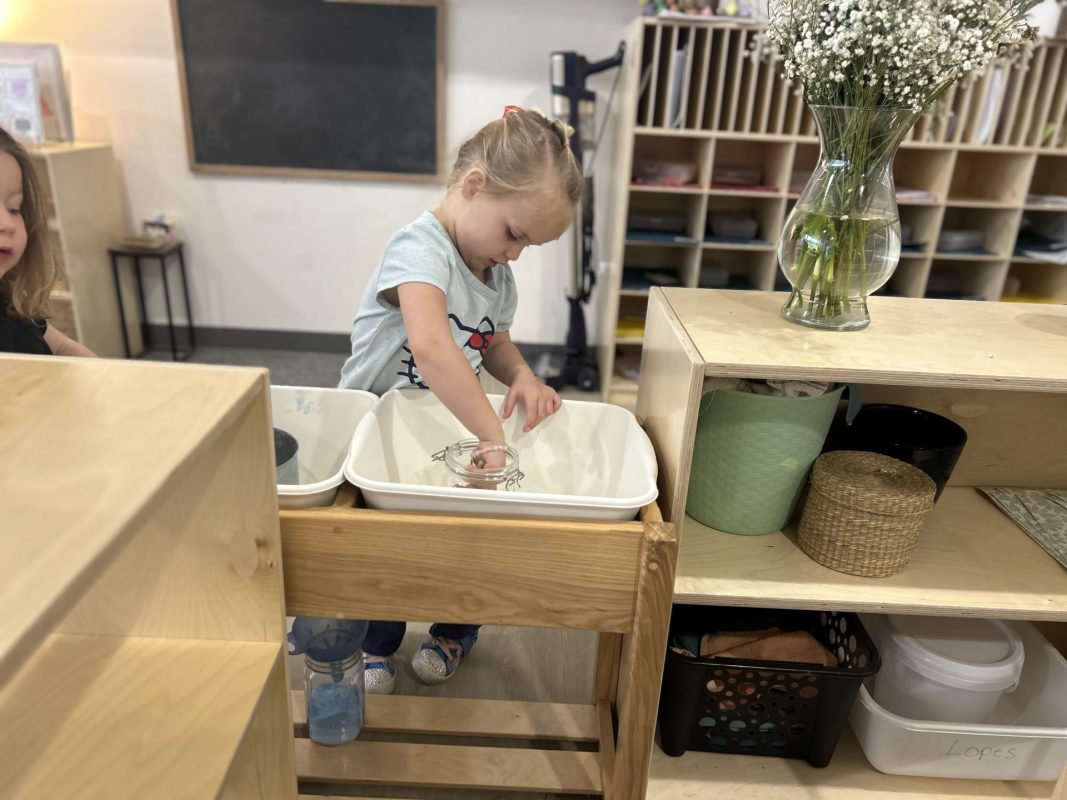
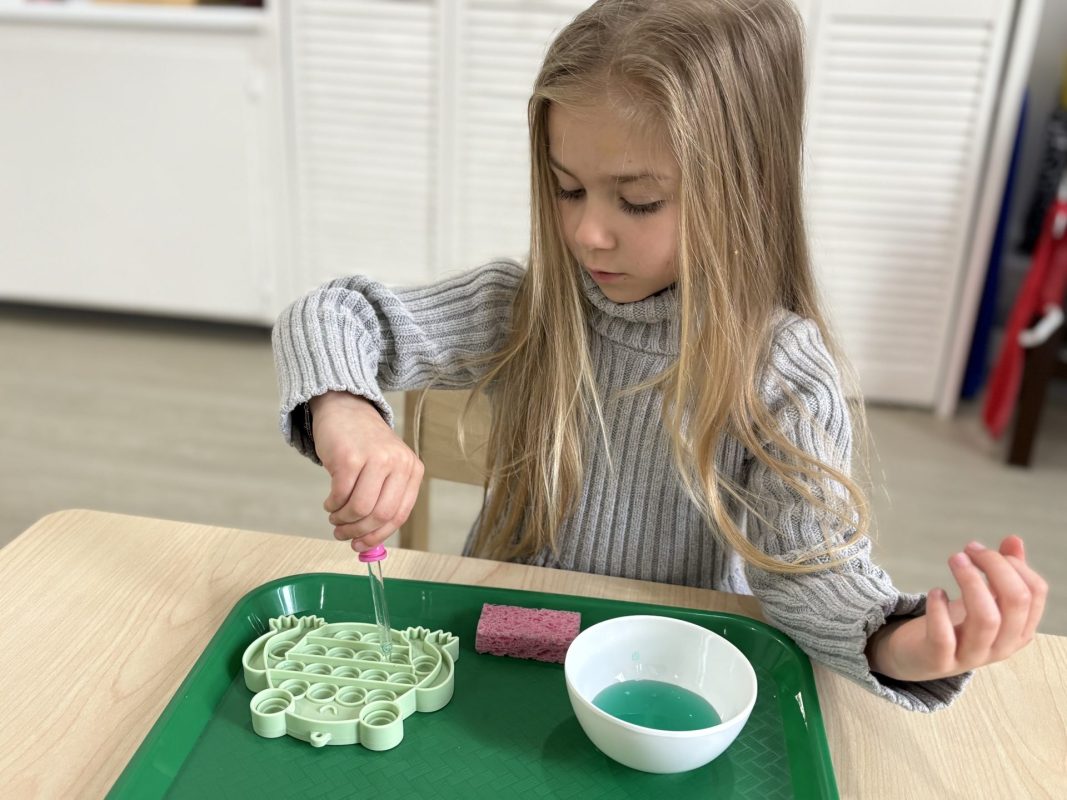
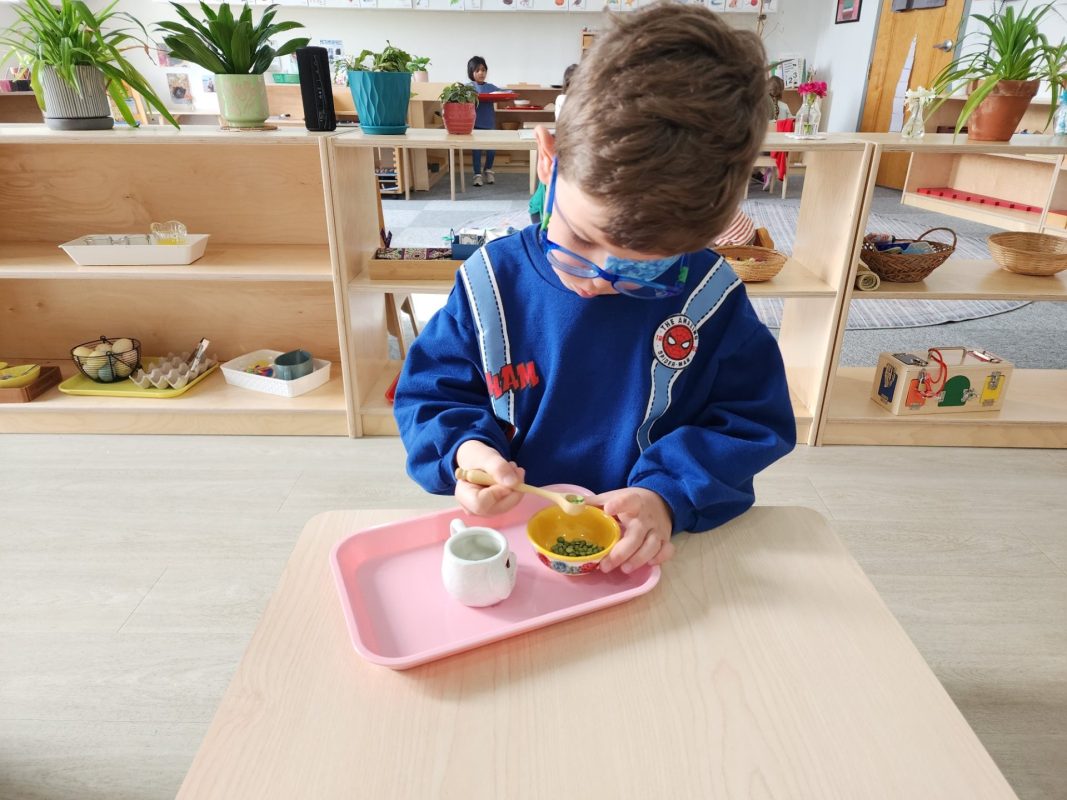
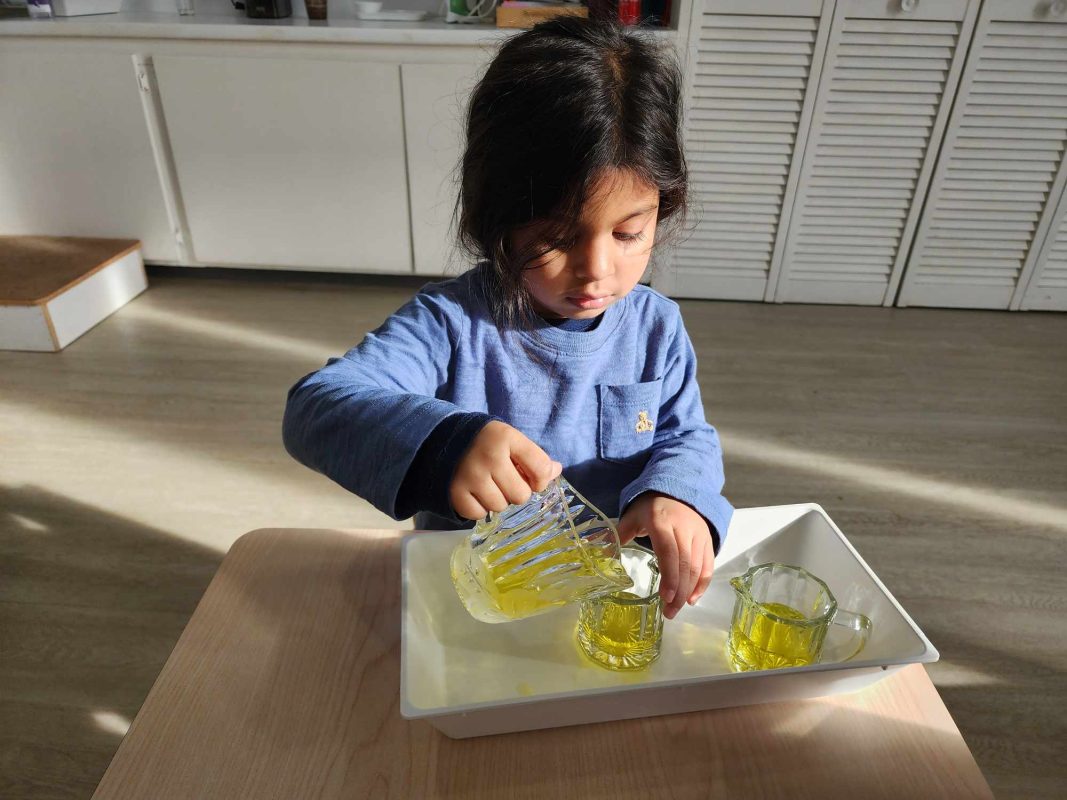
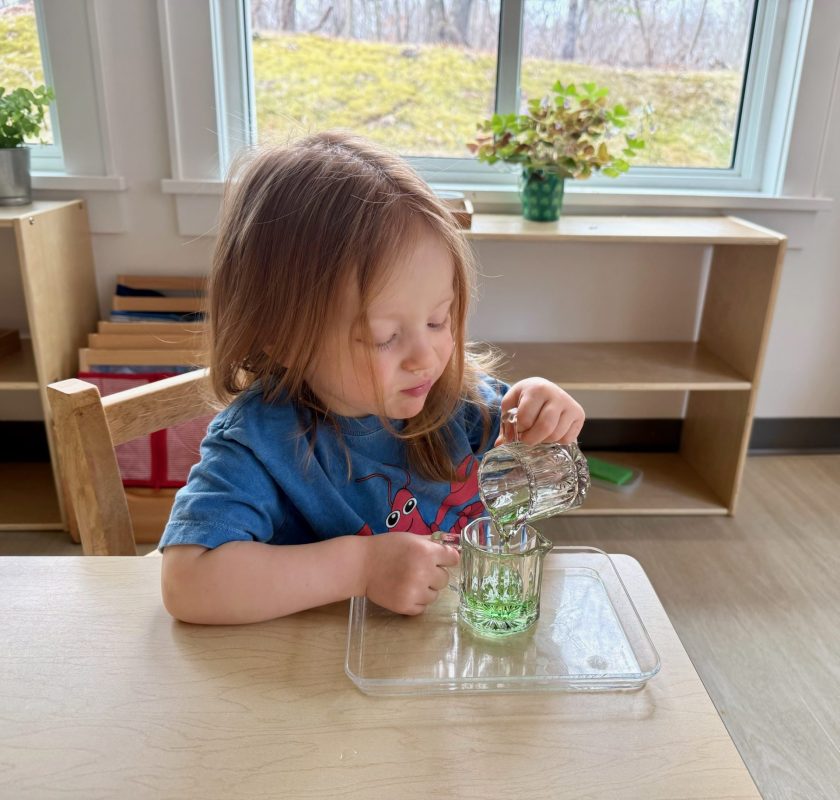
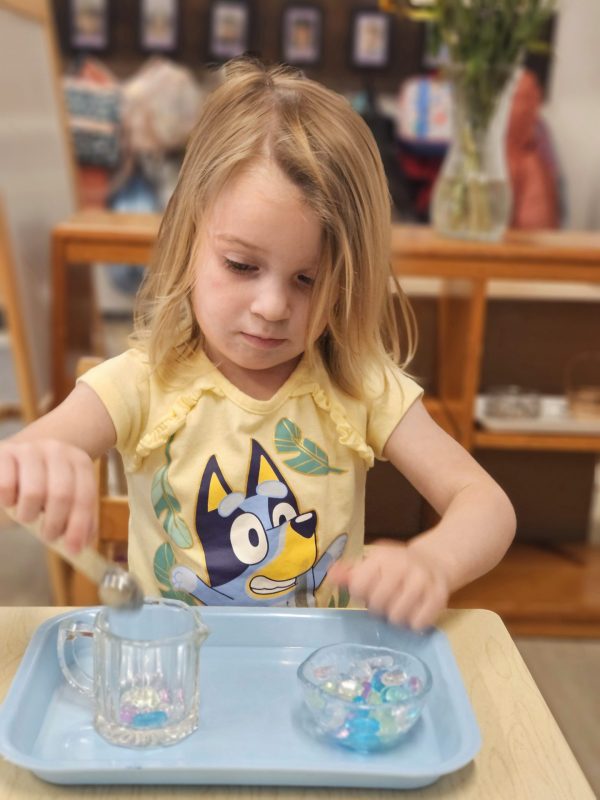
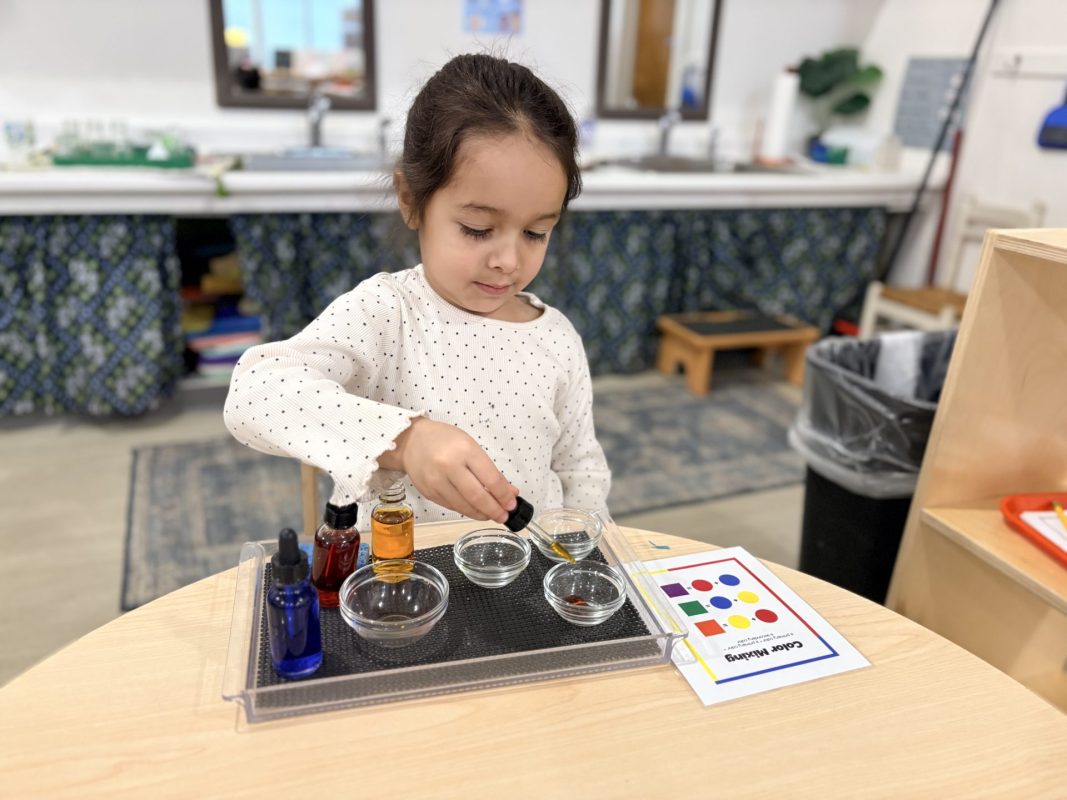
To bring this concept to life on the shelves, a new color mixing work was introduced. Each child was given three dropper bottles filled with red, yellow, and blue colored water, along with three small bowls. They were encouraged to mix the colors to create orange, green, and purple. At the end, all three bowls were combined into one larger bowl — revealing what happens when all the primary colors come together! The children thoroughly enjoyed the surprise.

Extending Learning at Home

Try color mixing at home using food coloring and water, or simply with watercolor paints. Ask your child what colors they’ll need to make orange, green, or purple — and let them show you what they know!


Ms. Marissa: Bird Study Takes Flight

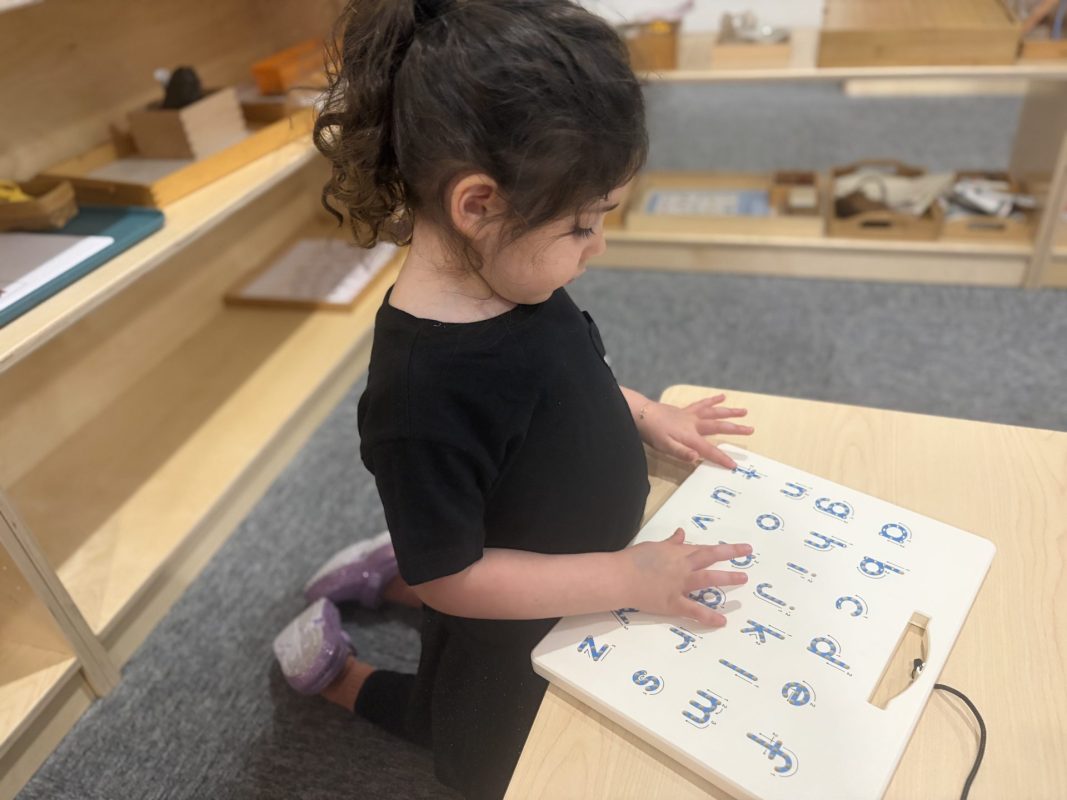
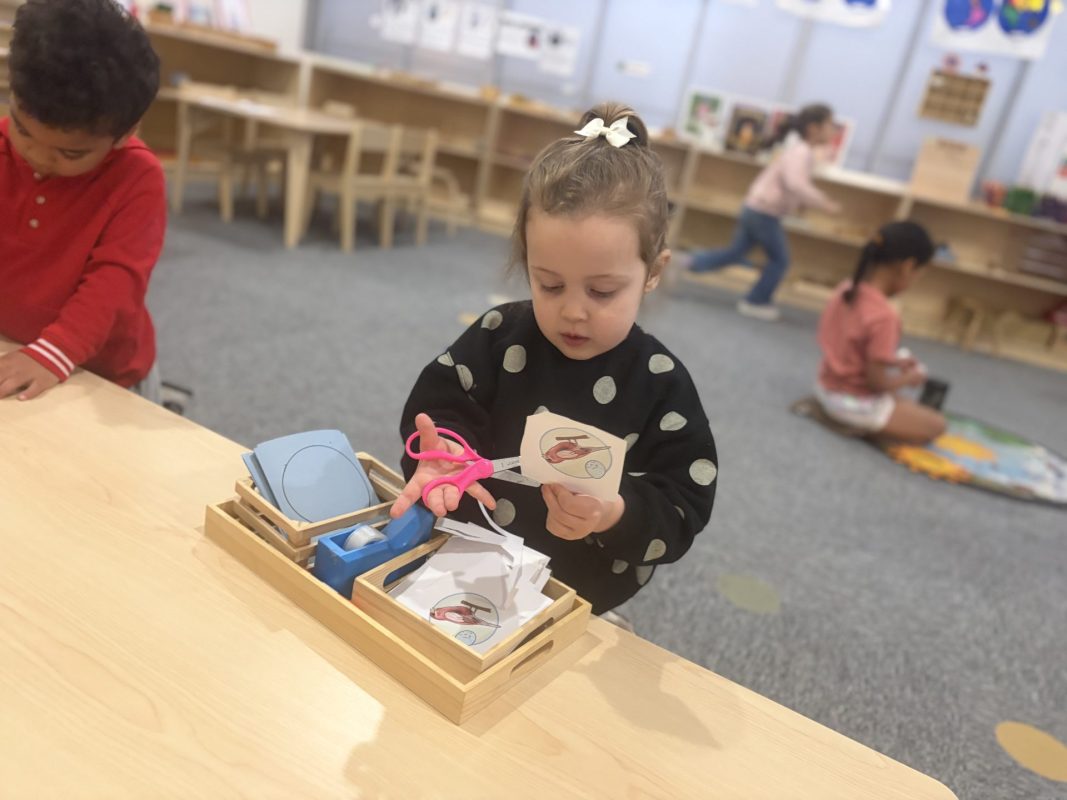
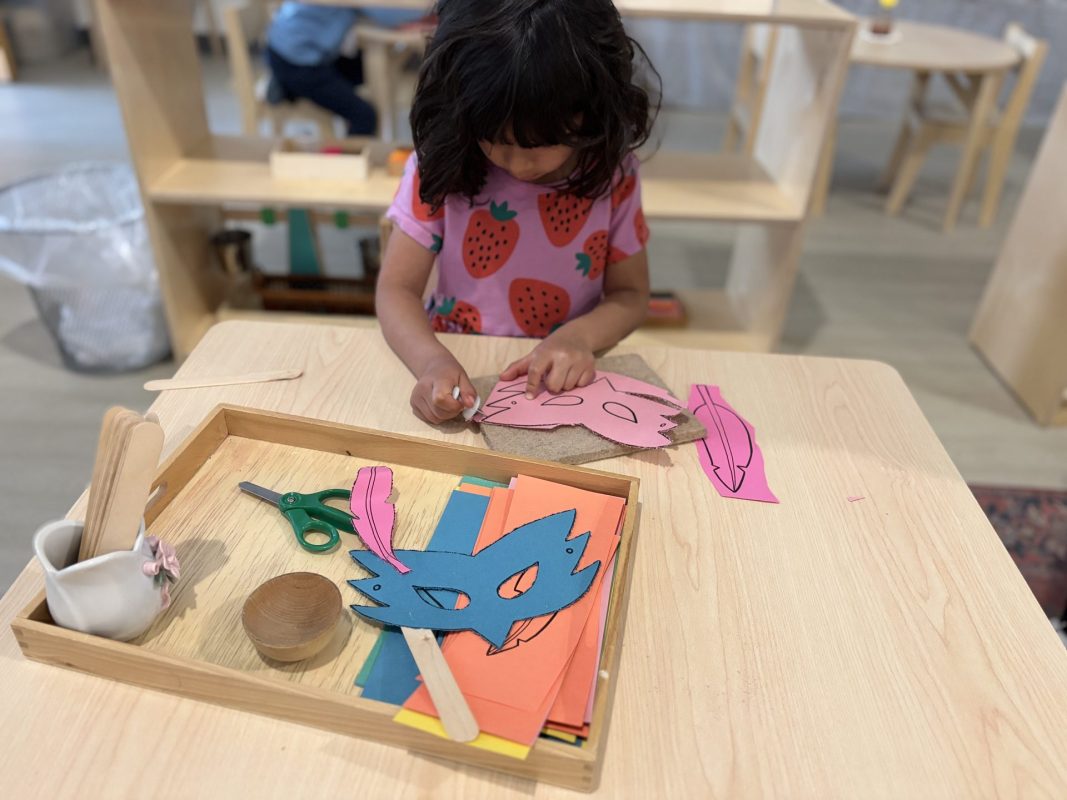
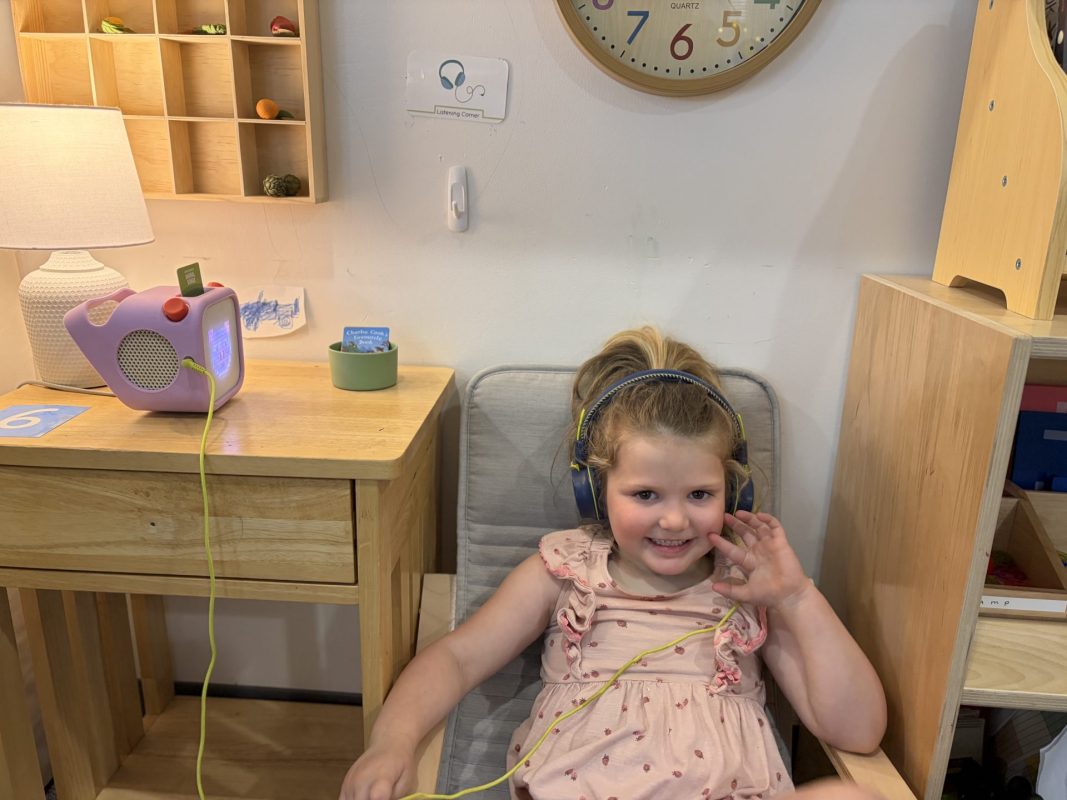
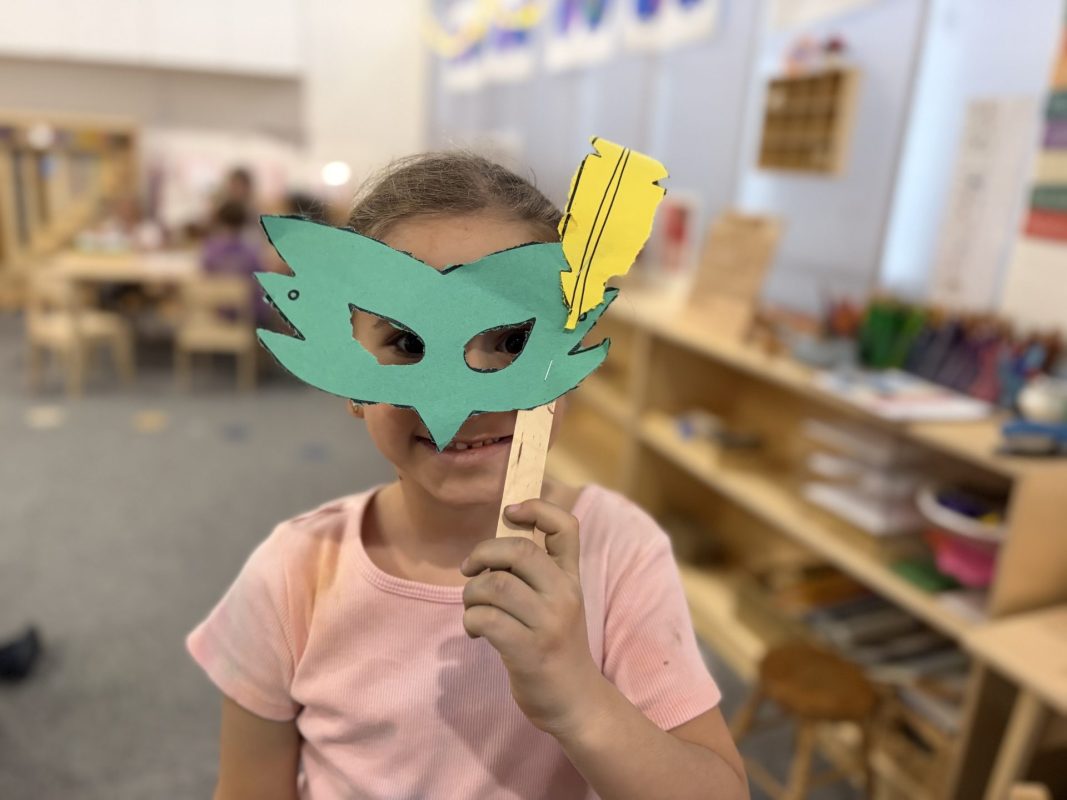
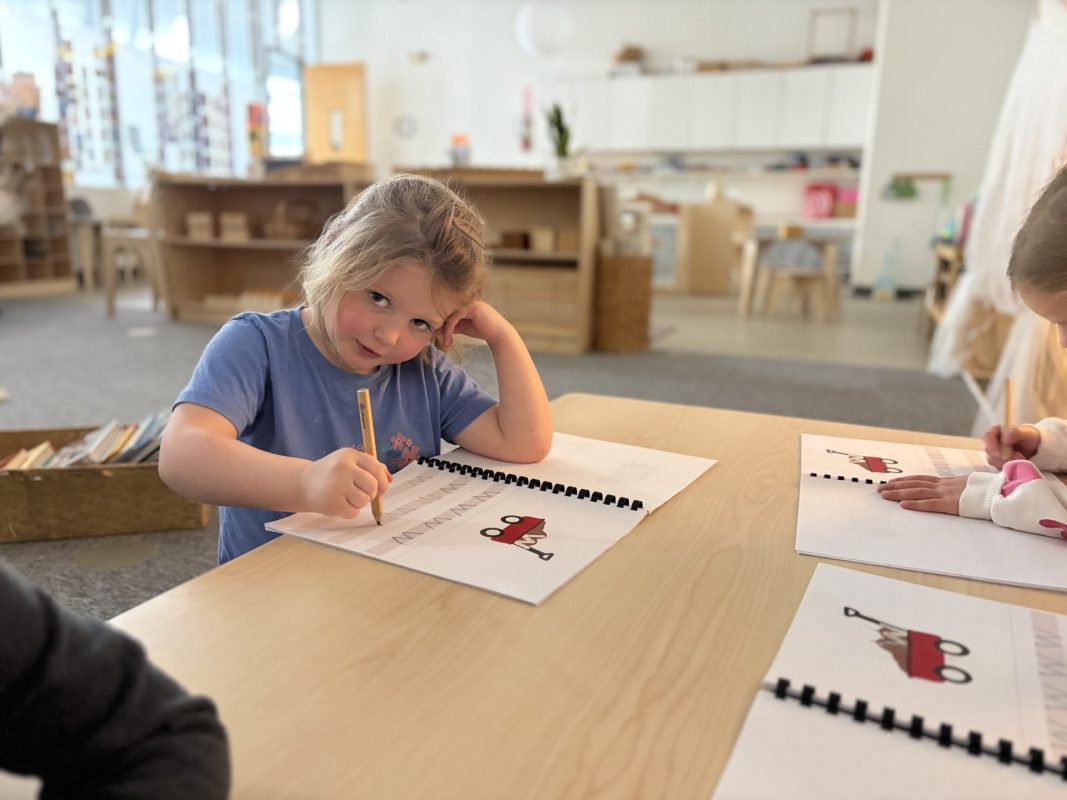
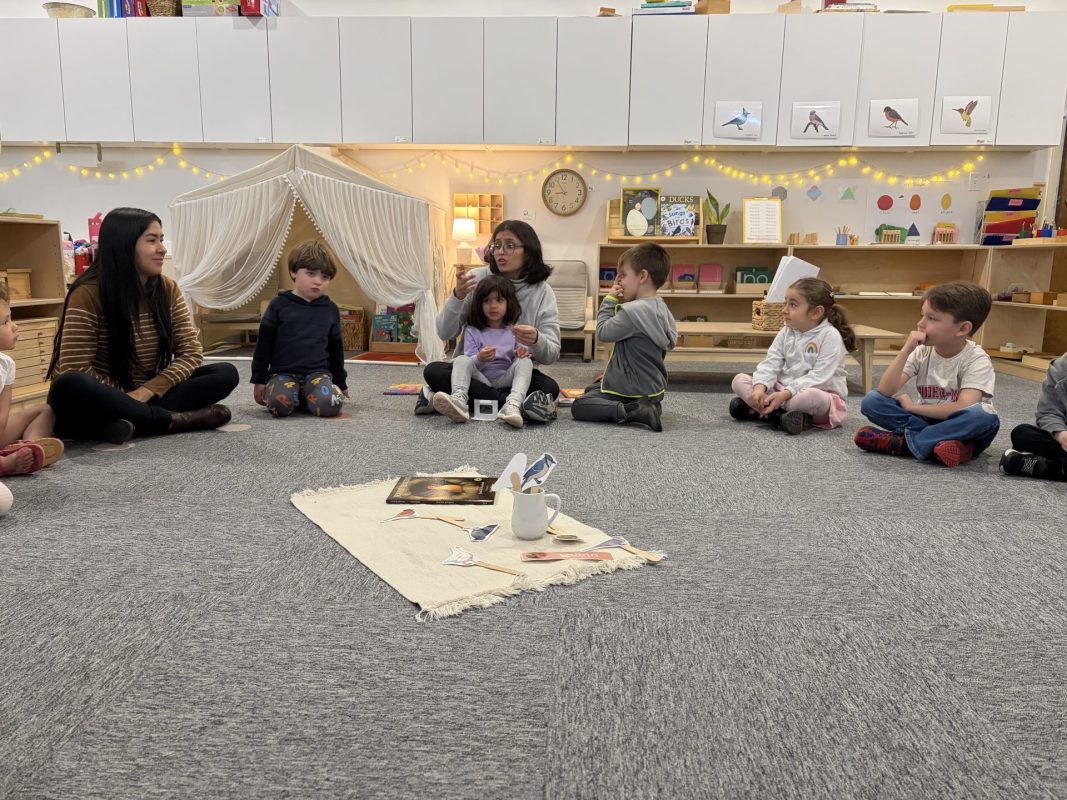
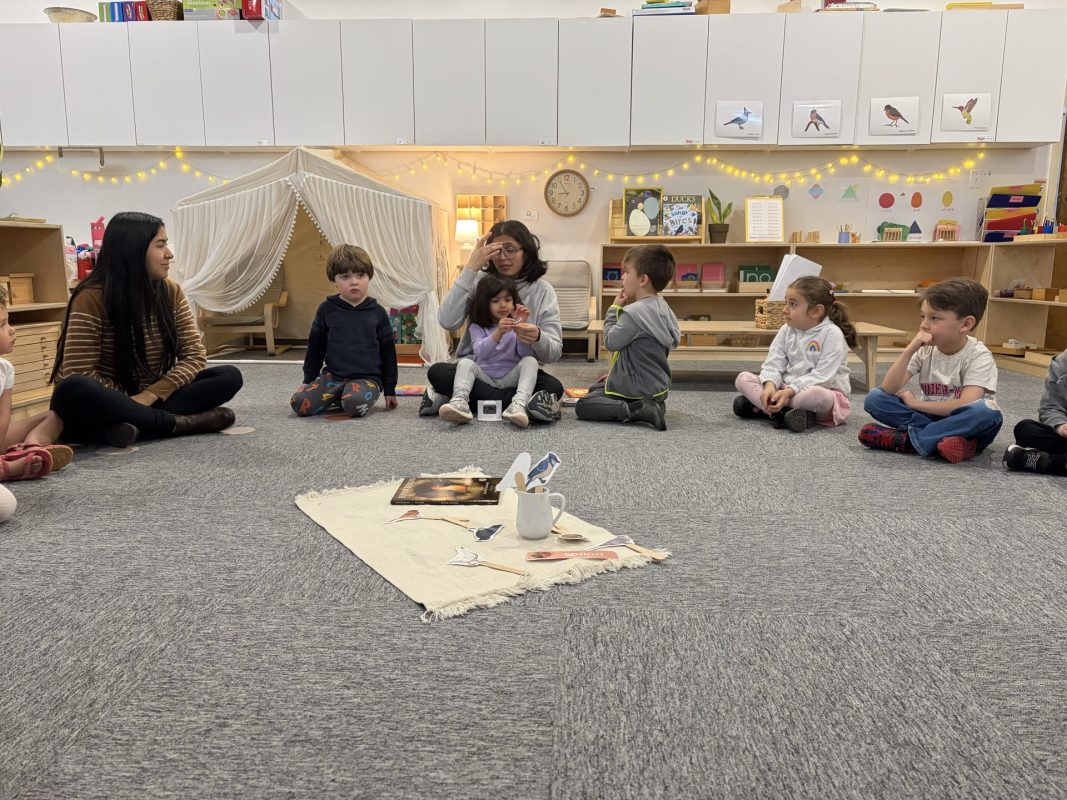
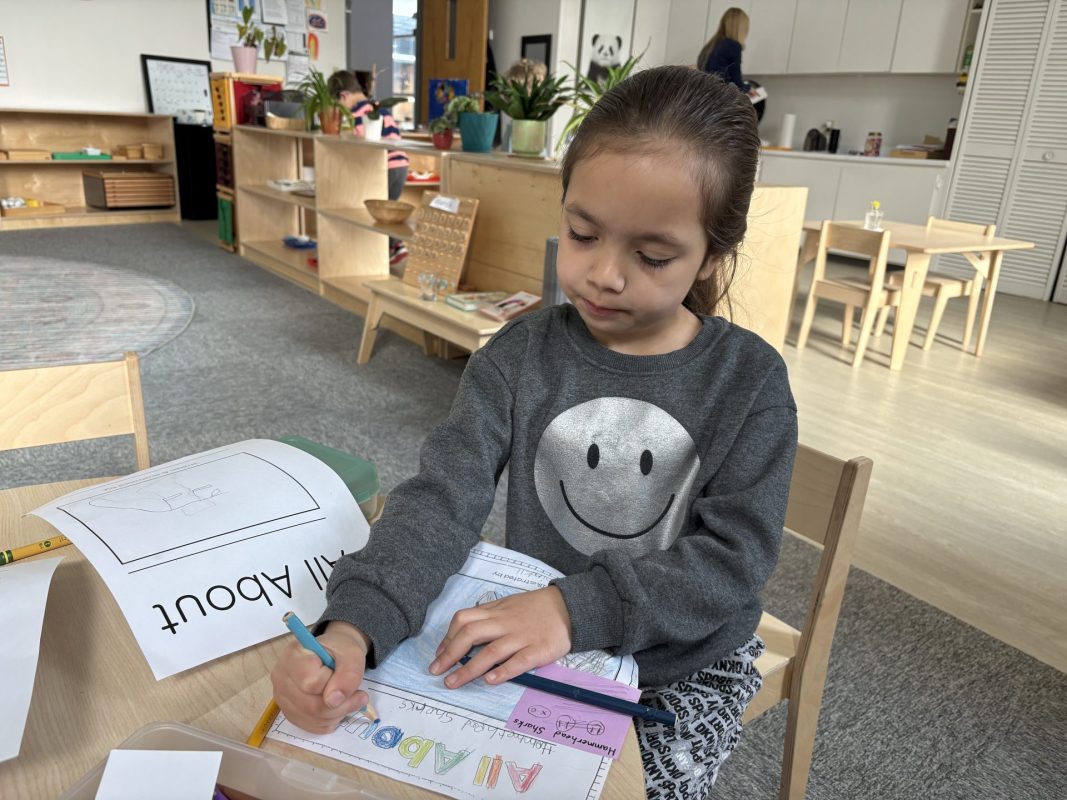
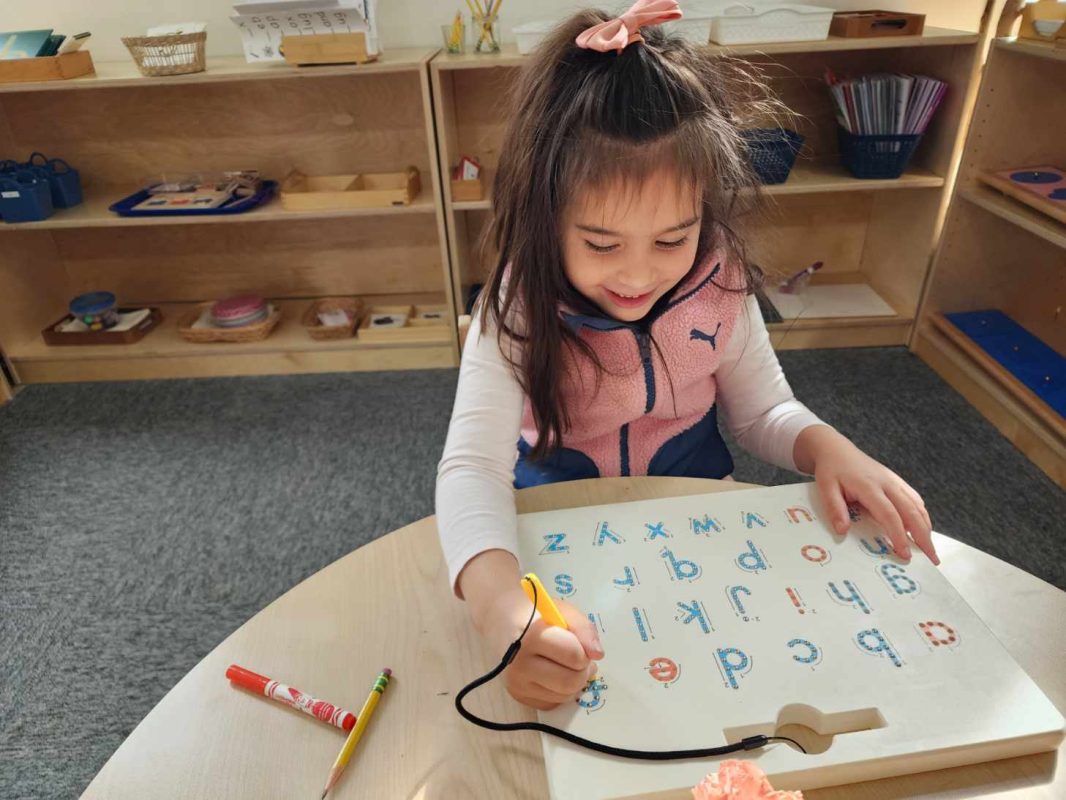
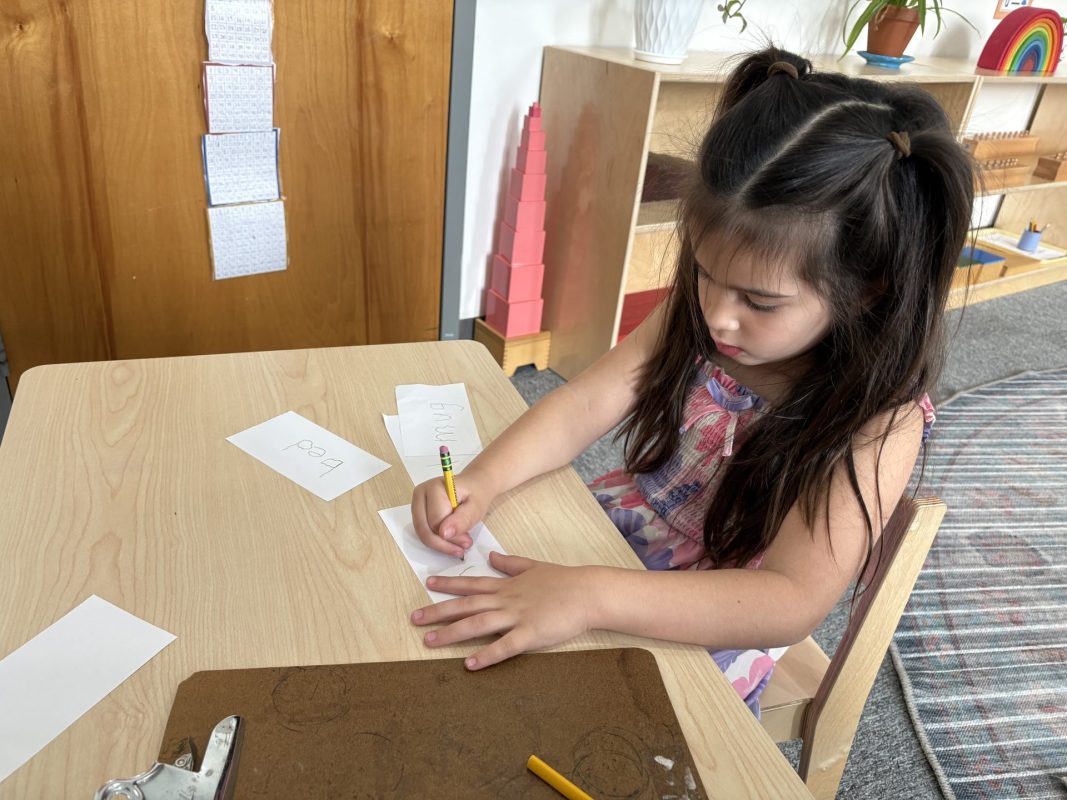
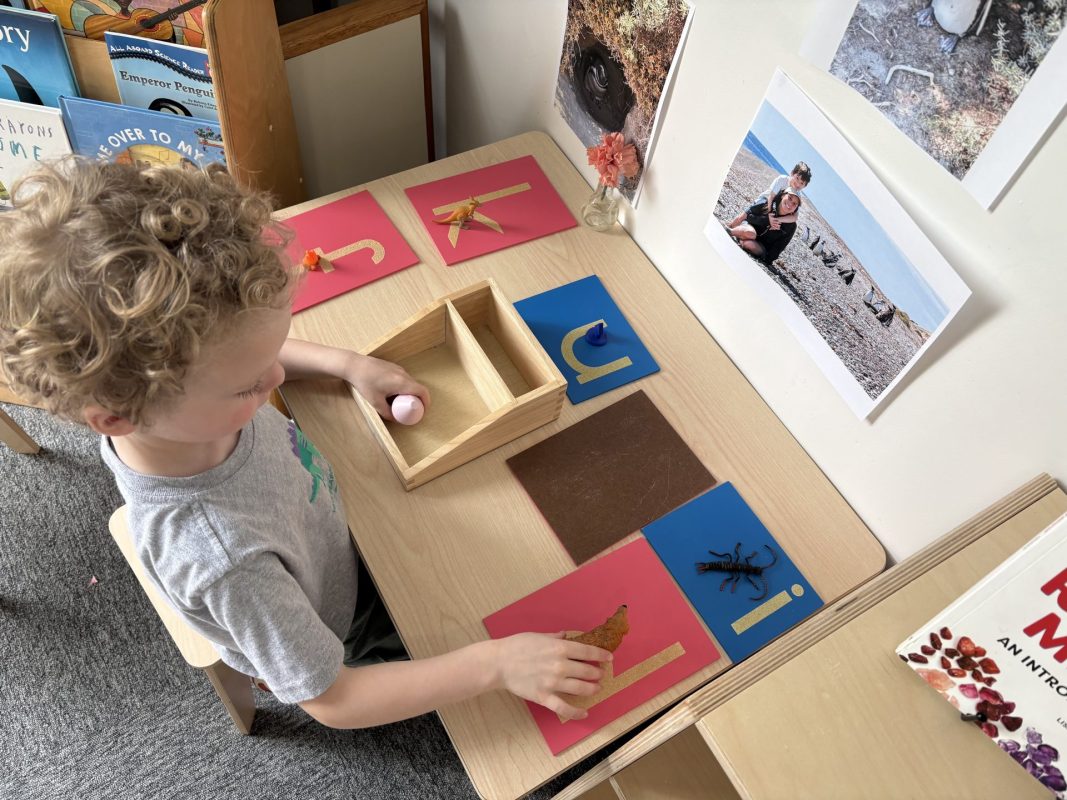
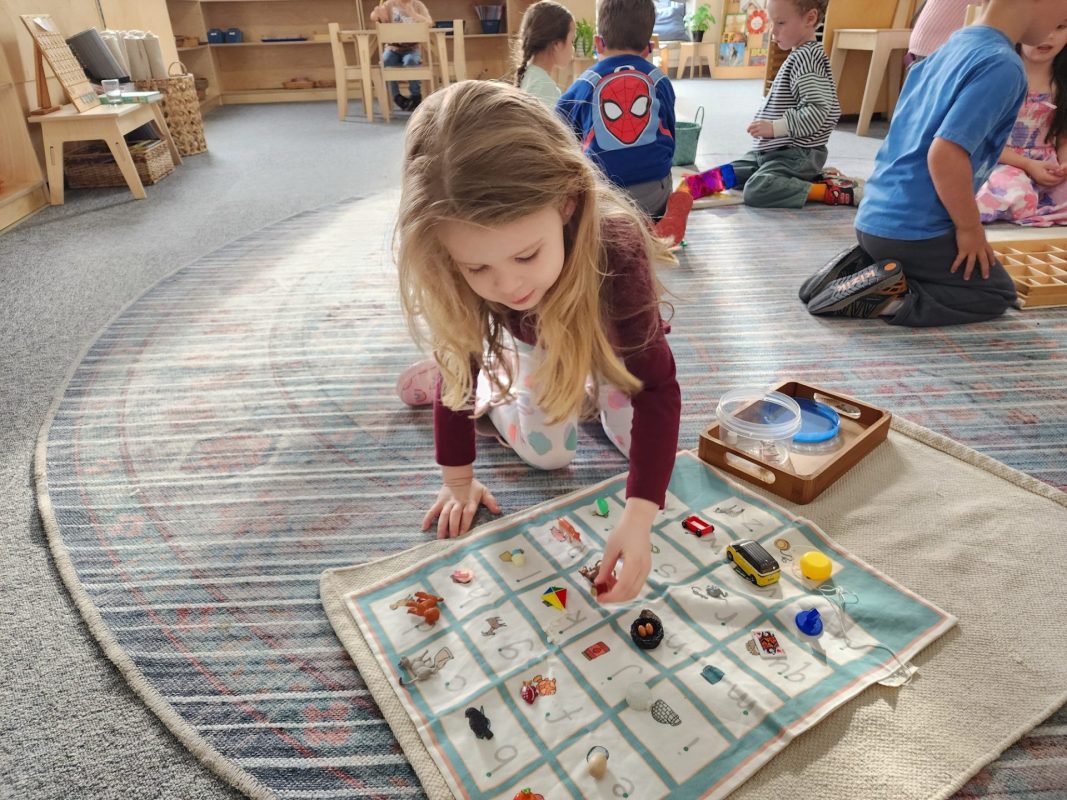
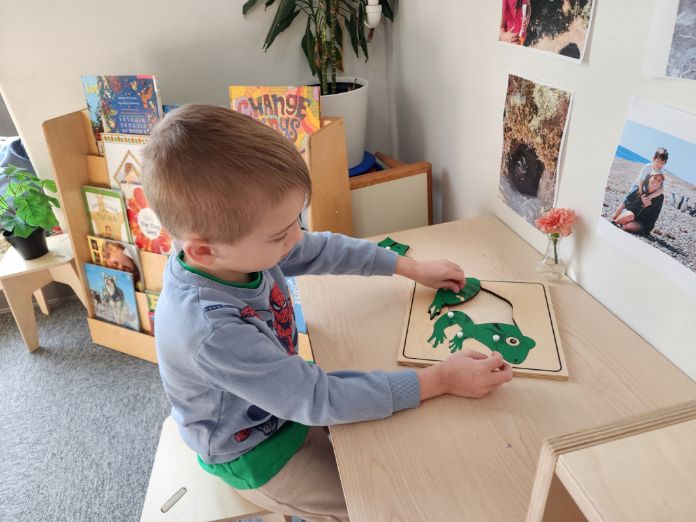
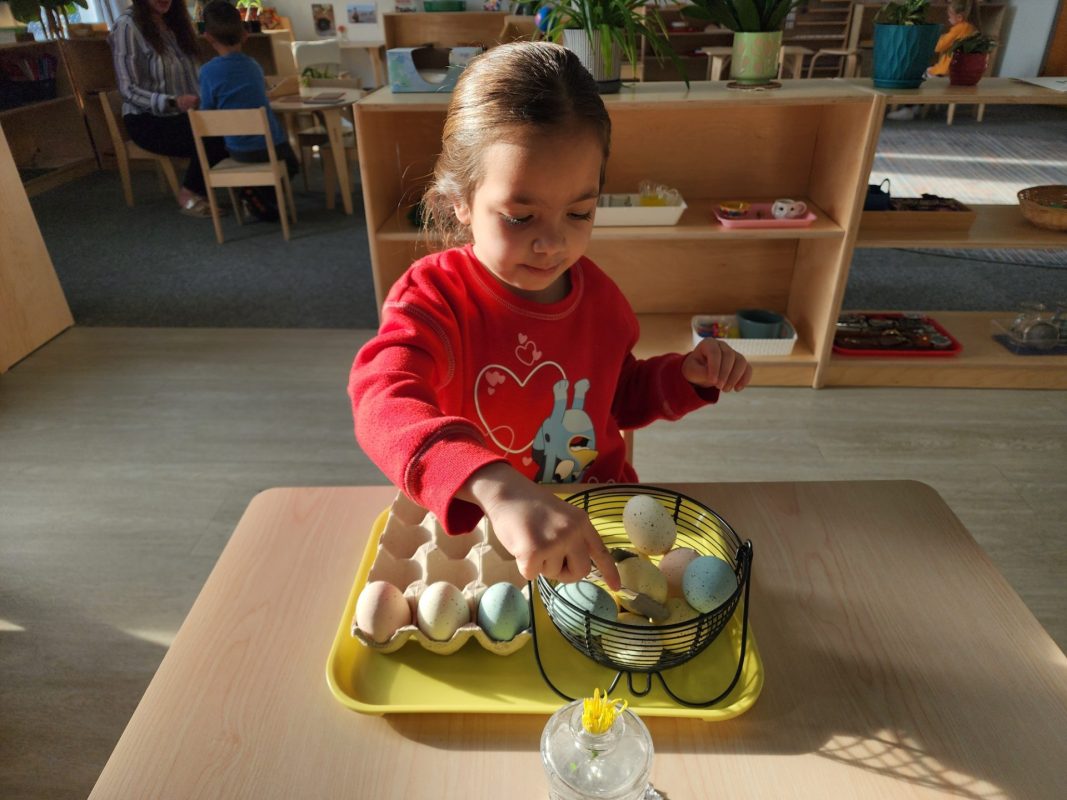
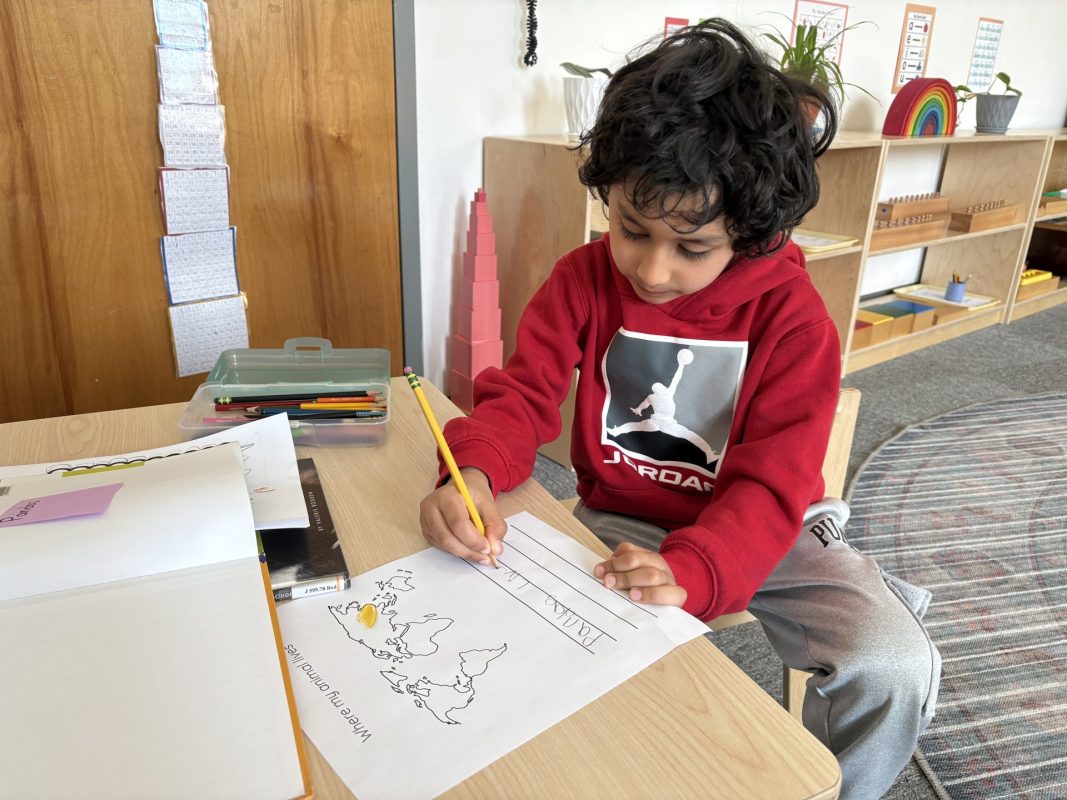
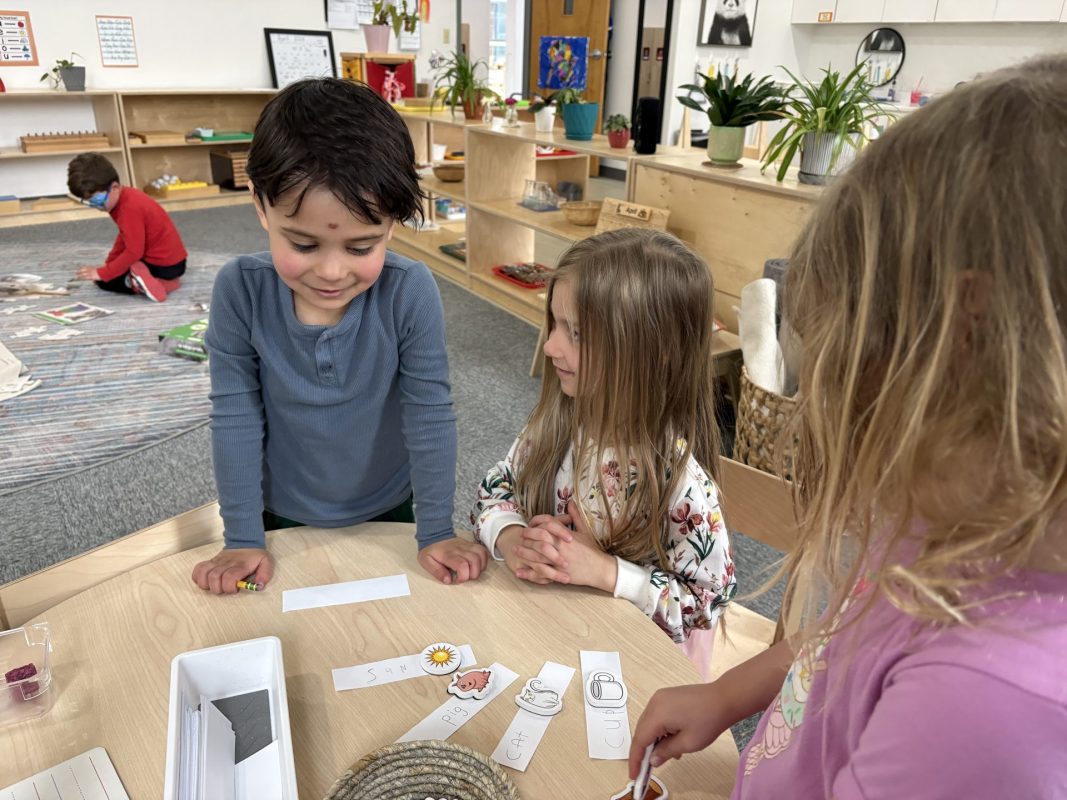
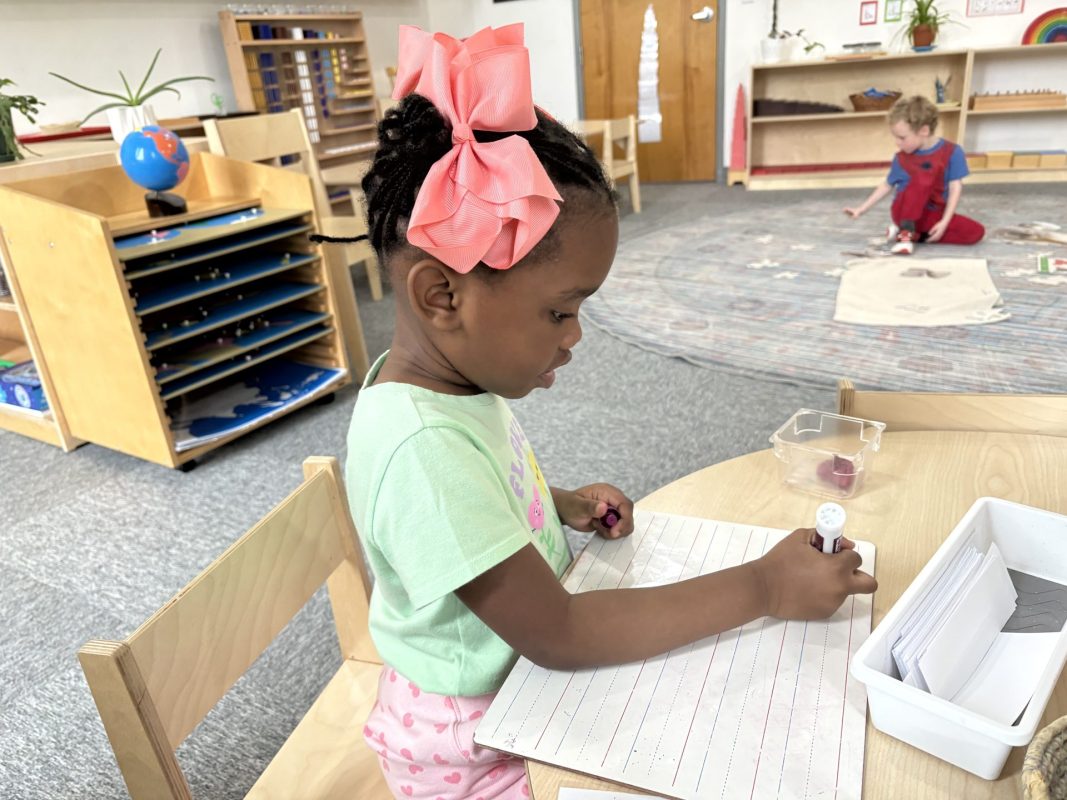
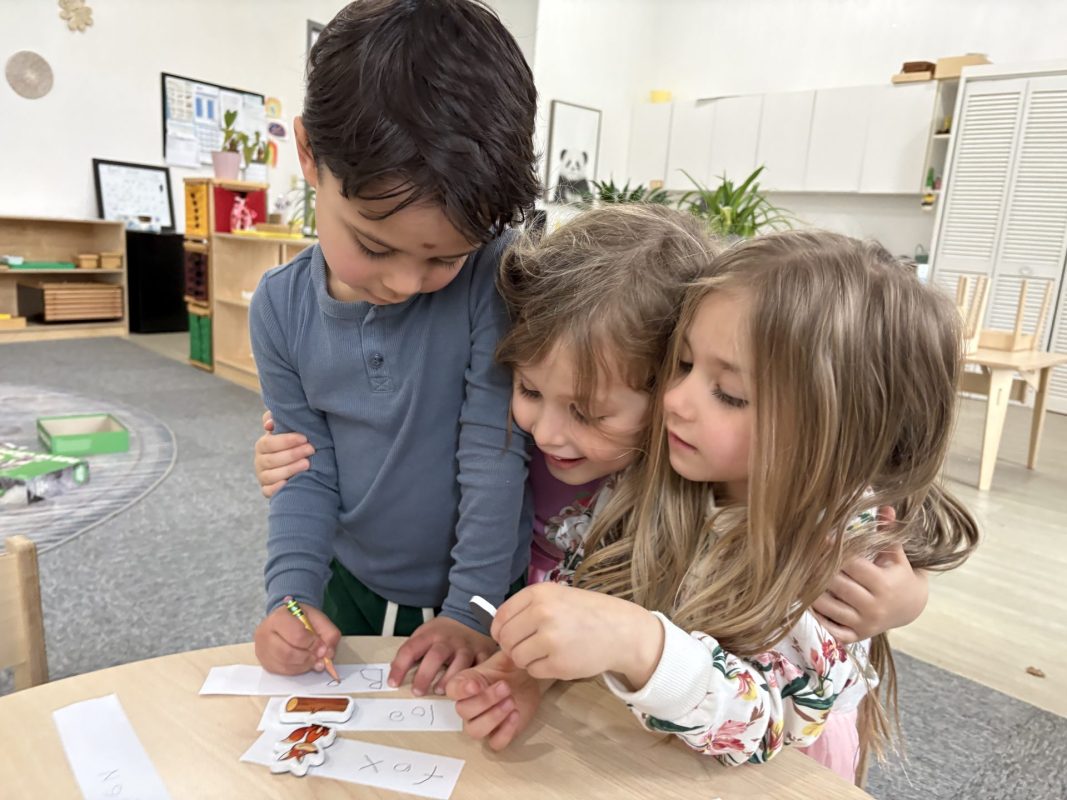
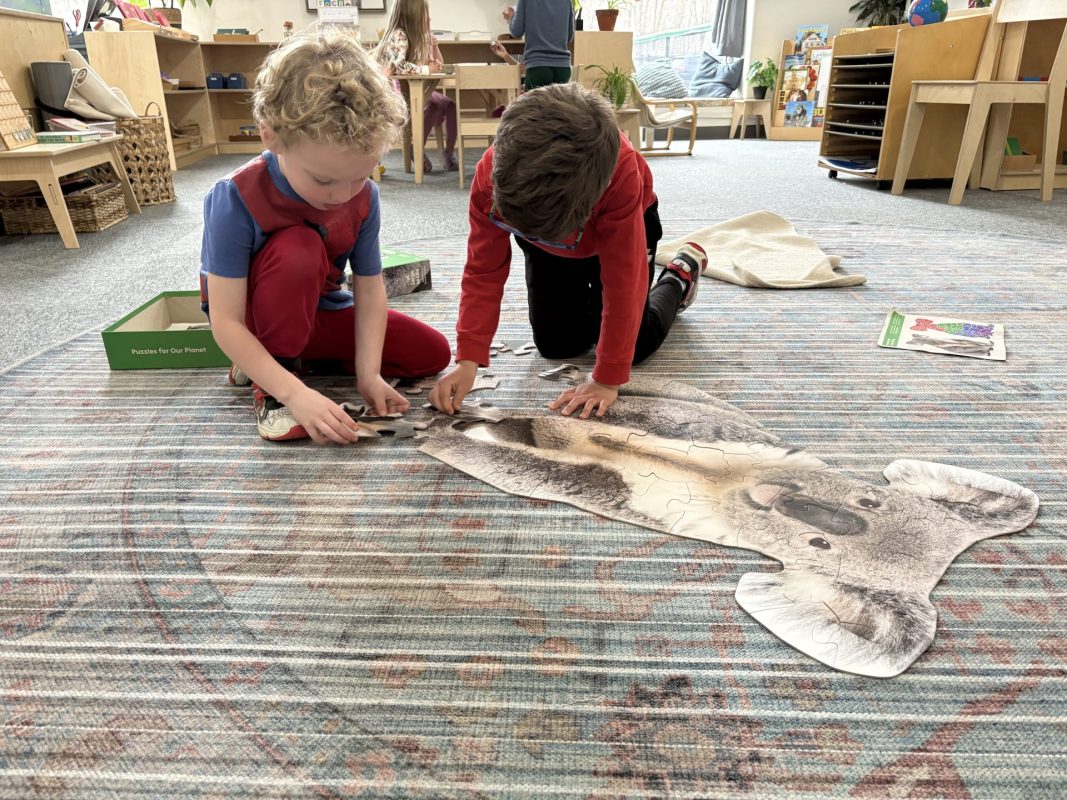
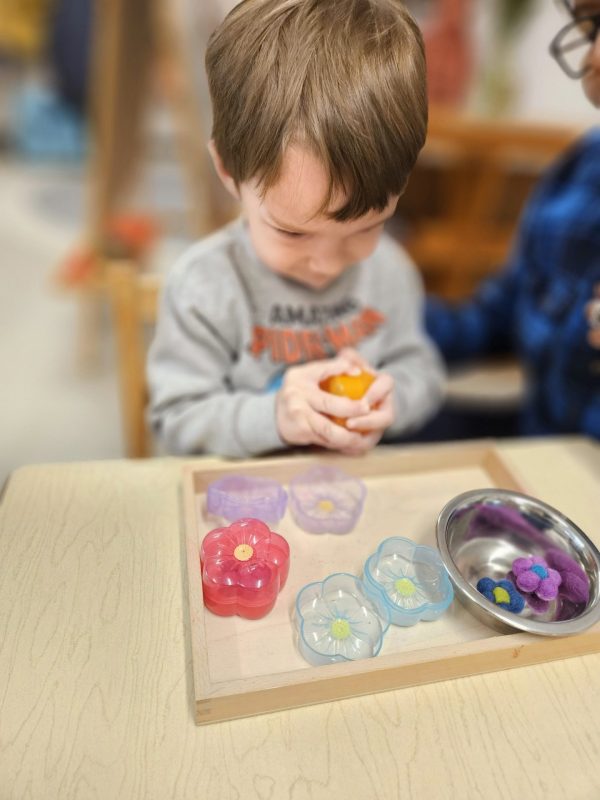
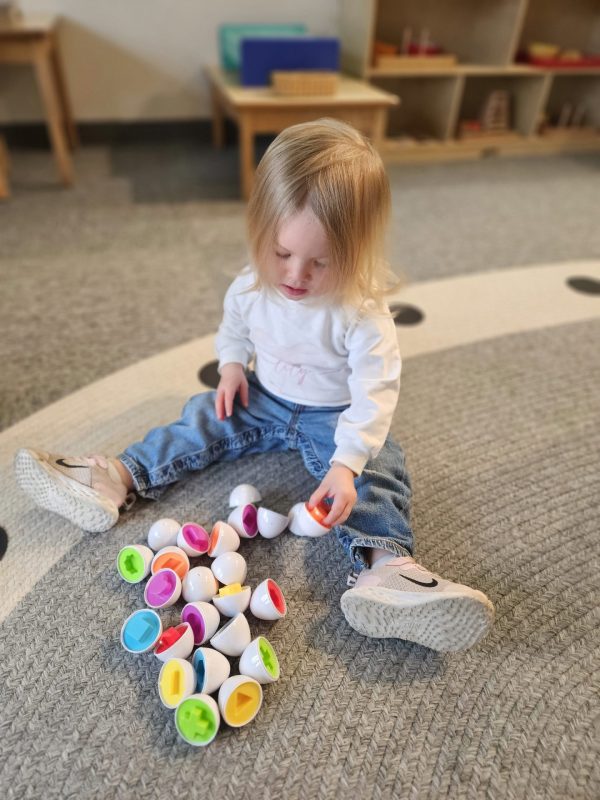
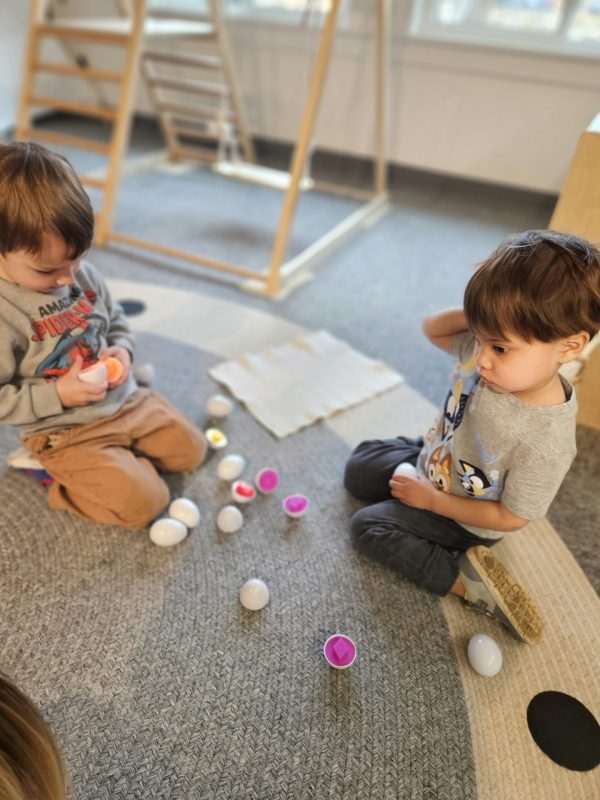
Last week, our classroom was alive with bird activity! The children have been engaged in a rich study of birds — doing scavenger hunts to practice handwriting, creating bird badges to use outside as they look for different species, working on puzzles, matching eggs, and painting birds. We also listened to a variety of bird calls together, which sparked wonderful conversations and lots of careful listening.

A new class favorite song, “Jenny Jenkins,” has been a hit all week. It tells the story of Jenny’s friends — a cardinal, a goose, a blue jay, a crow, a hummingbird, and a mourning dove — each asking Jenny if she’d like to wear the color of their feathers. She insists no, no, no… until the very end, when we discover her eggs have hatched and she is simply too busy! The children loved the surprise ending.

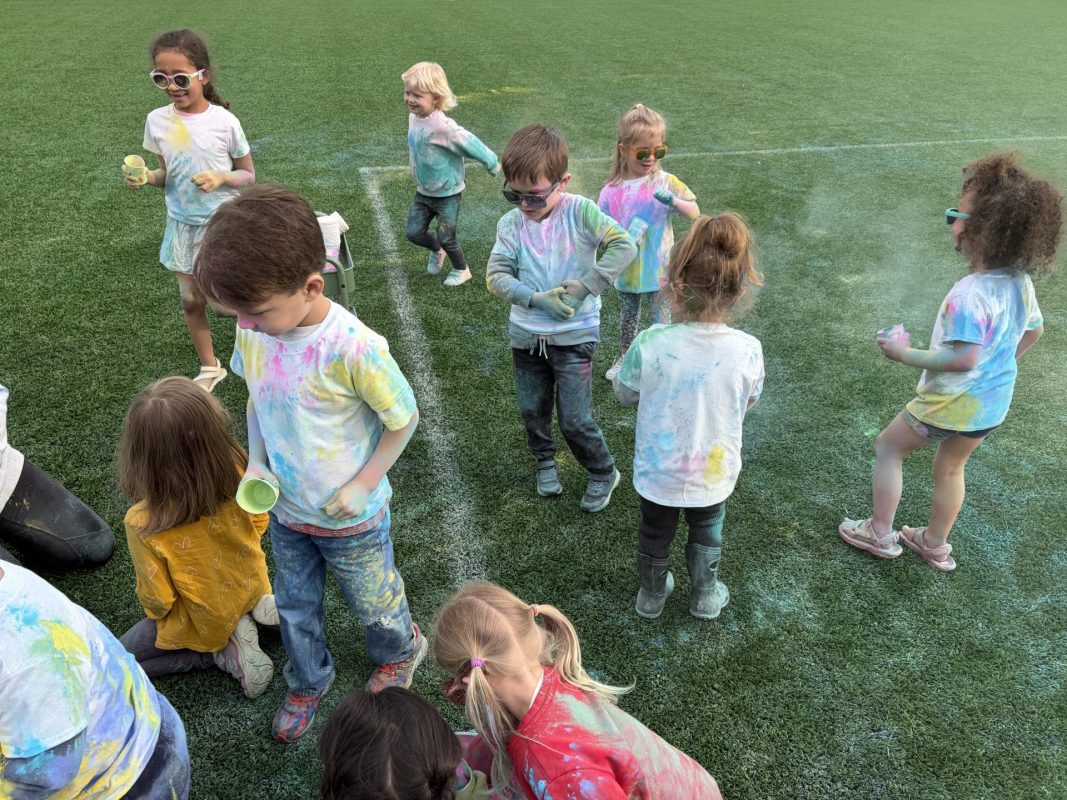
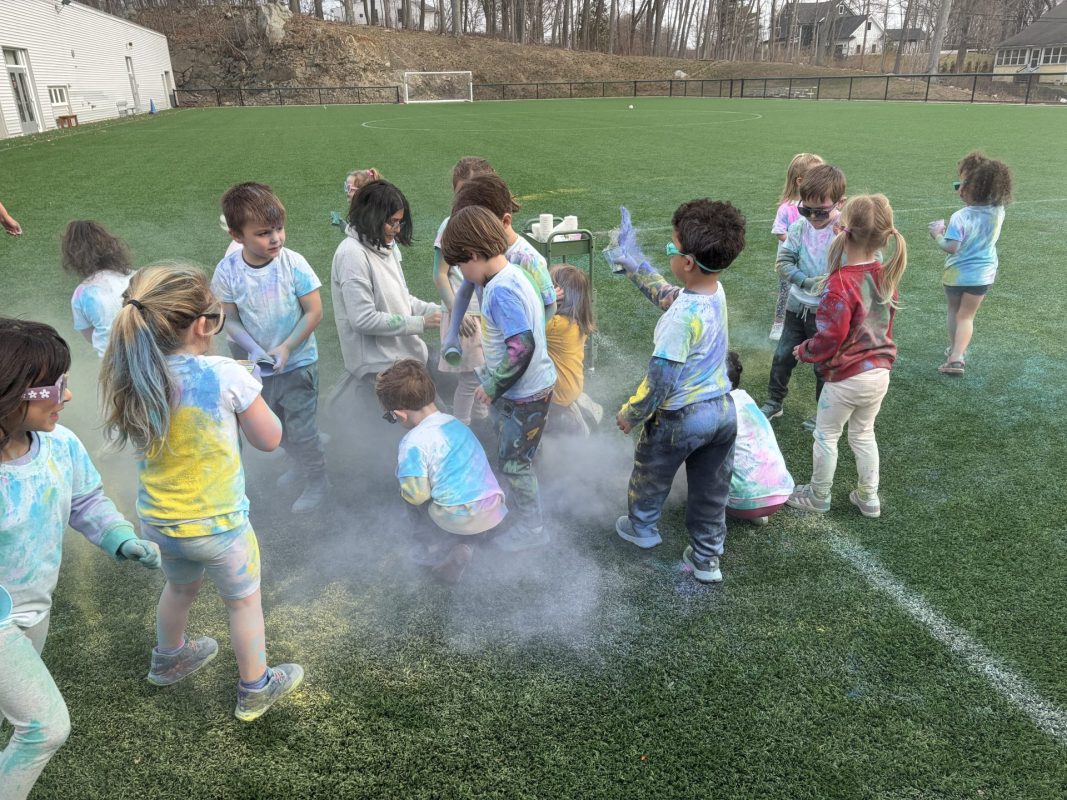
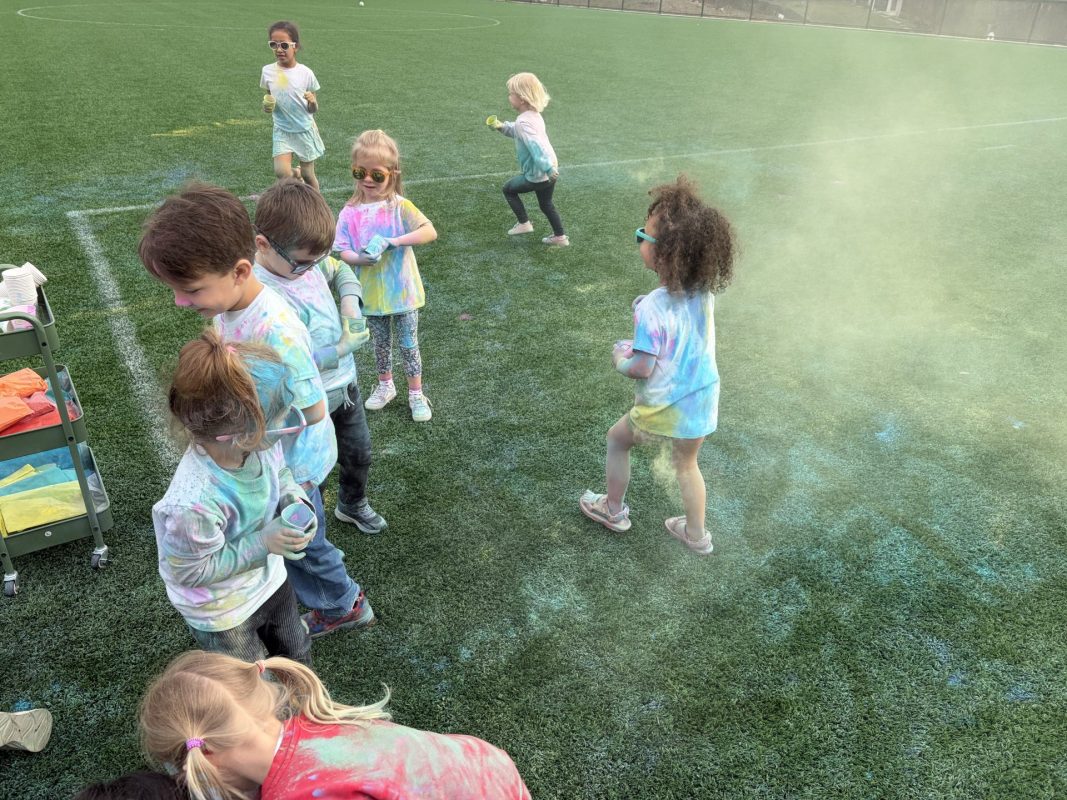
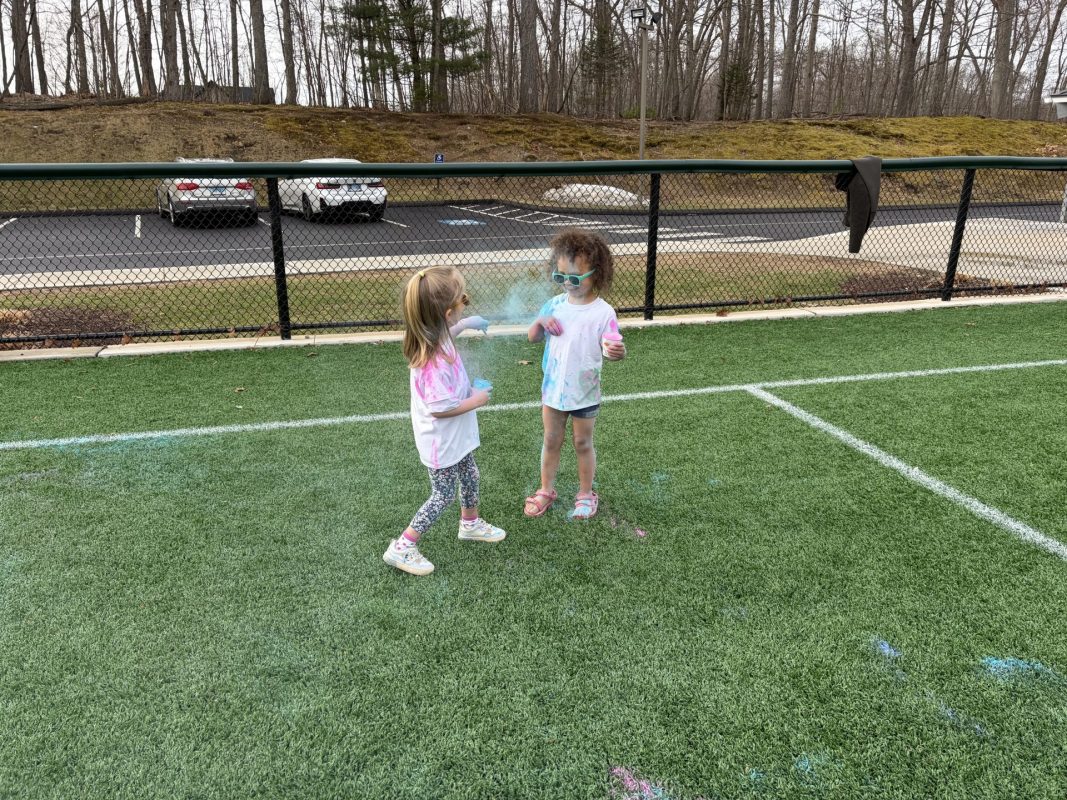
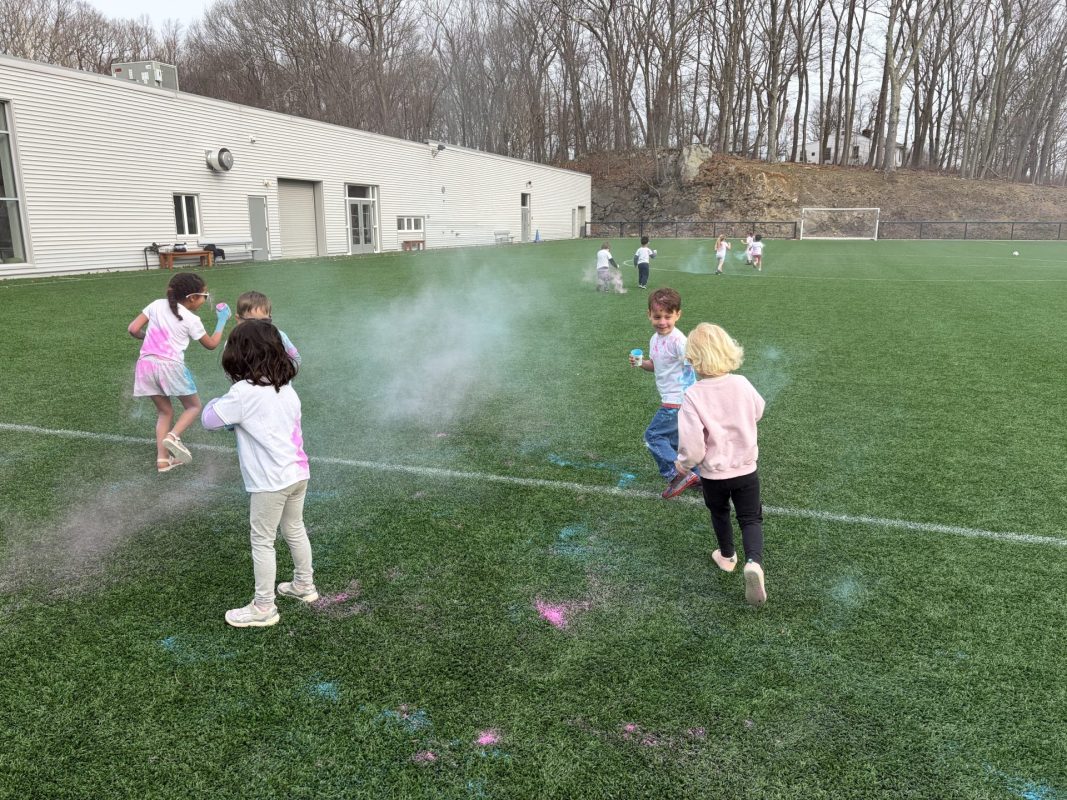
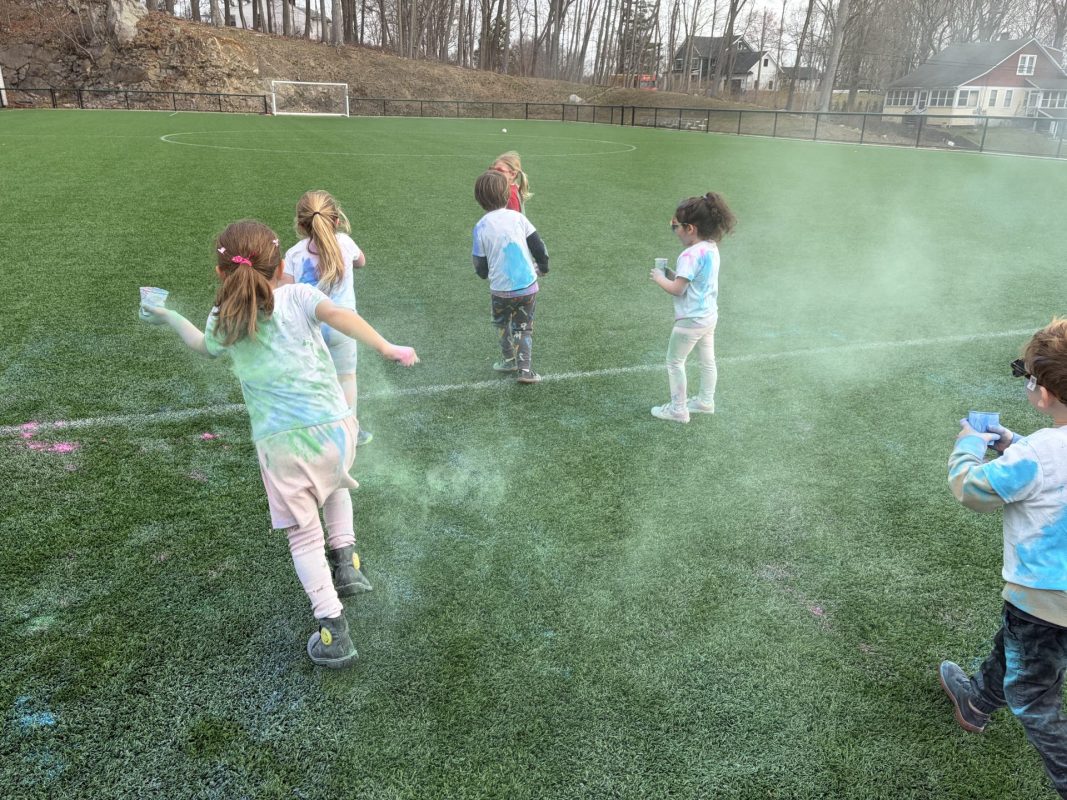
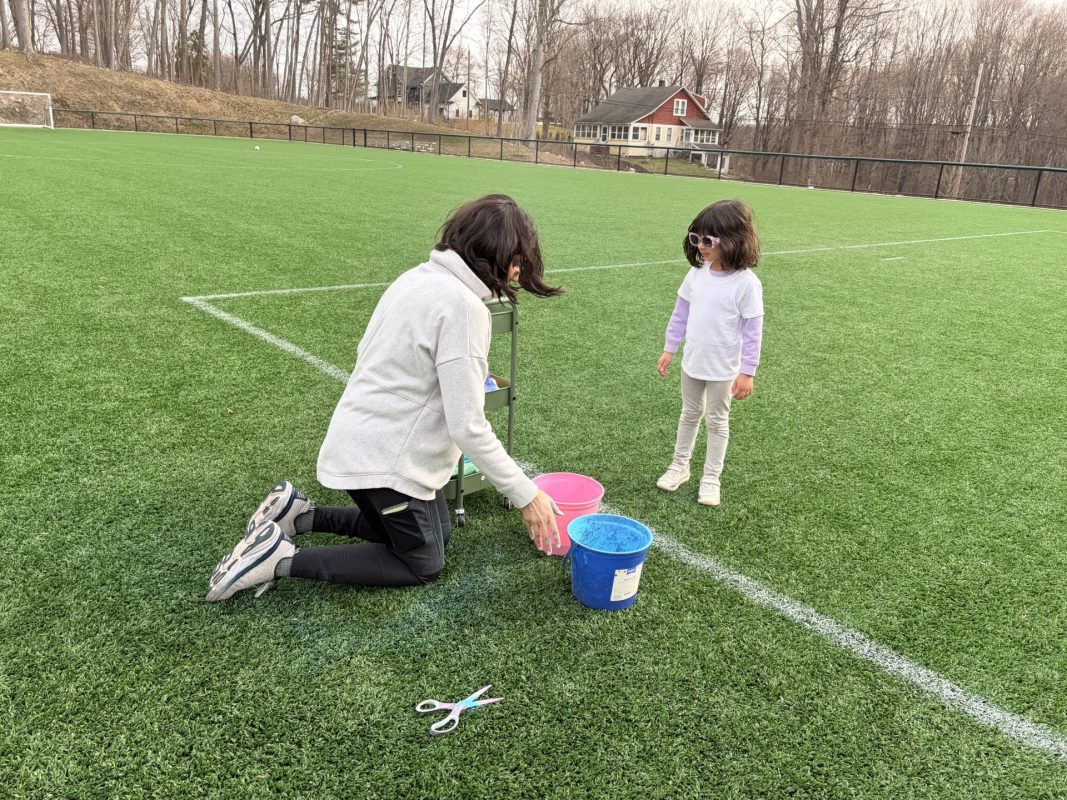
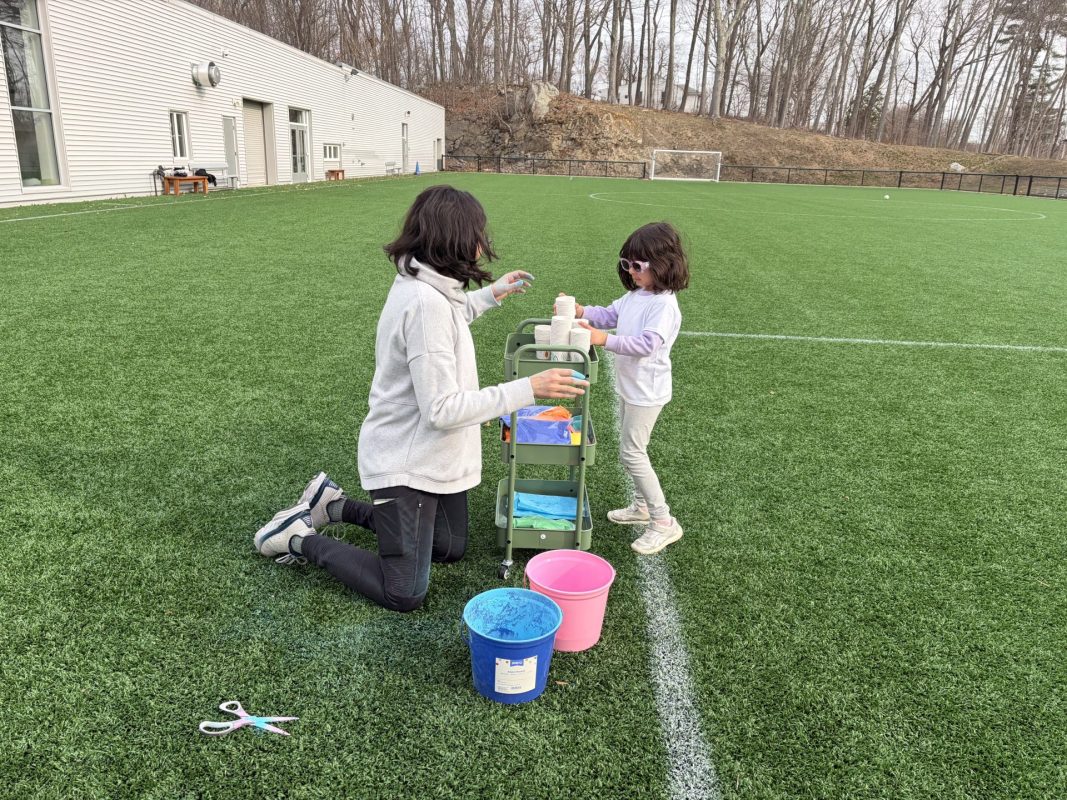
We were also so fortunate to welcome Aruna’s mom to our classroom, who taught us all about Holi — the Hindu celebration of spring. To honor the vibrant colors of the season, the children threw colored powder at each other while wearing white shirts. It was joyful, colorful, and completely unforgettable.

Extending Learning at Home

Go on a bird walk in your neighborhood! See if your child can identify any birds by sight or sound using what they’ve been learning. You might even set up a simple bird feeder to bring the birds a little closer to home.


Mrs. Sargeant: Bead Chains, Books, and Springtime Joy


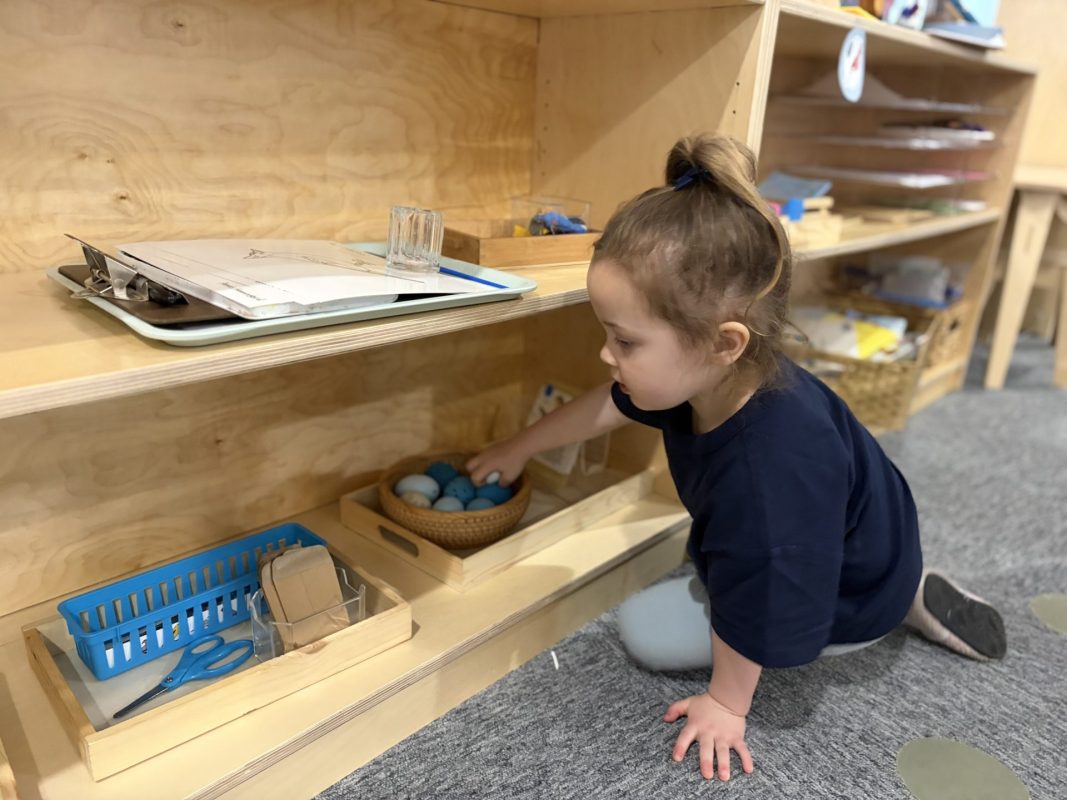
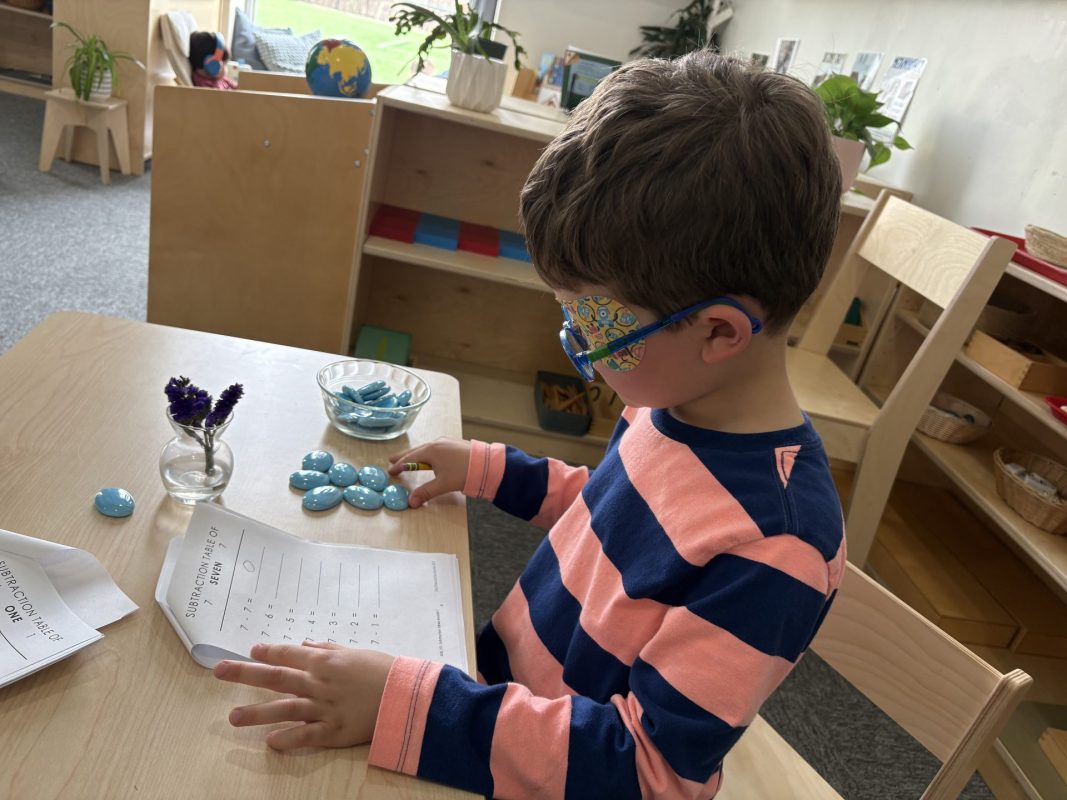
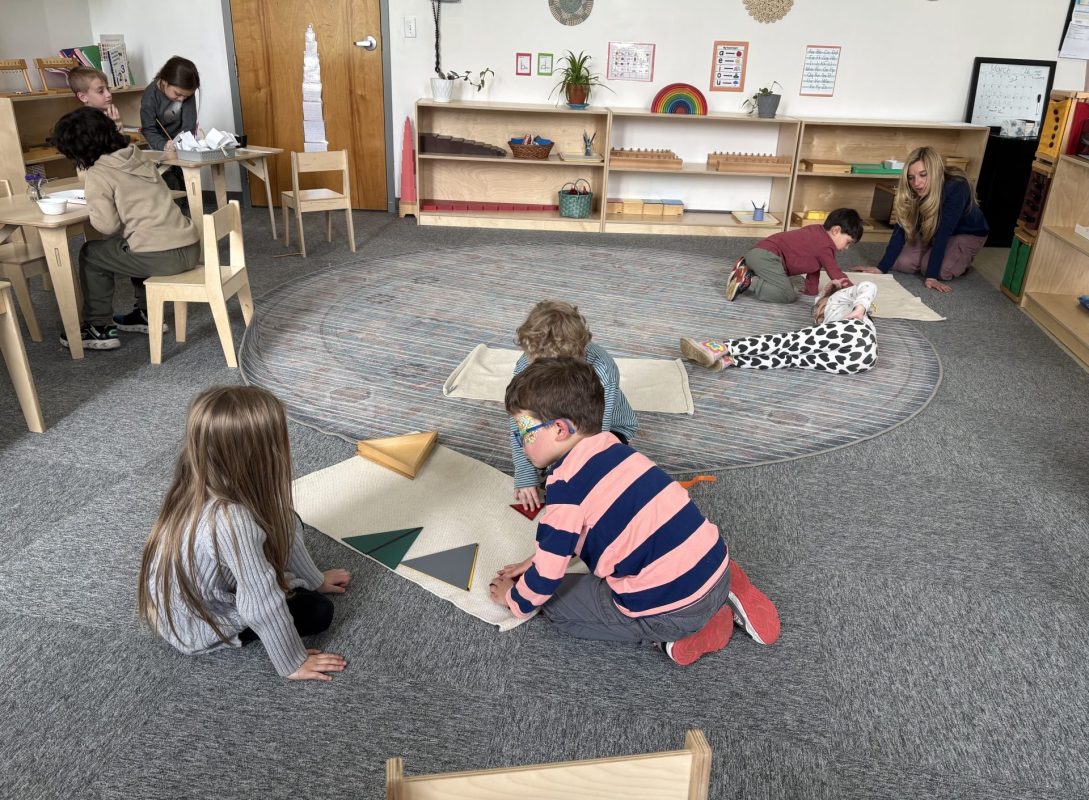
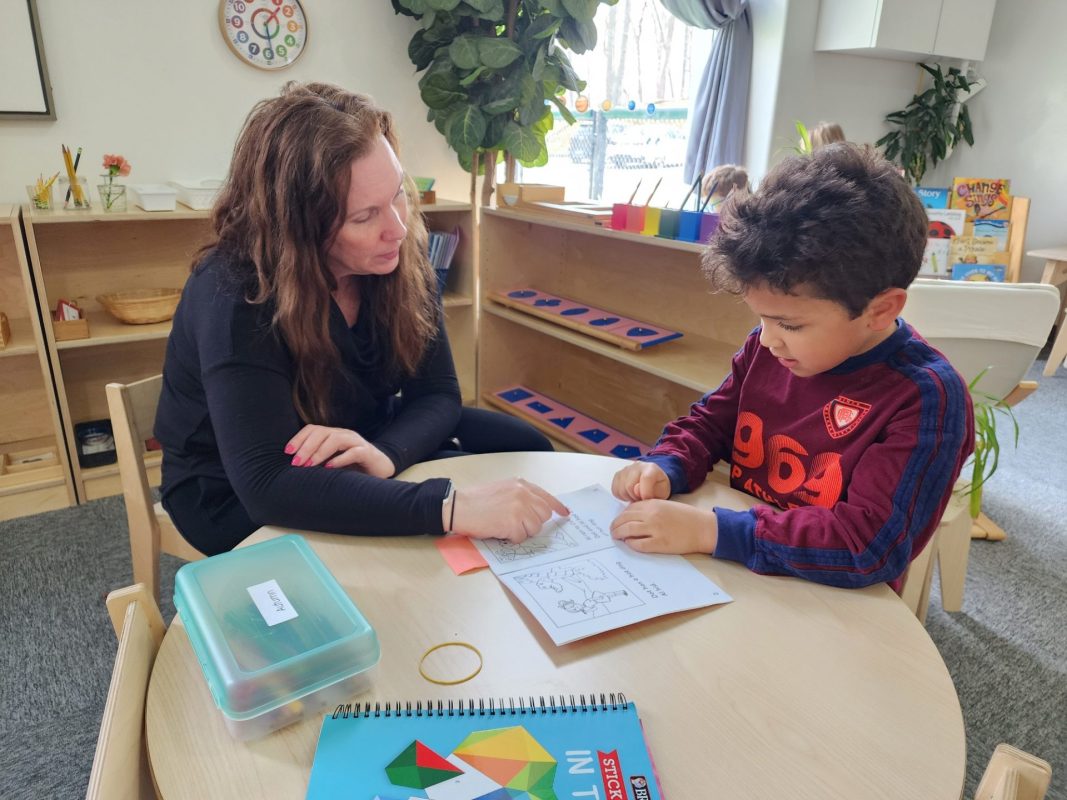
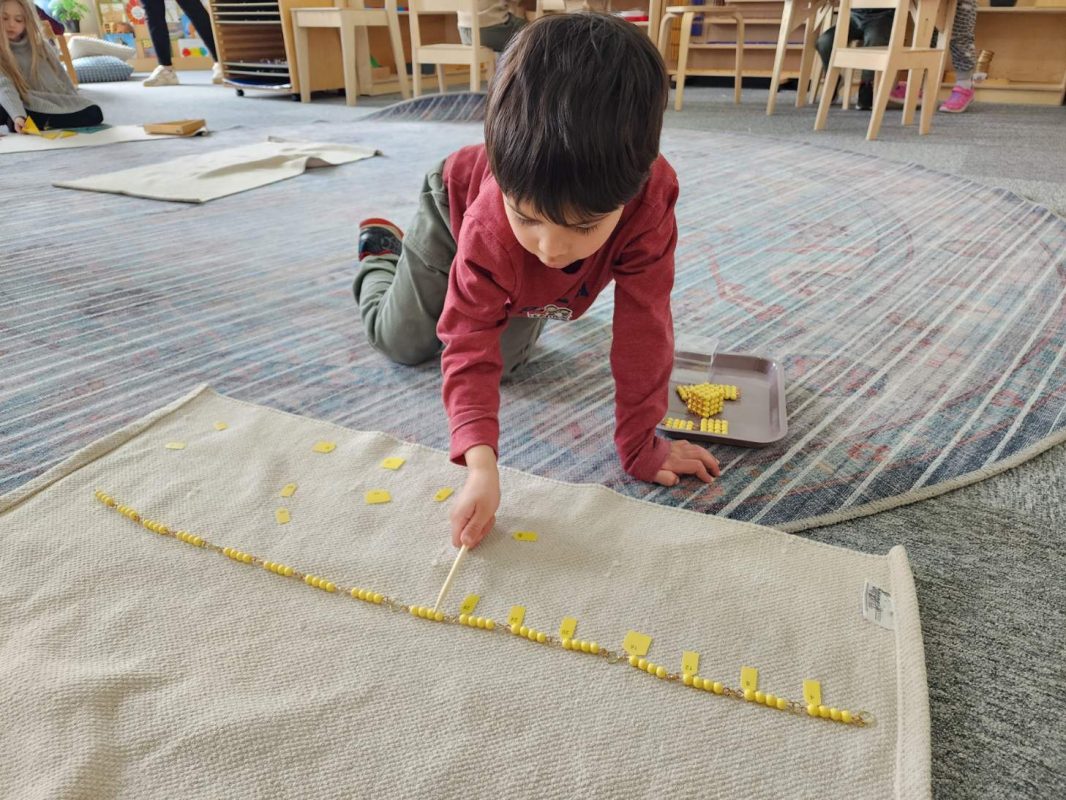
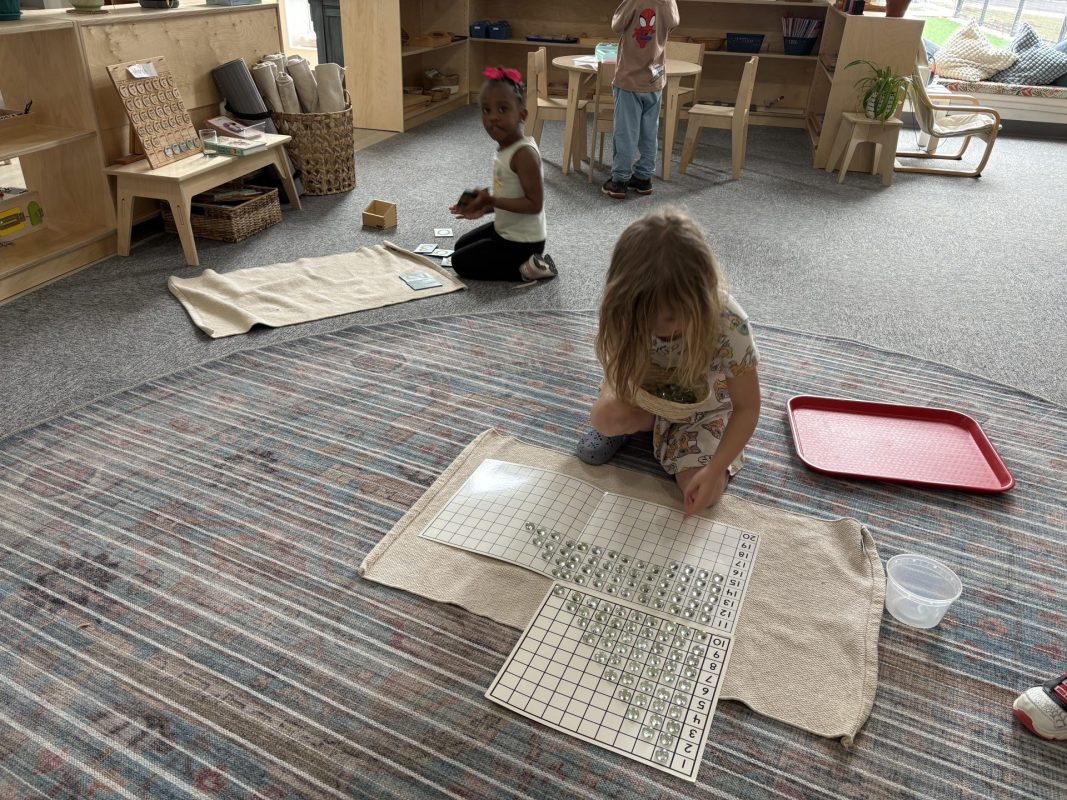
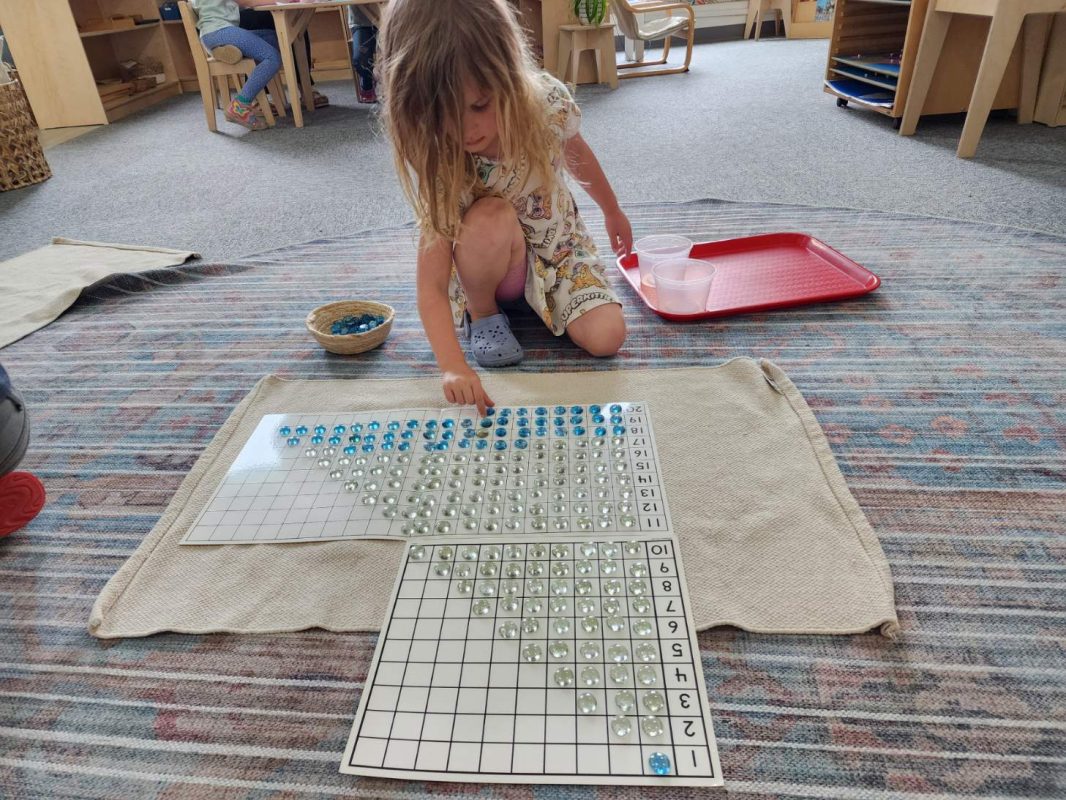
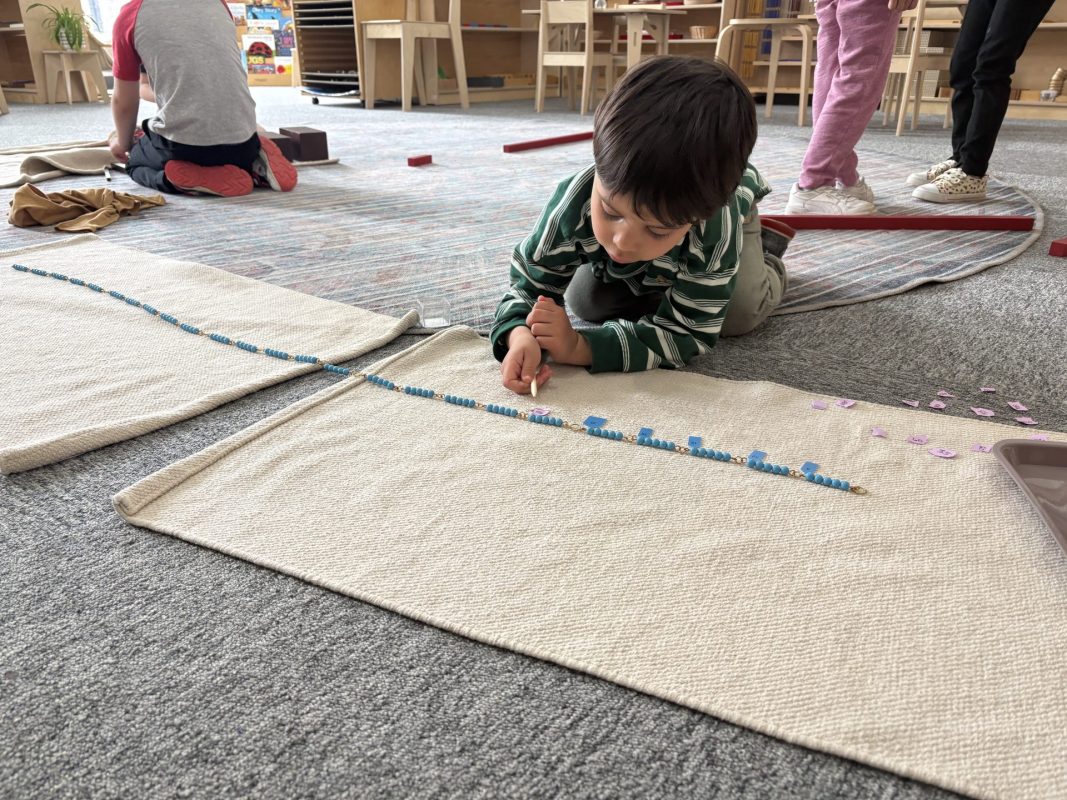
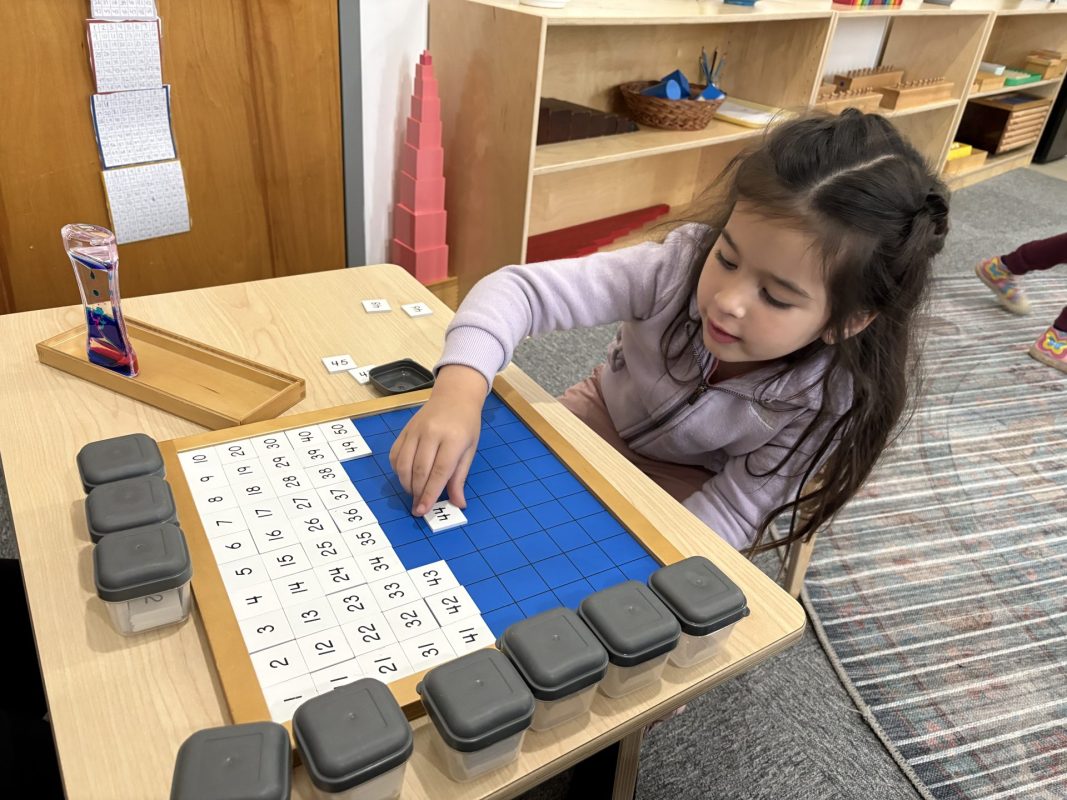
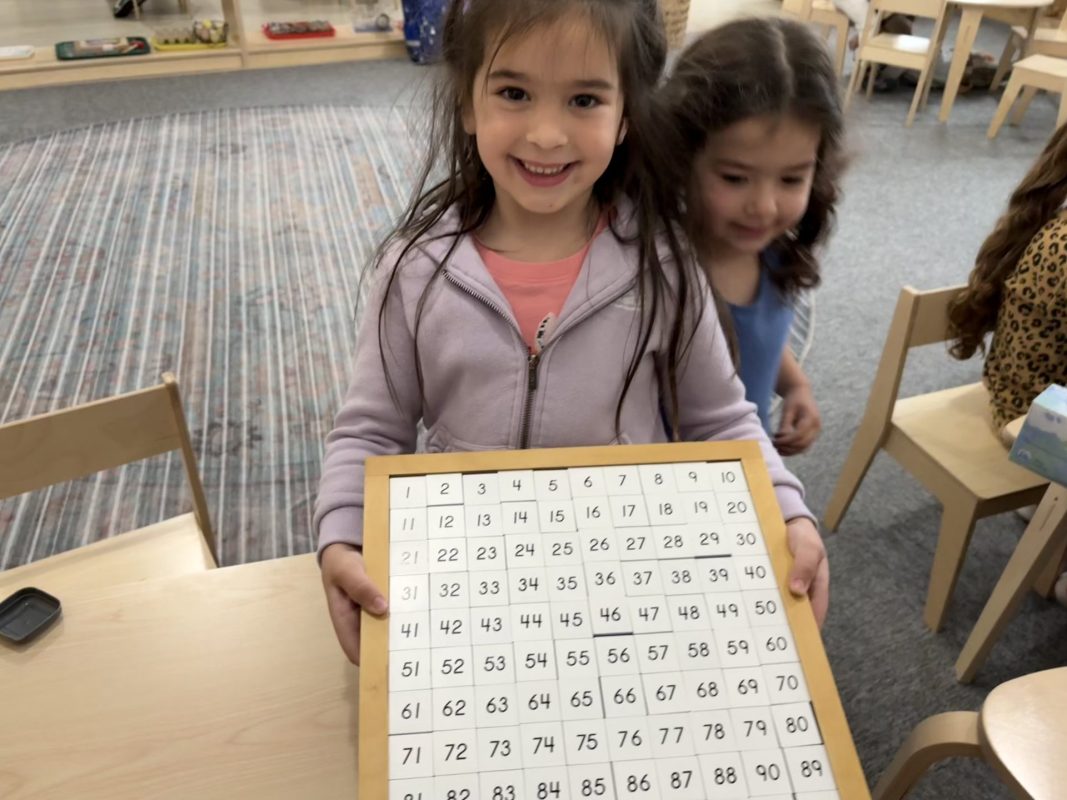
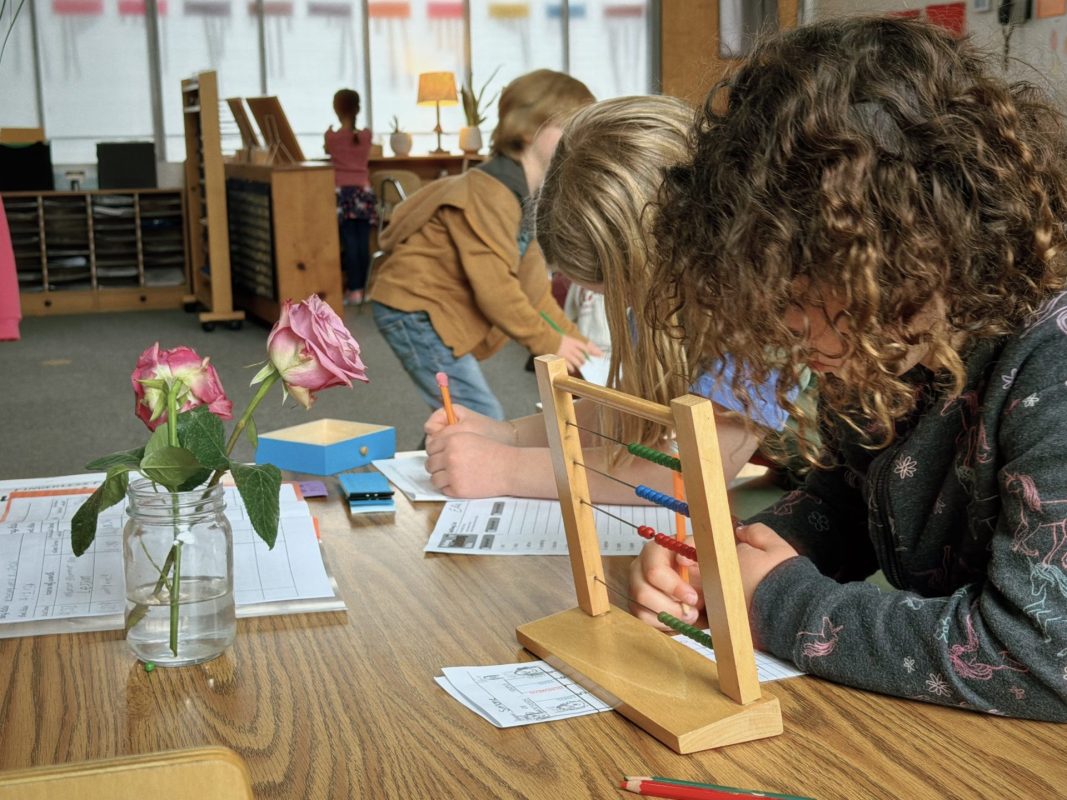
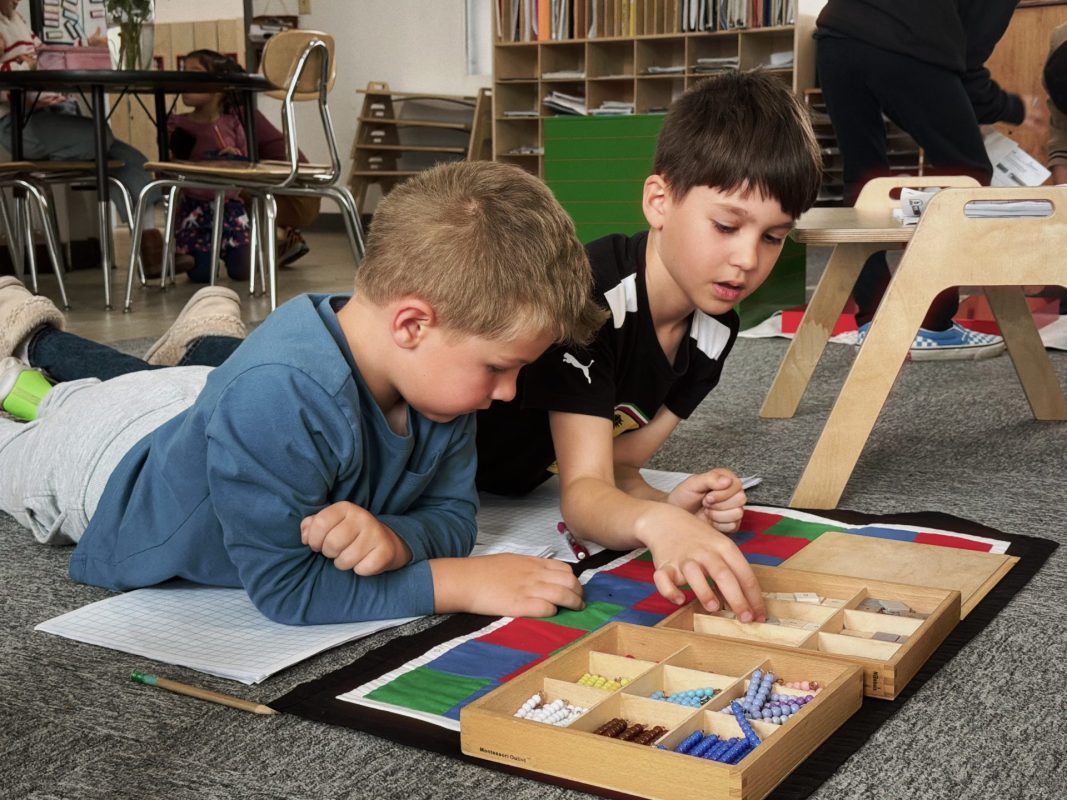
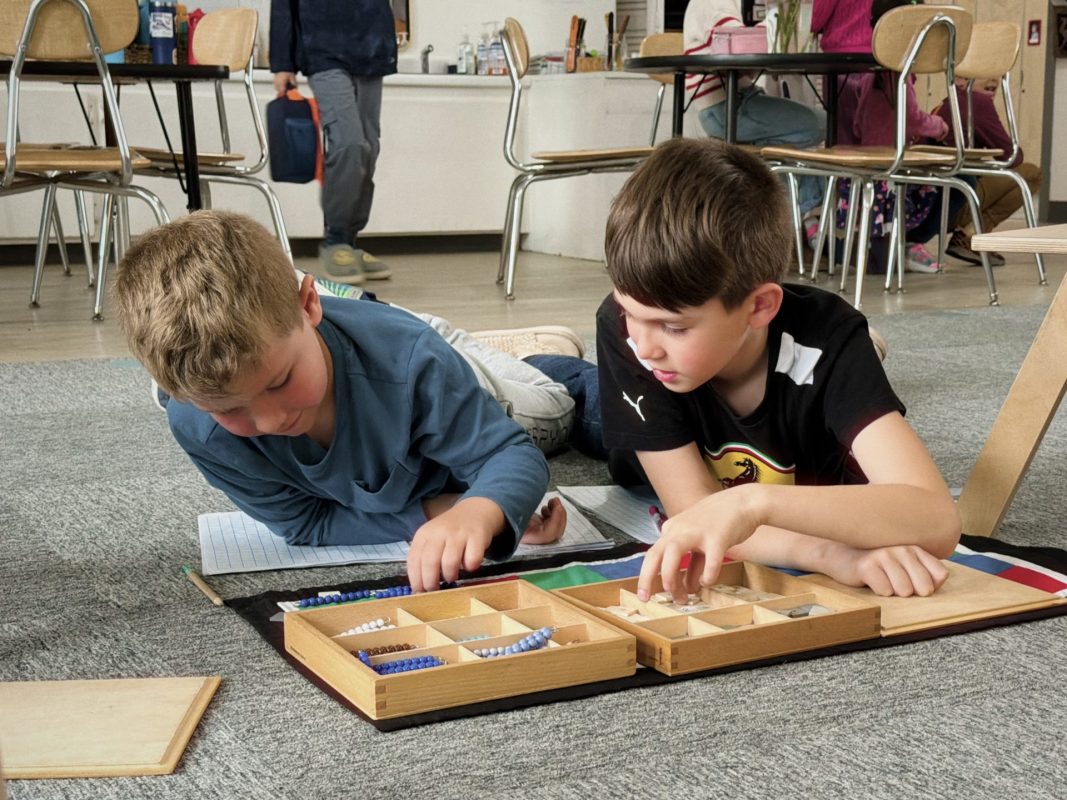
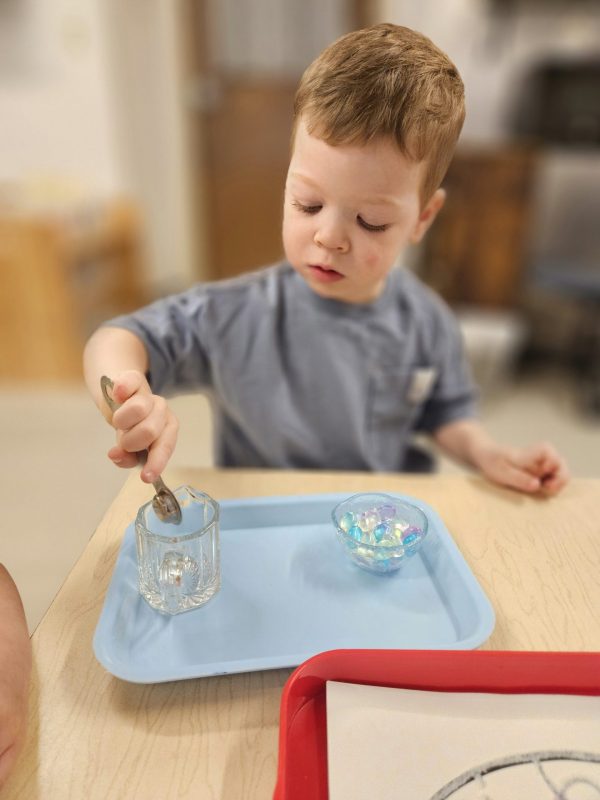
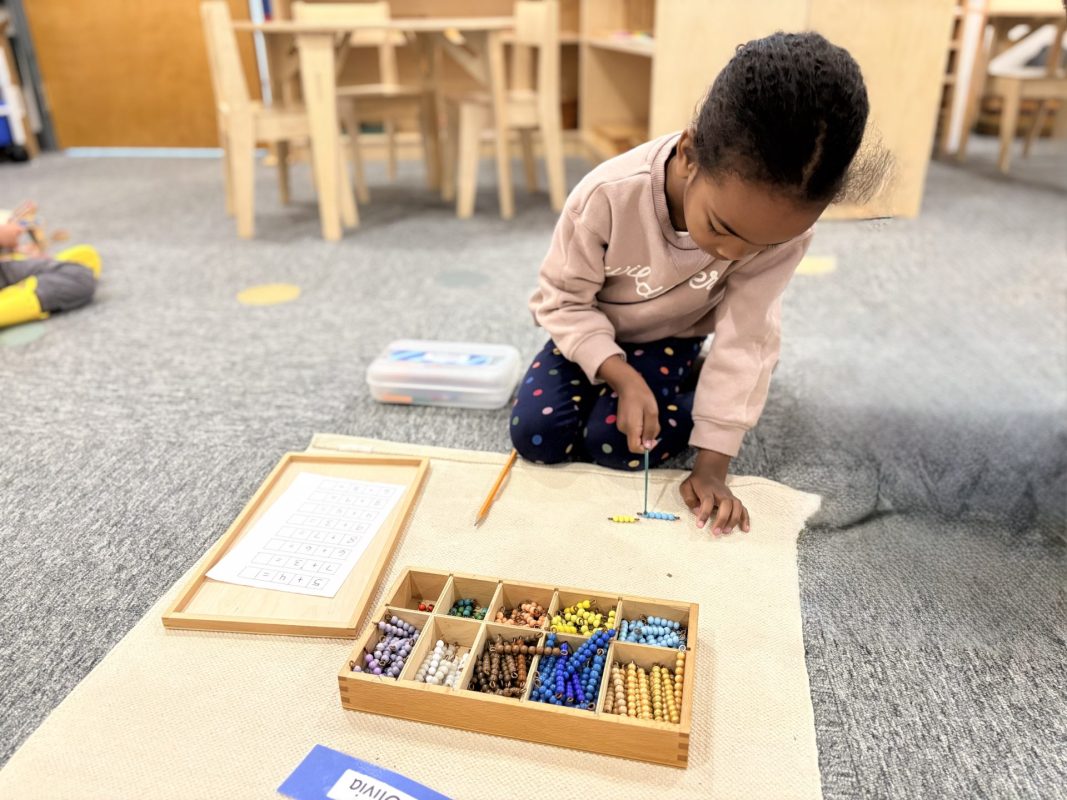
Last week, the warmer weather brought an extra spark of energy to the classroom! The bead chains — both long and short — were a favorite on the shelves all week, with children working carefully to count, skip count, and explore number patterns. It was wonderful to see such focused, purposeful engagement with this material.

The spring concert is drawing closer, and we’ve been delighted to hear the children humming their songs during work time — a sure sign the music has found its way into their hearts.

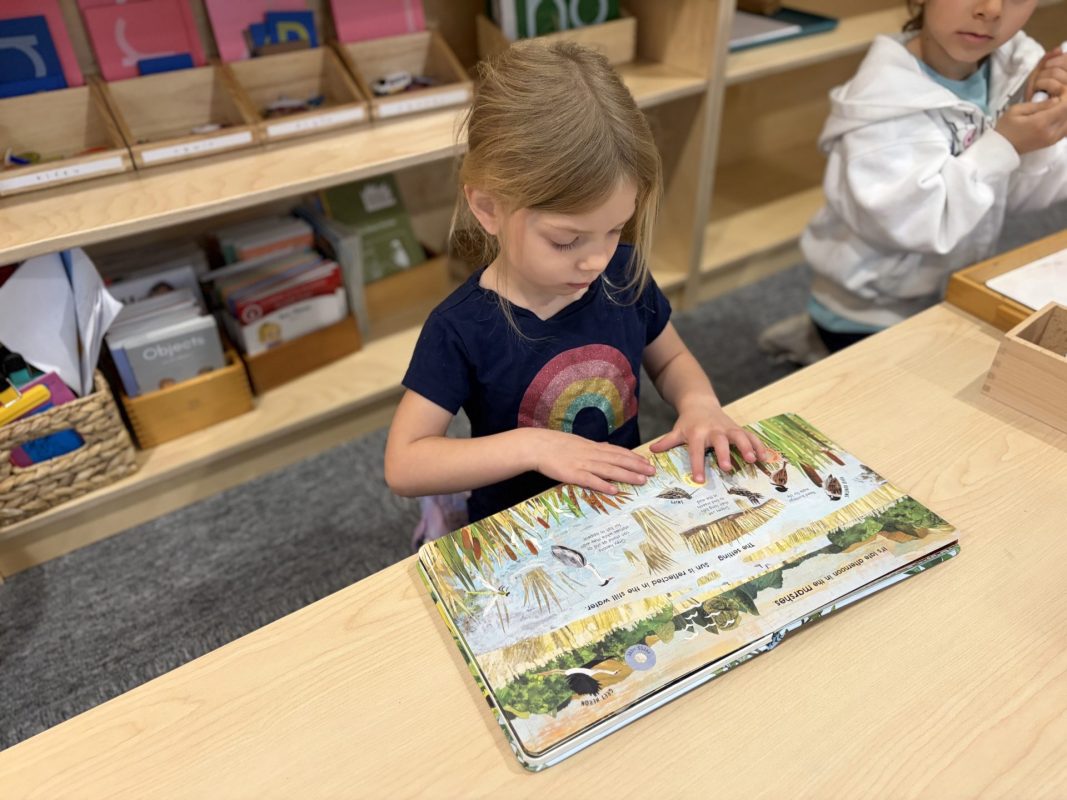
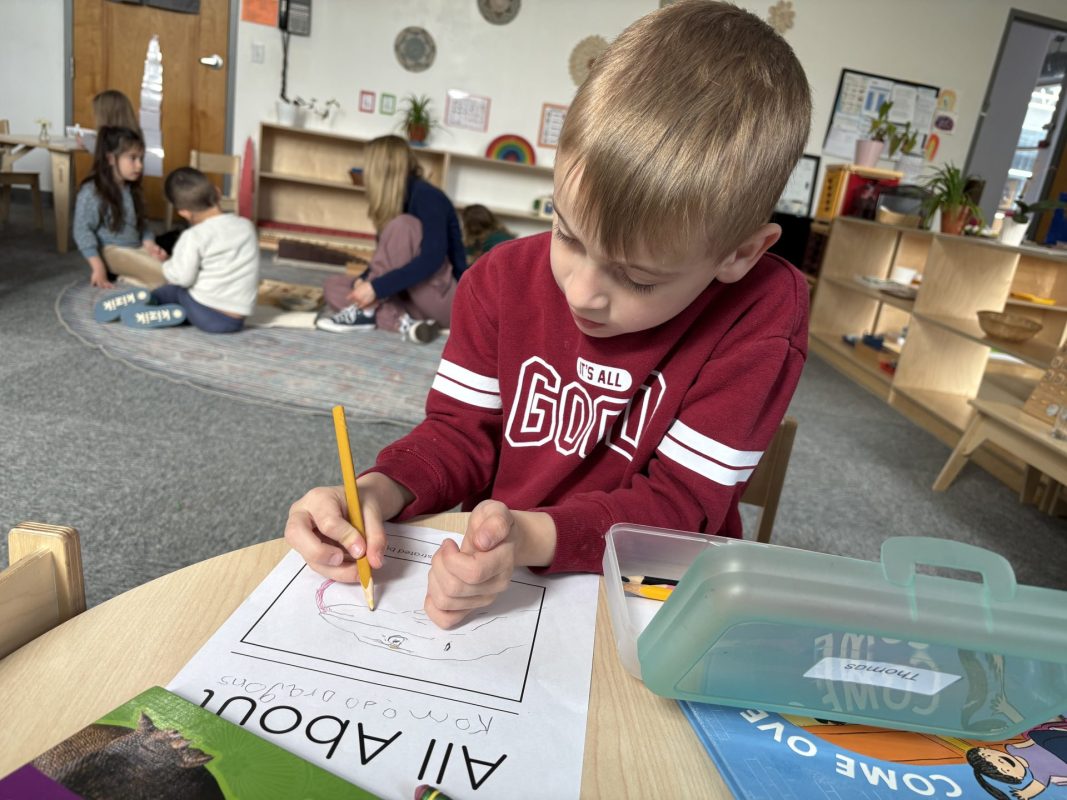
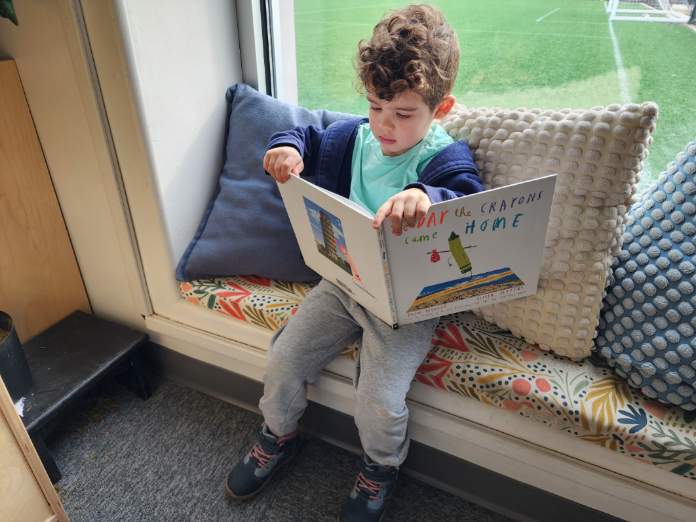
A favorite book this week was Come Over to My House, co-written by Eliza Hull and Sally Rippin. This beautifully illustrated story explores the home lives of children and parents with a variety of disabilities. It sparked thoughtful questions and rich conversation, building awareness, fostering inclusivity, and cultivating the compassion that is so central to our community here at Fraser Woods.

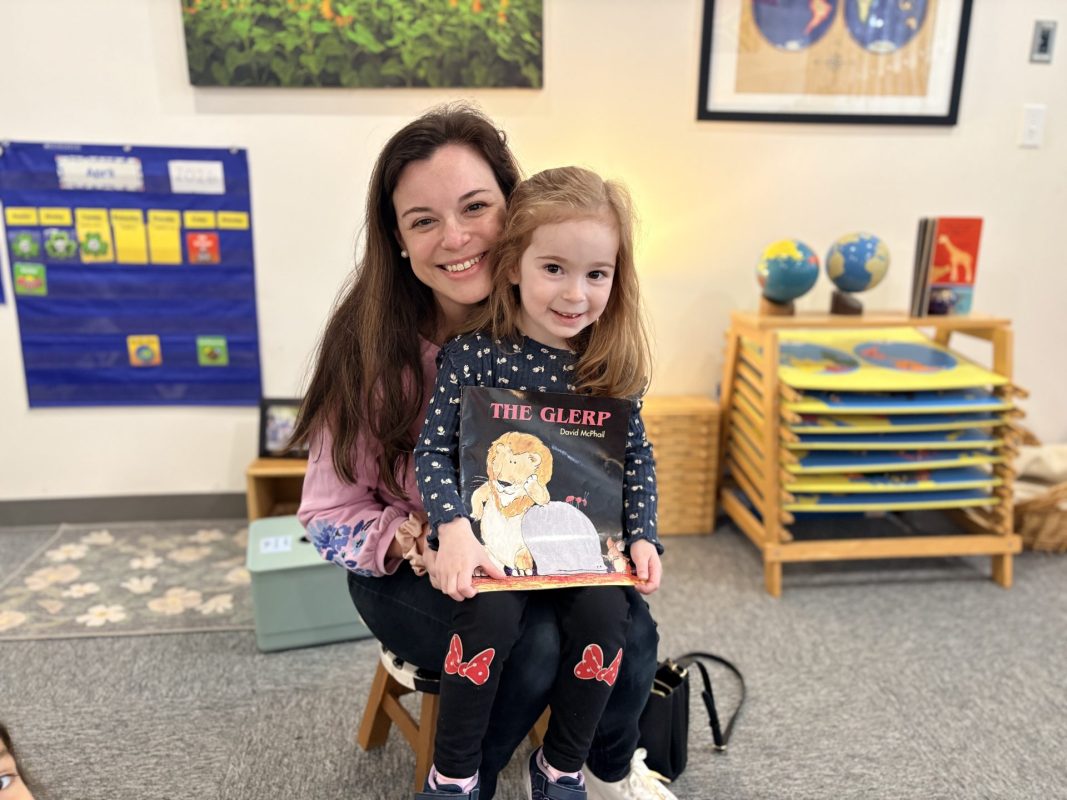
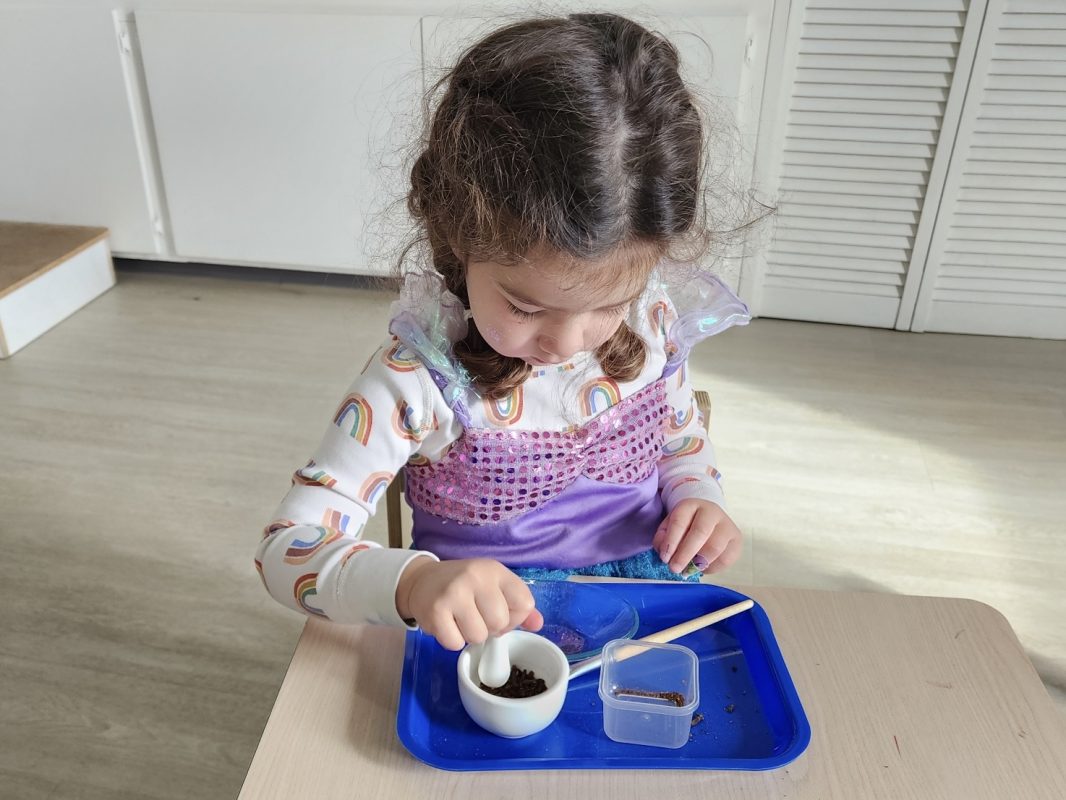
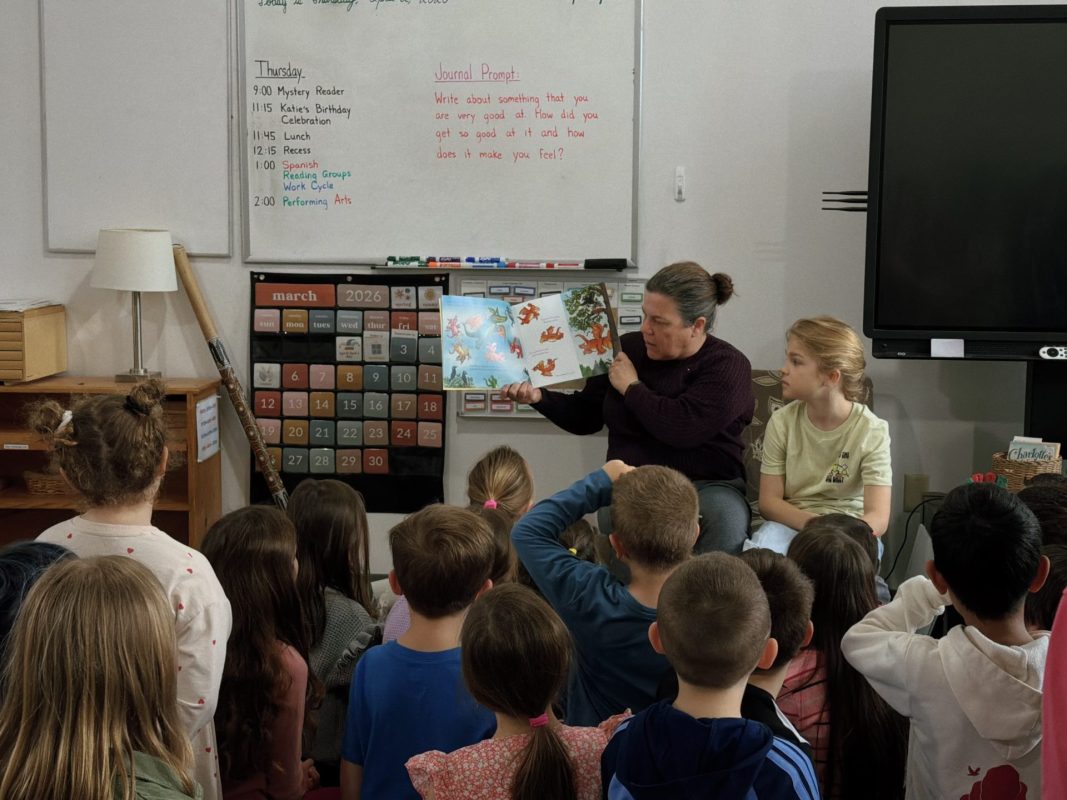
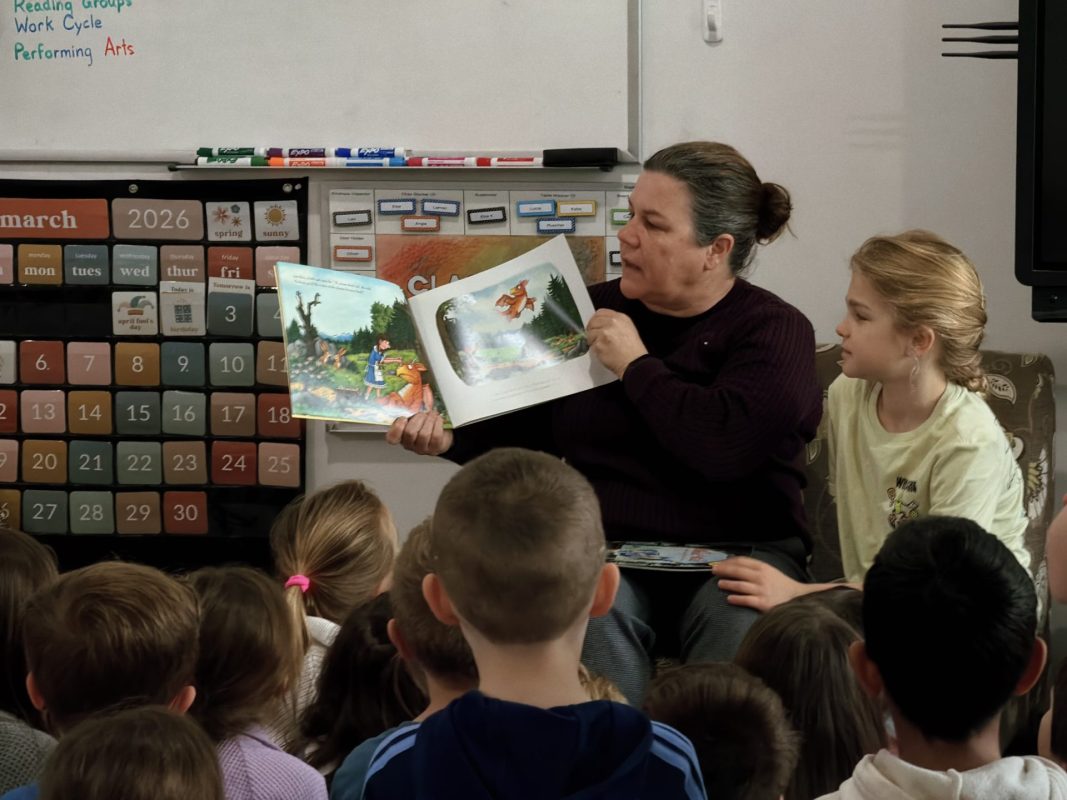
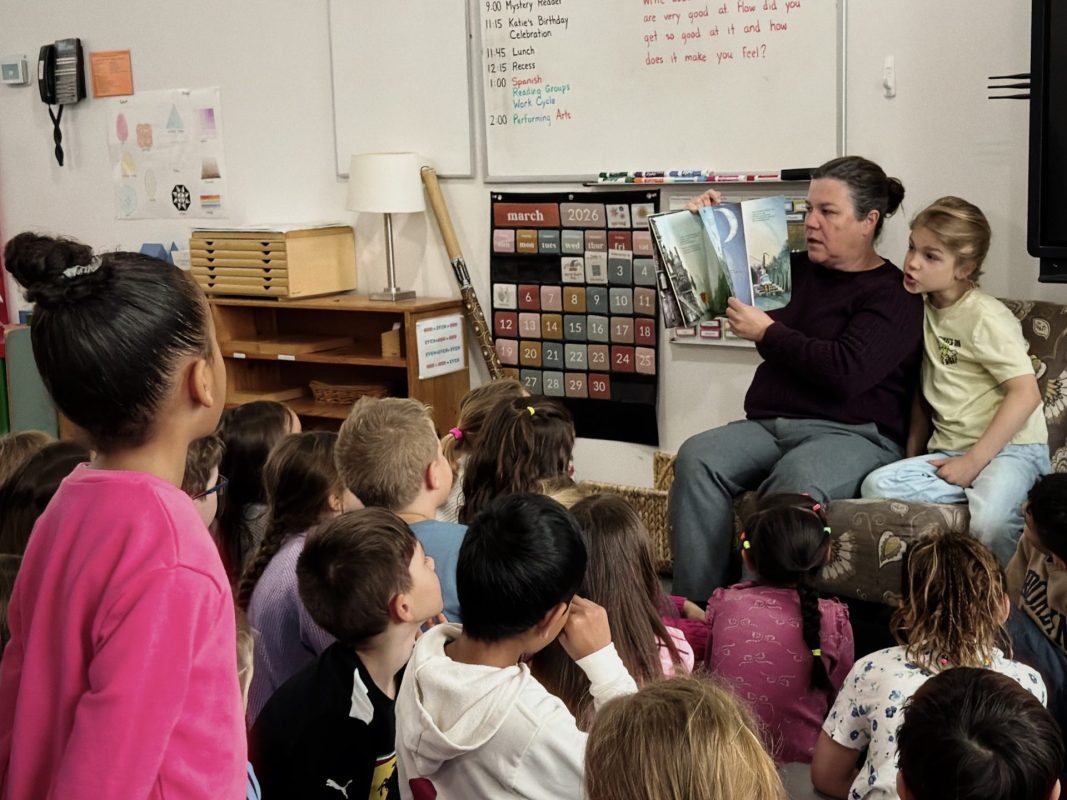
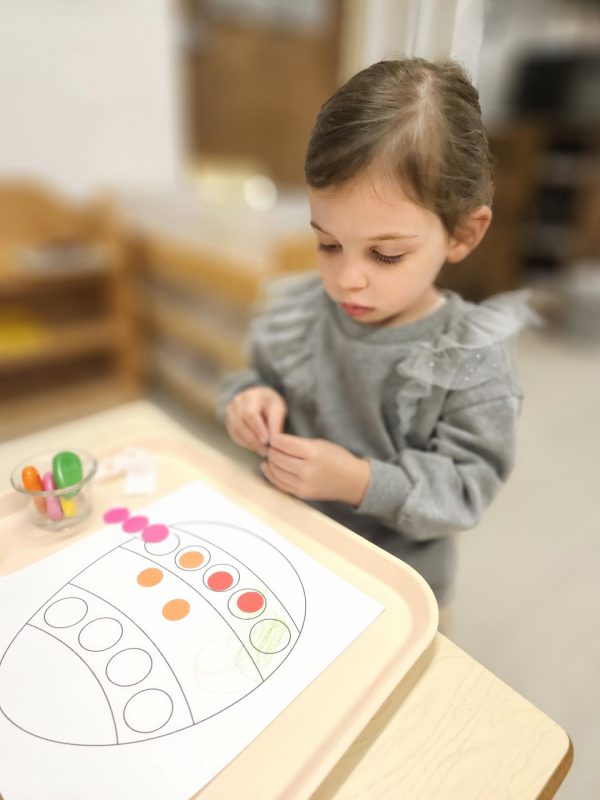
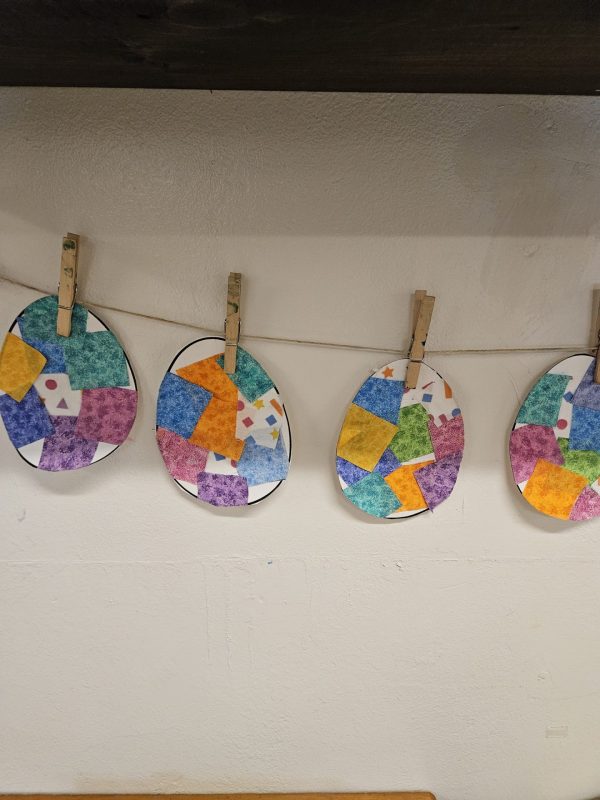
A warm thank you to Otto’s family for sending in lavender for the children to use with the mortar and pestle — a wonderful practical life experience that engaged the senses in the most delightful way. Thank you also to Autumn’s mom for coming in to read on Wednesday, and to Kaiya’s mom for providing the springtime egg art activities now on the art shelf.

Extending Learning at Home

Bead chain work at home is as simple as counting small objects — buttons, coins, or dry pasta — in groups. Try skip counting by 2s or 5s together! You might also visit your local library to find more books that celebrate diverse families and abilities, continuing the important conversations your child began in the classroom.

UPCOMING EVENTS & ANNOUNCEMENTS

This Week

  • Monday, April 6
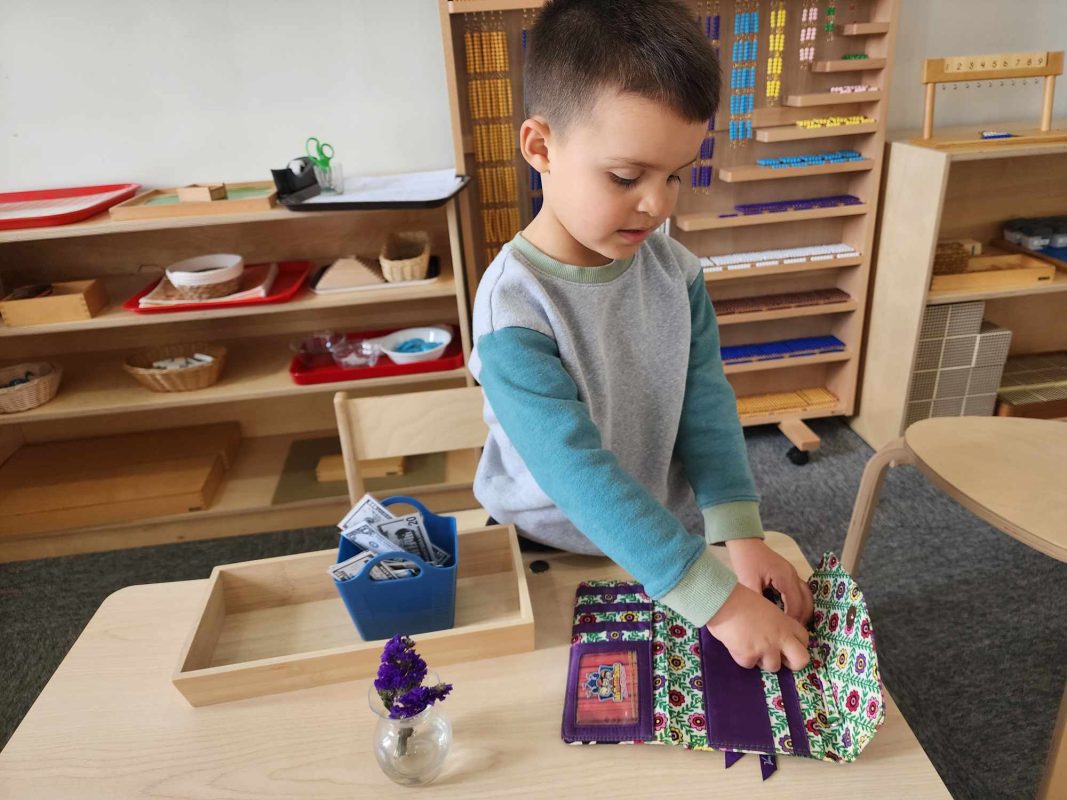
    ⋅ Daly Family — Flowers, Food & Sharing Bag
  • Wednesday, April 8
    ⋅ Gayle M., Guest Reader

Lower El – Building a Sense of Time: From Personal Stories to Ancient Civilizations

This week in History, our classroom has been buzzing with curiosity as each level continues to build a deeper understanding of time, human experience, and how we study the past.

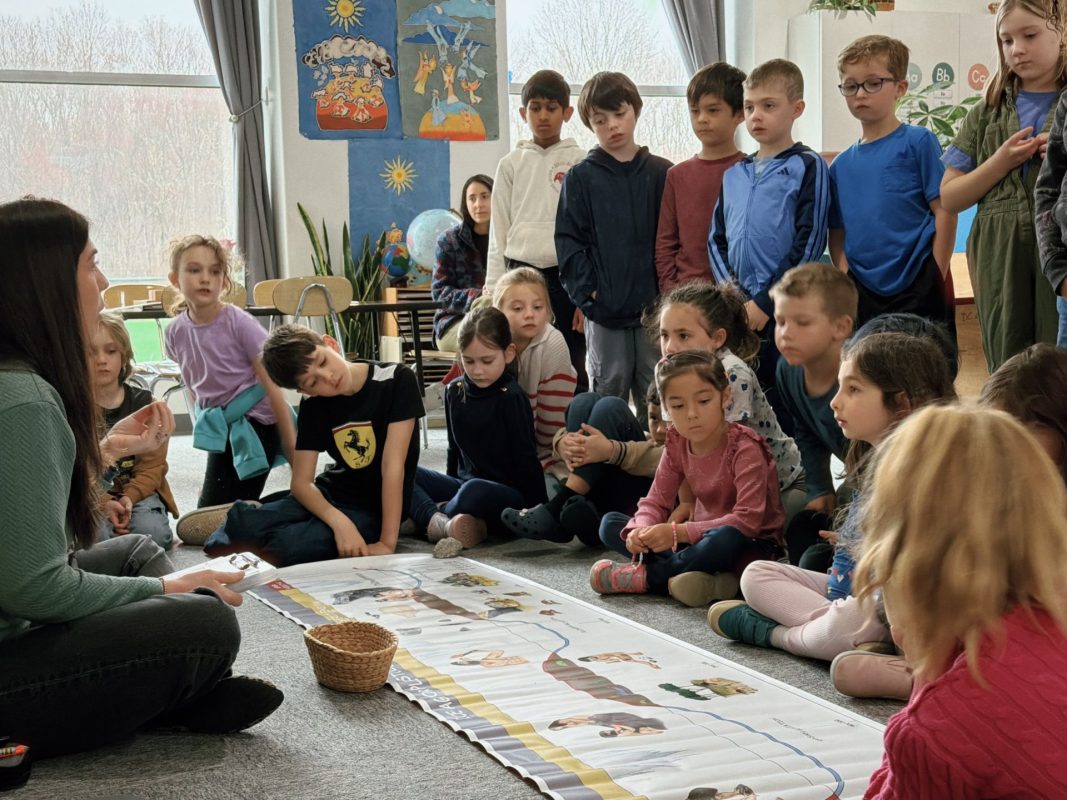
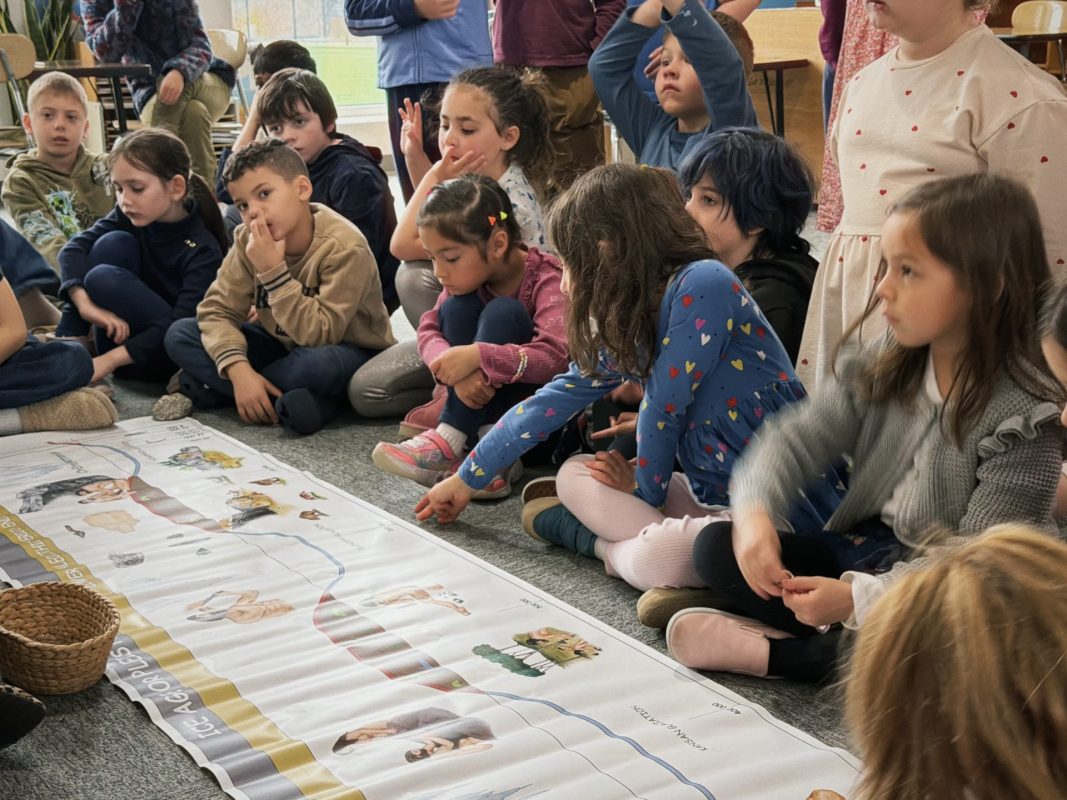
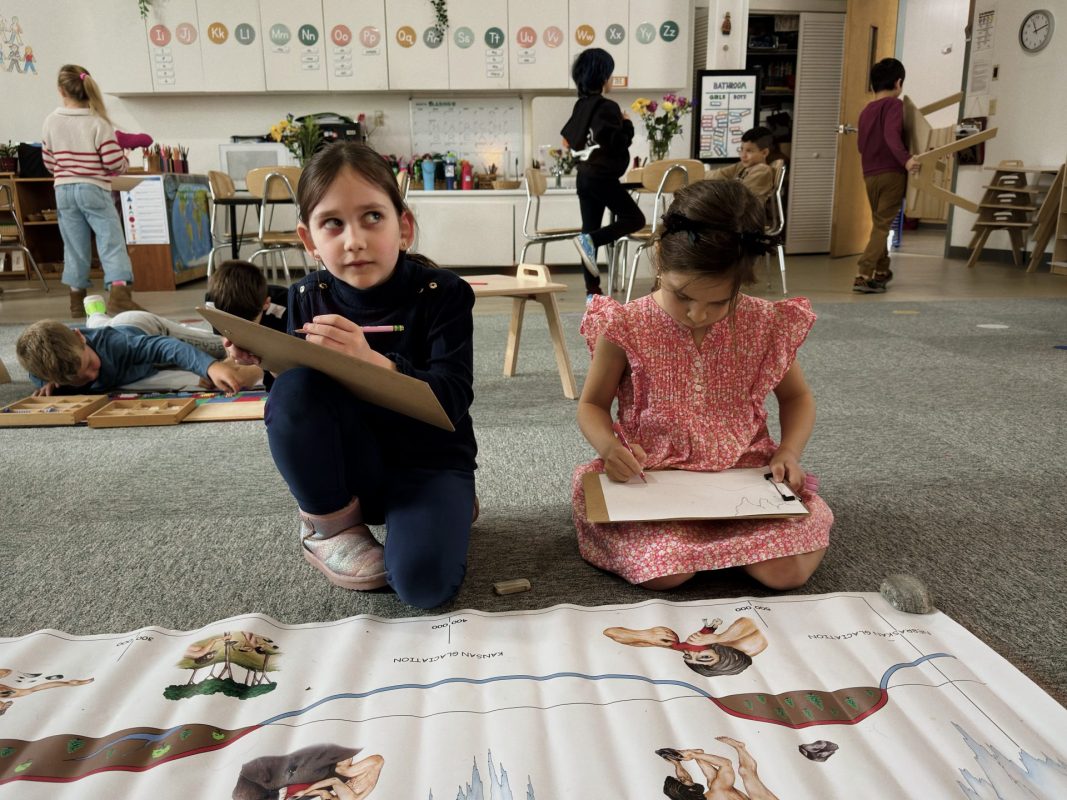
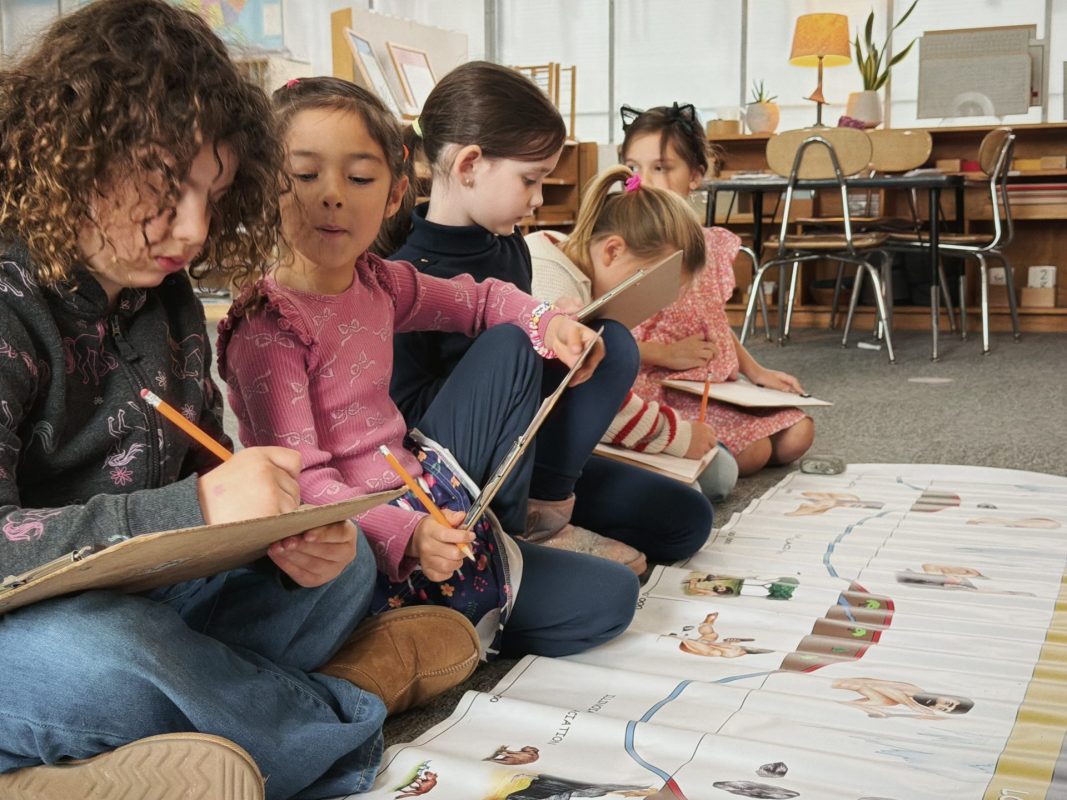
One special moment this week was the sharing of the first timeline of early humans with the entire class. This broad, visual timeline offers children their first look at the long story of humanity. Its purpose is to provide keys to understanding how early human beings met their fundamental needs and to help children recognize the remarkable cleverness of humans, even in the earliest times. We discussed how, long before modern conveniences, humans used their unique gifts, such as their hands, mind, and ability to work together, to solve problems and care for themselves and others. This introduction is designed to ignite curiosity, inspire questions, and encourage further exploration as children begin to see history as a story of innovation and adaptation.

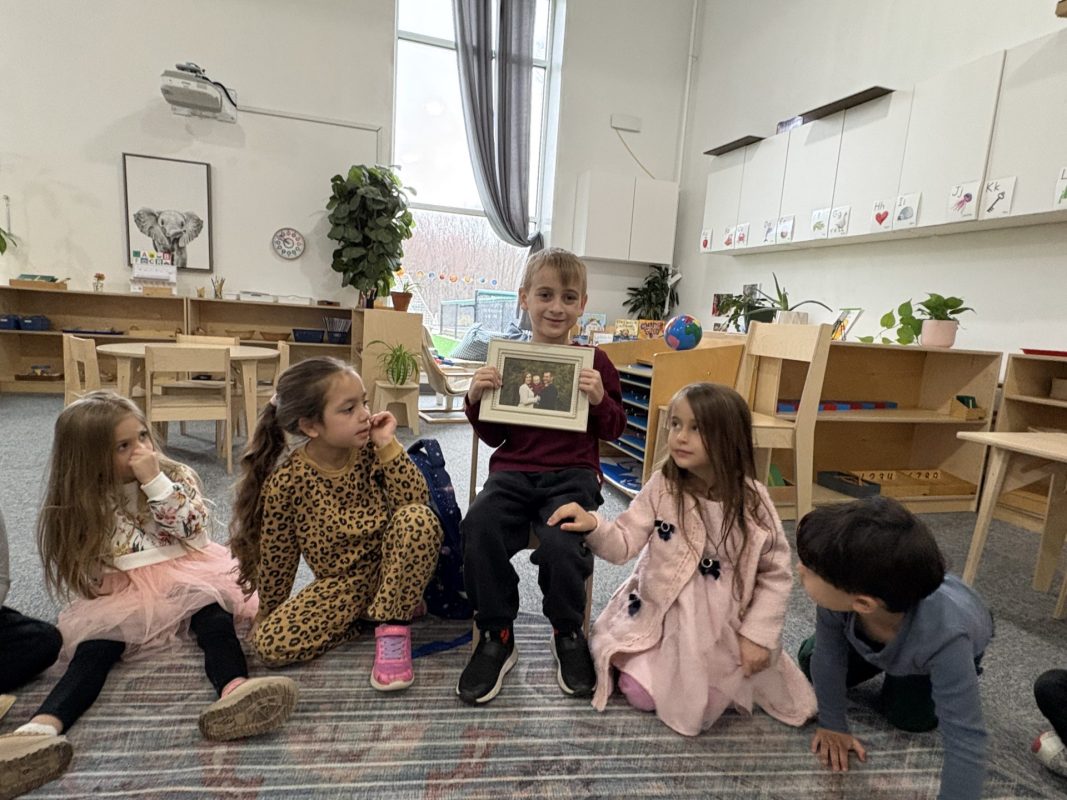
Our first graders are continuing to develop their understanding of linear time, an essential foundation for all future history studies. By exploring the idea that time moves forward in a sequence, they are beginning to make sense of “before” and “after,” and of how events connect. To bring this concept to life in a meaningful and personal way, students have begun creating their own timelines. Each child is working on a timeline of their life, complete with photos and special details from each year. This work not only strengthens their understanding of chronological order but also helps them see themselves as part of history.

In addition, first graders were introduced to the concept of fundamental needs. We explored what humans need to stay alive, our material needs such as food, water, and shelter, as well as what we need to live a fulfilling life, our spiritual needs like culture, arts, and religion. This important work will continue as we begin to look at how humans throughout history have developed clever and innovative ways to meet these needs.

Our second graders are diving into the concept of historical time on a larger scale. They are learning about how years are labeled using BC/AD and BCE/CE, and what these designations mean. This work helps them begin to place events within a broader historical context. As they deepen this understanding, we will connect it to their study of fundamental needs by exploring how humans have met specific needs over time. For example, we will trace the history of lighting, examining how people moved from firelight to candles, to electricity, seeing how one need has been satisfied in evolving ways across history.

Our third graders have been introduced to the History Question Charts, one of the key materials in a Montessori elementary classroom. These charts open the door to rich inquiry and thoughtful exploration. They guide students to ask meaningful questions about the land, culture, daily life, and beliefs of people in the past, while hopefully igniting further curiosity and interest in exploration and research. Using these charts, students began their first historical investigation by exploring the lives of the Ancient Romans.

Across all levels, it is exciting to see students building connections between themselves and history, between human needs and innovation, and between questions and discovery.


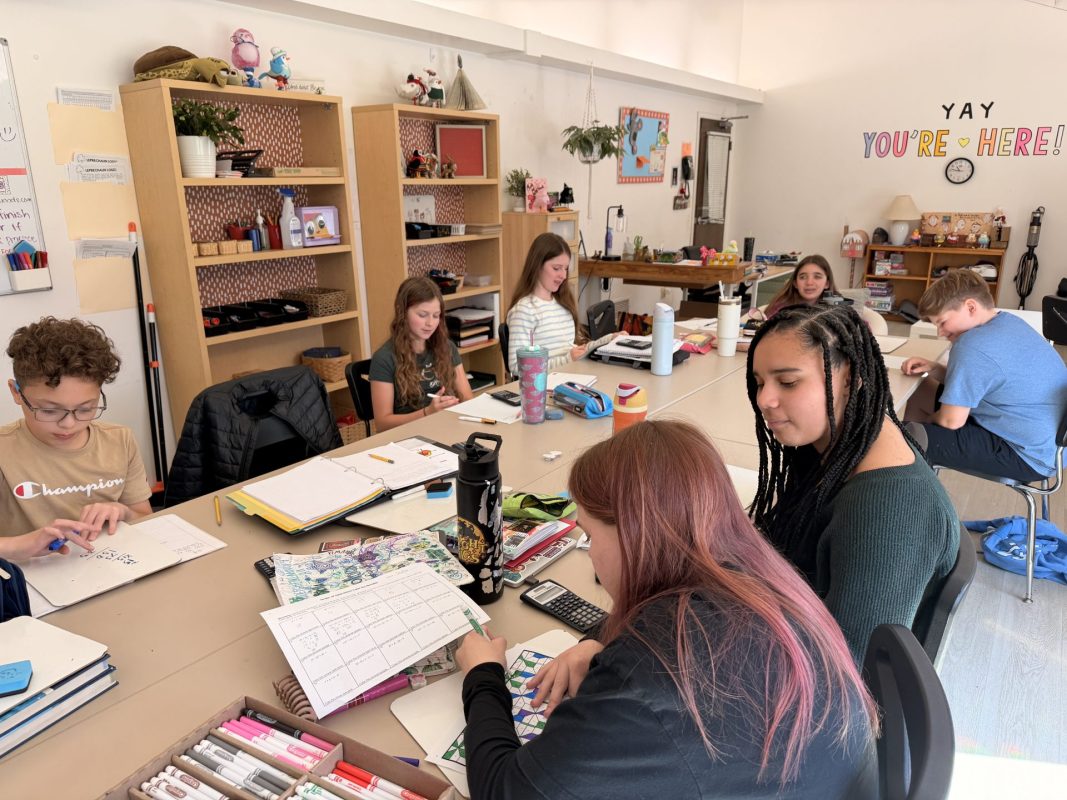
Middle School: Week in Review

We are excited for this year’s Middle School Trip to Washington, D.C.! The trip is designed to be educational, fun, and a bonding experience for our middle school group. This is where many memories are made, and it also allows students to come out of their comfort zones. They are able to rely on each other differently than they would in the classroom and experience independence away from home. Please review the trip communication for more information and important dates related to the trip.

Announcements:


Humanities

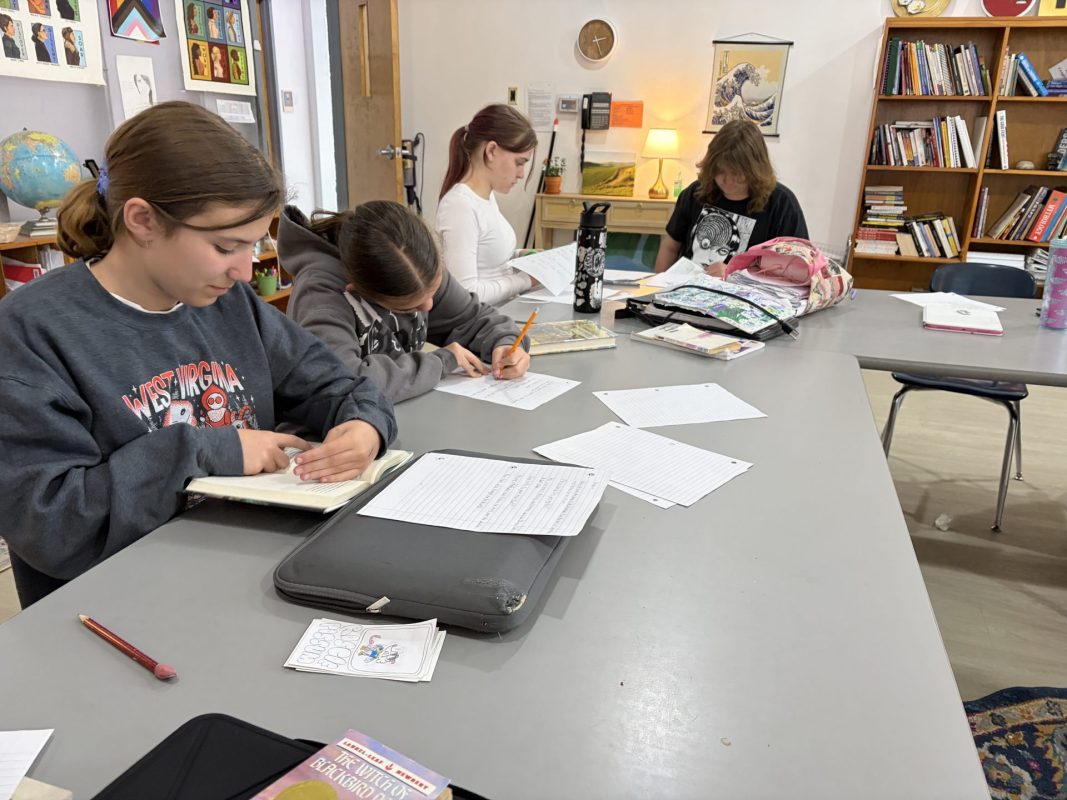
Grade 6 and 7 Humanities classes had a great week. They finished their overview of World War I and began learning about Russian History during the same time period. They also began learning about the political economic systems of capitalism, socialism, and communism in order to better understand their latest novel, Animal Farm by George Orwell. Students read the first couple of chapters of this allegory and completed some accompanying comprehension questions. Additionally, students read and wrote their own children’s poetry this week for our weekly poetry lesson.

8th grade Humanities class finished up the American Revolution and backtracked a bit to learn about the two meetings of the Continental Congress that led to the formation of the initial government of the USA. They learned about apportionment and also read some of the Articles of Confederation. Separately, students are completing the presentation portion of their Expert Projects and will have their first round of feedback on Tuesday.

Math

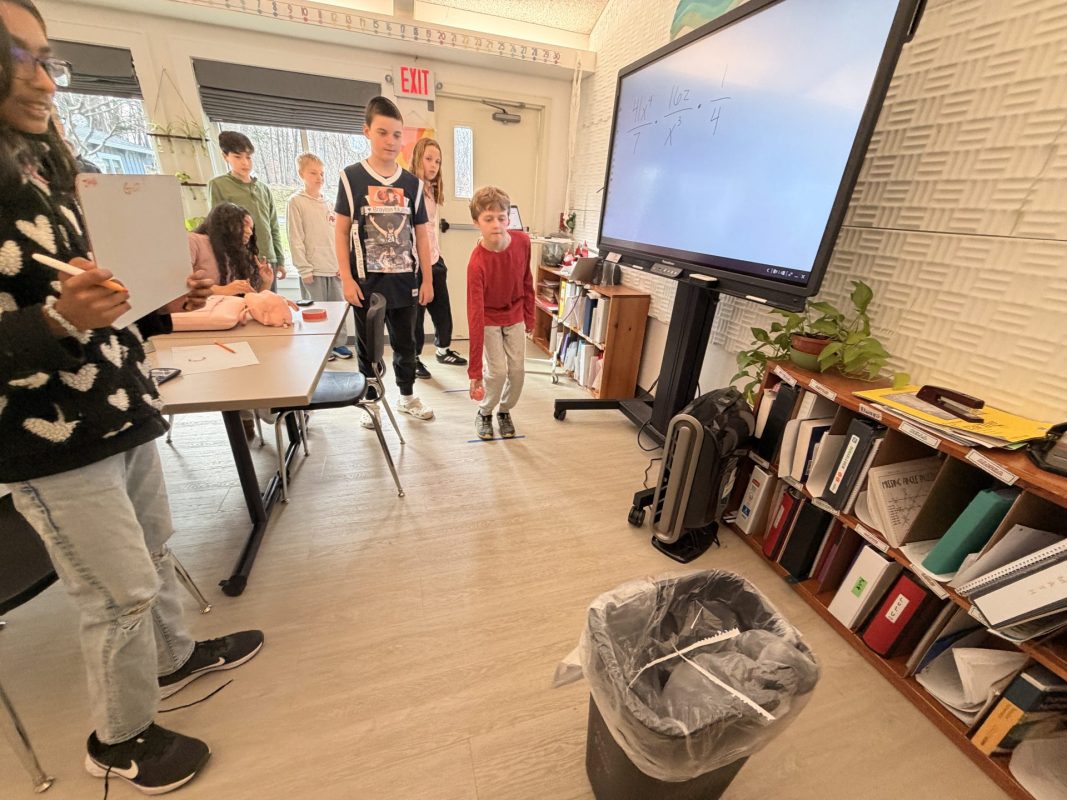
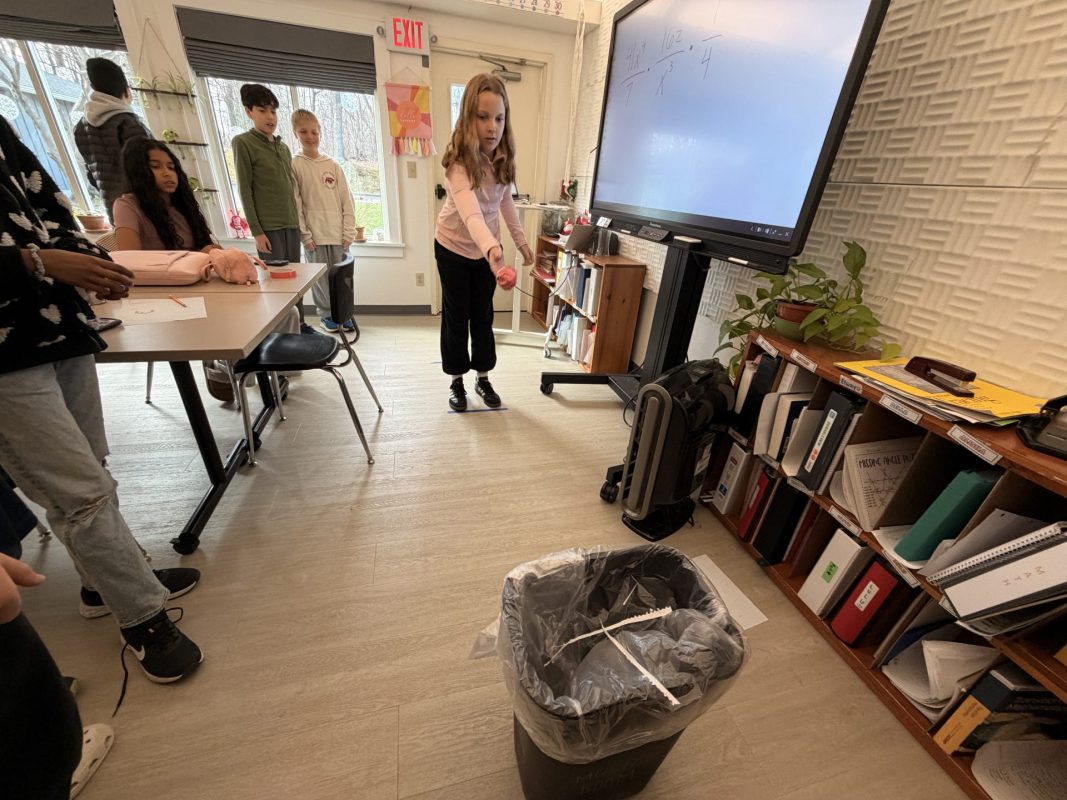
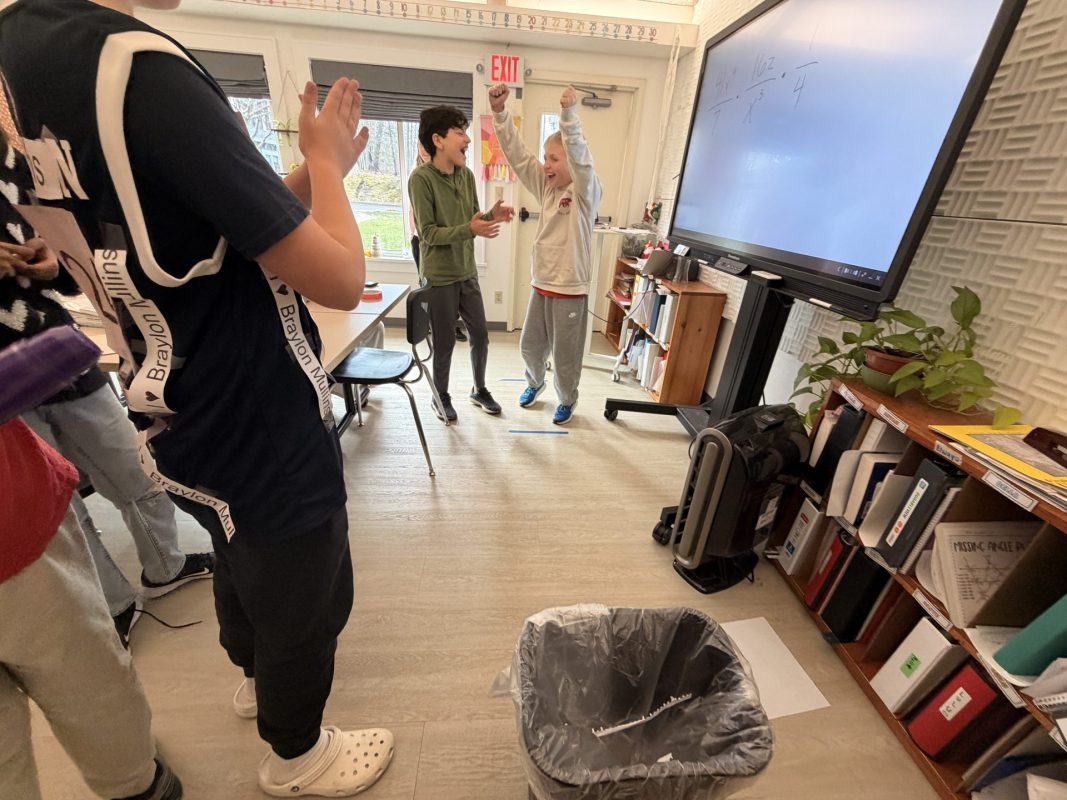
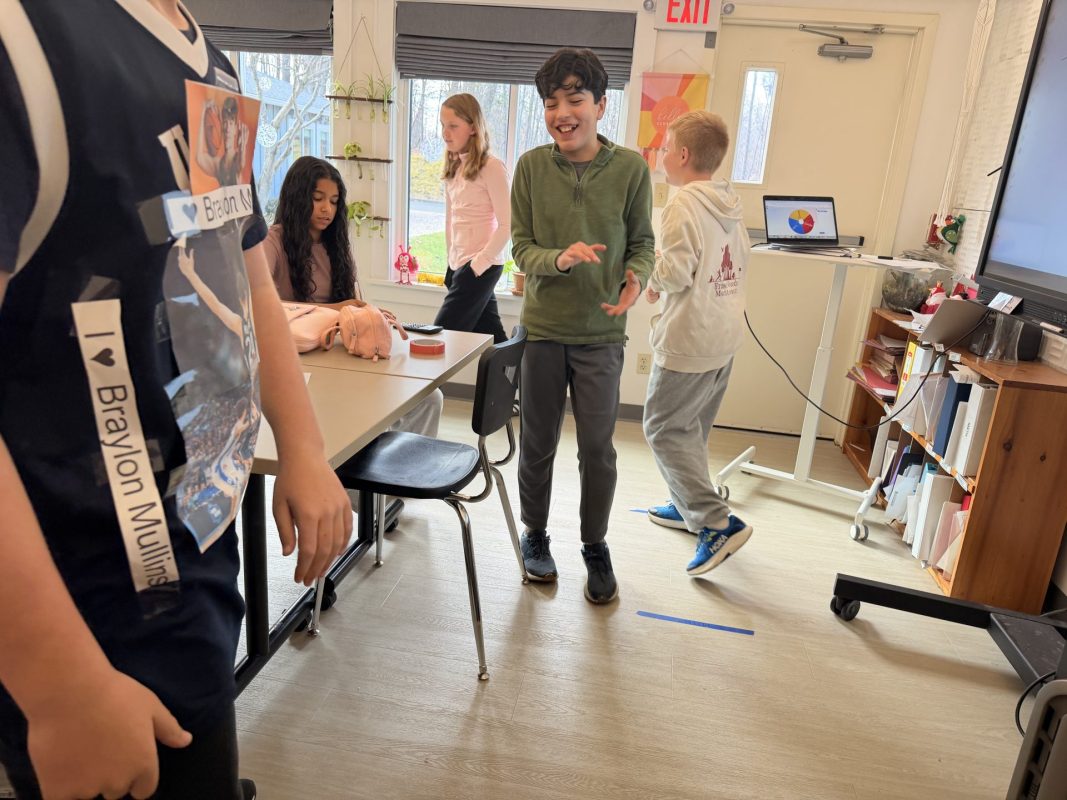
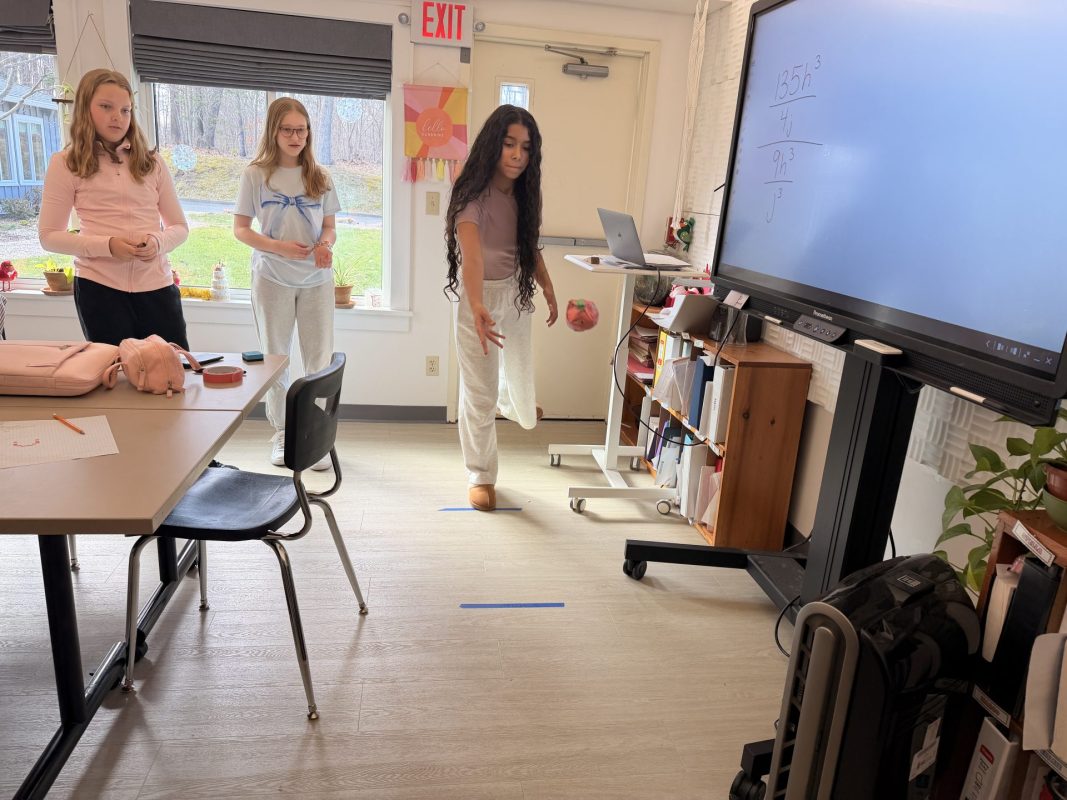
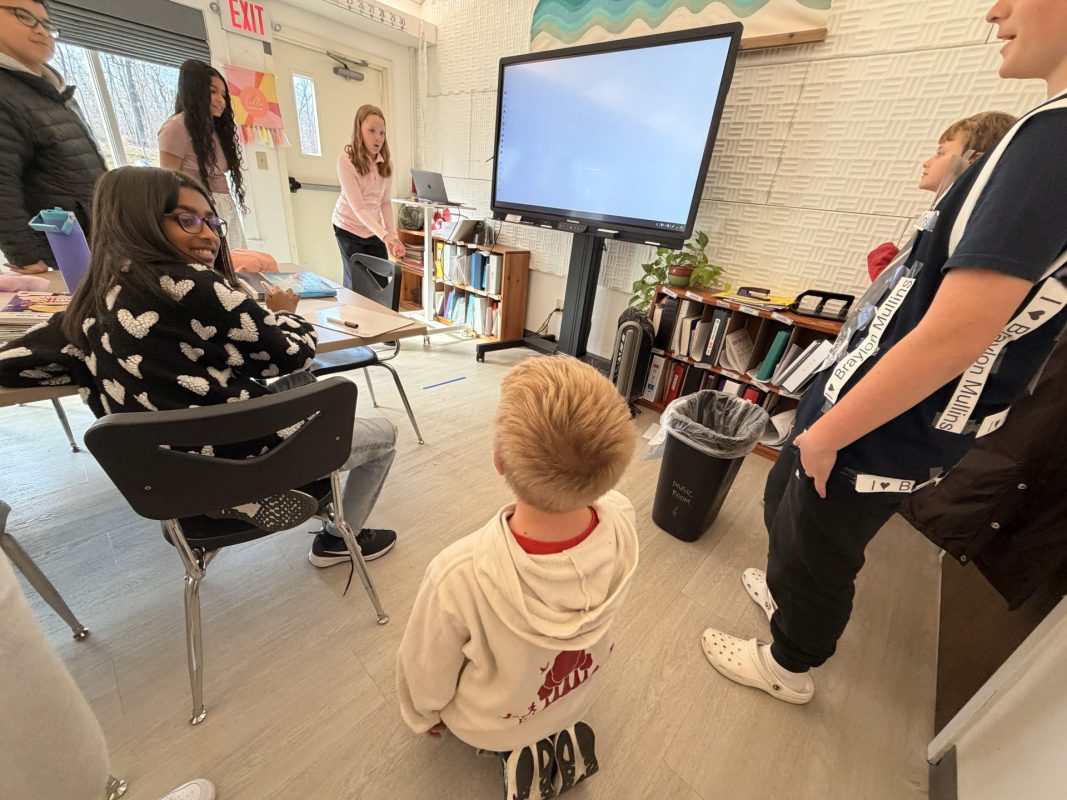
Pre-Transition: Students wrapped up Chapter 6 this week, focusing on multiplying percents by numbers as well as multiplying mixed numbers. To reinforce these skills, they completed the Chapter 6 self-test and participated in a review game to practice key concepts covered in this chapter. Students will take the Chapter 6 Assessment on Monday, April 6th.

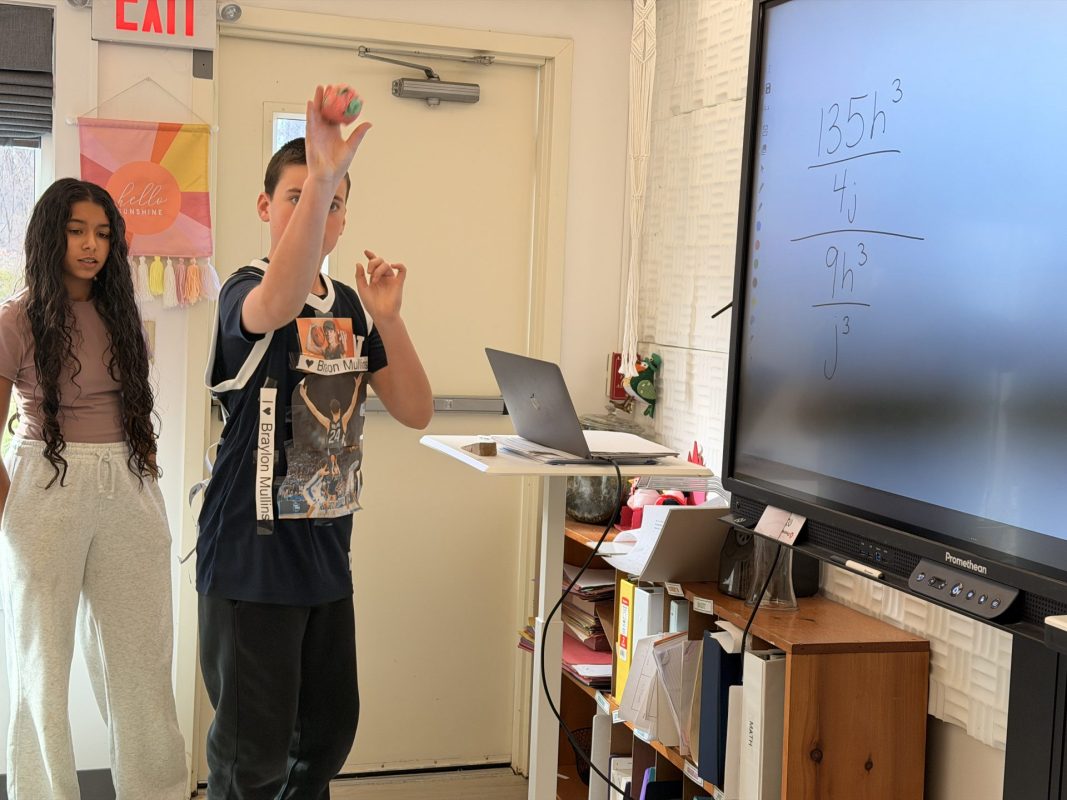
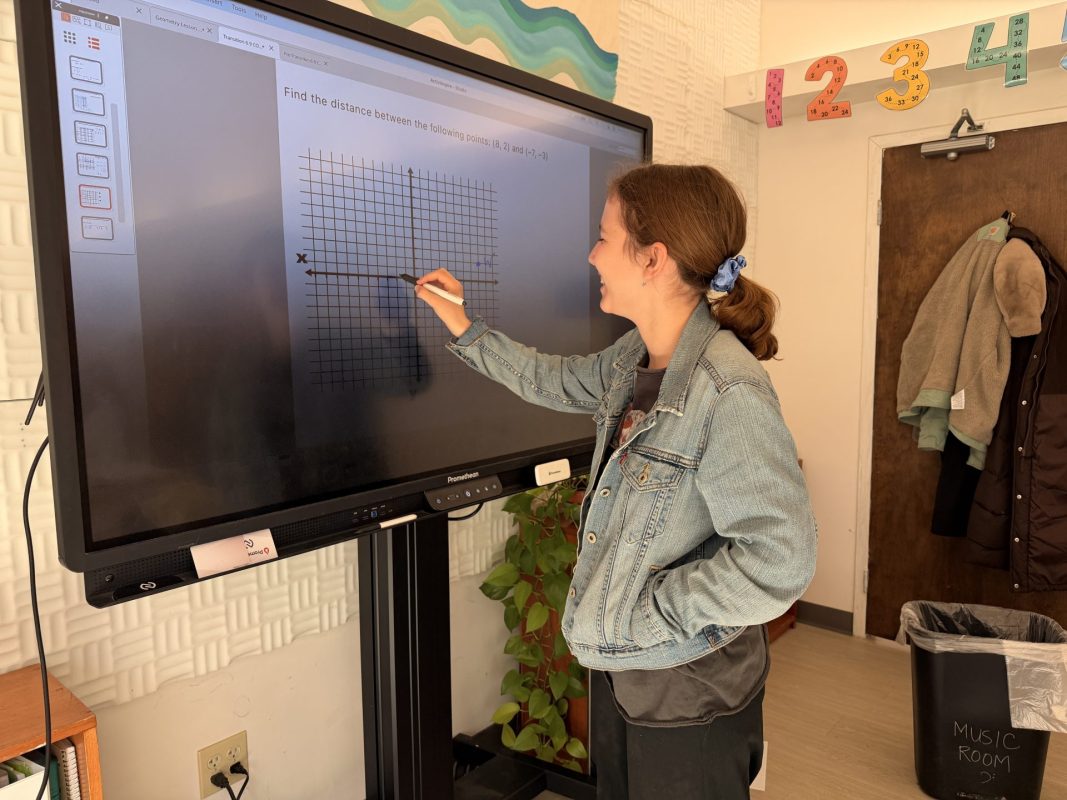
Transition: Students completed Chapter 6, where they were introduced to key concepts in geometric transformations. To wrap up the chapter, students explored the properties of parallelograms and the triangle sum theorem, and they learned how to calculate the distance between two points on a coordinate plane. To prepare for the assessment, students completed the Chapter 6 self-test and participated in a review game to reinforce their understanding. They will take the Chapter 6 test on Monday, April 6th.

Algebra: After finishing Chapter 5 and using the self-test as a study tool, Algebra students reinforced their understanding by playing a review game. They then demonstrated their learning by taking the Chapter 5 test. The week closed out with an introduction to Chapter 6, “Slopes and Lines.” Students explored the concept of slope, also known as the rate of change, and learned the formula for calculating the slope of a line using two points.

Geometry: This week, the Geometry class wrapped up Chapter 5 by exploring the sums of angle measures in polygons. Students are now able to apply the triangle-sum, quadrilateral-sum, and polygon-sum theorems to determine unknown angle measures. They also practiced using the exterior angle theorem to solve problems involving triangle angles and learned how to draw auxiliary figures to support their proofs. The week ended with the Chapter 5 self-test, and students will take the Chapter 5 test on Monday, April 6th.

Science

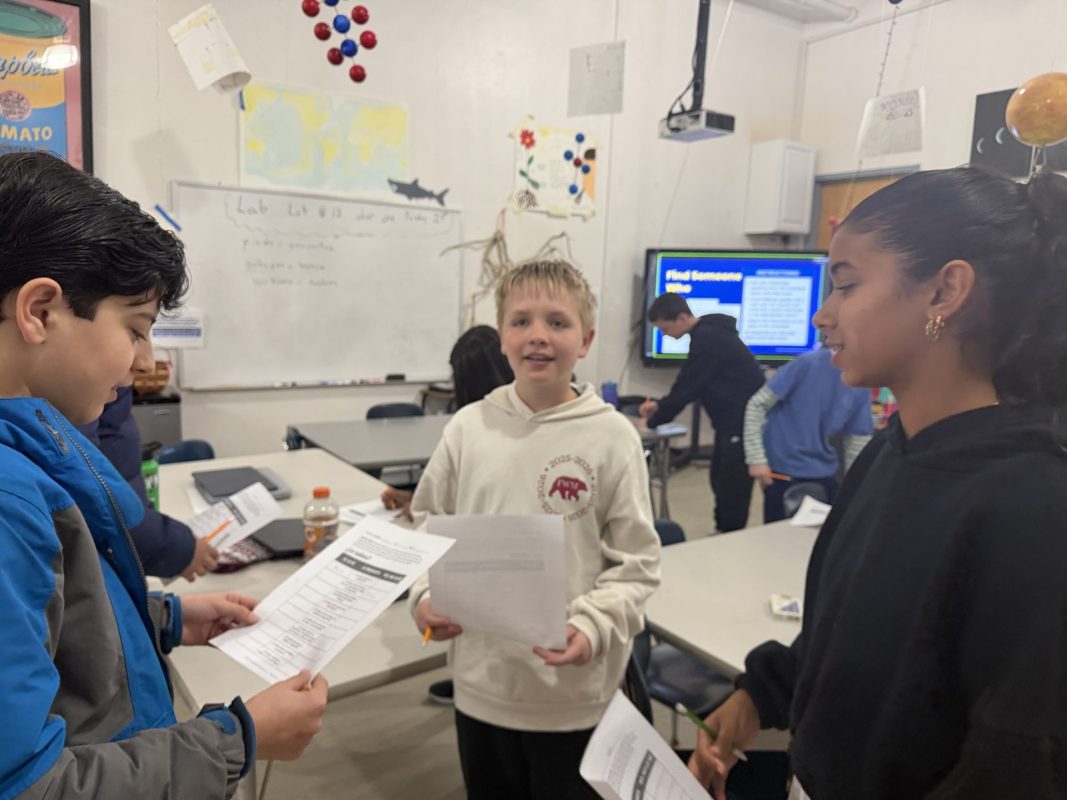
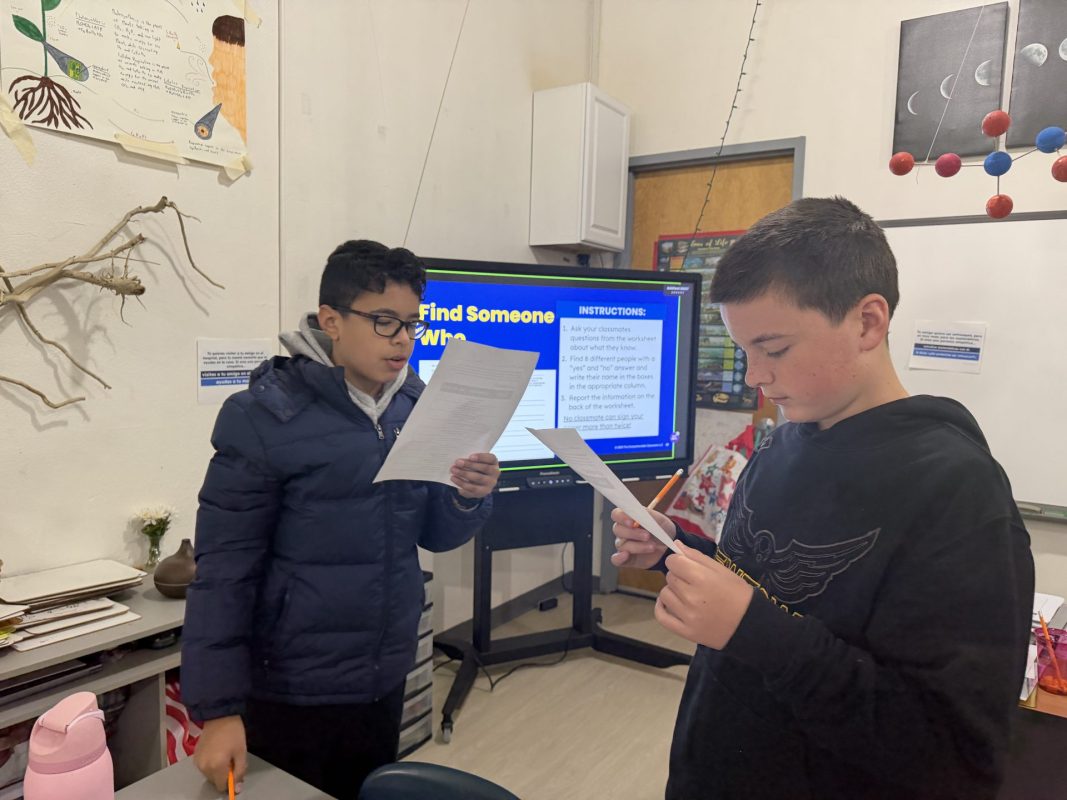
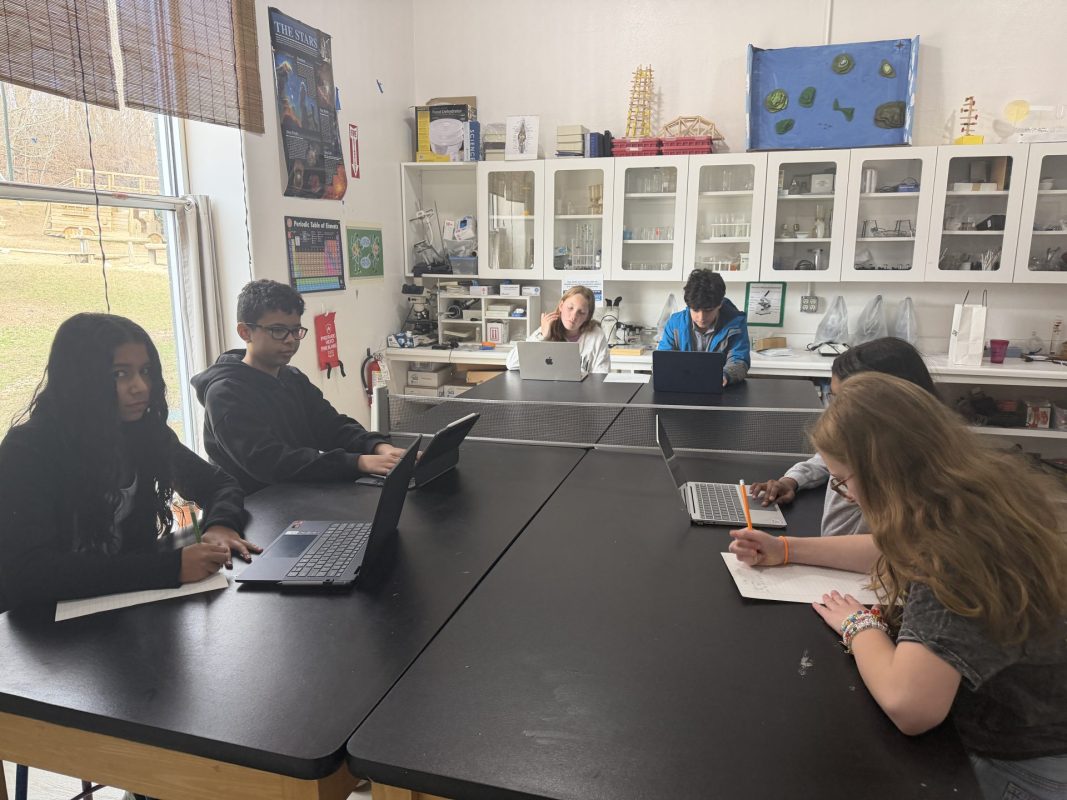
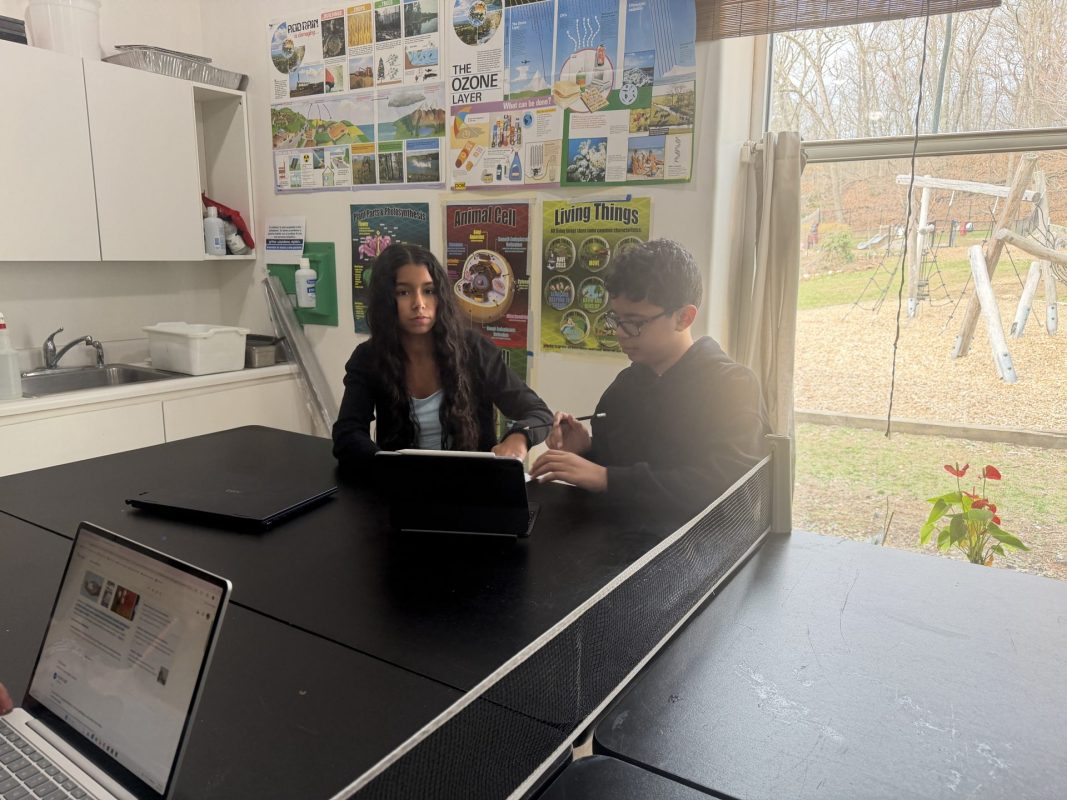
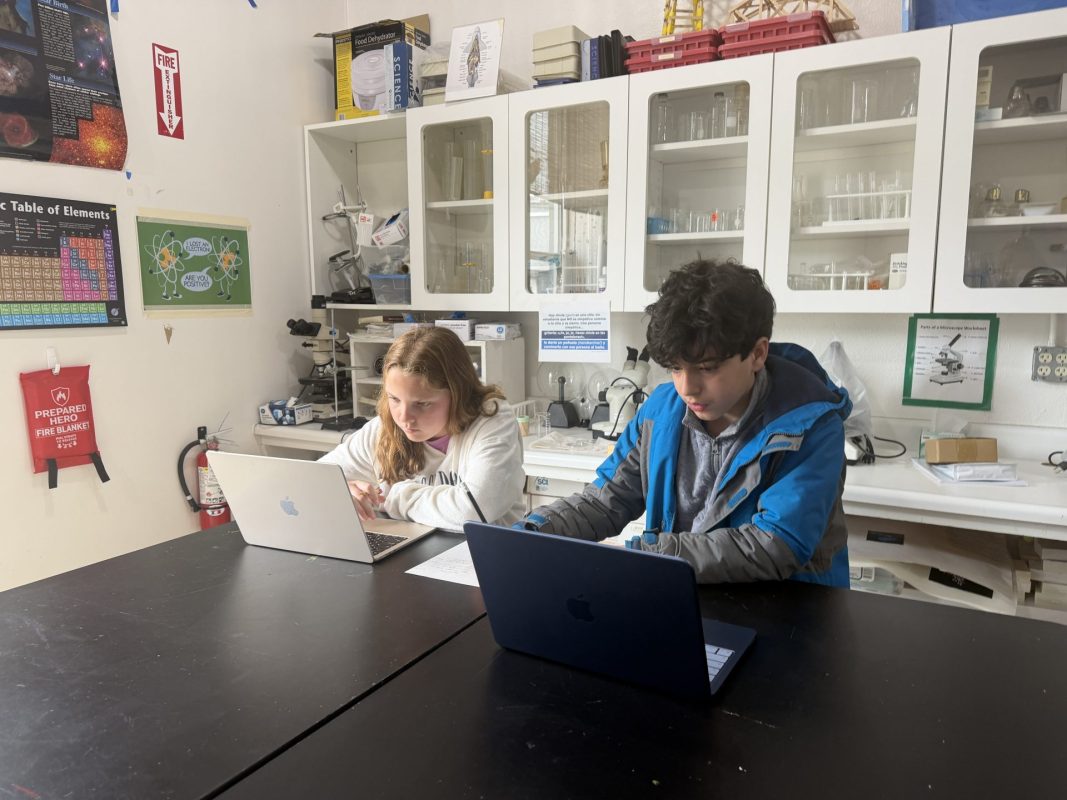
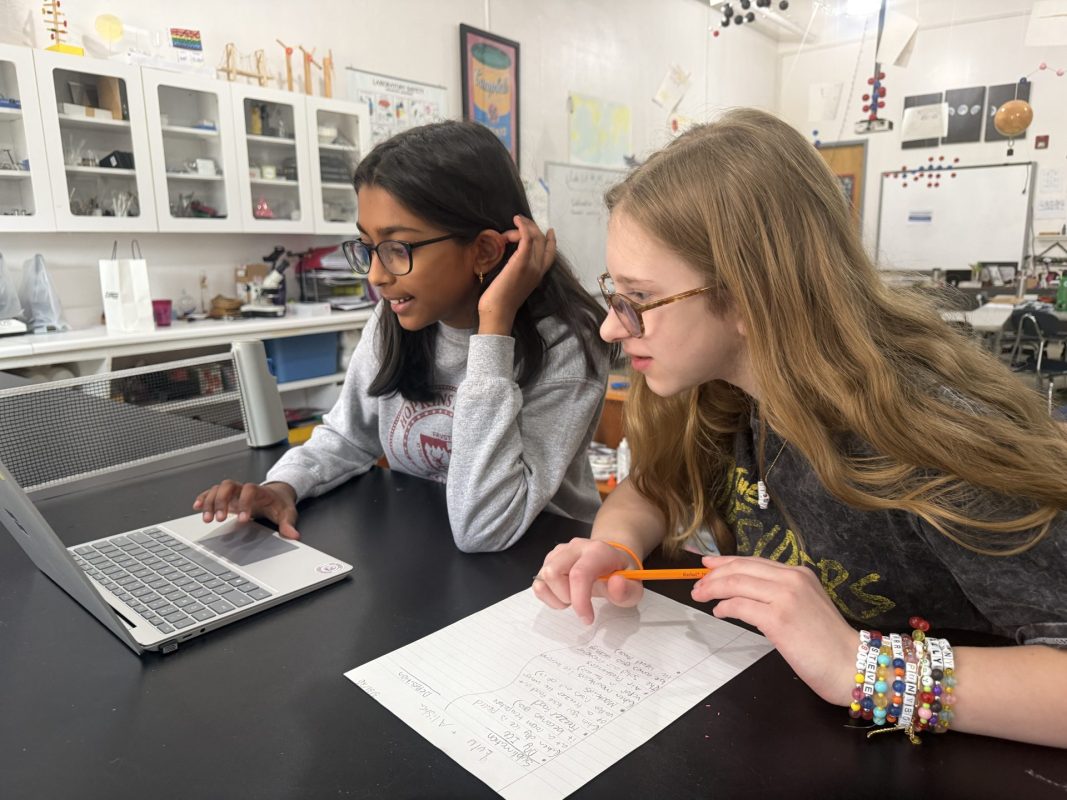
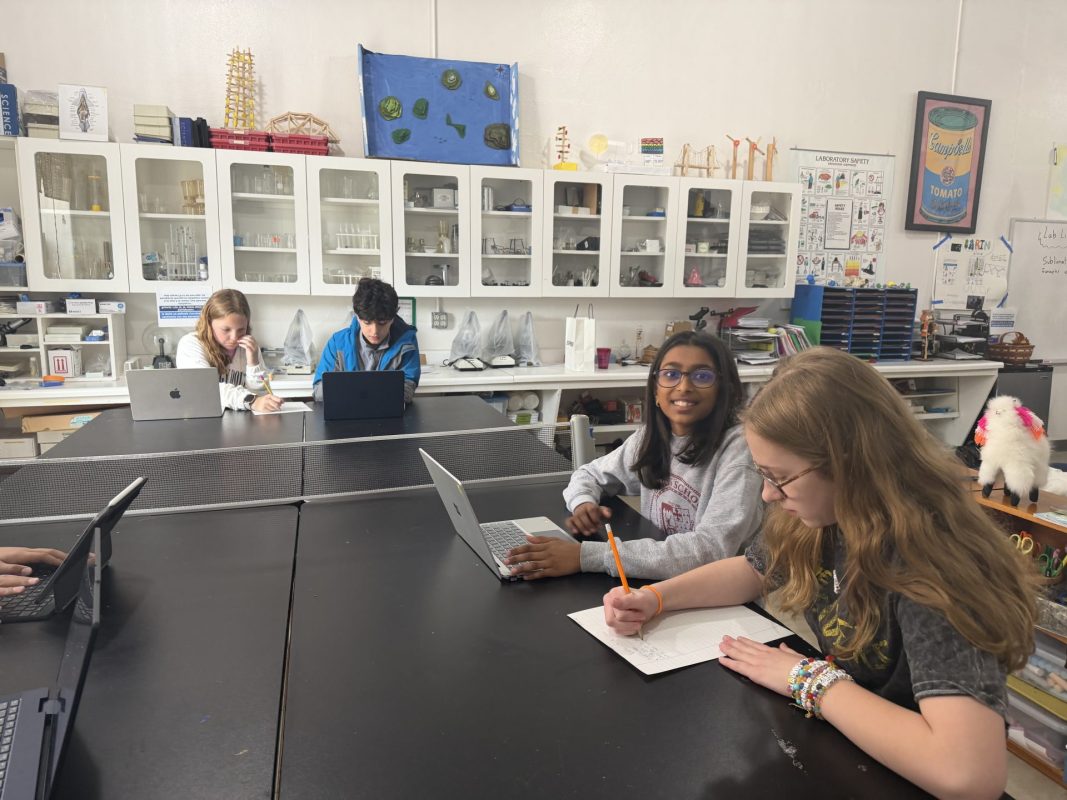
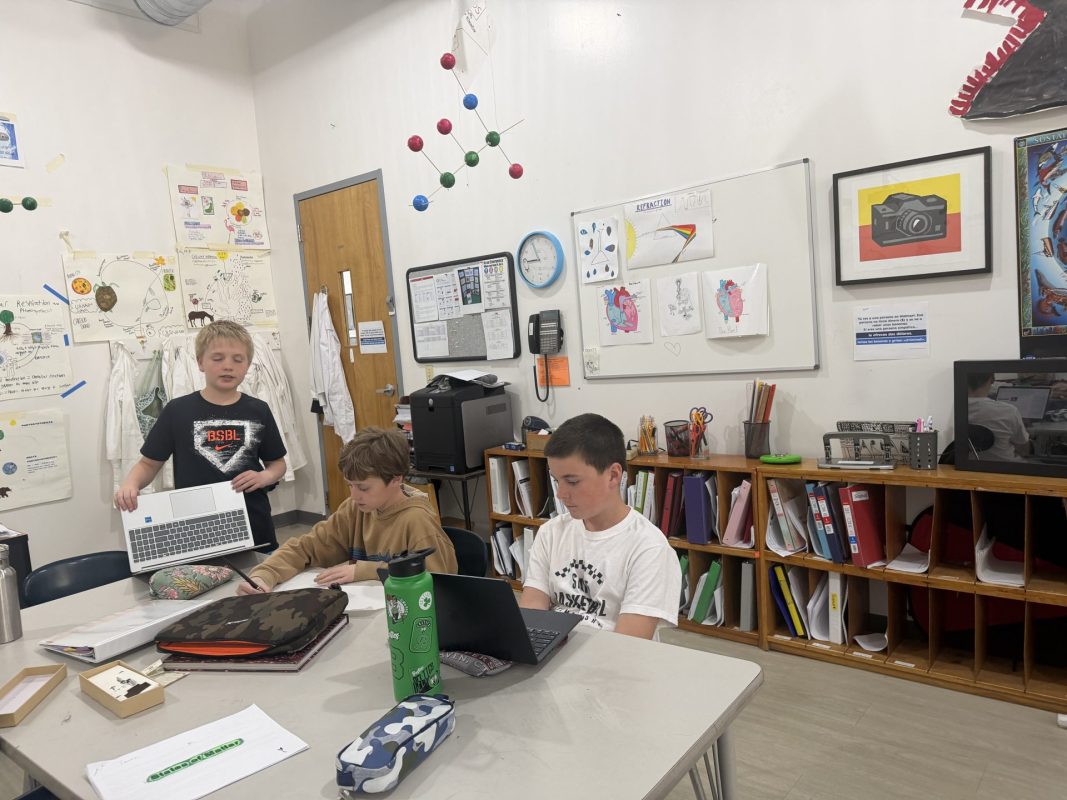
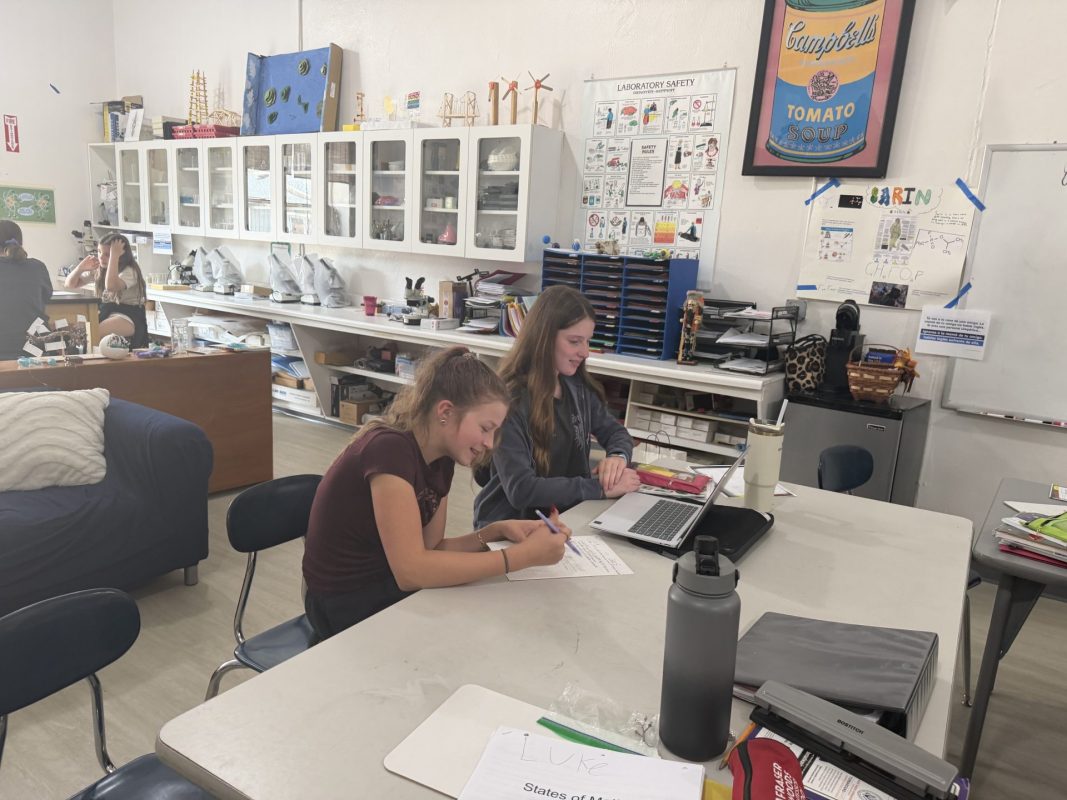
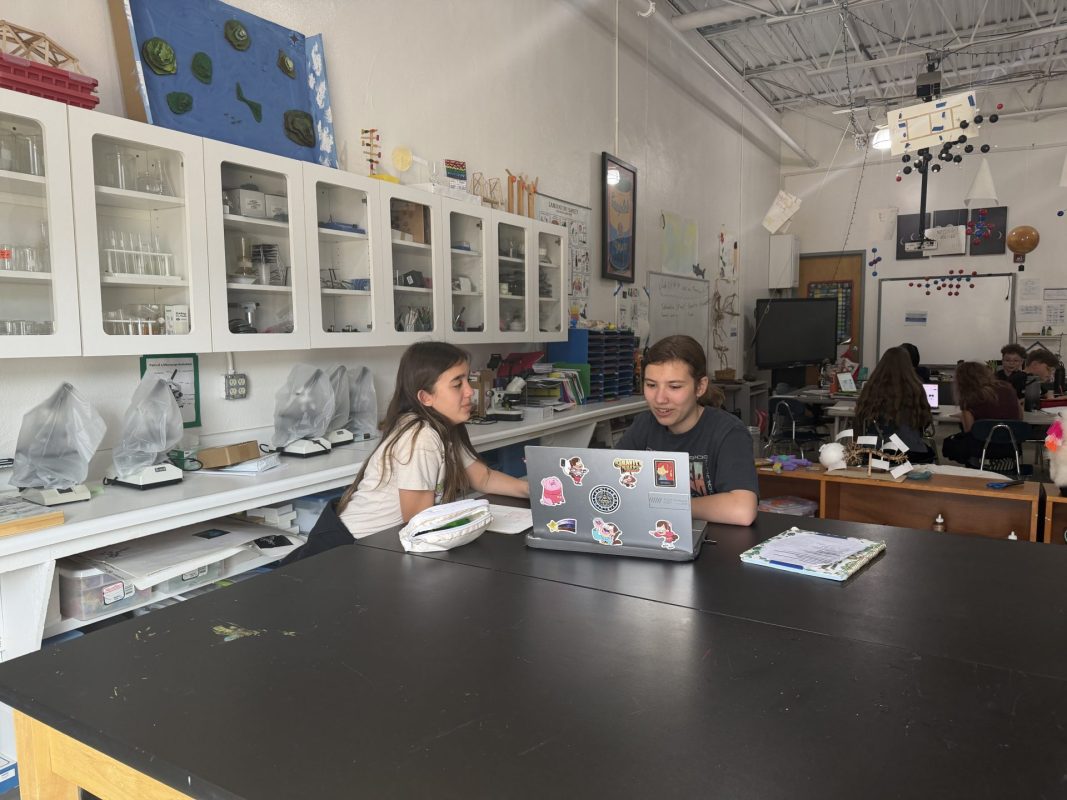
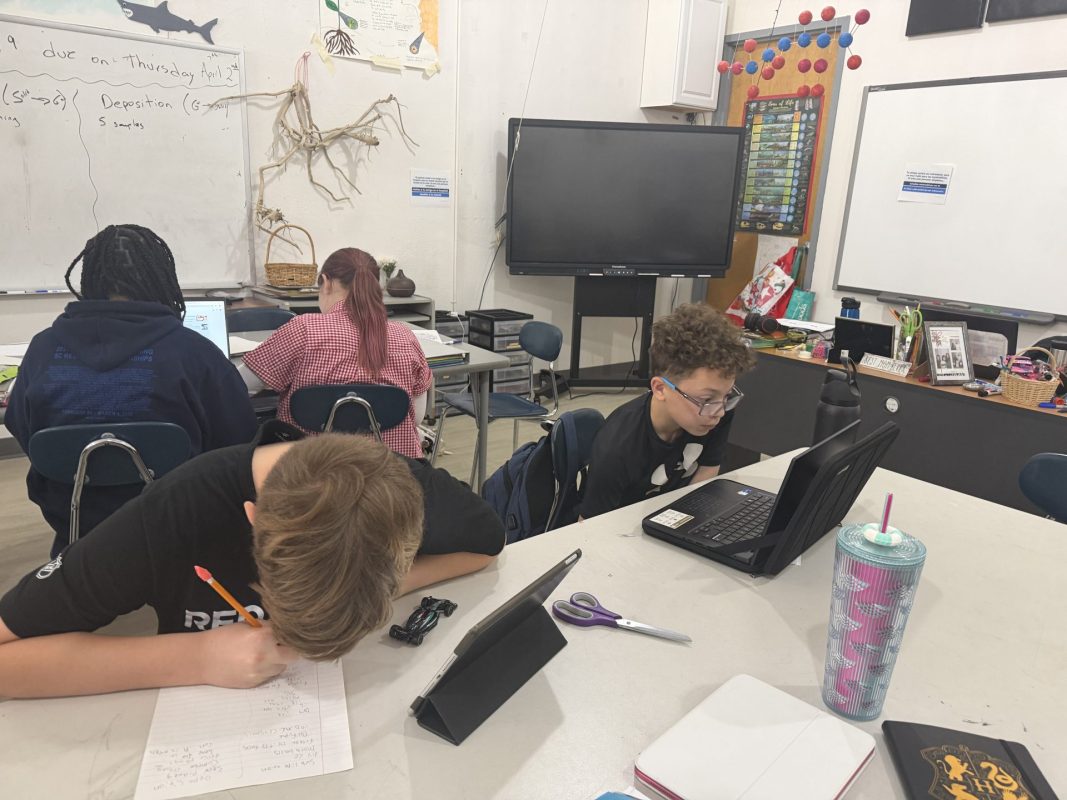
Middle School students continued working with the lessons from the Discovery Education e-book. This week, 6th and 7th graders continued working on their understanding of changes of matter. They worked on virtual lab sessions about different substances changing their state of matter, testing their variables, and discovering that each substance has a different boiling, freezing, and melting point. They also worked on finding examples of sublimation (change of state from solid to gas) and deposition (change of state from gas to solid). They conducted research and used reliable sources, helping them to explain their thinking.

8th Graders continued learning about respiration and cellular respiration and their importance for all living organisms. They are learning how glucose is broken down slowly and regulated by enzymes in aerobic and anaerobic respiration, following multiple steps that allow them to produce the energy (ATP) needed by a cell from a living organism. Additionally, students learned about the latest NASA mission, Artemis II , the first crewed mission to fly around the moon in 53 years, making a very important test of the Orion spacecraft and Space Launch System (SLS). This mission will be in orbit for 10 days, carrying important scientific studies to improve and help medical studies, explore the deep space environment, and test critical life support, navigation, and human spacecraft interaction away from Earth. Students were able to see the launch of the Orion spacecraft. They enjoyed watching it and showed a lot of interest in this topic. All of these lessons are supported by classwork, videos, readings, and explanations in class, followed up with weekly science articles where students can practice their critical thinking to answer the questions.
Mrs. Wilson: Things That Go!

Welcome, April!

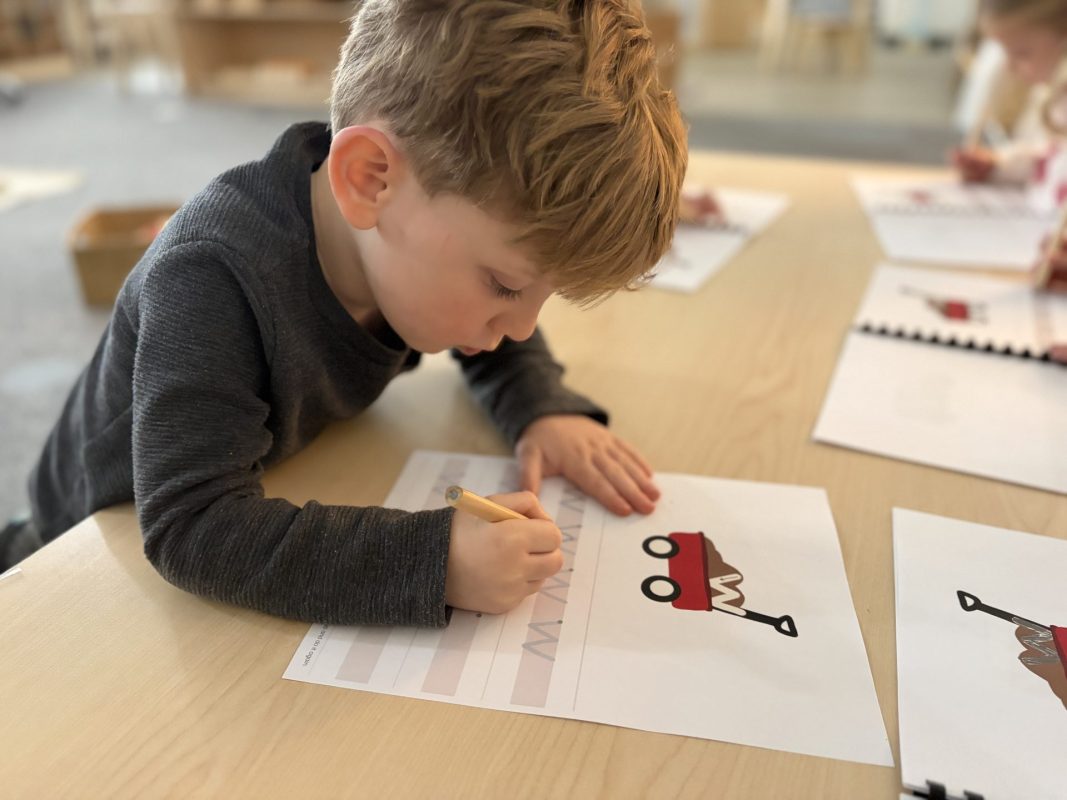
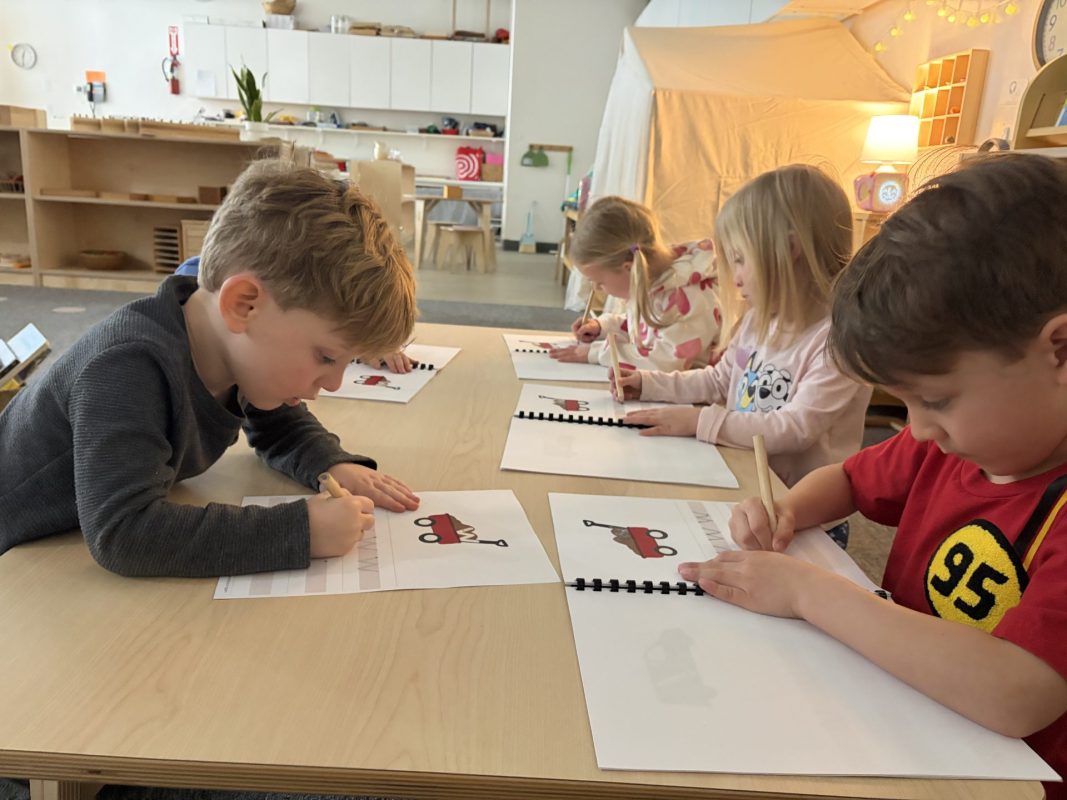
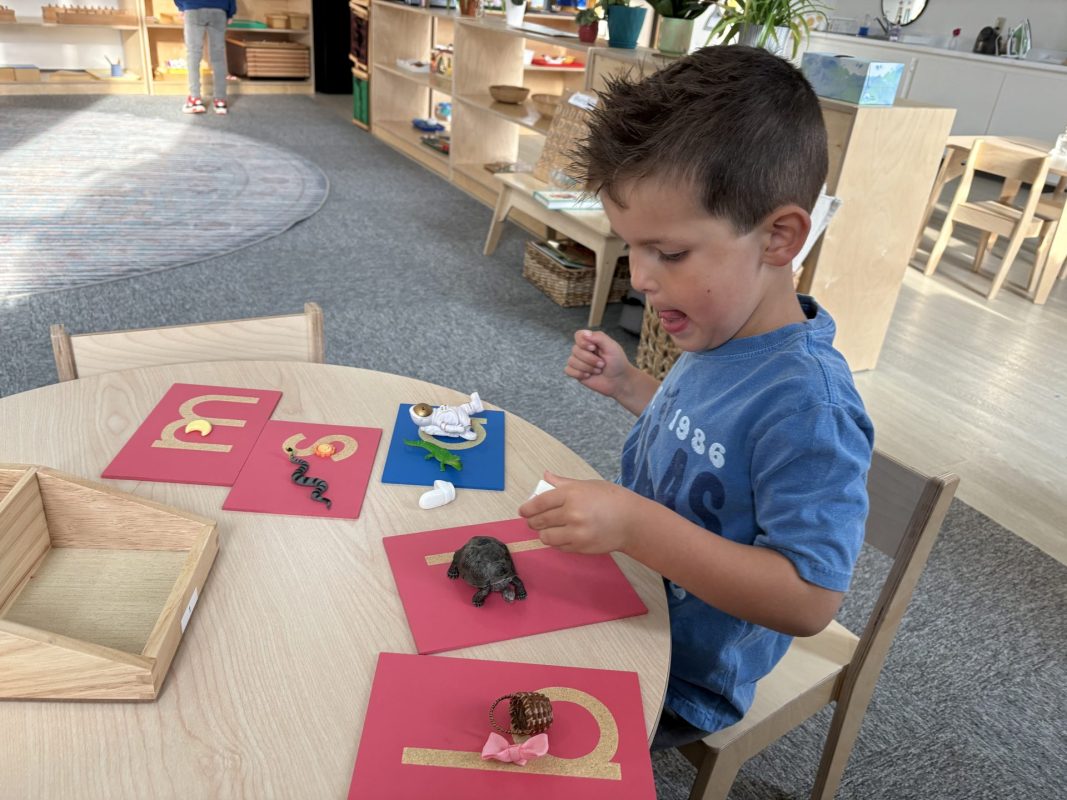
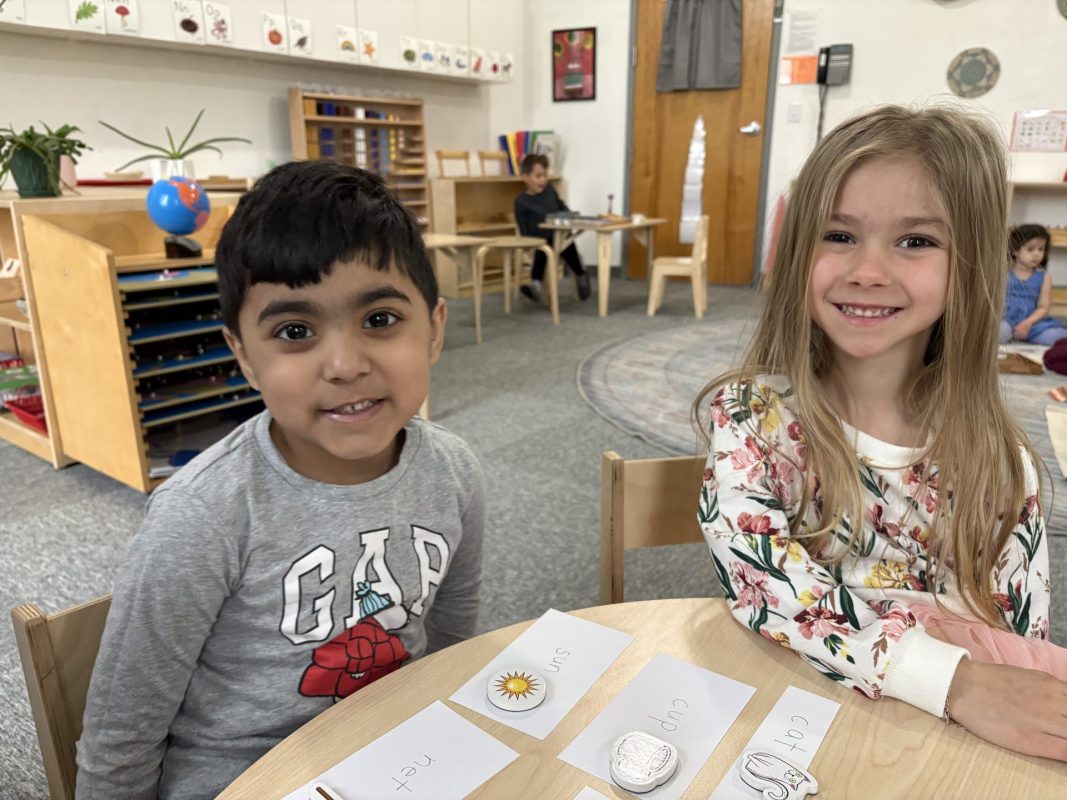
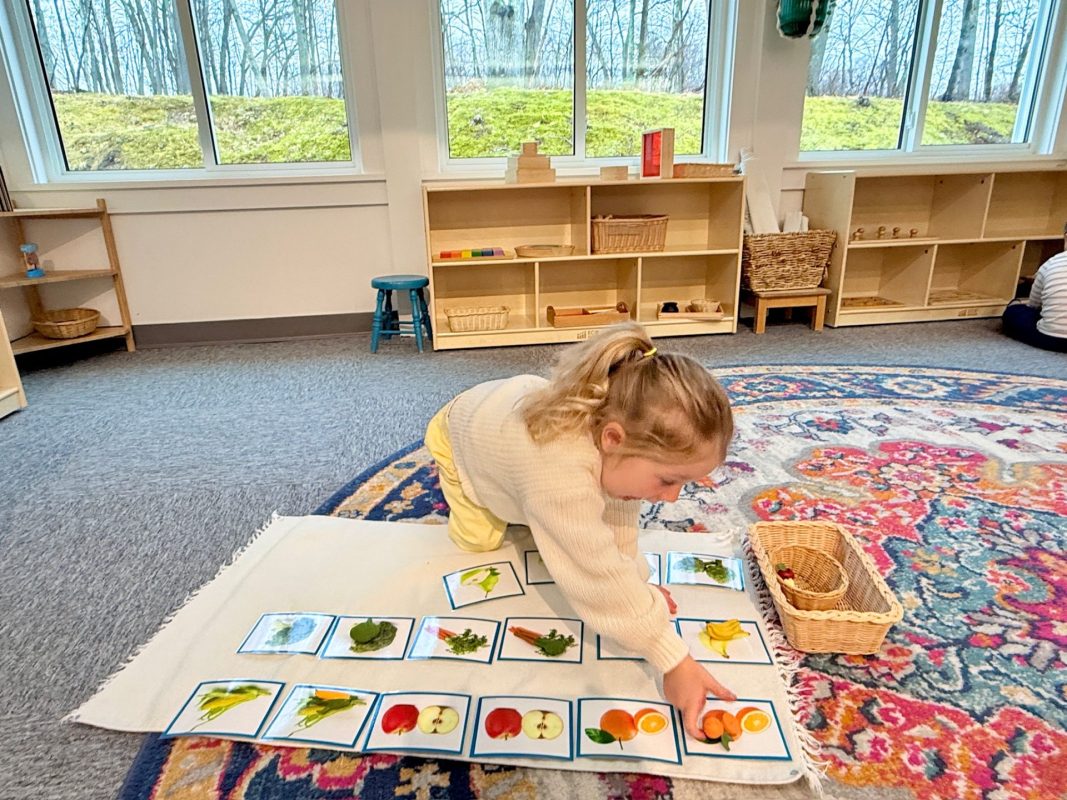
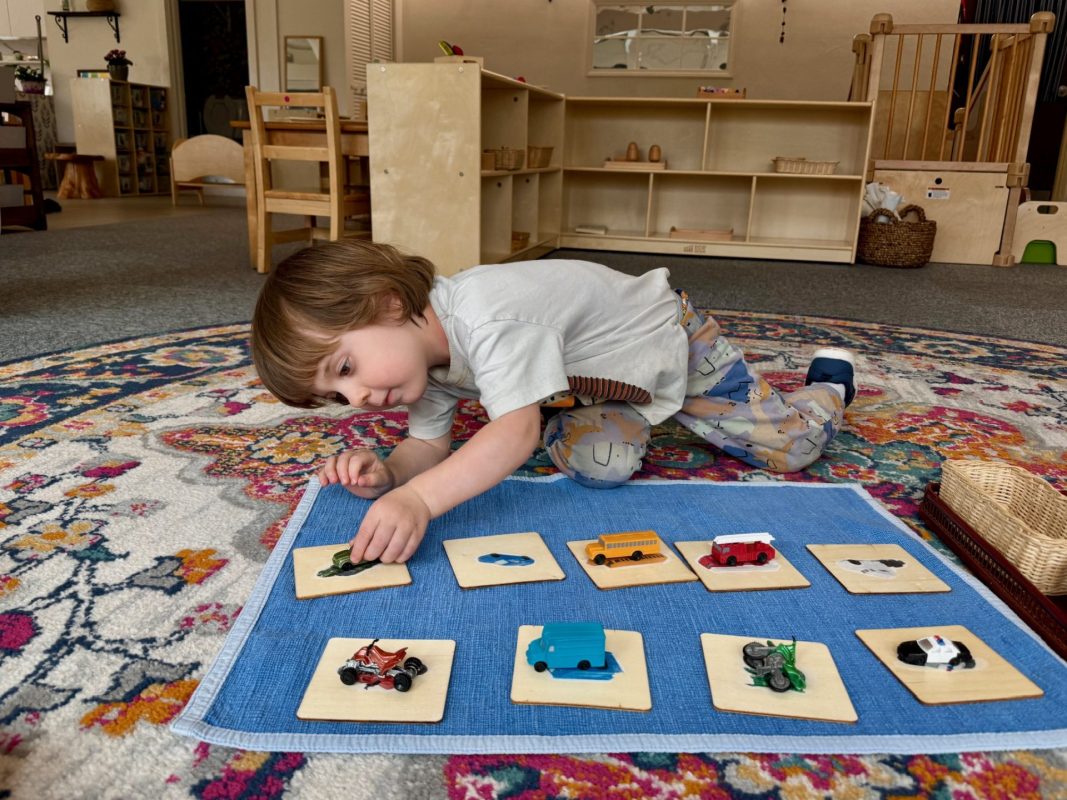
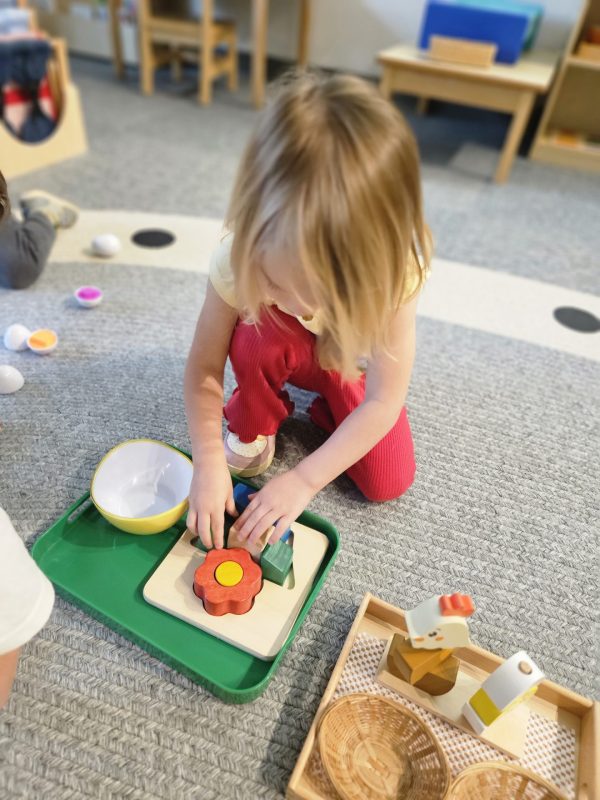
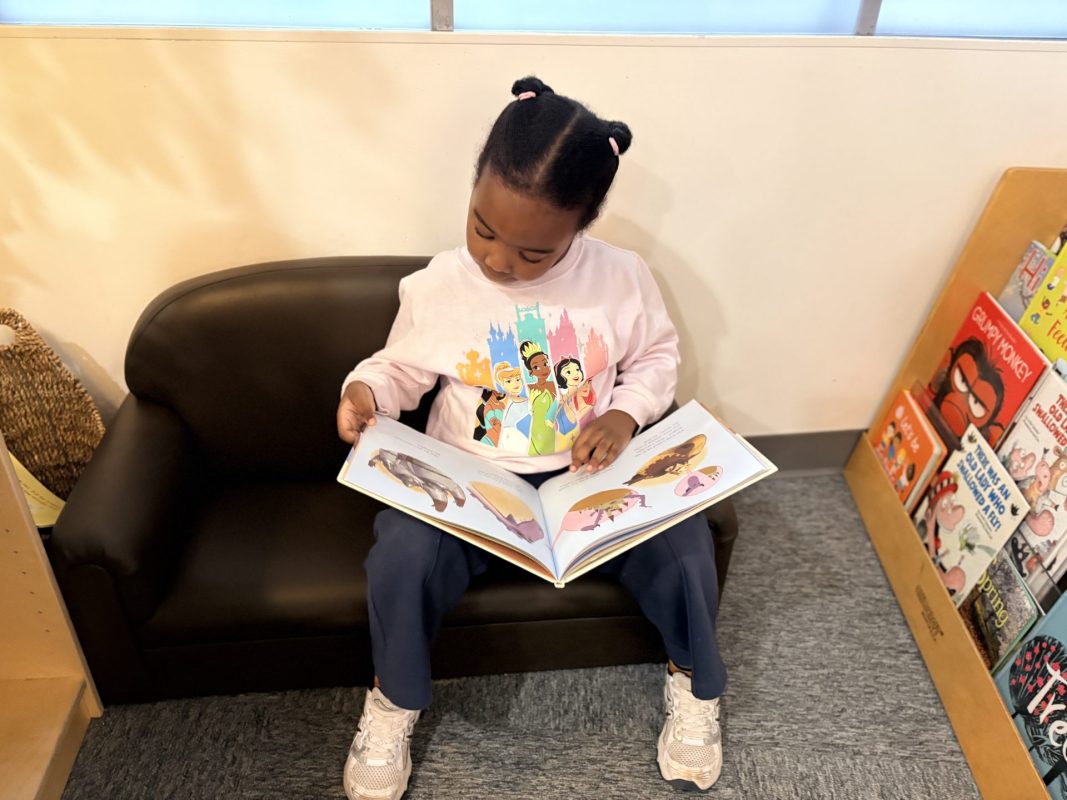
This month, the children will be exploring new language vocabulary centered around vehicles and community helpers. We’ve introduced a variety of language materials, including figures and matching cards that highlight different forms of transportation, as well as the people who help in our communities—and the vehicles they use in their work.

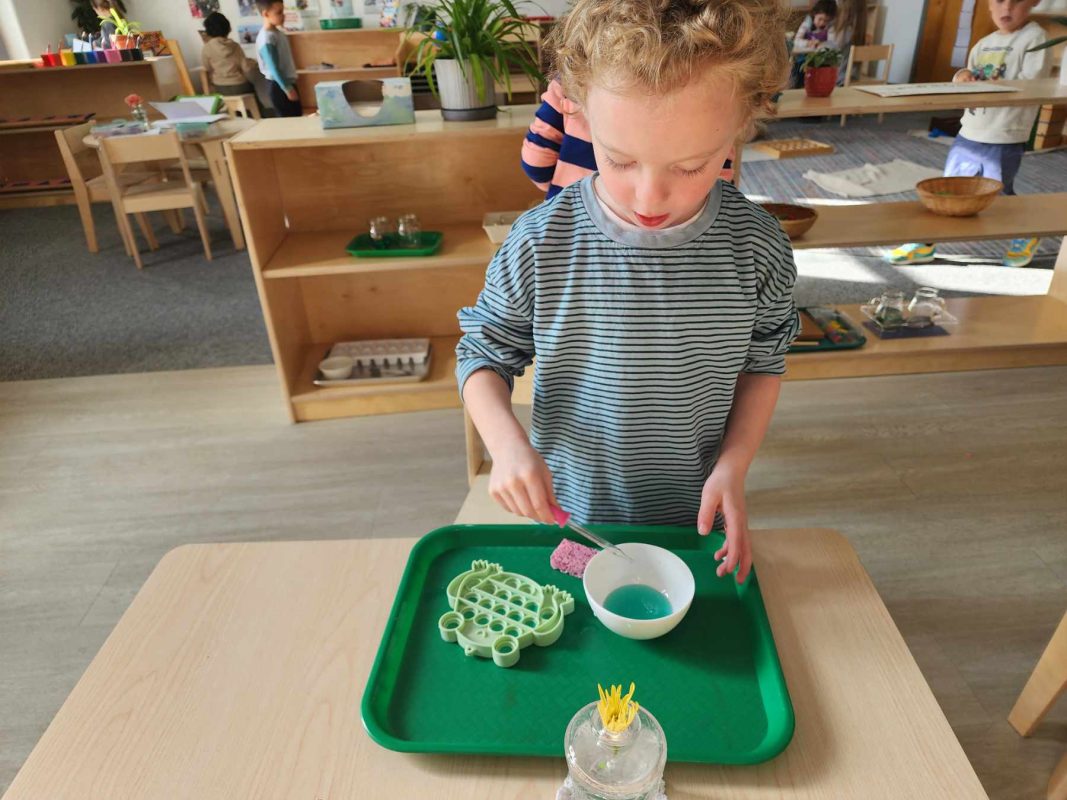
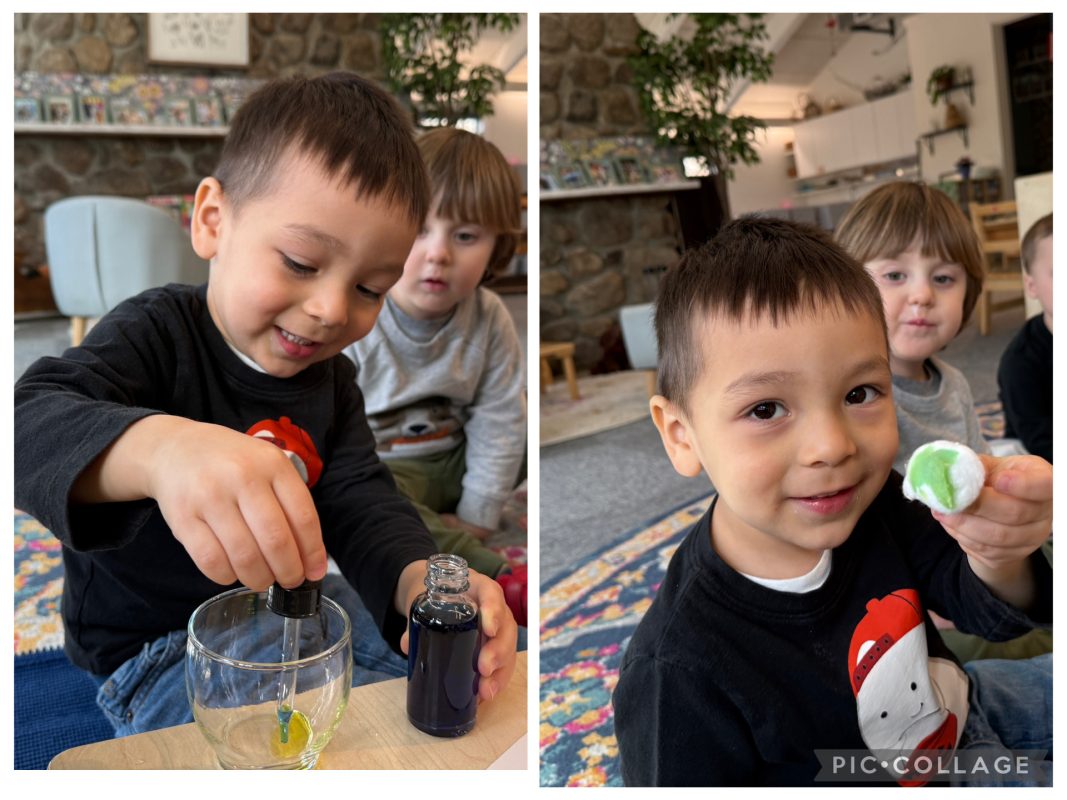
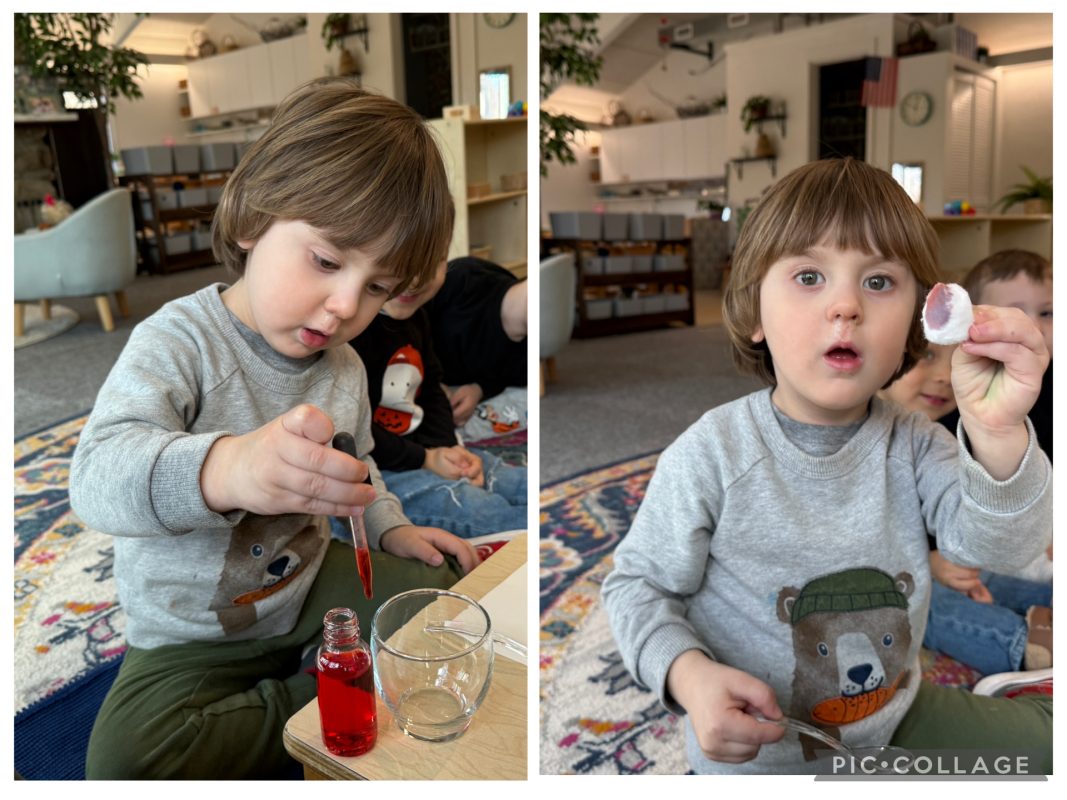
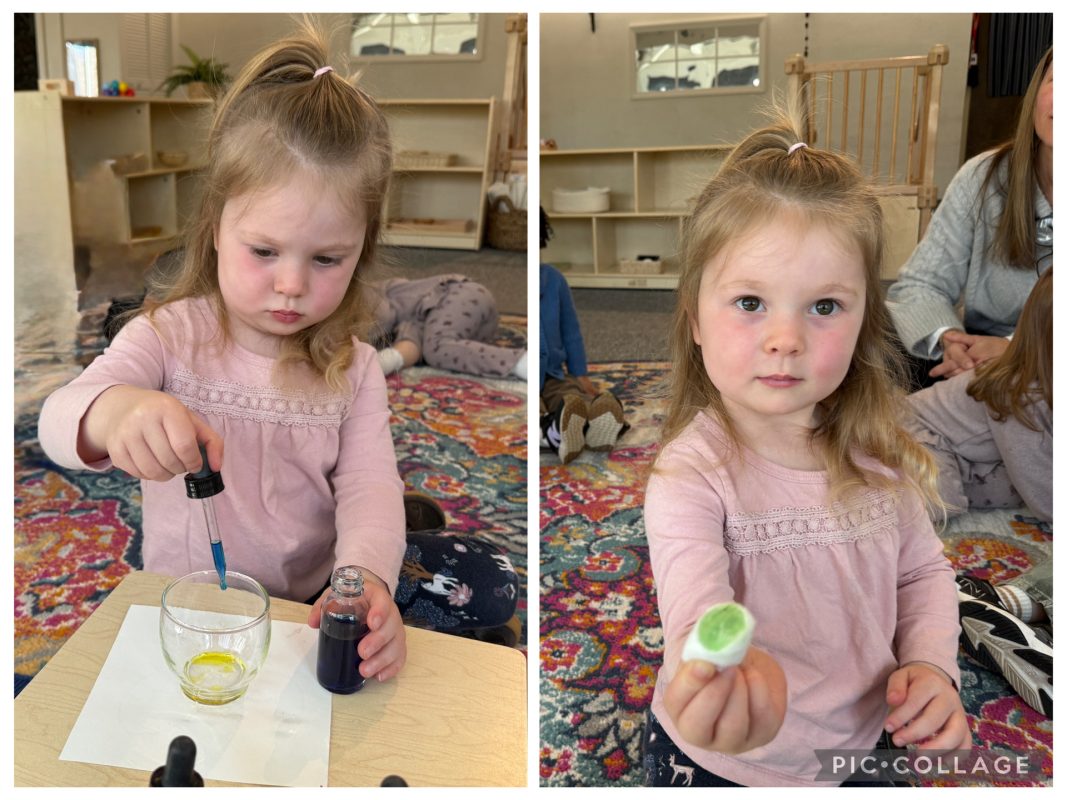
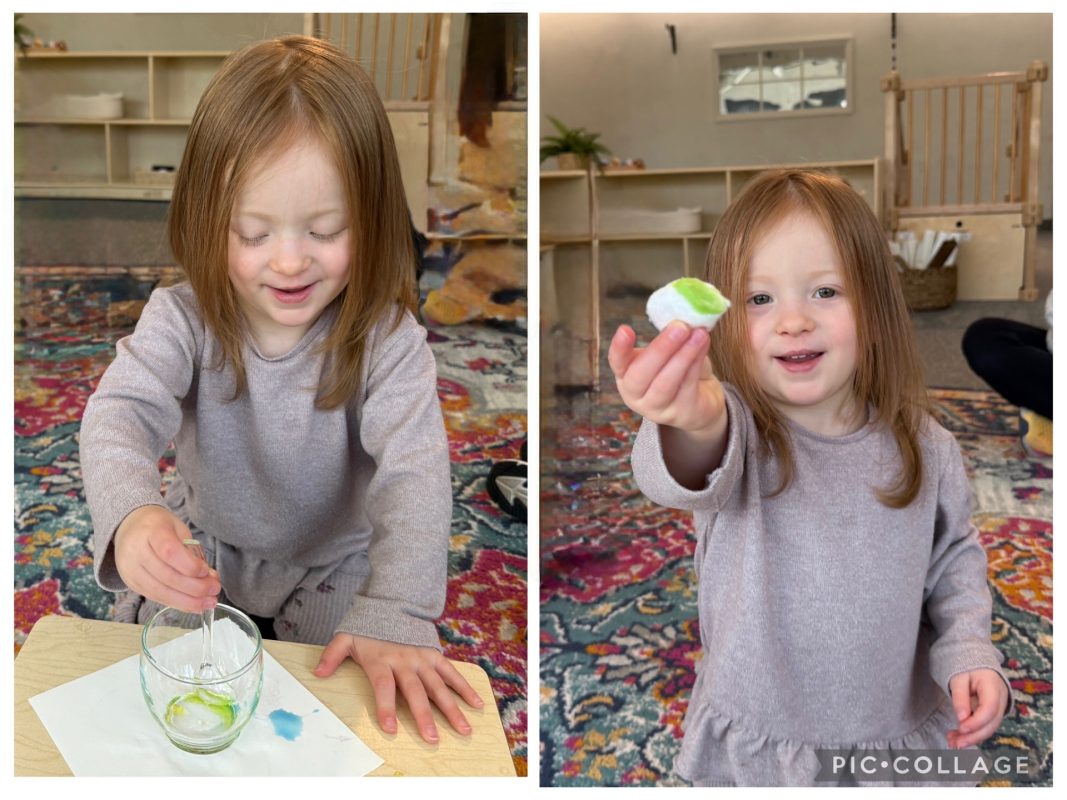
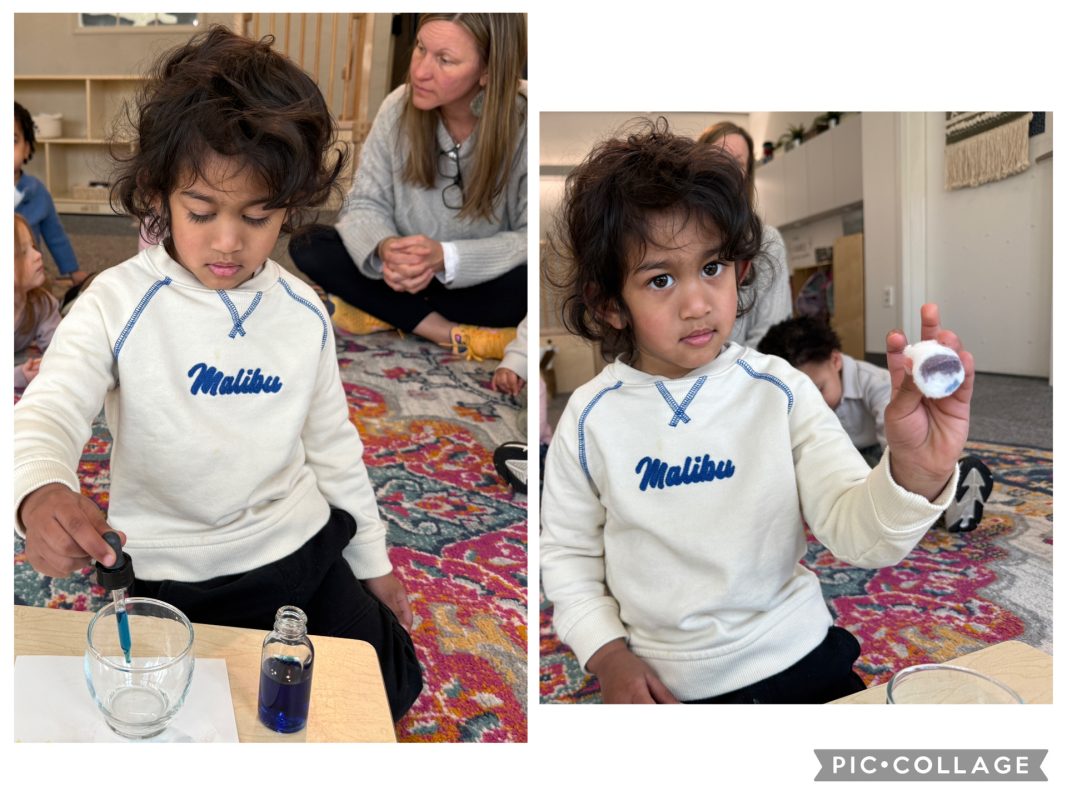
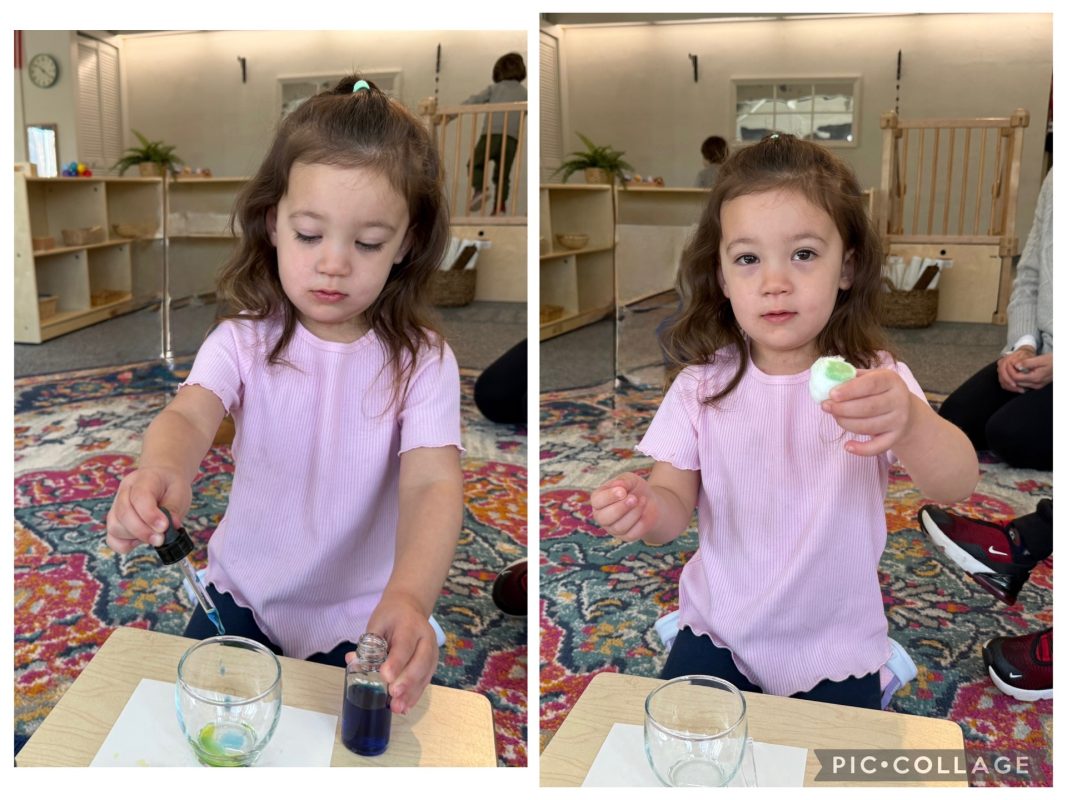
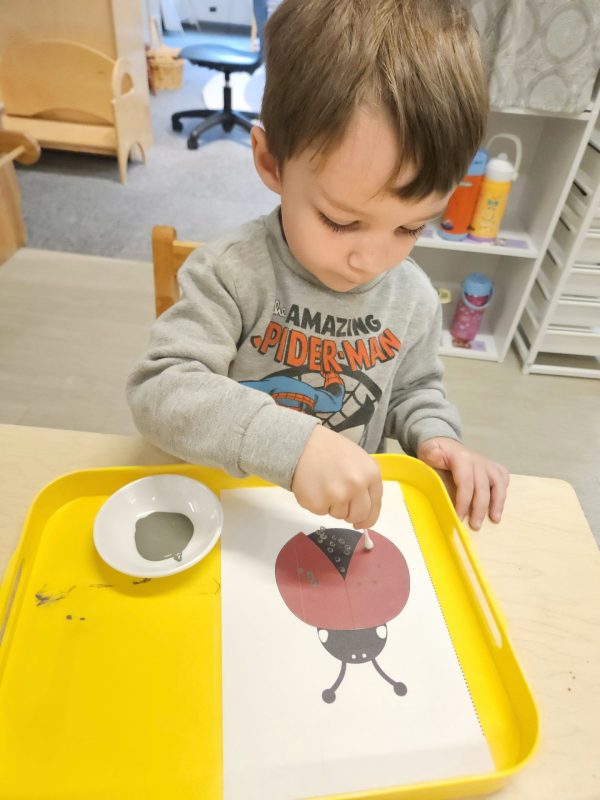
On Monday, we began the week by finishing up our lesson on color mixing. We reread Mouse Paint and revisited how the primary colors can be mixed to create secondary colors. Each child received their own “white mouse” (a cotton ball) and chose two primary colors to mix. Using droppers, they carefully added colored water into a small vessel. Just like the mice in the story, they mixed and stirred—and even did a little dance—while watching the colors change before their eyes!

Once their new color was created, they dipped their mouse into the puddle to make their very own “mouse paint.” If you noticed a plastic bag with a small cotton ball come home on Monday, that was their special creation, which they were very proud of!

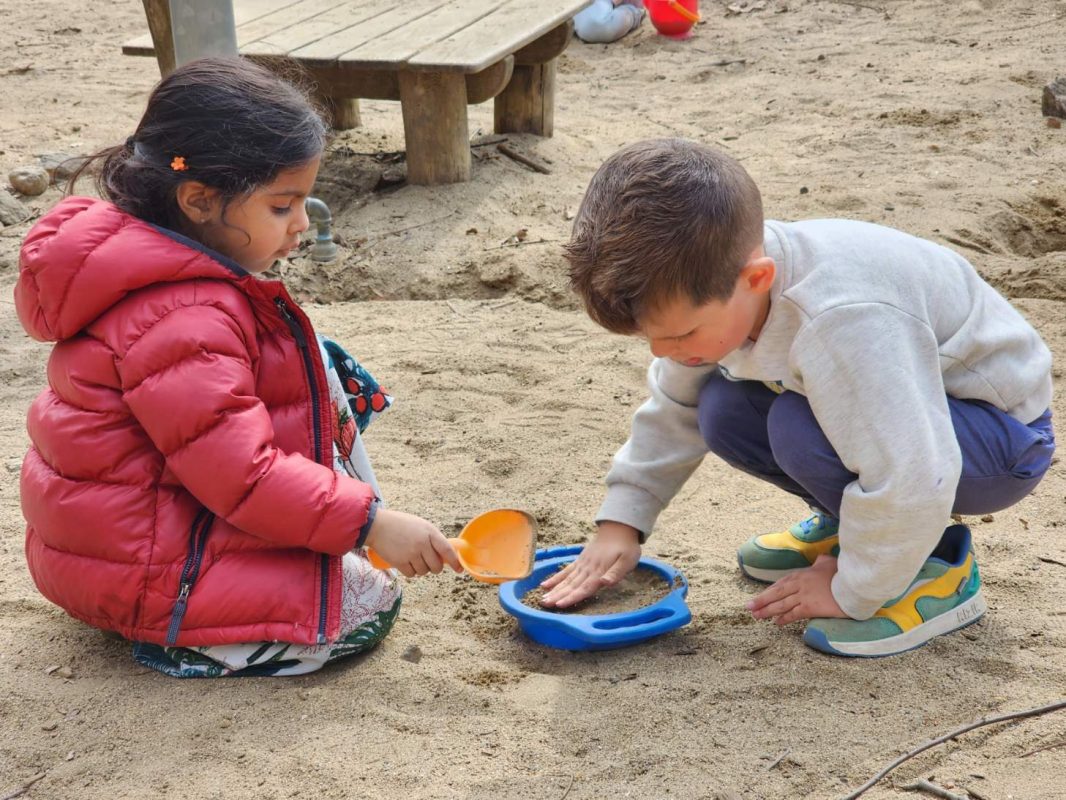
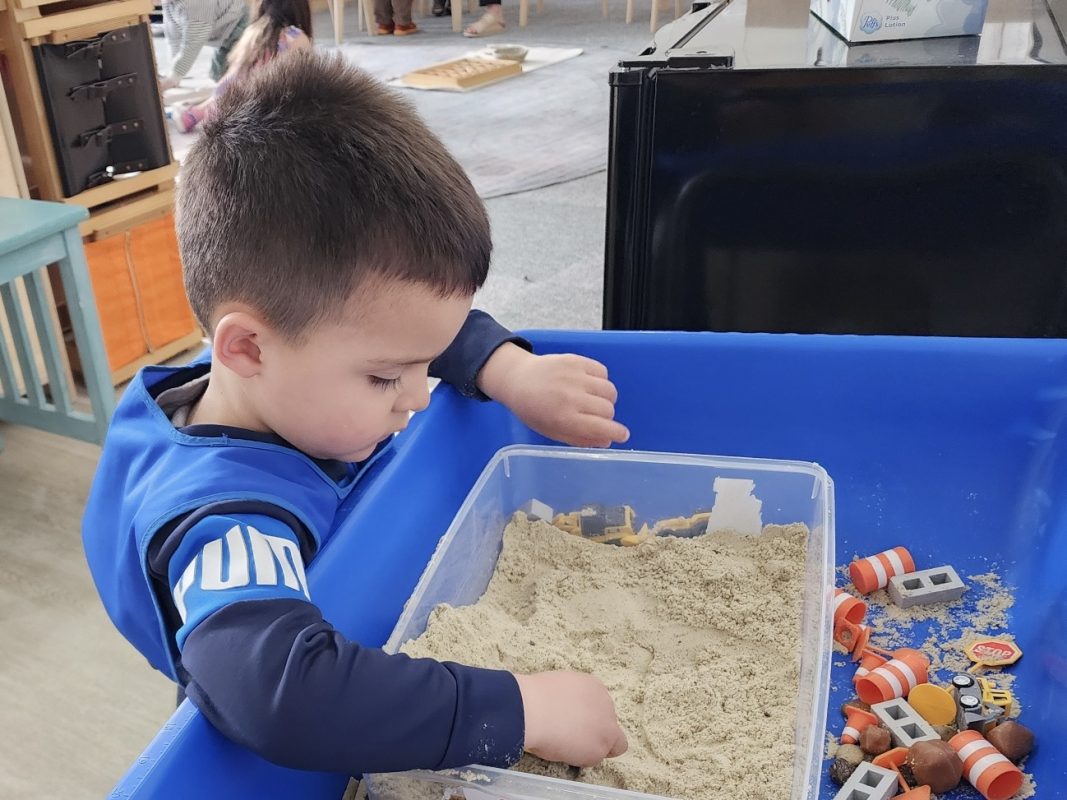
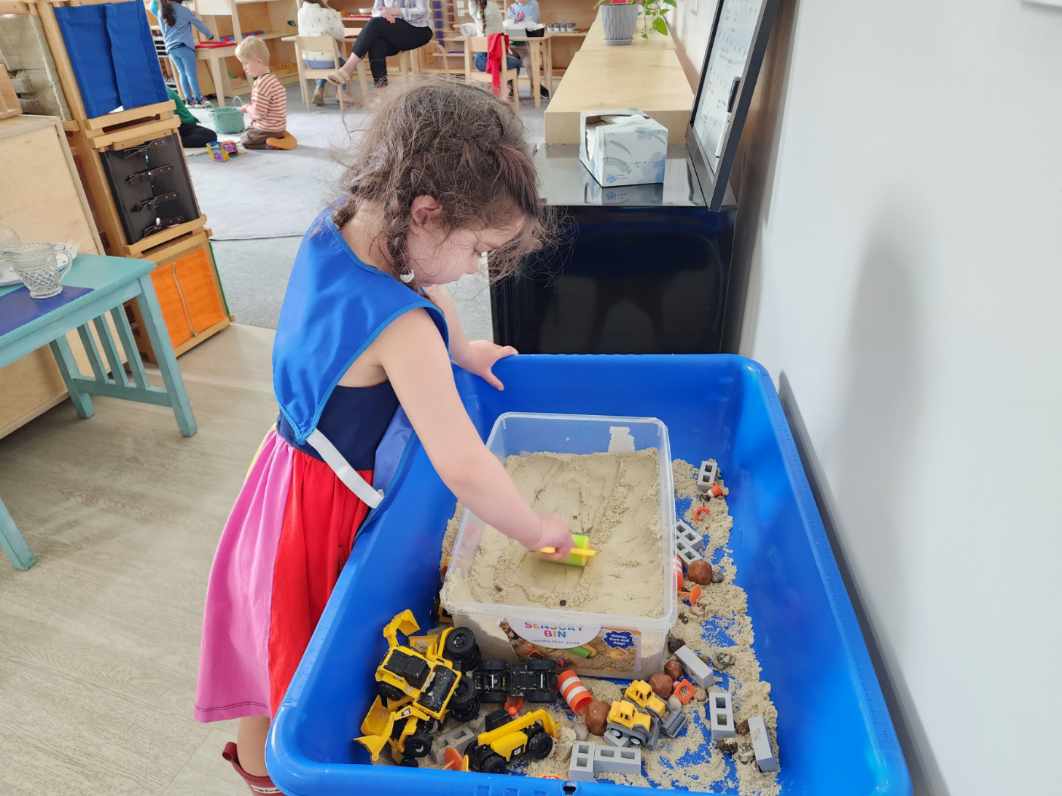
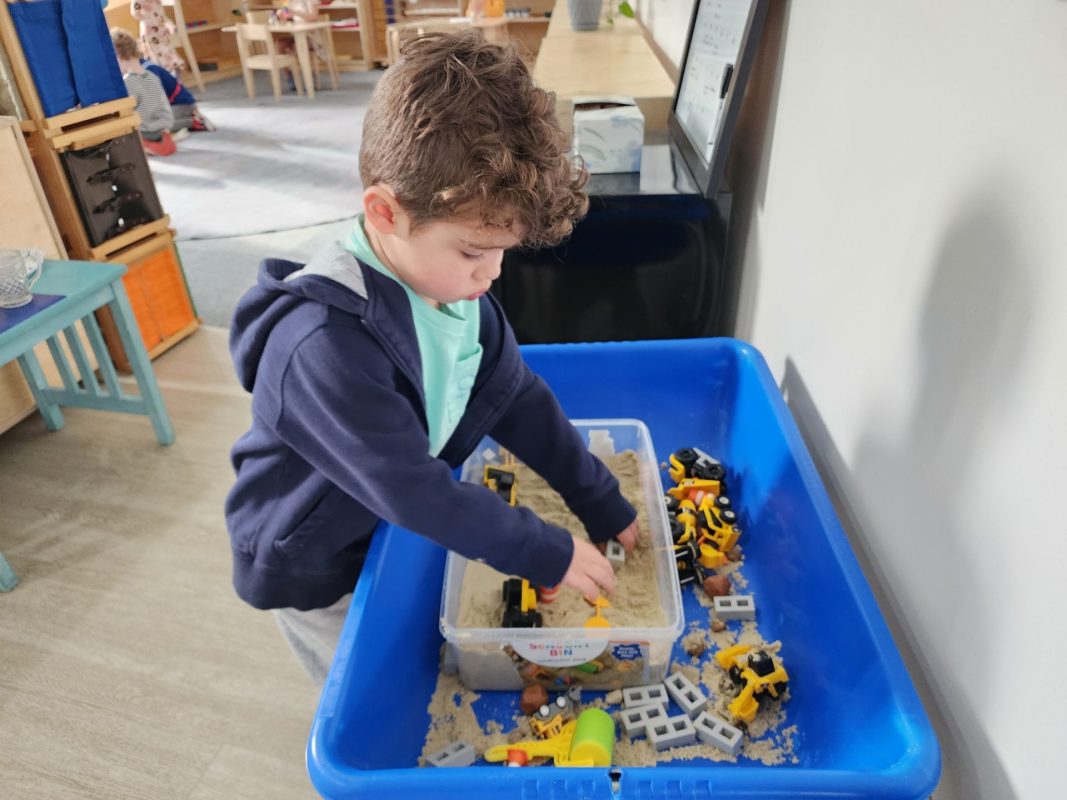
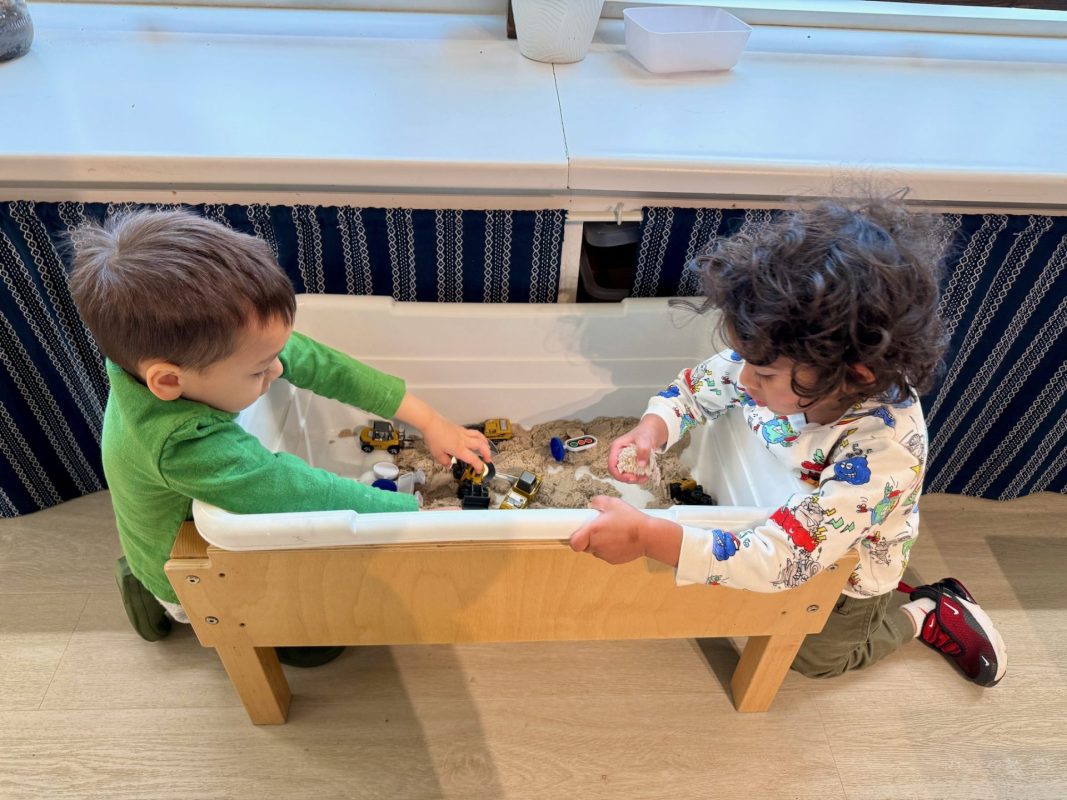
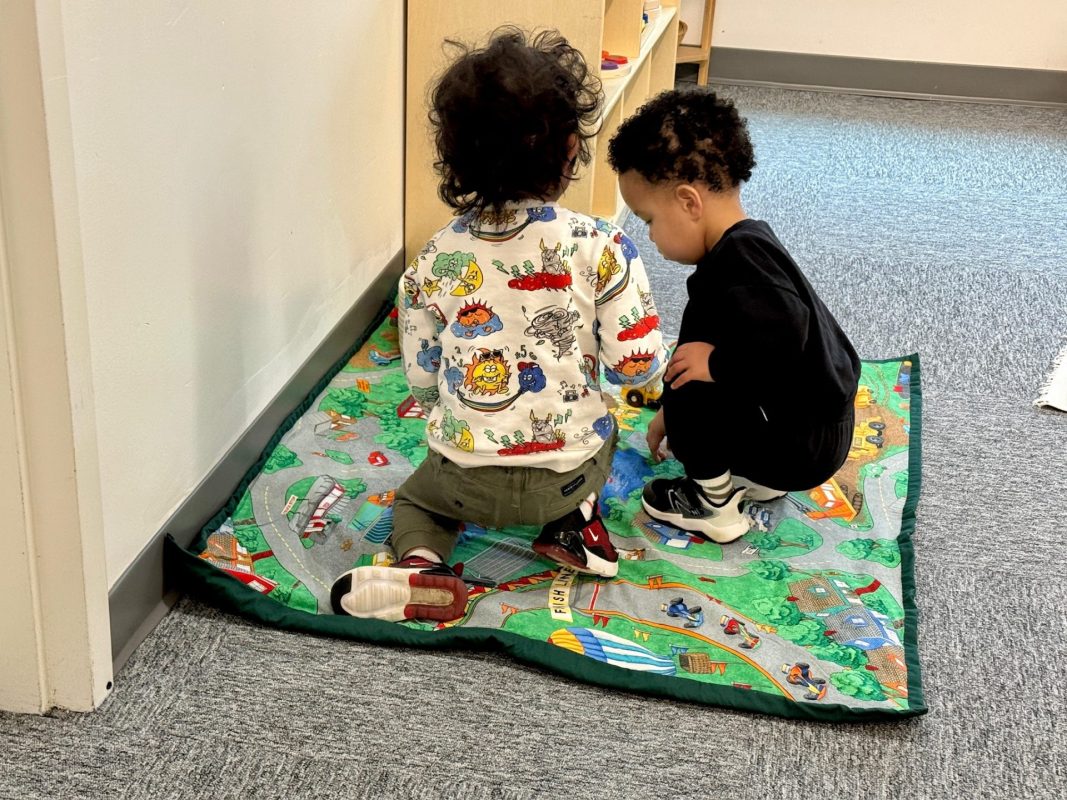
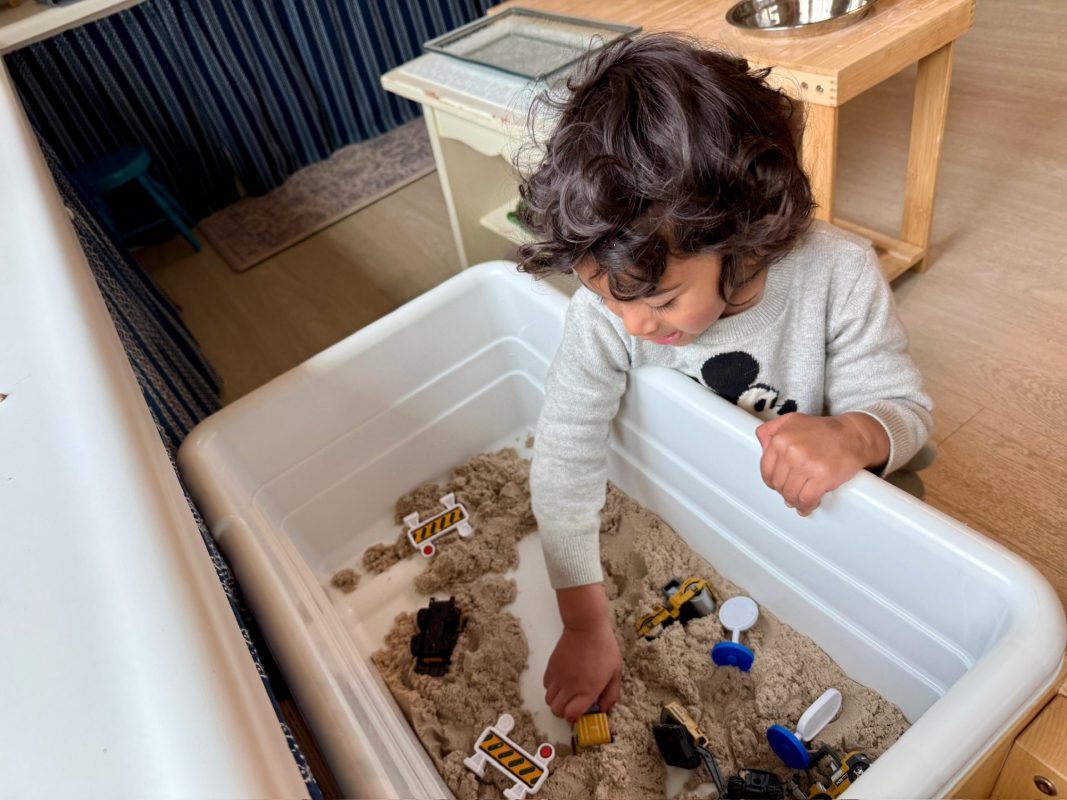
In our sensory bin, the children have been enjoying exploring their favorite vehicles, including construction trucks paired with kinetic sand for a rich, hands-on sensory experience.

Typically, this time of year brings a focus on weather and the signs of growth we begin to notice outdoors—and we will certainly continue to observe and discuss these seasonal changes. However, this year I’ve chosen to place a special emphasis on transportation. Many of the toddlers light up with excitement when they spot vehicles passing by—whether it’s work trucks, delivery vans, or the big yellow school bus they see each afternoon after nap time. By building on their natural interests, we can deepen their engagement and foster a continued love of learning.

Food Tasting:
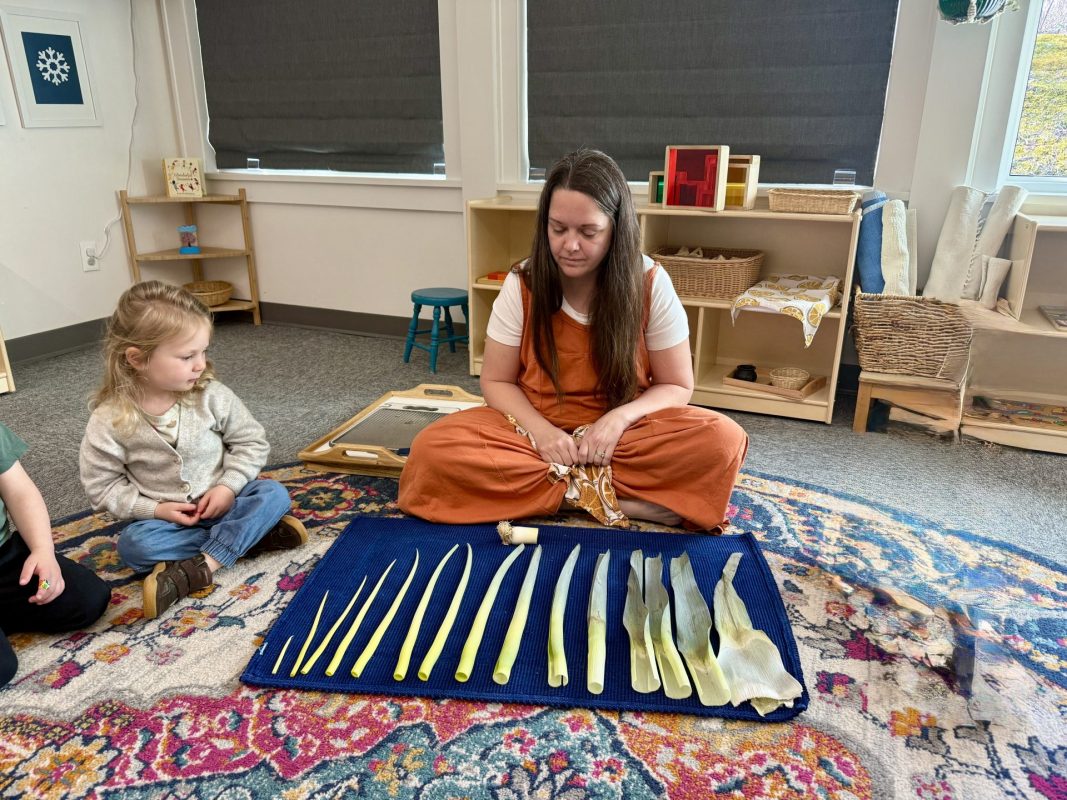
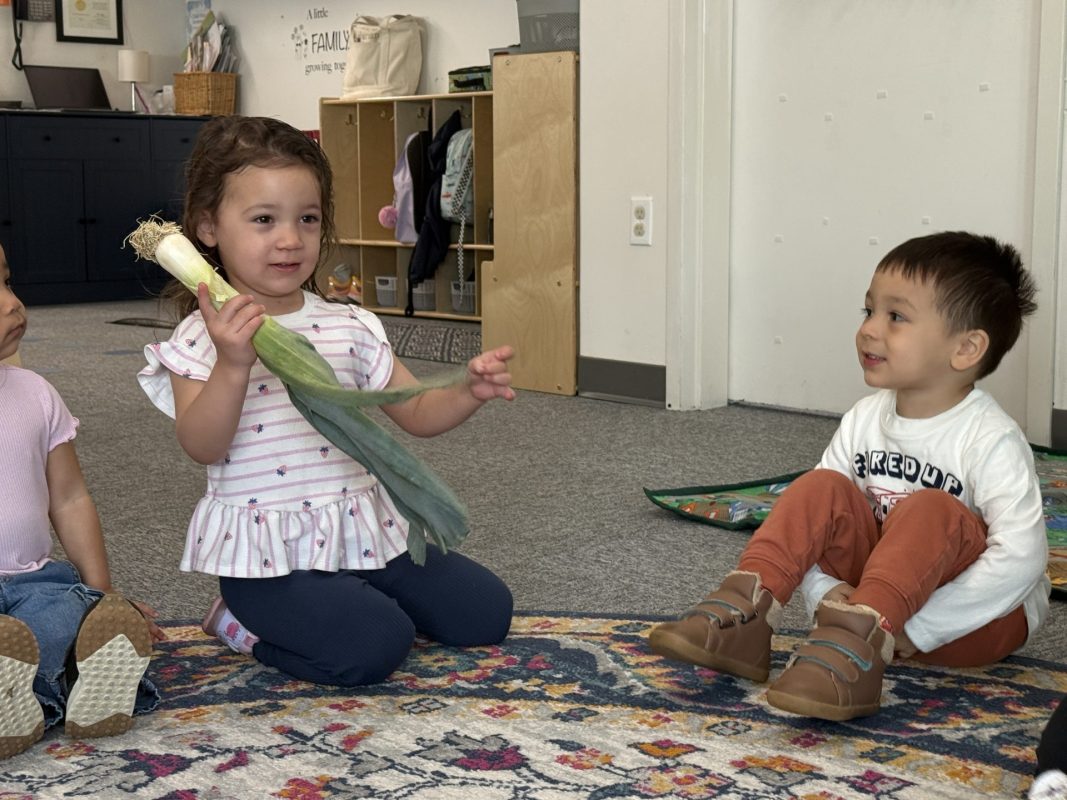
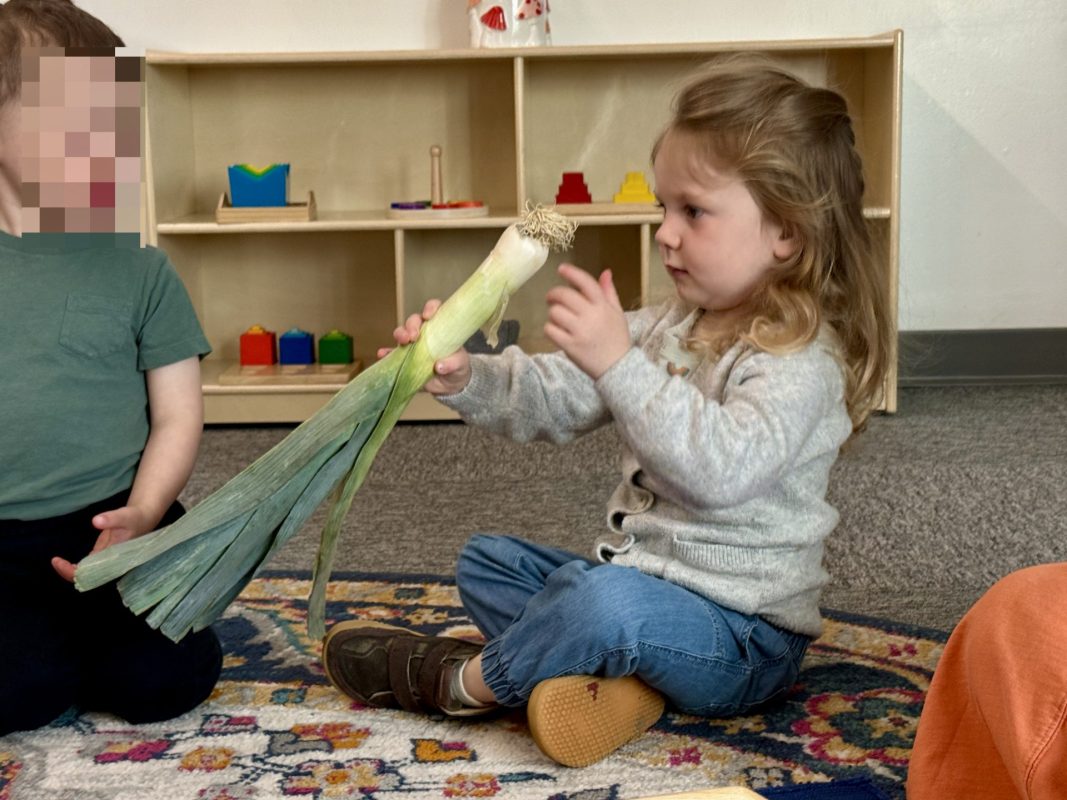
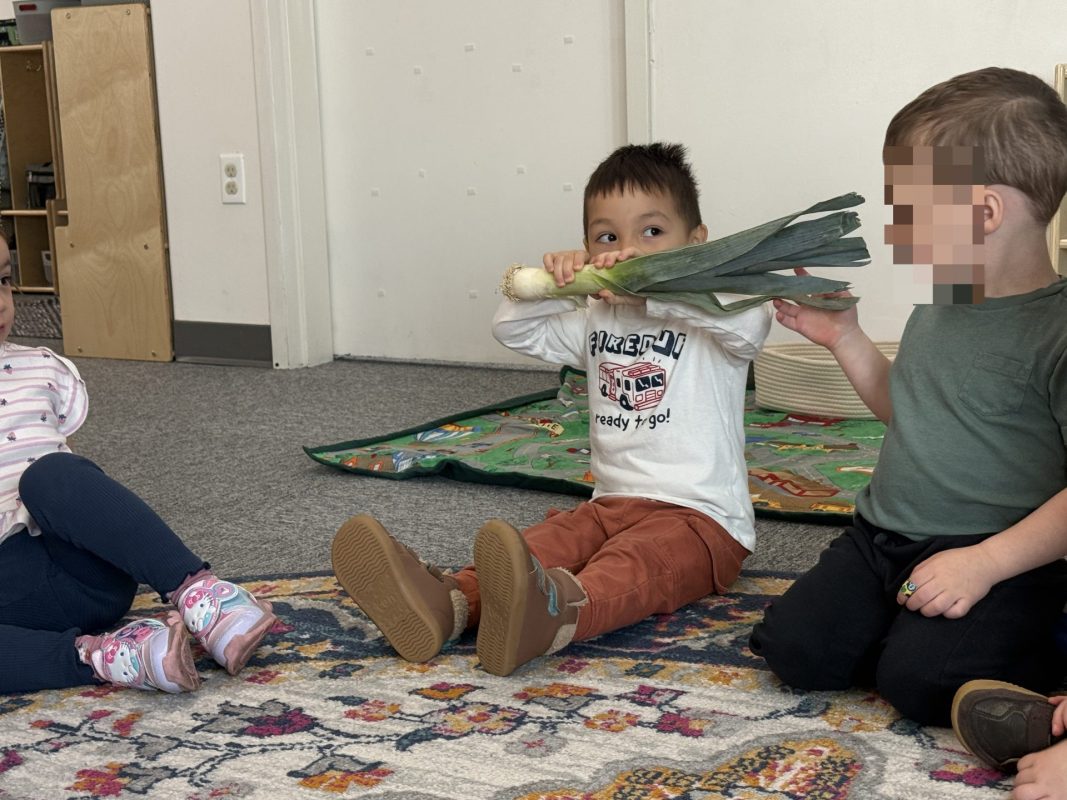
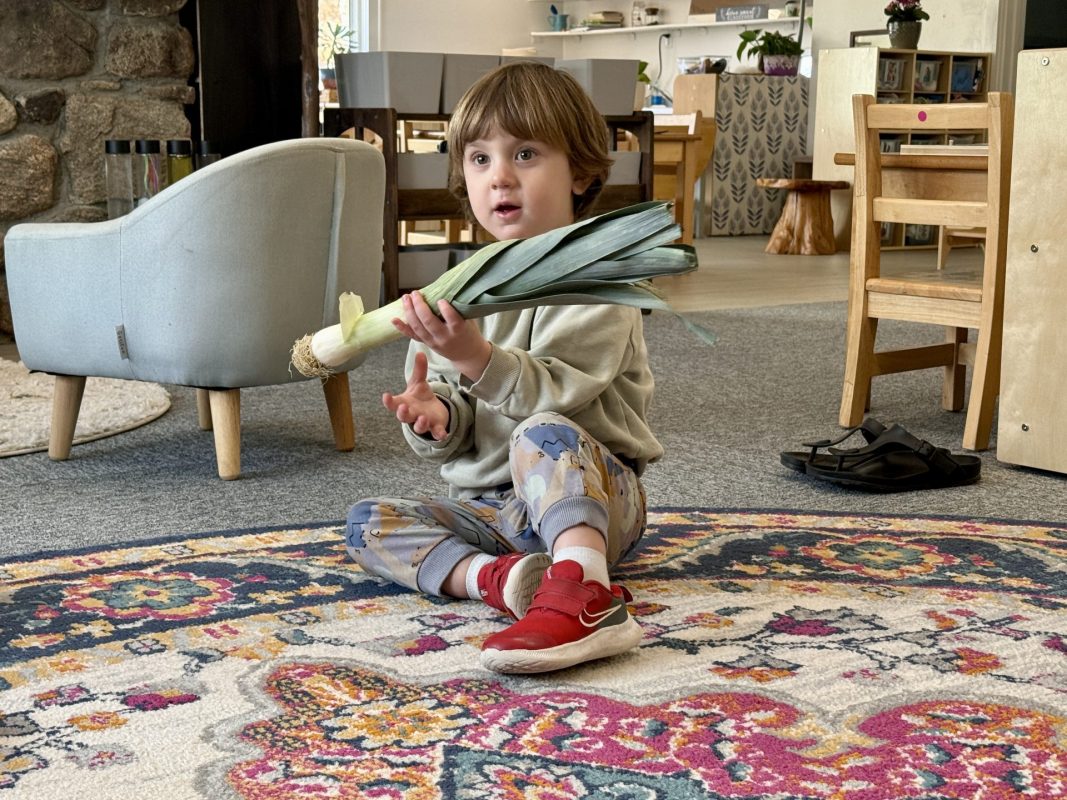
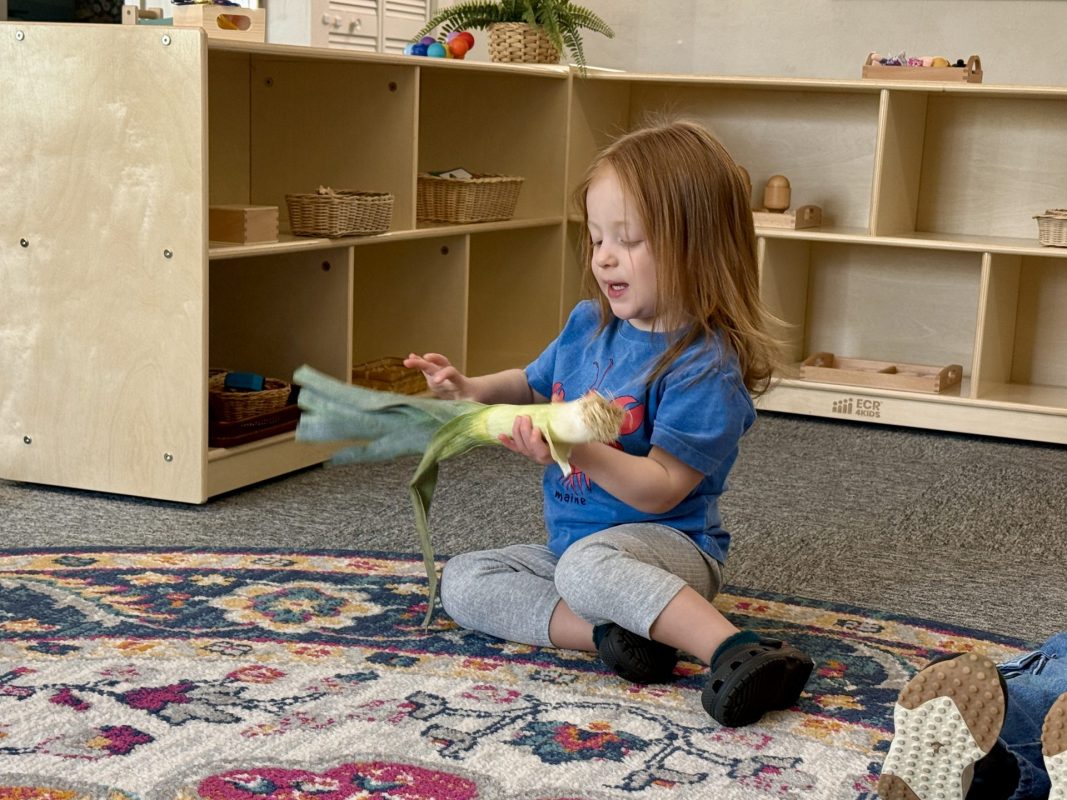
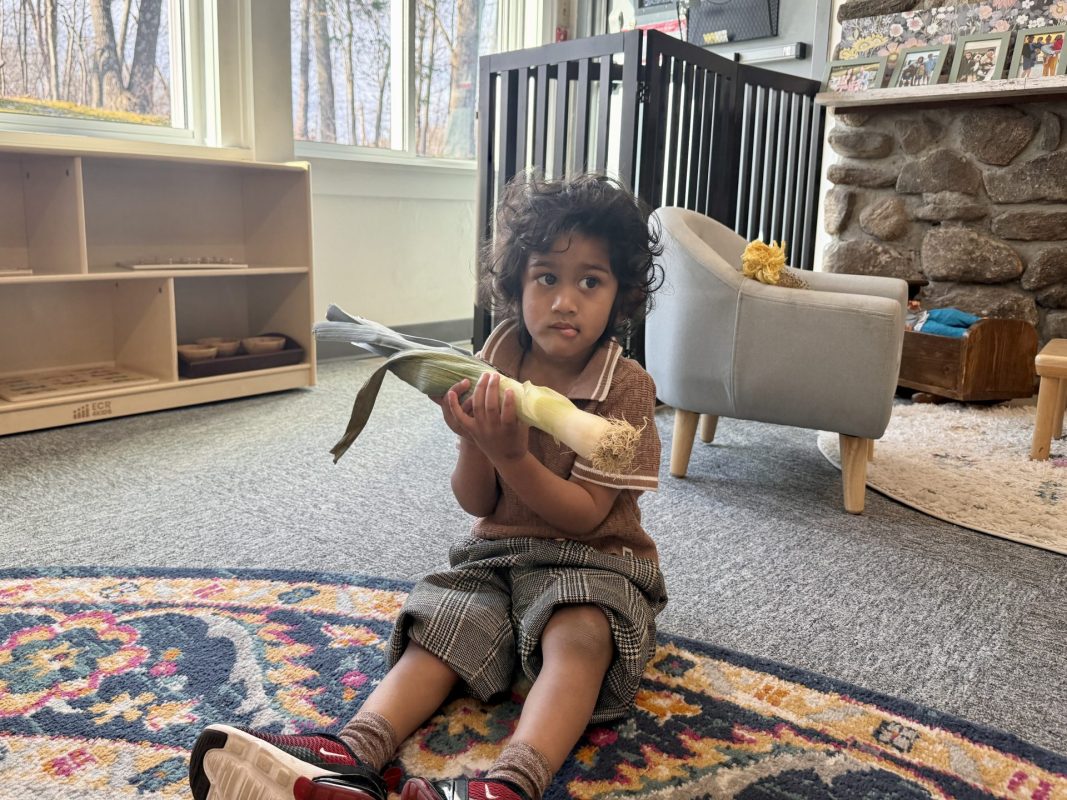
This week, we explored leeks. We learned that leeks are part of the onion family and have a milder, slightly sweeter flavor when cooked. During our exploration, the children examined the leek in its raw form—observing its length and carefully pulling apart each layer. Together, we counted 15 leaves in a single stalk!

While leeks can be eaten raw, we tasted them sautéed—and many of the children enjoyed them.

Love and Light,
Cynthia and Sara


Ms. Vicki’s Weekly Update

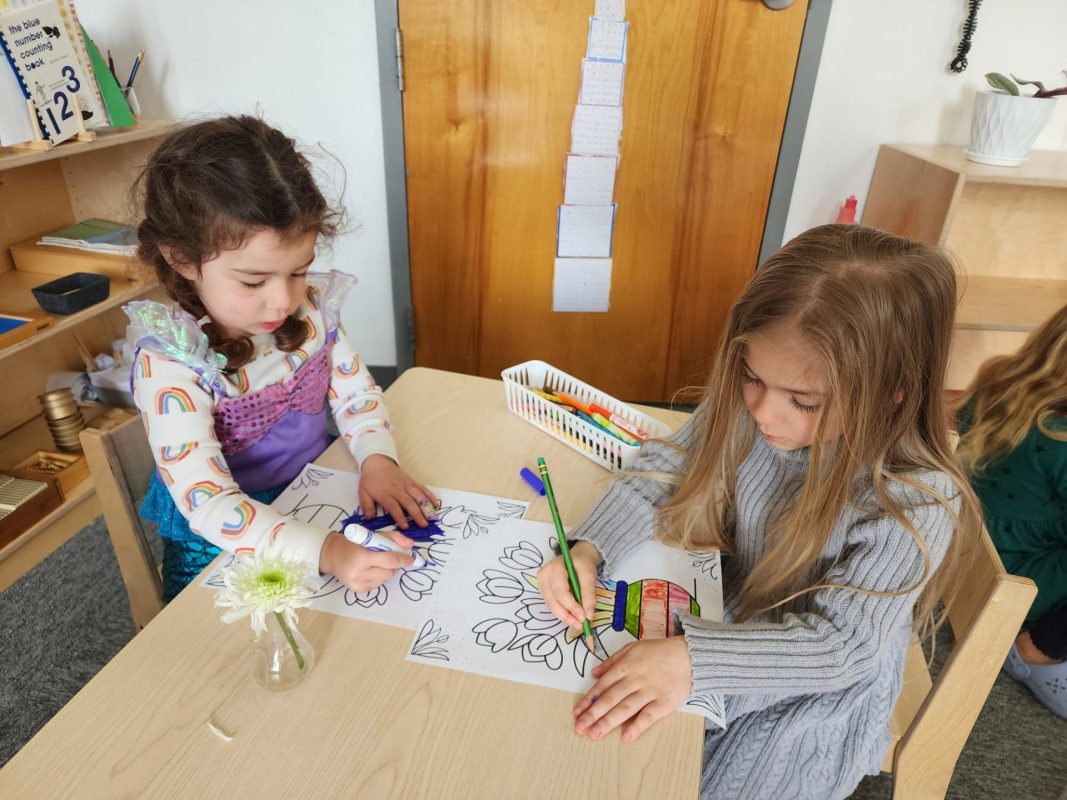
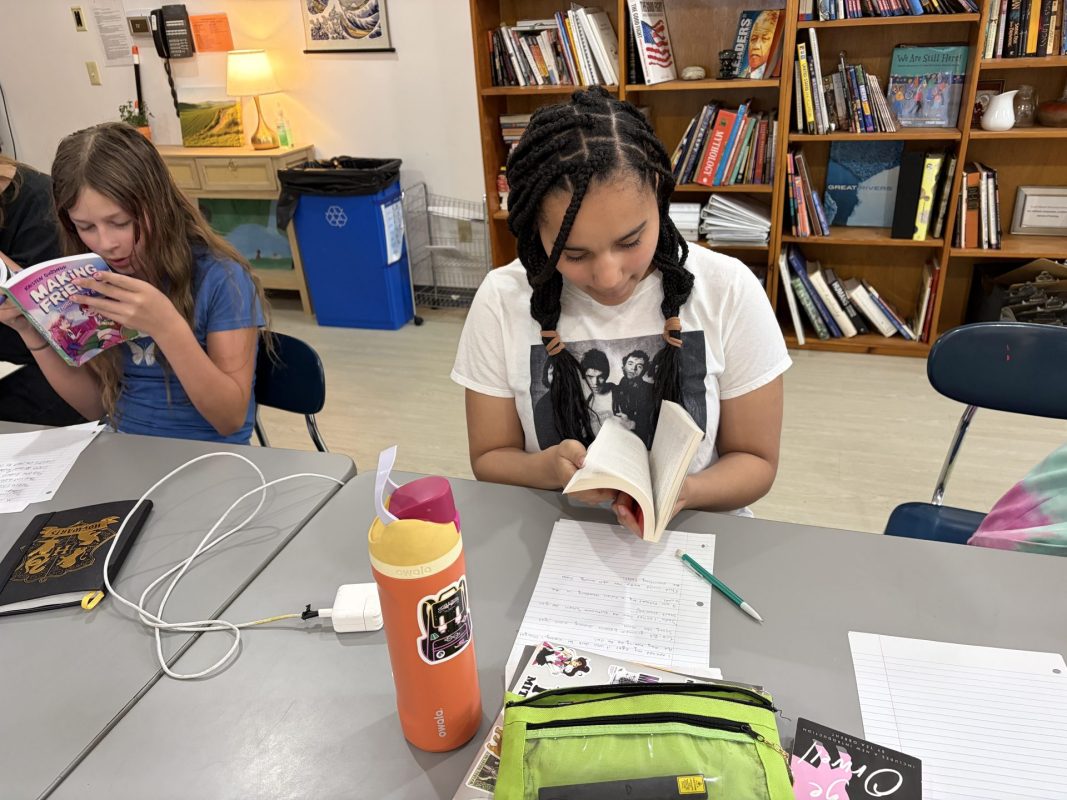
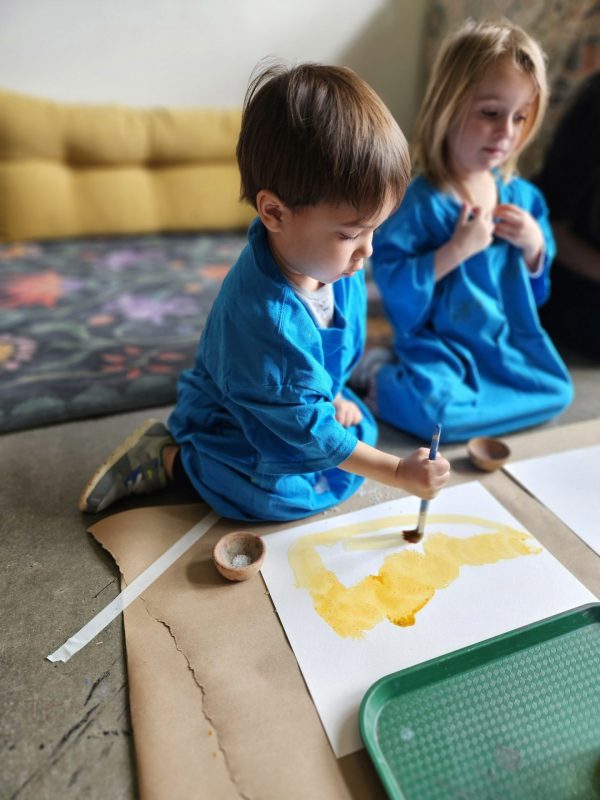
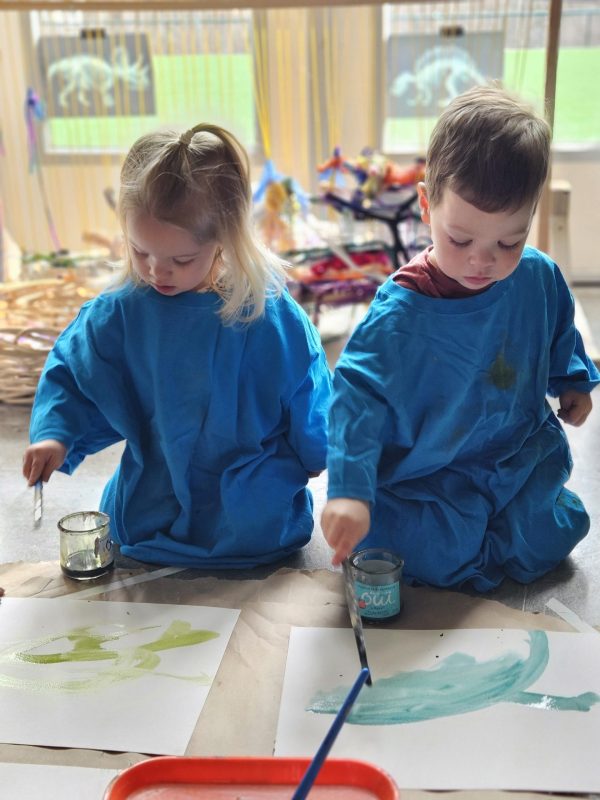
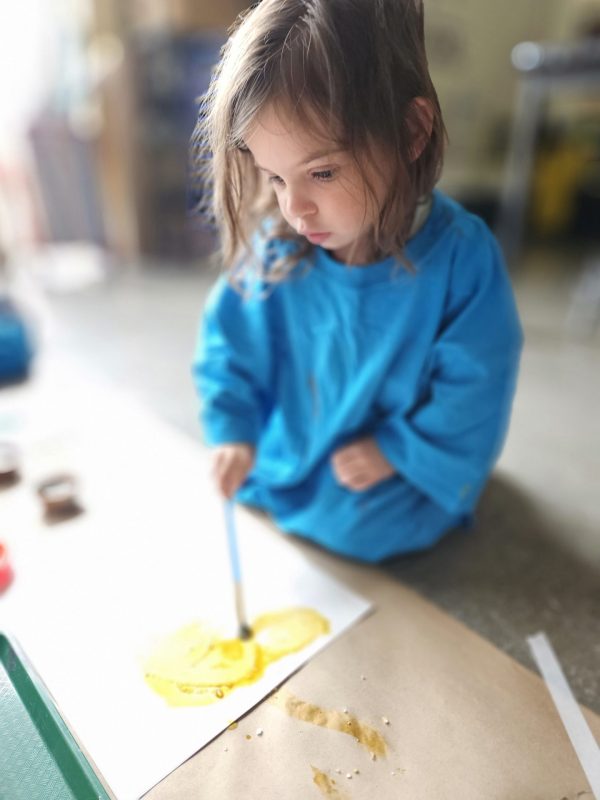
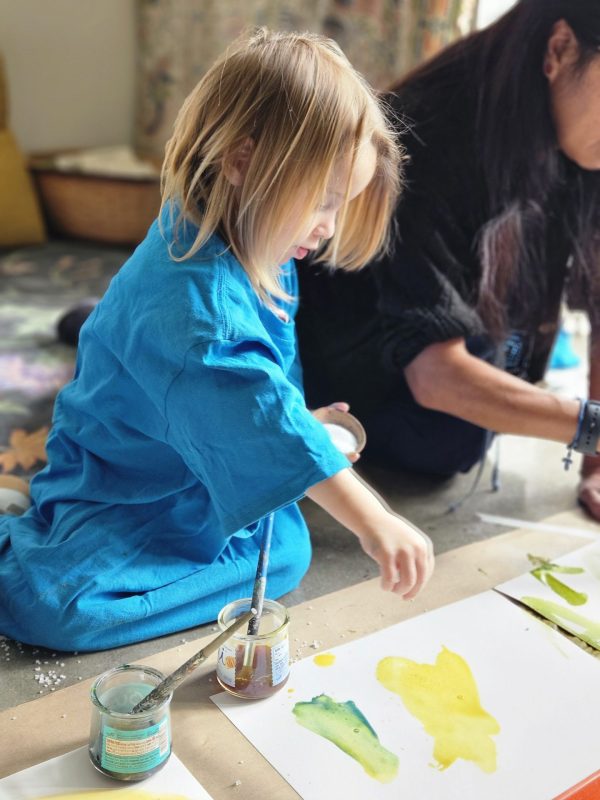
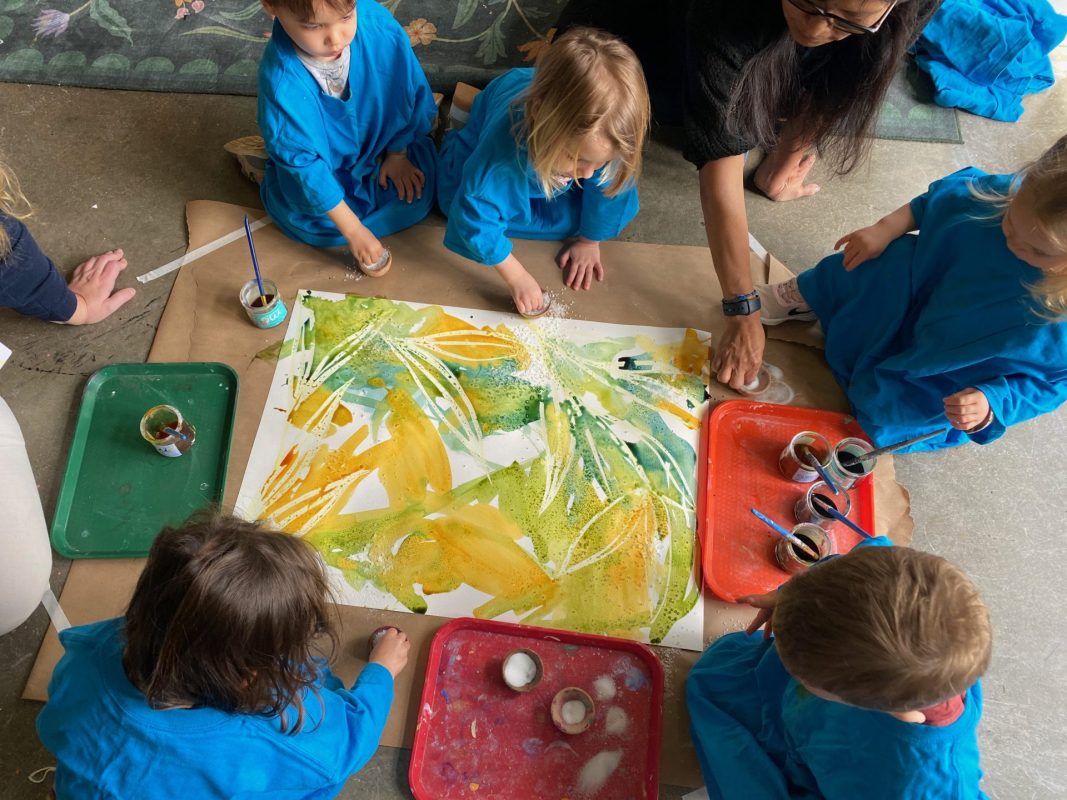
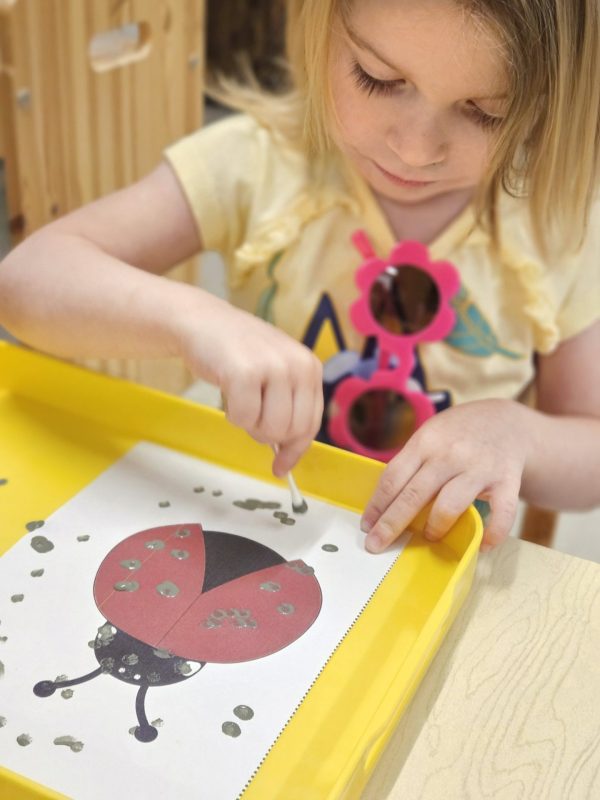
This week was filled with creativity and hands-on art experiences as we explored different ways to create colorful projects and express ourselves.

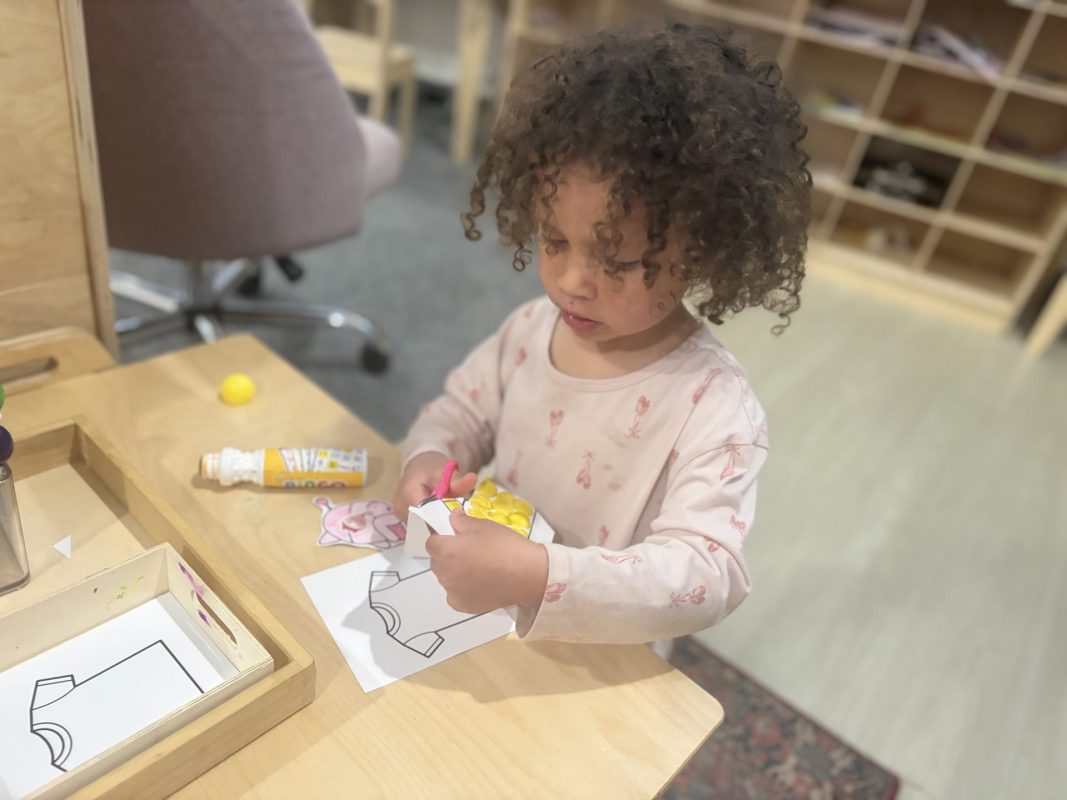
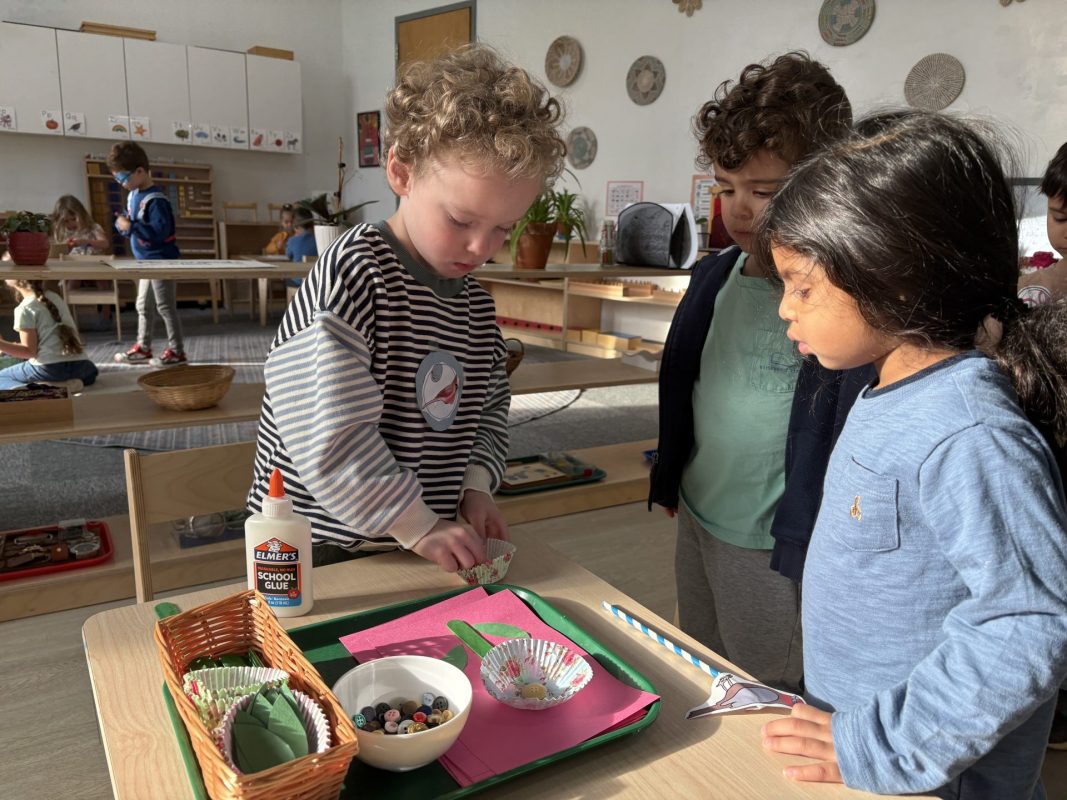
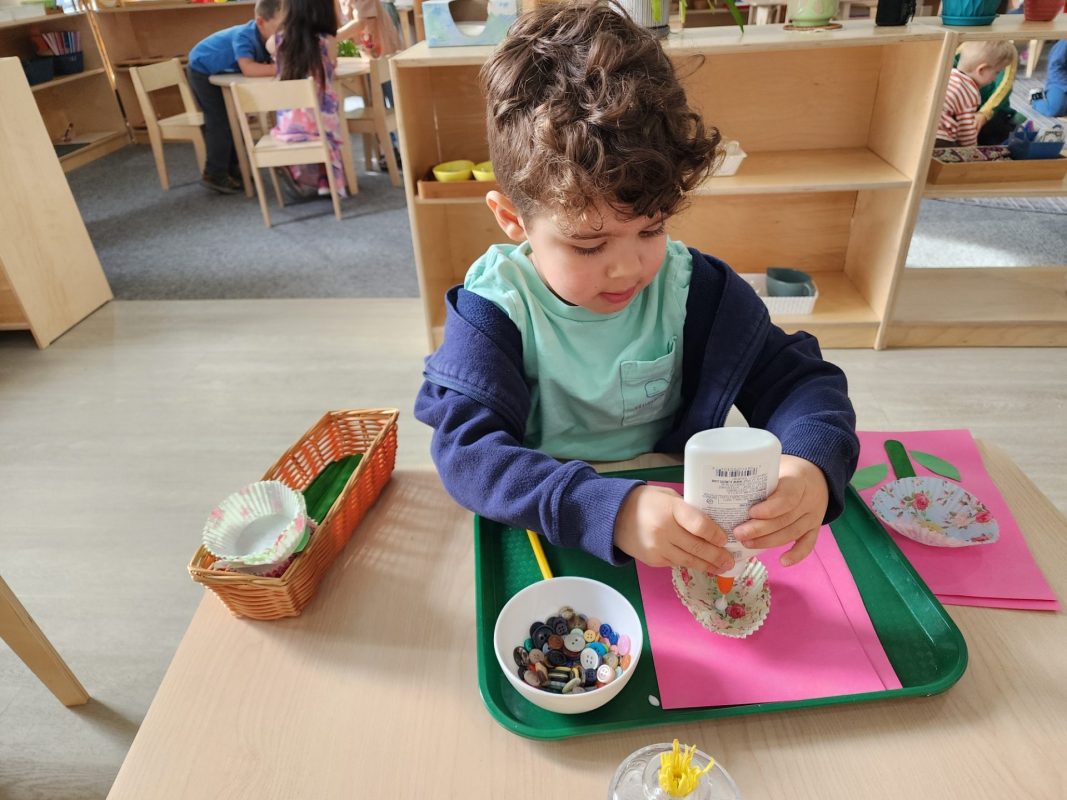
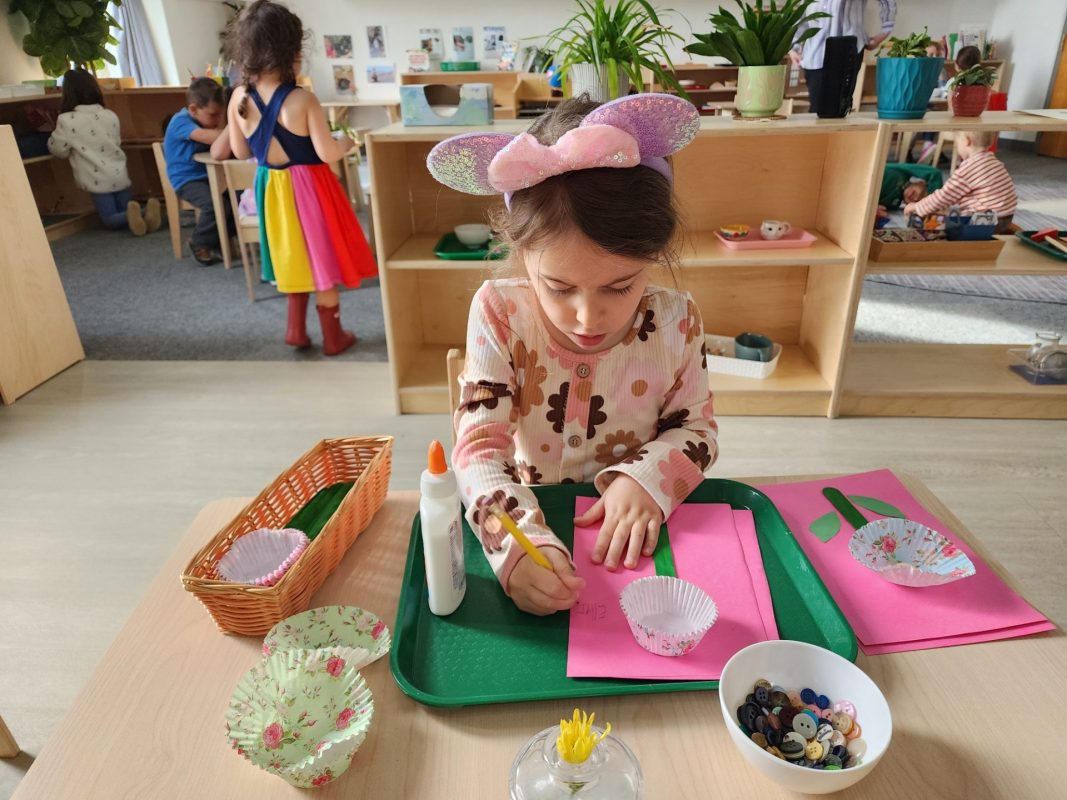
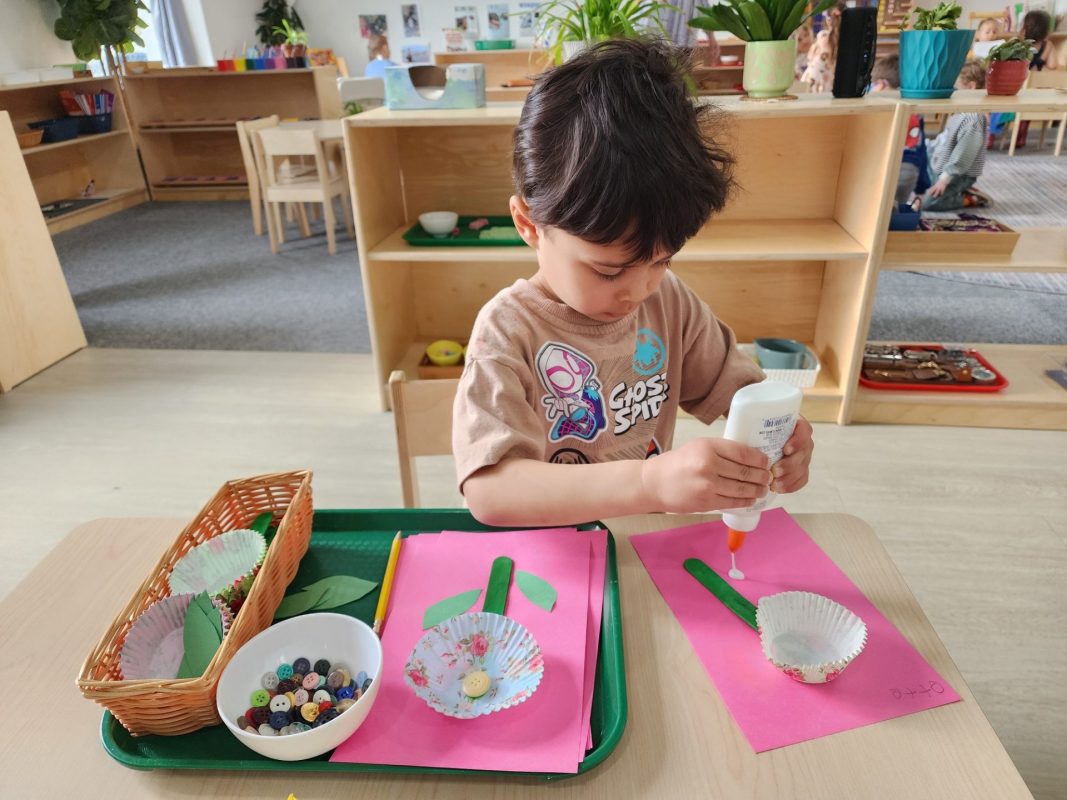
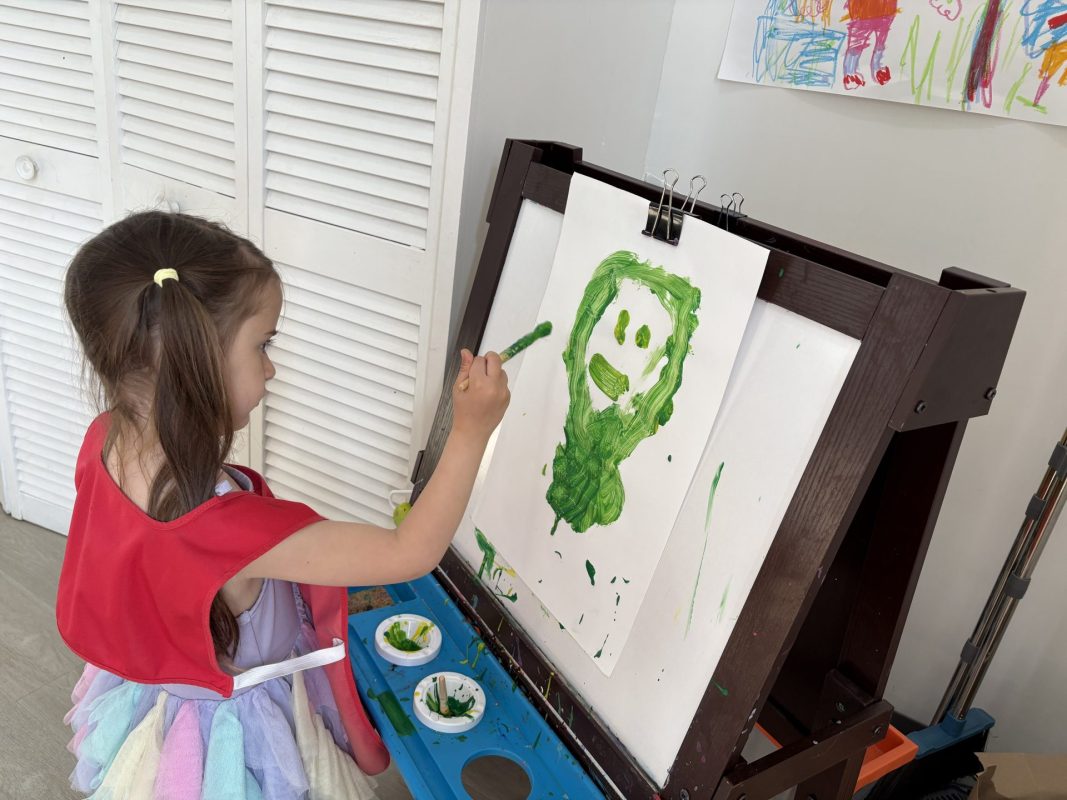
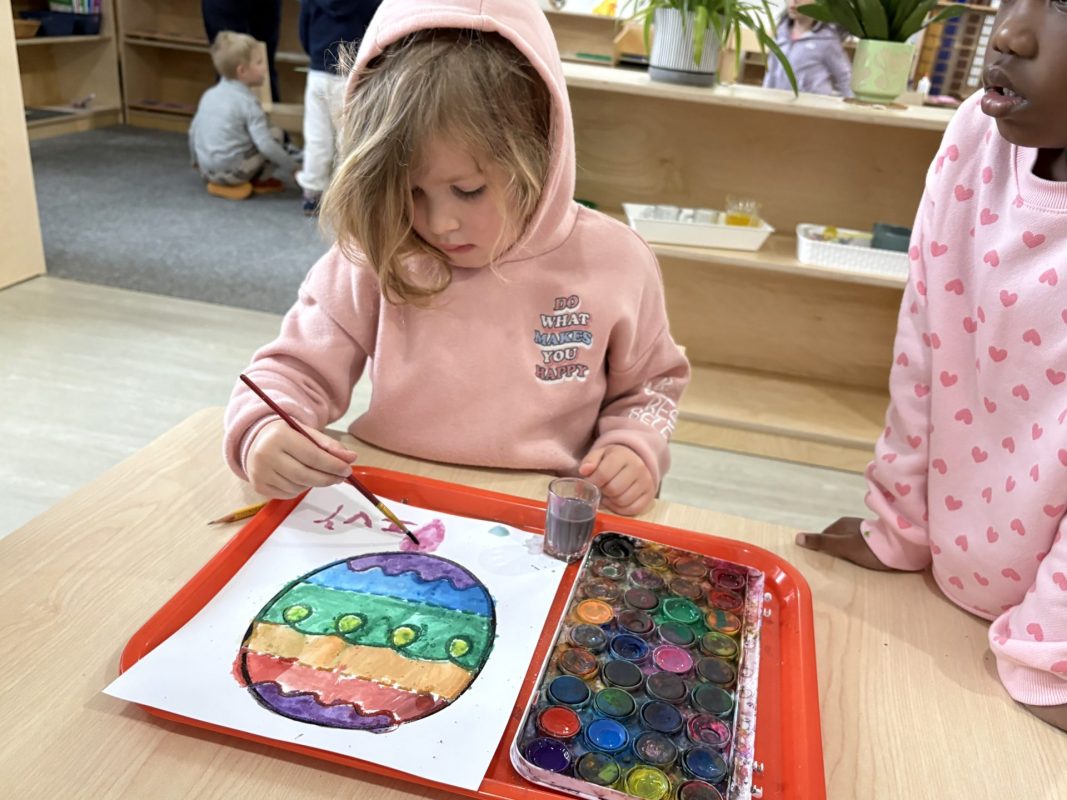
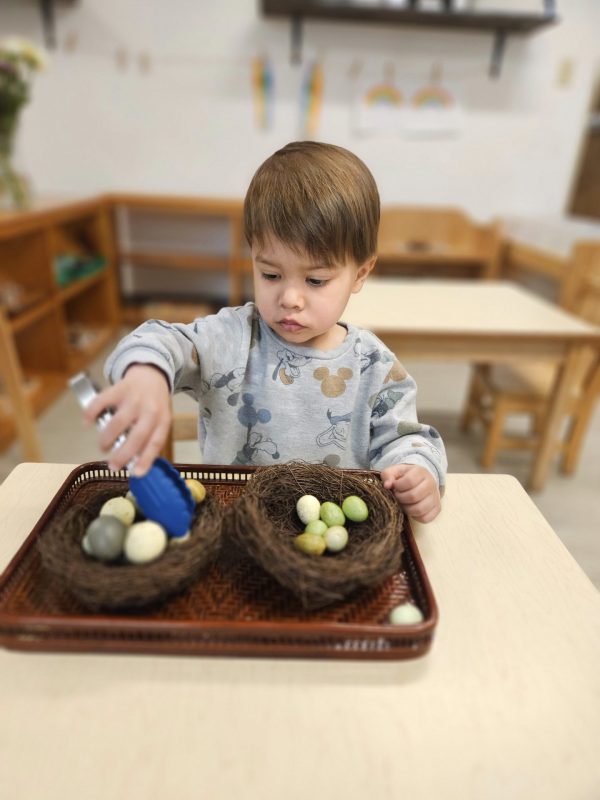
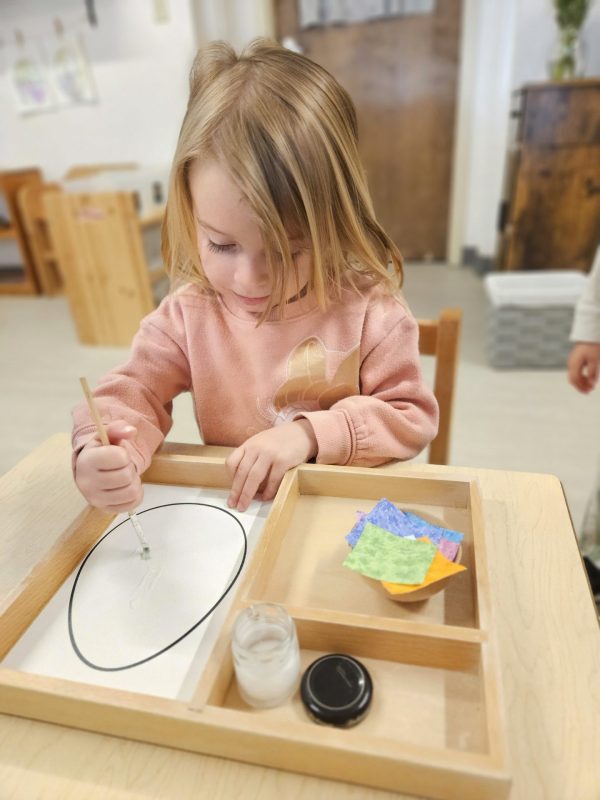
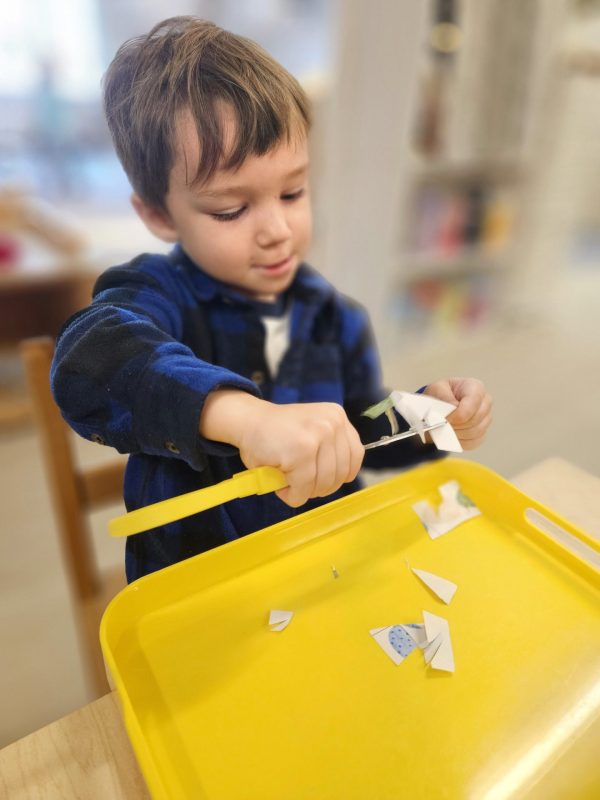
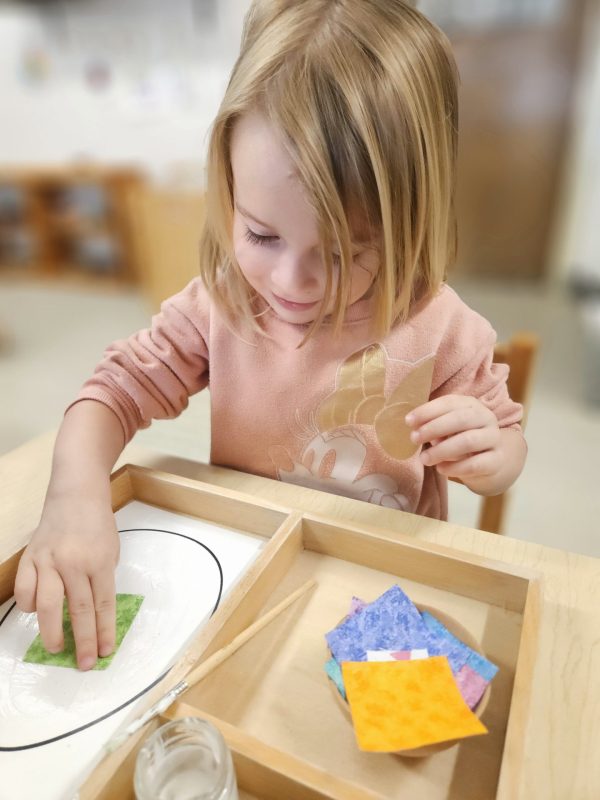
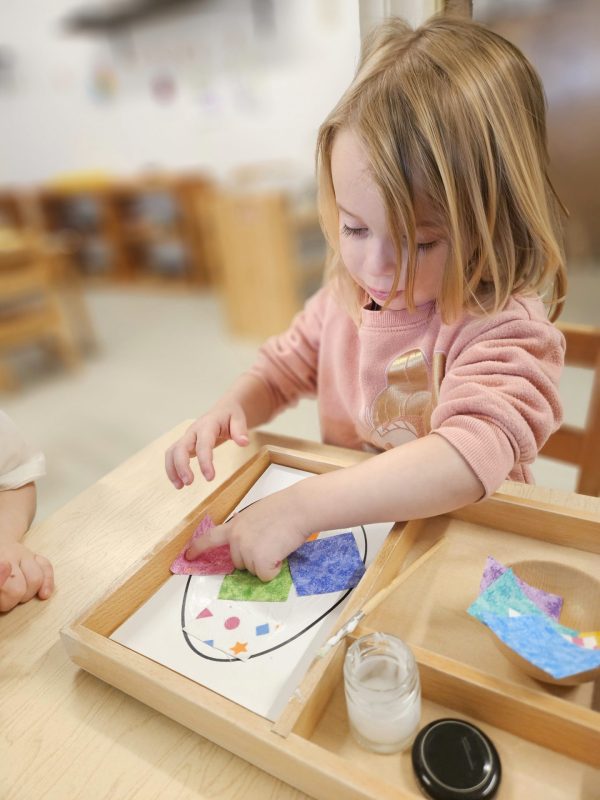
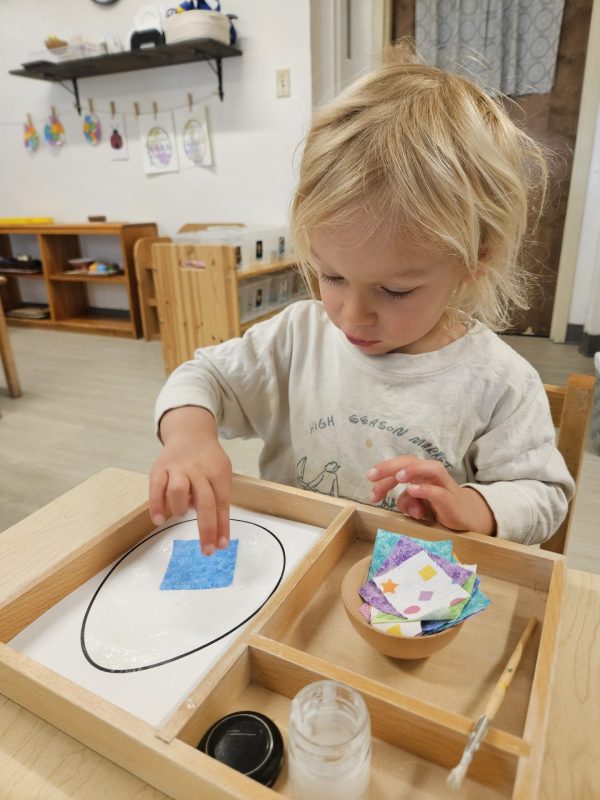
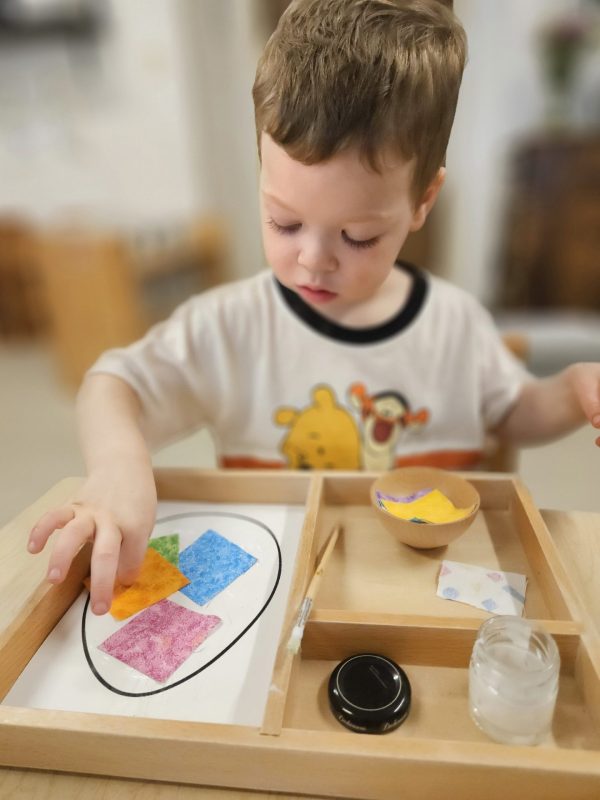
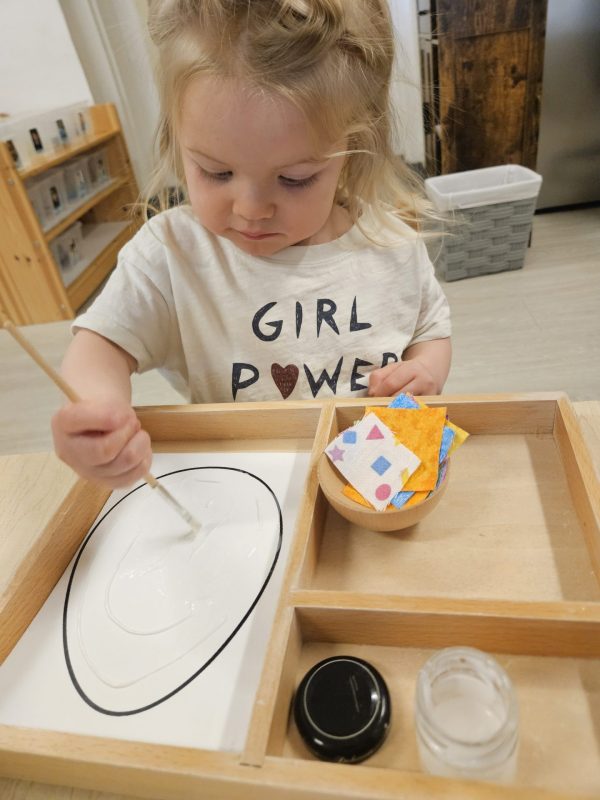
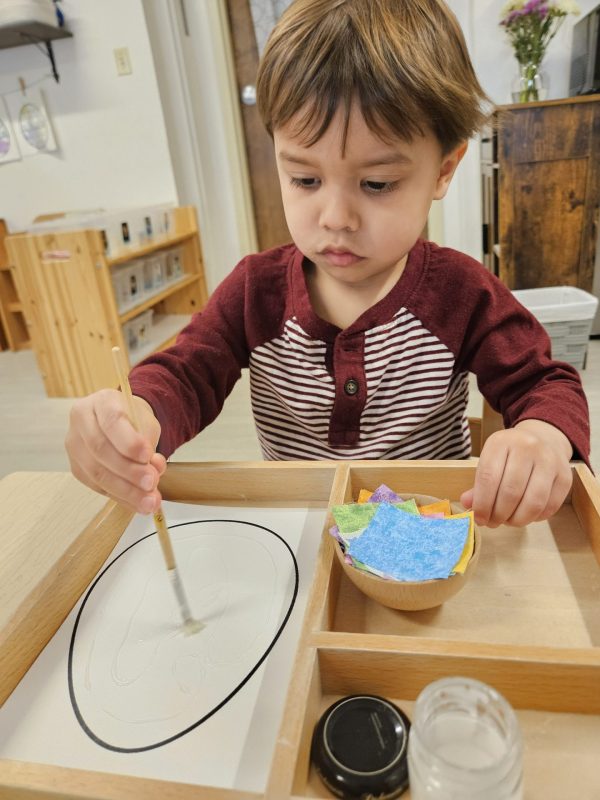
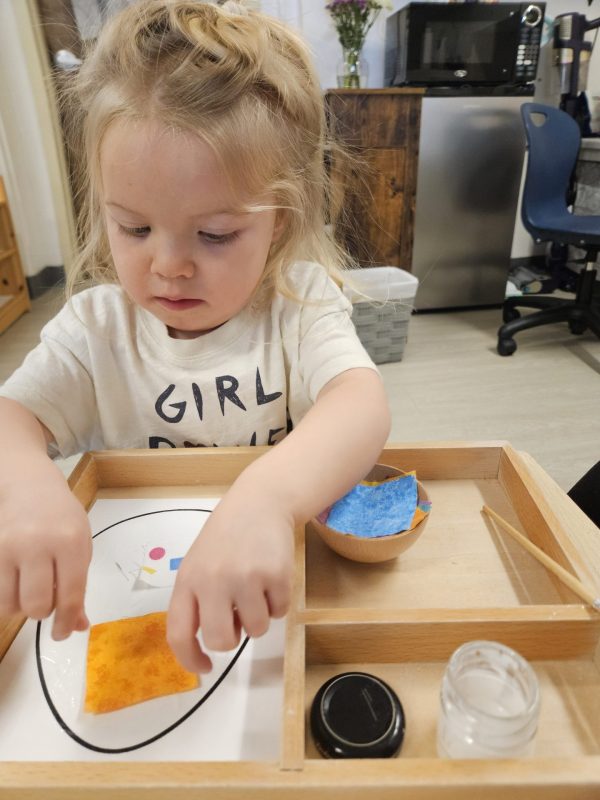
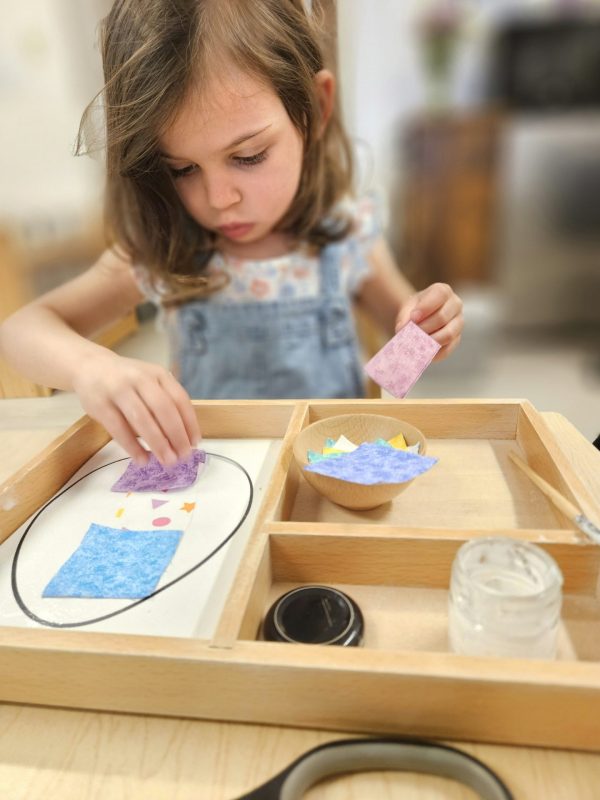
We focused on using different art modalities, giving the children opportunities to experiment with a variety of tools and materials. They decorated eggs with bright, colorful fabric, using paintbrushes to carefully spread glue before placing each piece. This activity supported both creativity and fine motor development.

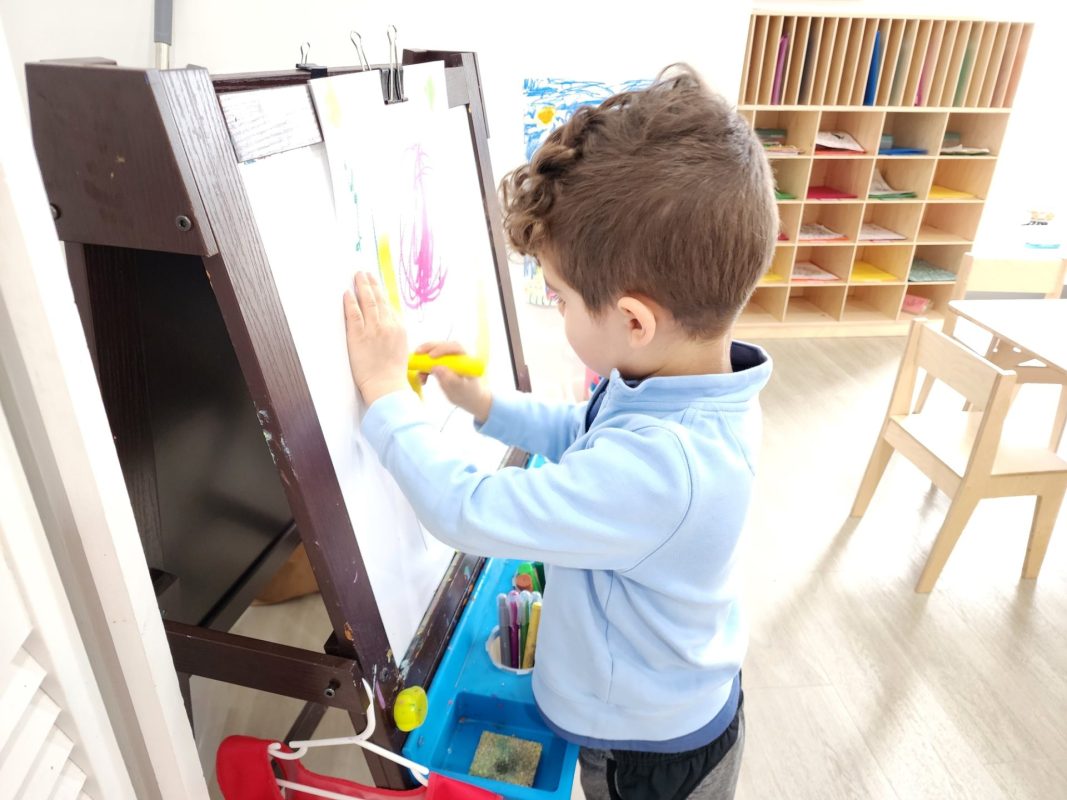
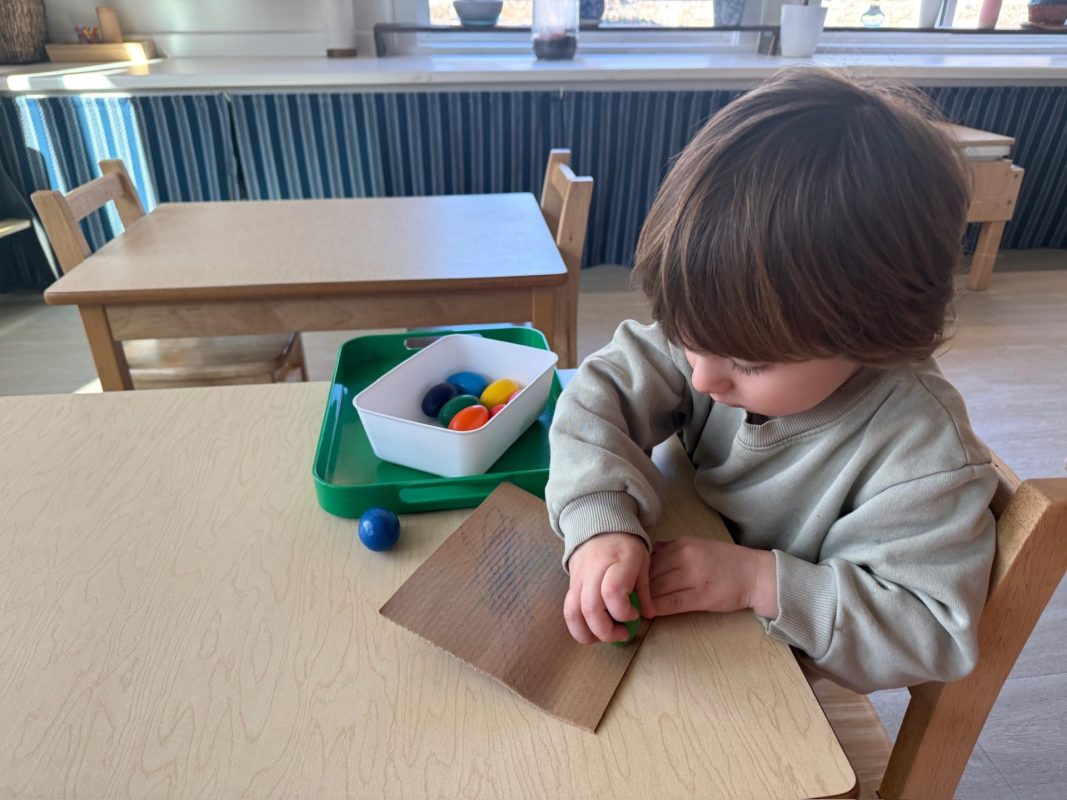
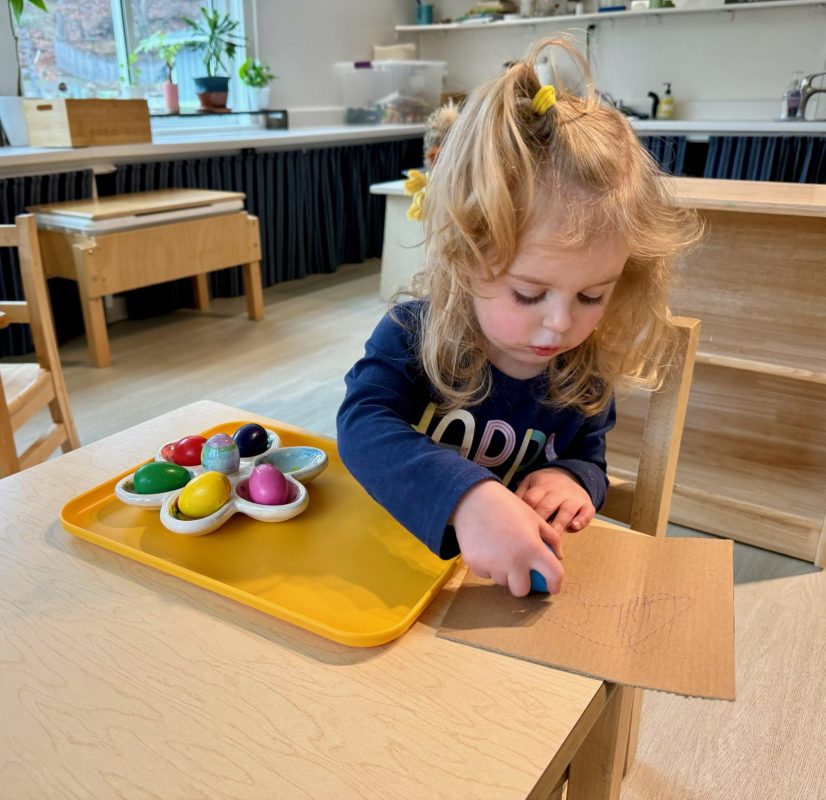
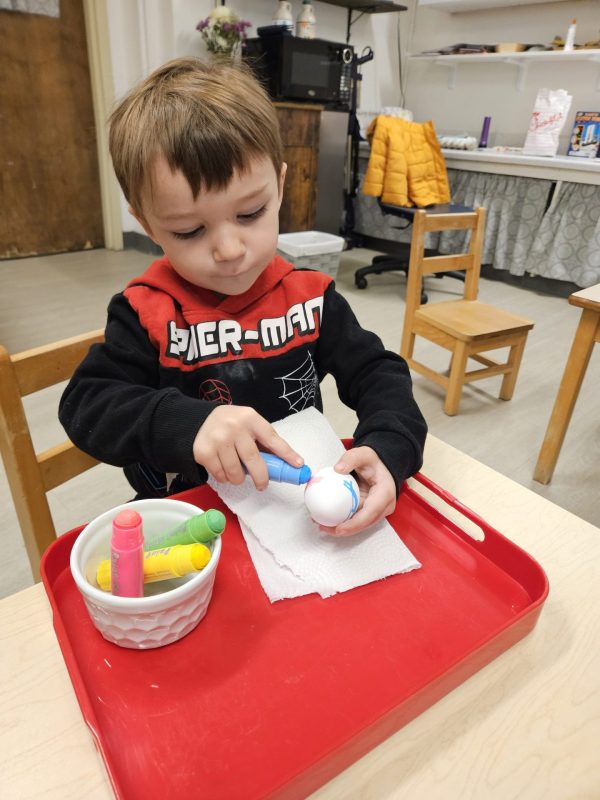
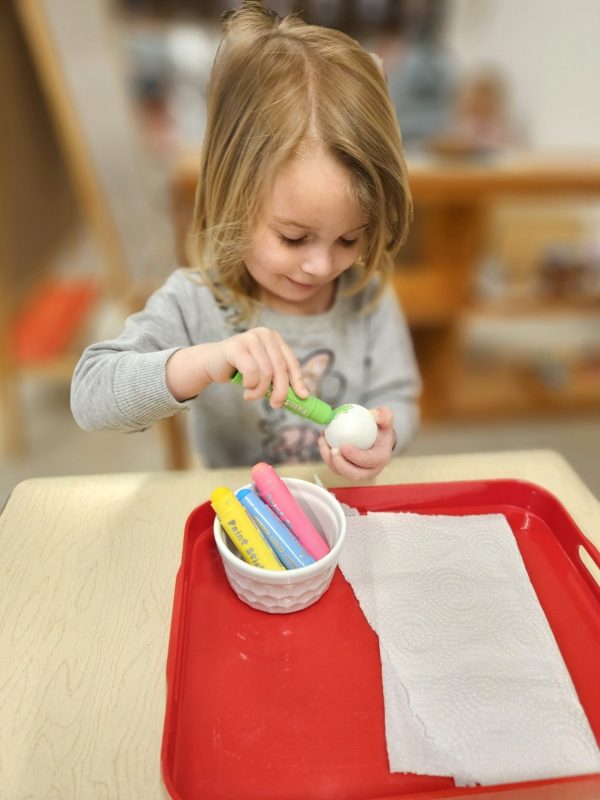
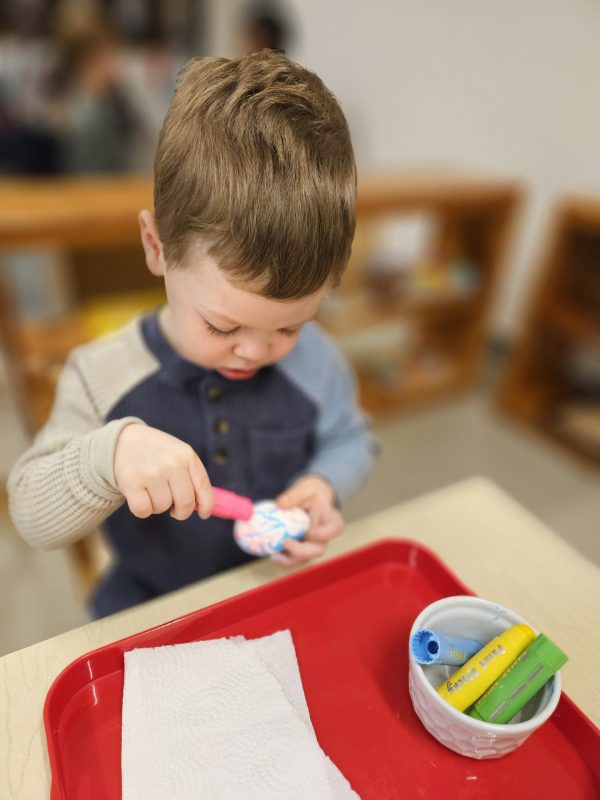
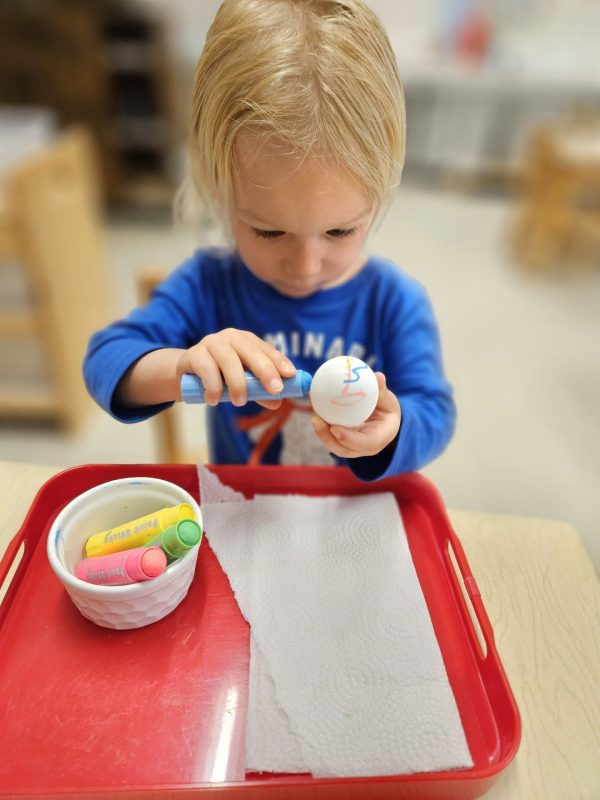
Using paint sticks, the children had the opportunity to hold craft eggs while making beautiful and bright markings.

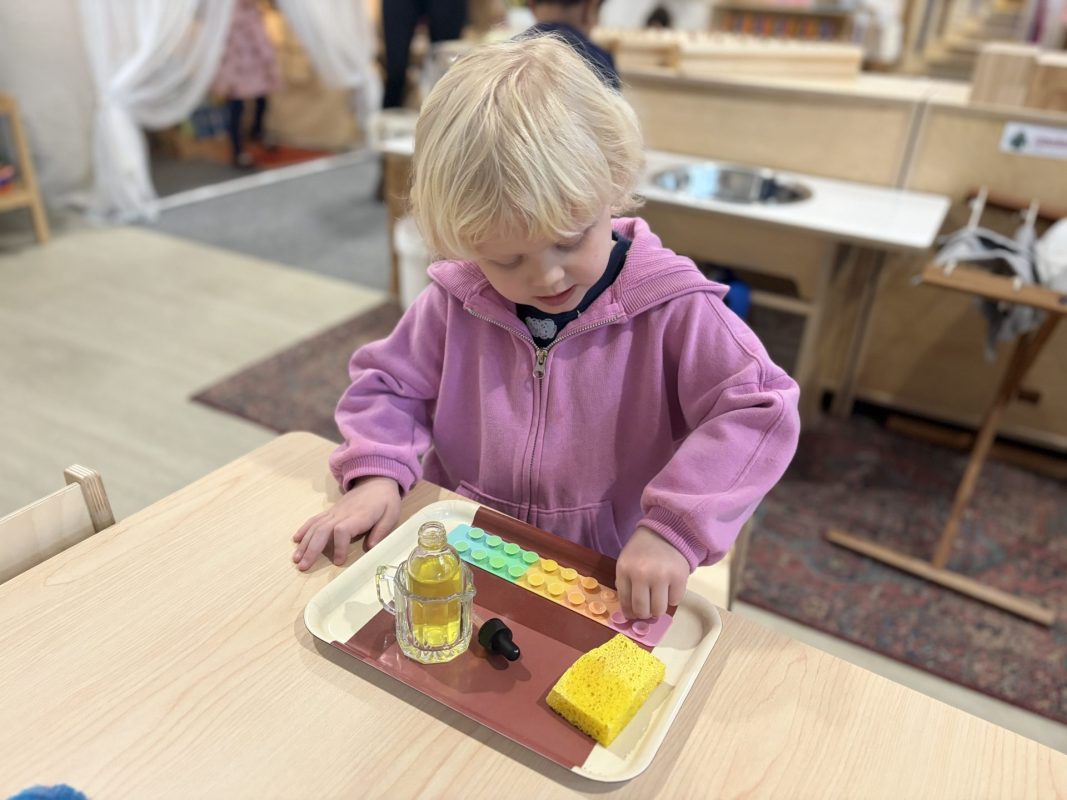
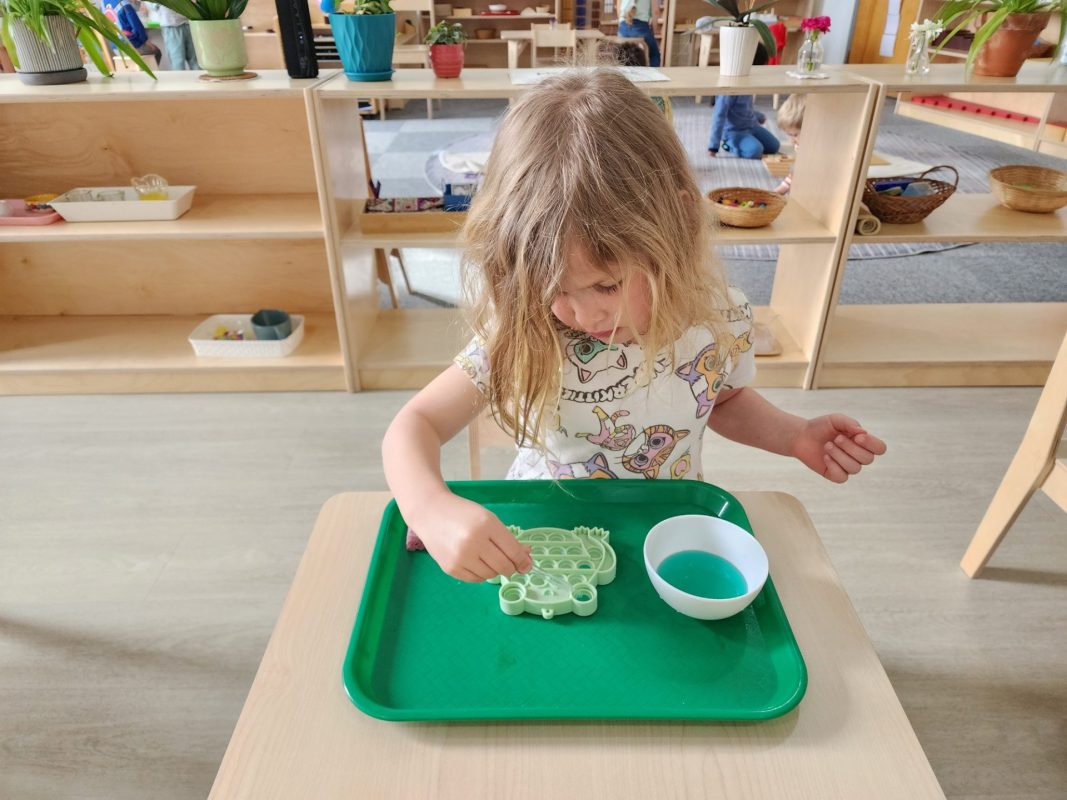
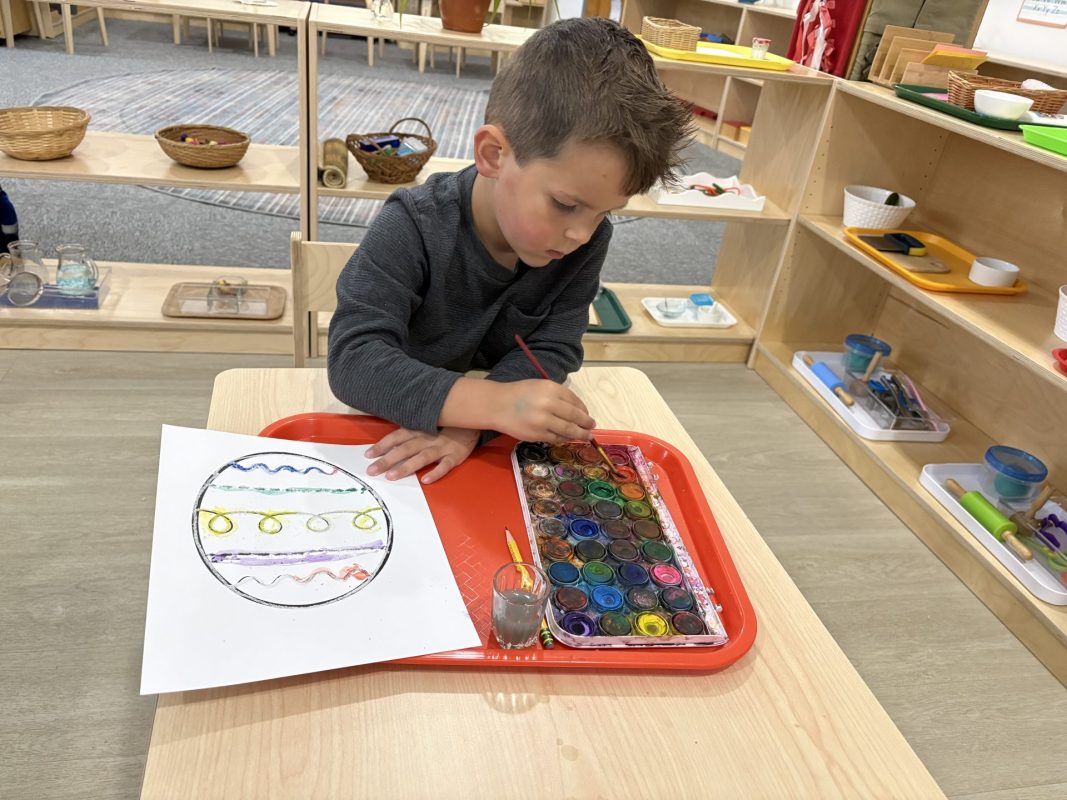
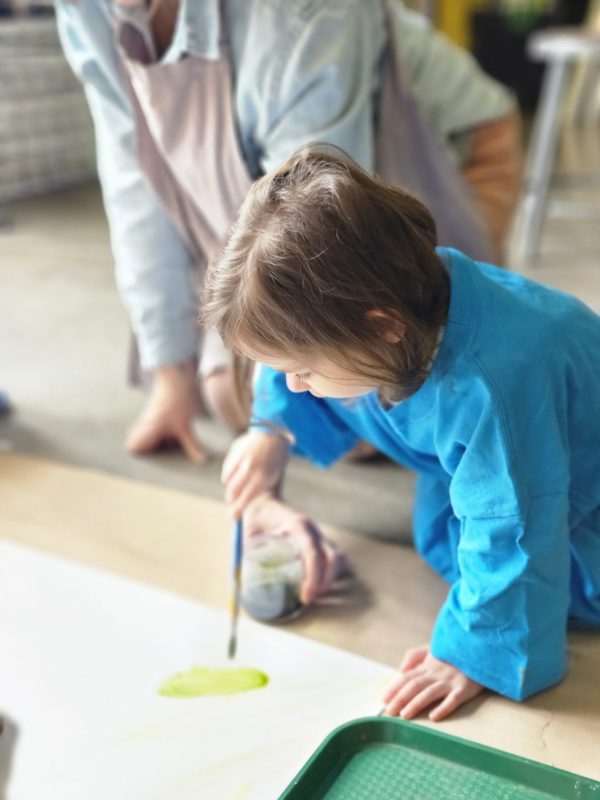
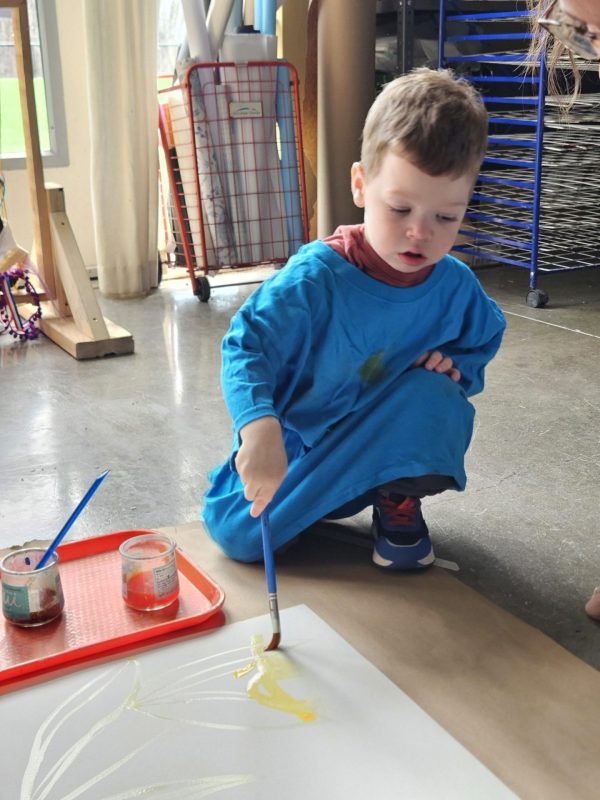
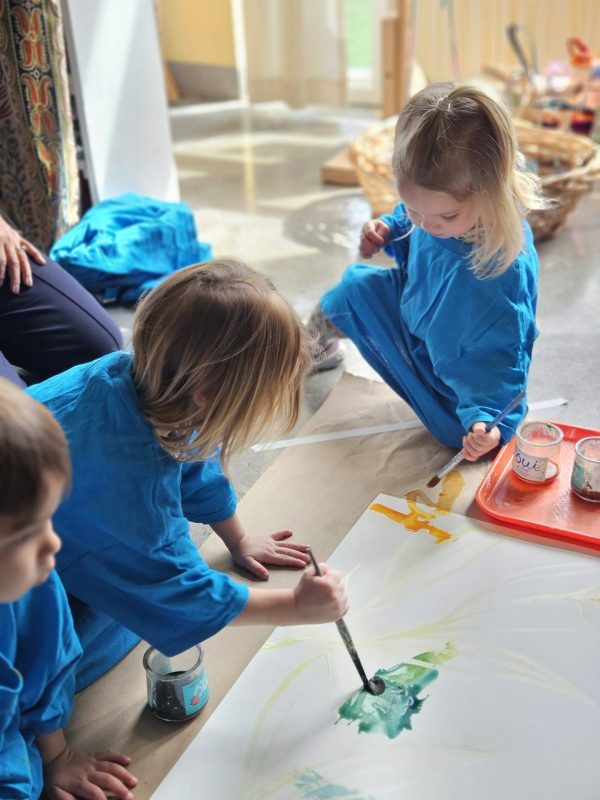
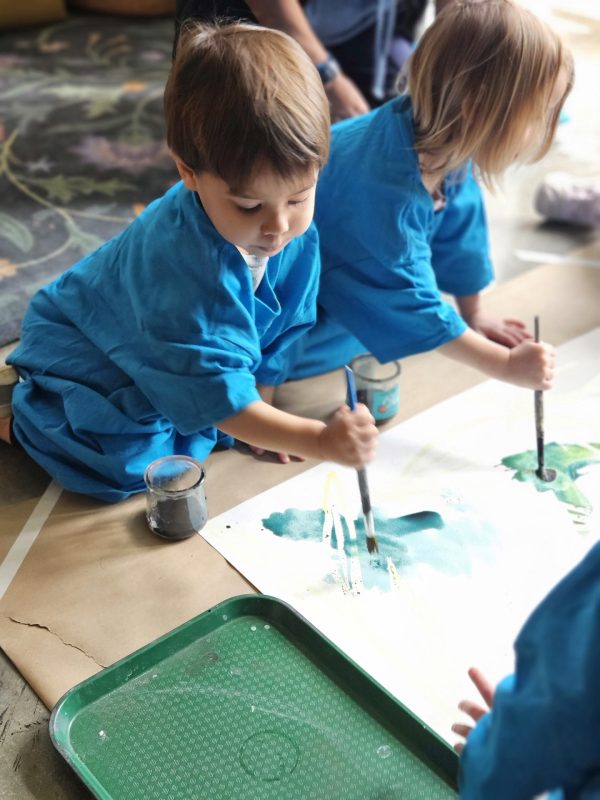
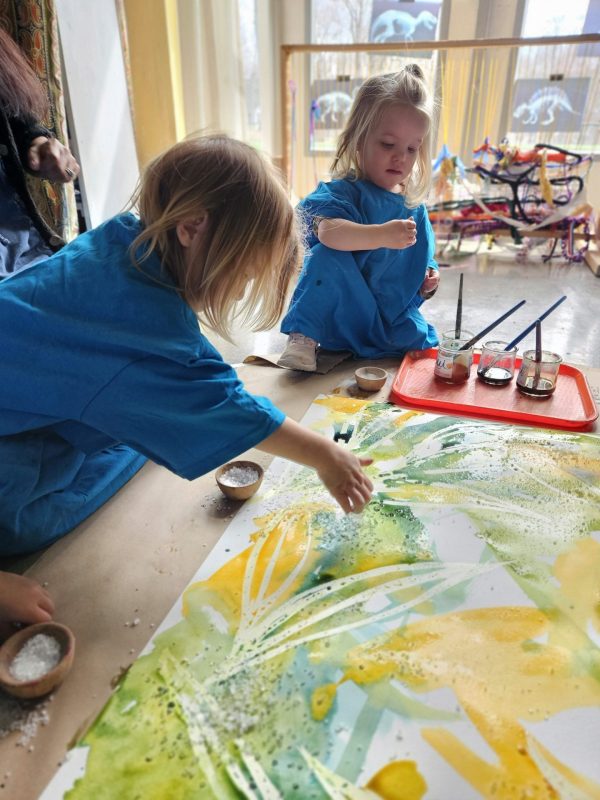
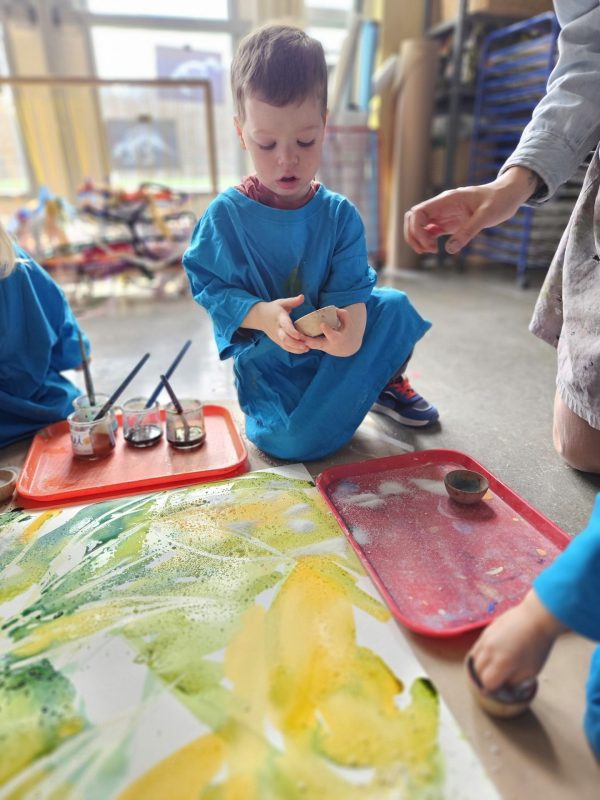
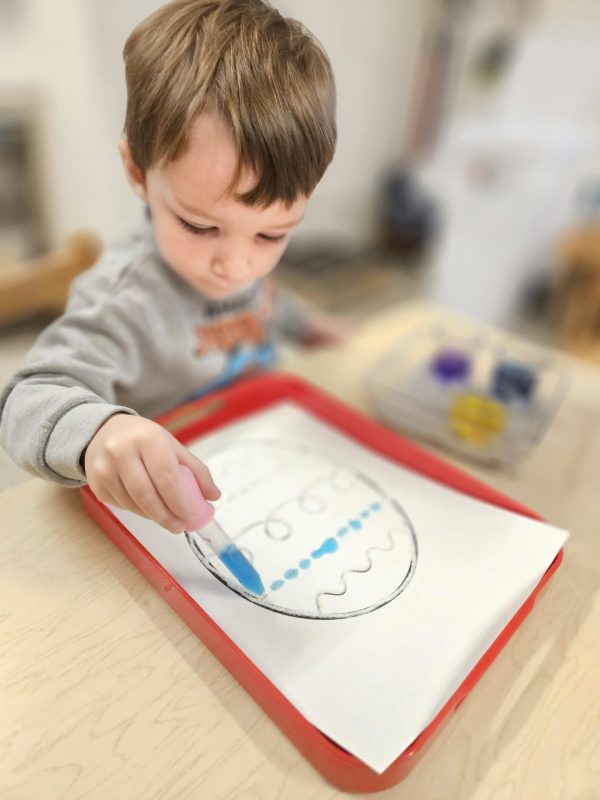
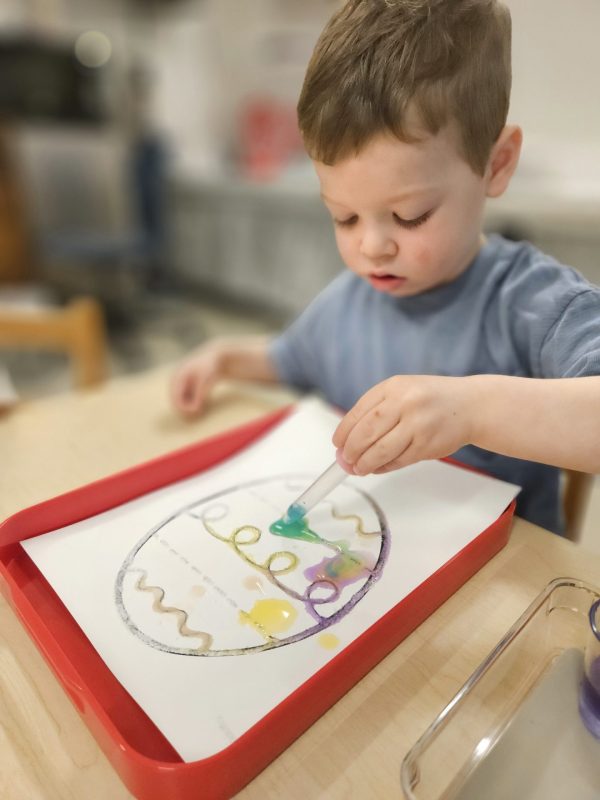
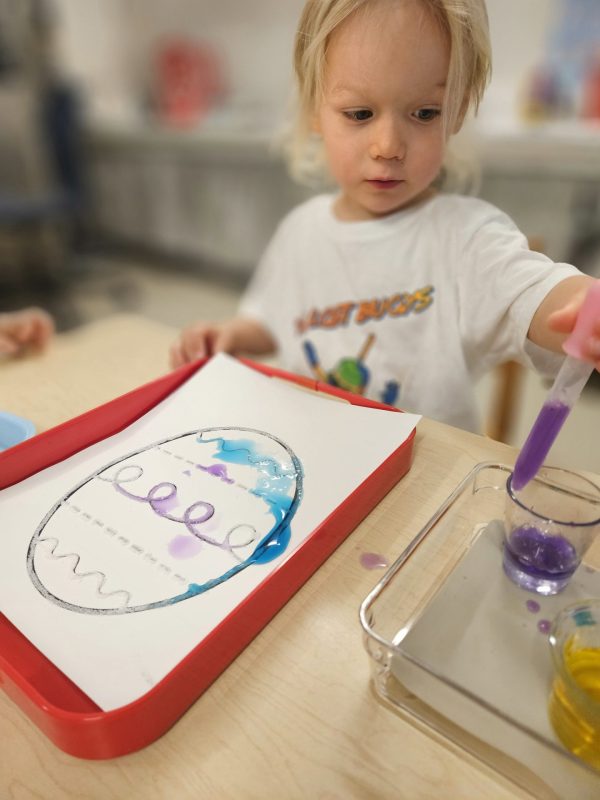
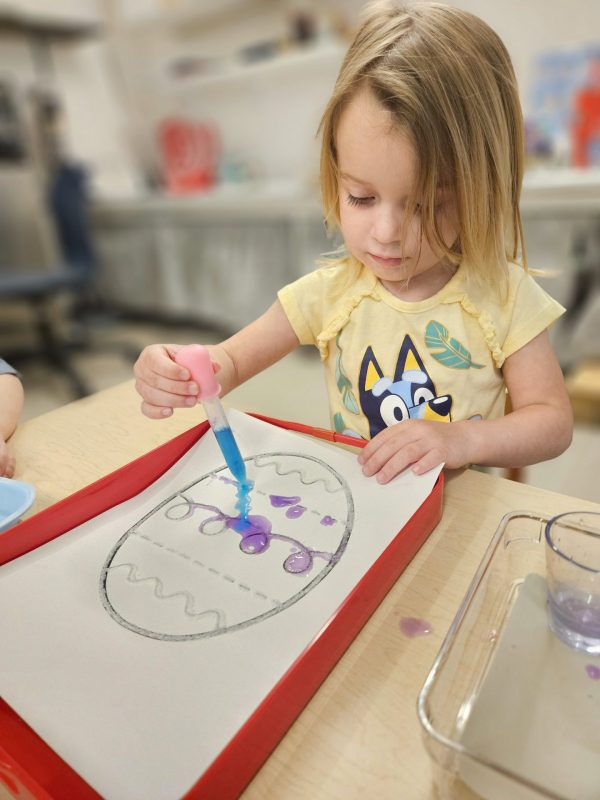
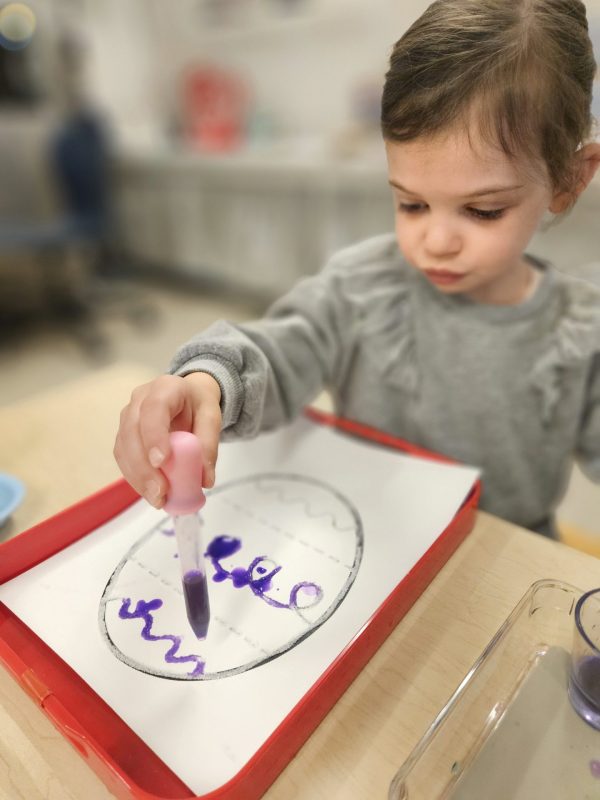
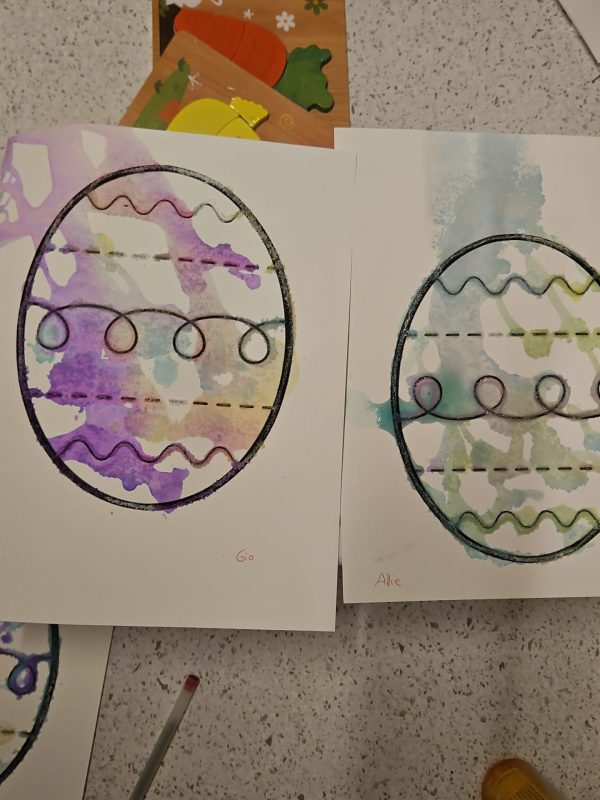
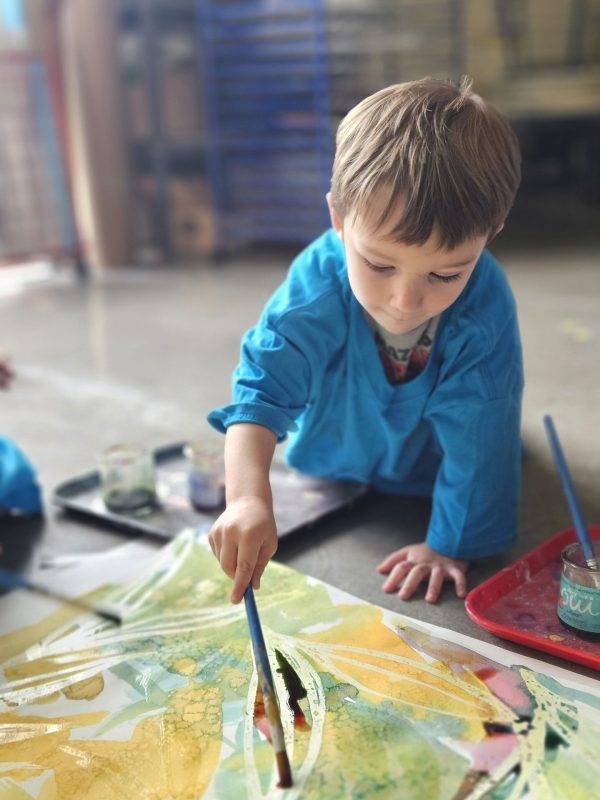
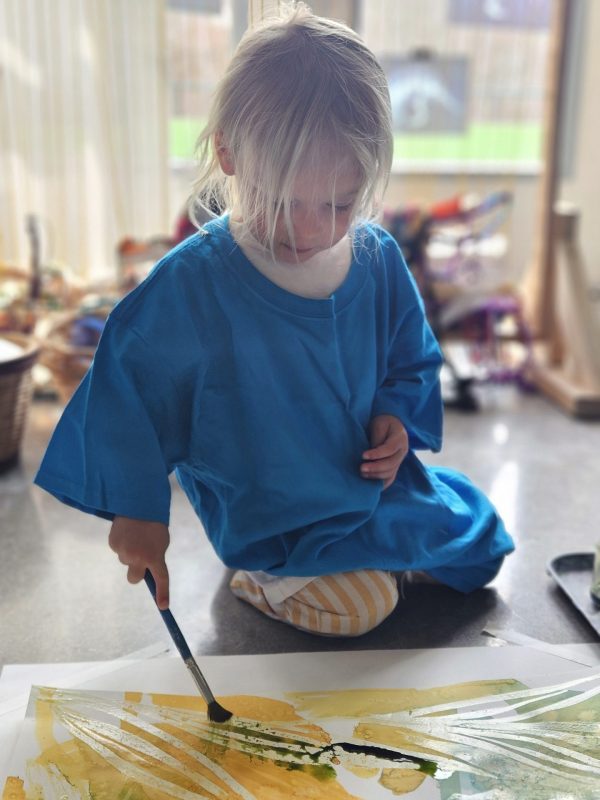
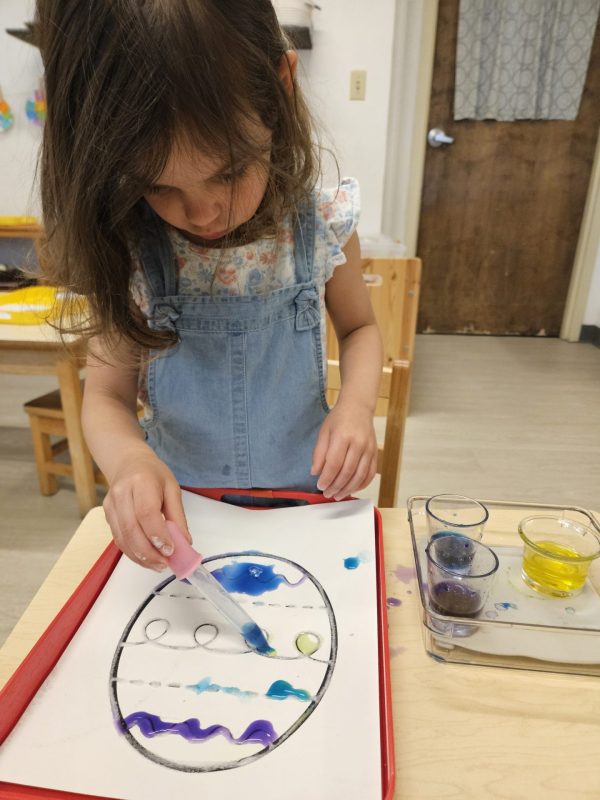
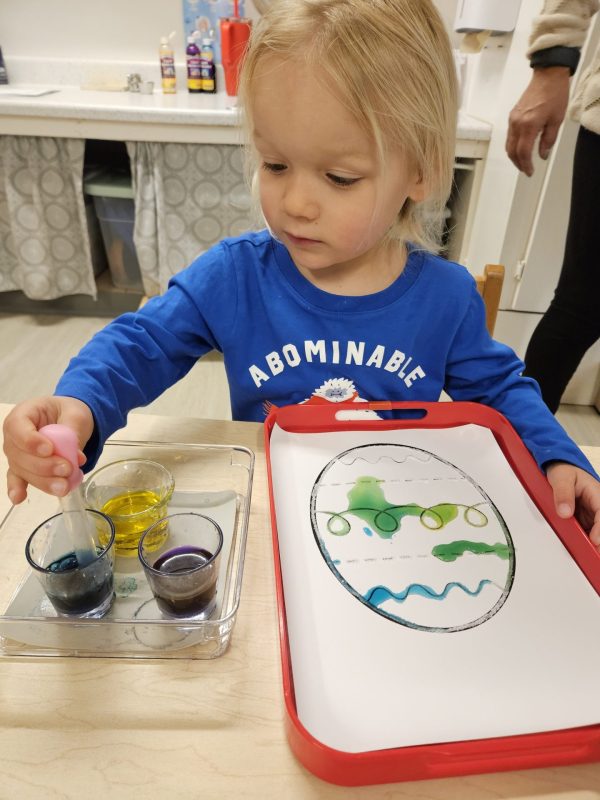
The children also used eye droppers to squeeze watercolor onto salt that outlined egg shapes. They were fascinated watching the colors spread and blend, creating beautiful, unique designs while strengthening their hand control.

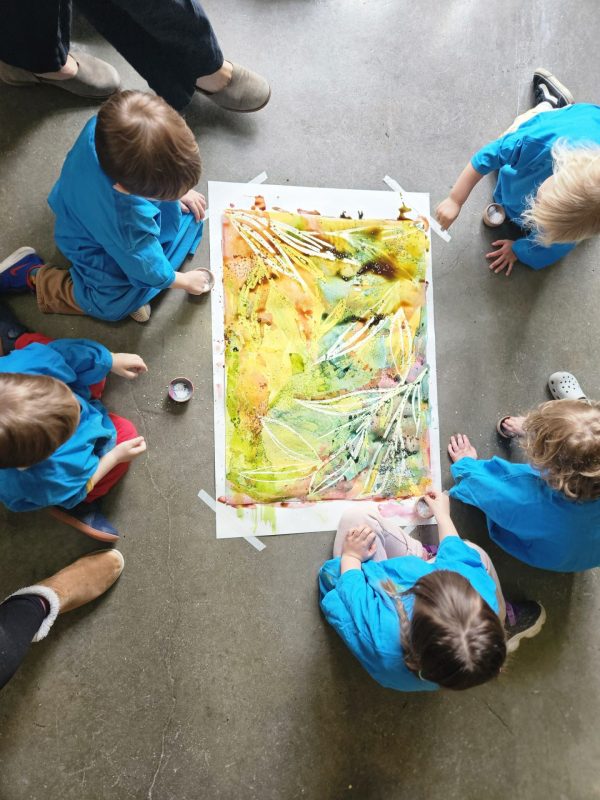
For the first time, we took a trip down to the art room to complete a class project together. The children did an amazing job! They were calm, focused, and listened closely to directions, all while letting their creativity shine. We were so proud of how they handled this new experience!

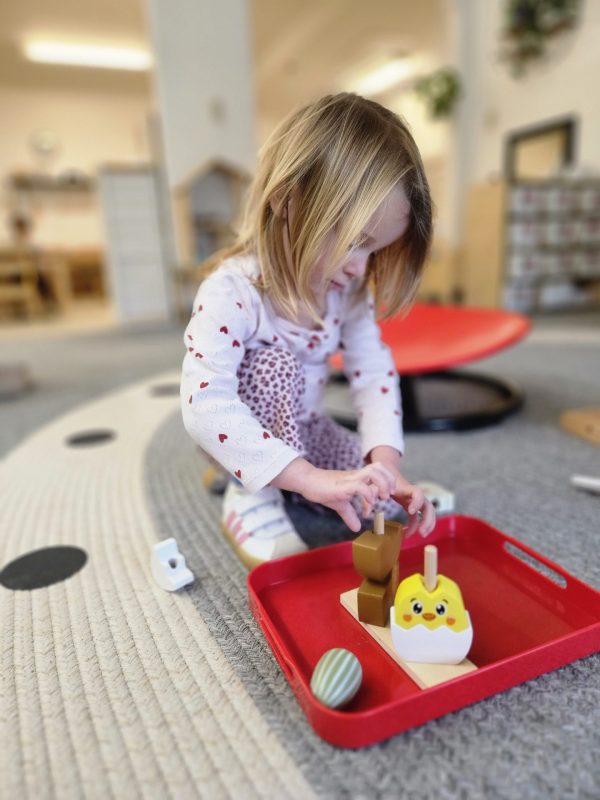
Each morning, we added a little excitement by hiding small wooden eggs around the classroom. The children loved using their searching skills to find them, turning it into a fun and engaging start to the day.

It was truly a wonderful and artistic week, full of creativity, focus, and joy. We hope everyone enjoys a relaxing and happy long weekend!


This Week in Upper El

“Faith is the bird that feels the light and sings when the dawn is still dark.” -Rabindranath Tagore

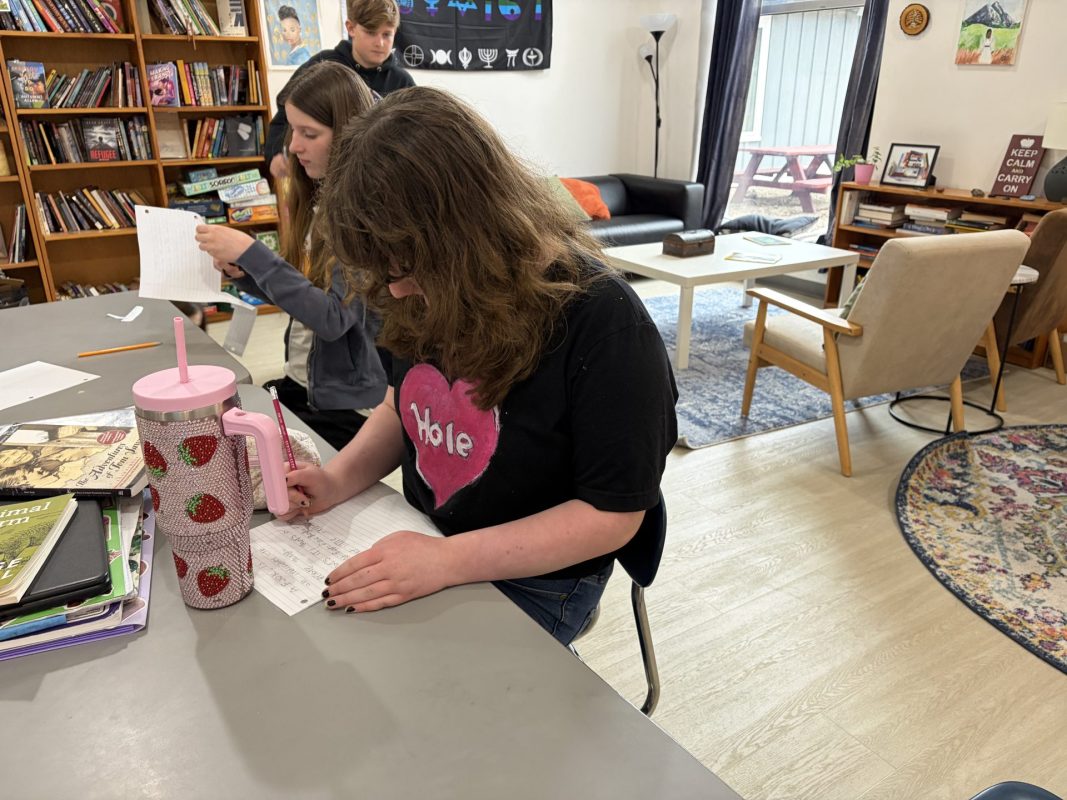
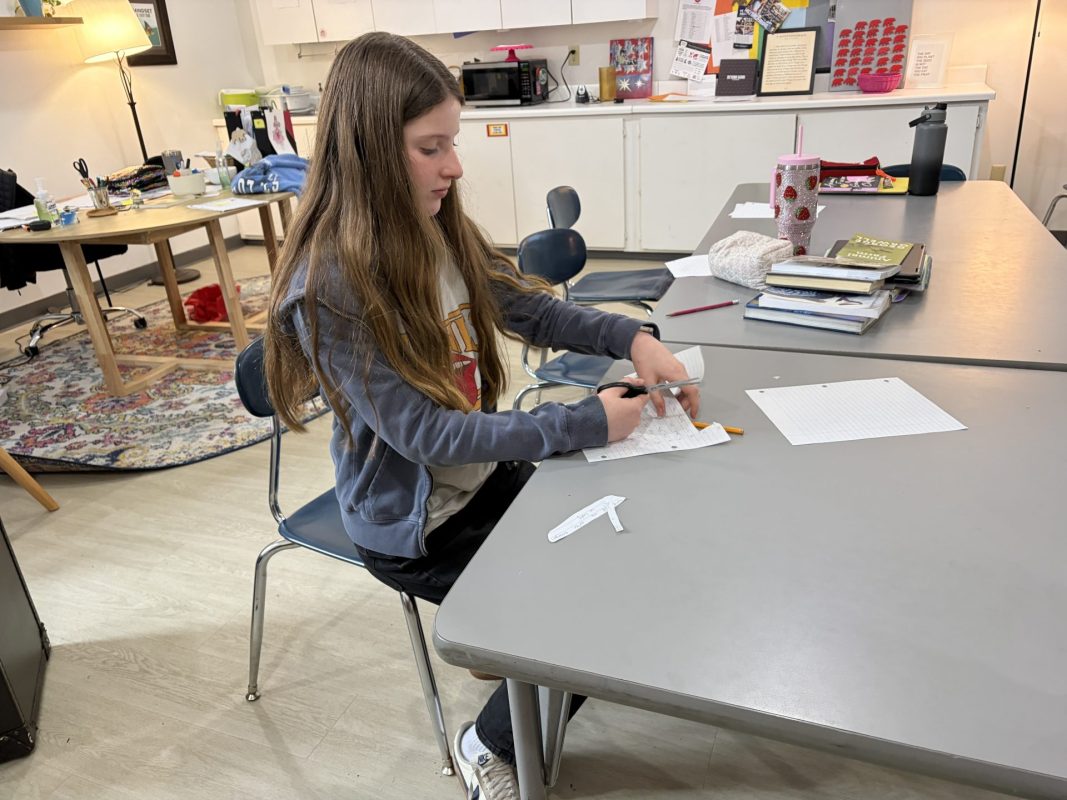
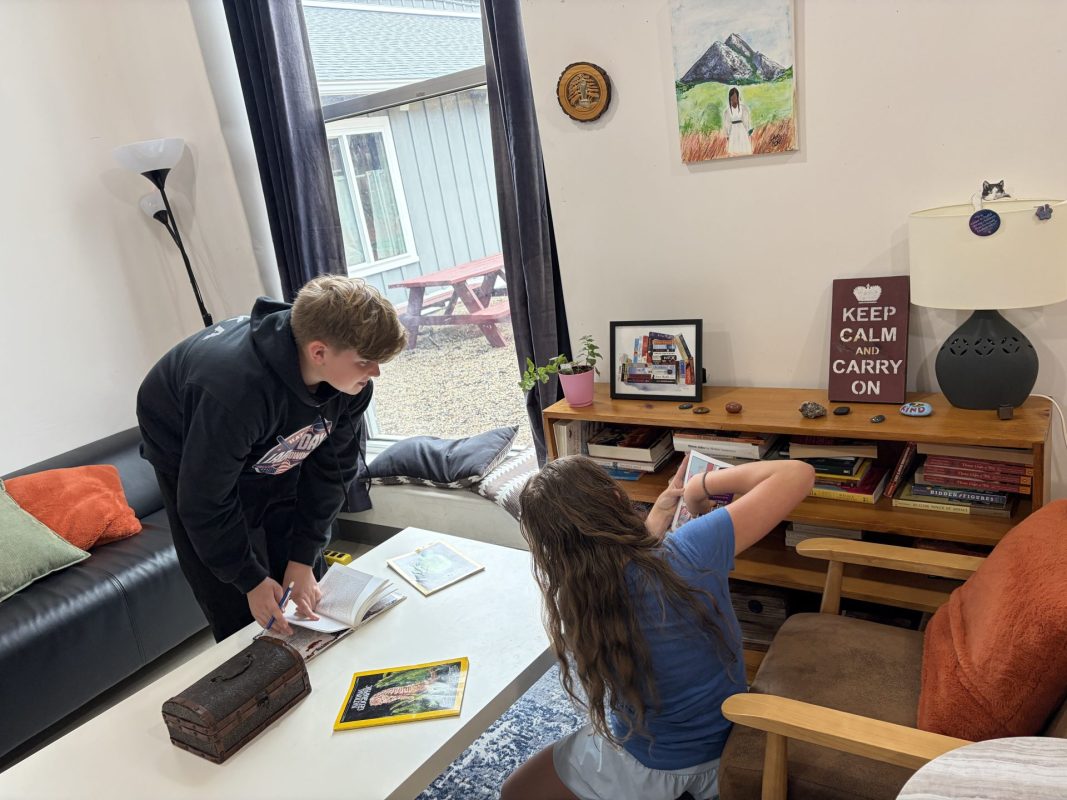
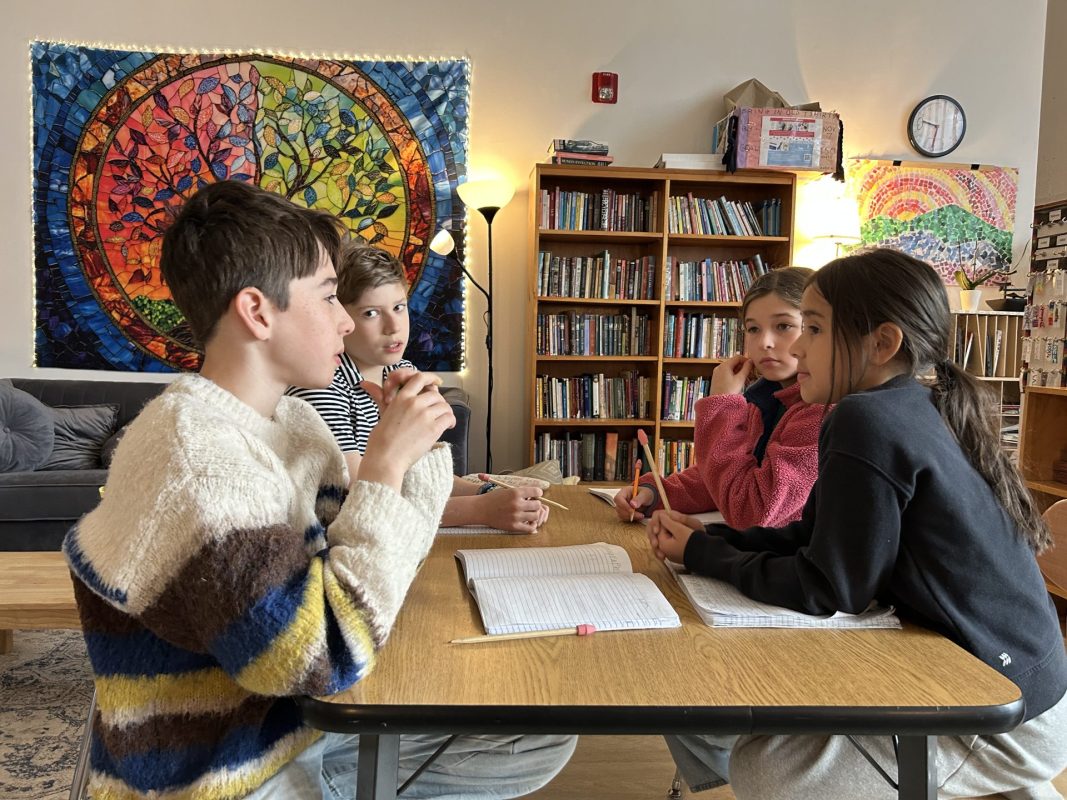
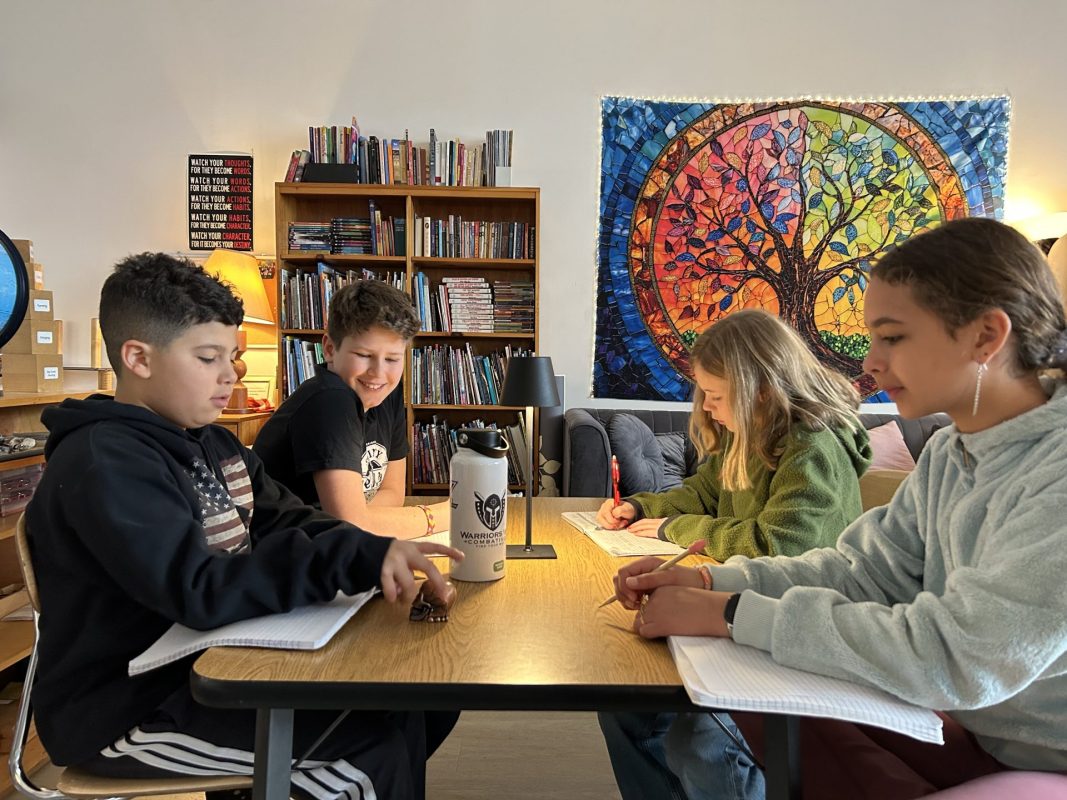
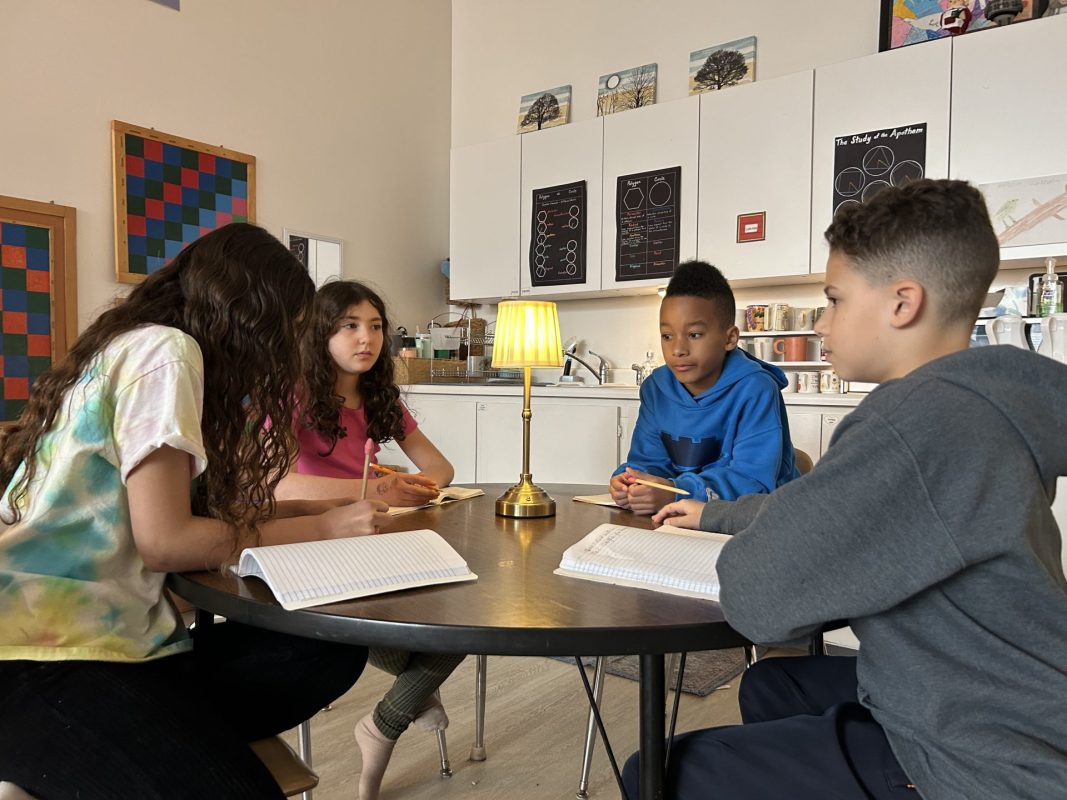
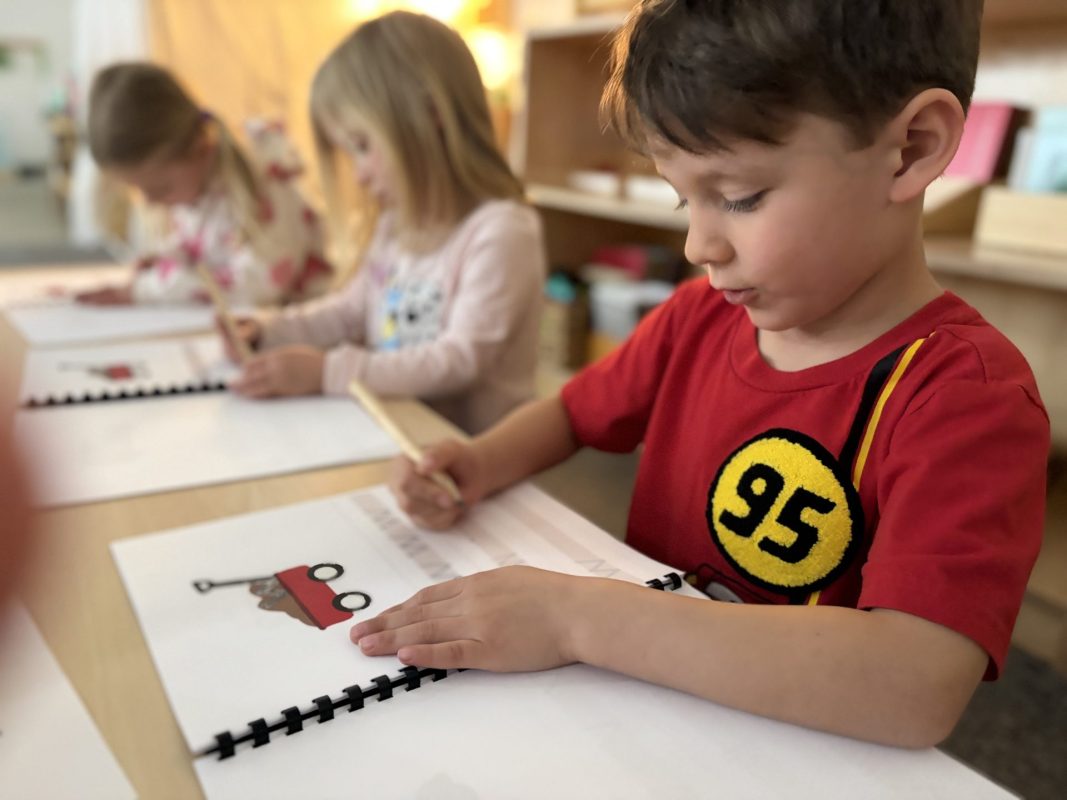
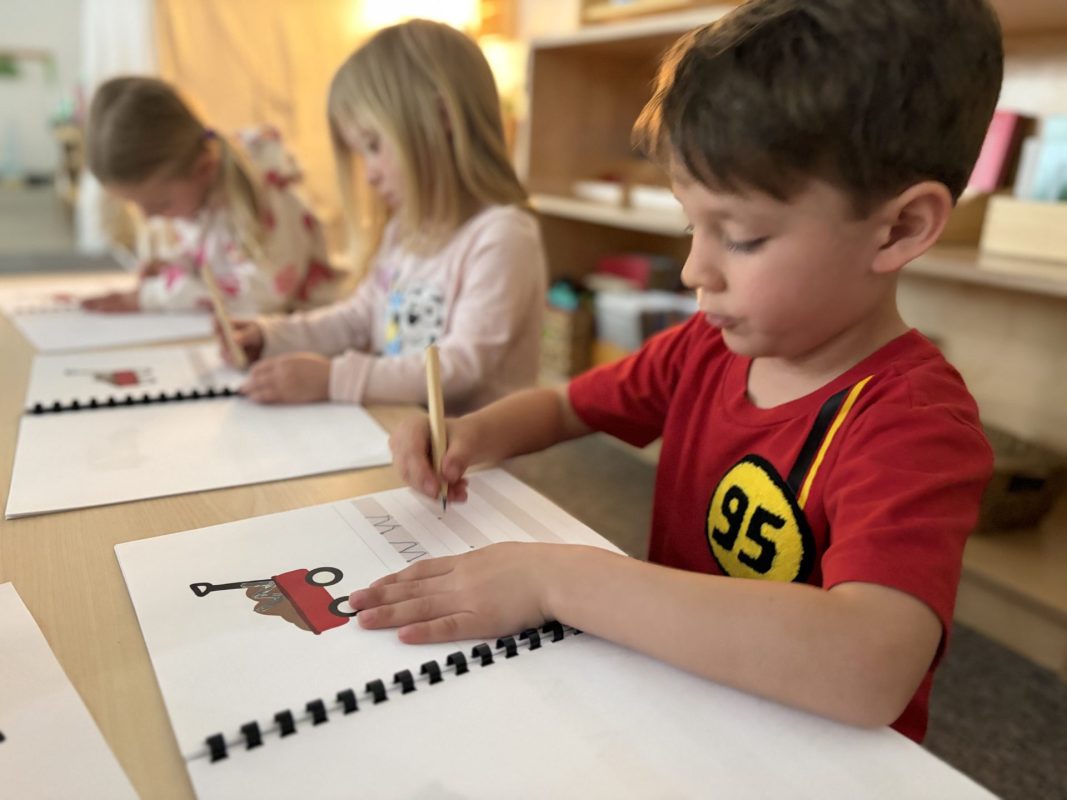
We kicked off our week with a writing lesson on how to write a single paragraph outline. The classroom was full of excitement as students brainstormed and collaborated to develop their outlines, setting them up for some awesome writing down the line! After brainstorming, we came back together as a group to share ideas and formulate a topic sentence, supporting sentences, and a concluding sentence together.

In geometry, fourth graders were busy exploring area through some hands-on activities, constructing rectangles of different sizes using various arrays. This not only reinforced their understanding of area but also got them thinking critically about how shapes relate to numbers. The fifth graders dove deeper into circles. They learned how to use the diameter and Pi to calculate circumference. As they measured the diameters of circles and calculated their circumferences, their understanding solidified.

In grammar, fourth graders focused on interrogative and relative pronouns, which really helped sharpen their sentence structure and comprehension. They analyzed sentences and worked on distinguishing between different types of pronouns. Meanwhile, the fifth graders tackled appositives during their sentence analysis work. They learned that a noun is an appositive when it renames the first noun and that adjectives may be in apposition to a noun when they follow the noun rather than precede it.
In biology, we looked at how sensitivity functions in animals. The students learned about various biological features, such as protoplasm, nerve nets, ganglia, nerve cords, and brains, and how these structures help animals interact with their environments. This week laid the groundwork for a deeper dive next week, where we’ll look at specific animals and their unique adaptations for sensitivity.
Coming Up

  • Thursday, April 9 – Sandwich Making for the Soup Kitchen
  • Friday, April 10 – Nature’s Classroom $100 Deposit Due
  • Wednesday, April 22 – April Birthday Breakfast