Blog

Mrs. Lopes: New Life Is Hatching in Our Classroom

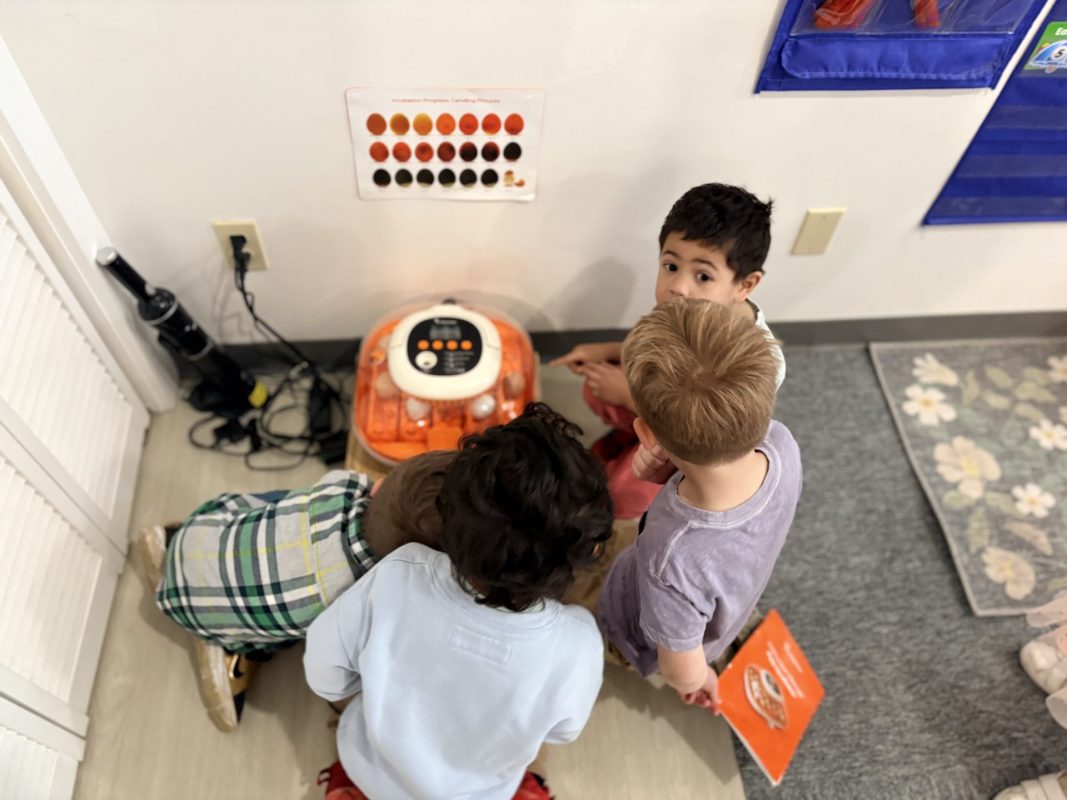
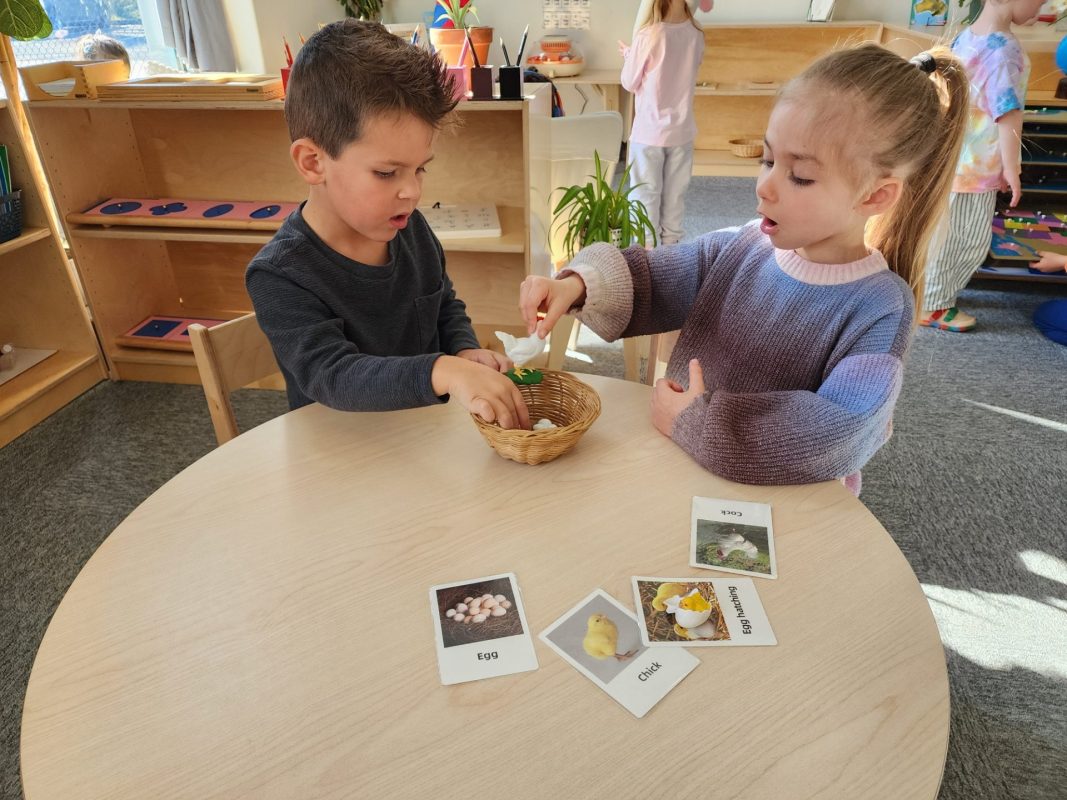
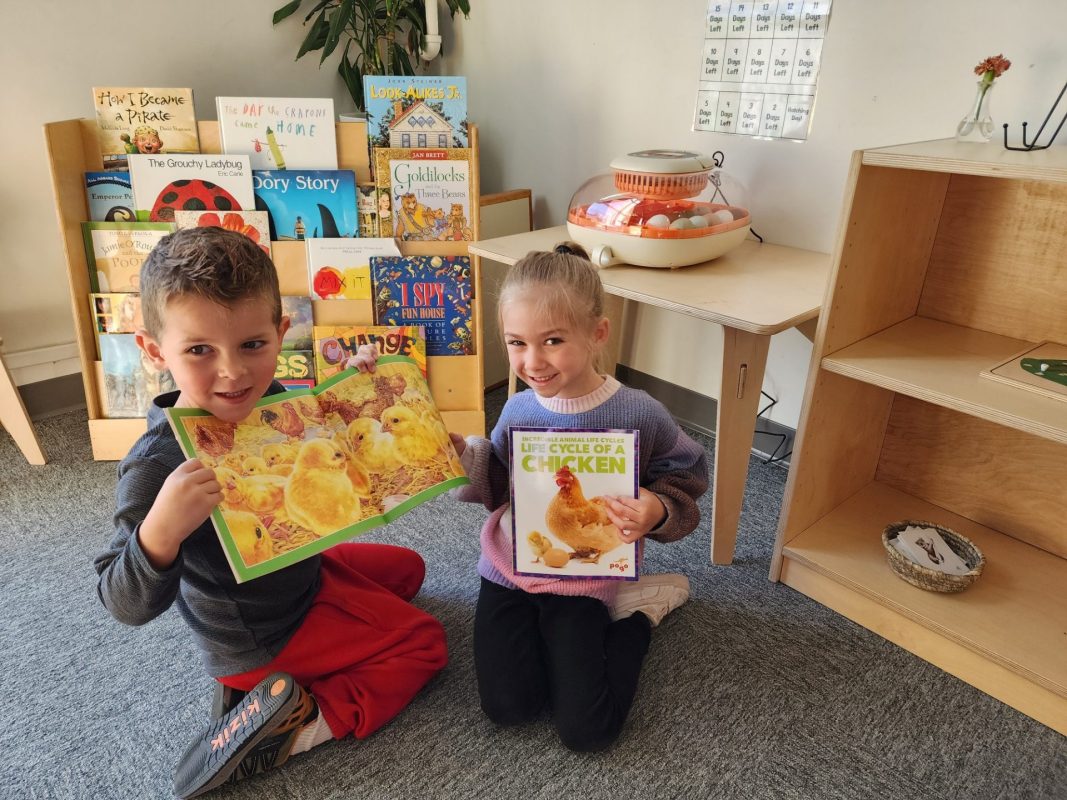
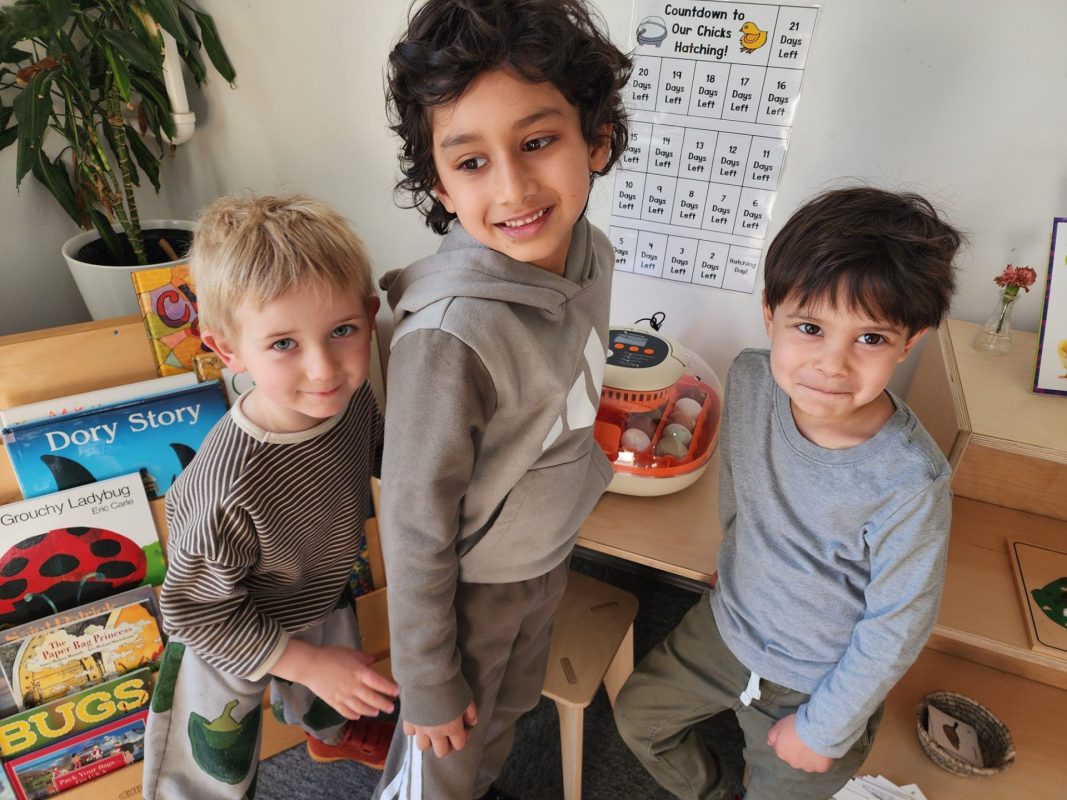
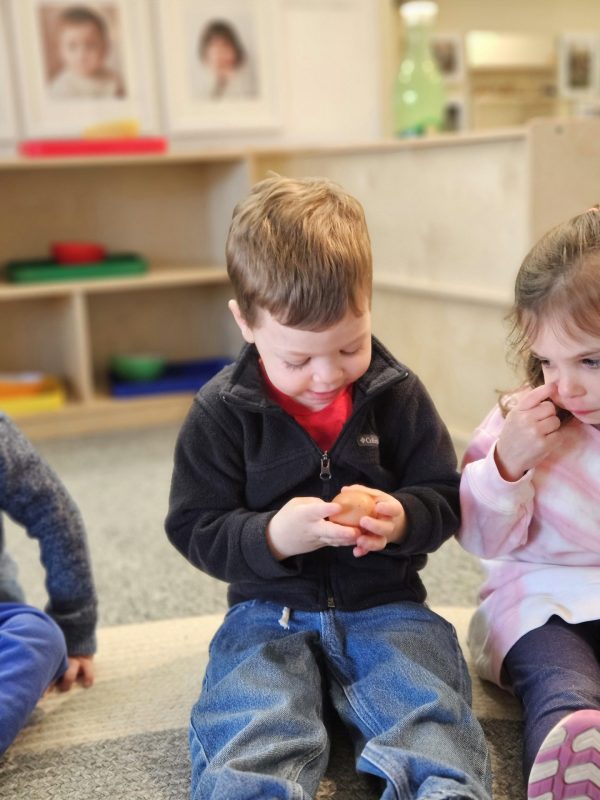
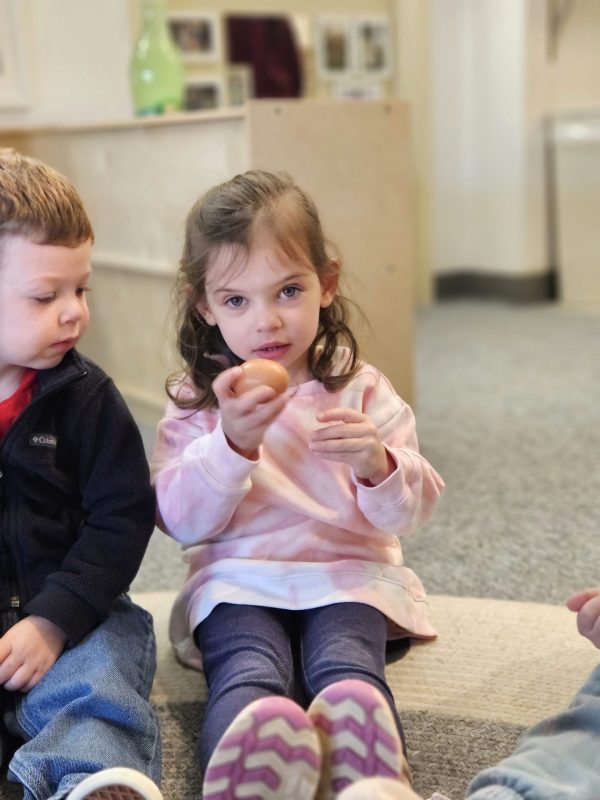
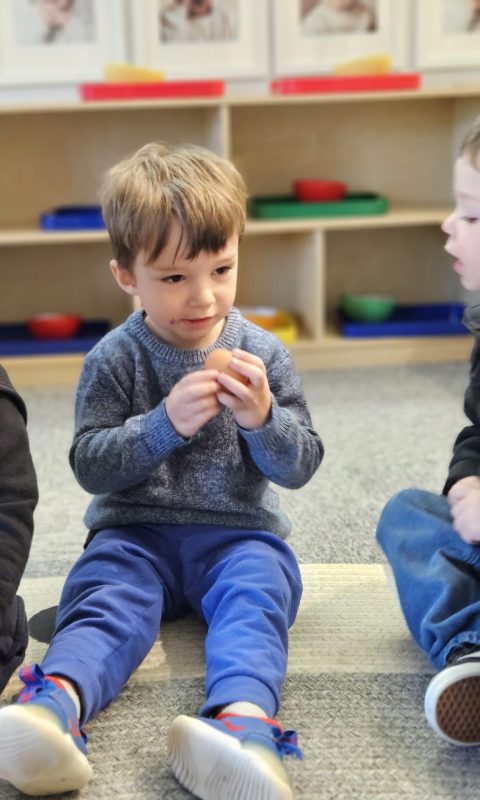
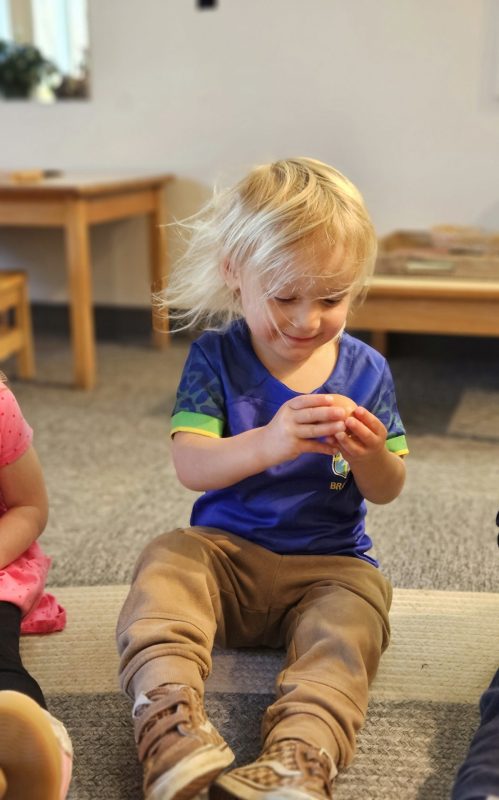
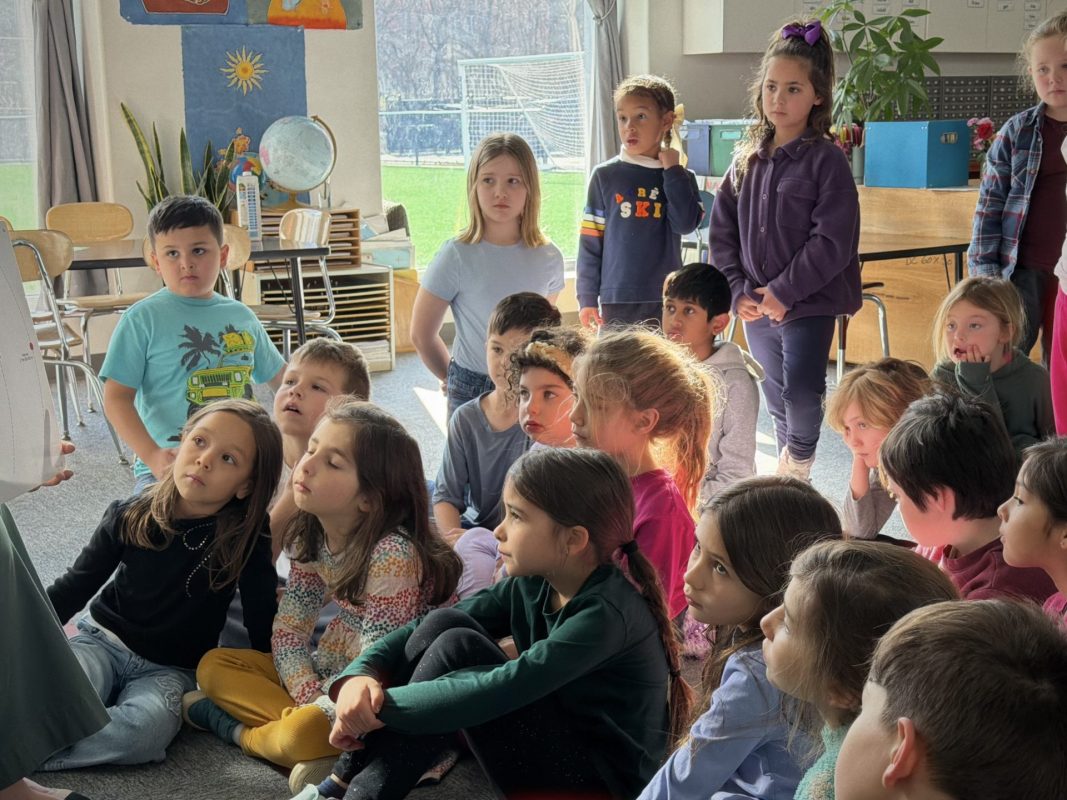
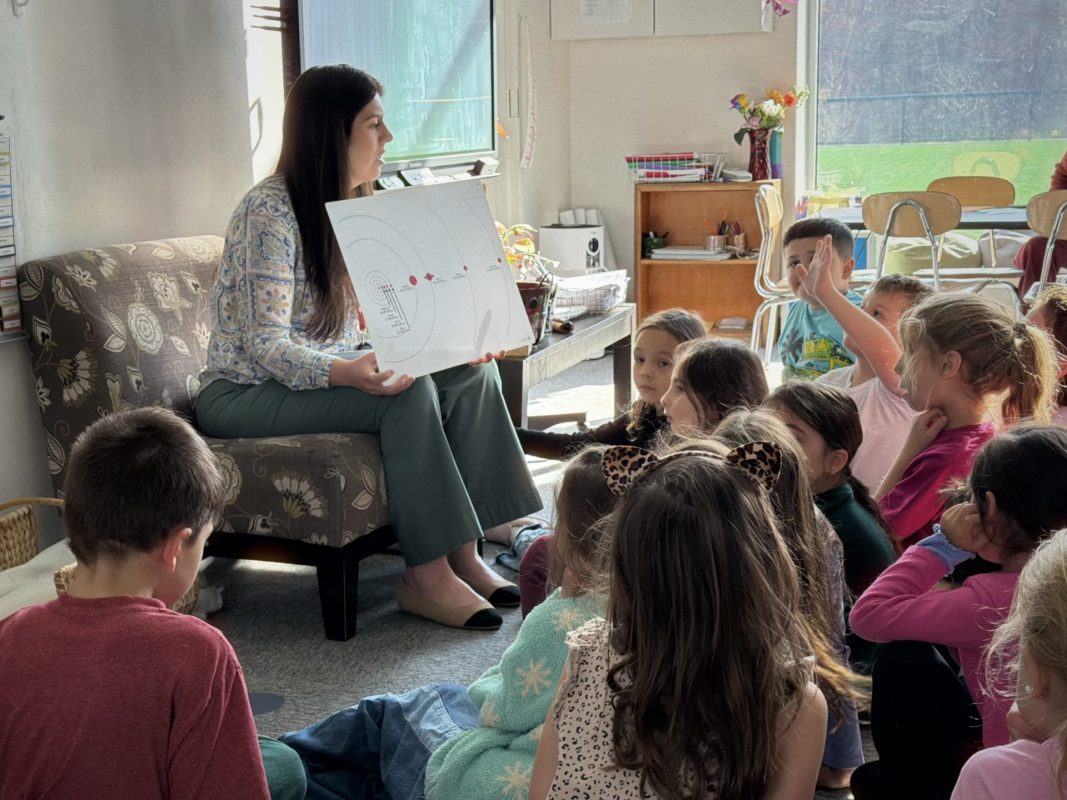
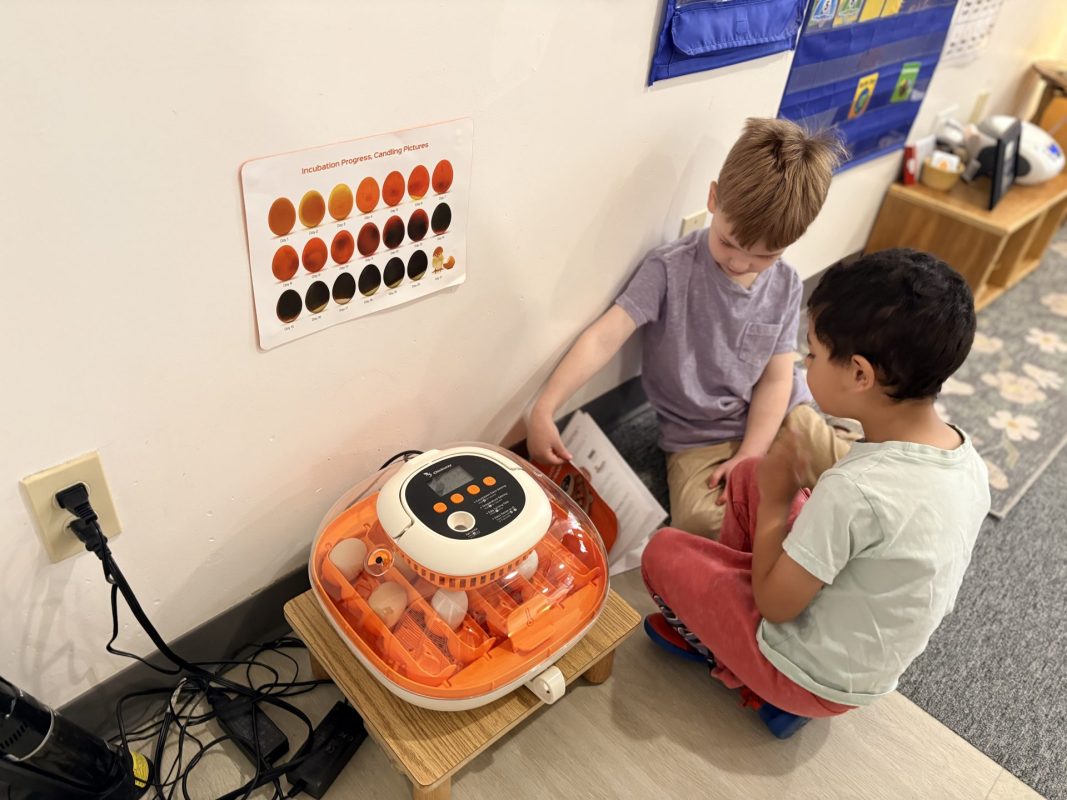
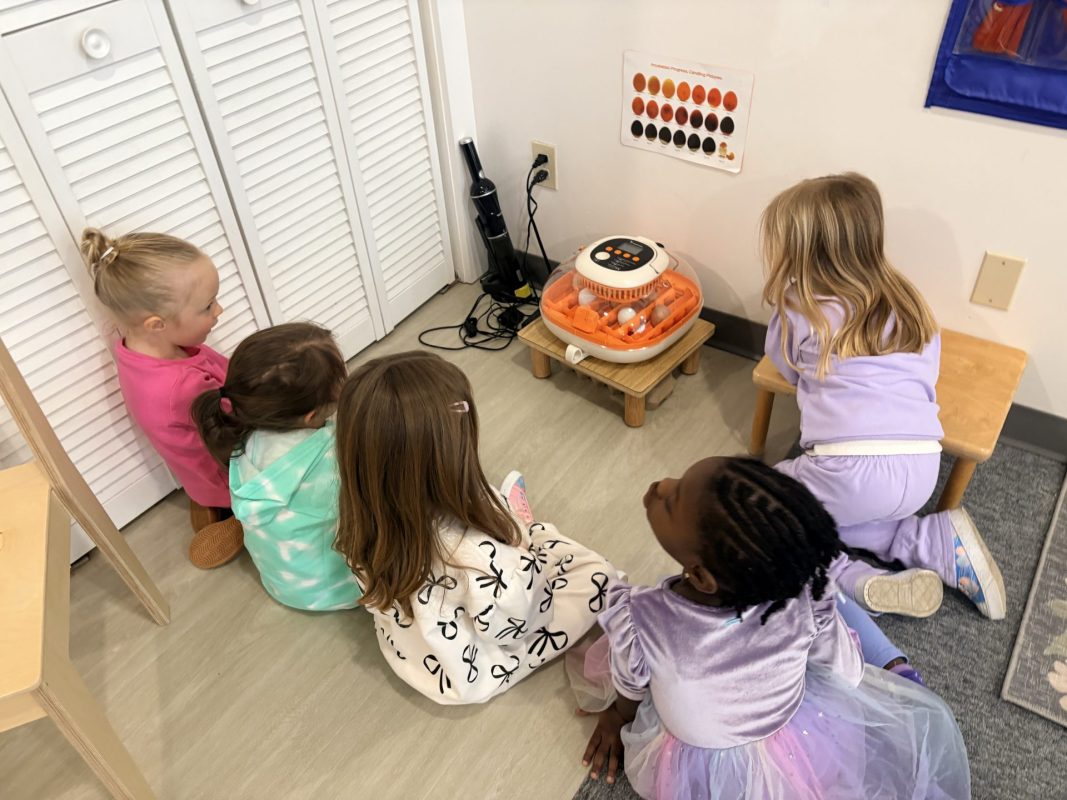
Last week, something truly special arrived in our classroom: eleven chicken eggs! On Tuesday morning, the children gathered around as we carefully placed each egg and began our study of the chicken life cycle together.

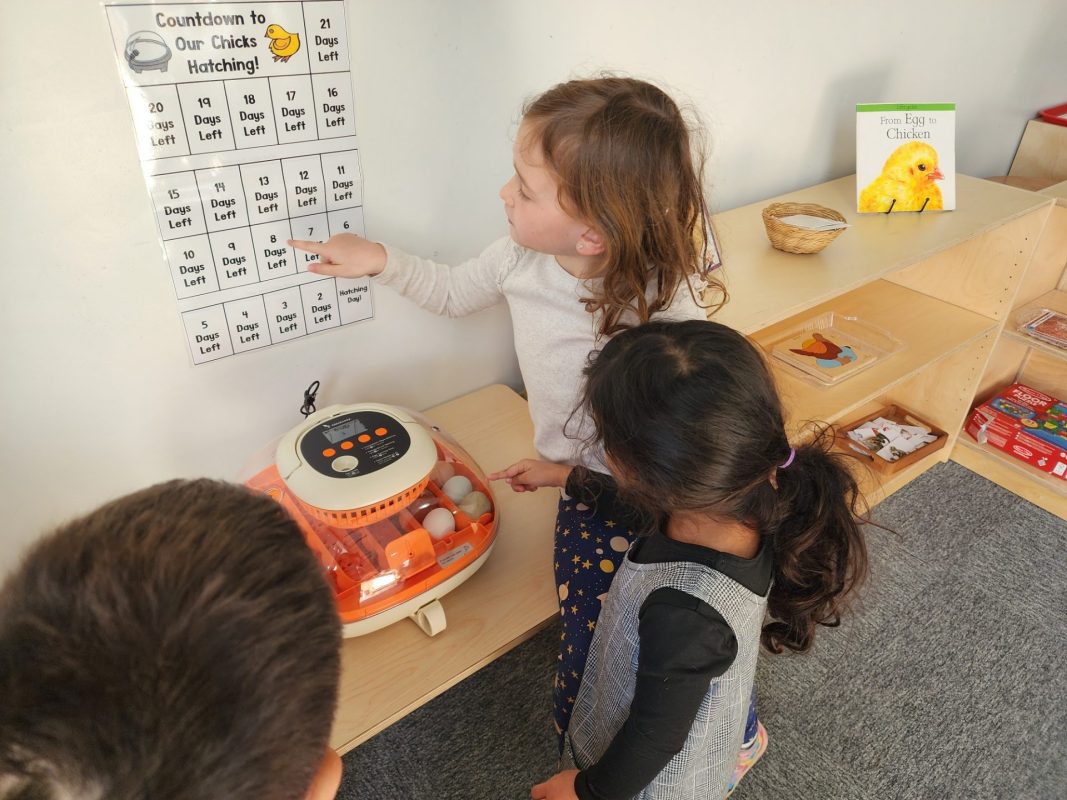
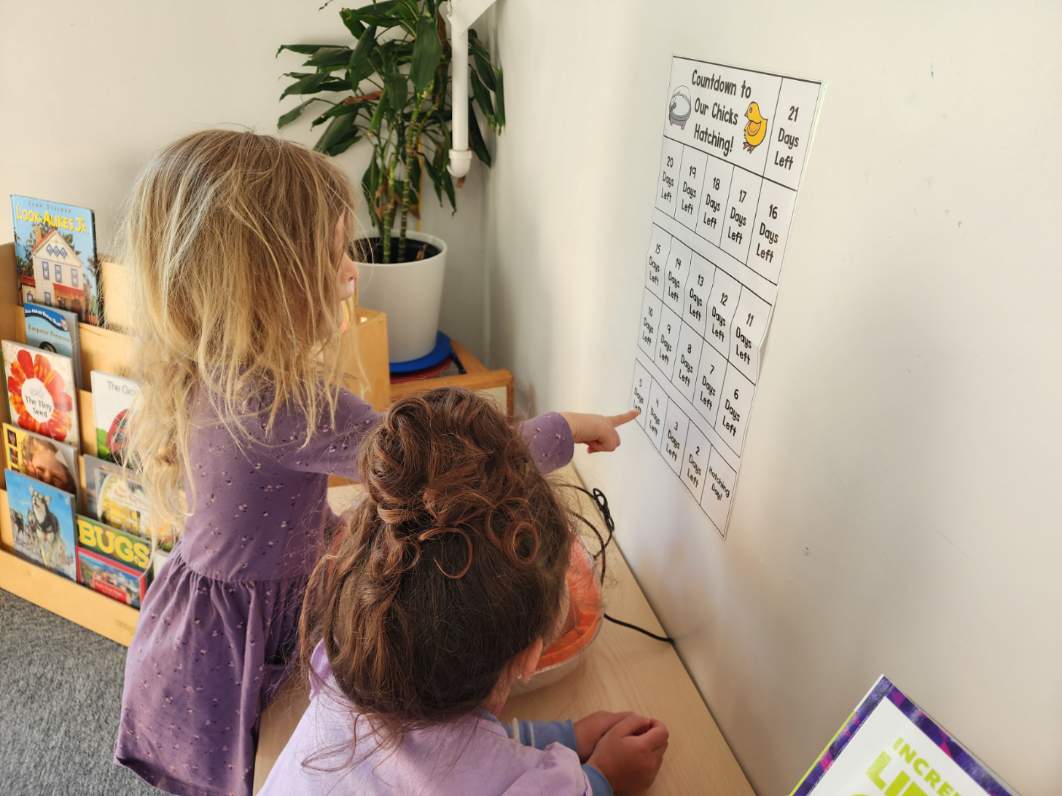
In the Montessori tradition, the natural world is one of our richest teachers. Watching life develop from egg to chick over 21 days invites the children into a patient, daily practice of observation—a cornerstone of scientific thinking. We now have a classroom countdown on the wall, and each day we explore what is happening inside the eggs at that stage of development. The children have been engaged, curious, and remarkably attentive.

This experience connects beautifully to Fraser Woods’ mission of cultivating compassion. Caring for living things—even eggs that cannot yet be seen or held—asks children to practice responsibility, gentleness, and patience. These are quiet but powerful lessons.

Extending Learning at Home

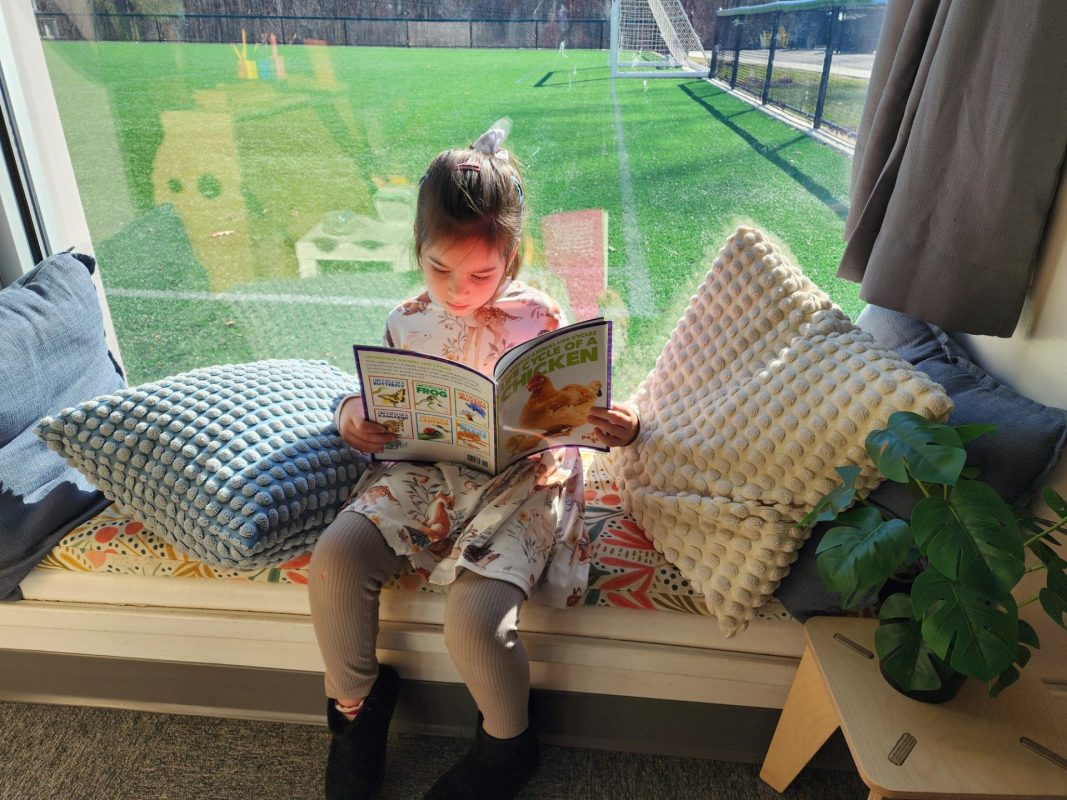
Talk with your child about what they observed last week and what they are watching for each day. Ask questions like: What do you think is happening inside the egg today? How many days do we have left? You can also explore simple books or videos about chicken development together to deepen their understanding of the life cycle.


UPCOMING EVENTS & ANNOUNCEMENTS

Next Week

  • Monday, April 20 through Friday, April 24
    Parent Teacher Conferences
  • Friday, April 24
    No School – Parent Teacher Conferences

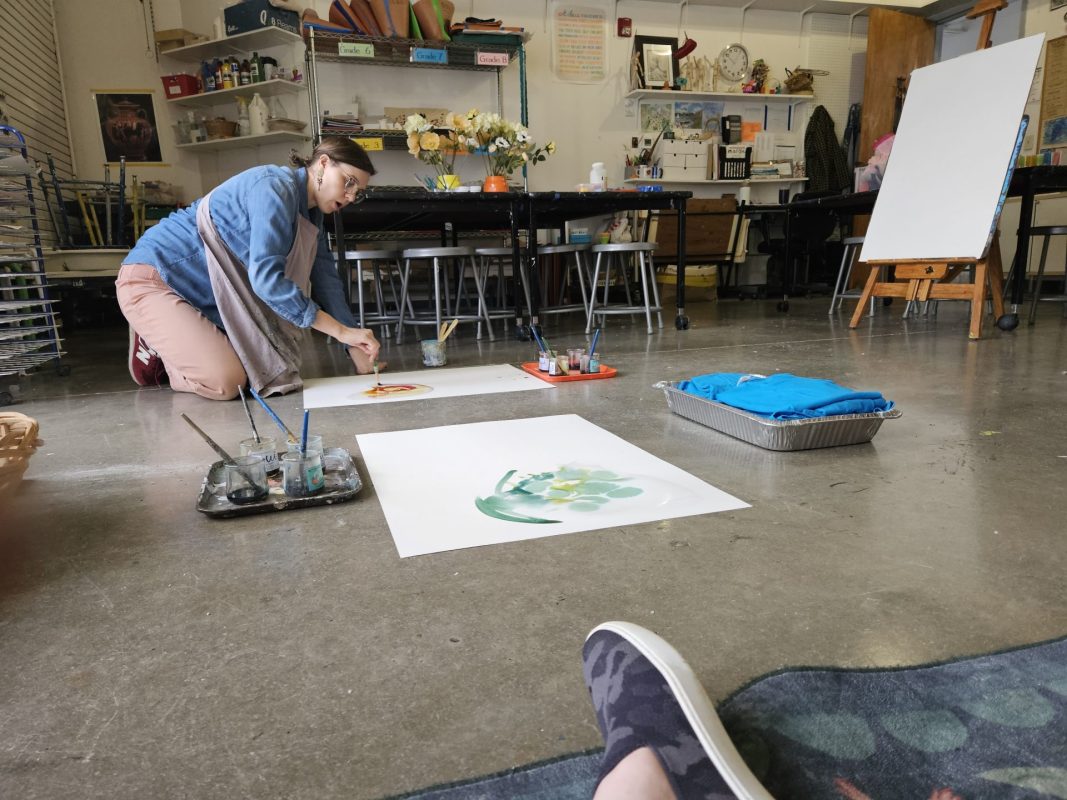
Planting, Playing and Growing with Ms. Mollie’s Class!

Planting, Playing, and Growing

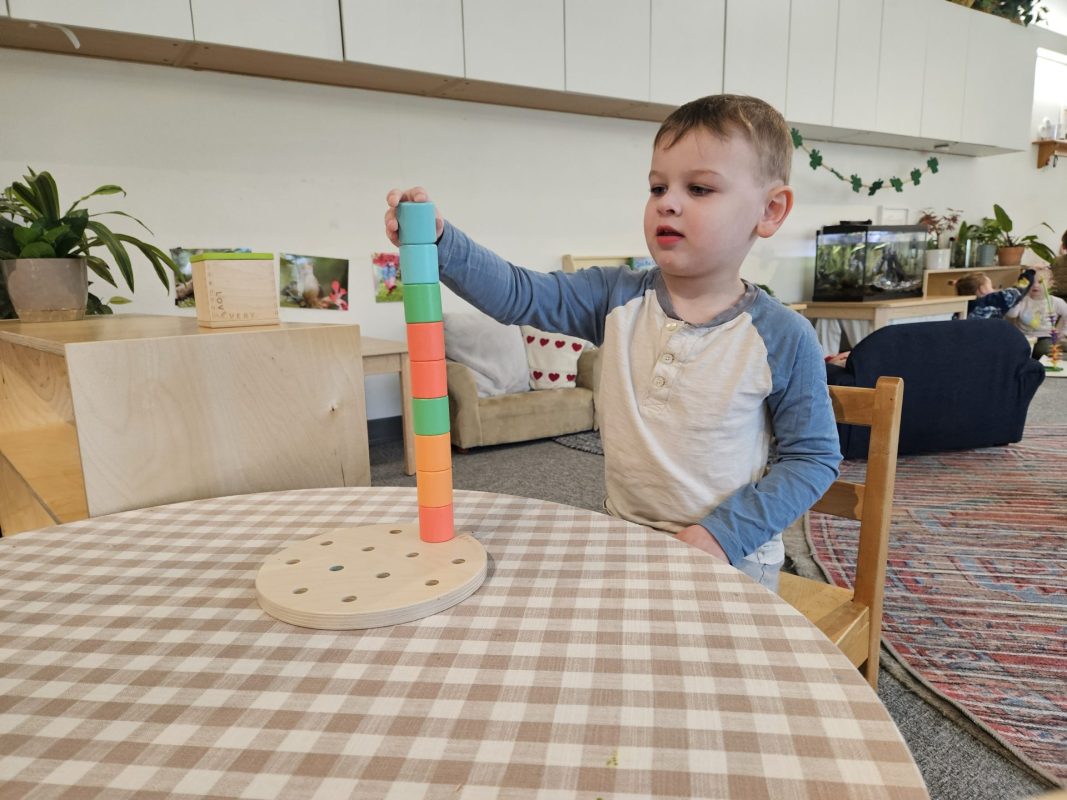
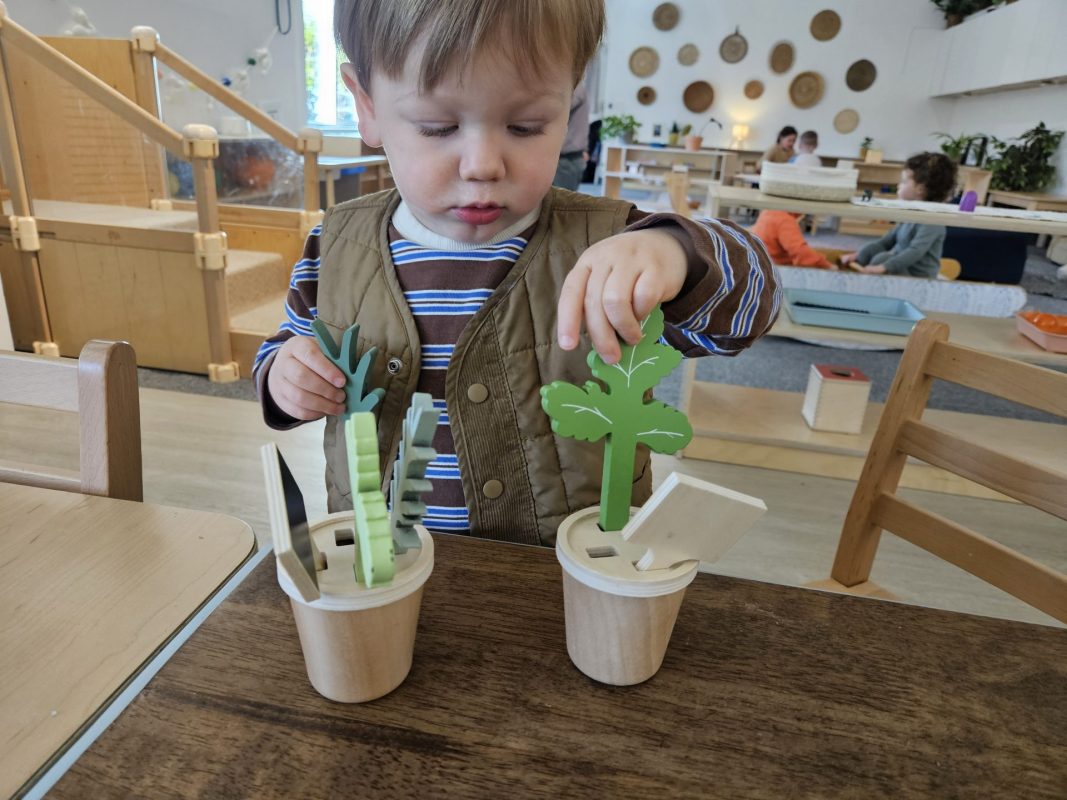
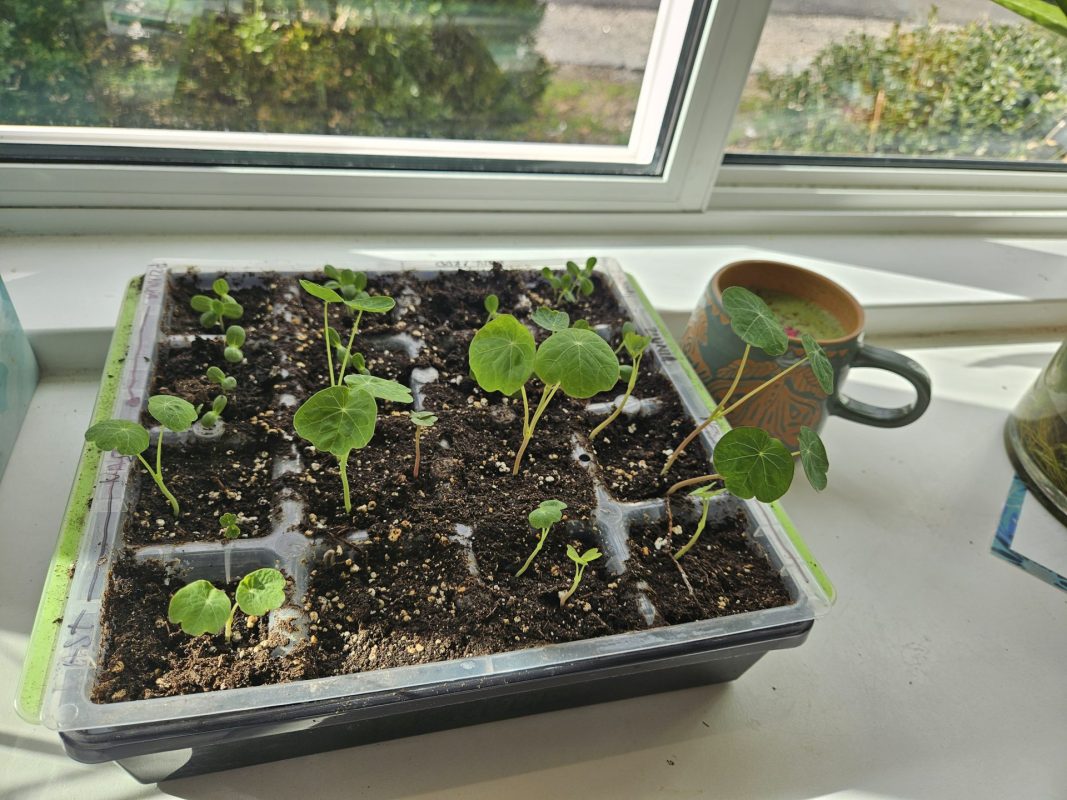
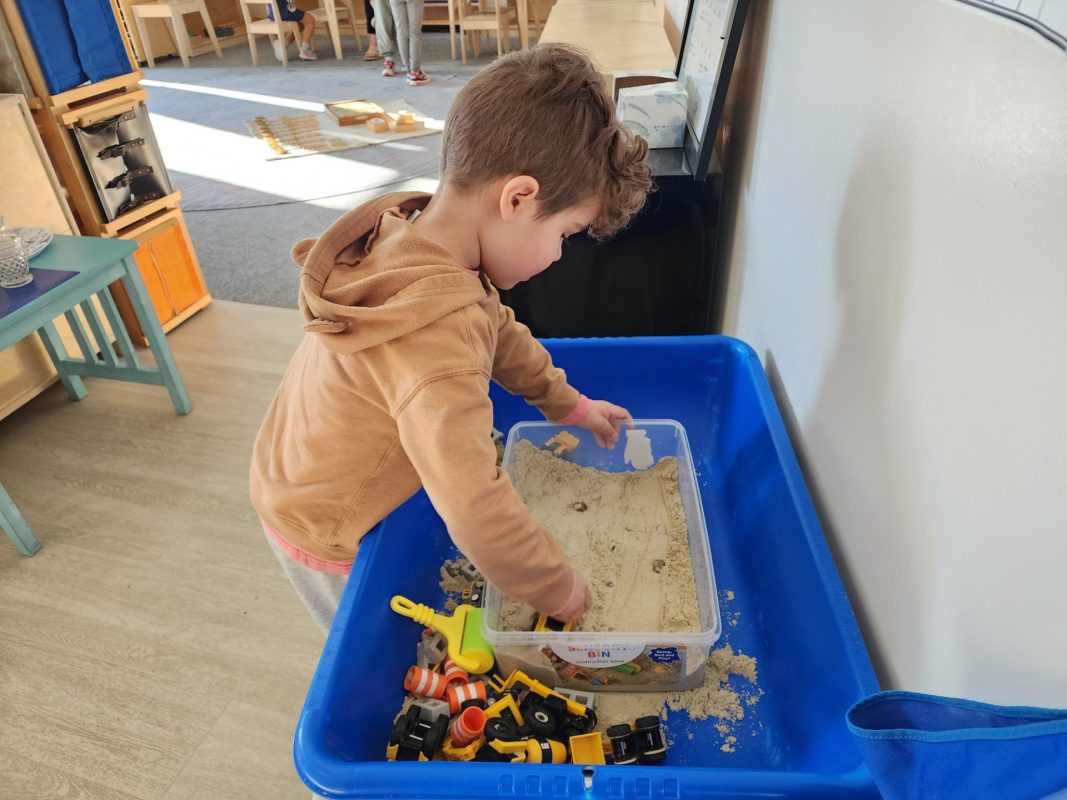
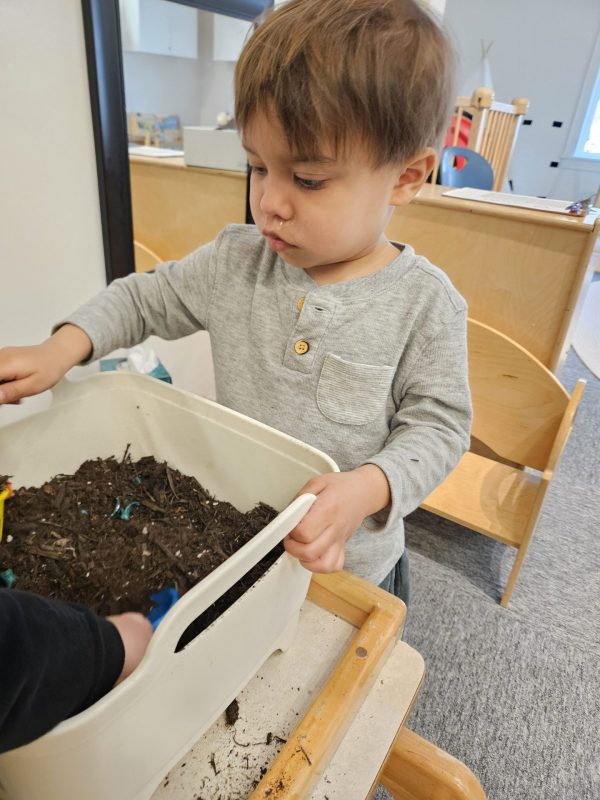
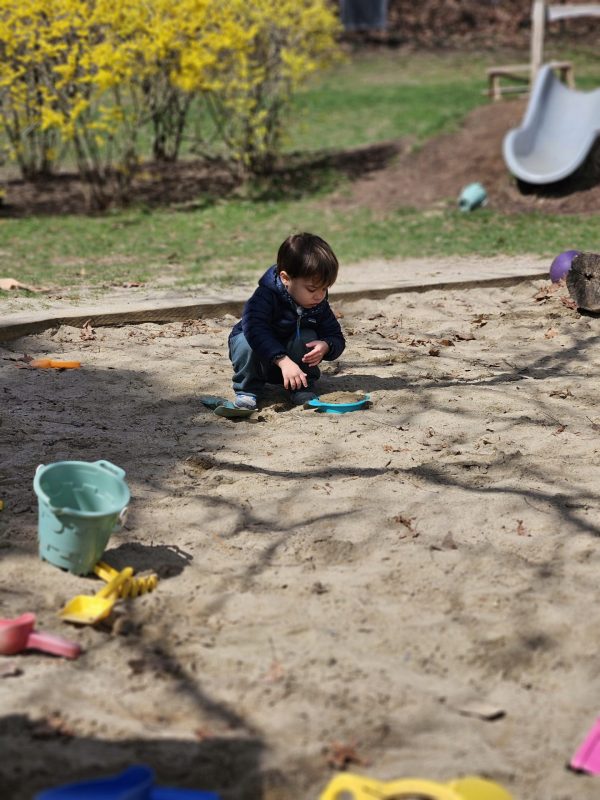
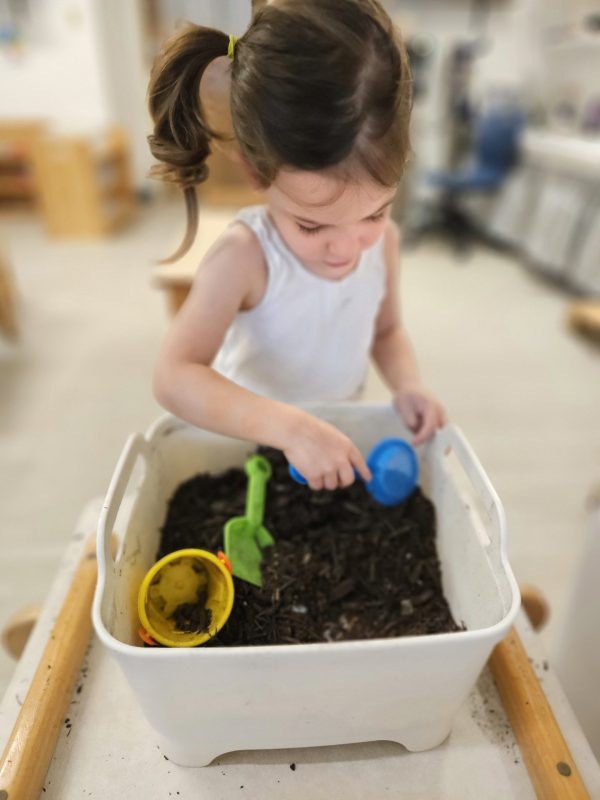
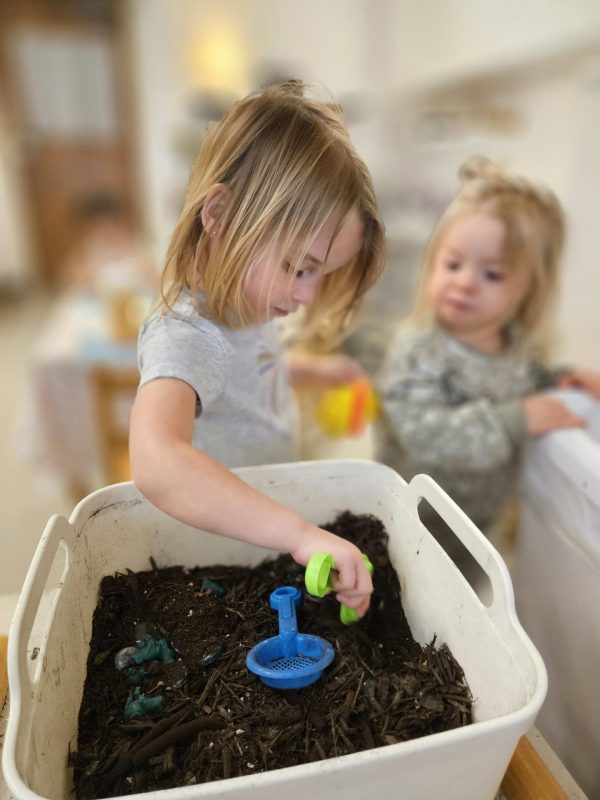
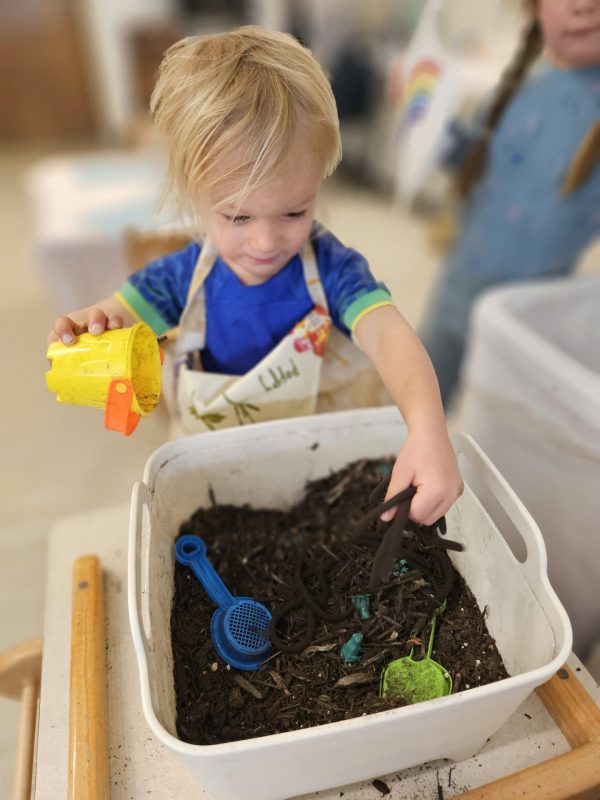
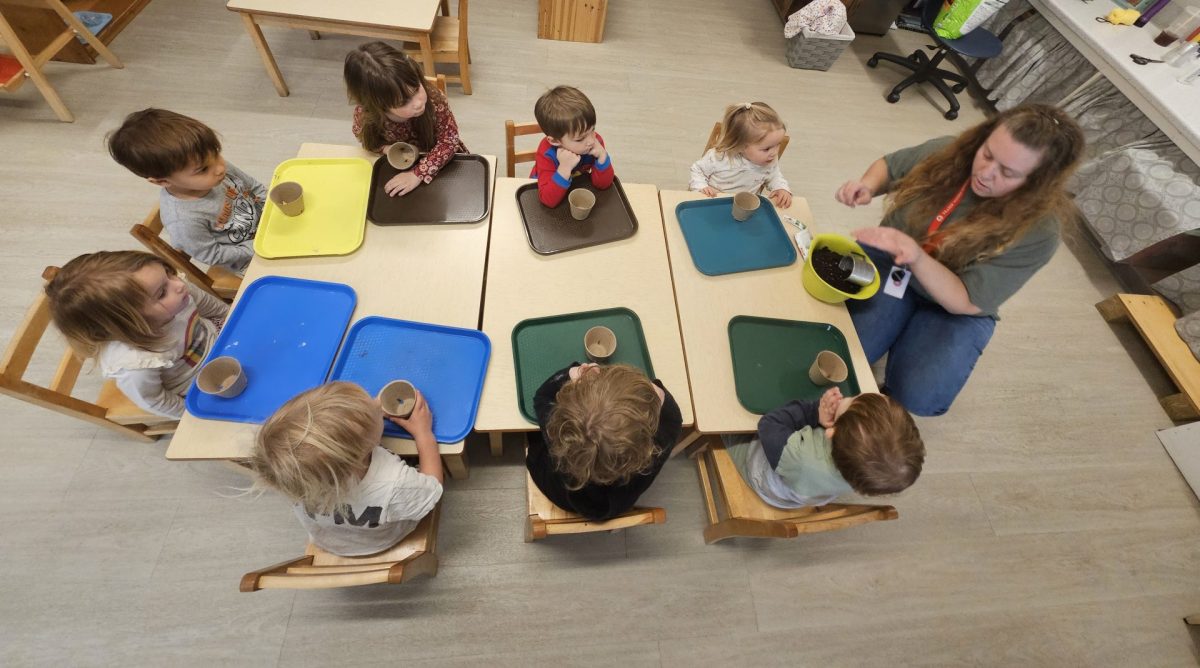
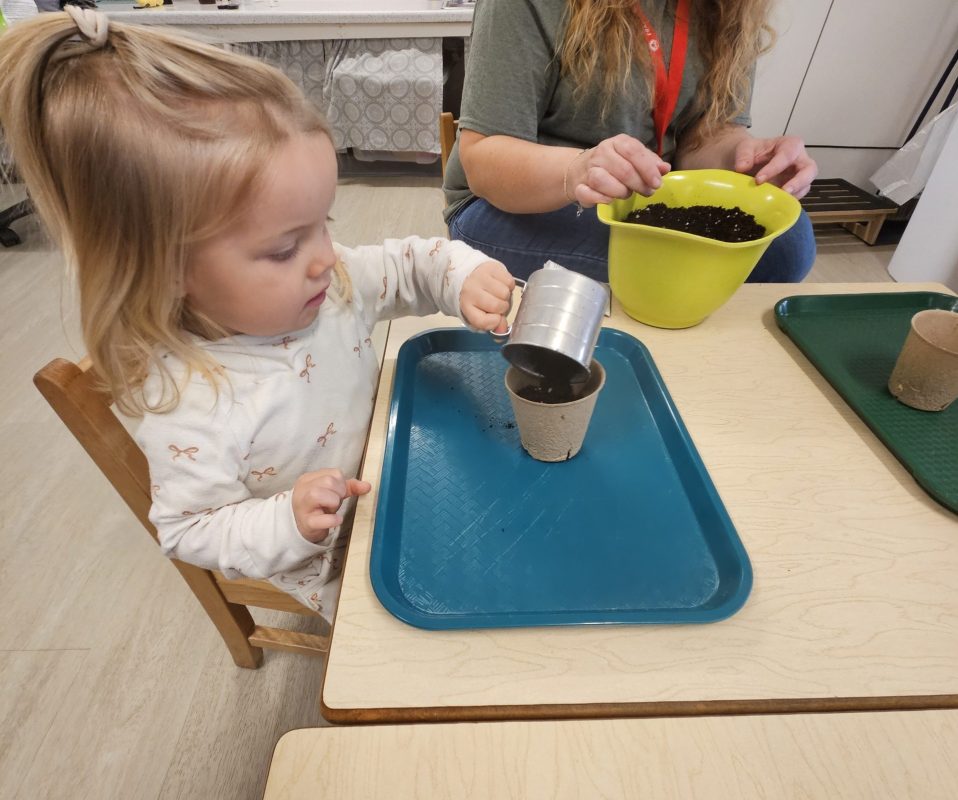
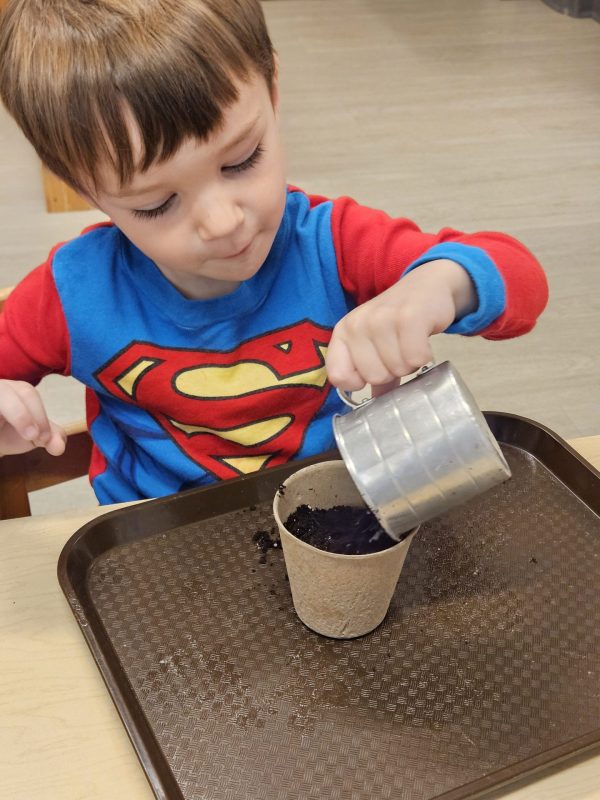
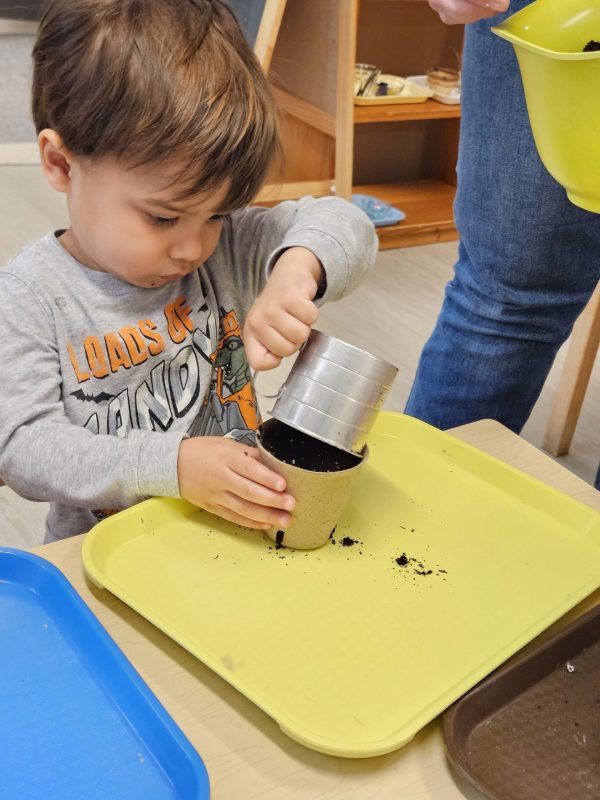
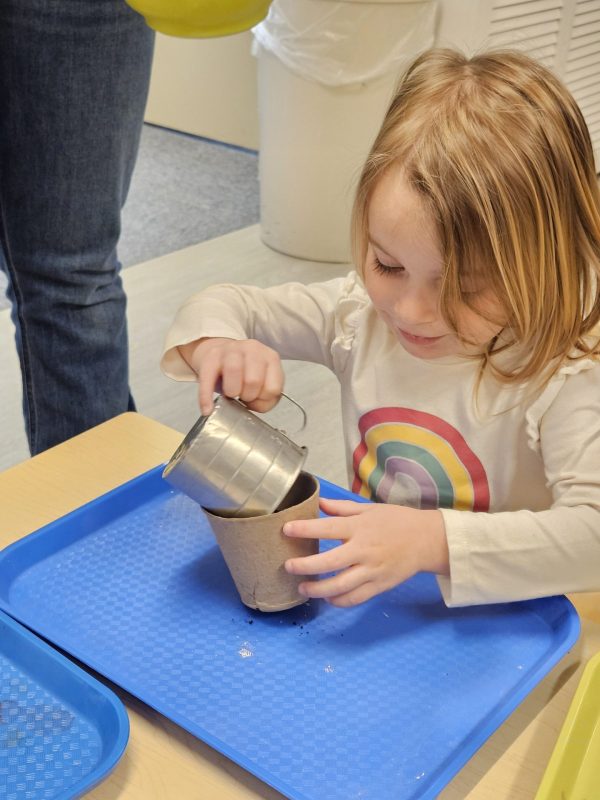
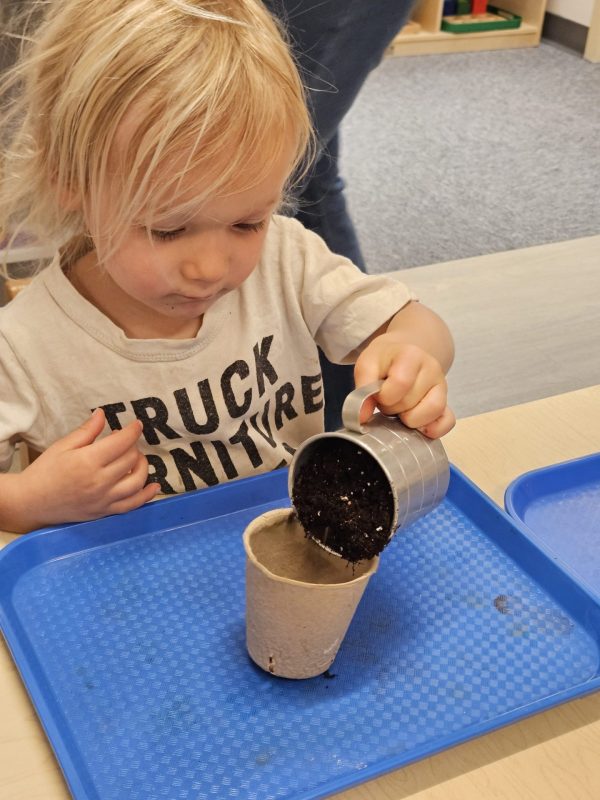
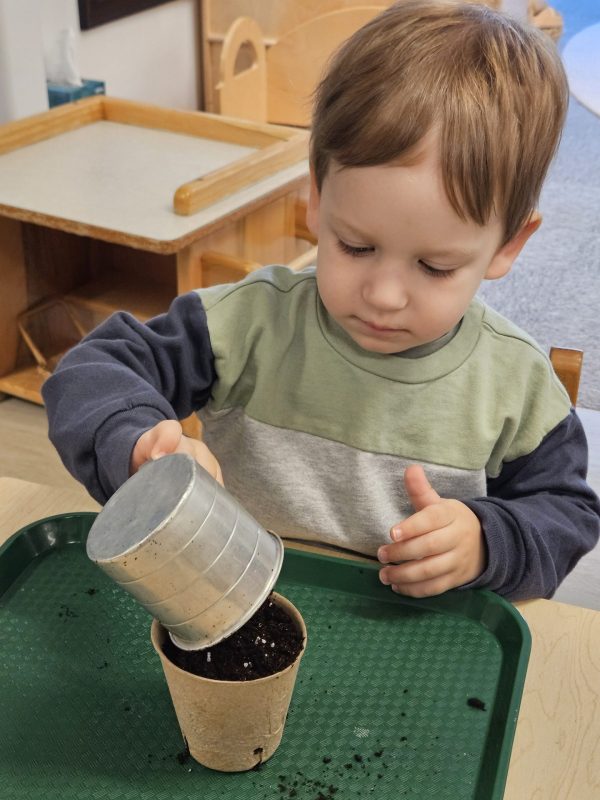
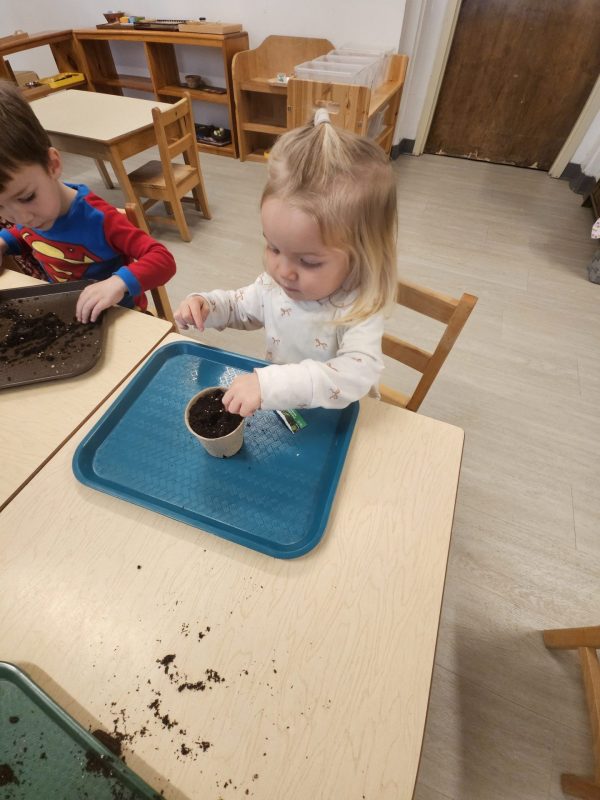
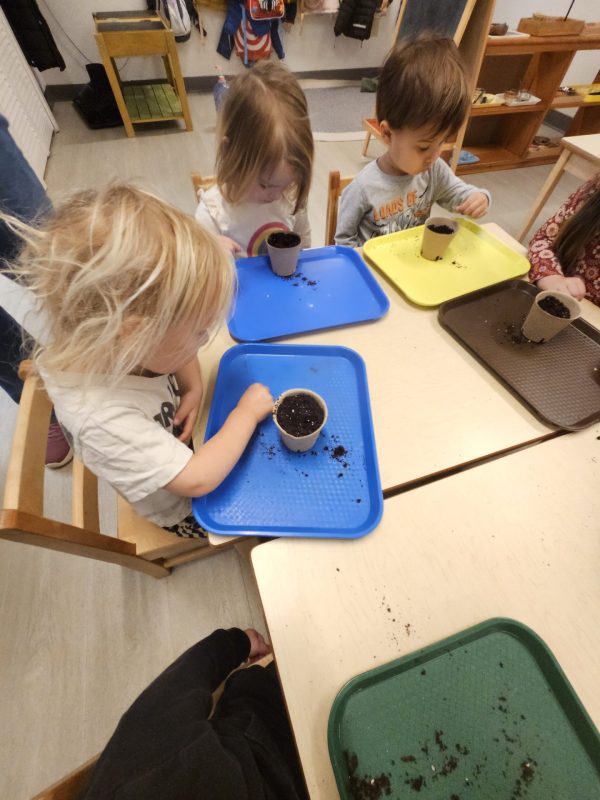
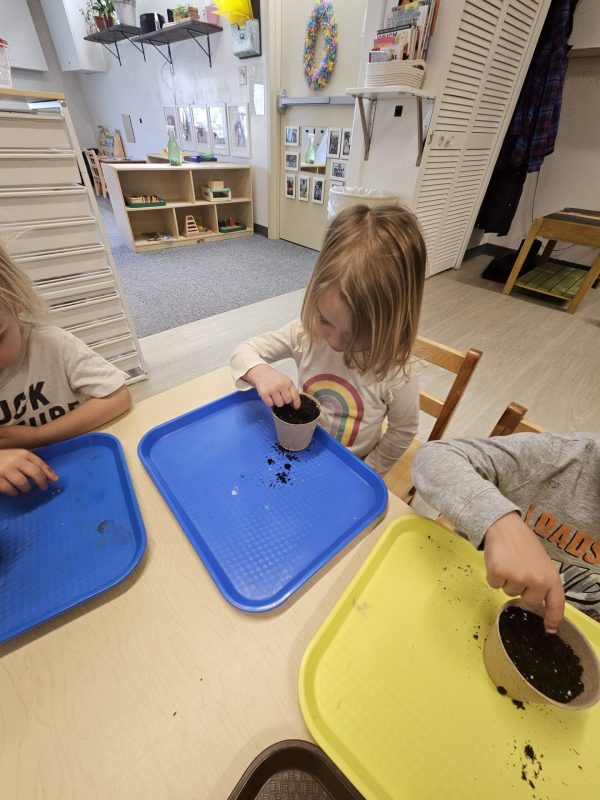
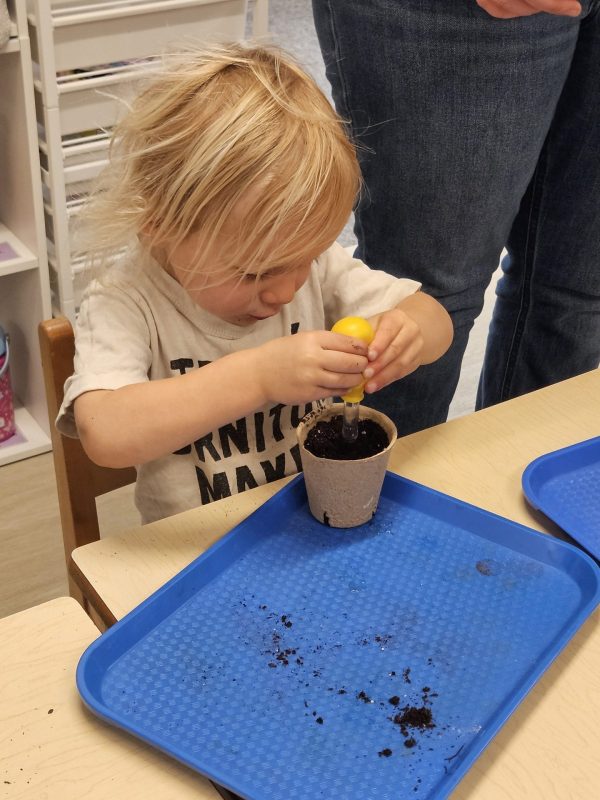
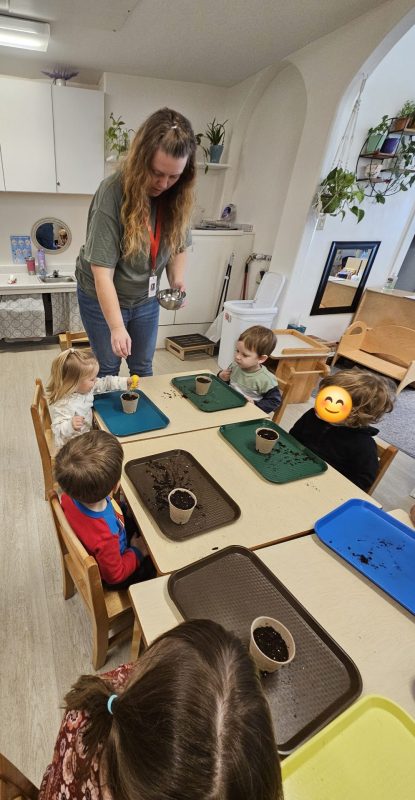
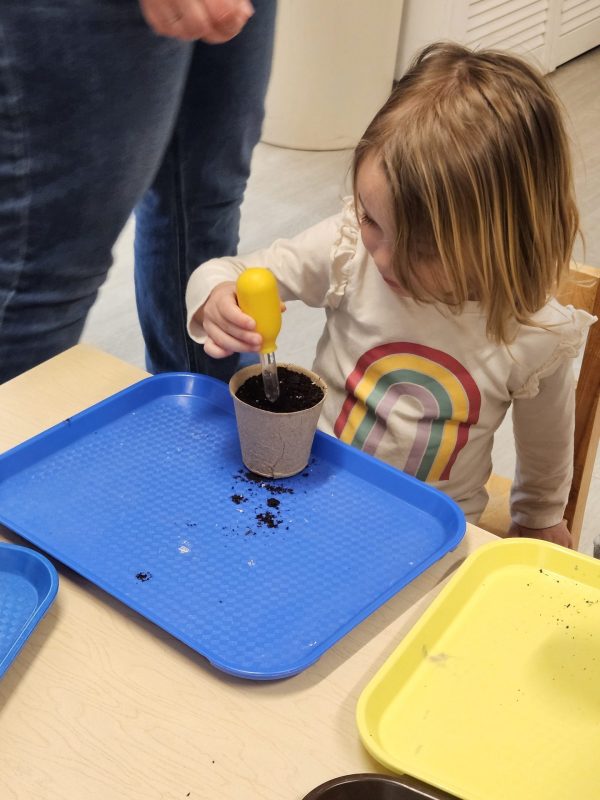
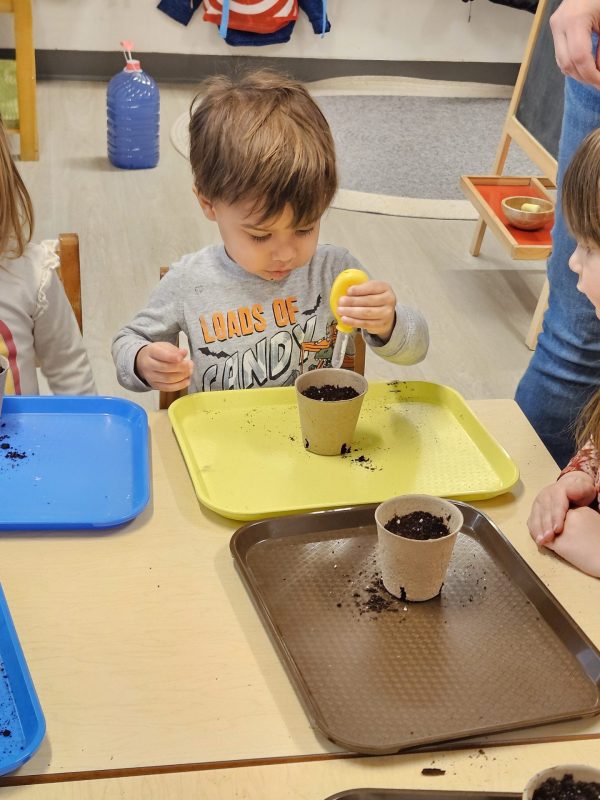
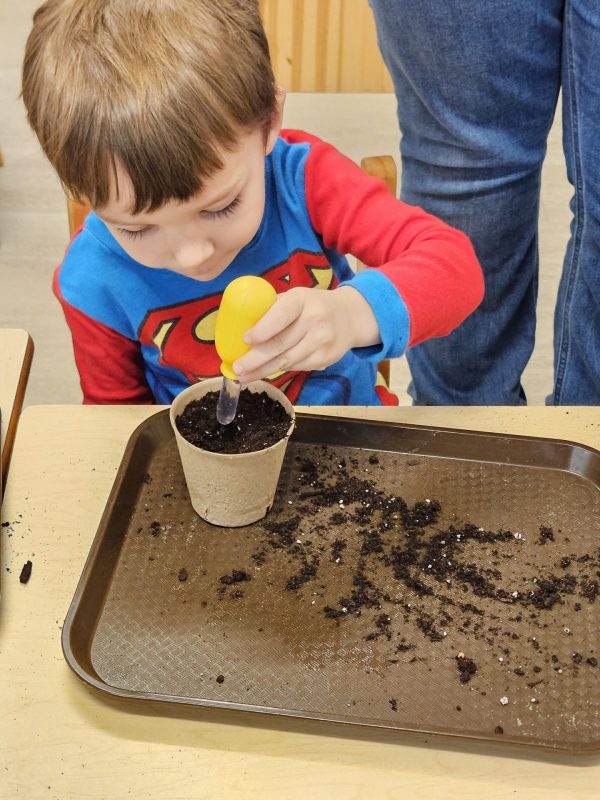
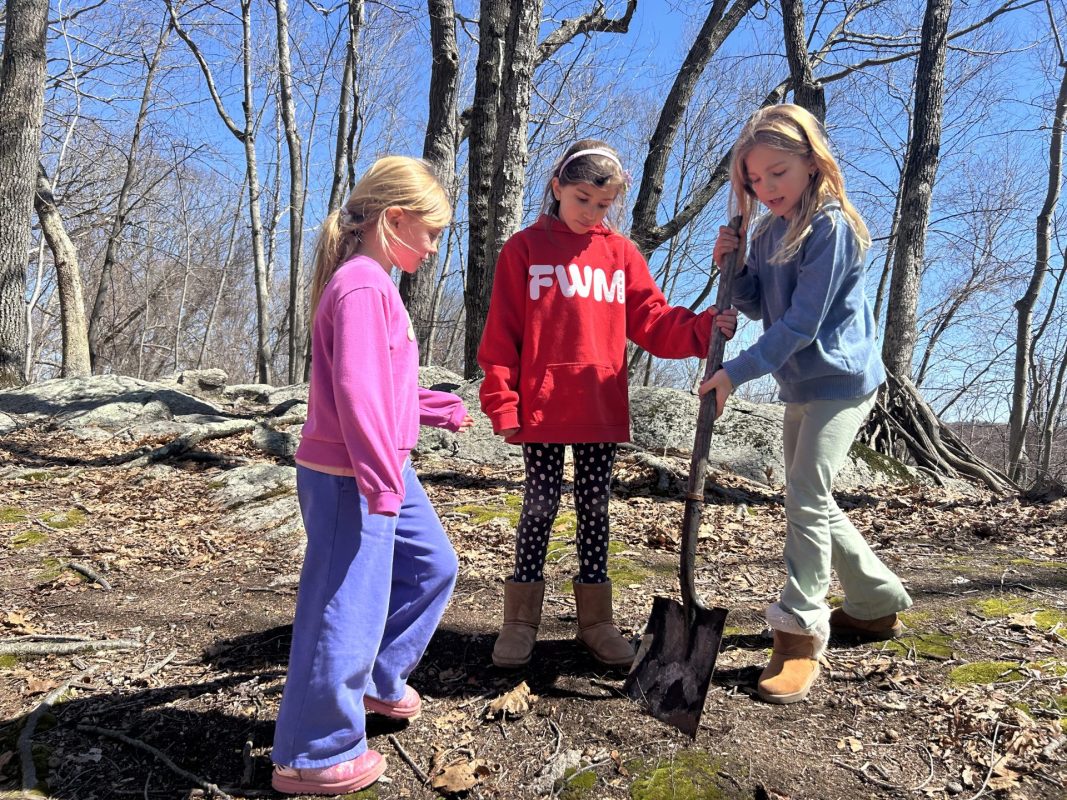
Spring has brought such a beautiful sense of rejuvenation to our classroom. The children have been fully immersed in the rhythms of the season, planting, exploring, and discovering the wonders of growth all around them. We’ve been getting our hands in the soil, learning about roots, shoots, and flowers, and watching with curiosity and care as new life begins to emerge.

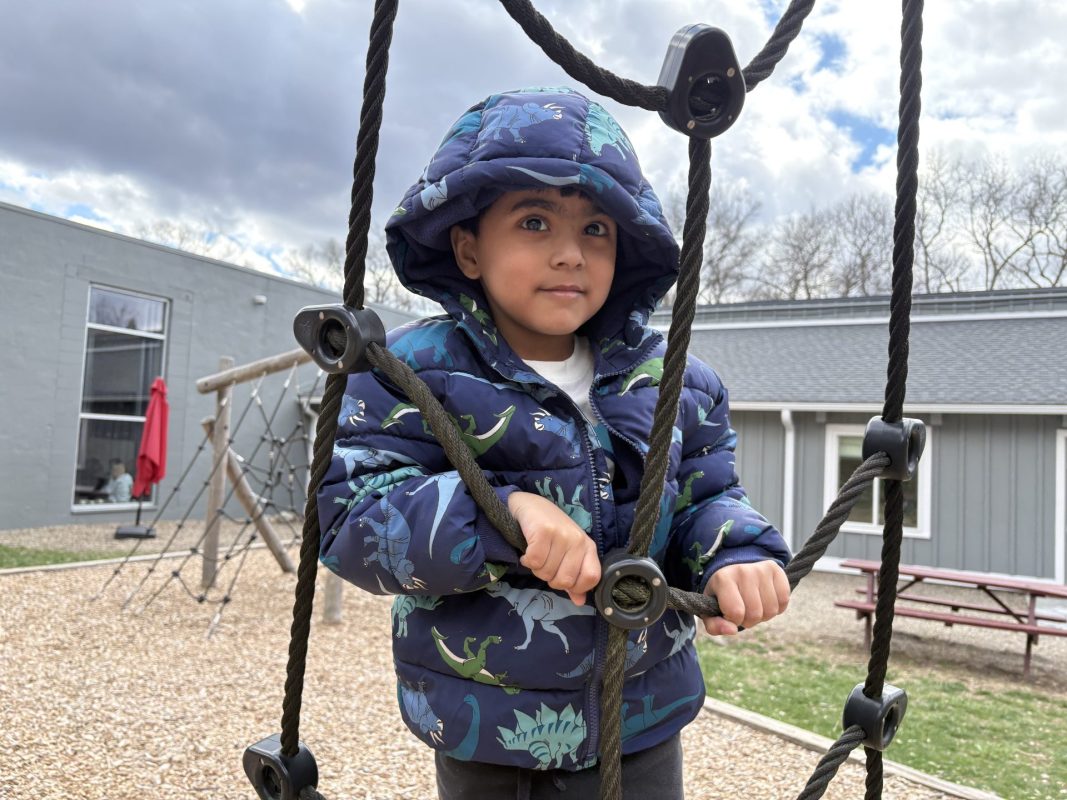
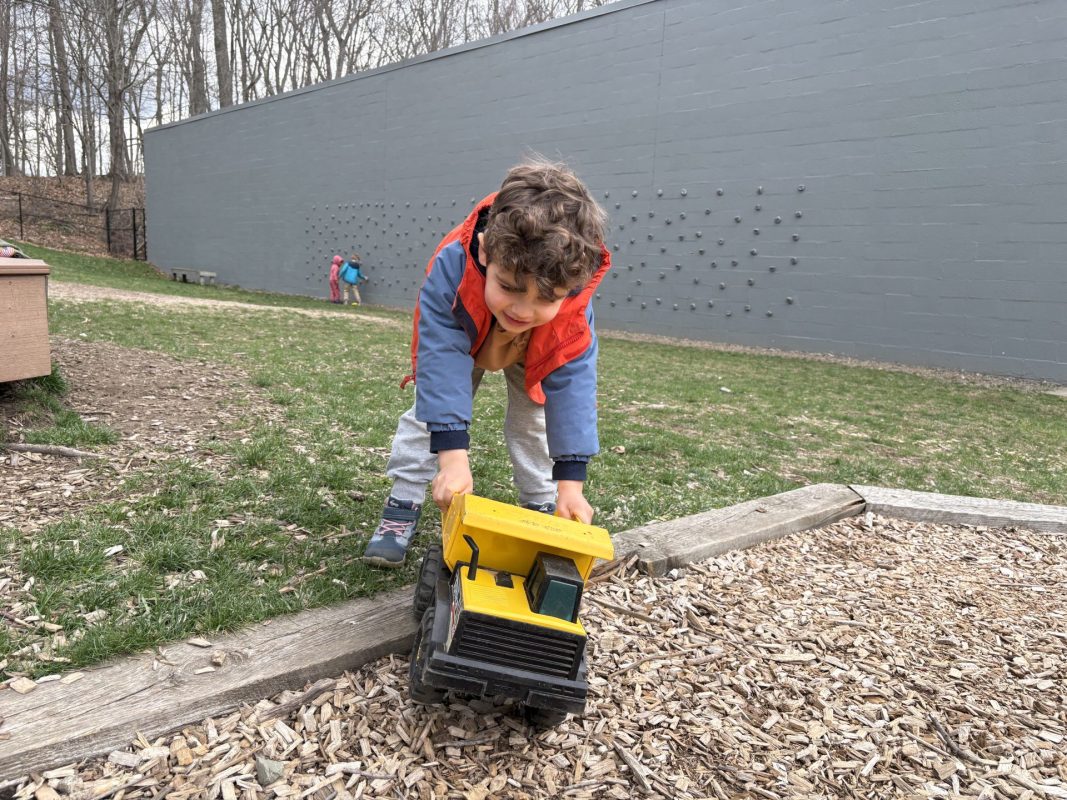
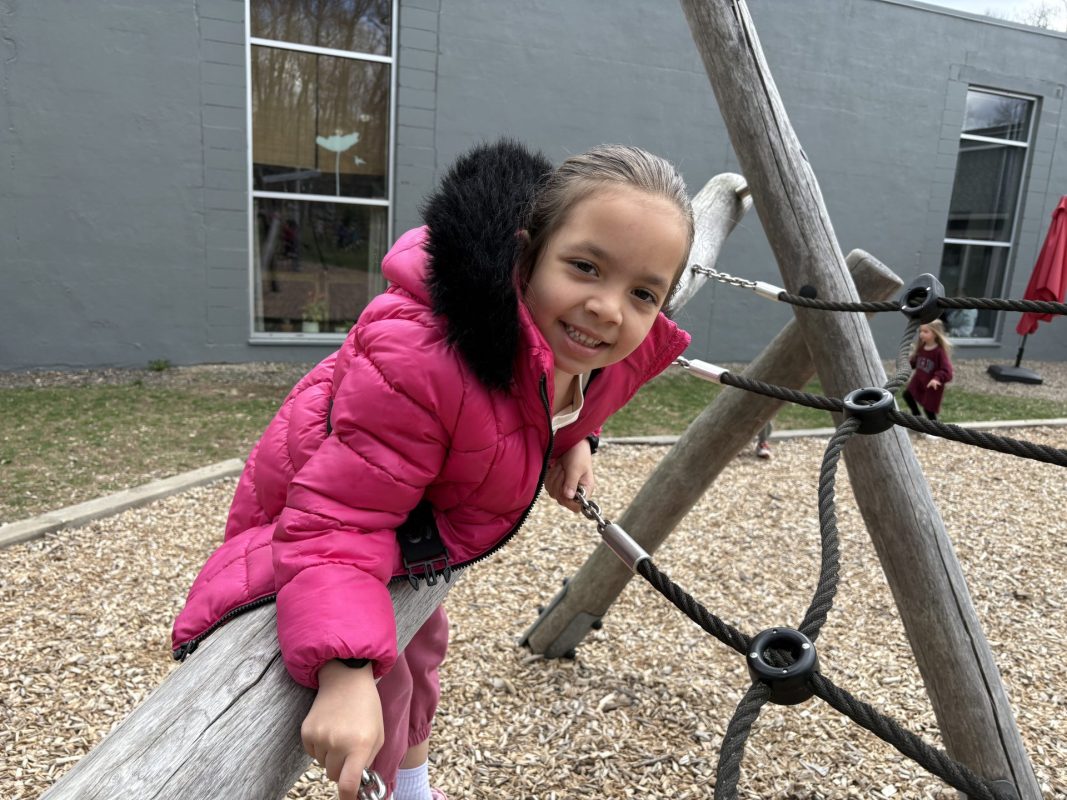
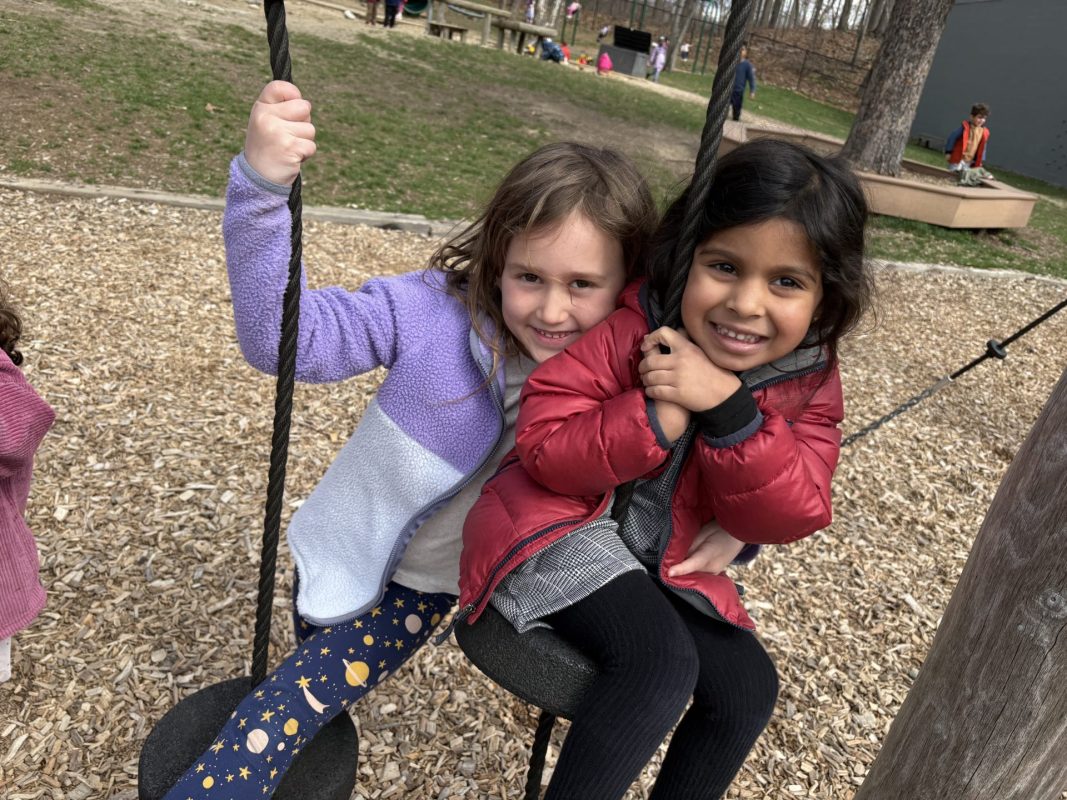
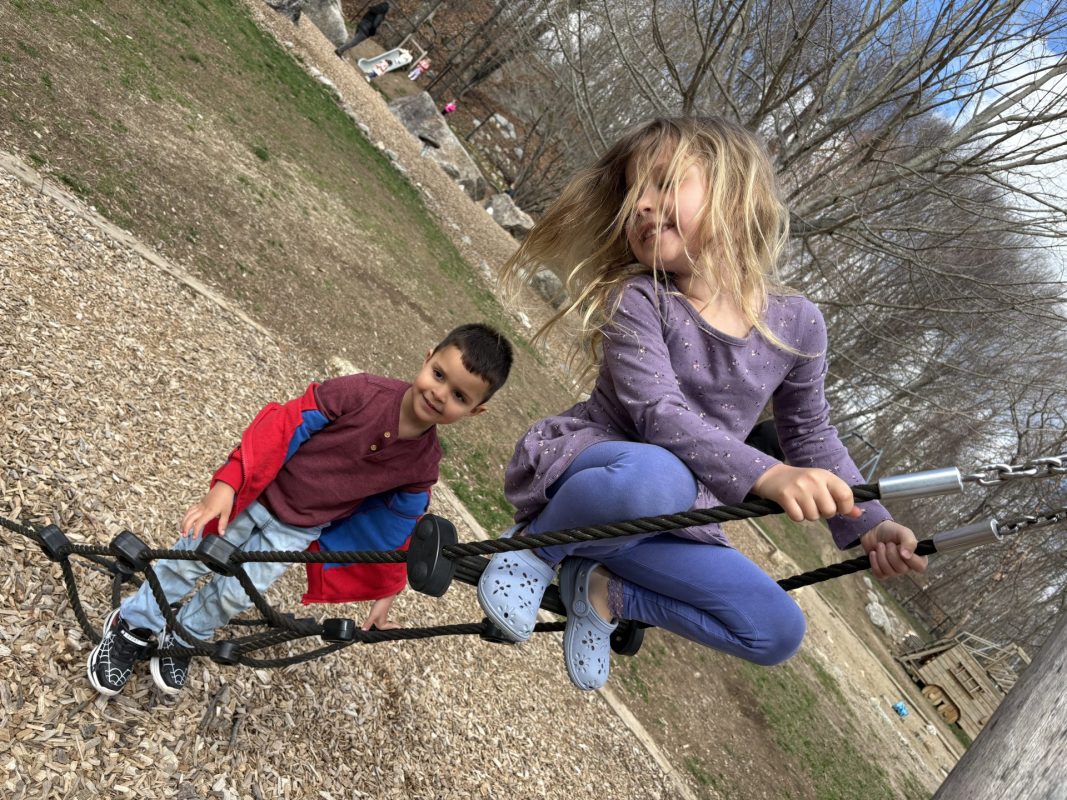
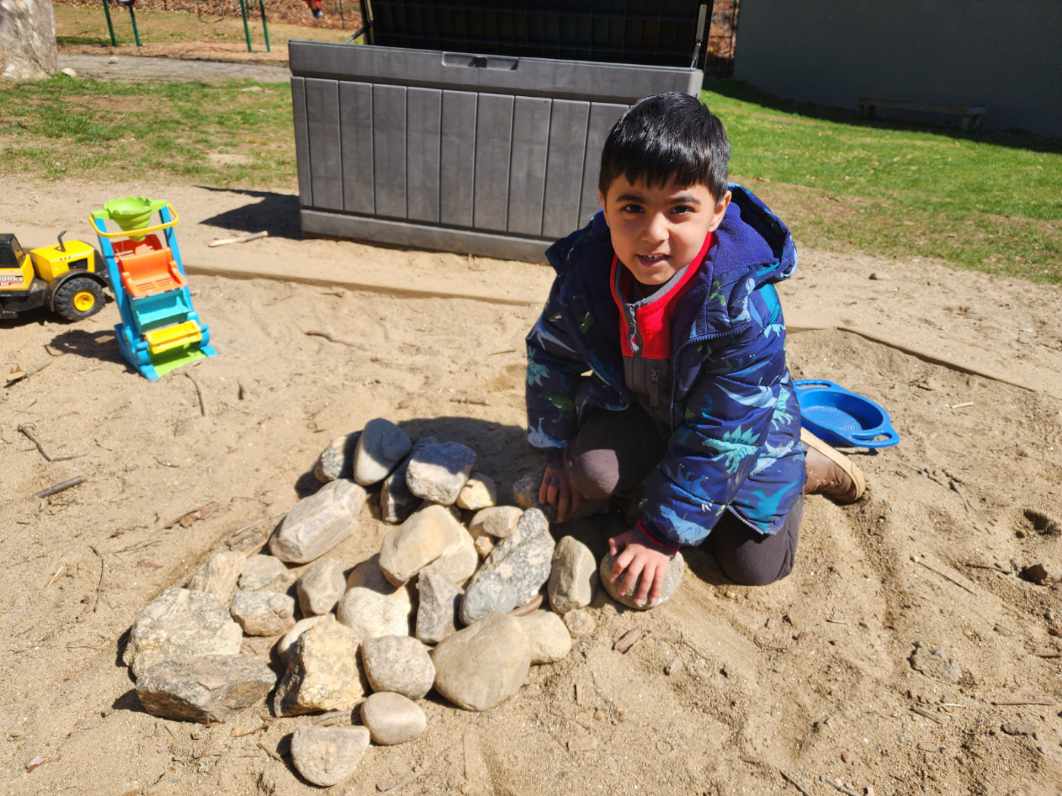
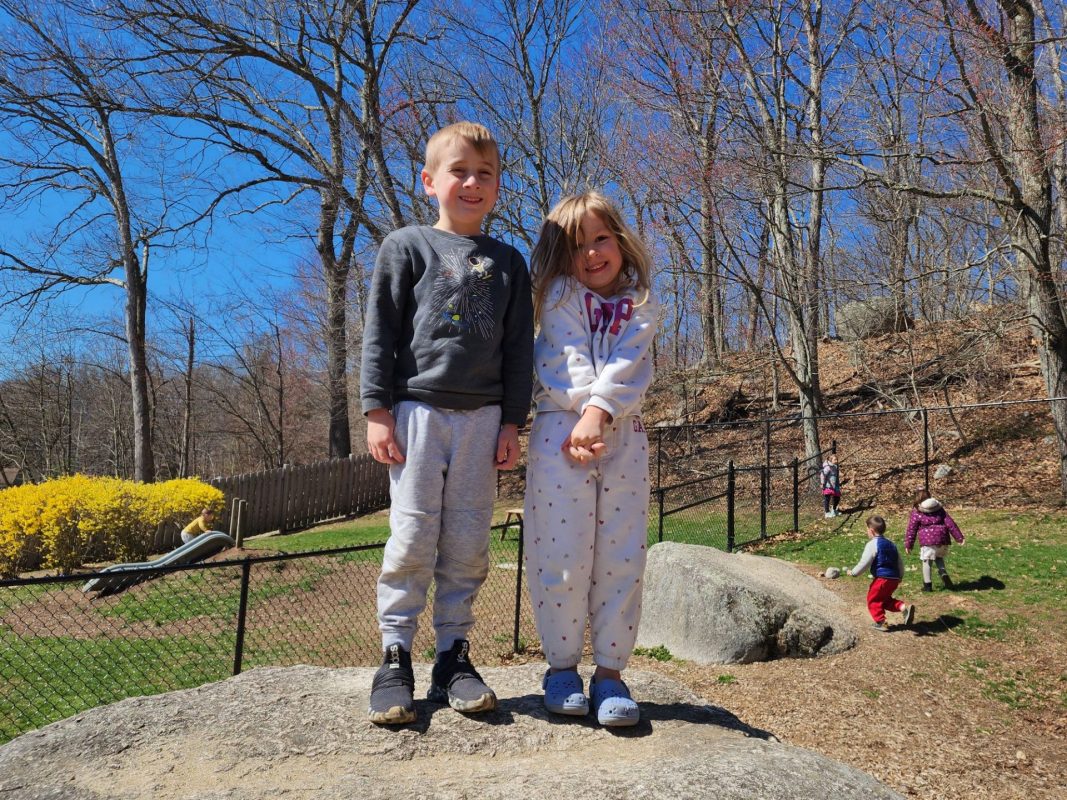
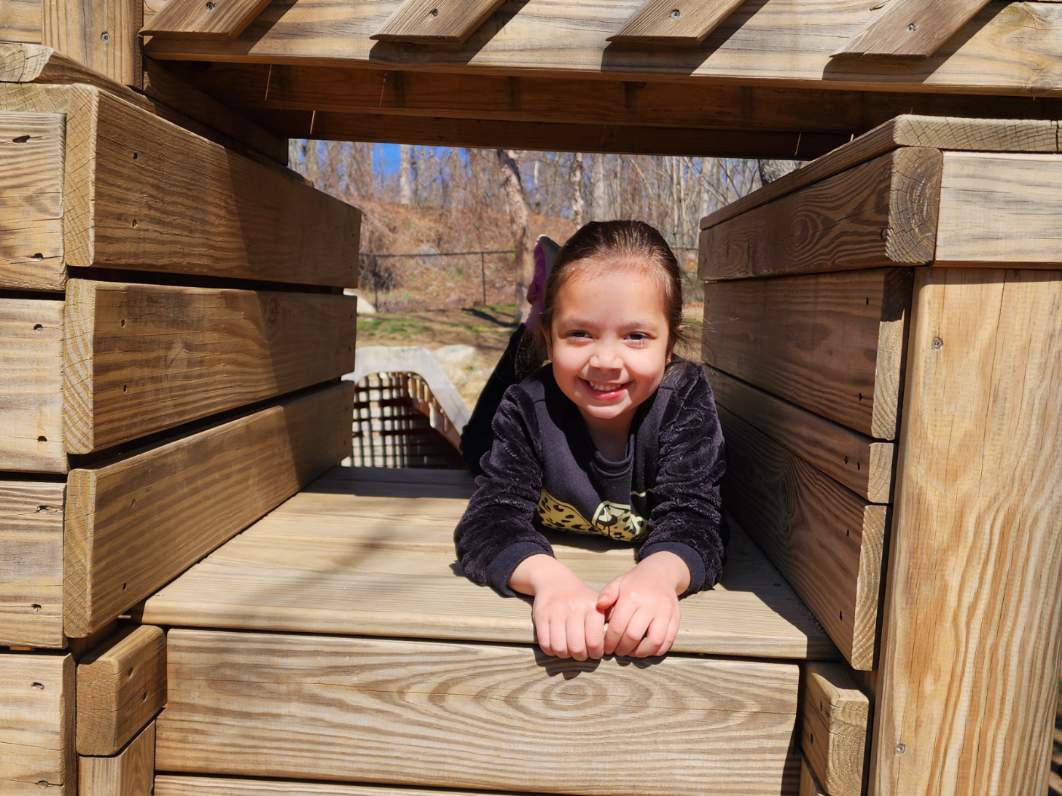
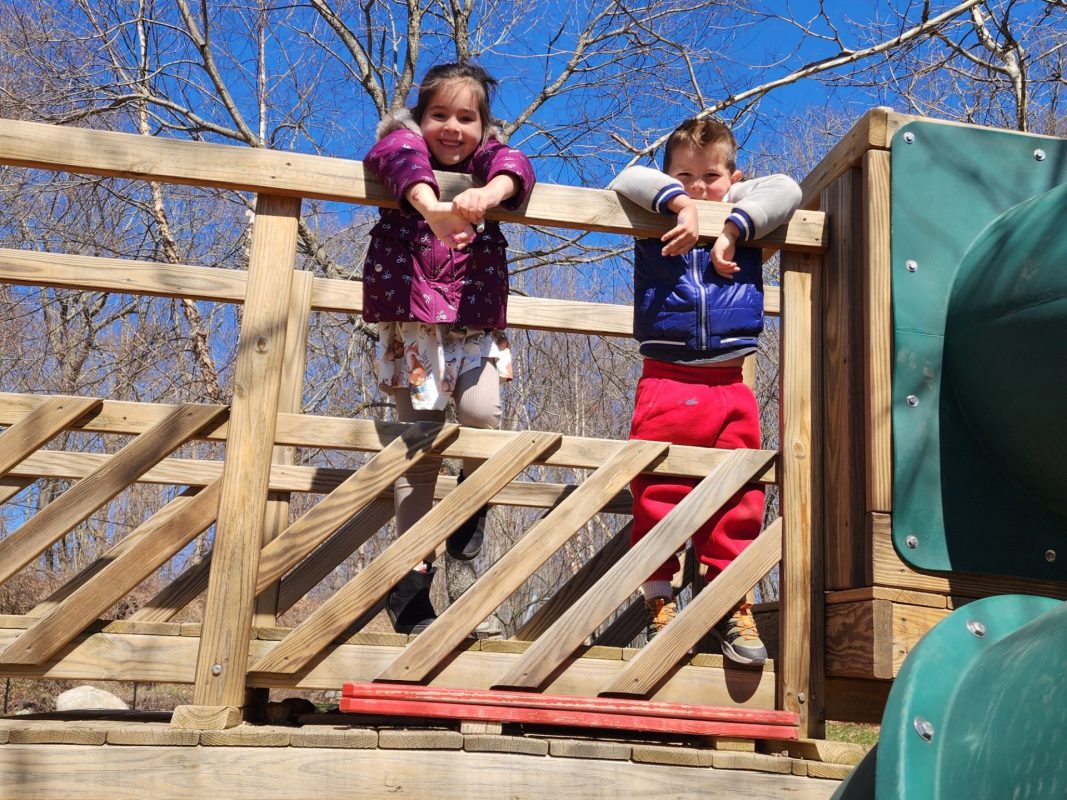
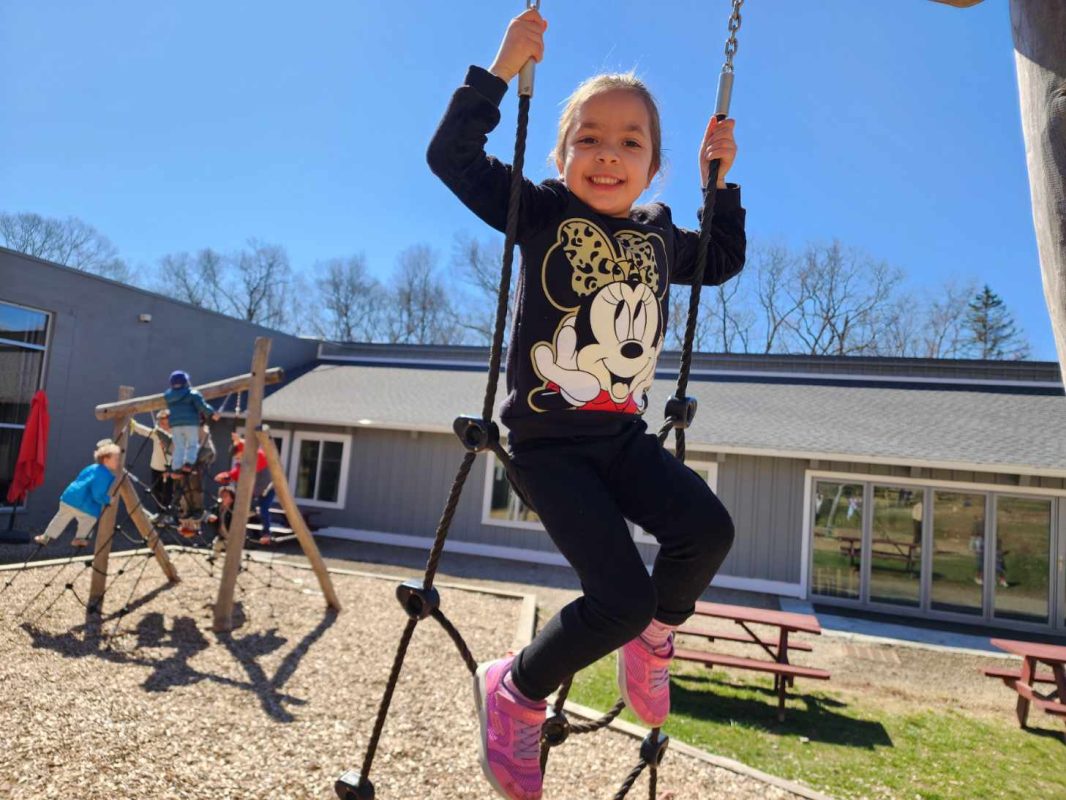
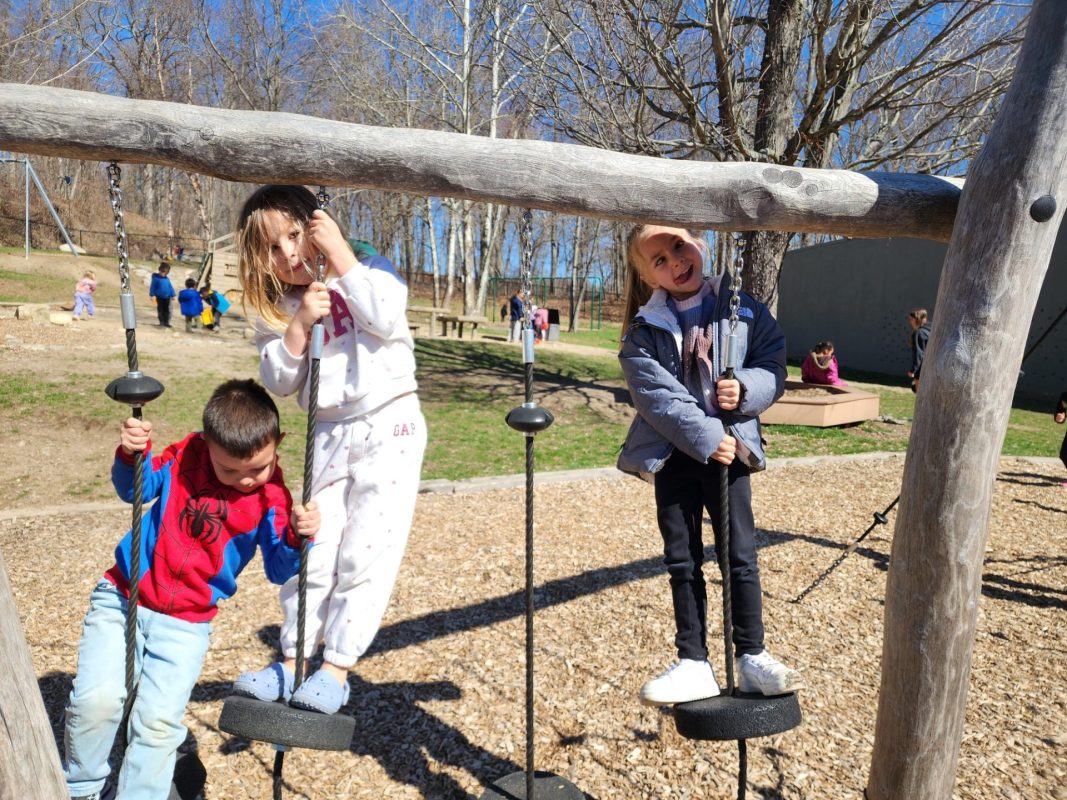
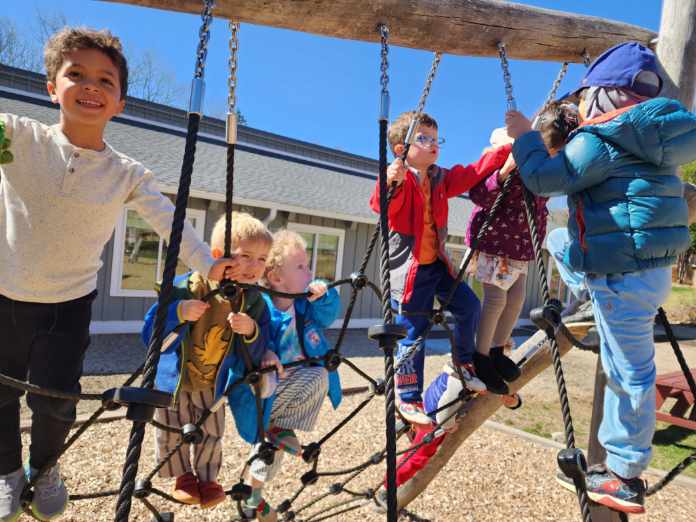
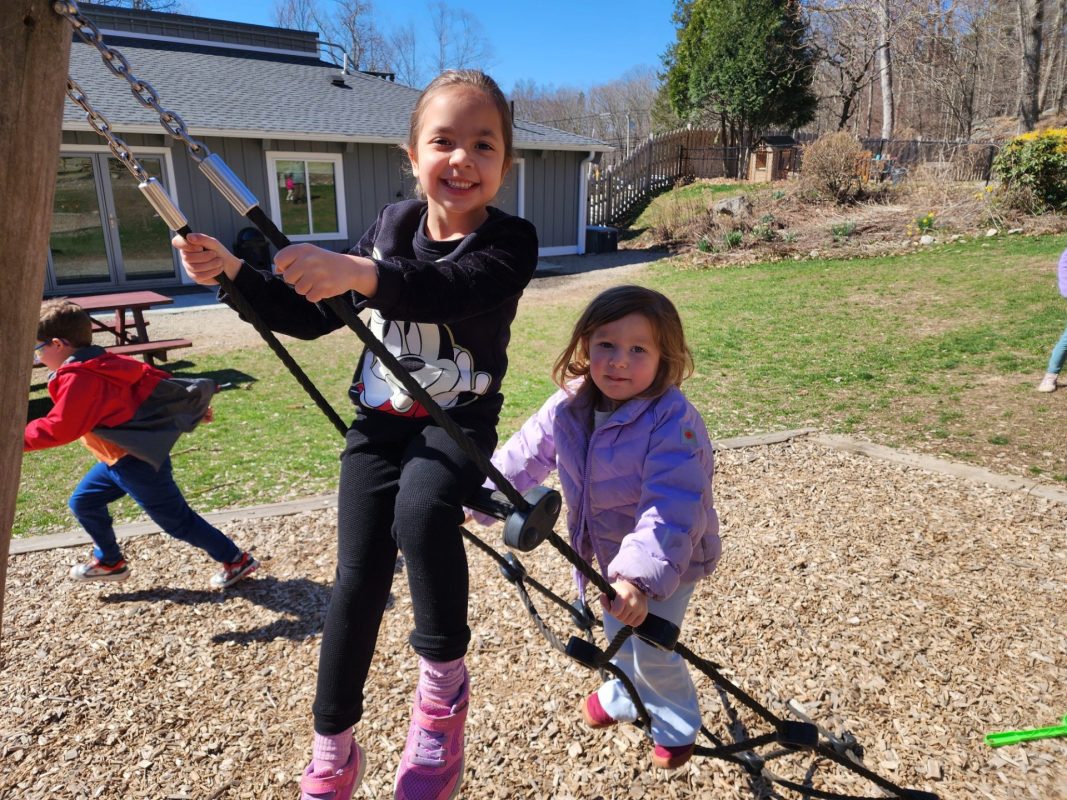
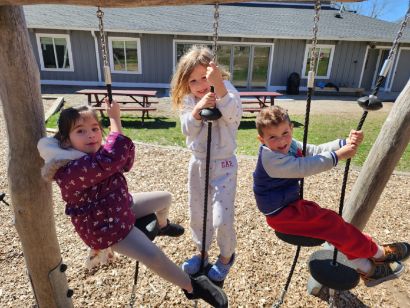
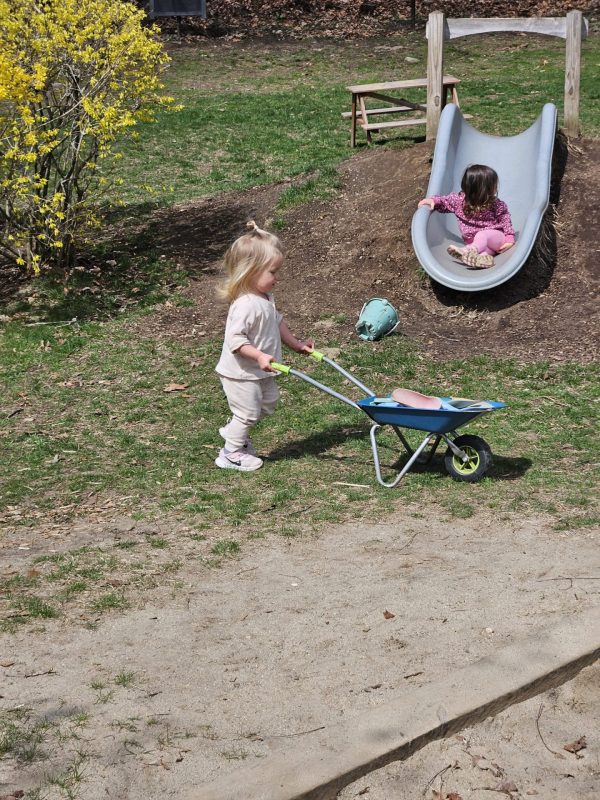
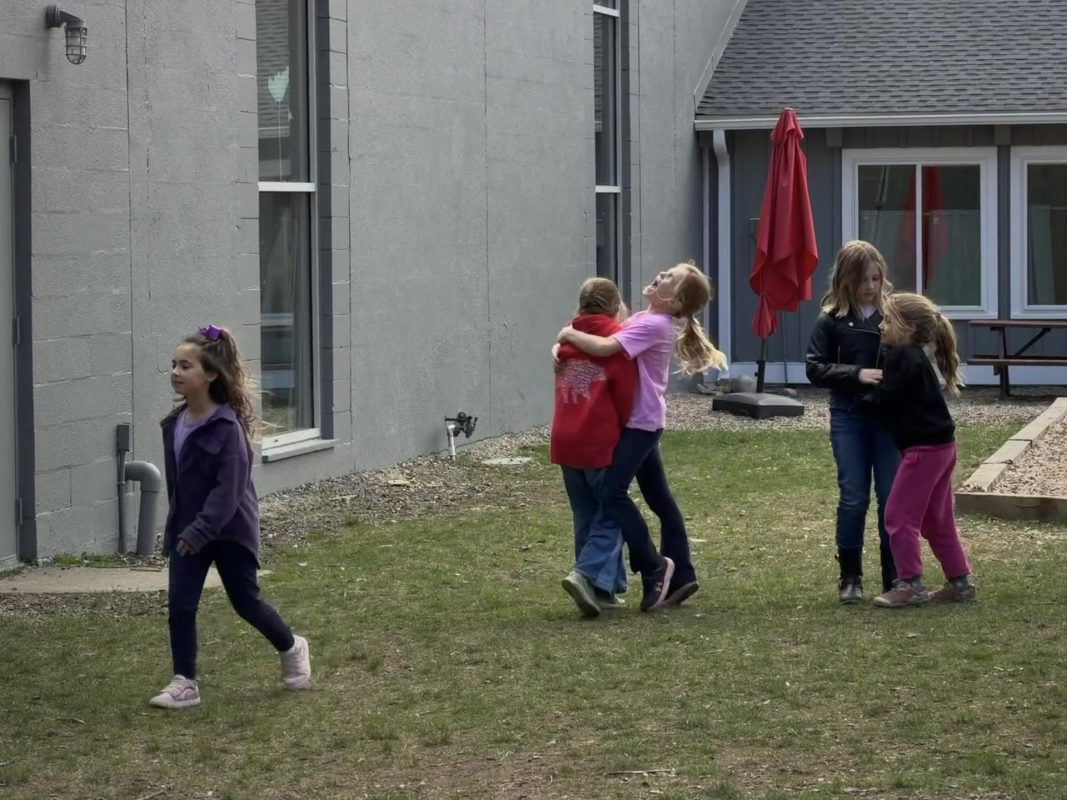
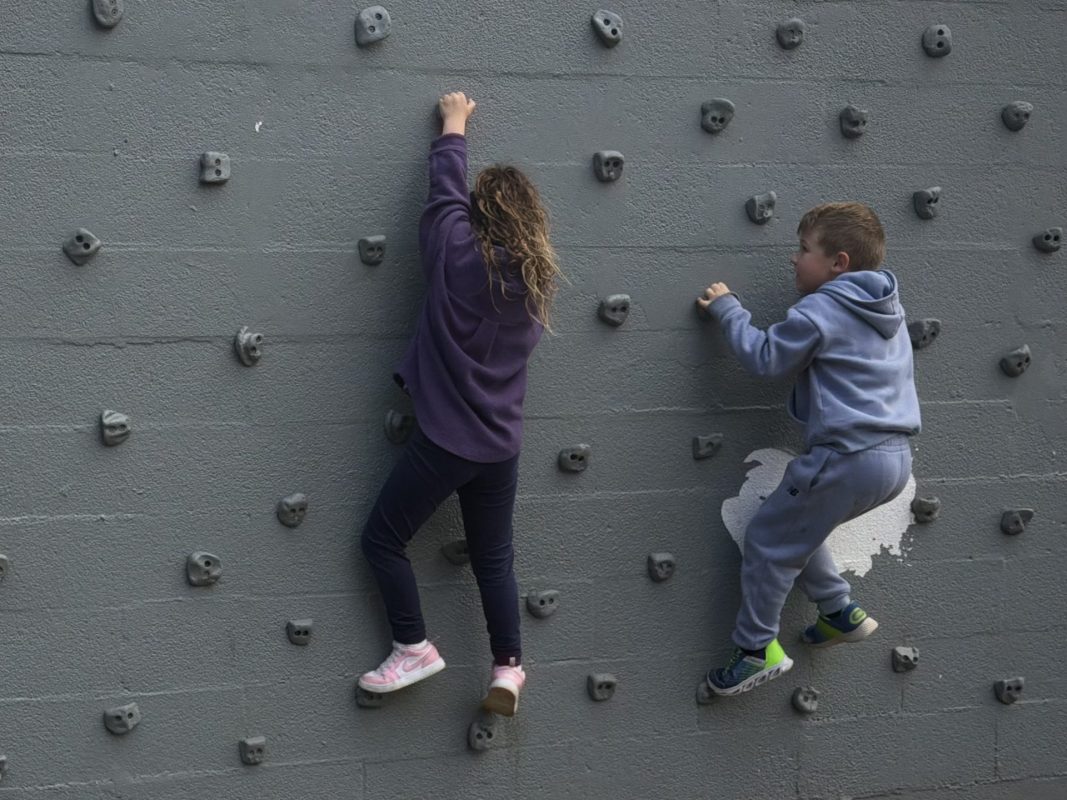
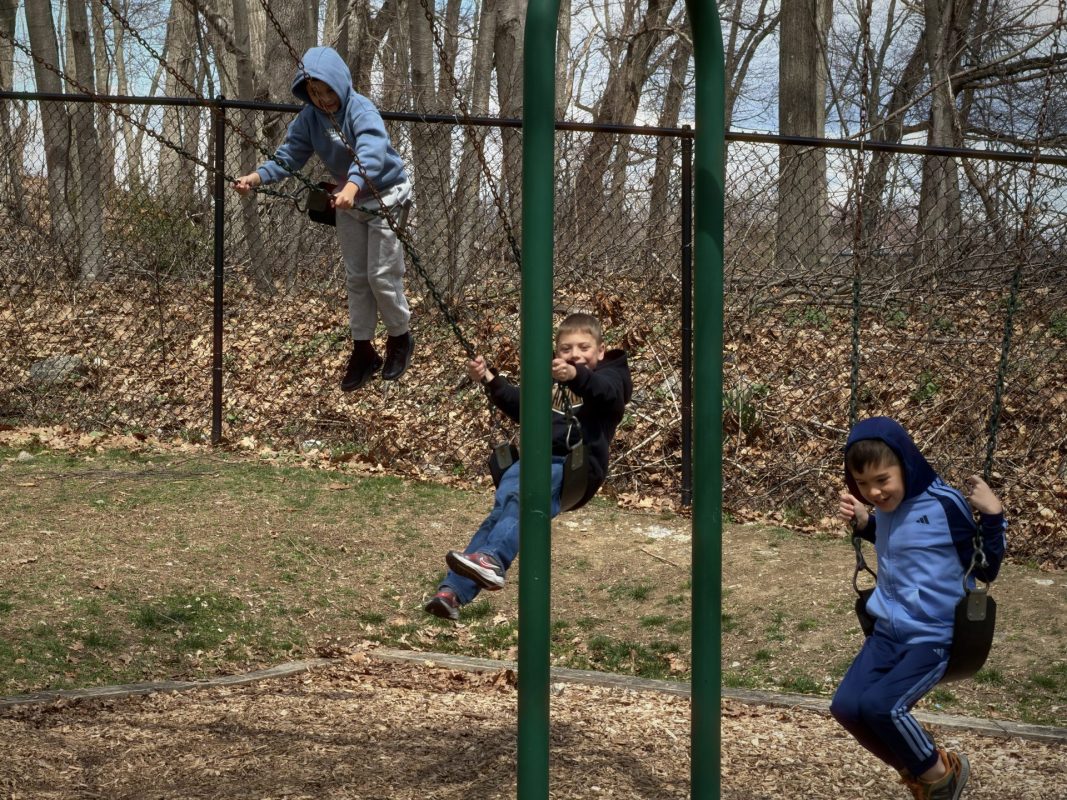
Outdoor time has been especially joyful this week. The sunshine has invited us into longer stretches of play, where imagination takes the lead—turning simple moments into rich stories and shared adventures. There is something so special about watching children connect with nature and each other in these unstructured, meaningful ways.

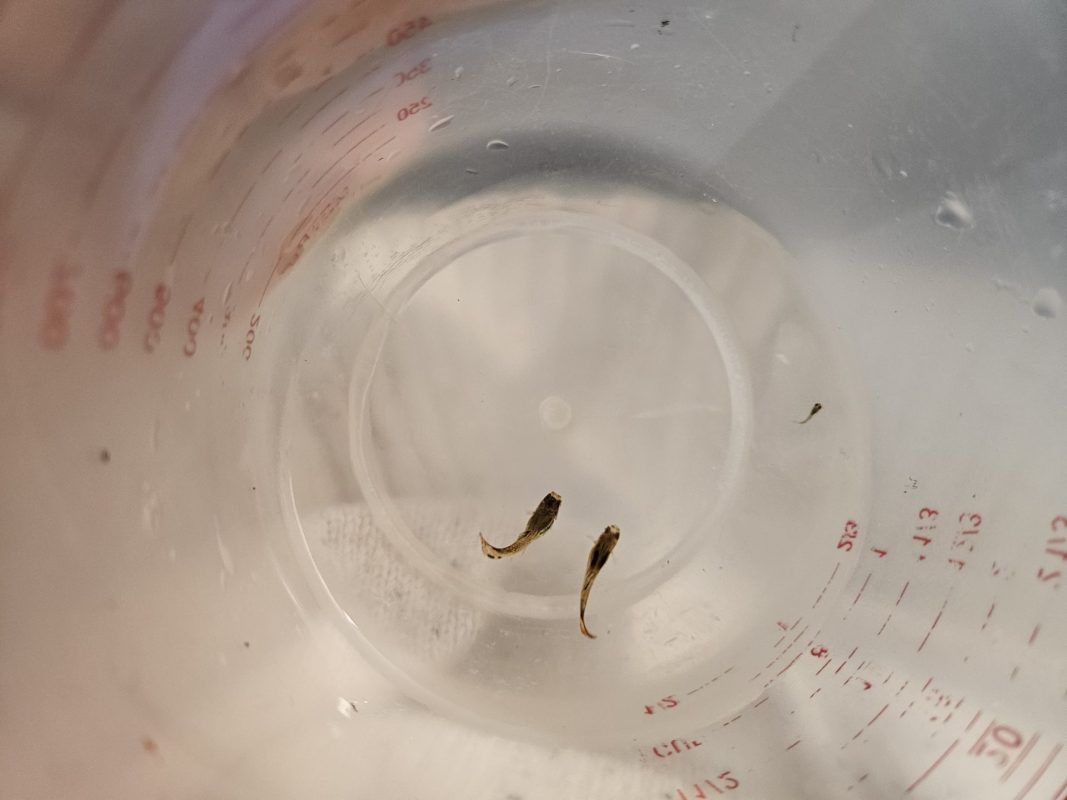
One particularly exciting moment in our classroom was witnessing our Guppy Fish give live birth! The children were captivated, observing closely and asking thoughtful questions. Experiences like this spark such a natural sense of wonder and help deepen their understanding of the living world around them.
As we continue through the season, we look forward to nurturing this sense of curiosity, growth, and connection both in our classroom and in each child.

With Full Hearts,

Ms. Mollie and Ms. Lizette


Ms. Handibode: Sowing Seeds of Compassion

Maria Montessori believed that children are the key to peace and empathy among humanity—and last week, our classroom offered a beautiful illustration of that belief in action.

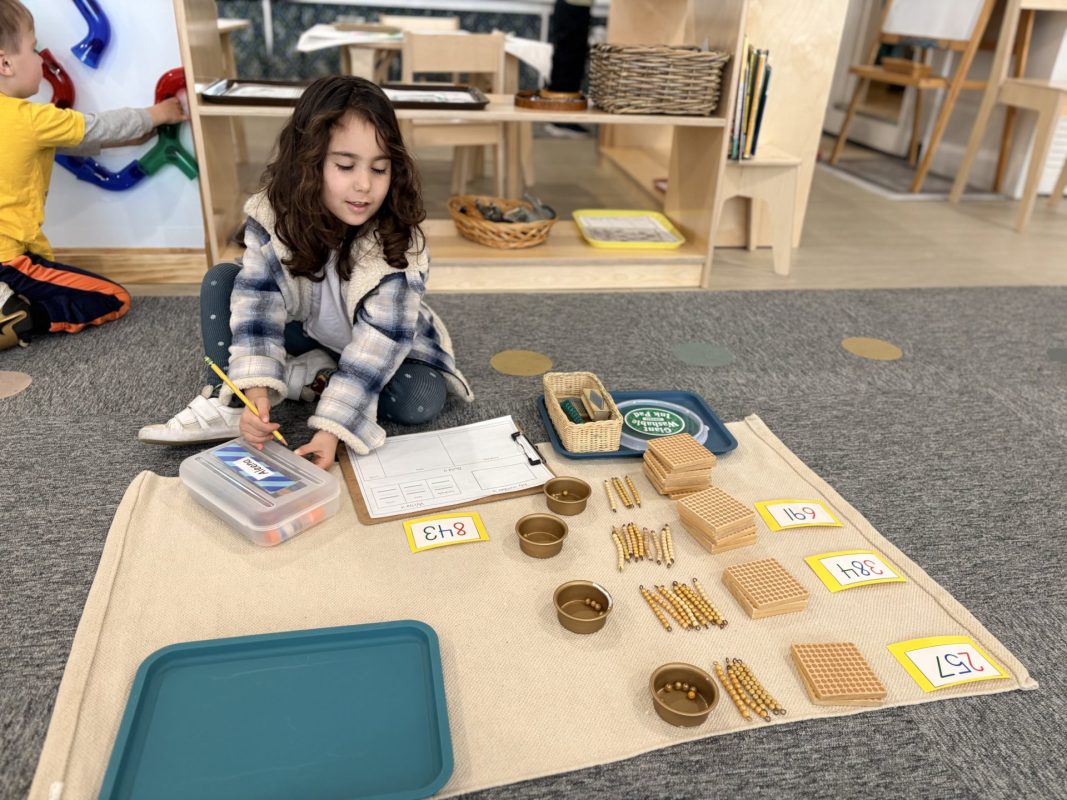
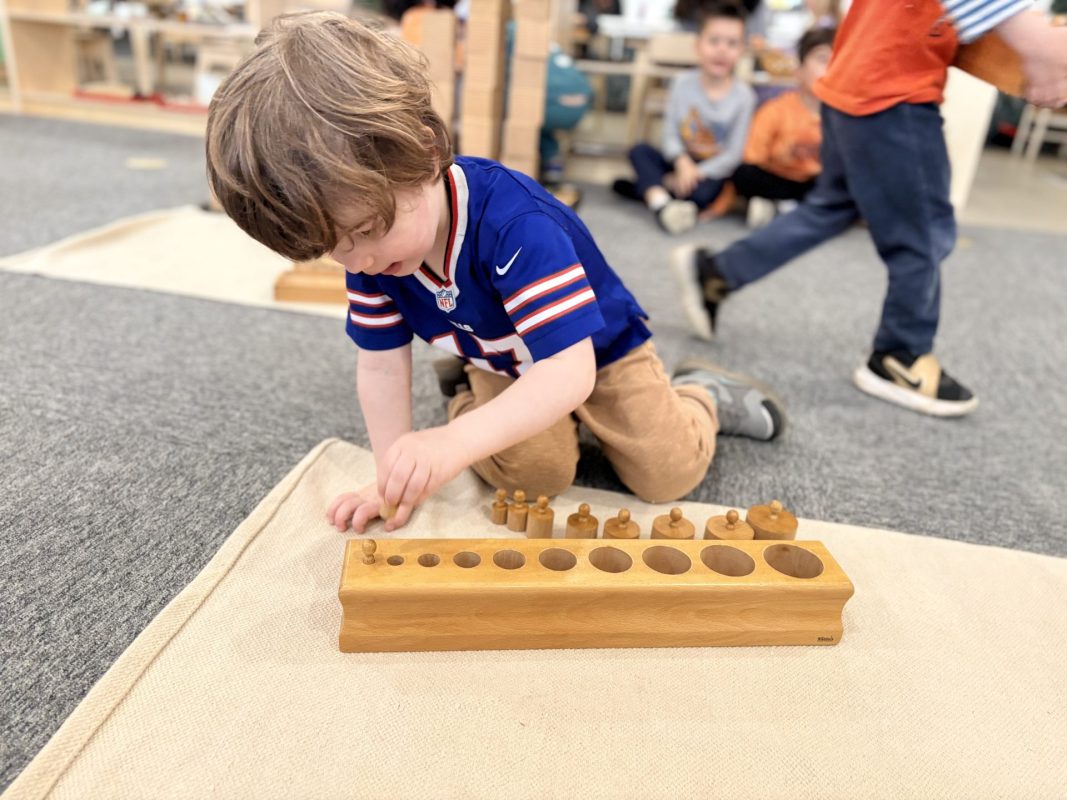
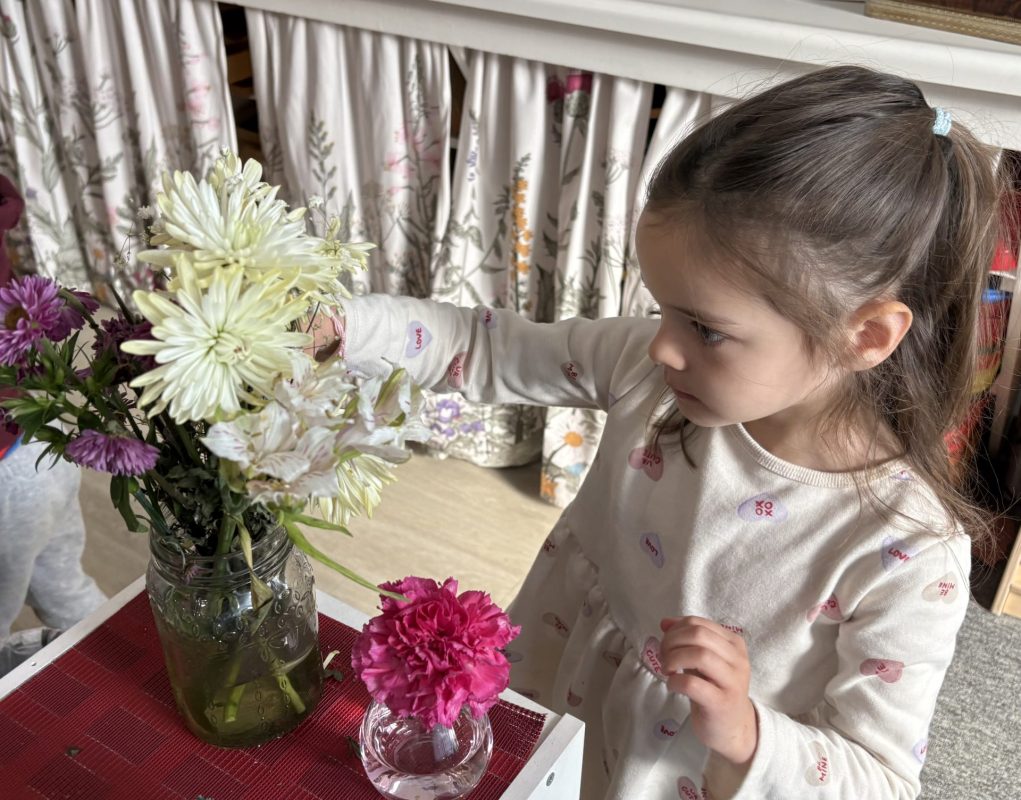
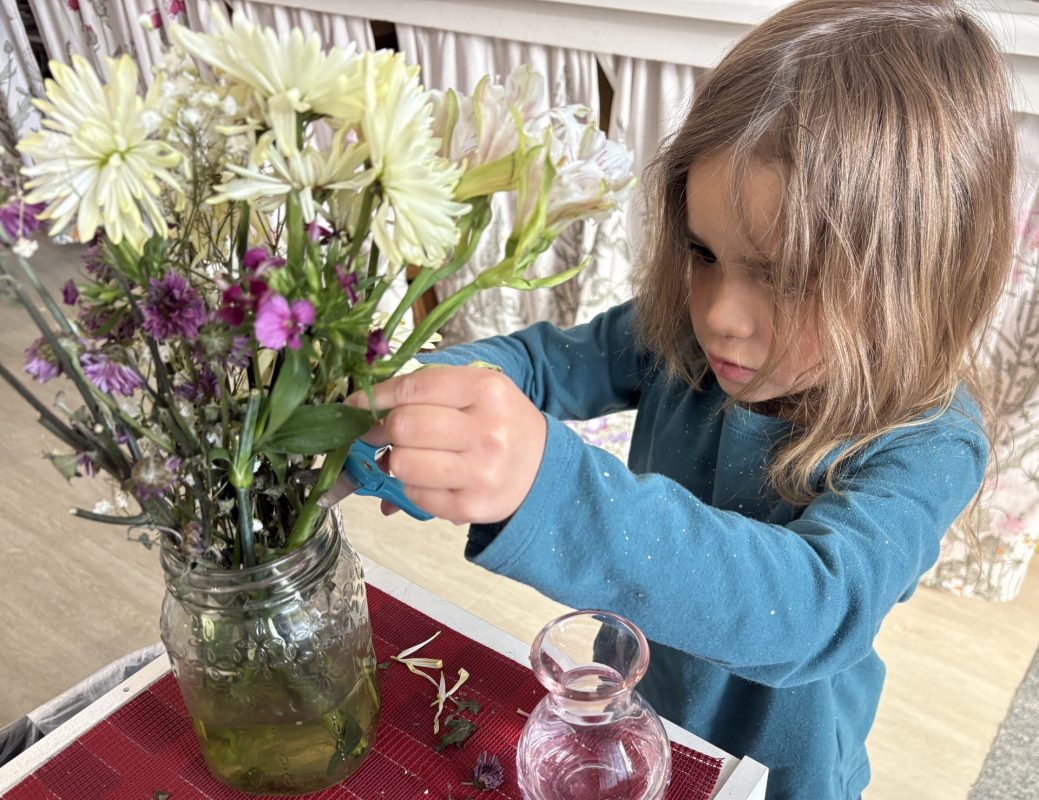
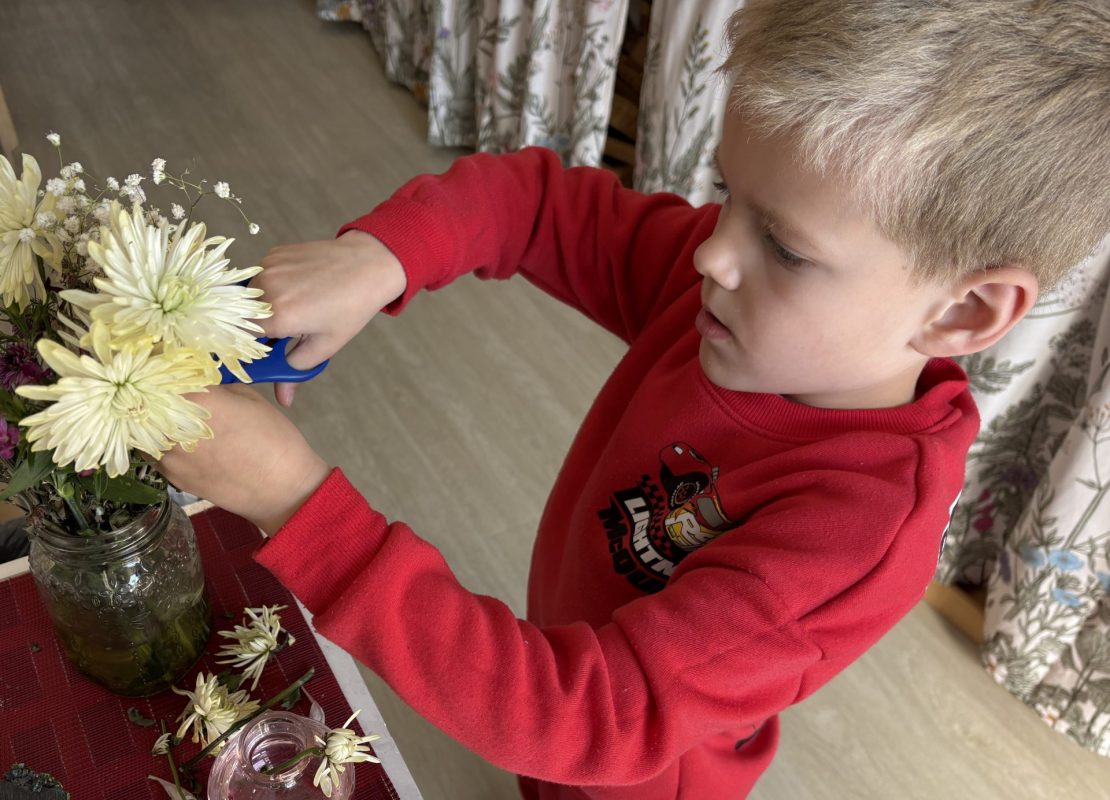
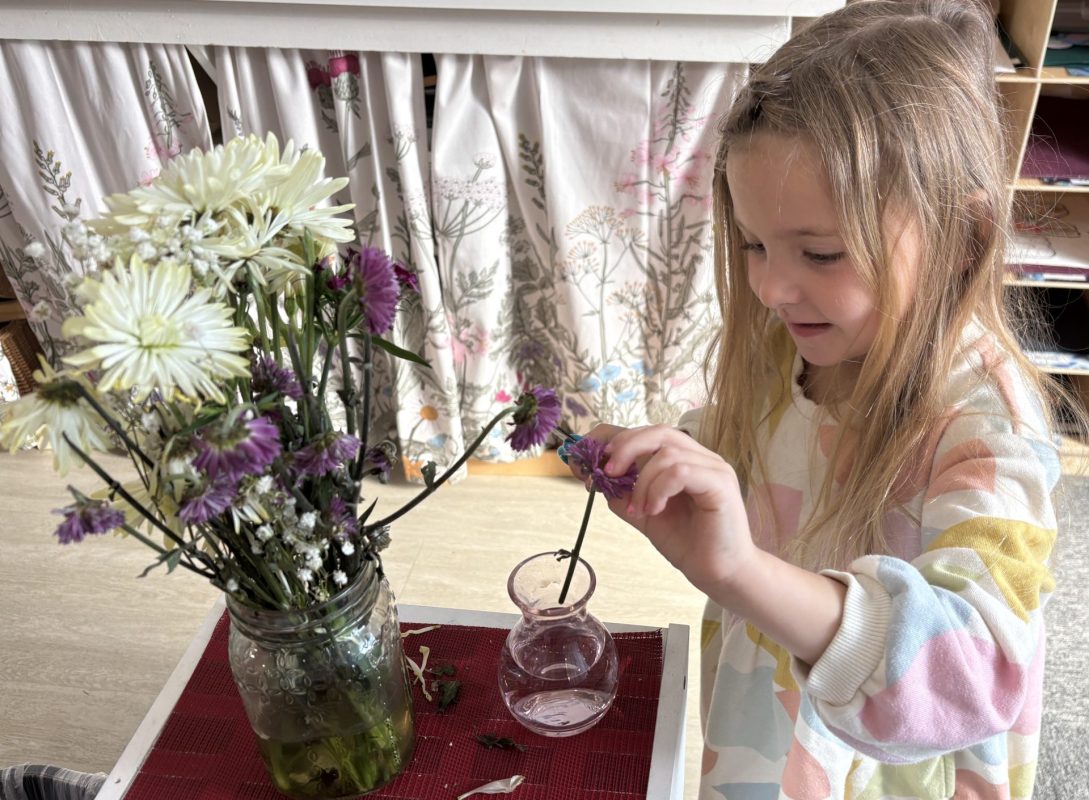
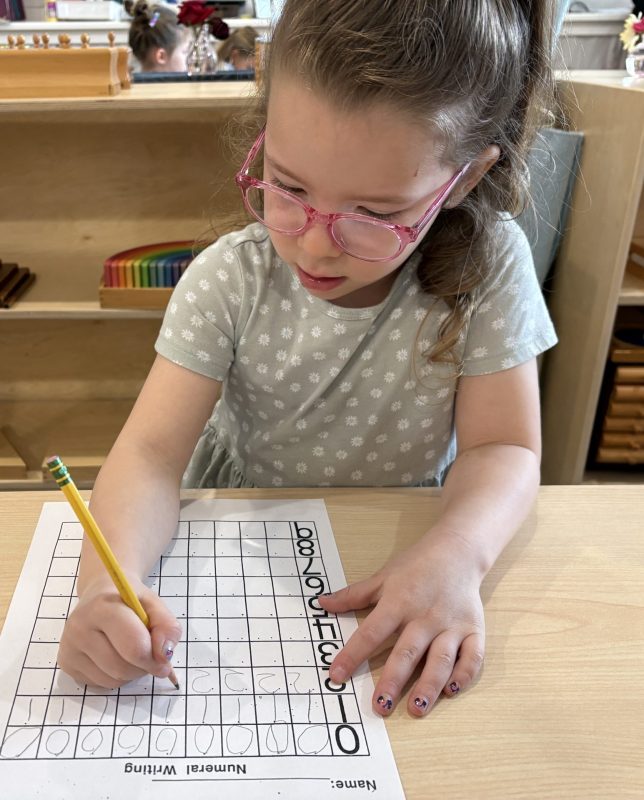
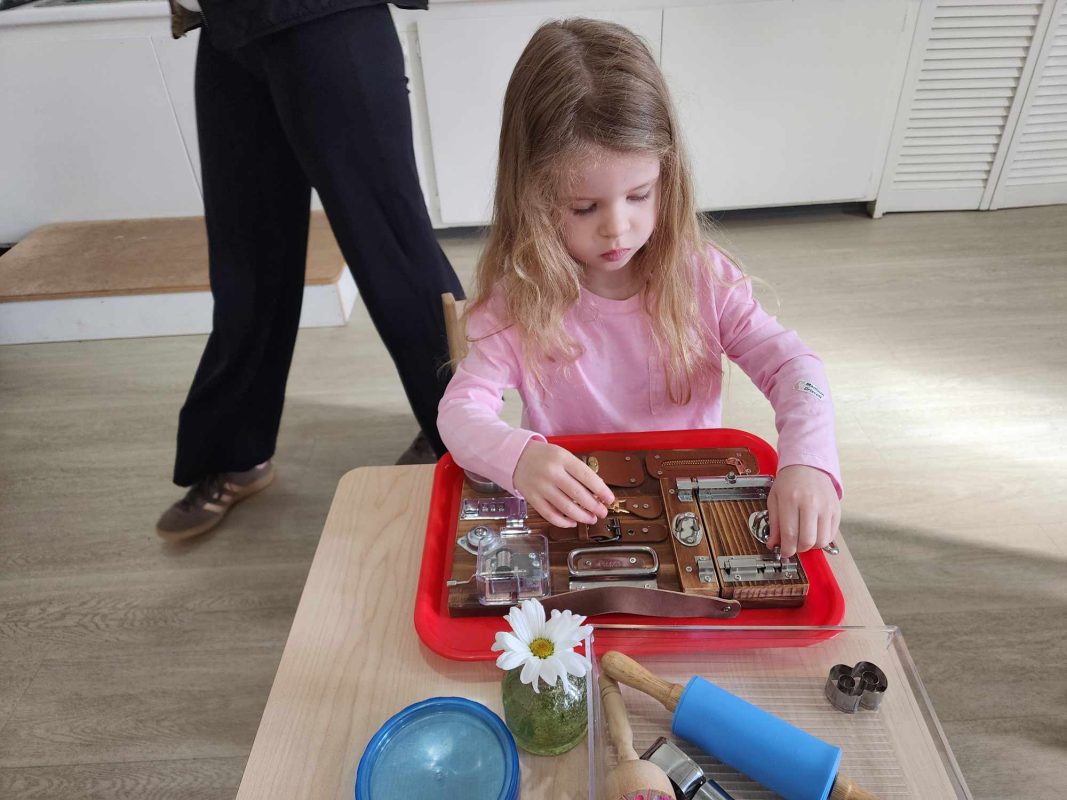
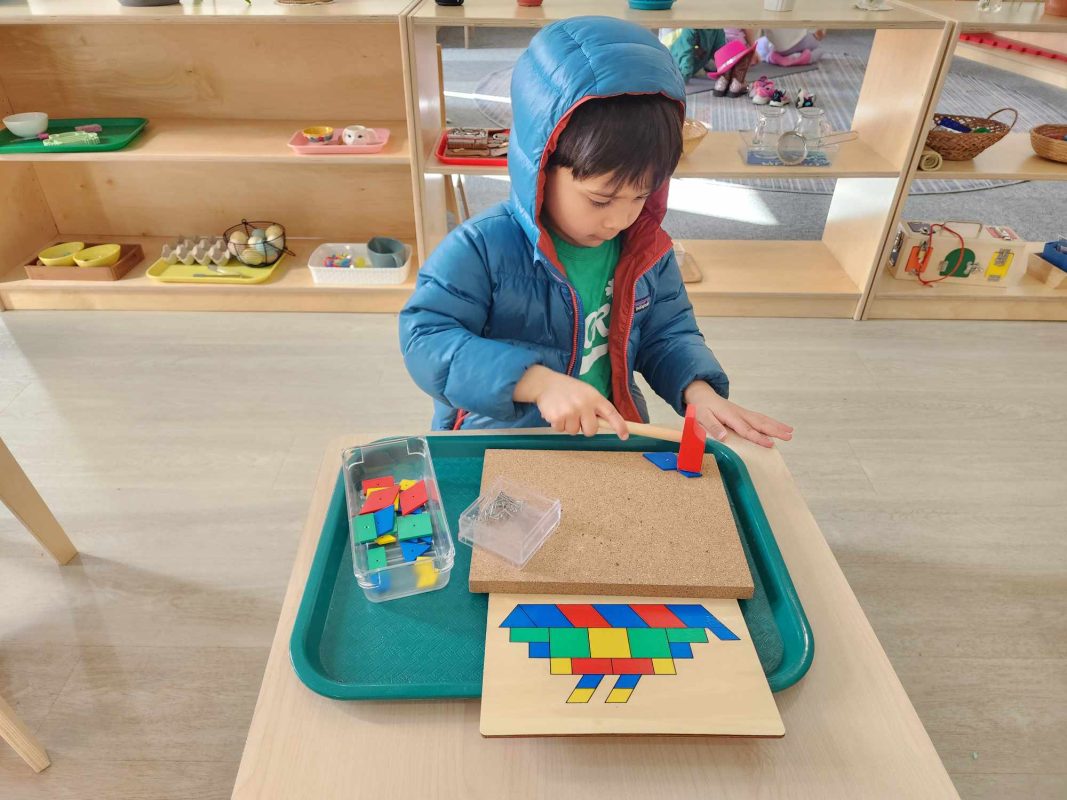
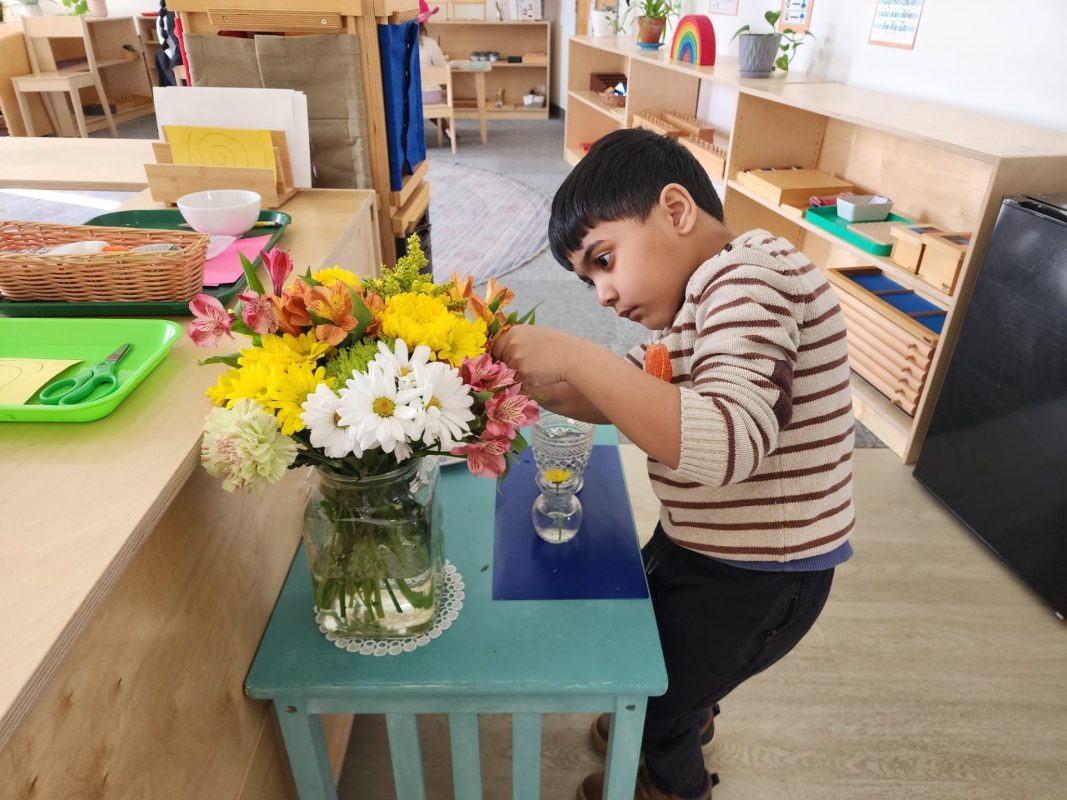
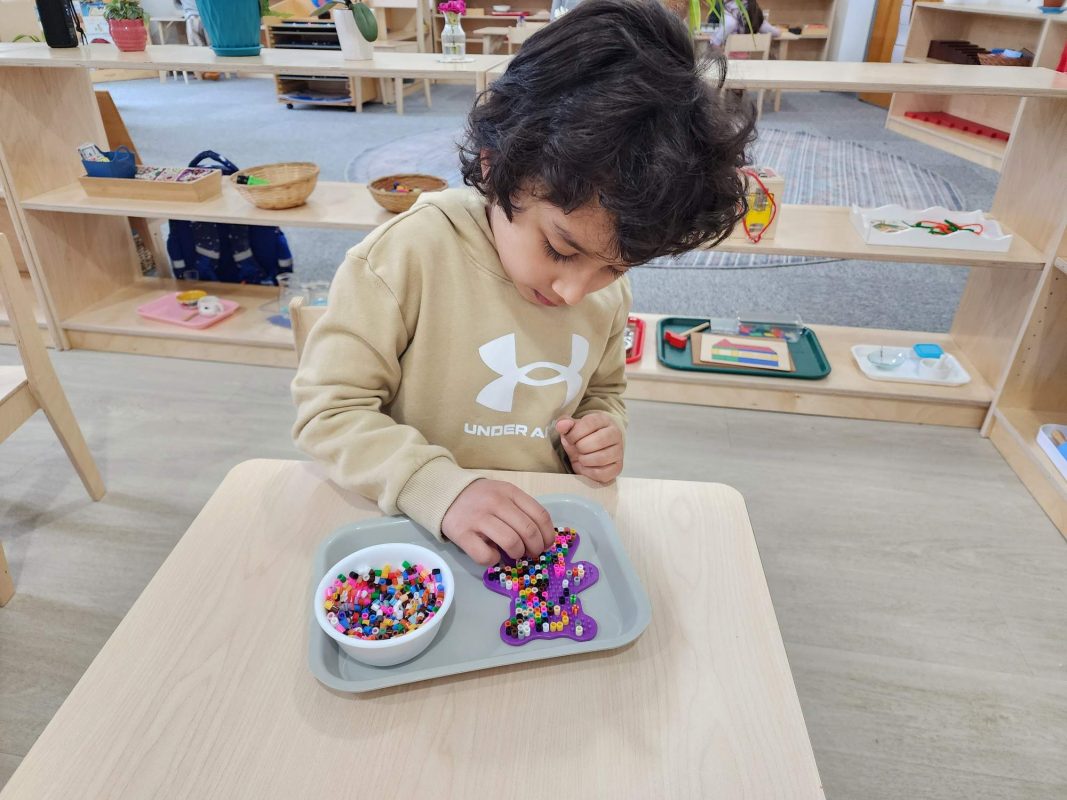
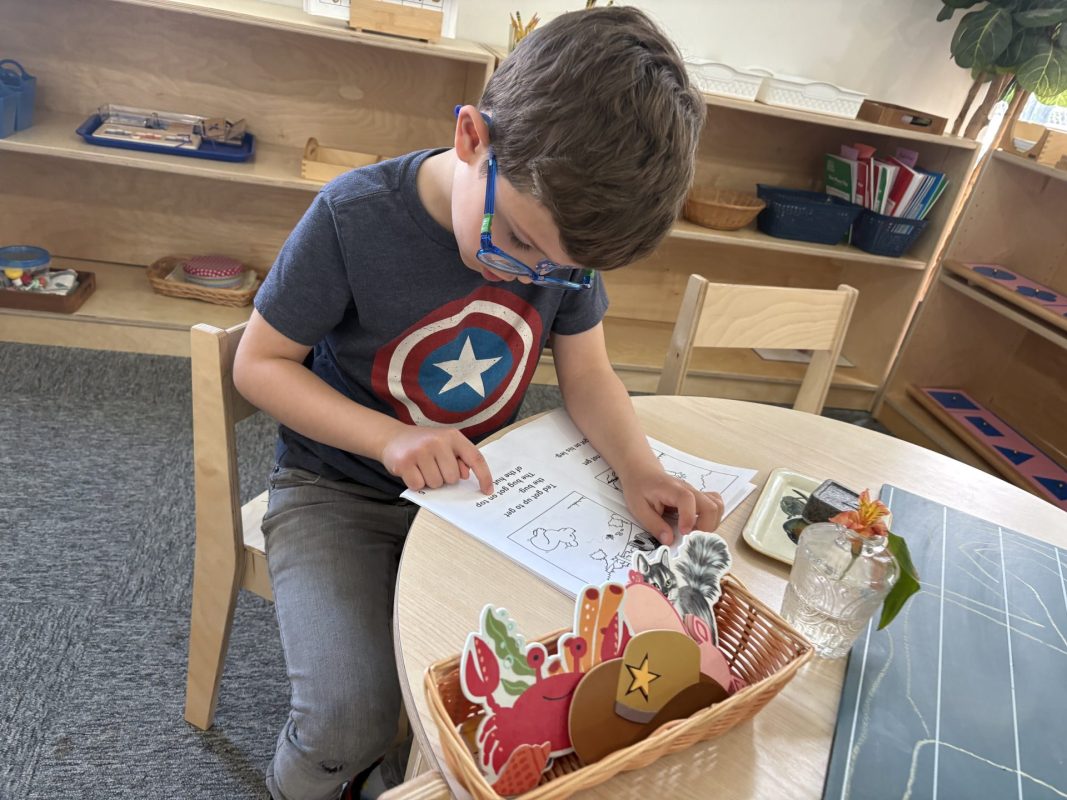
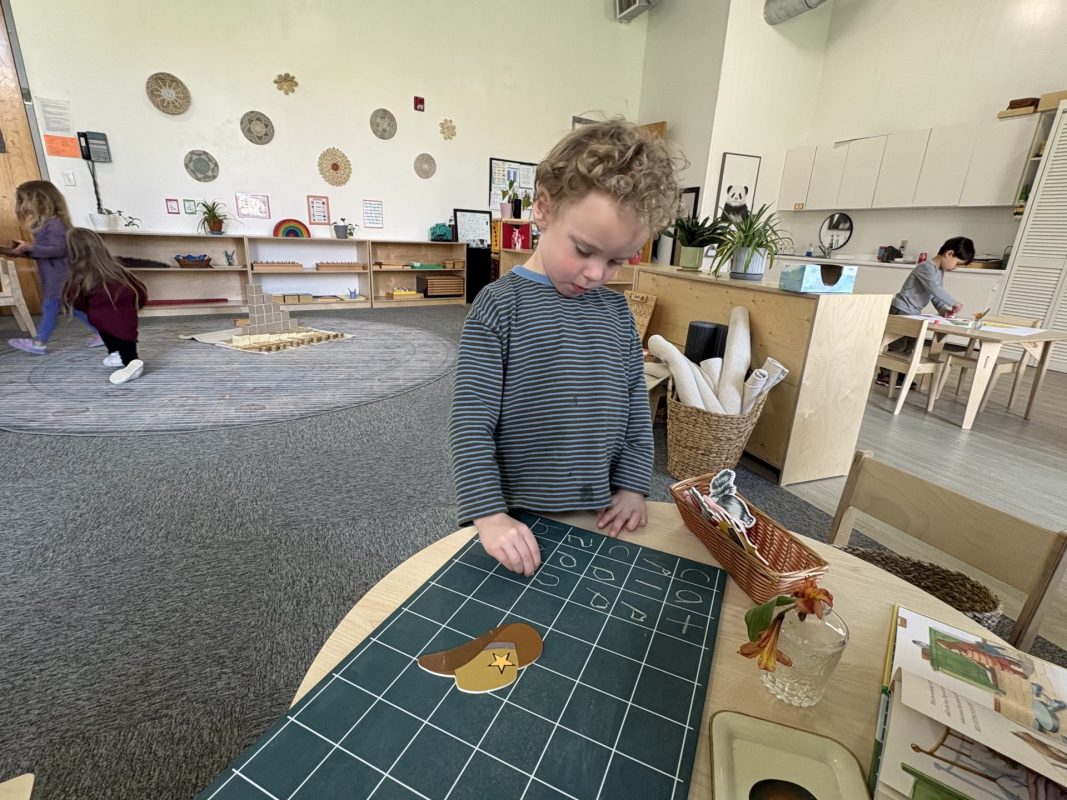
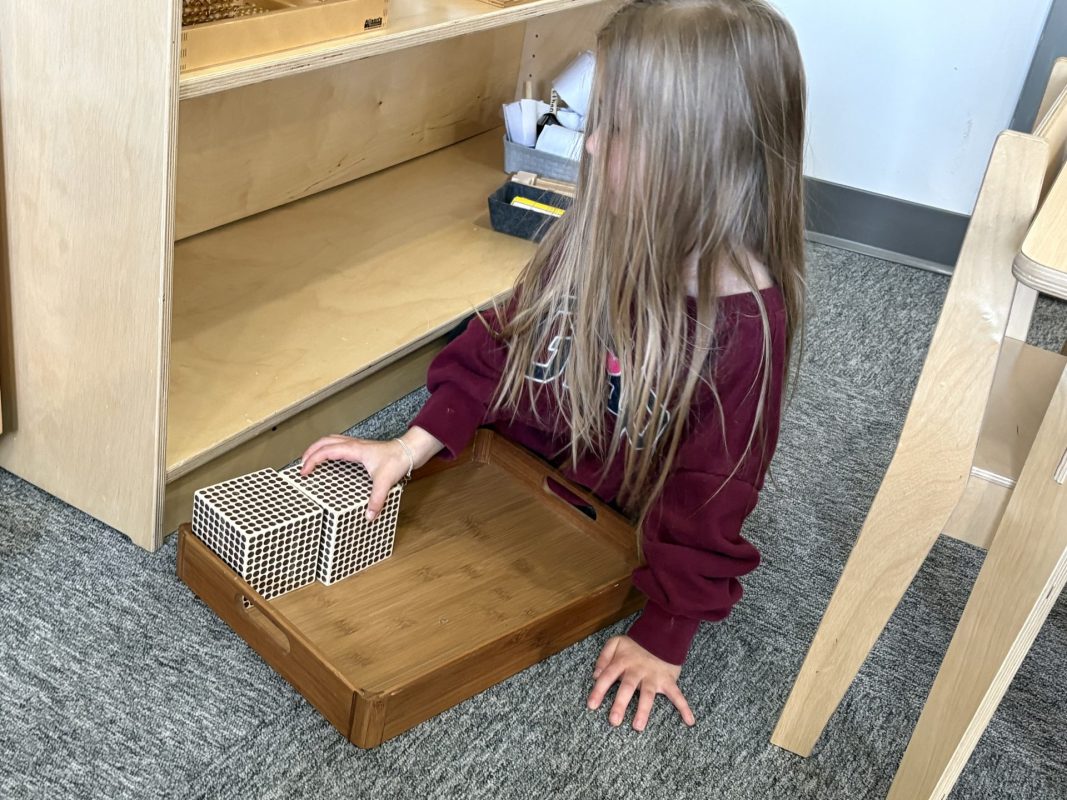
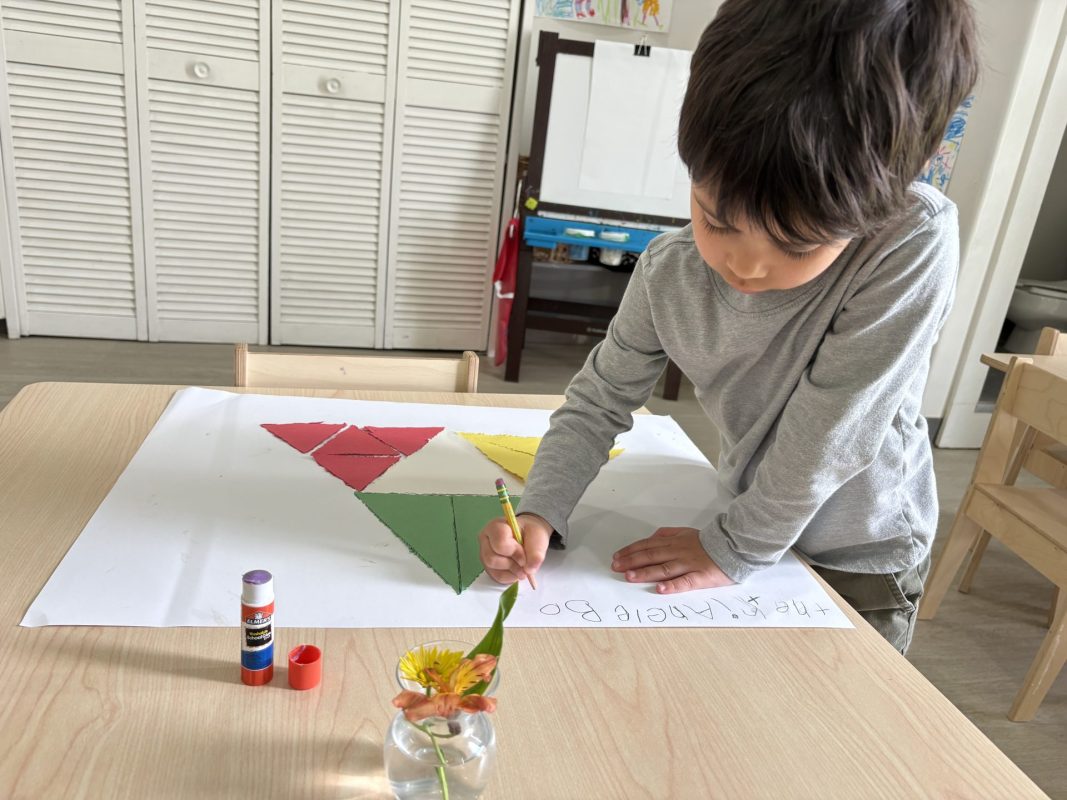
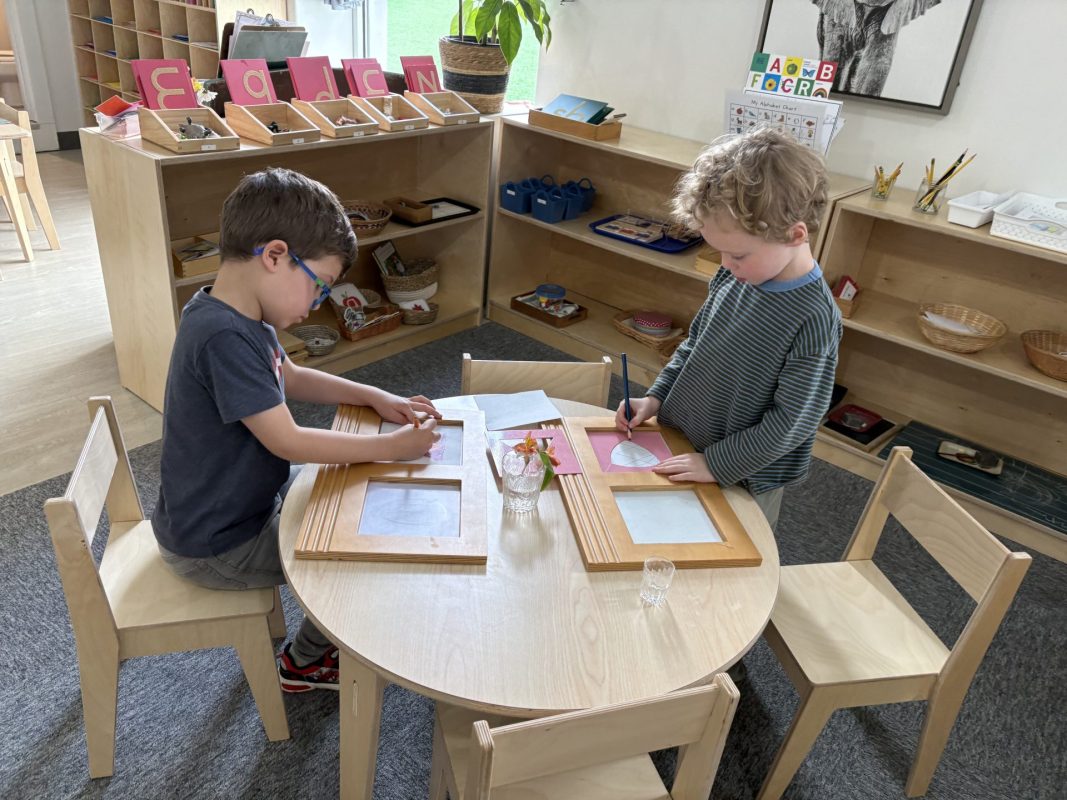
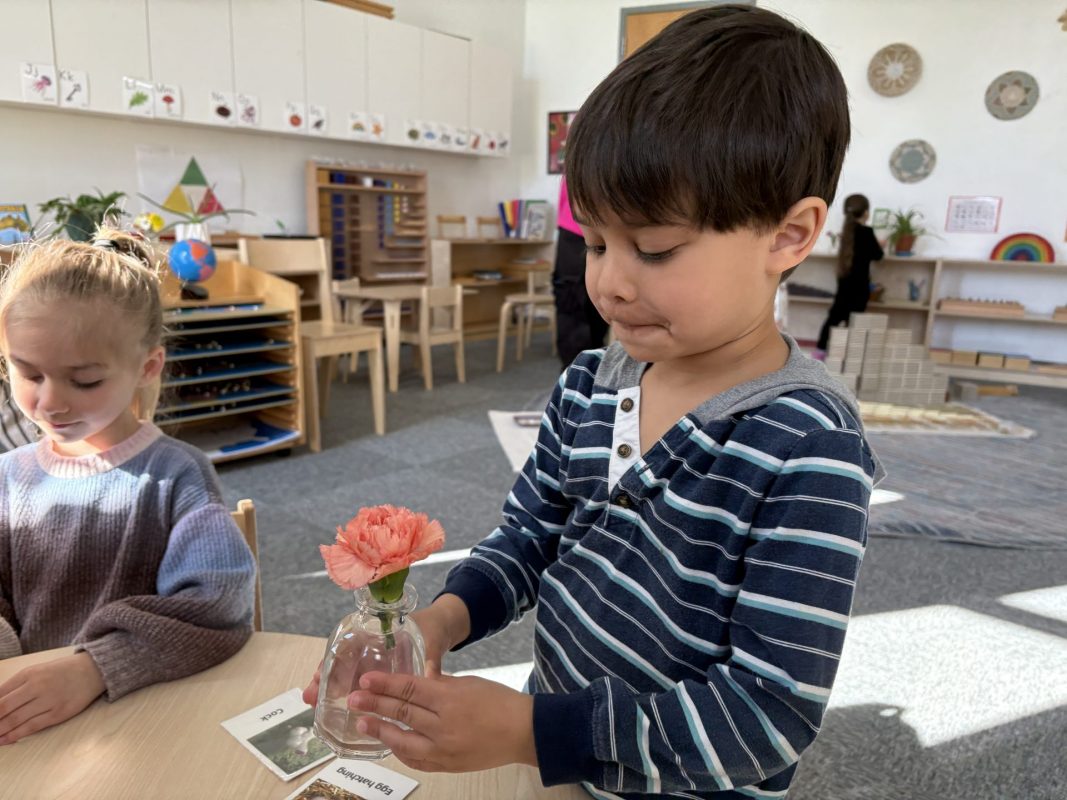
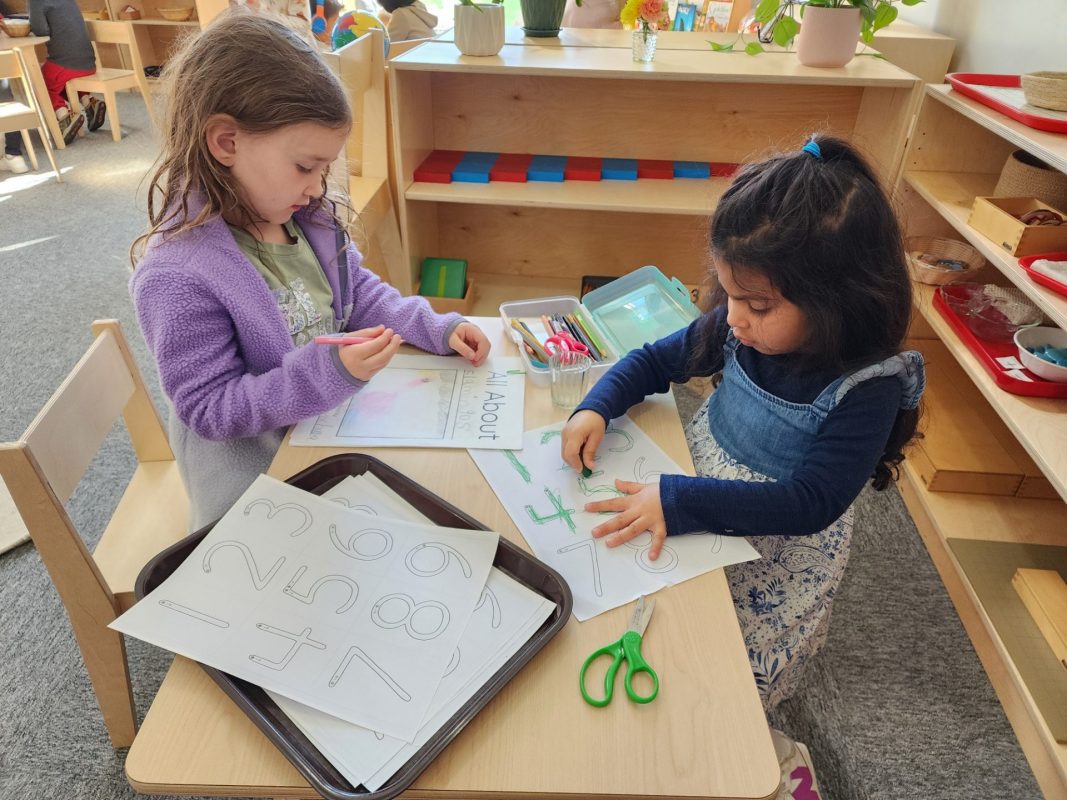
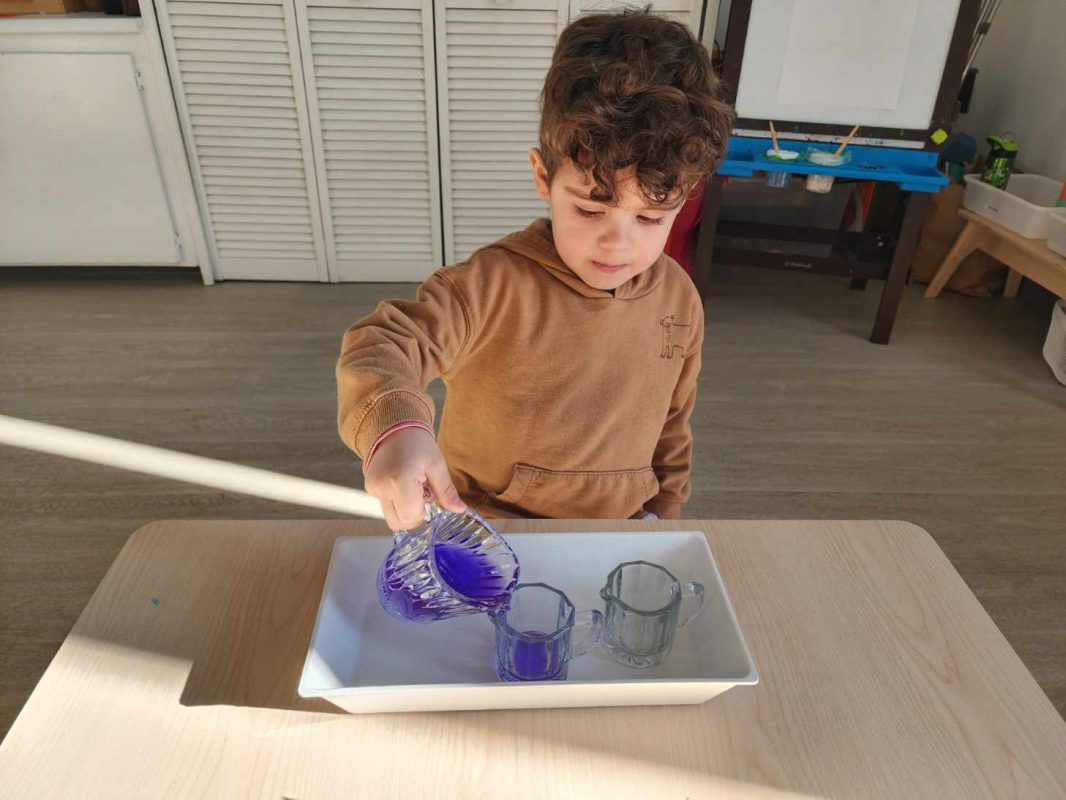
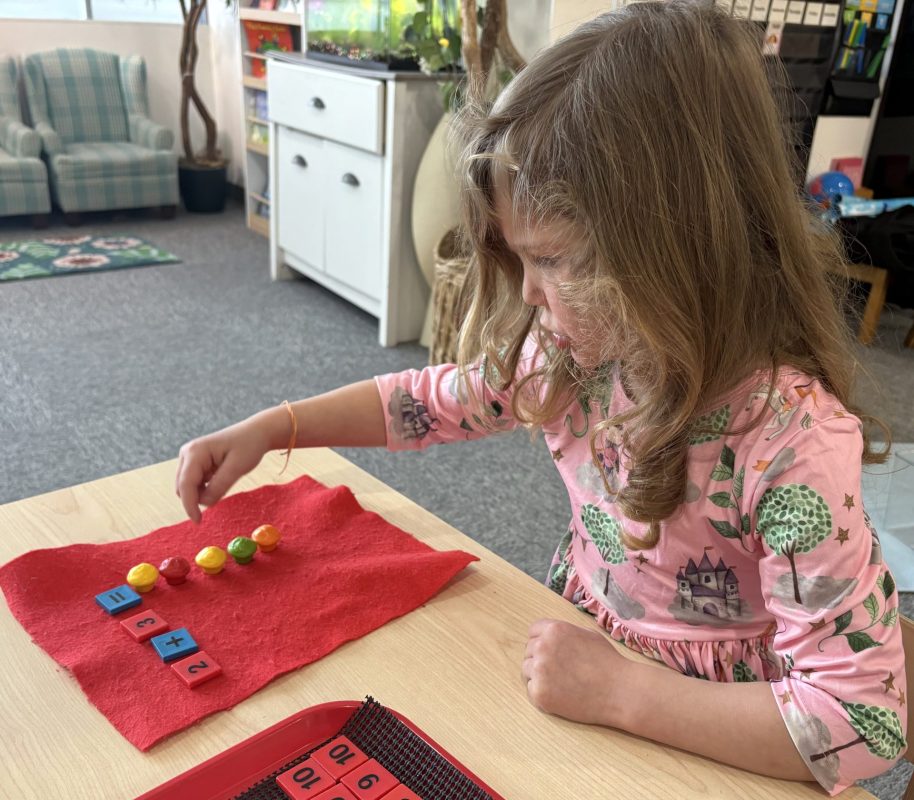
Flower arranging is a work in our Practical Life area, and it is far more than it appears. While it builds fine motor skills and hand-eye coordination, its deeper purpose is to give children a sense of ownership over their environment and a tender way to contribute to the community around them. When a child arranges flowers and places them on a table for others to enjoy, they are stepping—even briefly—outside of their own needs and into the world of care for others. This is empathy in its earliest, most genuine form.

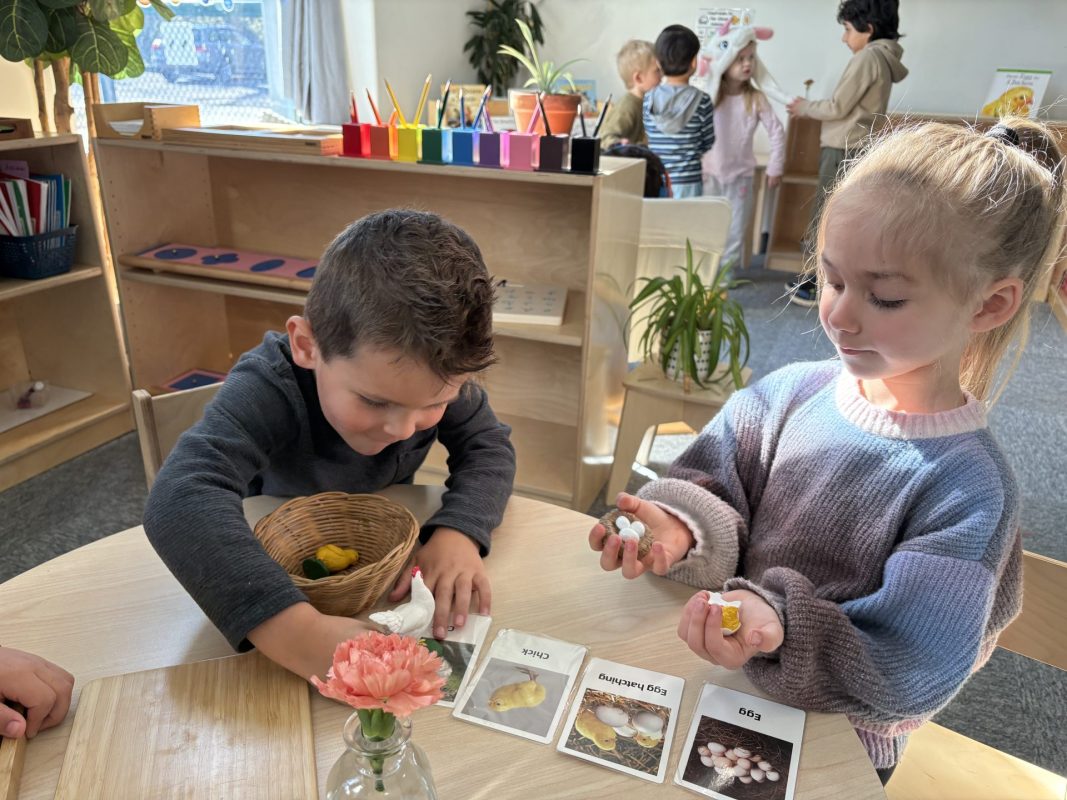
Last week, we also welcomed nine chicken eggs into our classroom incubator. Each day, the children learned about the development taking place inside the eggs, and the countdown to hatching created a wonderful sense of shared anticipation and responsibility. The eggs are expected to hatch in 21 days.

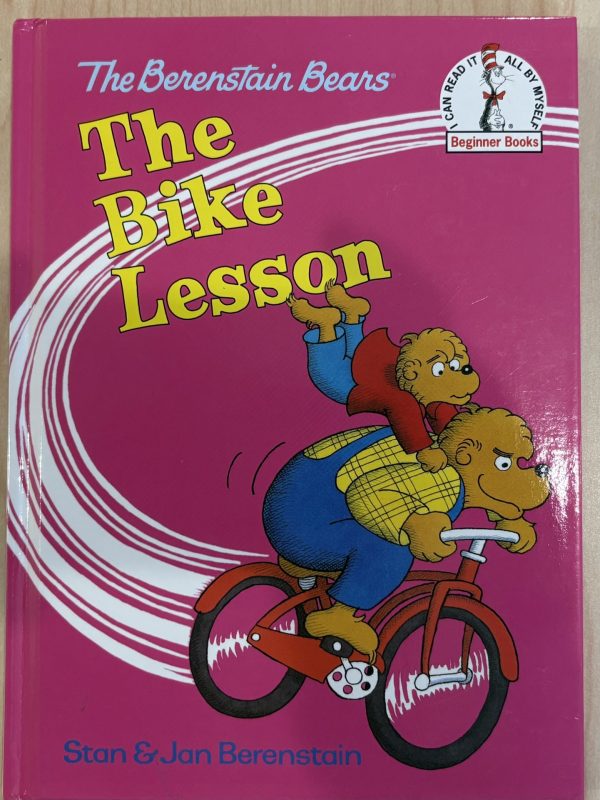
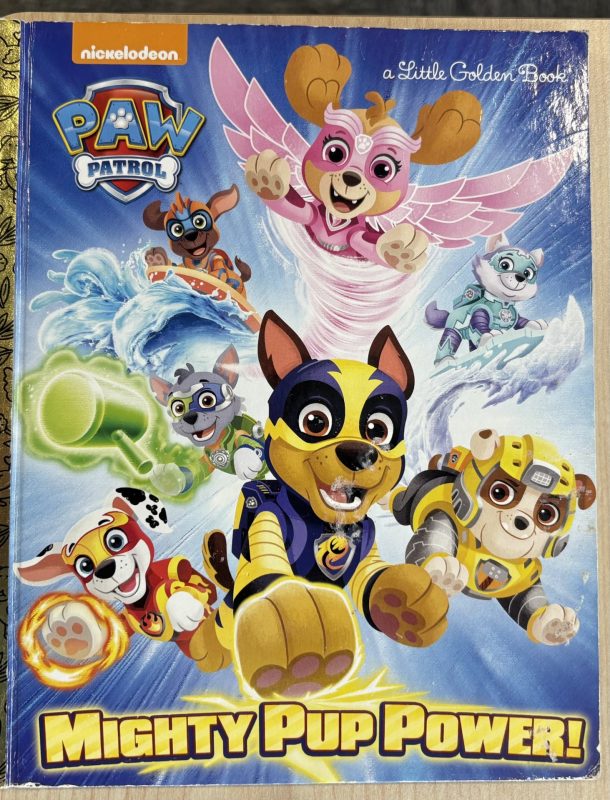
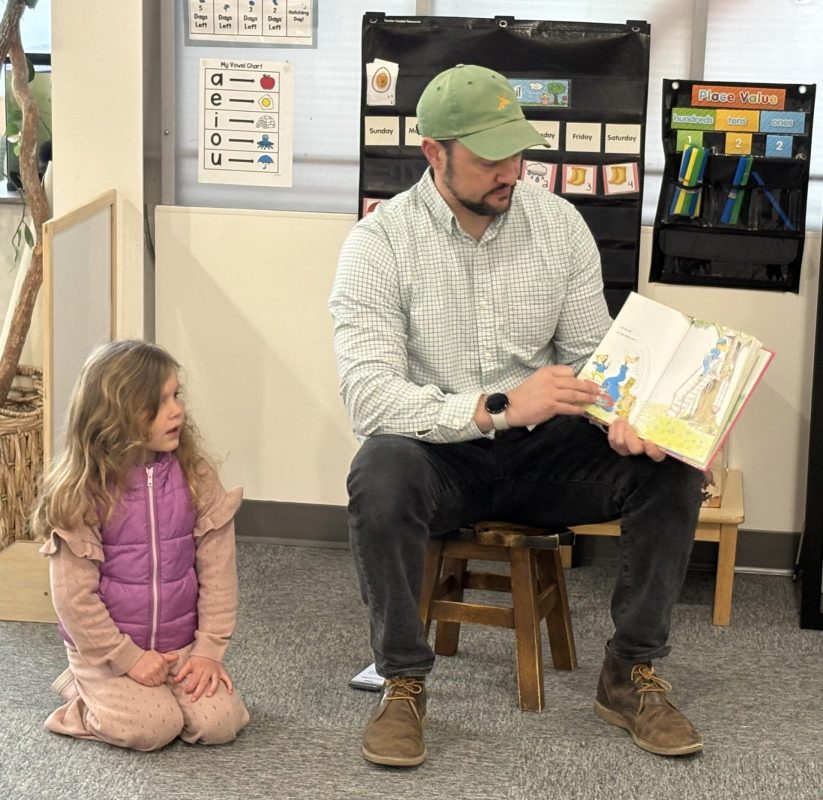
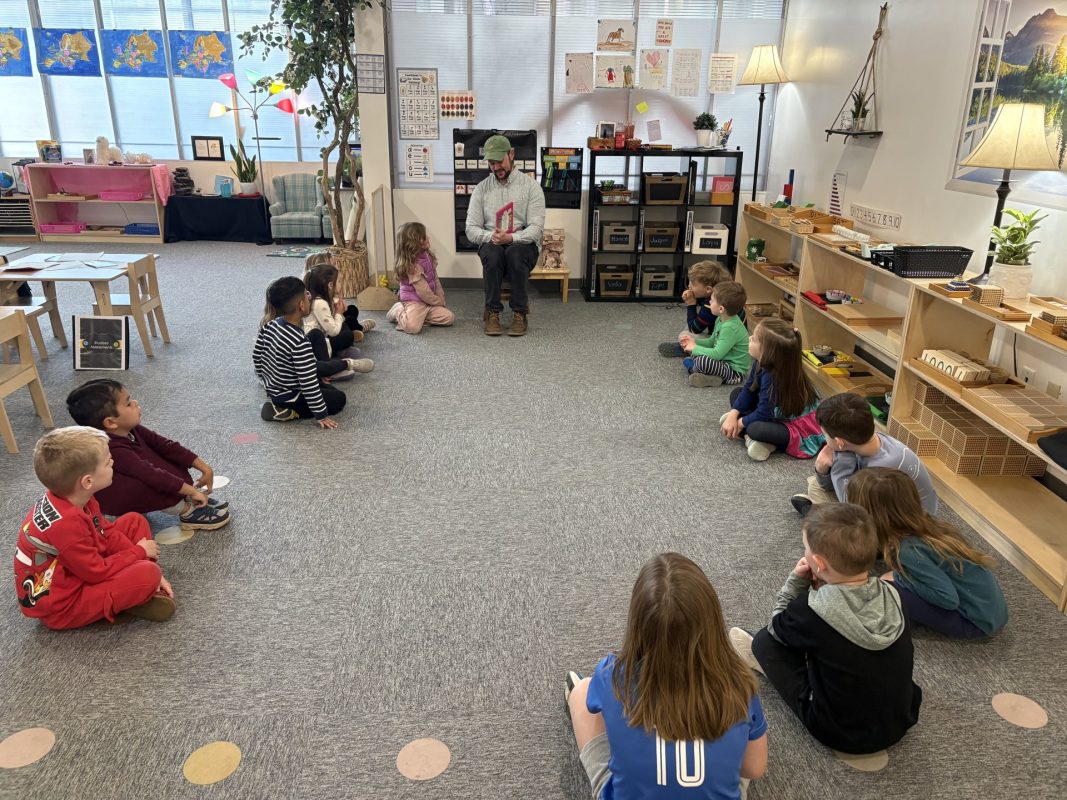
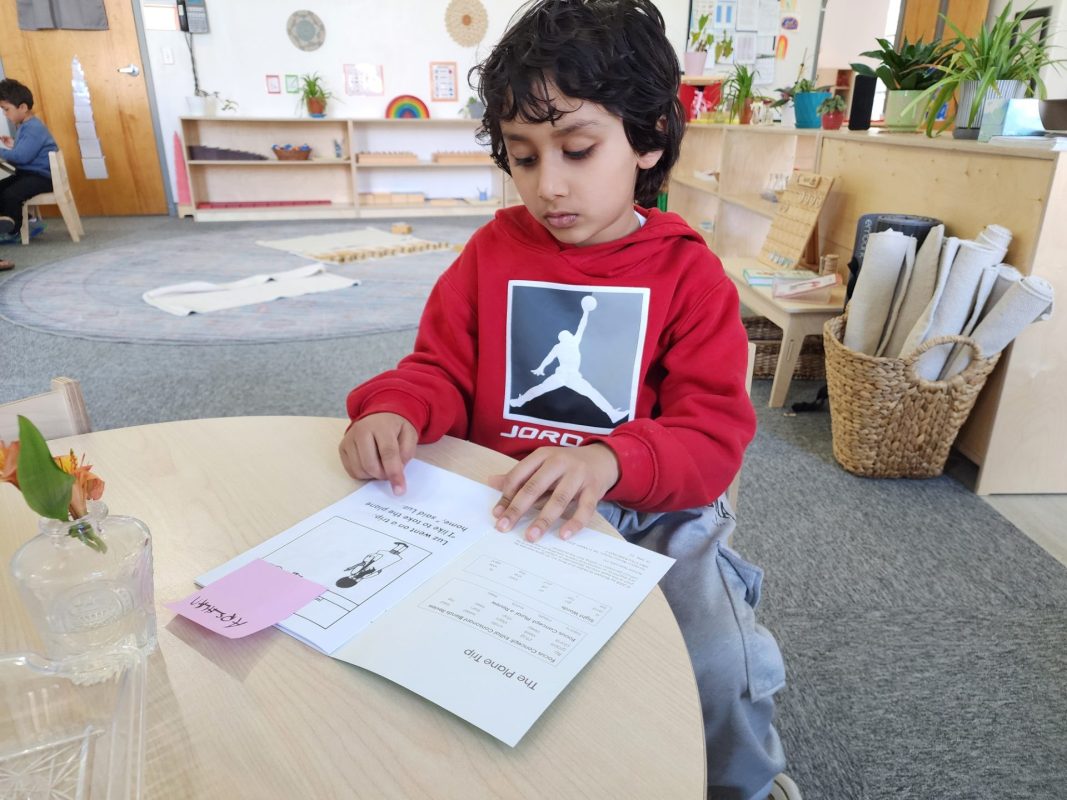
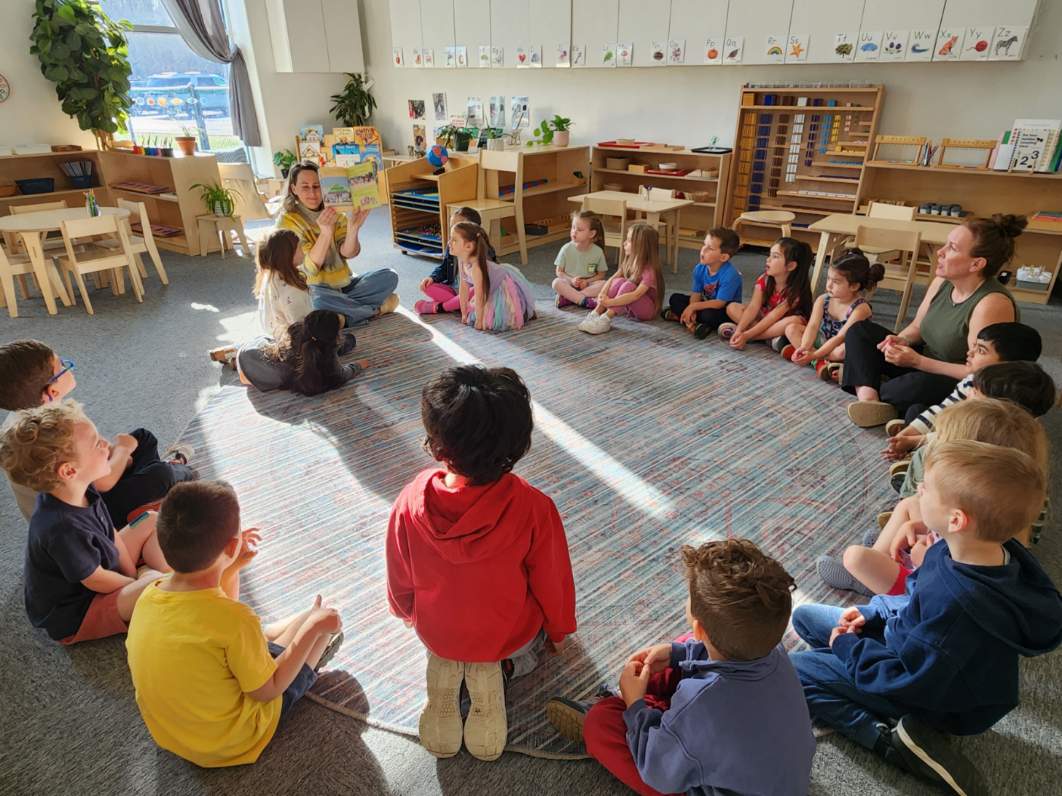
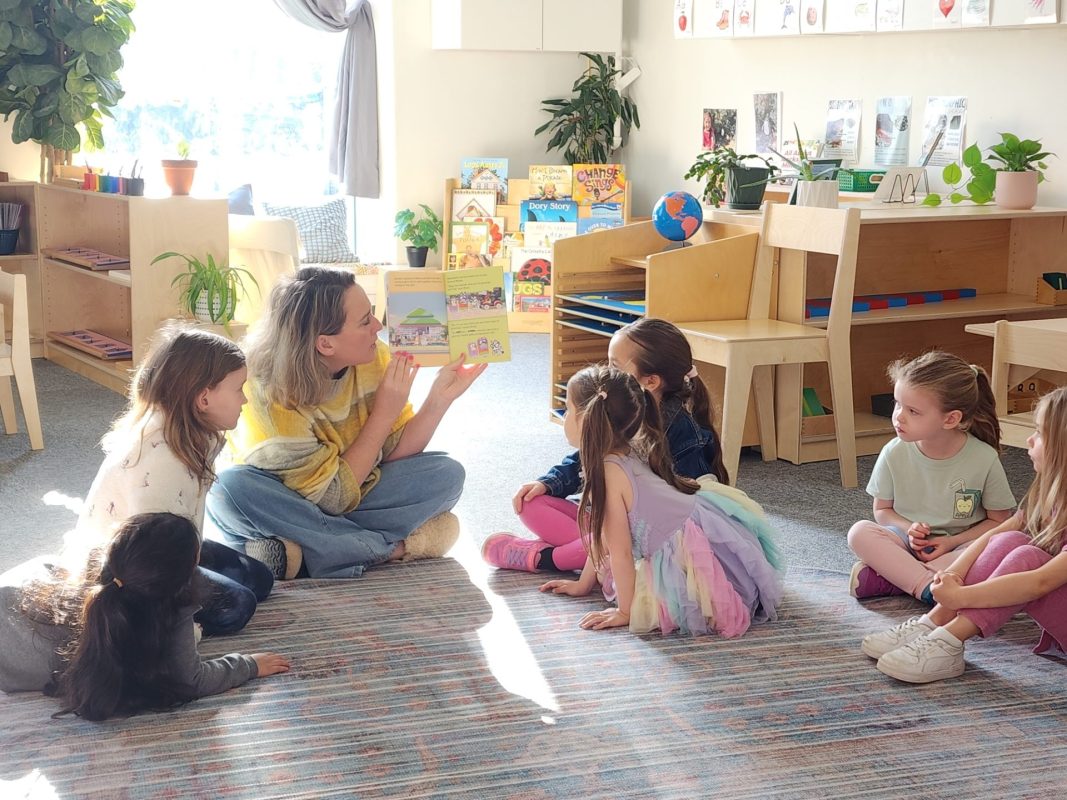
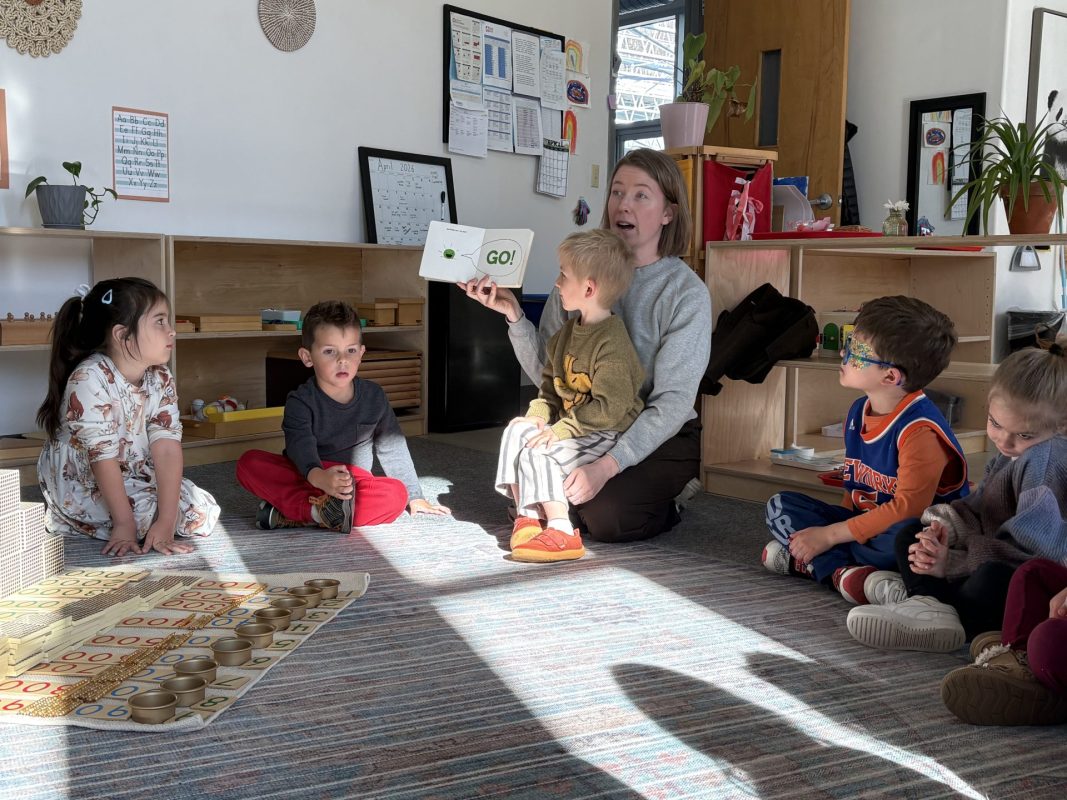
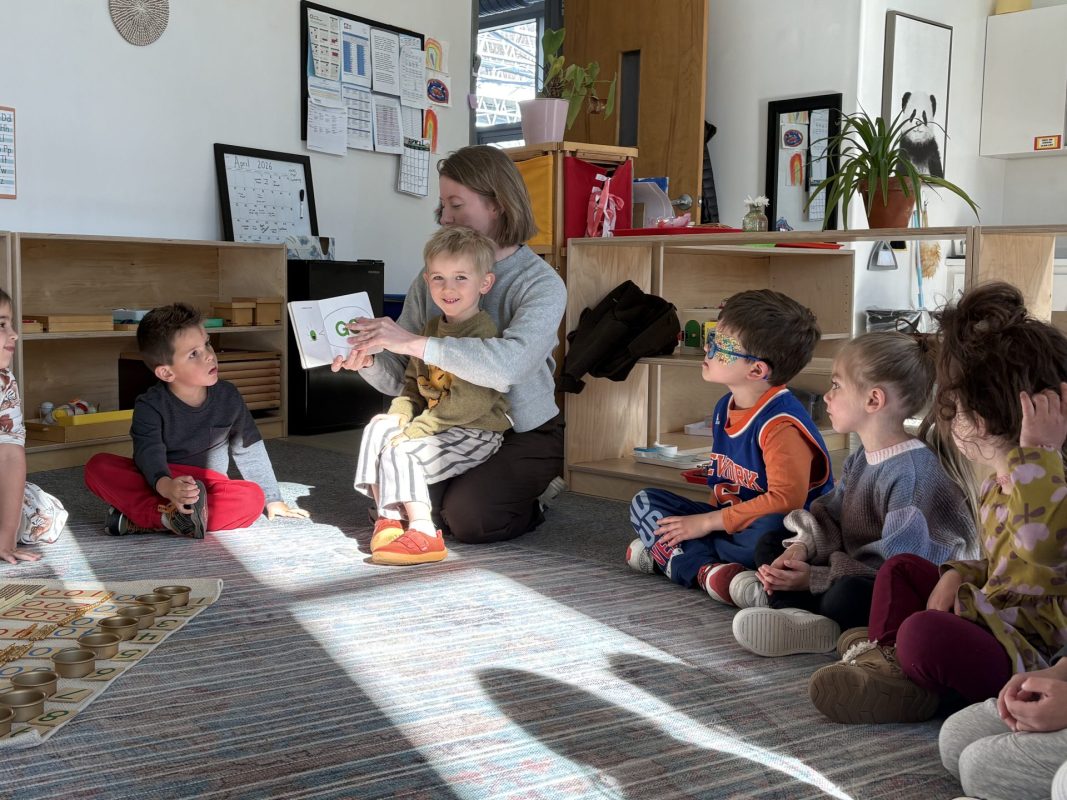
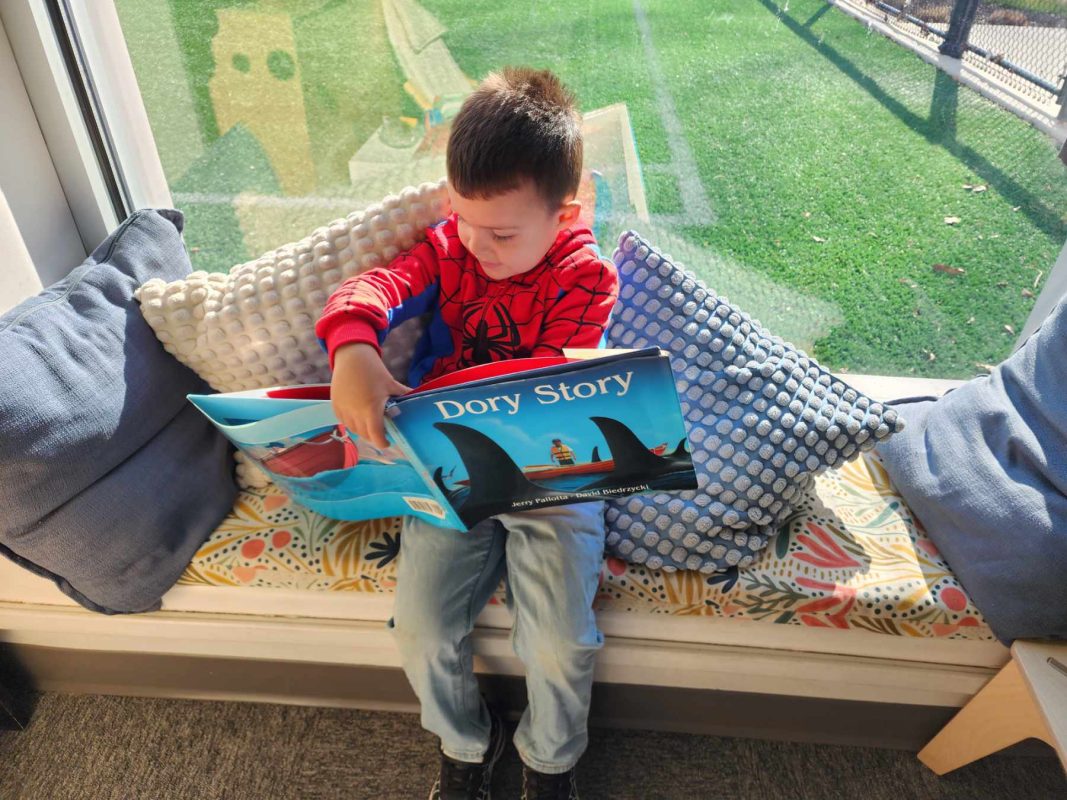
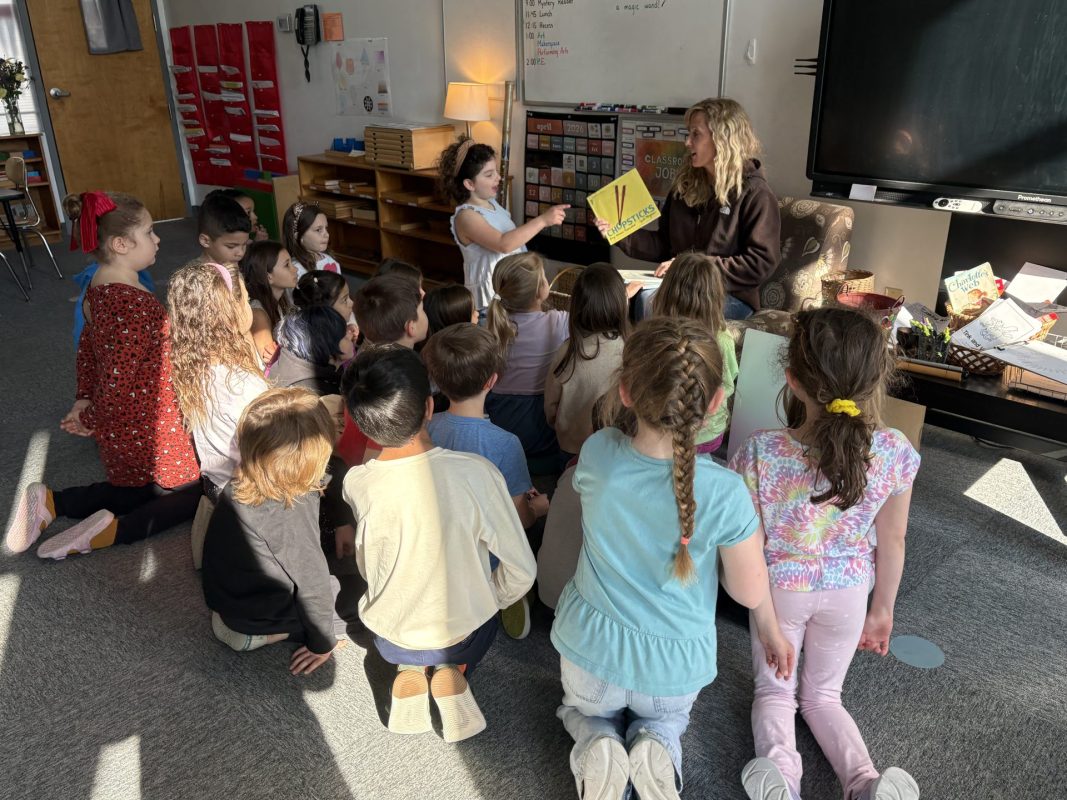
We also had the joy of welcoming Wilder’s dad as our guest reader last week. He shared The Berenstain Bears: The Bike Lesson and Paw Patrol: Mighty Pup Power, which sparked a lively conversation about learning to ride a bike—many children had wonderful stories of their own to tell.

Extending Learning at Home

Compassion practiced at home reinforces what we nurture in the classroom every day. Look for small moments to invite your child to contribute to the family—setting the table, arranging a few flowers from the yard, or helping a sibling. These simple acts are exactly the kind of work that builds the empathetic spirit Maria Montessori envisioned.


UPCOMING EVENTS & ANNOUNCEMENTS

This Week

  • Monday, April 13
    ⋅ Sharing Box and Flowers; Birthday Celebration, Zaki K.
  • Tuesday, April 14
    ⋅ Playground Volunteer, Sasha J.
  • Wednesday, April 15
    ⋅ Guest Reader, Sam R.

Next Week

  • Monday, April 20
    ⋅ Sharing Box and Flowers, Layla S.
  • Tuesday, April 21
    ⋅ Playground Volunteer, Sam R.
  • Wednesday, April 22
    ⋅ Guest Reader, Dhanishry N.
  • Friday, April 24
    ⋅ No School — Parent/Teacher Conferences. Please sign up for a time if you have not already done so.

Mrs. Sargeant: Pinch, Pull, and the Joy of Doing It Yourself

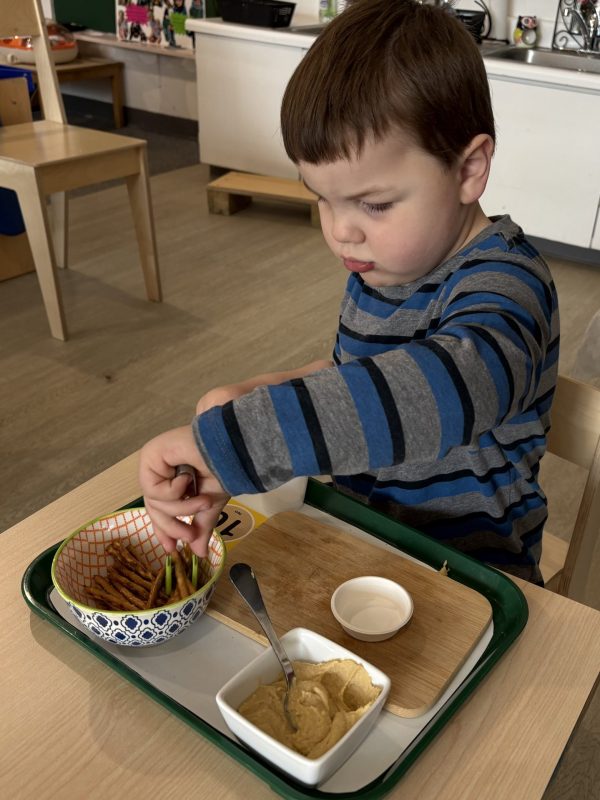
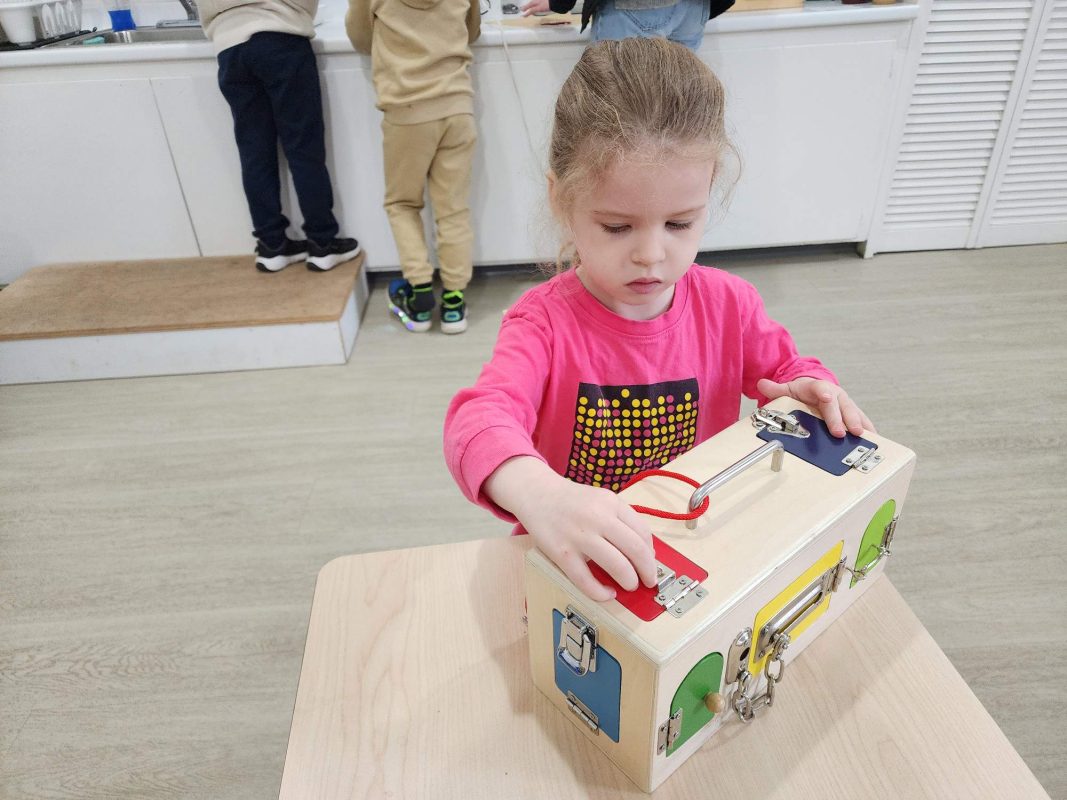
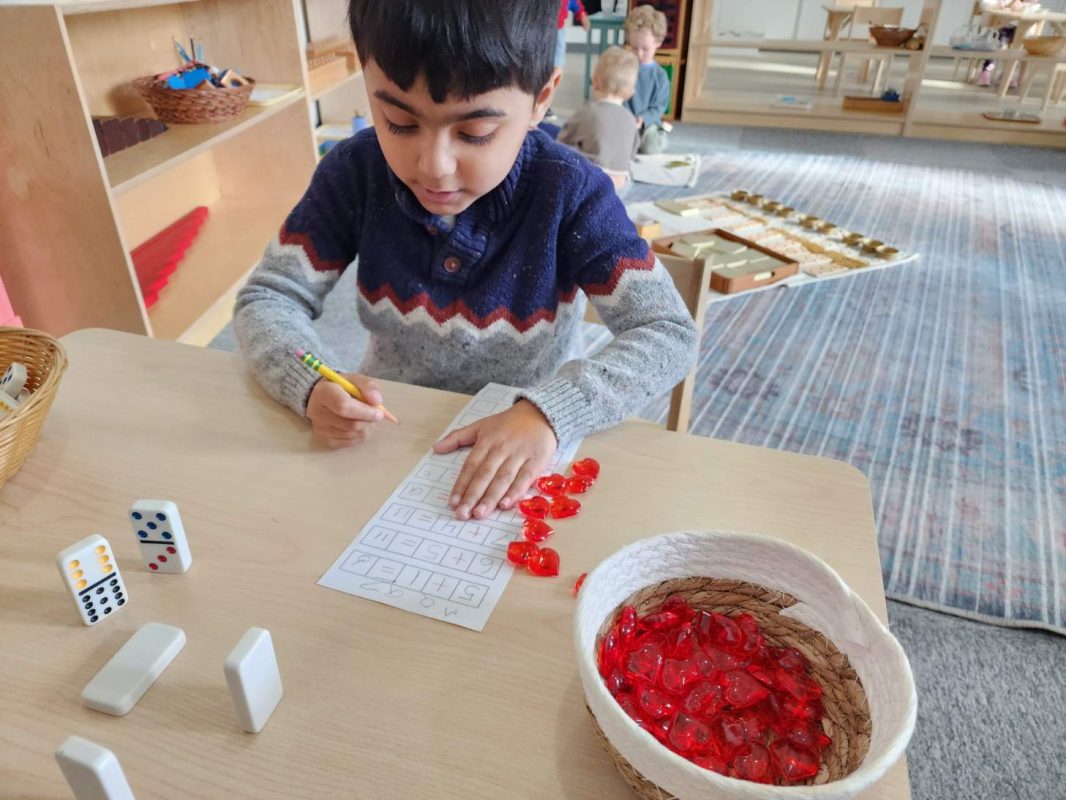
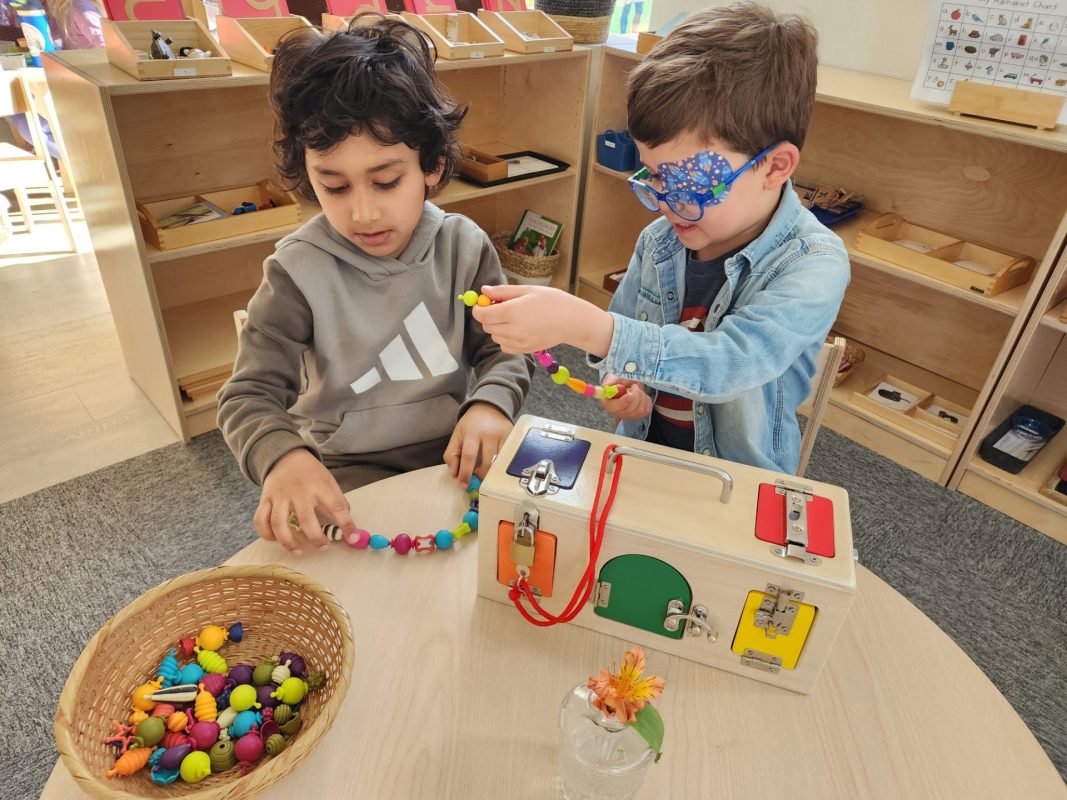
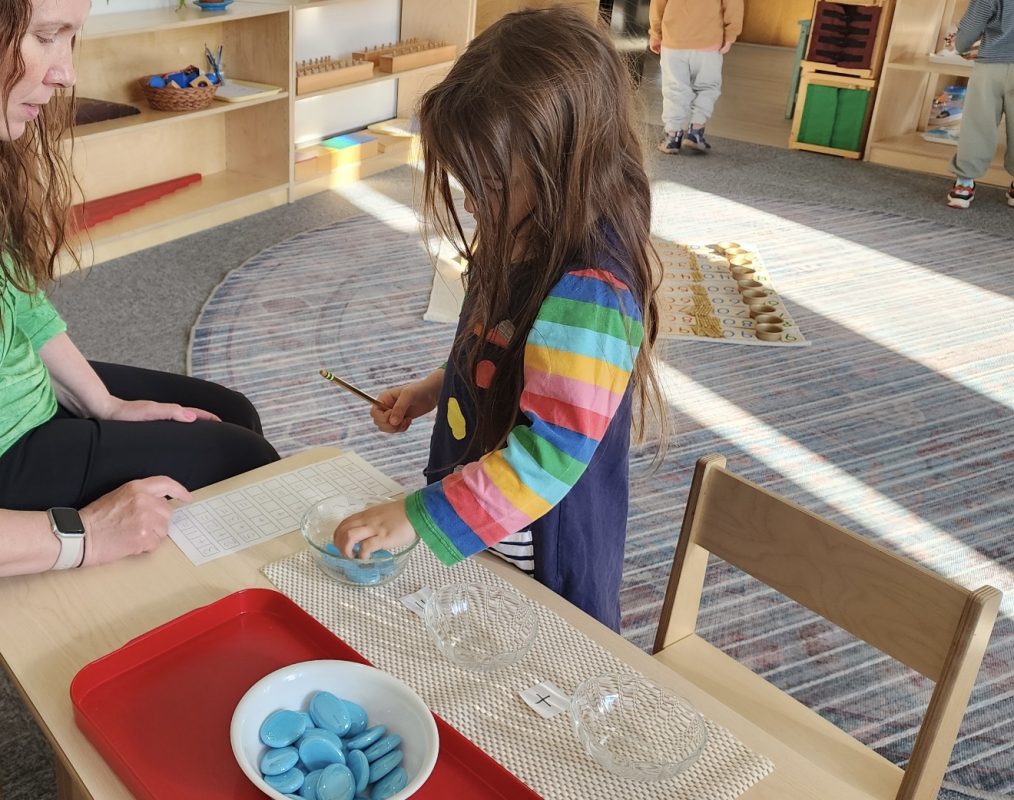
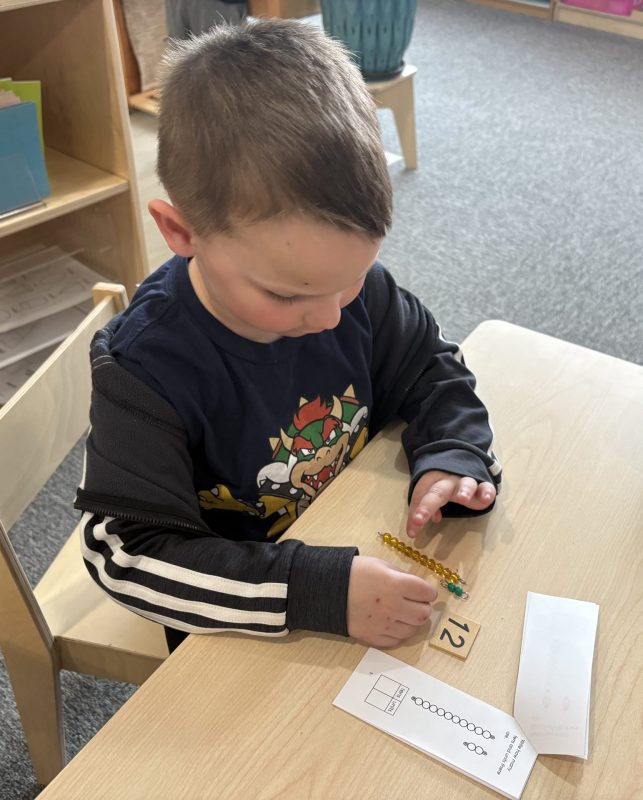
Independence is built in small moments, and last week our classroom was full of them. Most of the children have now mastered opening their own snack bags—Pirate’s Booty, Goldfish, chips—using a technique we practice together: pinch, pinch, pull. It sounds simple, but watching a child succeed at something that once required adult help is a meaningful milestone. That quiet confidence carries into everything else they do.

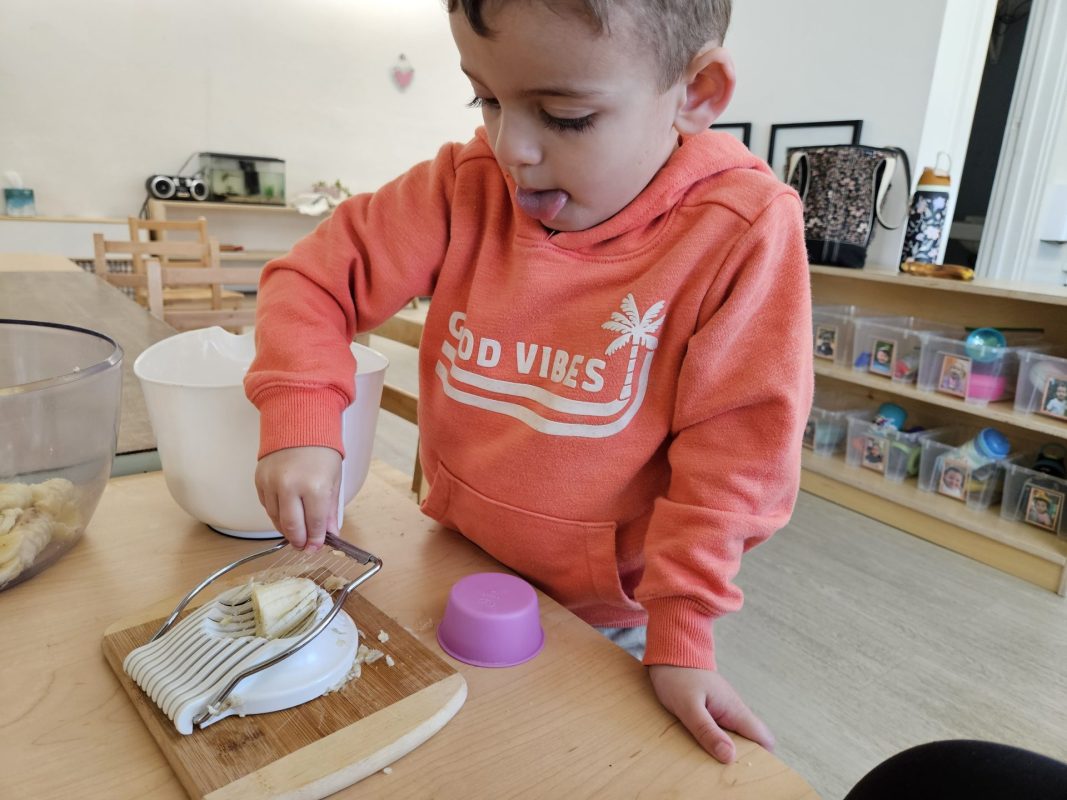
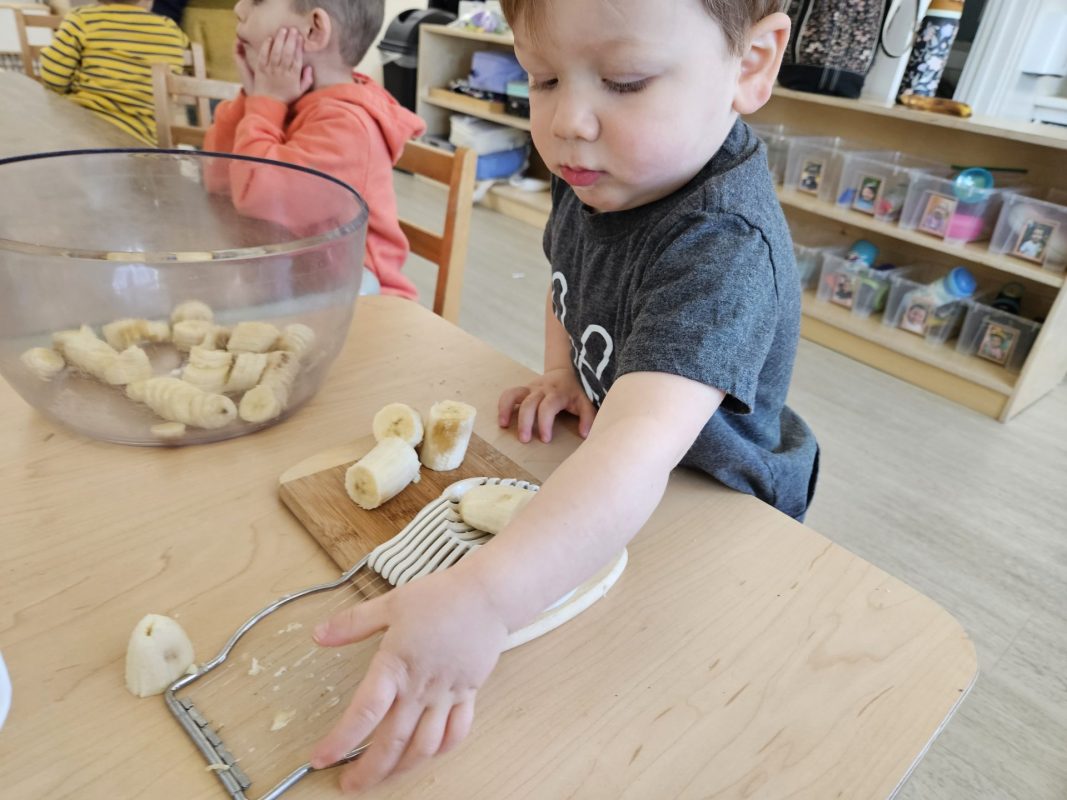
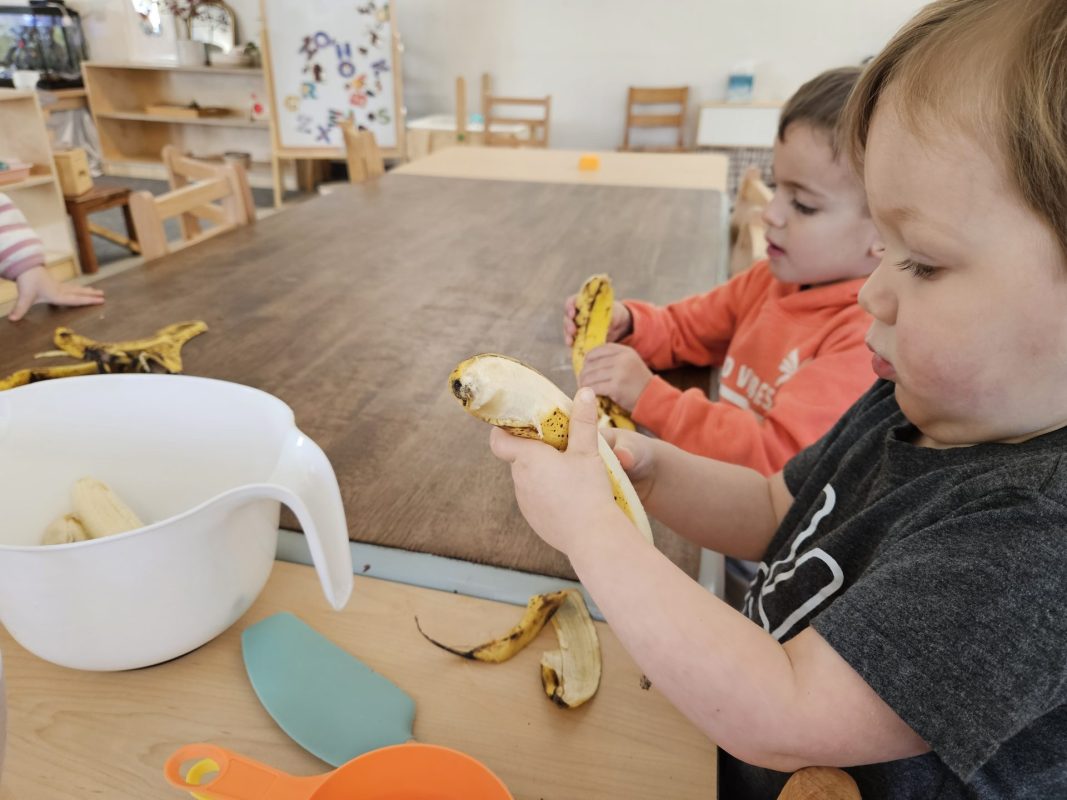
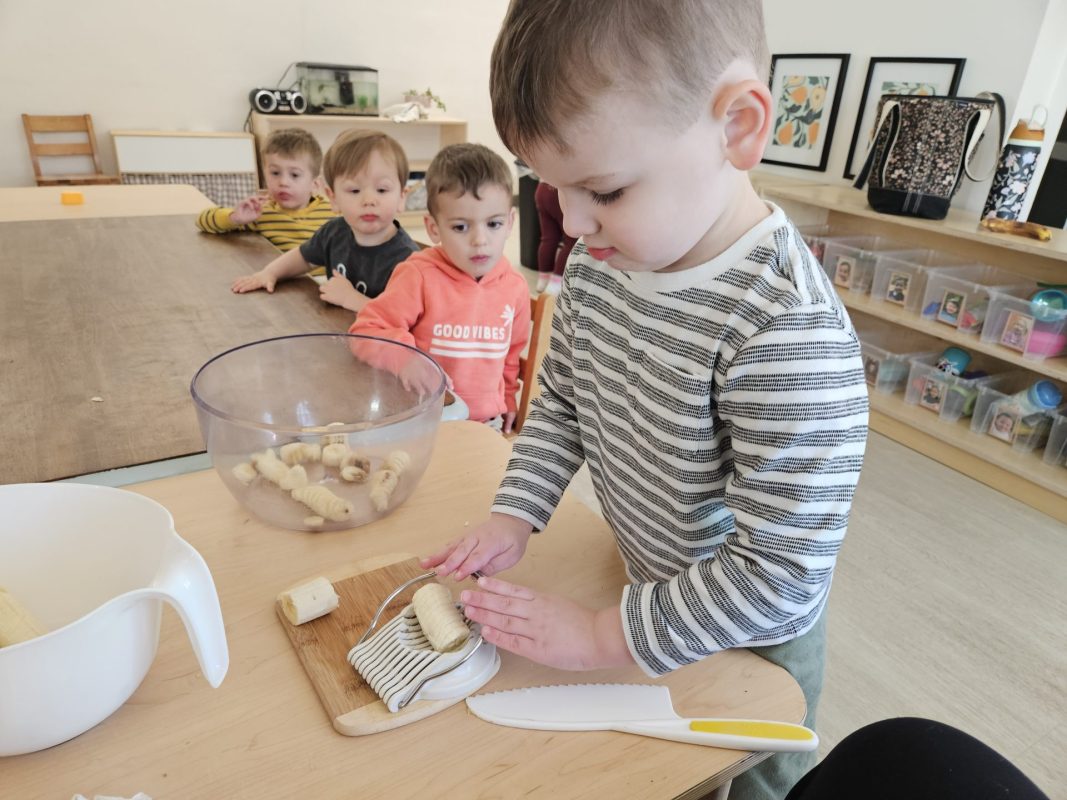
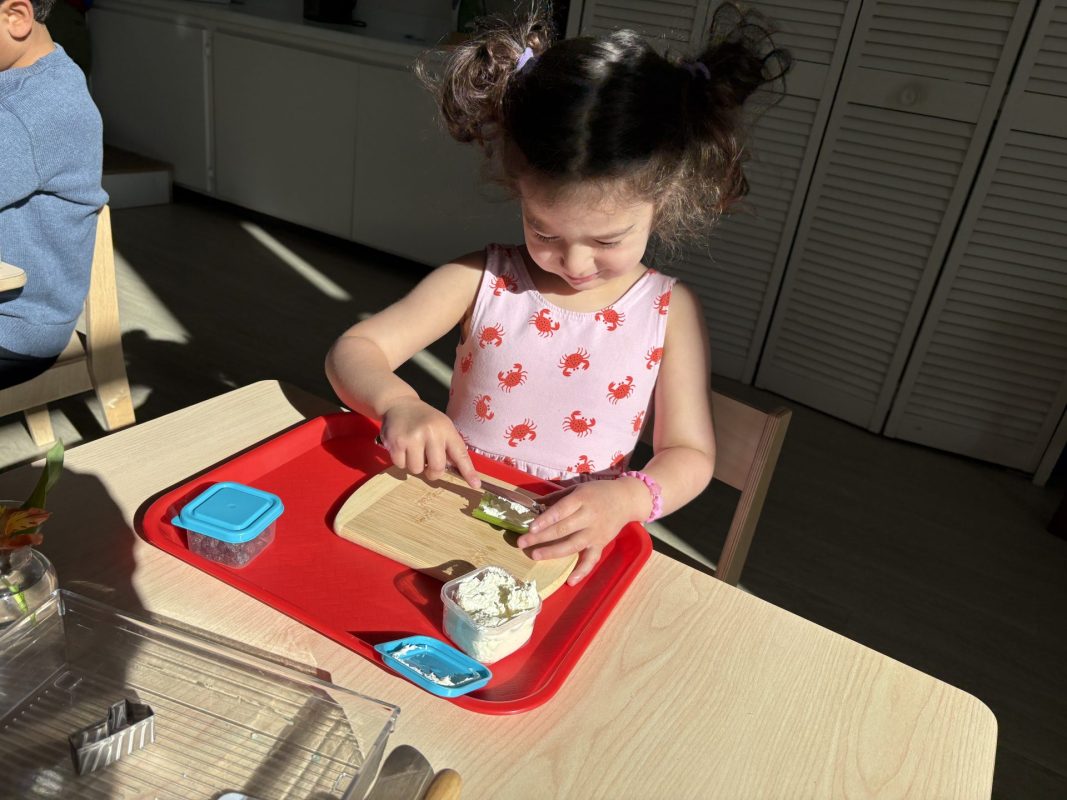
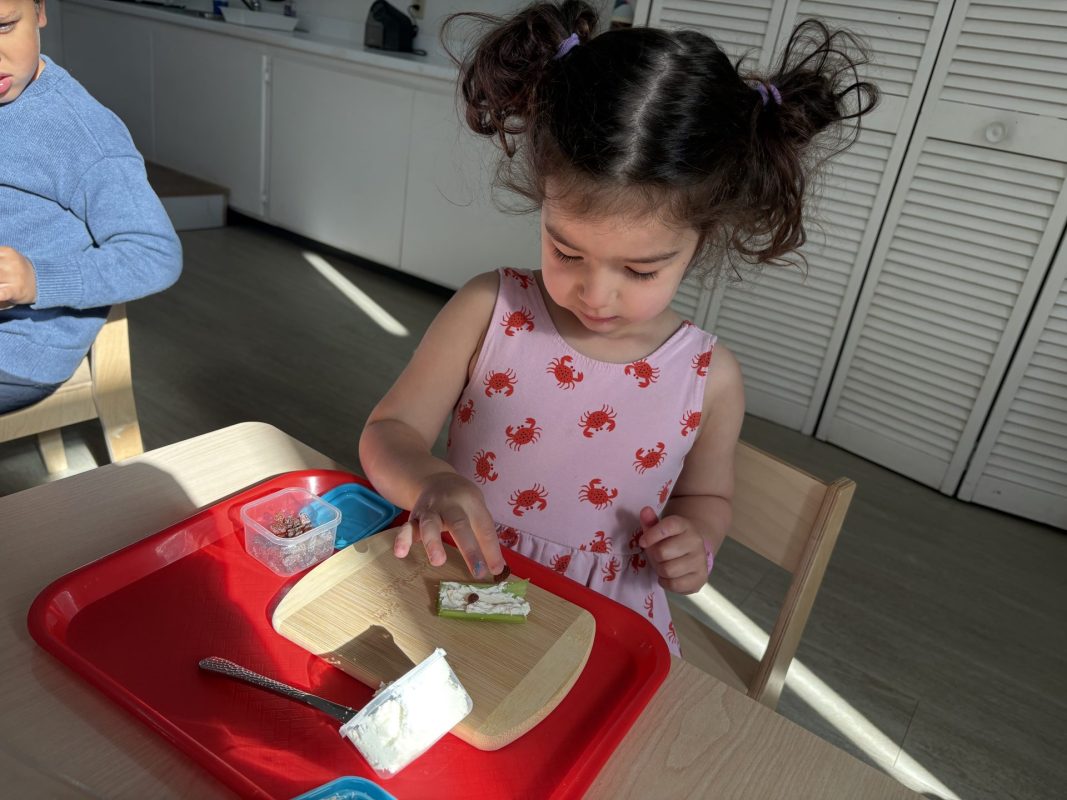
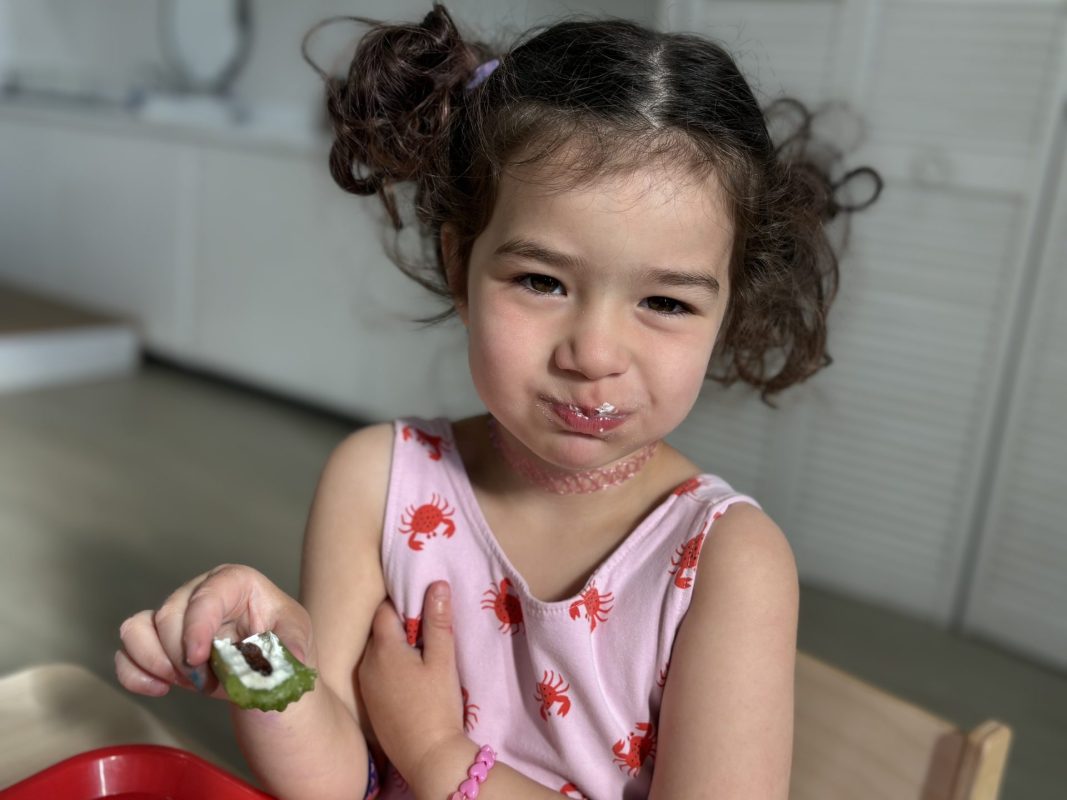
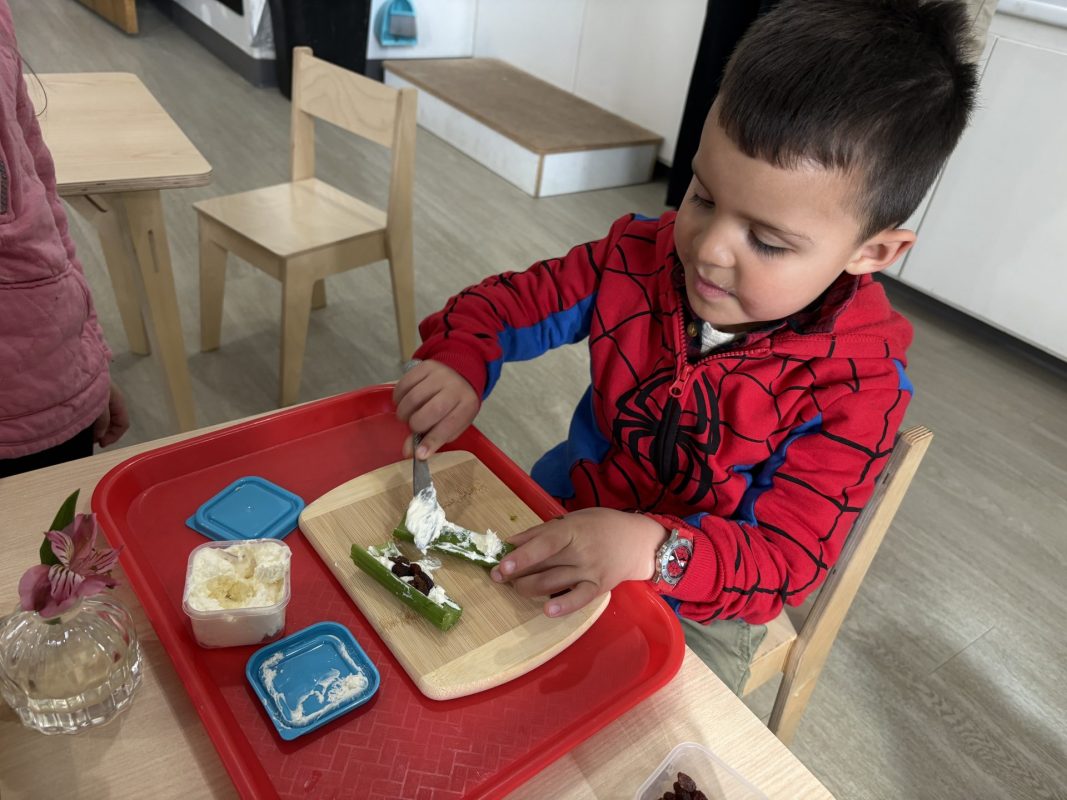
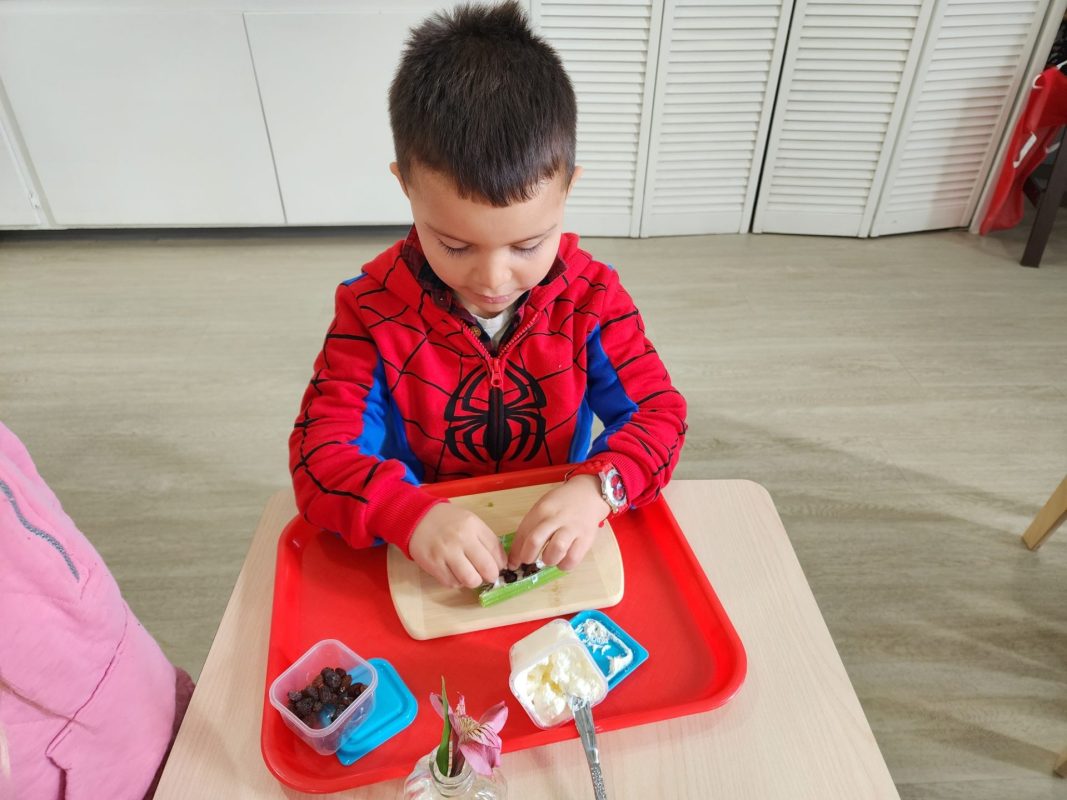
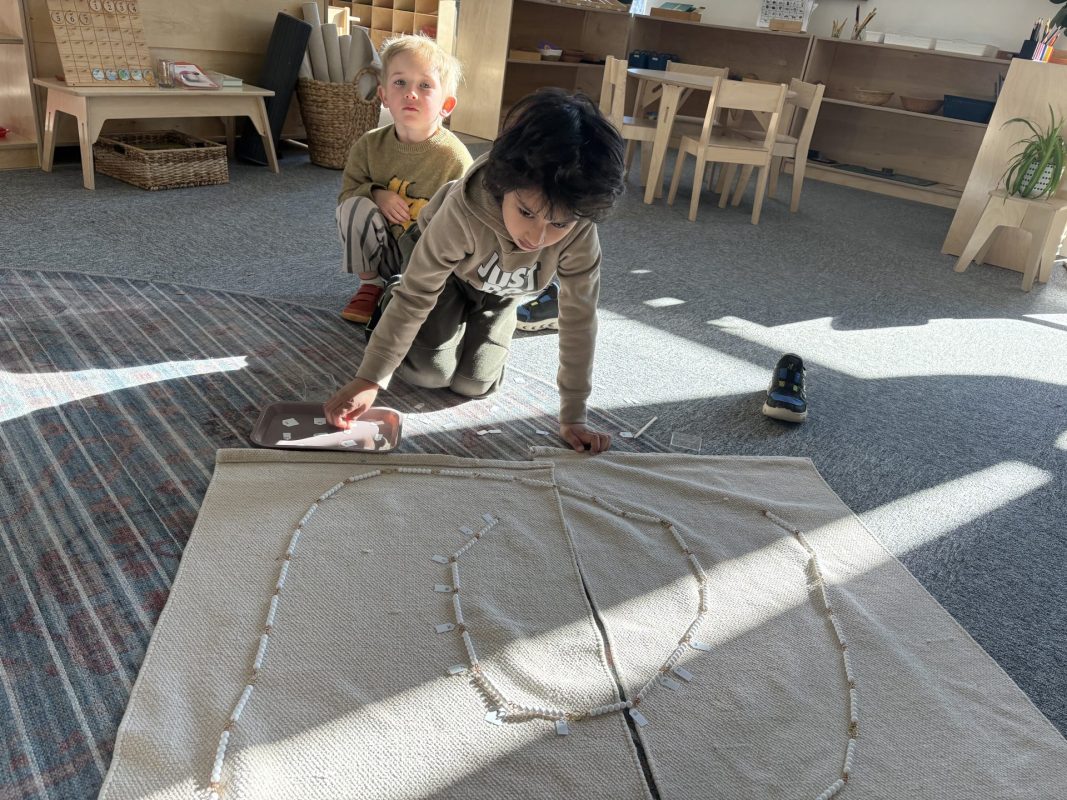
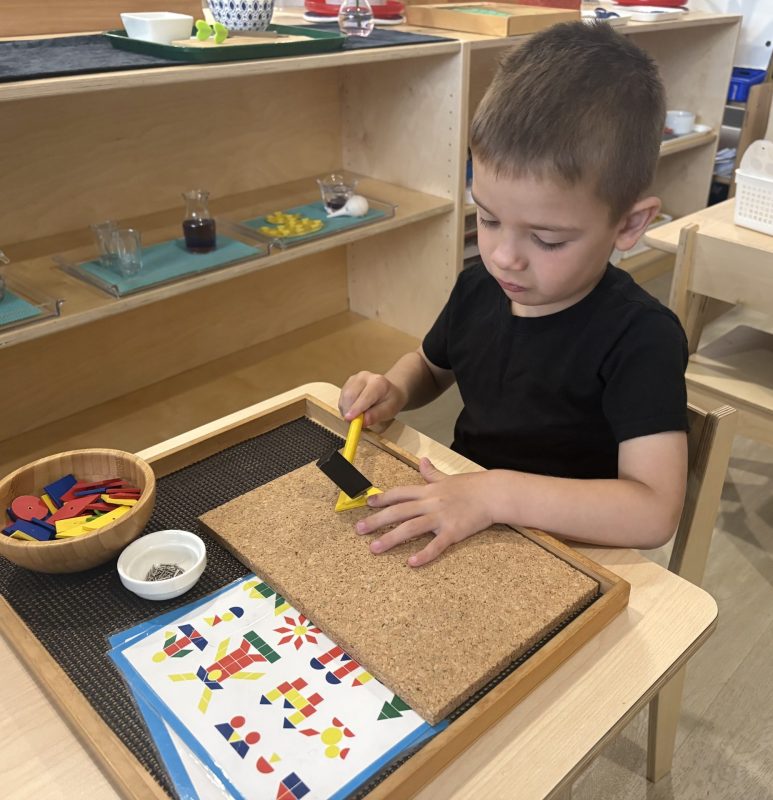
In the kitchen last week, the children made ants on a log—spreading cream cheese onto celery and dotting raisins along the top. This kind of practical life work is purposeful on every level: it builds fine motor control, sequencing, and the deep satisfaction of preparing something real to eat and share.

We are also so excited to share that nine chicken eggs are now incubating in our classroom! Last week, the children began learning about the development happening inside the eggs, and the countdown to hatching—21 days—has been a wonderful anchor for daily observation and conversation about the life cycle of a chicken.

Extending Learning at Home

Invite your child to make their own snack at home using the pinch-pull technique, or try making ants on a log together. Let them spread, place, and prepare as independently as possible—resist the urge to step in! You might also ask your child what they observed about the eggs last week and what they are looking forward to seeing as the days count down.


UPCOMING EVENTS & ANNOUNCEMENTS

This Week

  • Monday, April 13
    ⋅ Lucia — Flowers, Food, and Sharing Bag
  • Tuesday, April 14
    ⋅ Ortner — Recess Volunteer
  • Wednesday, April 15
    ⋅ Sasha J. — Guest Reader

Looking Ahead

  • Friday, April 24
    ⋅ Parent/Teacher Conferences. Time slots are available throughout the week — please sign up if you have not yet done so.

Middle School: Week in Review

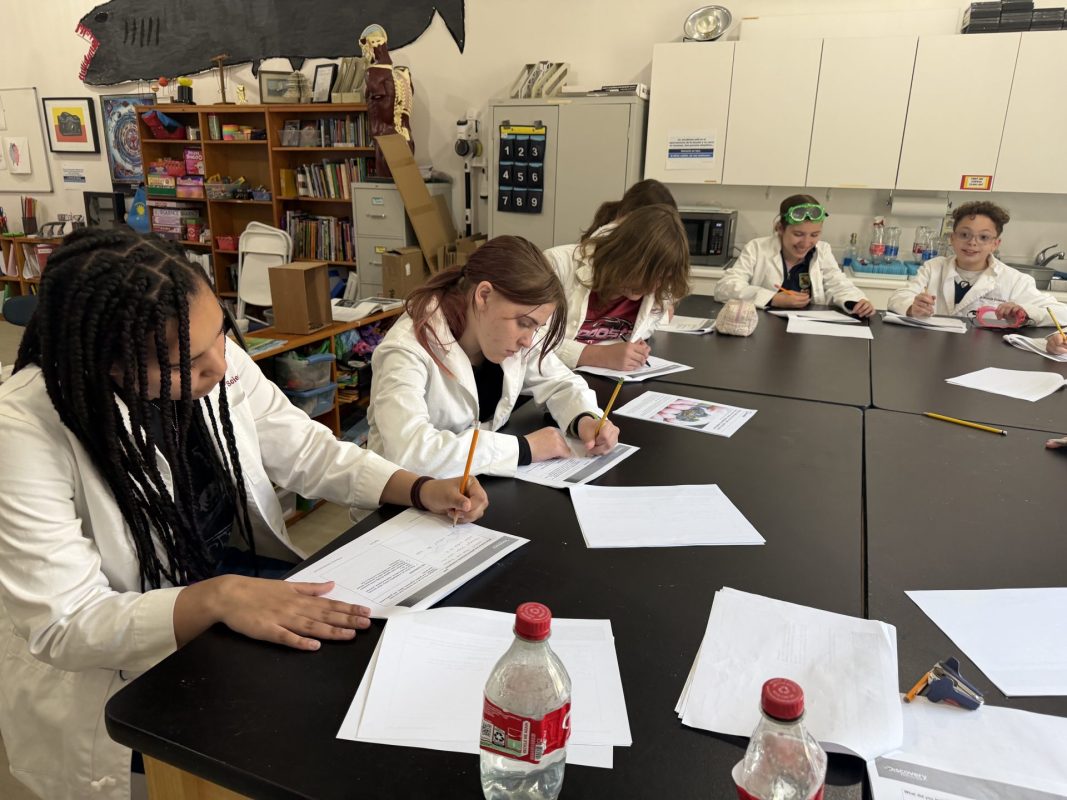
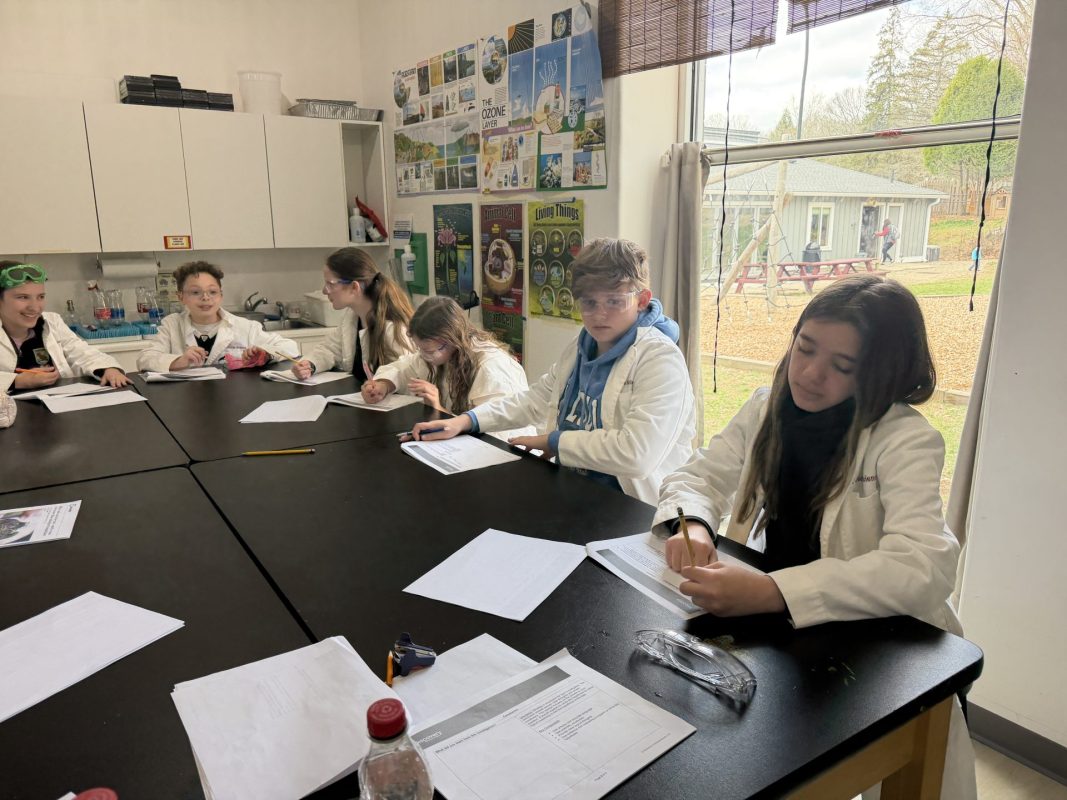
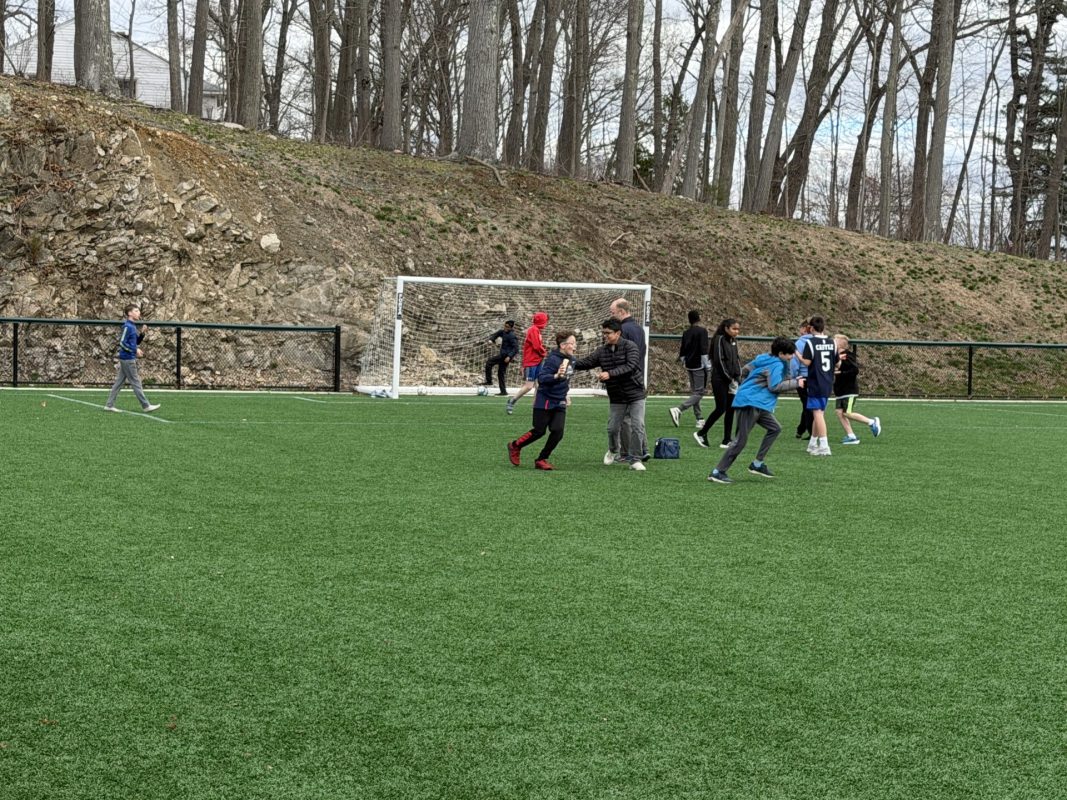
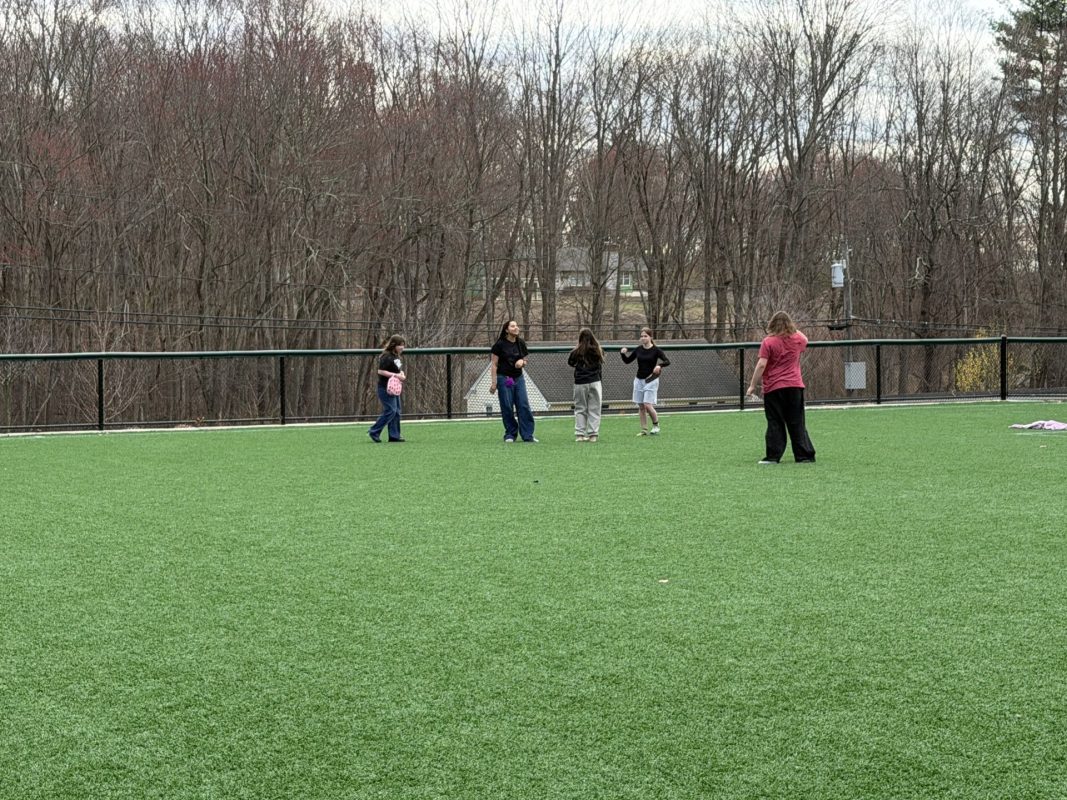
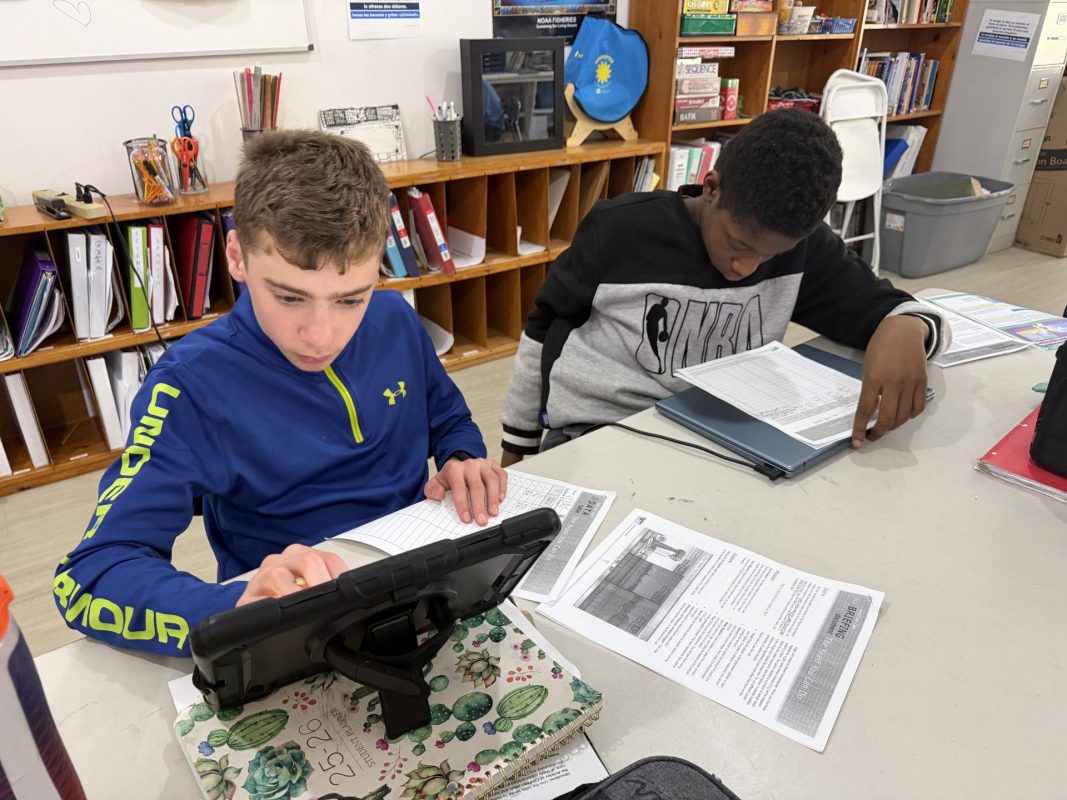
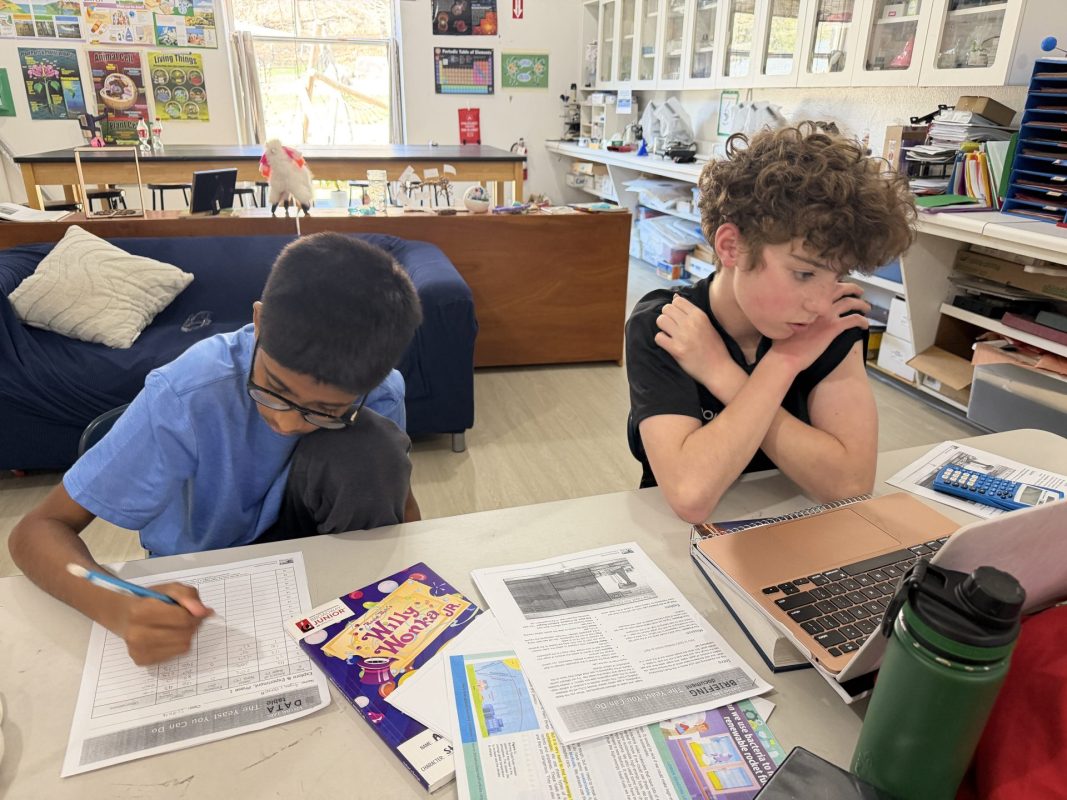
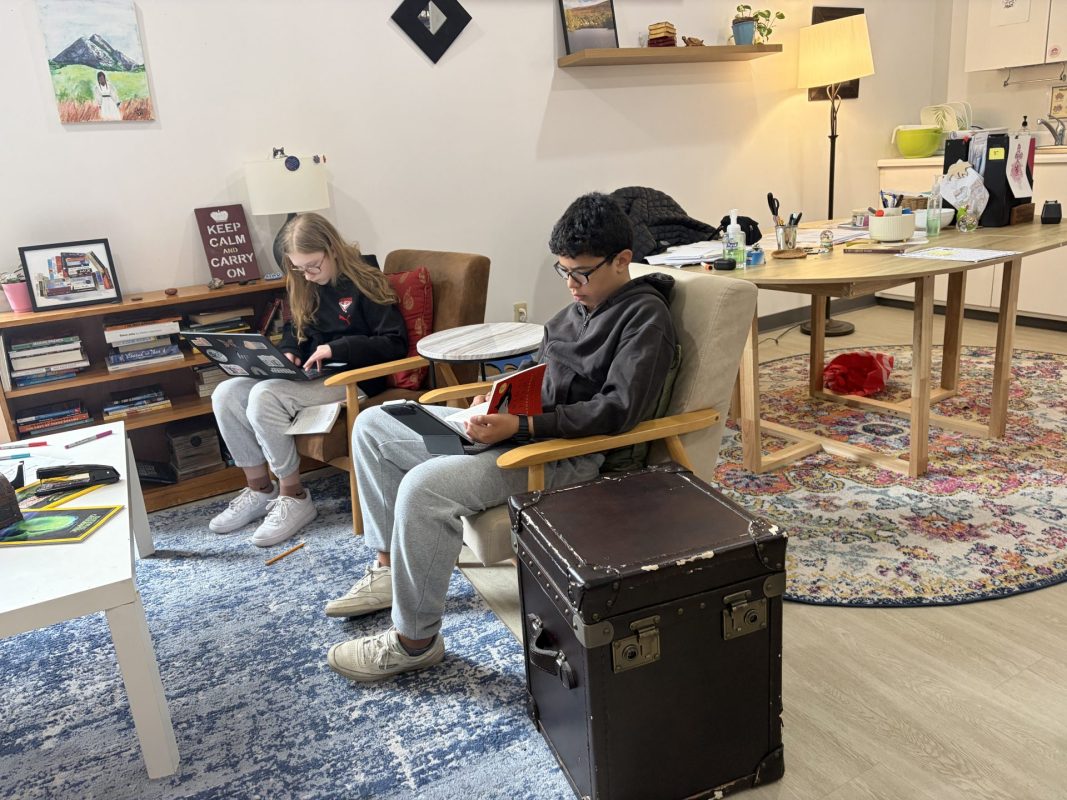
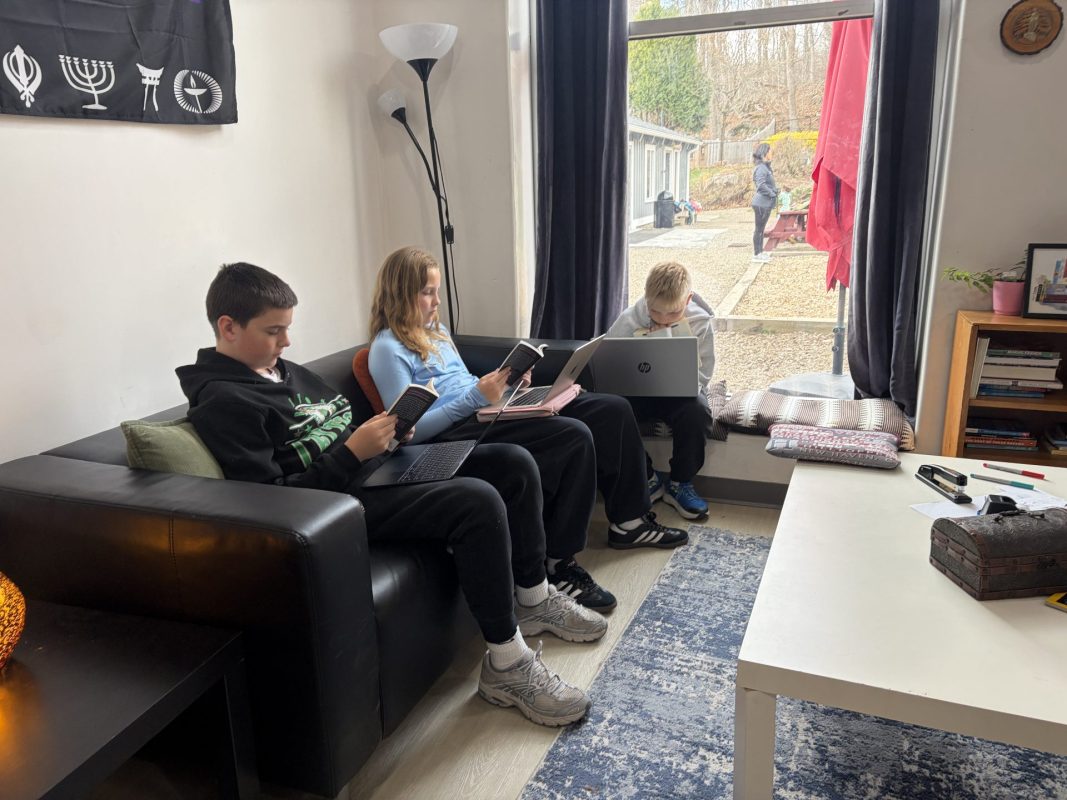
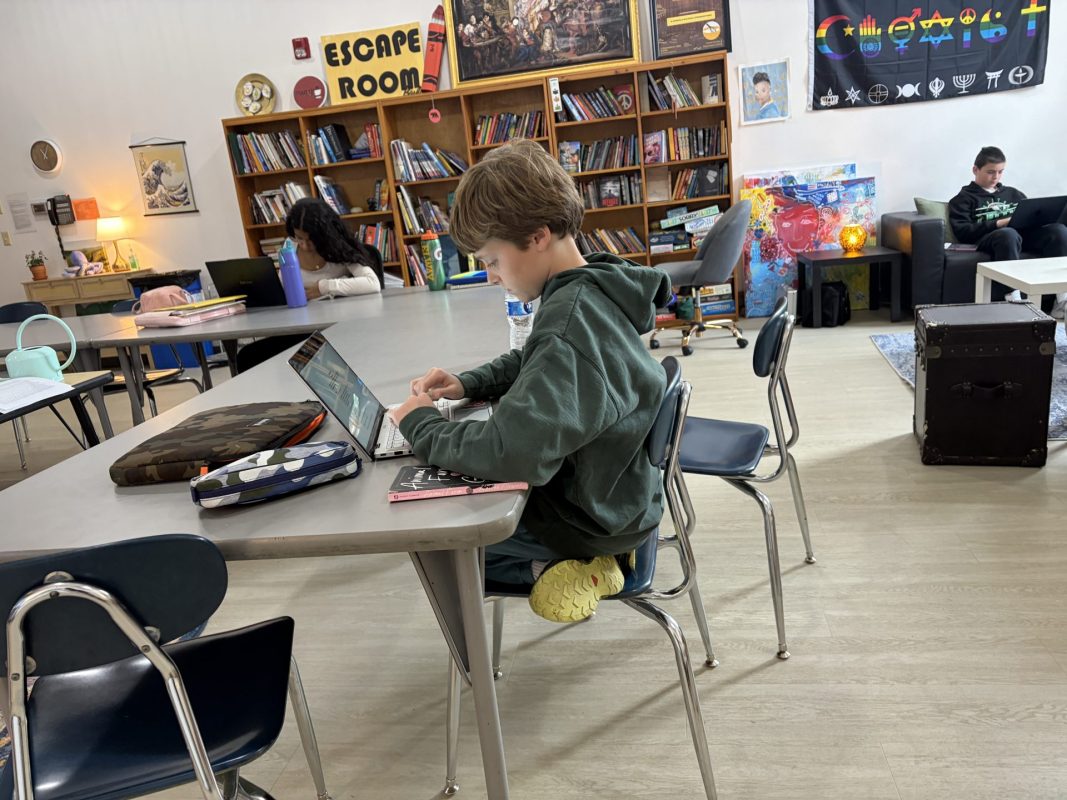
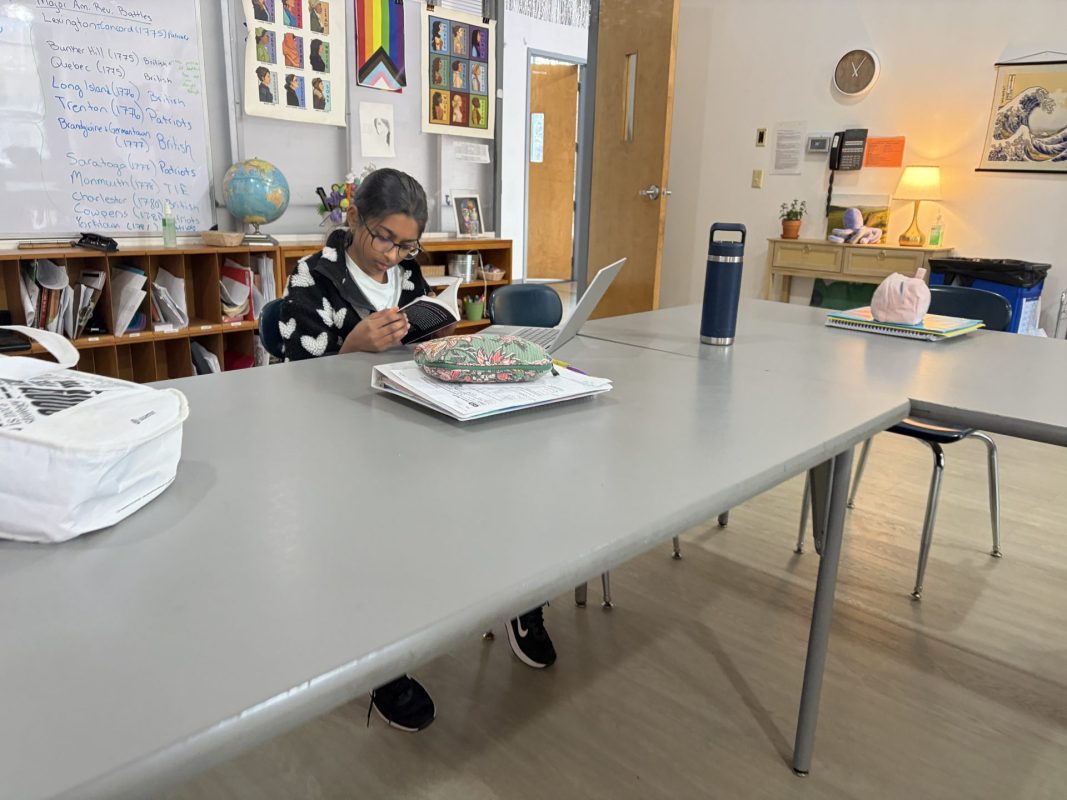
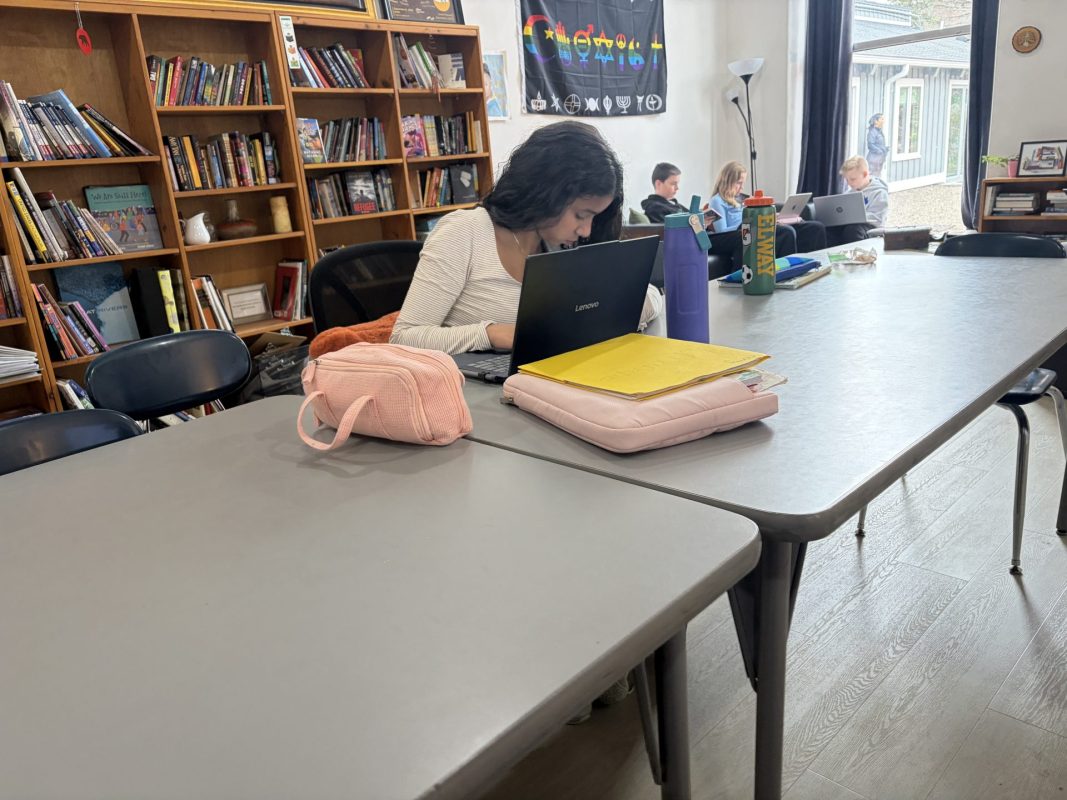
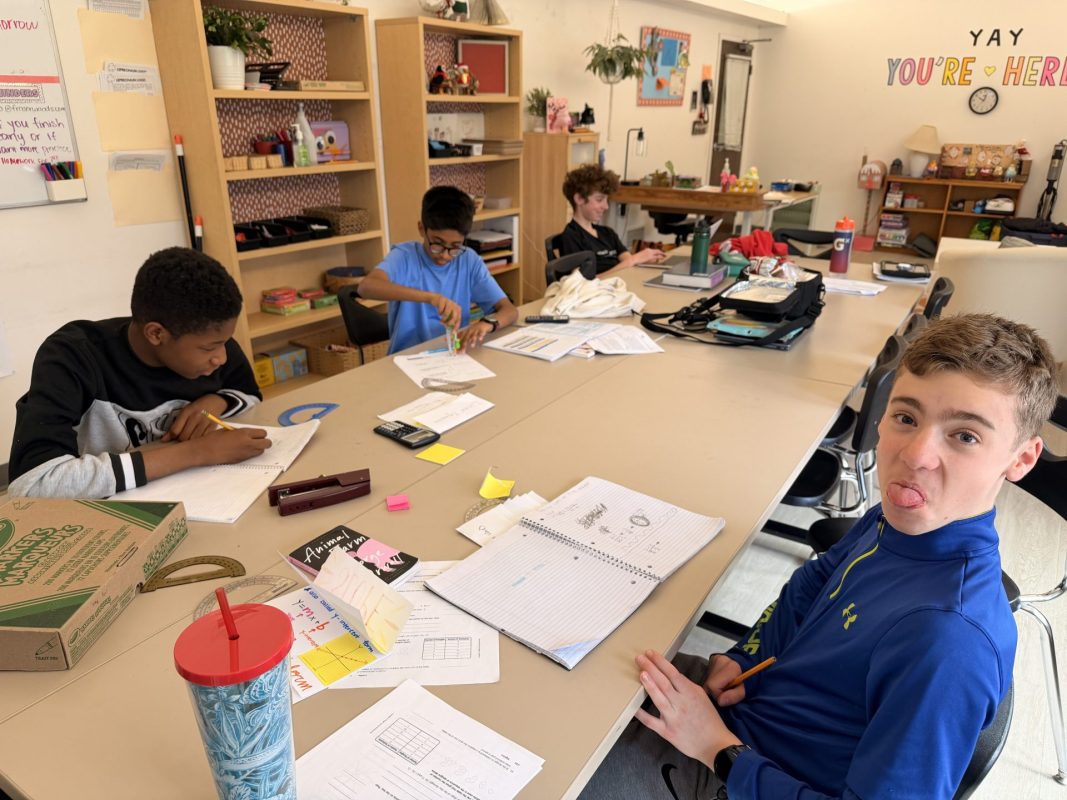
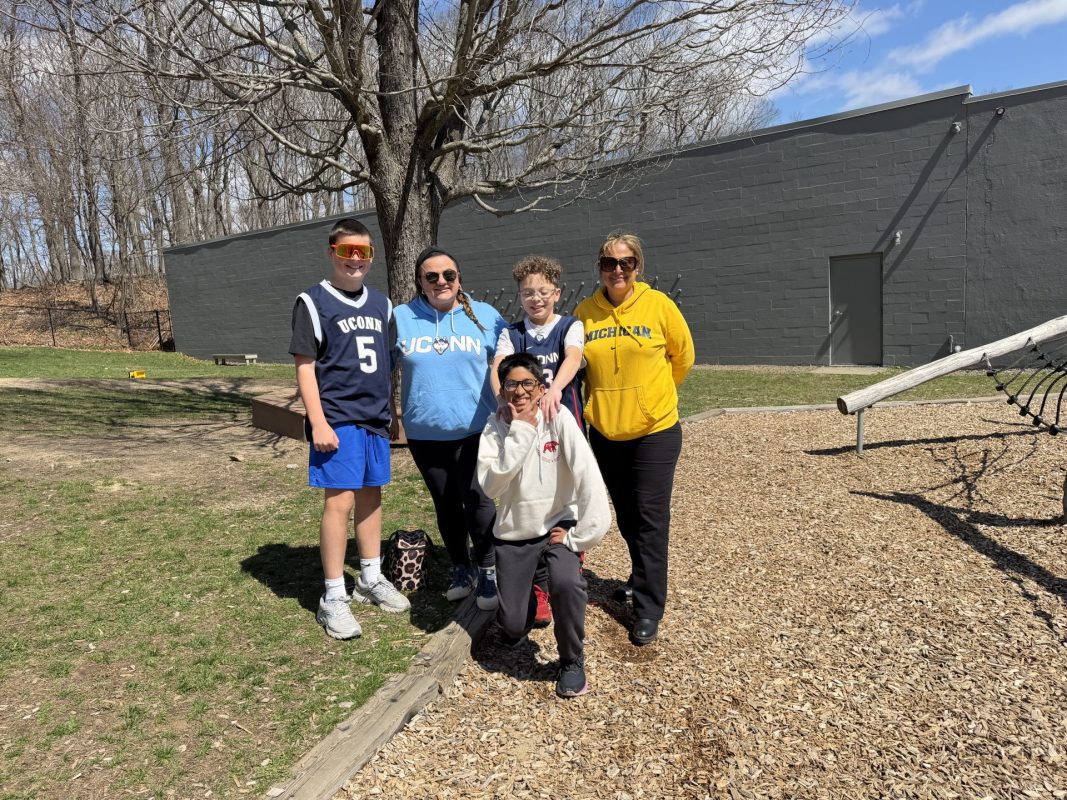
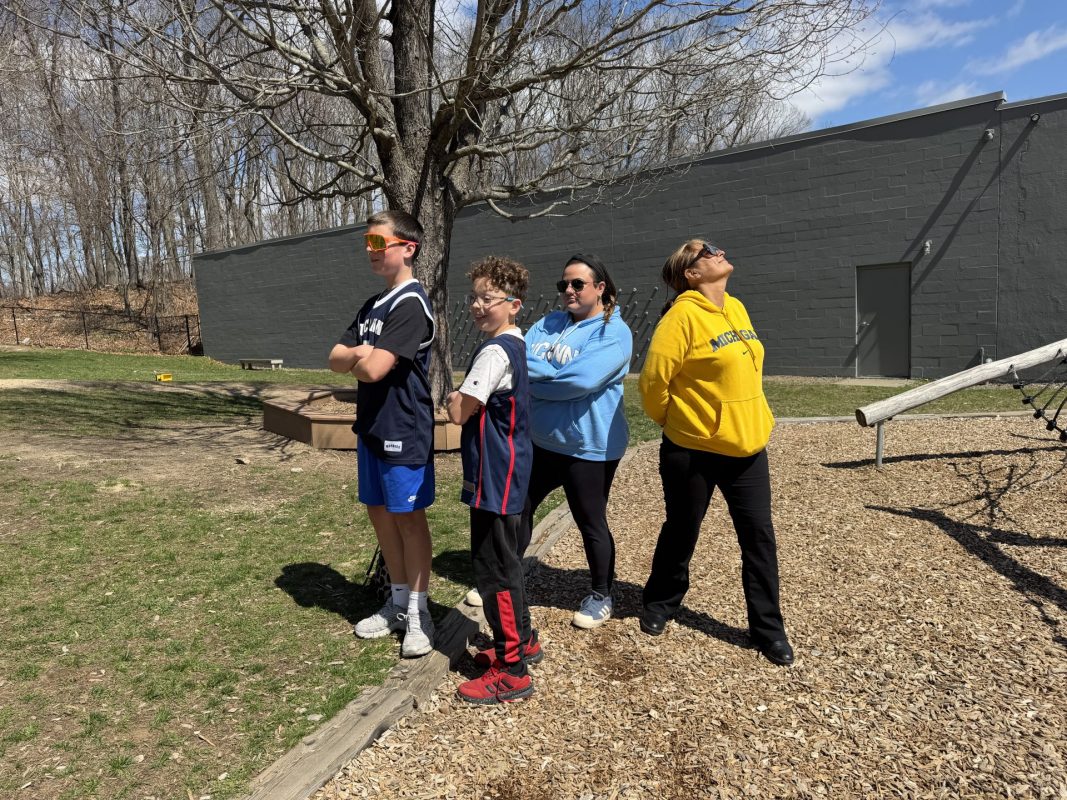
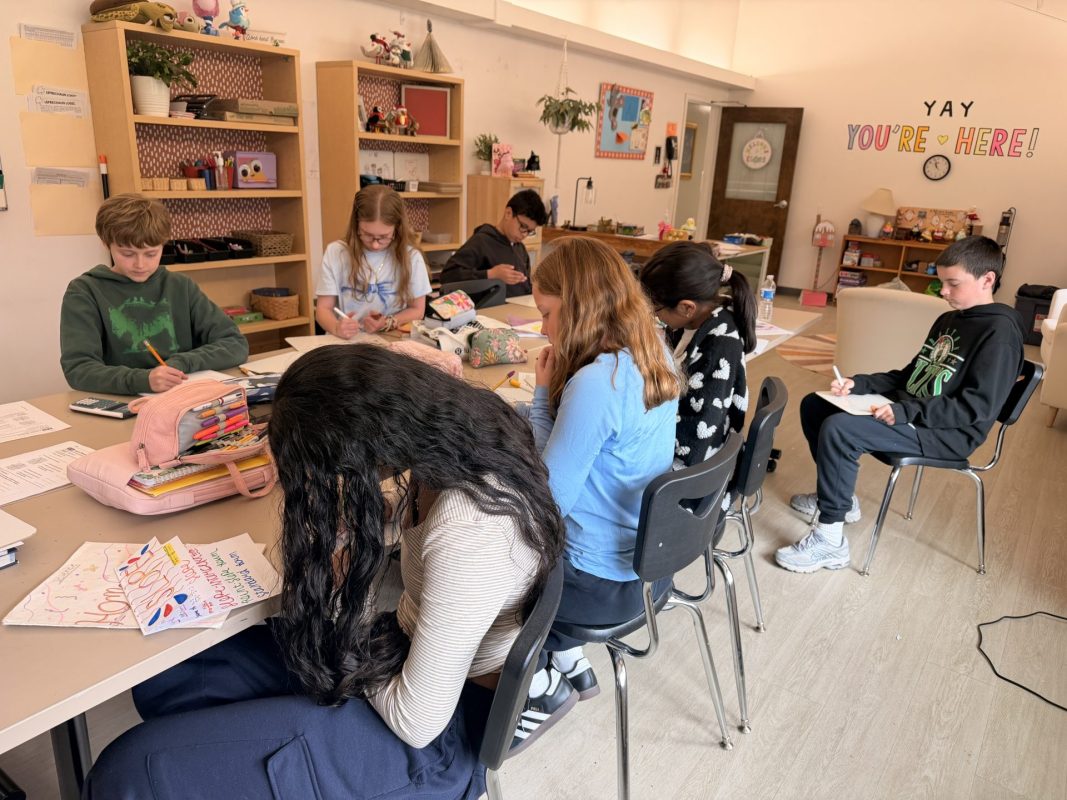
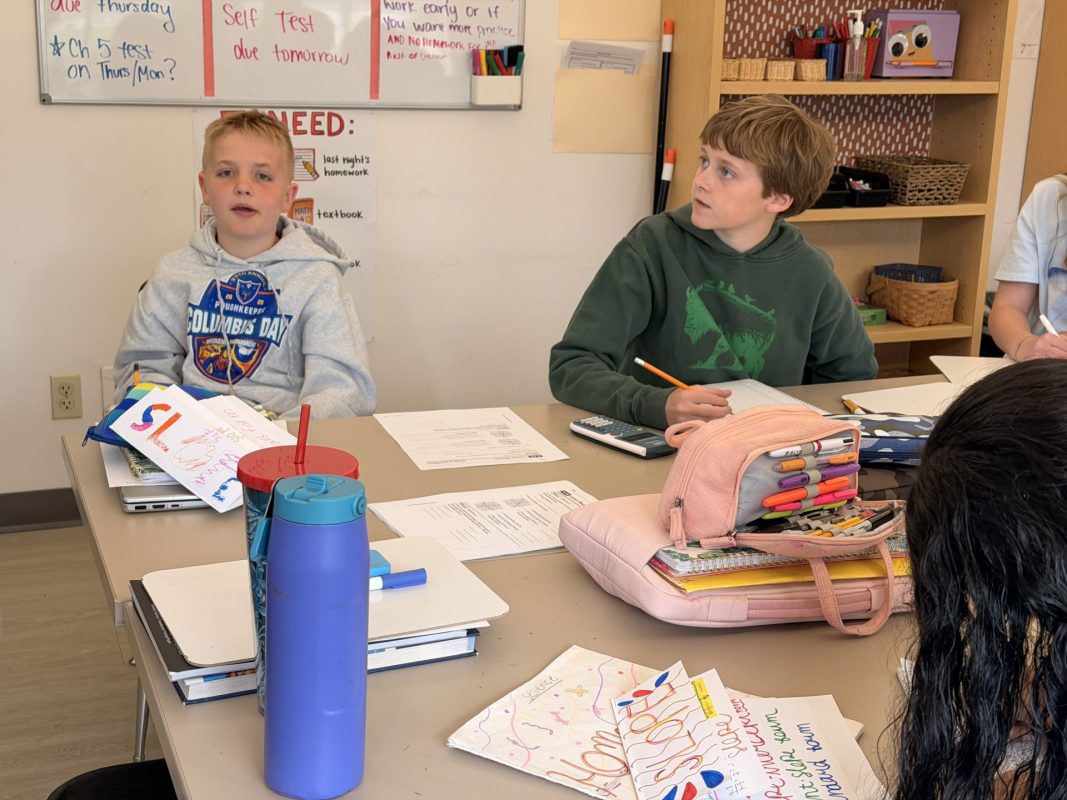
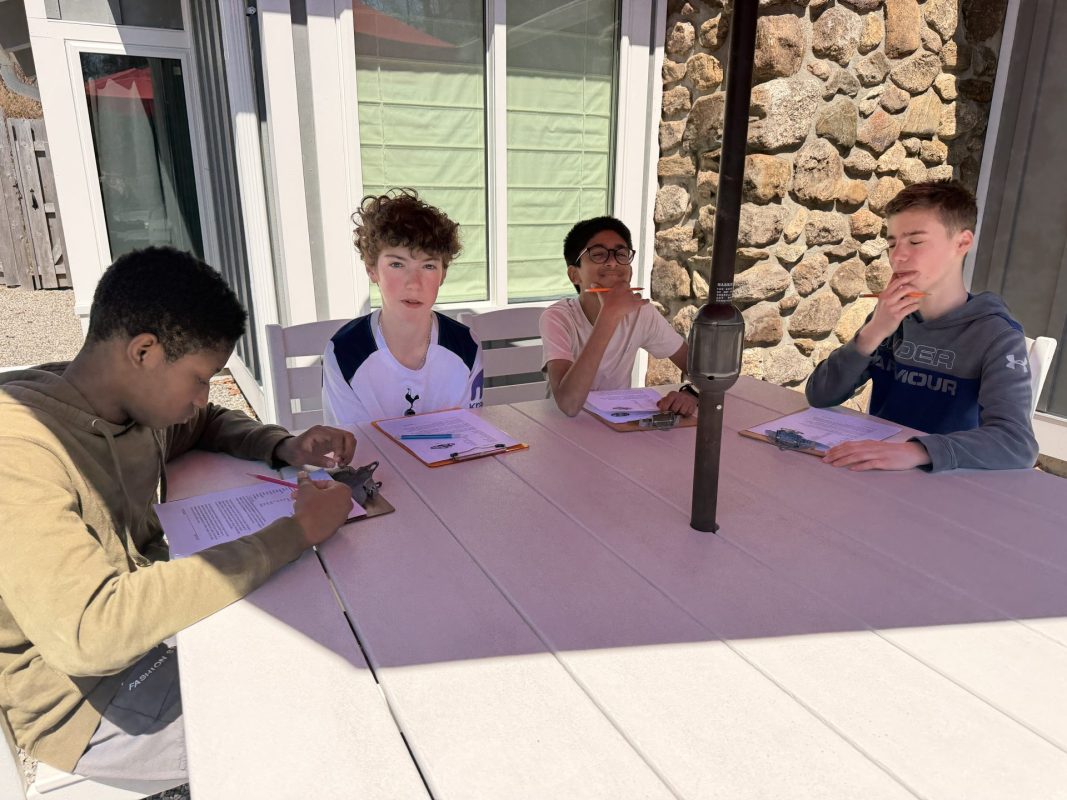
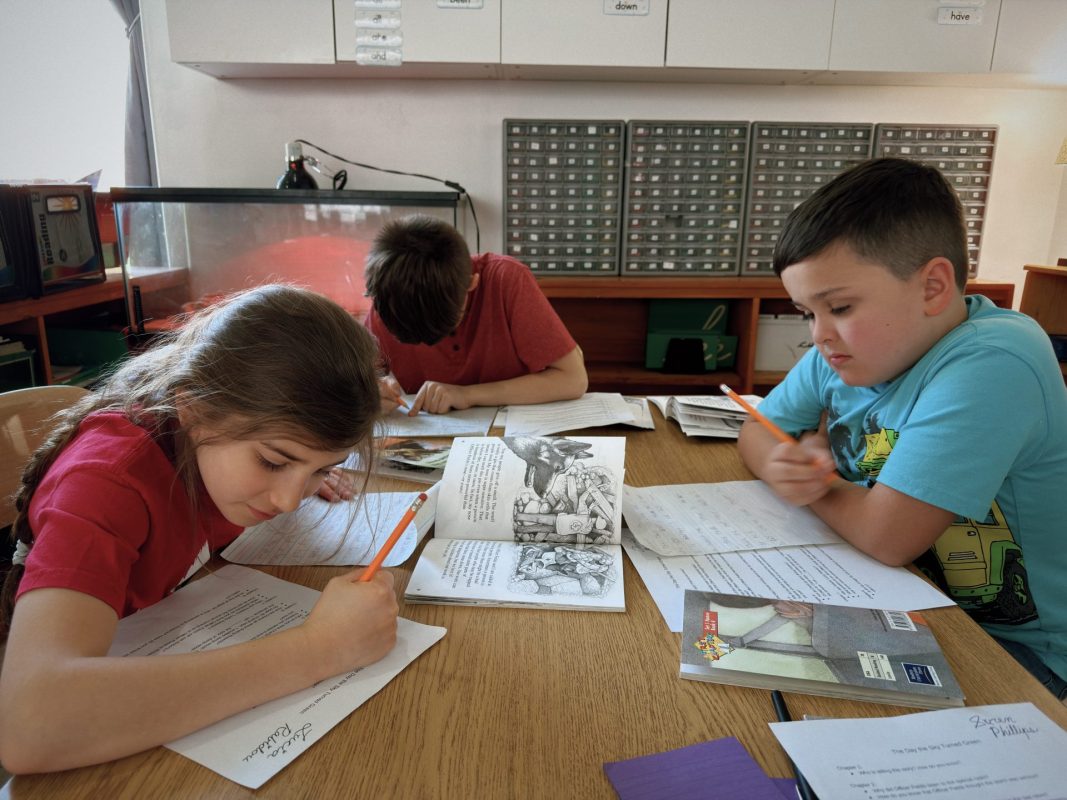
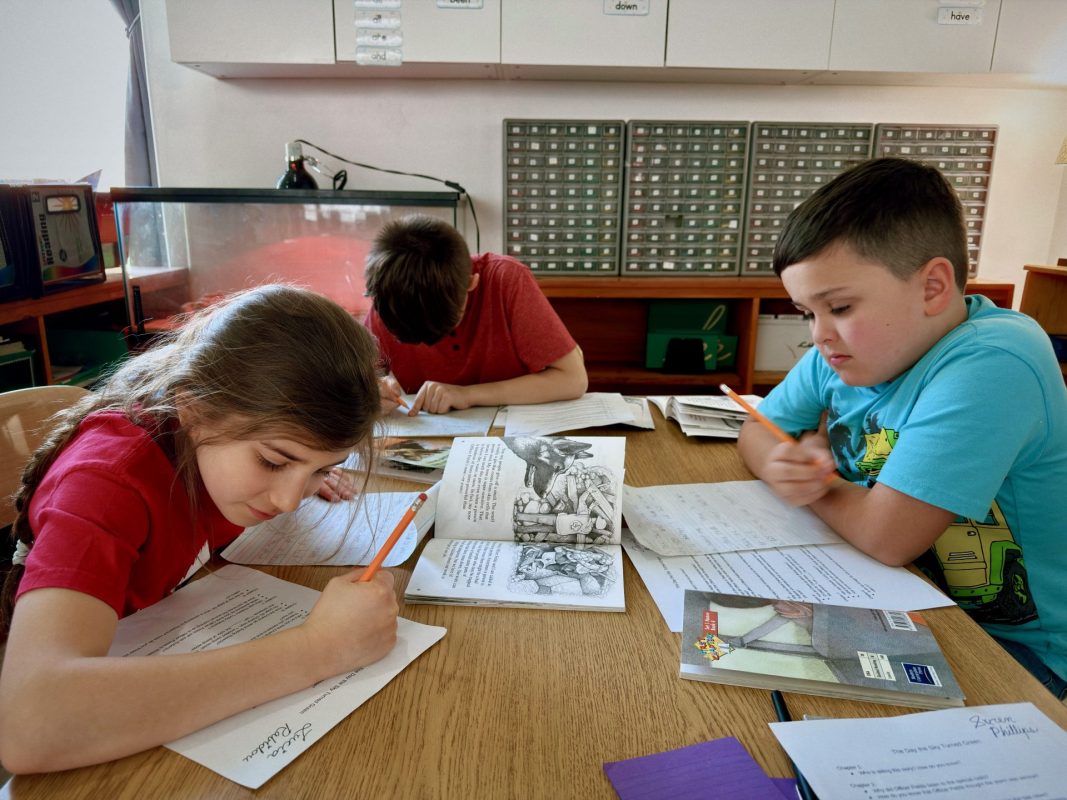
It was an active and focused week in Middle School. Props for the Musical are being designed in Makerspace, and the sounds of rehearsals of both spring concert songs and Willy Wonka songs are filling the hallways. When walking by the classroom, students are engaged in labs, books, and their classwork. This is an excellent time of year to get through material as our brain is focused with the weather inviting body breaks.

Coming Up:

  • Be on the lookout for communication regarding medical forms required for the MS trip!
  • 8th Grade Expert Presentations: Wednesday, 4/22 @ 6 pm
  • MS ARRIVAL BEGINS AT 8 am
  • MS Flower Schedule

Humanities

This week in grade 6/7 Humanities classes, students reached the halfway point of Animal Farm by George Orwell. In addition to daily discussions regarding plot, they simultaneously learned about the Russian history that is being depicted in the novel. They covered the Russian Revolution of 1917, propaganda, the Bolshevik party, and the following people: Vladimir Lenin, Leon Trotsky, and Joseph Stalin. Students are starting to make guesses about who/what in history represents characters in the novel. This will be an activity next week.

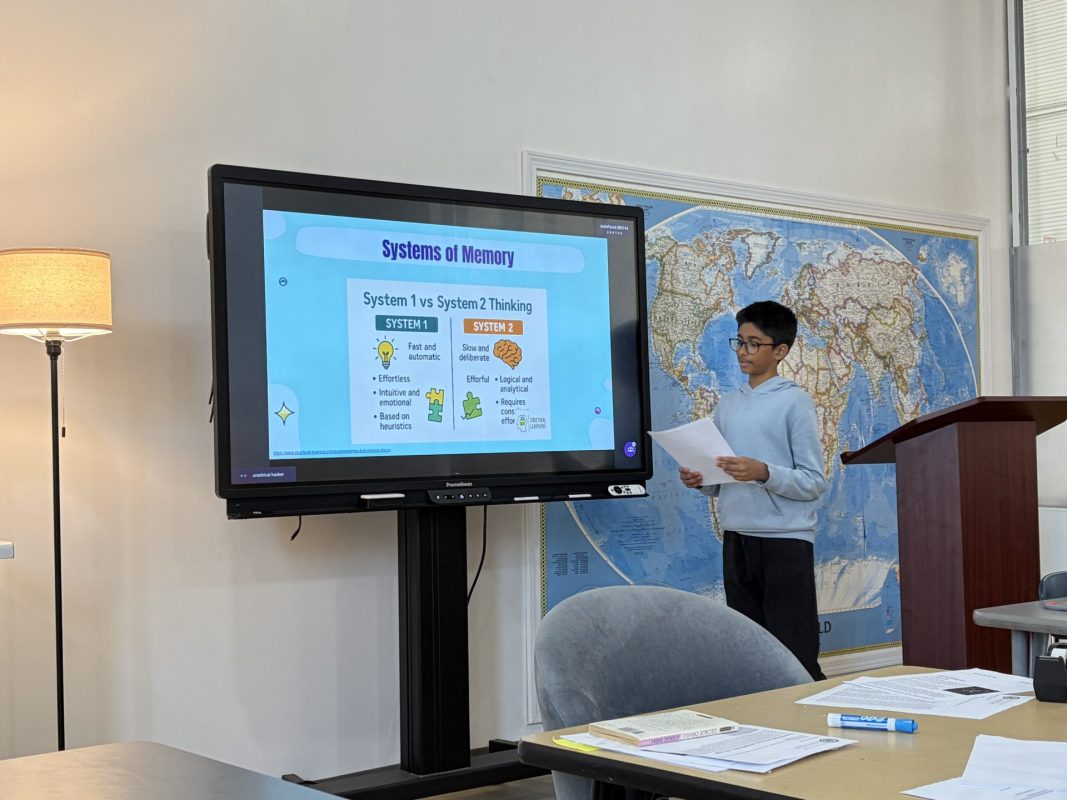
Grade 8 Humanities class spent some time this week on history and also their expert projects. First, students interpreted and answered questions from Thomas Jefferson’s notes regarding apportionment when deciding government structure in the new United States. Then, they learned about the time in the states following the American Revolution, which saw the newly drafted Articles of Confederation not work the way they hoped. Coupled with fast-growing populations in the states, it necessitated a new doctrine for the country. The Constitutional Convention aimed to create this.  Students will pick up with the Constitution next week. Additionally, 8th-grade students delivered their expert presentations for a first round of feedback. Some were even able to revise and deliver a second time. It is exciting to see these months-long projects come to life!

Science

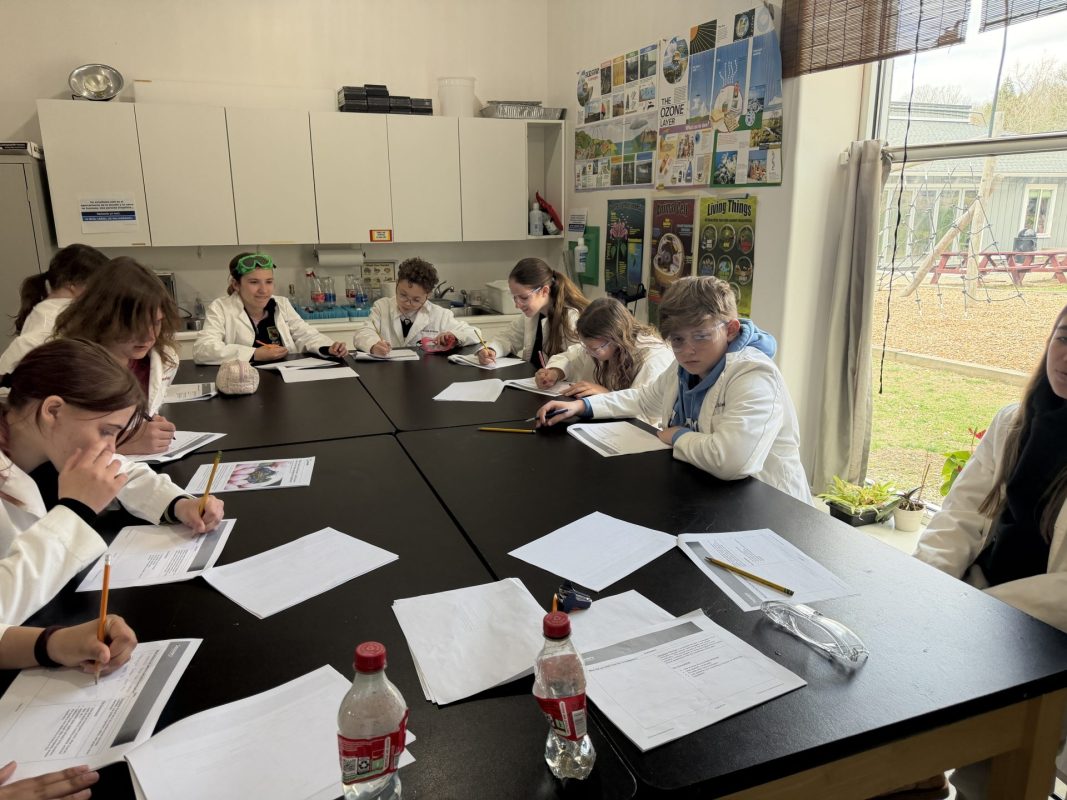
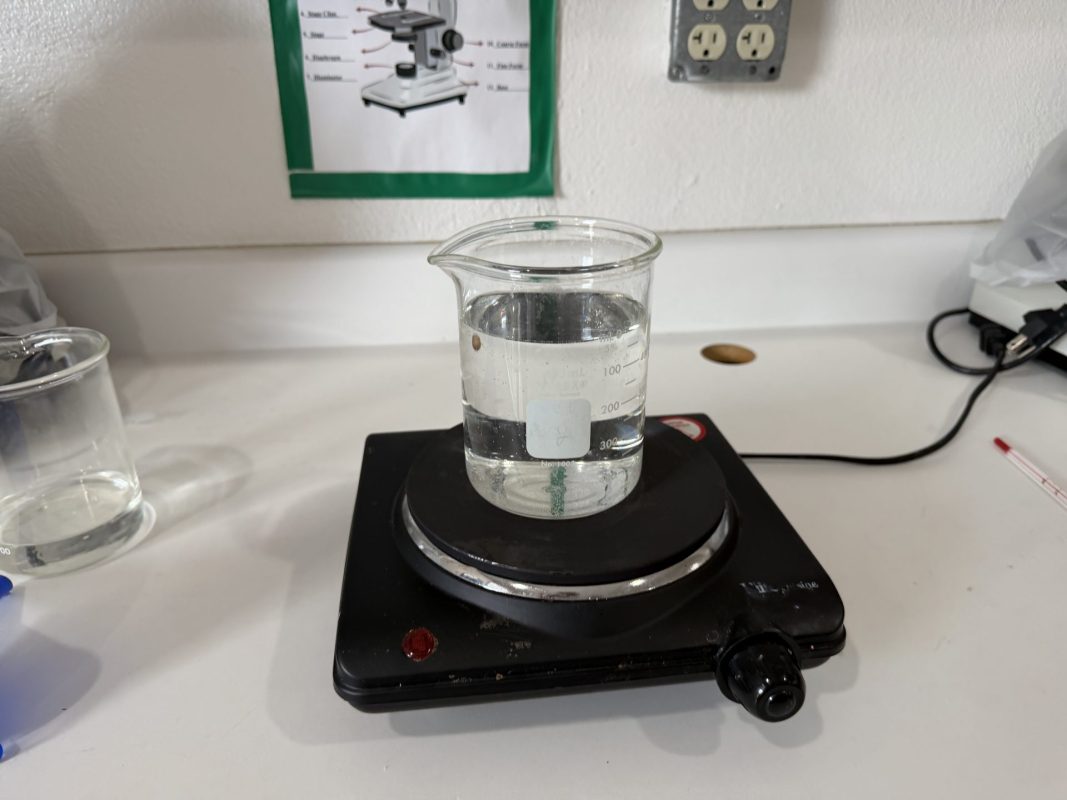
Middle School students continued working with the lessons from the Discovery Education e-book. This week, 6th and 7th graders continued working on their understanding of changes of matter. They worked on a hands-on project called Mystery Bottle. Students were able to see how water changed its state from liquid to gas and store it in capped plastic bottles. They got two bottles: one was left on the counter, exposed to cool down at room temperature, and the other was submerged in a bucket of cold water. Students worked on formulating the experiment’s hypothesis, recording data, and using their critical thinking skills to come to a conclusion. They were able to see that as the water in the bottle cooled down or lost heat energy, the shape of the bottle was being compressed. This was due to the water molecules being condensed and needing less space, causing a drop in the internal pressure. After 15 minutes, when the observation ended, the plastic bottle was completely compressed as a result of the higher atmospheric pressure than the enclosed system pressure.

On the other hand, 8th Graders continued learning about Cellular Respiration and Fermentation and their importance in our lives. This week, they were learning how the process of fermentation works. They worked in a virtual laboratory to investigate how yeast works and what its function is when making bread. In this virtual laboratory, they had a mission: to solve why a bread recipe turned out flat in the Rocky Mountains (at a higher altitude and lower atmospheric pressure). Students had to test variables such as the amount of sugar, water temperature, and altitude. They had to run multiple trials to find the best conditions for the fermentation of the dough. In addition to that, they had to find a scientific explanation with their evidence for all the multiple possible reasons that could cause the bread to be flat. All these lessons are supported by classwork, videos, readings, and explanations in class as well as weekly science articles where students can practice their critical thinking to answer the questions.

Math

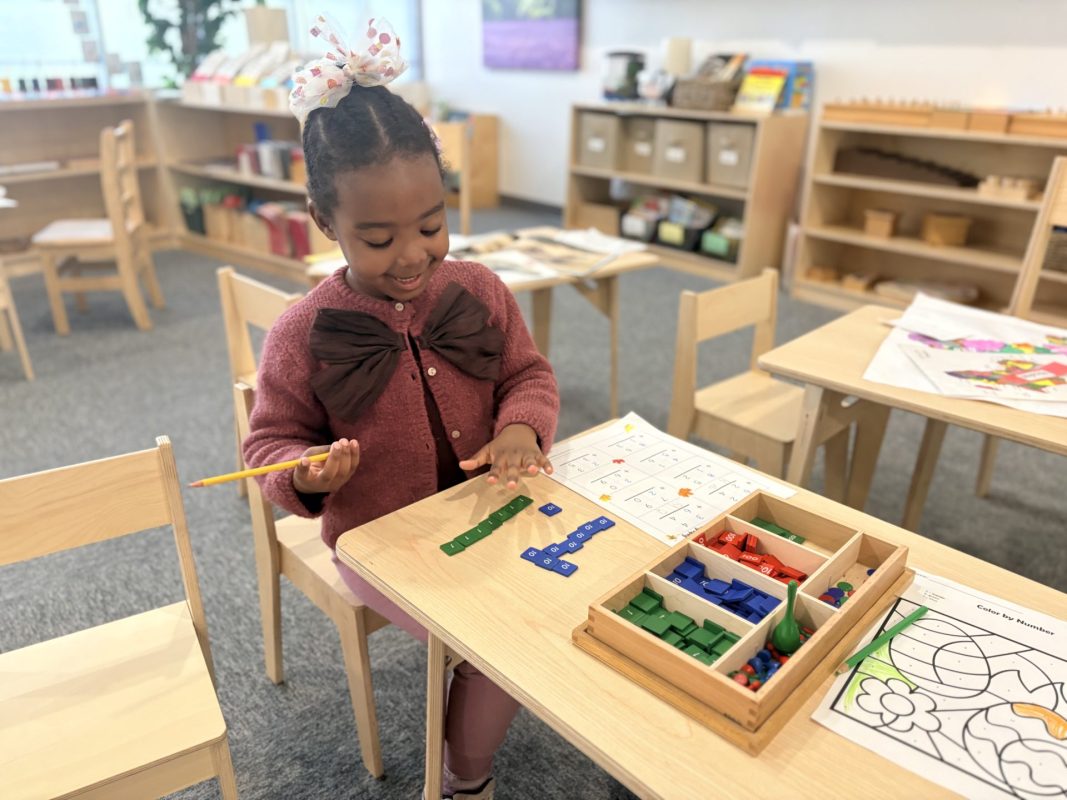
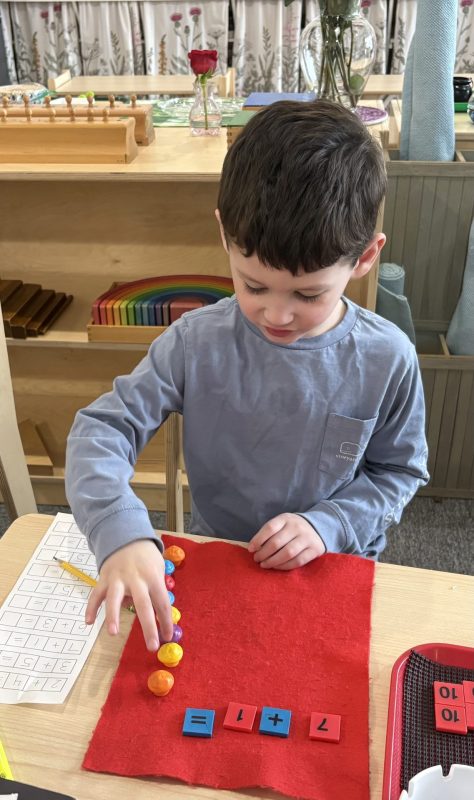
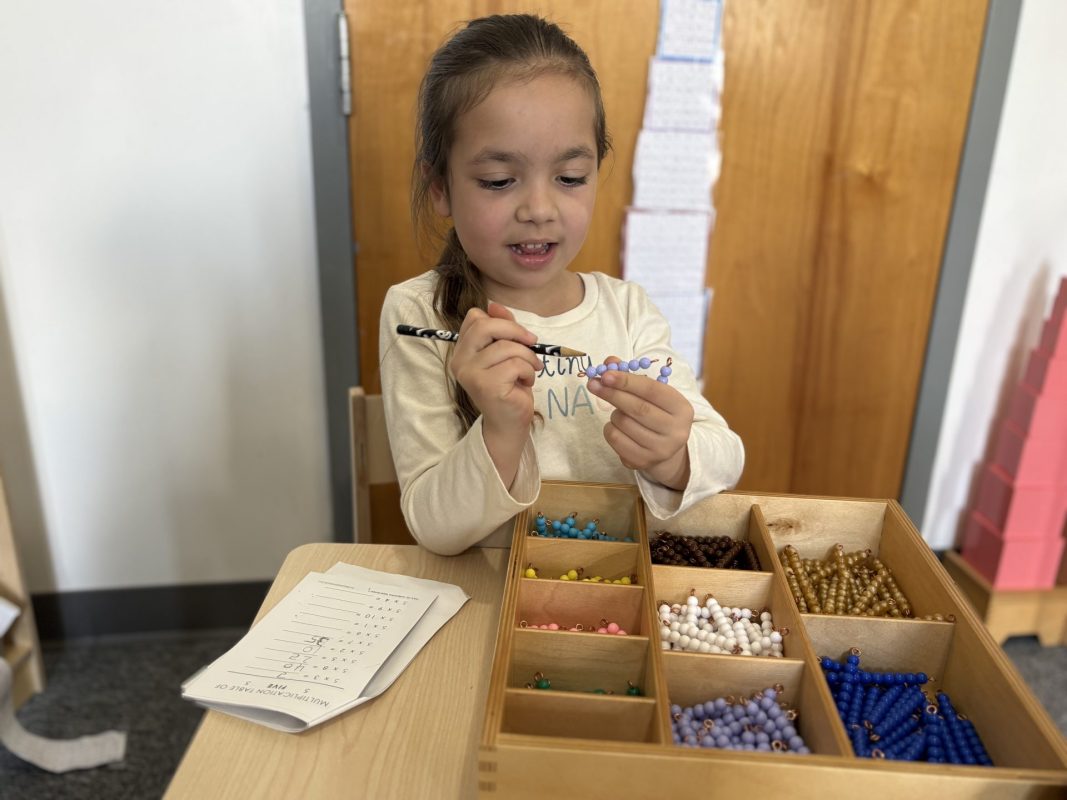
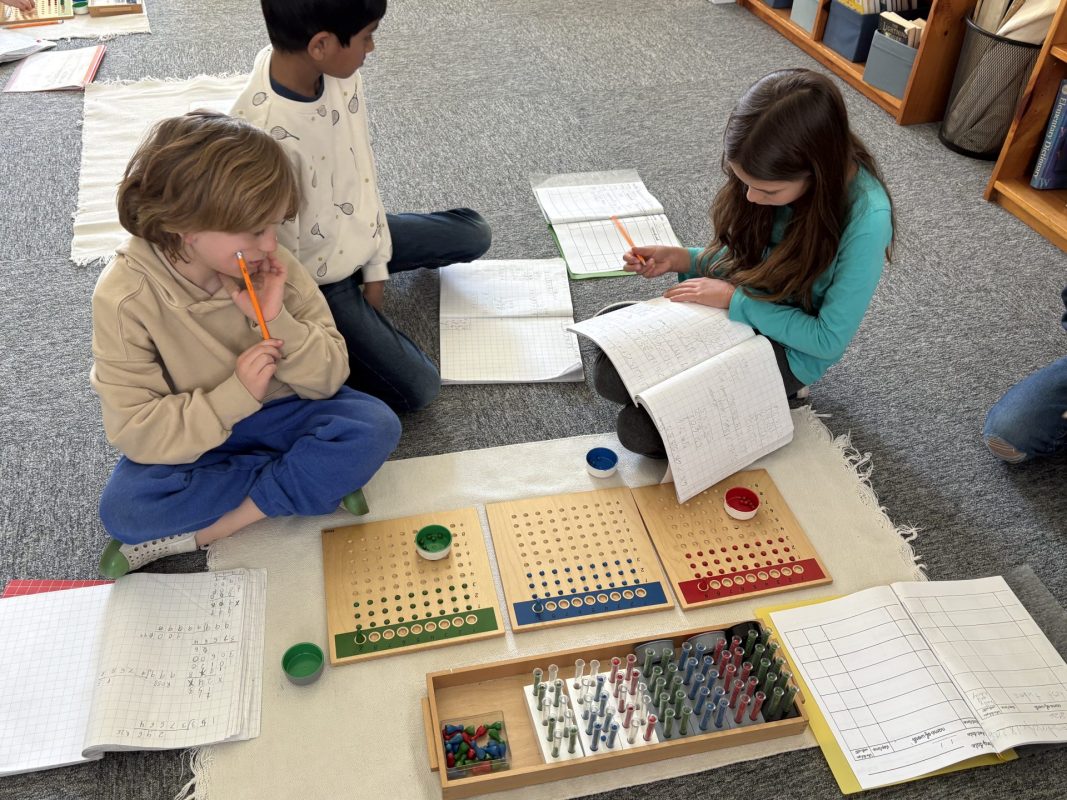
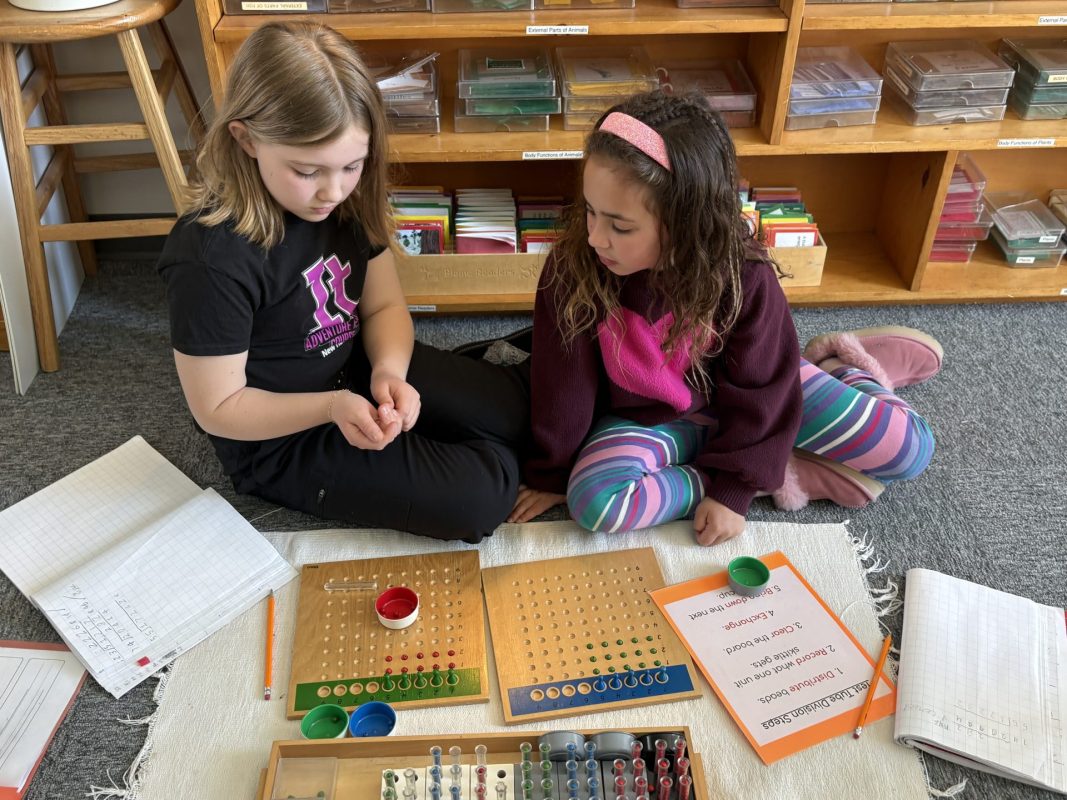
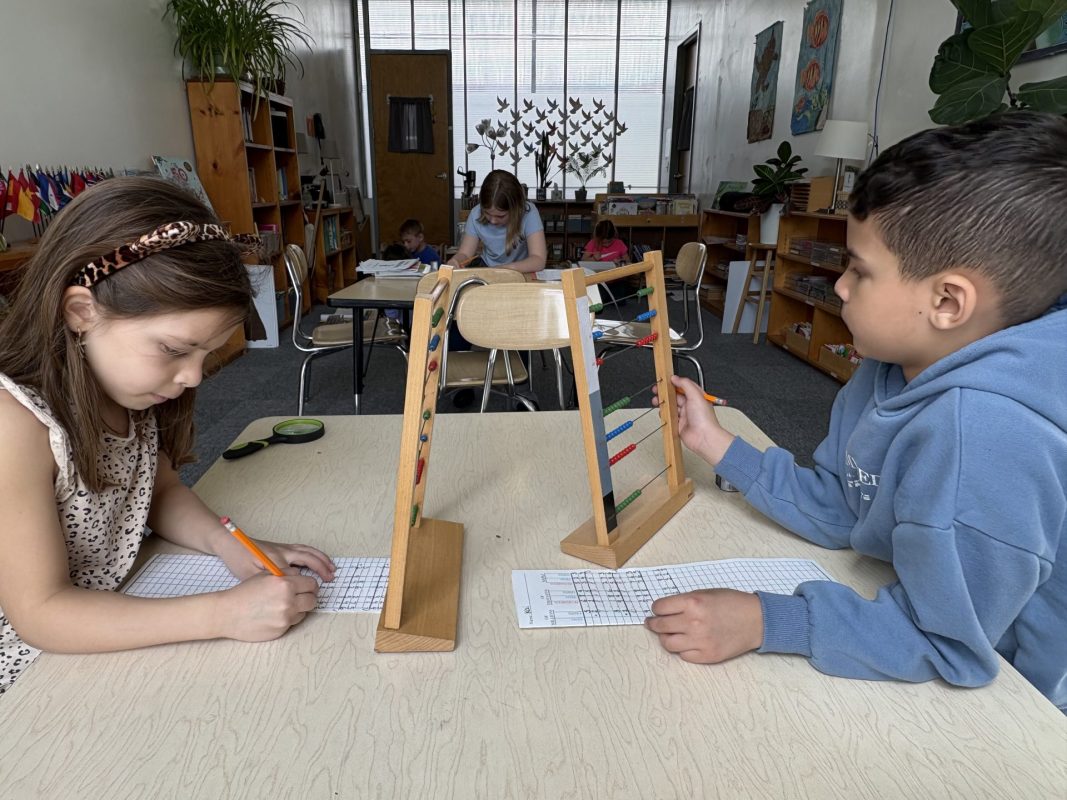
Pre-Transition: This week in Pre-Transition, students began Chapter 7. They reviewed key division vocabulary, including divisor, dividend, quotient, and remainder. Students also refreshed their understanding of multiplying positive and negative numbers, revisited related division facts, and reviewed the rate factor for multiplication.

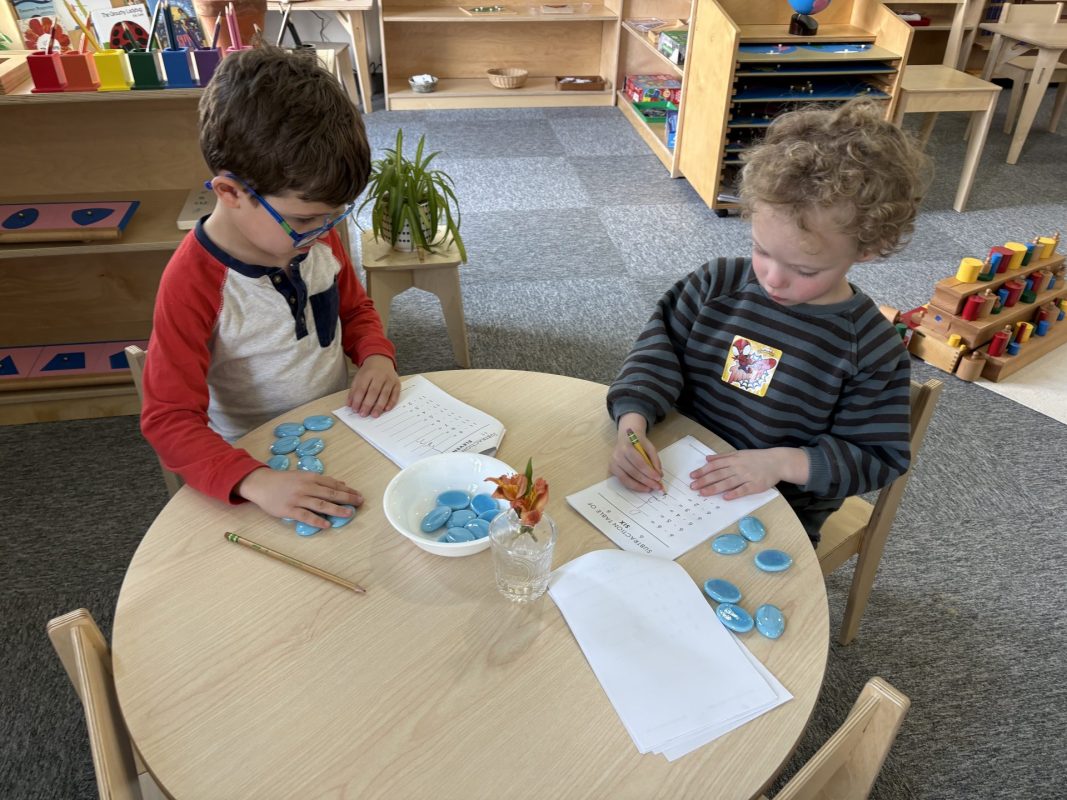
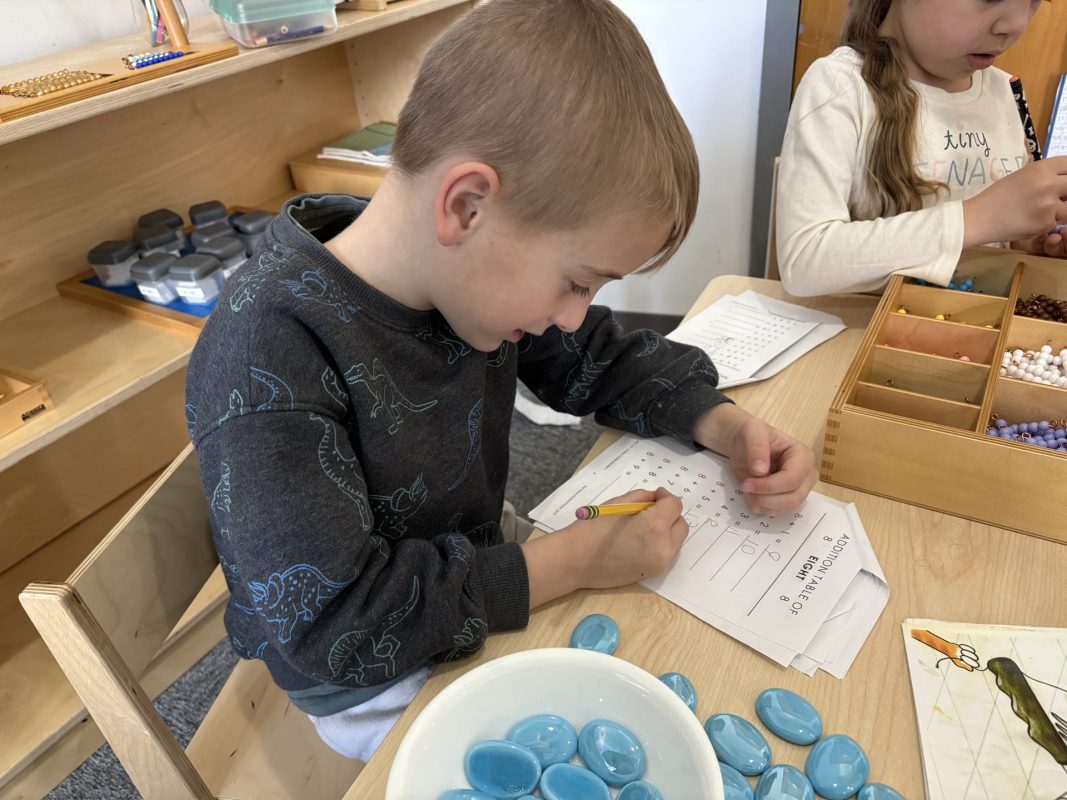
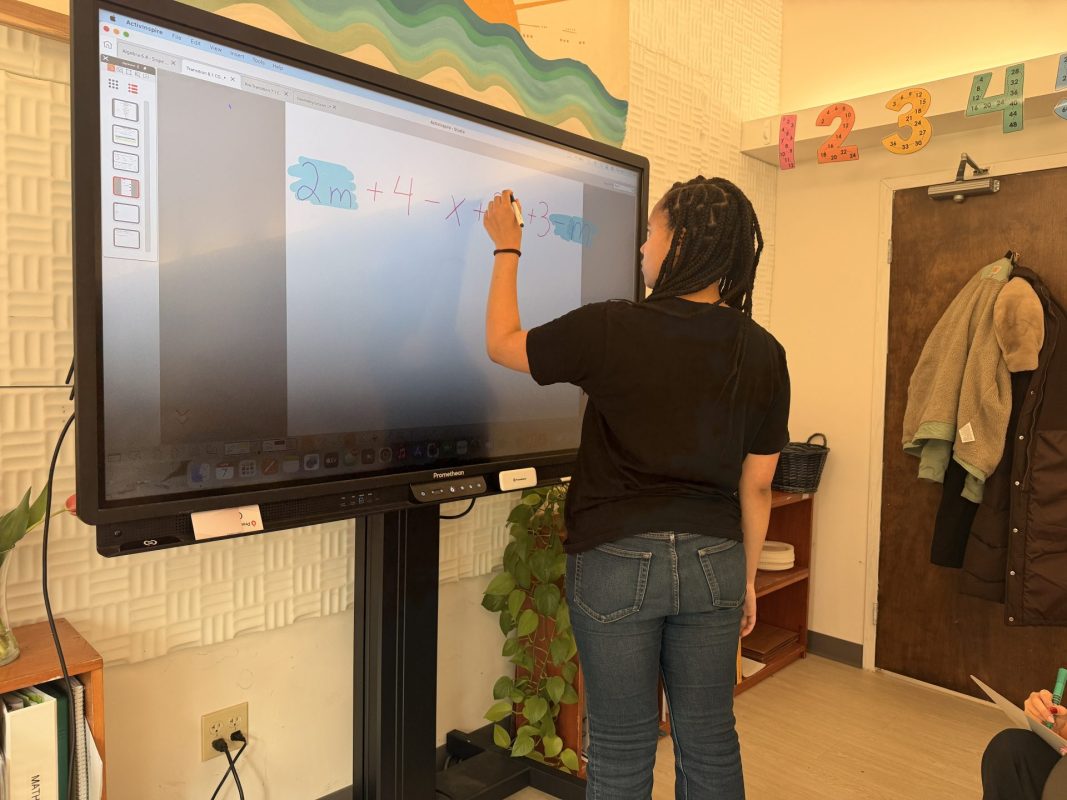
Transition: This week in Transition, students began Chapter 8. They reviewed multiplication as repeated addition and were introduced to variables. Students also practiced combining like terms and applying the distributive property. In addition, they explored conversion rates and reviewed multiplying positive and negative numbers.
Algebra: This week in Algebra, students continued building their understanding of slope. They have learned how to calculate the slope of a line given two points, graph linear equations in slope-intercept form, determine the x- and y-intercepts of a linear equation, and identify the slope of a line from a coordinate grid.
Geometry: This week in Geometry, students began Chapter 6. So far, they have explored reflection symmetry and the theorems associated with reflections. They have also studied the properties of isosceles triangles and practiced related proofs. In addition, students were introduced to angles inscribed in circles and will continue developing this understanding next week.
Algebra II: This week in Algebra II, students wrapped up their learning of matrices and showed off their knowledge on the Chapter Assessment. Then, they dove into Chapter 5, learning all about compound inequalities.
Ms. Vicki’s Weekly Update

Spring was truly in the air, and in our classroom, this week! The children were busy exploring seasonal changes through art, science, and hands-on activities.
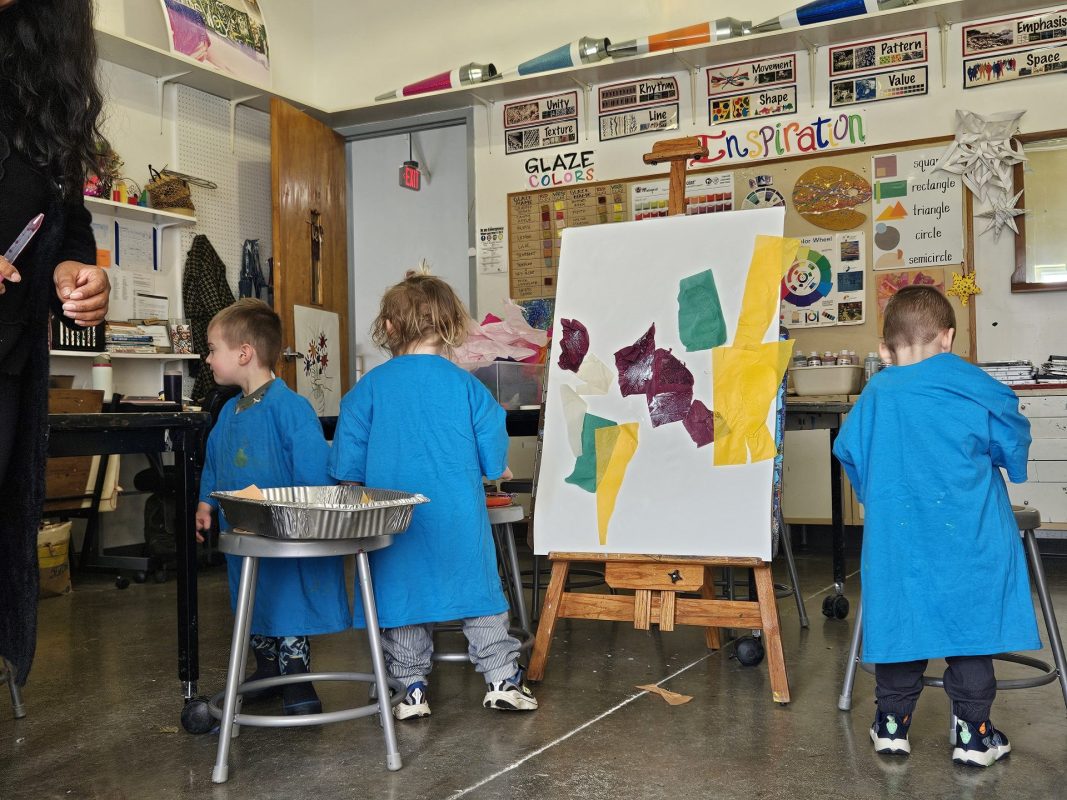
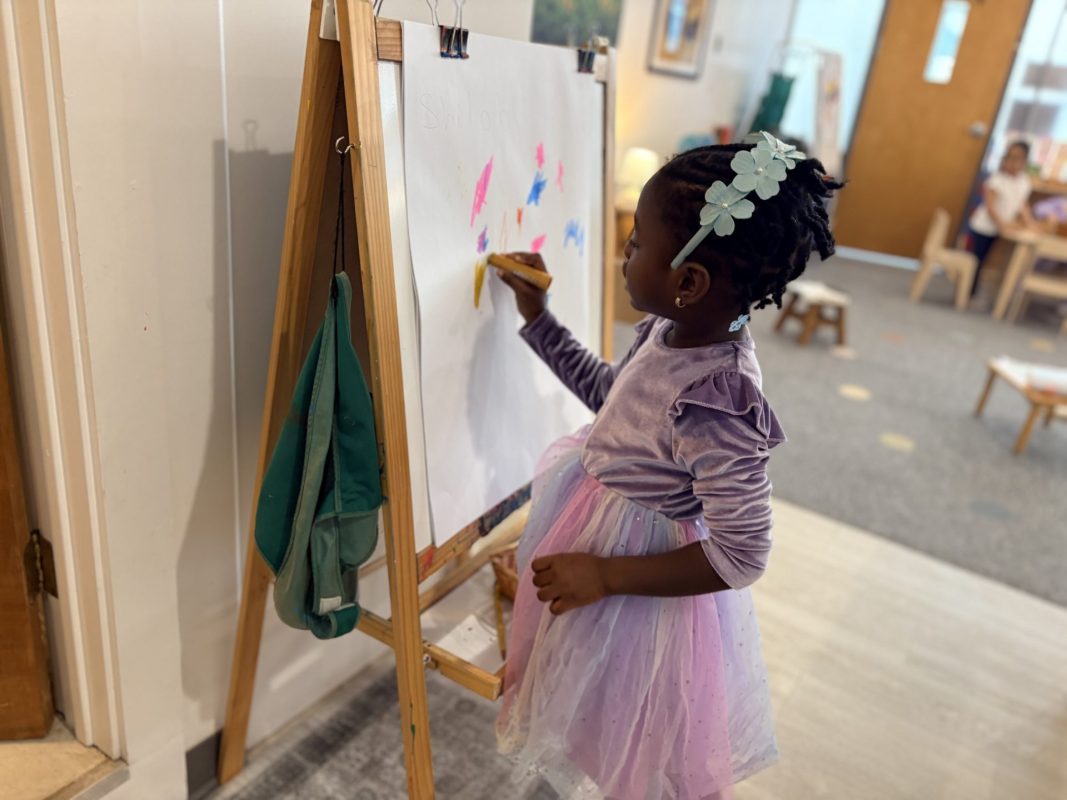
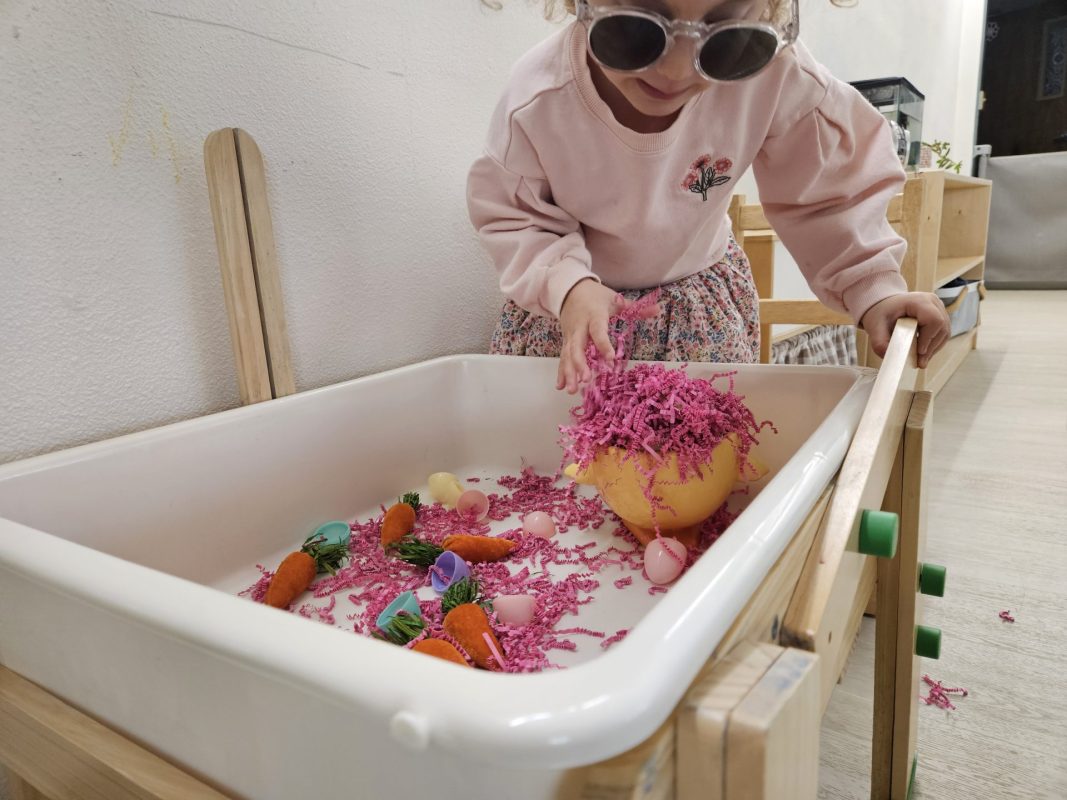
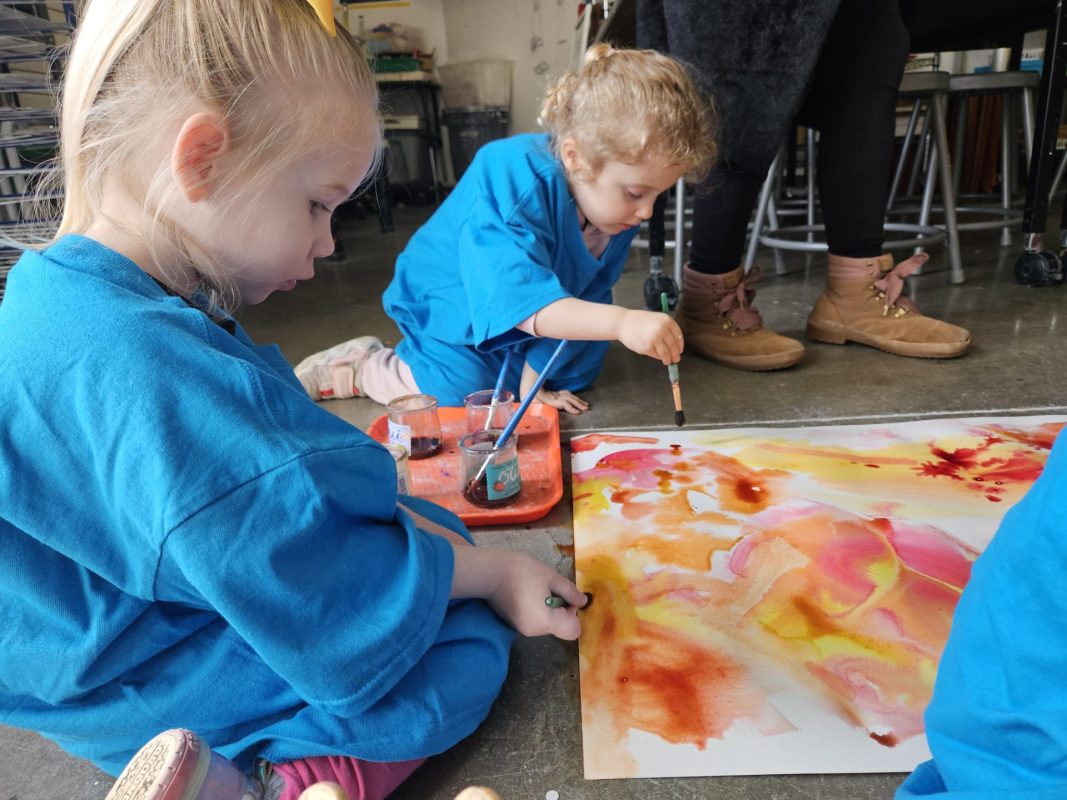
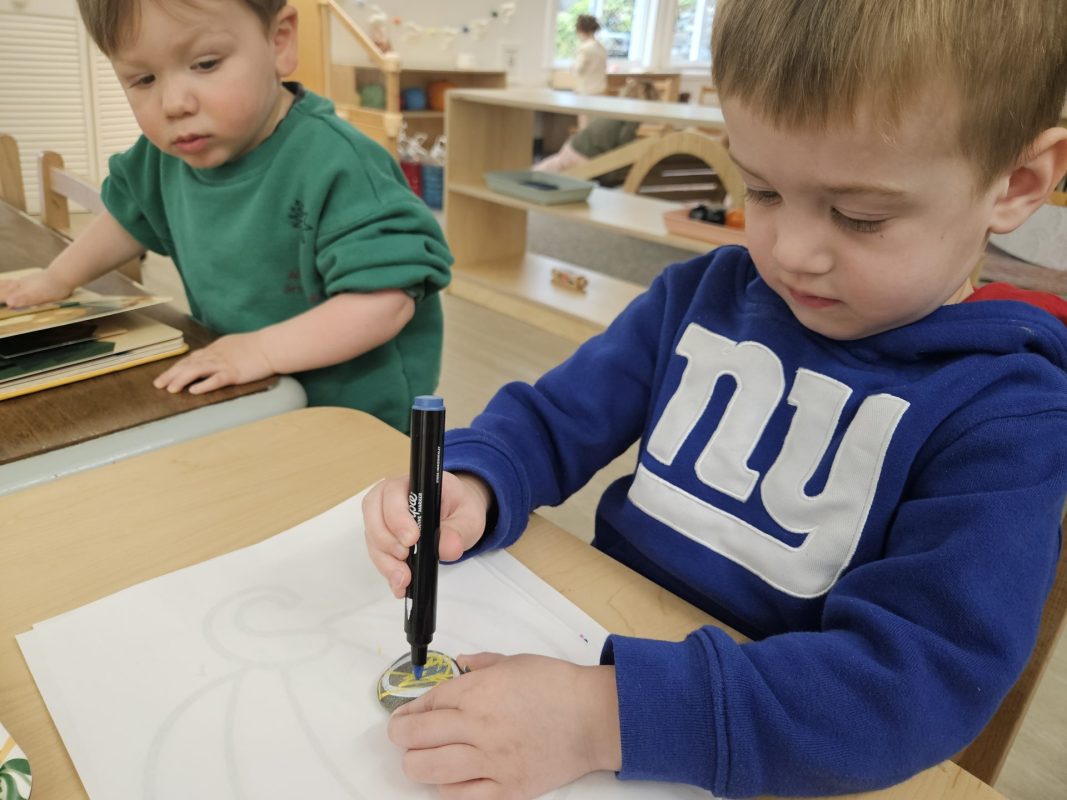
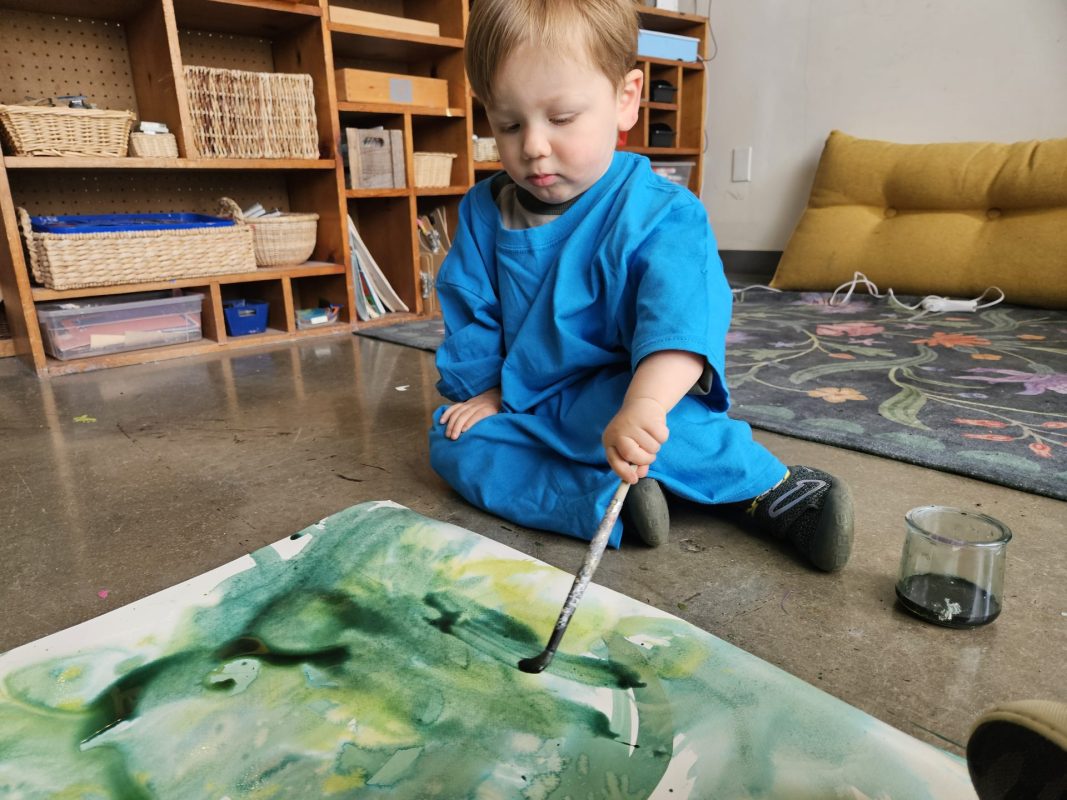
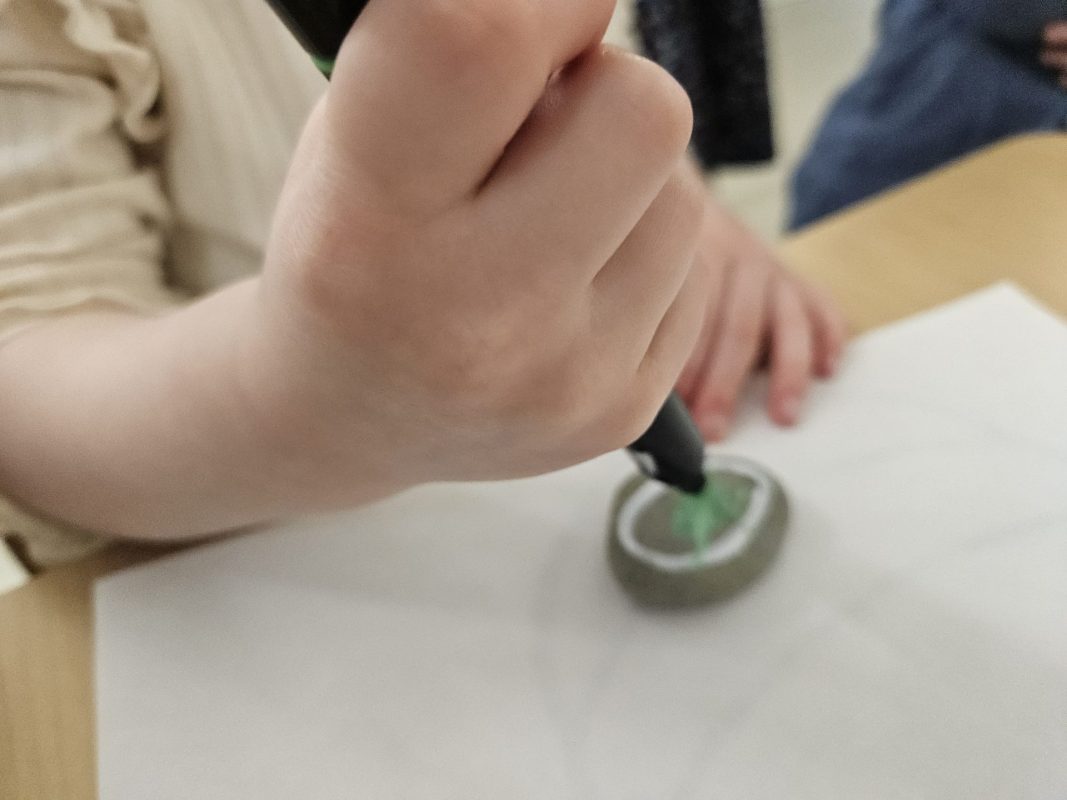
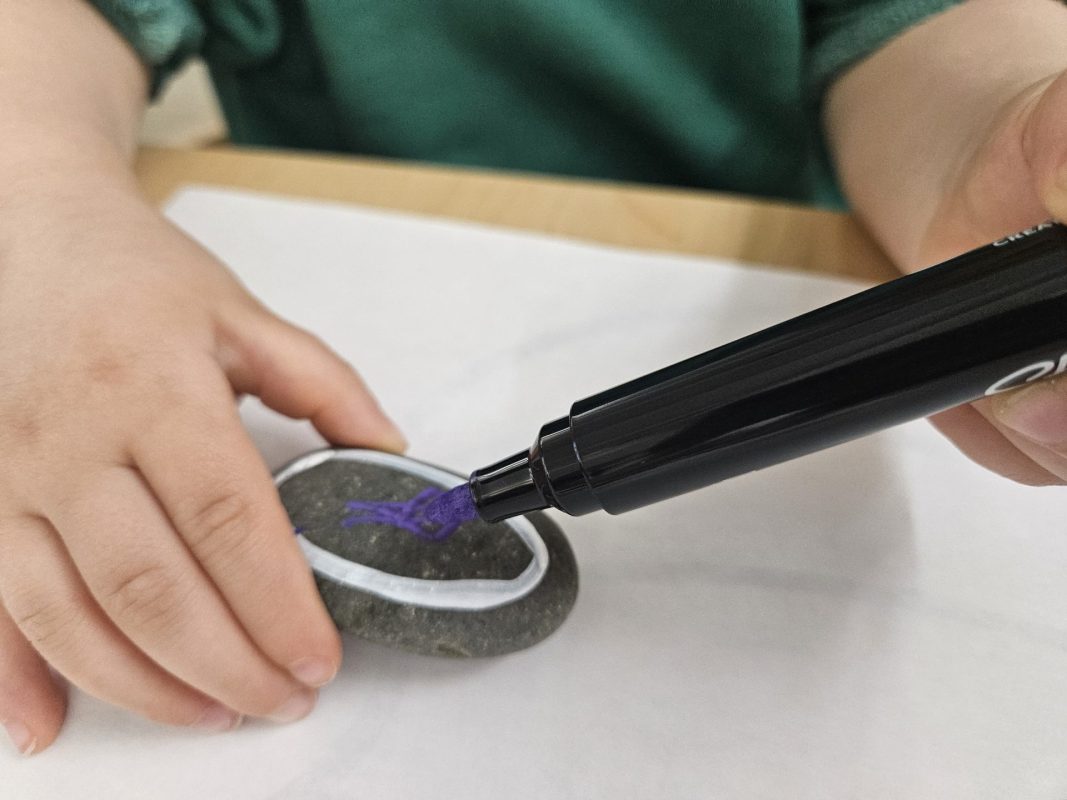
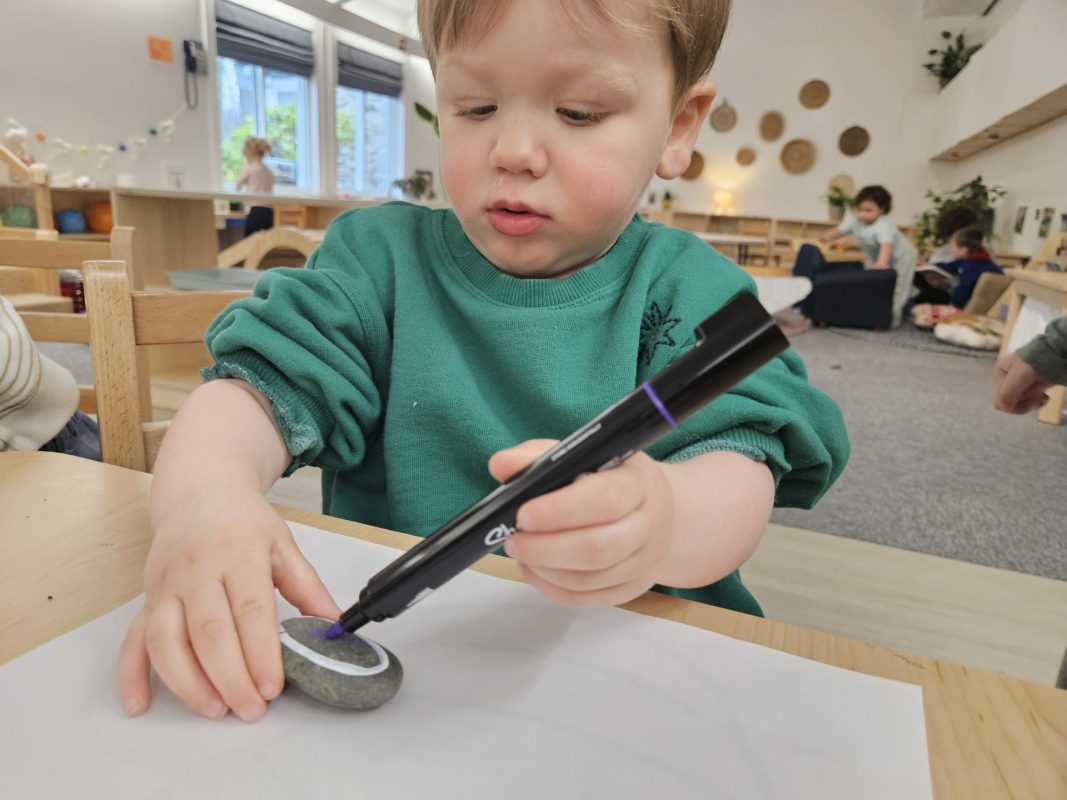
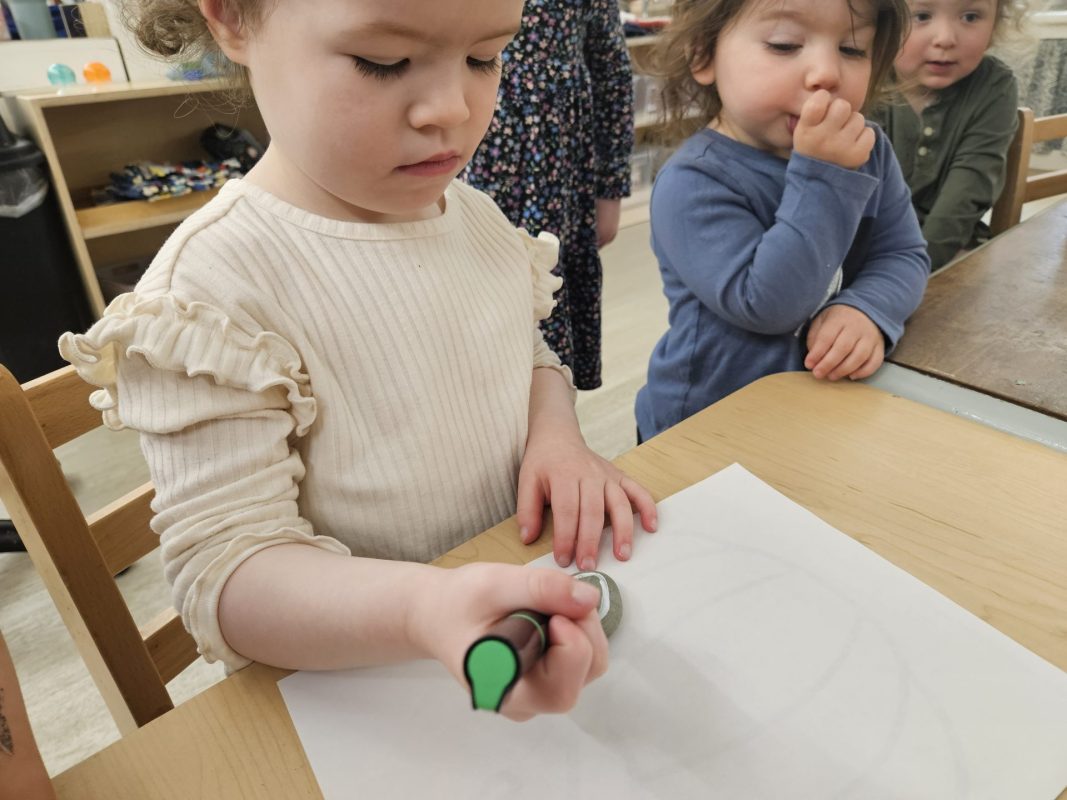
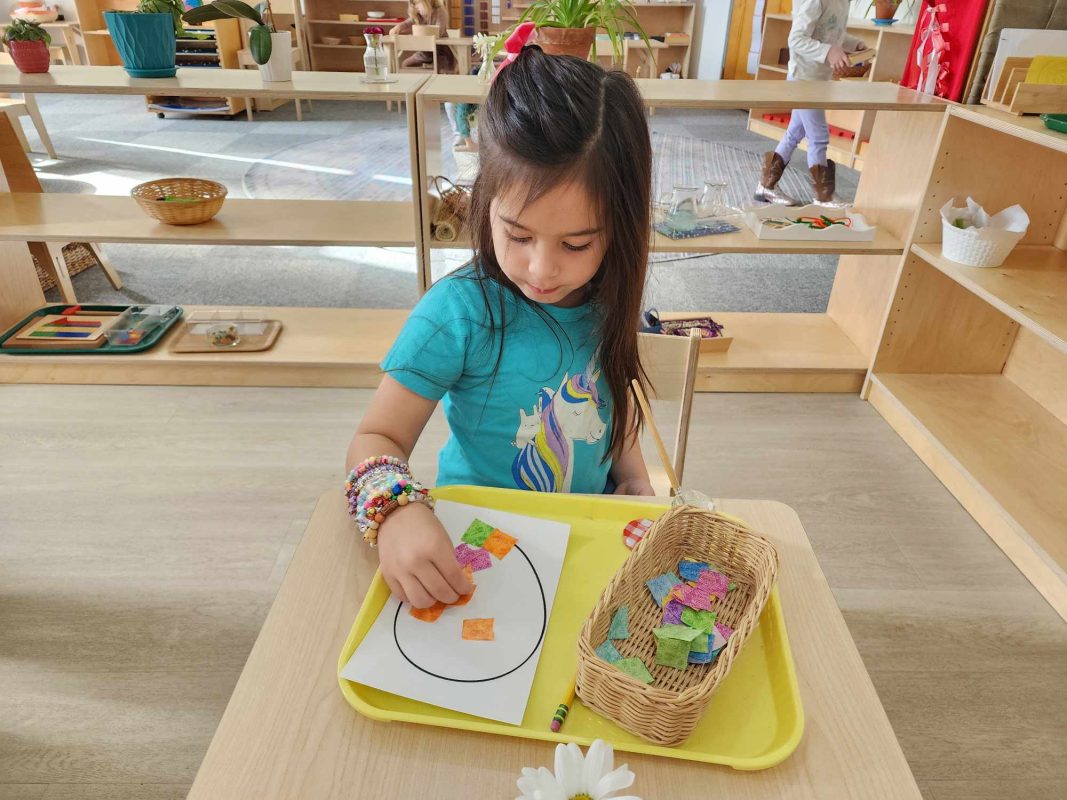
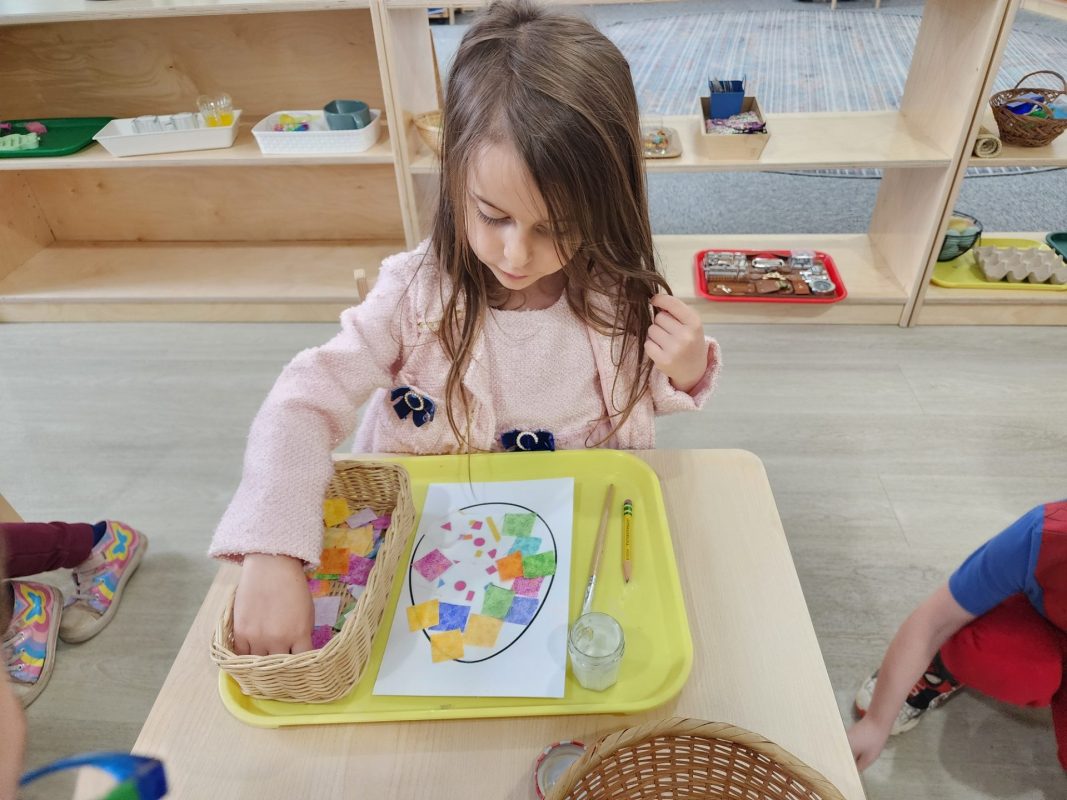
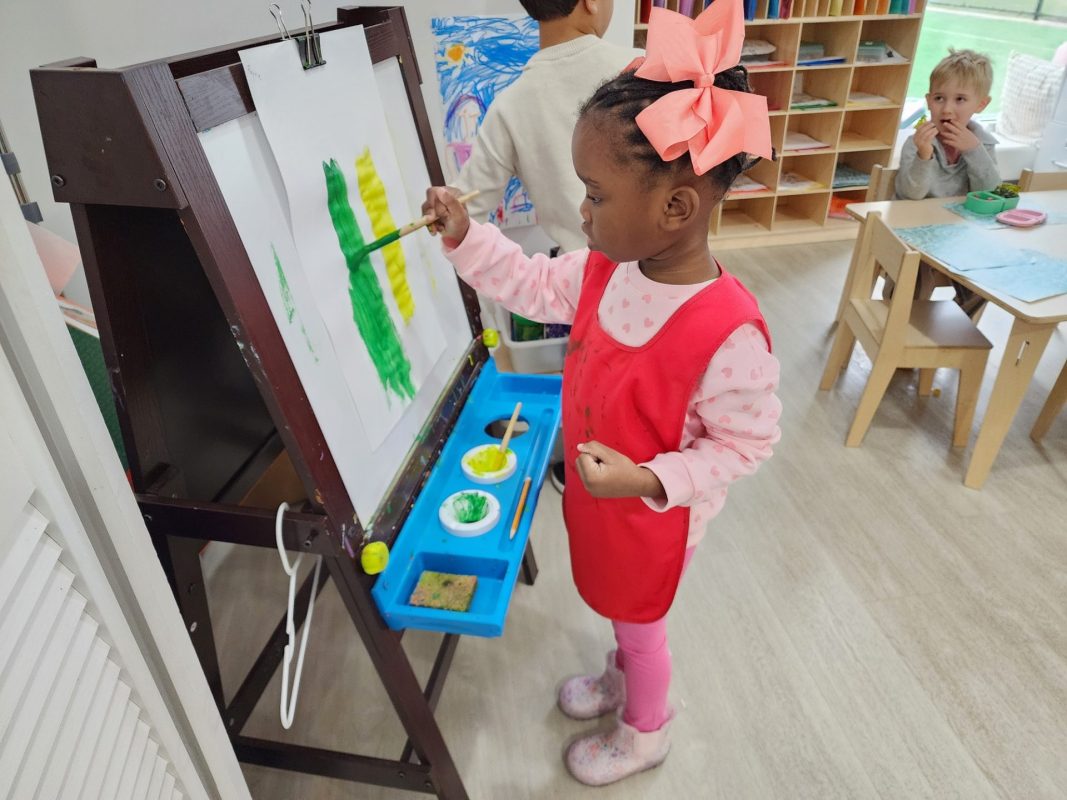
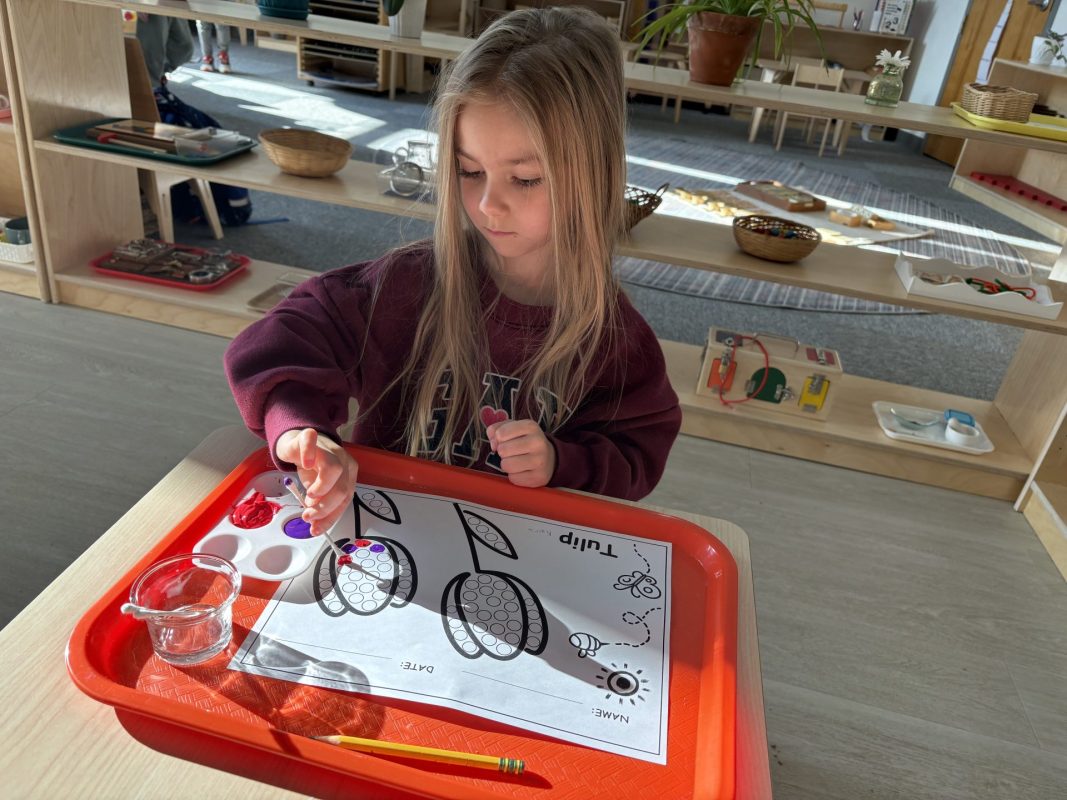
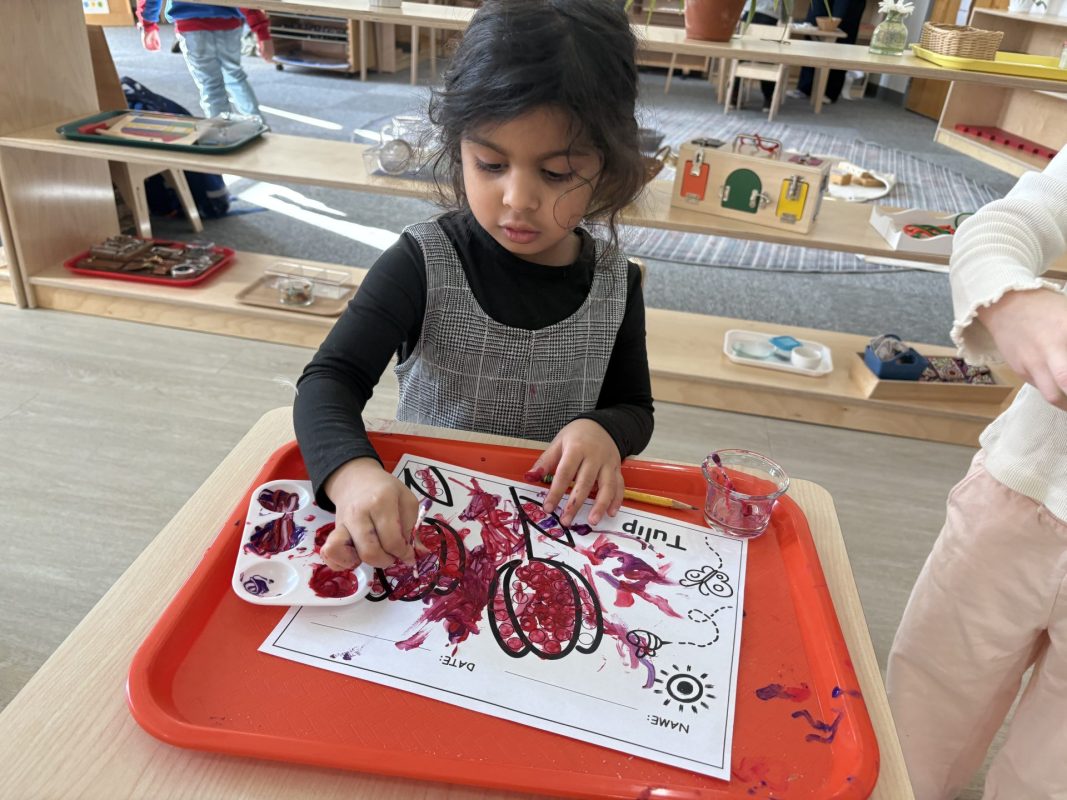
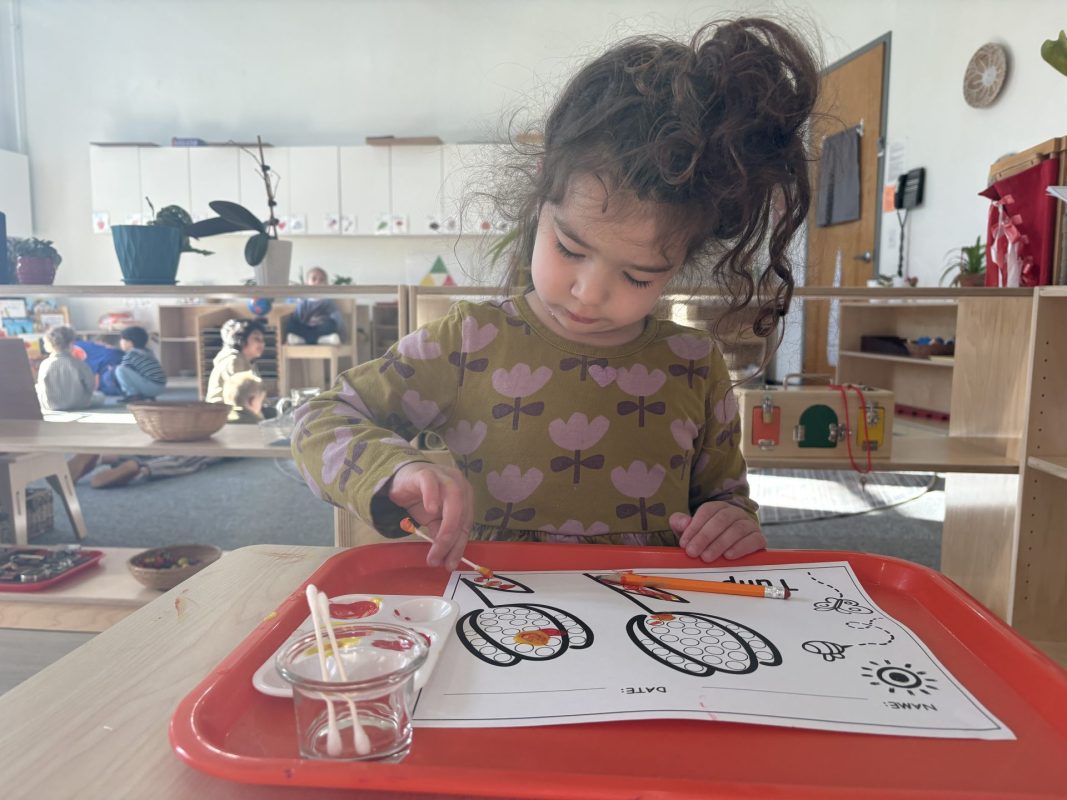
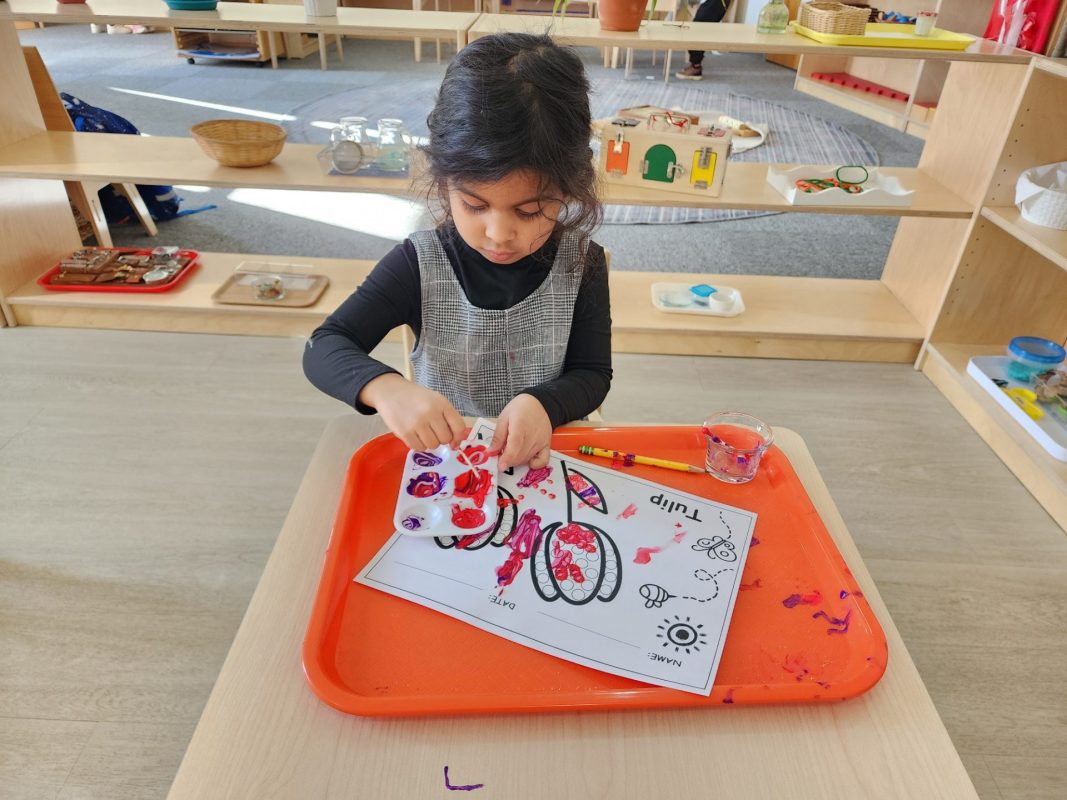
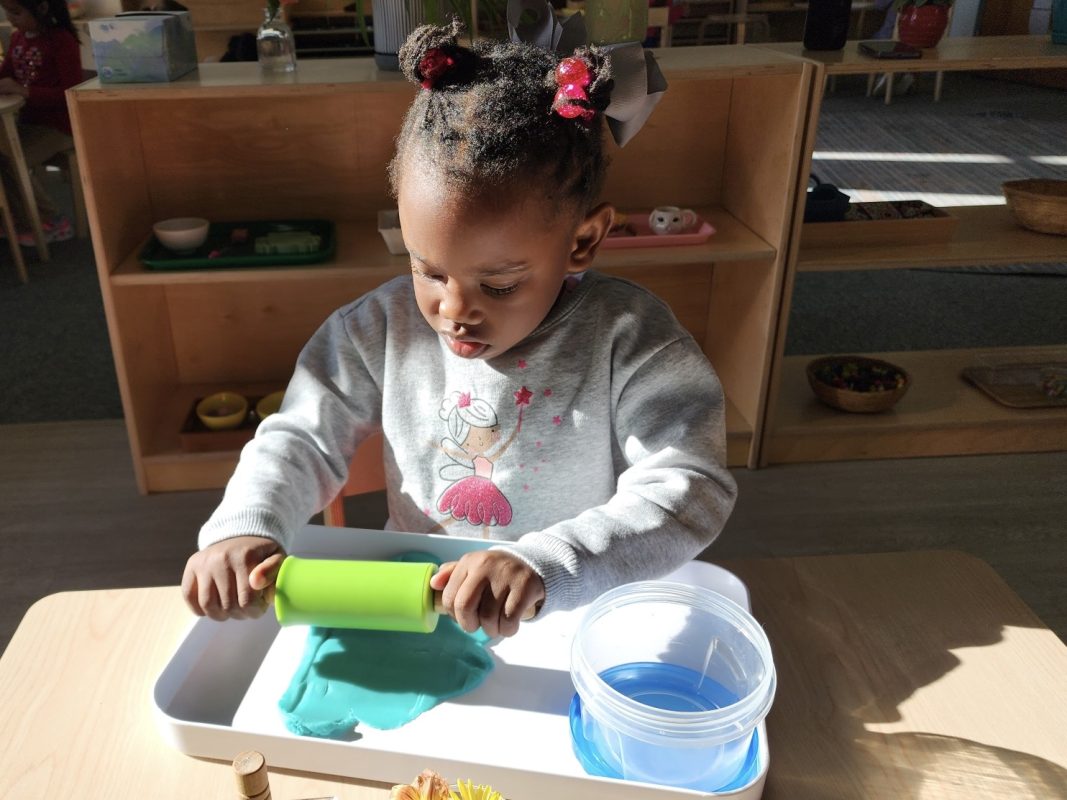
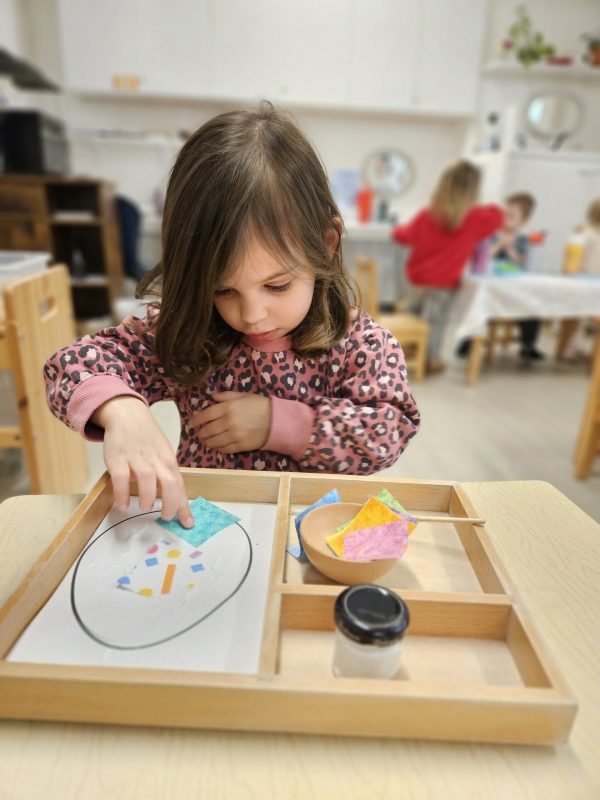
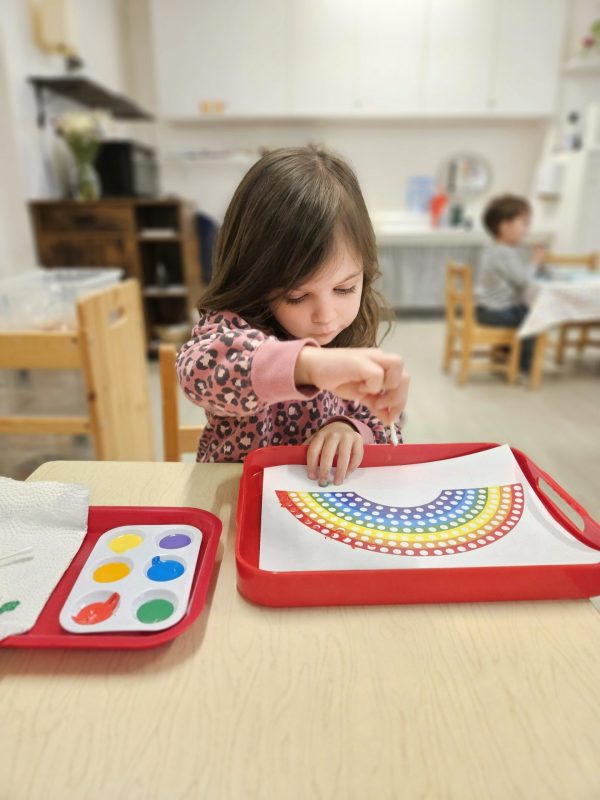
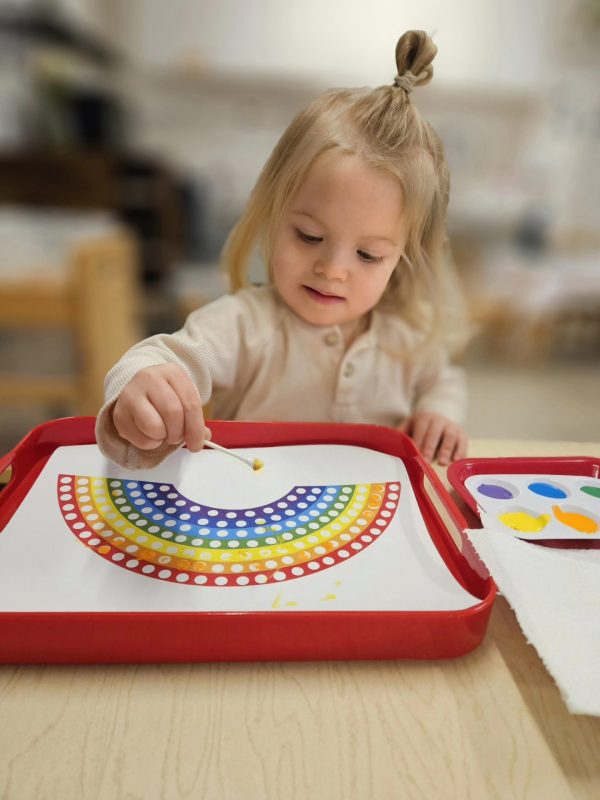
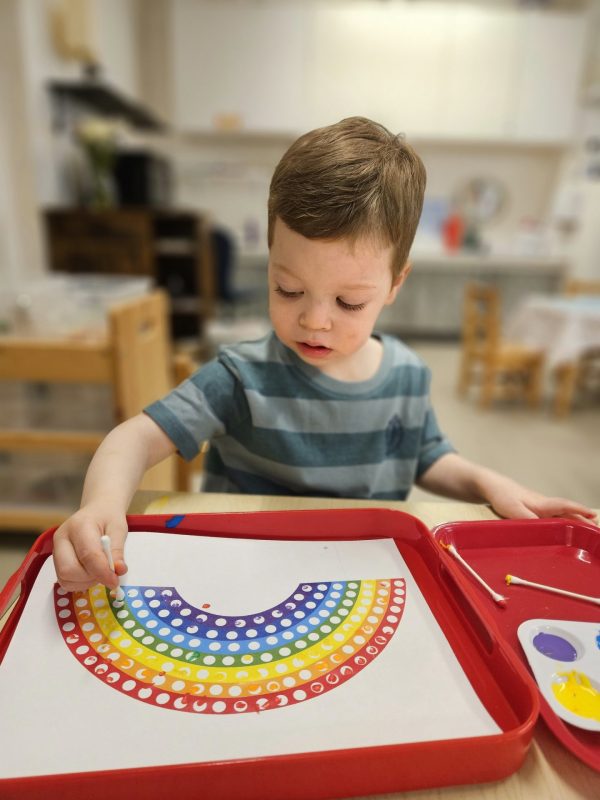
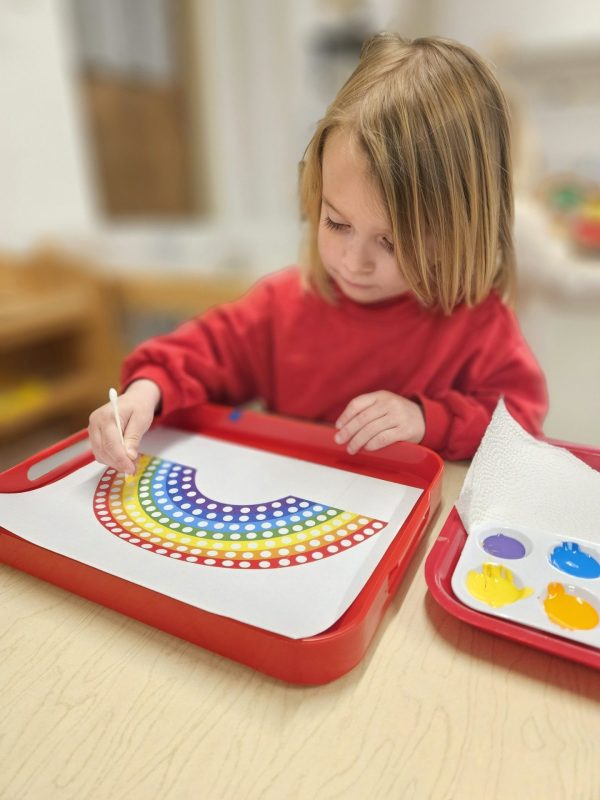
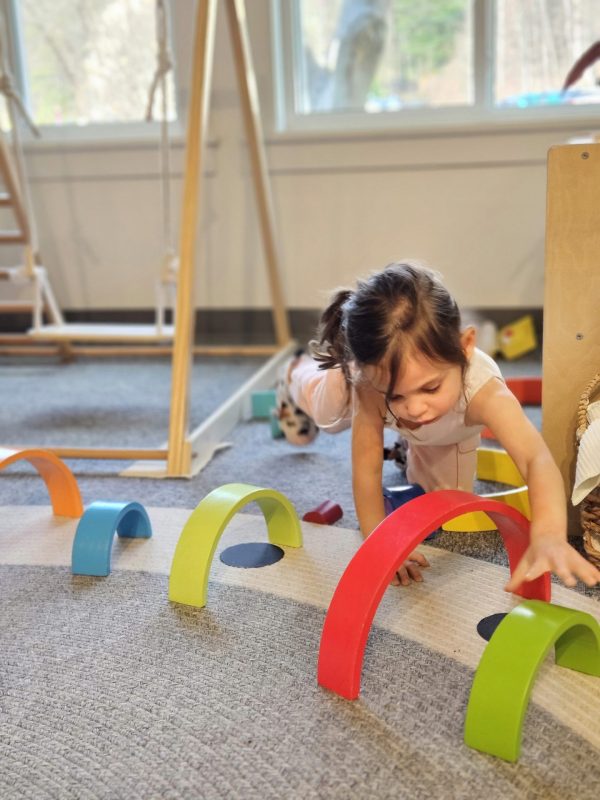
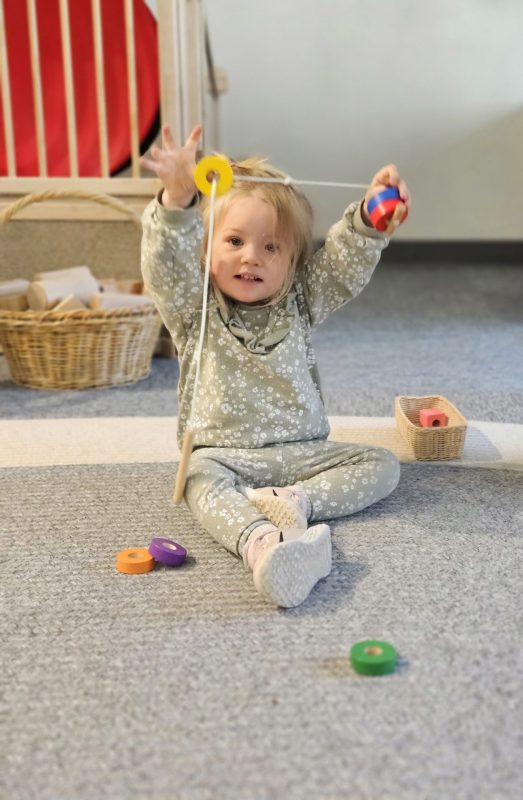
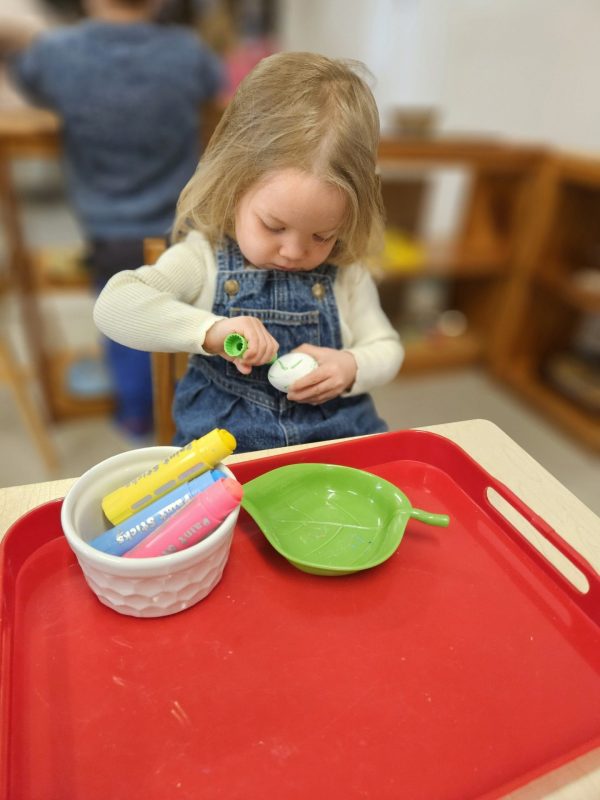
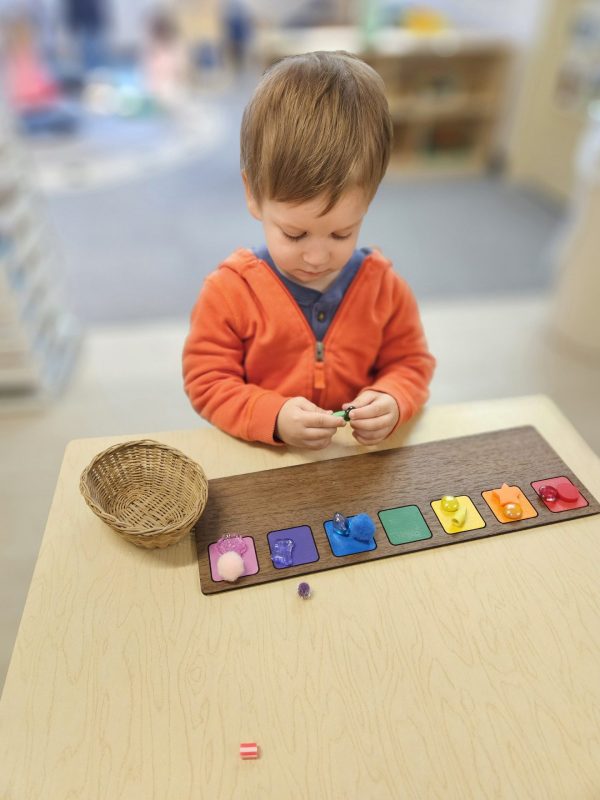
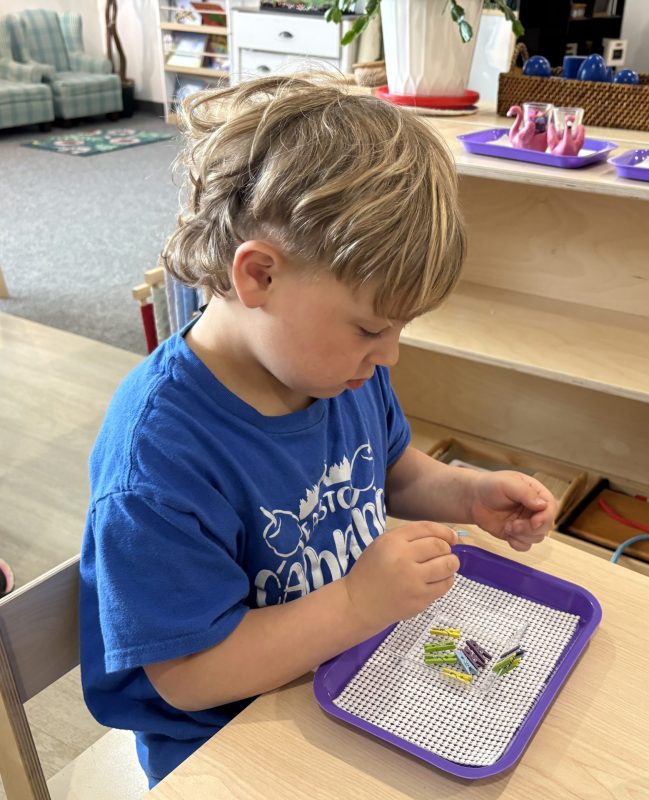
We worked with six different paint colors, using Q-tips to carefully dot and match colors on a rainbow. The children also finished their egg decorating with fabric, continuing to build creativity and fine motor skills.

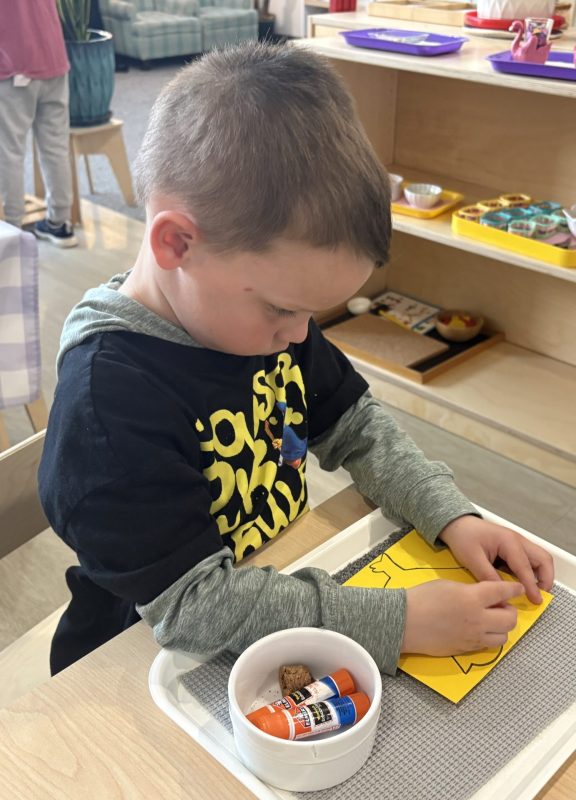
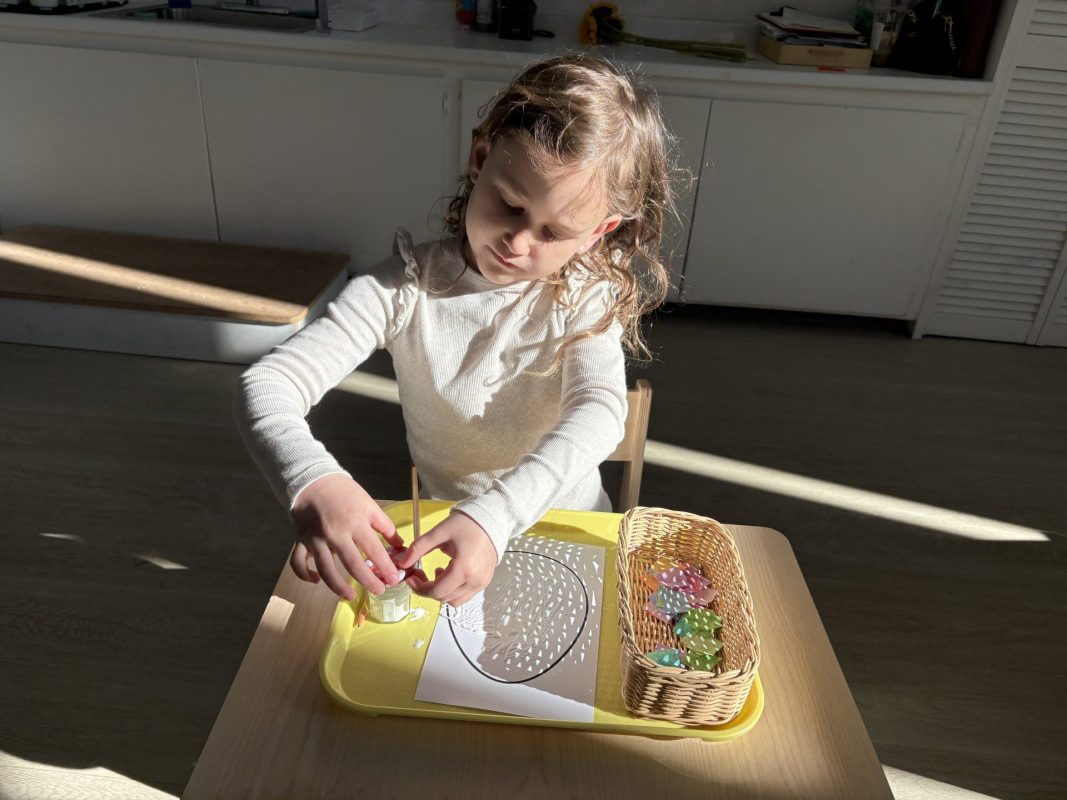
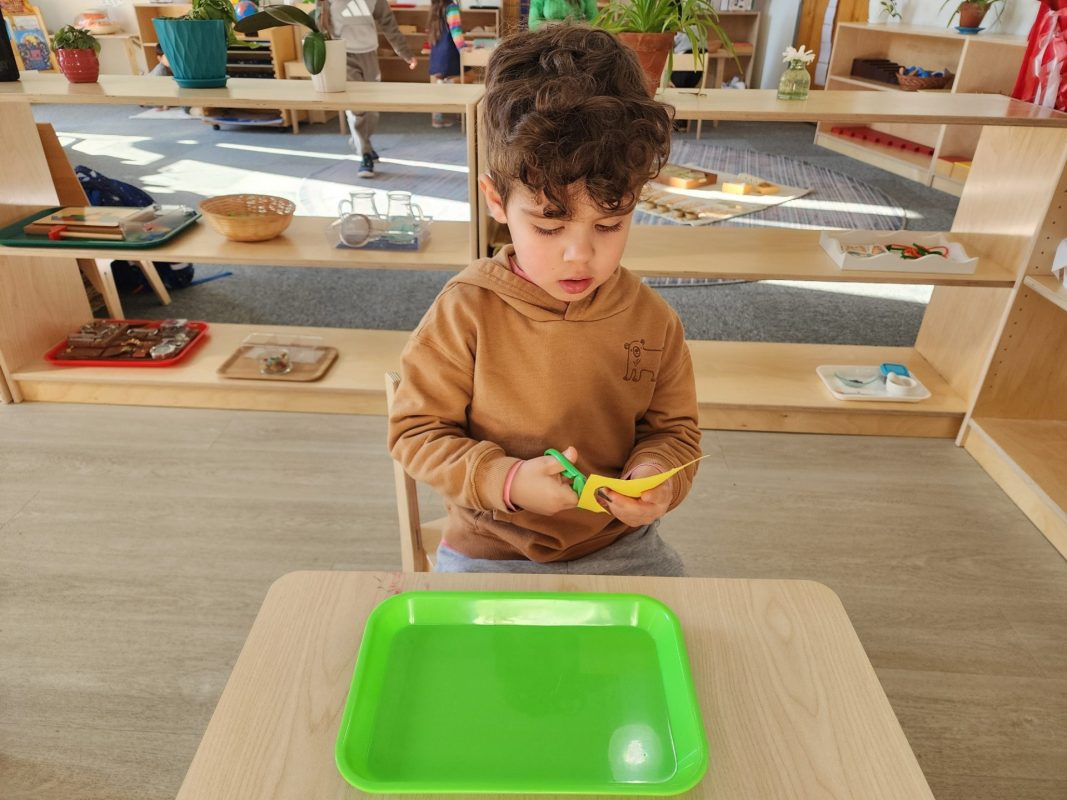
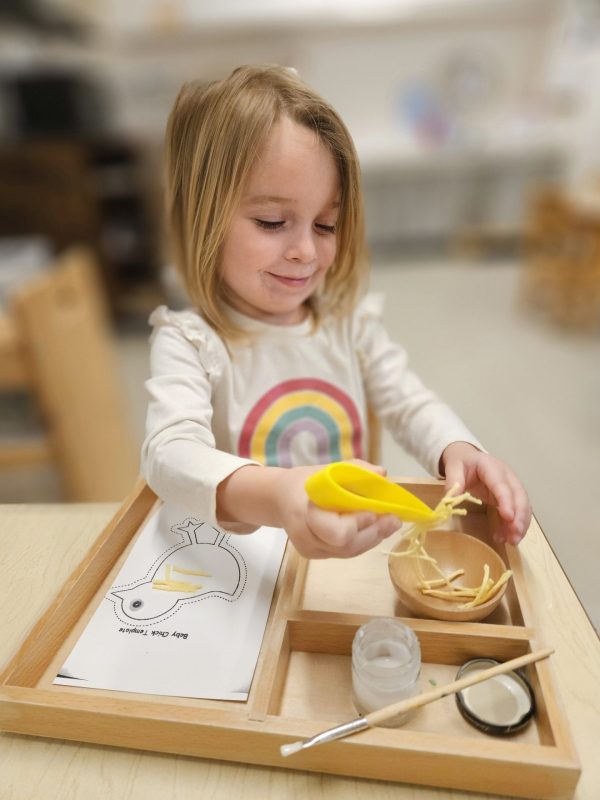
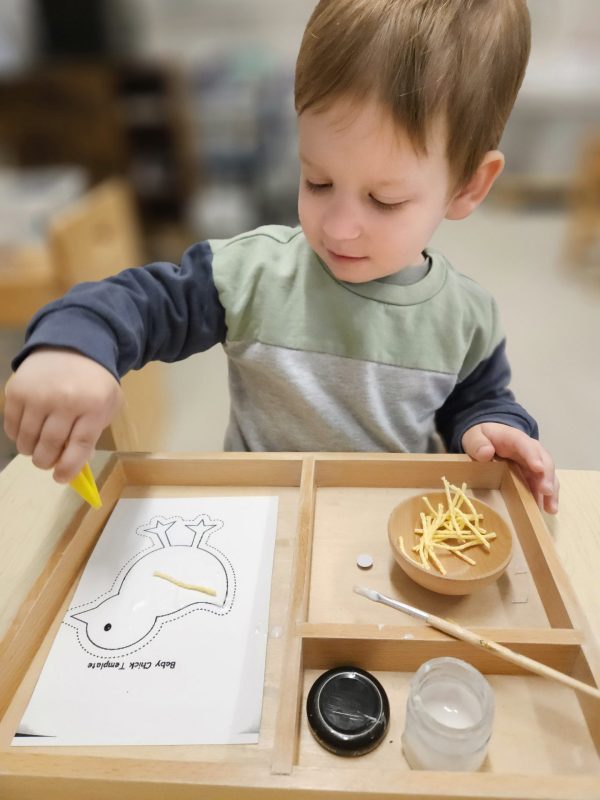
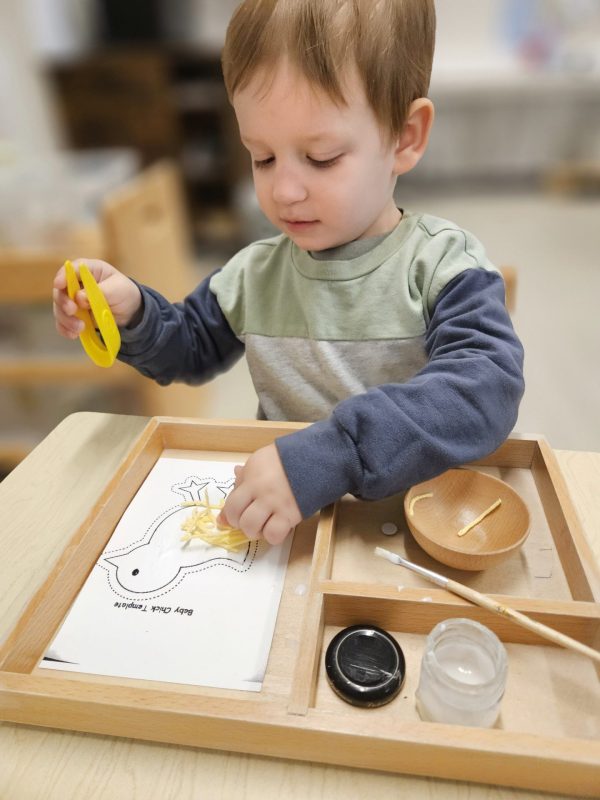
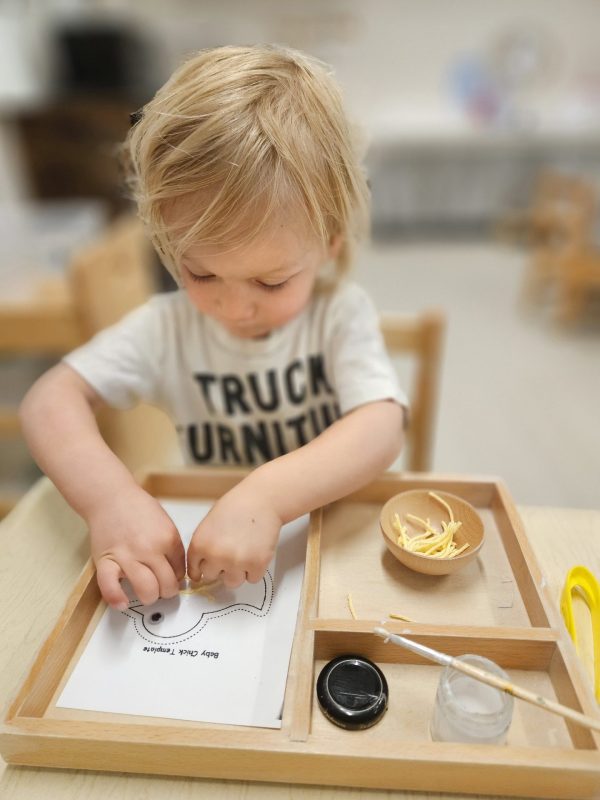
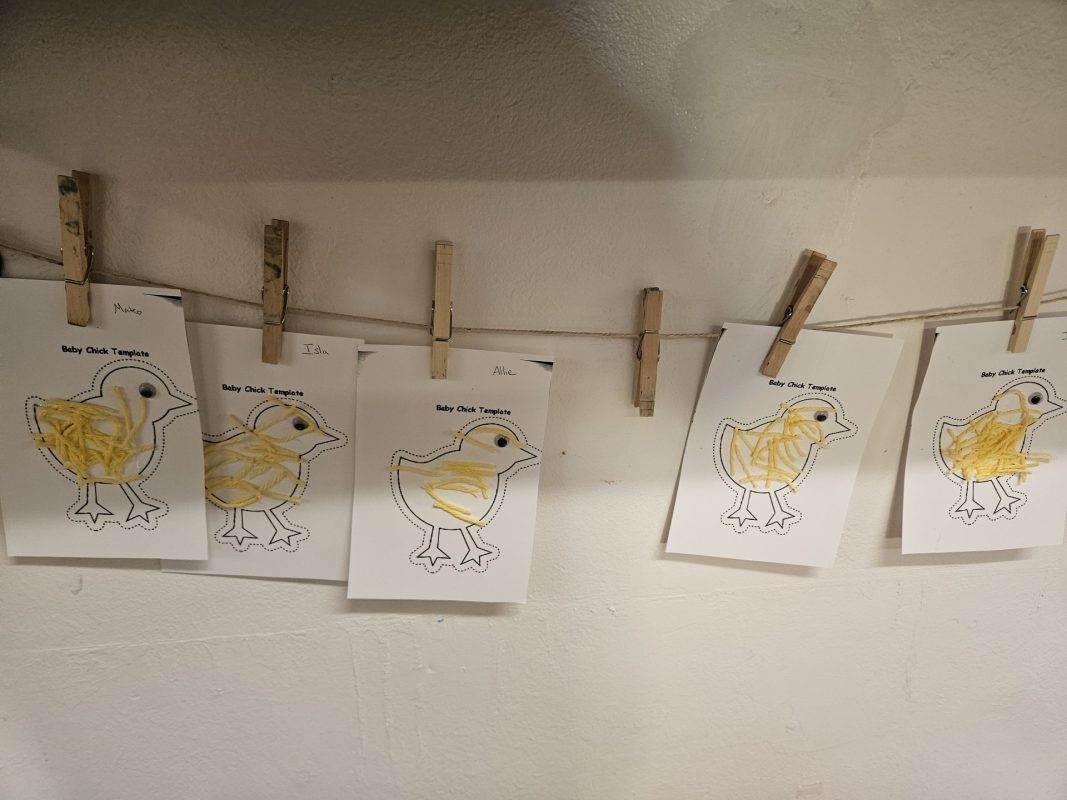
We began talking about how spring brings baby animals, and introduced a new chick project. The children painted glue inside a chick outline and used tweezers to pick up yellow yarn “feathers”, placing them one by one. This activity was great for strengthening hand muscles and coordination while connecting to our spring theme.

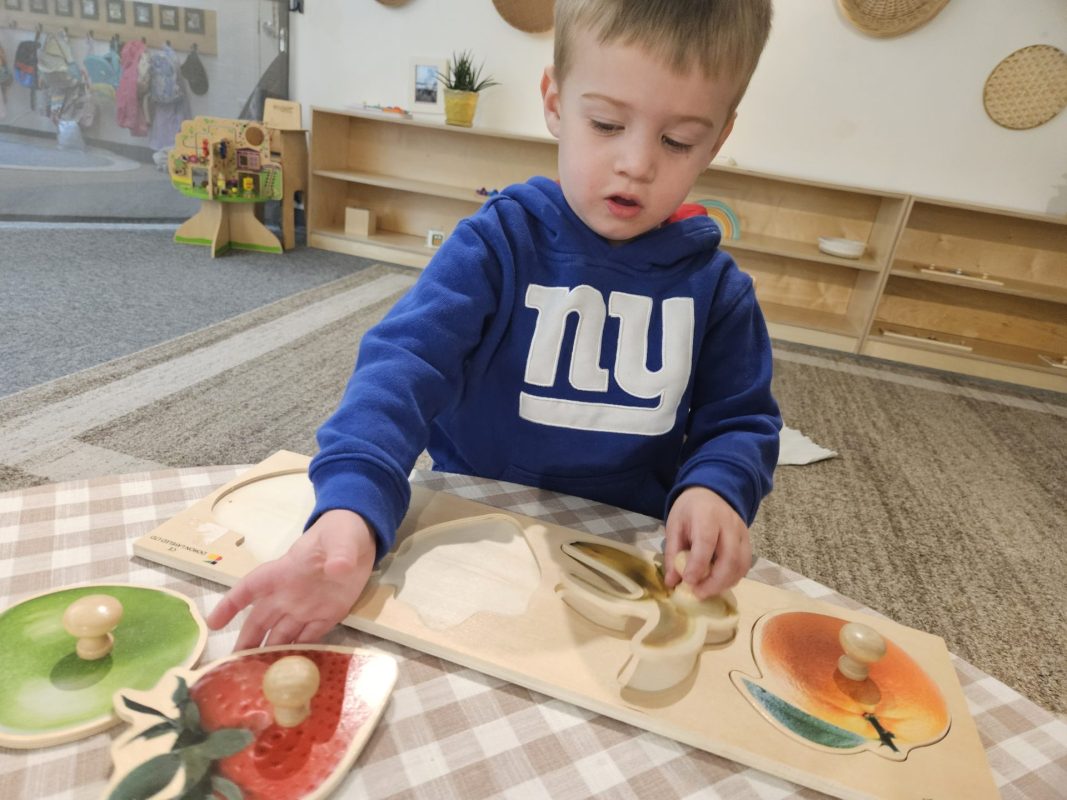
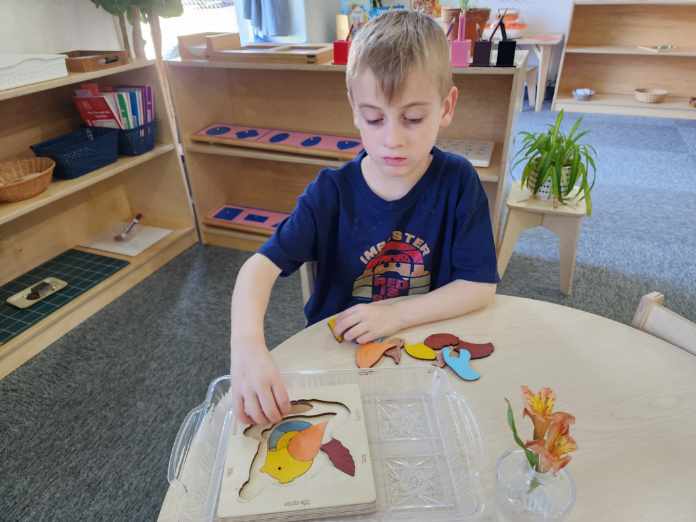
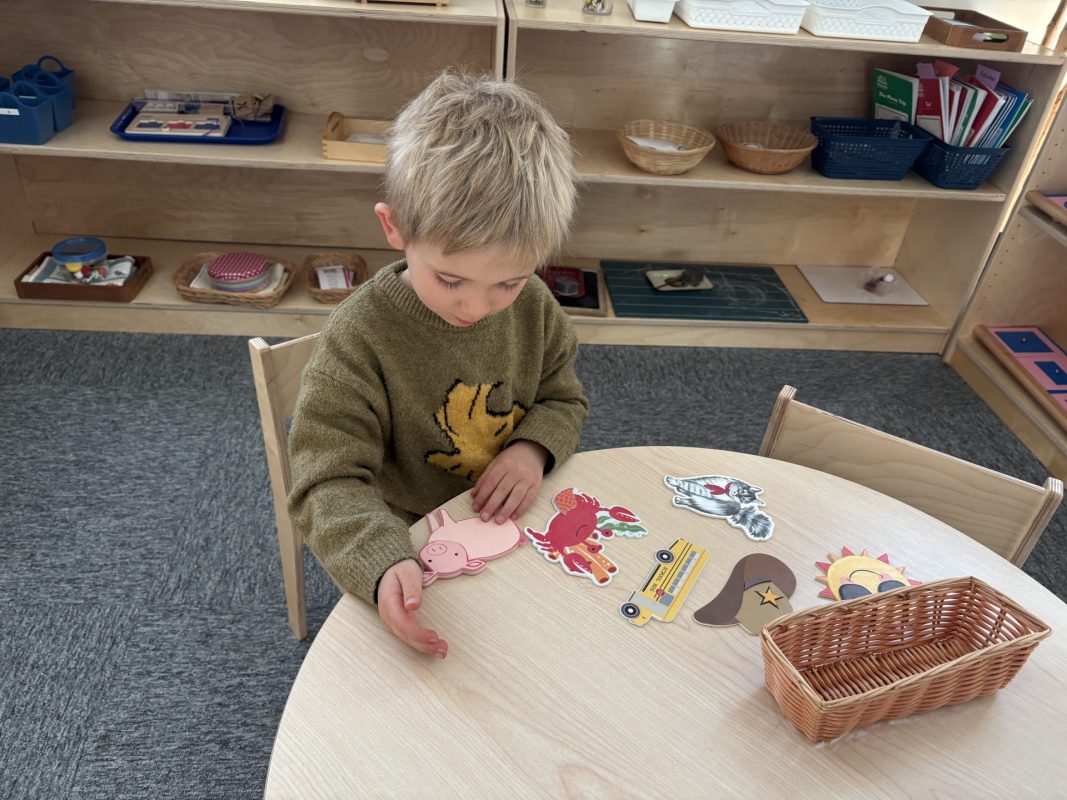
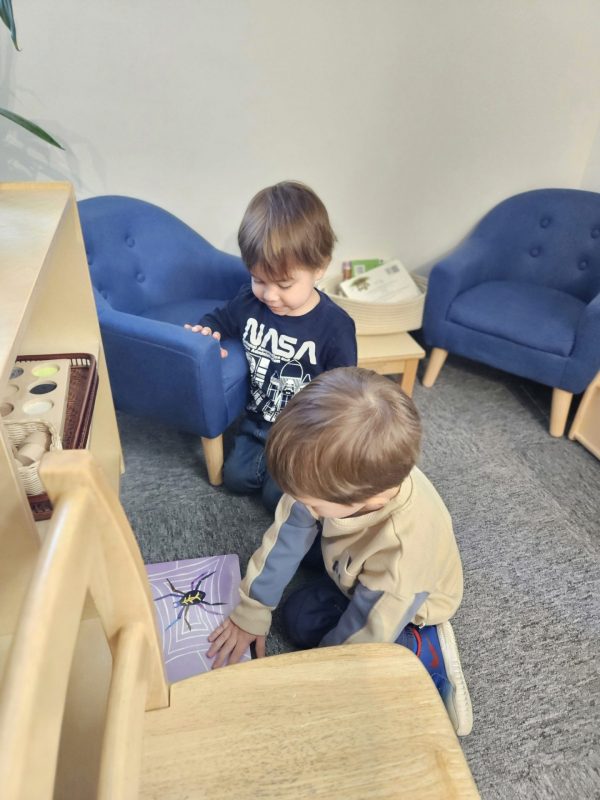
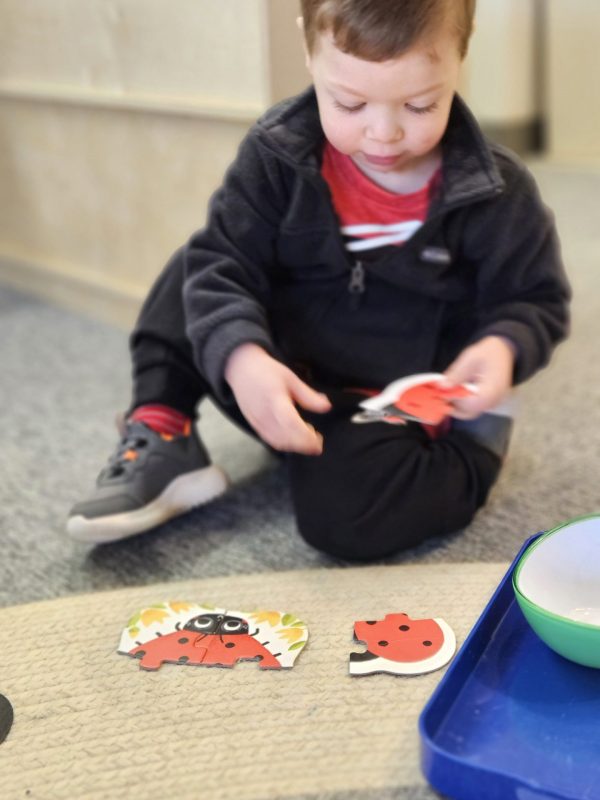
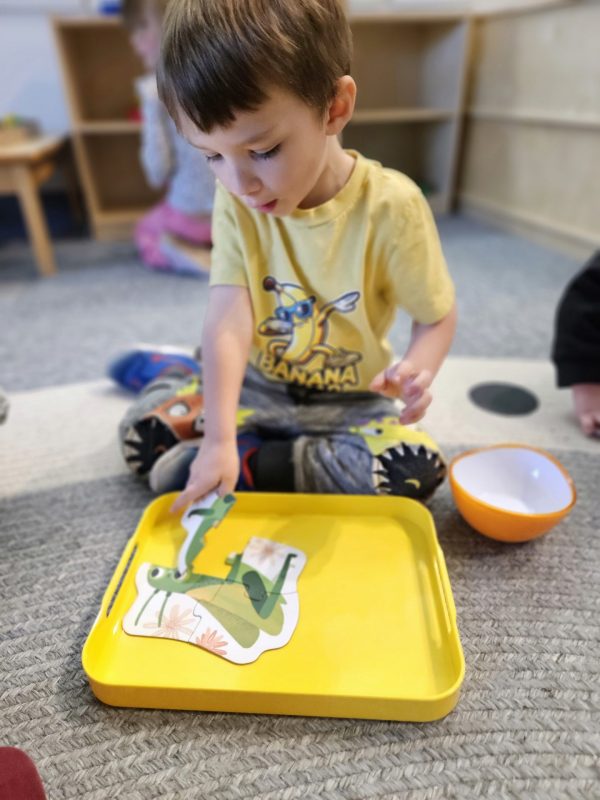
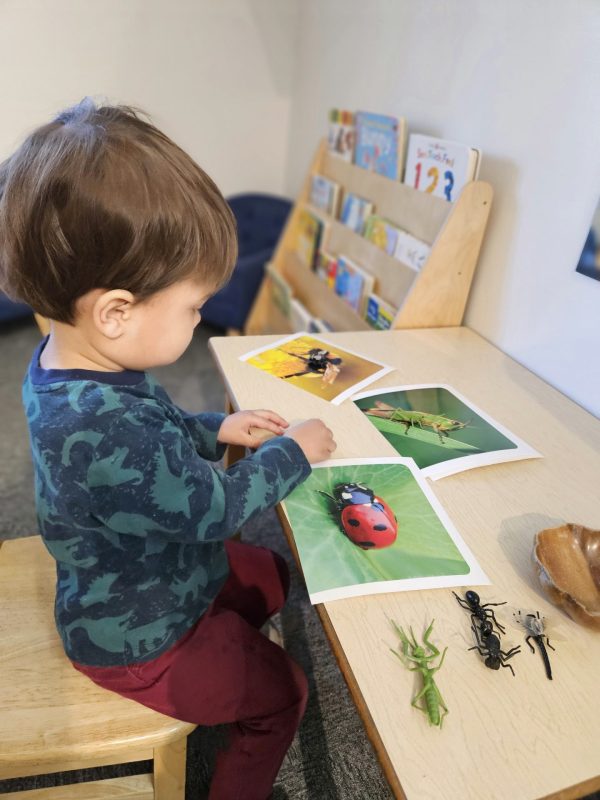
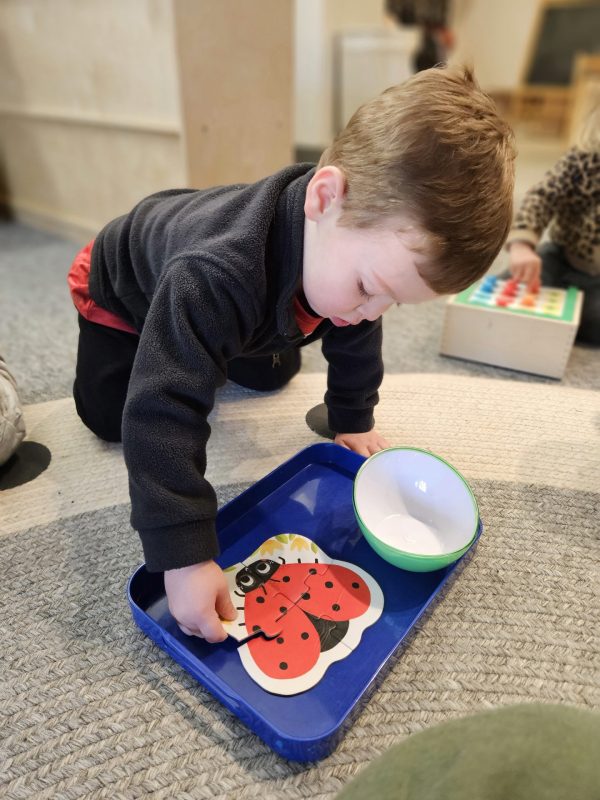
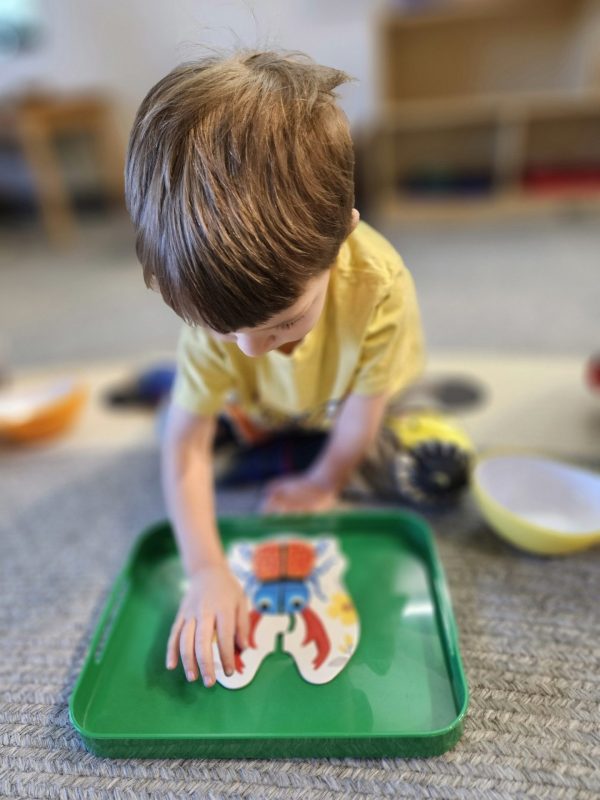
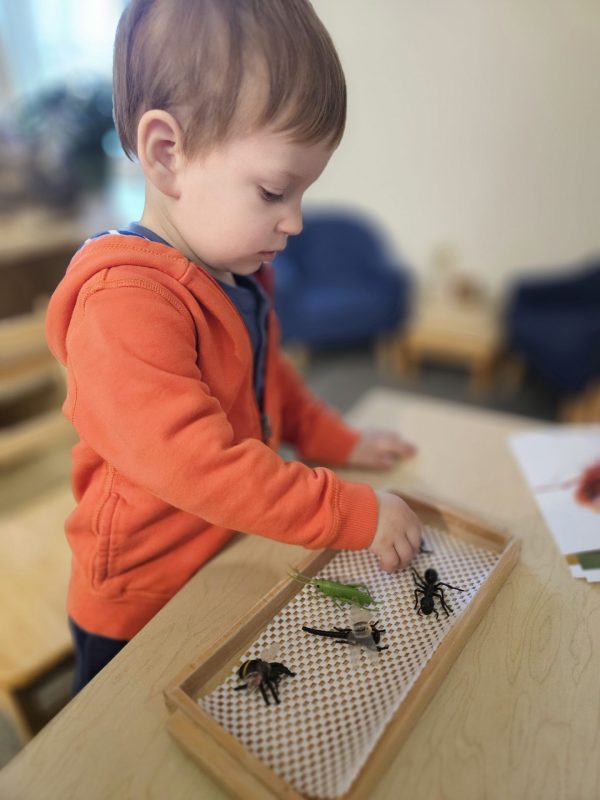
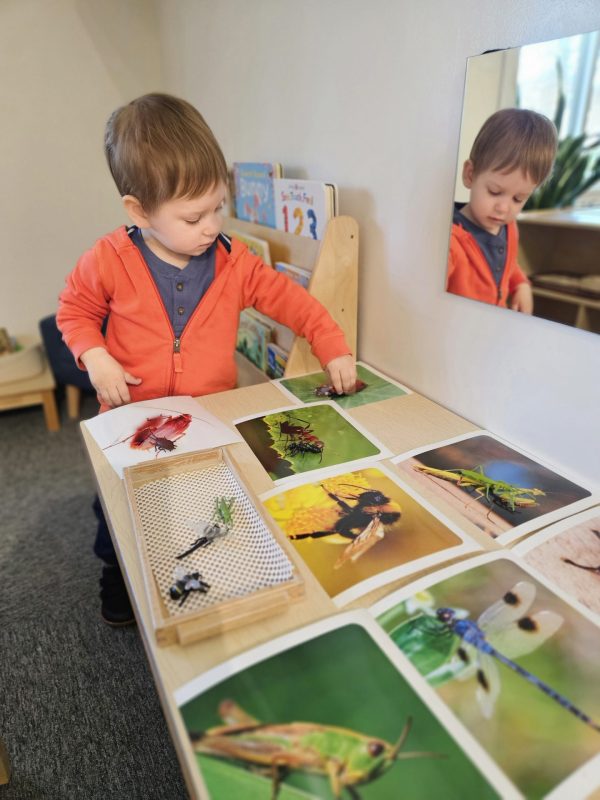
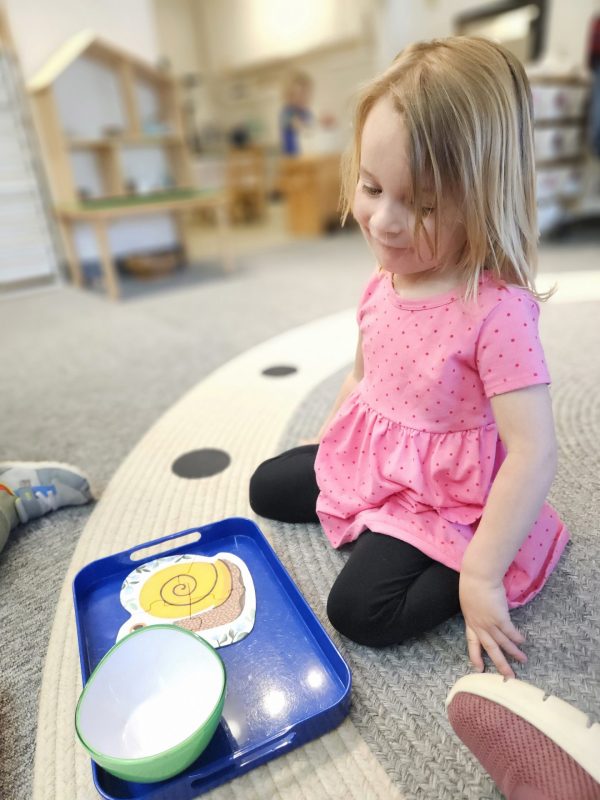
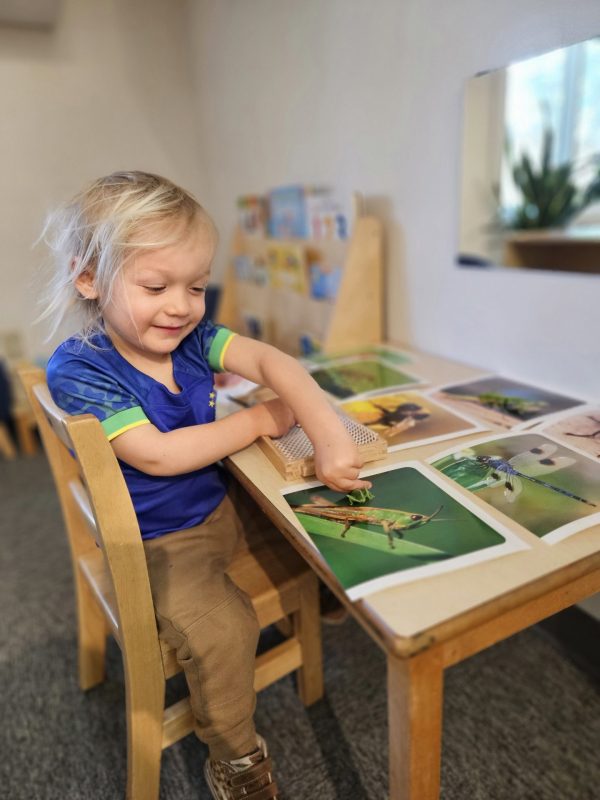
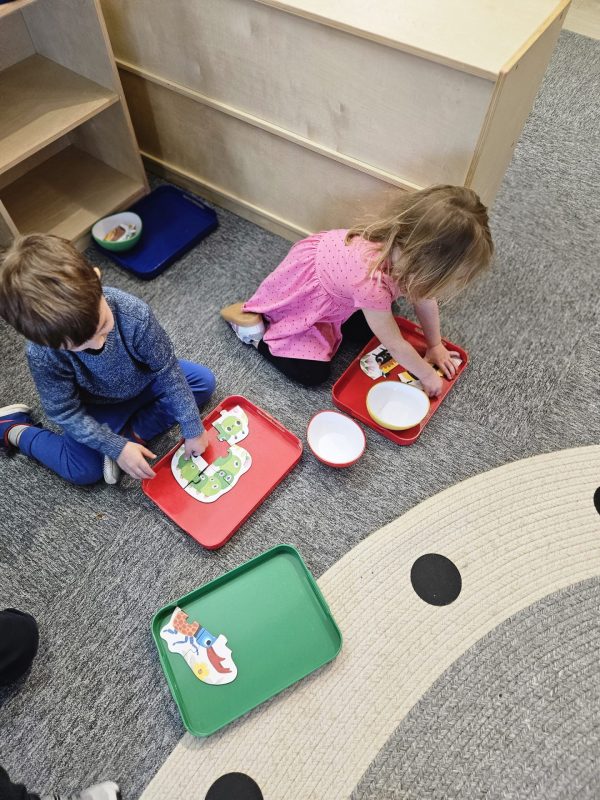
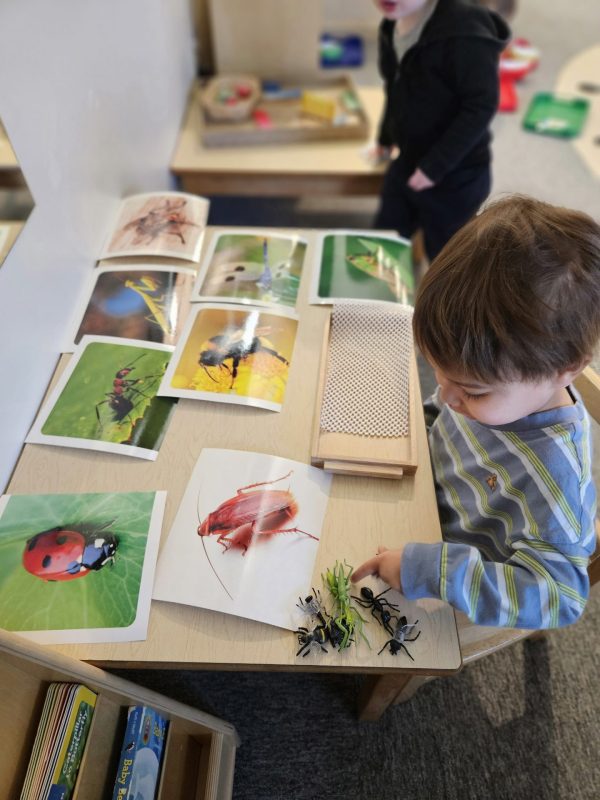
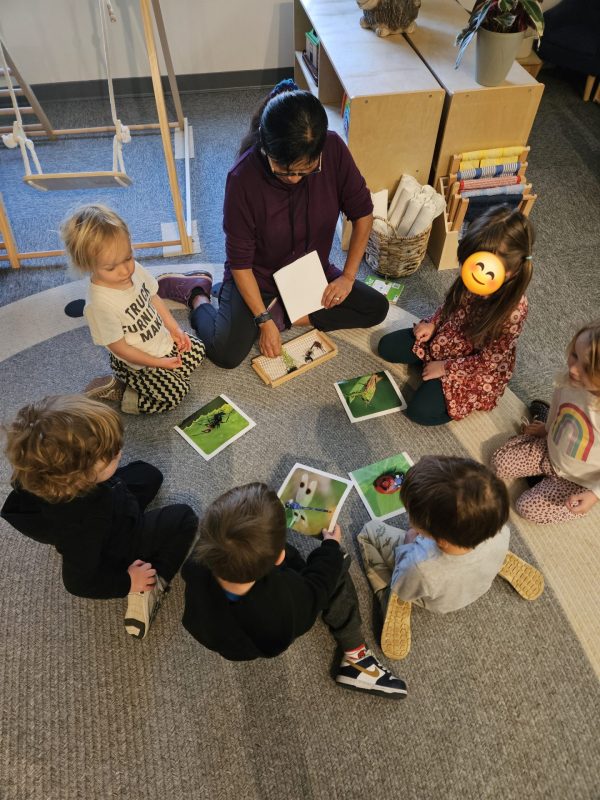
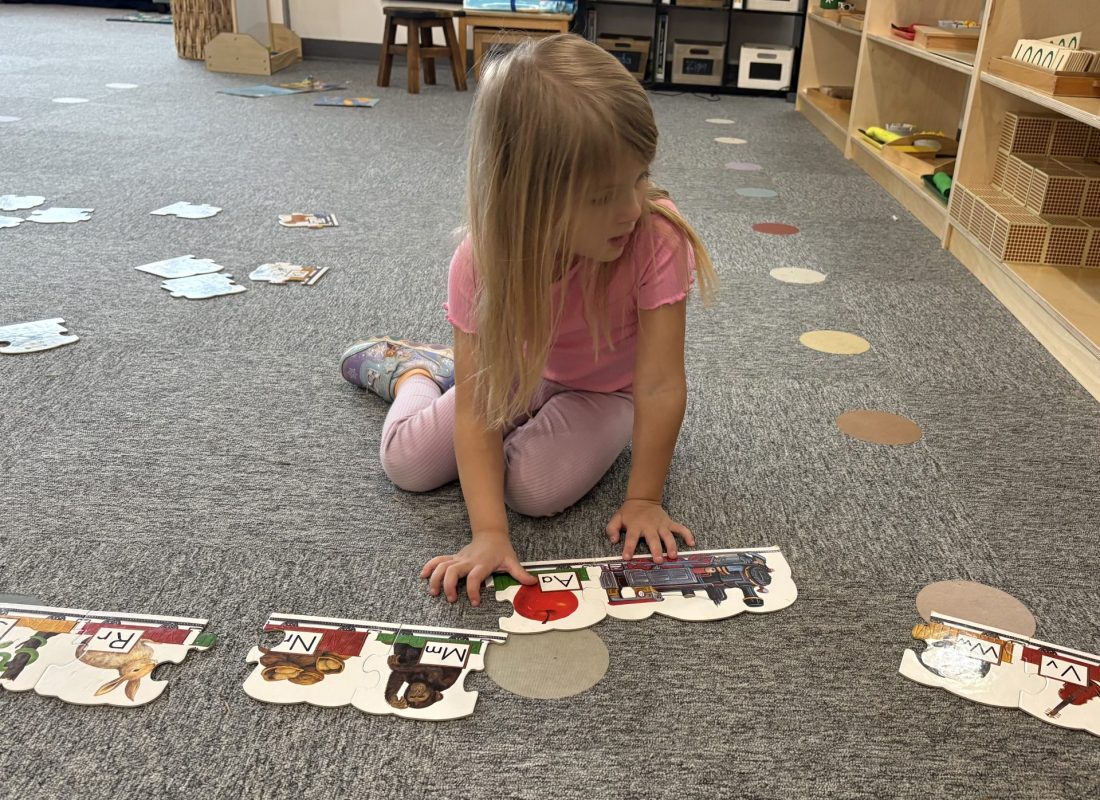
We’ve been reading many books about spring weather, growing plants, and insects returning. To go along with this, we introduced bug-themed 4-piece jigsaw puzzles, which the children have been loving. They are feeling so proud as they complete them independently!

We did some exciting planting this week! Together, we planted mint, celery, and carrot seeds in a special root viewer so we can watch how roots grow underground. Each child also planted their own tomato seeds in a small pot. We’ll care for them in the classroom before sending them home to be planted outside.

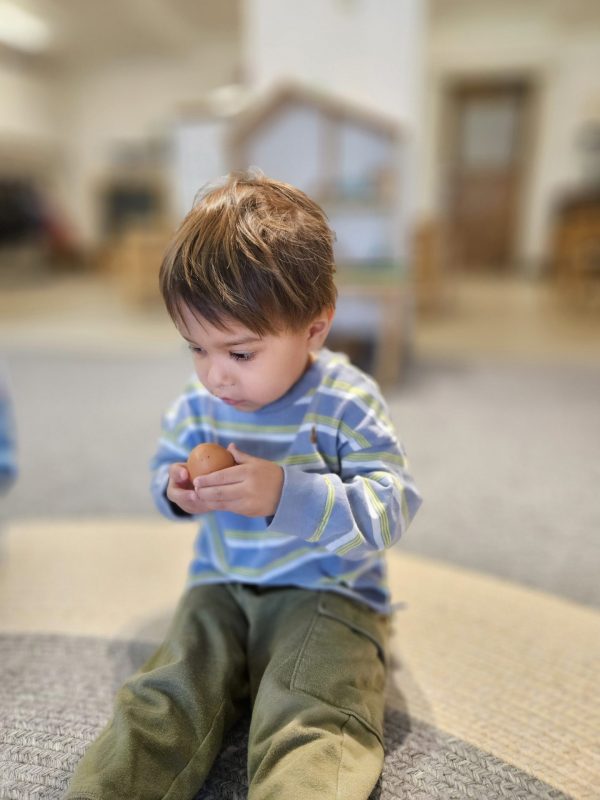
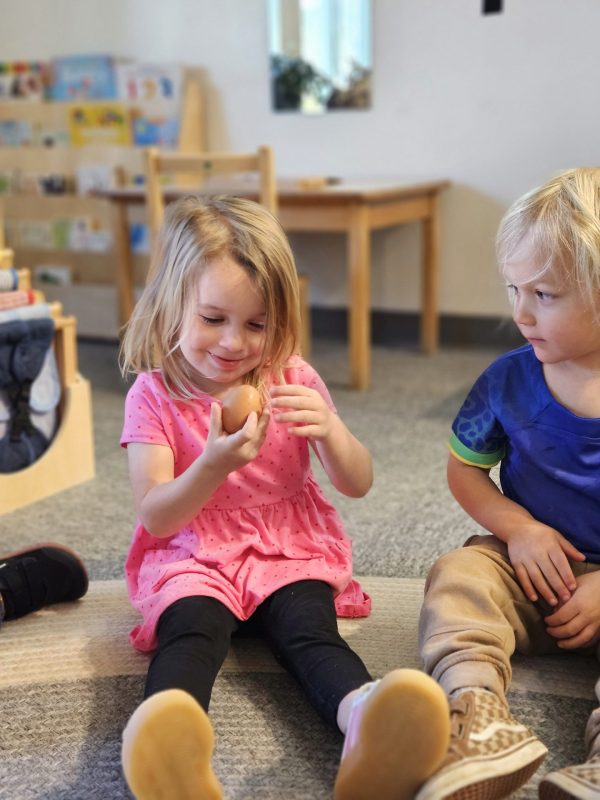
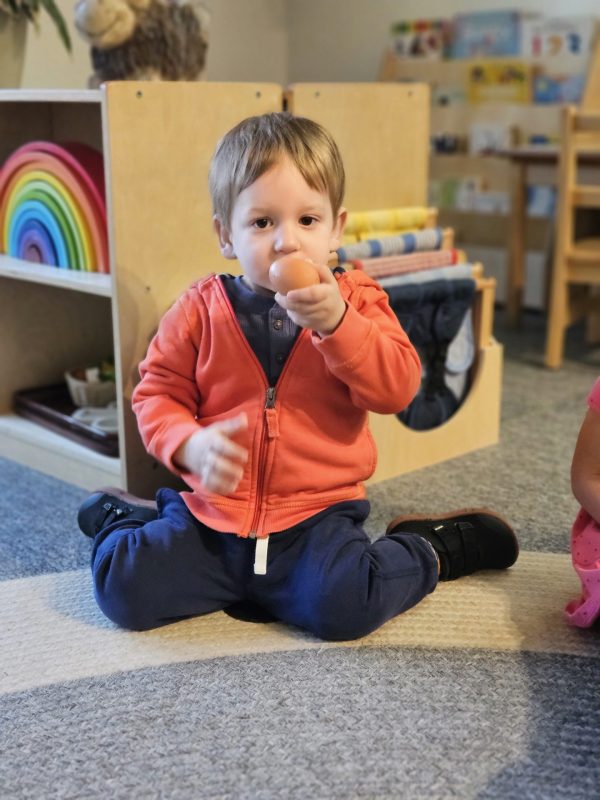
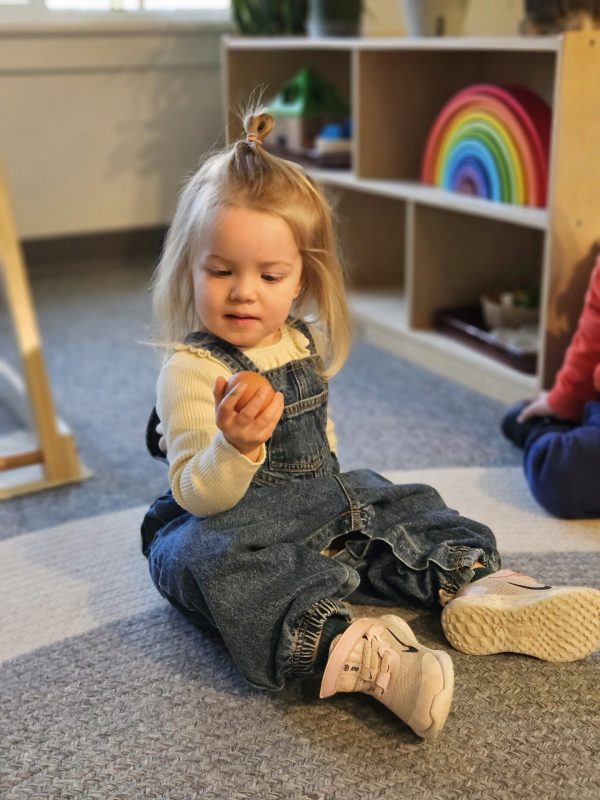
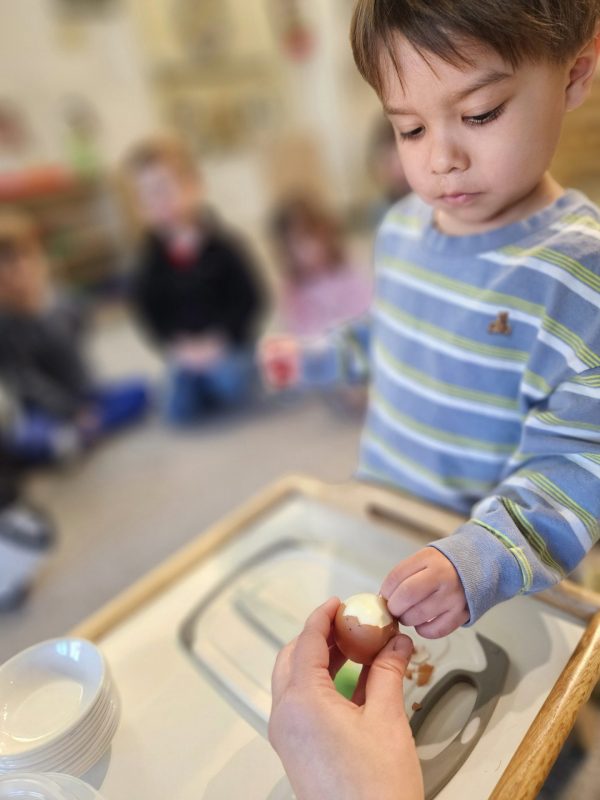
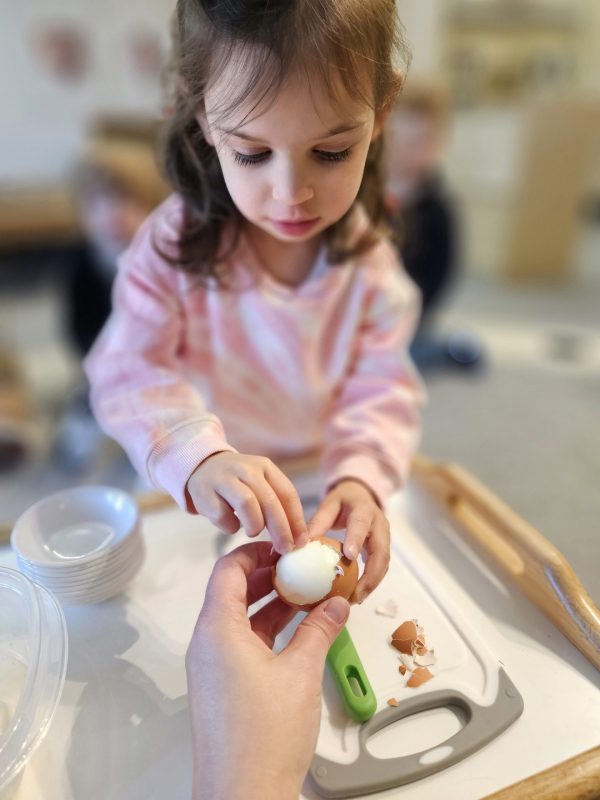
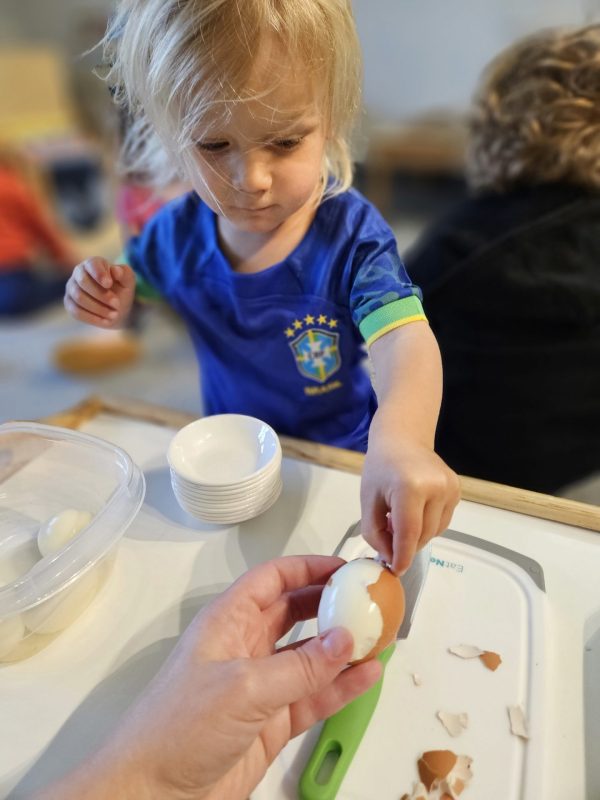
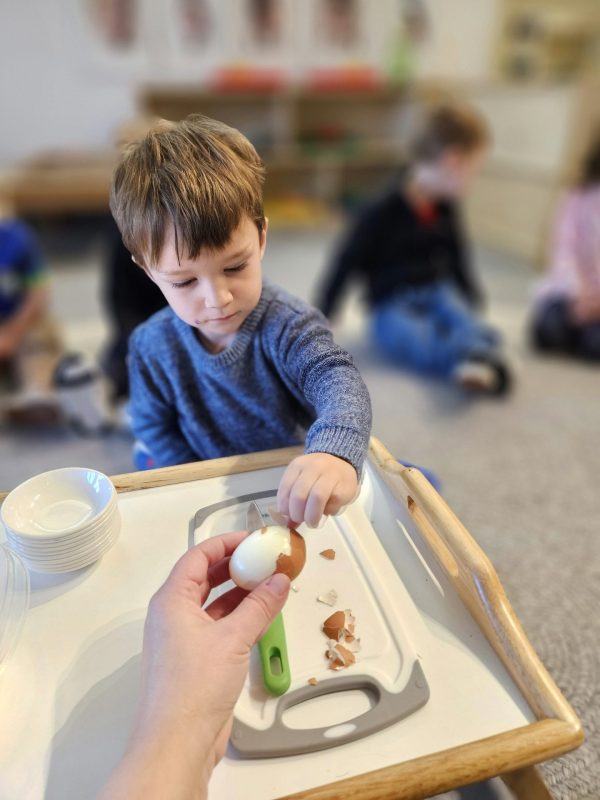
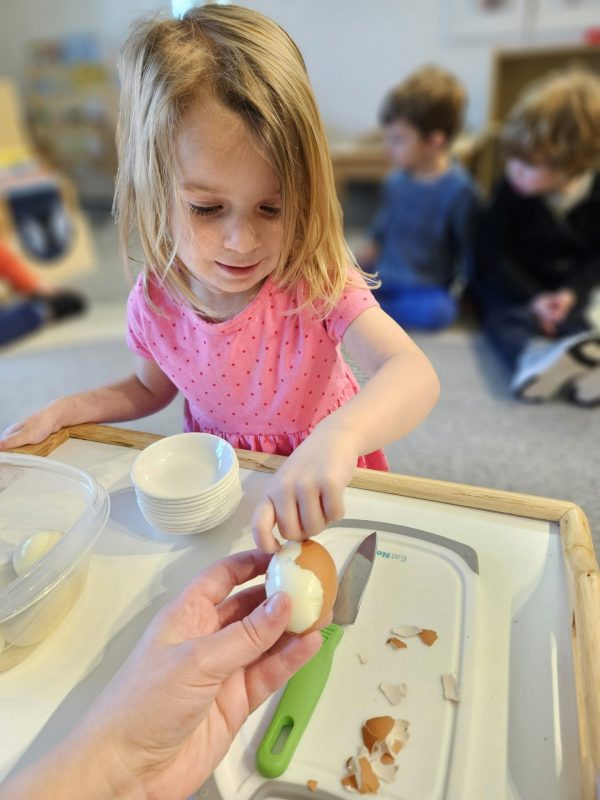
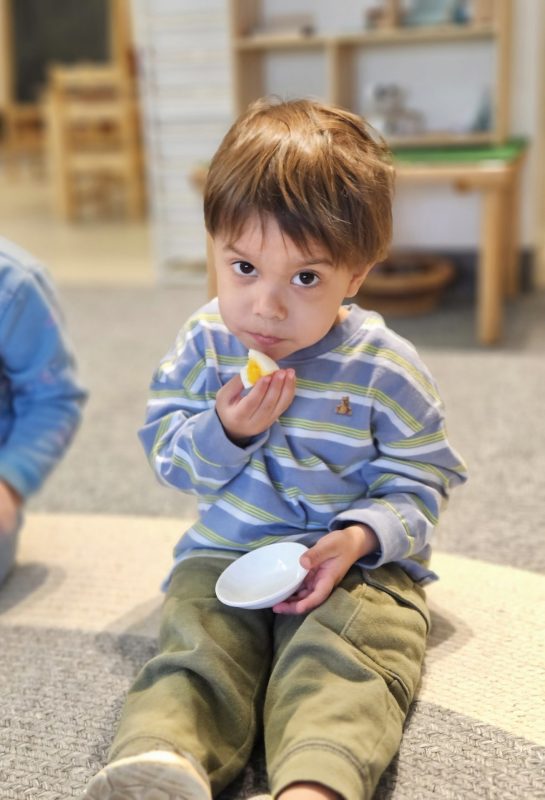
Food tasting was a big success this week! The children really enjoyed trying hard-boiled eggs and kept asking for more. This led to a wonderful conversation about how store-bought eggs won’t turn into chicks, but eggs that stay with mama chickens can grow into baby chicks and hatch.

It has been a very busy and exciting week full of discovery, growth, and curiosity. We love seeing the children so engaged and can’t wait to continue exploring all the wonders of spring together!


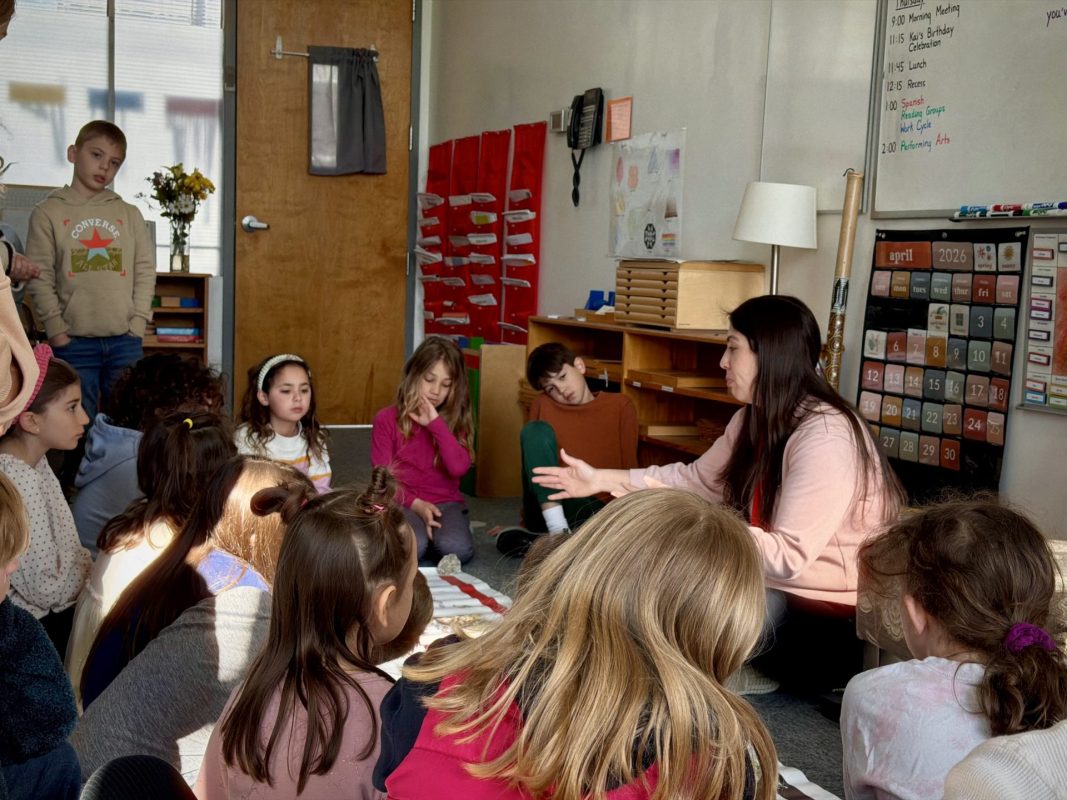
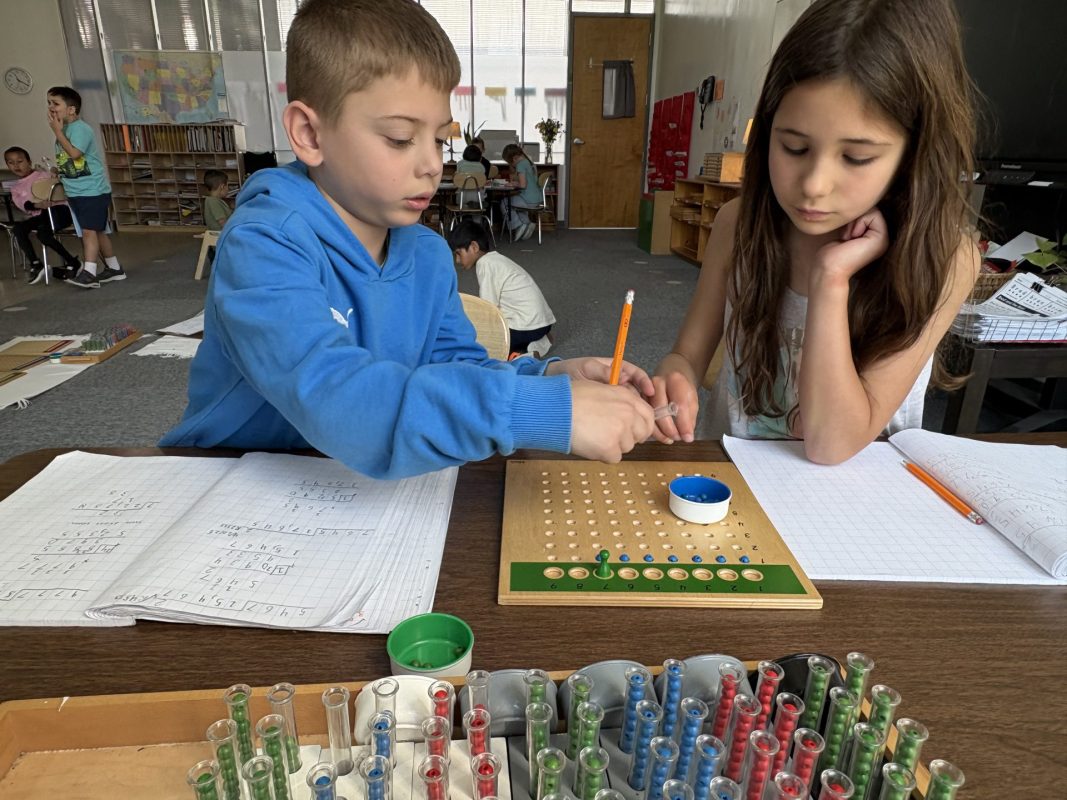
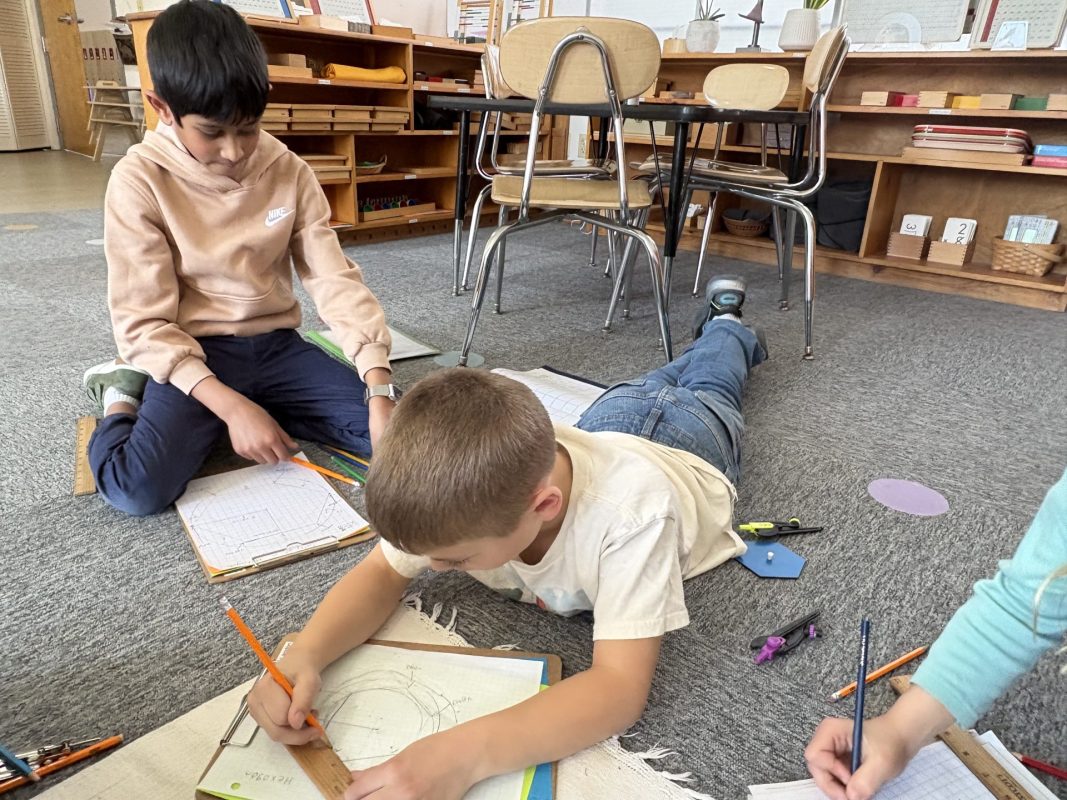
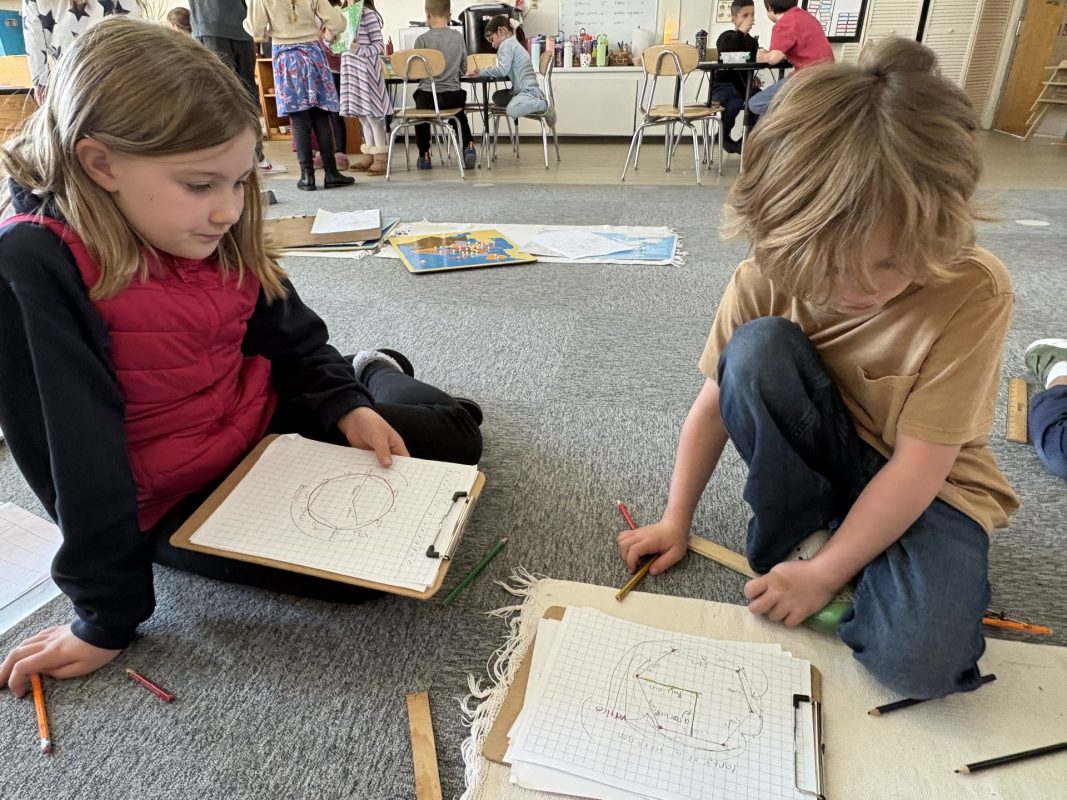
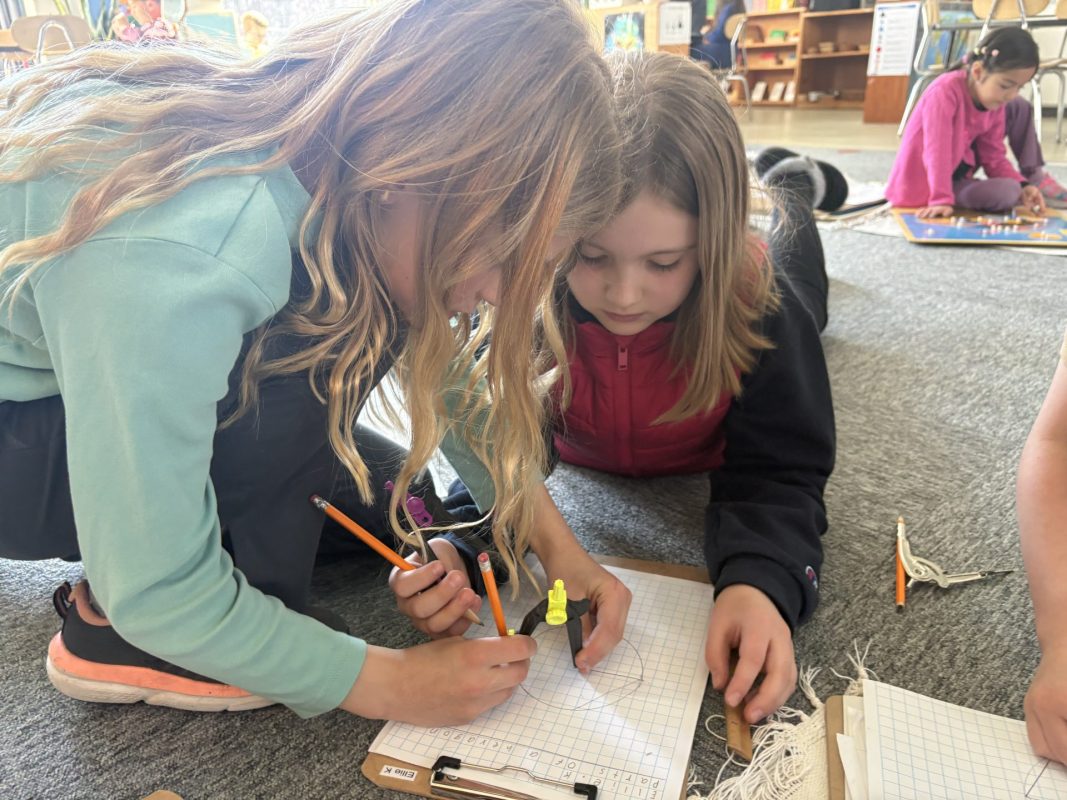
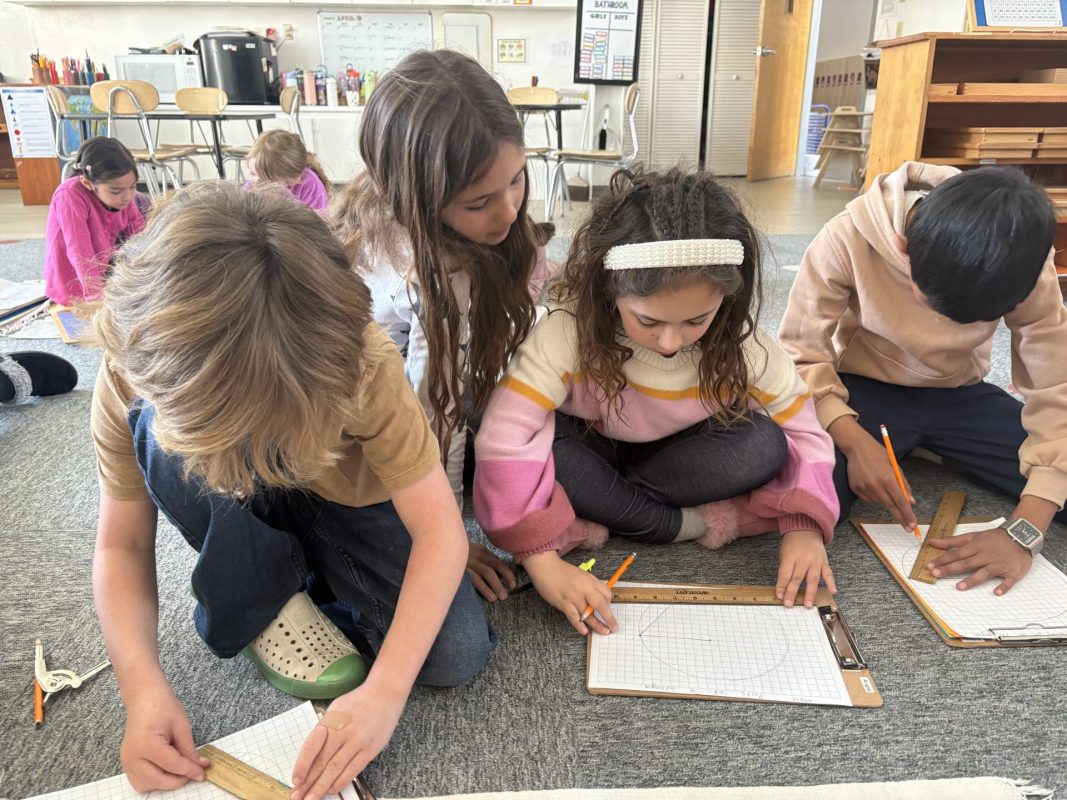
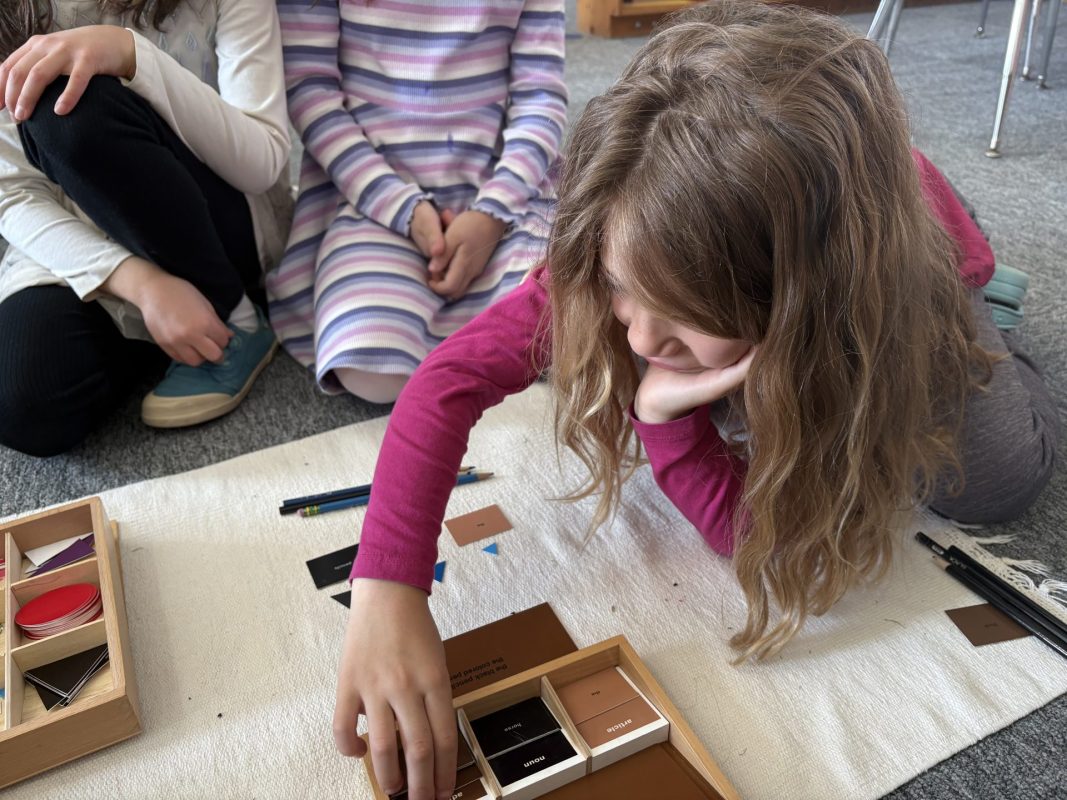
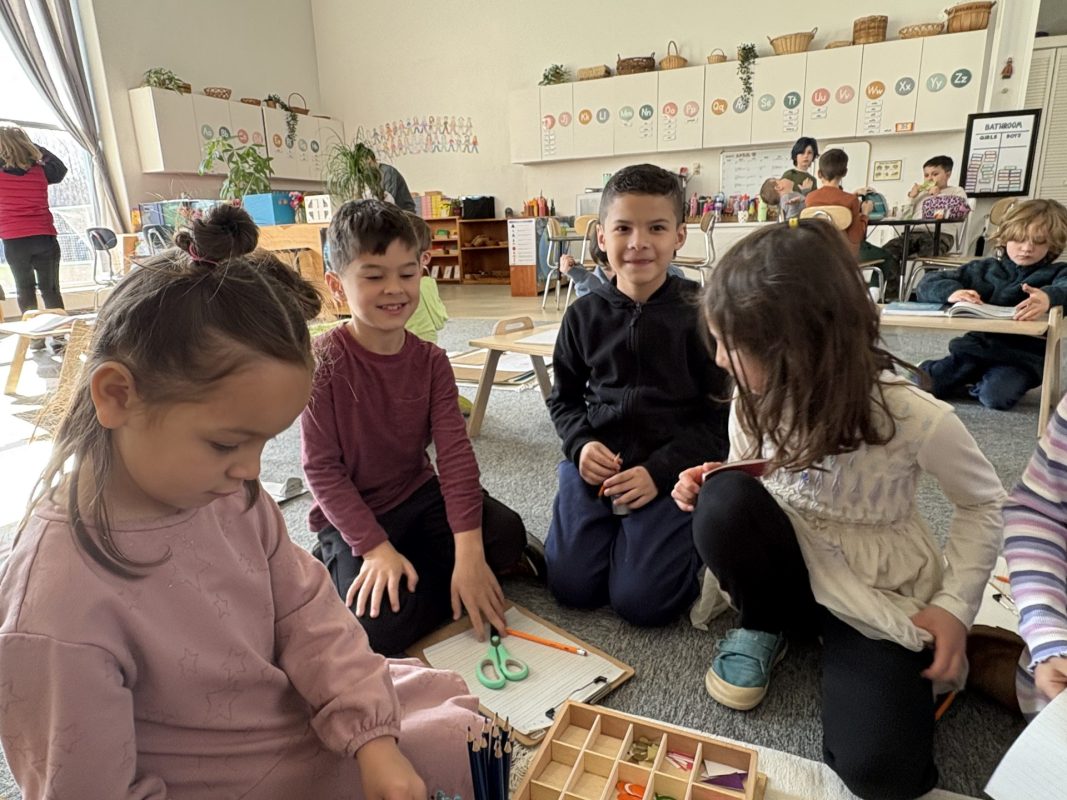
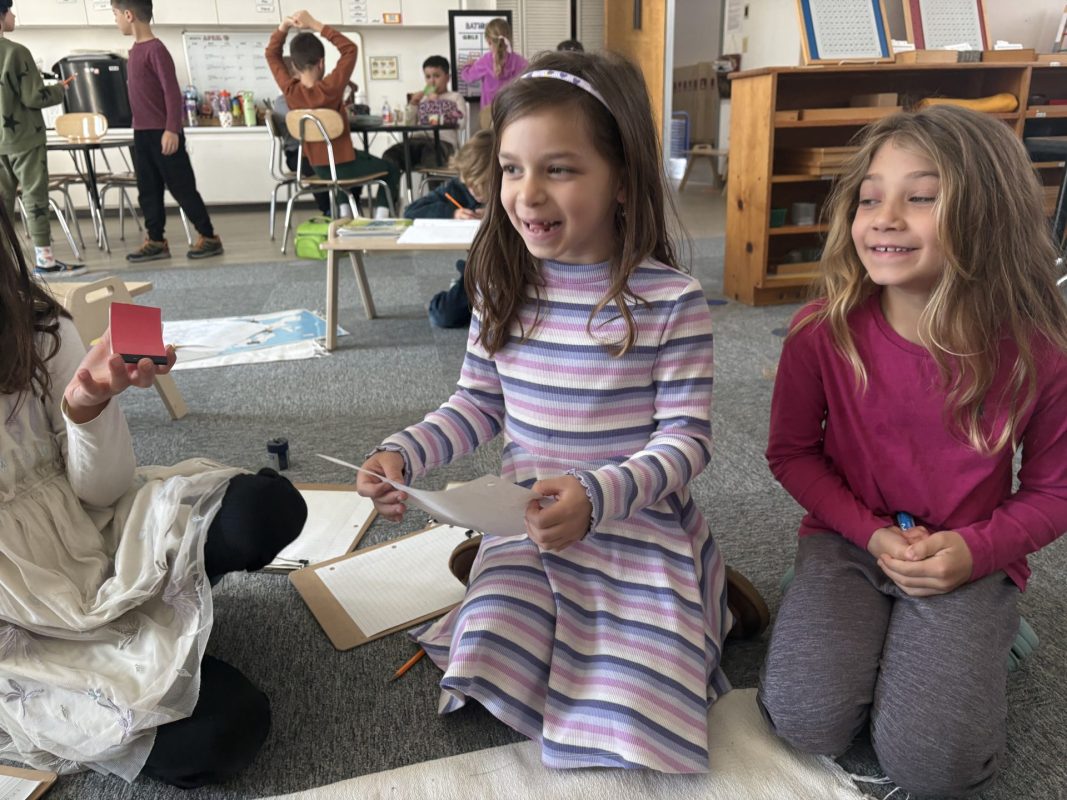
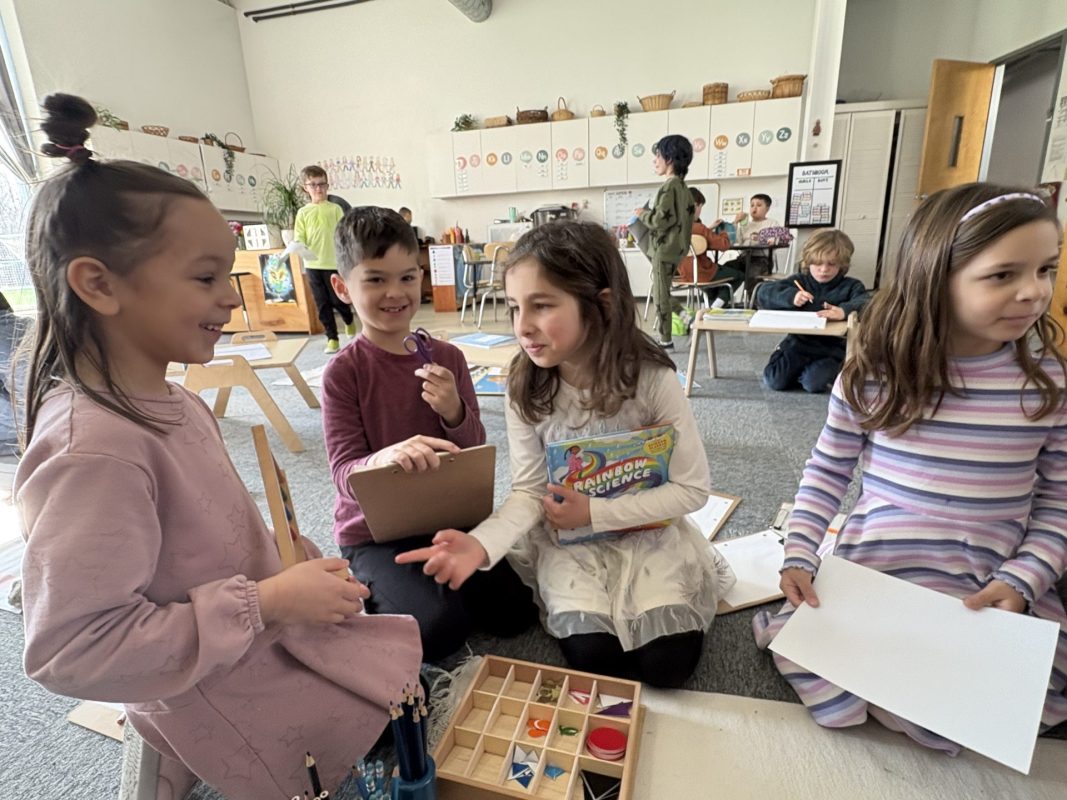
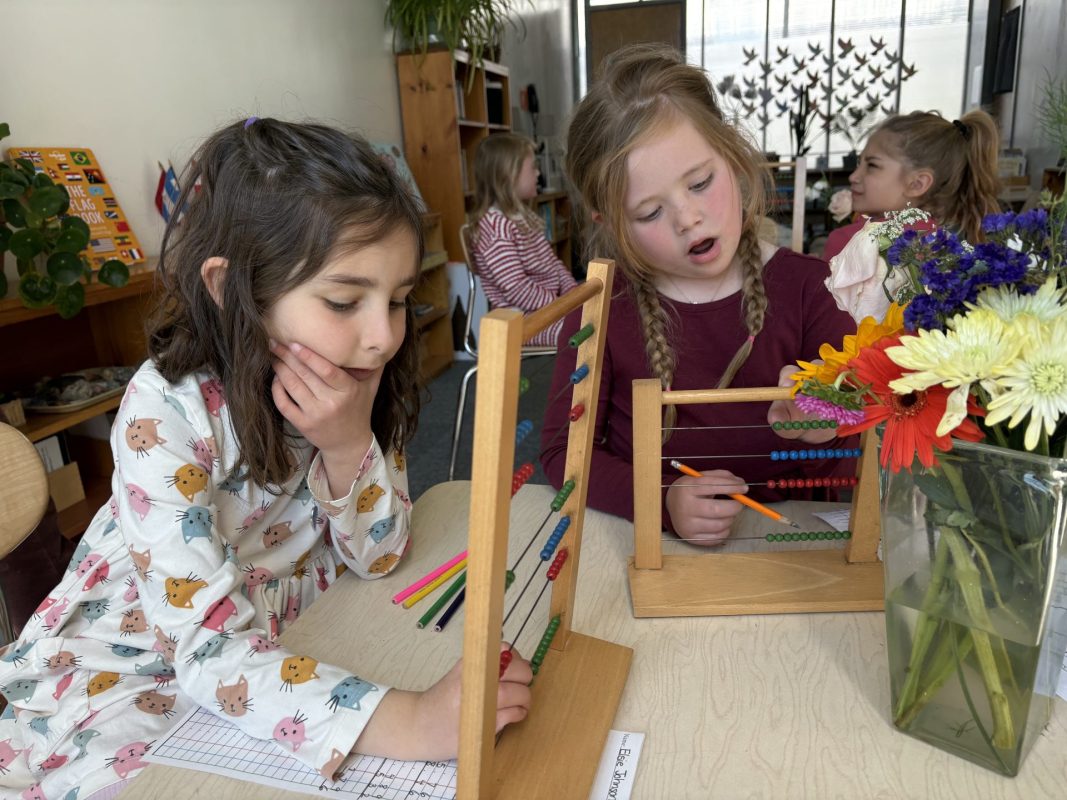
The Story of Lines and the Language of Geometry in Lower El

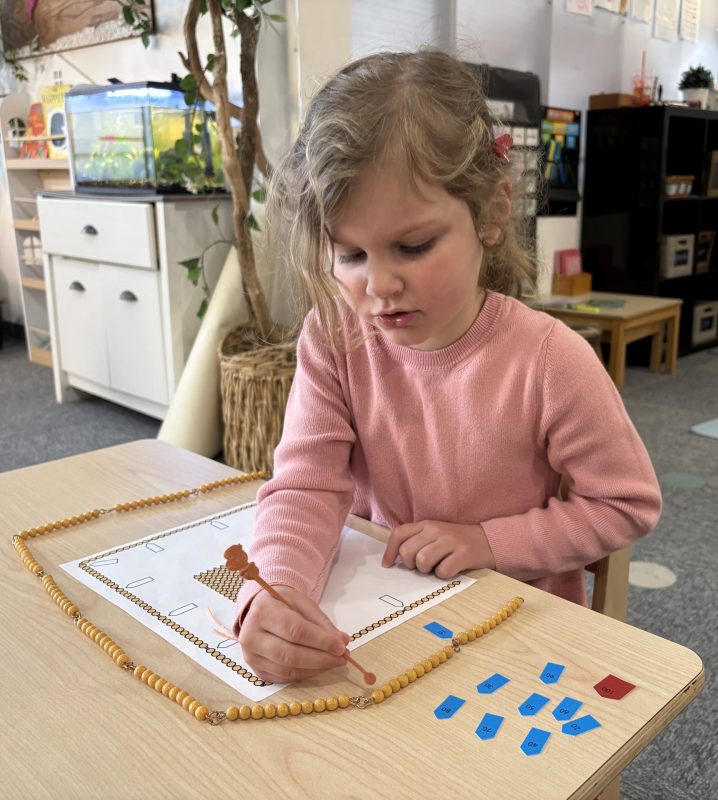
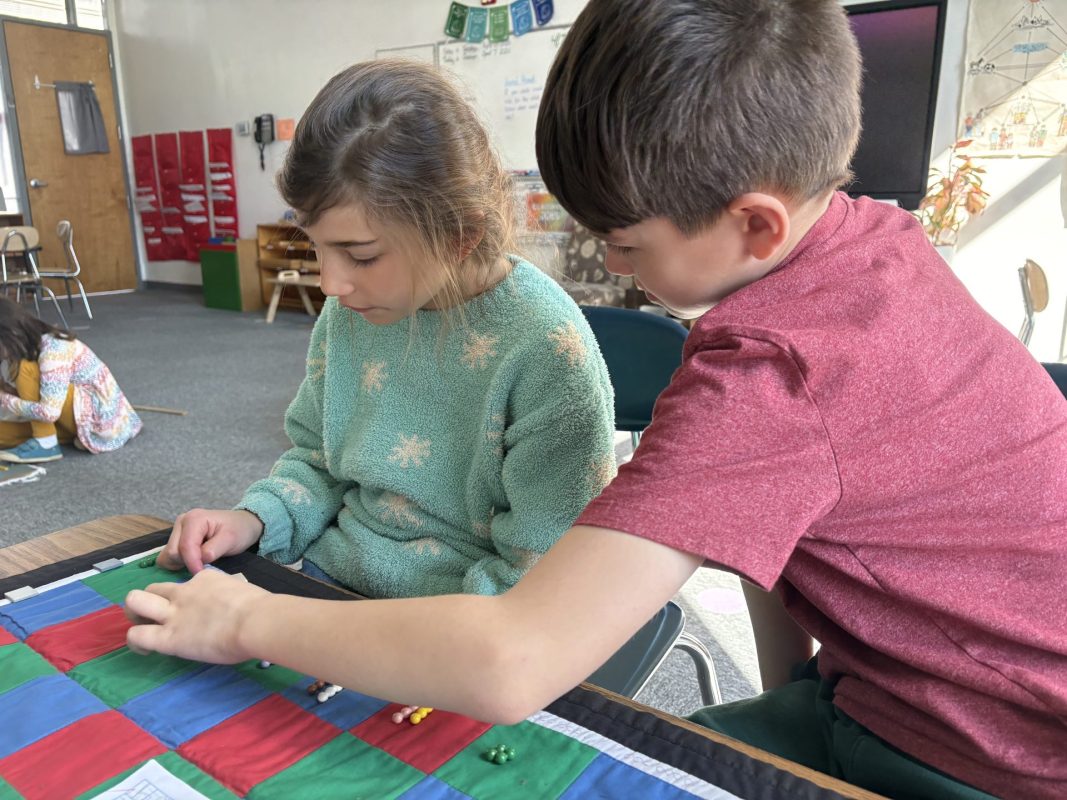
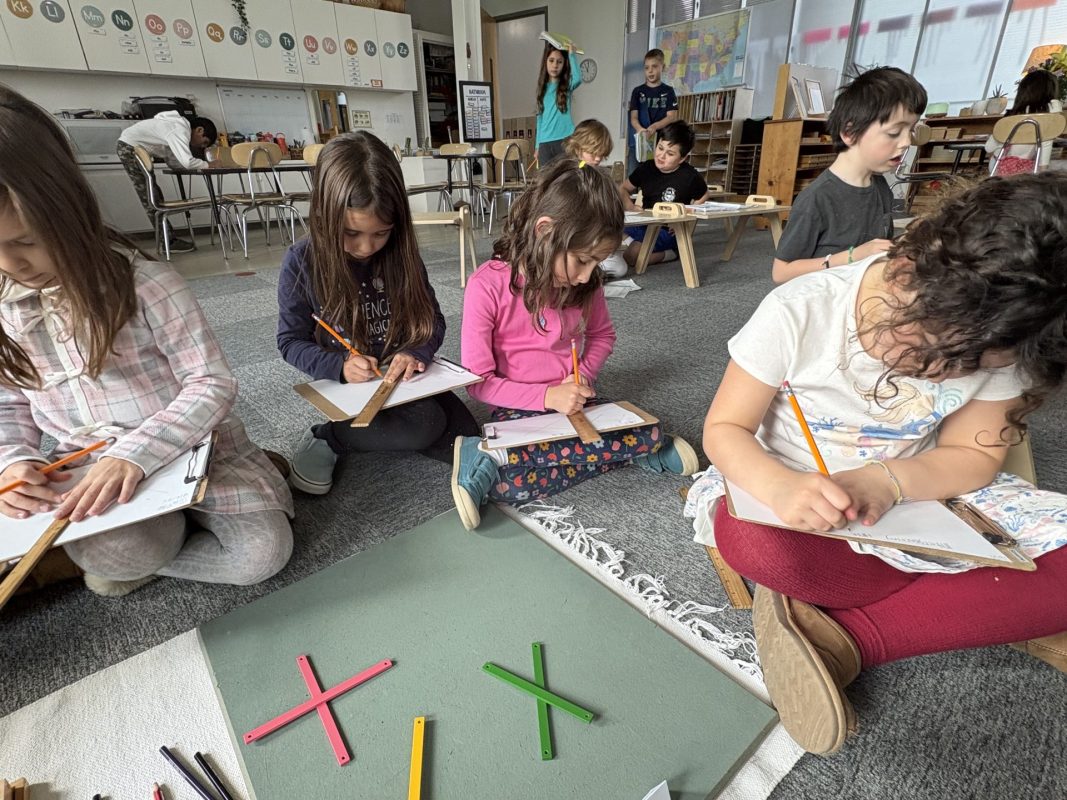
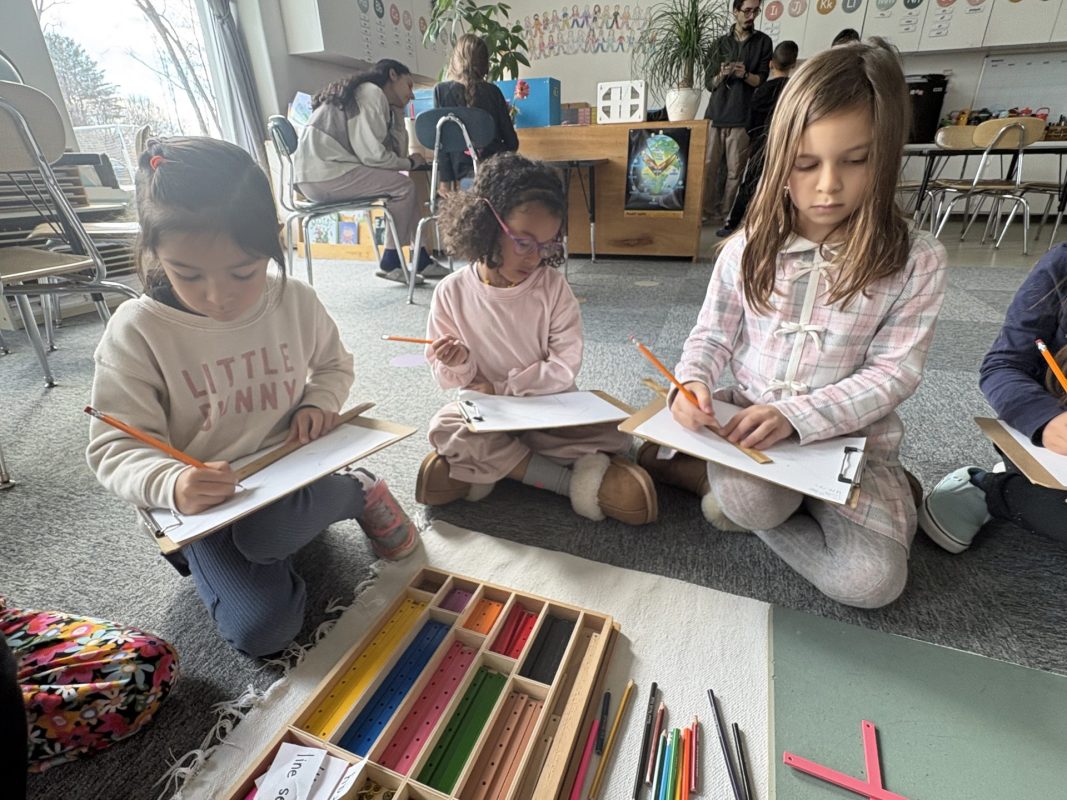
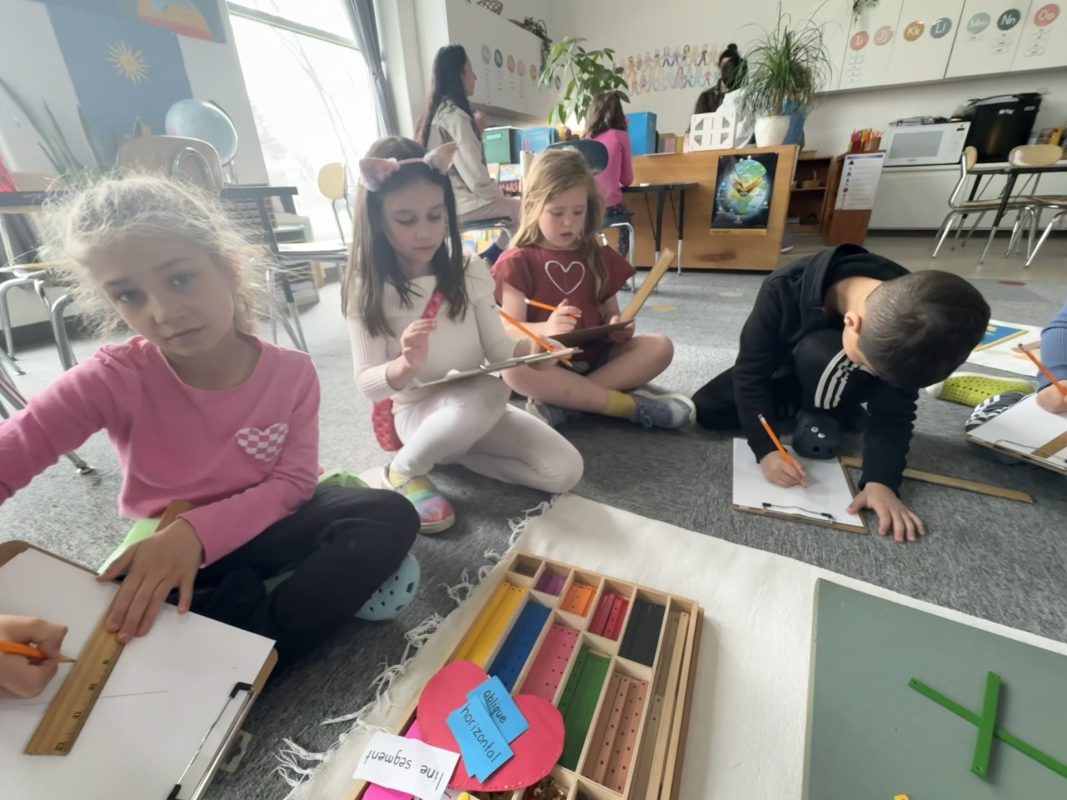
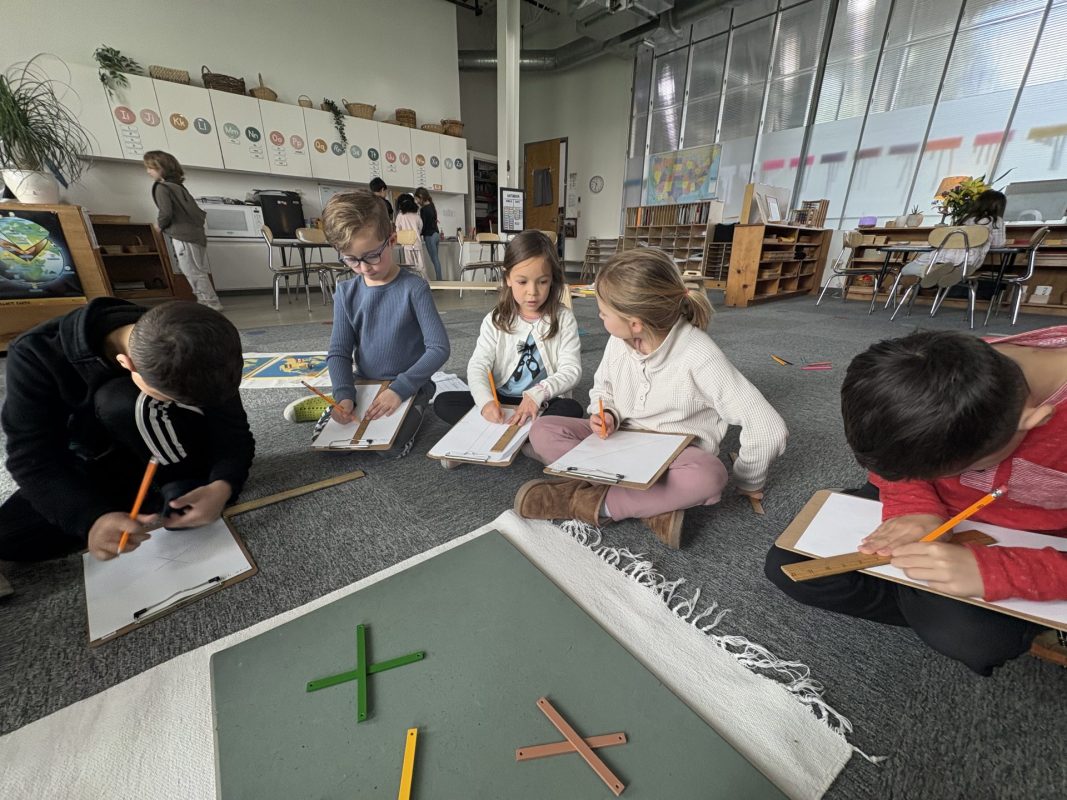
Geometry work has been quietly unfolding in such a meaningful way in our classroom, with children engaging in work that meets them where they are in their development while also sparking curiosity and inviting deeper exploration.

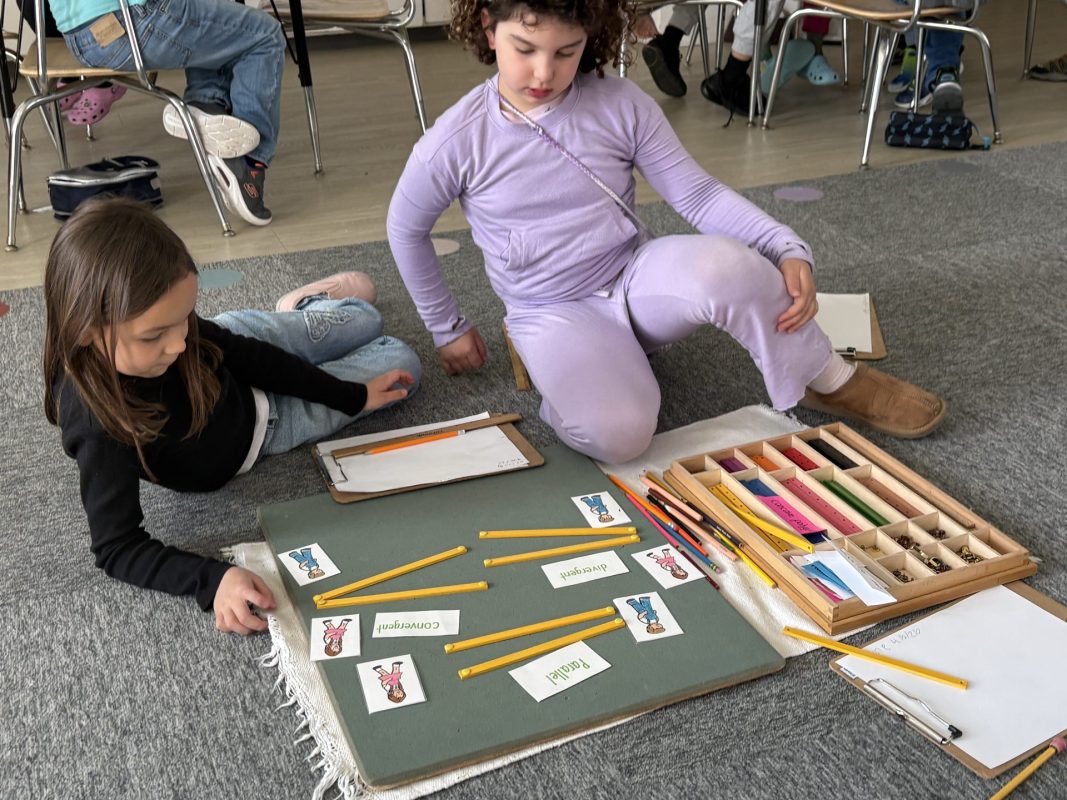
Our first-year students recently wrapped up their study of lines by exploring the relationships between straight lines. They were introduced to convergent, divergent, and parallel lines through an impressionistic story. Rather than approaching these concepts as definitions to memorize, the children experienced them through the lens of friendship.

In the story, two friends begin far apart and move closer and closer until their paths meet, representing convergent lines. In another scenario, two friends begin side by side but slowly drift apart, illustrating divergent lines. Finally, the children explored parallel lines through the image of two friends traveling alongside one another, always the same distance apart, never meeting but continuing forward together. This storytelling approach allows children to connect imaginatively, anchoring abstract concepts in something meaningful and memorable.

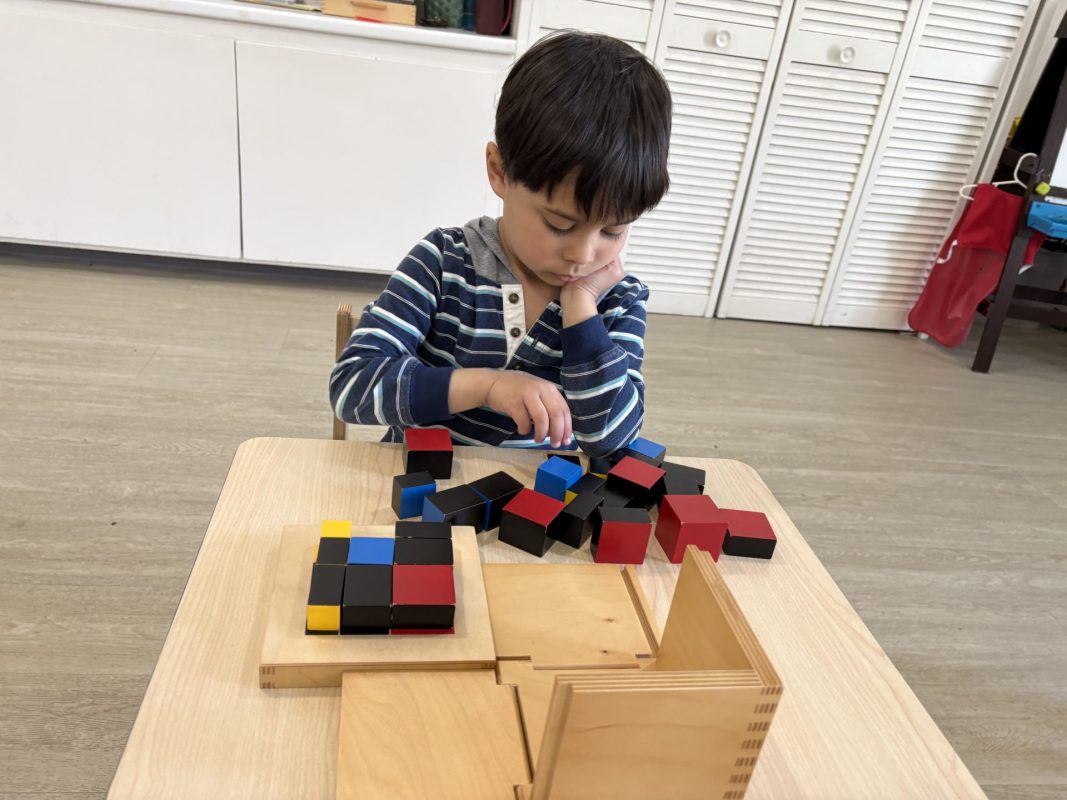
Following the story, the children worked with the box of sticks, physically building and revisiting these line relationships. They also began exploring intersecting lines and were introduced to the etymology of these geometric terms. Understanding where words like “parallel” and “intersect” come from supports not only their geometry work but also their broader language development, helping them make meaningful connections across their learning.

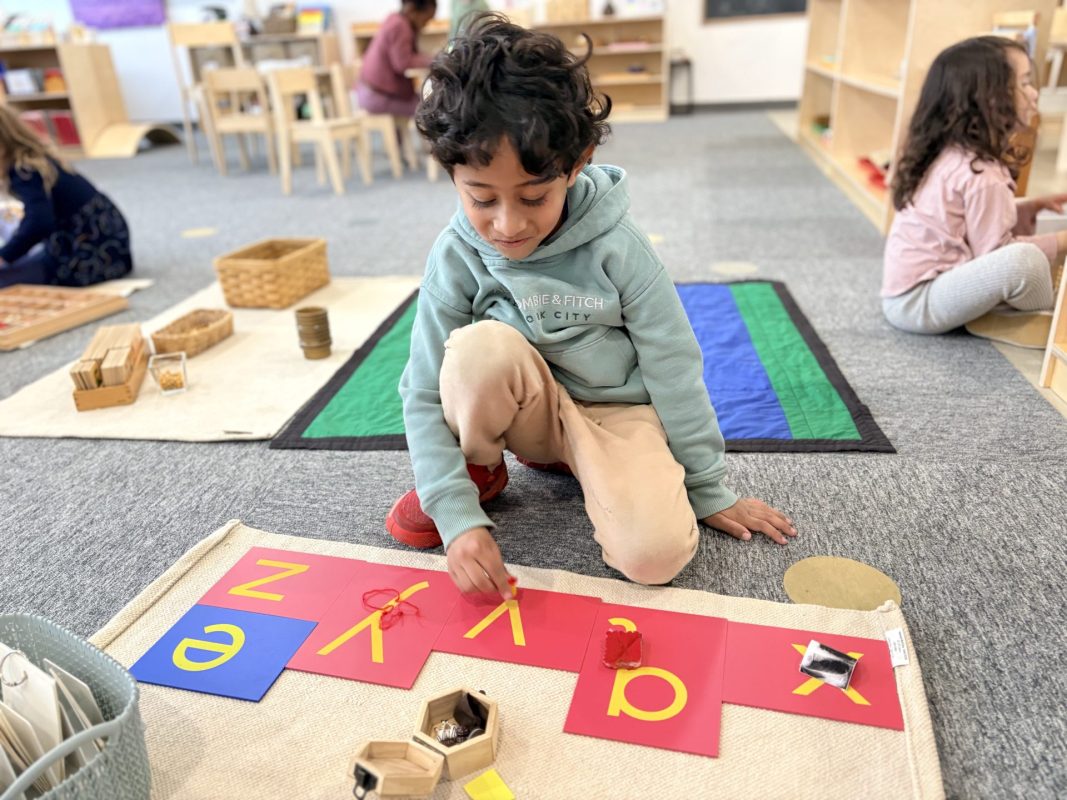
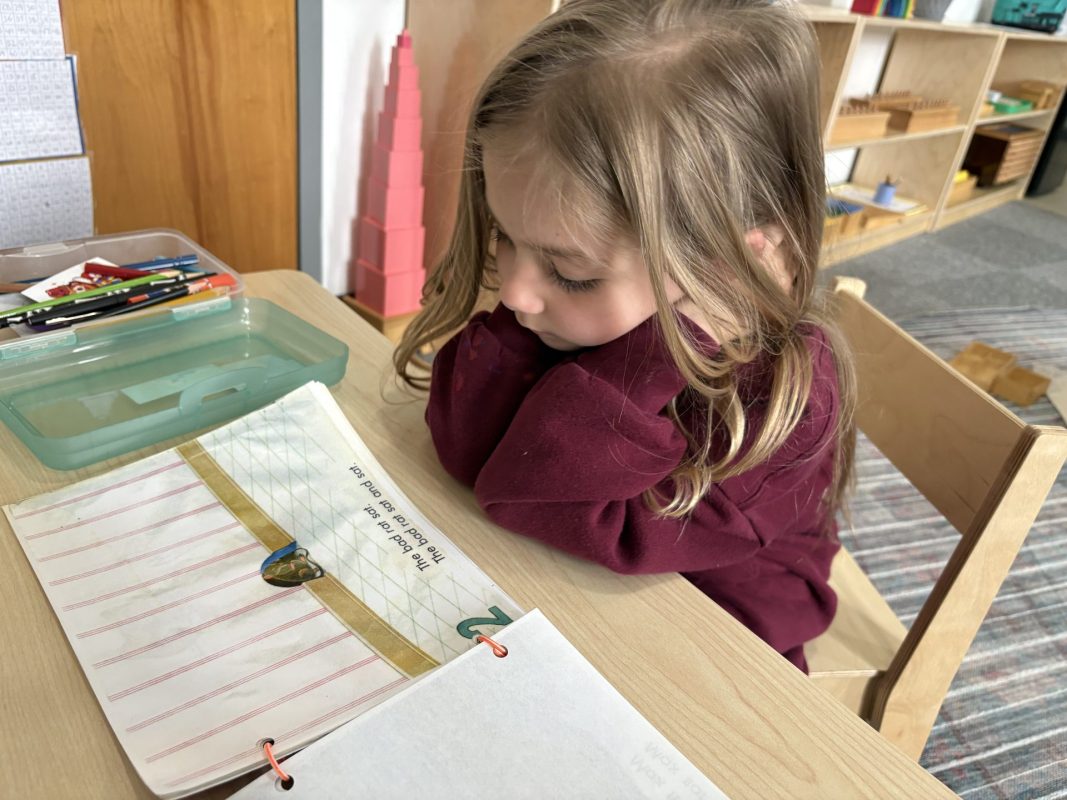
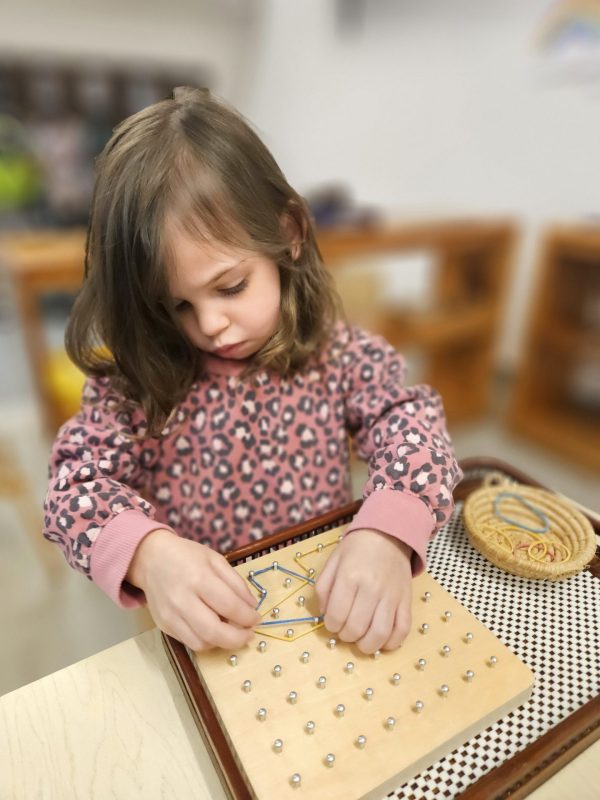
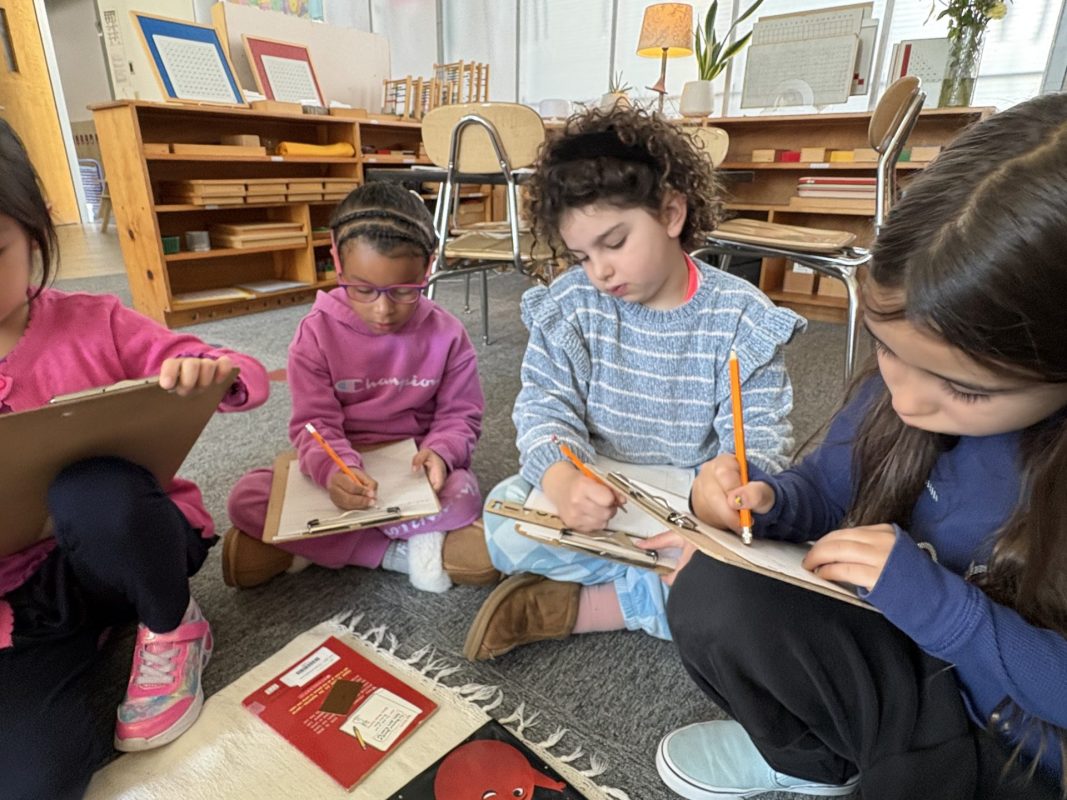
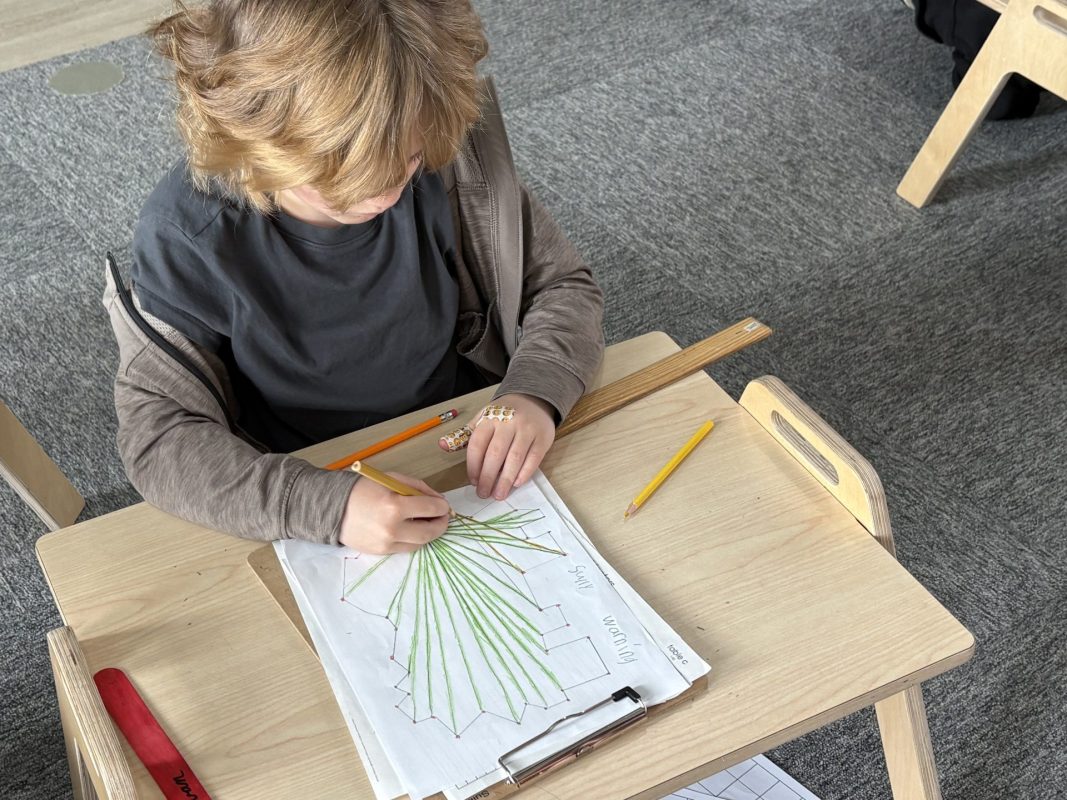
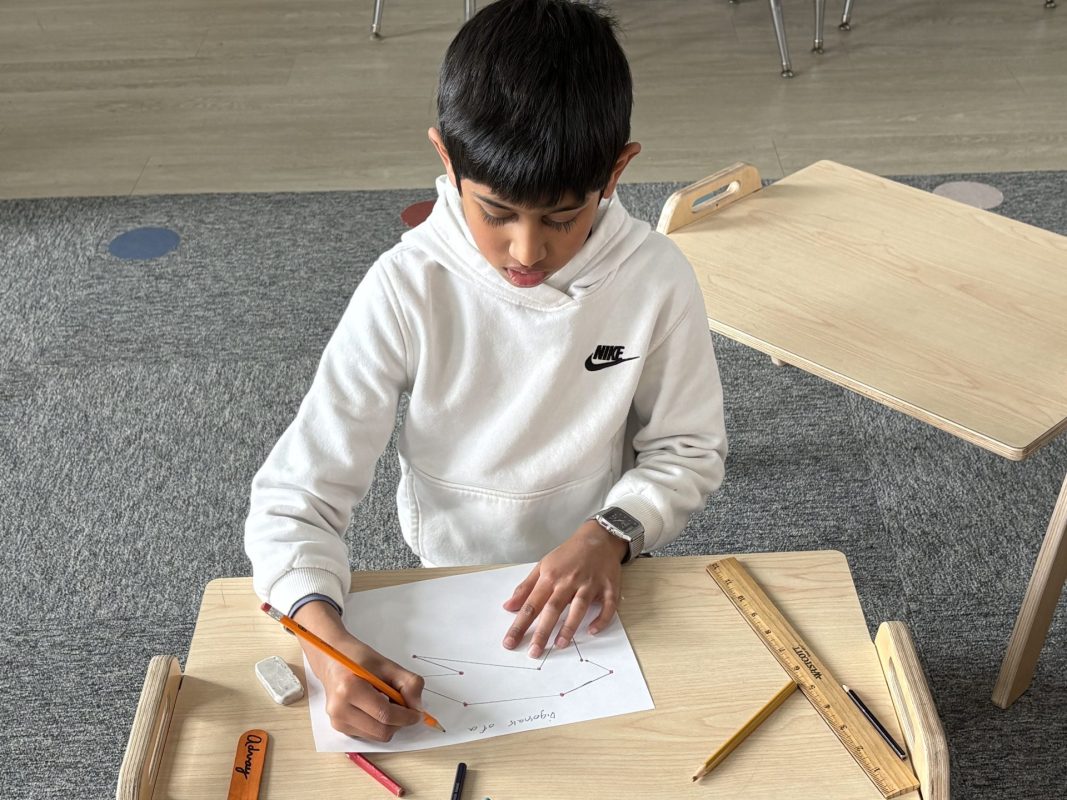
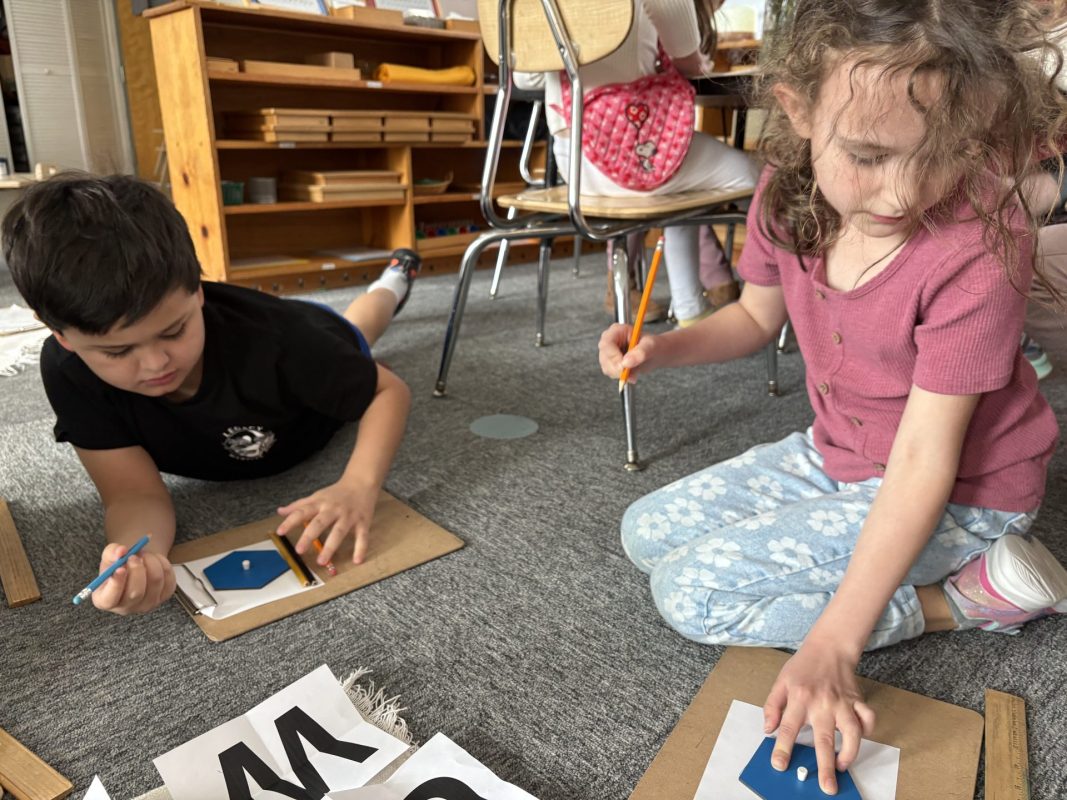
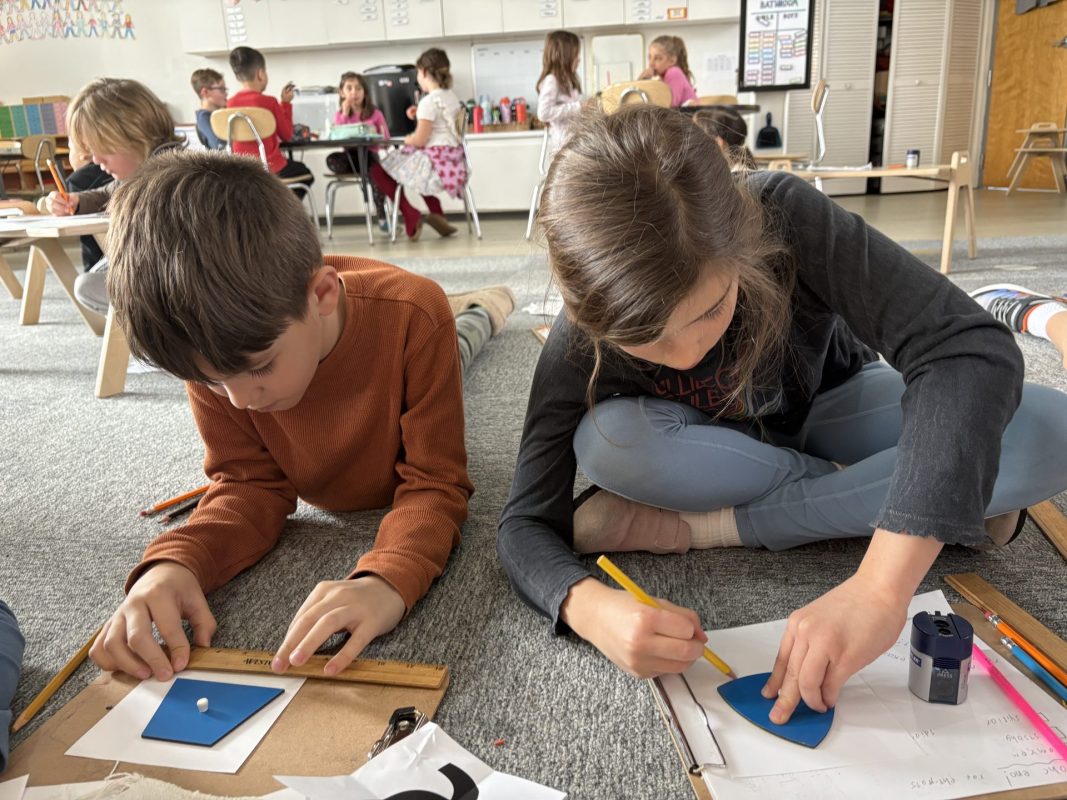
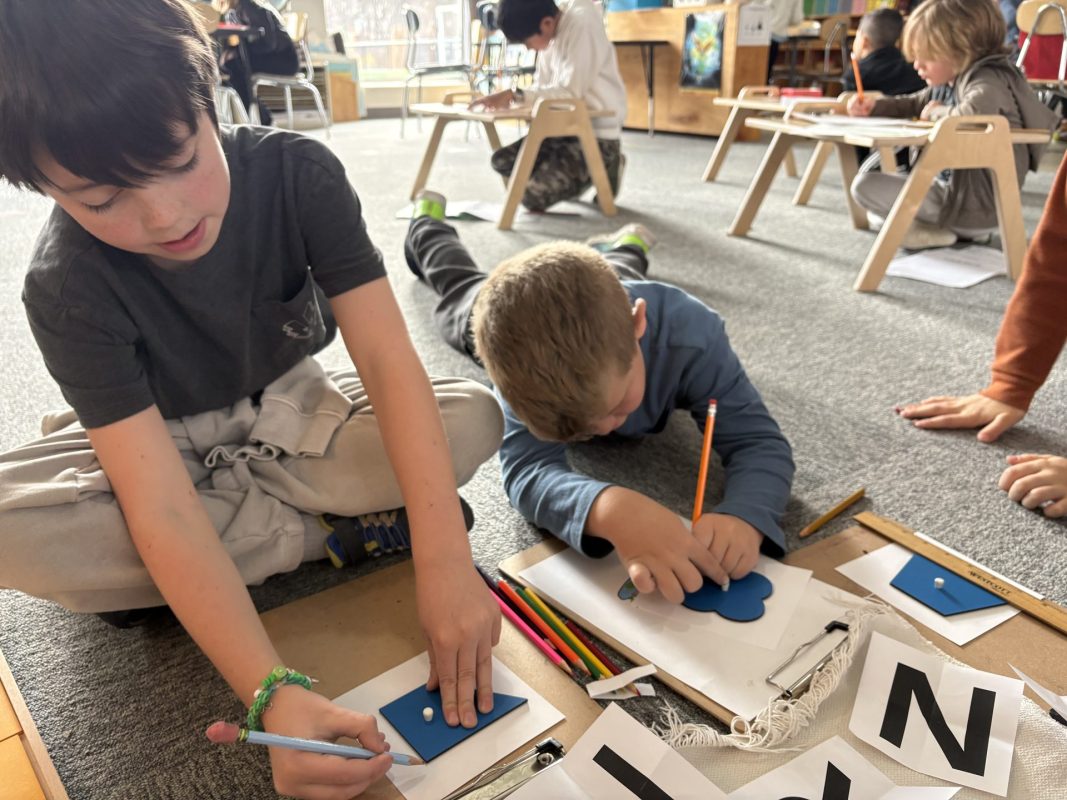
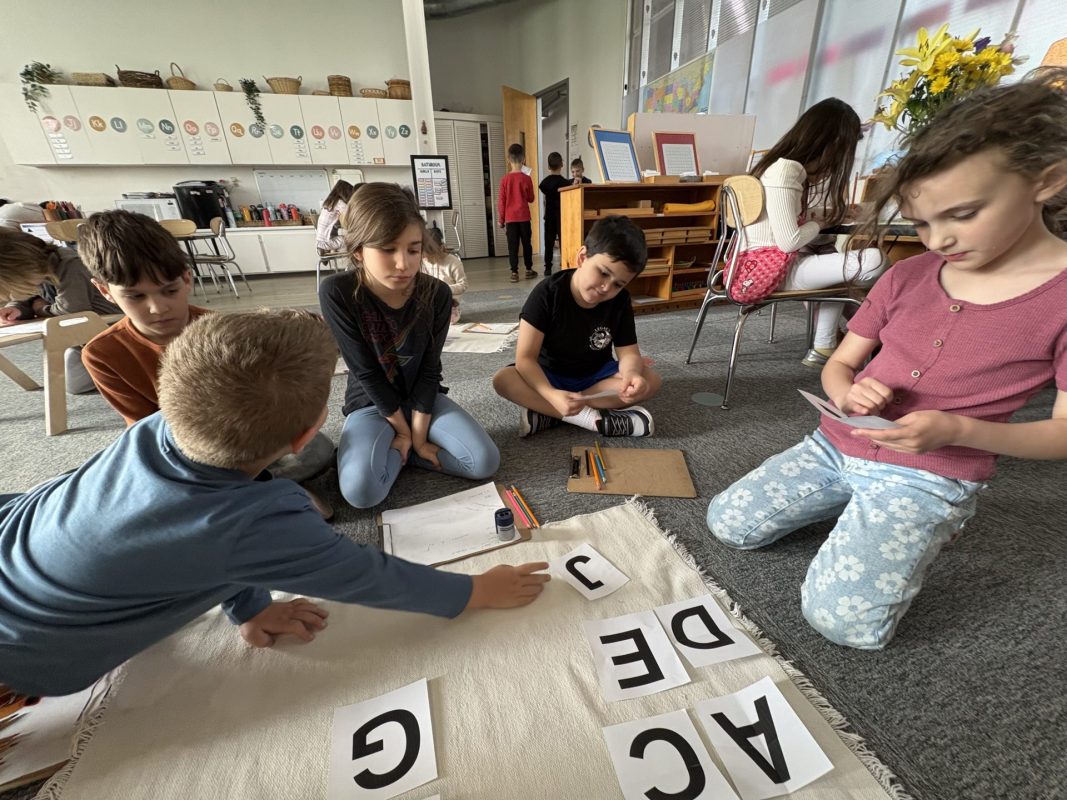
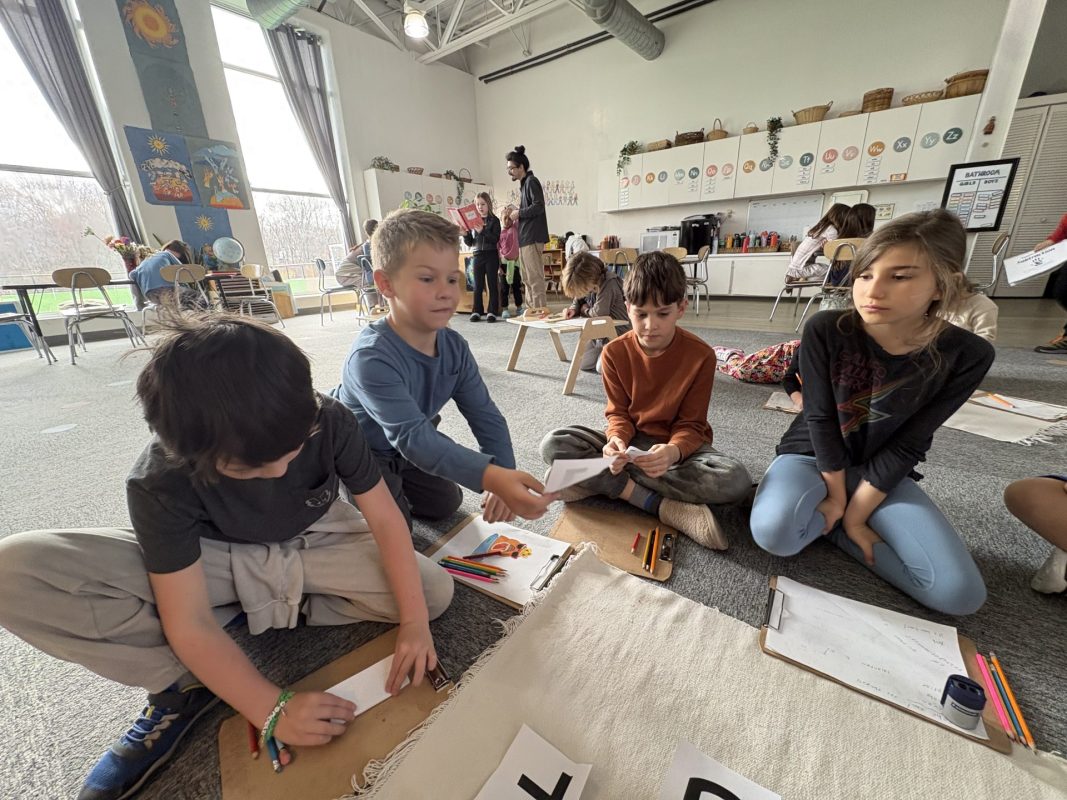
Our second-year students have been immersed in the study of symmetry. They have been discovering how symmetry exists all around us, from patterns in nature to designs in architecture. Using the geometric cabinet, they explored various polygons and worked to identify lines of symmetry within each shape. This work naturally extended into an exploration of the alphabet, where they investigated which letters are symmetrical and which are not. It has been a thoughtful blend of observation, classification, and curiosity, as students begin to see order and pattern in the world around them.

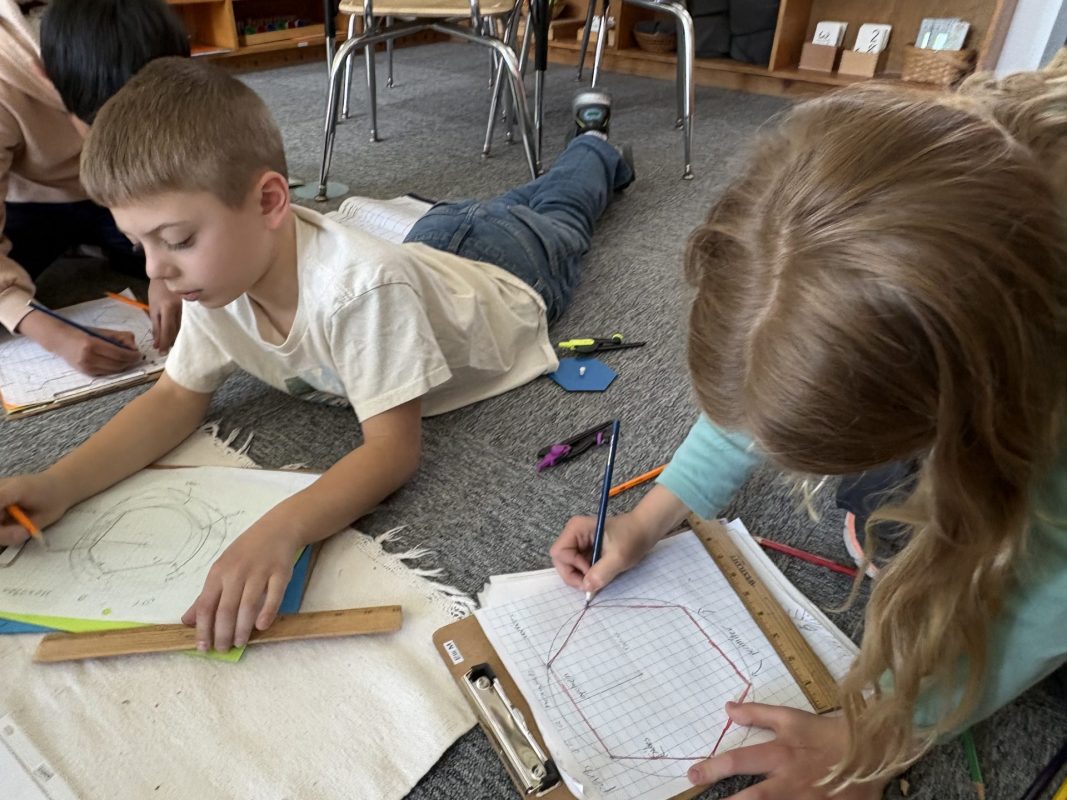
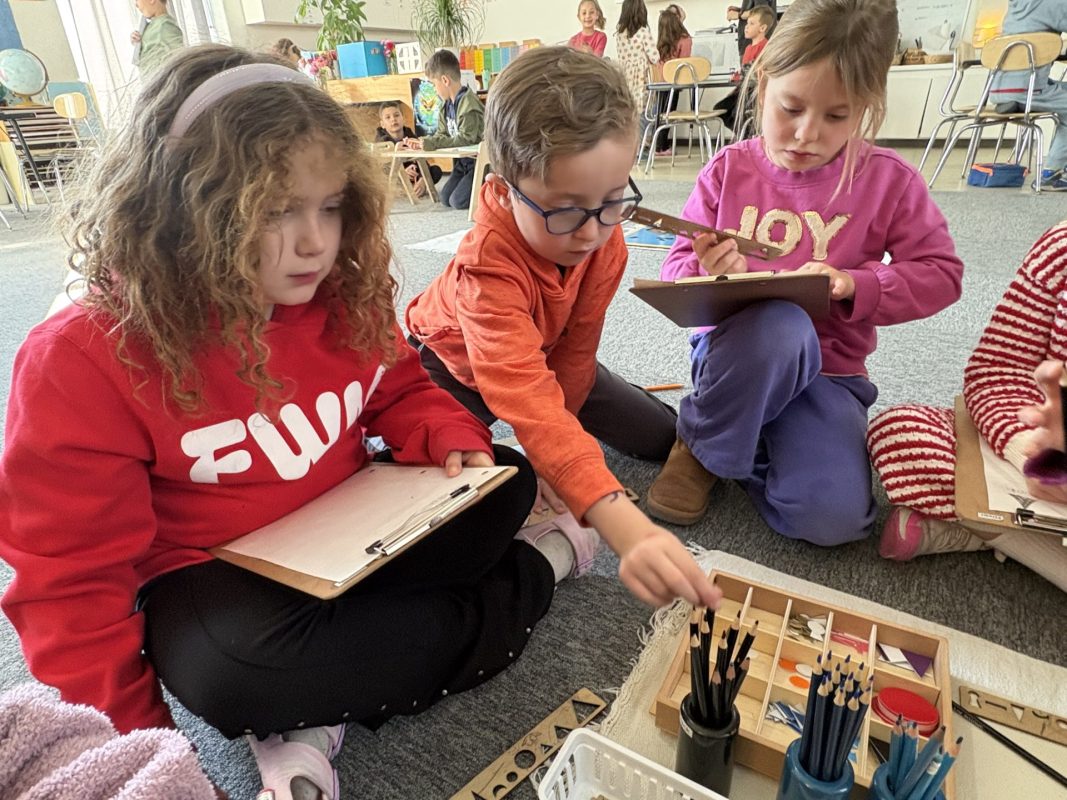
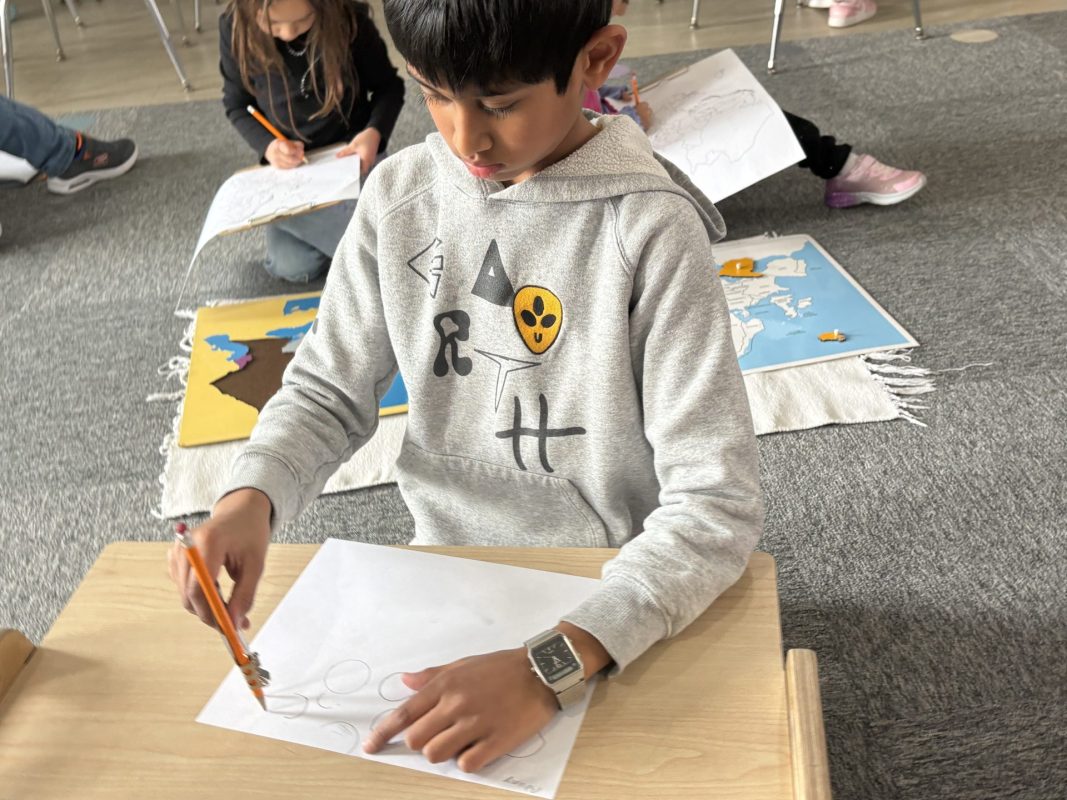
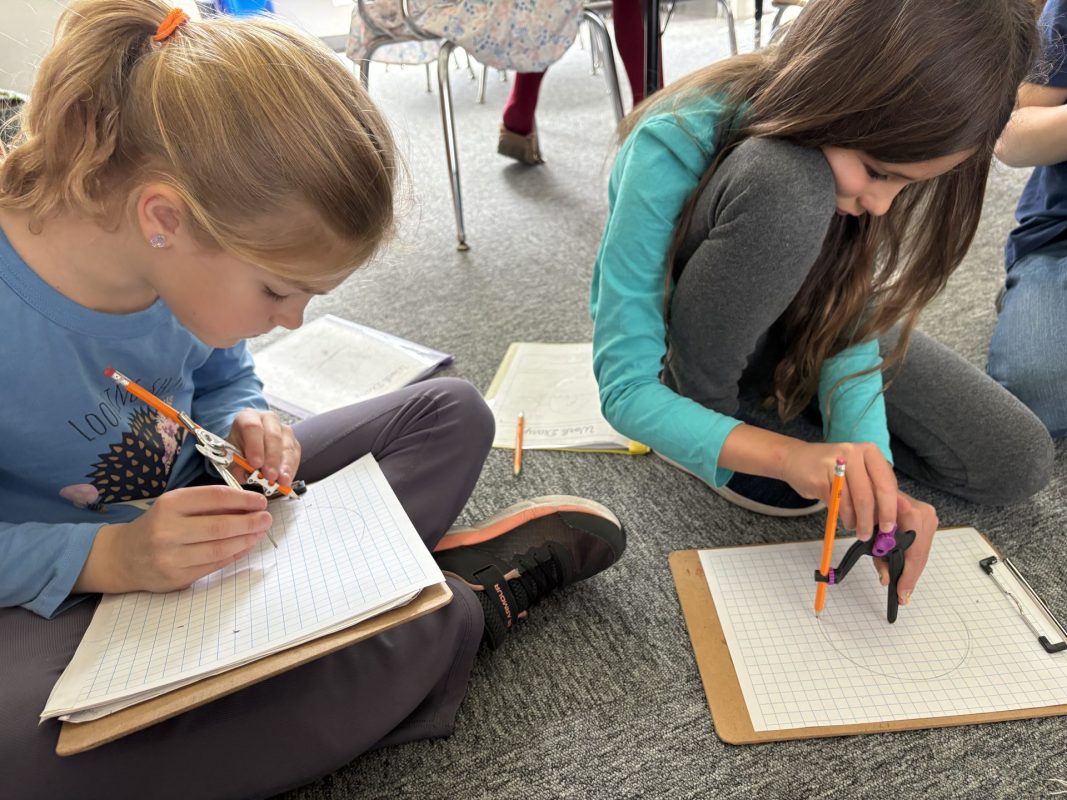
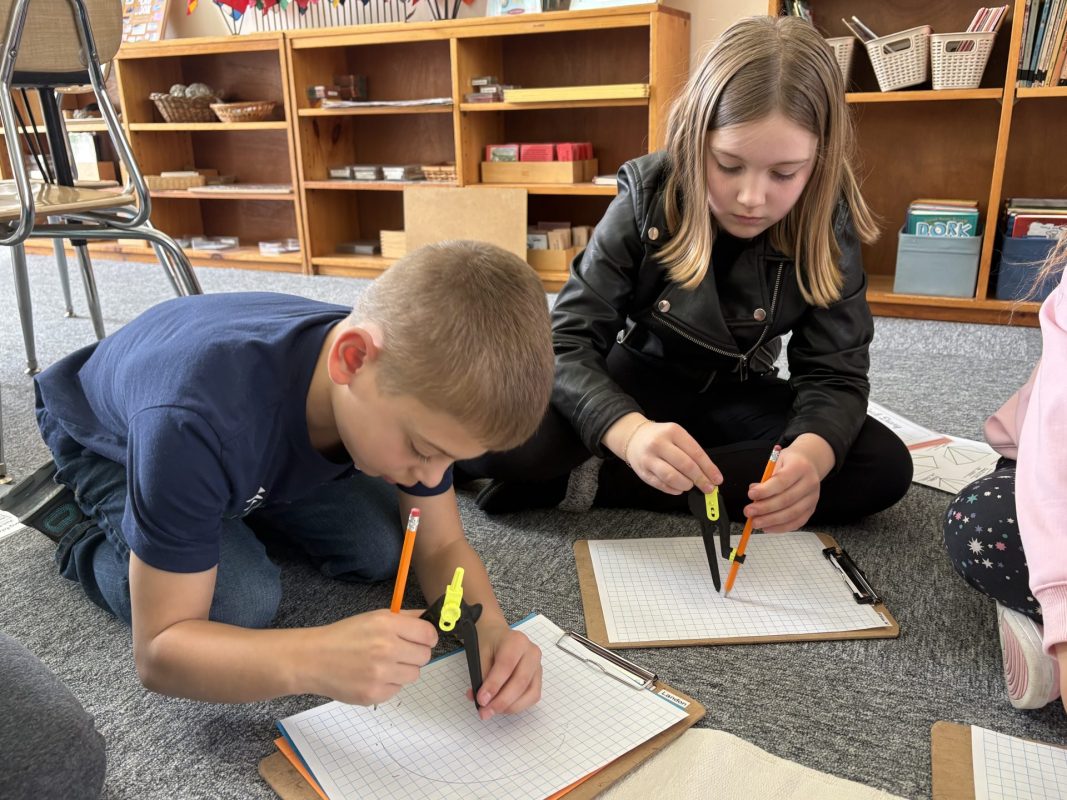
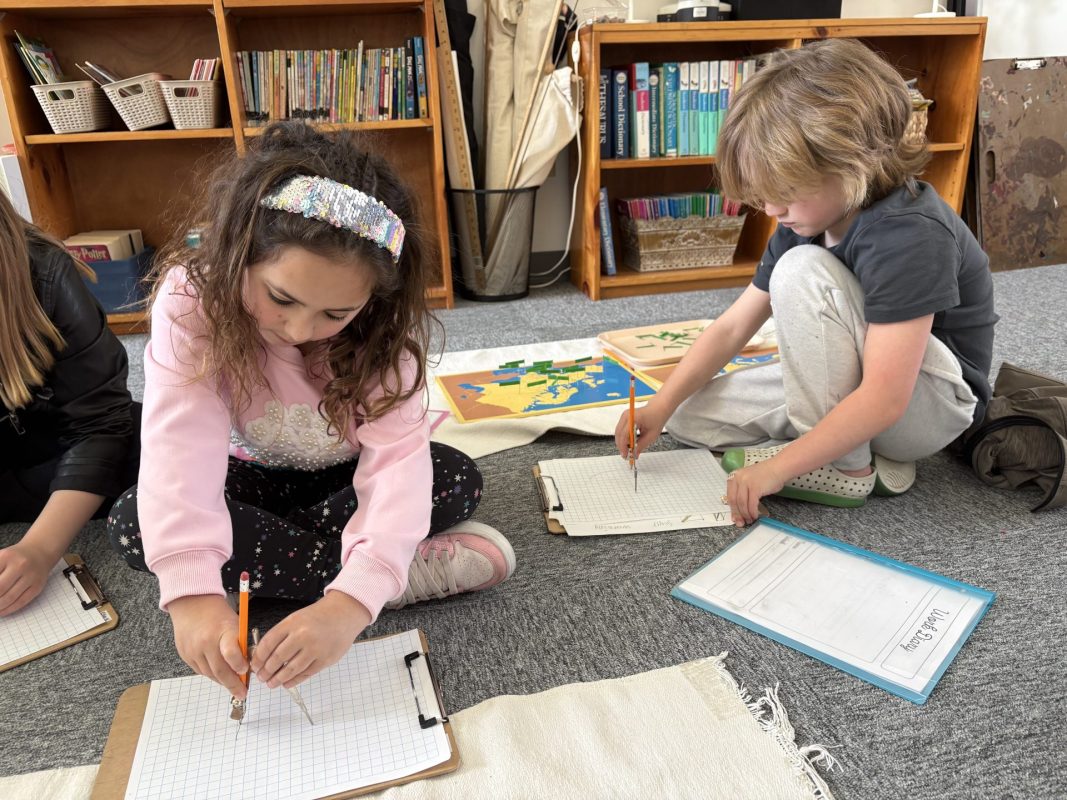
Meanwhile, our third-year students have been deepening their understanding of polygons. They have been exploring the distinction between regular and irregular polygons and continuing to build their geometric vocabulary, identifying the parts of polygons. A major focus has been learning how to use a compass, which, as they have discovered, is a skill that requires patience, precision, and persistence. There is a strong sense of accomplishment as they begin to gain control over this tool and create accurate geometric figures.

Across all levels, geometry serves as a bridge between the concrete and the abstract. The materials give children a hands-on way to explore lines, shapes, and relationships, allowing them to build their understanding. This work speaks directly to the needs of the second plane child, who is driven by imagination, reasoning, and a deep desire to understand the “why” behind everything. Geometry invites them to explore, classify, and bring order to their environment while also engaging their growing capacity for logical thought.

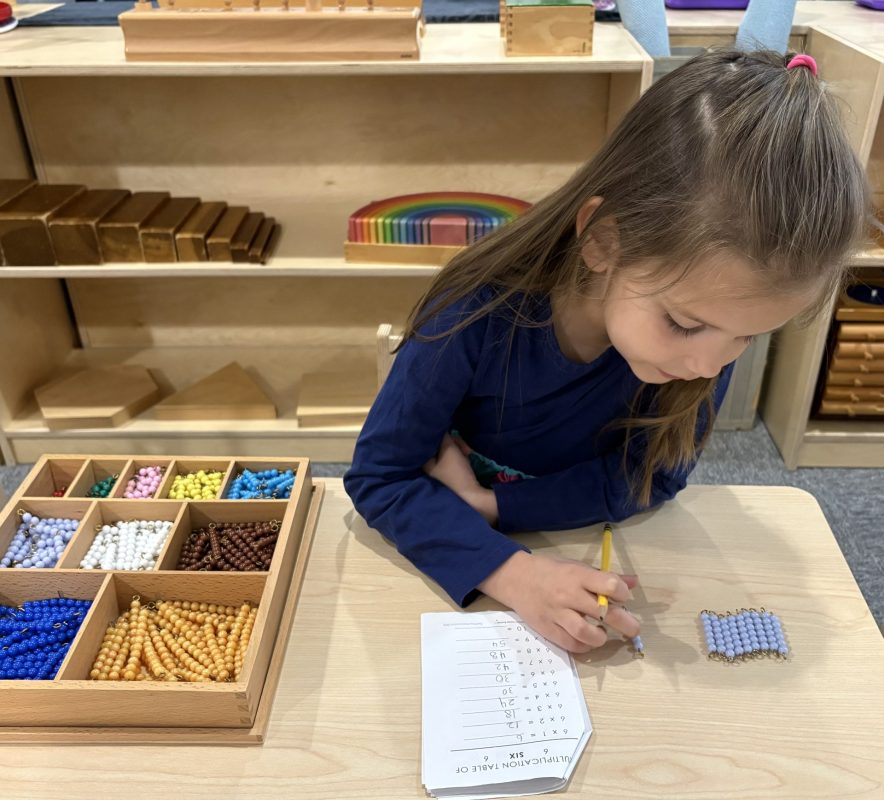
As the children progress through Lower Elementary, the geometry work gradually shifts from concrete materials toward more abstract reasoning. They experience geometry as more than just shapes and lines, but a story of human discovery. It shows children that math is a human achievement, developed over time to help us understand and describe the world. In this way, geometry offers a universal language, one that connects their learning to something larger and gives deeper meaning to the work they are doing each day.

It has been wonderful to observe the children engage with this work so thoughtfully, exploring these concepts and beginning to notice them in the world around them.


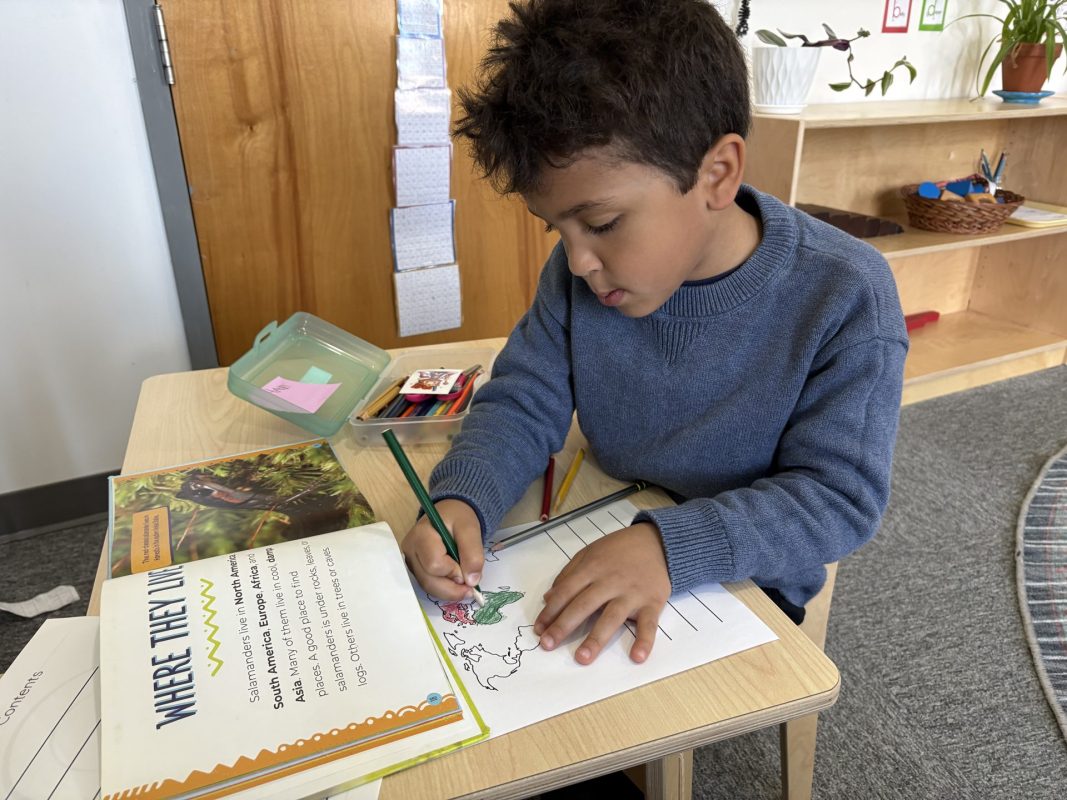
Ms. Handibode: A Journey to South America

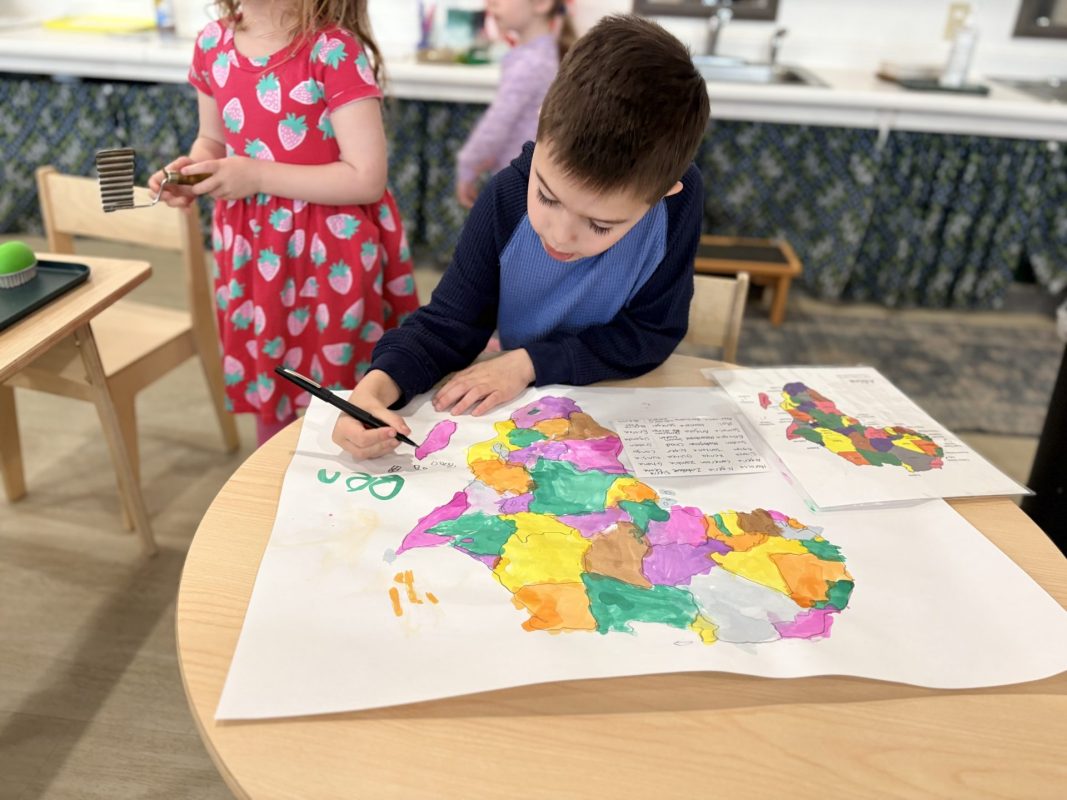
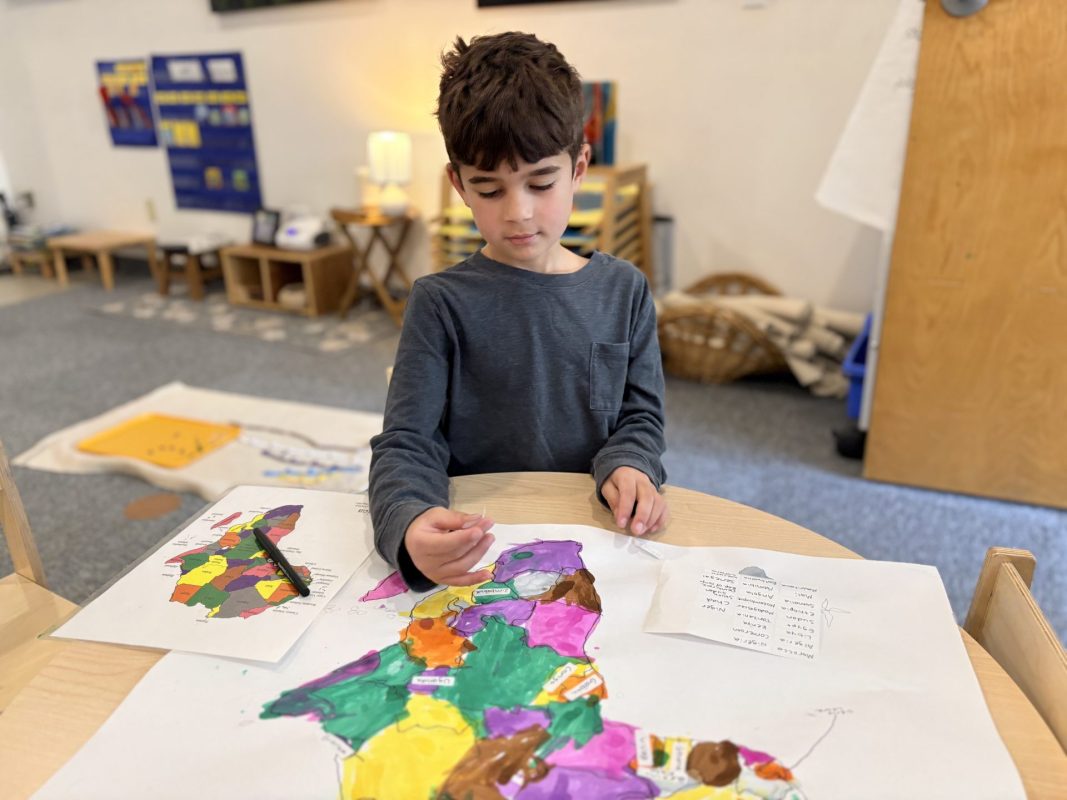
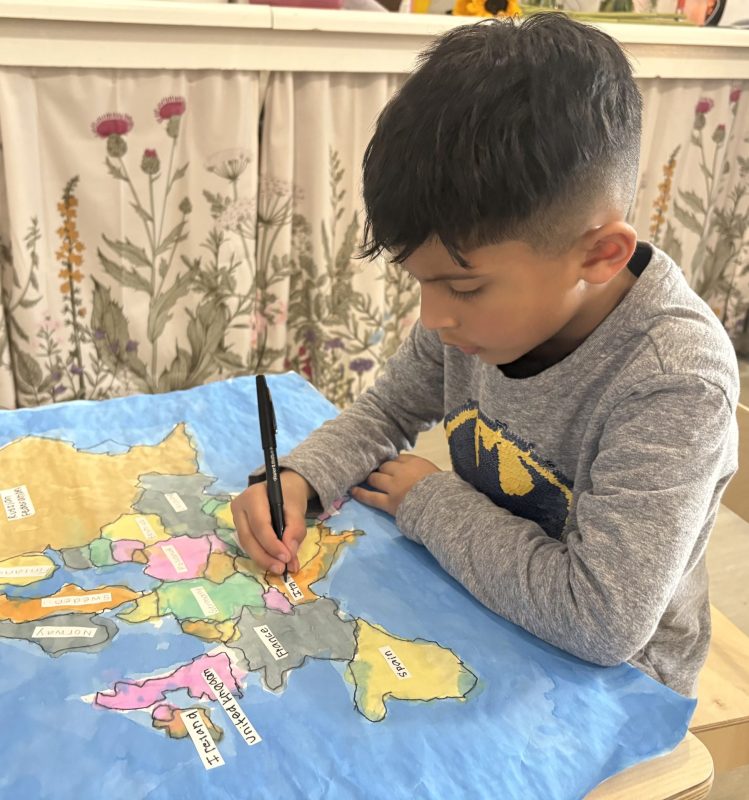
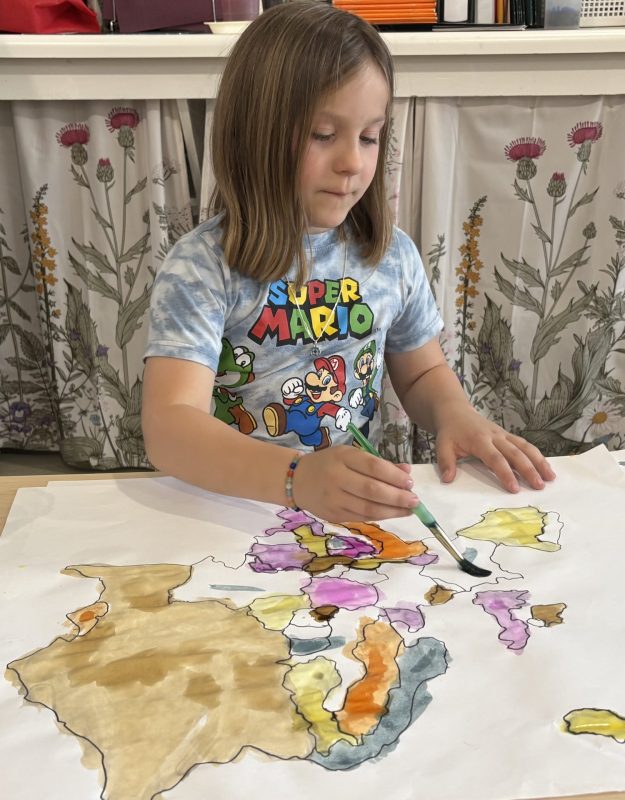
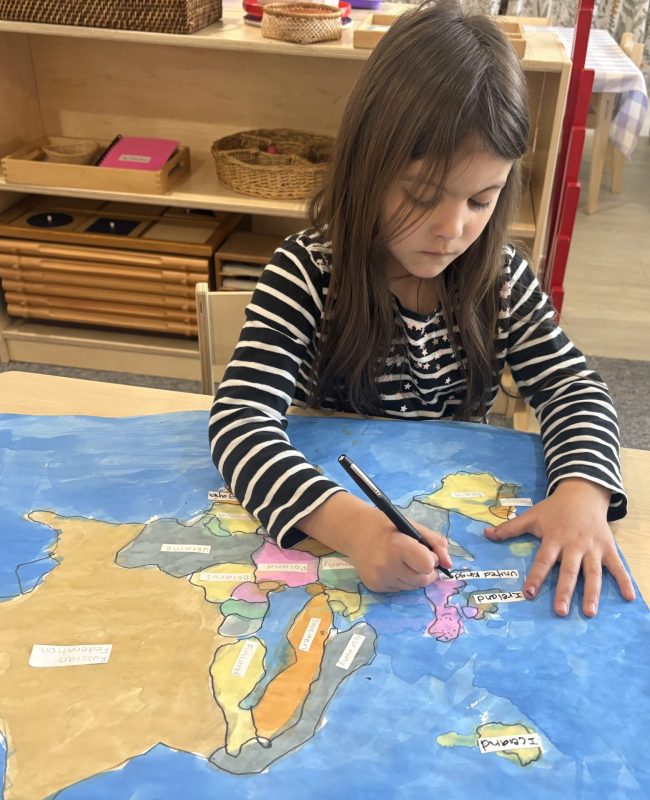
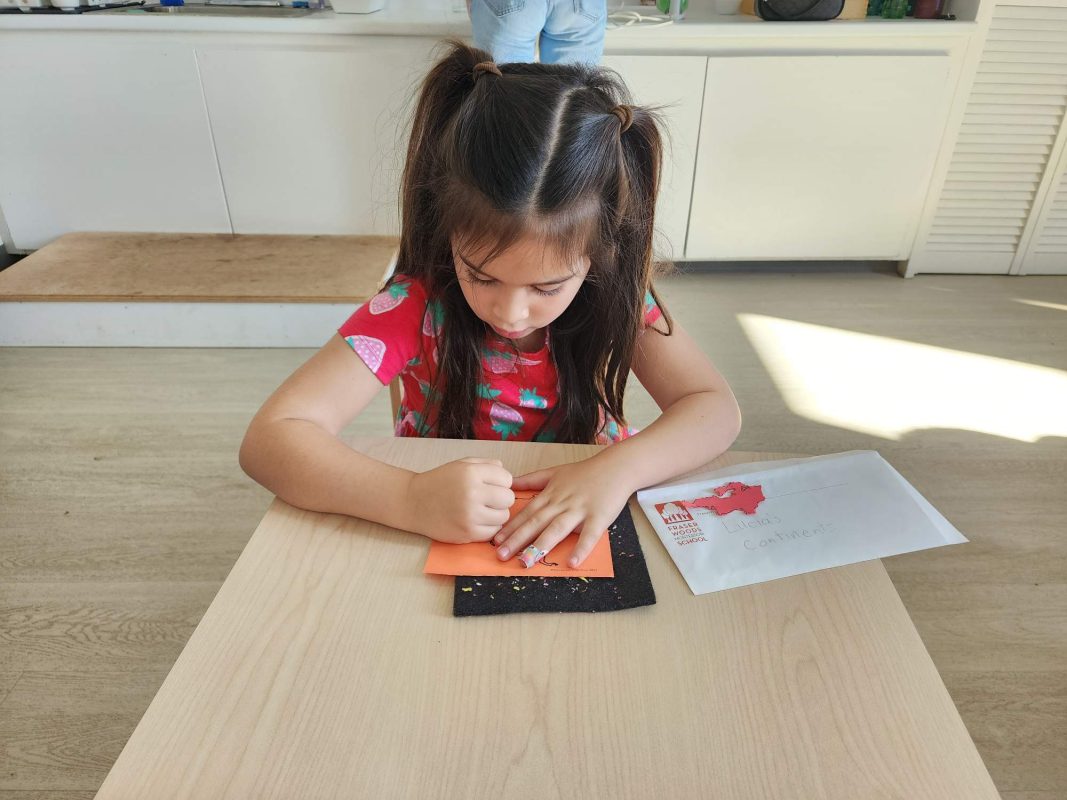
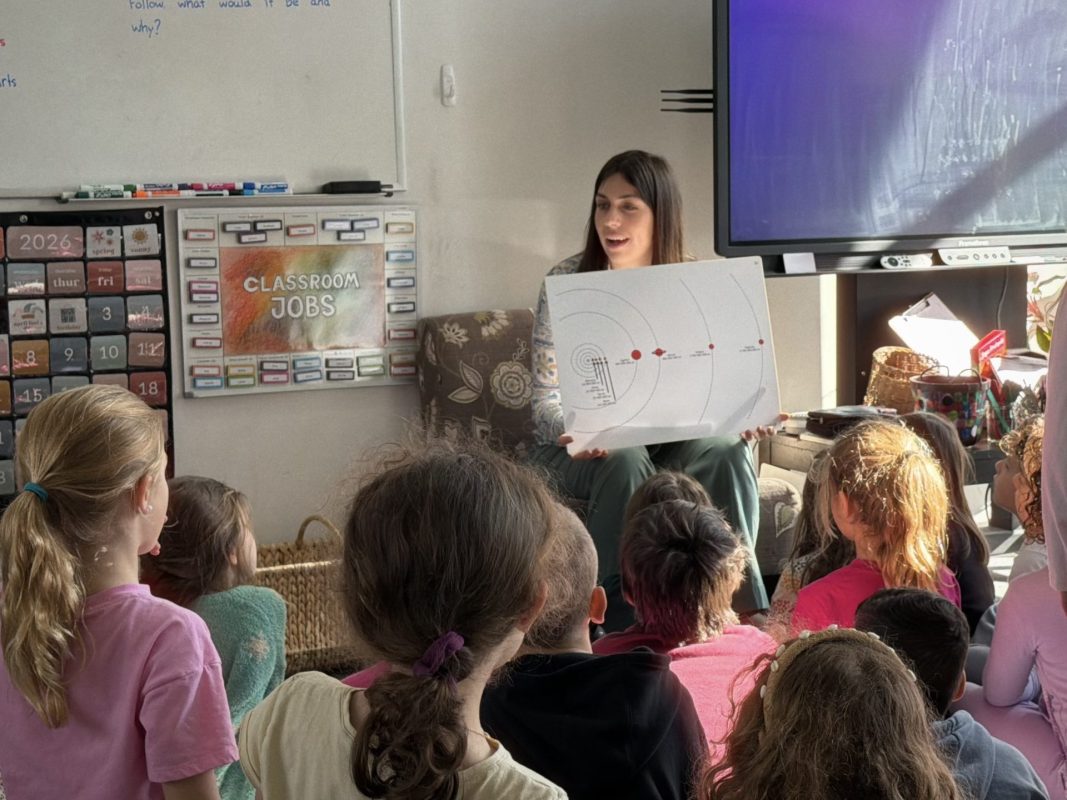
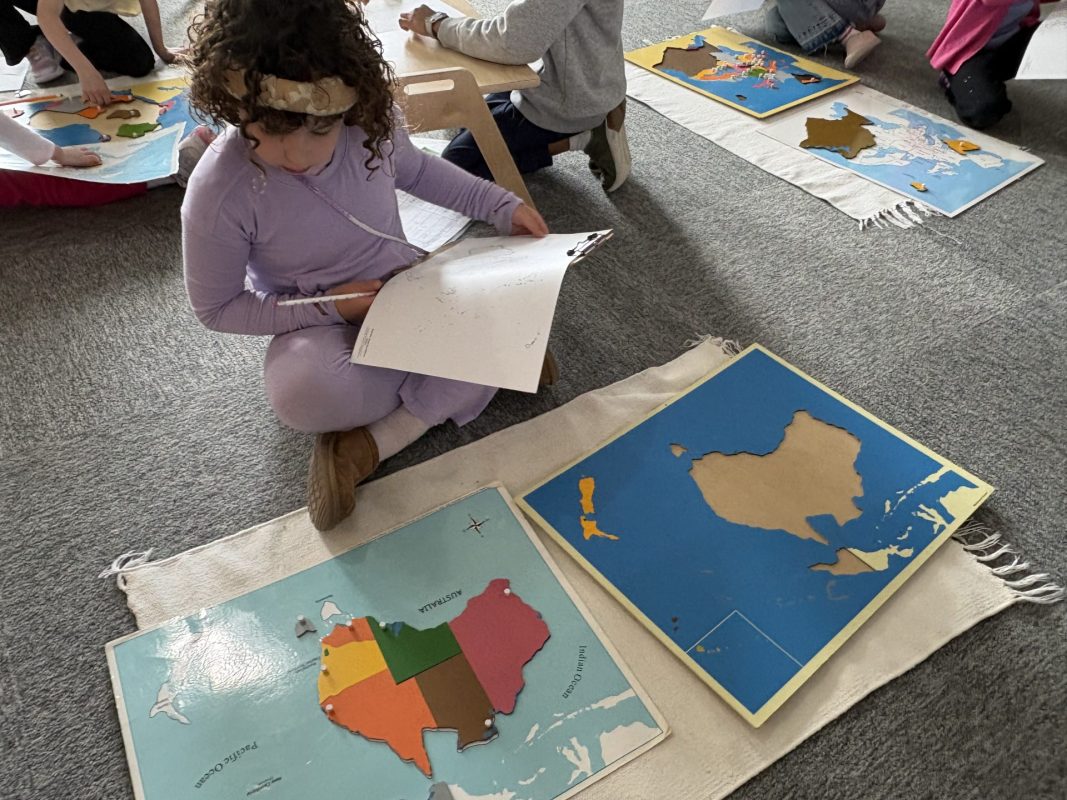
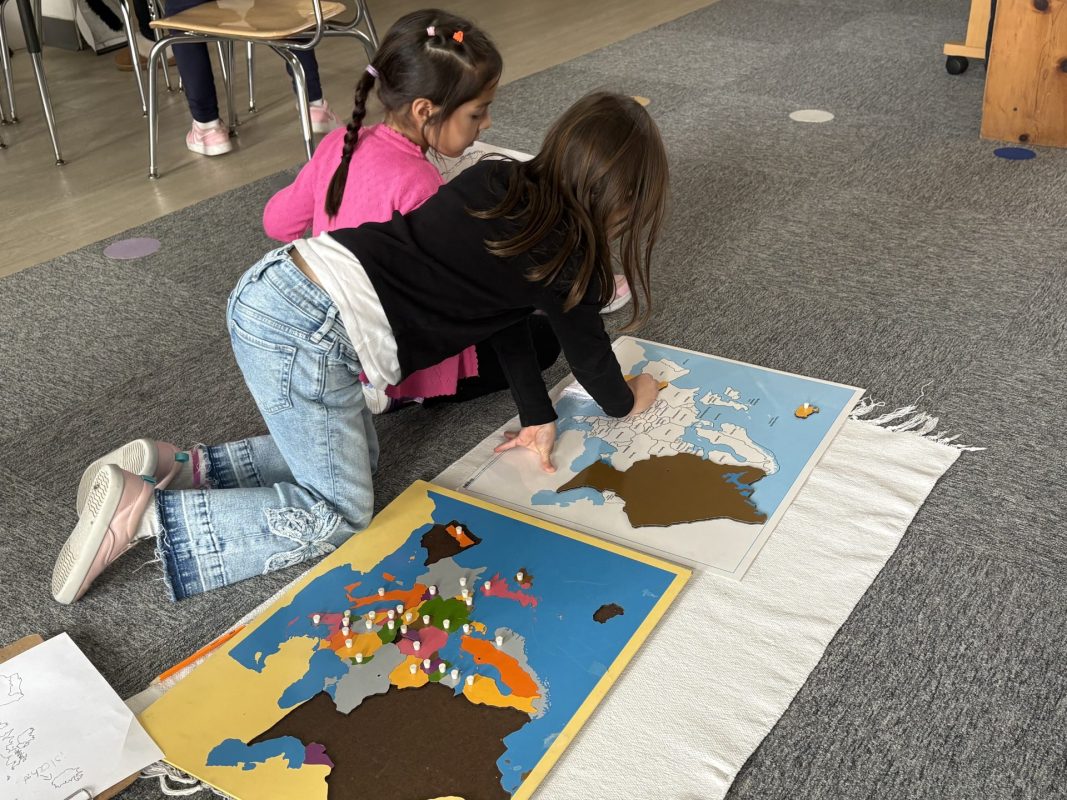
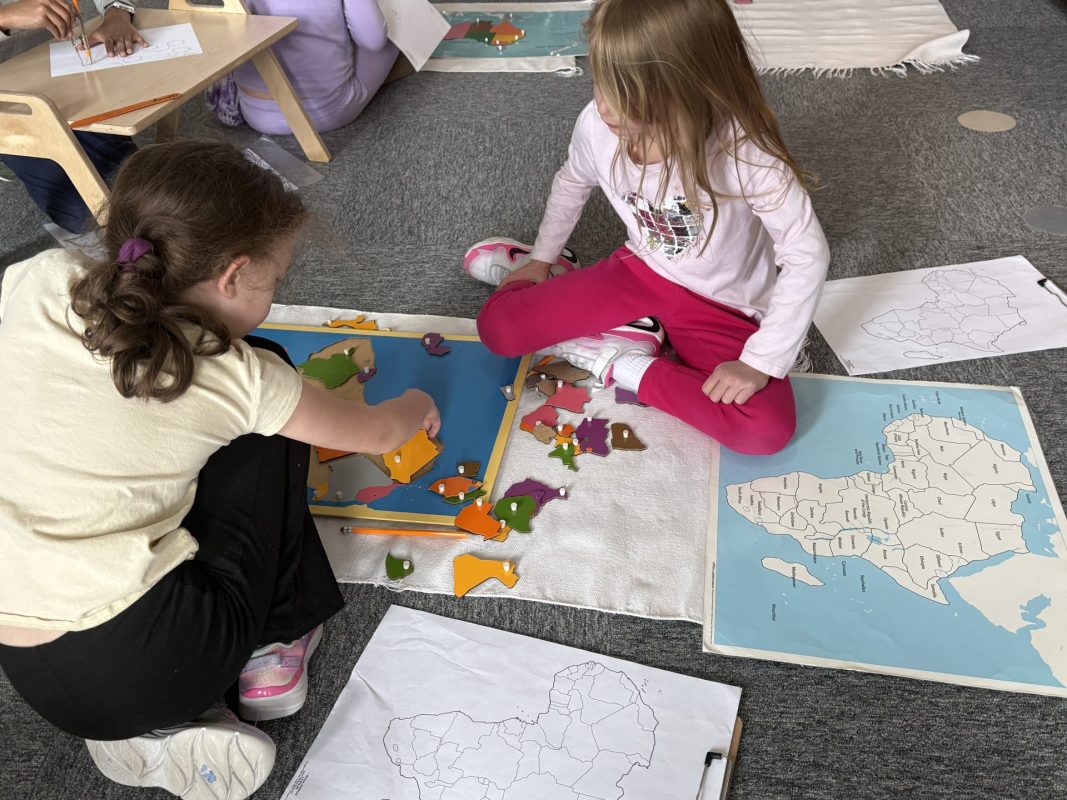
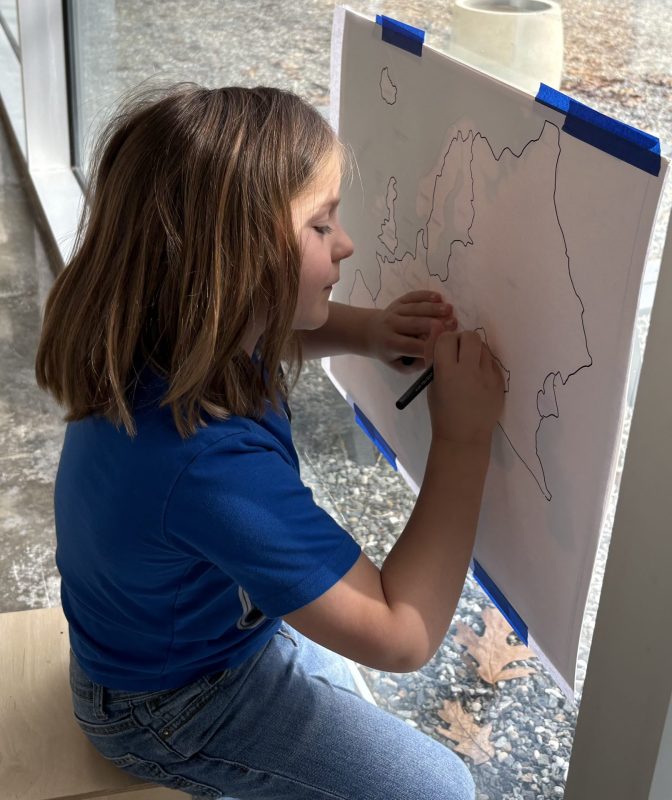
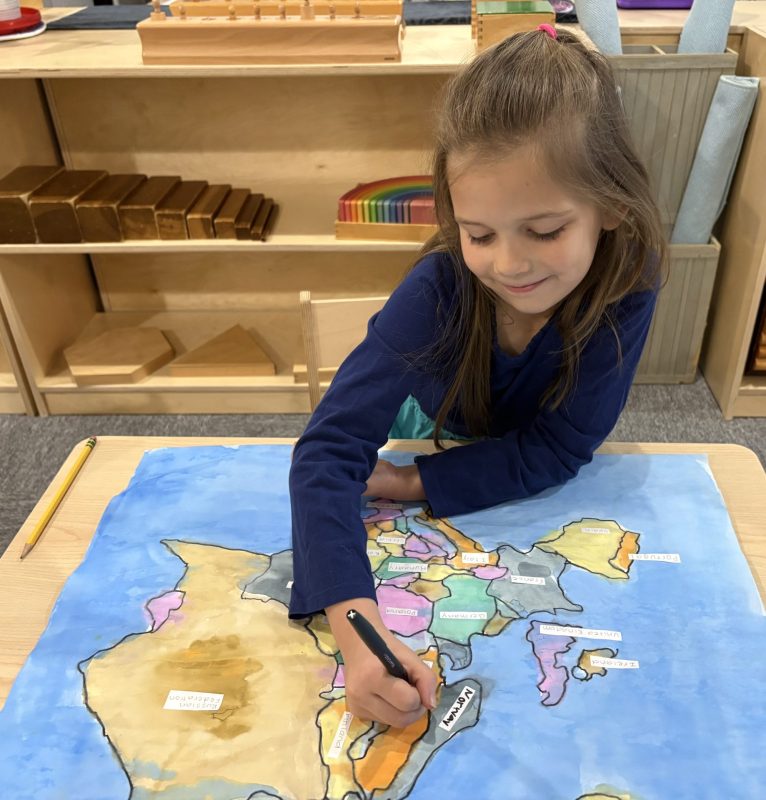
Last week, our classroom turned its attention to the continent of South America — shown in pink on the Montessori map — and the children’s curiosity and wonder have been wonderful to witness. South America is the fourth largest continent in the world, made up of twelve countries, and connected to North America by the Isthmus of Panama — a landform the children have been studying. Brazil is the largest country in South America, and the major languages spoken across the continent are Spanish and Portuguese.

One area of particular fascination was the Amazon rainforest — the largest rainforest in the world. The children learned that to be called a rainforest, an area must receive more than 60 inches of rain each year, and that rainforests are home to over 40% of the world’s animal and plant species. We explored the four layers of a rainforest, each with its own climate, light conditions, and wildlife.
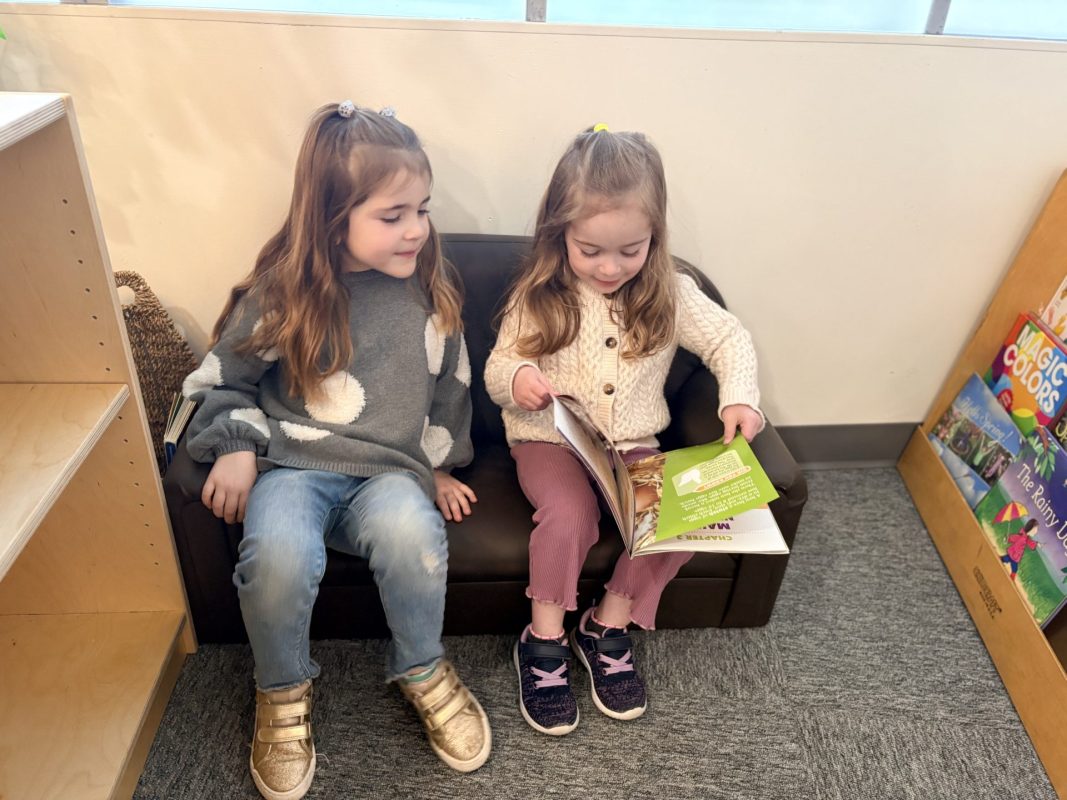
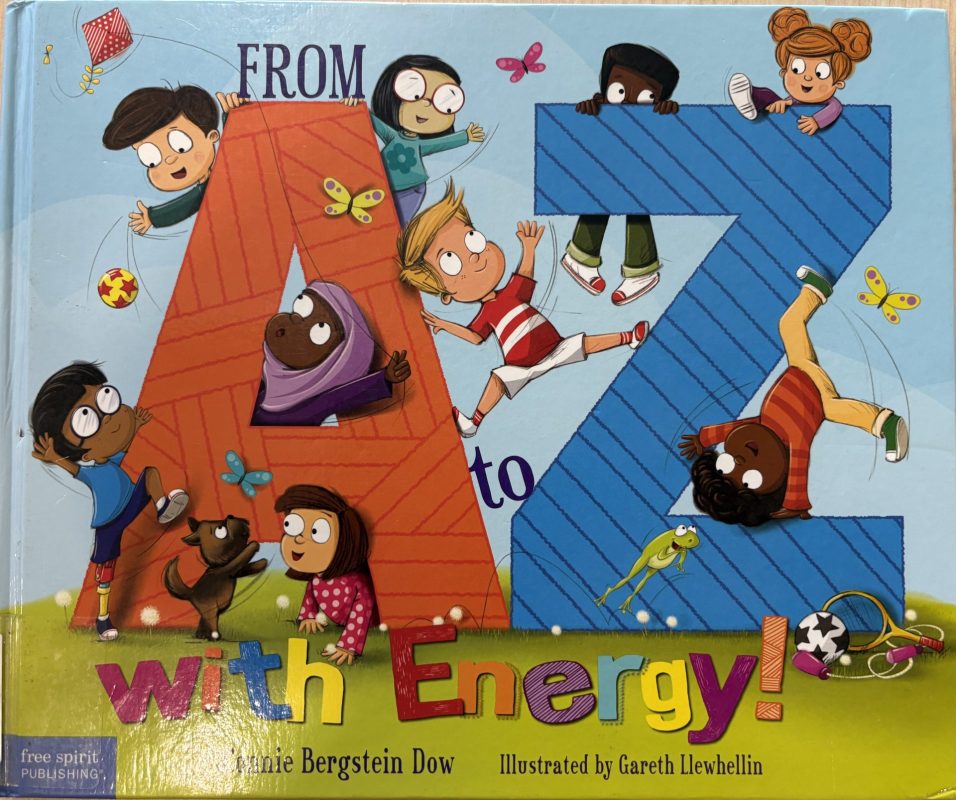
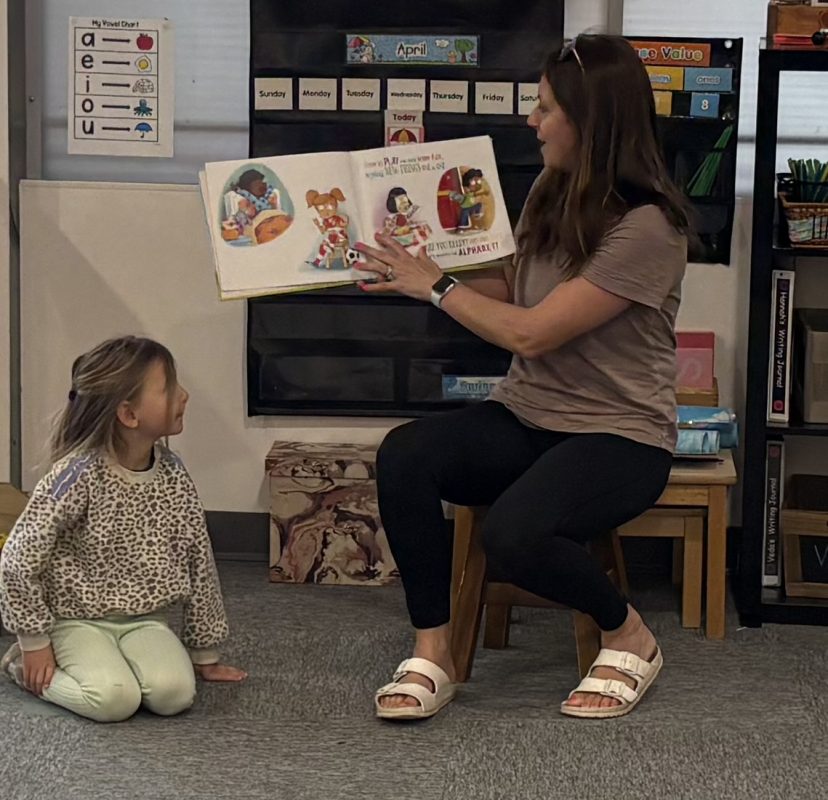
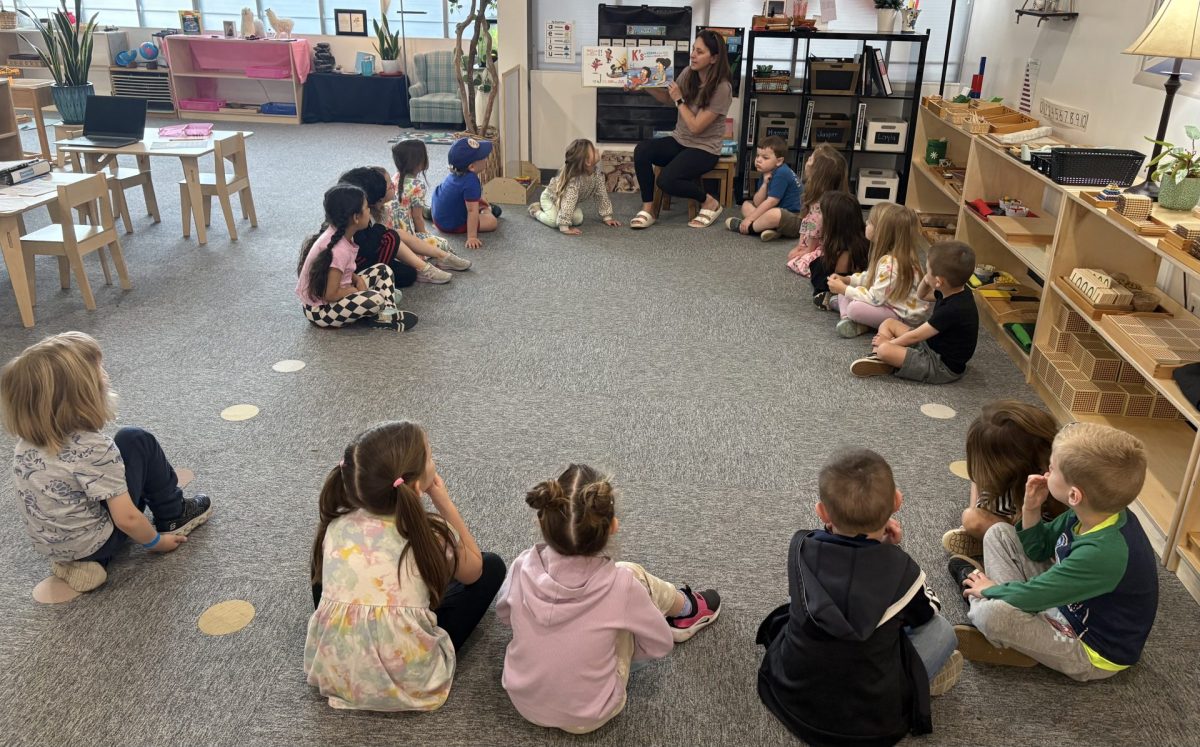
We were also delighted to welcome Melia’s mom as our guest reader, who shared the book From A to Z with Energy. As always, the children were fully engaged and immediately asked for more!
Extending Learning at Home

Pull up a map or globe with your child and find South America together. Ask them to point out Brazil, name the major languages, or describe what makes a rainforest special. You might also look up photos or videos of the Amazon together and explore the four layers — emergent, canopy, understory, and forest floor.

UPCOMING EVENTS & ANNOUNCEMENTS

This Week

  • Monday, April 6
    ⋅ Sharing Box and Flowers; Birthday Celebration, Connor H.
  • Wednesday, April 8
    ⋅ Guest Reader, Leigh B.

Next Week

  • Monday, April 13
    ⋅ Sharing Box and Flowers; Birthday Celebration, Zaki K.
  • Tuesday, April 14
    ⋅ Birthday Celebration, Wilder B.; Playground Volunteer, Sasha J.
  • Wednesday, April 15
    ⋅ Guest Reader, Sam R.