Blog

Ms. Vicki’s Weekly Update

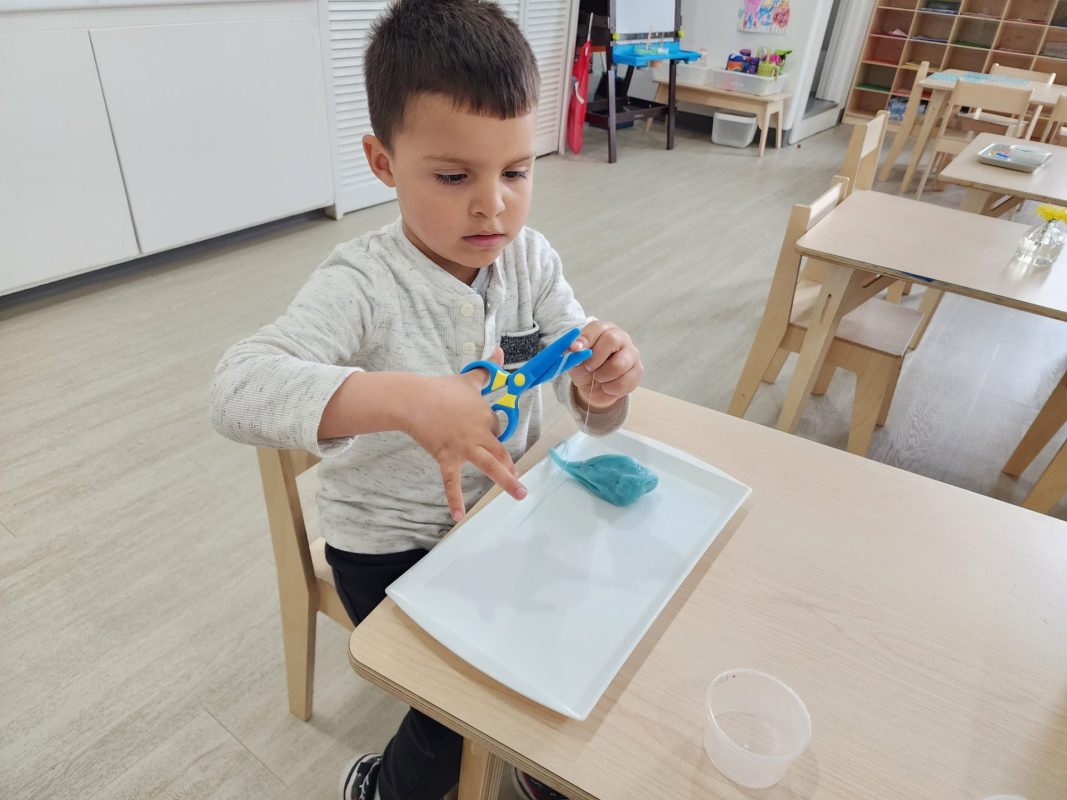
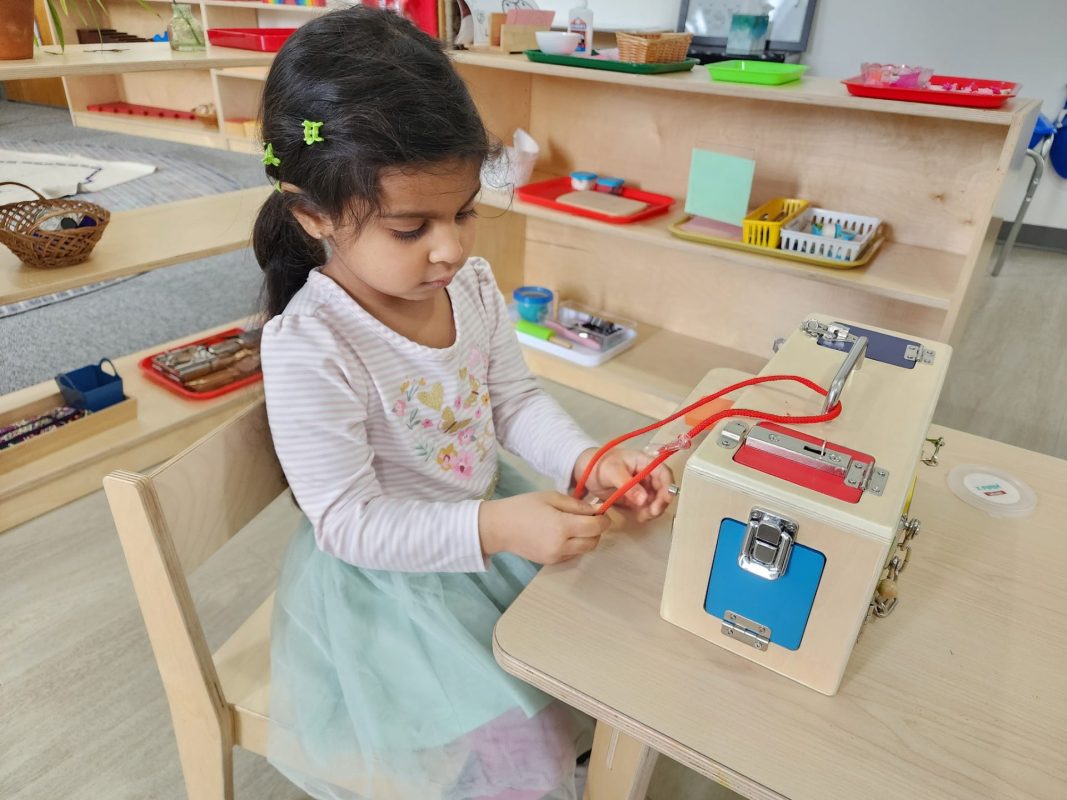
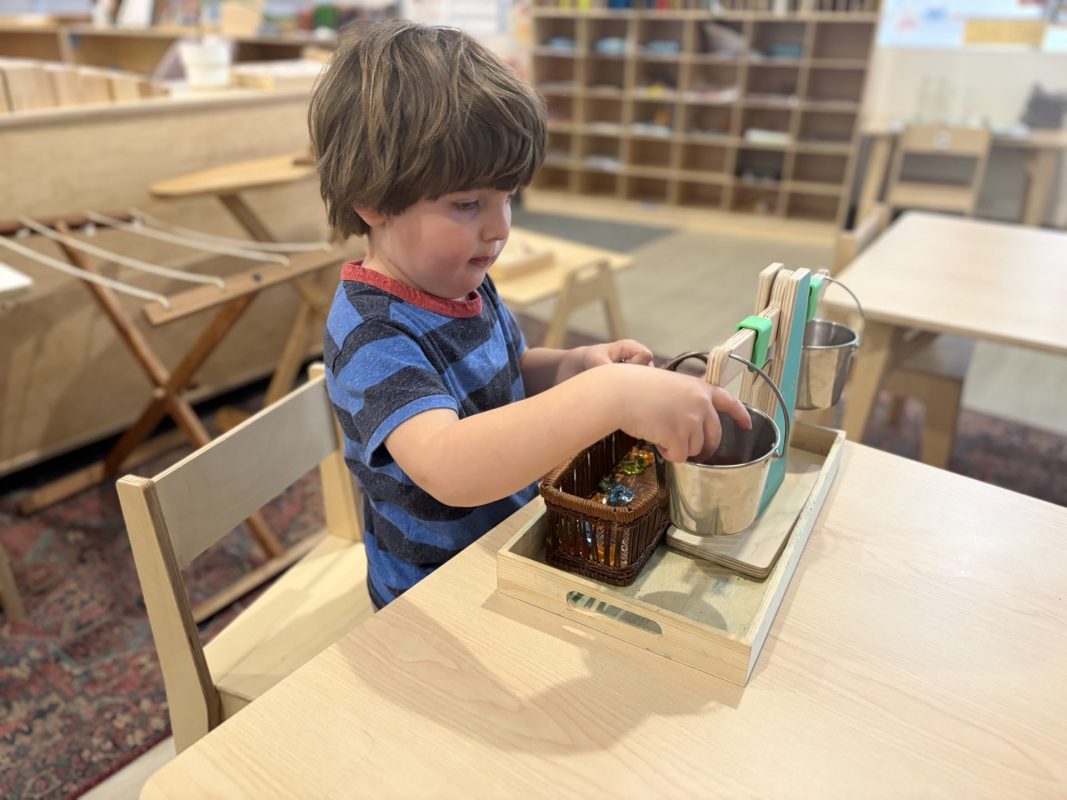
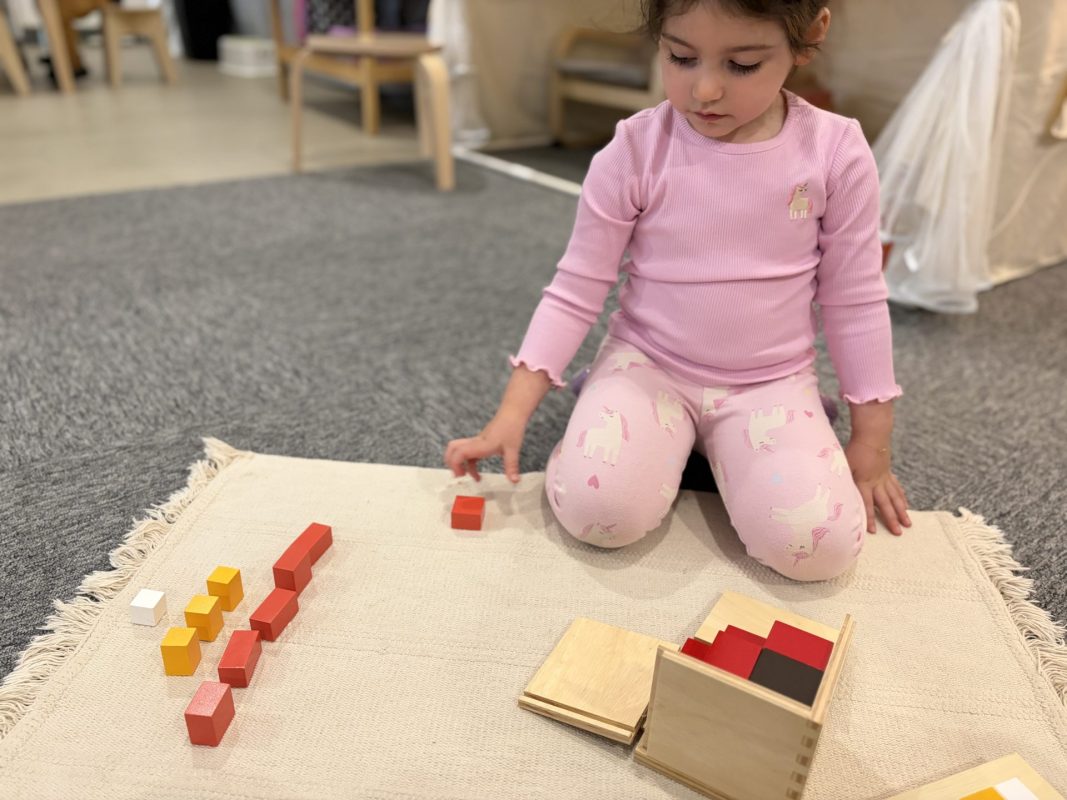
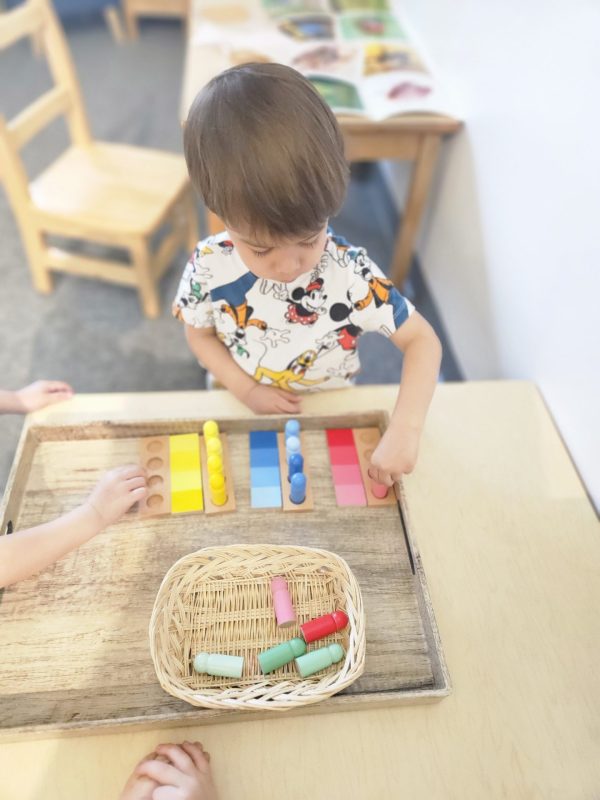
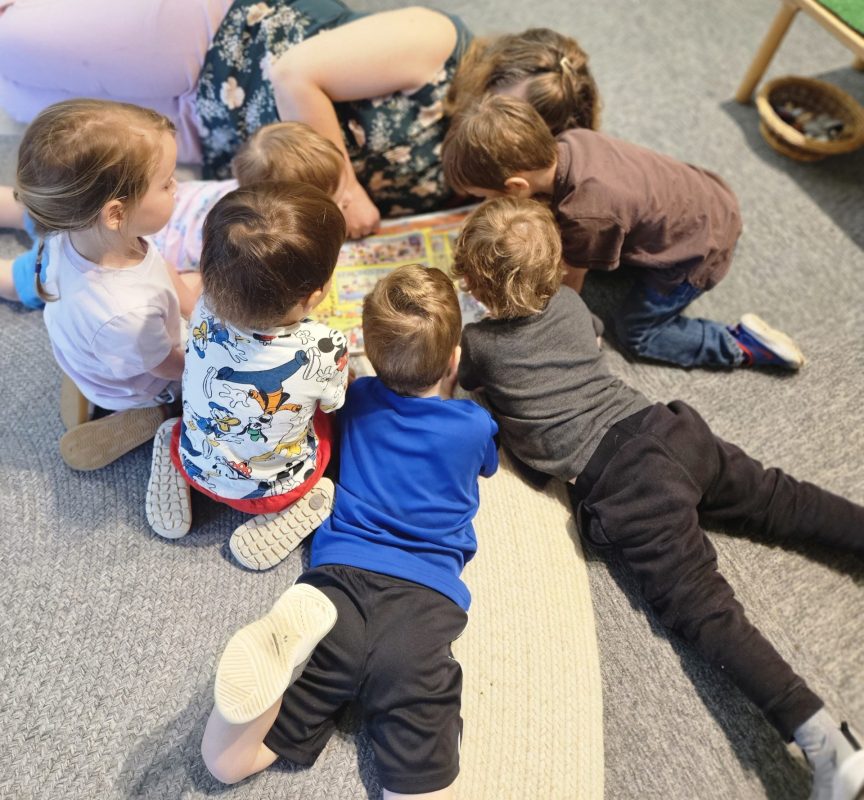
What a busy and exciting week we had! The children explored many new works and continued to grow in independence and curiosity.

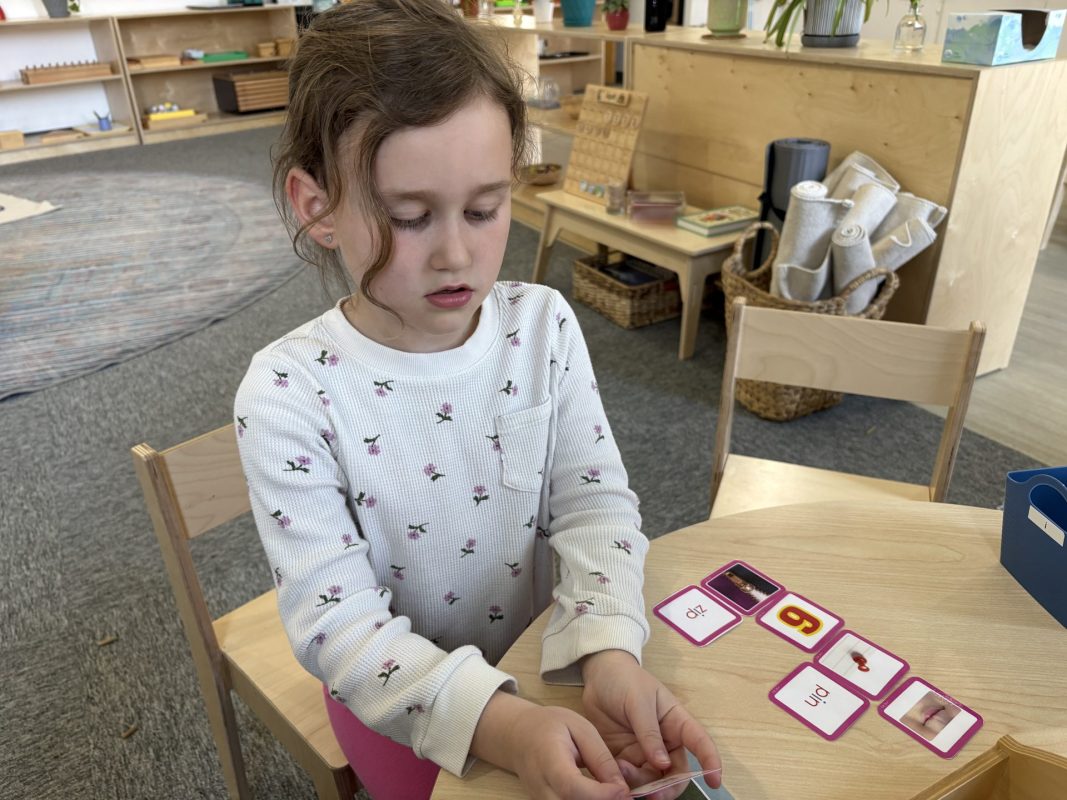
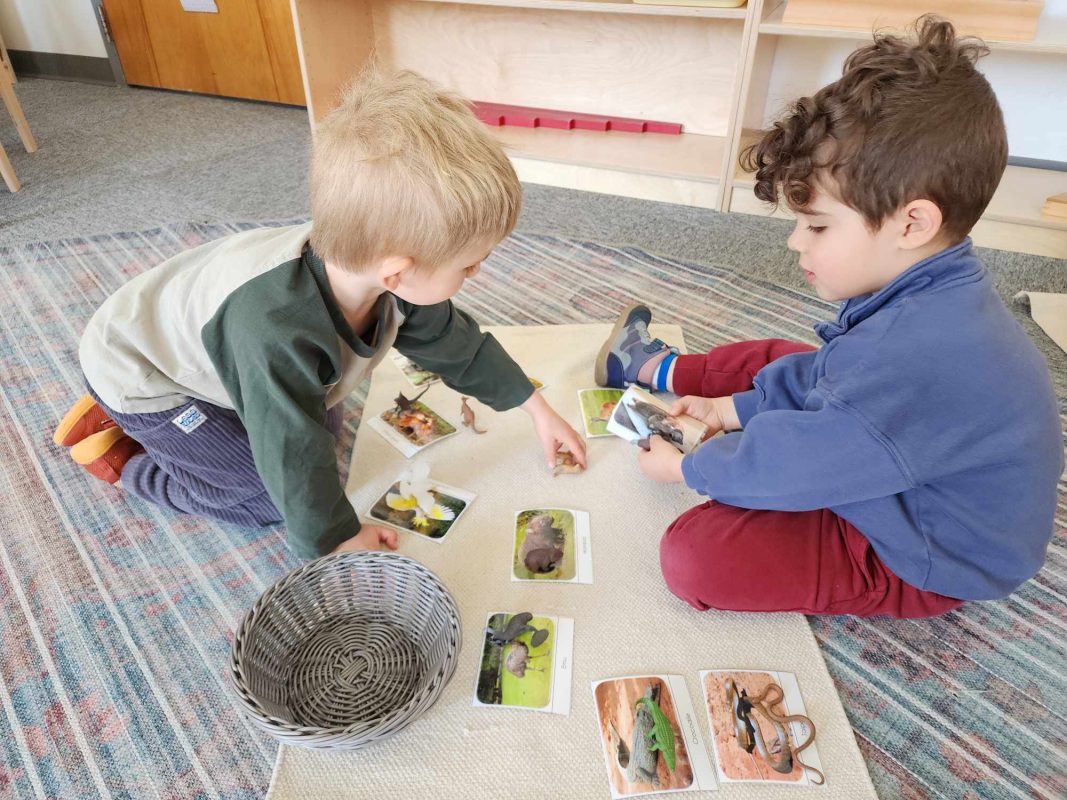
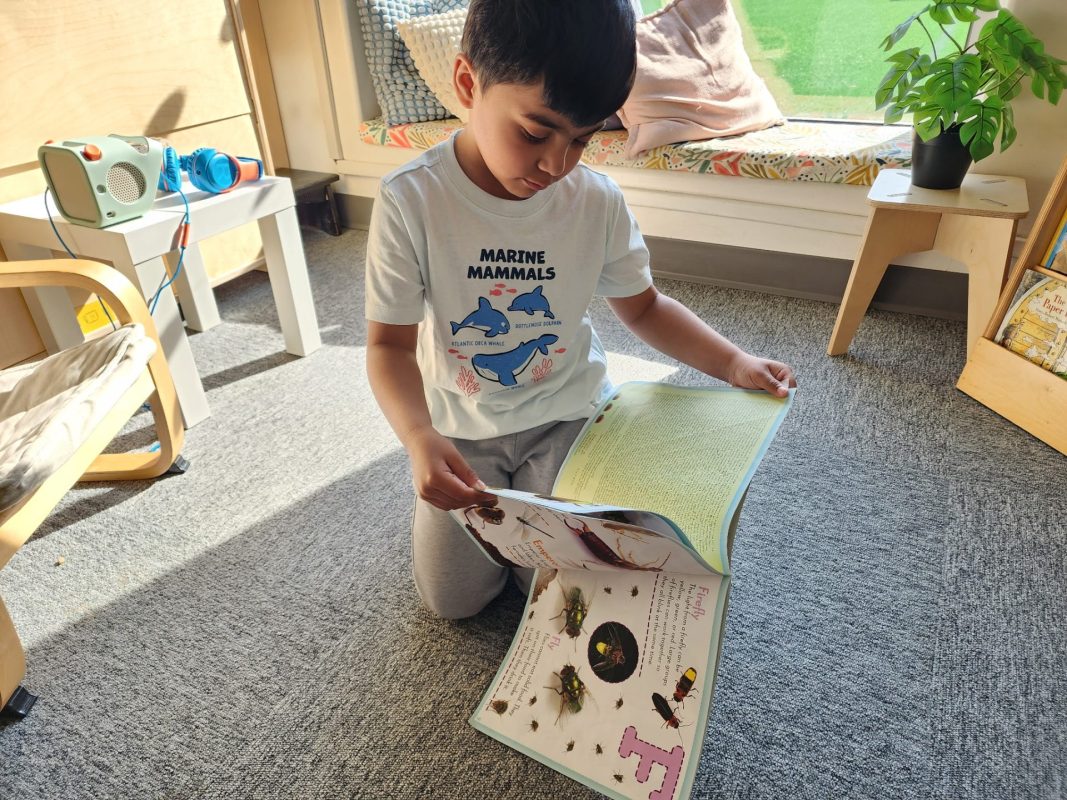
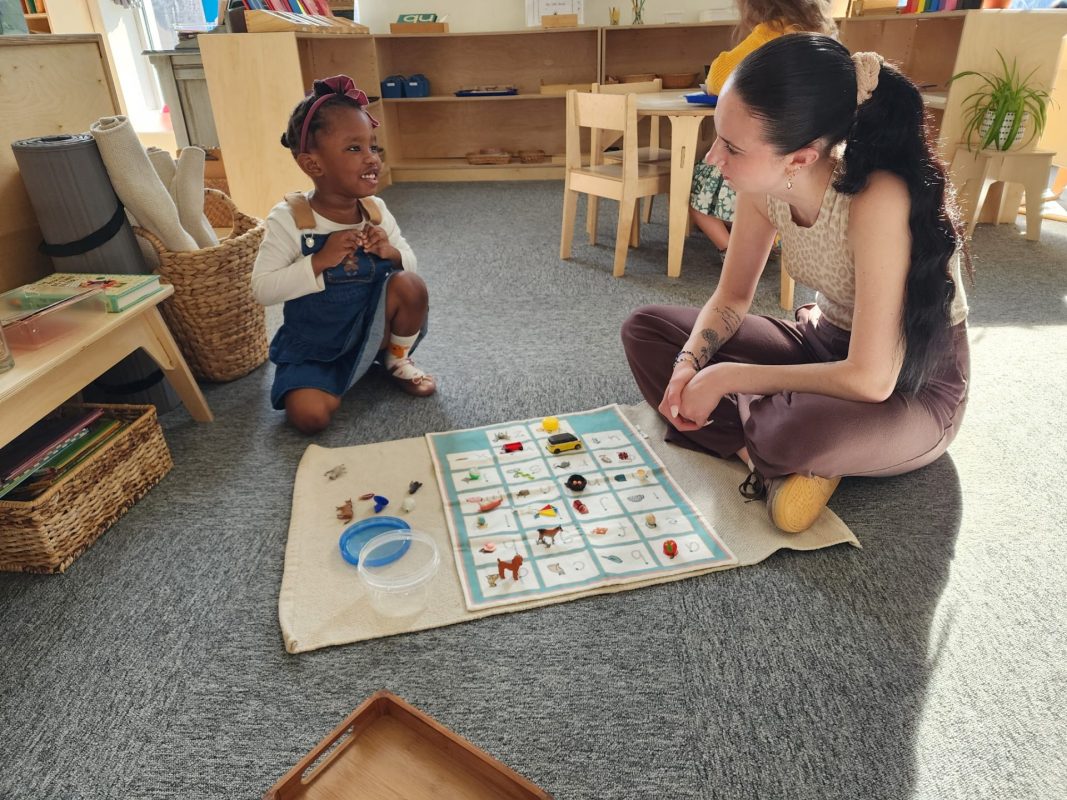
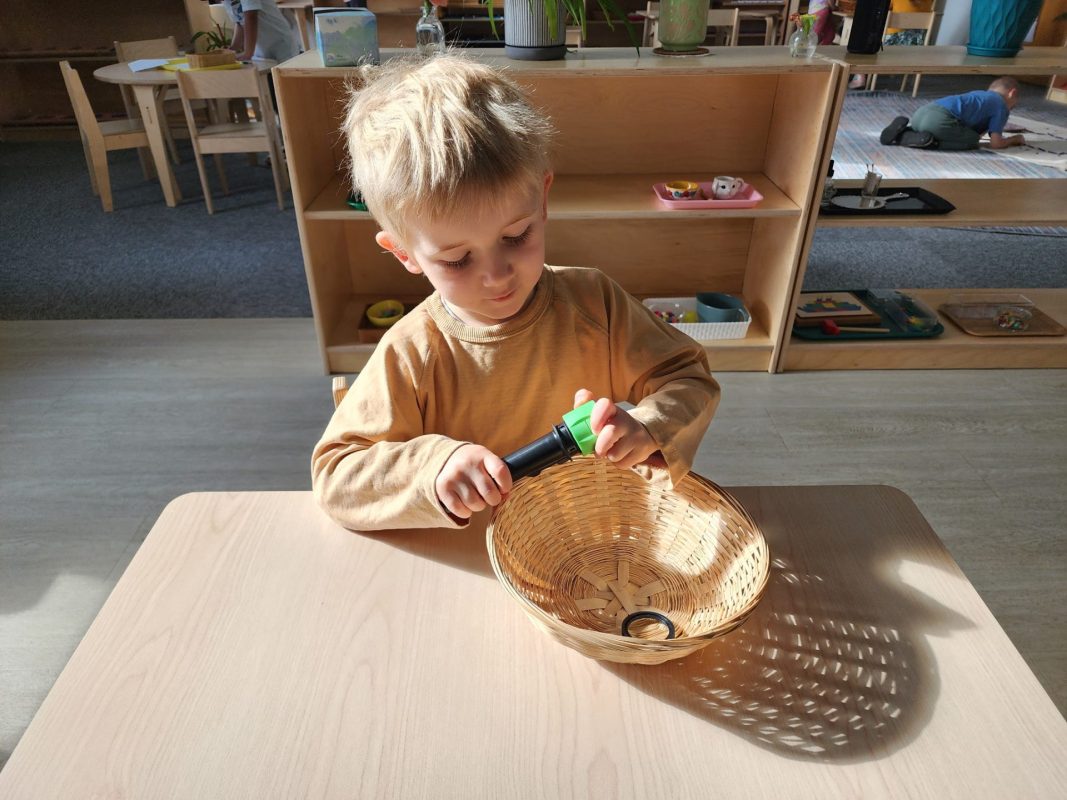
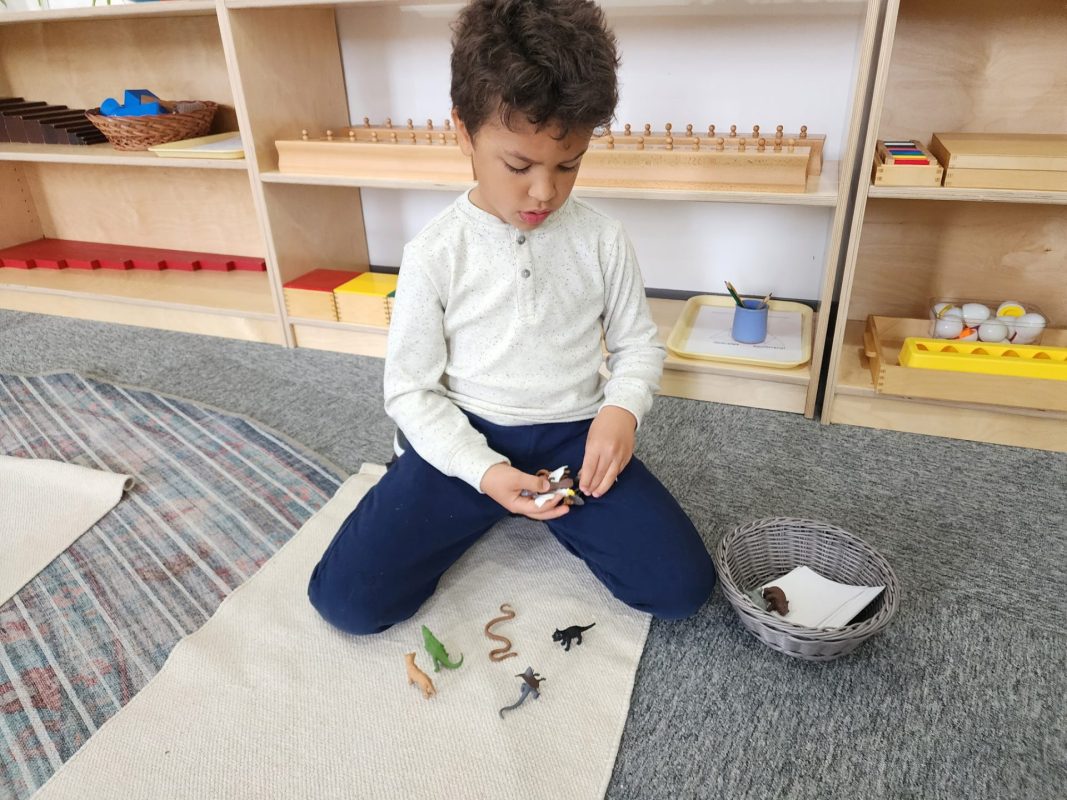
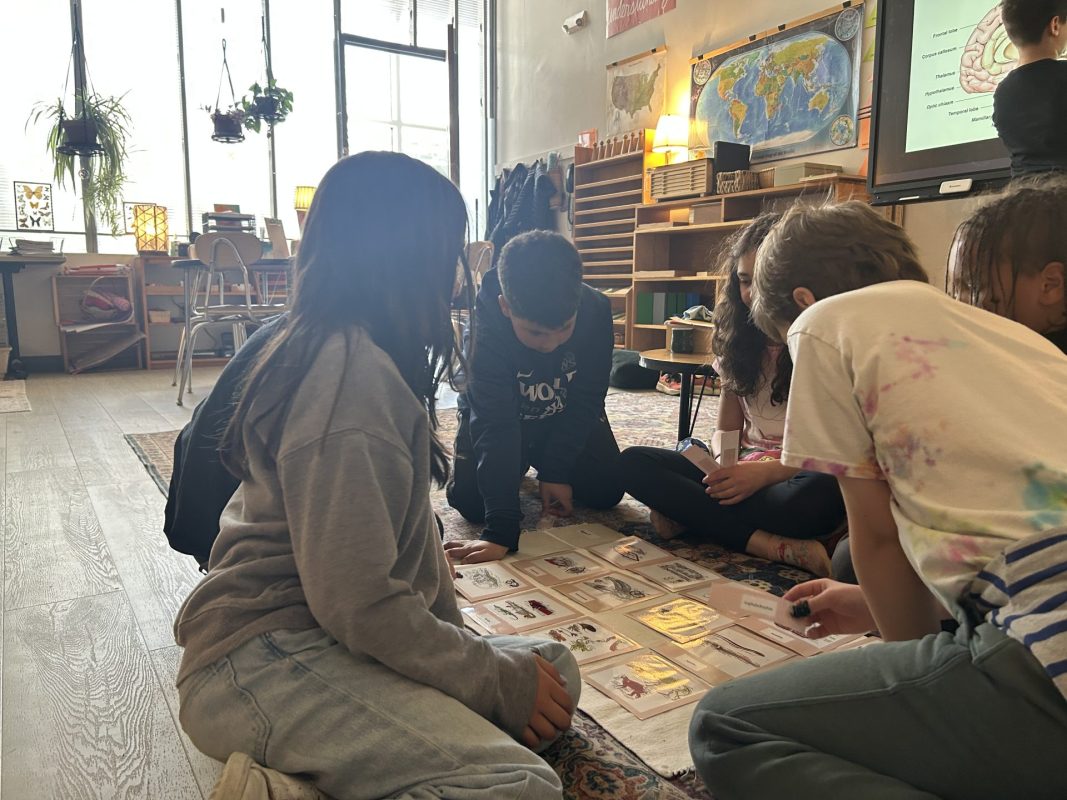
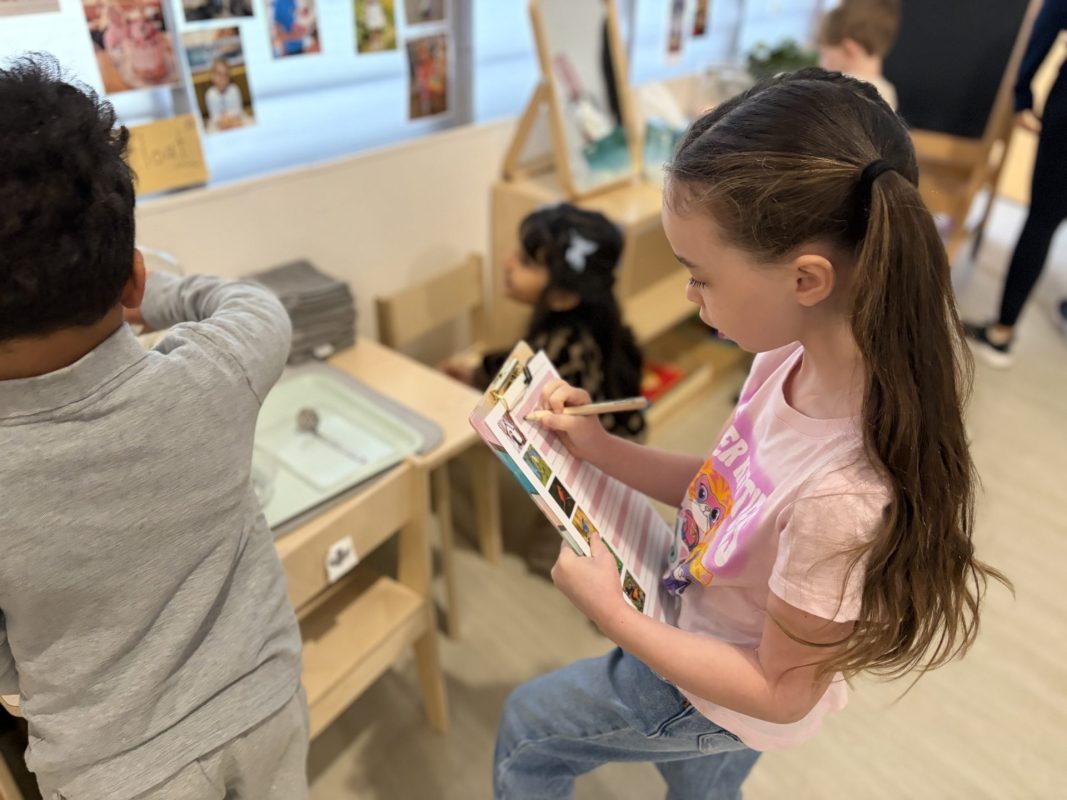
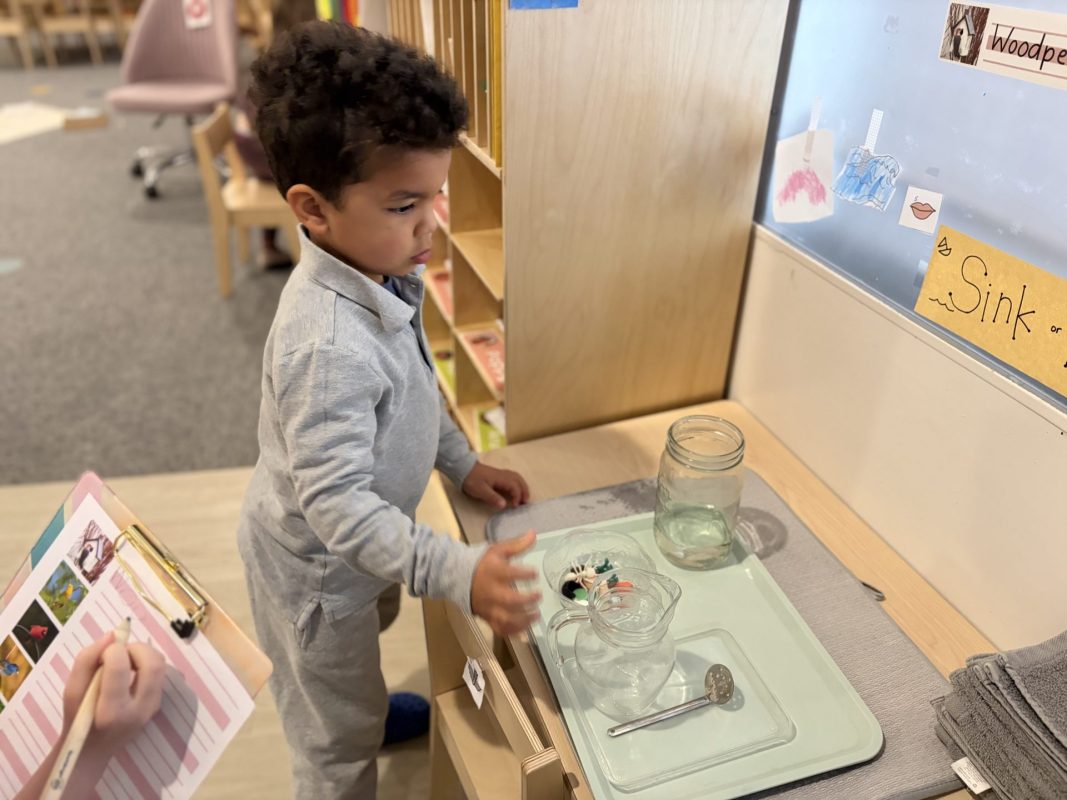
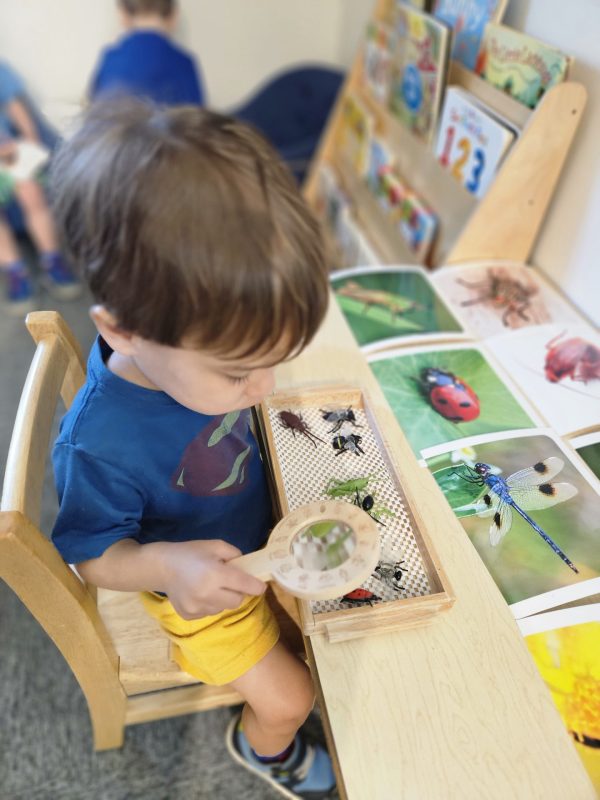
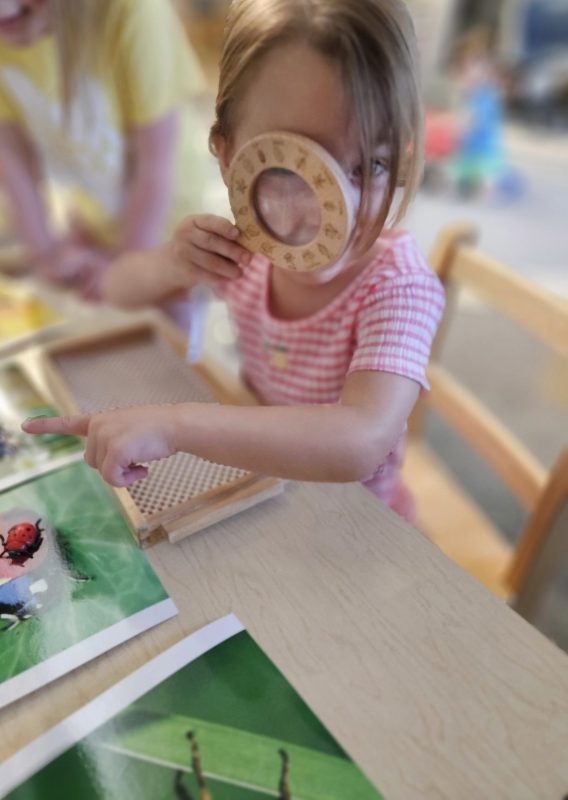
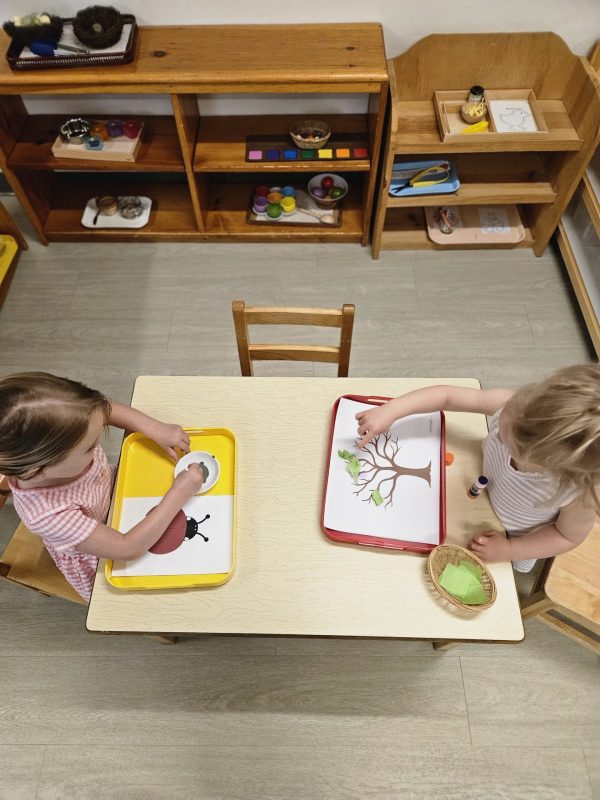
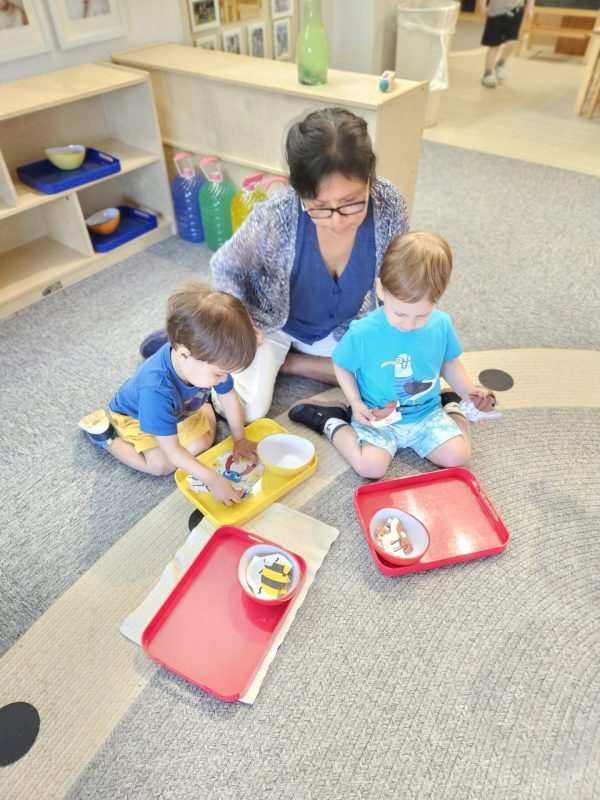
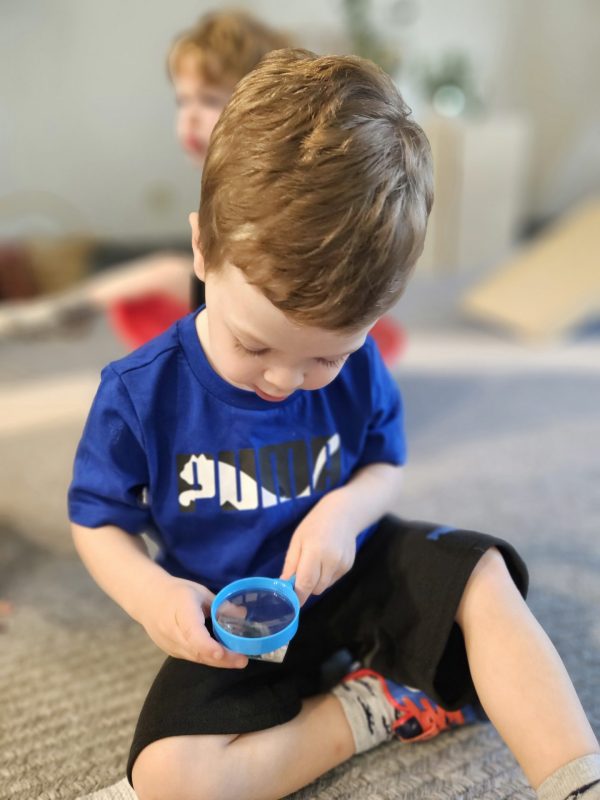
A favorite this week was our insect object matching work, which included a magnifying glass for close observation. The children loved taking a closer look, noticing details, and carefully matching each object.

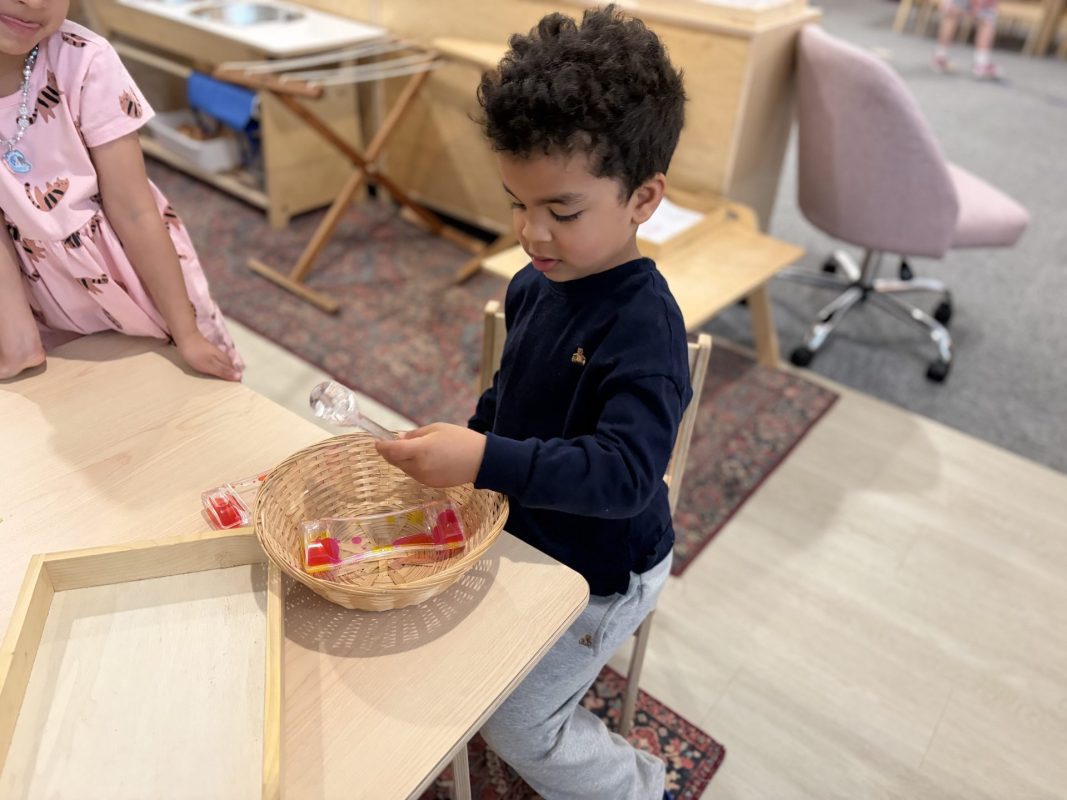
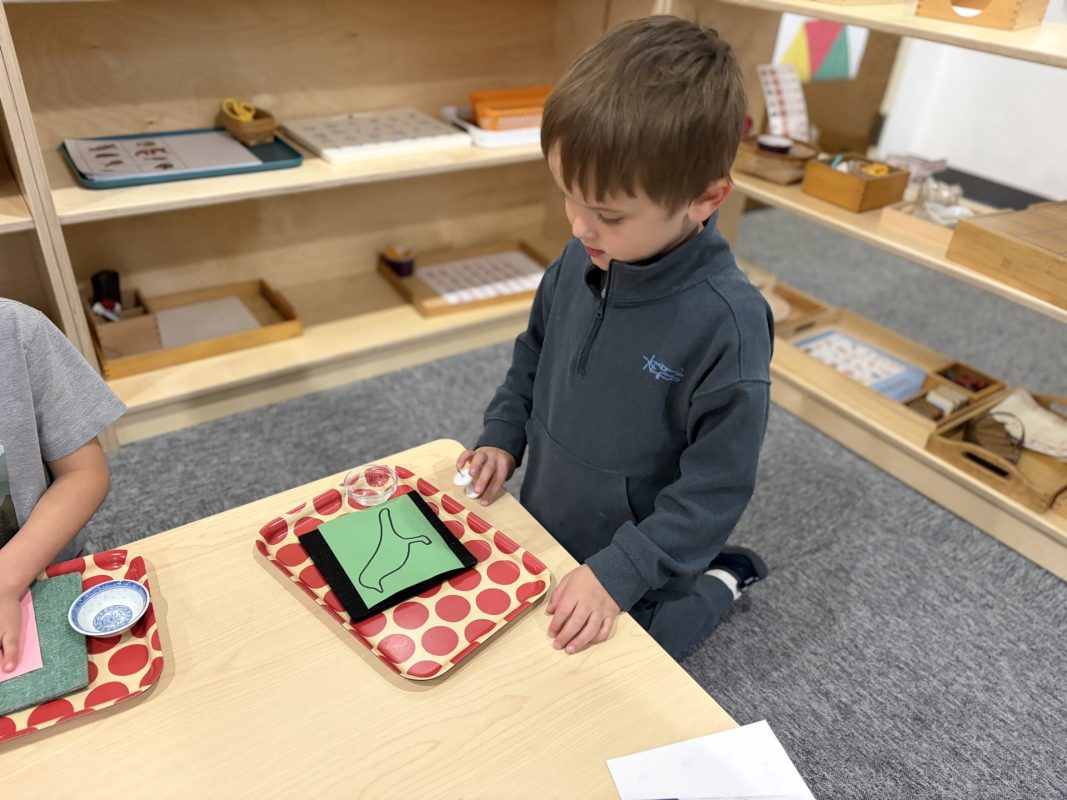
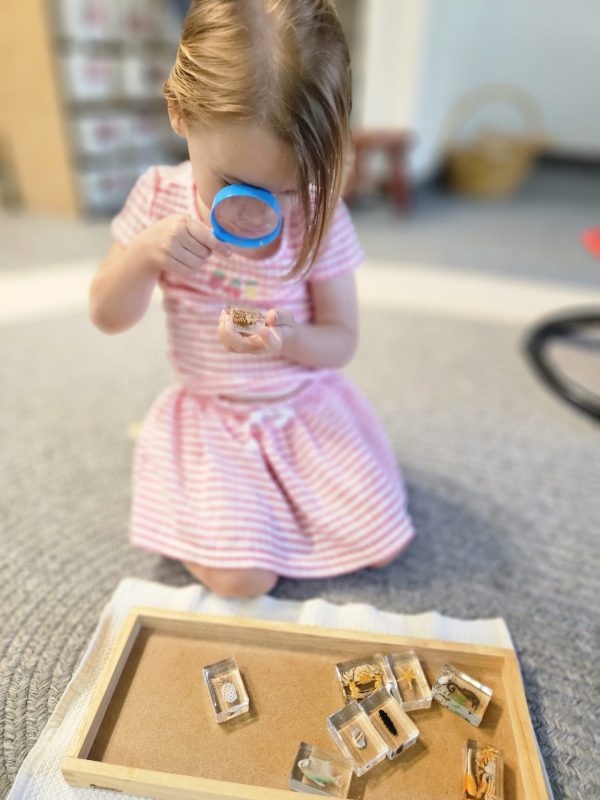
We also introduced sea creatures preserved in acrylic, and this quickly became a high-interest activity. The children enjoyed holding them, turning them, and exploring them from every angle with curiosity and wonder.

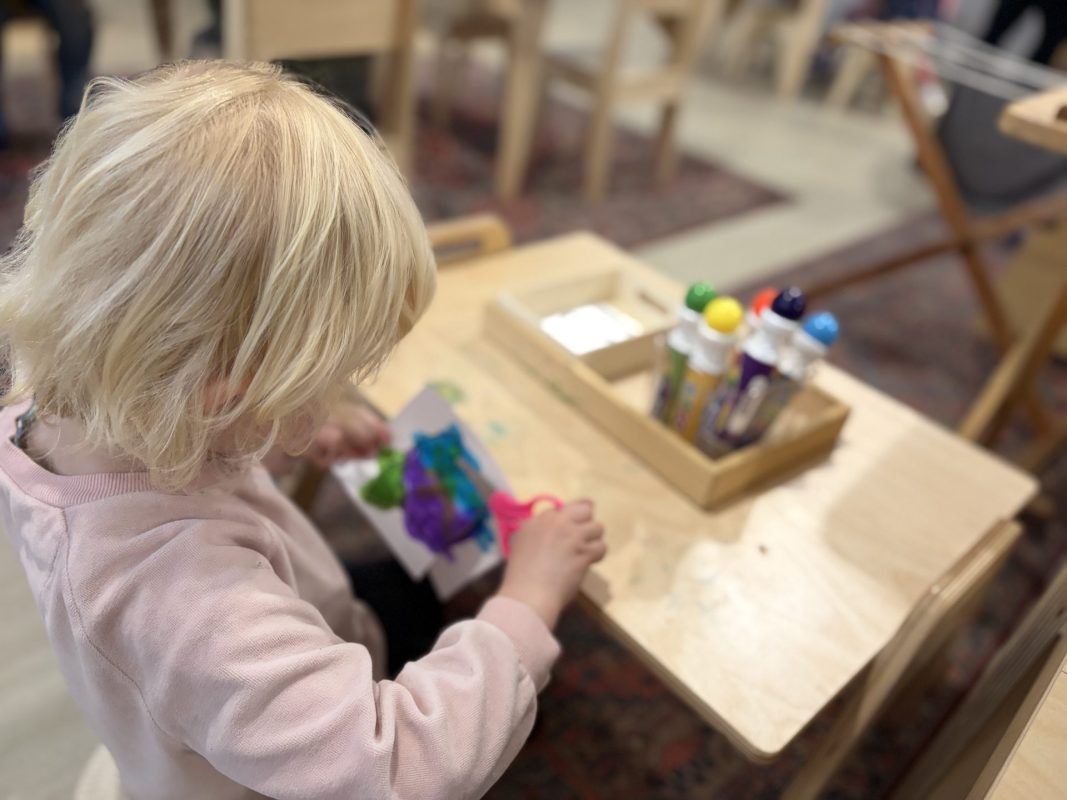
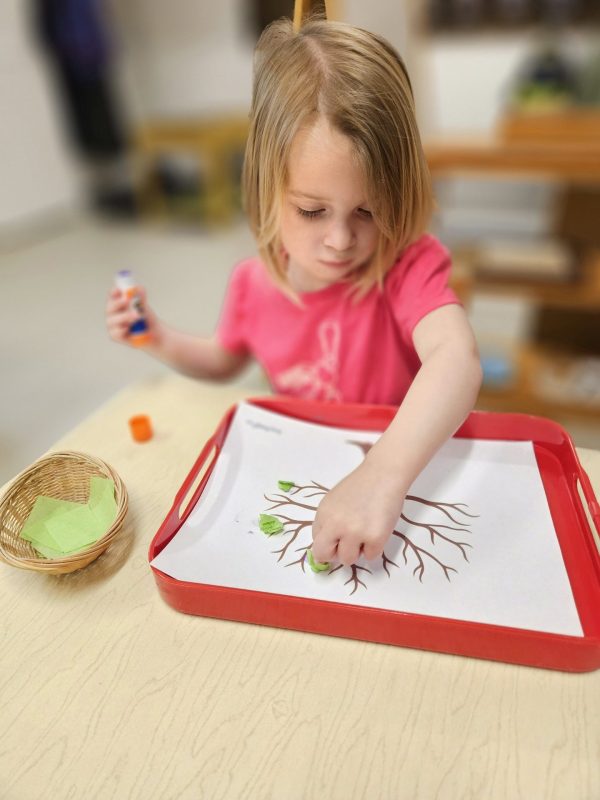
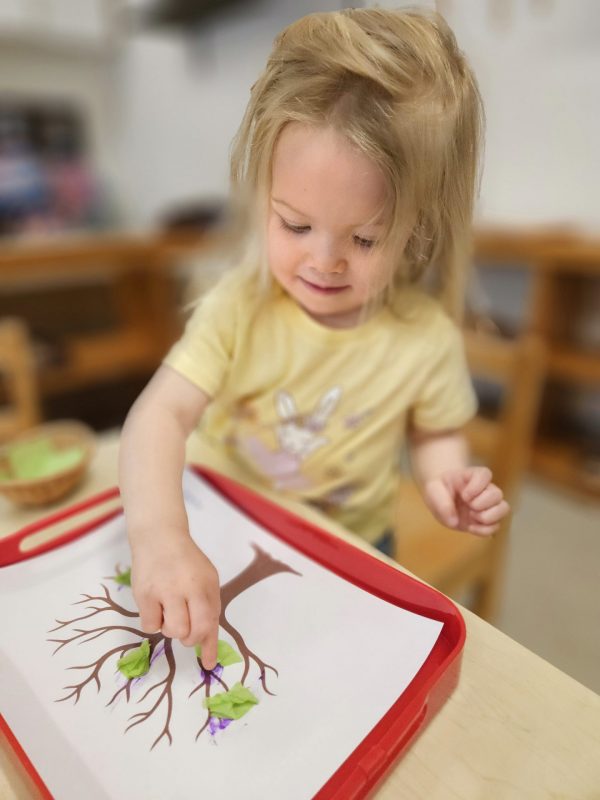
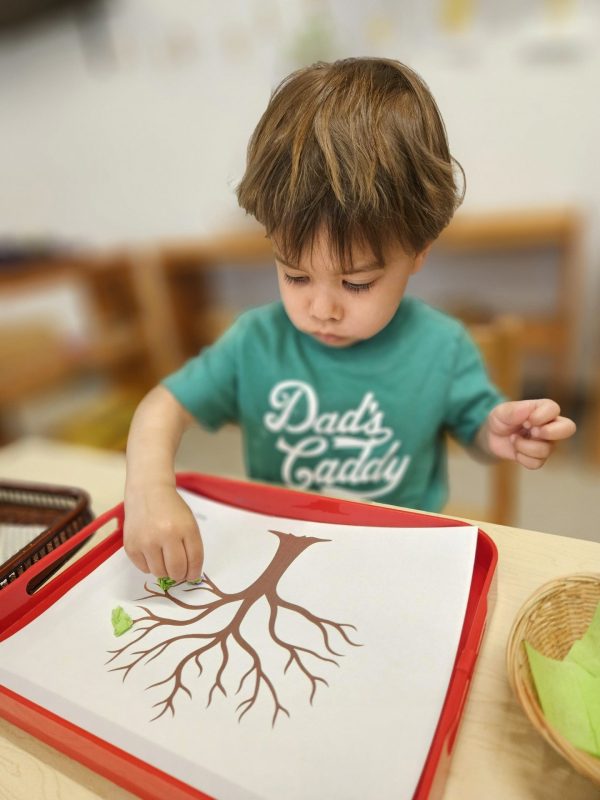
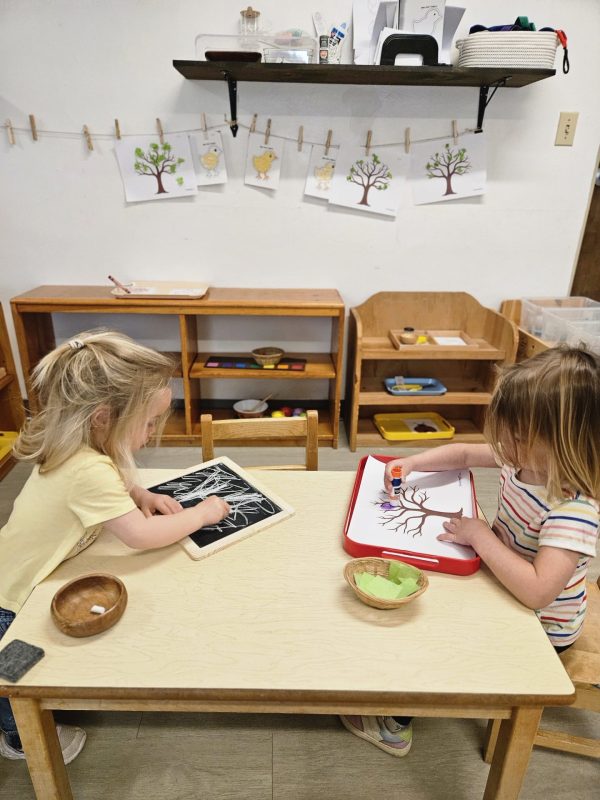
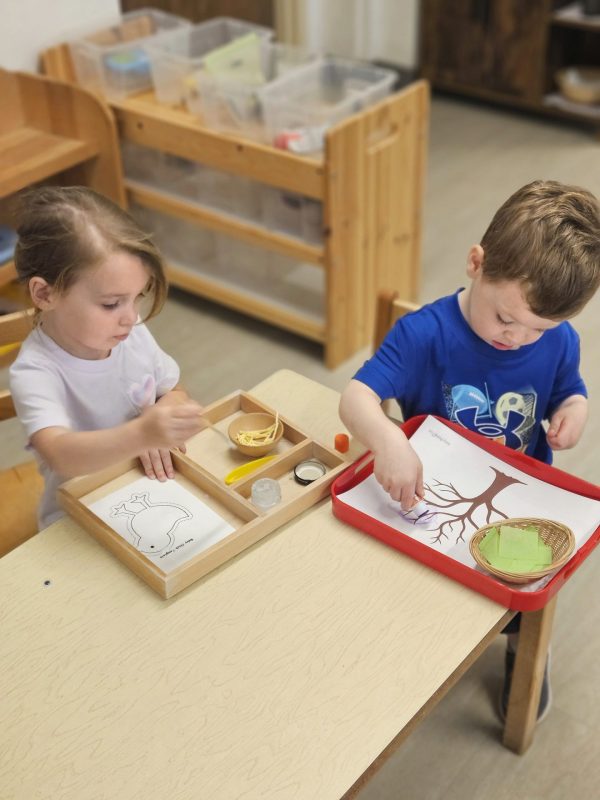
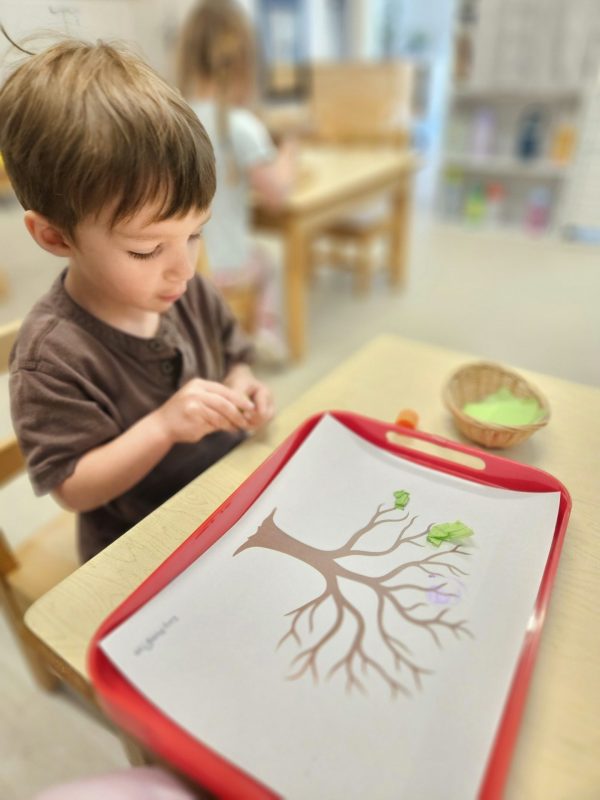
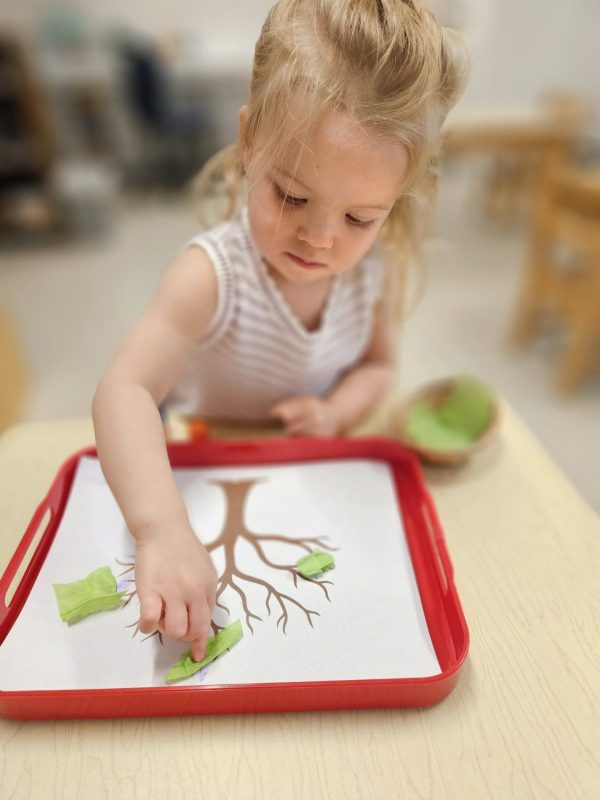
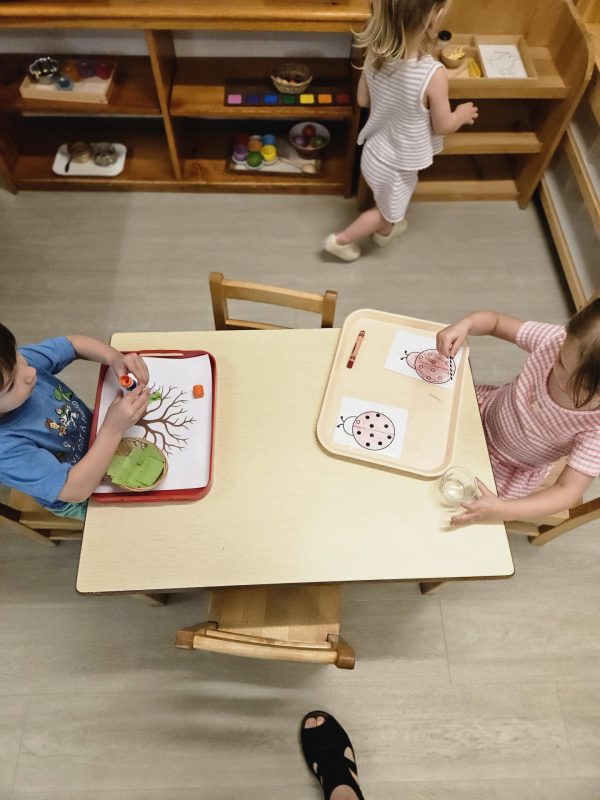
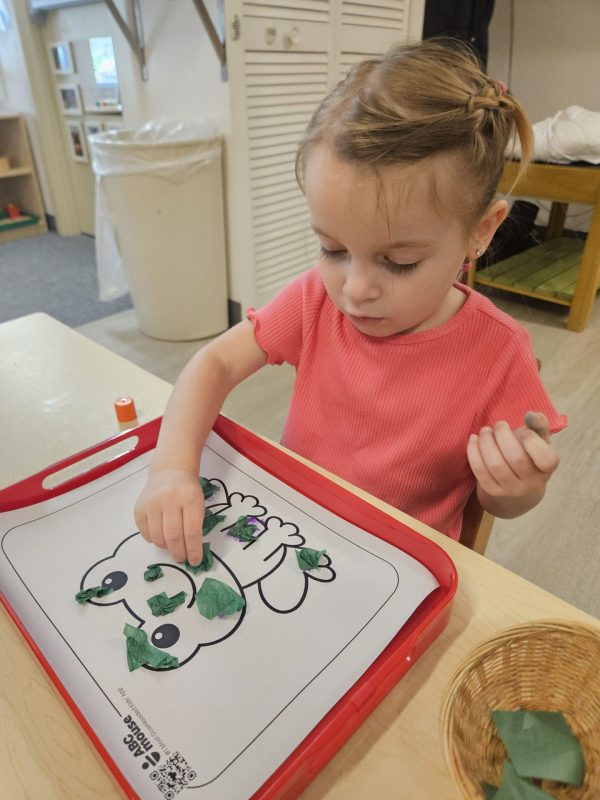
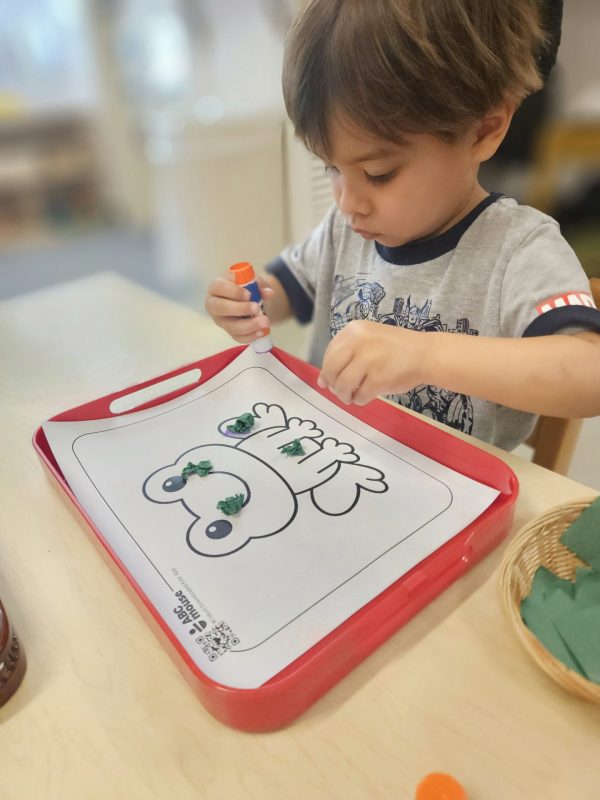
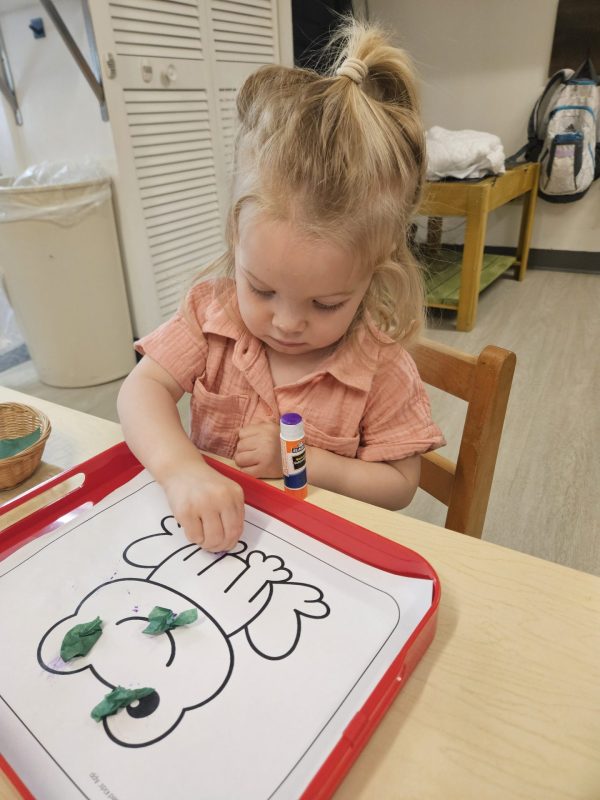
For art, the children created spring trees by crumpling tissue paper into small balls and gluing them on as “leaves.” This connected beautifully to nature, as we’ve started to notice the first signs of green on the trees outside on the playground.

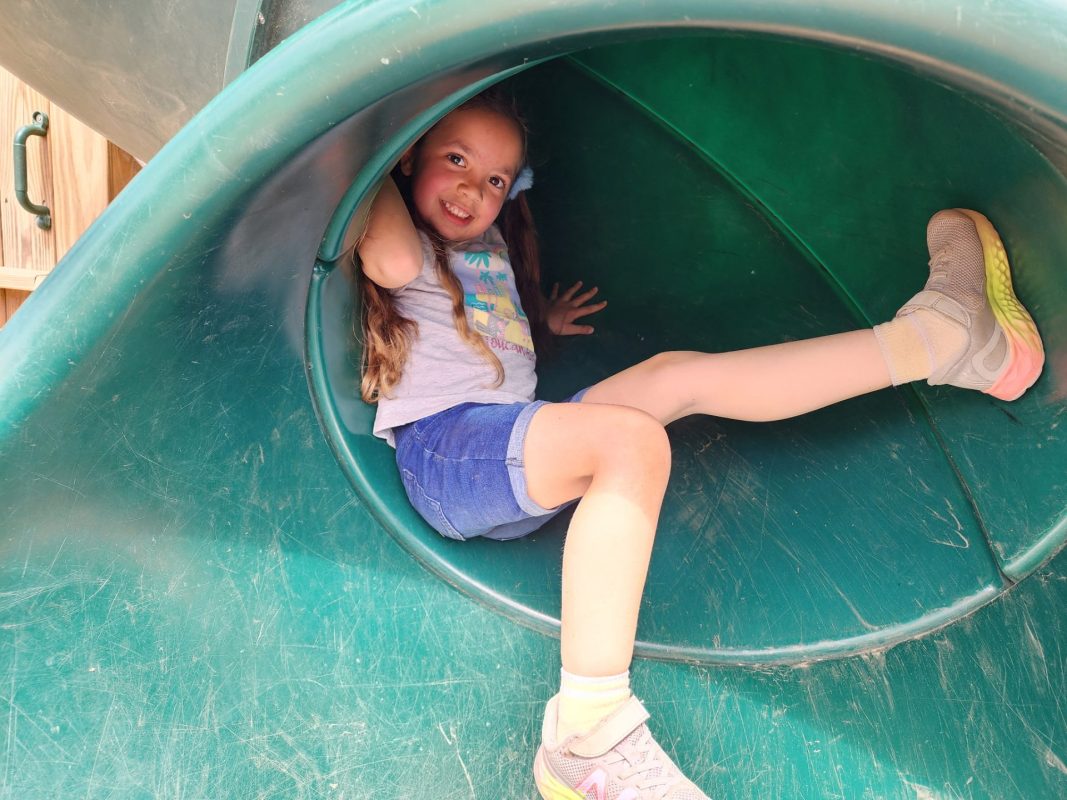
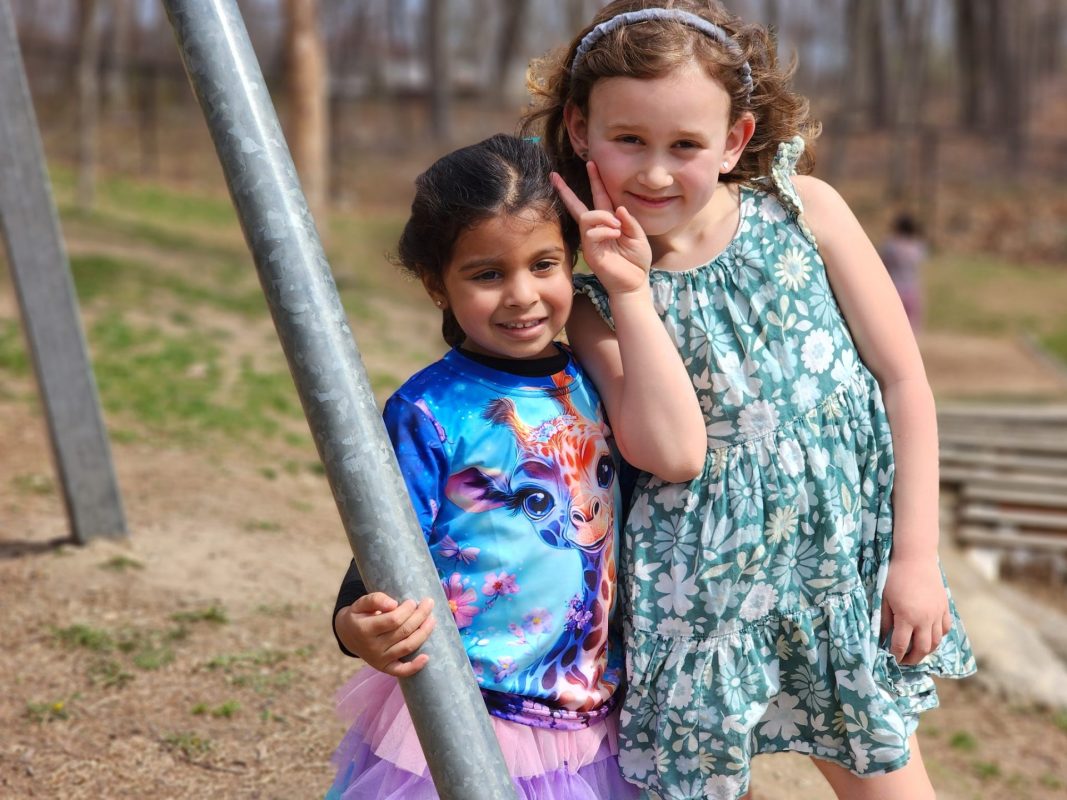
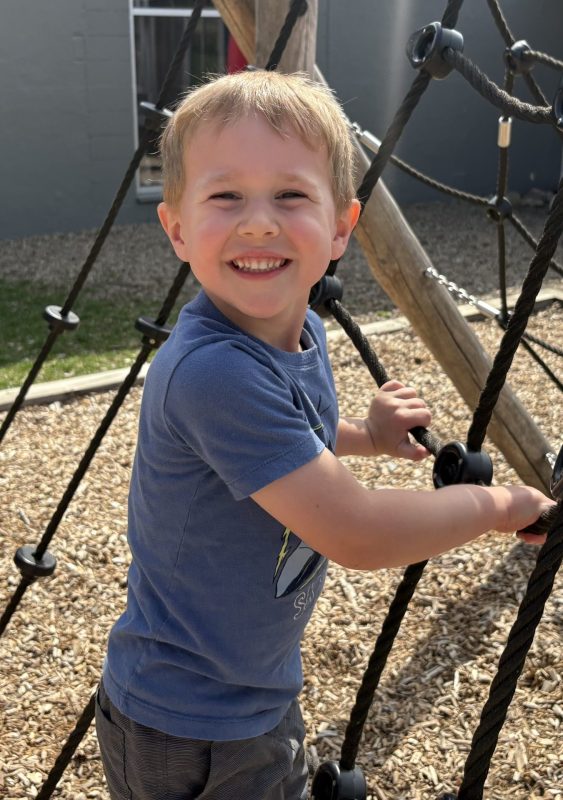
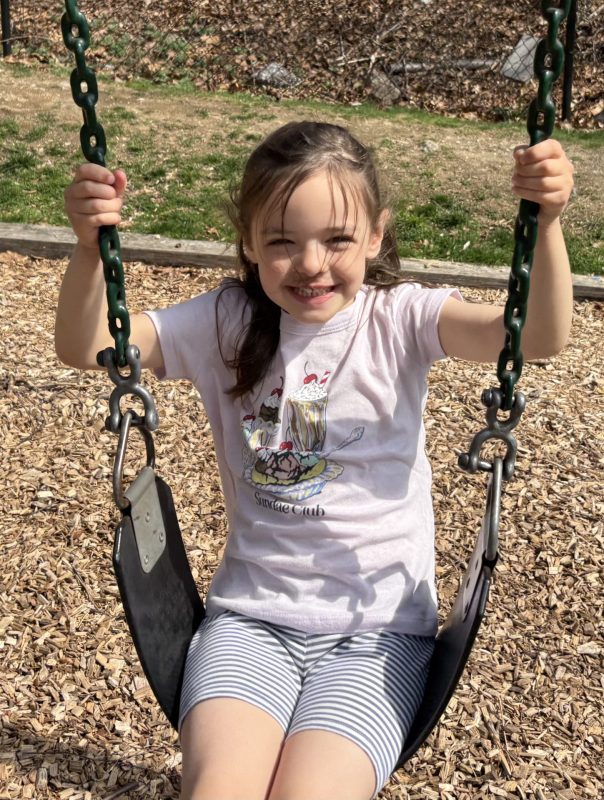
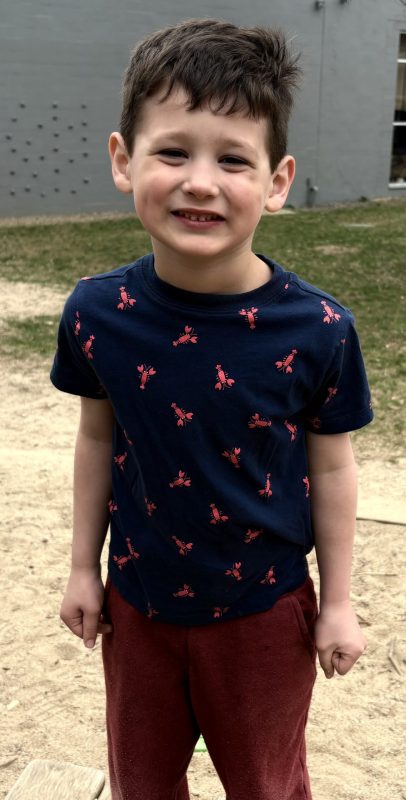
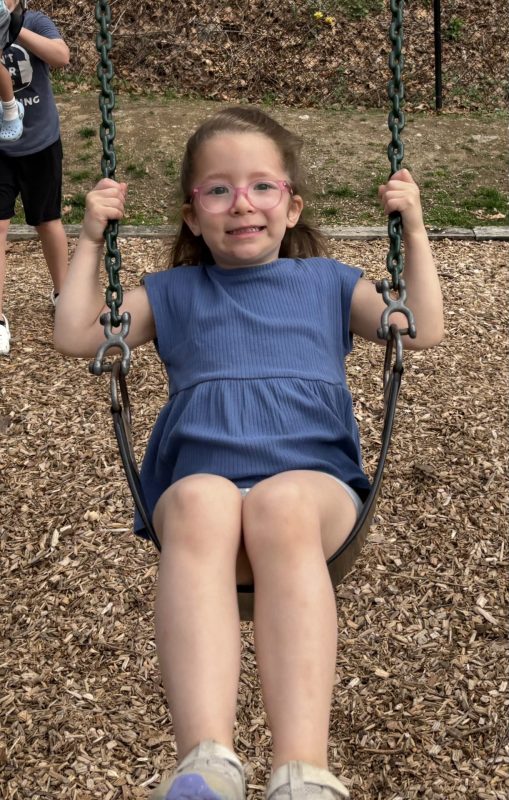
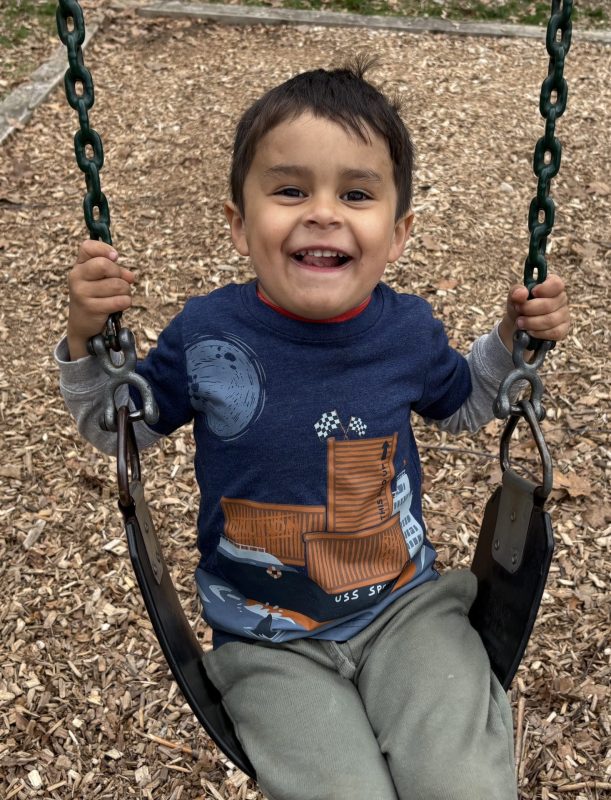
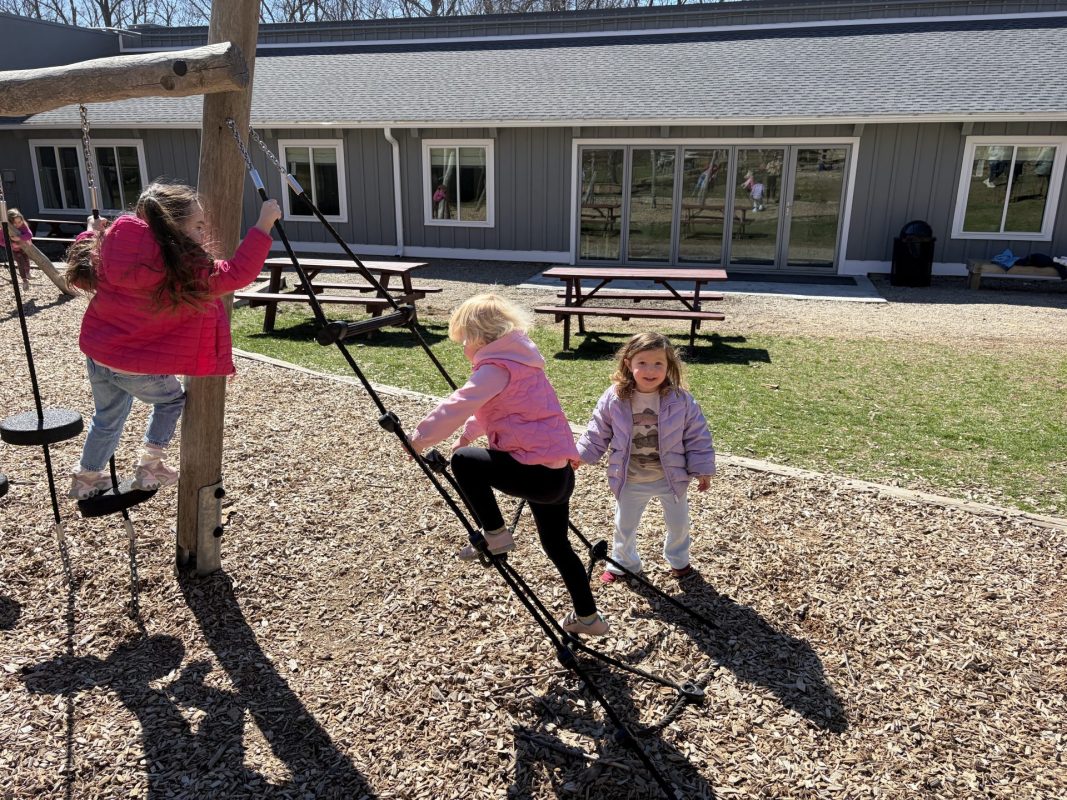
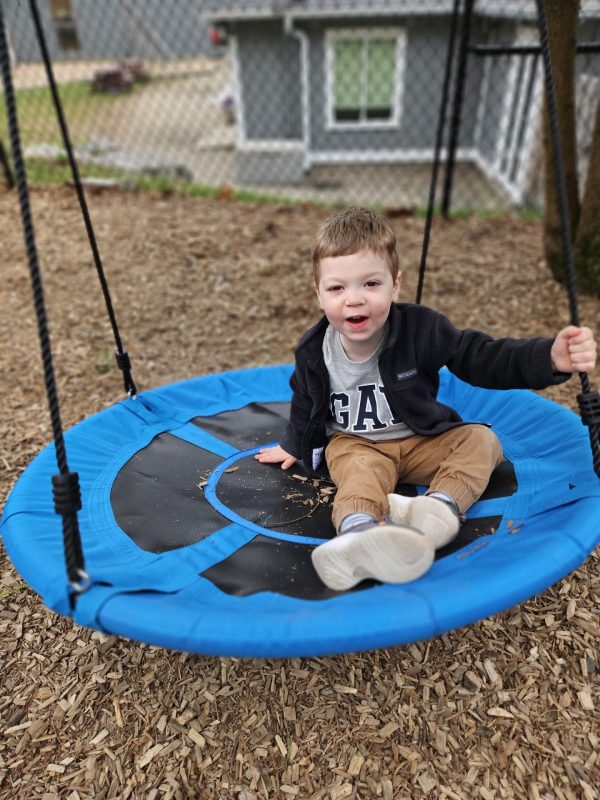
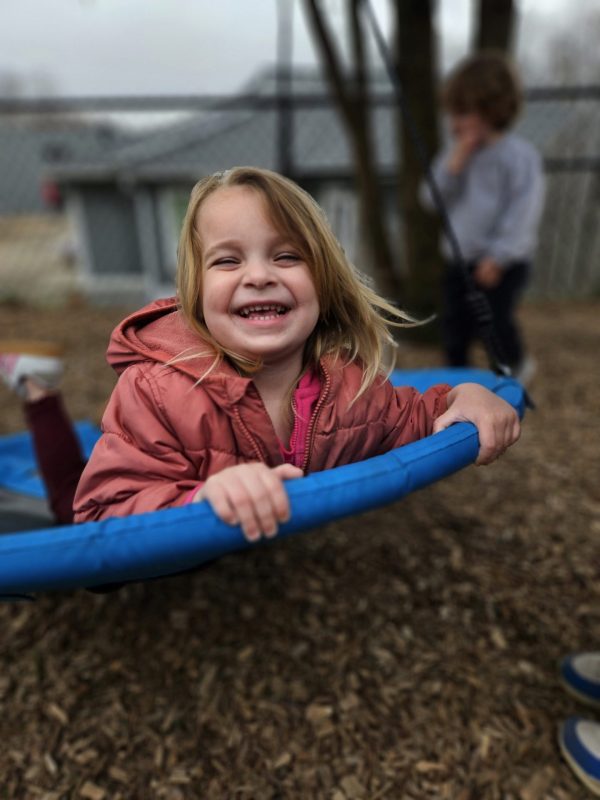
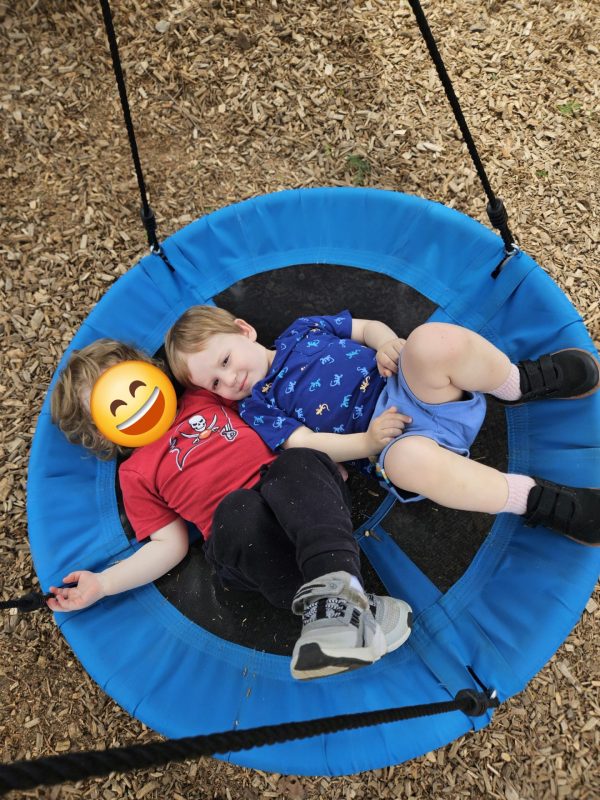
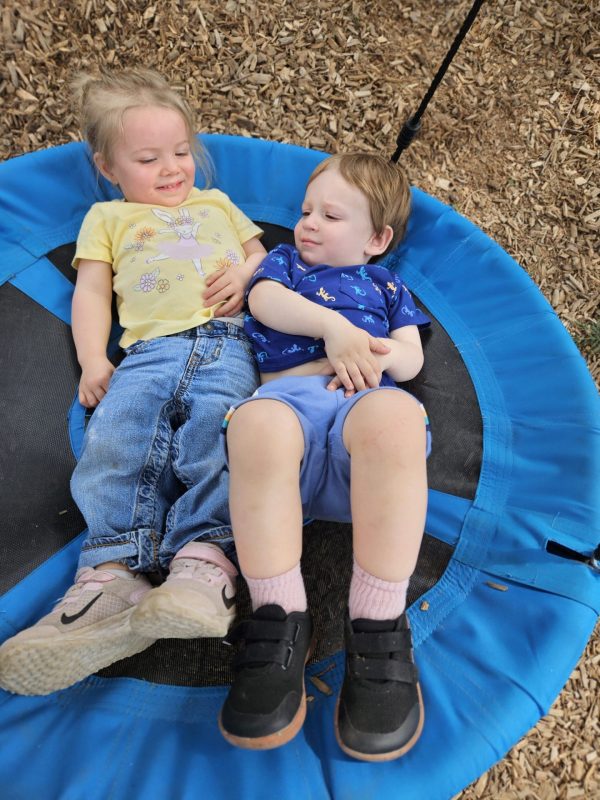
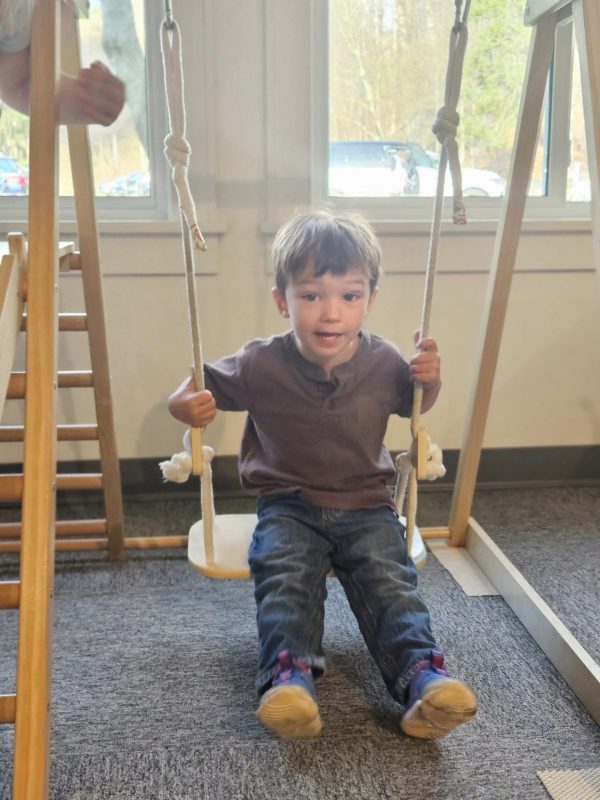
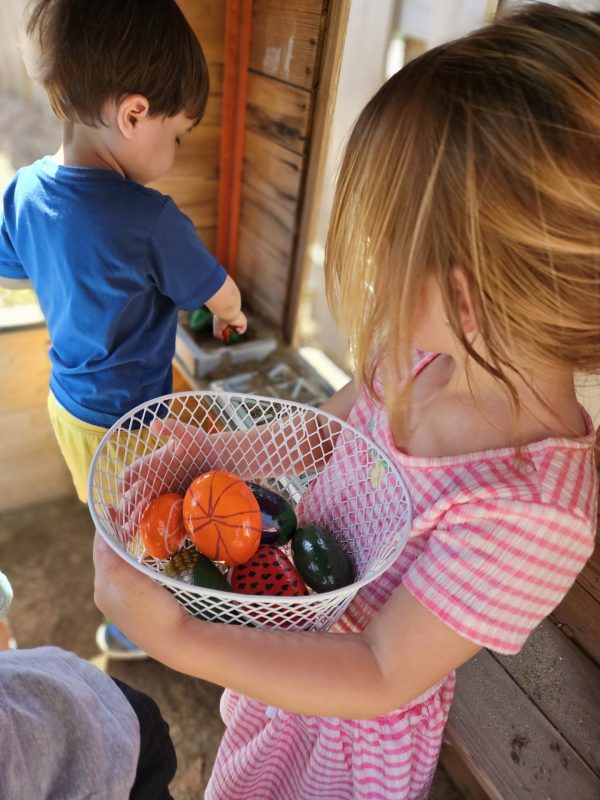
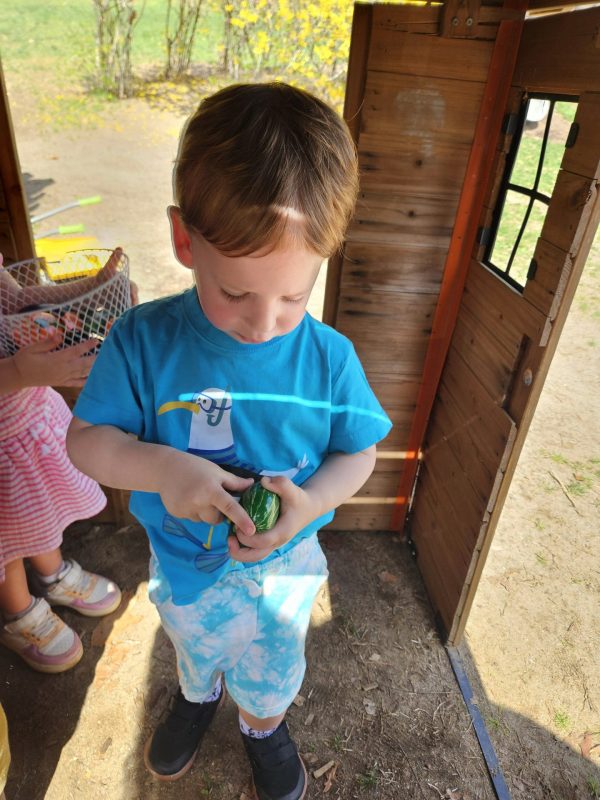
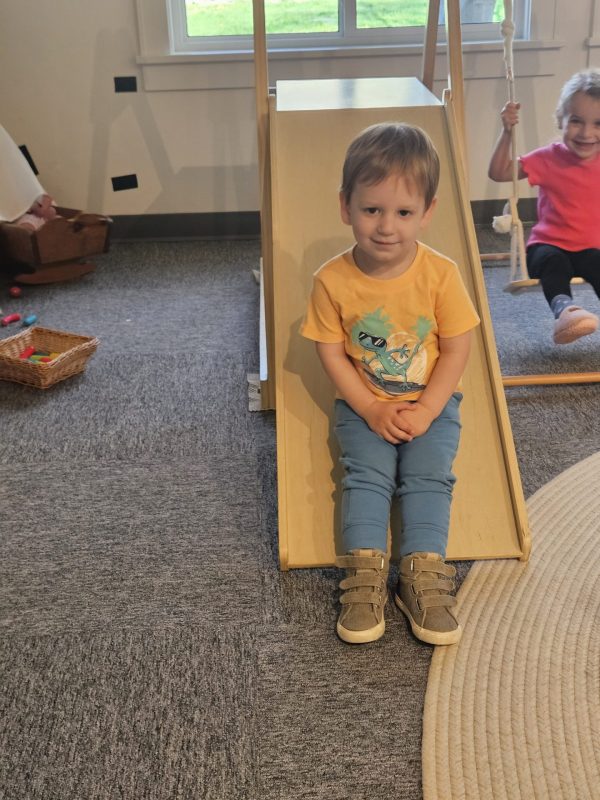
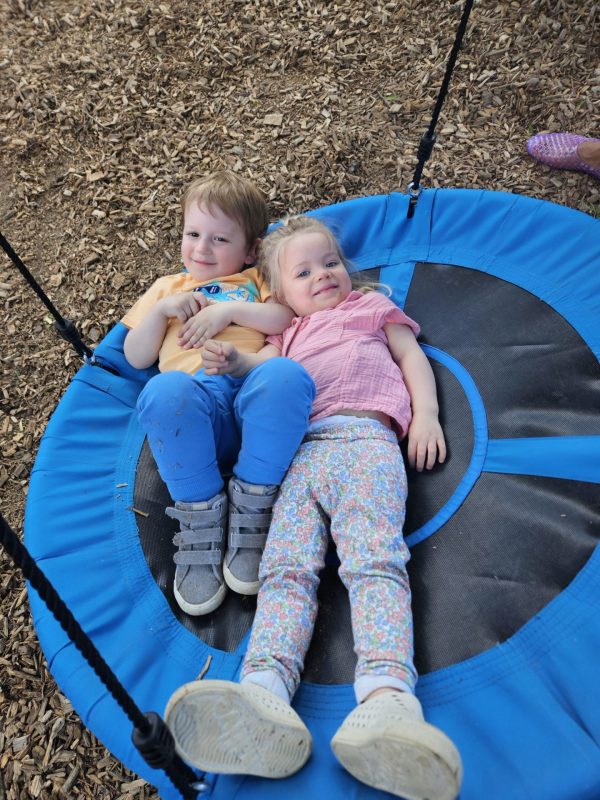
We spent lots of time outside enjoying the warm, almost summer-like weather. The children were excited about the new swing, which has quickly become a favorite spot to relax. Our mud kitchen also got a fun update with painted food rocks, and we’re so grateful for the creativity and generosity of our families! I think even more are coming!

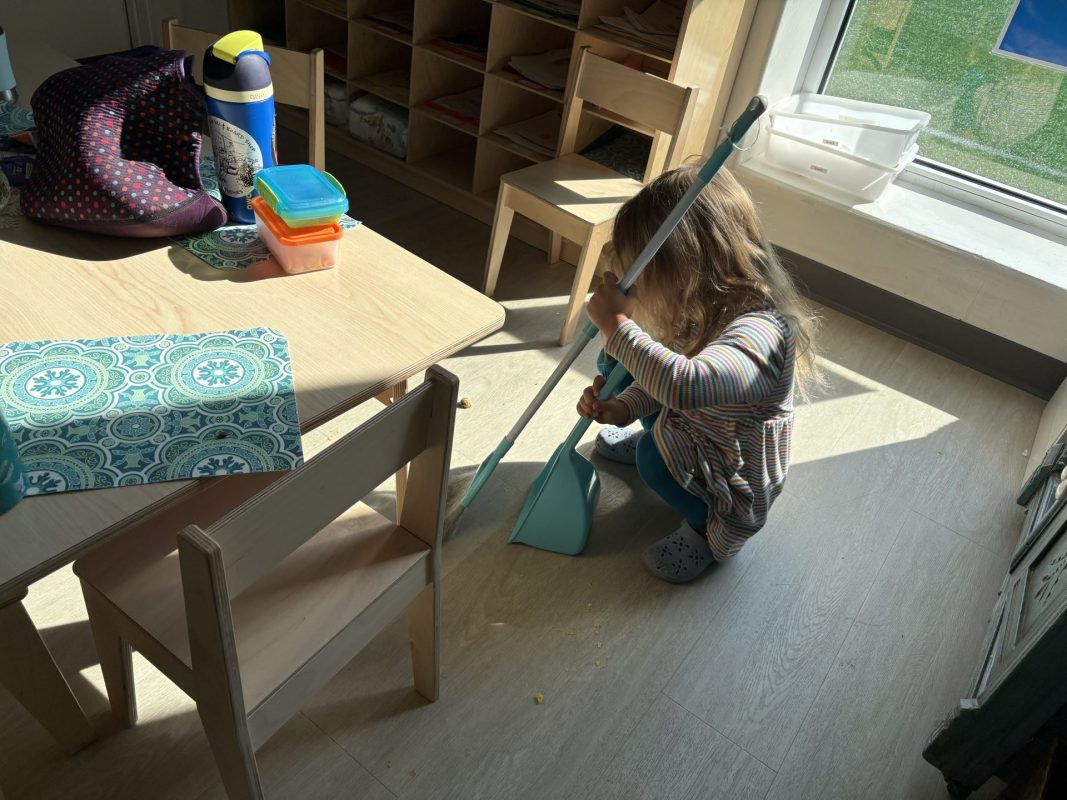
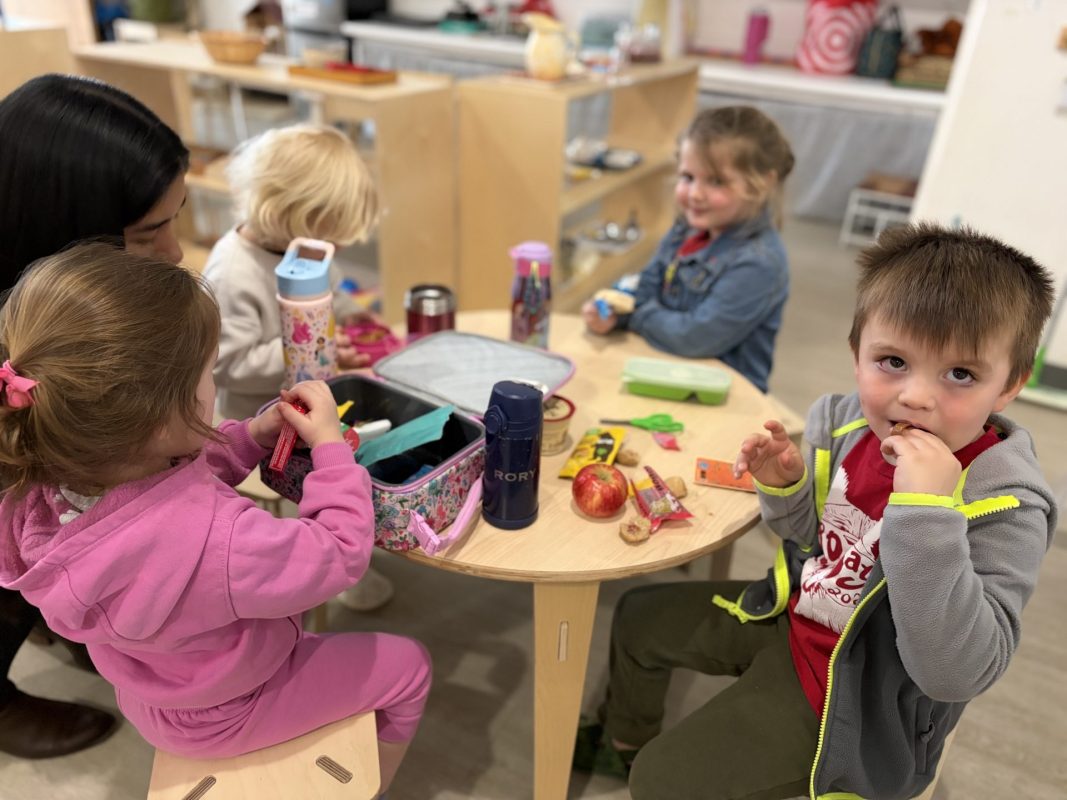
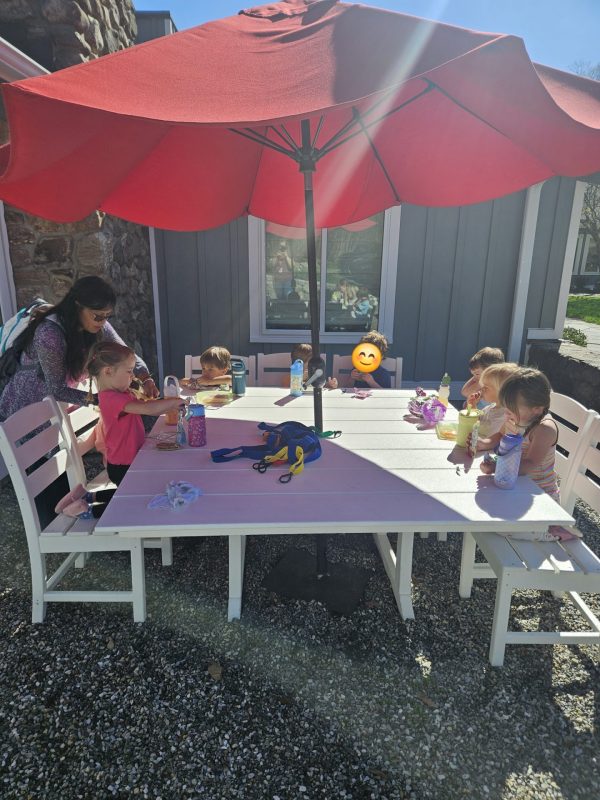
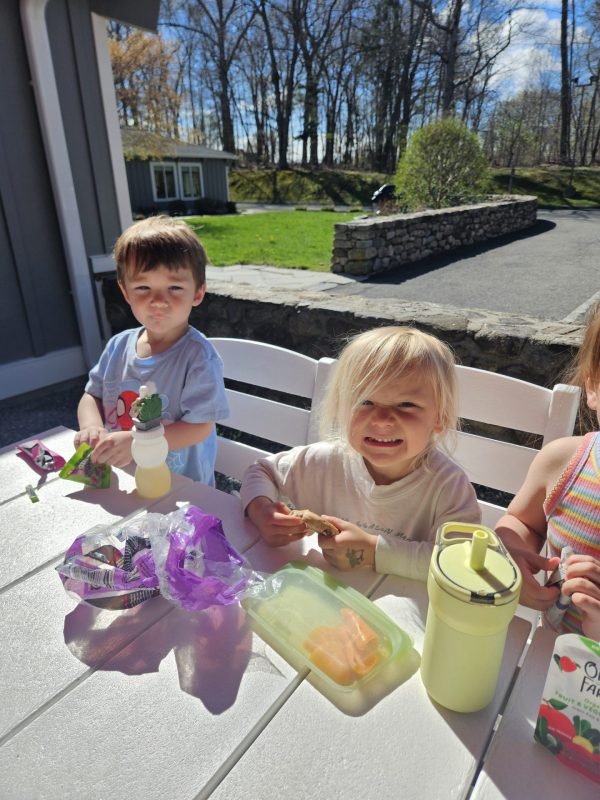
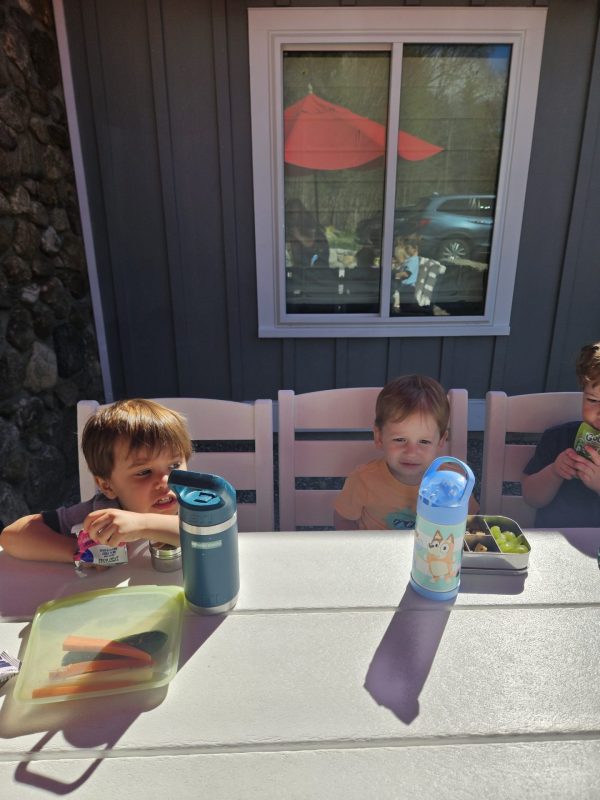
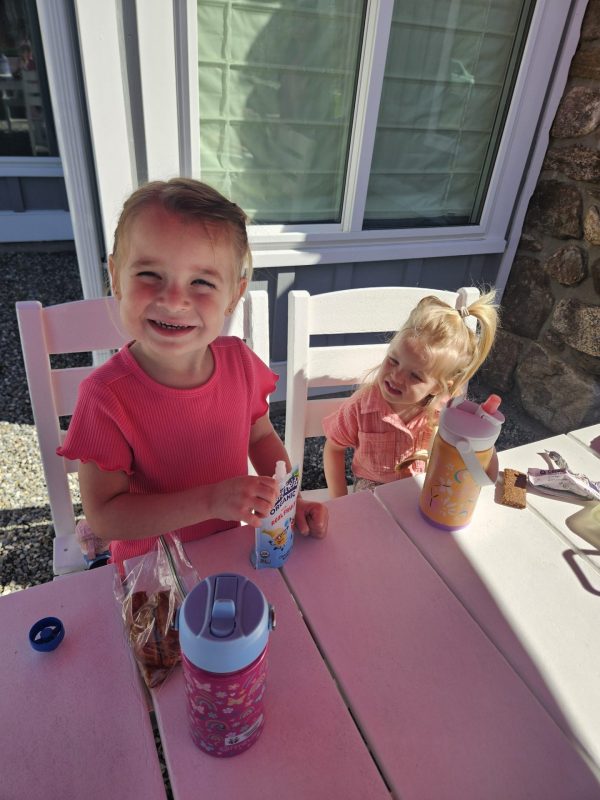
With their growing maturity, the children practiced more independence by carrying their own snacks and water bottles outside. We even enjoyed a picnic-style snack together, which was such a special way to spend time as a class.

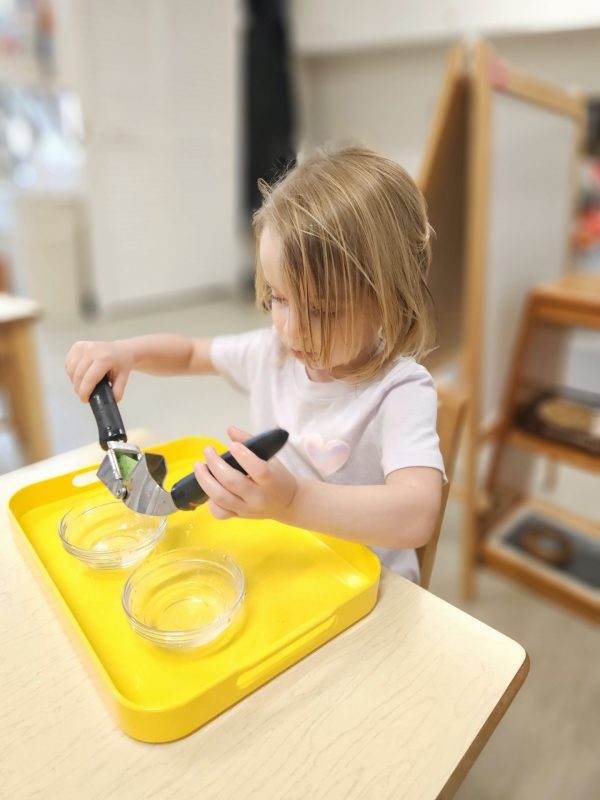
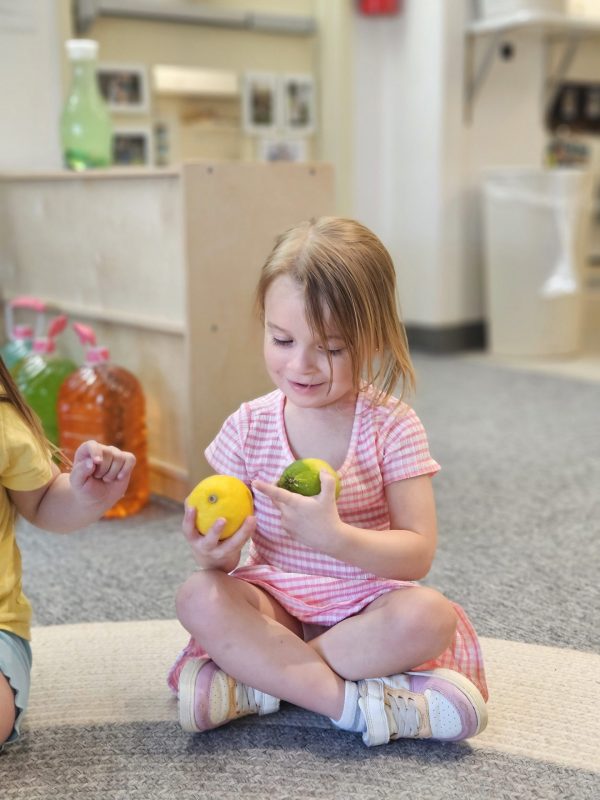
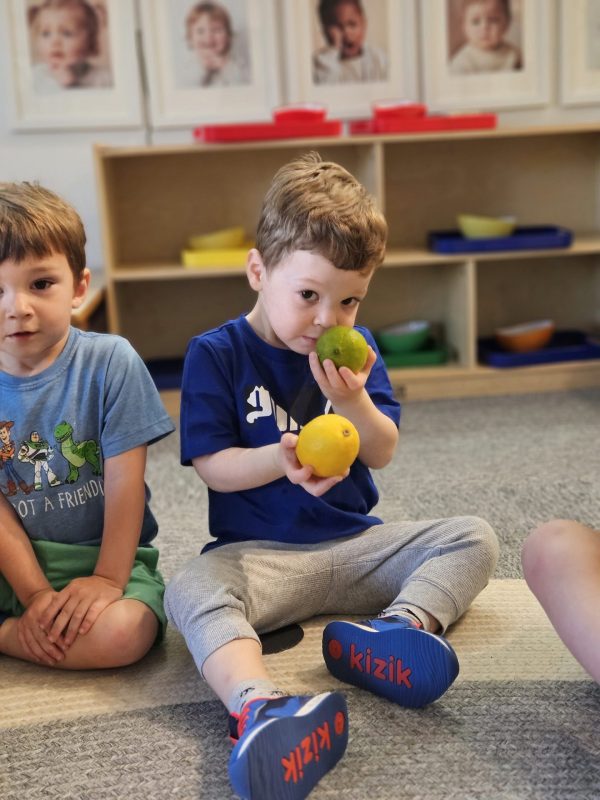
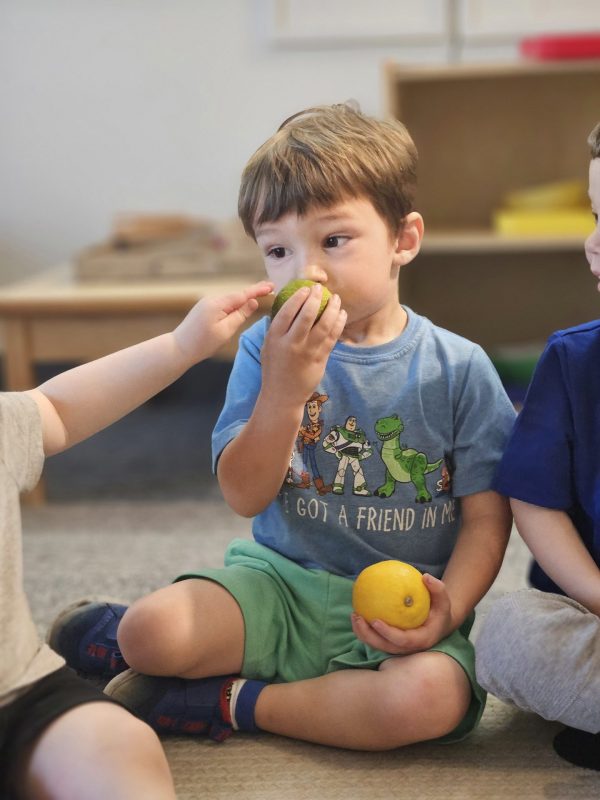
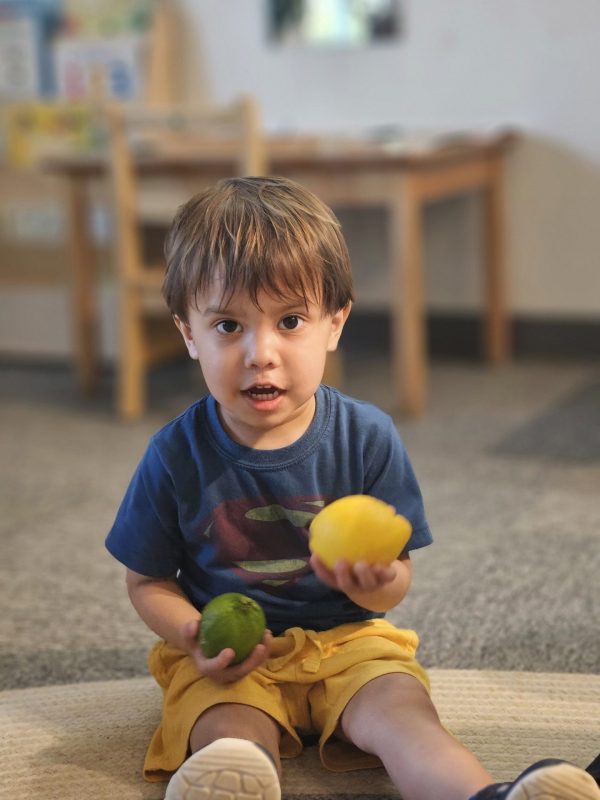
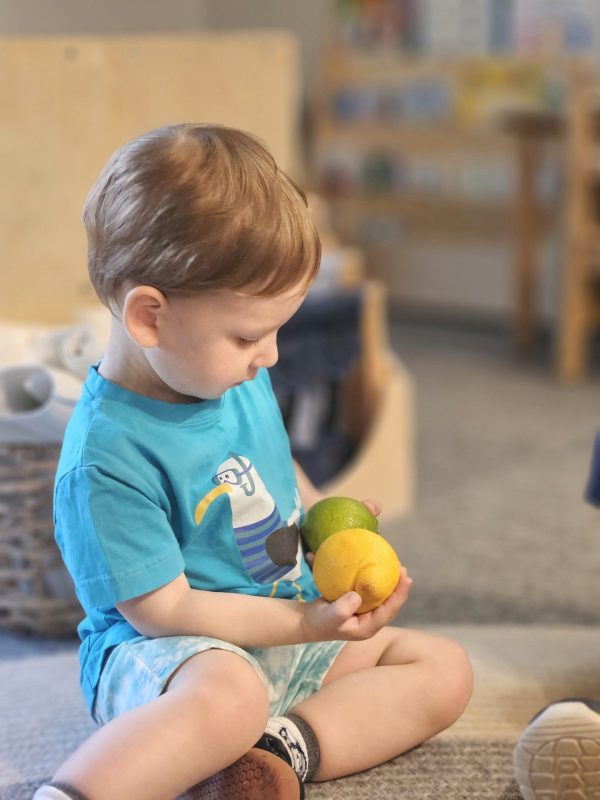
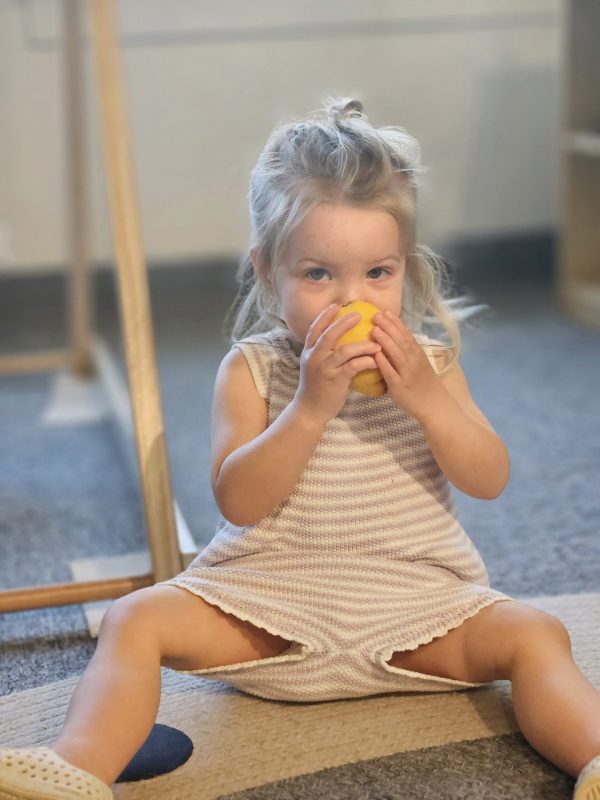
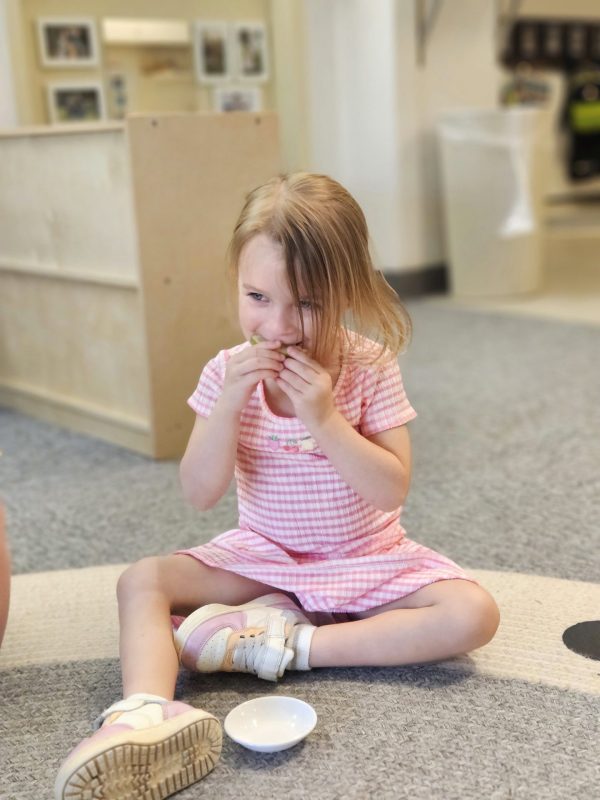
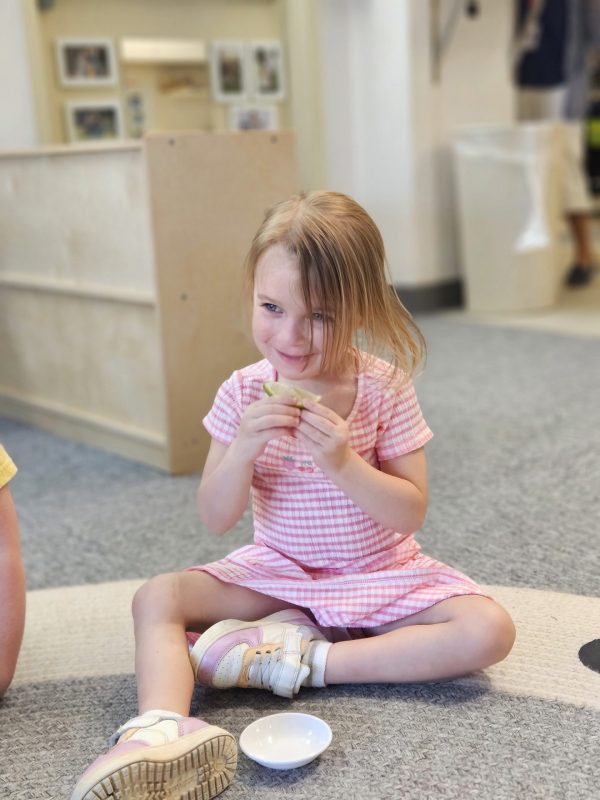
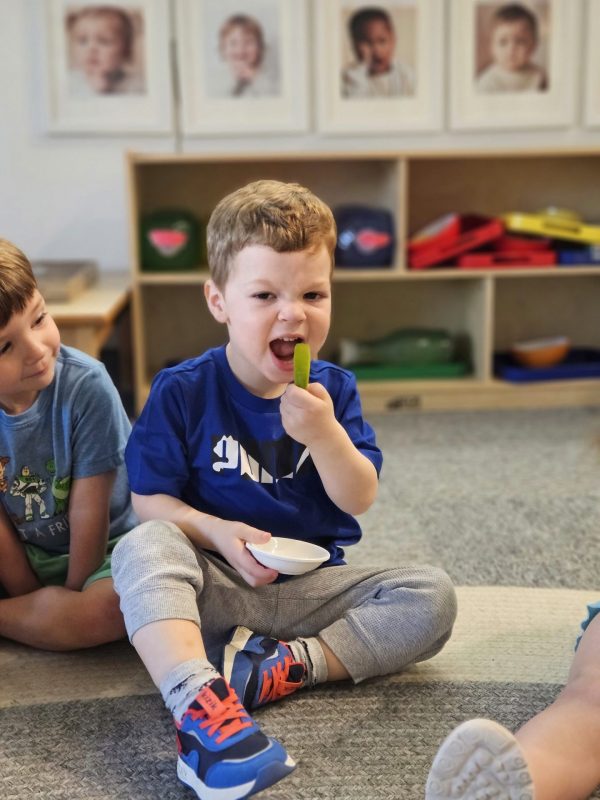
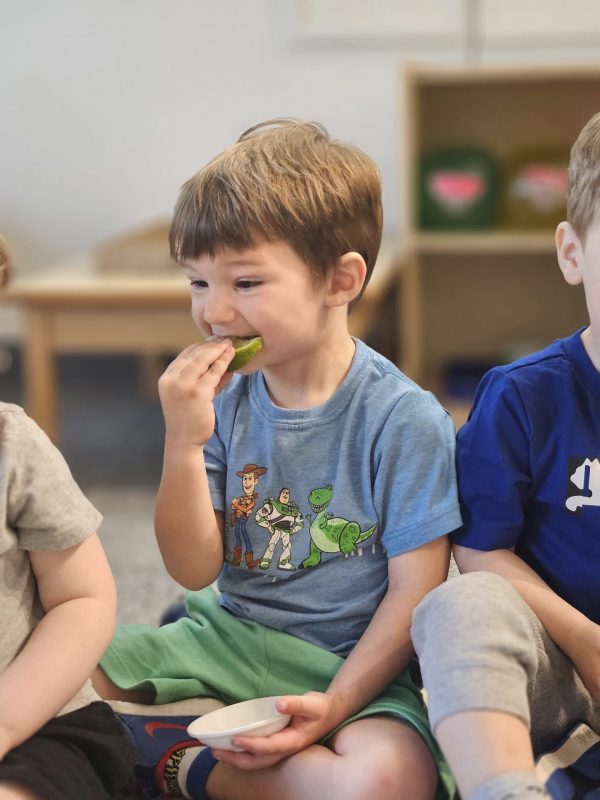
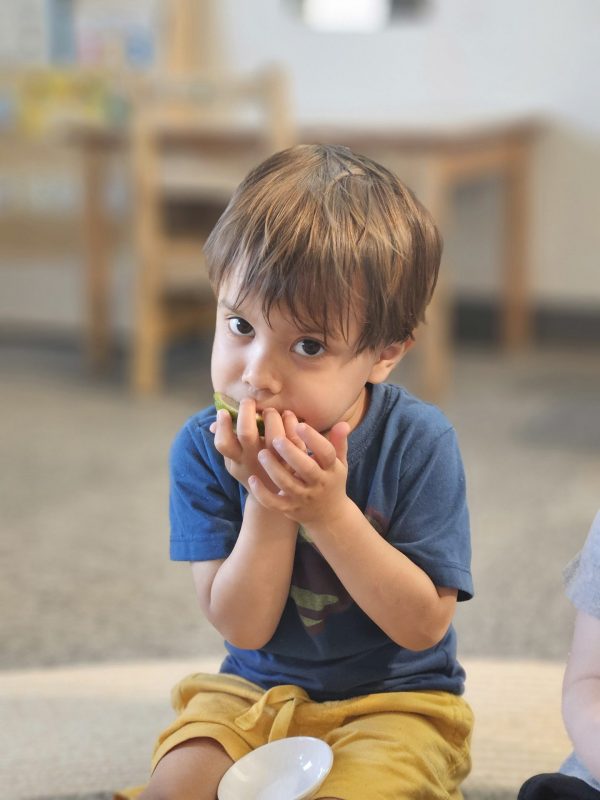
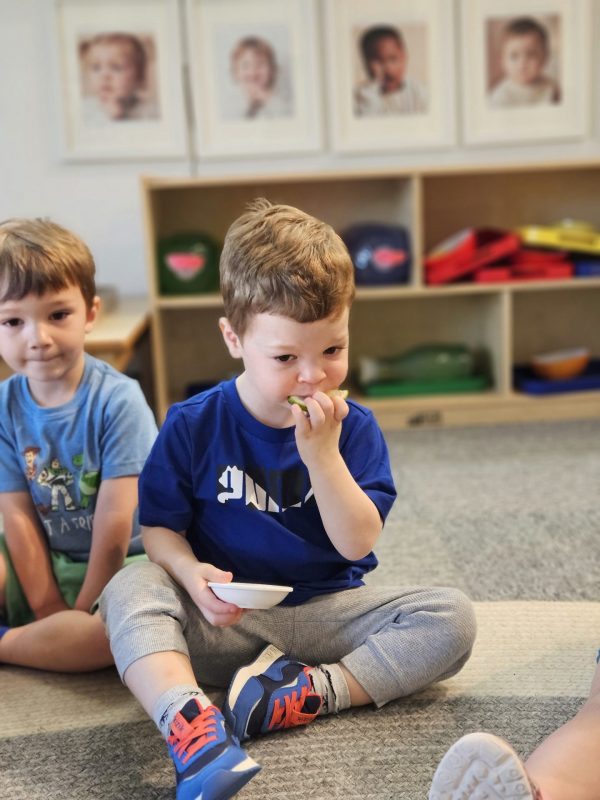
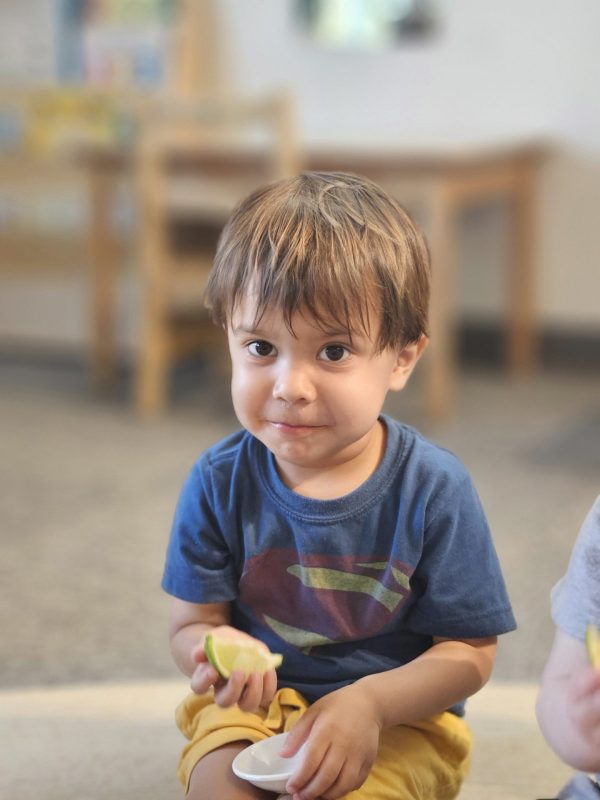
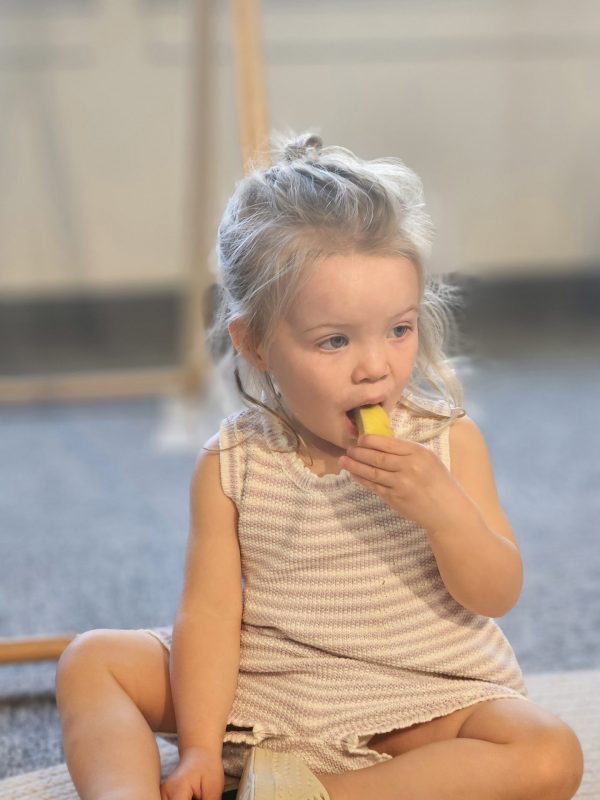
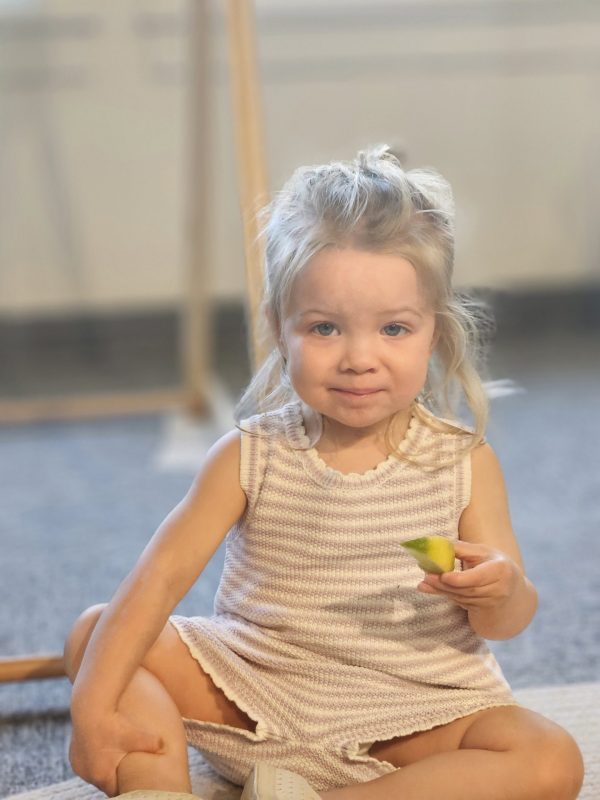
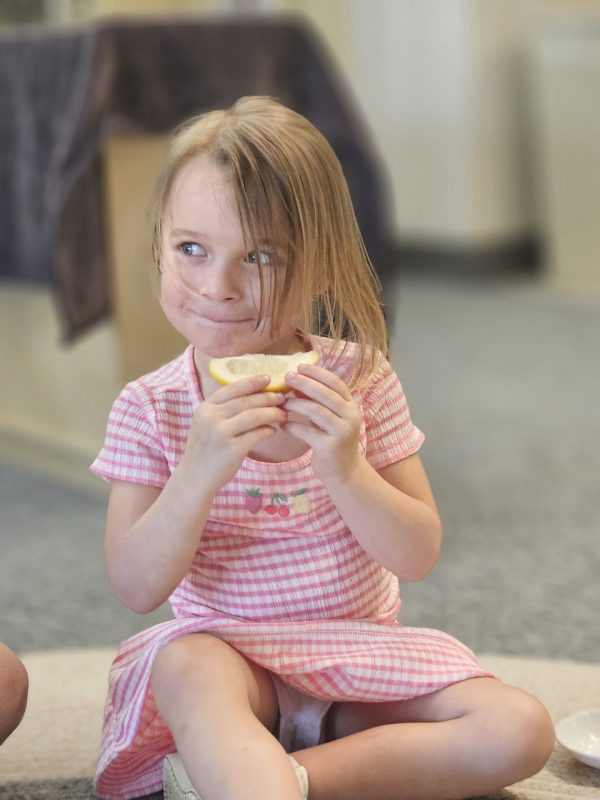
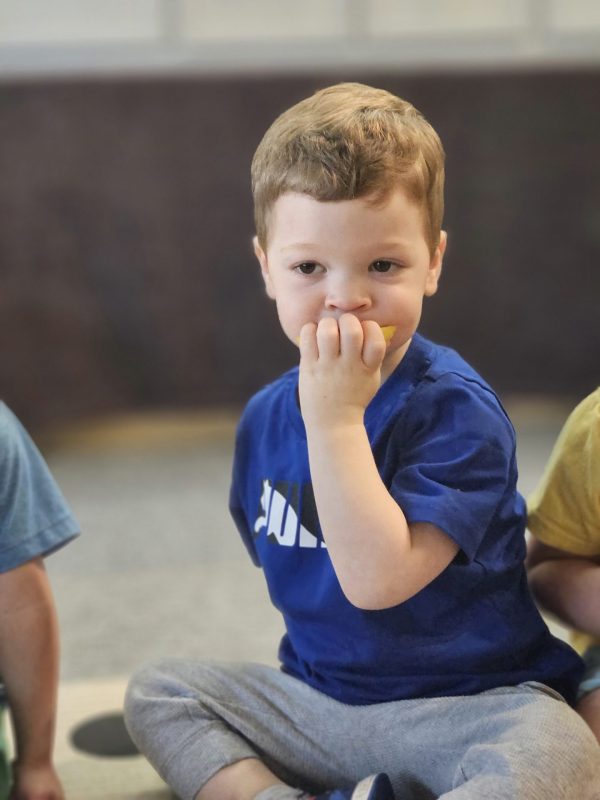
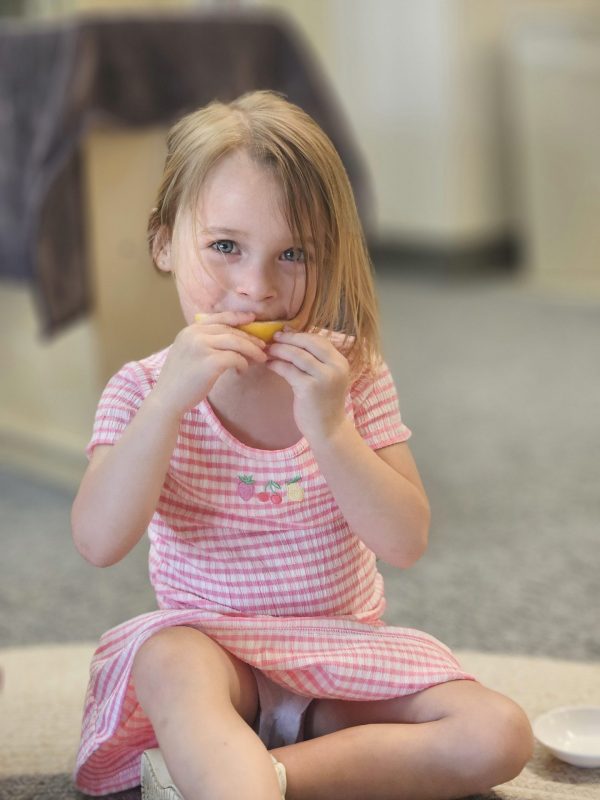
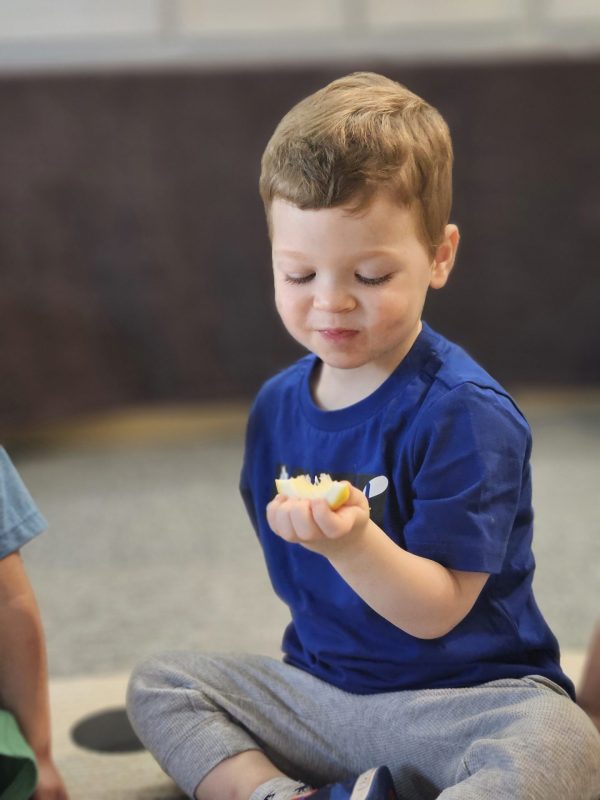
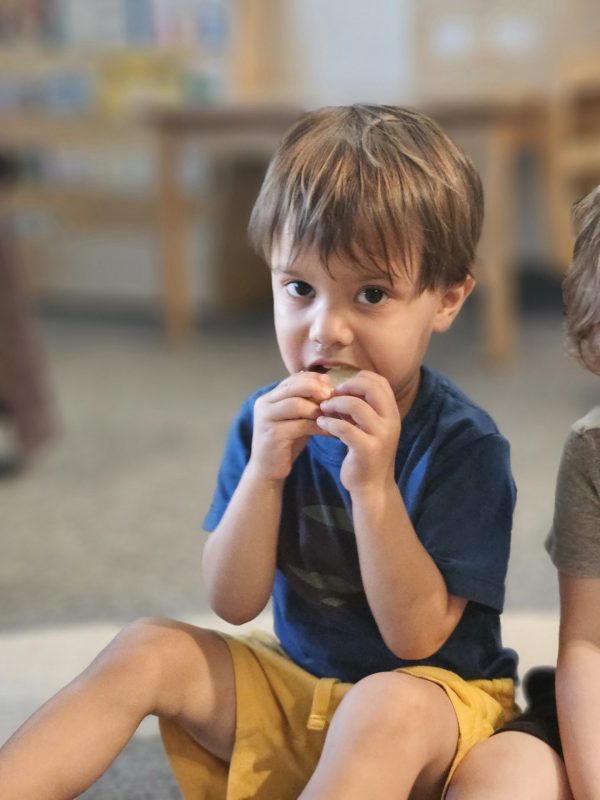
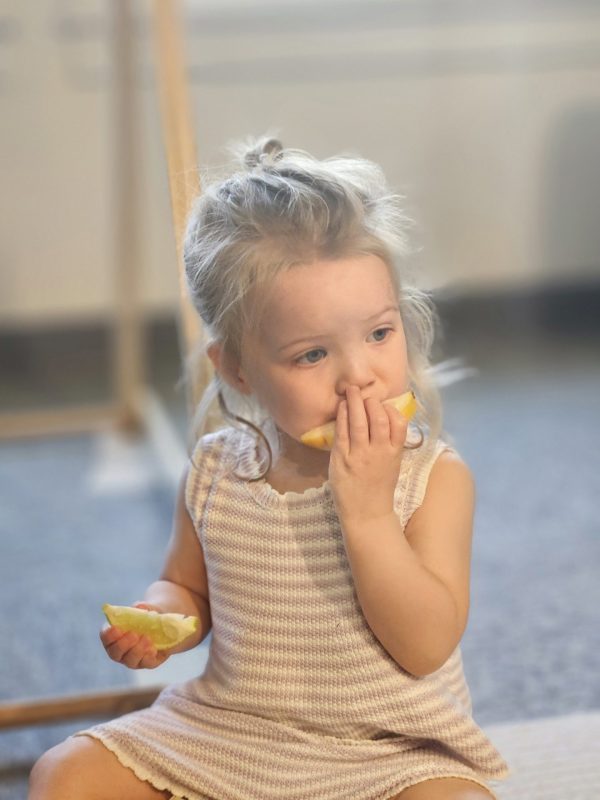
Food tasting this week included lemon and lime. The children loved them! They devoured the wedges. I was hoping to get some pucker photos, but this class loves citrus.

It’s been a week full of exploration, creativity, and growing independence. We are so proud of the children and all they are learning each day!


Reminders:

– On the very sunny days when the children have a lot of skin exposed, make sure to apply sunscreen before coming to school.
Mrs. Sargeant: Chicks, Self-Portraits, and Sensory Art

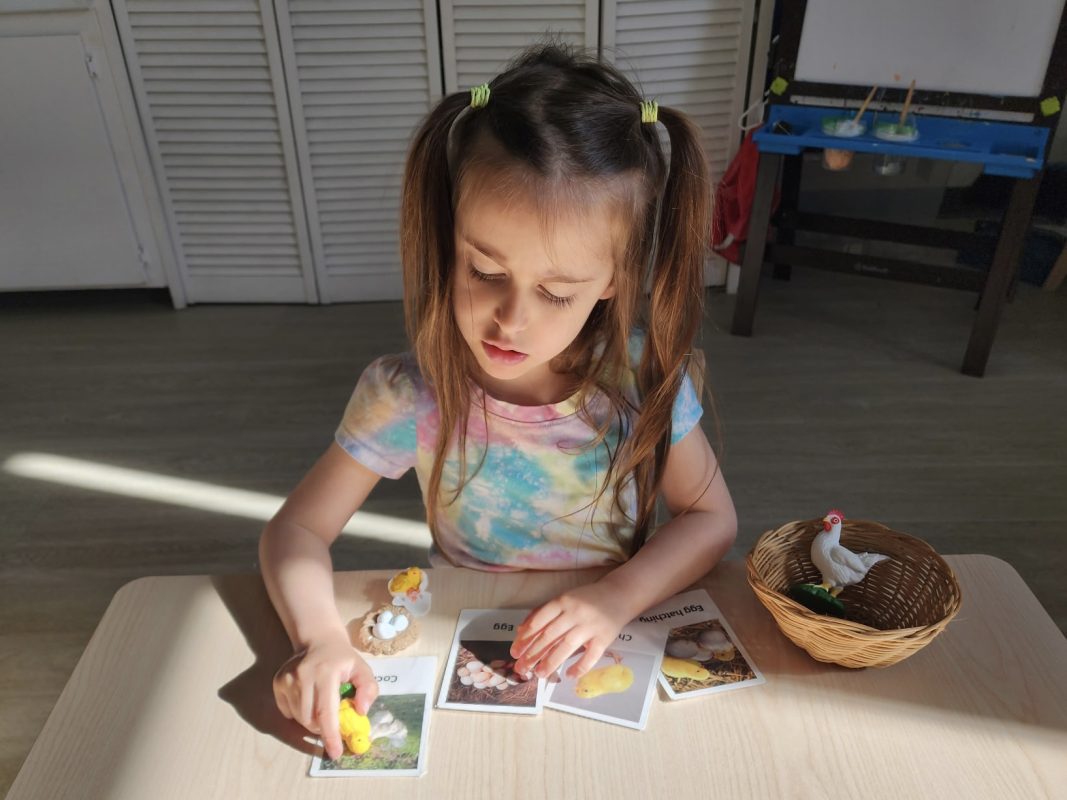
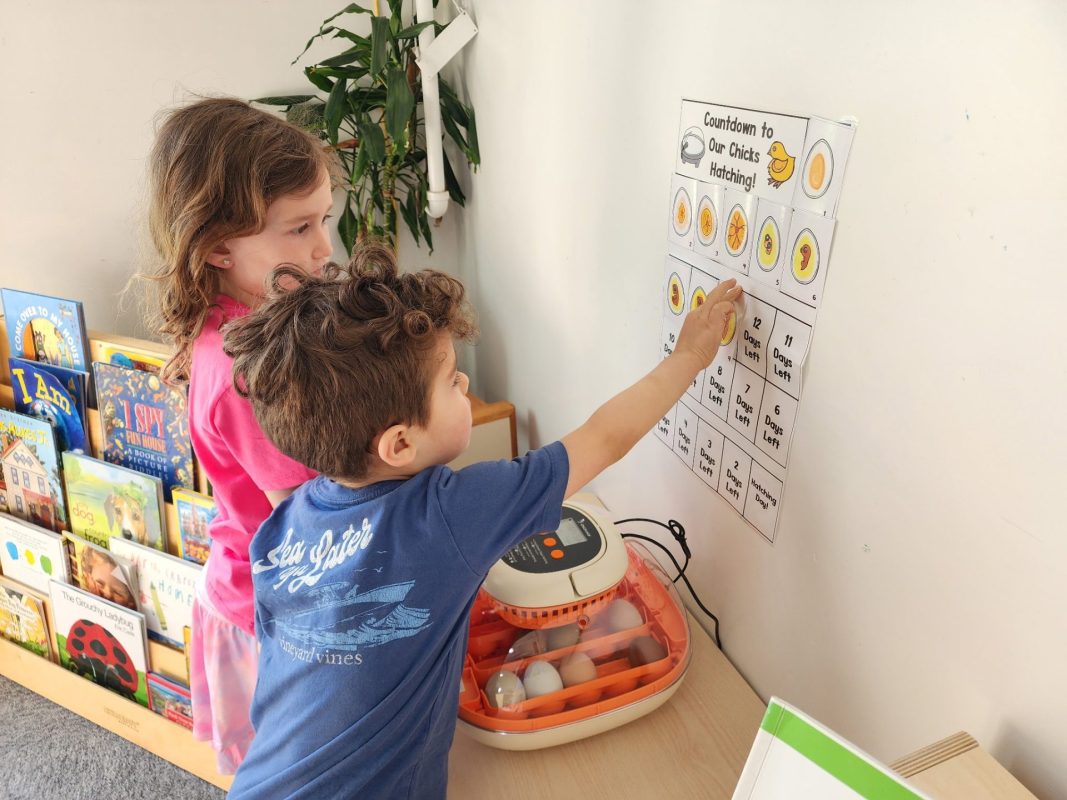
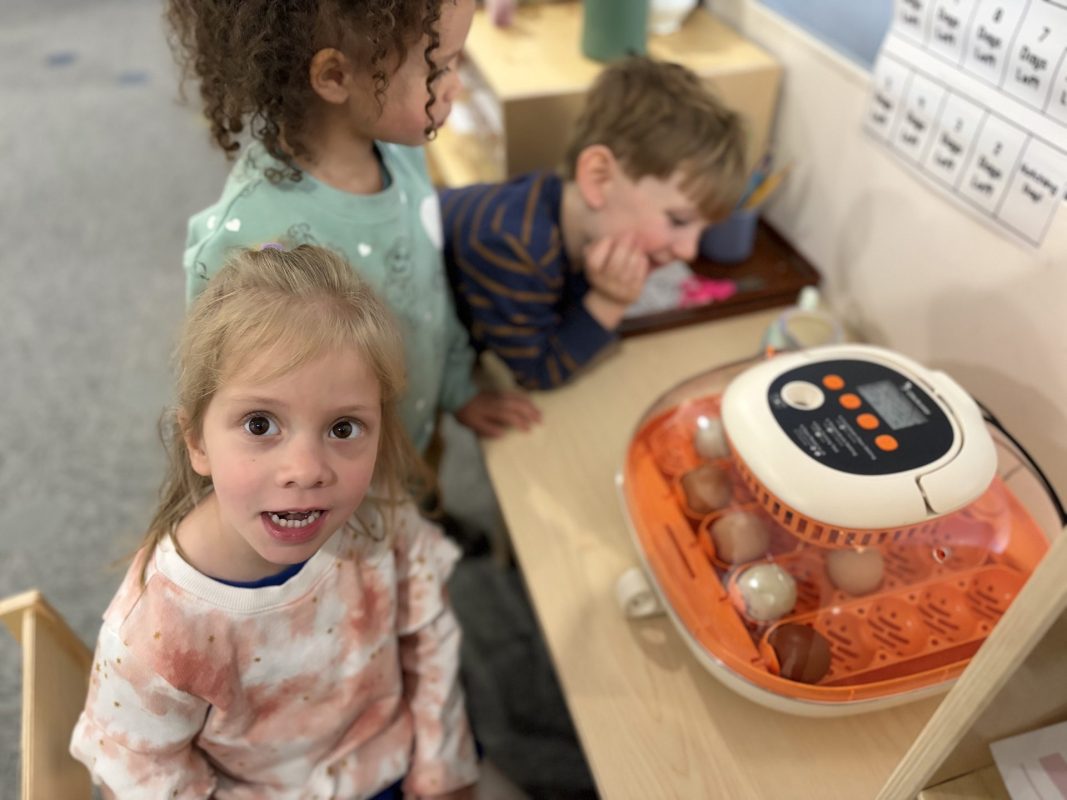
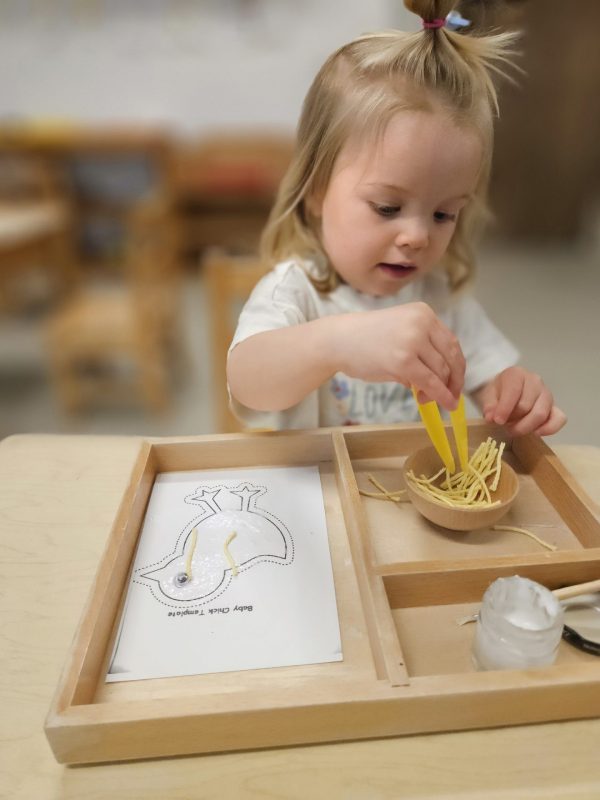
Last week was full of wonder, observation, and careful work. The children eagerly checked on the chick eggs in the incubator each day, comparing what they observed with a photo guide showing daily development. The anticipation is building — the chicks are expected to hatch around April 27th! This experience has been a natural invitation for rich conversations about life cycles and living things.

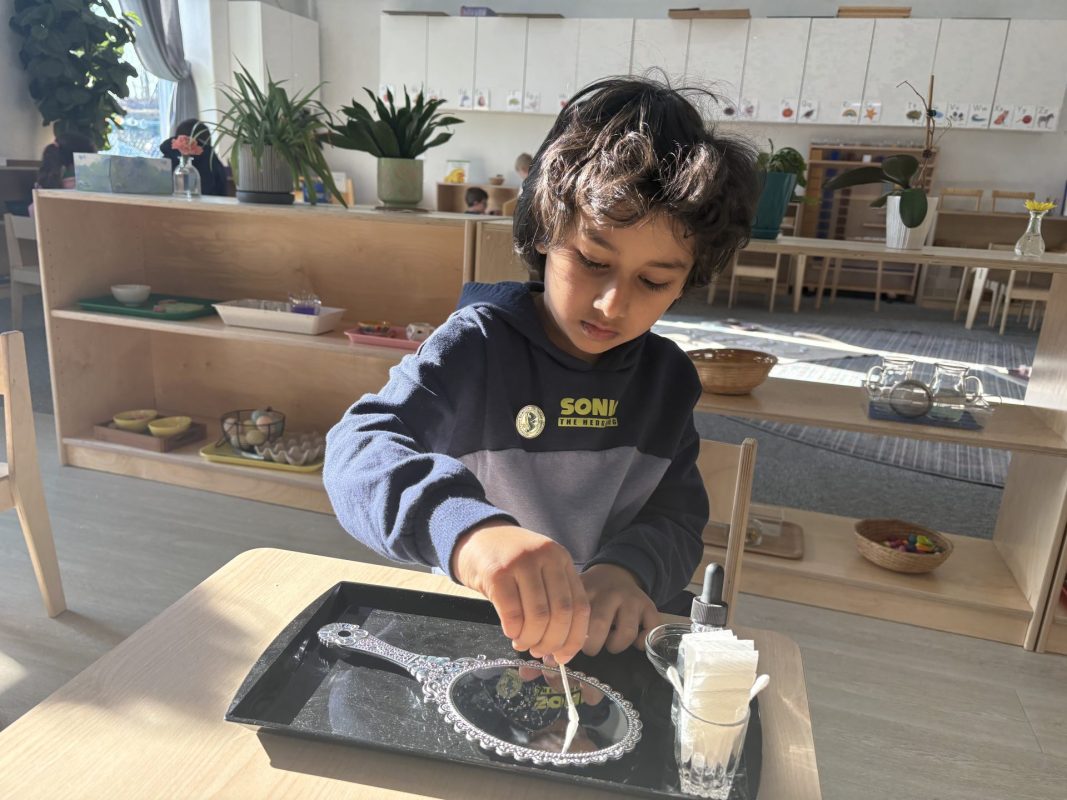
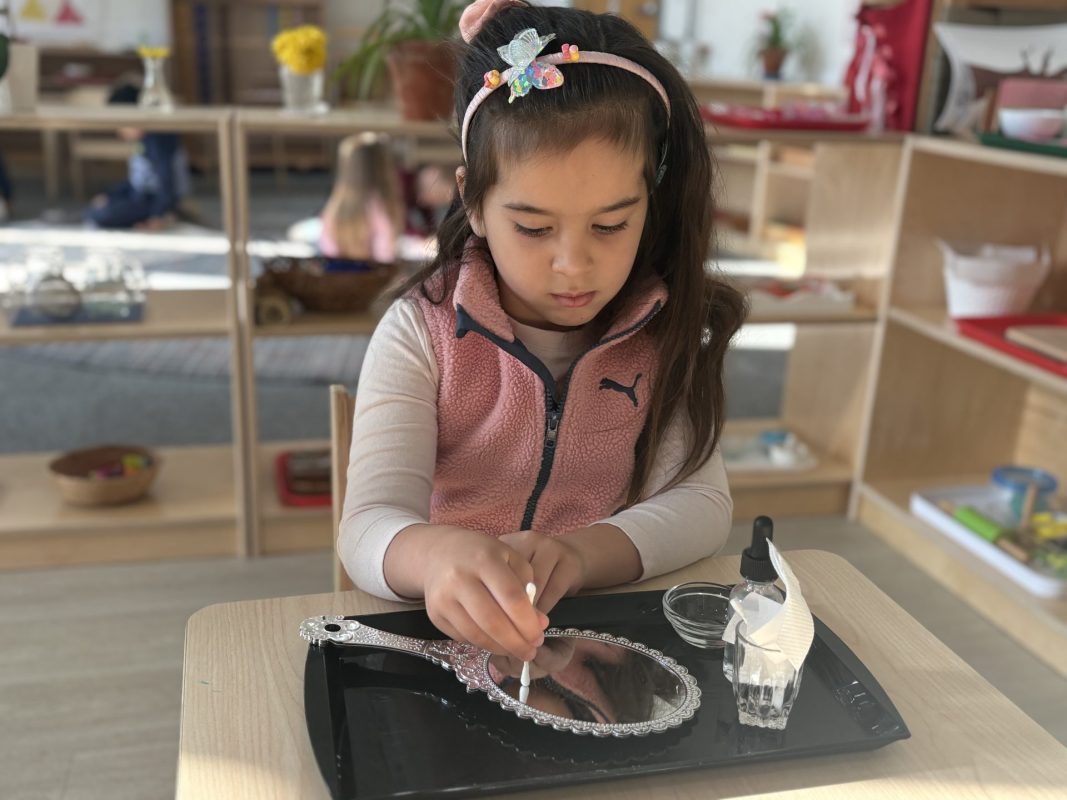
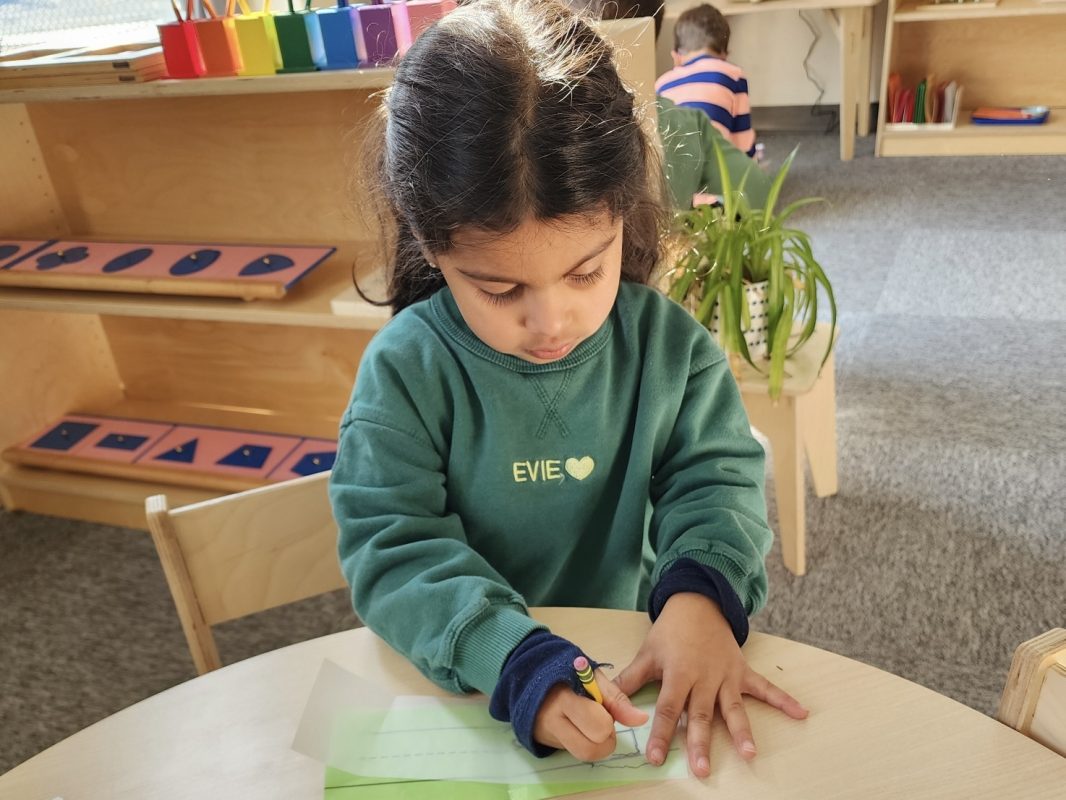
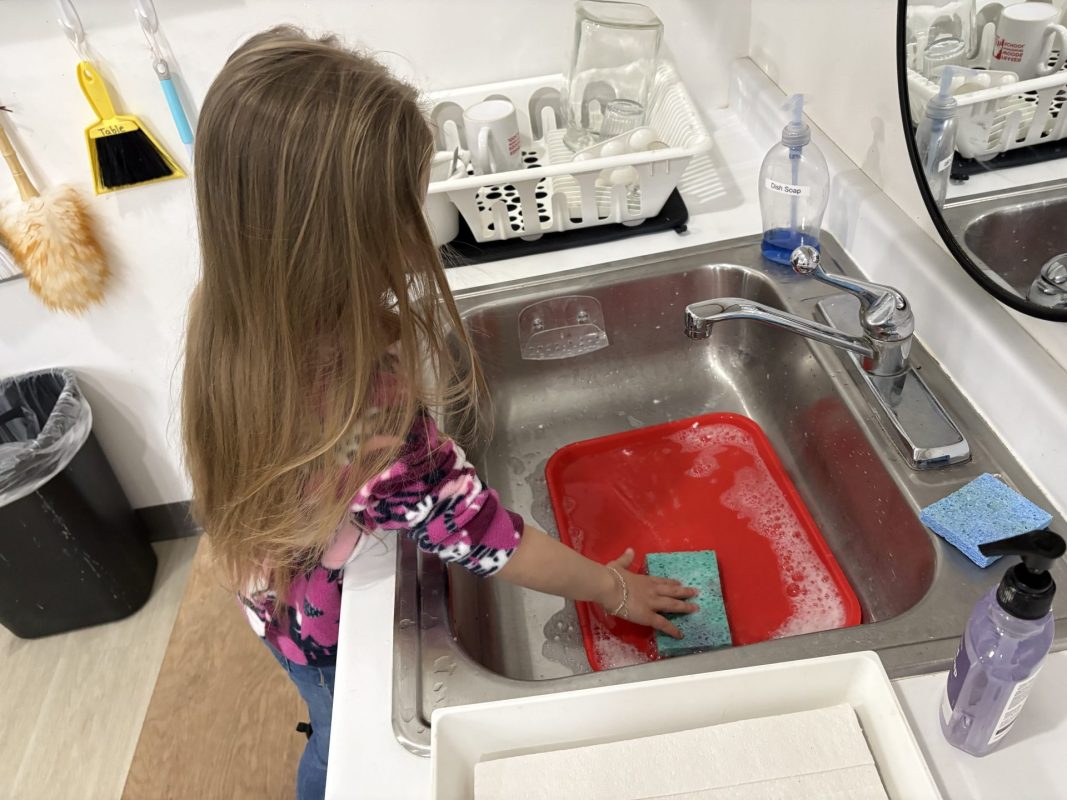
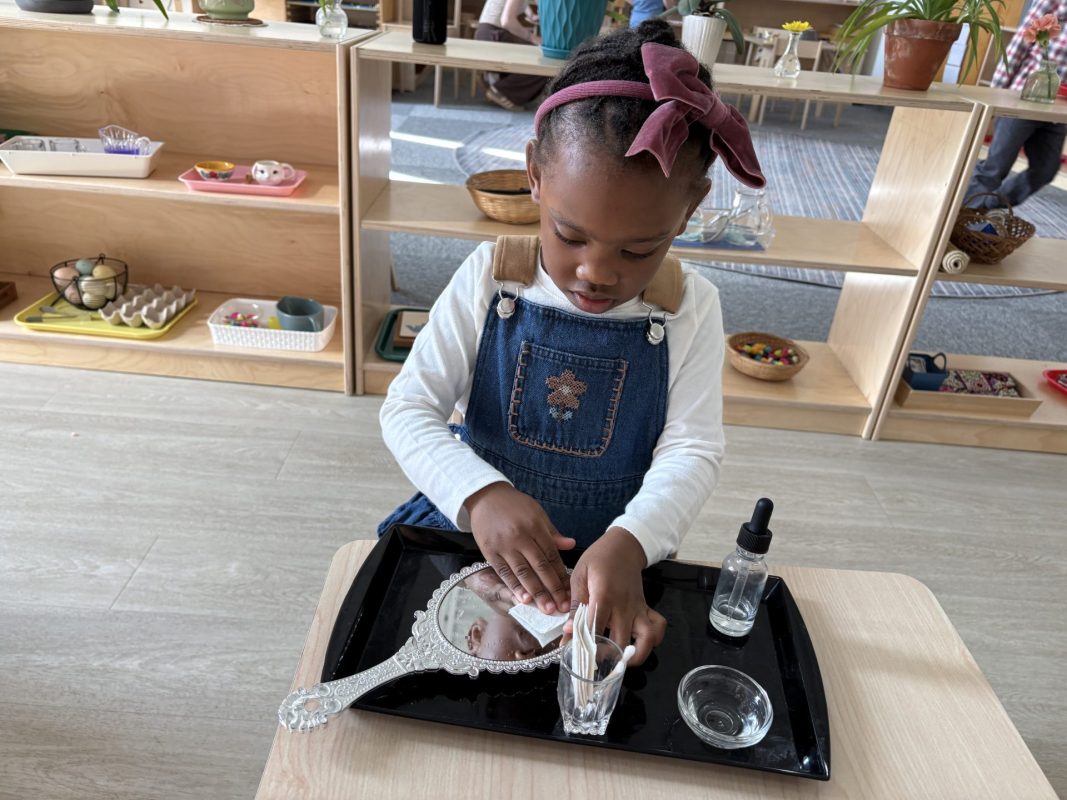
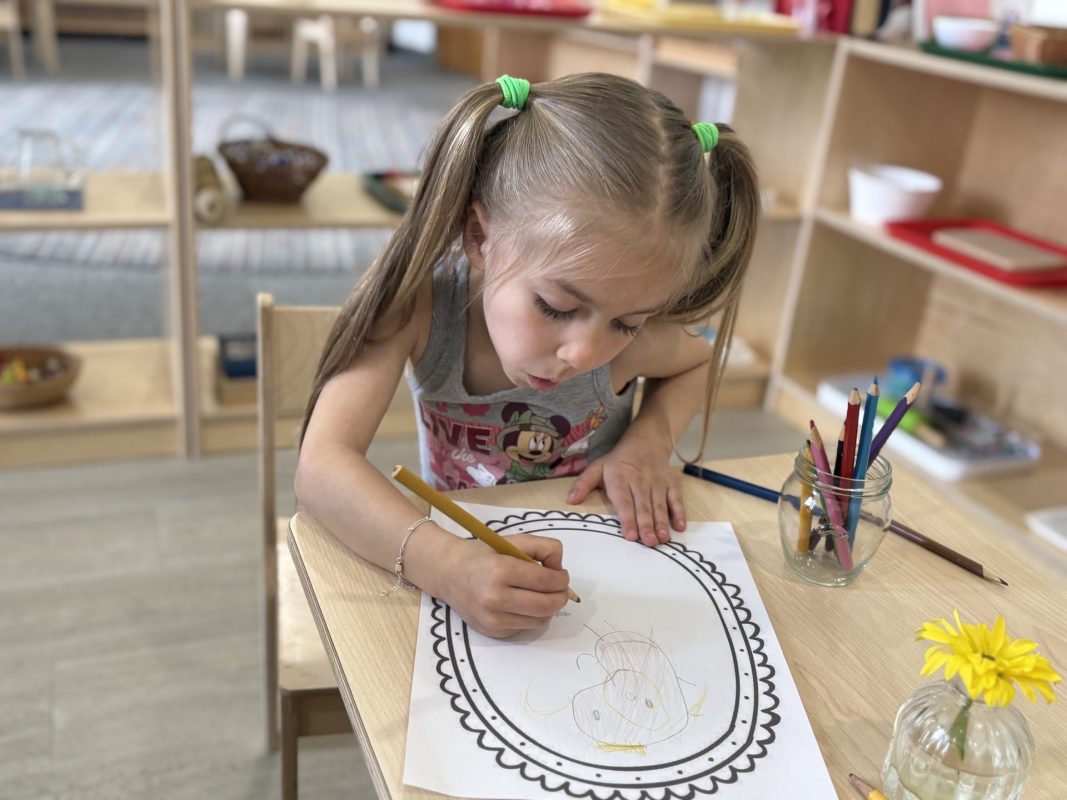
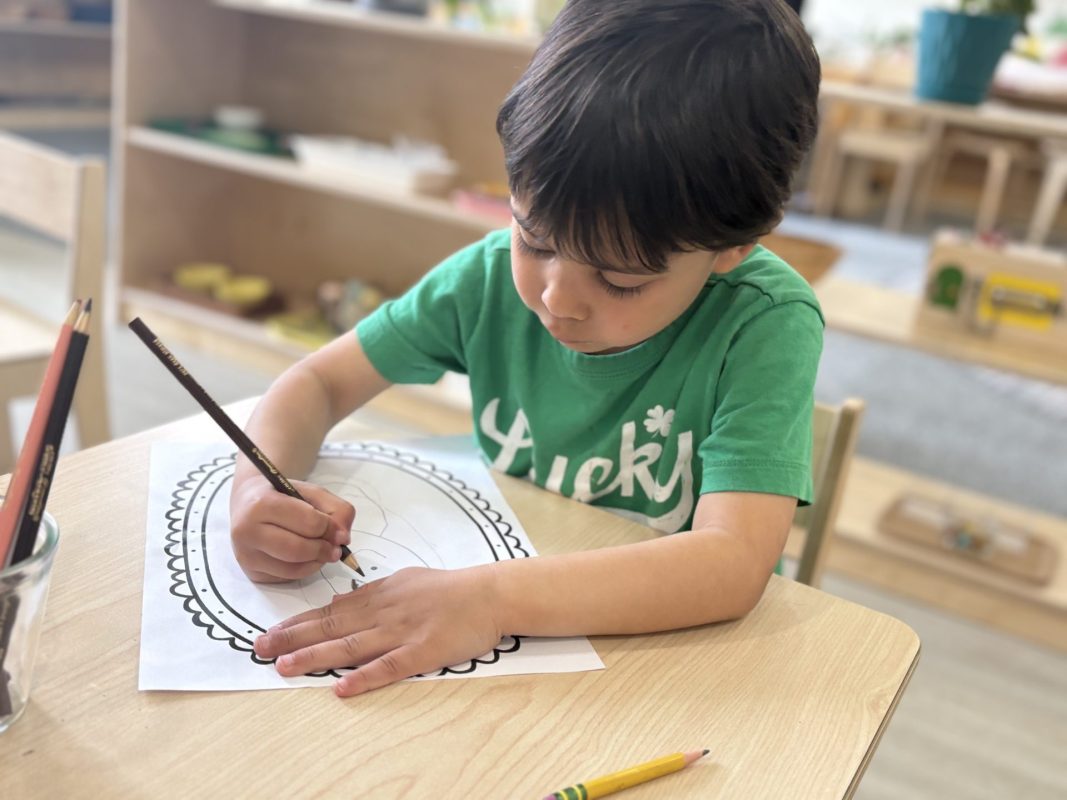
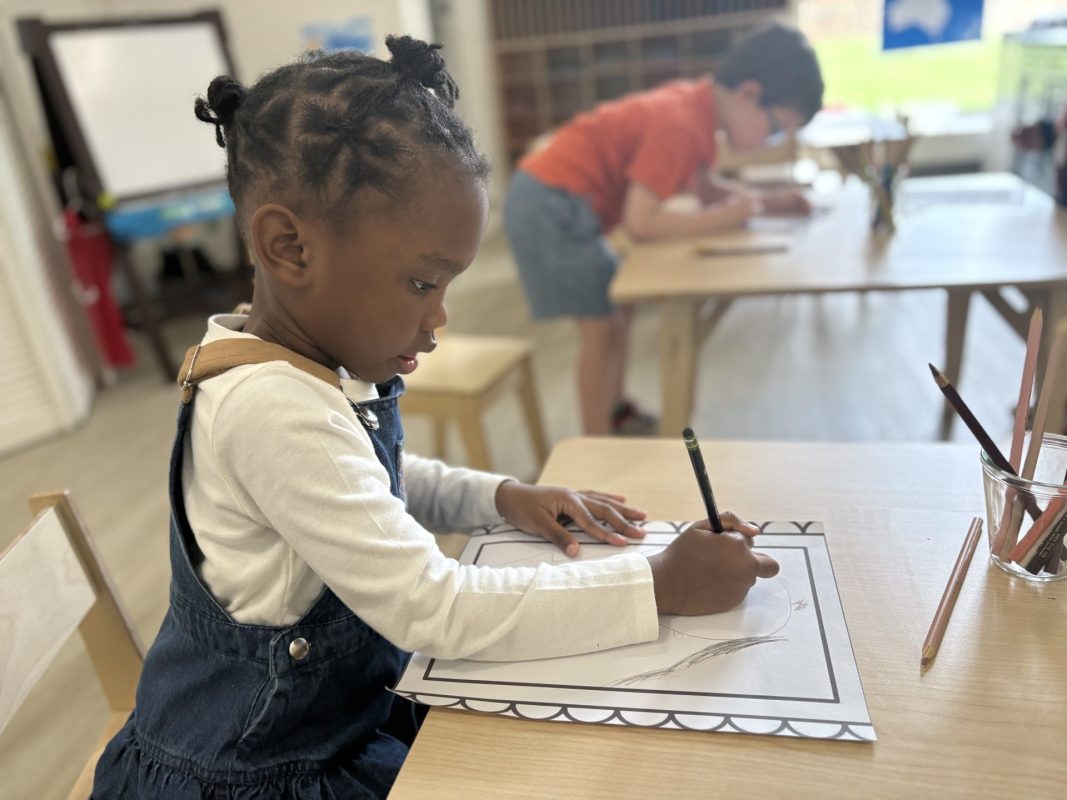
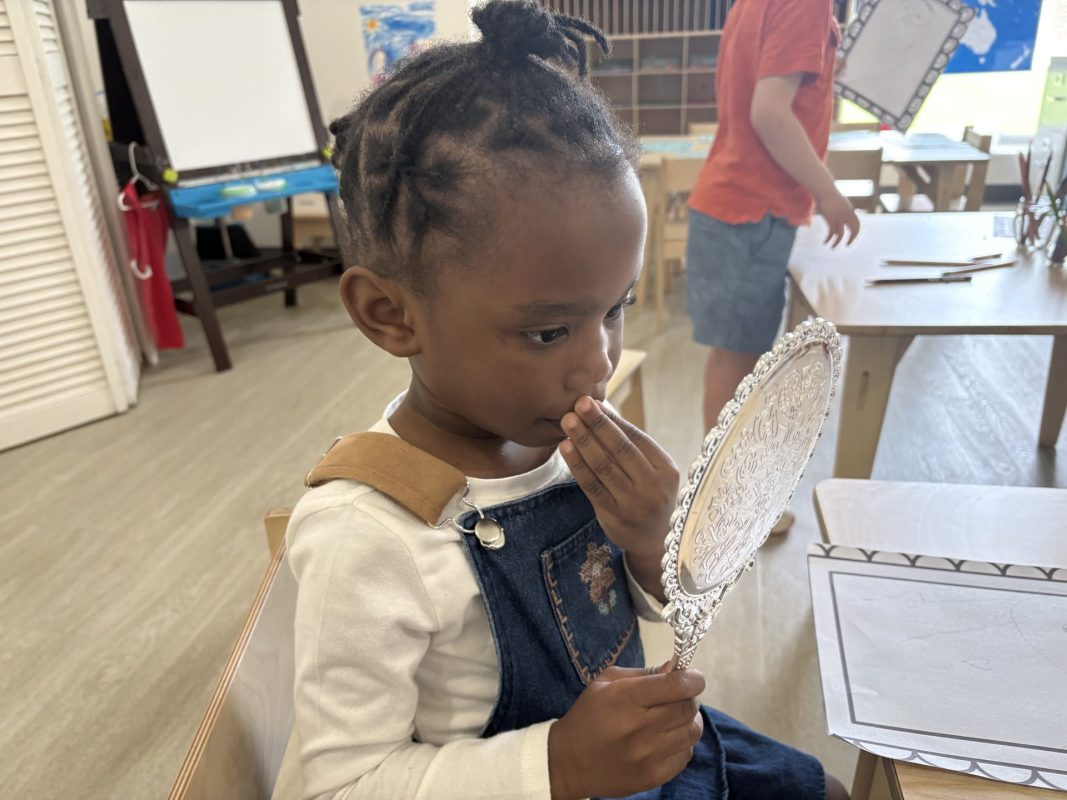
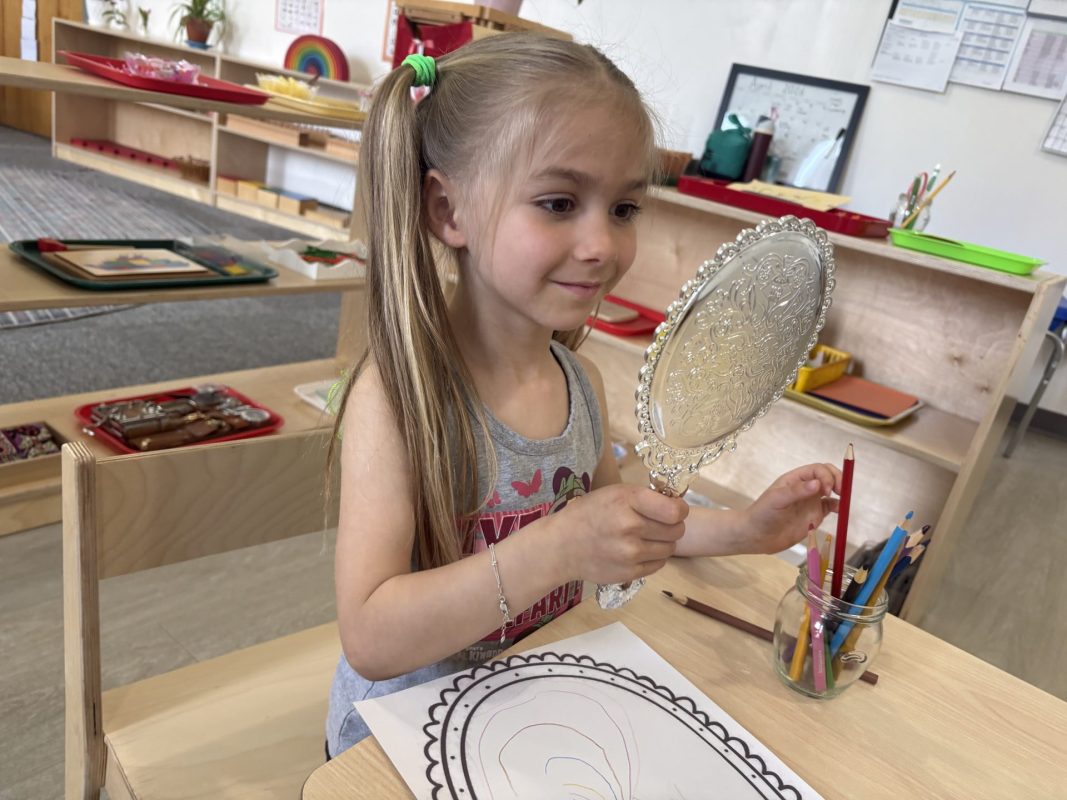
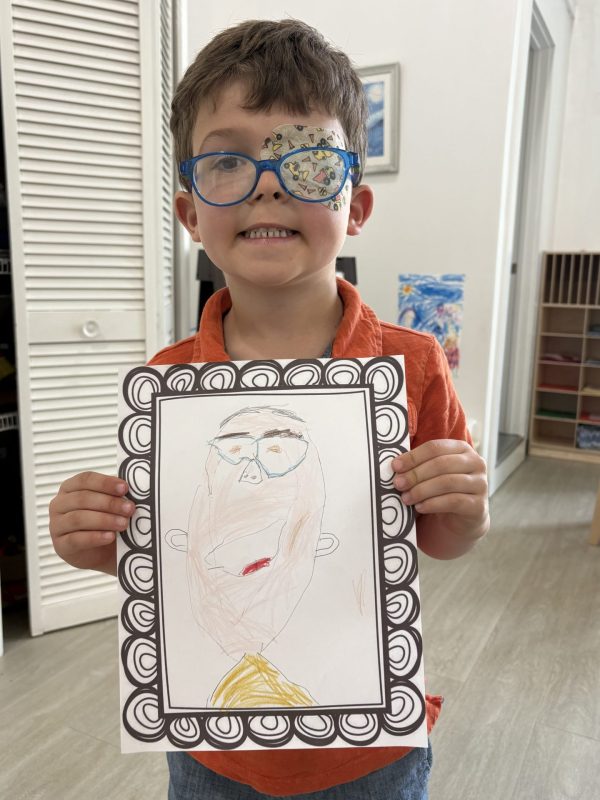
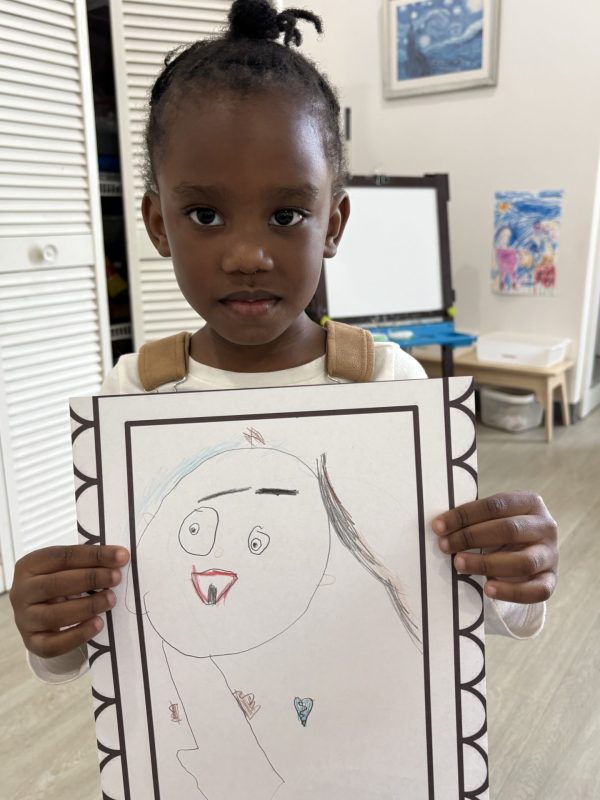
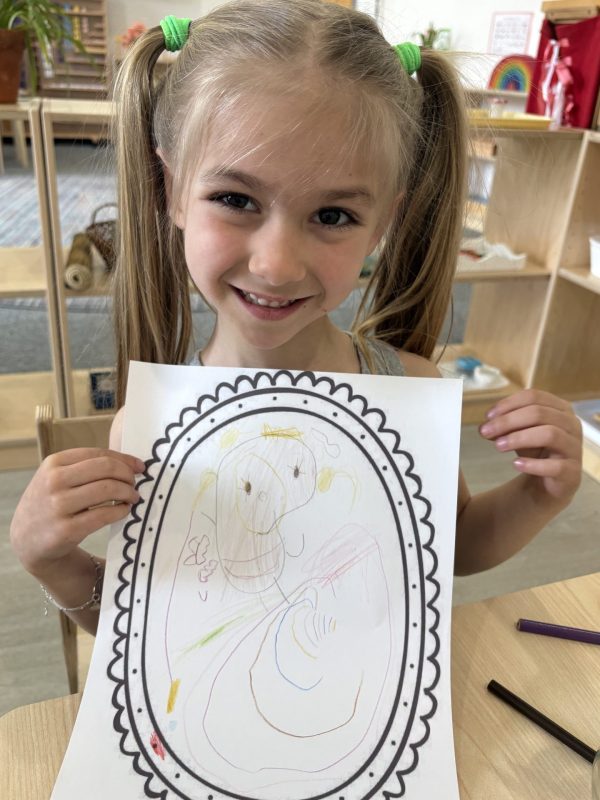
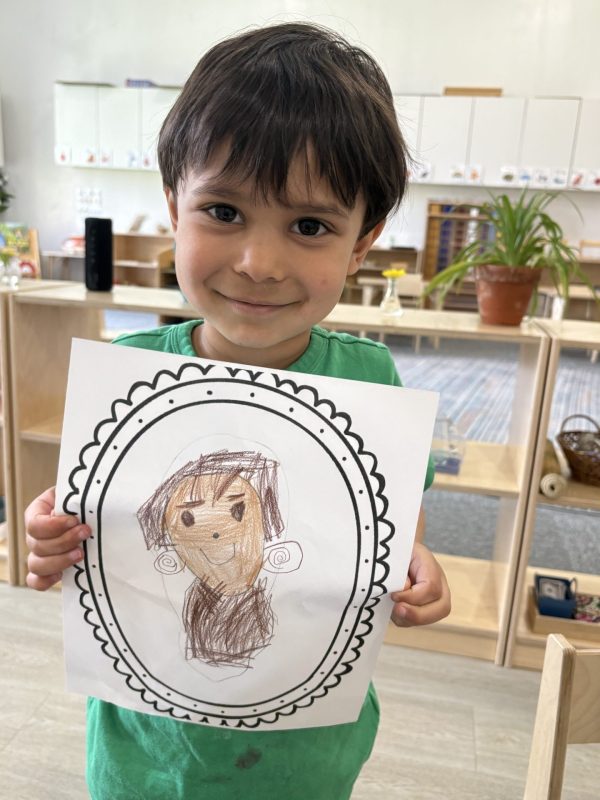
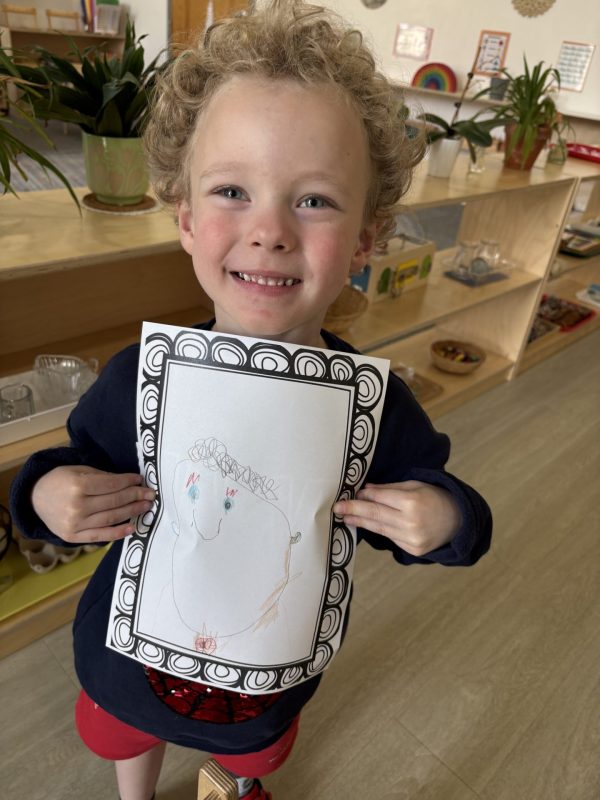
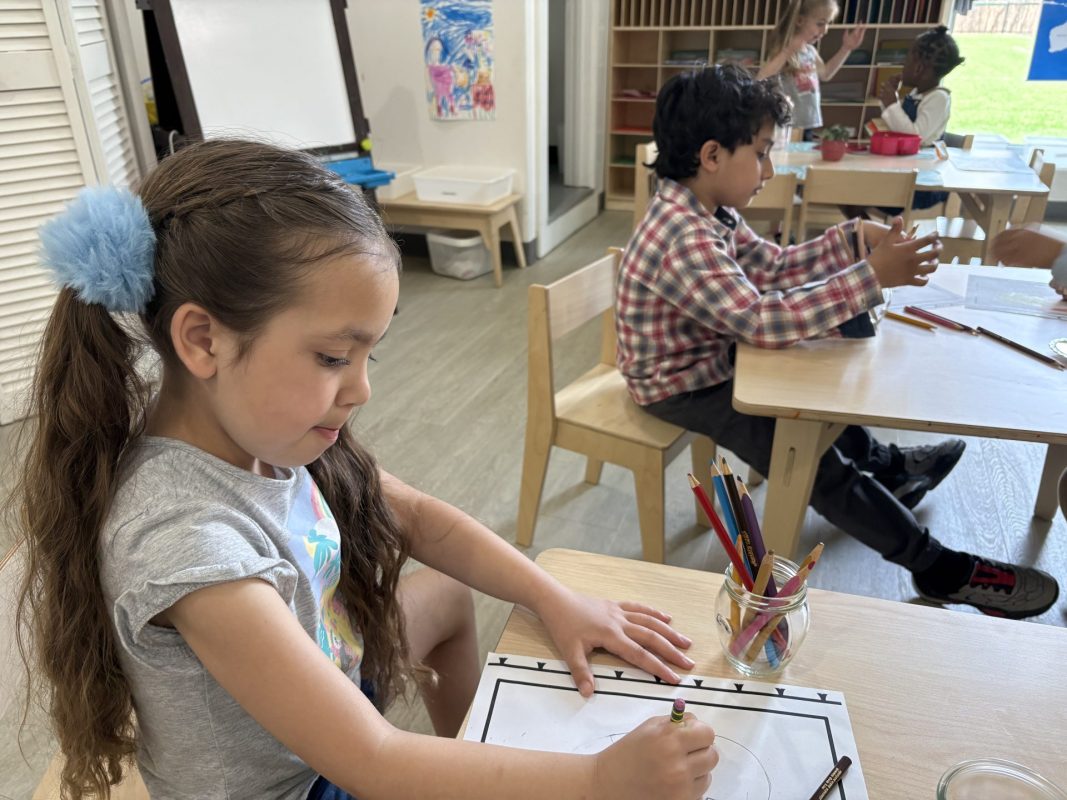
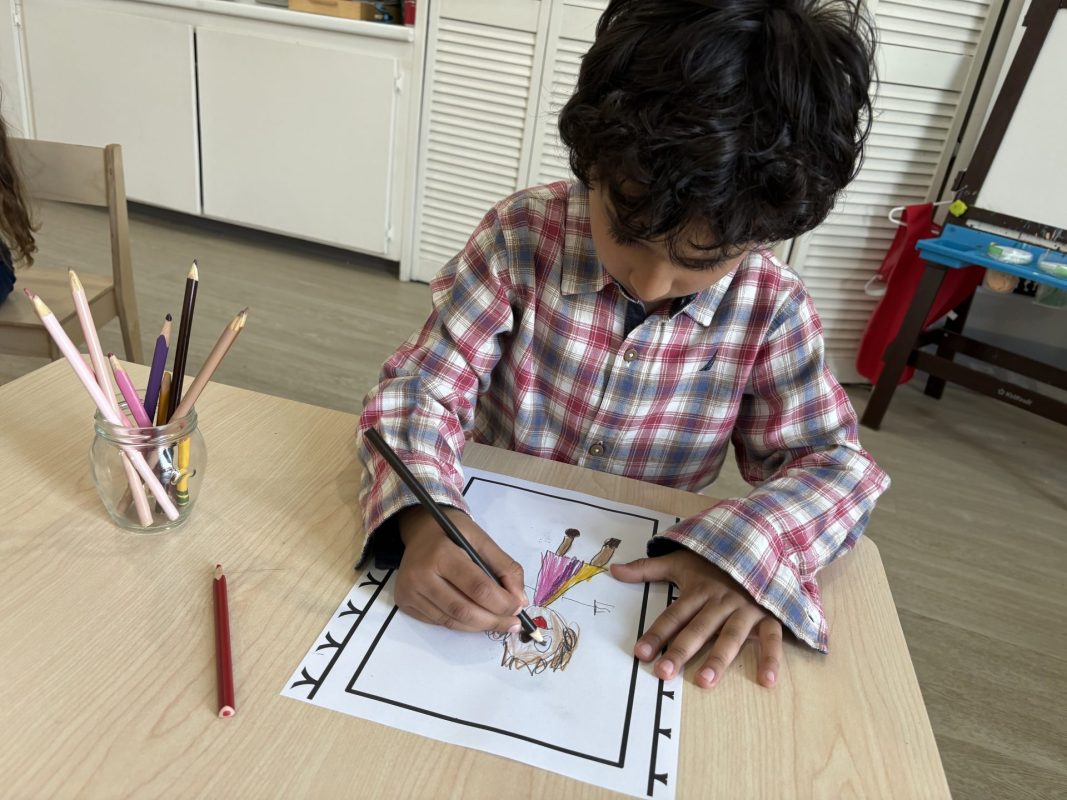
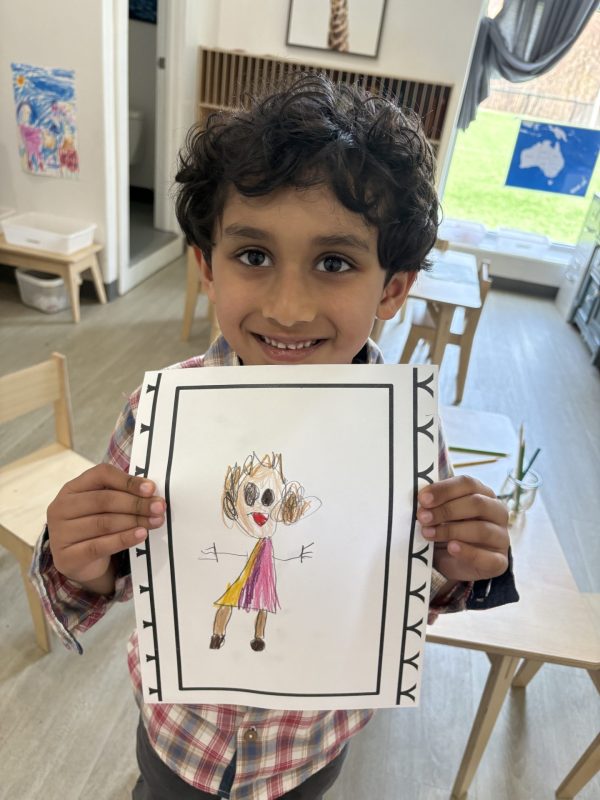
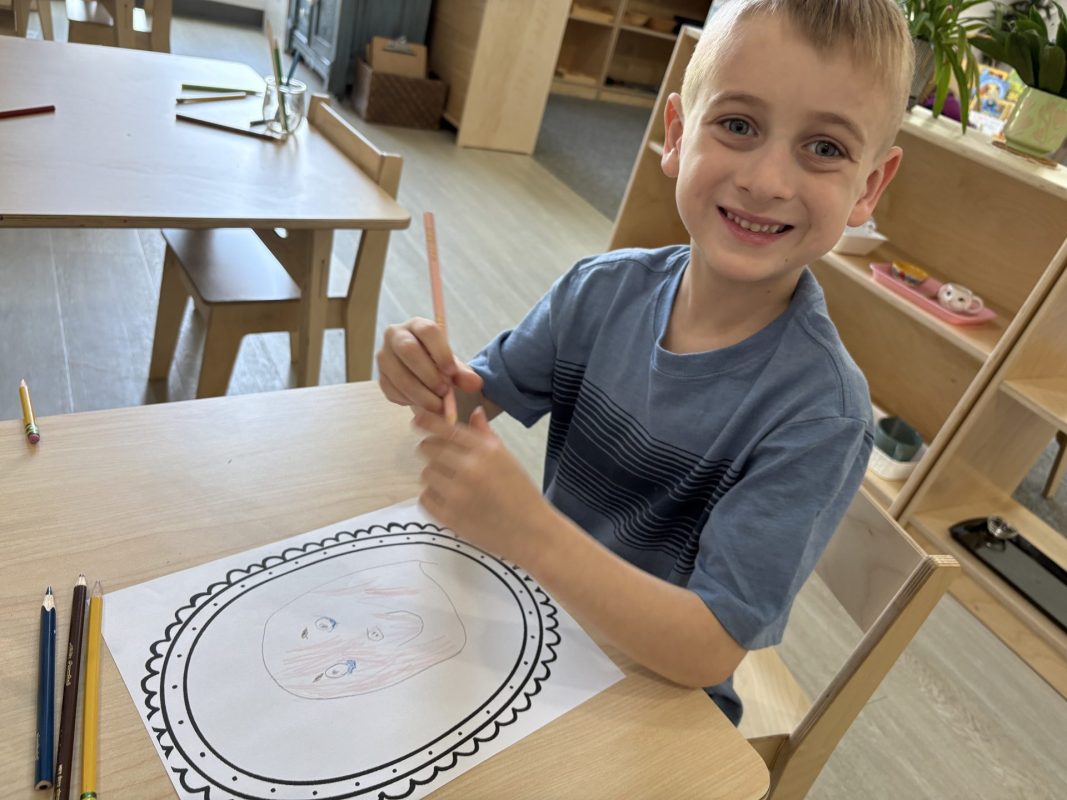
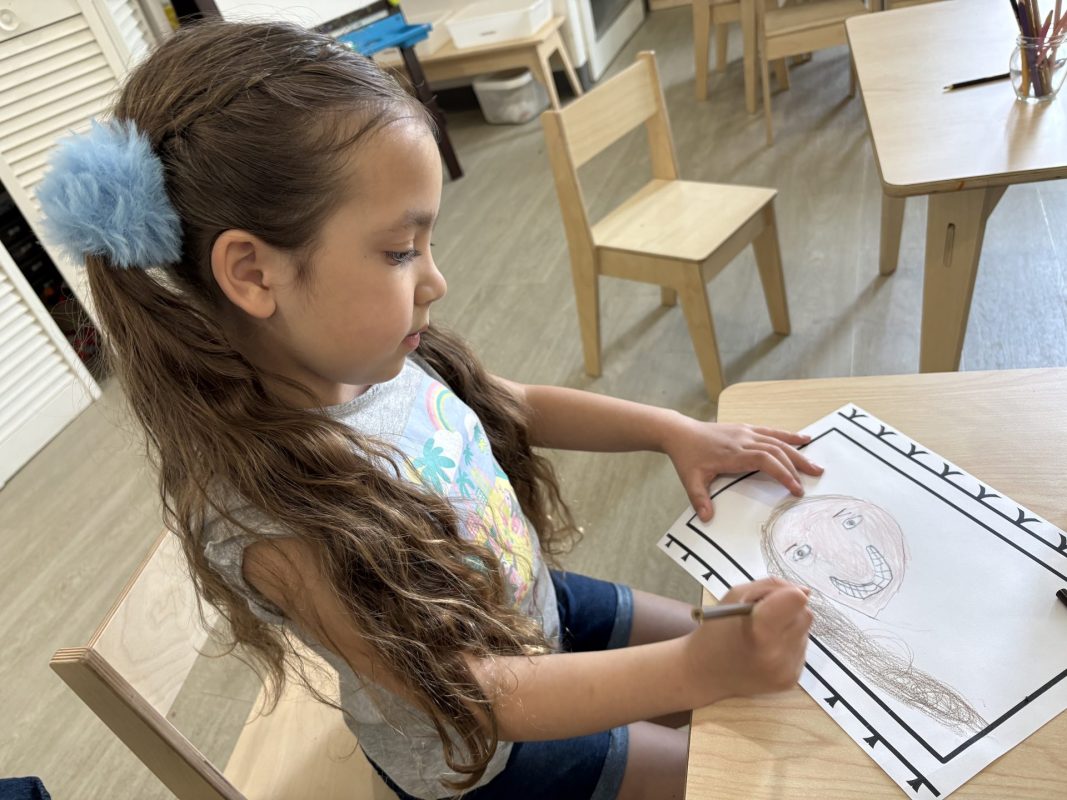
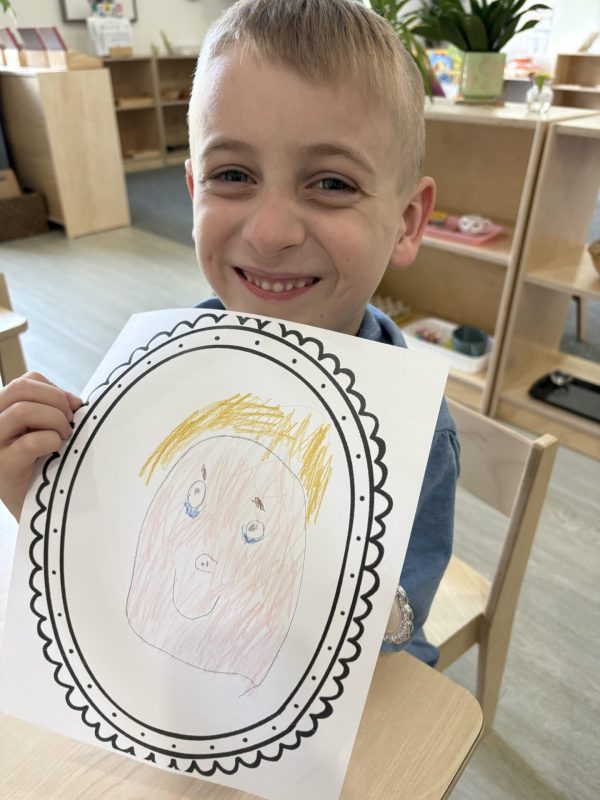
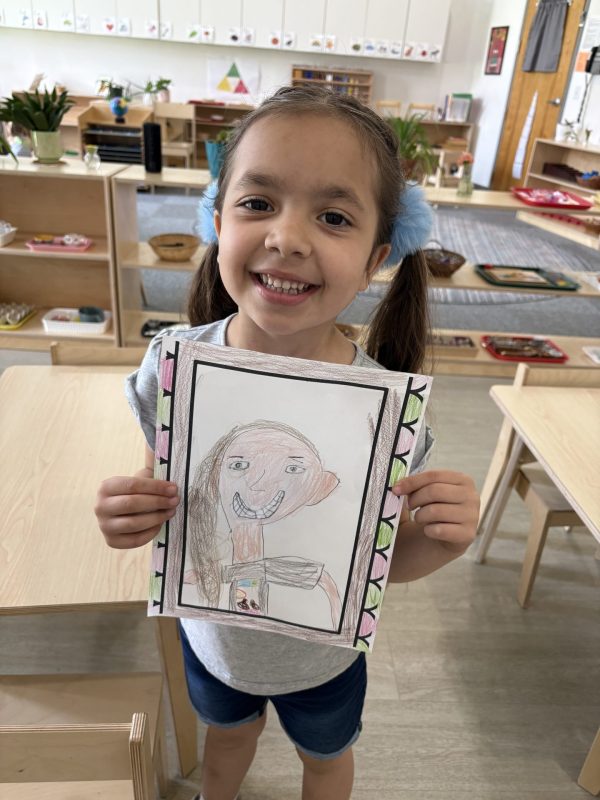
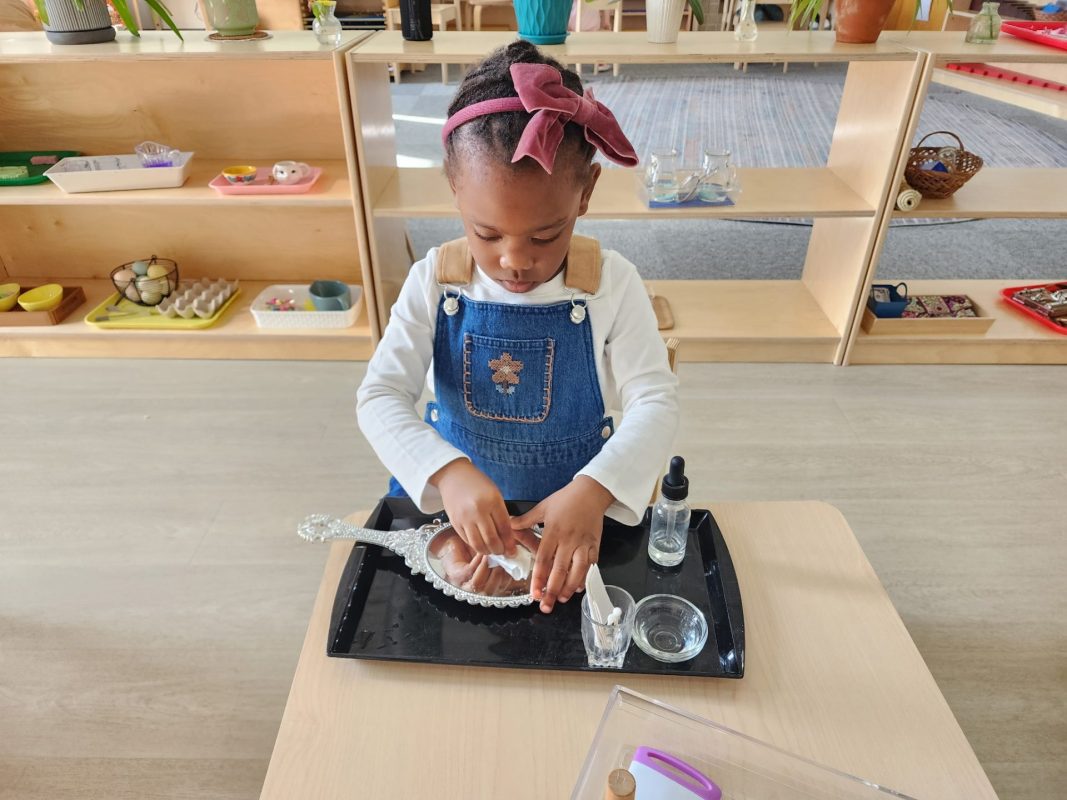
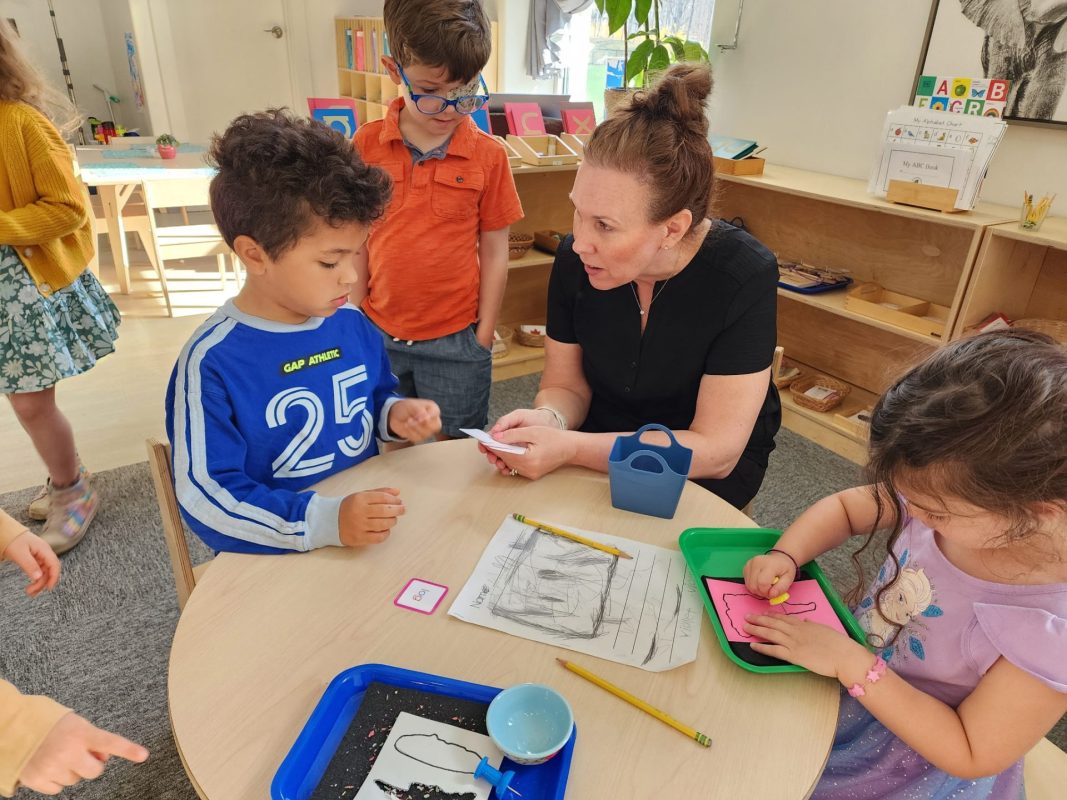
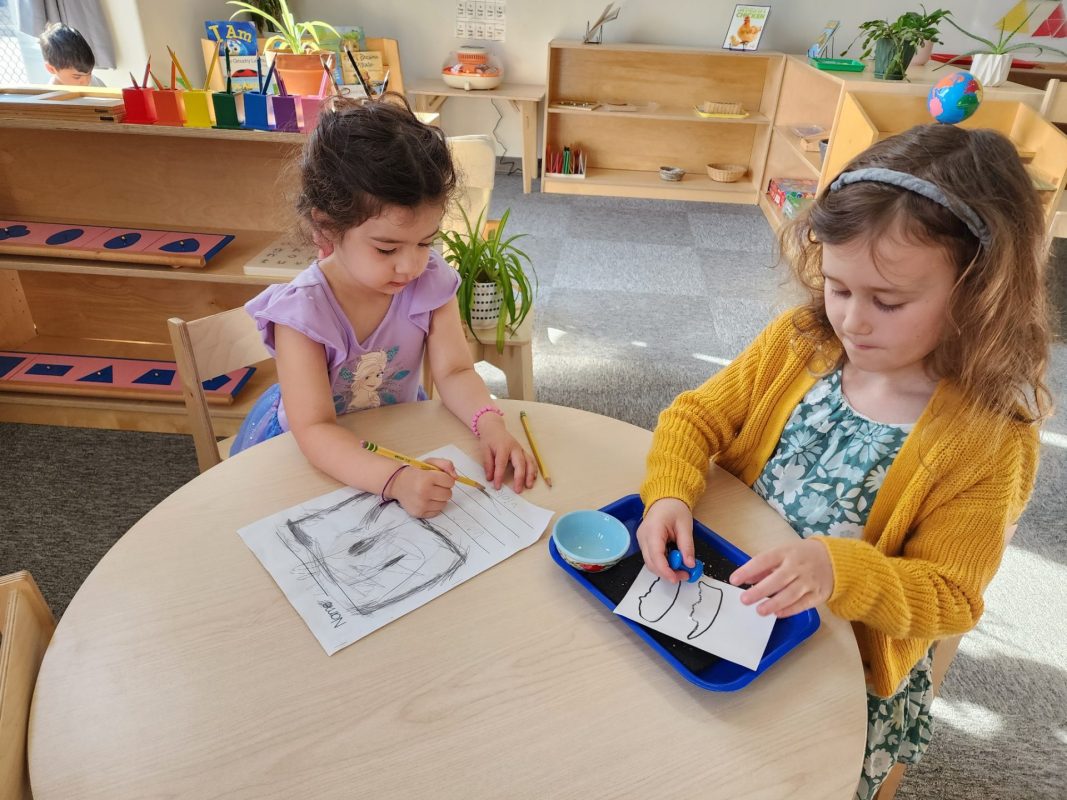
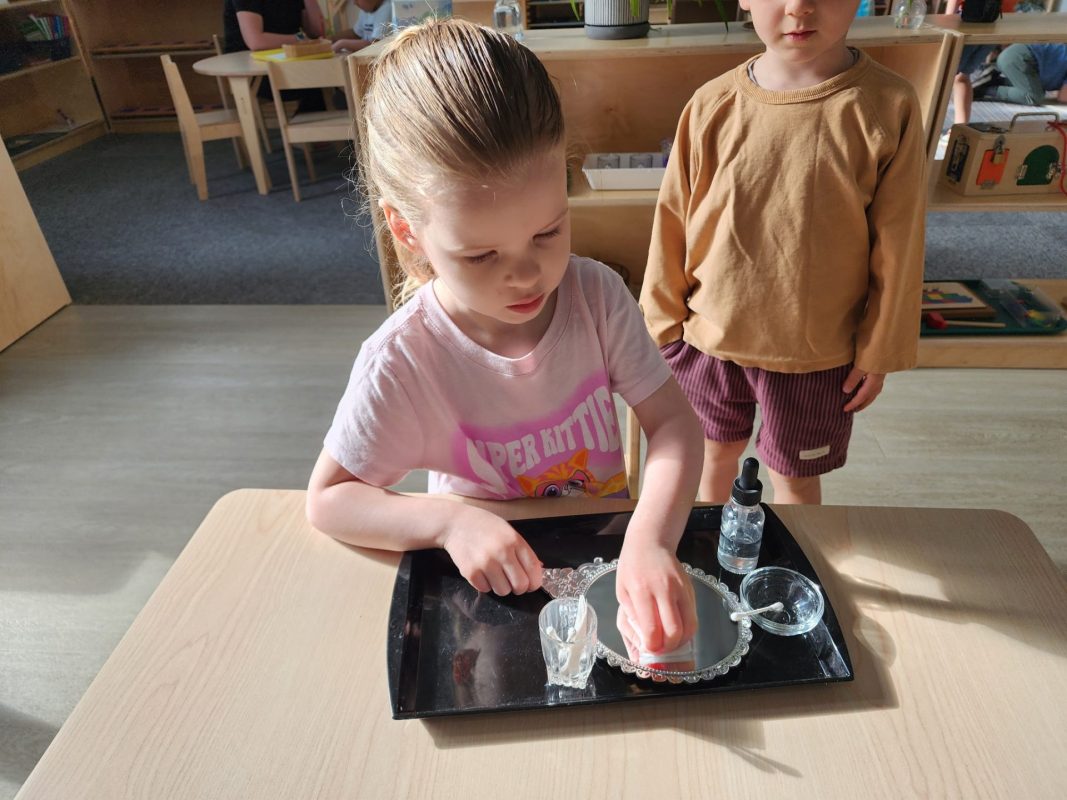
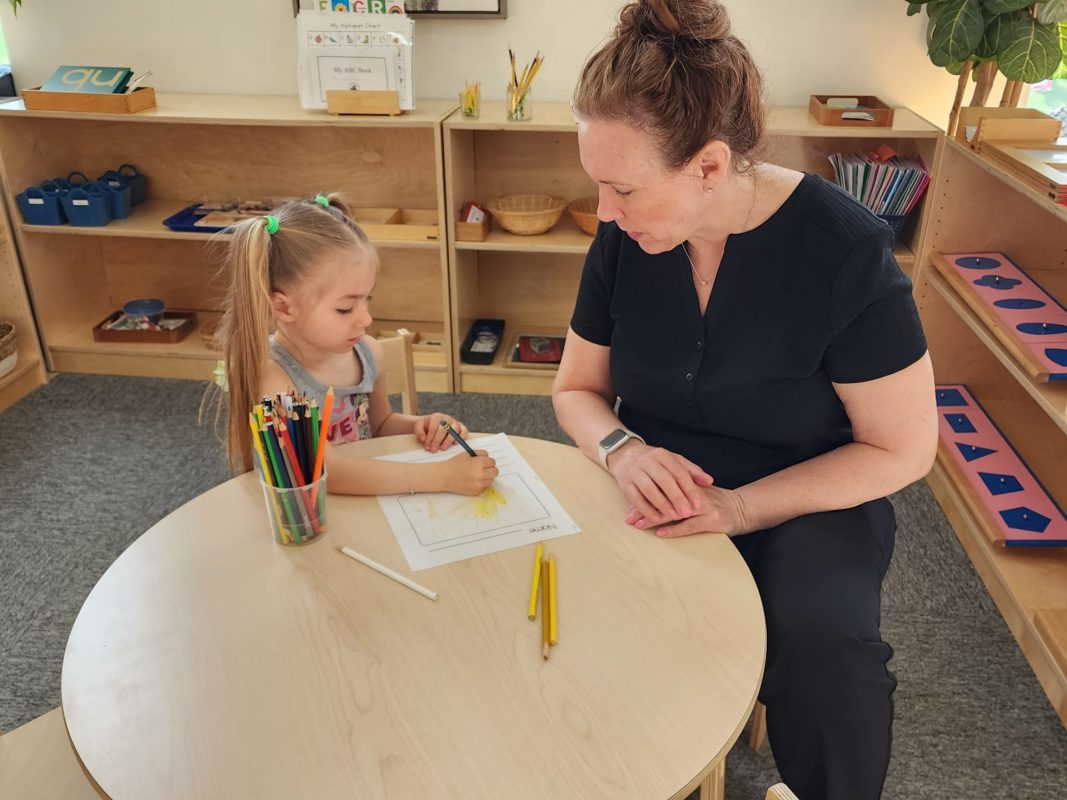
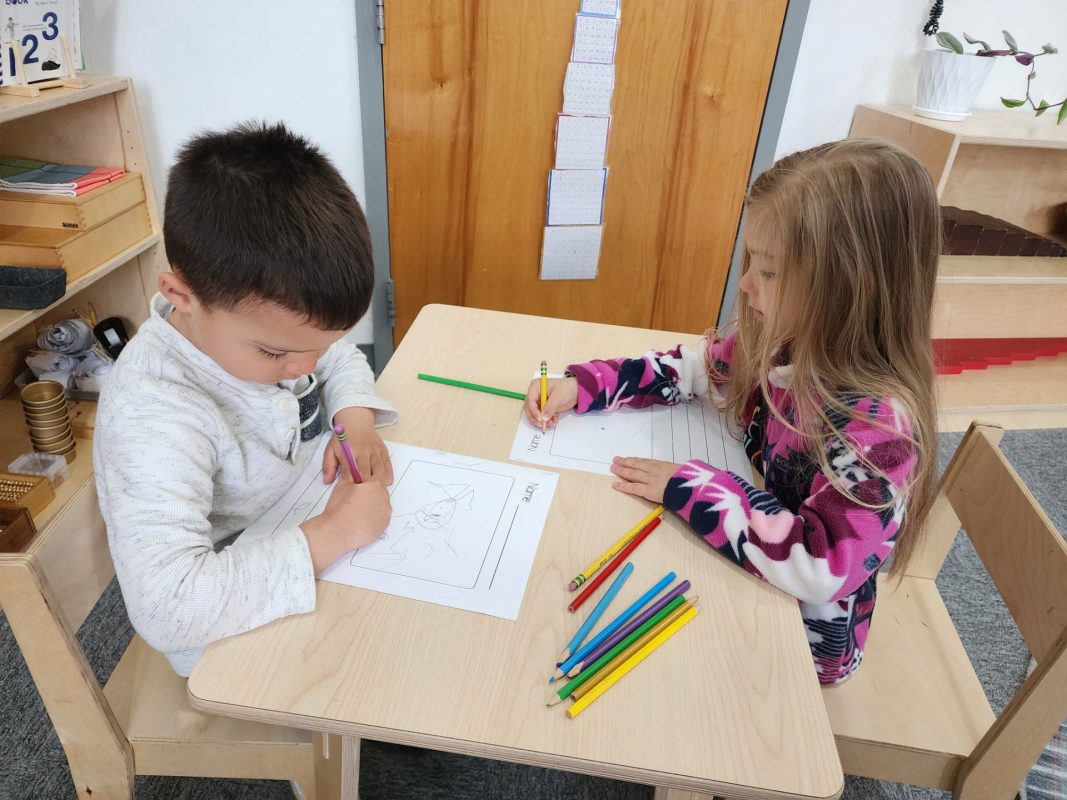
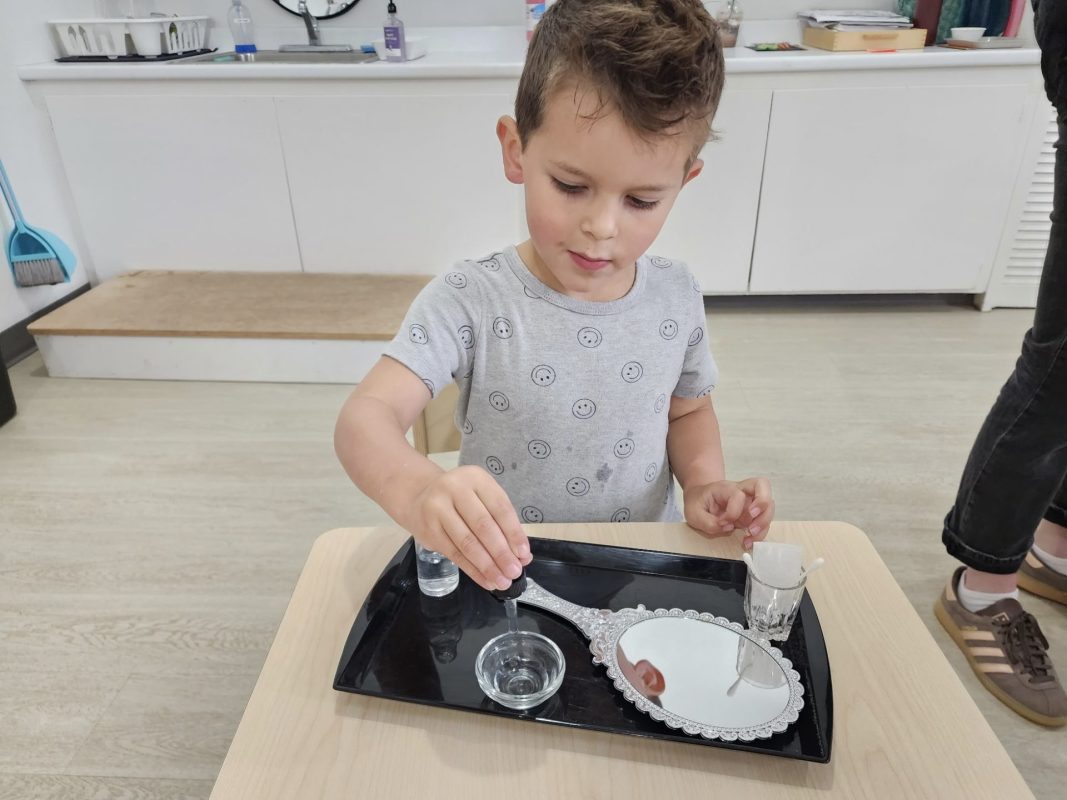
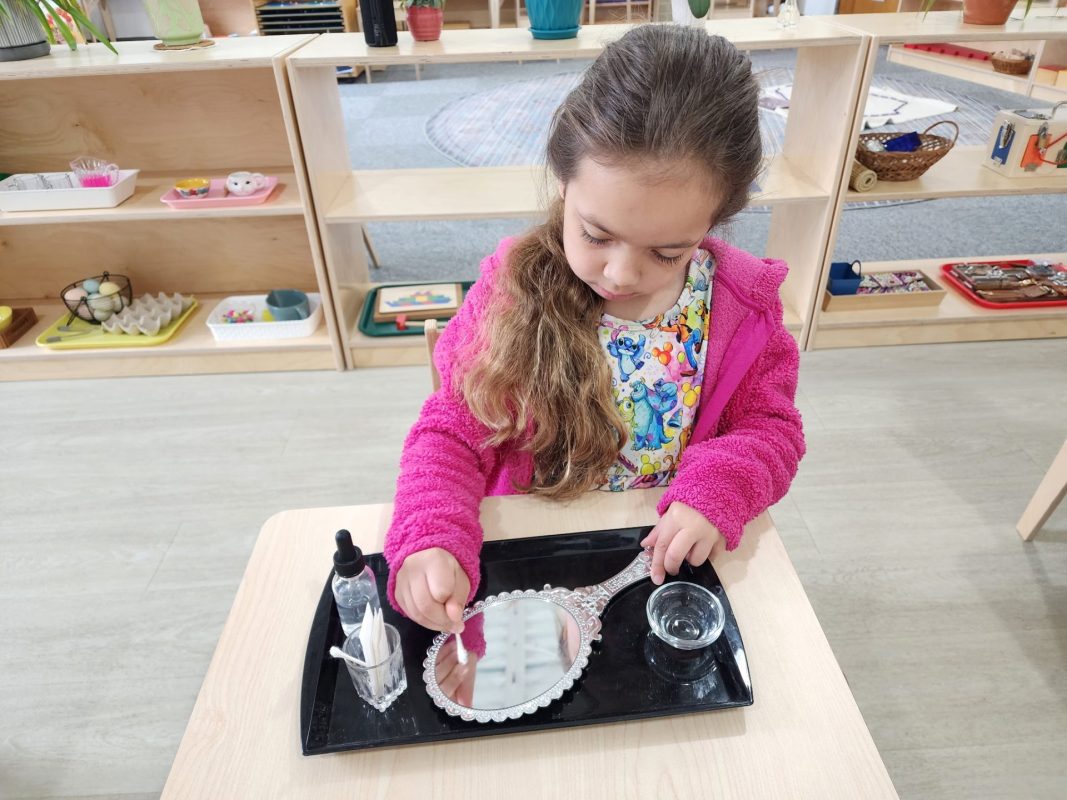
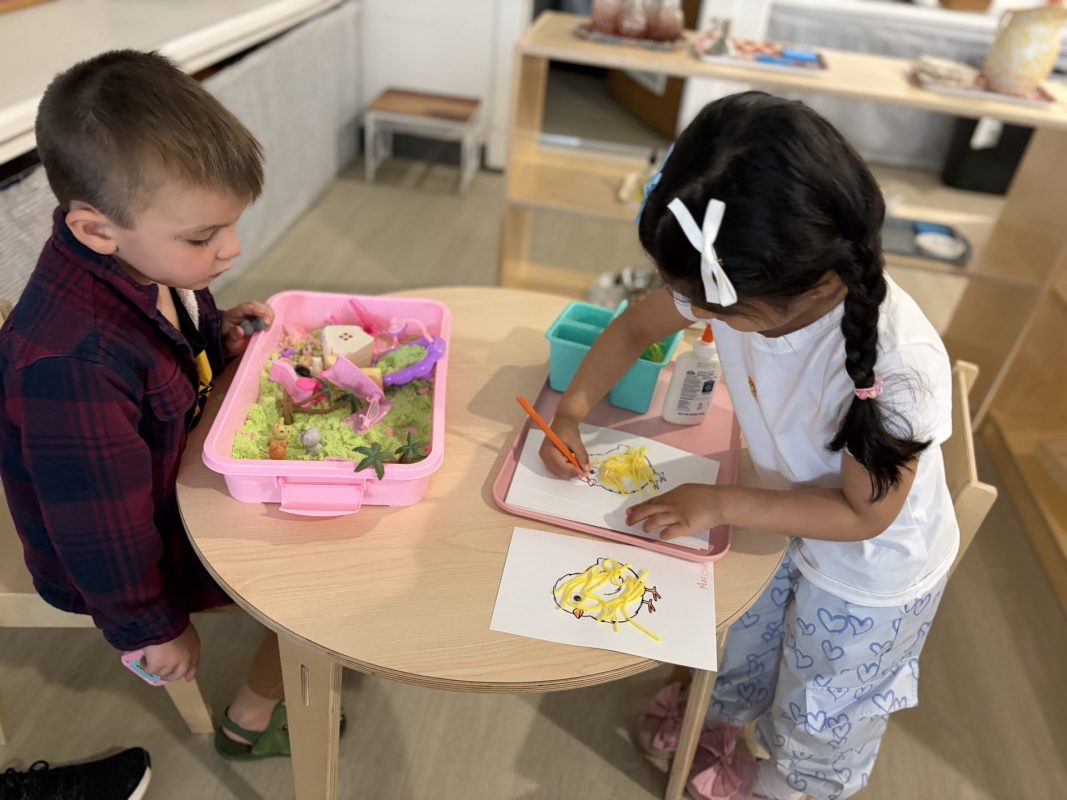
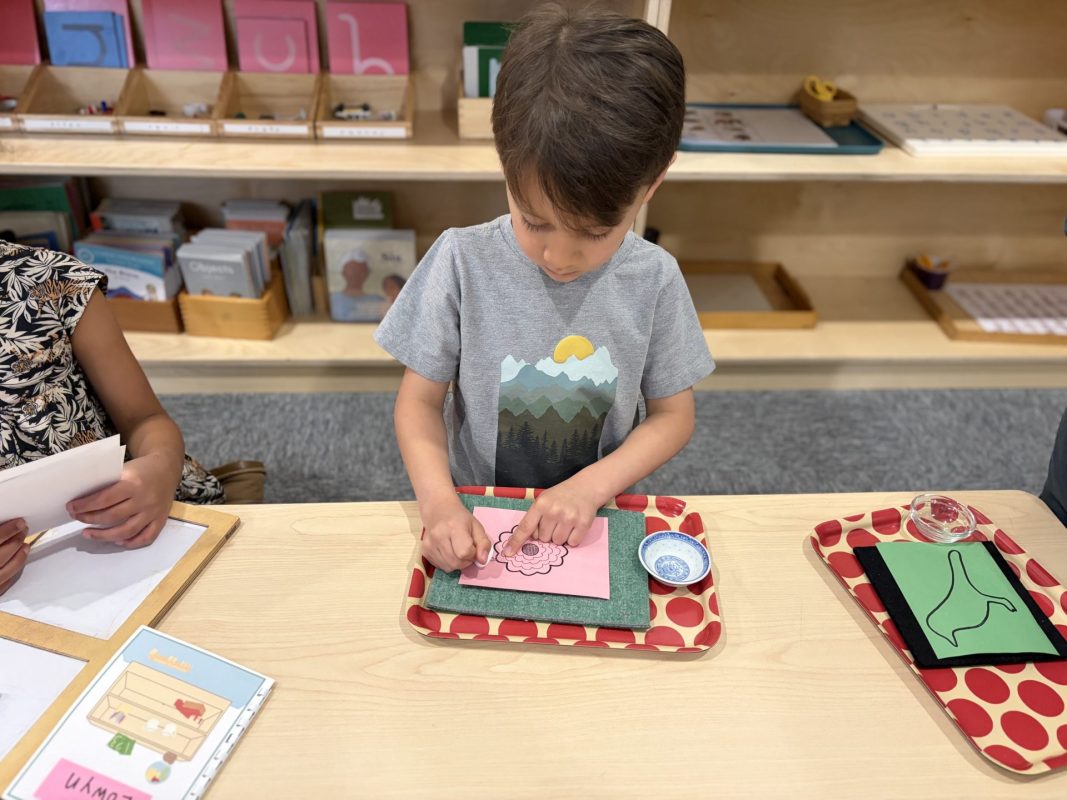
In the afternoon, the children worked on self-portraits. They studied their own features carefully before using a variety of materials to represent themselves — a meaningful exercise in observation, concentration, and self-expression. This work was supported beautifully by our mirror polishing activity, in which children used vinegar and fine motor control to clean a mirror. That same mirror came in handy as a tool for studying their own reflections before putting pencil to paper.

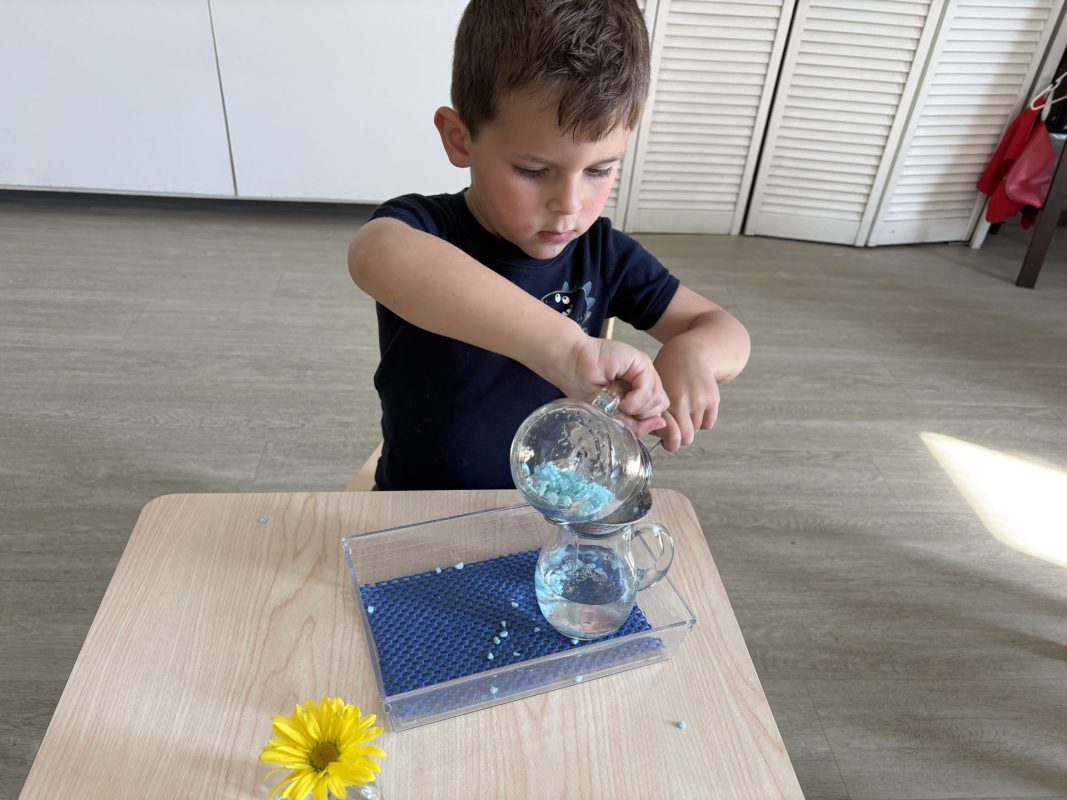
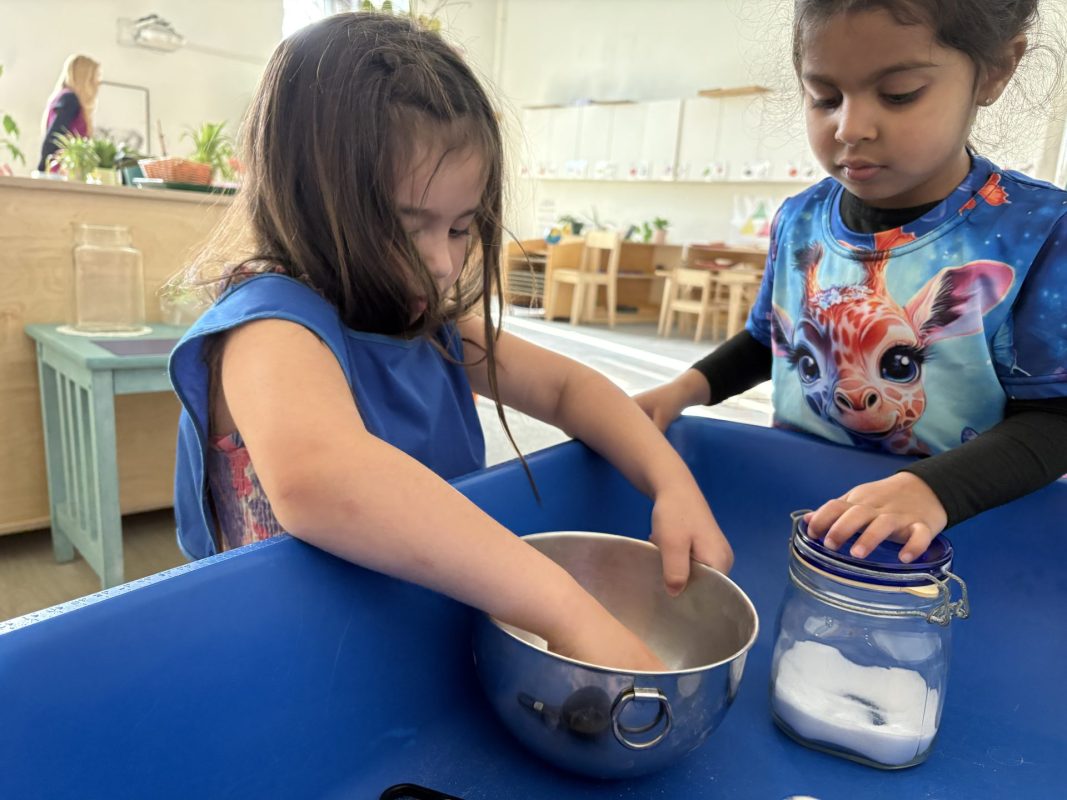
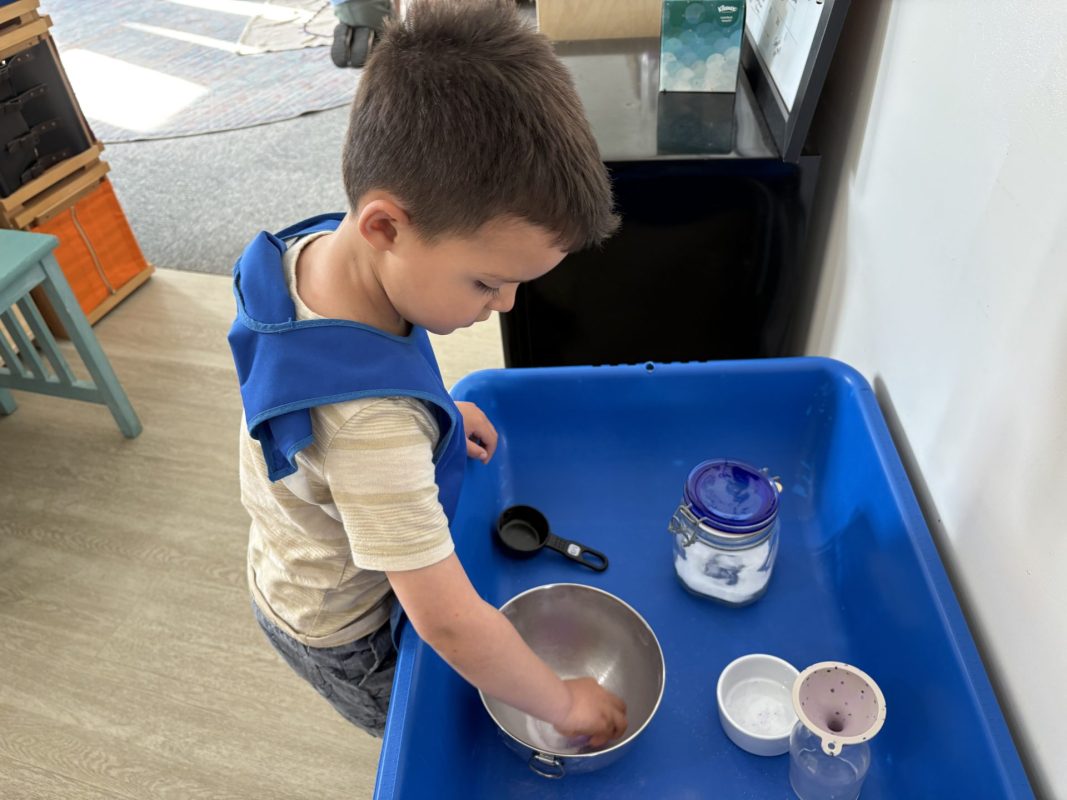
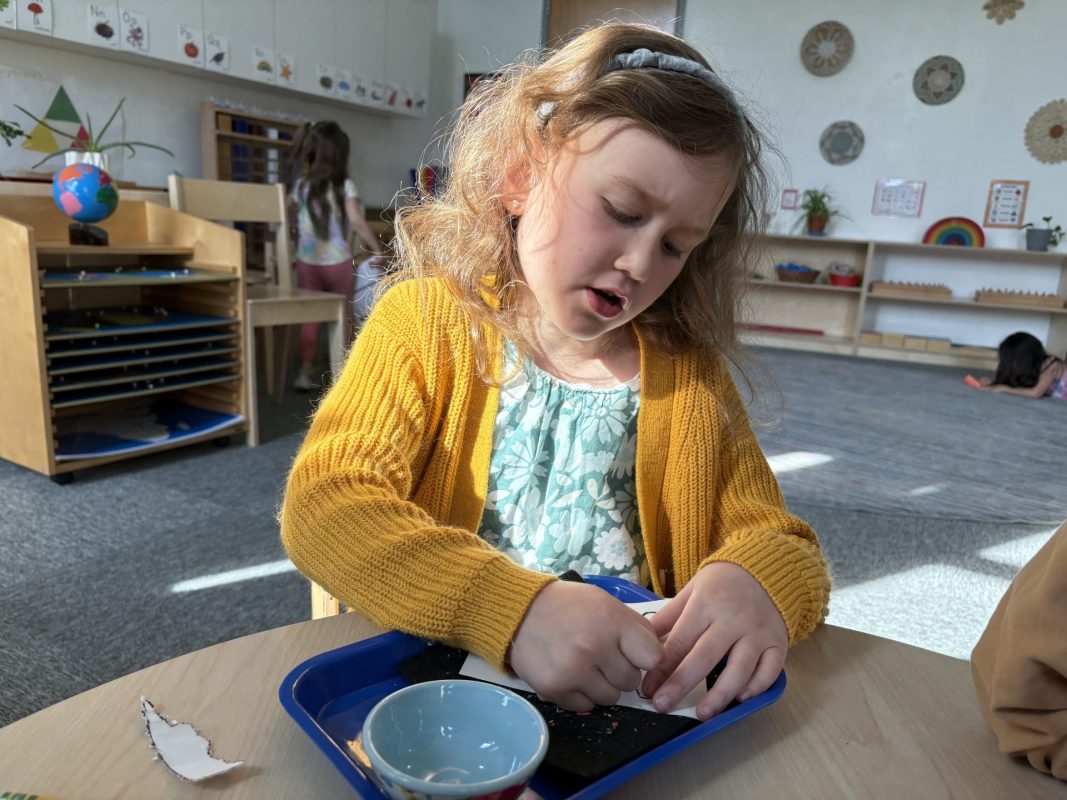
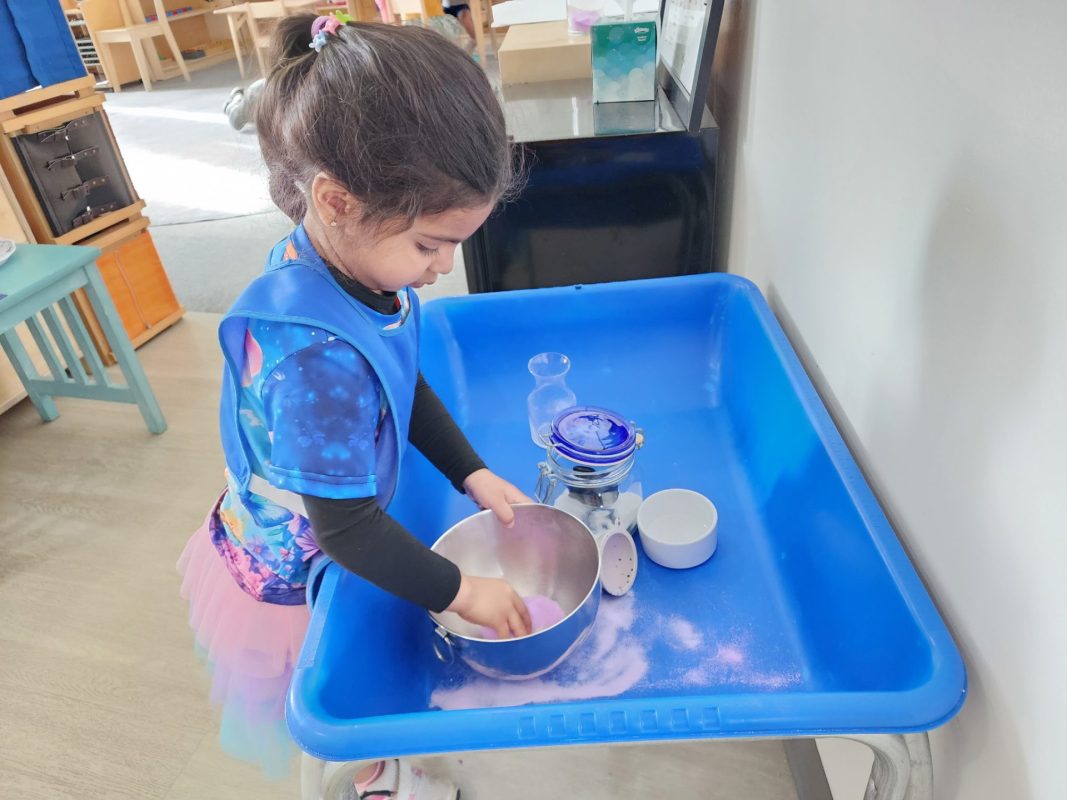
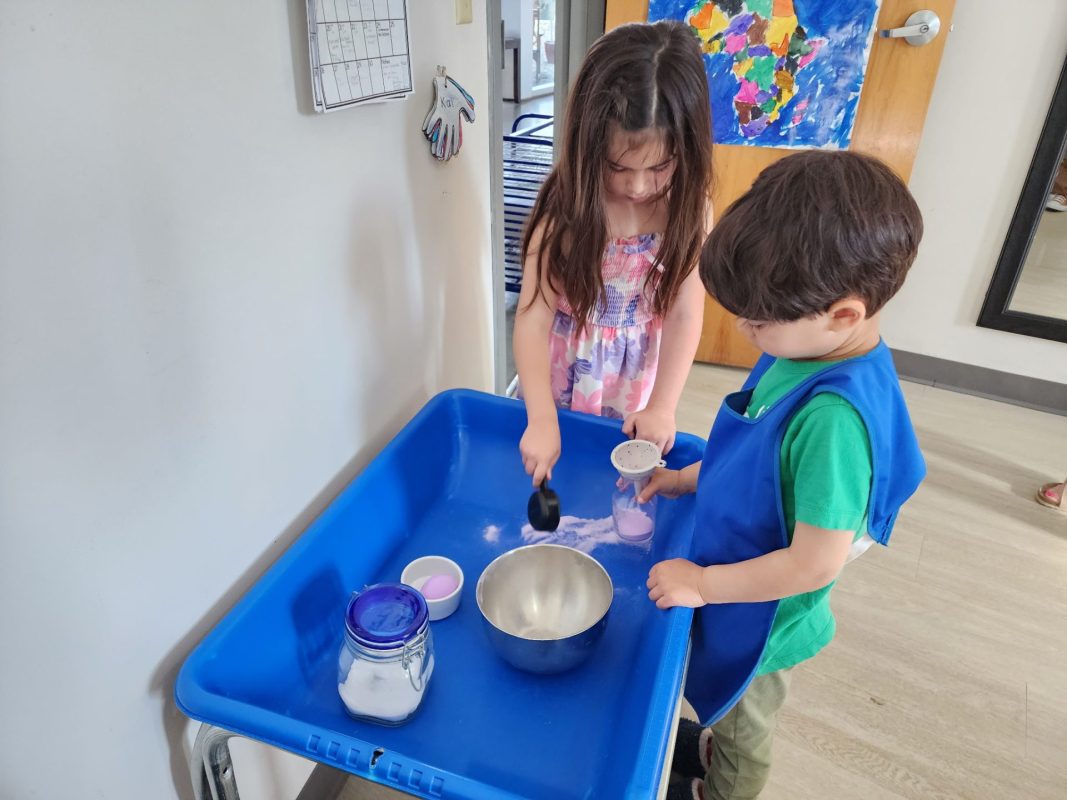
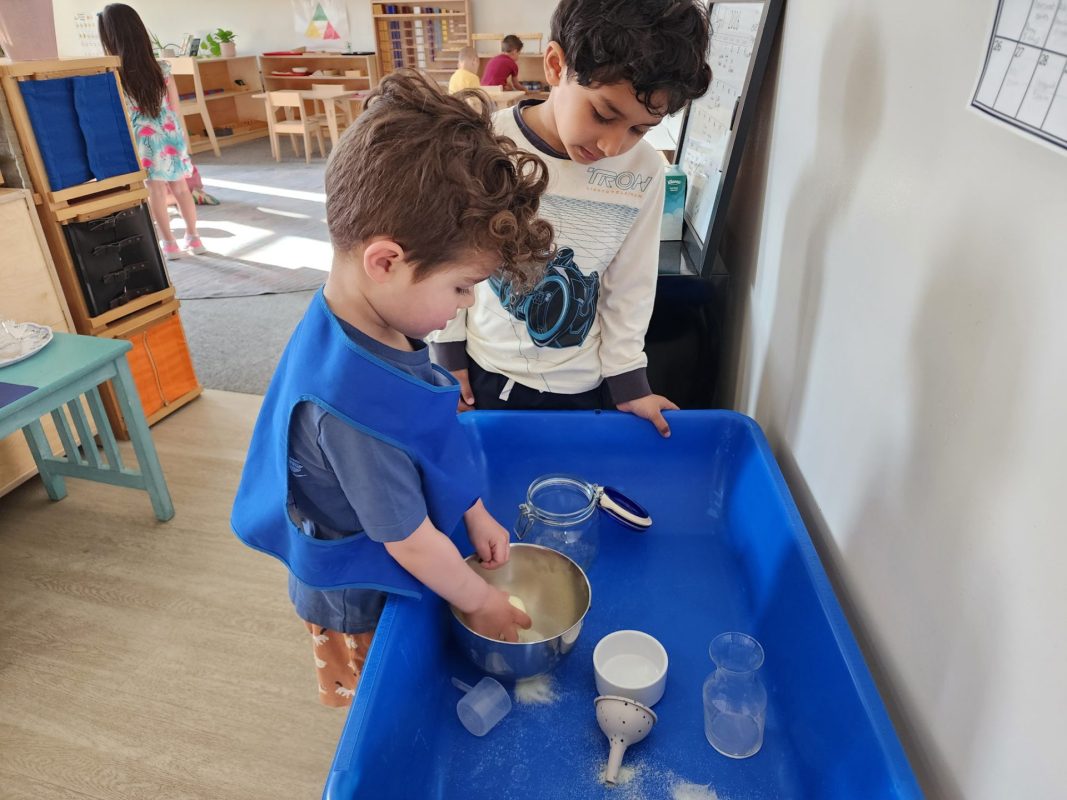
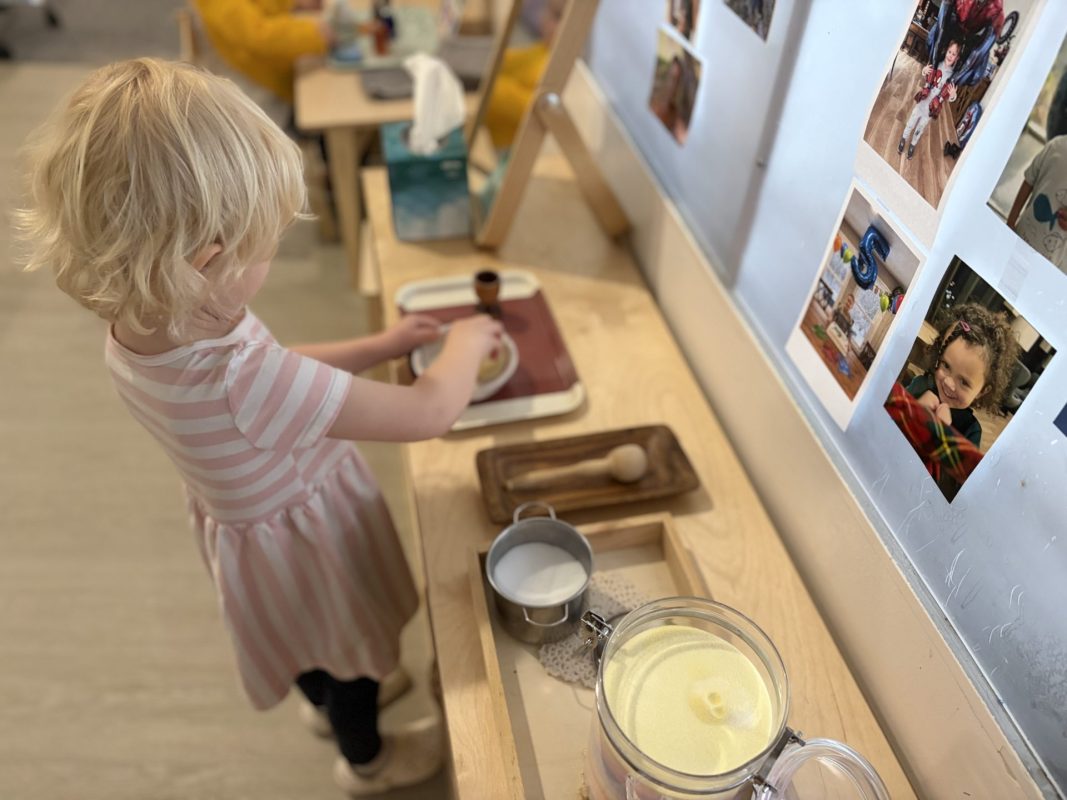
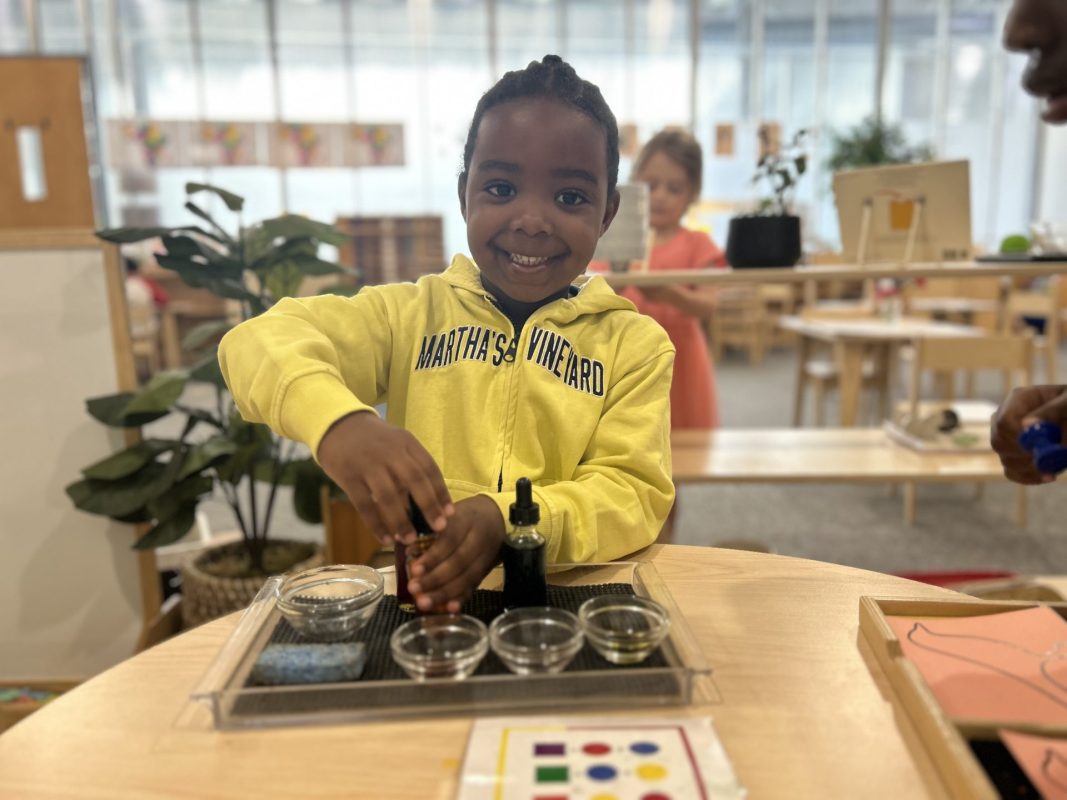
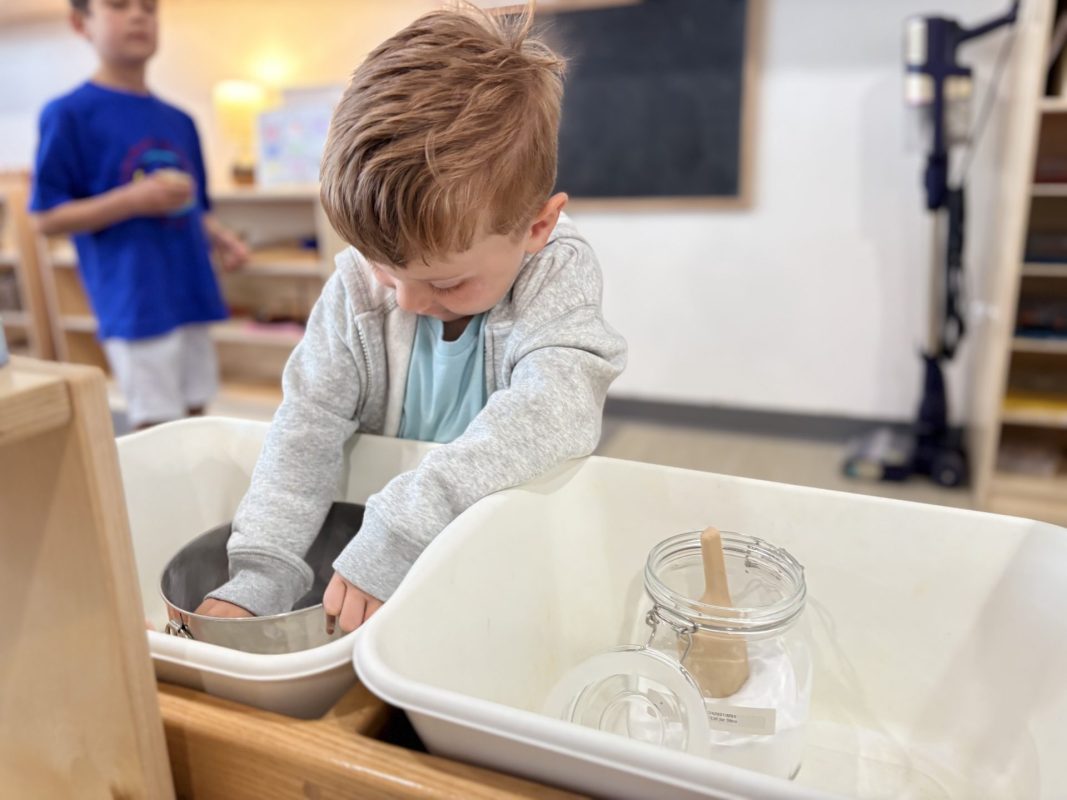
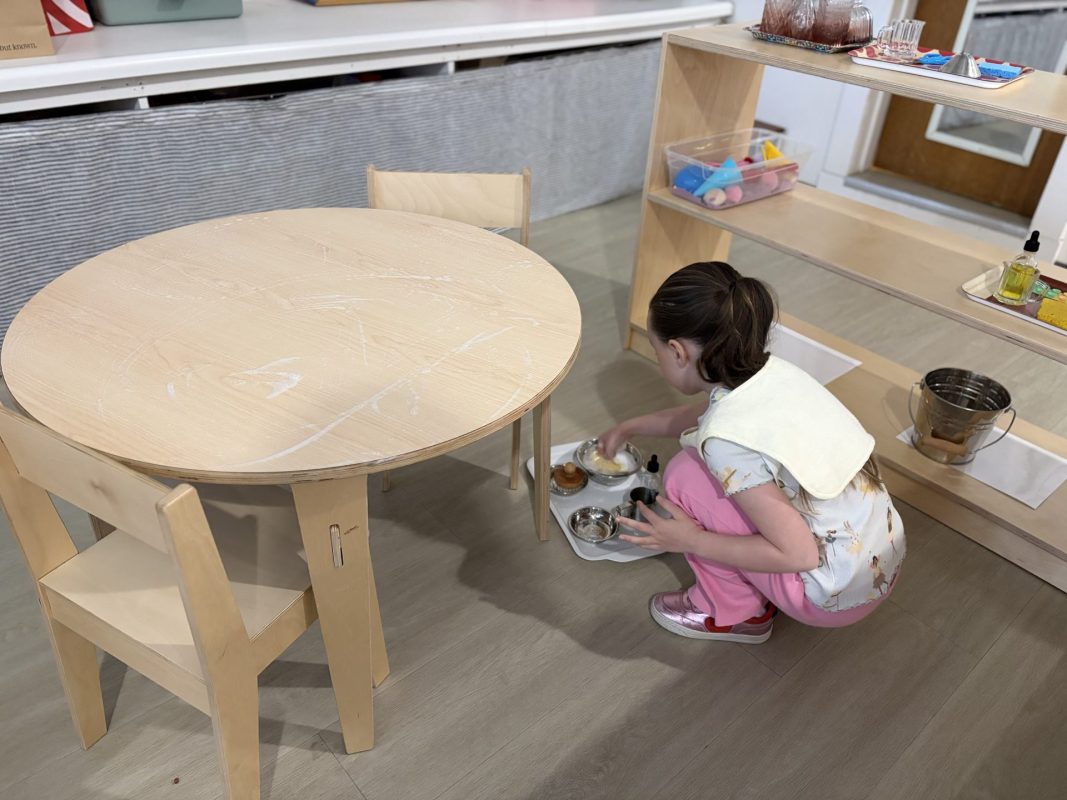
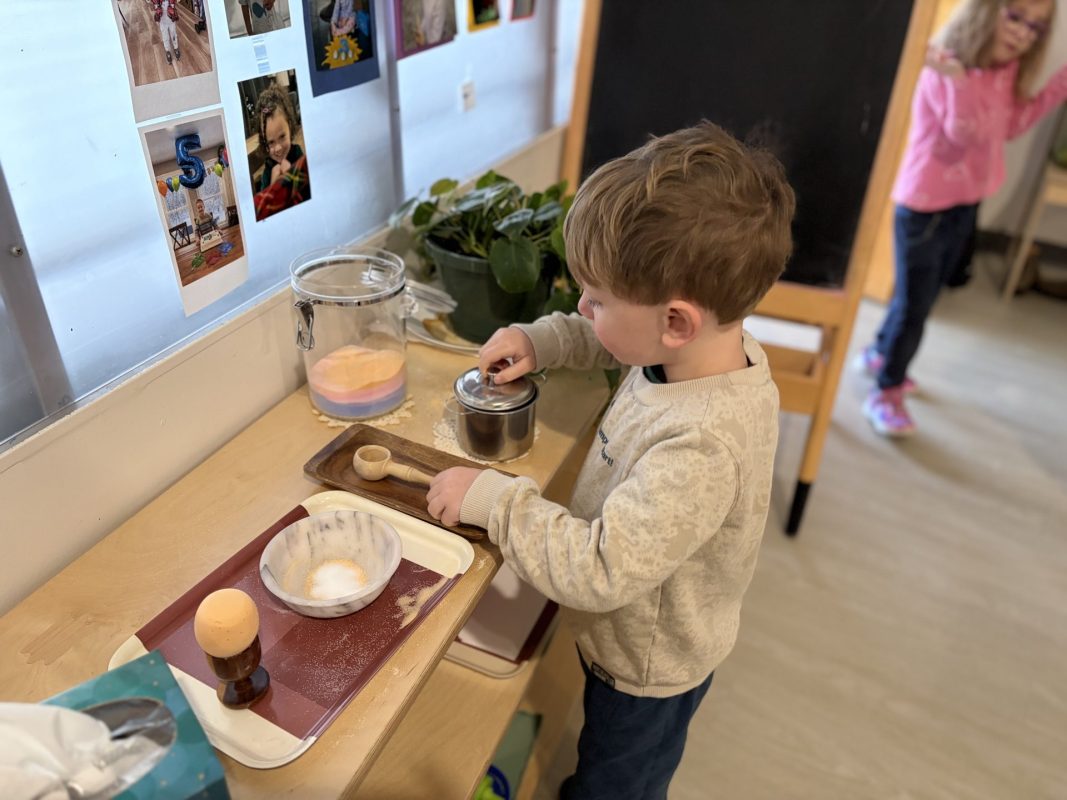
A new practical life and art activity was also introduced this week: grinding chalk into salt using small, controlled wrist movements. As the chalk color gradually spread through the salt, children experienced both a sensory and creative process — and were building the precise hand and wrist strength that supports writing development.

Extending Learning at Home

Invite your child to look closely at their own face in a mirror and describe what they see. You can also try a simple sensory activity at home: mix a small amount of colored chalk or food coloring into salt or sand and let your child explore the texture and color. Talk about what changes and what stays the same.

UPCOMING EVENTS & ANNOUNCEMENTS

This Week

  • Monday, April 20
    ⋅ Sharing Box, Flowers, and Food; Birthday Celebration, Otto
  • Tuesday, April 21
    ⋅ Playground Volunteer, Dan D.
  • Thursday, April 23
    ⋅ Birthday Celebration, Oscar
  • Friday, April 24
    ⋅ No School – Parent Teacher Conferences

Ms Marissa: Life Cycles, Color, and Care

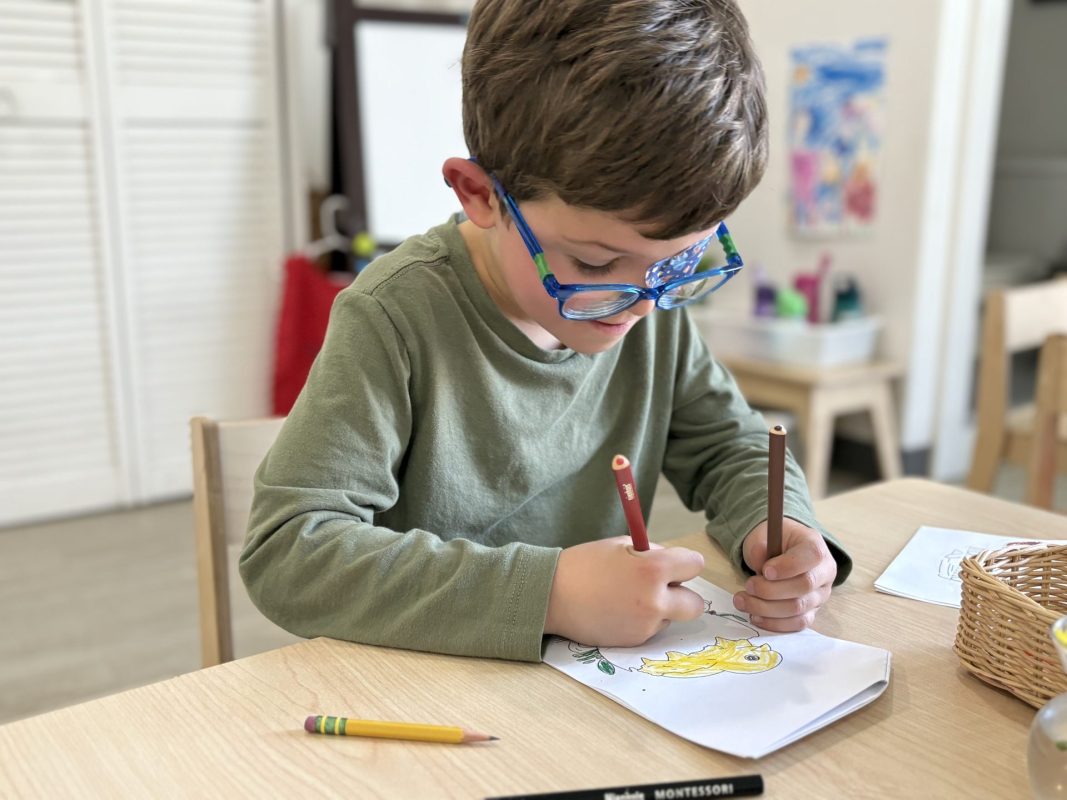
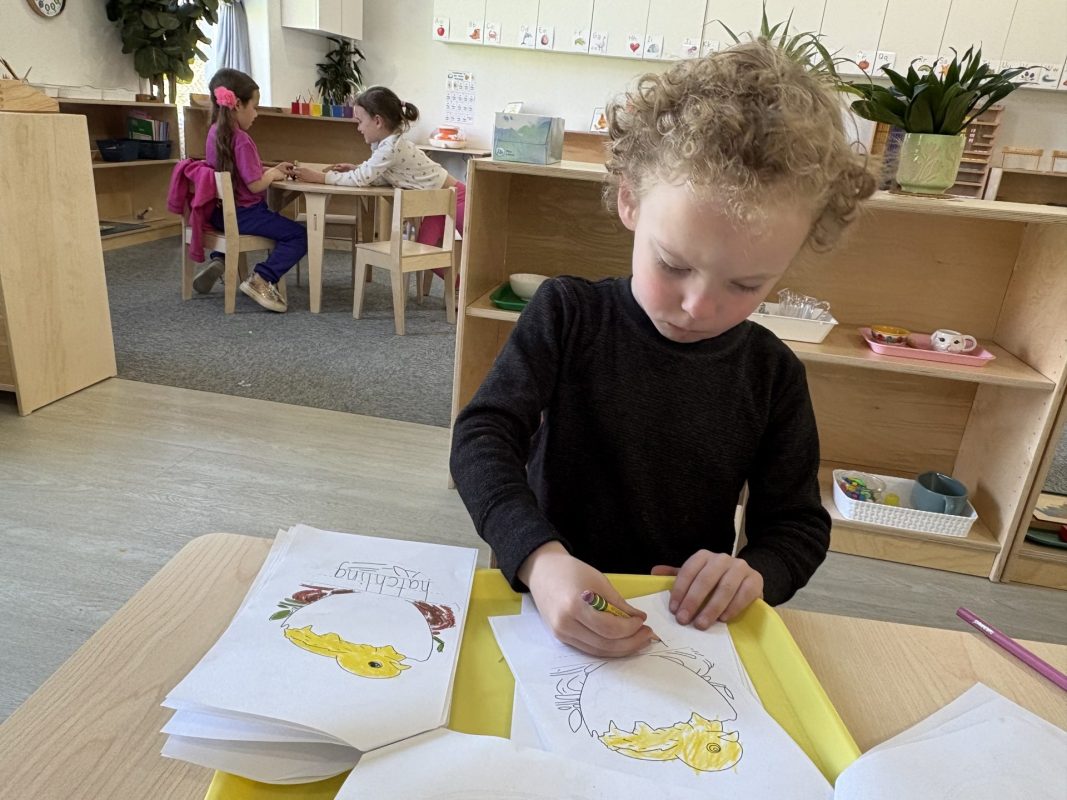
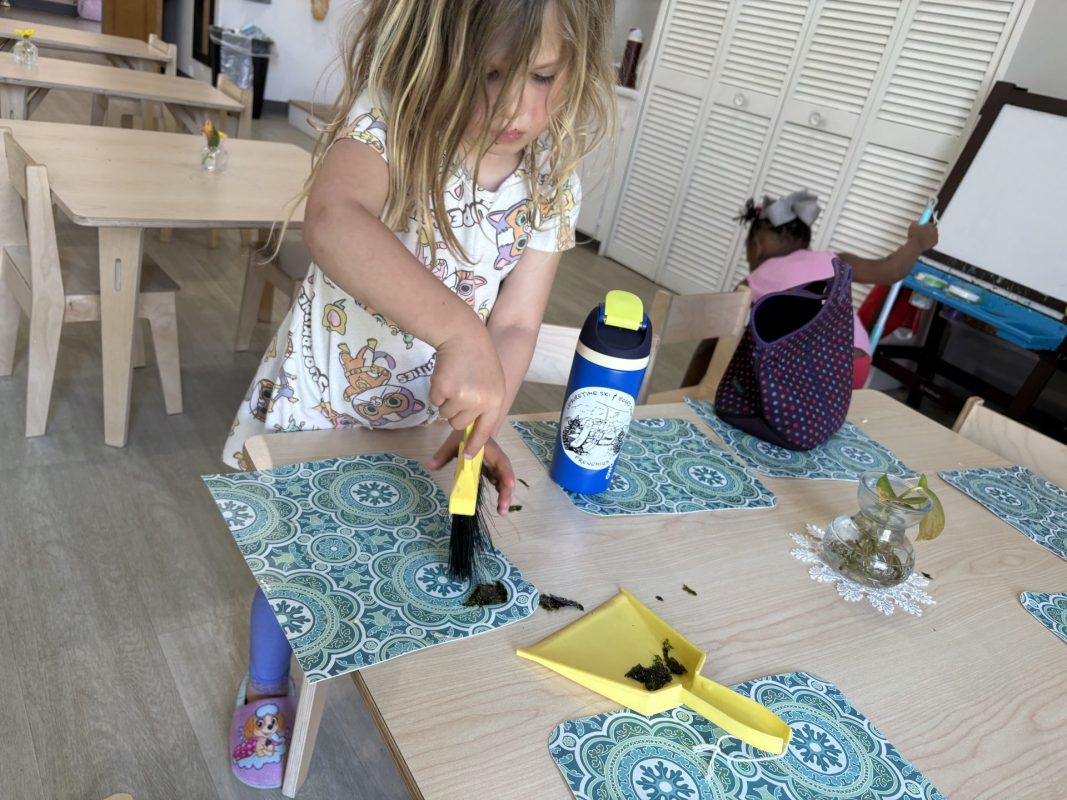
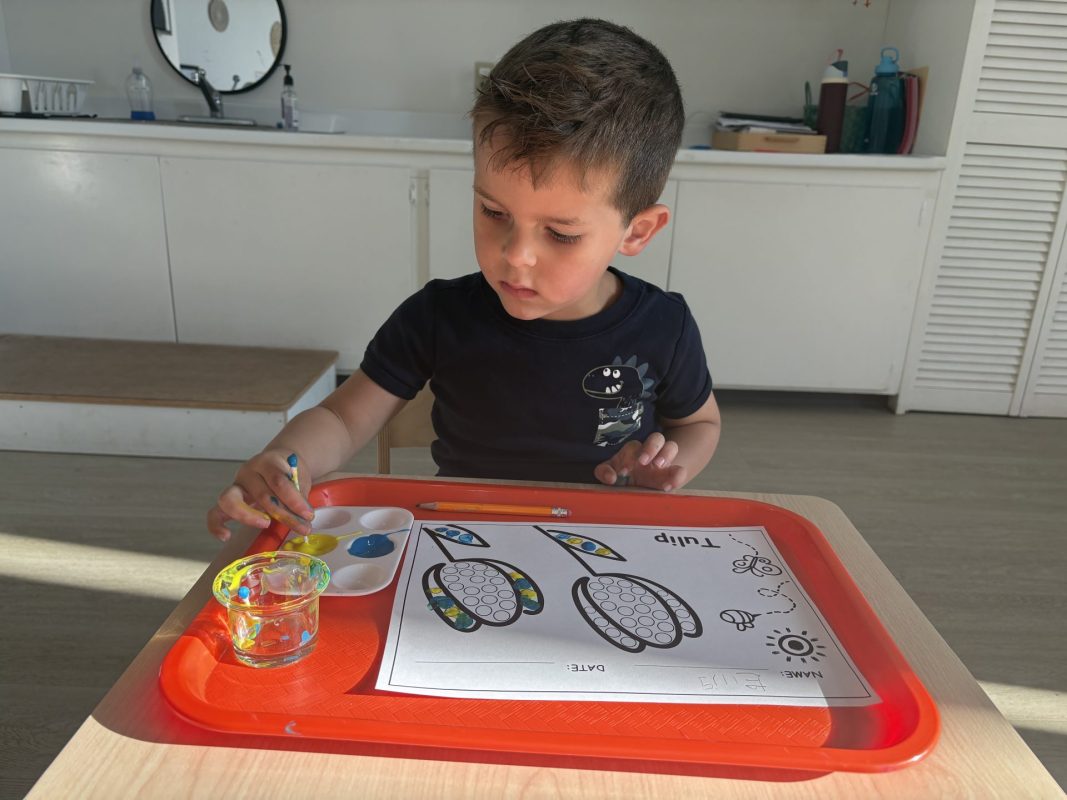
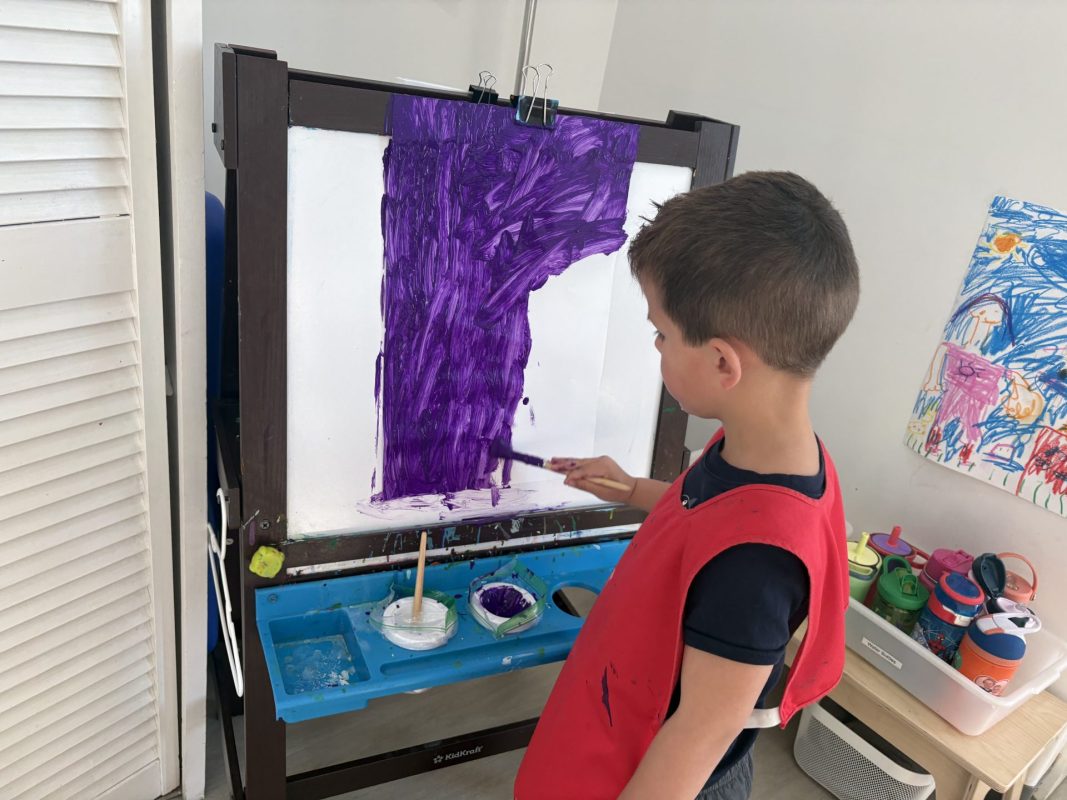
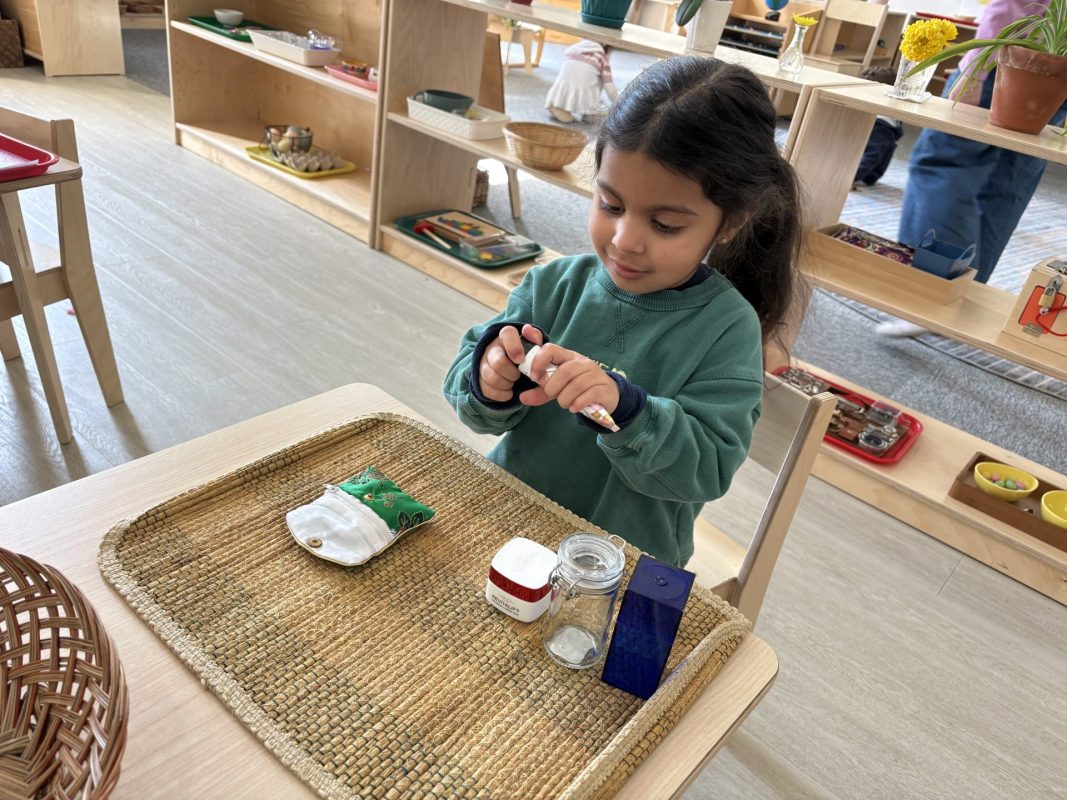
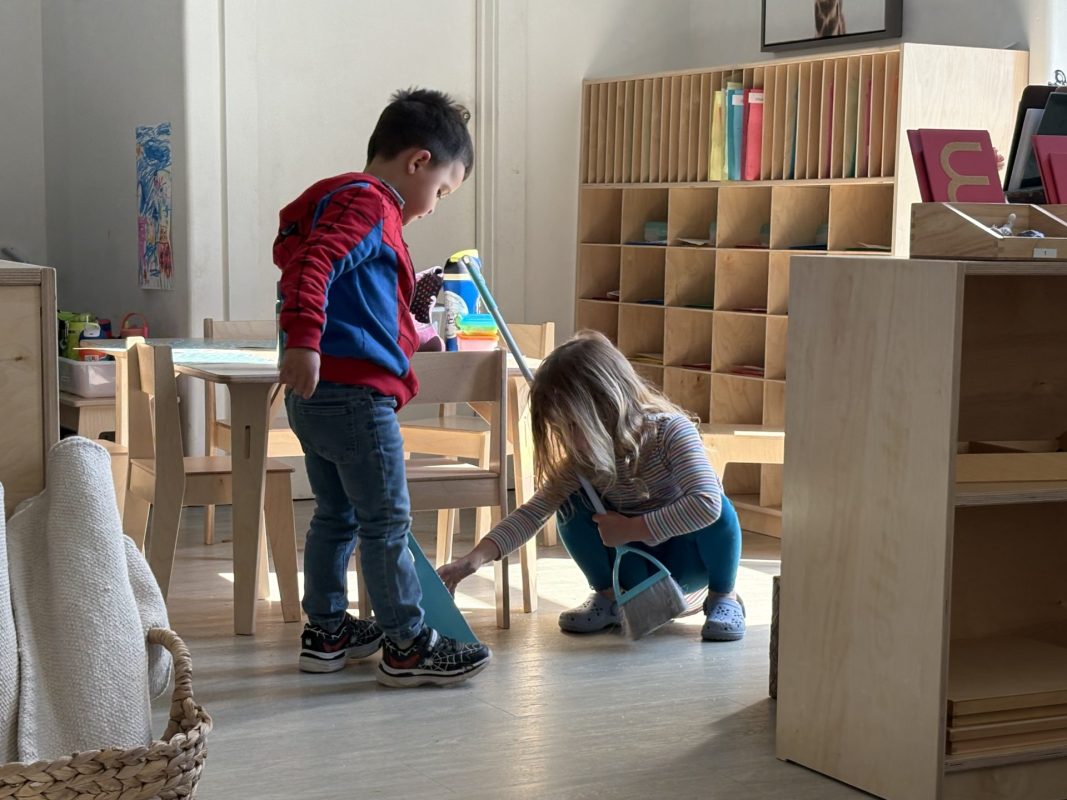
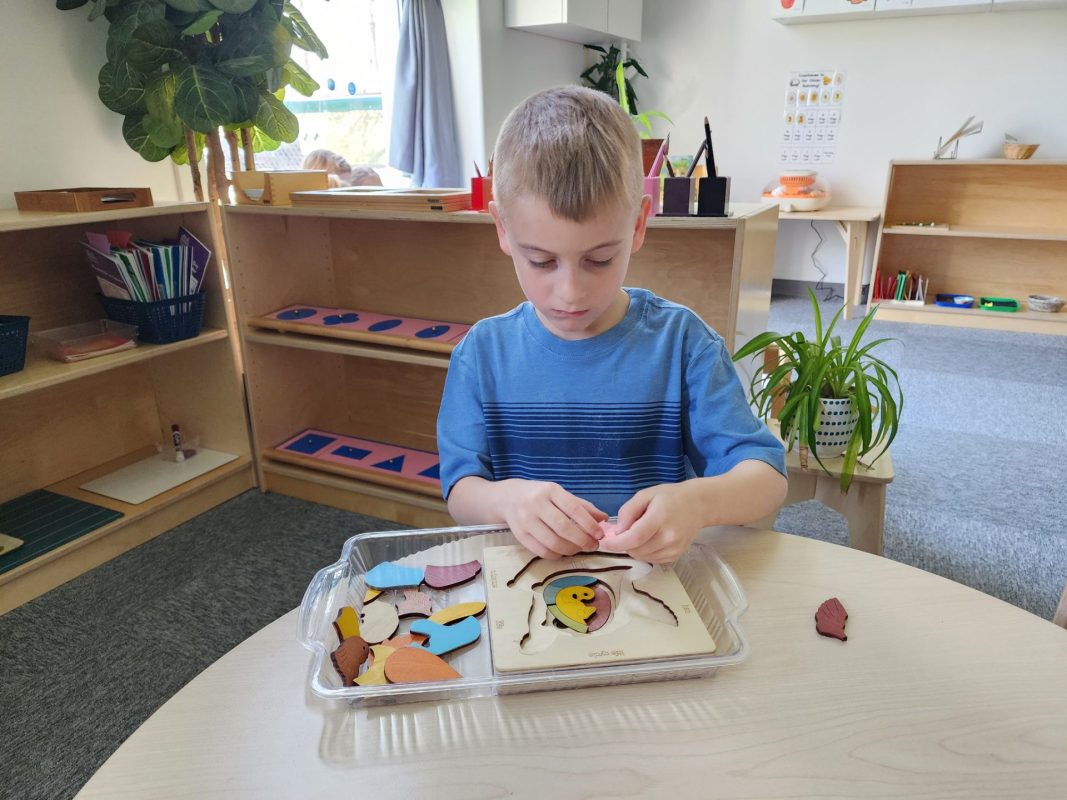
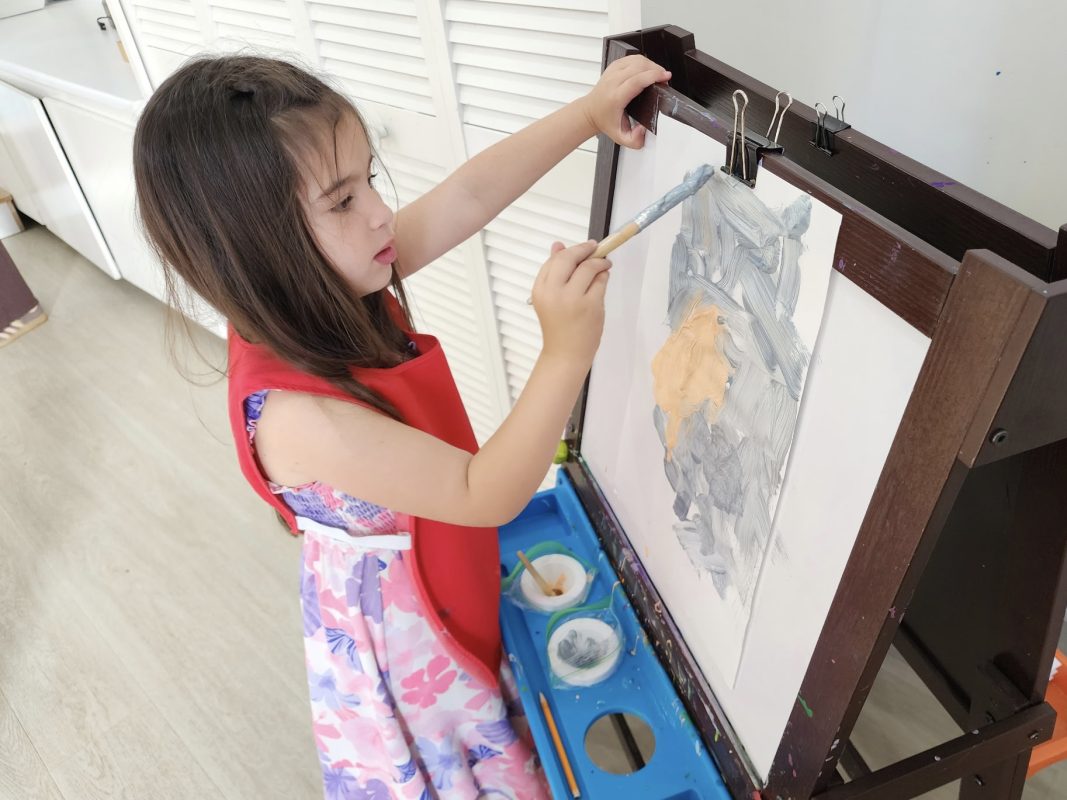
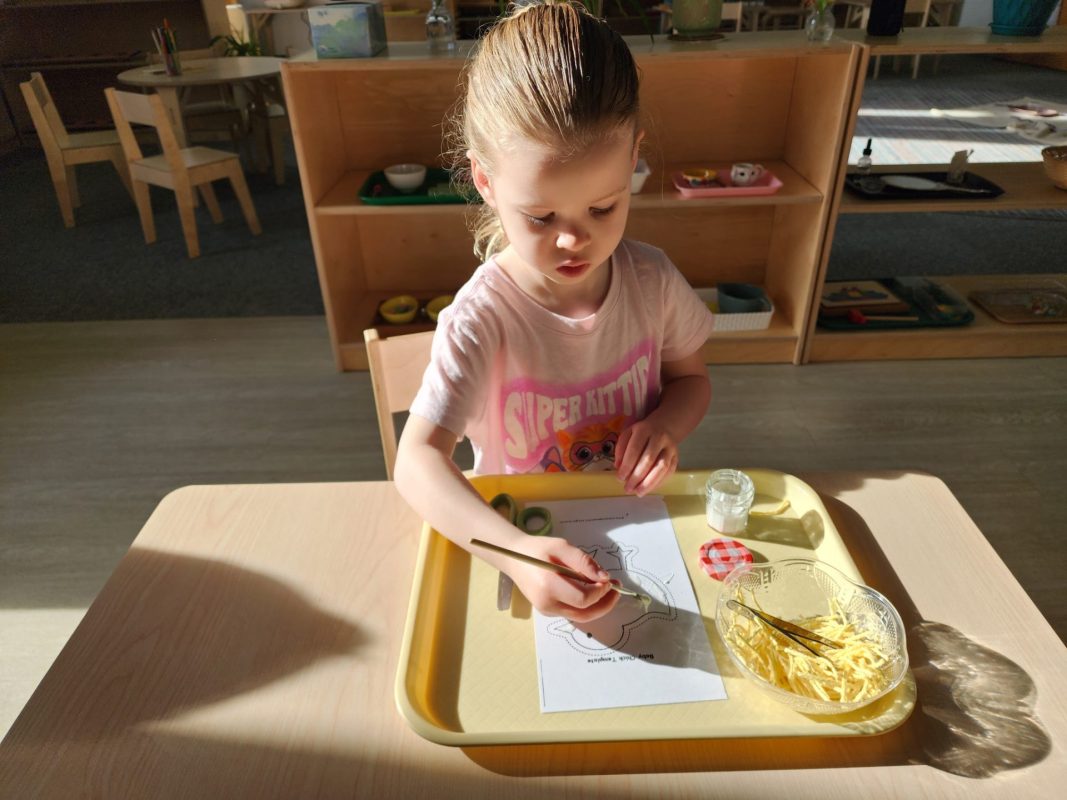
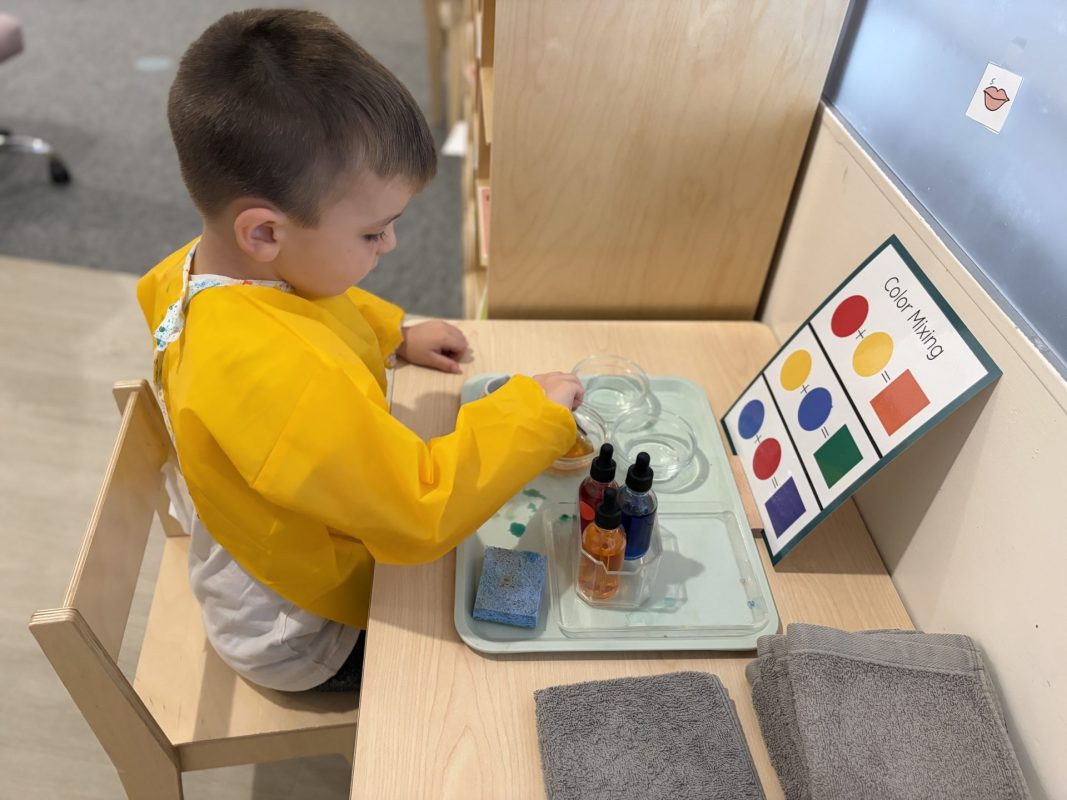
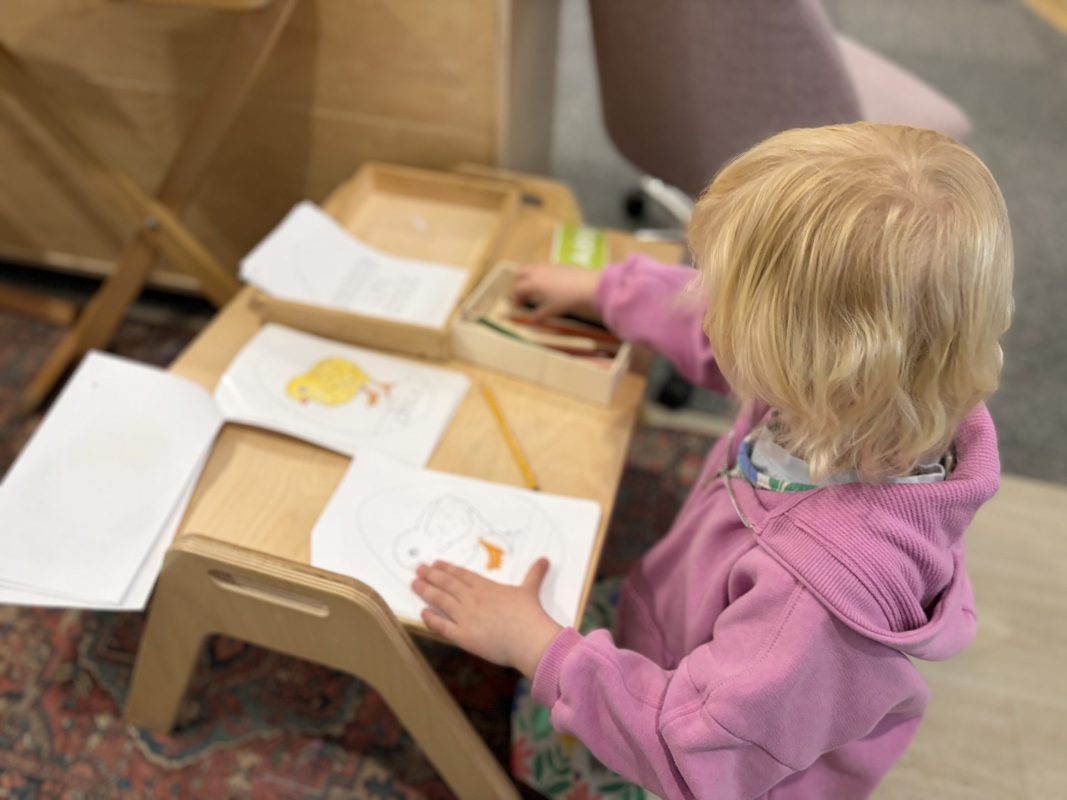
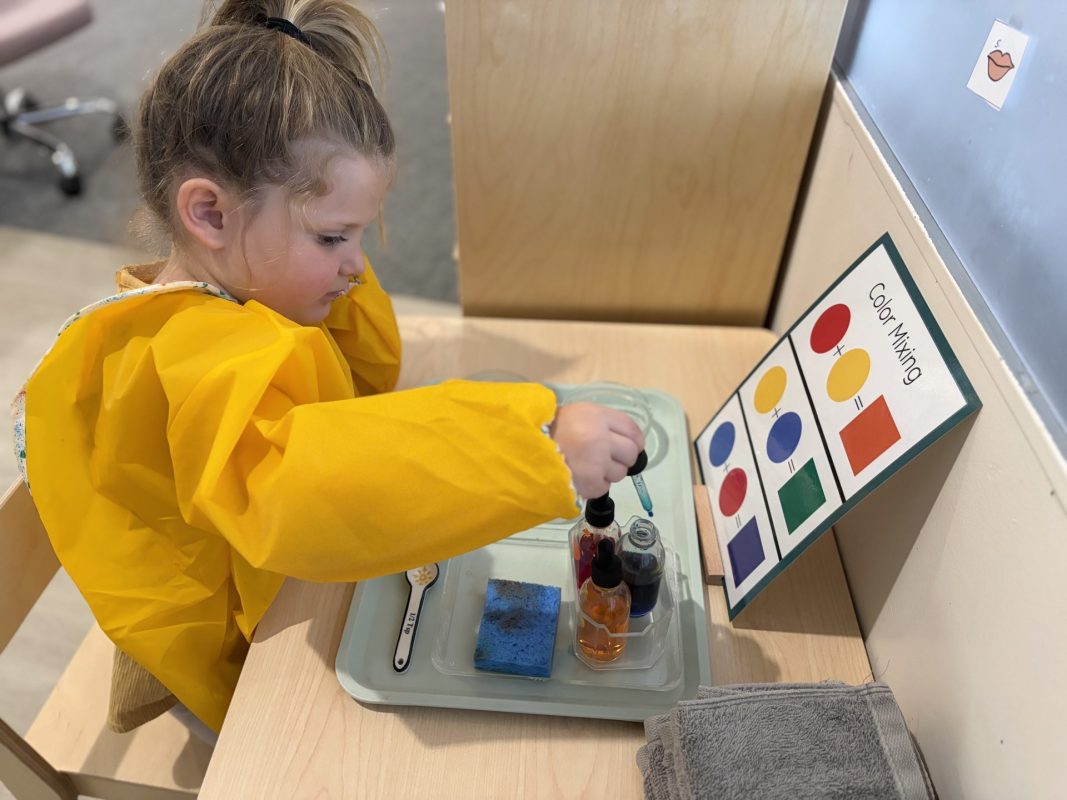
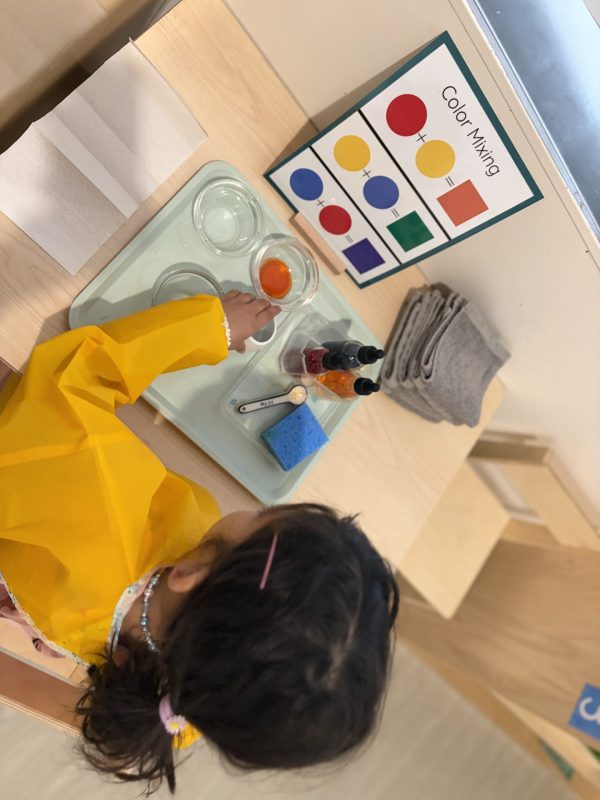
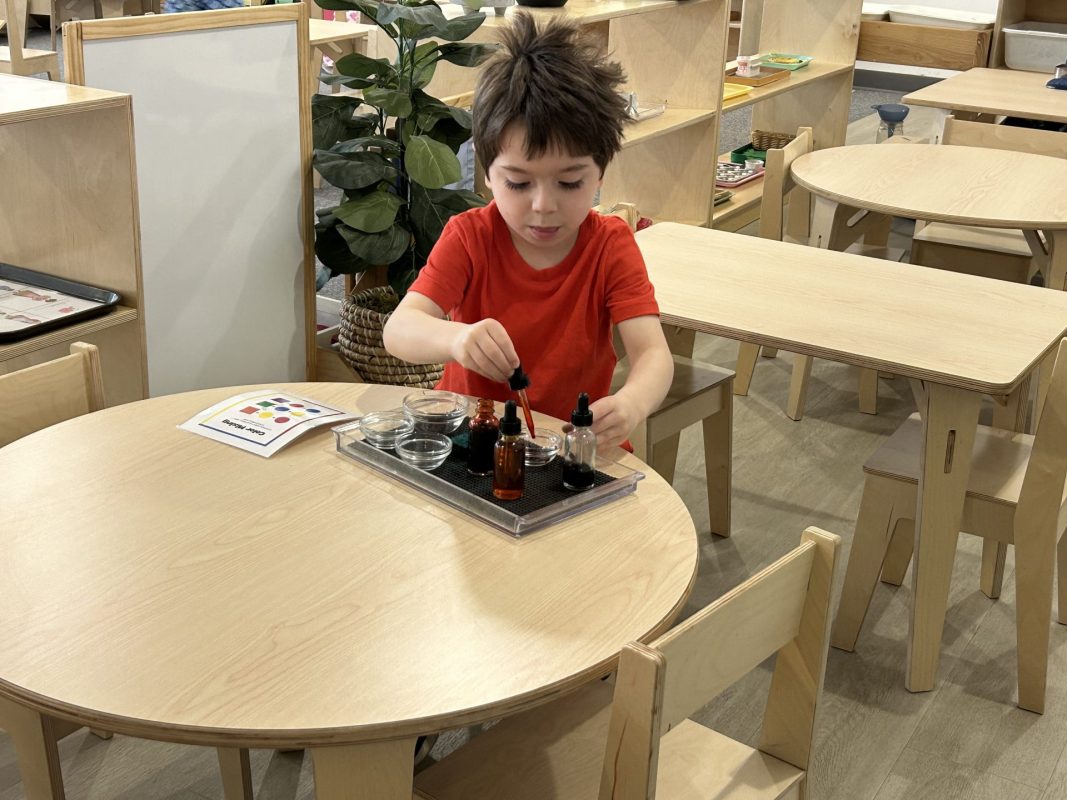
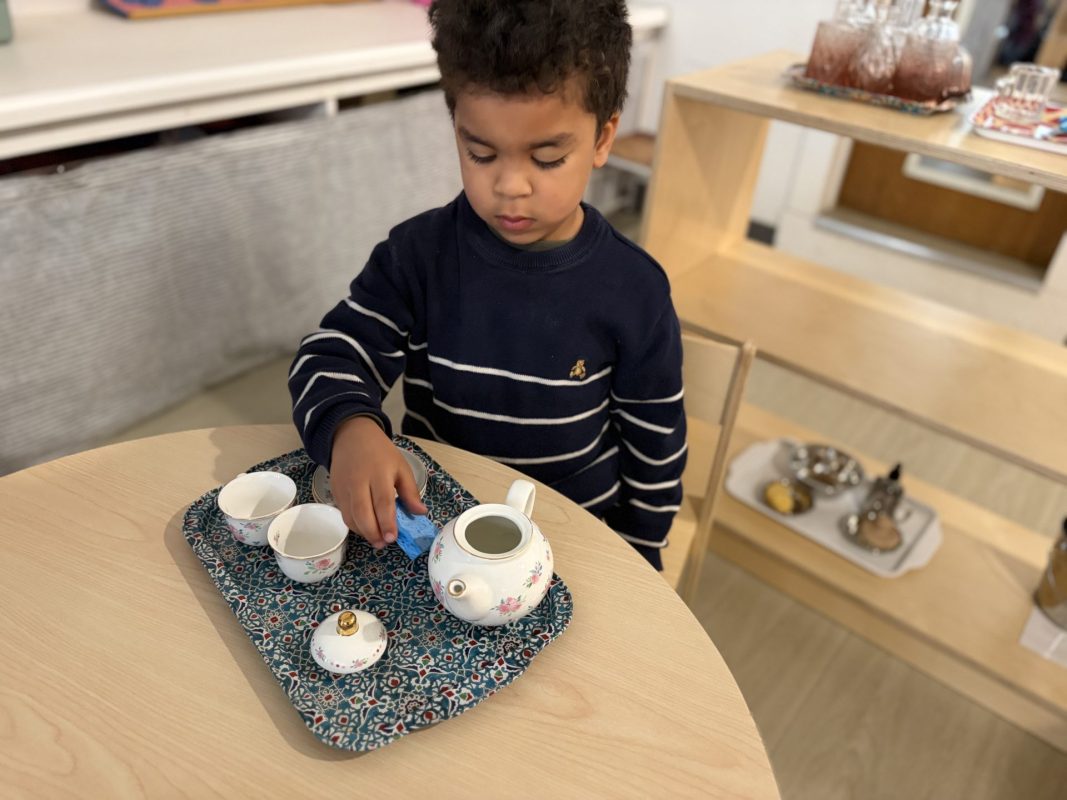
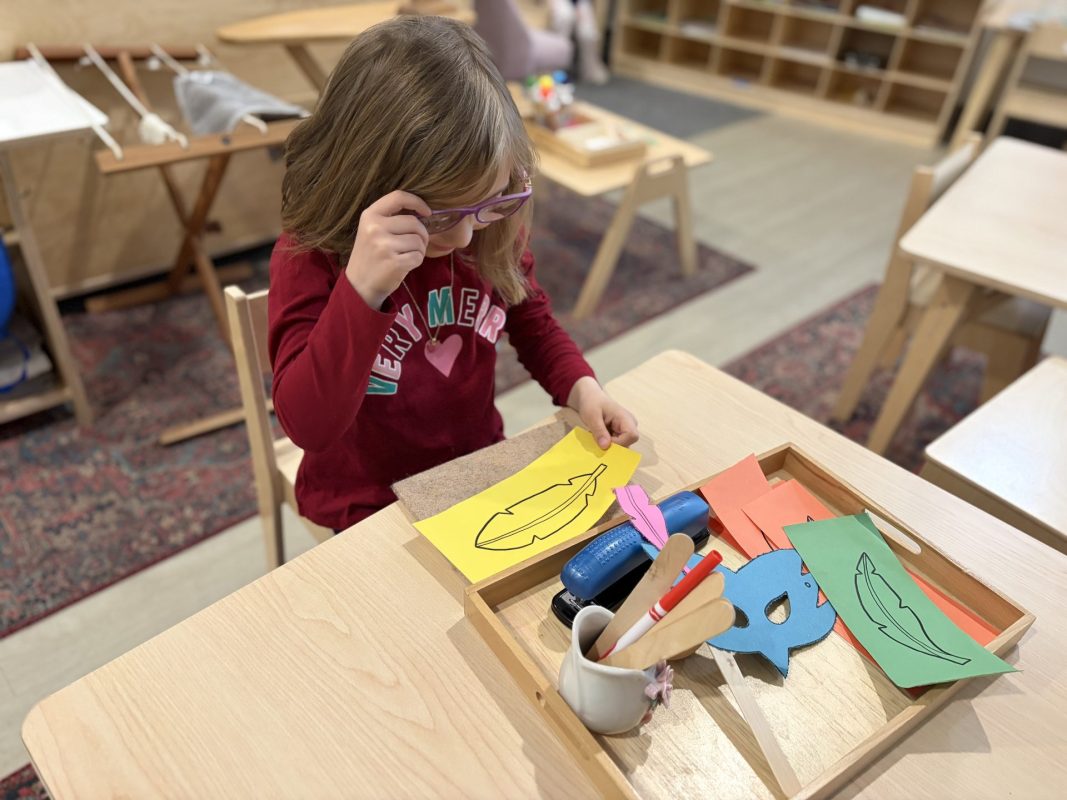
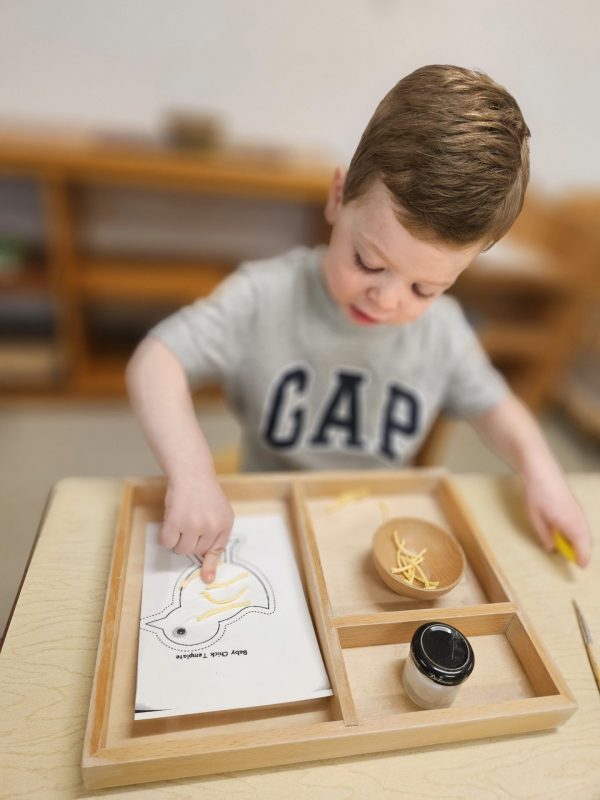
We’ve been adding some new activities to the classroom that tie in nicely with our bird study. The children have been working on simple “life cycle of a chicken” books, focusing on sequencing and labeling each stage. We’ve also introduced color mixing, which has been a great way to bring more science and art into the classroom as the children explore how different colors combine and change. With the warmer weather, polishing sunglasses has become a fun and practical extension of our usual care-of-environment work.

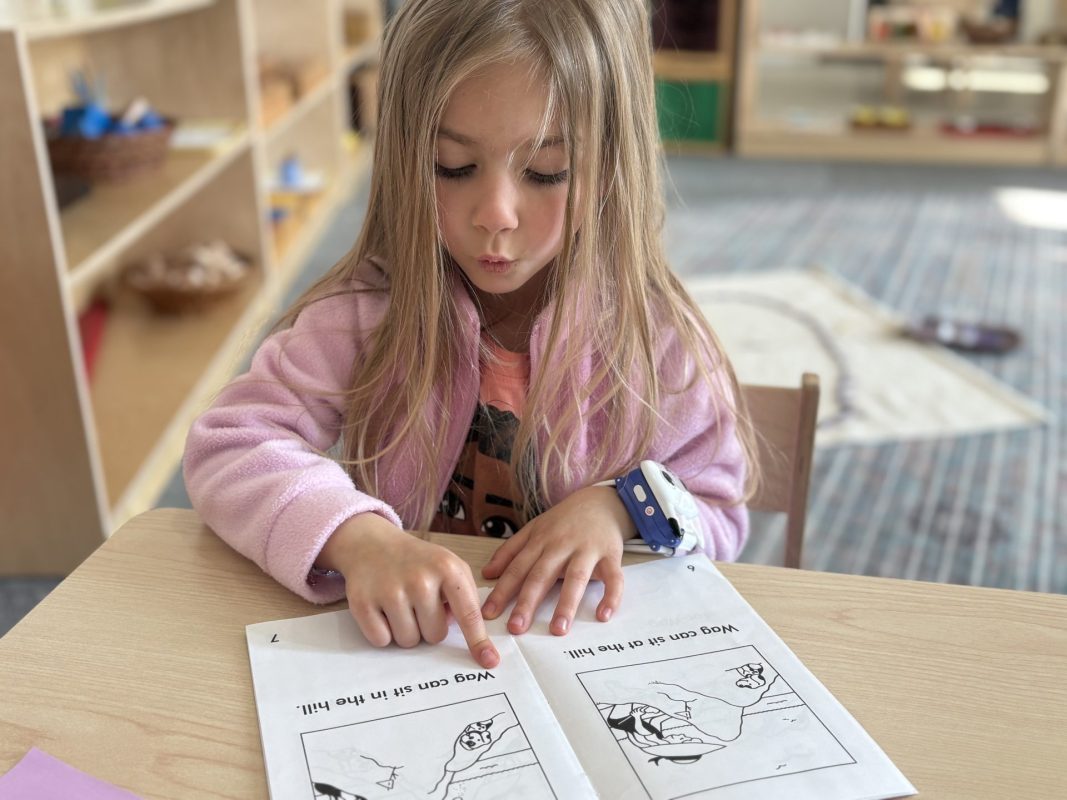
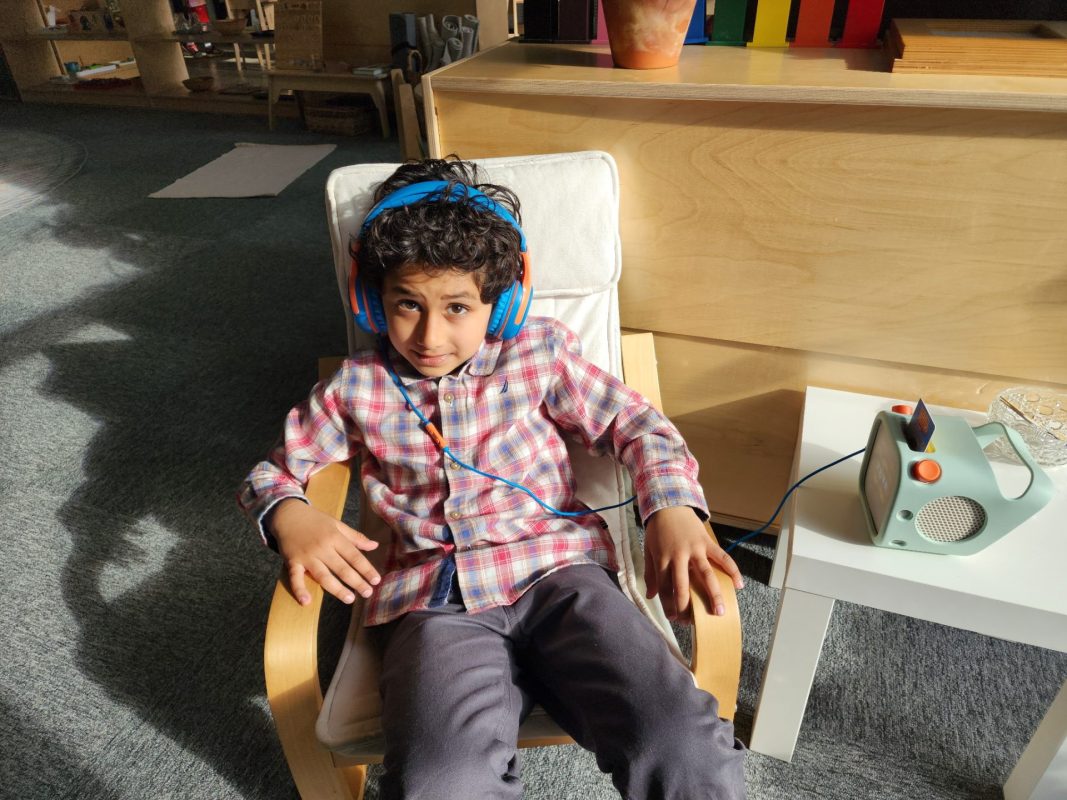
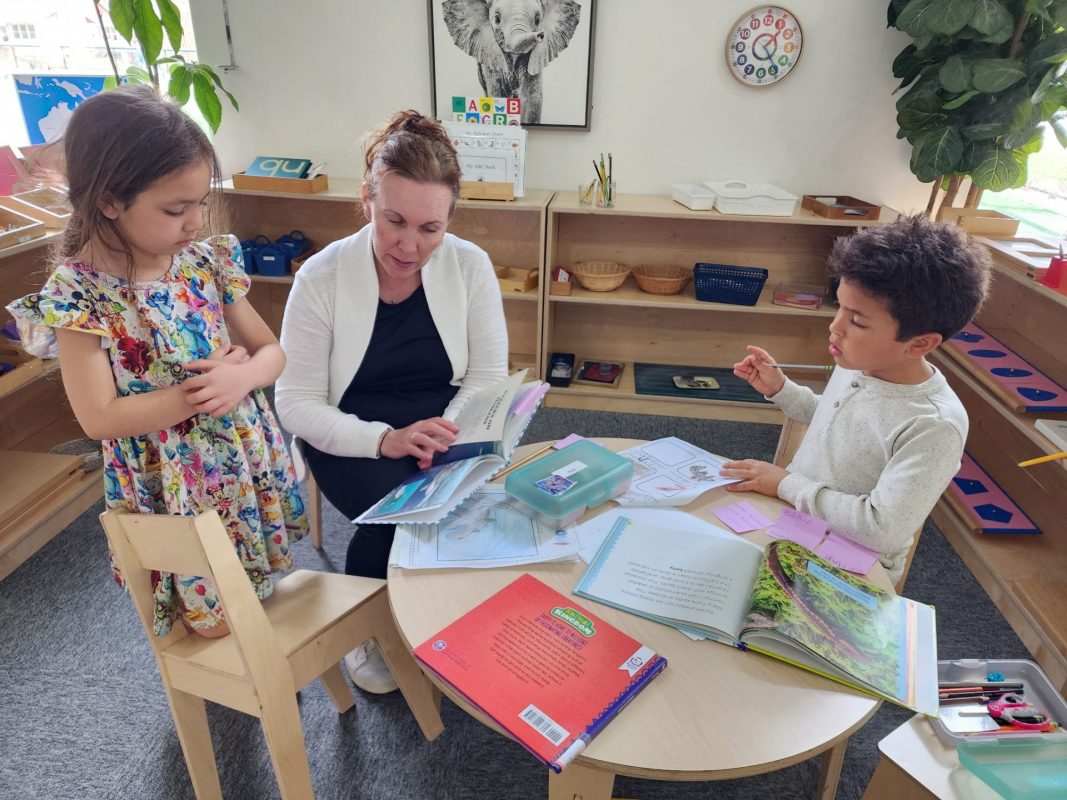
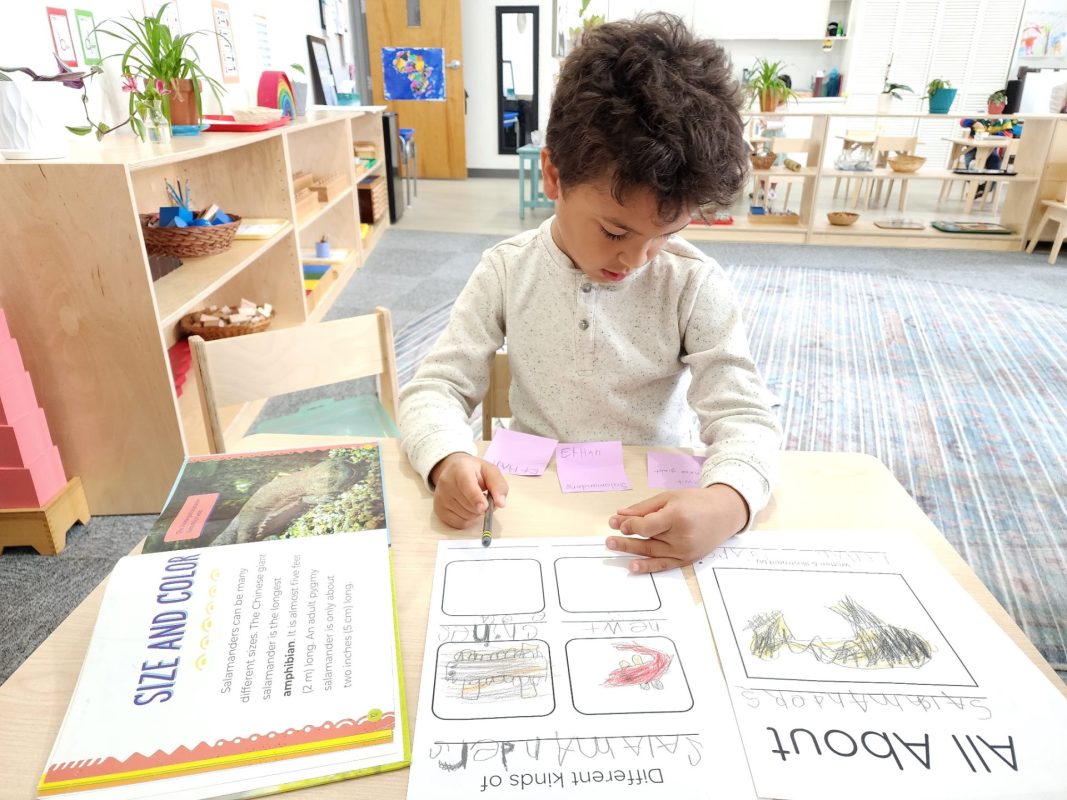
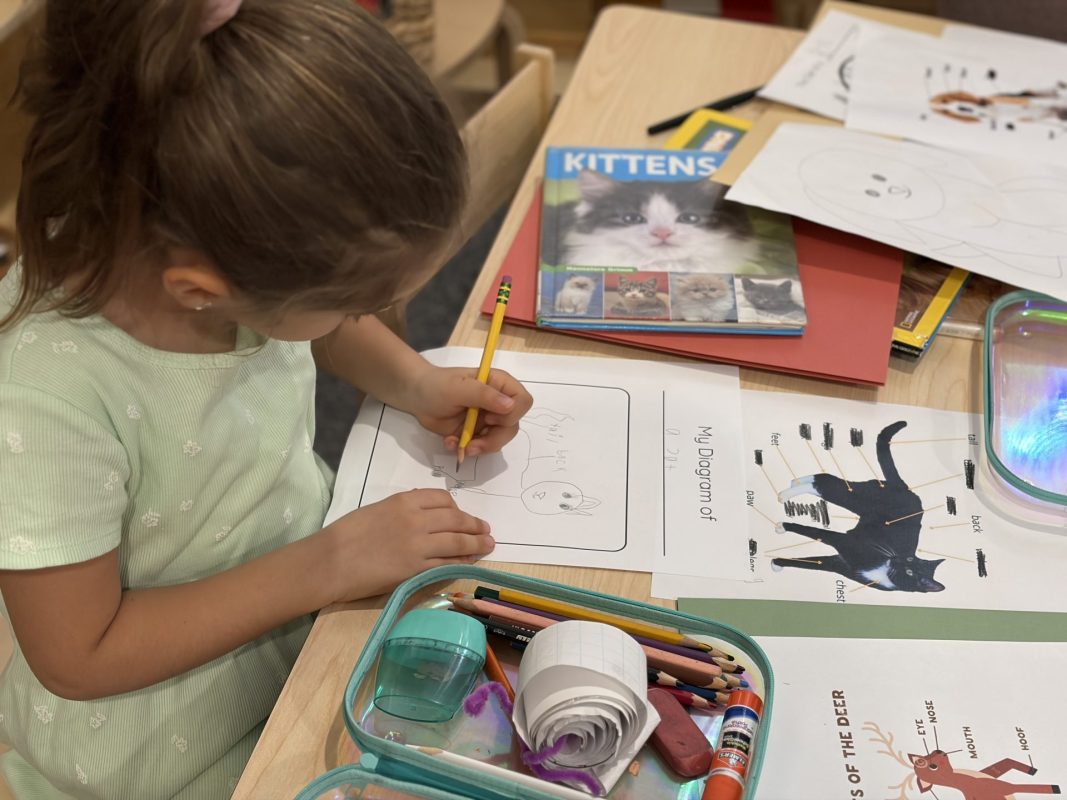
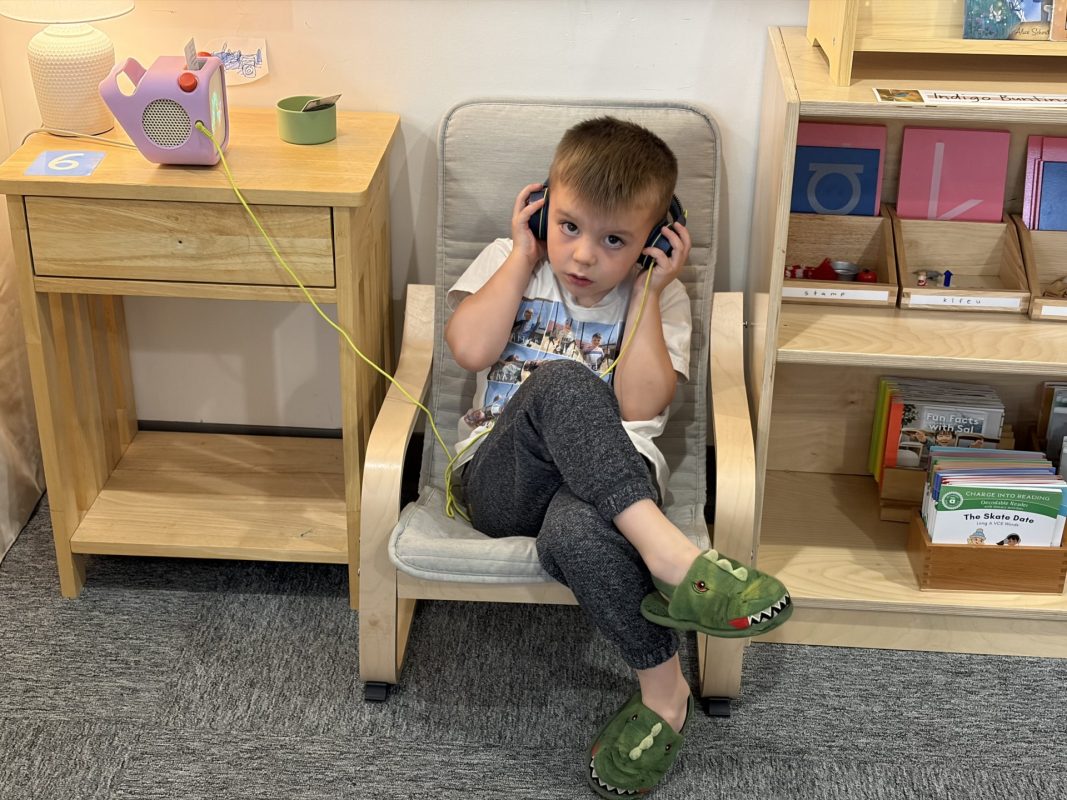
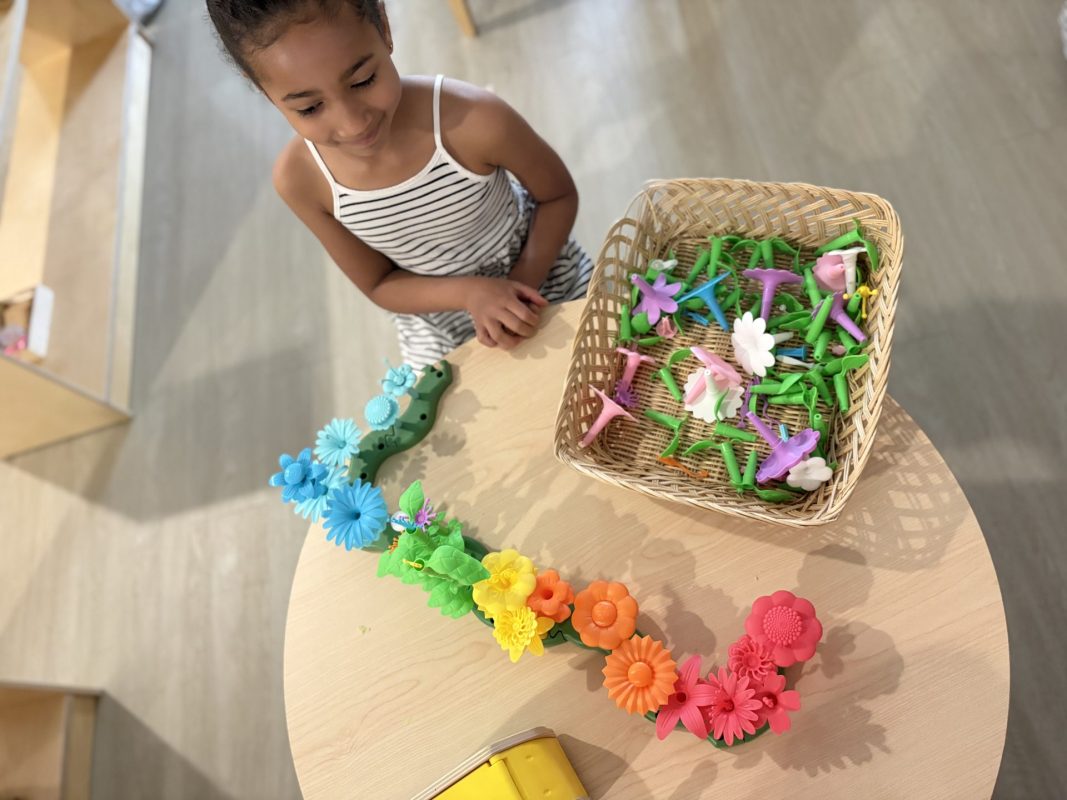
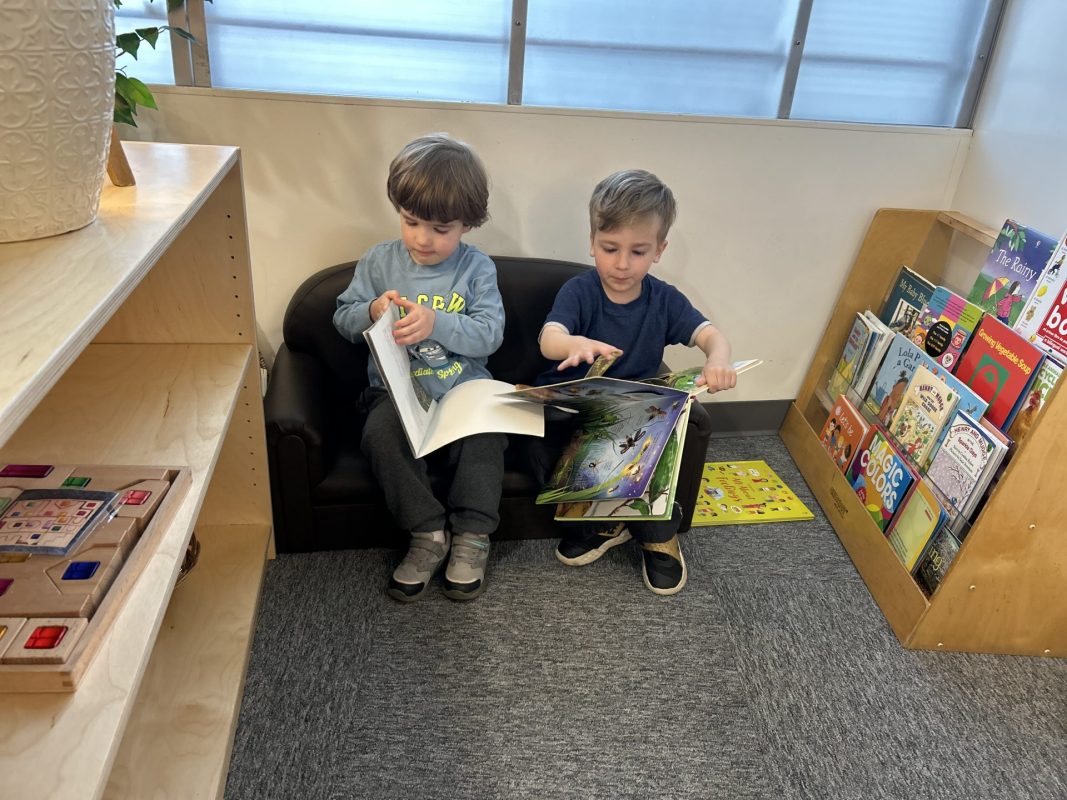
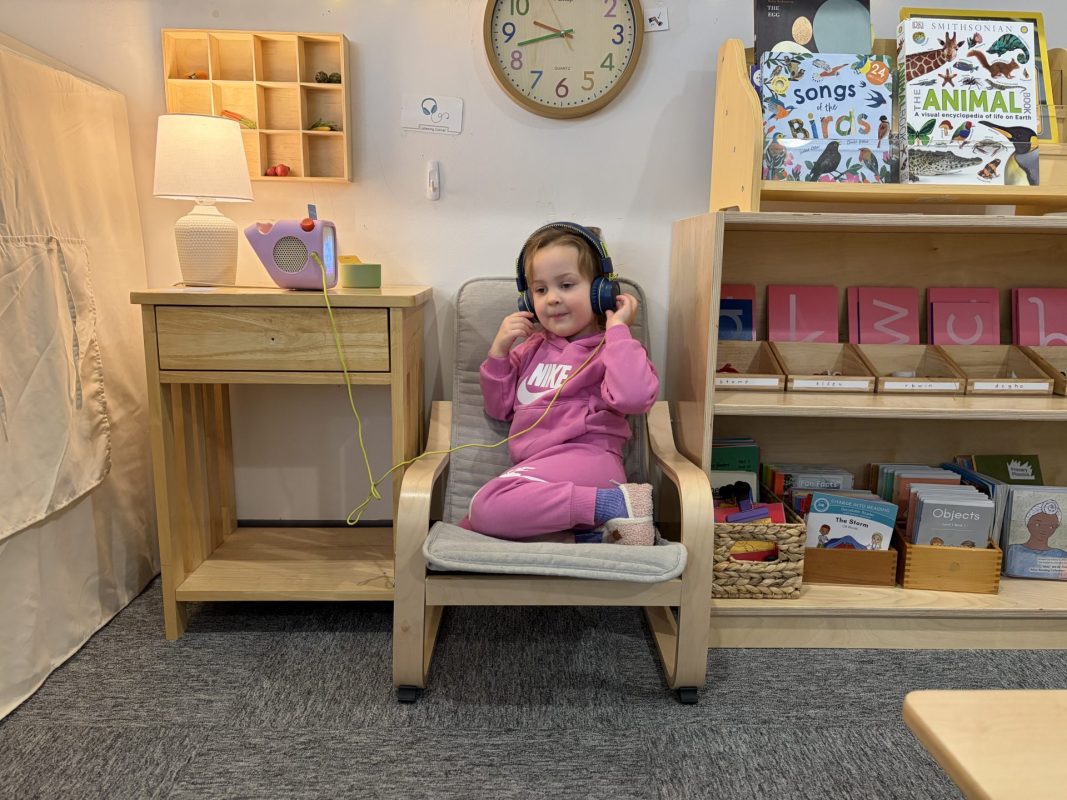
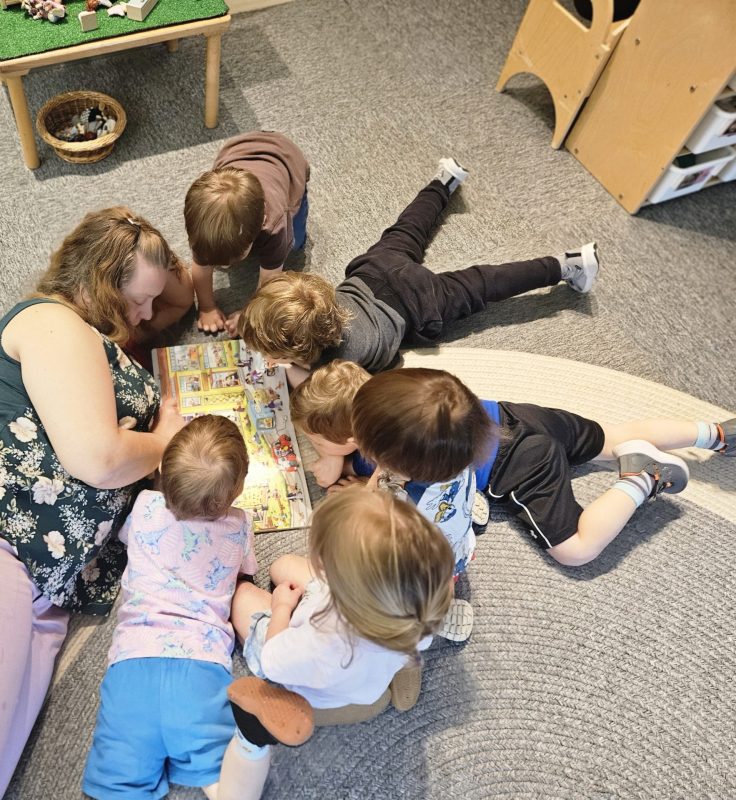
Flower arranging continues to be a favorite, and lately the children have been experimenting with organizing flowers into rainbow patterns. We’re also inviting parents into the classroom to read to the group, which the children really enjoy. If coming in isn’t possible, another option is recording a story for our Yoto player—this has been a great way for children to hear familiar voices during the day. Our kindergarteners have also been doing a deeper dive into their animal research projects, showing a lot of focus and pride as they learn more about their chosen animals.

UPCOMING EVENTS & ANNOUNCEMENTS

This Week

  • Friday, April 24
    ⋅ Parent/Teacher Conferences. Time slots are available throughout the week — please sign up if you have not yet done so.

Mrs. Lopes: Discovering Europe

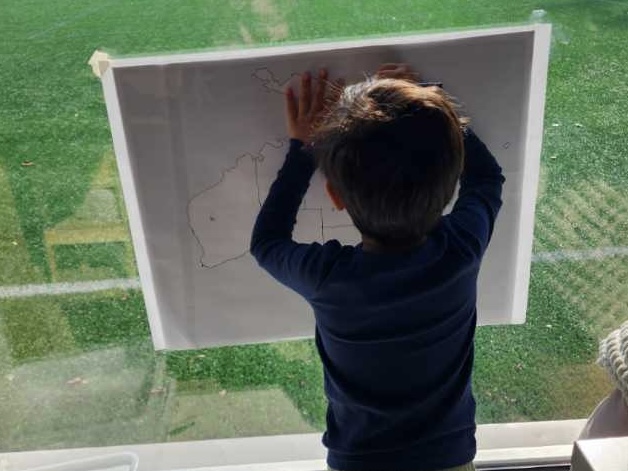
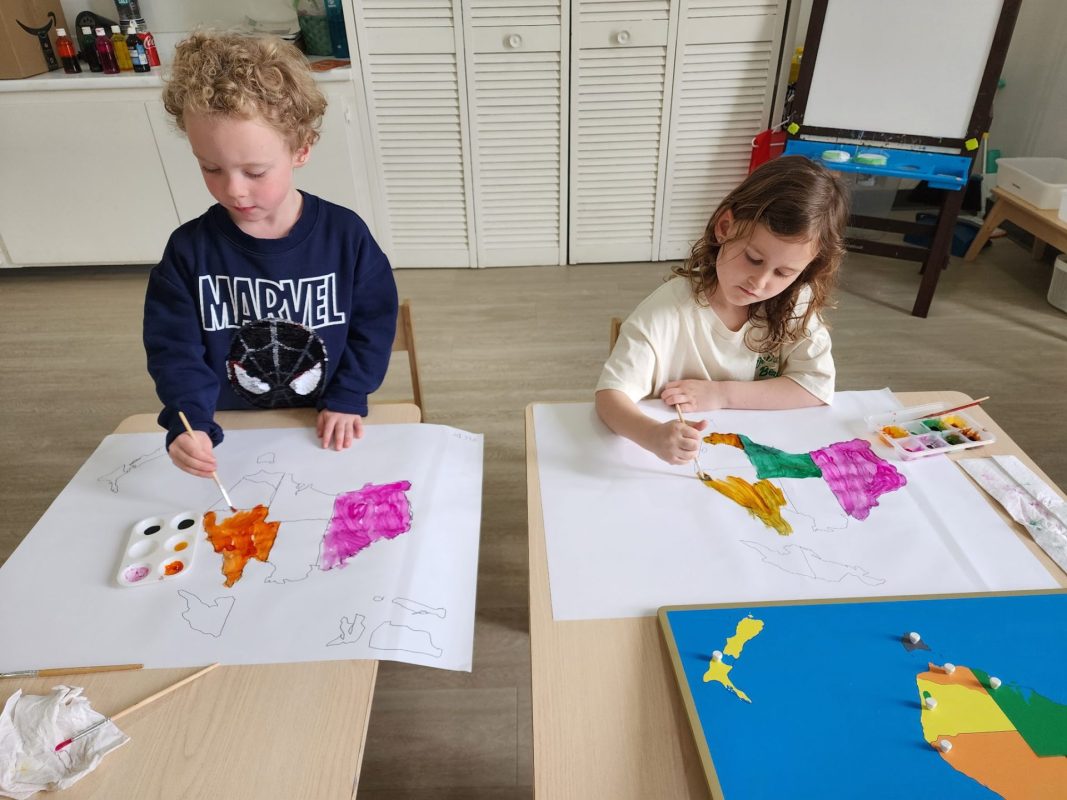
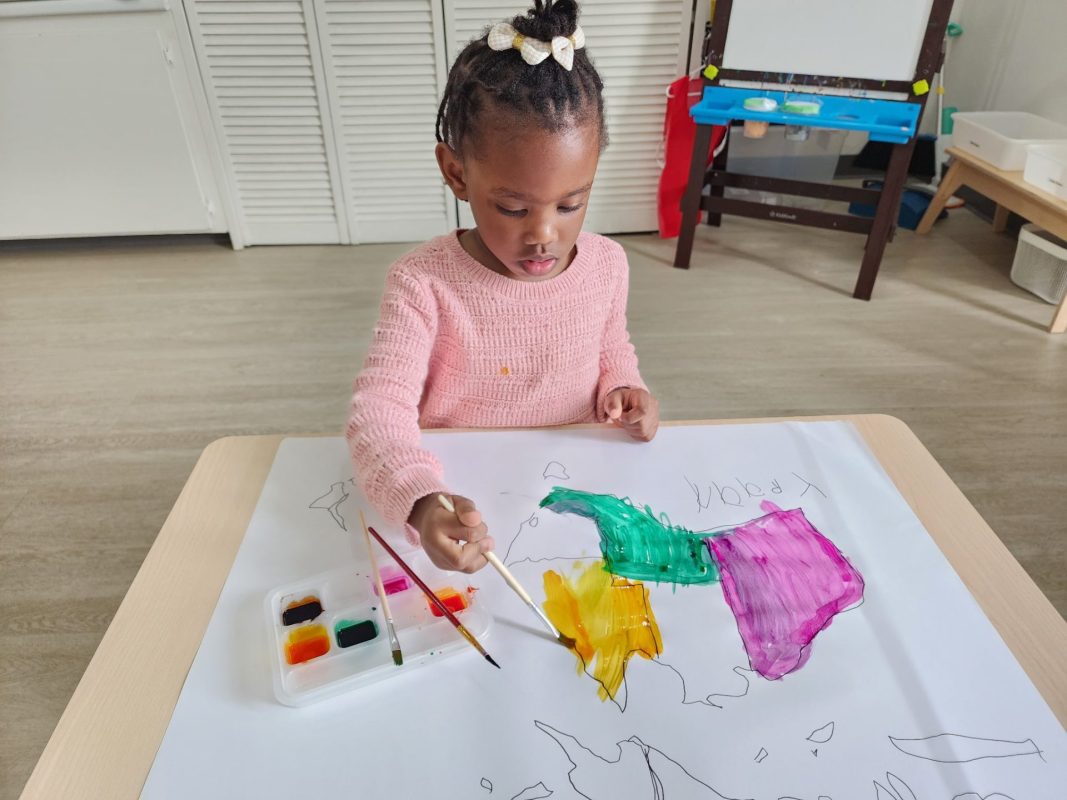
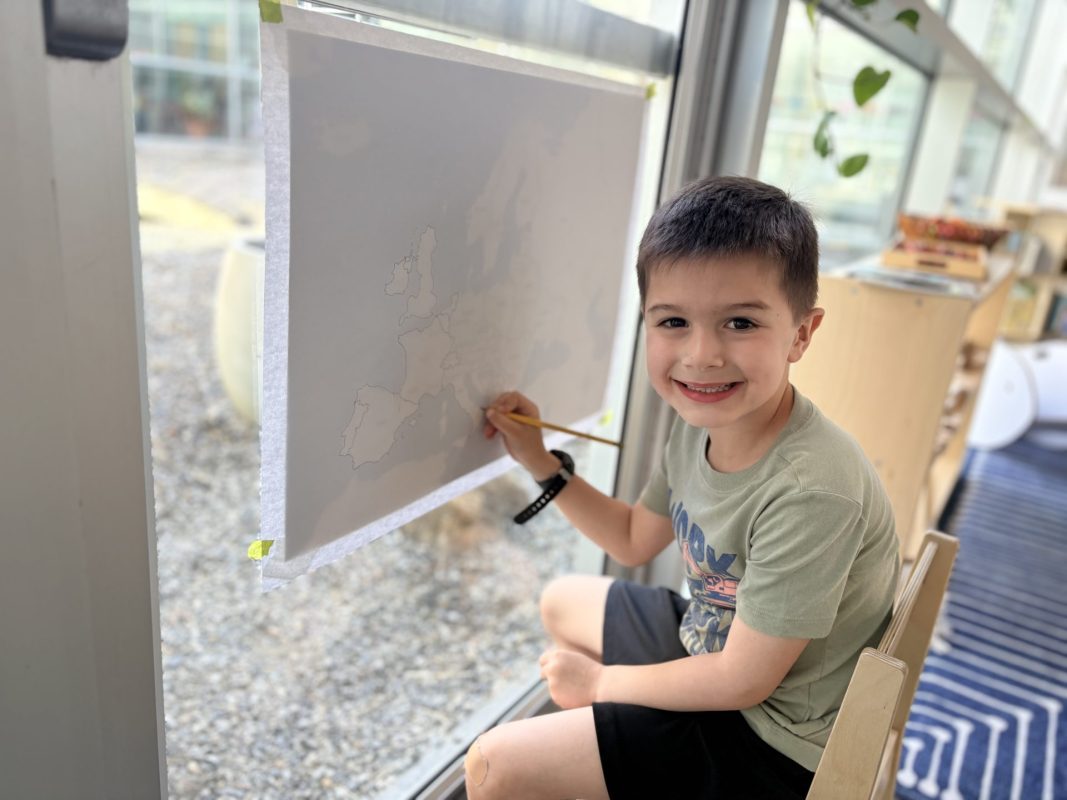
Last week, the classroom turned its attention to the continent of Europe. The children located Europe on the continent map and explored the animals that call it home. We also enjoyed several books set in Europe, which helped bring the continent to life and sparked curiosity about the people, places, and cultures found there. This study connects beautifully to the children’s growing understanding of our wider world and their place within it.

Extending Learning at Home

Pull up a map or globe together and find Europe with your child. Ask them to name an animal or book they remember from our classroom study. If you have any family connections to Europe — or enjoy foods from European countries — this is a wonderful moment to make those personal connections.


UPCOMING EVENTS & ANNOUNCEMENTS

This Week

  • Friday, April 24
    ⋅ Parent/Teacher Conferences. Time slots are available throughout the week — please sign up if you have not yet done so.

Ms. Handibode: Learning Beyond the Classroom Walls


As Maria Montessori once said, “There must be provision for the child to have contact with nature; to understand and appreciate the order, the harmony and the beauty in nature.” Last week, that philosophy was very much alive in our classroom and on our campus.

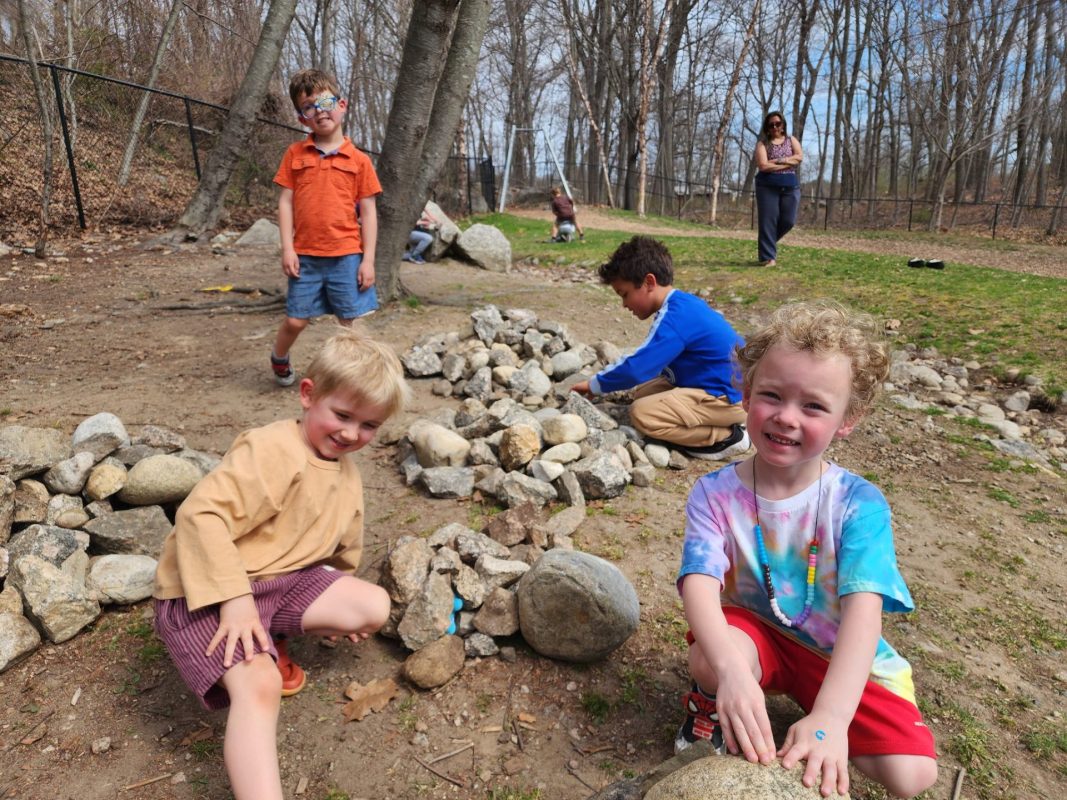
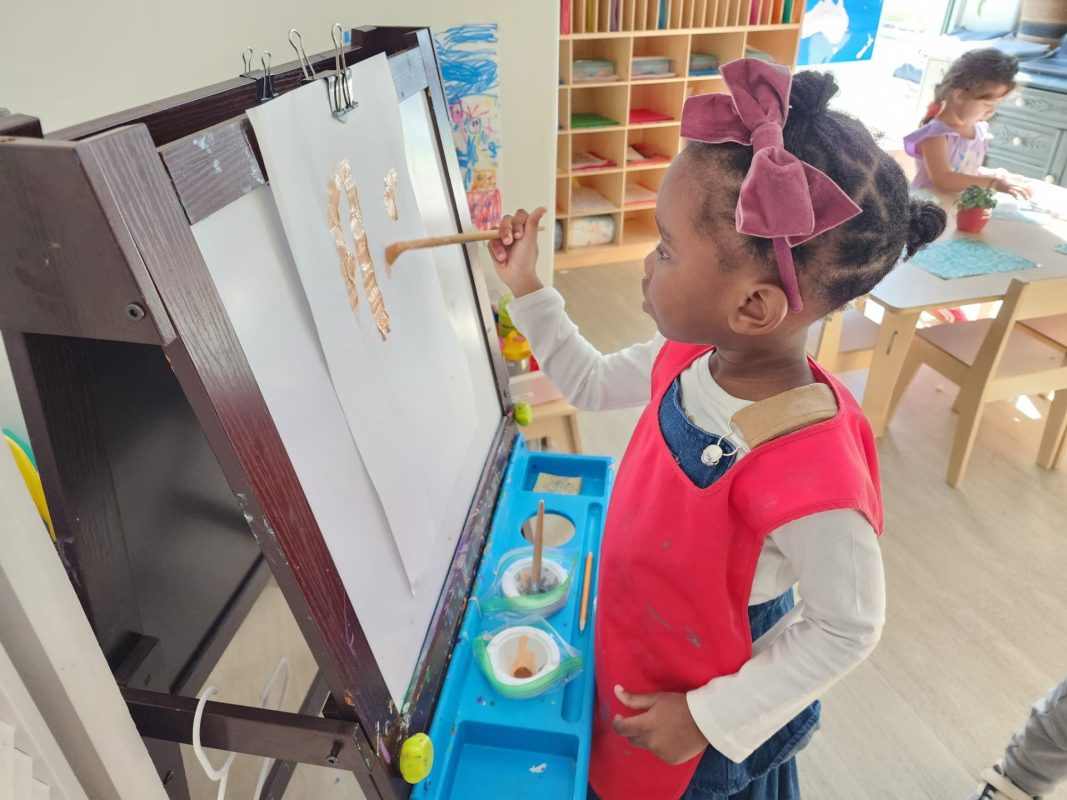
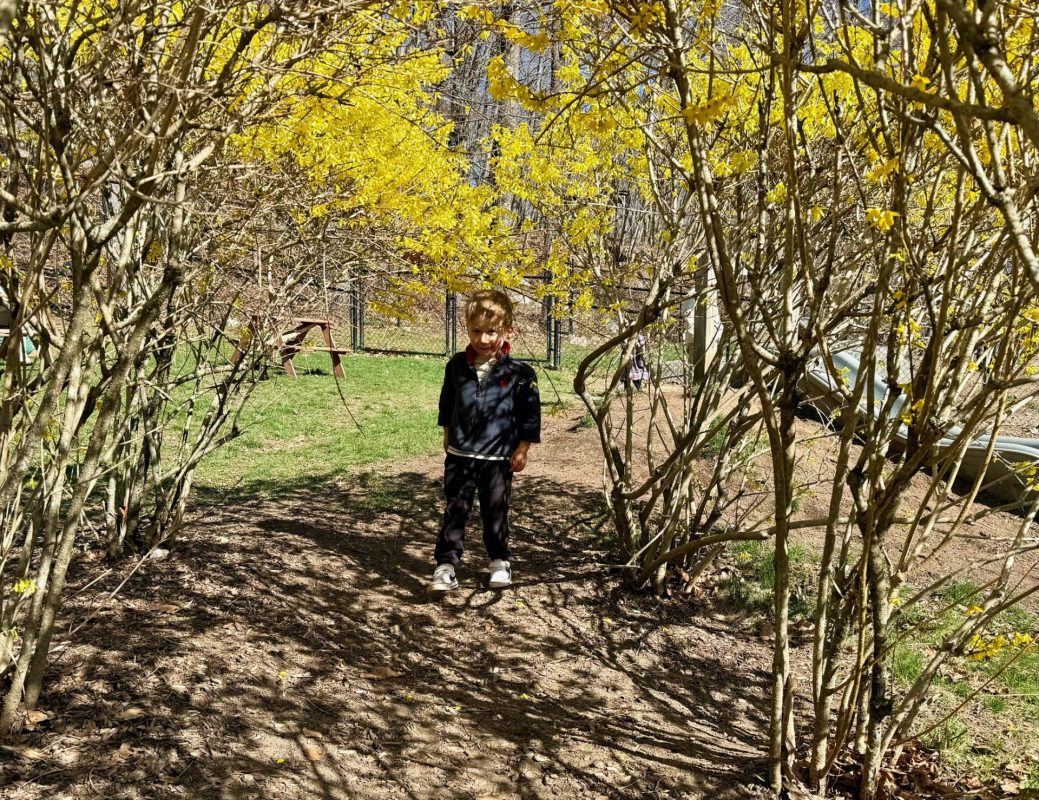
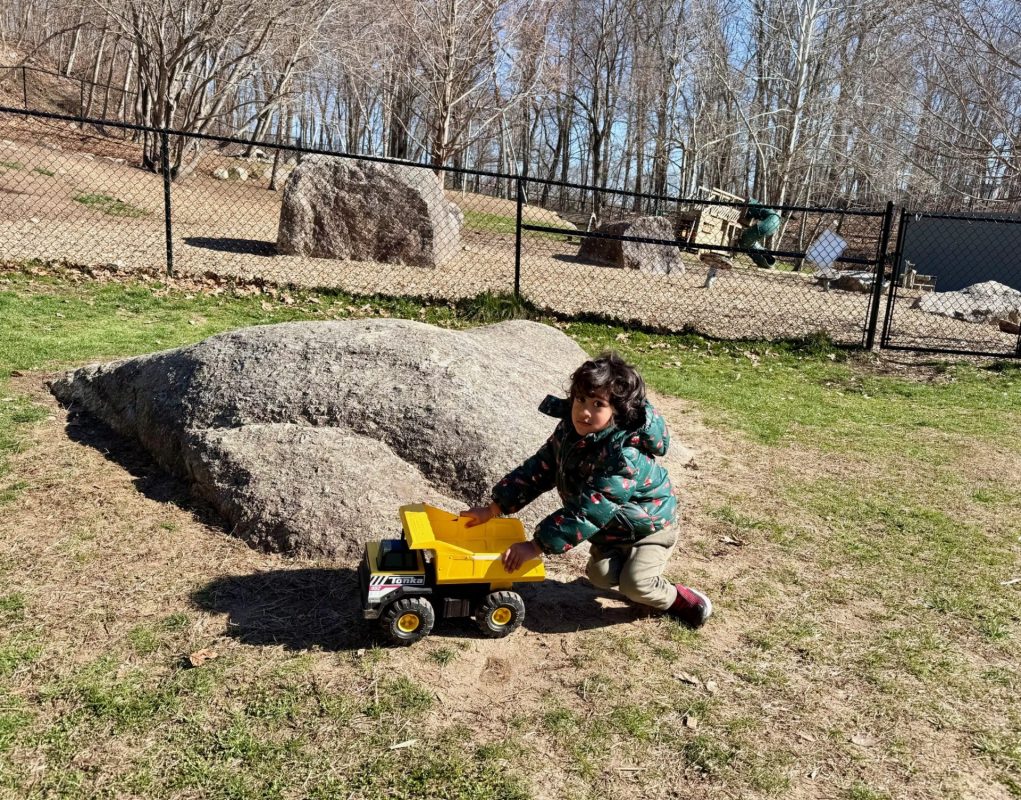
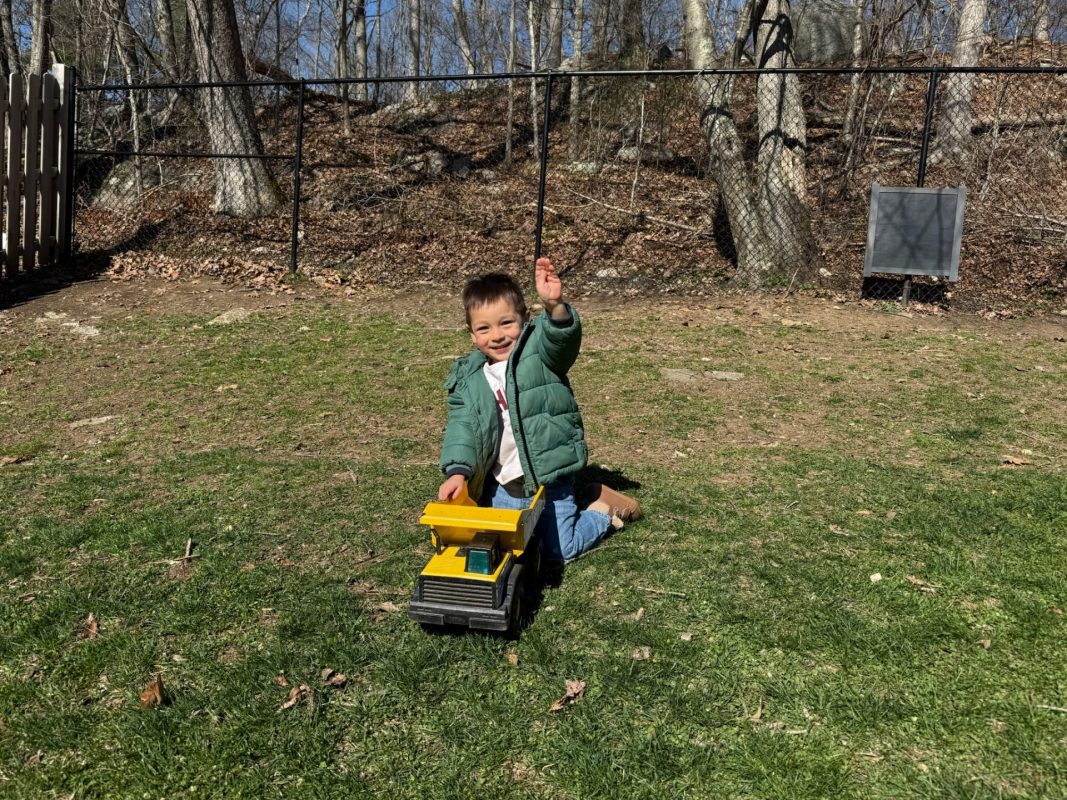
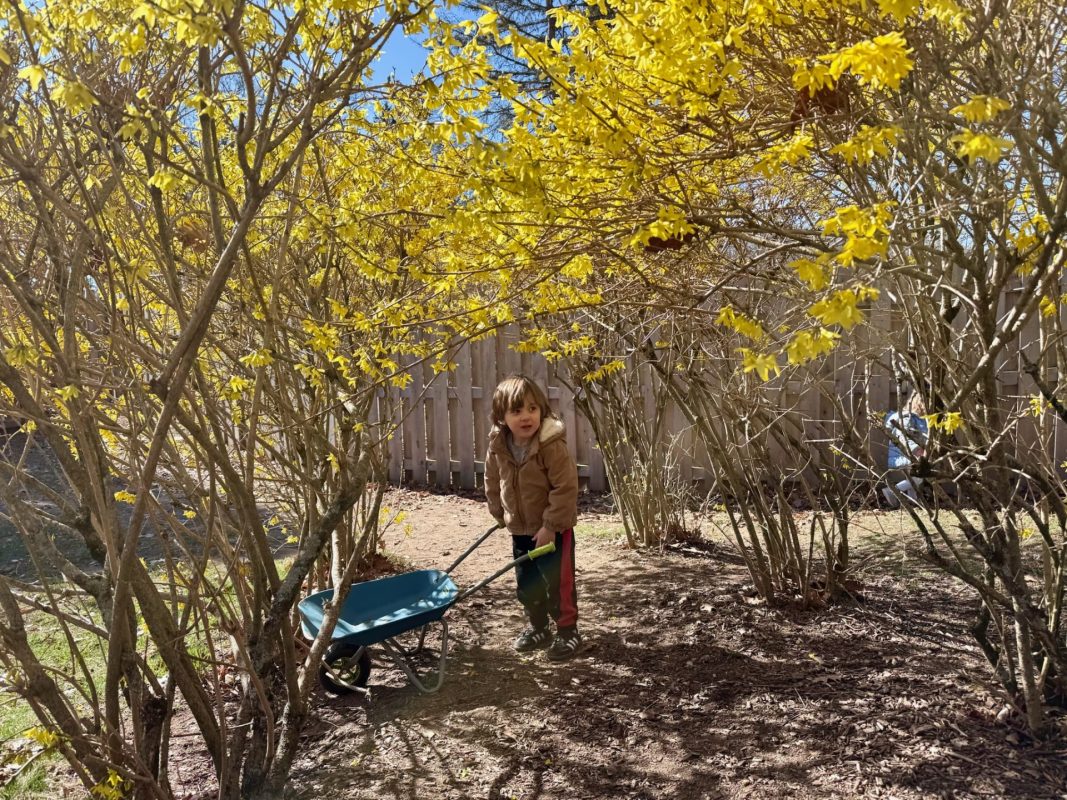
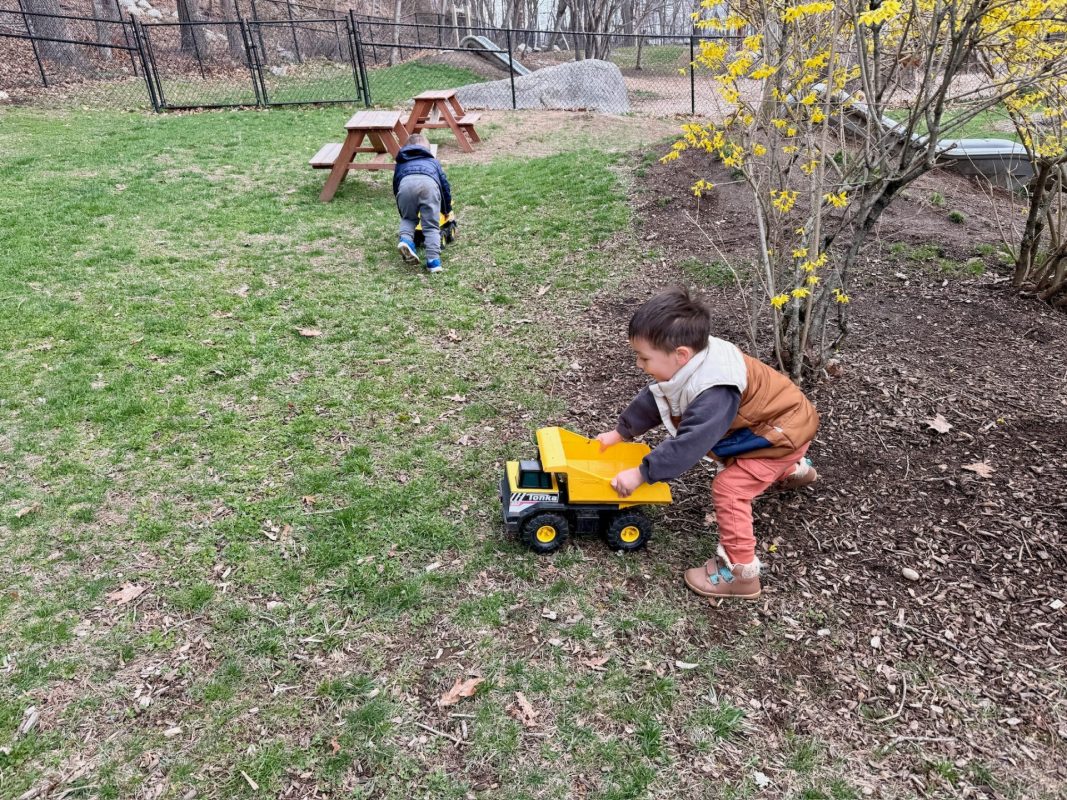
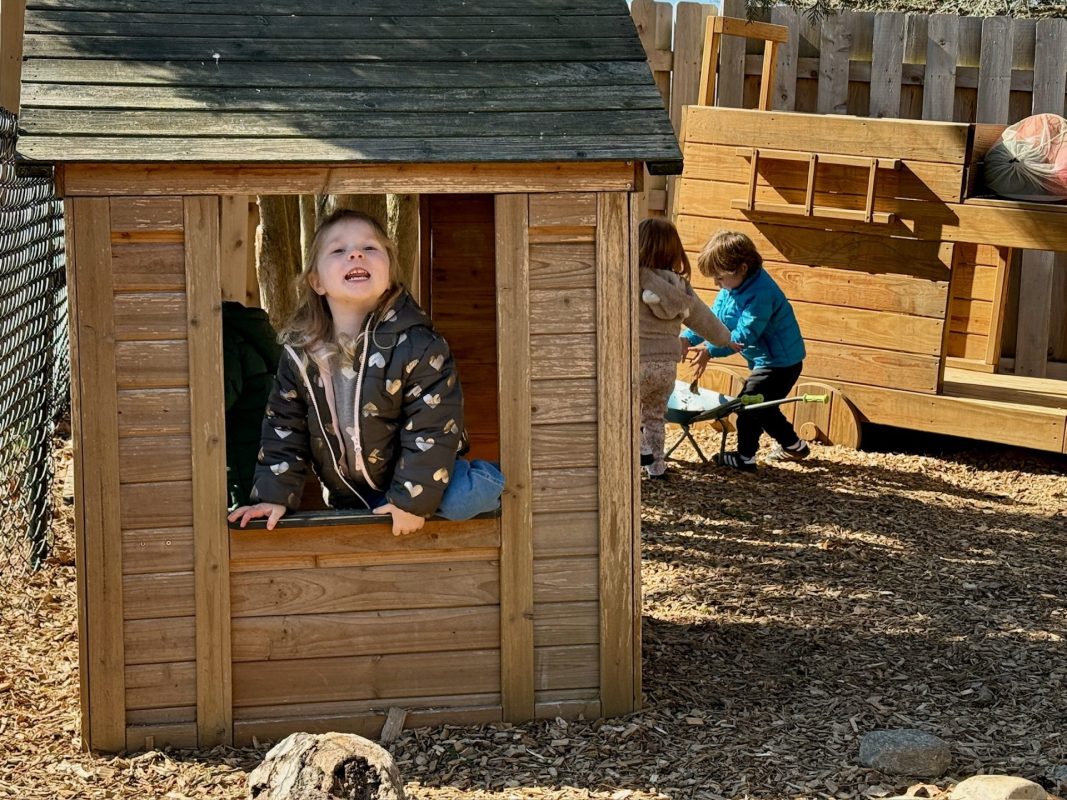
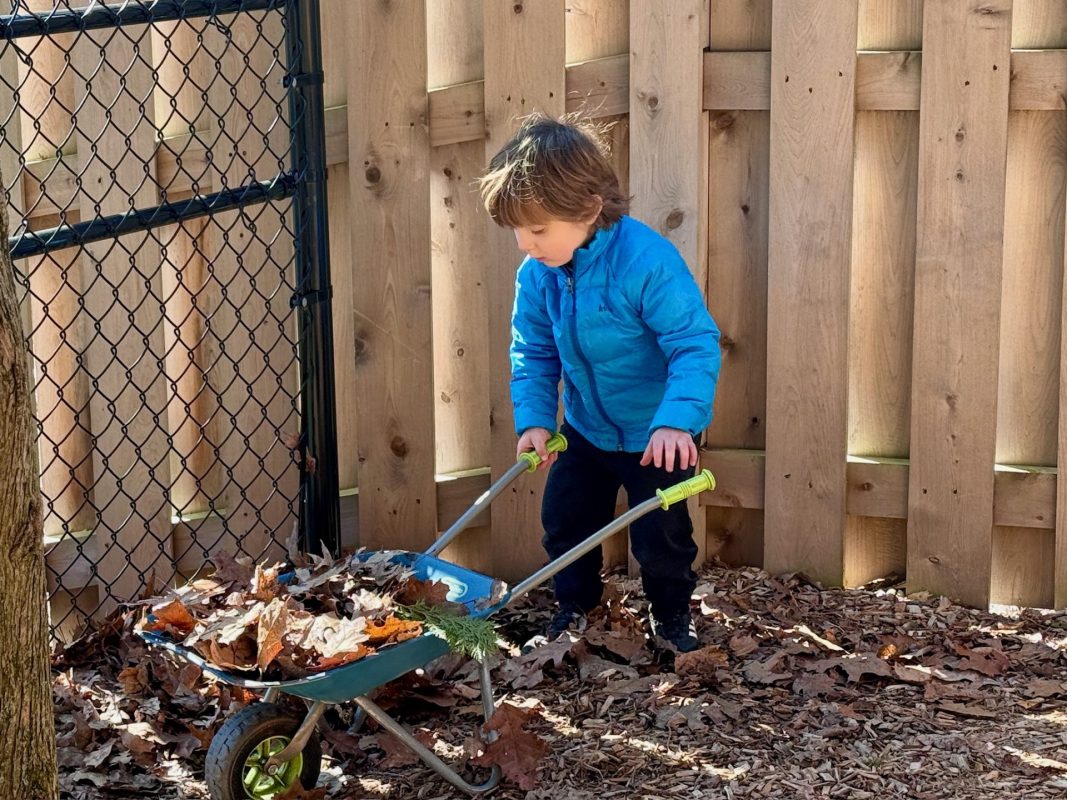
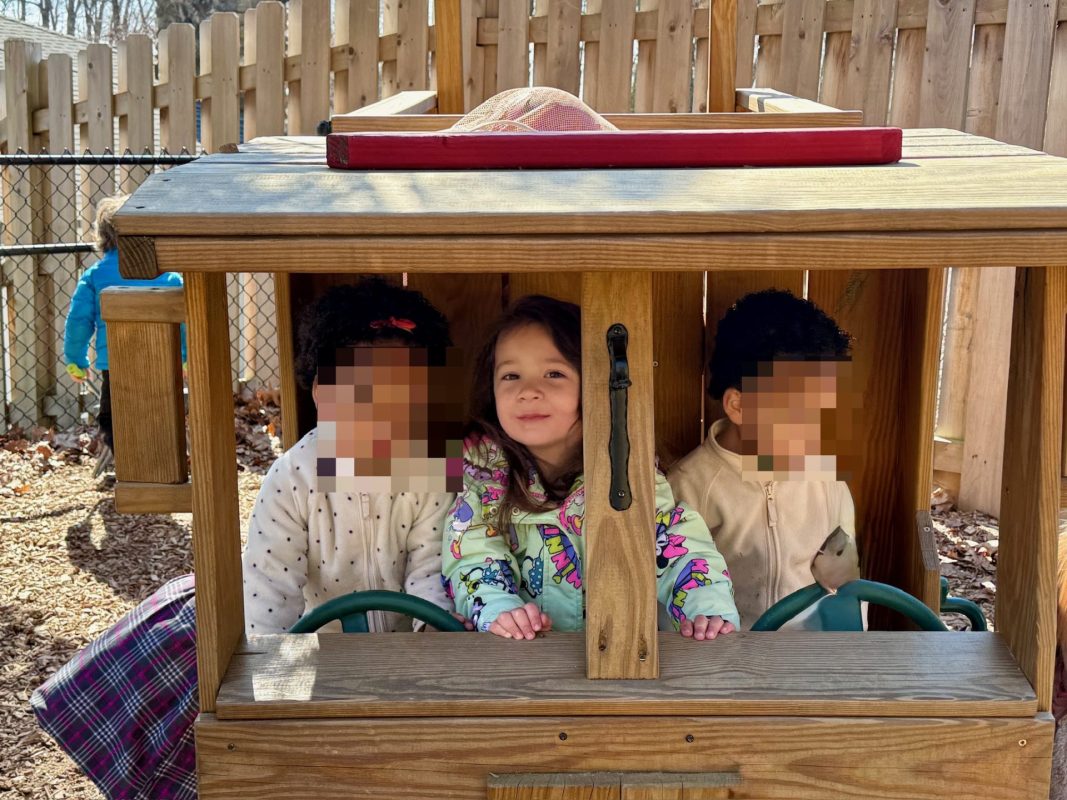
With temperatures rising and days growing longer, the children have been spending more time exploring our natural playground. Daily outdoor learning supports healthy, active routines while giving children direct, hands-on experiences with the natural world. Our campus offers something truly special — textures, sounds, sights, and living things that no indoor environment can replicate. These early, regular encounters with nature help children develop a genuine appreciation for the beauty around them, nurturing their aesthetic awareness and deepening their connection to the world they live in.

Inside the classroom, excitement has been building around the eggs we have been observing each day. The children are eagerly awaiting their arrival, checking in with curiosity and care. Our kindergarteners have also begun their animal research projects, bringing real focus and enthusiasm to this meaningful work.

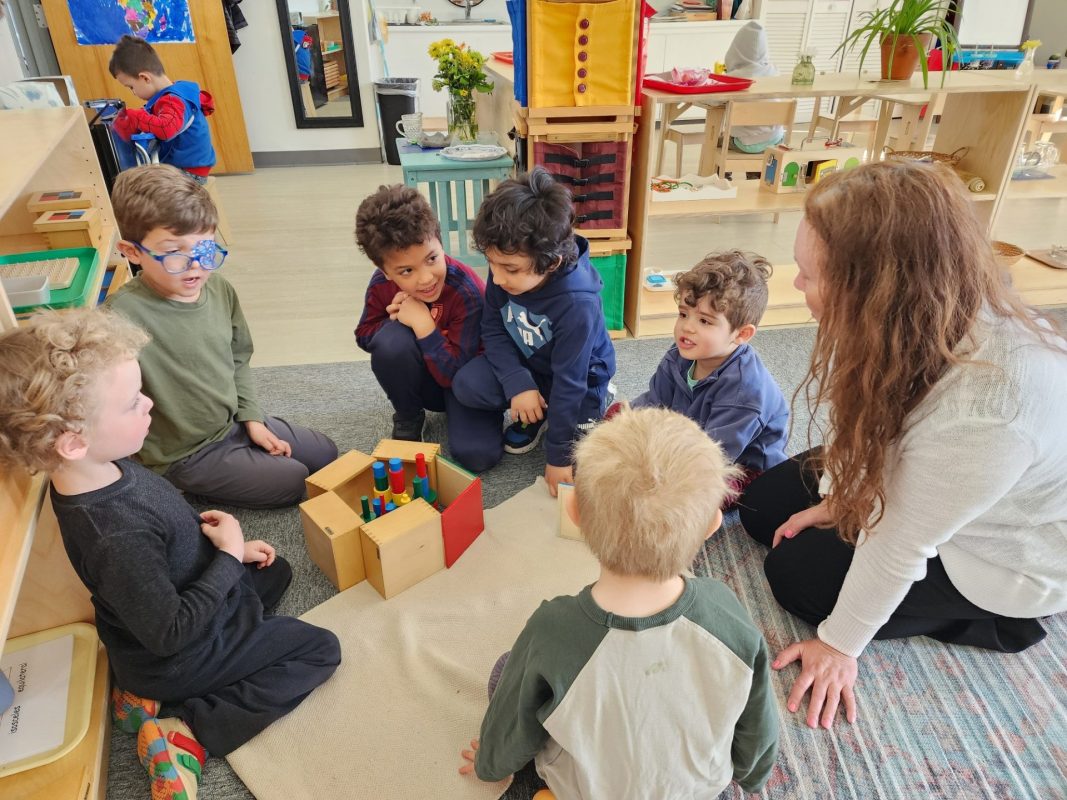
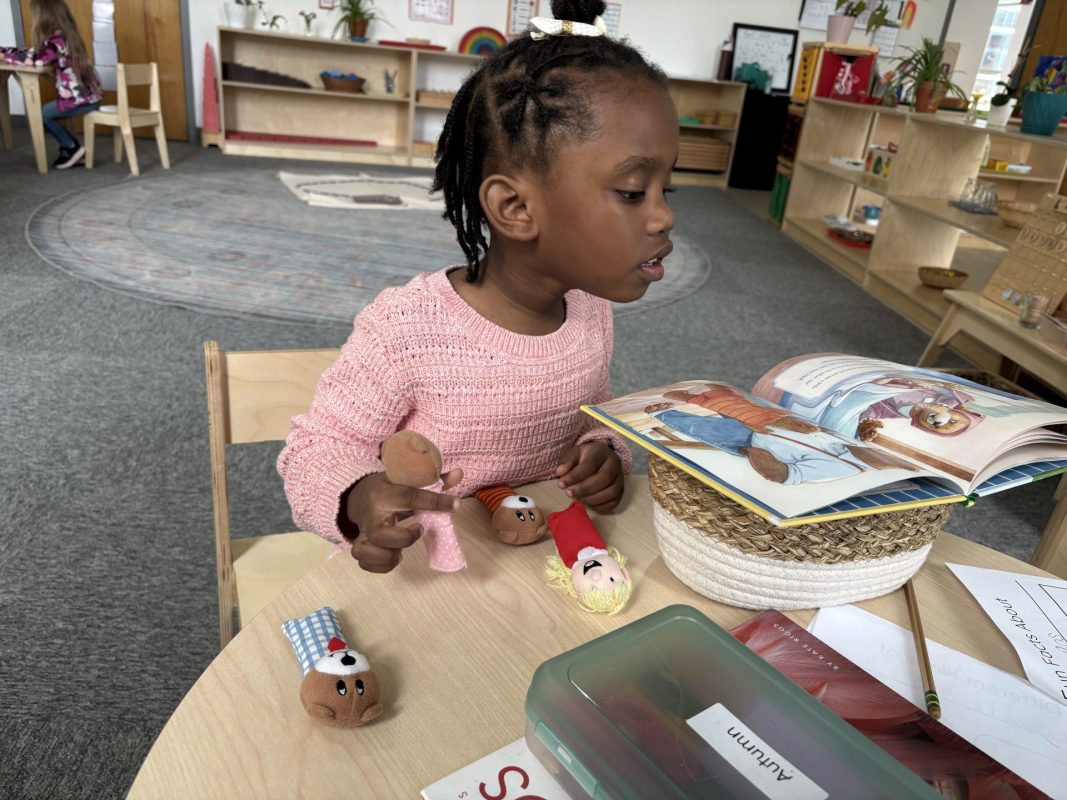
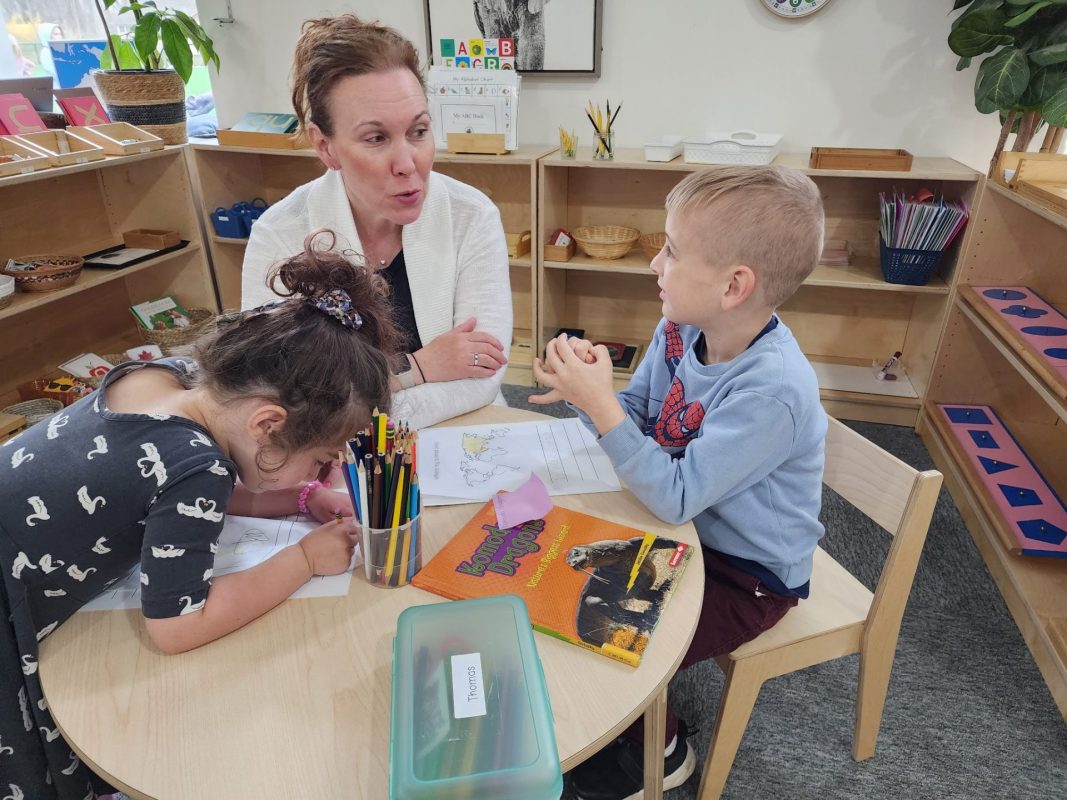
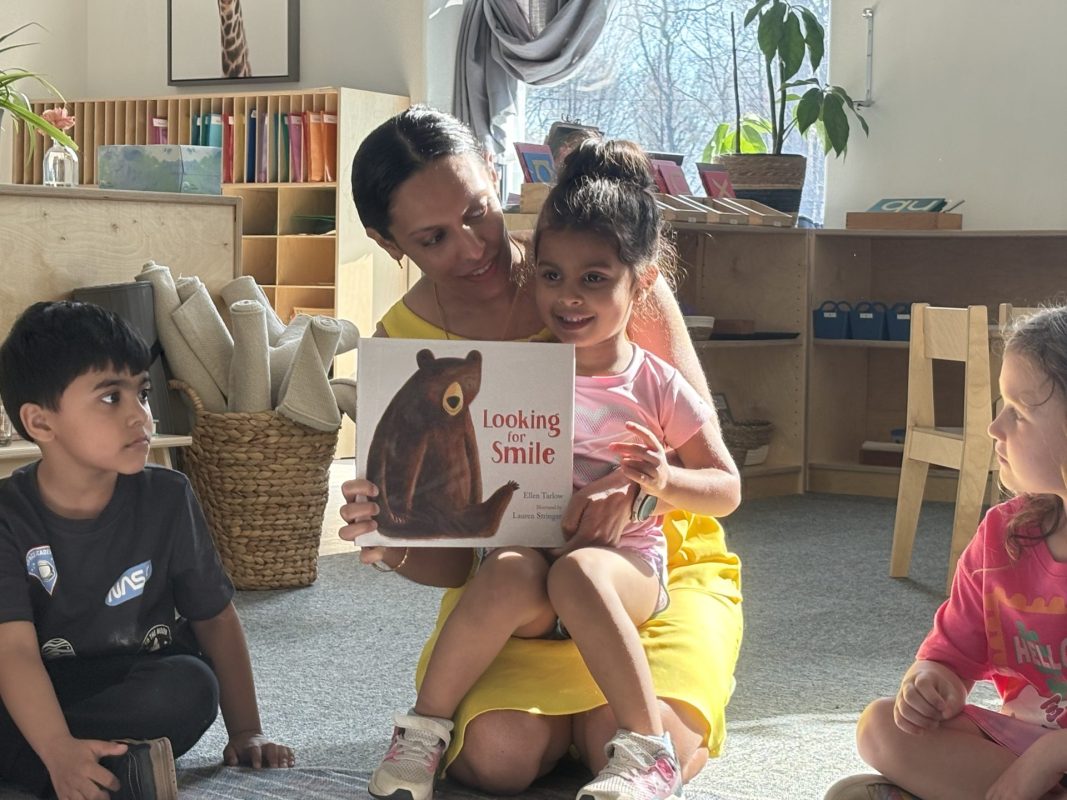
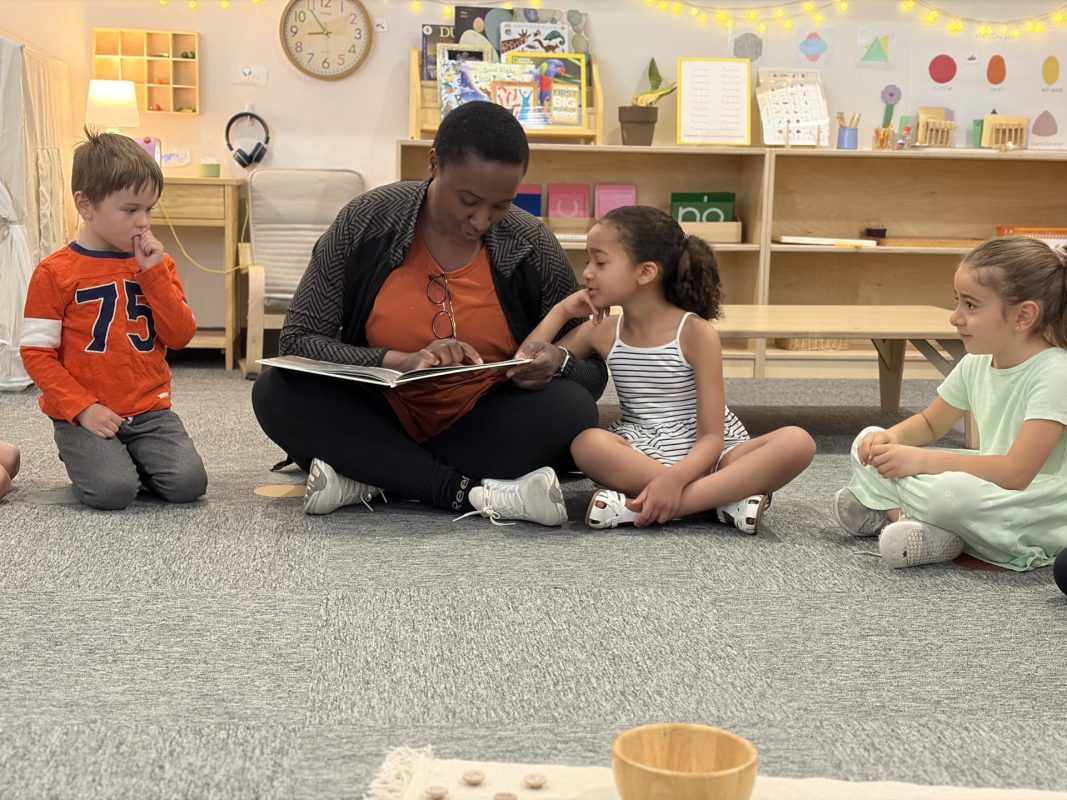
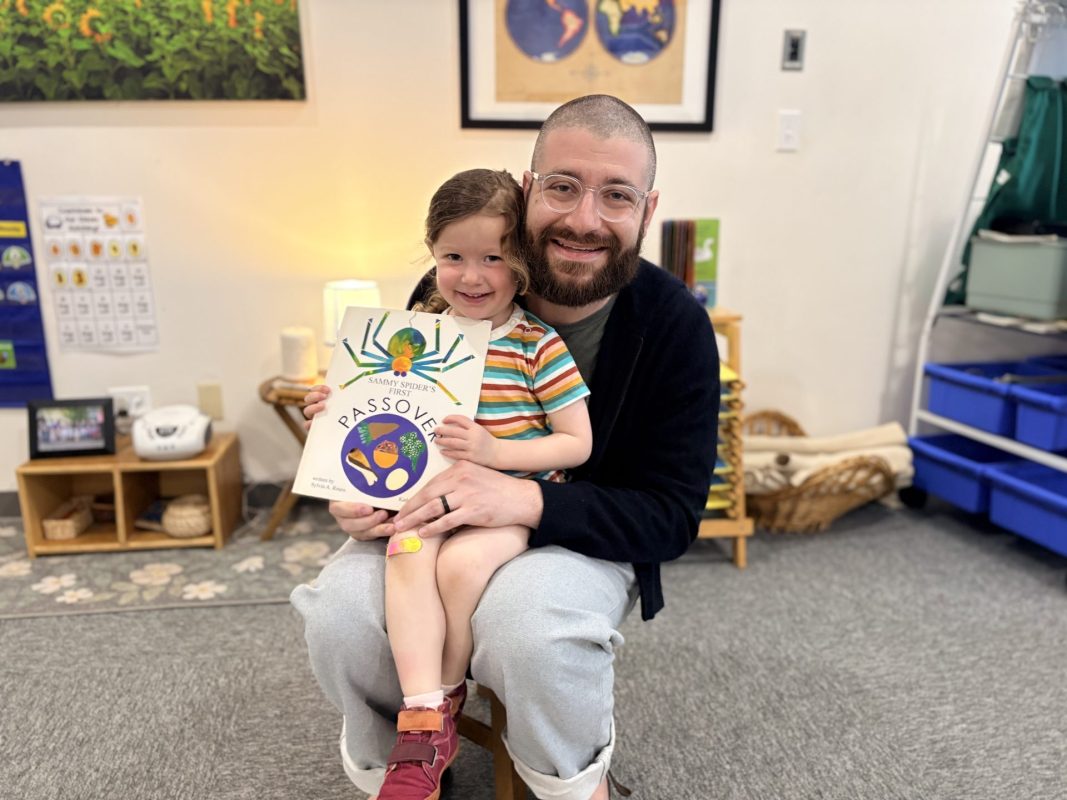
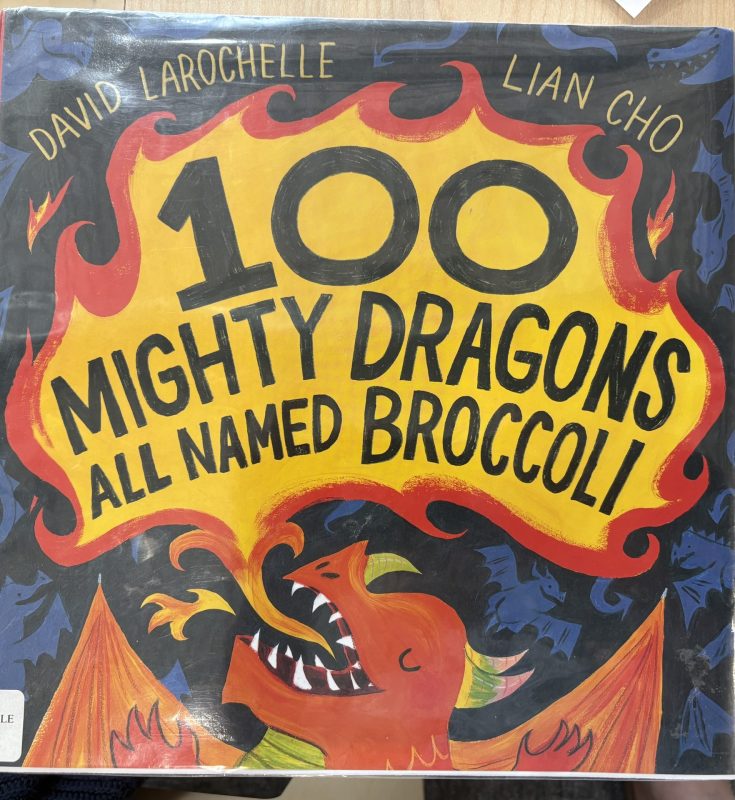
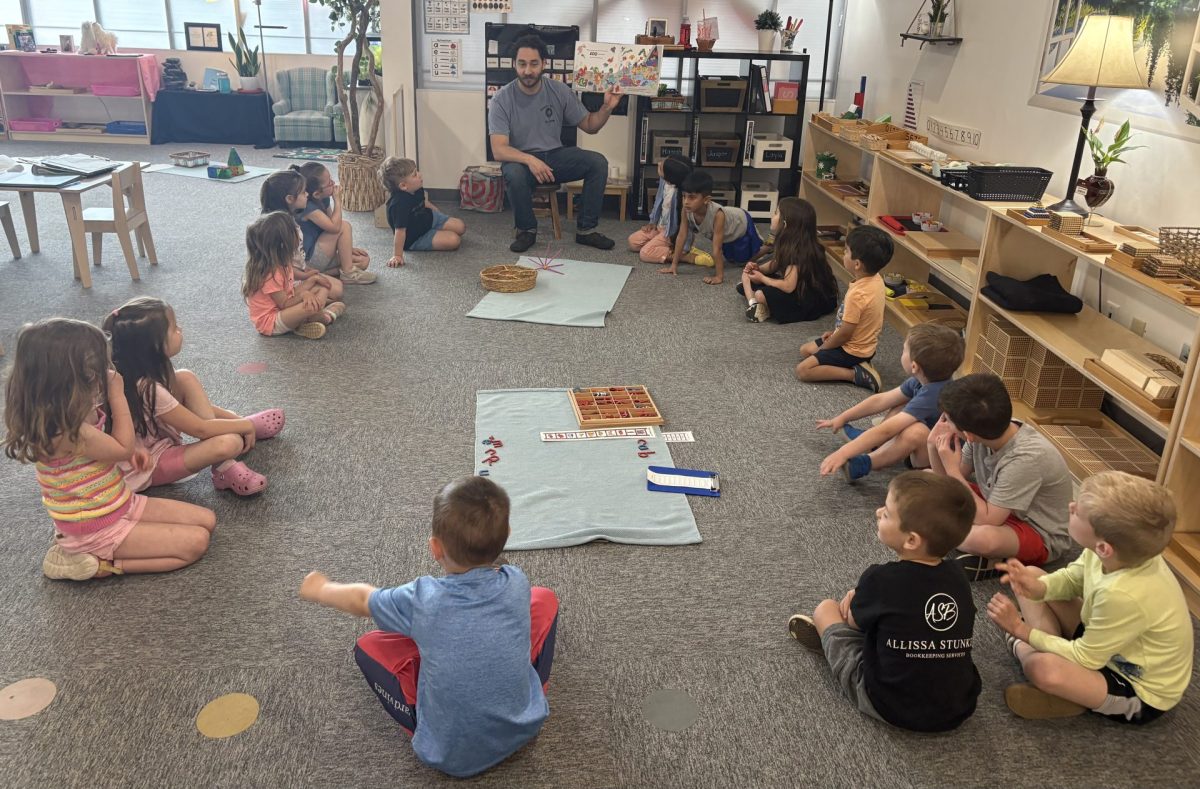
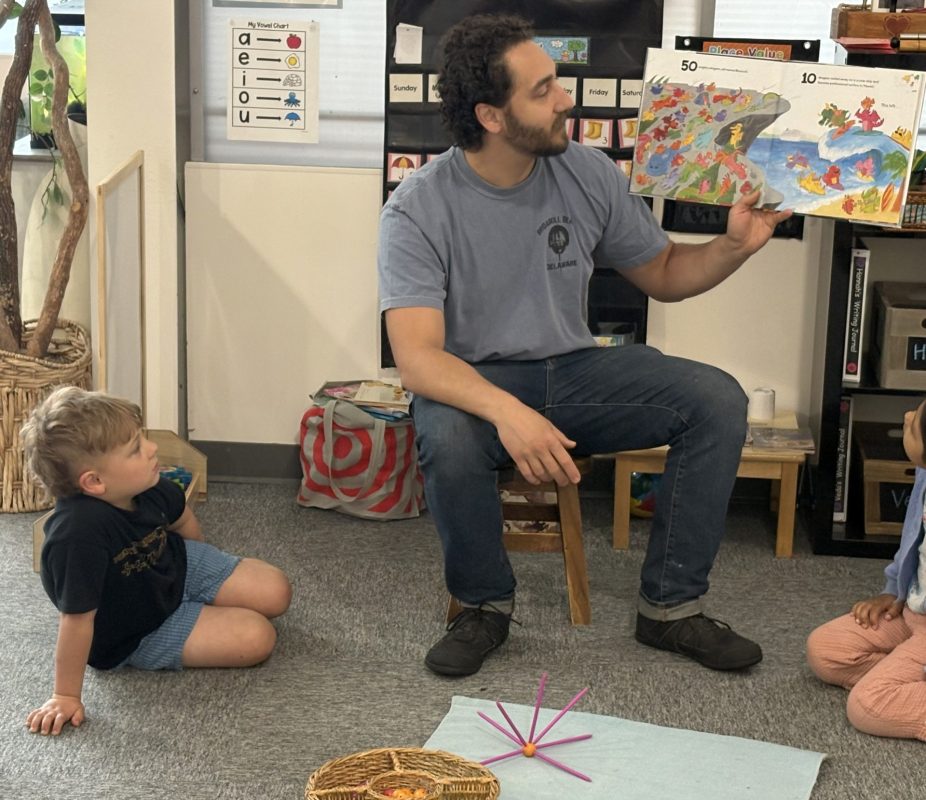
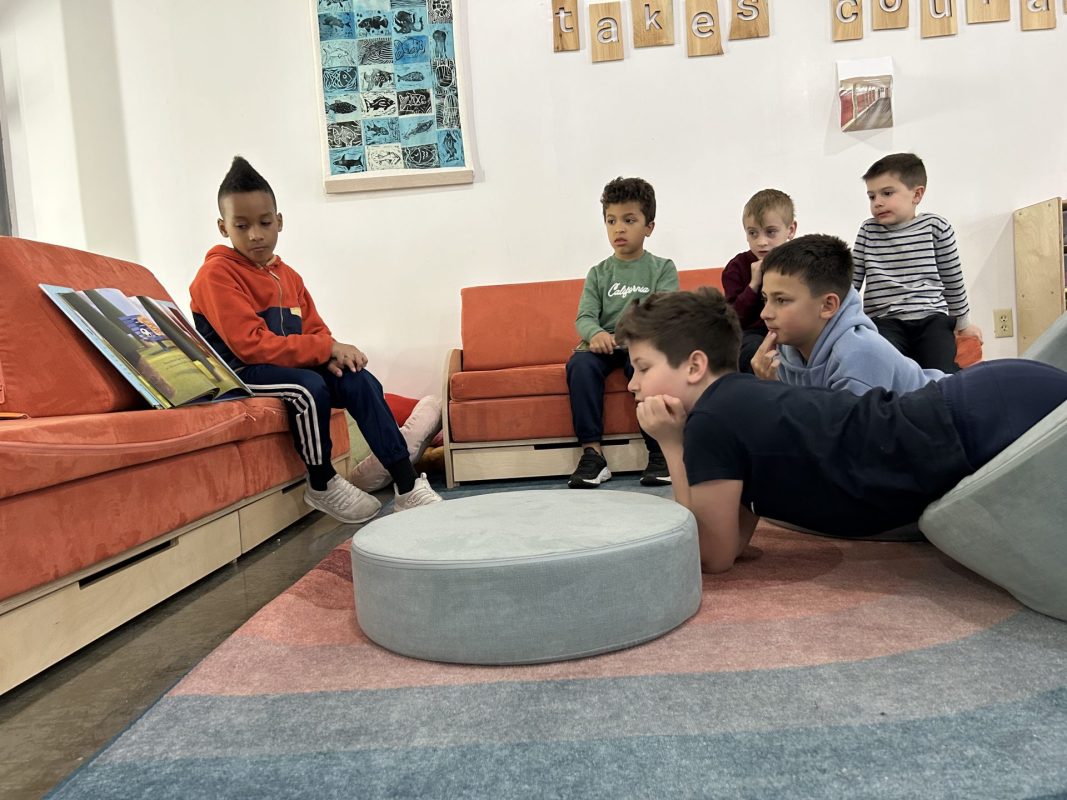
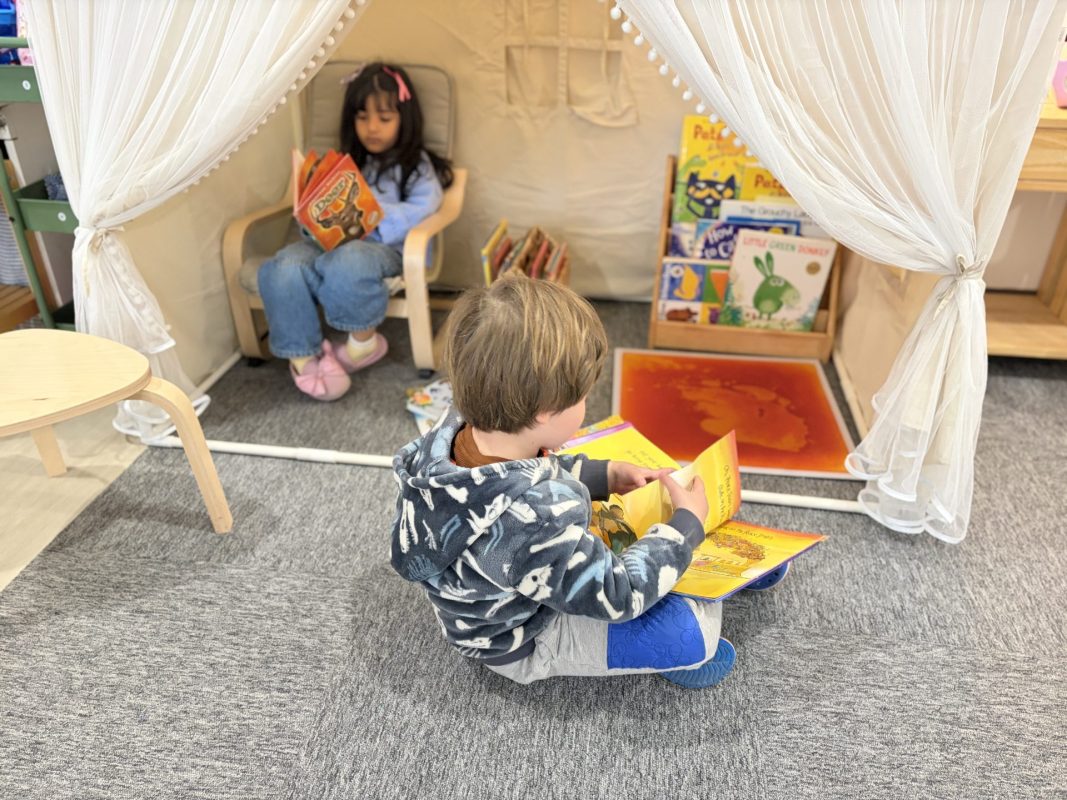
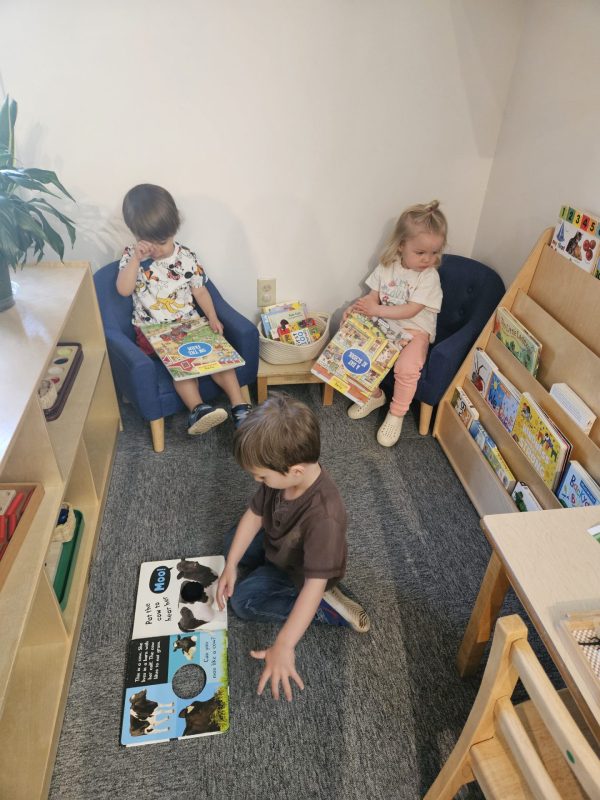
We were also delighted to welcome Morgan’s dad as our guest reader this week. He shared 100 Mighty Dragons All Named Broccoli — Morgan’s favorite — and it was a hit with everyone in the classroom. We love when families bring a piece of home into our community.

Extending Learning at Home

Head outside together and slow down. Notice what your child points to — a bug, a puddle, a cloud. Ask open-ended questions: “What do you hear?” or “What does this feel like?” Even a short walk around the block can become a rich nature experience when we take the time to look closely.


UPCOMING EVENTS & ANNOUNCEMENTS

This Week

  • Monday, April 20
    ⋅ Sharing Box and Flowers, Layla S.
  • Tuesday, April 21
    ⋅ Playground Volunteer, Sam R.
  • Wednesday, April 22
    ⋅ Guest Reader, Dhanishry N.
  • Monday, April 20 through Friday, April 24
    ⋅ Parent Teacher Conferences

This Week in Upper El

“There is symbolic as well as actual beauty in the migration of the birds, the ebb and flow of the tides, the folded bud ready for the spring. There is something infinitely healing in the repeated refrains of nature – the assurance that dawn comes after night, and spring after the winter.” -Rachel Carson, The Sense of Wonder 

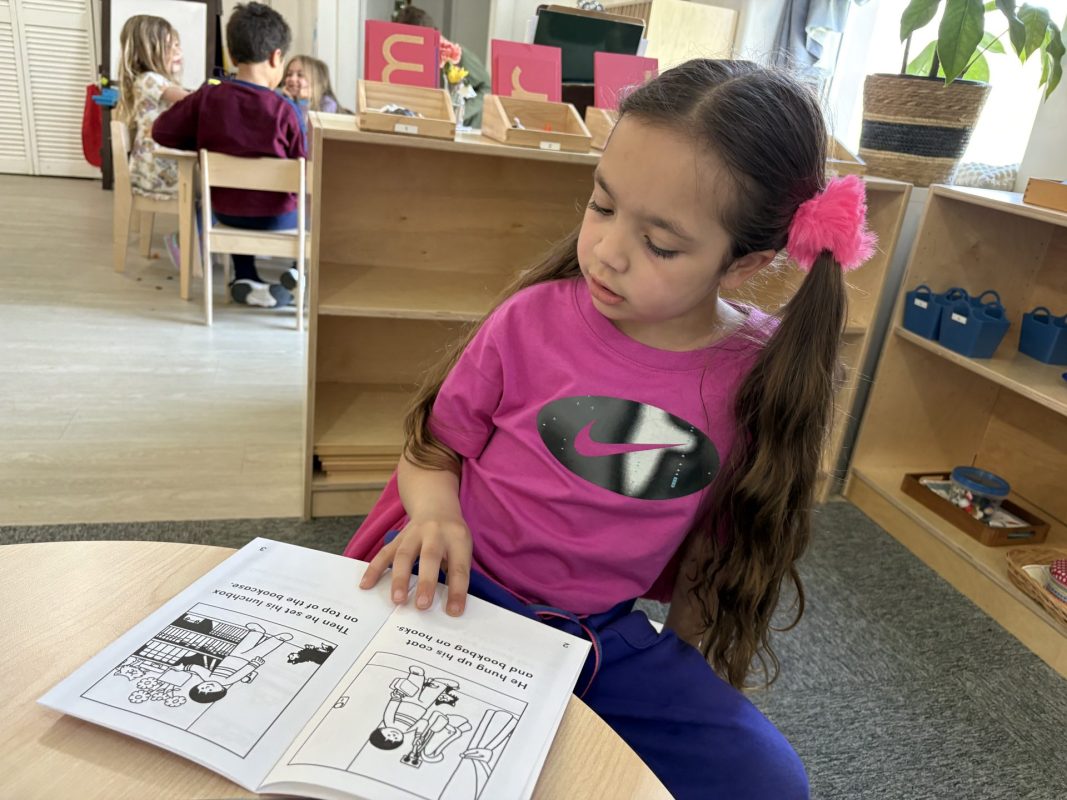
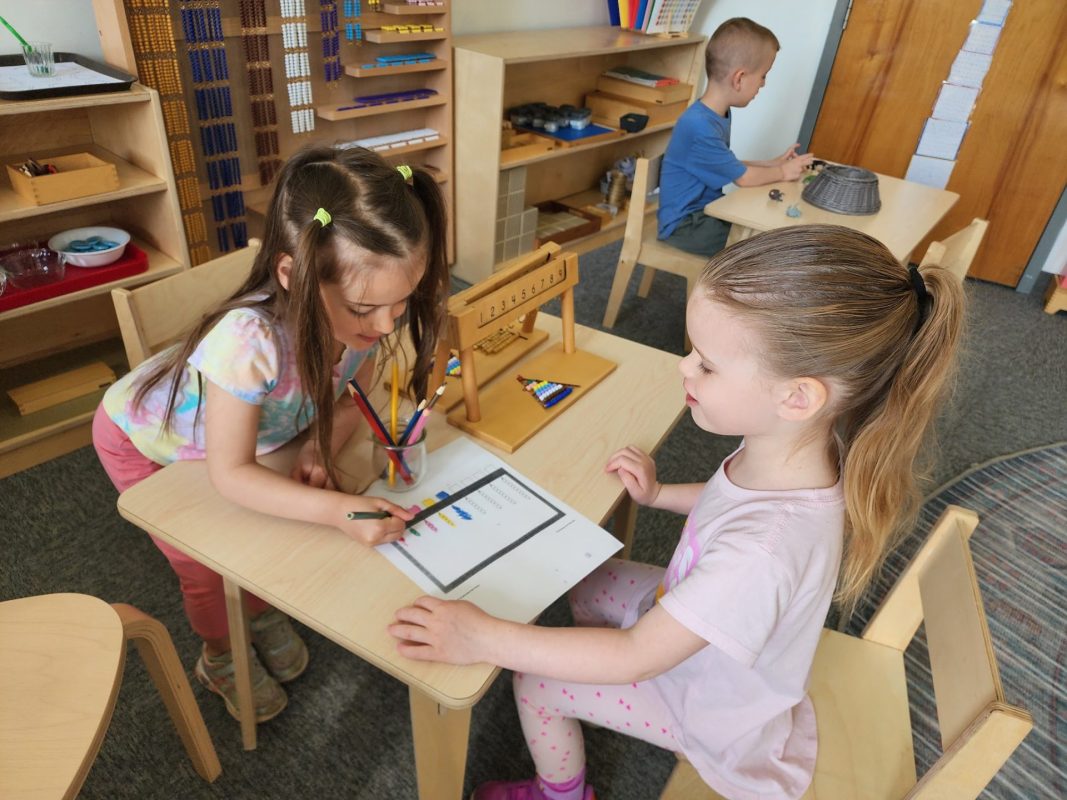
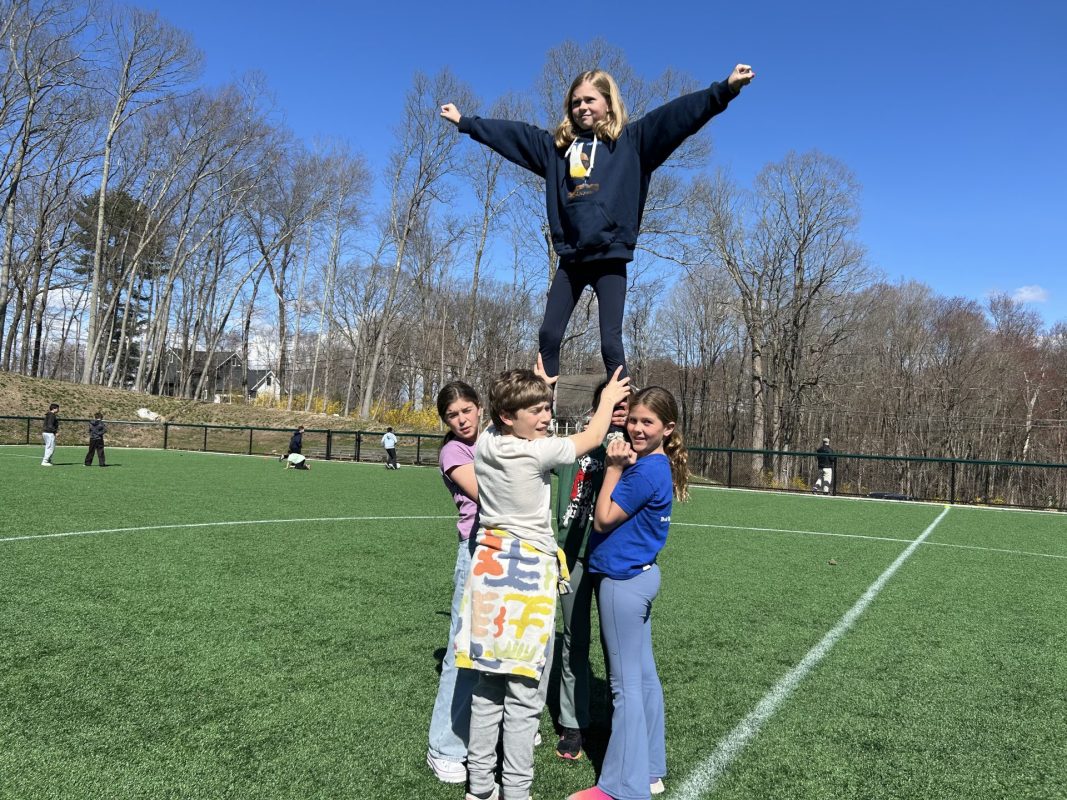
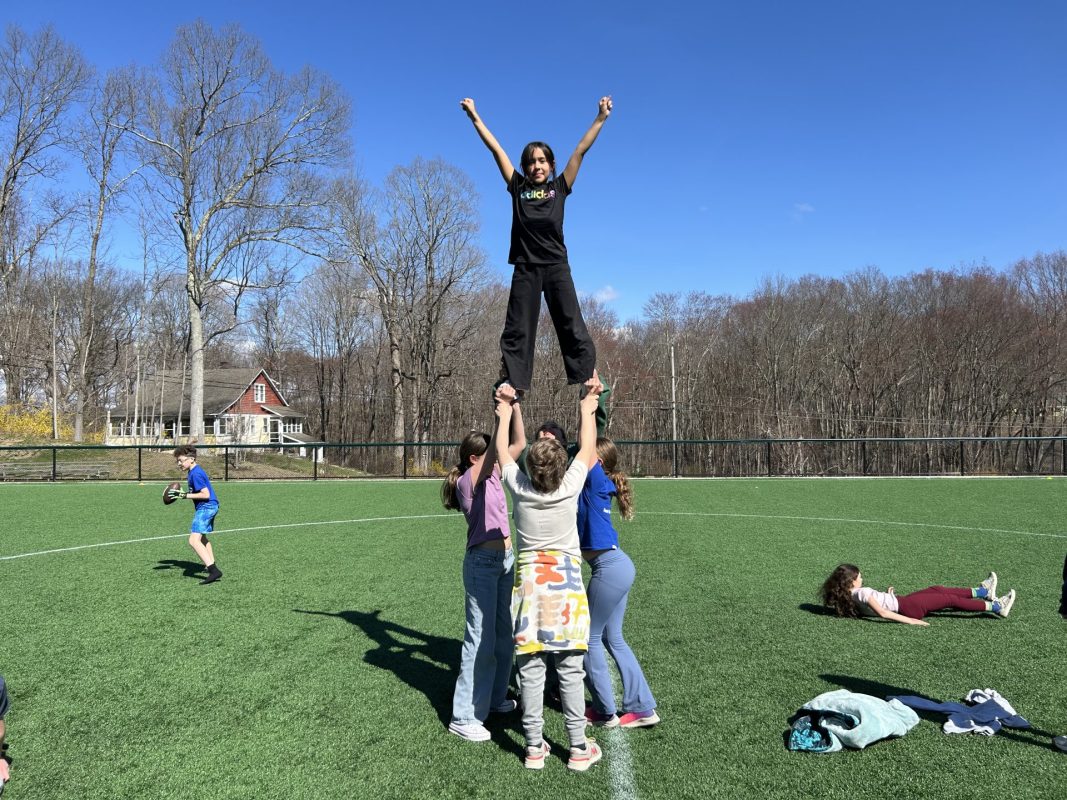
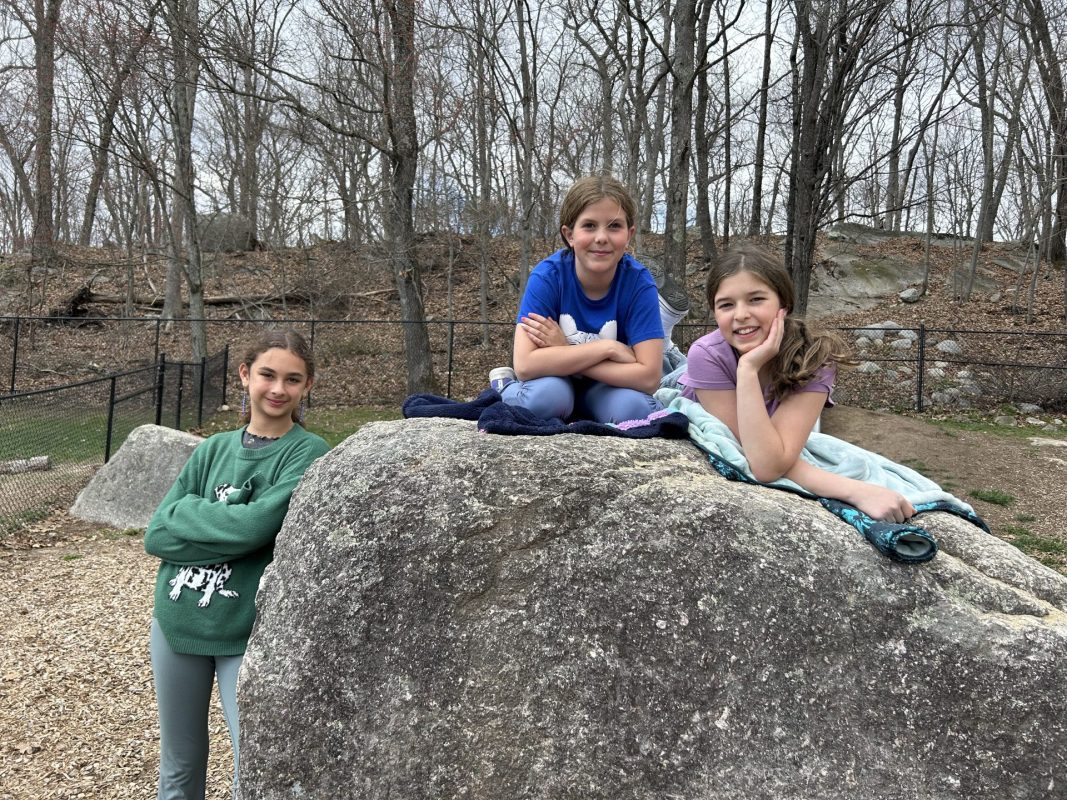
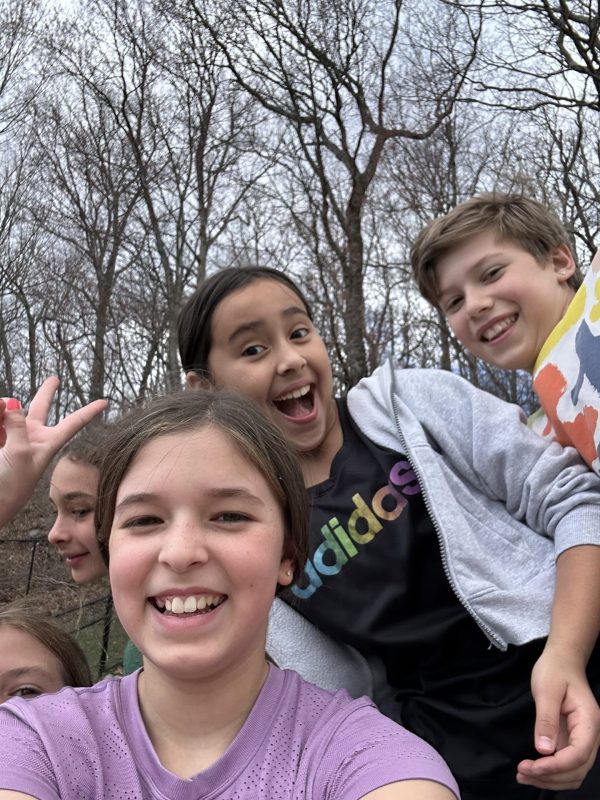
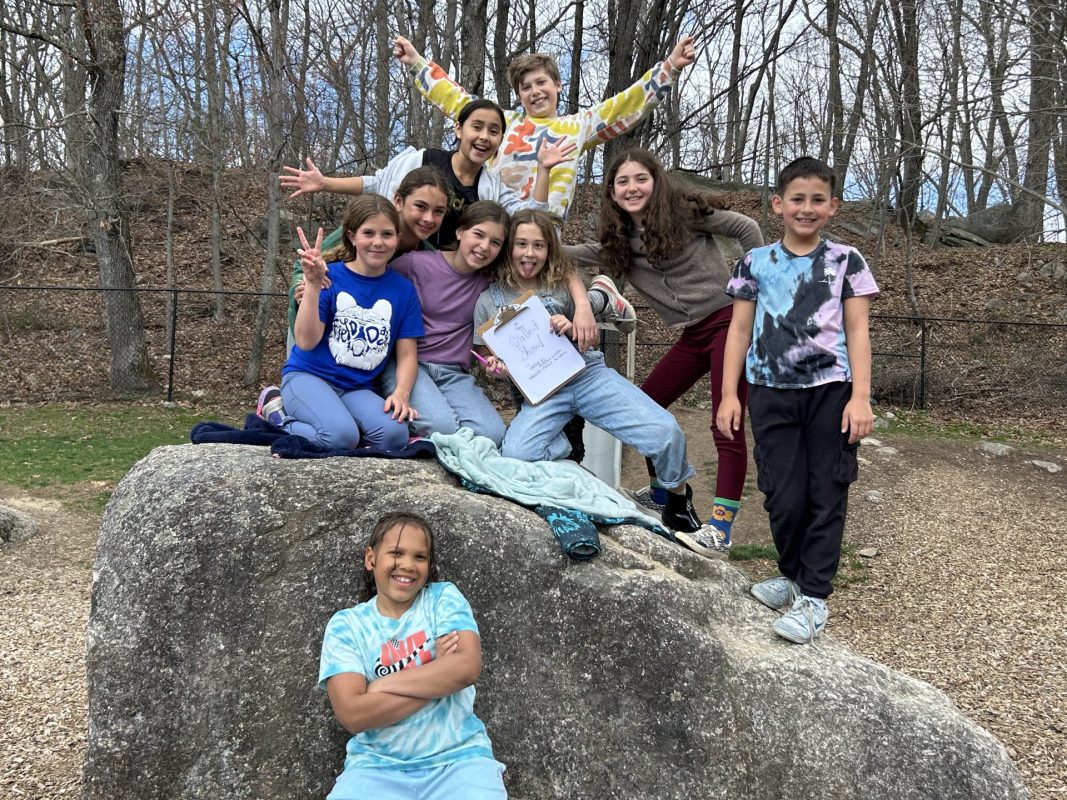
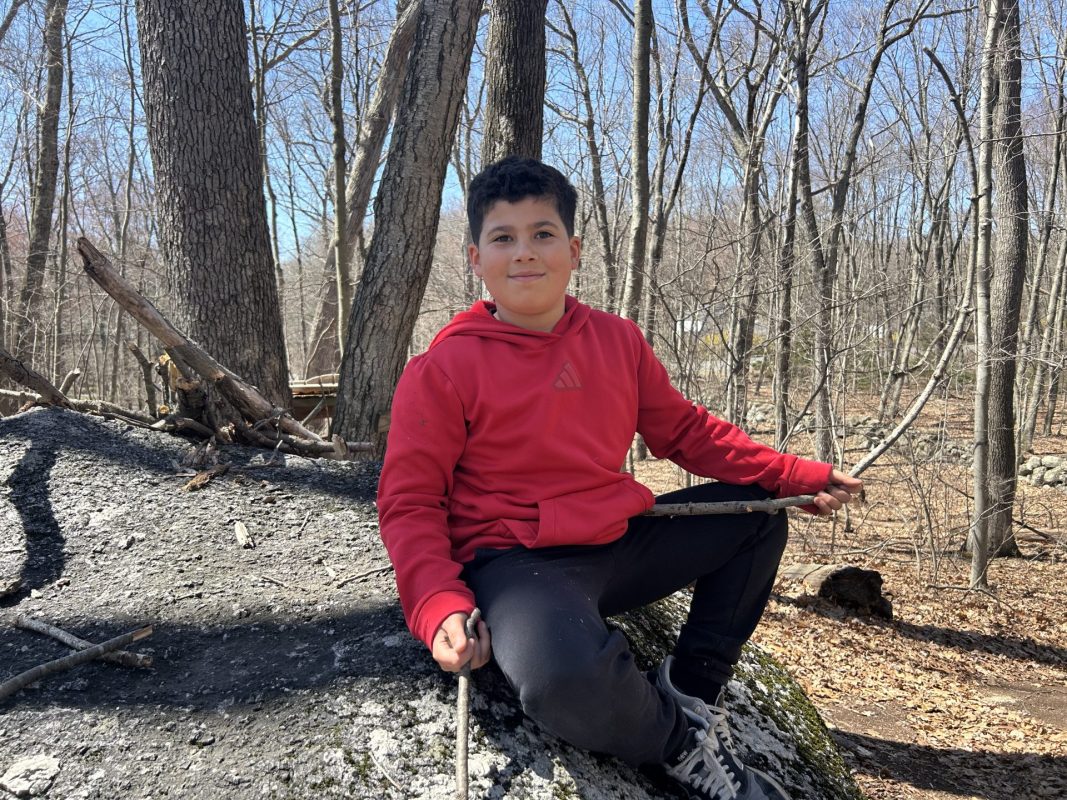
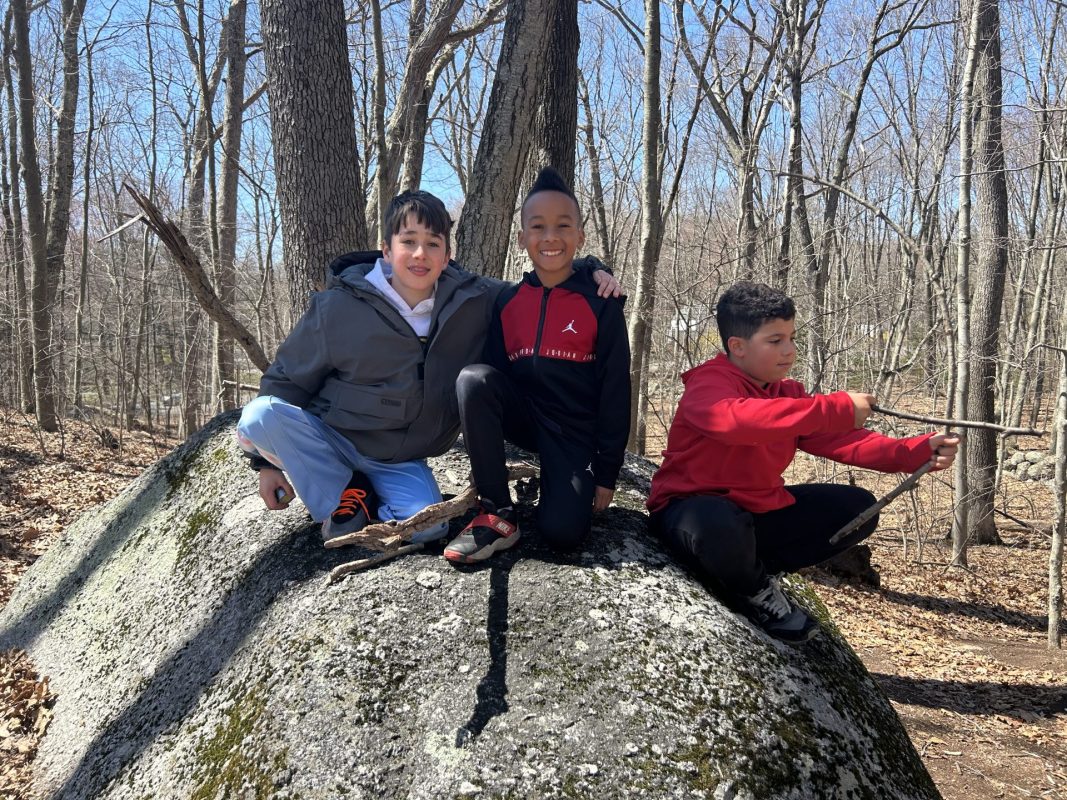
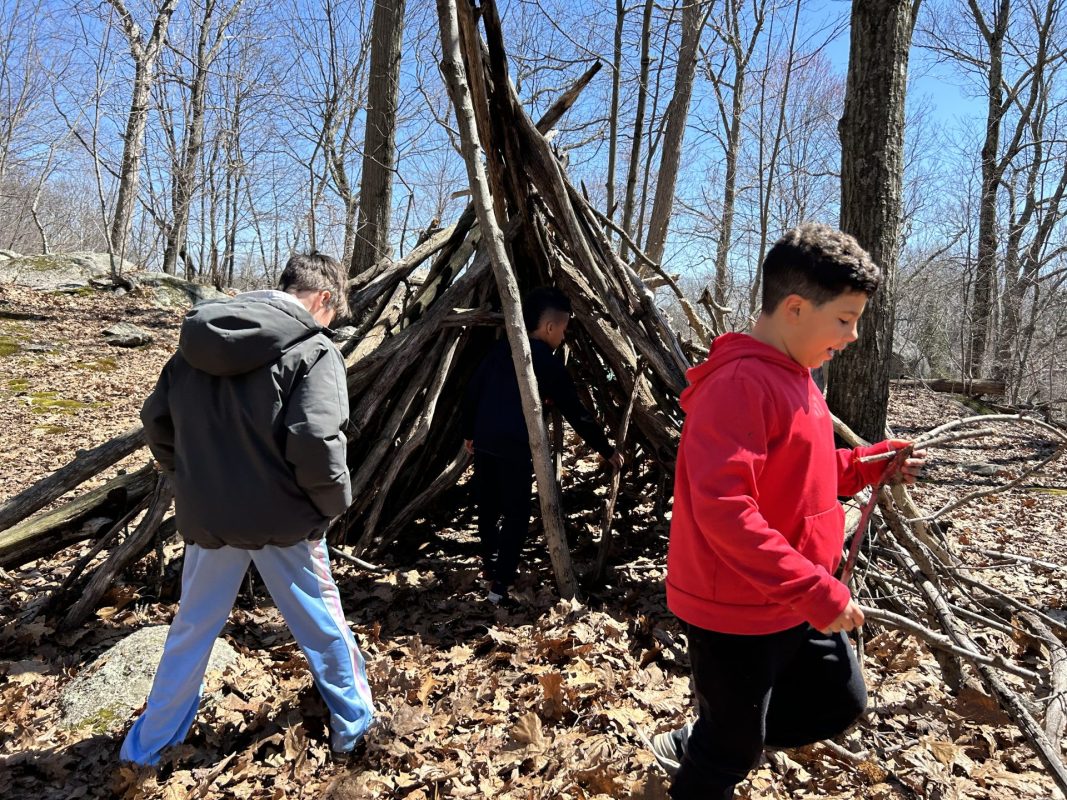
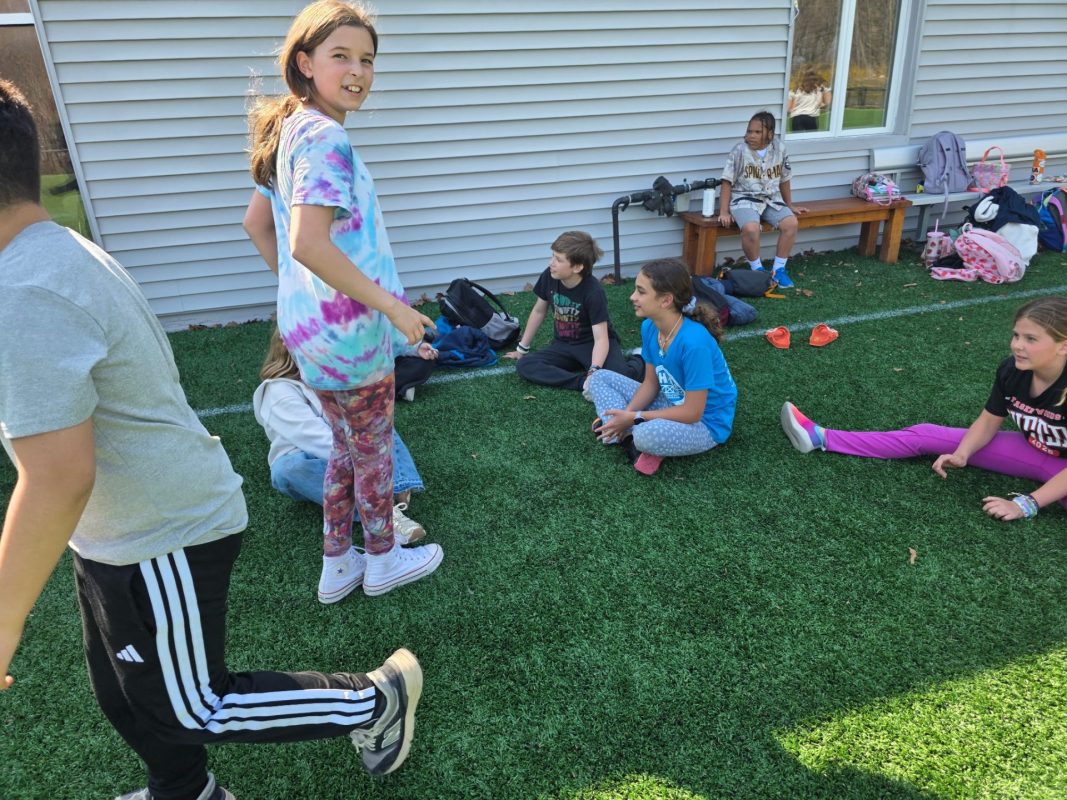
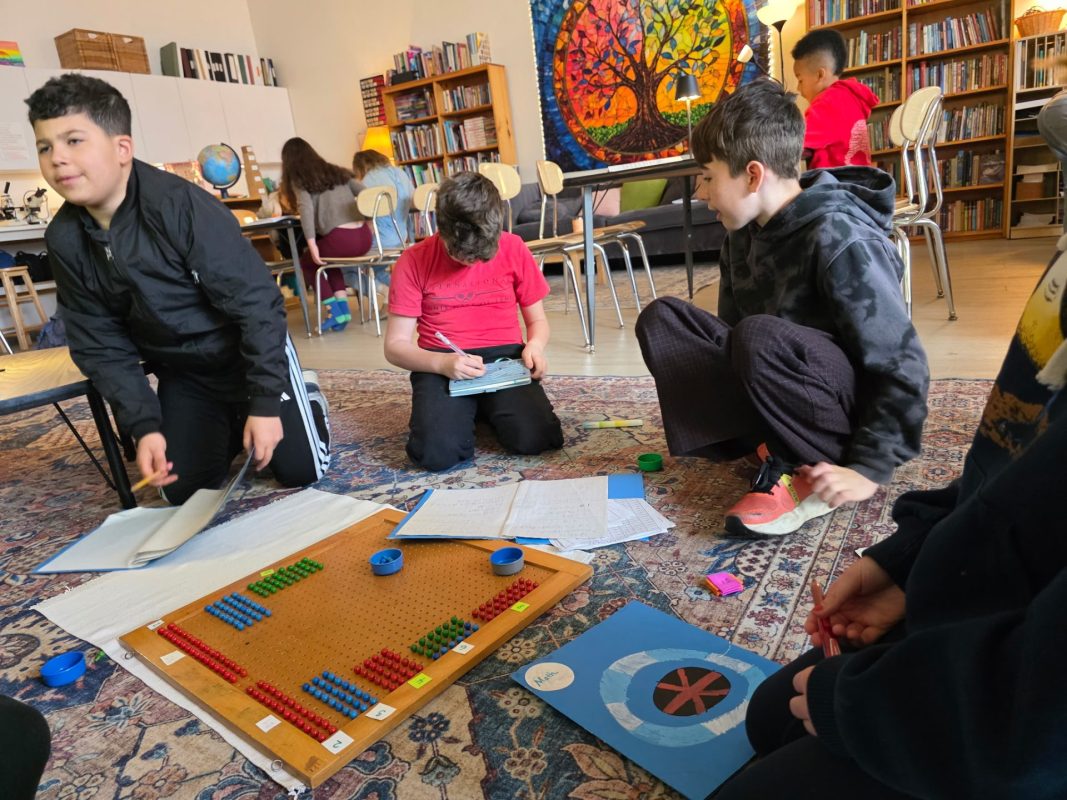
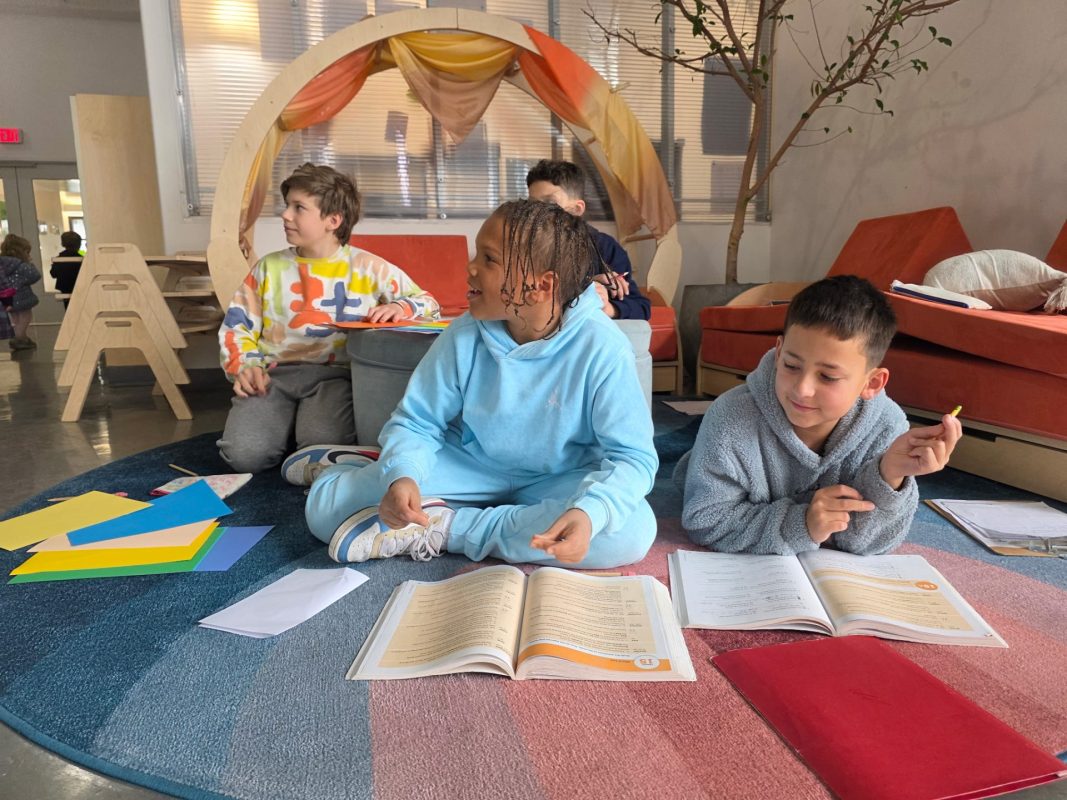
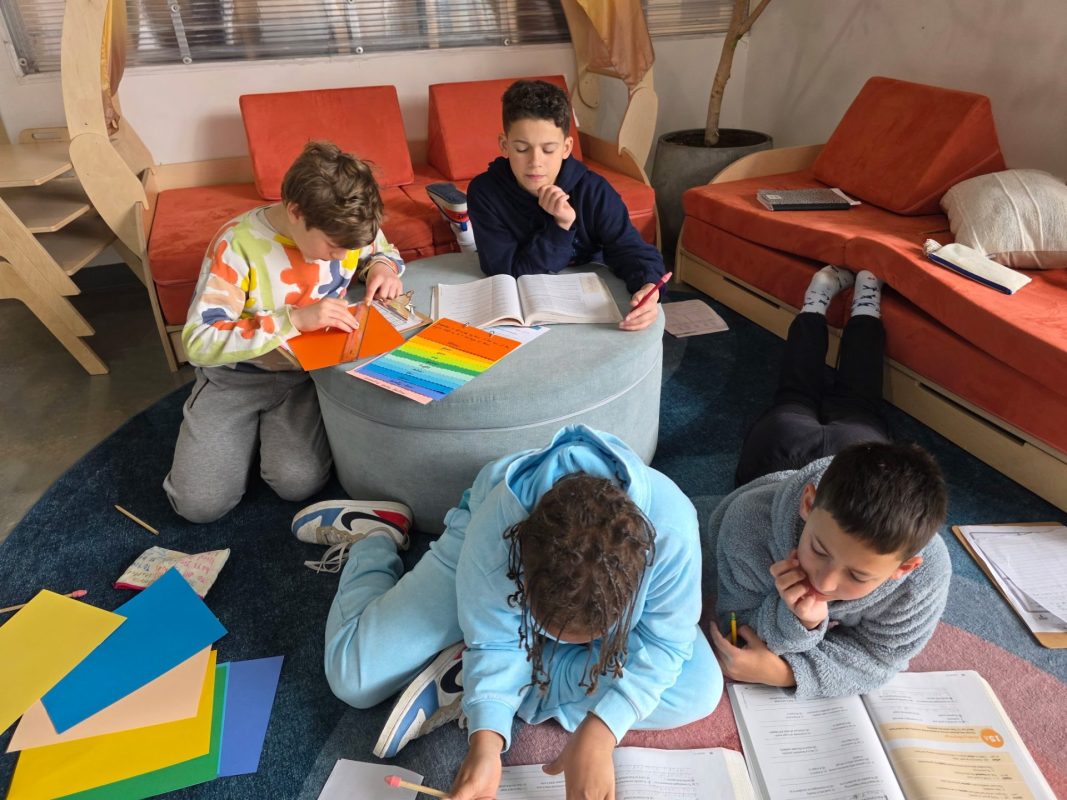
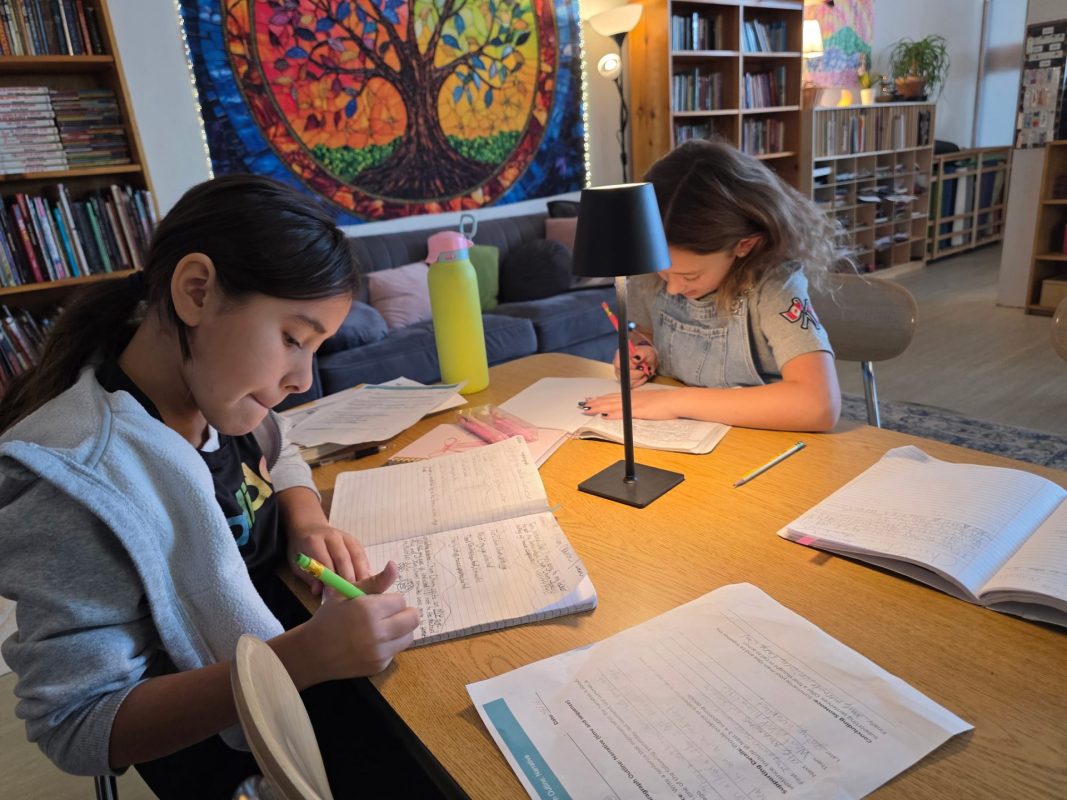
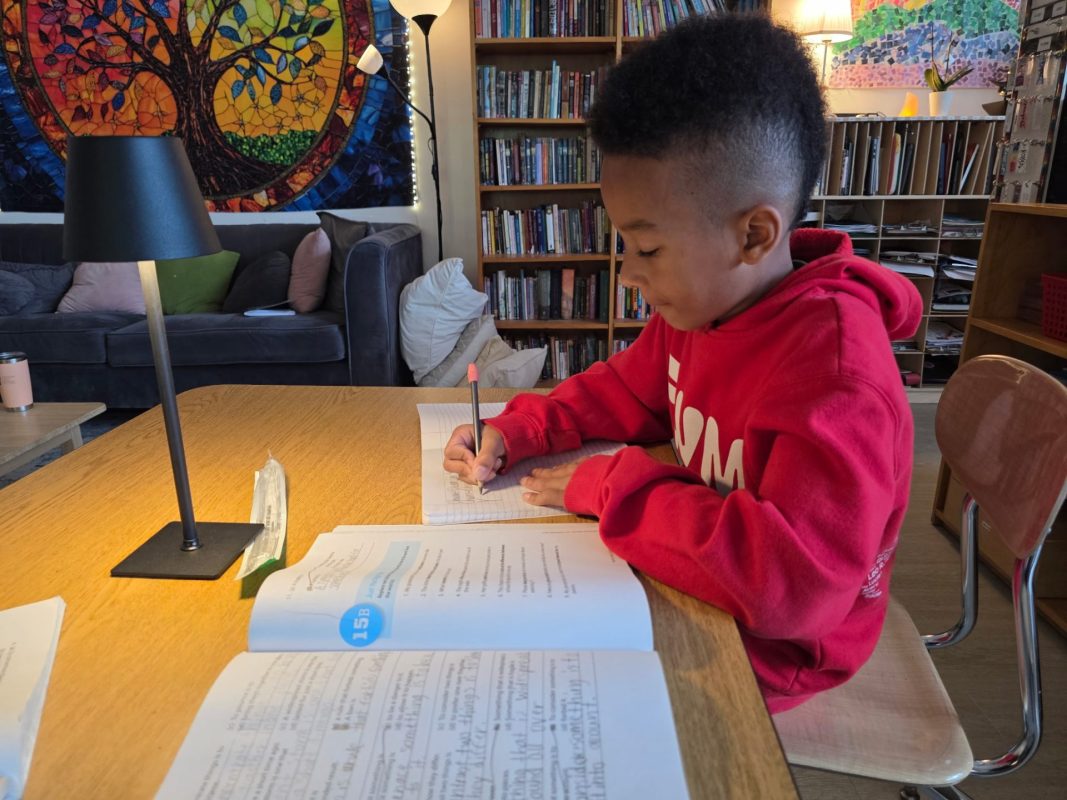
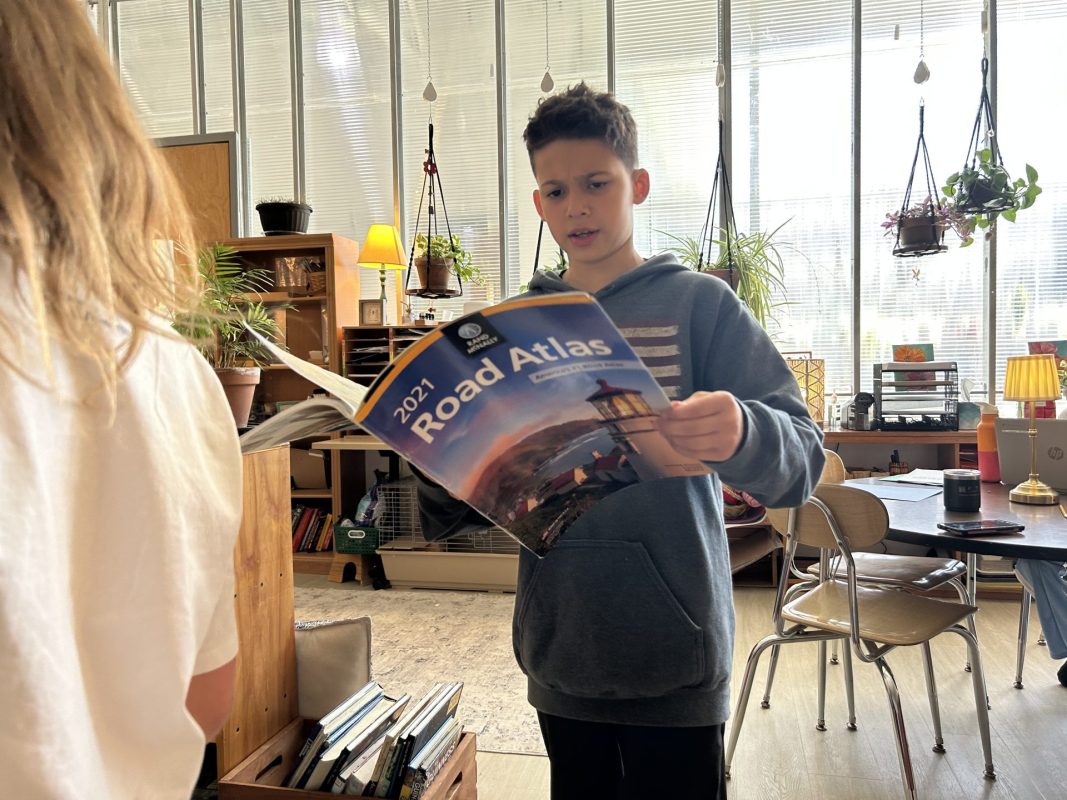
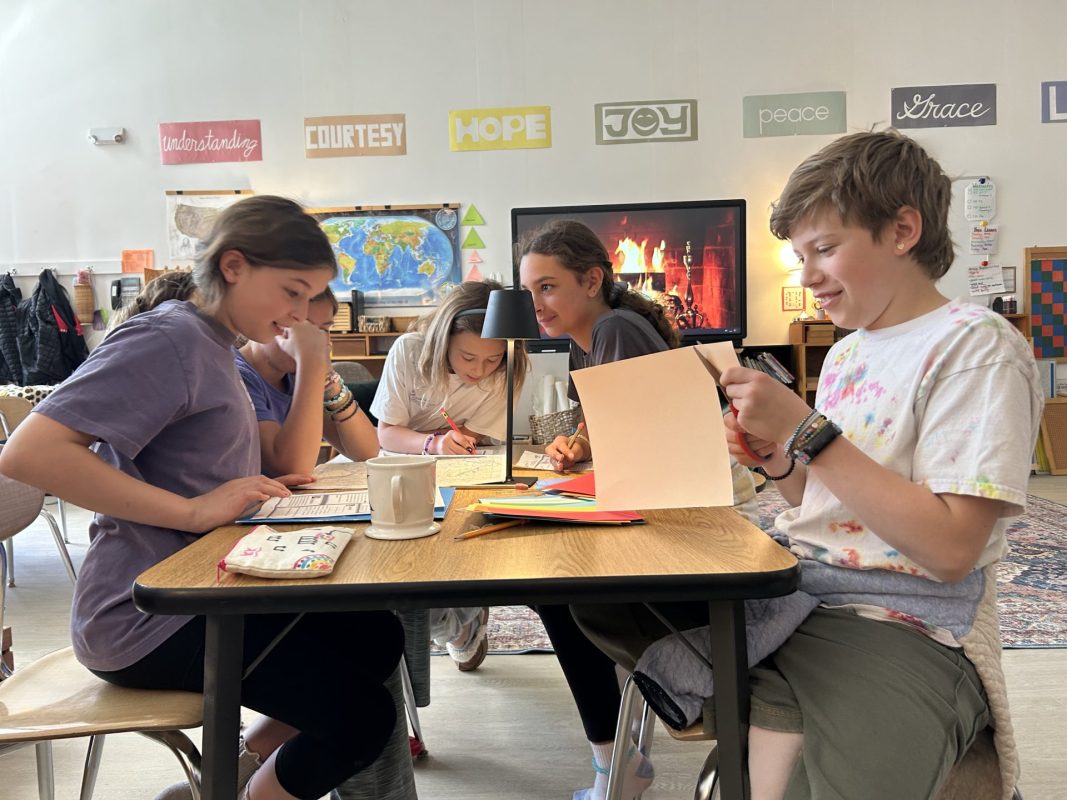
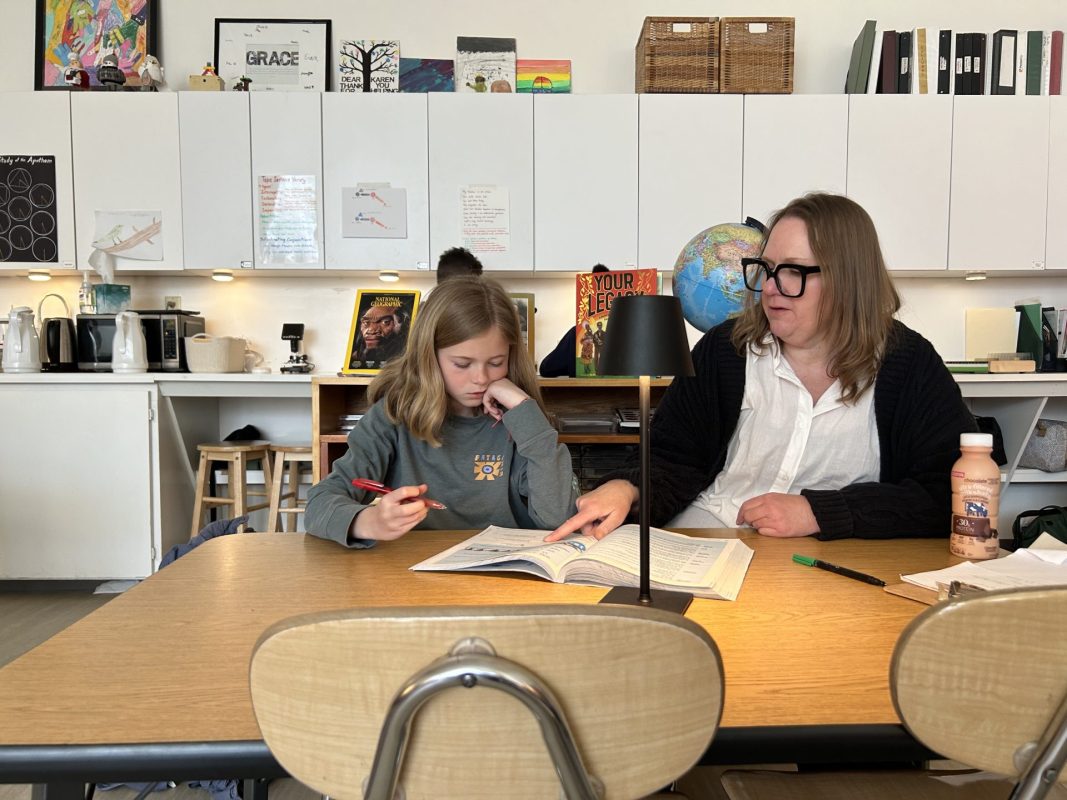
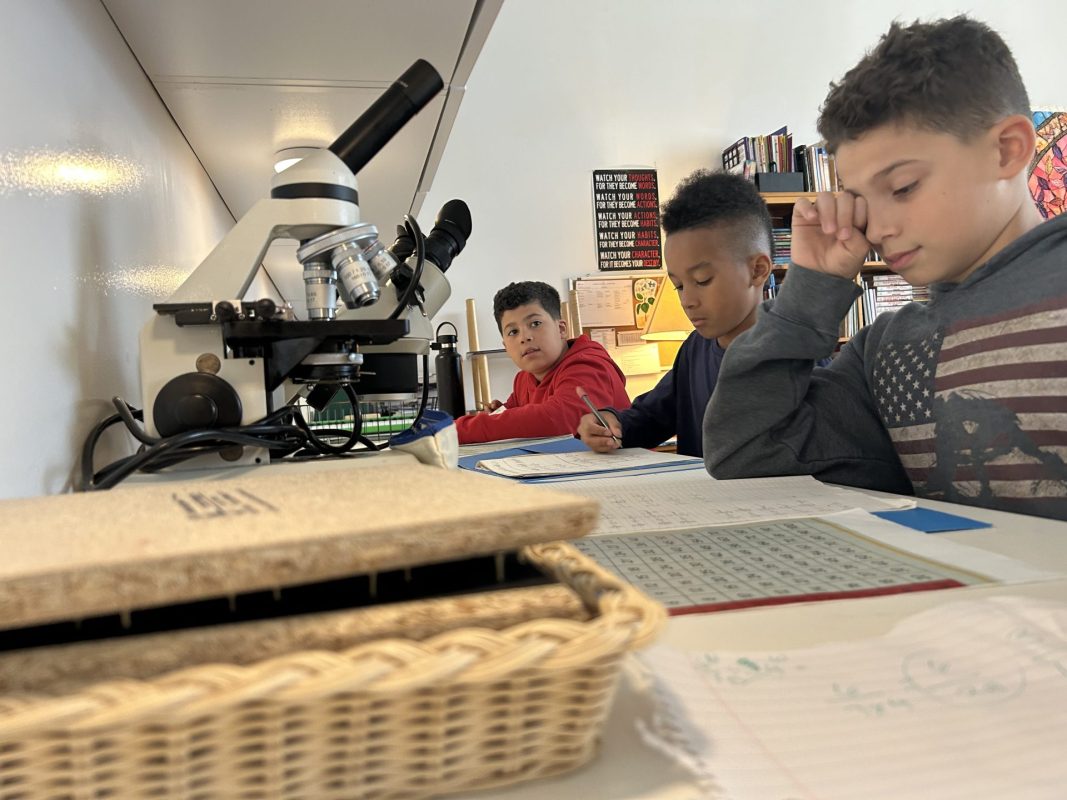
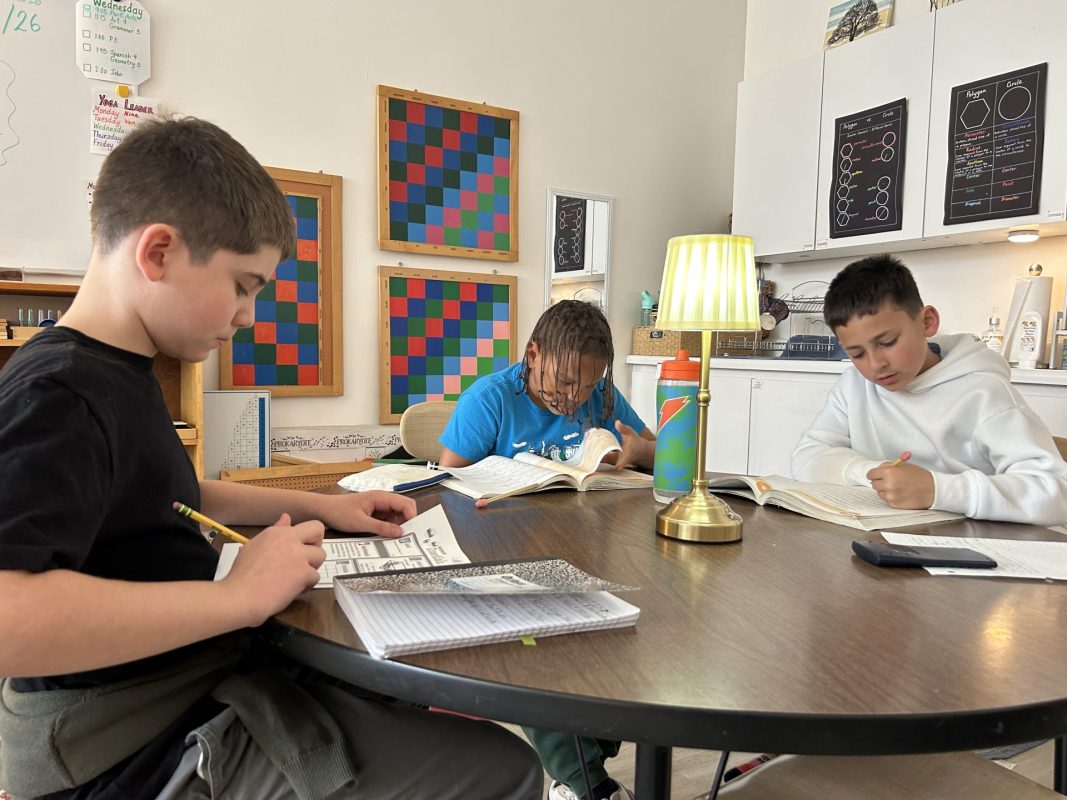
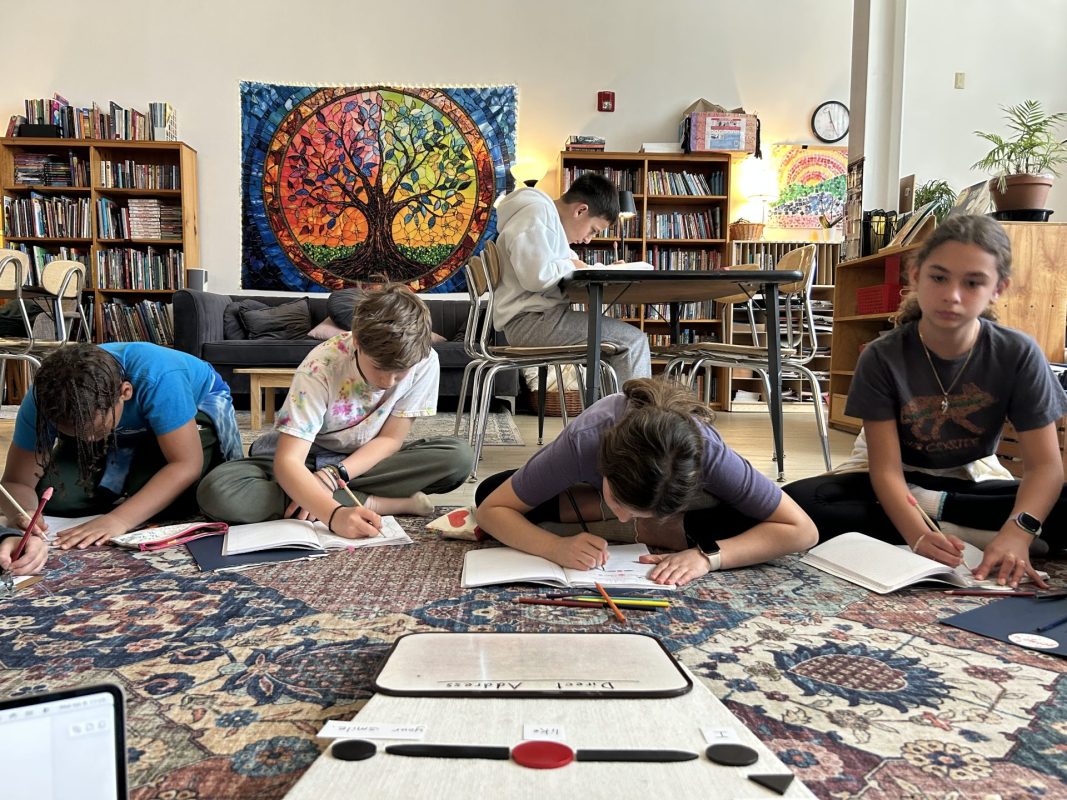
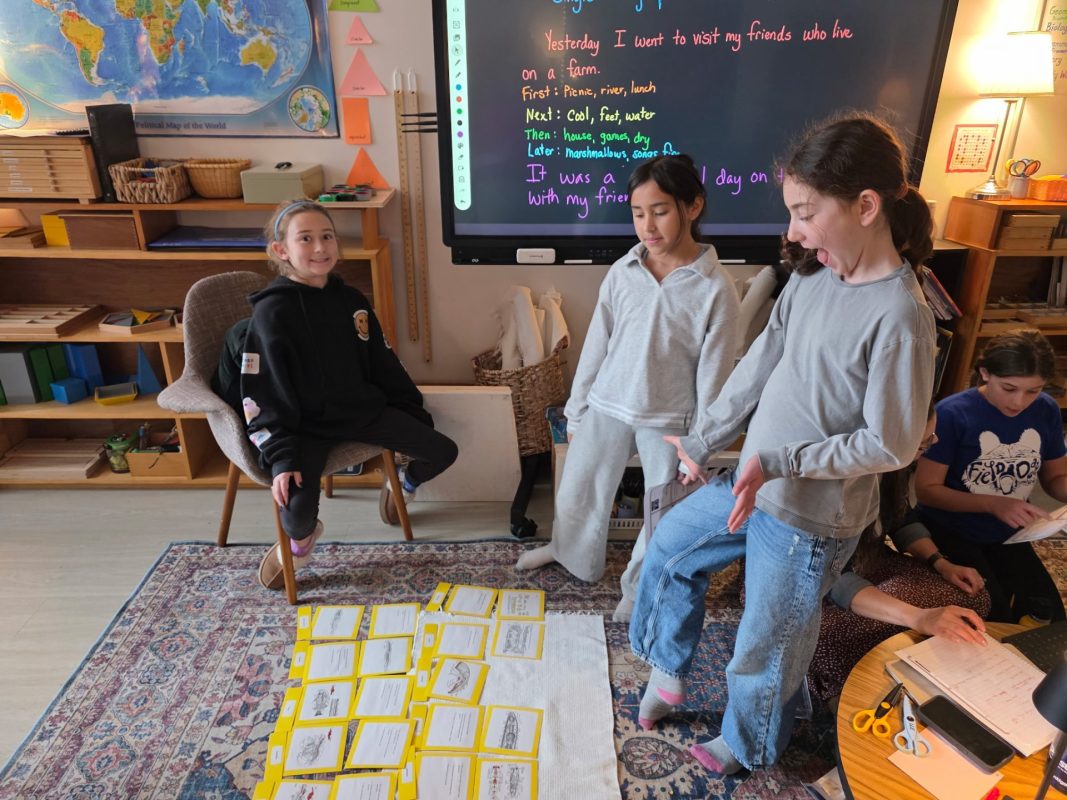
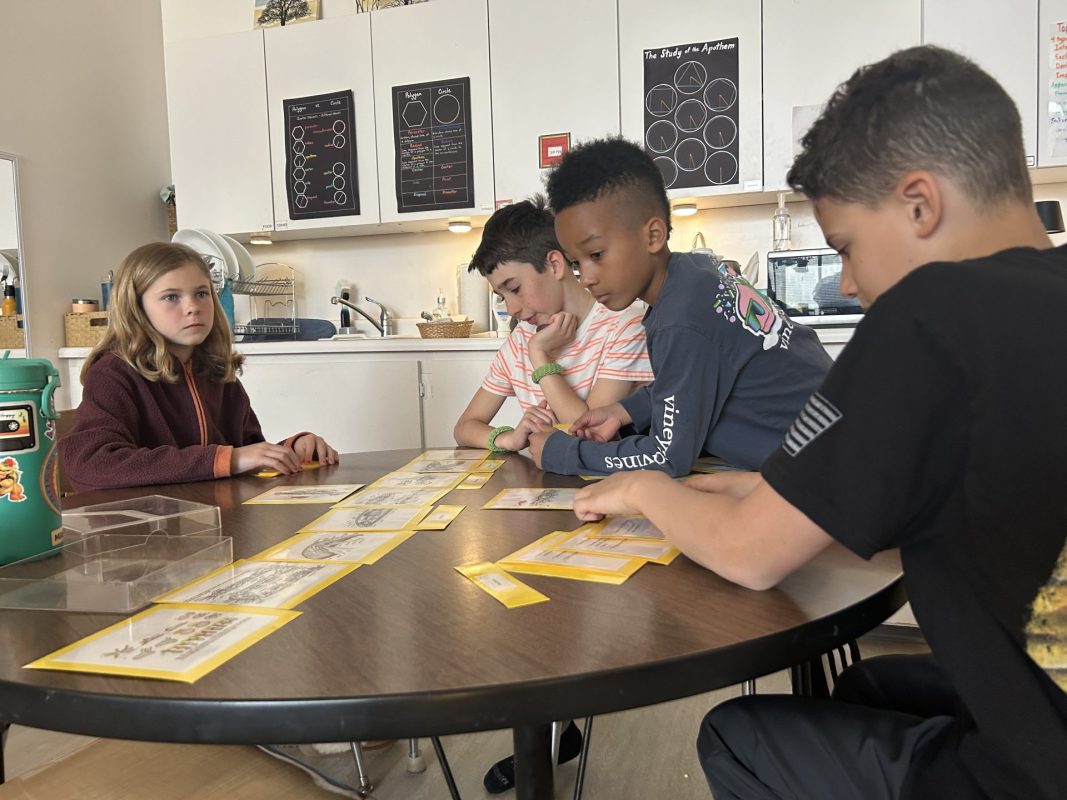
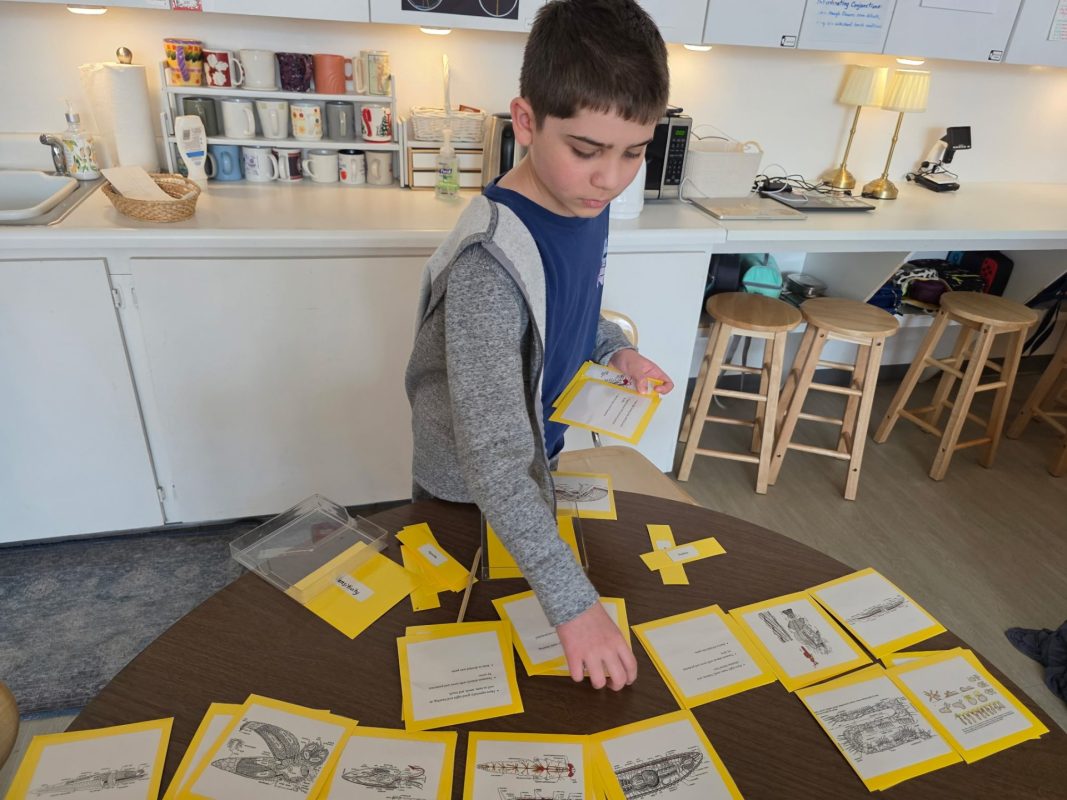
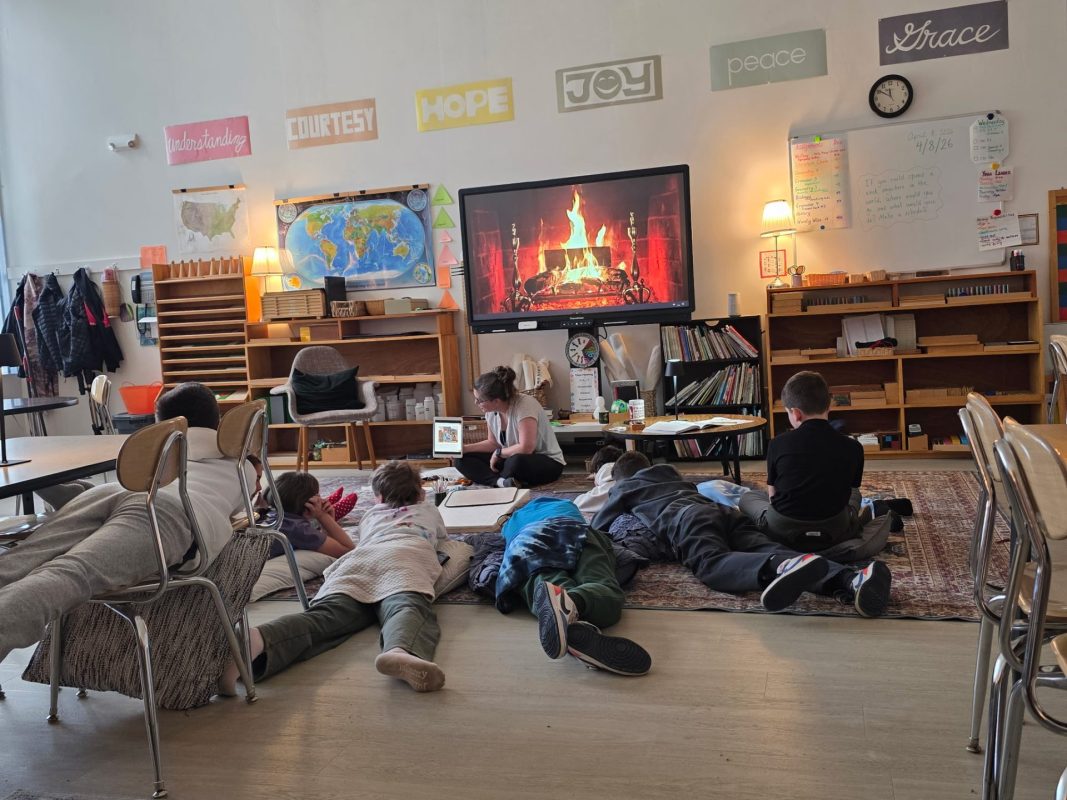
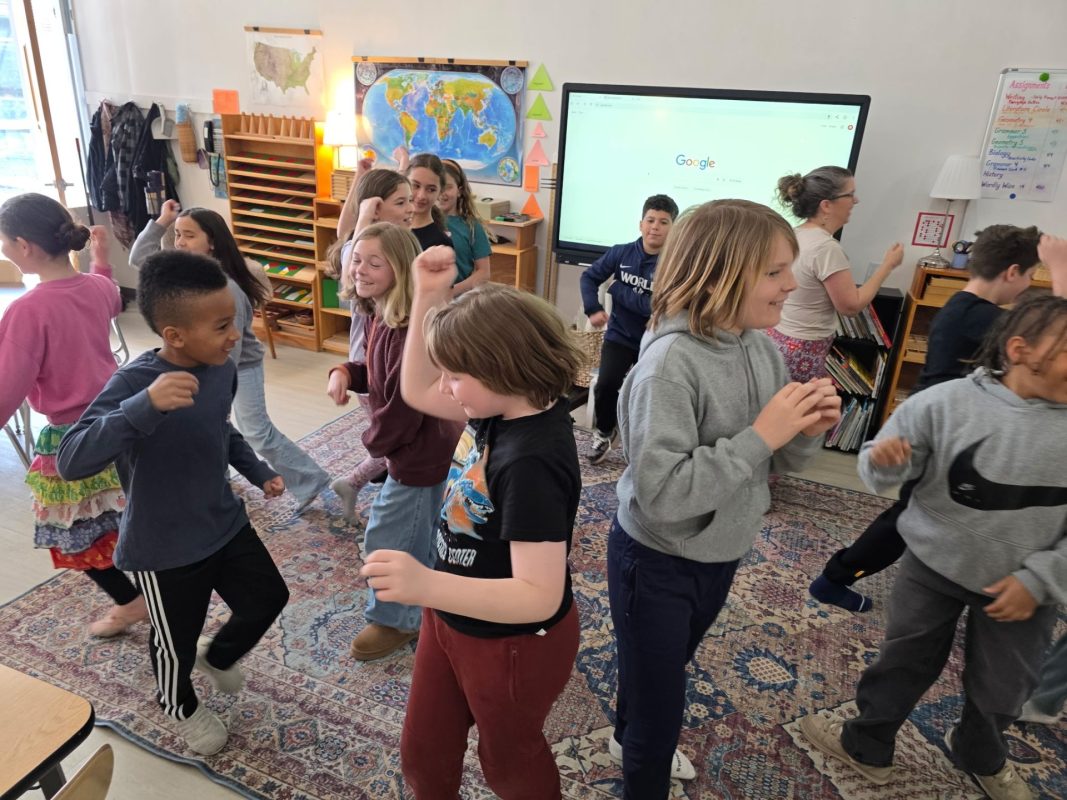
As I look over the images from last week, I am struck by the children’s joy. They are playful, innocent, and full of enthusiasm about learning and their friendships. They generously give their time to help others and are passionate about justice both in the world and in our classroom. During their lessons and independent work, they are focused learners. Over the past seven months, they have honed these skills and qualities, and as we enter the final weeks of the school year, they will reap the benefits of their hard work as they wrap up lessons across the curriculum. Go Upper El!

We began the week with a writing lesson on paragraph outlines for narrative writing. The students worked on this writing assignment alongside their daily writing prompts, which they created themselves. Each child has written a prompt for their classmates to respond to. We will work through the prompts one at a time each day until we have completed all 19. The children are enjoying seeing their prompts displayed on the board and are excited to discover how their friends respond.

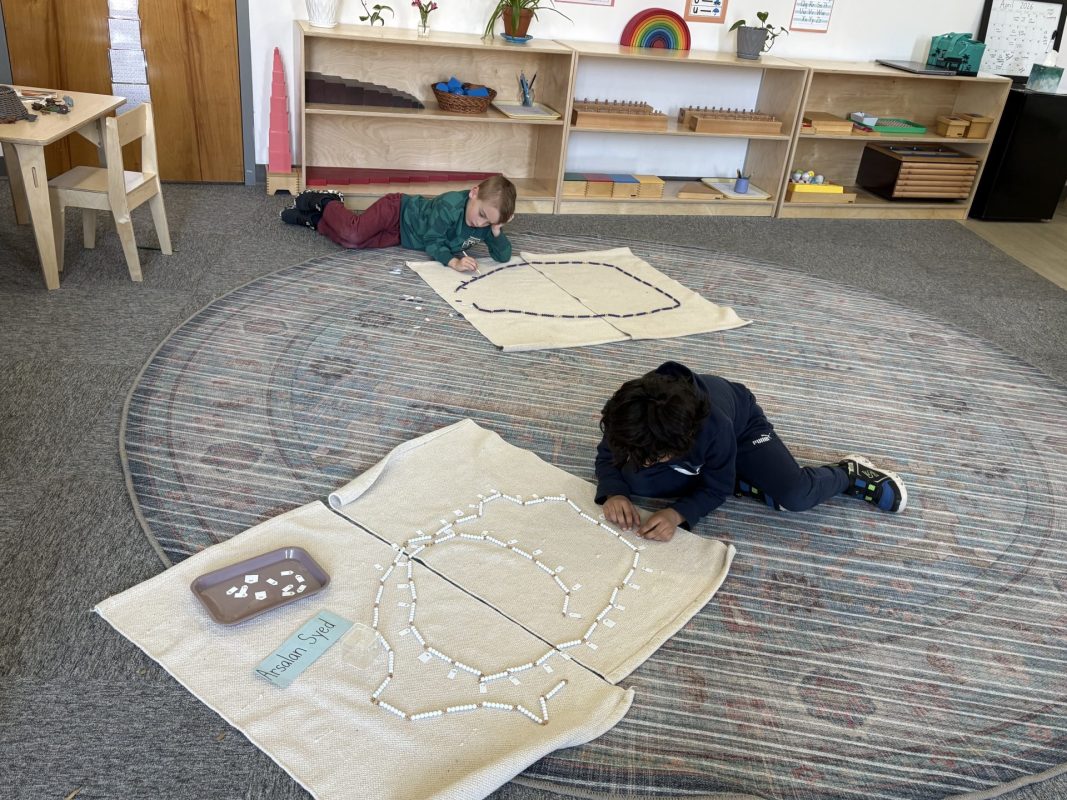
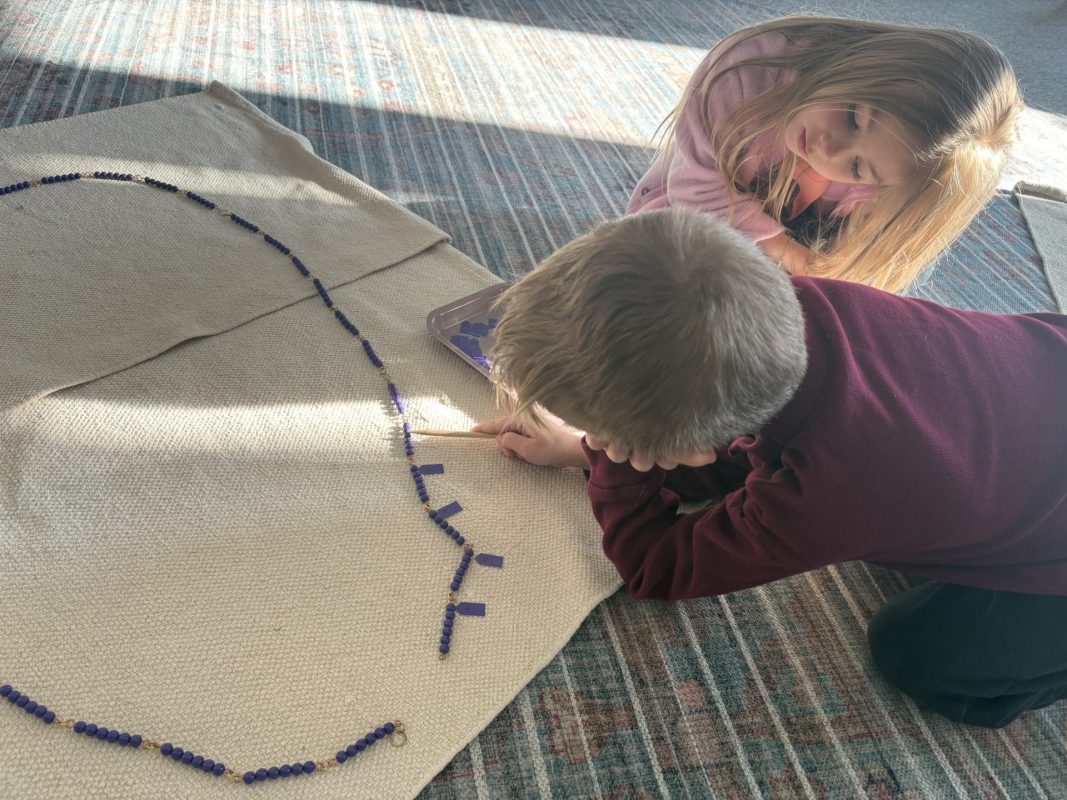
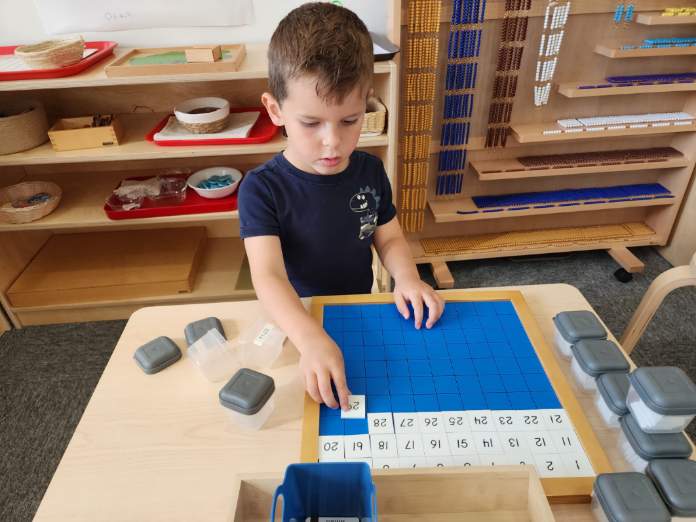
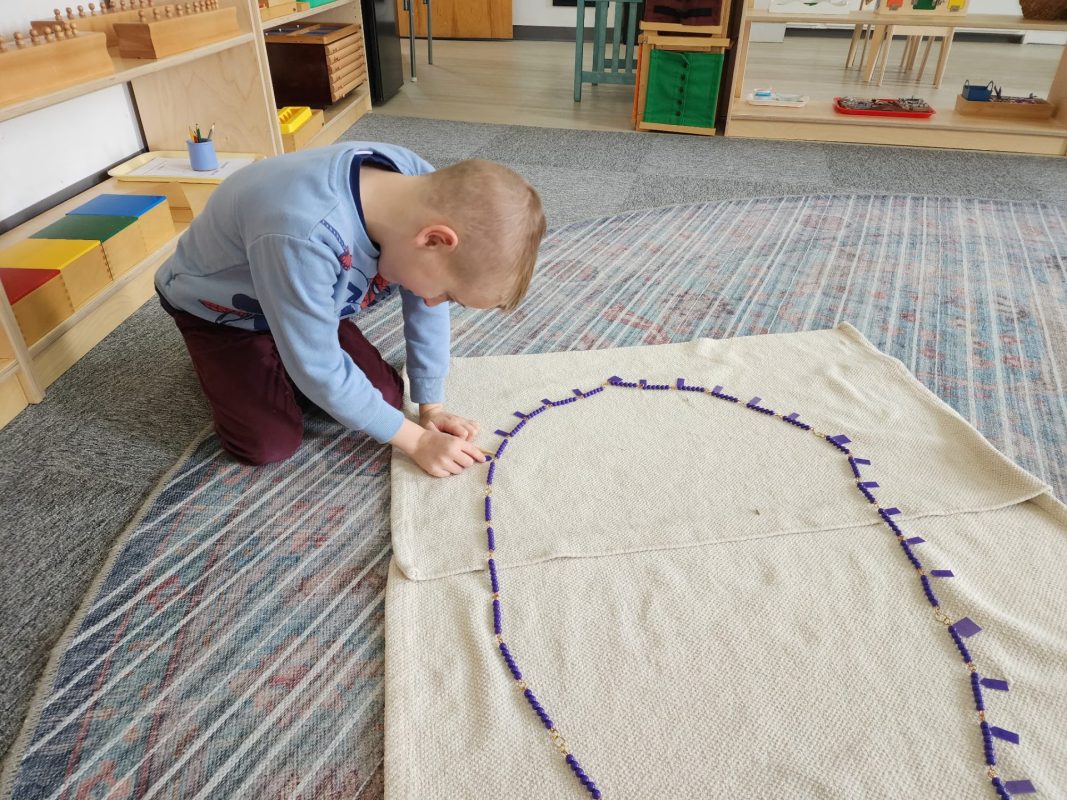
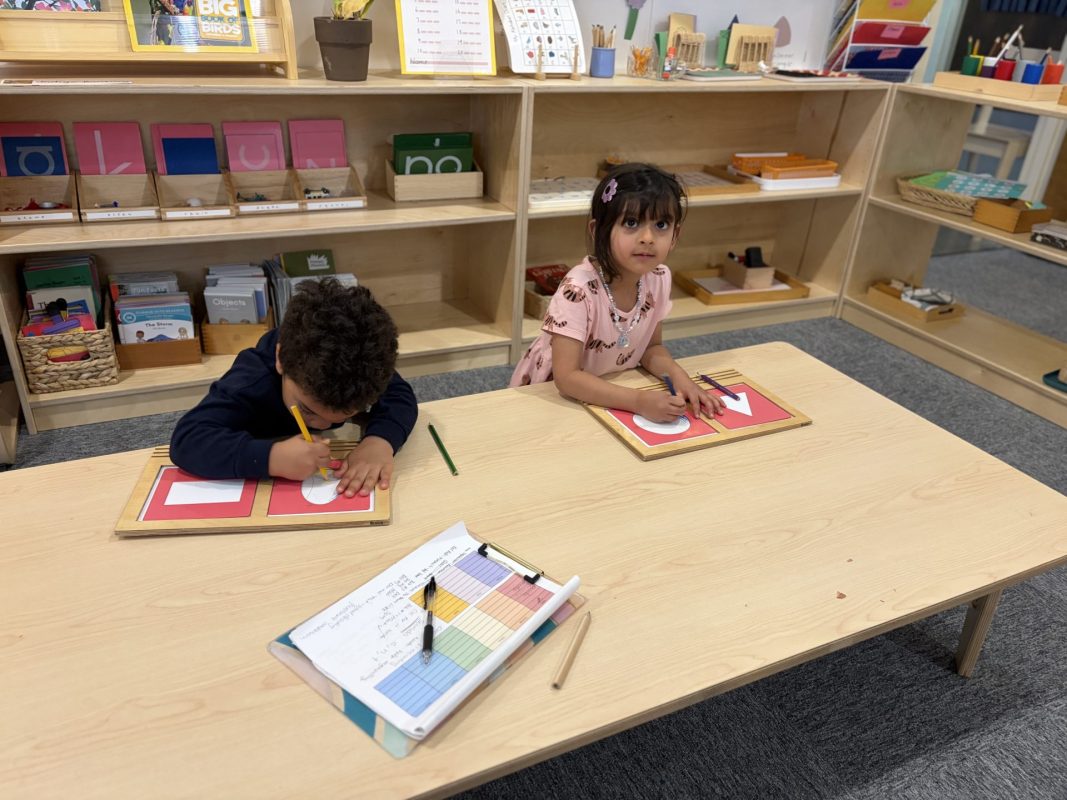
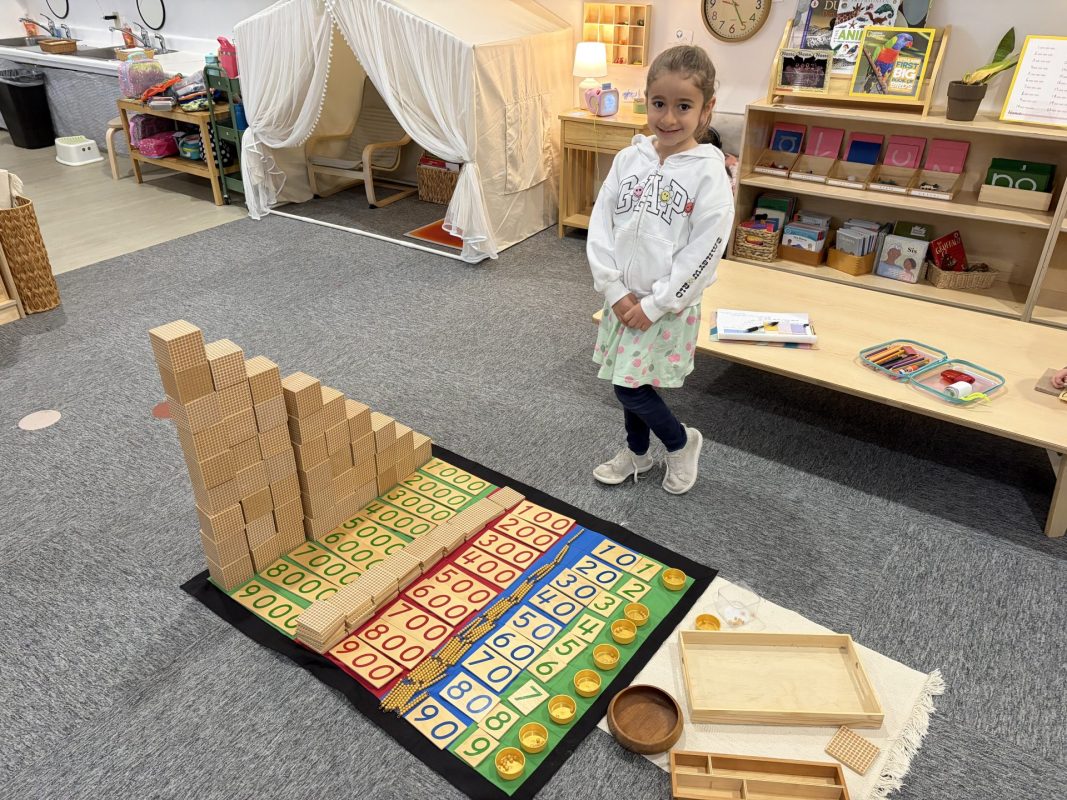
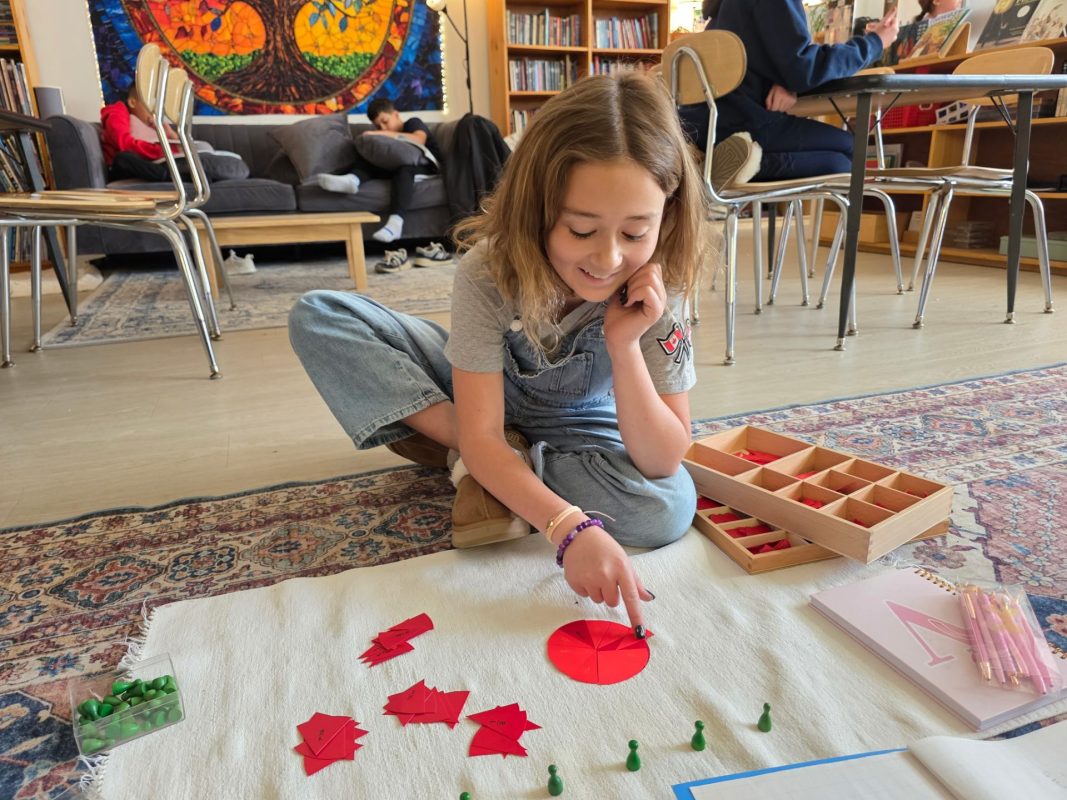
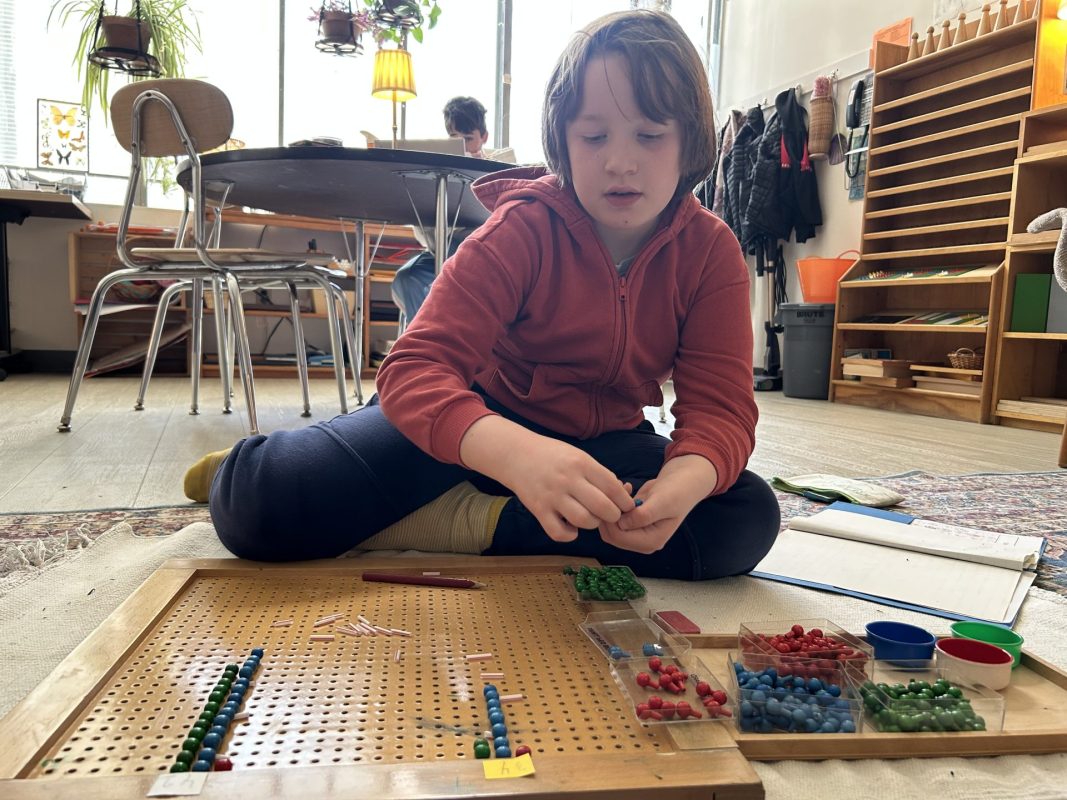
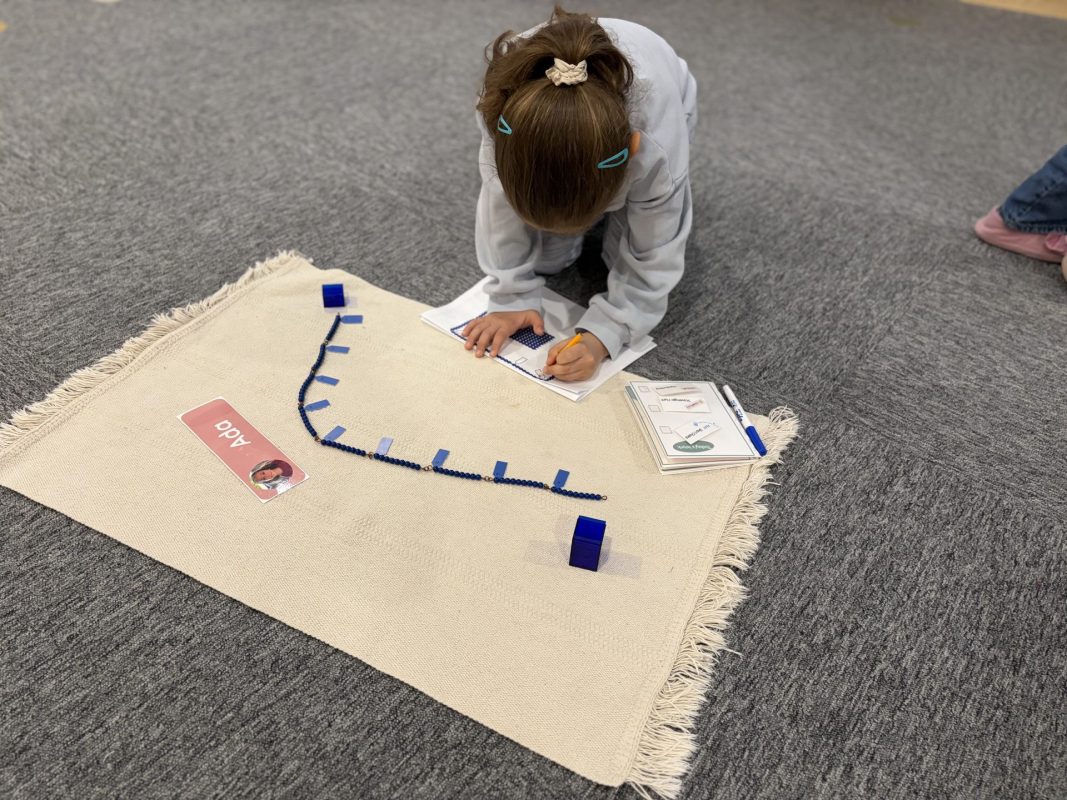
In our geometry lessons this week, both groups focused on finding area. Fourths learned the formula for finding the area of a rectangle. I introduced this concept using Montessori area materials, allowing the children to discover the formula and then apply it to their own drawn rectangles. Fifth graders listened to the story of Sir Cumference and the Dragon of Pi – Radius and the Number Pi by Cindy Neuschwander.

In grammar, the fourth graders learned about reciprocal and reflexive/intensive compound pronouns, while the fifth graders studied nouns of direct address.

Our biology lesson this week centered on the vital functions of support and movement. We examined the differences between exoskeletons and endoskeletons and learned about the animals that fall into each category. We also explored the muscular structures of animals with both types of skeletons and how those muscles aid in movement. In the coming week, students will examine in greater detail the vital functions of support and movement for each animal on the evolutionary strip.

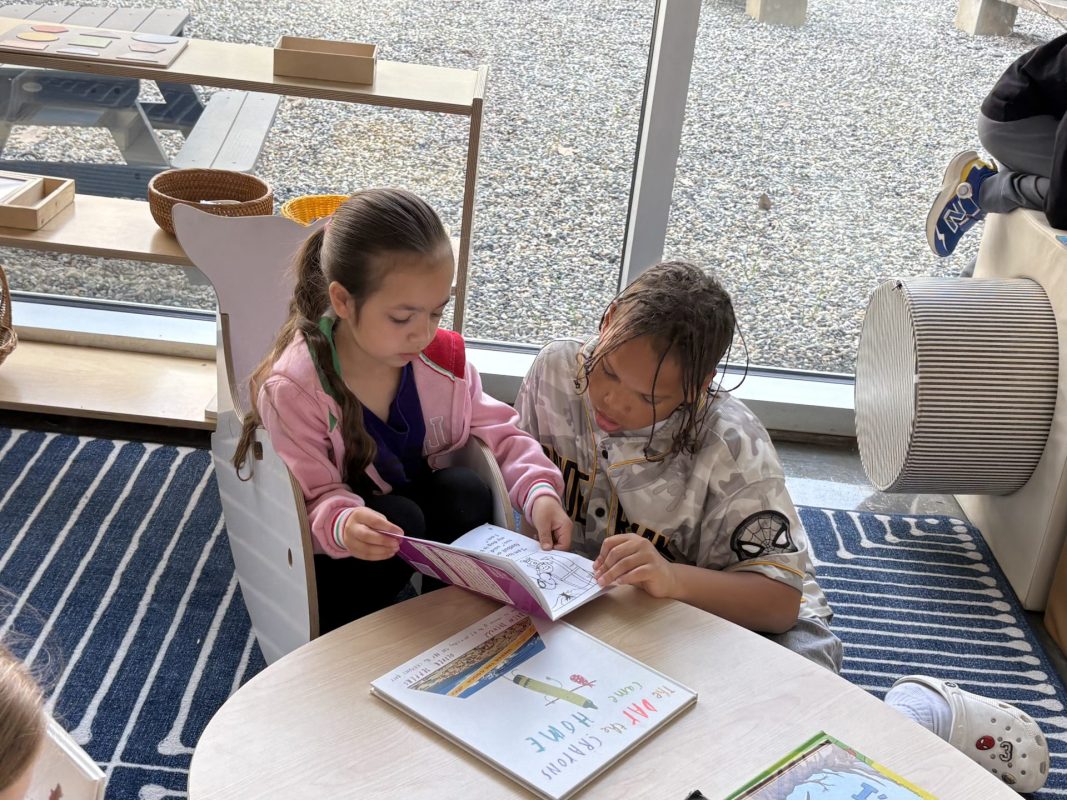
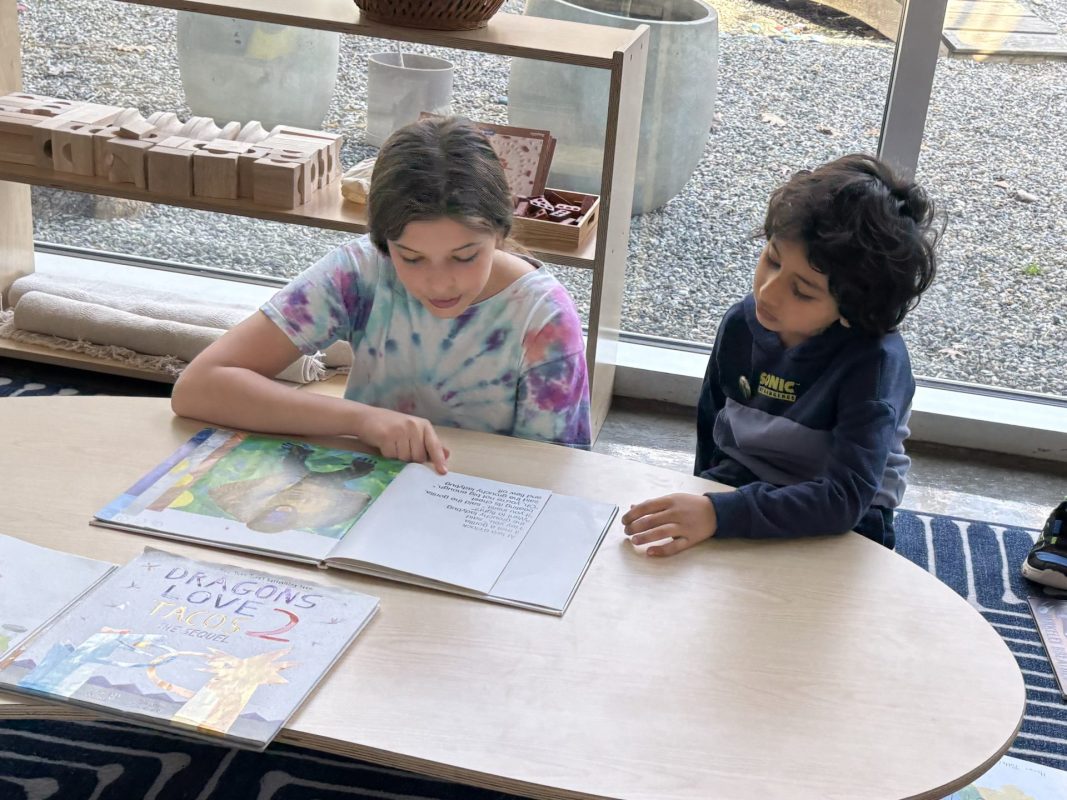
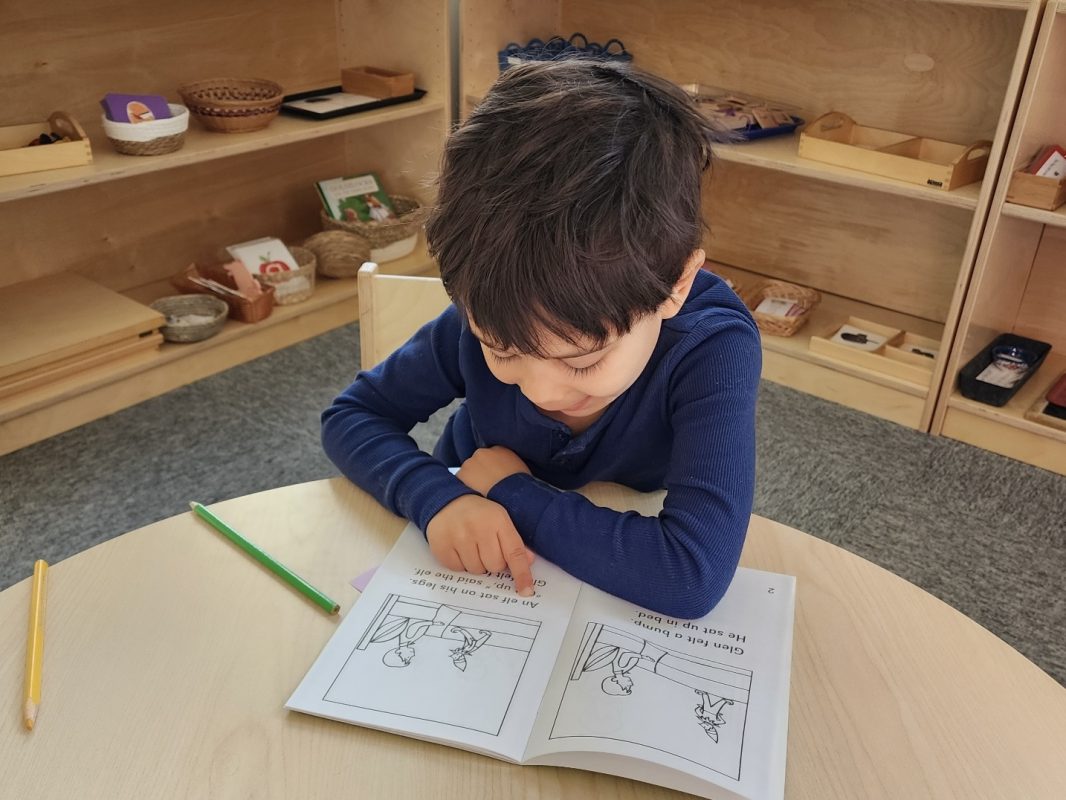
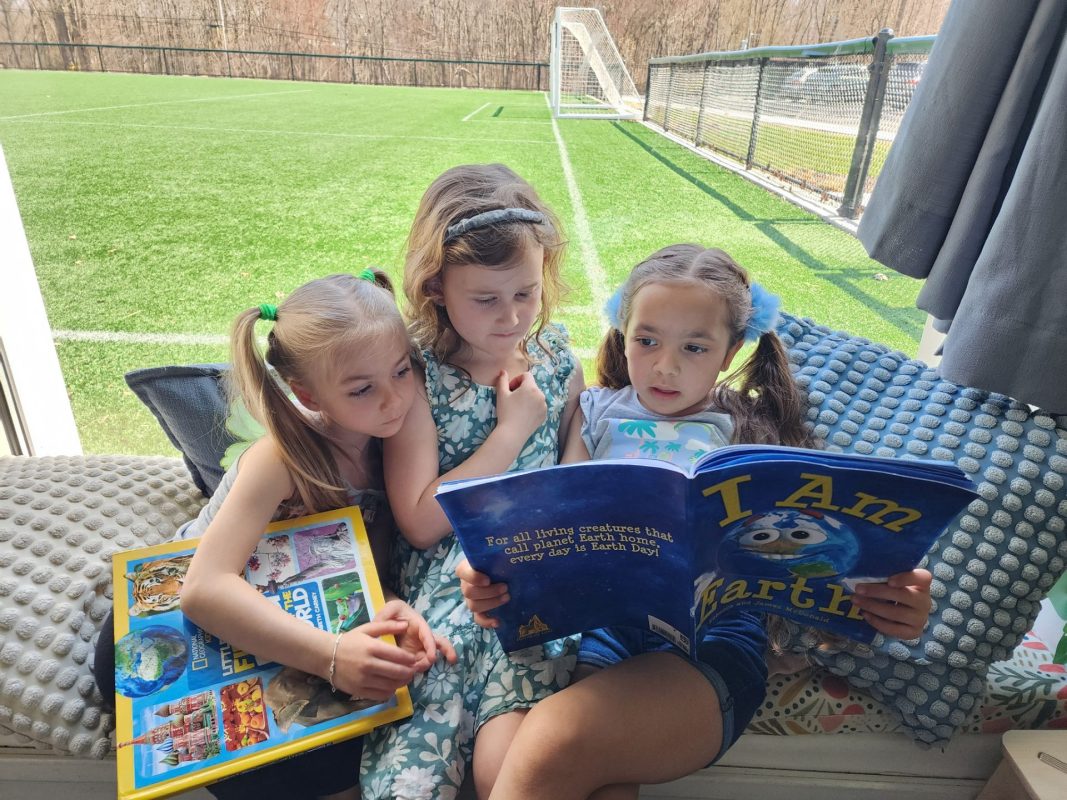
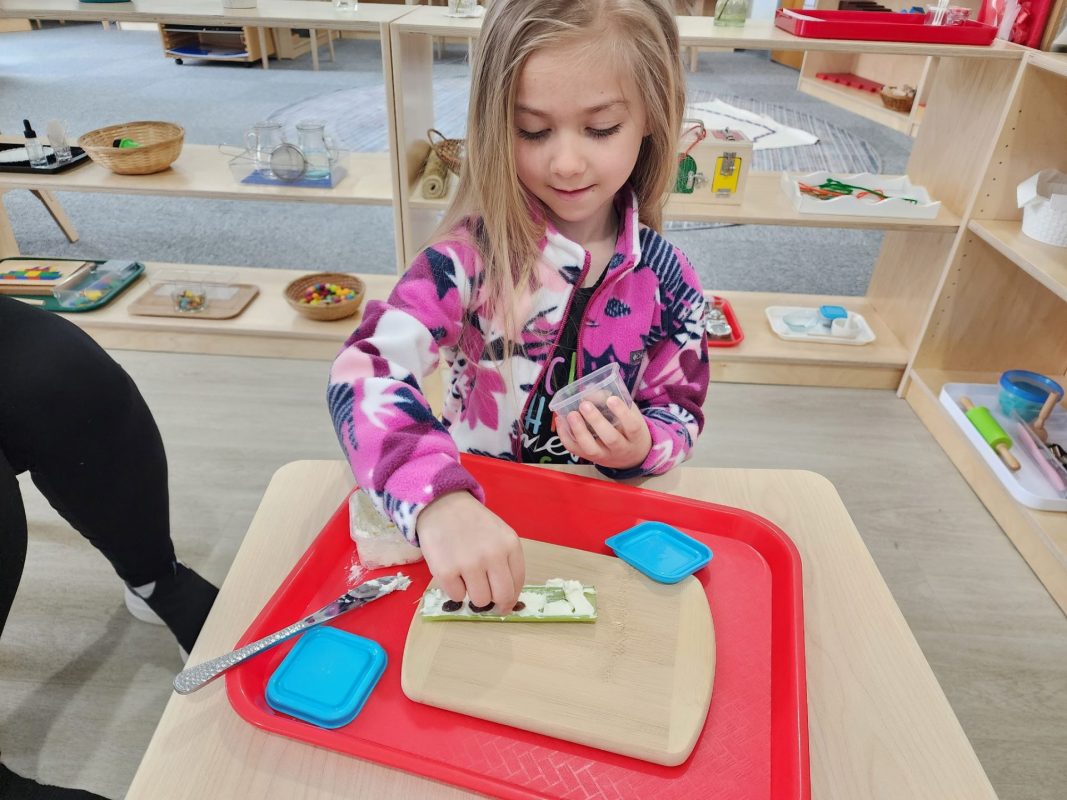
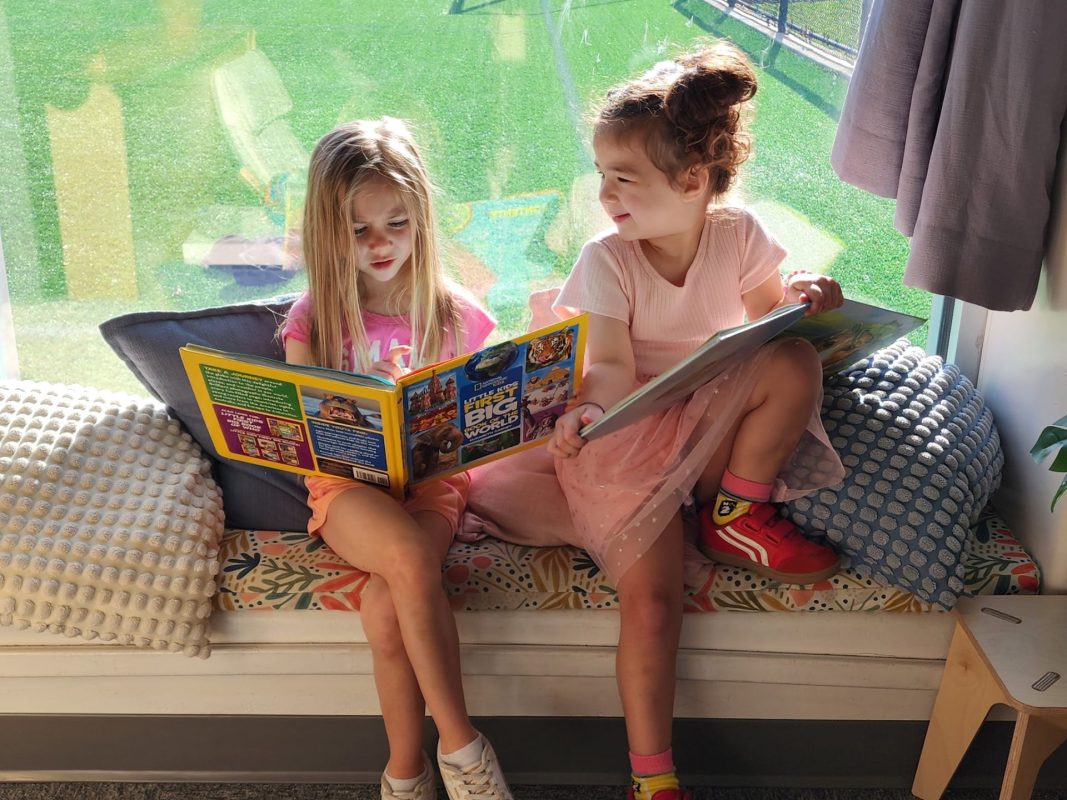
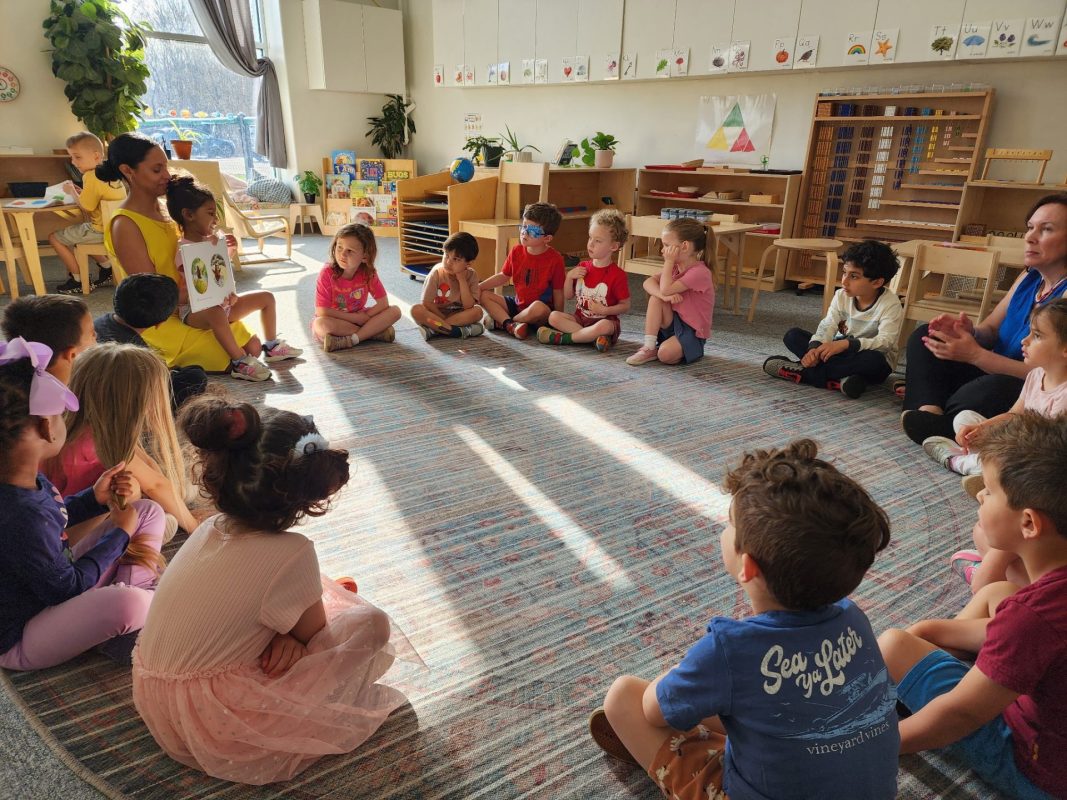
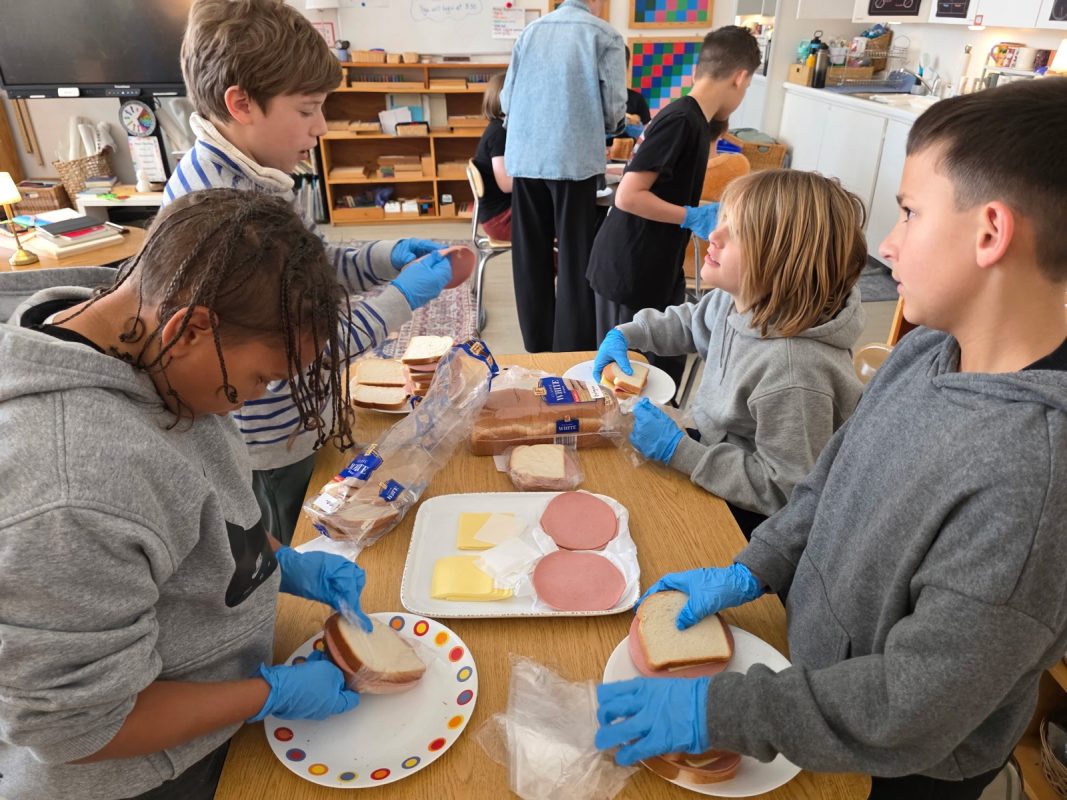
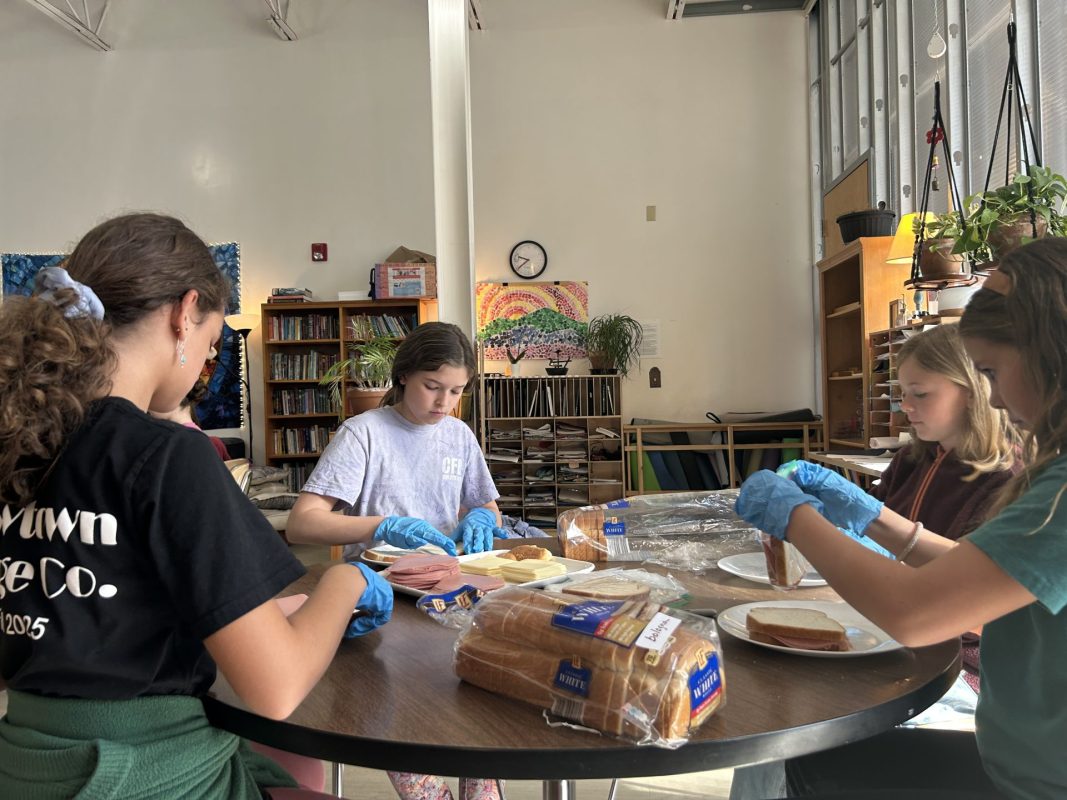
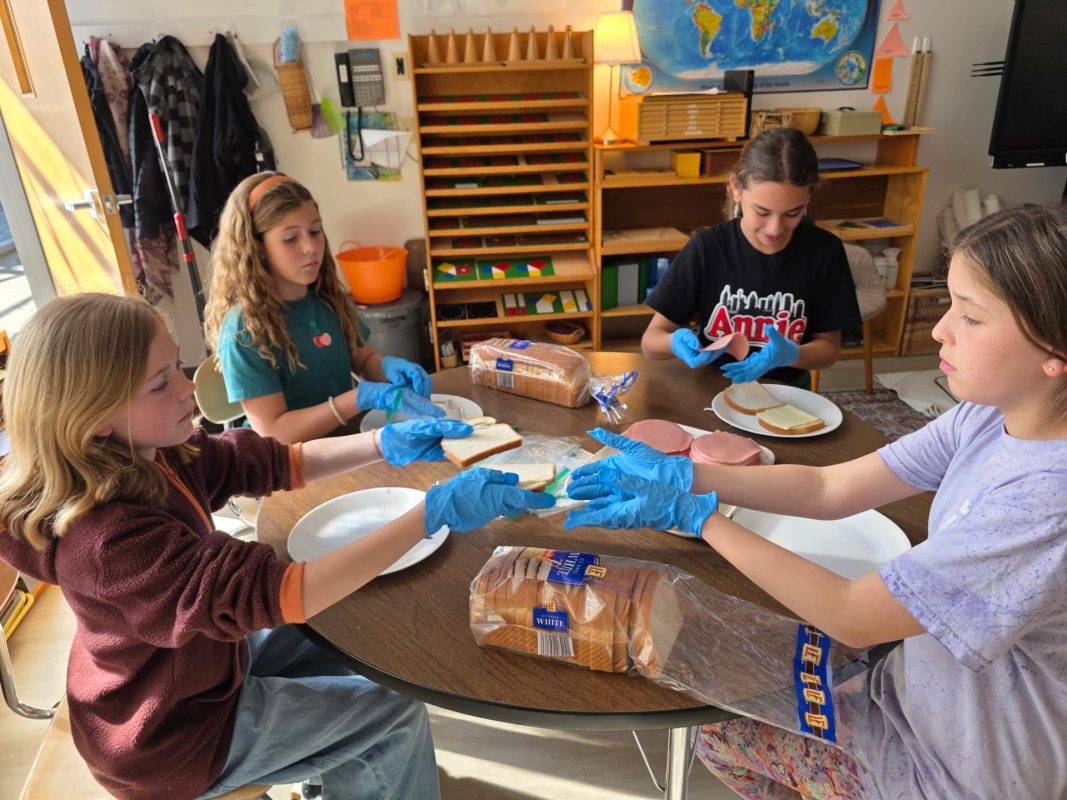
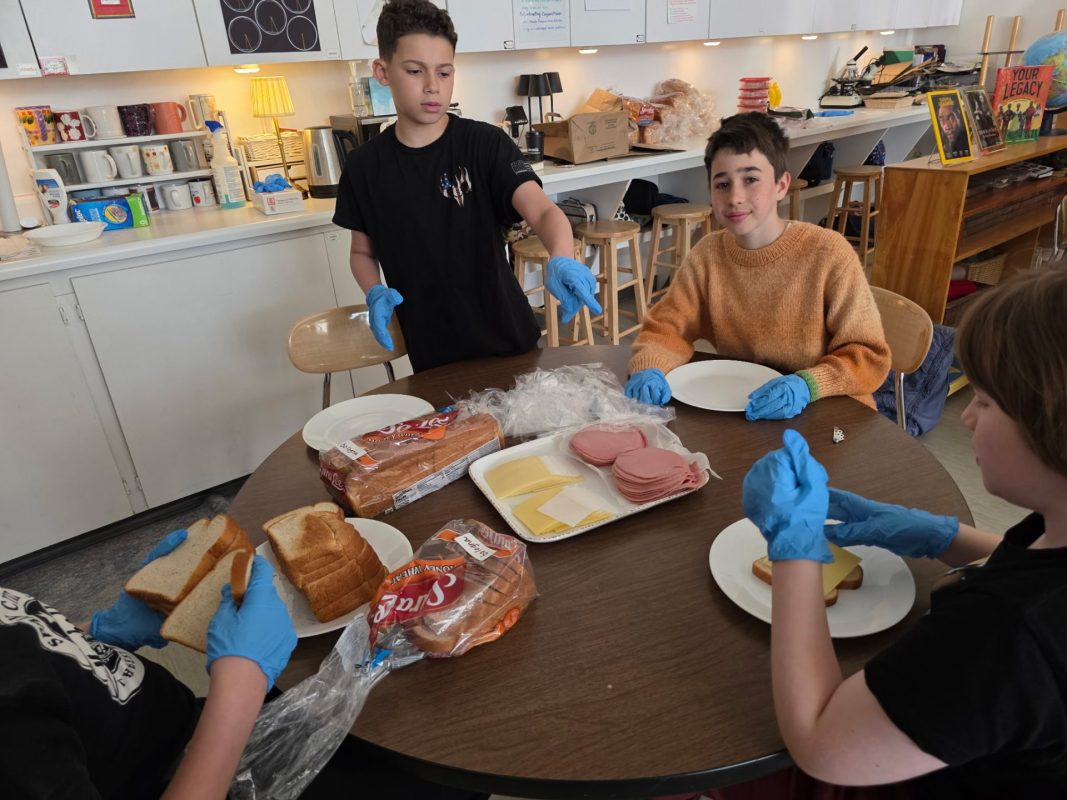
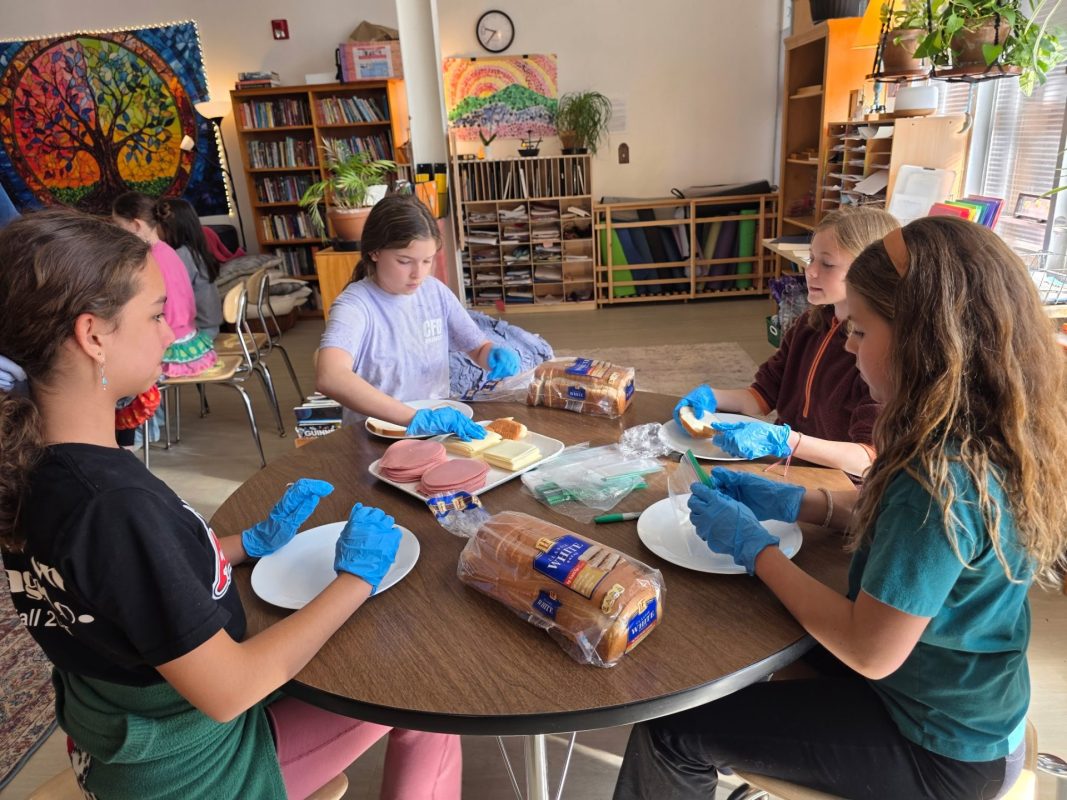
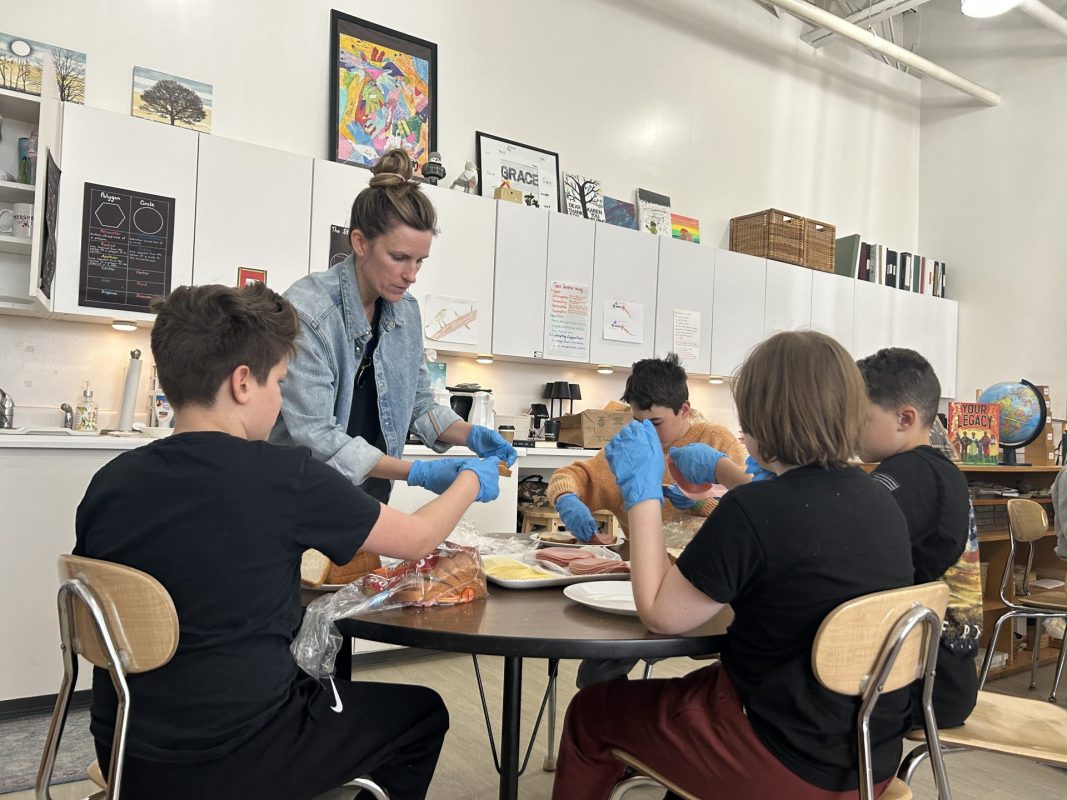
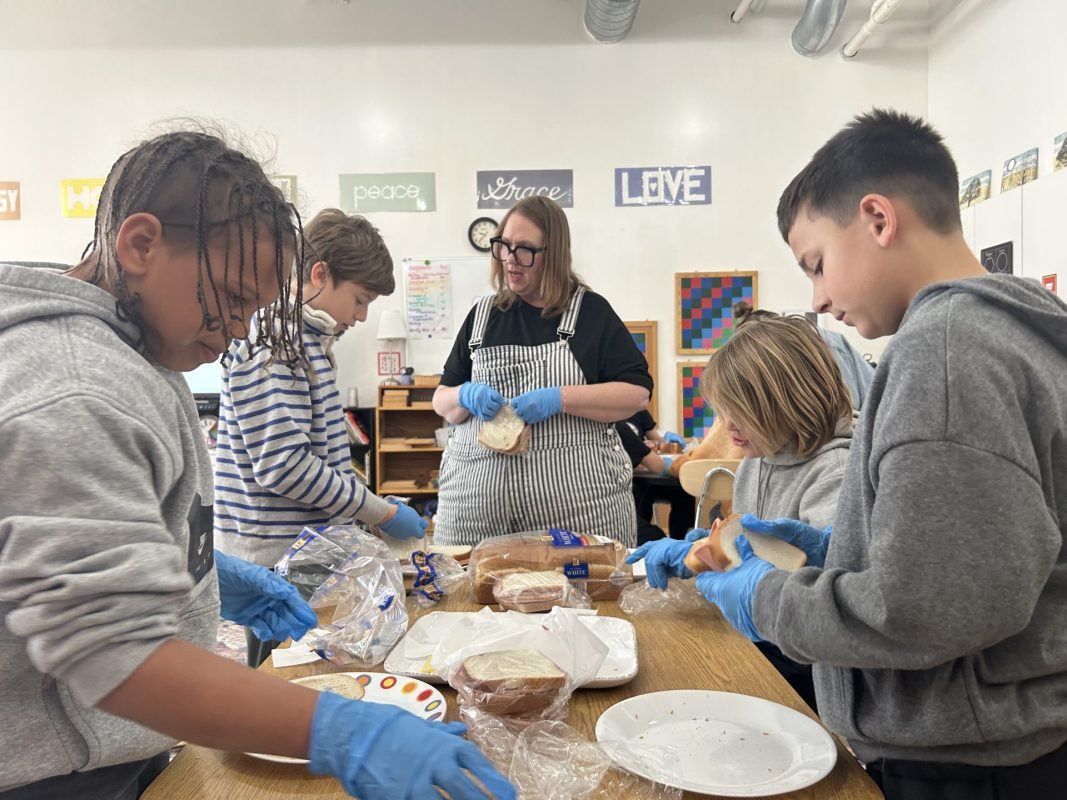
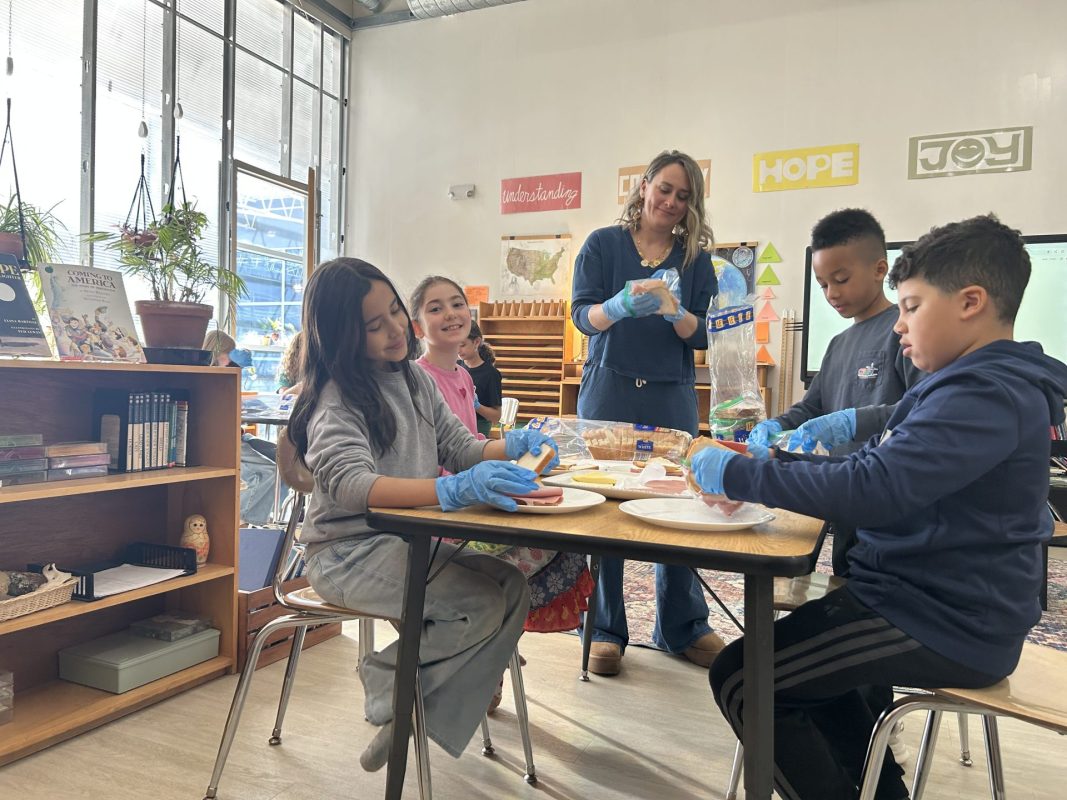
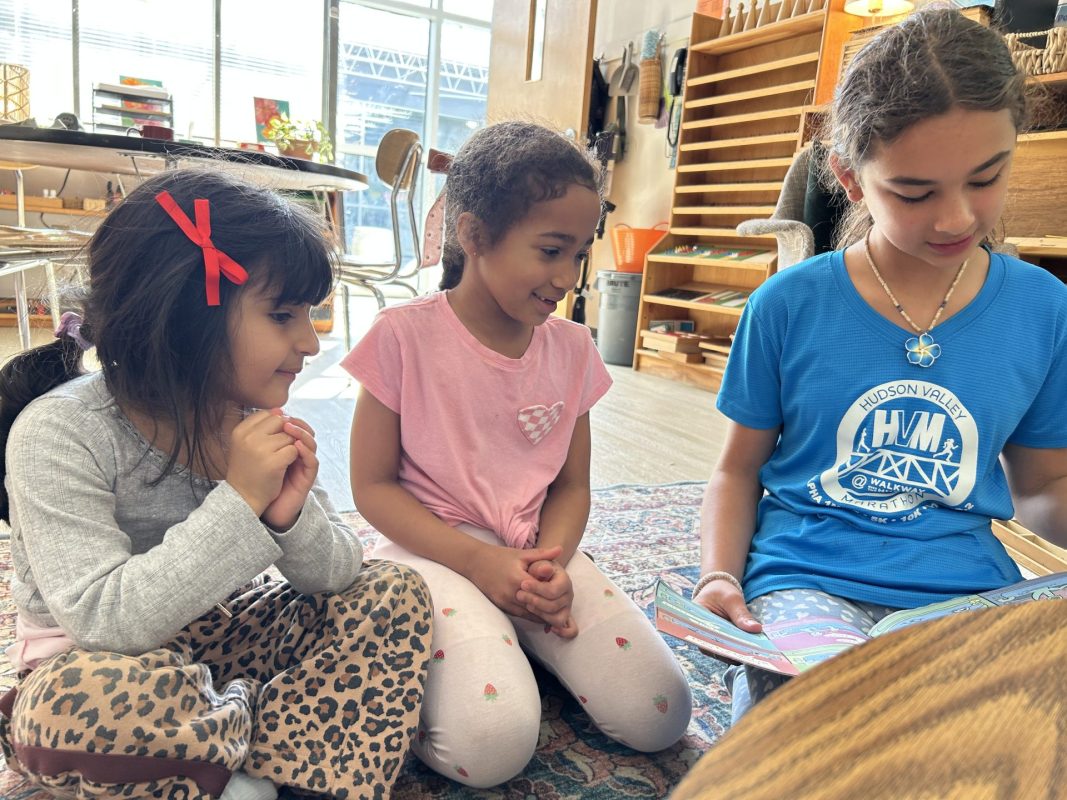
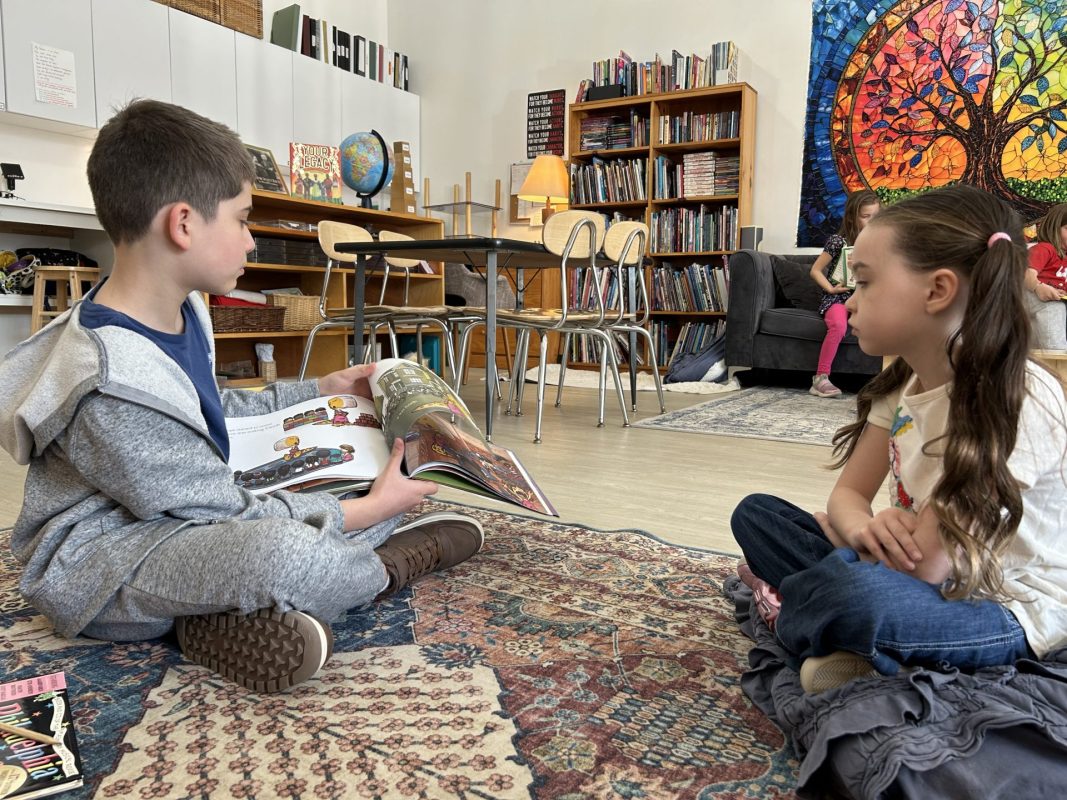
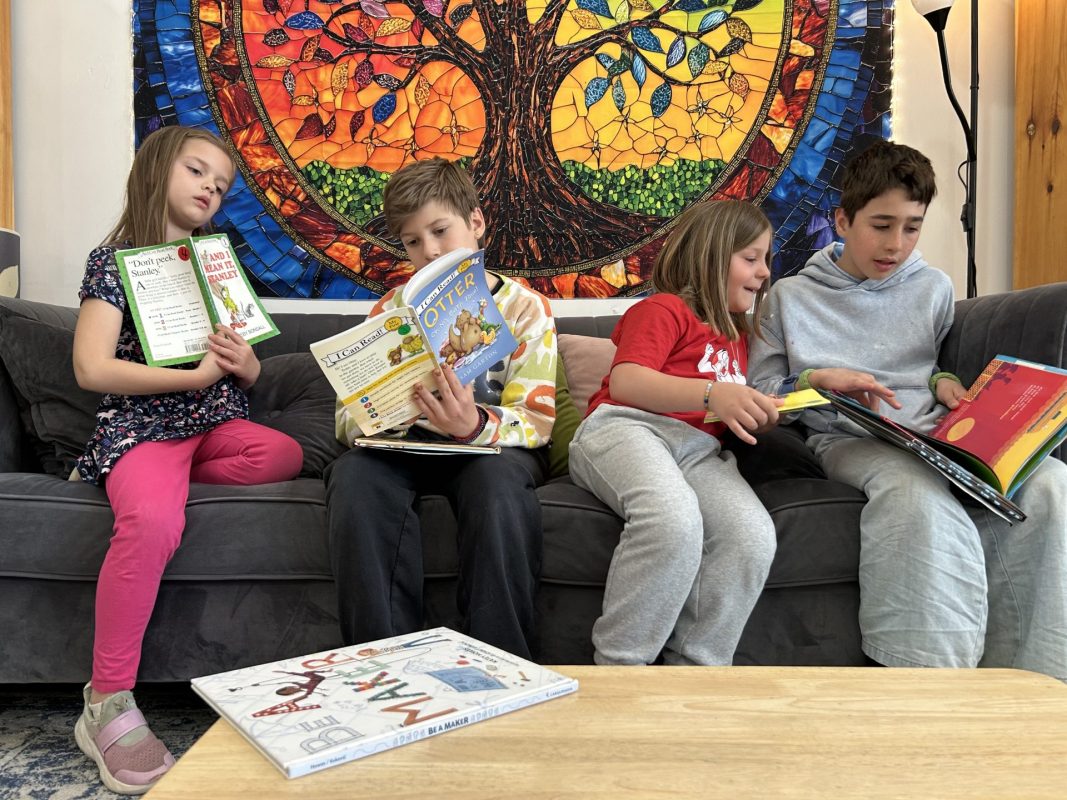
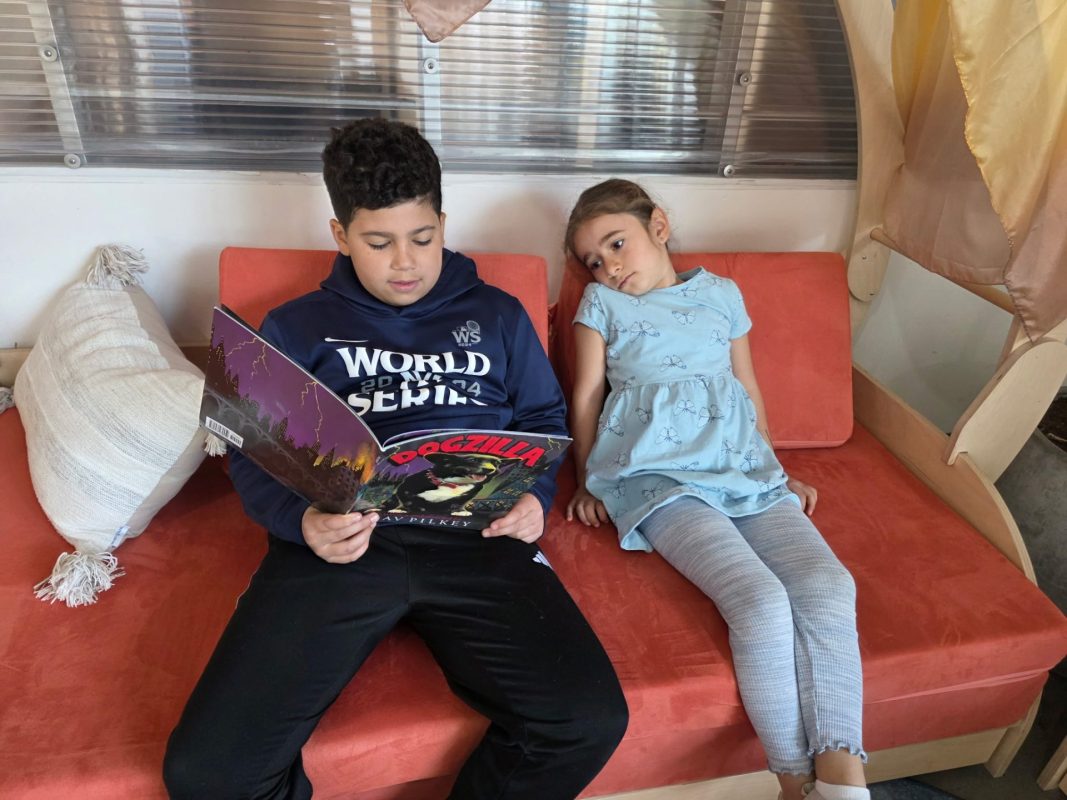
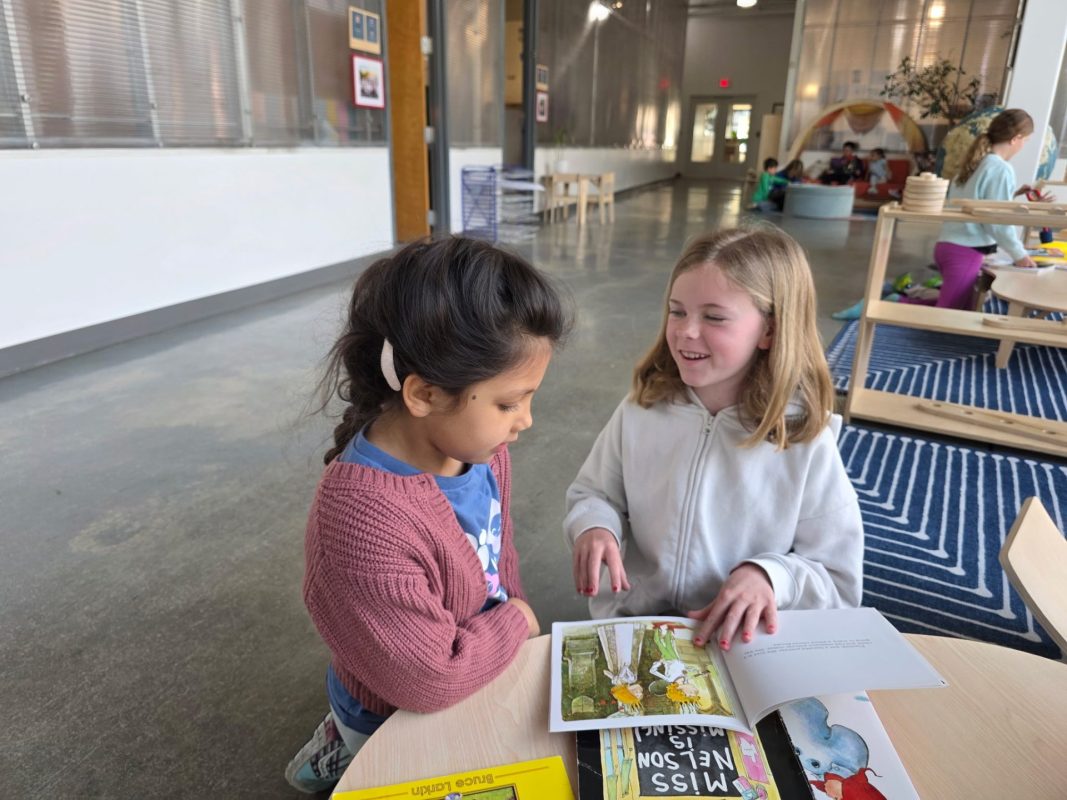
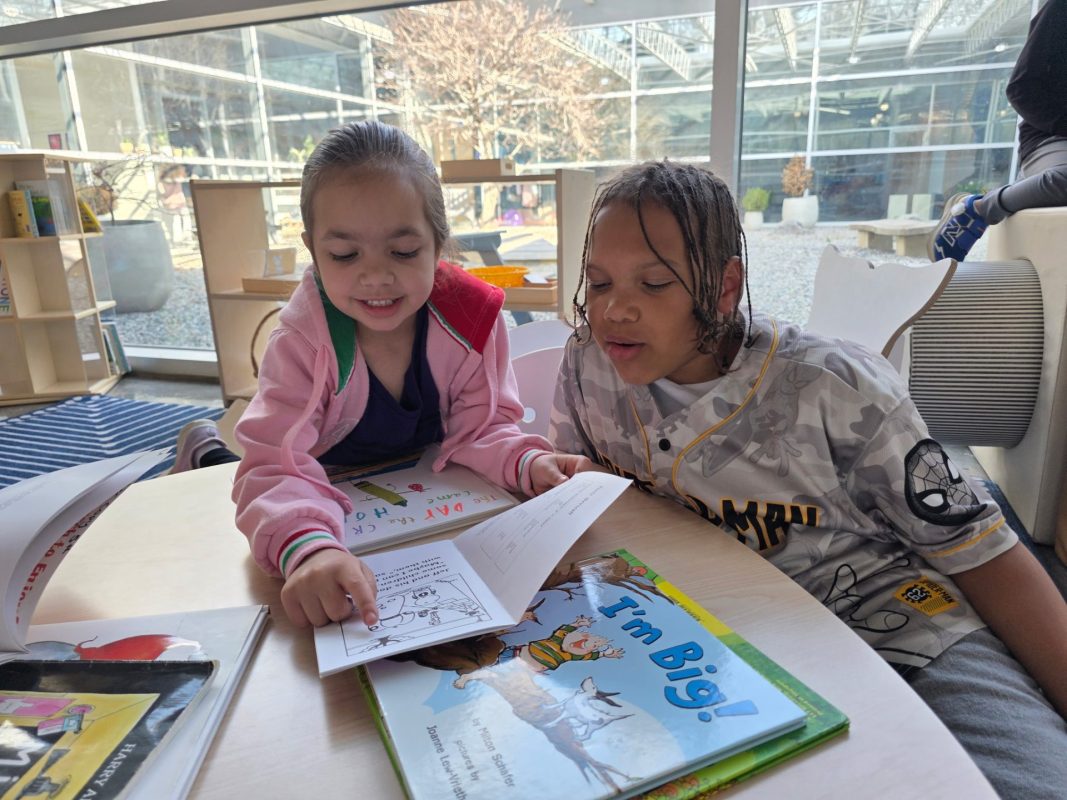
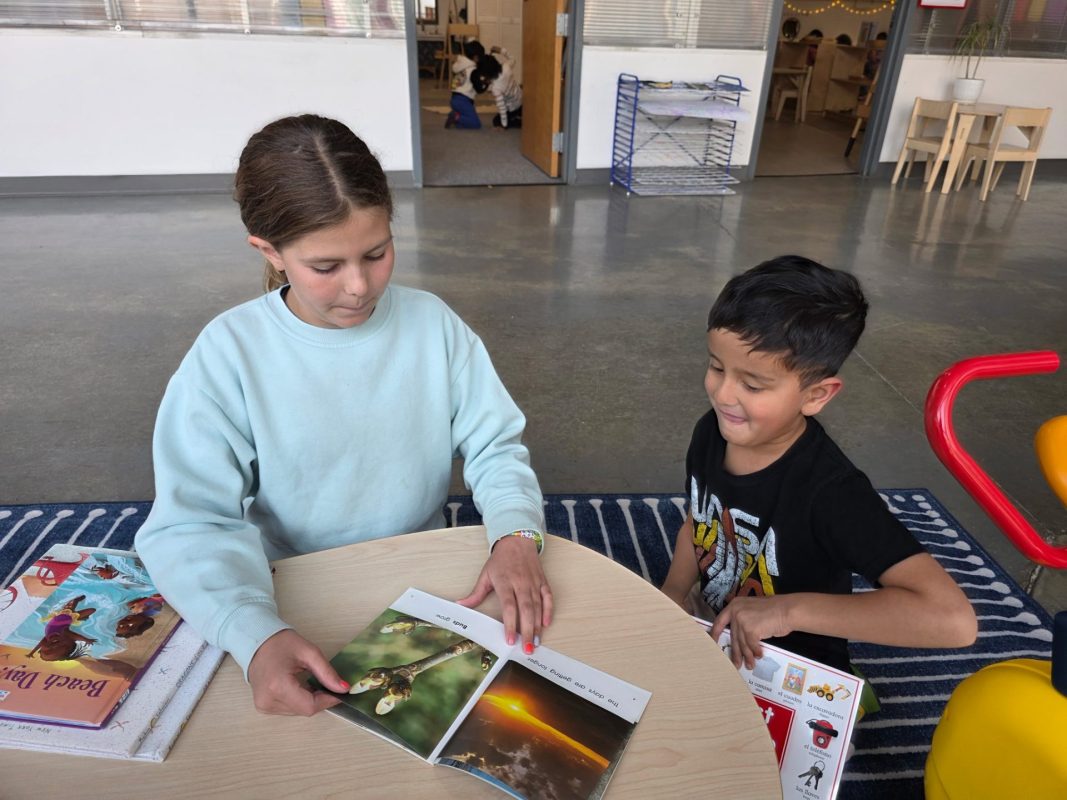
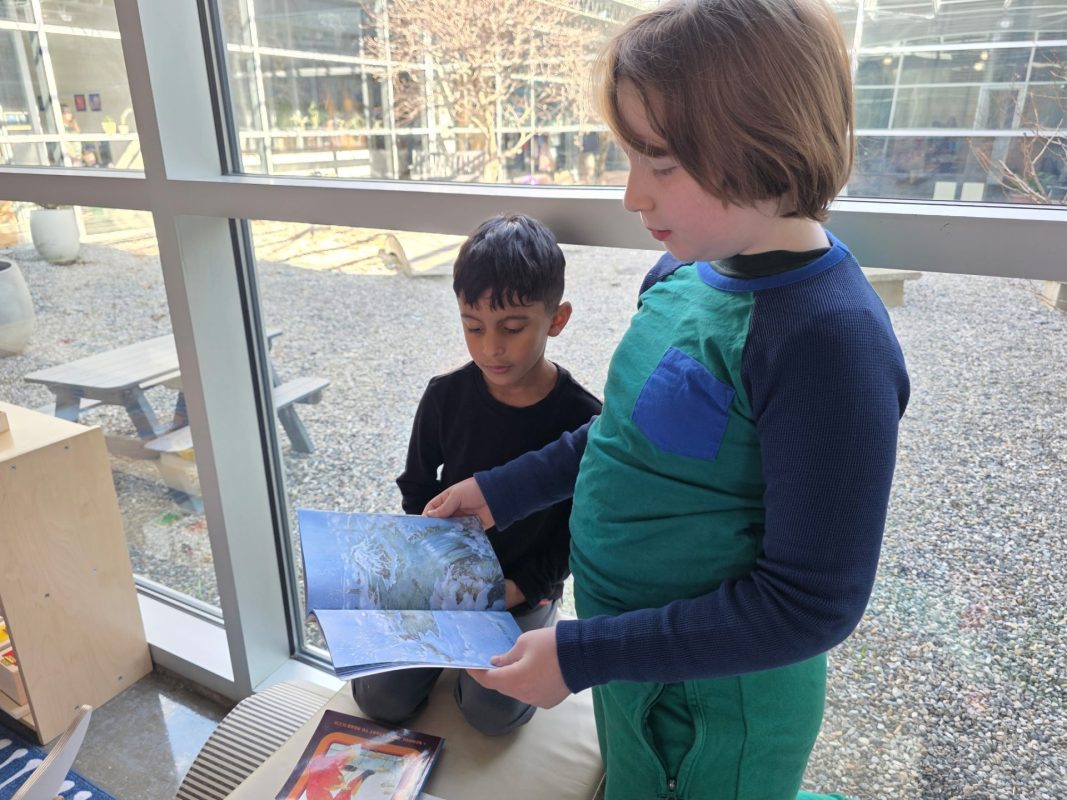
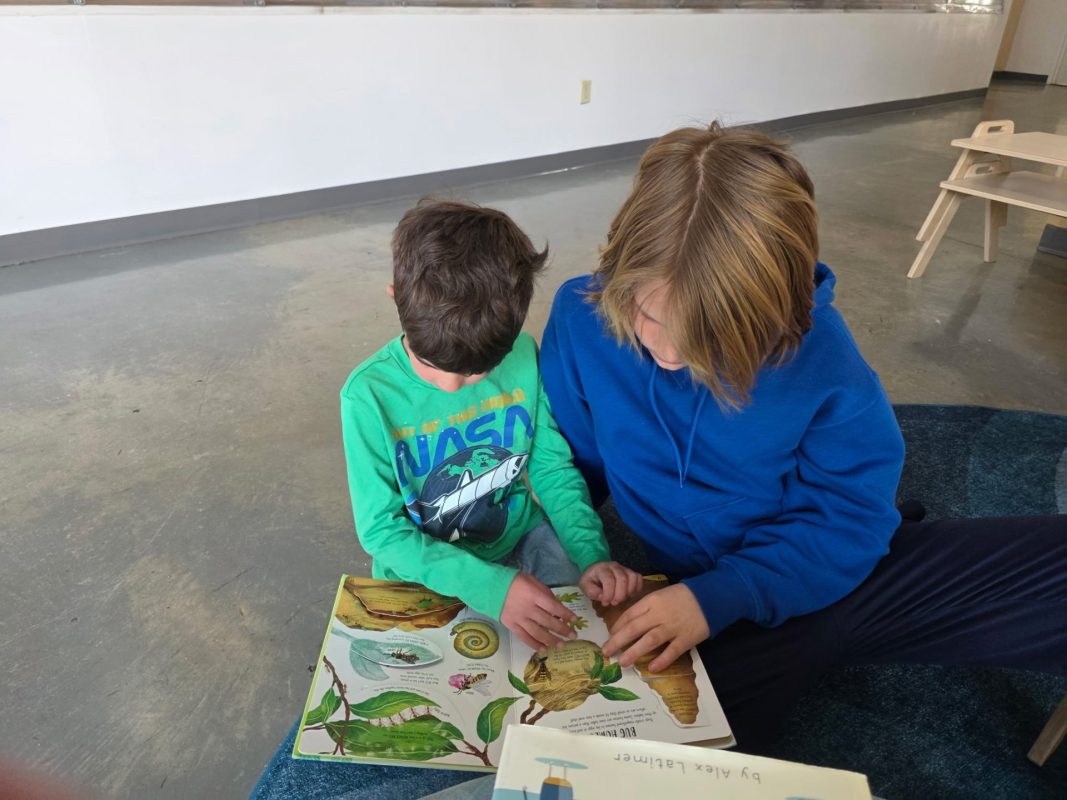
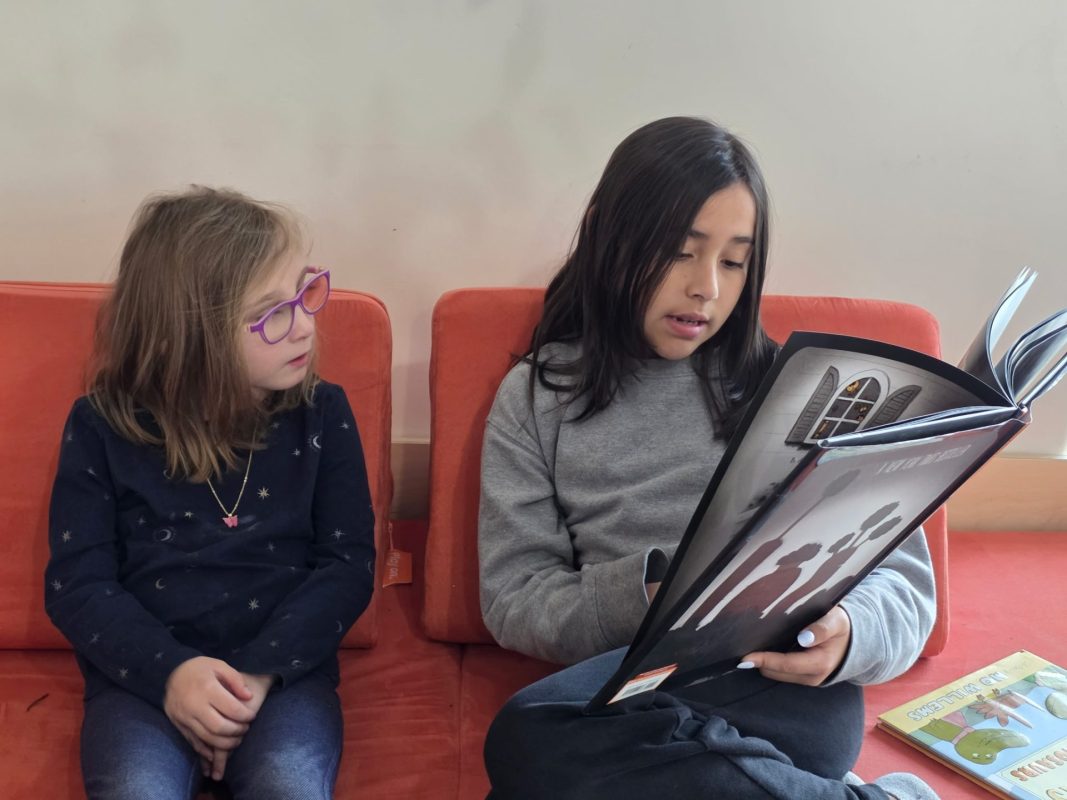
We wrapped up our week with a focus on serving others. On Thursday, we made over 200 sandwiches for St. Vincent DePaul soup kitchen in Waterbury. Thank you to everyone who contributed sandwich ingredients, and a special thank you to Moira and Jeannine for your help in making the sandwiches, as well as to Teresa for delivering them to the soup kitchen! On Friday, Upper El students enjoyed buddy reading with their kindergarten book buddies.


Upcoming Dates:

  • Friday, April 24
    • No school – Student-Parent-Teacher Conferences
  • Friday, May 1
    • Grandparents & Special Friends Day
    • Spring Concert
  • Saturday, May 2
    • Springfest

Mrs. Wilson: The Growth of Imaginative Play

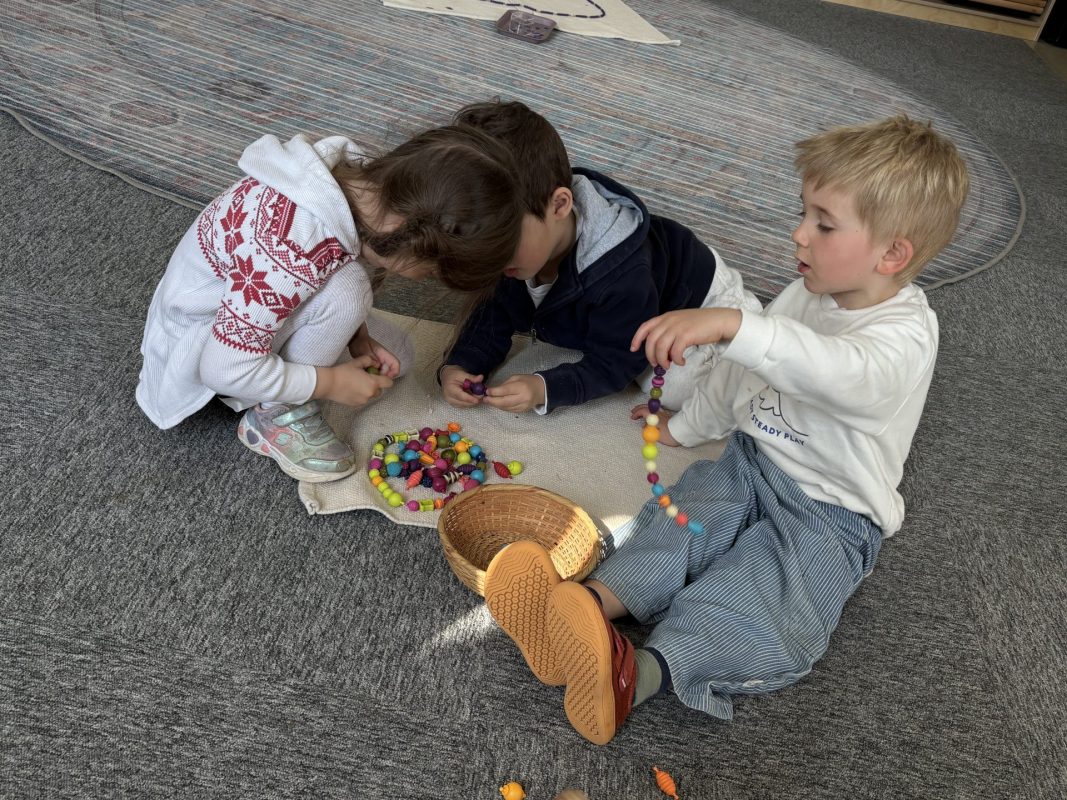
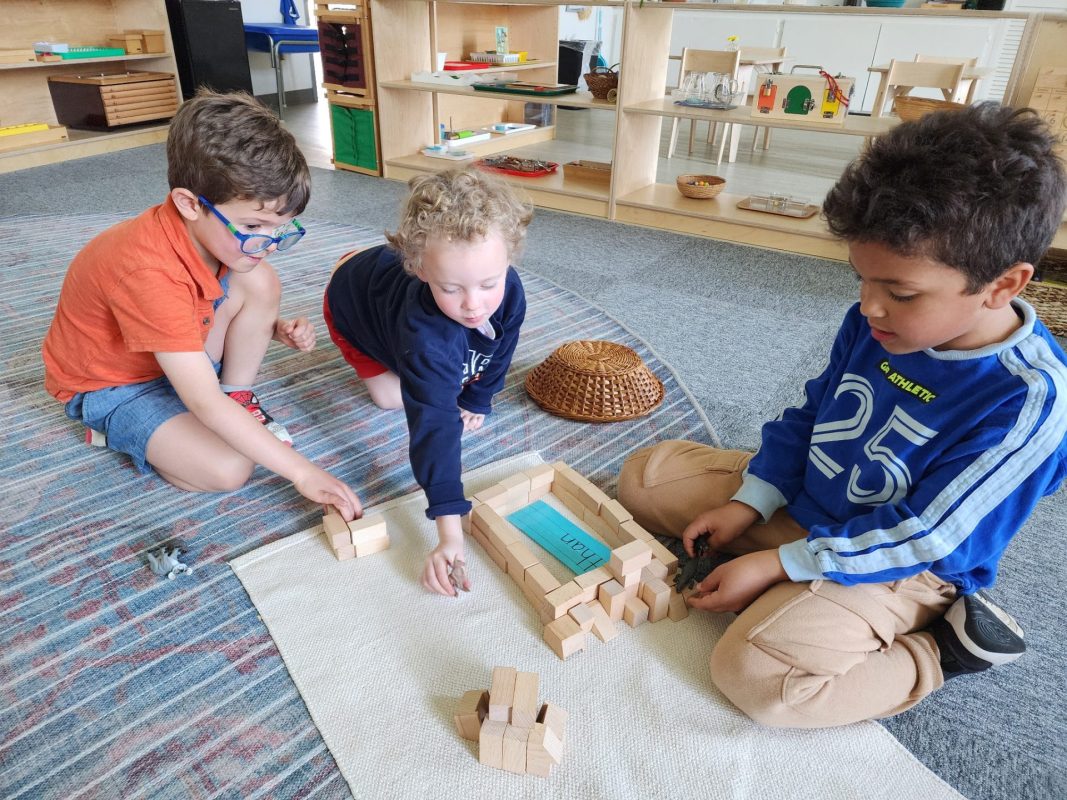
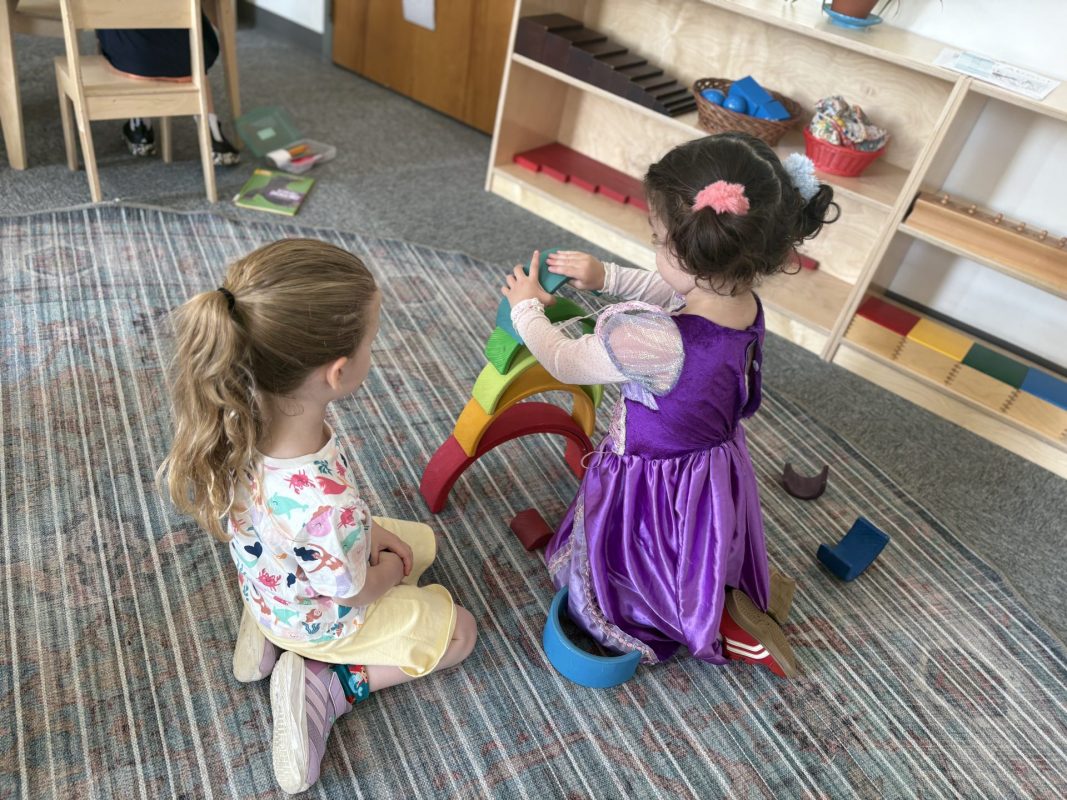
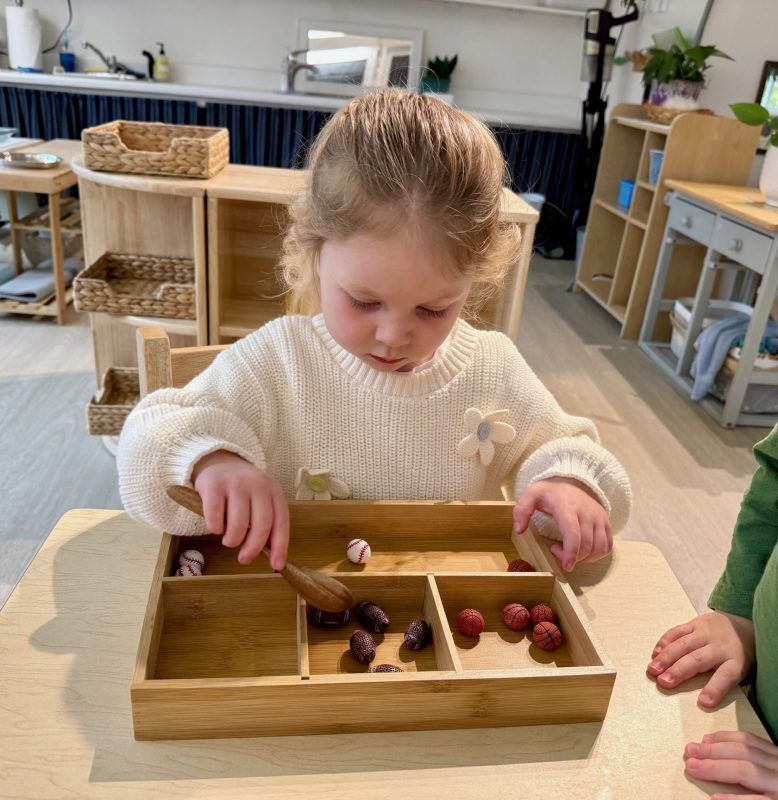
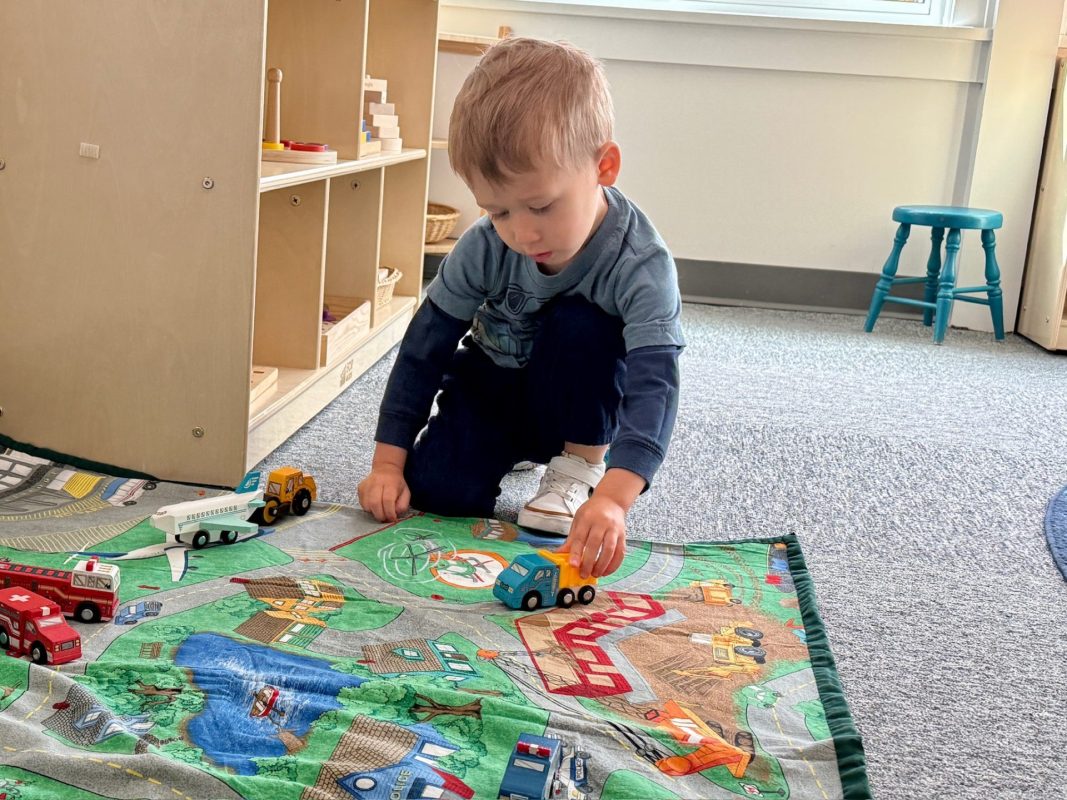
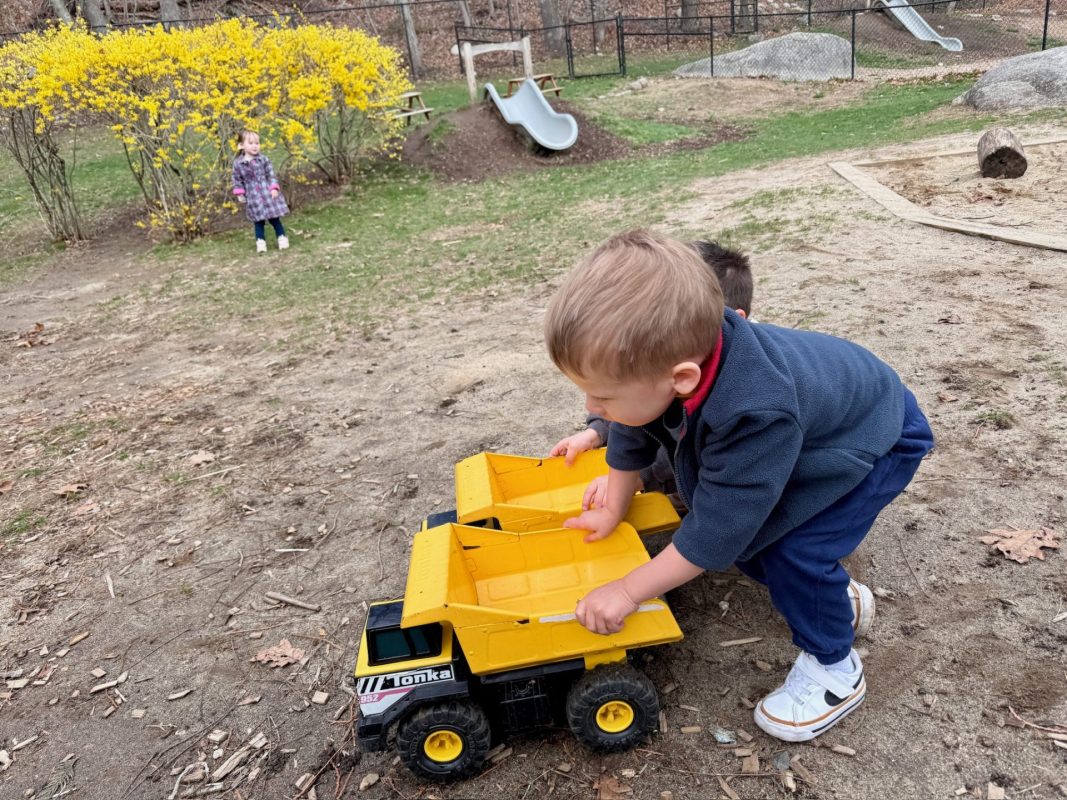
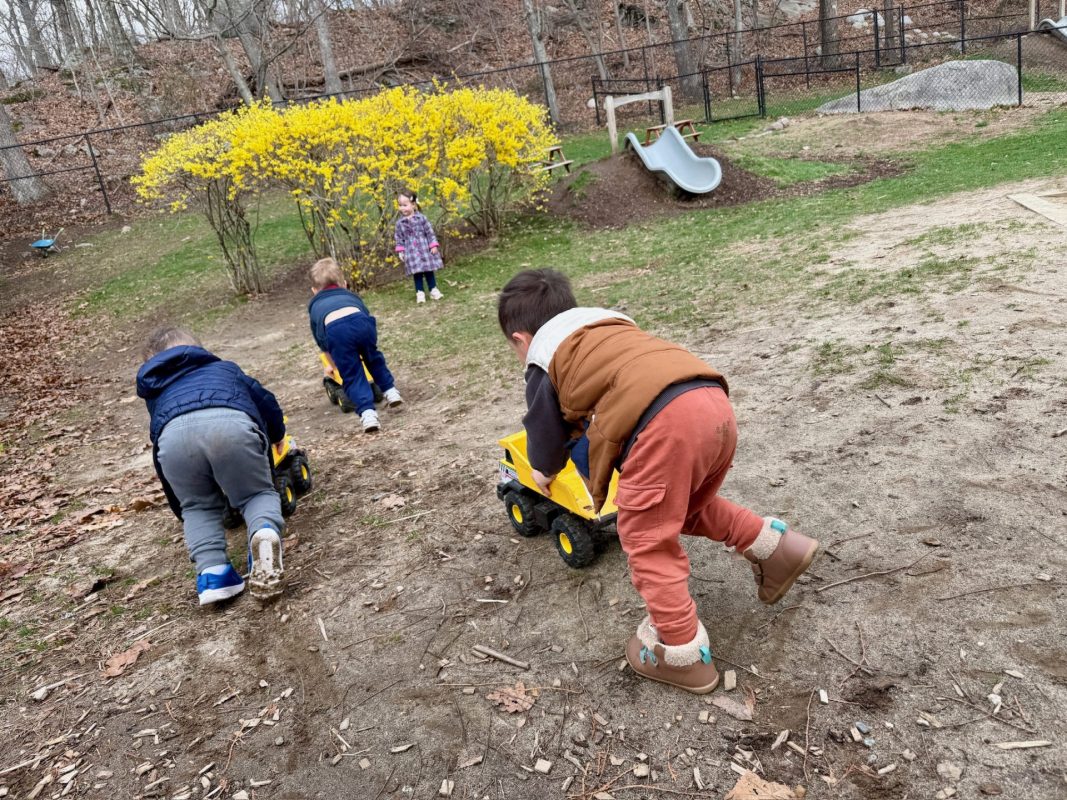
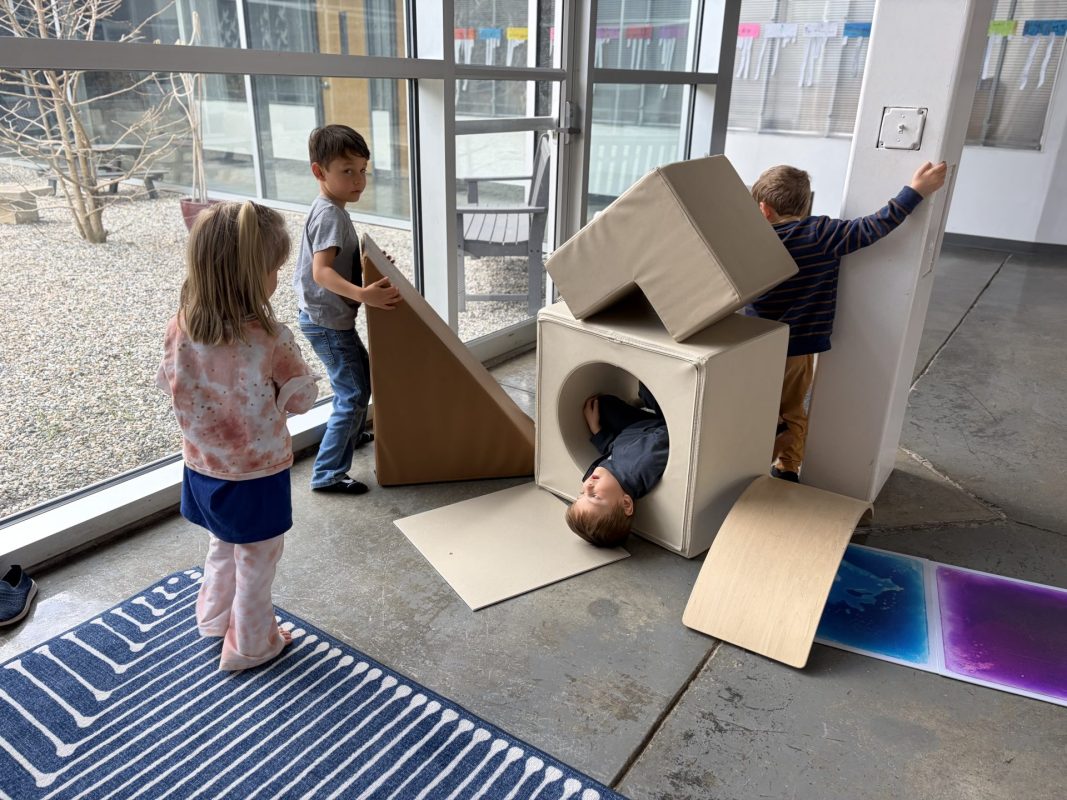
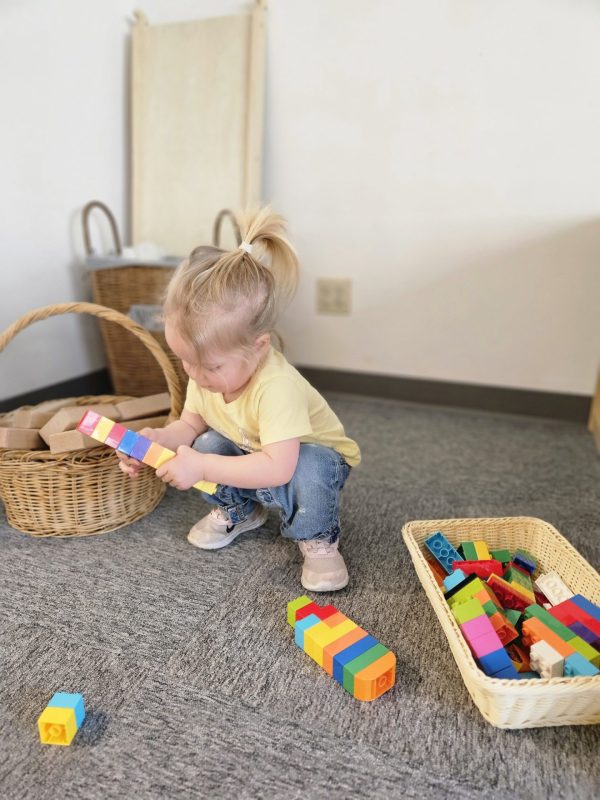
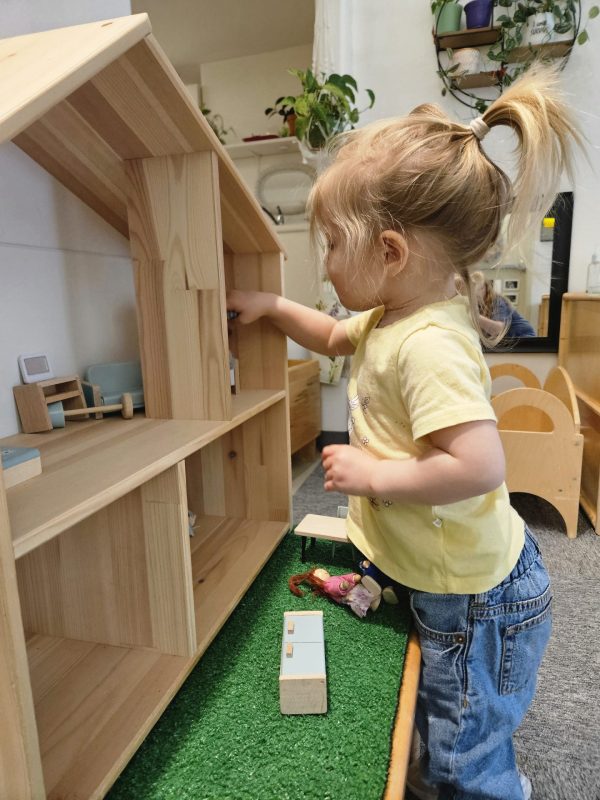
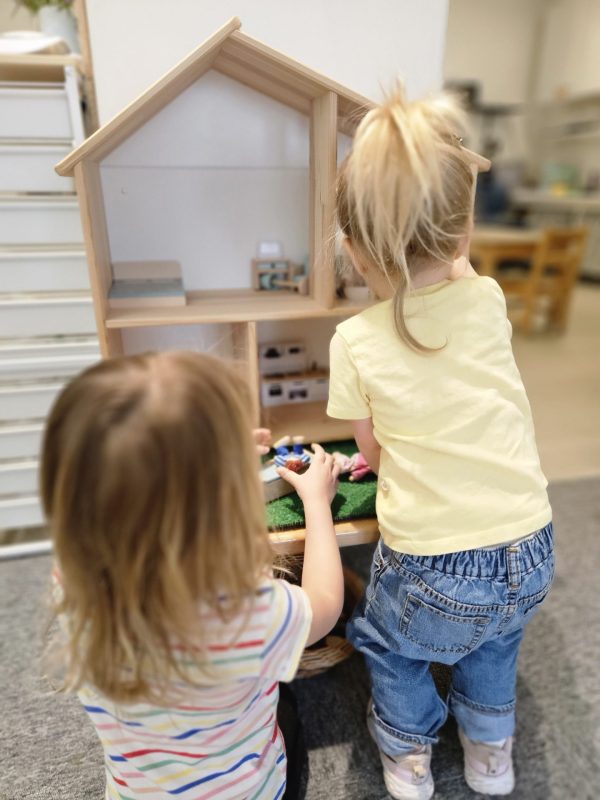
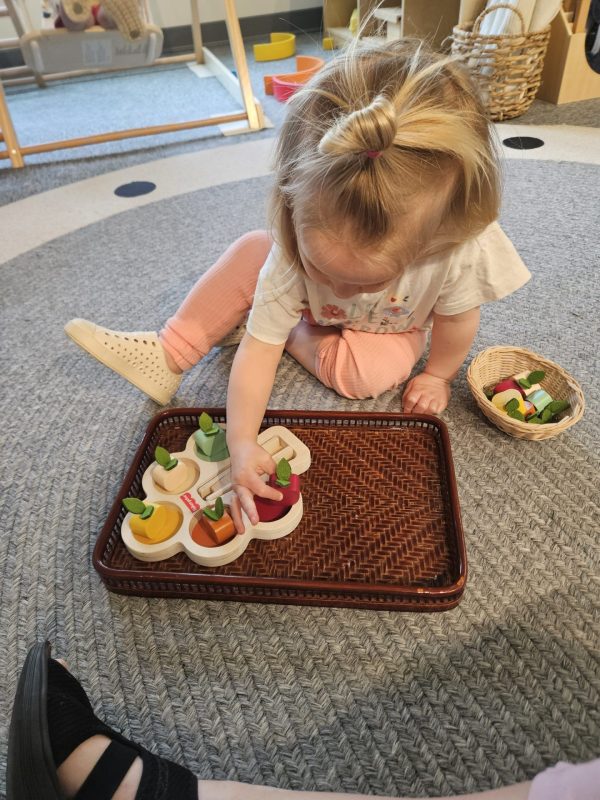
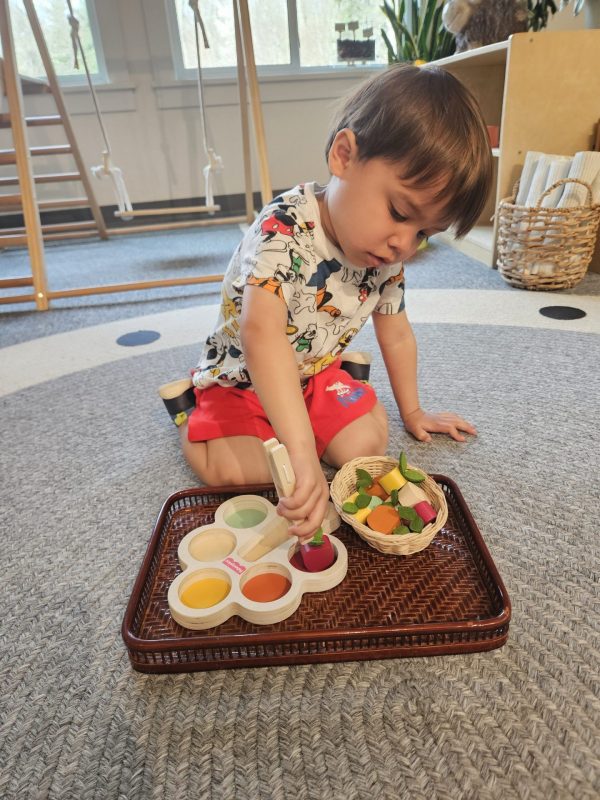
At this time of year, we begin to notice a shift in the children’s play. As they grow, their interactions become more connected and intentional. While some younger children are still engaging in parallel play, our older toddlers are beginning to move into cooperative play—working together, sharing ideas, and building relationships through their experiences.
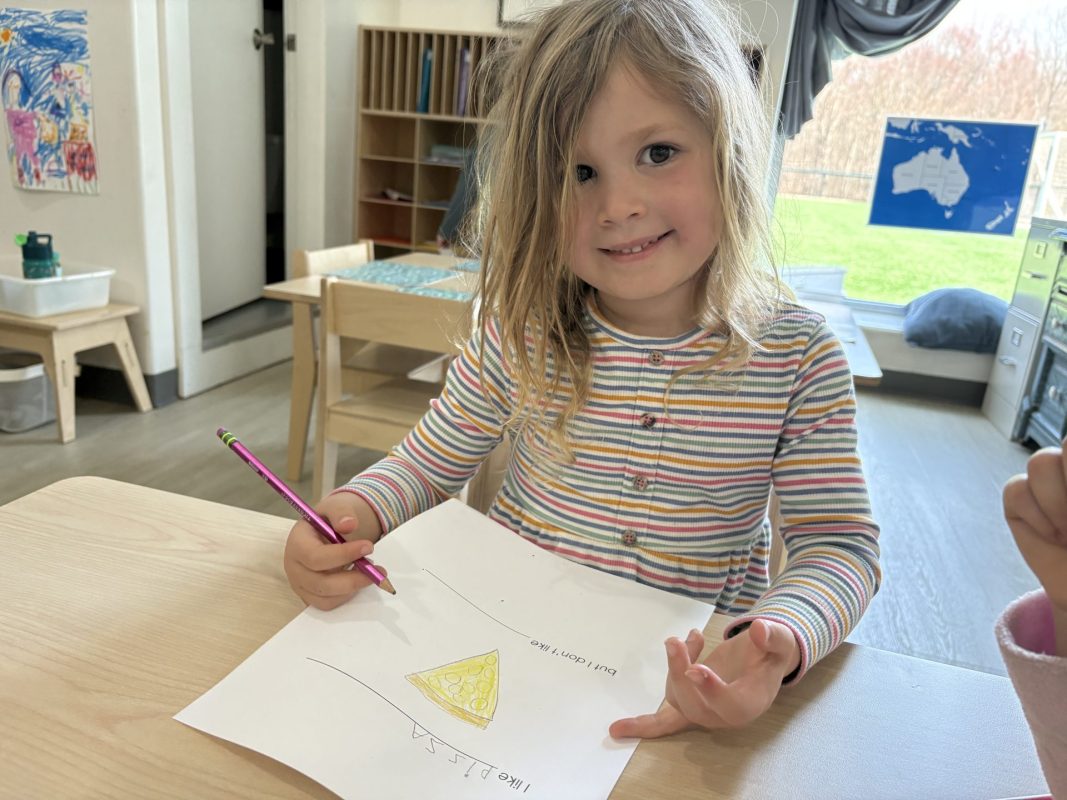
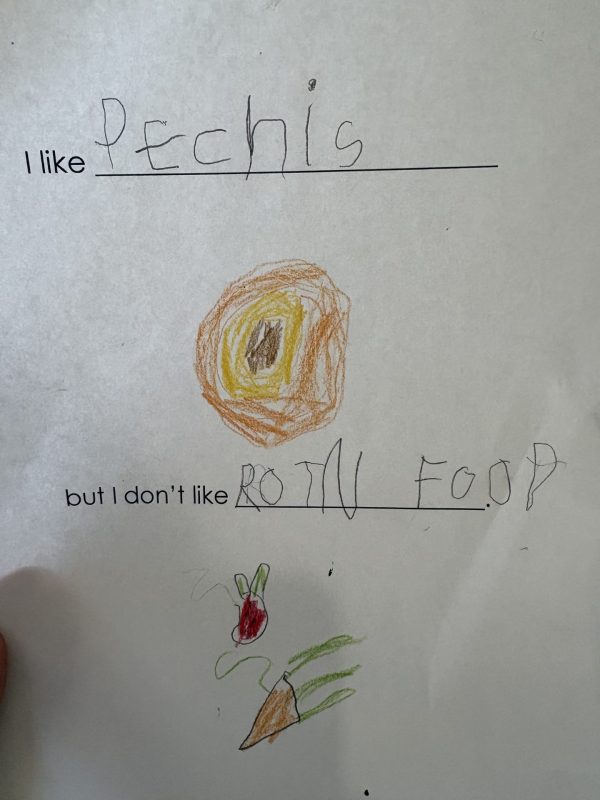
We are seeing the emergence of both symbolic and pretend play in the classroom. Children are using objects to represent something else, such as a block becoming a phone, or acting out familiar, real-life experiences like cooking or caring for others. At this stage, their play is often rooted in reality, reflecting their growing understanding of the world around them.
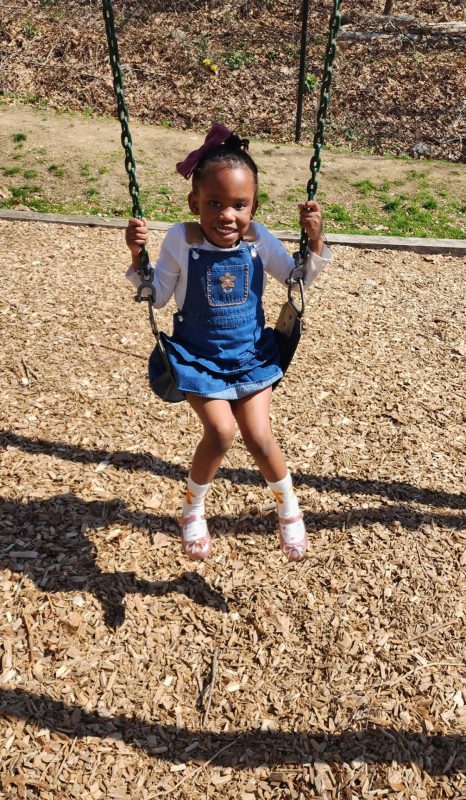
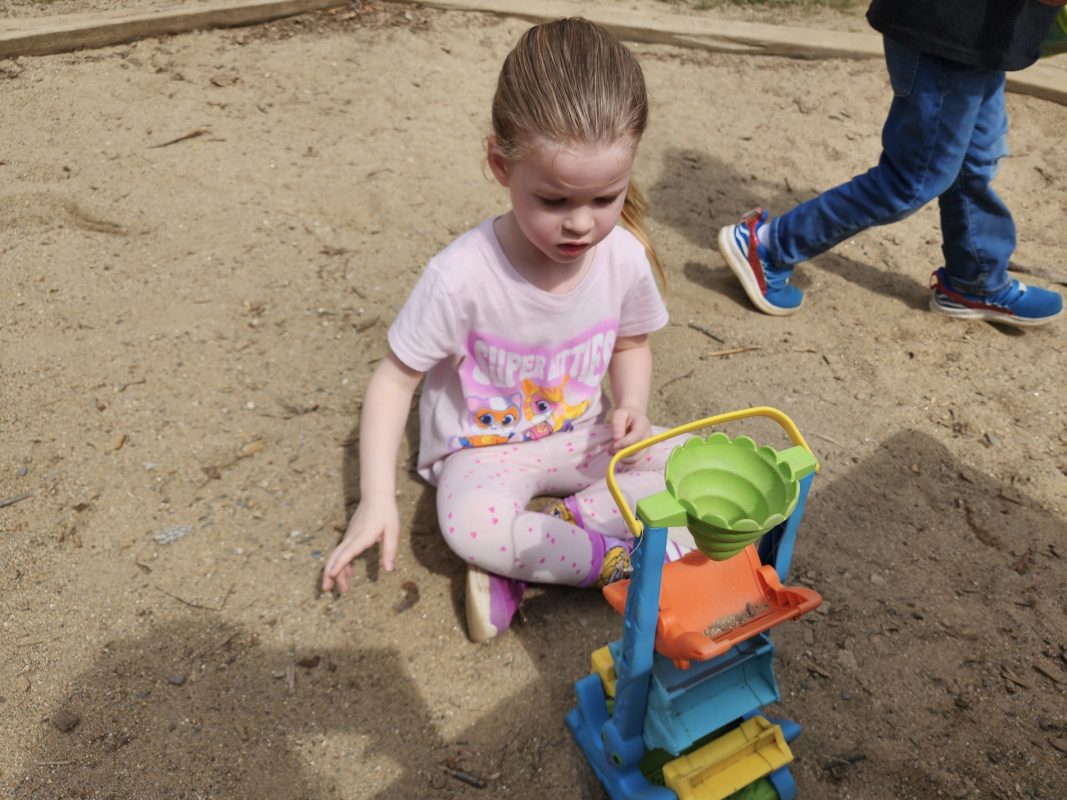
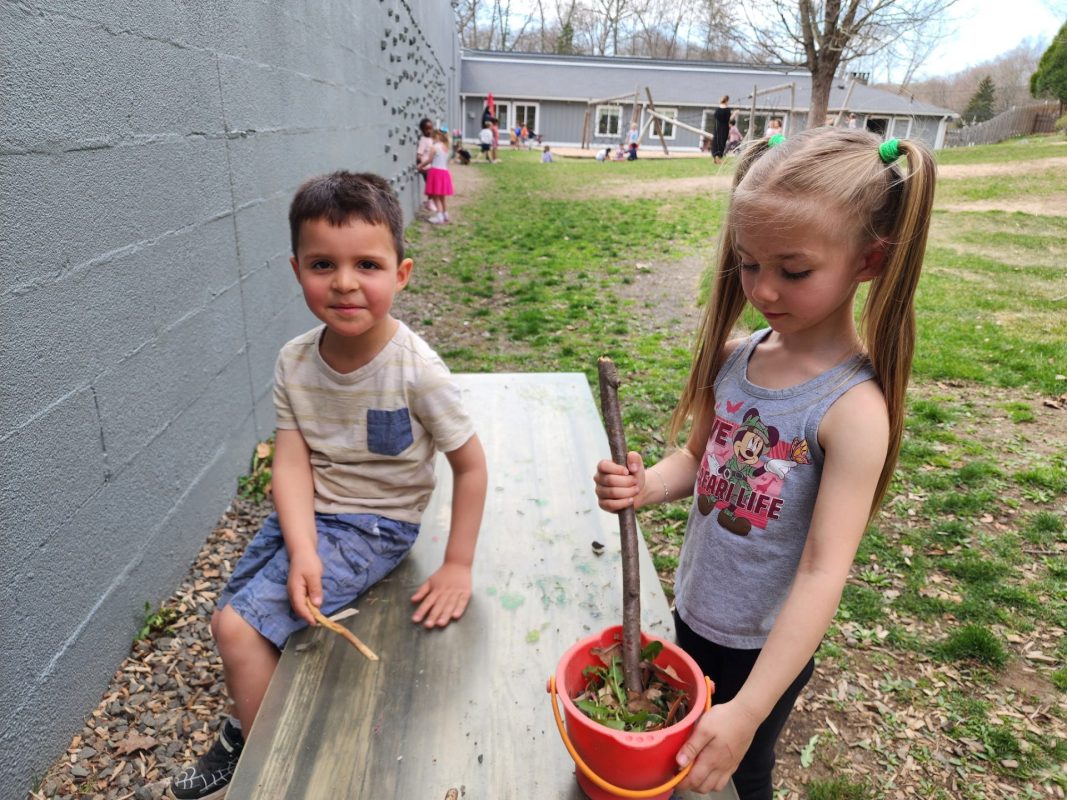
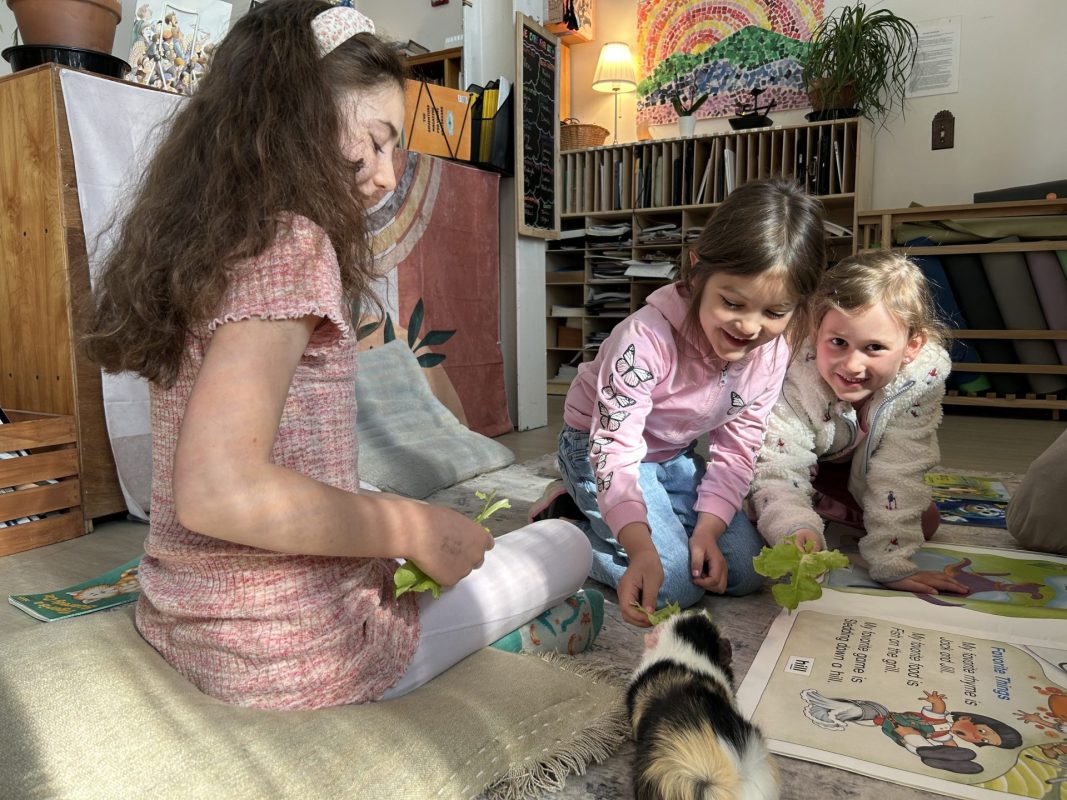
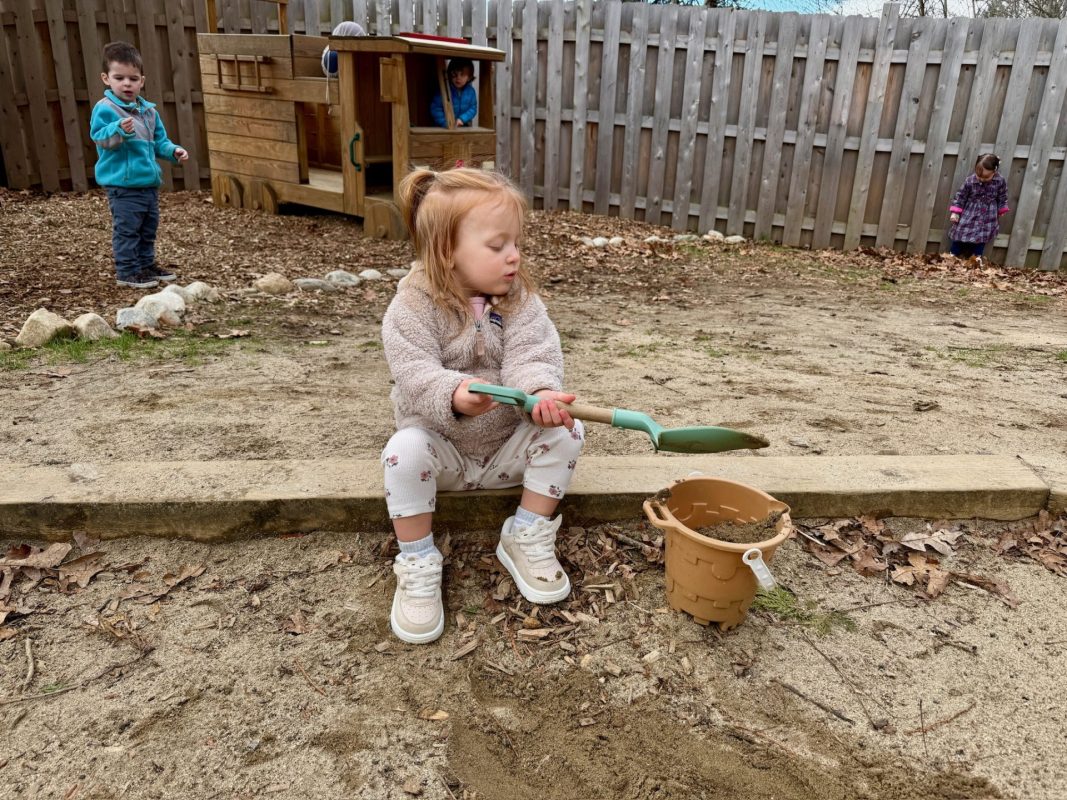
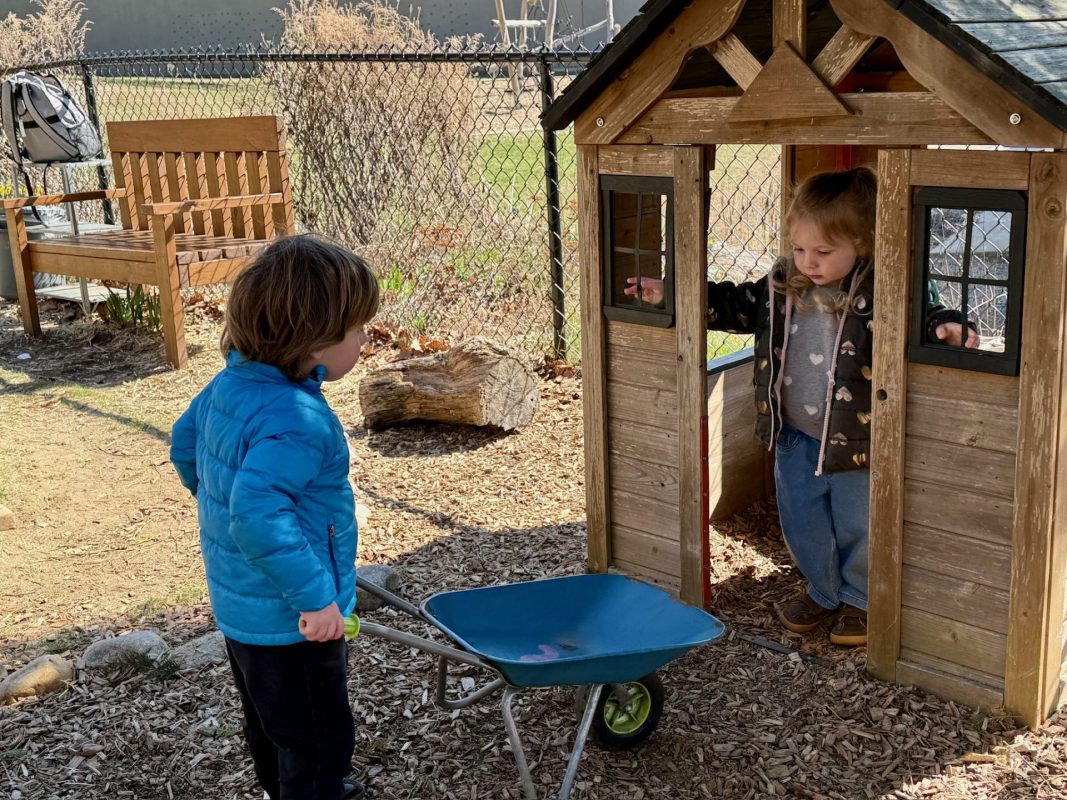
The outdoor mud kitchen has become a space for collaboration and creativity, with children preparing “meals” and engaging in shared storytelling. In another moment, two children sat together “watching a movie,” focusing on the same space and building a shared idea through conversation—an example of deep connection and concentration.

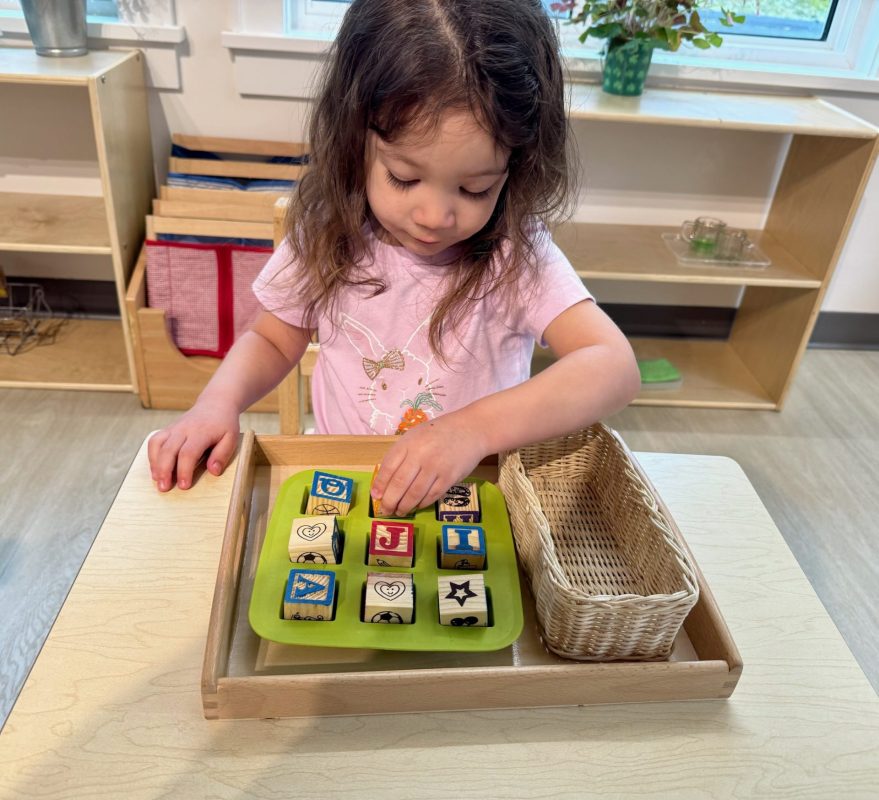
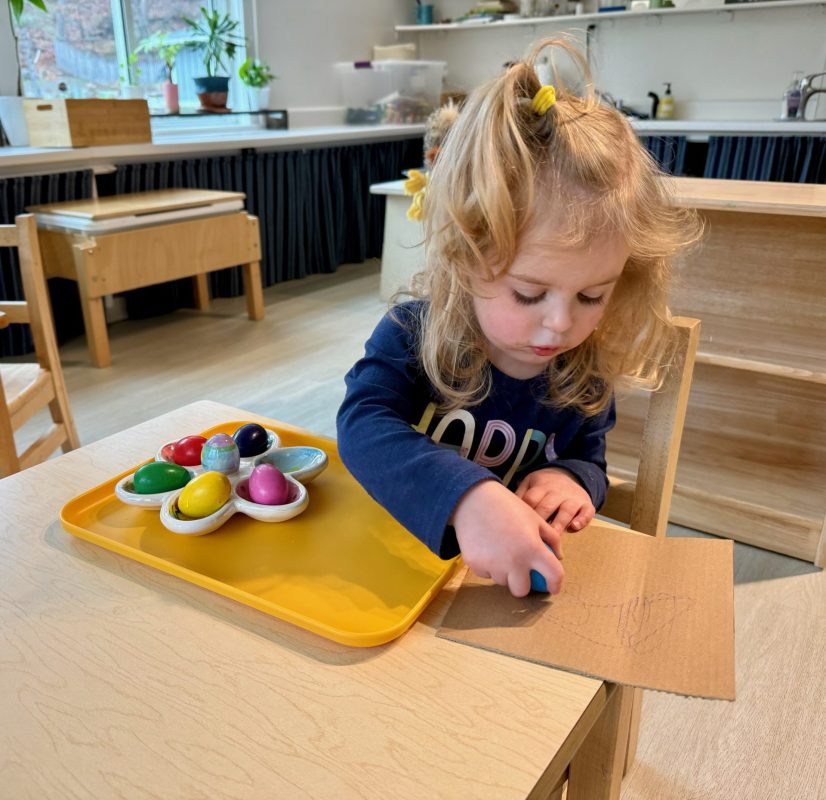
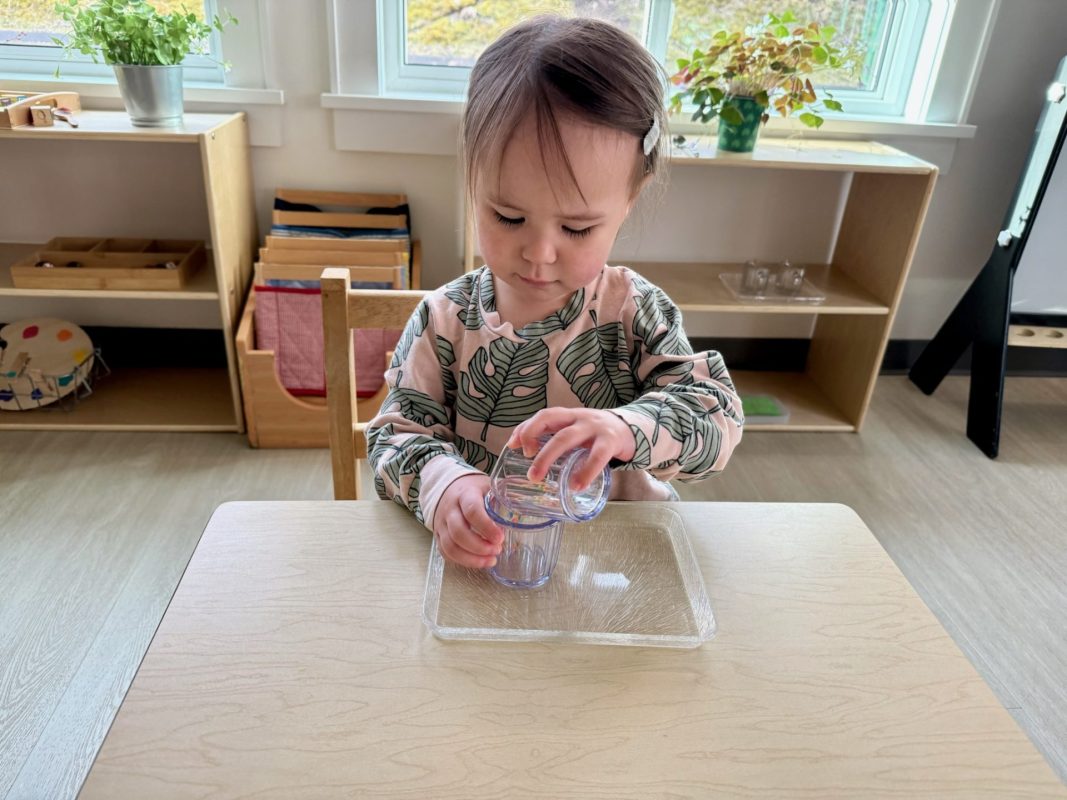
In a Montessori toddler environment, we value this type of play as meaningful work. It supports language development, social connection, and independence. Through these experiences, children practice turn-taking, listening, and expressing their ideas. They are also developing concentration, creativity, and a sense of belonging within their community.

These moments reflect the important work of the child—making sense of their world through purposeful, joyful exploration.

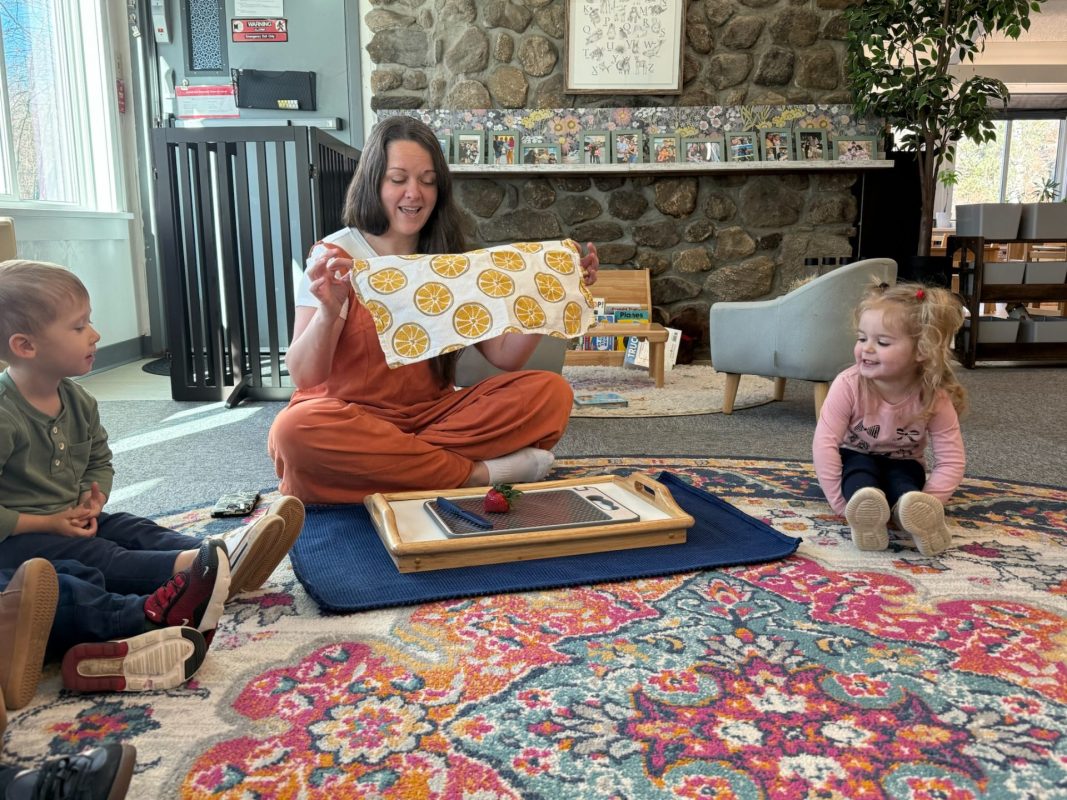
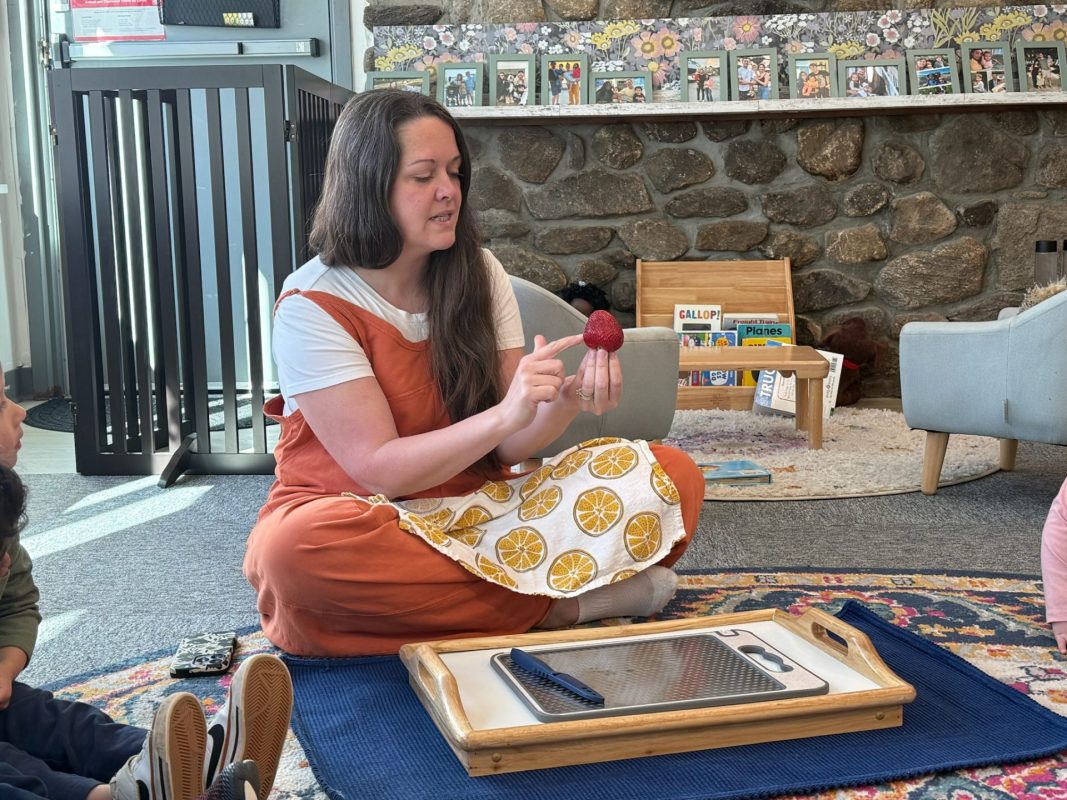
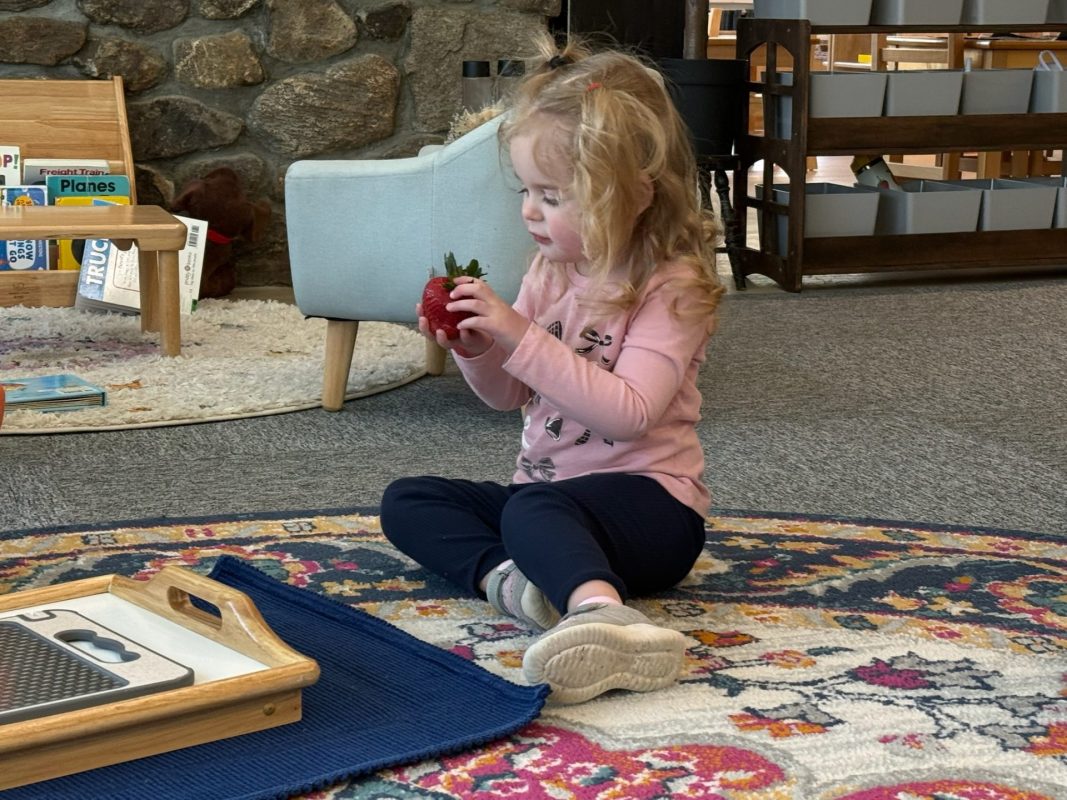
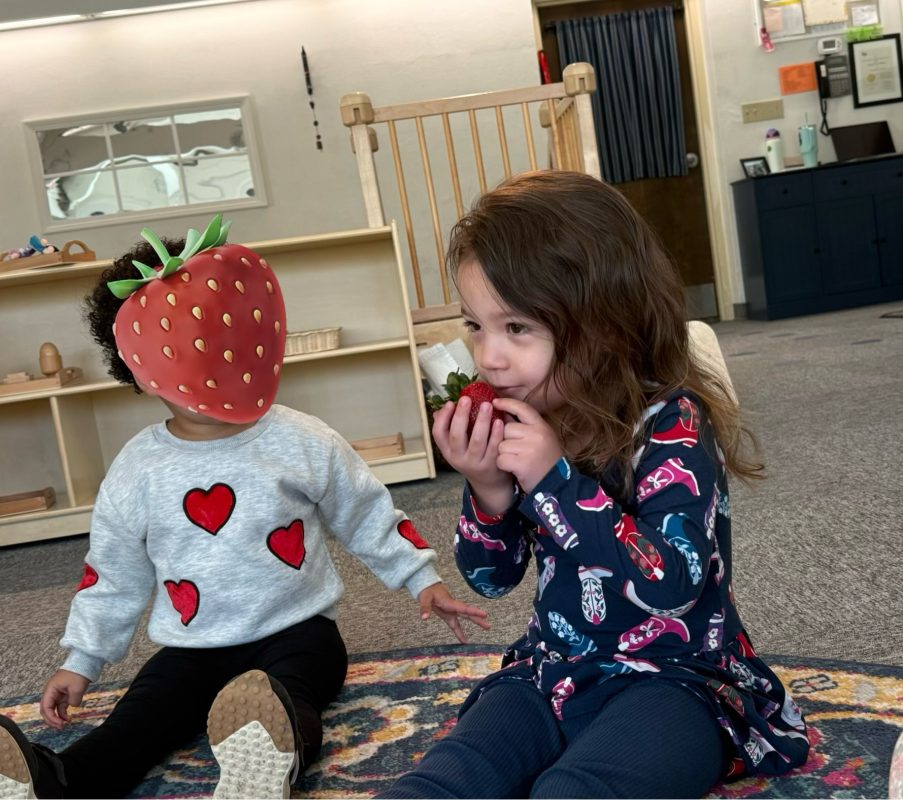
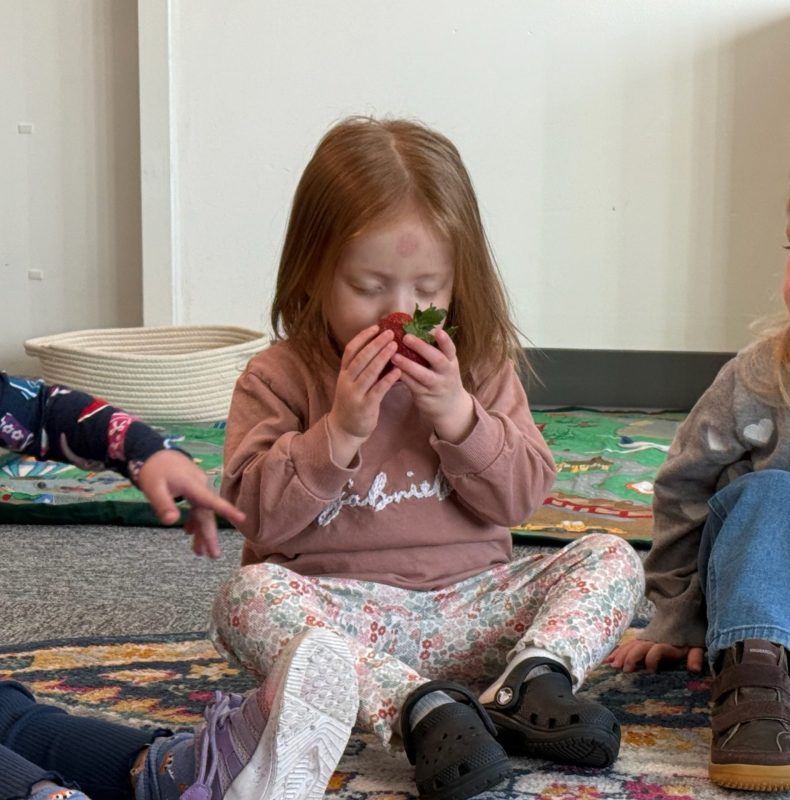
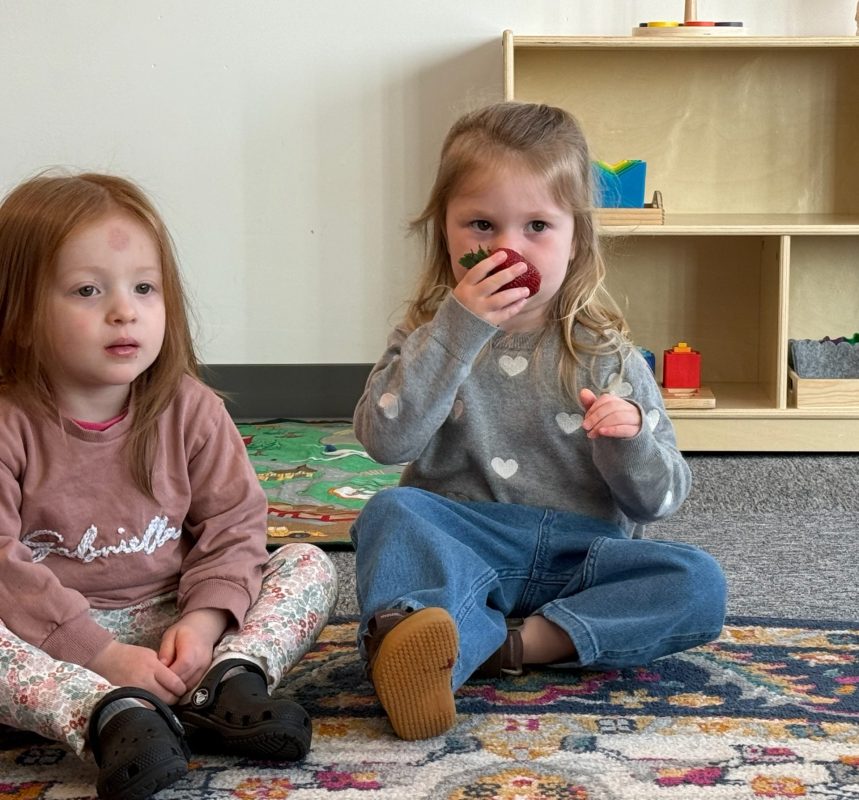
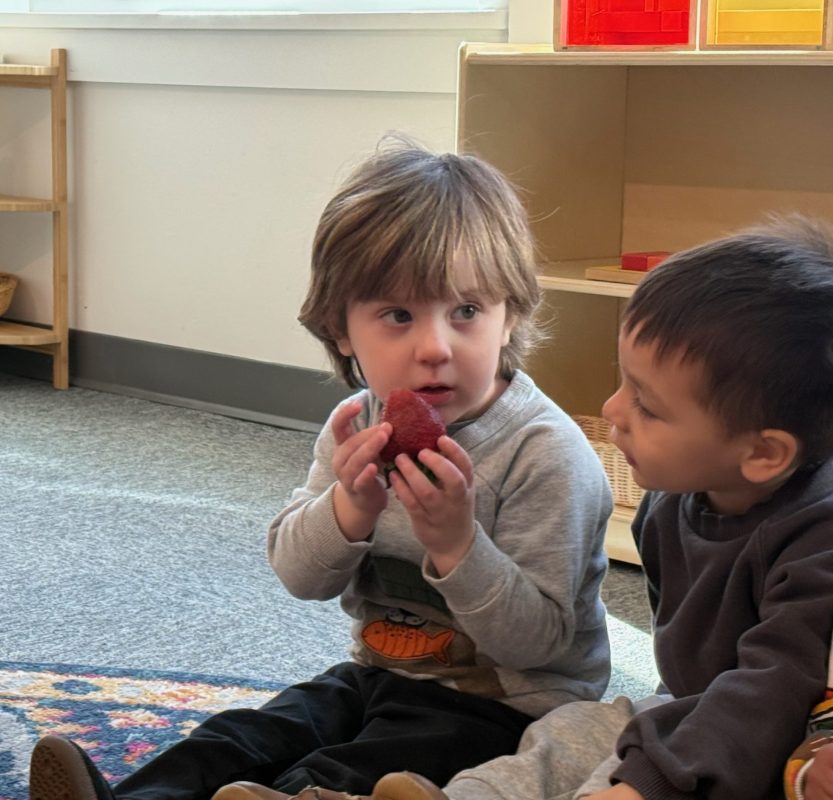
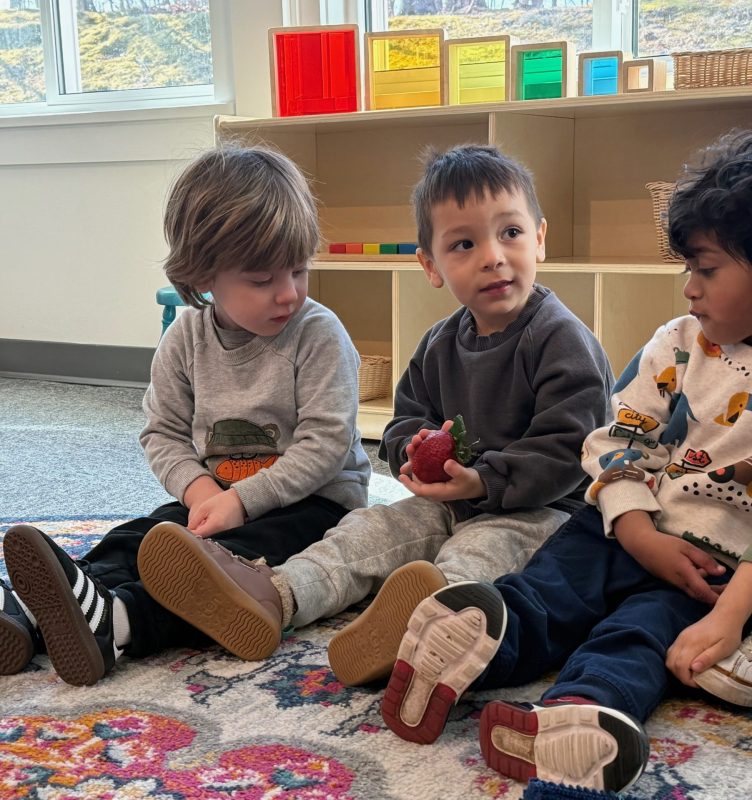
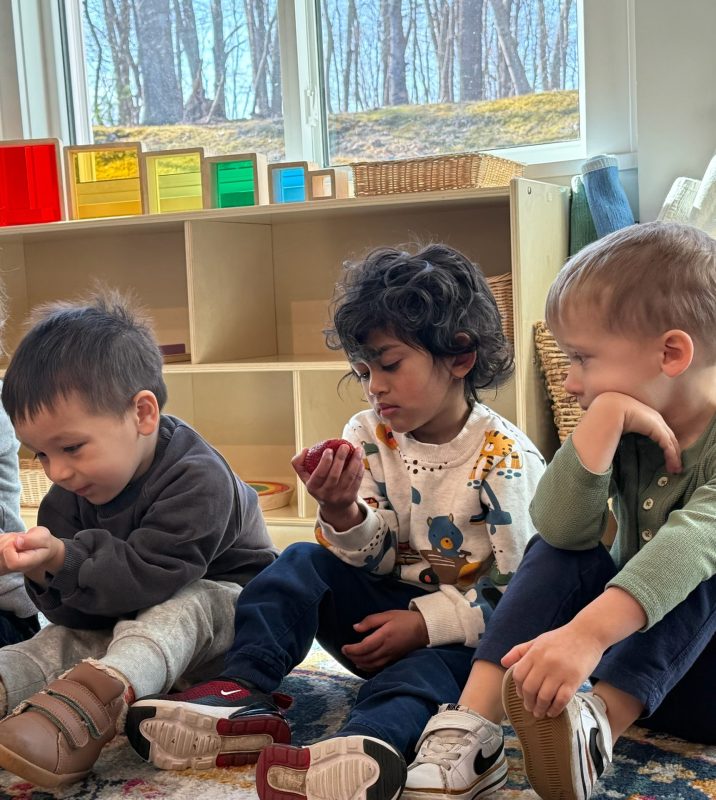
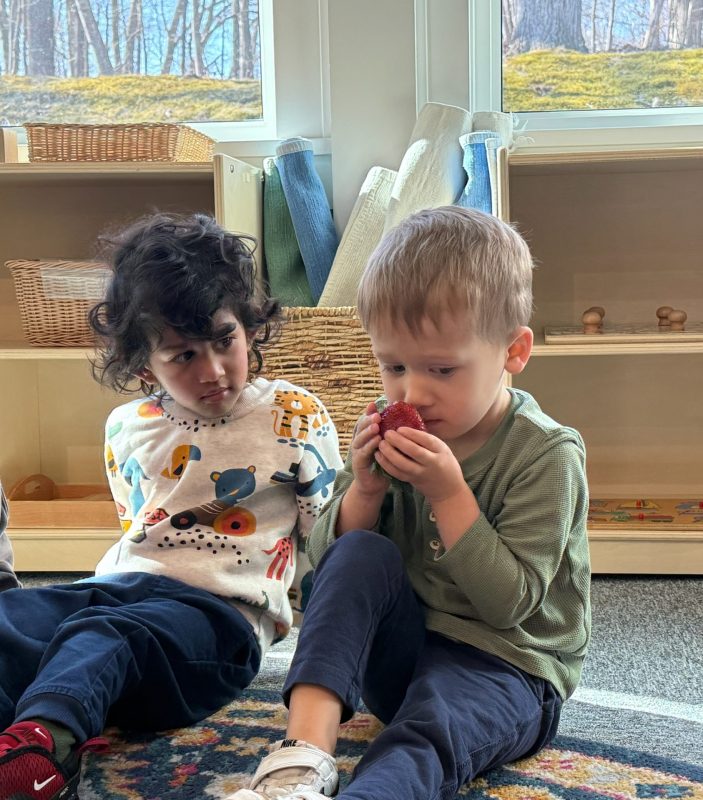
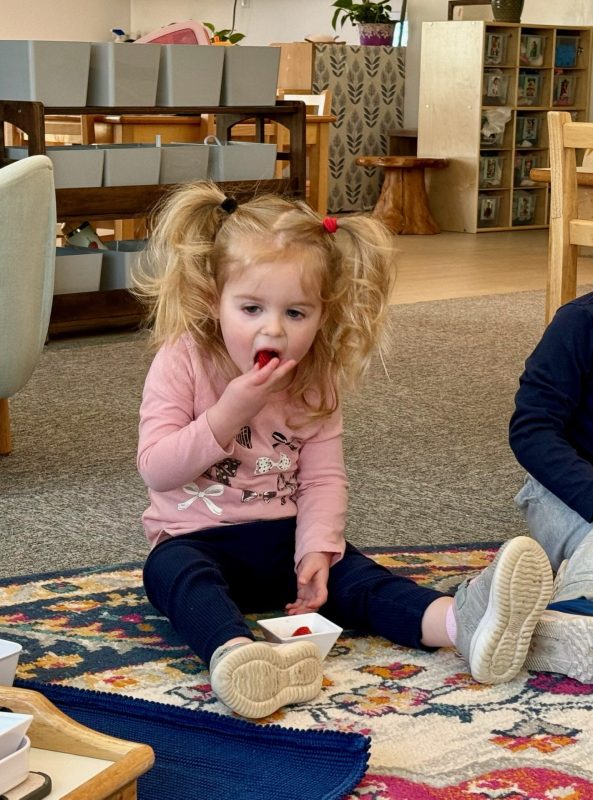
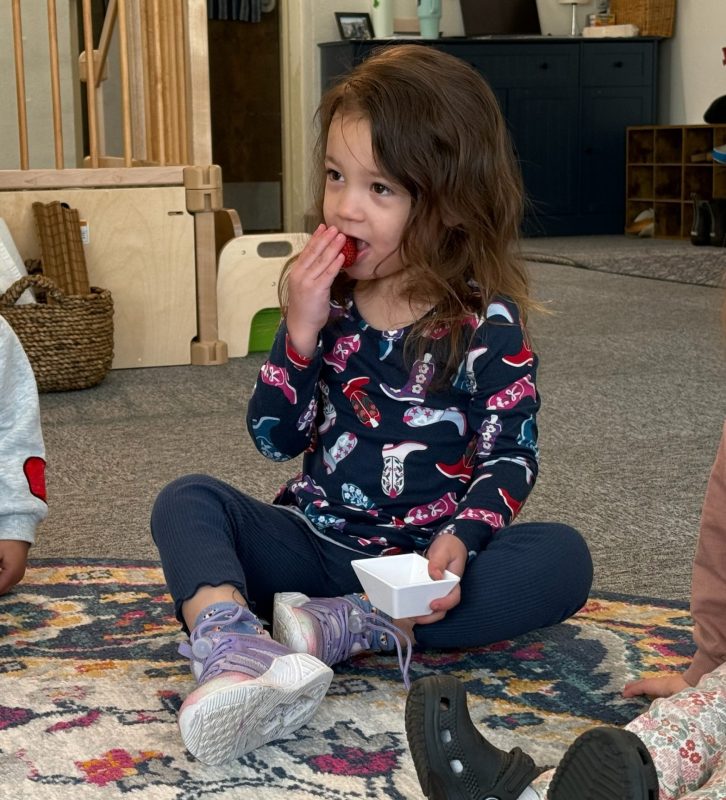
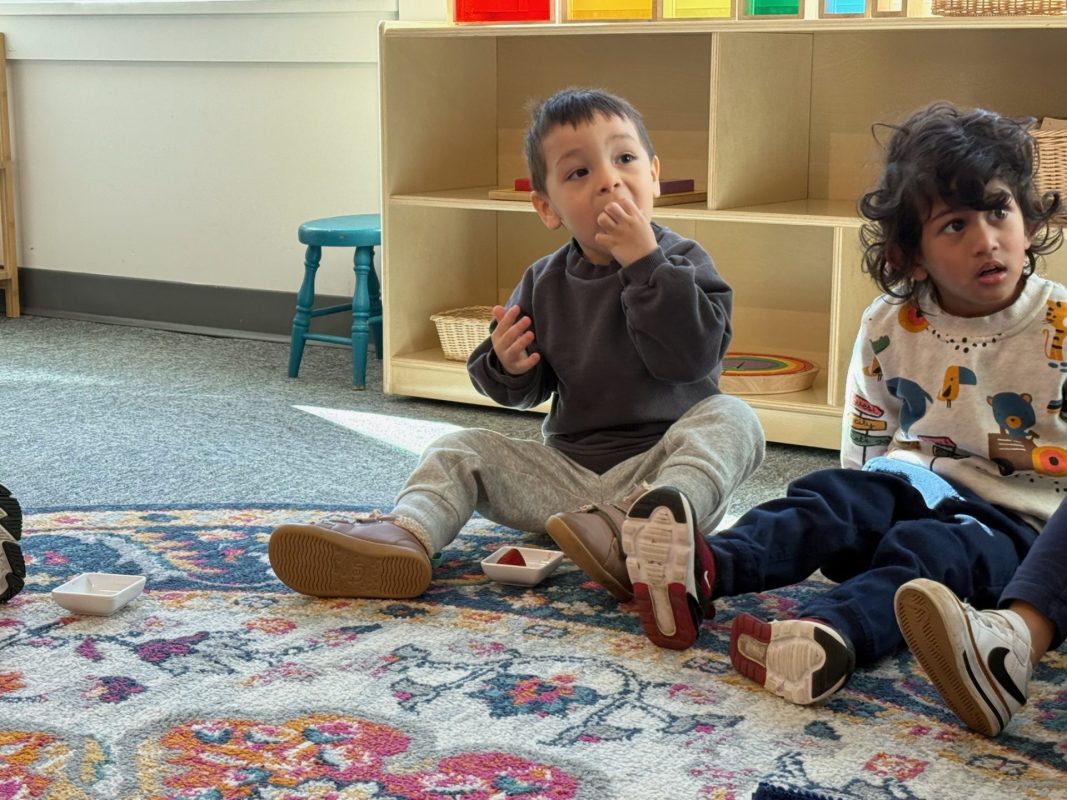
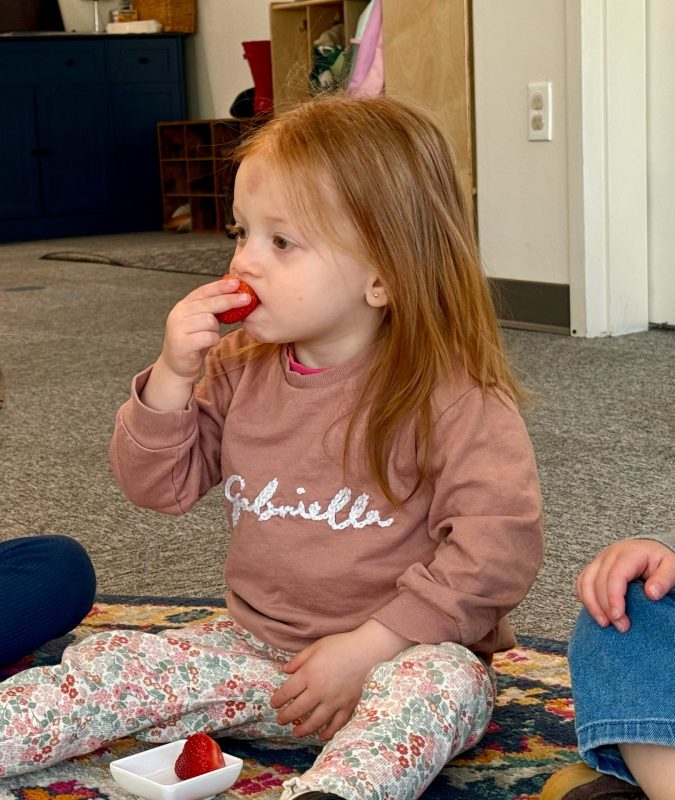
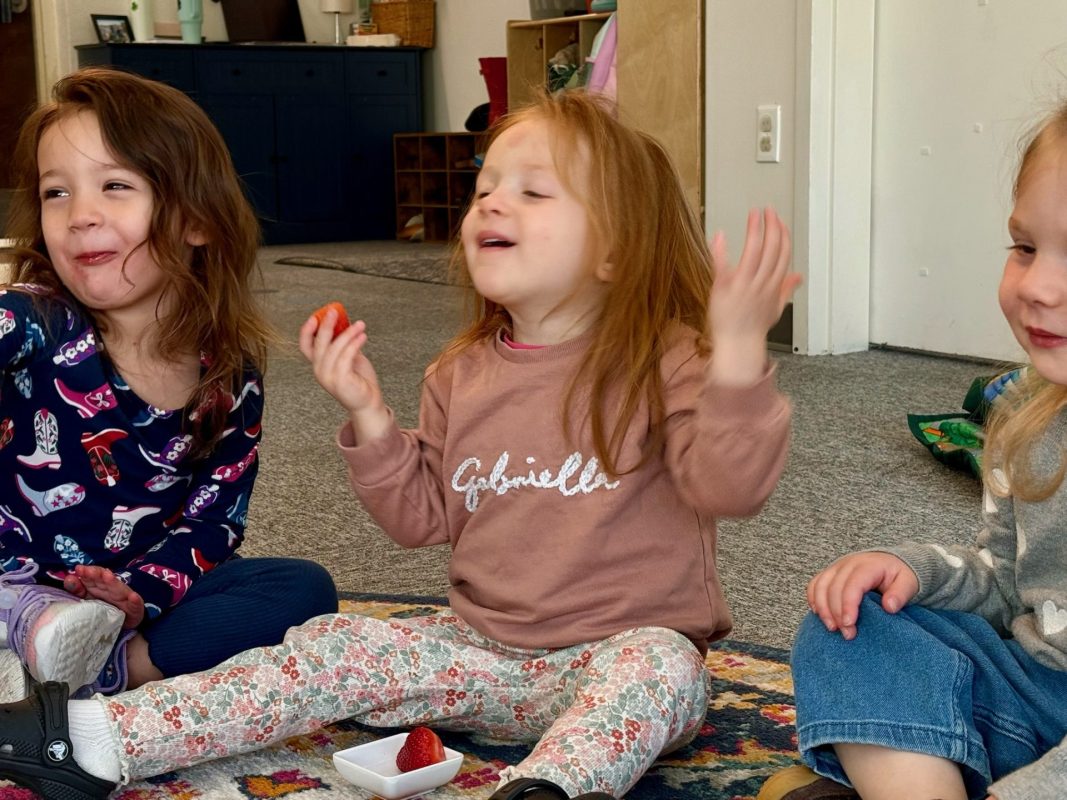
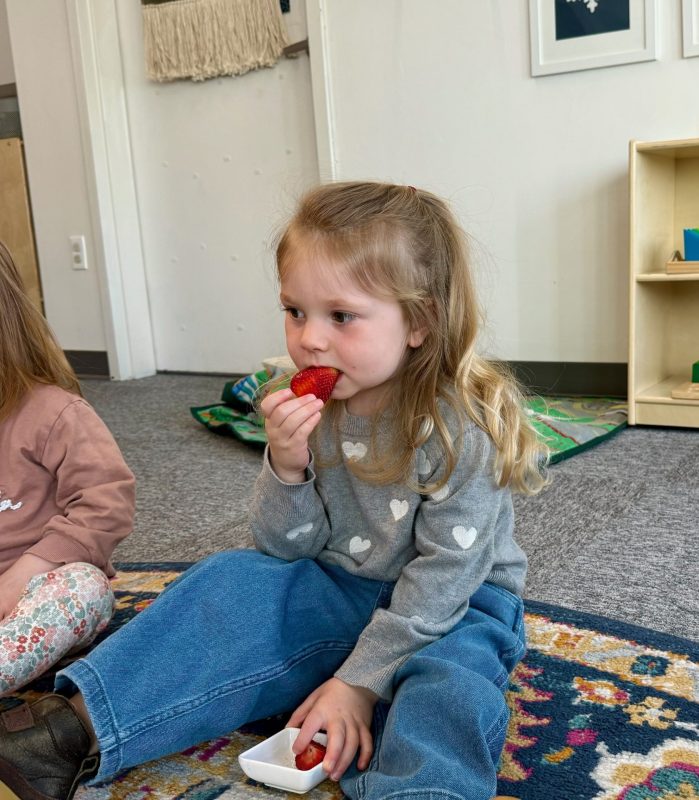
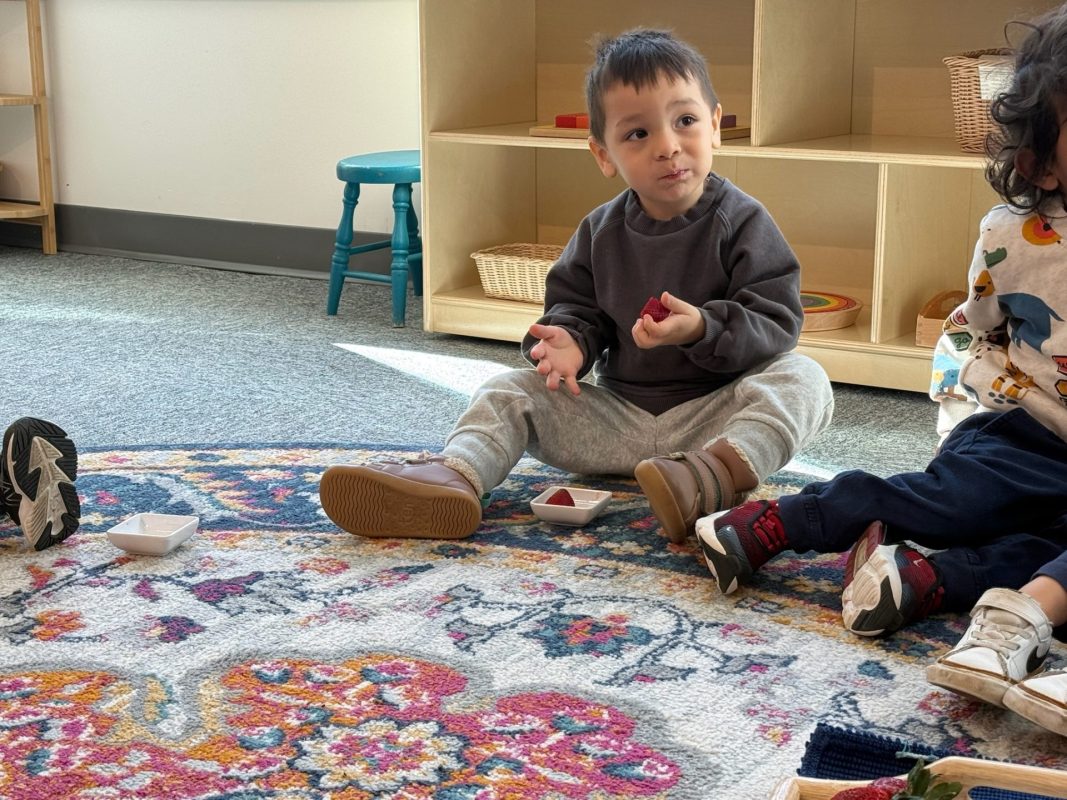
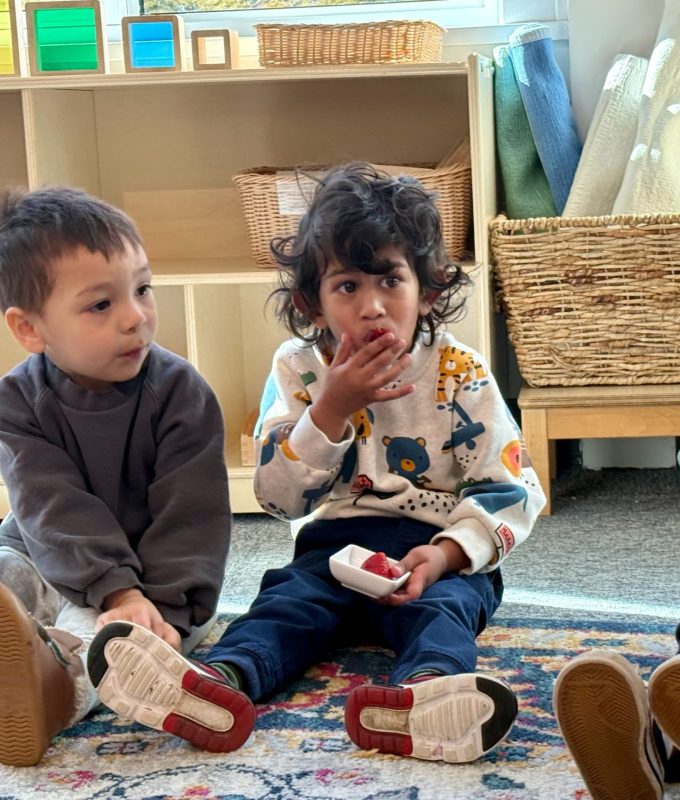
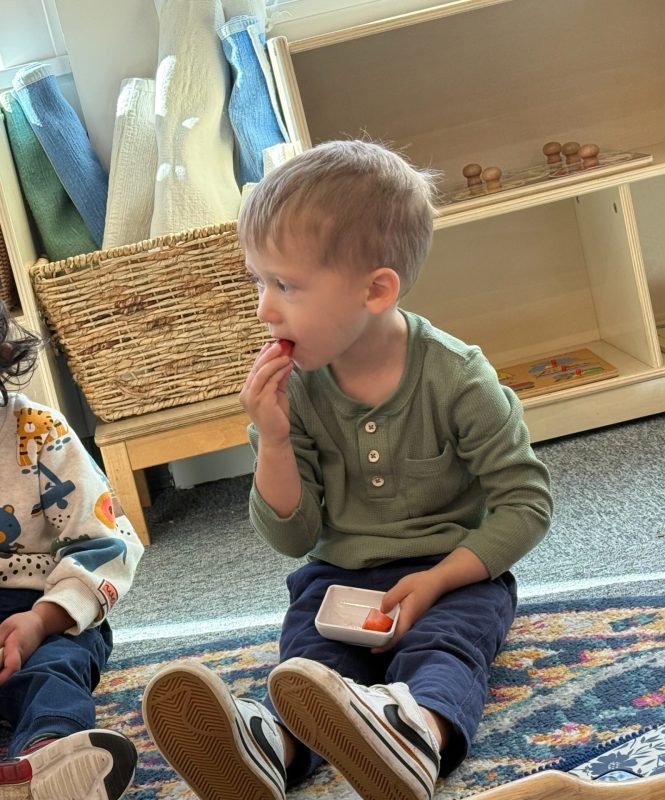
Food Tasting: This week, we tasted a familiar fruit, a ripe red strawberry.

Love and Light,

Cynthia and Sara


Ms Marissa: Weekly Update

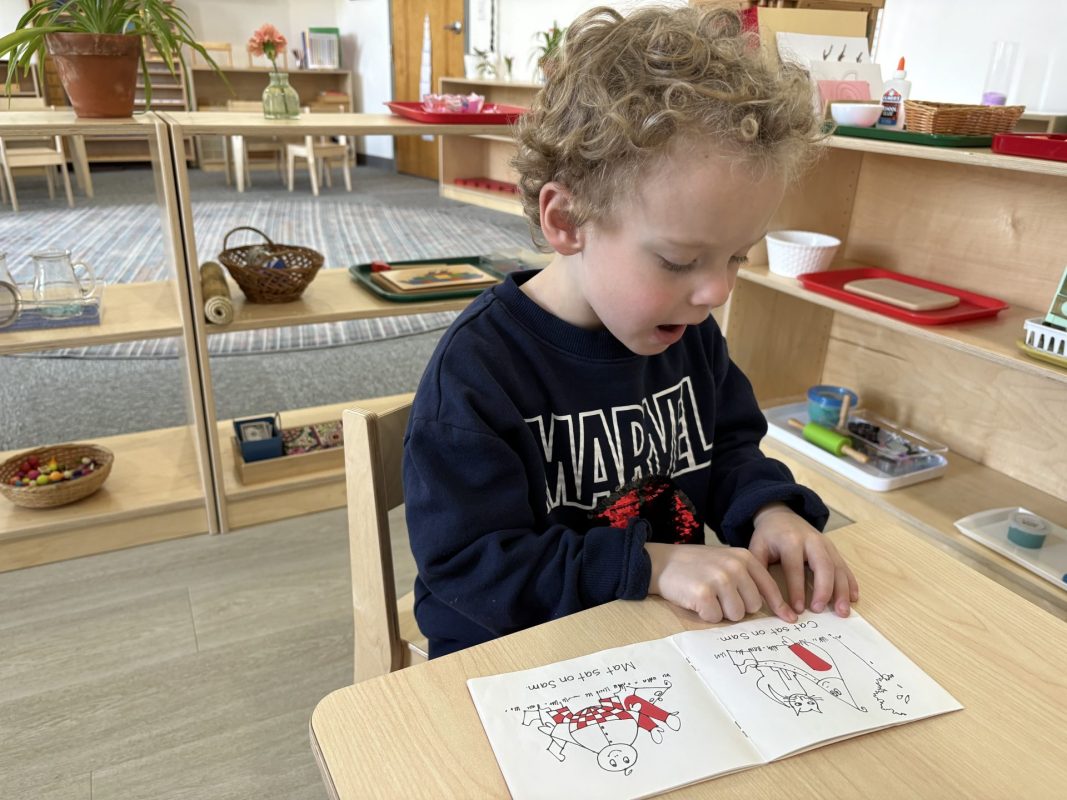
We’ve been studying the life cycle of chickens in our 3–6 classroom, and it’s been such a special experience. We have real eggs in an incubator right in the room, and the children have been checking on them every day, watching, waiting, and asking the sweetest, most thoughtful questions about what’s happening inside.

It’s been a perfect fit with our bird study this April, making everything feel more real and exciting as we learn together. The children are especially drawn to the idea that these eggs will soon become baby chicks, and you can feel the anticipation building each day. It’s giving them such a meaningful, hands-on connection to what we’re learning about birds.