Blog

Mrs. Wilson: Food Prep

Over the past two weeks, the children have had wonderful hands-on experiences with food preparation. Last week, they explored avocados—tasting them on their own before mashing them into guacamole. They enjoyed sampling both the plain avocado and the finished guacamole with chips, experiencing how one ingredient can be transformed.

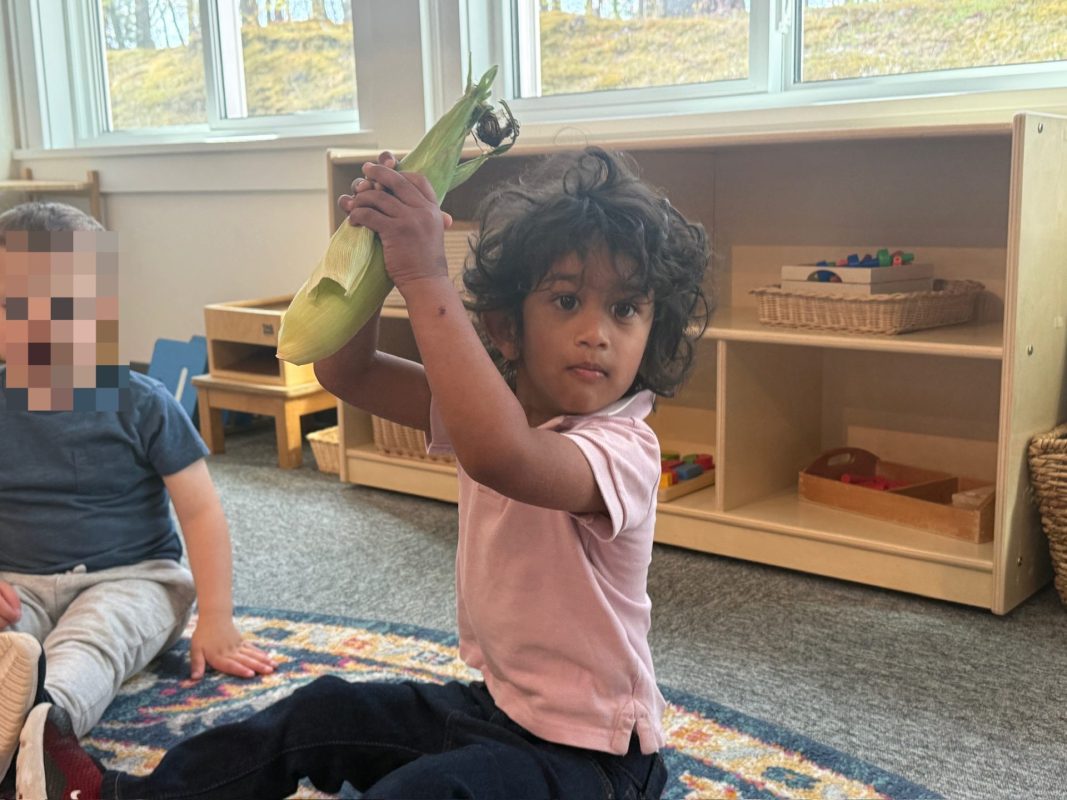
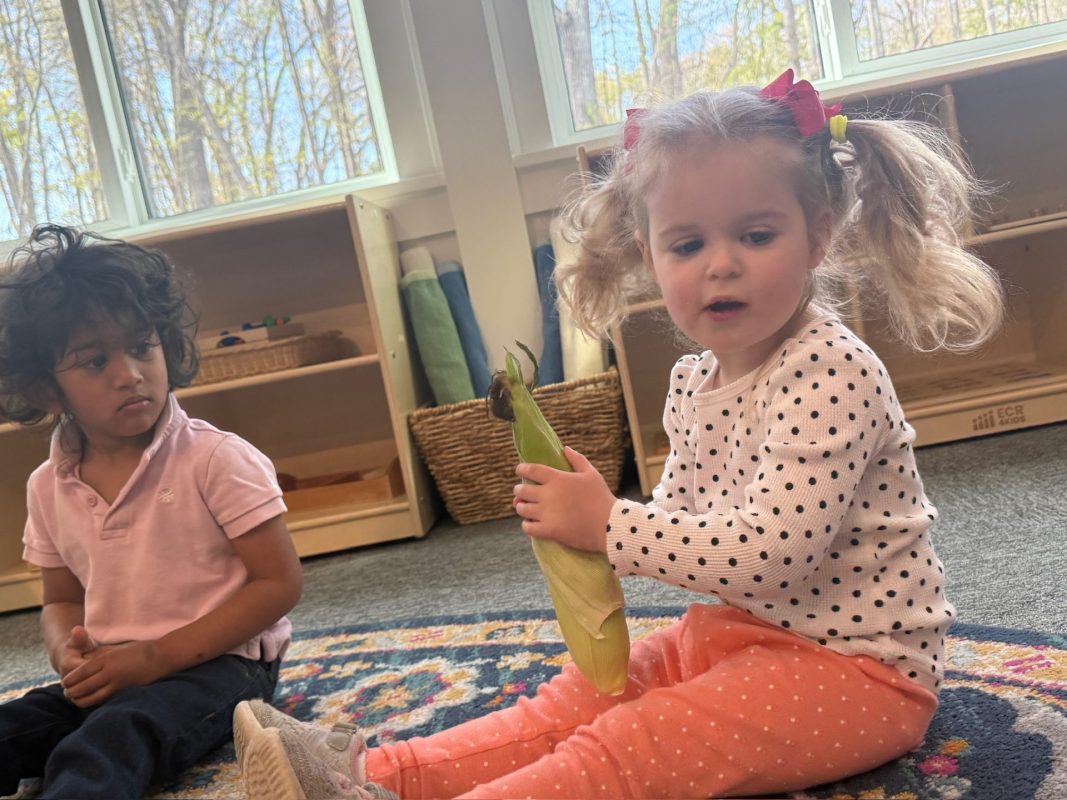
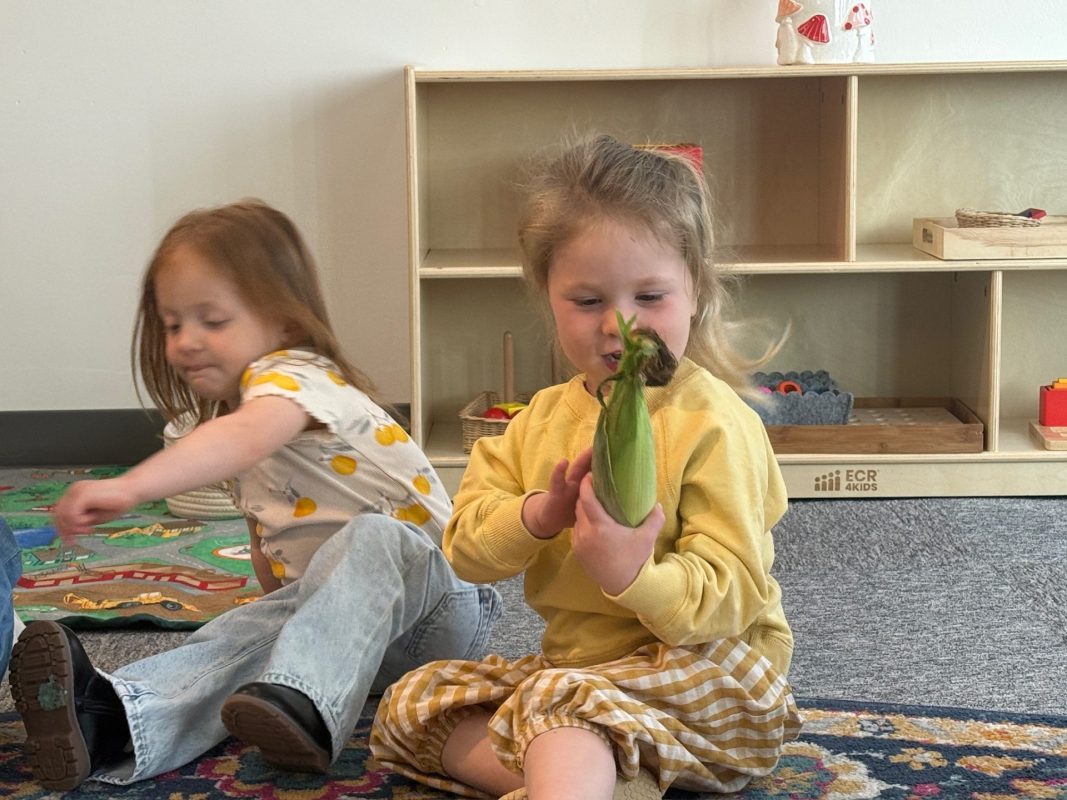
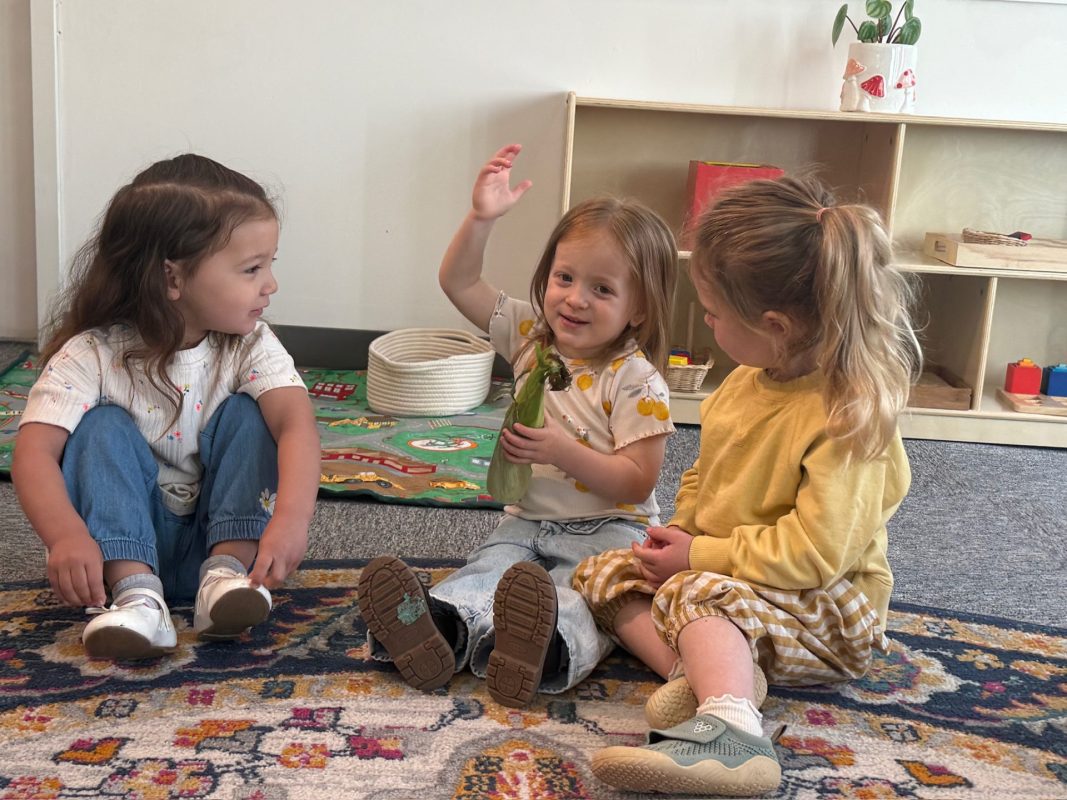
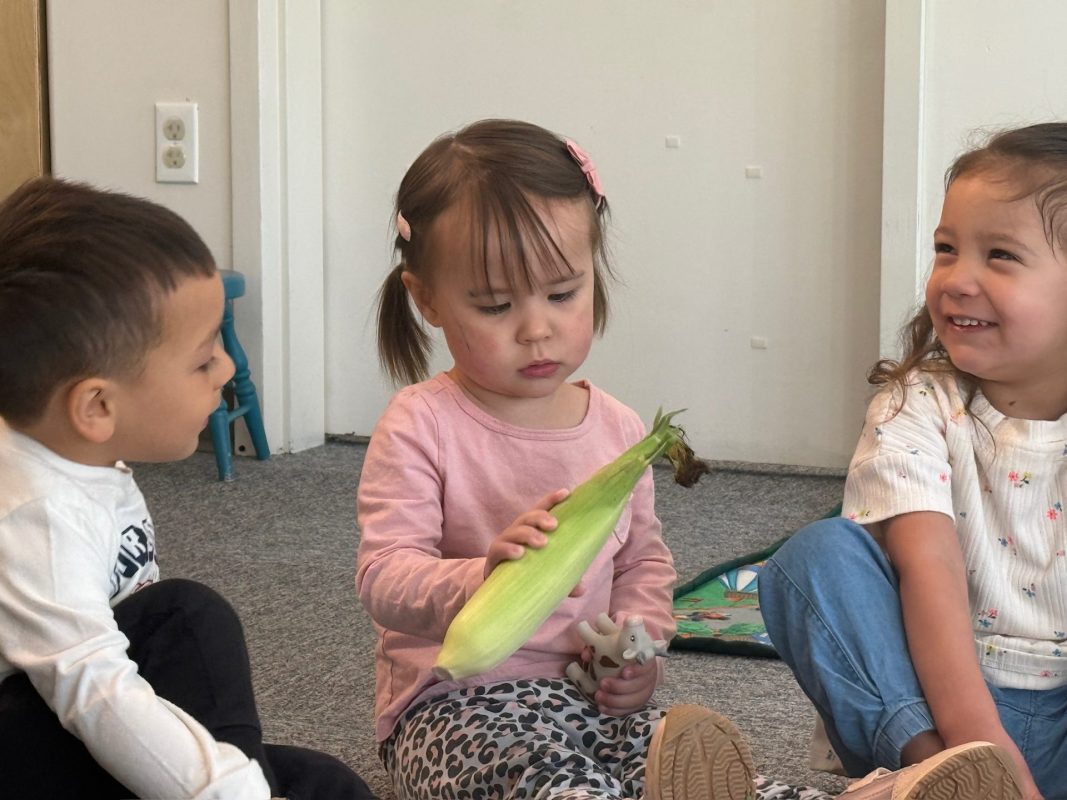
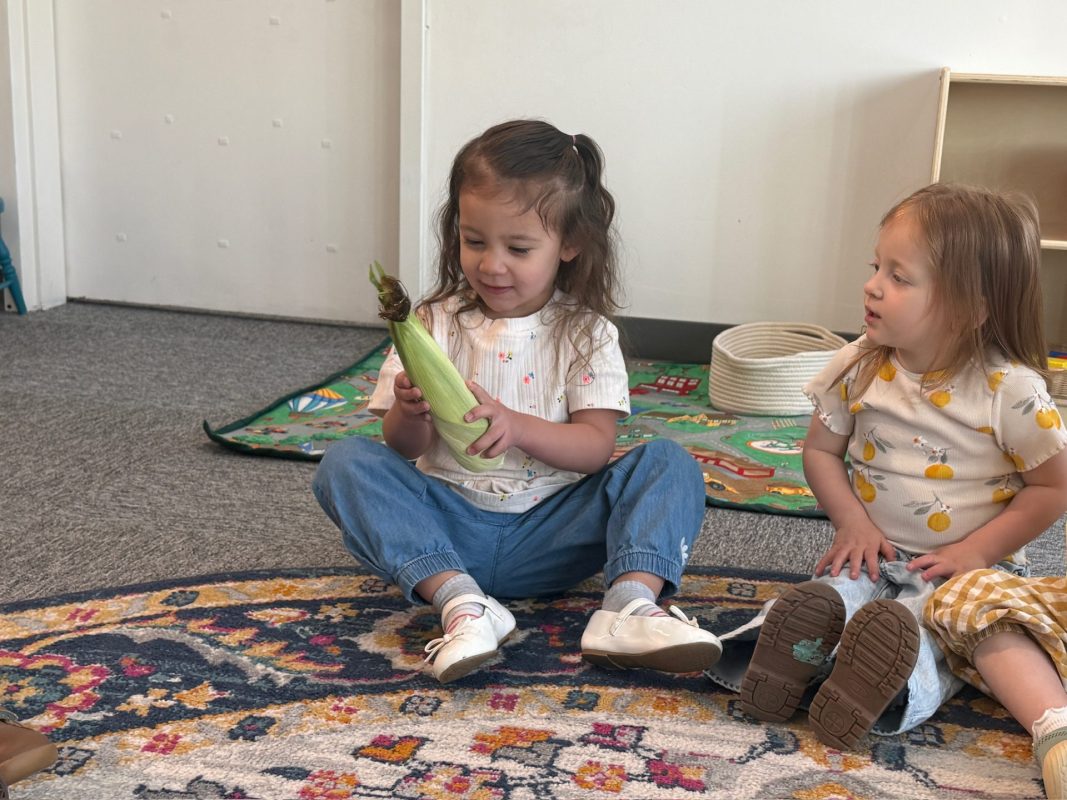
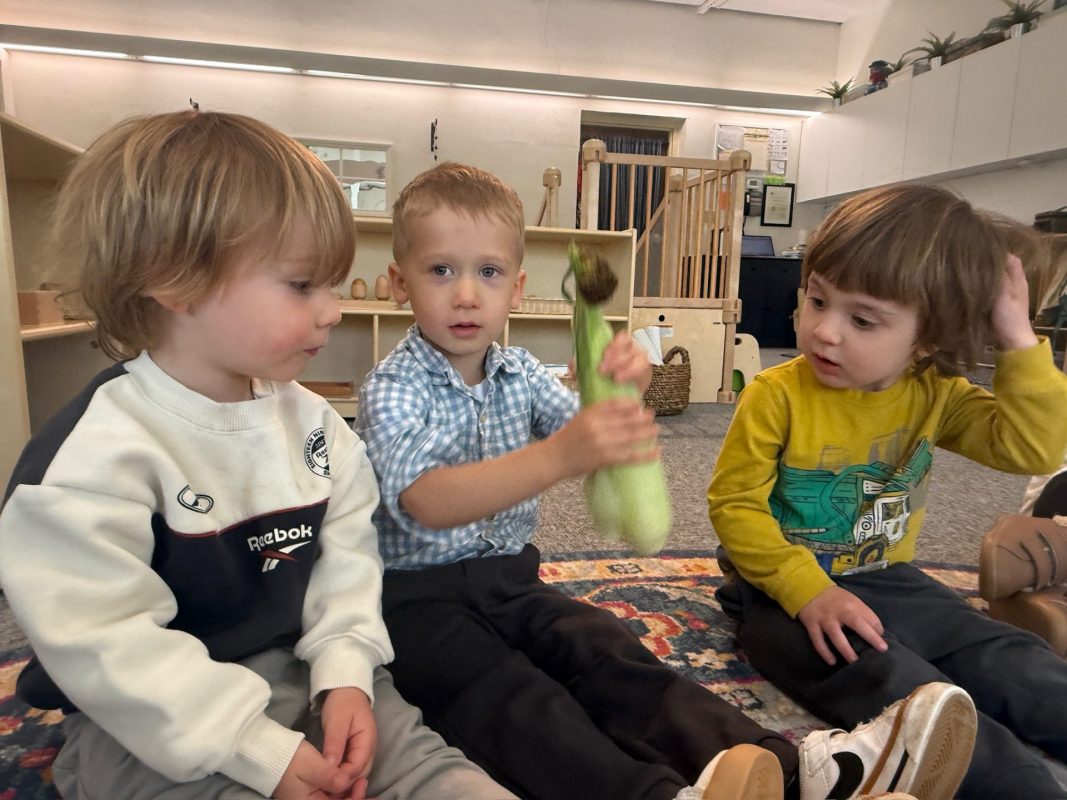
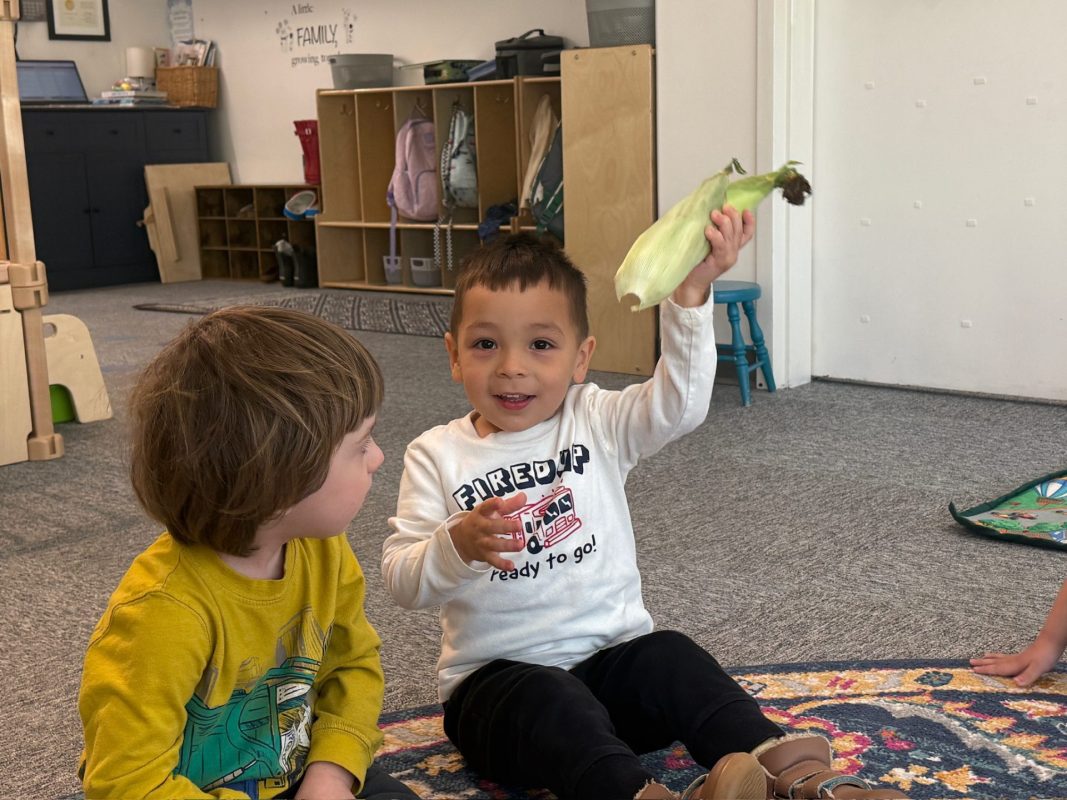
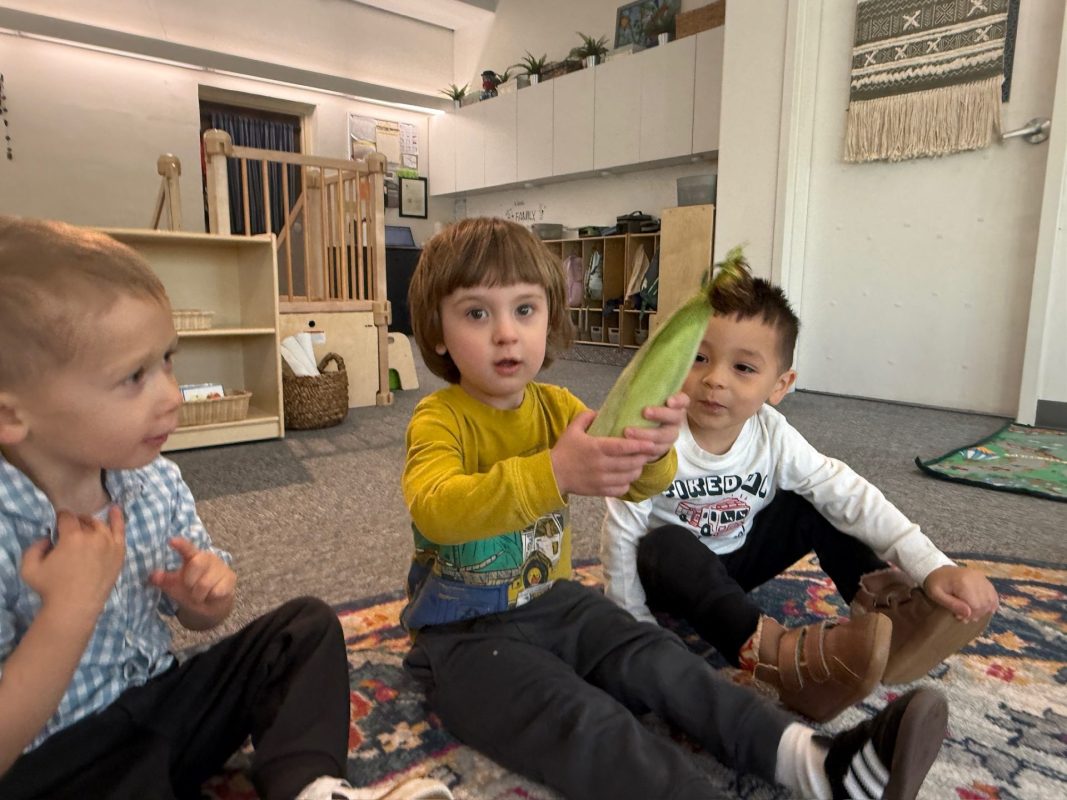
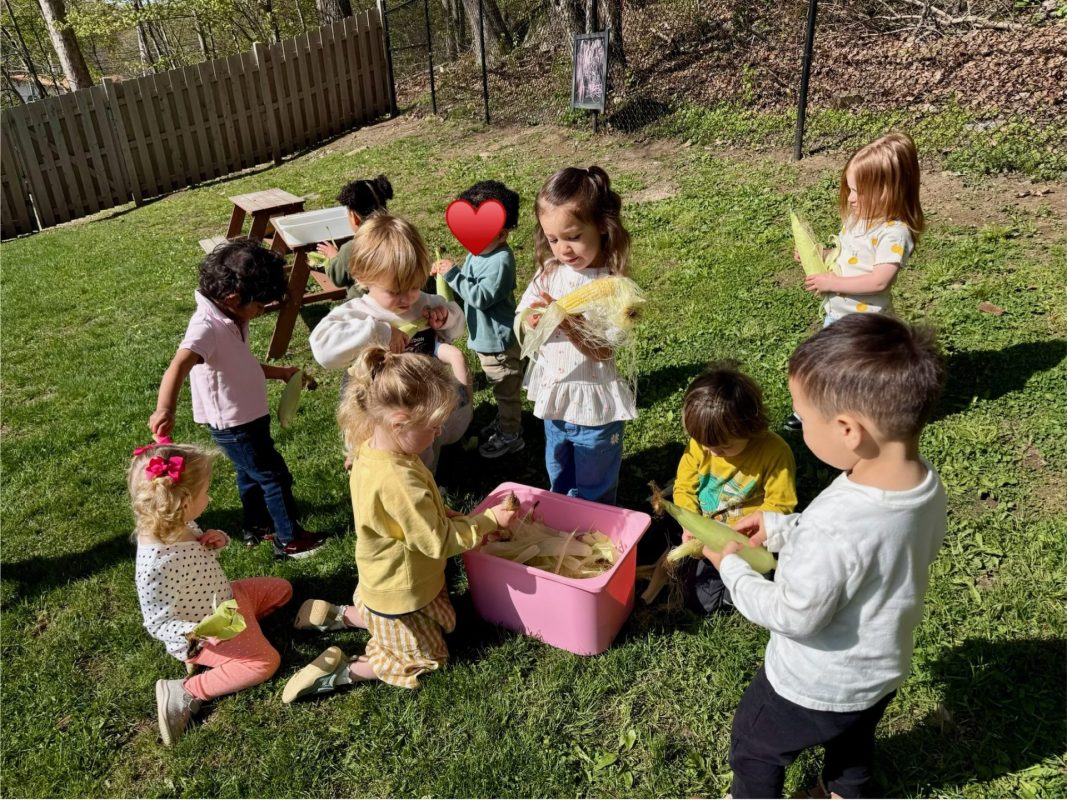
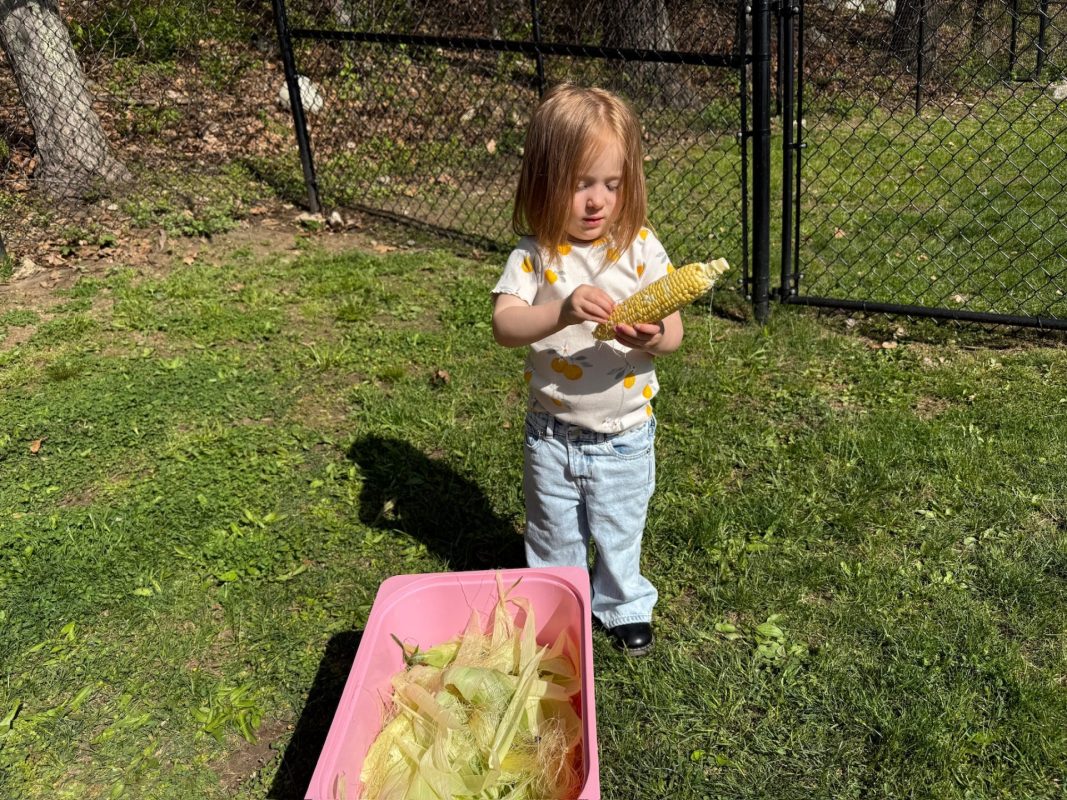
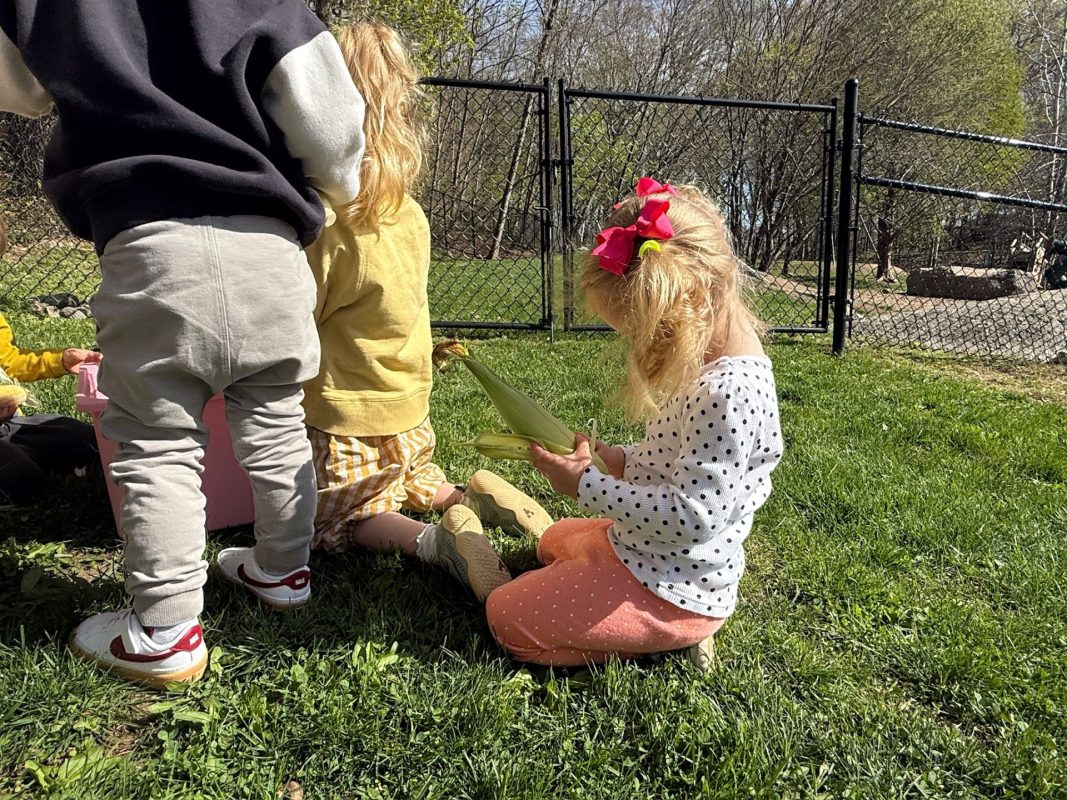
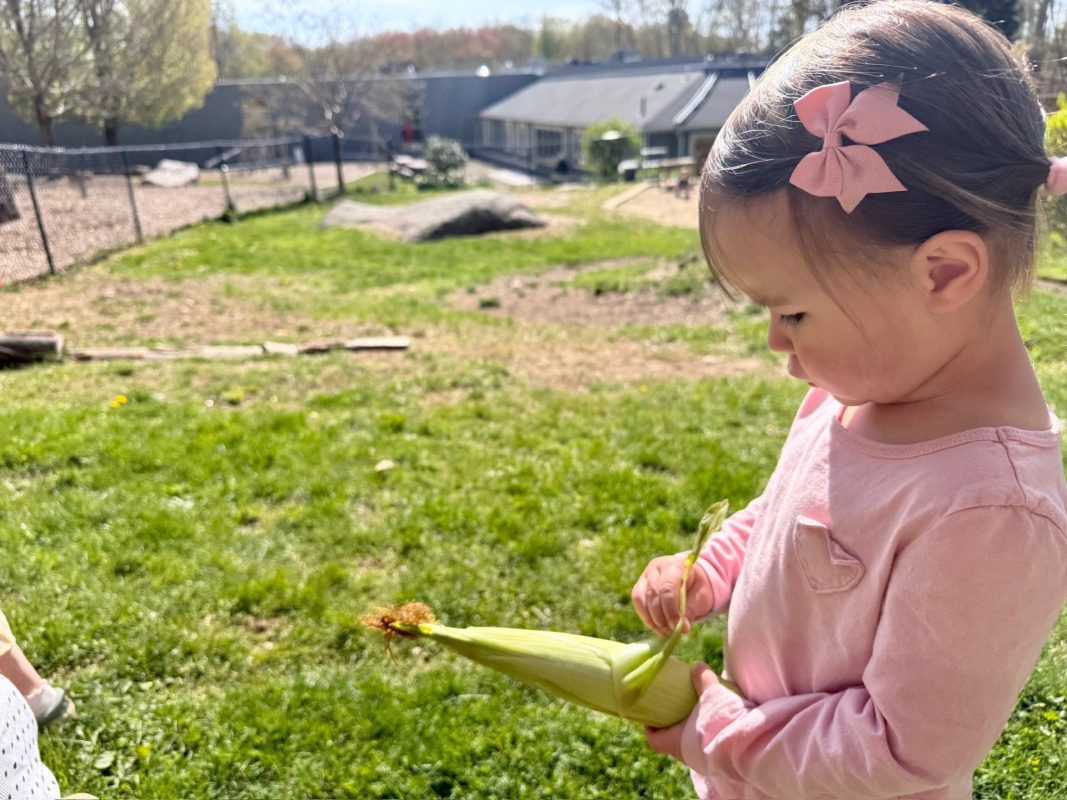
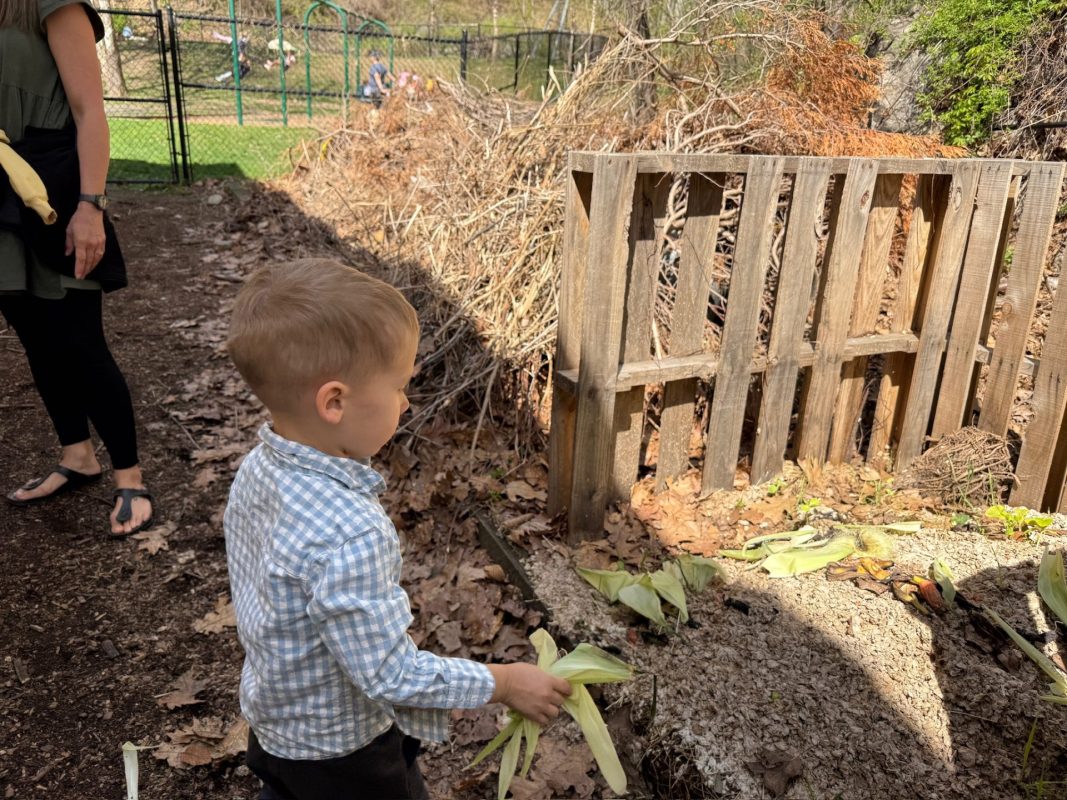
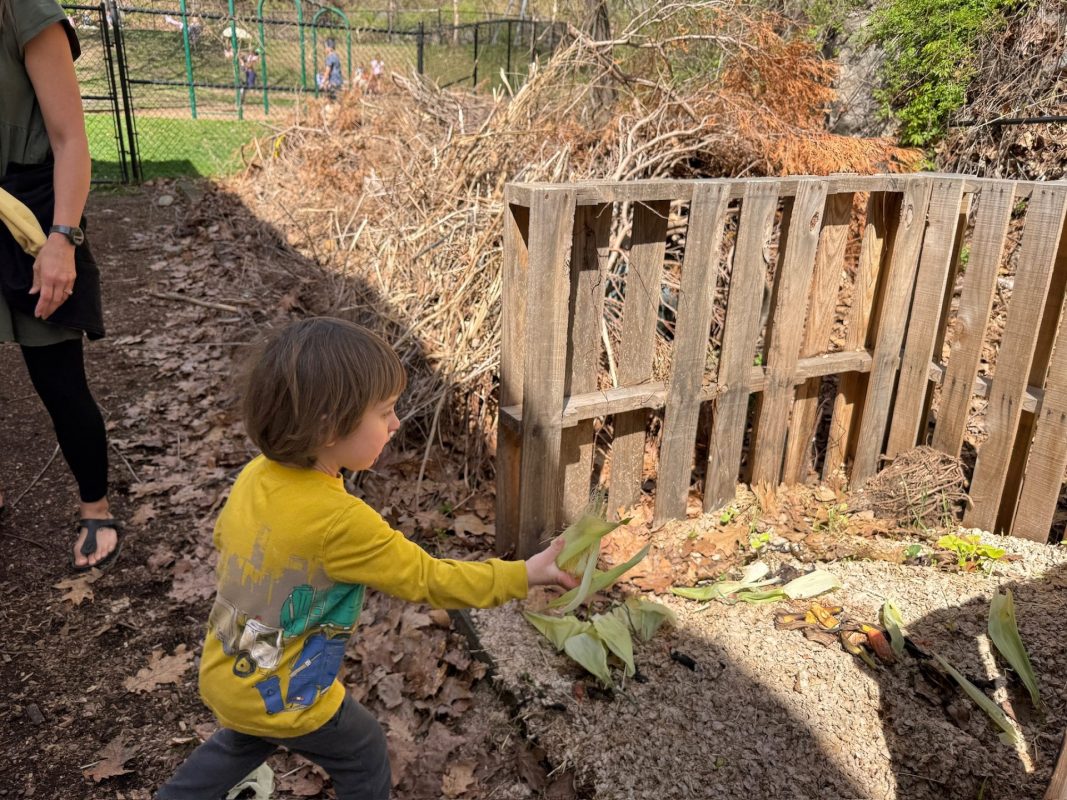
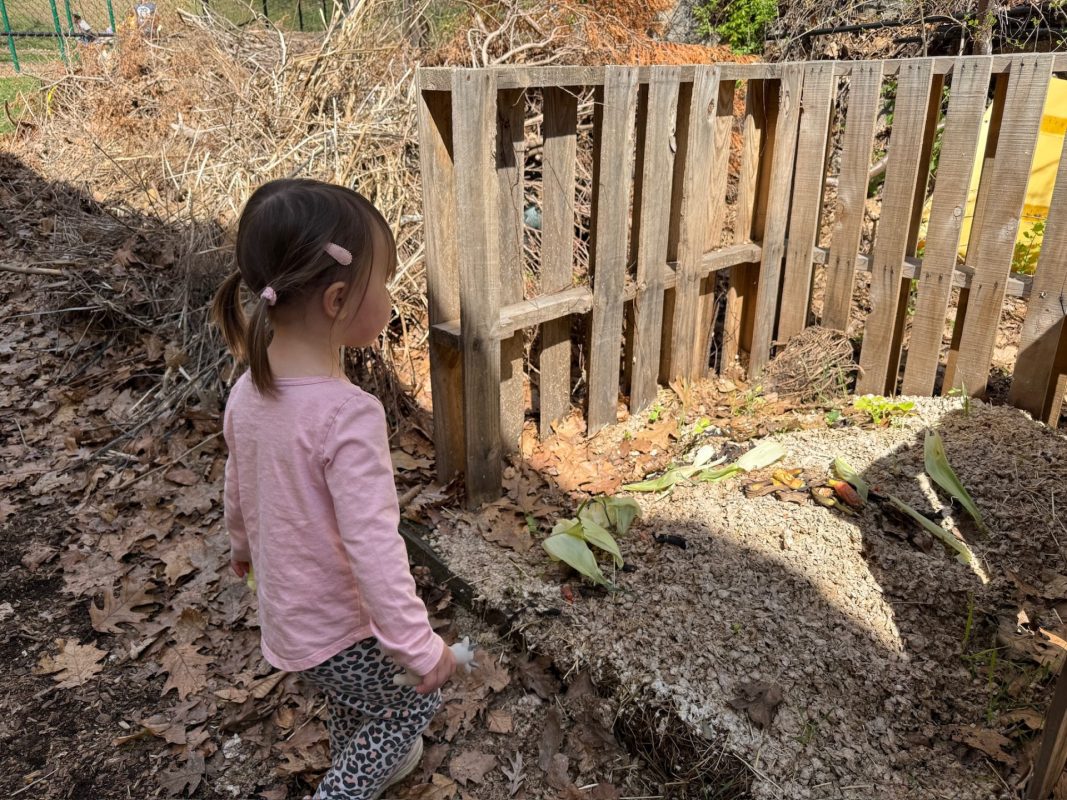
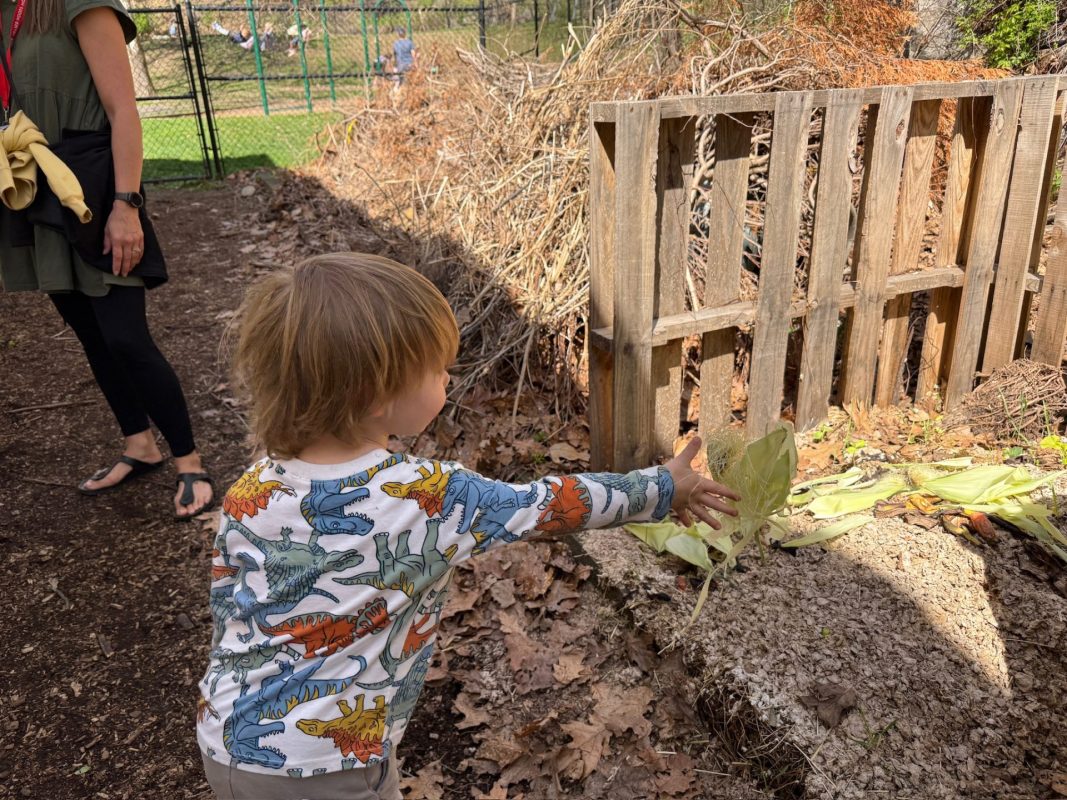
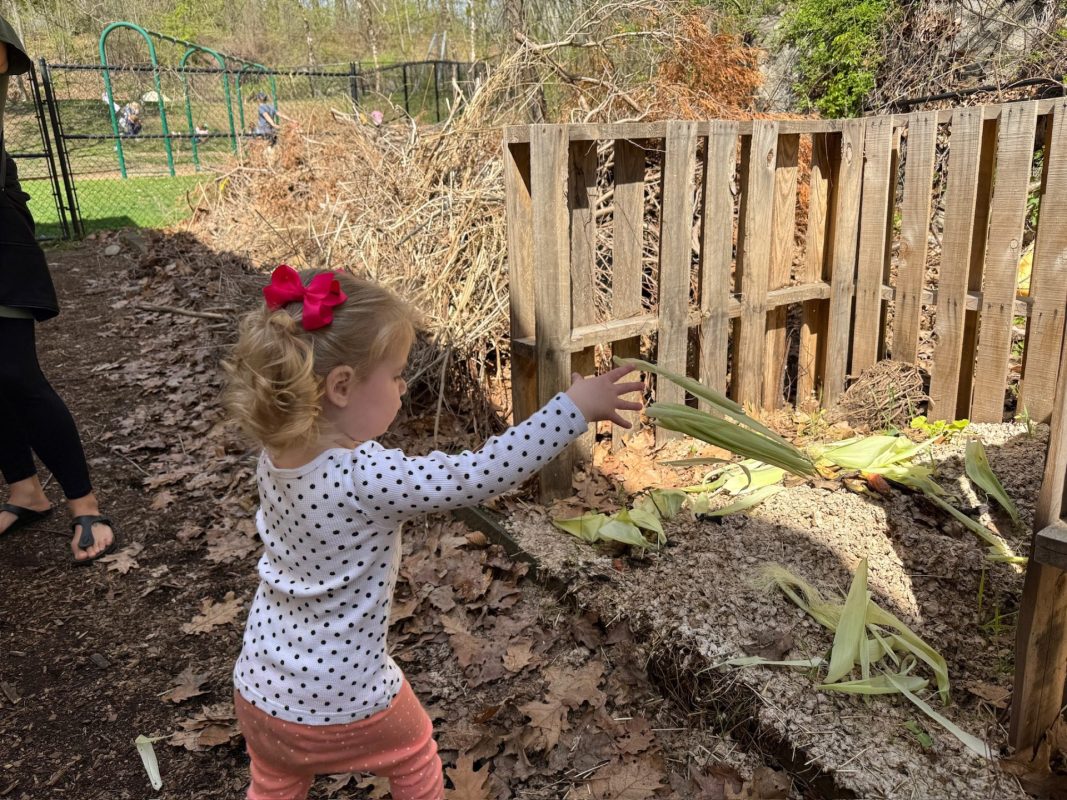
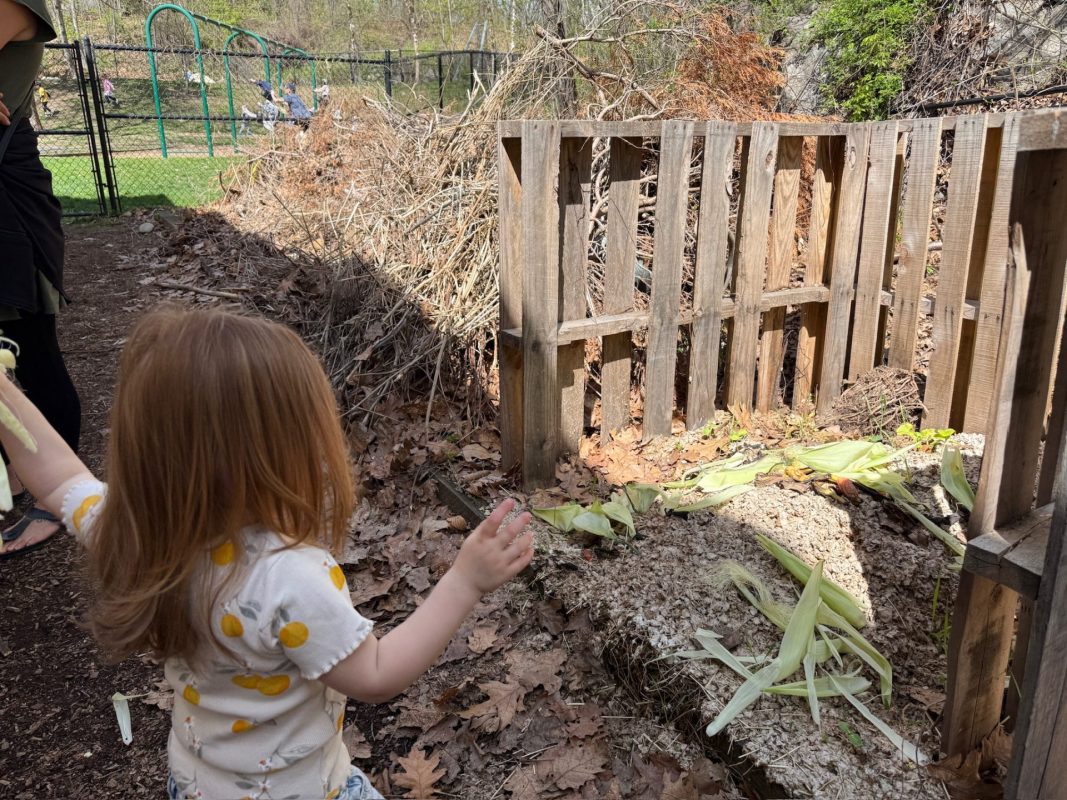
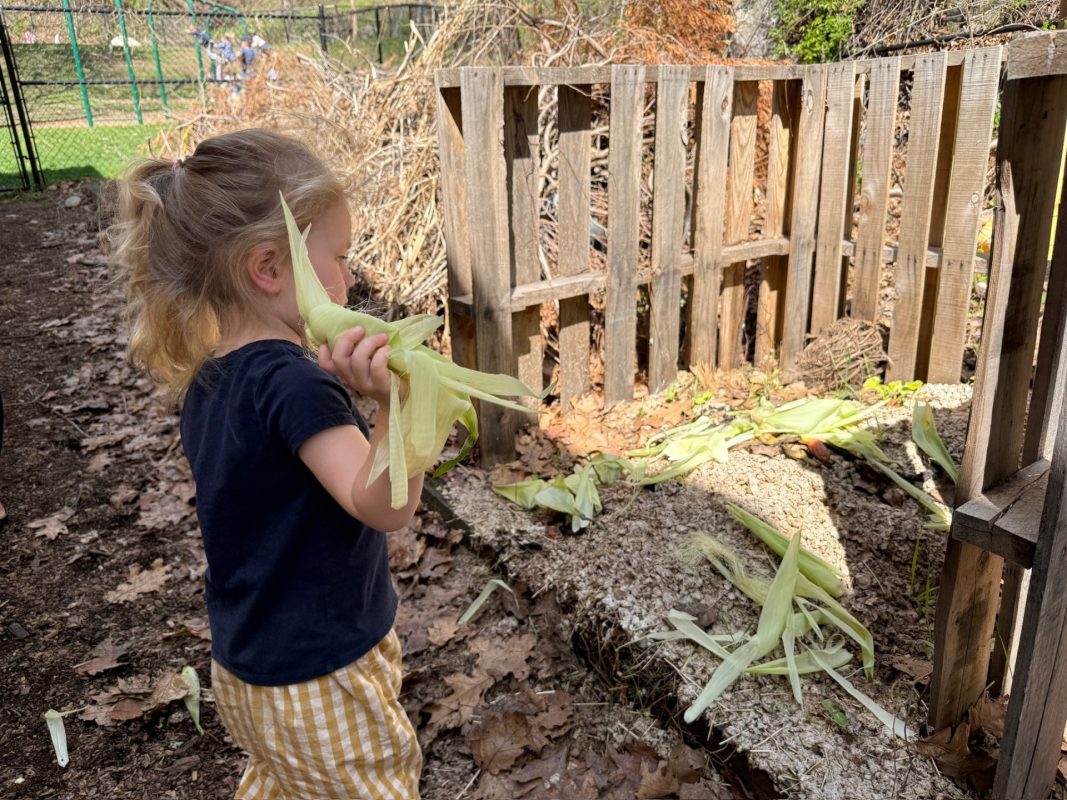
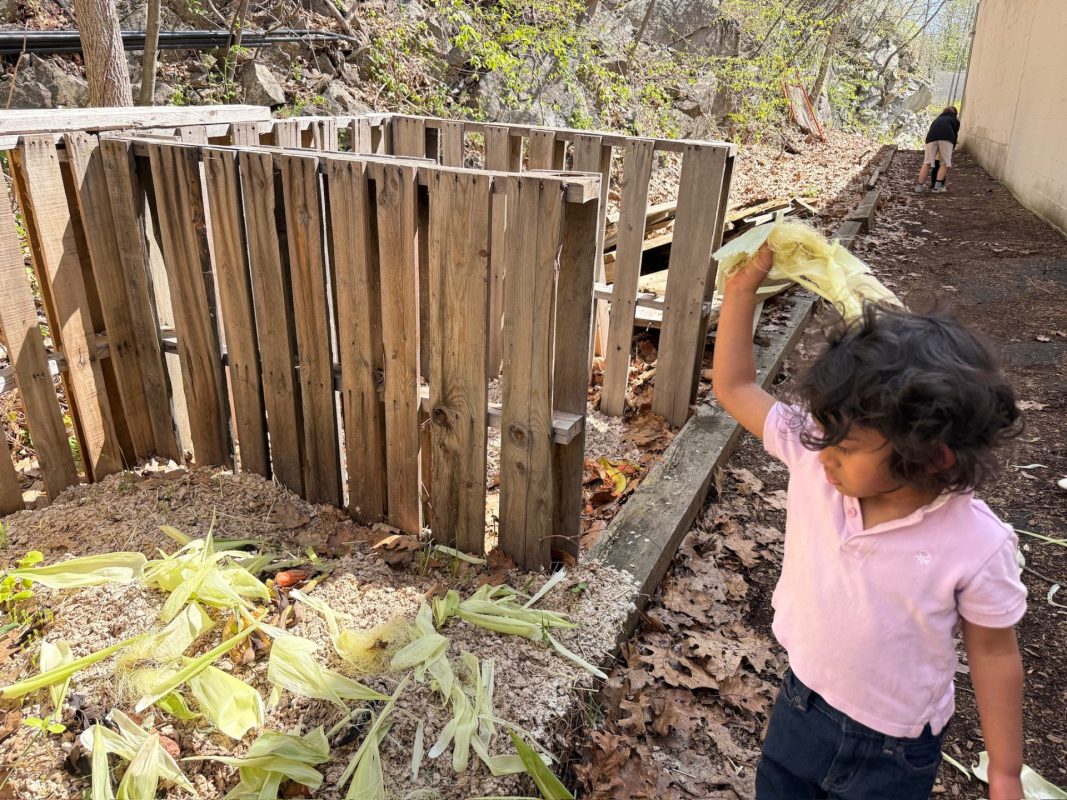
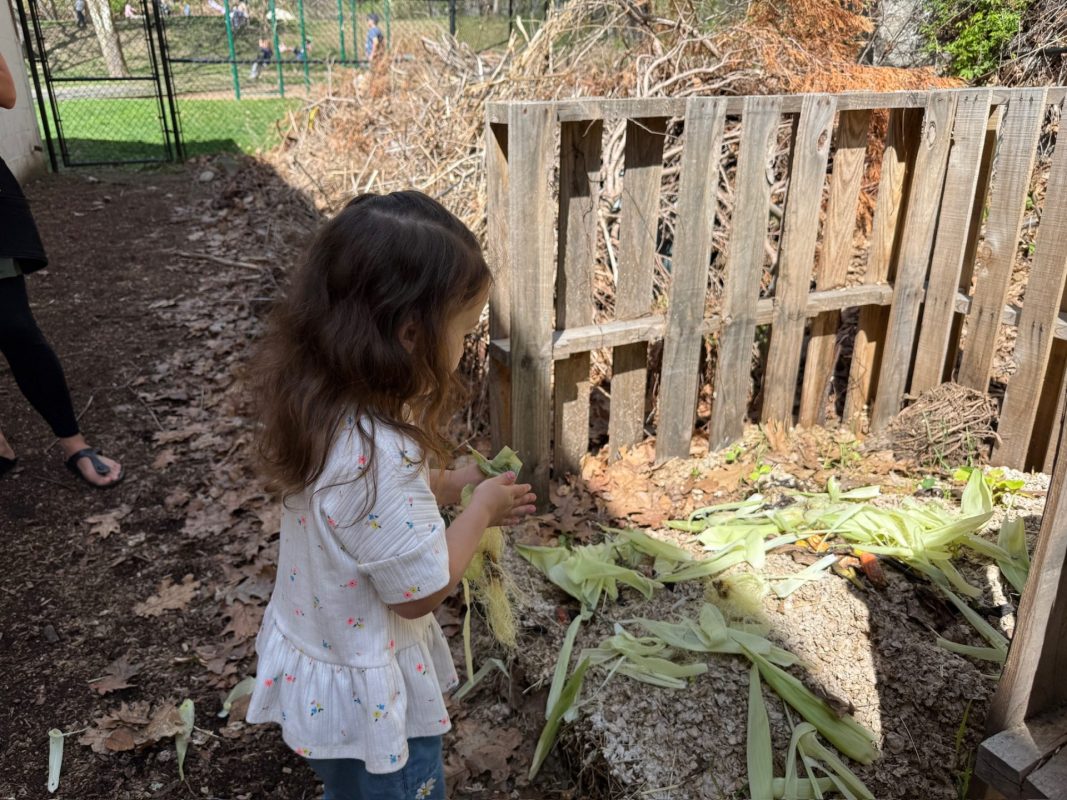
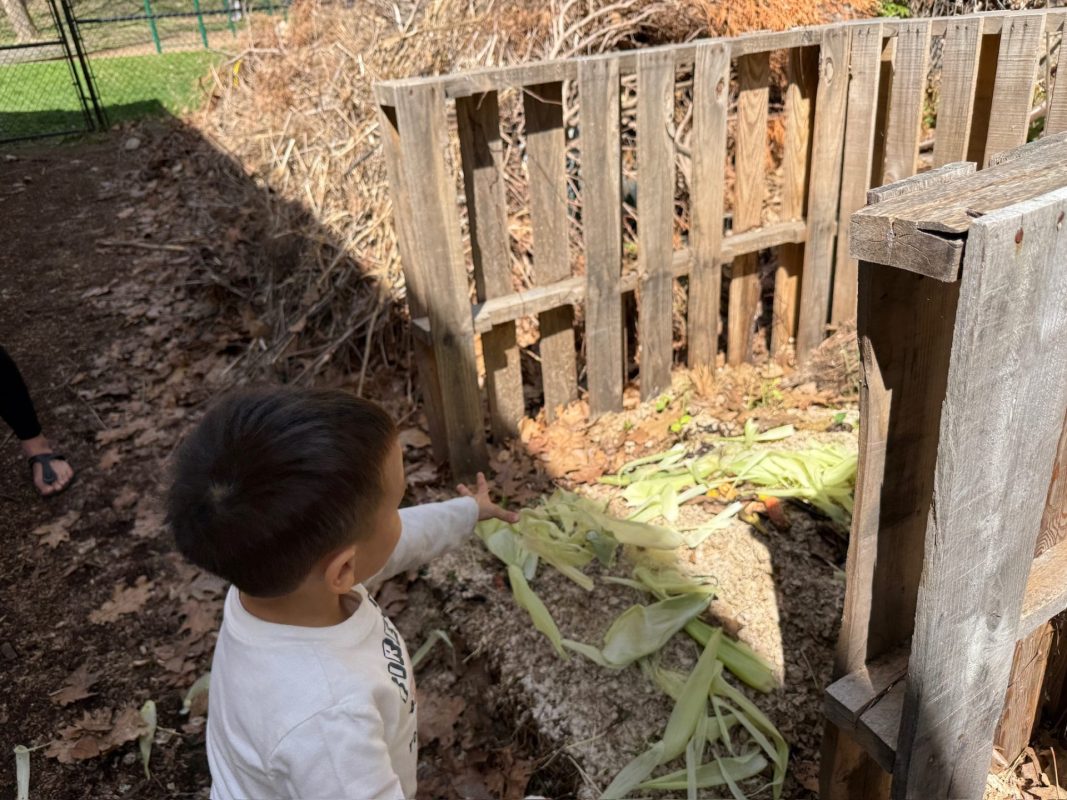
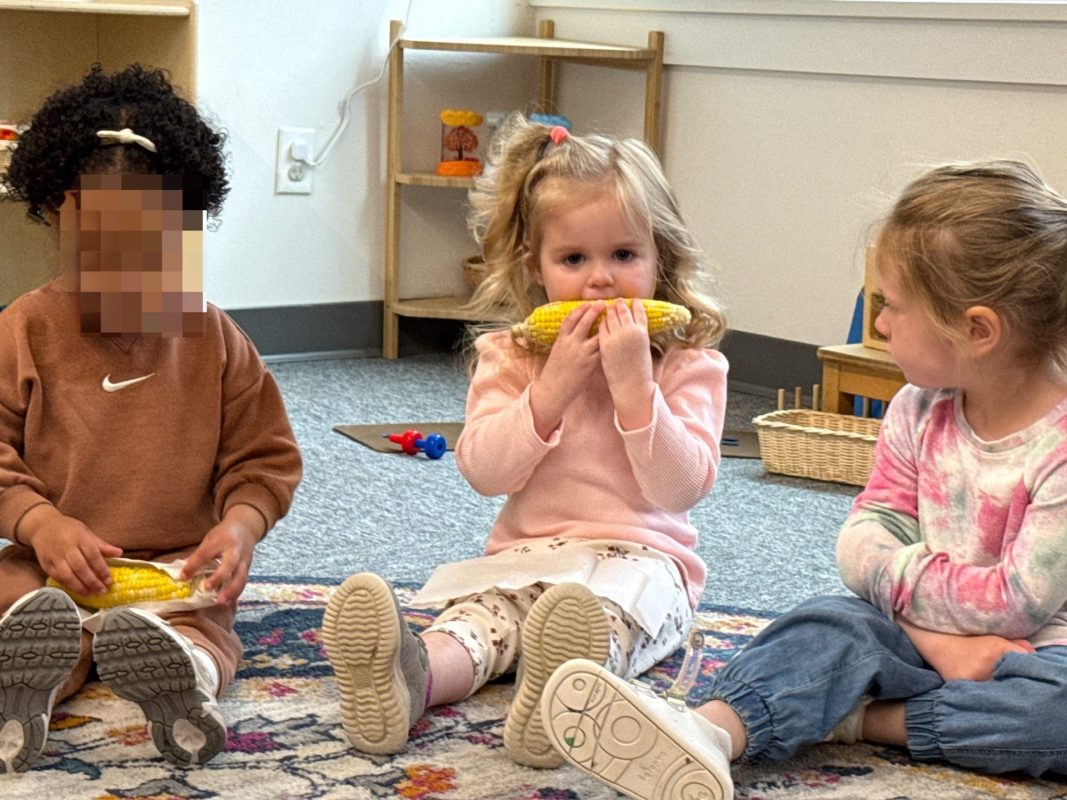
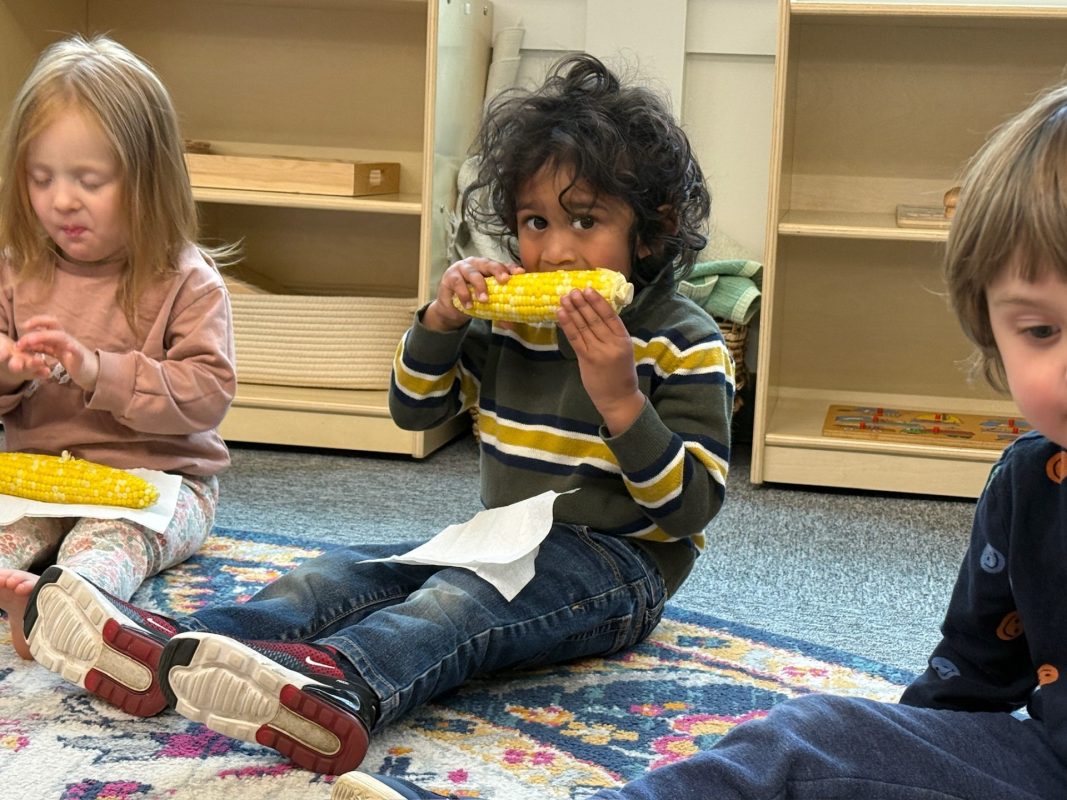
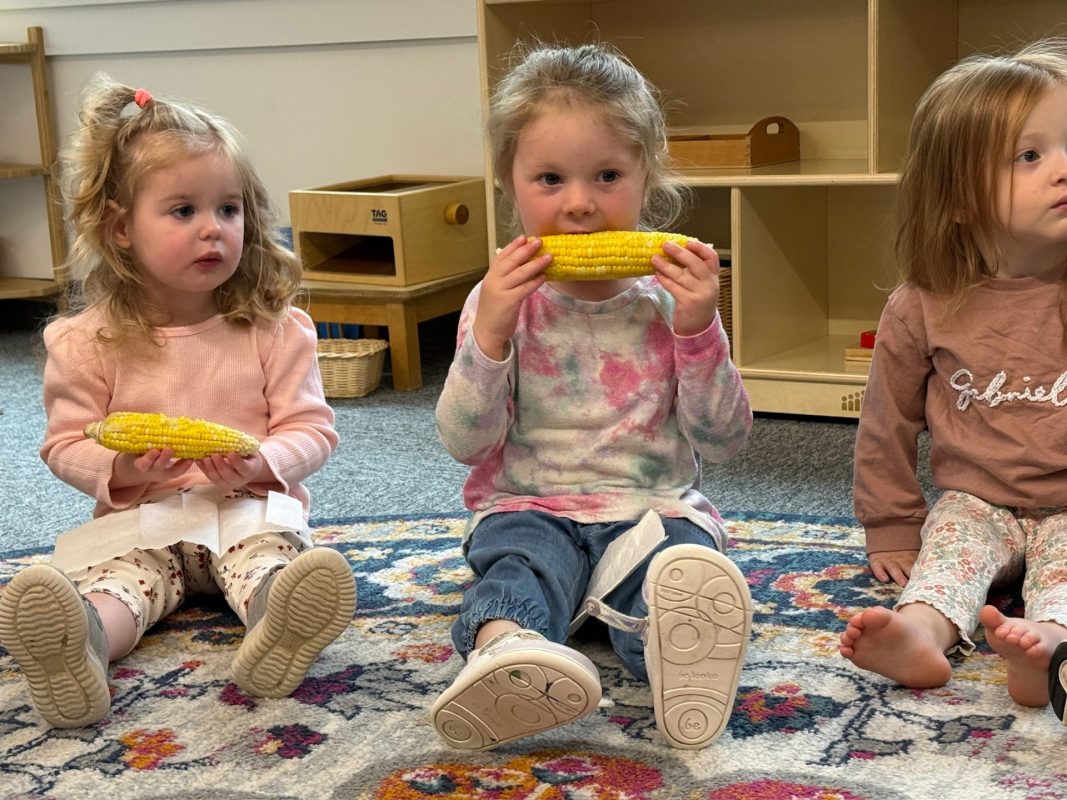
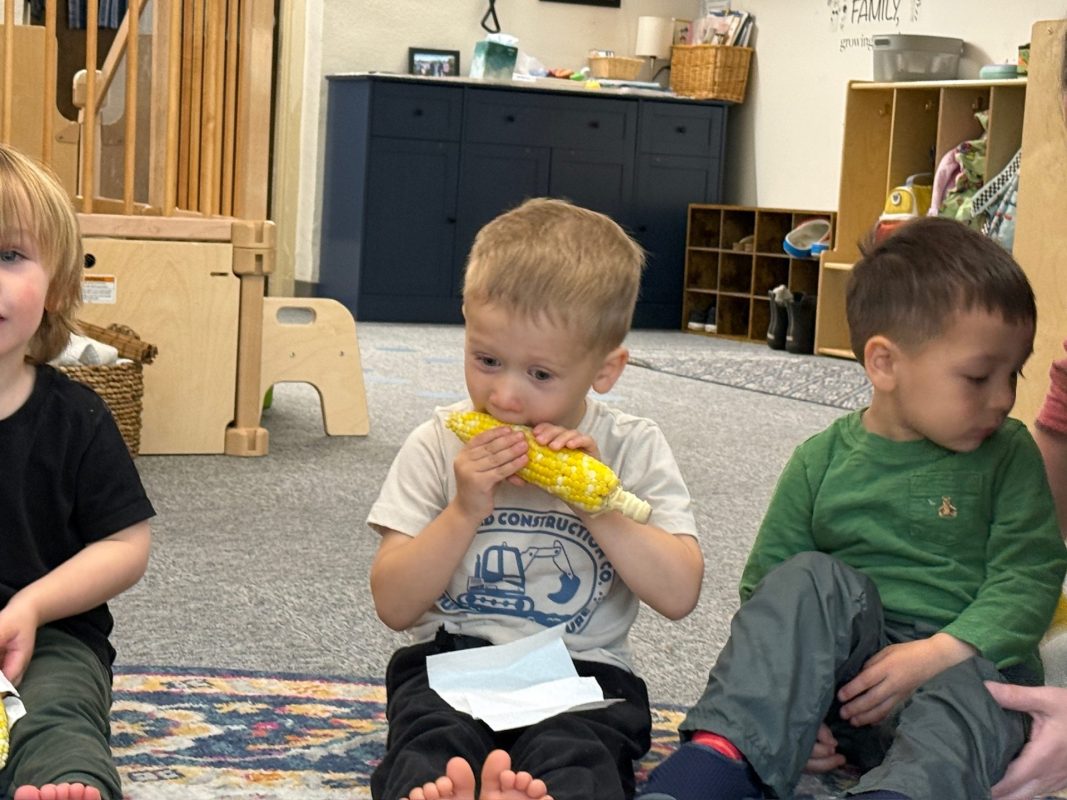
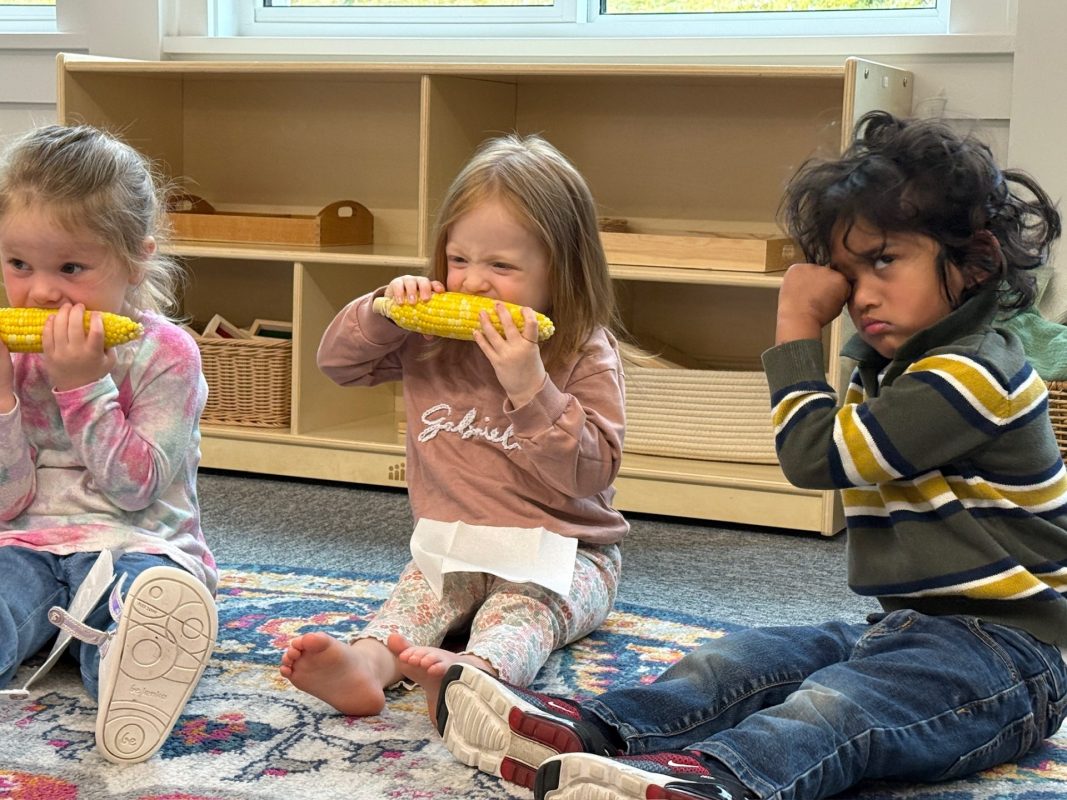
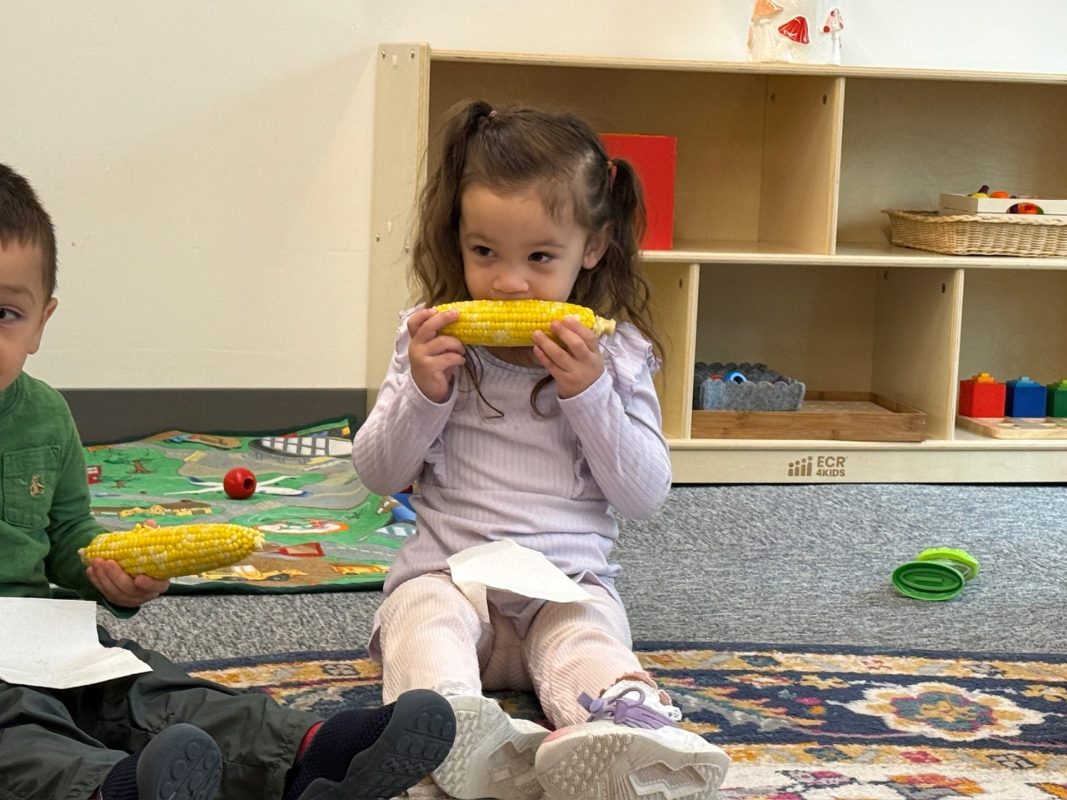
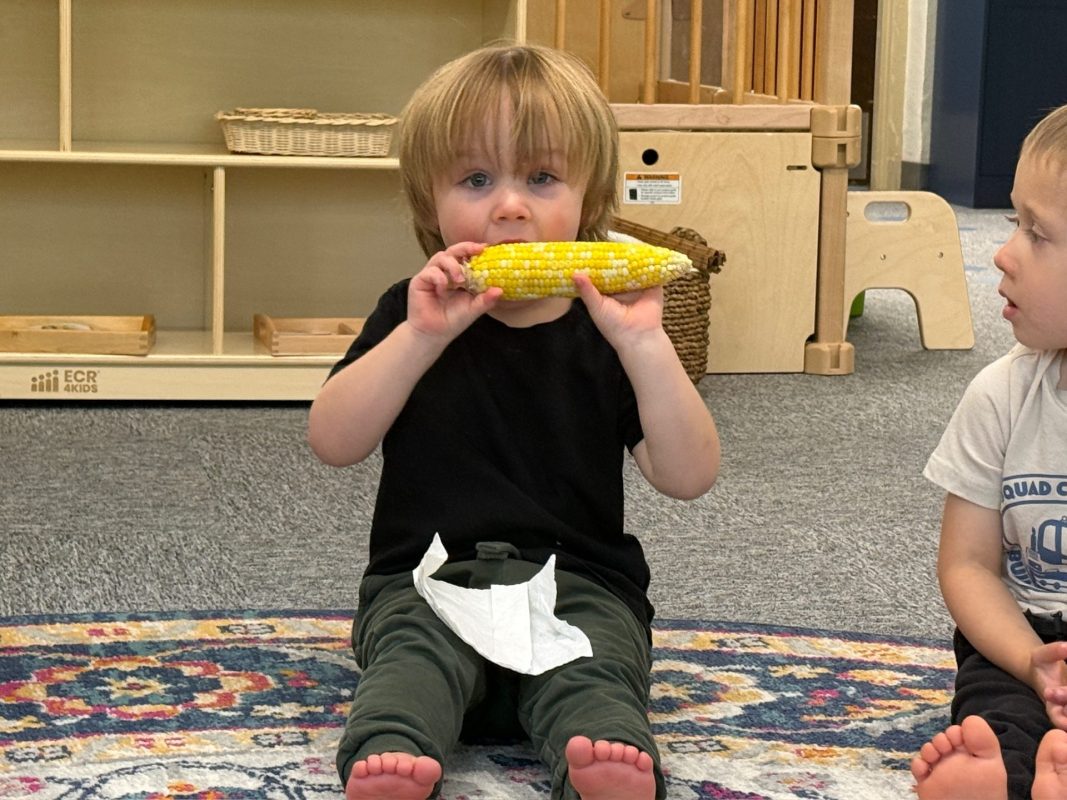
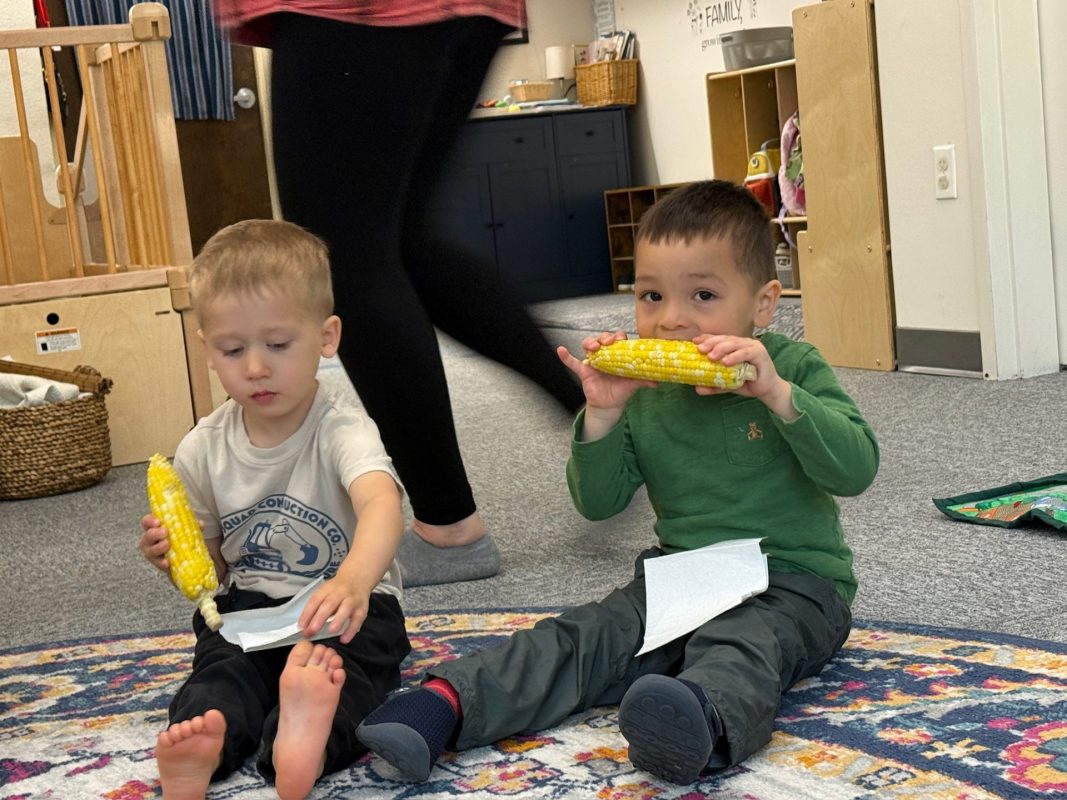
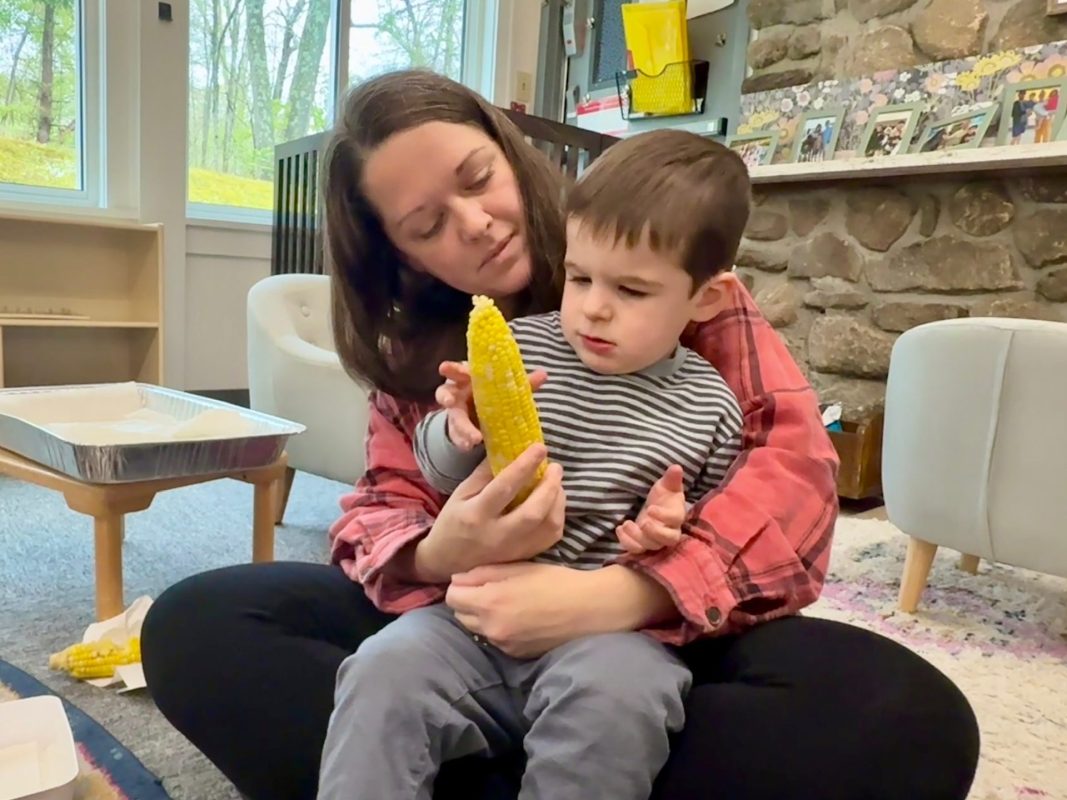
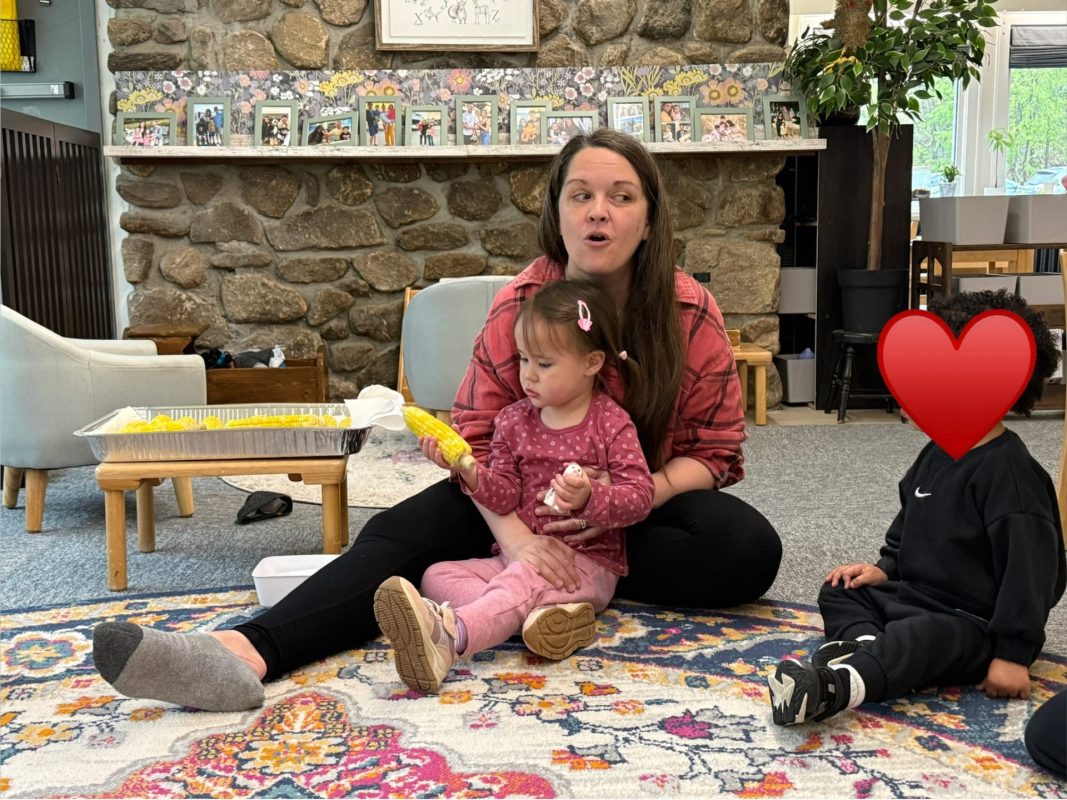
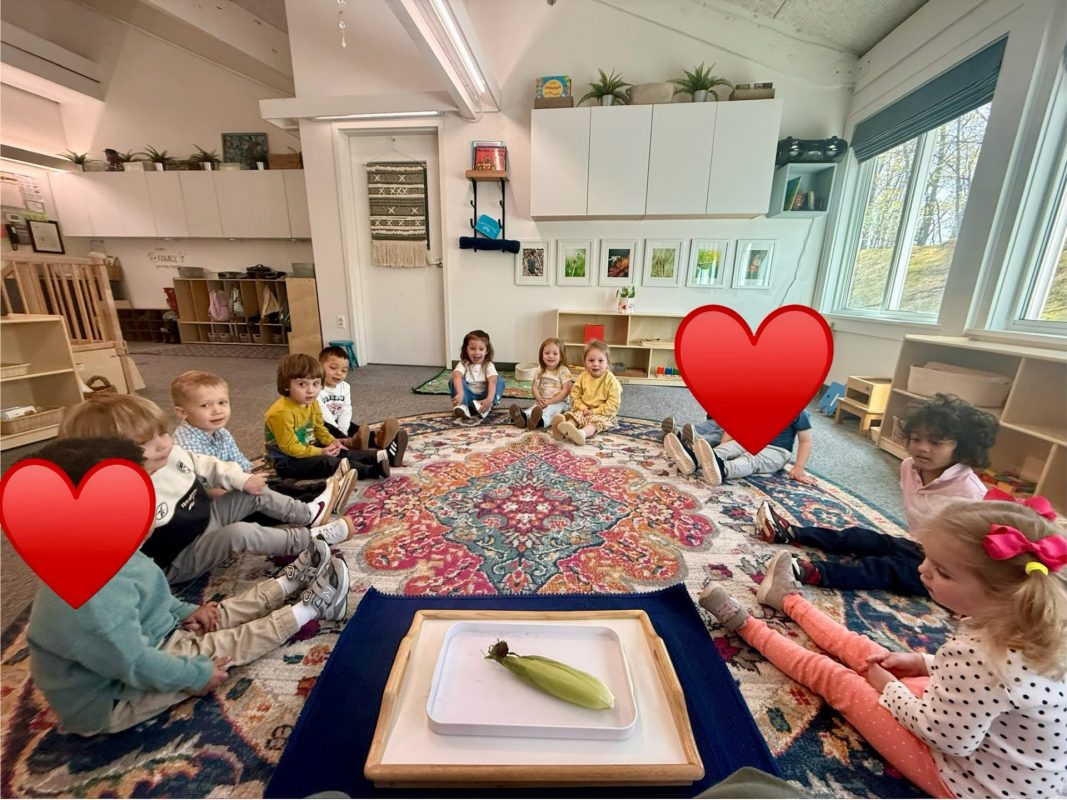
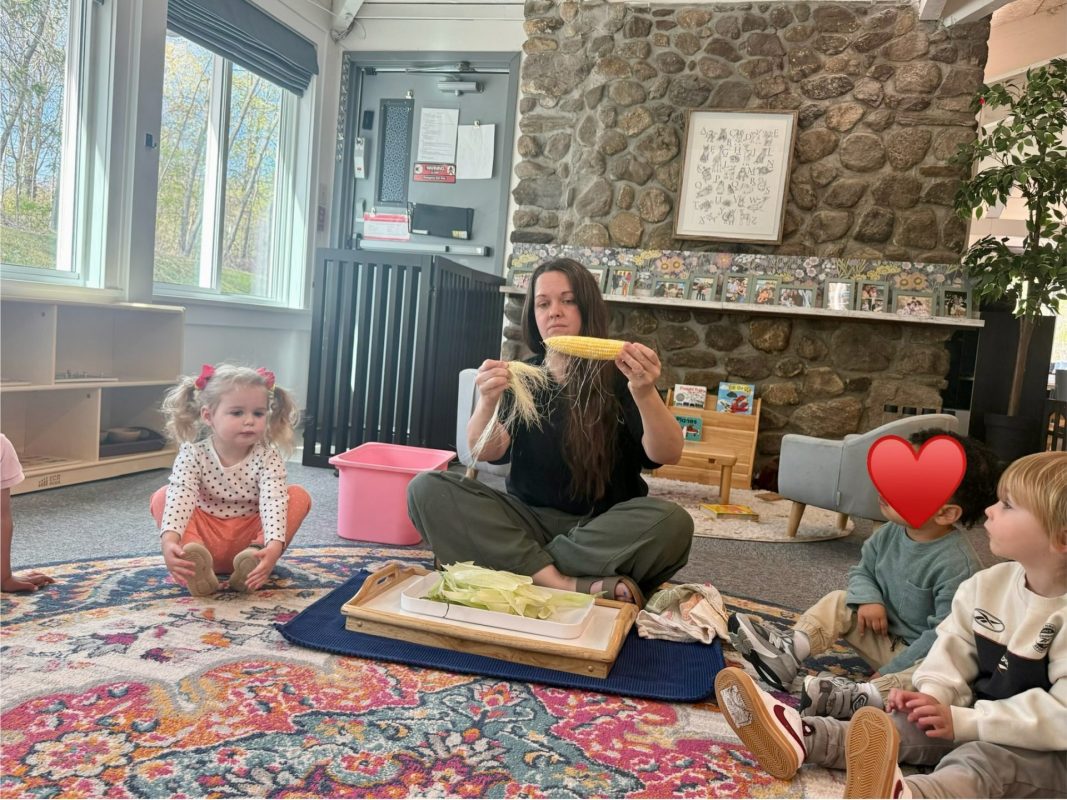
This week, we approached food tasting a little differently by working “backward.” On Wednesday, the children helped prepare their food, and the following day they tasted it. After exploring corn on the cob, we brought our work outdoors. Each child was given their own ear of corn to shuck, carefully removing the husk and silk. We then brought the husks to our school compost pile, where each child contributed. We discussed how food scraps break down and help create nutrient-rich soil for our gardens.

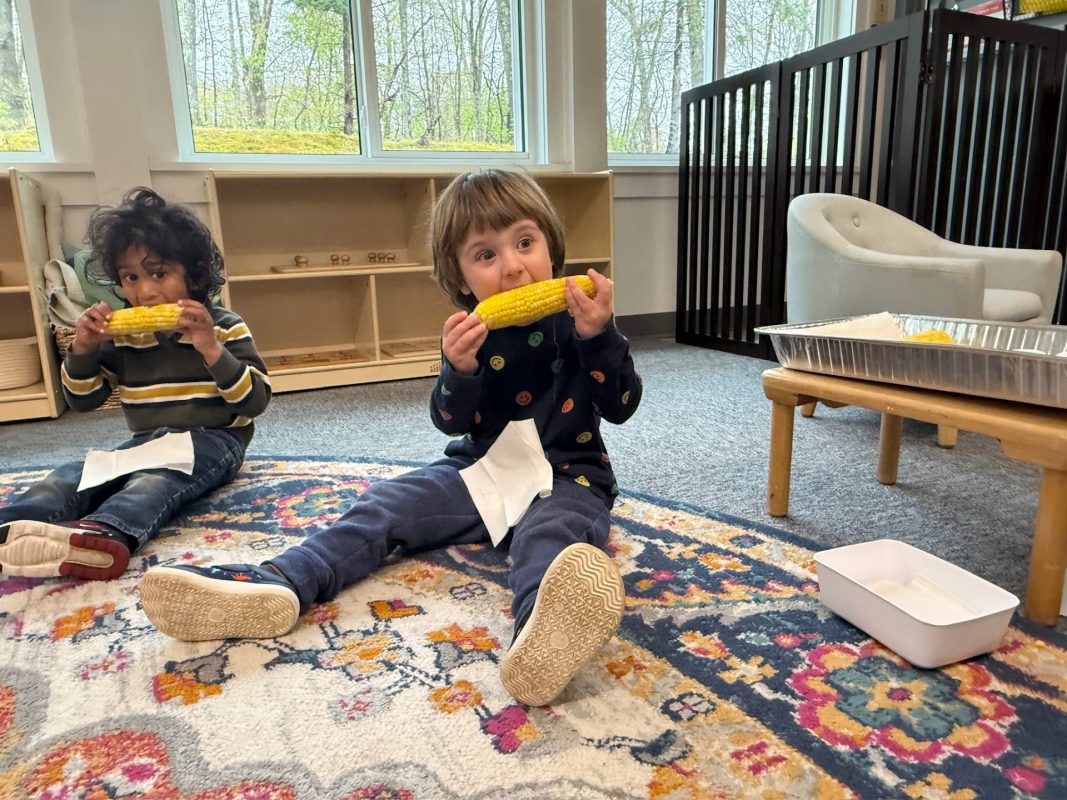
The next morning, Ms. Sara and a small group of children cooked the corn. Once it had cooled, we gathered together to taste it—many of the children truly enjoyed the fruits of their labor.

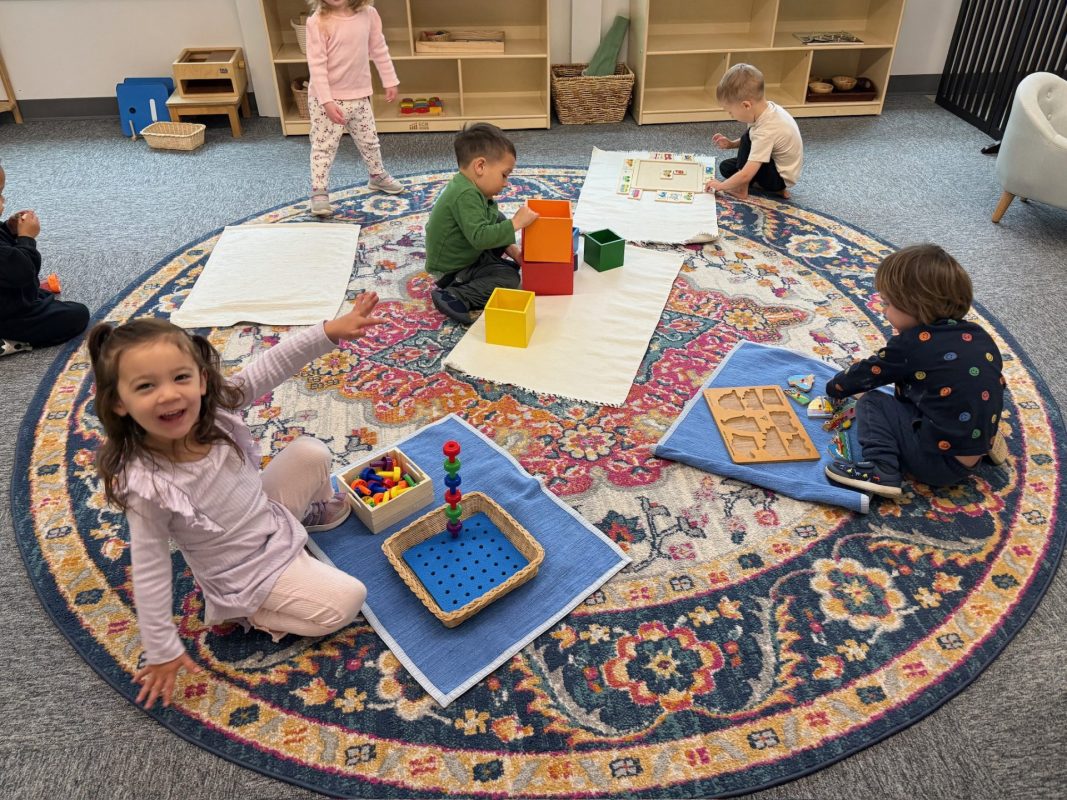
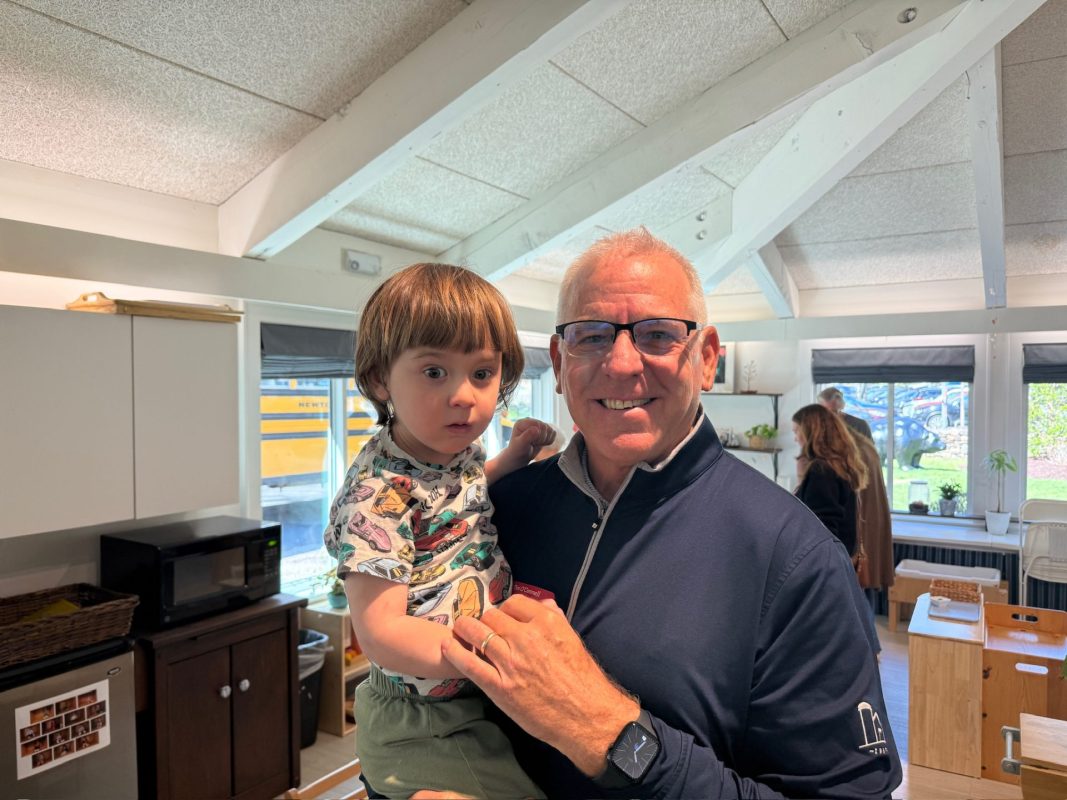
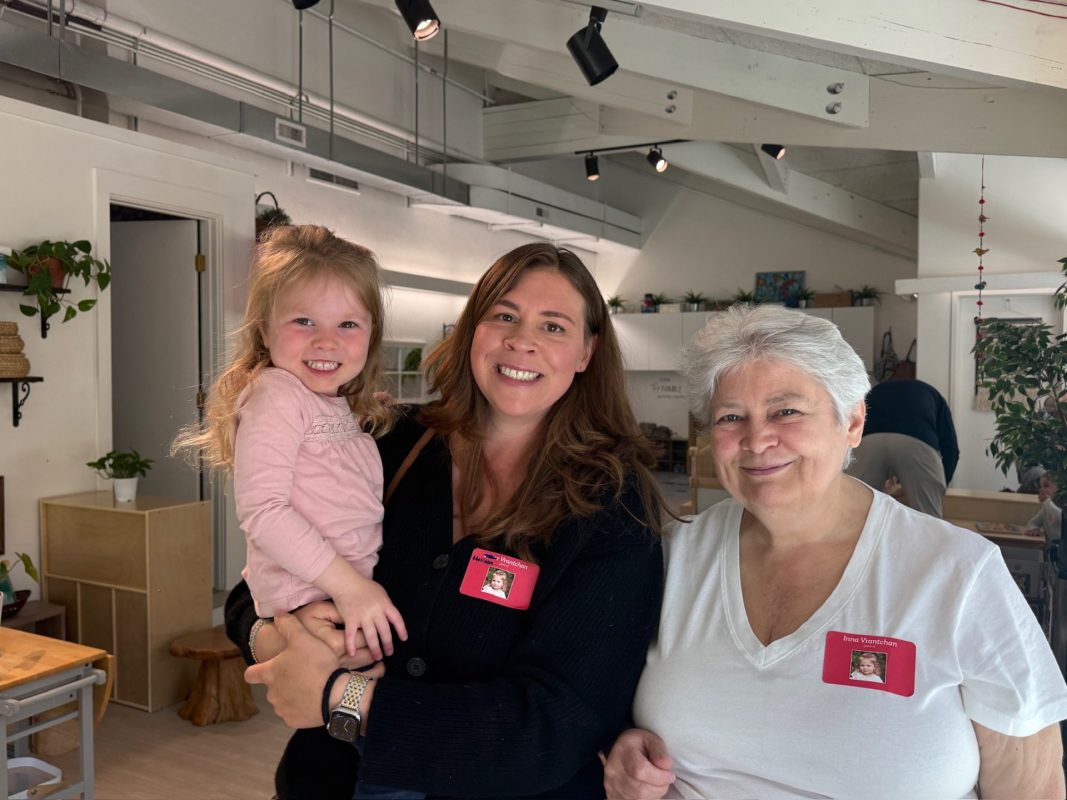
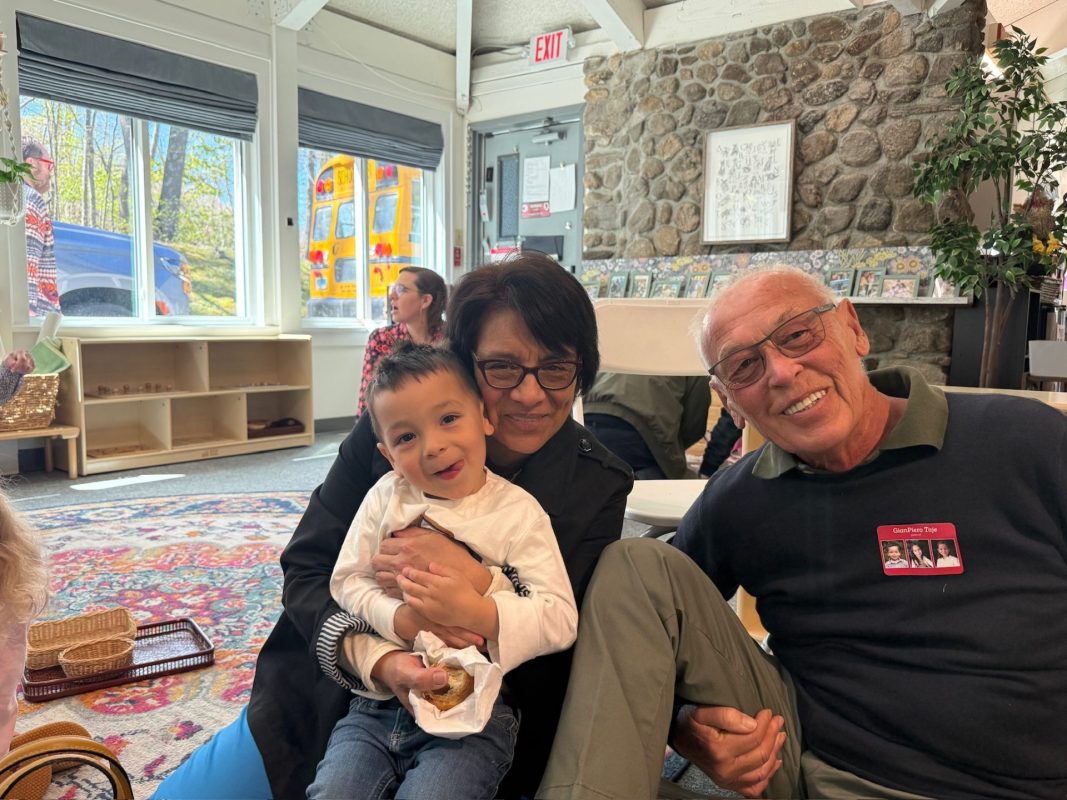
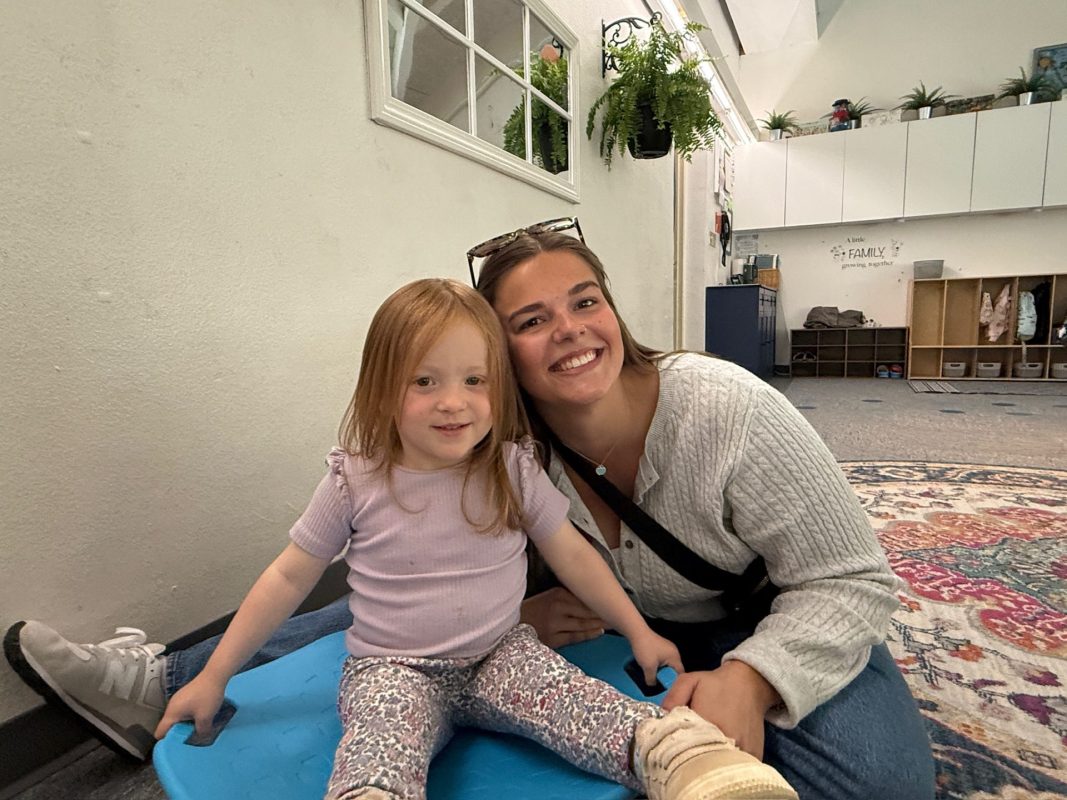
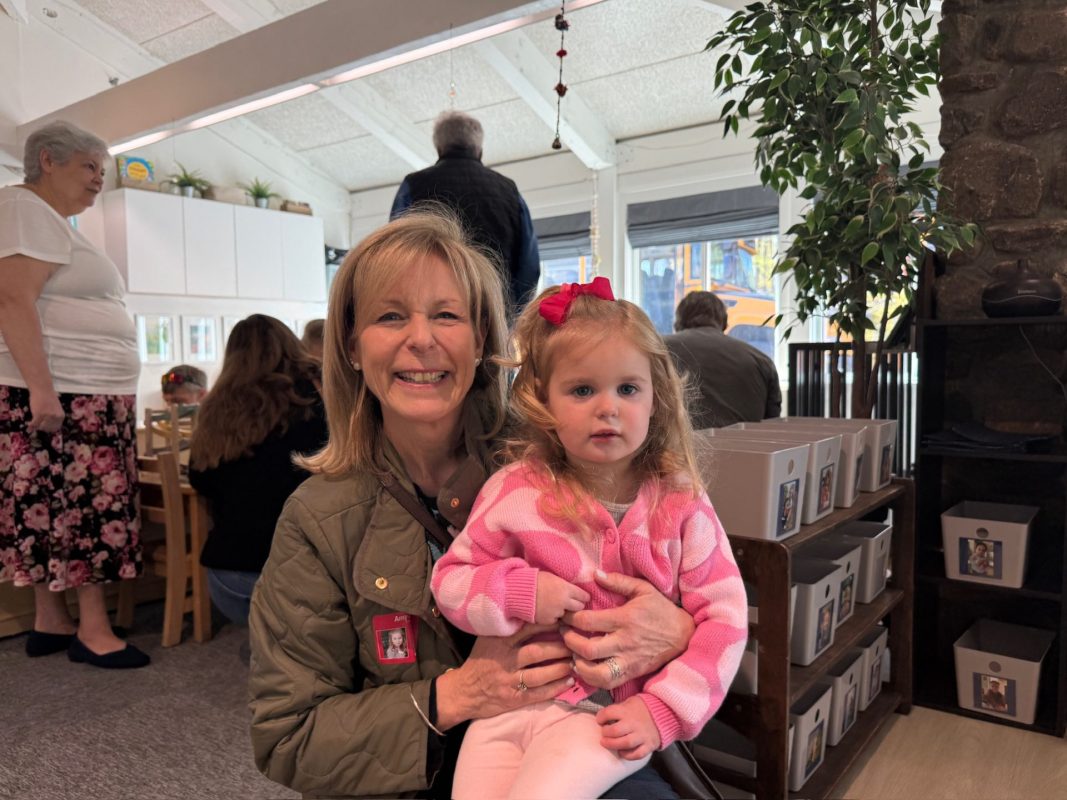
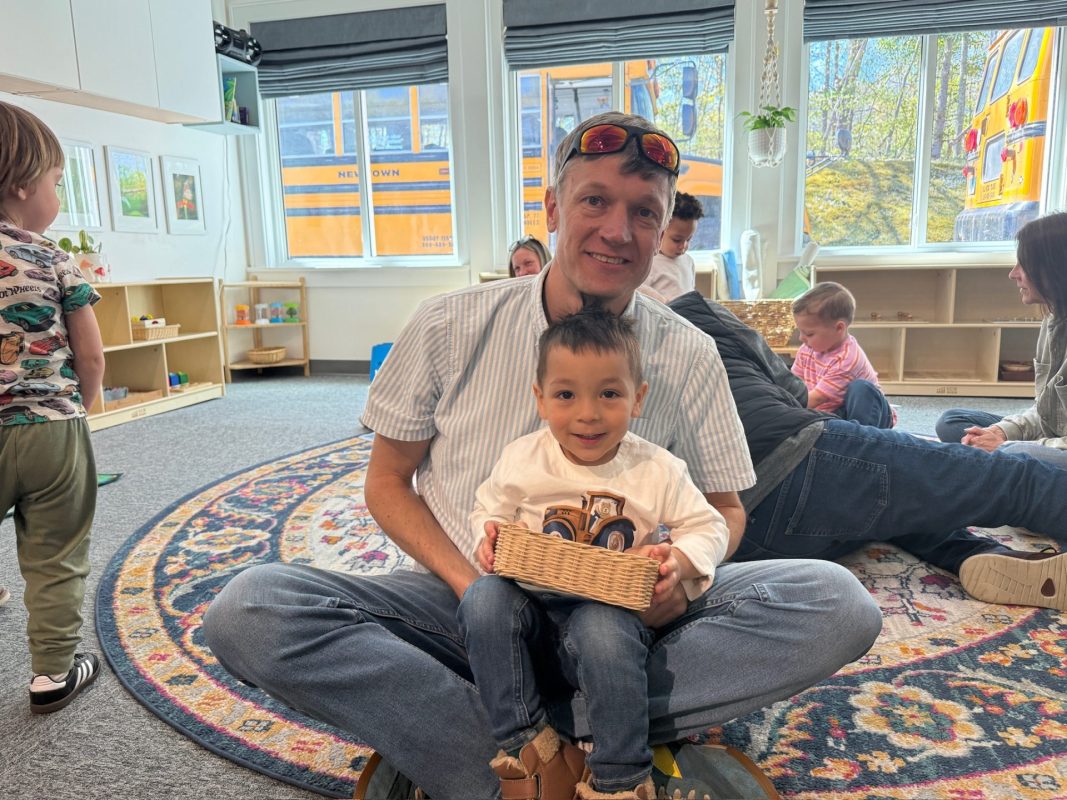
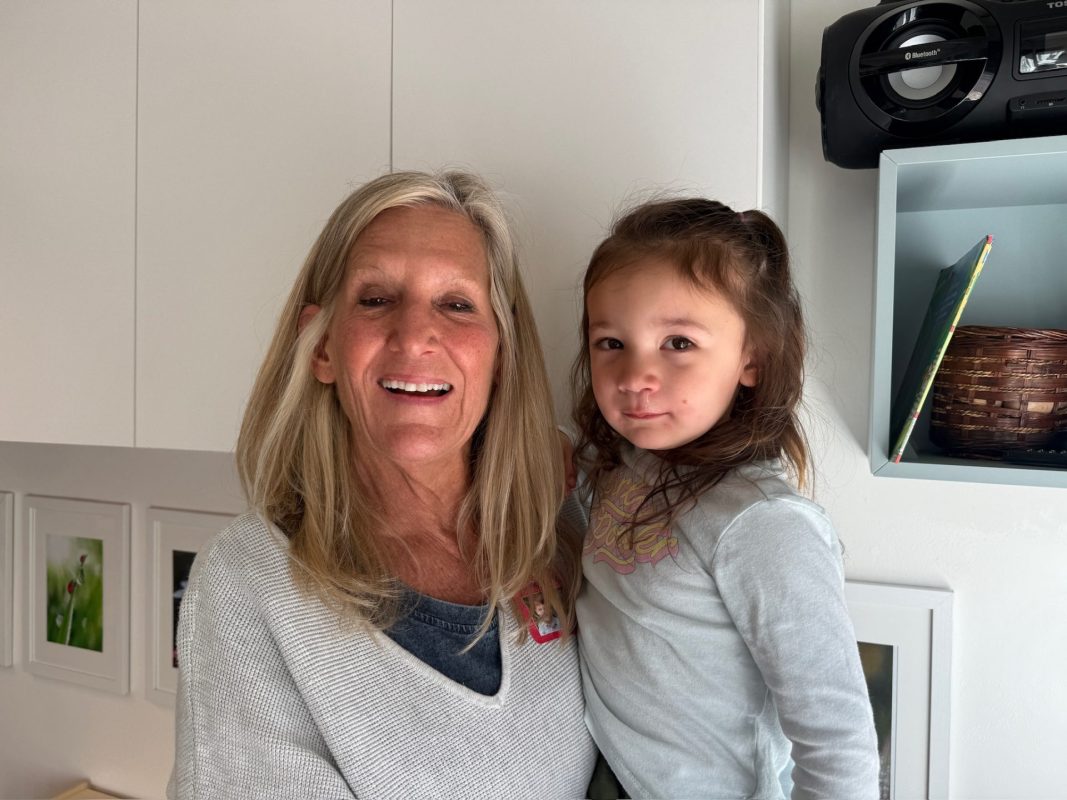
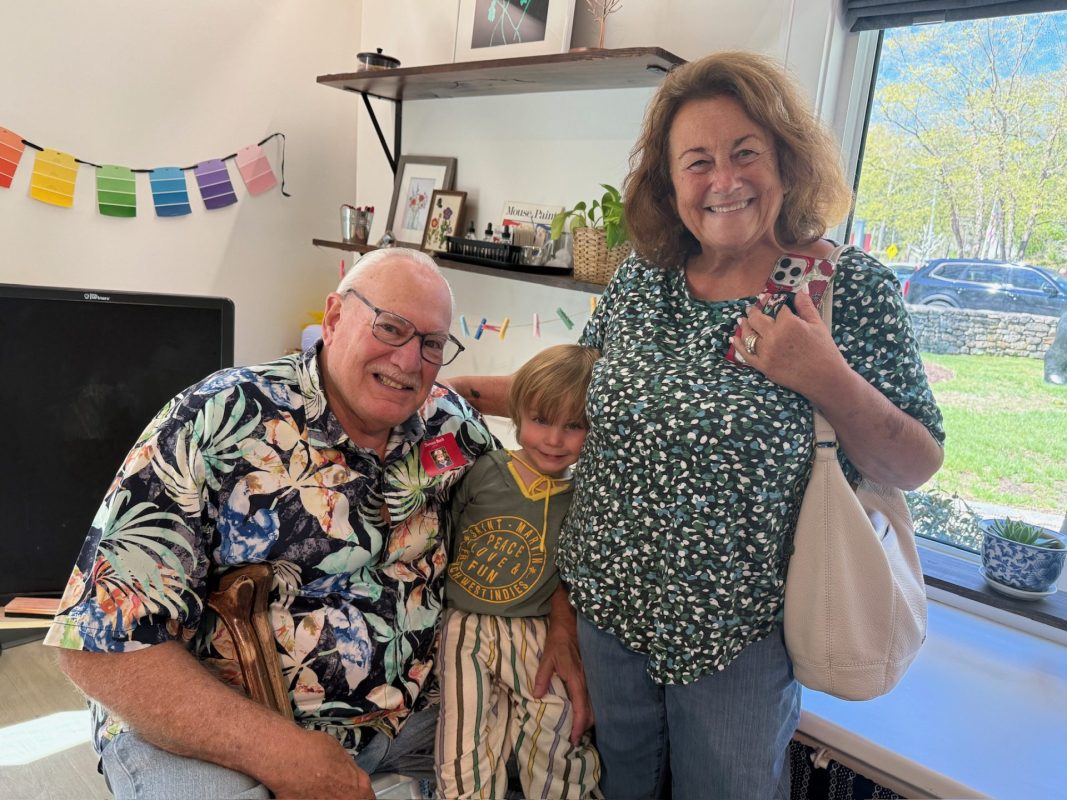
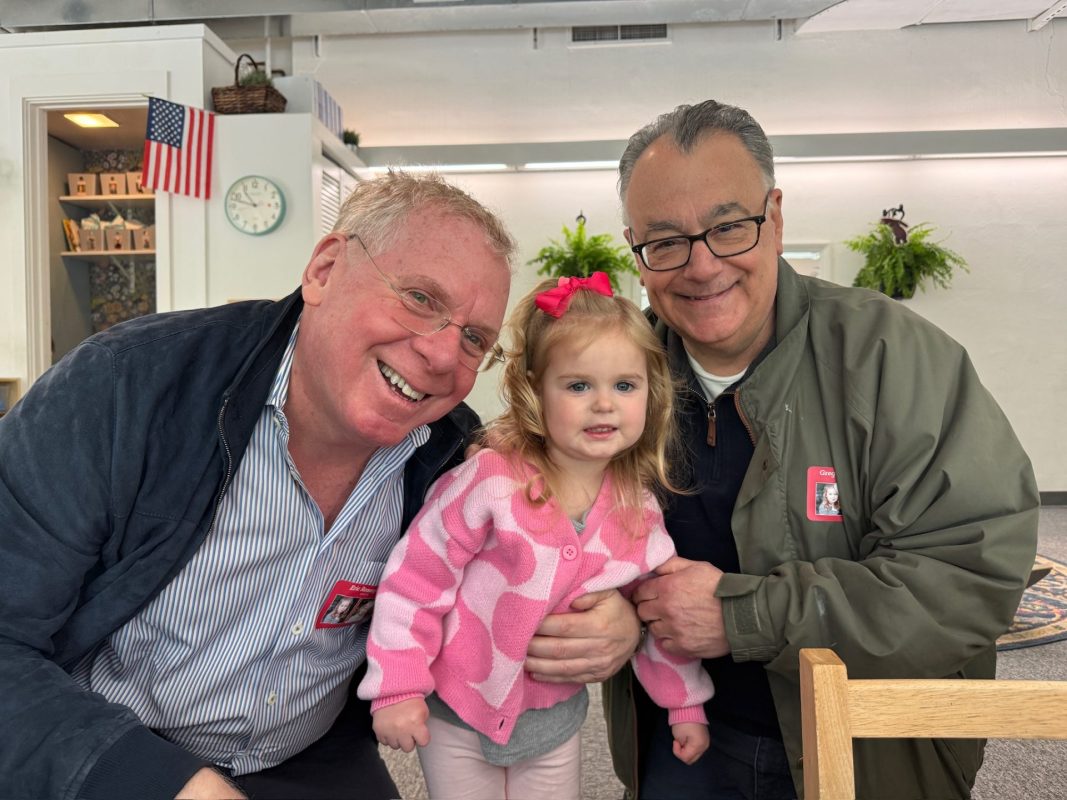
Grandparents and Special Friends Day was a meaningful highlight. The children were so proud to welcome their guests and share their classroom. They spent the morning guiding their visitors through some of their favorite activities, showing a growing sense of confidence and independence.


Ms. Marissa: Weekly Update


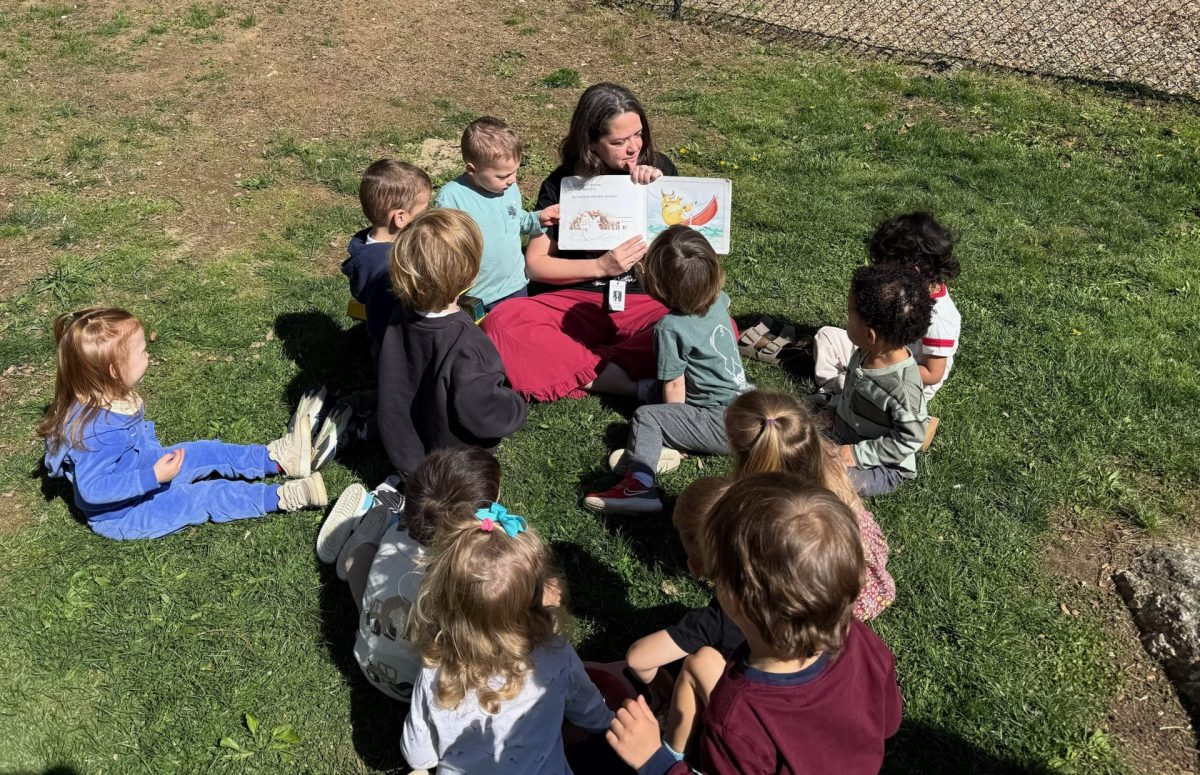
Spring has brought a lot of excitement into our classroom lately. We’ve been watching our baby chicks hatch, and it’s been such a cool experience for the kids. They’ve been checking on the eggs throughout the day, noticing the small cracks, and listening for those first little peeps. Once the chicks started hatching, there was a lot of quiet focus as everyone gathered around to watch. Now we’re helping care for them and learning what they need to stay safe and healthy.

At the same time, we’ve also welcomed caterpillars into the classroom so the children can observe another life cycle up close. They’ve already started noticing how much the caterpillars eat and how quickly they grow. Having both the chicks and caterpillars in the room has been a great way to talk about how living things grow and change in different ways. It’s been a simple, hands-on way for the kids to learn by watching, asking questions, and being part of the process.


Middle School: Celebrating 8th Grade Experts & Week in Review

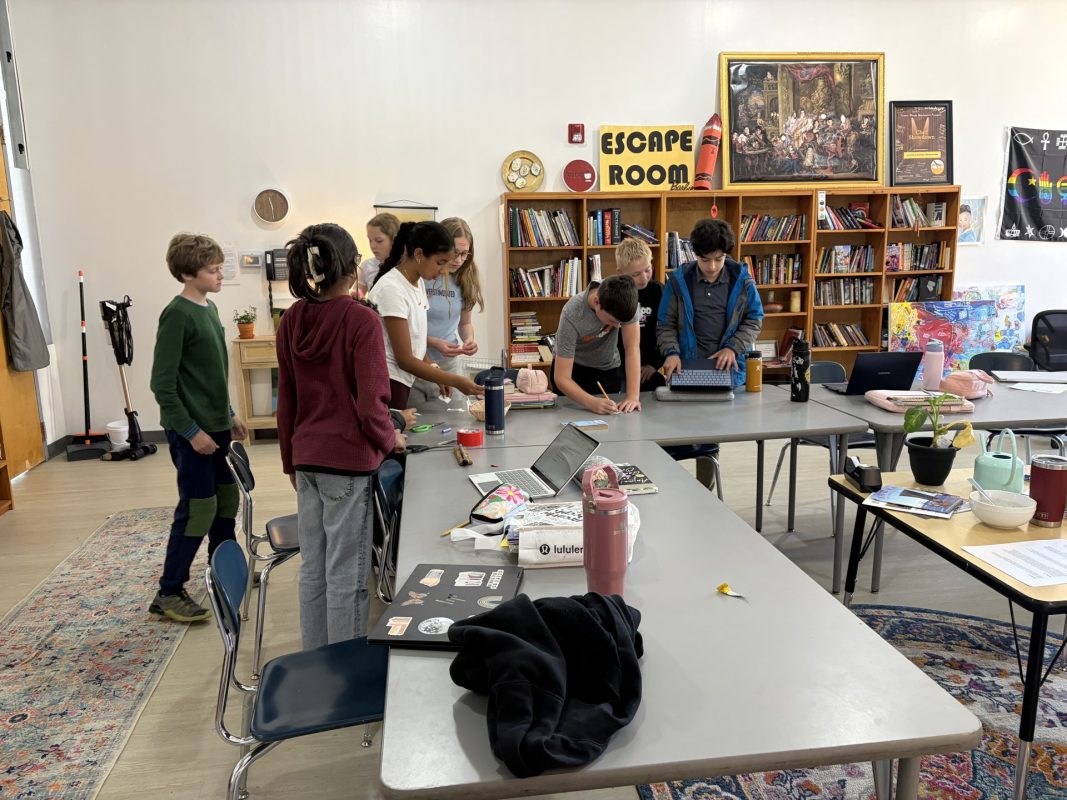
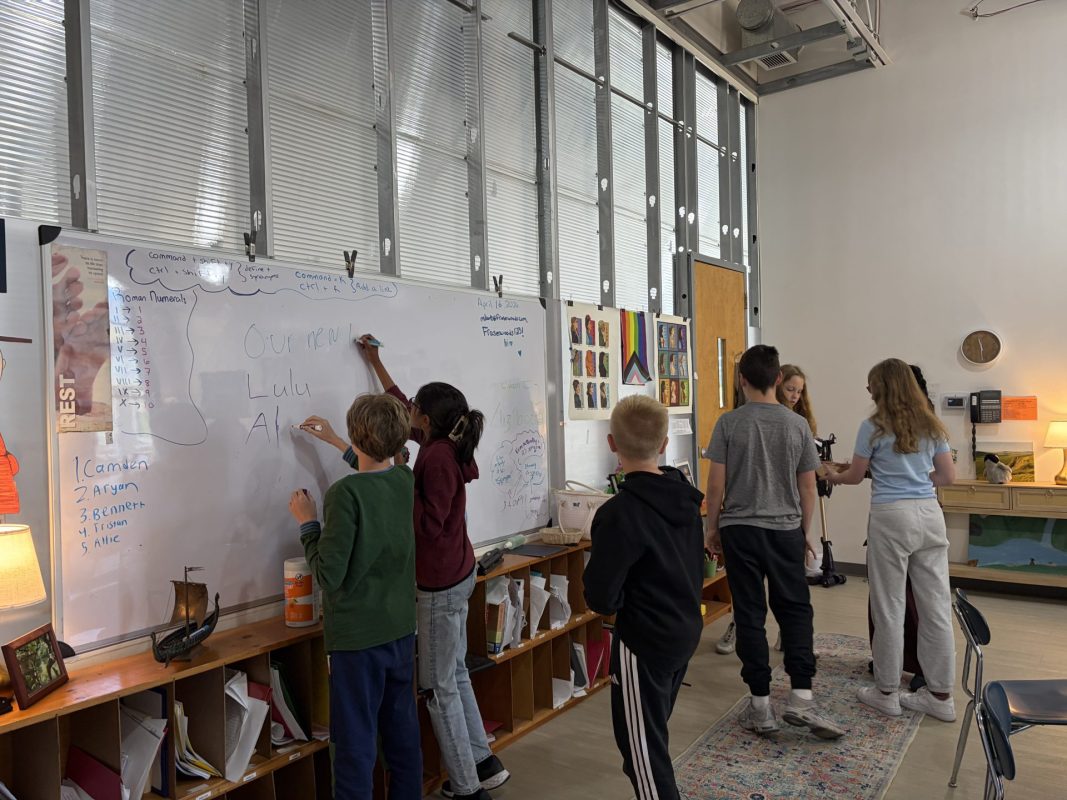
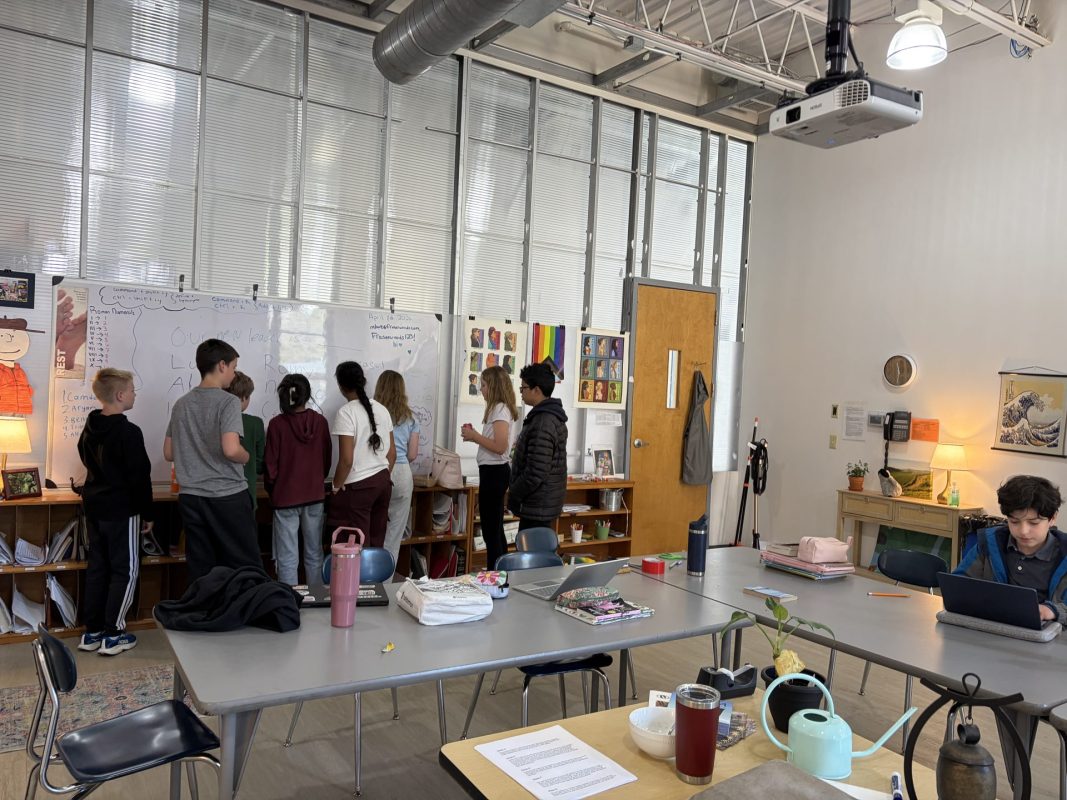
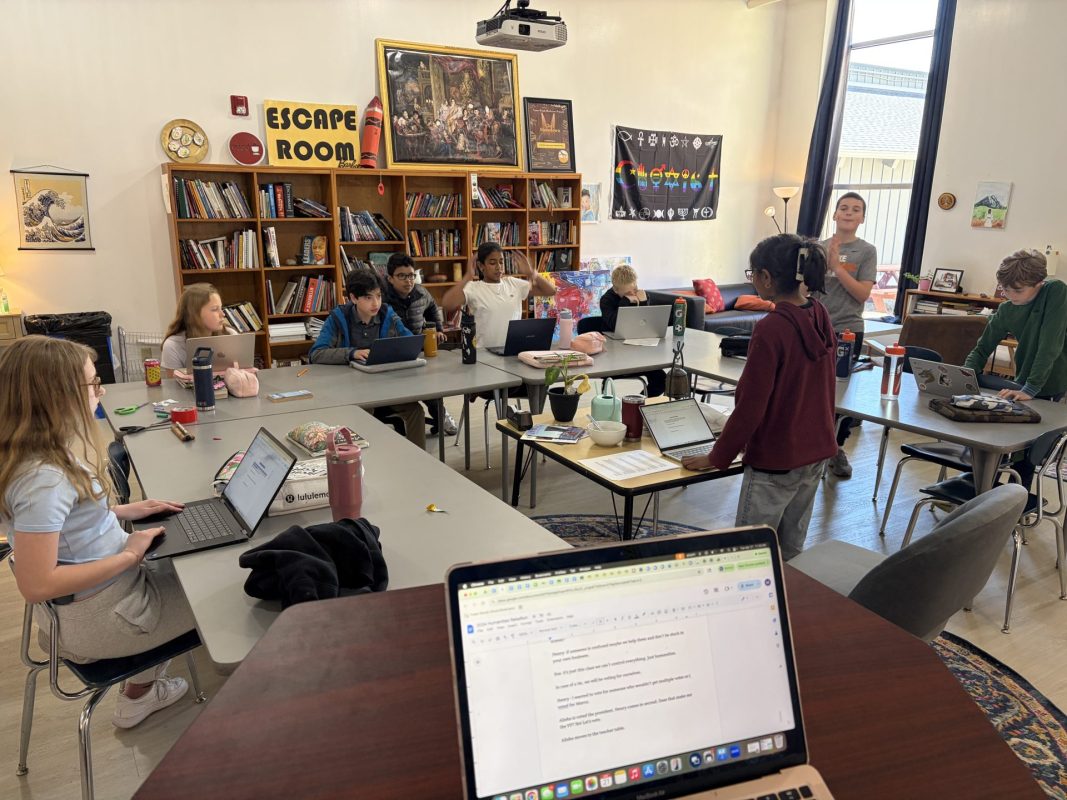
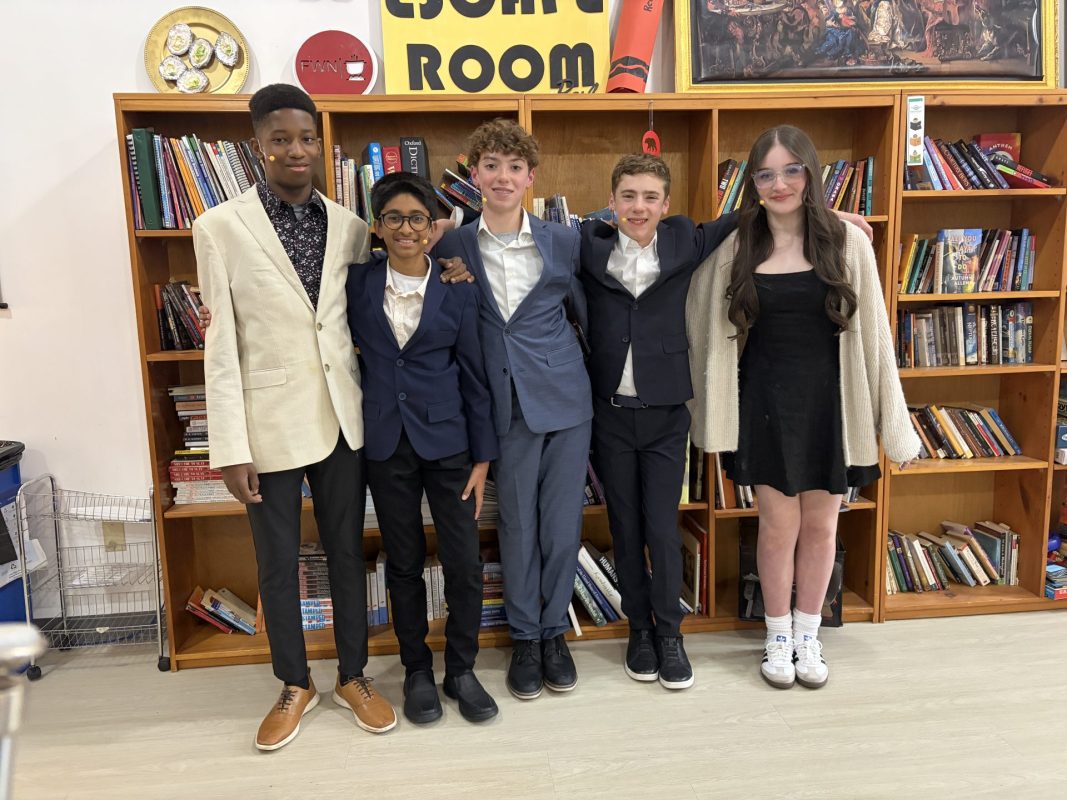
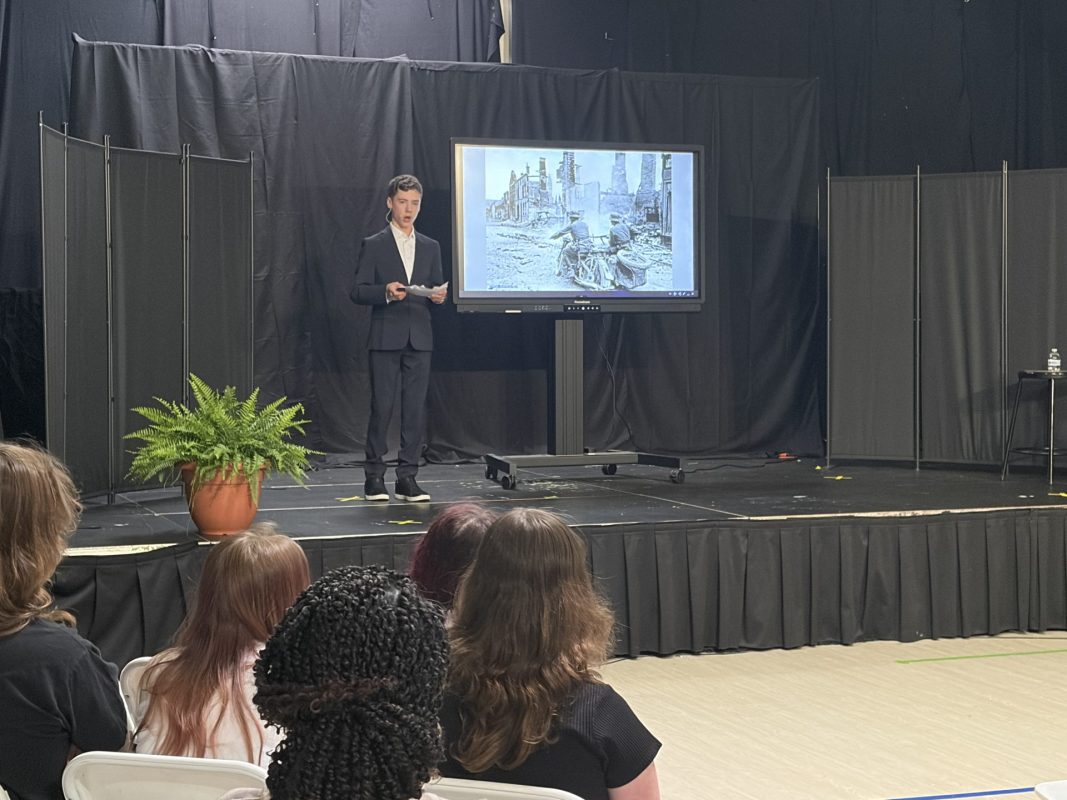
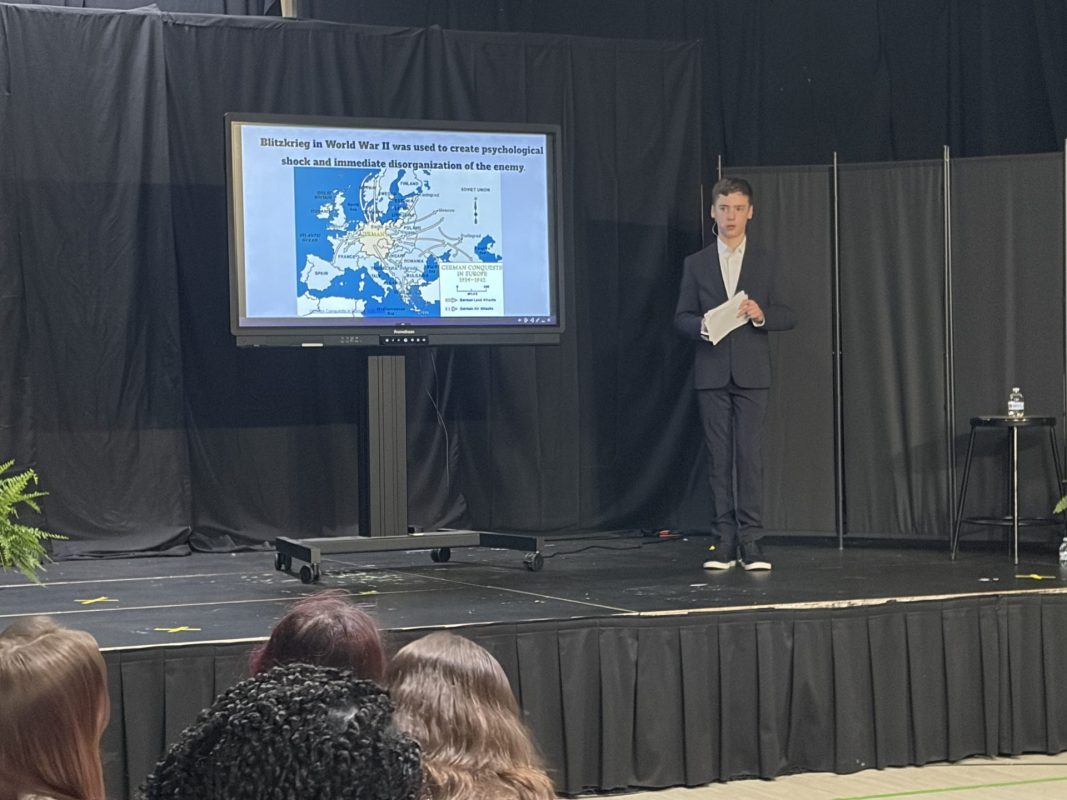
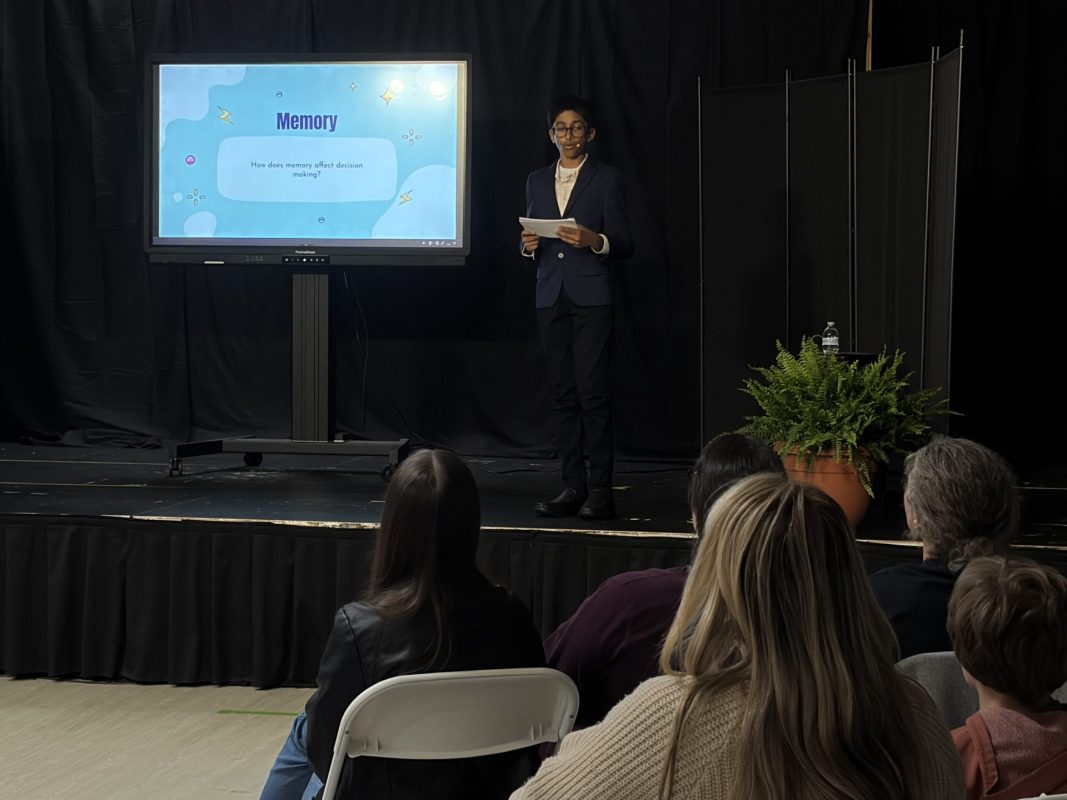
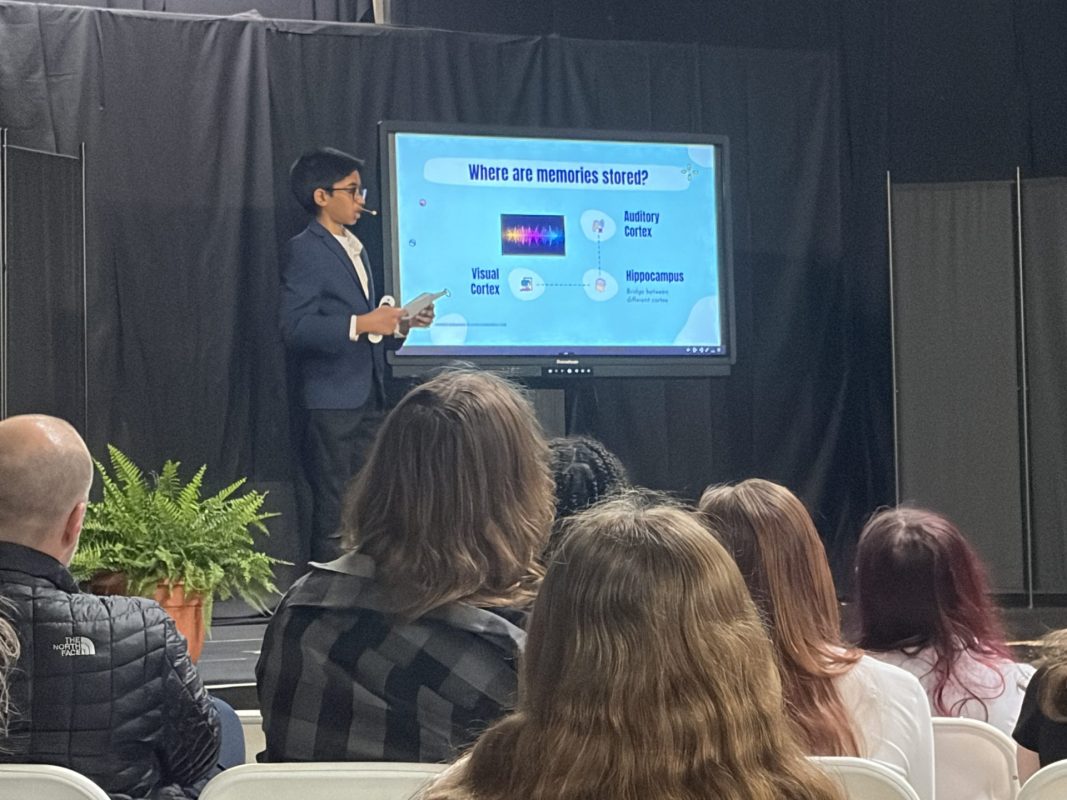
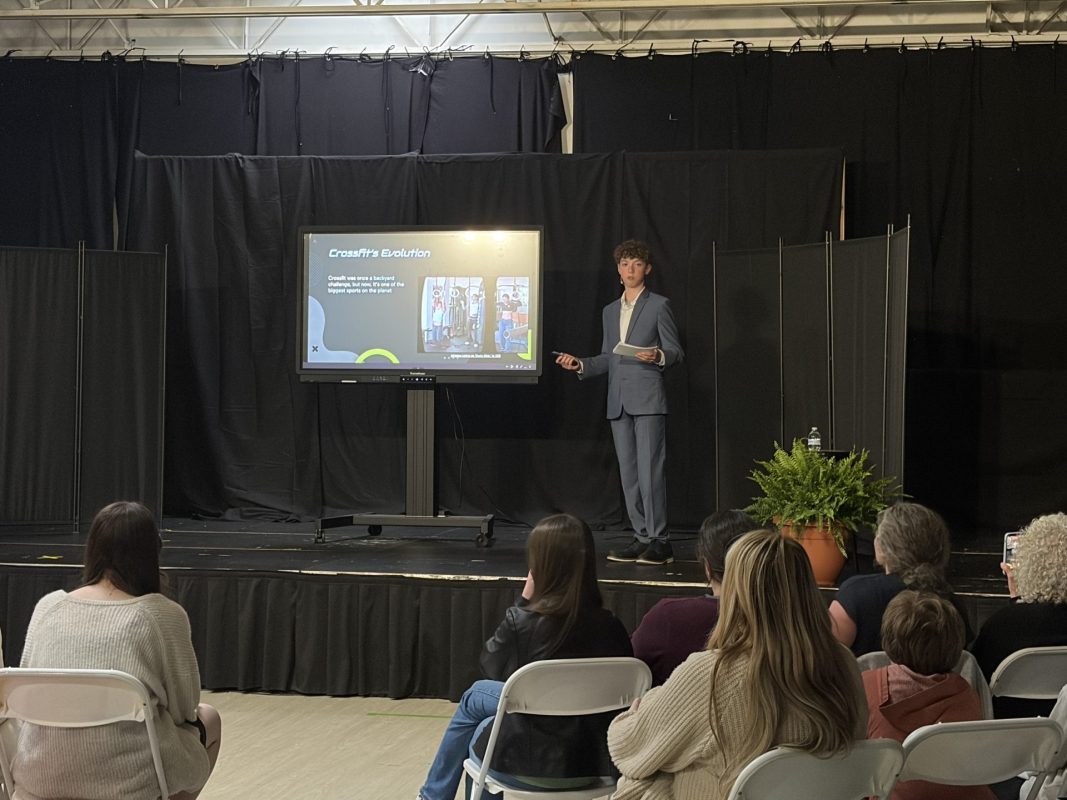
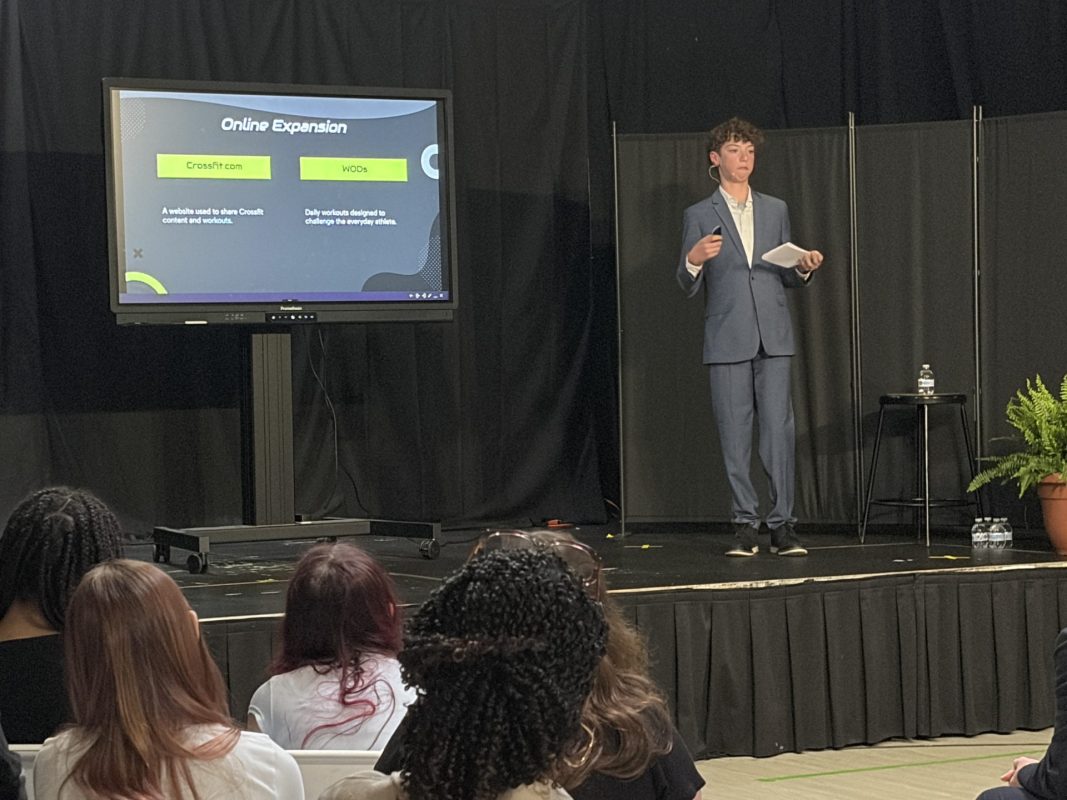
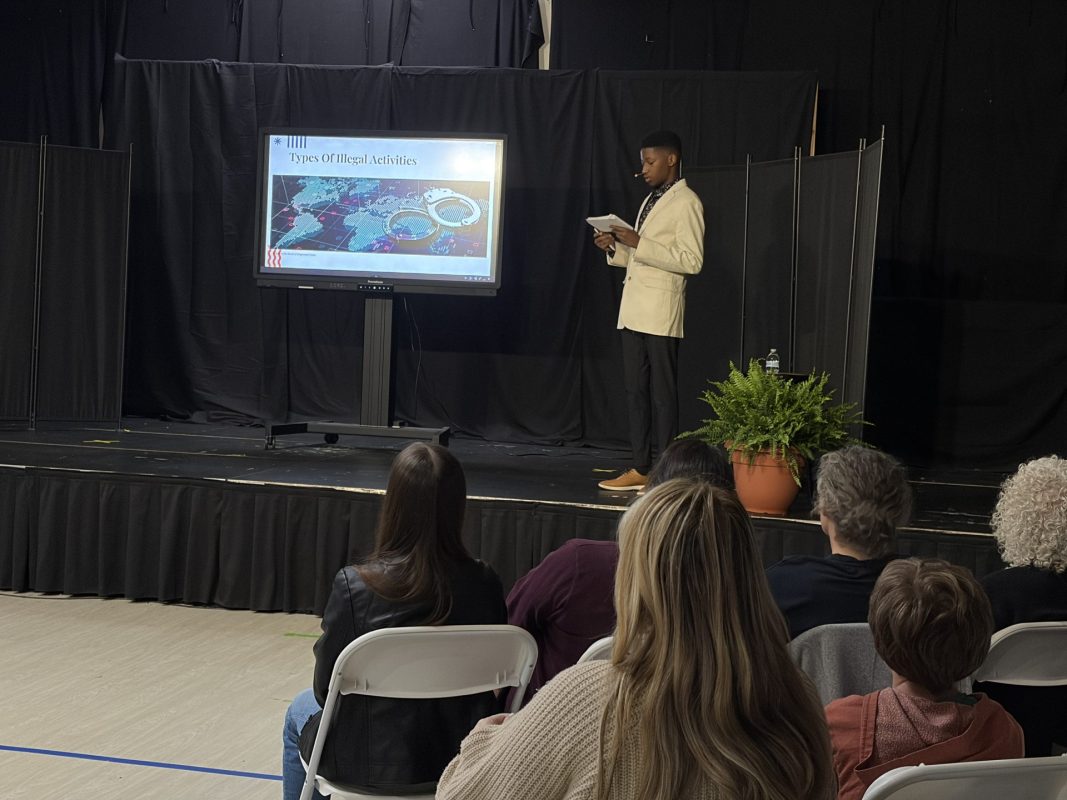
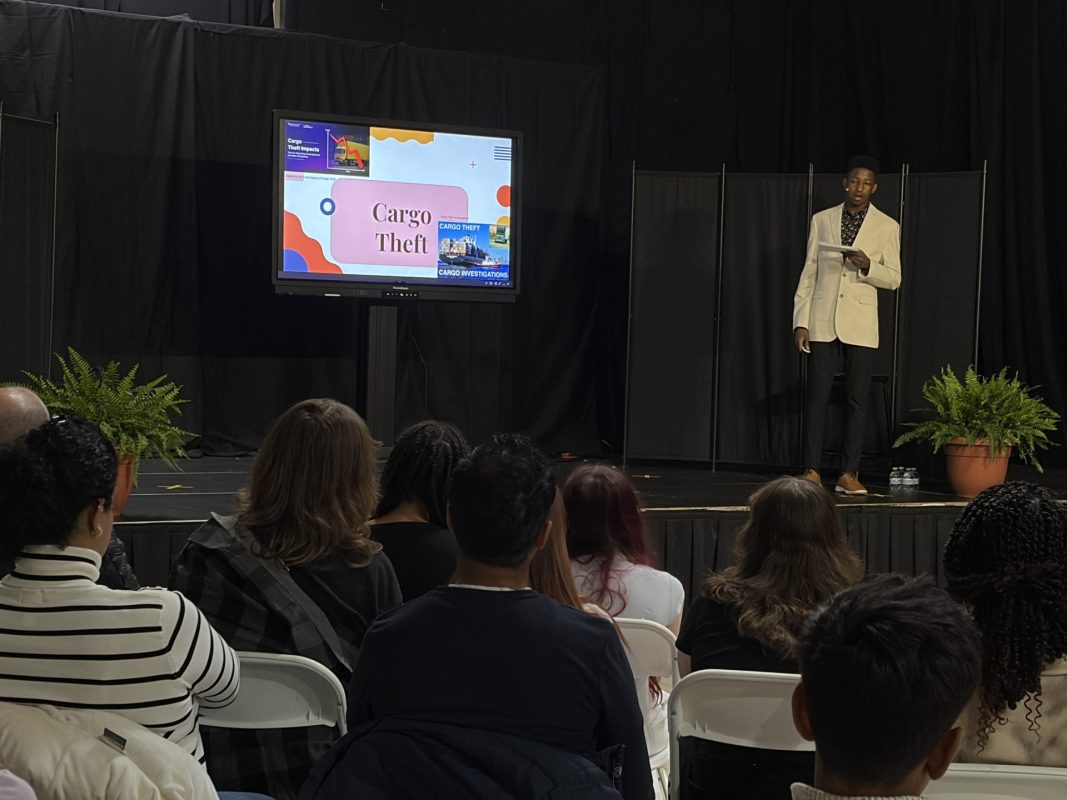
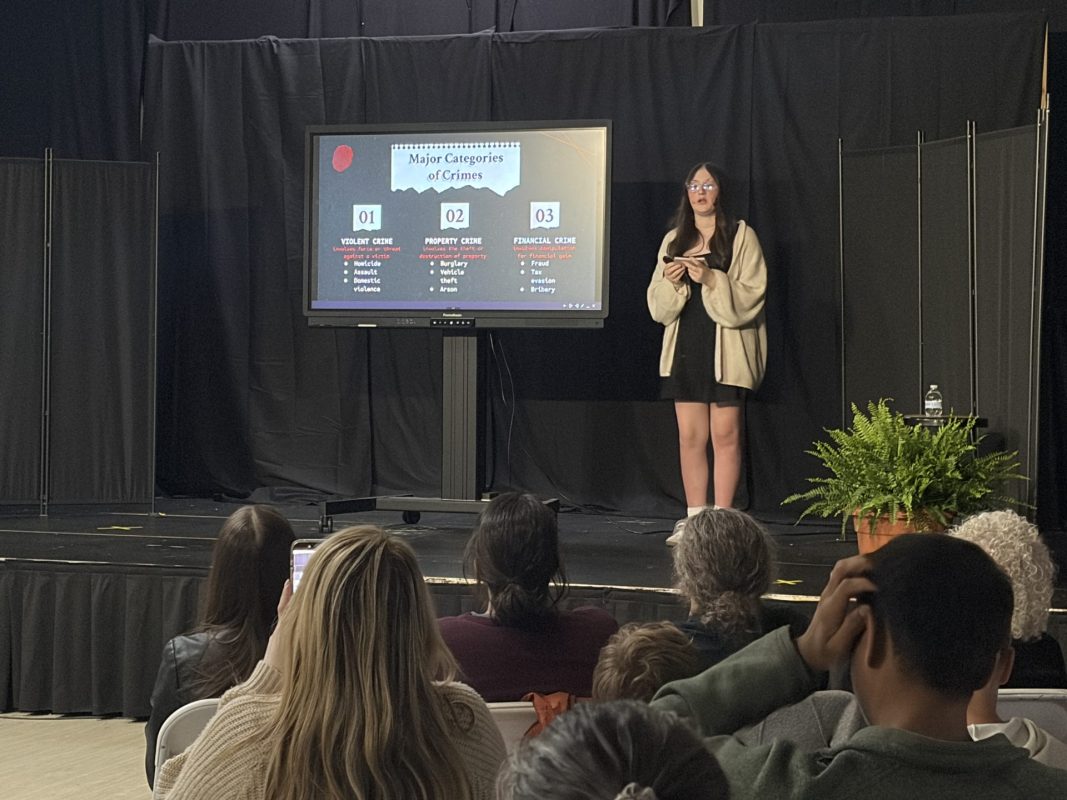
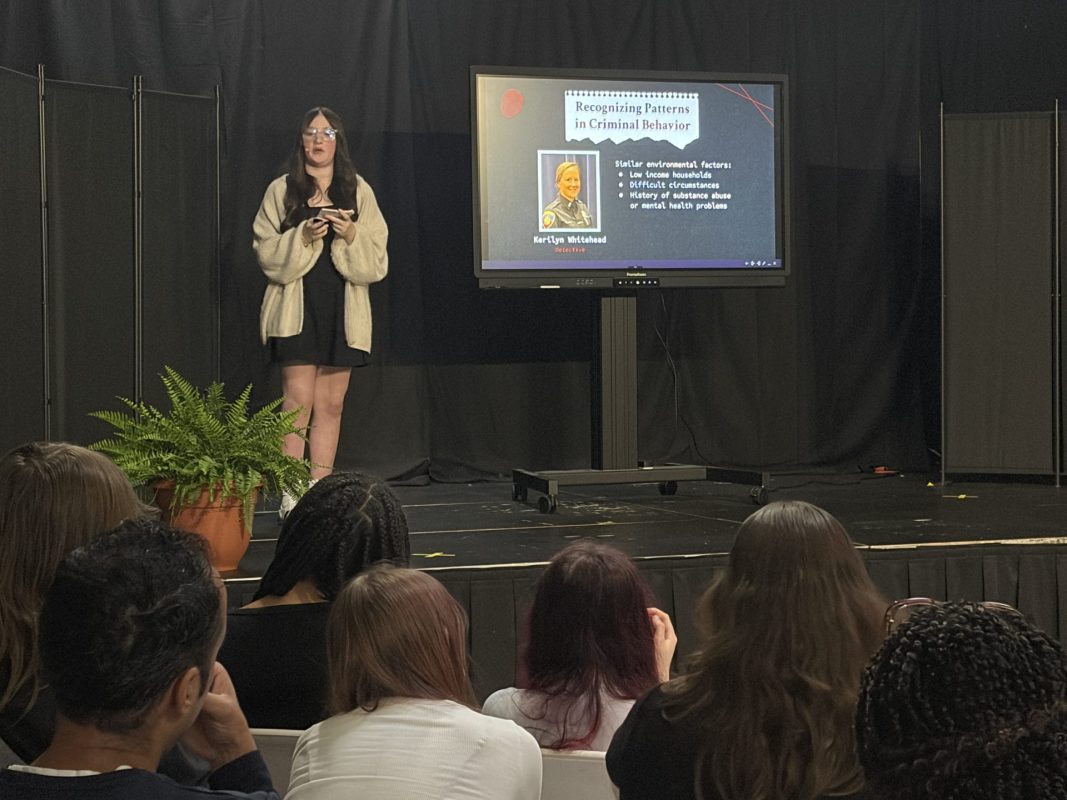
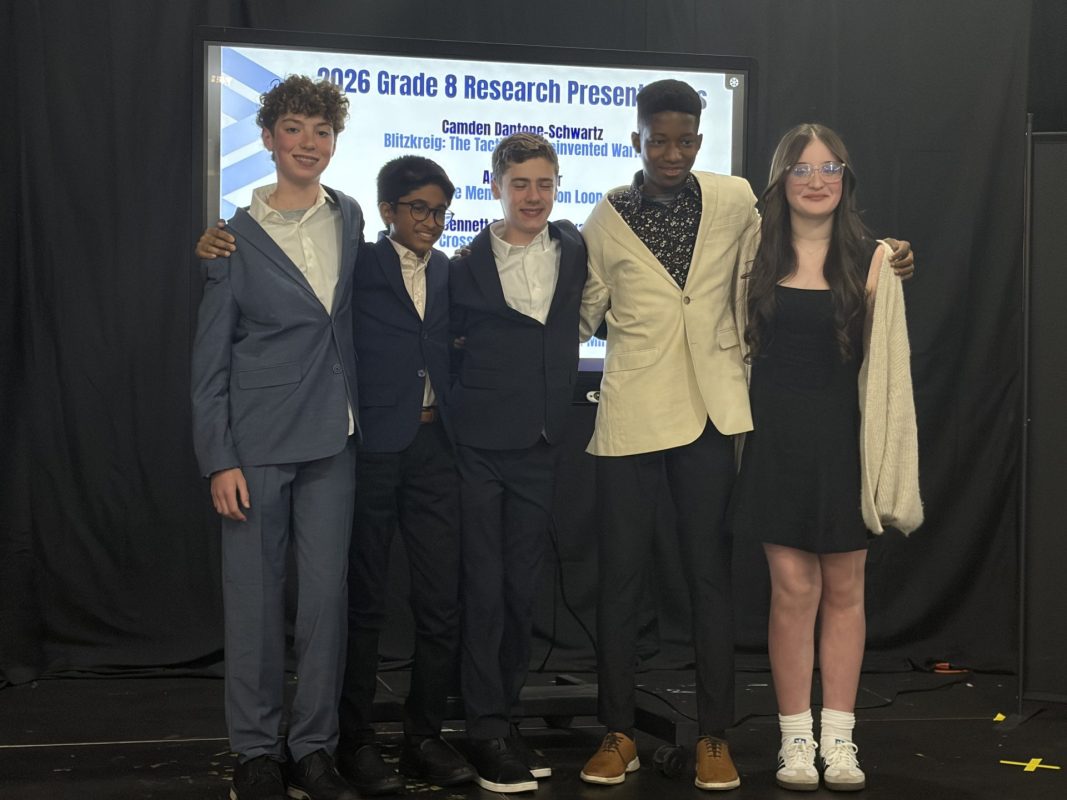
On Wednesday, April 22nd, the Middle School Community came together to support our graduating 8th graders as they presented their Expert Projects. These 10-15-minute presentations were a wonderful representation of the research they have been doing since early January. Additionally, students wrote a research essay using interviews they completed with experts in the field as a resource. The 8th-grade students should be proud of their hard work and dedication to their projects. Bravo!

They presented the following topics:

  • Camden: Blitzkrieg: The Tactic that Reinvented Warfare
  • Aryan: The Memory-Decision Loop
  • Bennett: CrossFit: Redefining Fitness
  • Tristan: Organized Crime: Underground Groups and Markets
  • Allie: Understanding the Criminal Mind

Coming Up:

  • MS Trip: Complete the required medical form and submit medical authorizations for medication distribution ASAP.
  • Please submit the initial $500 deposit for the MS Trip that was due Monday, 4/20
  • MS Musical: Willy Wonka, Jr., May 21st @ 7 pm.
  • SAVE THE DATE! FAREWELL TO THE CLASS OF 2026 on Friday, May 15 @ 4:30 pm
  • SAVE THE DATE! Middle School Dance on Friday, May 22nd 
  • MS ARRIVAL BEGINS AT 8 am

Humanities

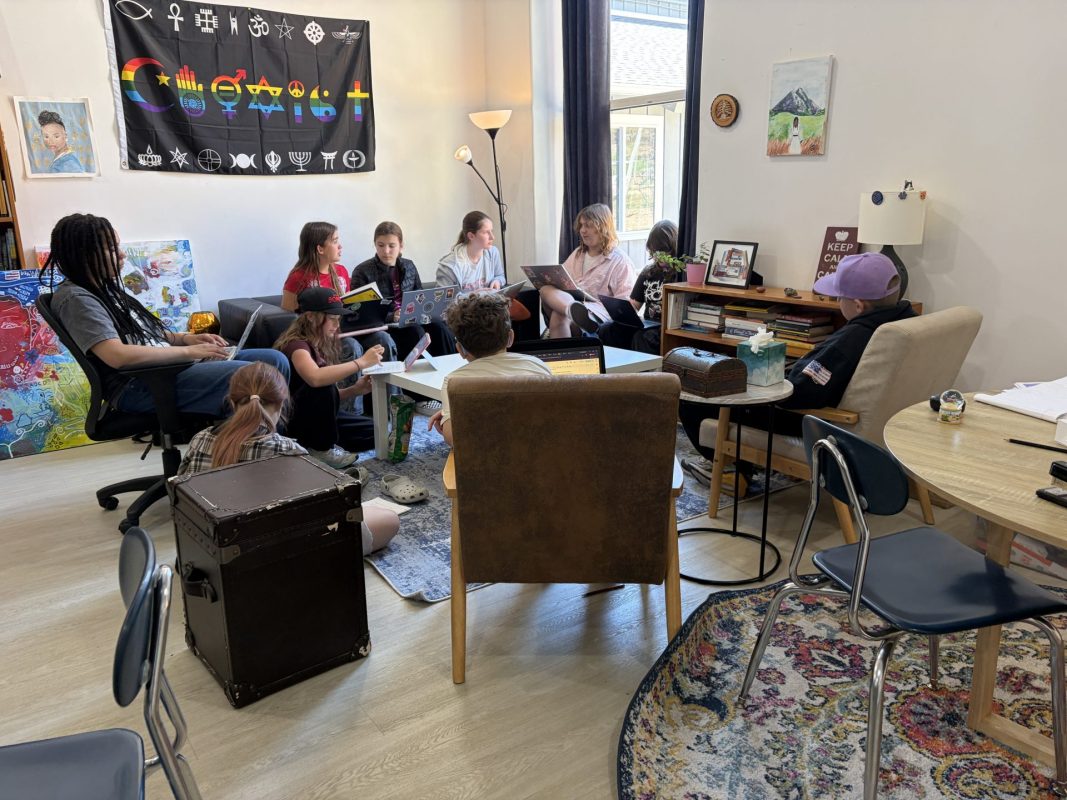
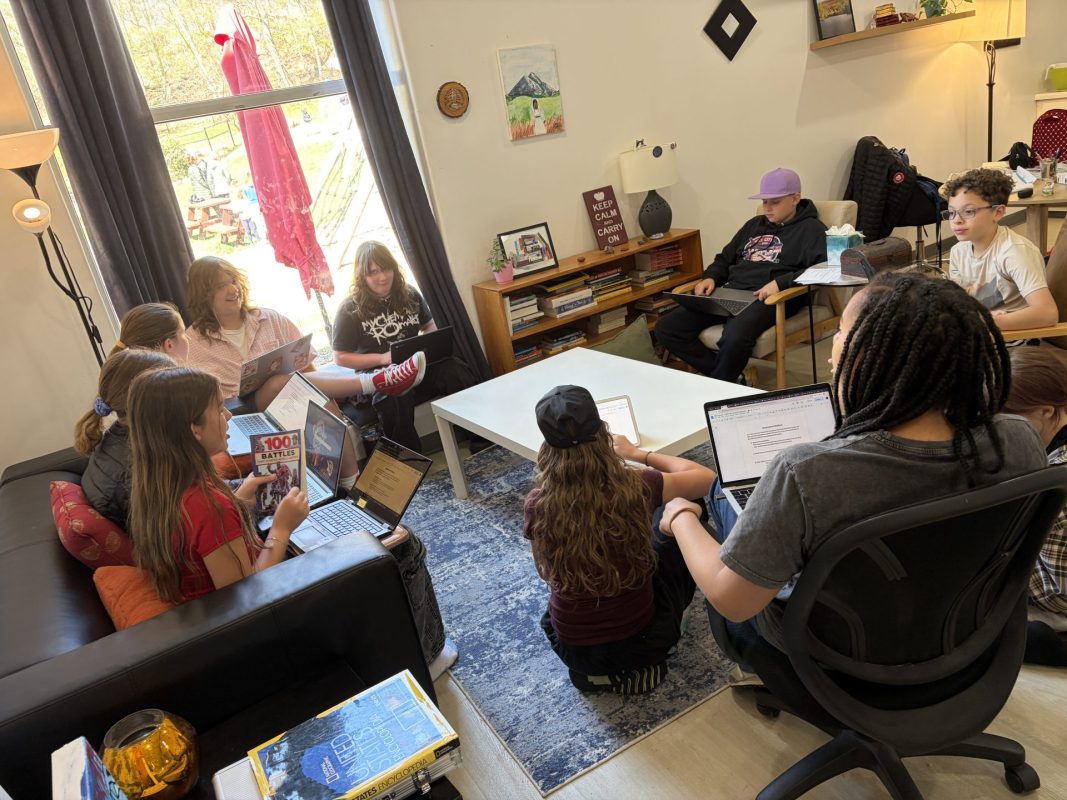
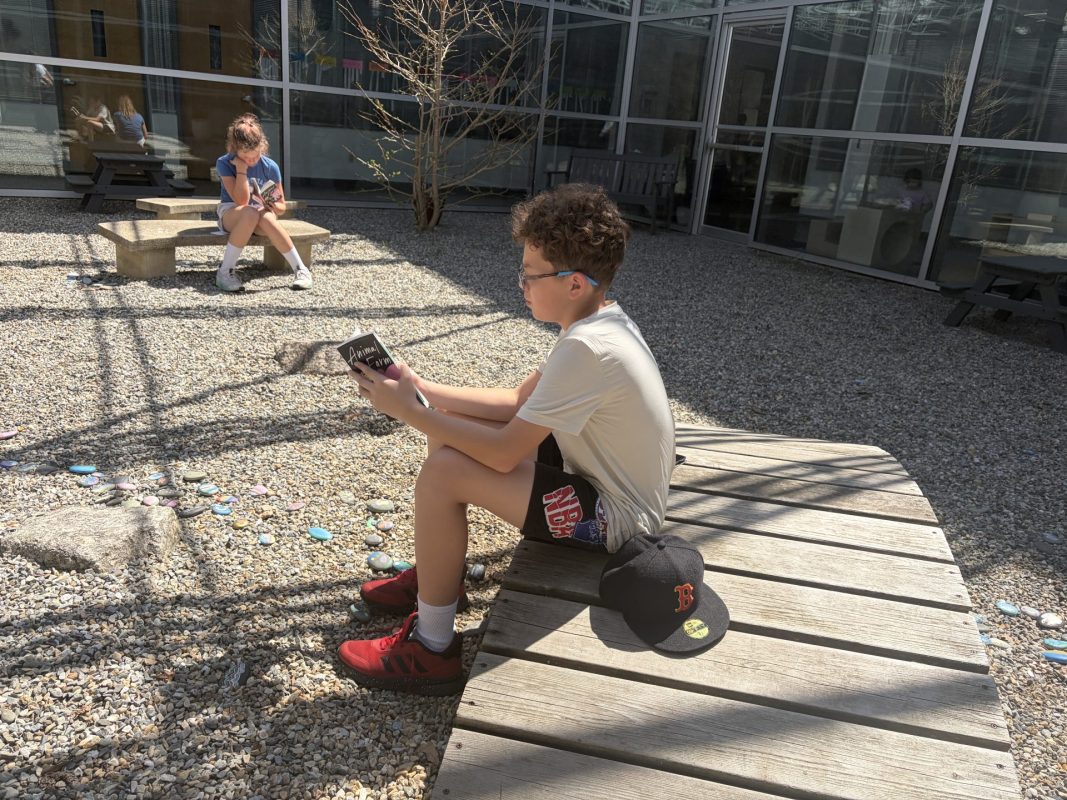
6th and 7th-grade Humanities classes are wrapping up their studies of Animal Farm. Much like the animals from Manor Farm, they staged a Humanities Rebellion and overthrew Mrs. Lamb, taking control of Humanities classes. With Mrs. Lamb out of the picture, the classes had to move forward with making plans for the future of Humanities class. With those plans, they were allowed to run a class period. Mrs. Lamb enjoyed being the student and having both of the 6/7 sections as the guides. Currently, the groups are drafting literary analysis essays. Students chose from three prompts and will use examples from the novel to support their focus. The 7th-grade students will find and use direct quotations from the novel as well.

After wrapping up expert projects last week, this week was spent immersed in history. The class began reading the Constitution and learning more about its development. Using resources from the National Constitution Center in Philadelphia and segments from the PBS Series “Constitution USA with Peter Segal”, they are having a deeper understanding of the text and its current use. Additionally, the class began reading the biography, She Came to Slay: The Life and Times of Harriet Tubman by Erica Armstrong Dunbar.

Math

Pre-Transition: This week, students focused on the short division algorithm, strengthening their ability to divide multi-digit numbers efficiently. They practiced breaking down division problems into manageable steps. Students worked on both independent problems and guided examples to build confidence.

Transition: This week, students continued practicing solving one- and two-step equations to find the value of a variable. They focused on using inverse operations and checking their answers to make sure they were correct. Later in the week, students were introduced to graphing linear equations by creating a table of values. They learned how to choose input values, find the corresponding outputs, and plot the points on a coordinate plane to see the line’s pattern.

Algebra: This week, students wrapped up Chapter 6 by reviewing and taking the Chapter 6 assessment, which demonstrated their understanding of all concepts related to slope. They worked with concepts like finding slope from graphs, tables, and equations, and interpreting what slope means in real-world situations. At the end of the week, students began previewing Chapter 8, which covers exponent properties and how to simplify expressions using exponents.

Geometry: This week, students learned about reflection and rotation of symmetric figures. They explored how shapes can be flipped over a line (reflection) or turned around a point (rotation) while still maintaining their size and shape. Students practiced identifying lines of symmetry and determining how many times a figure can be rotated onto itself. They worked with a variety of shapes to better understand how symmetry appears in different figures.

 Algebra II: This week, students reviewed key concepts from Chapter 5 and then took the Chapter 5 assessment to show their understanding. After completing the test, they began Chapter 6, where they were introduced to quadratic equations. Students began exploring what makes an equation quadratic and examined the basic form, beginning to understand how these equations create parabolas when graphed.

Science
Middle School students continued working on lessons from the Discovery Education e-book. This week, 6th and 7th-graders started learning about atoms, their structure, and their subatomic particles. Students learned that an atom is composed of a nucleus and energy levels around it. They learned that the subatomic particles in the nucleus are protons (positively charged) and neutrons (uncharged). Also, they understood that electrons (negative charge) are in the outer shells or energy levels. In addition, they learned the concept of atomic numbers (number of protons) and atomic mass (protons + neutrons). They had a general introductory class on the Periodic Table, with 118 elements and their organization. They also learned how to look for the atomic number and atomic mass for each element using the periodic table.
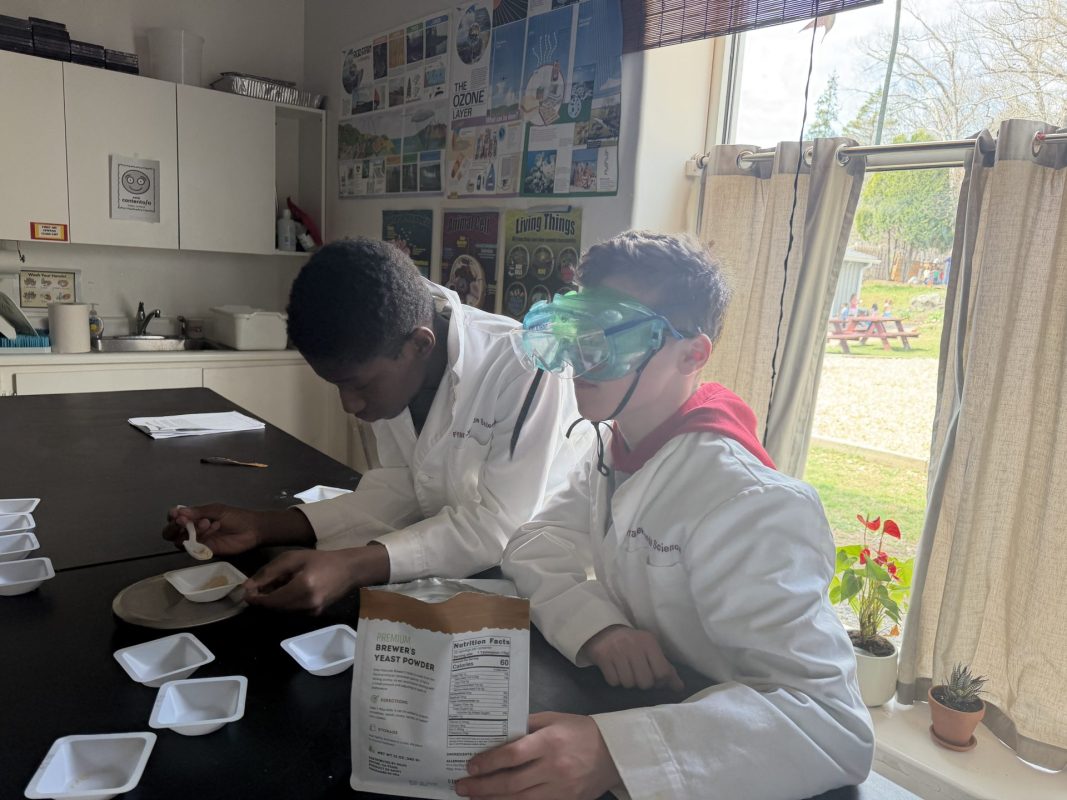
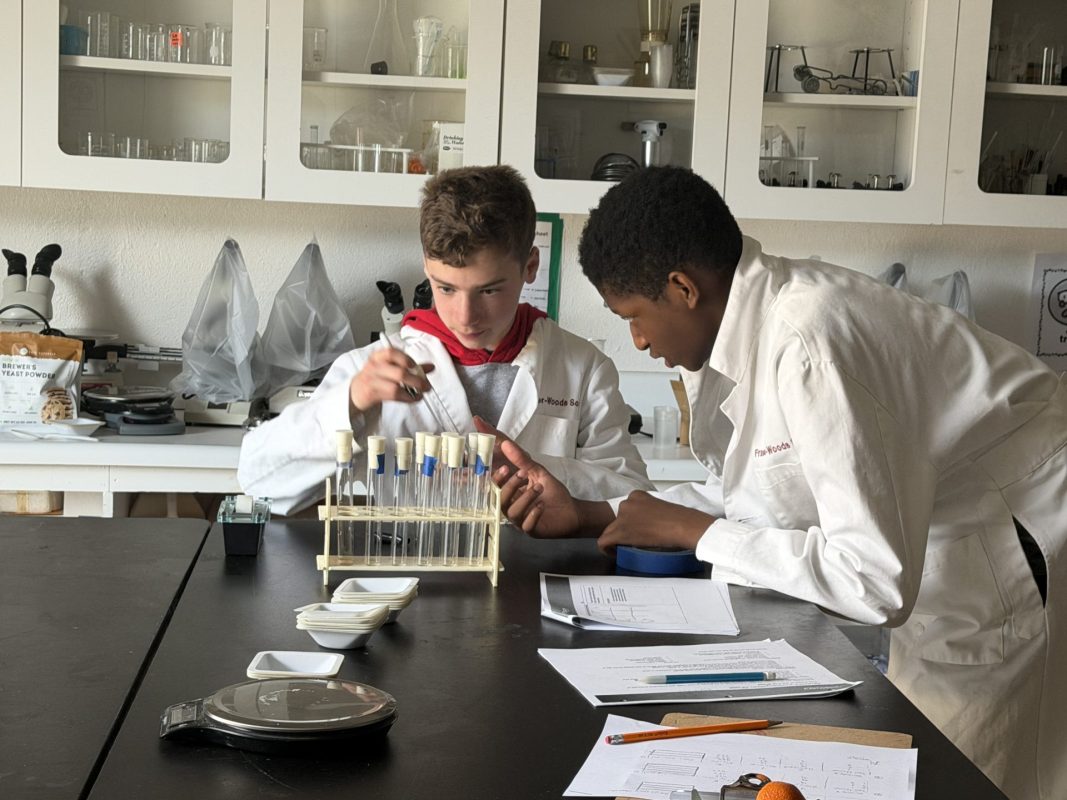
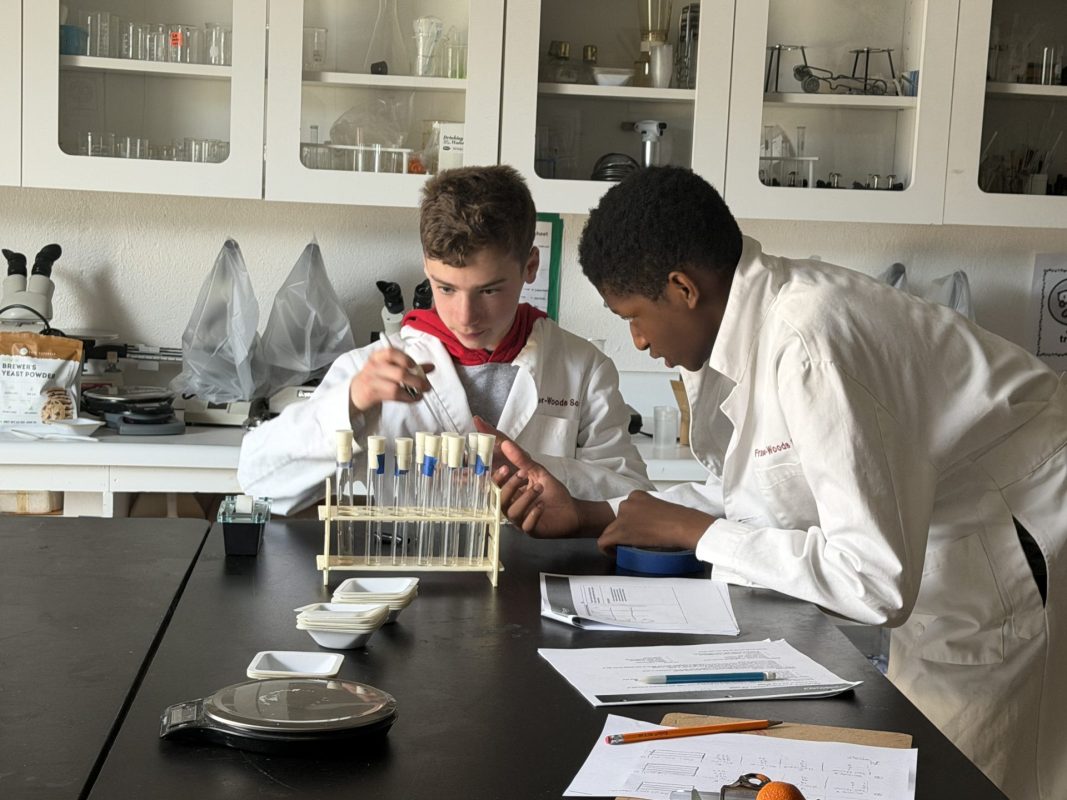
8th graders finished working on their hands-on project about Fermentation, analyzing its results and comparing them with the Fermentation virtual laboratory. With the use of a tool in Google Sheets, they were able to record their data in charts and do the graphs for better analysis. They worked on their analysis and their conclusion. Summarizing, they also learned the importance of being organized and focused when it is time to record data in a laboratory experiment. All these lessons and new concepts are supported by classwork, videos, readings, and explanations in class, followed by weekly science articles where students can practice their critical thinking to answer the questions.
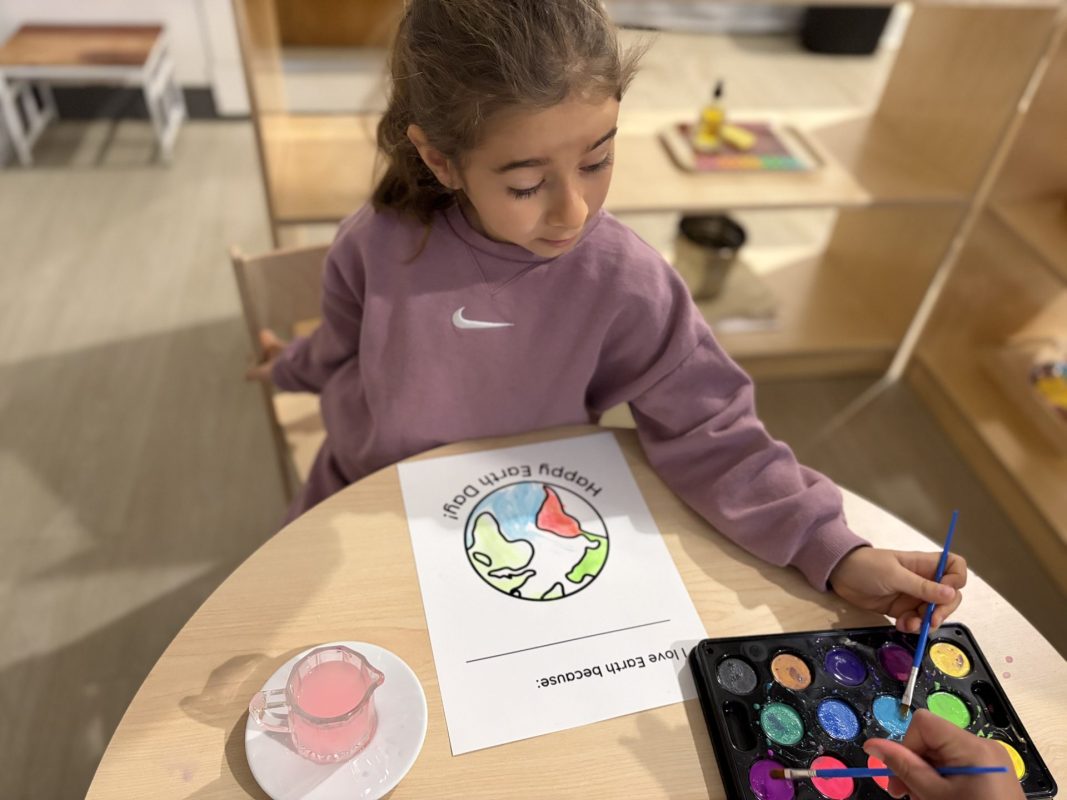
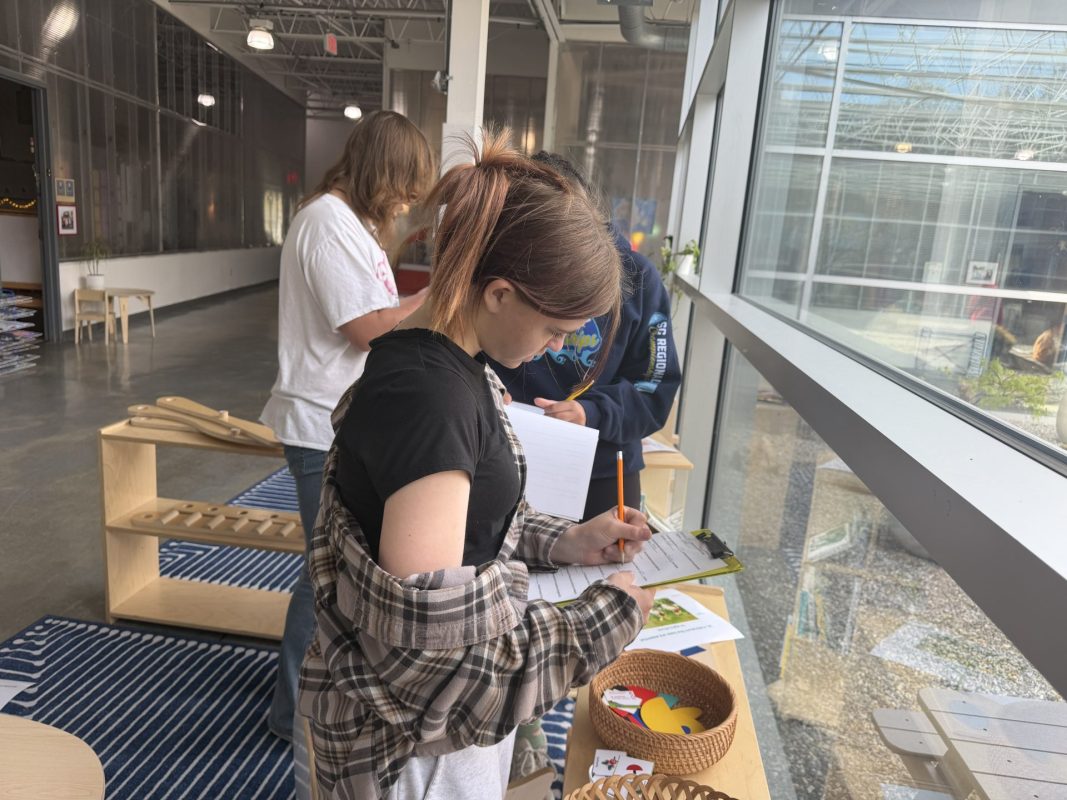
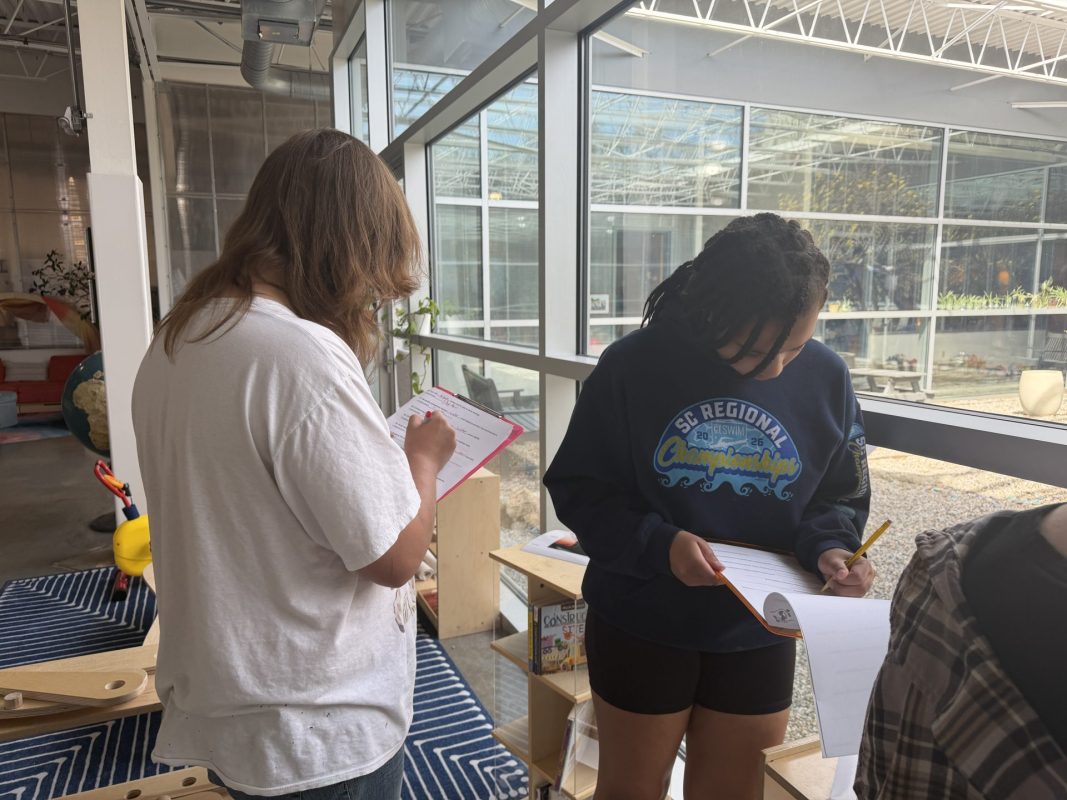
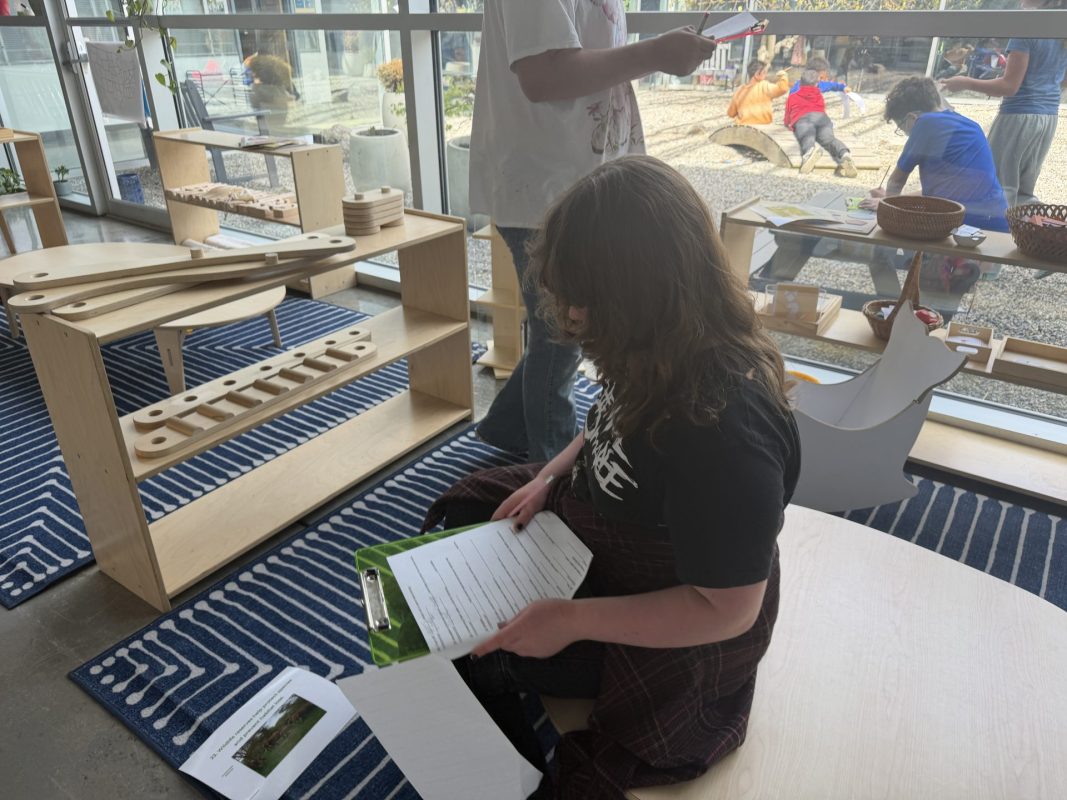
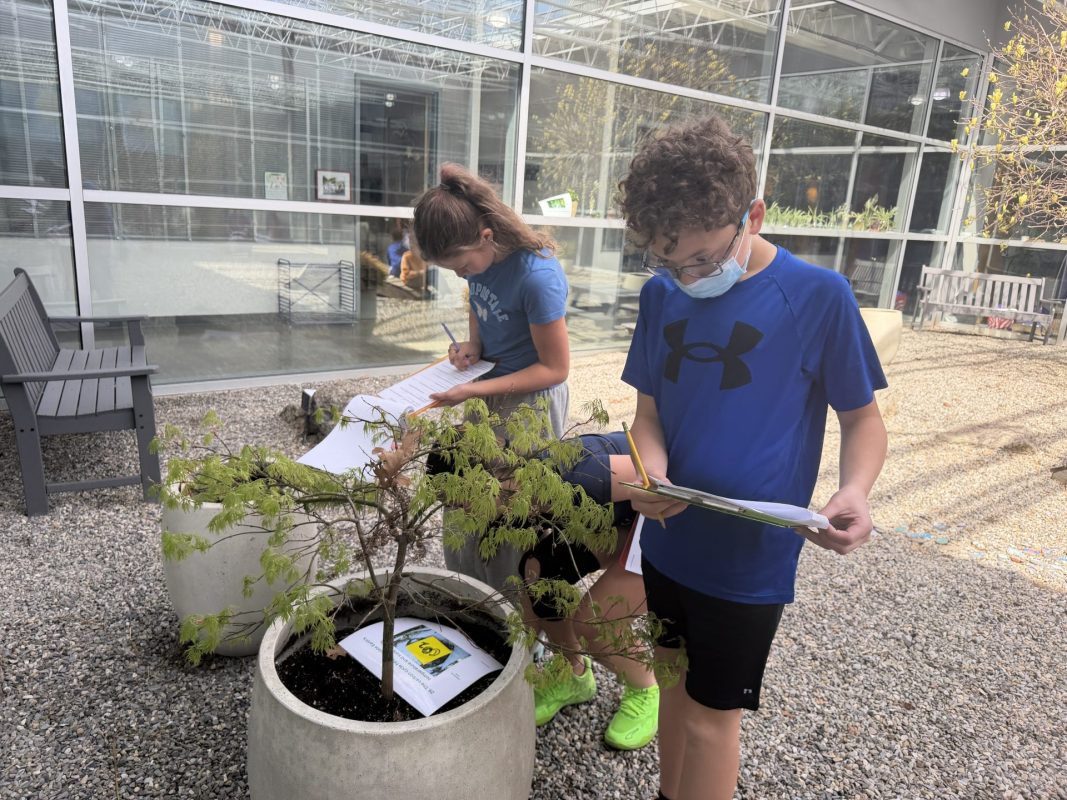
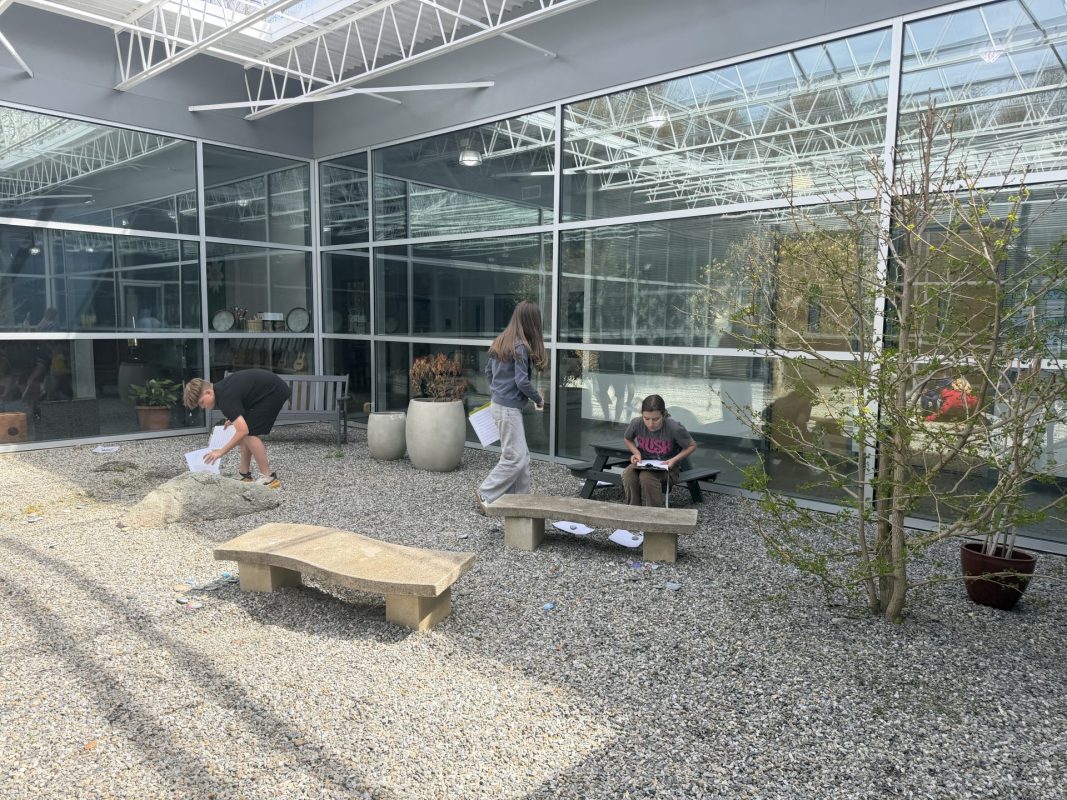
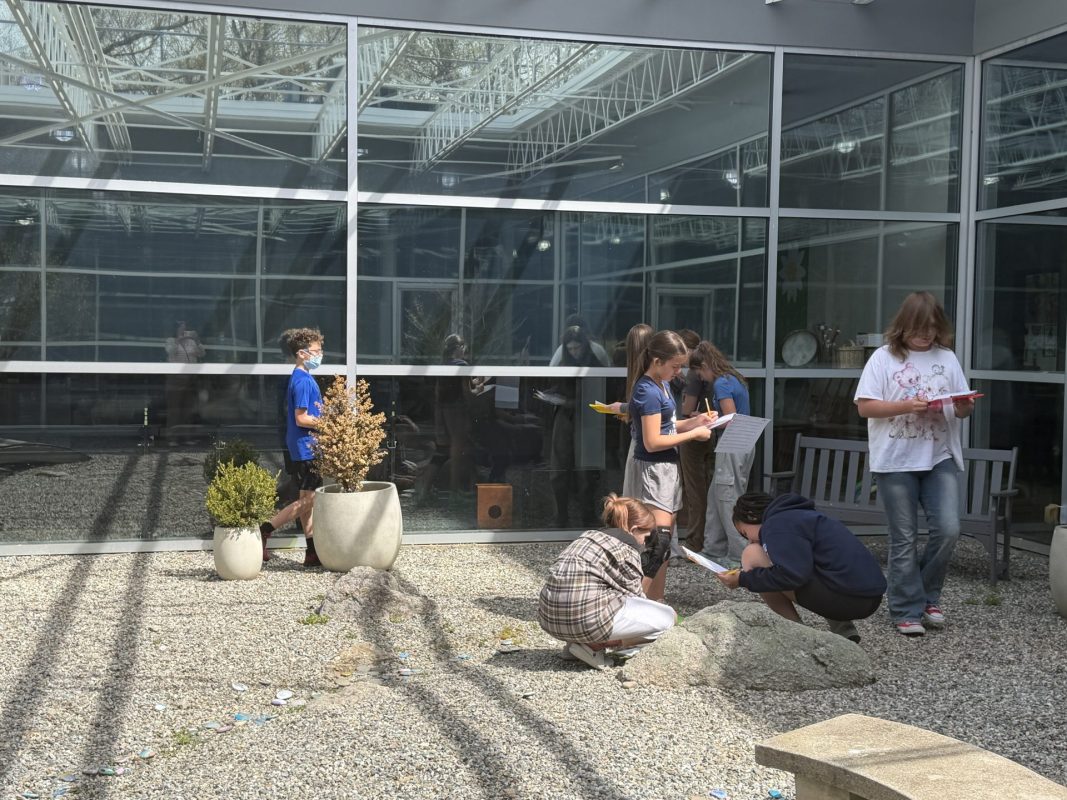
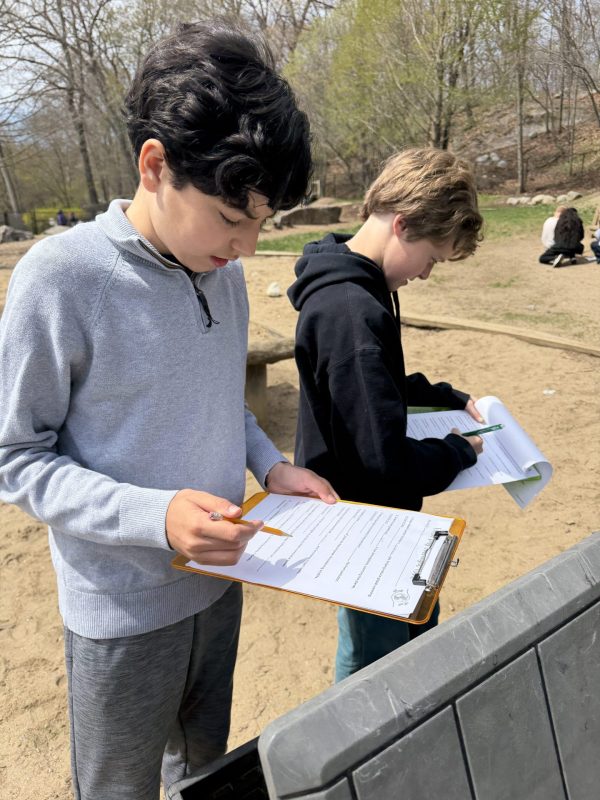
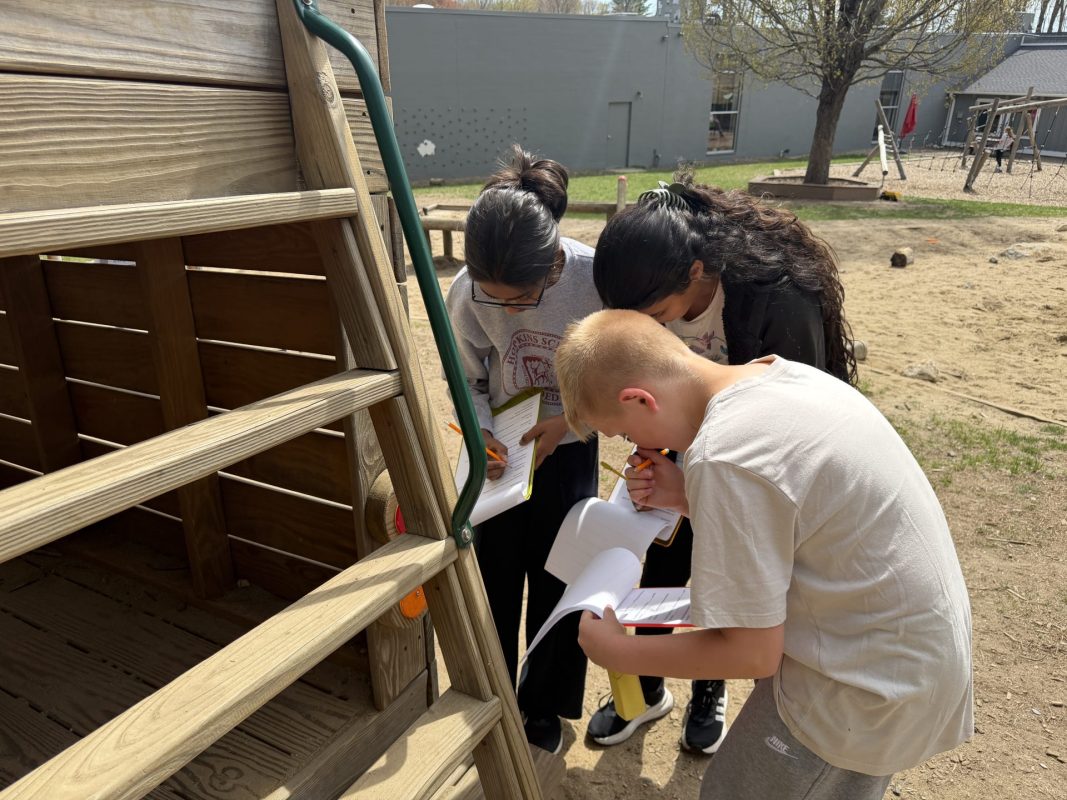
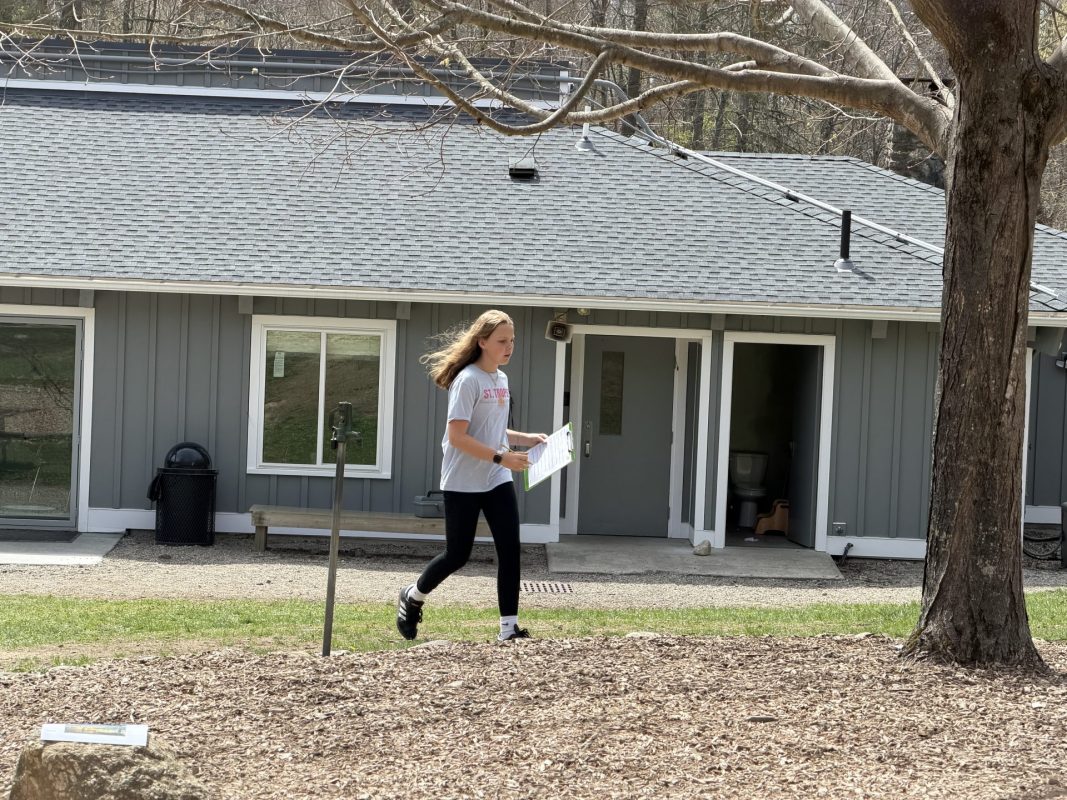
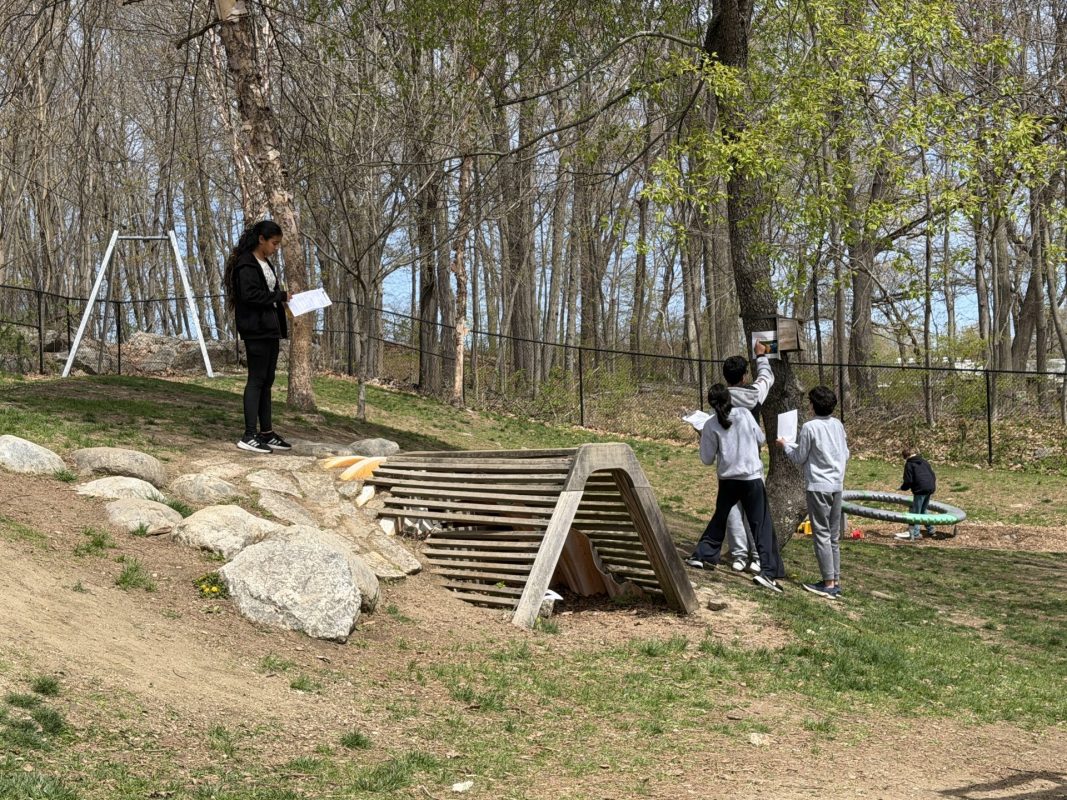
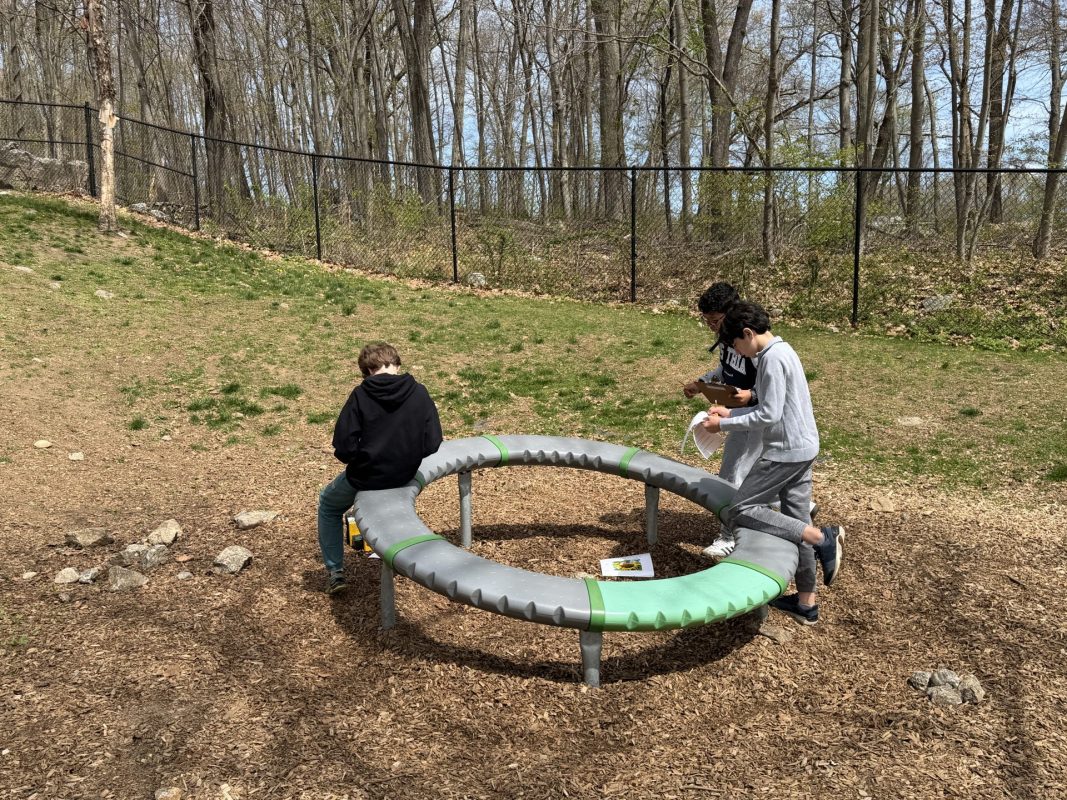
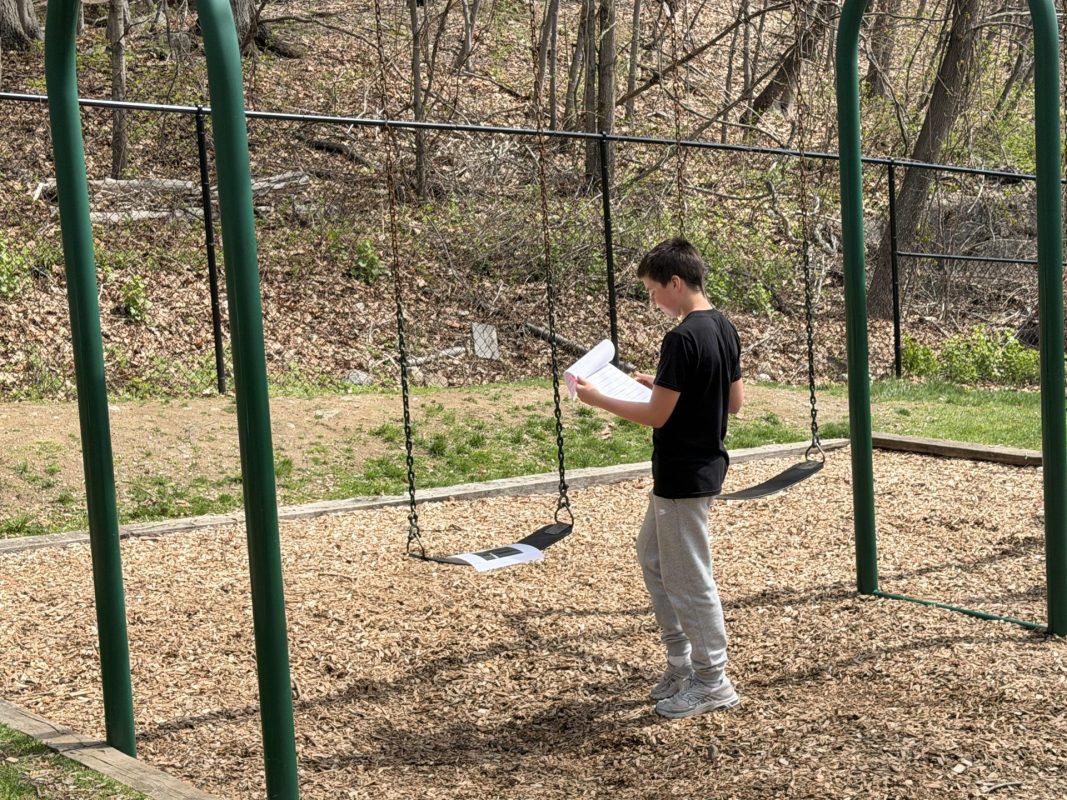
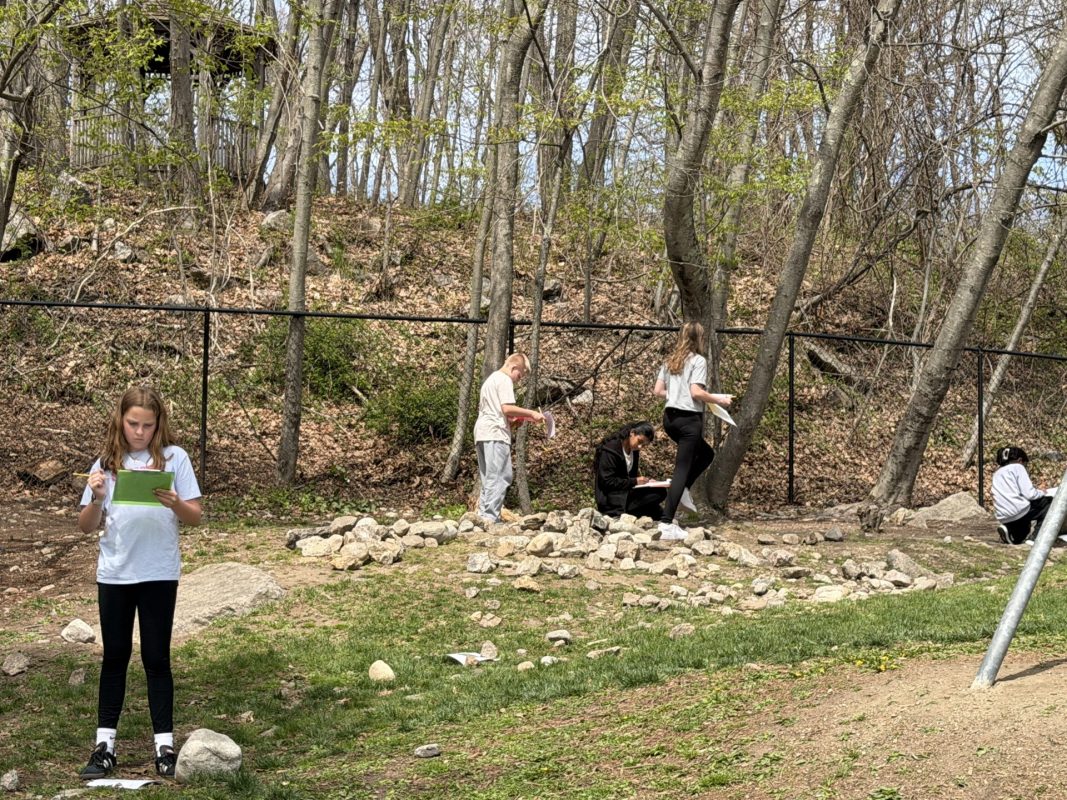
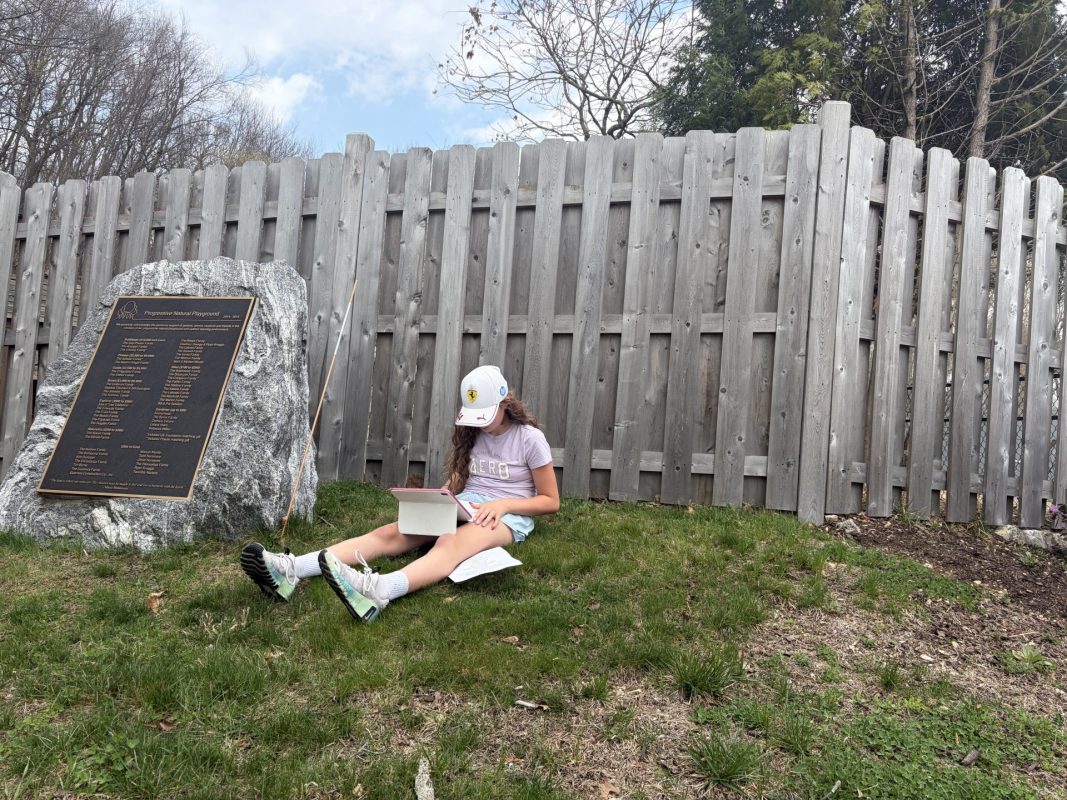
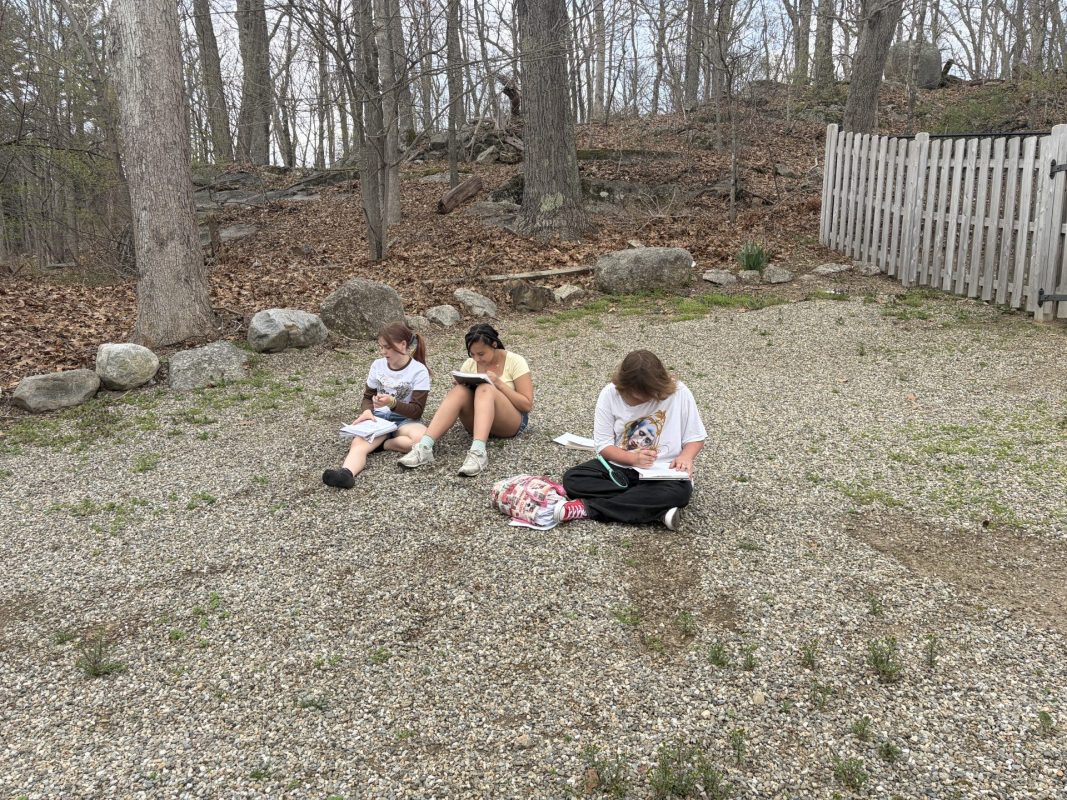
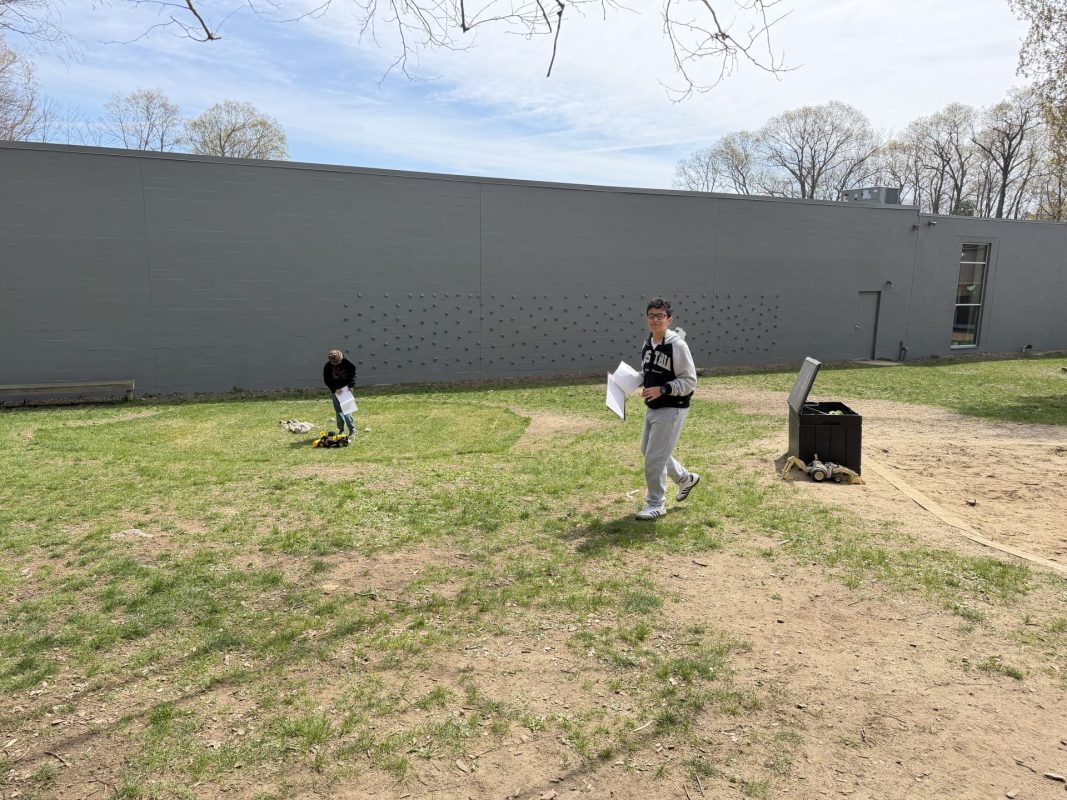
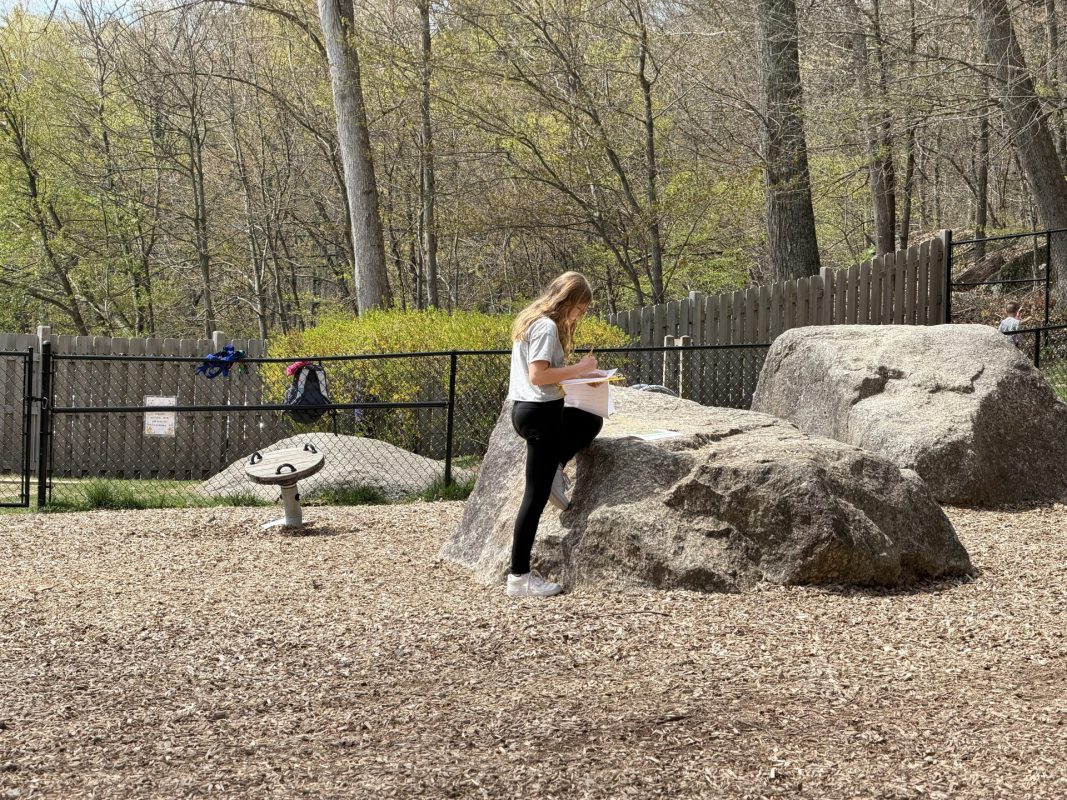
It is also important to mention that Middle school students celebrated Earth Day on April 23. After an explanation about it and its origin that supports the environmental protection of our planet, all middle school students participated in an outdoor scavenger hunt with environmental science topics.
Finding Our Voices Through Poetry in LE

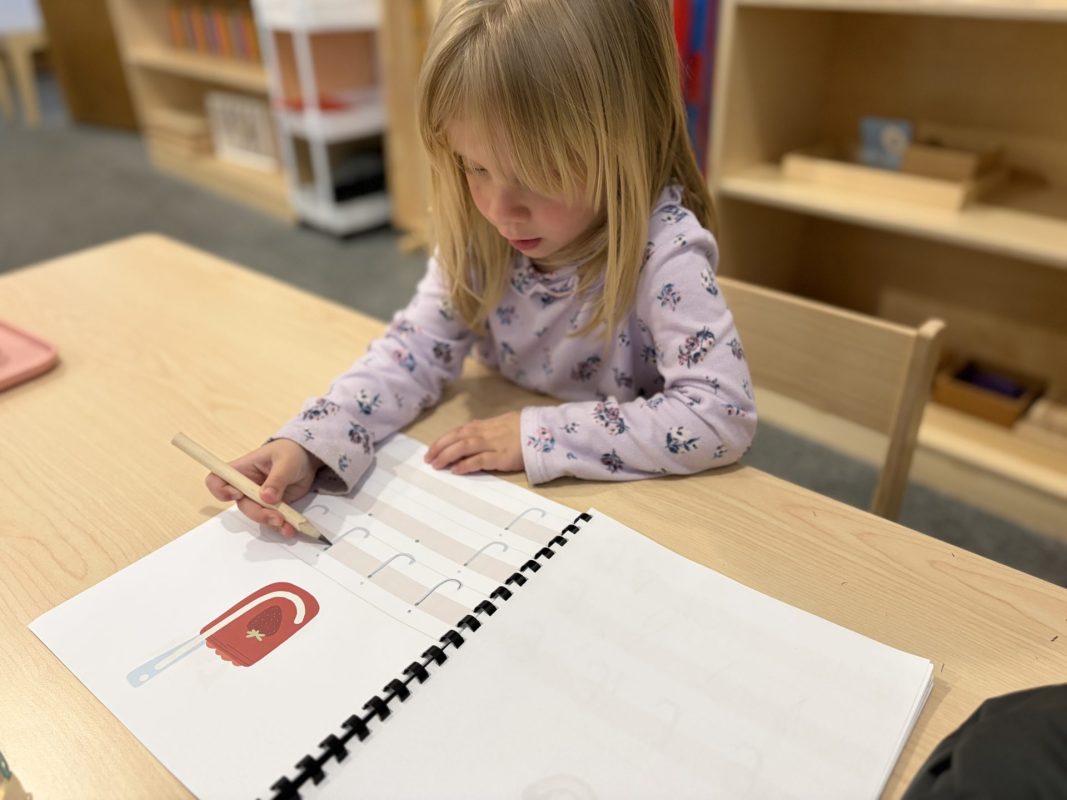
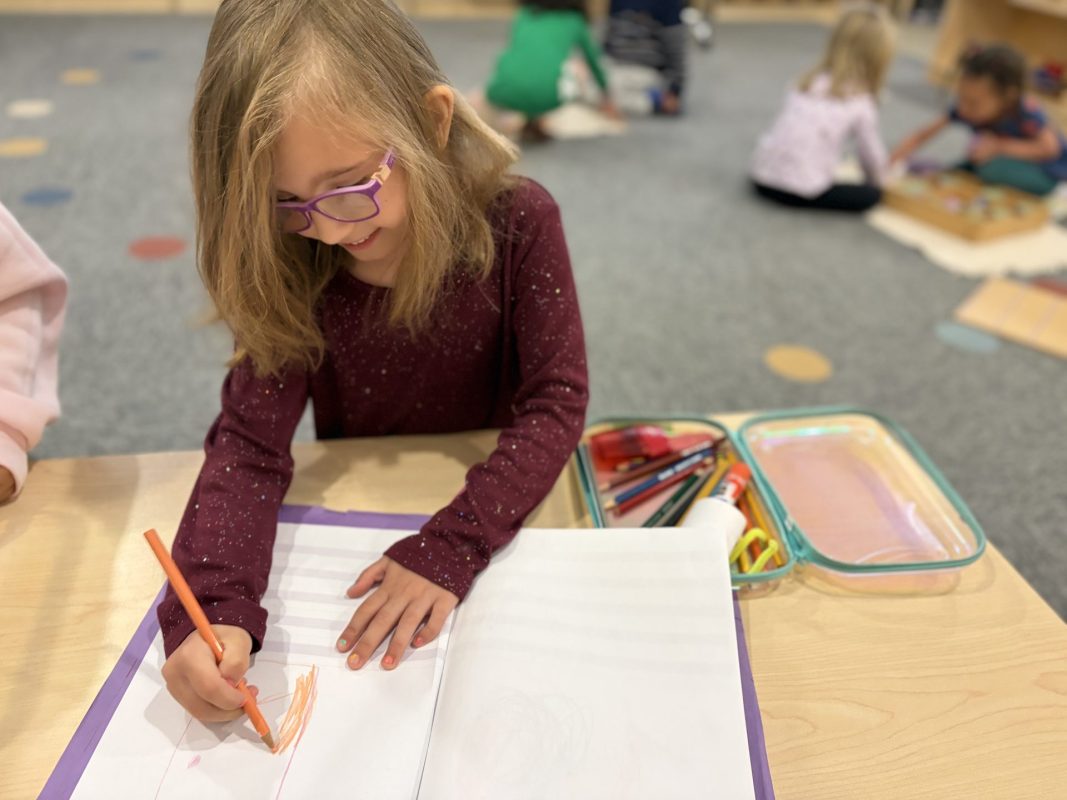
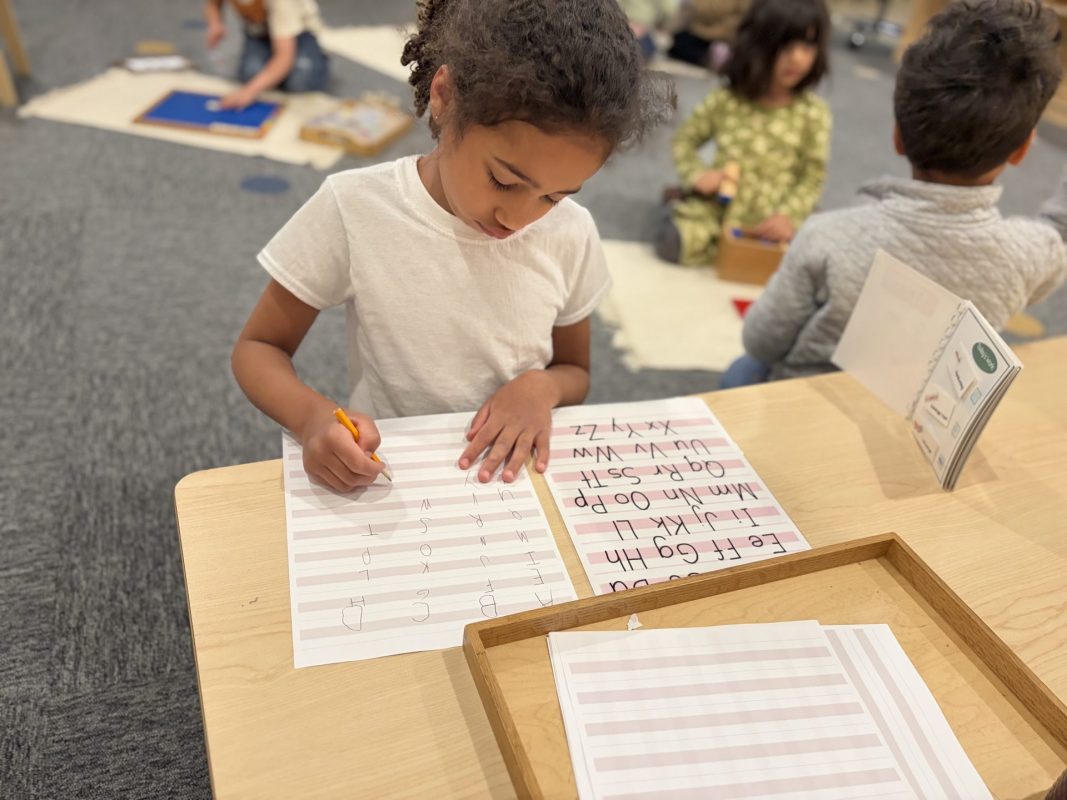
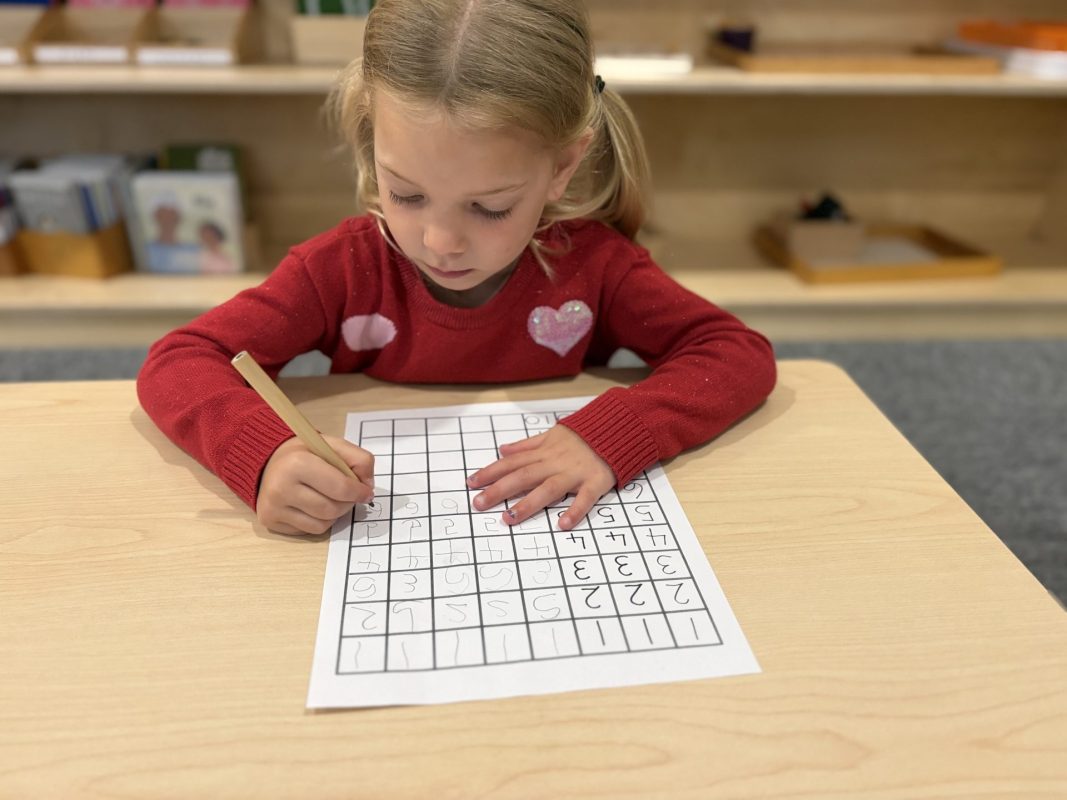
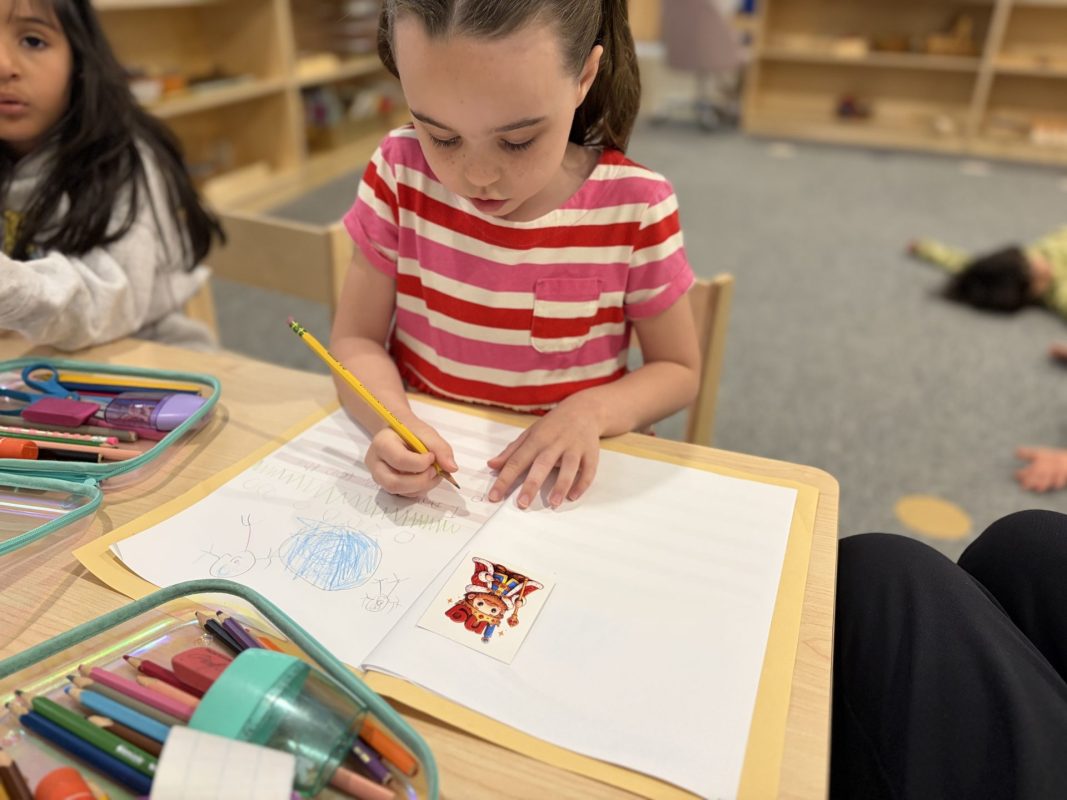
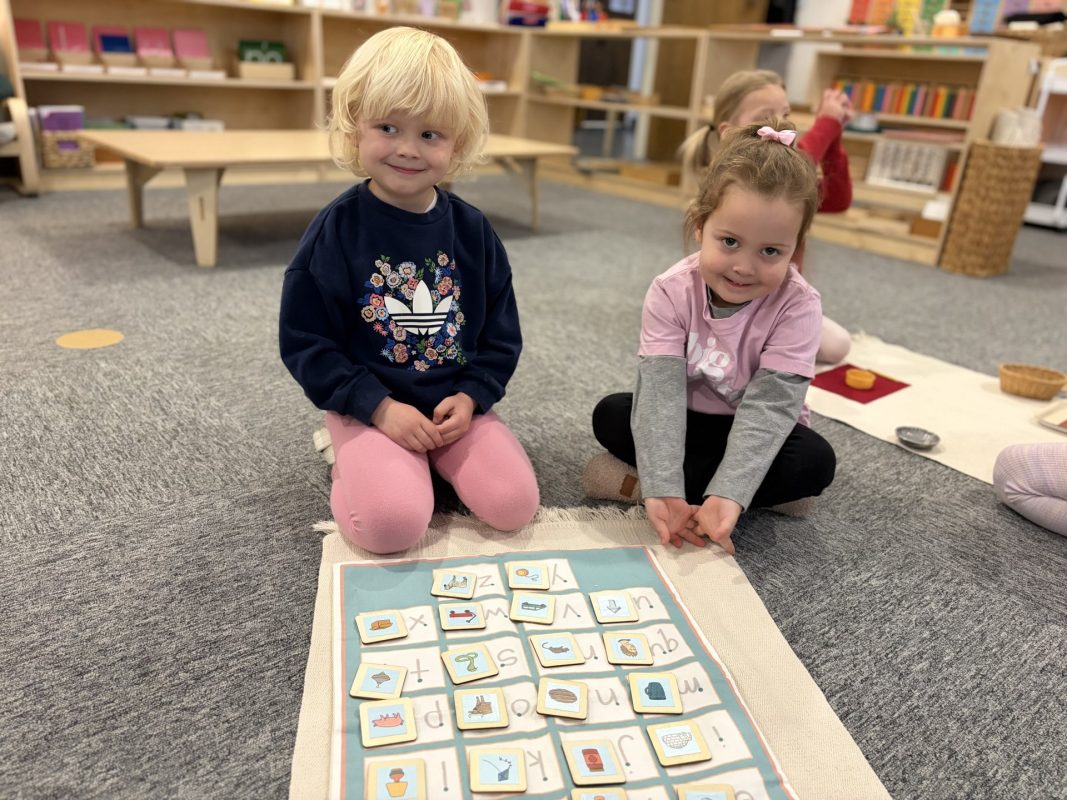
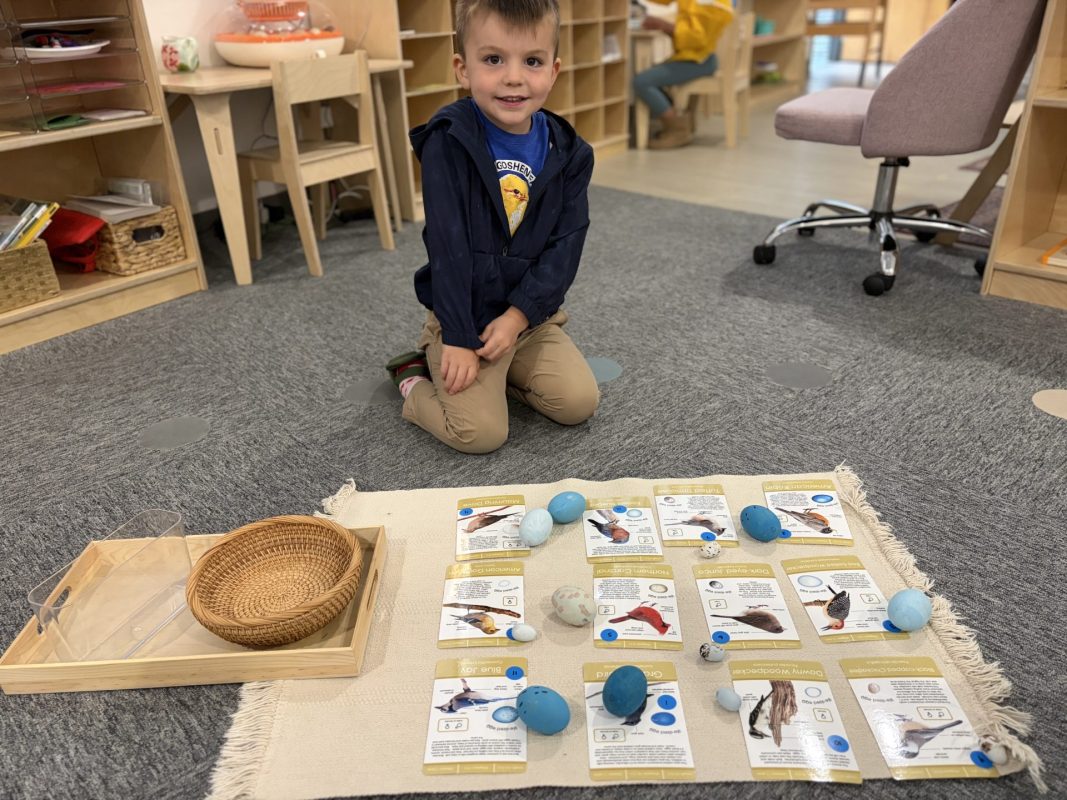
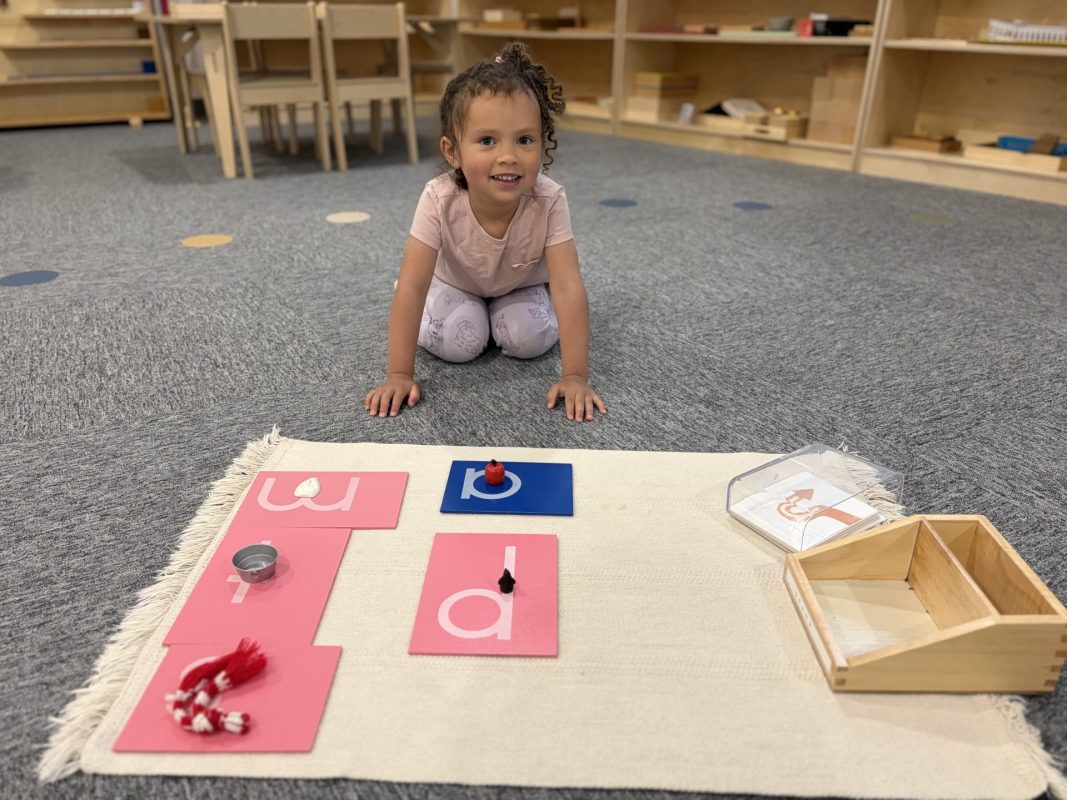
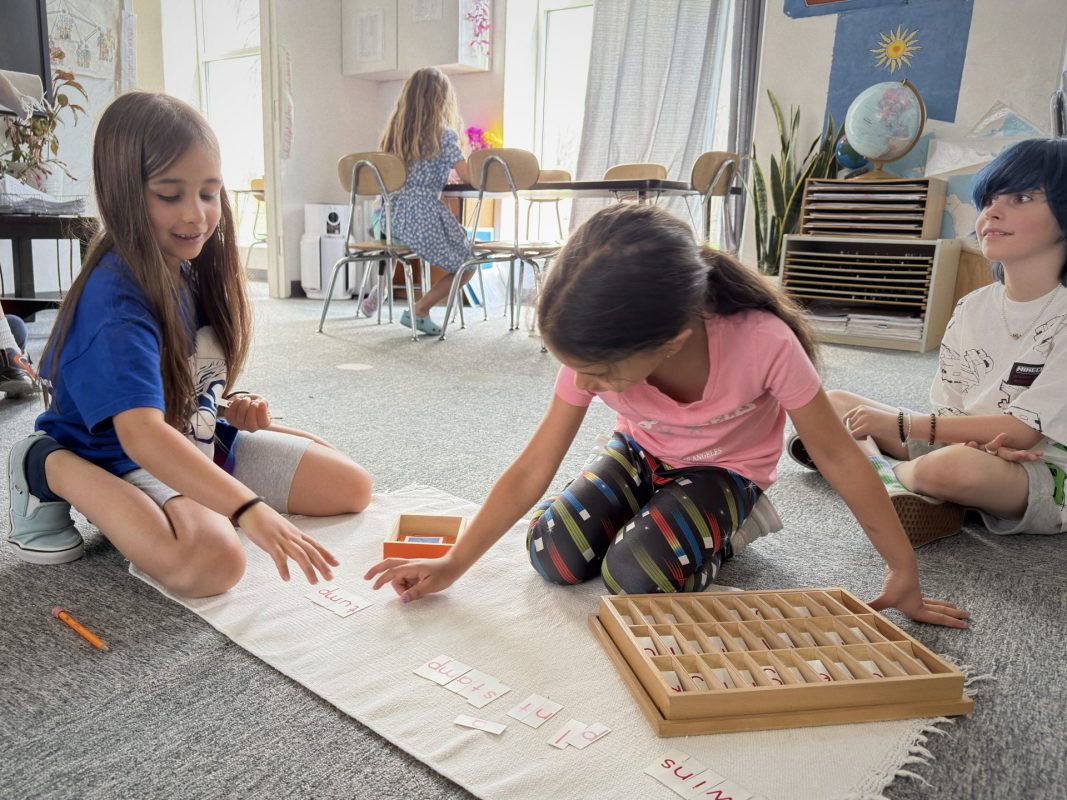
Poetry has quietly found its way into our classroom over the past few weeks, weaving itself naturally into the work the children are already doing. Rather than treating poetry as something separate or abstract, we have introduced it as another way to play with language, notice patterns, and express ideas. It has paired especially well with our grammar work, giving children a meaningful and creative way to explore parts of speech and sentence structure.
Our first-year students have been stepping into poetry through sound and rhythm. They have been working with rhyming words, listening closely to how language fits together, and beginning to notice patterns in words. Alongside this, they have been exploring pattern writing. In these lessons, children are given a prompt that is started for them and invited to complete it with their own thoughts, ideas, and feelings. This work supports them in finding their written voice. It helps them generate ideas, express themselves, and explore, in a very concrete way, how sentences are built. These early experiences with language are laying the foundation for children to discover their own literary and poetic voice eventually.
Second-year students have begun to look more closely at how poems are structured. They have been identifying parts of speech within poems and thinking about how words work together to create meaning. They have also worked with logical sequence, taking lines of poetry and arranging them in an order that makes sense. Rhyming continues to be explored at this level, and students have been introduced to cinquain poems, which give them a simple structure to follow while still allowing for creativity. The cinquain is a patterned poem that complements their grammar work, as it requires them to follow a clear structure while thoughtfully choosing specific parts of speech to build meaning.

In the third year, poetry has become a space for deeper self-expression and analysis. The children began with “I Am” poems, which allow students to reflect on who they are, what they feel, and what they experience, supporting both self-awareness and confidence in writing. They have also been introduced to alliteration, first by creating sentences, then by building alliteration pyramid poems. In addition, students have been analyzing poems written by famous poets, identifying parts of speech and representing them using Montessori grammar symbols. This work brings together their knowledge of grammar and their growing understanding of how language can be used intentionally and creatively.

As we move forward, the children will continue to explore poetry in a variety of ways. They will have opportunities for free writing, where they can experiment and express themselves openly, as well as structured experiences where they follow specific patterns and learn new types of poems. It has been enjoyable to watch the children engage with this work, noticing patterns, playing with words, and beginning to see language as a tool for creativity and self-expression.


This Week in Upper El

“The fact is that no species has ever had such wholesale control over everything on earth, living or dead, as we now have. That lays upon us, whether we like it or not, an awesome responsibility. In our hands now lies not only our own future, but that of all other living creatures with whom we share the earth.” -David Attenborough

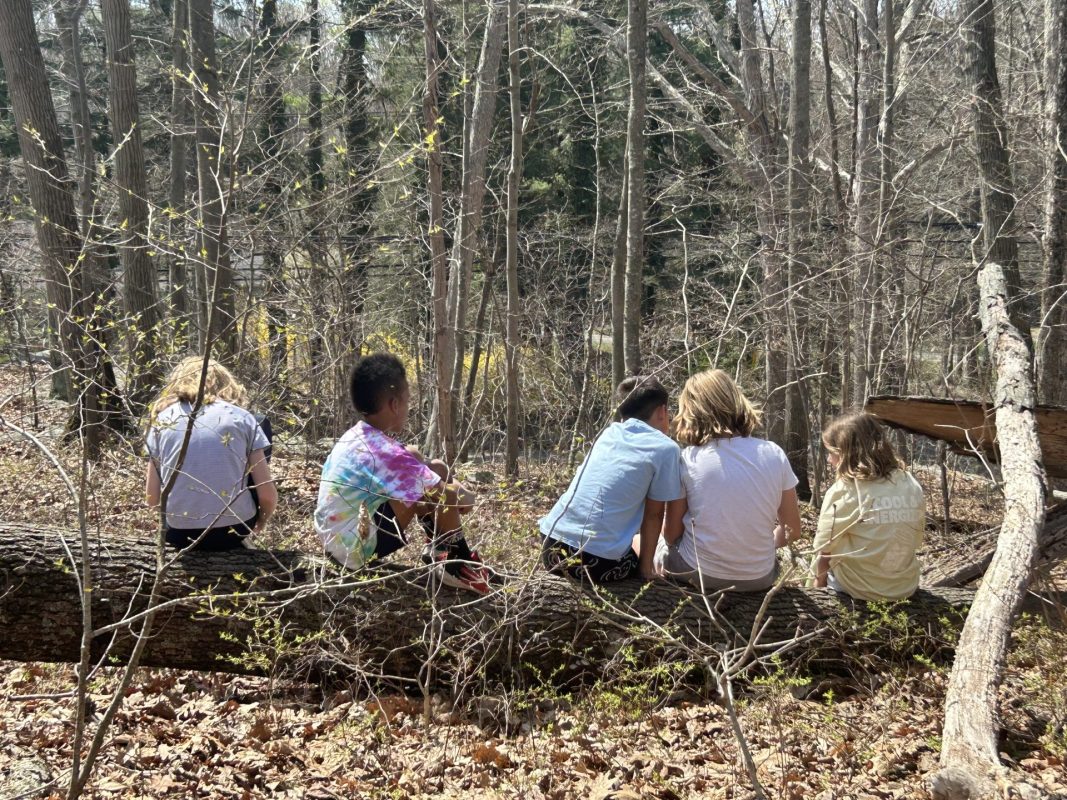
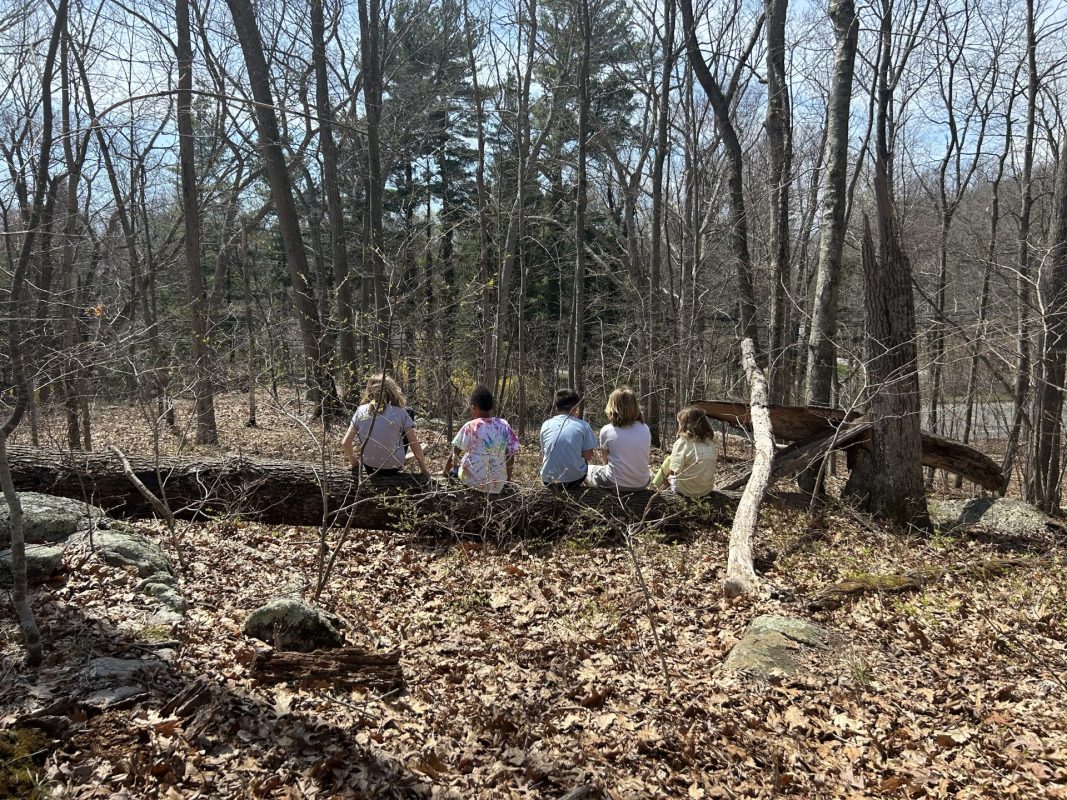
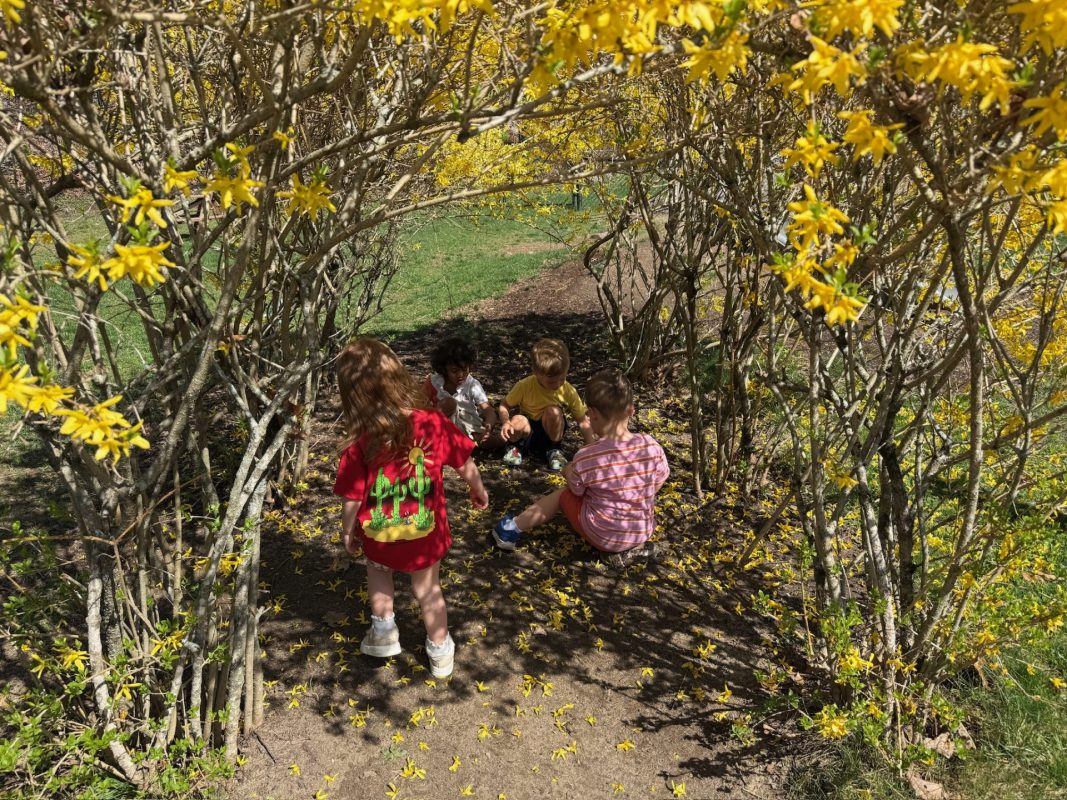
As the weather gets warmer, we will spend more time outdoors, including time in the woods on our beautiful land. Please send insect repellent and sunblock for your student to use as needed before we go outdoors. They will label the bottles with their name and keep them at school. Children should also get into the habit of checking for ticks each night.

In language work this week, our writing lesson focused on fact vs. opinion, and students worked on transforming sentences as follow-up work. I gave them sentences, and they identified which were facts and which were opinions, and then they transformed each sentence. If it was a fact, they turned it into an opinion, and if it was an opinion, they turned it into a fact. For the novel study, students worked in small groups to review the reading assignment. They discussed the chapters and their answers to the novel study questions. In grammar, fourth graders learned about verbs and verb phrases. They identified actions in sentences, learned about “helping” or “auxiliary” verbs, and identified the complete verb in a sentence. Fifth graders learned about the differences between attributive adjectives, appositive adjectives, linking verbs, and predicate words.

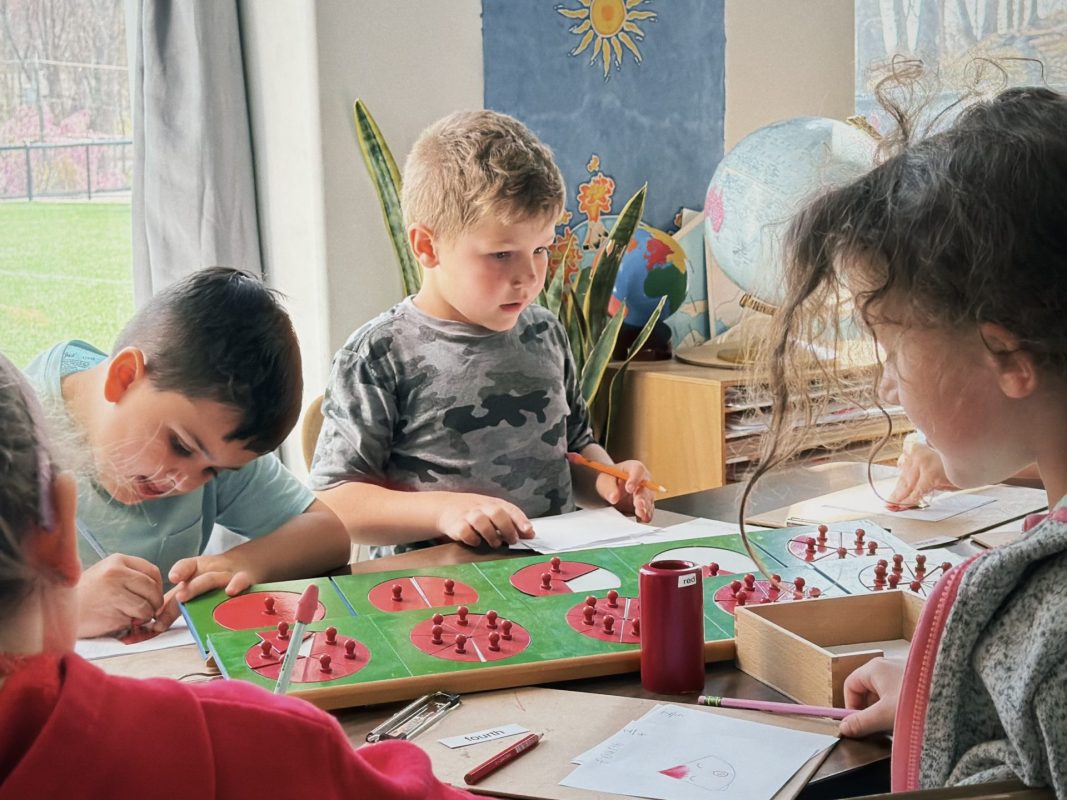
Fourth-grade geometry focused on deriving the formula for finding the area of a square, which is a specific kind of rectangle, from the experience of finding the area of a rectangle last week. Fifth graders compared the nomenclature of a regular polygon with that of a circle. They used that information, along with what they knew about finding the area of a polygon, to derive the formula for the area of a circle. To celebrate using Pi to find the area of circles, the fifth graders enjoyed some apple and cherry pies before our lesson.

In biology this week, we looked at the vital function of reproduction in animals. We learned about asexual vs. sexual reproduction and the differences, advantages, and disadvantages of each. Some types of asexual reproduction discussed were budding and regeneration. In our discussion of sexual reproduction, we covered the differences between male and female sex cells, the nomenclature of male and female reproductive organs, fertilization, oviparous, viviparous, and ovoviviparous animals, and breeding.

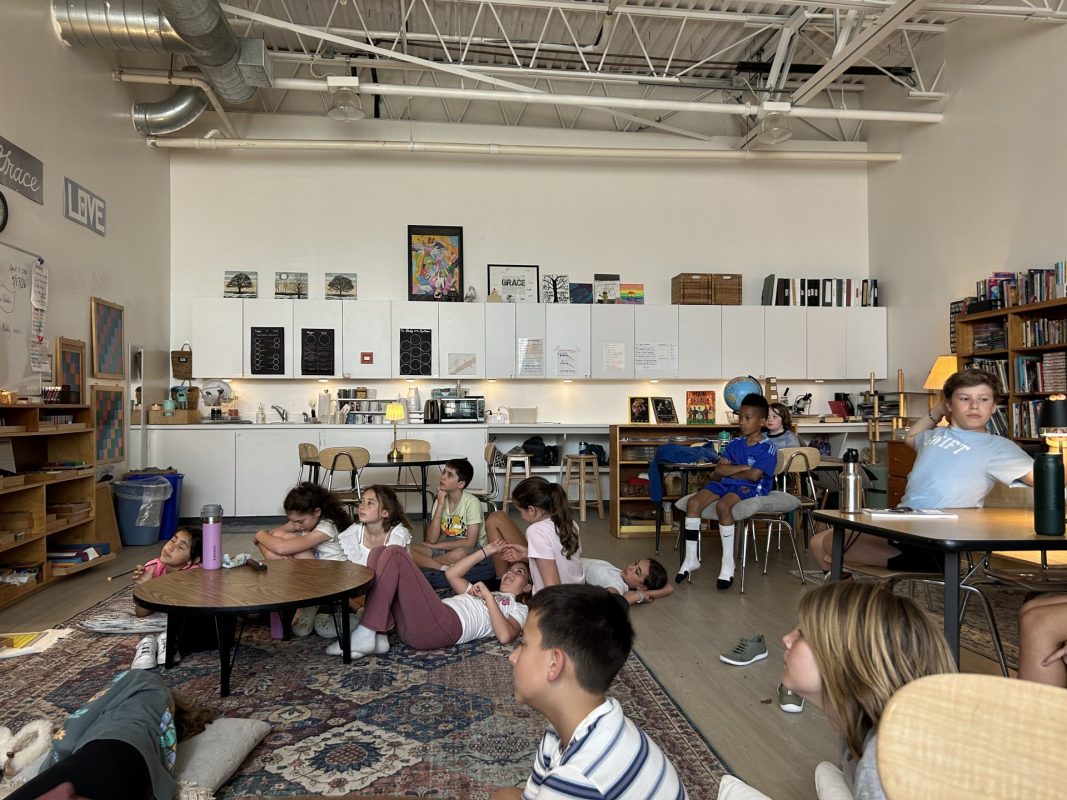
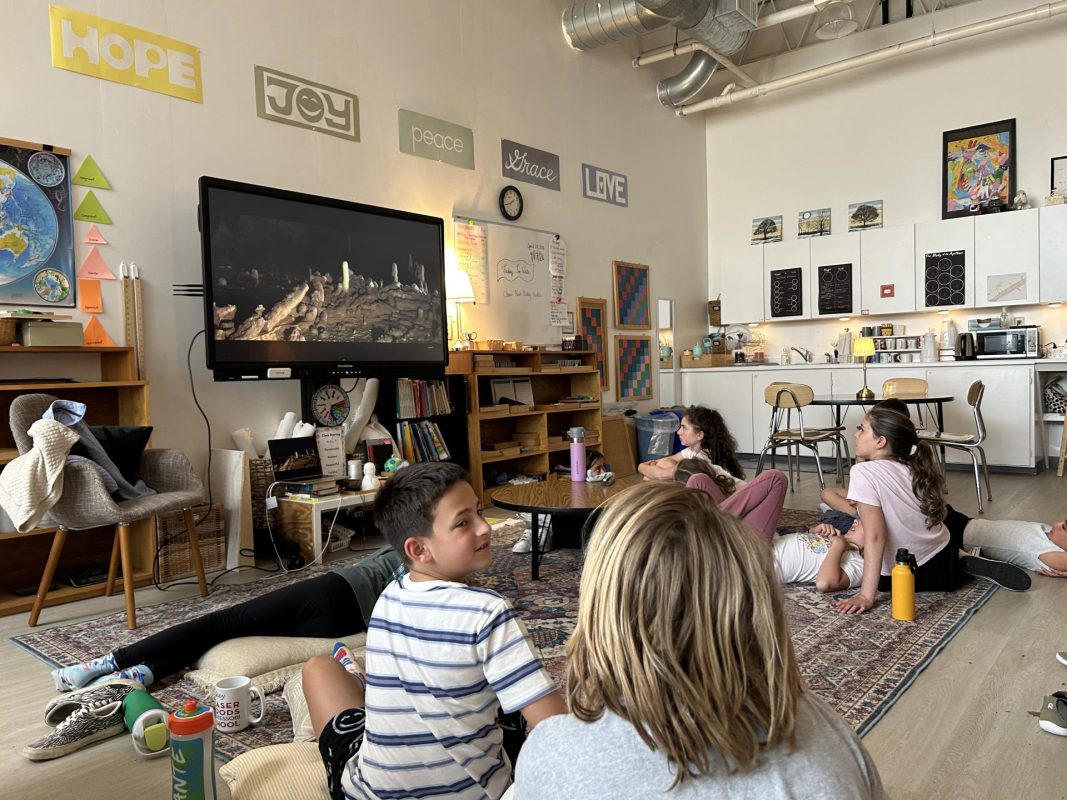
Our history lesson this week focused on Neanderthals, and we viewed a portion of the 2024 BBC documentary, Secrets of the Neanderthals. We will learn more details about Neanderthals next week, along with taking a look at Cro-Magnons and comparing the two.

Upcoming Dates:

  • Wednesday, April 22
    • 8:30 – April Birthday Breakfast
    • 6:00 – 8th Grade Expert Presentations
      • Come see these amazing projects and what lies ahead for your child when they are in their 8th grade year!
  • Friday, April 24
    • No School – Student-Parent-Teacher Conferences
    • 9:30-12:30 – Spring Musical Rehearsal
  • Friday, May 1
    • Grandparents and Special Friends Day
    • 11:30 – Early Dismissal
    • 5:00 – Spring Concert
  • Saturday, May 2
    • 6:00 – Springfest

The Montessori Event–Seeds of Change: Nurturing Tomorrow’s Leaders

Professional development doesn’t happen by chance—it’s cultivated through meaningful experiences, shared ideas, and a willingness to grow and evolve. One of the most powerful opportunities for that kind of growth is The Montessori Event, an international gathering that brings together thousands of educators, both in person and virtually.

Each year, this event serves as a hub of inspiration and innovation, uniting educators deeply committed to shaping the future of learning. This year’s theme, Seeds of Change: Nurturing Tomorrow’s Leaders, reflects both the enduring strength of Montessori education and the exciting possibilities ahead. It invites us to consider how the ideas we exchange, the connections we build, and the practices we refine today can influence the children in our care, who will ultimately be the leaders of tomorrow.

This year, faculty and staff from Fraser Woods Montessori School were fortunate to attend the conference, held March 19–22, 2026, at the Walter E. Washington Convention Center in Washington, DC. Immersed in a global community of educators, our team engaged with new ideas, research, and practices that will continue to inform and enrich our work with students. 

Each of us attended workshops and breakout sessions aligned with our individual interests and areas of expertise—including toddler, primary, and elementary education, neurodiversity, and our roles as administrators—allowing for both depth and breadth in our professional learning.

Those of us who attended will also be sharing highlights from our experience with the full faculty and staff at an upcoming staff meeting, ensuring that the learning extends beyond the conference and continues to benefit our entire school community.

As educators, we are constantly planting seeds—through our teaching, relationships, and professional development. Events like this remind us that when we invest in our growth, we strengthen our ability to guide, inspire, and empower the next generation.


Middle School: Week in Review

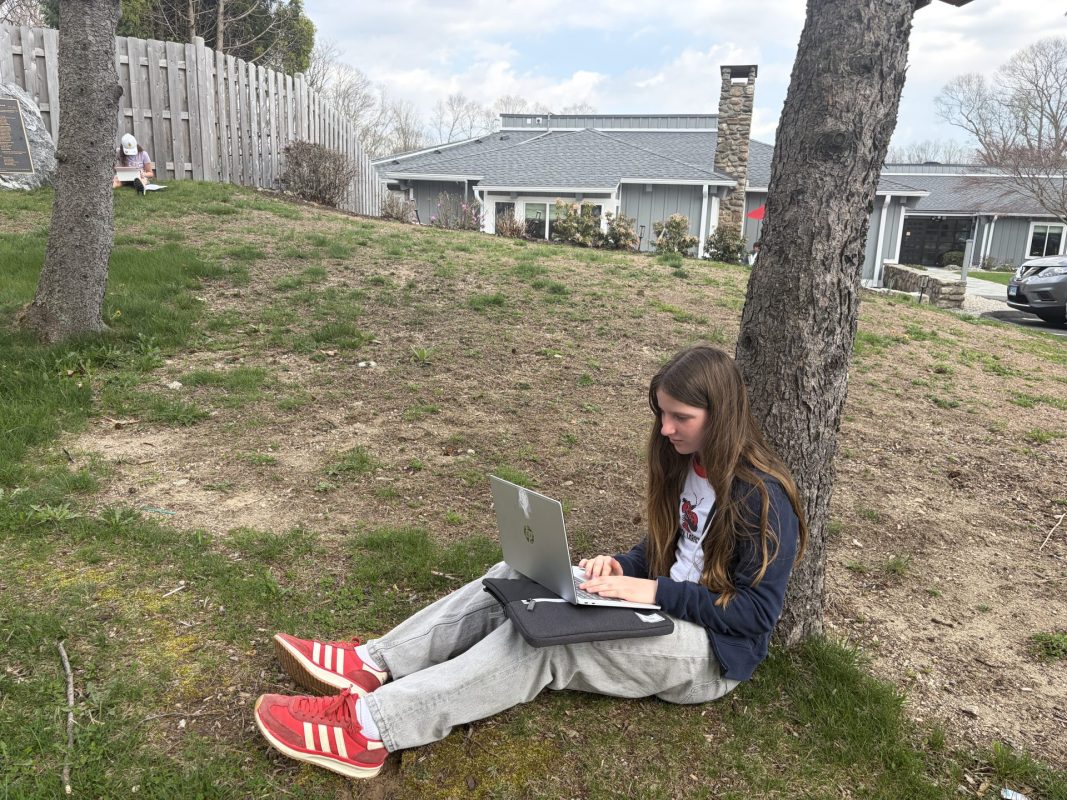
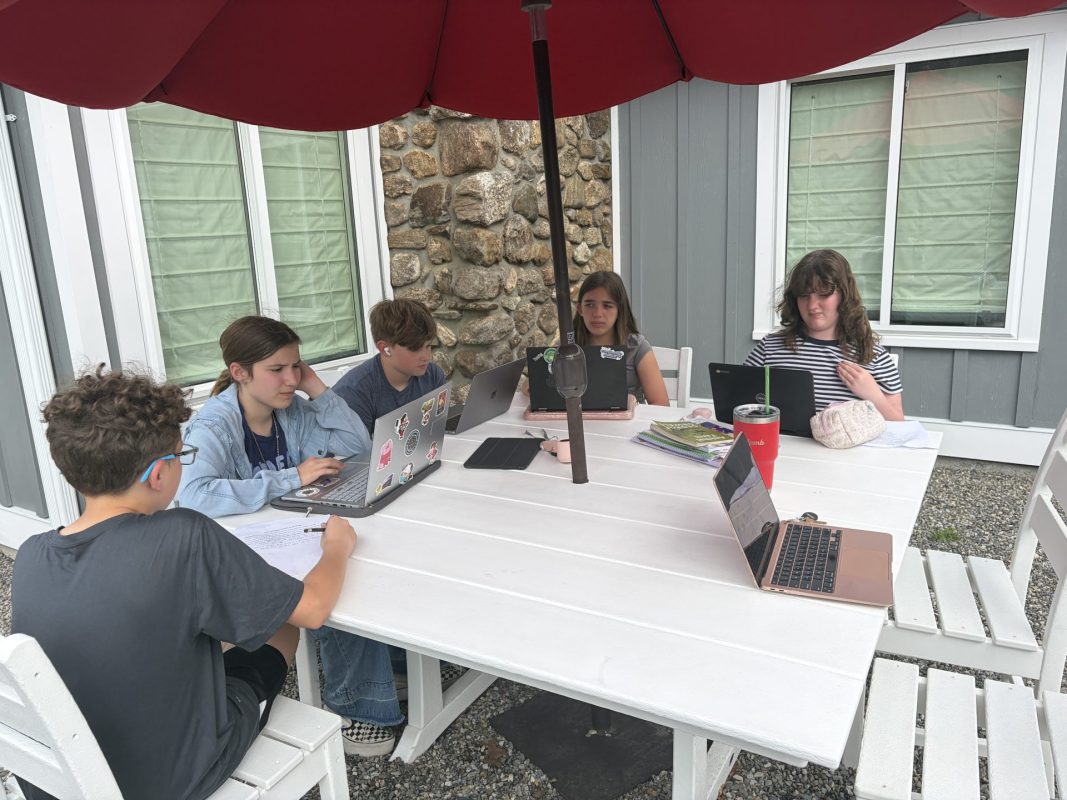
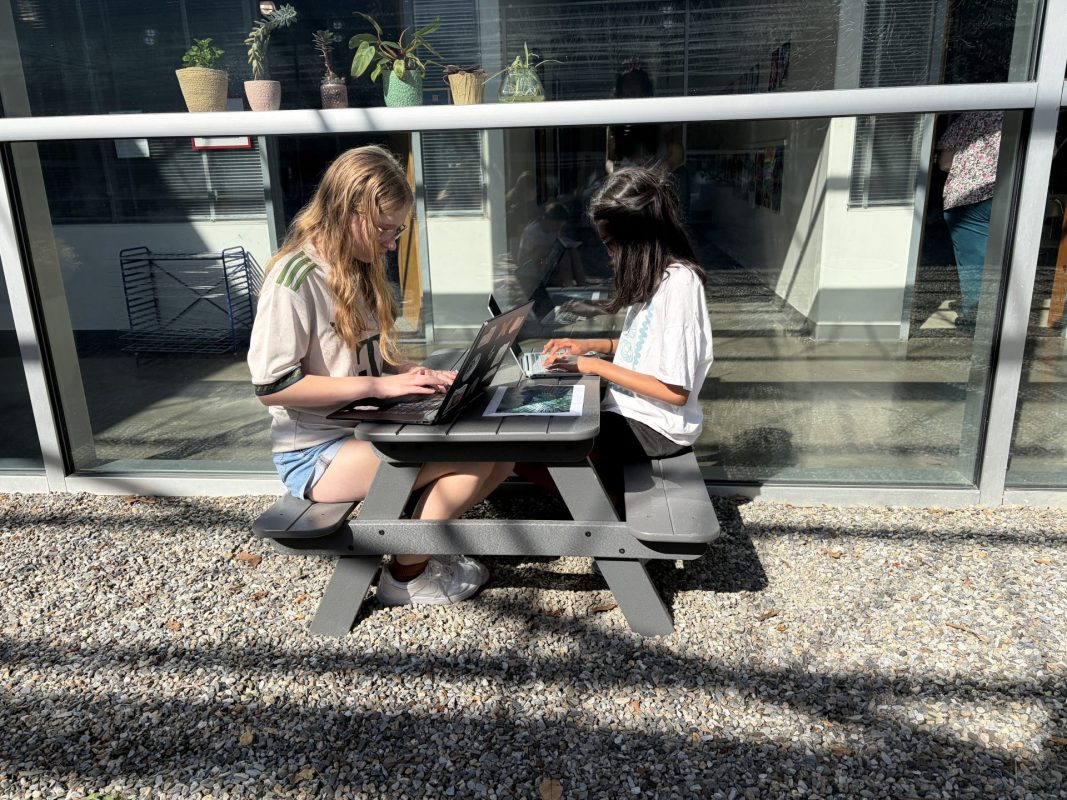
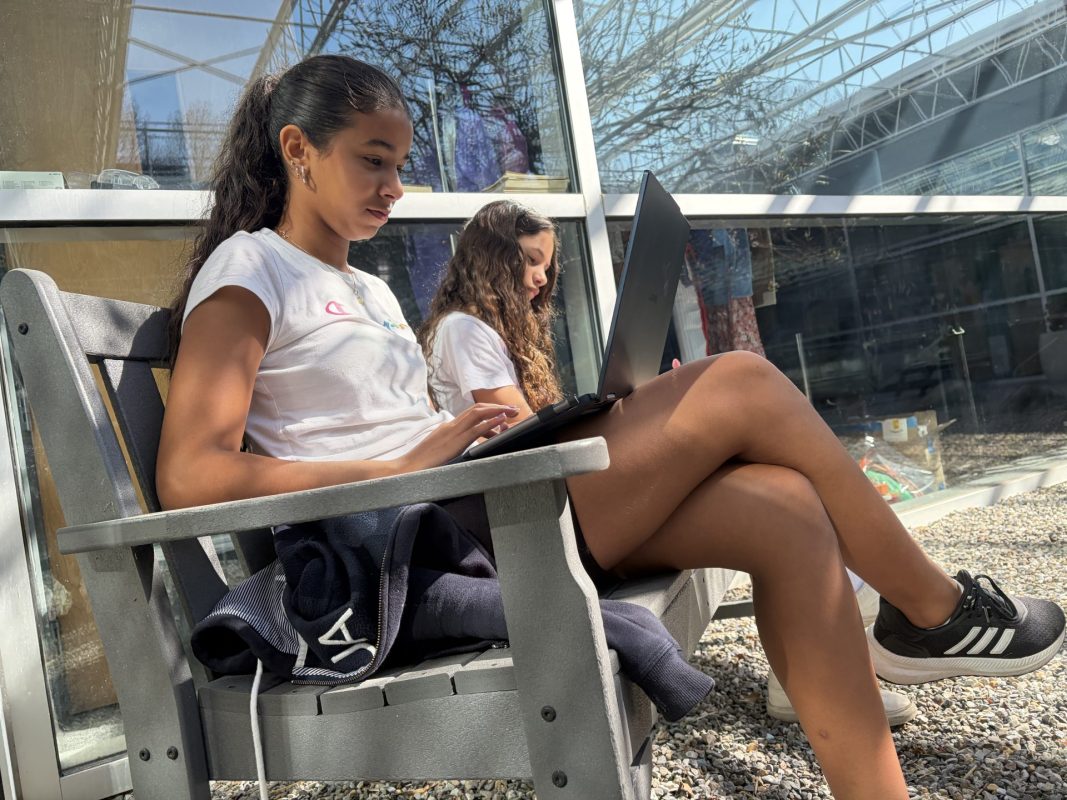
Middle School certainly felt the heat this week! With all of the running around outside, classes sometimes meeting outside, and outdoor Community Service, please have your middle school student(s) check the weather forecast for the day before leaving home. Sweats and winter attire are not needed in 80+ degree weather. Additionally, sunscreen is encouraged with all of the additional outdoor time. Thank you for your attention to this!

Coming Up:

  • 8th Grade Expert Presentations: Wednesday, 4/22 @ 6 pm
  • The initial $500 deposit for the MS Trip is due Monday, 4/20
  • Be on the lookout for communication regarding medical forms required for the MS trip!
  • MS ARRIVAL BEGINS AT 8 am
  • MS Flower Schedule

Math

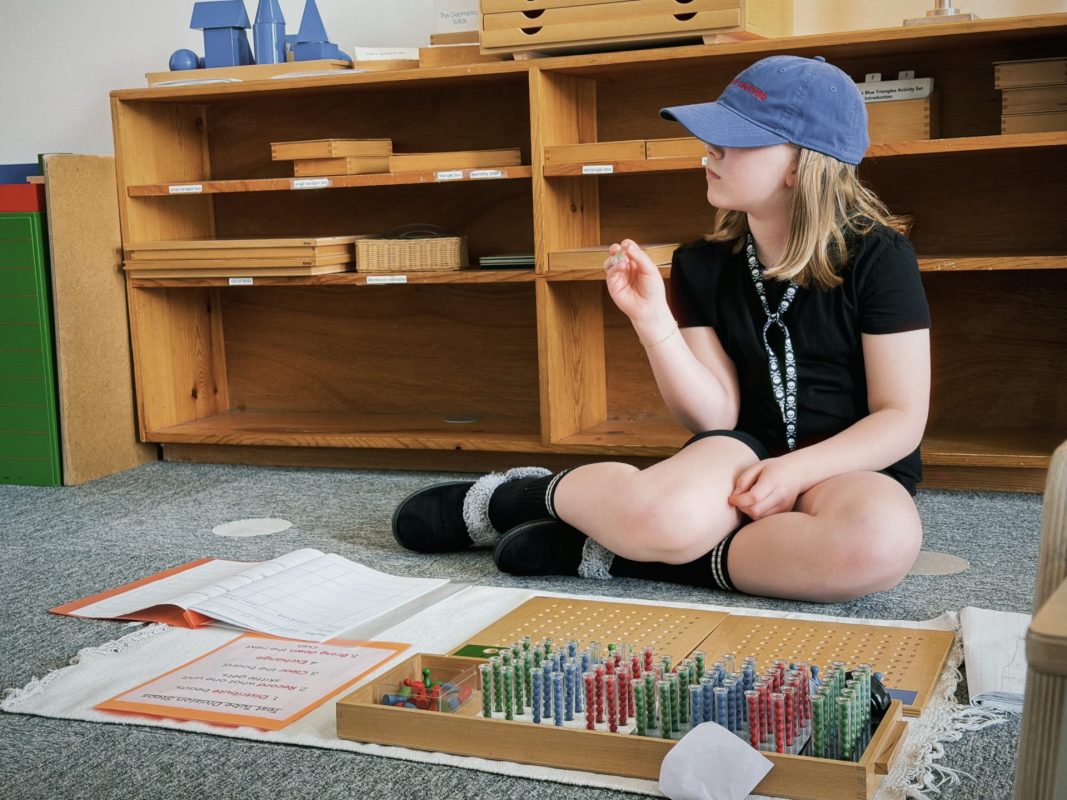
Pre-Transition: This week, students continued building their understanding of division. They began by exploring divisibility using arrays, which helped them visualize how numbers can be grouped and shared equally. From there, they moved into factorization, learning how numbers can be broken down into their factors and identifying multiples. Students were also introduced to prime and composite numbers, strengthening their ability to classify numbers based on their properties. To tie it all together, they practiced writing the prime factorization of a number, developing a deeper understanding of how numbers are constructed.

Transition: This week, the Transition class reviewed key concepts from last week, including conversion rates and multiplying positive and negative numbers, strengthening their confidence with these skills. Then they showcased their understanding on the Chapter 8 quiz. As the week continued, students were introduced to working with percents in real-world contexts, such as adding tax and calculating discounts. They practiced applying these concepts to original amounts, building practical math skills they can use in everyday situations.
 
Algebra: This week, students continued to deepen their understanding of slopes and linear relationships. After developing a strong foundation in writing equations in slope-intercept form, they expanded their skills by learning how to write the equation of a line given either a slope and a point or two points on the line. Students were introduced to point-slope form and practiced using it to represent linear equations, strengthening their ability to connect different forms and approaches when working with lines.
 
Geometry: This week, the Geometry class built on their understanding of polygons and symmetry. They began by exploring the relationship between inscribed angles and their intercepted arcs, learning how to calculate one measure given the other. From there, students took a deeper dive into the properties of quadrilaterals. They practiced drawing polygons that satisfy specific conditions, applied theorems to determine angle measures and segment relationships, and strengthened their reasoning by writing proofs using properties of triangles and quadrilaterals. The week concluded with an introduction to the properties of kites and trapezoids, expanding their knowledge of special quadrilaterals.
Algebra II: This week, students learned how to solve compound inequalities and graph their solutions. They also worked on solving systems of linear and nonlinear equations using elimination and substitution. In addition, students learned the difference between consistent and inconsistent systems and how to tell how many solutions a system has.


Science

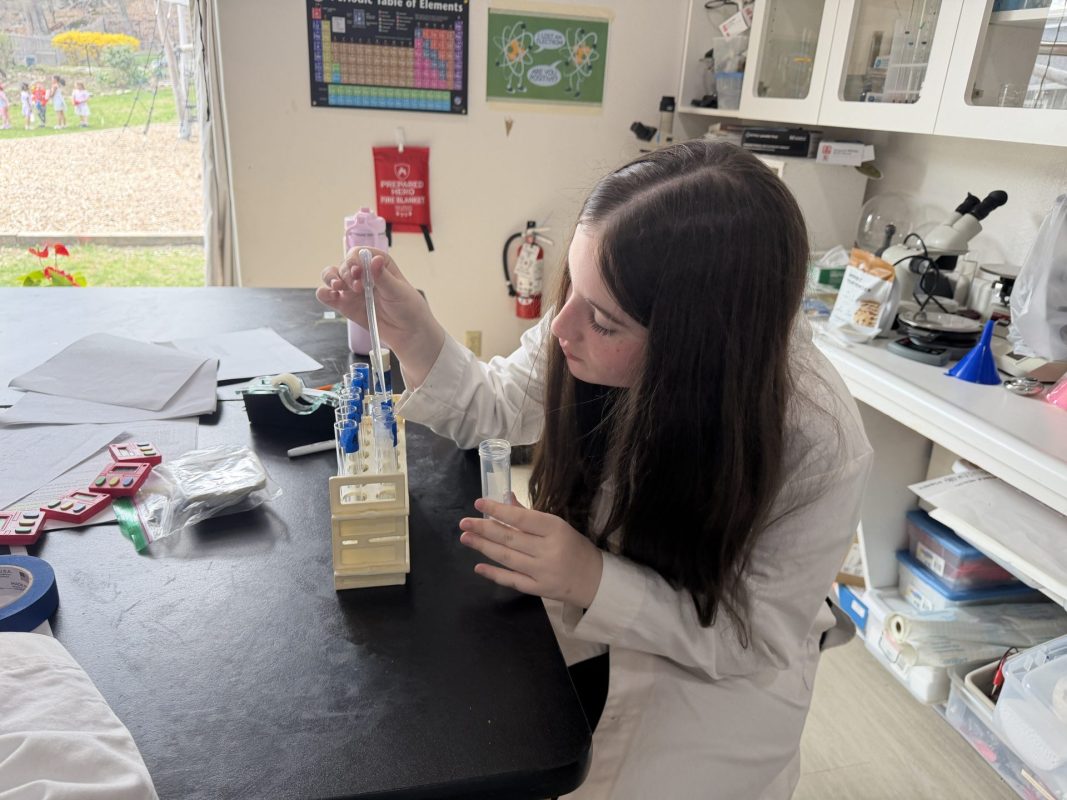
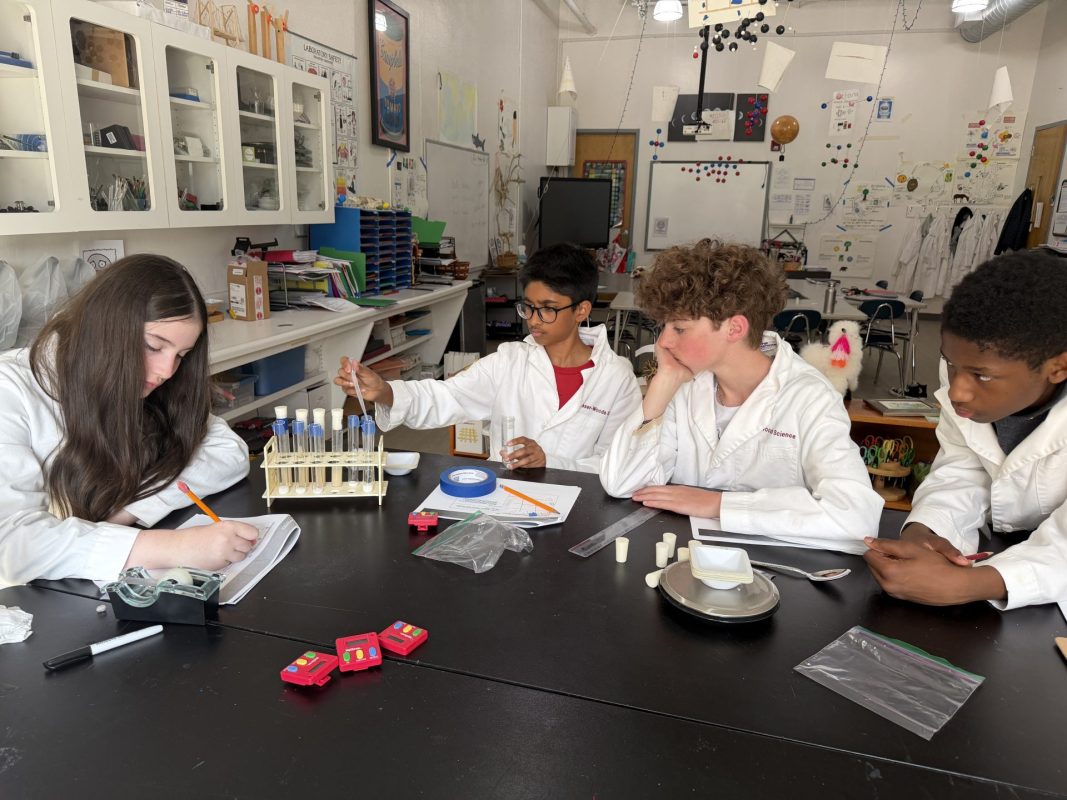
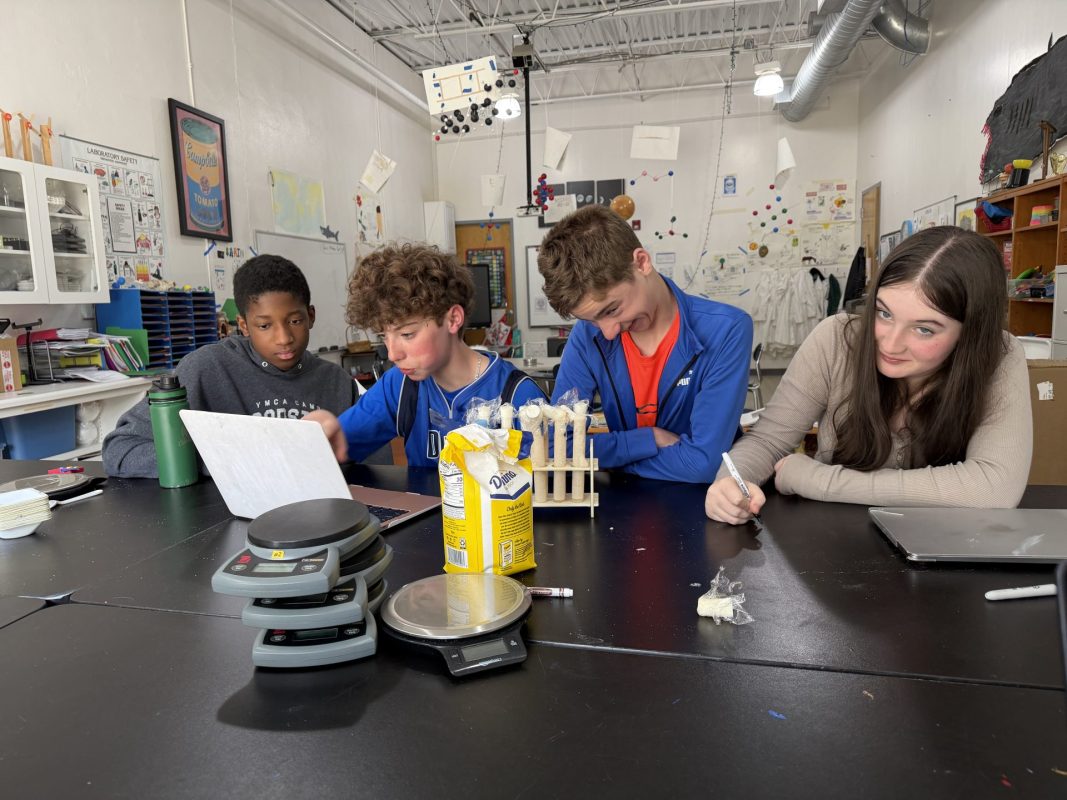
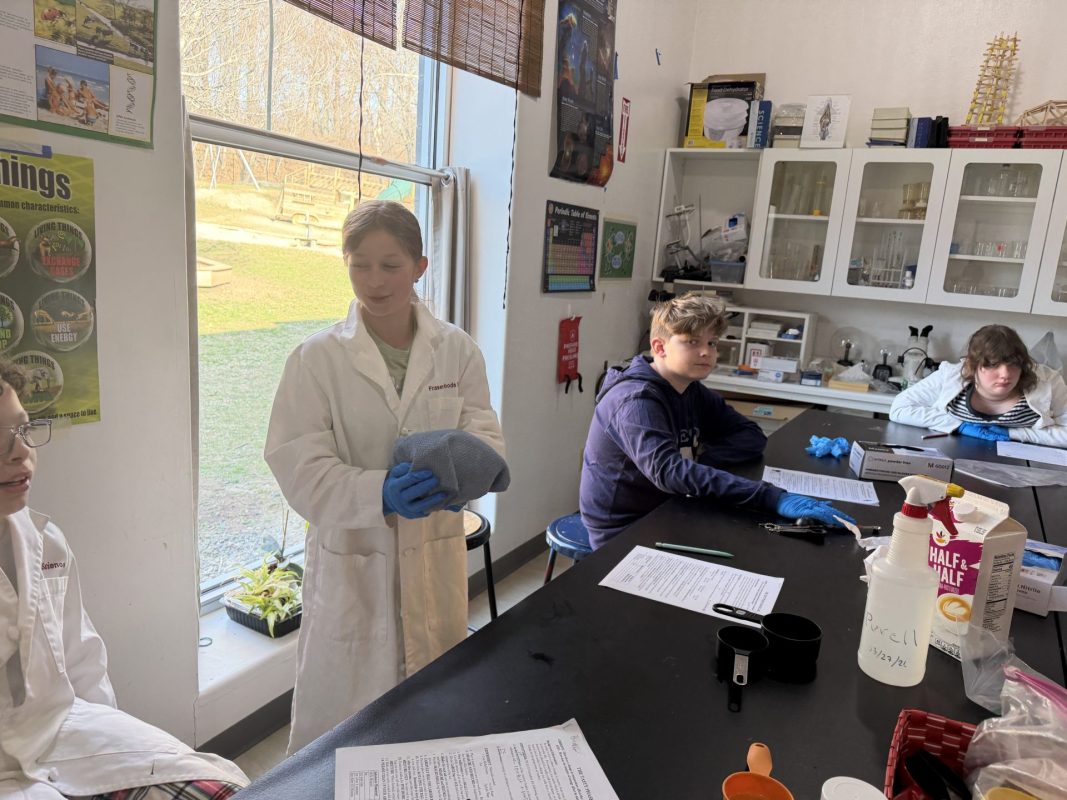
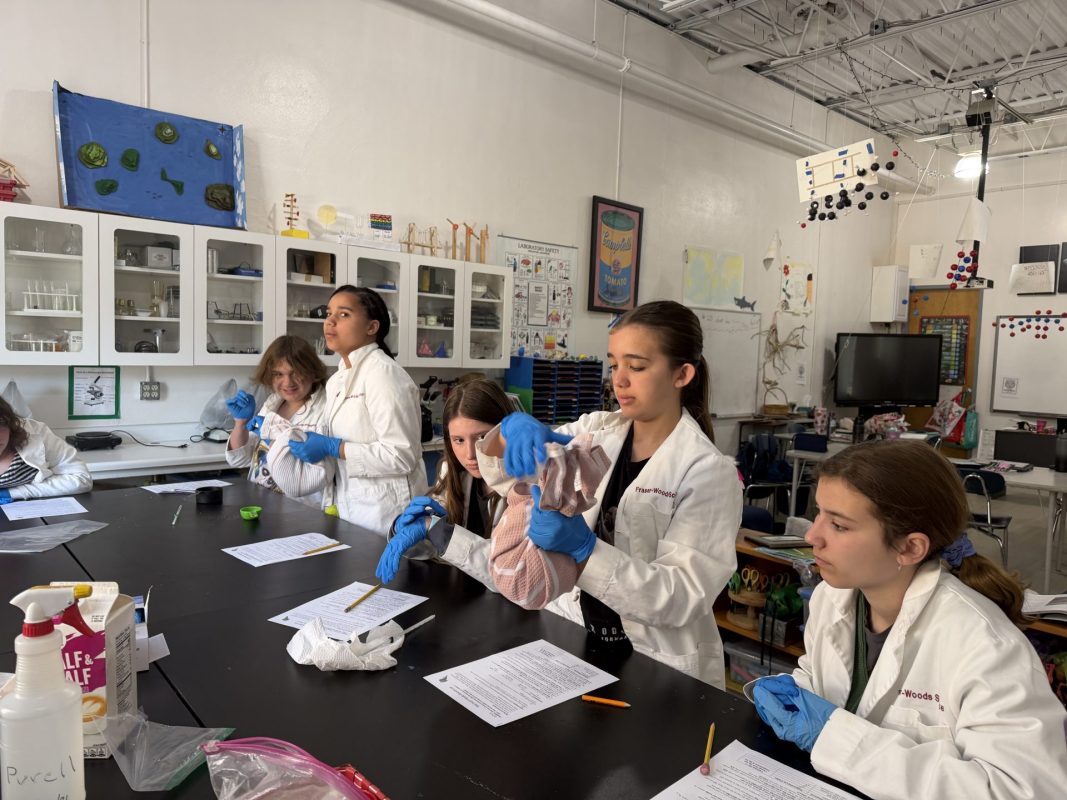
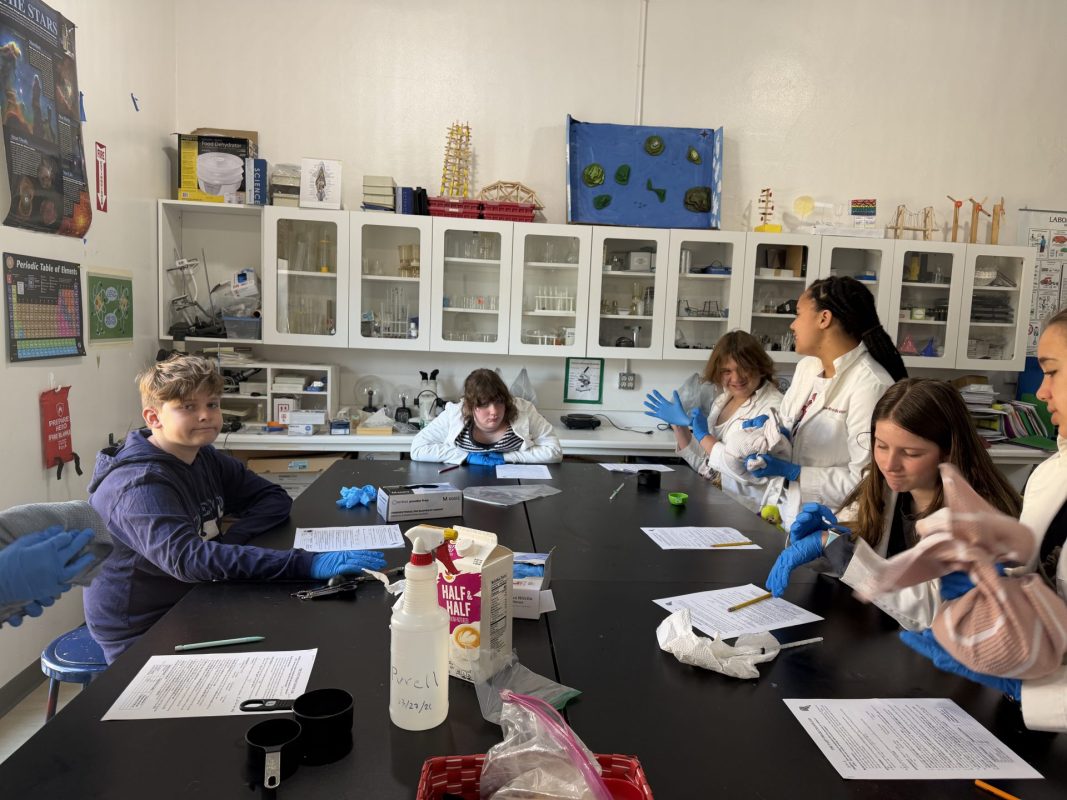
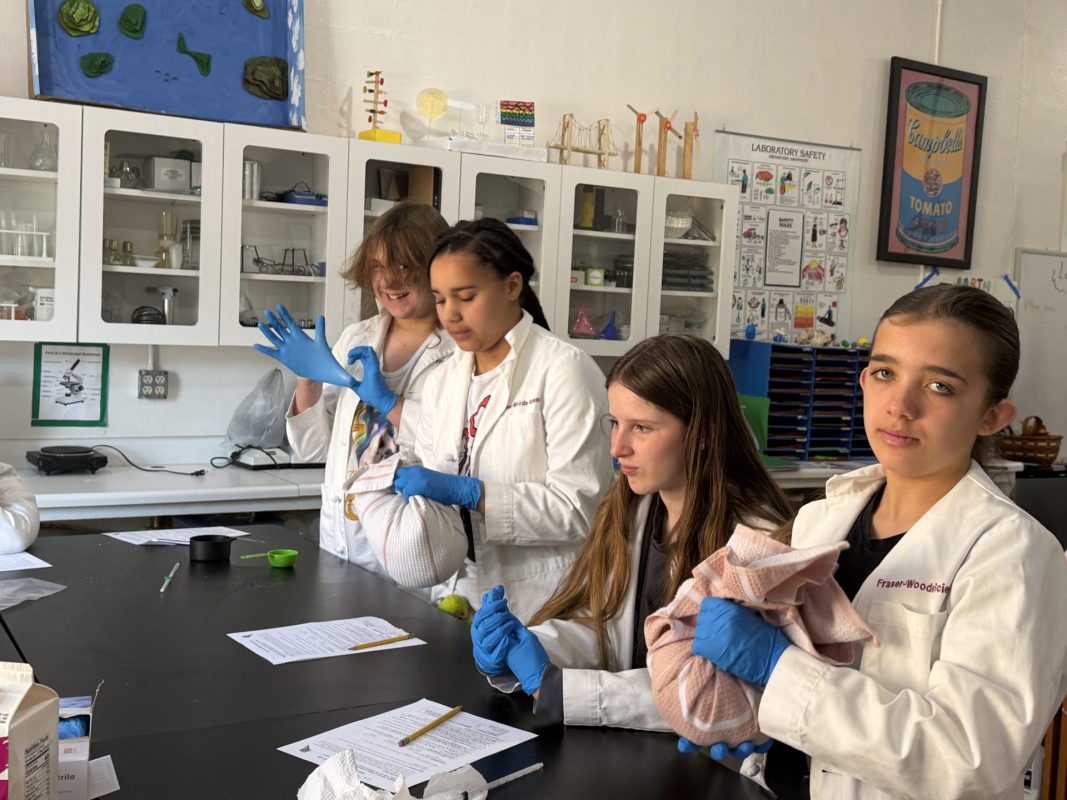
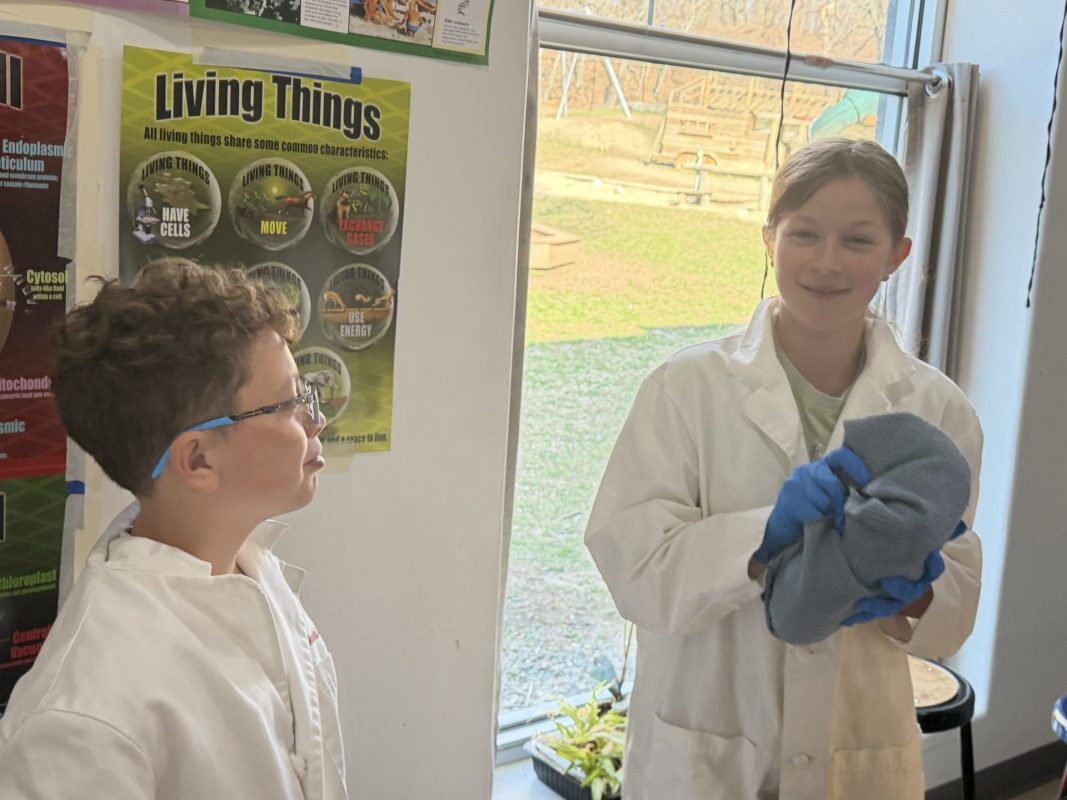
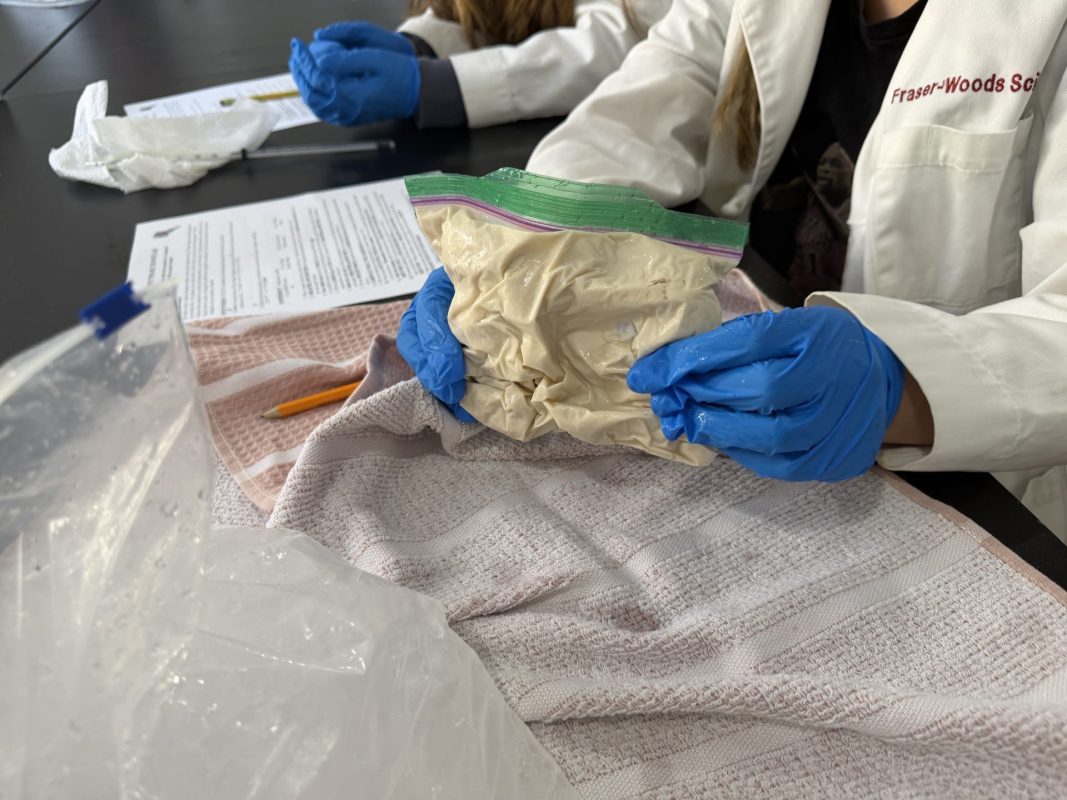
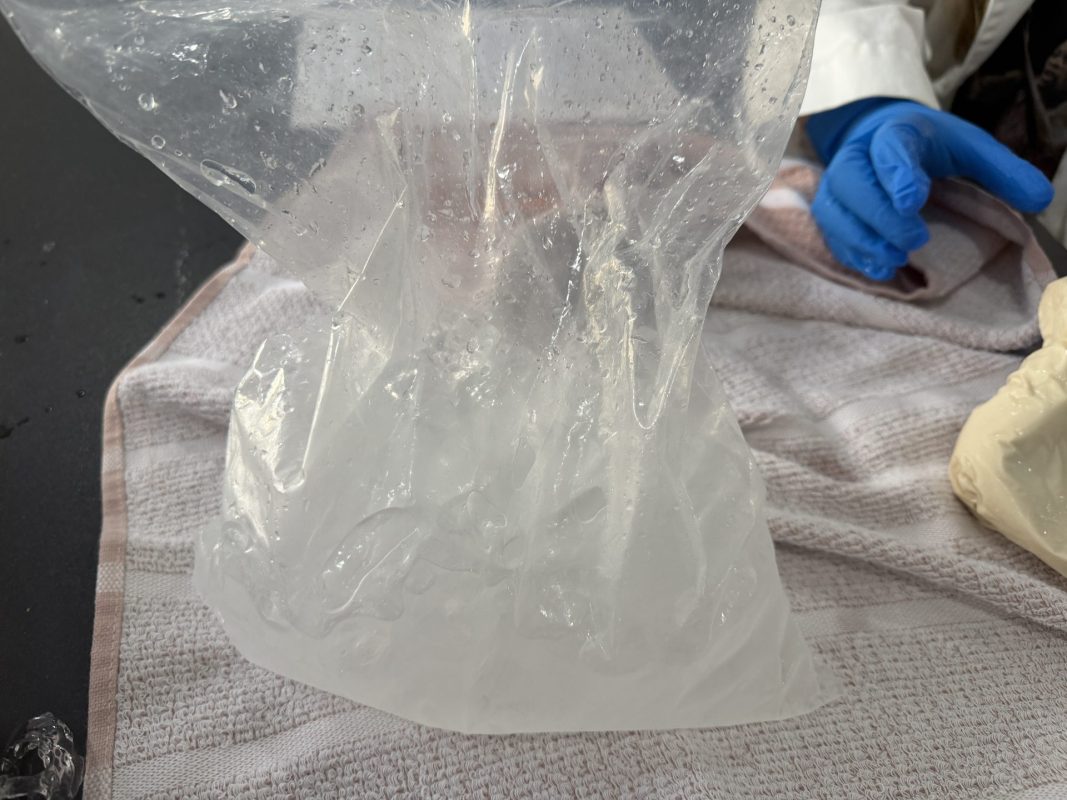
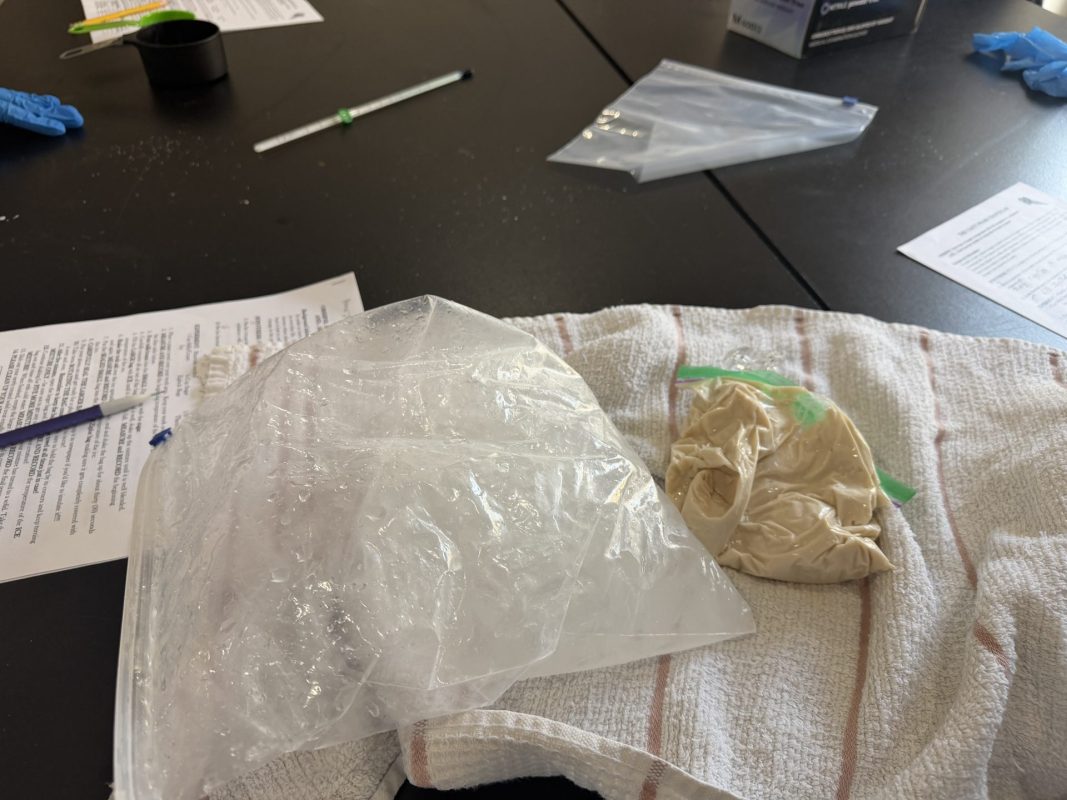
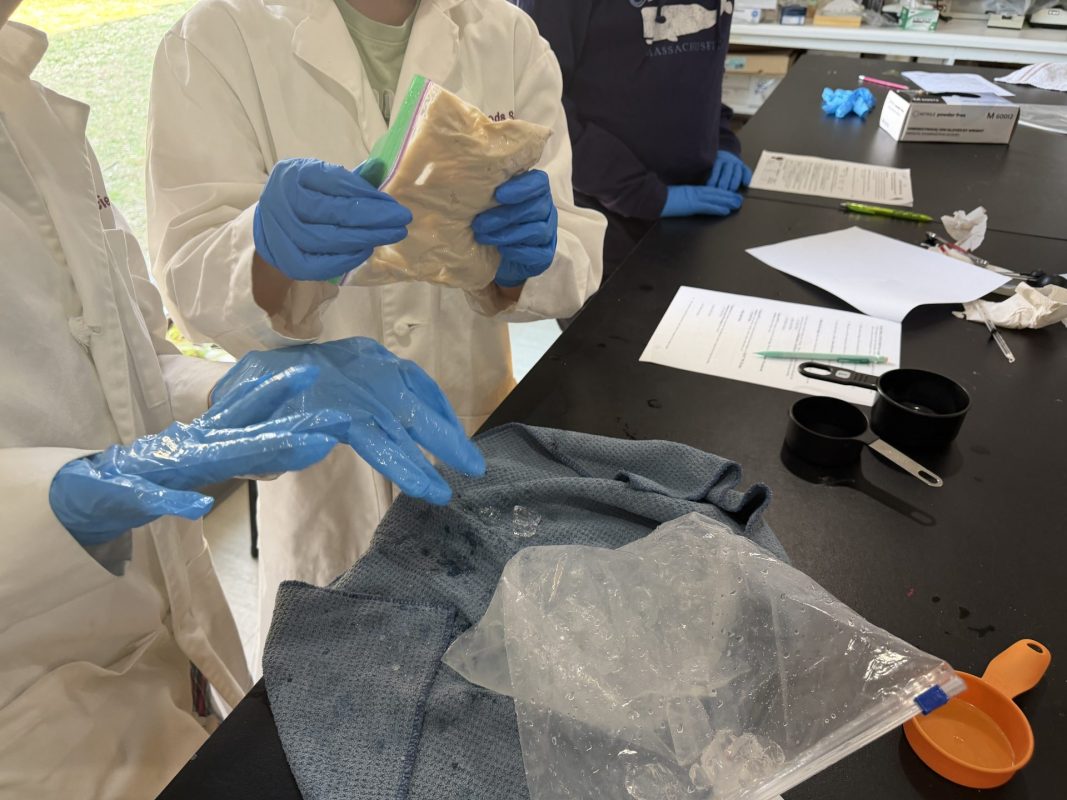
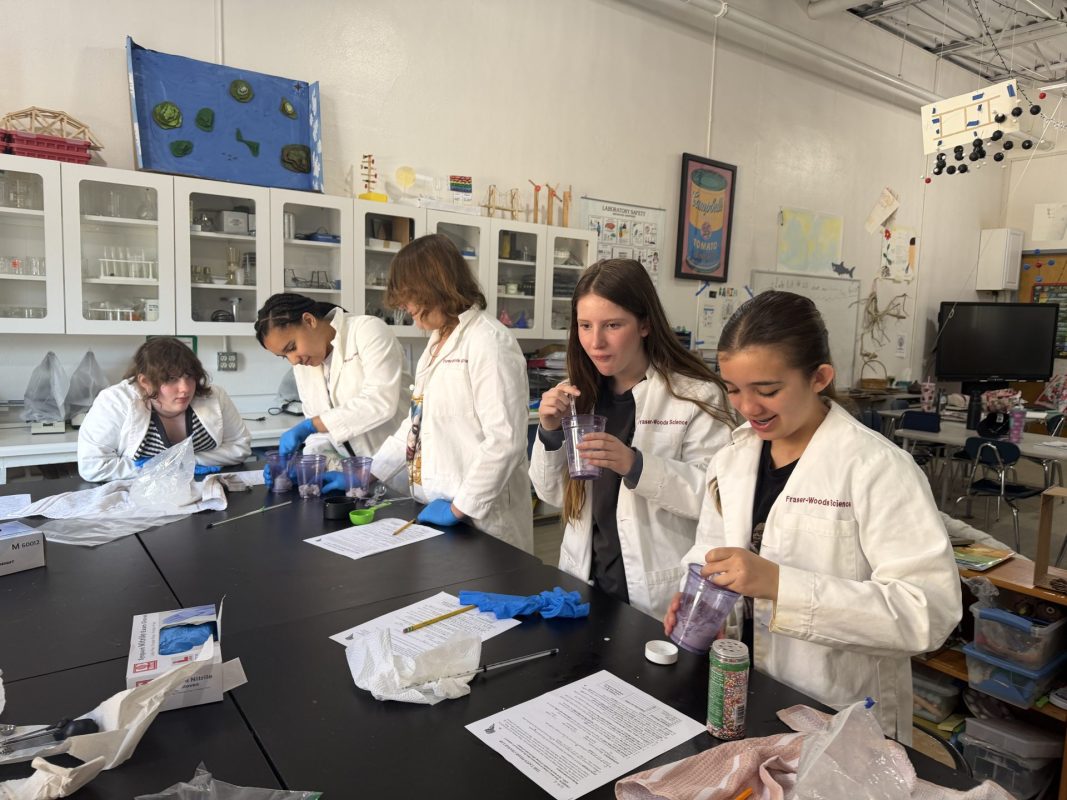
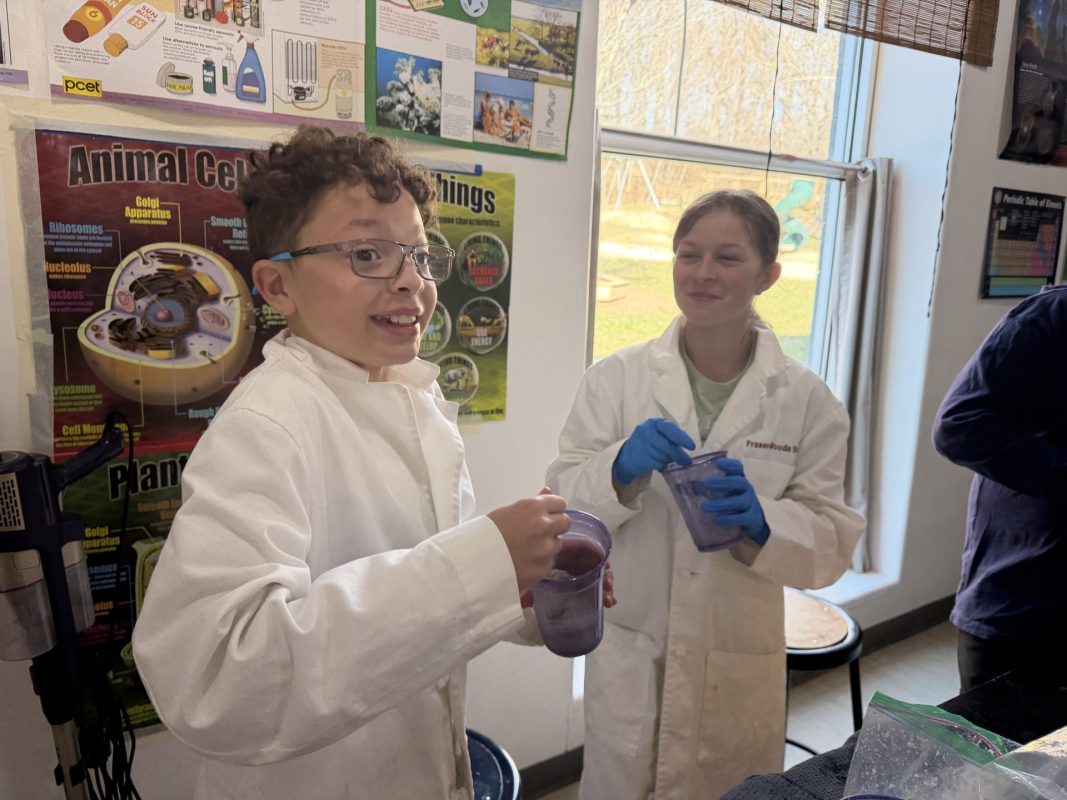
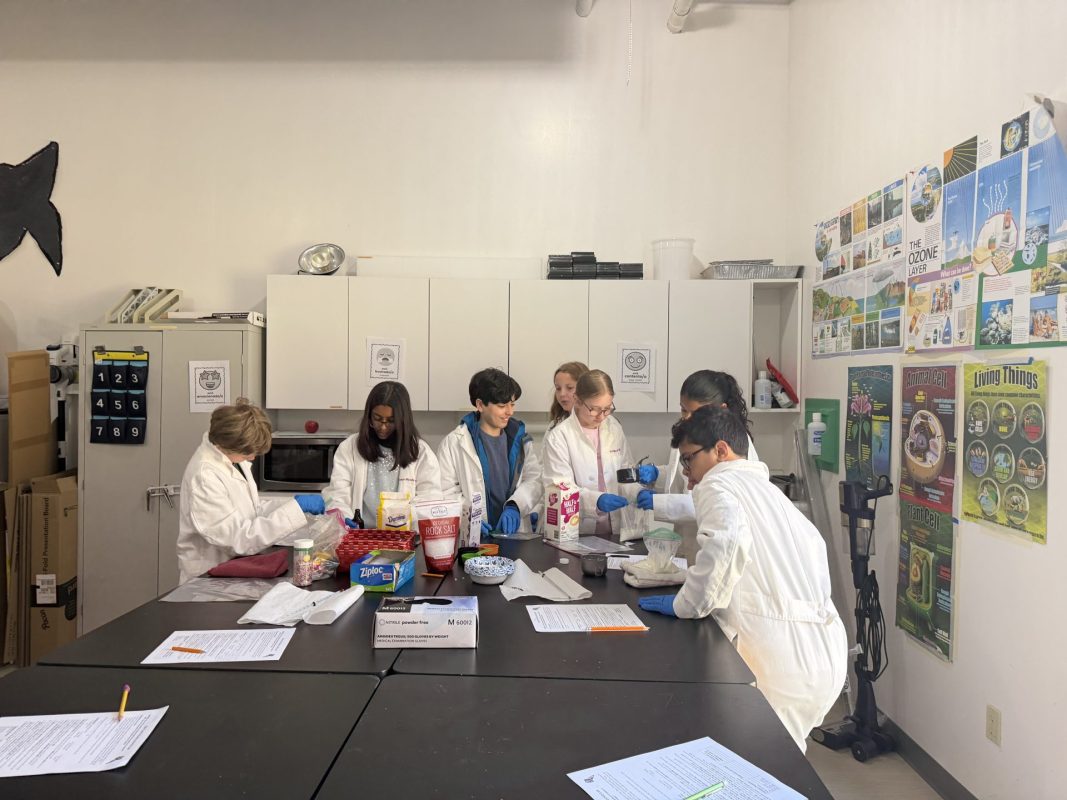
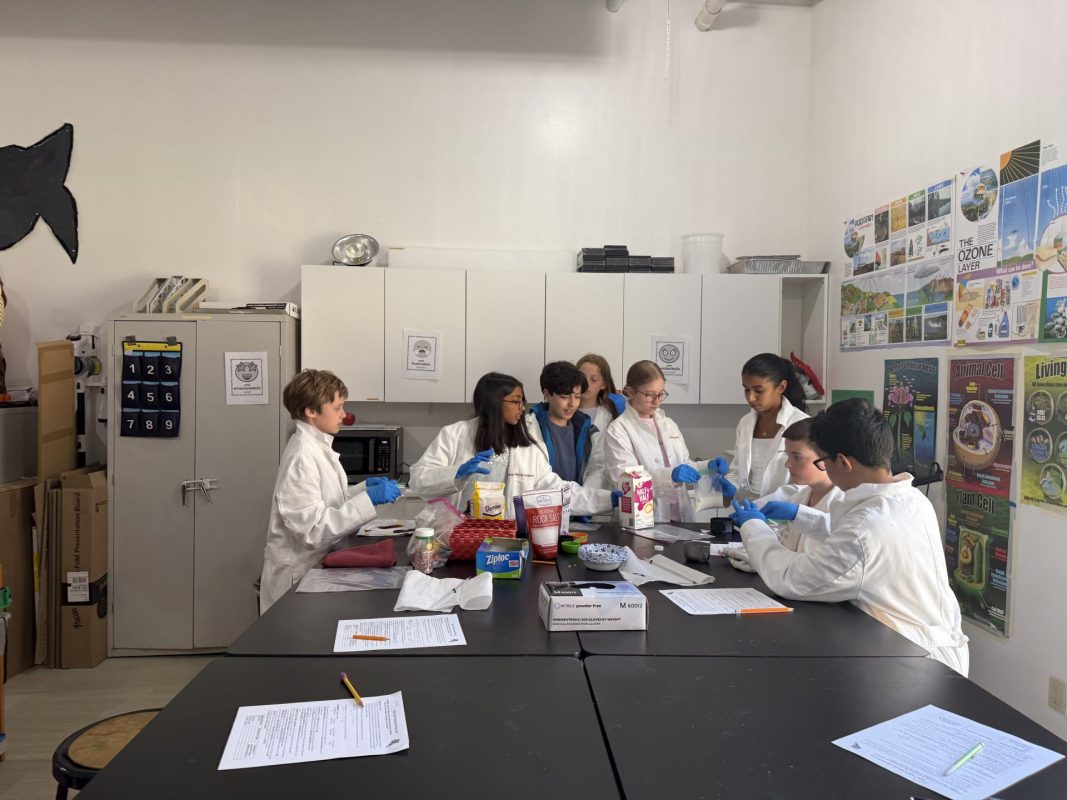
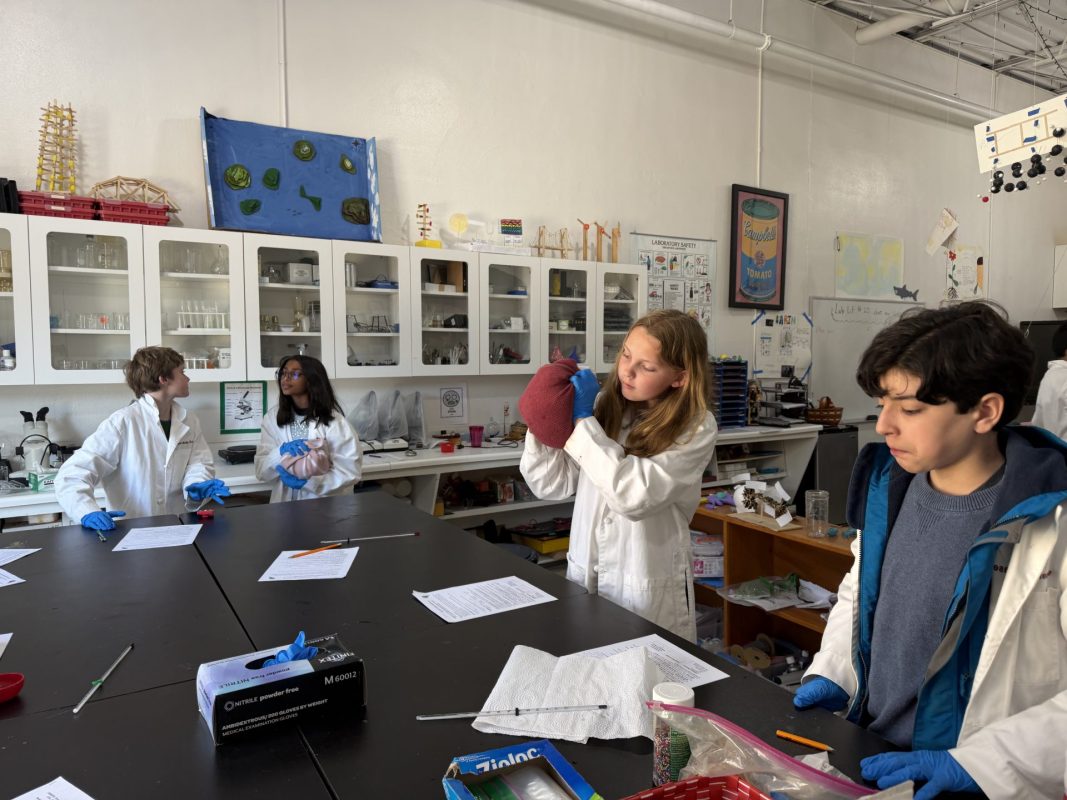
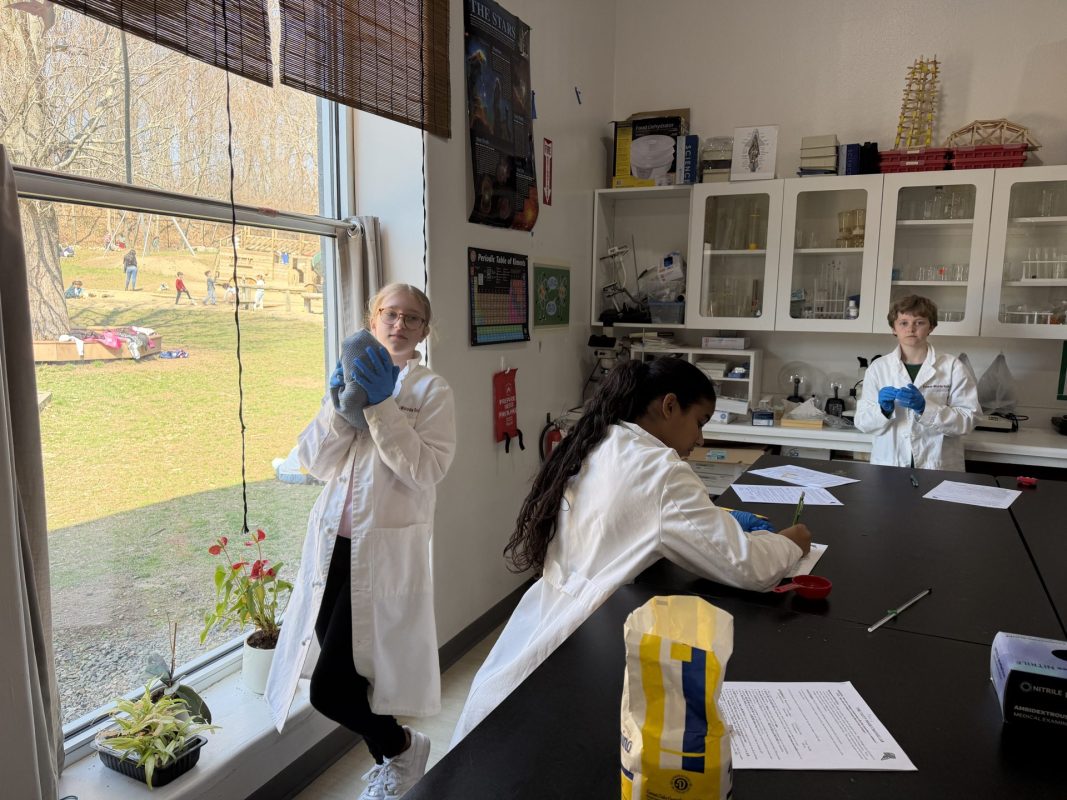
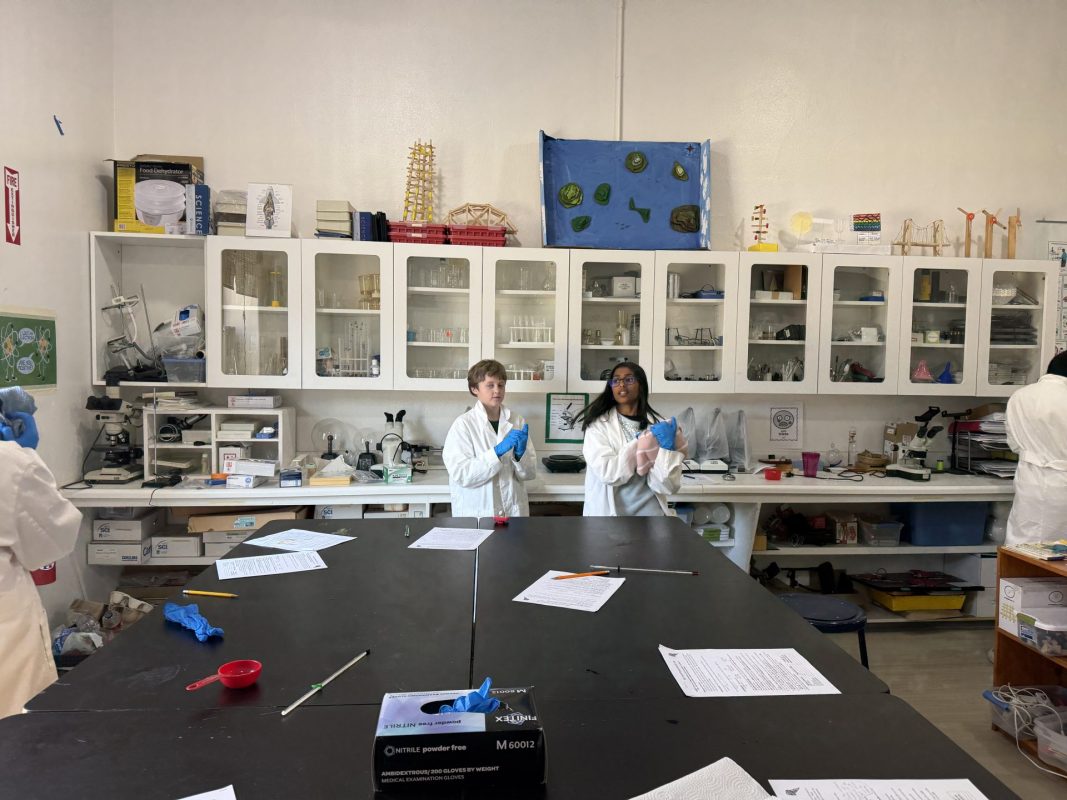
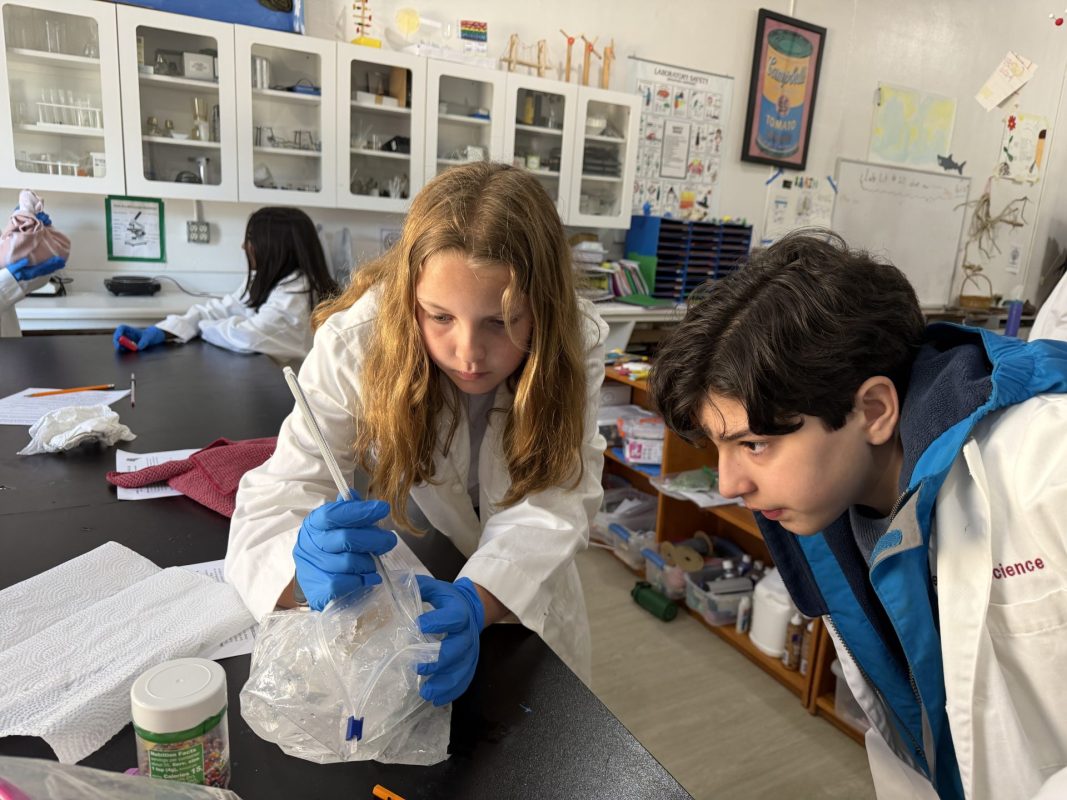
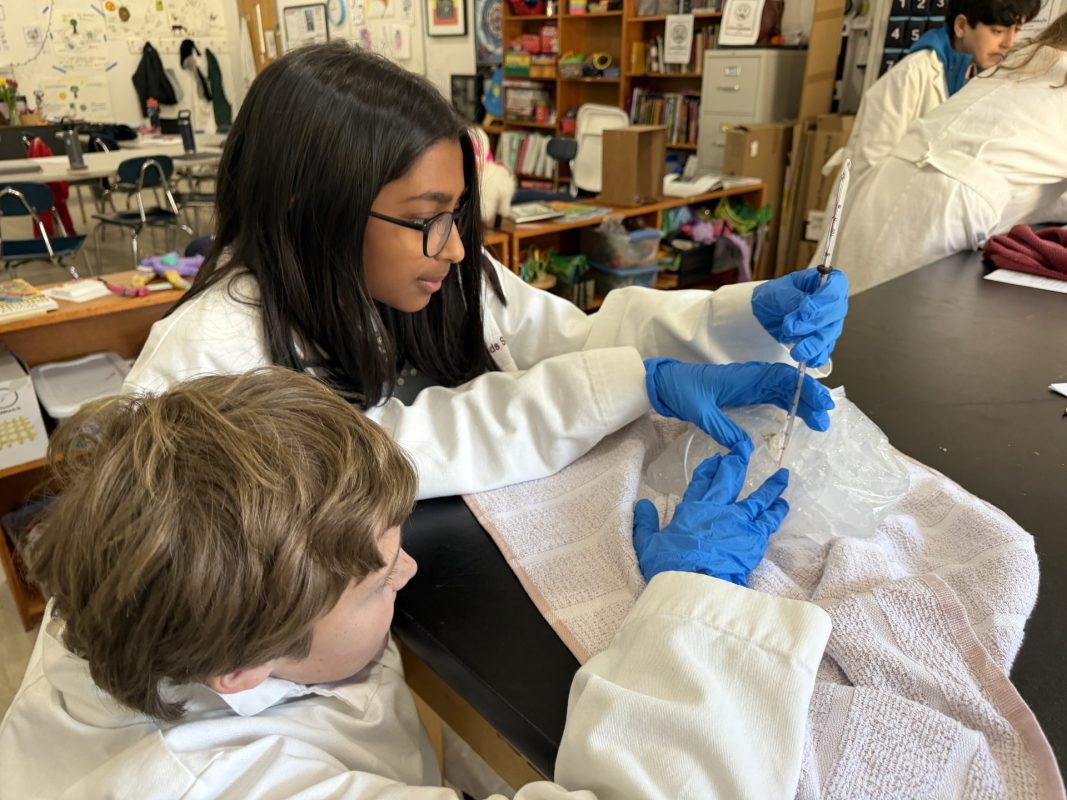
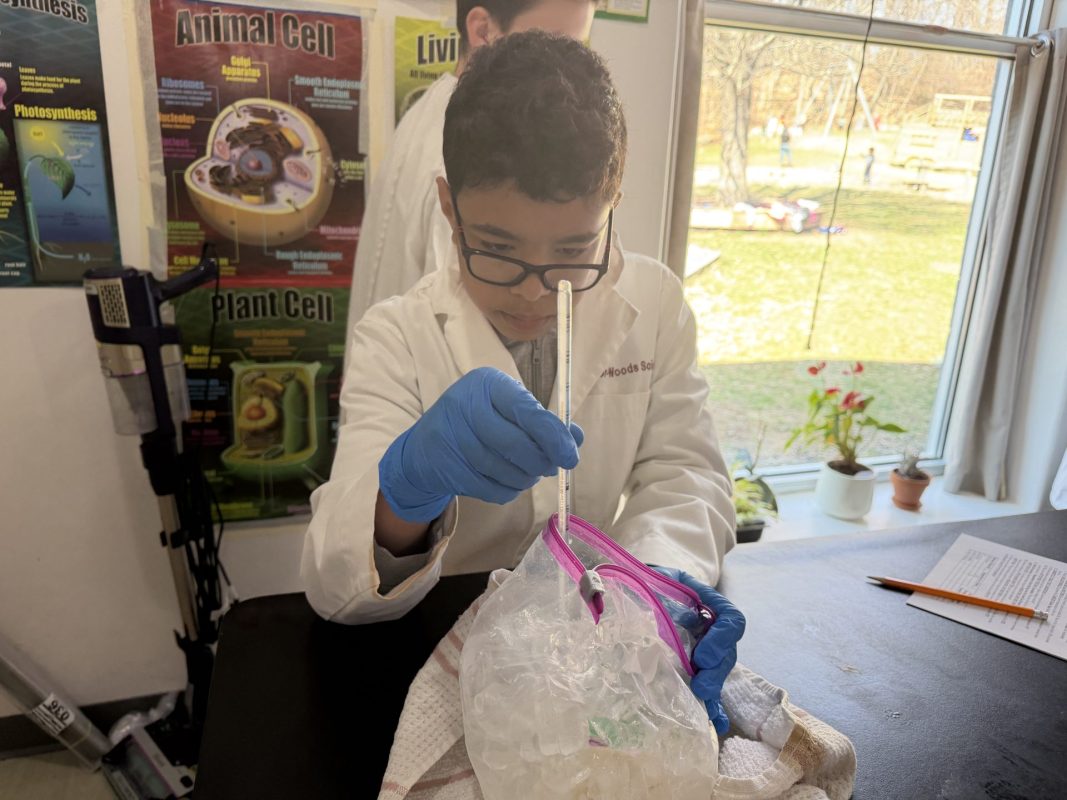
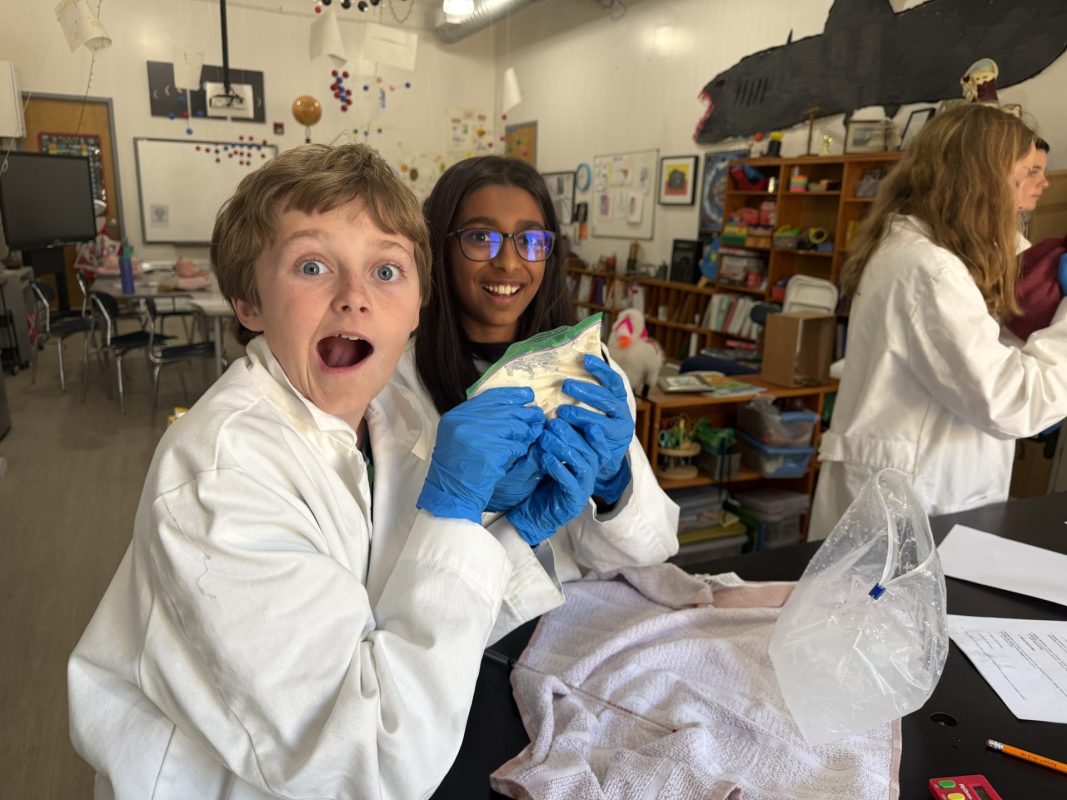
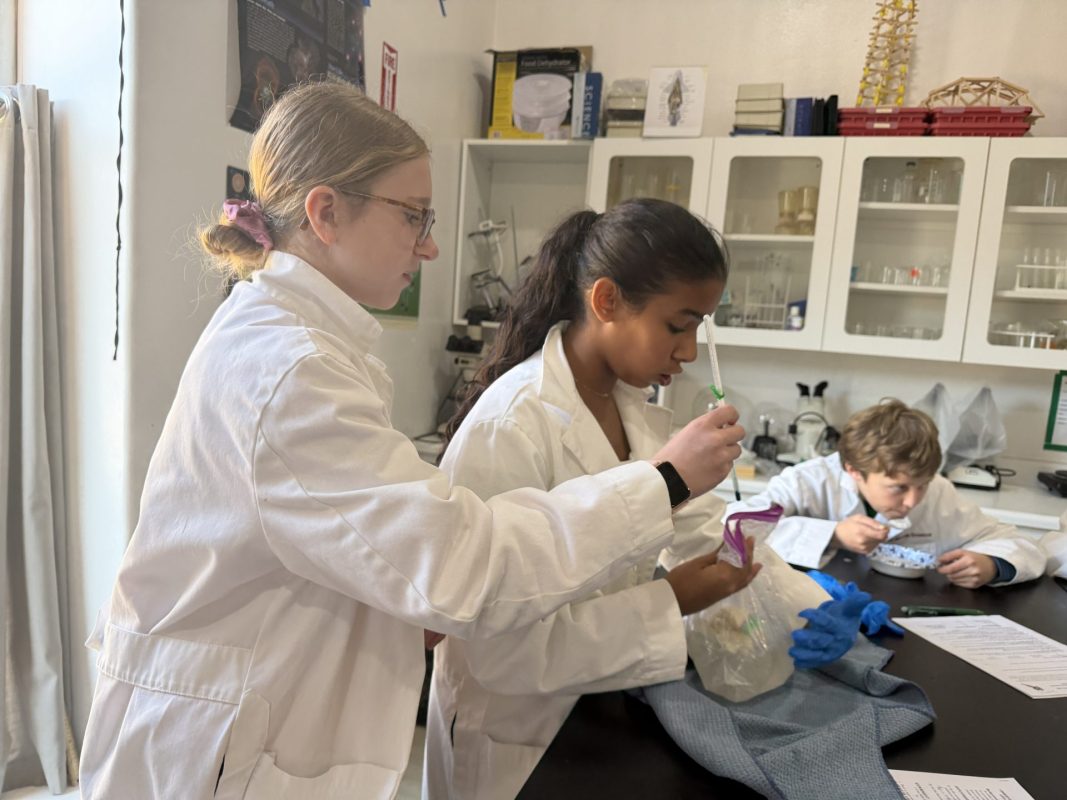
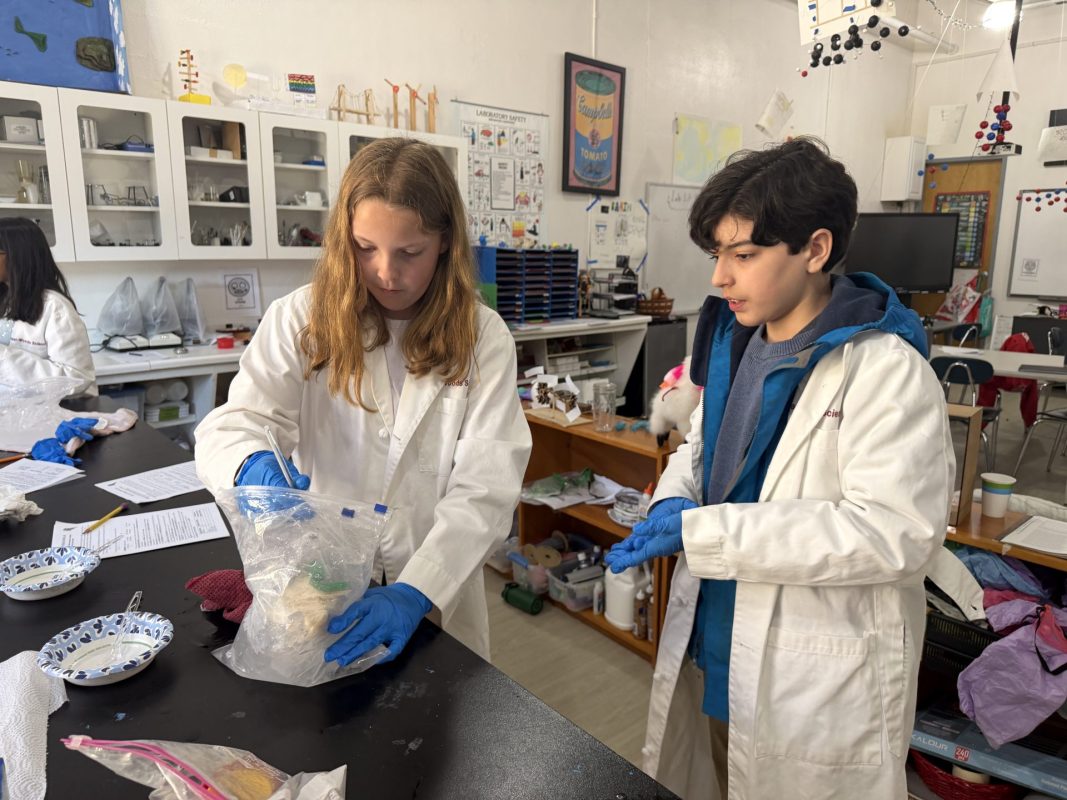
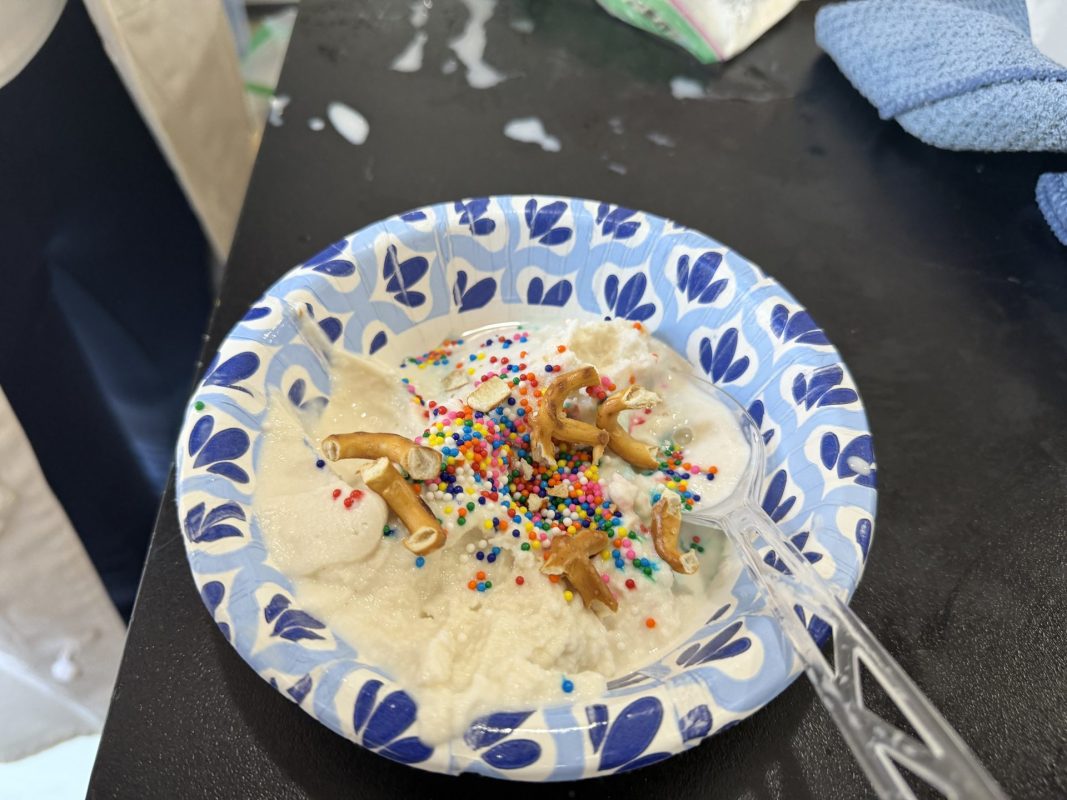
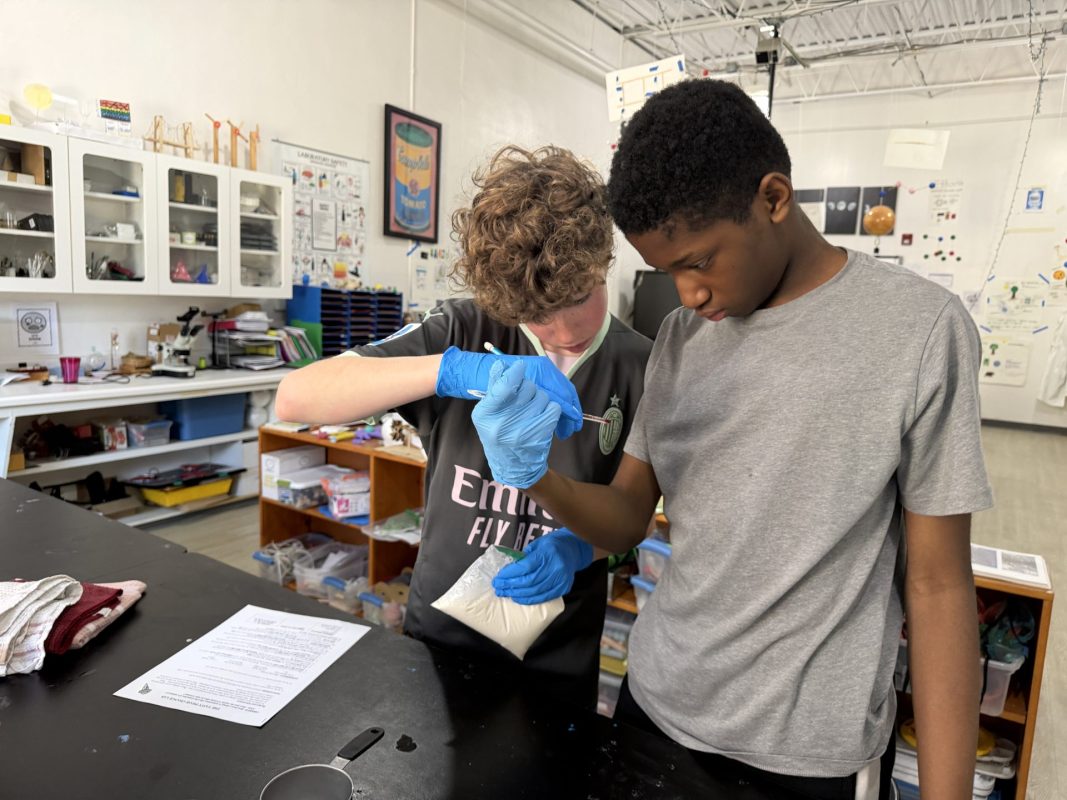
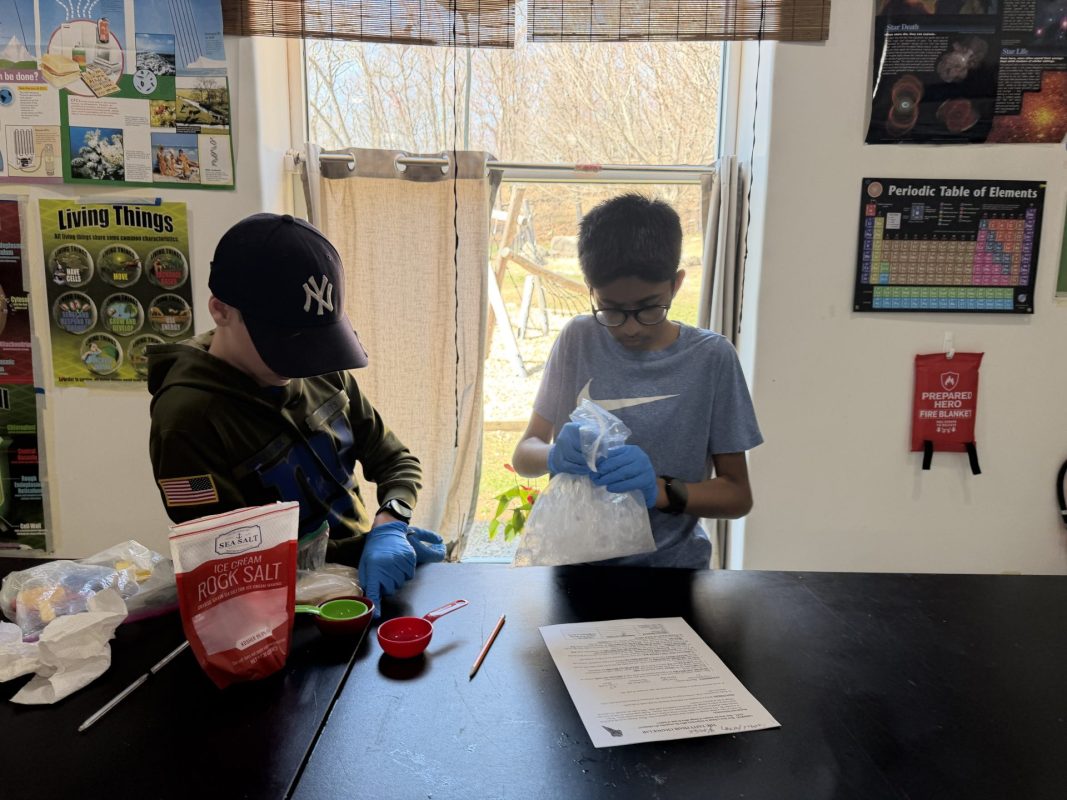
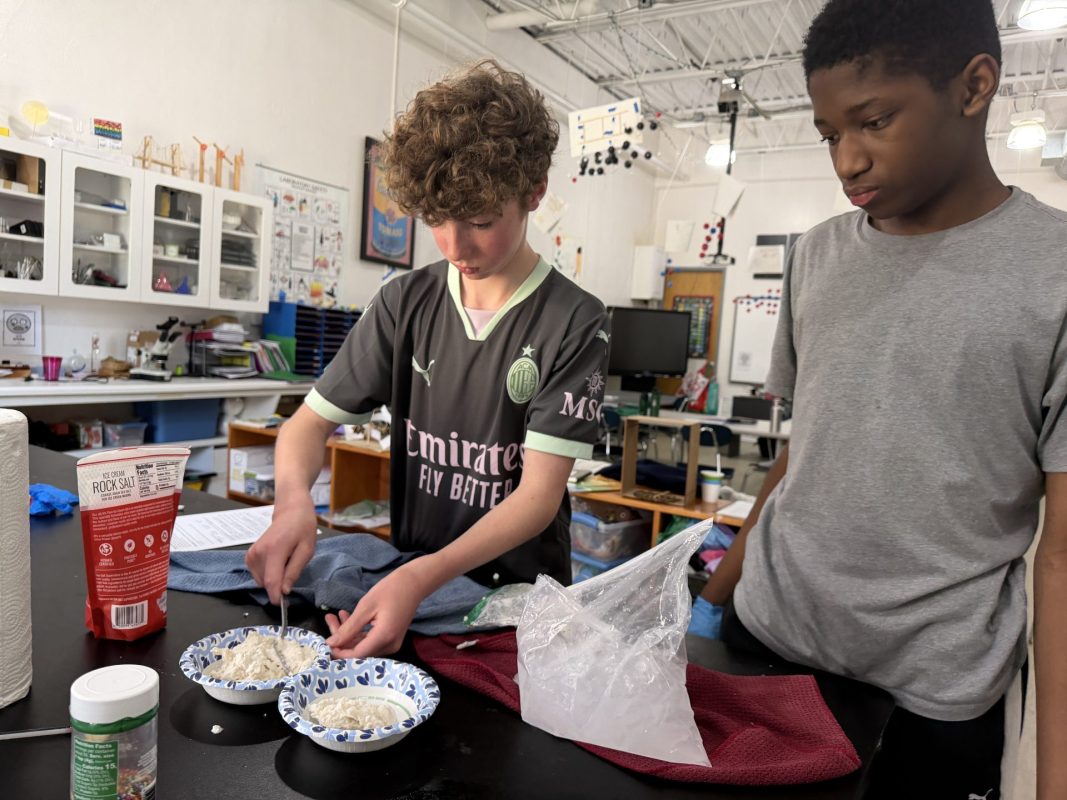
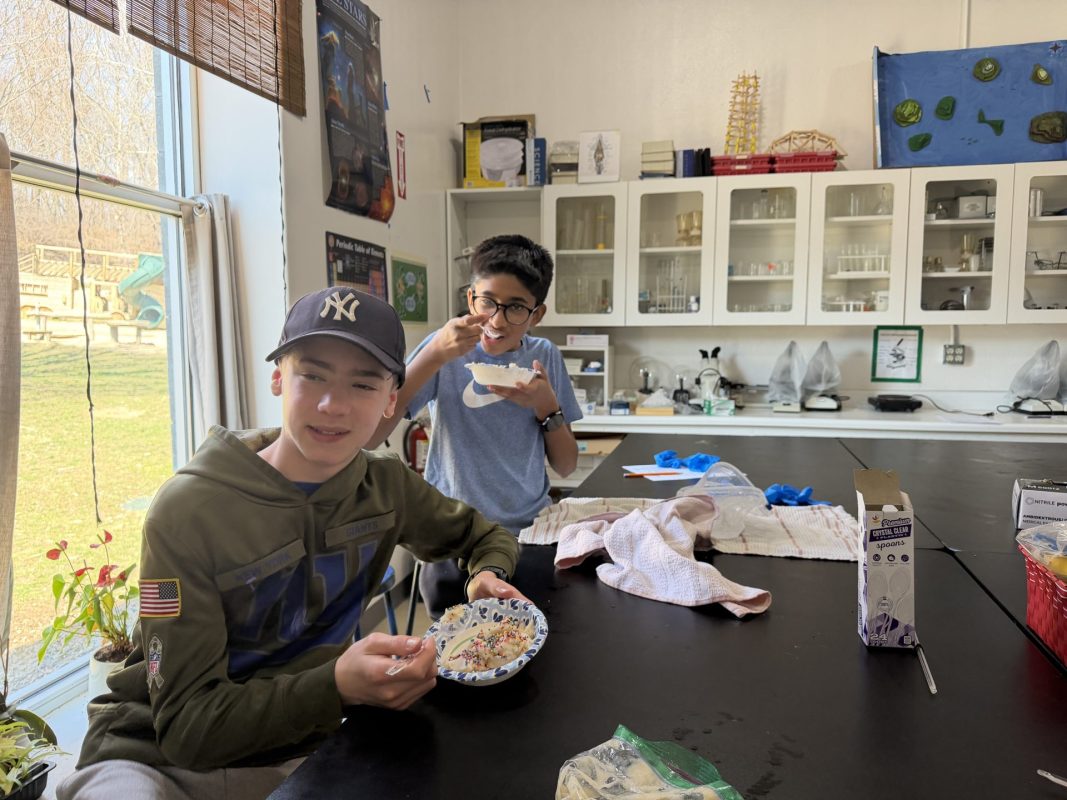
This week, 6th and 7th graders continued working on their understanding of changes of matter. They worked on a hands-on project called The Tasty Phase Change Lab. Students were able to see how a mixture of cream, sugar, and vanilla extract changed its state from liquid to solid and turned into delicious ice cream. To understand the science of changes in states of matter, students used this laboratory and went through it in detail to understand the science behind it.  Students followed a procedure where they prepared the materials and measured them before starting the activity. For the first step, students created a mixture of cream, sugar, and vanilla extract in a small Ziploc bag. Then, they stored the mixture bag in a bigger bag with ice and rock salt, understanding that the function of the salt is to create a freezing point depression. Next, they dropped the freezing point of the ice from 0 ̊C to approximately -9 ̊C, causing the liquid mixture to lose heat energy quickly. This caused the molecules to slow down, get closer, and change state from liquid to solid. Students understood how the liquid mixture lost heat energy and the ice/salt mixture gained that heat energy.  Also, they could observe condensation on the outside of the plastic bag.  Students worked on formulating the experiment hypothesis, recording data, and using their critical thinking skills to come up with their conclusion. The time to see their results was 10 minutes. In addition to that, they worked on a scientific explanation using the CER framework (claim, evidence, and reasoning) about the changes in states of matter, where they used evidence from their observations and data collected from both laboratory activities, Bottle Mystery and The Tasty Phase Change Lab.

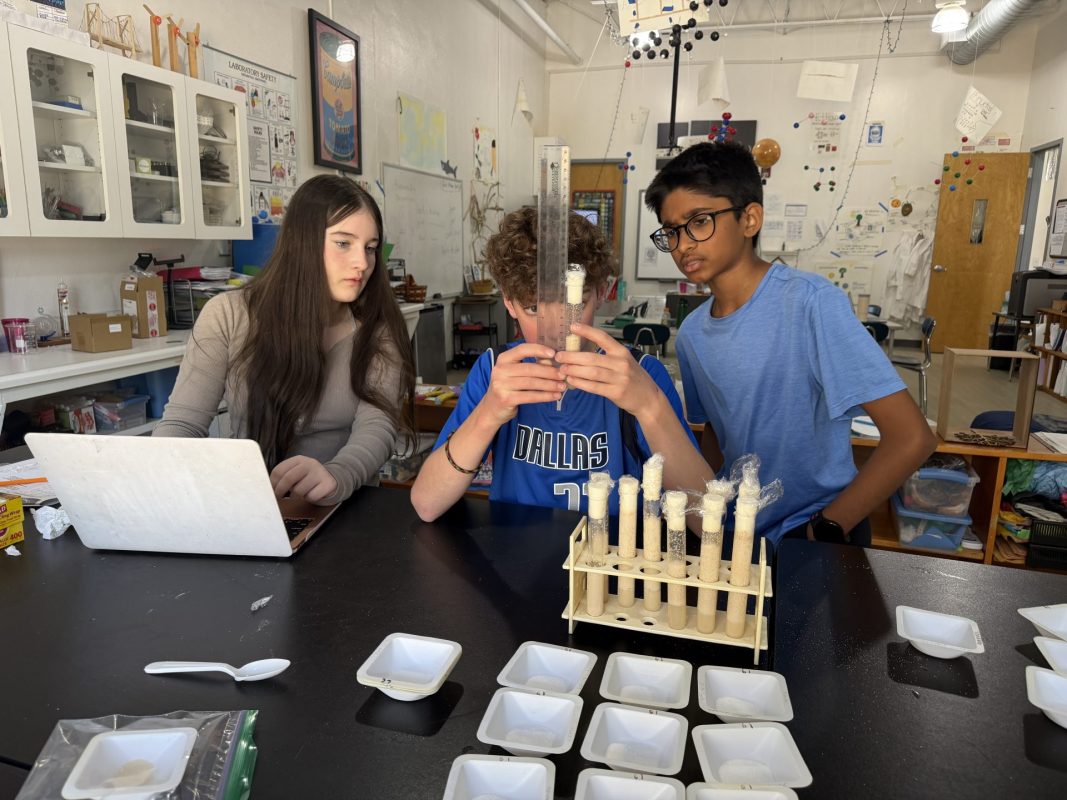
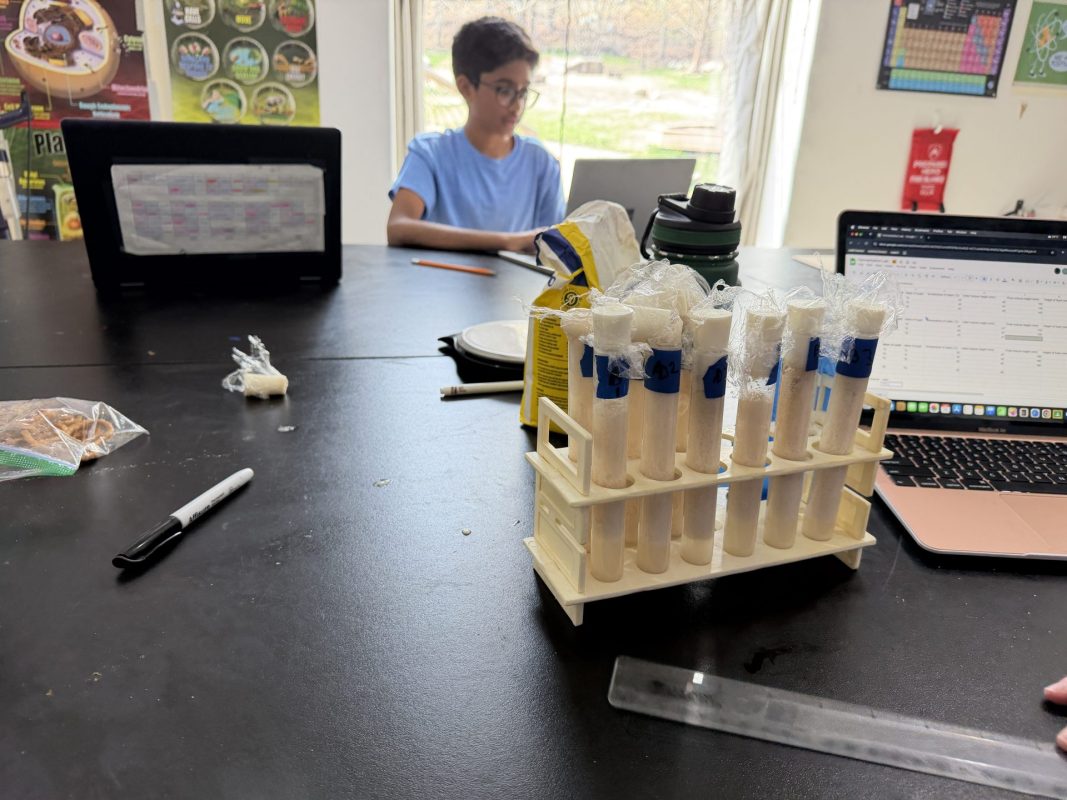
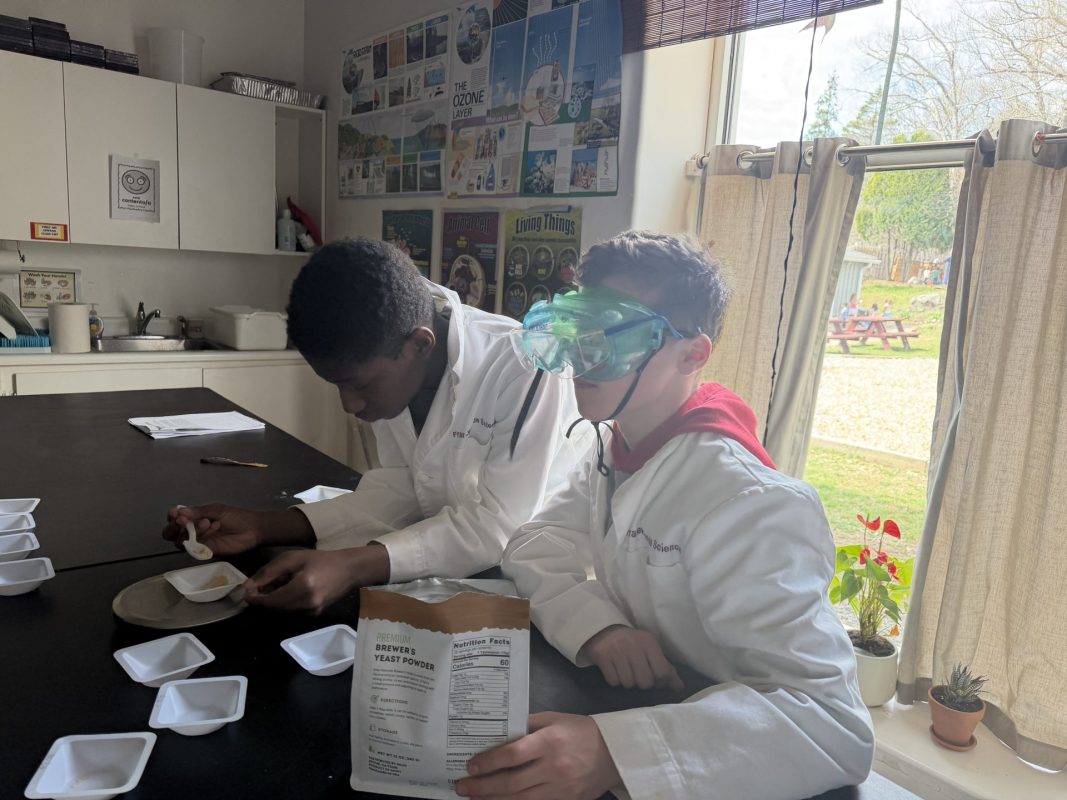
8th Graders were also very interested in learning the science behind ice cream, so they participated in a lab to learn the changes of states of matter, following all the protocols and understanding the science behind making ice cream. Also, 8th graders continued learning about fermentation, and they are currently working in the same laboratory activity they did virtually, comparing it with the hands-on project done in class. They will be able to point out the similarities and differences between the virtual and in-person activity. In this activity, 8th grade students are testing variables such as the amount of sugar and the amount of yeast, knowing that the optimum water temperature is 42 ̊C. Their goal is to run three trials of each variable to find the best conditions for fermentation, measuring the production of CO2. All these lessons for middle school are supported by classwork, videos, readings, and explanations in class, followed by weekly science articles where students can practice their critical thinking to answer the questions.


Humanities

6th and 7th grade Humanities classes are just about done with Animal Farm by George Orwell. This week, they completed the anticipated “Animal Farm: Who’s Who?” activity. This classwork has the students use their notes and knowledge from history lessons surrounding the Russian Revolution to try to identify which historical figure/concept is represented by each of the characters and the setting of Animal Farm, and give the evidence supporting their answers. They did great! Additionally, the 6th and 7th grade Humanities students composed original poetry this week, surrounded by a snapshot in nature of their choosing. These pieces embody the culminating knowledge of using figurative language and imagery in writing.

8th grade Humanities classes this week surrounded their Expert Projects. Students had another round of feedback for their Expert Presentations and completed their research essay revisions. They are just about ready for their final presentations next week!


Mrs. Wilson: Egg-sploration

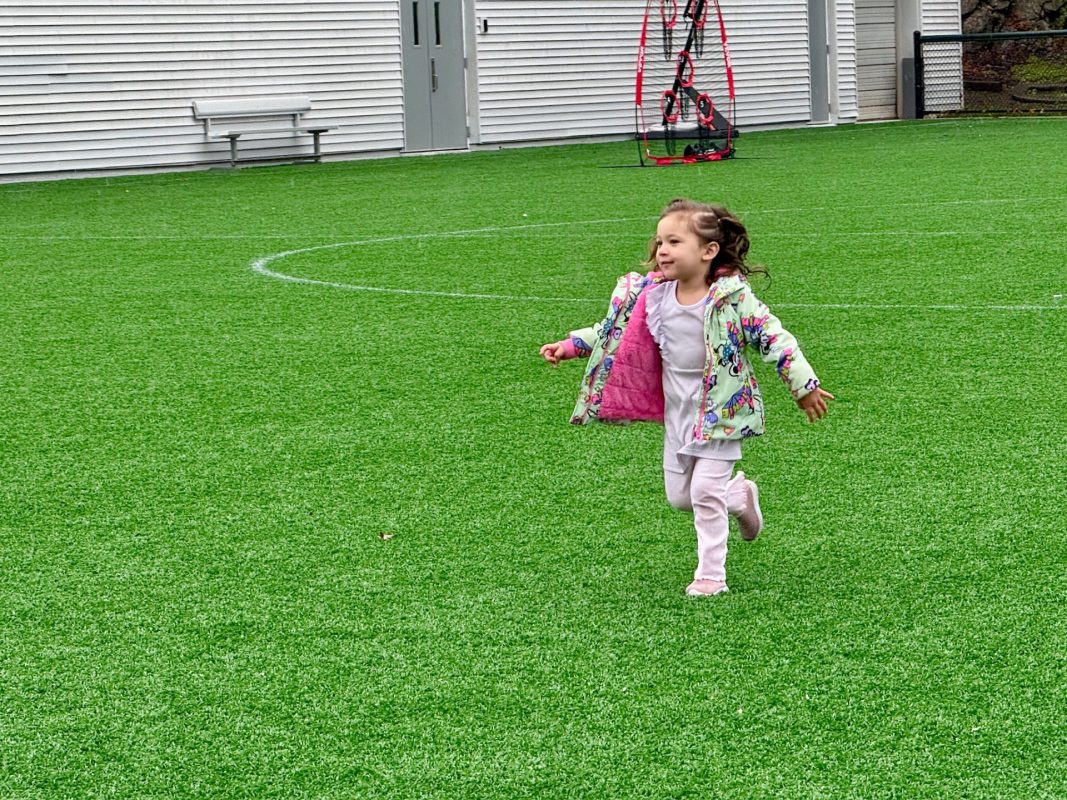
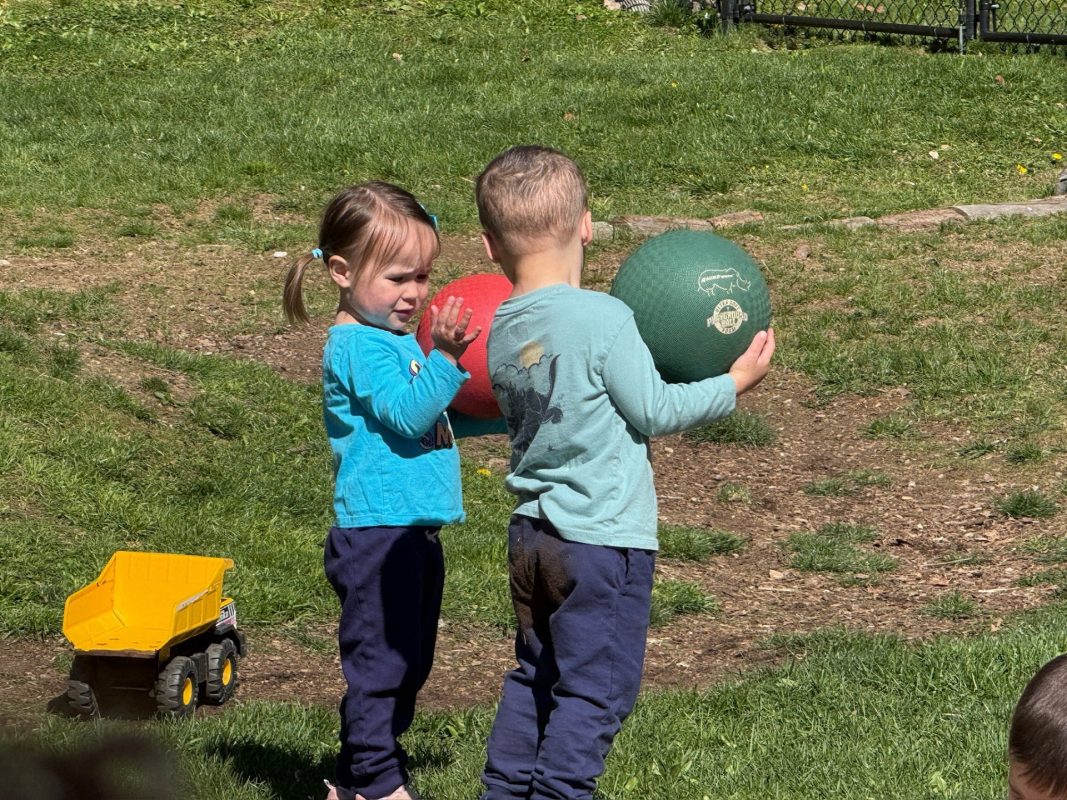
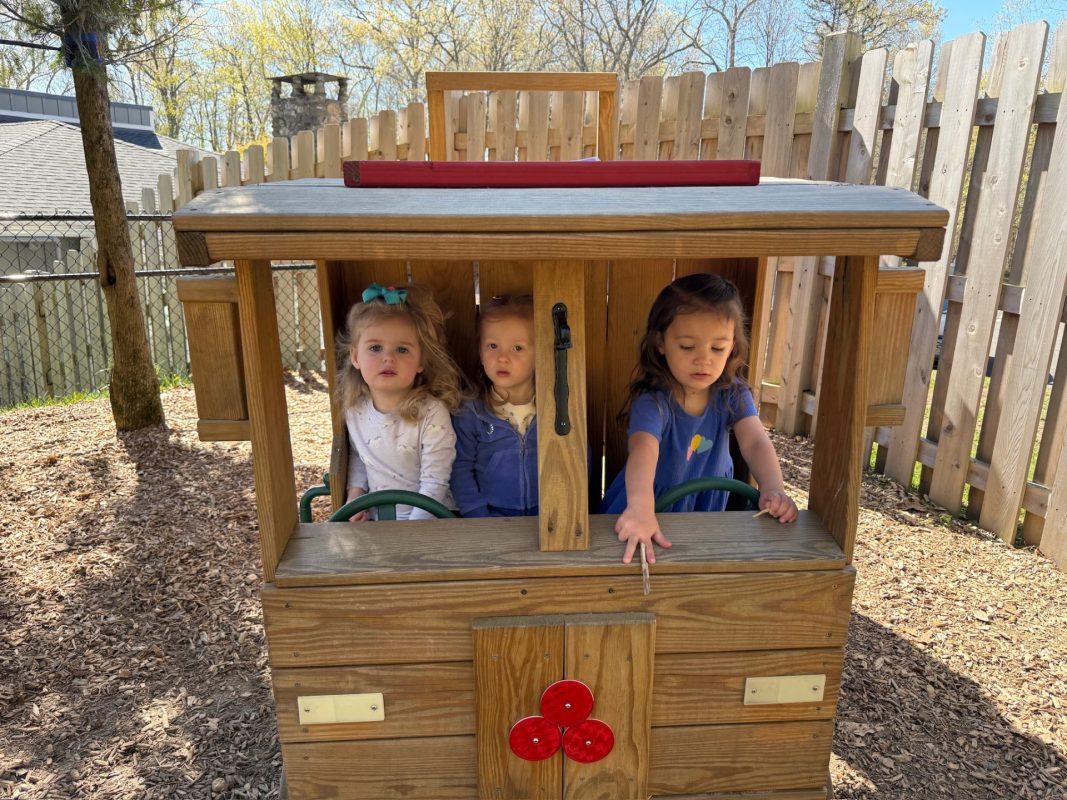
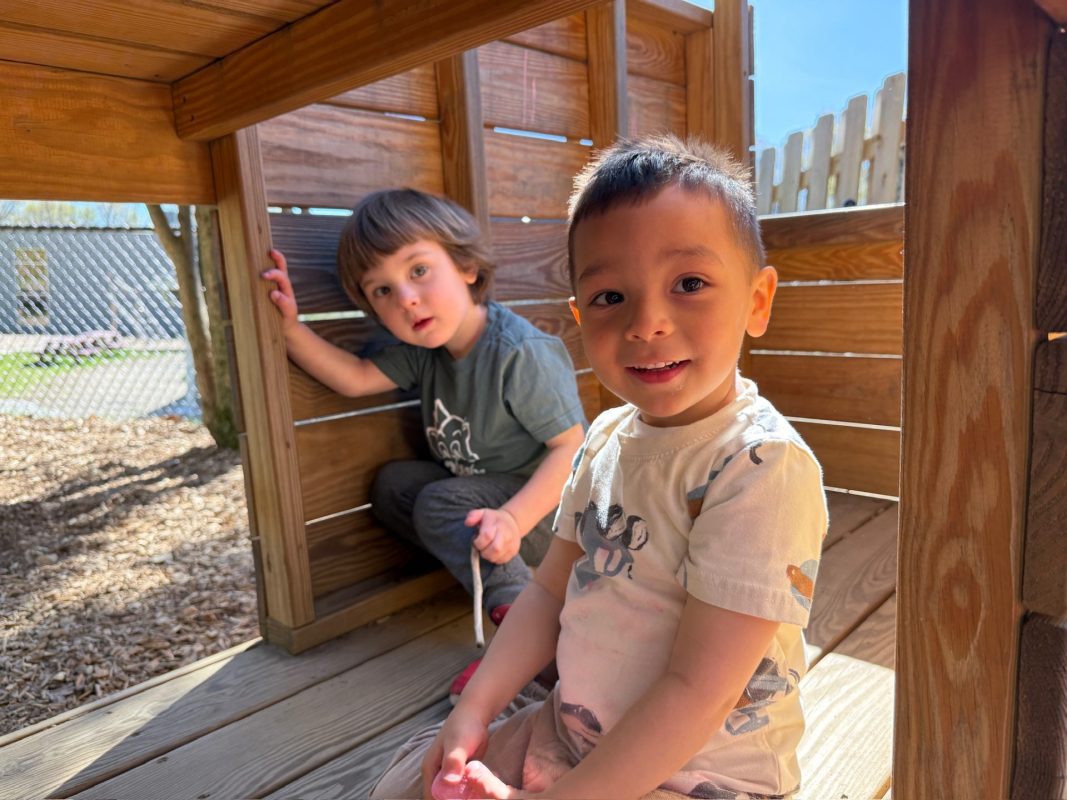
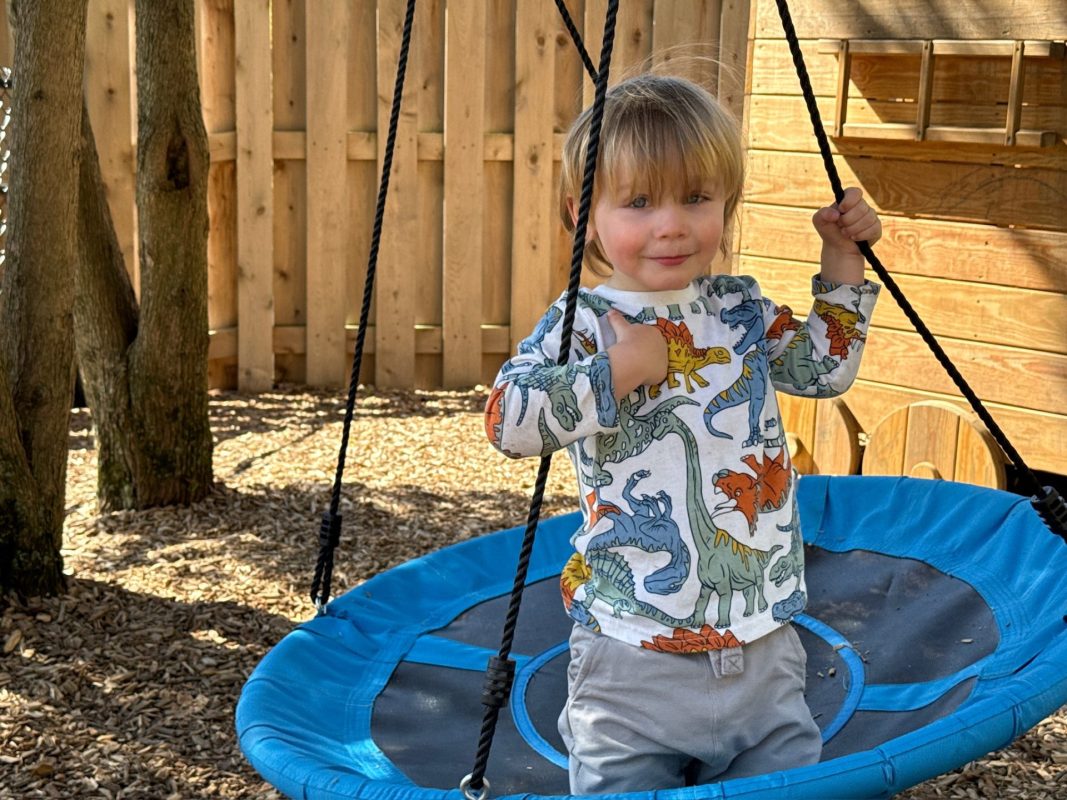
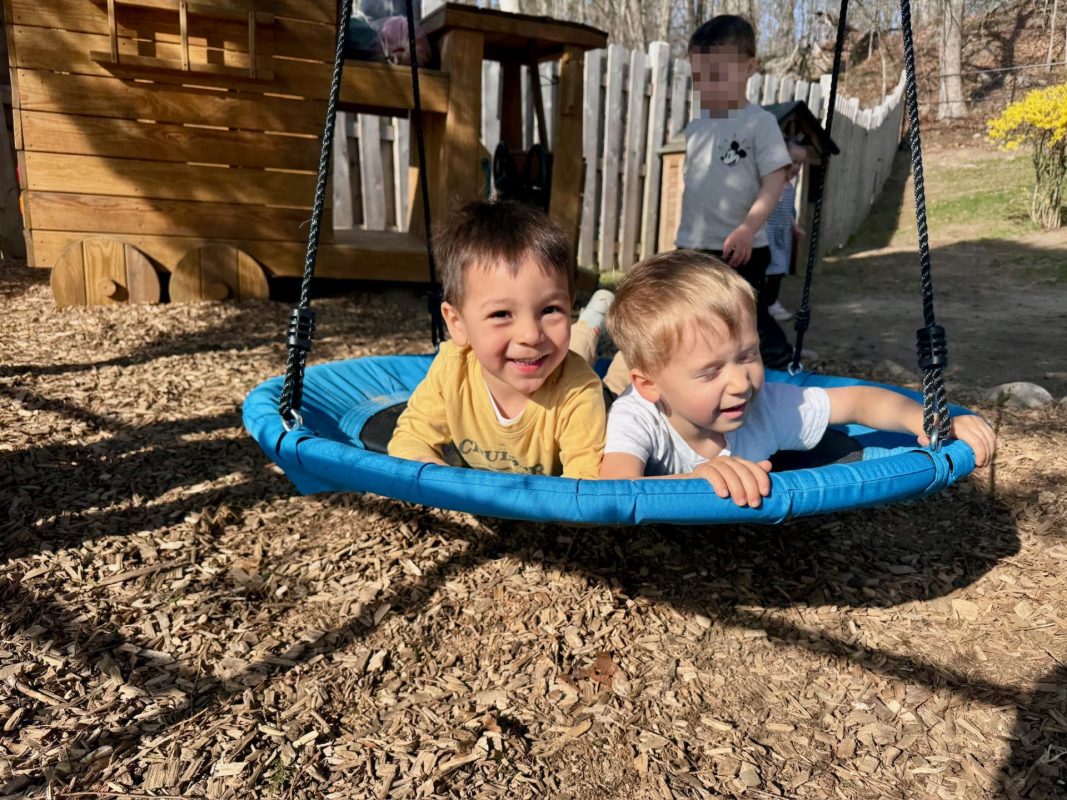
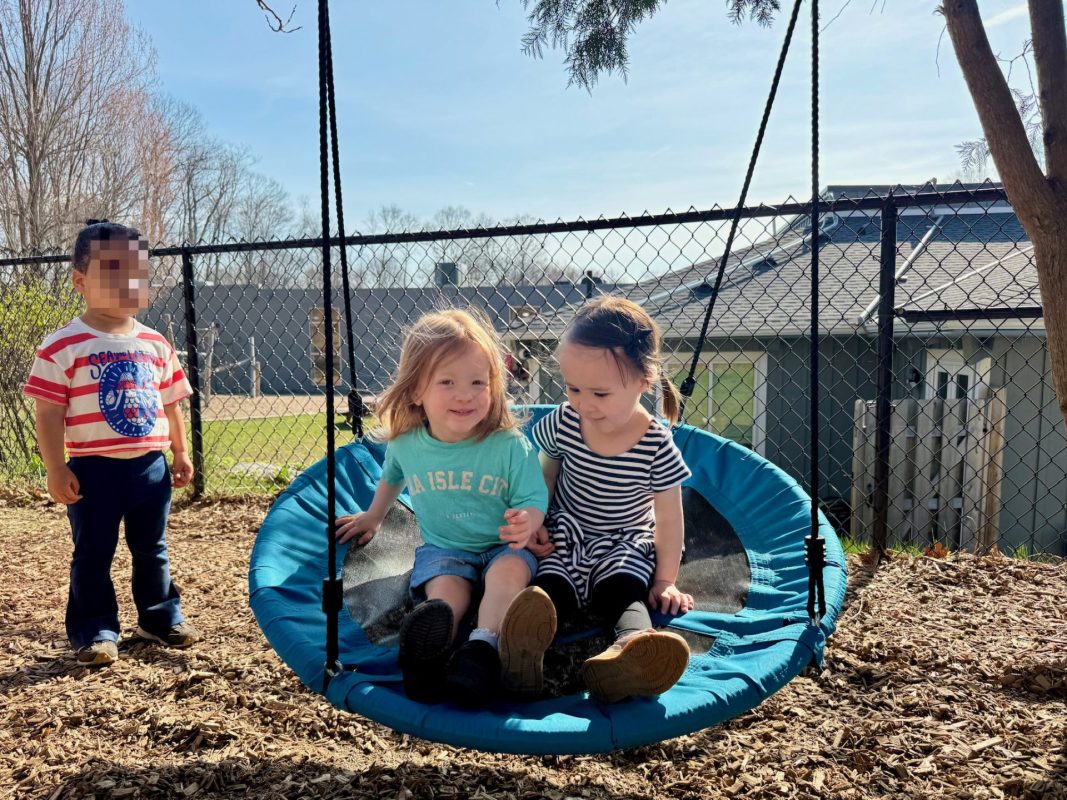
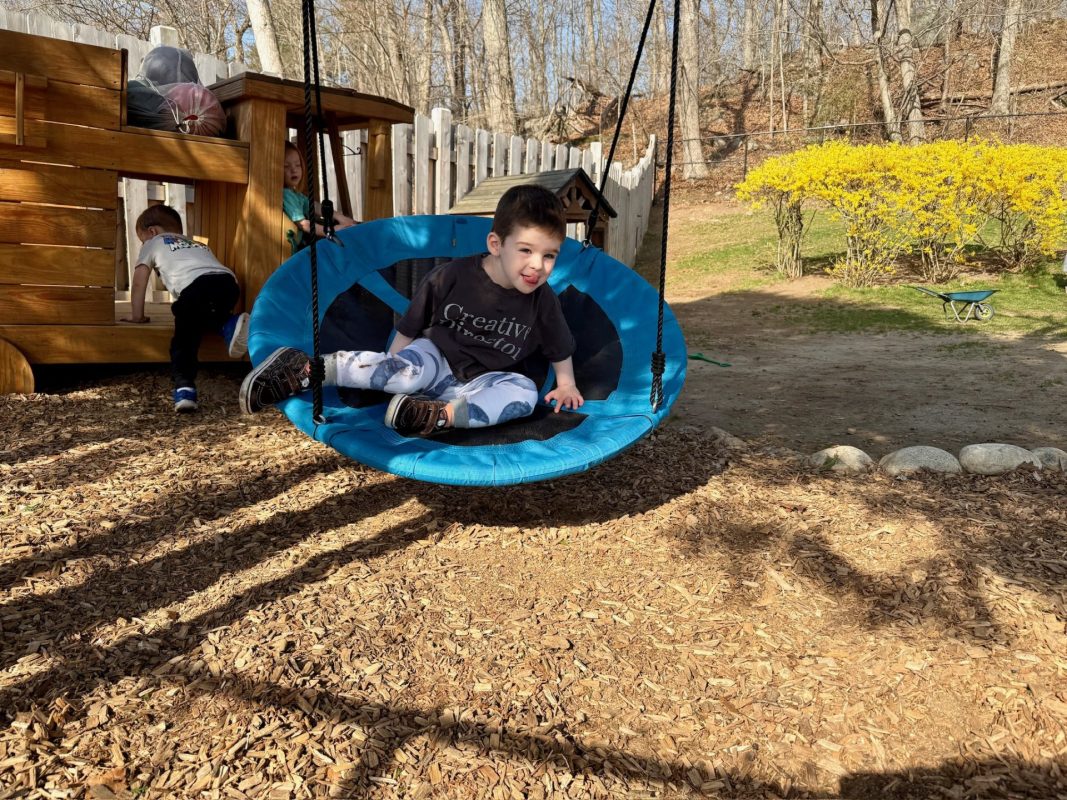
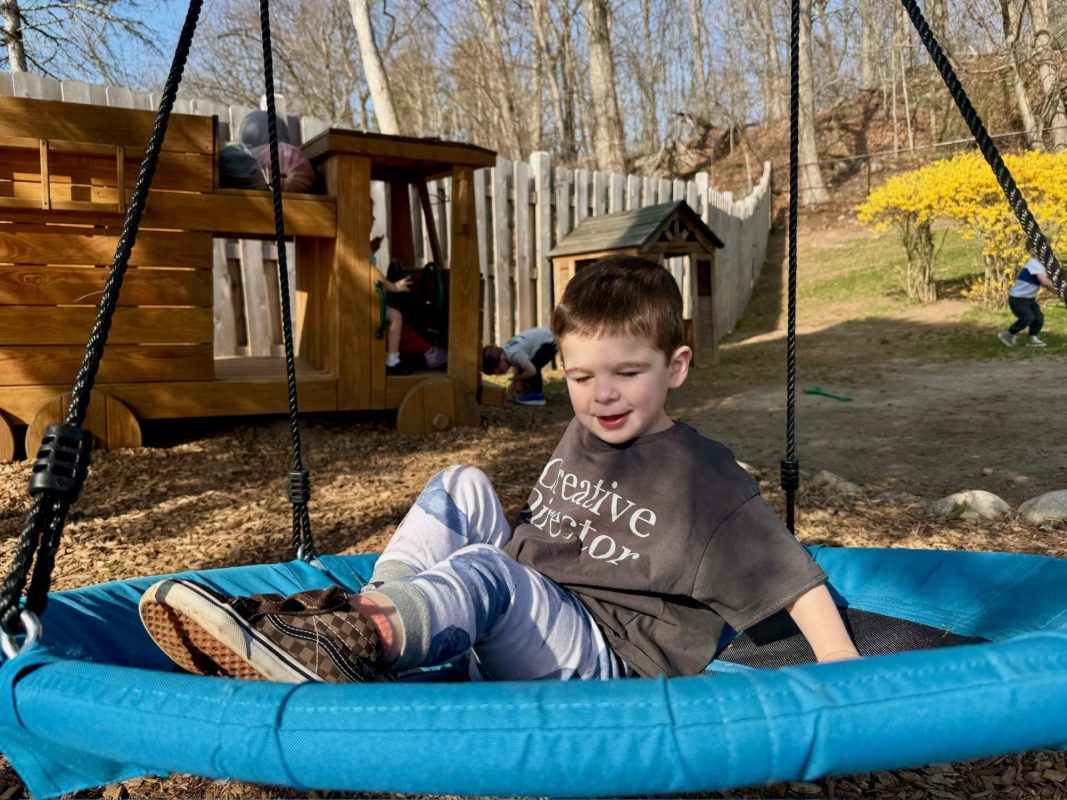
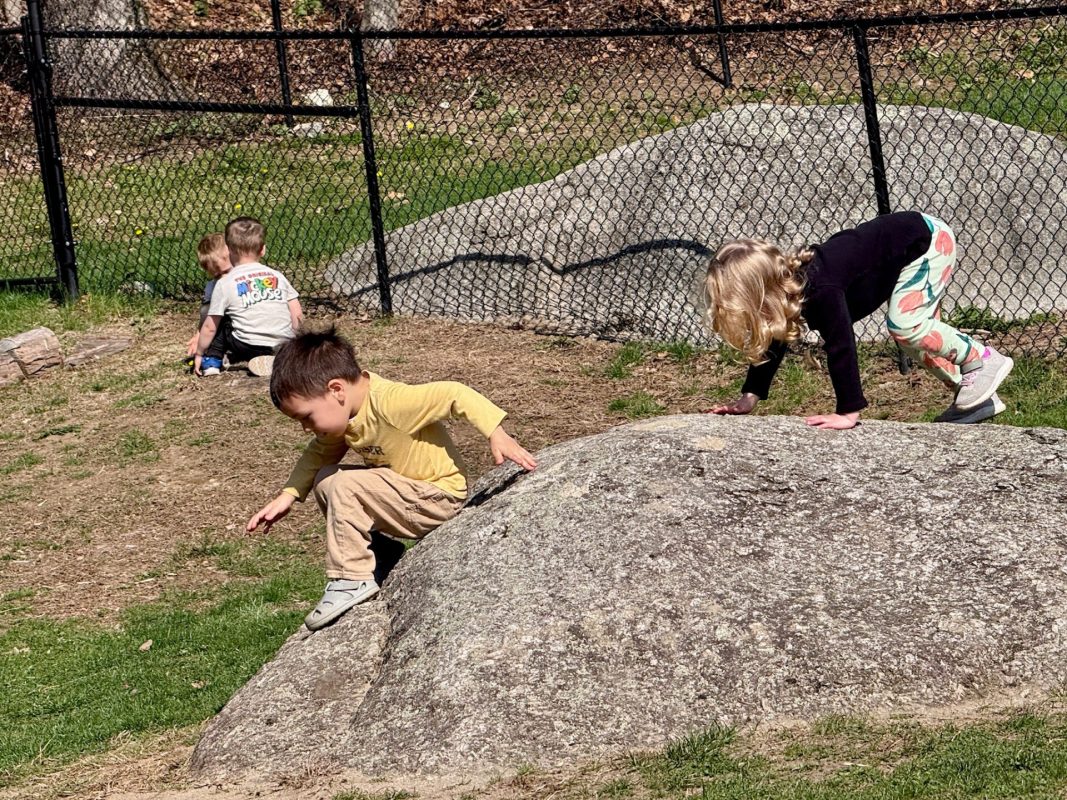
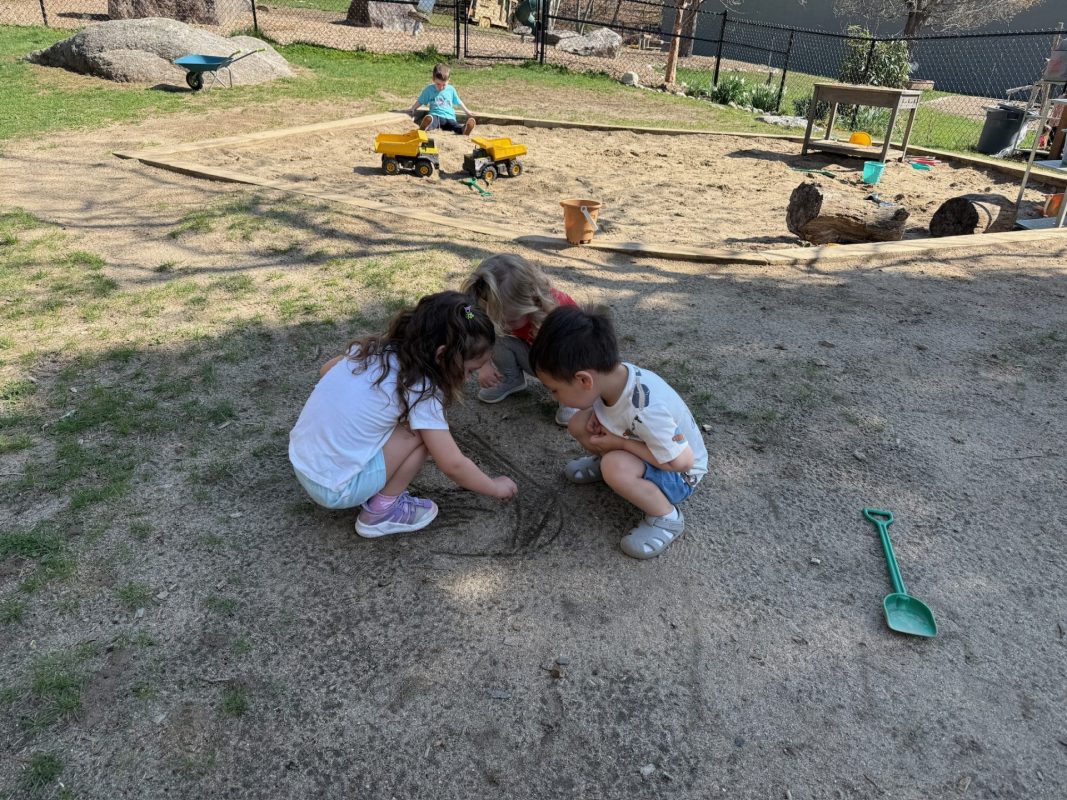
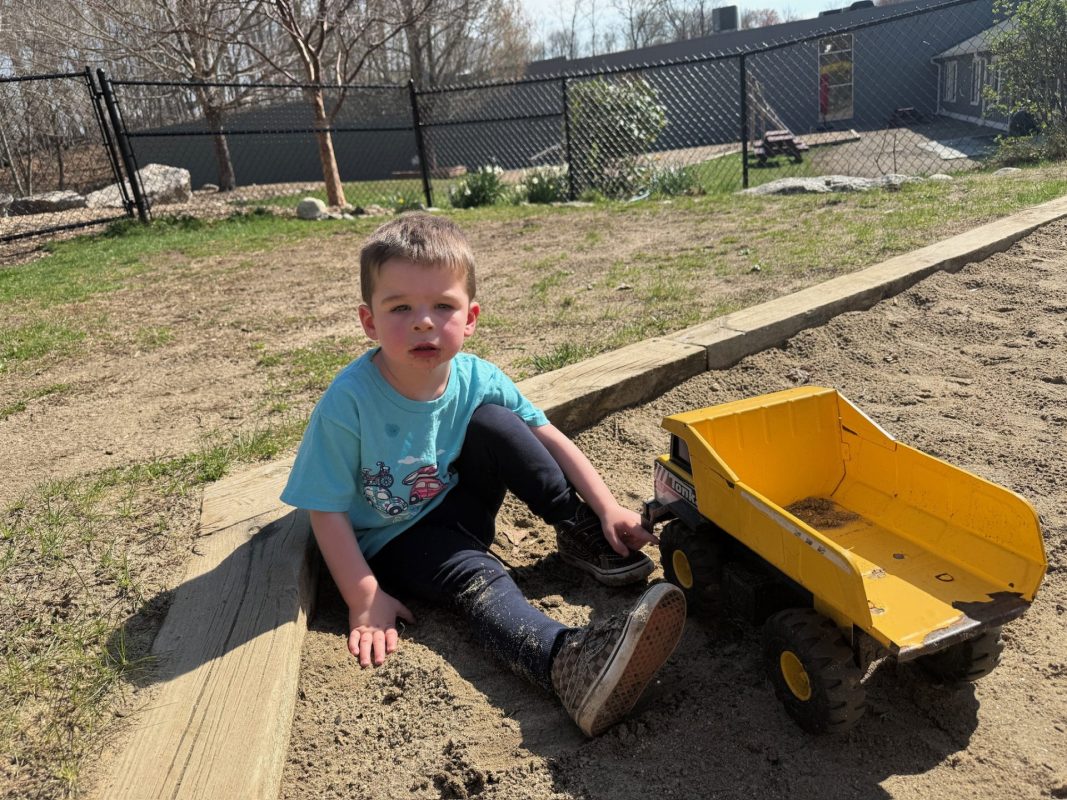
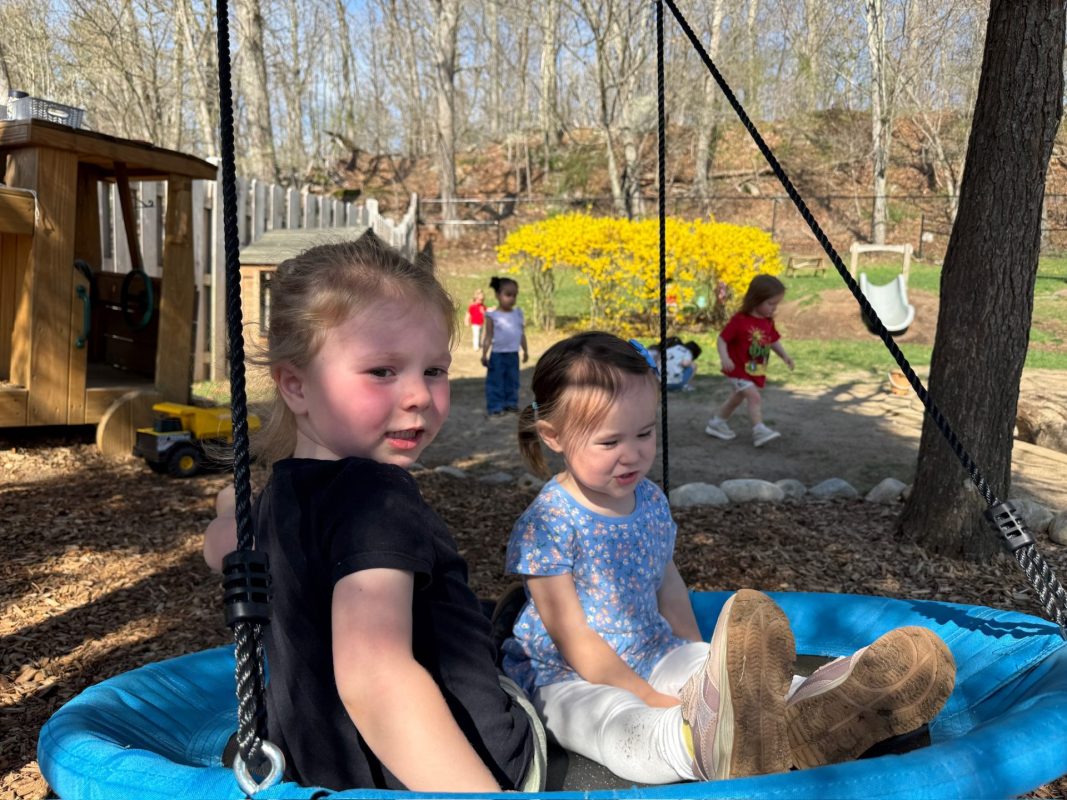
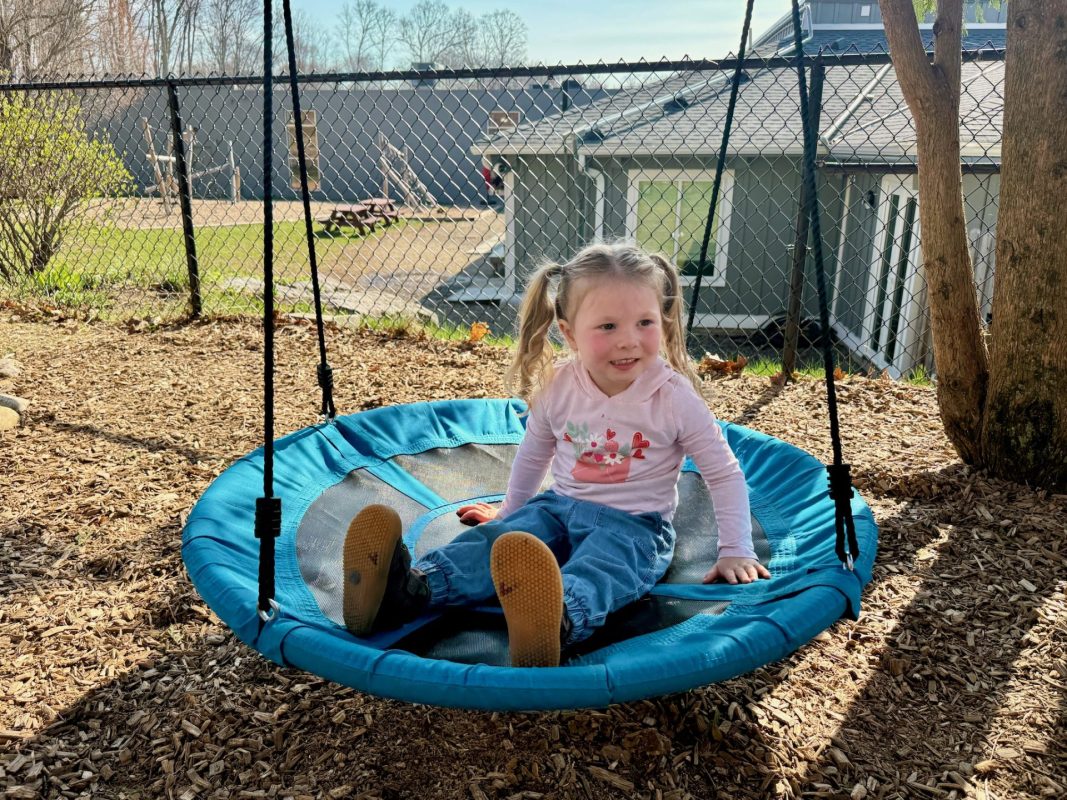
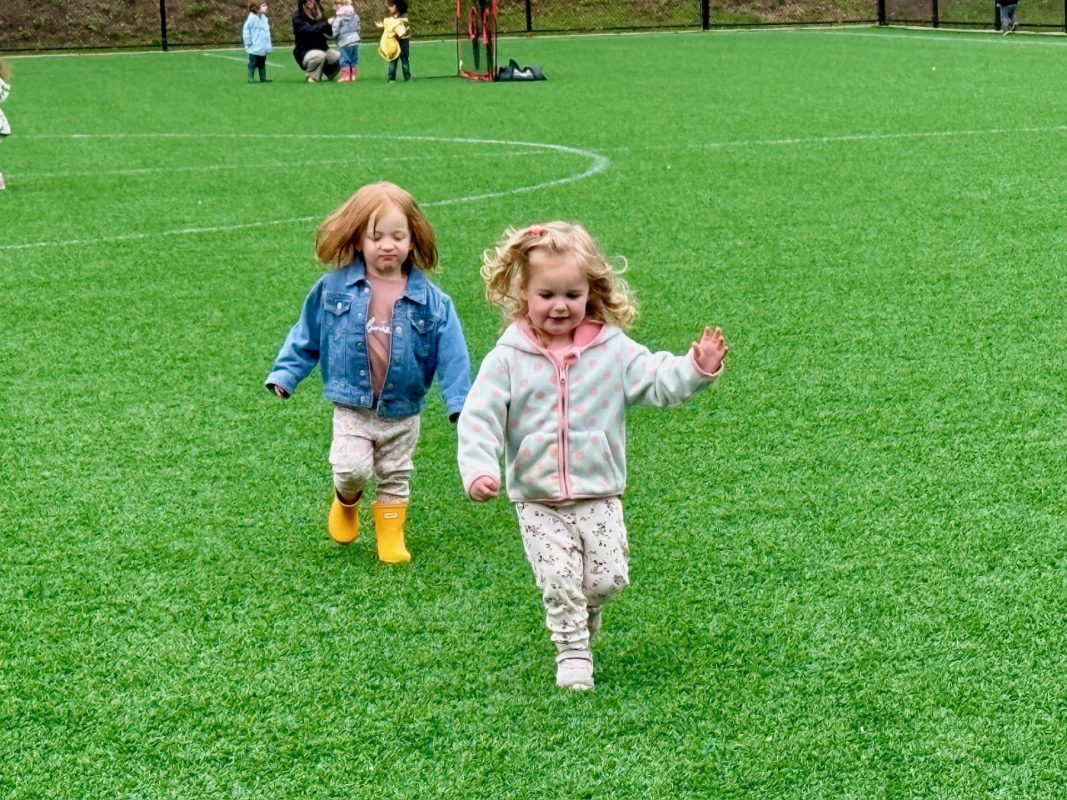
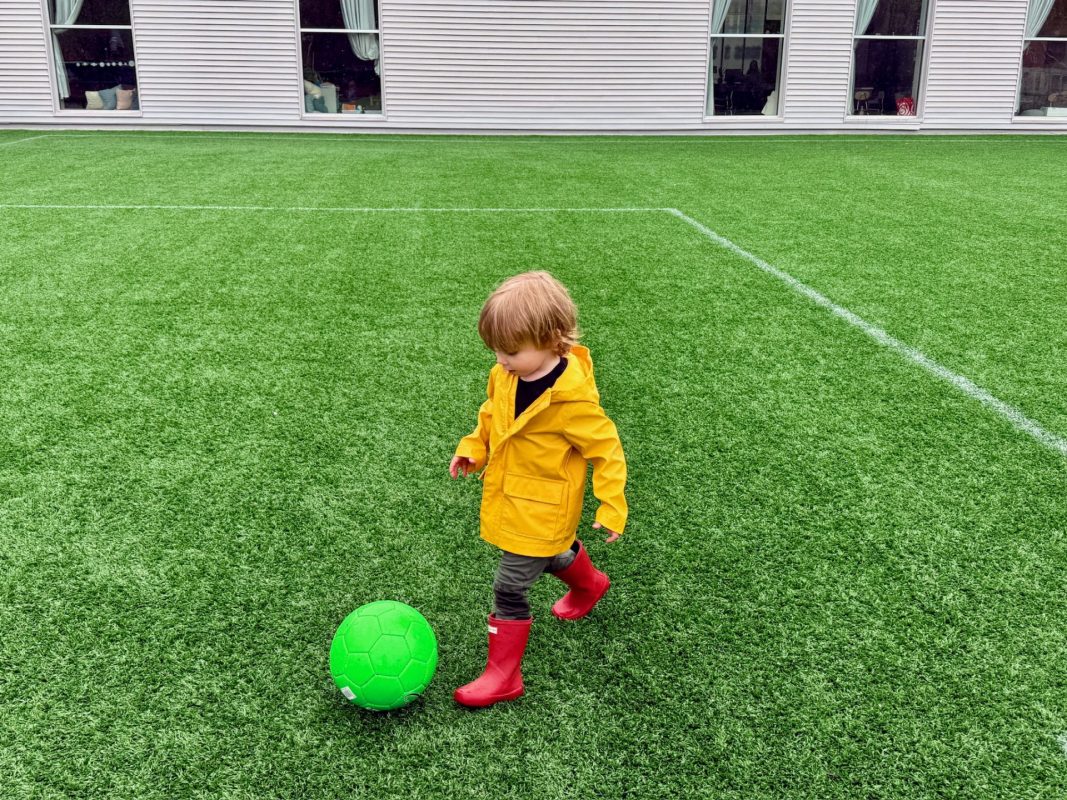
This week brought such beautiful, warm weather, and we made the most of it each day. After everyone arrived in the morning, we headed outside as soon as possible to enjoy the fresh air and sunshine. A new addition to our playground—a swing—quickly became a favorite. The children especially enjoyed sharing the space with a friend, gently swaying together and taking moments to rest and connect.

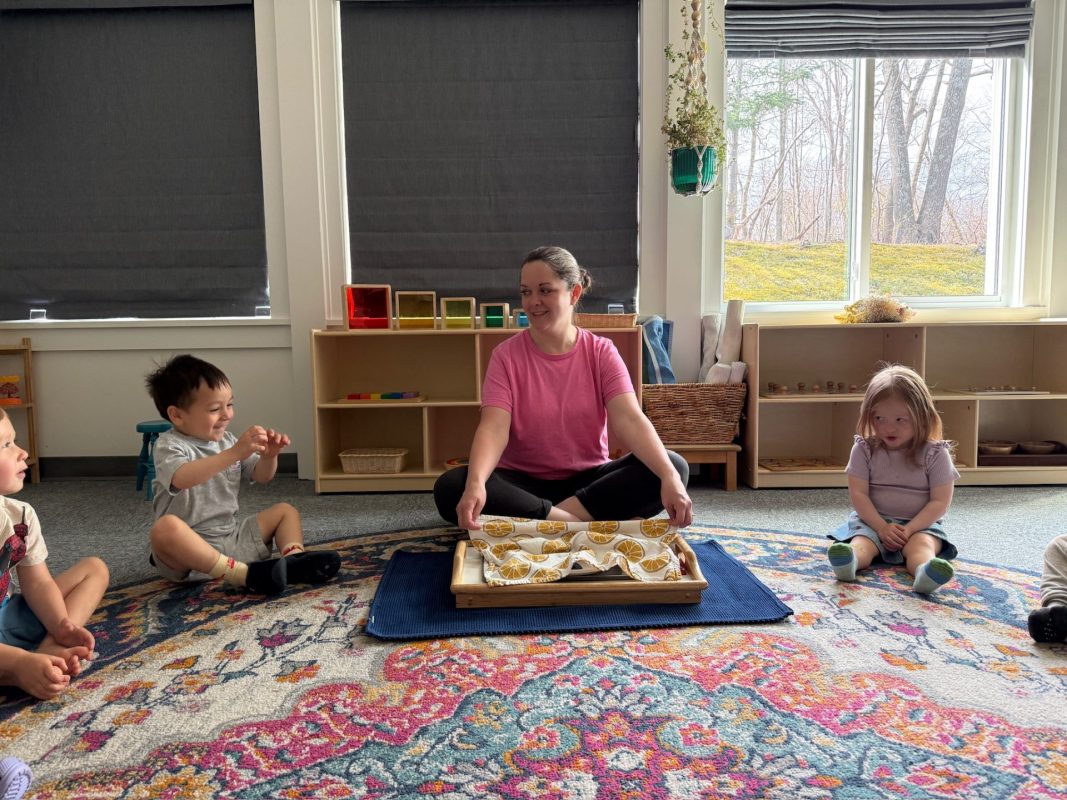
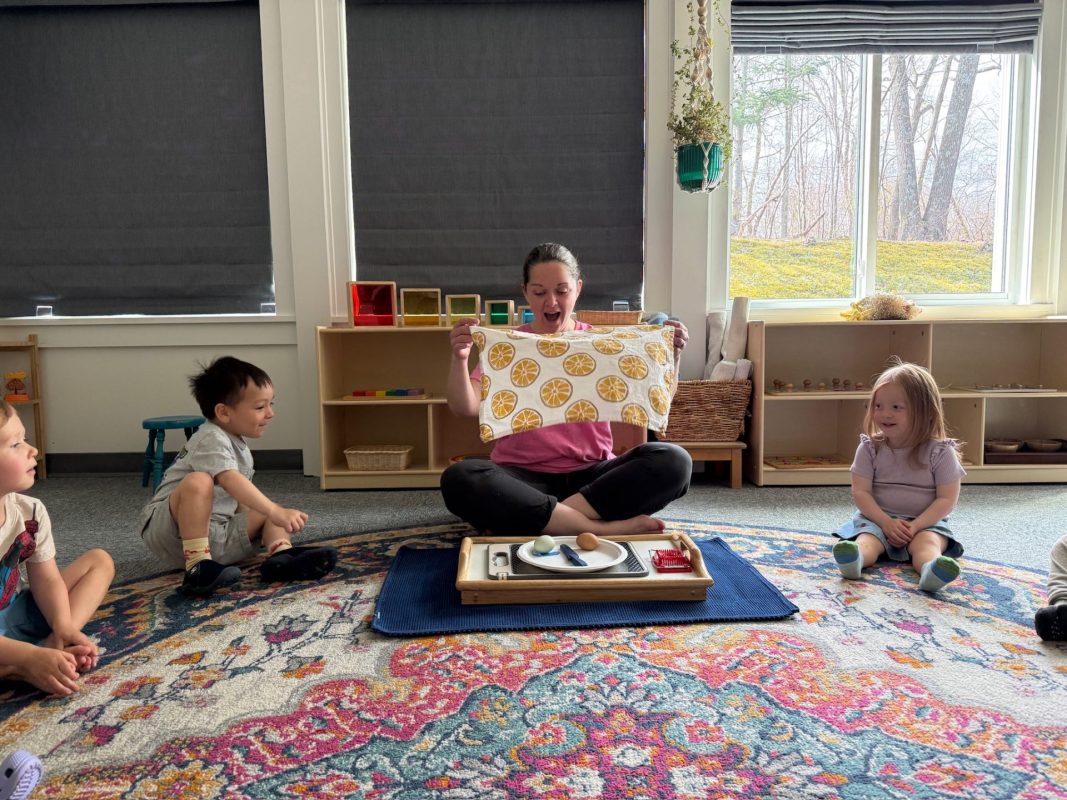
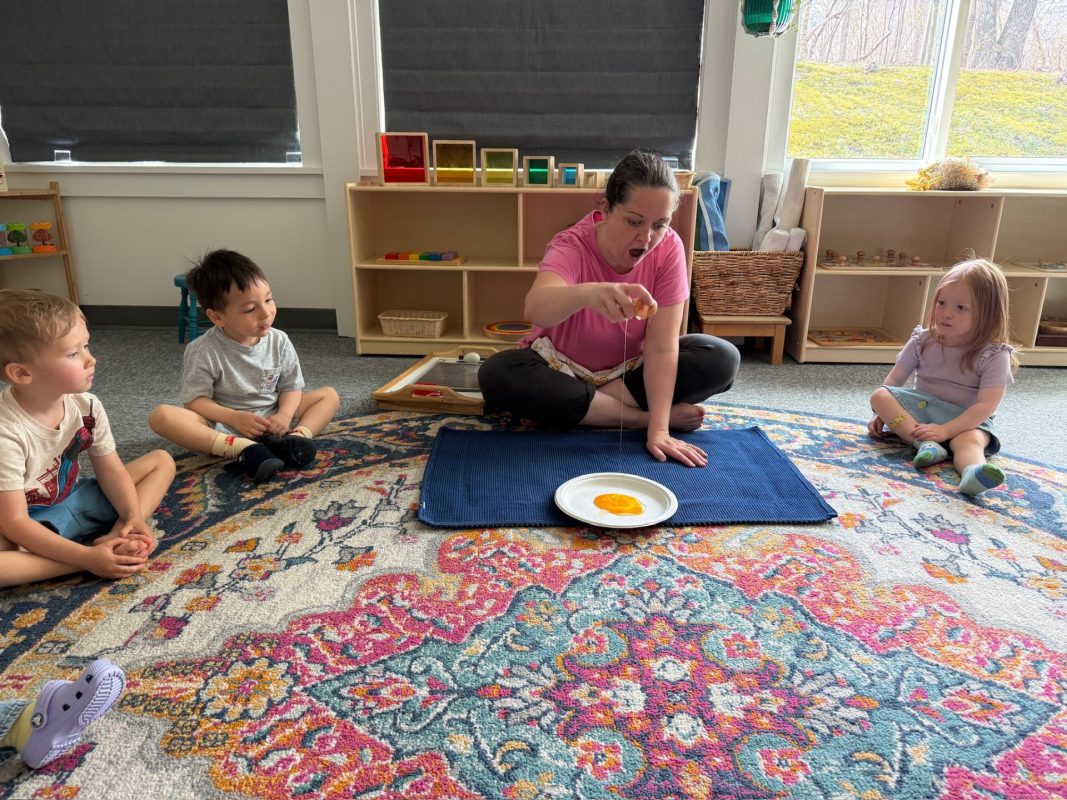
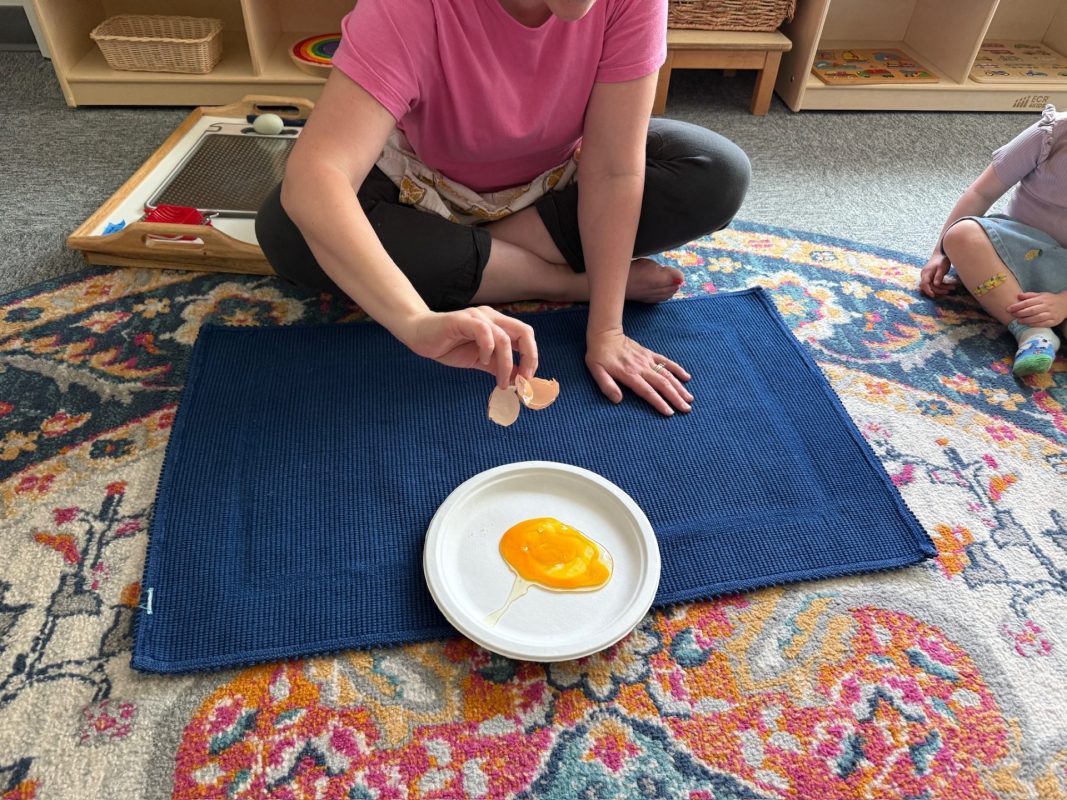
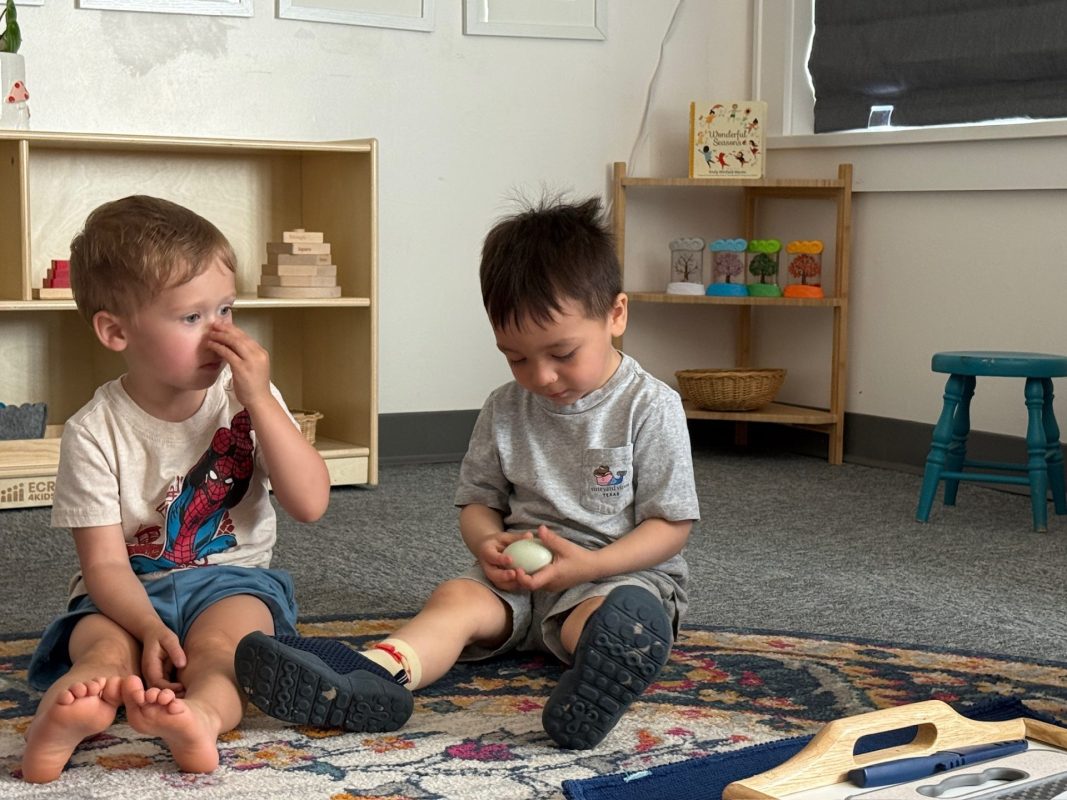
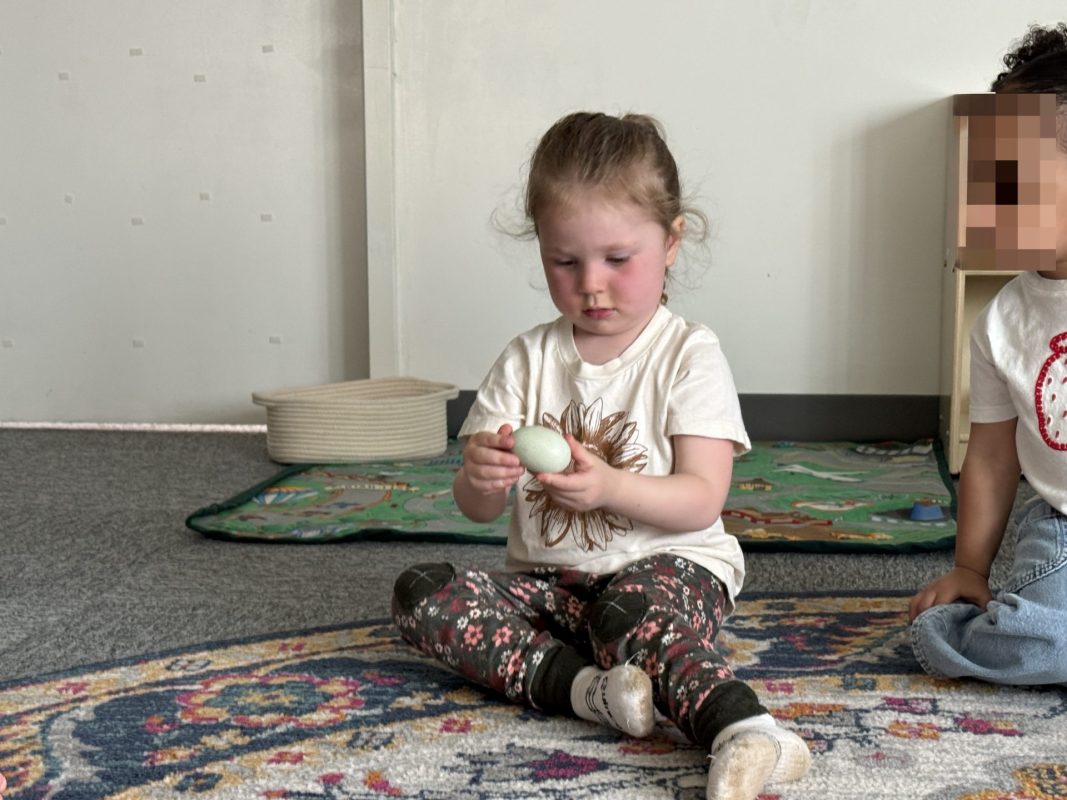
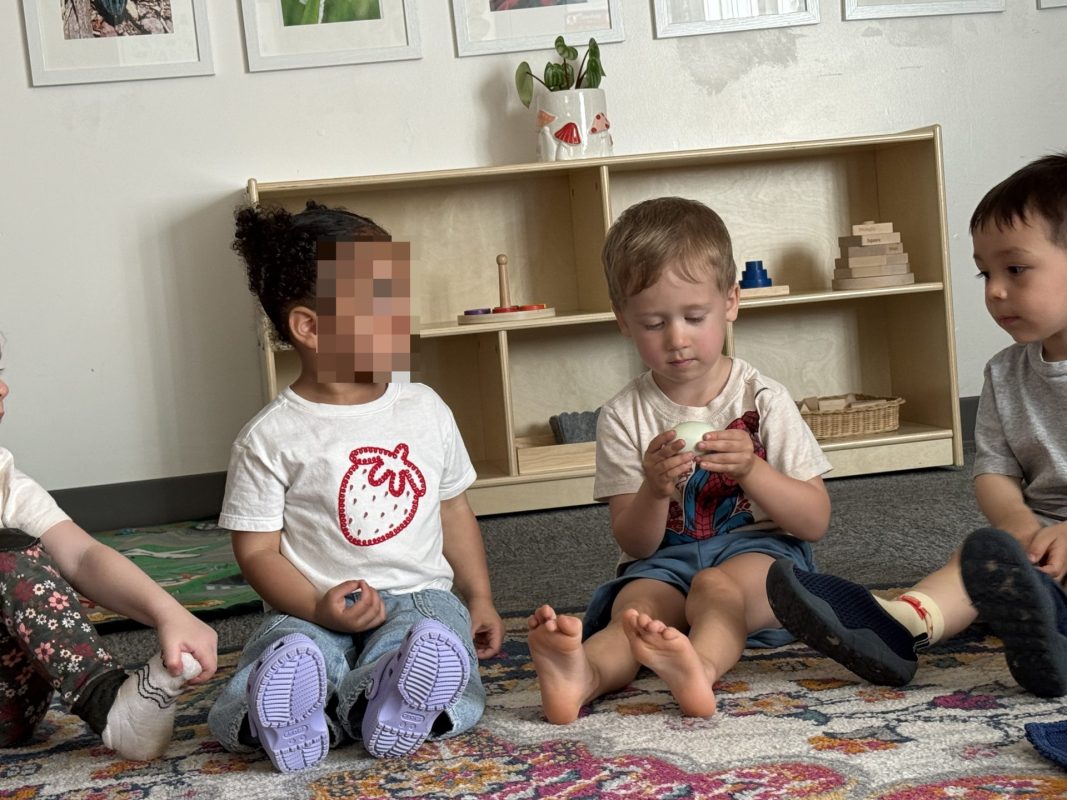
Our food tasting this week focused on eggs and the many ways they can be prepared. We began by observing a raw egg. The children watched closely as I cracked it open, noticing the runny egg white and bright yellow yolk. Even though the yolk broke, it gave us an opportunity to observe how the parts can change.

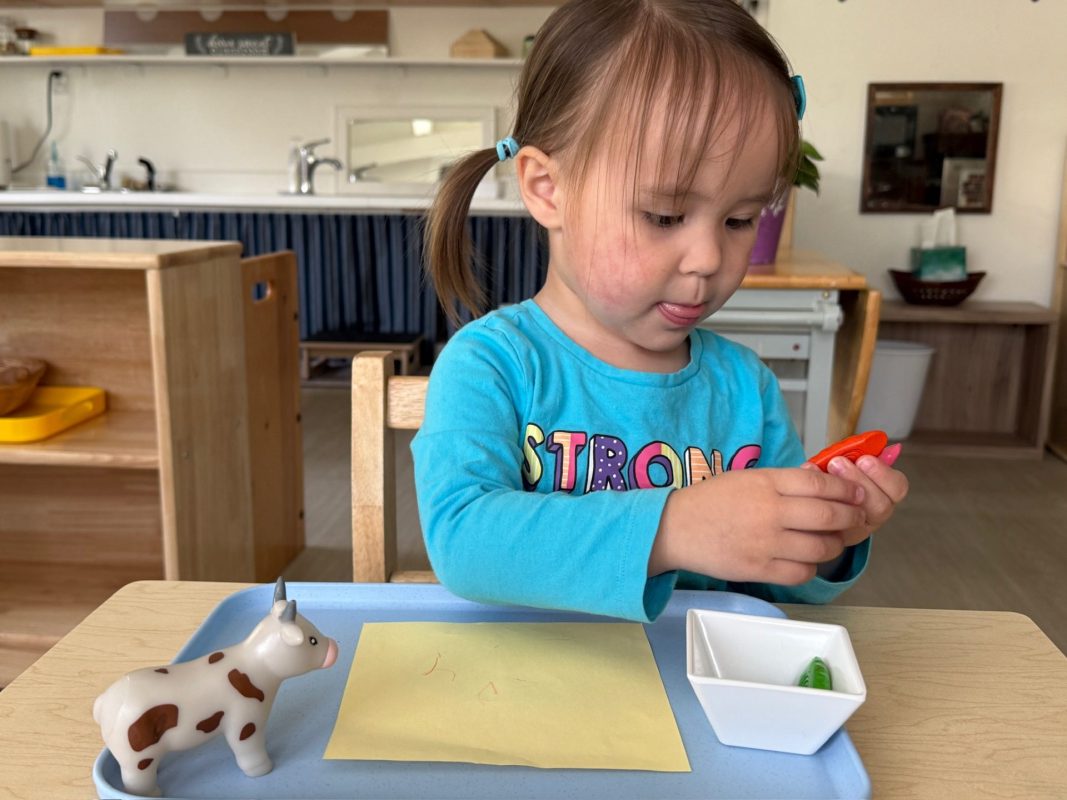
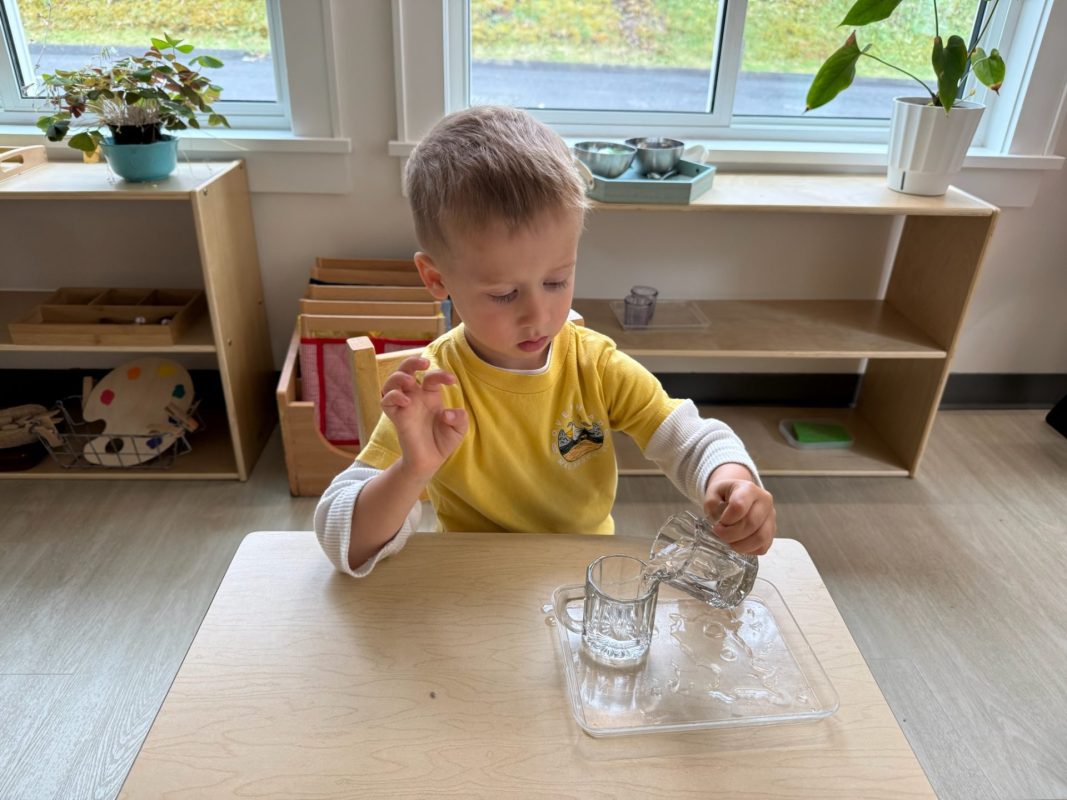
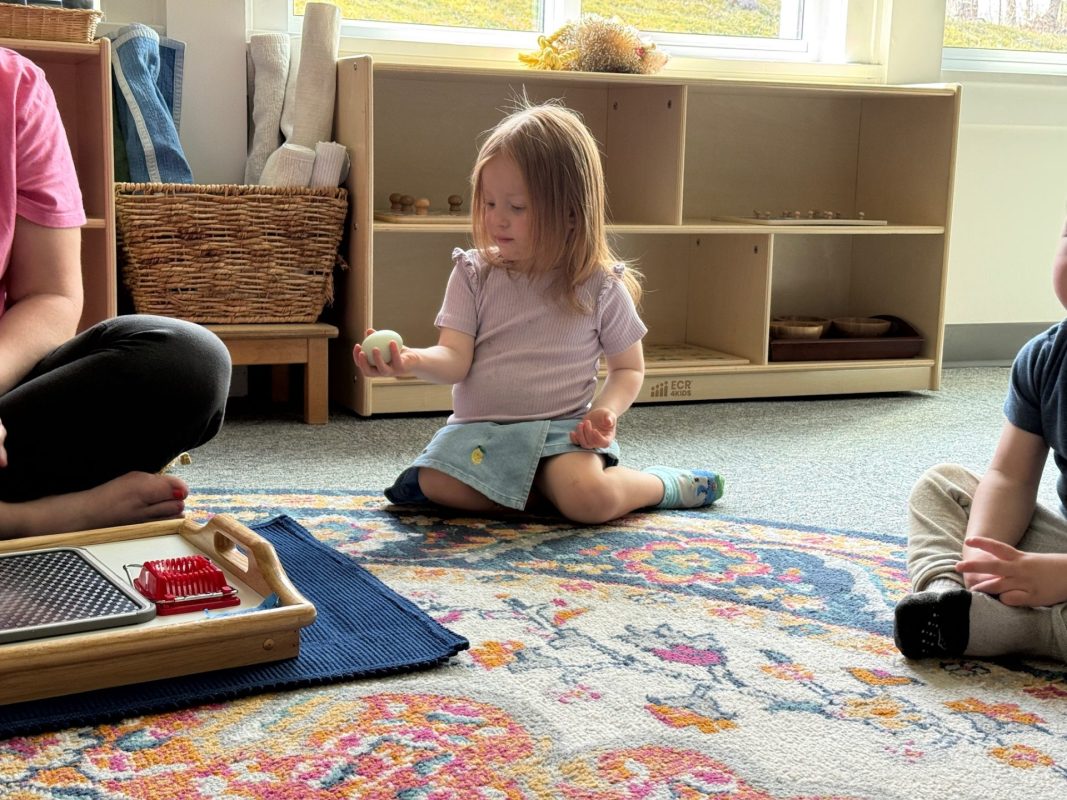
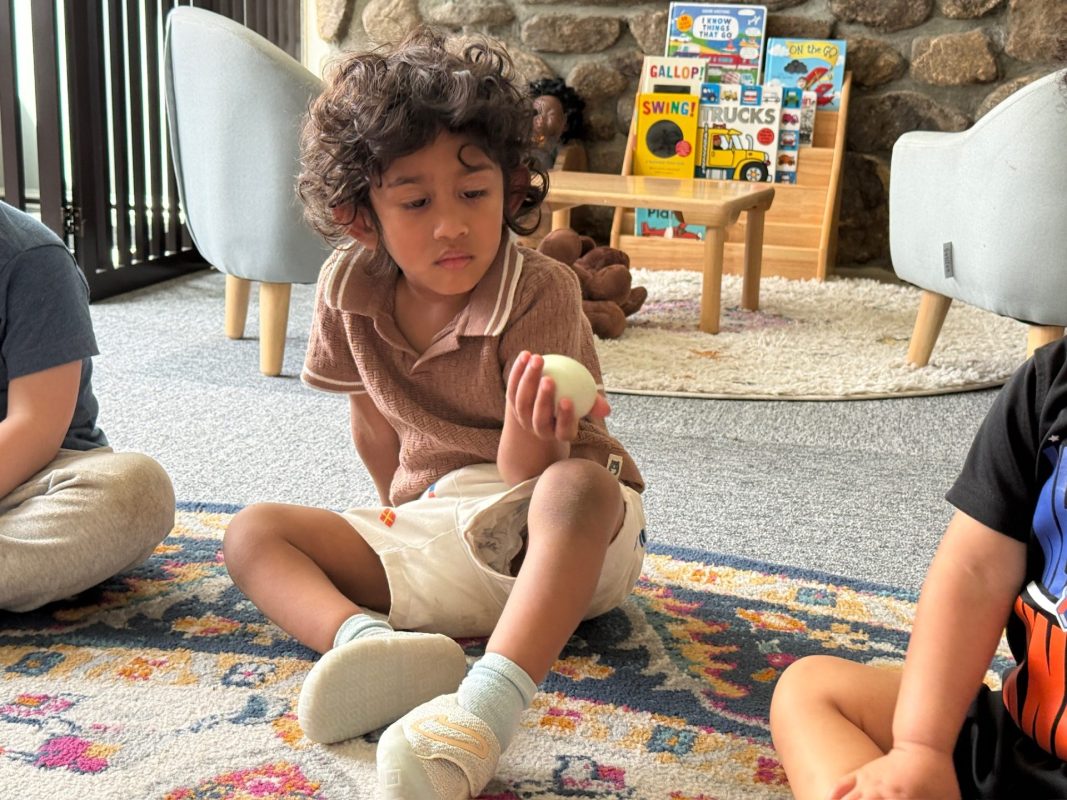
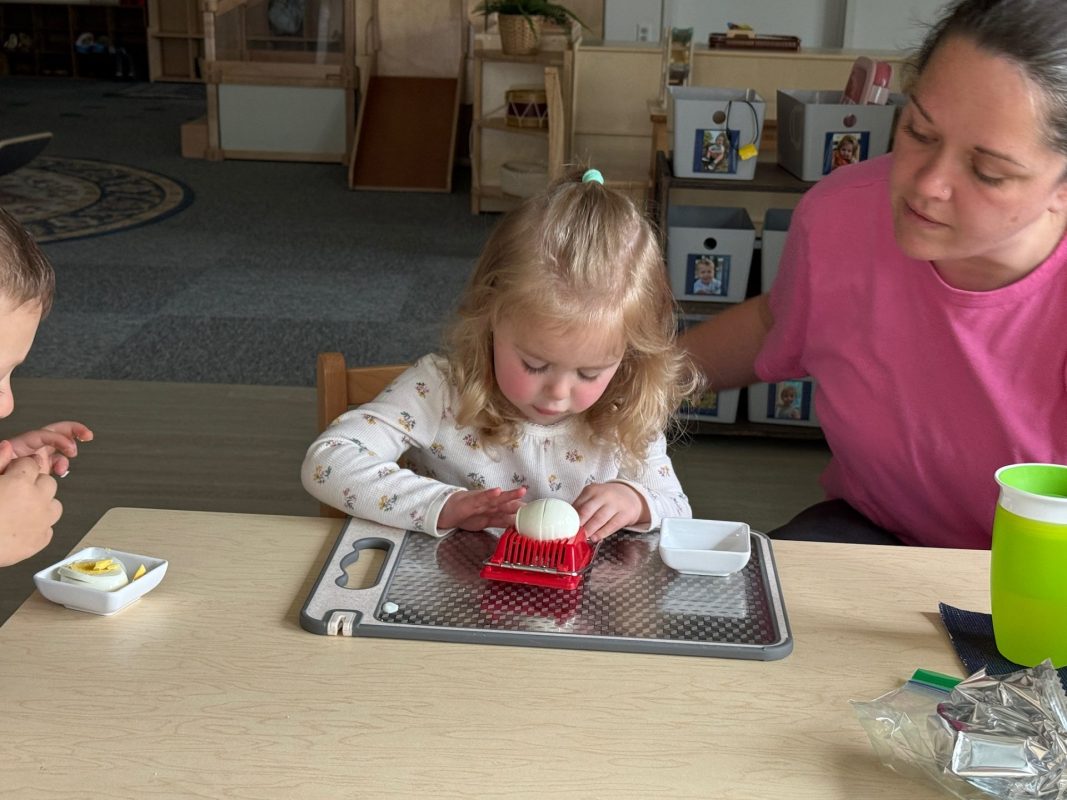
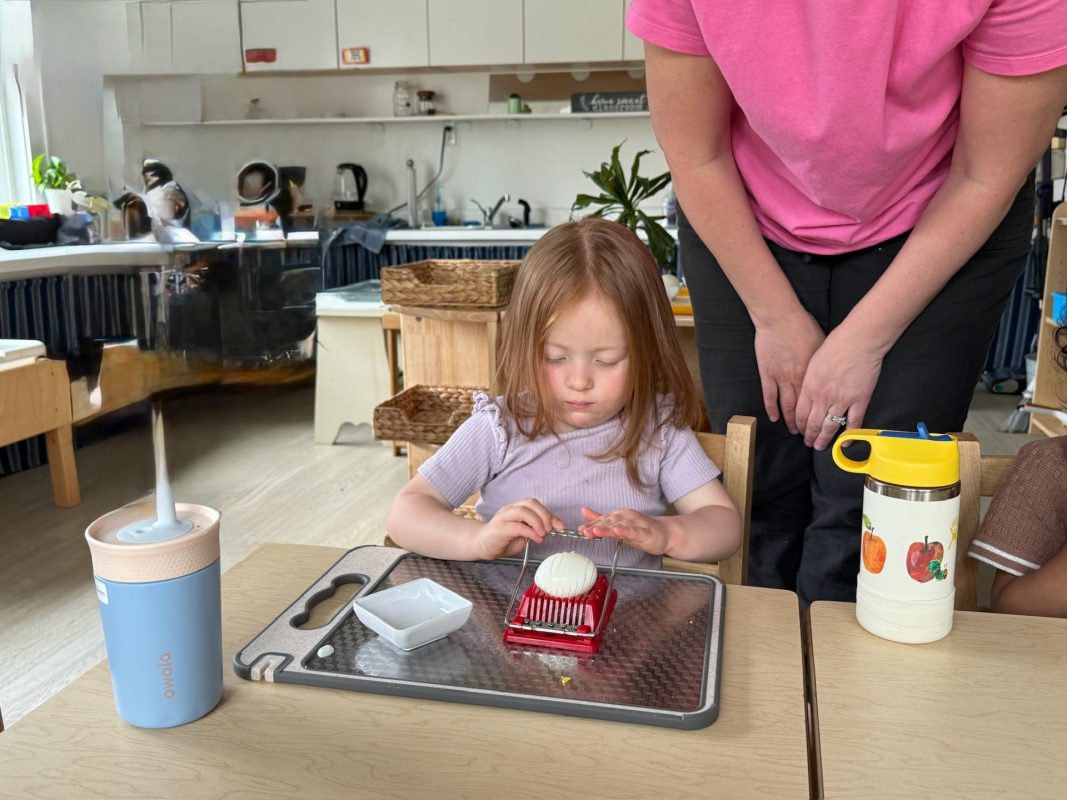
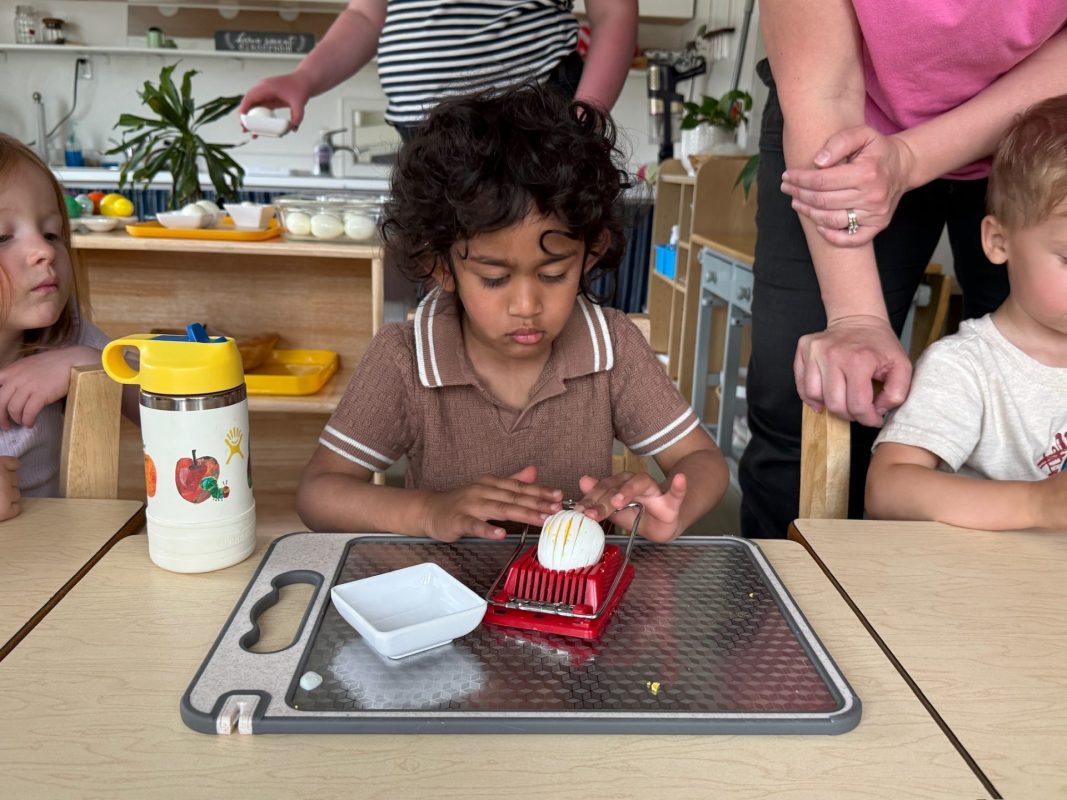
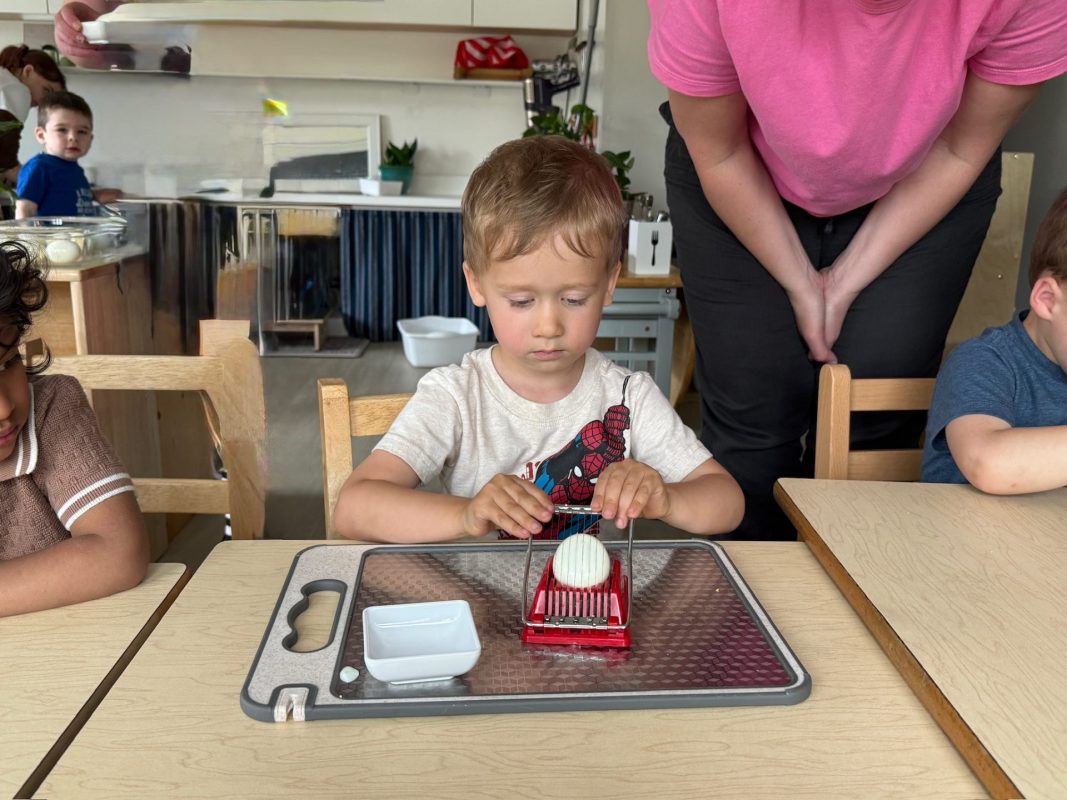
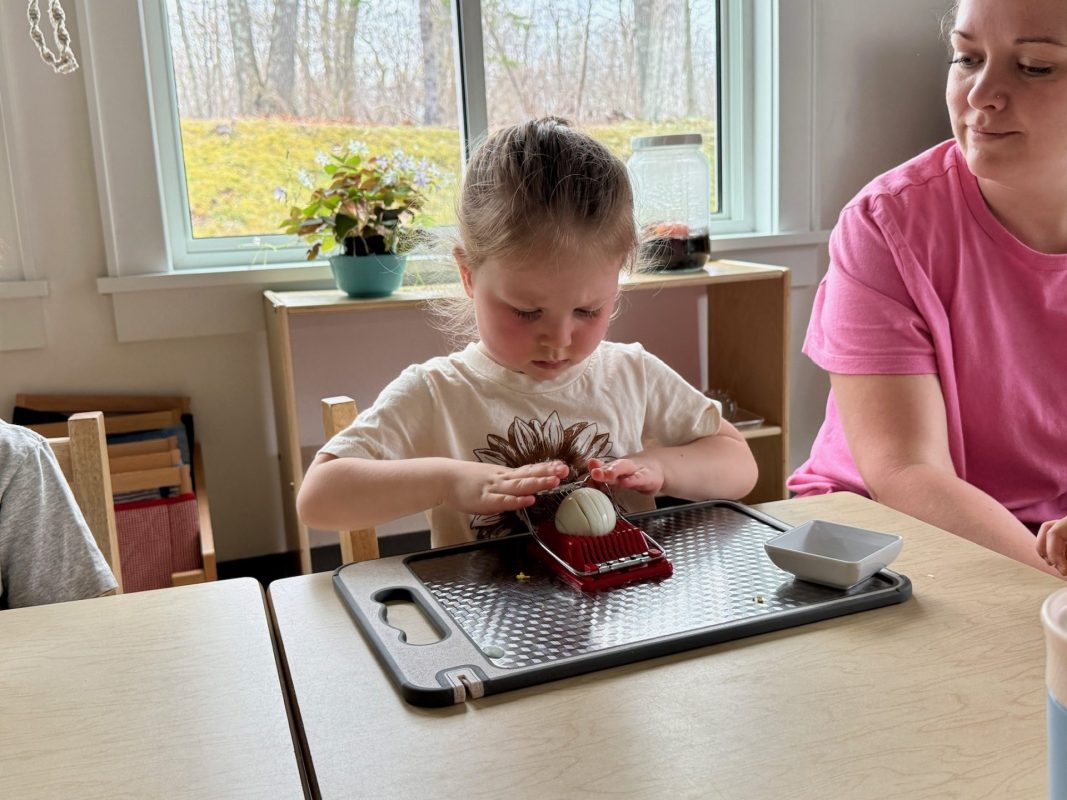
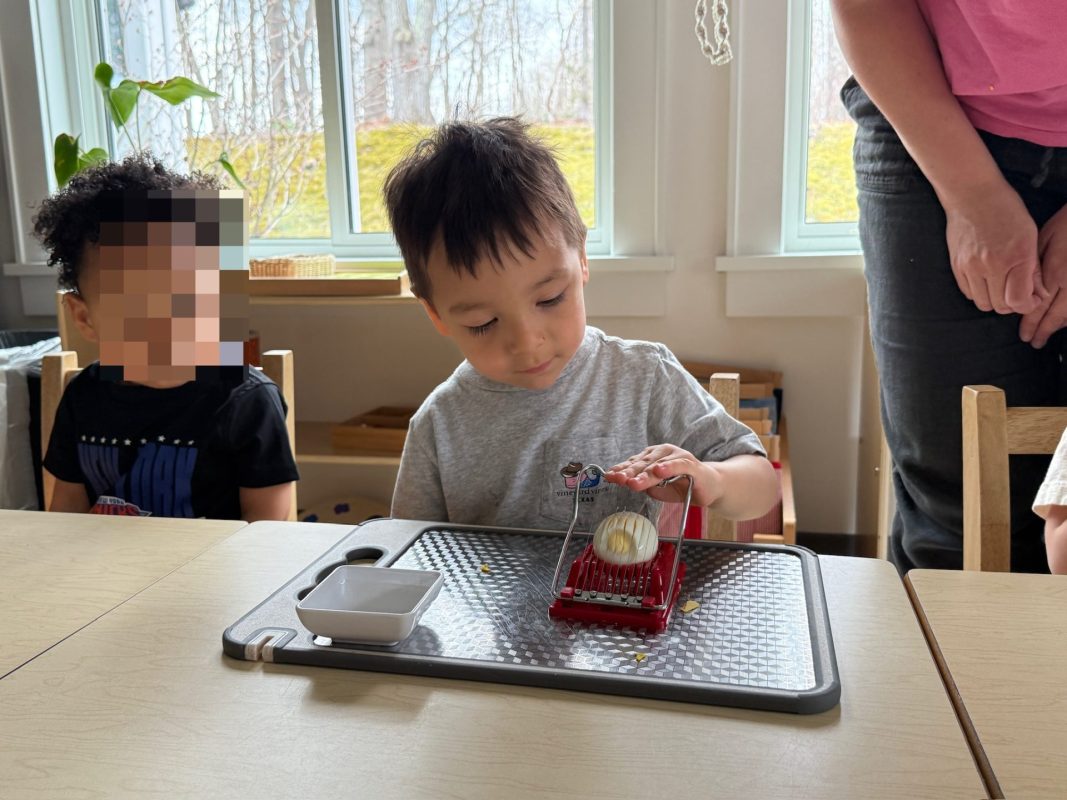
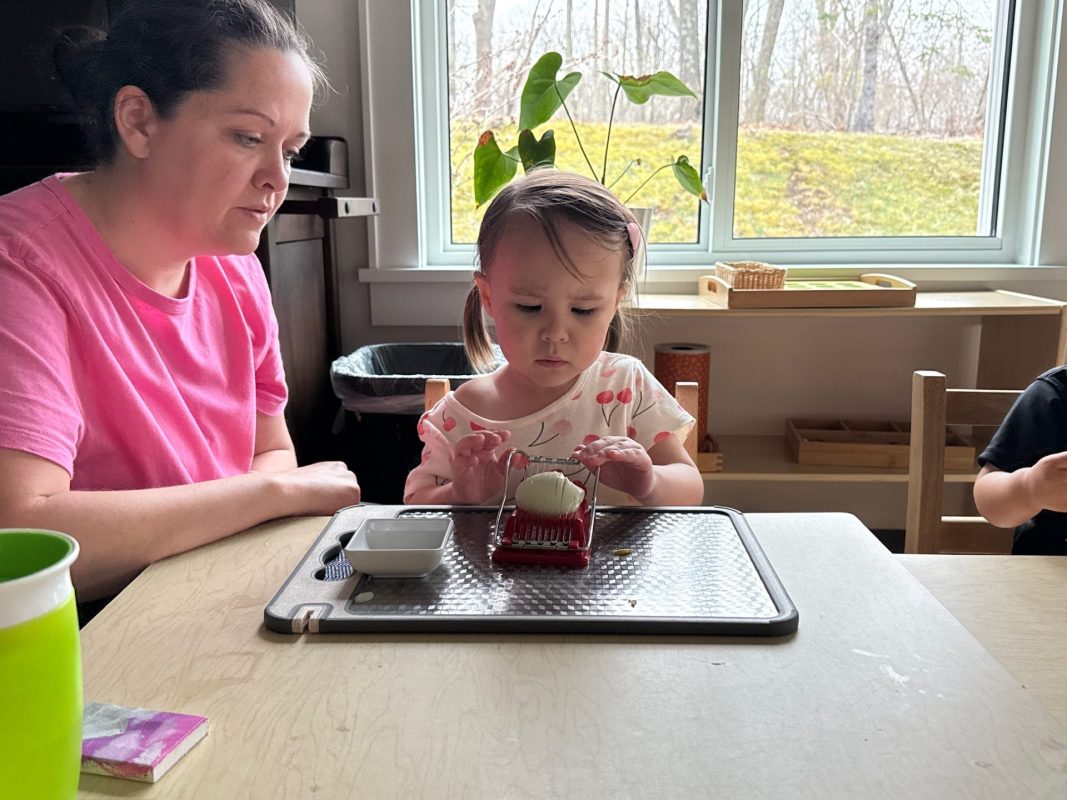
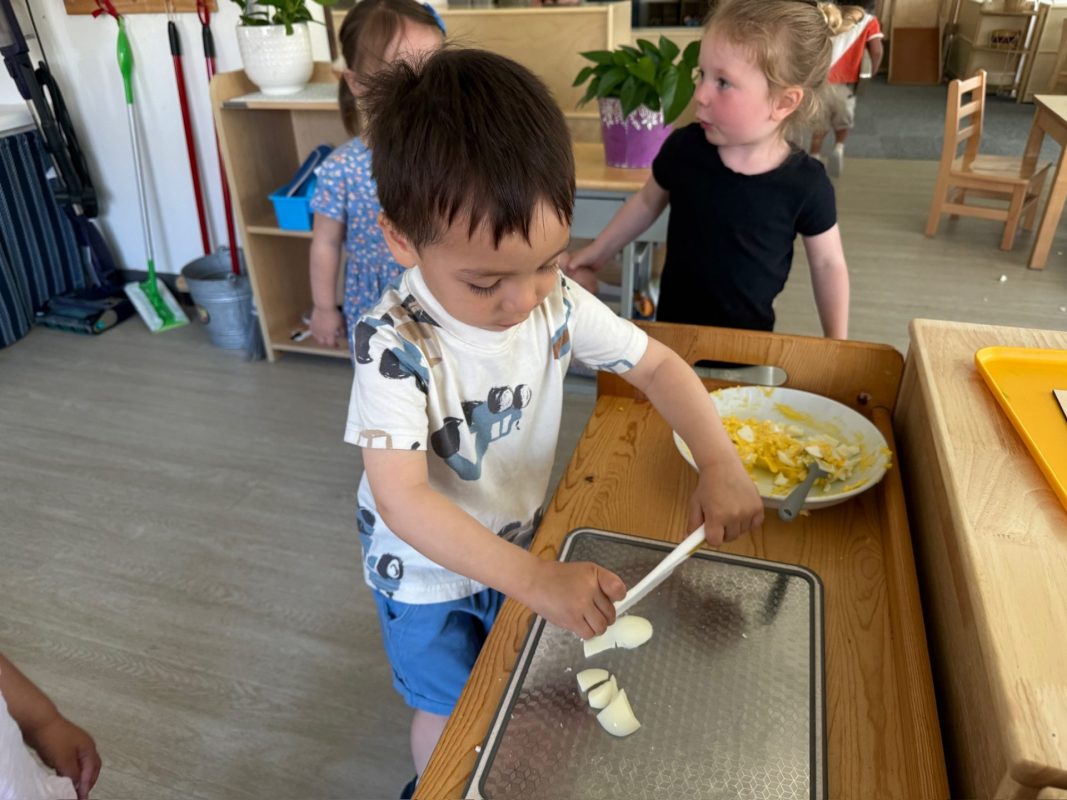
We then explored a hard-boiled egg. I demonstrated how to peel the shell and introduced the egg slicer, showing how it works to cut the egg and reveal the firm yolk inside. After tasting, each child who was interested had a turn using the slicer on their own peeled egg, supporting independence and fine motor development.

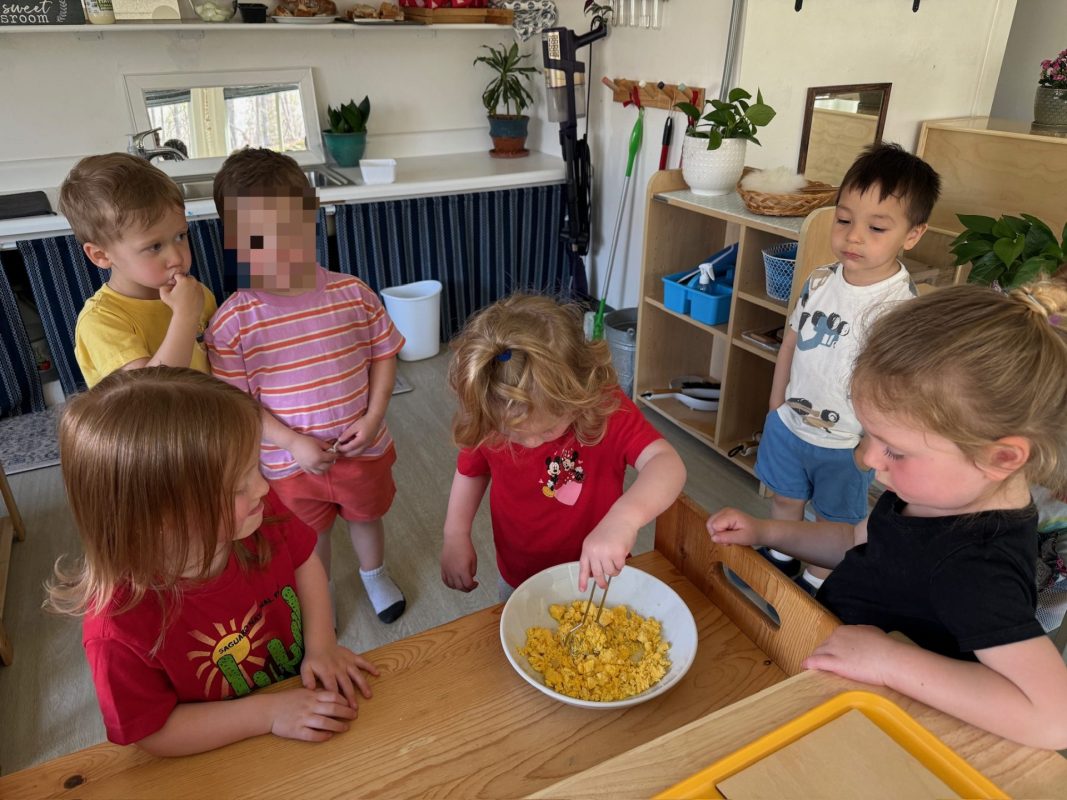
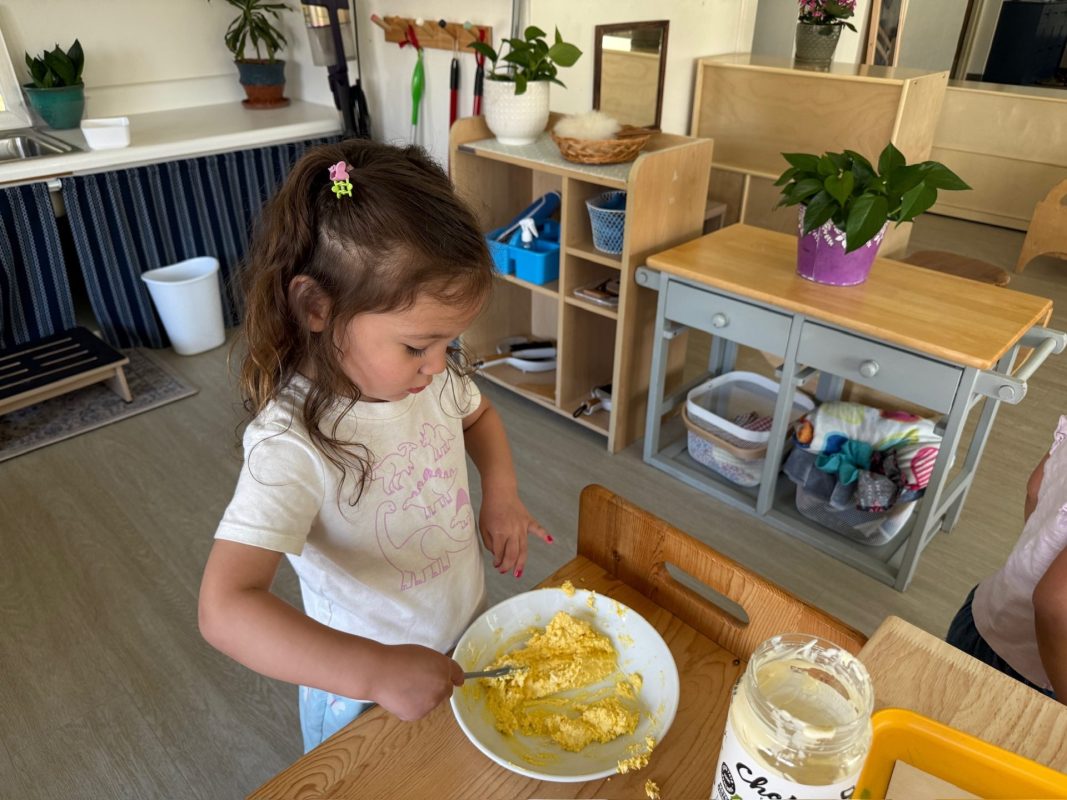
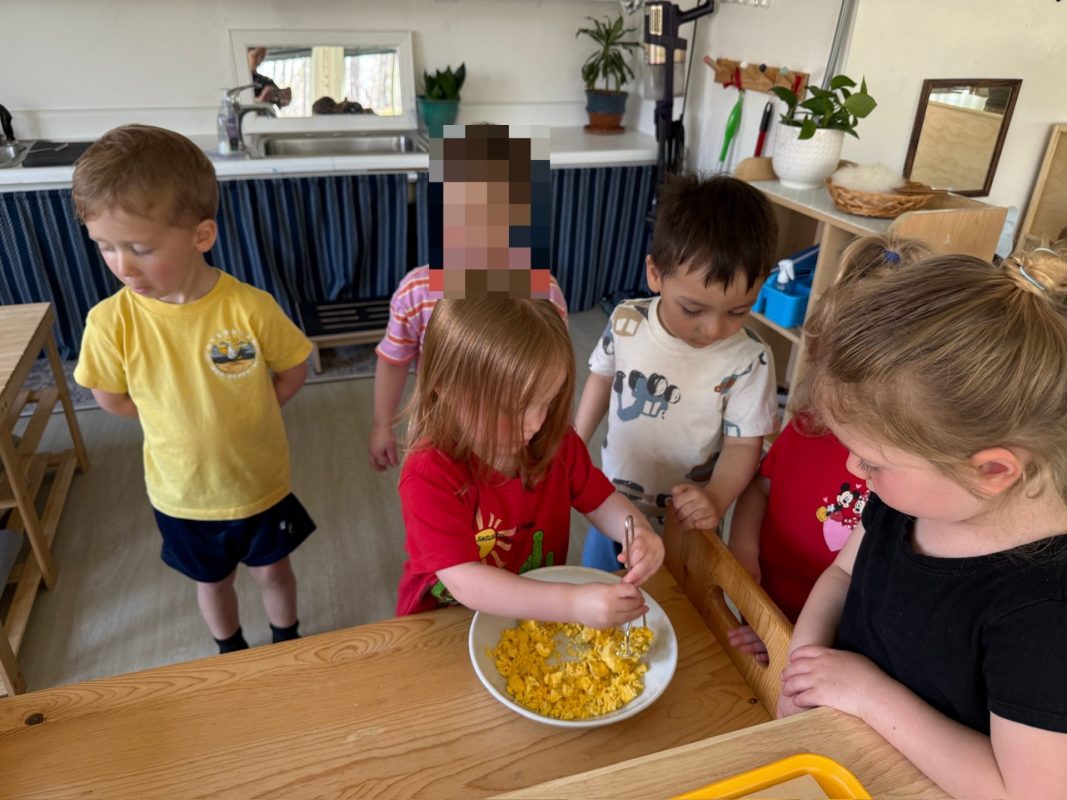
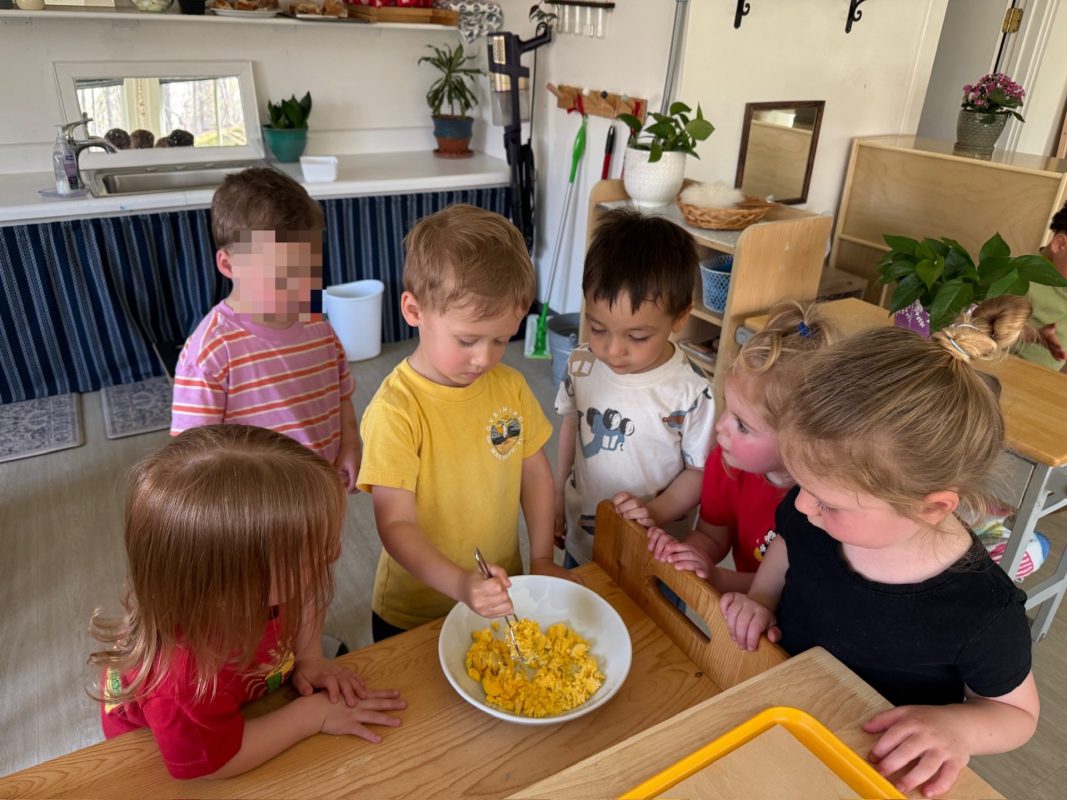
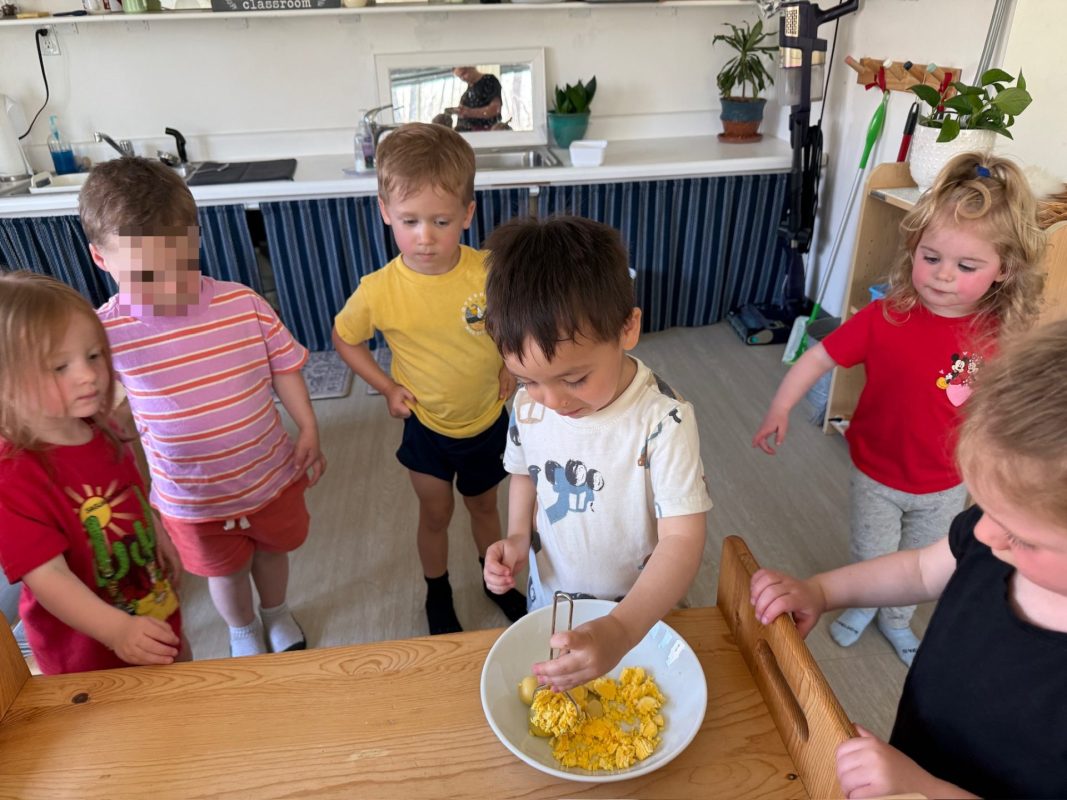
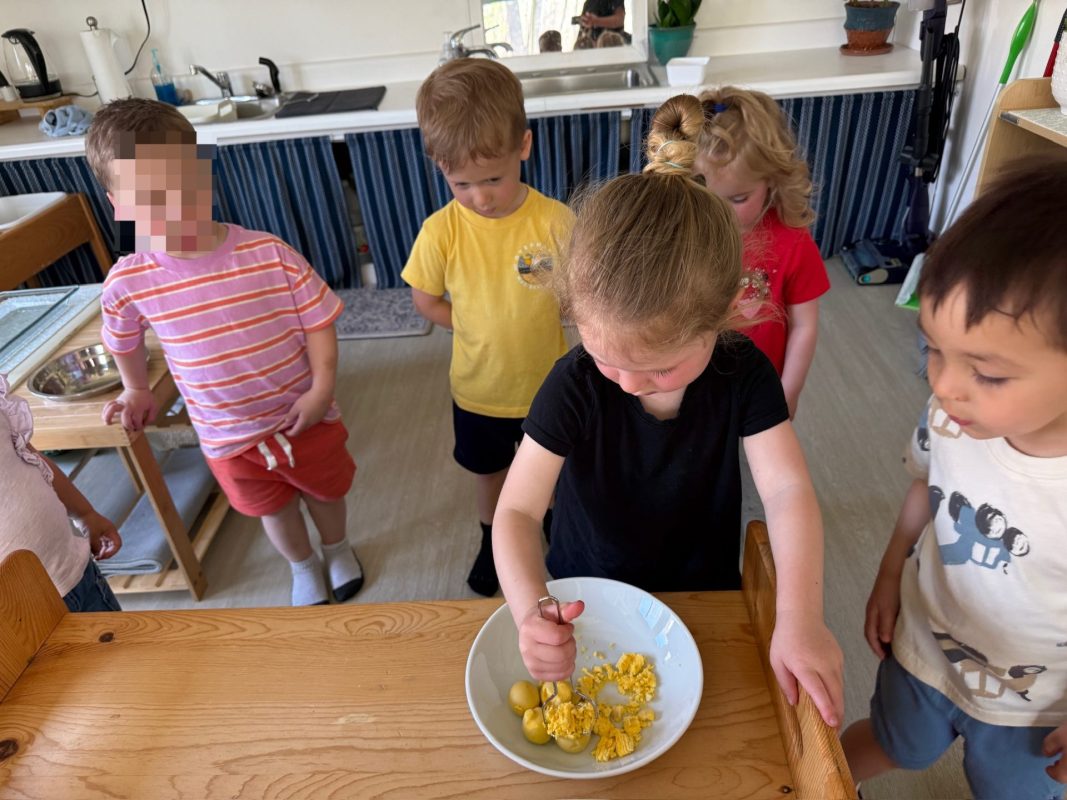
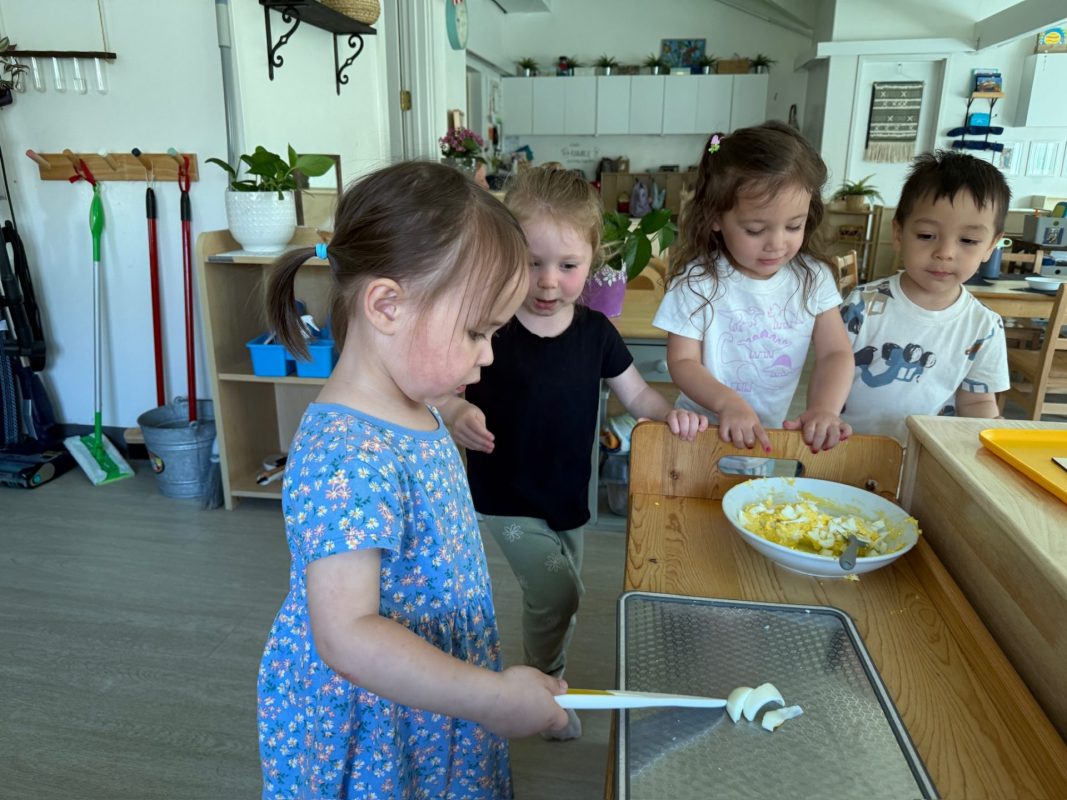
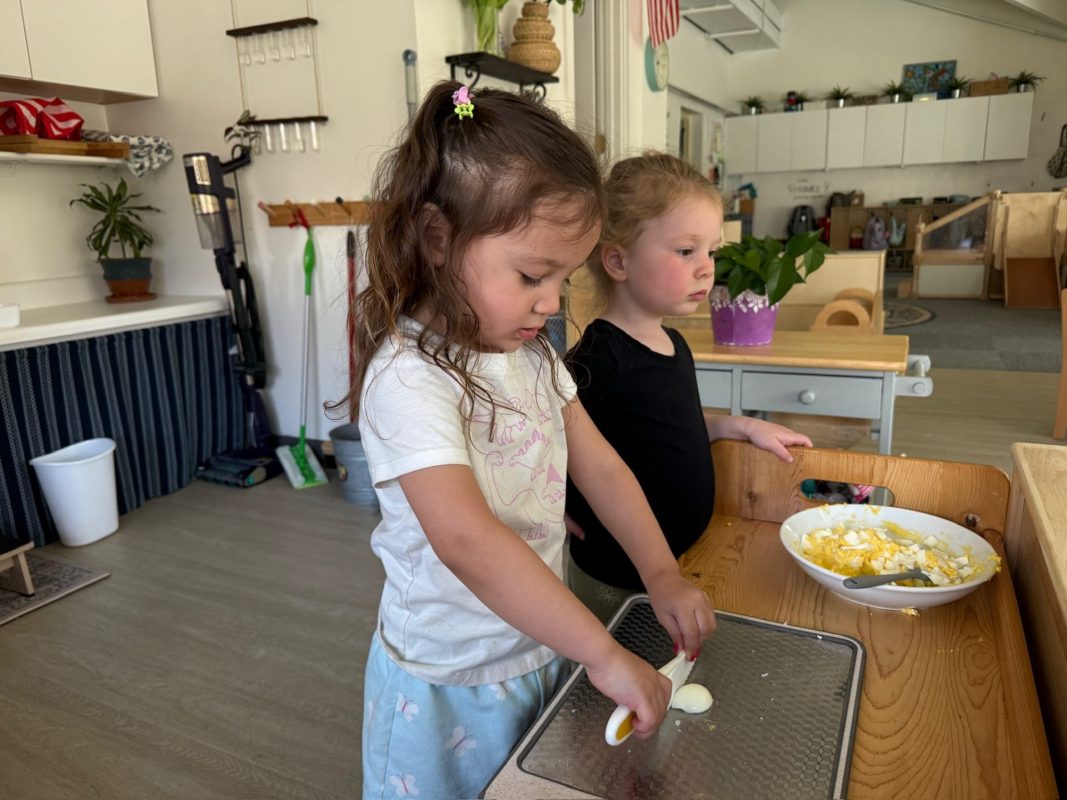
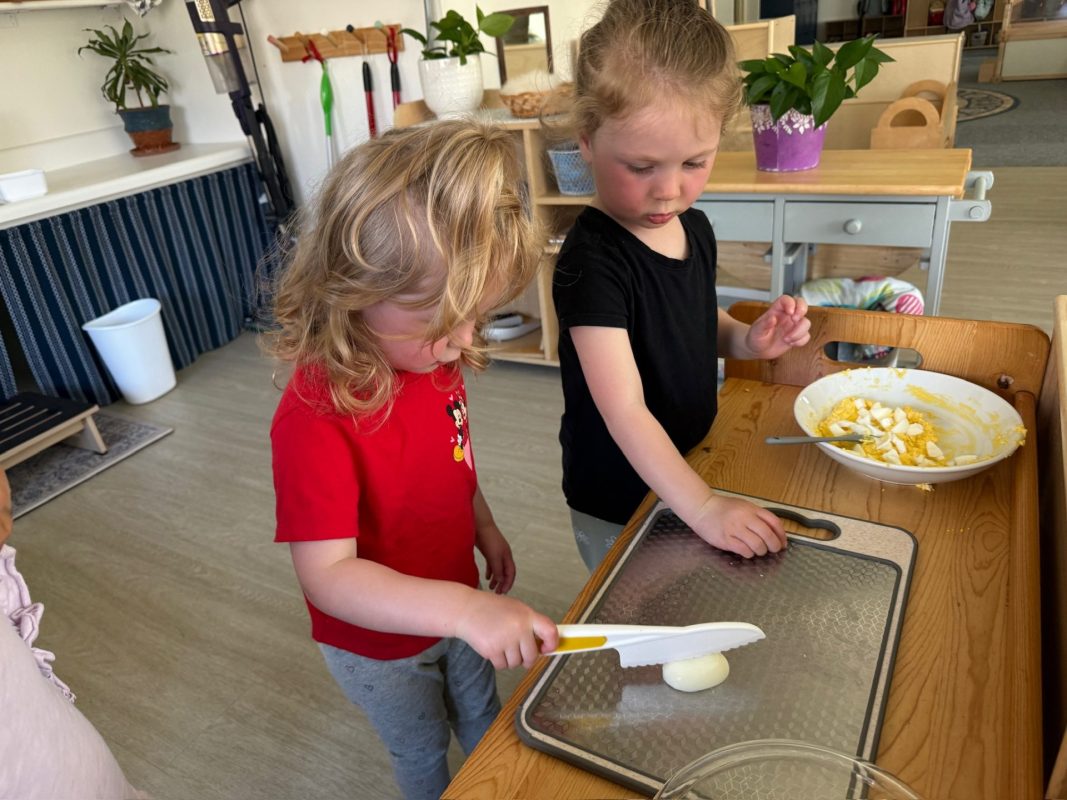
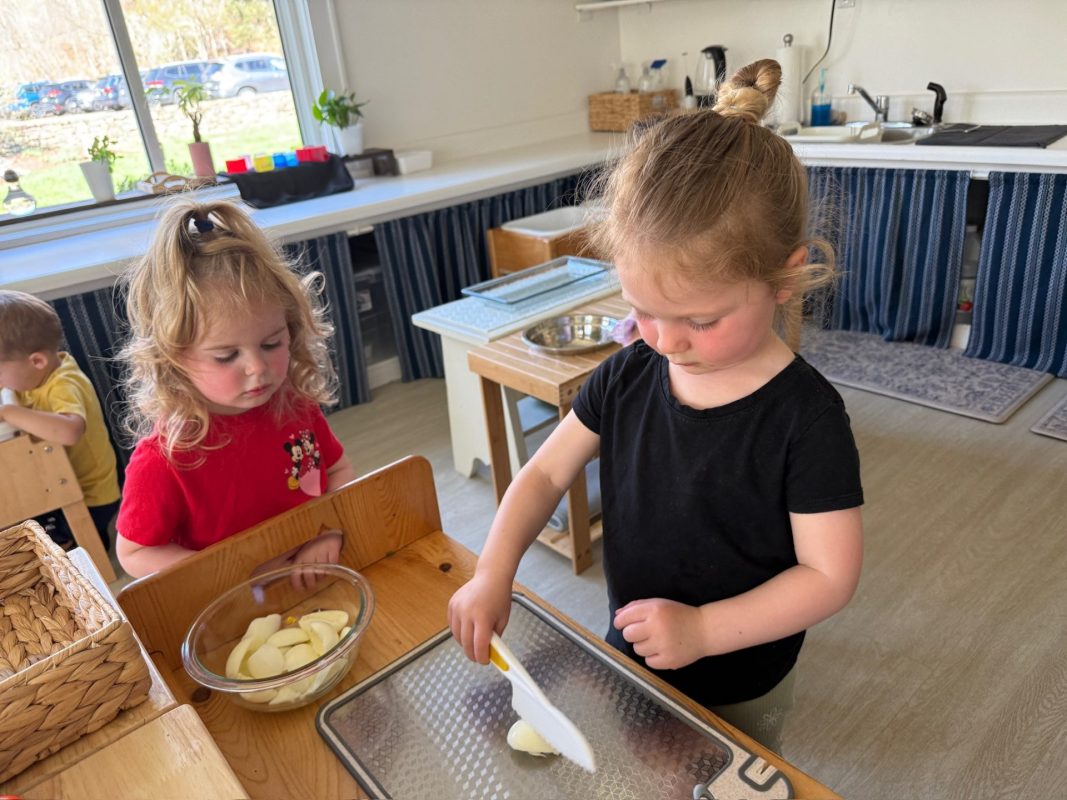
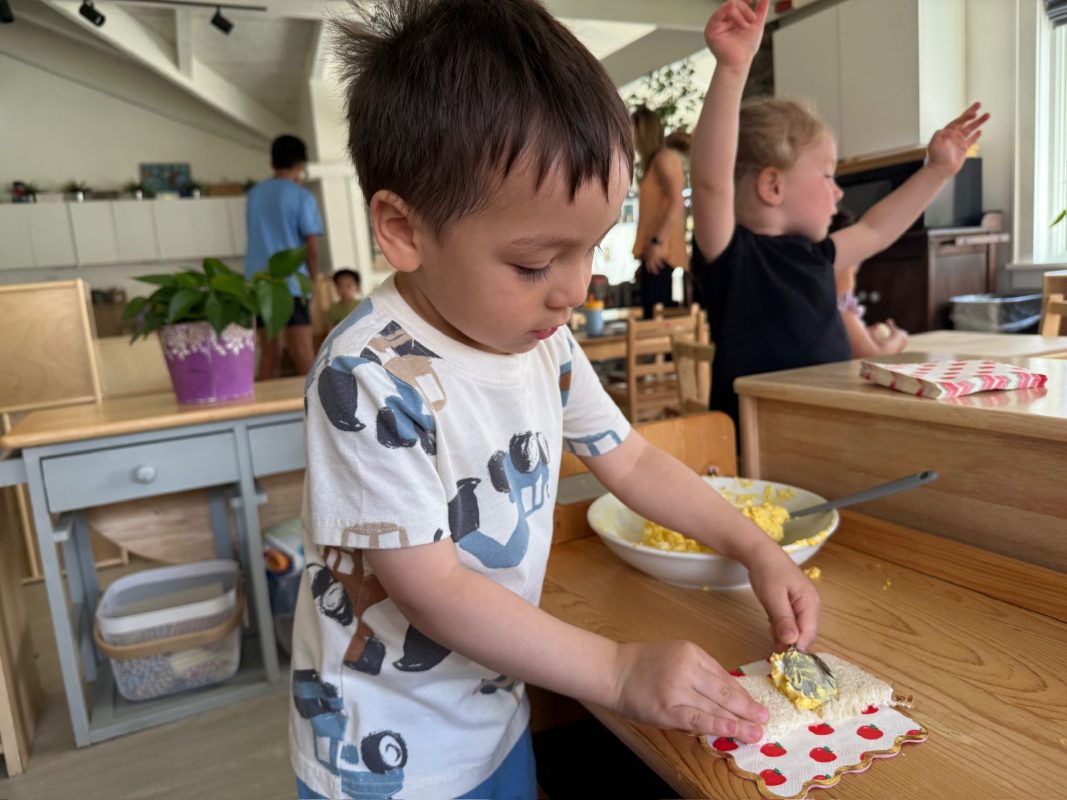
The following day, we revisited our eggs by preparing egg salad. The children participated in each step—using a child-sized masher to break apart the yolks and a toddler-safe knife to cut the egg whites. We mixed everything together with a small amount of mayonnaise and then spread the egg salad onto soft bread to make sandwiches.

Not everyone chose to taste the final product, which is always respected. The focus remains on exploration, participation, and building comfort with new foods through hands-on experience.

Love and Light,

Cynthia and Sara