Blog

Mrs. Wilson: Pumpkin Hammering

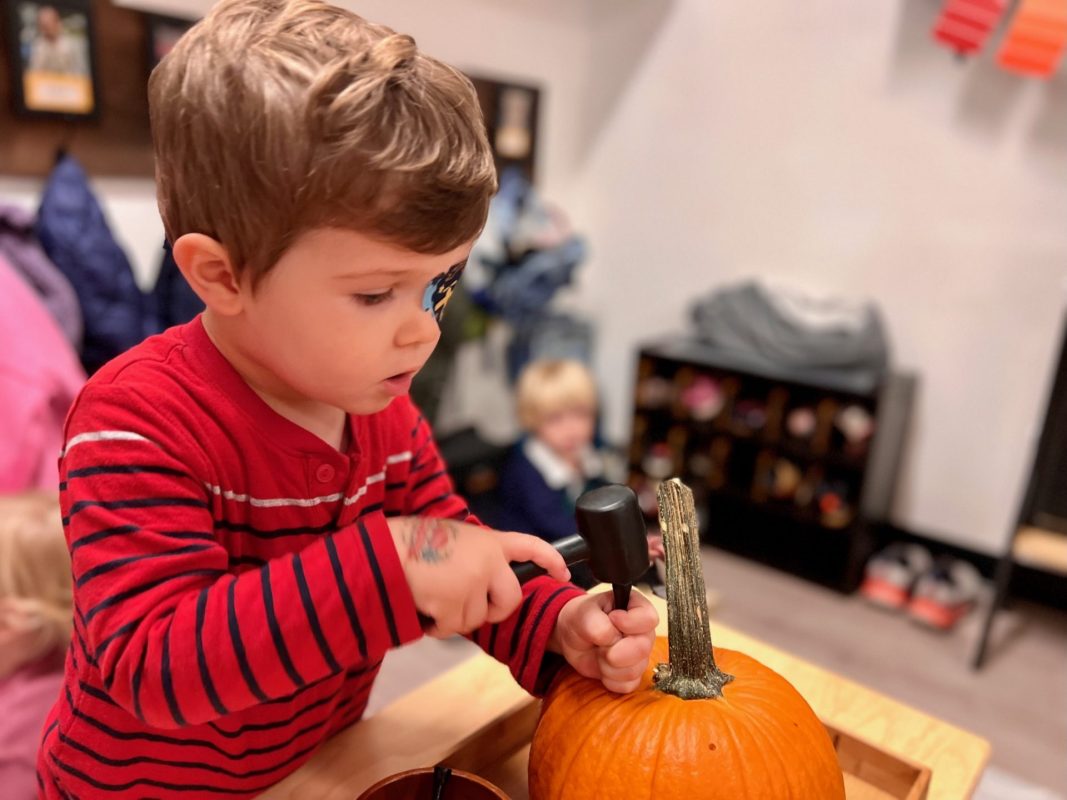
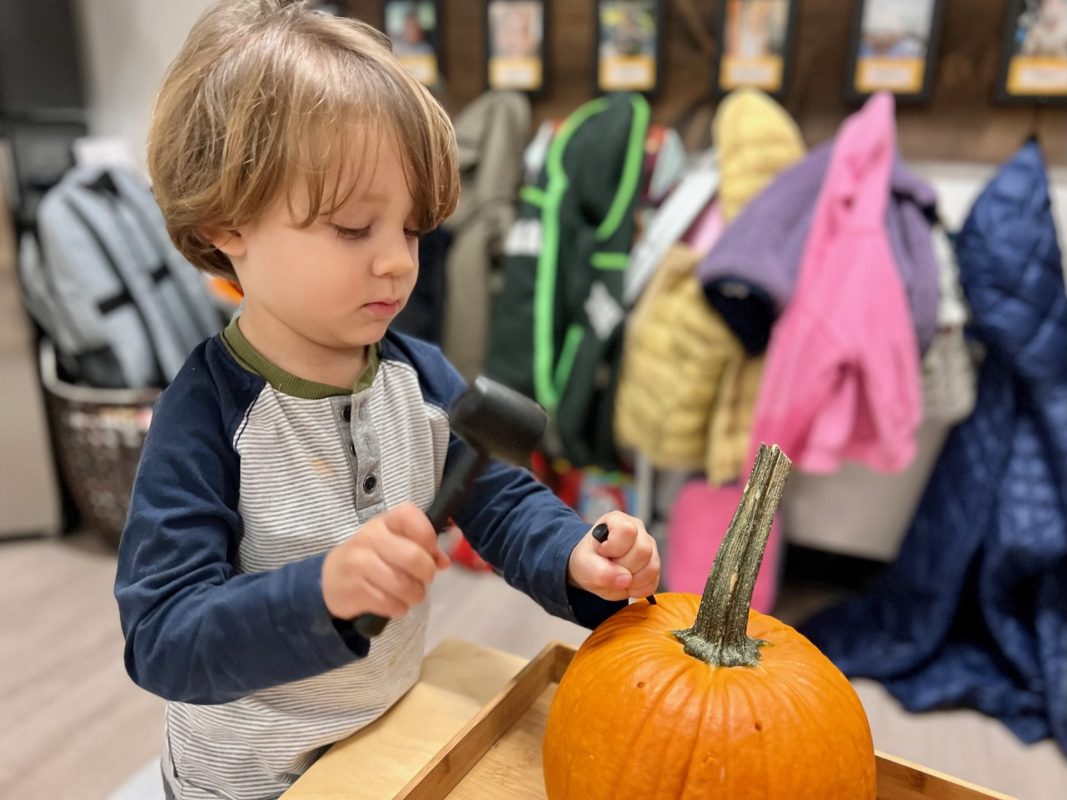
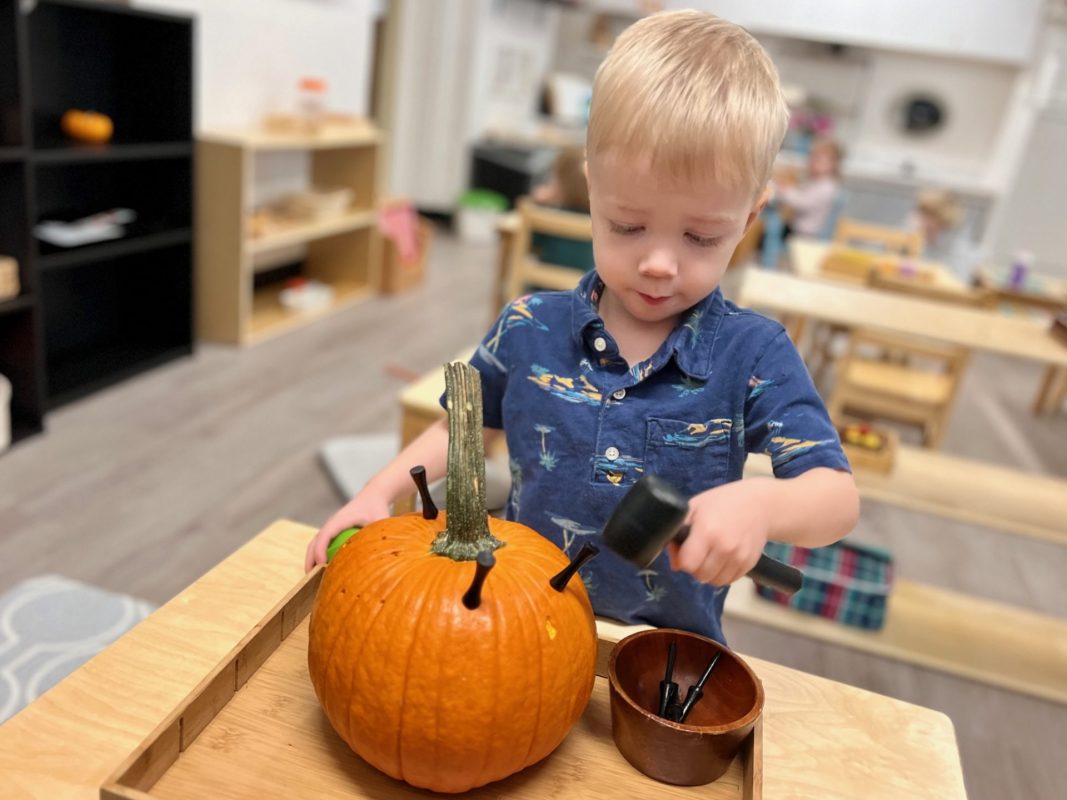
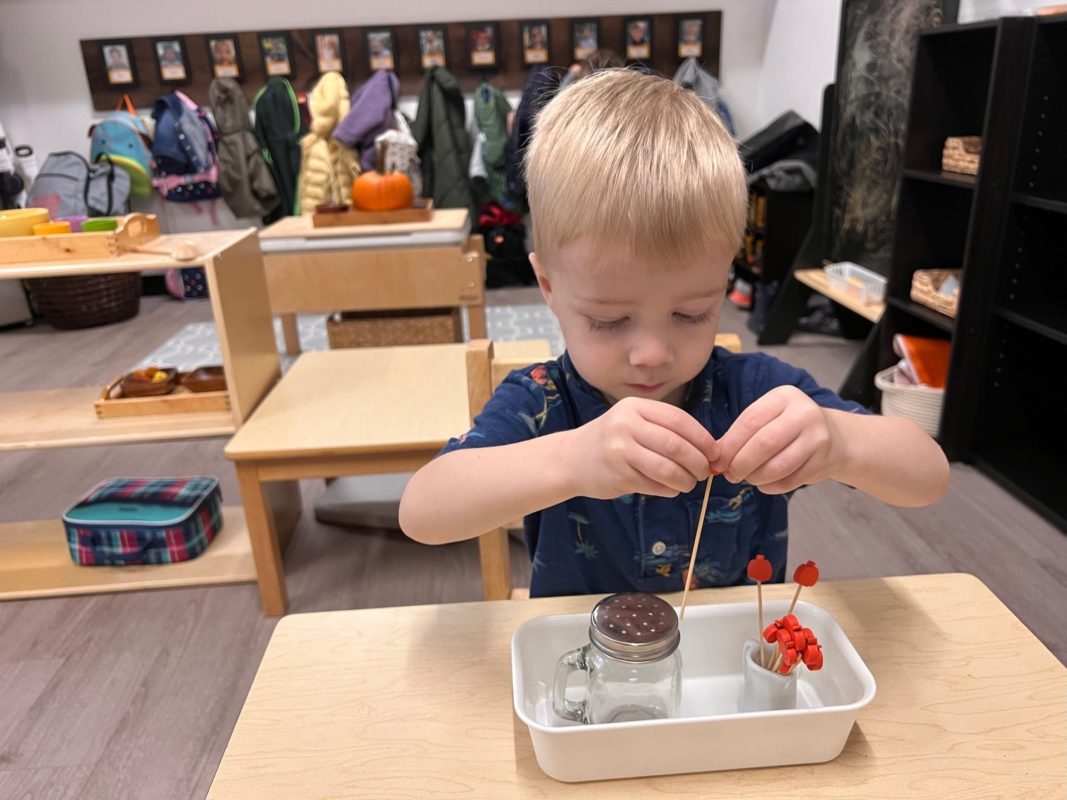
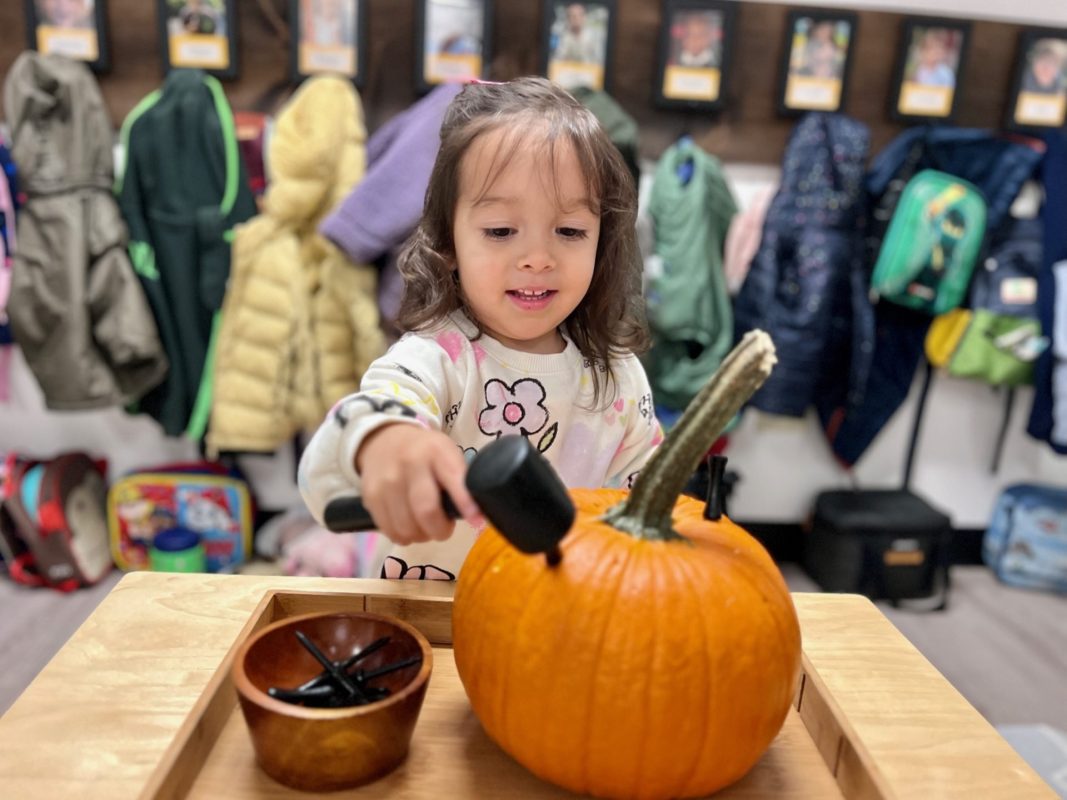
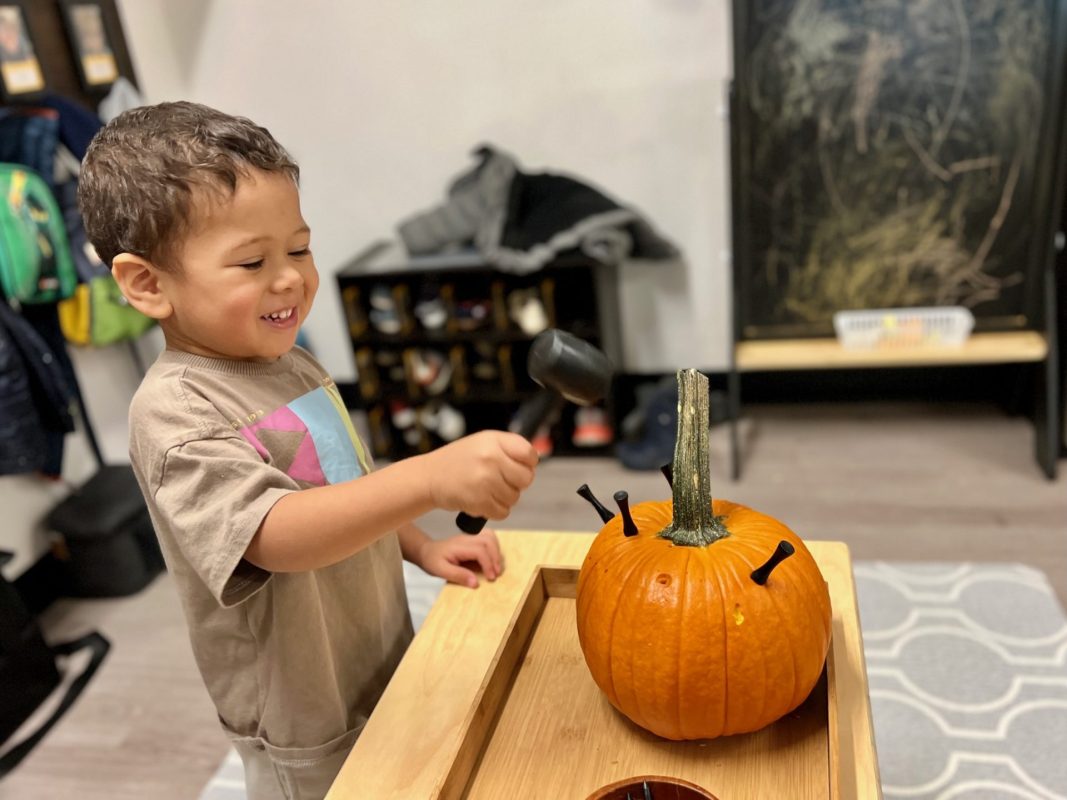
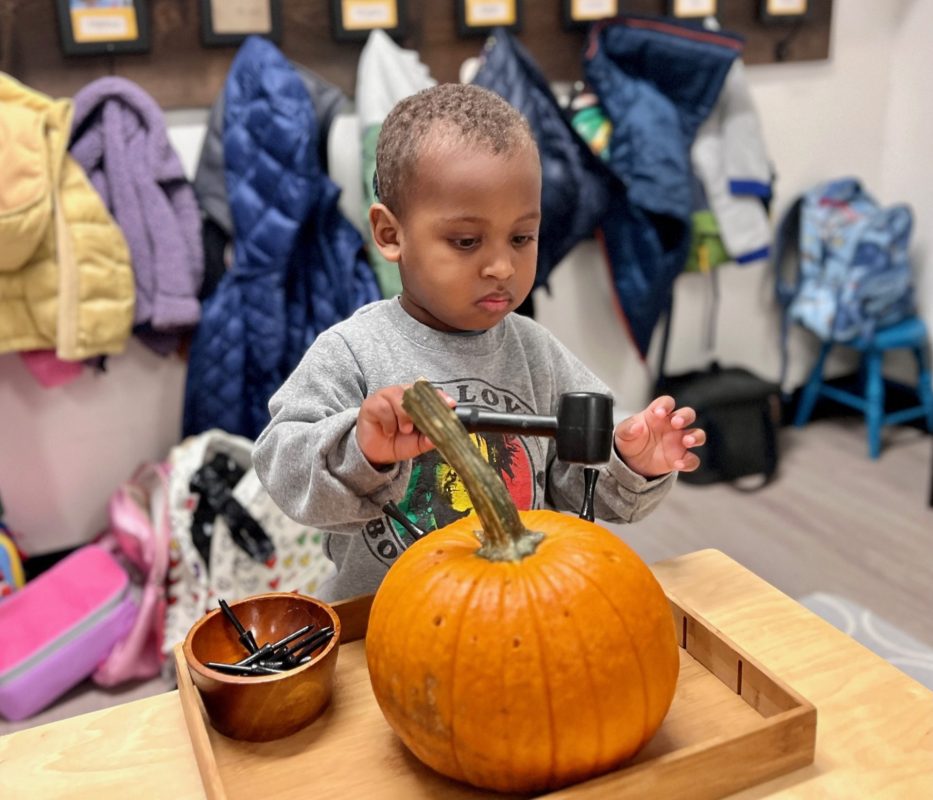
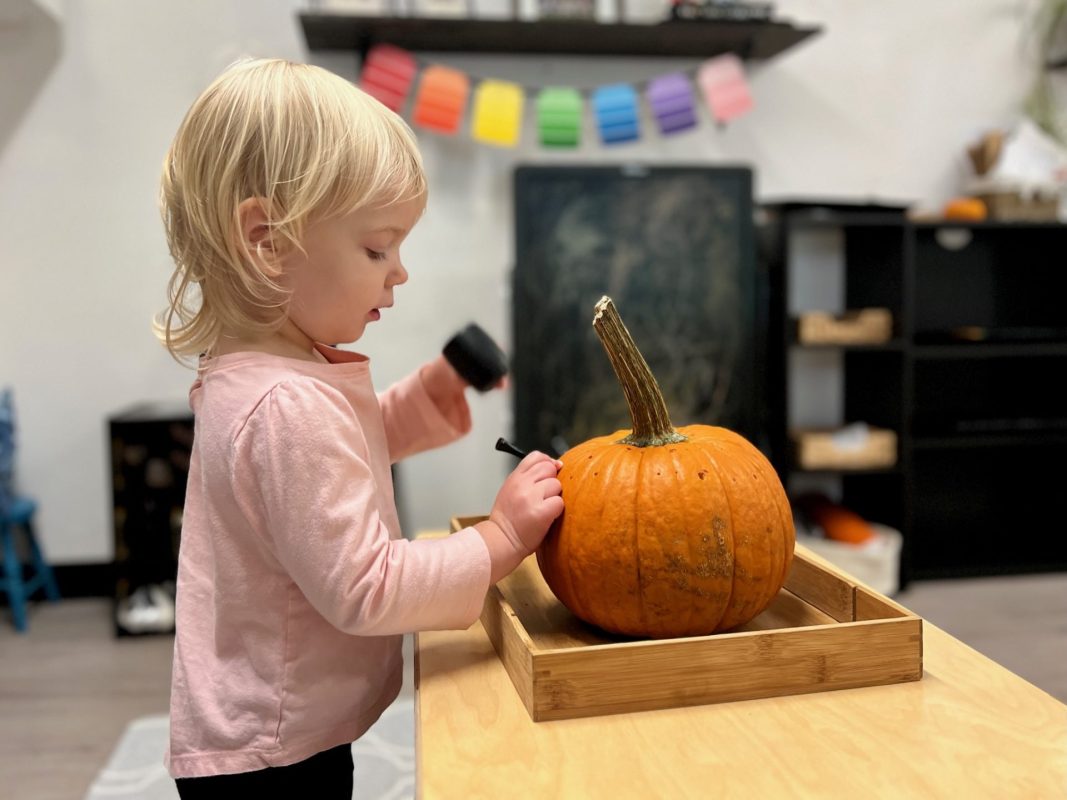
One of the fun and challenging activities that the children enjoyed this week was pumpkin hammering. This activity requires a child-sized mallet, golf tees, and a small pumpkin. Through this activity, the children develop hand-eye coordination, learn to use a hammer or mallet, and strengthen their fine motor skills while trying to hold the golf tee in place. Additionally, the children learn about safety whether they are hammering or observing.

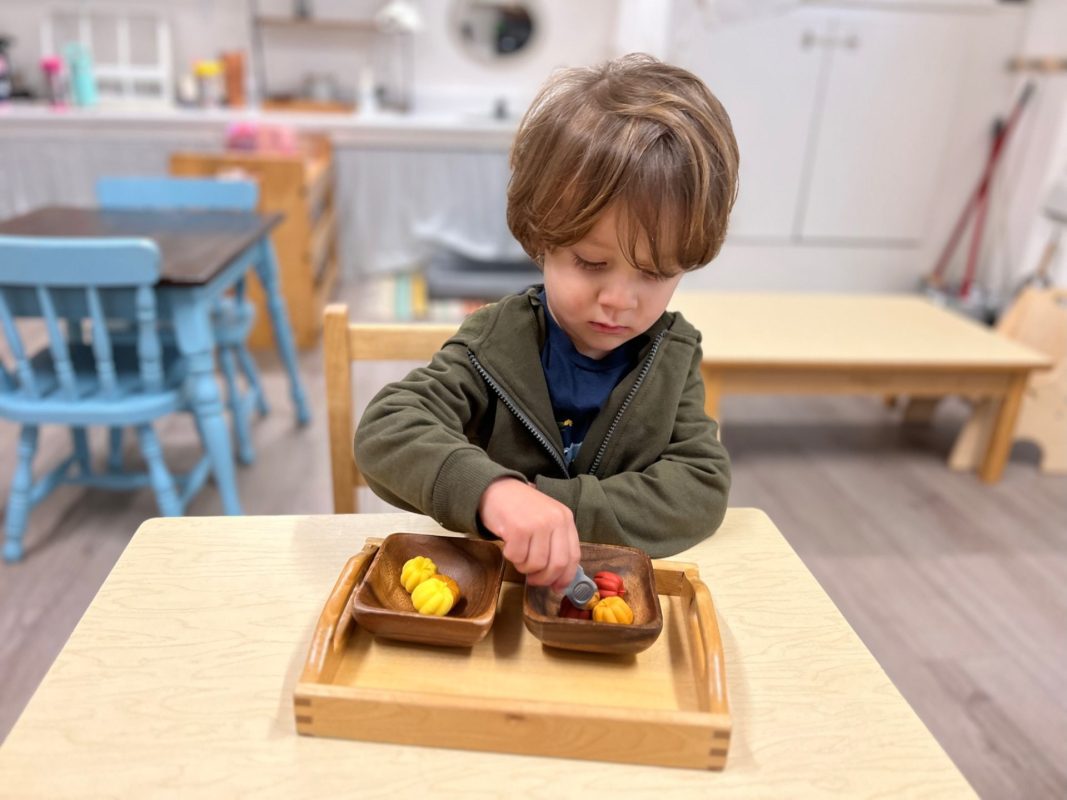
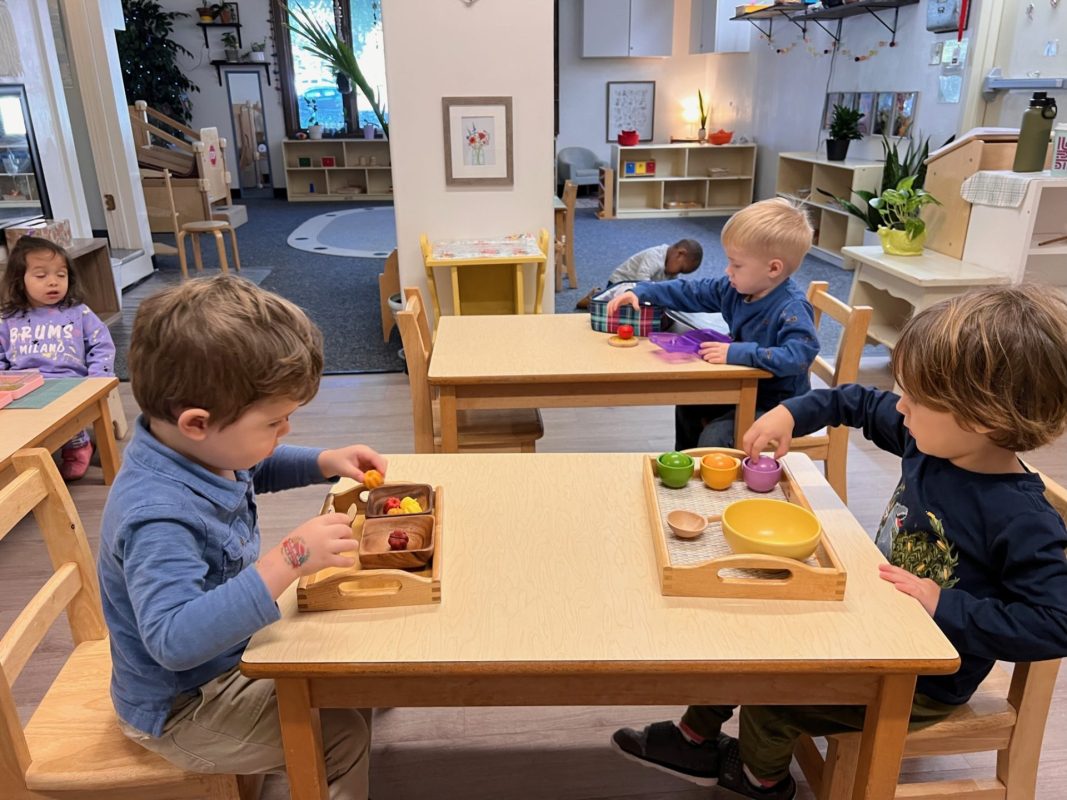
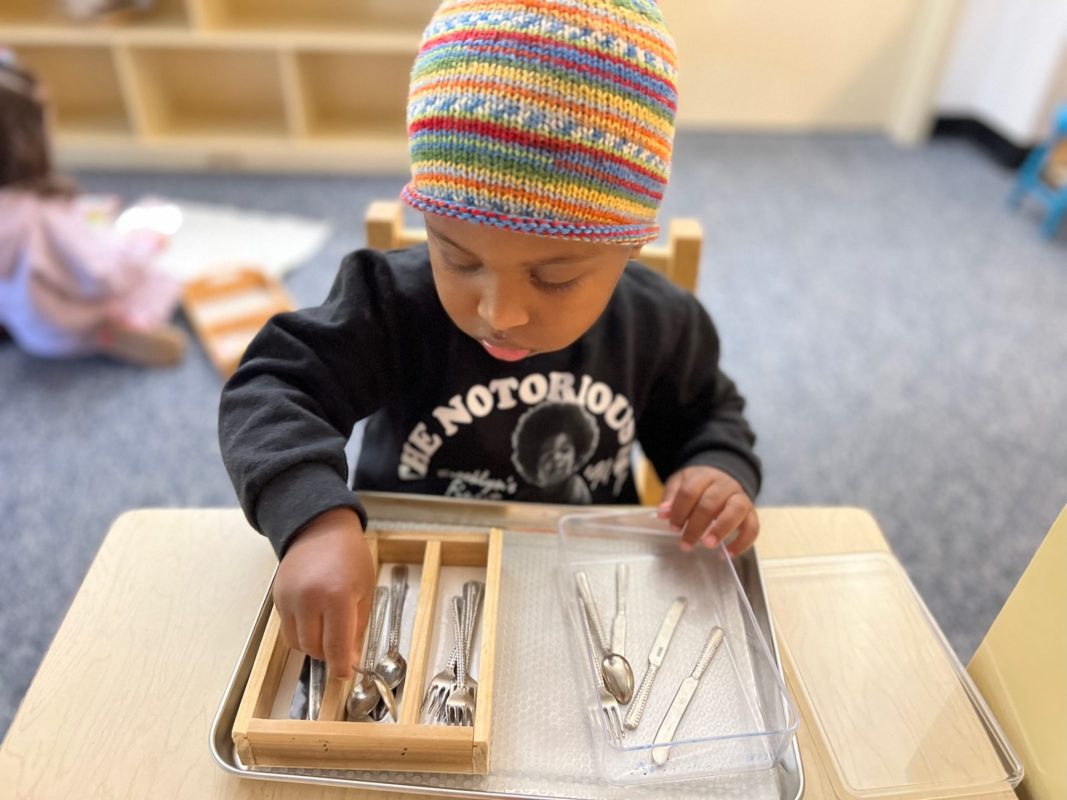
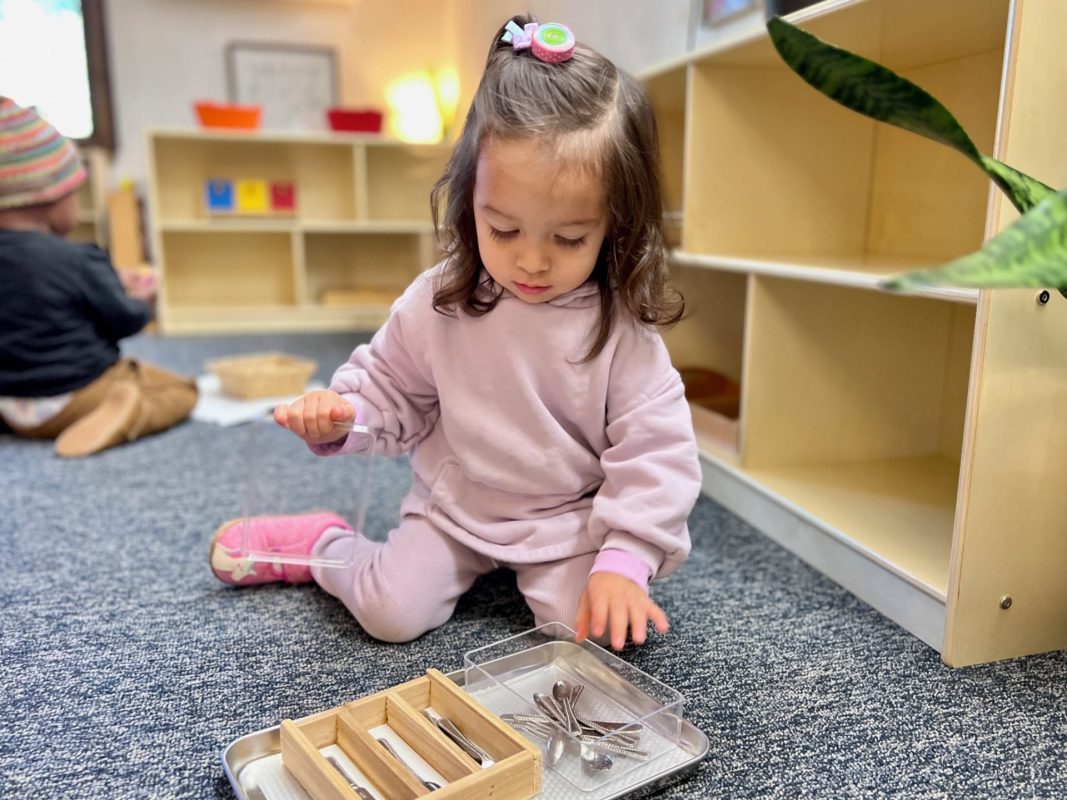
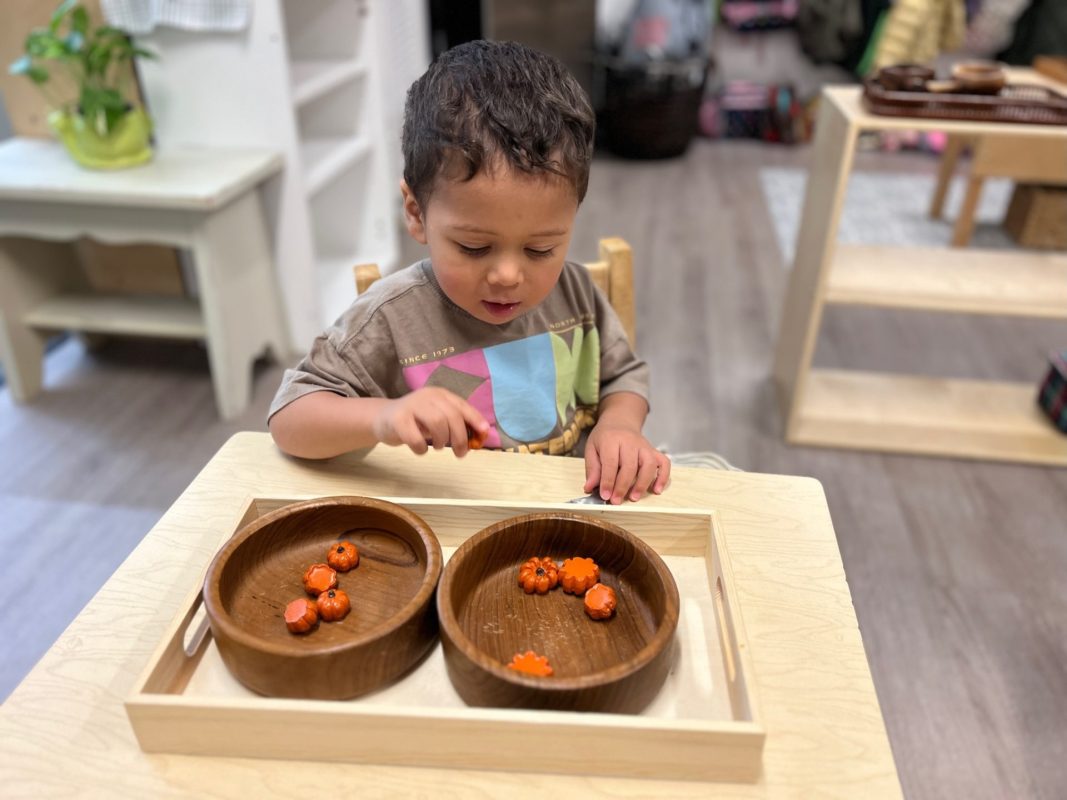
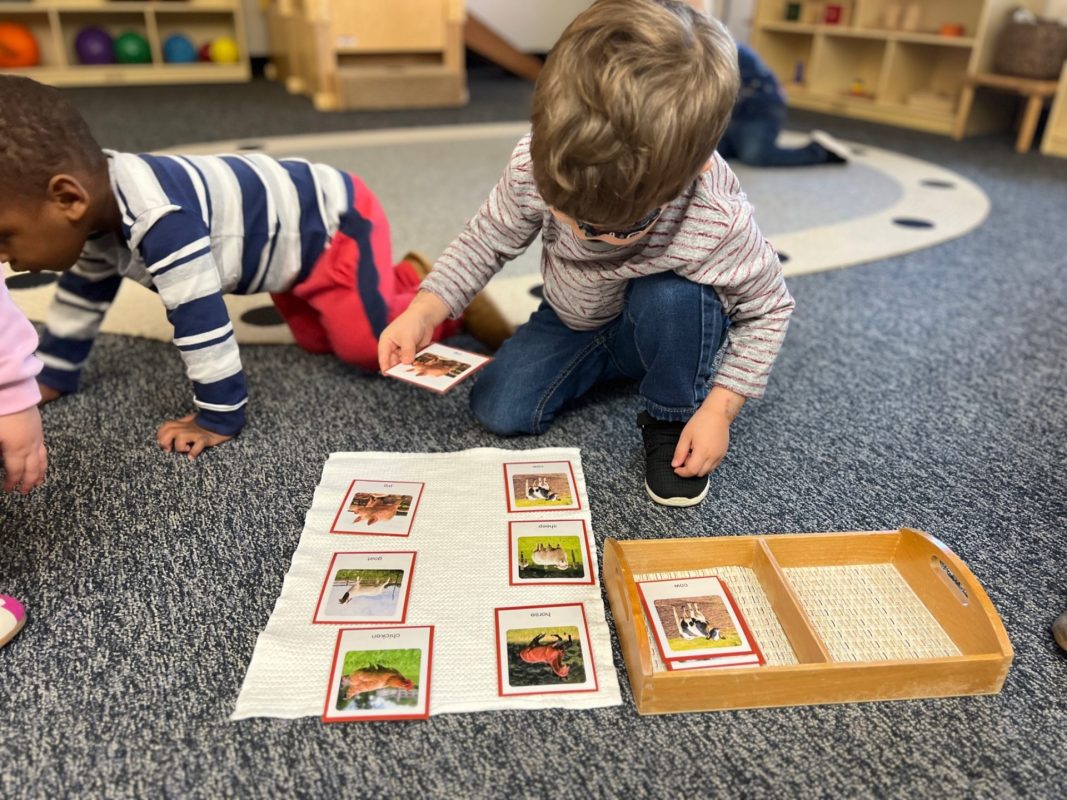
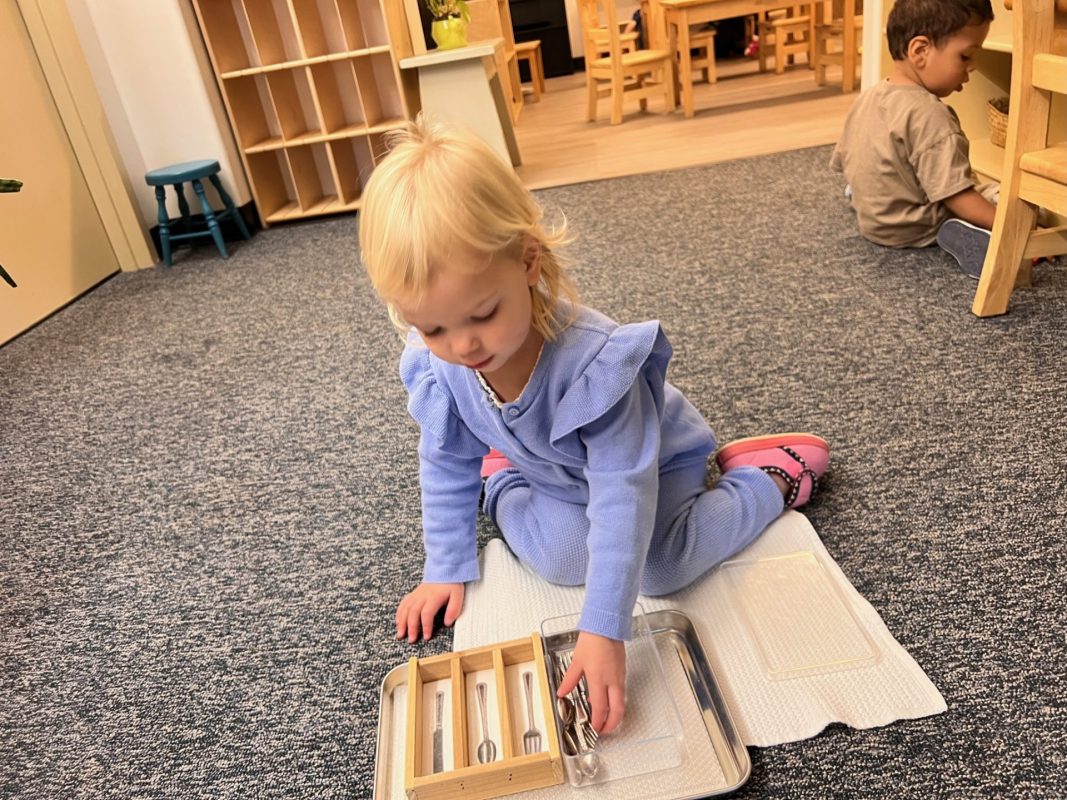
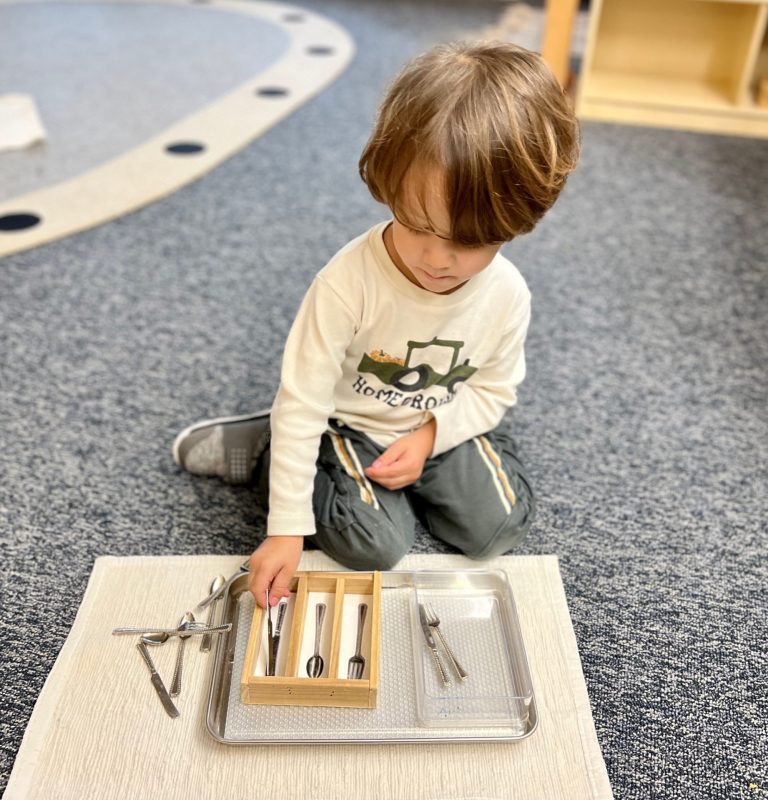
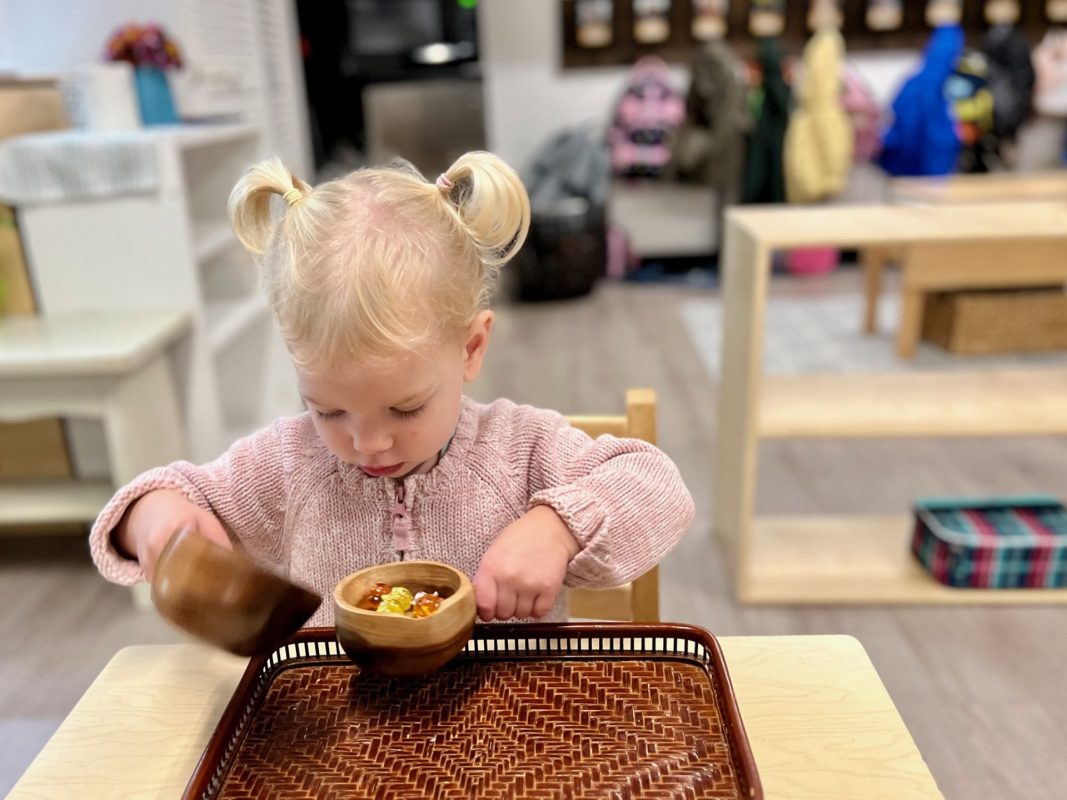
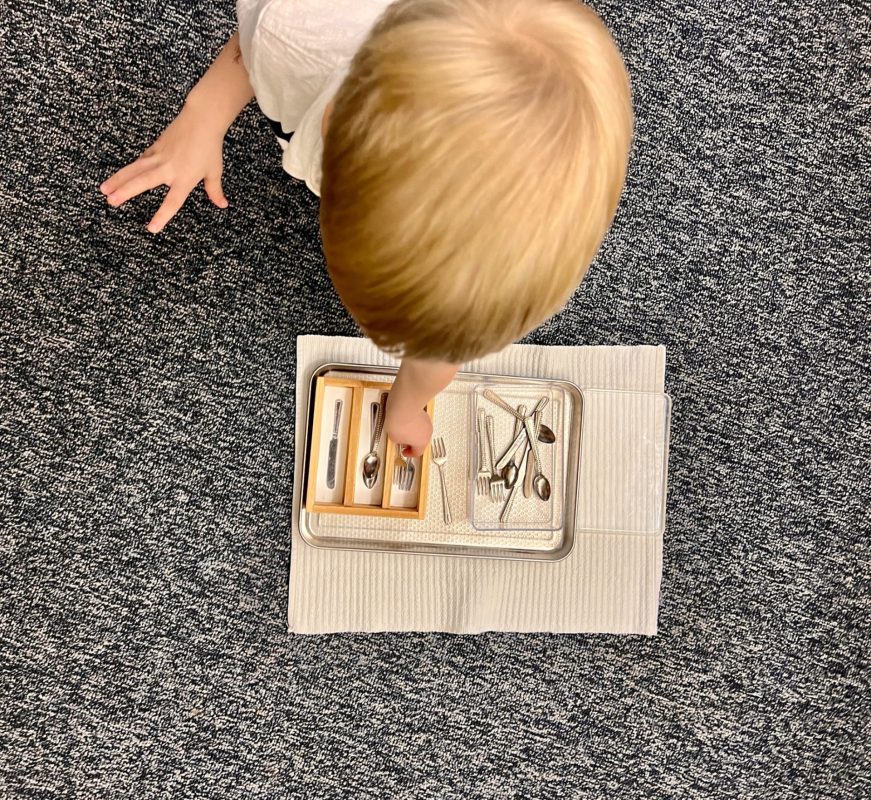
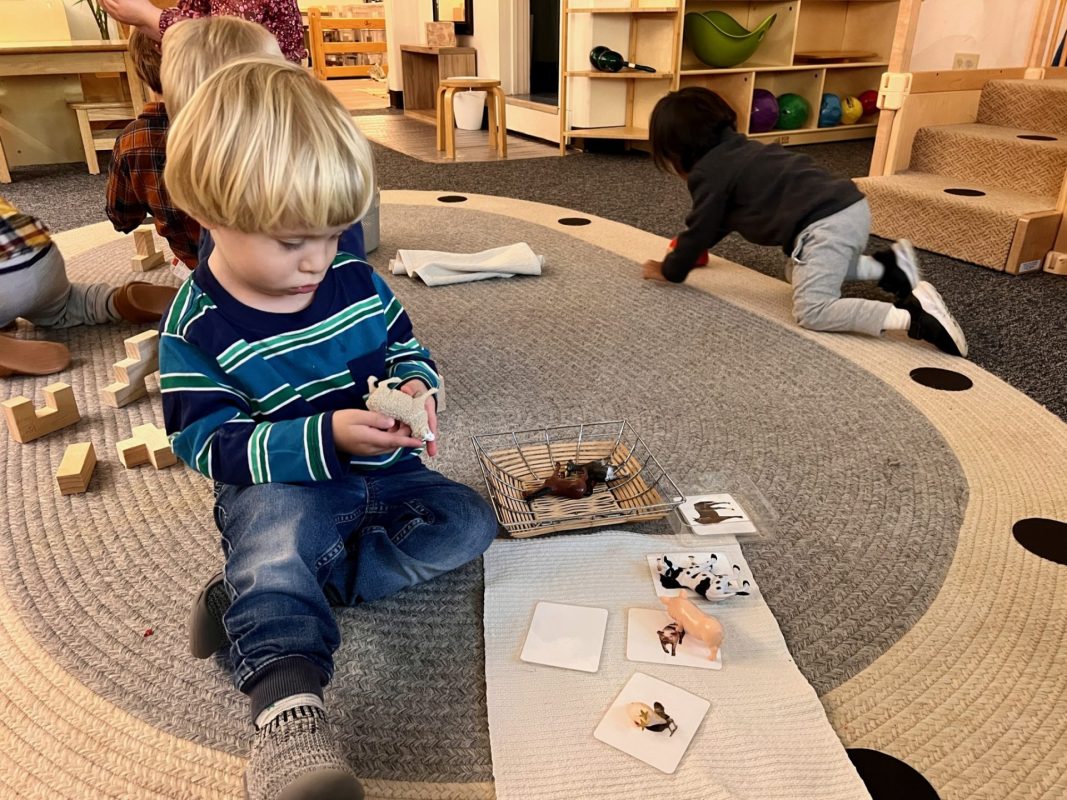
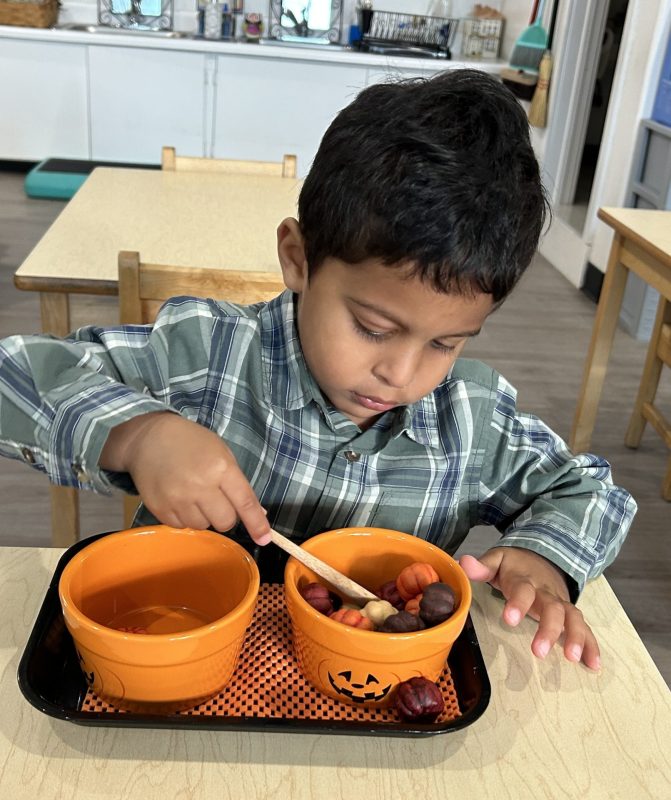
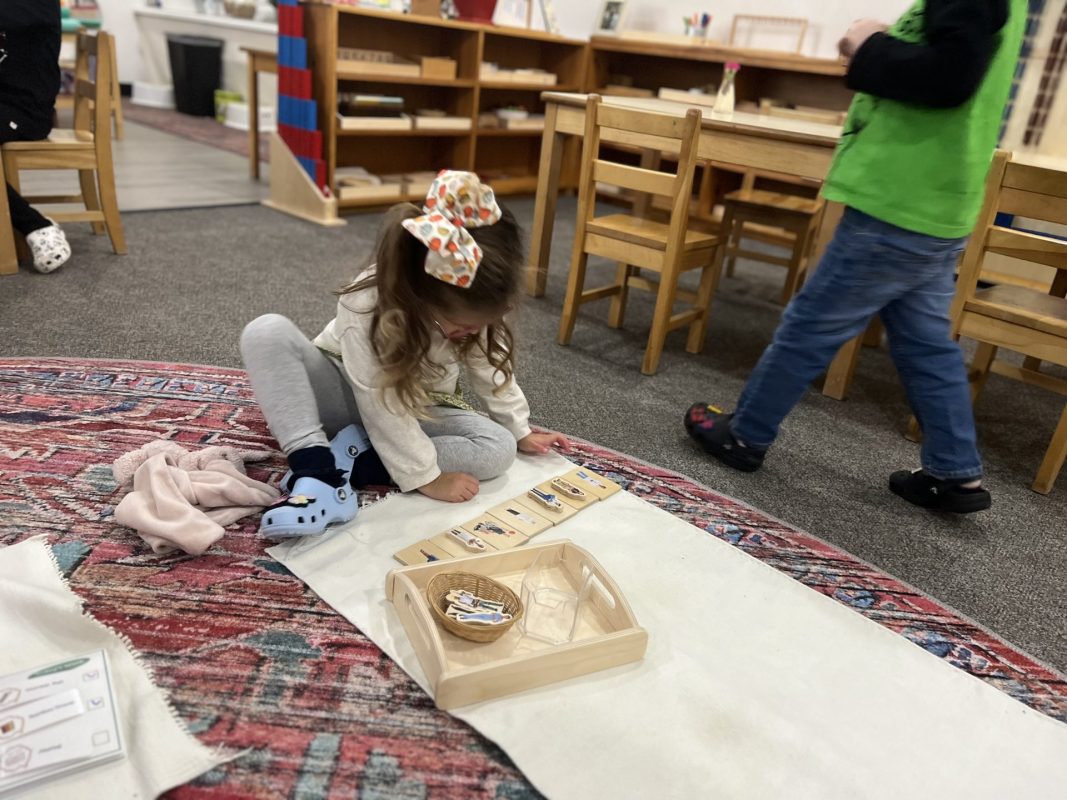
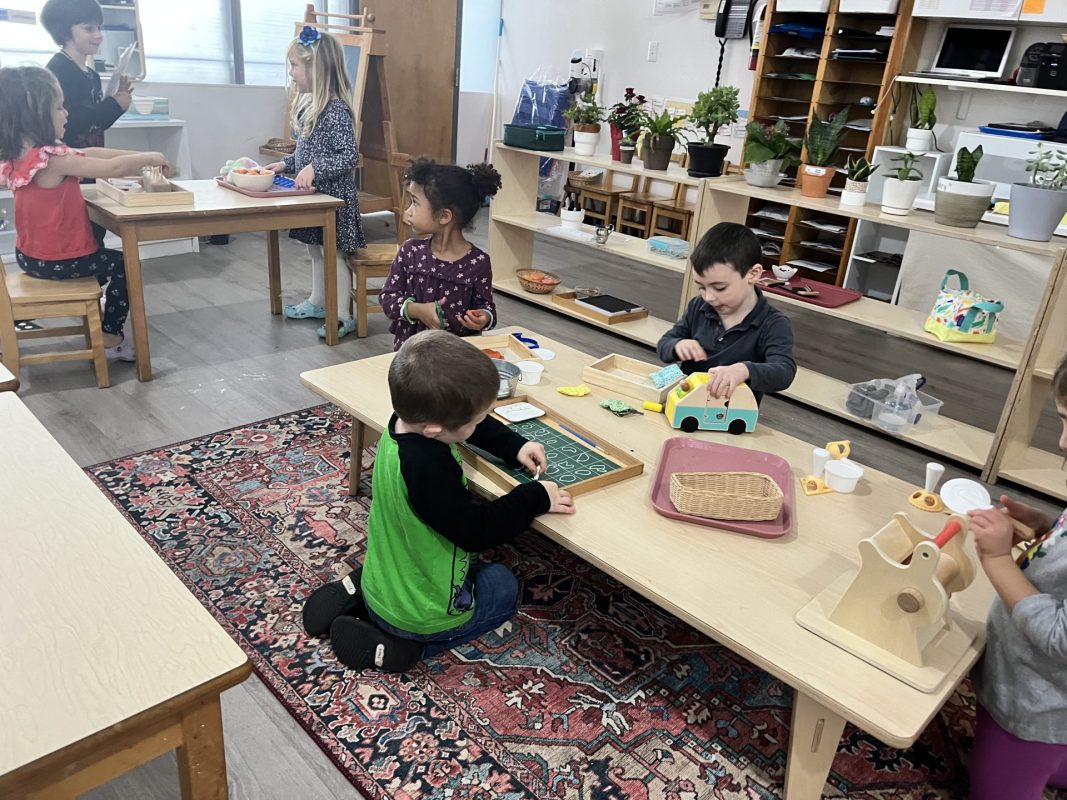
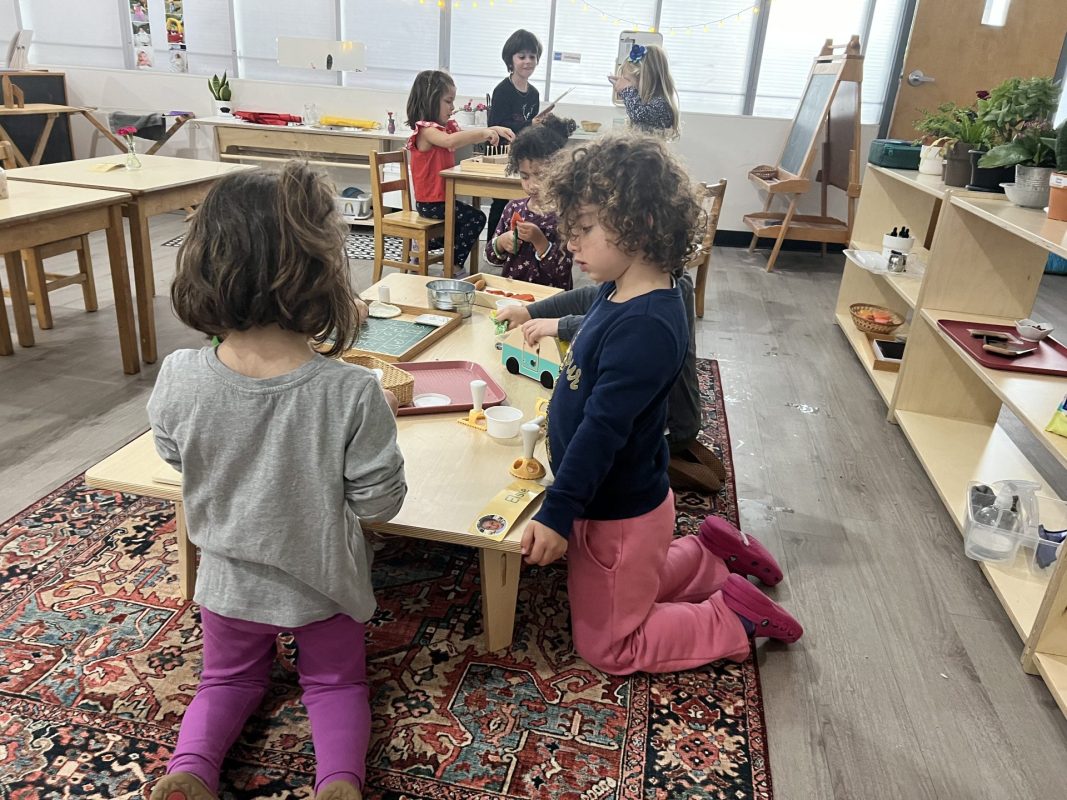
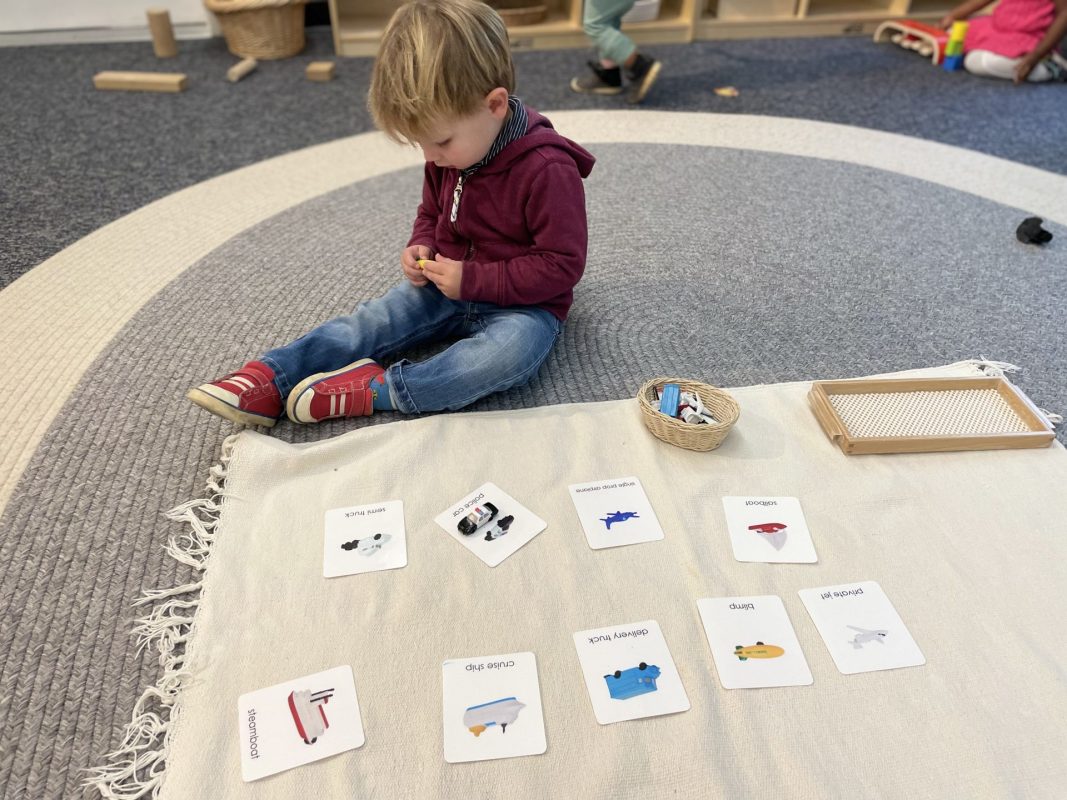
Another popular activity the children is sorting miniature utensils. They sift through a tray of spoons, forks and knives, and match each object with its corresponding photo. They then separate them into individual sections for each type of utensil. Your children can help with this task at home.

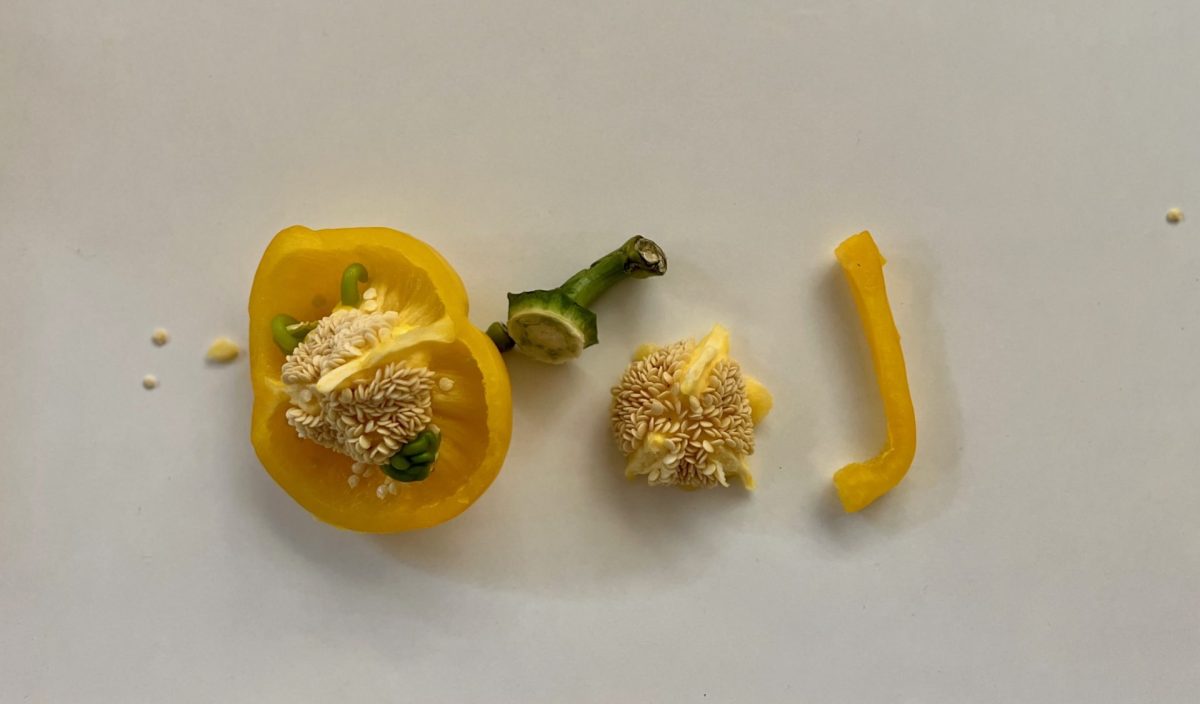
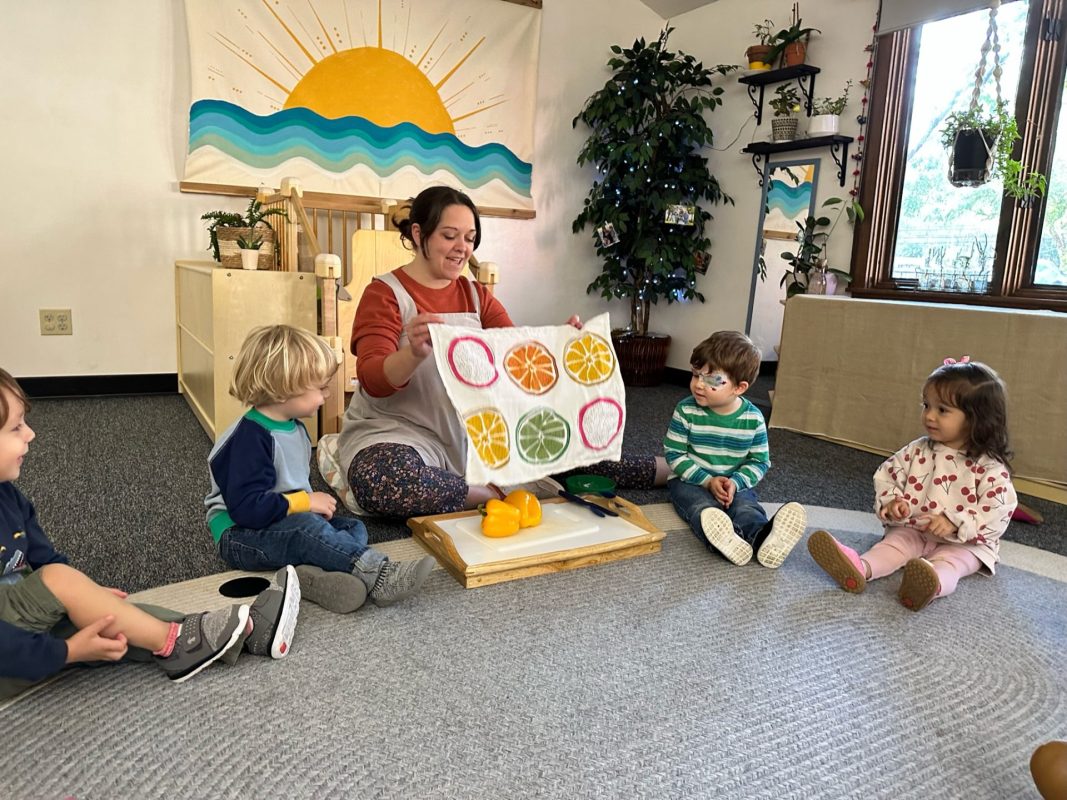
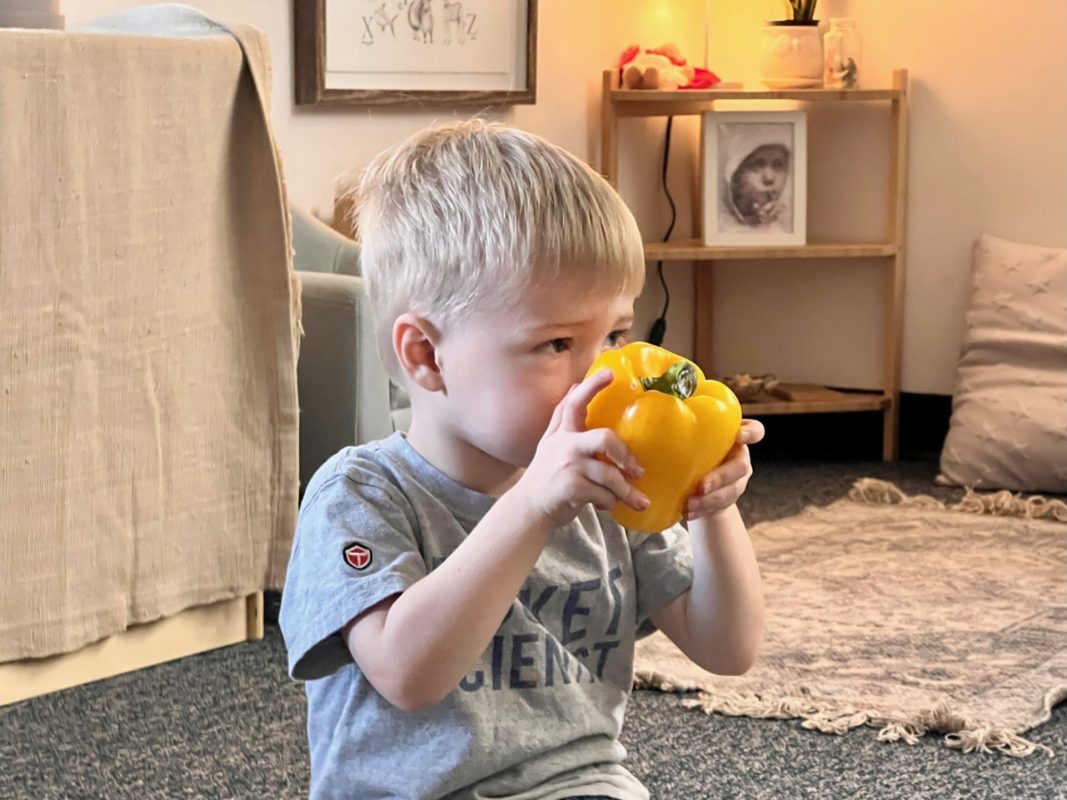
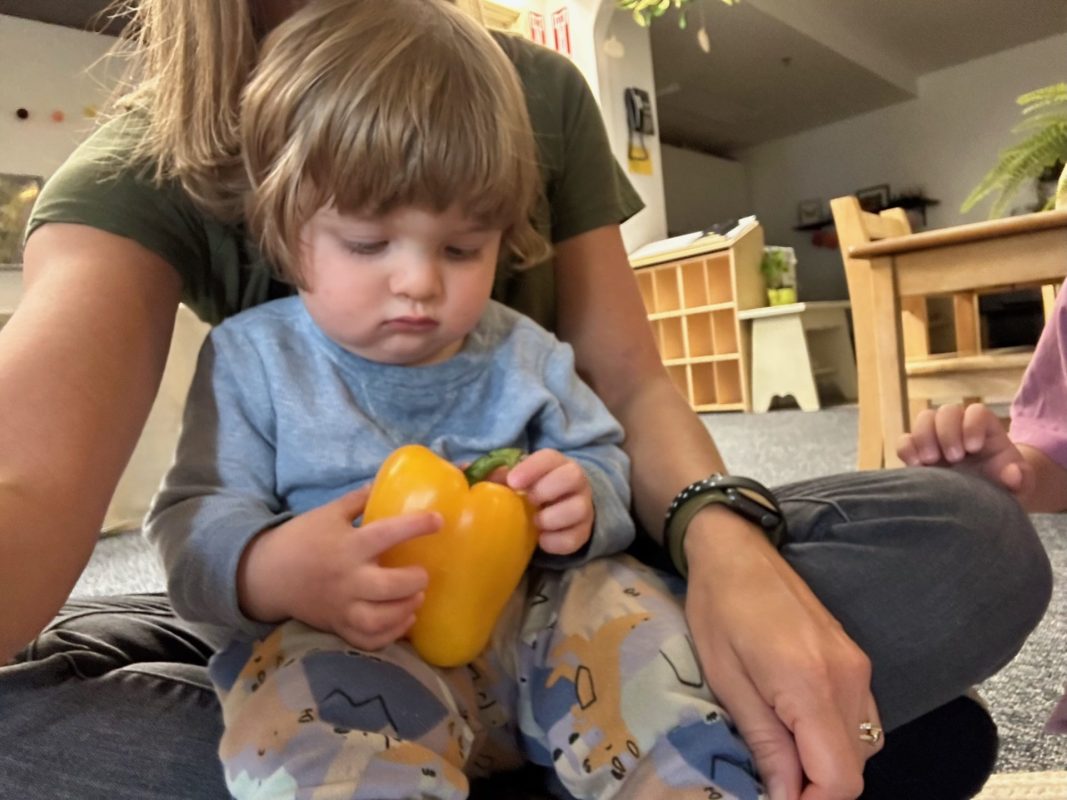
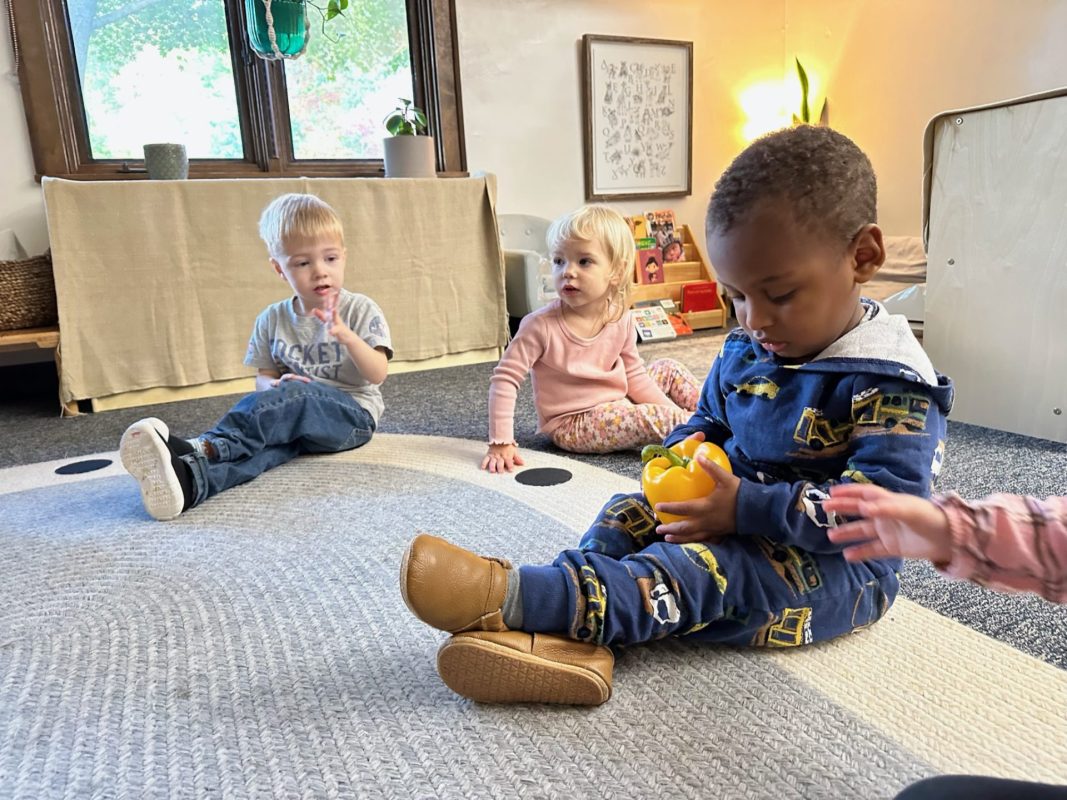
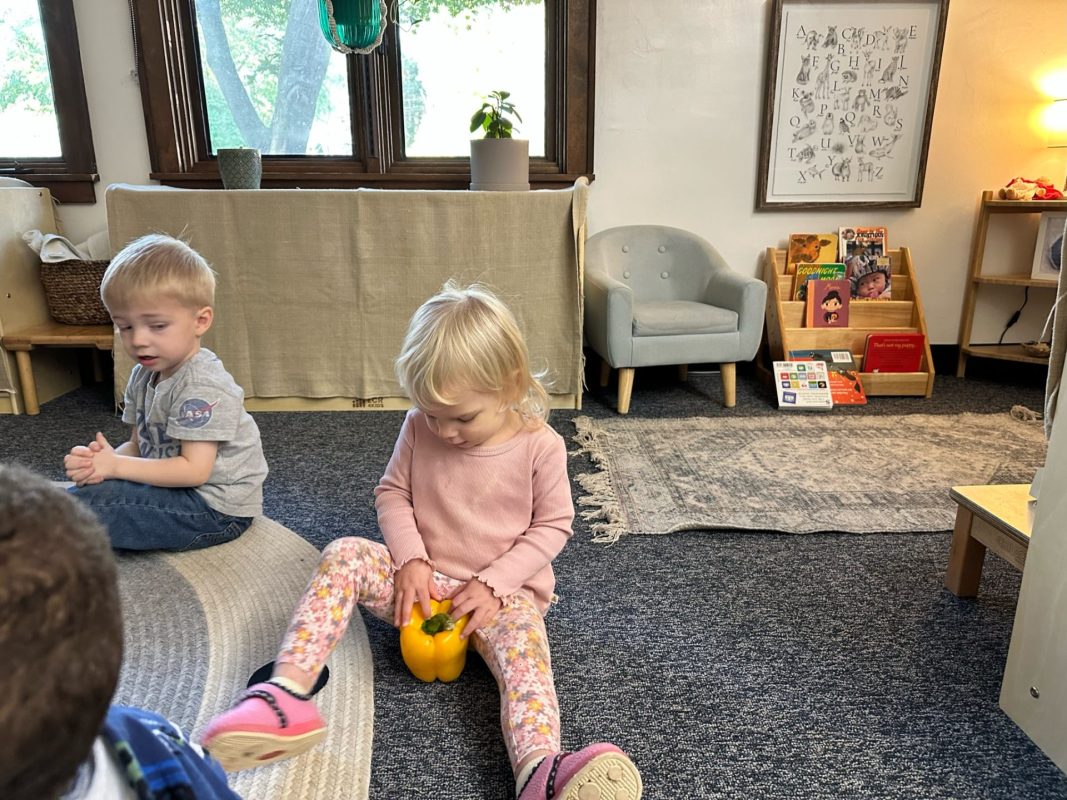
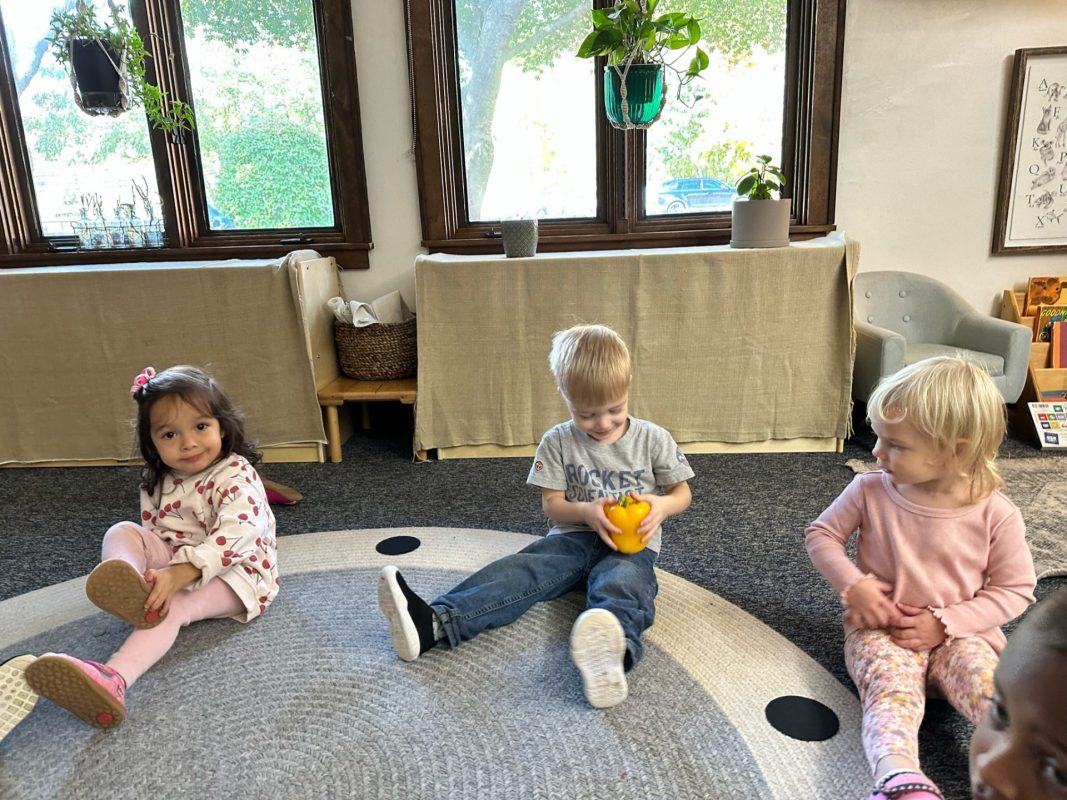
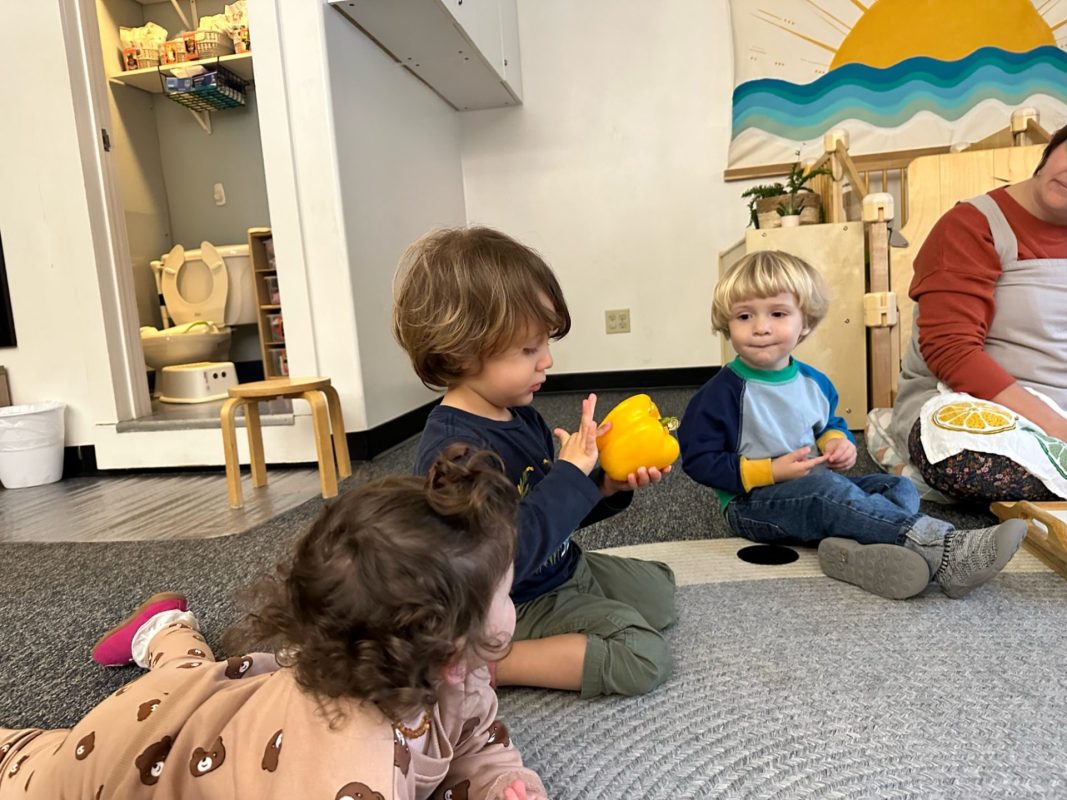
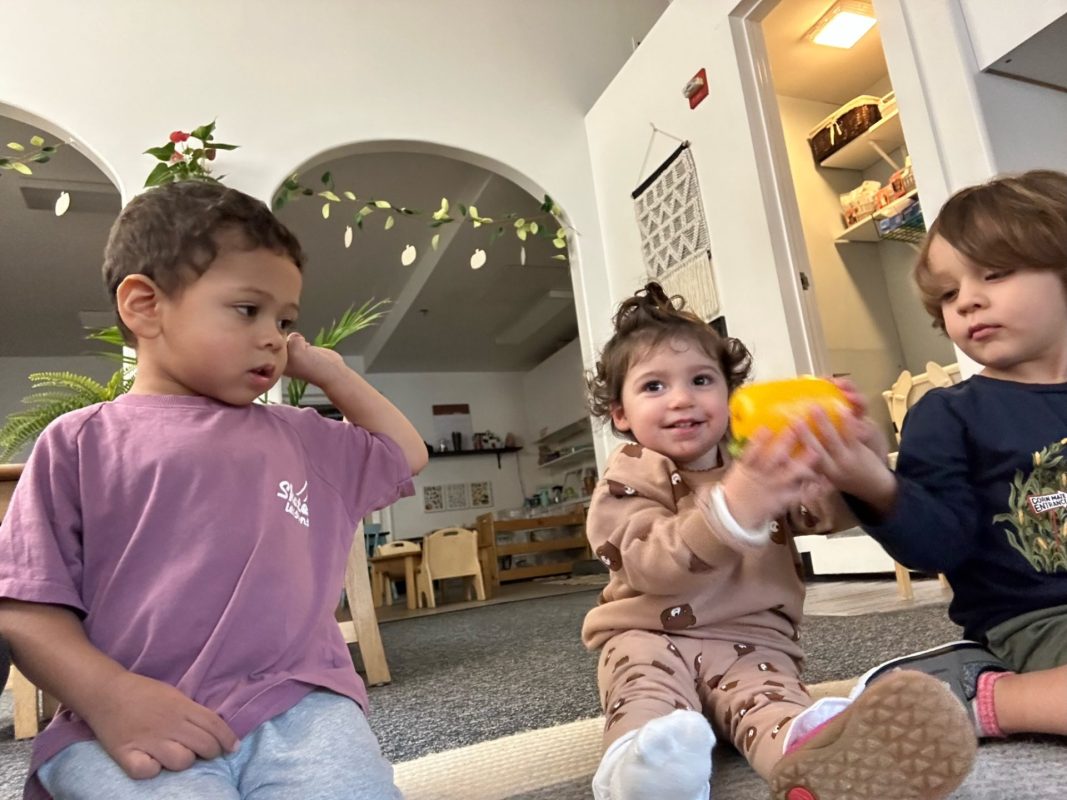
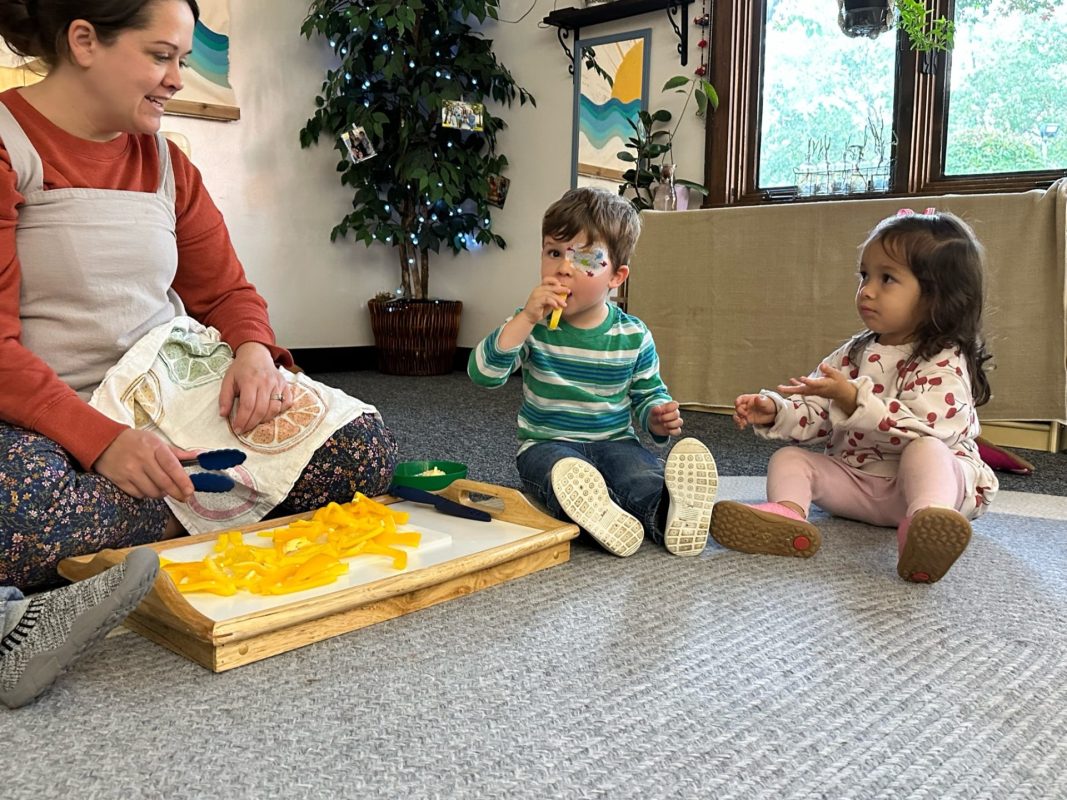
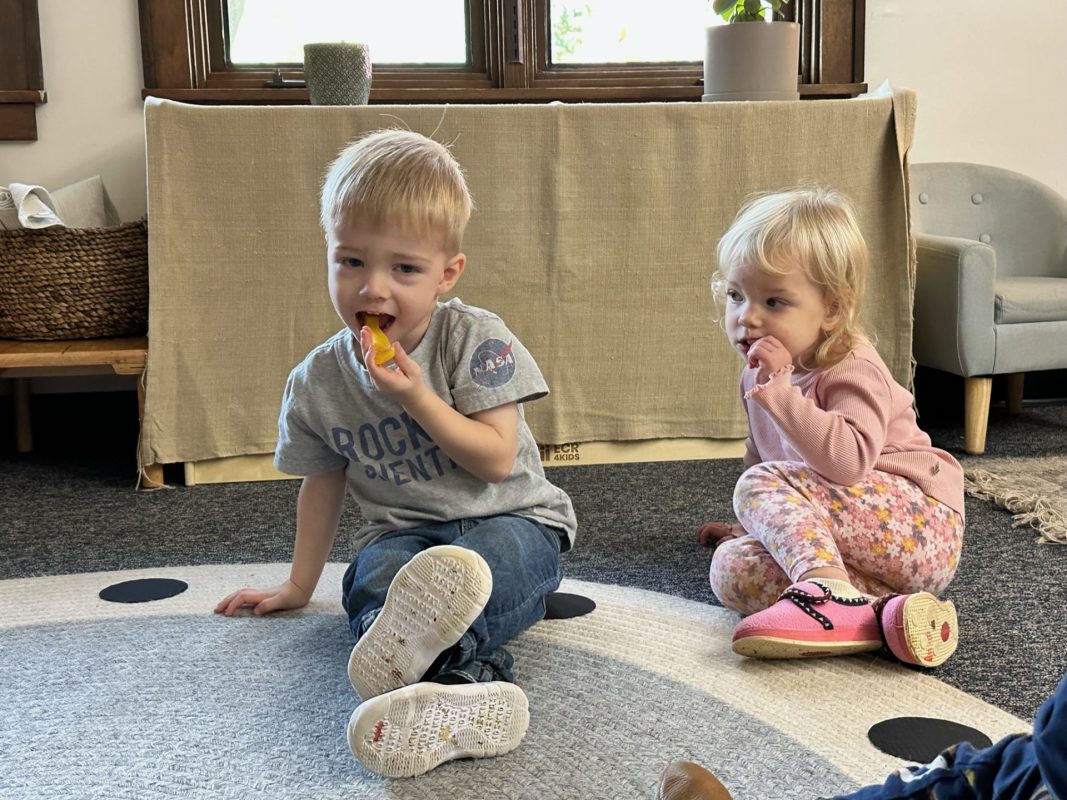
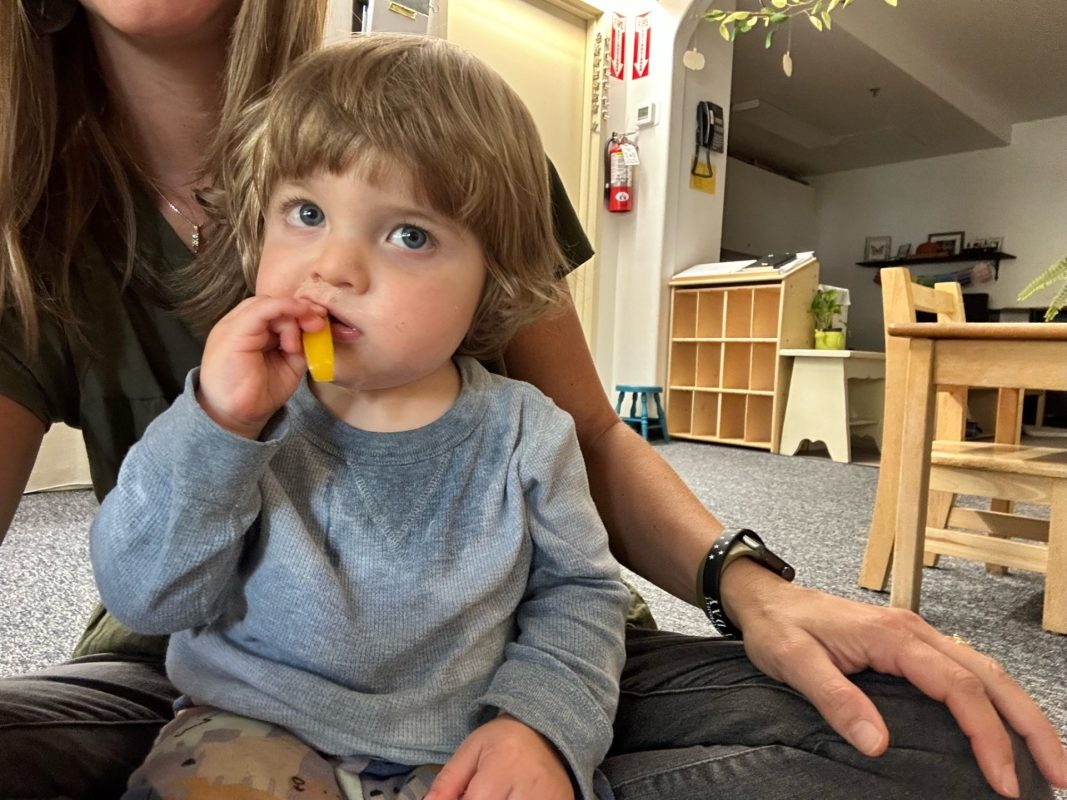
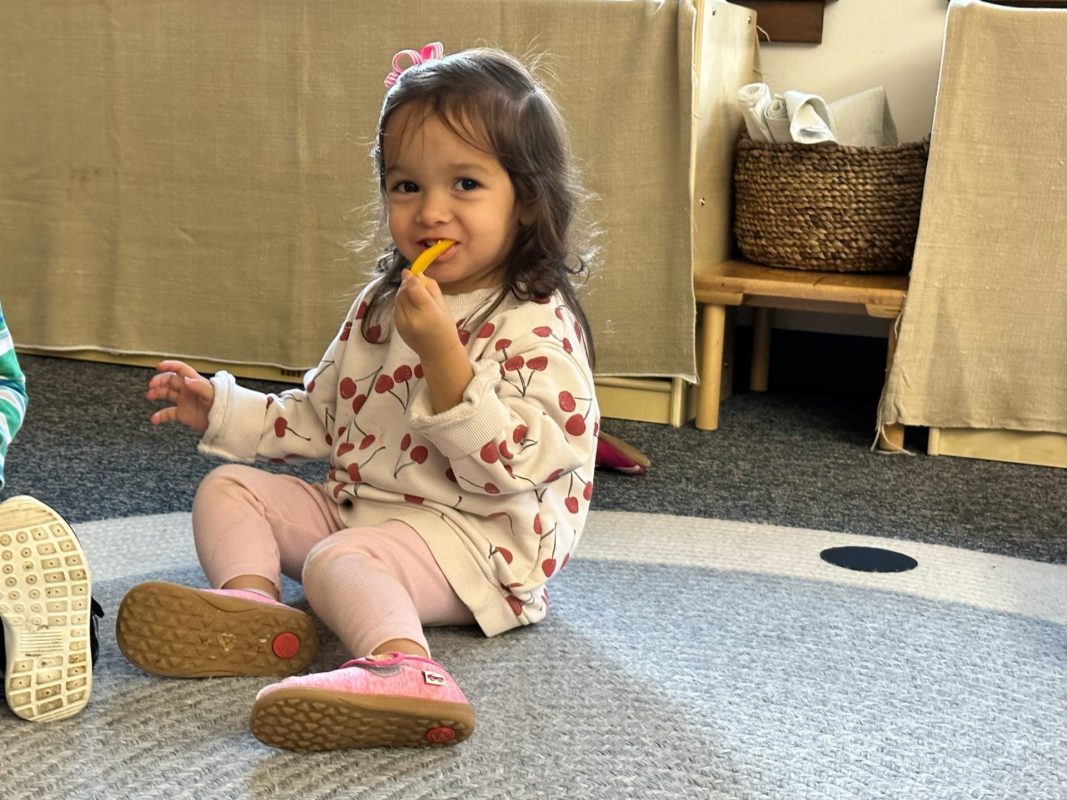
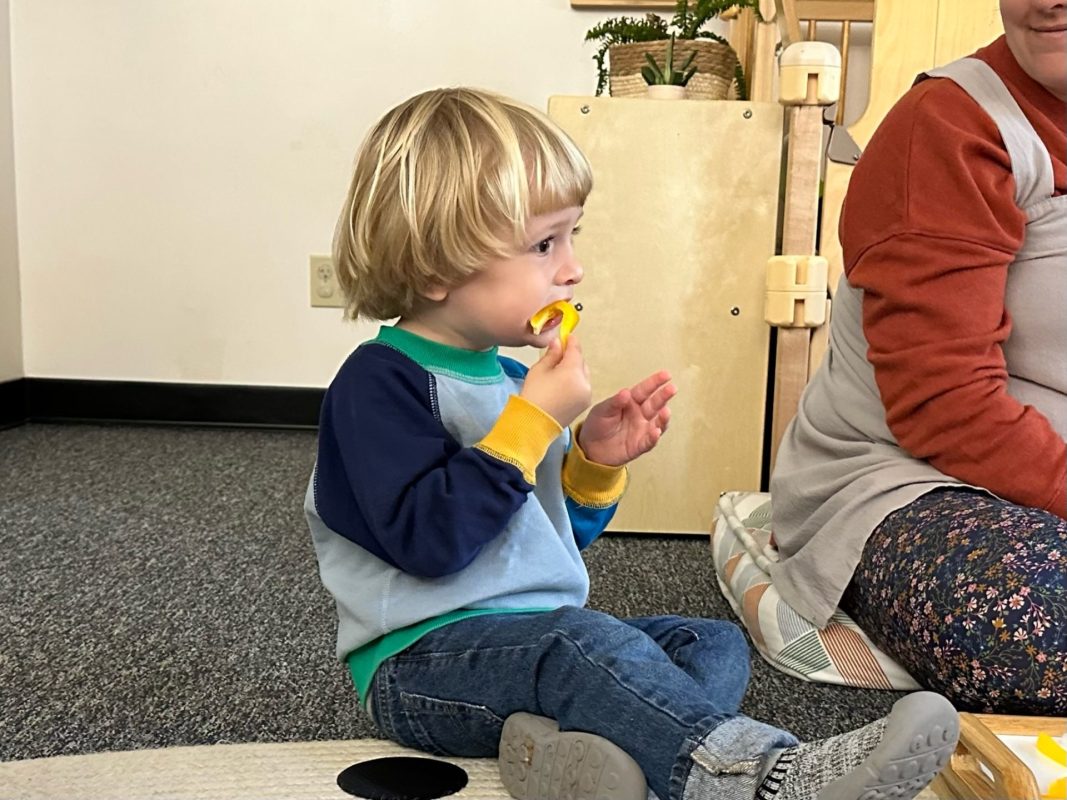
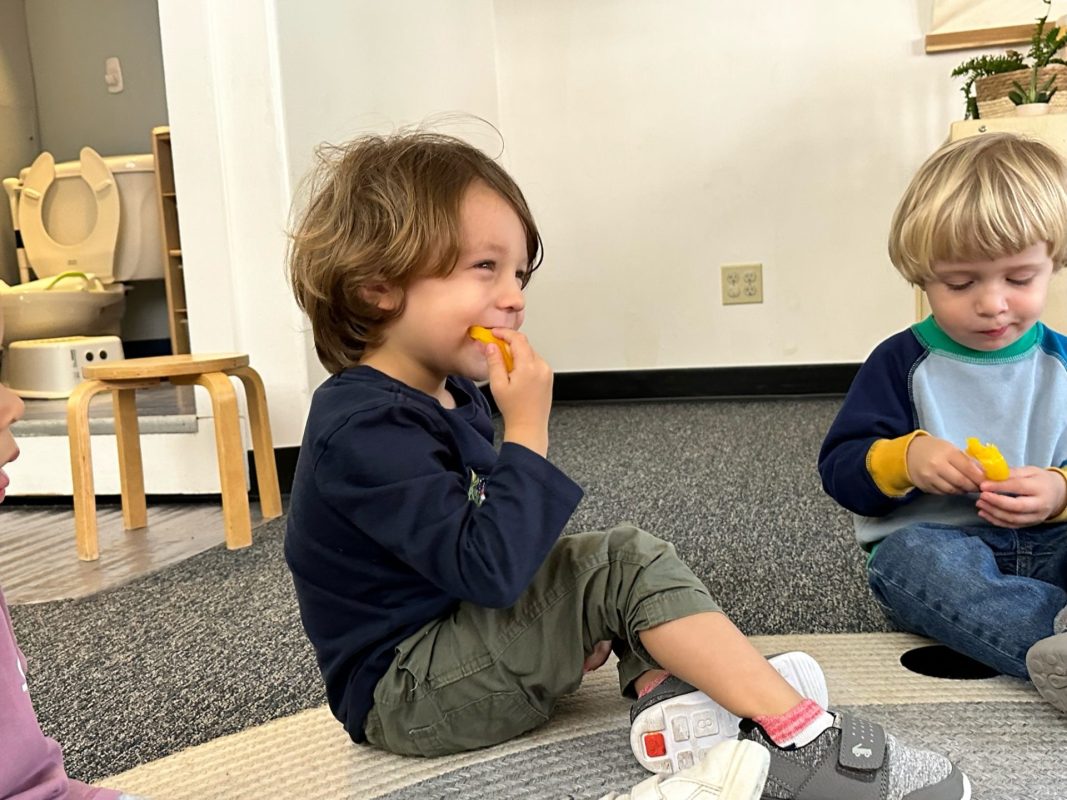
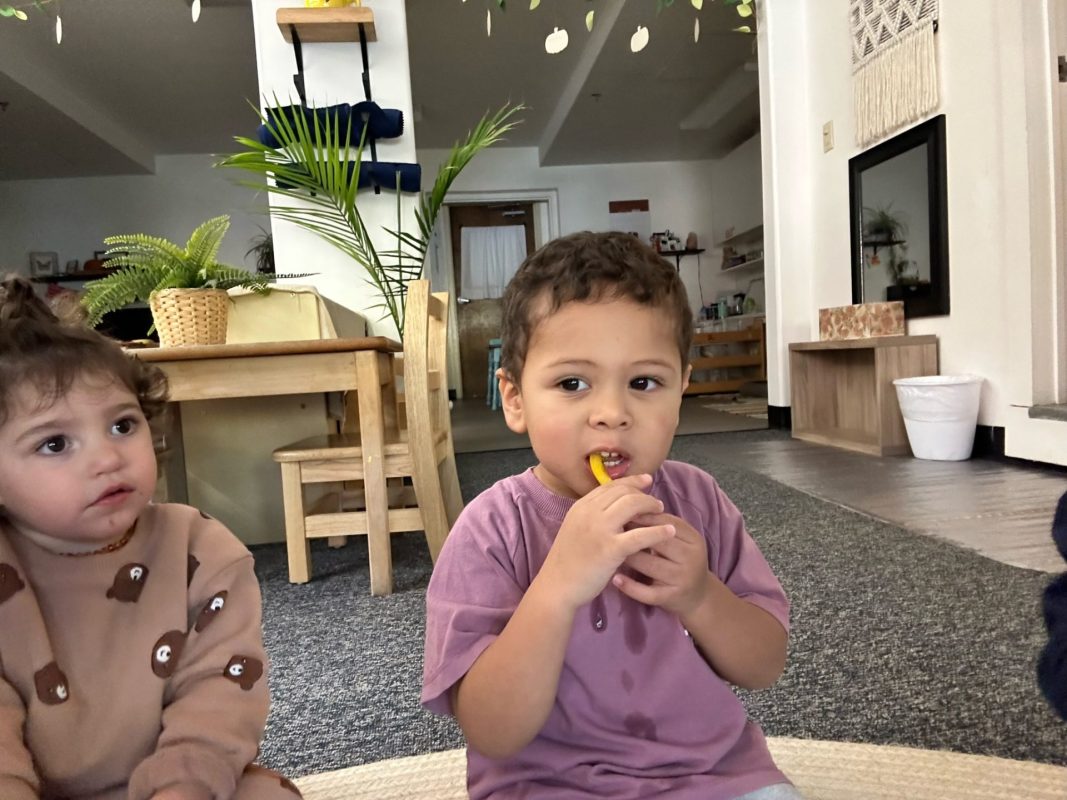
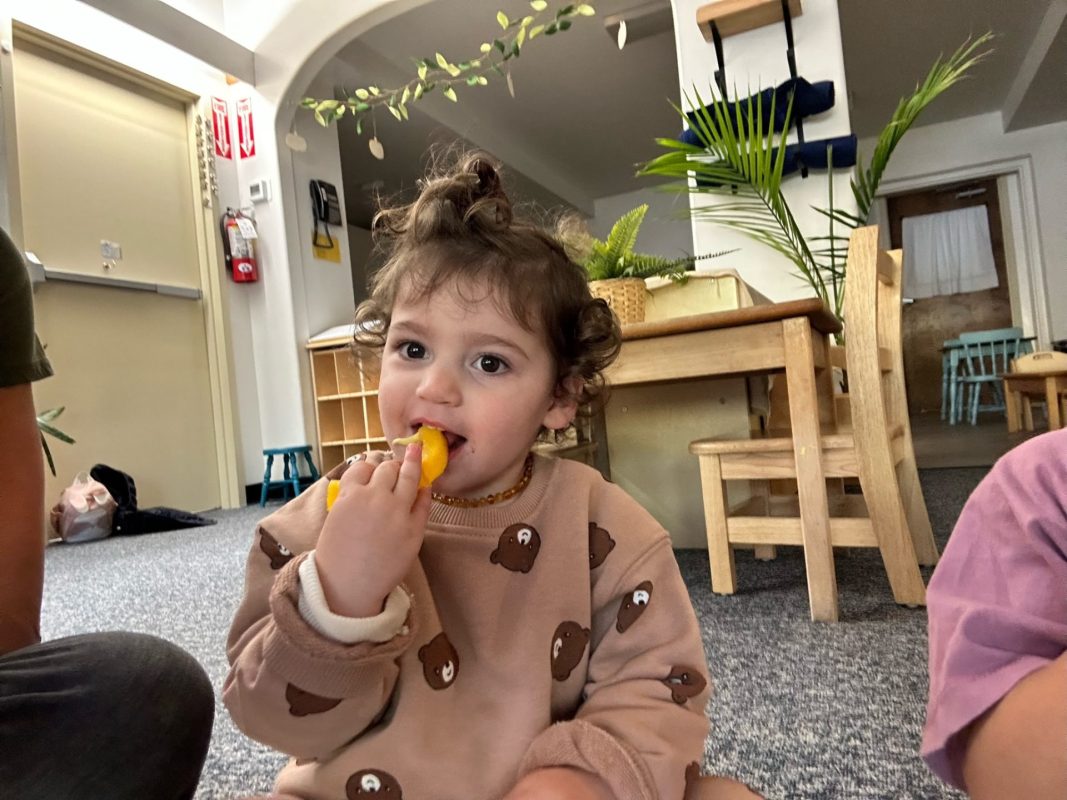
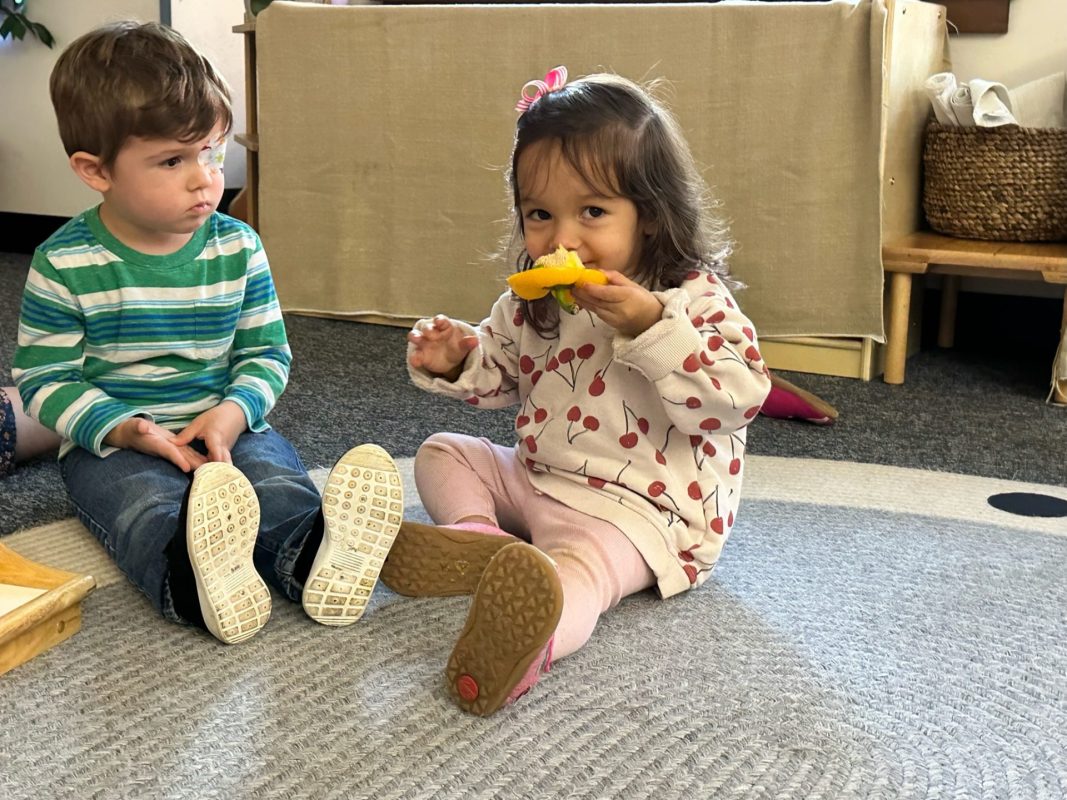
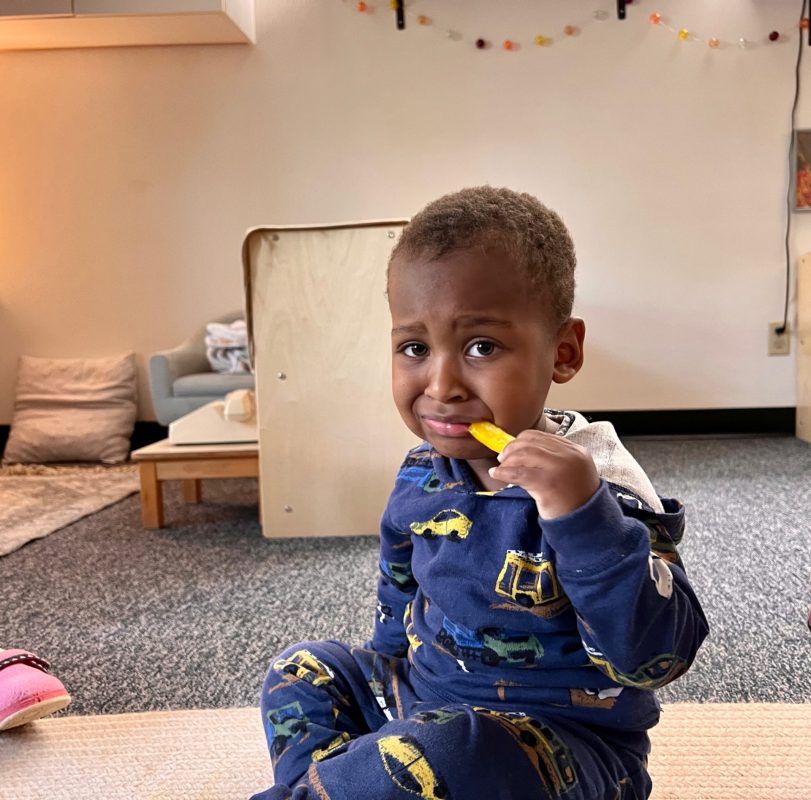
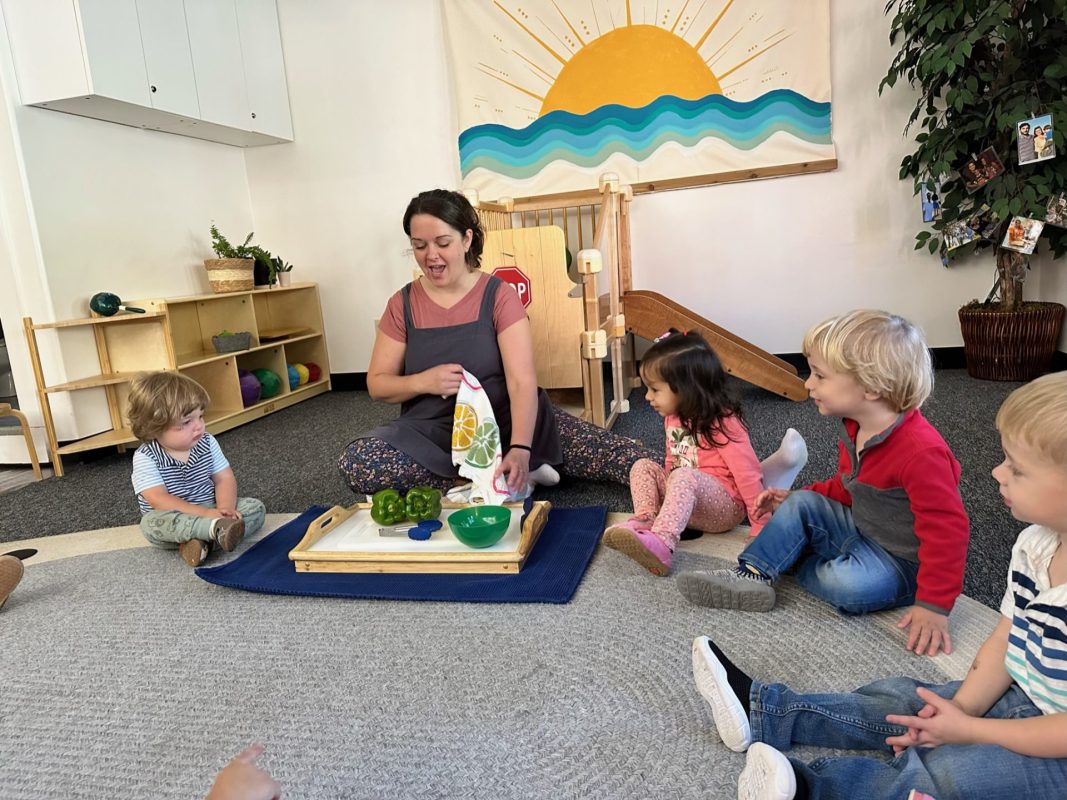
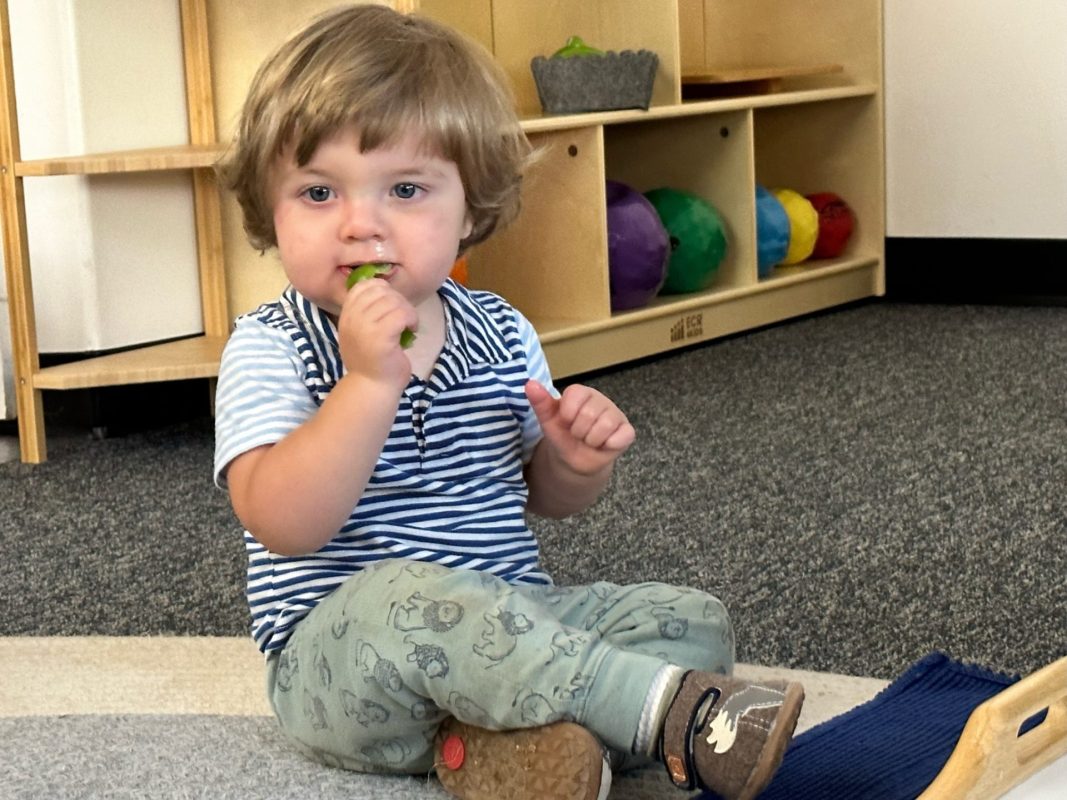
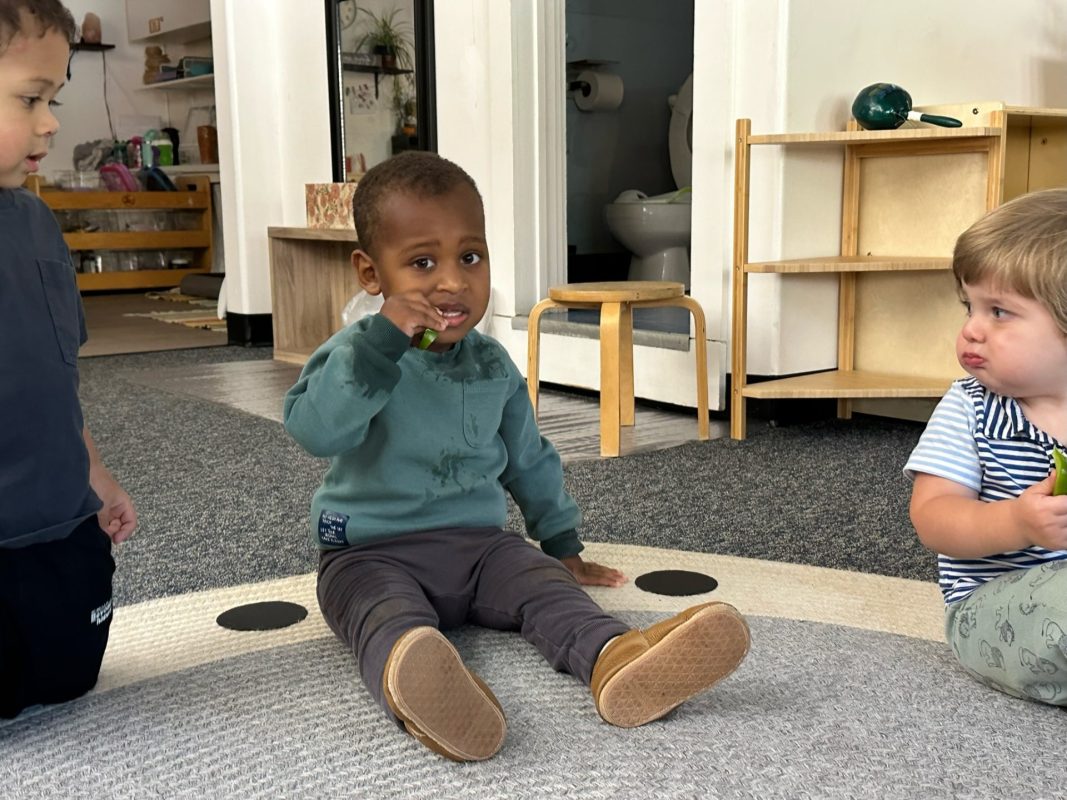
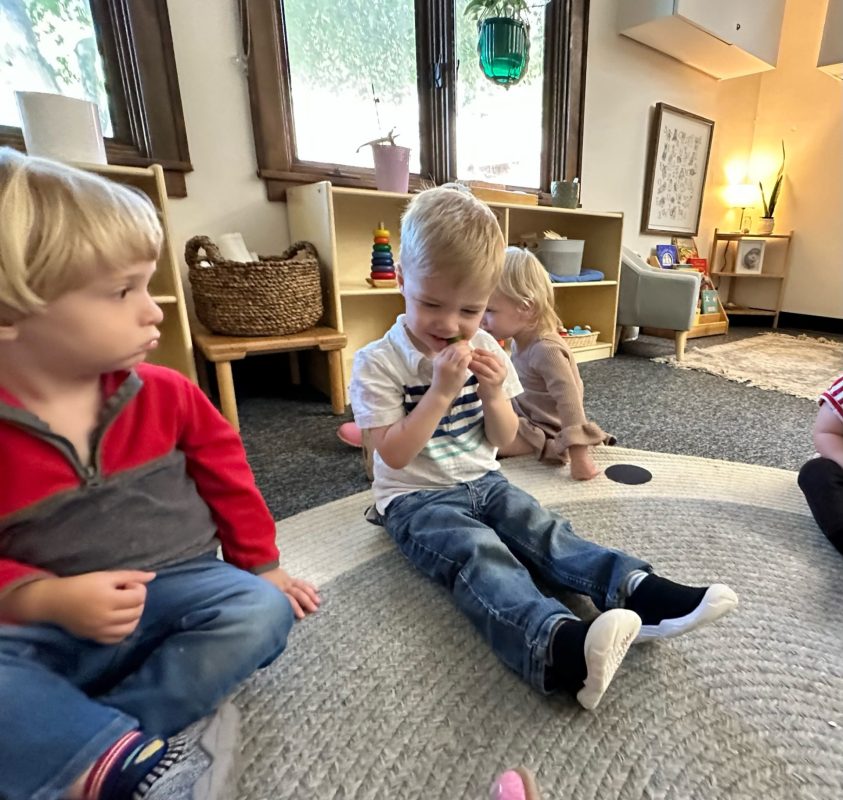
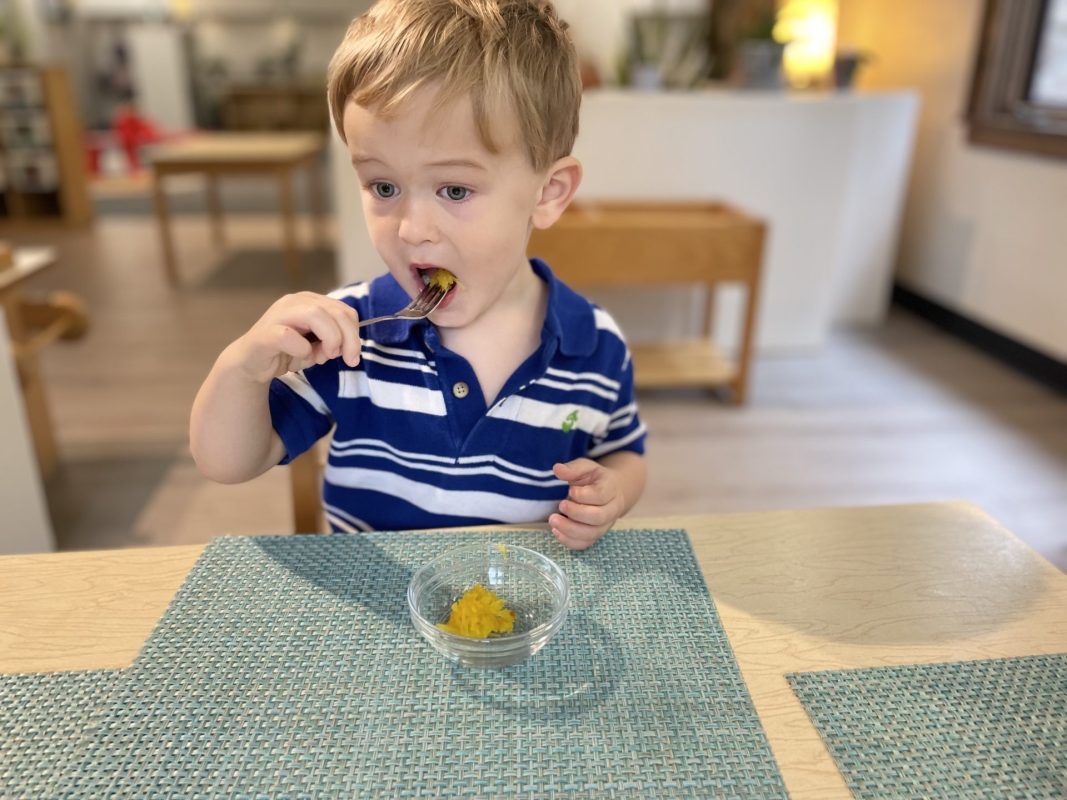
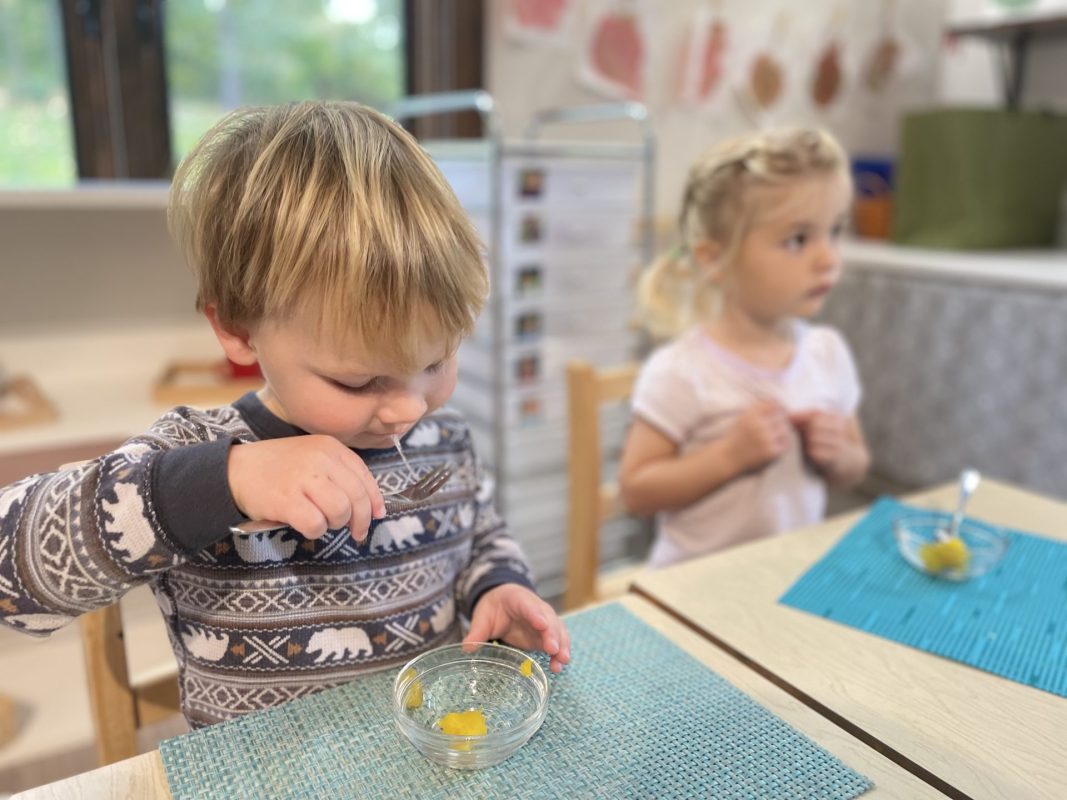
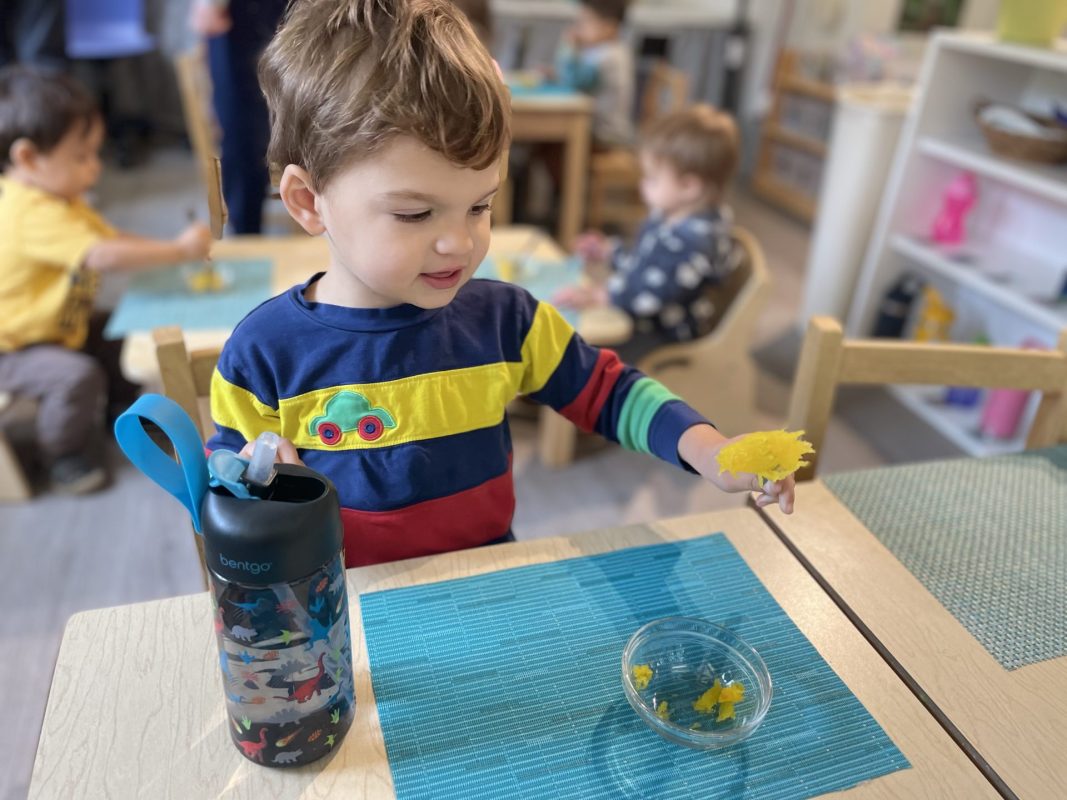
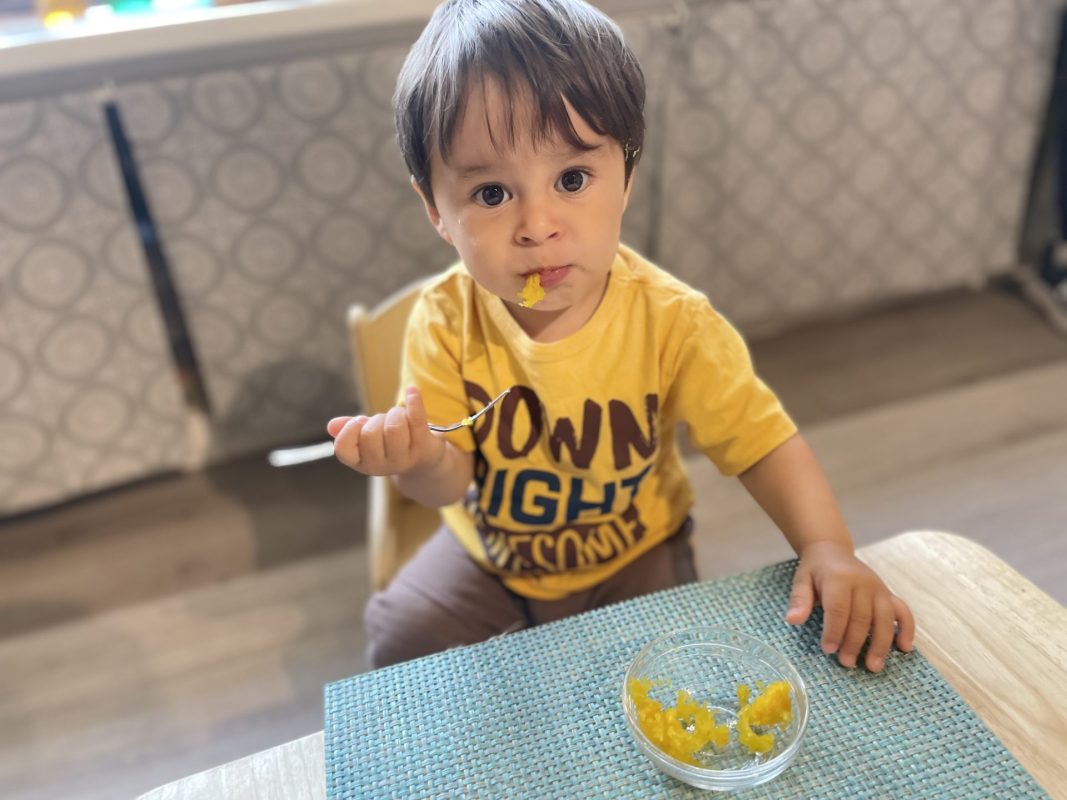
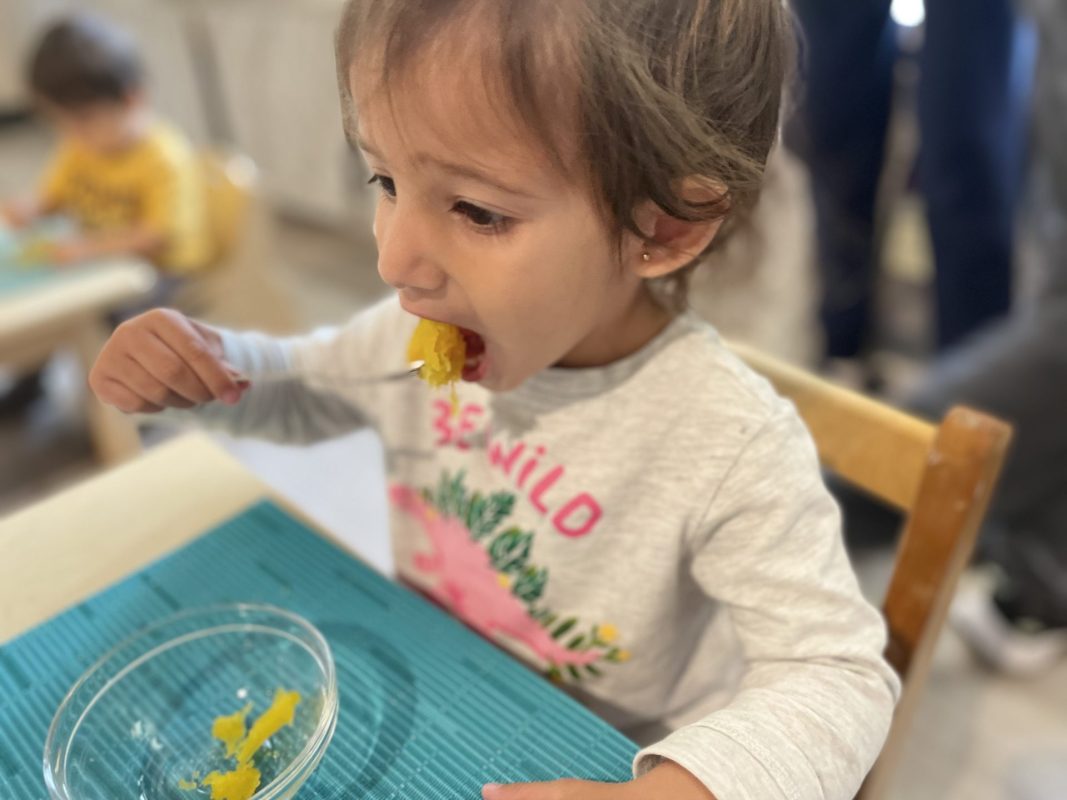
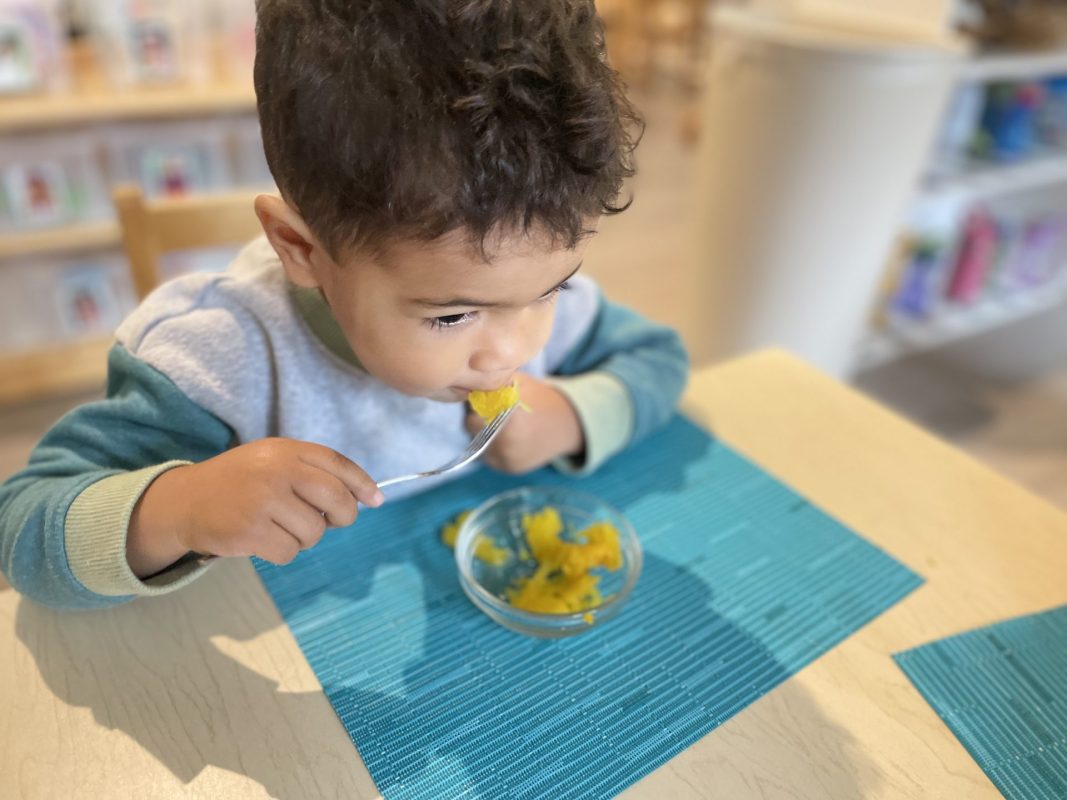
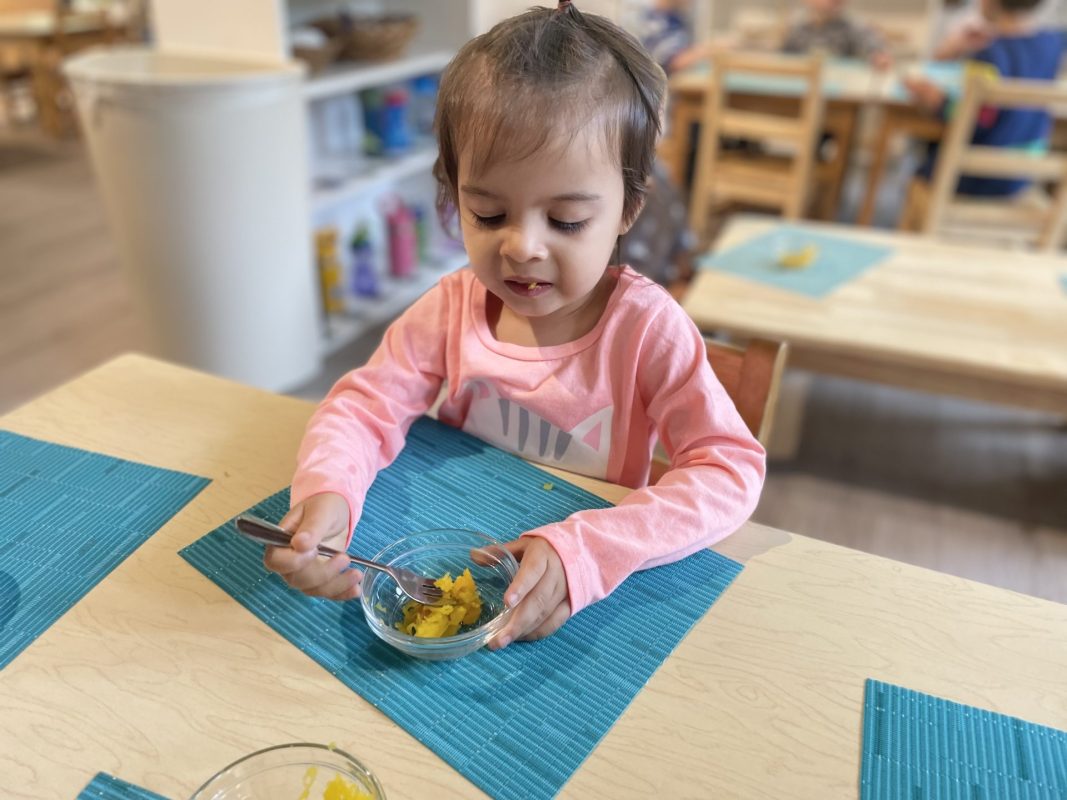
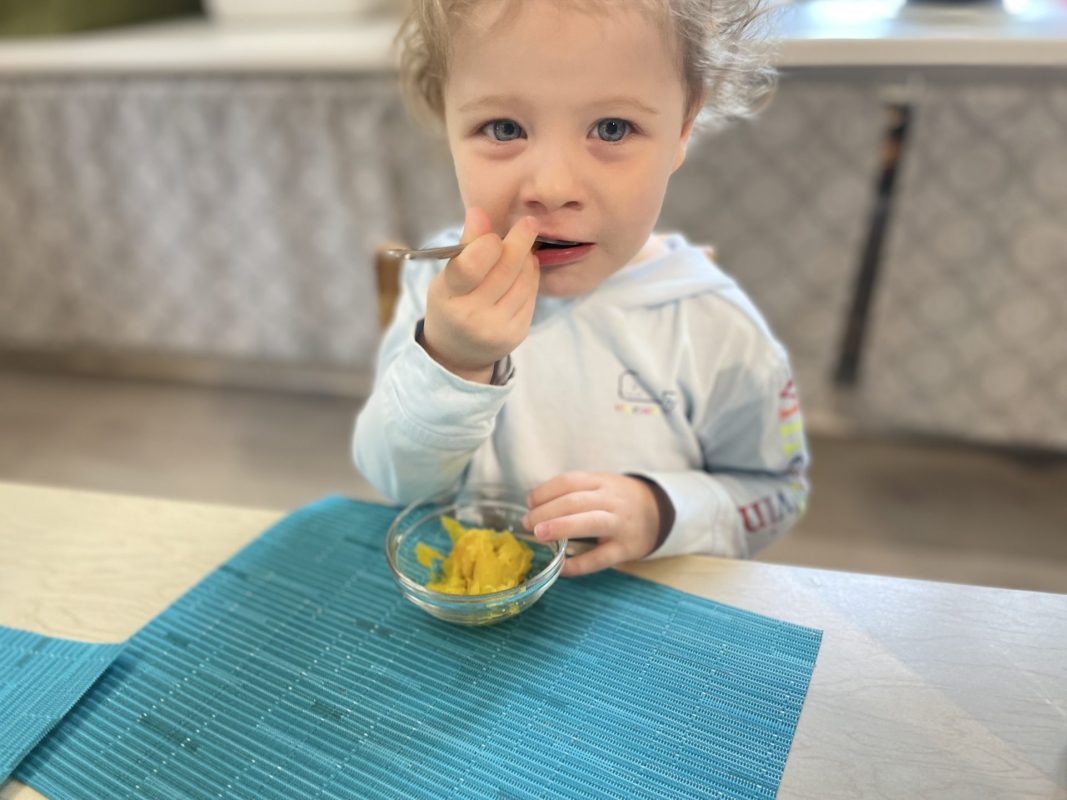
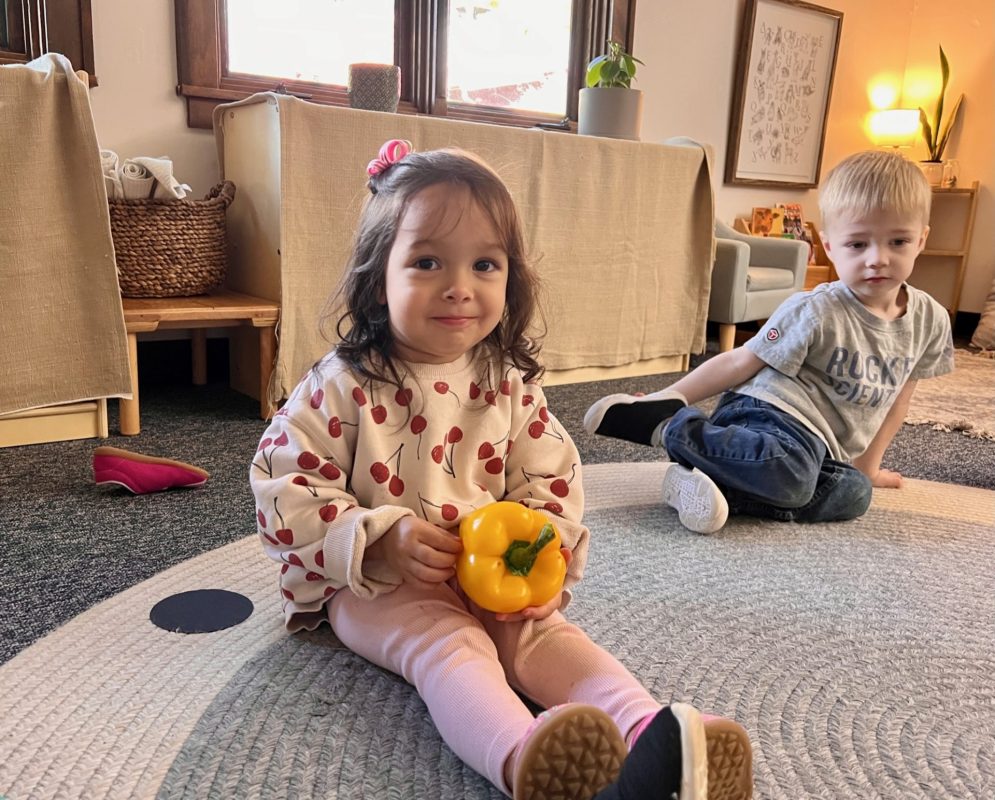
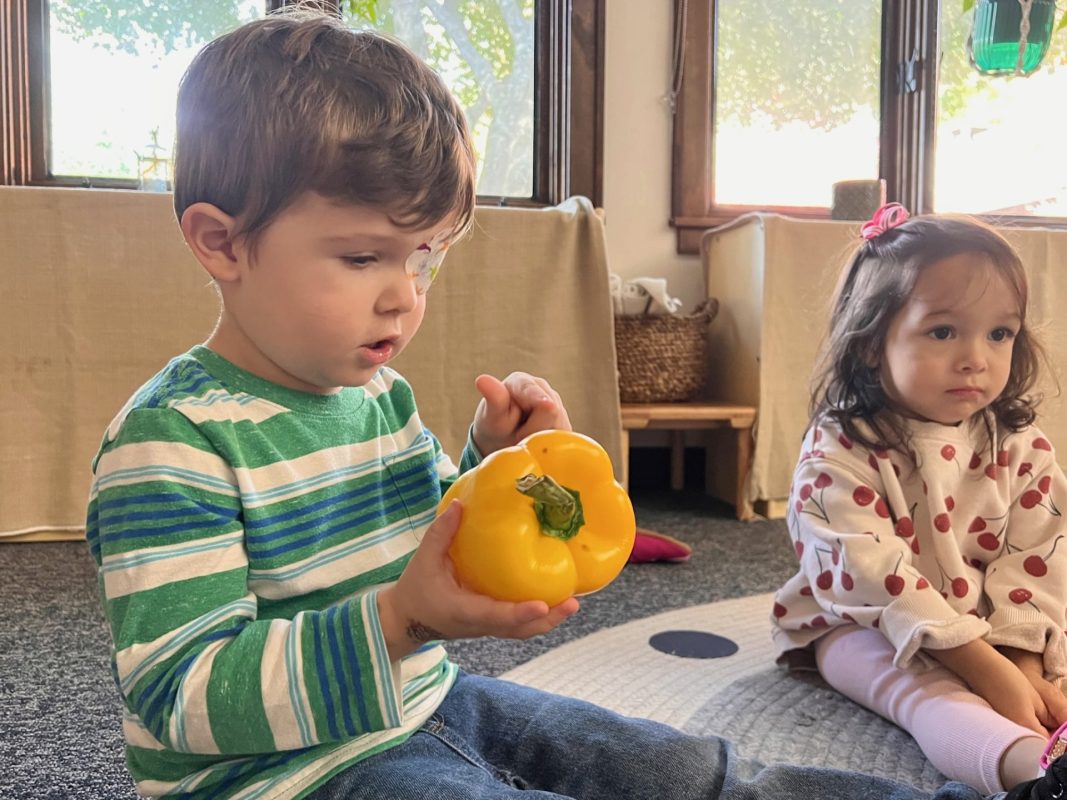
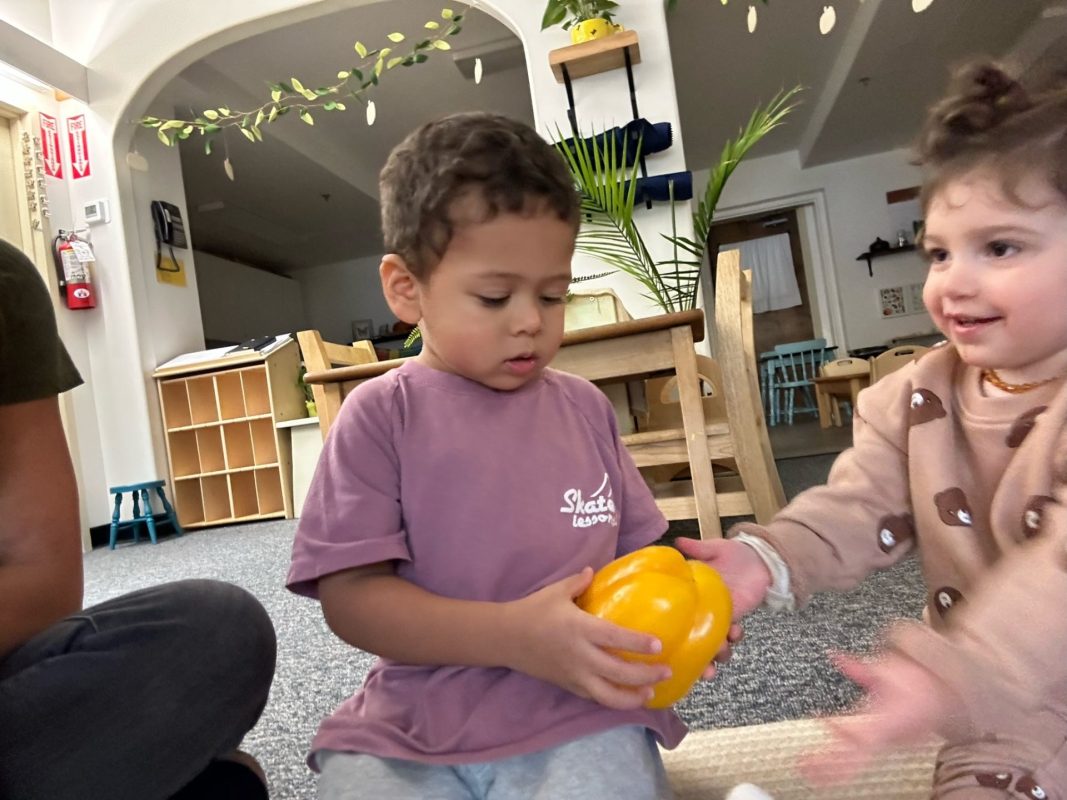
Food Tasting: The children explored and tasted a yellow pepper. Out of all three peppers we tried, I think the red pepper was the winner with yellow coming in second.

Have a wonderful weekend,

Cynthia and Sara


Parent Education Events at School- Why Are They Important?

Because we care for our children, parents, grandparents, and teachers, we strive to make the connection between home and school an ongoing conversation. By setting aside time for interacting and working together, we (parents and teachers) learn the language and share in our beliefs of the Montessori child.

Positive Discipline and its many components have been our topics of choice for parent education. We had our second parent education event this past Thursday, October 19th, highlighting Dysregulation in Children. We talked about how understanding how to support and address a child who is not able to control their emotional responses is important for their success in school. We also talked about how the brain works when children become dysregulated and how to help them develop the skills to self-regulate.

We learned about “Flipping Our Lid.” When we feel really mad, upset, or scared, our brain goes into autopilot mode, making it hard to control our feelings. The limbic system reacts when it thinks something is wrong or scary. This automatic reaction can happen even if the threat isn’t real. When the limbic system gets activated, it releases hormones in our brain. These hormones shake things up, so we can’t use the rational thinking part of the brain. The prefrontal cortex helps us make sense of things, manage our feelings, and solve problems. So, when we can’t use the prefrontal cortex, we can’t think or act calmly. It takes about 20 minutes for our brain to get back to normal, cool down, and let us think clearly again. 

Things we can do to help children develop the skills to self-regulate:

  1. Connect
  2. “Positive Time-Out” is a special spot where kids can go when upset. (We do not advocate using Time Out as a consequence.) We have a designated area in our classrooms for positive time out.
    • The Quiet Area
    • The Peace Table
    • The Peace Corner
    • The Peace Area
  3. Naming Emotions
  4. Deep Breathing
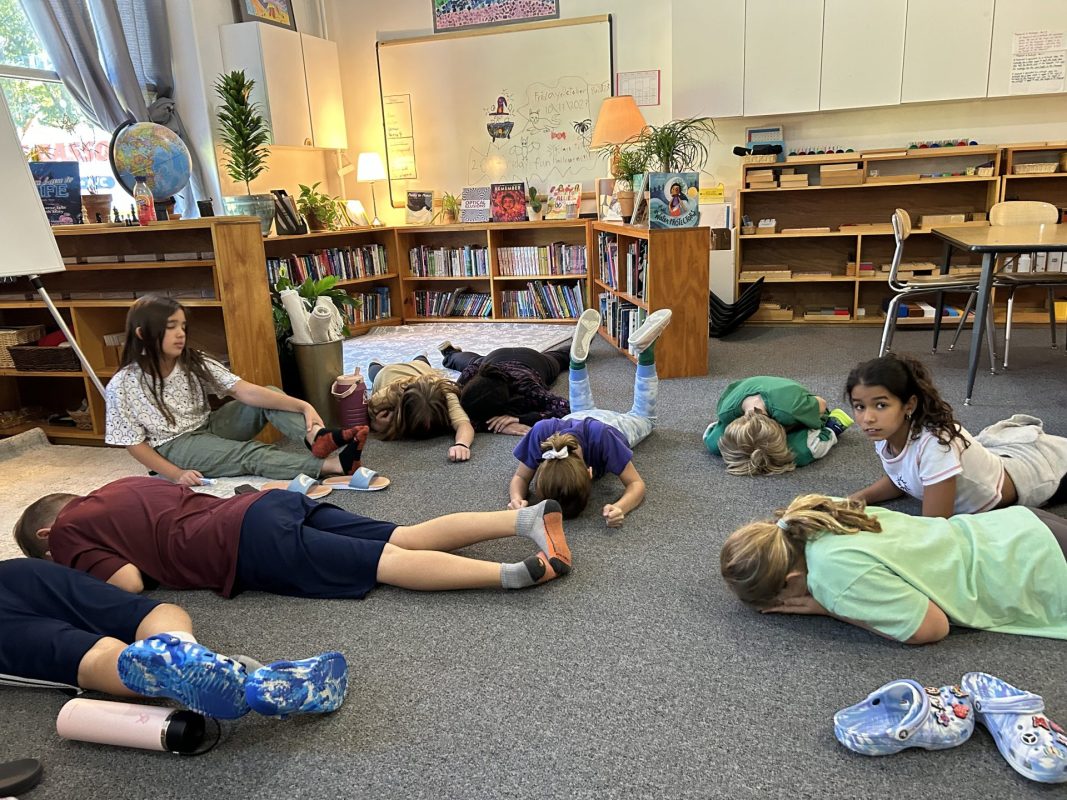
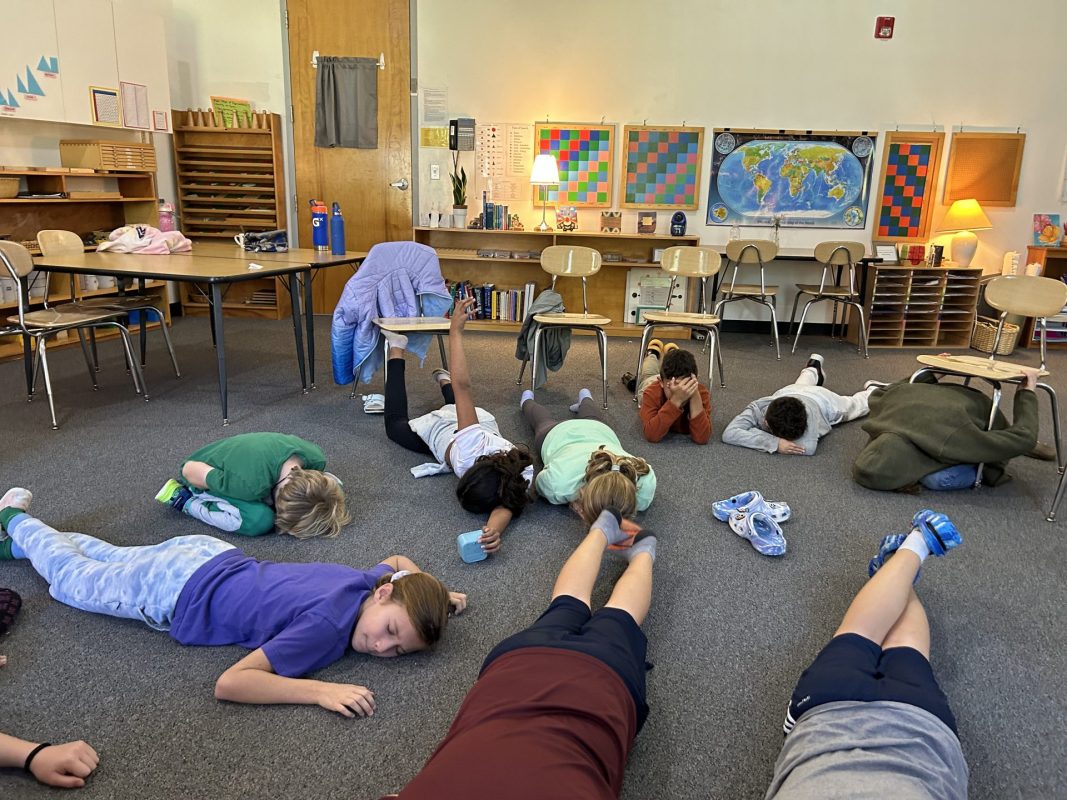
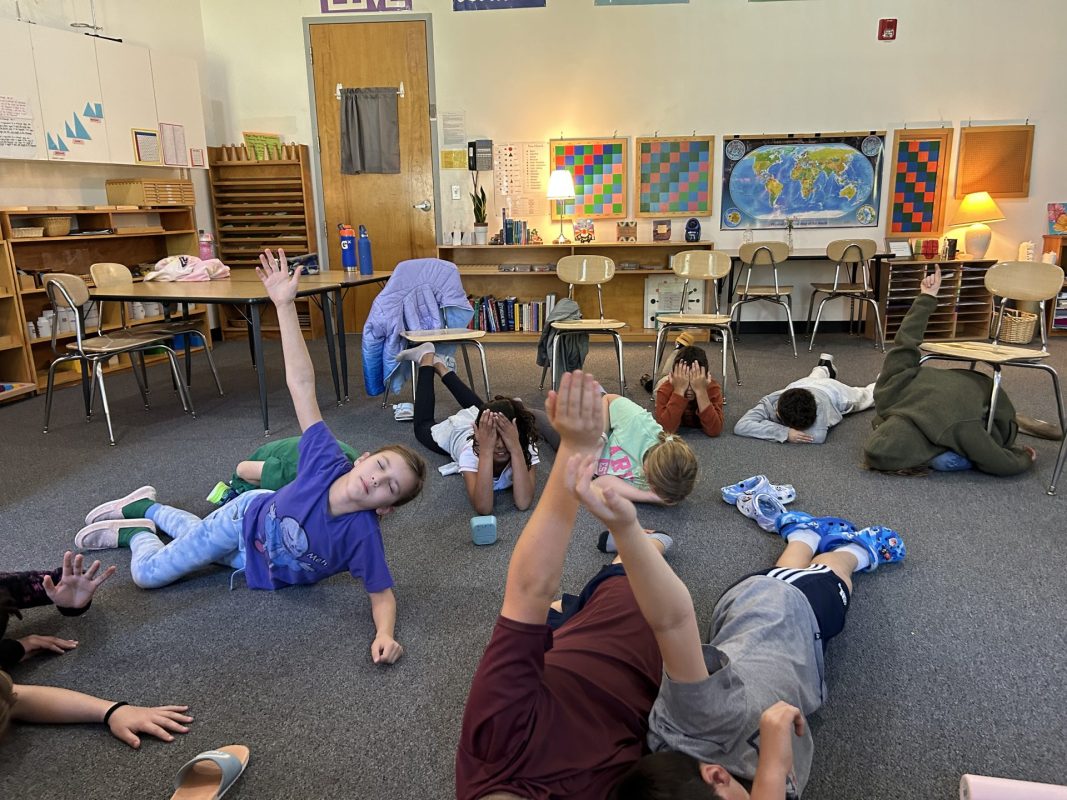
  5. Mindfulness Practices
  6. Reflective Listening
  7. Let Routines be the Boss
  8. Show Faith

Takeaways:

  • Self-regulation is something all children go through. 
  • Some children might need more time to learn it than others. 
  • When the adults grasp the issue and assist the children during challenging moments, what could have caused a gap in the relationship becomes a chance for deeper connection and helps children feel like they truly belong and matter.

The Positive Discipline model helps us (parents and teachers) develop mutually respectful relationships with the children in our lives.

Karen Sankey and I attended a two-day training —The Practitioner’s Class: Positive Discipline in the Montessori Classroom, at Westside Montessori School and Teacher Education Program in Manhattan.

We have compiled a calendar of Parent Education events to share what we learned. More information to come!

Our next installment will be in November, on Thursday, the 16th.
The topic will be Positive Discipline- Kind and Firm Parenting: What is your Parenting Style?


The Class Meeting in Upper El

“We must see the individual in [their] place in society because no individual can develop without the influence of society. It is like the nourishment of the body – we can talk about food, but if there is no food, our stomach cannot digest anything. Although we have lungs, we cannot breathe without air.” -Dr. Maria Montessori

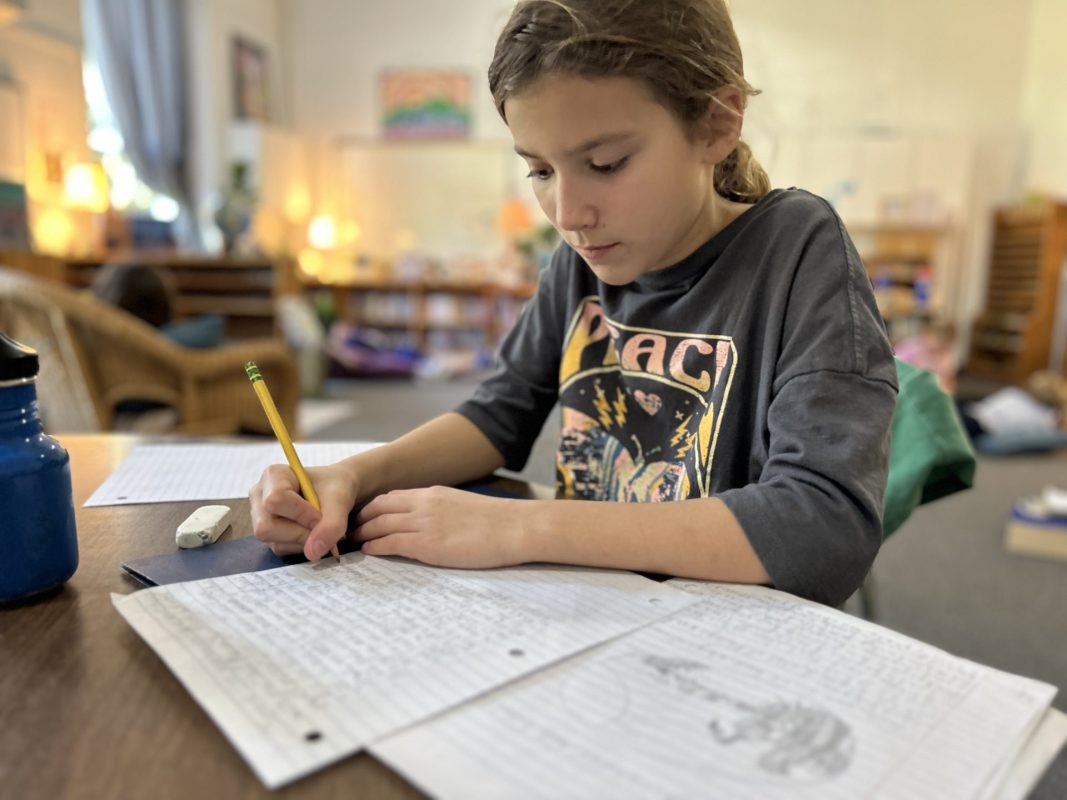
We view the class meeting as the hub of a wheel that builds a community that fosters belonging, mutual respect, and cooperation; it supports the entire community. Many social and behavioral problems in an elementary classroom affect more than just the people directly involved, they have an effect on the whole classroom. In a class meeting, everyone shares their thoughts and feelings, and the group helps their classmates find solutions.

There are generally four different types of problems that are solved in the elementary Class Meeting.

  • Individual problems: difficulty finishing their work, organizational challenges, playground issues, making friends.
  • Problems that affect the whole group: people aren’t putting their work away, lessons are too long, people are being disruptive, and jobs aren’t getting done.
  • Interpersonal problems: conflicts between two or more students.
  • Ideas: field trips, projects, celebrations.

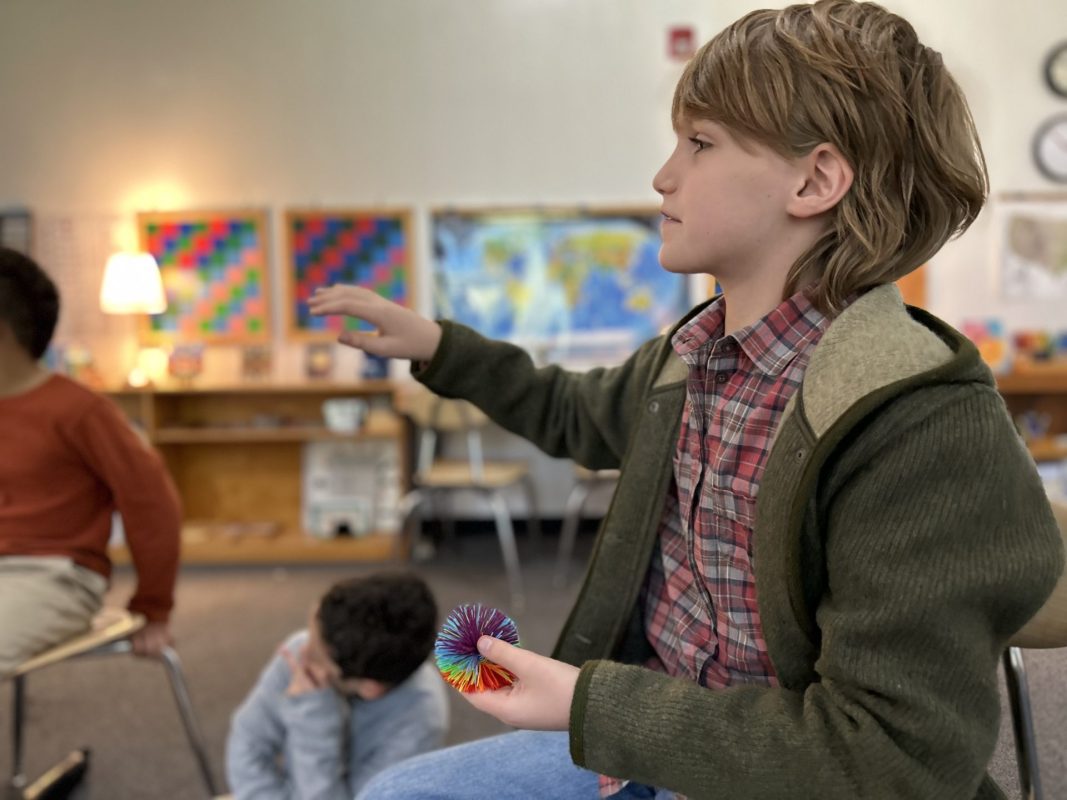
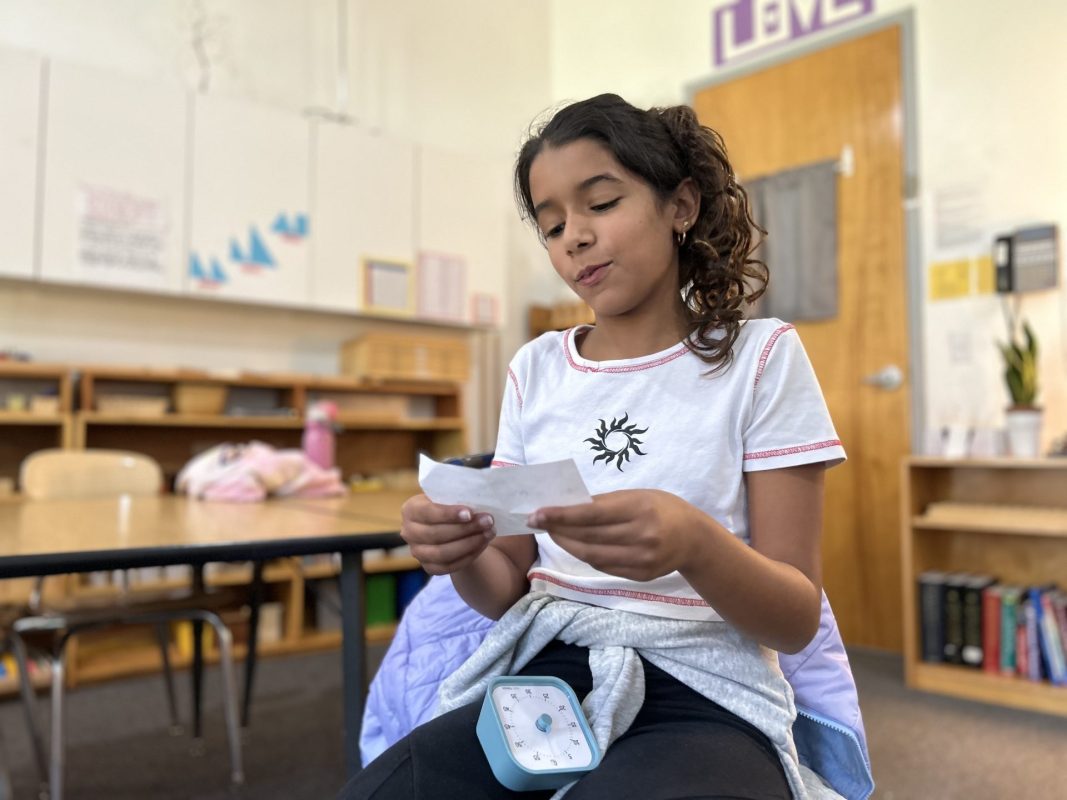
We have class meetings three times per week. There are four parts to the format: compliments and appreciations, follow-up on prior solutions, agenda items, and connection activity. The entire process takes 20-25 minutes. Our fifth-grade students take turns facilitating the meetings. Some important roles they take on are timekeeper, agenda keeper, scribe, and secretary.

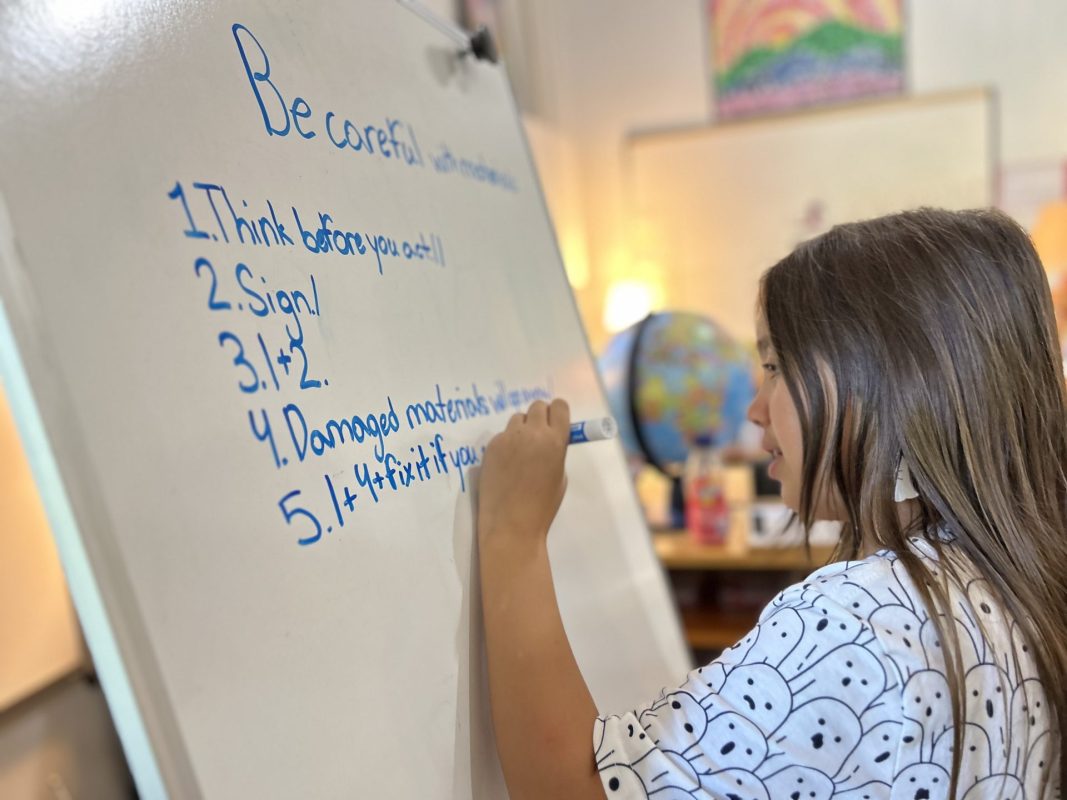
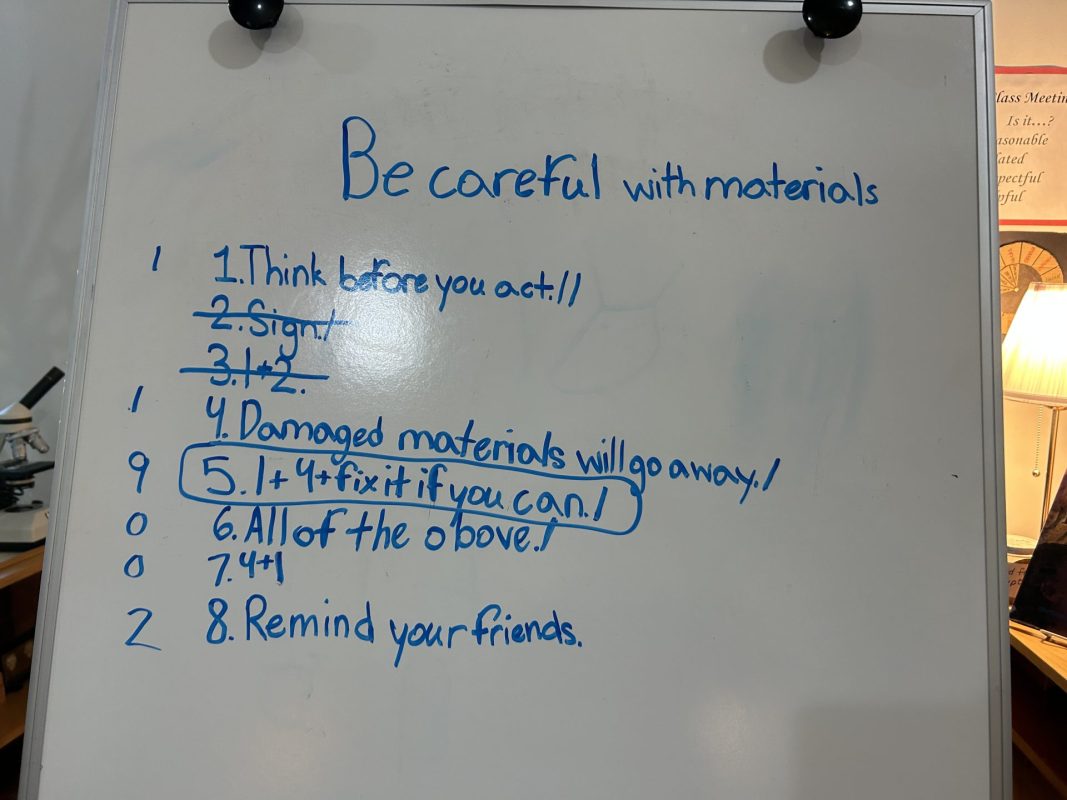
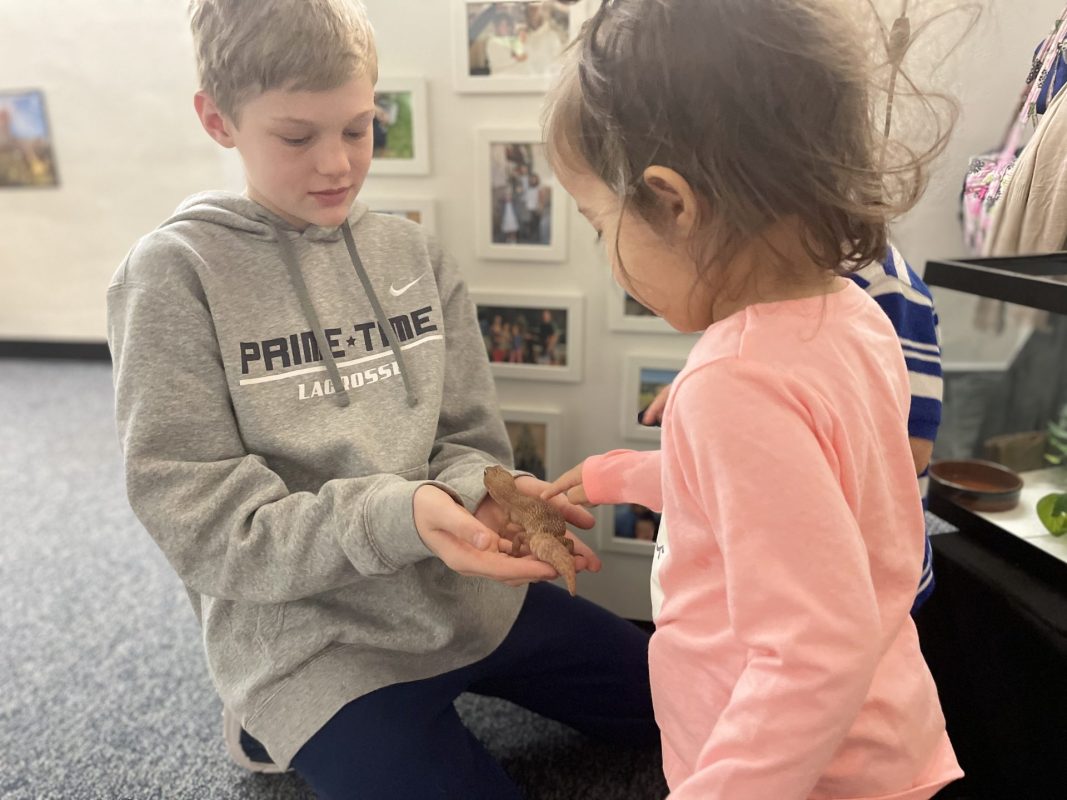
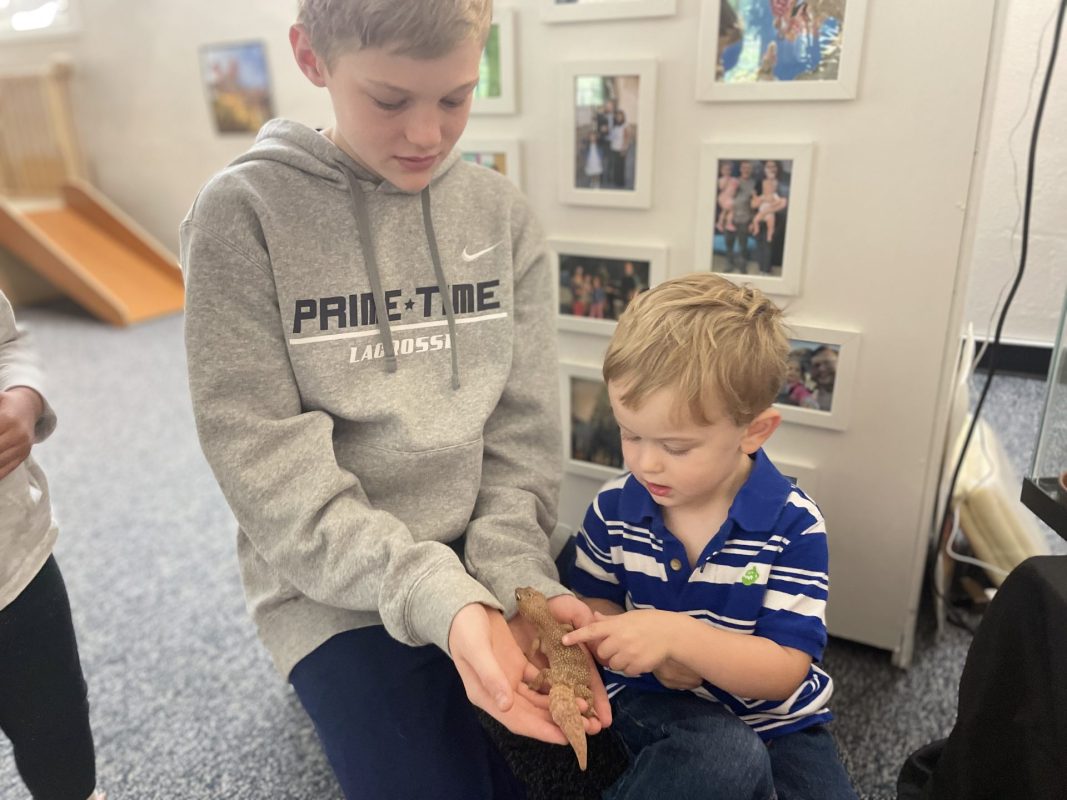
This week, our agenda items were: people are holding the guinea pigs too long, and people are not being careful with the materials. Through brainstorming and discussion, Upper El students were able to come up with solutions for both problems, giving them ownership and buy-in of the solutions. We encourage you to ask your child to tell you about our class meetings!

“We can become sensitive to the needs of others; we can feel worthwhile, respected, and appreciated. We can learn to alleviate others’ problems. Not by words but by actions. We must work for the general establishment of human dignity, mutual respect, and mutual assistance to truly have a “democratic society.” -Rudolf Dreikers

Wishing you a wonderful weekend,

Karen and Deb


Mrs. Wilson: What Does Taking Turns Mean in a Montessori Environment

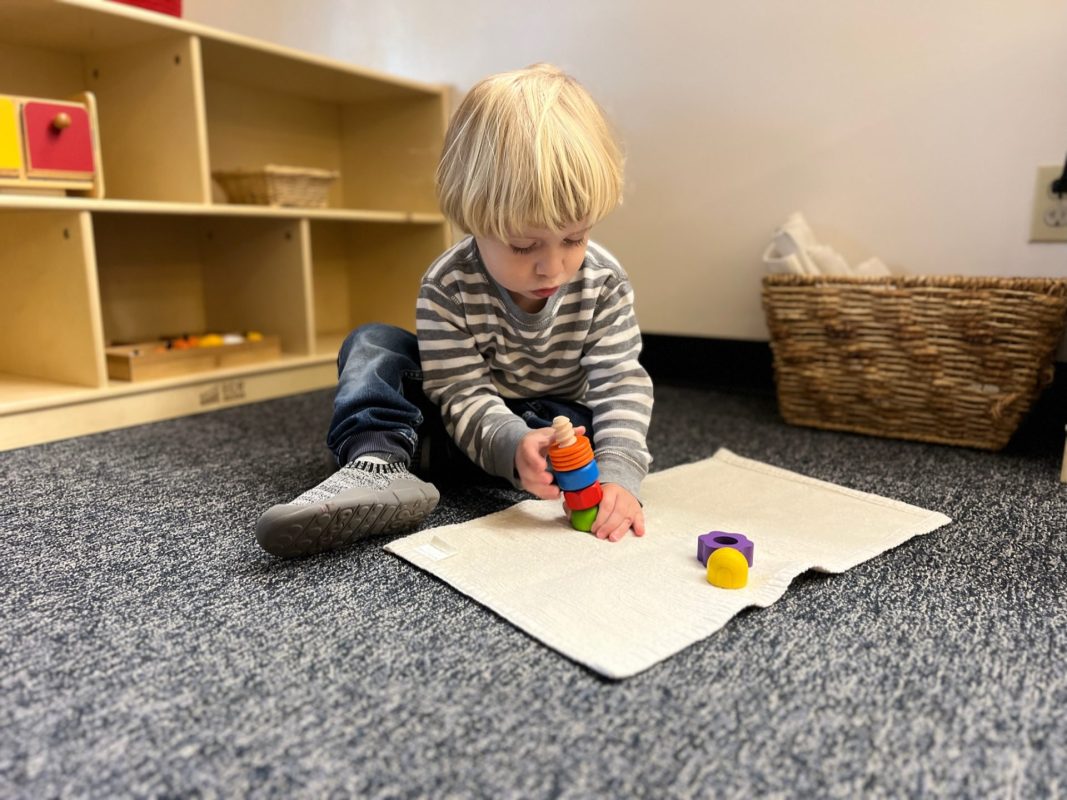
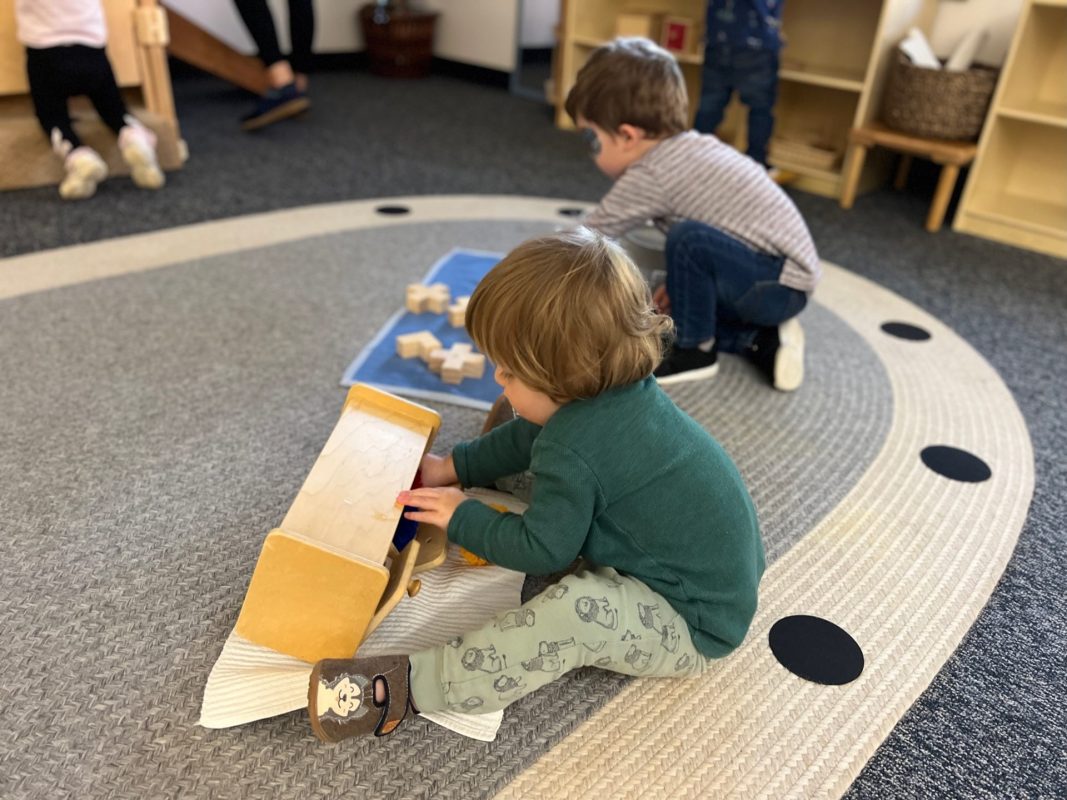
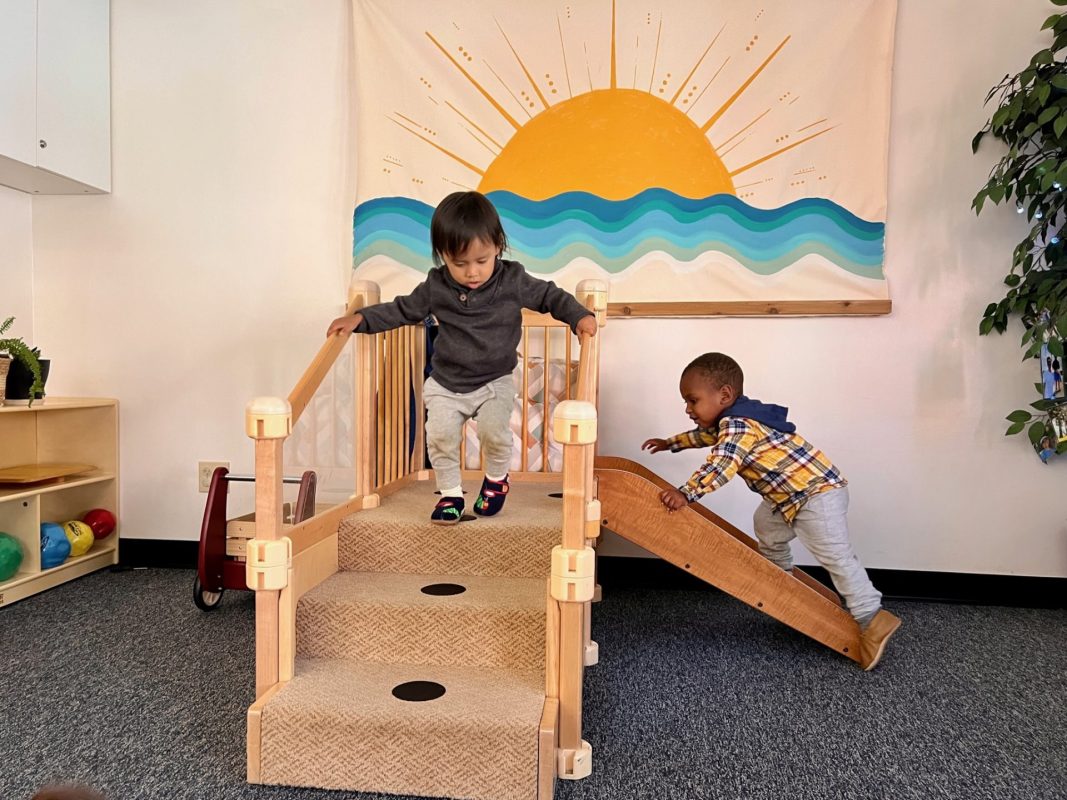
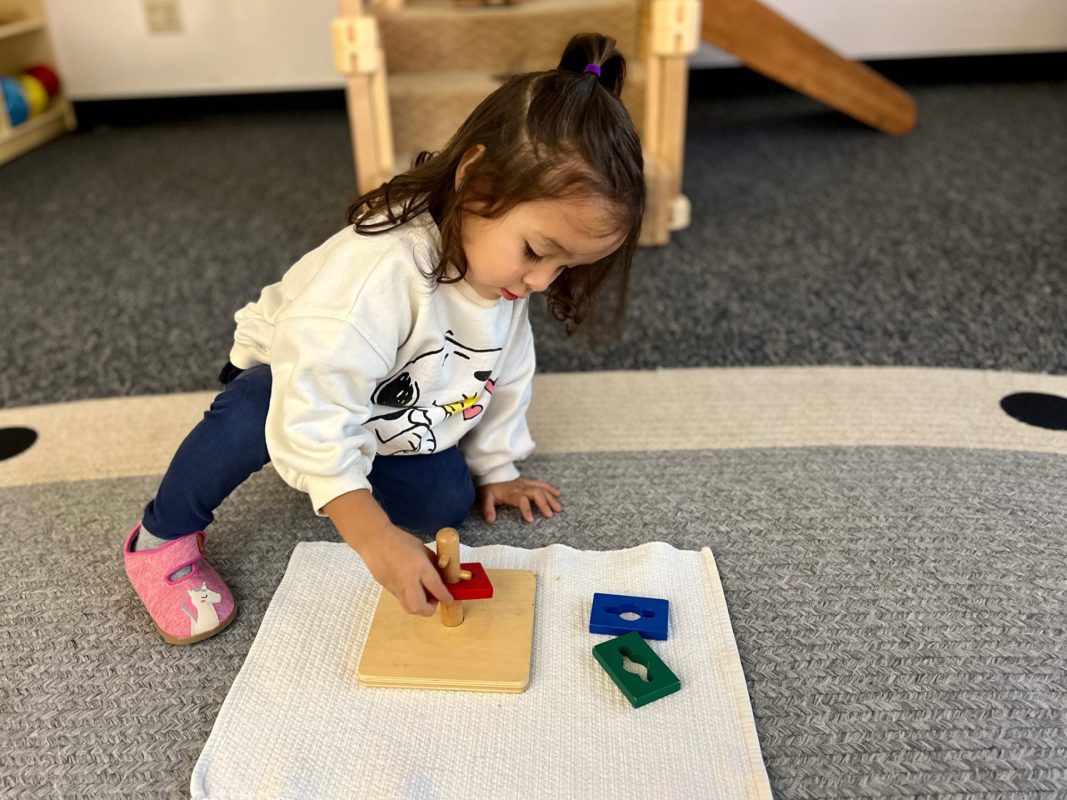
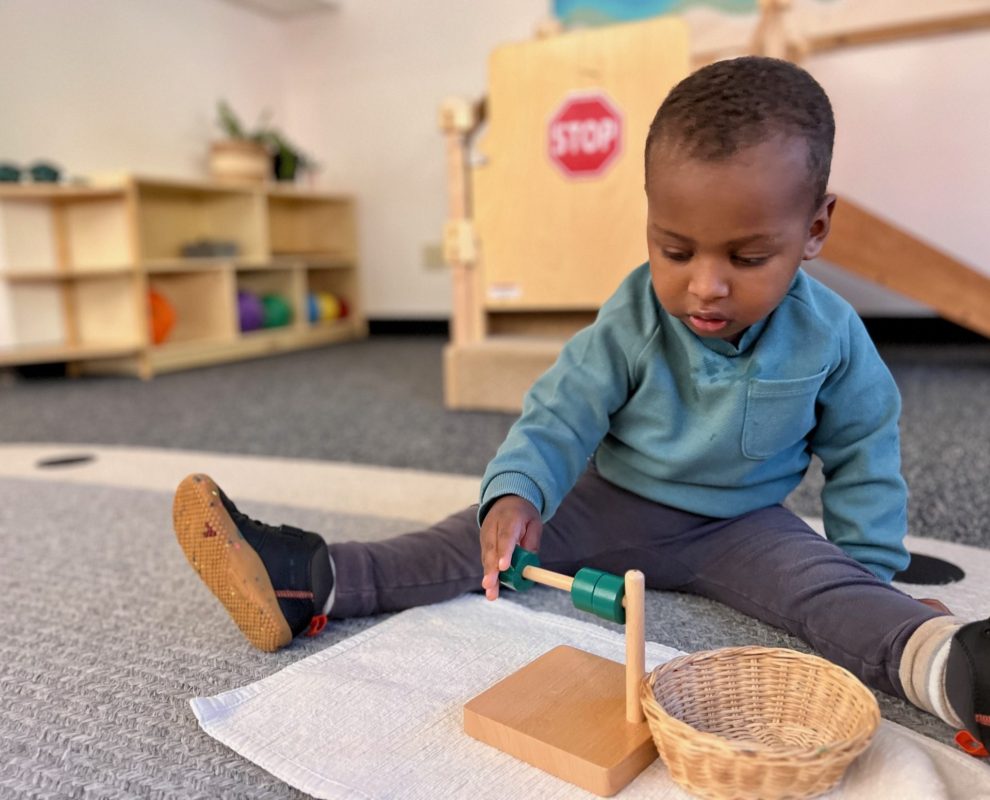
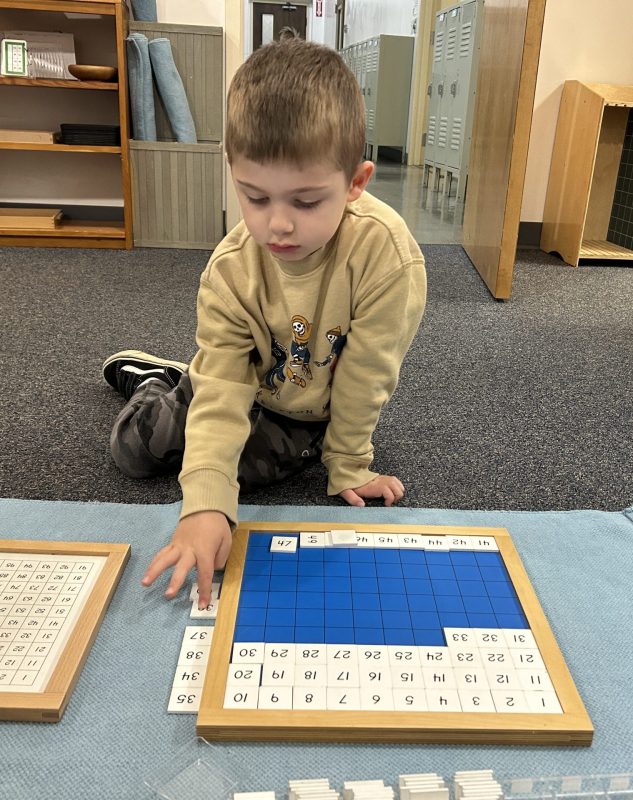
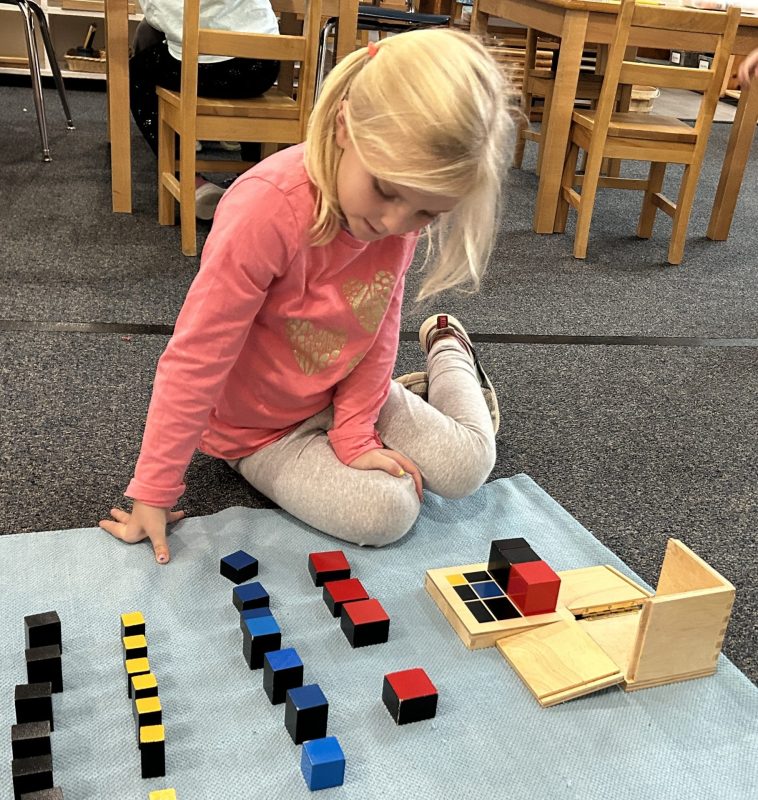
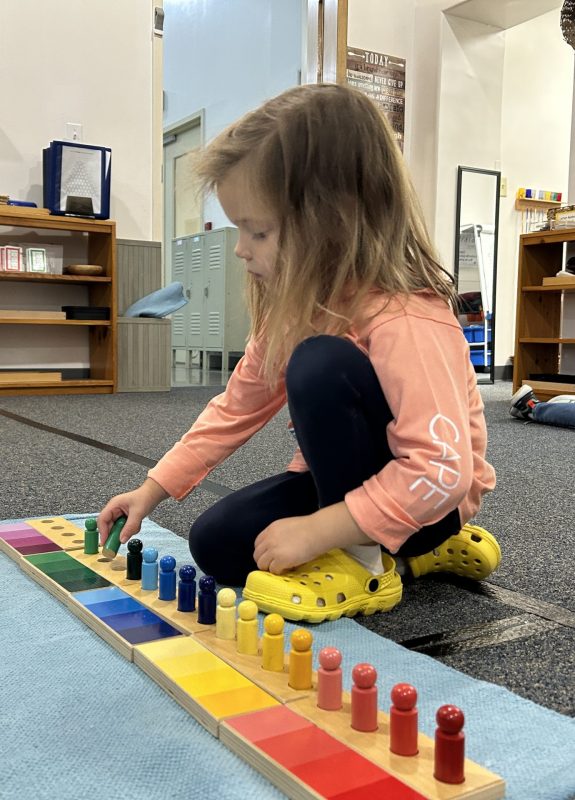
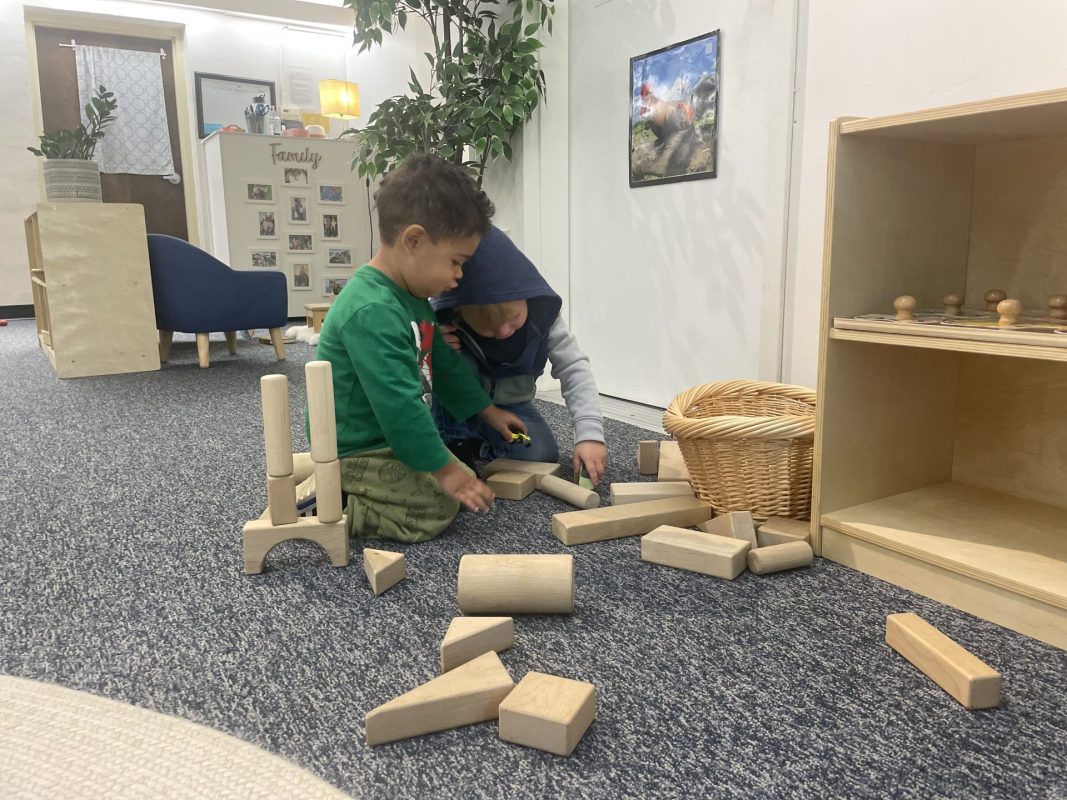
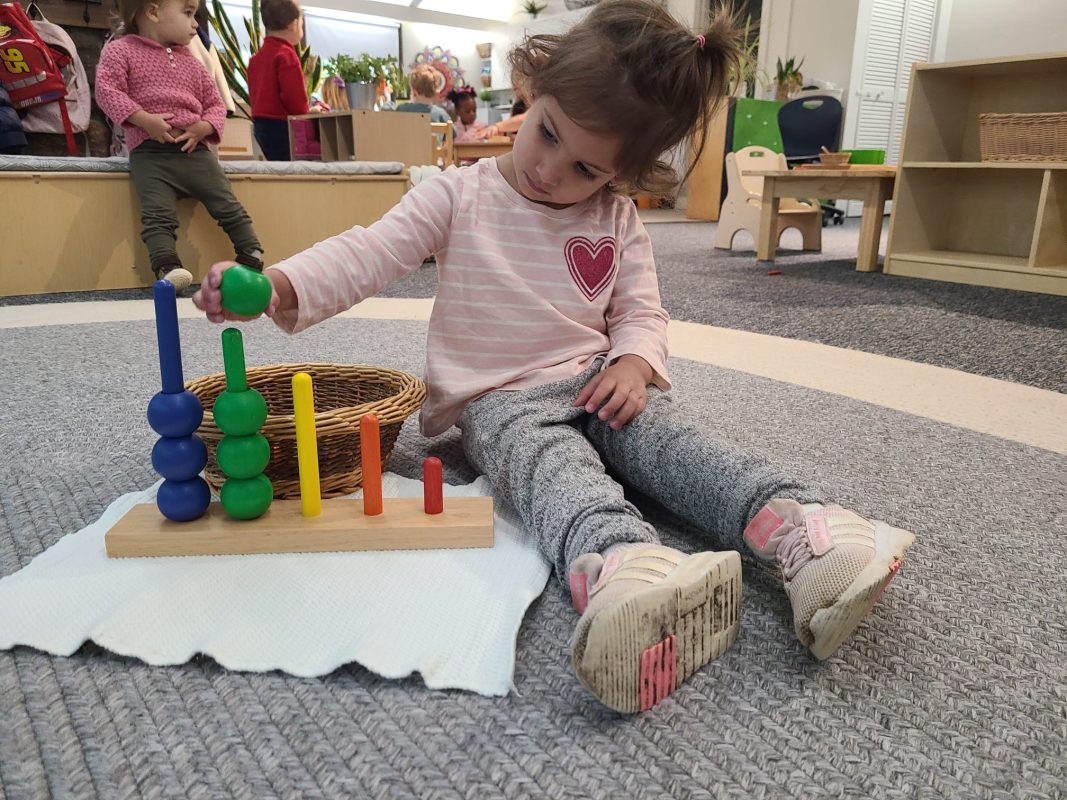
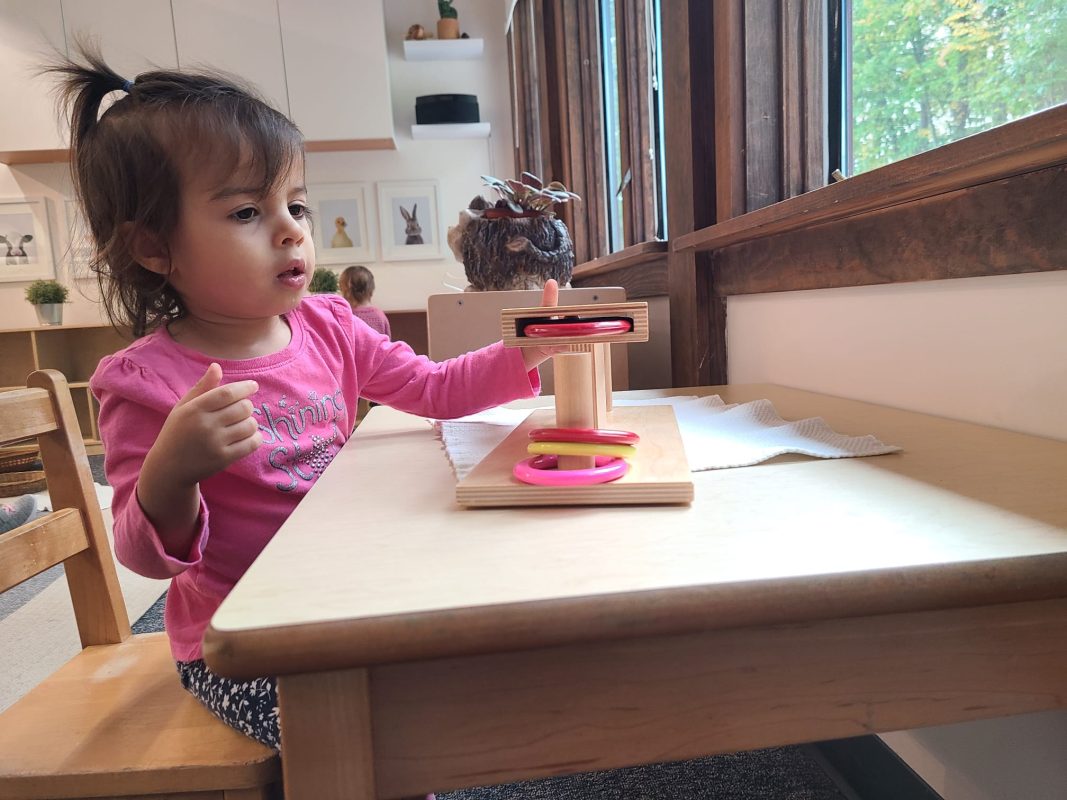
In a Montessori classroom, you will only find one of each lesson. This practice serves multiple purposes: promoting better learning, instilling respect, enhancing concentration, and encouraging in-depth exploration. Upon selecting a lesson from the shelf, a child may use it for as long as they desire. Once finished, the child returns the lesson to the shelf, making it accessible for other children.

However, what if another child wants to use the same lesson? In such cases, we model respectful communication by saying, “I see Jake is using the peg board. It is not available. It will be available again once he returns it to the shelf.” We encourage children who can speak to use similar language with their curious peers.

In these situations, we provide the child with the option to observe their peers working on the lesson or to select from another available activity.

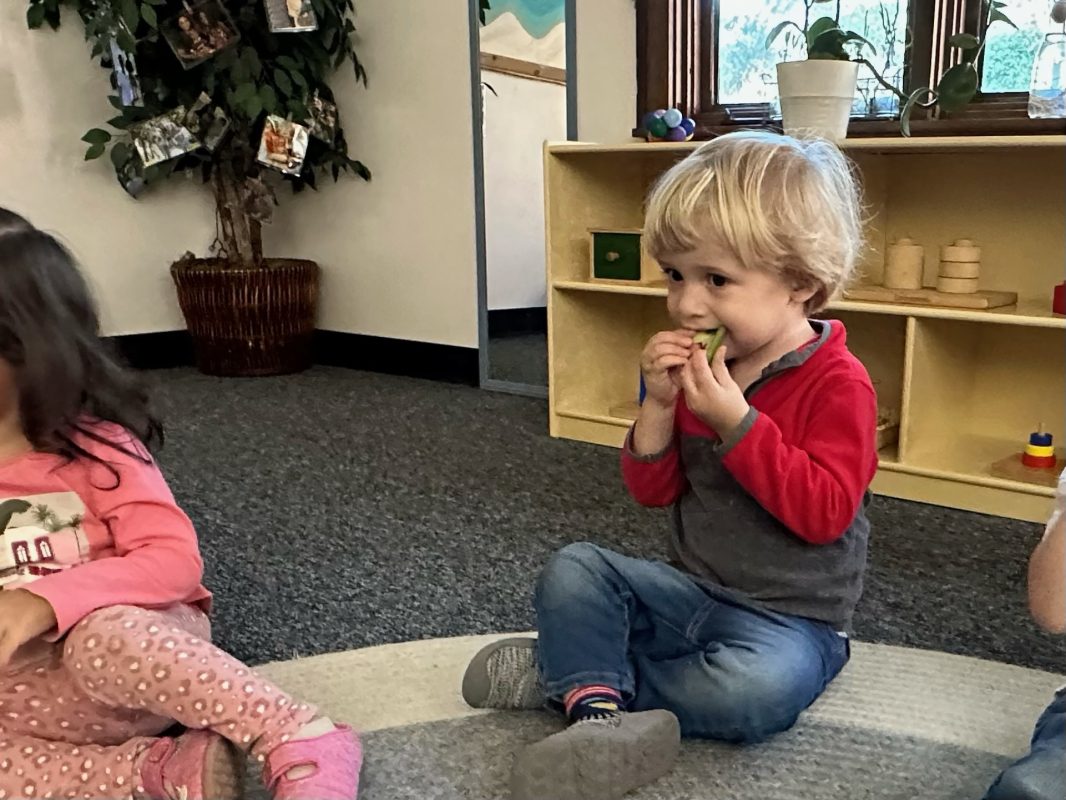
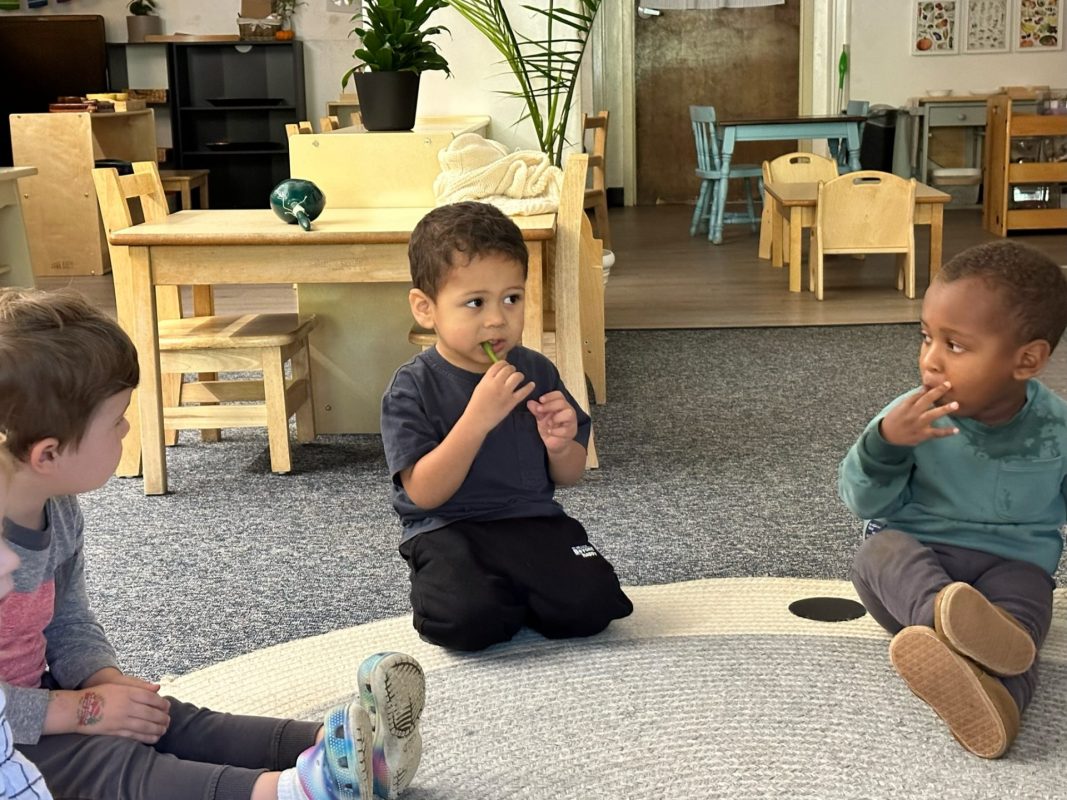
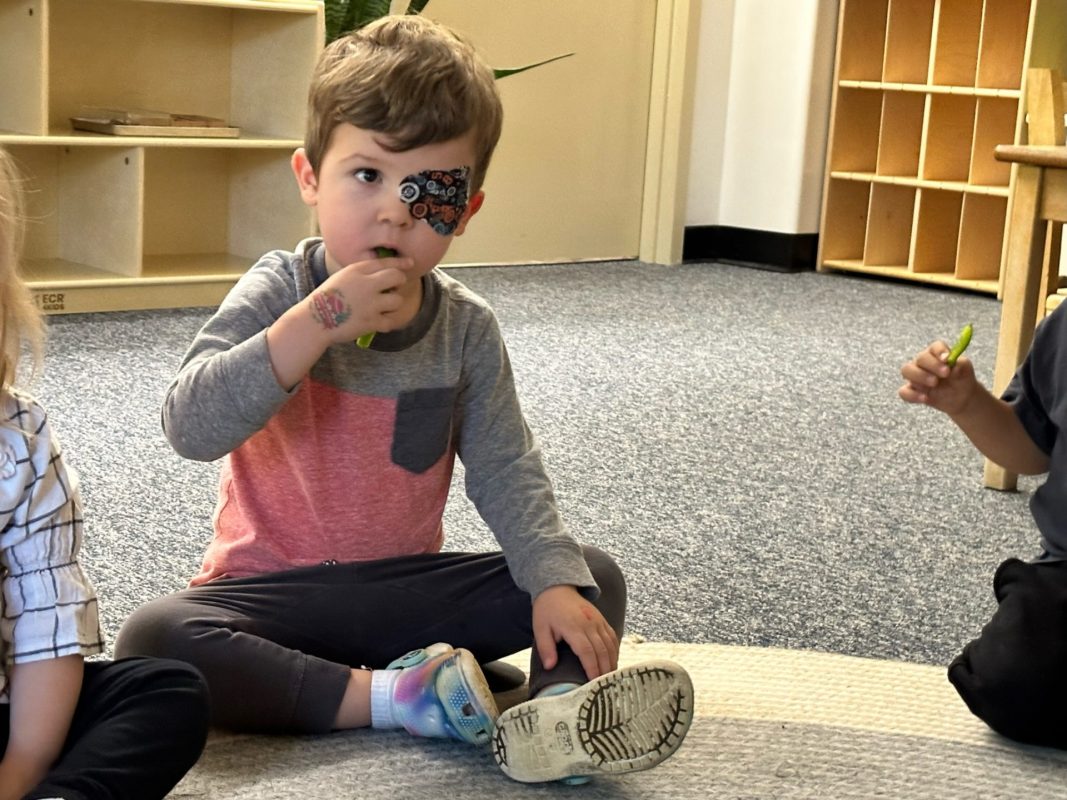
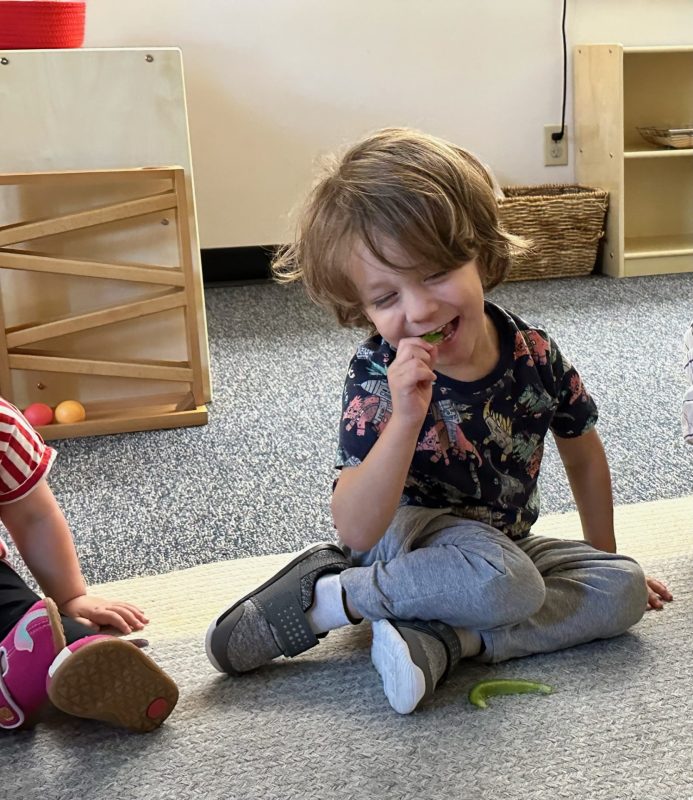
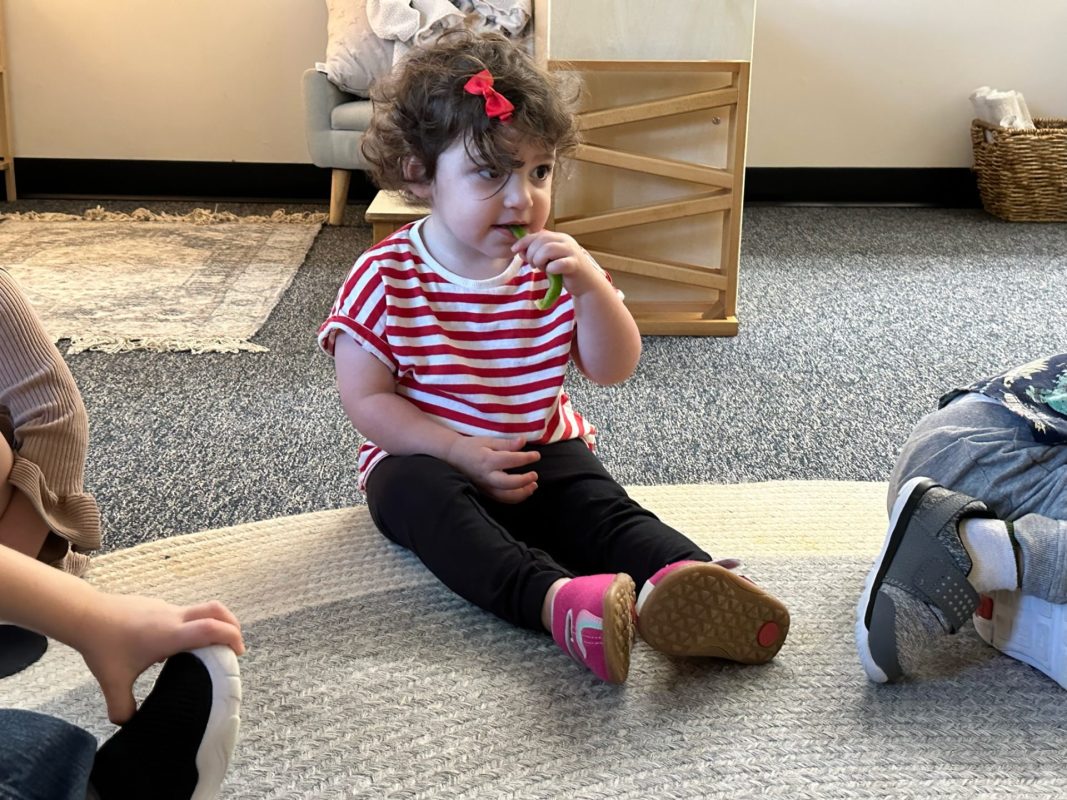
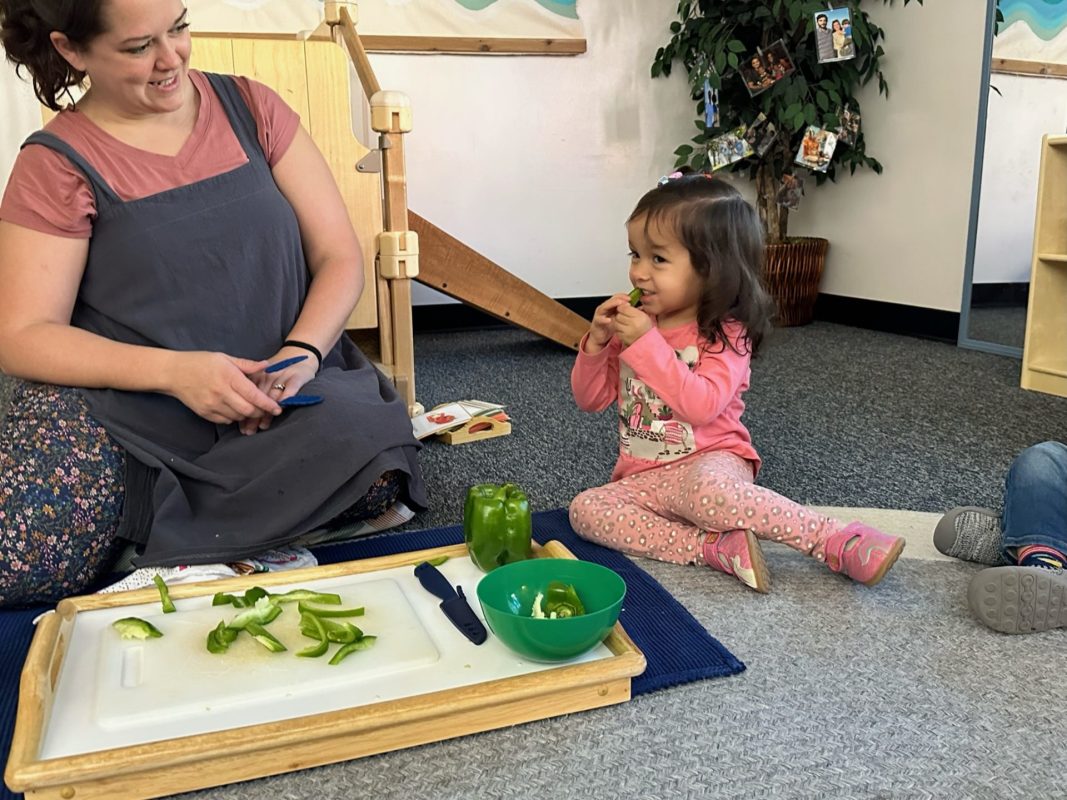
Food Tasting: This week, the children tried green bell peppers during a food-tasting activity but didn’t seem too enthusiastic about it.

Enjoy the weekend,

Cynthia and Sara


Mrs. Doyle: Do You Know the Continents?

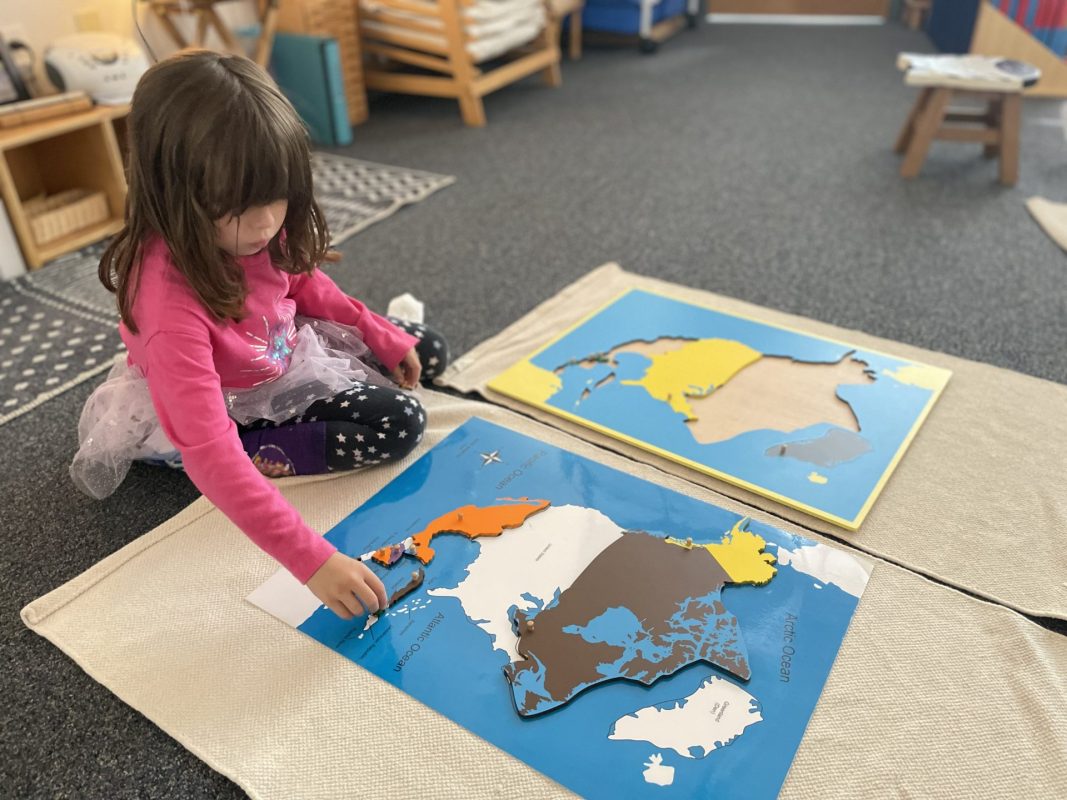
The Montessori approach to teaching Geography is unique and comprises two components: physical geography and political geography, also known as Culture. From the beginning of the school year, we weave Geography lessons and terminology into our day as we learn about our physical world. The Geography materials are always fascinating to the children and are a springboard for wonderful discussions.

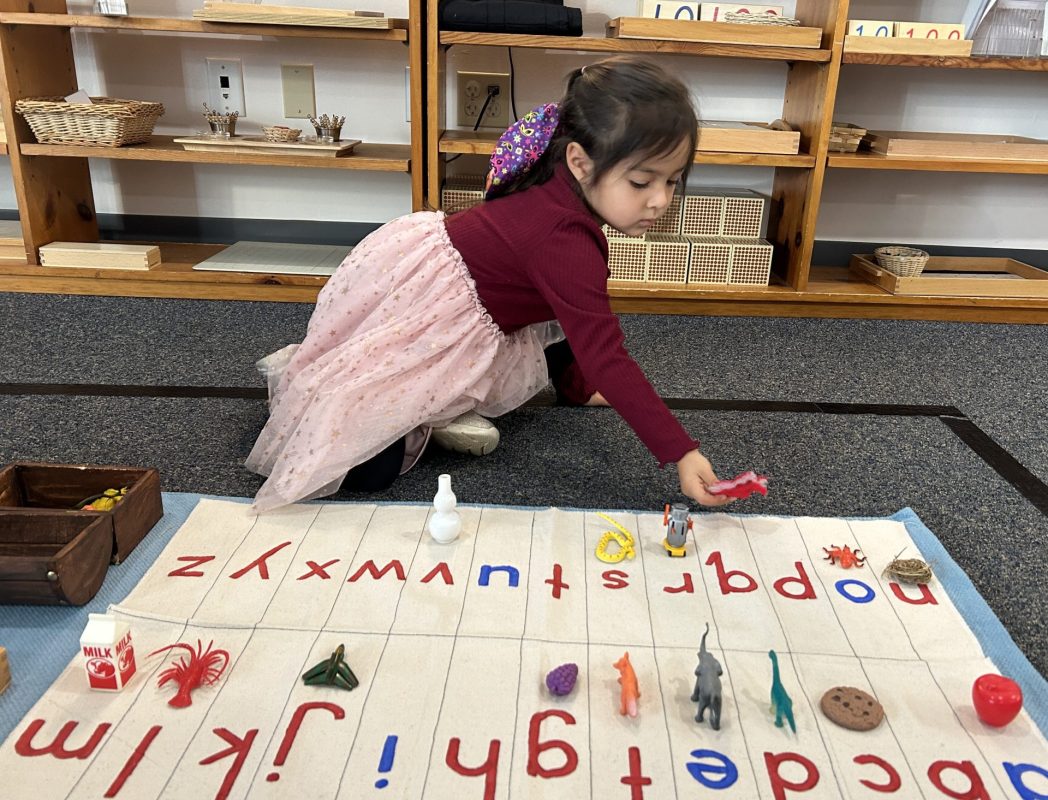
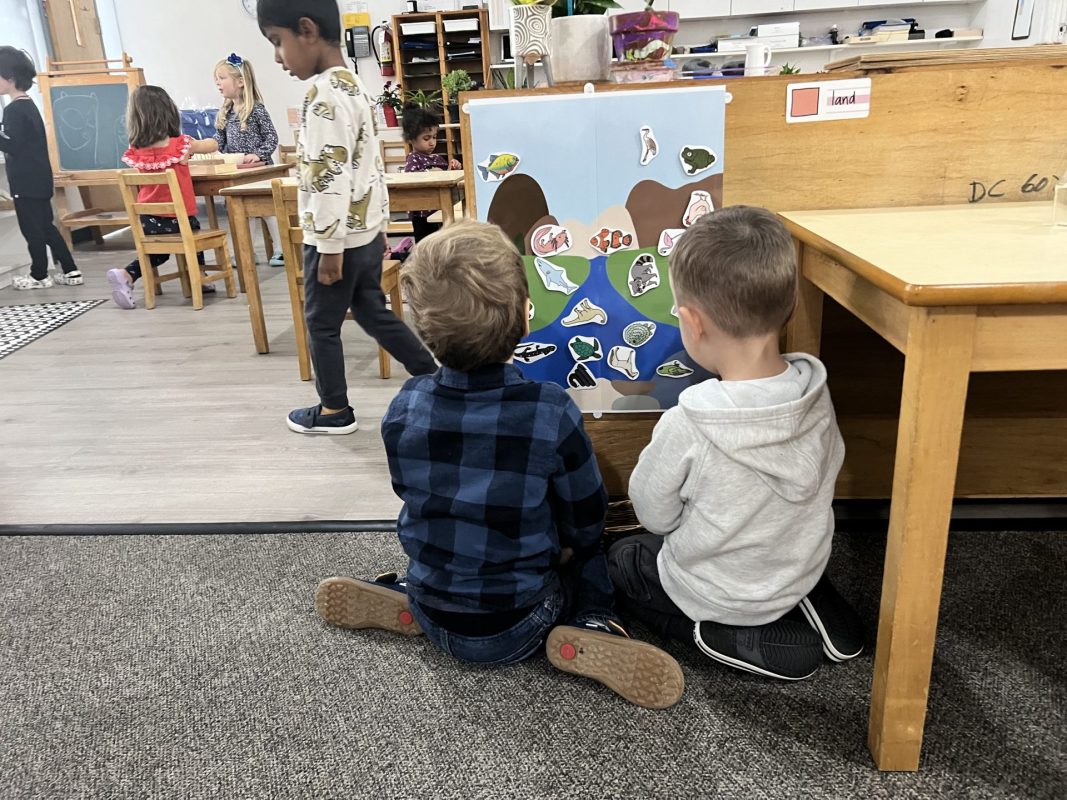
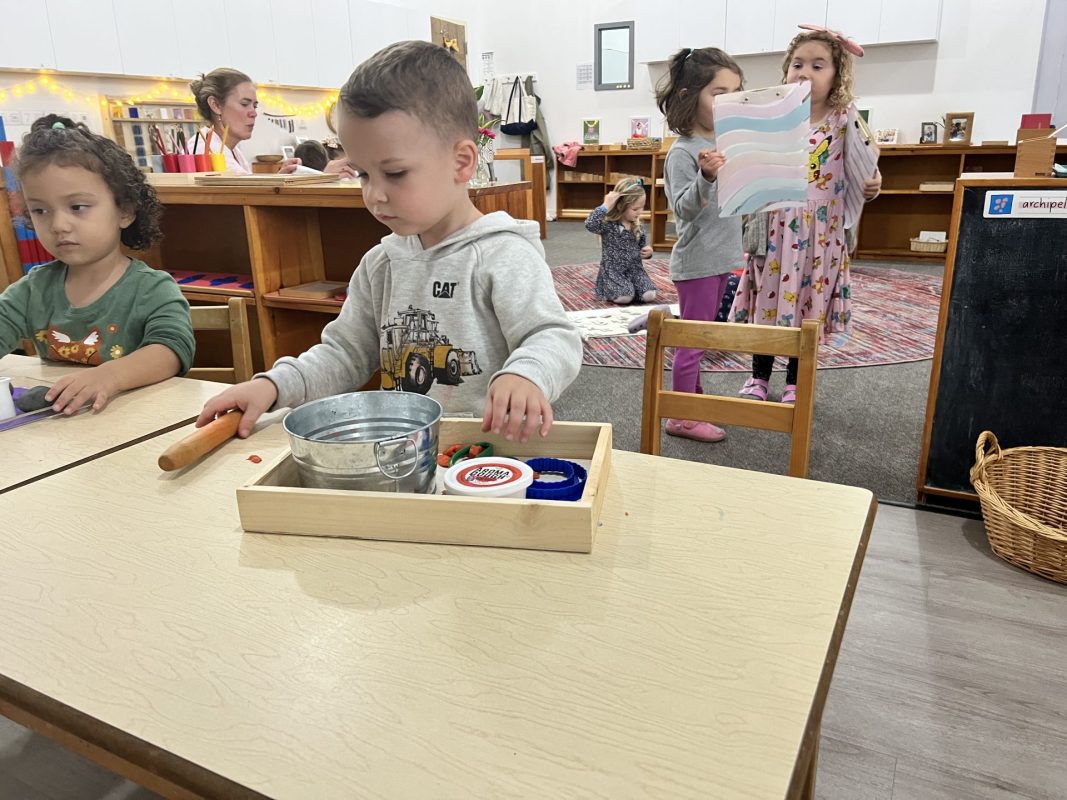
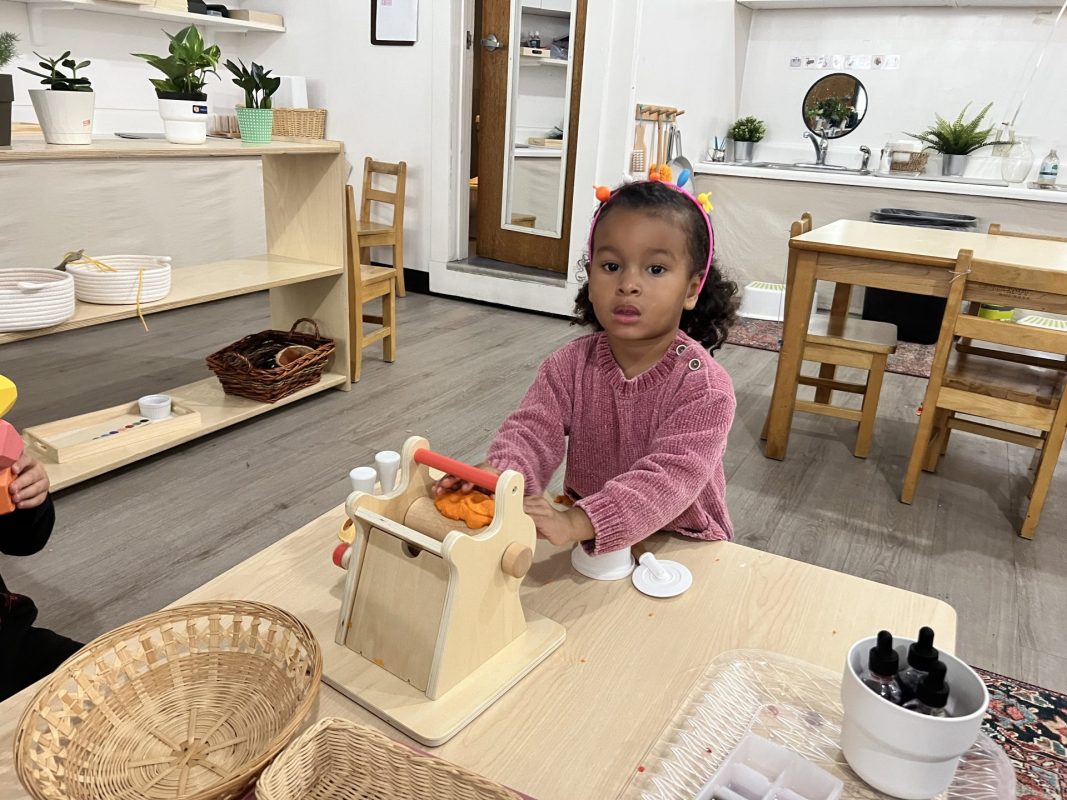
Early in our school year, we categorized the planet Earth into air, land, and water.  We then sorted what we would find in each of these different components of our world.  Next, we introduced the geometric solid known as a sphere to the children and compared it to the shape of the globe.  We start with a sandpaper globe that helps to distinguish land and water.  The colored globe comes next, and we begin to teach the continent names.  We make a sphere out of play dough and cut it in half to help them visualize the concept of a hemisphere.  Simultaneously, the children are learning about landforms that introduce the concept of lake, island, bay, cape, peninsula, gulf, isthmus, strait, archipelago, and a system of lakes.  These sensory experiences help the children learn about their physical world.

After learning the continent names, we introduce the puzzle maps for each continent, starting with North America in November. We learn that there are many countries in North America.  The older children will trace and paint each of the puzzle maps. We will learn about the animals, people, and climate often associated with each of the continents.  Our goal is to encourage the children to appreciate the beauty and wonder found in the similarities and differences around the world. In our classroom, we have a cultural shelf with artifacts from each continent.

Last week, we introduced the song “Do You Know The Continents,” and we often hear the children singing it quietly to themselves as they work.

We are thrilled to be having Parent/Teacher Conferences!  They will be on Thursday, October 26th.  If you have not yet had the chance to sign up for a time, please click here to do so.
Wishing all of you a week filled with peace and love!

Michelle & Maria


Mrs. Lopes: Do You Know the Continents?


The Montessori approach to teaching Geography is unique and comprises two components: physical and political geography, also known as Culture. From the beginning of the school year, we weave Geography lessons and terminology into our day as we learn about our physical world. The Geography materials are always fascinating to the children and are a springboard for wonderful discussions.

Early in our school year, we categorized the planet Earth into air, land, and water.  We then sorted what we would find in each of these different components of our world.  Next, we introduced the geometric solid known as a sphere to the children and compared it to the shape of the globe.  We start with a sandpaper globe that helps to distinguish land and water.  The colored globe comes next, and we begin to teach the continent names.  We make a sphere out of play dough and cut it in half to help them visualize the concept of a hemisphere.  Simultaneously, the children are learning about landforms that introduce the concept of lake, island, bay, cape, peninsula, gulf, isthmus, strait, archipelago, and a system of lakes.  These sensory experiences help the children learn about their physical world.

After learning the continent names, we introduce the puzzle maps for each continent, starting with North America in November. We learn that there are many countries in North America.  The older children will trace and paint each of the puzzle maps. We will learn about the animals, people, and climate often associated with each of the continents.  Our goal is to encourage the children to appreciate the beauty and wonder found in the similarities and differences around the world. In our classroom, we have a cultural shelf with artifacts from each continent.

We are thrilled to be having Parent/Teacher Conferences!  They will be on Thursday, October 26th.  If you have not yet had the chance to sign up for a time, please click here to do so.
Wishing all of you a week filled with peace and love!

Amanda & Hema


Ms. Marissa: Starting BIG and Ending small

The Montessori approach to teaching Geography is unique and comprises two components: physical and political geography, also known as Culture. From the beginning of the school year, we weave Geography lessons and terminology into our day as we learn about our physical world. The Geography materials are always fascinating to the children and are a springboard for wonderful discussions.

We start the school year by zooming way out from ourselves and studying the Solar System (we end the year by studying the human body and ourselves). This month, we are moving on to our own planet, Earth. We categorize the planet Earth into air, land, and water. We sort what we would find in each of these different components of our world. Next, we introduce the geometric solid known as a sphere to the children and compared it to the shape of the globe. We start with a sandpaper globe that helps to distinguish land and water. The colored globe comes next, and we begin to teach the continent names (we start that towards the end of the month!). We make a sphere out of play dough and cut it in half to help them visualize the concept of a hemisphere. Simultaneously, the children are learning about landforms that introduce the concept of lake, island, bay, cape, peninsula, gulf, isthmus, strait, archipelago, and a system of lakes. These sensory experiences help the children learn about their physical world.
Our goal is to encourage the children to appreciate the beauty and wonder found in the similarities and differences around the world. Our classroom has a cultural shelf with artifacts from each continent.

I look forward to seeing some of you this week for our conferences!

Have a wonderful weekend!

Marissa & Sue


Mrs. Hood: Practical Life and Pumpkin Guts!

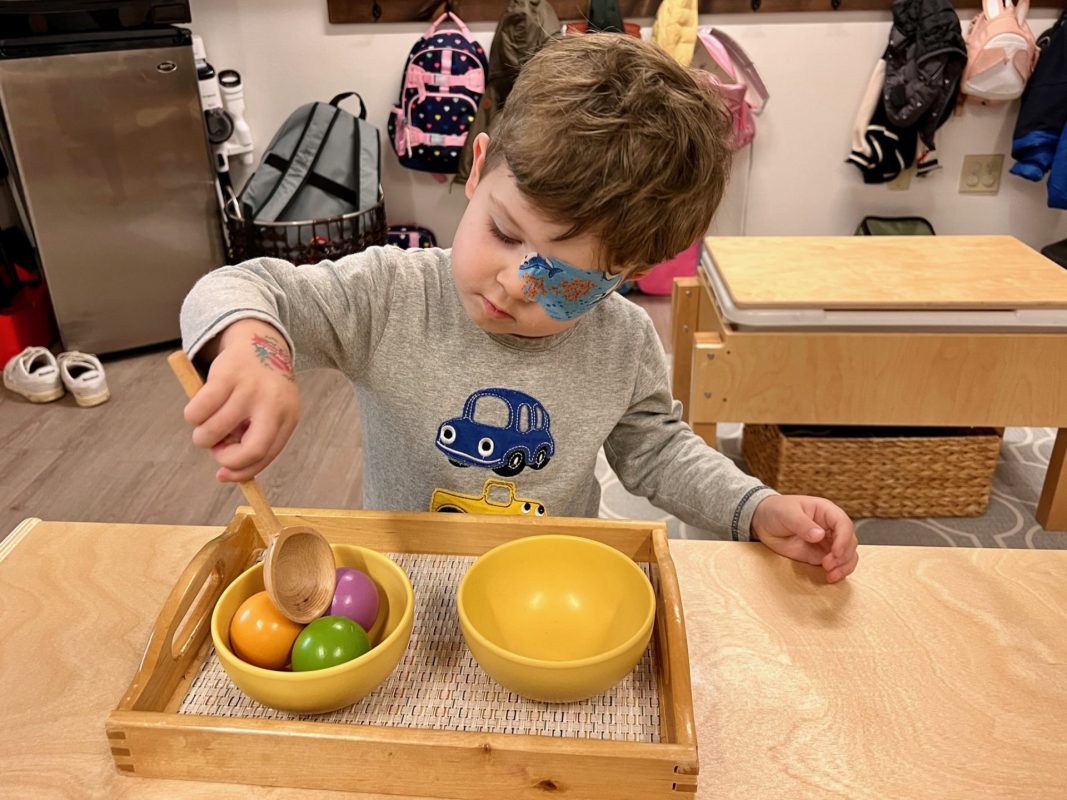
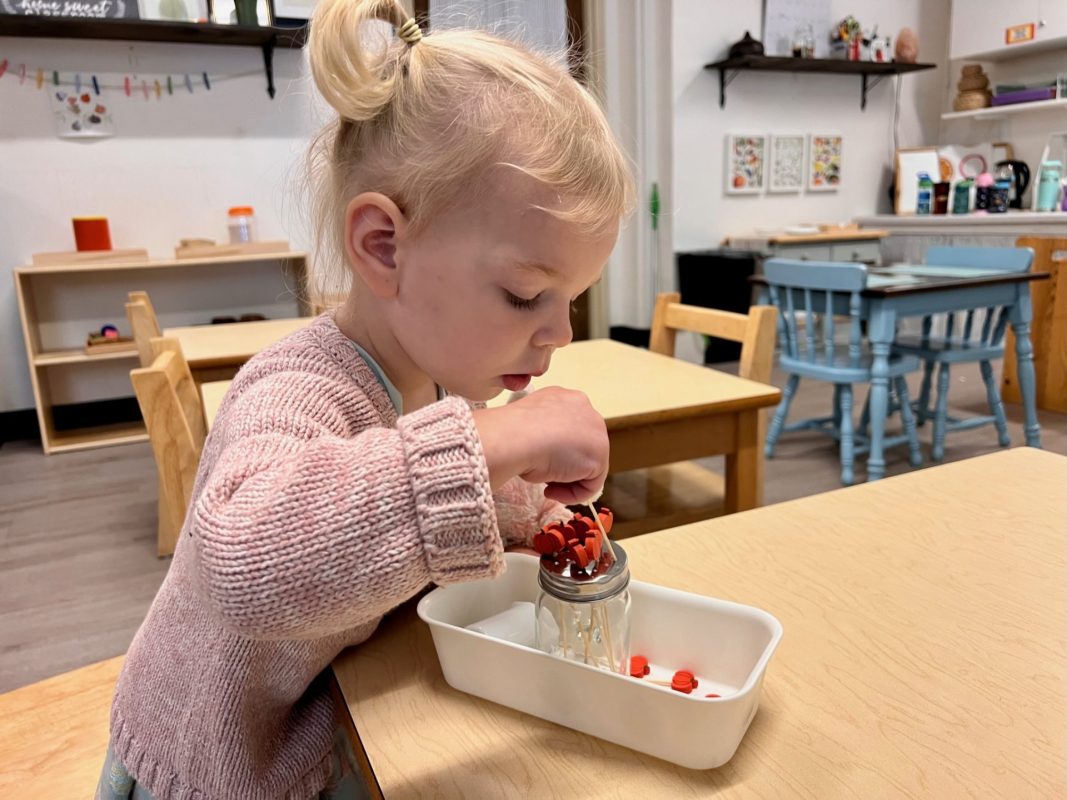
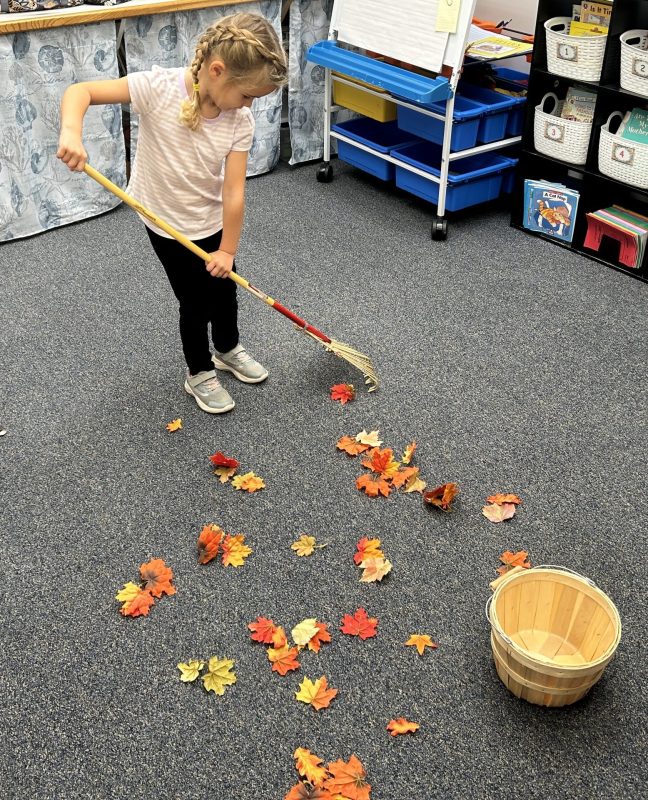
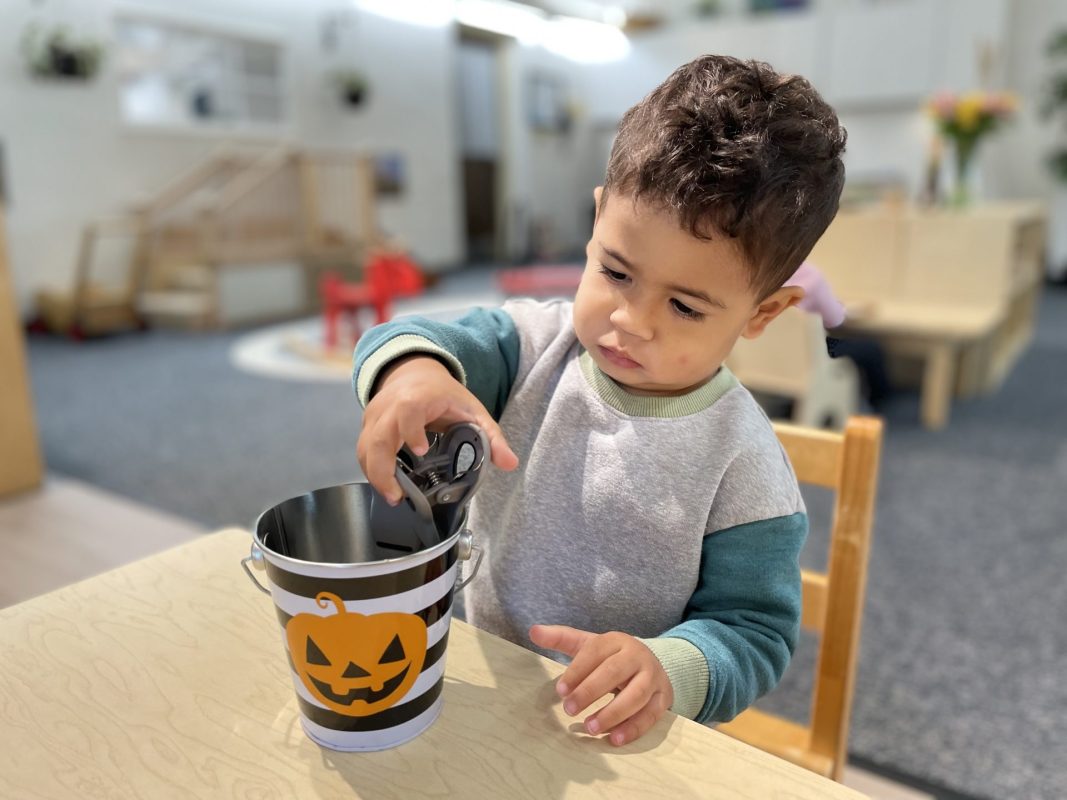
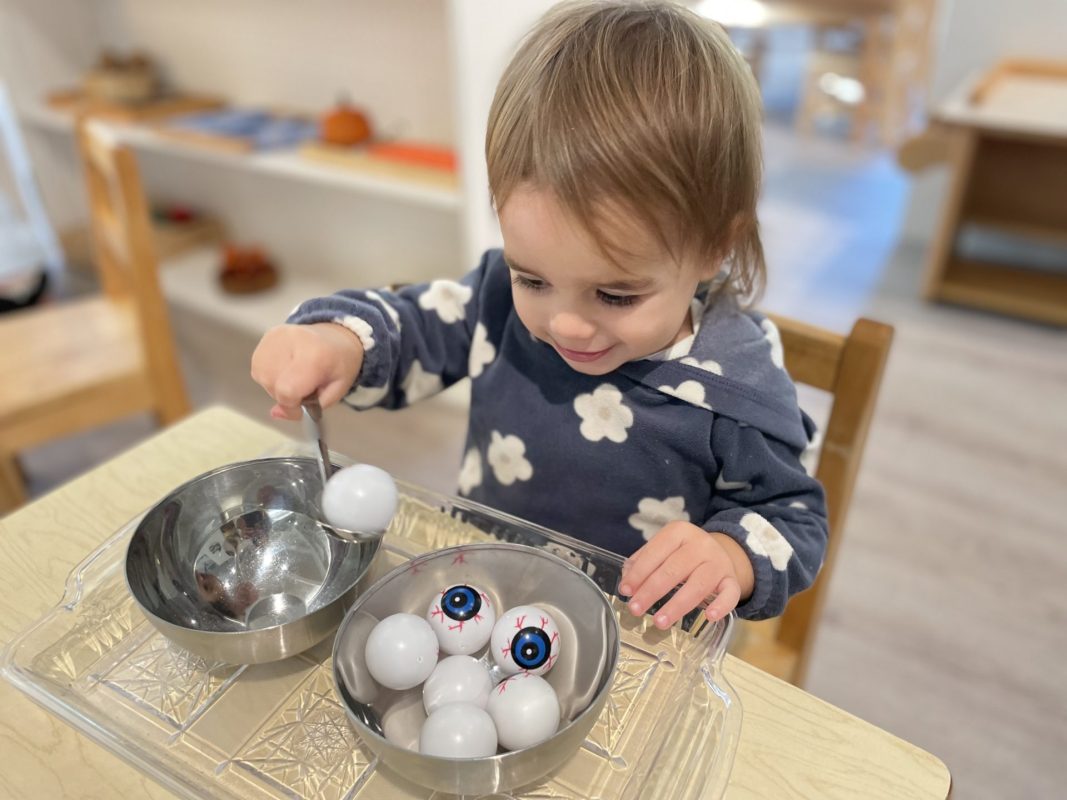
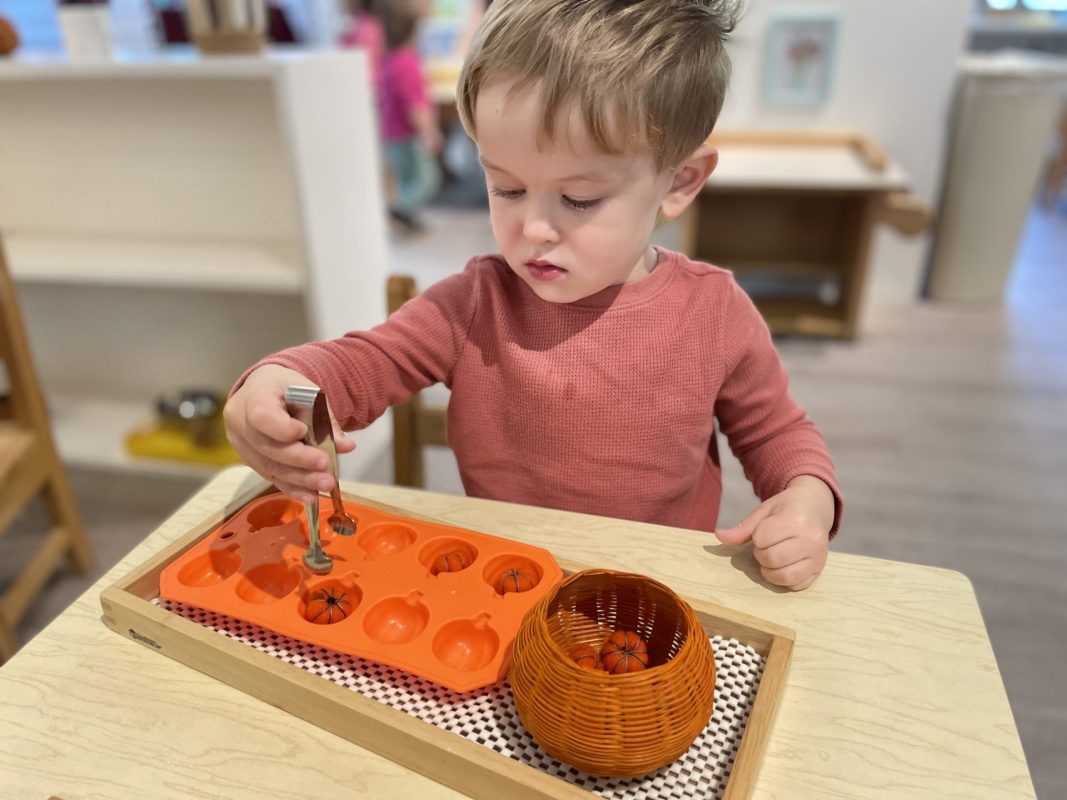
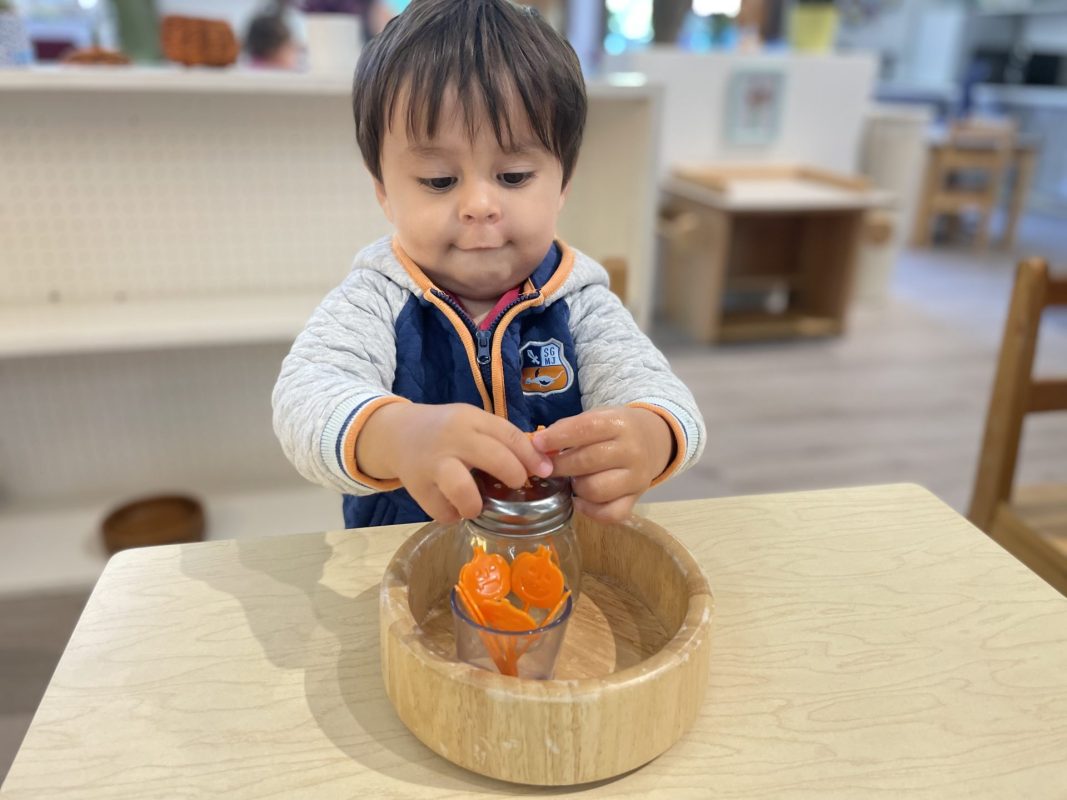
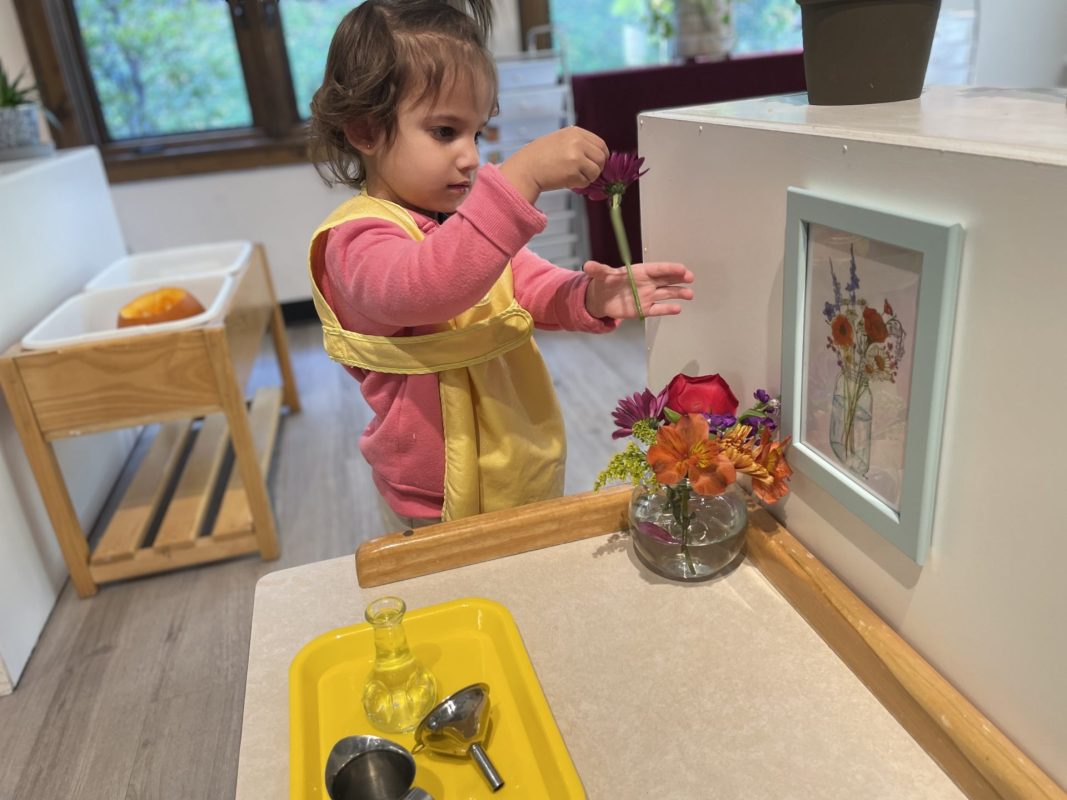
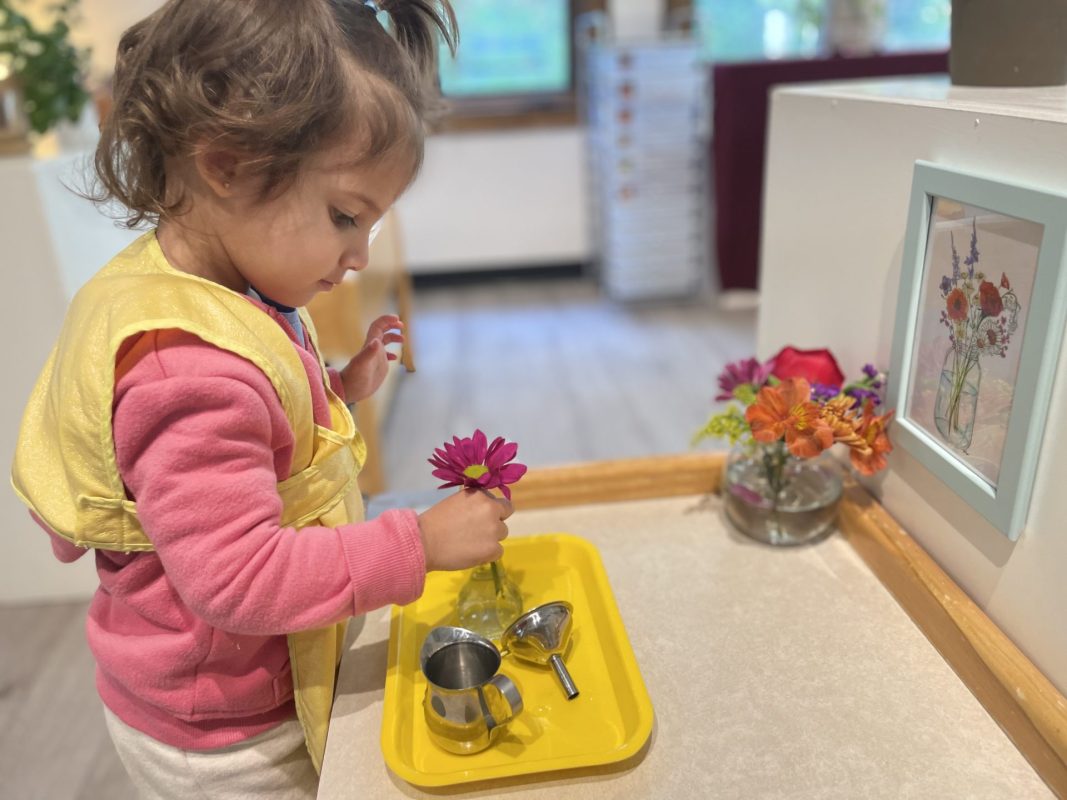
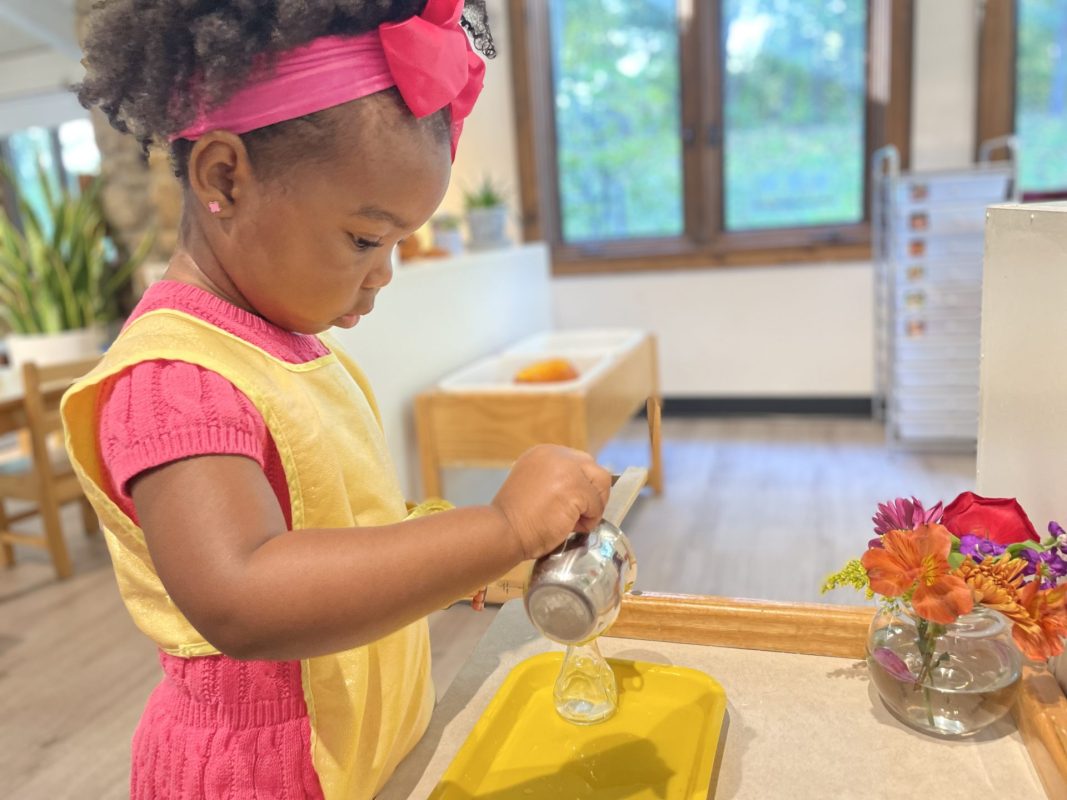
Dr. Maria Montessori introduced Practical Life exercises to provide children with opportunities to perform simple tasks that they have already observed at home. Practical Life exercises enable children to care for themselves, take care of the environment, and develop respect for others.

Care of the environment activities encourage the child to interact with the environment, exhibiting respect and love. These activities help the child form a connection with their environment and find a personal responsibility towards it.

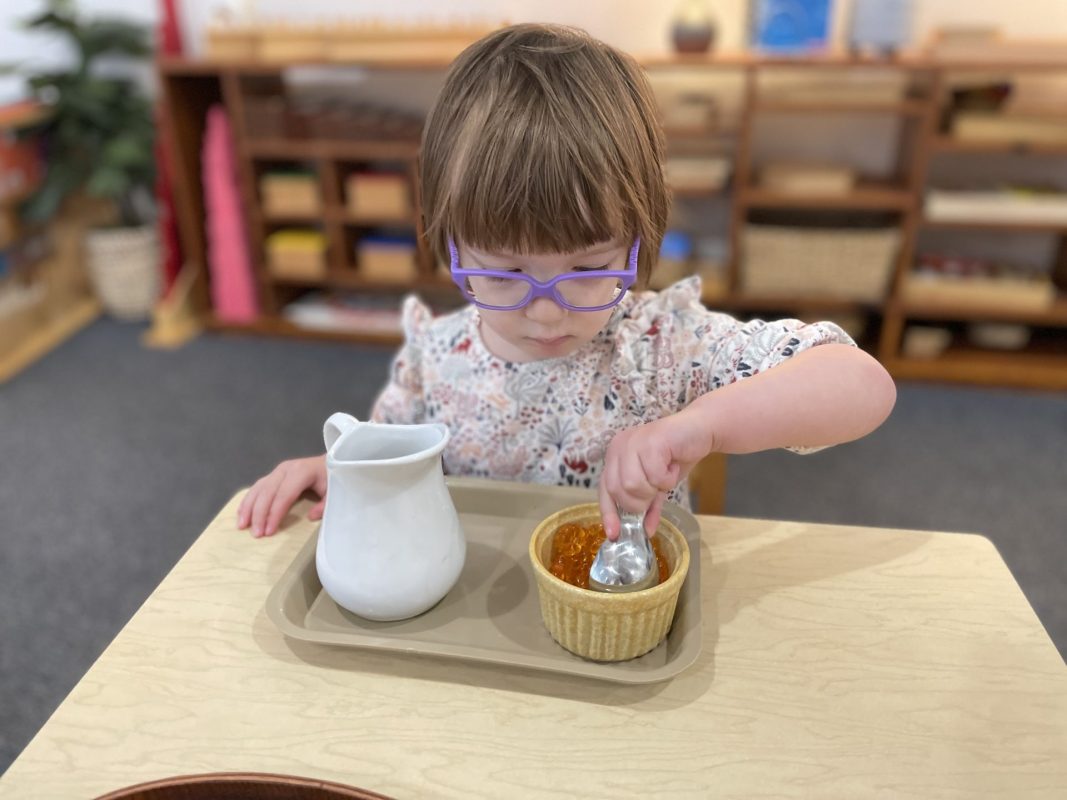
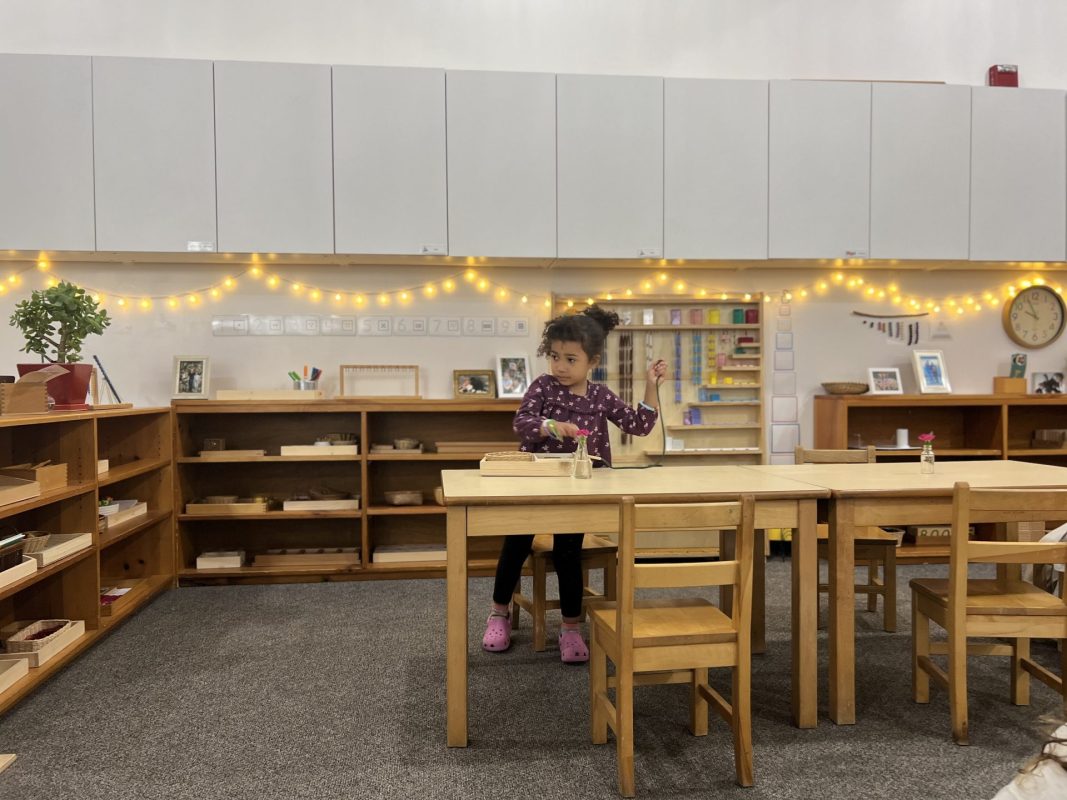
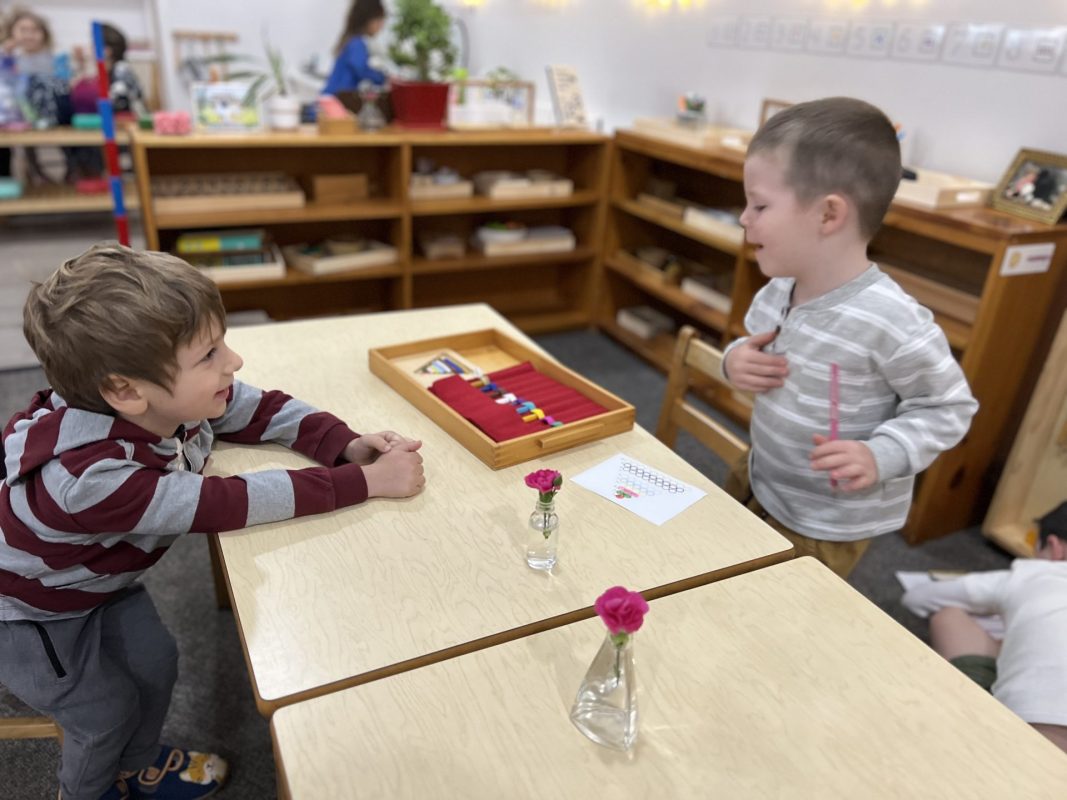
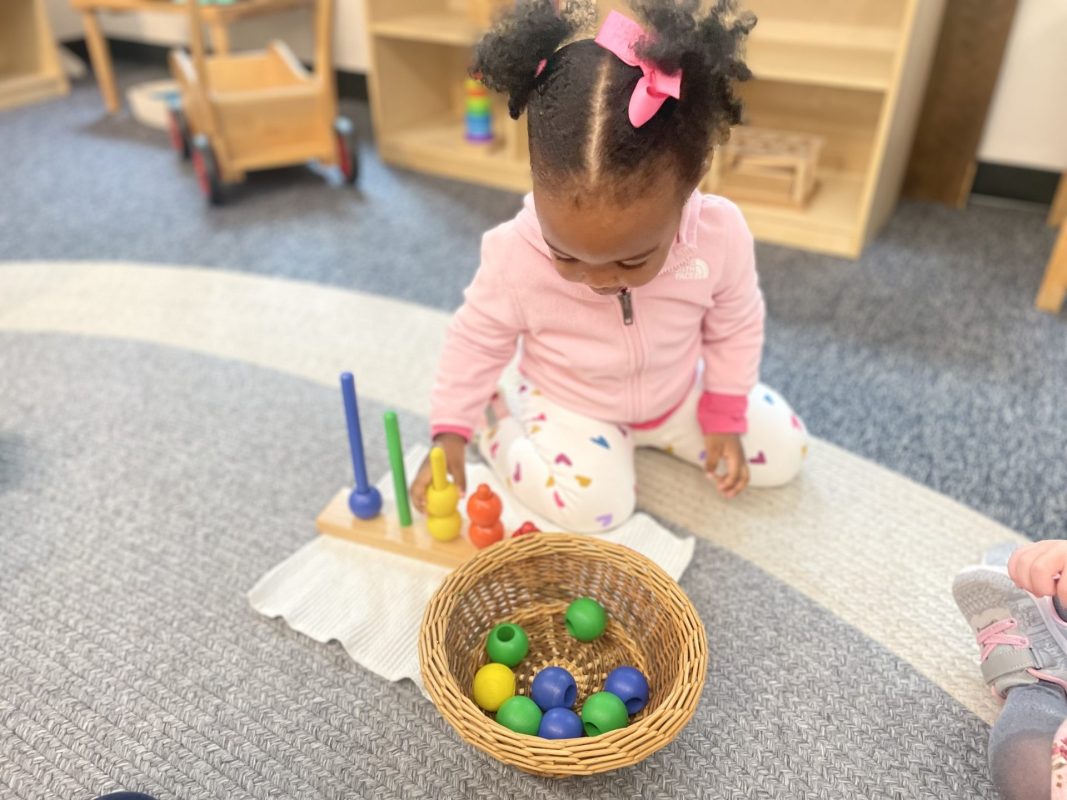
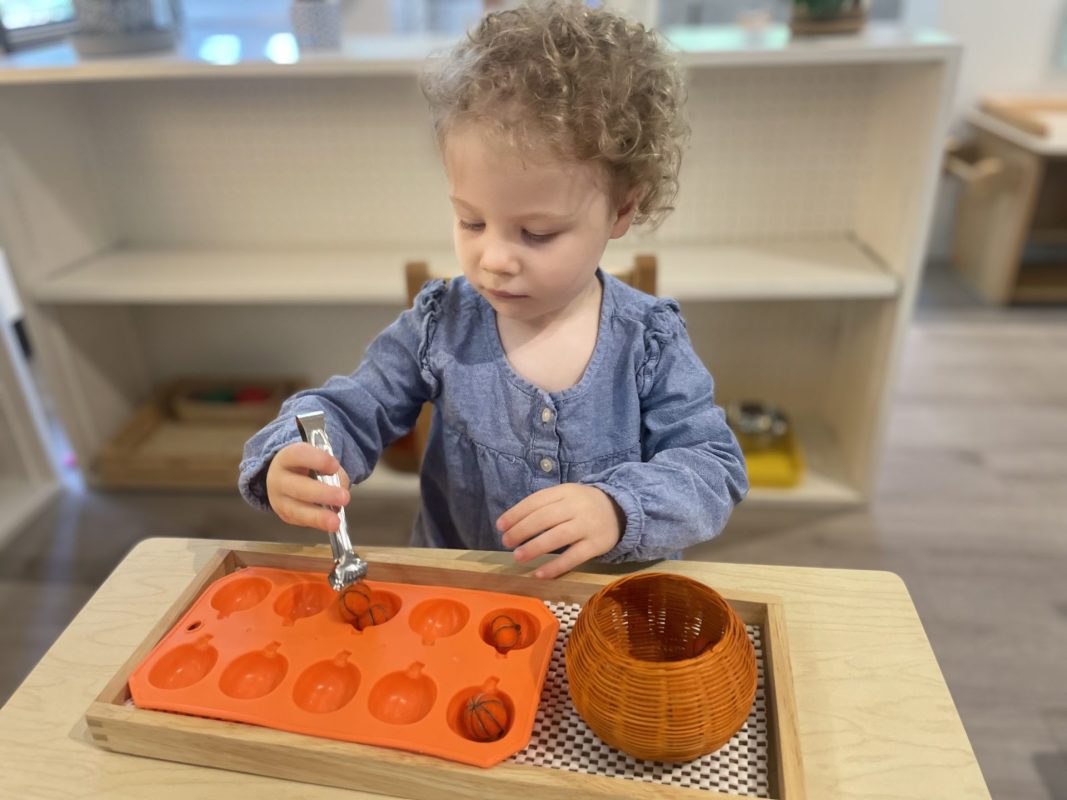
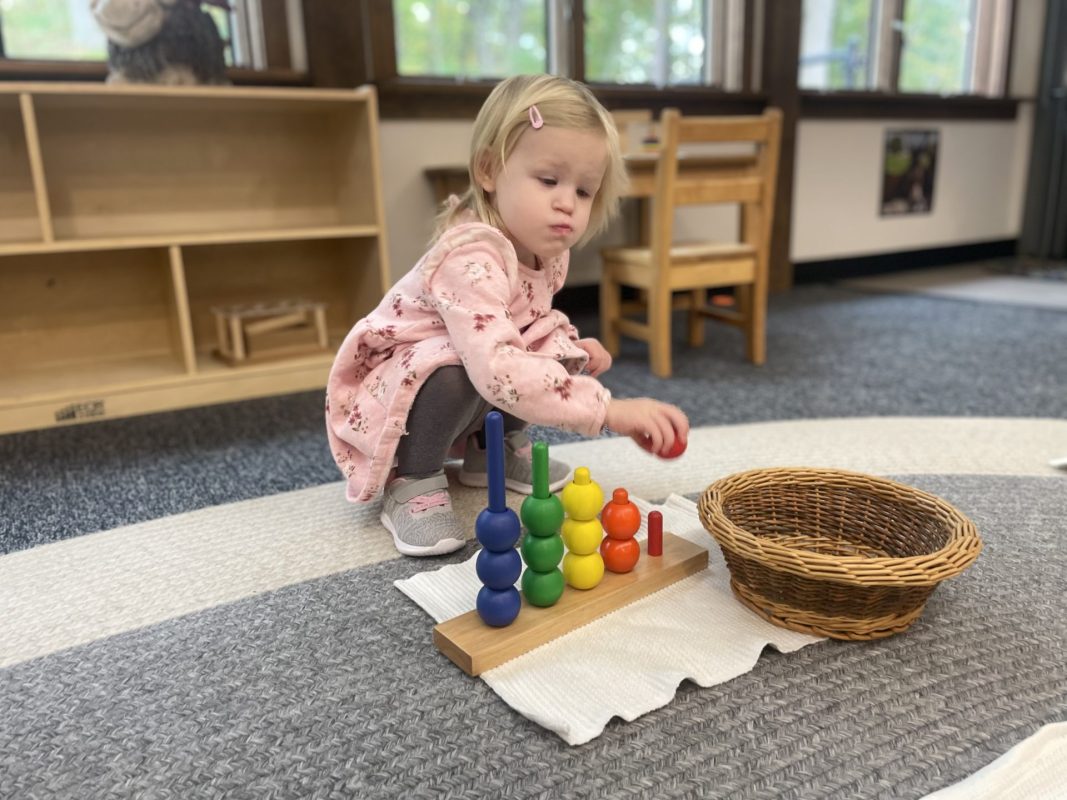
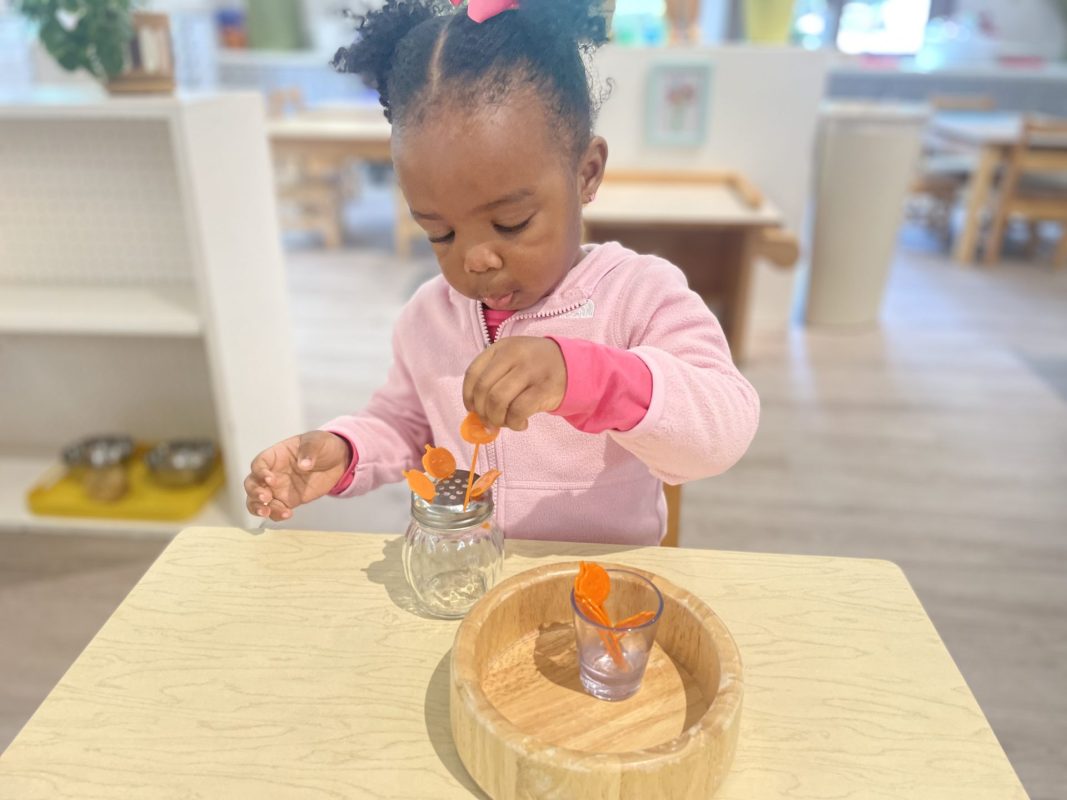
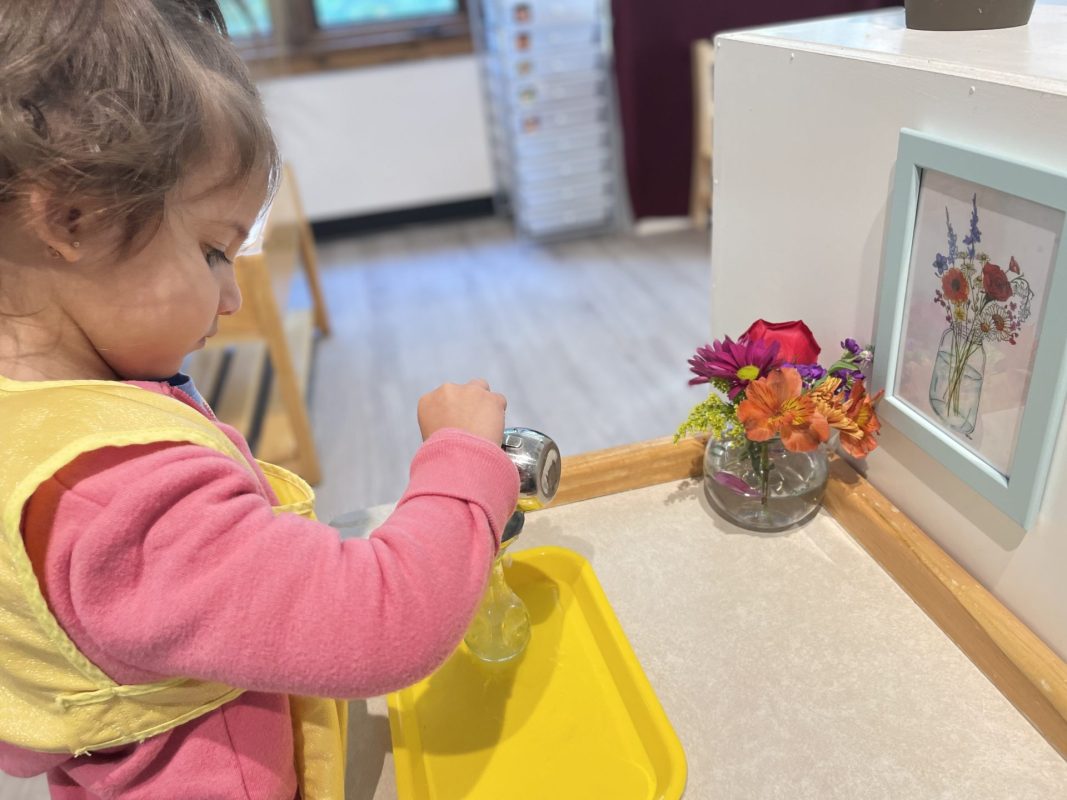
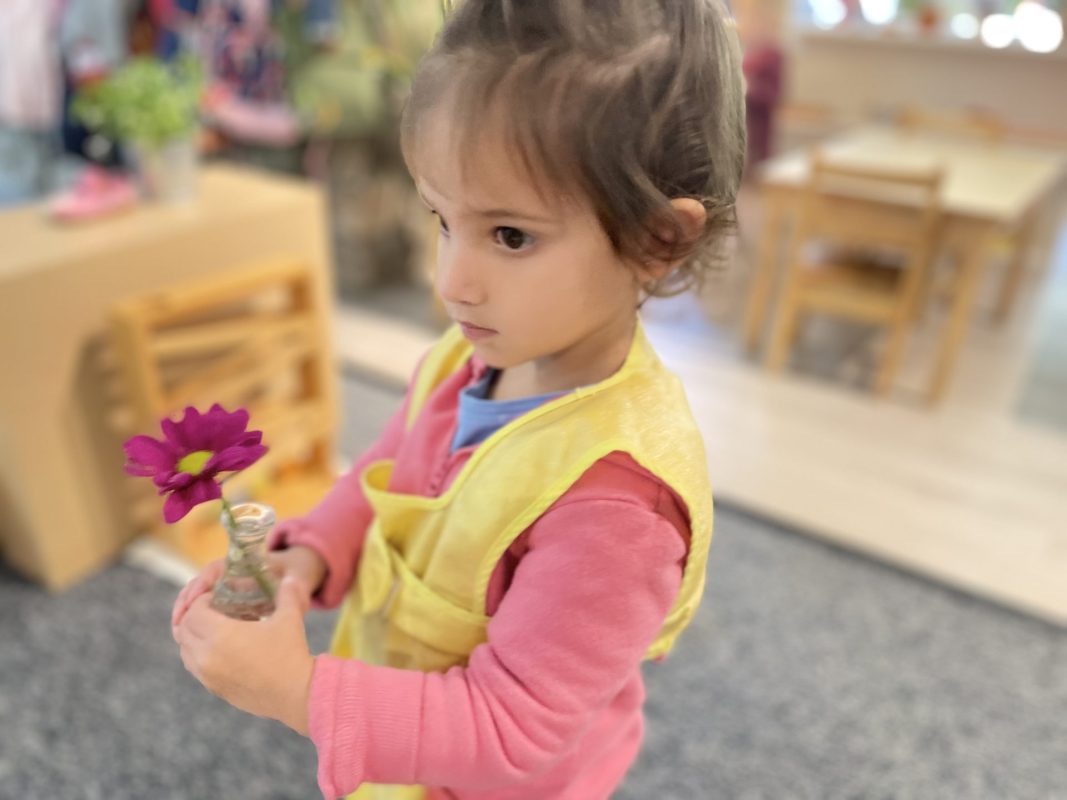
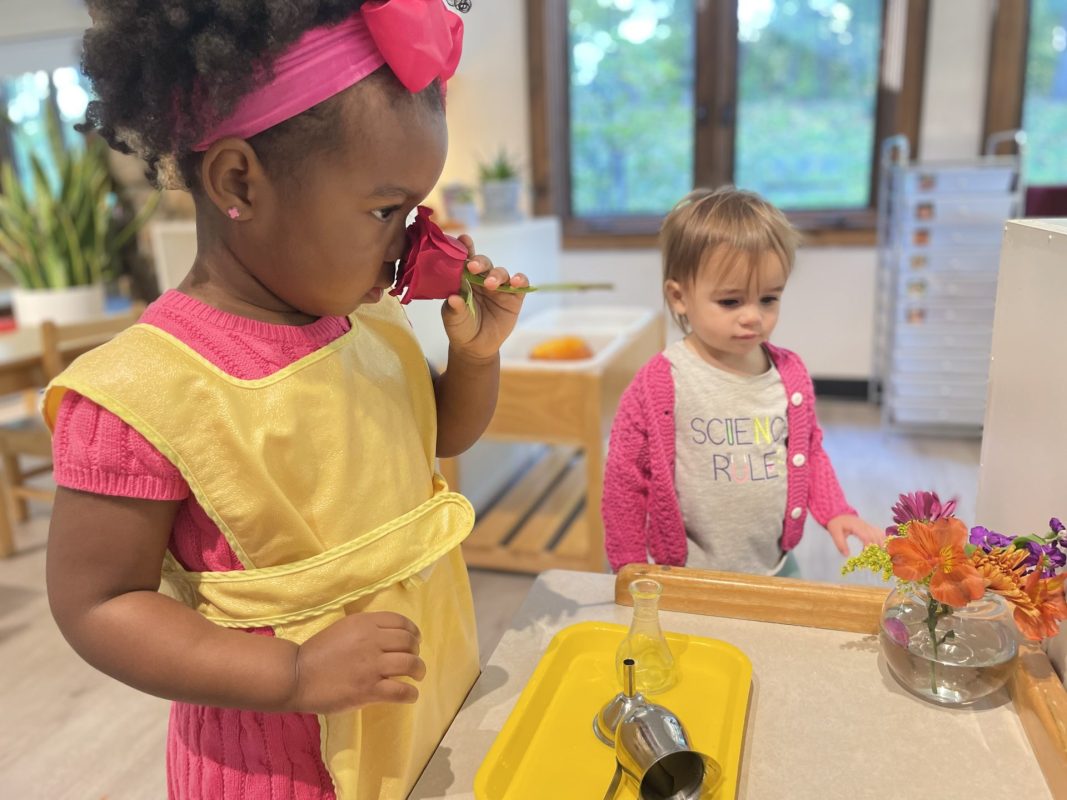
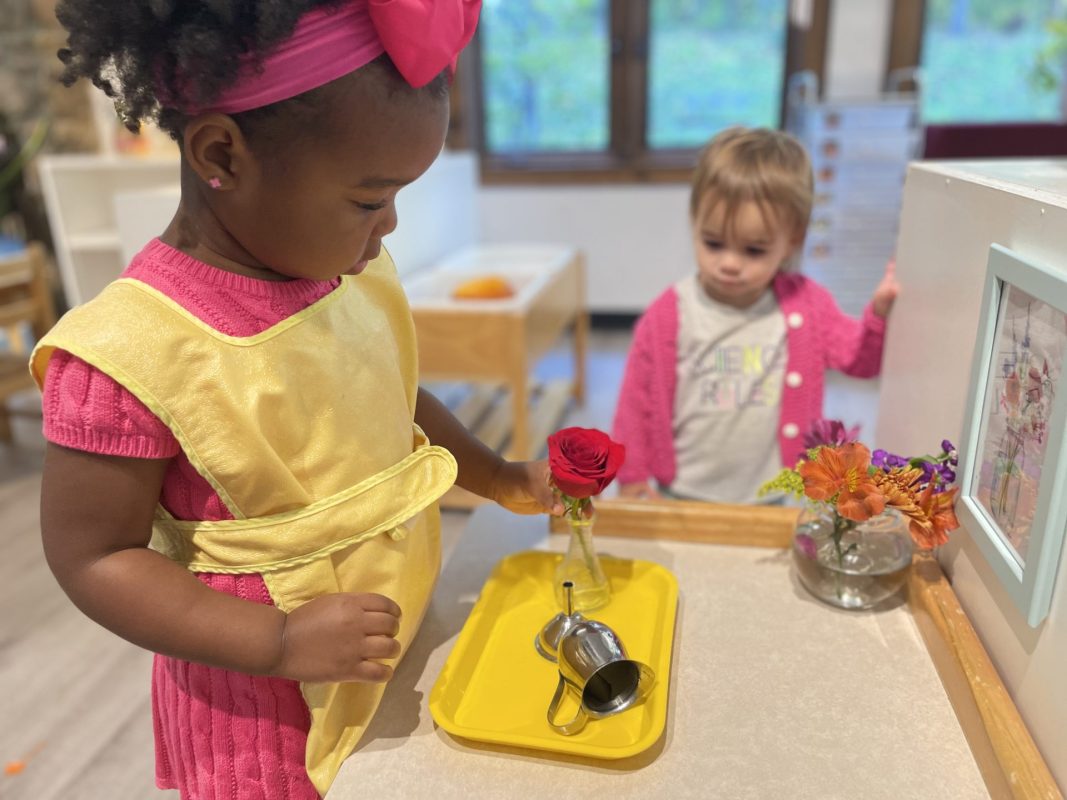
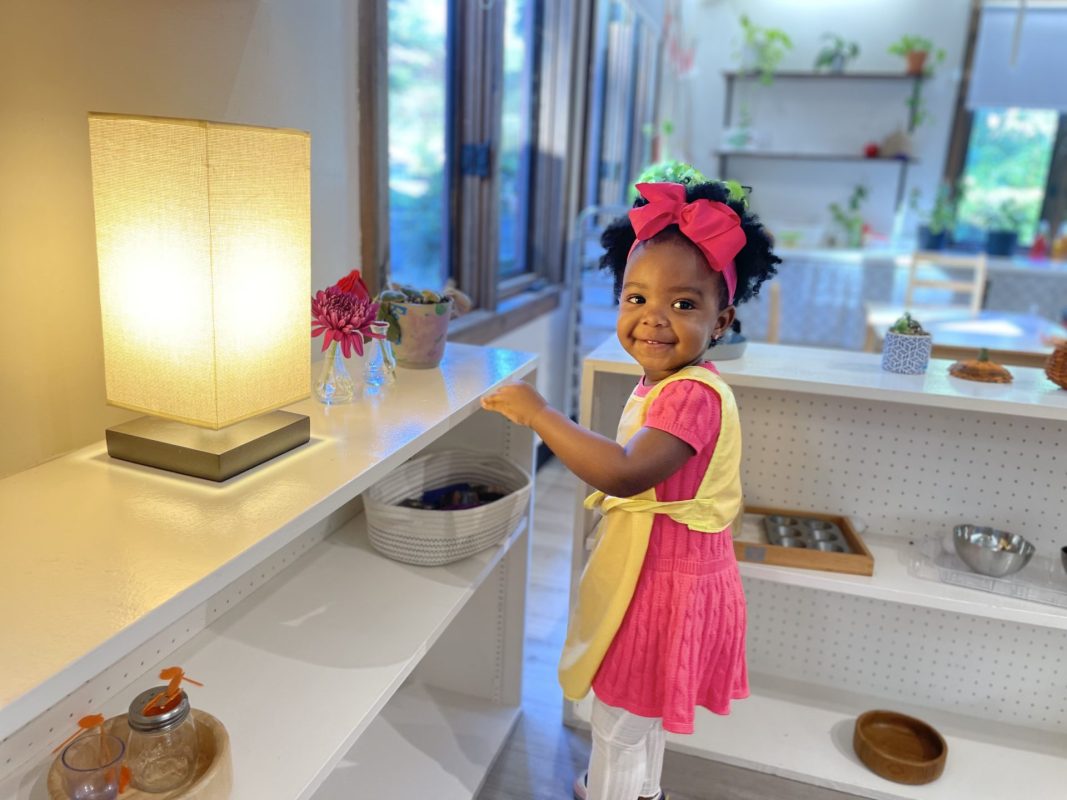
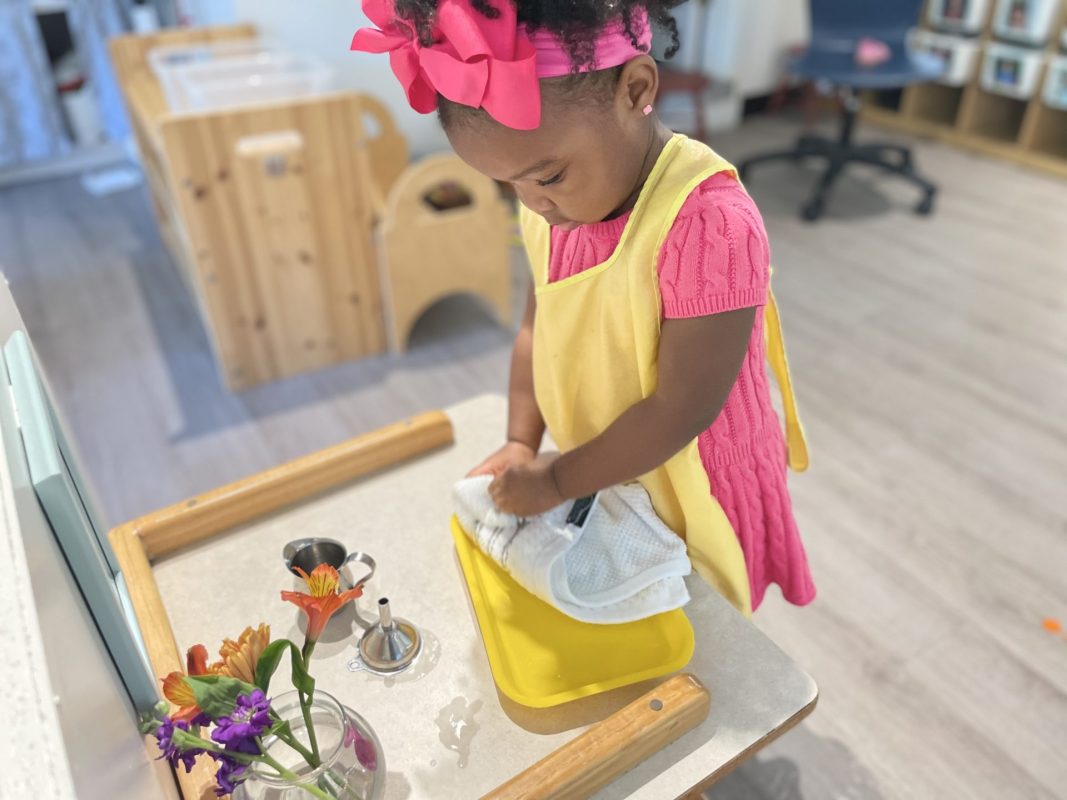
This week, we introduced one of the most beloved activities in our Montessori environments: flower arrangement. Second-year students were thrilled to observe the work, and they were ready to continue sharpening their hand skills. Our first-year students were super eager to get their hands on it. This is a beautiful activity that offers so much to your child’s development. Through this exercise, children develop a sense of beauty and the mental task of sequencing; they learn to exercise the judgment of size and capacity in matching flowers to vases and in pouring water, as well as manual dexterity as they need to fetch water and use different tools. This activity also indirectly prepares your child for botany studies in our Primary program and offers a great opportunity to work on independence and concentration. Your children love it! We can’t thank you enough for your weekly flower donations!

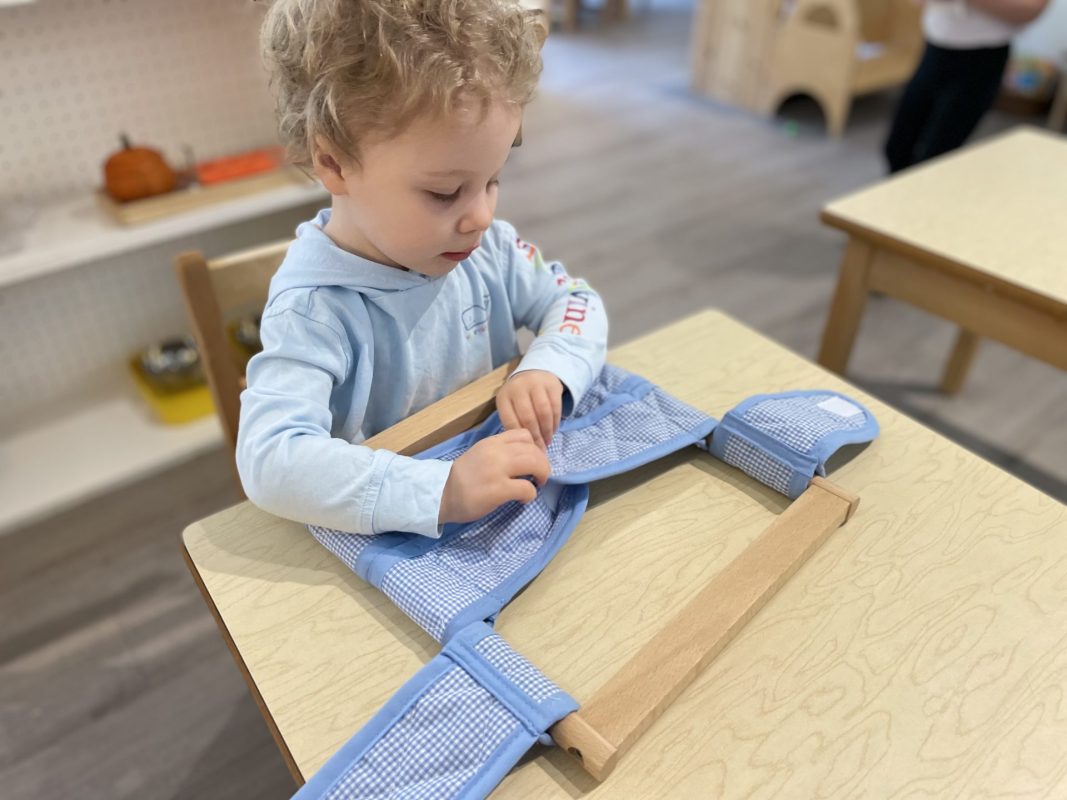
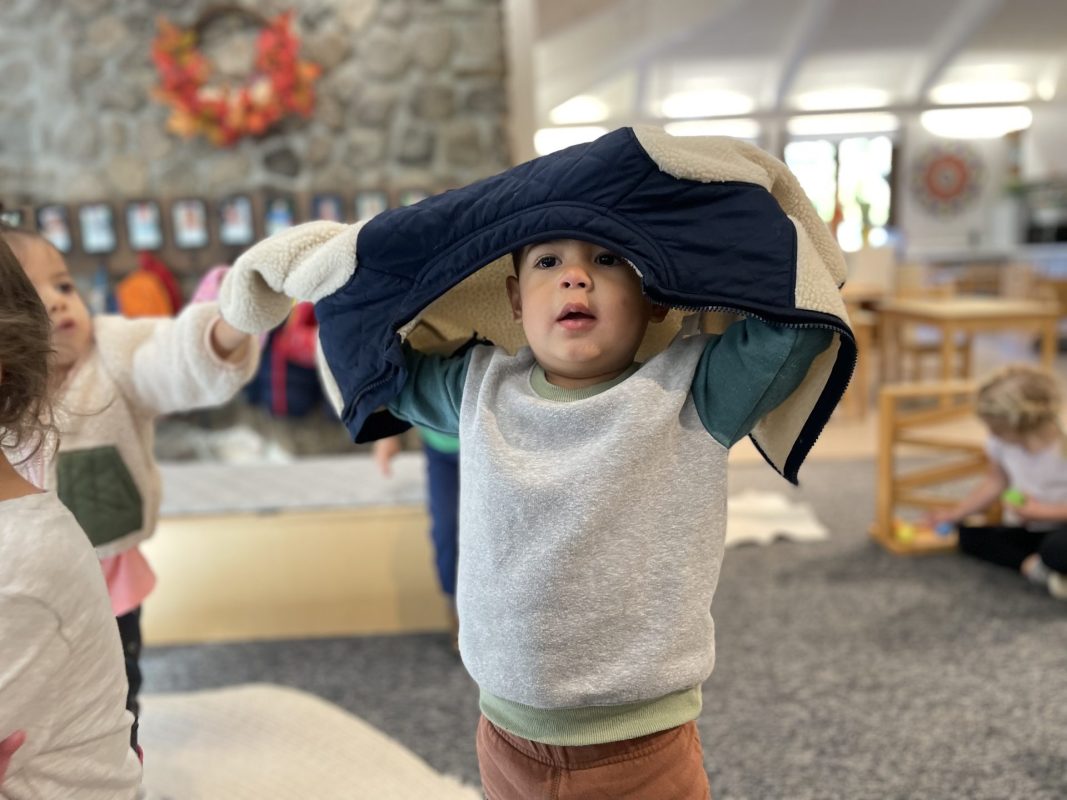
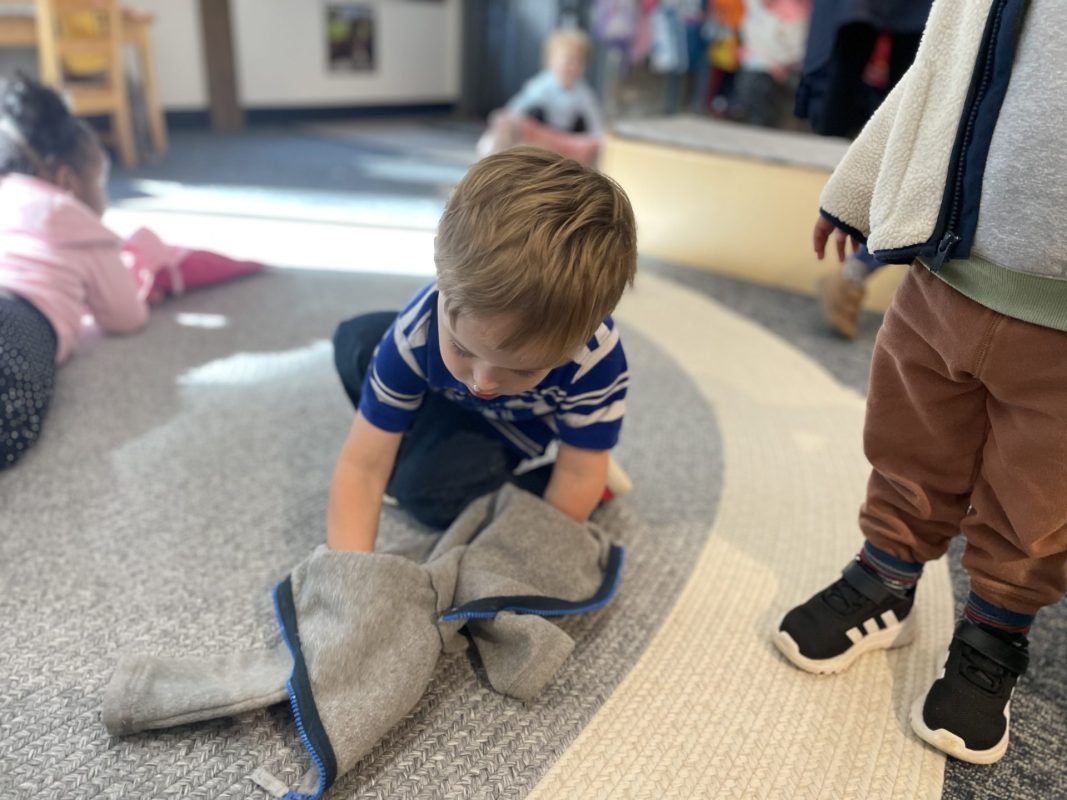
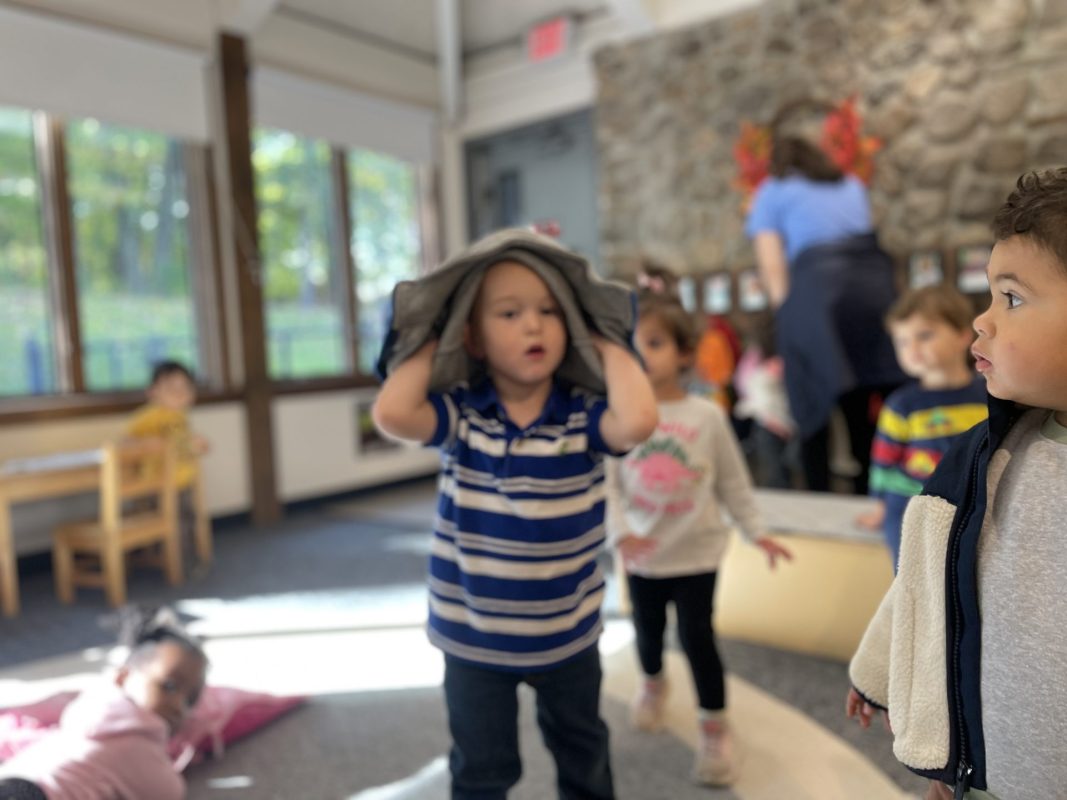
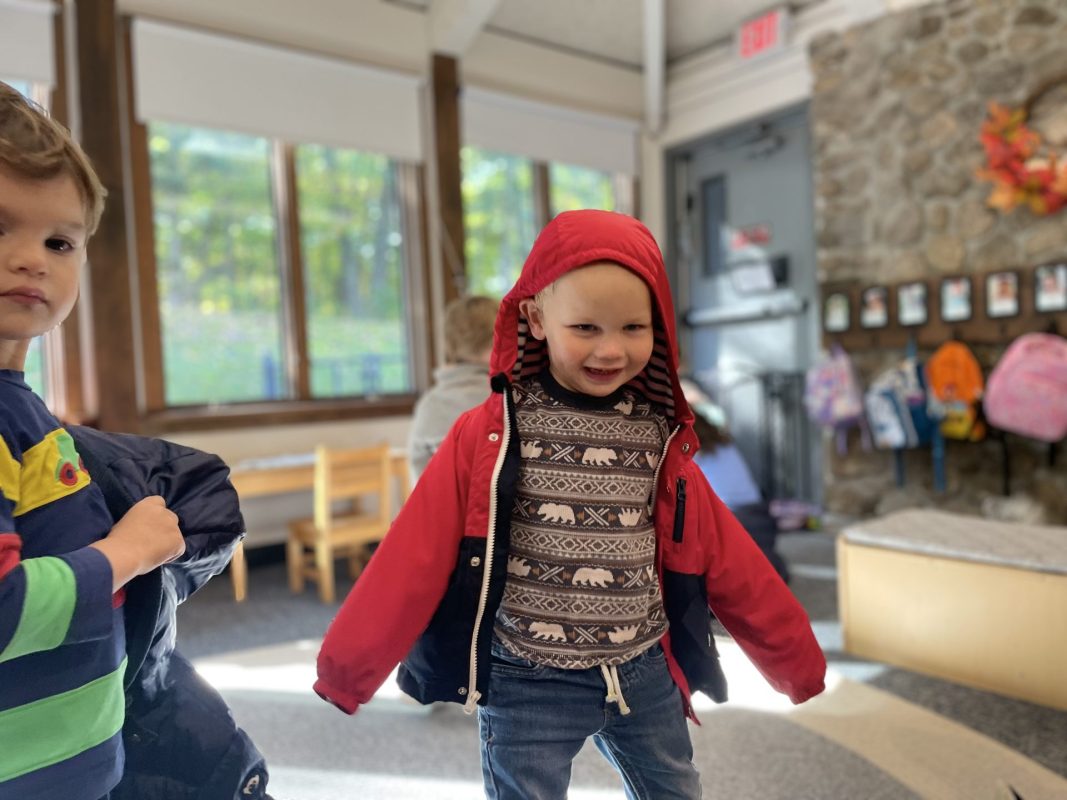
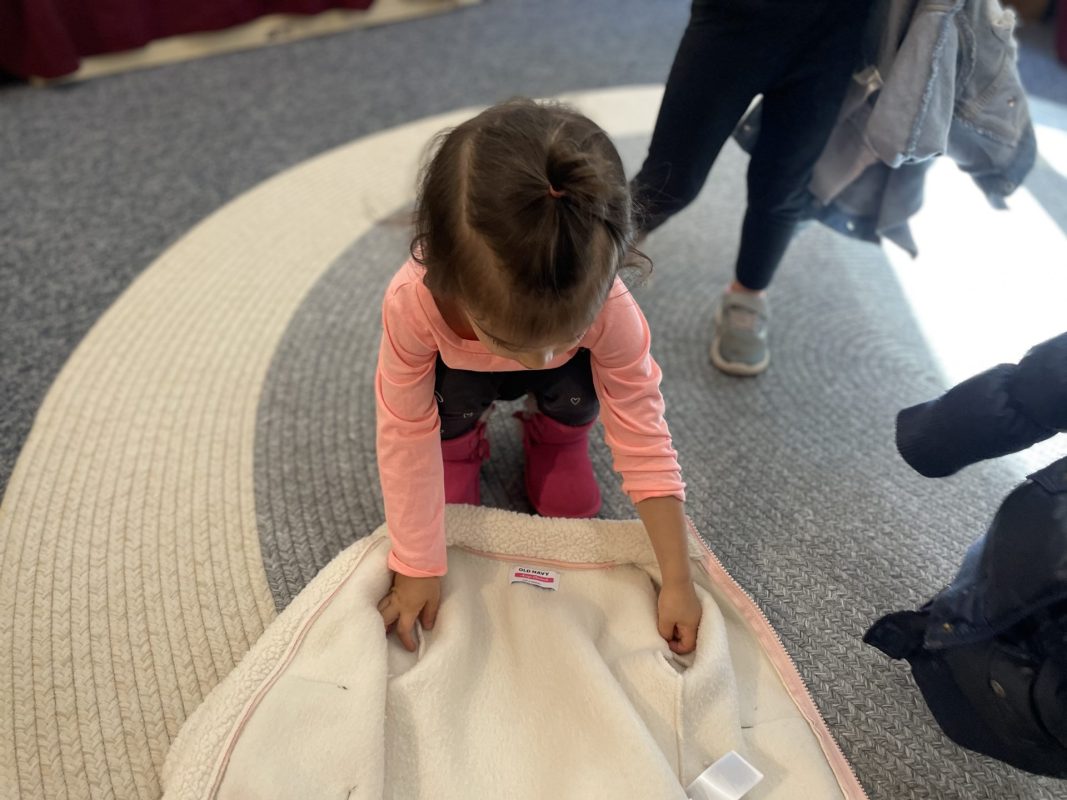
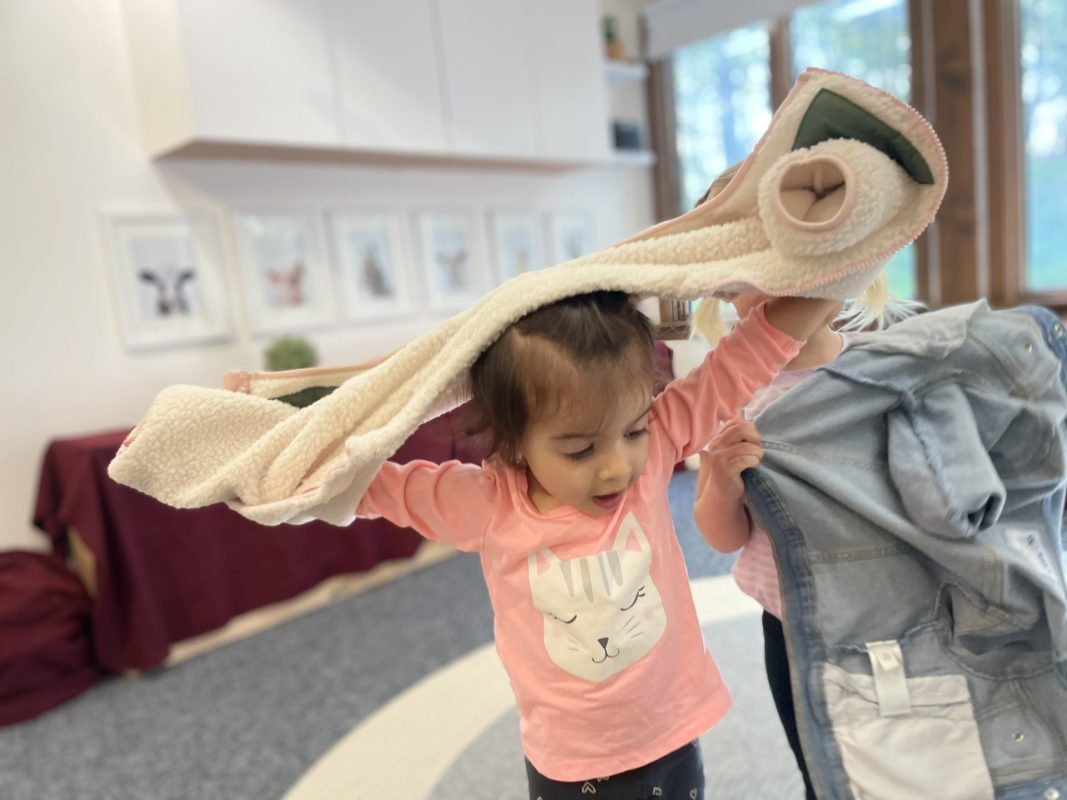
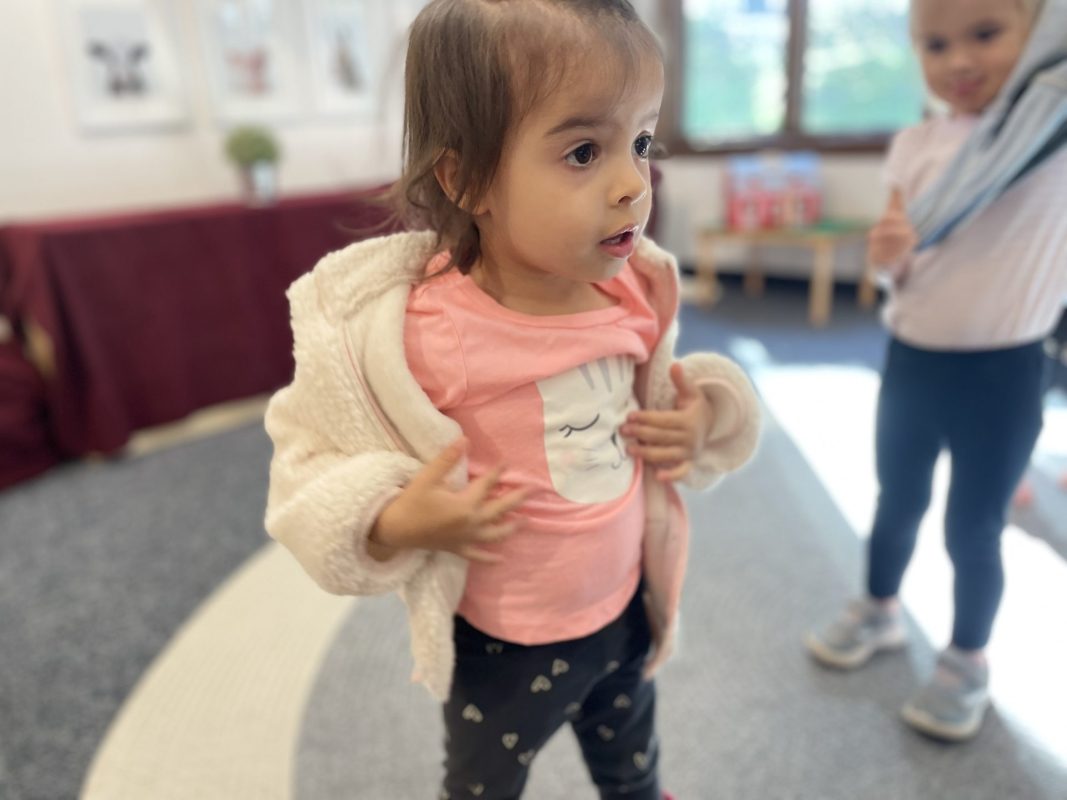
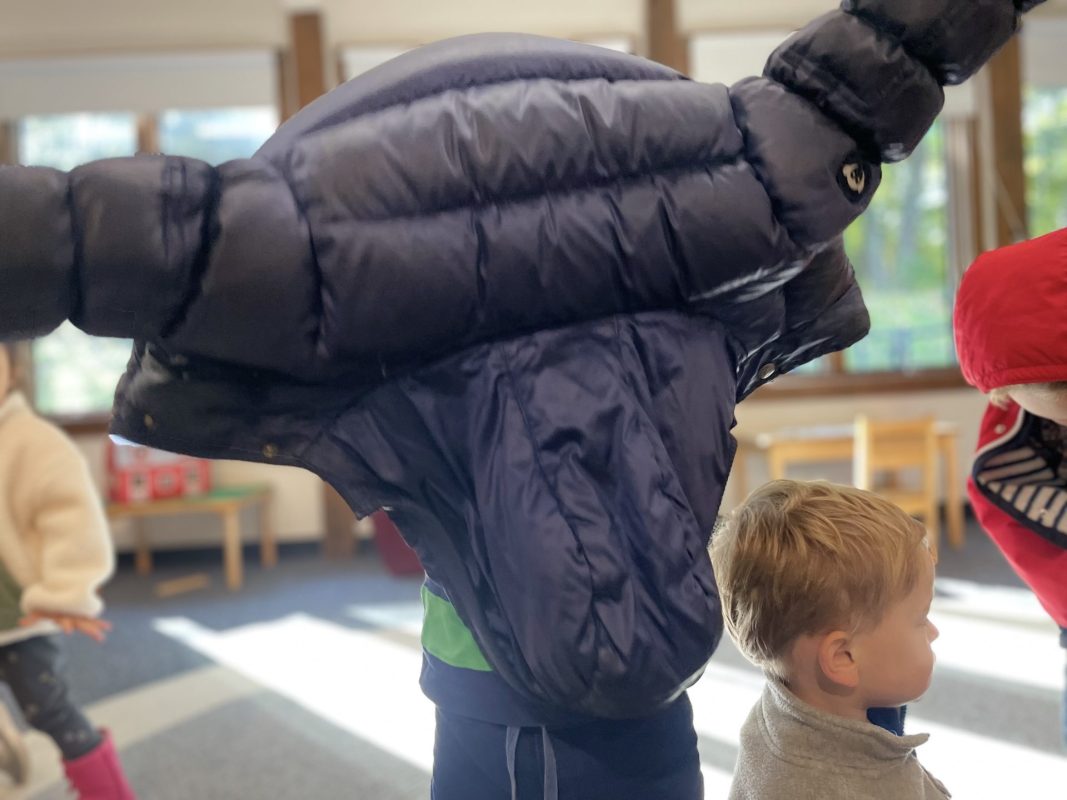
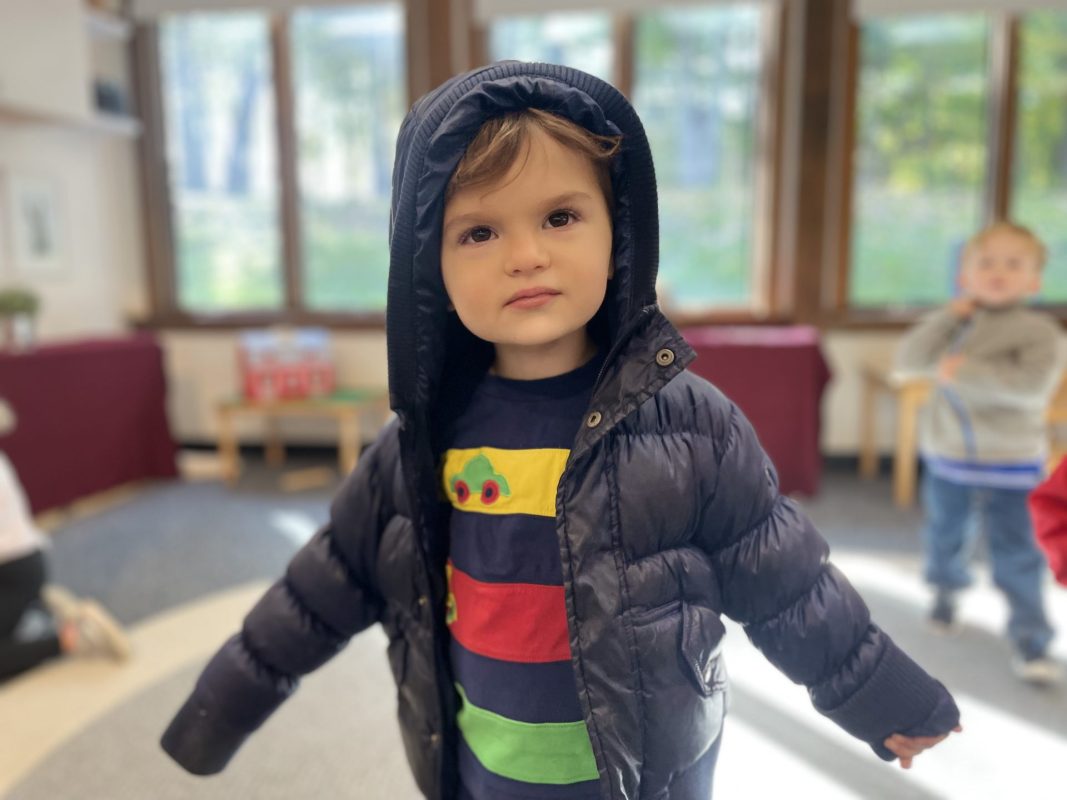
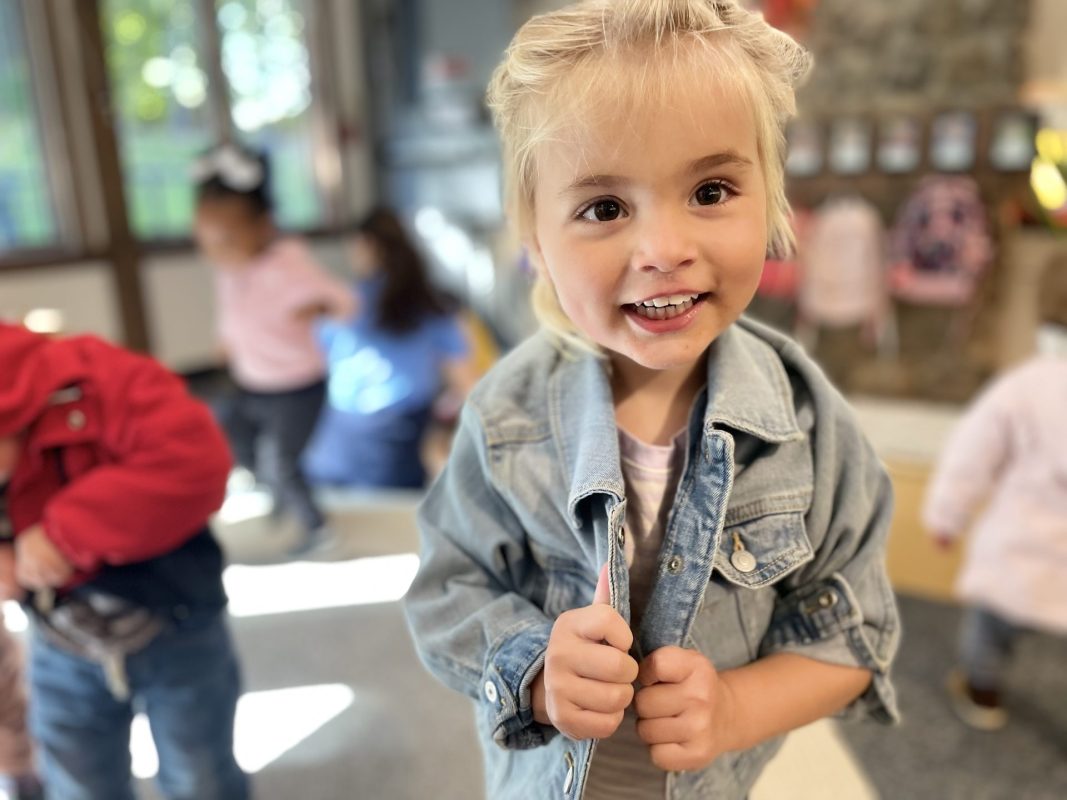
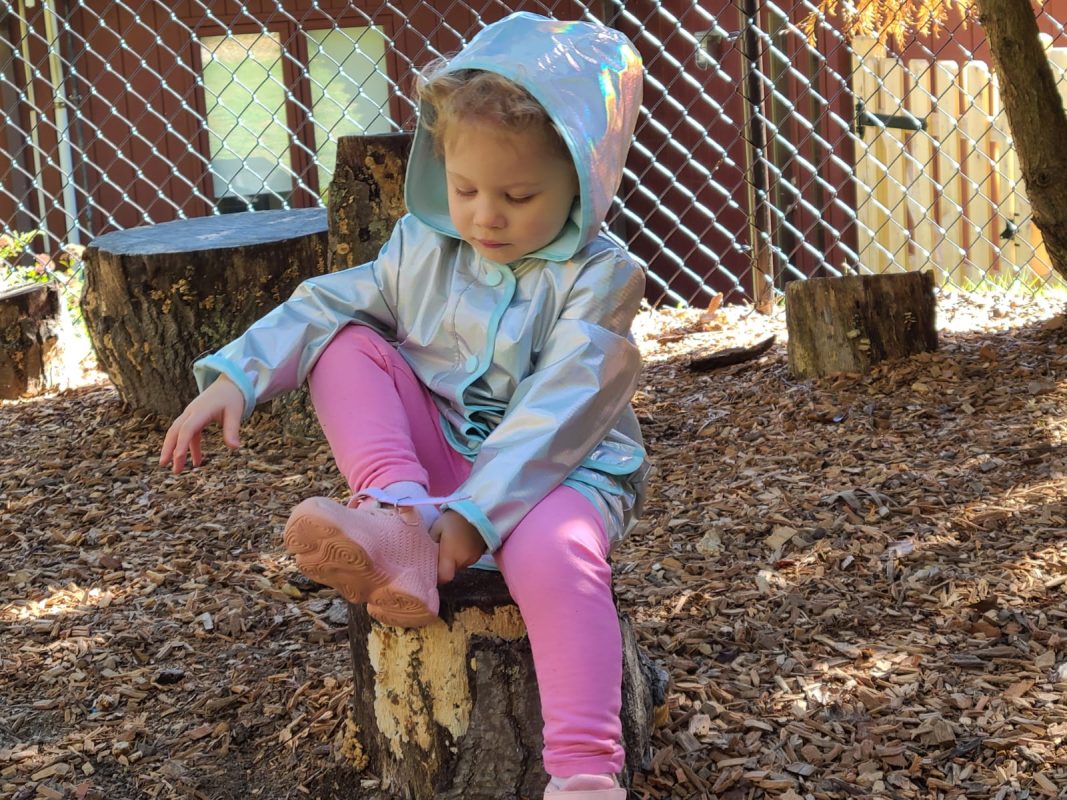
Another practical life lesson we introduced this week in the area of self-care was putting on a jacket. Children received a lesson using what we called the “fliparoo” trick. Children have been practicing this skill over and over. Please see the video below on the lesson, and please support your child at home to practice this skill.

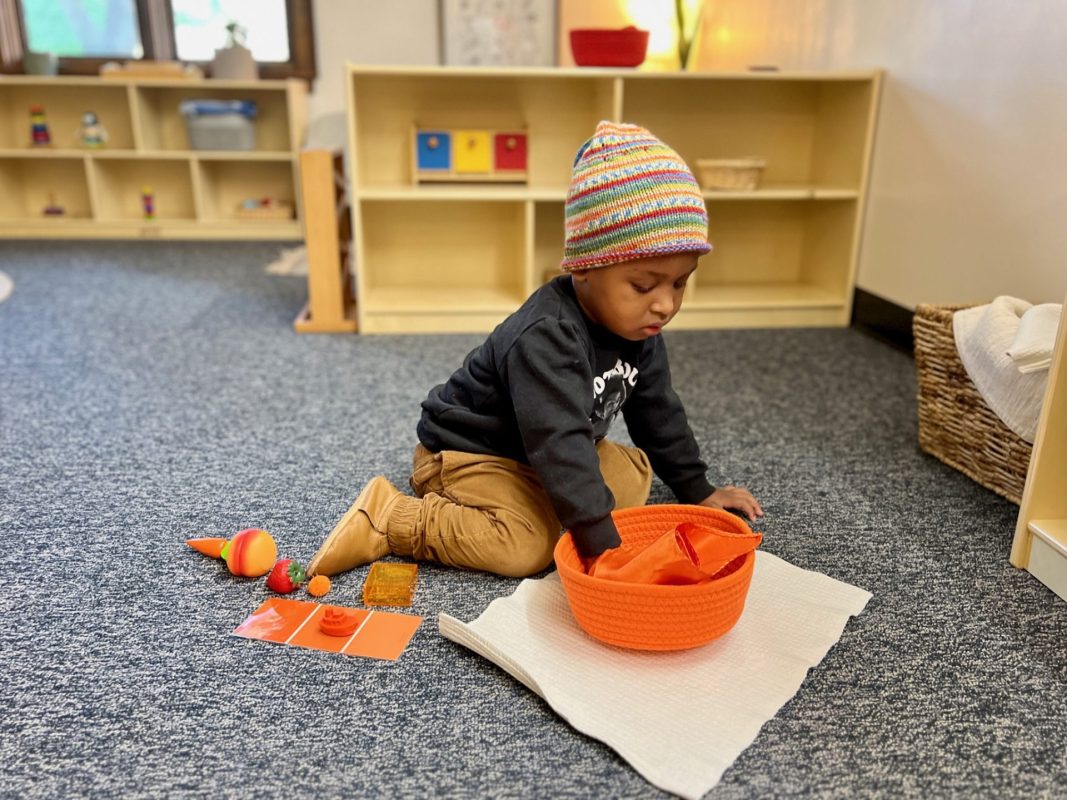
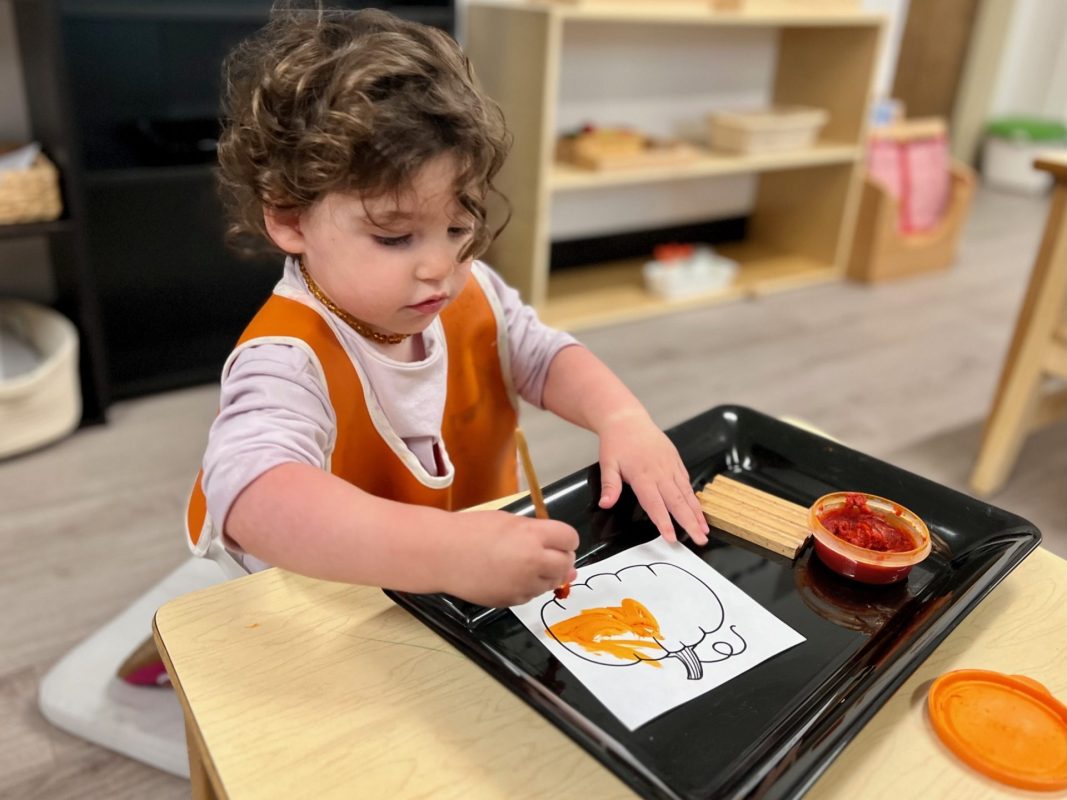
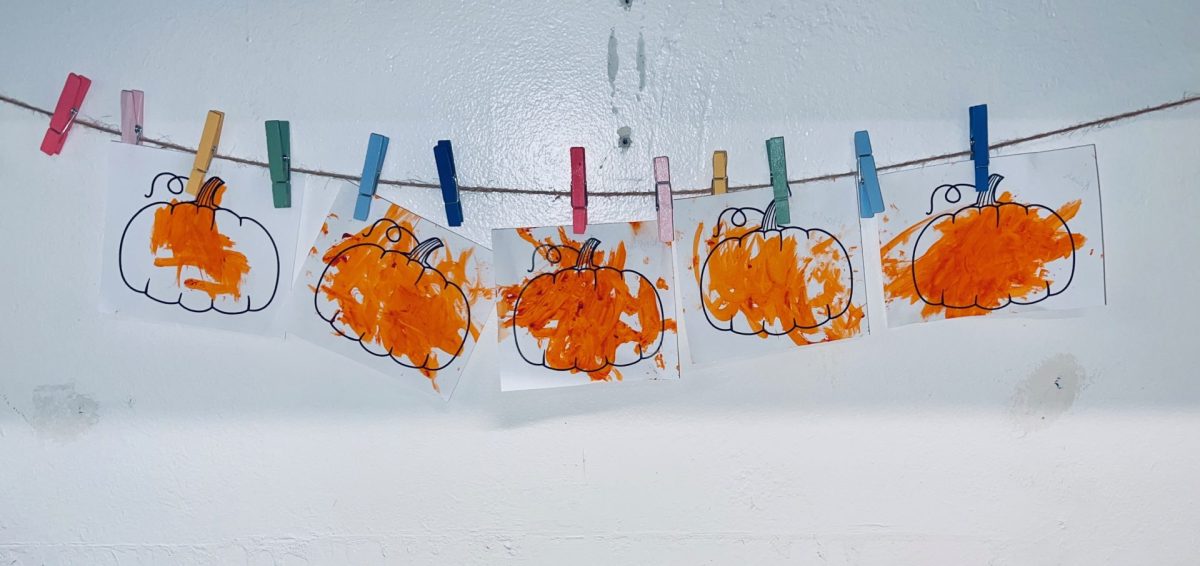
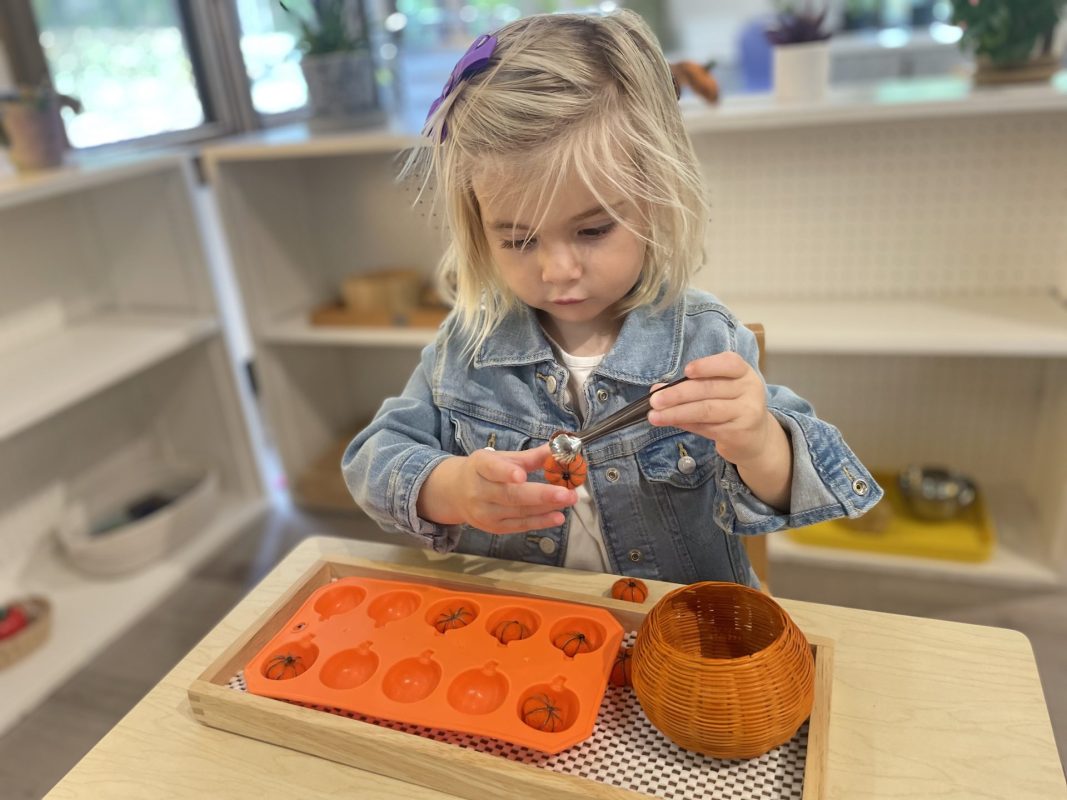
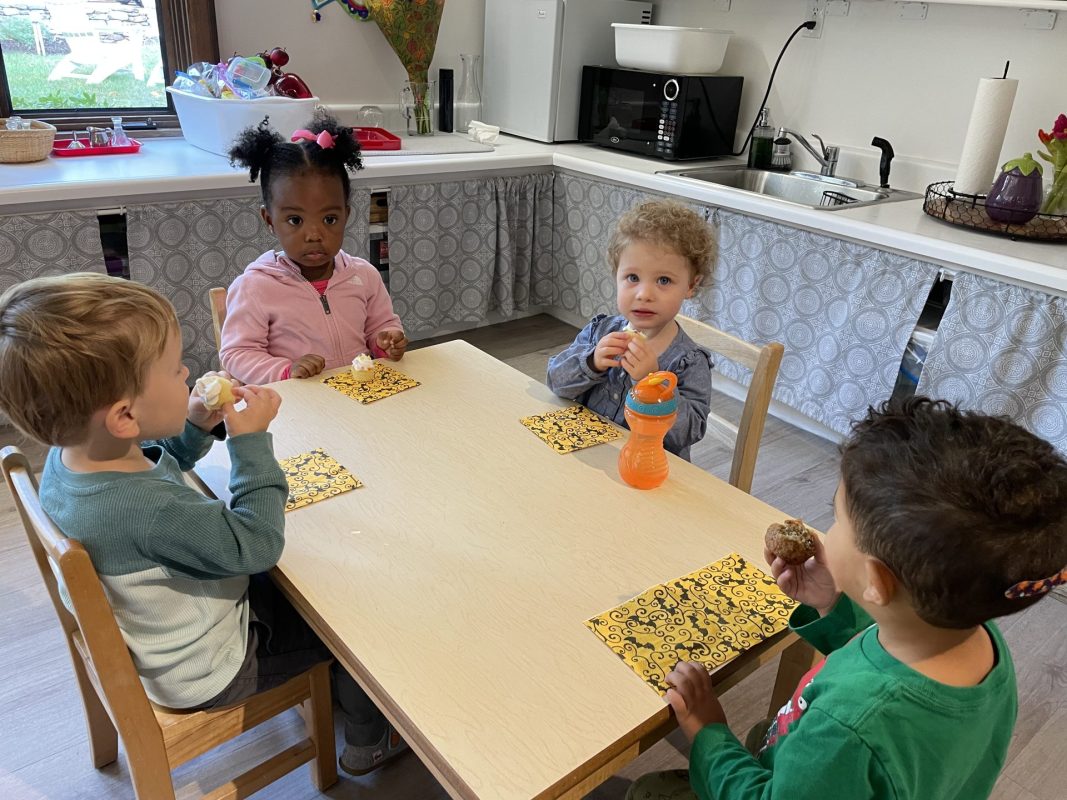
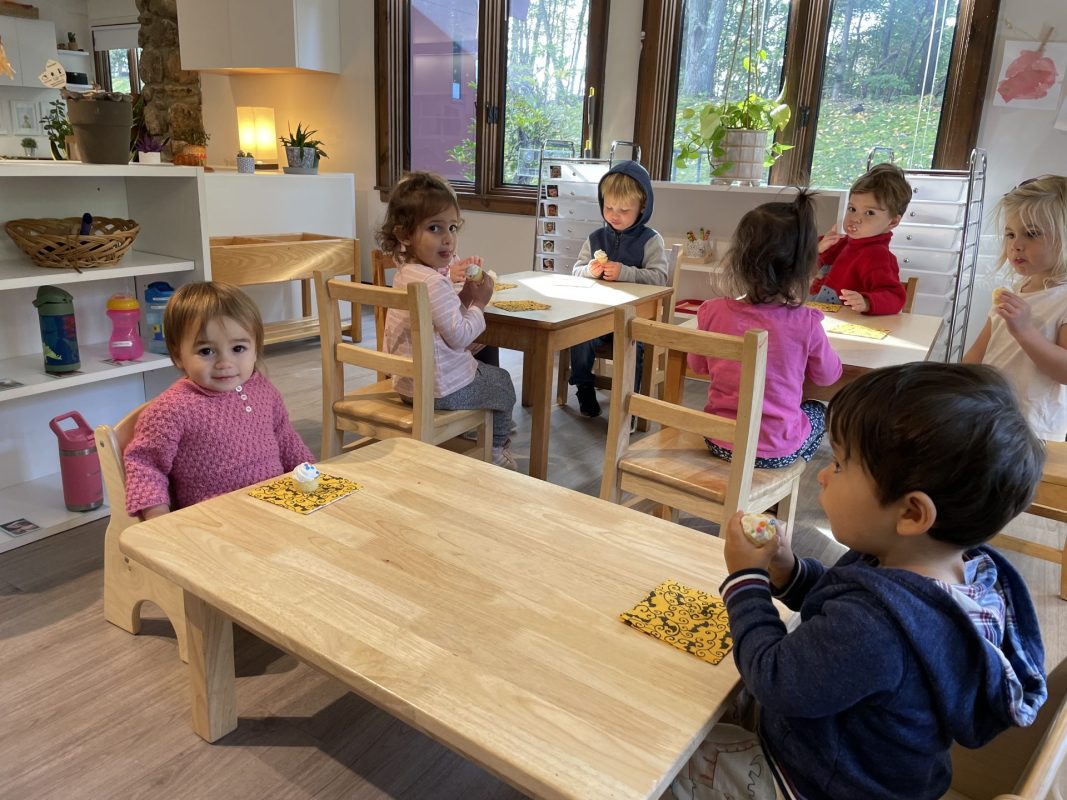
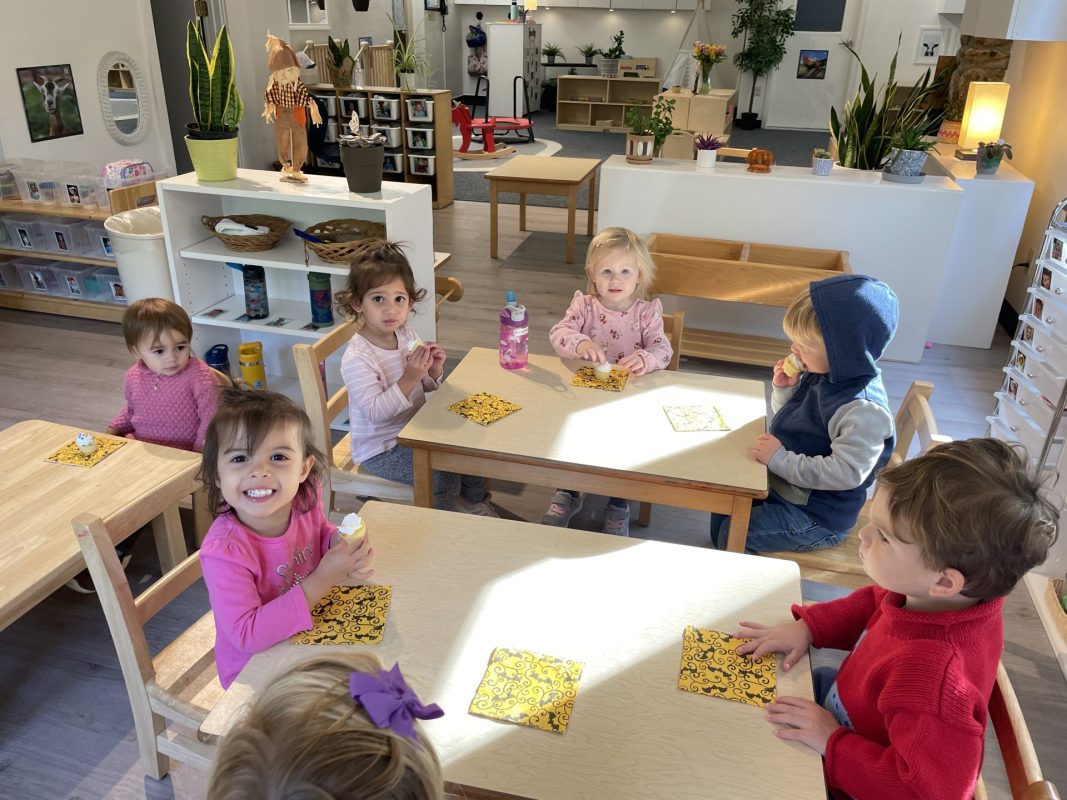
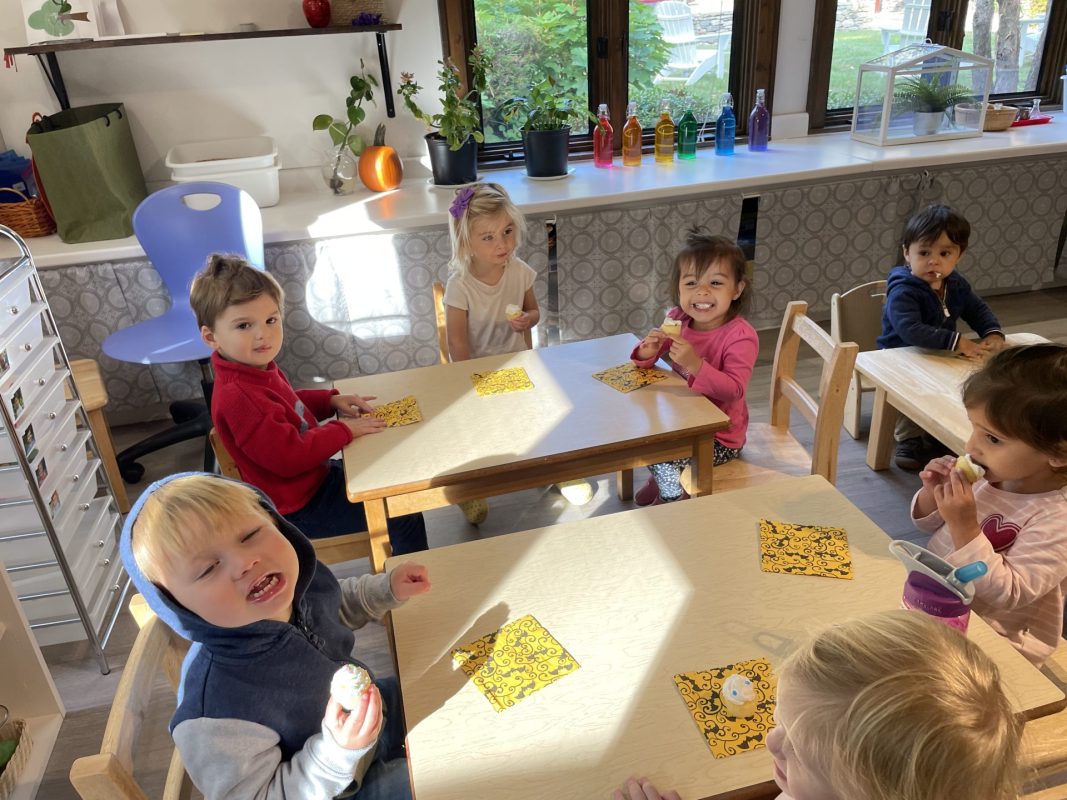
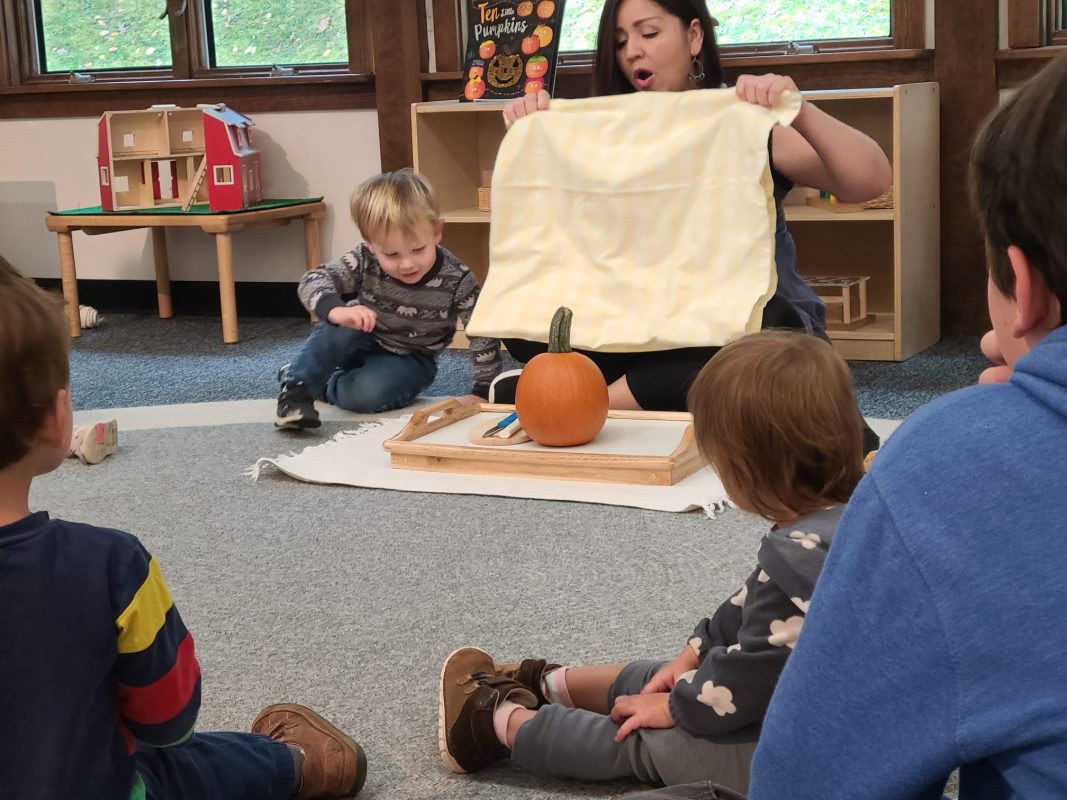
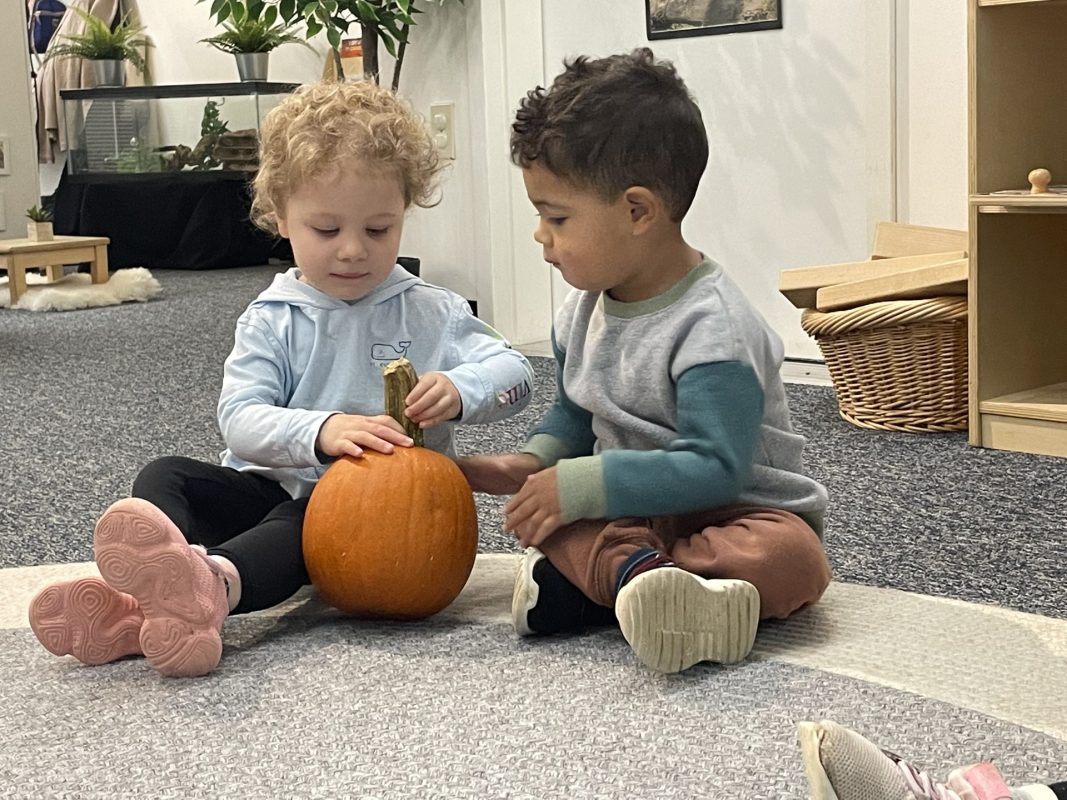
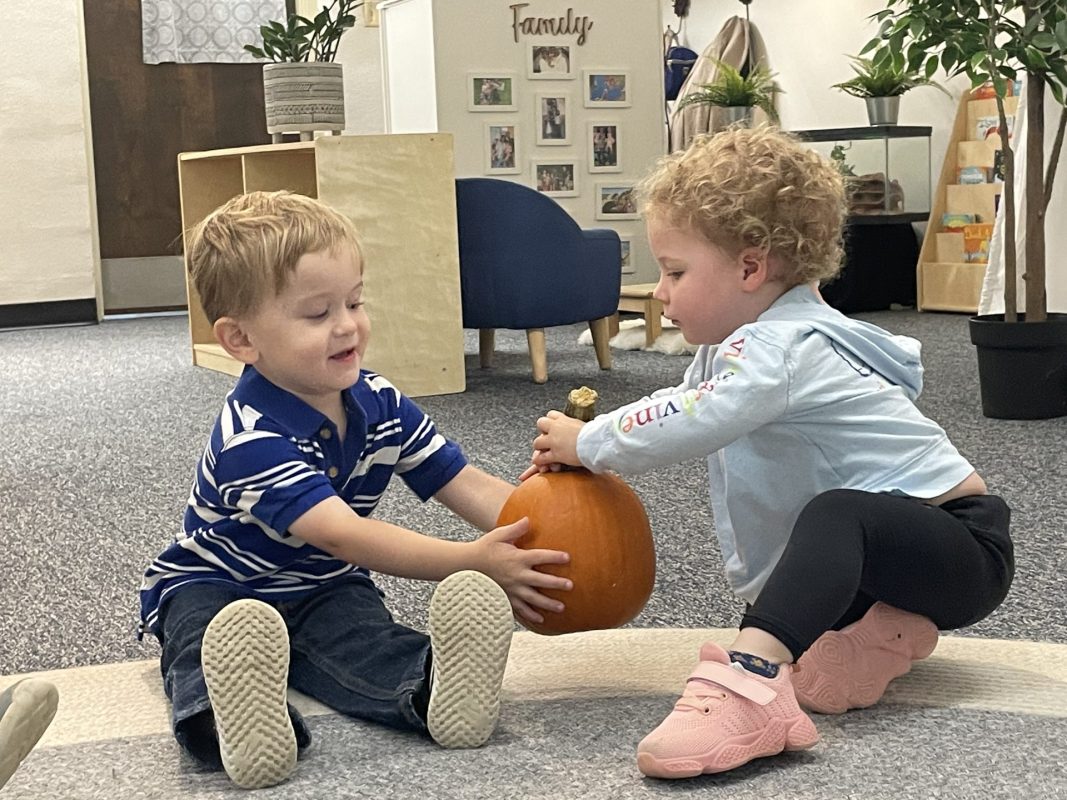
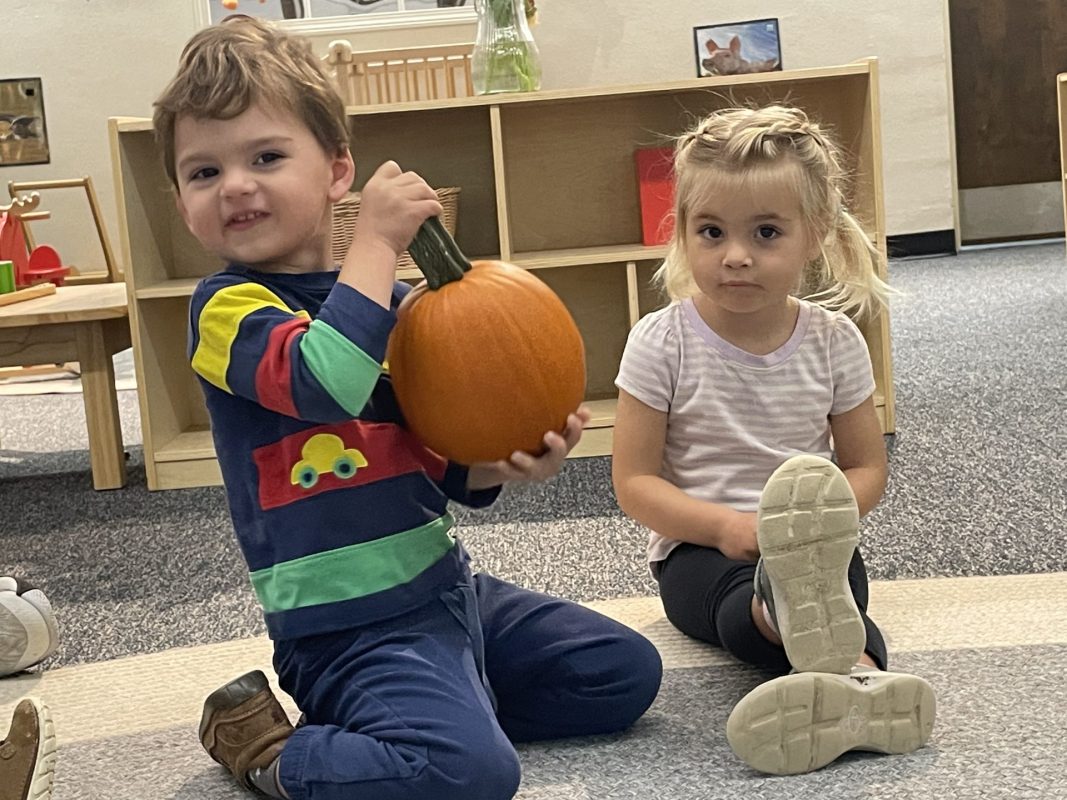
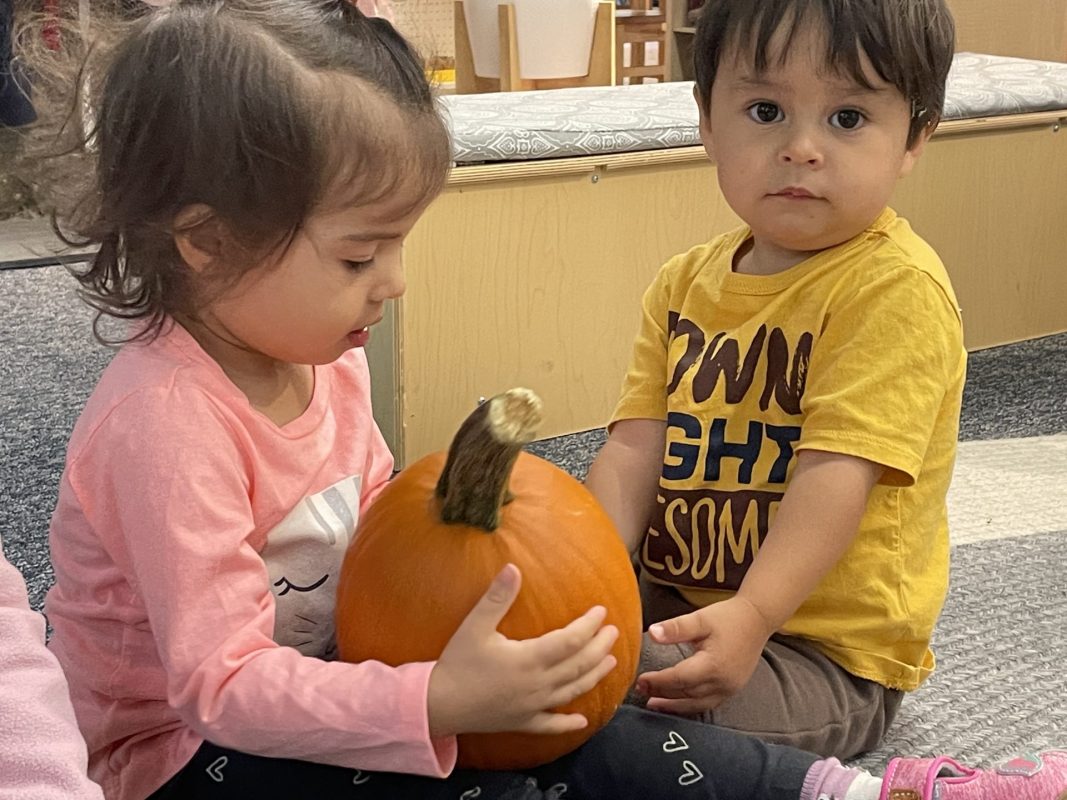
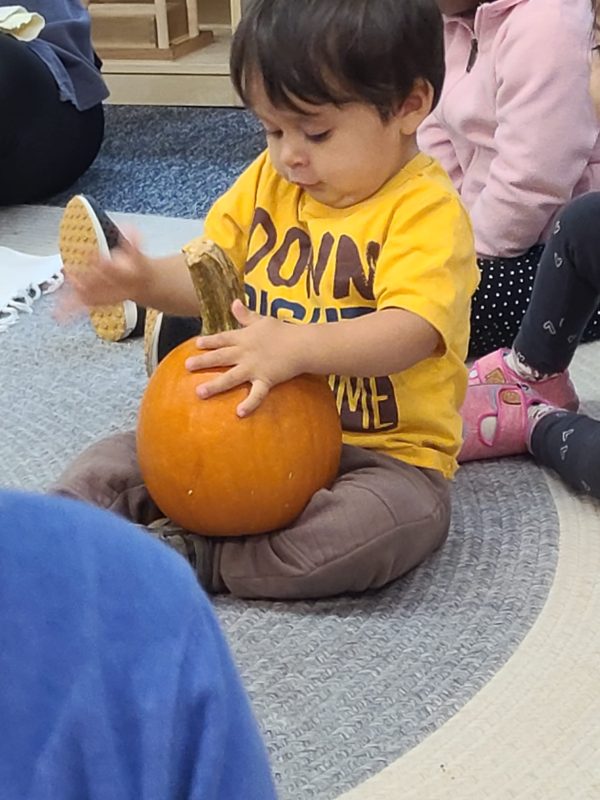
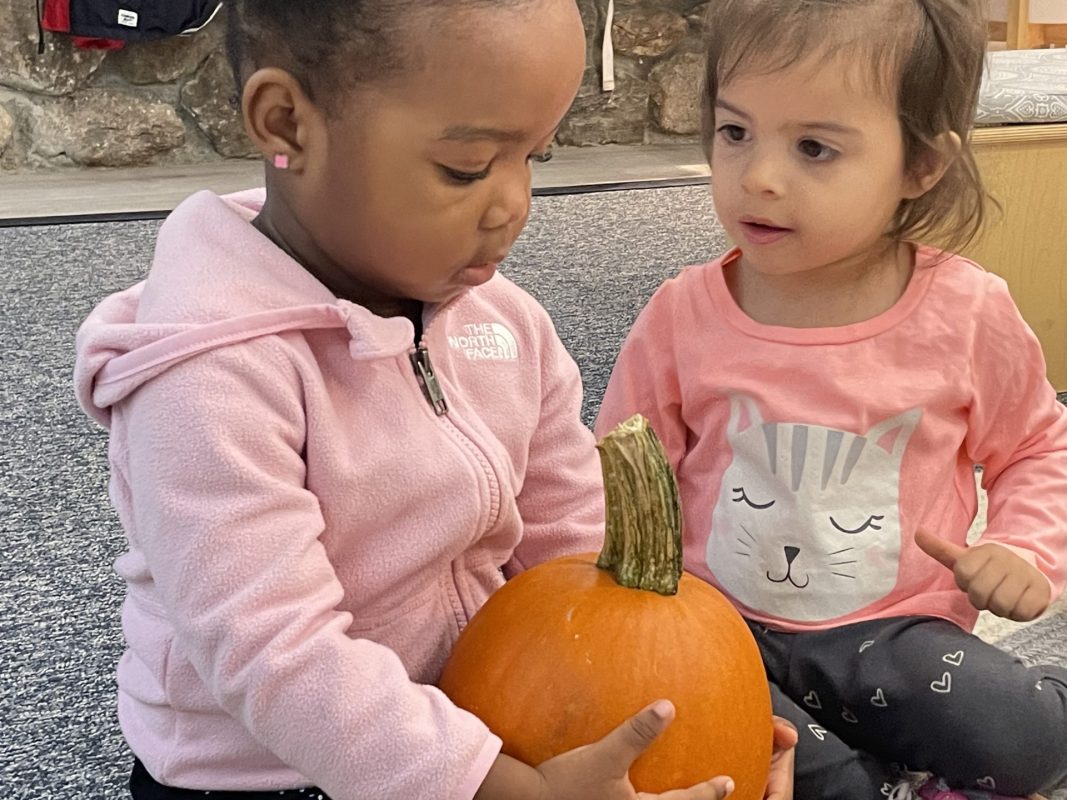
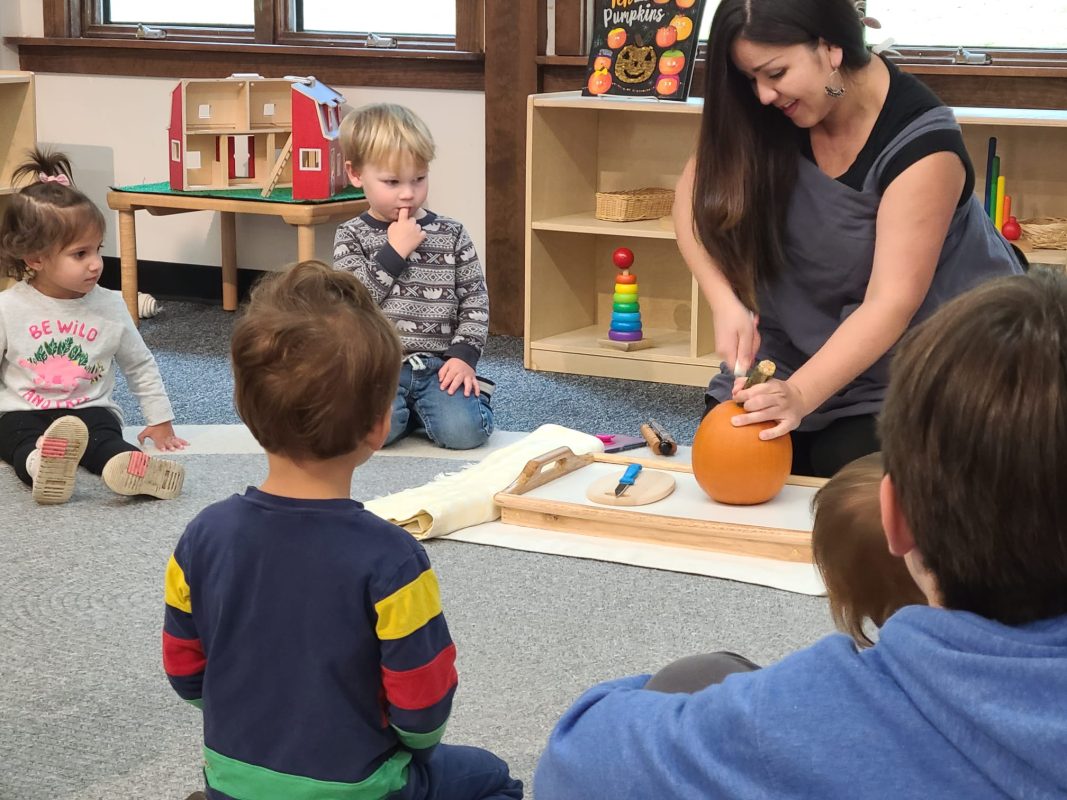
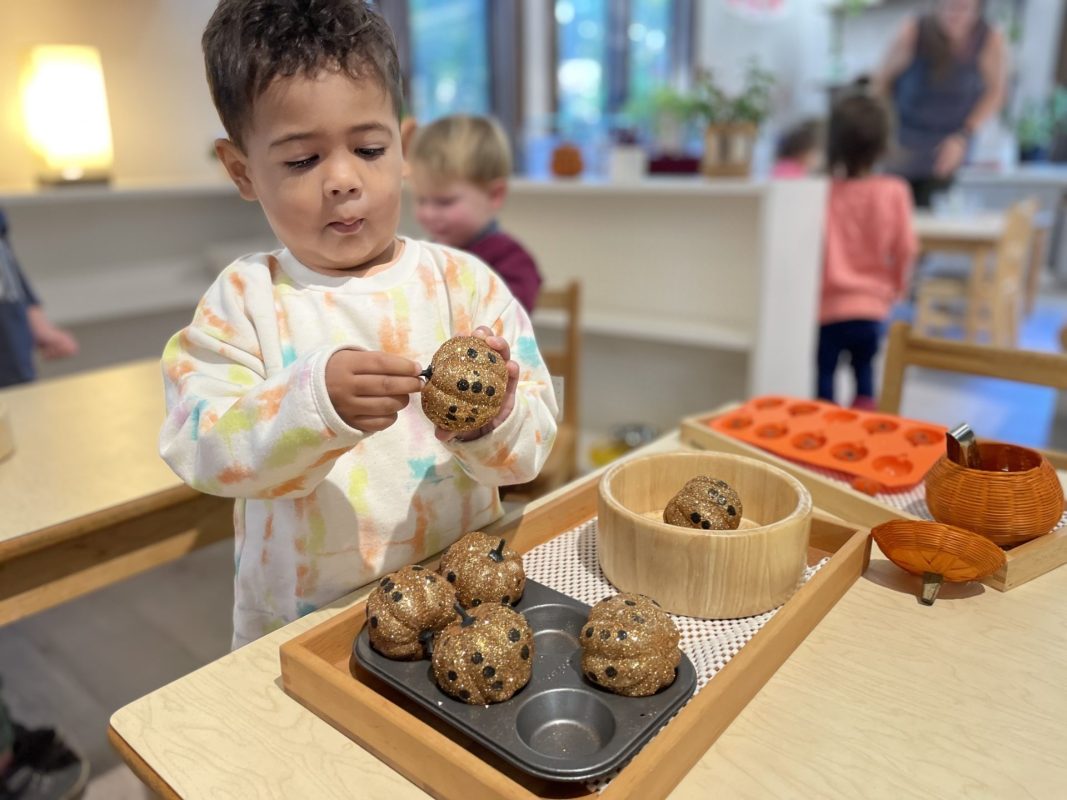
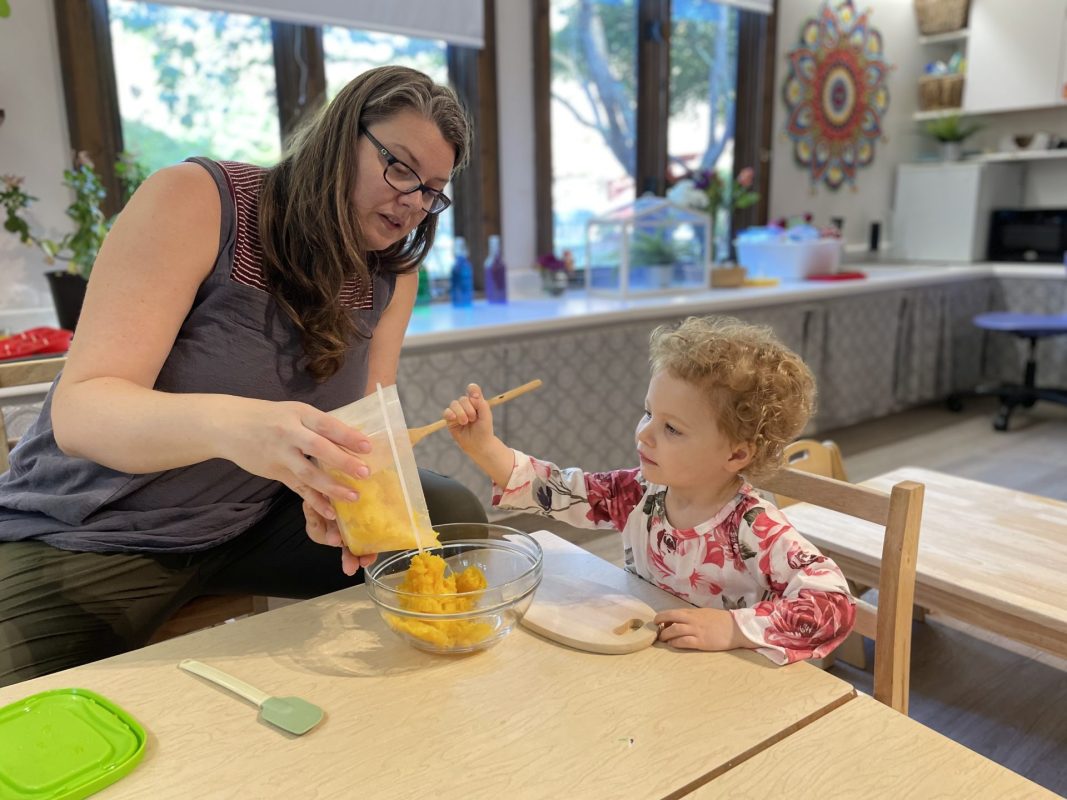
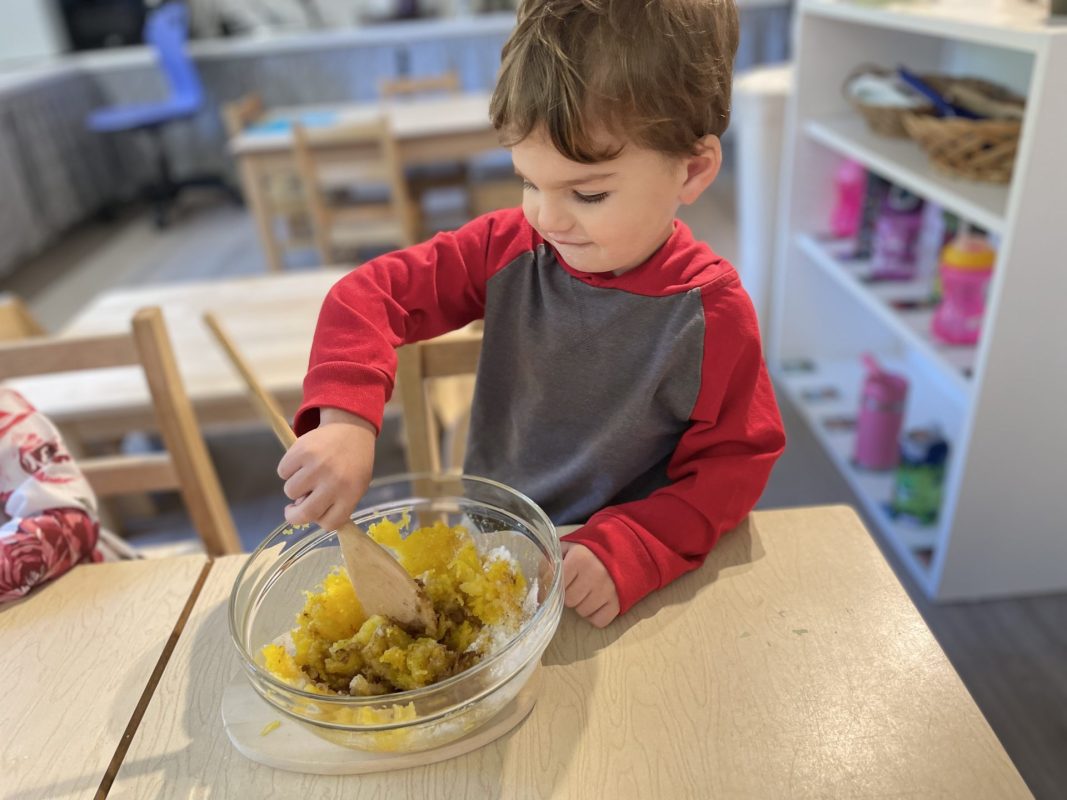
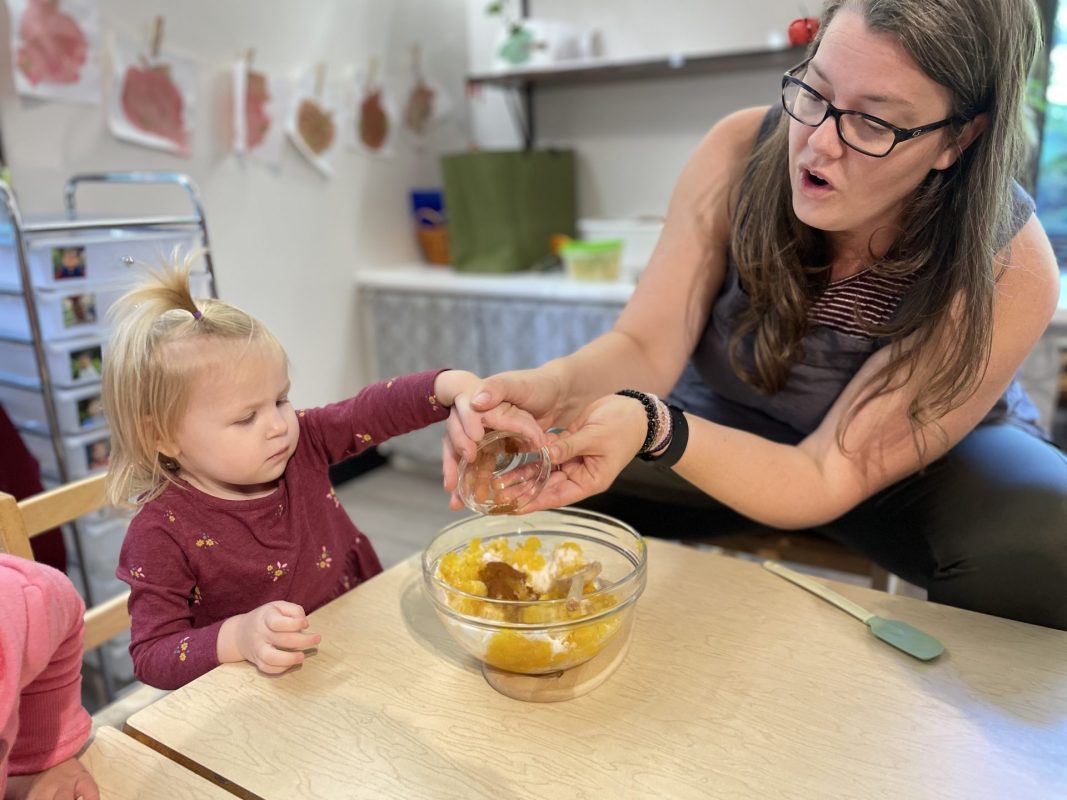
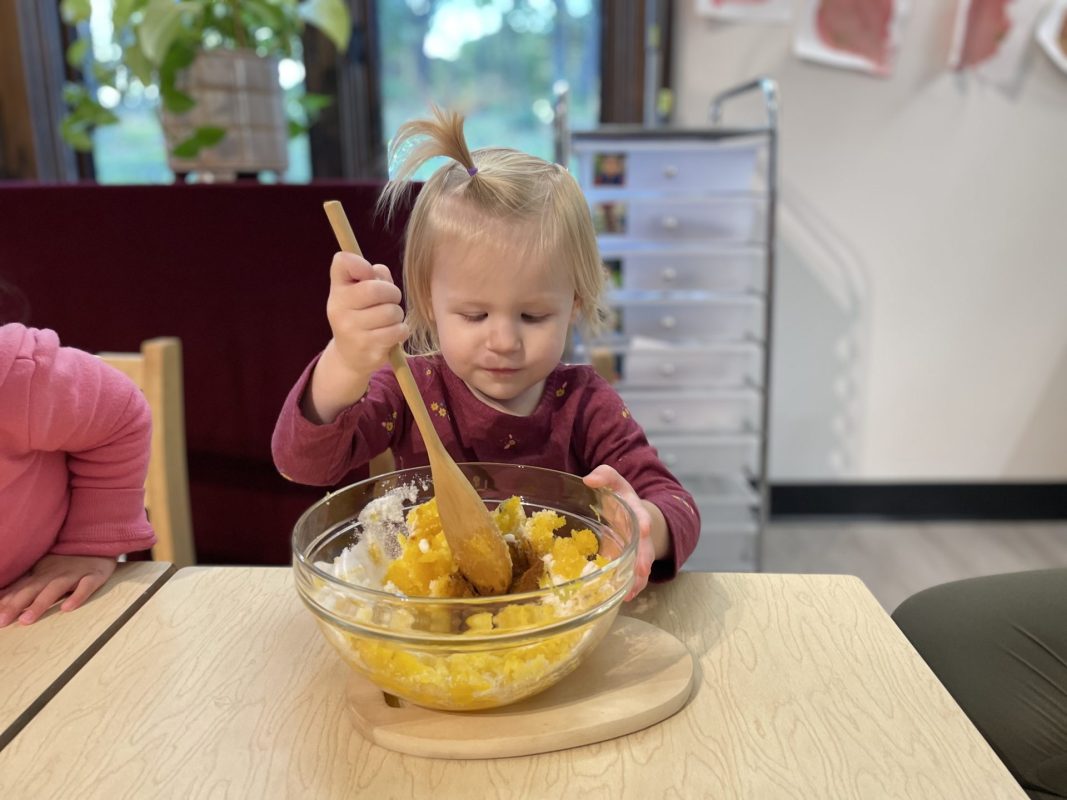
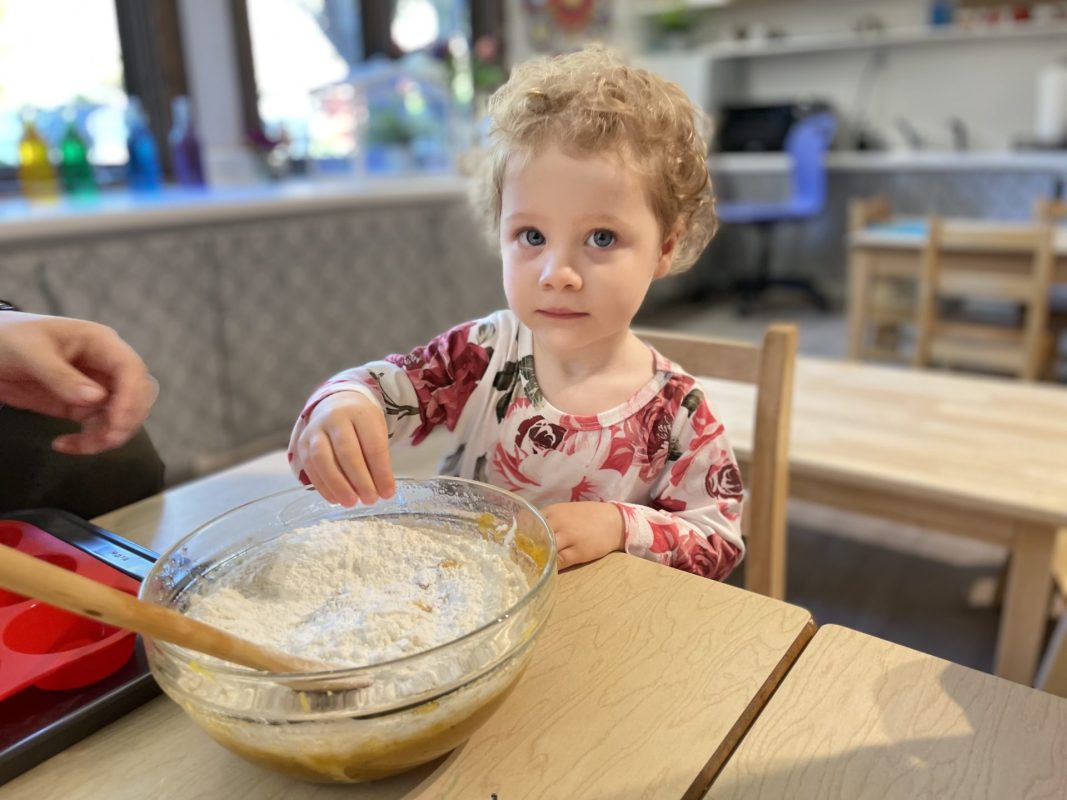
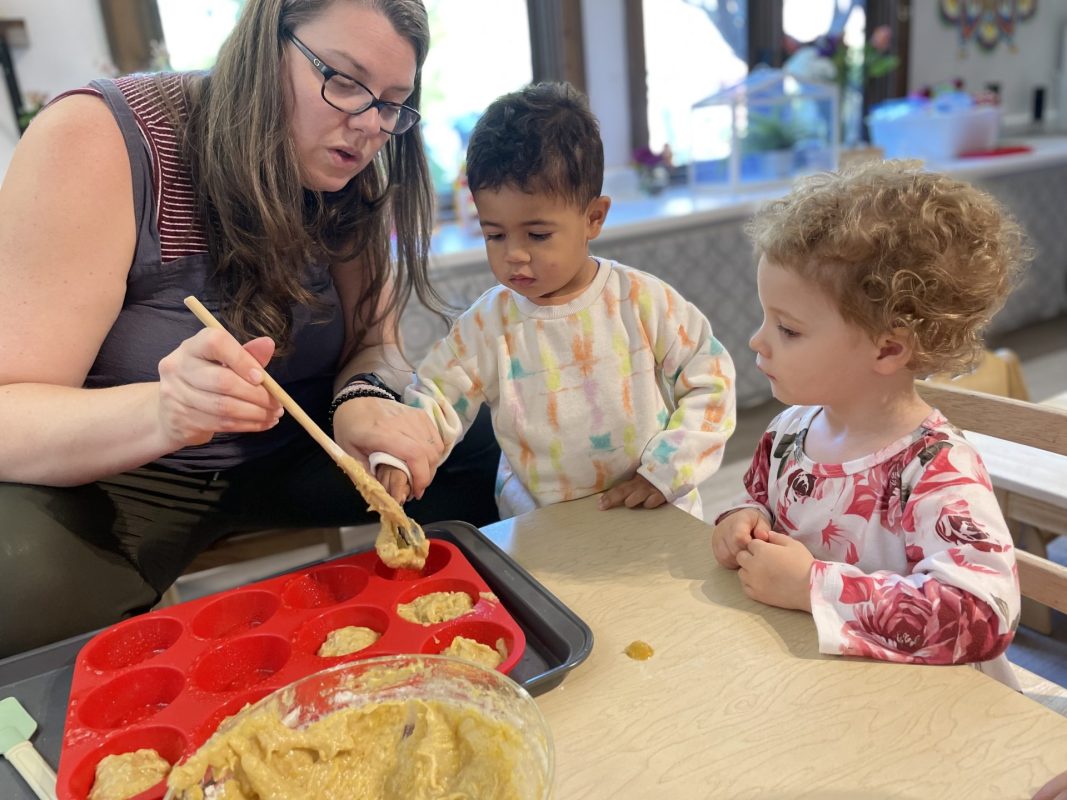
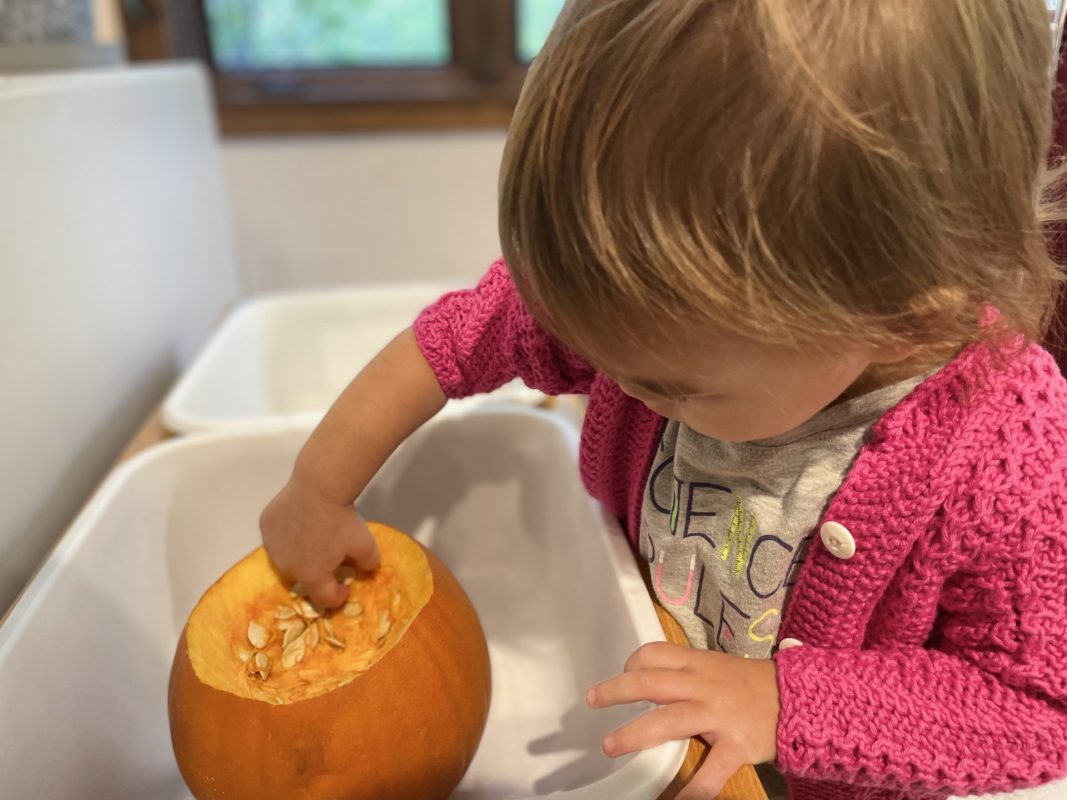
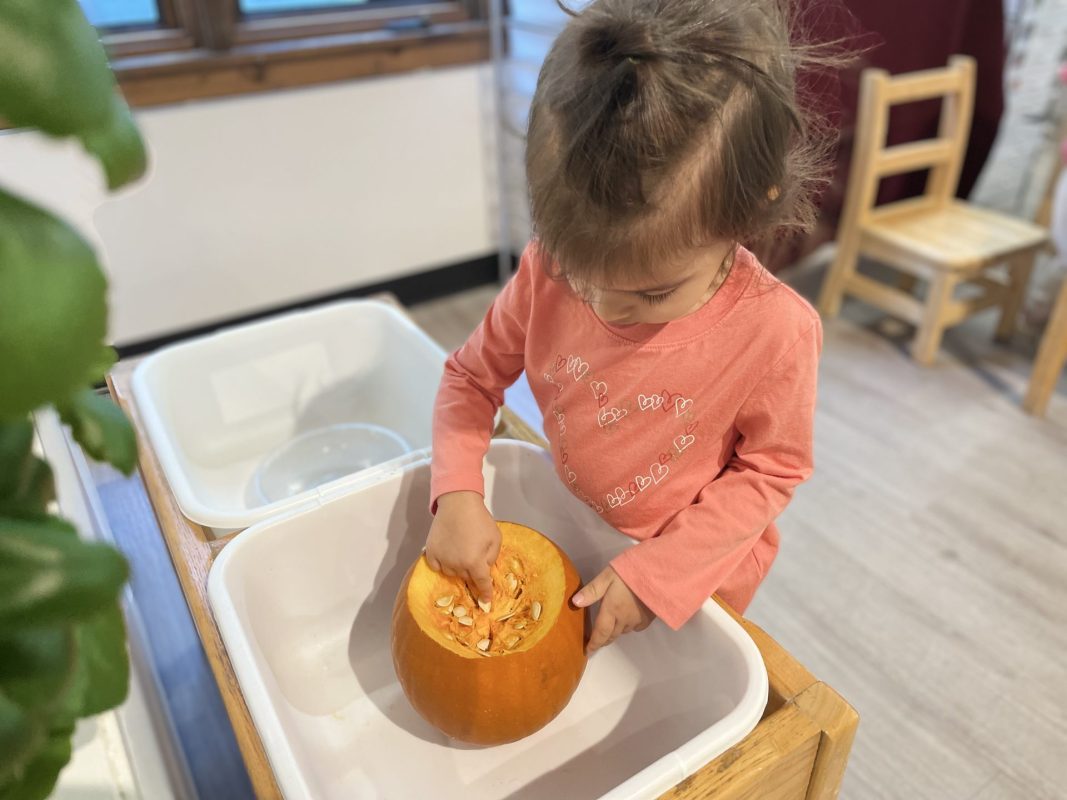
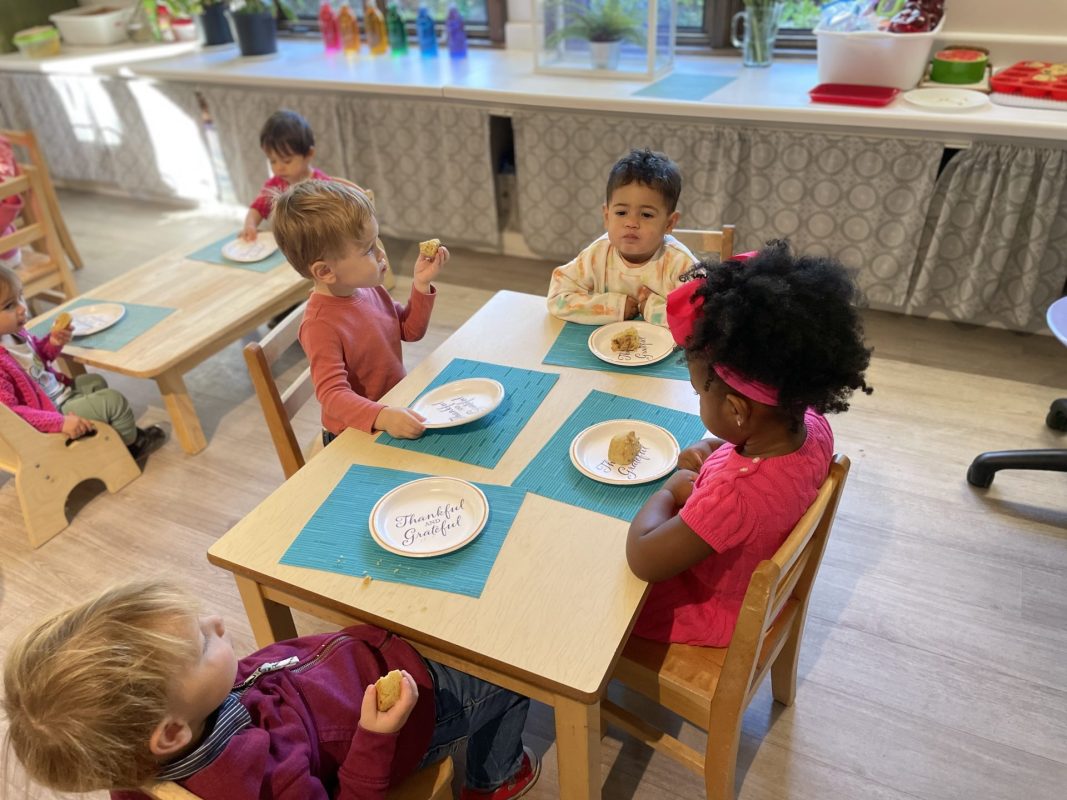
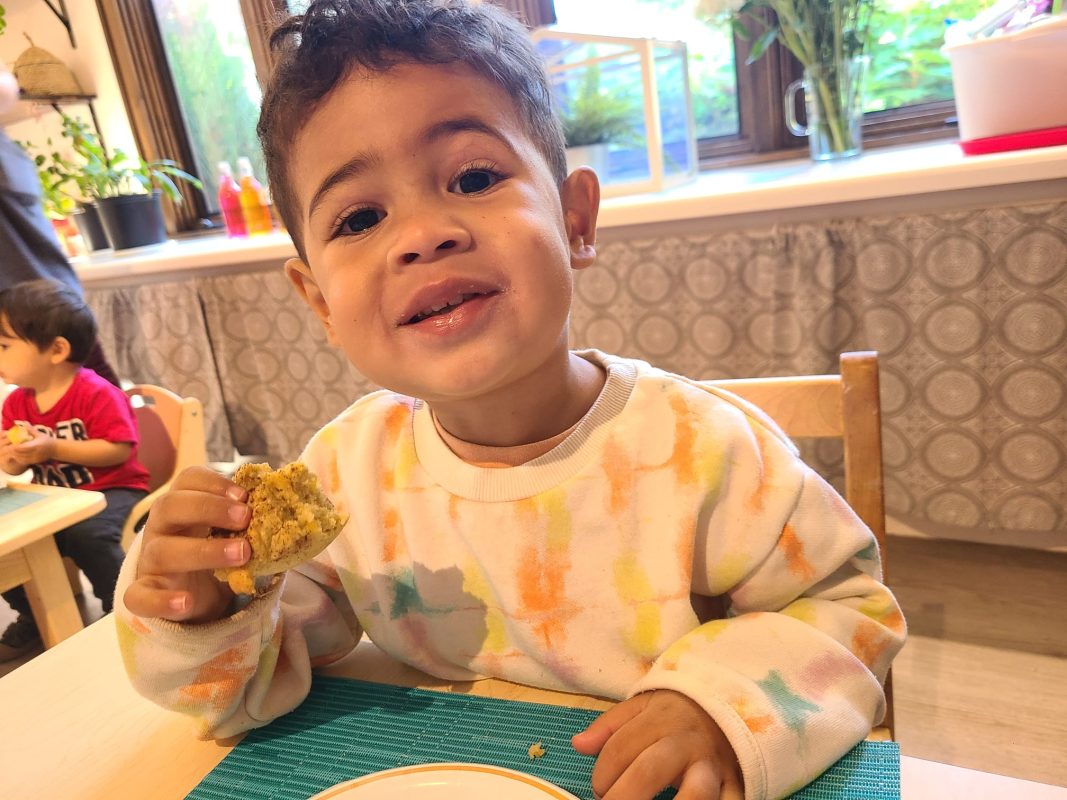
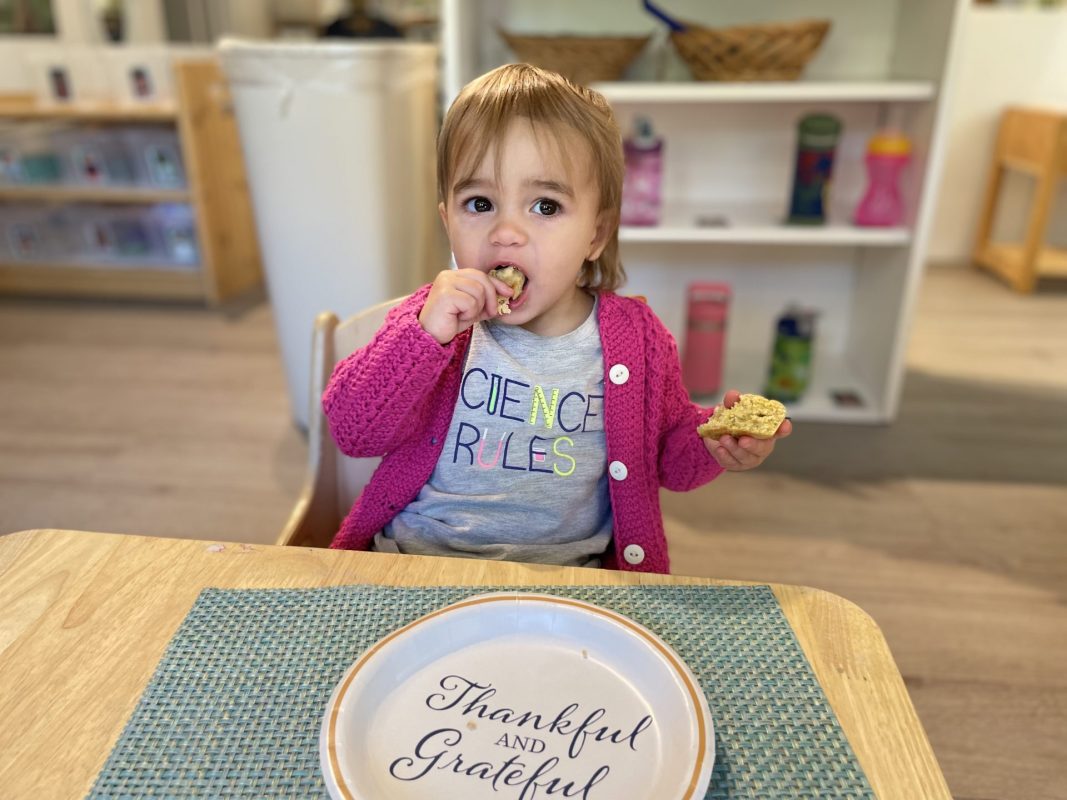
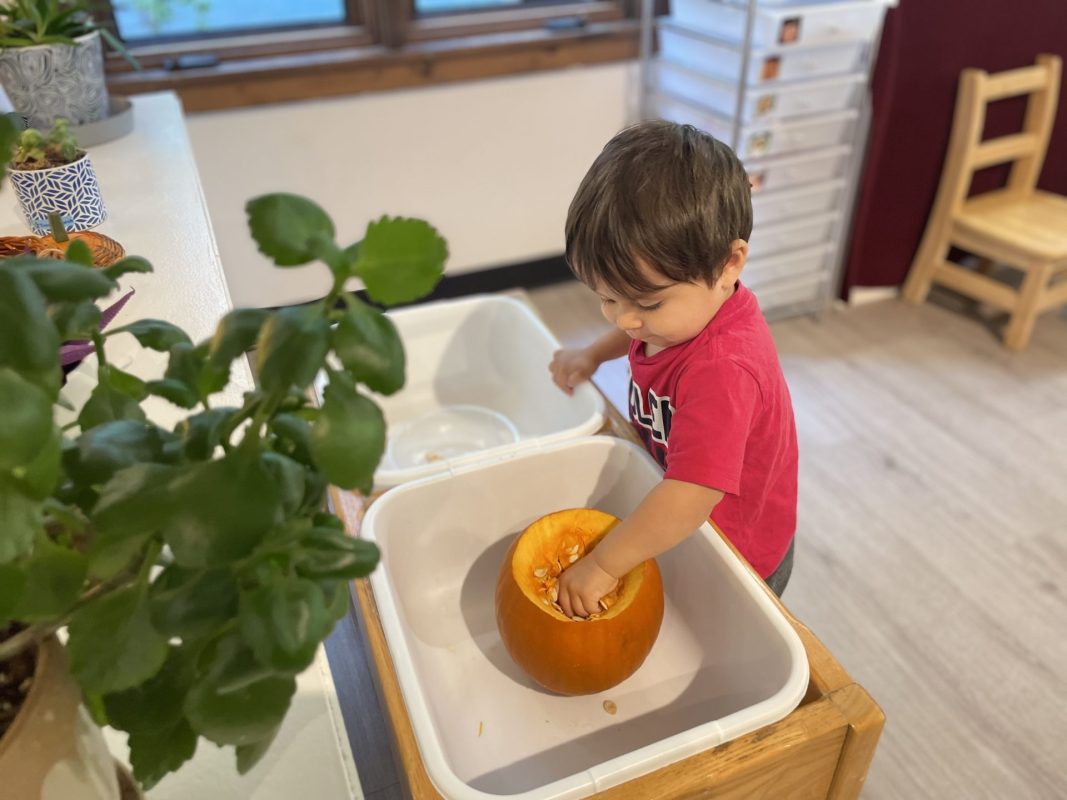
On another note, as we started our pumpkin unit this week, children had the opportunity to explore the outside and inside of a pumpkin! Skin, pulp, strands, and seeds were new vocabulary words used to describe the parts of a pumpkin. We also talked about its texture, size, and color. Smooth, rough, and mushy were adjectives we repeated over and over, as well as naming the color orange. Pumpkin was also our food-tasting item this week, but as most of the children didn’t find it really tasty, we decided to find another way to introduce this fruit, so we baked pumpkin muffins with the children, and oh boy, what a difference! Children enjoyed it so much that they kept asking for more and more.

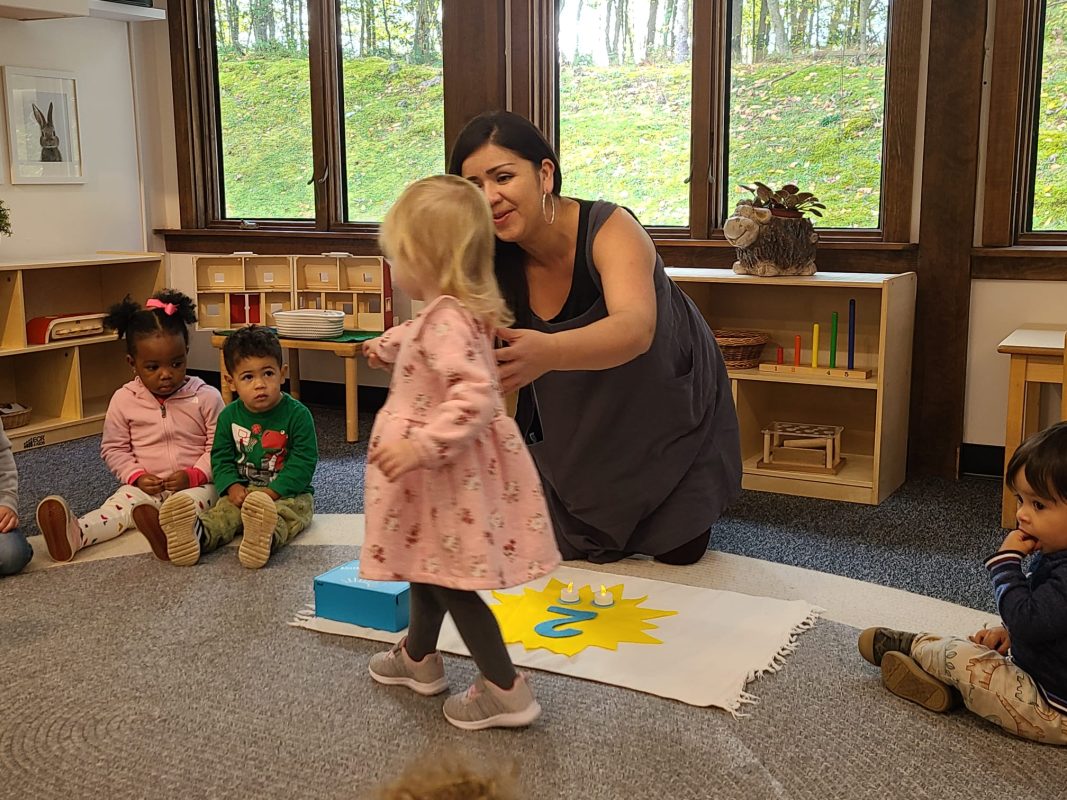
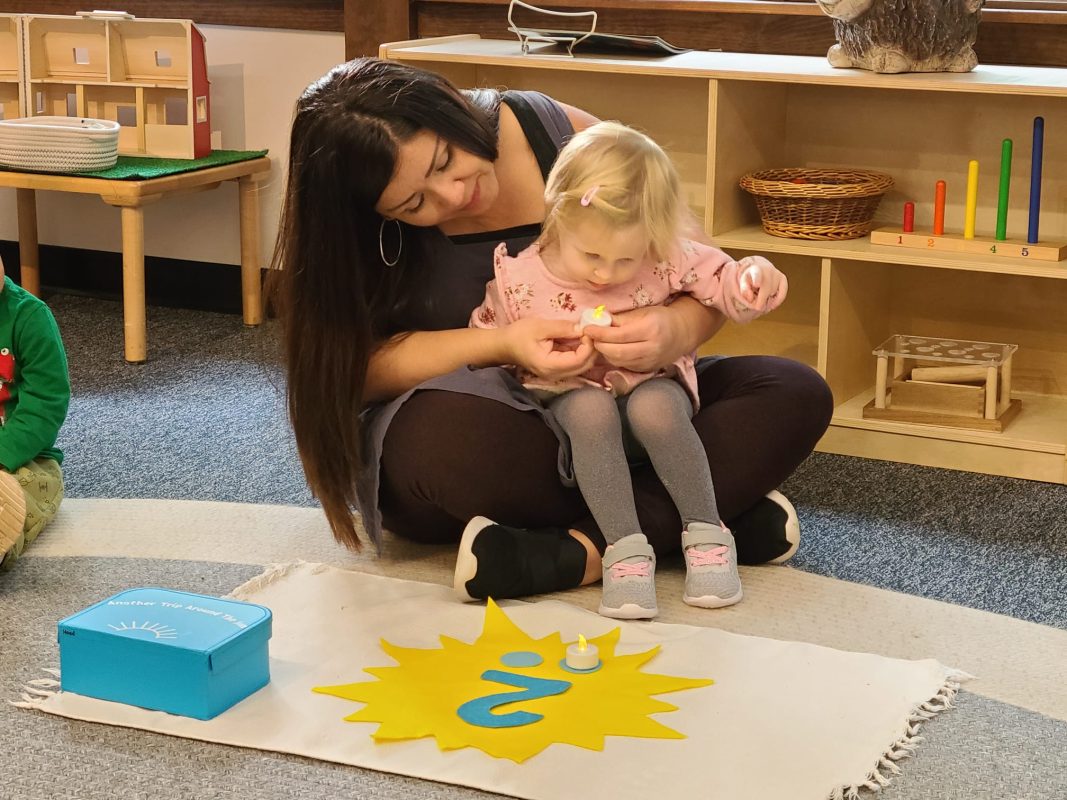
Lastly, we celebrated another birthday this week! It’s such a joy seeing the children growing healthy and loved!

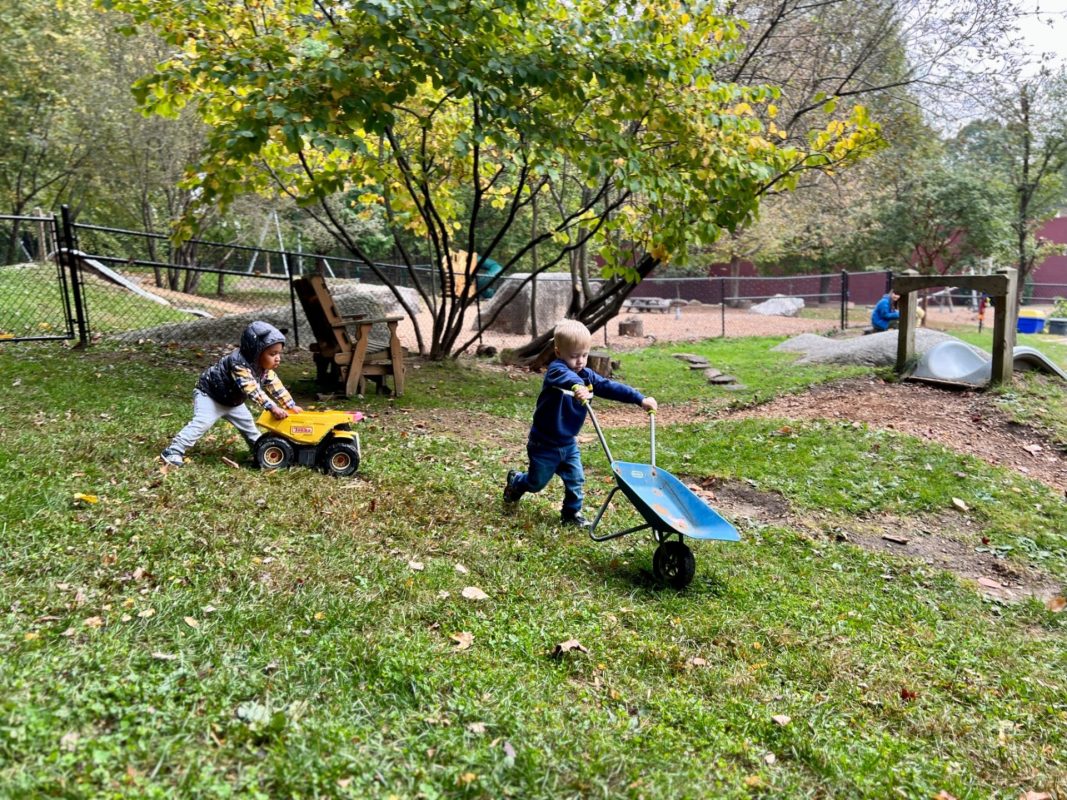
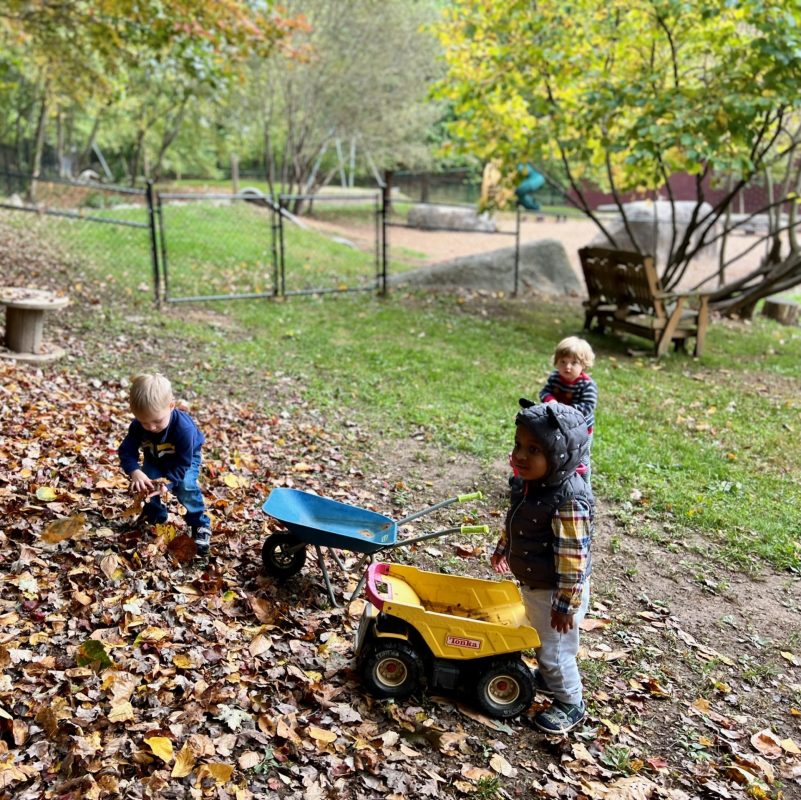
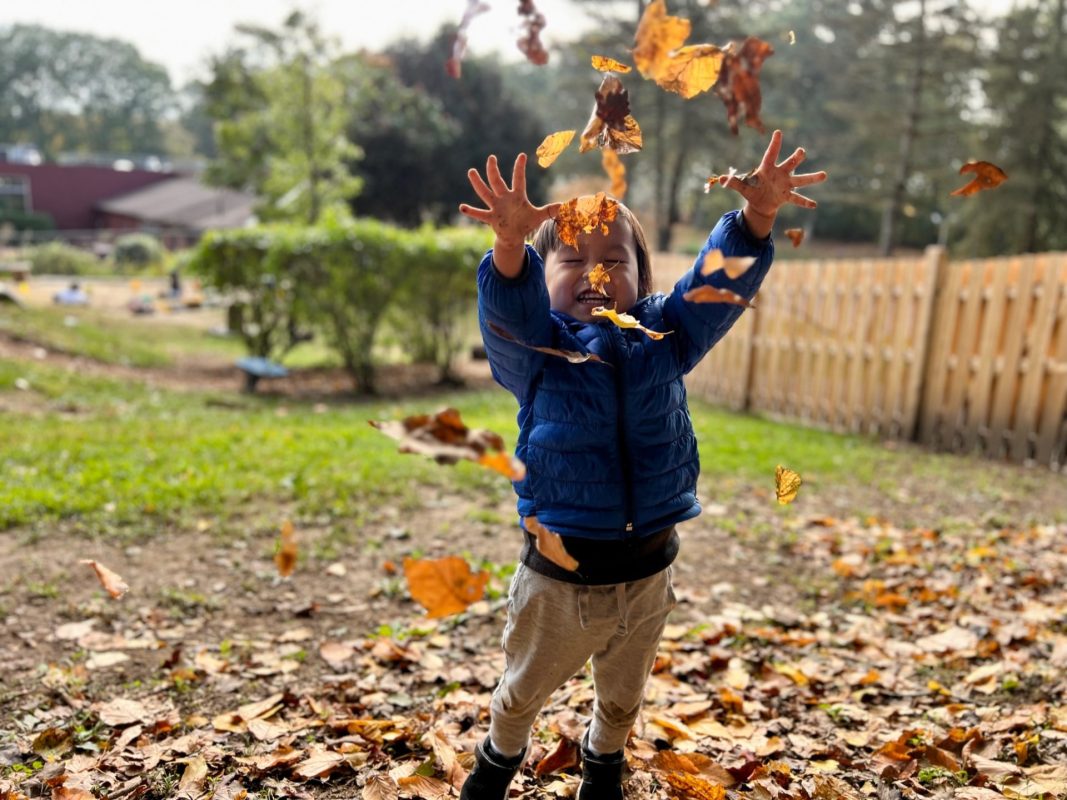
Enjoy the pictures!

Mrs. Hood and Ms. Mollie

Reminder: Parent-teacher conferences are coming up. To maximize our 20 minutes together, we would greatly appreciate you emailing your questions to us prior to it. Please take some time to think about your questions and send them to ahood@fraserwoods.com by Friday, October 20th.