Blog

Exploring Nature and Building Connections in Lower El

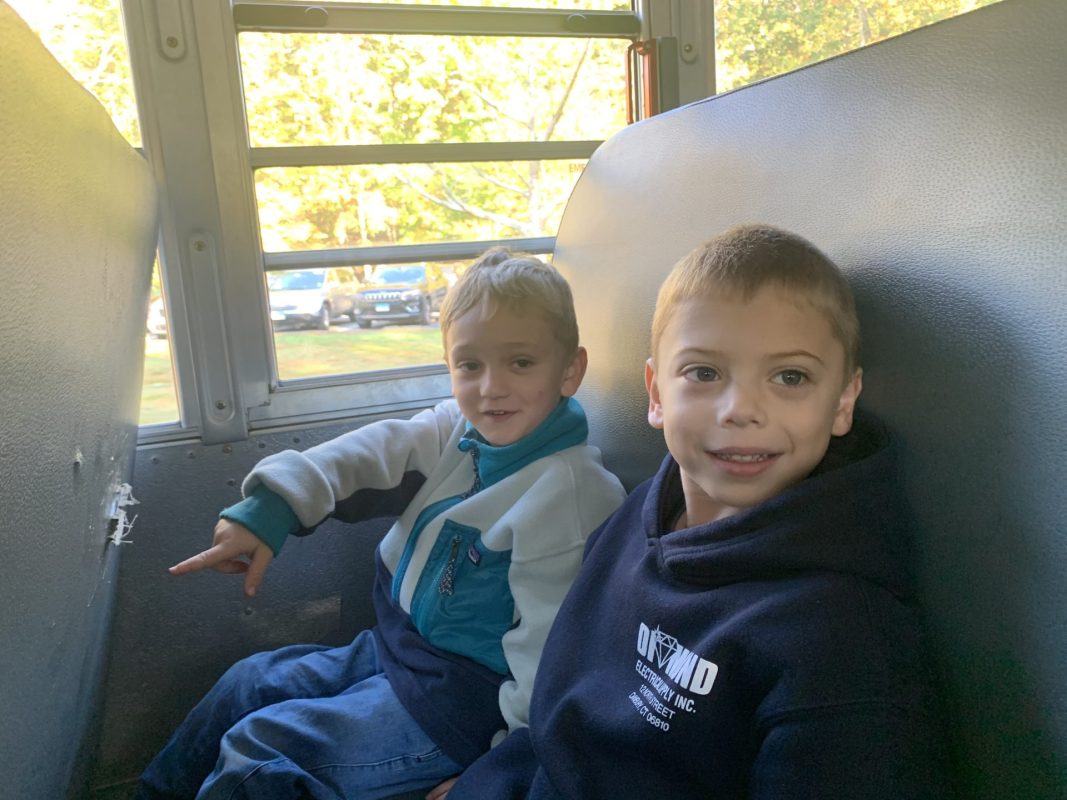
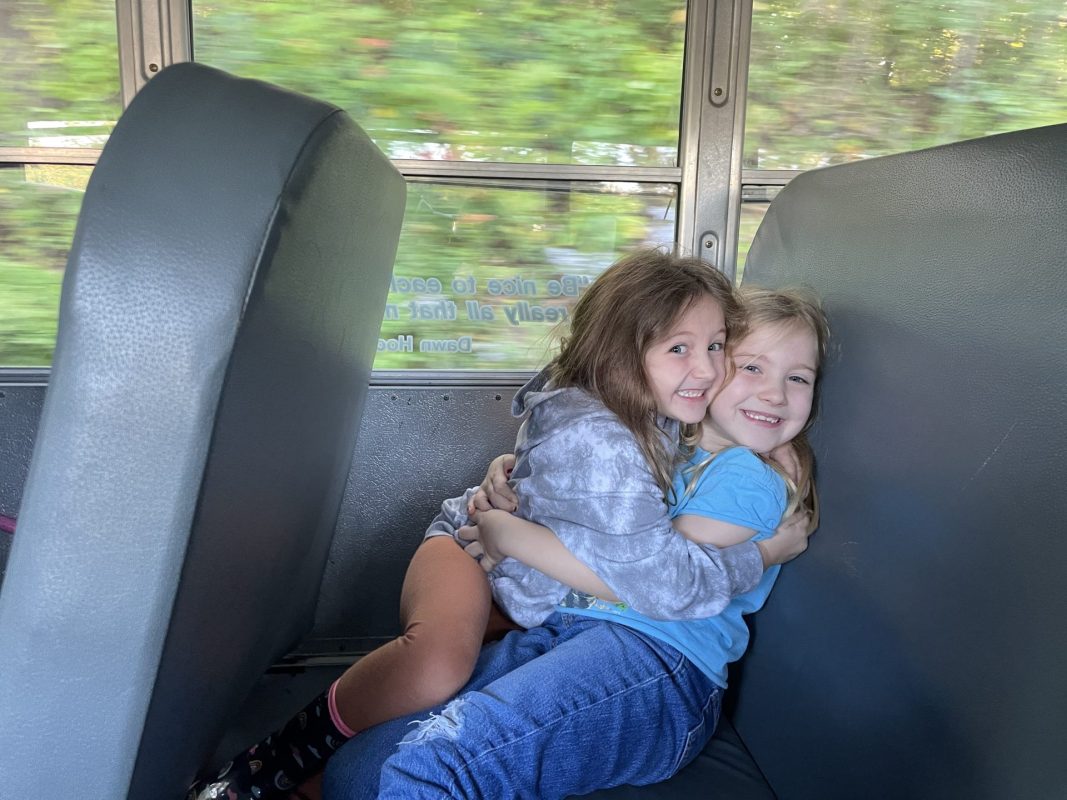
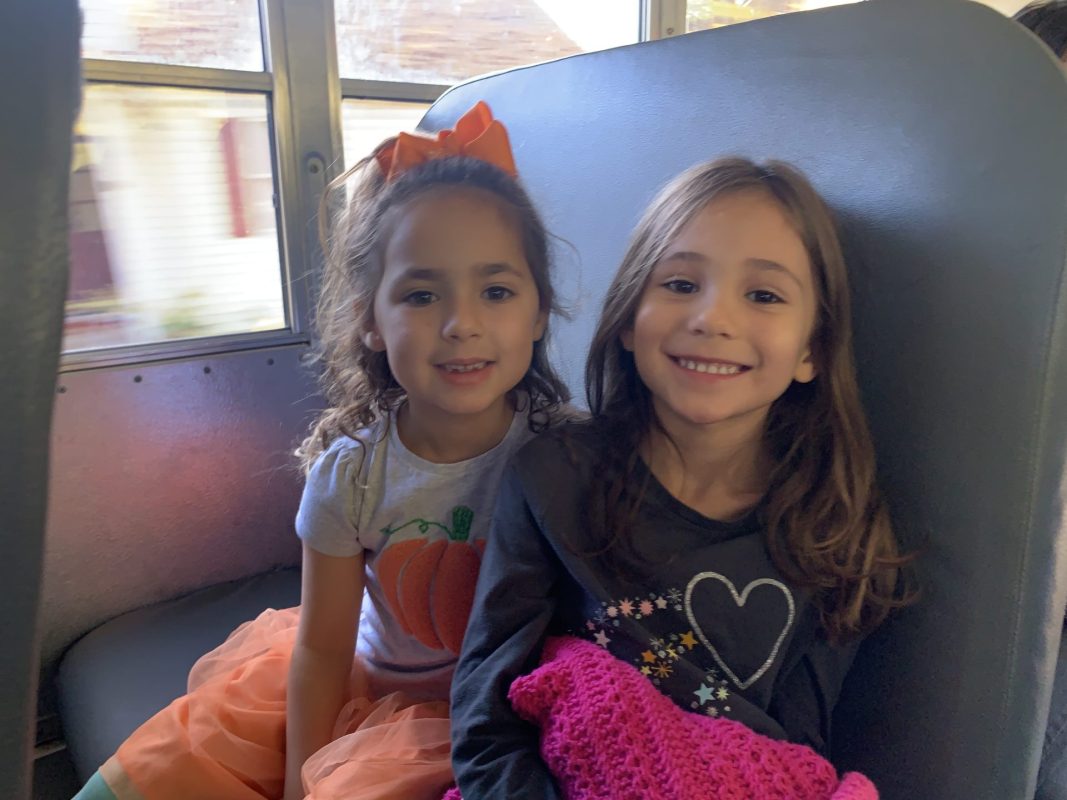
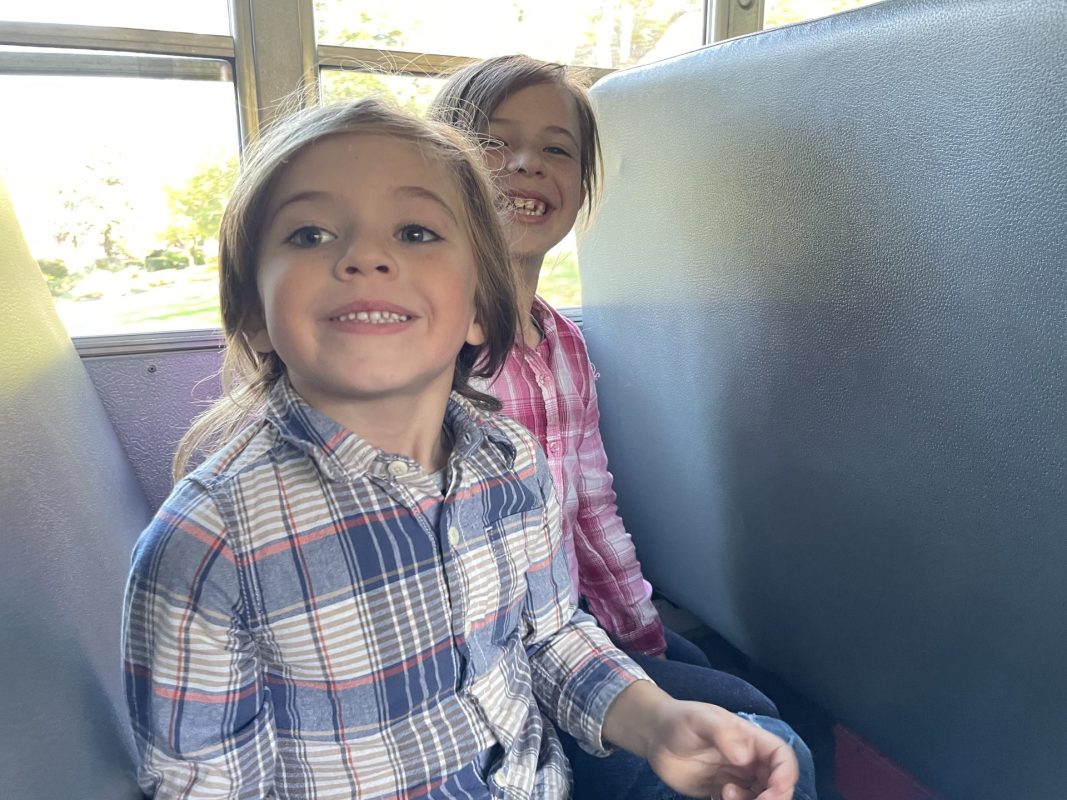
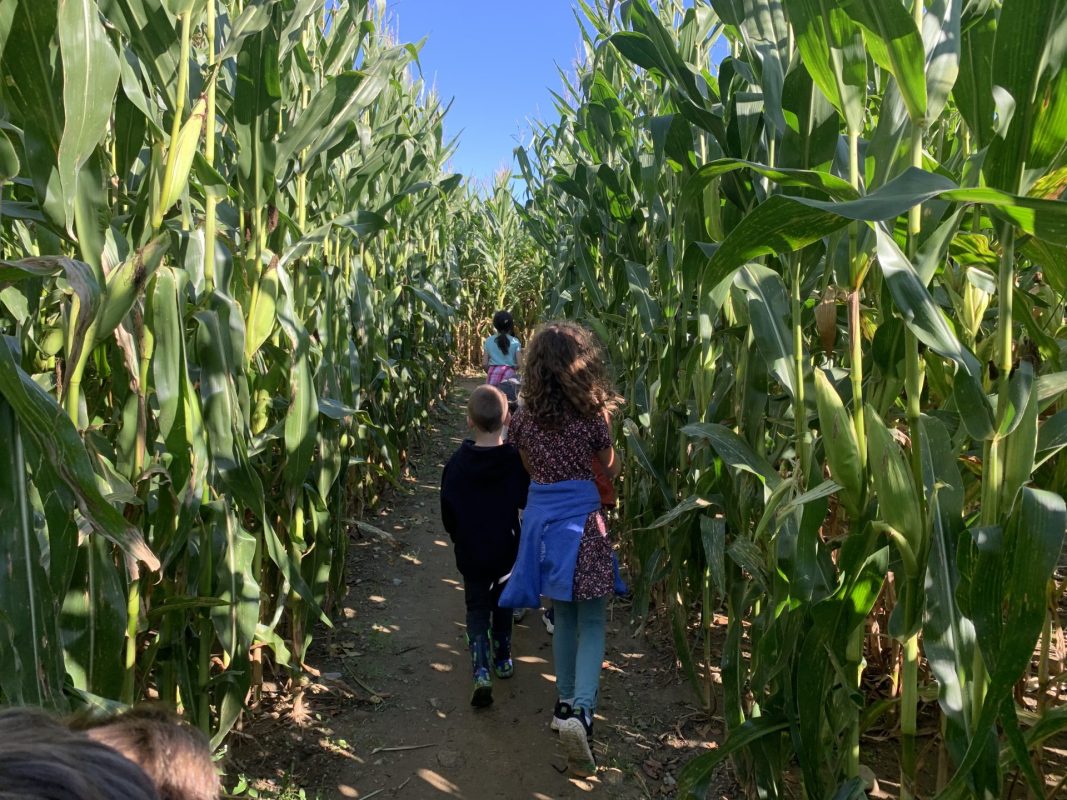
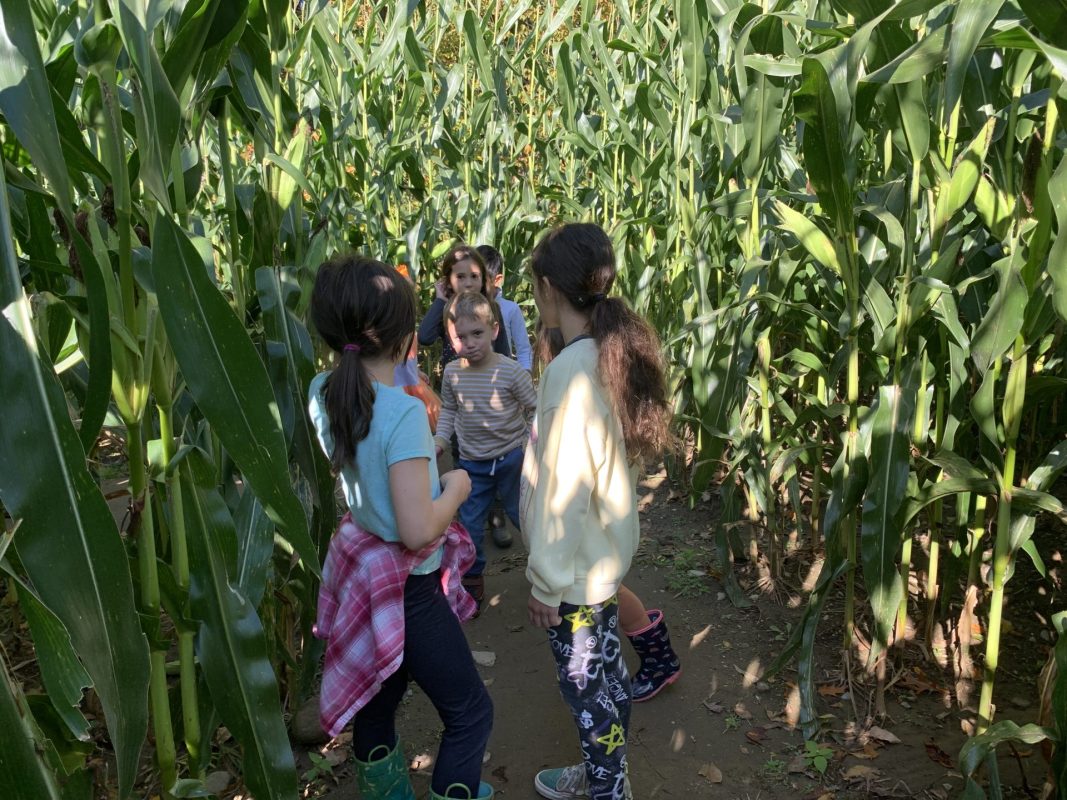
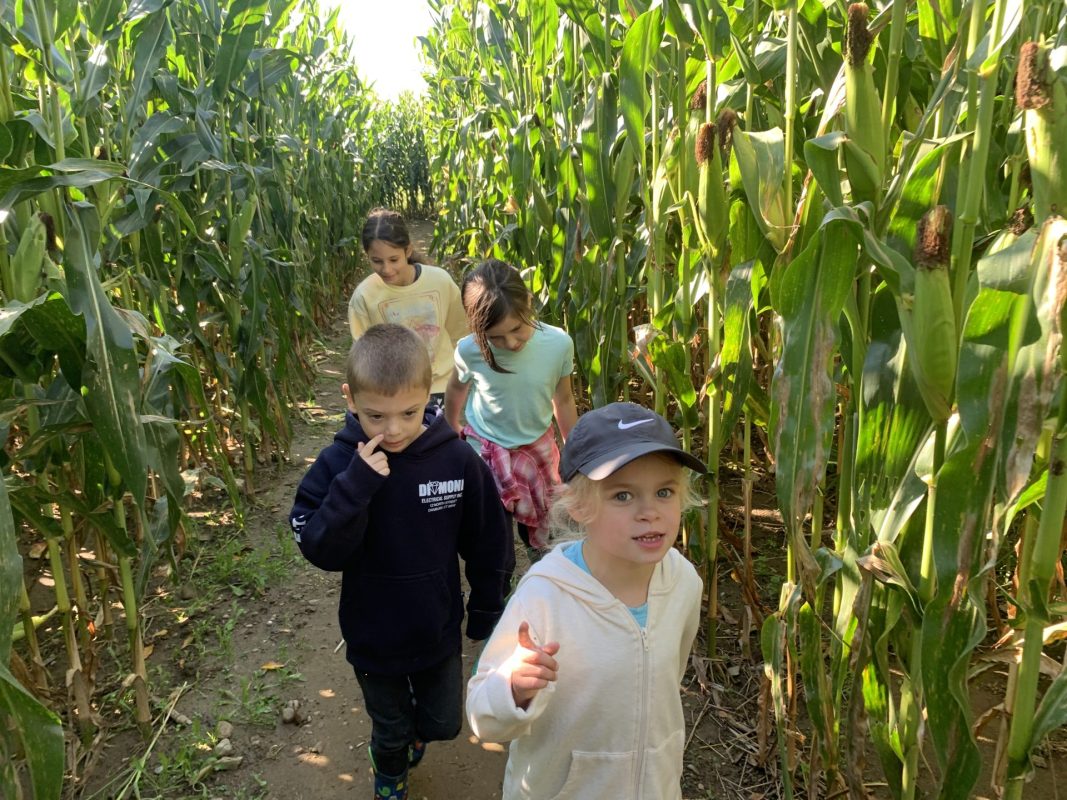
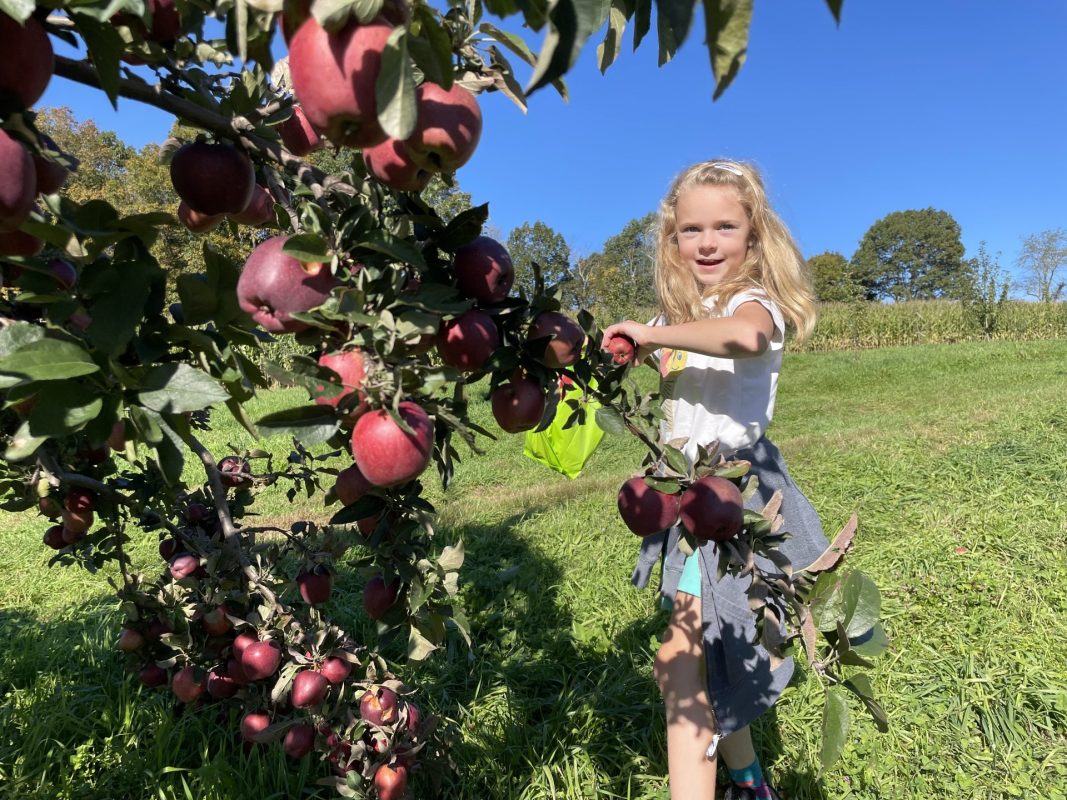
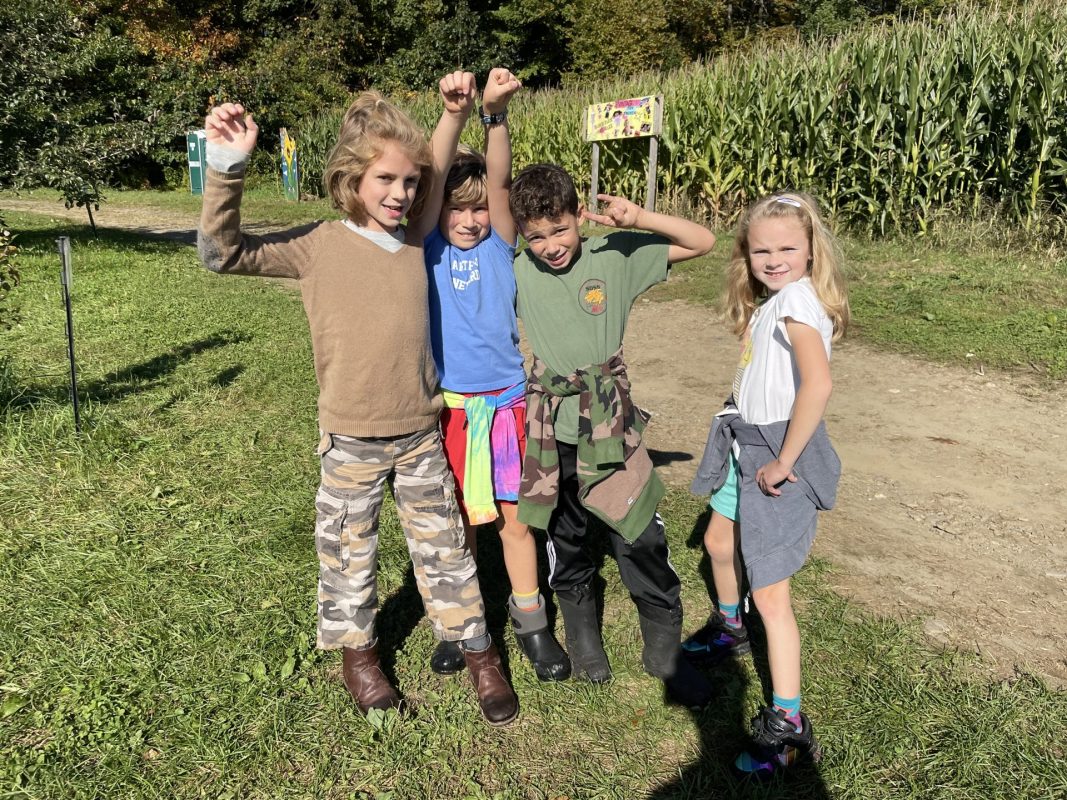
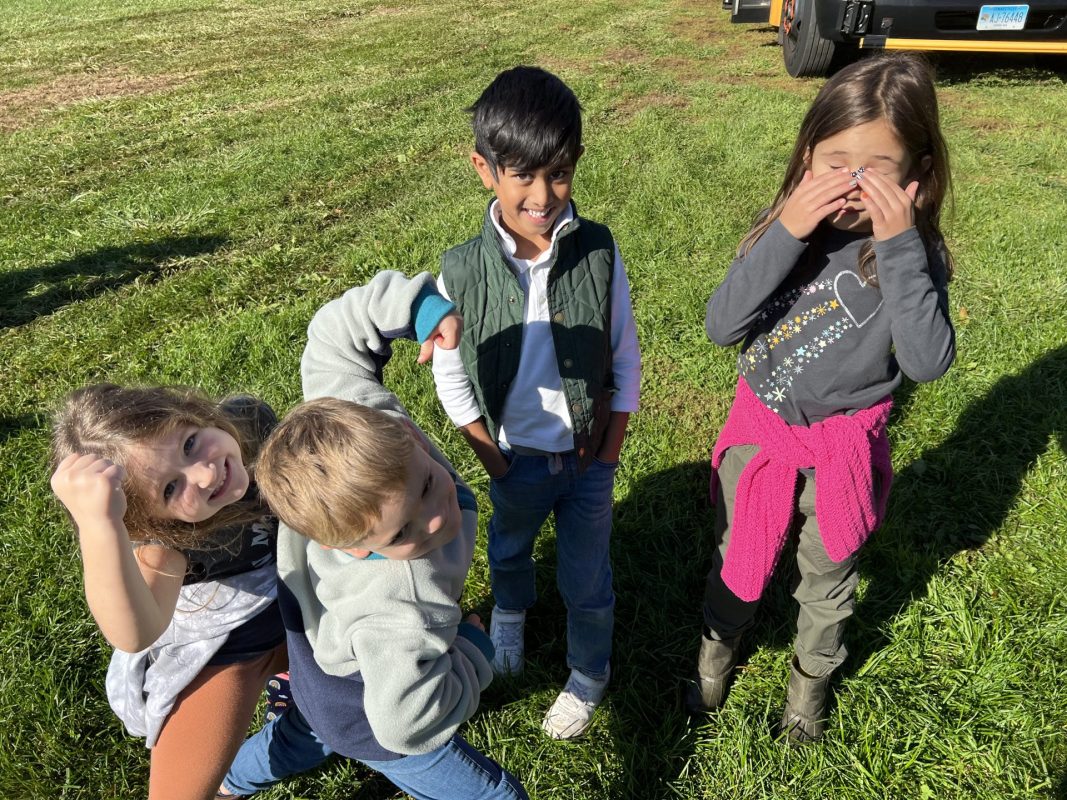
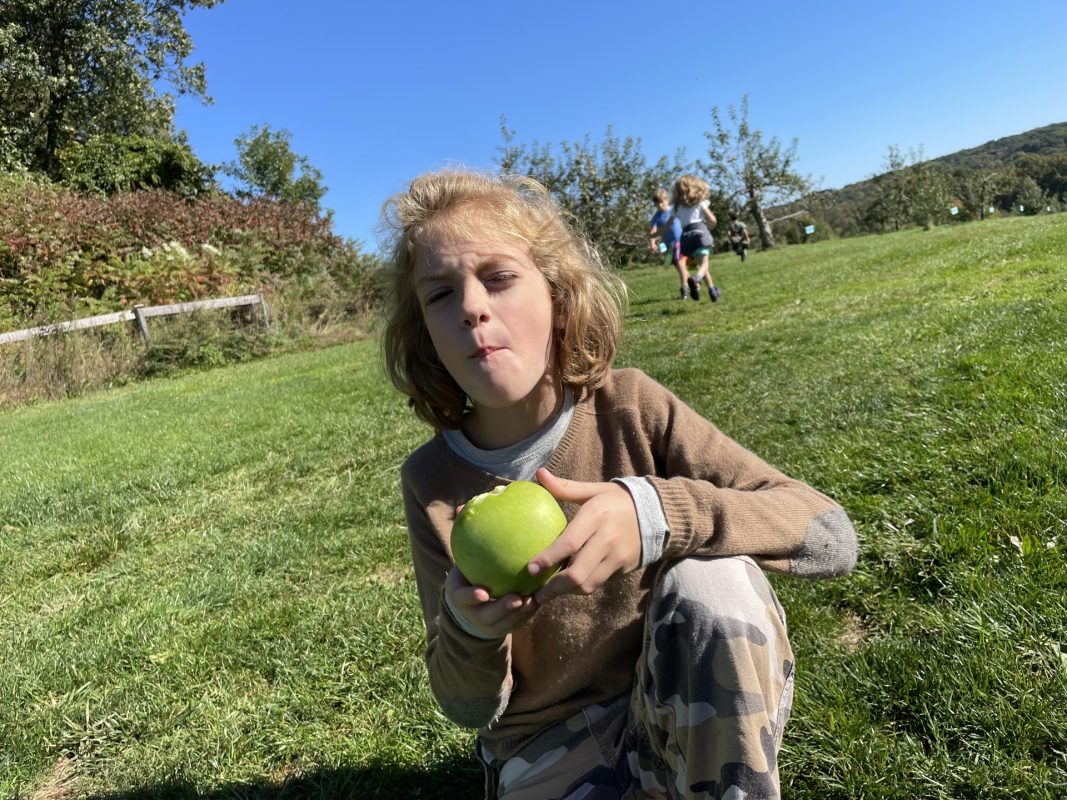
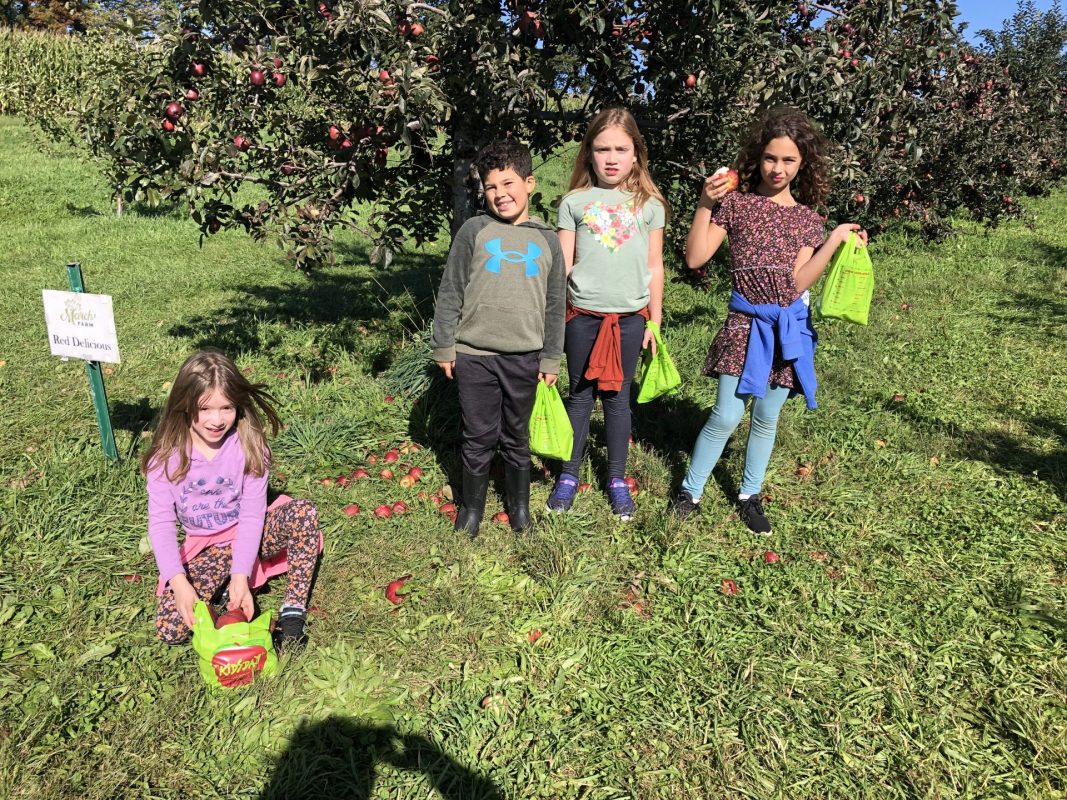
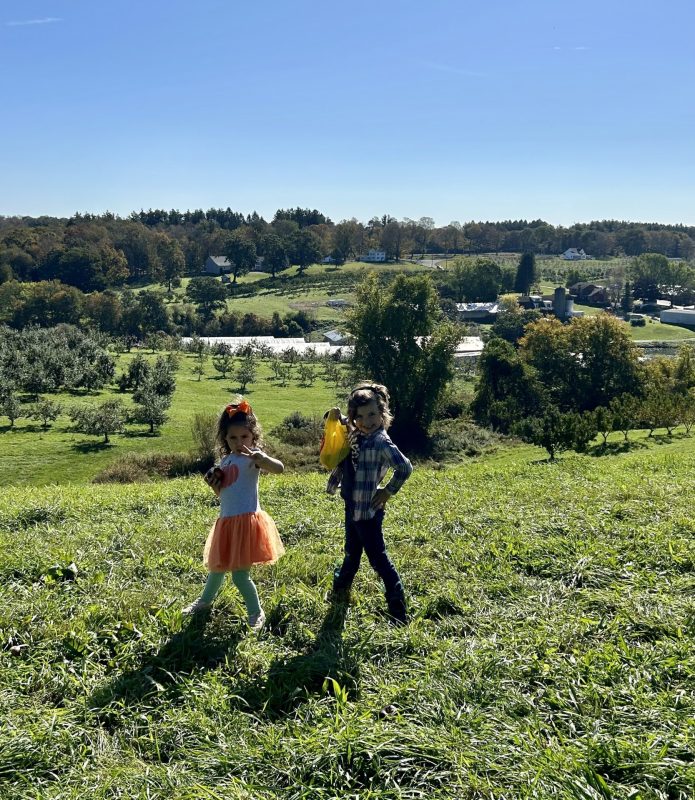
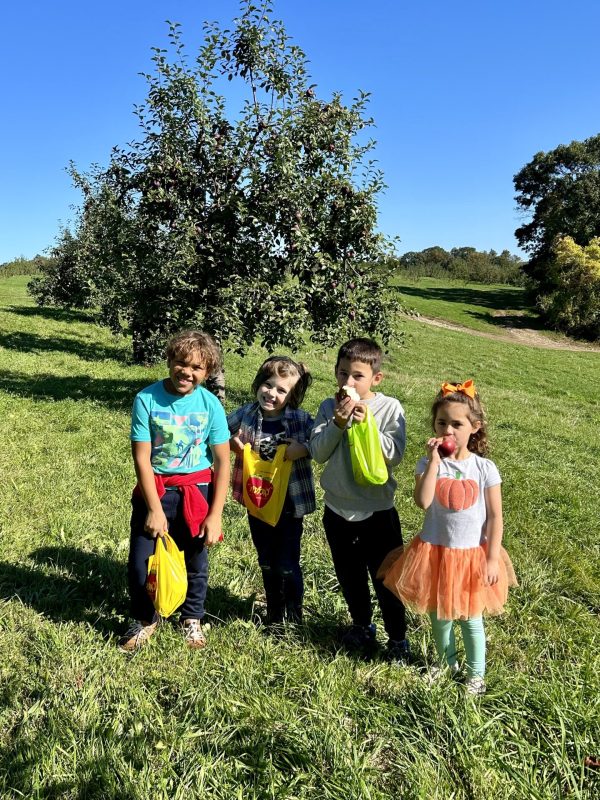
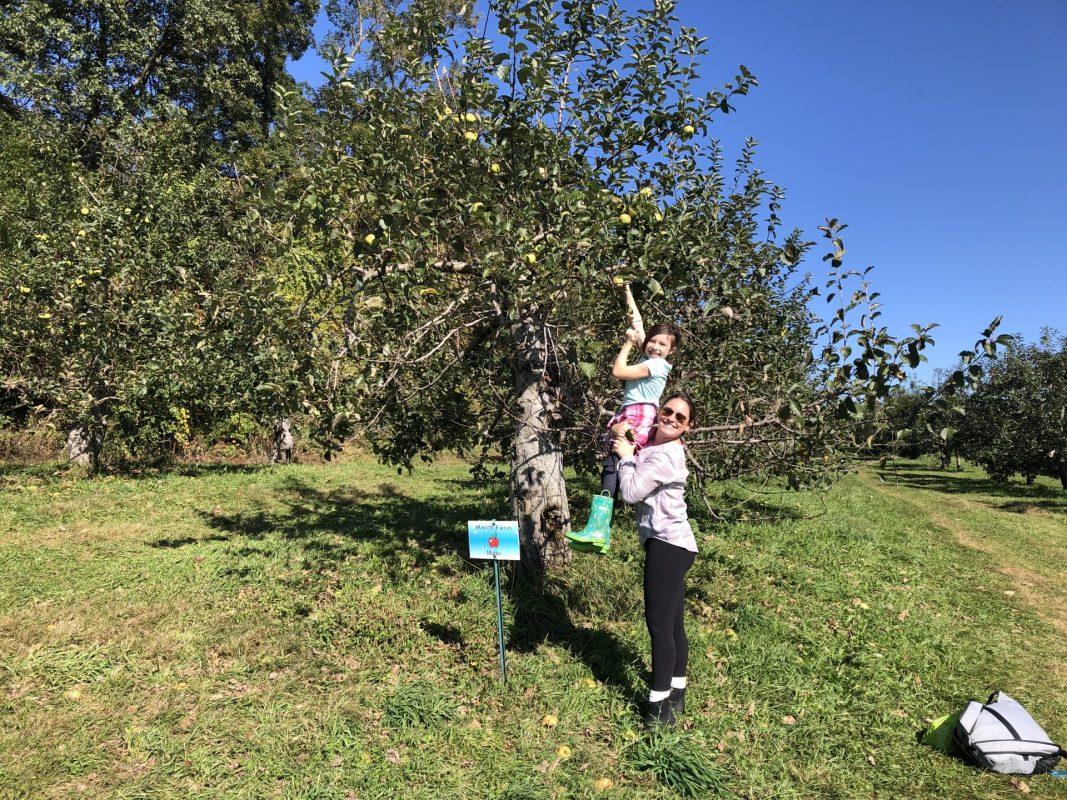
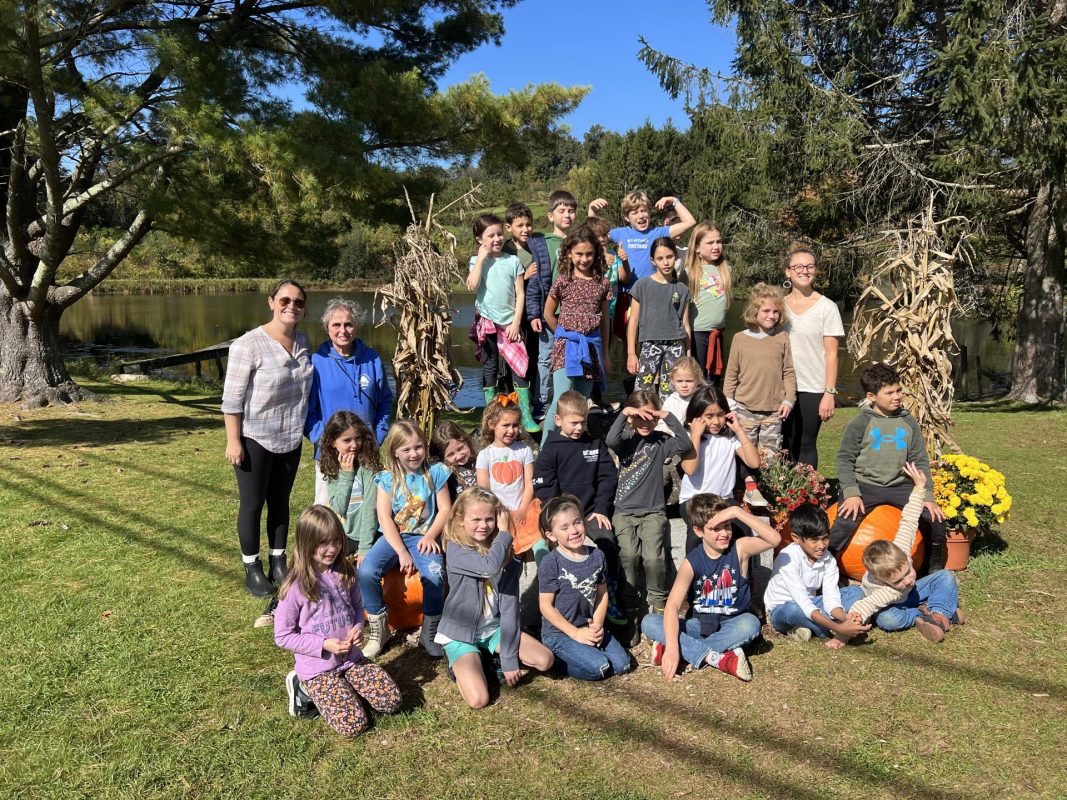
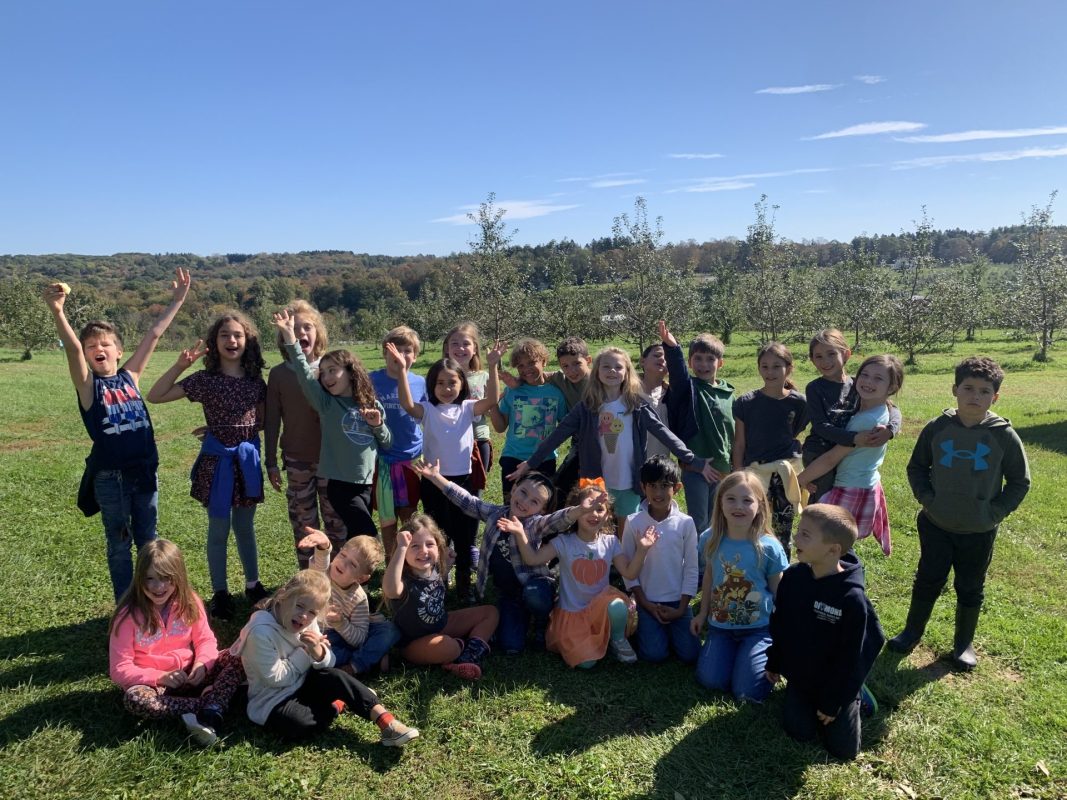
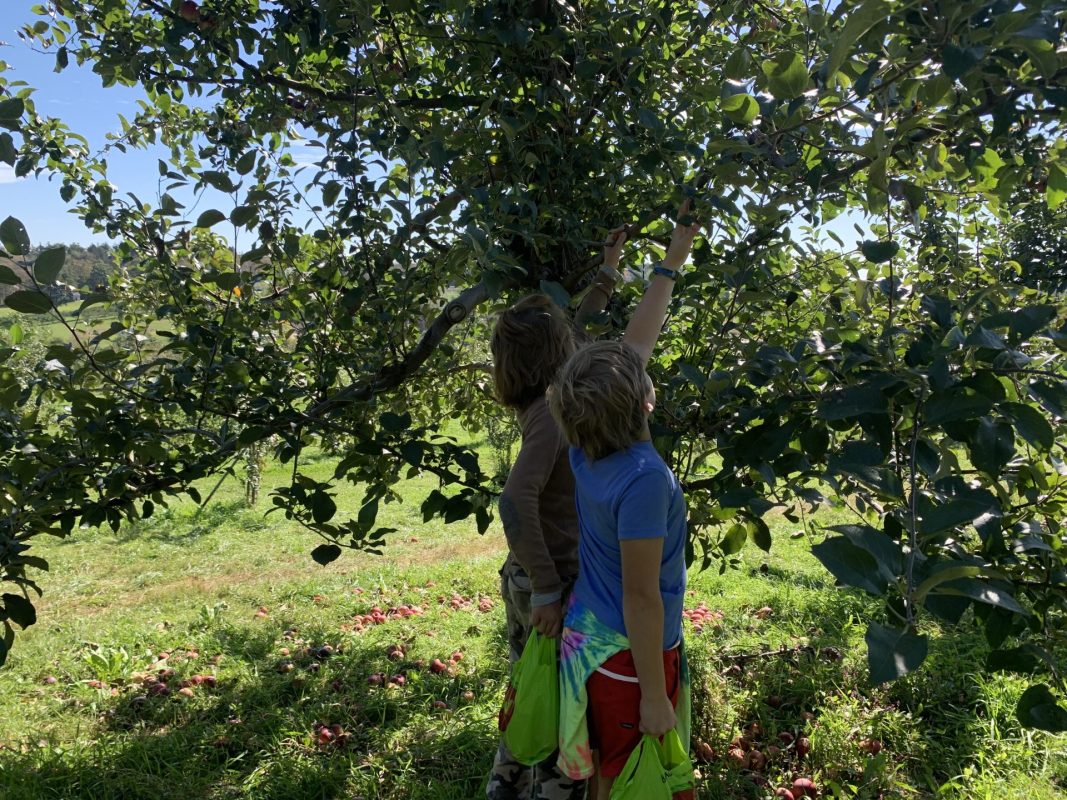
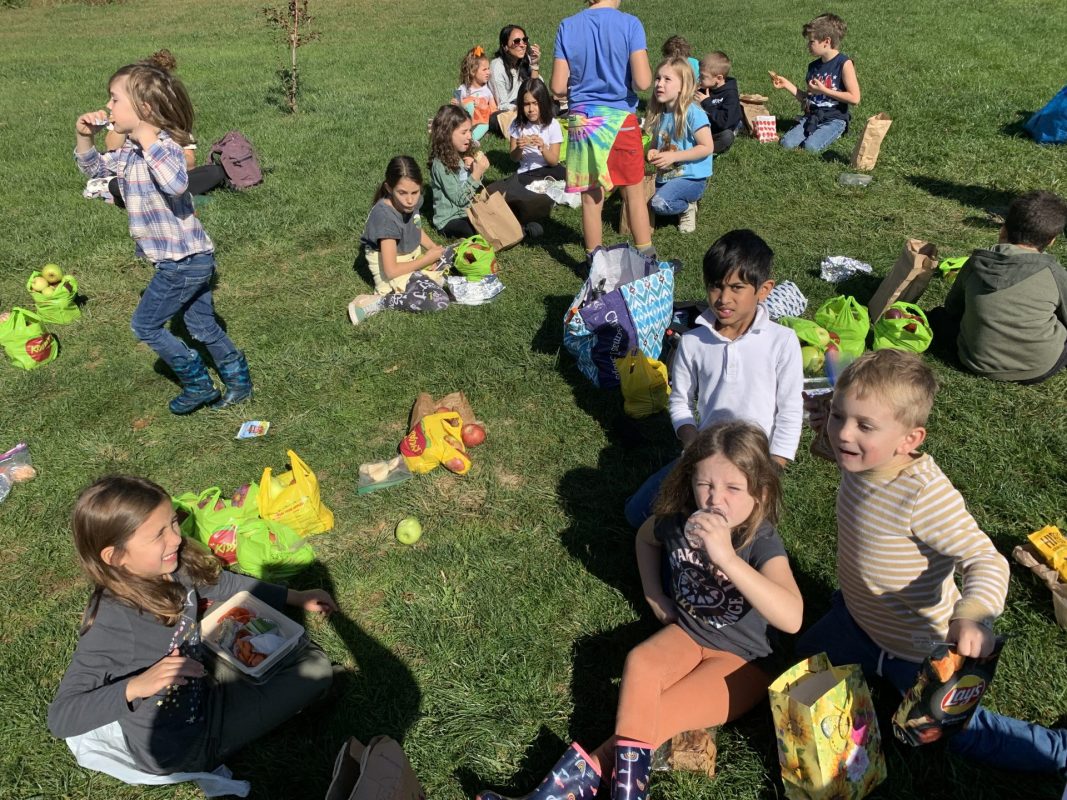
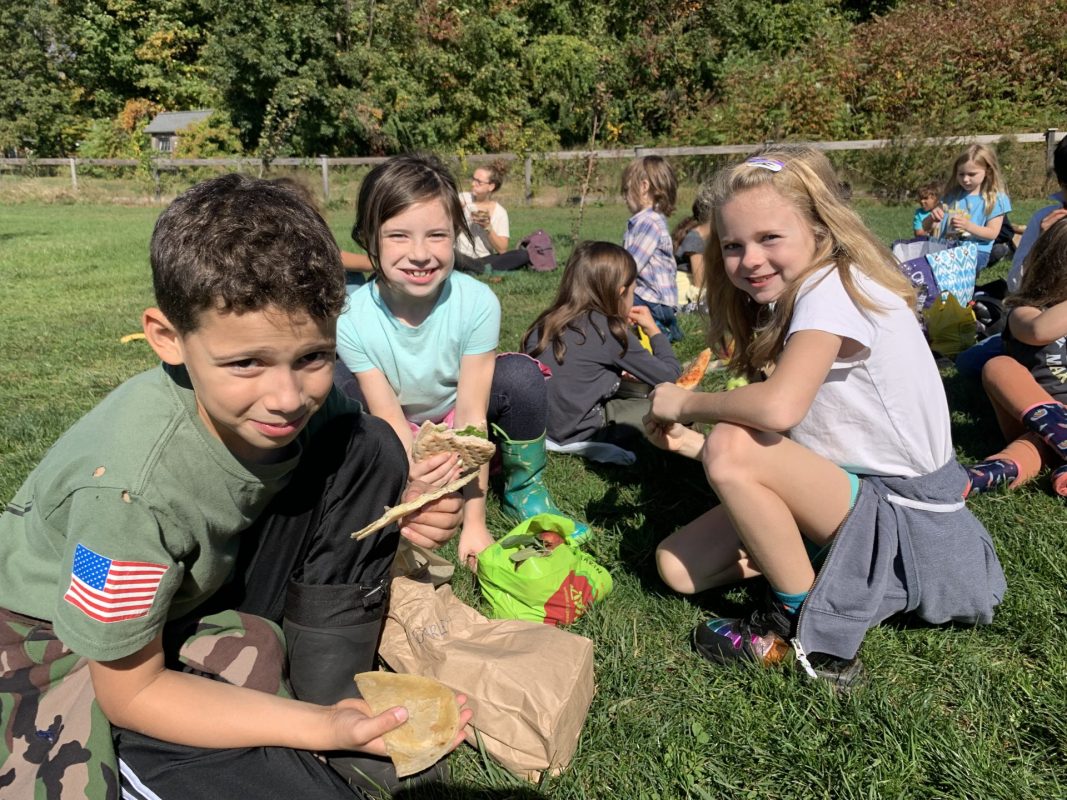
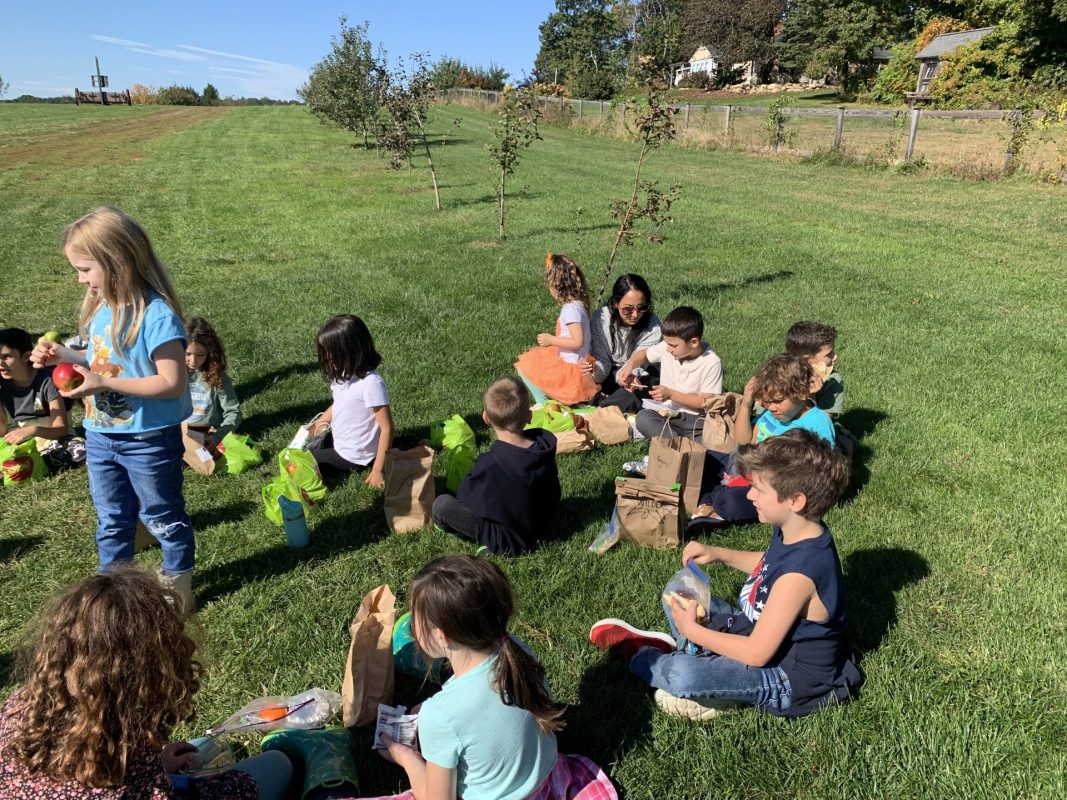
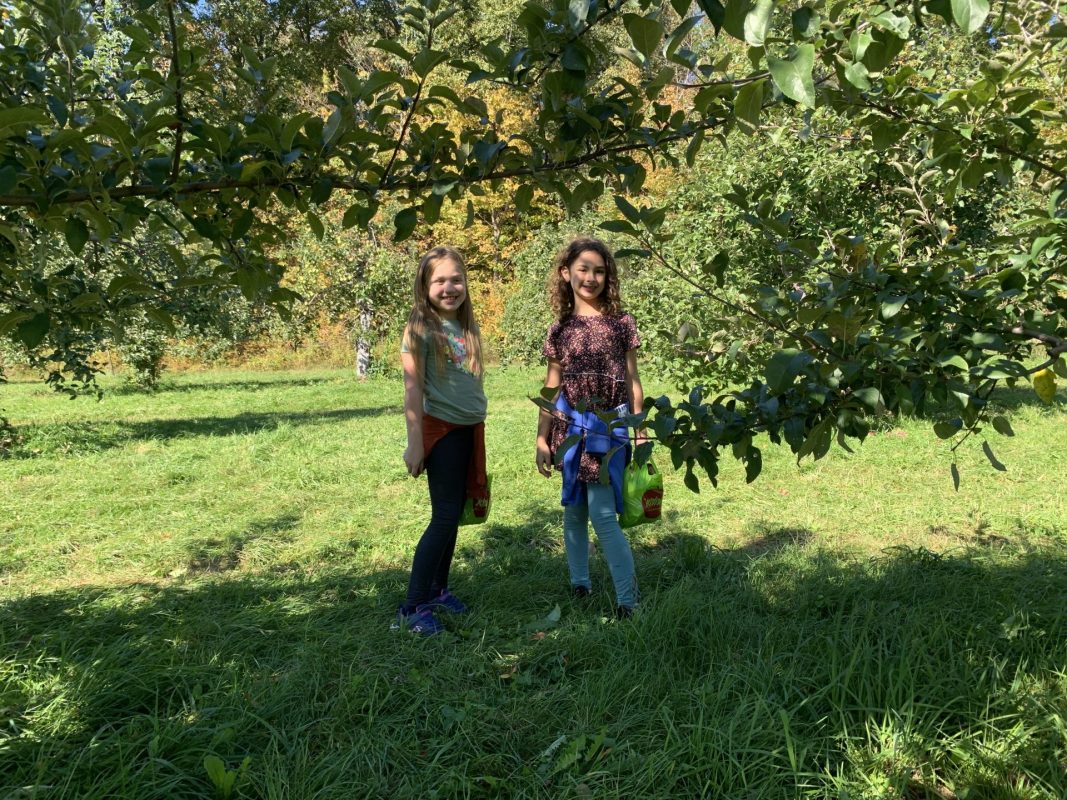
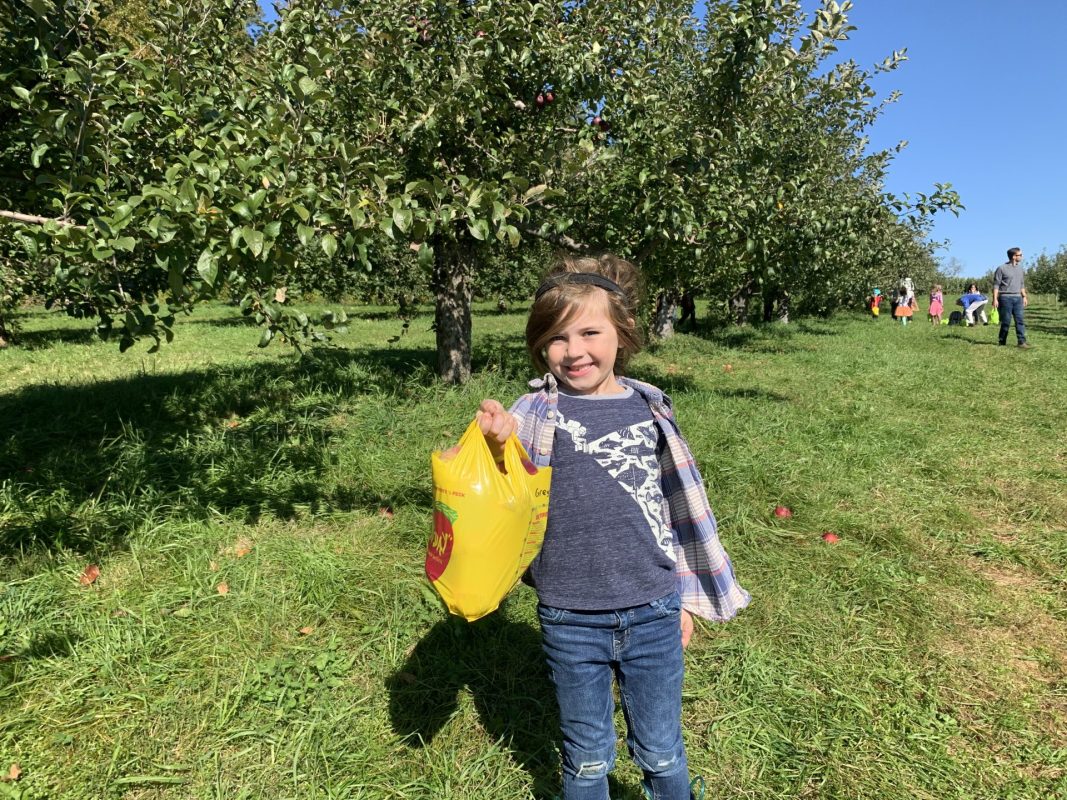
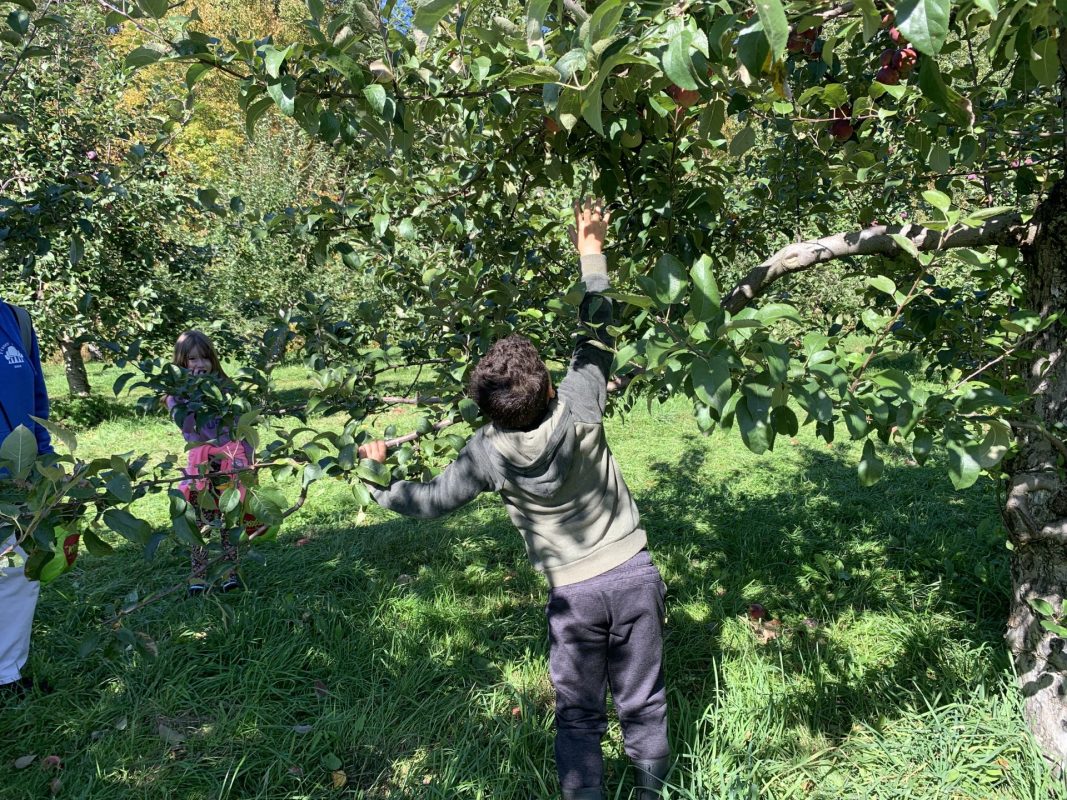
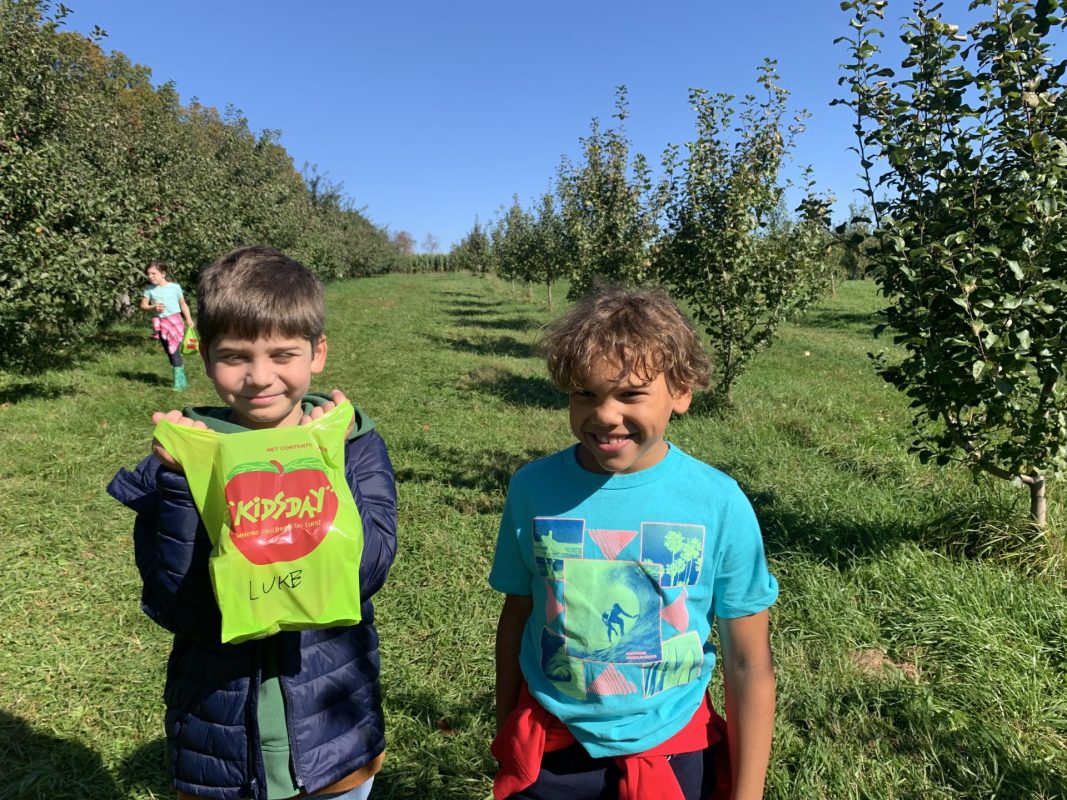
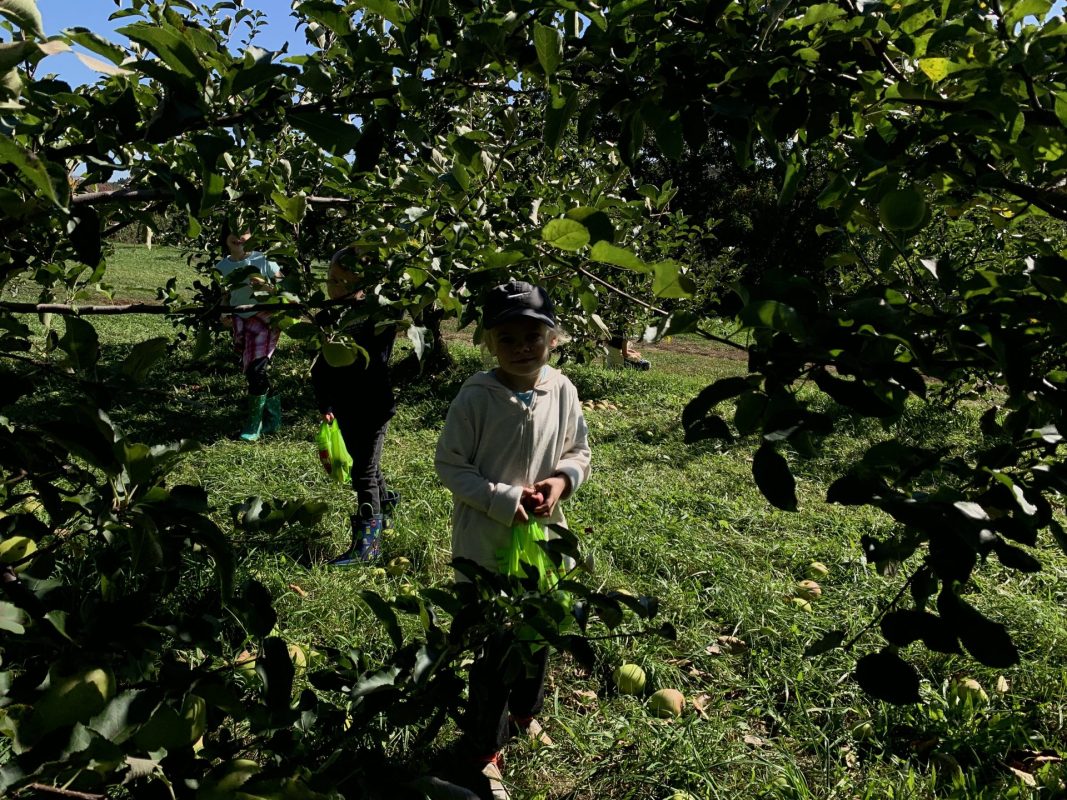
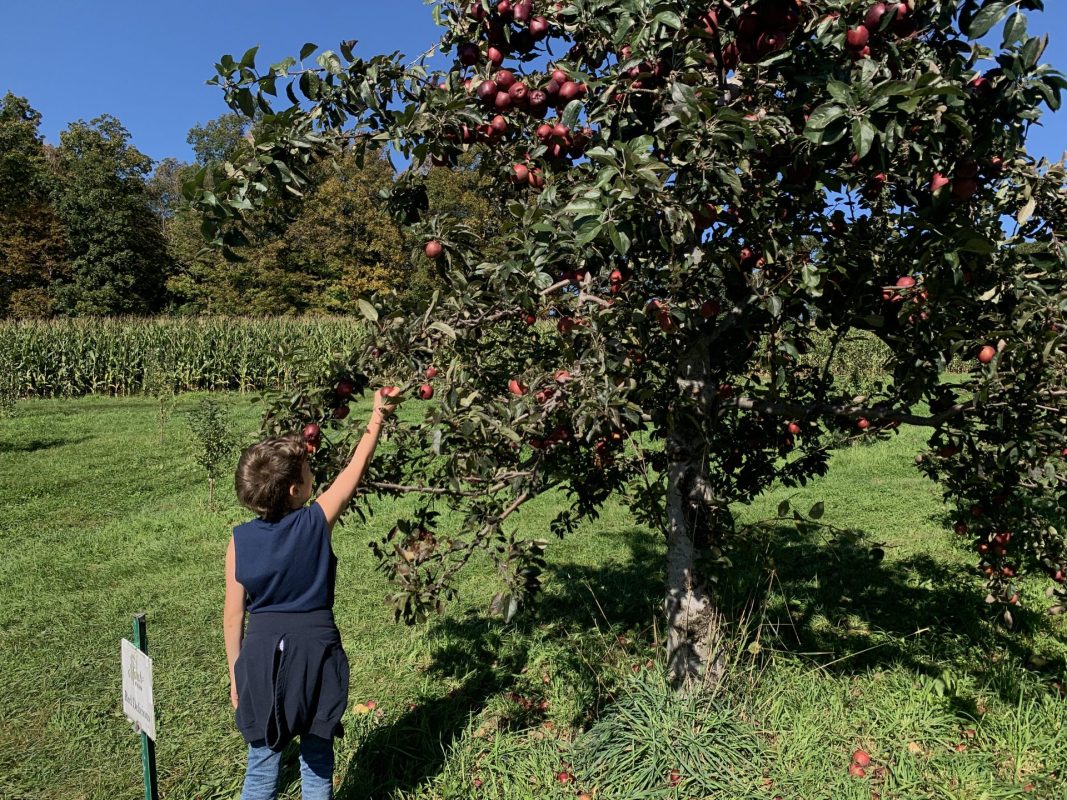
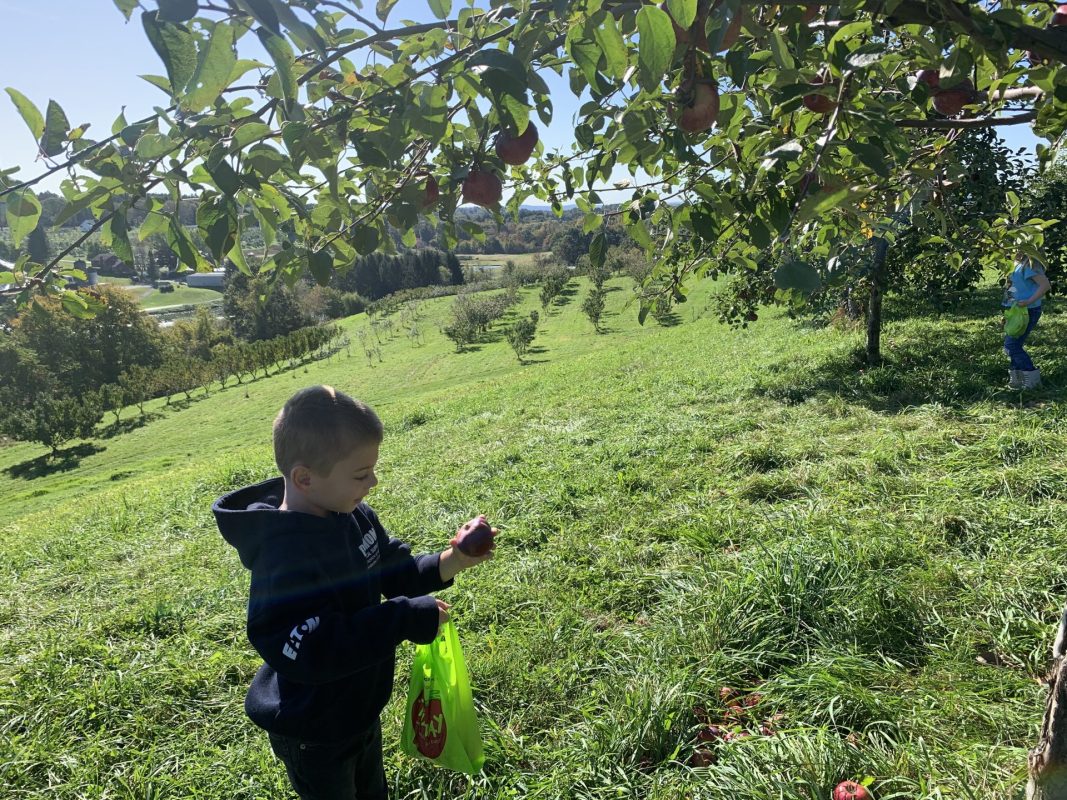
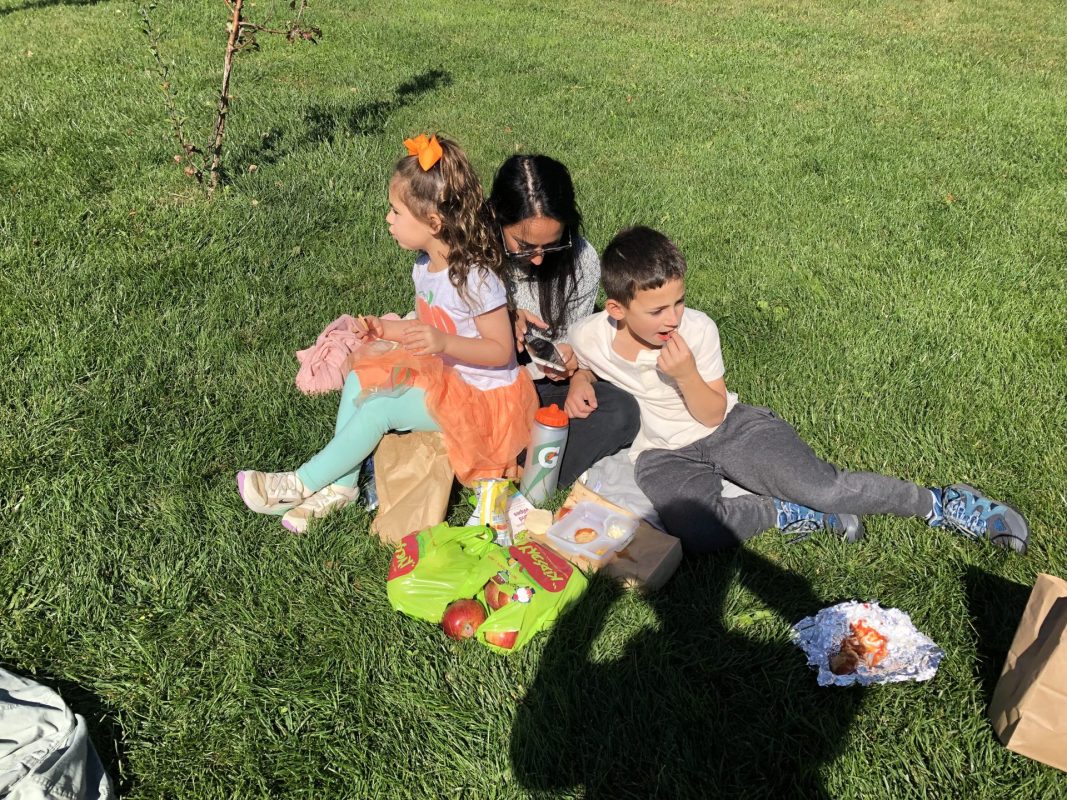
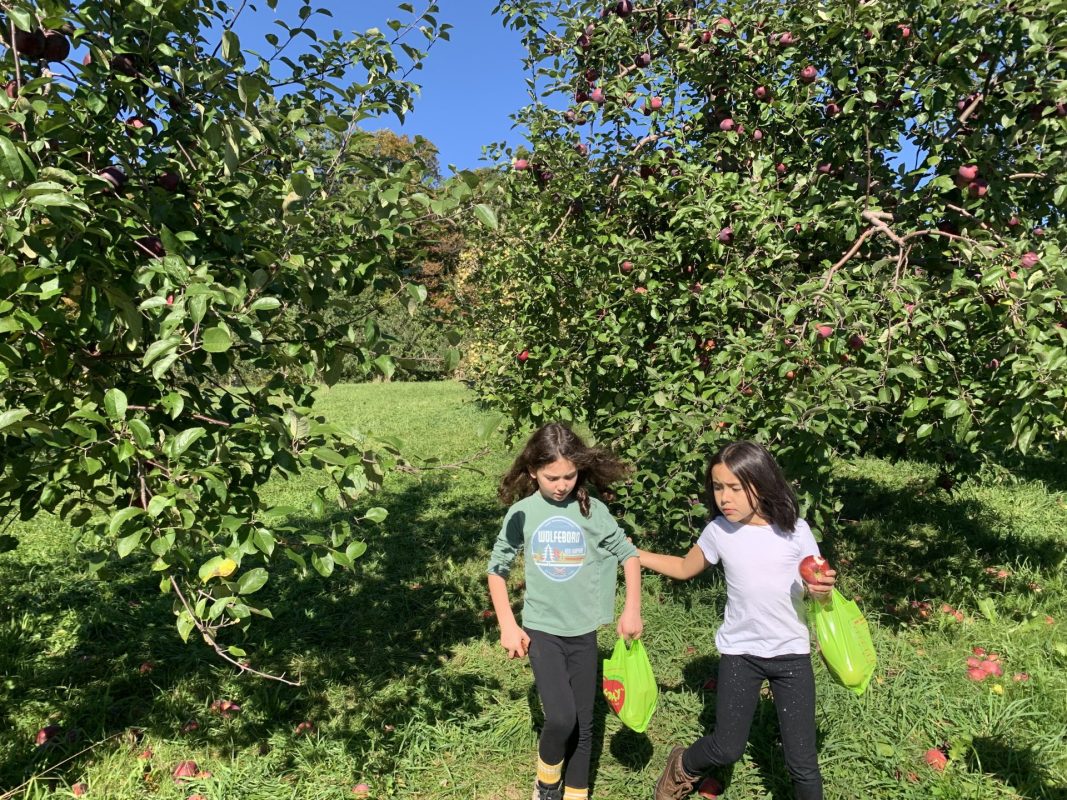
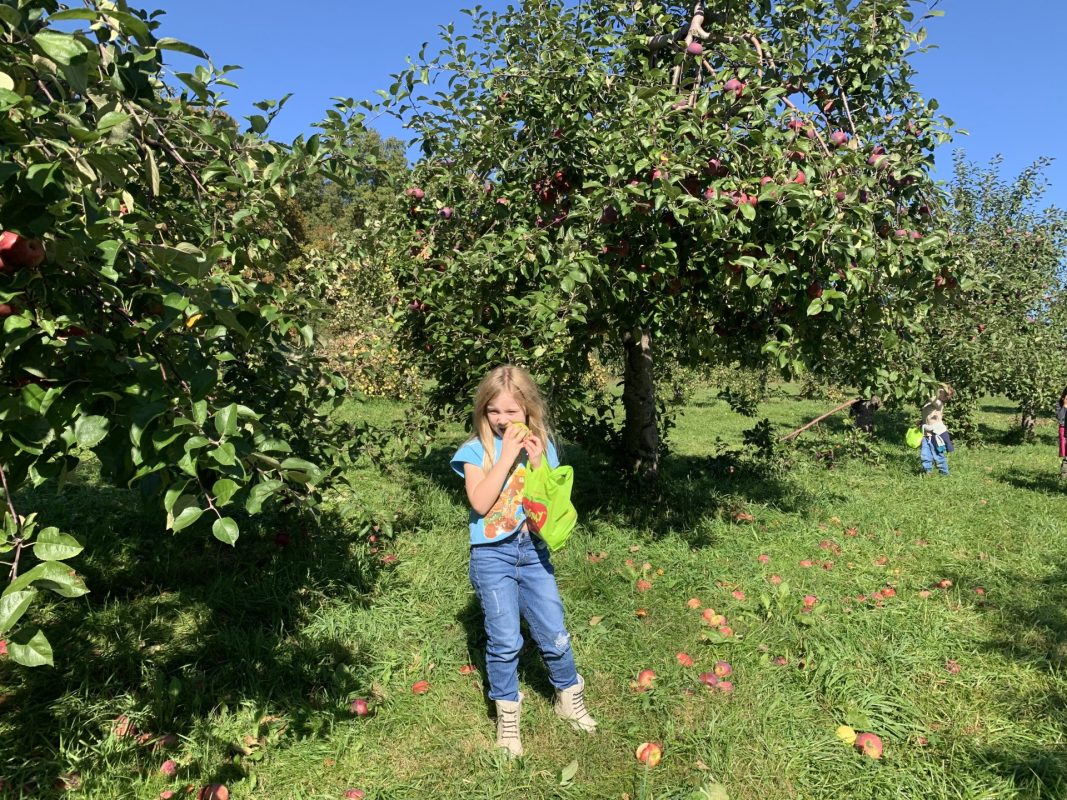
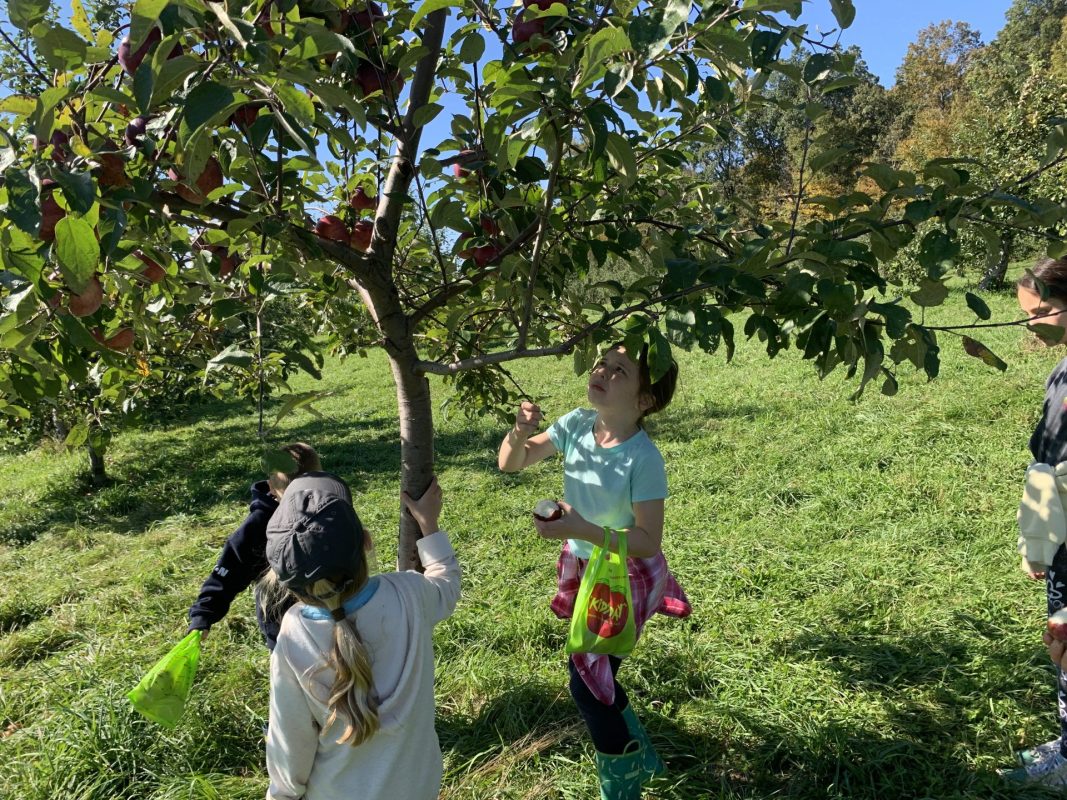
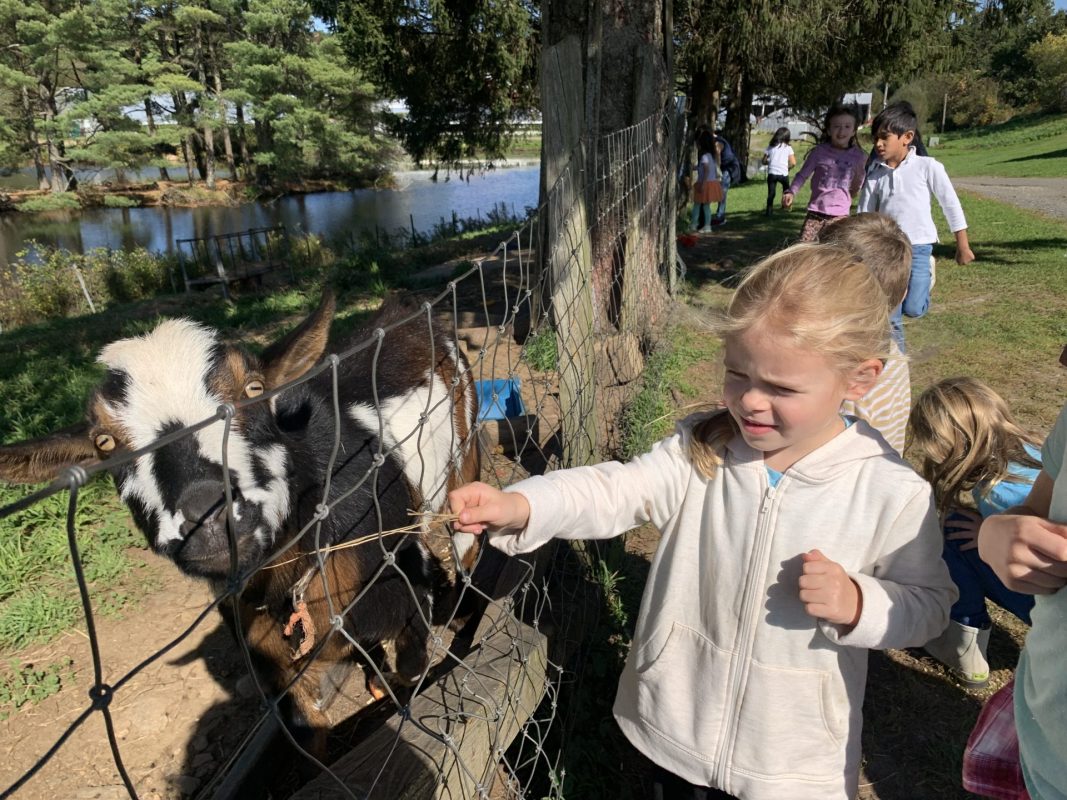
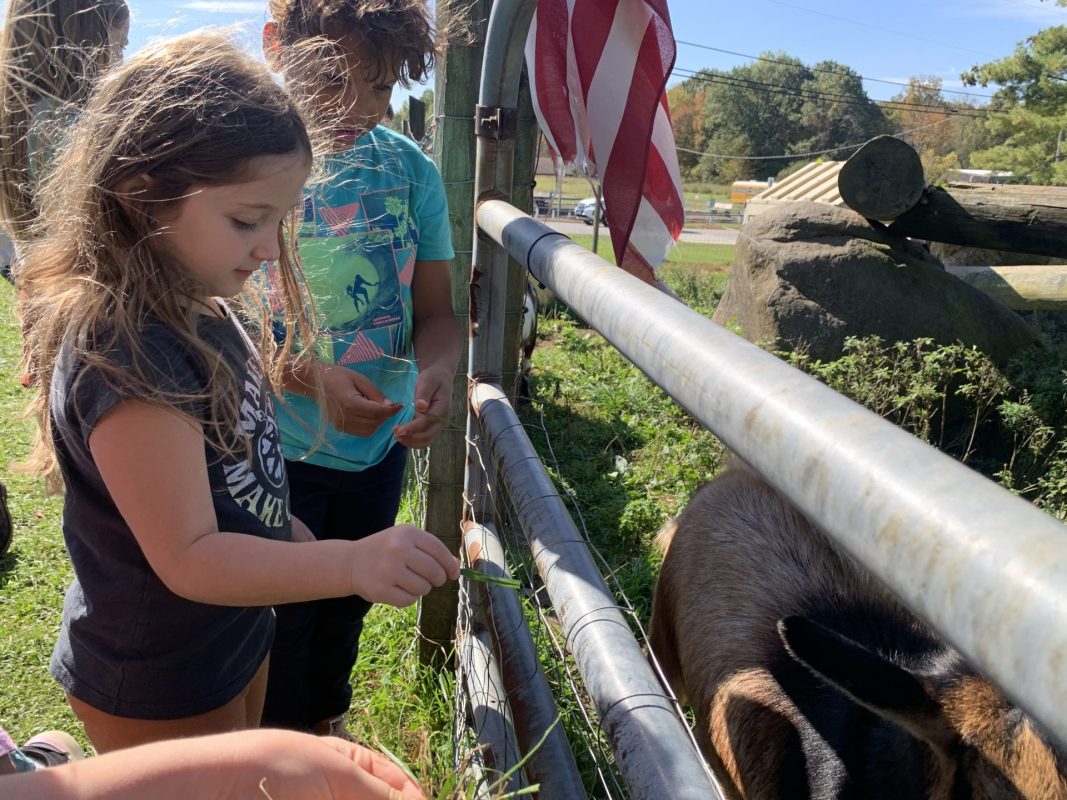
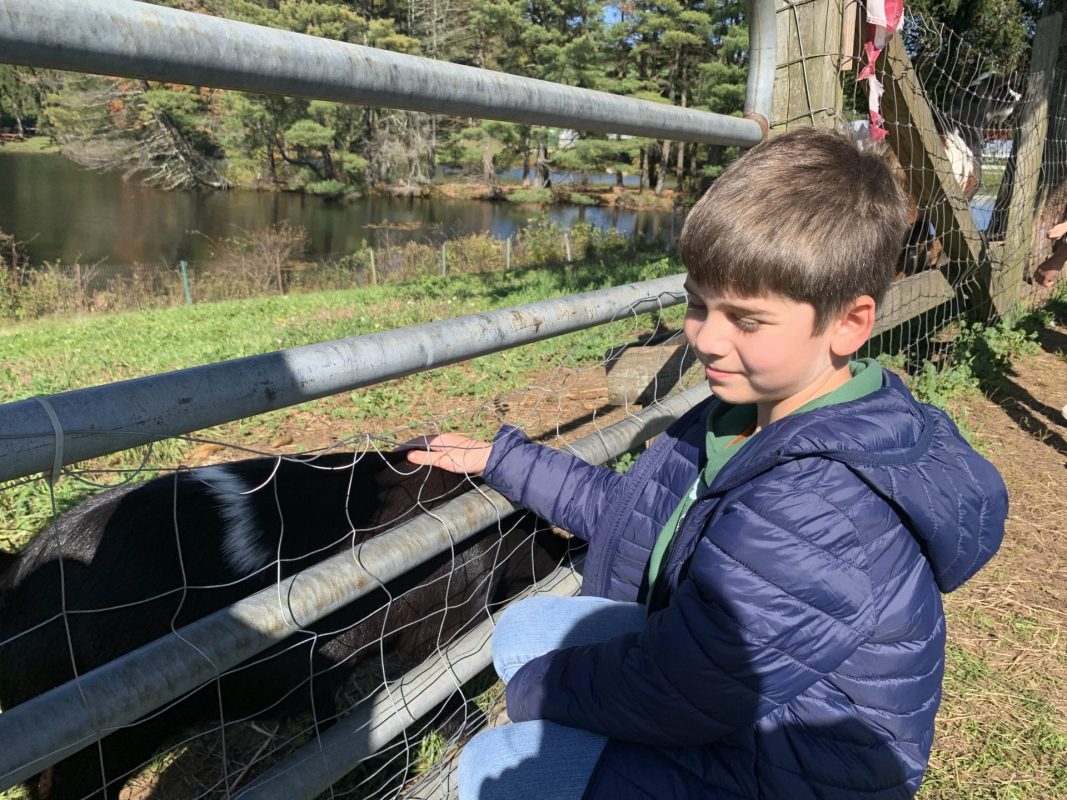
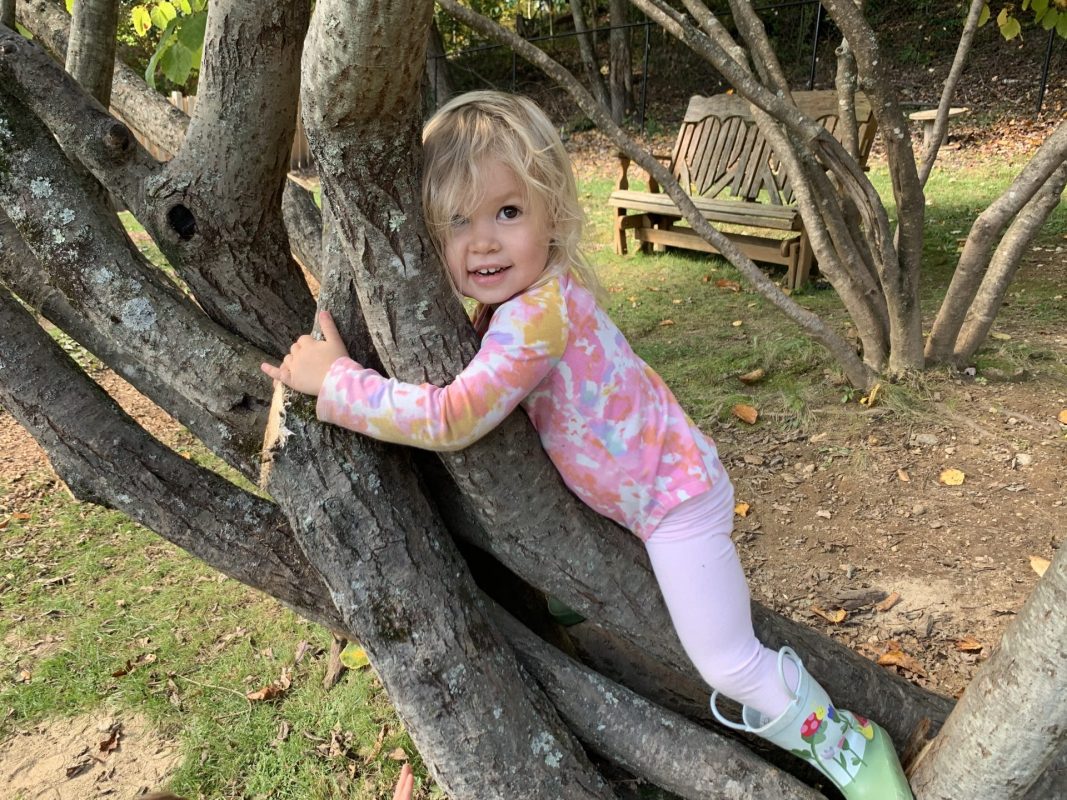
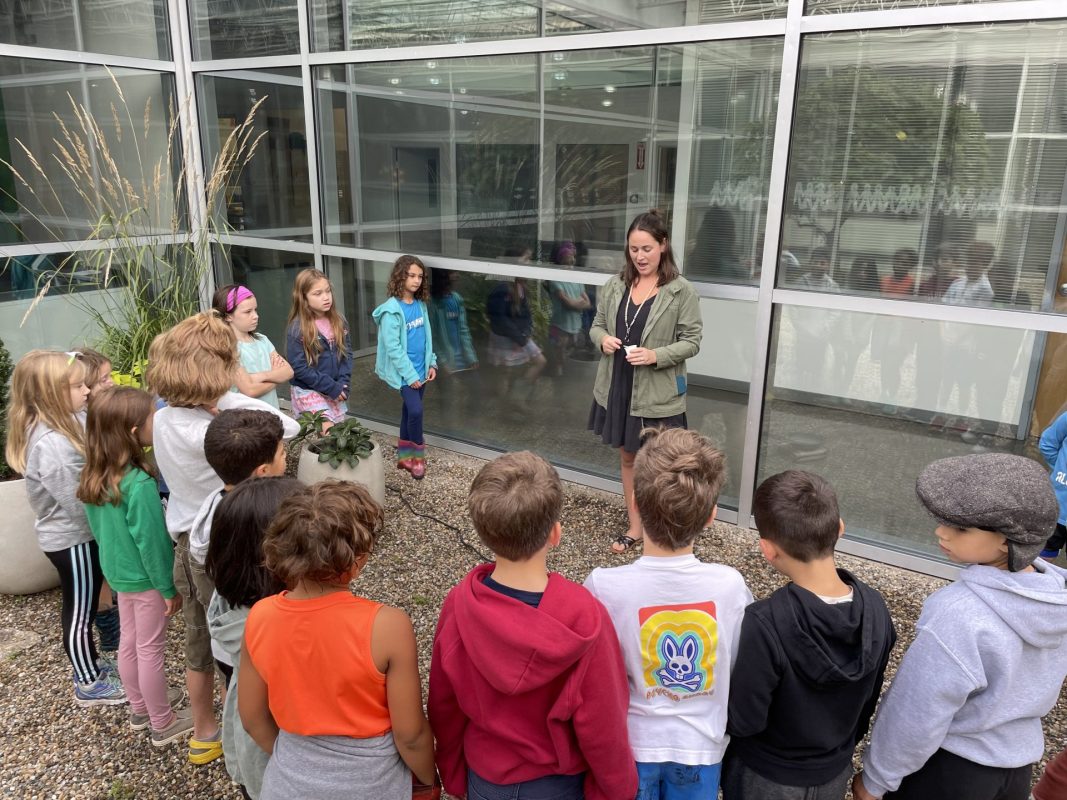
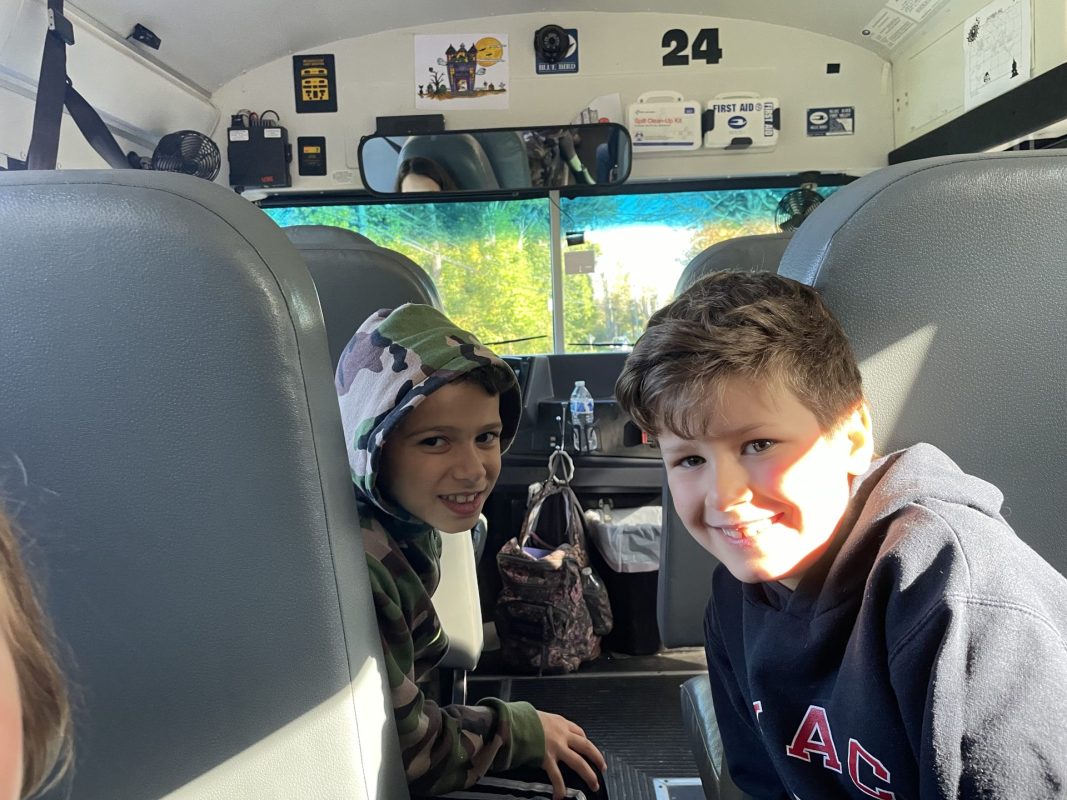
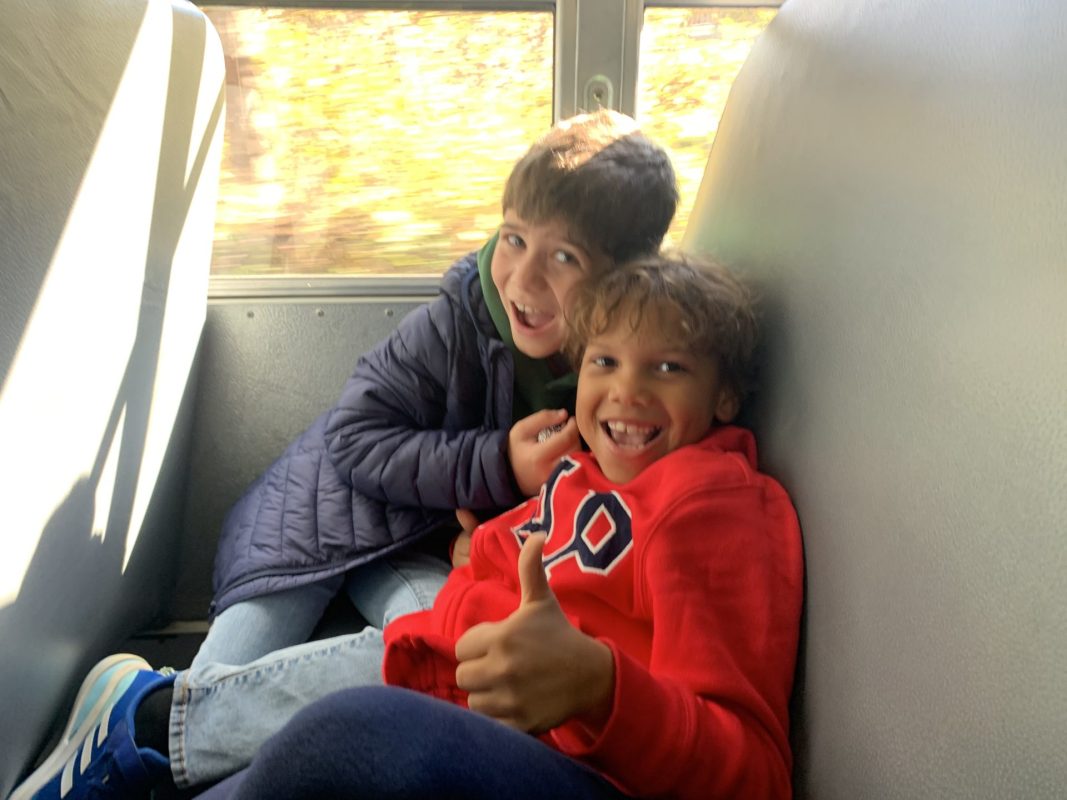
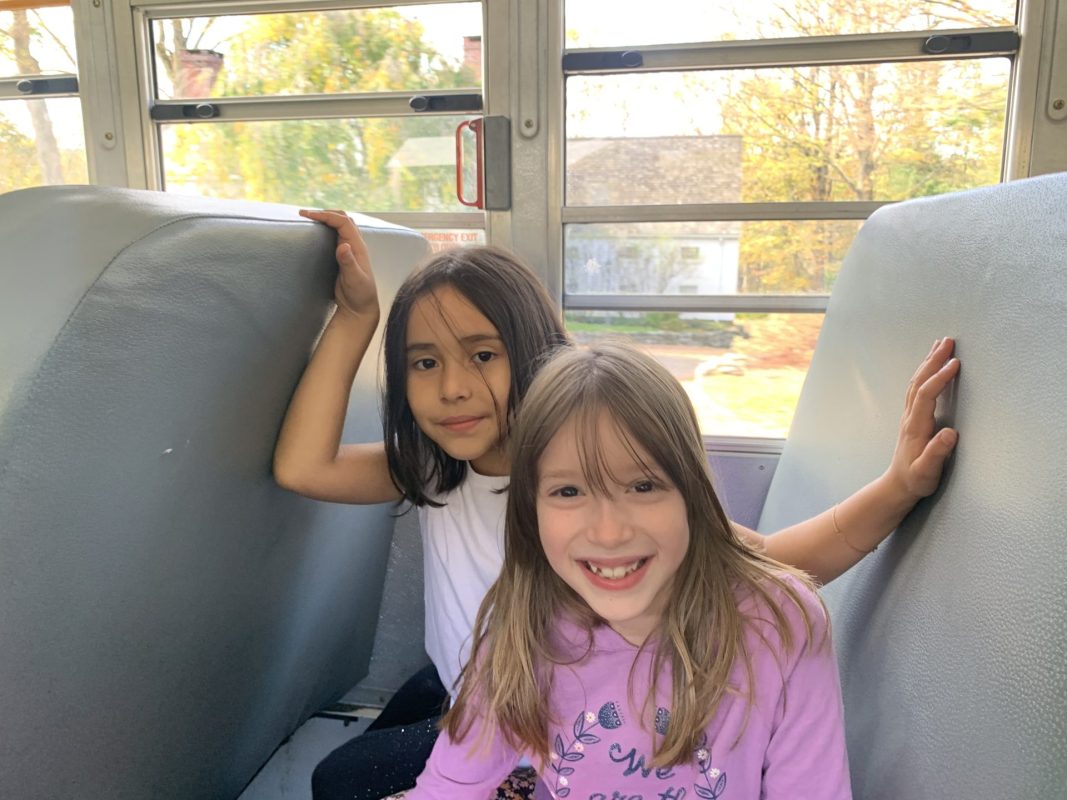
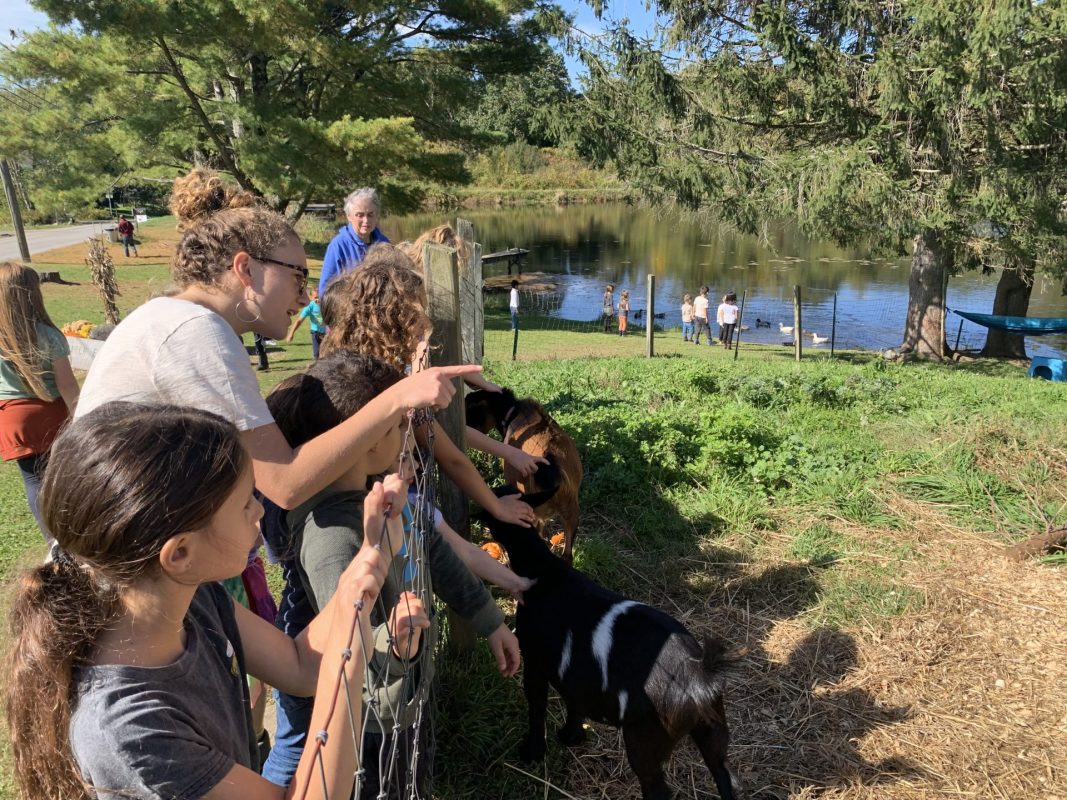
Field trips are a delightful break from the routine of school life, offering students the opportunity to explore new environments, connect with classmates, and create lasting memories. On Thursday, we embarked on an adventure to March Farms. Our day at March Farms kicked off with the ultimate test of teamwork and navigation skills – the corn maze. After our triumphant escape from the corn maze, we ventured to the orchard for an apple-picking adventure. The grand finale of our March Farms field trip was a visit to the petting zoo. Here, we met some of the friendliest (and stinkiest) farm animals, including goats, pigs, and ducks. Overall, It was a wonderful experience that not only brought us closer to nature but also strengthened the bonds within our class community.

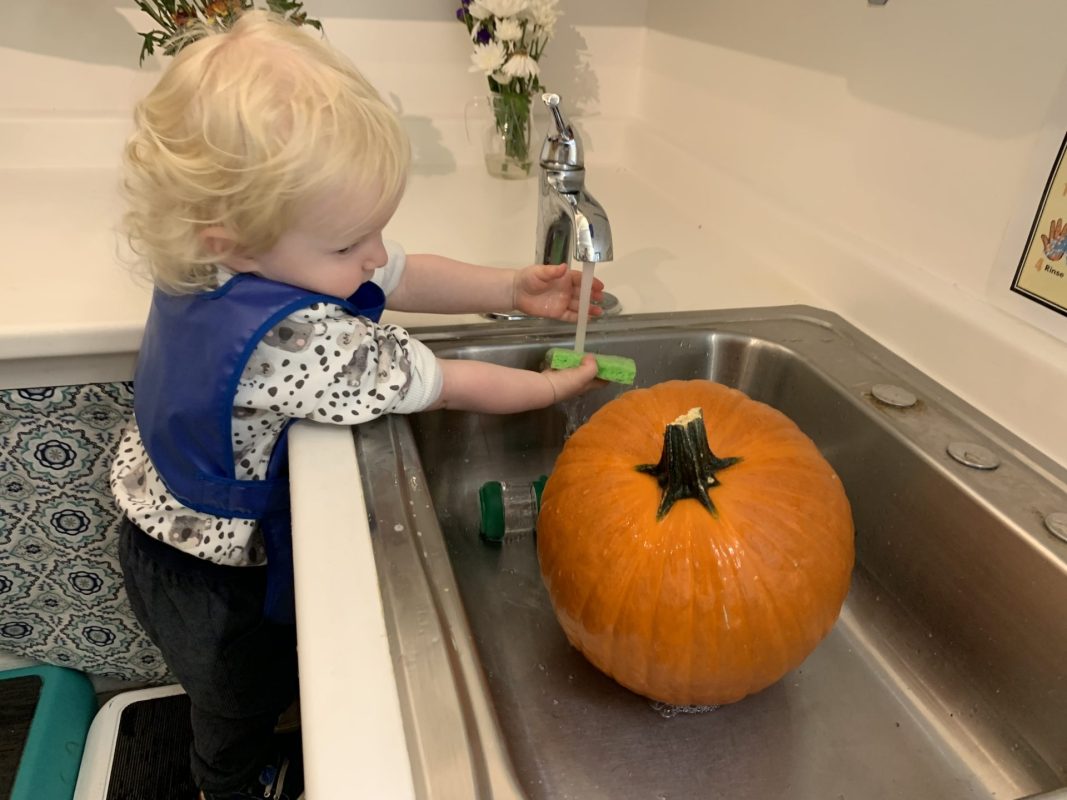
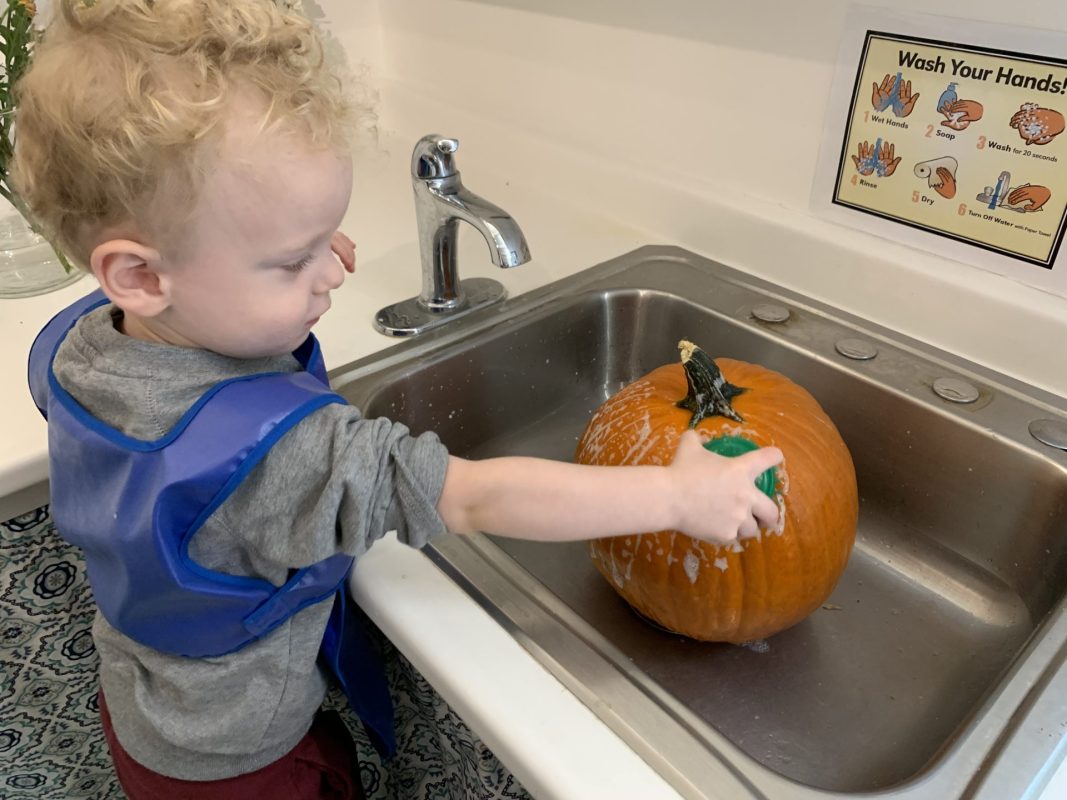
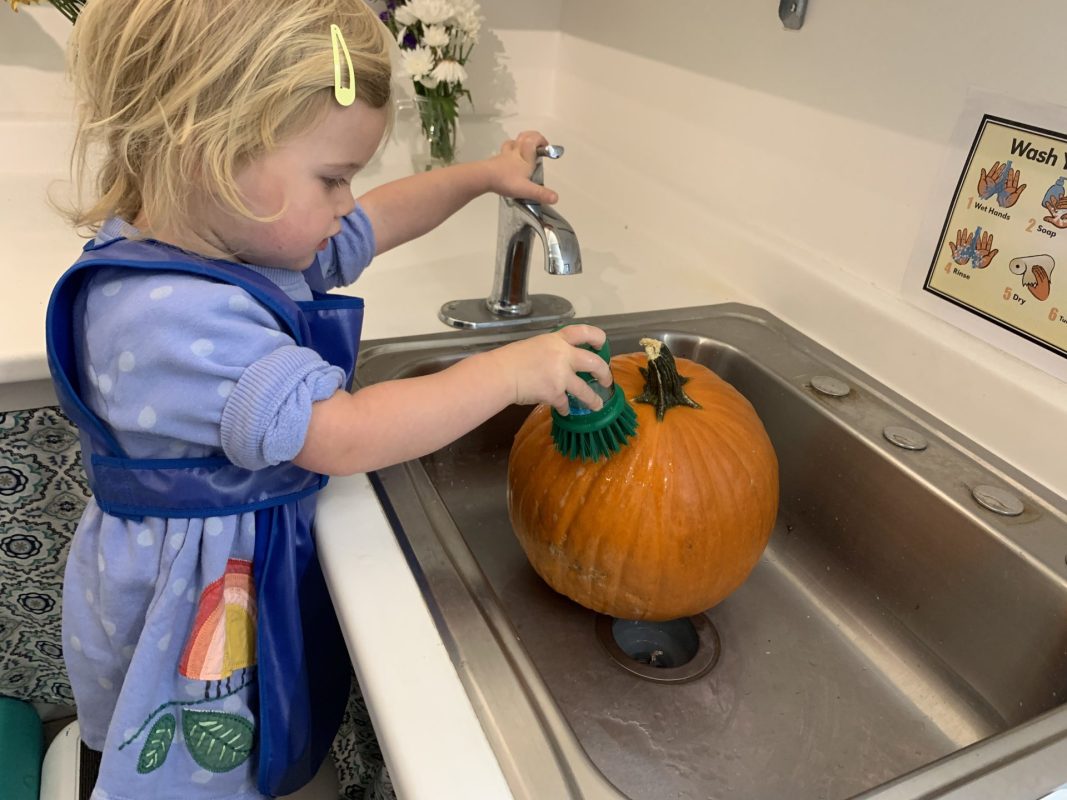
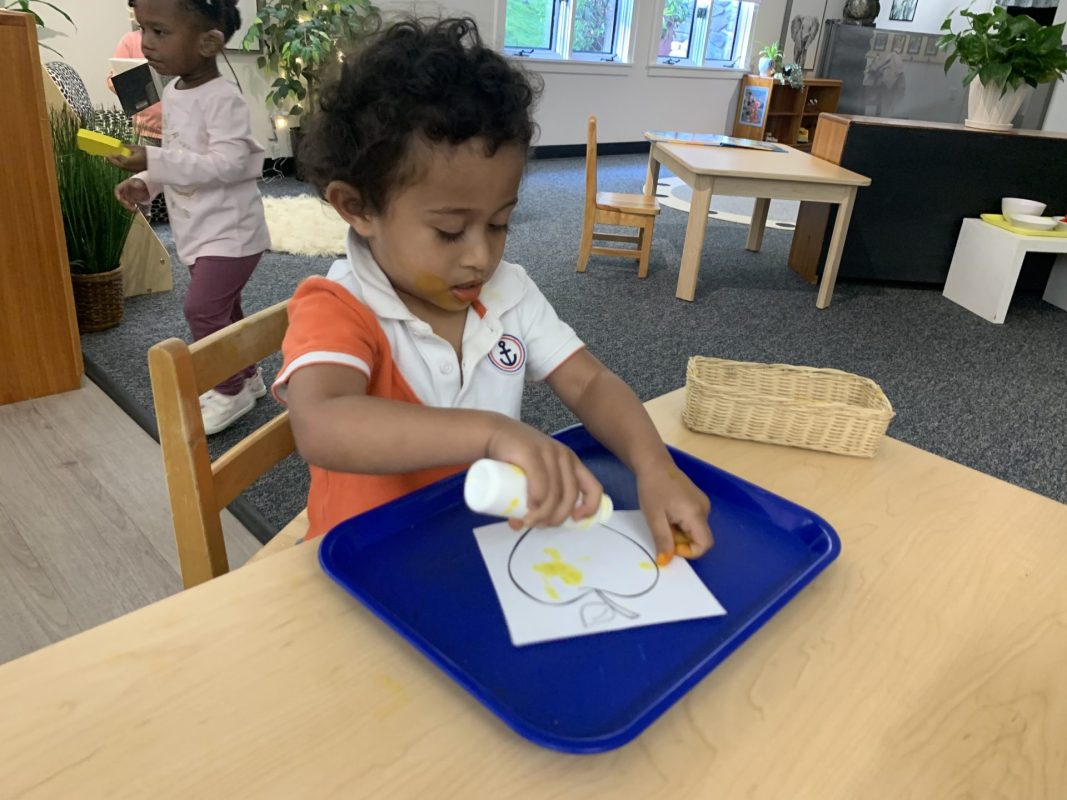
Halloween is right around the corner! We will be celebrating in class on Tuesday the 31st by decorating pumpkins and having a party. Please send in a sugar pumpkin for your child to decorate. You can start sending them in any time, and we will store them in the classroom. Thank you!

In addition to pumpkin painting, the children are welcome to wear their costumes to school on Tuesday the 31st. We ask that the children don’t wear any masks and keep their costumes school-appropriate. They will be changing out of their costumes before decorating pumpkins; please send a change of clothes with them.

Mrs. Sargeant: A Montessori Approach to Sharing

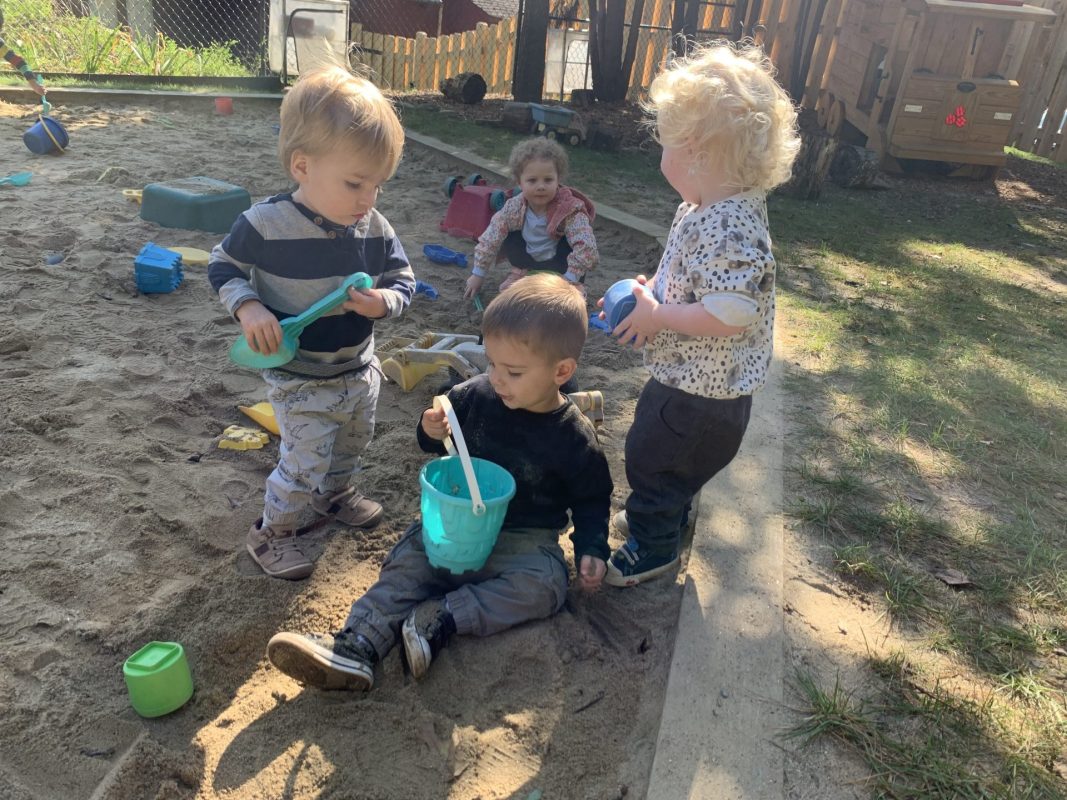
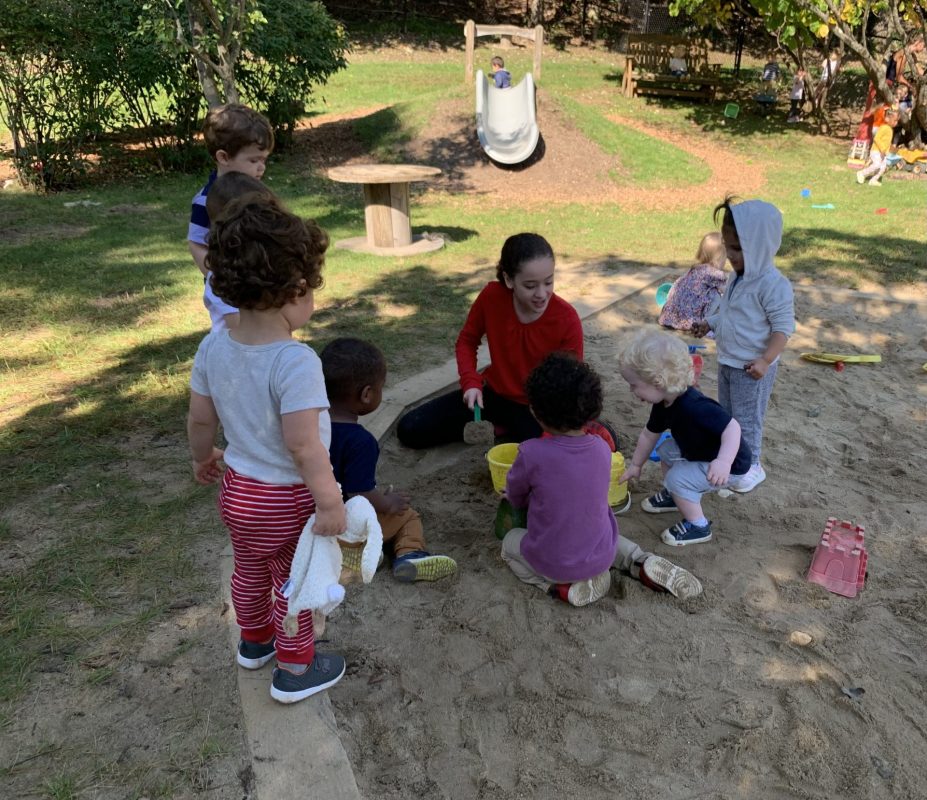
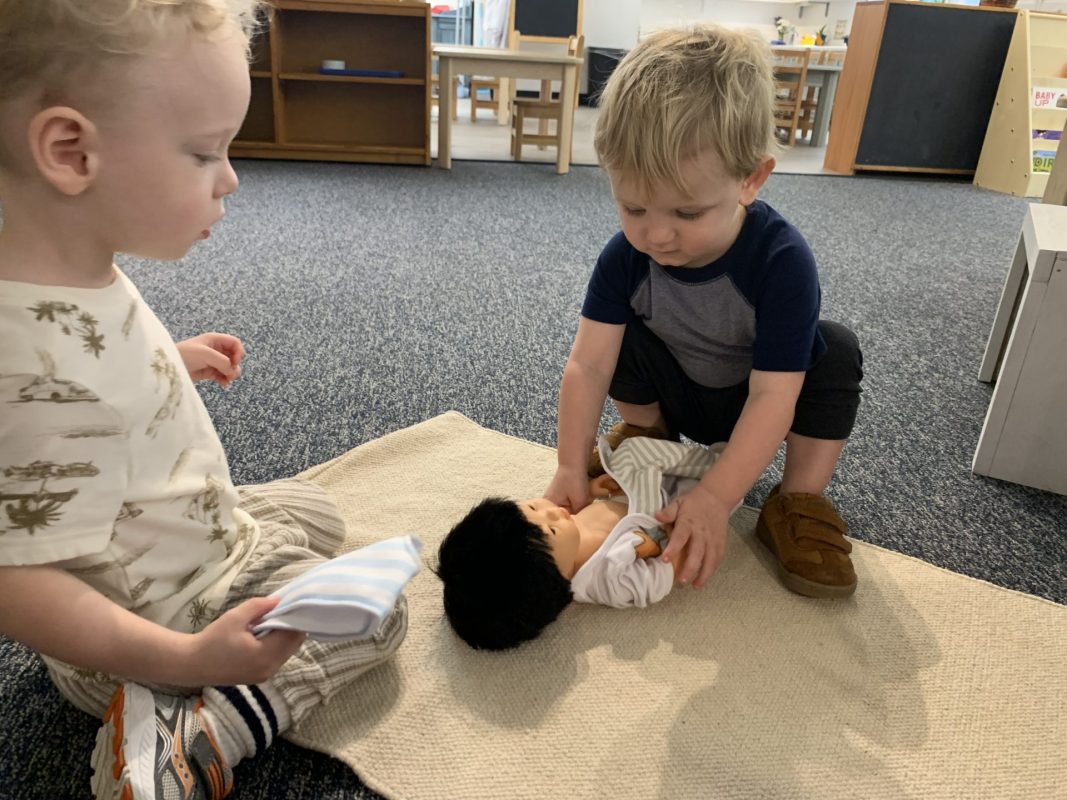
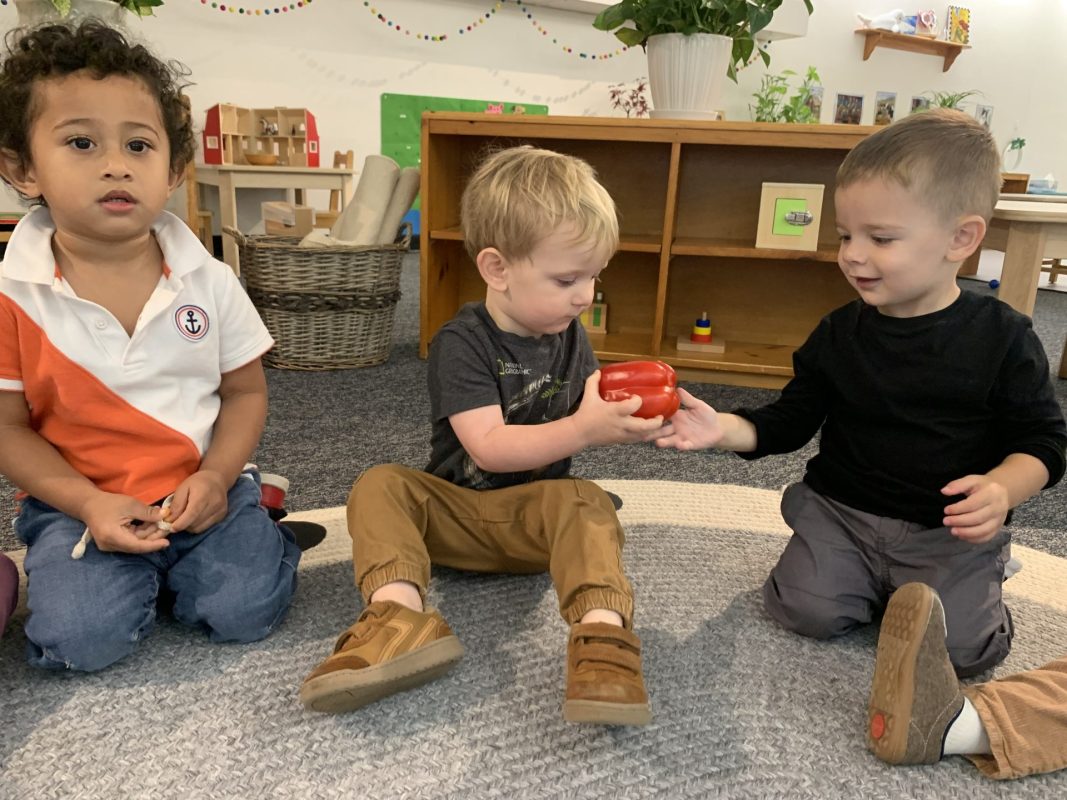
Sharing does not come naturally to children under the age of three. They are not developmentally ready to share. From a Montessori point of view, sharing should never be imposed upon a young child. We emphasize independence, self-directed learning, and respect for each child. As adults, it is our job to protect the concentration and focus of the children when they are deeply engrossed in an activity. It is also our responsibility to empower the children and model for them how to advocate for themselves and communicate effectively and respectfully with their peers.

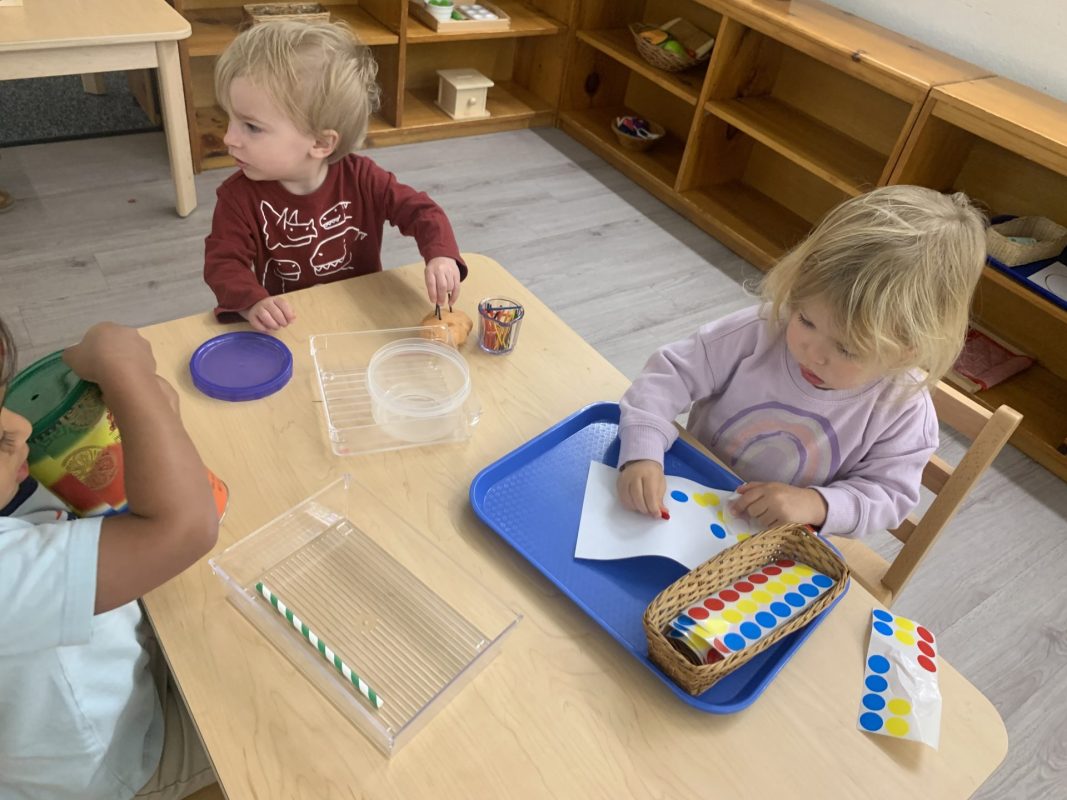
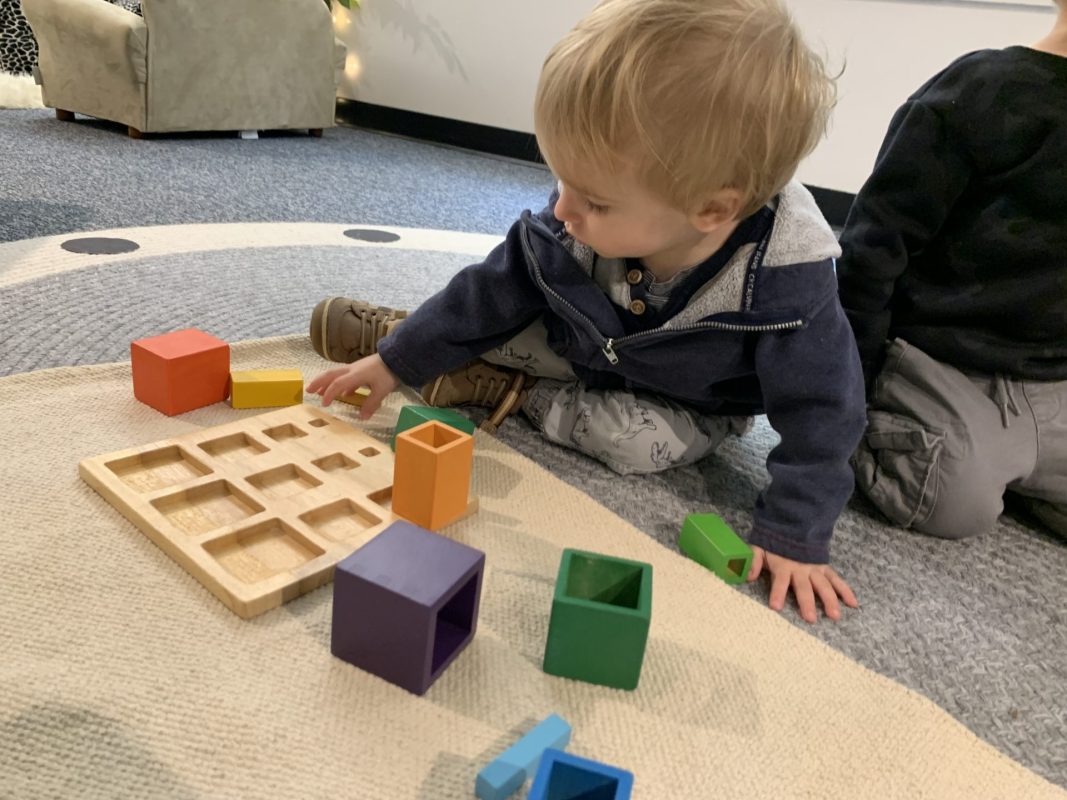
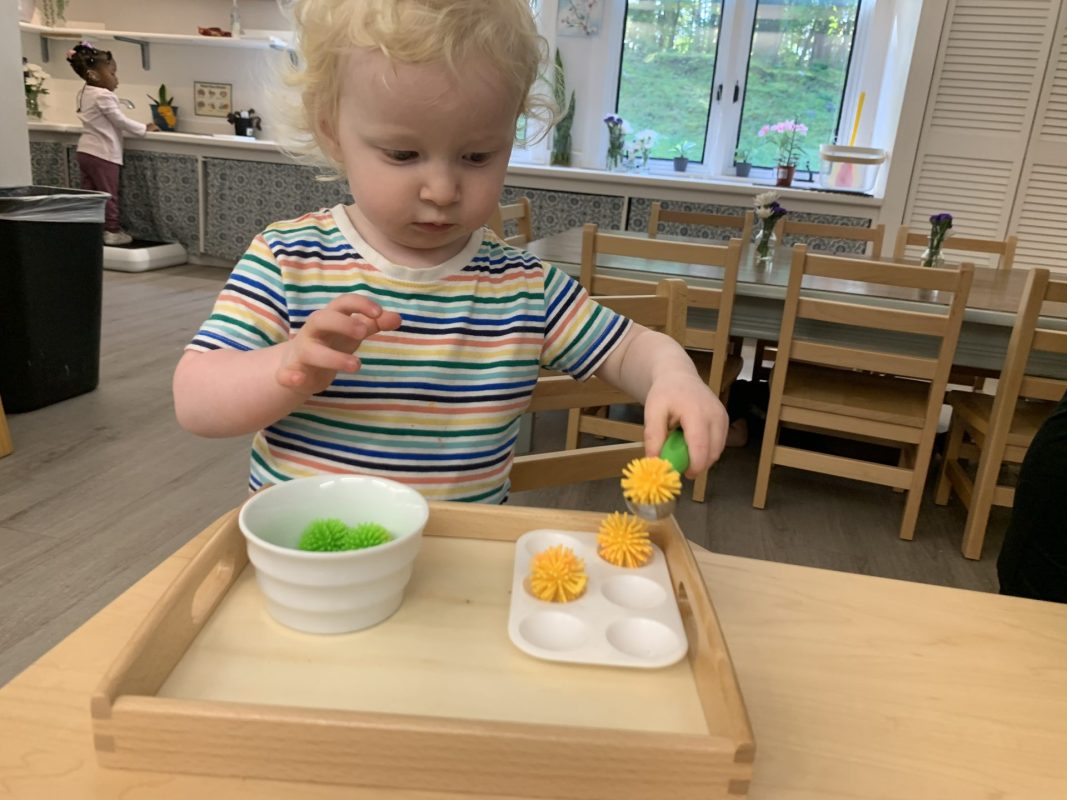
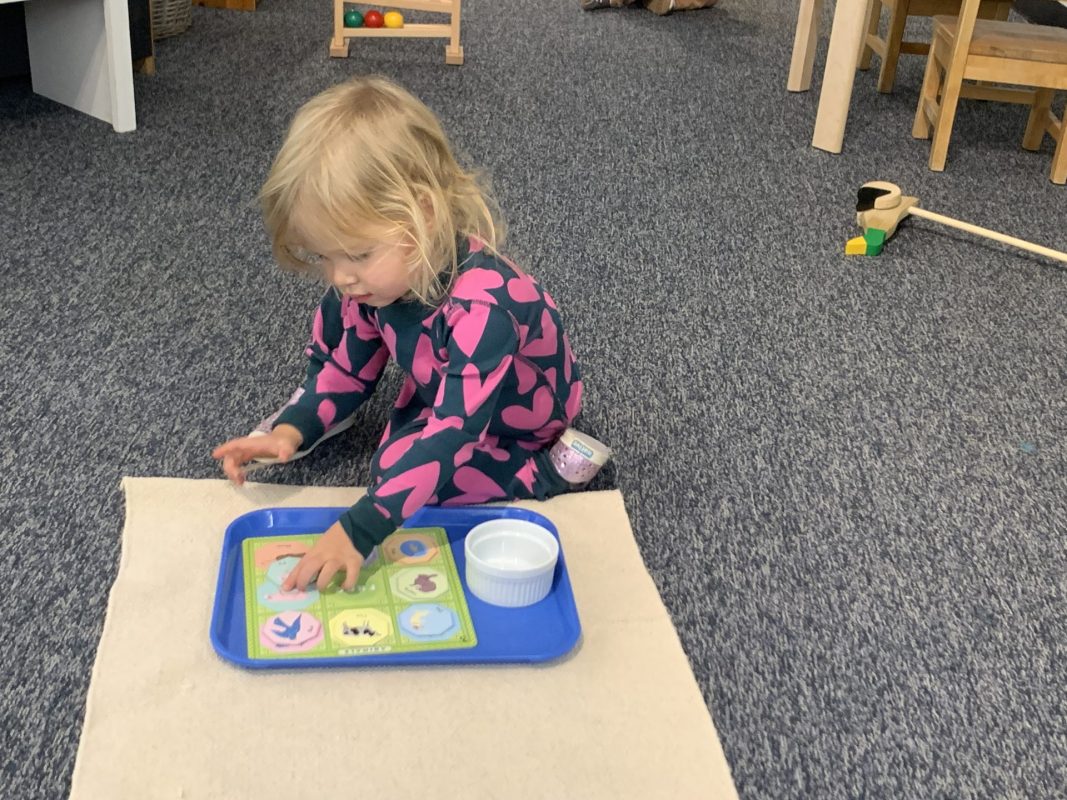
Most of the activities in a Montessori classroom are set up for just one child at a time. All the materials are shared by all the children. However, each child is free to work as long as they’d like with any material. The children learn that if an activity is not present on the shelf, then it is unavailable. Once the activity is returned to the shelf, then it becomes available, and it can be another child’s “turn”.

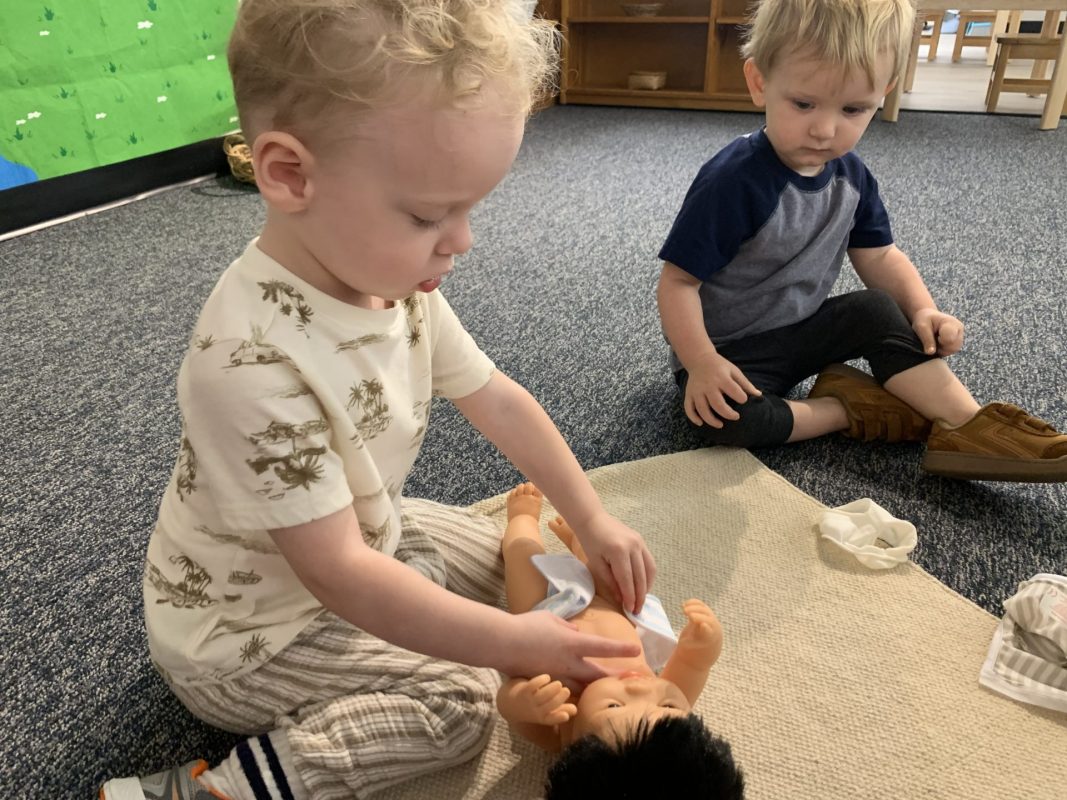
Instead of forcing immediate sharing, Montessori teachers often encourage turn-taking. If a child is using a material or working on an activity, another child might be asked to wait or observe until it’s their turn. This approach helps children develop patience and understand the concept of taking turns.

Throughout the day, you will hear many murmurs of  “This is my work” and “I’m using this right now”, as well as “May I take a turn?” It is important for children to feel comfortable saying ‘no’ and also to respect when others do, too.

Forcing children to share may unintentionally send the message to the child that their needs and opinions don’t matter. Often, children also learn that crying or throwing a tantrum is a way to immediately get what they want.

The goal of Montessori education is to support the child’s development of social skills in a respectful and individualized manner. While sharing is an important aspect of social development, it is approached in a manner that aligns with the child’s natural development and readiness to understand and practice this skill. It is exciting to observe the children’s growth in both patience and confidence (and, down the road, empathy).


Middle School: Week in Review

Another beautiful and productive week in middle school has gone by! The Middle School is gearing up for its first social event with Upper Elementary students next Friday, 10/20, from 5:30-7:30 pm at school. This is a drop-off event! If you have not responded to the invitation, please do so we can get a final count! Middle School & Upper El Cookout Invitation.

Science

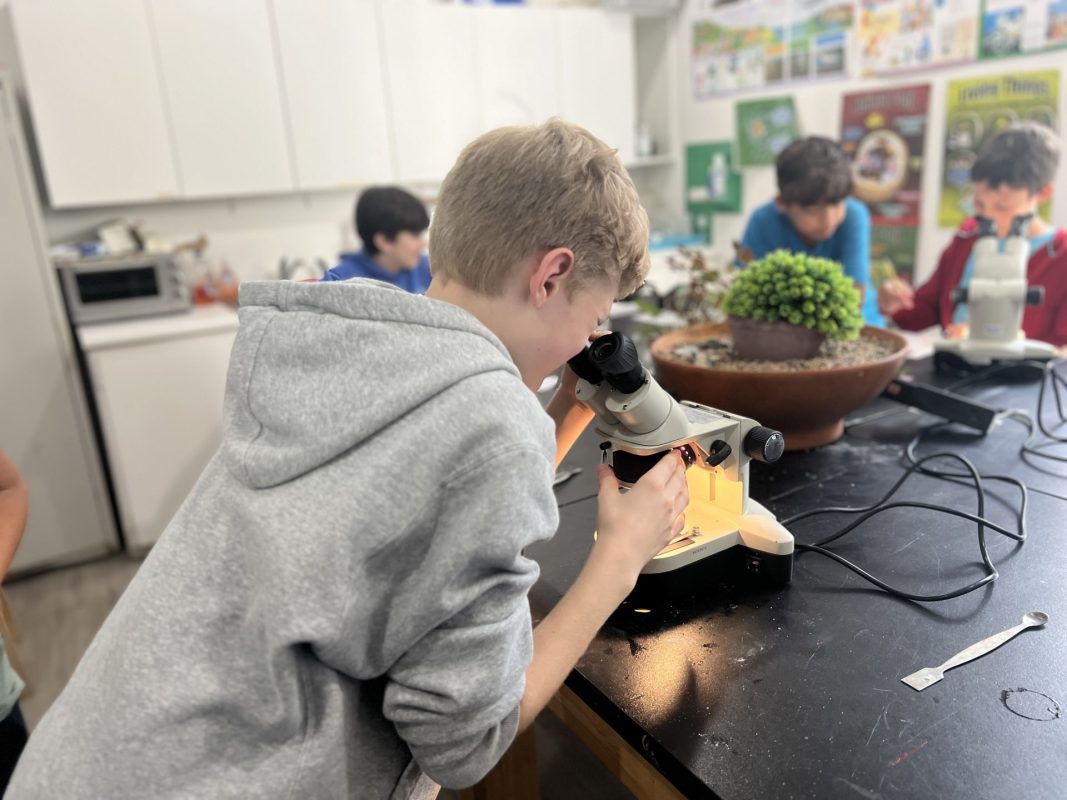
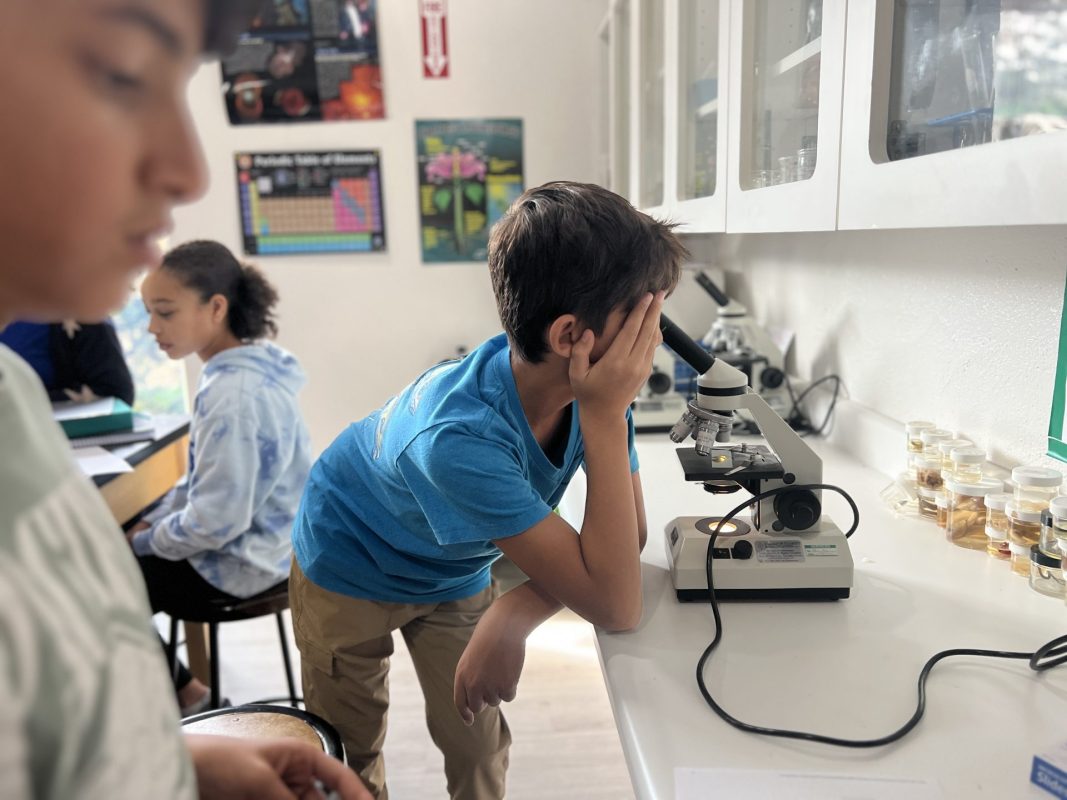
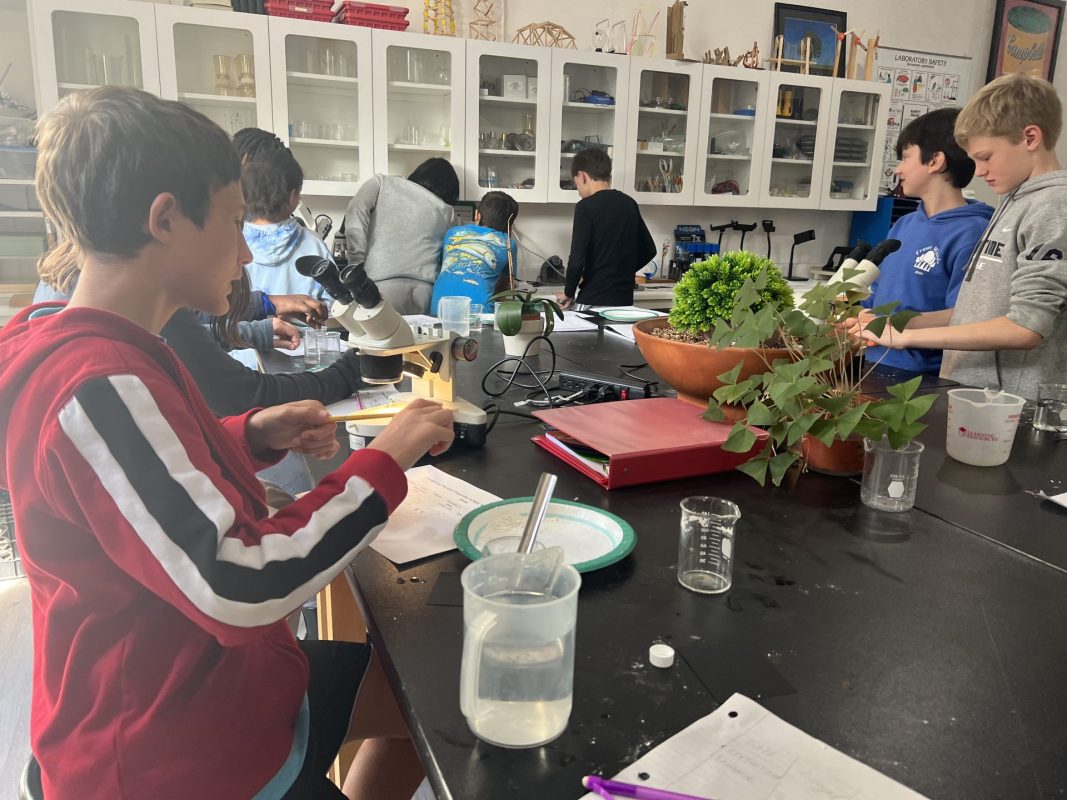
6th-year Earth Science students were able to create their resin molds incorporating an object of their choosing. Students chose between geometric or animal molds for their own representation. Following the completion of this project, students were asked to write a fictional story using key terms from our unit, Fossils, as it relates to the preservation of fossils. Each student was able to share their story aloud to the class and later display their resin mold and story for the entire school to see. After completing the unit Fossils, students worked on identifying dependent and independent variables. Students were asked to analyze and graph data using Google Sheets. Once the data was graphed, students discussed what claims could be made based on the represented graph.

7th year Physical Science students finished their unit, Combining and Separating. Students learned about relevant issues in which we rely on the knowledge of separation, as discussed in the Flint Water Crisis (2014-16), along with the process of desalination (removal of salt from saltwater). We conducted an experiment on the desalination process by saturating water with salt and later boiling it, resulting in freshwater once again. We will begin our next unit, Characteristic Properties of Matter, next week.
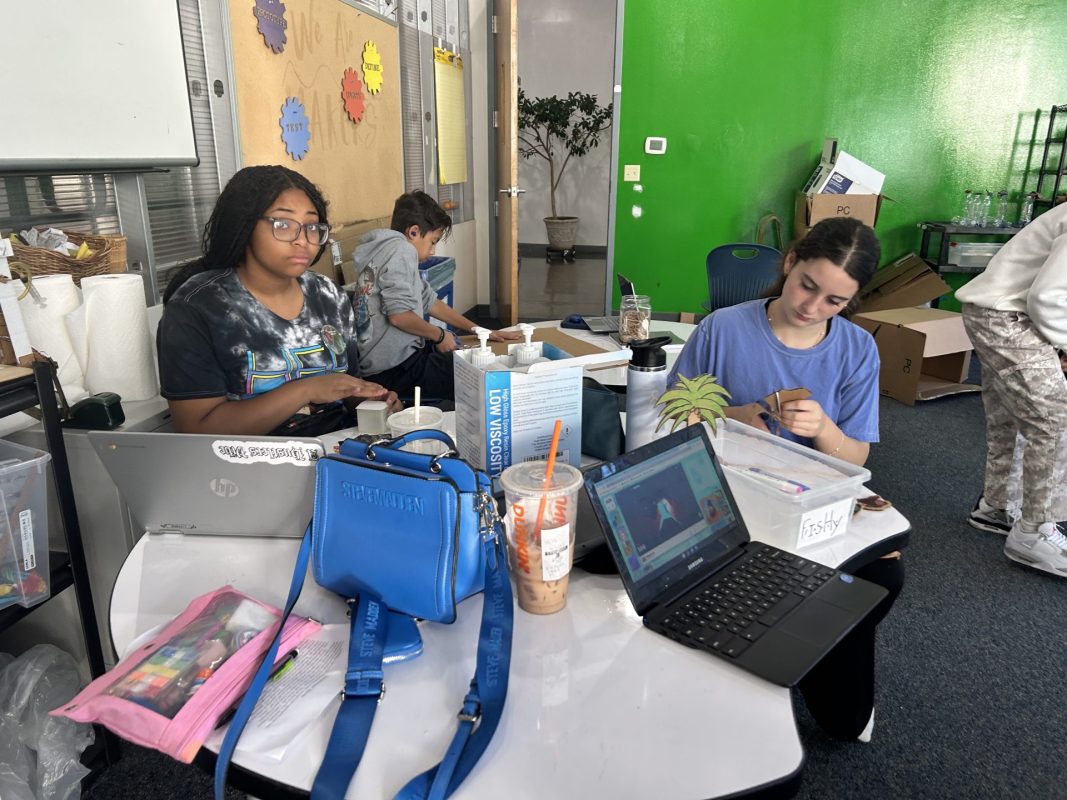
8th-year Life Science students began and finished their cell cake project from the unit Cell Theory. Students were instructed to represent an animal or plant cell and its primary organelles using food (candy/cake). Students chose certain candies to represent each organelle they felt was the best representation of the actual appearance possible. Once the construction was completed, students created a key diagram labeling the organelles along with the function served within the cell. Students presented their finished product to the middle school students, which was later enjoyed by all.

Math

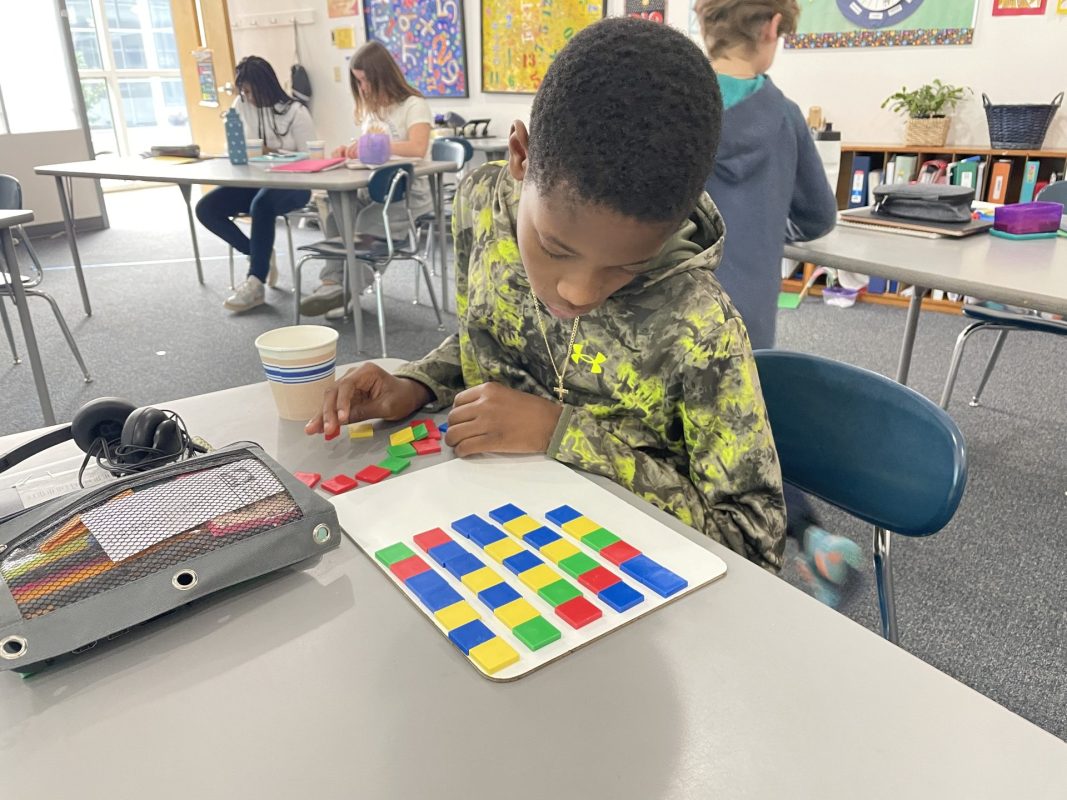
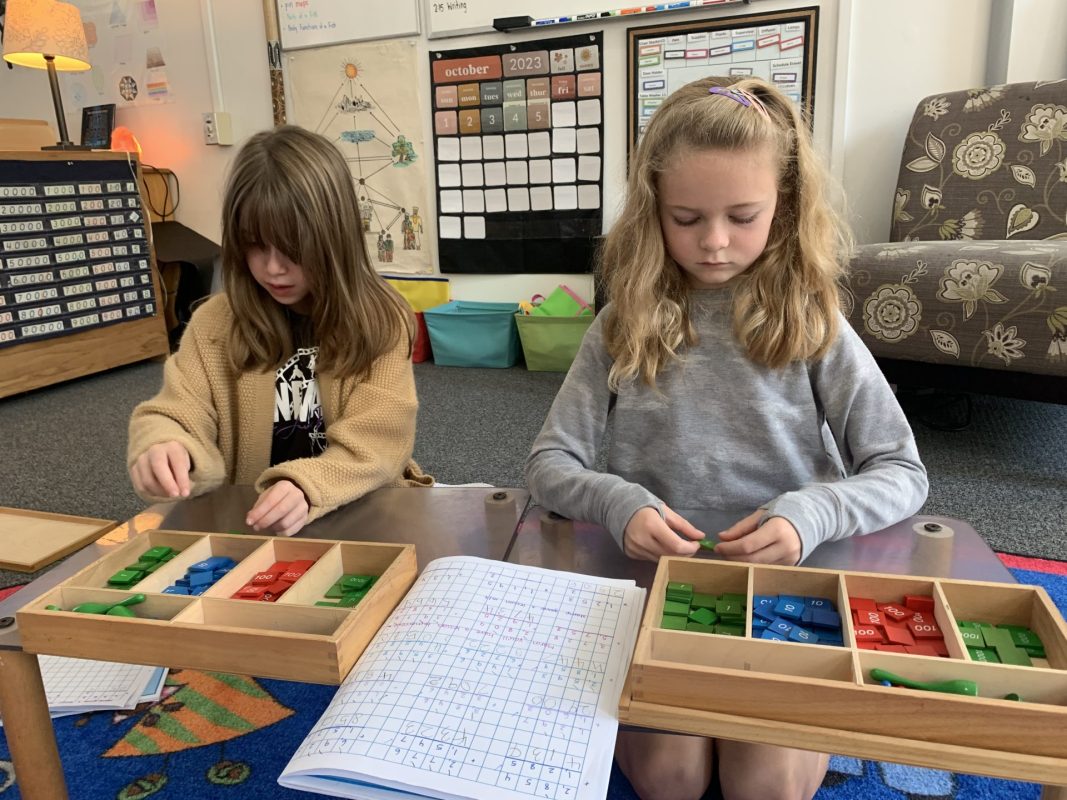
In the Pre-Transition math class, students started learning Chapter 2 and are excited to explore the relationship between decimals, fractions, and percentages. This week, they learned about place values for a decimal number, comparing and ordering decimals on a number line, as well as multiplying decimals by values of 10s, 100s, 1000s, etc.
In the Transition math class, students learned the last three lessons in Chapter 2. They discussed how to use the Pythagorean Theorem to find a missing side length as well as how to find a solution for a simple single-step algebraic equation. This class concluded the week by learning to graph inequalities on a number line and writing a mini Chapter 2 assessment.
In the Algebra math class, students reviewed key concepts for Chapter 2 and wrote the Unit Test on Thursday, October 12th. Students practiced using the distributive property and collecting like terms in an algebraic expression. This class demonstrated that they understand related facts for all operations and can test equivalences for two expressions.
In the Geometry math class, students concluded their learning of Chapter 2 and reviewed the key concepts to prepare for the Unit Test on Thursday, October 12th. This class can draw and identify polygons, write conditional statements, and distinguish between convex and nonconvex figures.
Make Joke: Do you know why seven eight nine? Because you’re supposed to eat three squared meals a day!

Humanities

6th grade Humanities was busy this week. With Mr. Newman, the students are working on the five themes of geography. In Mrs. Lamb’s room, students continued their descriptive writing unit by using what they learned about word choice, figurative language, and imagery to imagine they are narrating a nature documentary. Using a one-minute clip of a Great White Shark leaping out of the water, they wrote descriptive narrations, workshopped their work with the class, and made suggestions for Mrs. Lamb’s revision. They are now working on a piece from the point of view of a falling leaf. Meanwhile, students are finishing their class novel, Out of My Mind.

7th grade Humanities classes also had a busy week. With Mr. Newman, students are working on locating information from research and using it to answer questions. They specifically used research about Imperial China. With Mrs. Lamb, students finished drafts of their final writing piece for Ties That Bind, Ties That Break. They wrote a letter as the novel’s protagonist to their late father, explaining changes in China and how her decision to keep her feet unbound has affected her life. Next, students presented their Dynasty research. Finally, the 7th-grade students revised their initial drafts of their Ode poems.

8th grade Humanities classes worked on several items this week. First, they completed their pre-contact American civilizations research with Mr. Newman. With Mrs. Lamb, students self-edited their literary analysis essays about The Outsiders and then received feedback for revisions from Mrs. Lamb. Next, students read two short memoir pieces, preparing to write their own next week.
Volcanoes in Lower El!

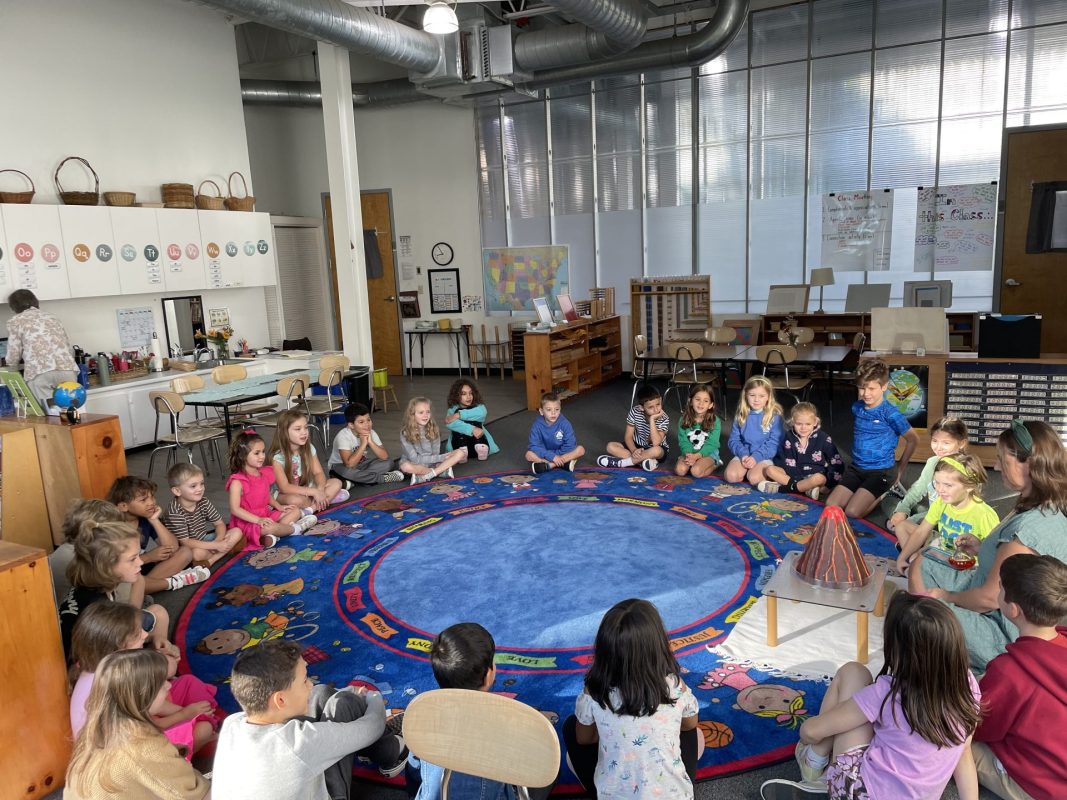
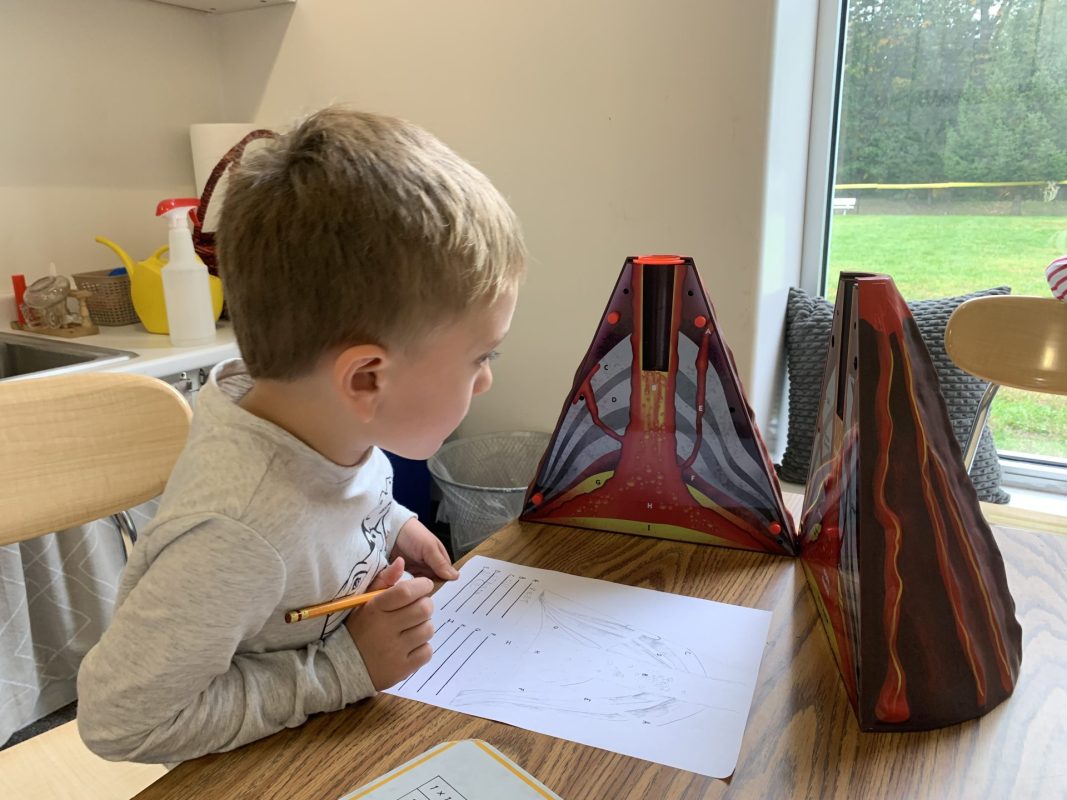
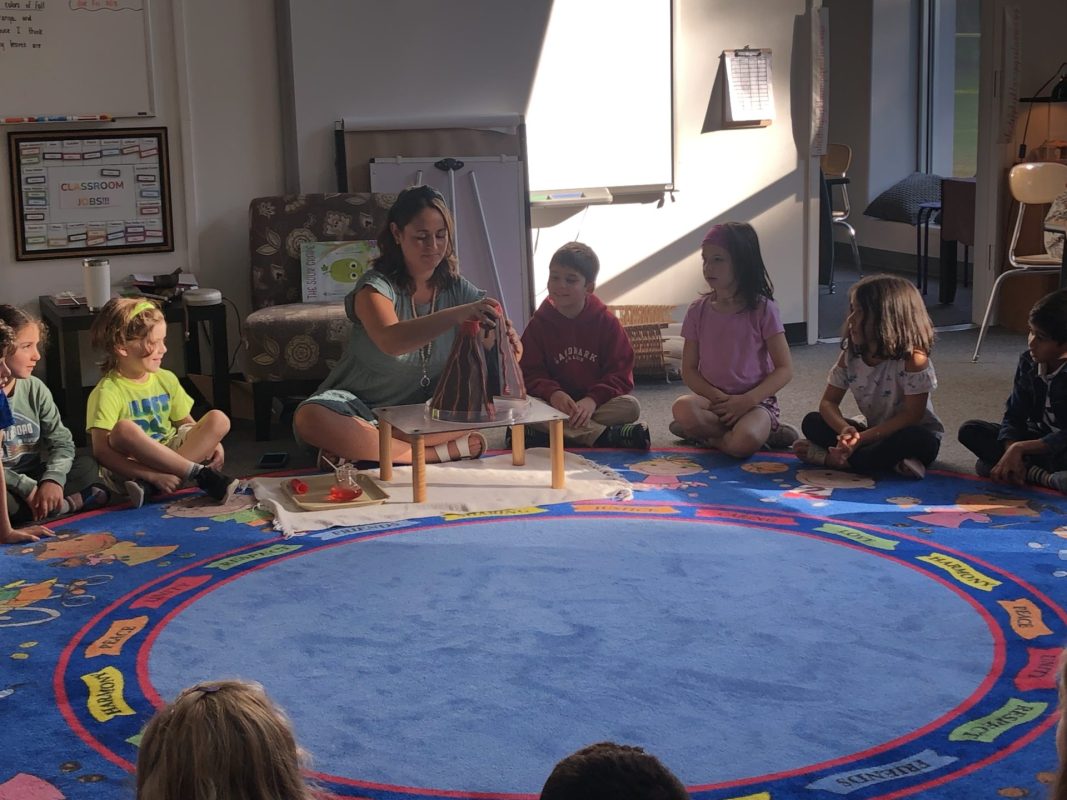
This week, Lower Elementary students embarked on a thrilling journey into the world of volcanoes. Our young geologists began their adventure by learning about the formation and eruption of volcanoes. They discovered that beneath the Earth’s surface lies a molten rock known as magma. When pressure builds up within the Earth due to various geological processes, this magma is forced to the surface through vents, creating spectacular eruptions. The children were captivated by the idea that these awe-inspiring eruptions are the result of the Earth’s inner turmoil.
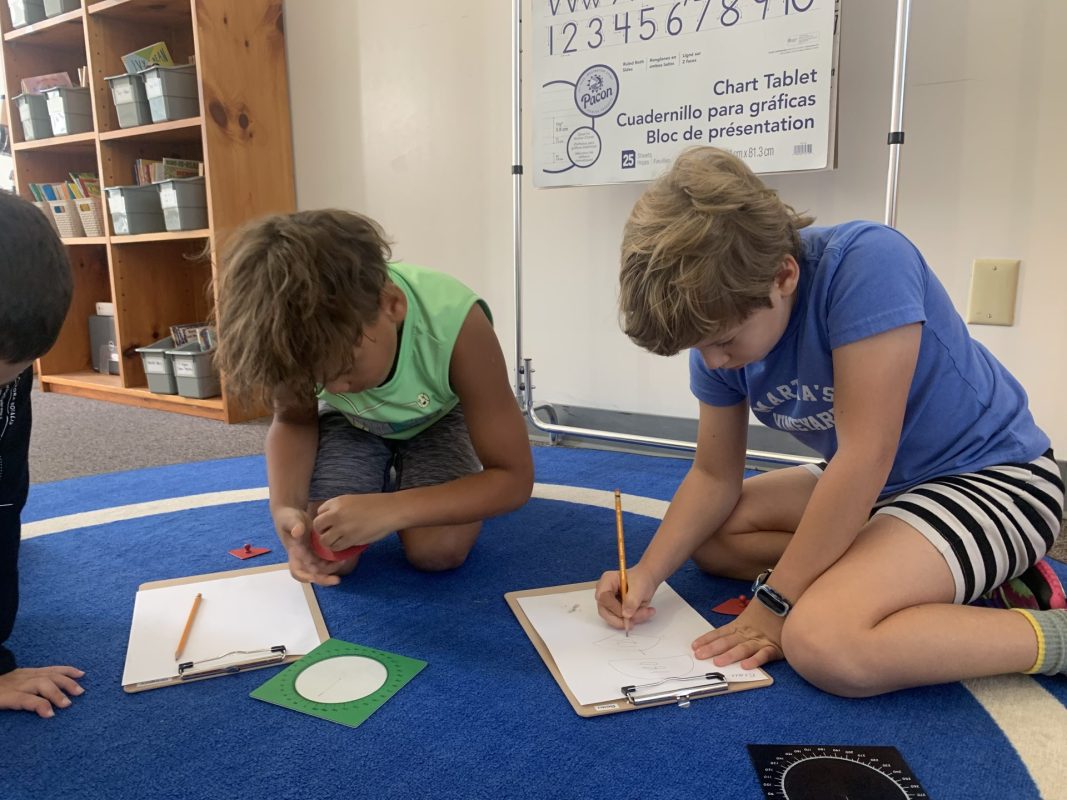
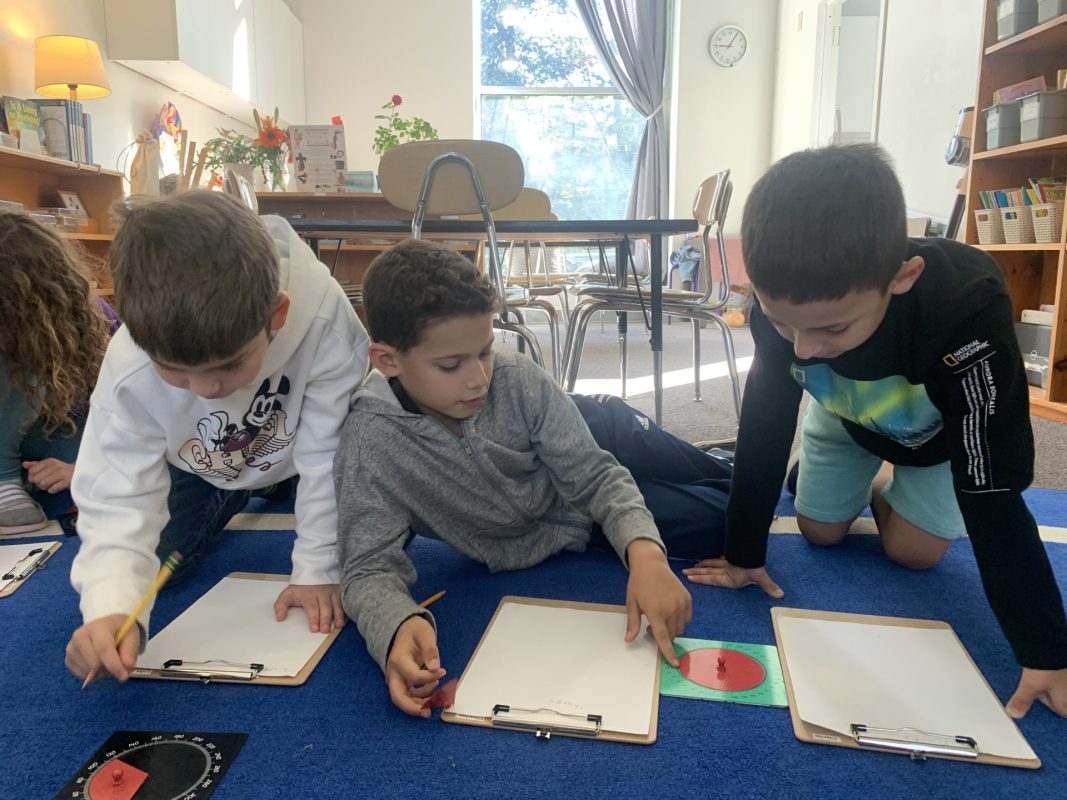
With a basic understanding of volcanic eruptions, the children delved deeper into the anatomy of a volcano. They learned about the various components that make up these natural wonders, including the magma chamber, conduit, mantle, crust, strata, sill, vent, and dike. As their excitement continued to build, the children couldn’t wait to get their hands on our model volcano. This work will be on our classroom shelf for children to explore on their own.


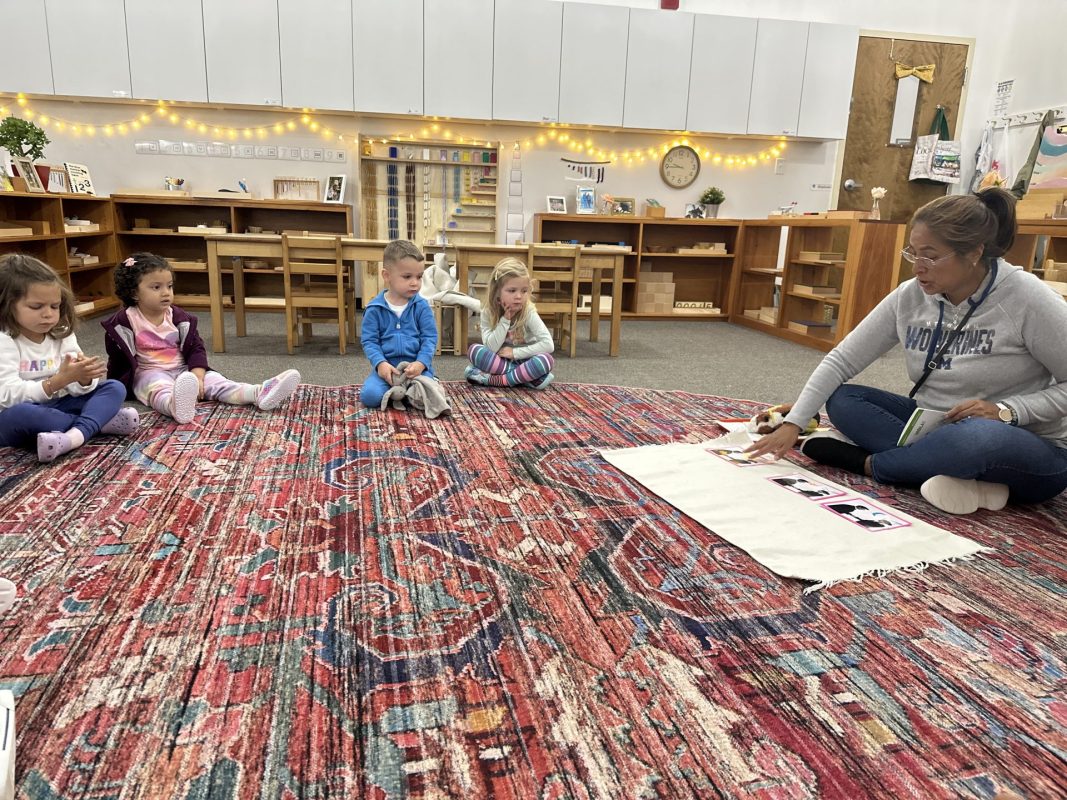
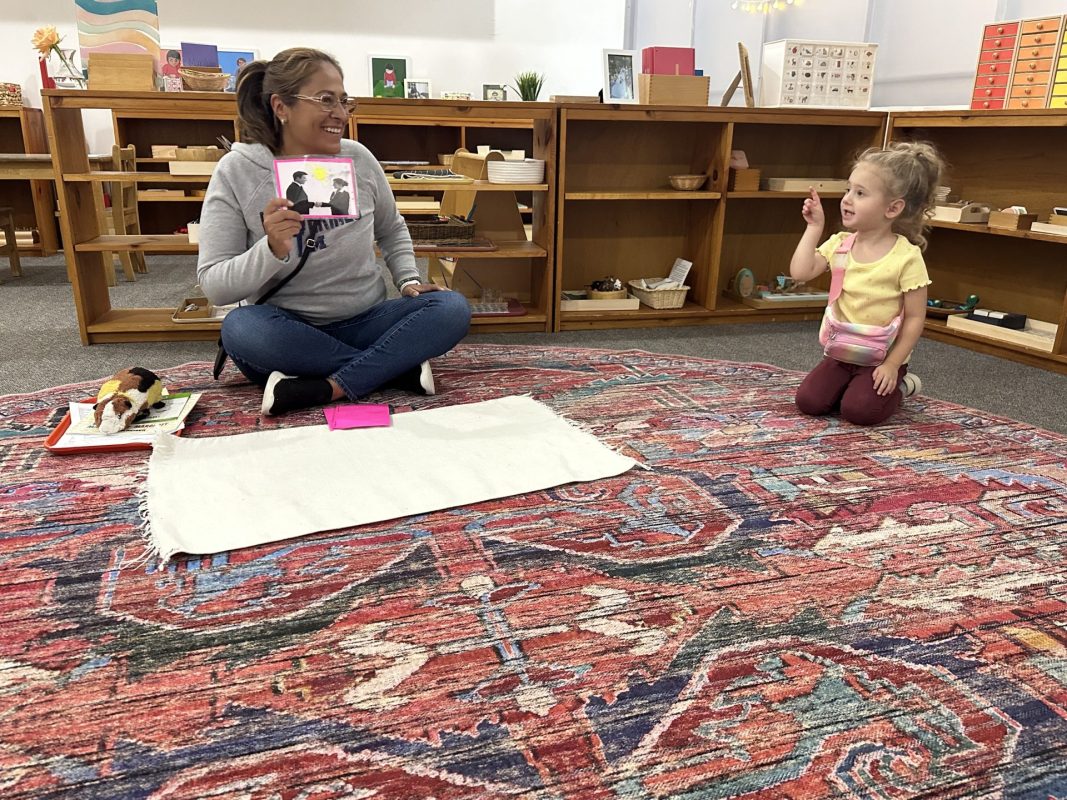
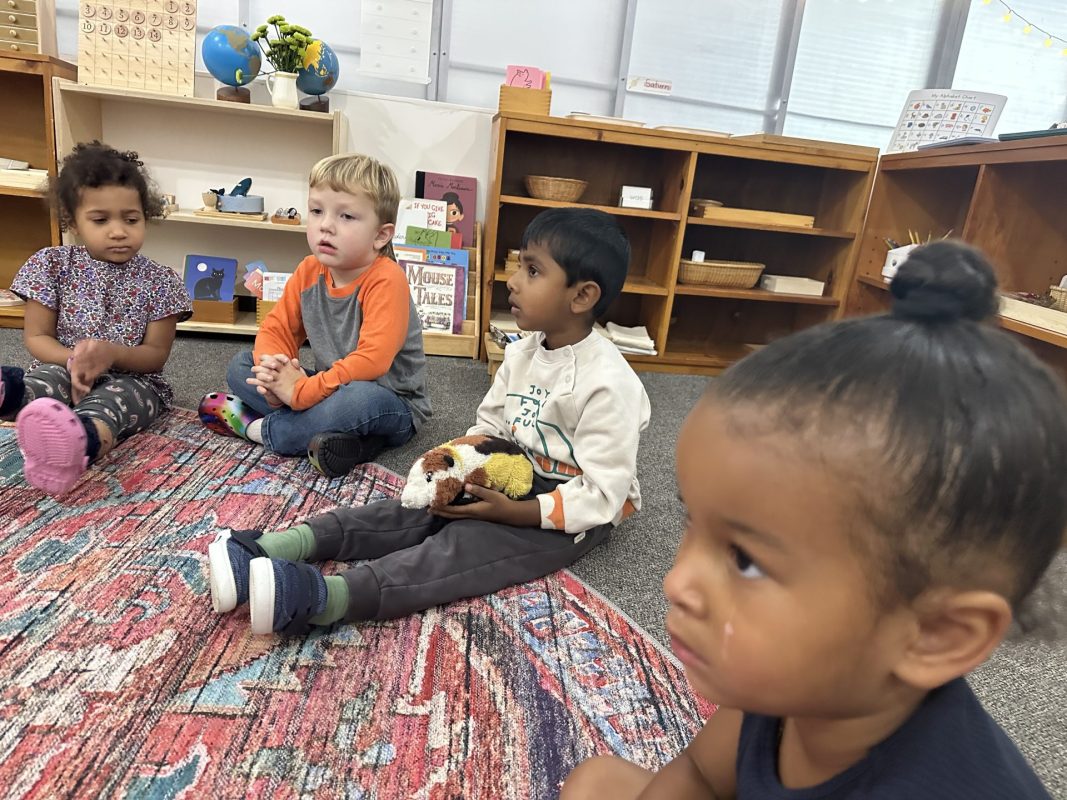
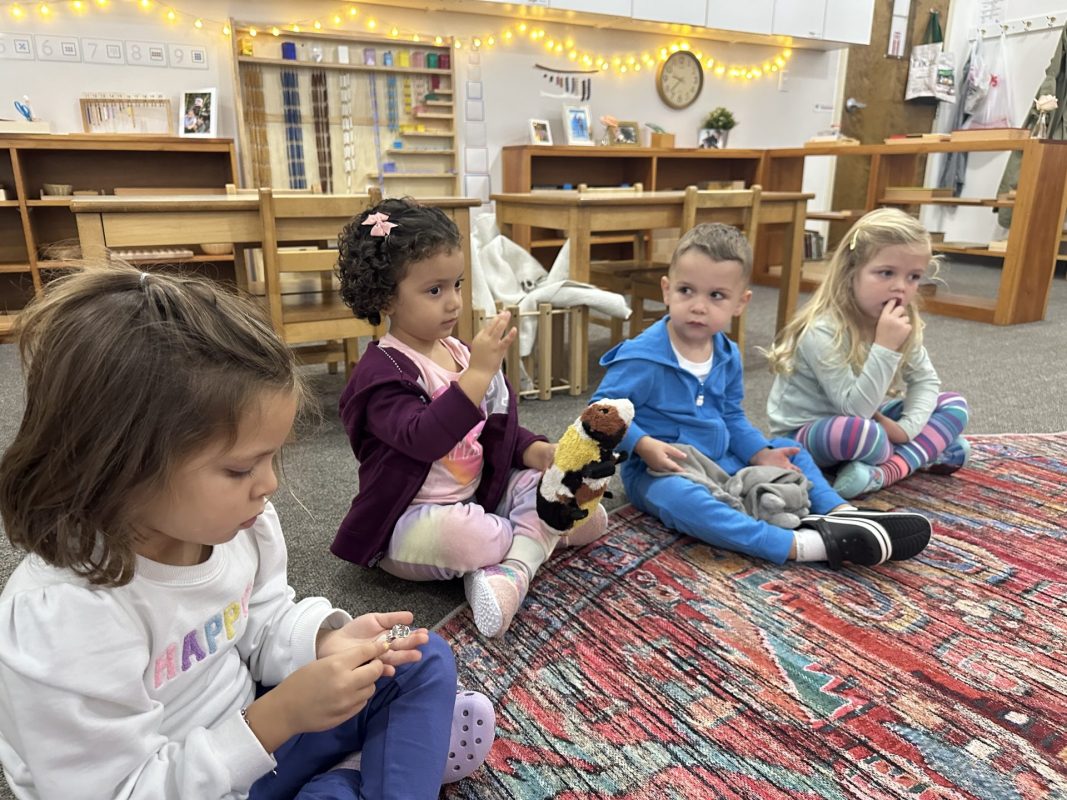
Mrs. Sargeant: A Peek at the Week

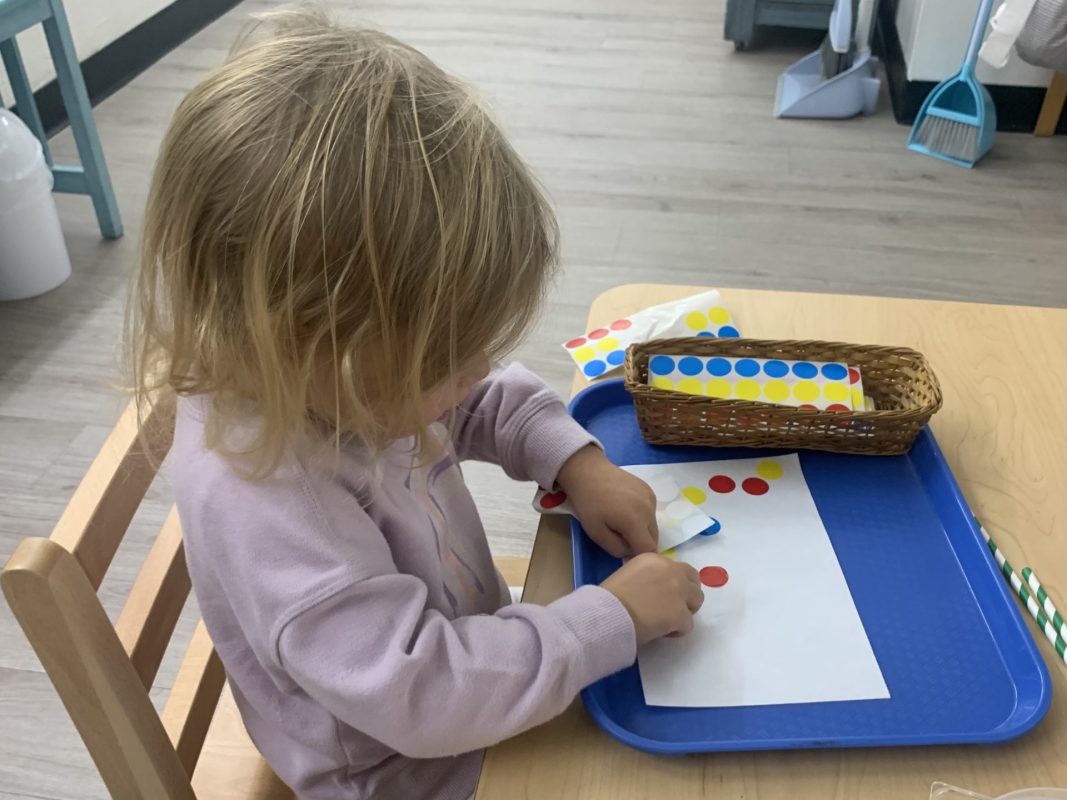
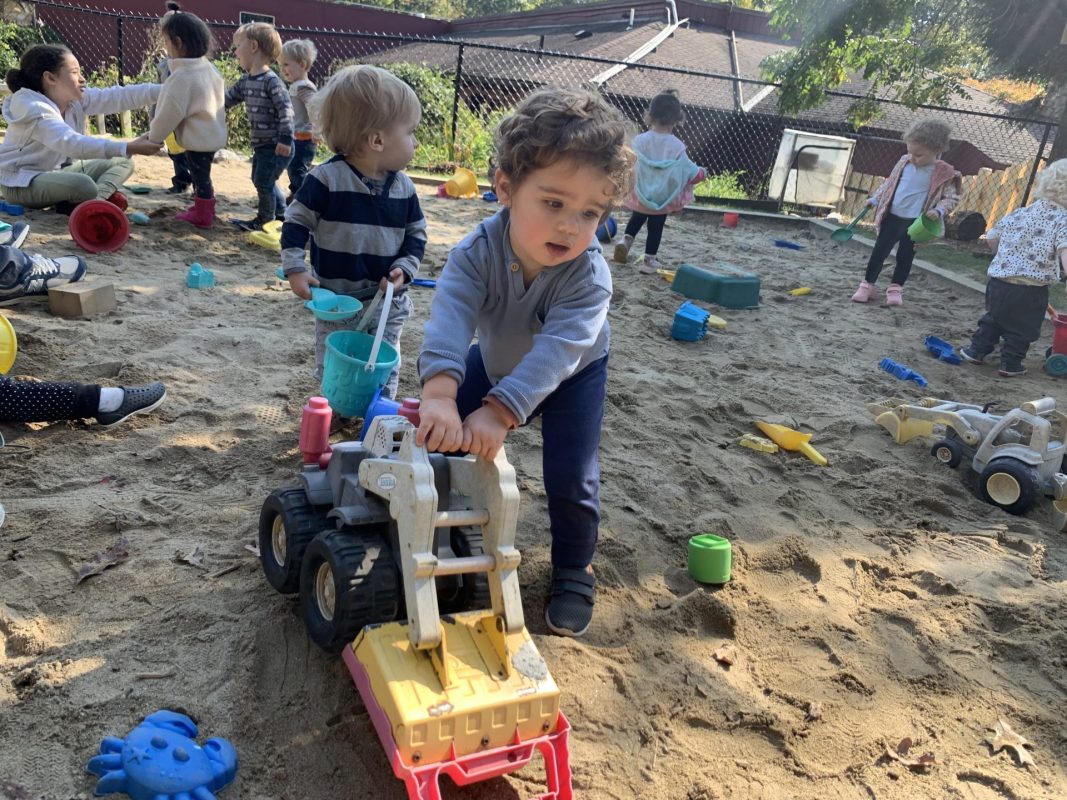
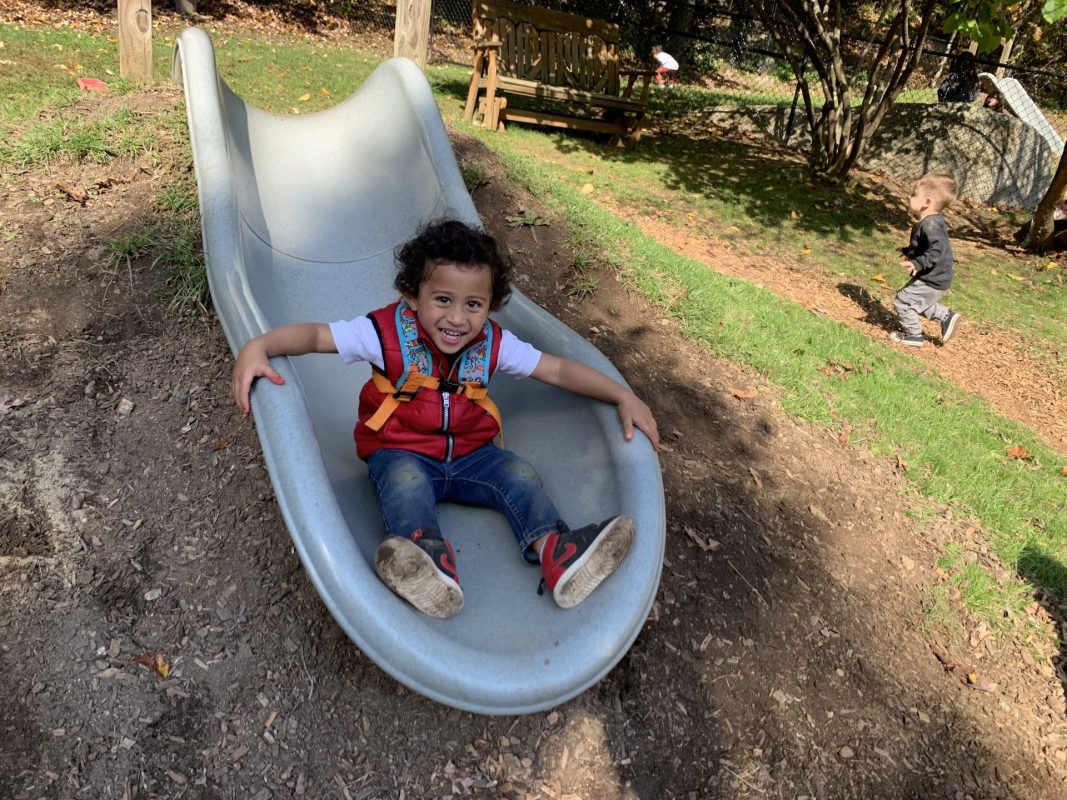
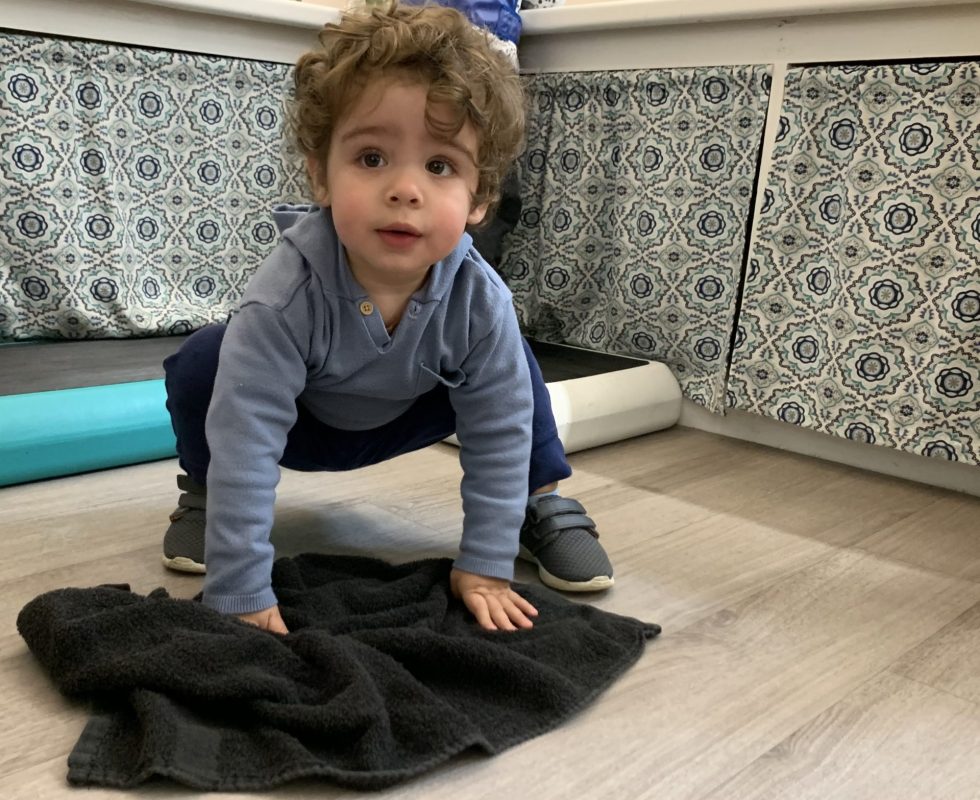
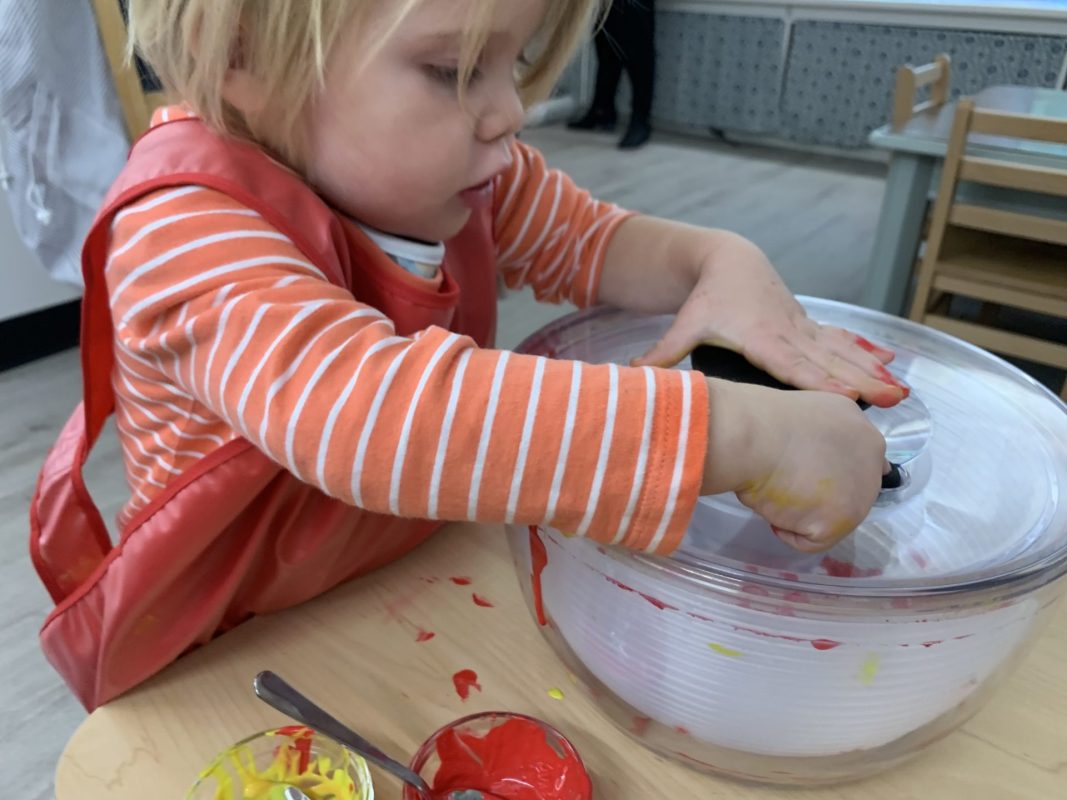
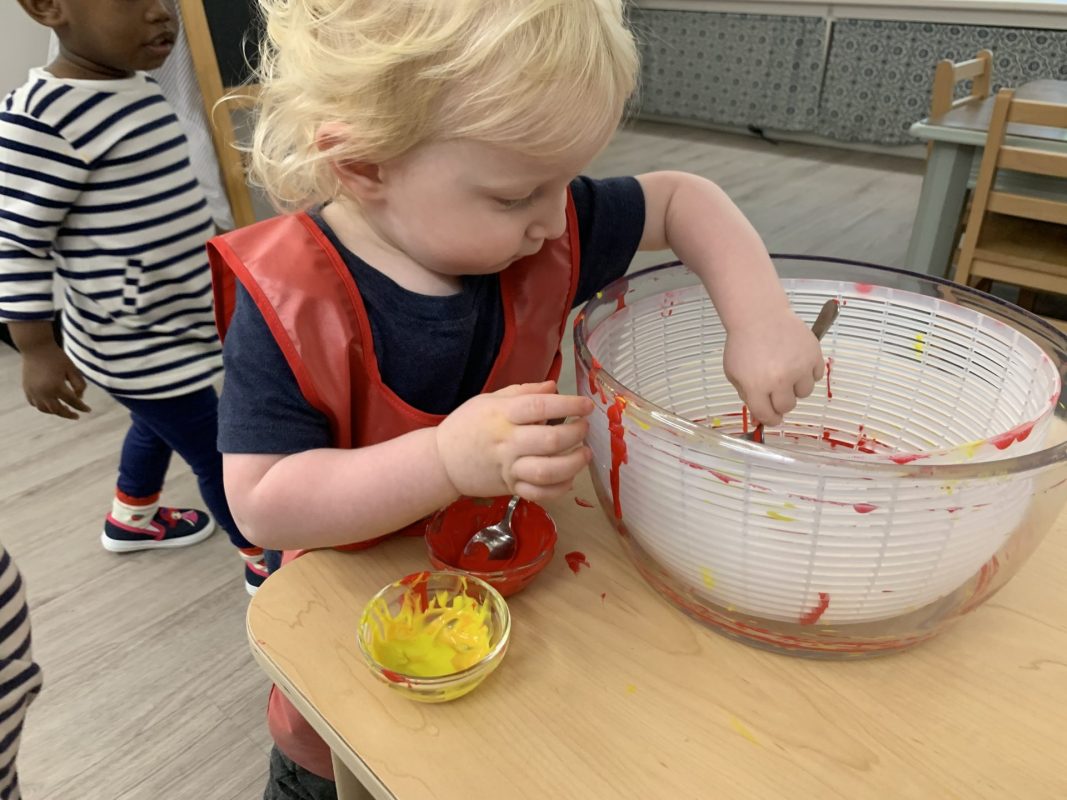
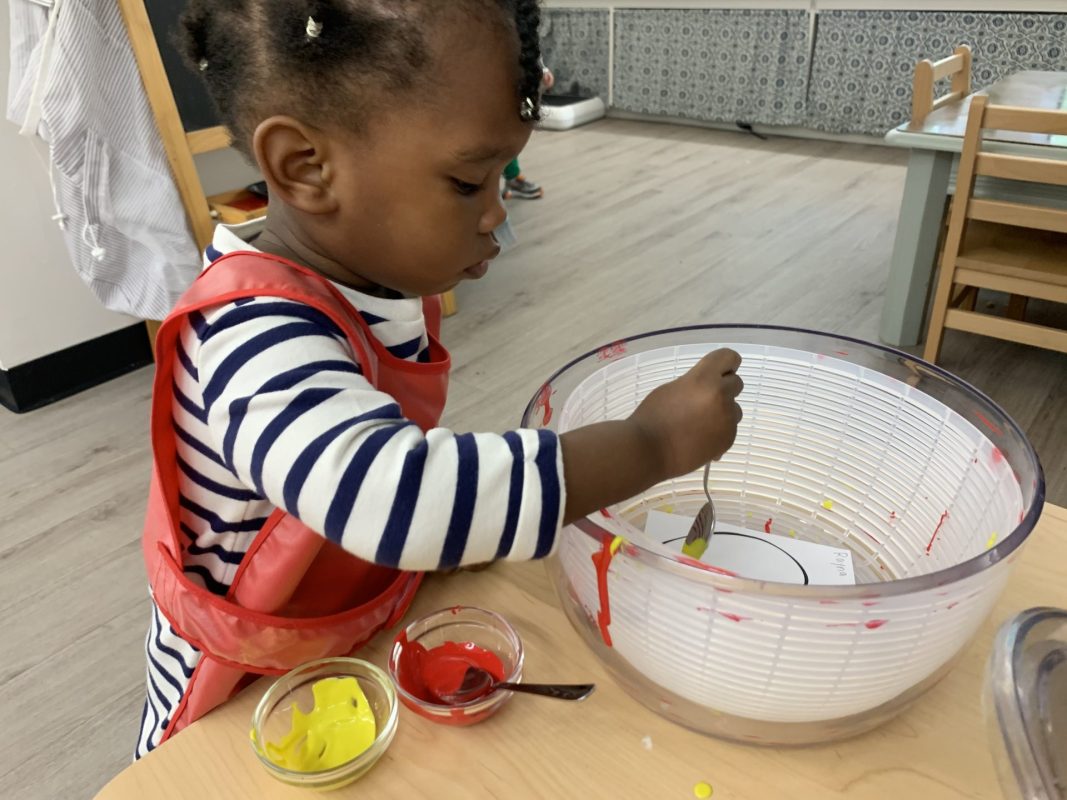
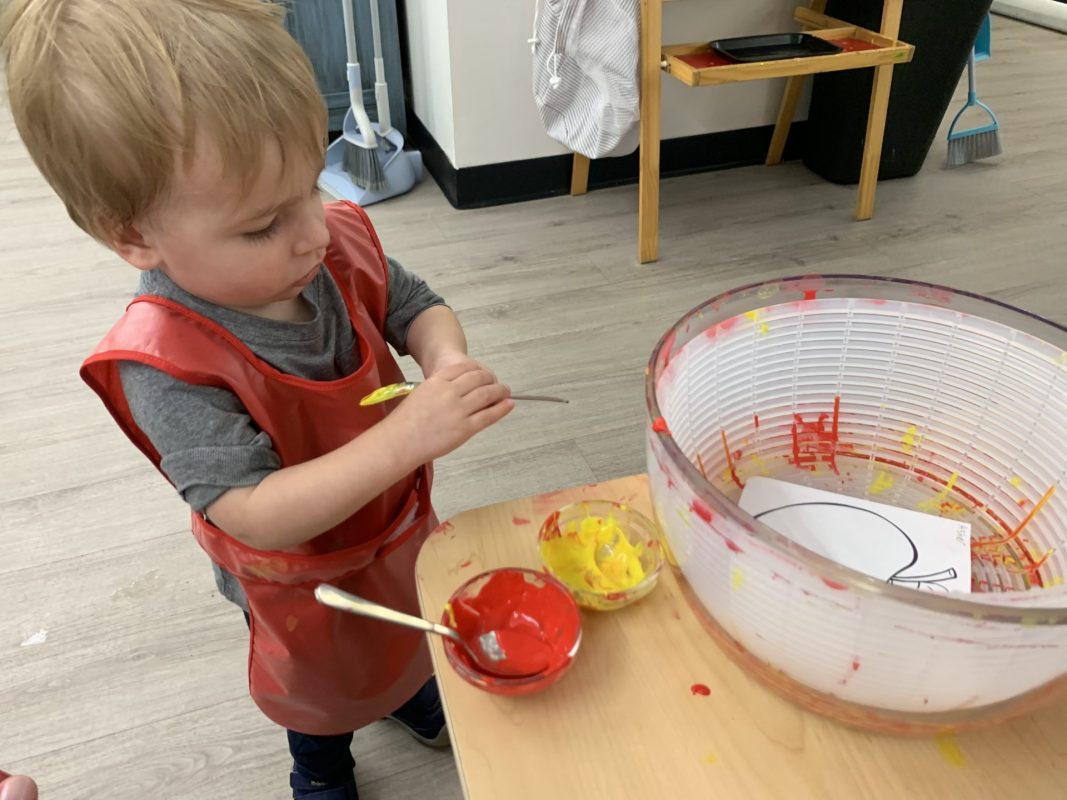
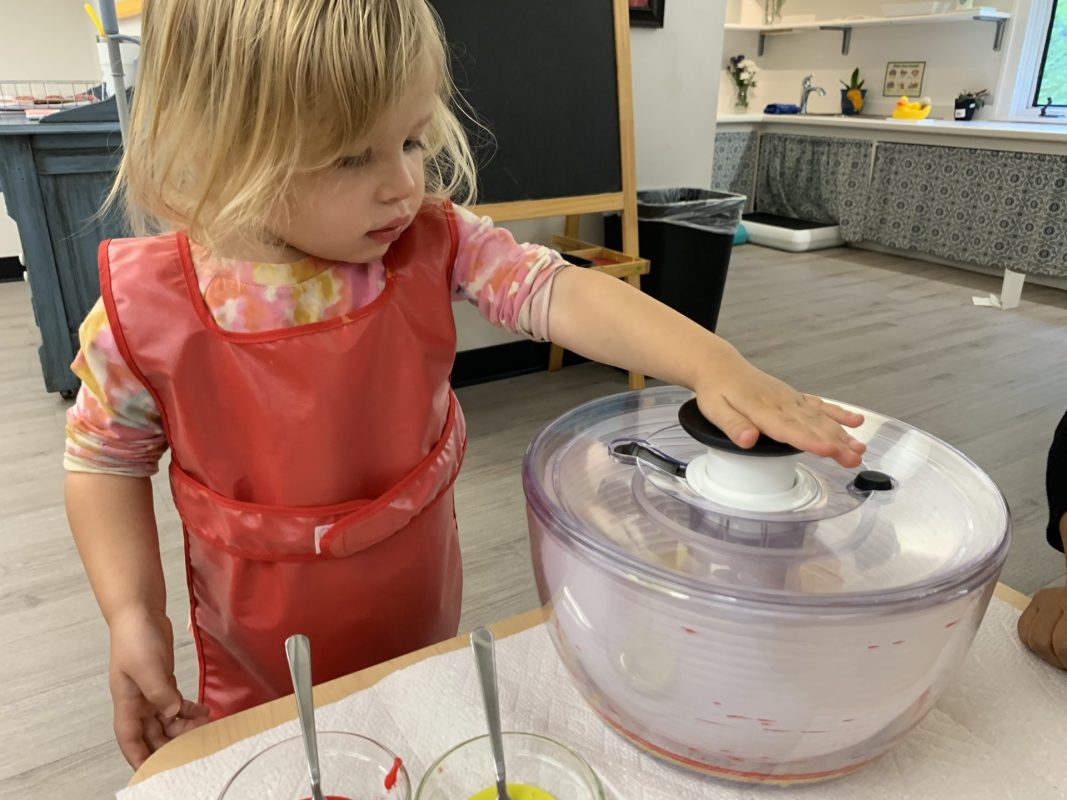
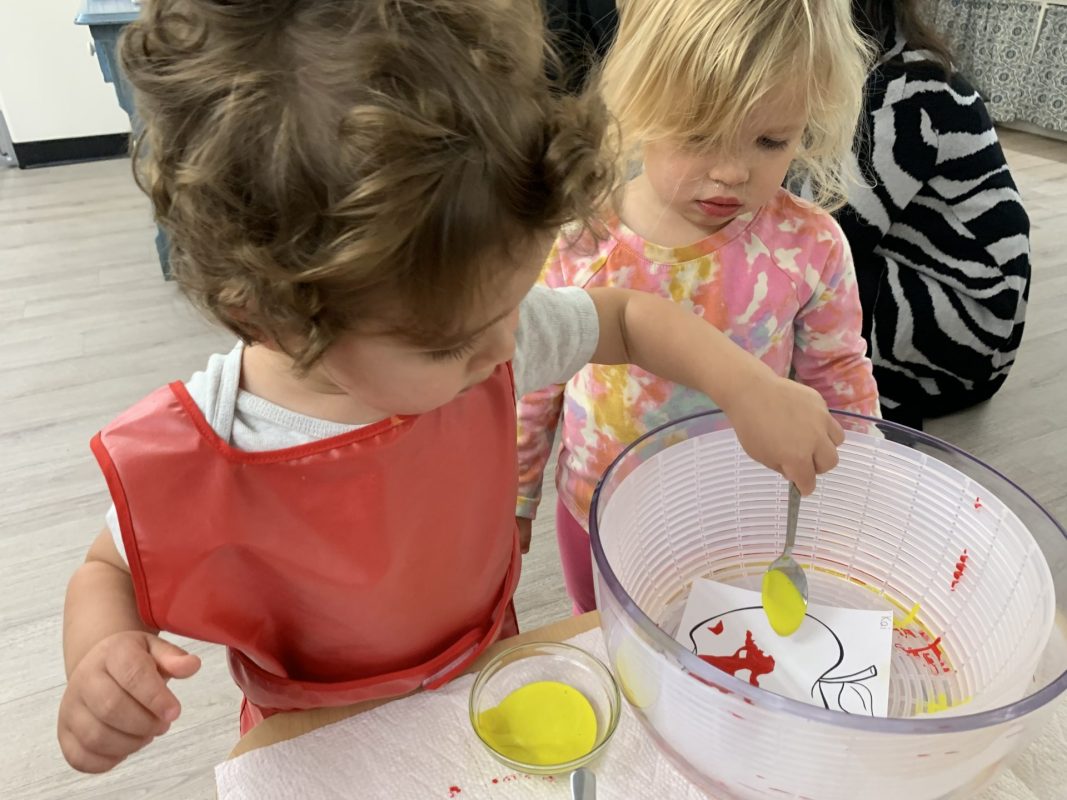
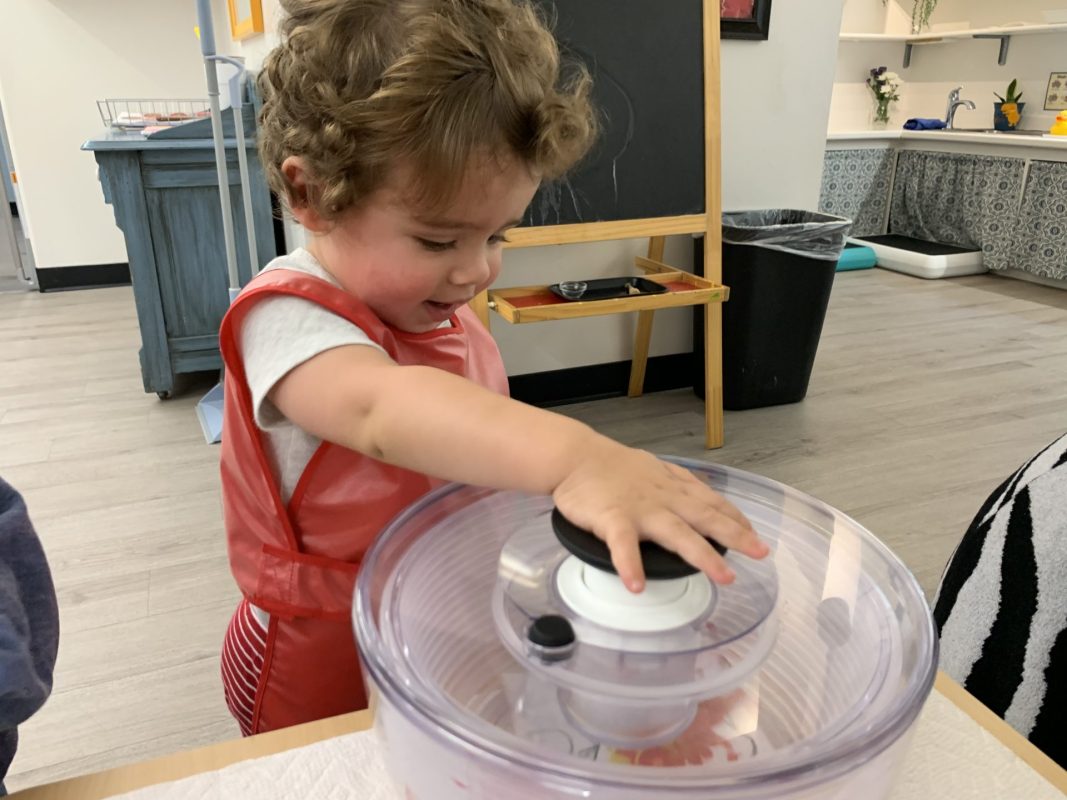
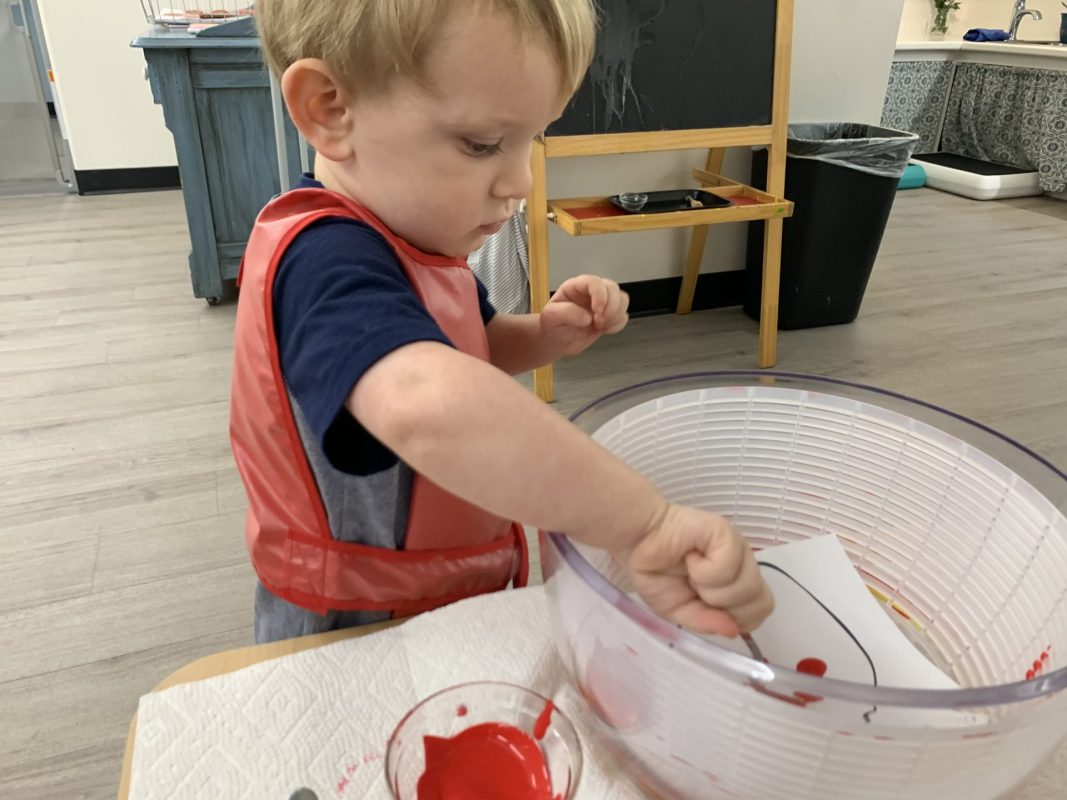
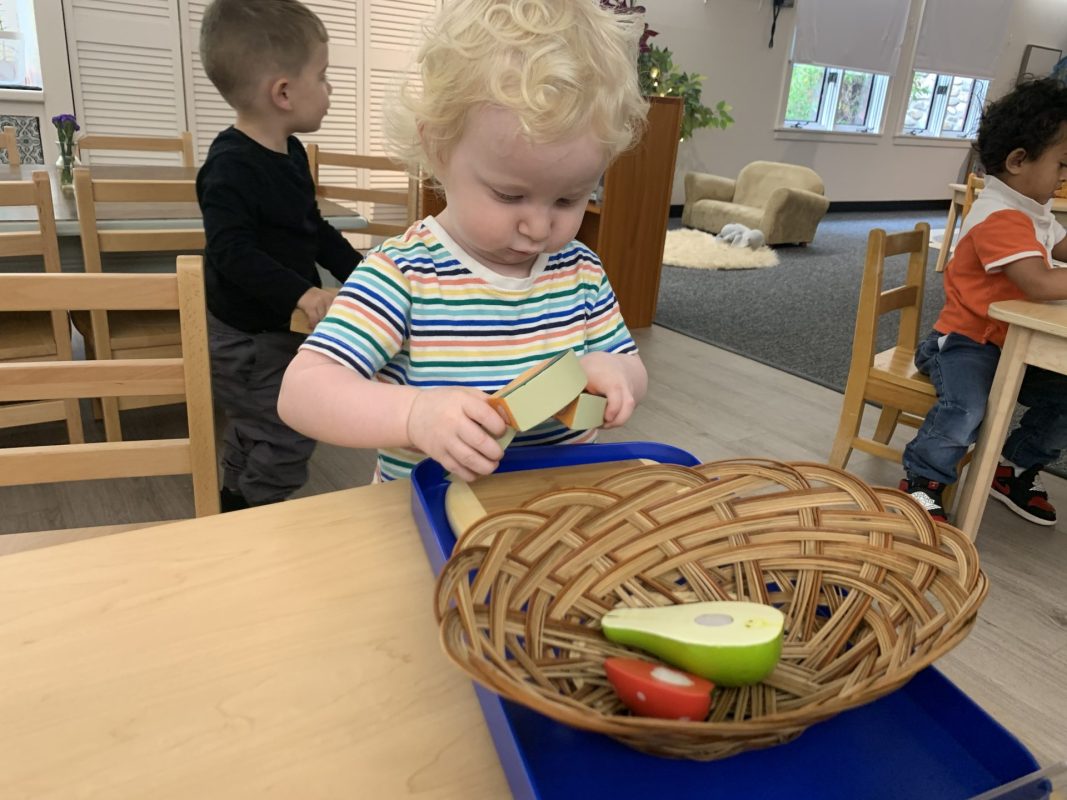
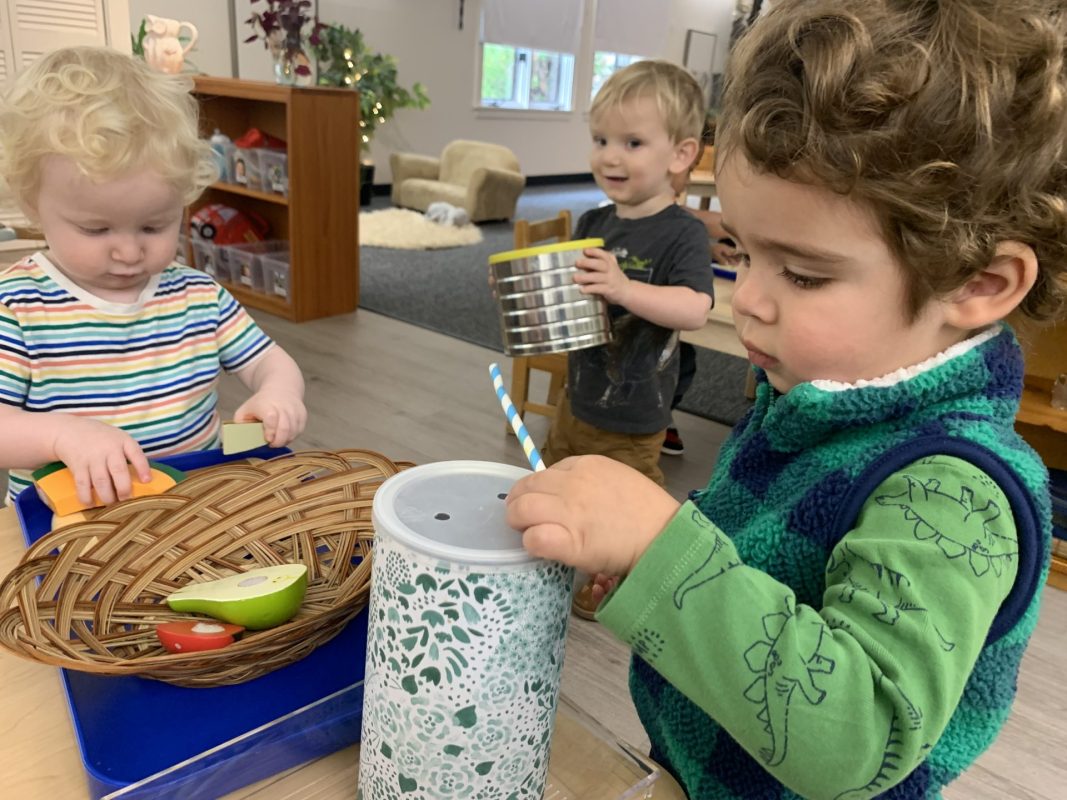
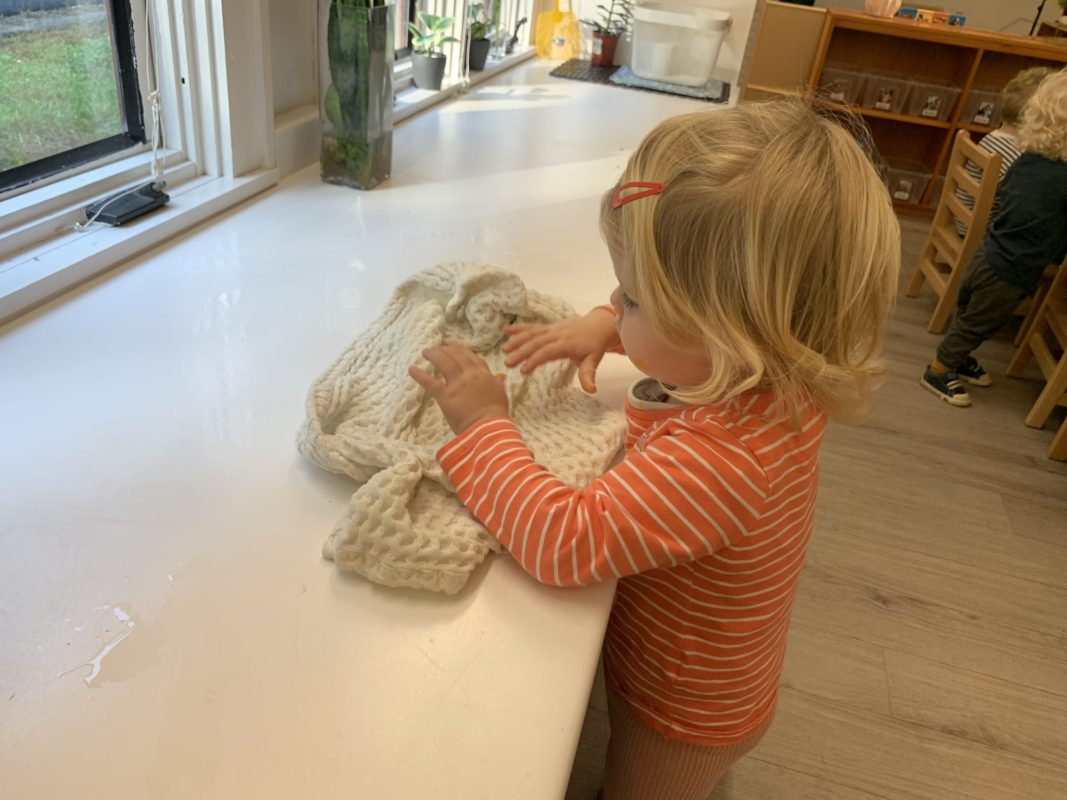
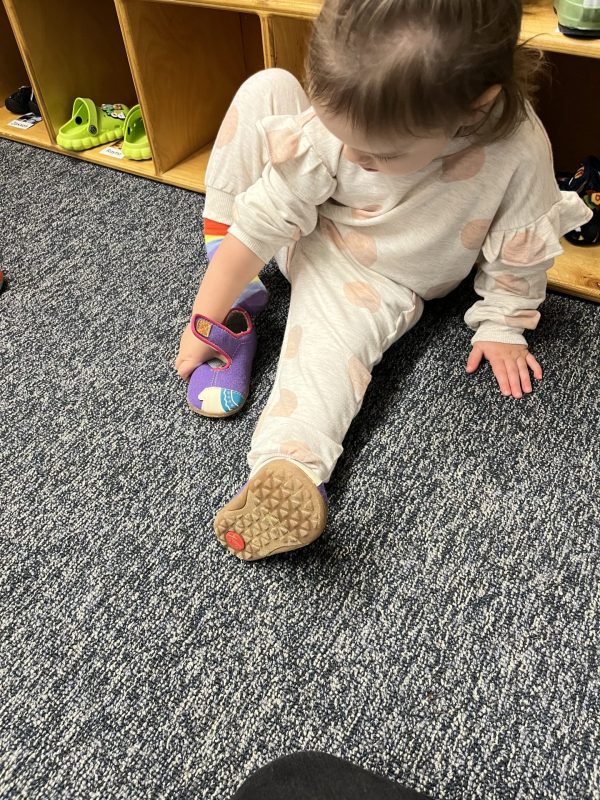
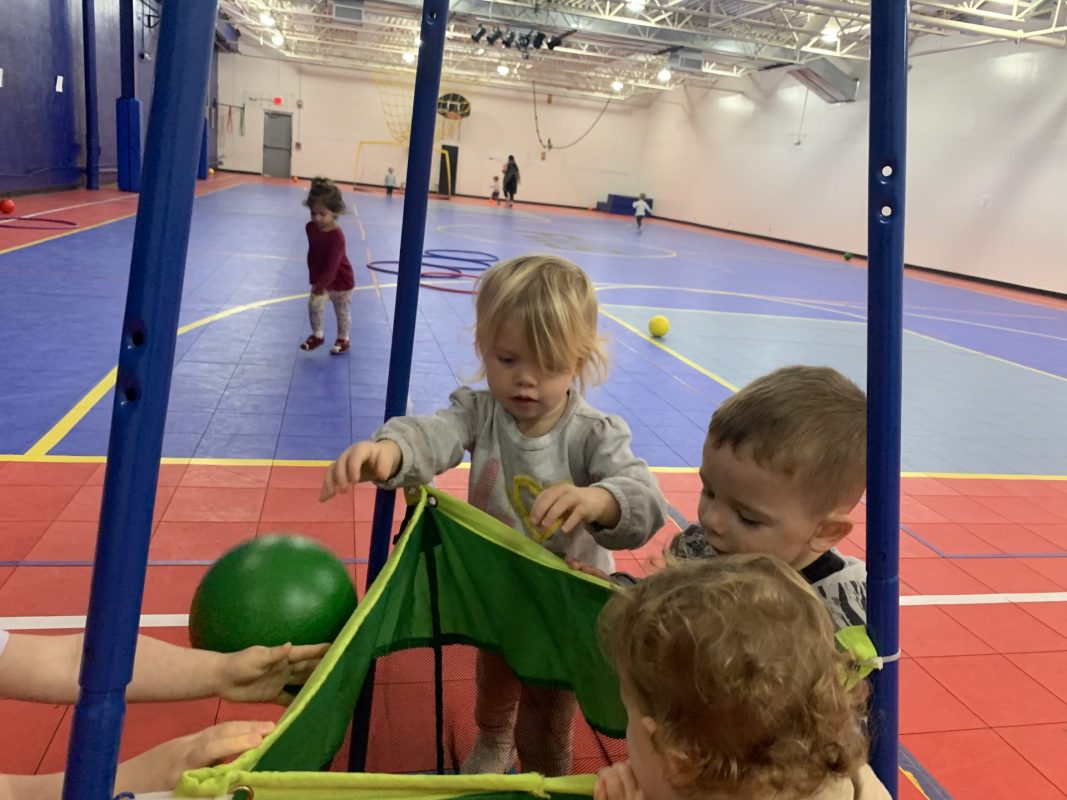
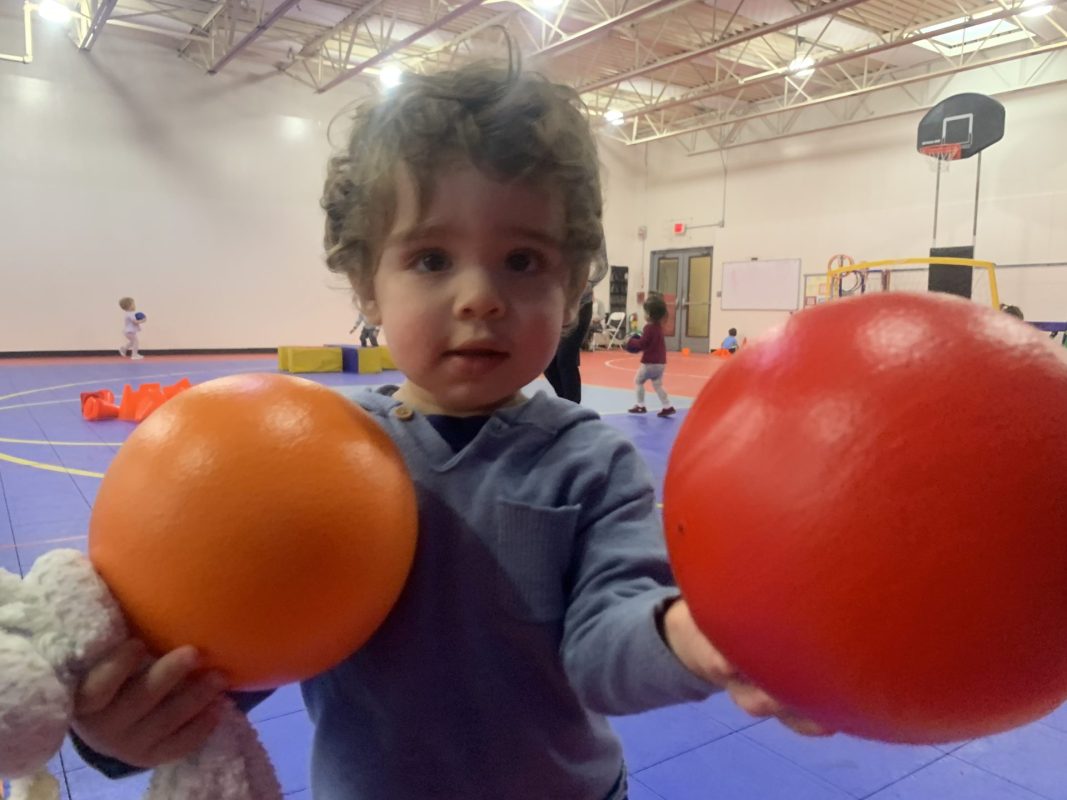
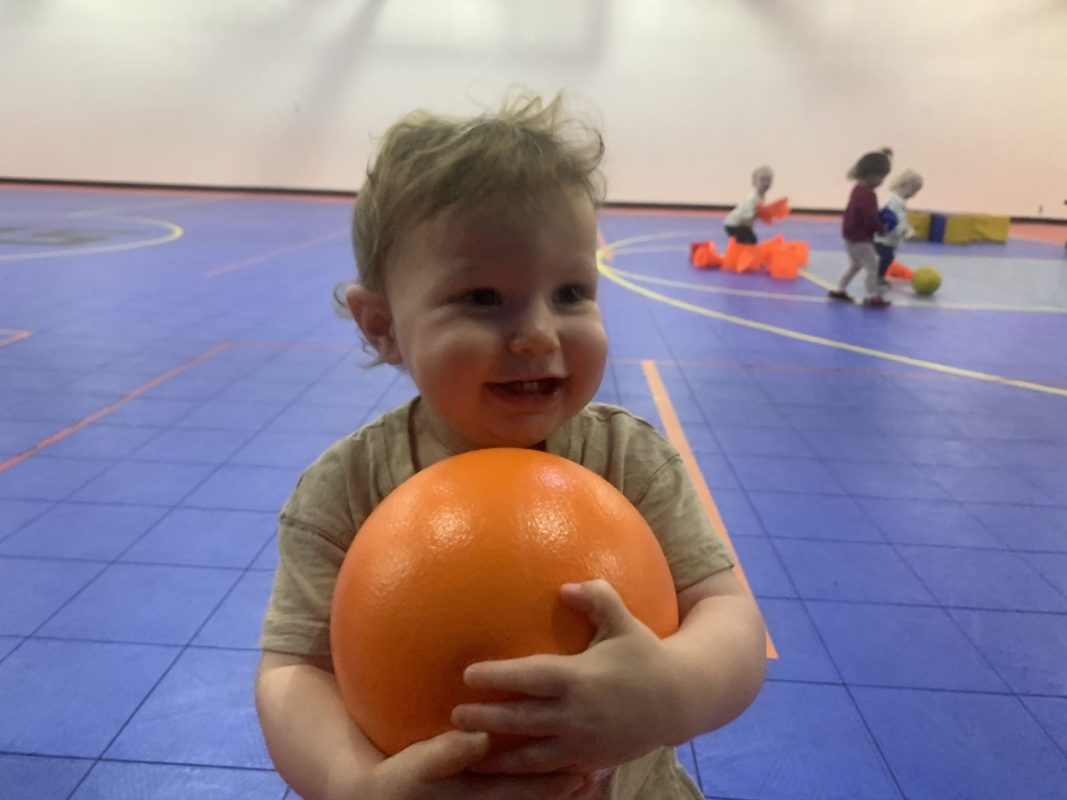
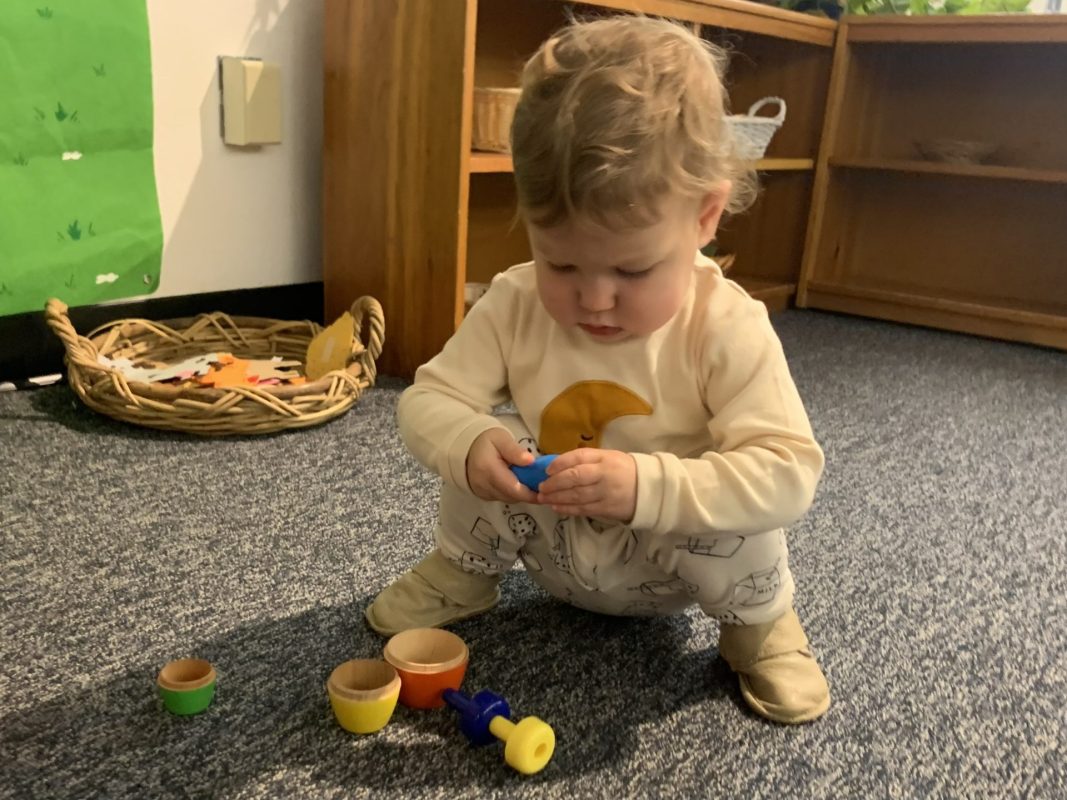
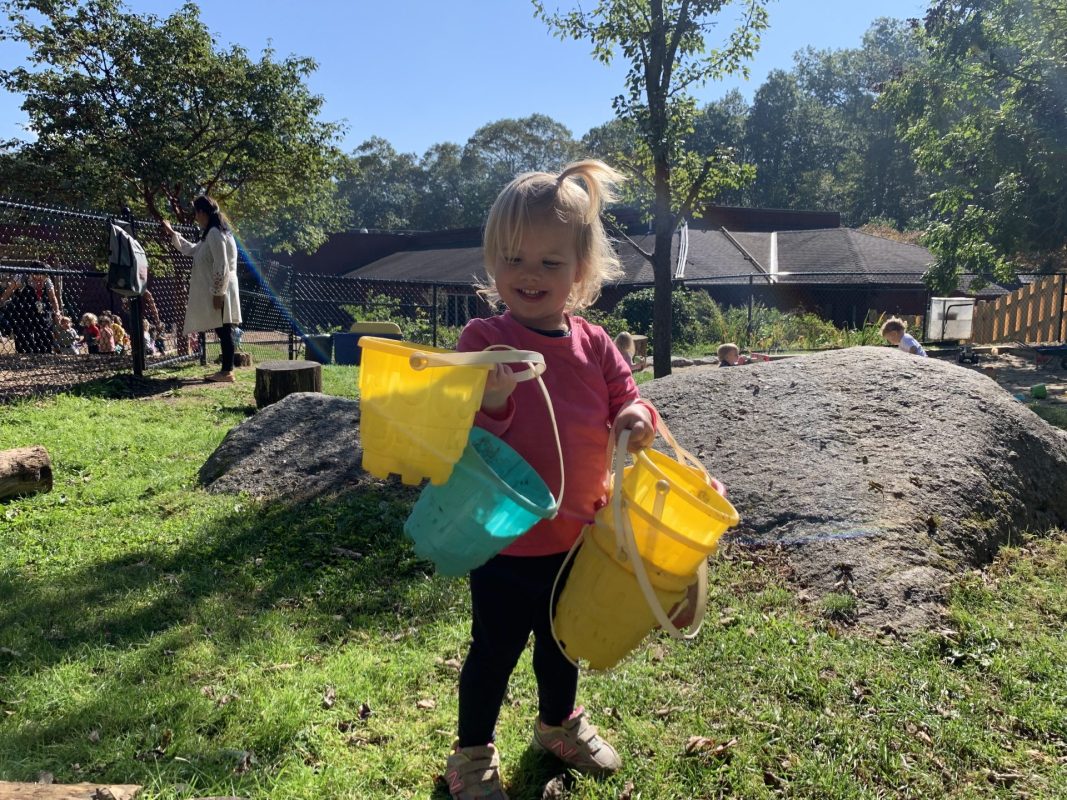
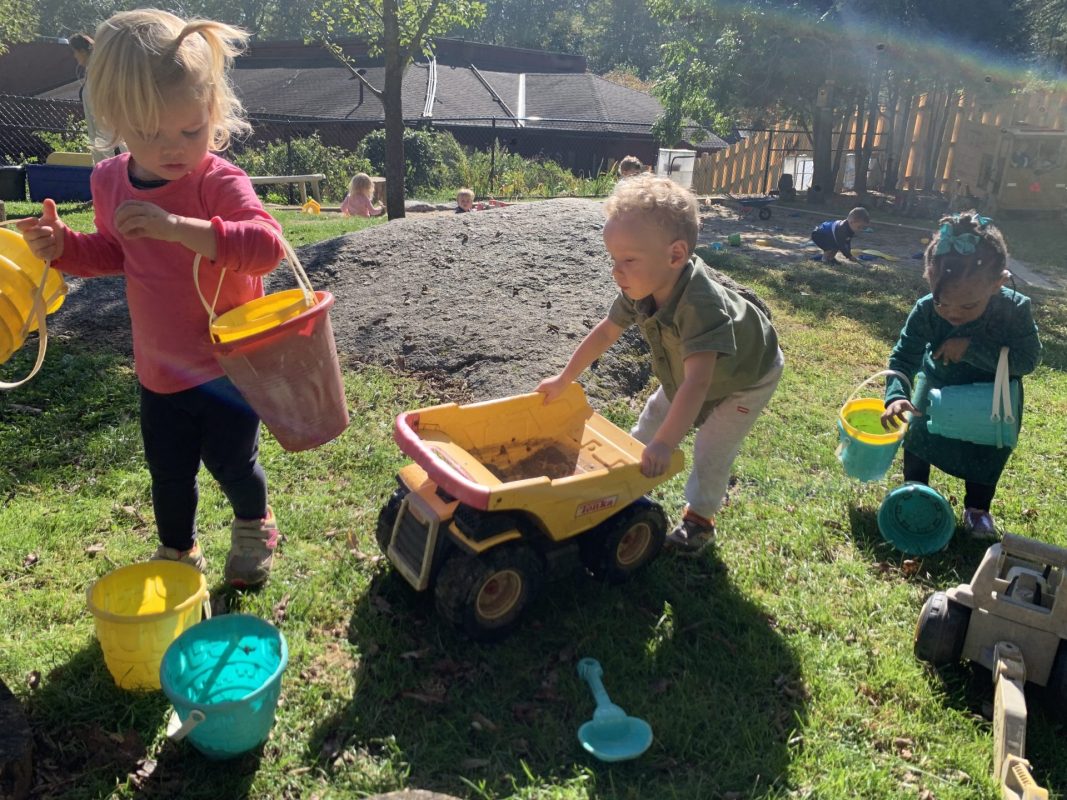
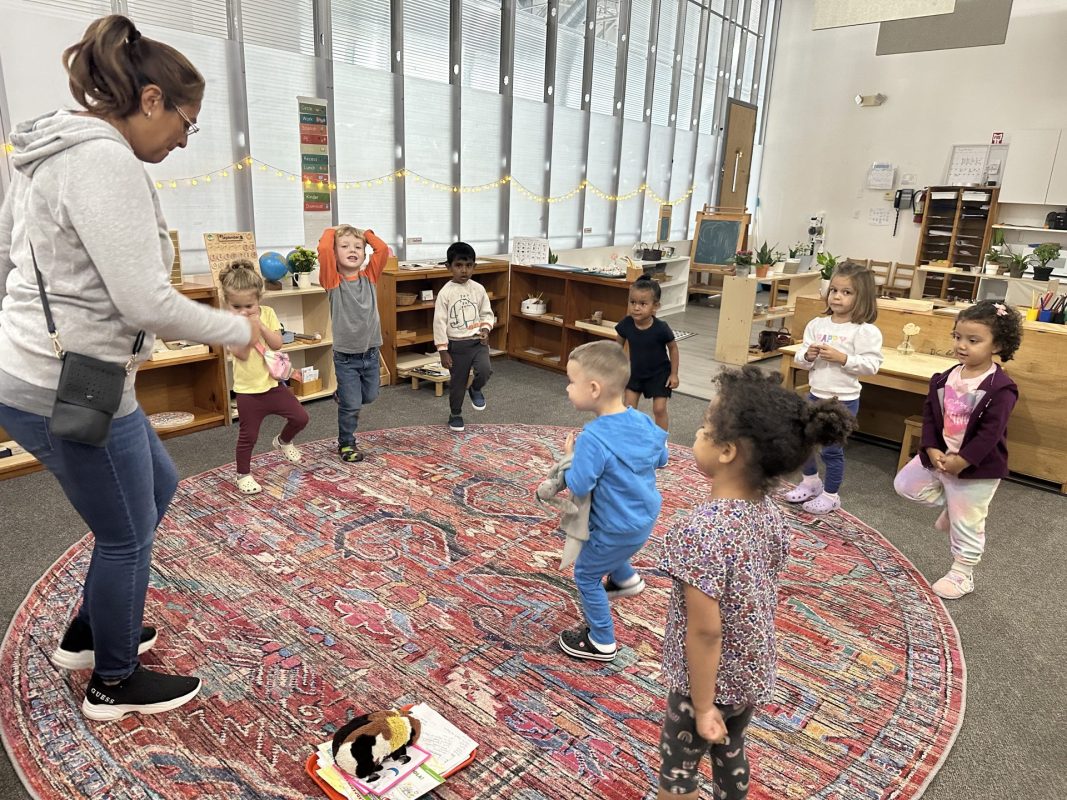
With all the rain over the past week, we had to find ways to have fun and move our bodies indoors. We played in the gym – used hula hoops, balls, stacked cones, climbed on foam blocks, and enjoyed running safely in the wide open space. In the classroom, we danced with scarves and used a salad spinner to paint!

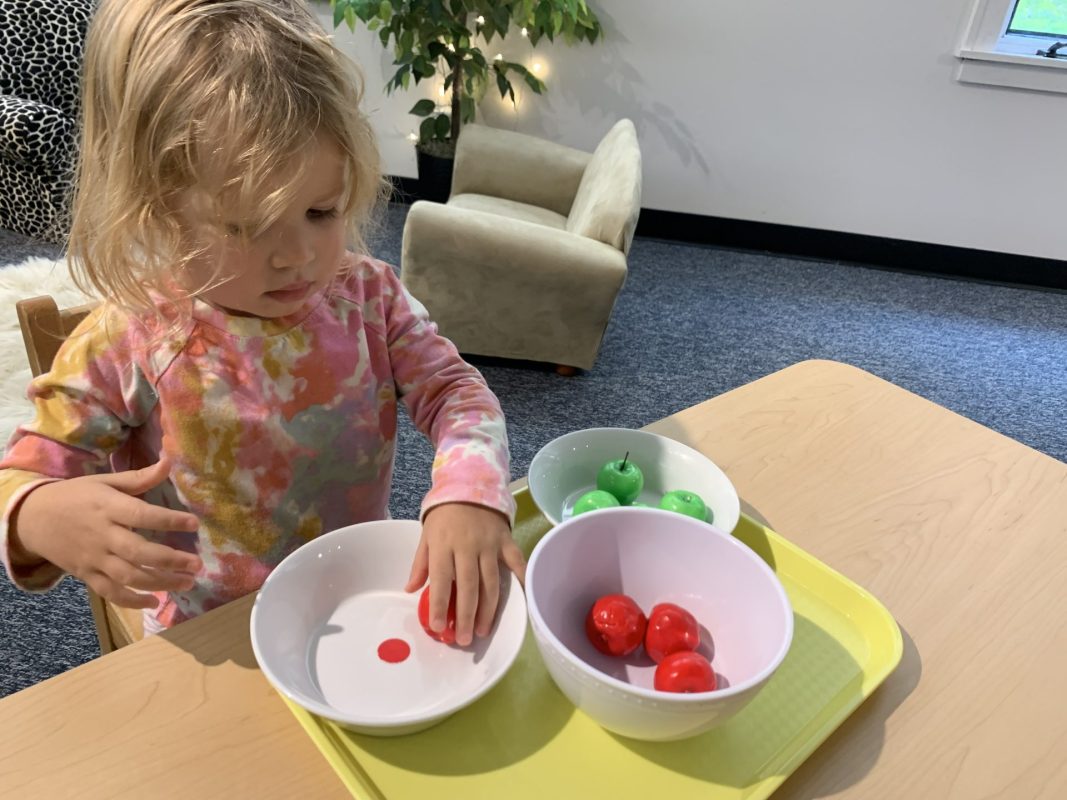
We finished sampling red, green, and yellow apples. Do you know which type your child likes best? The yellow received the most requests for “more, please!”

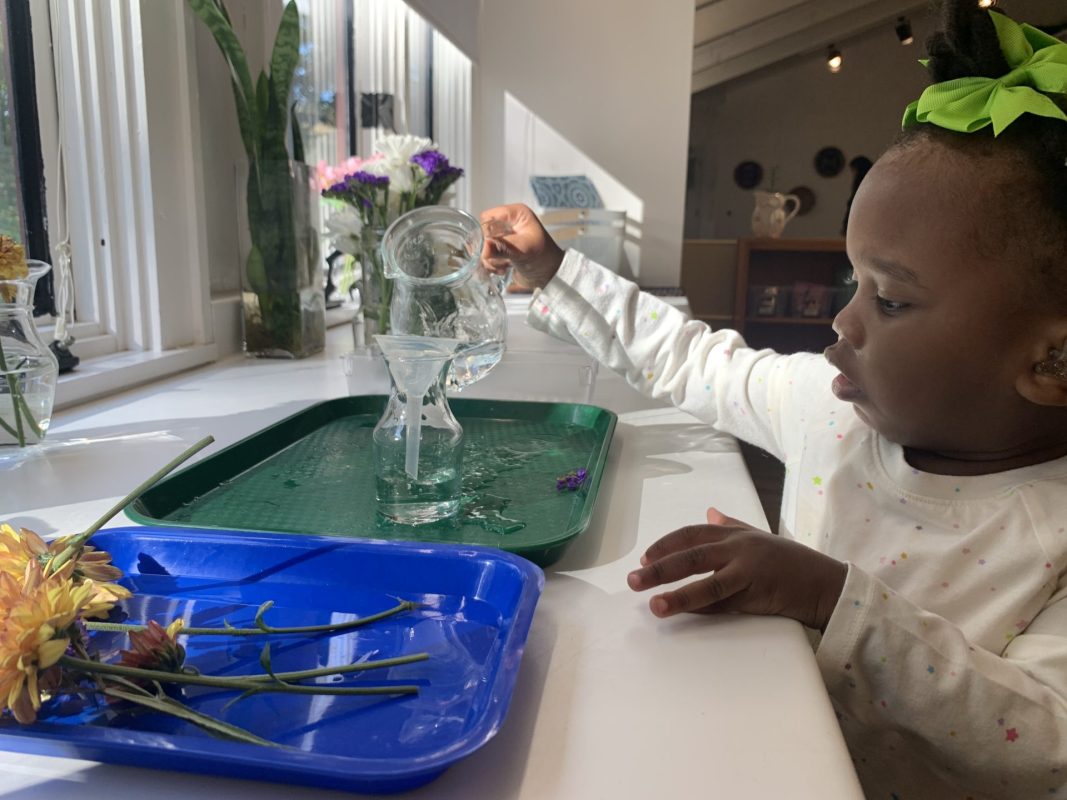
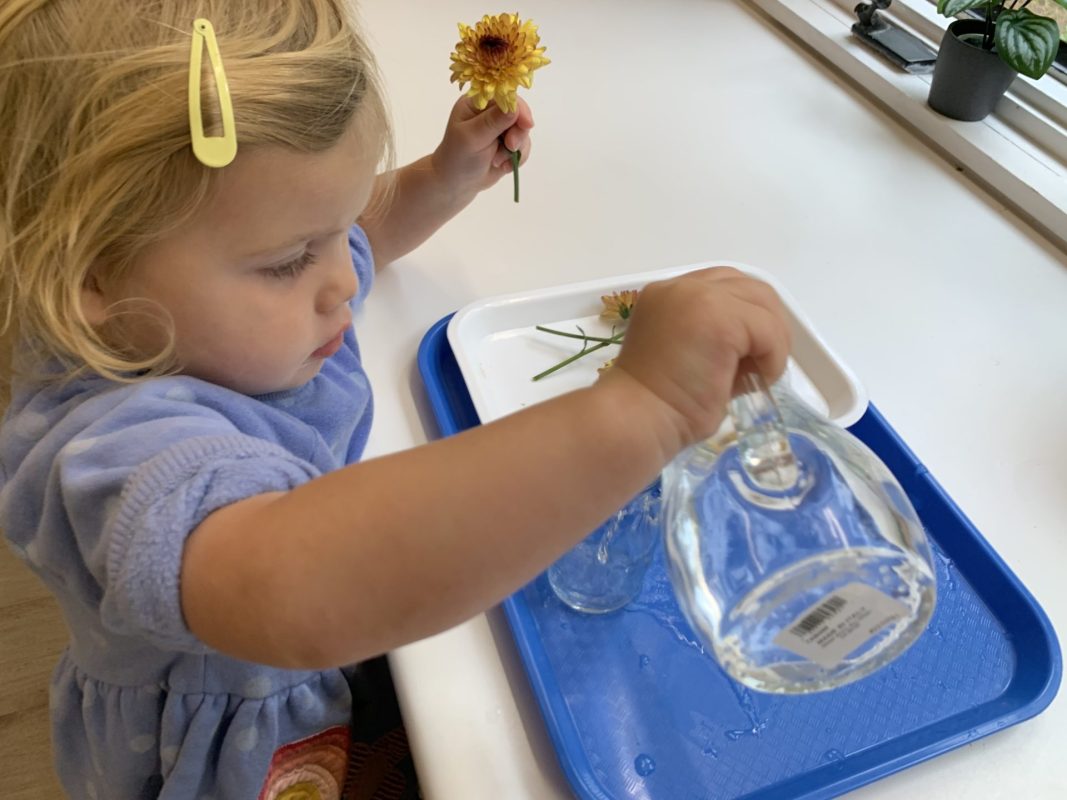
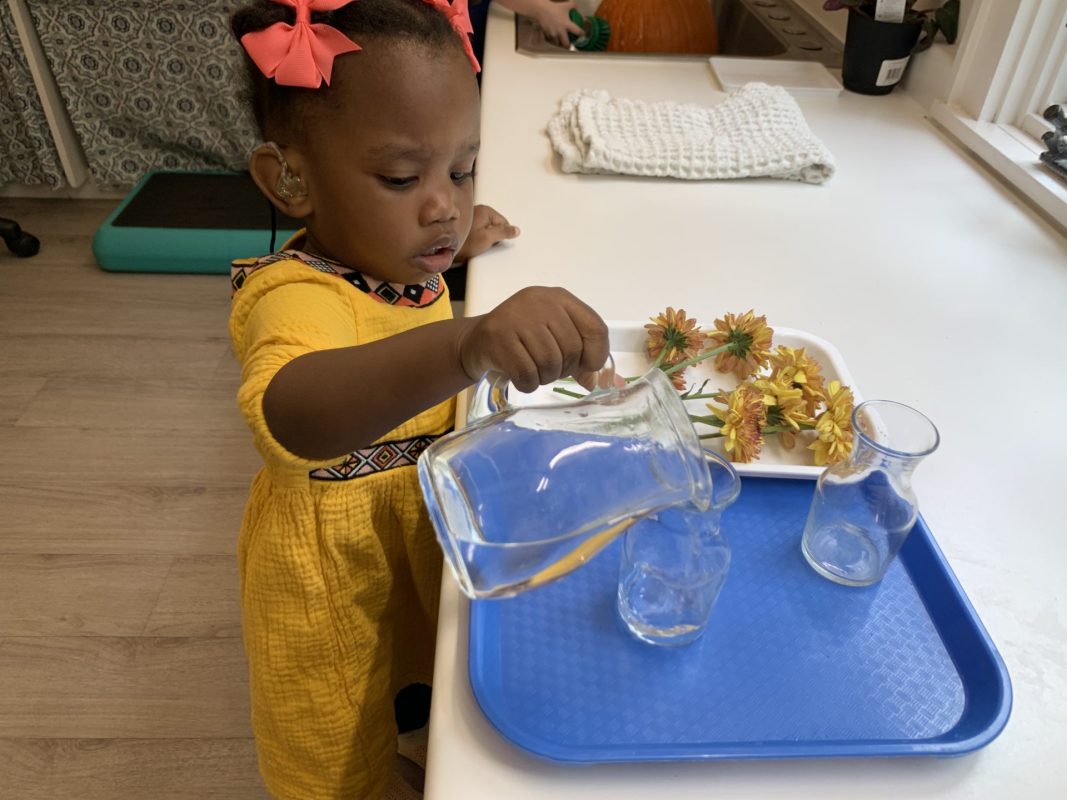
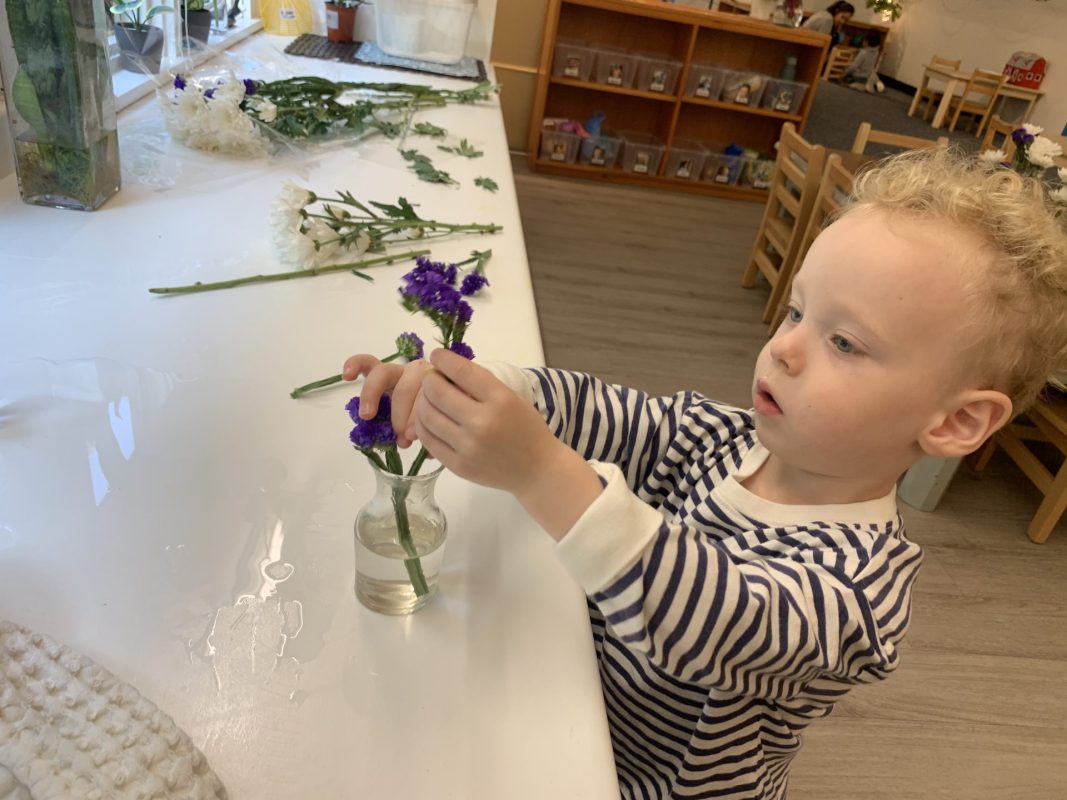
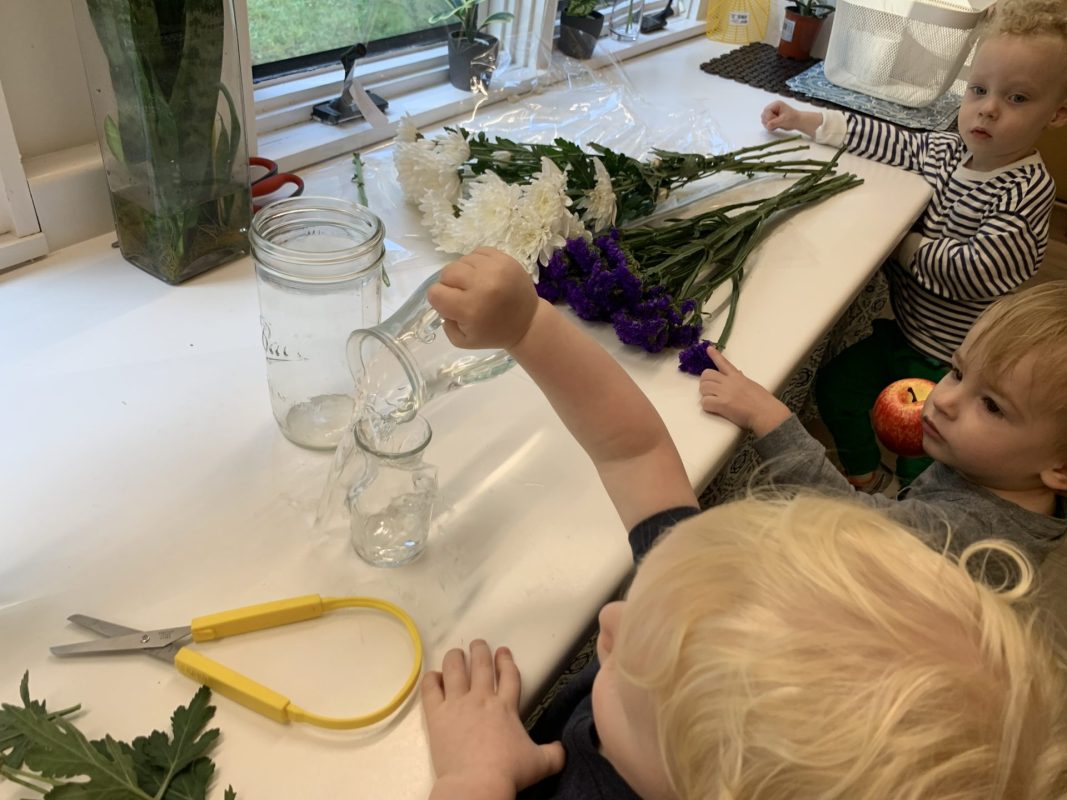
The children enjoyed arranging flowers to add beauty to our classroom.

We’ve been singing a variety of songs – they love ‘Baa Baa Black Sheep’ and ‘Cluck Cluck Red Hen,’ especially the exaggerated head nod as they say ‘yes’ in both songs. The children who stay for lunch have been listening to Dave Brubeck’s greatest hits while they eat. We’ve been listening for different instruments, and I’ve noticed a few children moving their bodies subtly to the music as it plays. 

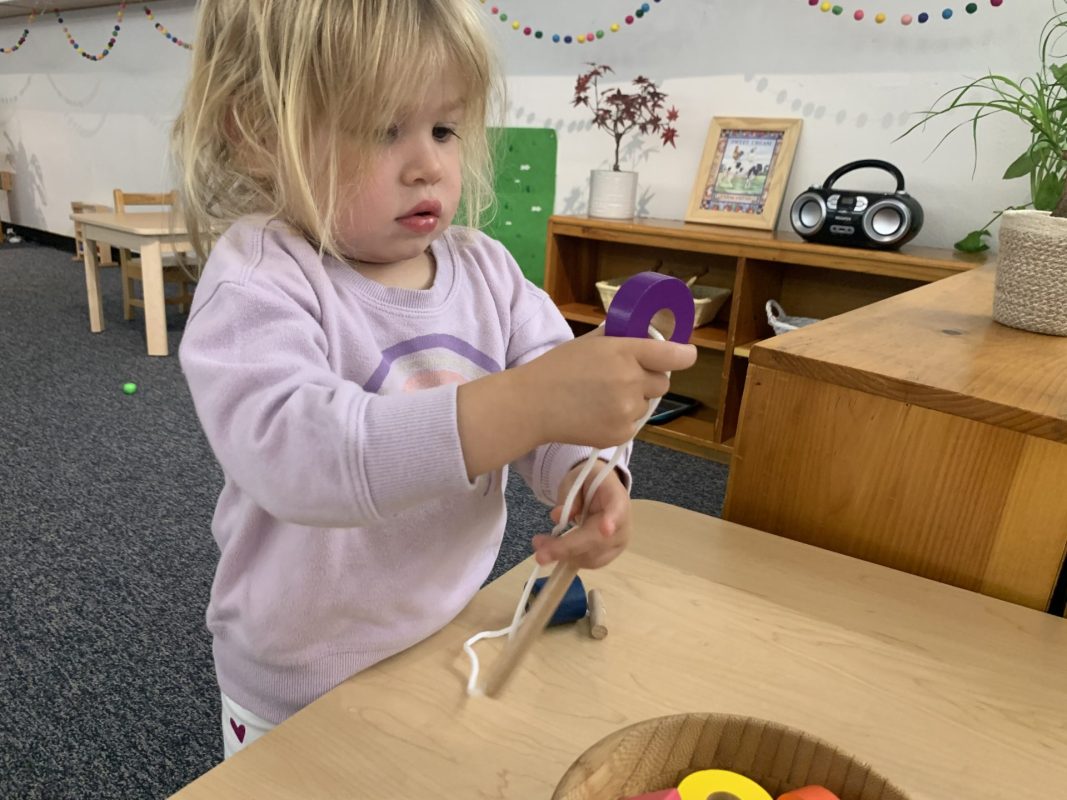
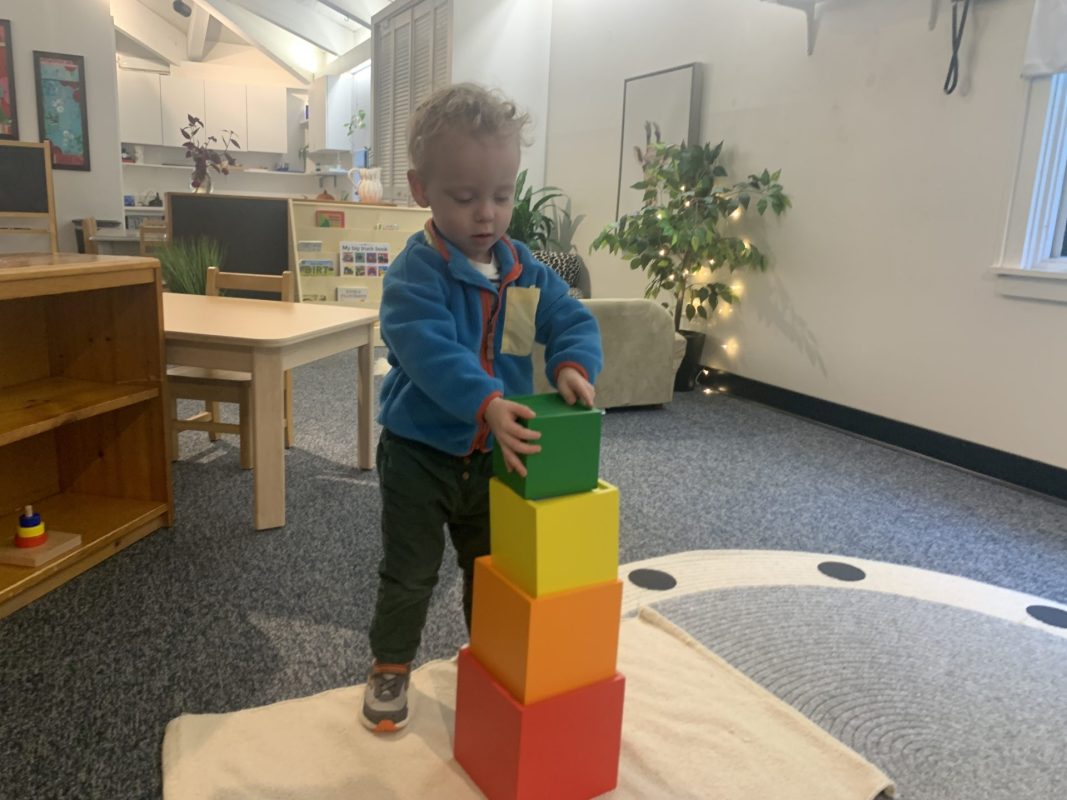
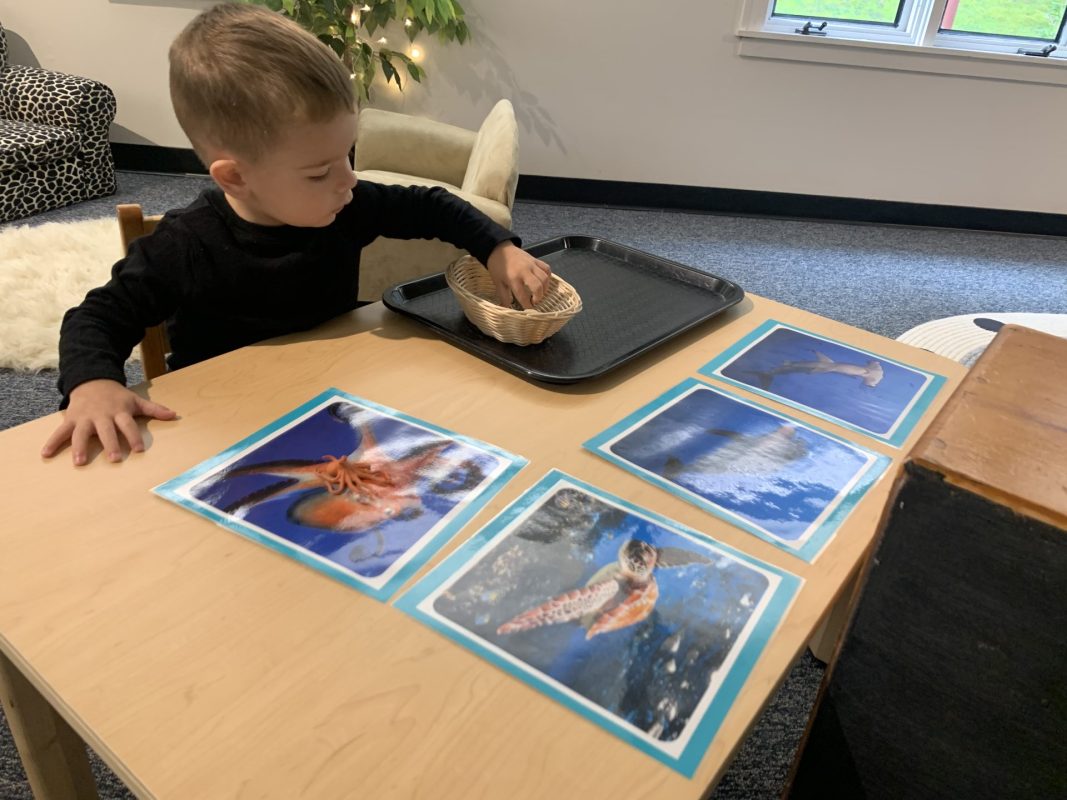
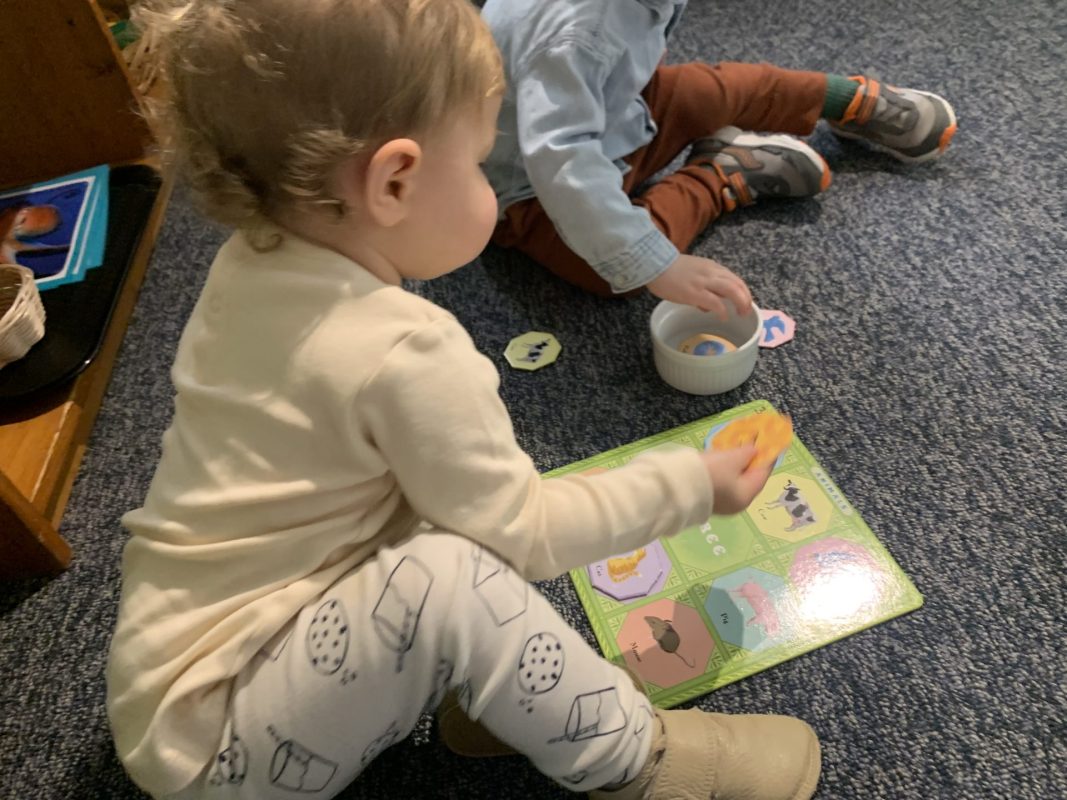
We’ve been counting everything! We count the children when we line up, we count the animals on the pages of books, the beads we are stringing, the apples we are sorting, the number of times we push the salad spinner, and the list goes on!

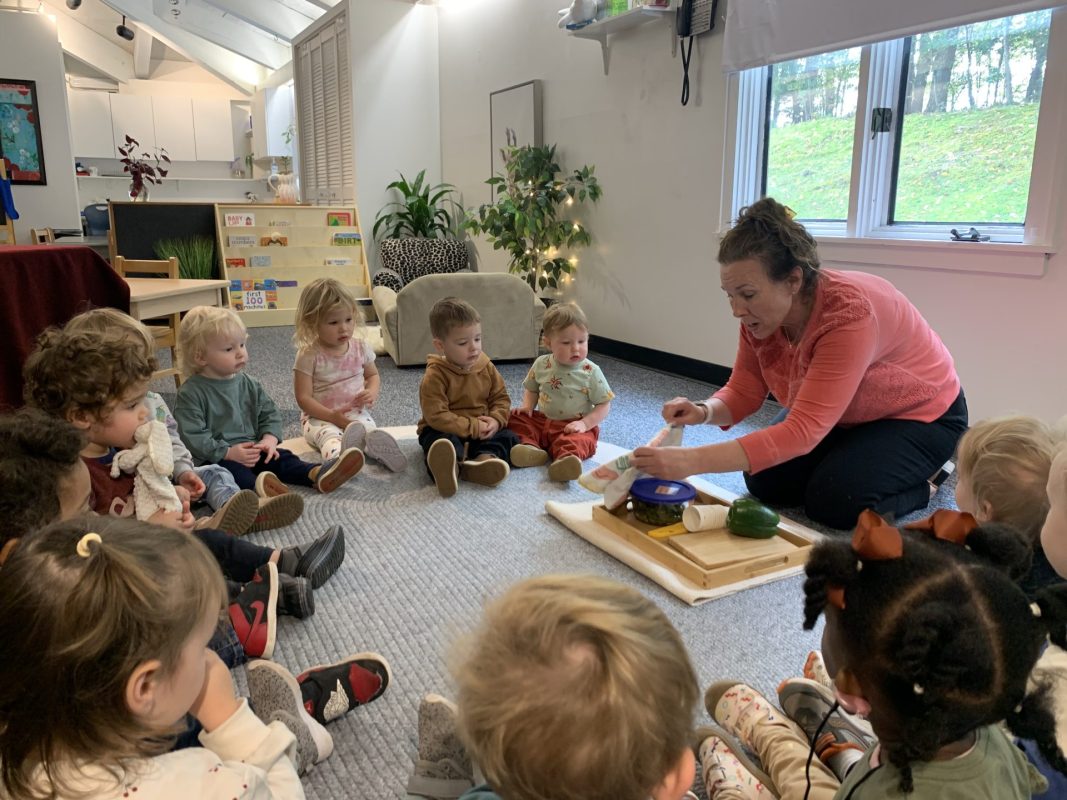
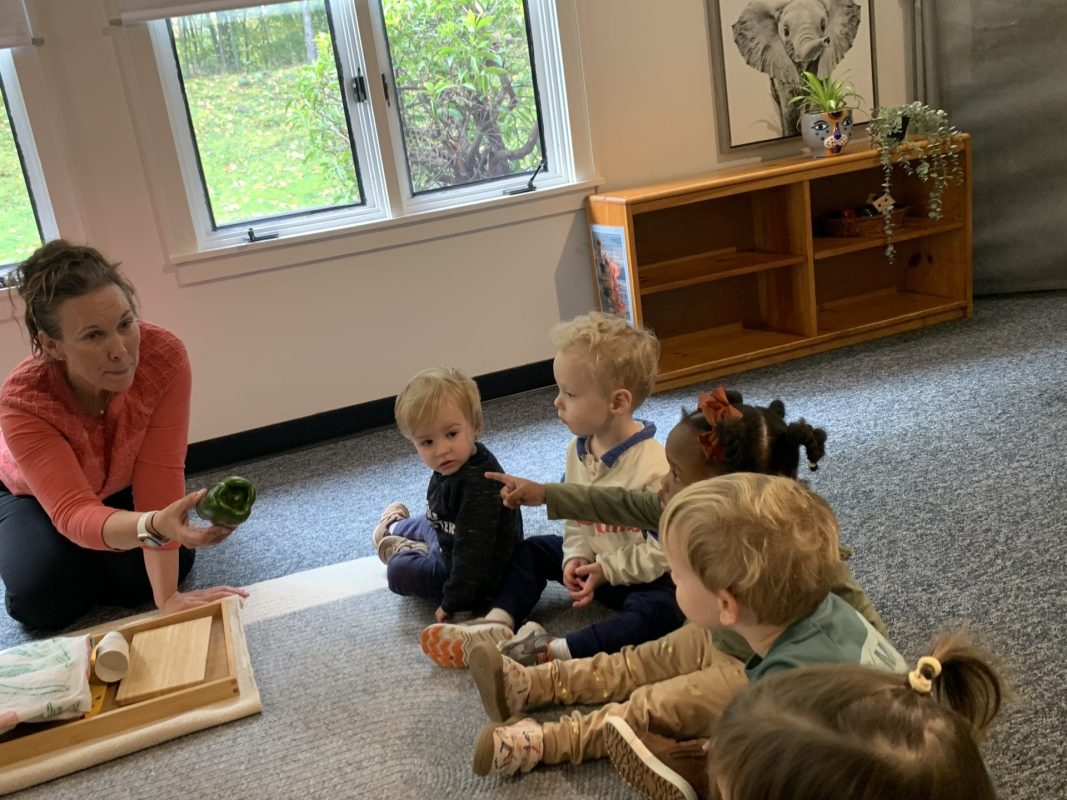
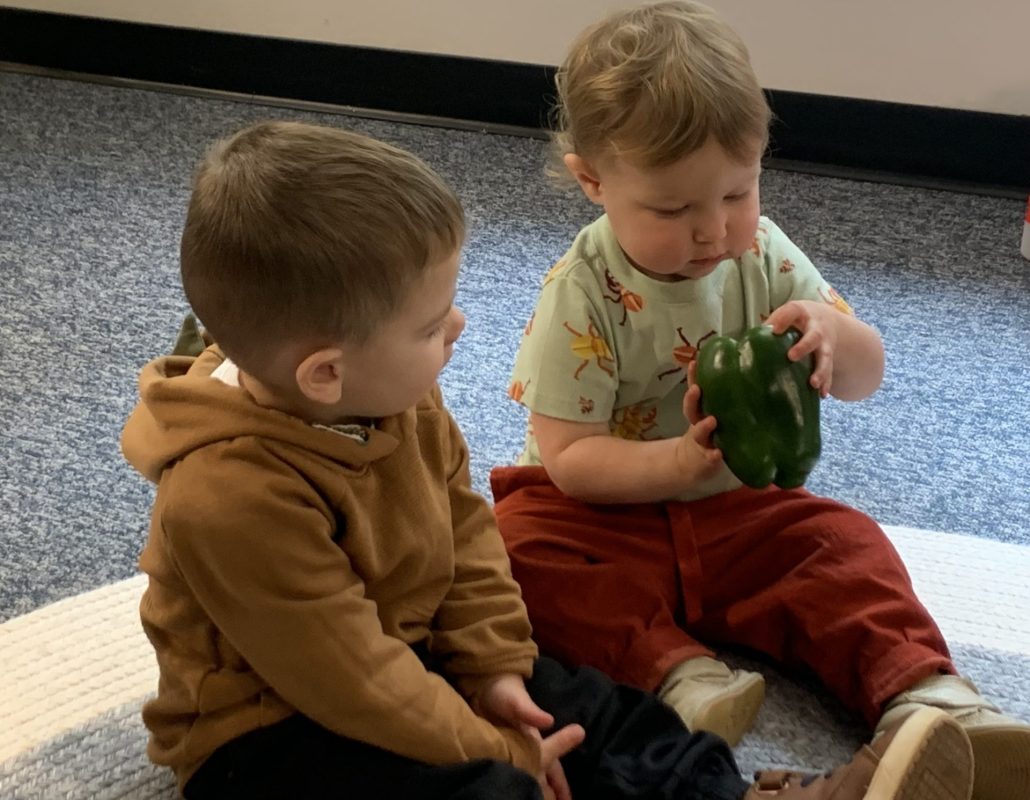
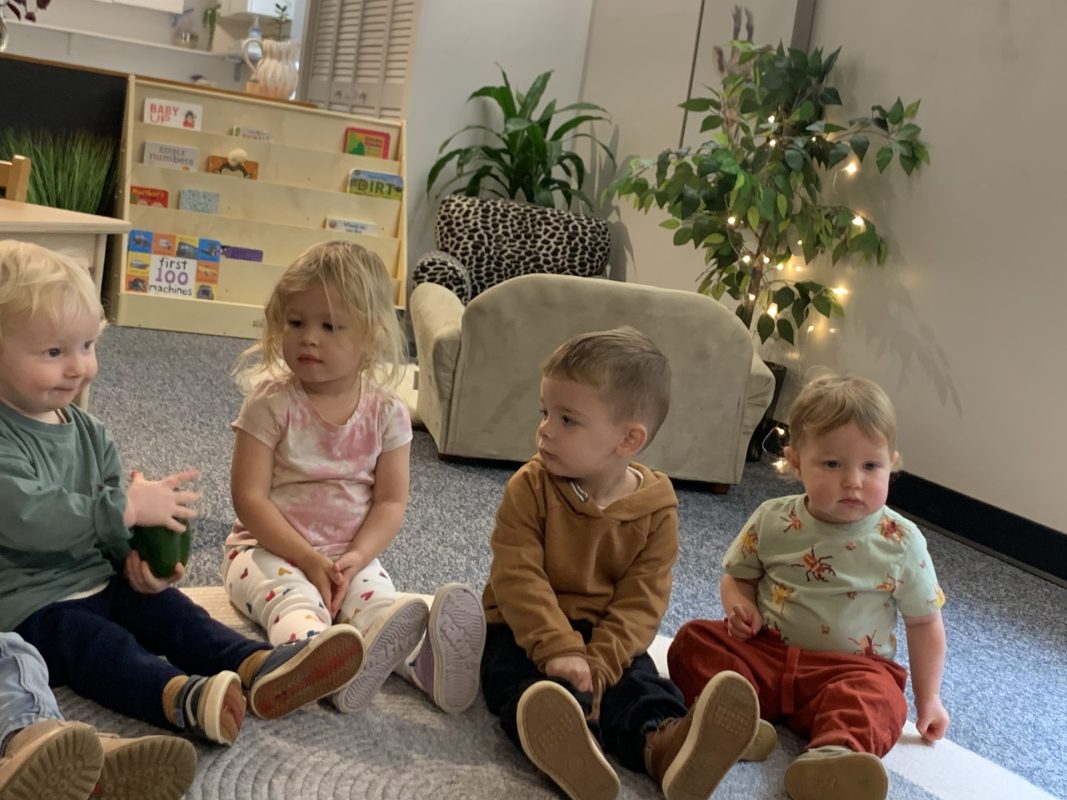
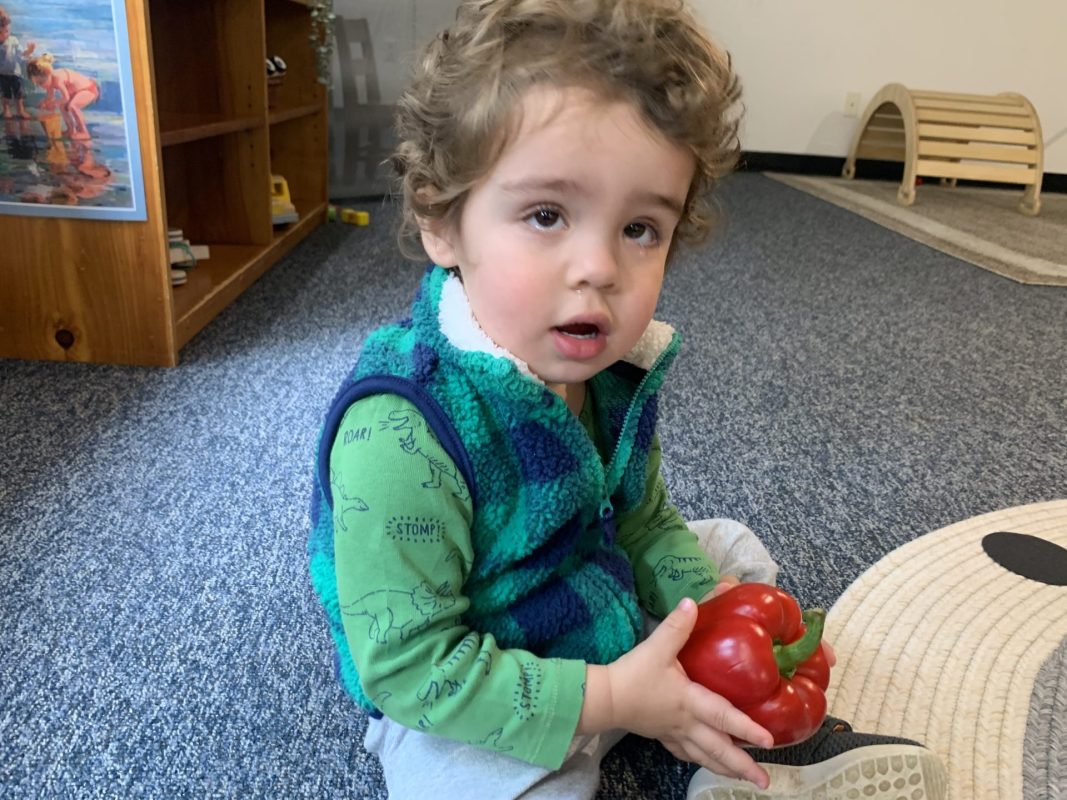
This week, we tried red bell peppers. The children had been so used to having apples for the past three weeks that the pepper was quite a surprise! Throughout the week, we tried both cooked and raw. Raw was the clear favorite! 

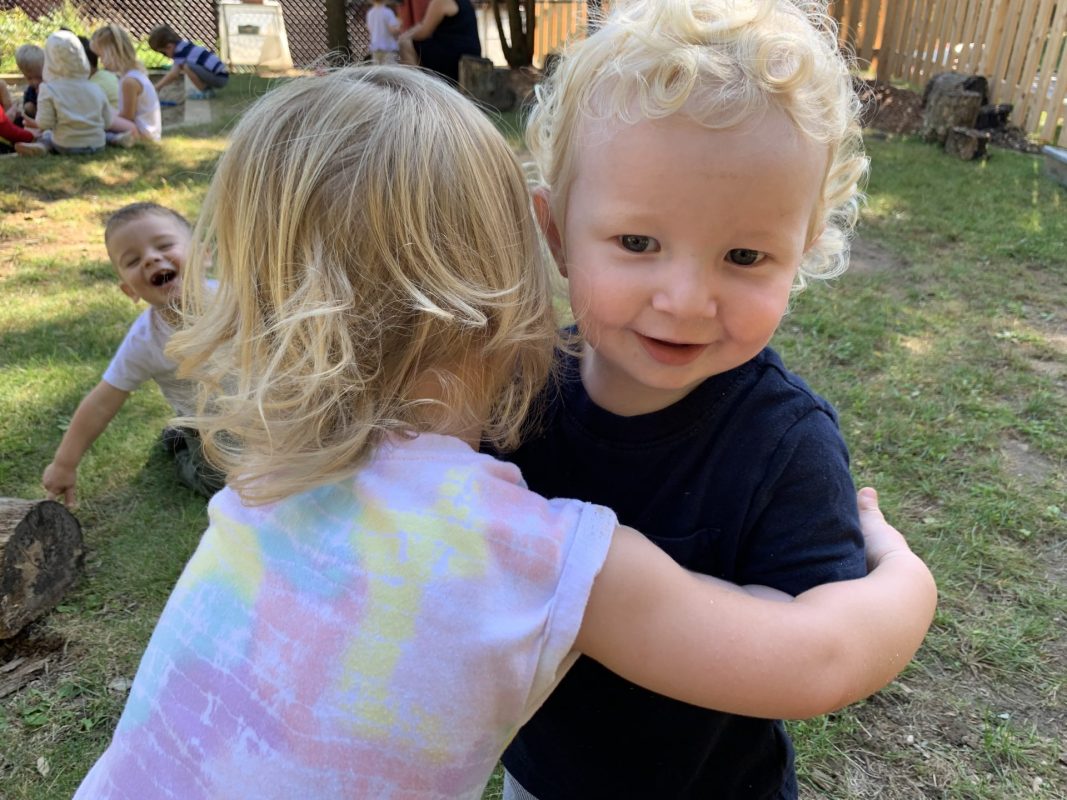
We’ve had the same group of middle school students visiting on Wednesdays. The children eagerly greet them upon their arrival. Chloe and J.C. come first. When they leave, William joins us. Then Mia meets us on the playground. This program clearly benefits everyone involved. I’ve been pleasantly surprised to witness the interest and care between the toddlers and middle schoolers.

Enjoy the weekend with your families. We are looking forward to beginning a new week with your children on Tuesday!

Mrs. Sargeant & Ms. Lizette


The FWM Tiny Art Show!

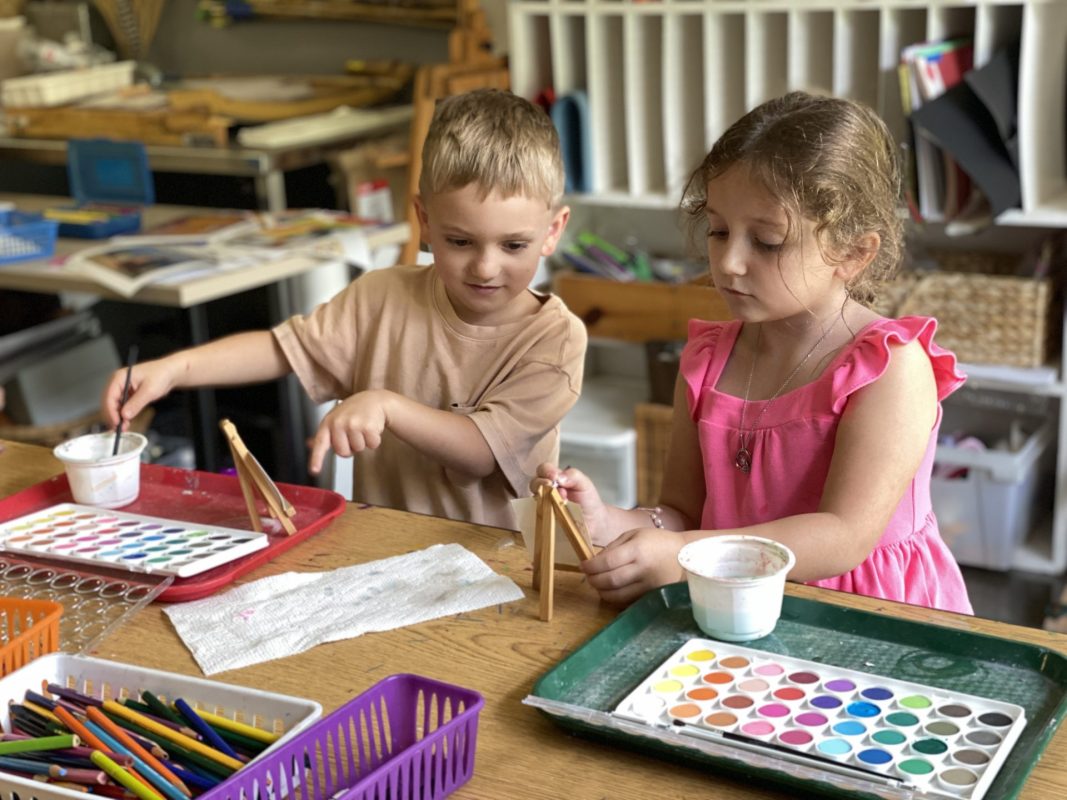
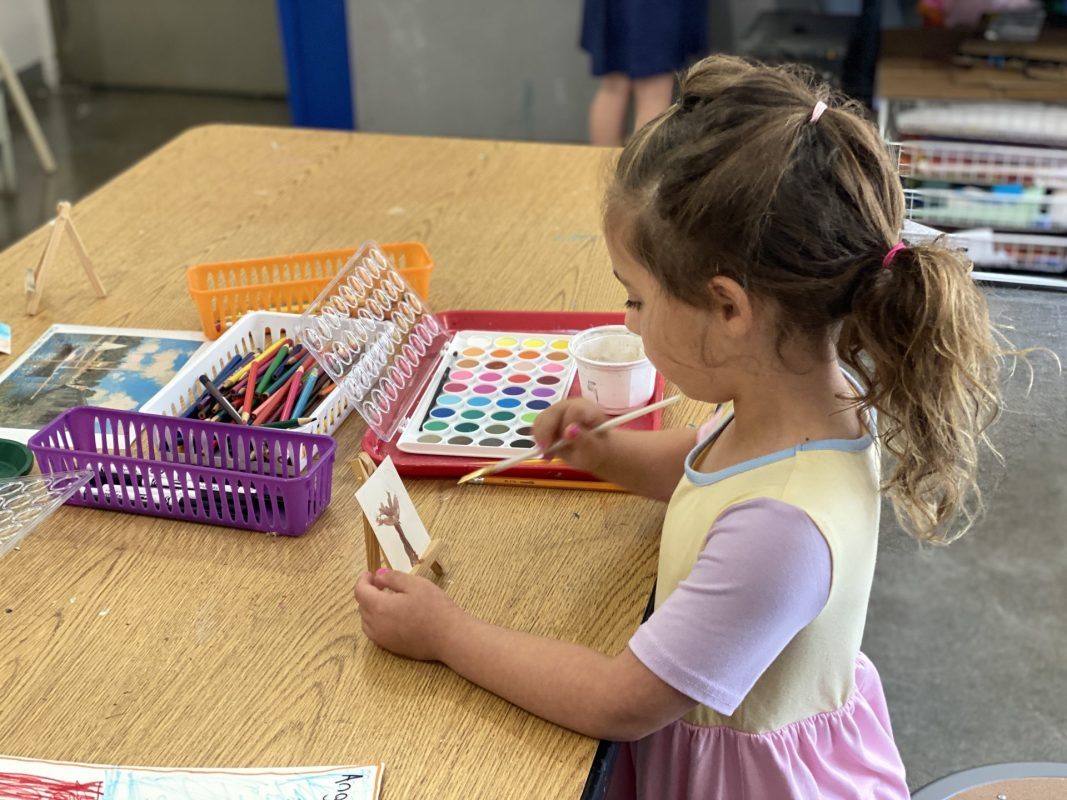
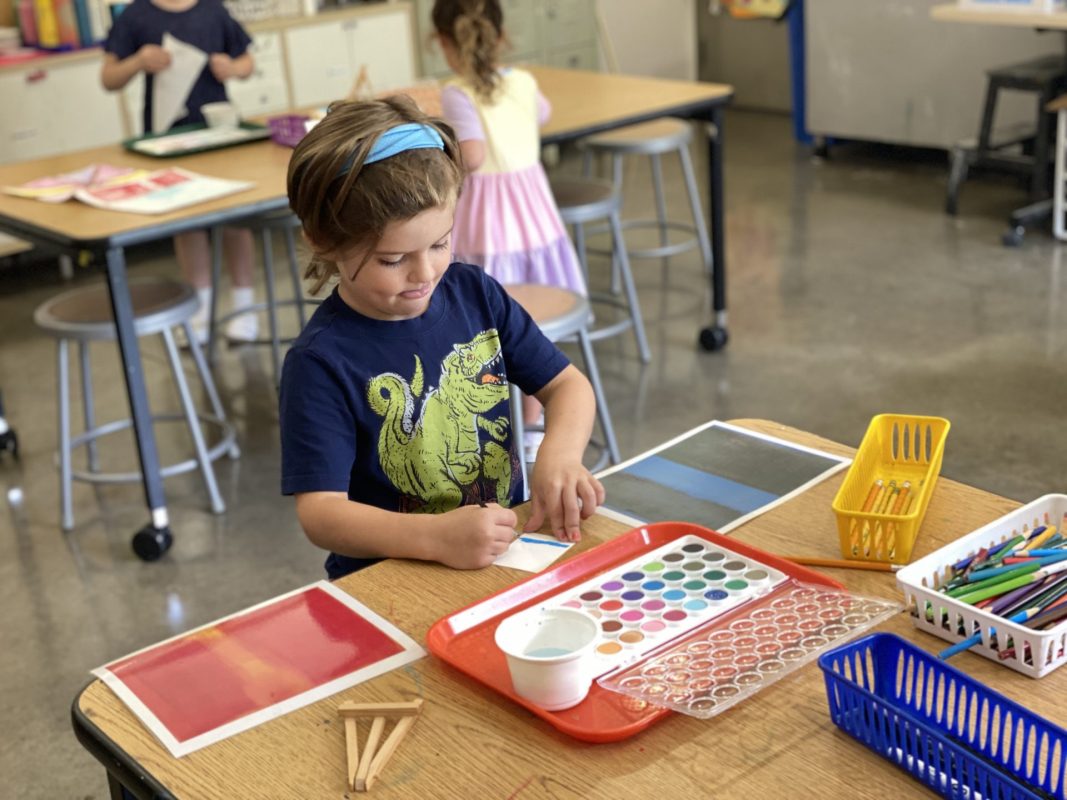
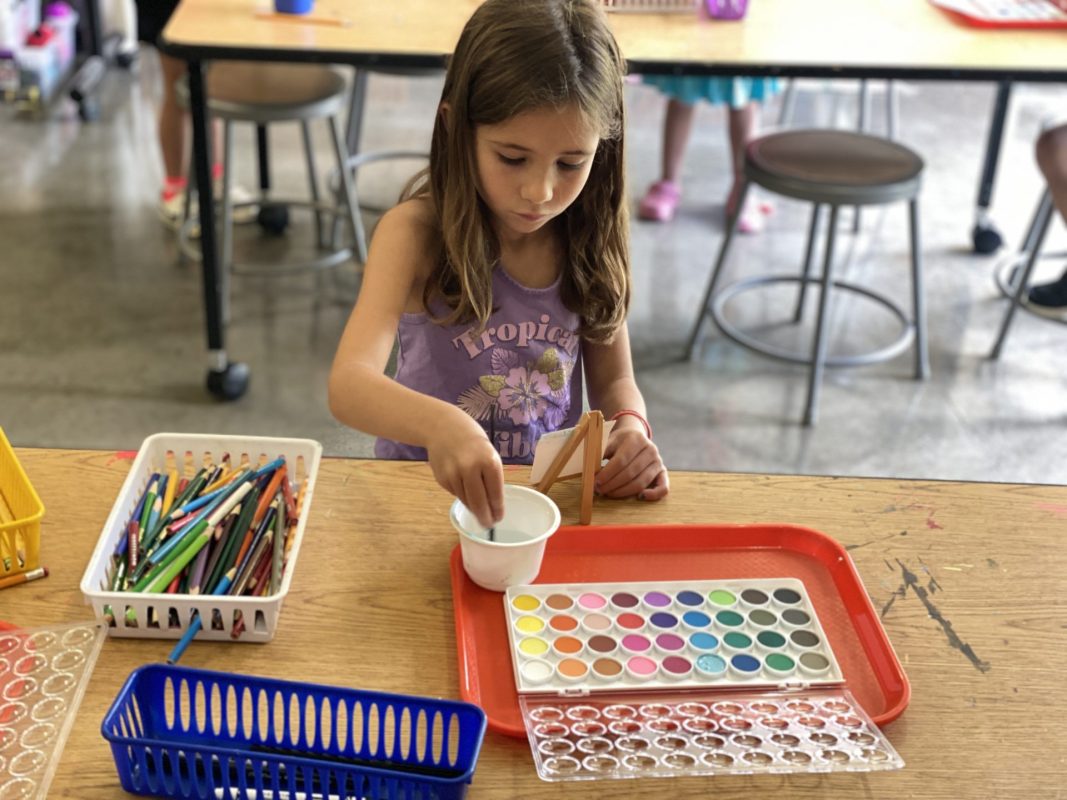
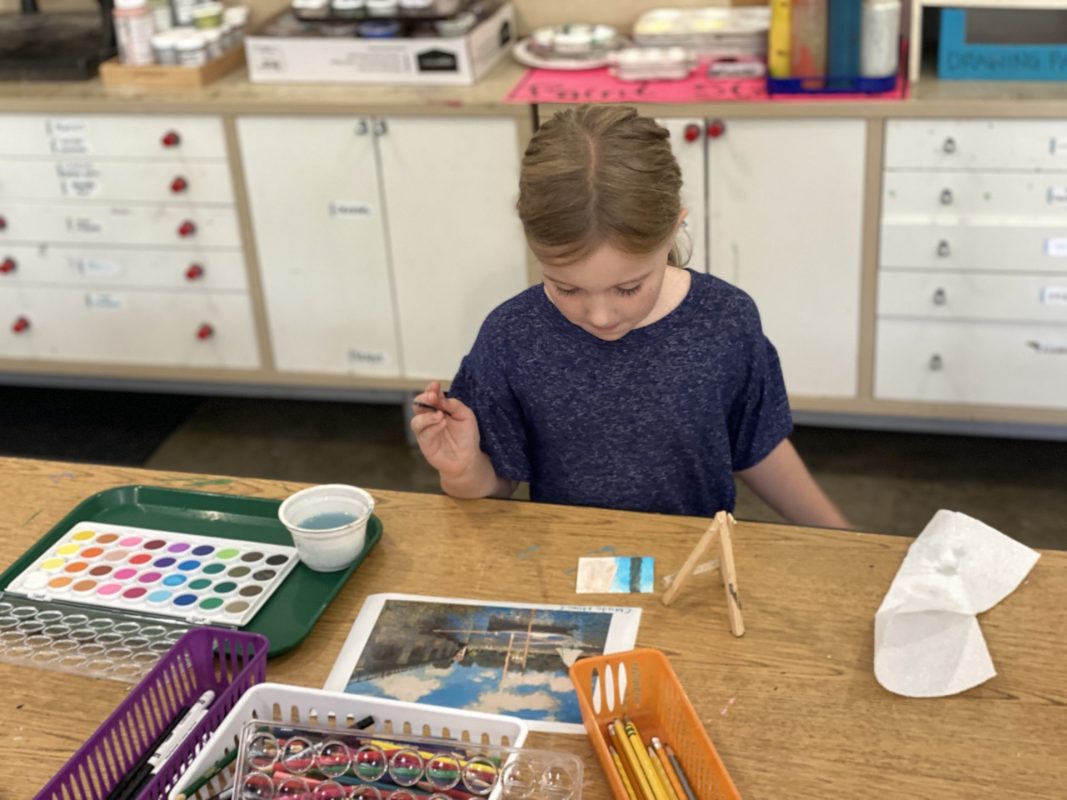
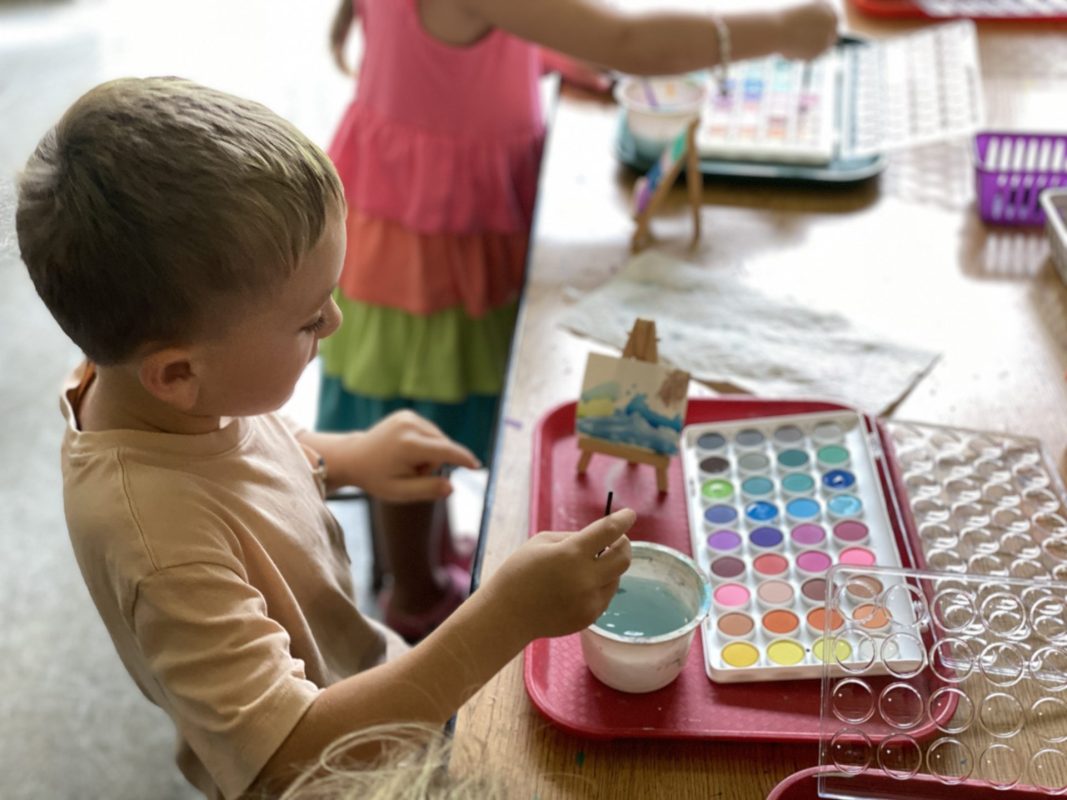
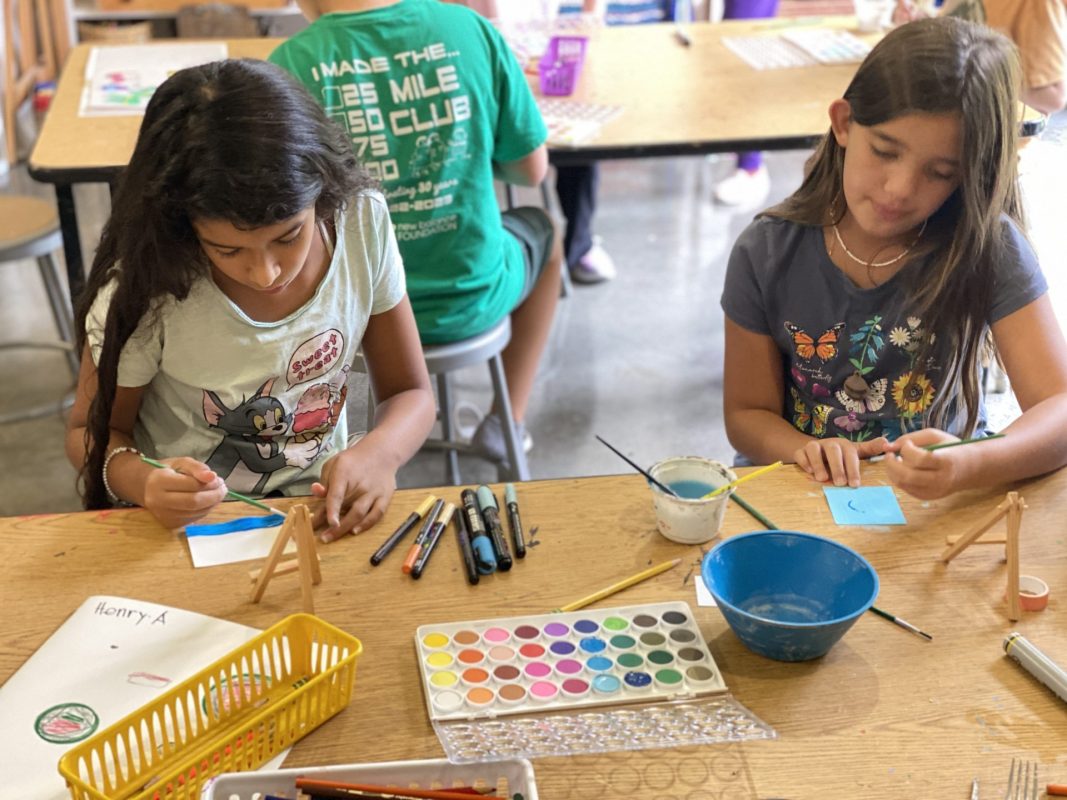
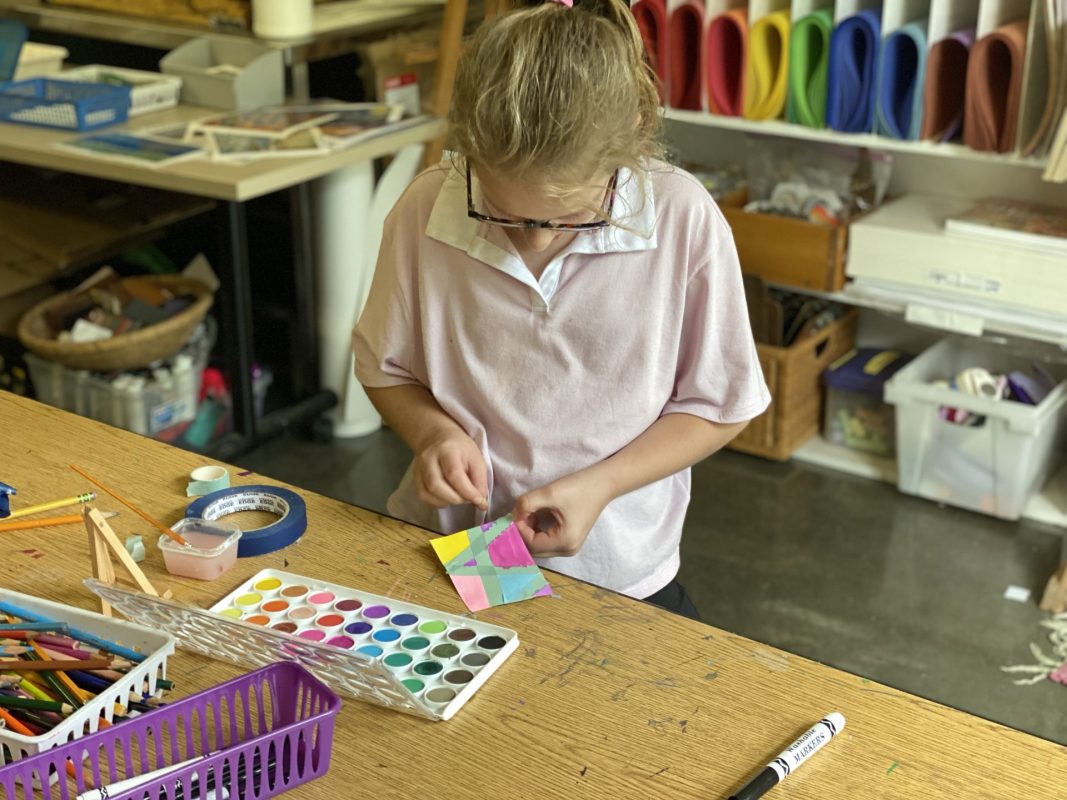
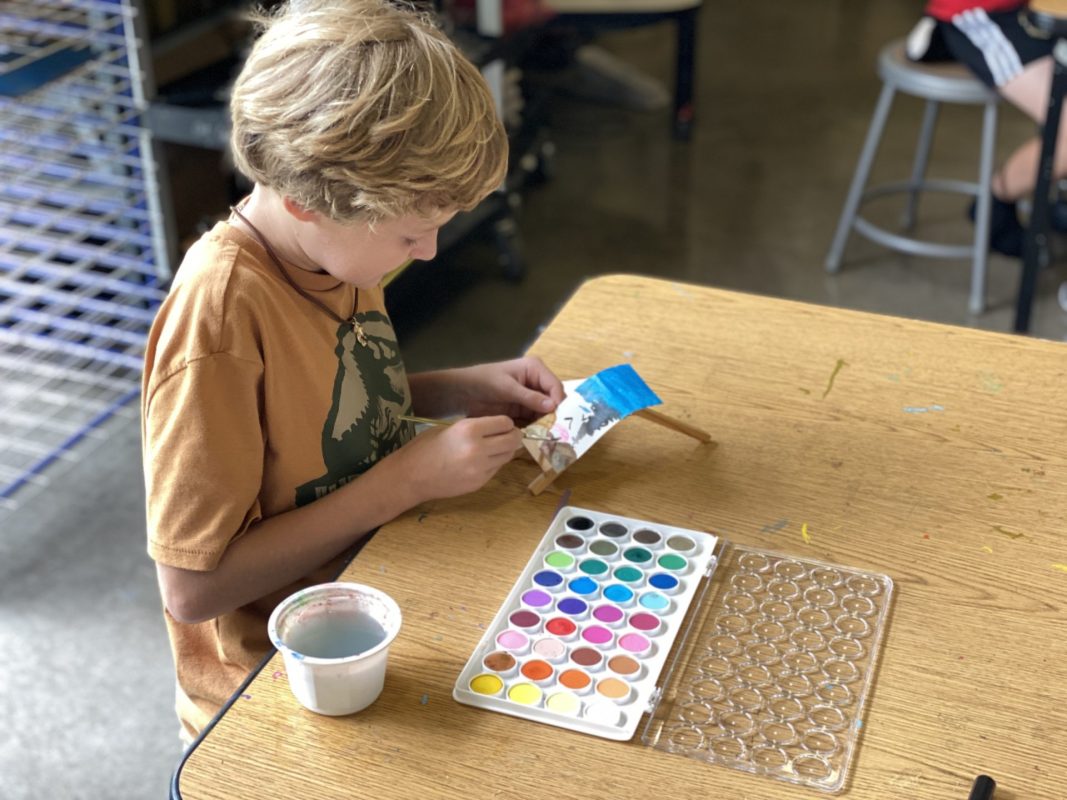
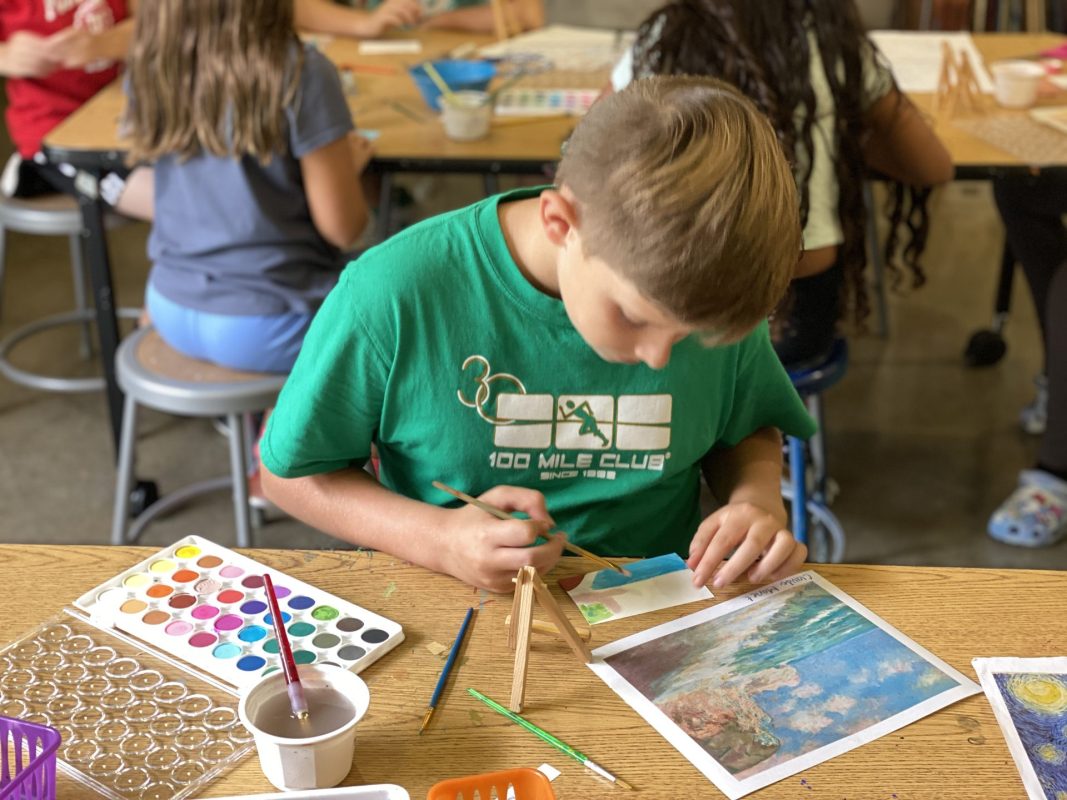
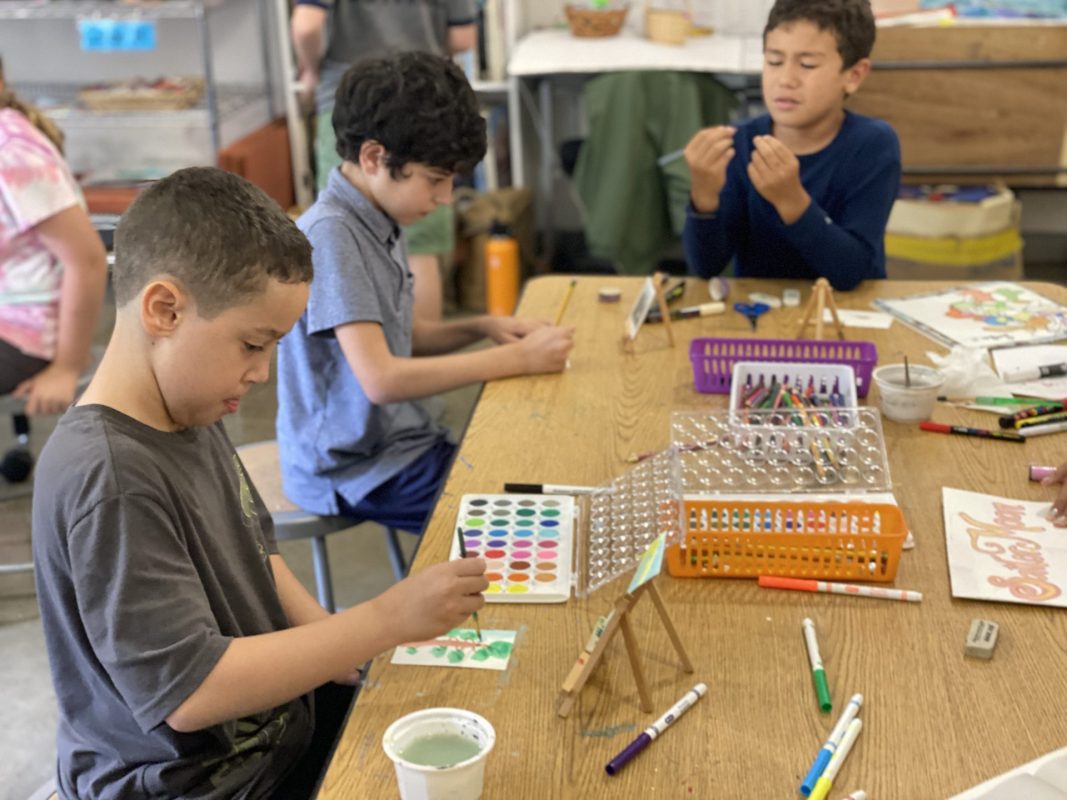
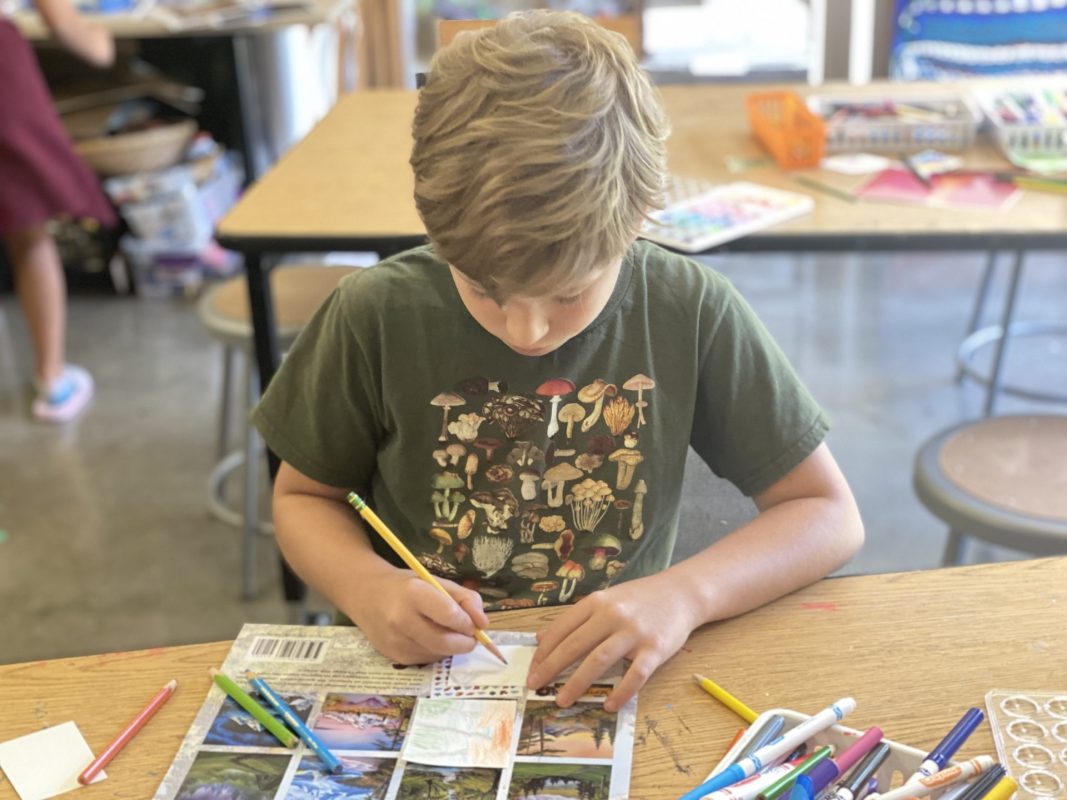
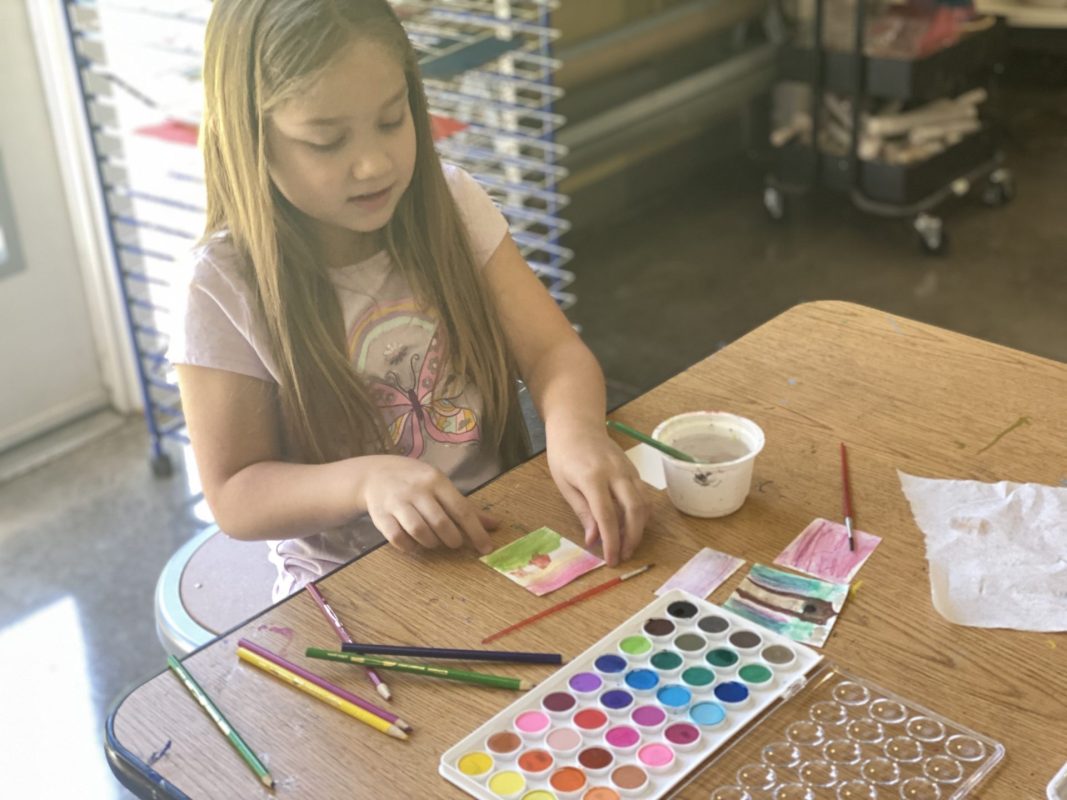
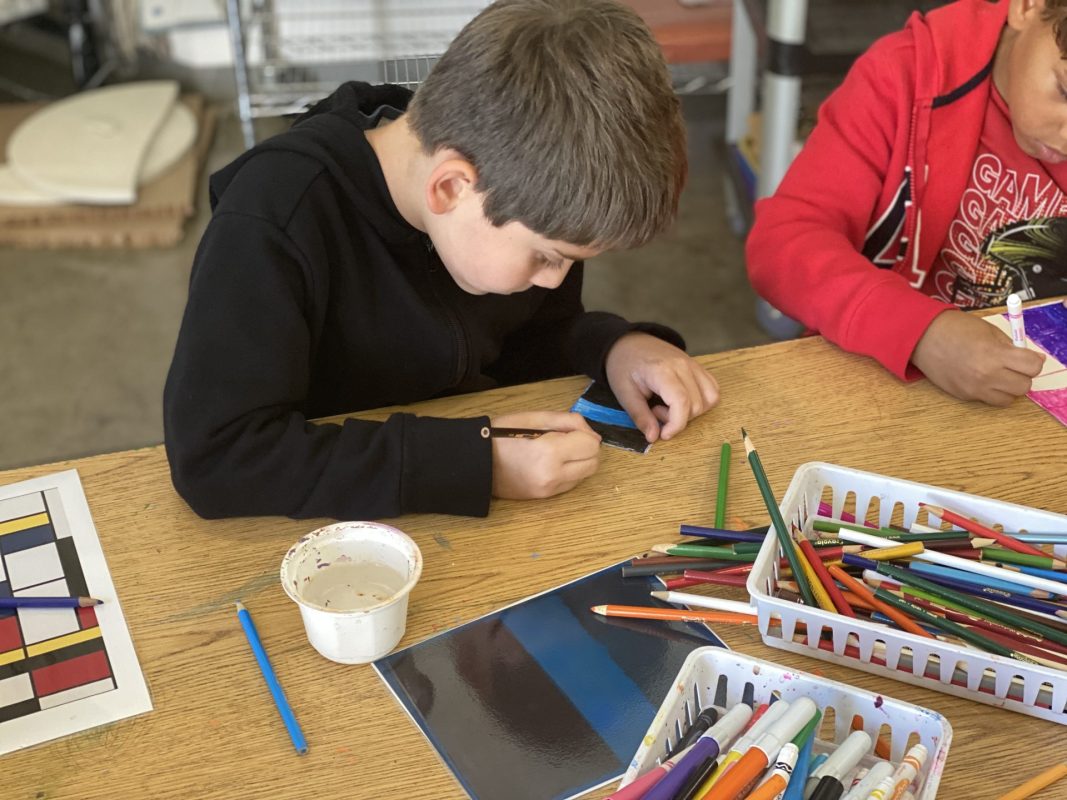
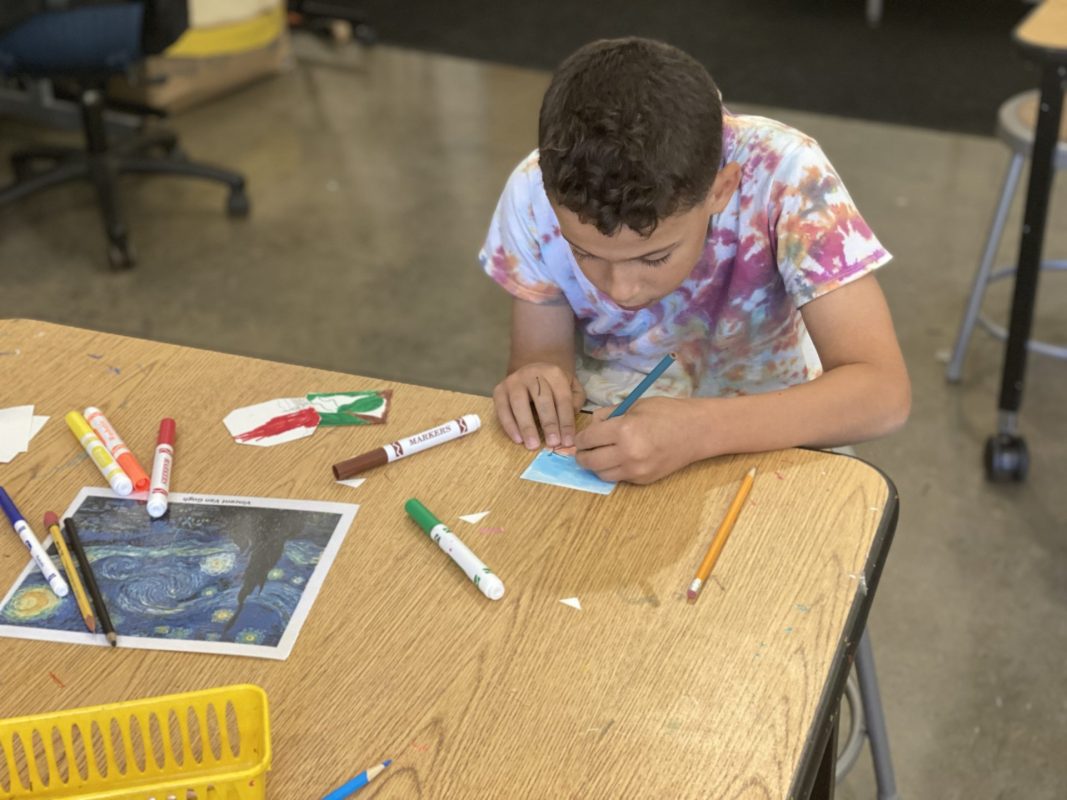
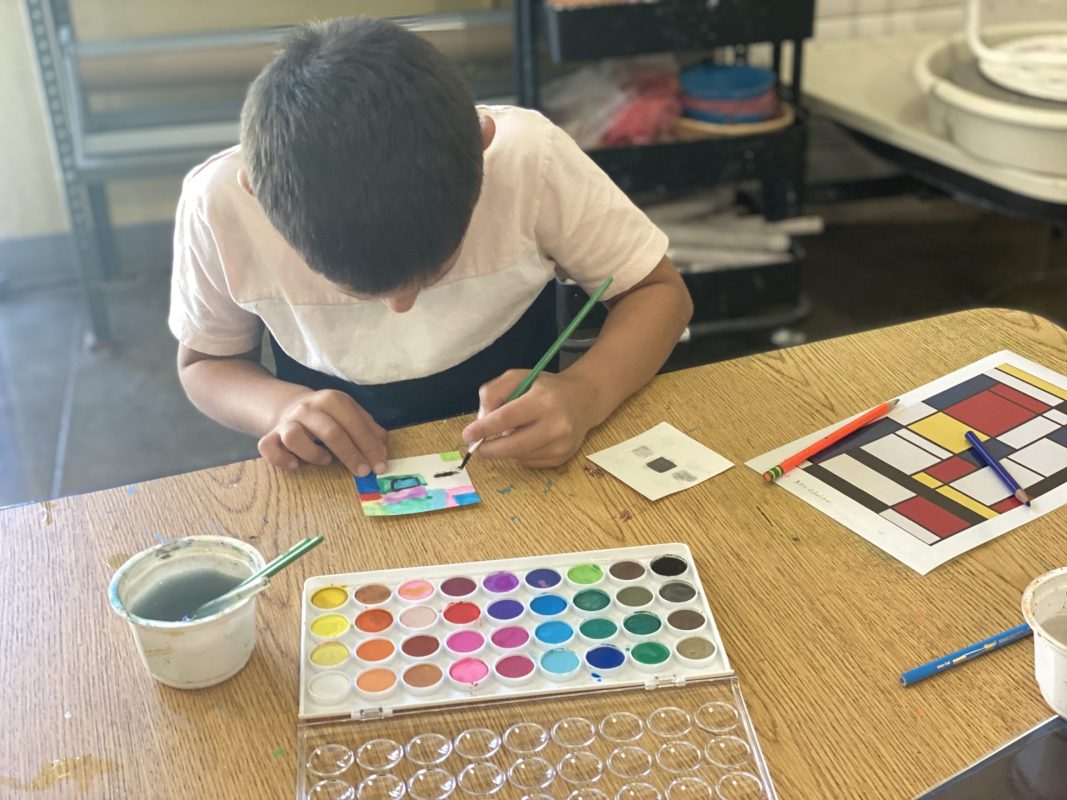
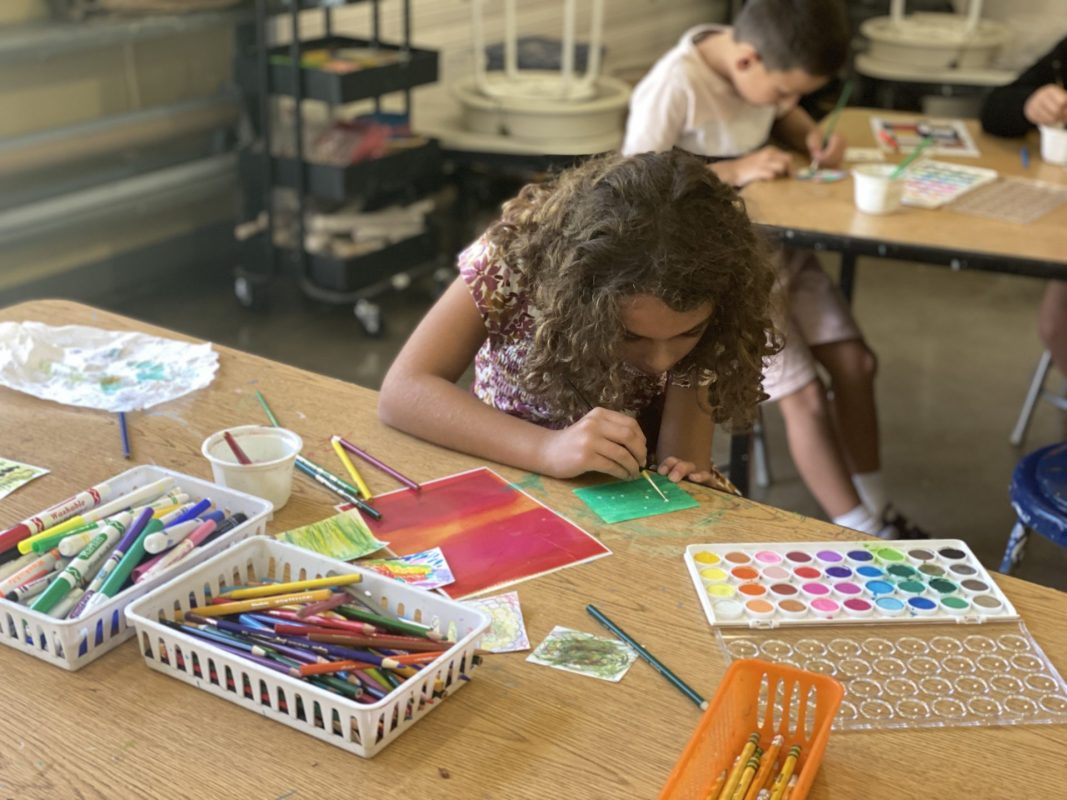
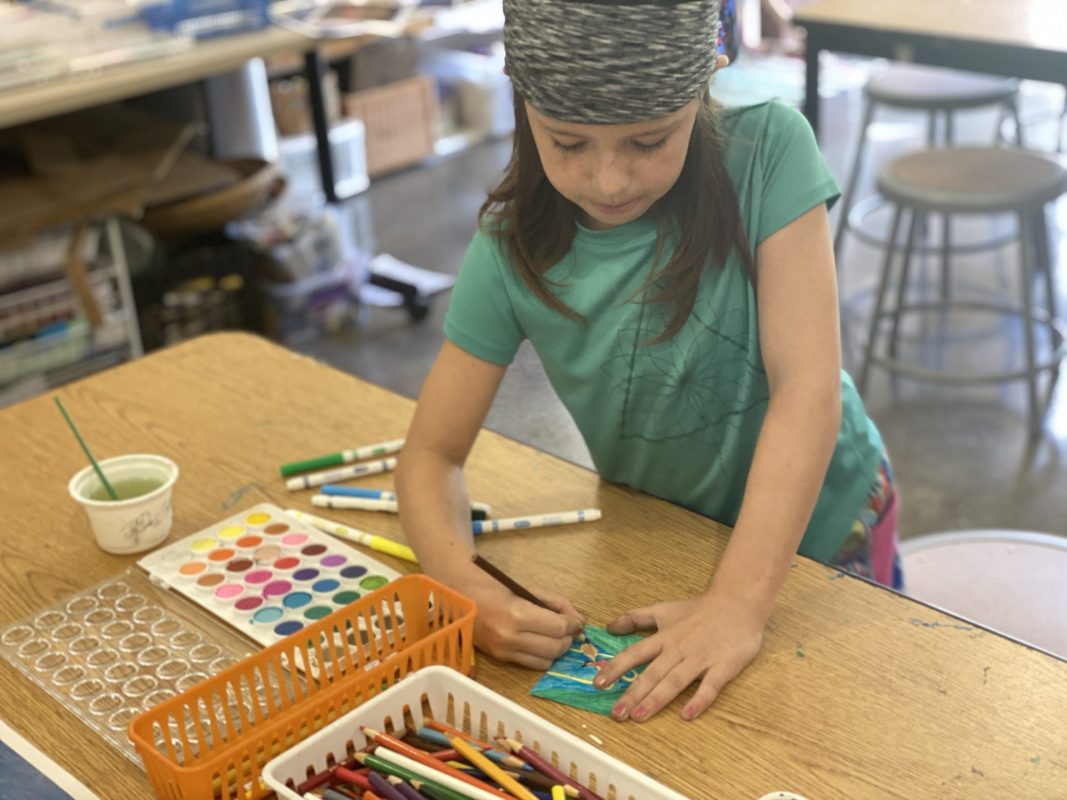
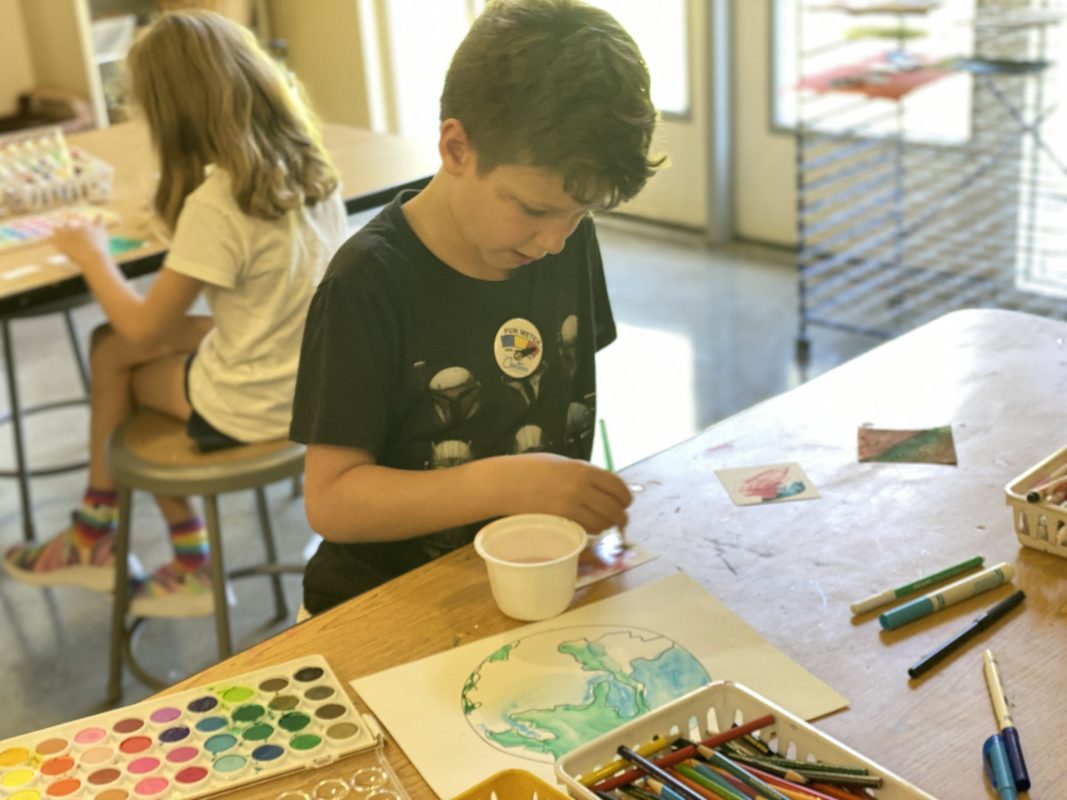
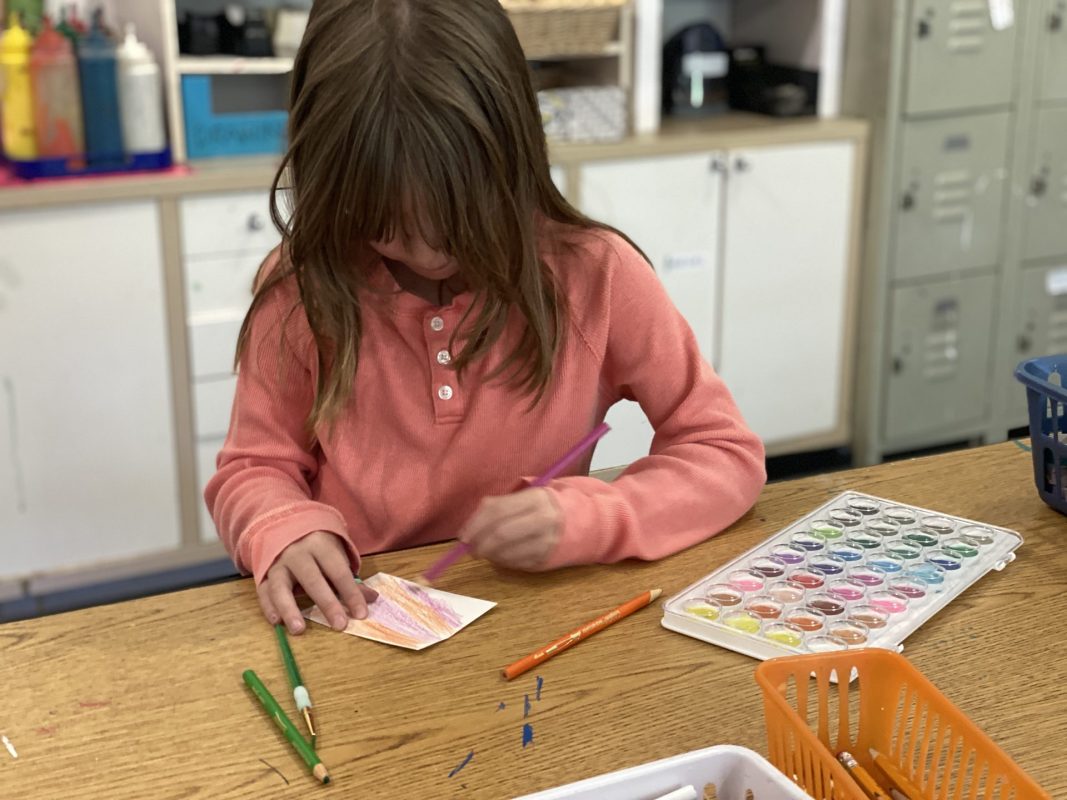
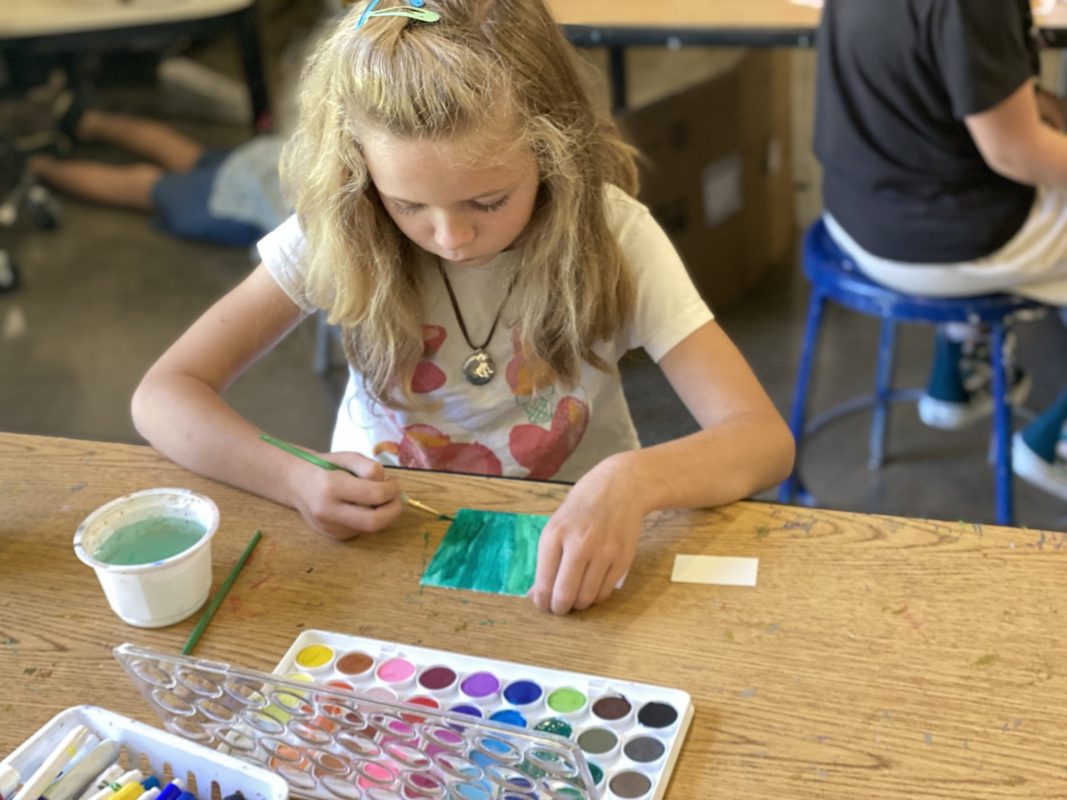
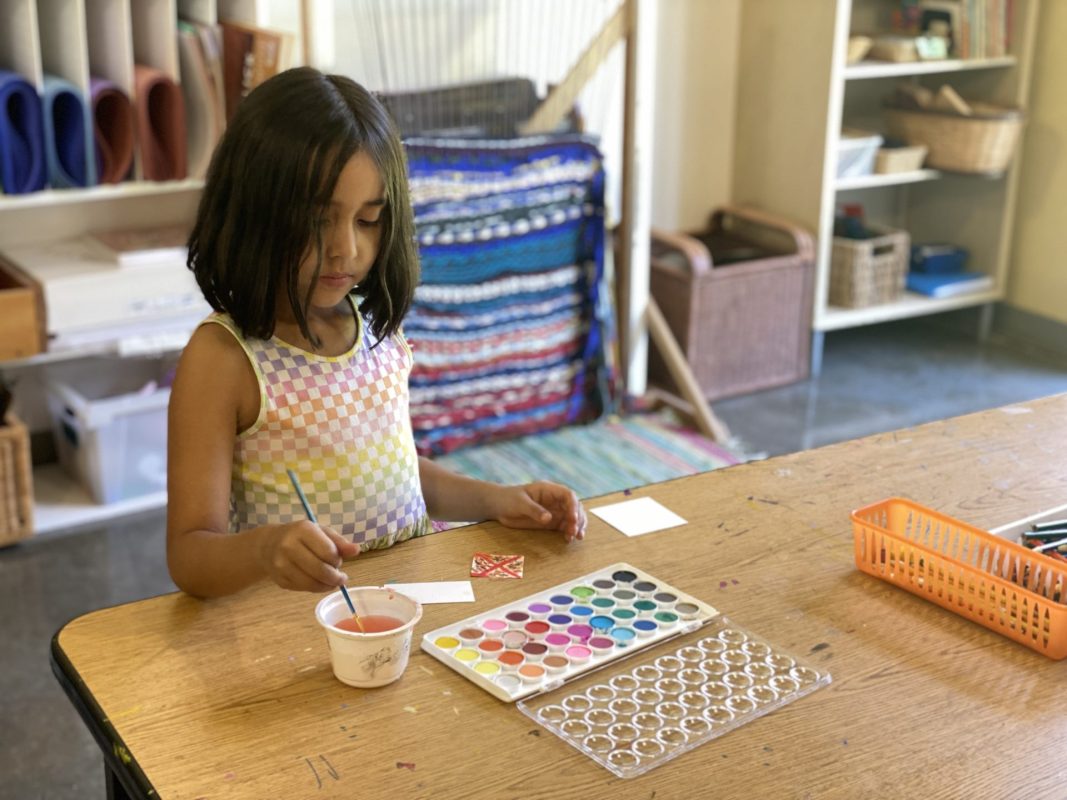
In the Art Studio, our young artists from Kindergarten through 8th grade kicked off the school year by putting together a Tiny Art Exhibition! Our artists have been hard at work creating multiple tiny works of art on small paper the size of 4×4 inches or smaller. Students

have explored various art materials such as colorful sharpies, acrylic paints, watercolors, color pencils, and more. Some students chose to recreate a famous painting, such as Van Gogh’s Starry Night, or one of Bob Ross’ famous landscape paintings. Others chose to create a unique work of art of their own creative expression. The small size restriction challenged students to problem solve ways in which they could fit the entire composition onto the tiny canvases, as well as developed their fine motor skills as they carefully applied paint with tiny paintbrushes. It has been a joy to see the variety of artwork created on such a tiny scale!

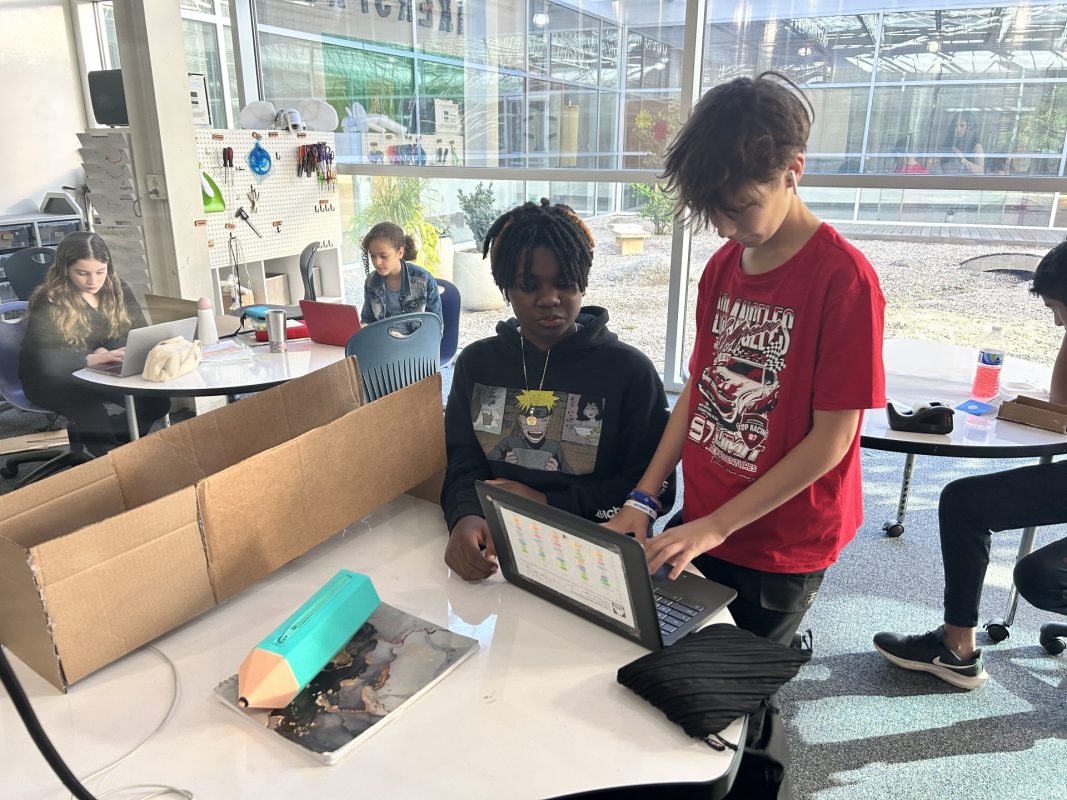
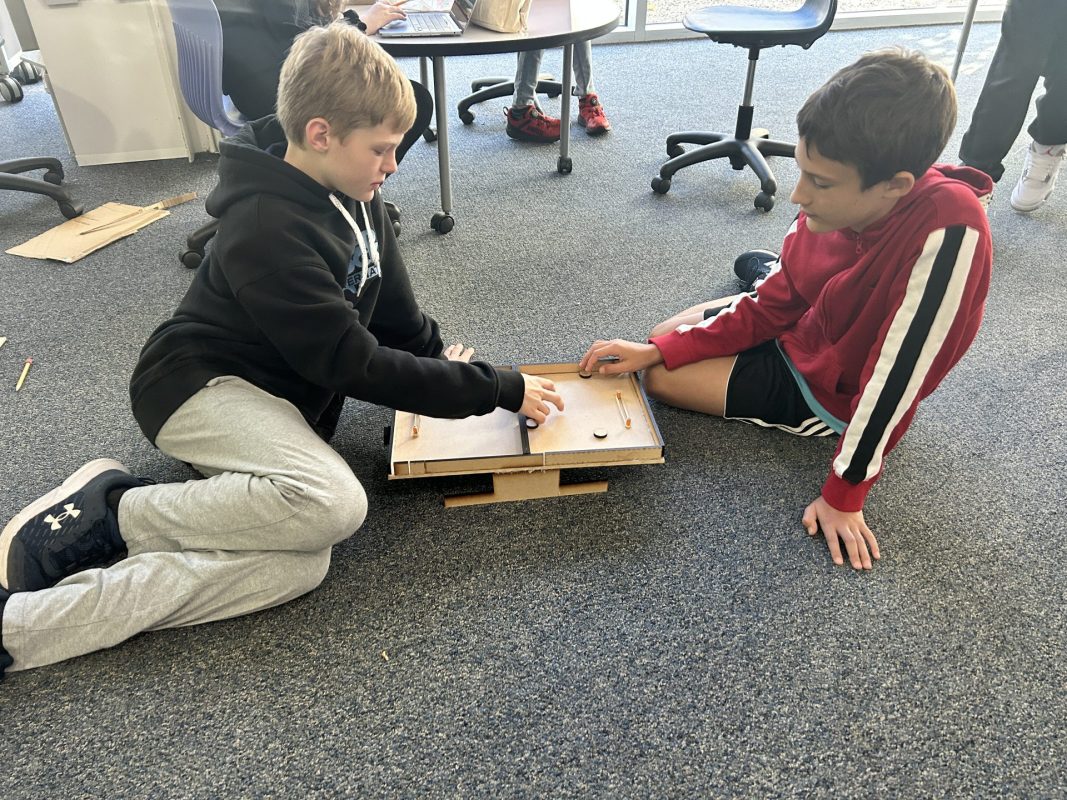
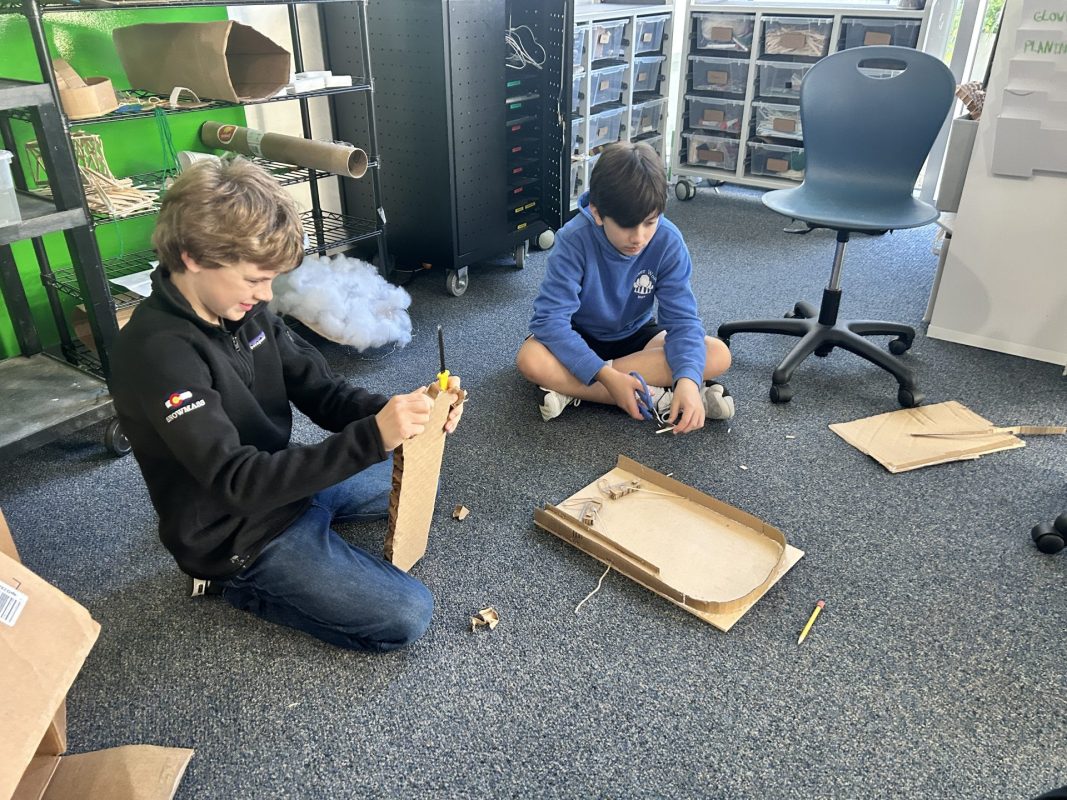
Next, we will set up the exhibition in the hallway for the whole school to enjoy. Many students have already even begun  prototyping and constructing miniature gallery/museum spaces to display their artwork in using cardboard.  Magnifying glasses will be set up with each display so everyone can take a closer look at all of the wonderfully unique FWM Tiny Art Exhibition!


Starting a New Year of Spanish Class

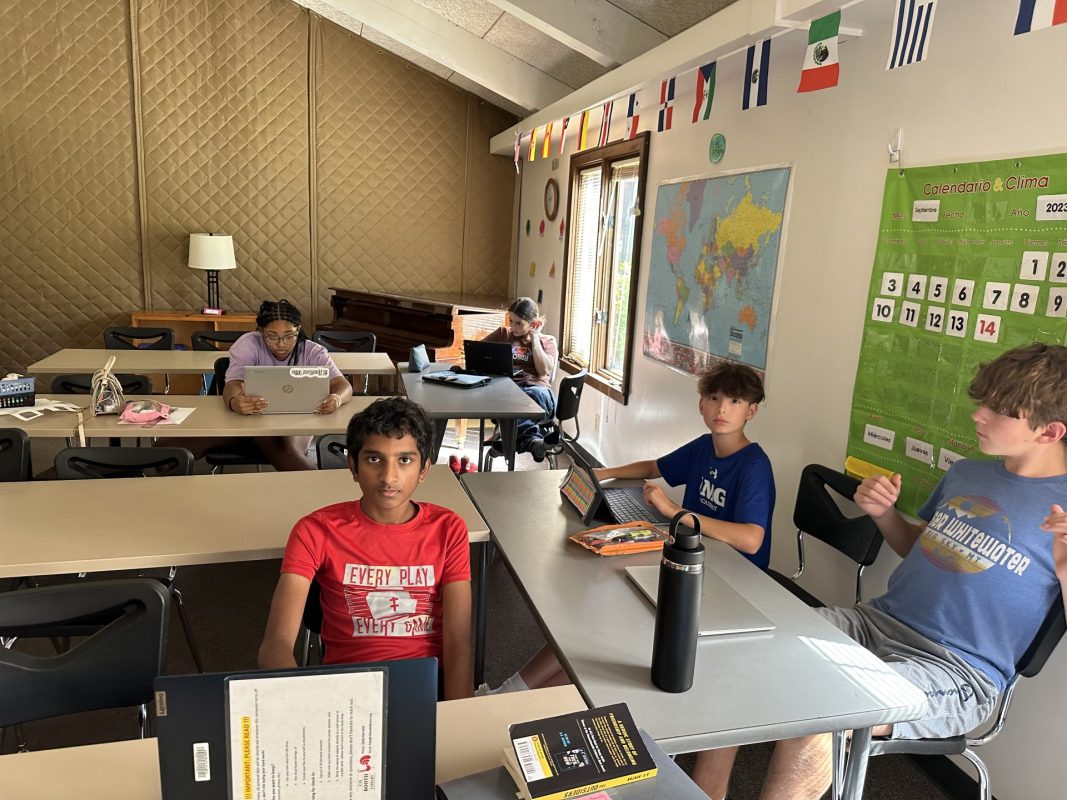
Learning another language is beneficial for memorization development in a child’s brain, making it more efficient and flexible. At Fraser Woods Montessori School, we started introducing Spanish in Primary. We design lessons that are age-appropriate where students can learn and have fun at the same time.

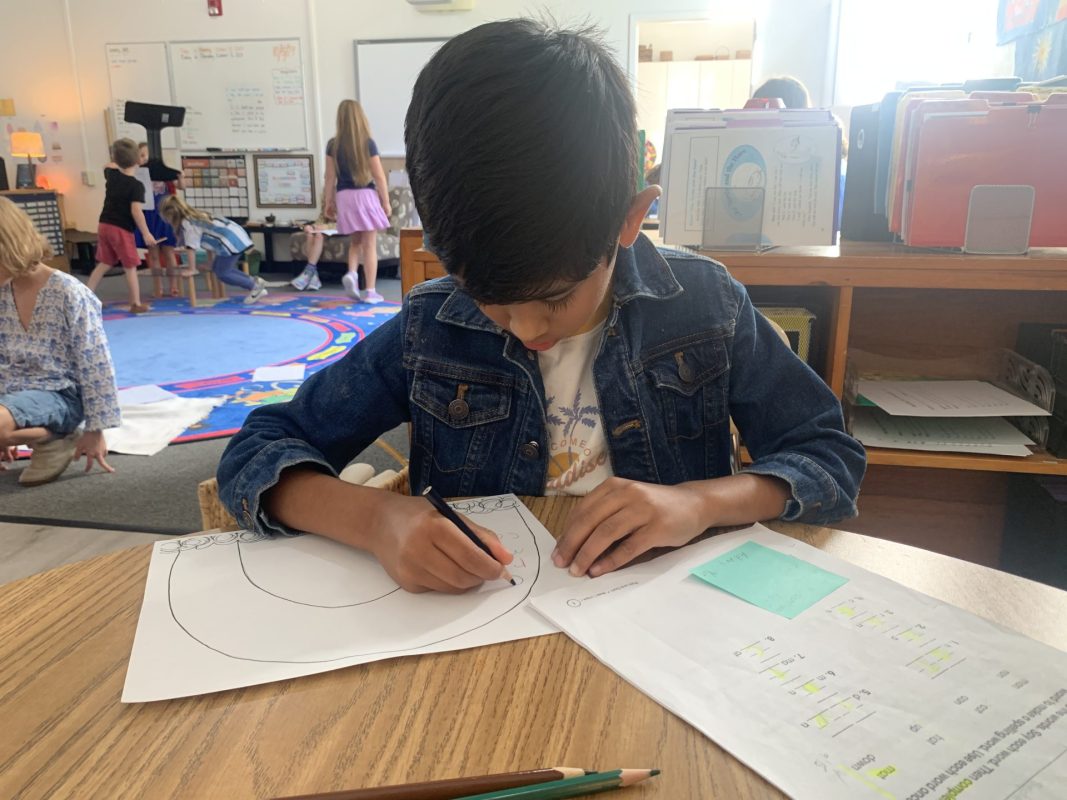
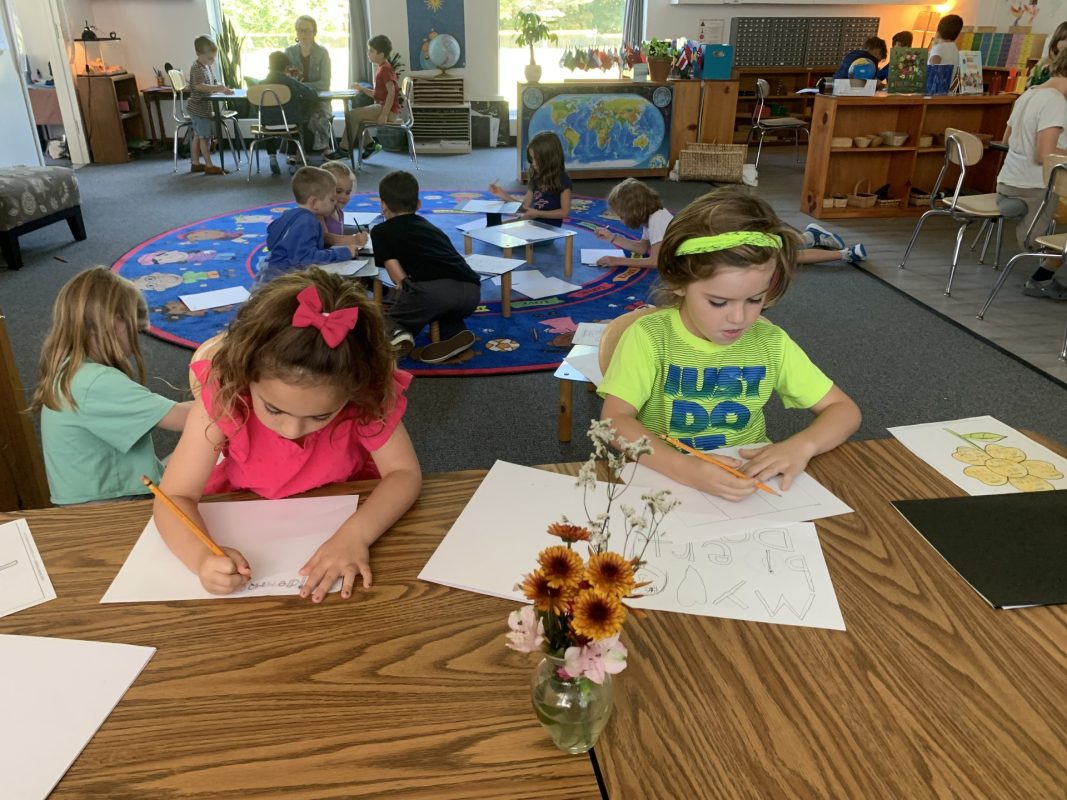
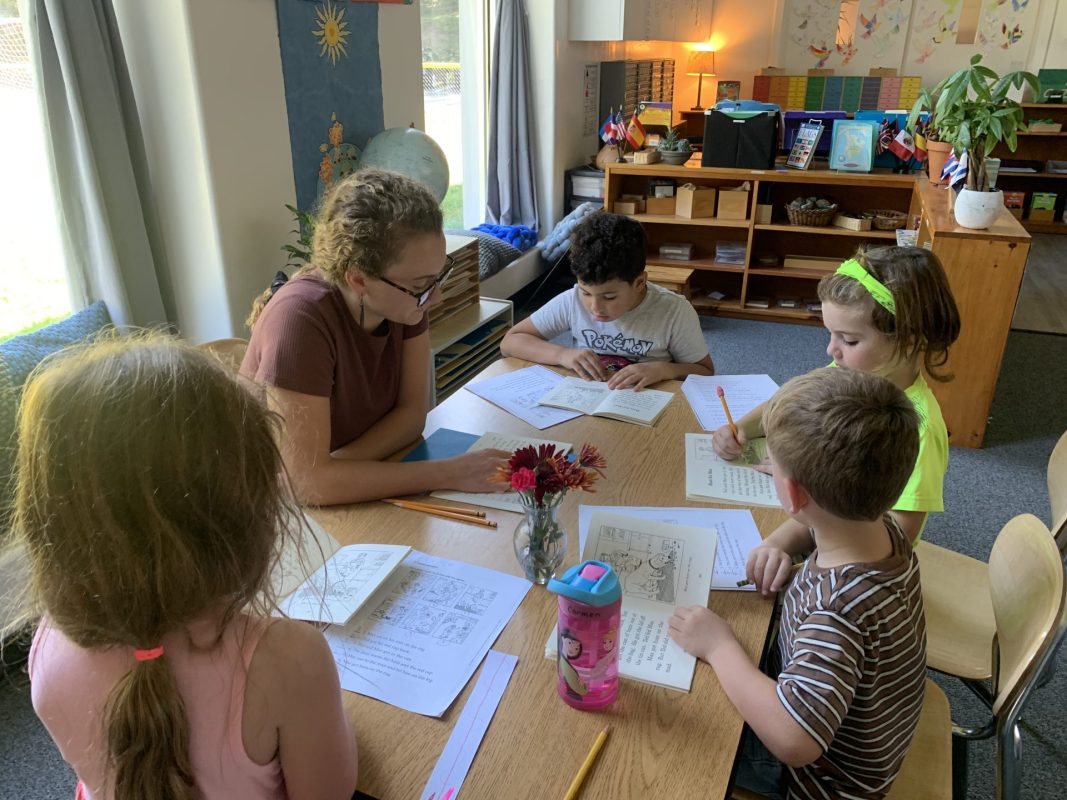
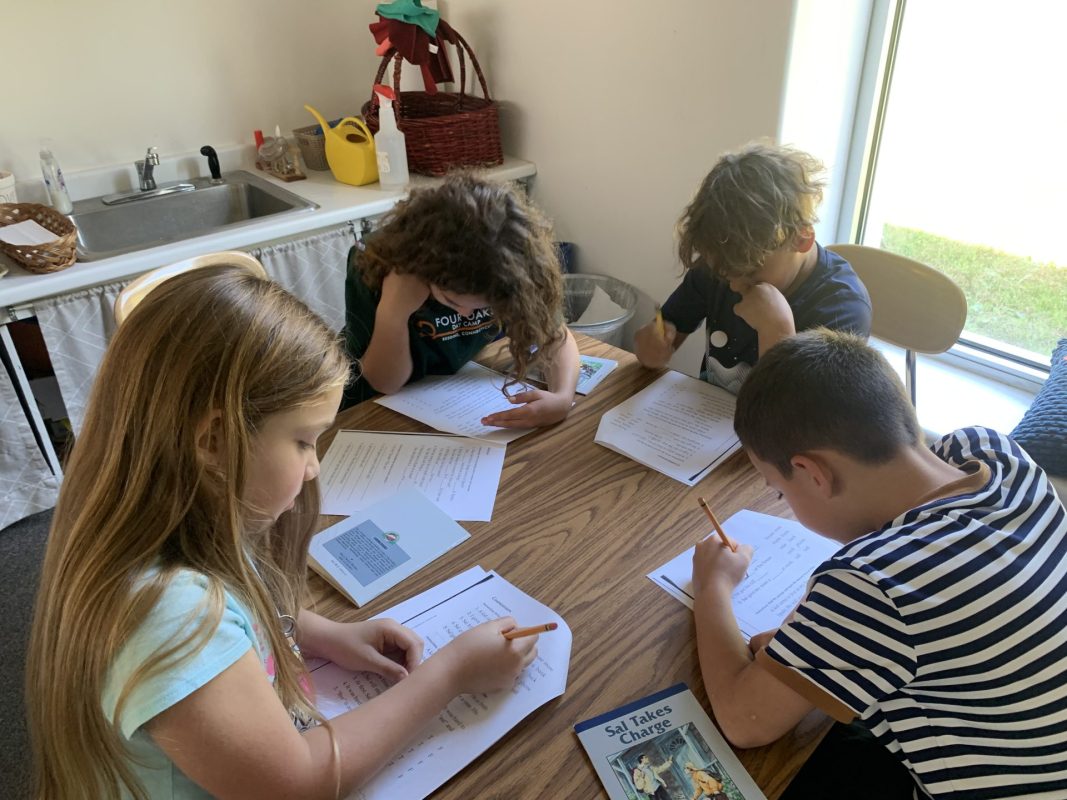
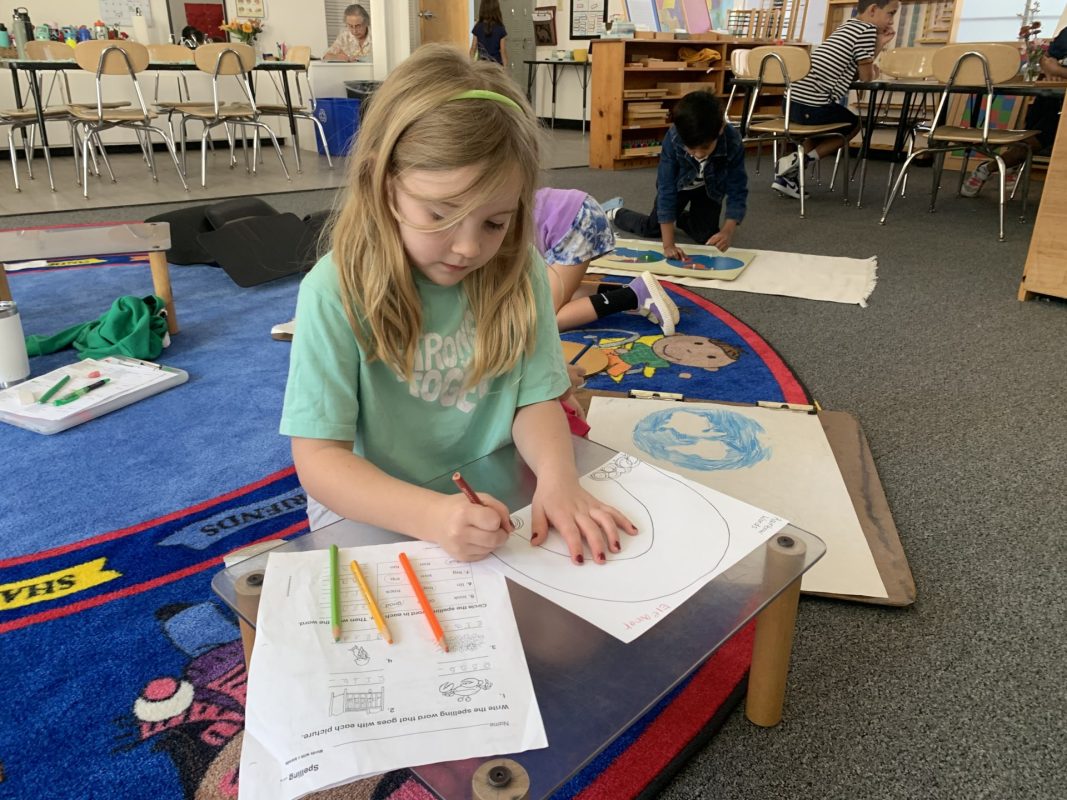
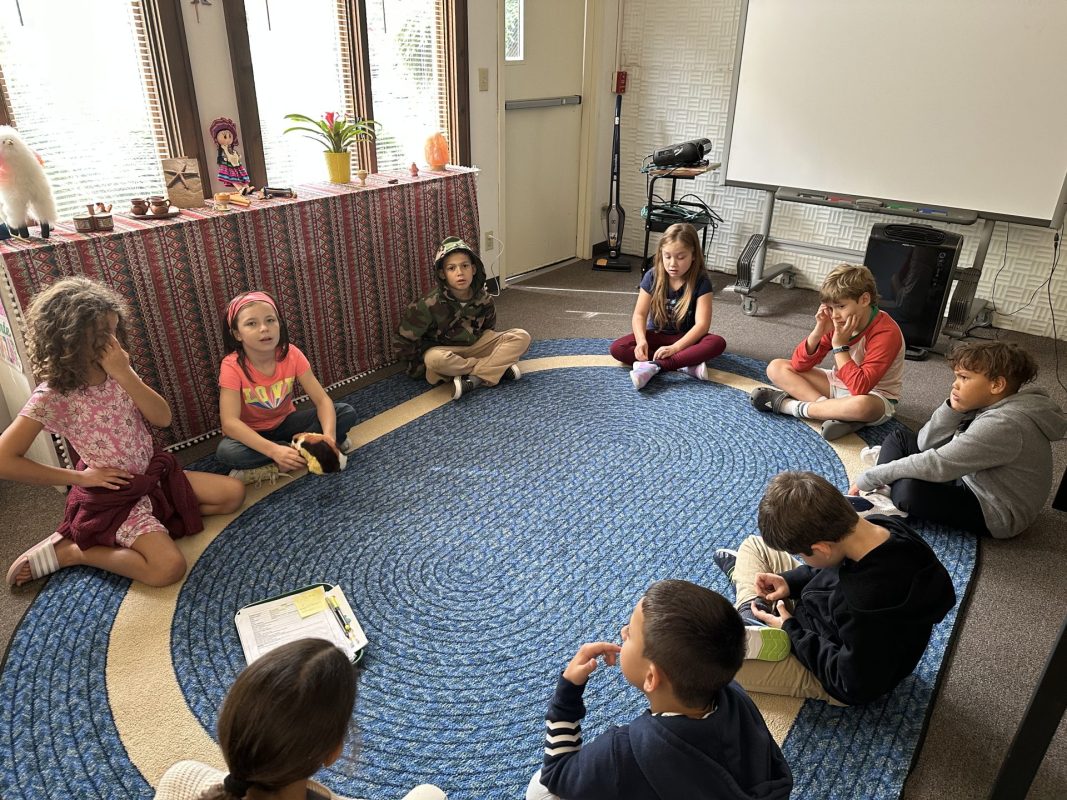
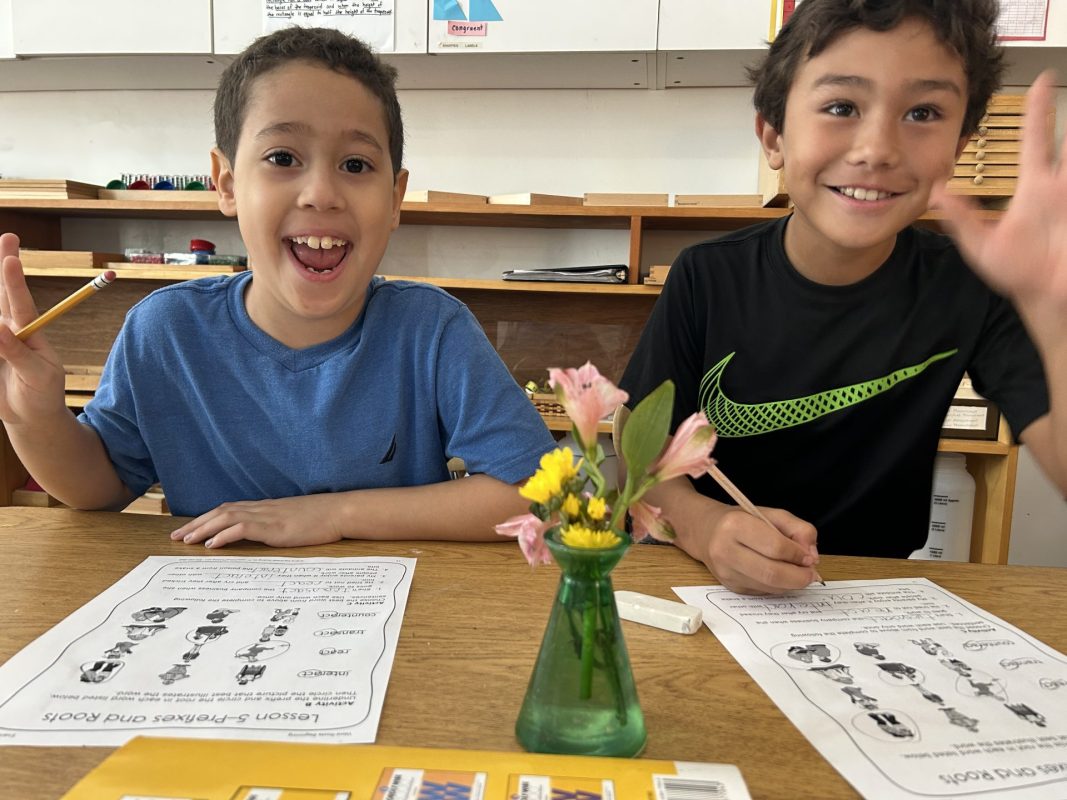
Beginning with the first week of school, children starting in primary to middle school reviewed and learned basic Spanish phrases and words. Primary, Lower Elementary, and Upper Elementary students recalled greetings, self-introductions, and how they were doing in Spanish. In addition, children could practice all those words learned in their classroom, either during our group lesson on circle or practicing with paper and pencil exercises. They are reviewing the Spanish alphabet, learning how to spell their names, and practicing handwriting, pronunciation, and more vocabulary. Middle school students are working on a review of what they learned last year in basic grammar, listening, conversation, and pronunciation. On Fridays, we have Spanish enrichment, where students learn more about Spanish-speaking countries and their history, traditions, and celebrations using interactive games, videos, and other fun and engaging activities in class.


This Week In Upper El

I look forward to seeing you all at our upcoming Parent-Teacher Conferences on October 26. Look for an email sent today to sign up for your time slot.

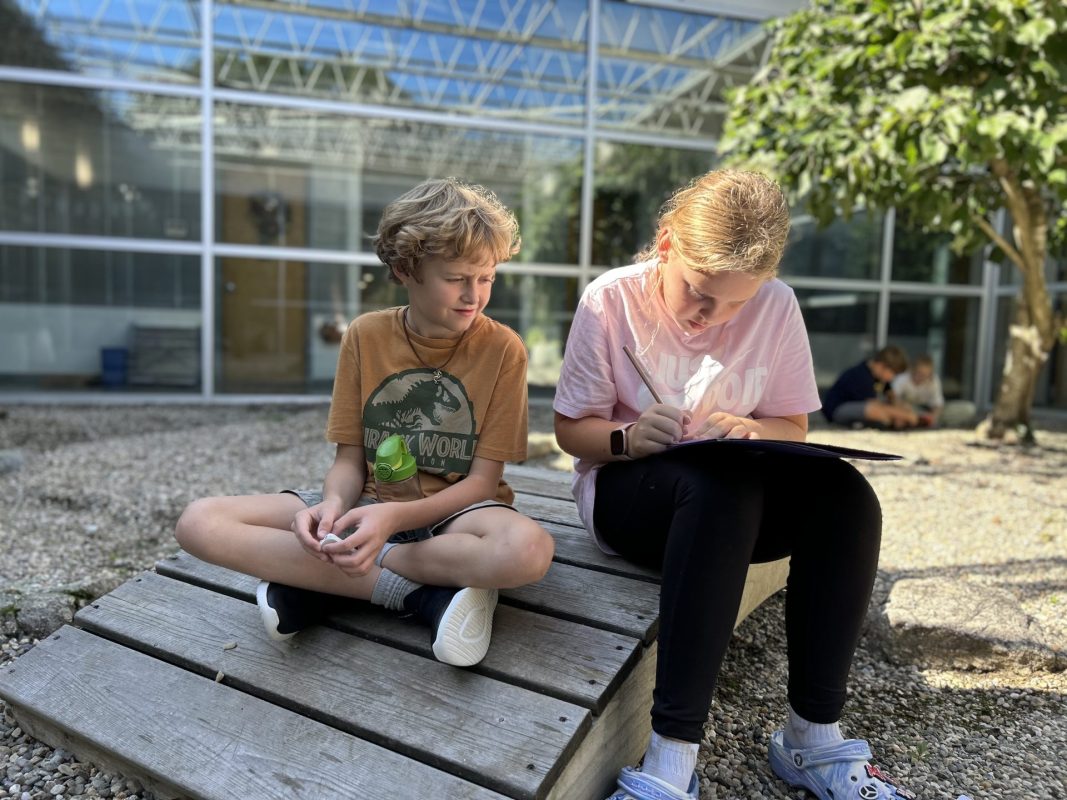
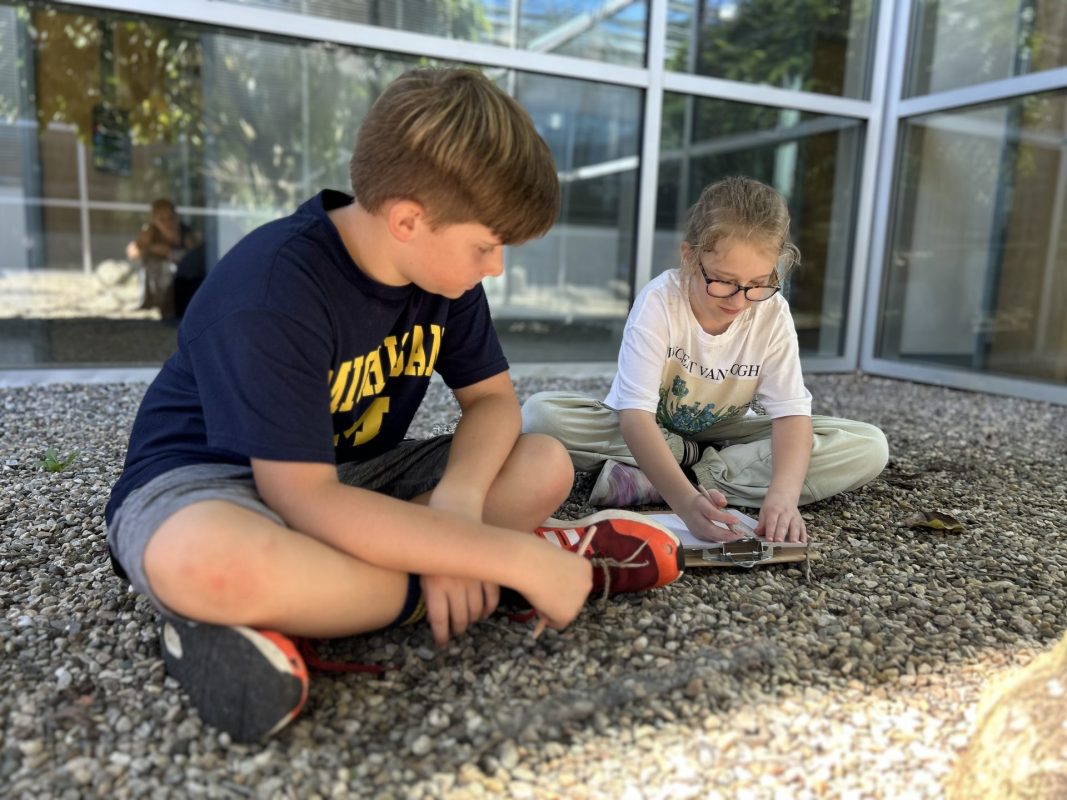
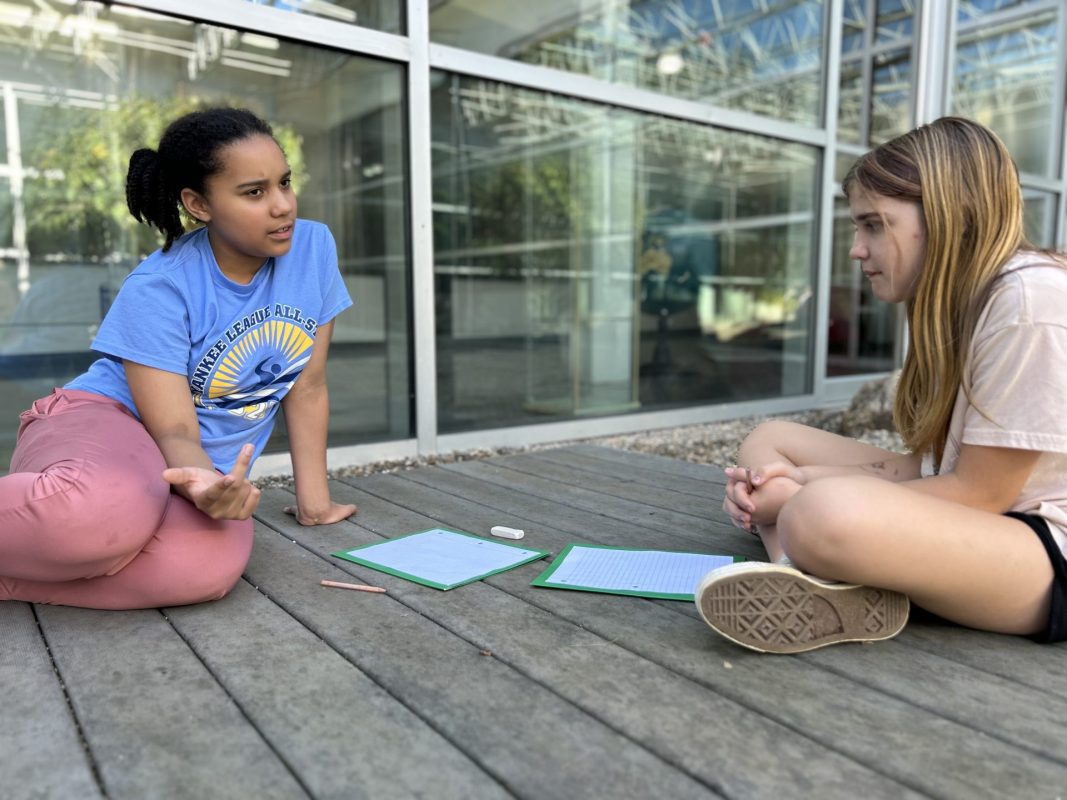
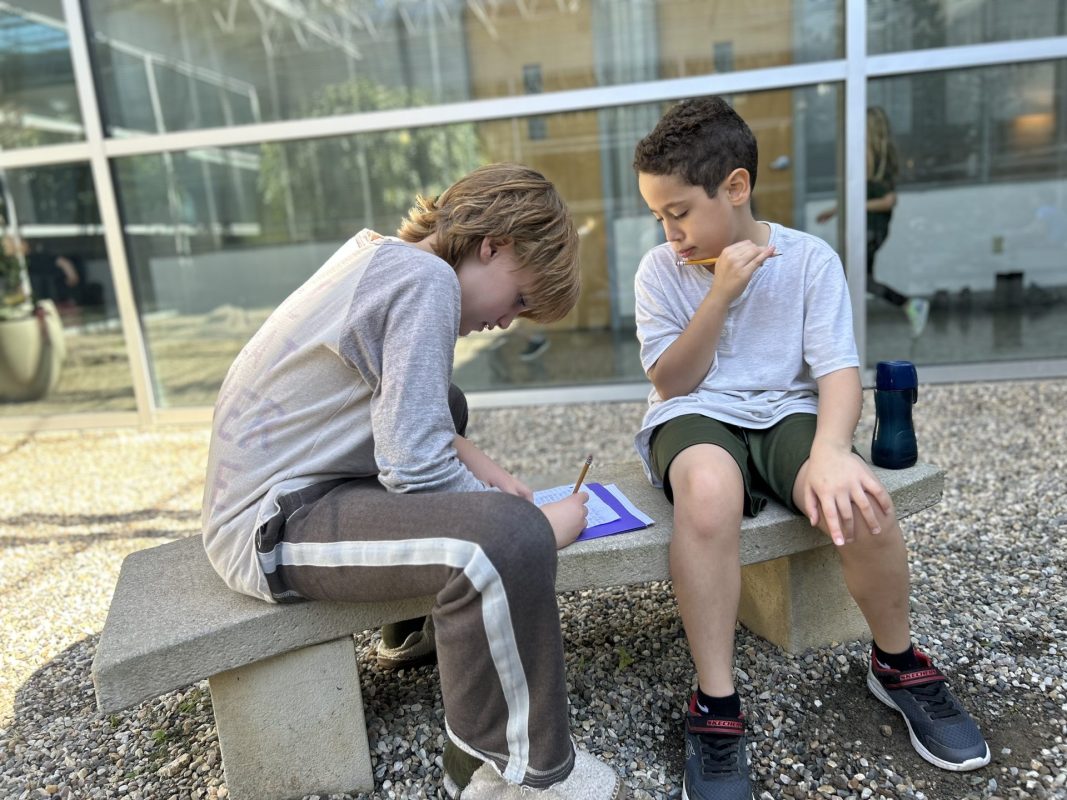
We’ve had a busy week here in Upper Elementary. In addition to our lessons, we added some new things to our daily work cycle.

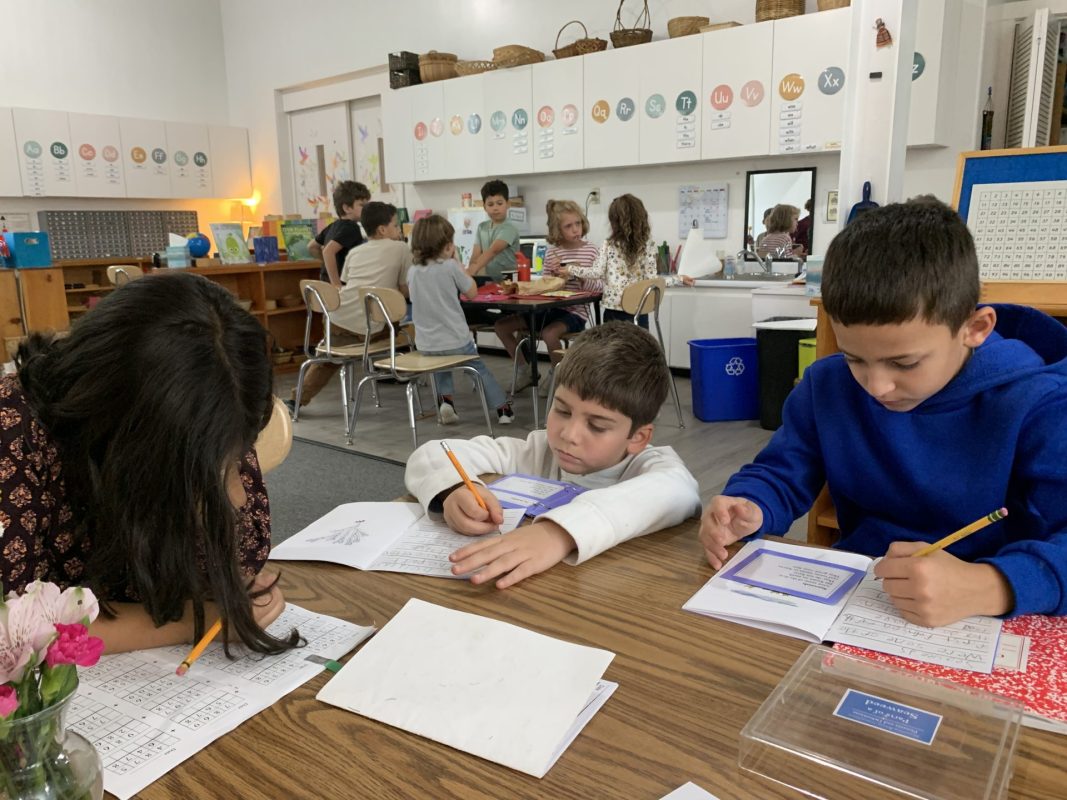
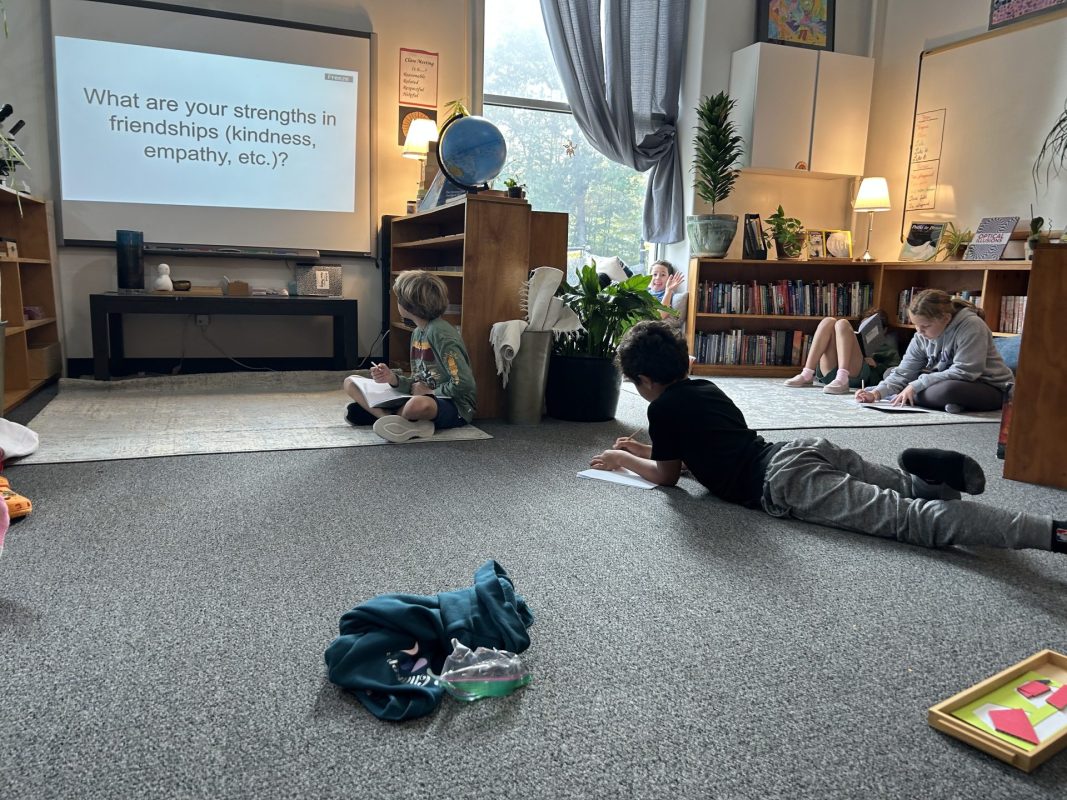
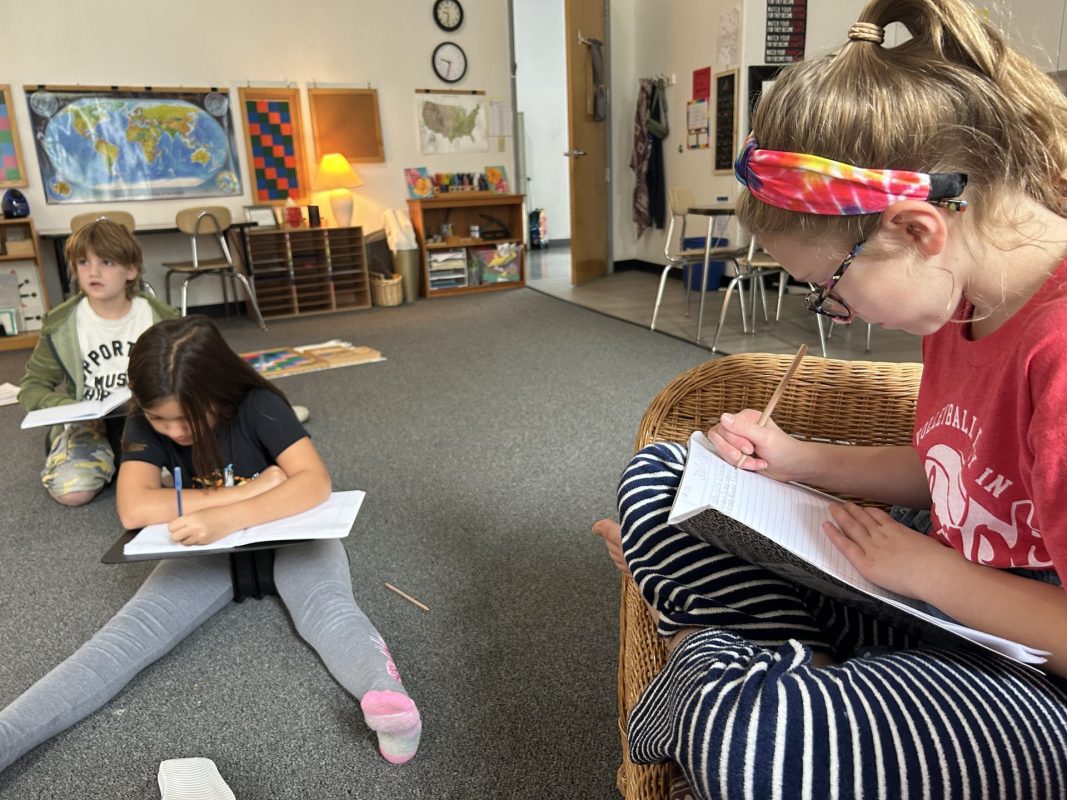
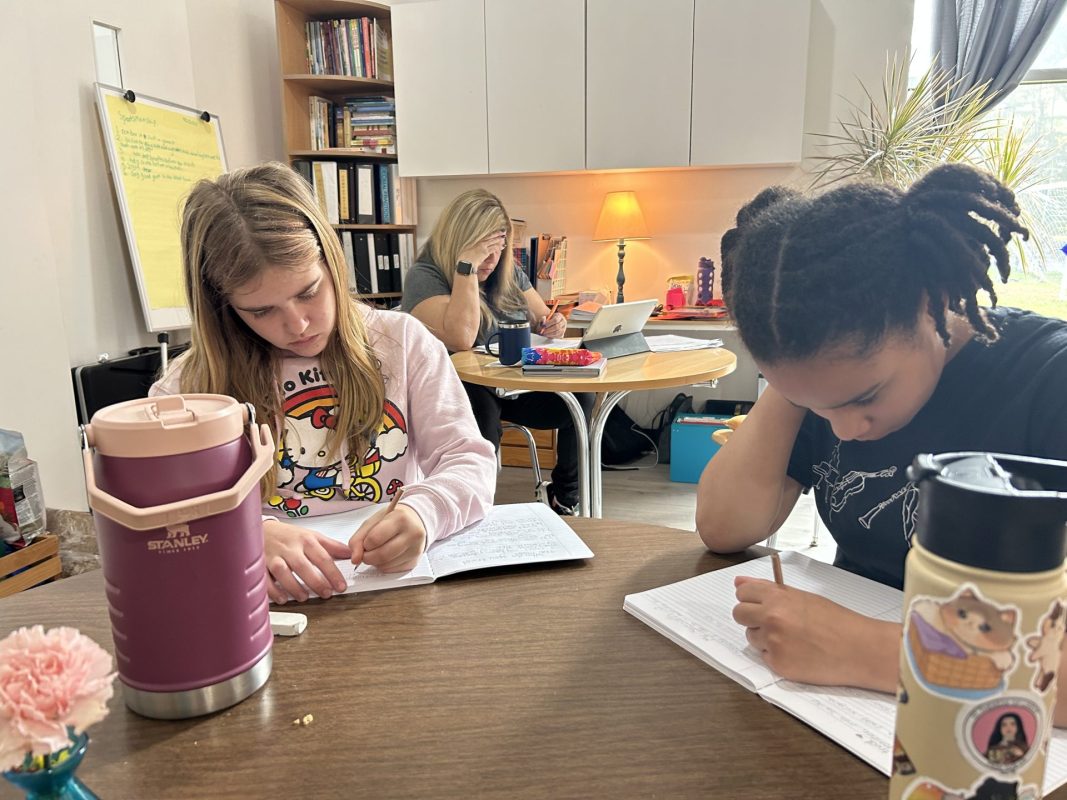
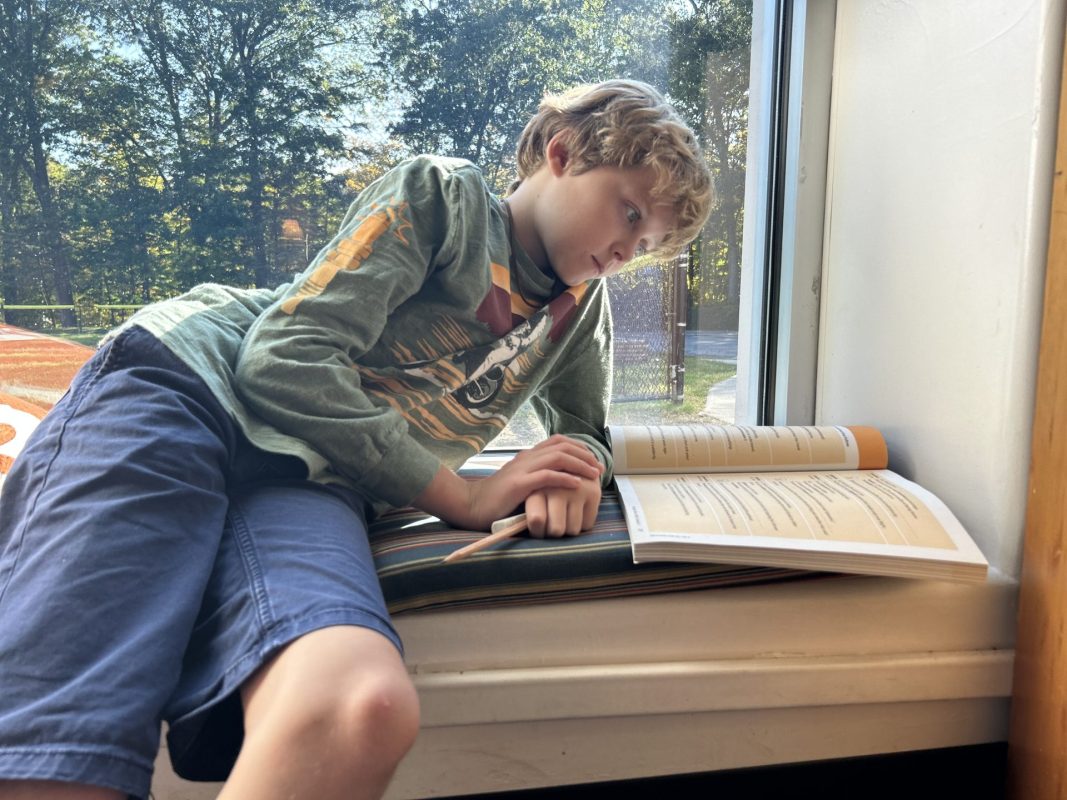
Before starting their work, students respond to a daily journal prompt. Journaling is a great way to reflect on everyday experiences and relationships and can help us get in better touch with our thoughts and feelings. A journal offers a safe space to express and work through emotions. These journals are for each student’s eyes only to honor that safe space. The second new addition is a daily word problem. Students are encouraged to work together to solve each problem, allowing them to tell and write about their thinking process.

In our history lesson this week, we discussed evidence that may indicate our closest living relative: the species with which we share common ancestry. Using cladogram diagrams, we looked at the alternatives, remembering that we are looking for the animal with whom we share an ancestor. We compared humans with gorillas and chimpanzees by evaluating complicated evidence for the different possibilities. We compared bones and teeth, soft body parts, chromosomes, and molecules. As we completed this work, we discovered that humans share an unknown ancestor with chimps and that ancestor shares an unknown ancestor with gorillas. In other words, it seems we are most closely related to chimpanzees.

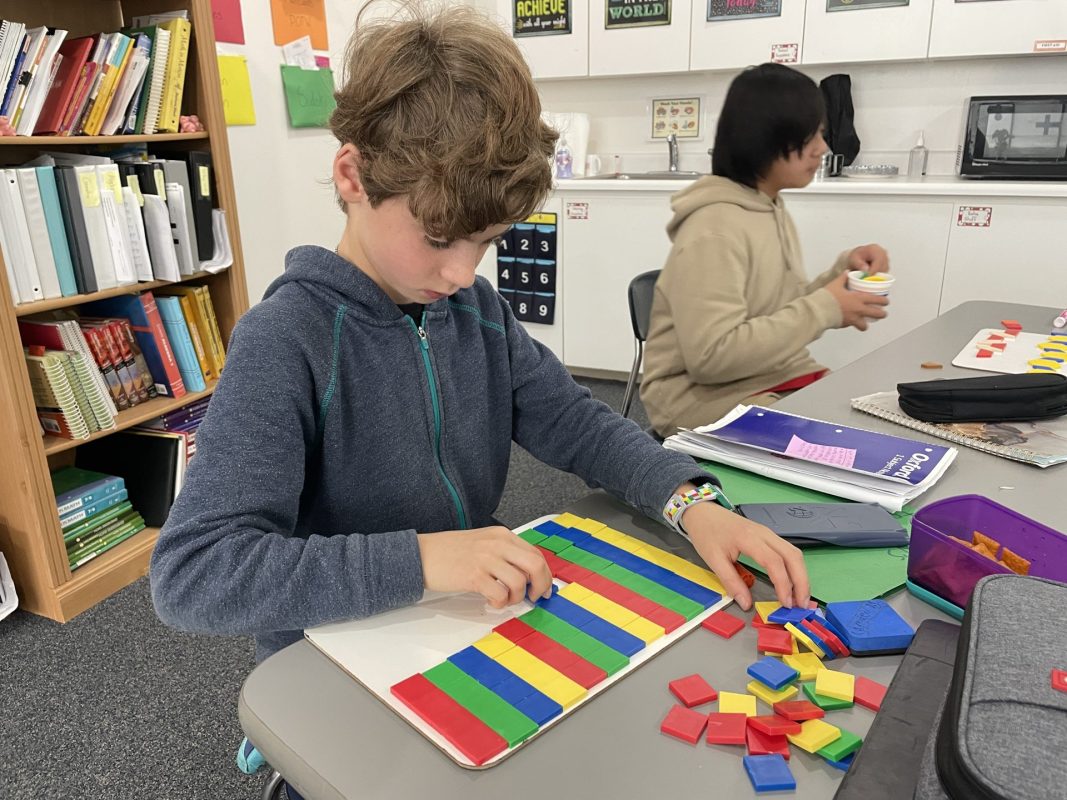
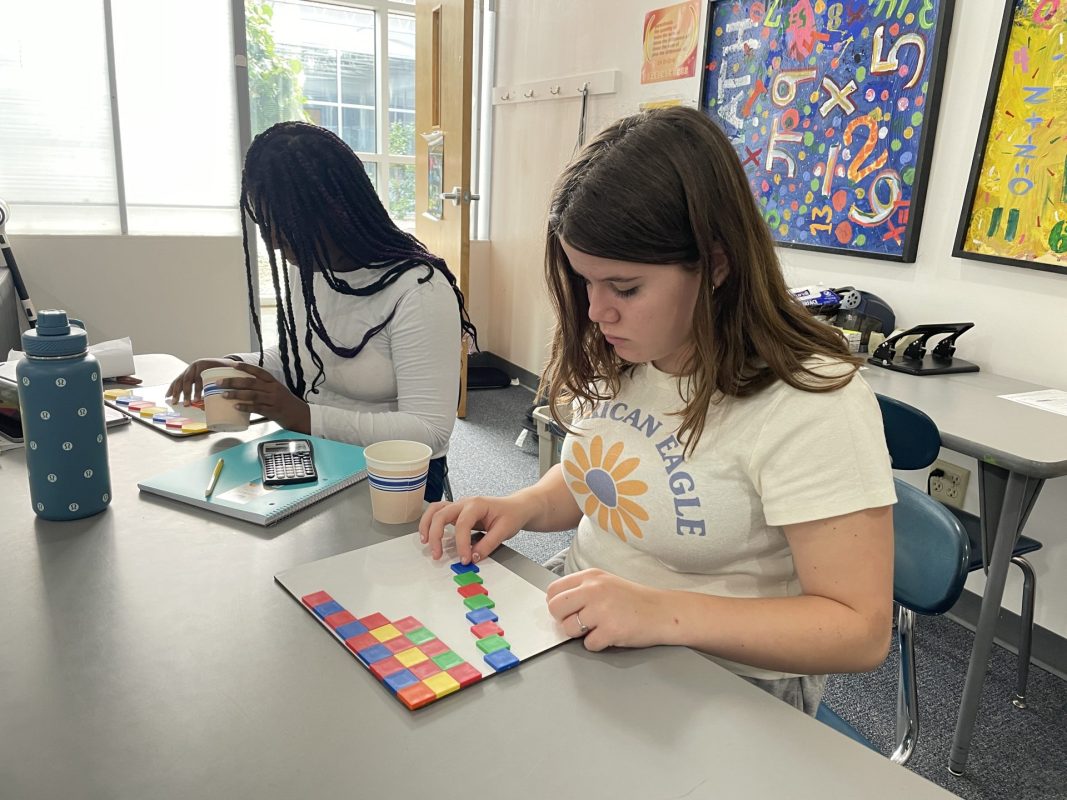
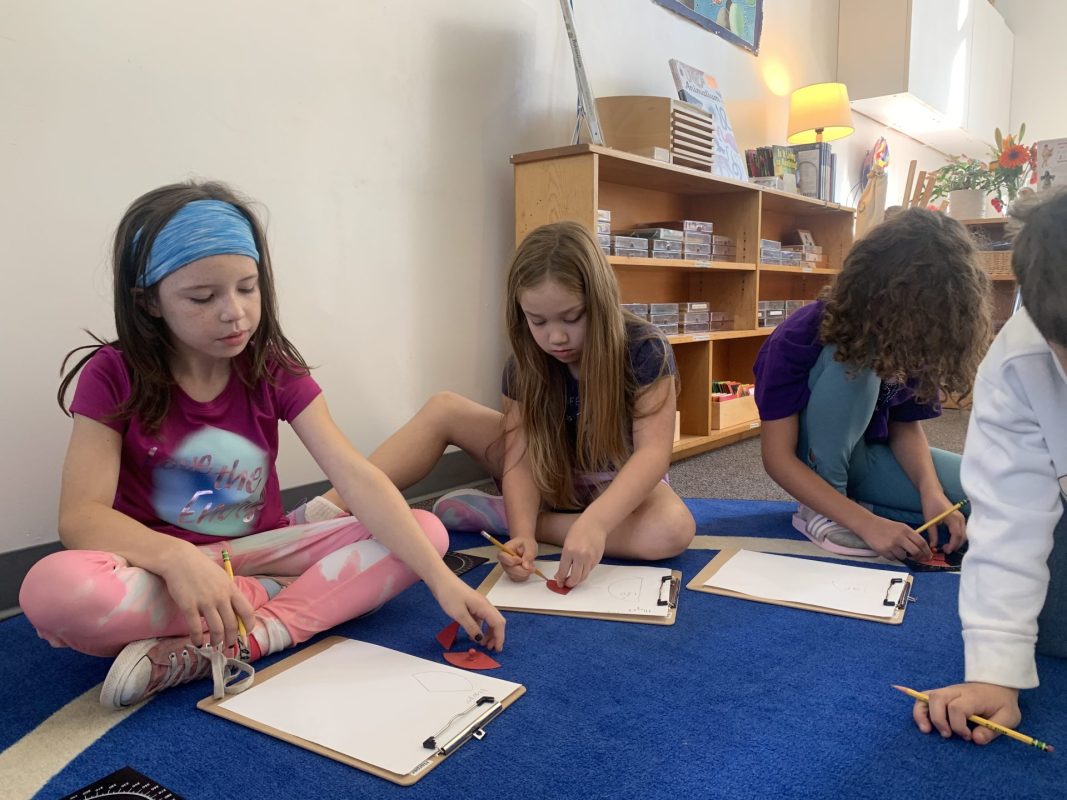
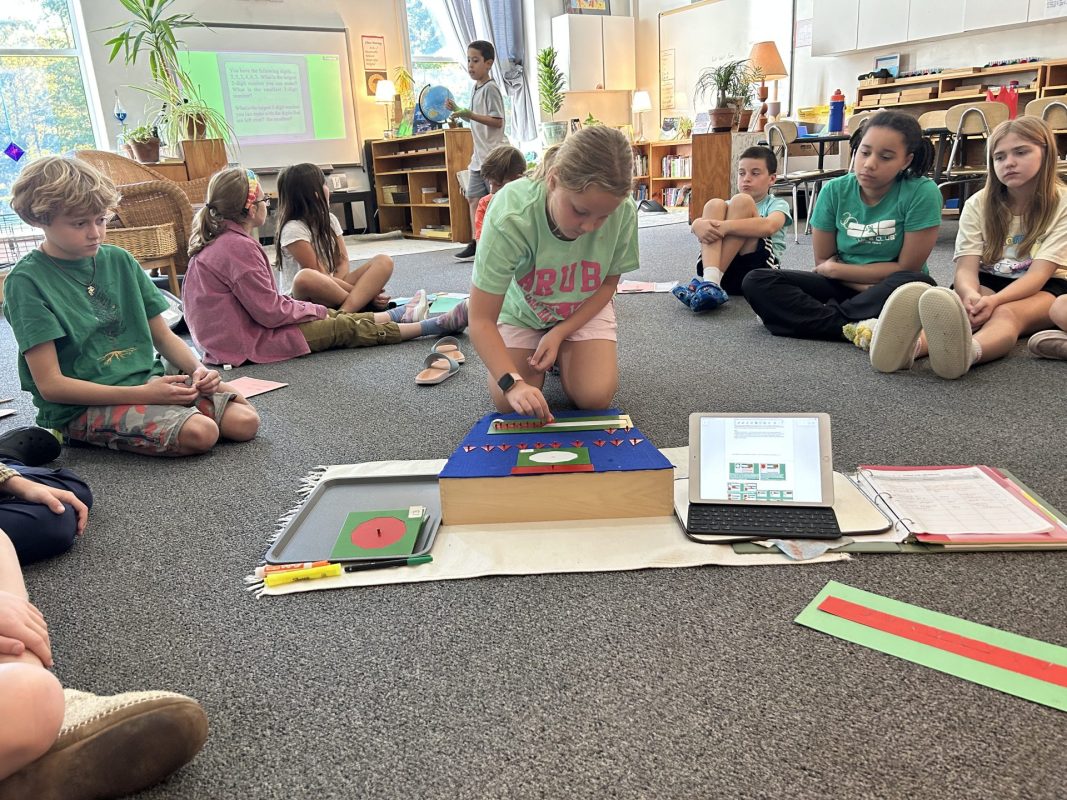
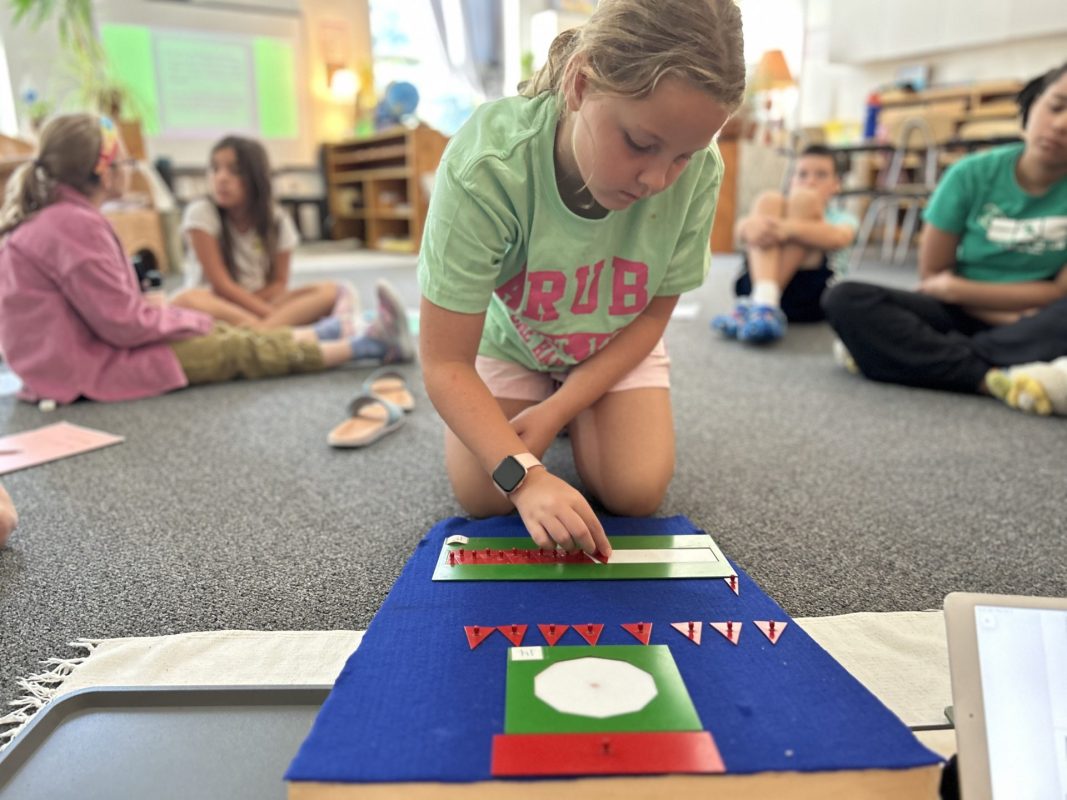
Fourth-year students learned about six regular polygons and some of their lines in geometry, such as major and minor base, height, diagonal, bisector, perimeter, and point. Fifth-year students learned to show equivalence between a regular polygon and a rectangle.

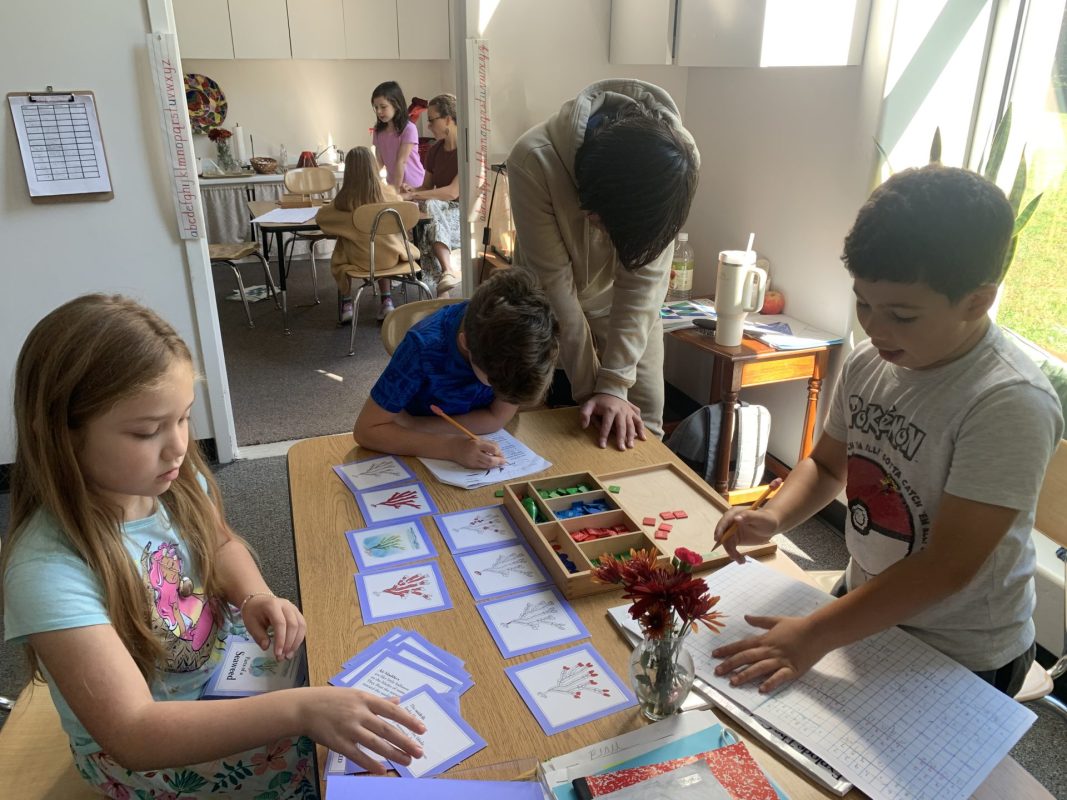
Our biology lesson introduced students to the “evolutionary strip.” Using a series of cards arranged in evolutionary order, we reviewed the common and taxonomic names of the familiar animals shown. Students noticed missing labels under two unfamiliar animal groups and were introduced to two new animals, amphioxus and lamprey. They learned that amphioxus had the first notochord that went from the tail to the head and that the lamprey had the first vertebral column.

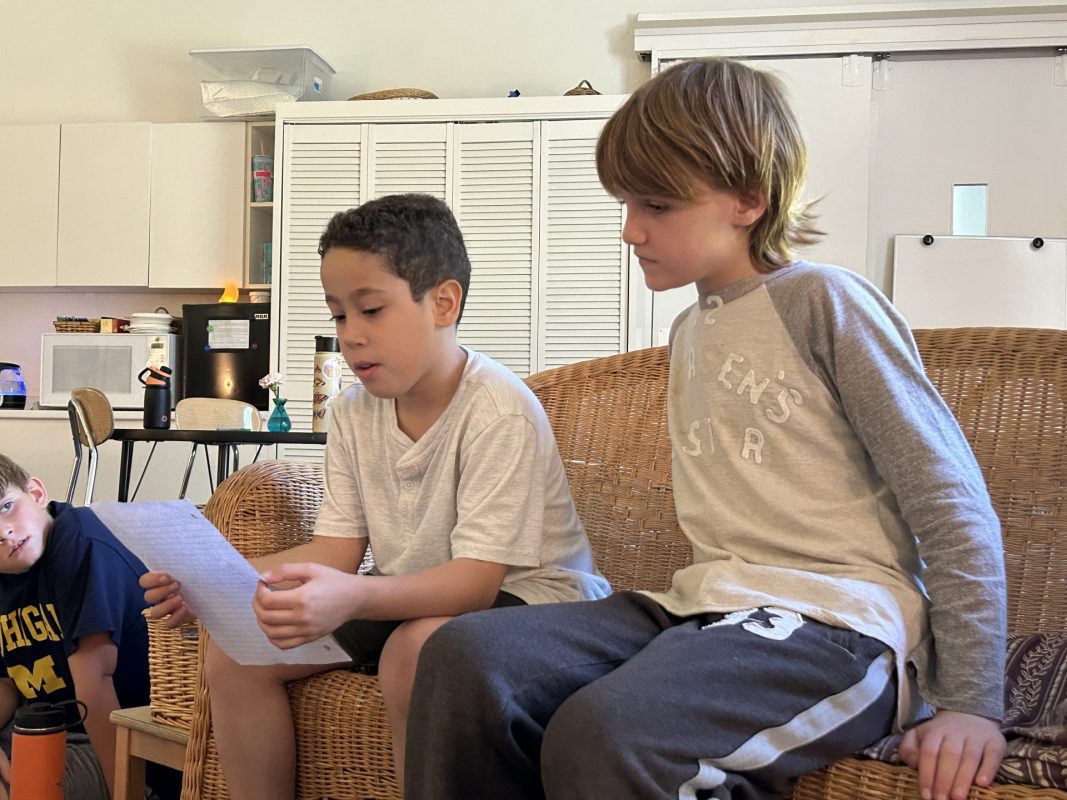
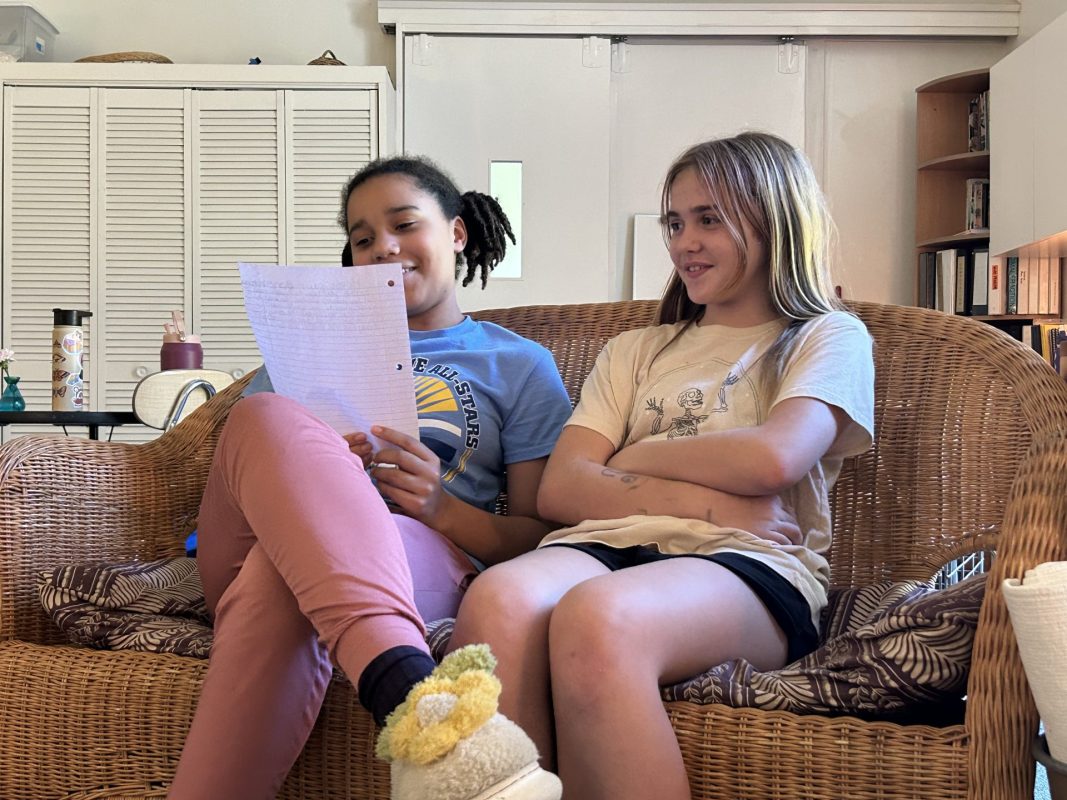
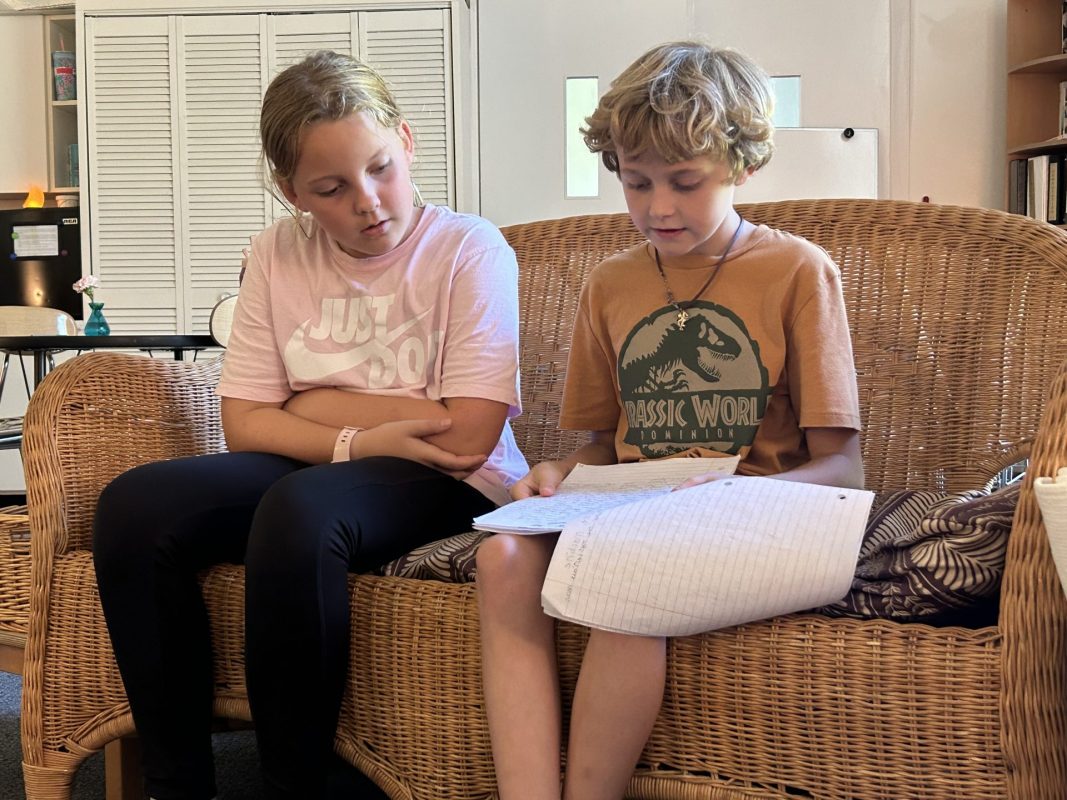
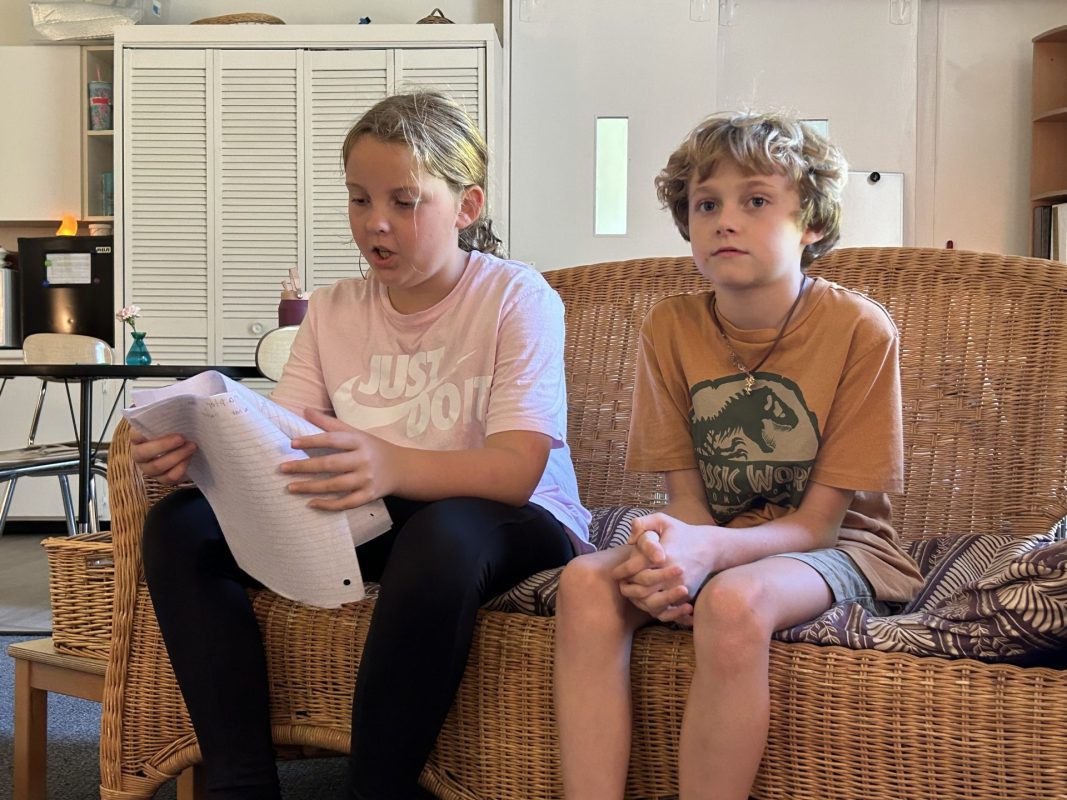
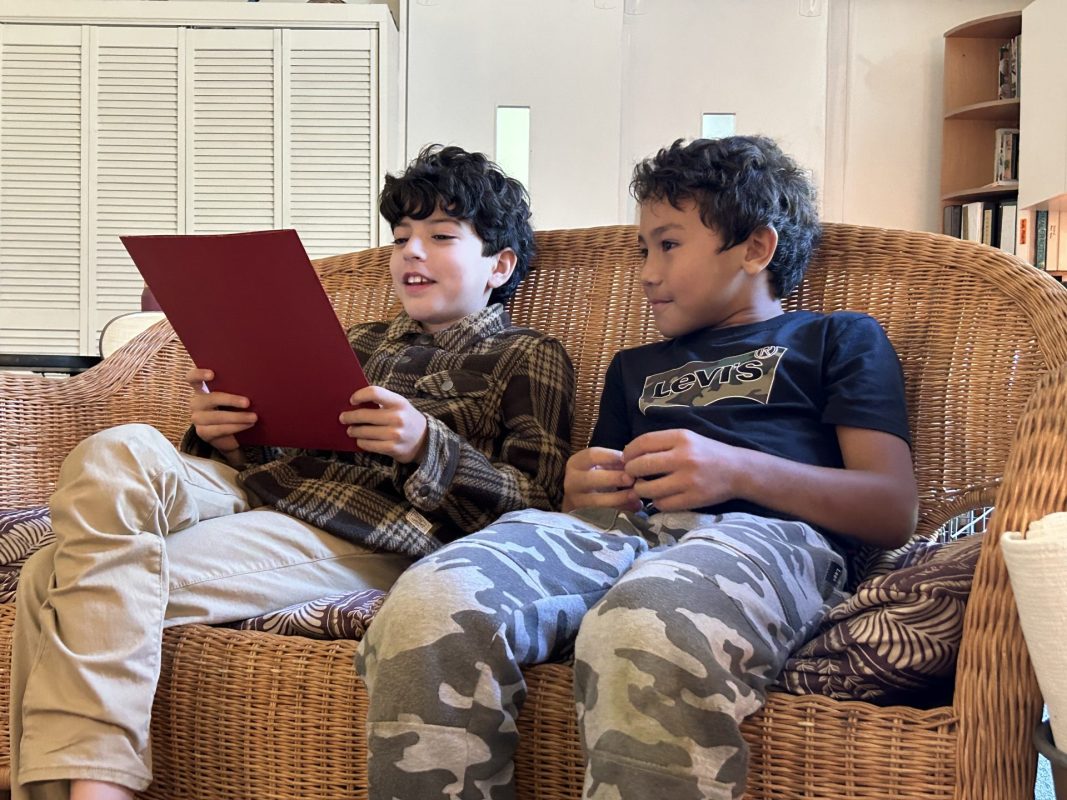
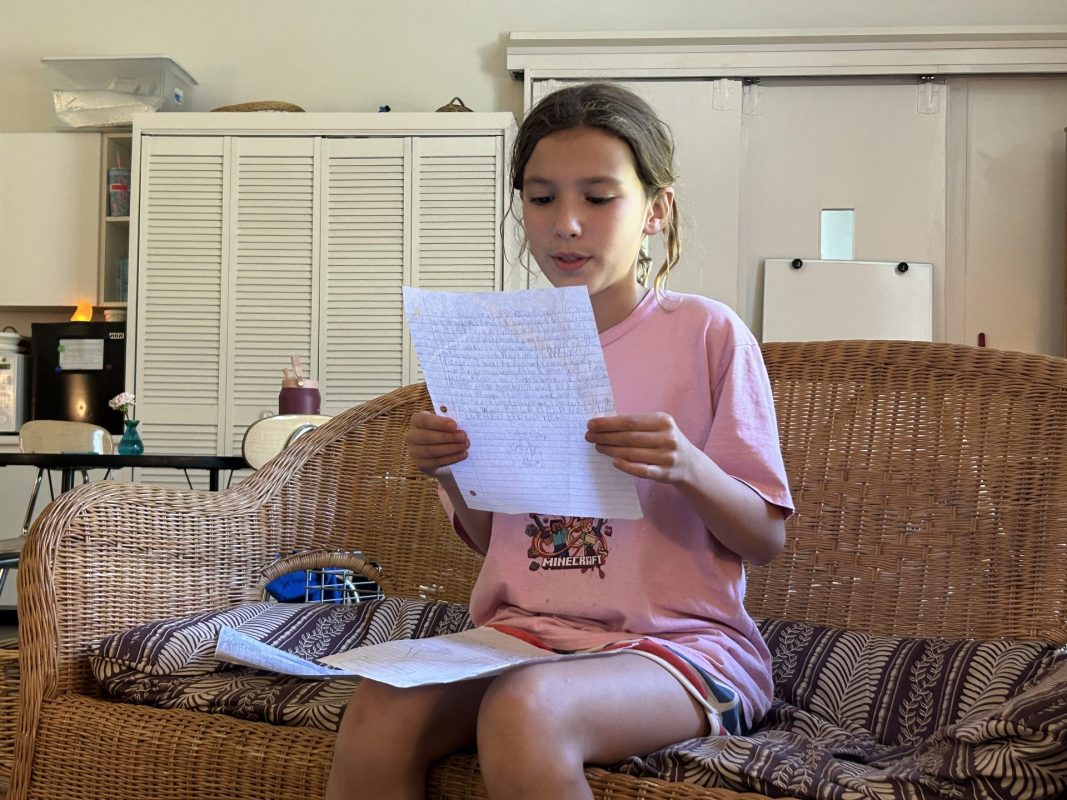
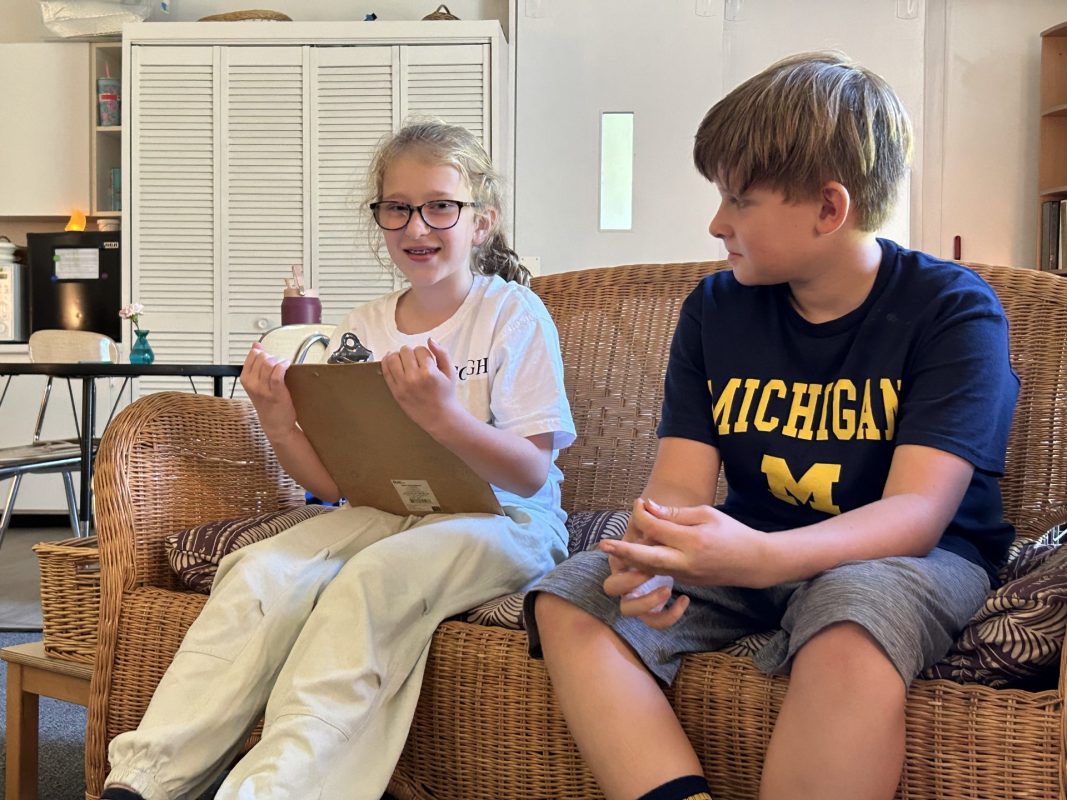
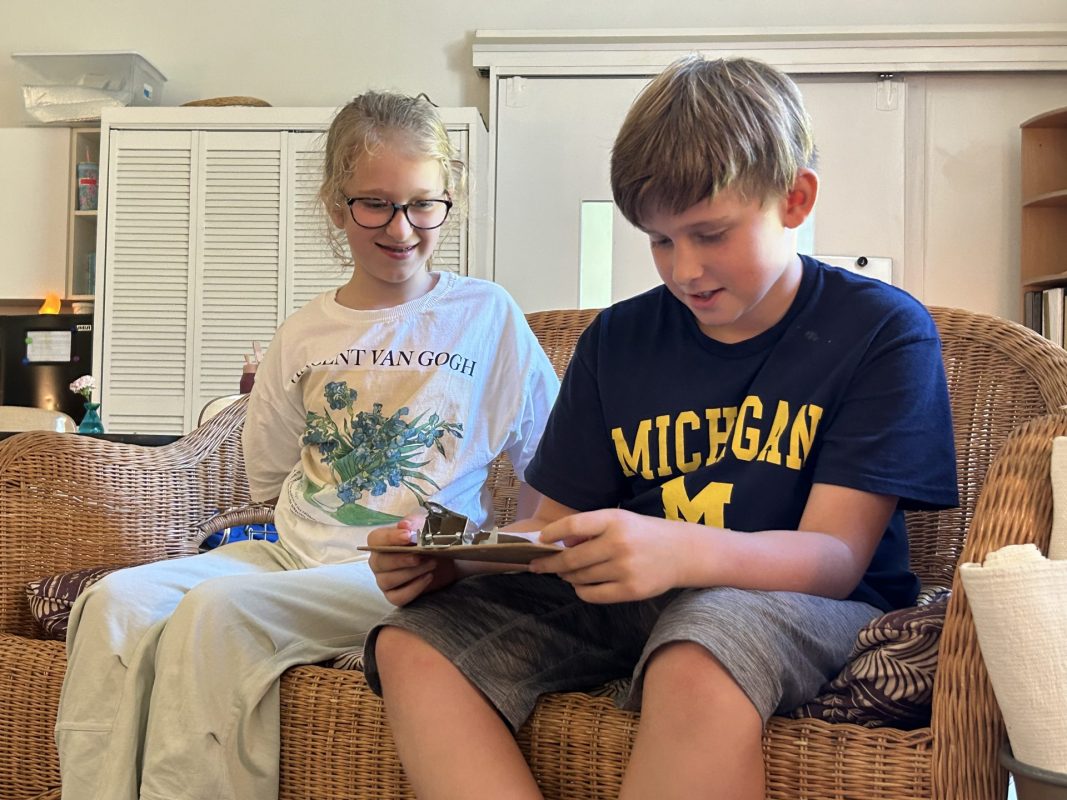
Finally, Upper El students are enjoying creative writing time, and many have started collaborative stories with friends. They have especially enjoyed sharing their stories in progress with the class at the end of writing time, and we have loved hearing them!

Wishing you a wonderful weekend,
Karen and Deb