Blog

Mrs. Hood: Food Prep and Friends!

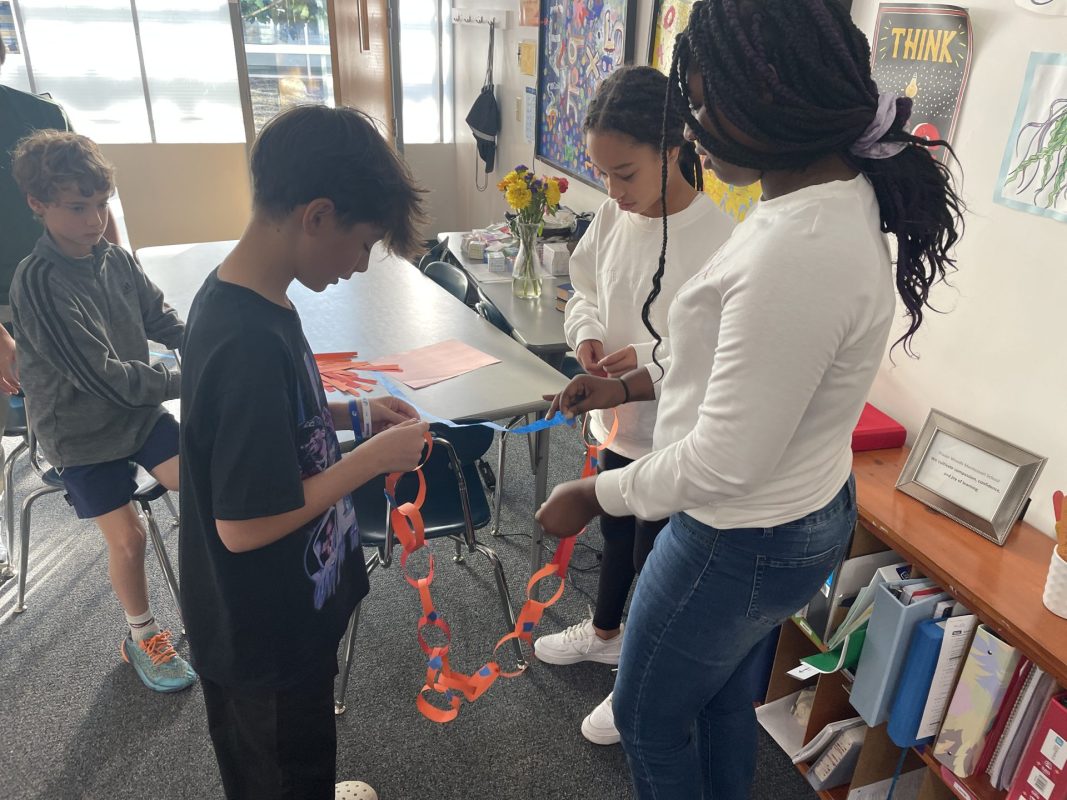
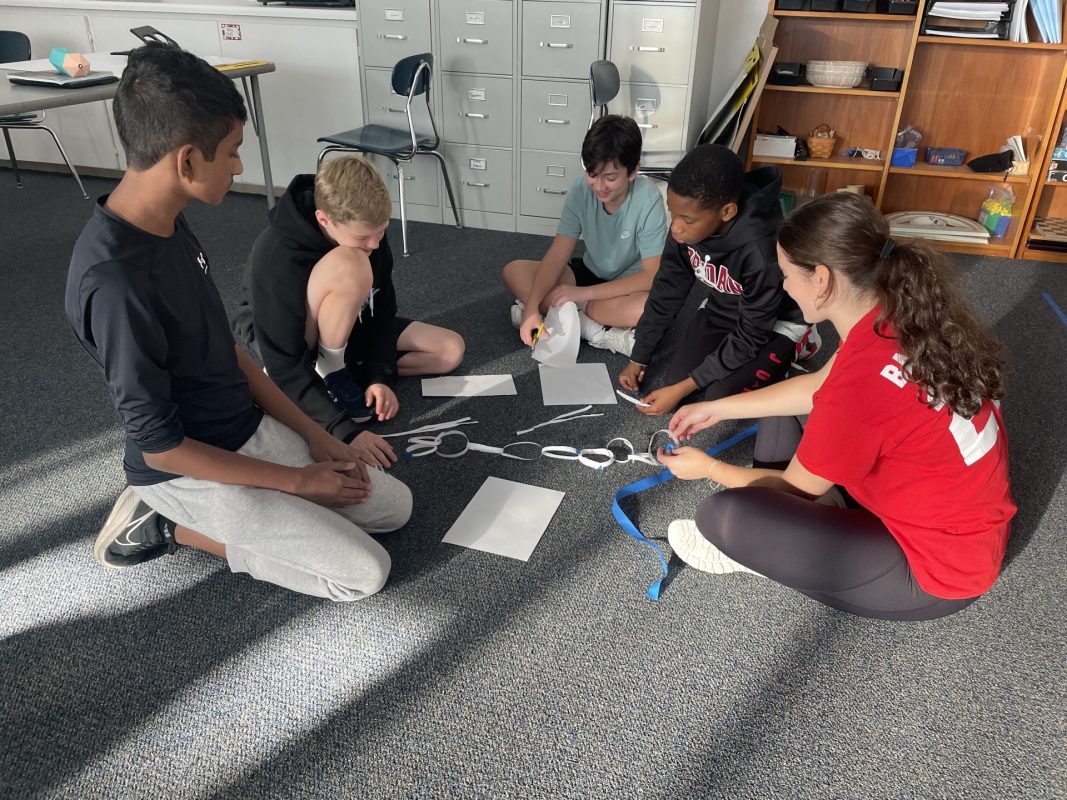
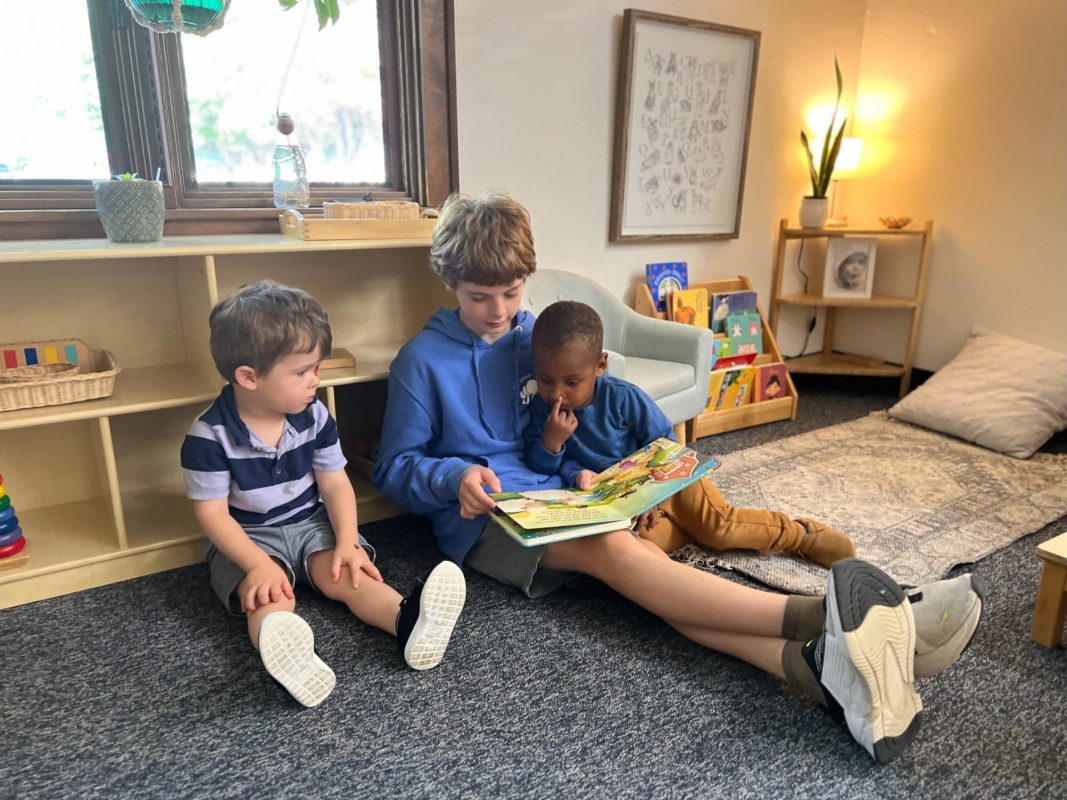
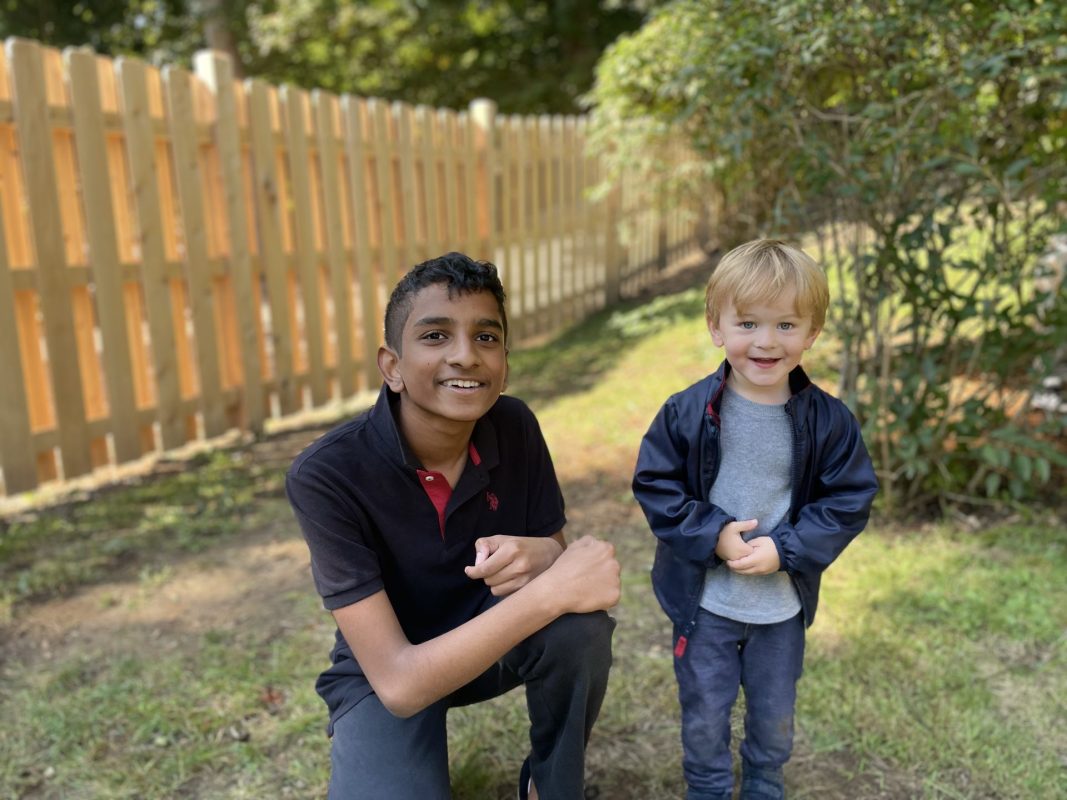
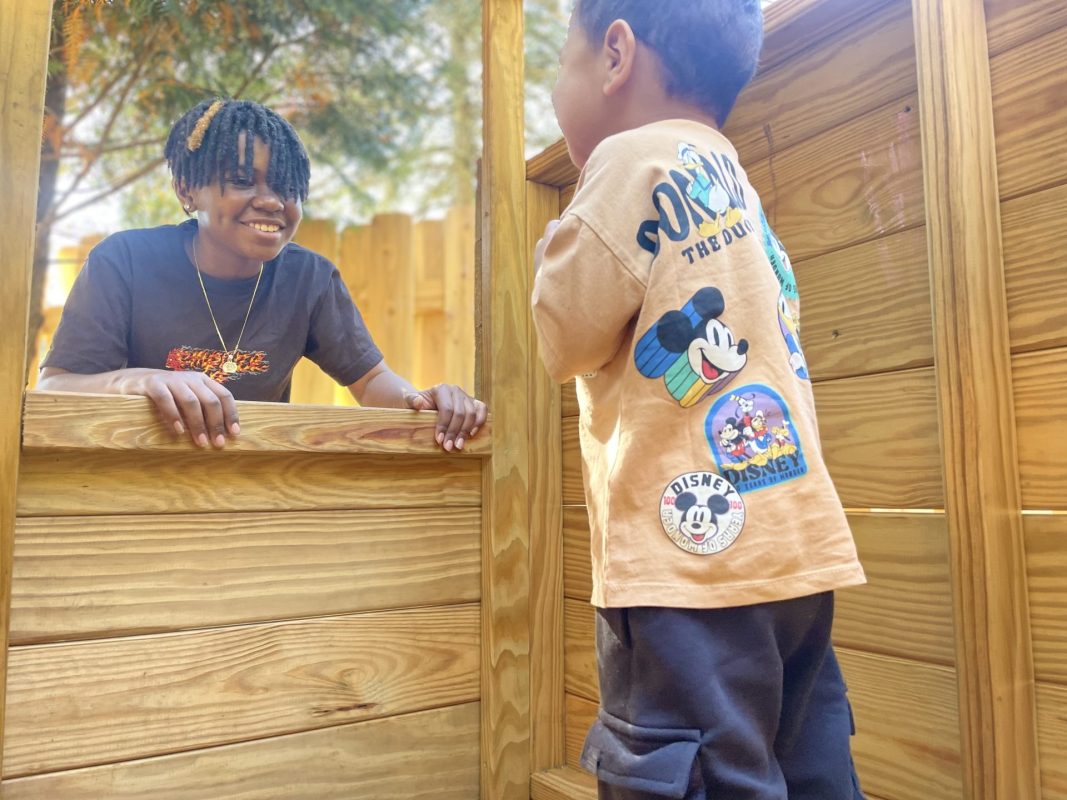
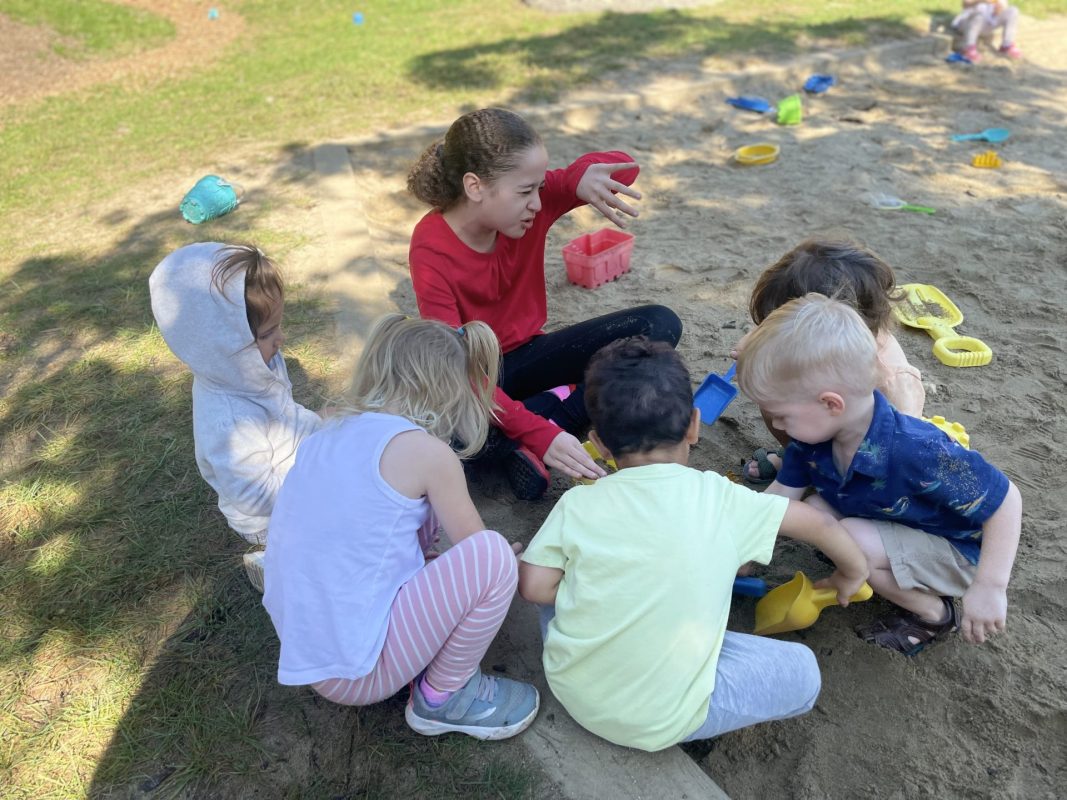
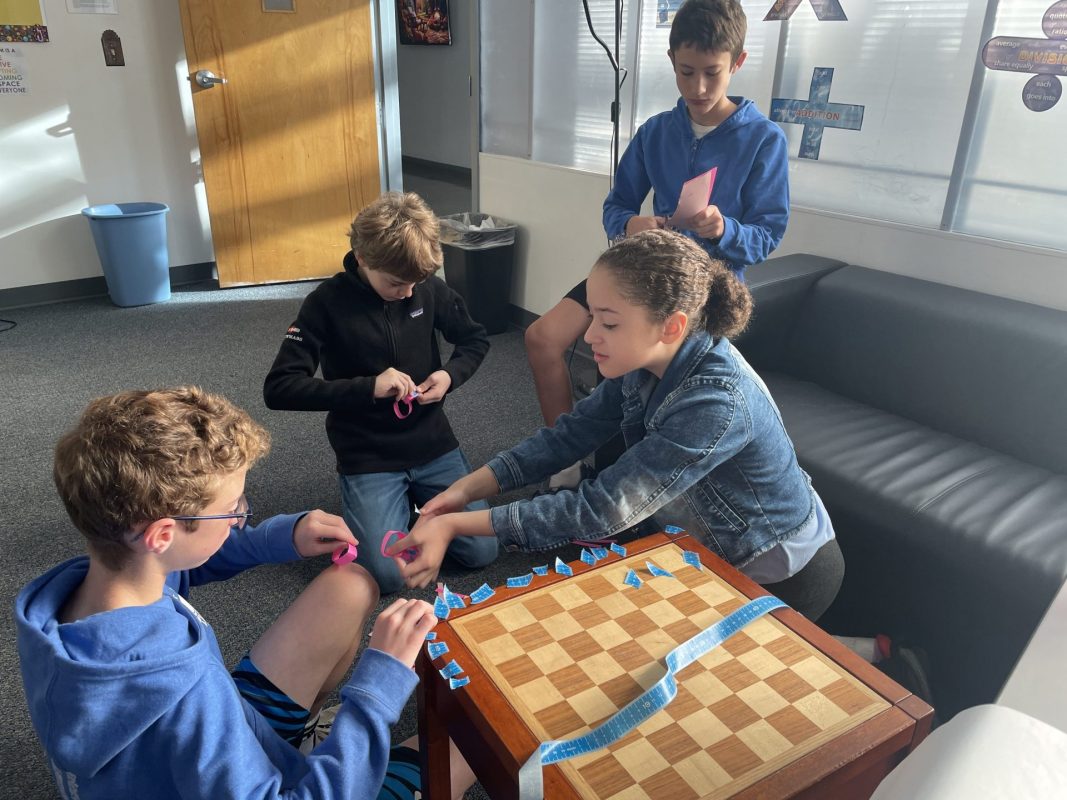
One of our goals at FWM is to create caring, empathetic students who are capable of thinking beyond themselves. Dr. Montessori’s vision was that a peaceful world, starting with children, would make the world a better place. Social Impact is a program led by Middle School students and one of our Montessori strategies to help develop and educate the whole child. Students learn the joy of giving of themselves and develop compassion because of these real, practical life volunteer experiences.

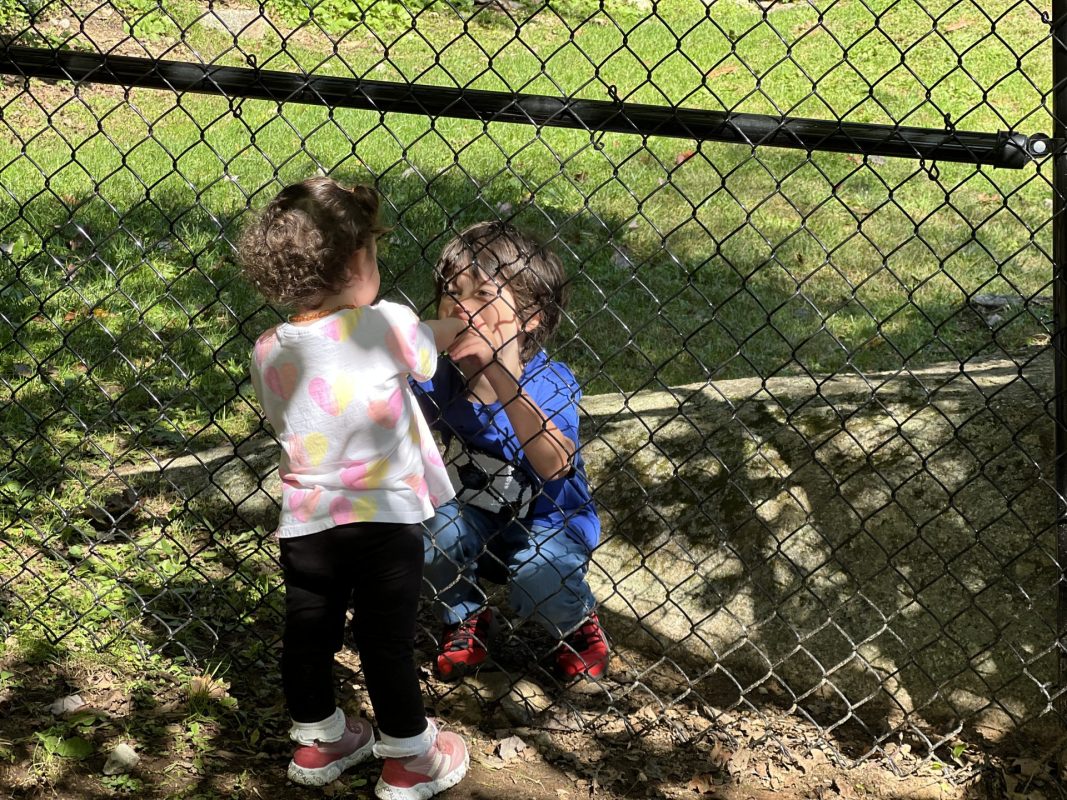
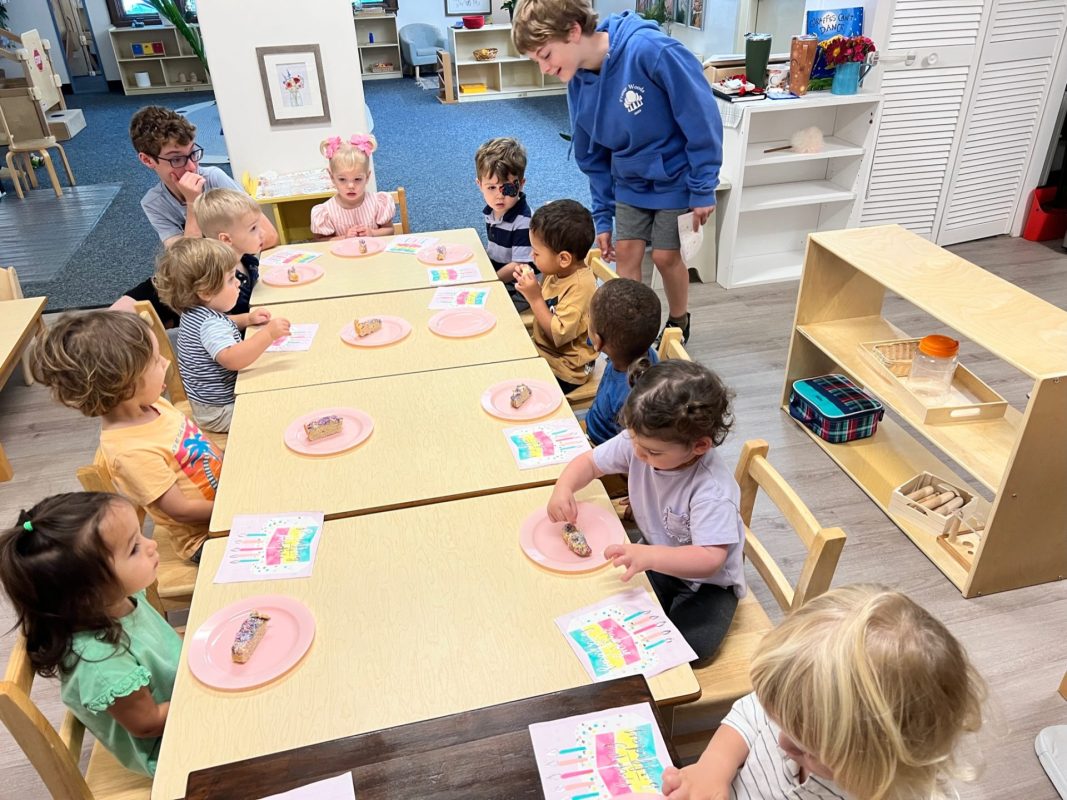
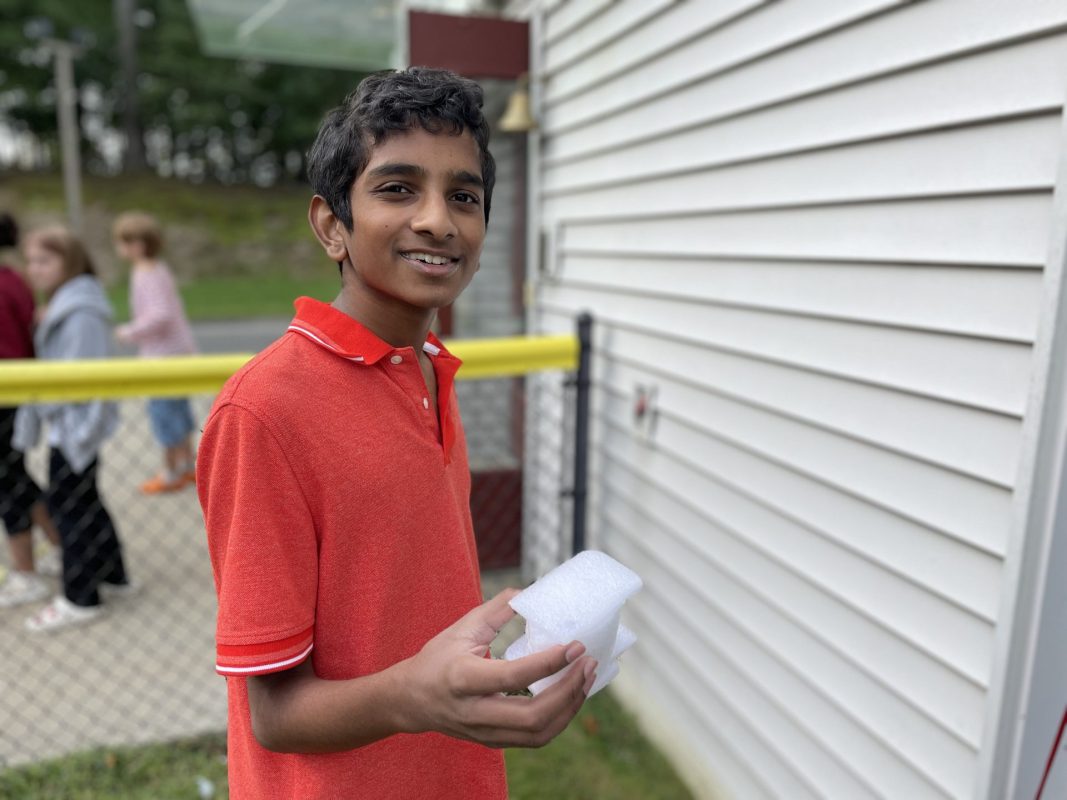
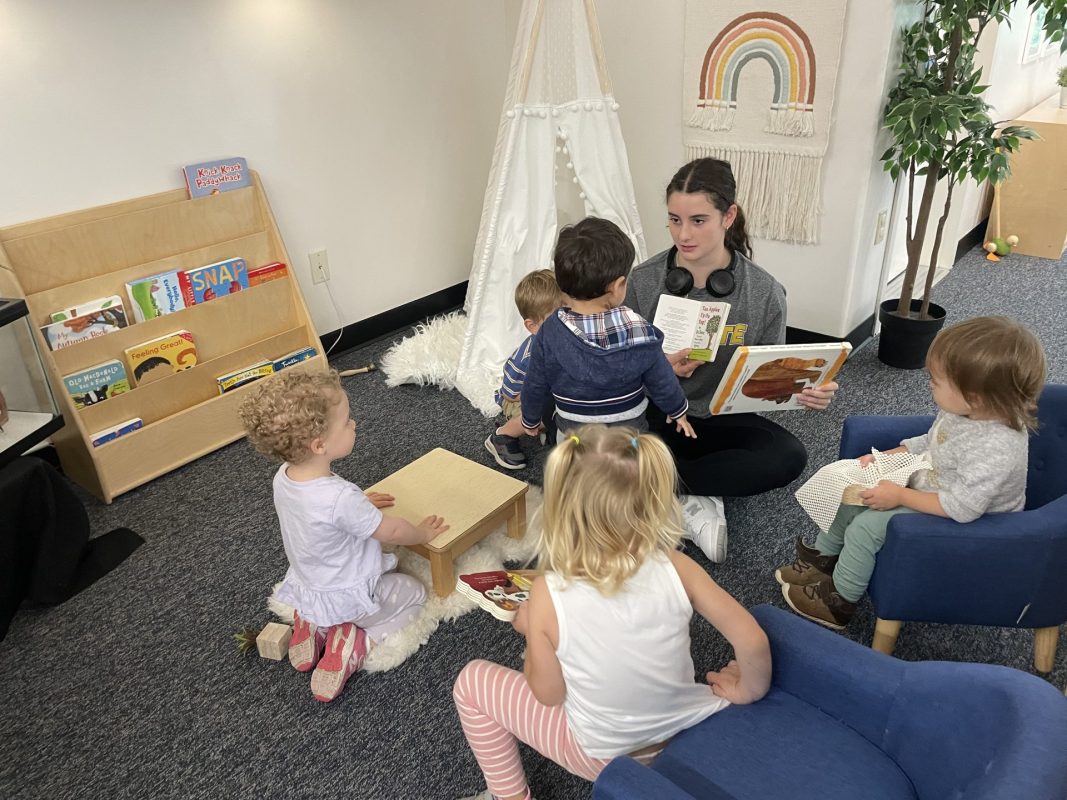
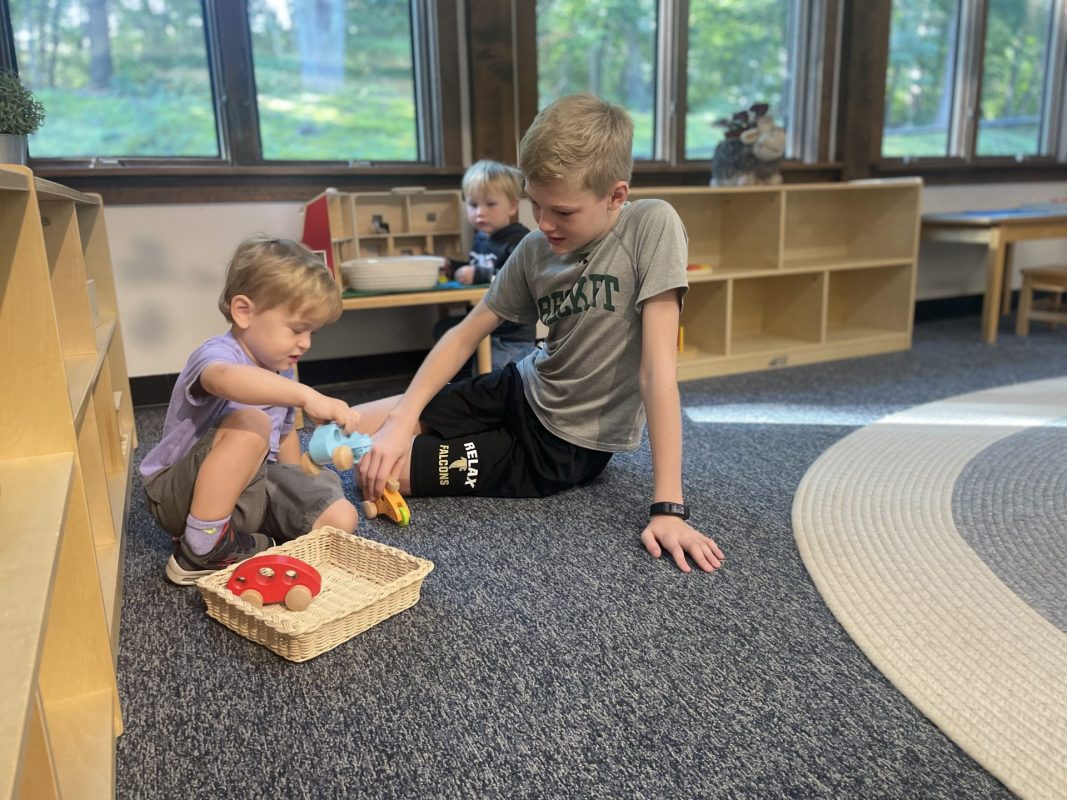
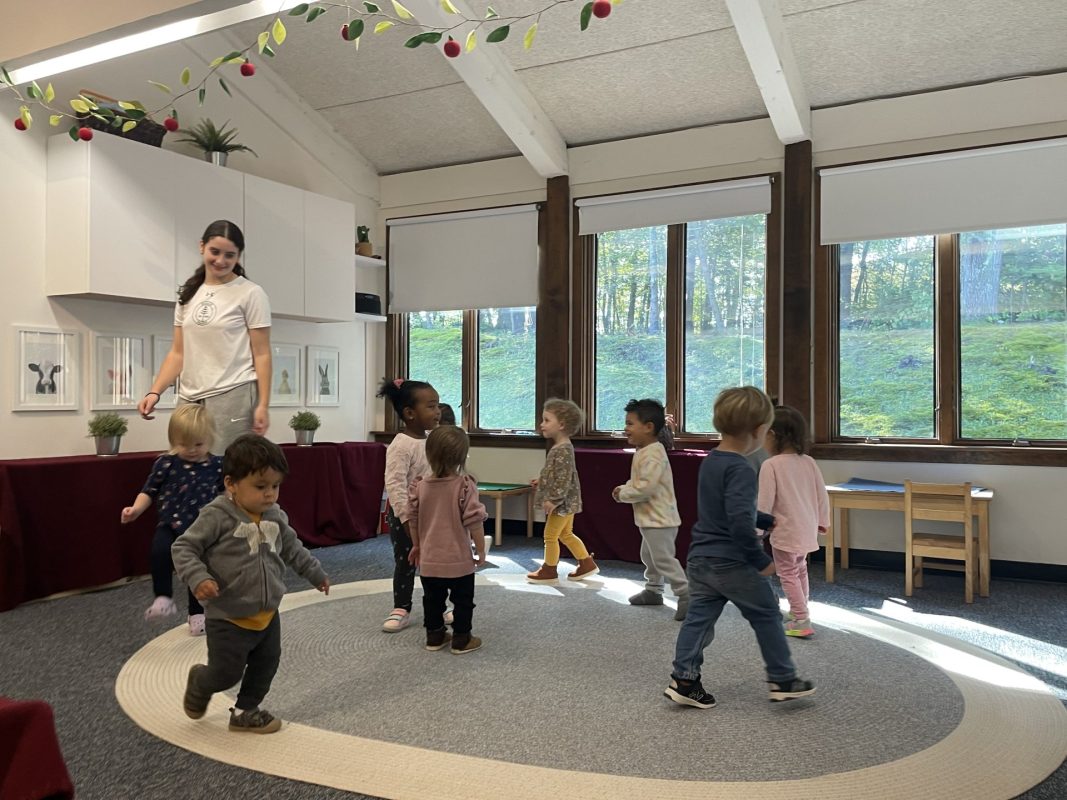
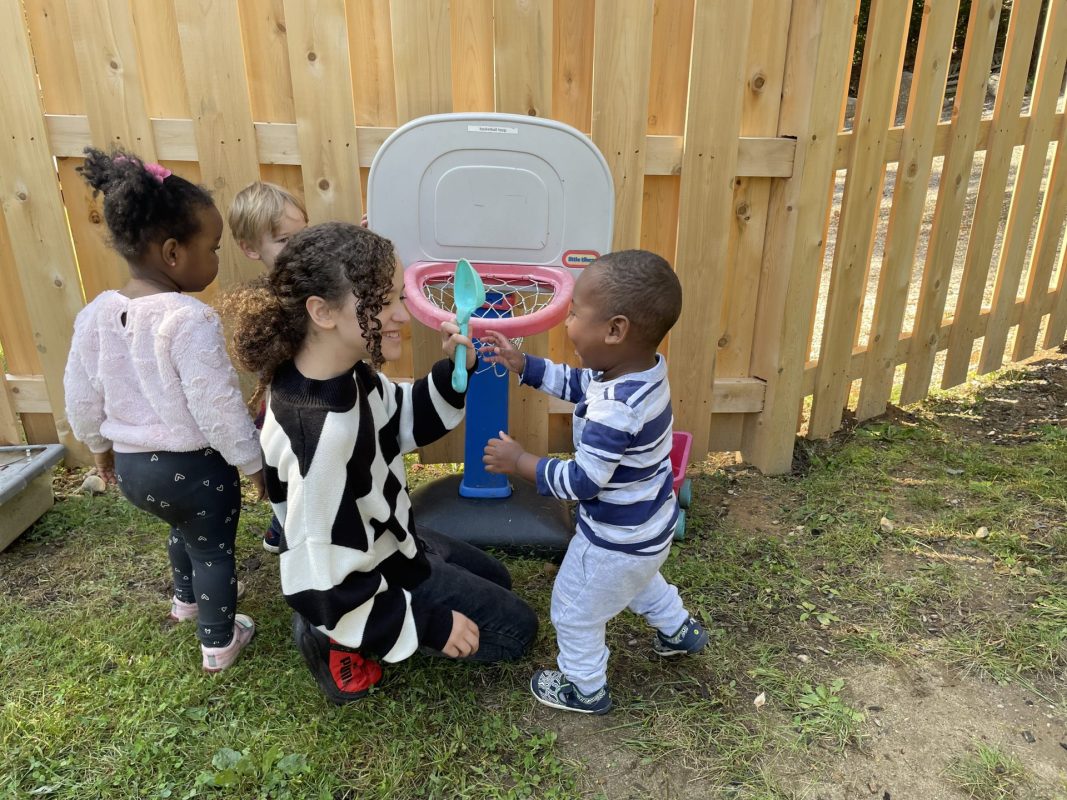
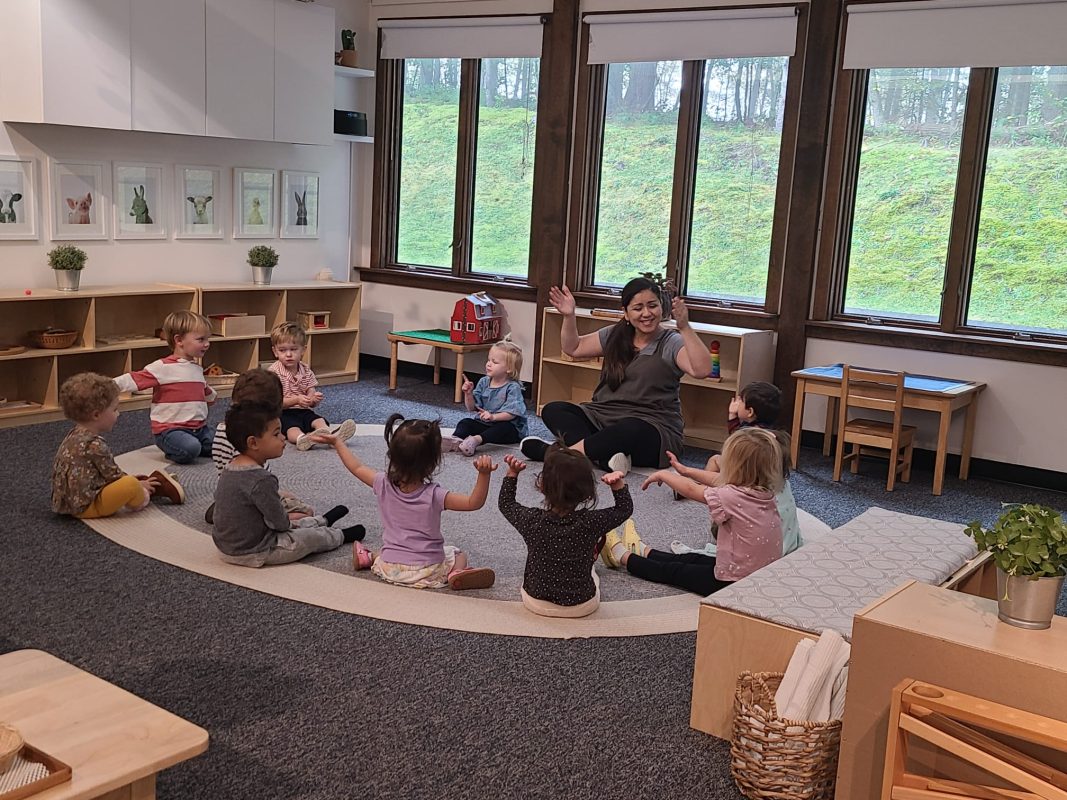
Once a week, middle school students visit our environment and work with our toddlers. They do so by reading and working with the different materials on our shelves. They assist your children in how to put on their shoes and jackets, how to clean their face and hands, they look for ways of comforting their younger peers when they are having a hard time, and they love to join in the fun when we sing, dance and play games together. They are great role models, and your children LOVE when they enter our environment and get to spend time with them.

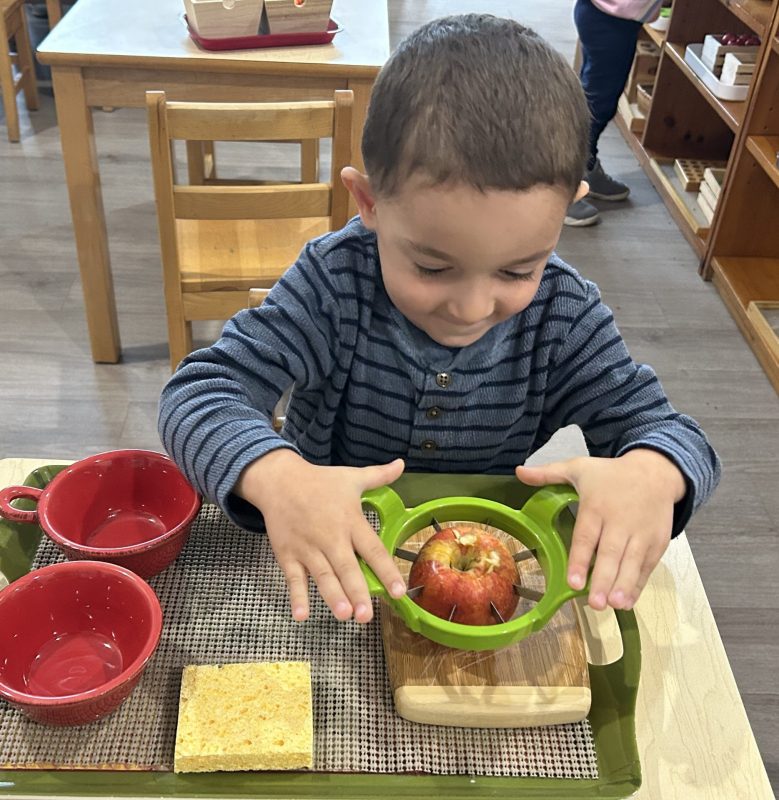
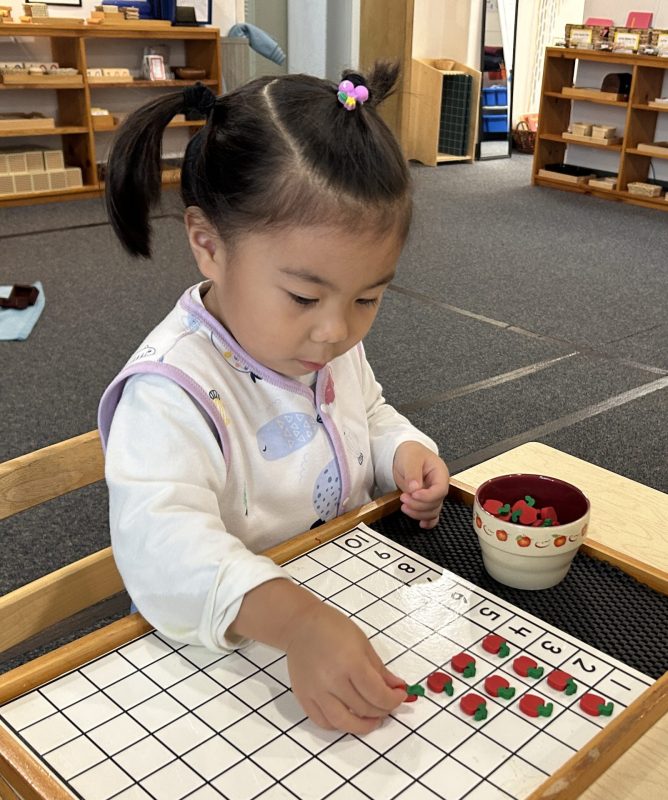
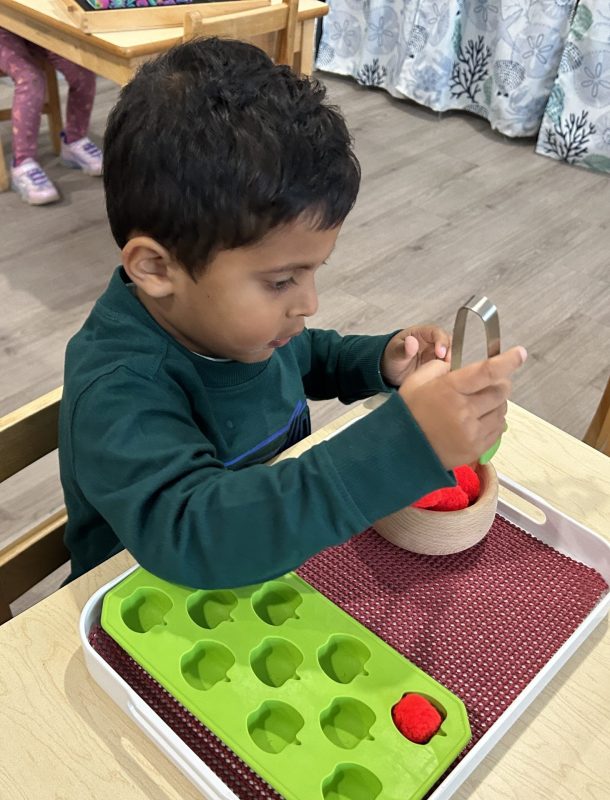
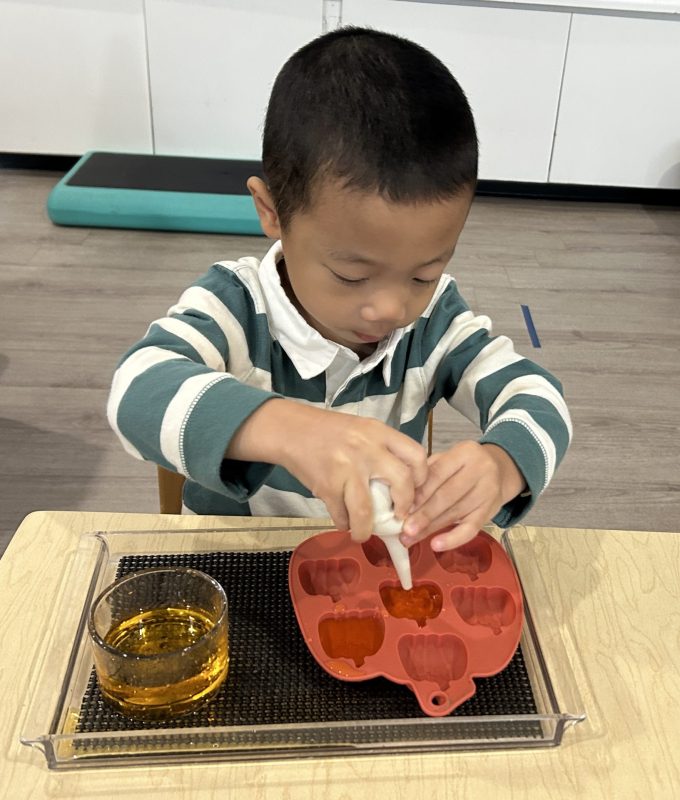
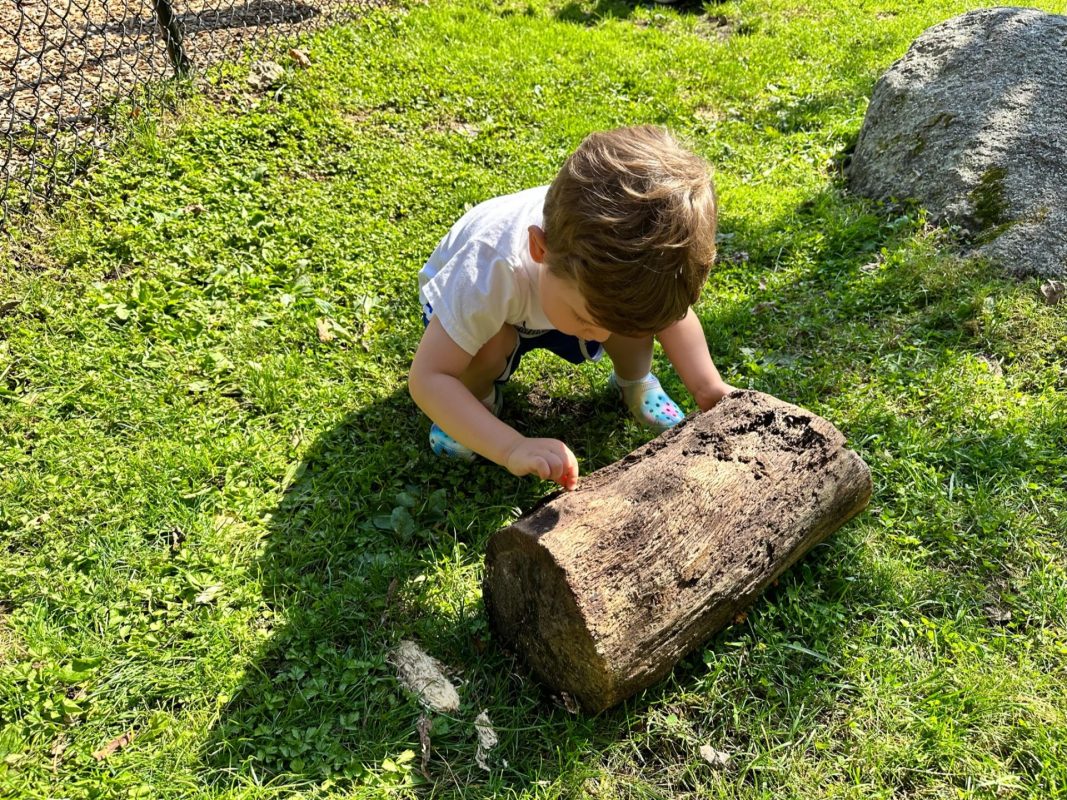
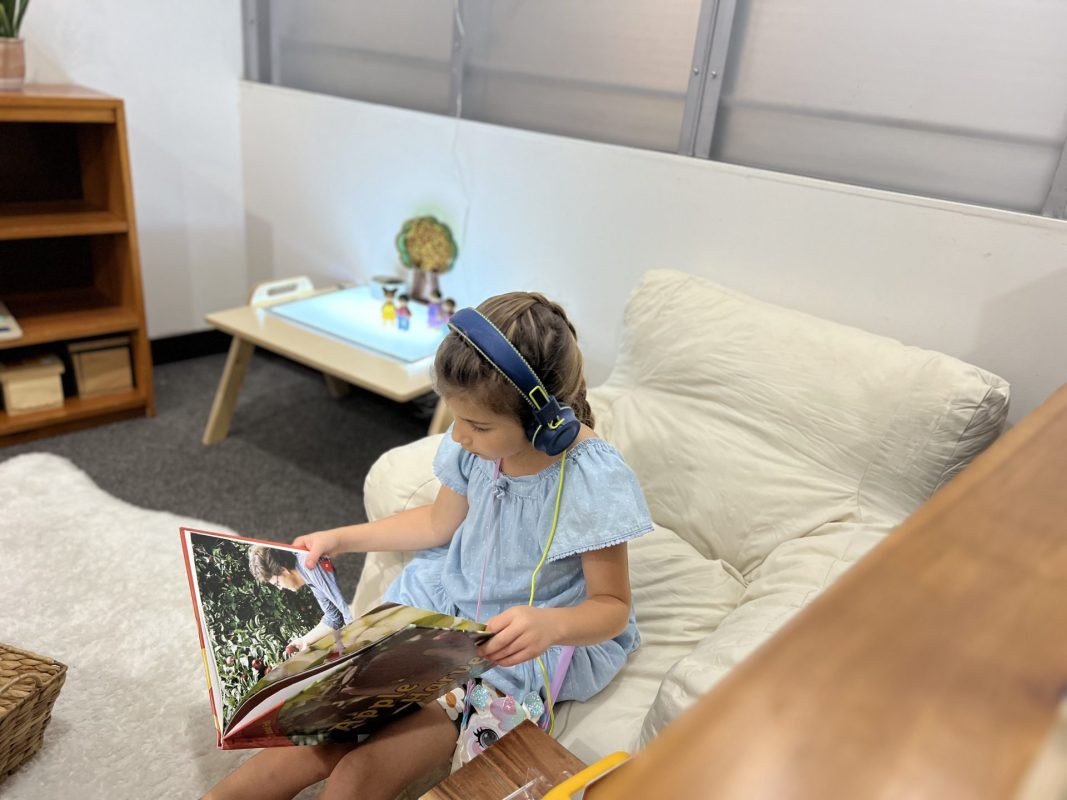
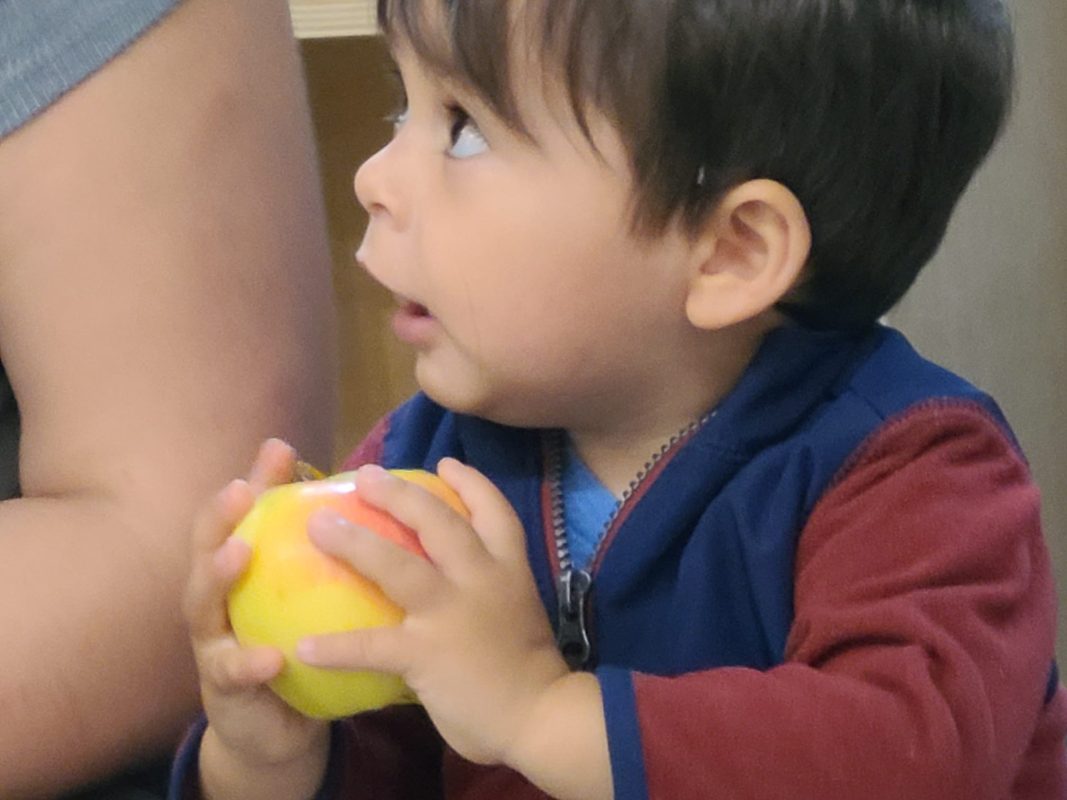
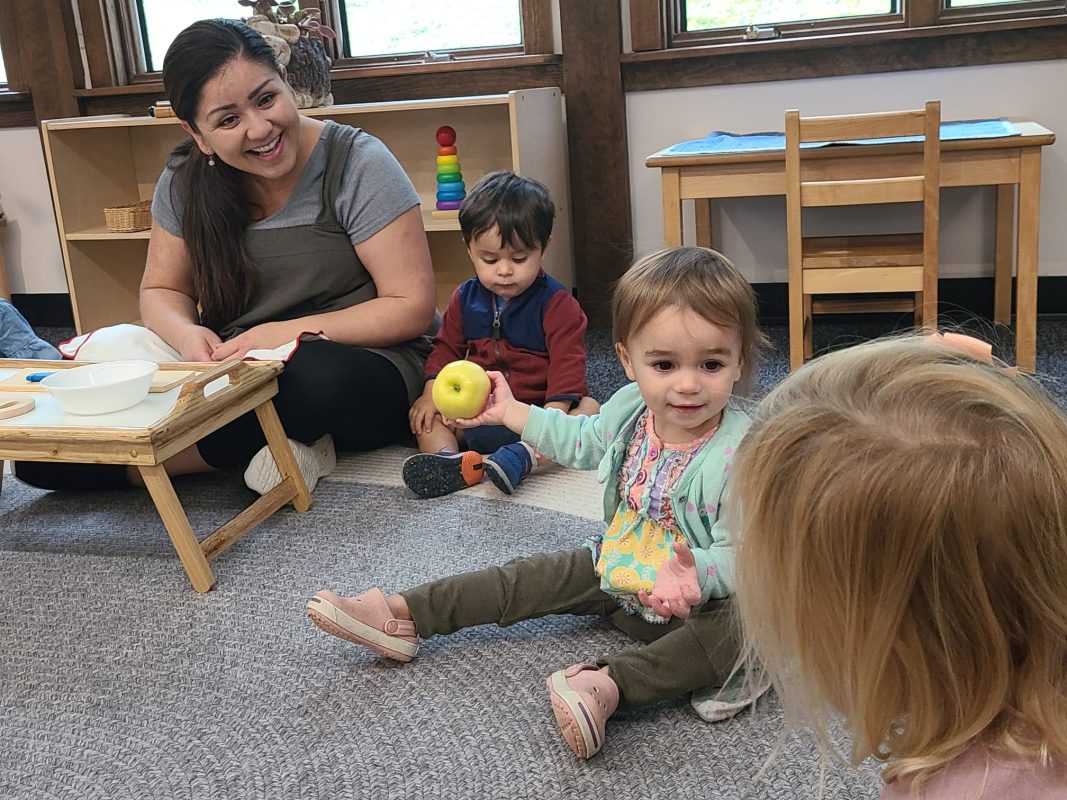
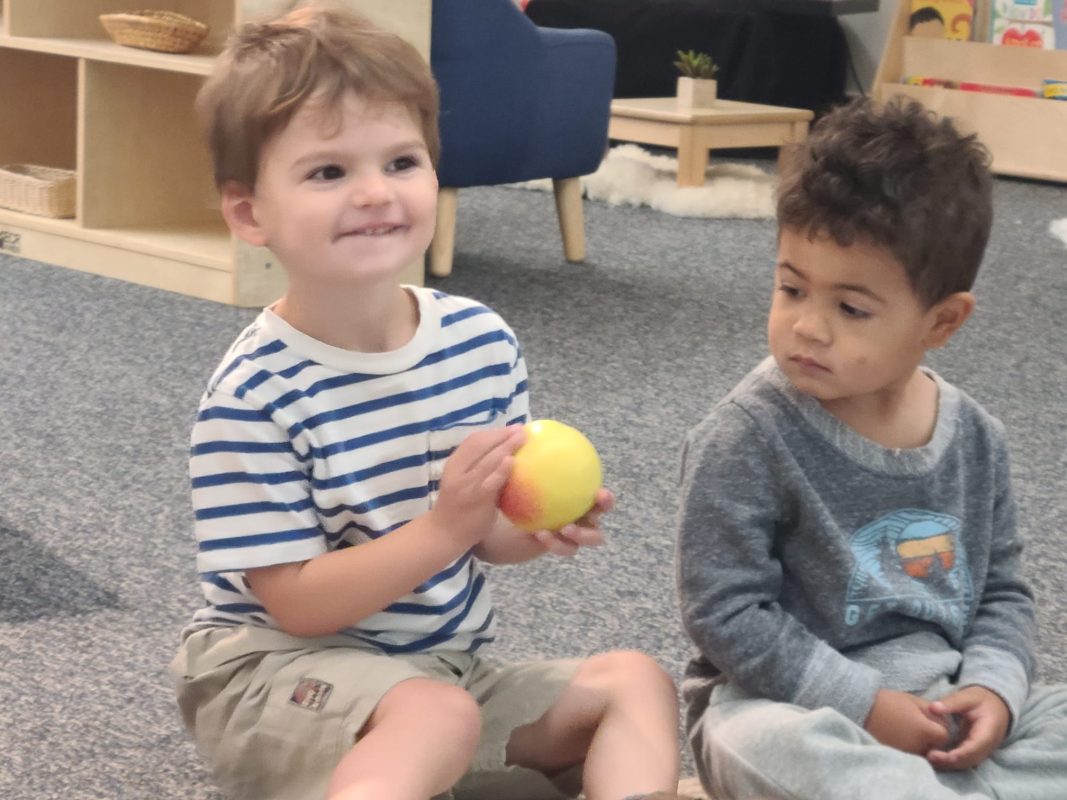
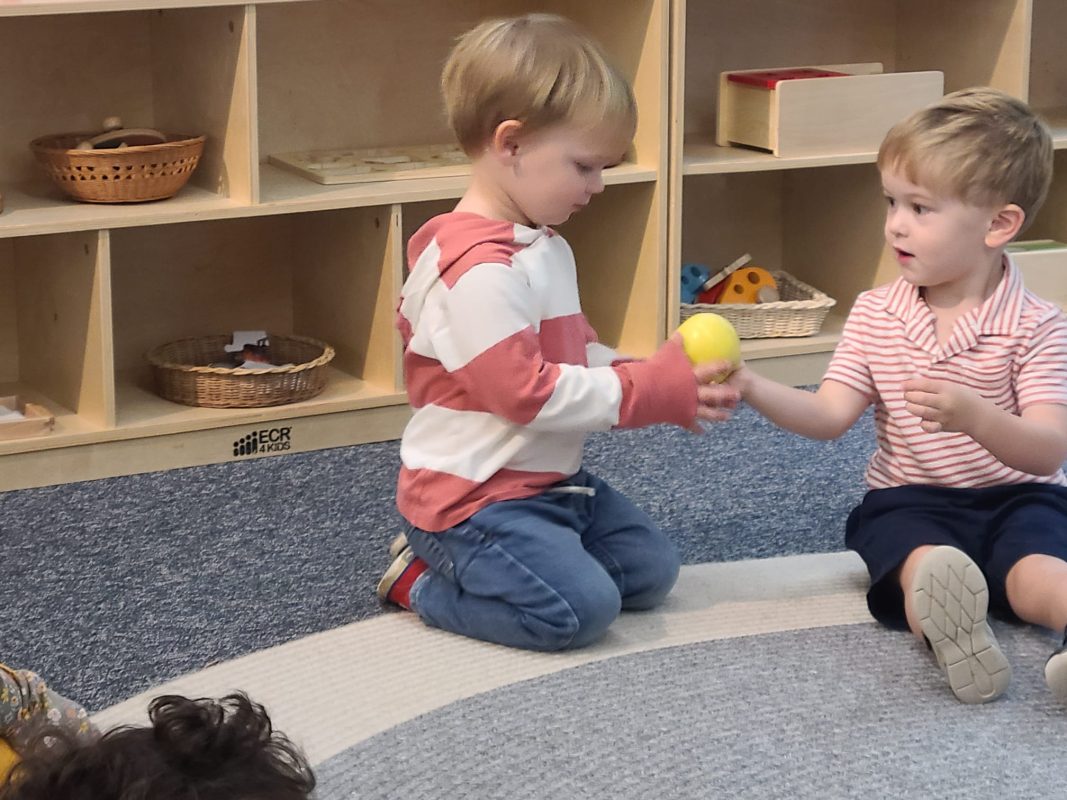
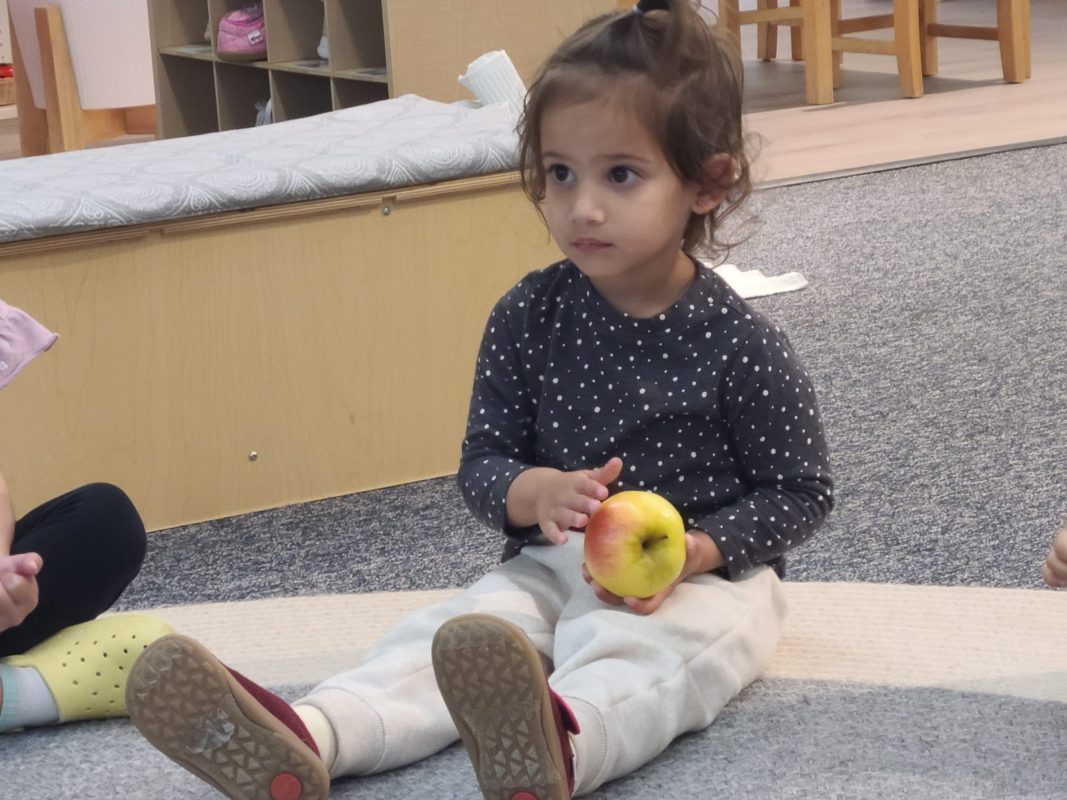
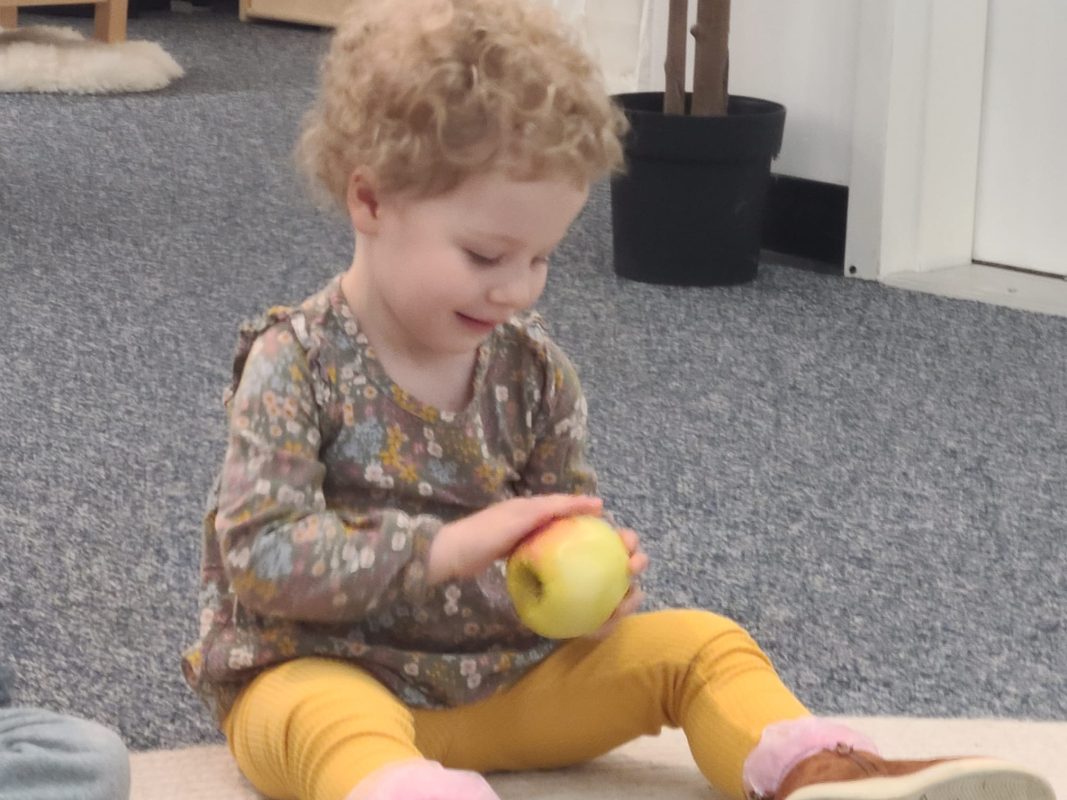
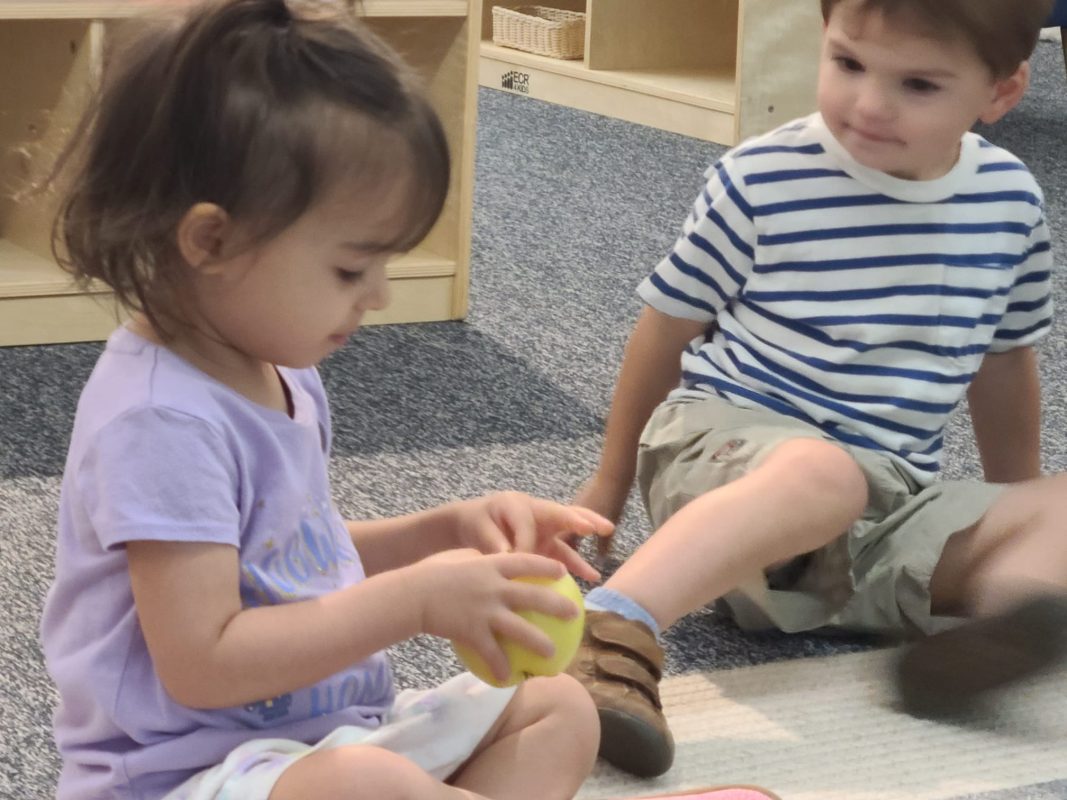
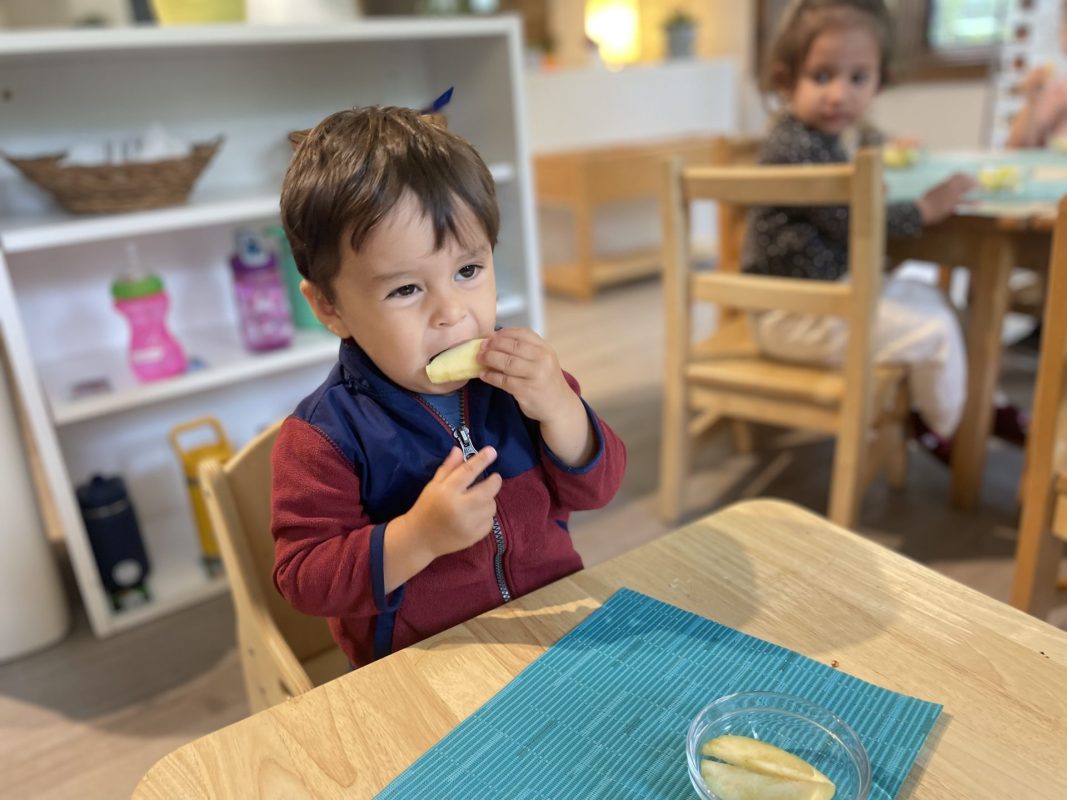
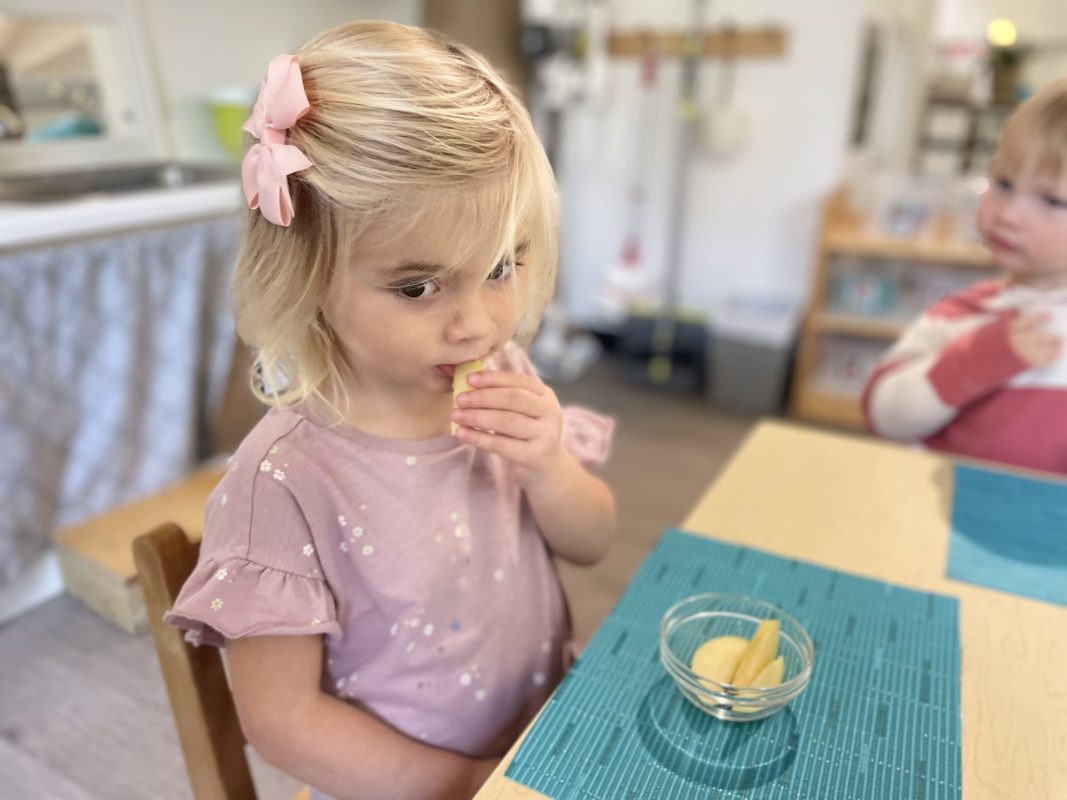
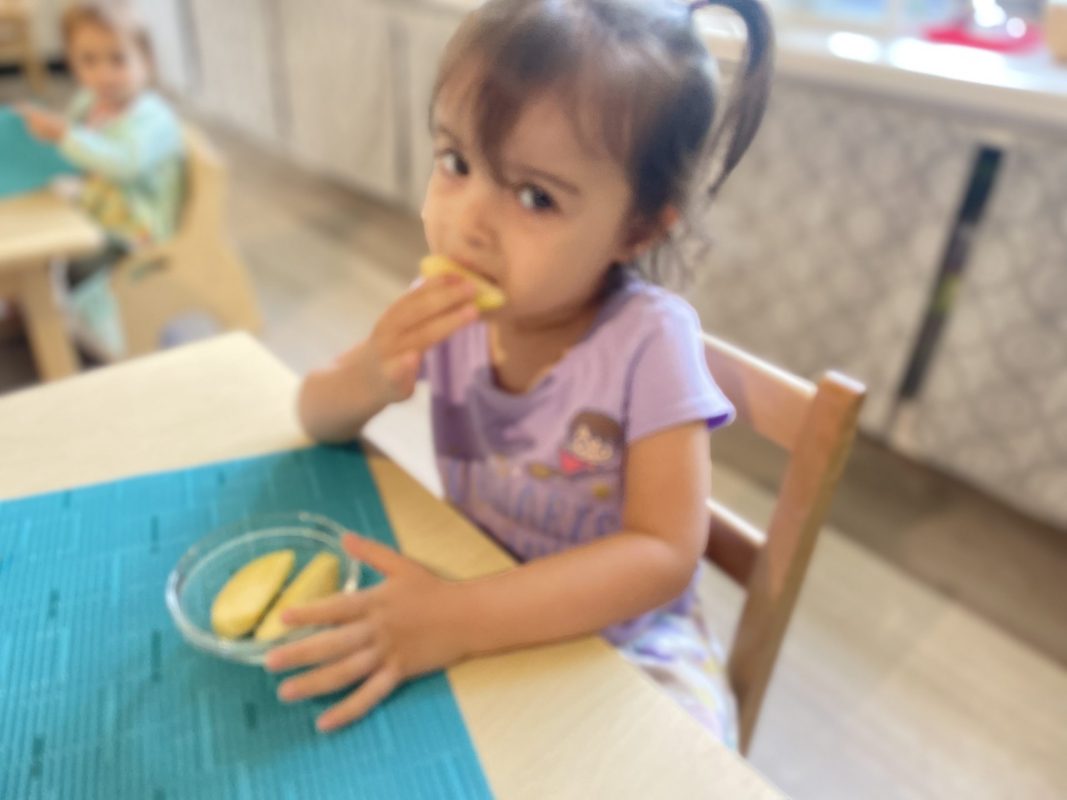
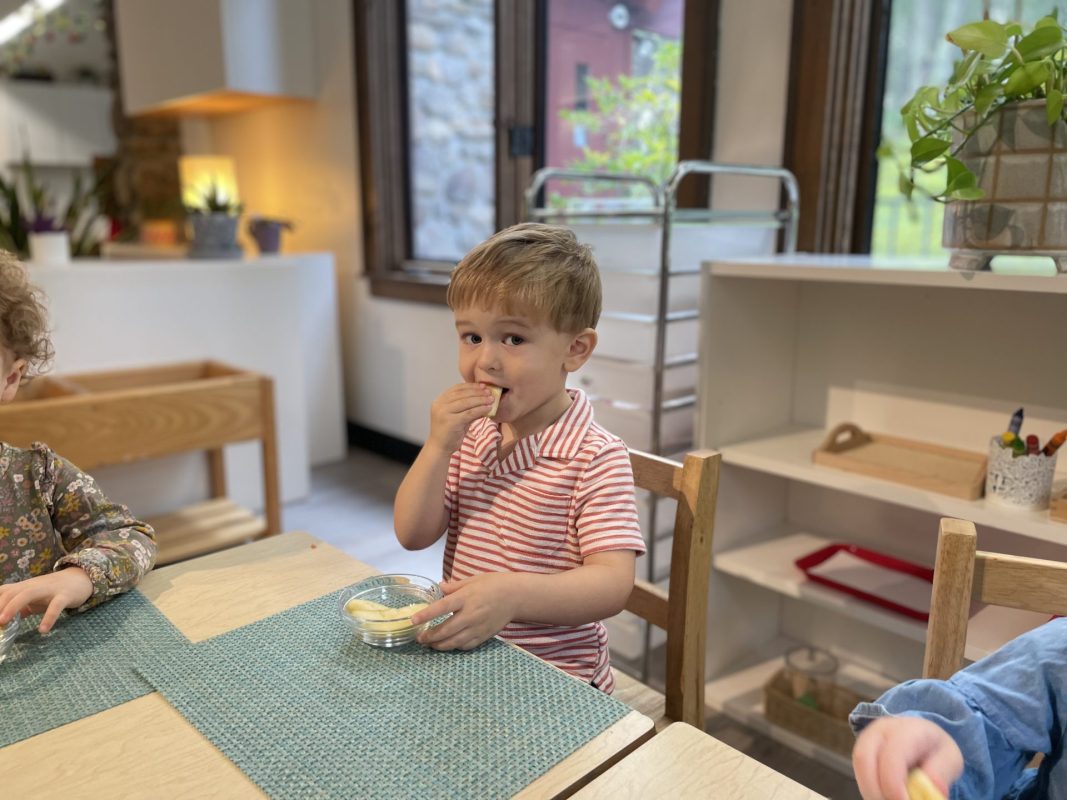
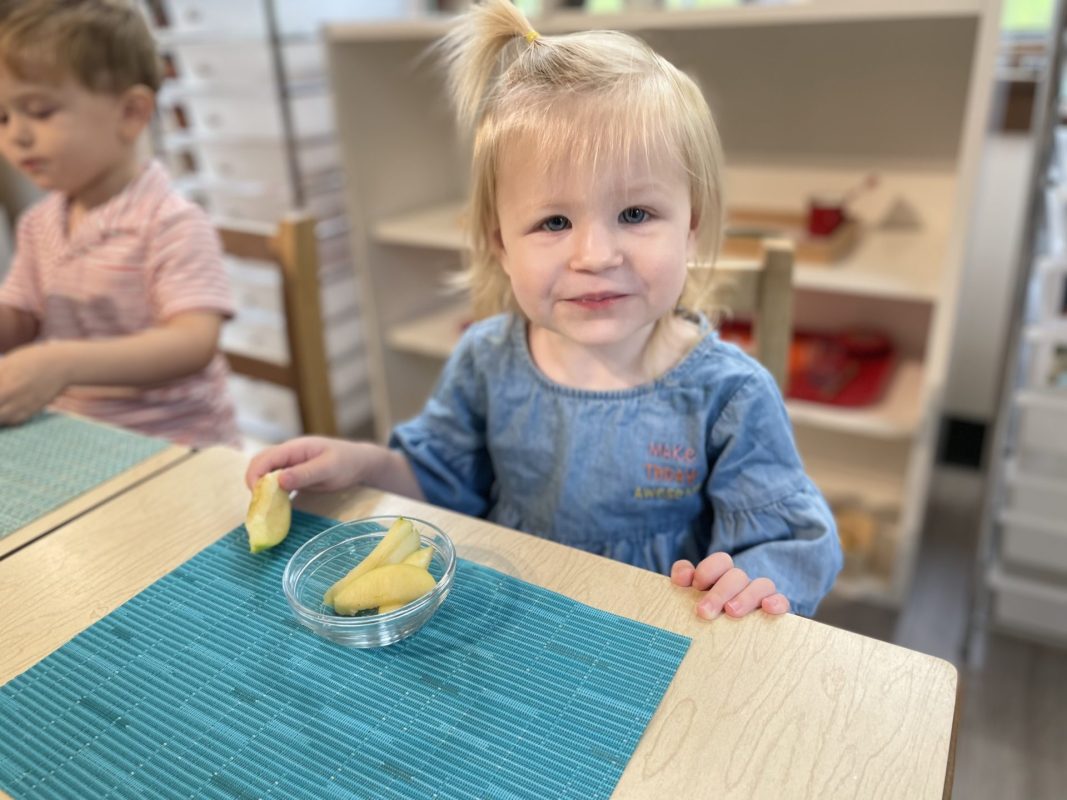
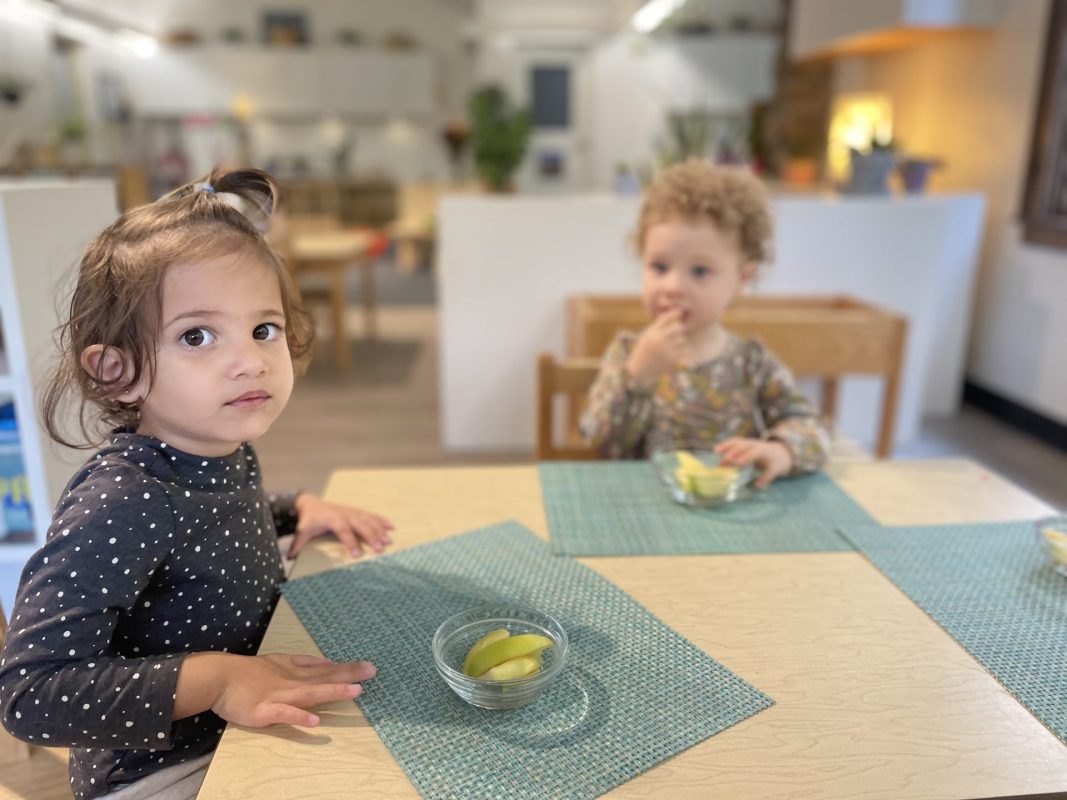
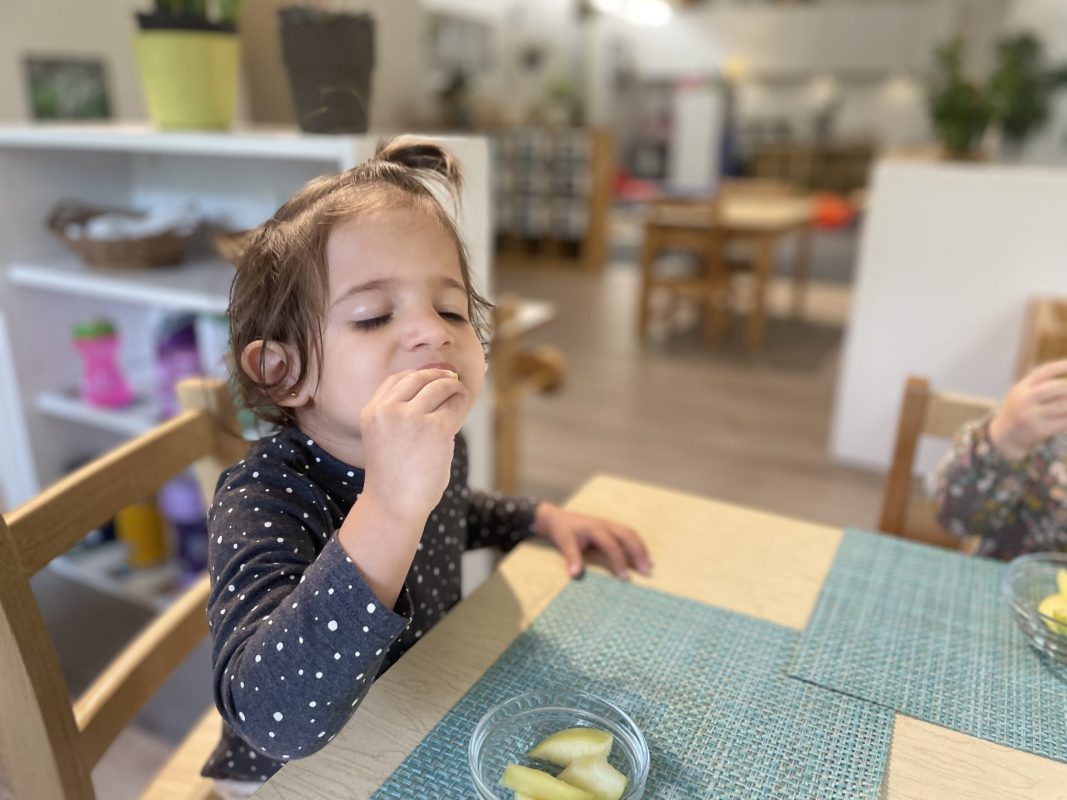
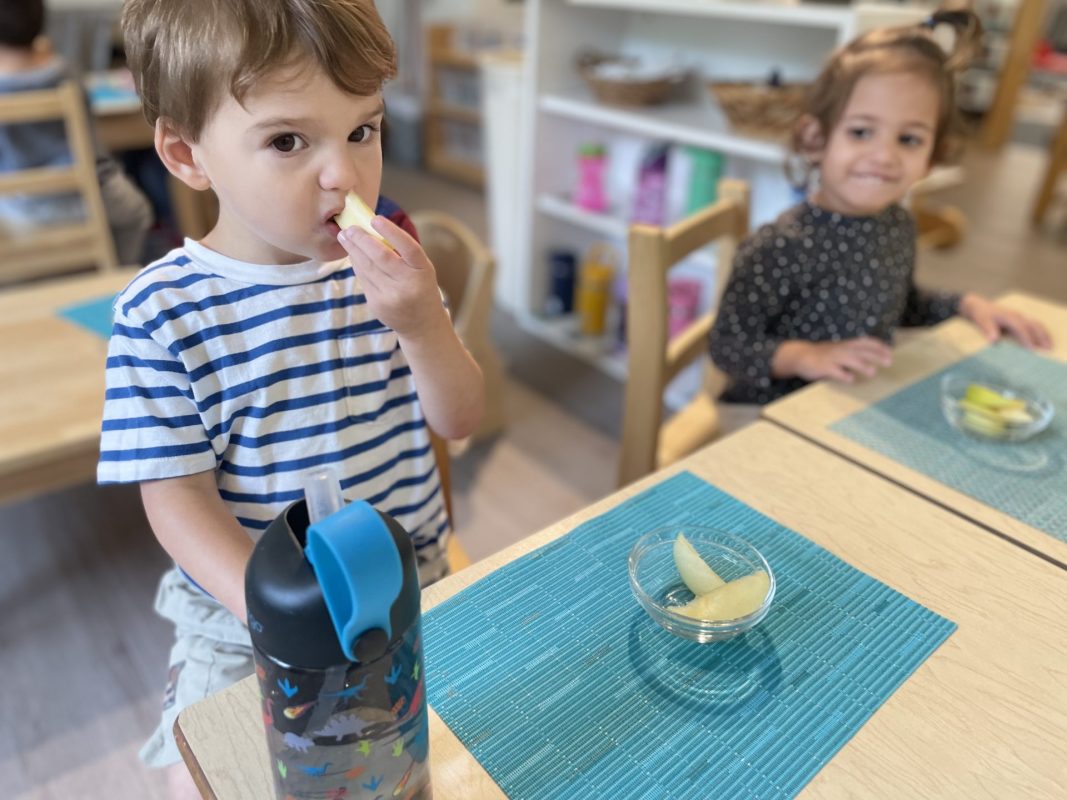
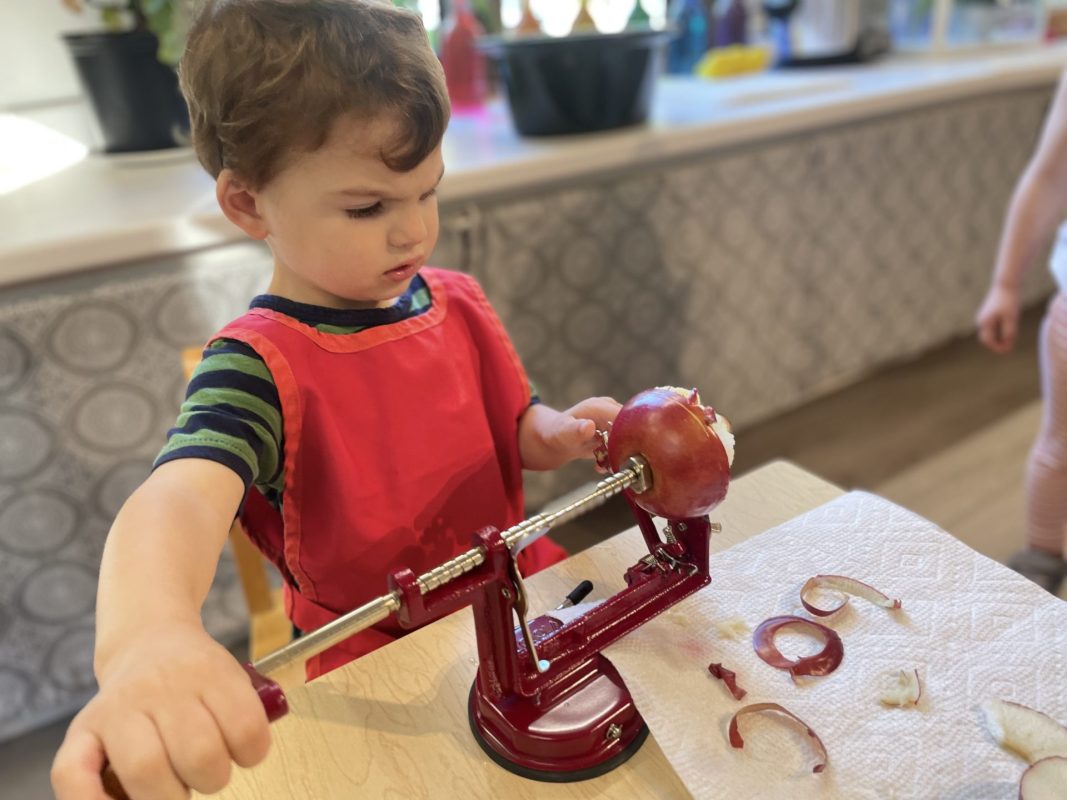
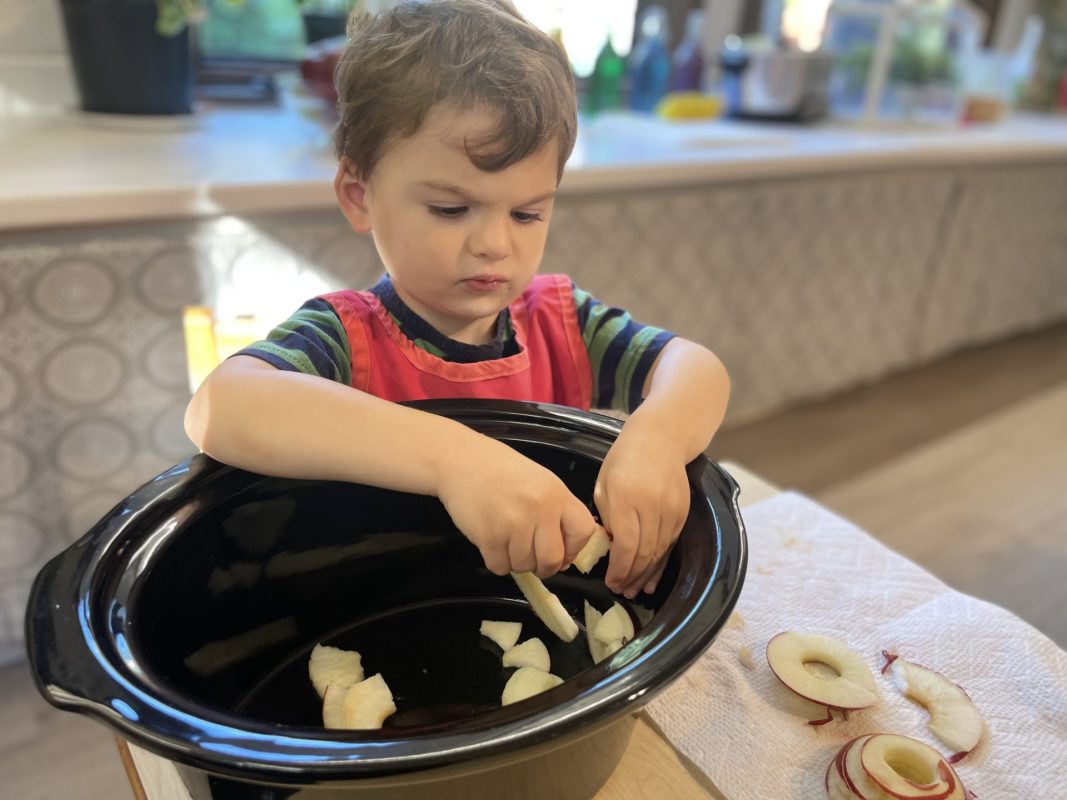
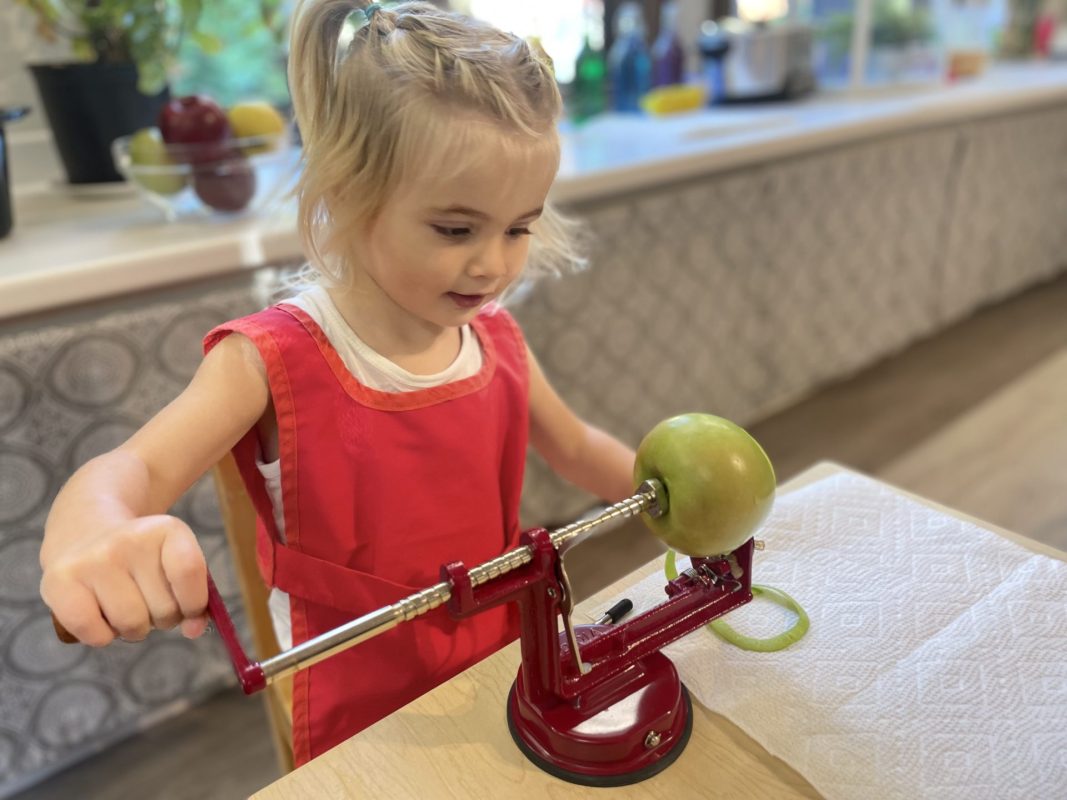
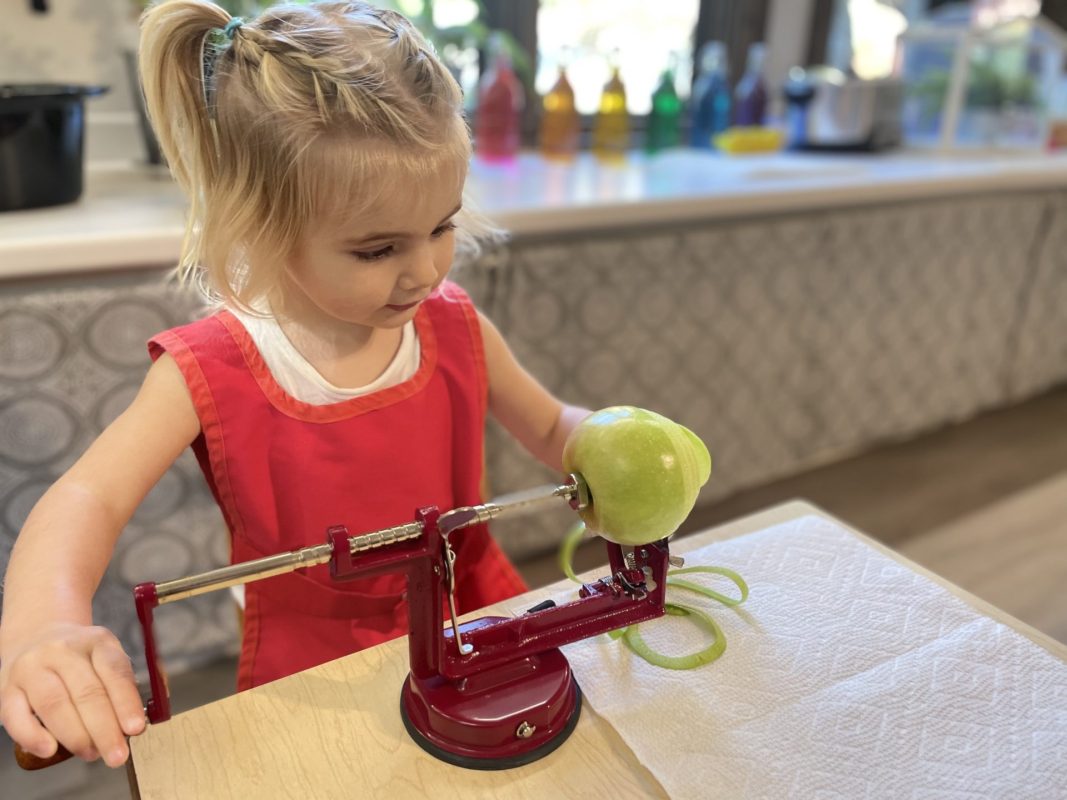
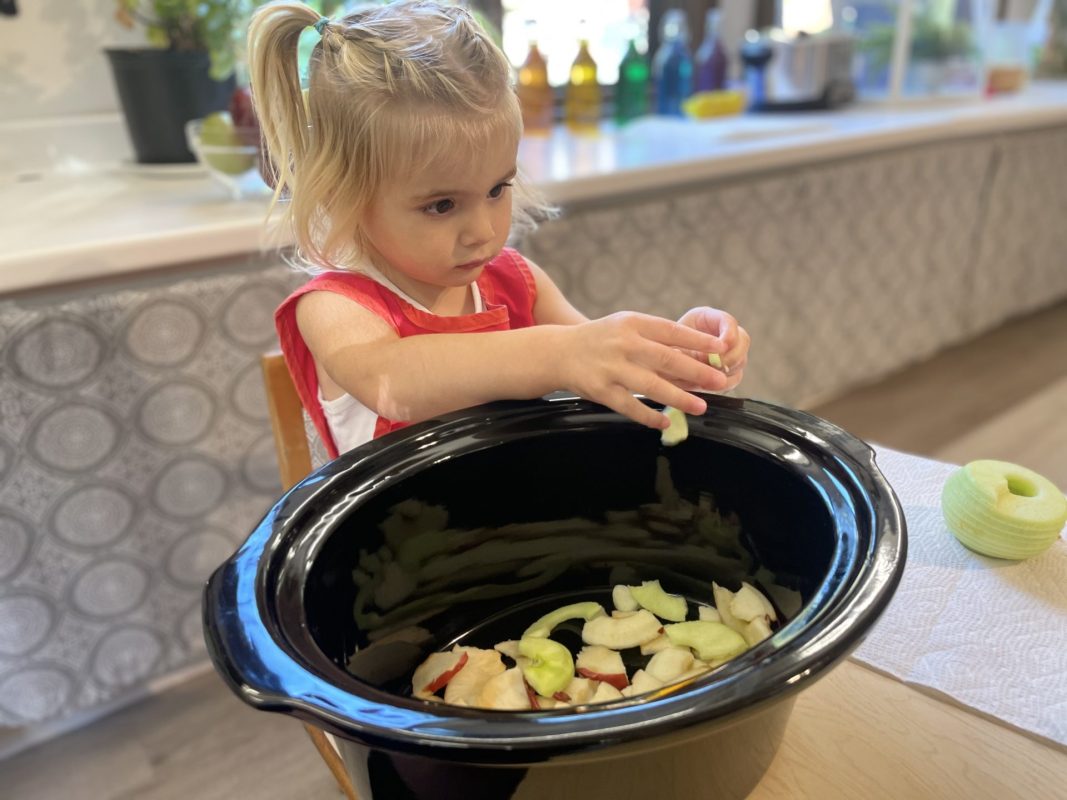
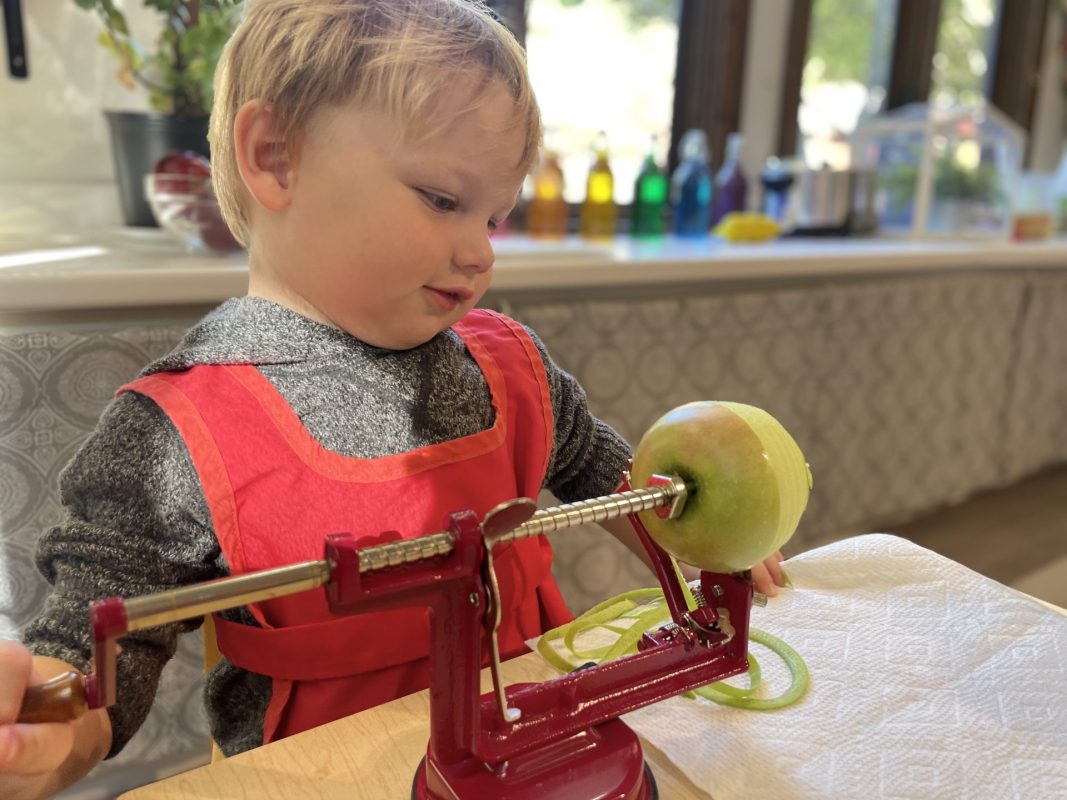
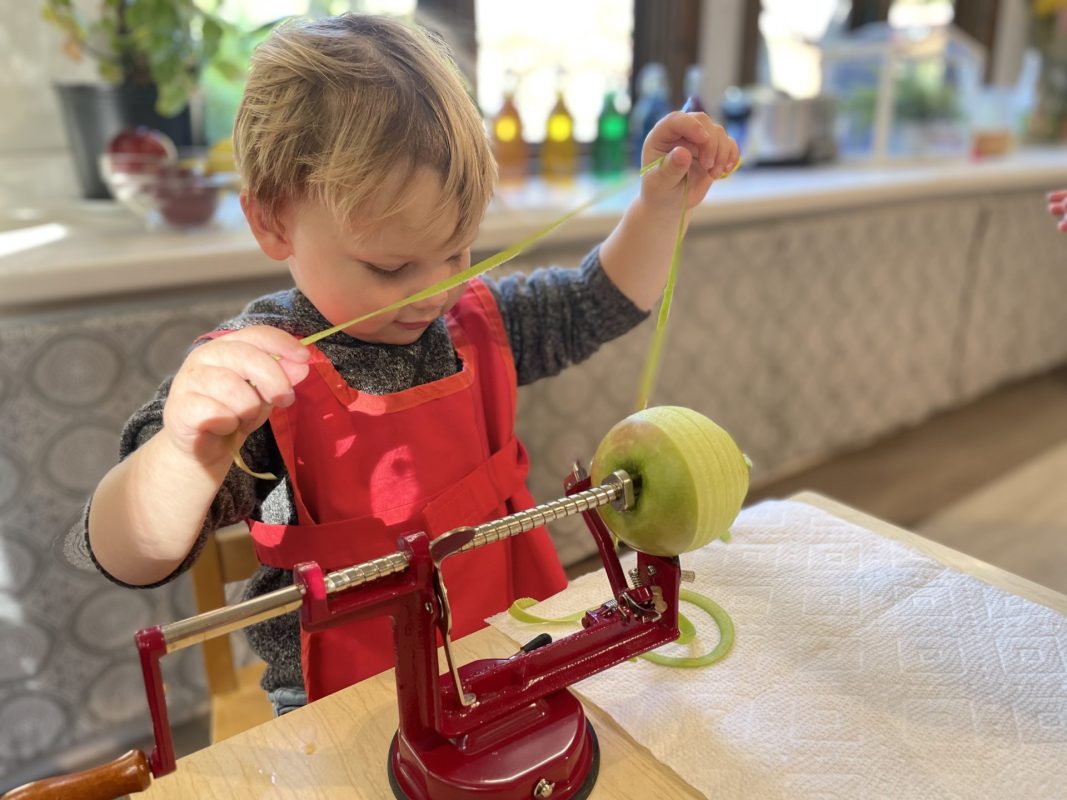
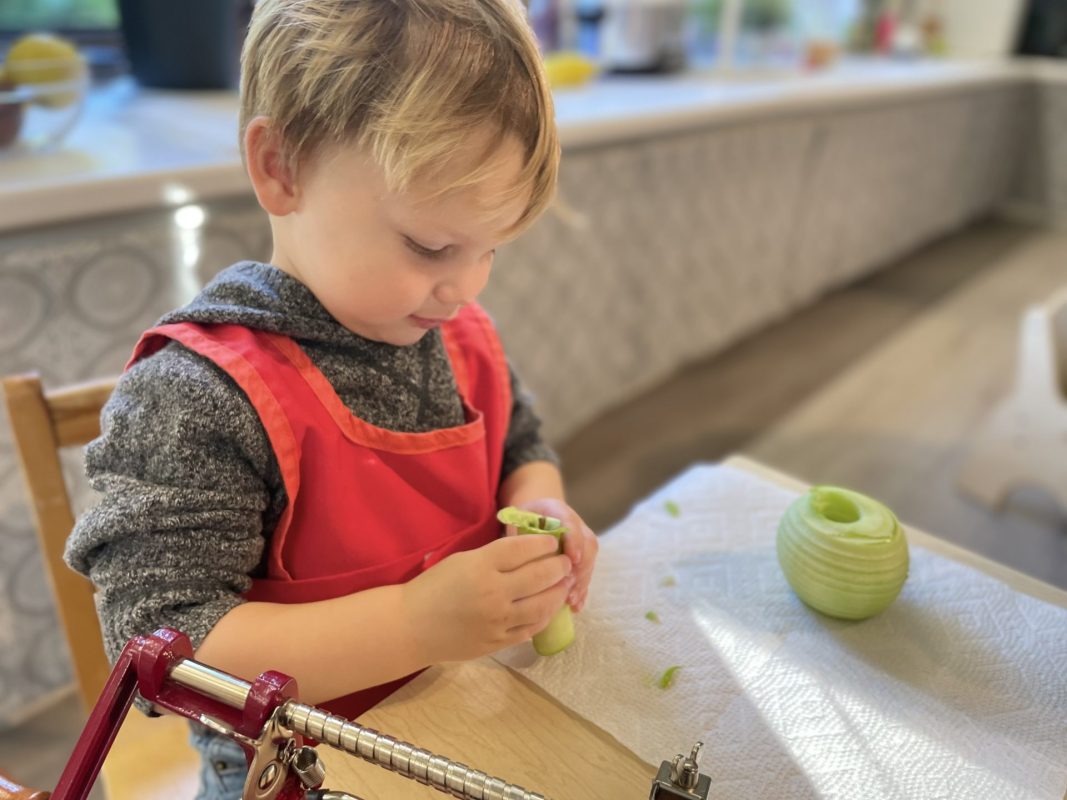
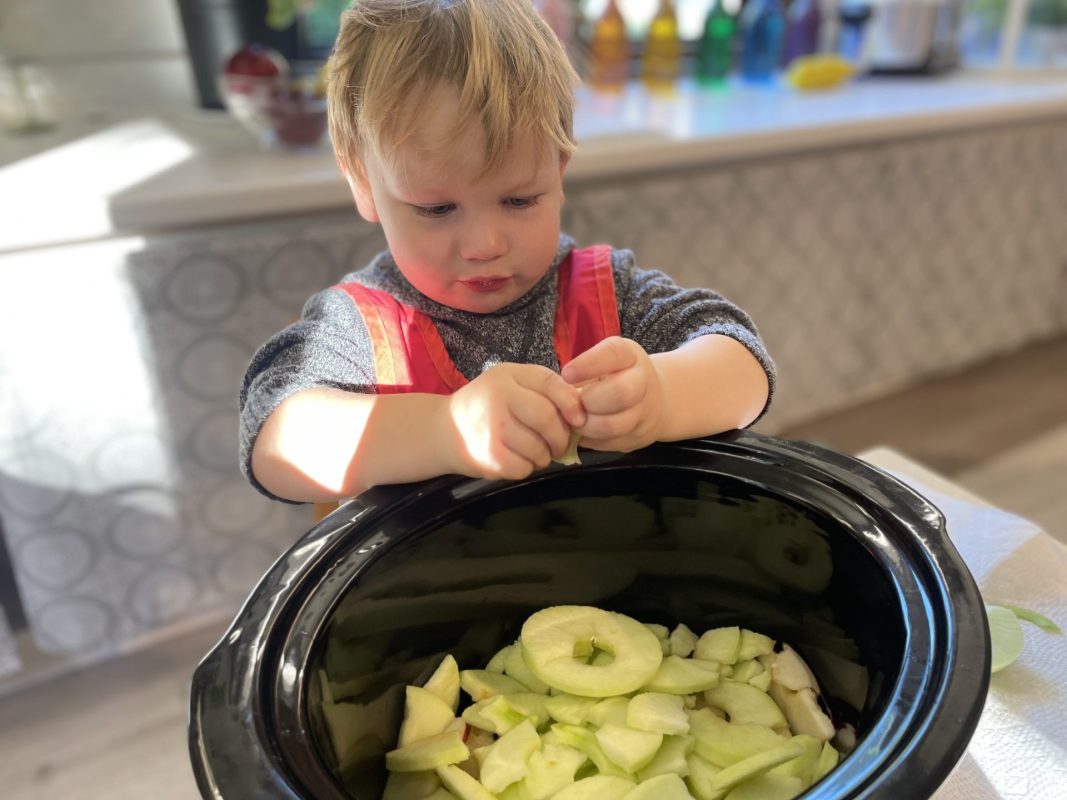
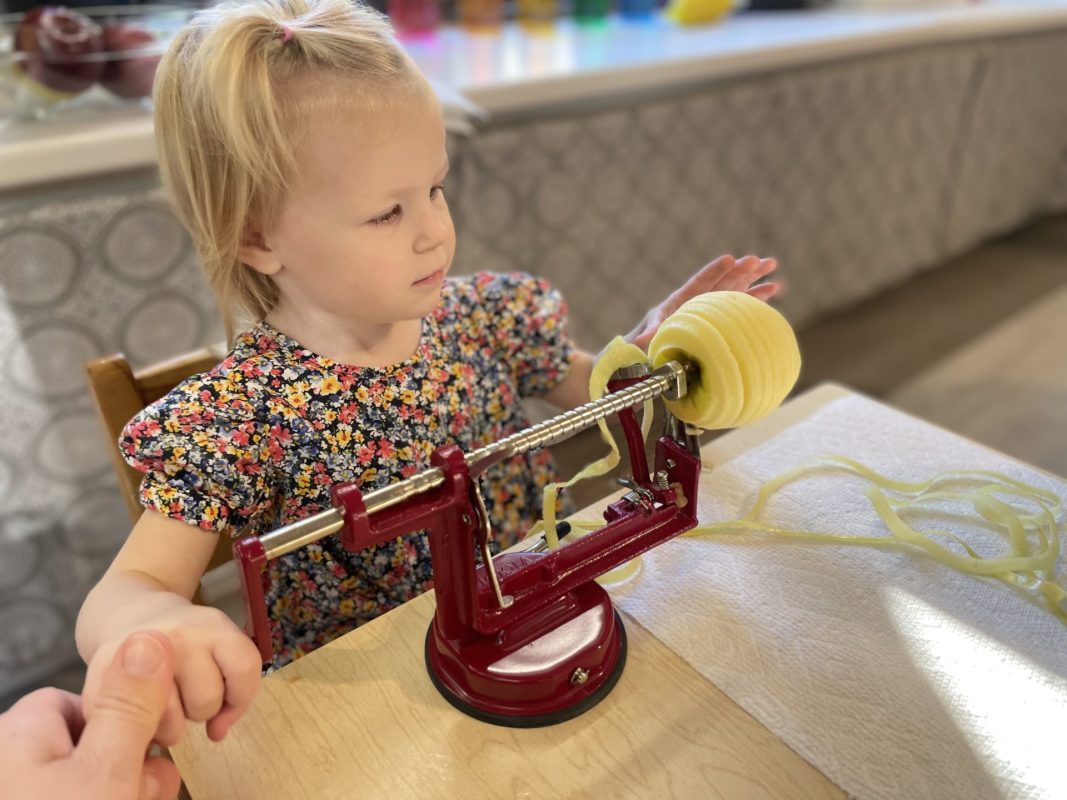
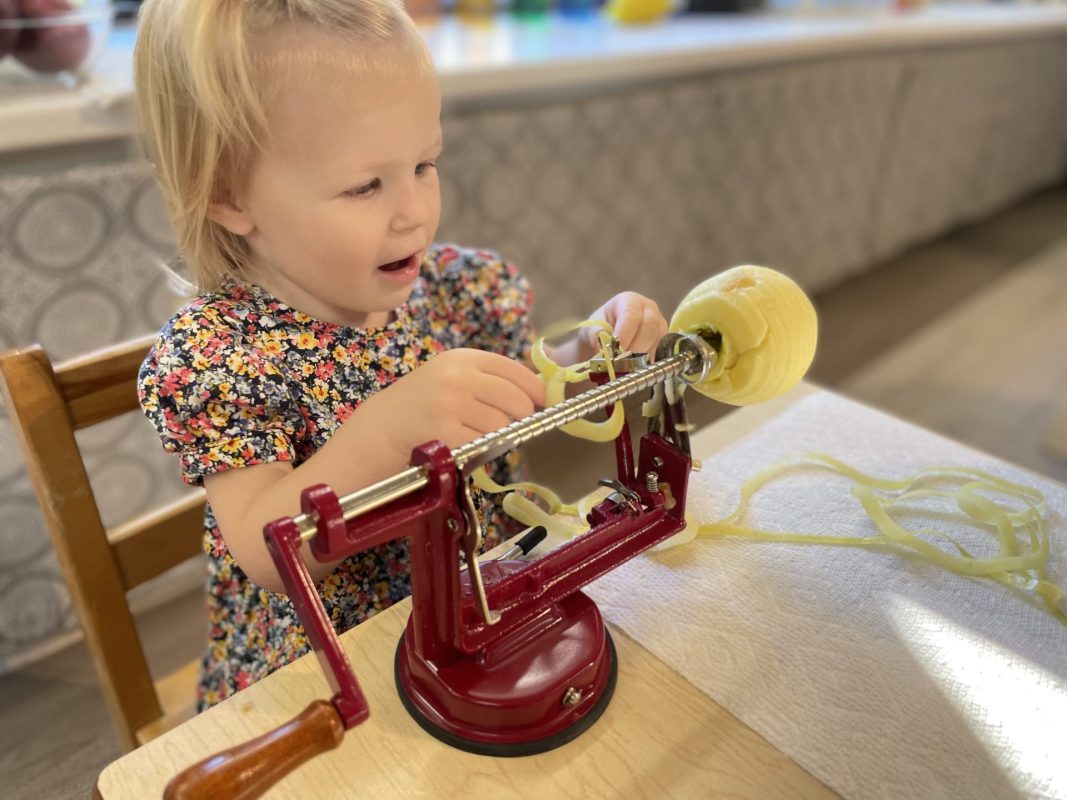
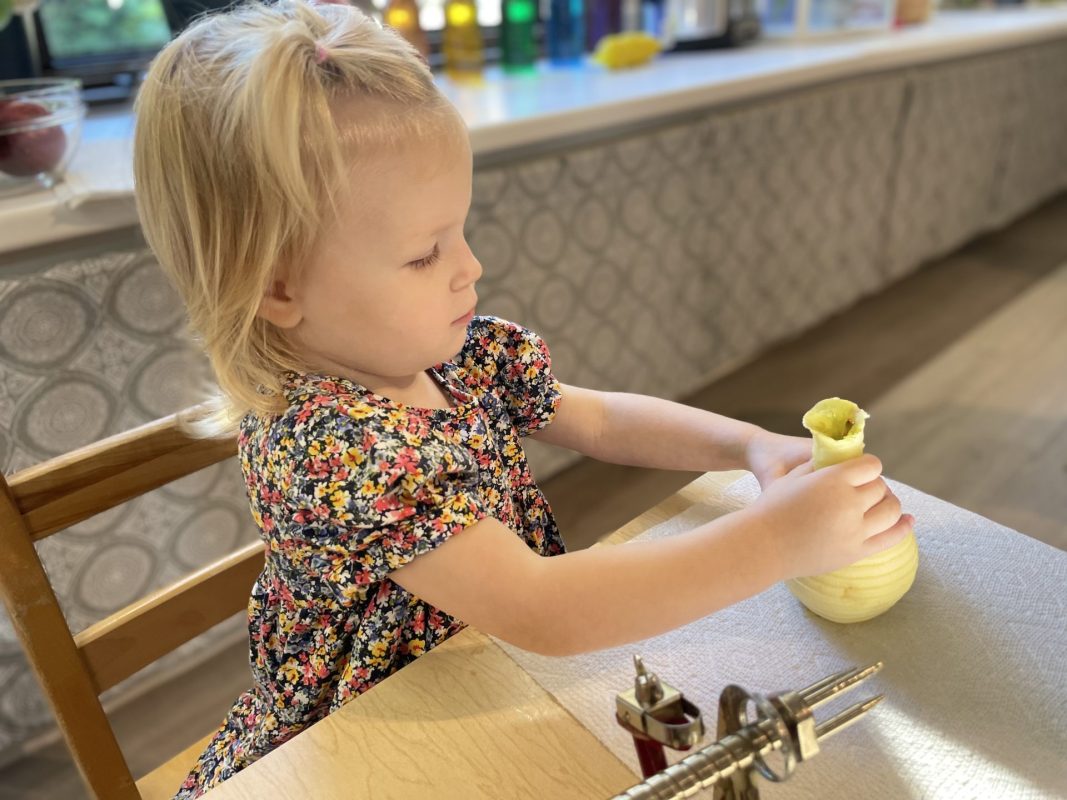
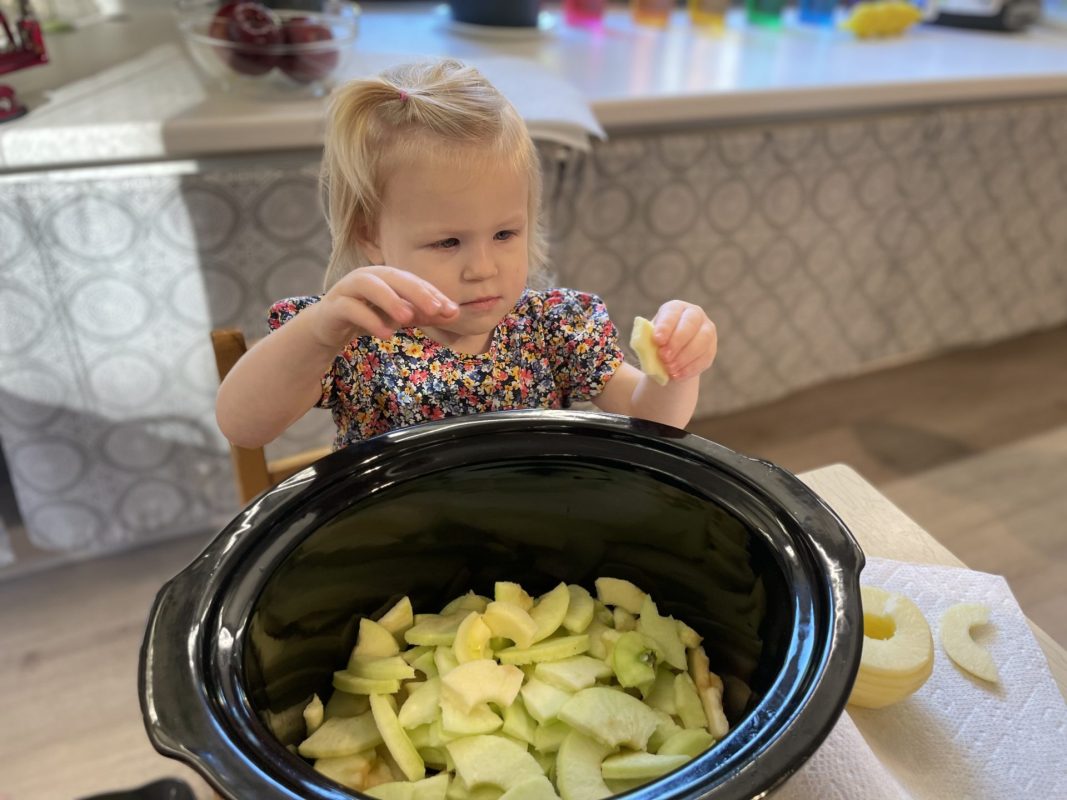
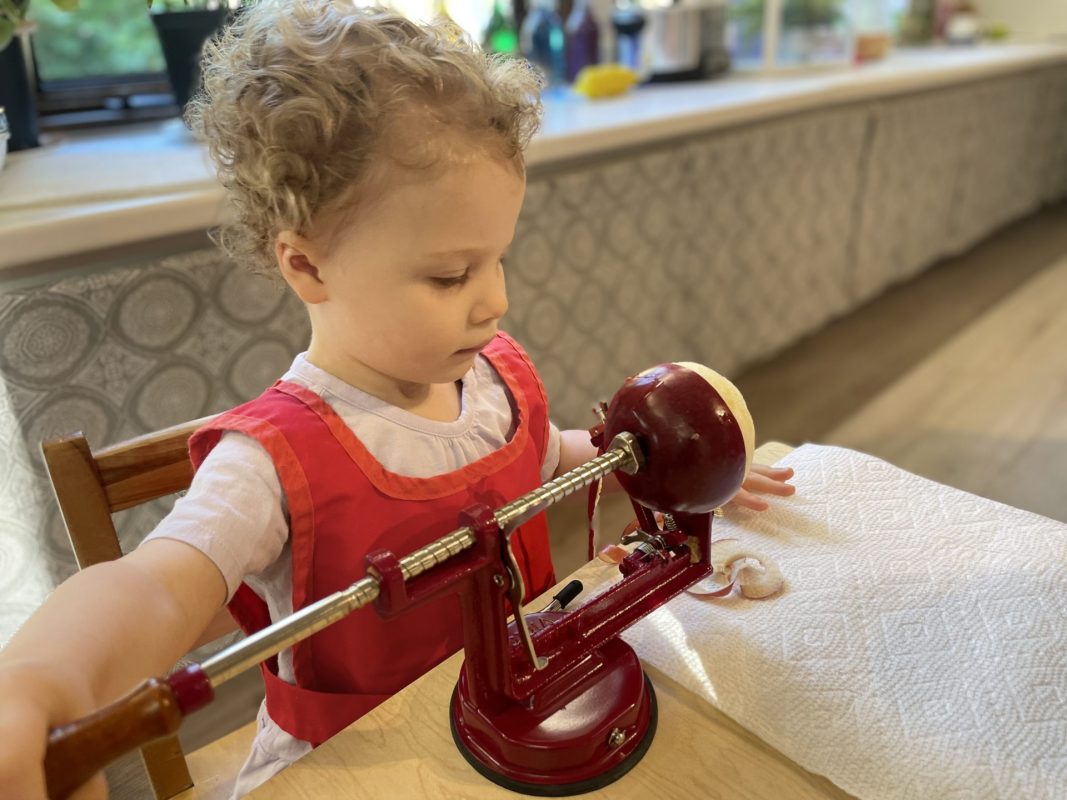
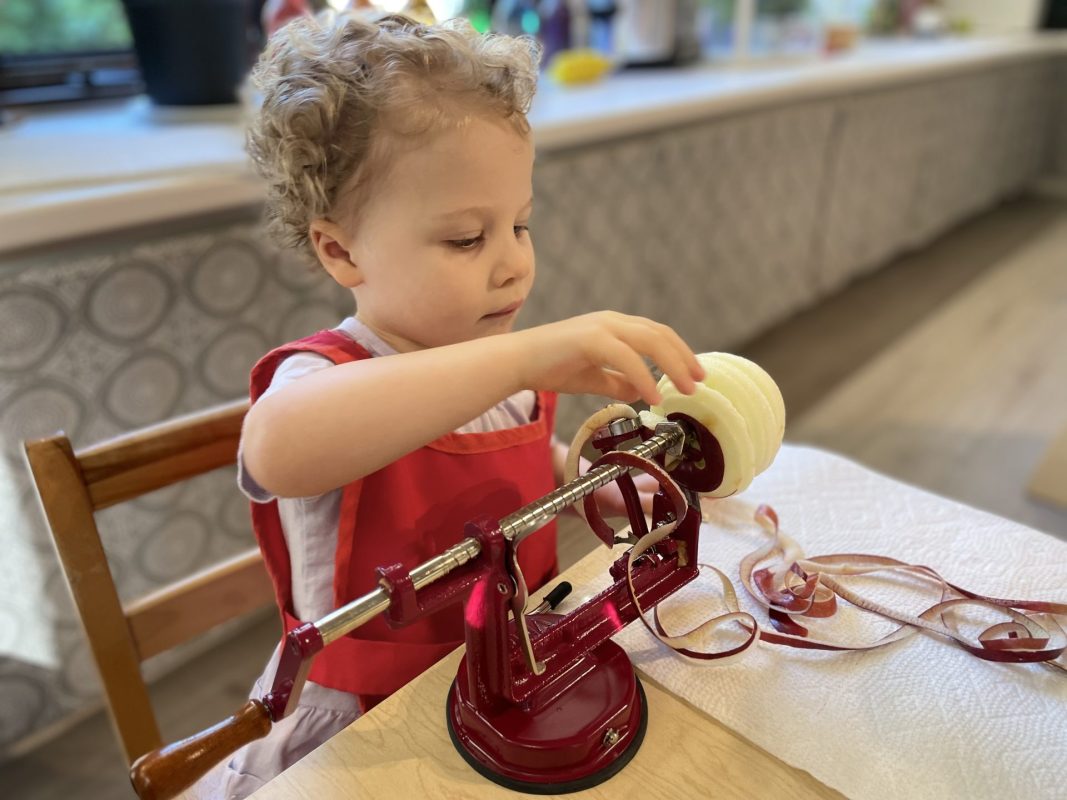
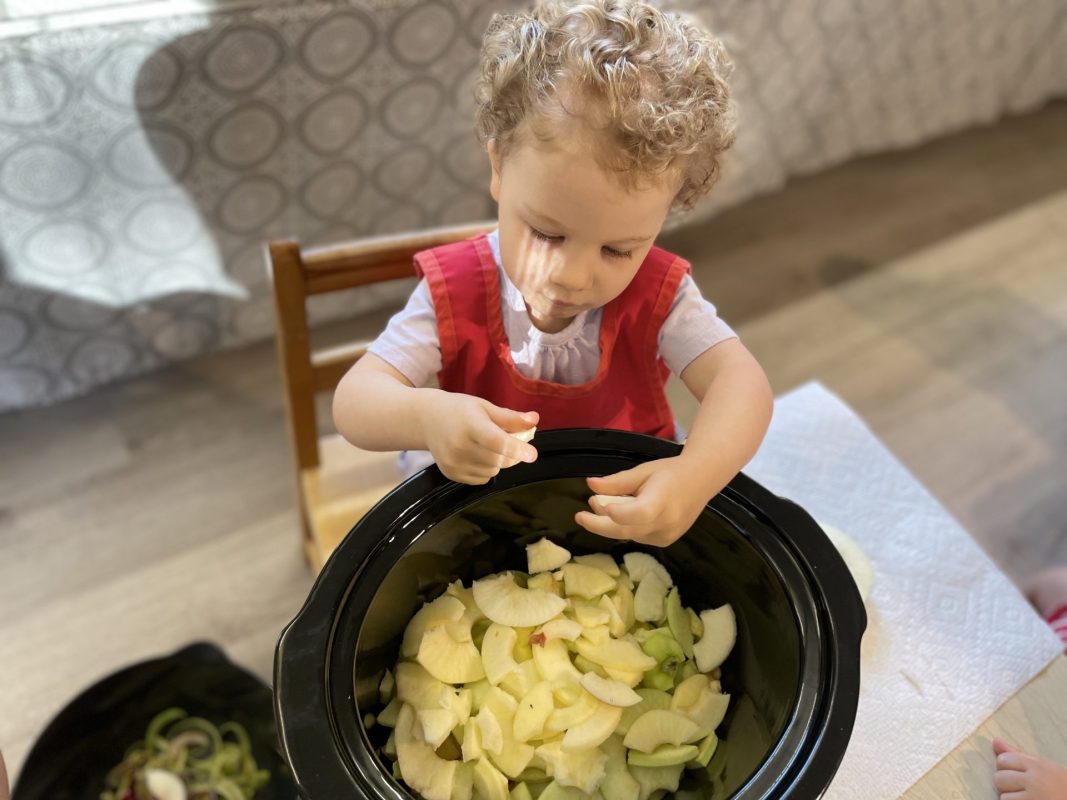
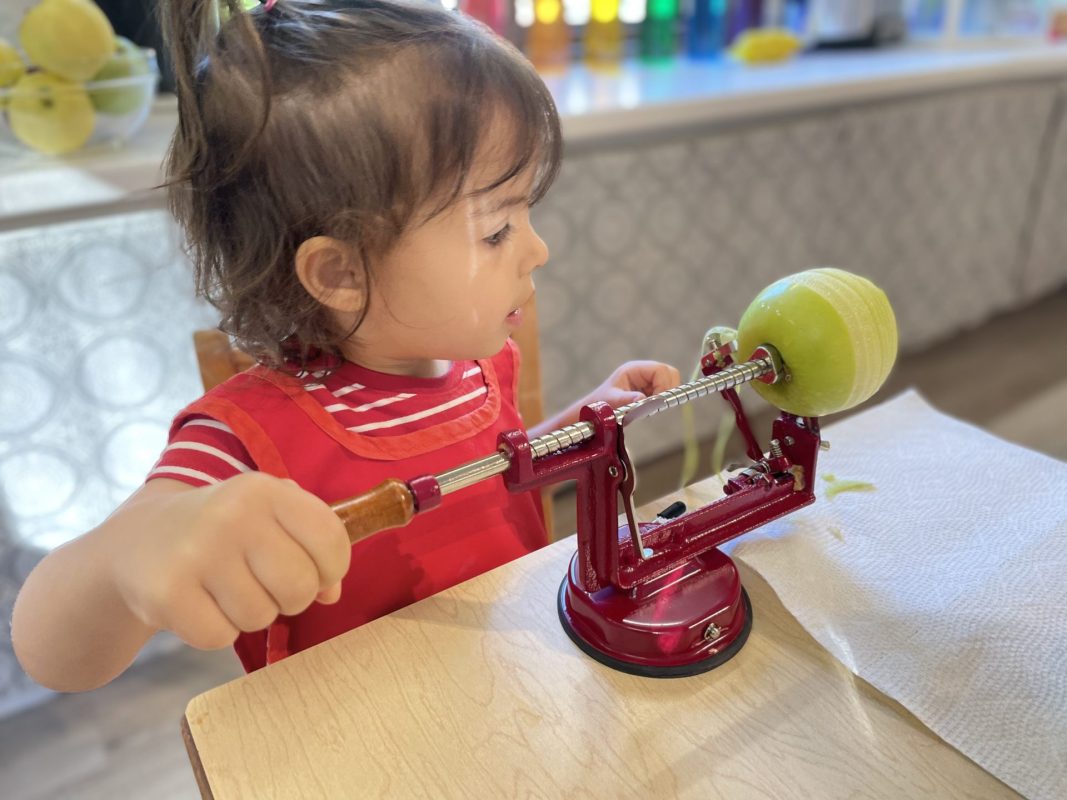
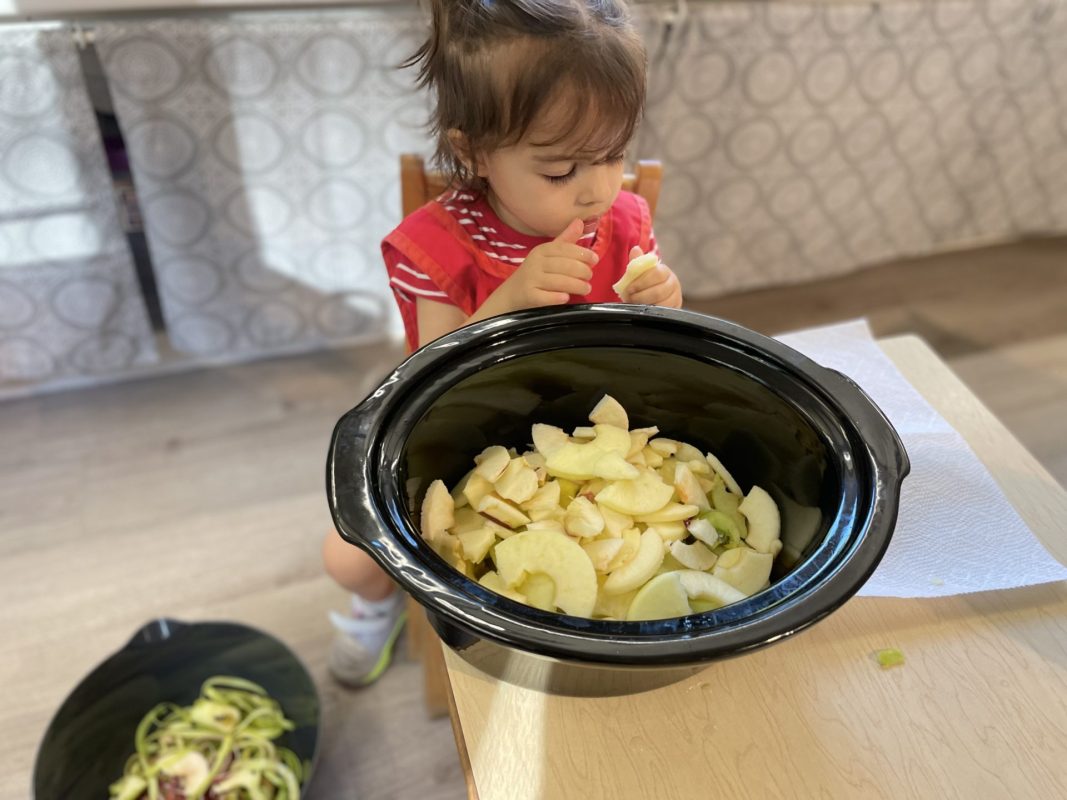
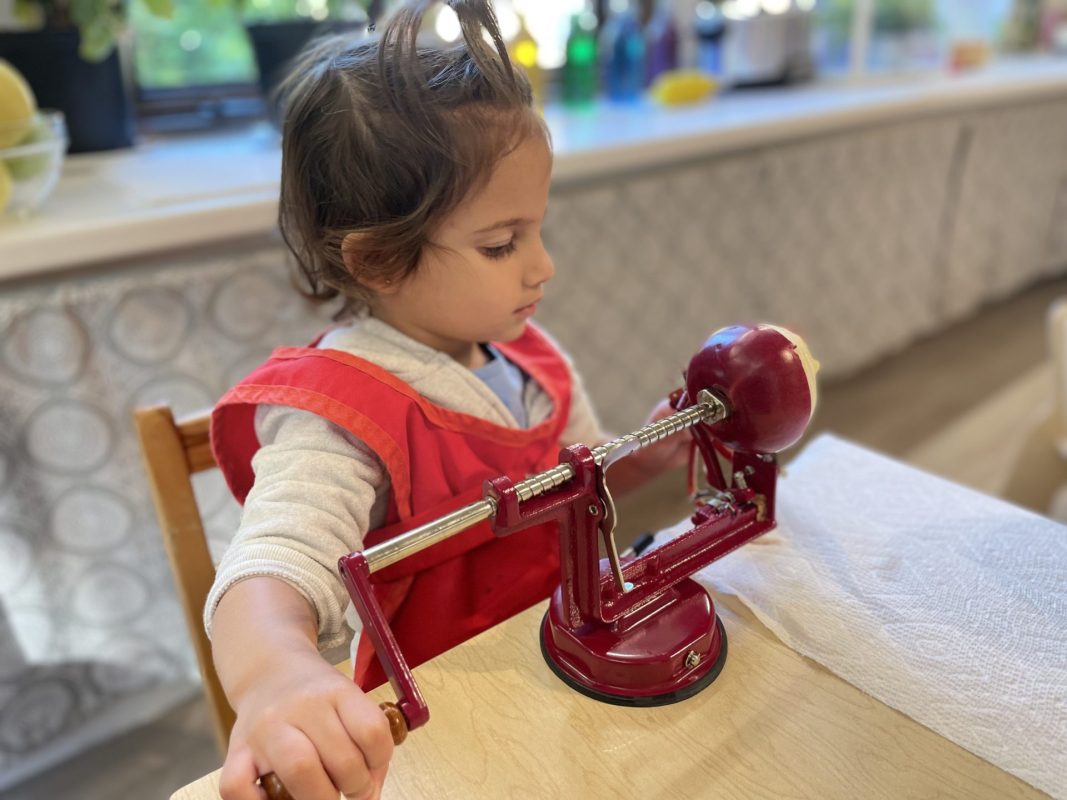
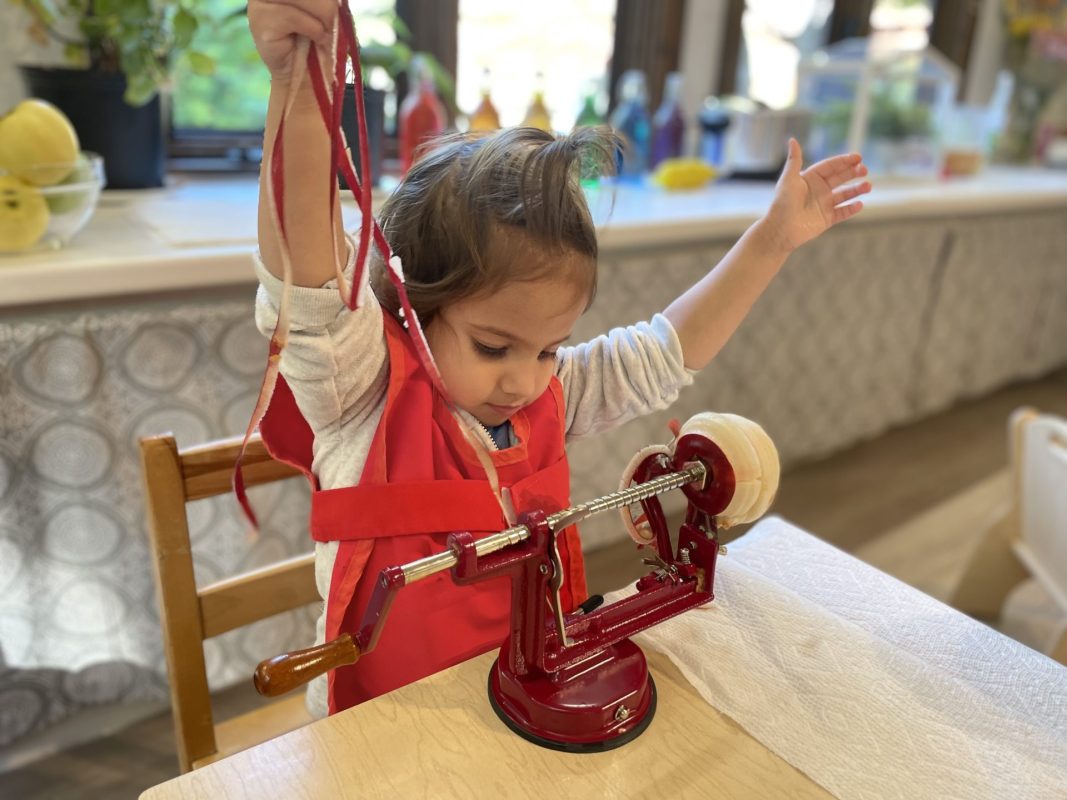
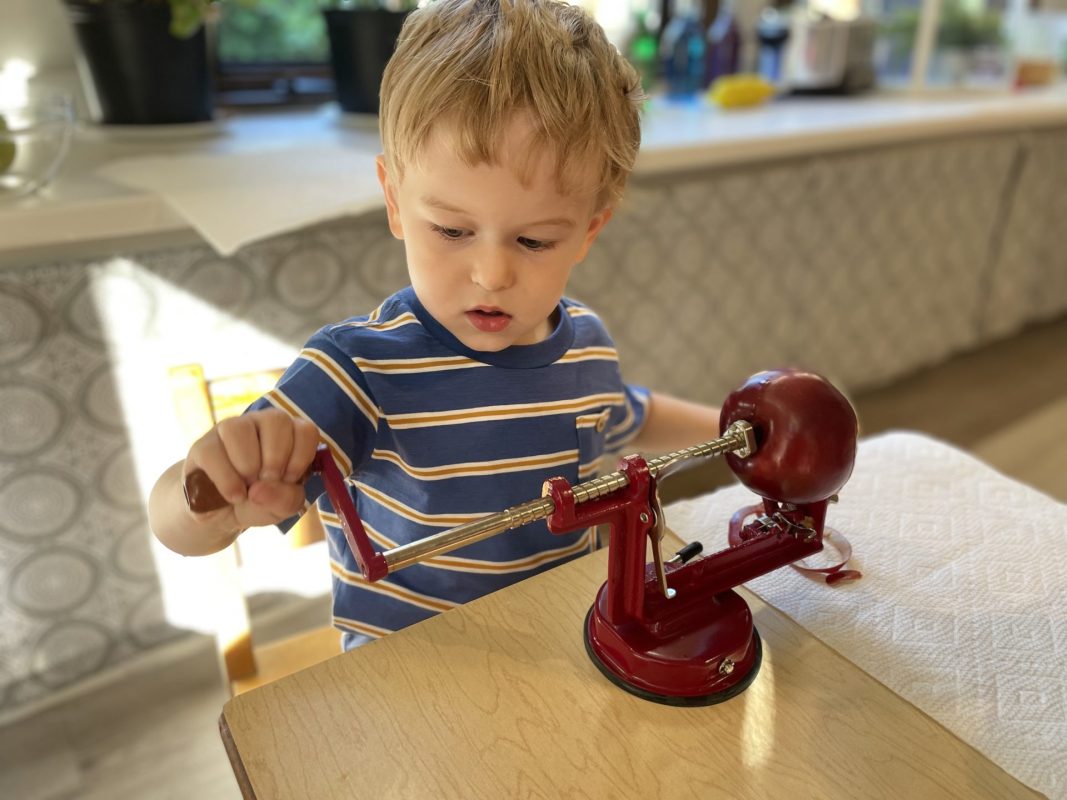
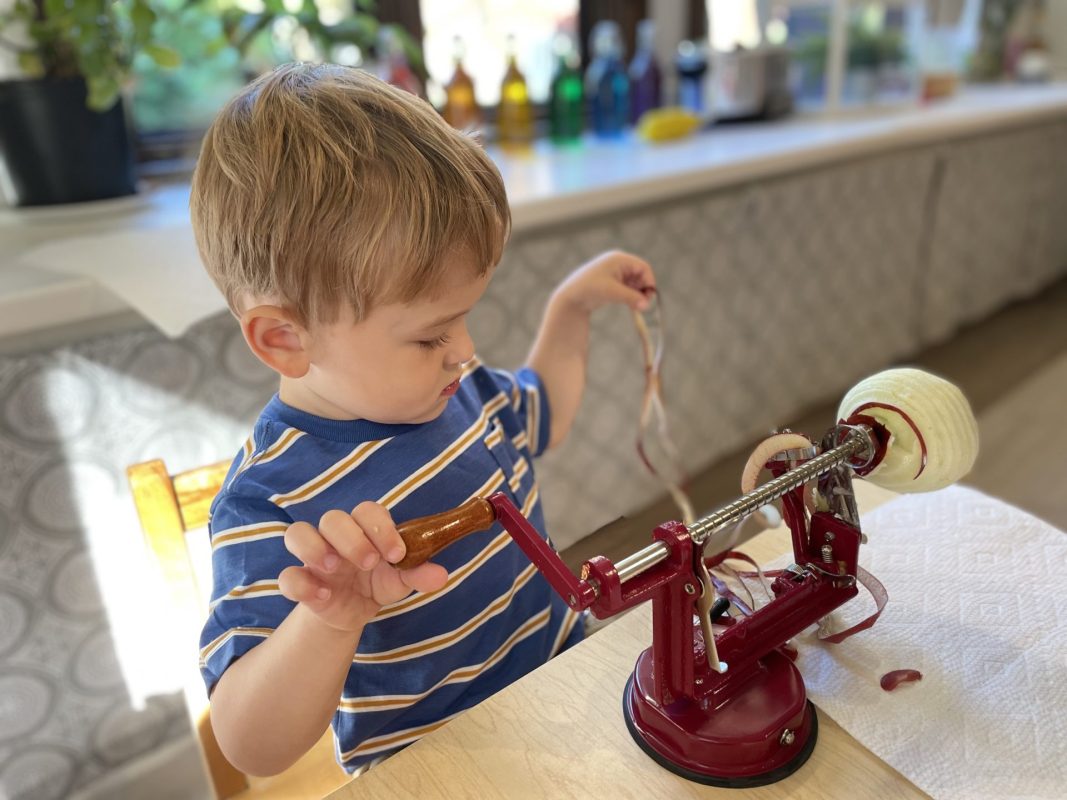
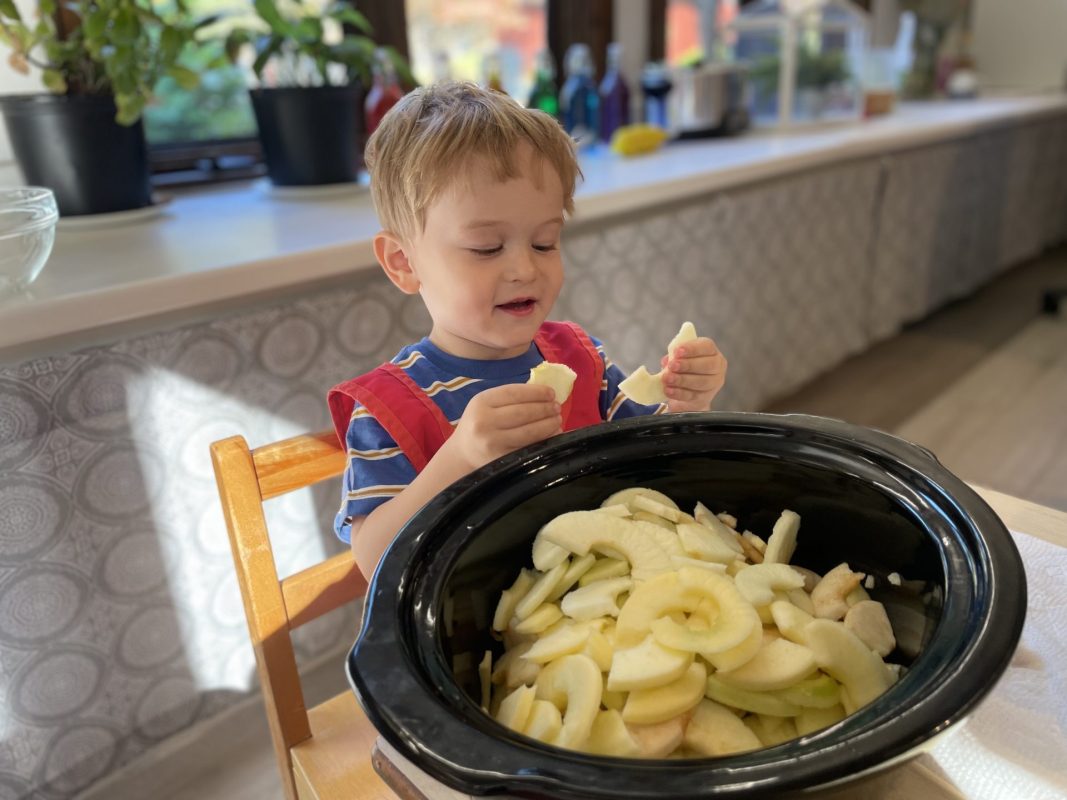
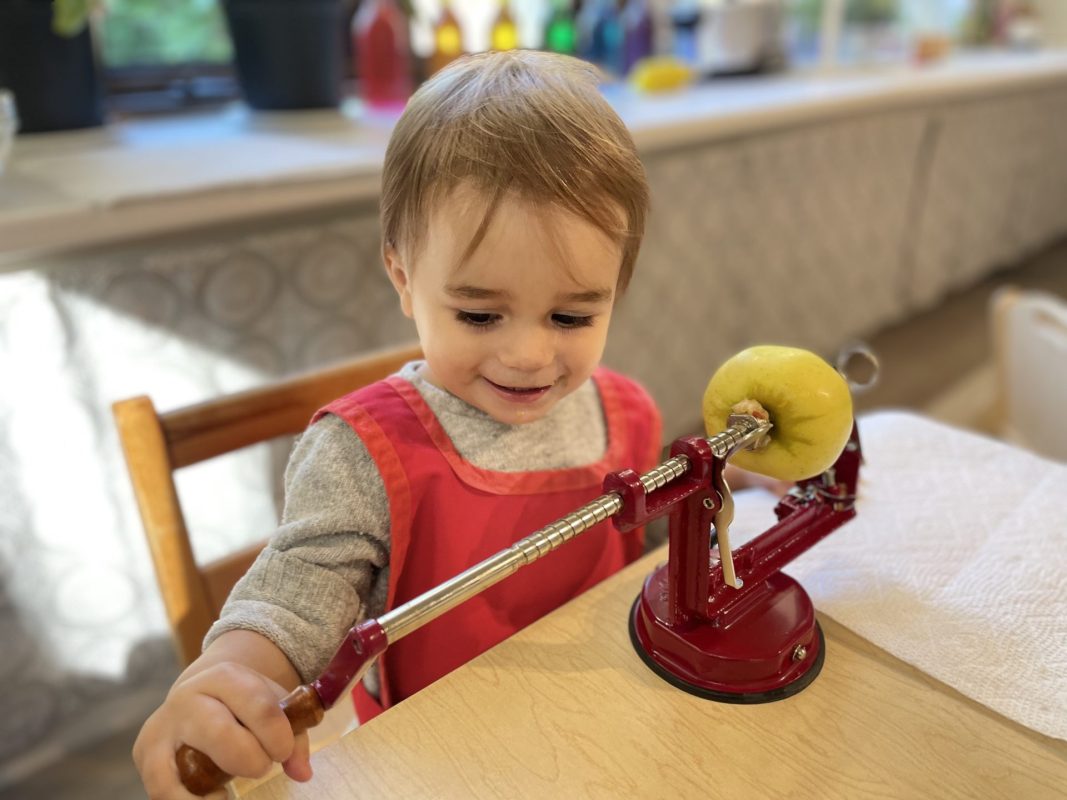
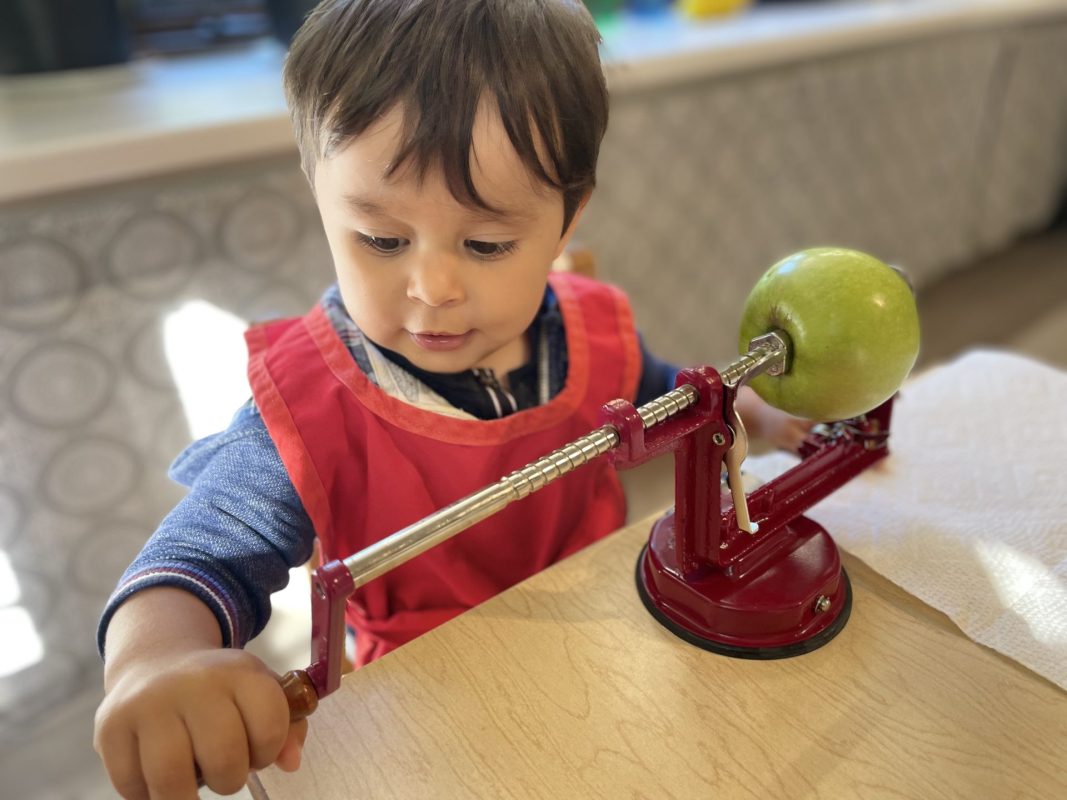
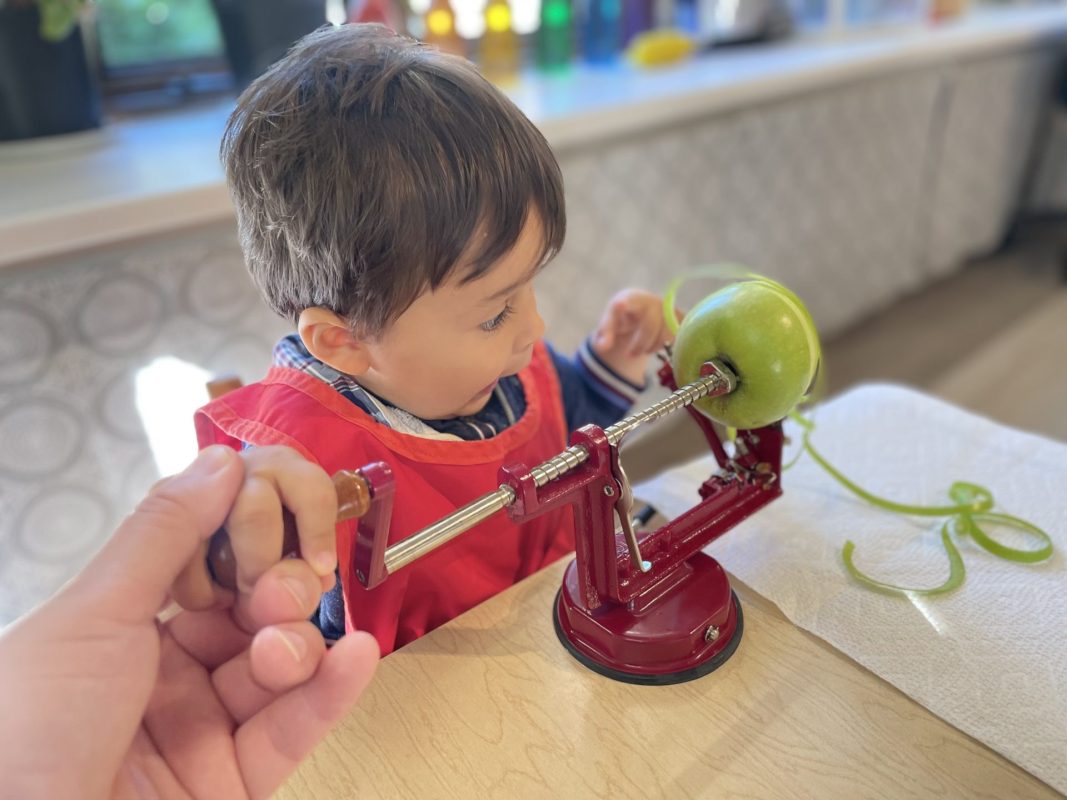
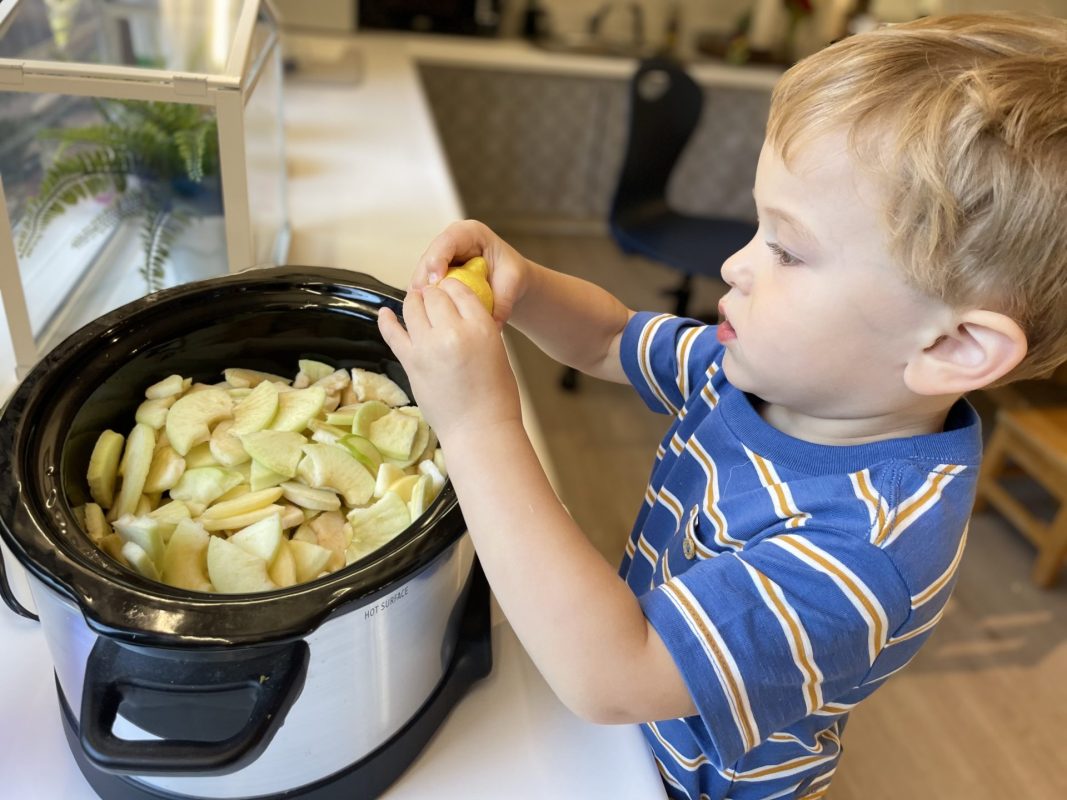
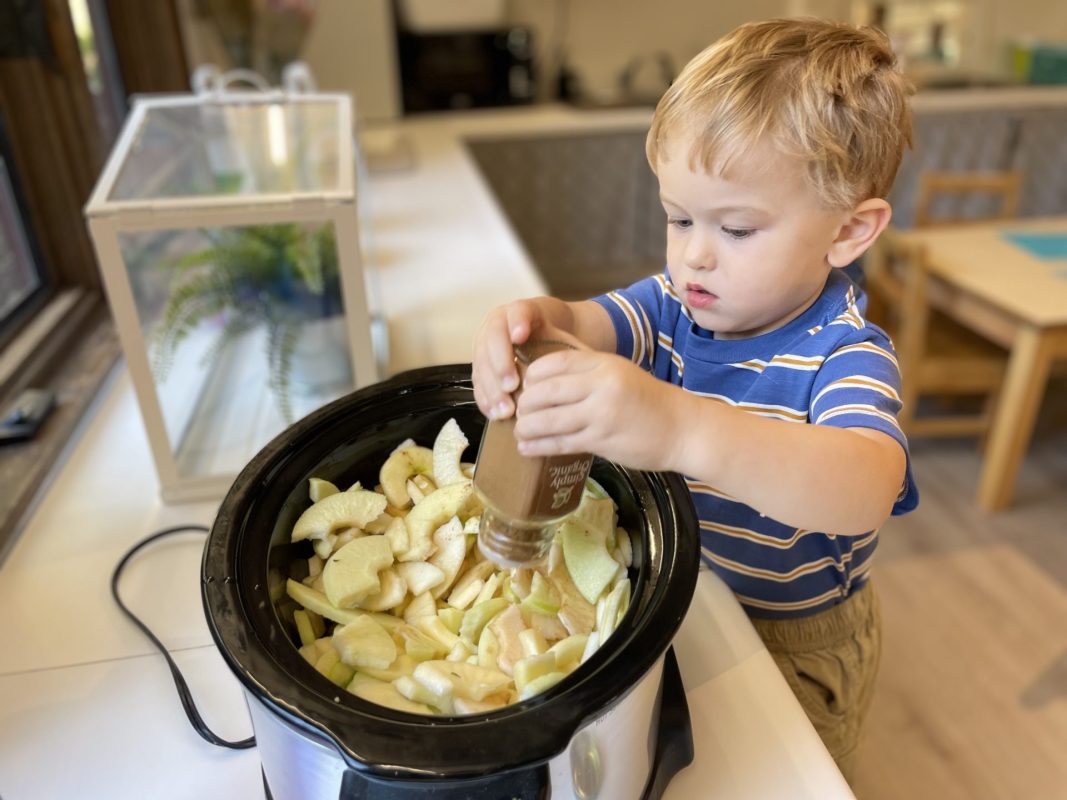
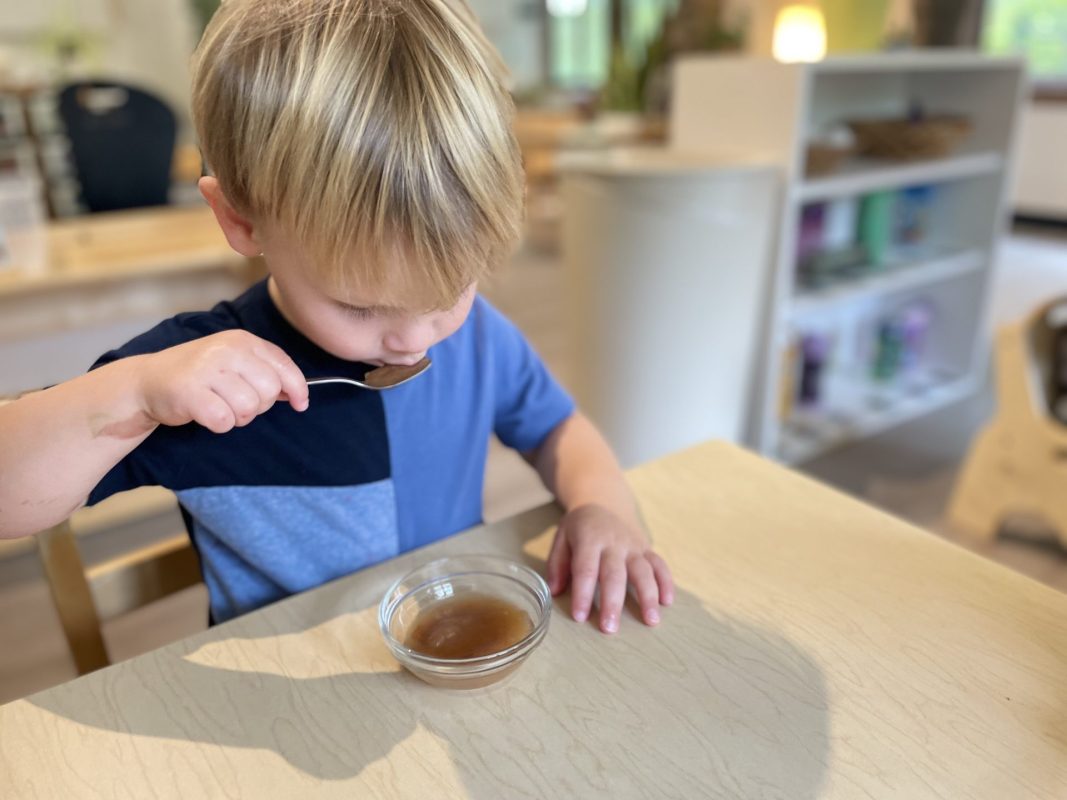
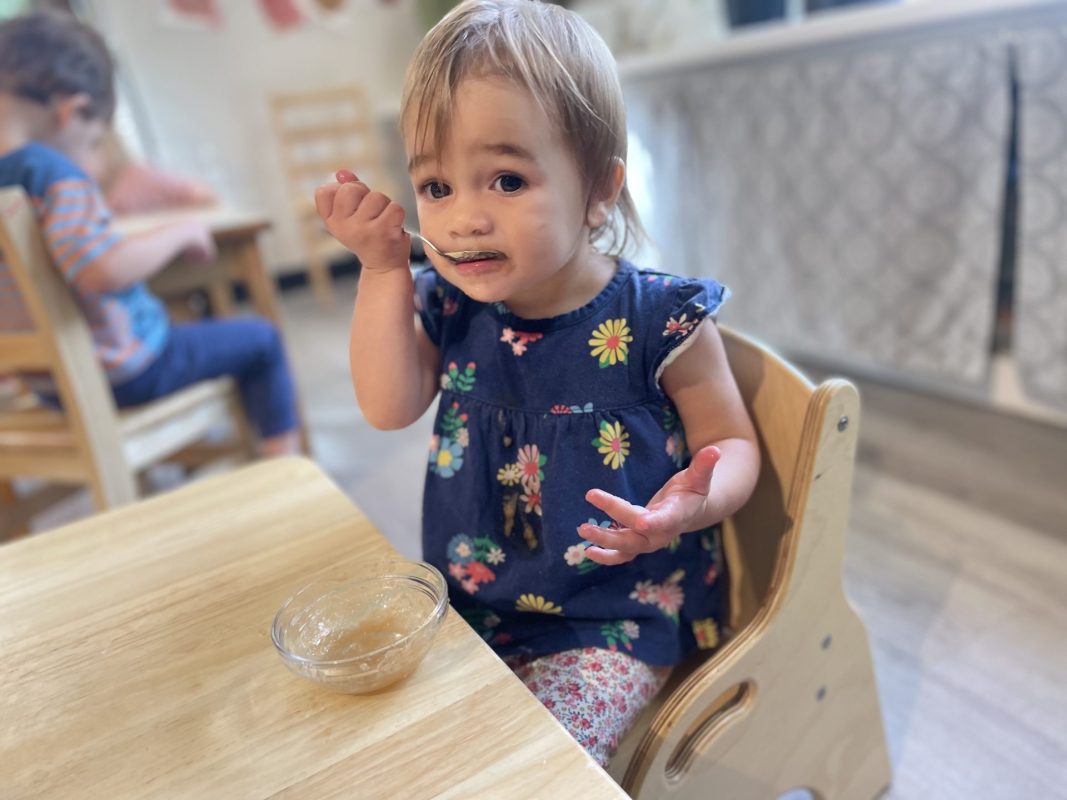
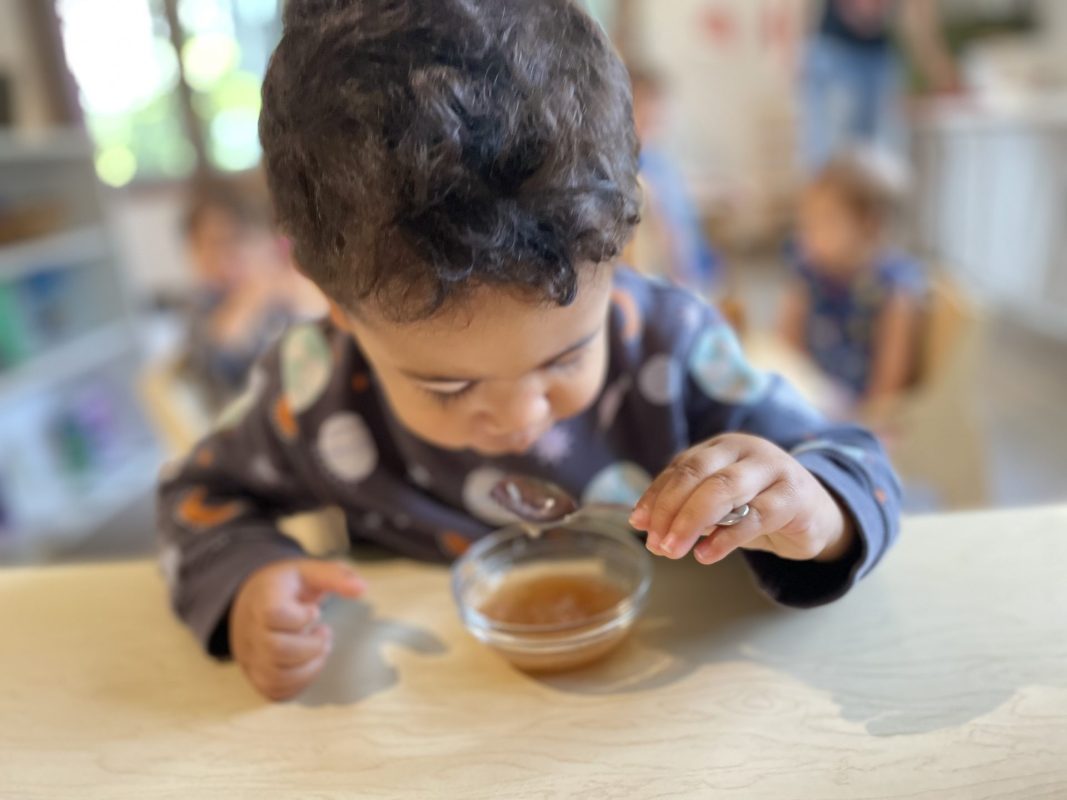
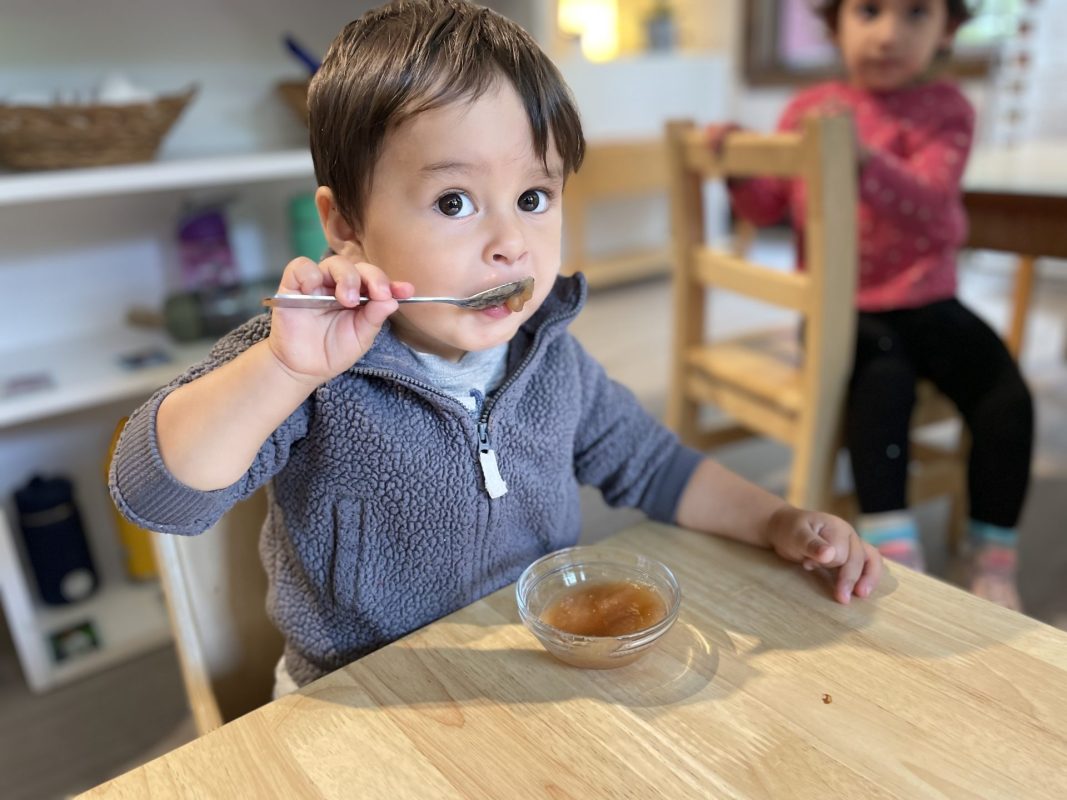
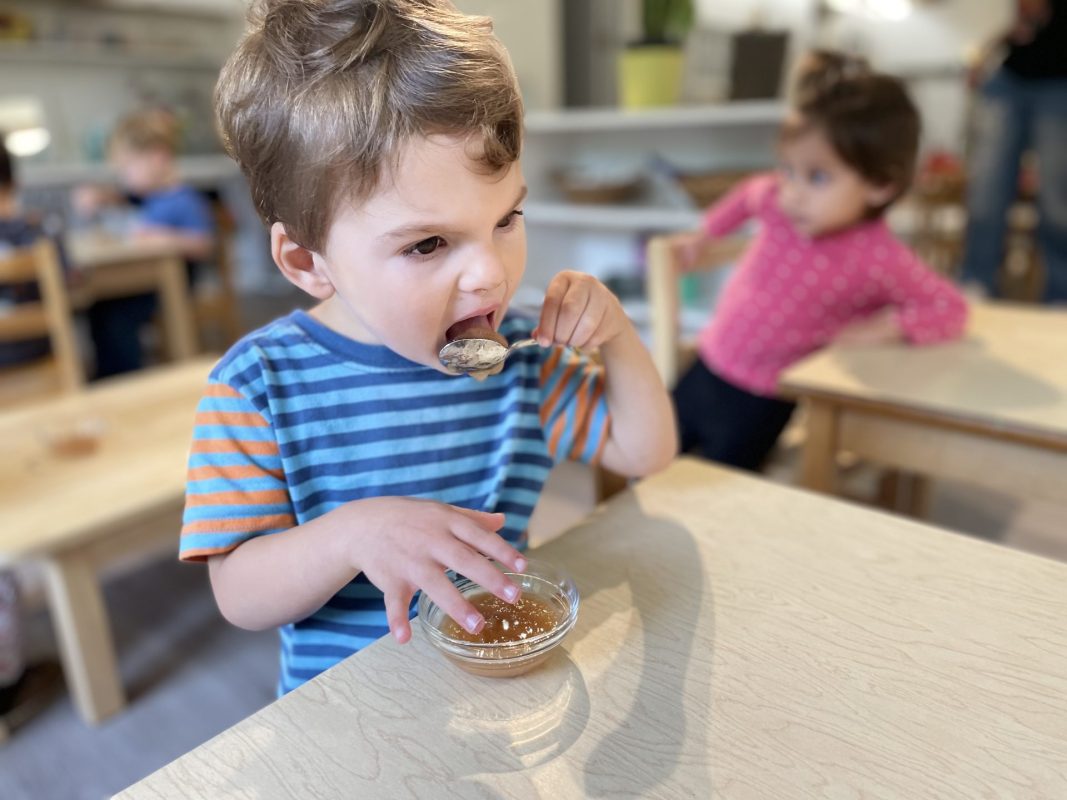
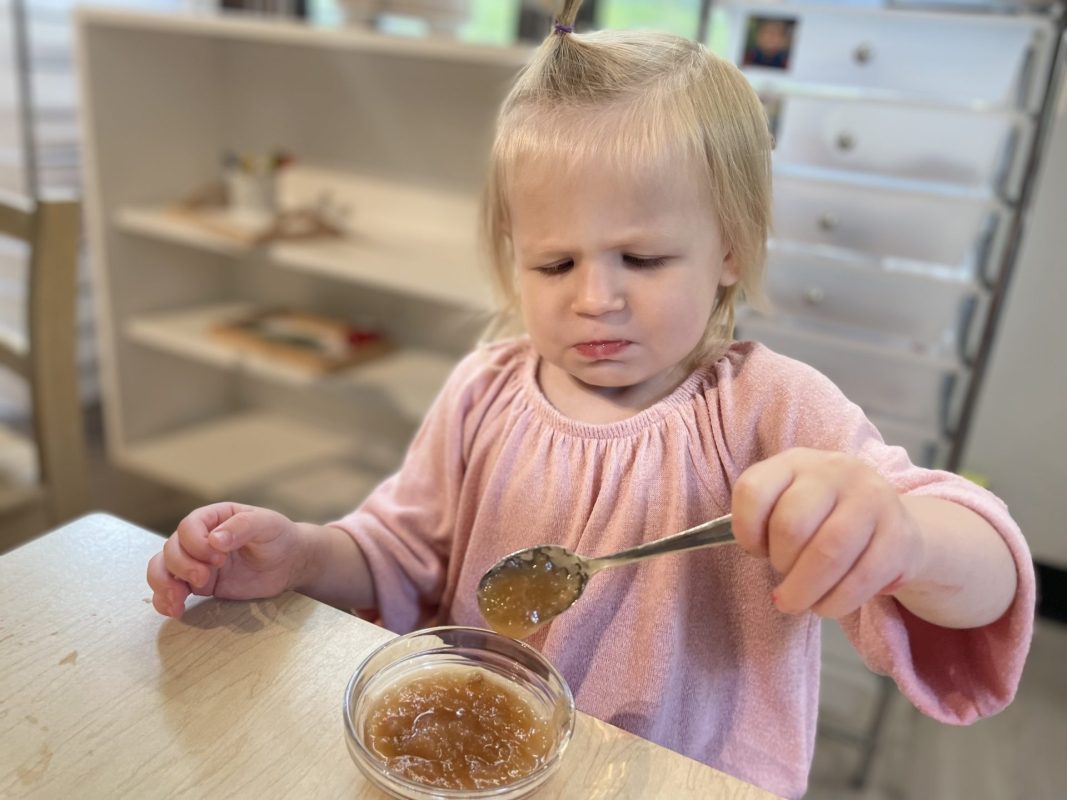
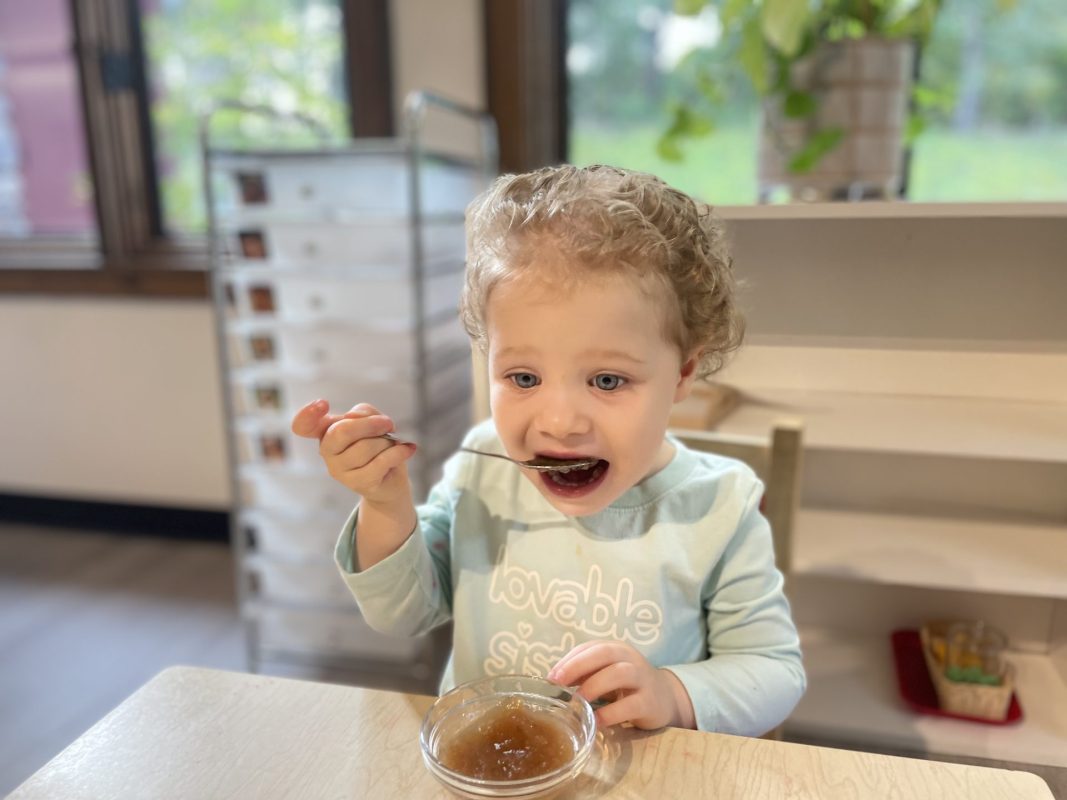
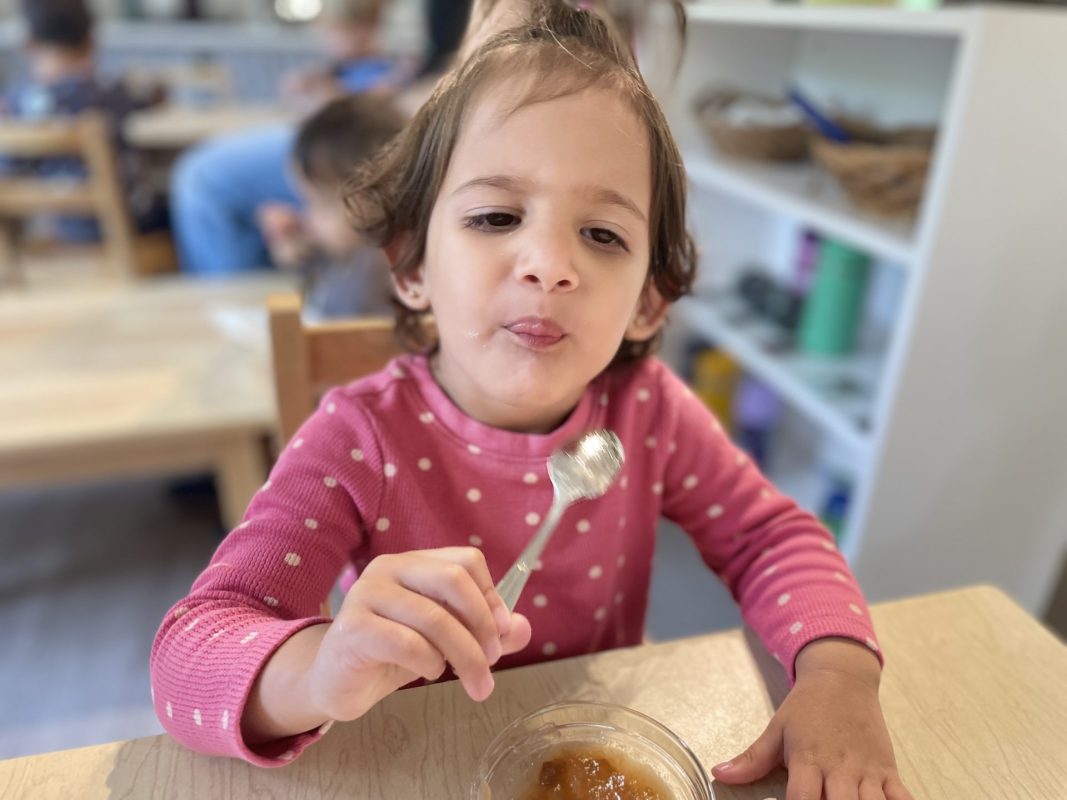
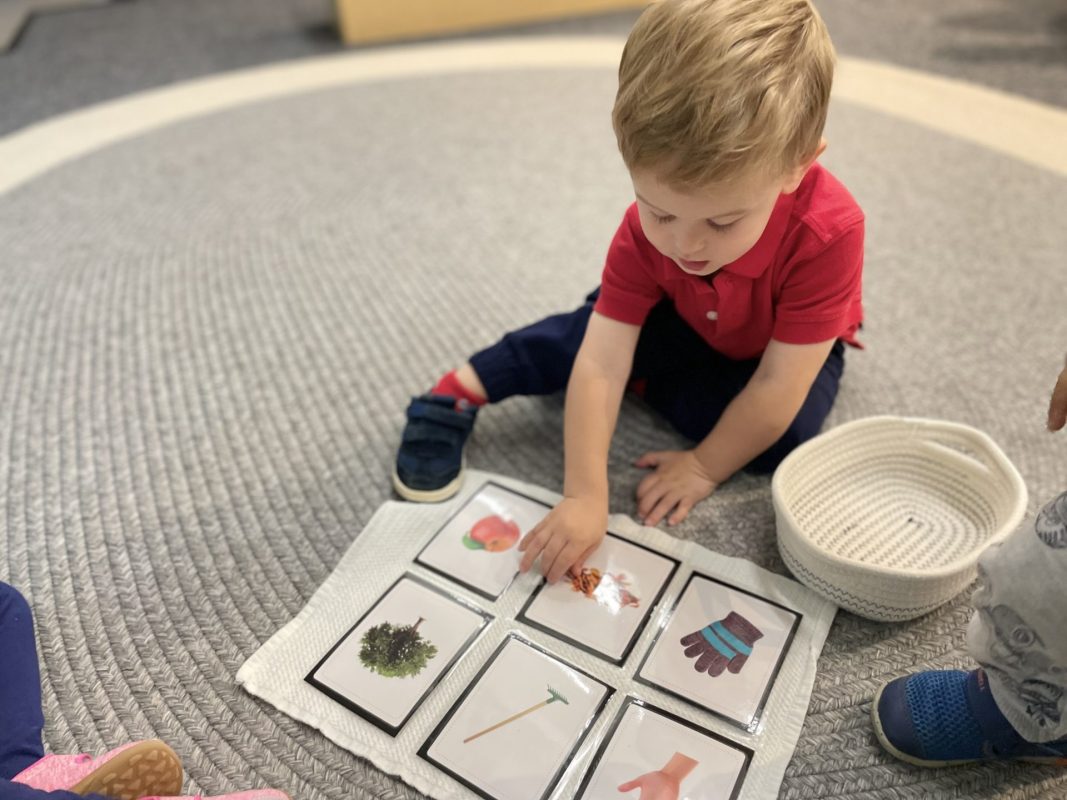
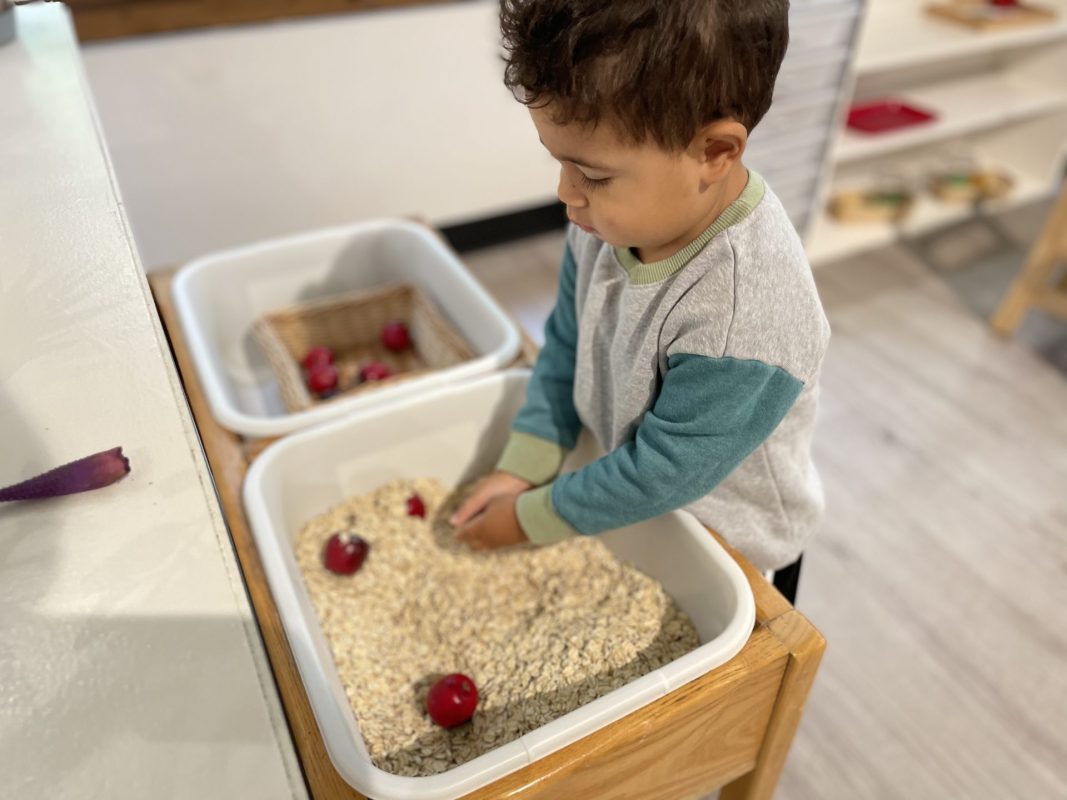
On another note, in continuation with our apple studies, we explored a yellow apple for our food-tasting lesson this week. We also closed this unit with a fun Sensorial experience. Each of your children dissected an apple, and oh boy! They really seemed to enjoy it!

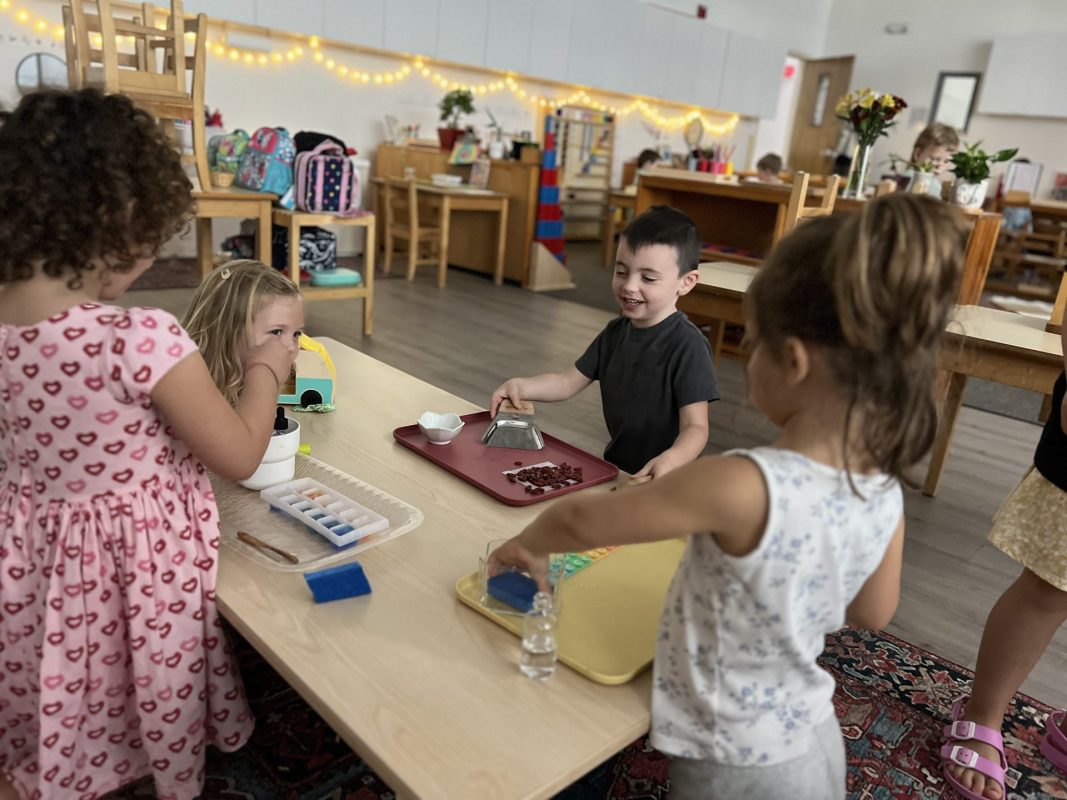
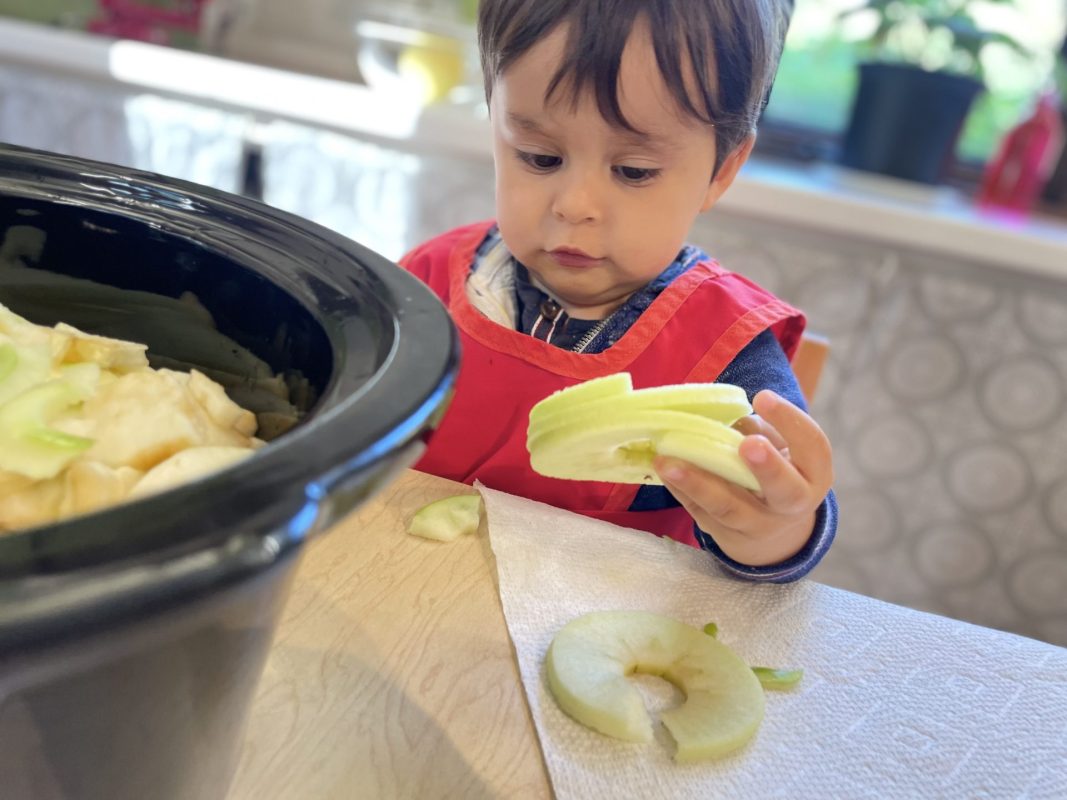
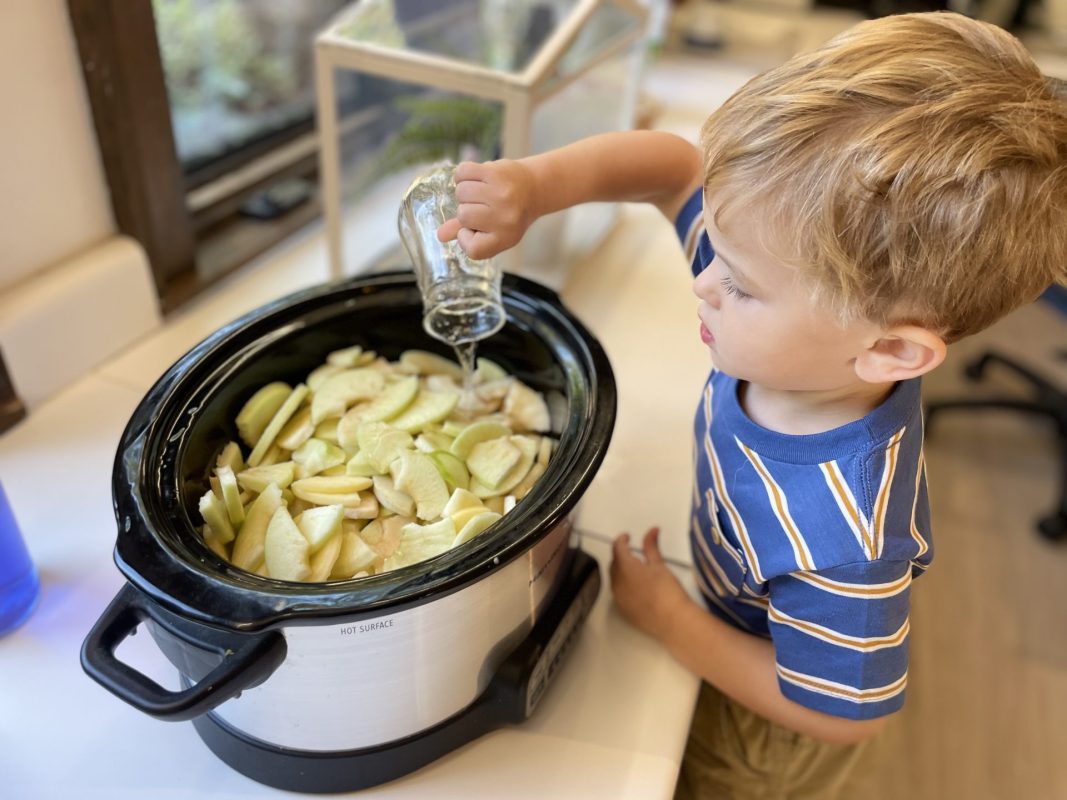
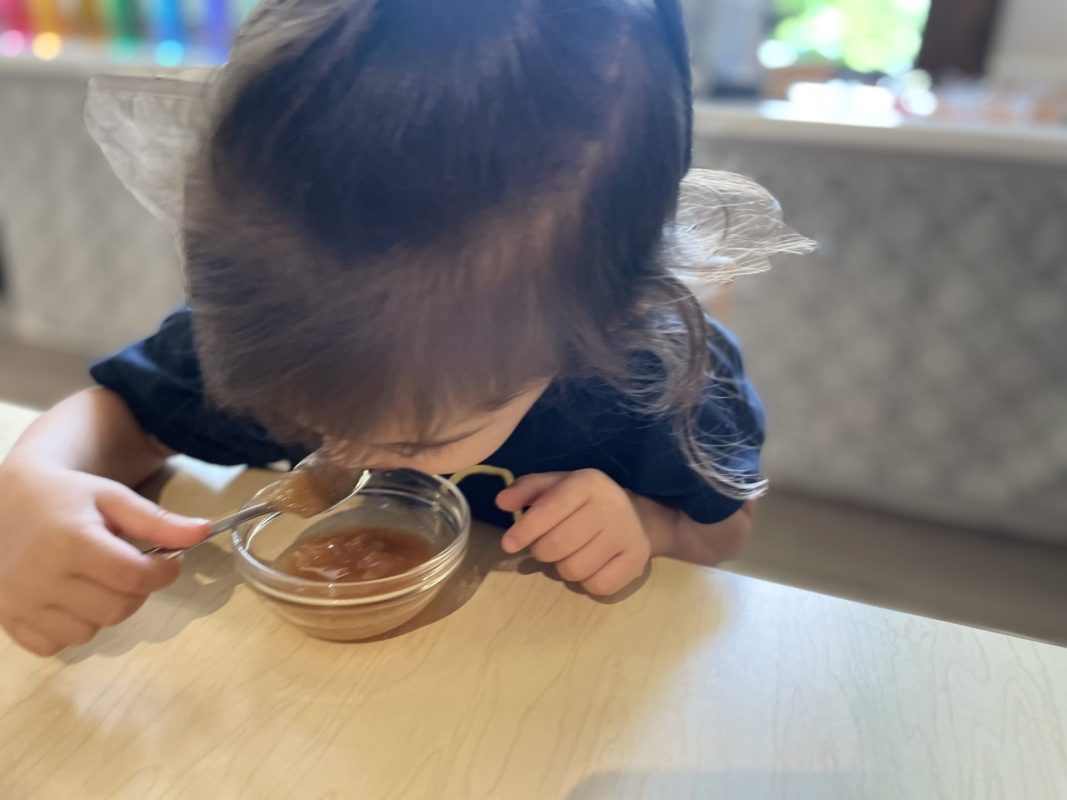
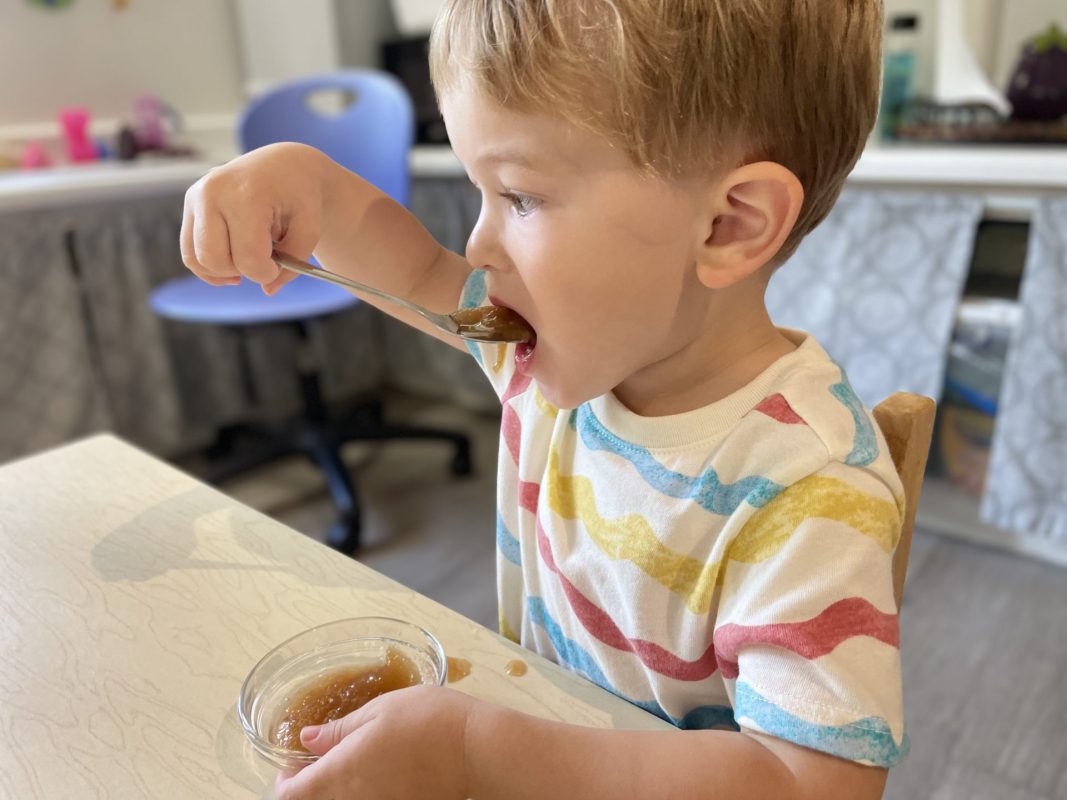
With senses full of curiosity, children touched, observed, smelled, peeled, and cored a delicious apple. The children found it very fun and interesting to use the handle of the peeler, but their eyes sparkled, and their smiles bloomed when they watched the skin of the apple peel and fall on the napkin. They explored the core and the seeds in it. They also helped break the apple into pieces and place it inside our crock pot to be cooked and turned into a delicious apple sauce! The next morning, we gathered as a class, and the children enjoyed the fruits of their work. Most of them kept asking for more!

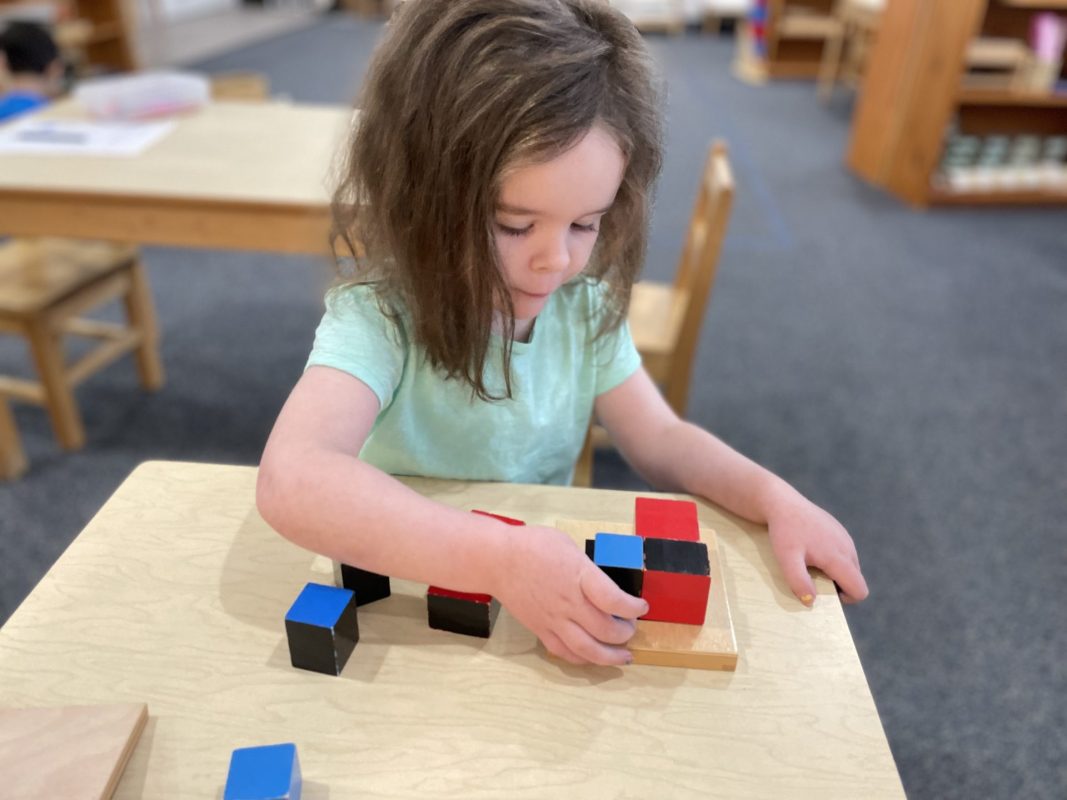
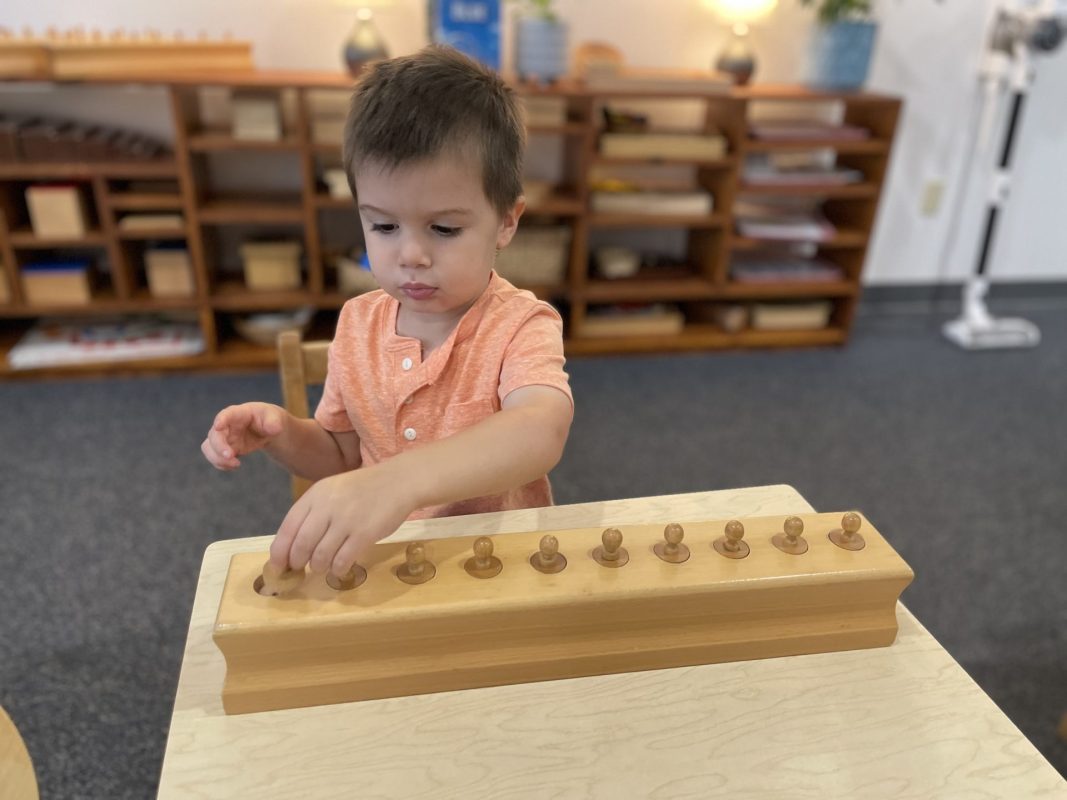
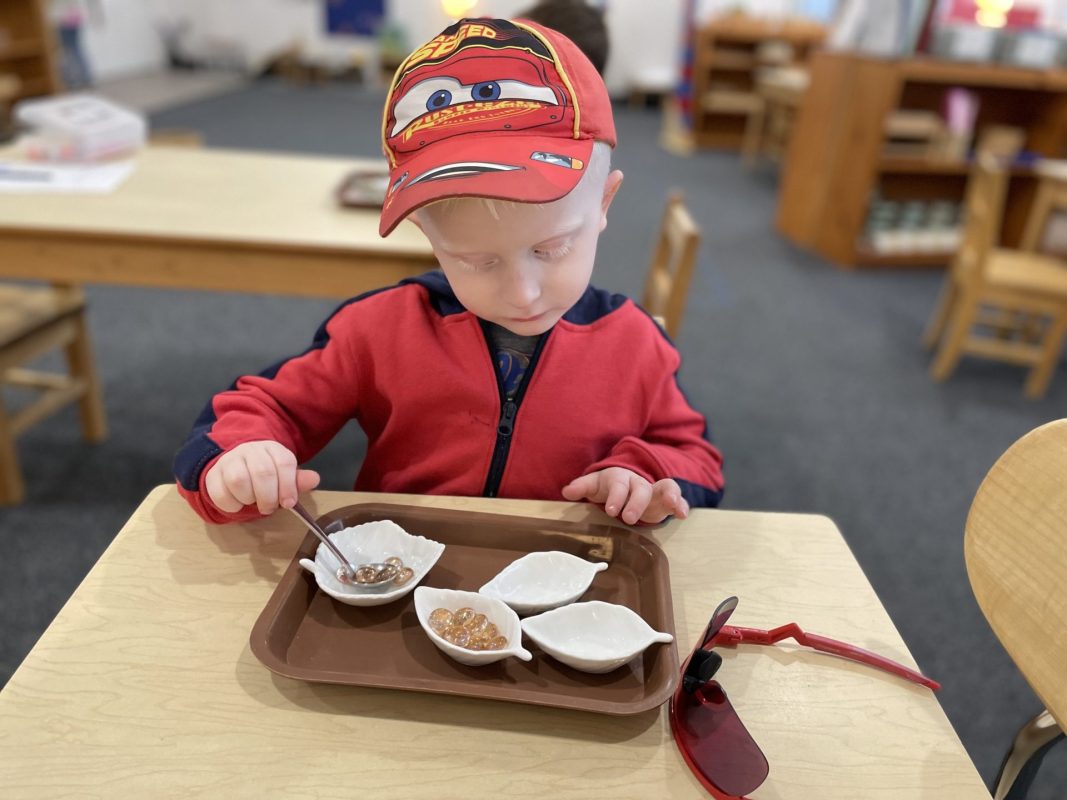
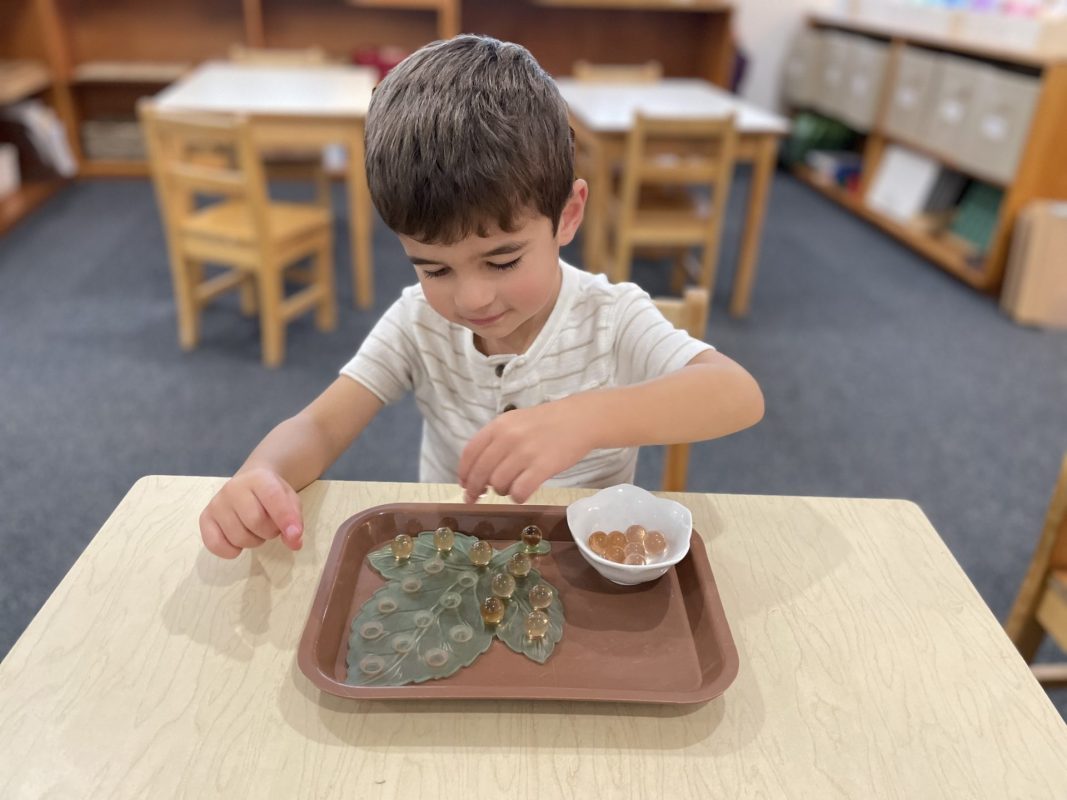
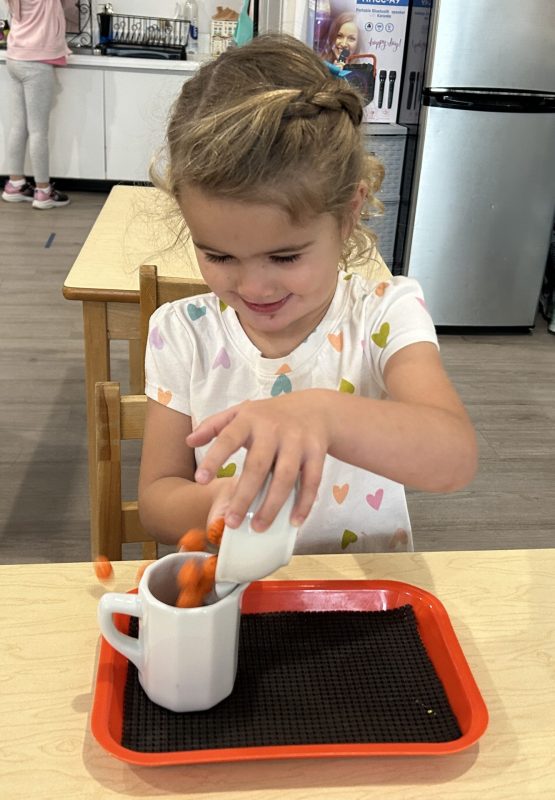
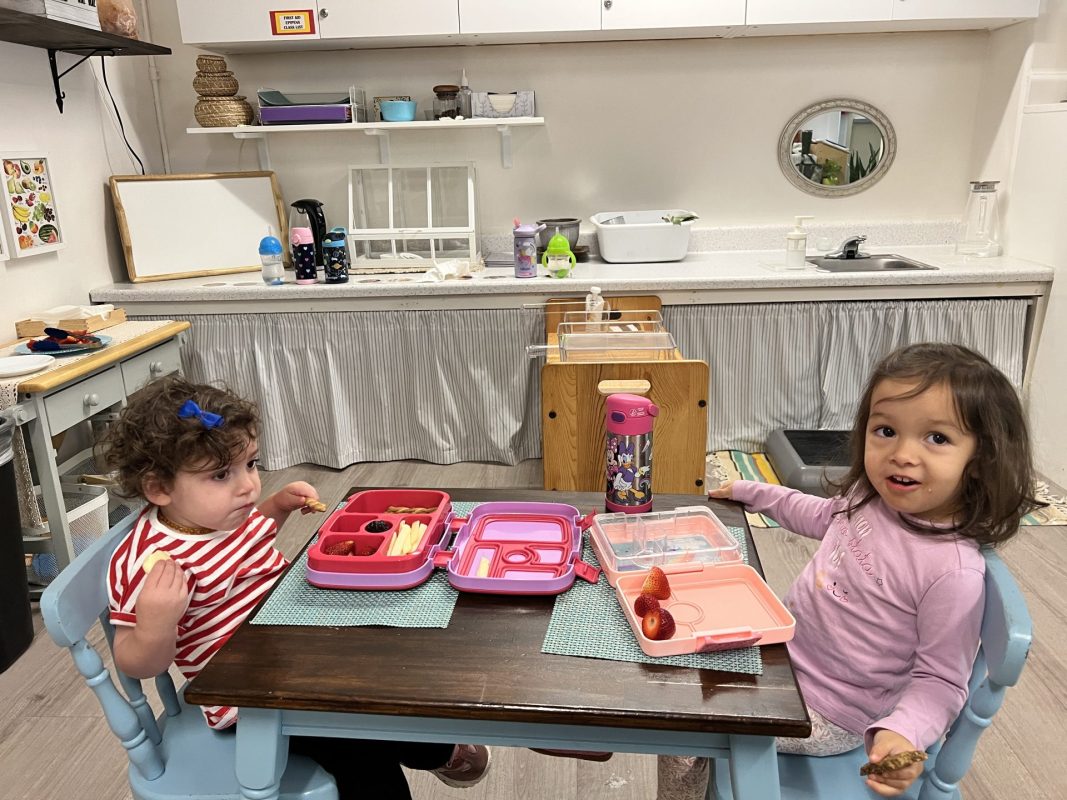
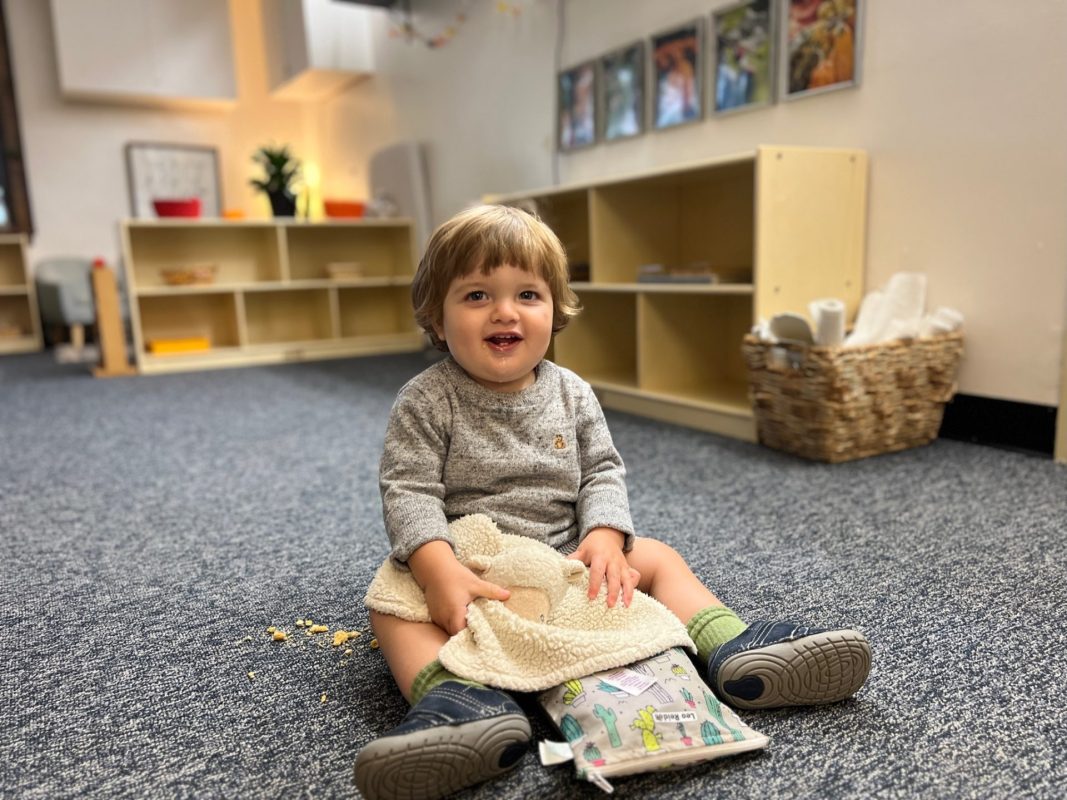
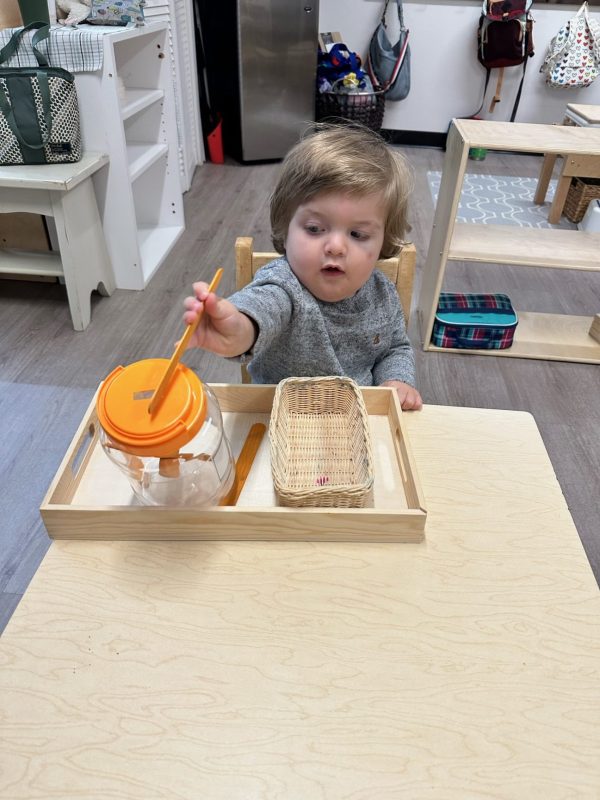
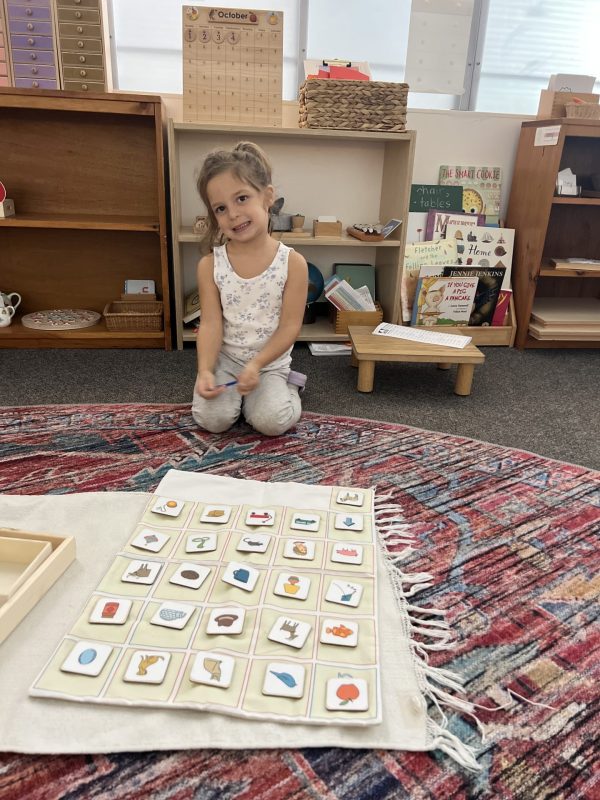
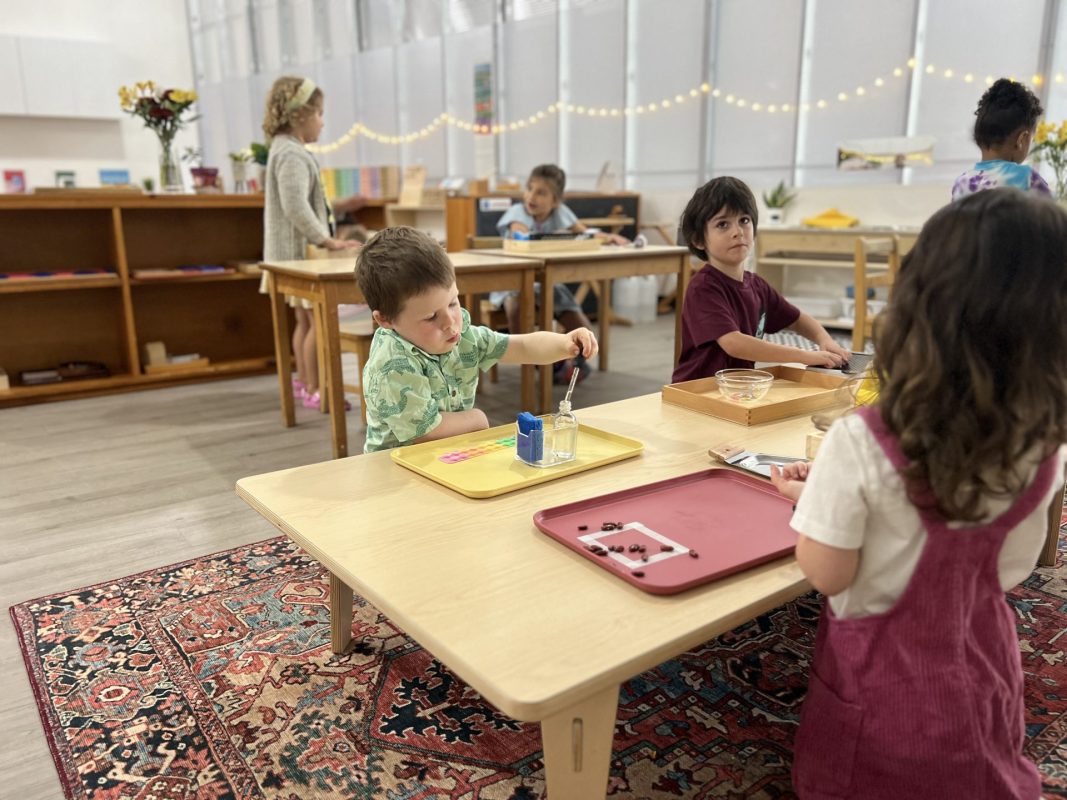
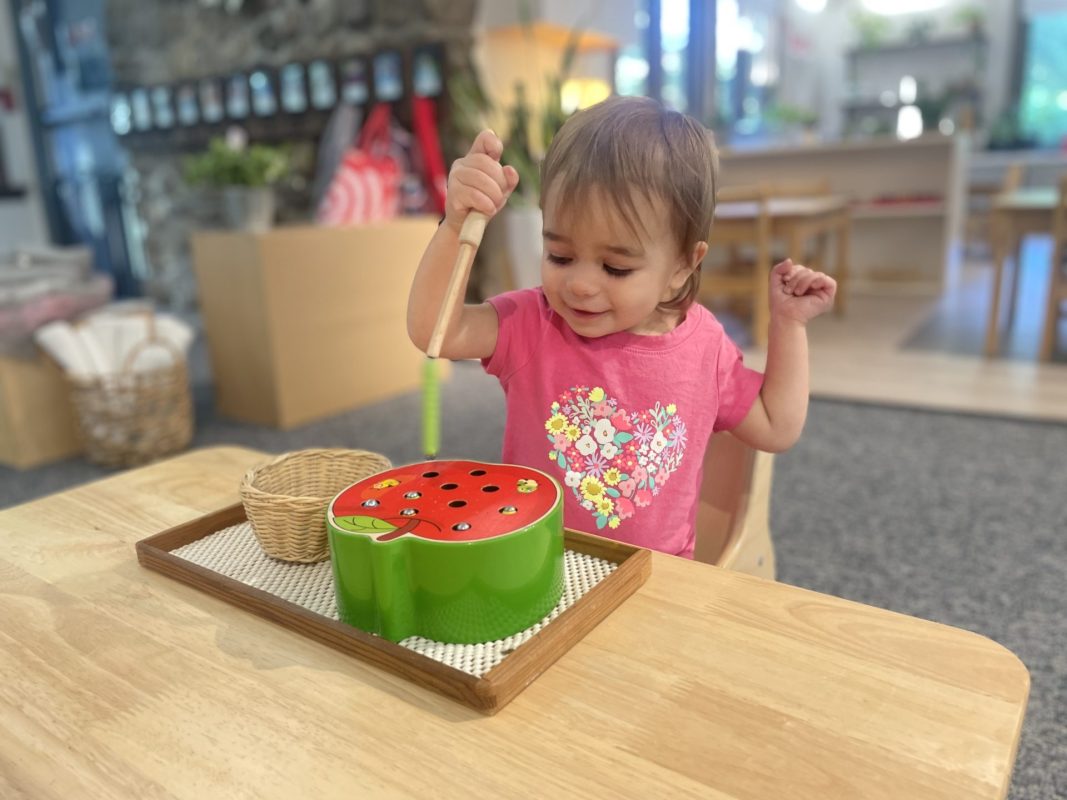
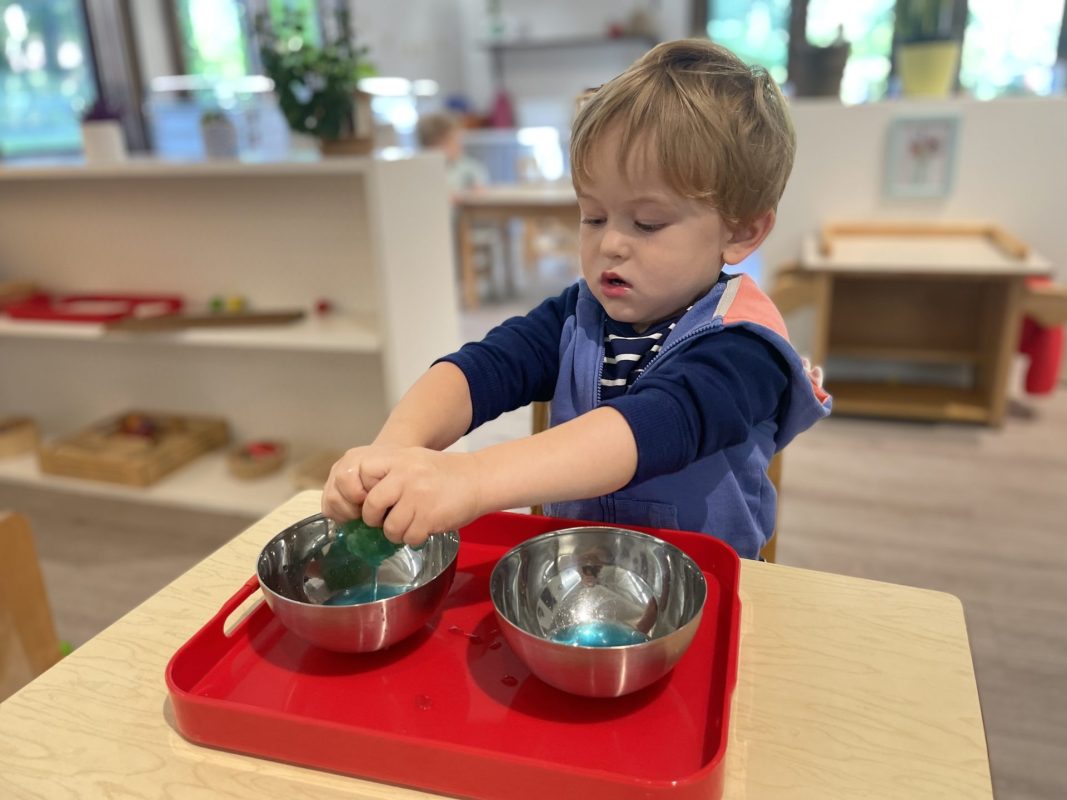
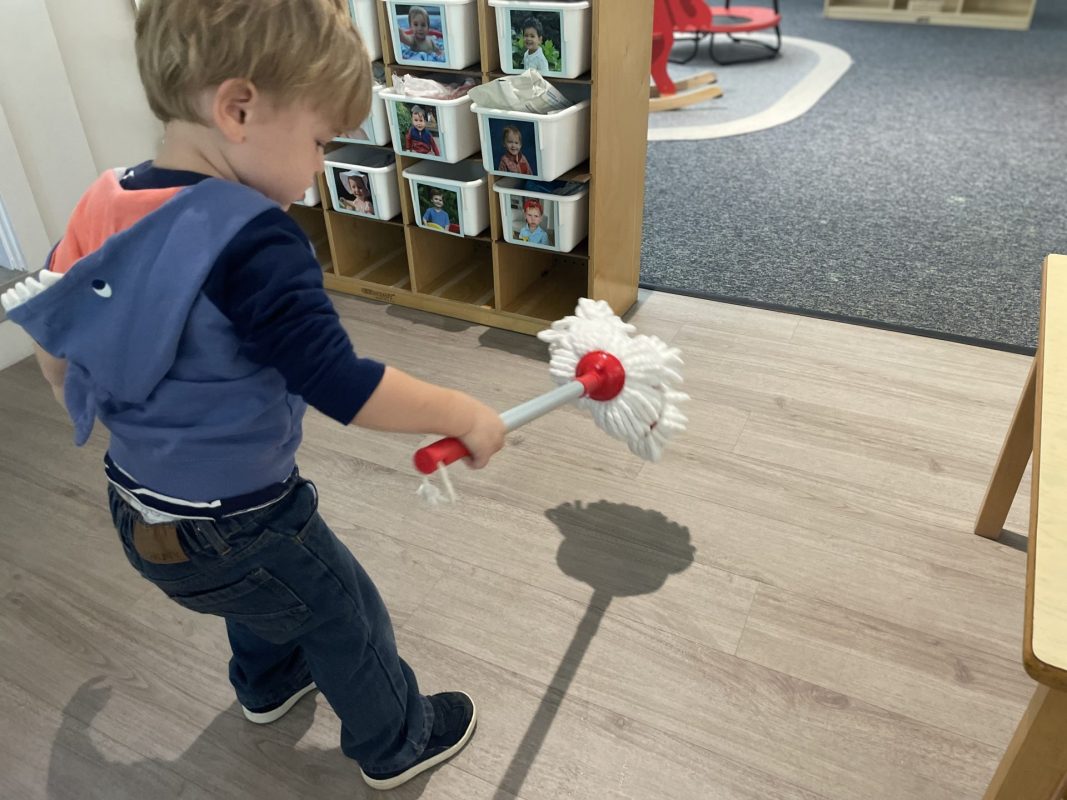
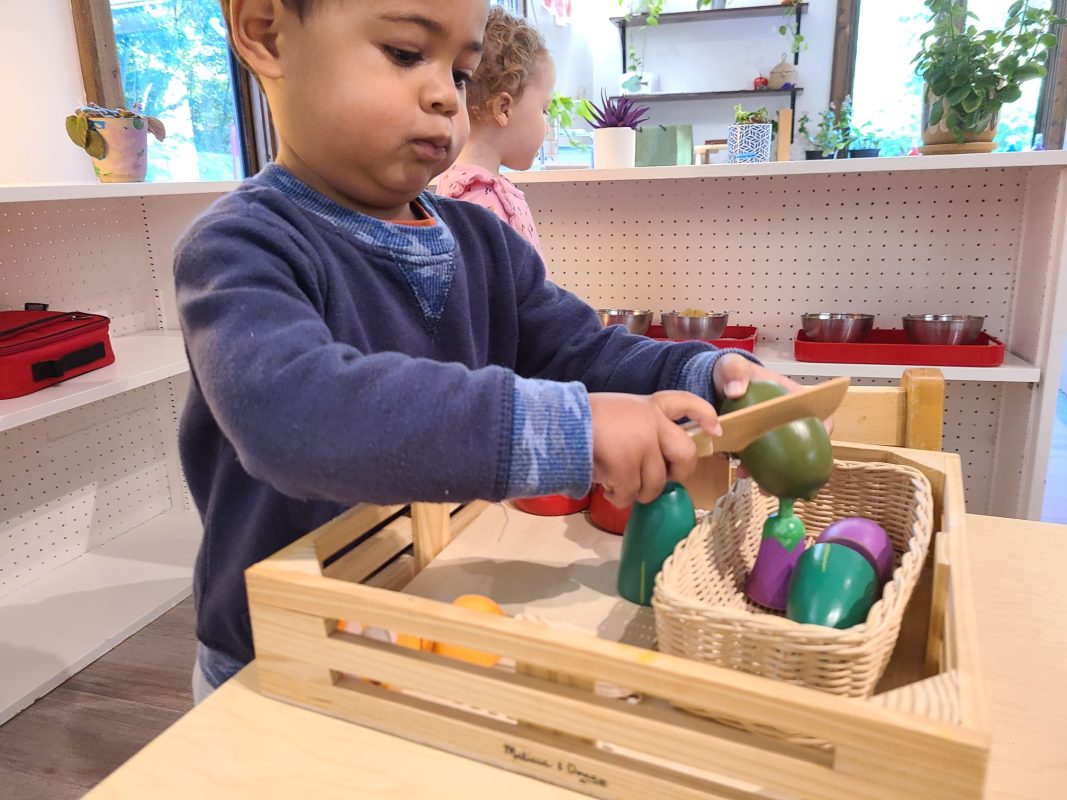
Food preparation is one of the main areas in our Practical Life curriculum! There are many benefits to involving children in food prep. Even the pickiest of eaters have been known to be more willing to try things when they have had a hand in preparing them. These works also help develop fine motor skills, build coordination, create a sense of community, and increase knowledge of nutrition, science, and math. We will continue to provide individual and group experiences like this throughout the year.

We encourage you to make experiences like this available at home as well. Here are just some examples of how you can include your toddler in food preparation at home:

  • Scoop cereal into a bowl
  • Add milk to cereal
  • Wipe up spills with a small towel
  • Take the plate to the kitchen
  • Prepare a sandwich
  • Spread sun butter/jelly/cream cheese on crackers
  • Peel and slice a banana
  • Peel a mandarin orange
  • Peel and cut an apple with assistance
  • Wash fruits and vegetables
  • Make orange juice
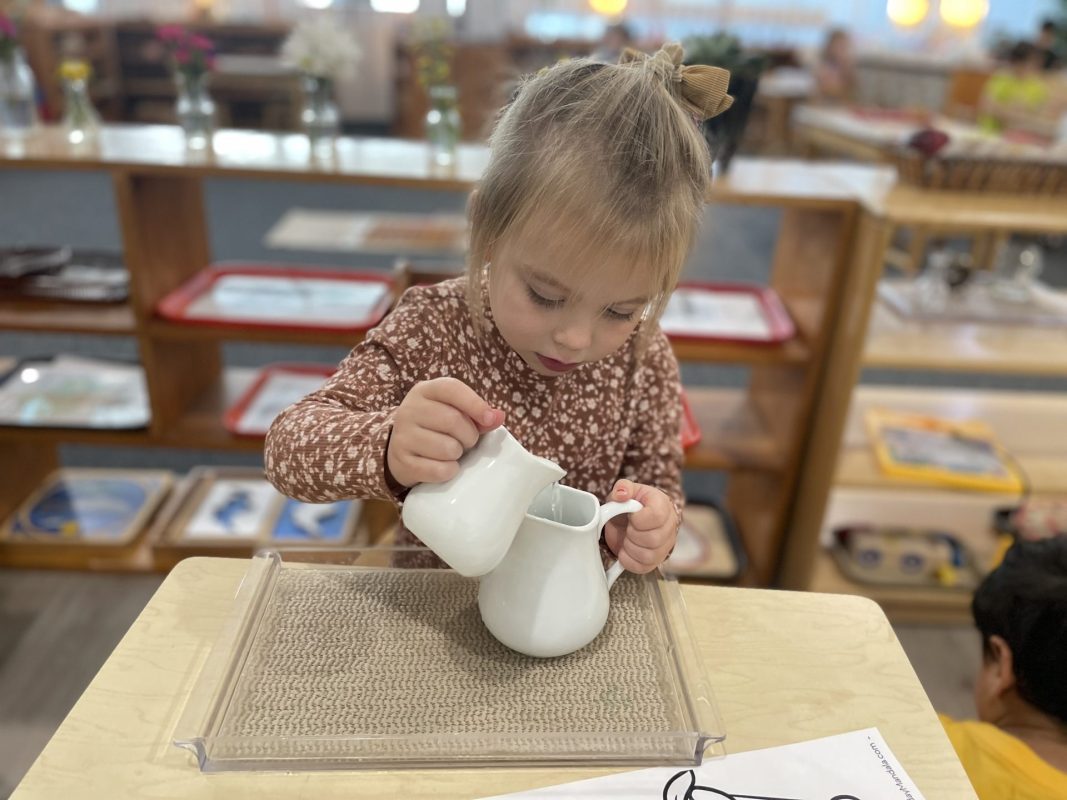
  • Pour a glass of water or milk using a small jug- use a small amount of liquid to avoid a large spill.
  • Drink from a glass
  • Follow a recipe with assistance using measuring cups
  • Set the table/clear the table
  • Wipe the table
  • Sweep the floor -use a dustpan and brush

Enjoy the weekend,

Mrs. Hood and Ms. Mollie

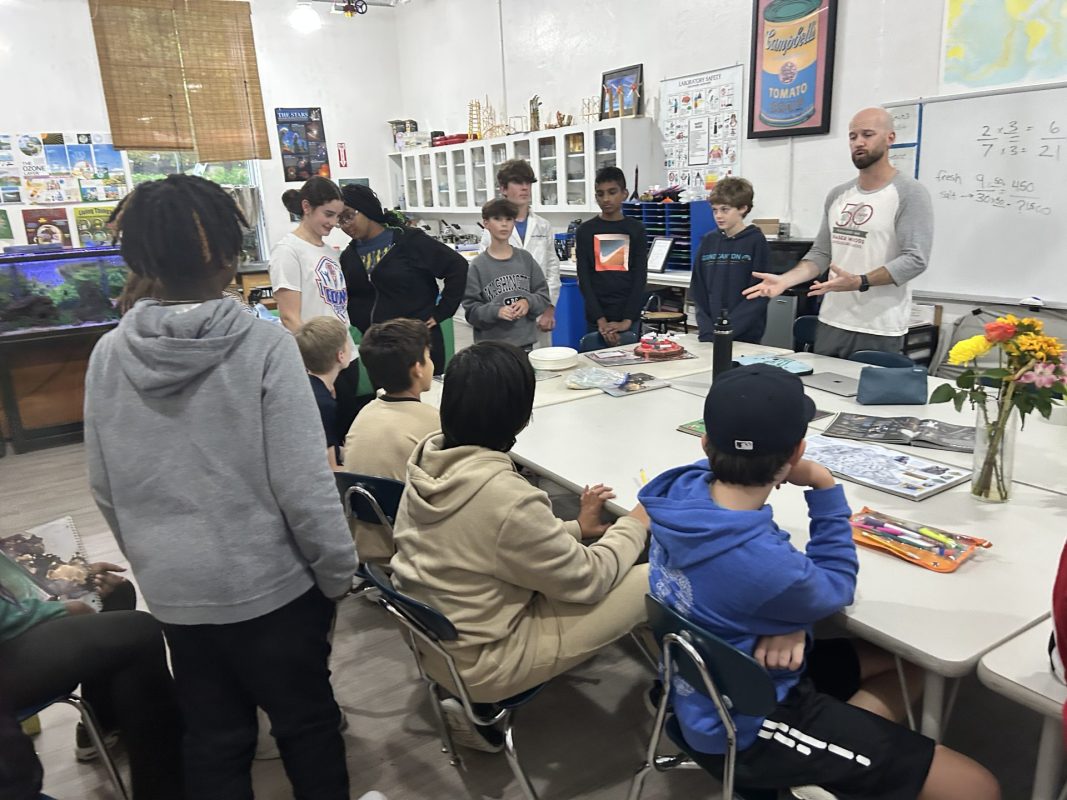
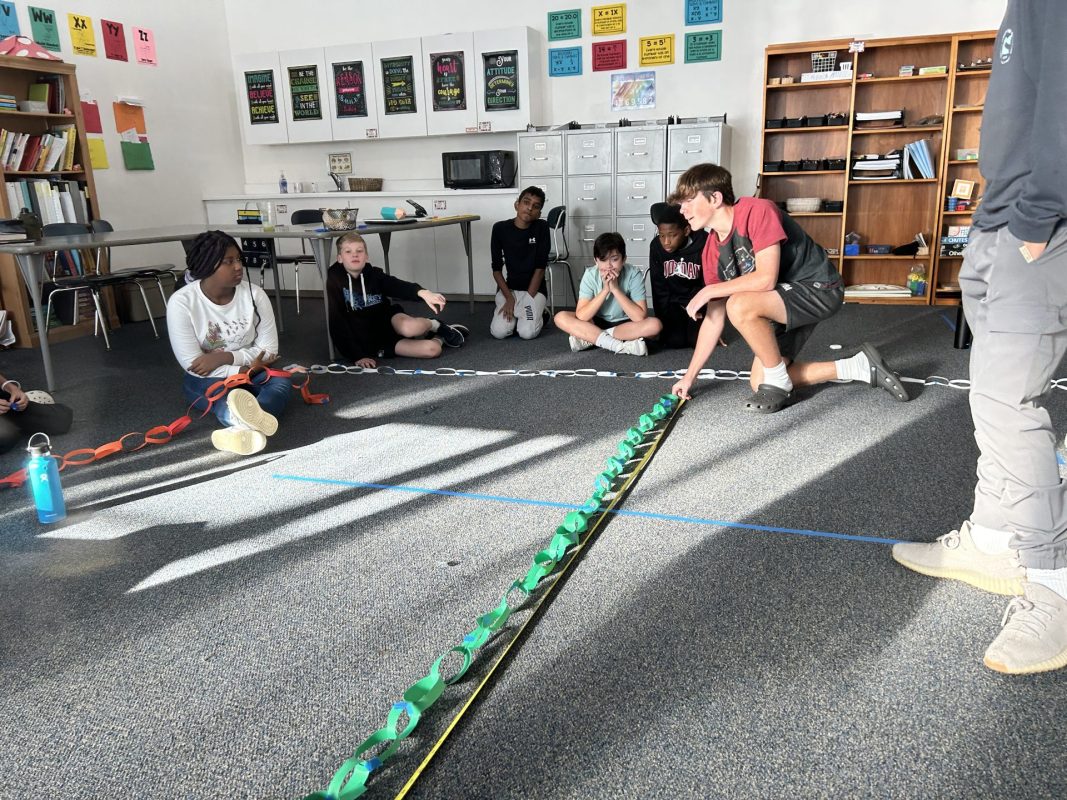
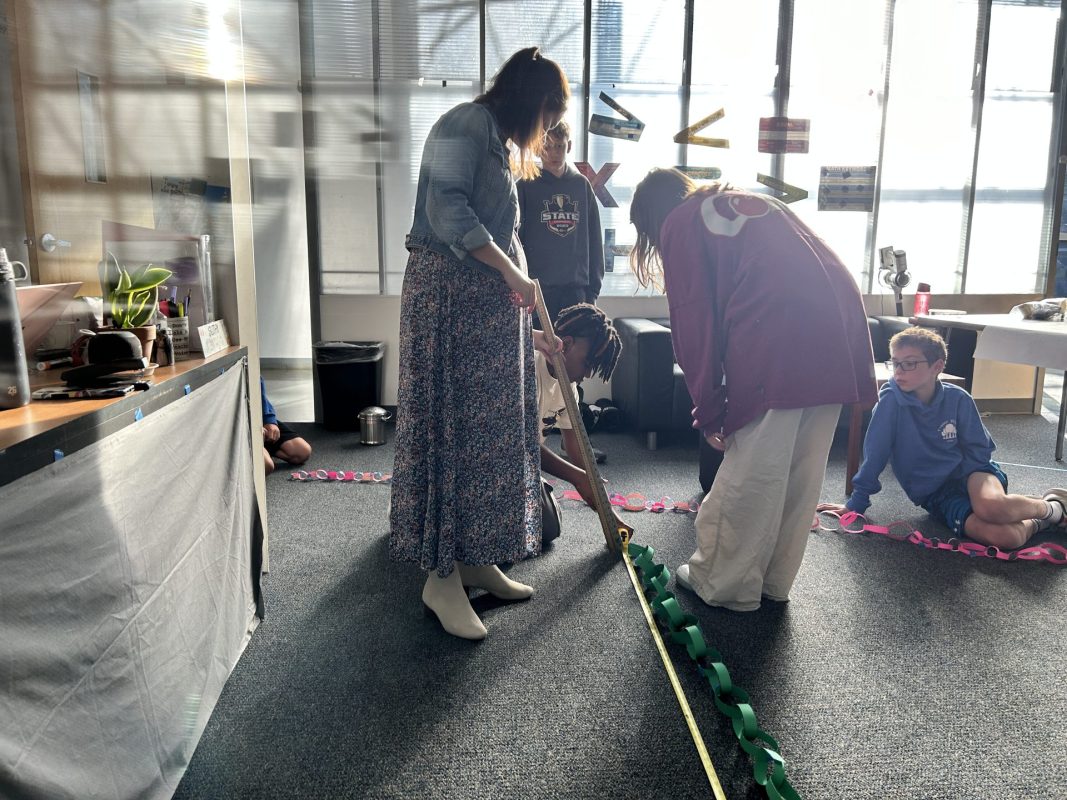
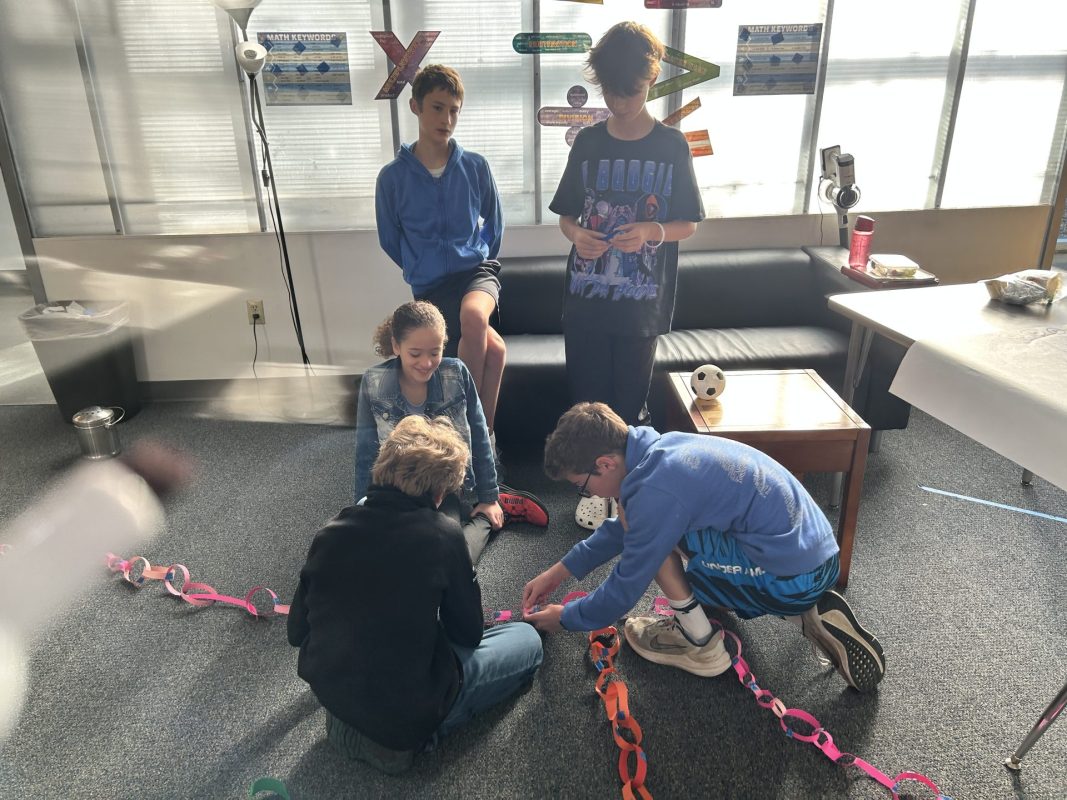
Middle School: Week in Review
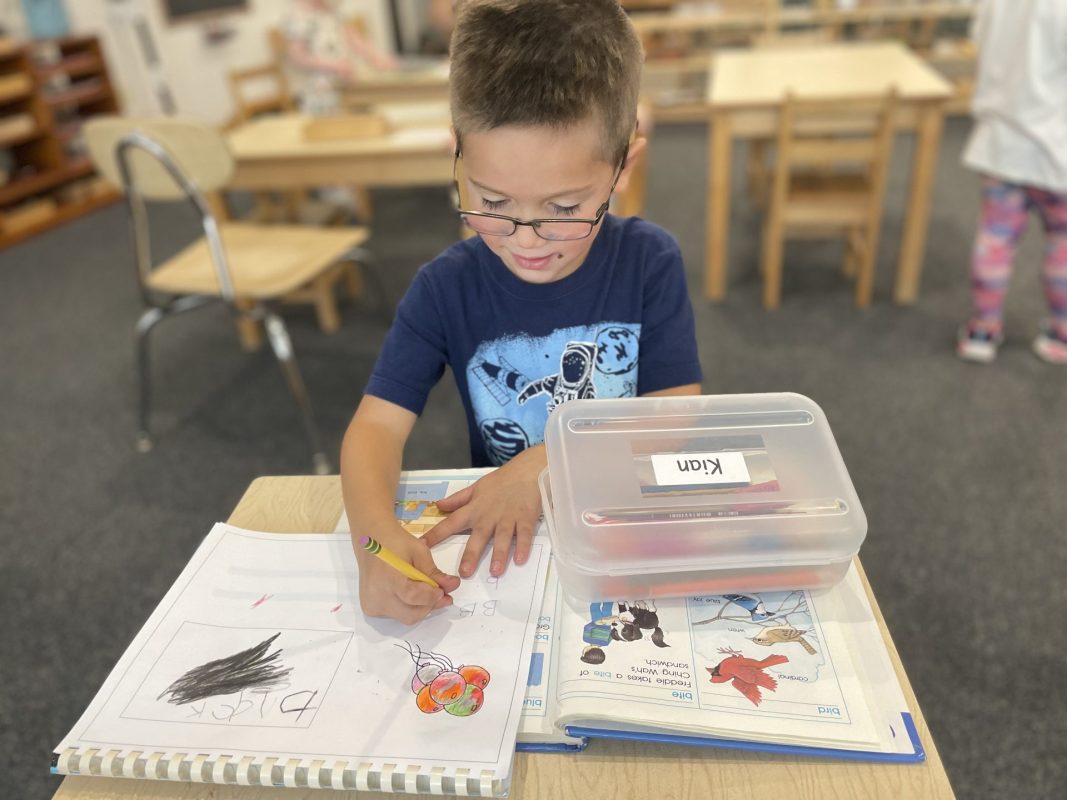
Happy Friday! It’s looking (and feeling) like fall outside. Students were busy during this first week of October.
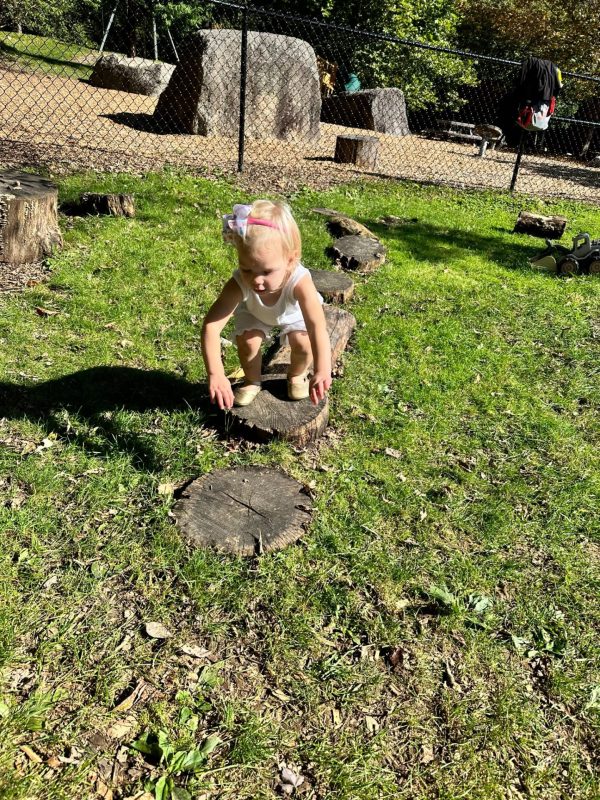
**Please note the adjustment to the MS Play Performance. It will be on the evening of December 6th.**

Humanities

6th-grade Humanities classes are working on their descriptive writing unit. They are learning to improve their word choice (specific nouns, strong verbs, and descriptive adjectives) and identify and use figurative language and imagery. Students identified examples of simile, metaphor, and personification and recognized the imagery in the poems “Harlem” and “Dream” by Langston Hughes as well as “The Train” by Emily Dickinson. In addition to completing their final draft of their “Where I’m From” poem, 6th-grade students are drafting a nature through writing piece, incorporating their new knowledge of descriptive writing. Students also now recognize that their emotional reactions to reading their class novel,  Out Of My Mind, are due to the author’s descriptive writing techniques. As Robert Frost says, “No tears in the writer, no tears in the reader.” Finally, the 6th grade began meeting with Mr. Newman this week!

The 7th-grade students completed their first novel this year, Ties That Bind, Ties That Break by Lensey Namioka. This novel saw the political and cultural shift between Imperial China and the Republic of China, focusing on the ancient tradition of foot binding. The class had many rich conversations about the main character, Ailin’s personal struggle with her family versus what she knew was right for herself and the change in her life’s trajectory for choosing to go against tradition. Additionally, students are each researching one dynasty that ruled Imperial China. Finally, Mr. Newman’s classes are focusing on Chinese history during the time, including Western influence on Chinese culture.

The 8th grade completed their first class novel, The Outsiders, by S.E. Hinton. This dramatic novel highlights socioeconomic class struggles in an imagined situation between two groups, the Greasers and the Socs. Students drafted a culminating writing piece discussing the assumptions made about the Greasers by society and then how they transcended those assumptions using examples from the book with quotations to support ideas. Students also began working on possessive nouns to better understand and improve apostrophe usage in writing. Additionally, the 8th grade learned about human migration and how, over time, Earth was populated. Finally, the 8th grade started meeting with Mr. Newman this week and discussing the land that is now the Americas and pre-contact American civilizations.

Math
In the Pre-Transition math class, students concluded their learning of Chapter 1. This week, the class reviewed ordering integer values, identifying equivalent fractions, rewriting improper fractions to mixed numbers, and interpreting real-world situations with positive or negative influences. Students wrote the Chapter 1 Unit Test on Friday, October 6th, and will begin learning Chapter 2 next week.
In the Transition math class, students started exploring variable use and were introduced to simple algebraic equations. Using a table, this class can translate a word sentence into an equation and represent a relationship between two variables. All students in this class concluded the week with a short assessment of their understanding of Chapter 2.
In the Algebra math class, students reviewed the distributive property and collected like terms in a complex algebraic expression. This class can also use the opposite and inverse properties to simplify equations. Students will write the Chapter 2 Unit Test next week, and Ms. Sutherland encourages everyone to begin studying well in advance to feel confident with the material.
In the Geometry math class, students learned about conditional and conjecture statements. This class can use and interpret Venn Diagrams and distinguish between convex and non-convex figures. Students will write the Chapter 2 Unit Test next week, and Ms. Sutherland encourages everyone to begin studying well in advance to feel confident with the material.
Make Joke: Where do multiplication problems eat breakfast? – At Time’s Tables.
Science

6th-year Earth Science students are identifying how geologic time is measured and how fossils play a role in dating geologic events. Students are collaborating with their peers to create an artistic representation of the geologic timeline. This timeline includes eons, eras, periods, and predominant species found within each phase. The objective of this project is for students to see how fossils are used to gauge the time period species were alive based on previously discovered index fossils. Students have also begun creating their resin fossils related to the preservation potential each fossil undergoes.

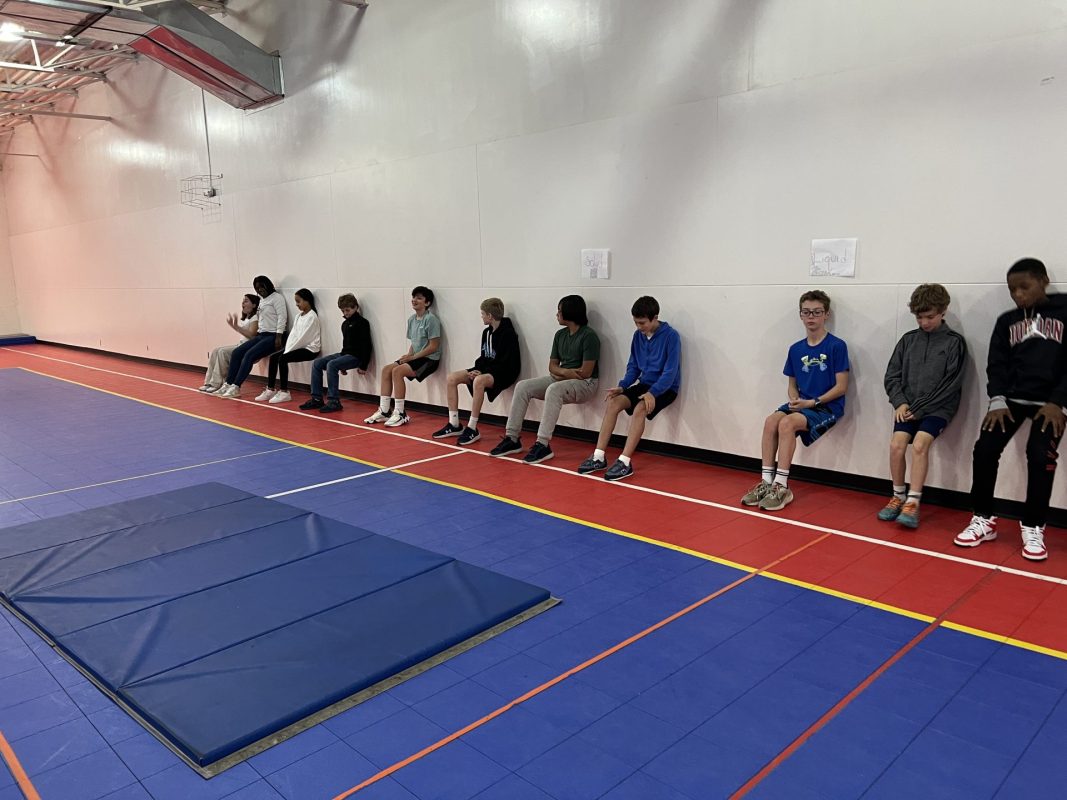
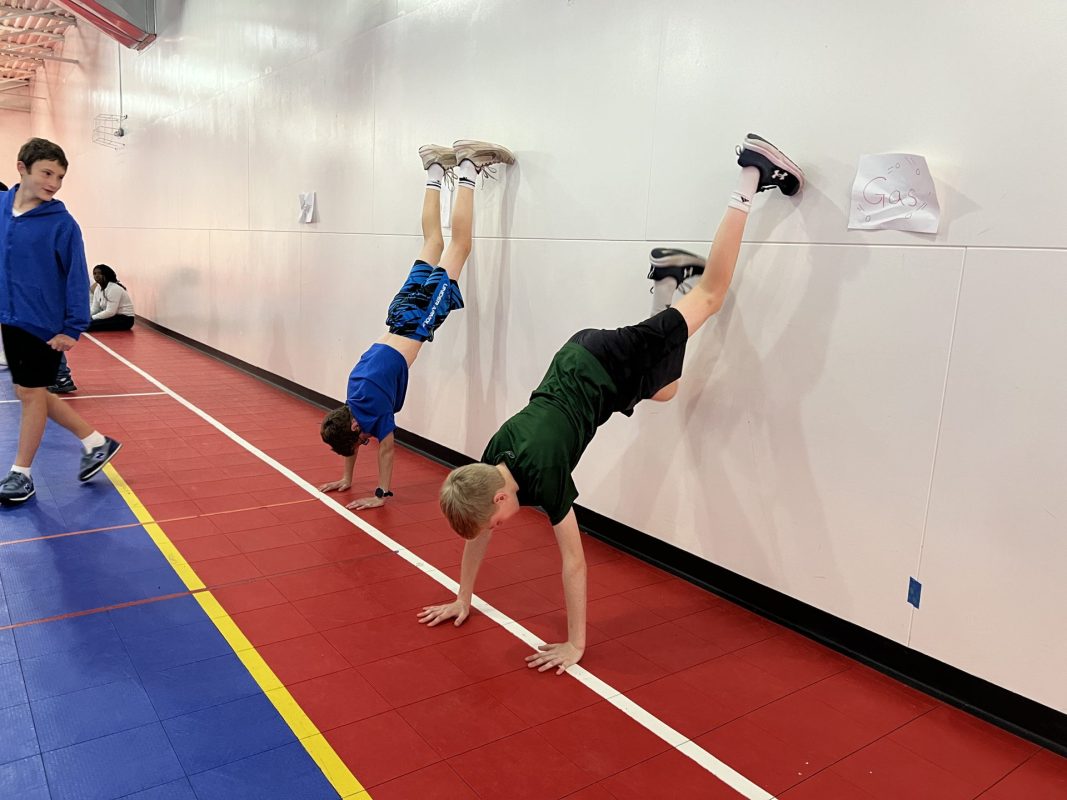
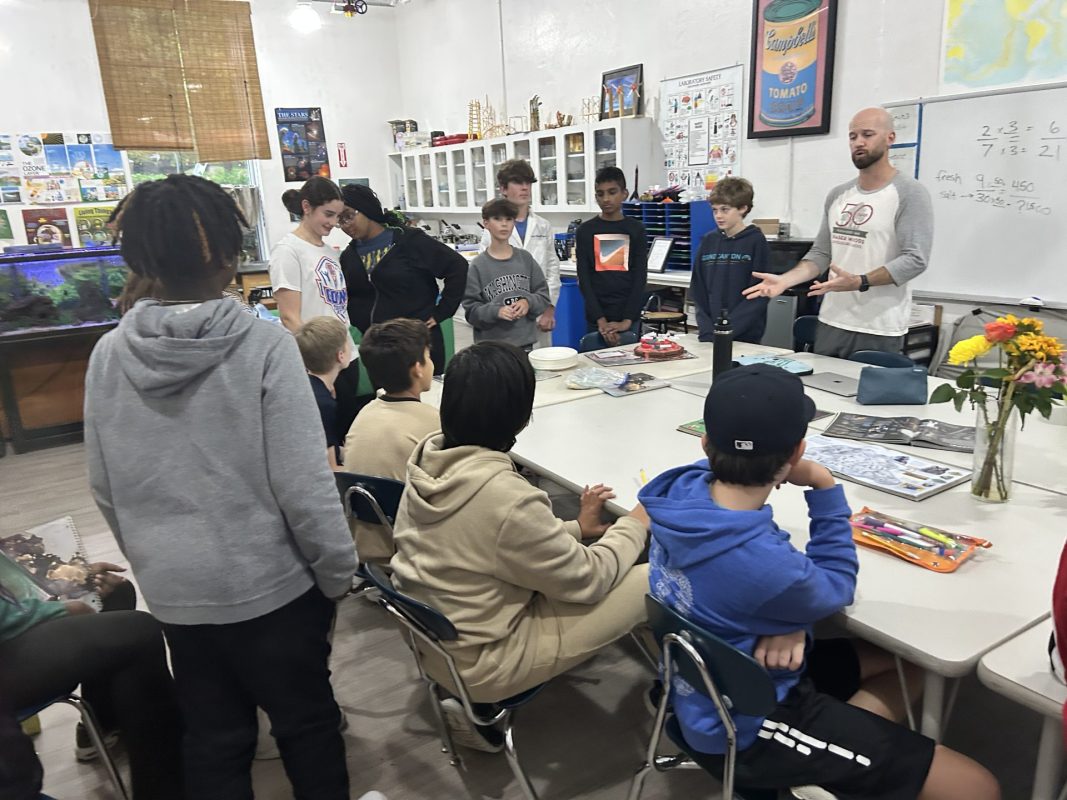
7th-year Physical Science students are finishing their until, Combining and Separating. Students were asked to research and present on particular careers that involve separation. Students chose such jobs as sanitation workers, water treatment facilitators, and chemical spill management. Students did a great job with their work. Their next unit will identify the unique properties within states of matter.

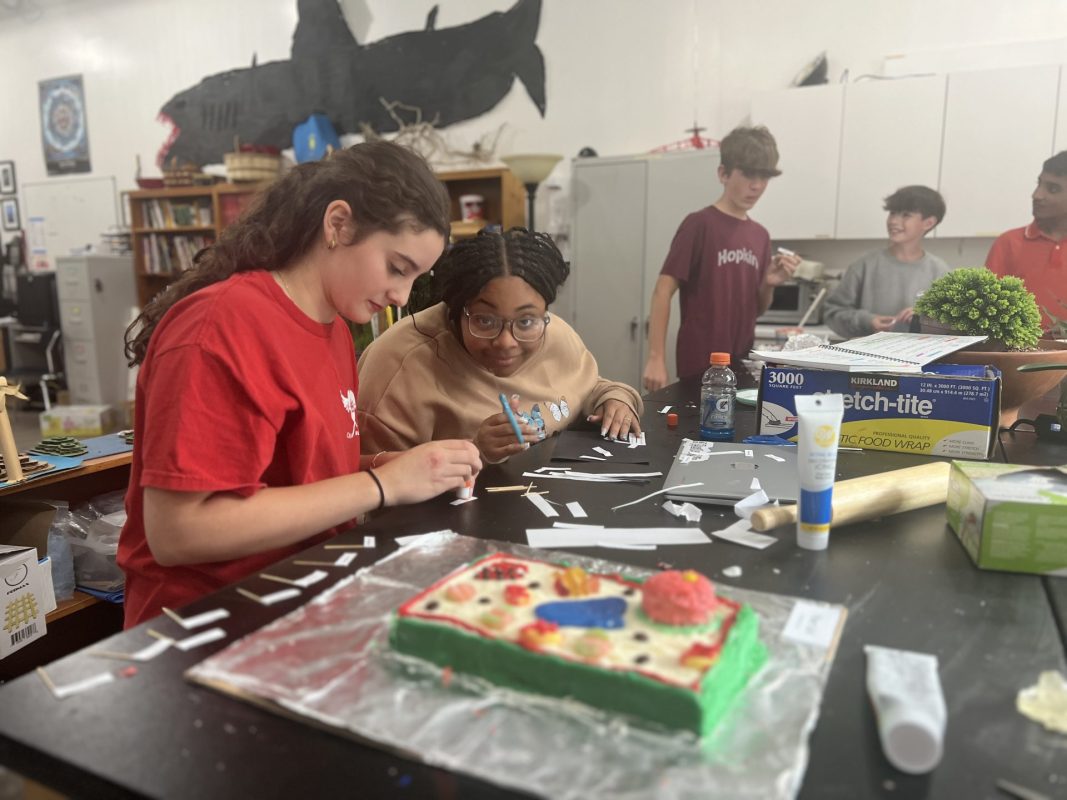
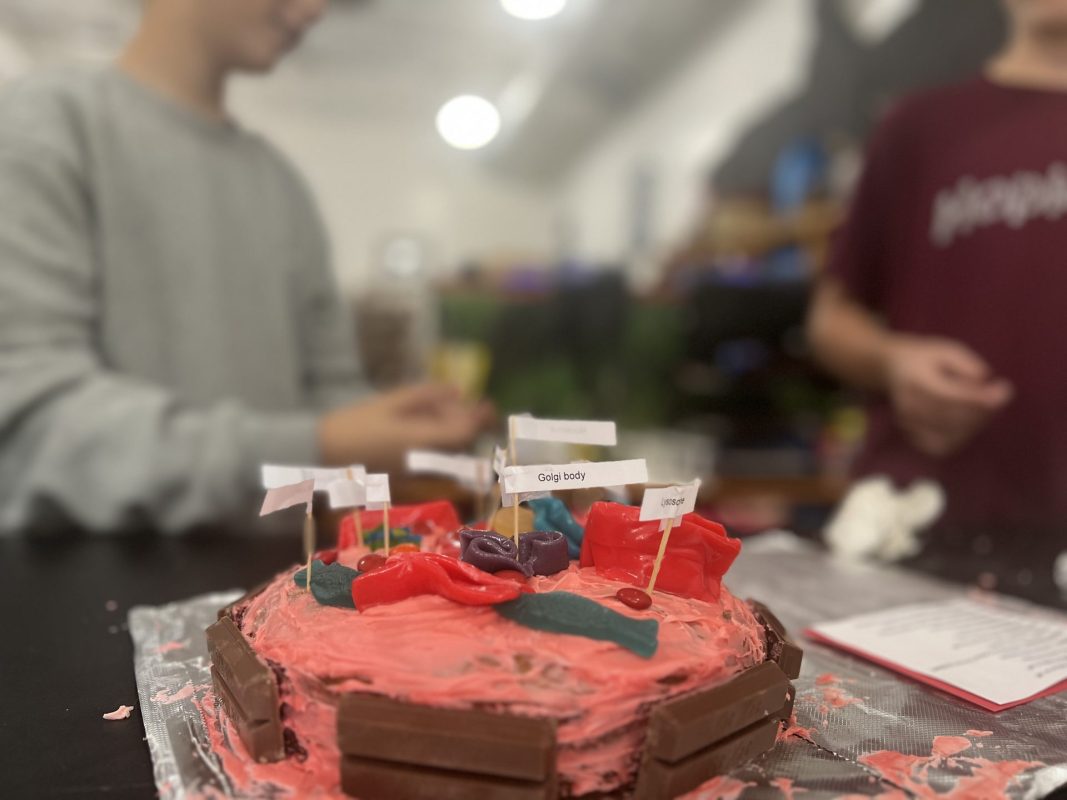
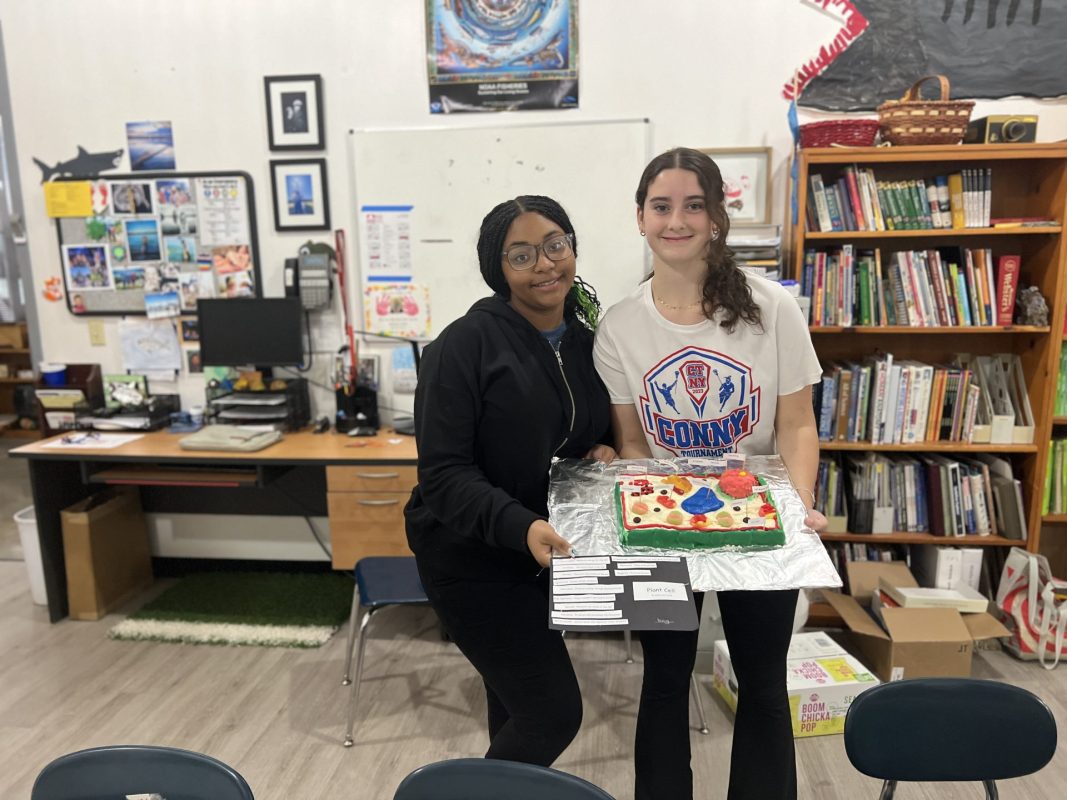
8th-year Life Science students did well presenting their research on stem cells earlier in the week. Students provided evidence to support their claim on whether to support or oppose further research regarding stem cells. Students then presented research on the differences between our body cells. Students shared their findings on nerve, cardiac, blood, and fat cells. Each student highlighted the difference in the cell’s structure/shape as it relates to the function each cell is intended to serve.

Have a beautiful long weekend.

Mrs. Lopes: Friday Folder Fun Facts

As adults, we must remember that we want things done as quickly as possible so they are finished and out of the way. In contrast, the child is interested and content in the doing, not the done.” –Margaret Stephenson, The Art of Montessori in the Home.

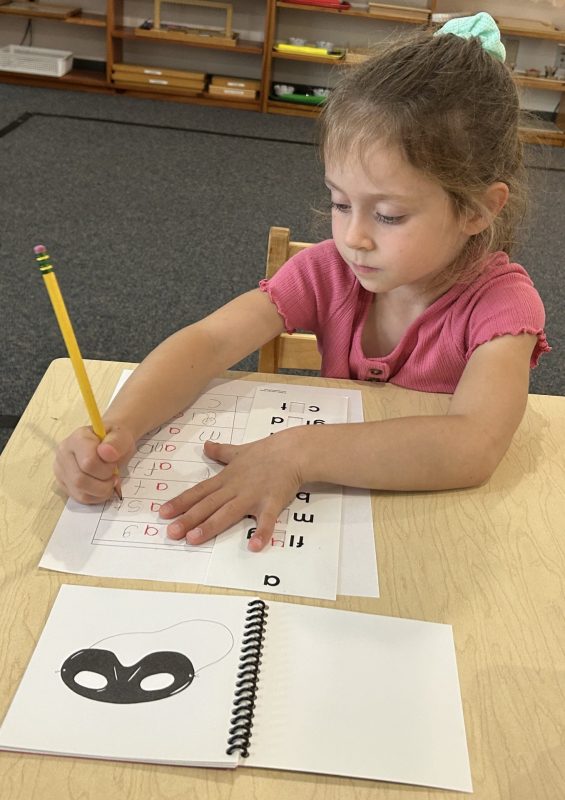
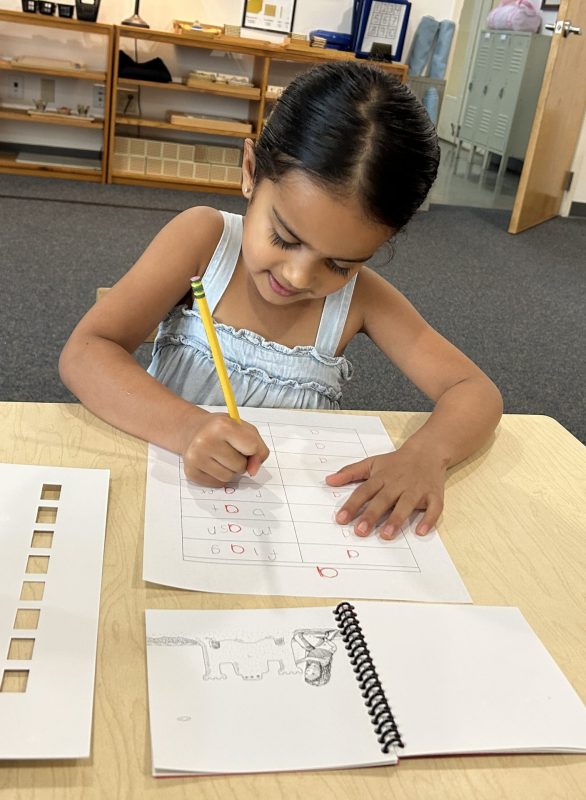
Each Thursday, we send home Weekly Folders with the work the children have completed over the past week. We often receive emails asking why there was so little work inside and what exactly the children are doing.

Sometimes, it can be difficult to accept the idea of focusing on the process, not the product. What exactly does that mean? Many works in the Montessori classroom do not end with a physical product the children will bring home to share with everyone. There is often no way to visually assess what a child is learning. Overall, as a society, we are product-driven and often base our success on this factor. The experience a child has when working with the materials is truly what is most important. However, it can often be unsettling when you hear they did “nothing” day after day.

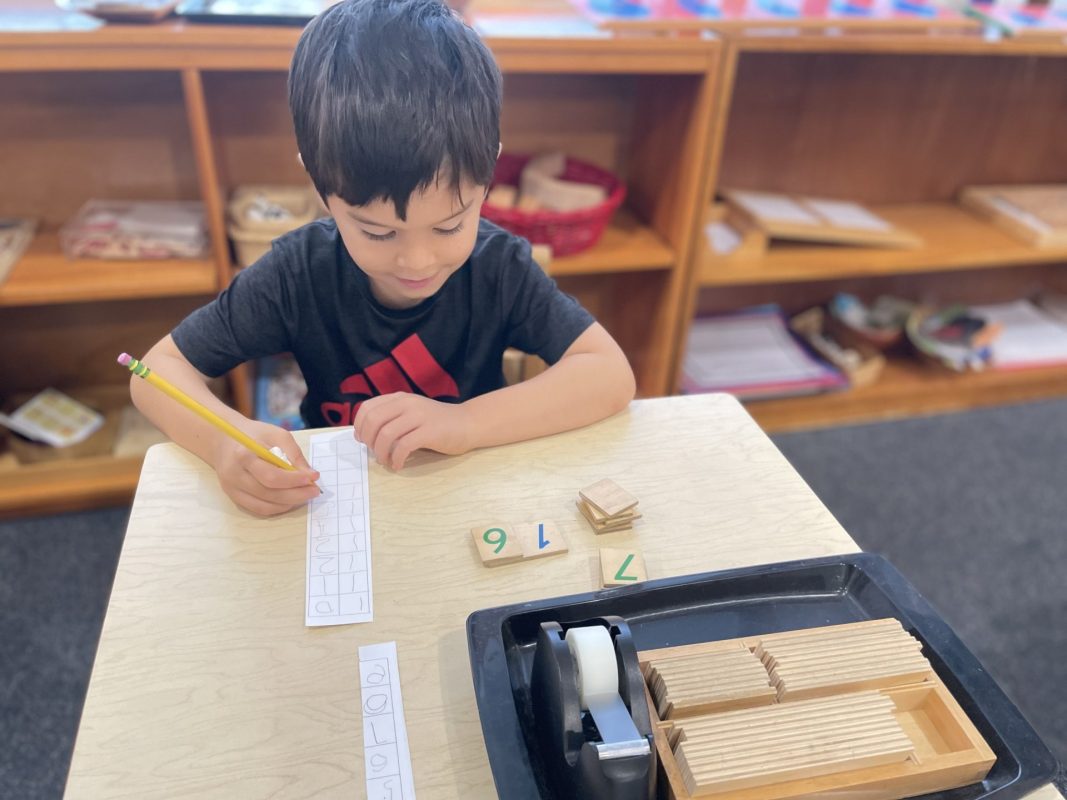
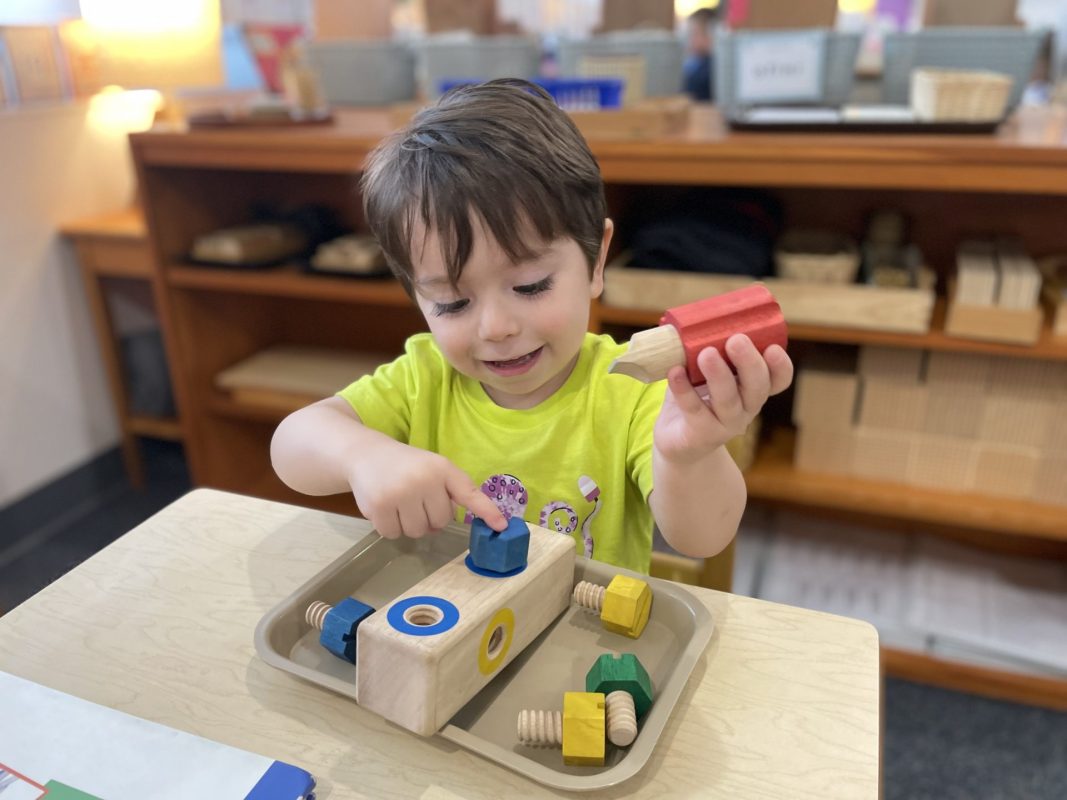
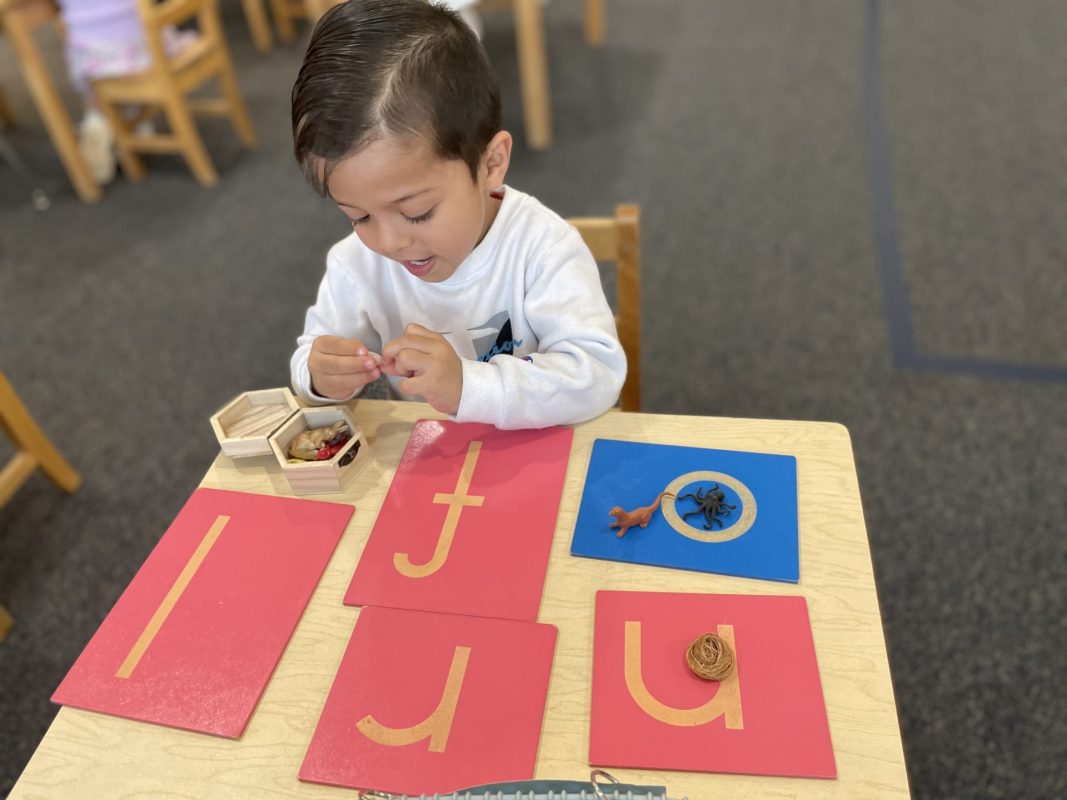
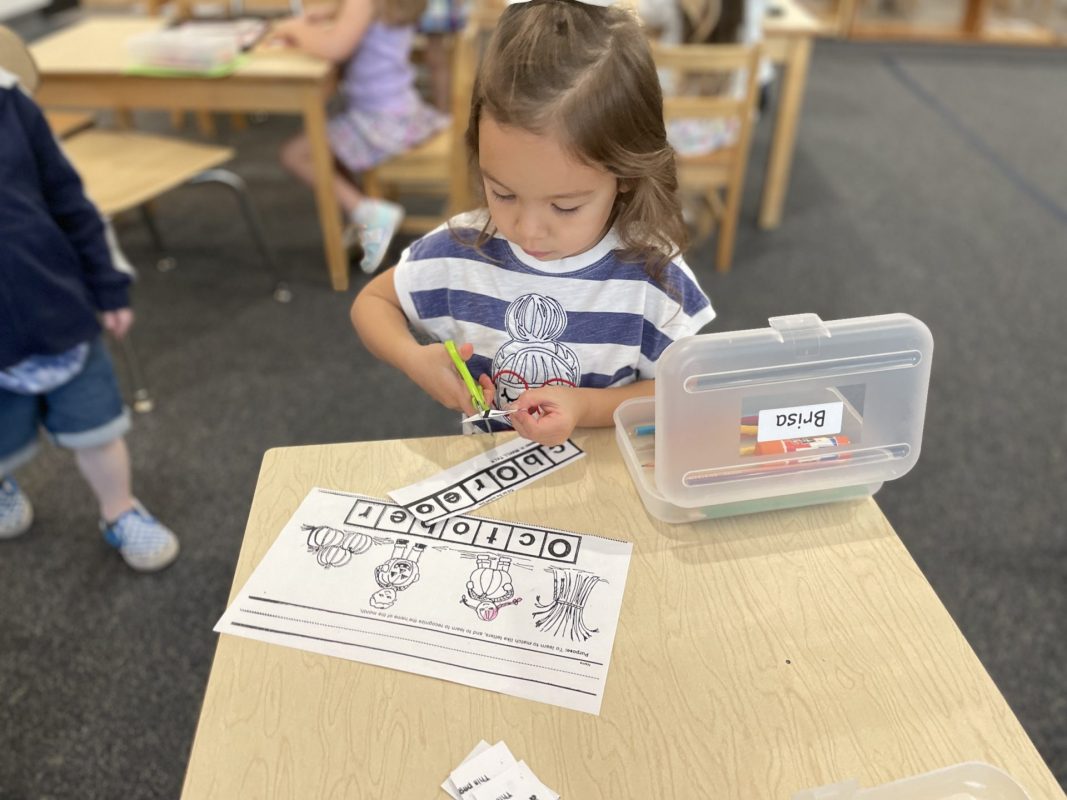
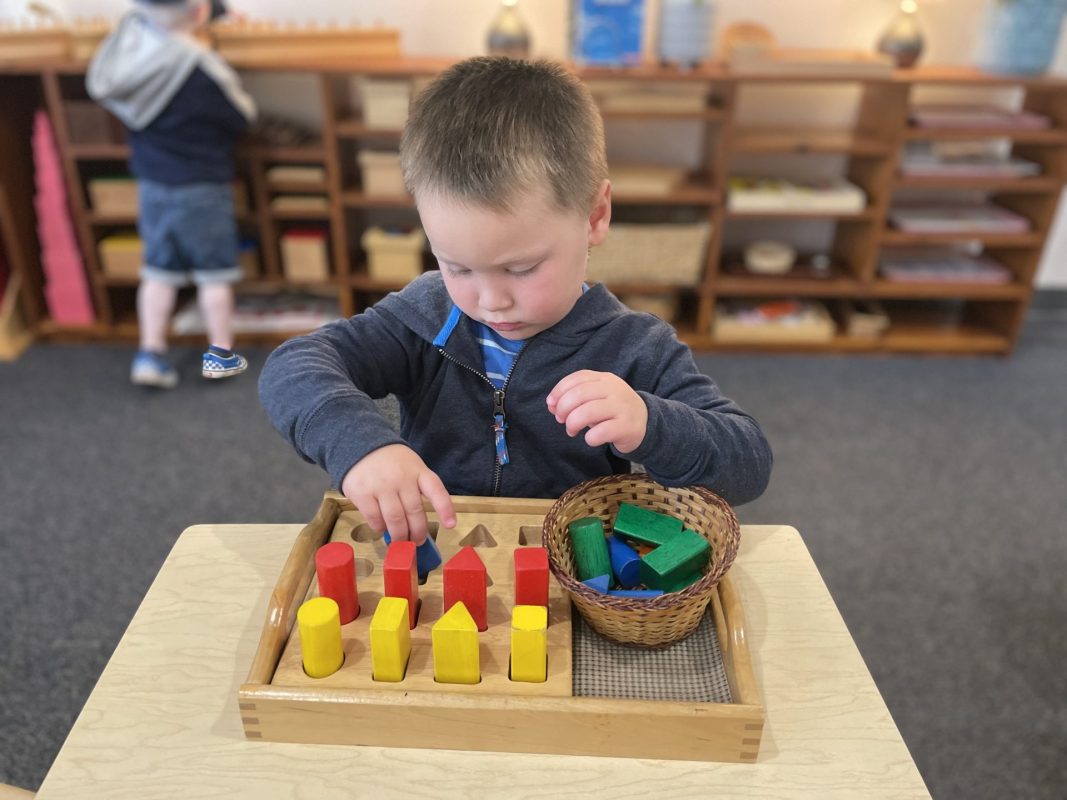
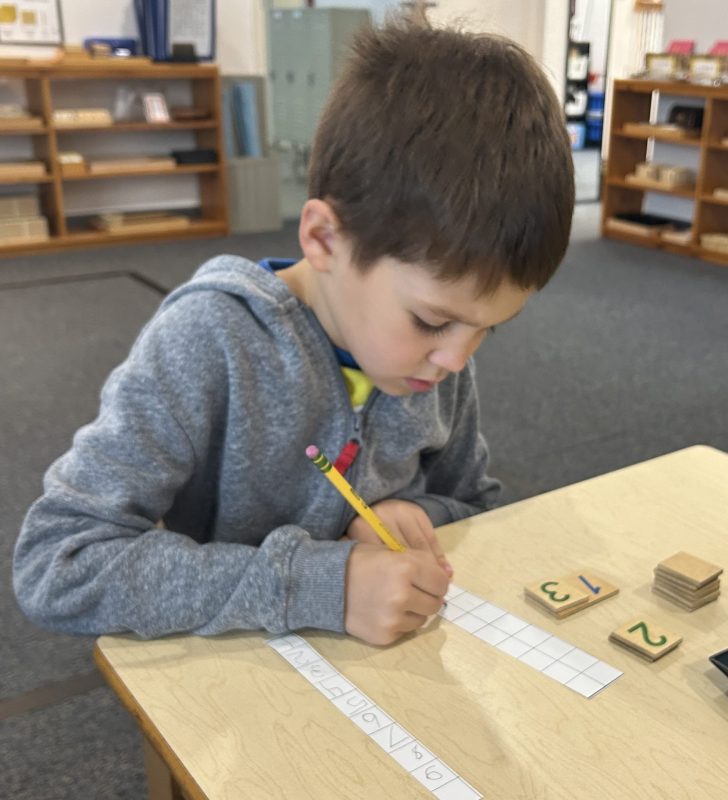
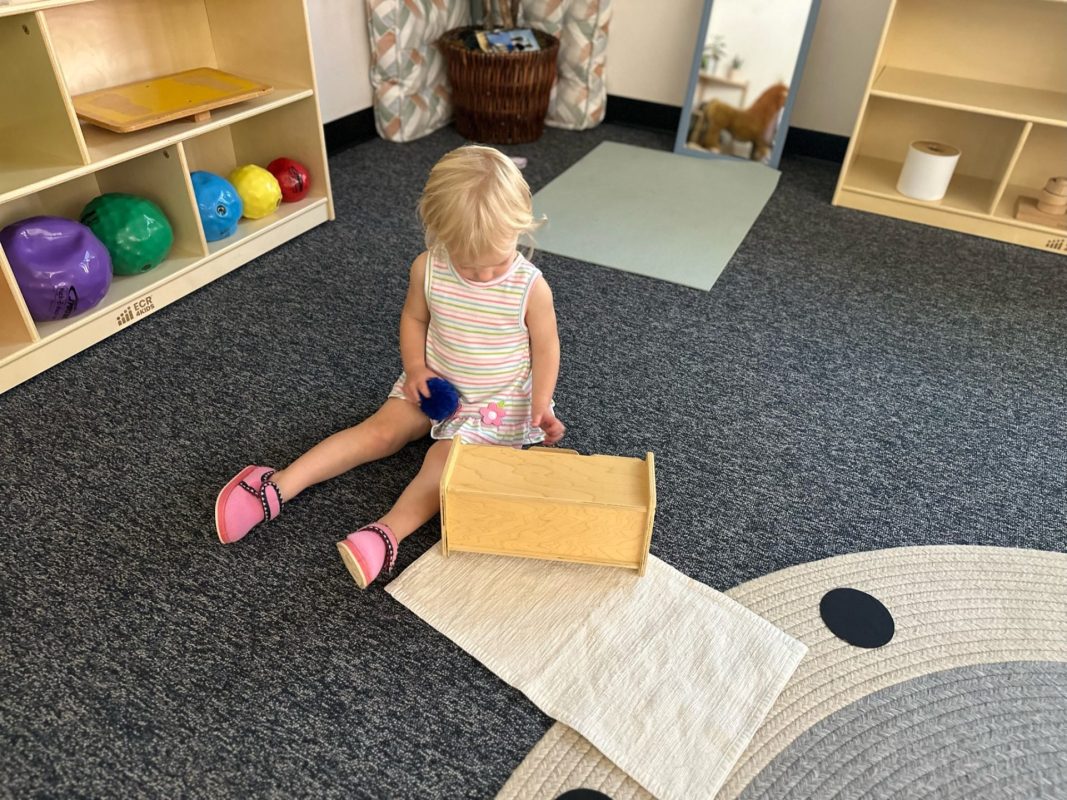
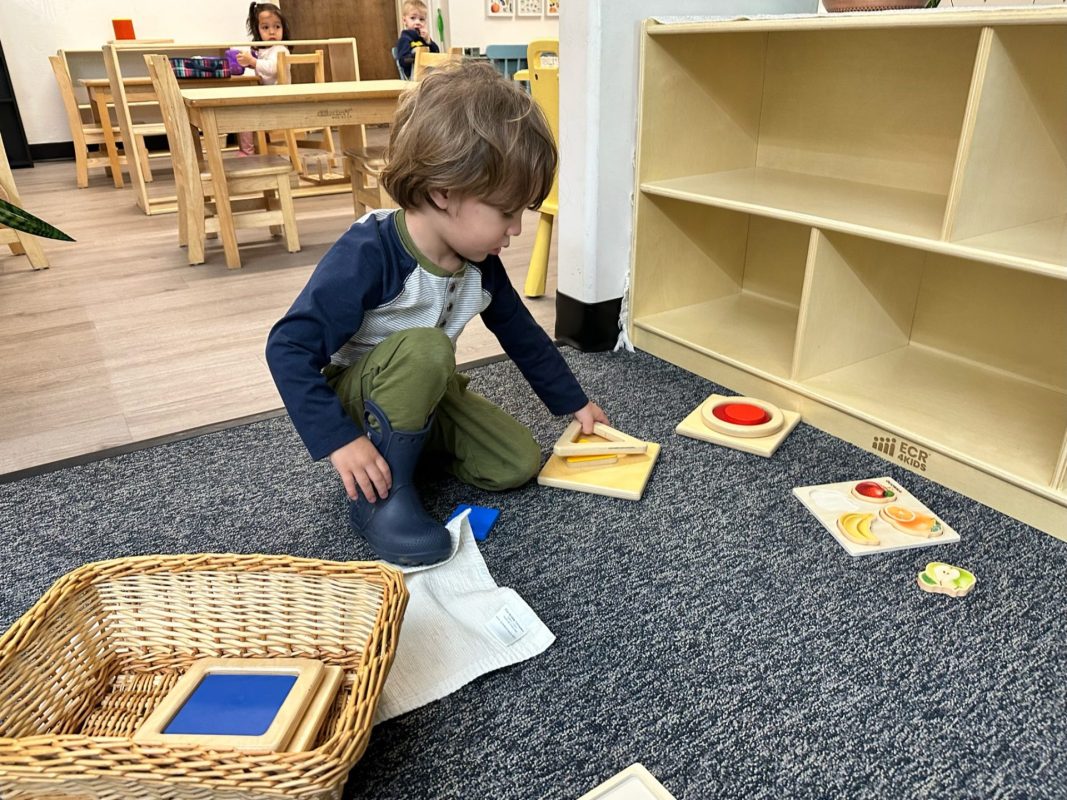
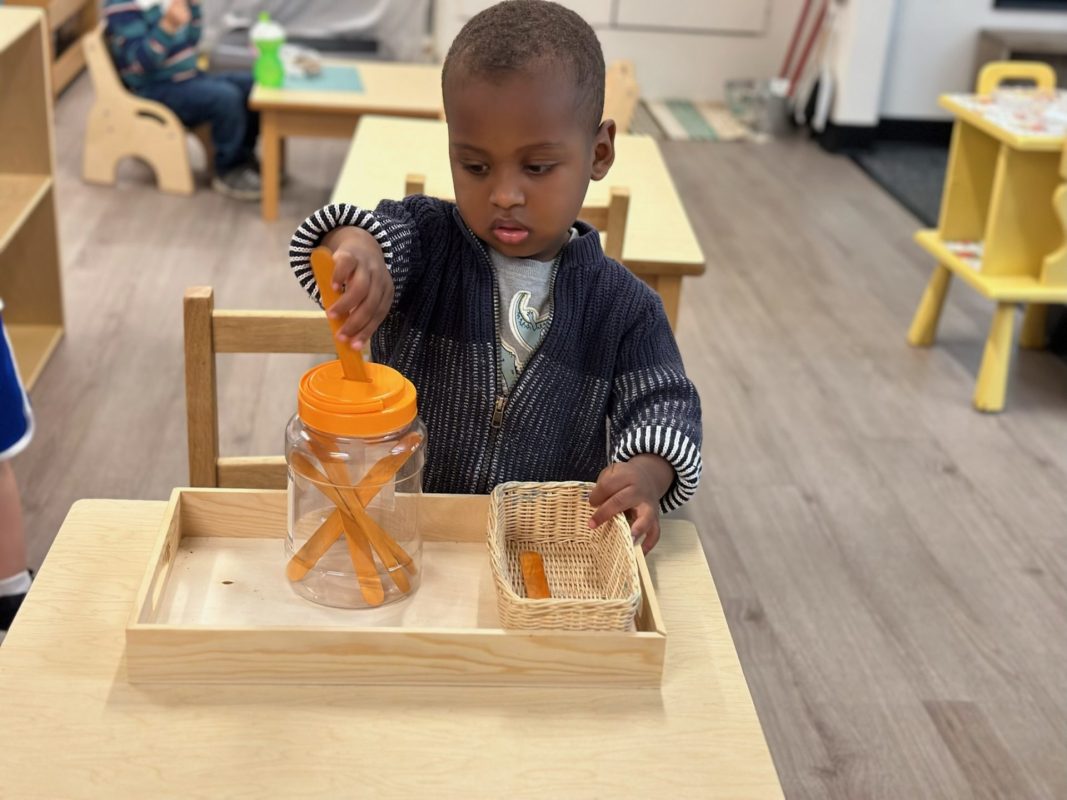
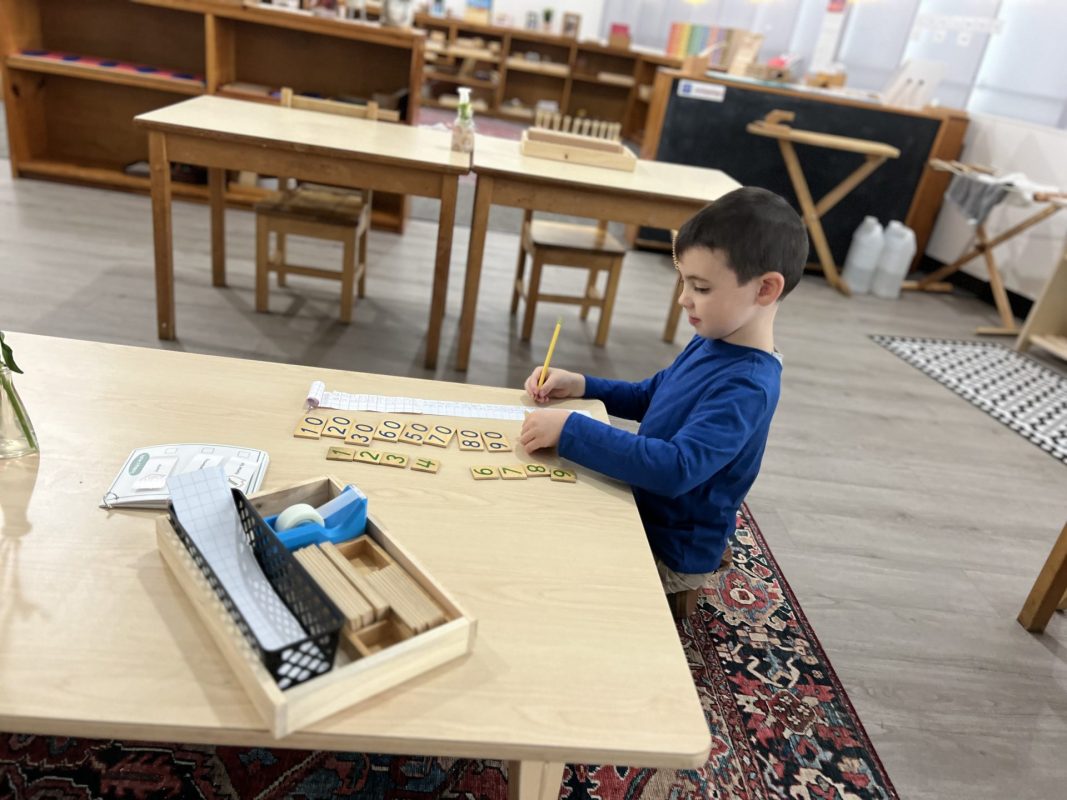
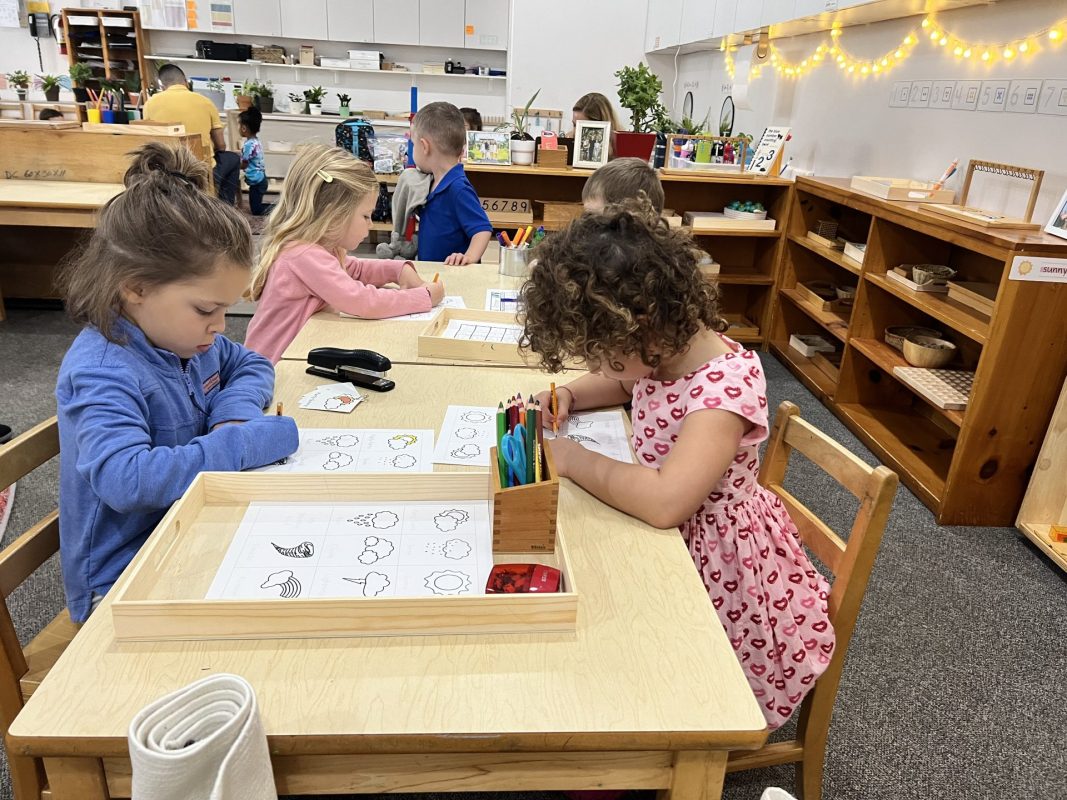
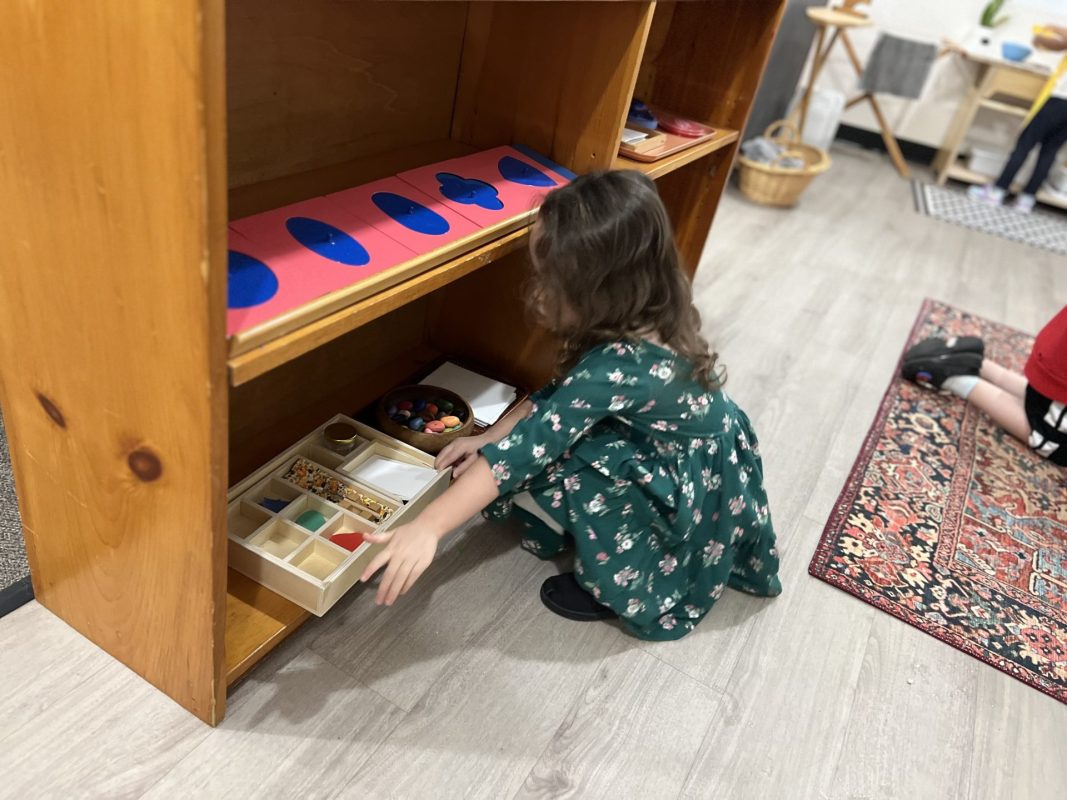
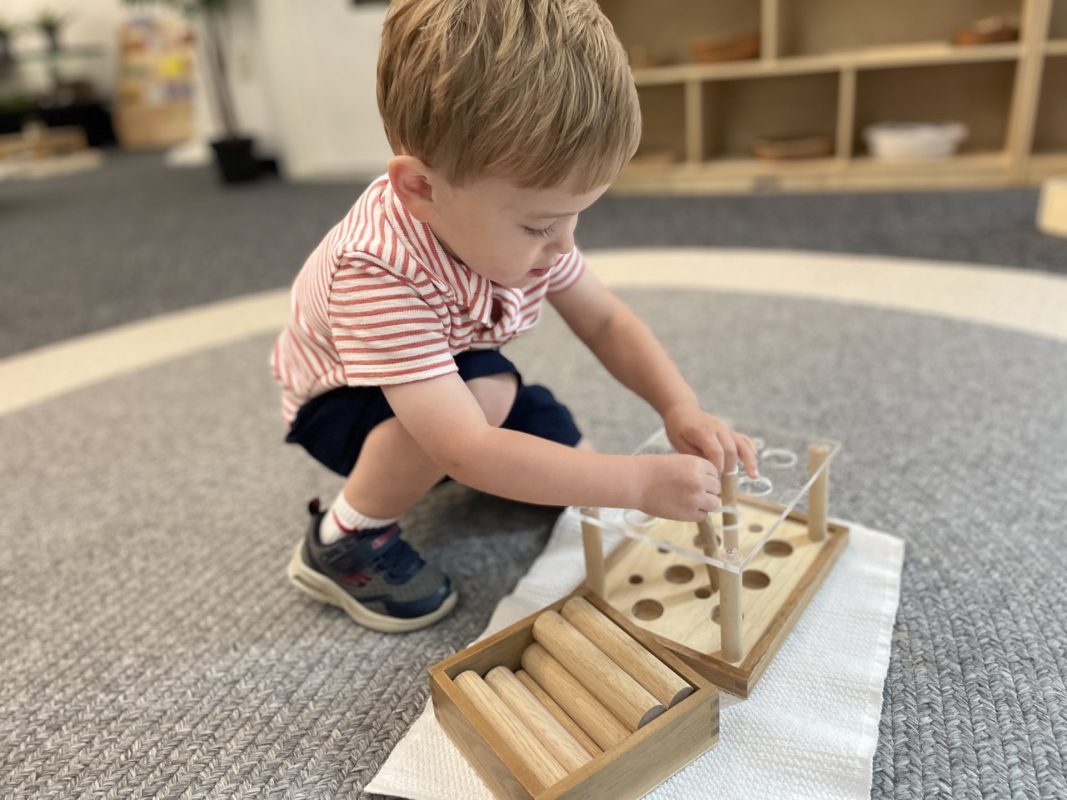
Research shows children ages three to six learn best through their hands. To truly understand a concept, they need to explore it through touch. This is why so many lessons in the Montessori environment are not based on memorization alone. Most concepts we teach involve tracing, manipulating, and exploring with their hands. Perhaps most importantly, focusing on the process protects the child’s intrinsic motivation to learn and understand. External factors such as recognition, praise, or reward do not influence it. We truly value and encourage the time and experience with the materials.

So, if your child’s folder comes home with little to no work, know that their accomplishments can’t always ‘fit’ in that folder. Maybe after weeks and weeks of trying, they learned how to zipper their coat, or perhaps they can finally carry a work without it dropping. Maybe after observing a lesson day after day, your child tried it independently for the first time. The list of skills each child can accomplish will never be fully represented in the Weekly Folder. So please enjoy the work in there, but know it will never be an accurate portrayal of all the children are learning and accomplishing.

Fall conferences are scheduled for Thursday, October 26th. Please click here to sign up and choose your time. We look forward to seeing everyone on conference day and sharing all of the exciting growth that has taken place these past few weeks.

Wishing you a week filled with peace and love.

Amanda and Hema


Mrs. Doyle: Friday Folder Fun Facts

As adults, we must remember that we want things done as quickly as possible so they are finished and out of the way. In contrast, the child is interested and content in the doing, not the done.” –Margaret Stephenson, The Art of Montessori in the Home.

Each Thursday, we send home Weekly Folders with the work the children have completed over the past week. We often receive emails asking why there was so little work inside and what exactly the children are doing.

Sometimes, it can be difficult to accept the idea of focusing on the process, not the product. What exactly does that mean? Many works in the Montessori classroom do not end with a physical product the children will bring home to share with everyone. There is often no way to visually assess what a child is learning. Overall, as a society, we are product-driven and often base our success on this factor. The experience a child has when working with the materials is truly what is most important. However, it can often be unsettling when you hear they did “nothing” day after day.

Research shows children ages three to six learn best through their hands. To truly understand a concept, they need to explore it through touch. This is why so many lessons in the Montessori environment are not based on memorization alone. Most concepts we teach involve tracing, manipulating, and exploring with their hands. Perhaps most importantly, focusing on the process protects the child’s intrinsic motivation to learn and understand. External factors such as recognition, praise, or reward do not influence it. We truly value and encourage the time and experience with the materials.

So, if your child’s folder comes home with little to no work, know that their accomplishments can’t always ‘fit’ in that folder. Maybe after weeks and weeks of trying, they learned how to zipper their coat, or perhaps they can finally carry a work without it dropping. Maybe after observing a lesson day after day, your child tried it independently for the first time. The list of skills each child can accomplish will never be fully represented in the Weekly Folder. So please enjoy the work in there, but know it will never be an accurate portrayal of all the children are learning and accomplishing.

Fall conferences are scheduled for Thursday, October 26th. Please click here to sign up and choose your time. We look forward to seeing everyone on conference day and sharing all of the exciting growth that has taken place these past few weeks.

Wishing you a week filled with peace and love.

Michelle and Maria


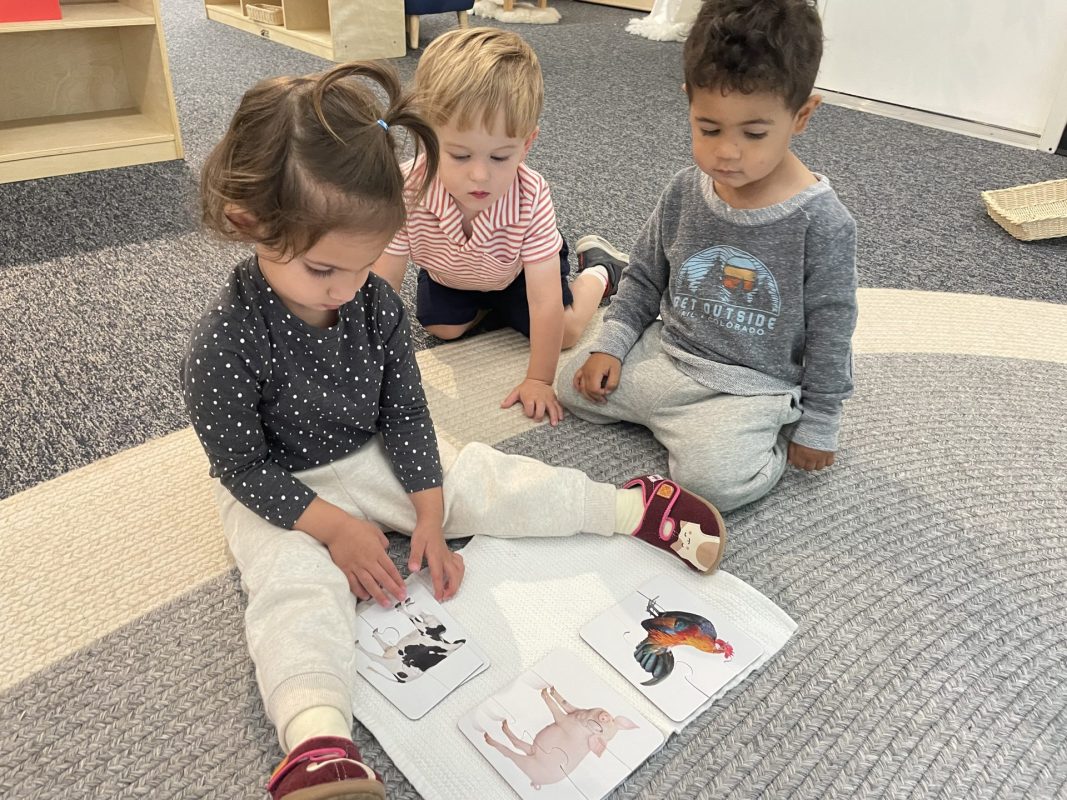
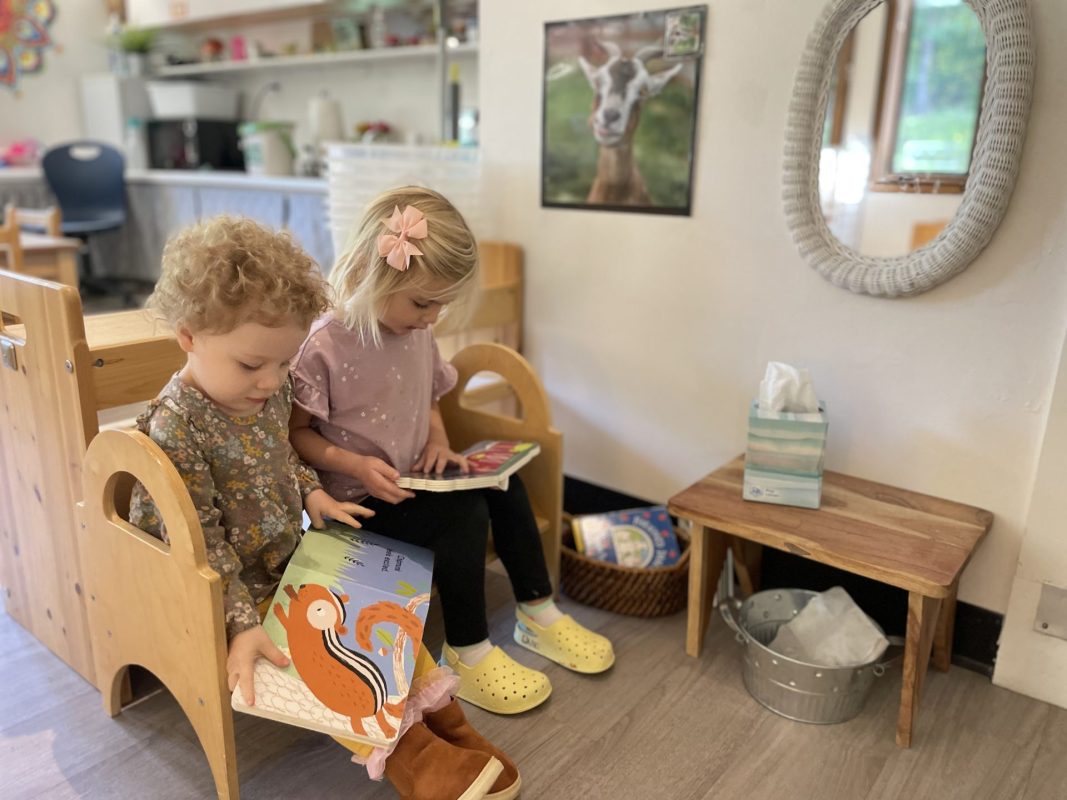
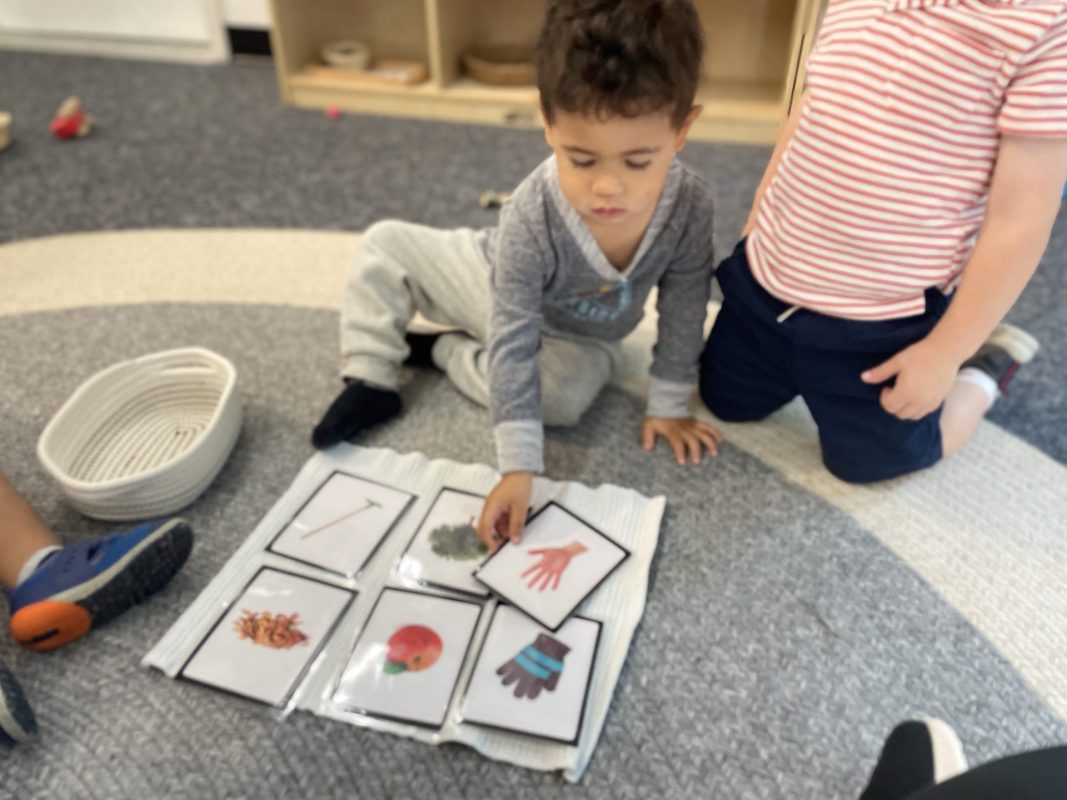
Mrs. Wilson: Hello October!

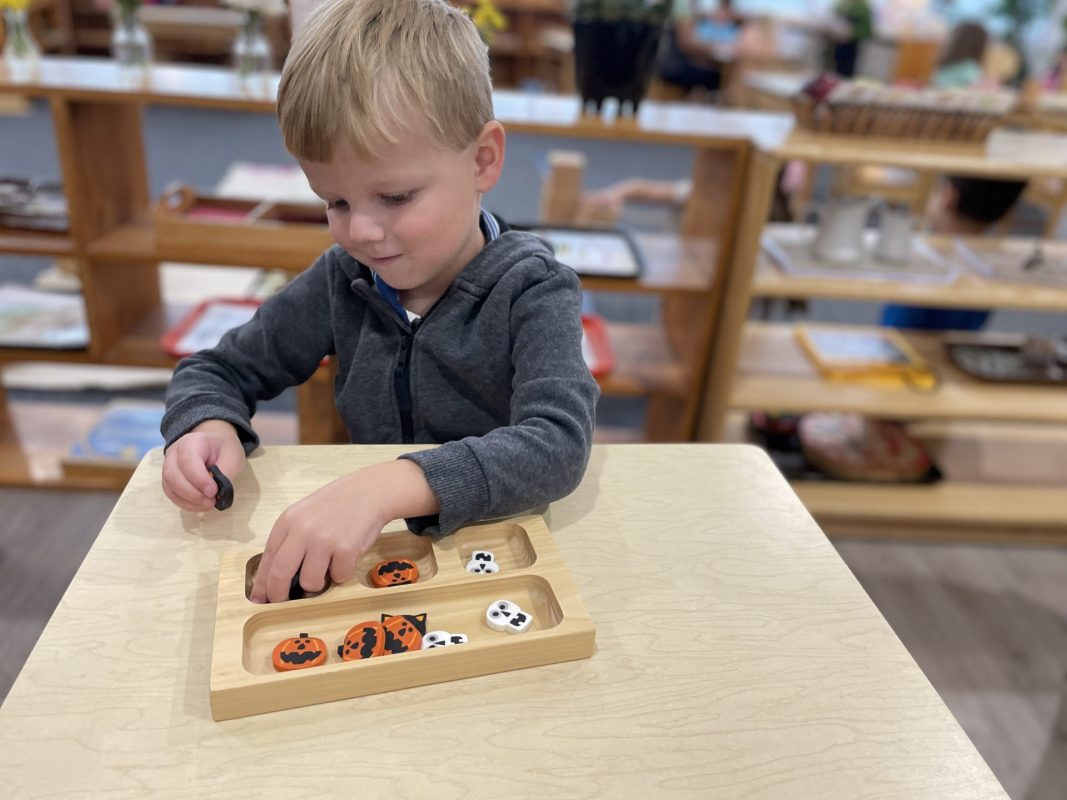
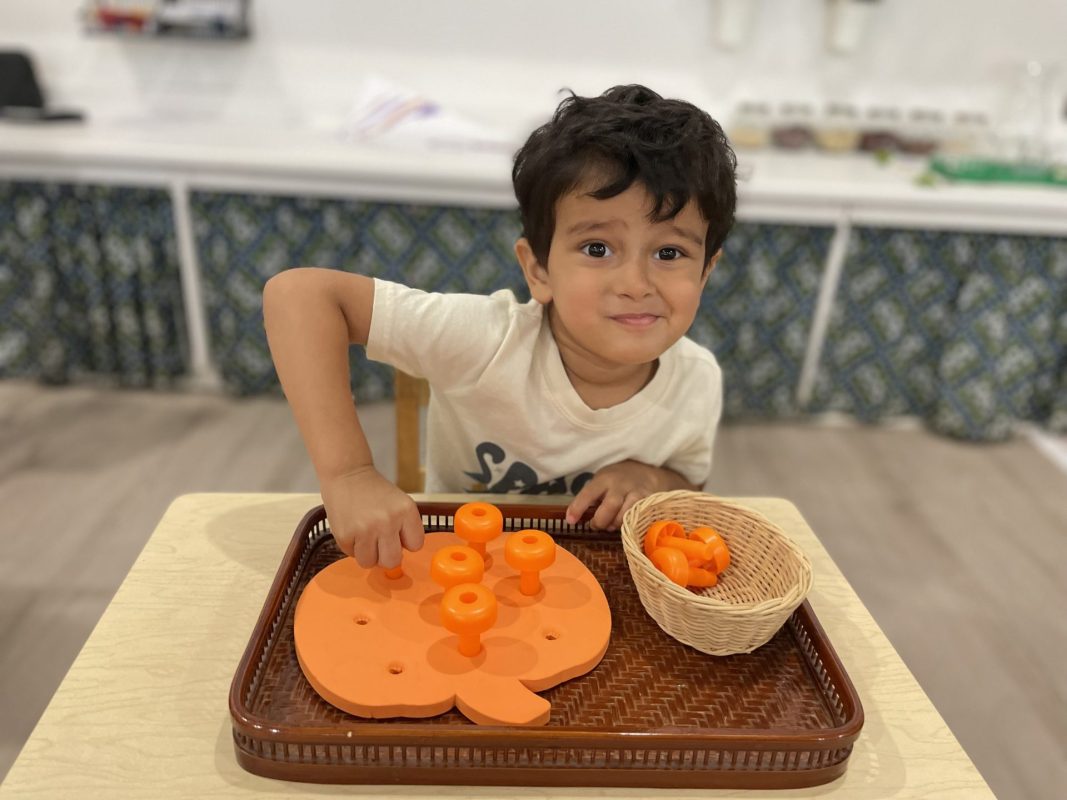
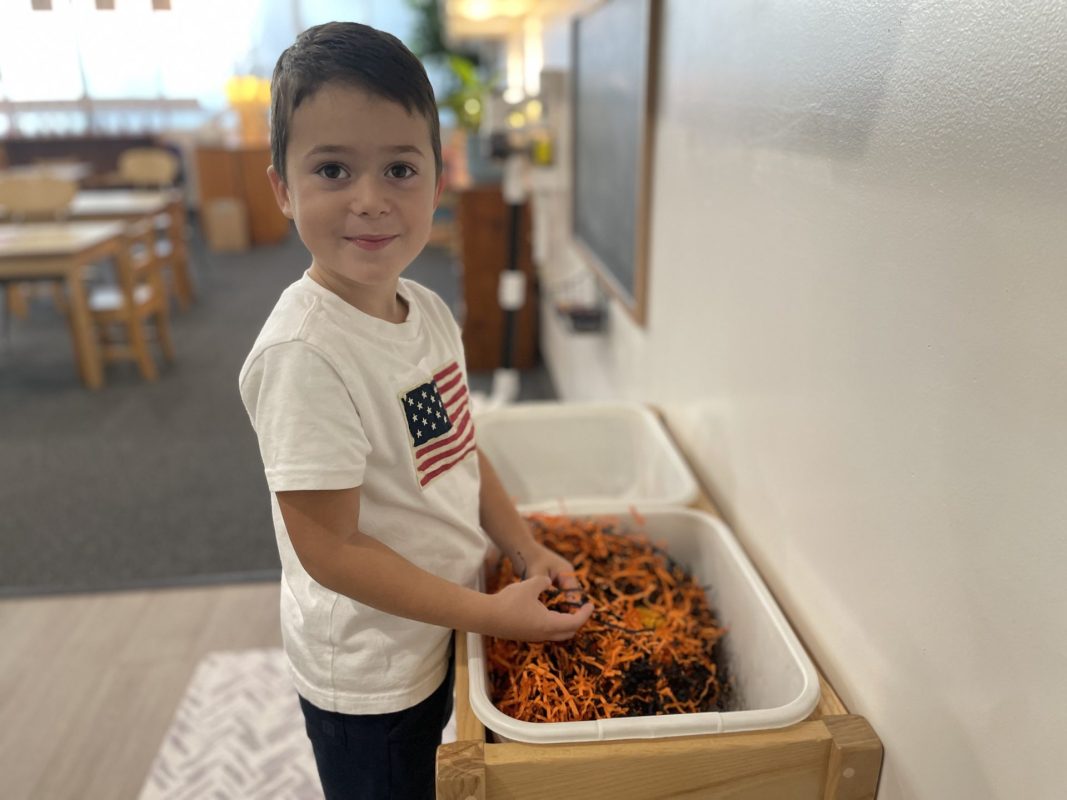
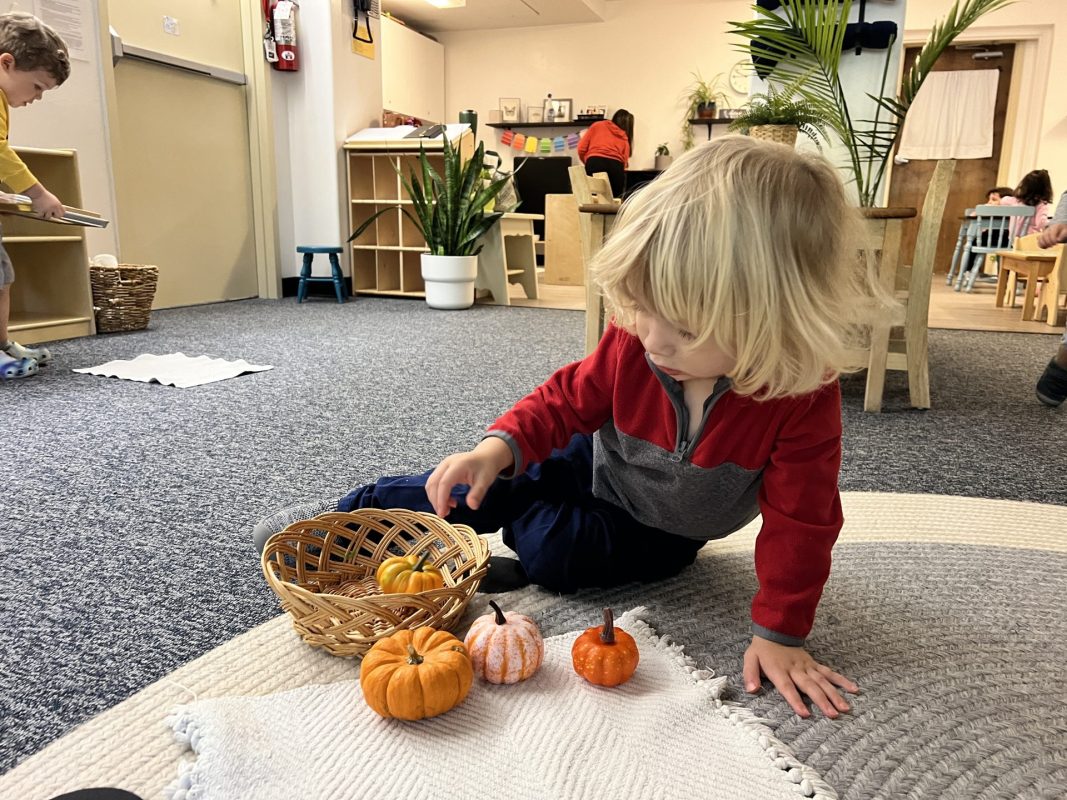
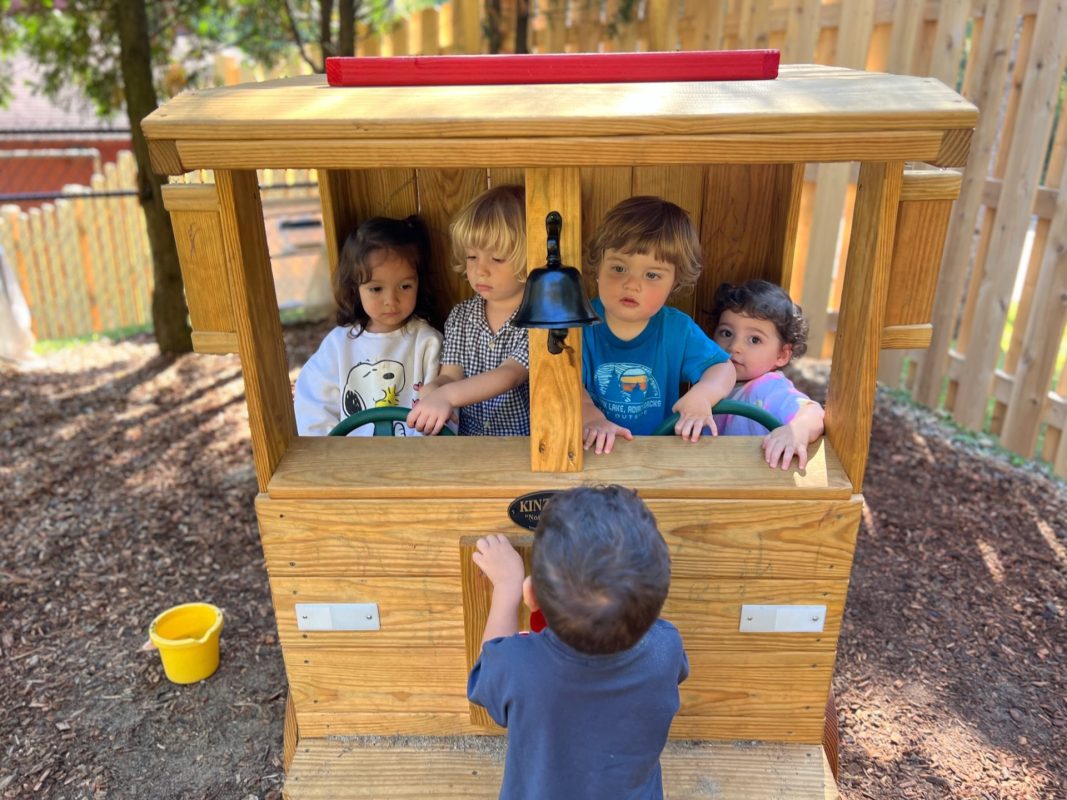
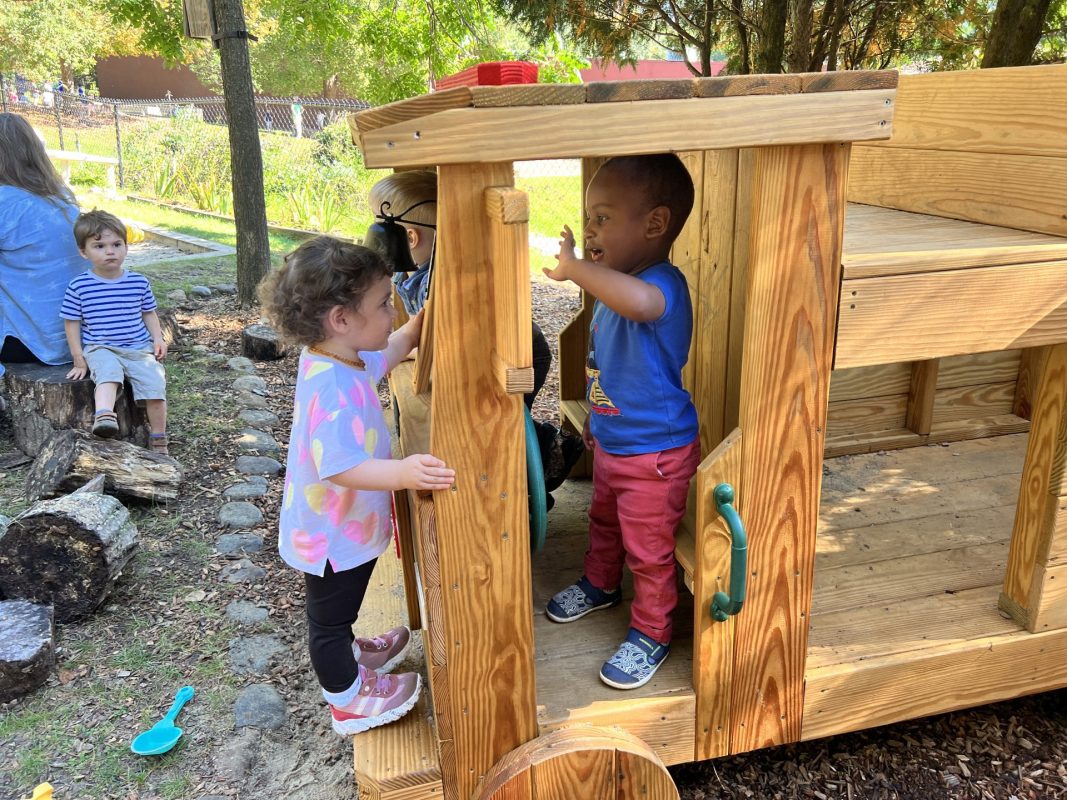
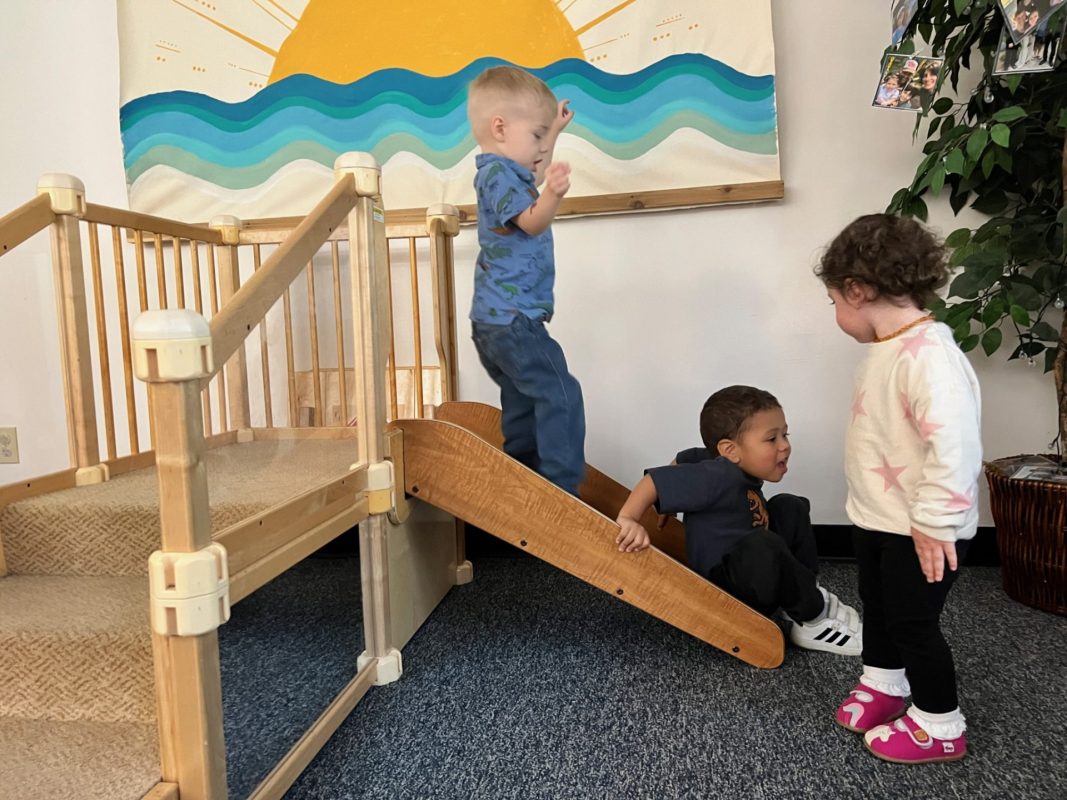
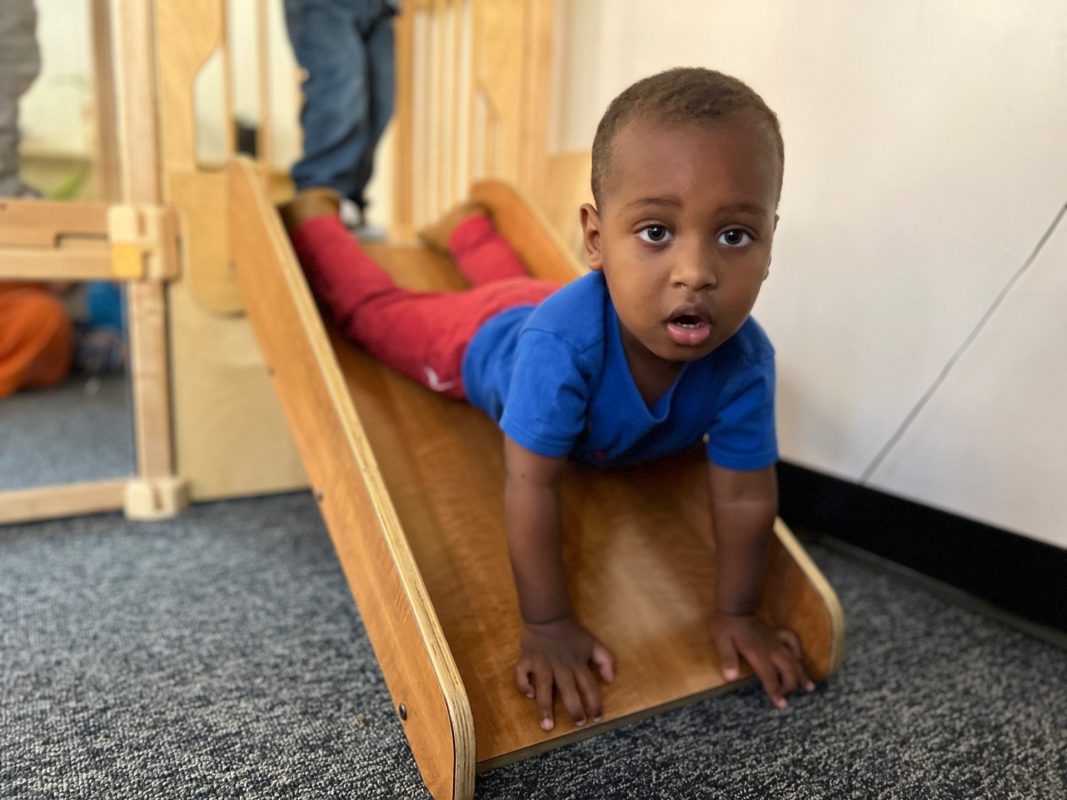
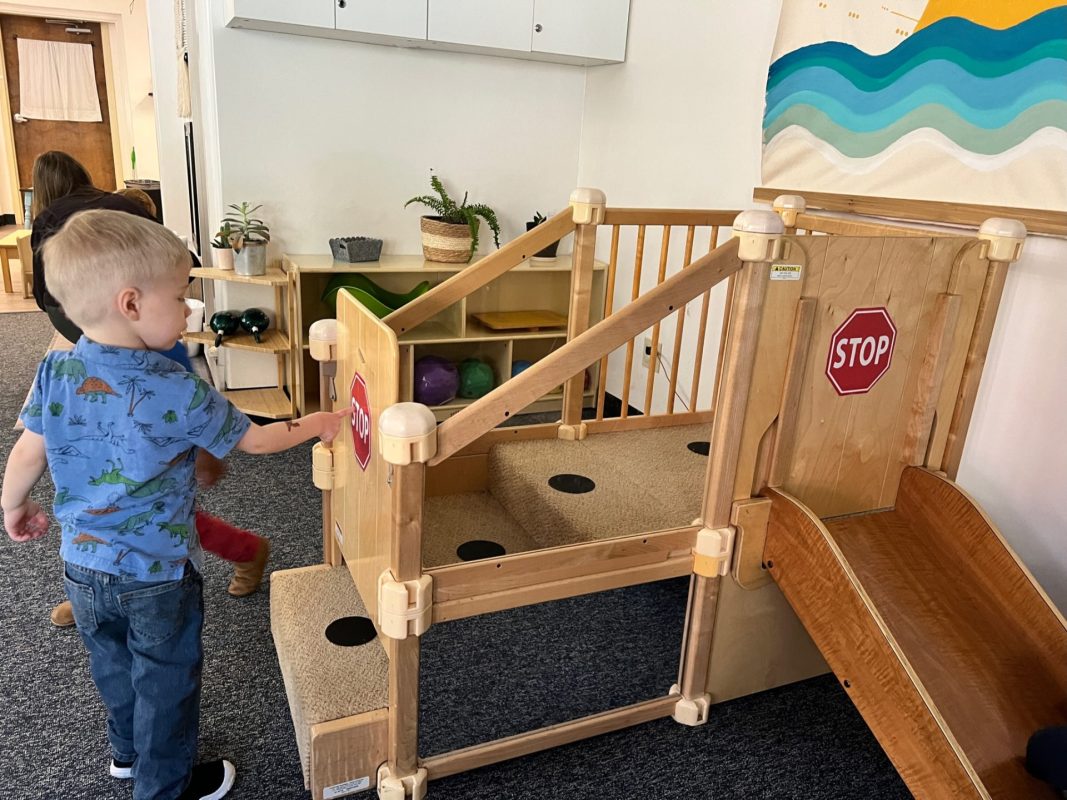
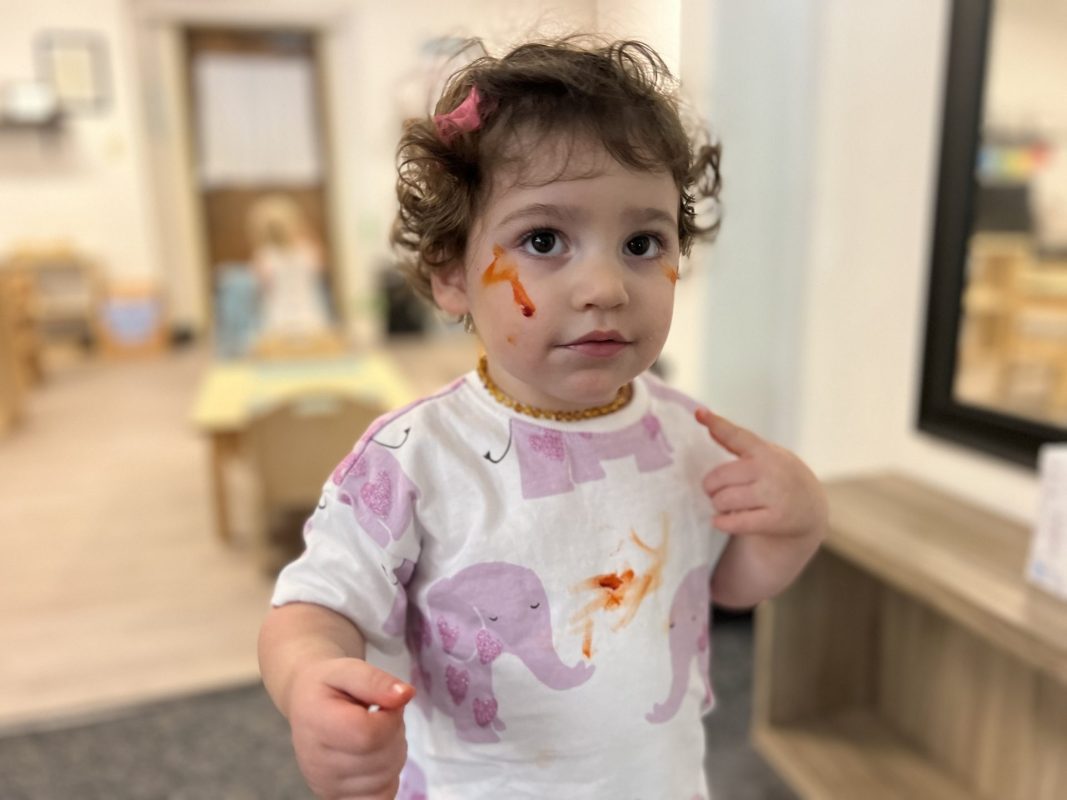
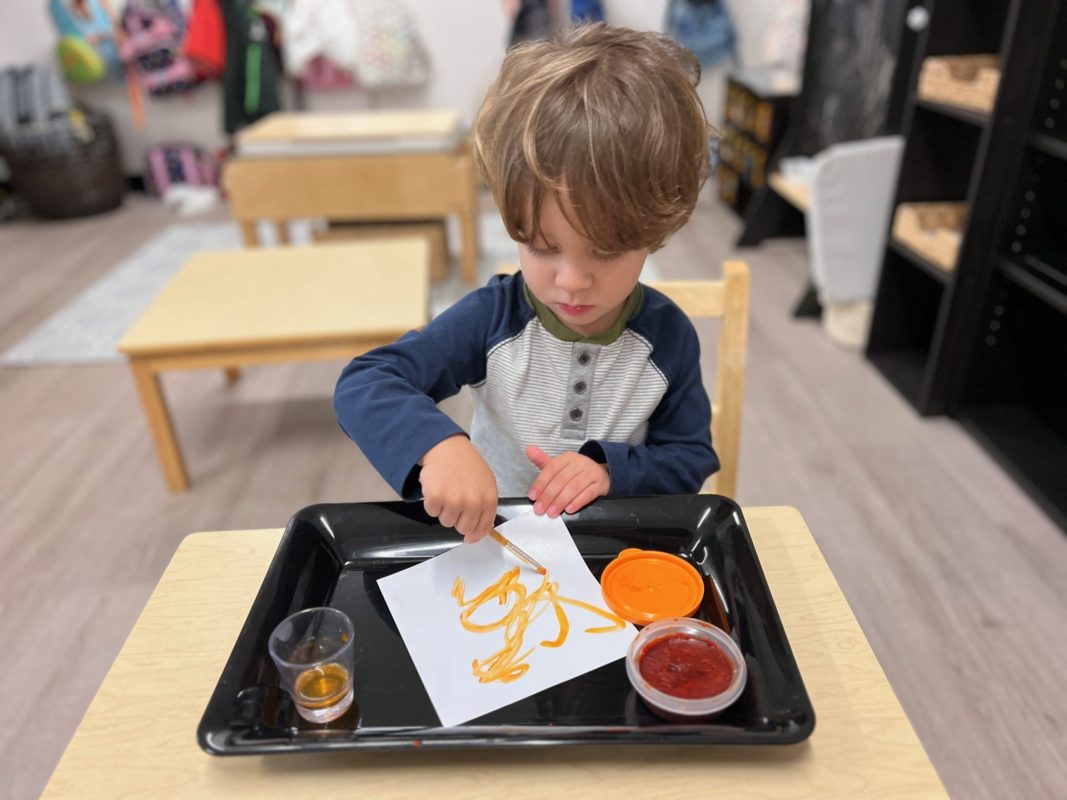
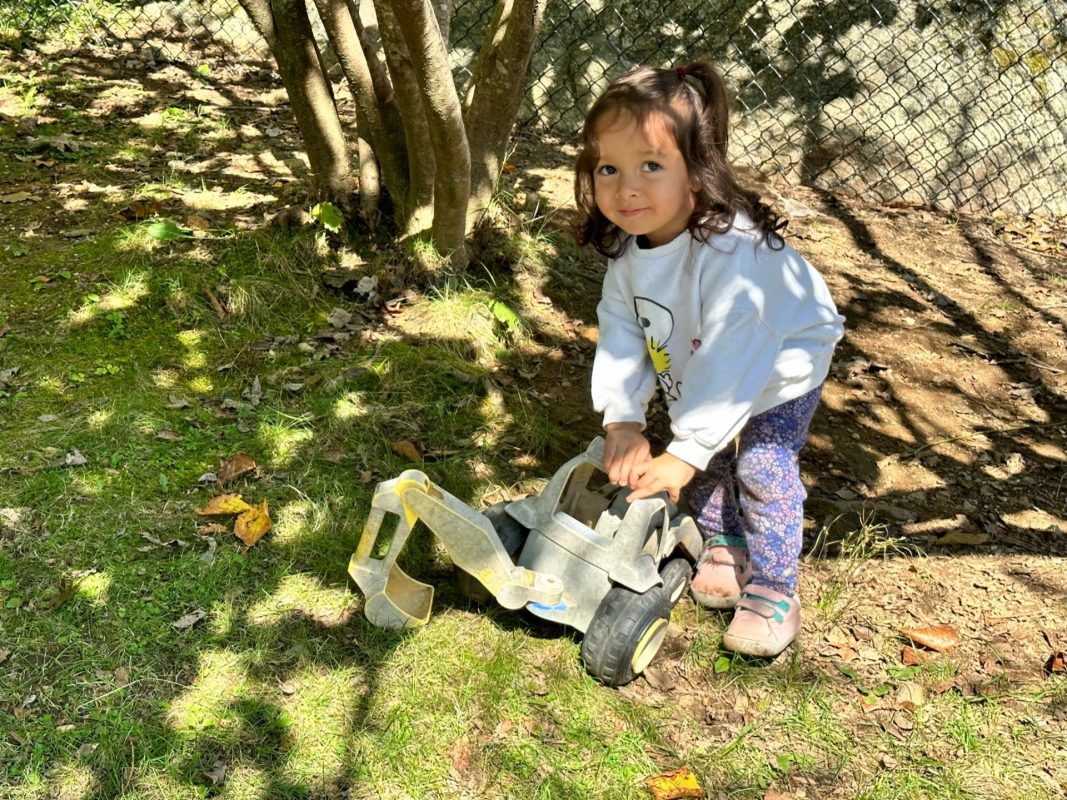
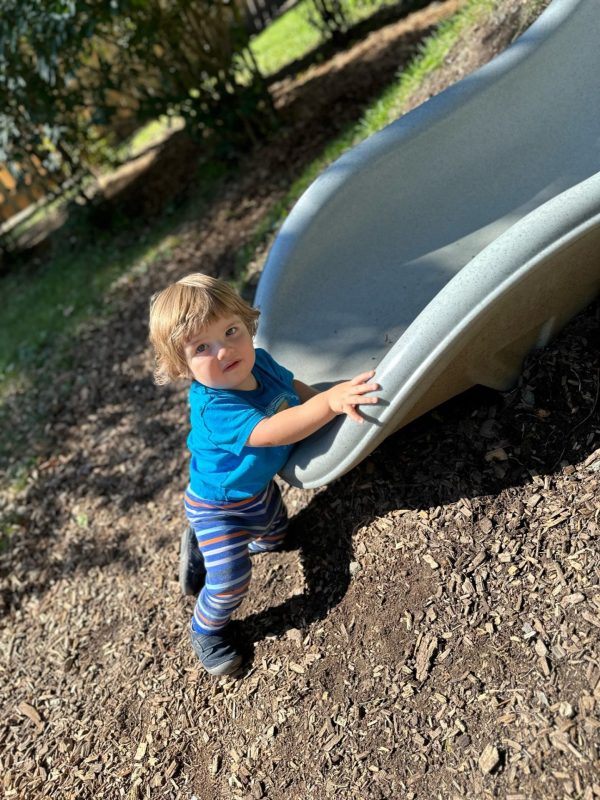
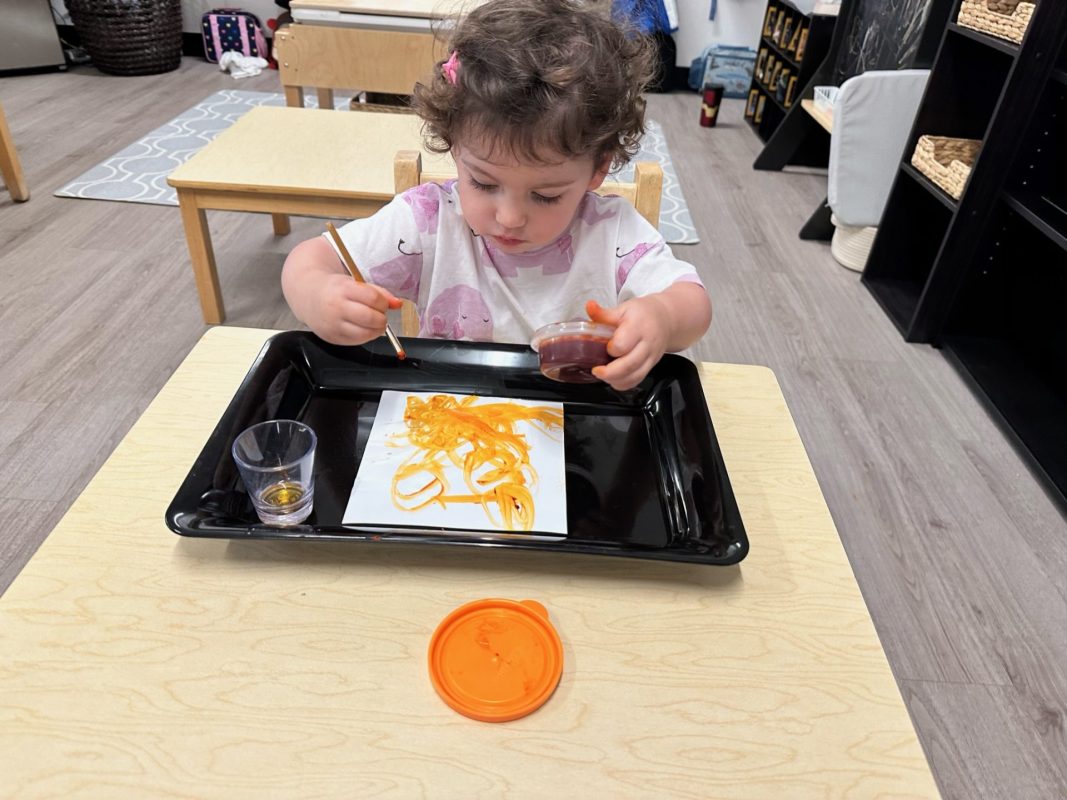
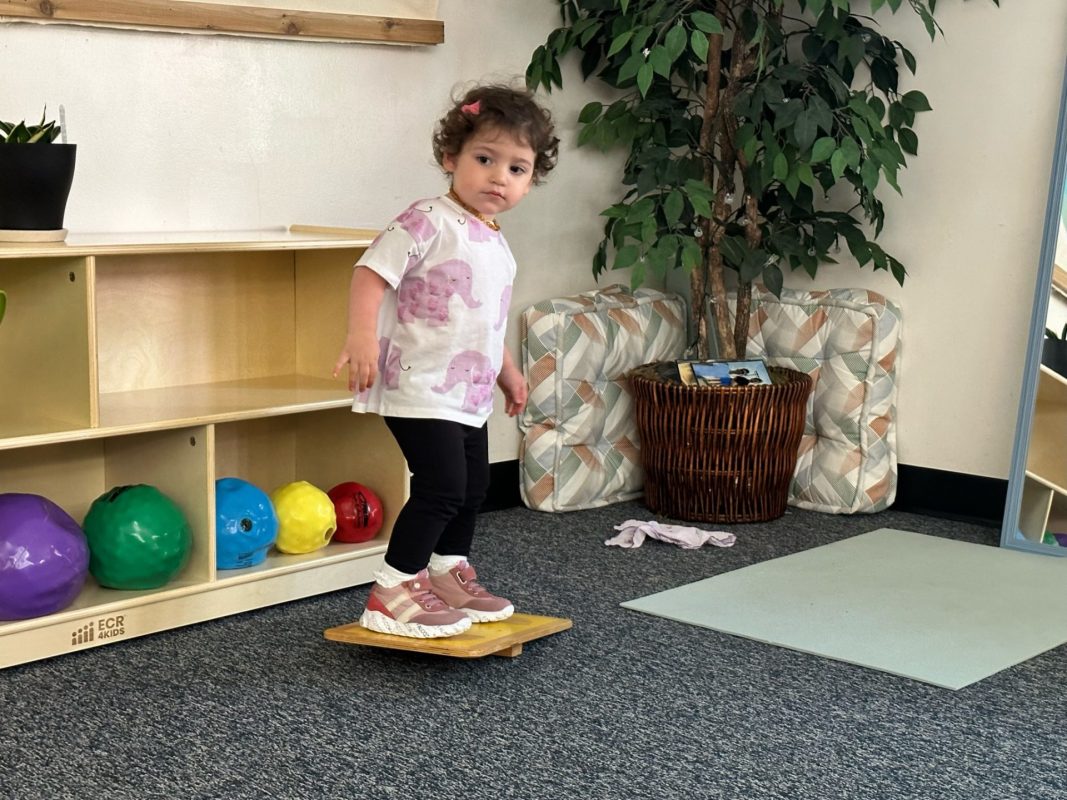
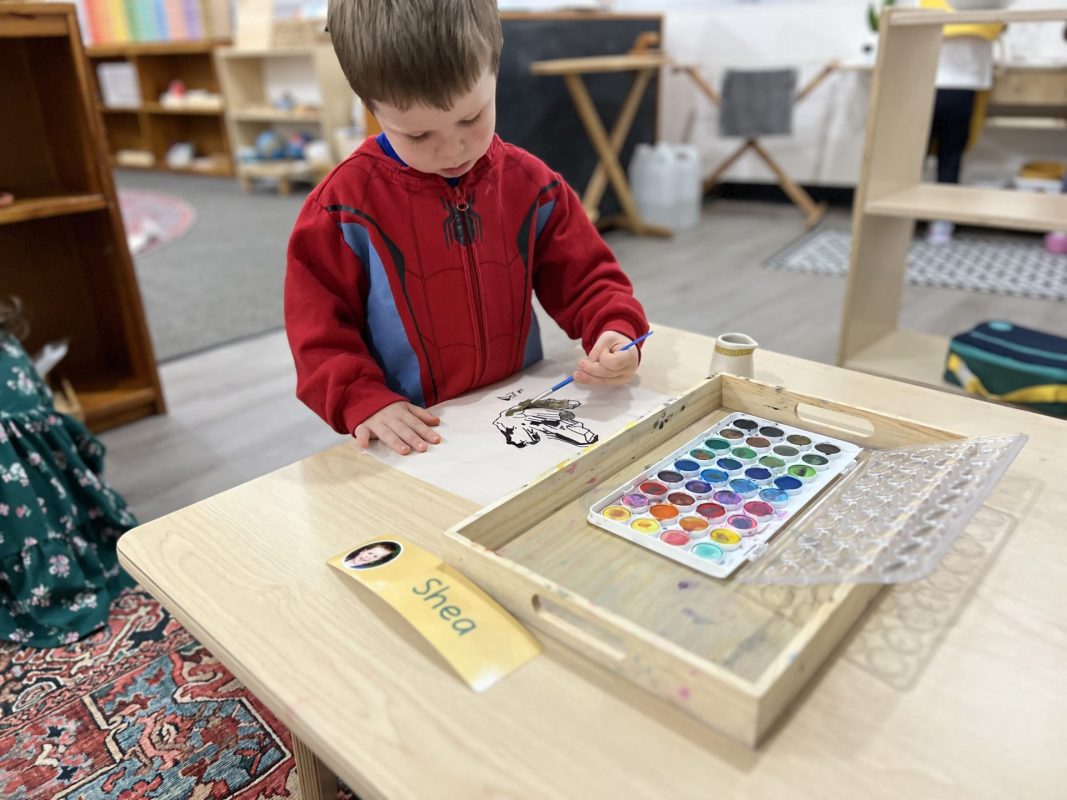
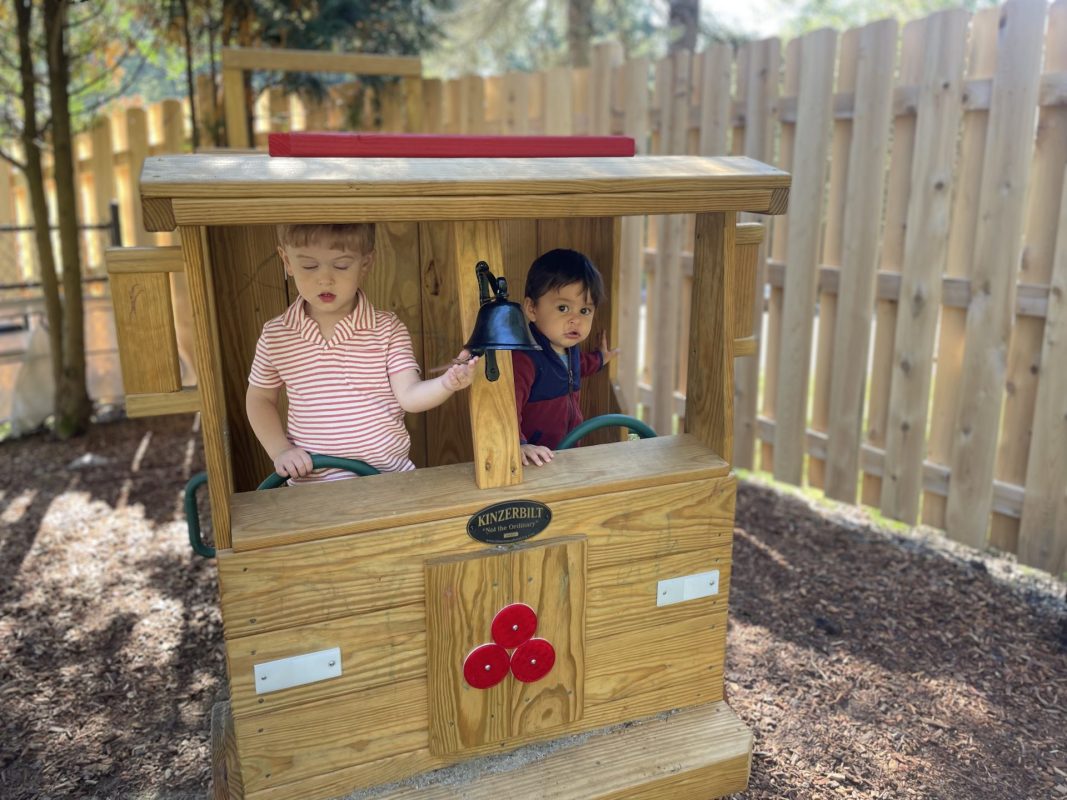
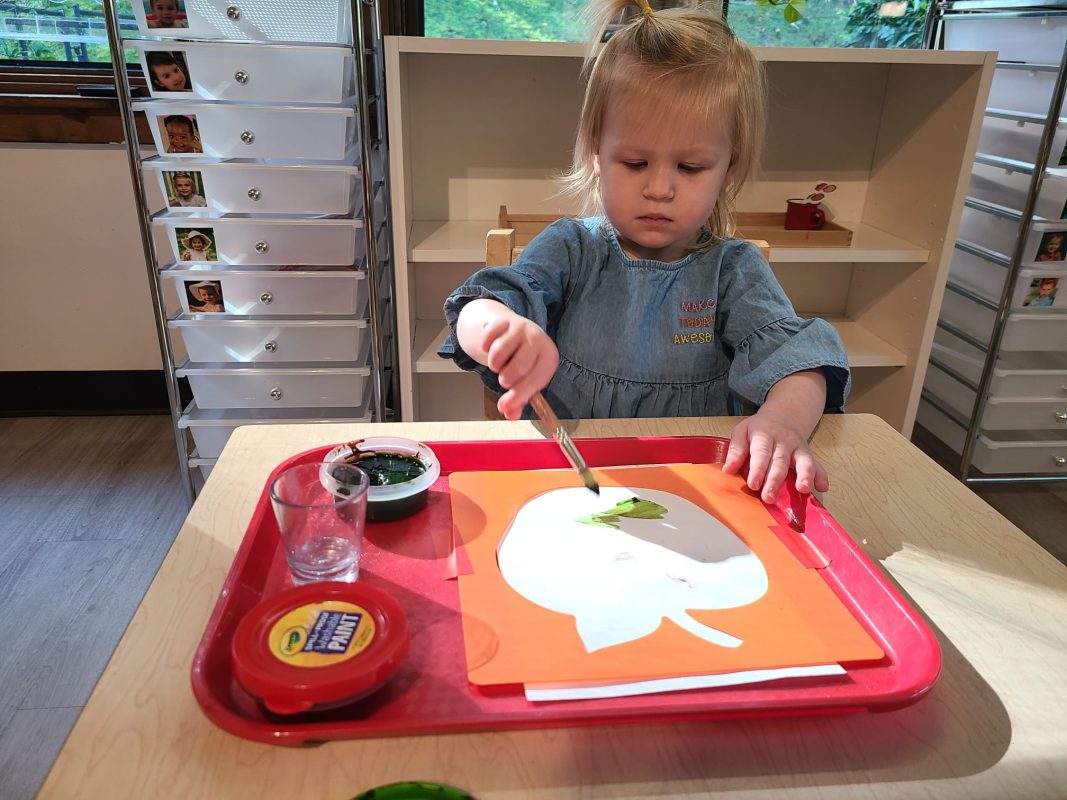
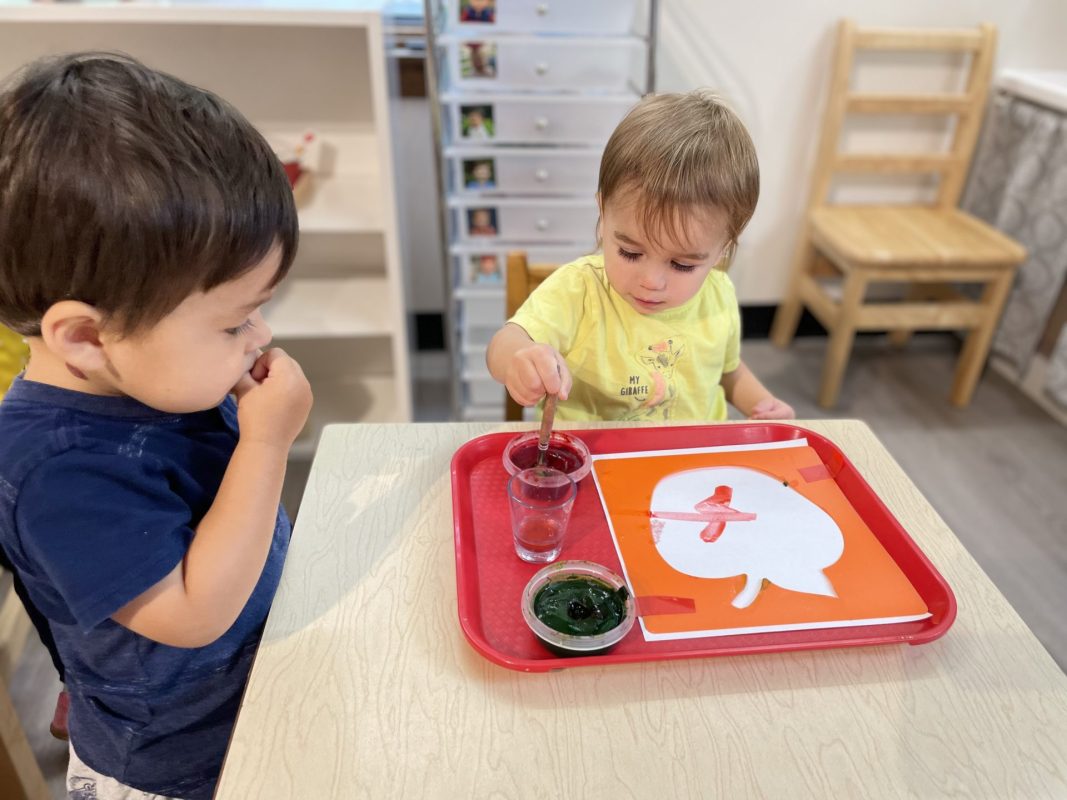
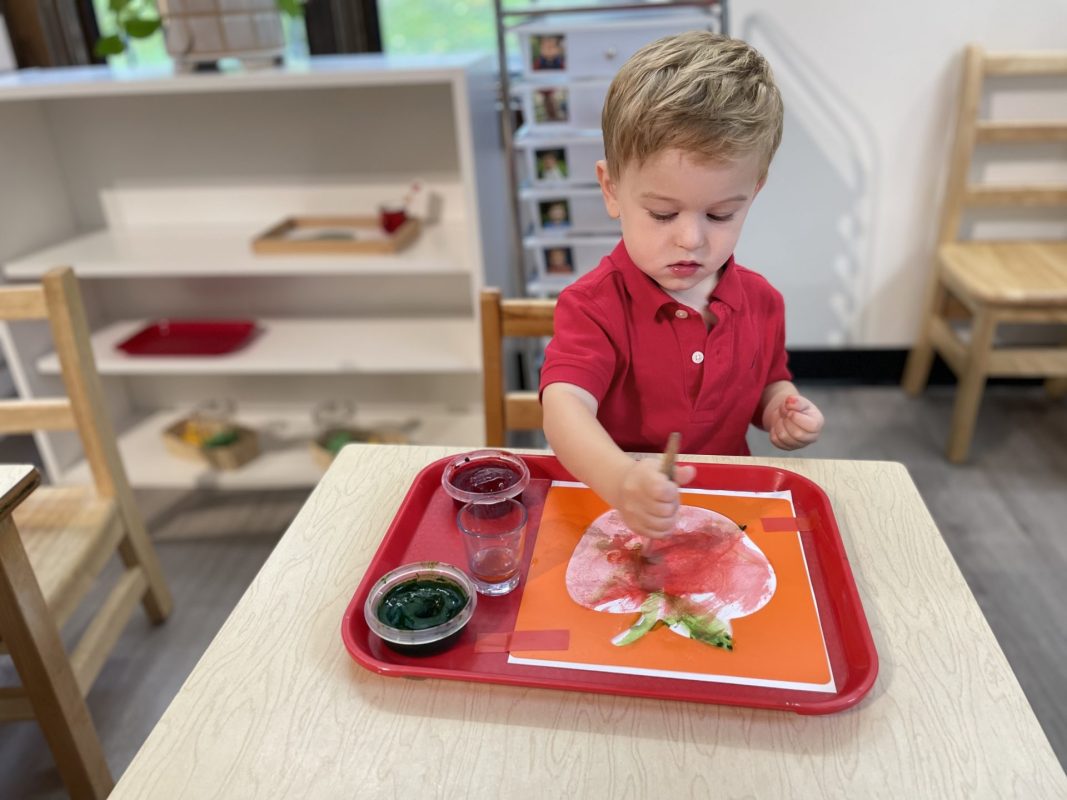
The children were greeted with numerous delightful changes as they returned to the classroom. The materials were swapped out to include lessons and items centered around pumpkins, such as pumpkin-themed materials and the color orange. Moreover, painting was introduced to the children this week, so if you see any orange stains on their clothing, rest assured that they are washable. To further enhance the children’s gross motor skills, we installed a climber and slide, which promotes the development of grace and courtesy as they patiently wait for their turn to slide up or down. We were very grateful for the beautiful weather, and we are enjoying every ounce of sunshine that we can soak up.

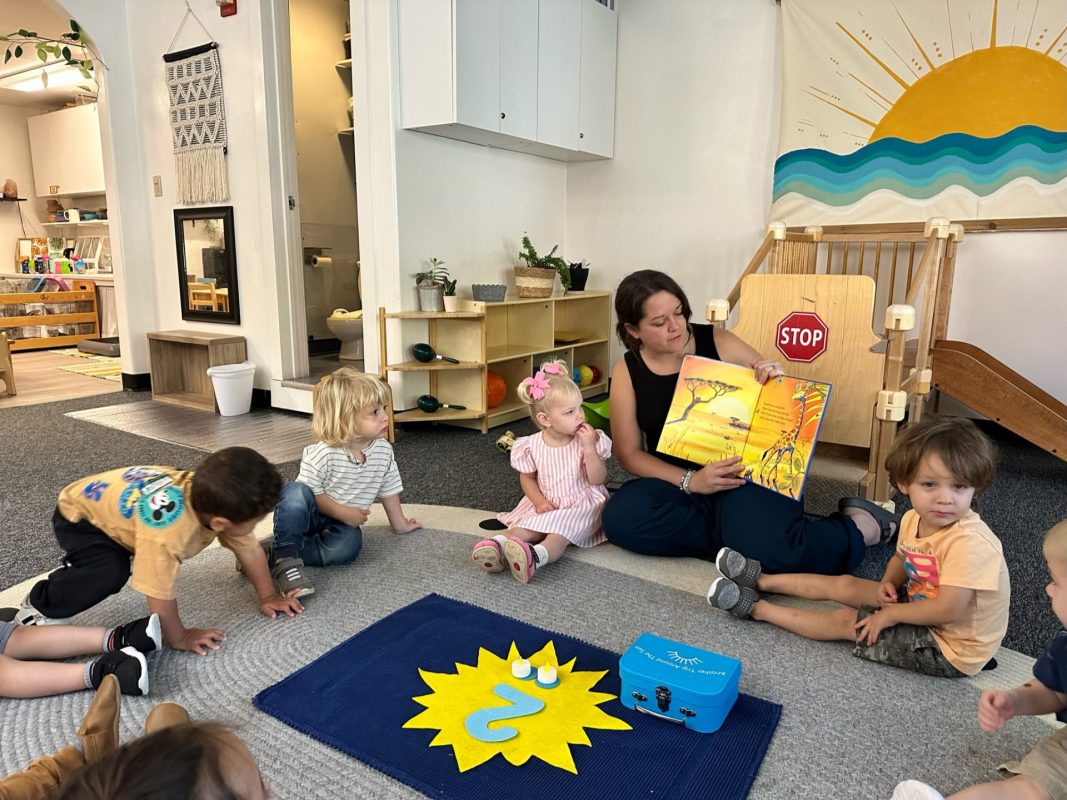
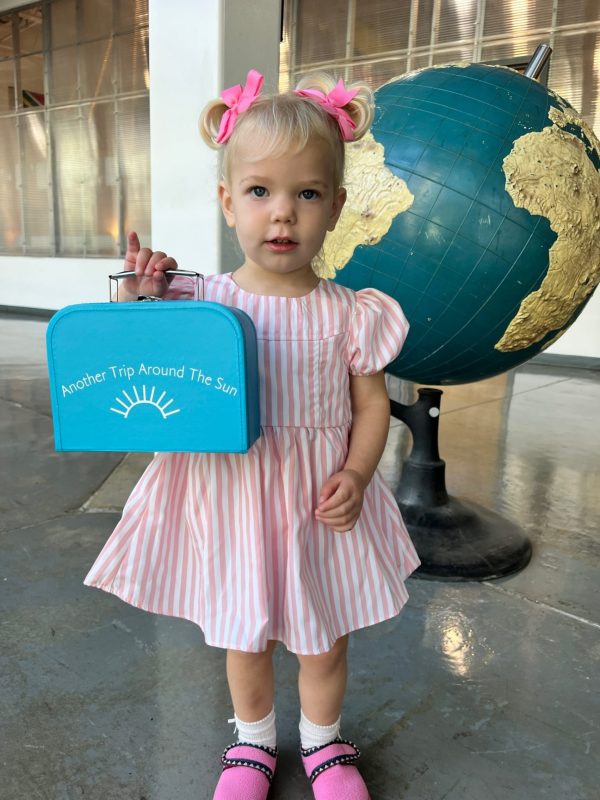
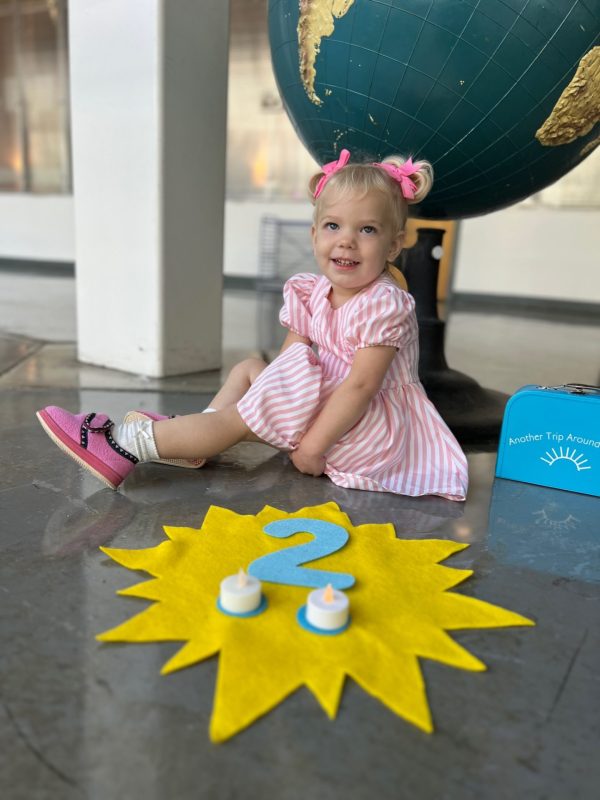
We celebrated our friend’s birthday with delicious ice cream bread this week. Our friend shared her favorite book, Giraffes Can’t Dance, by Giles Andreae.

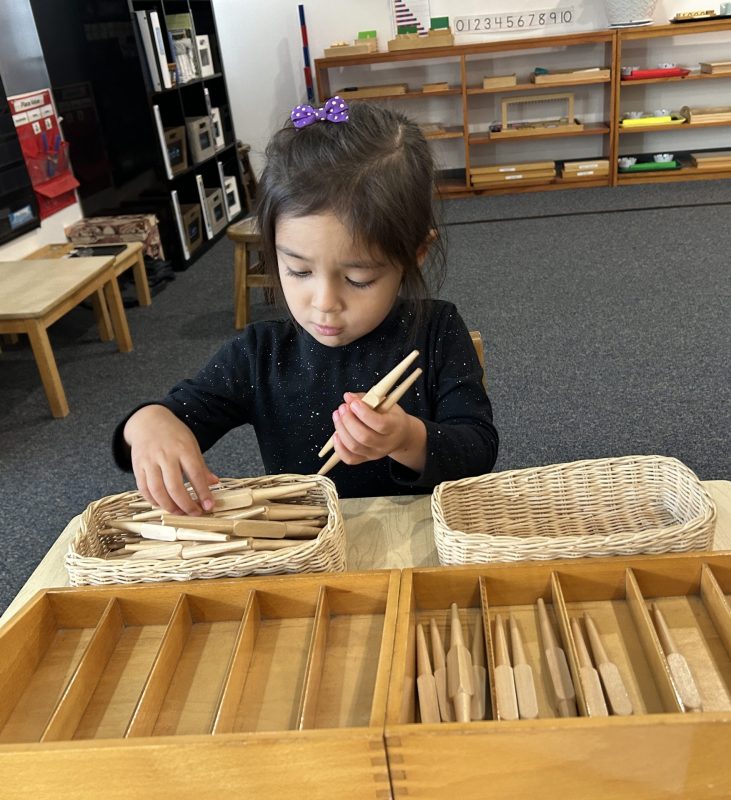
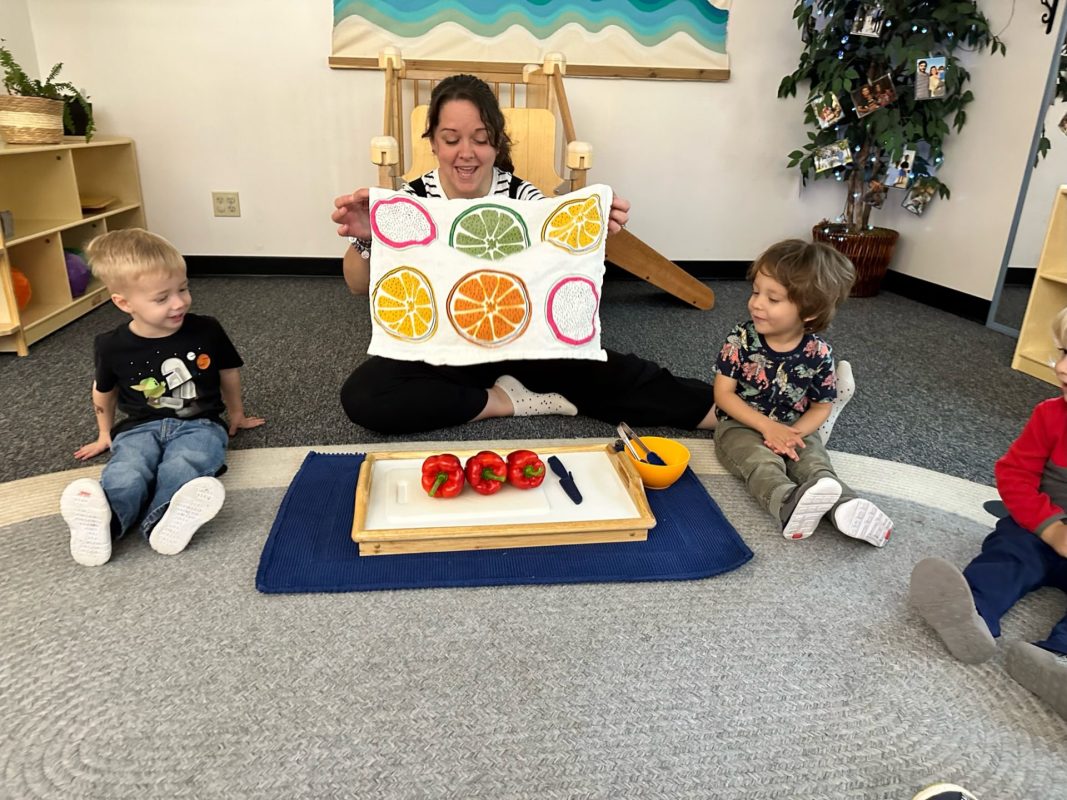
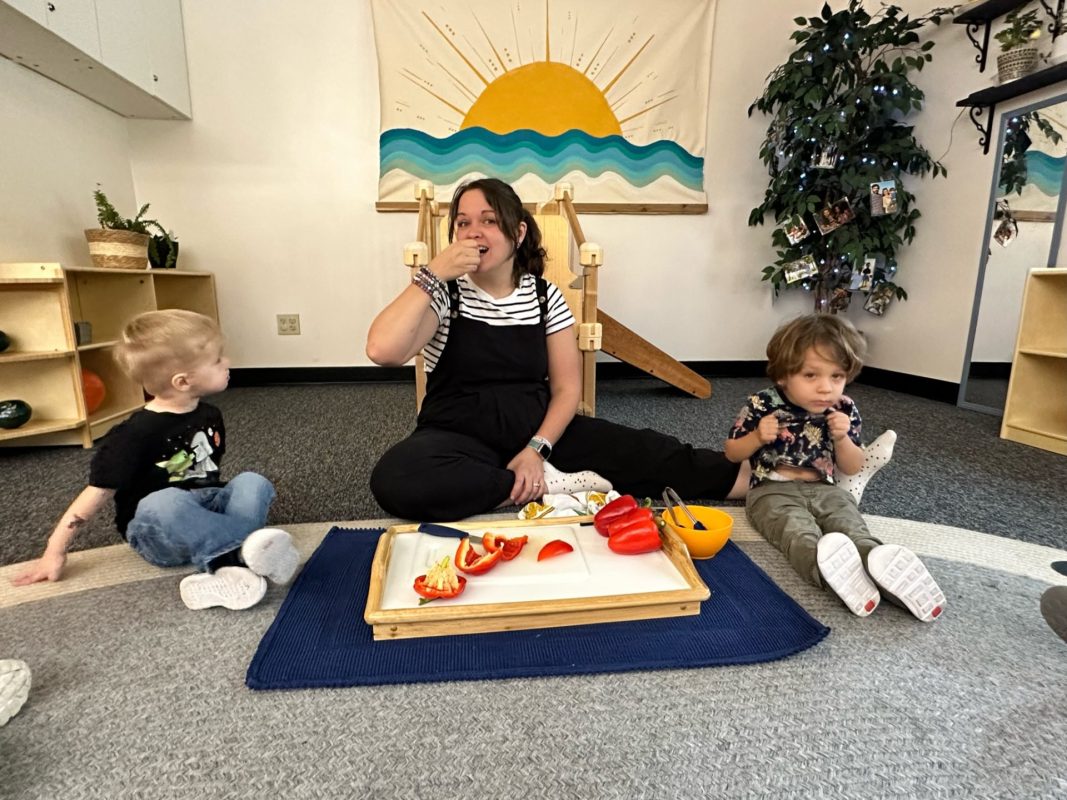
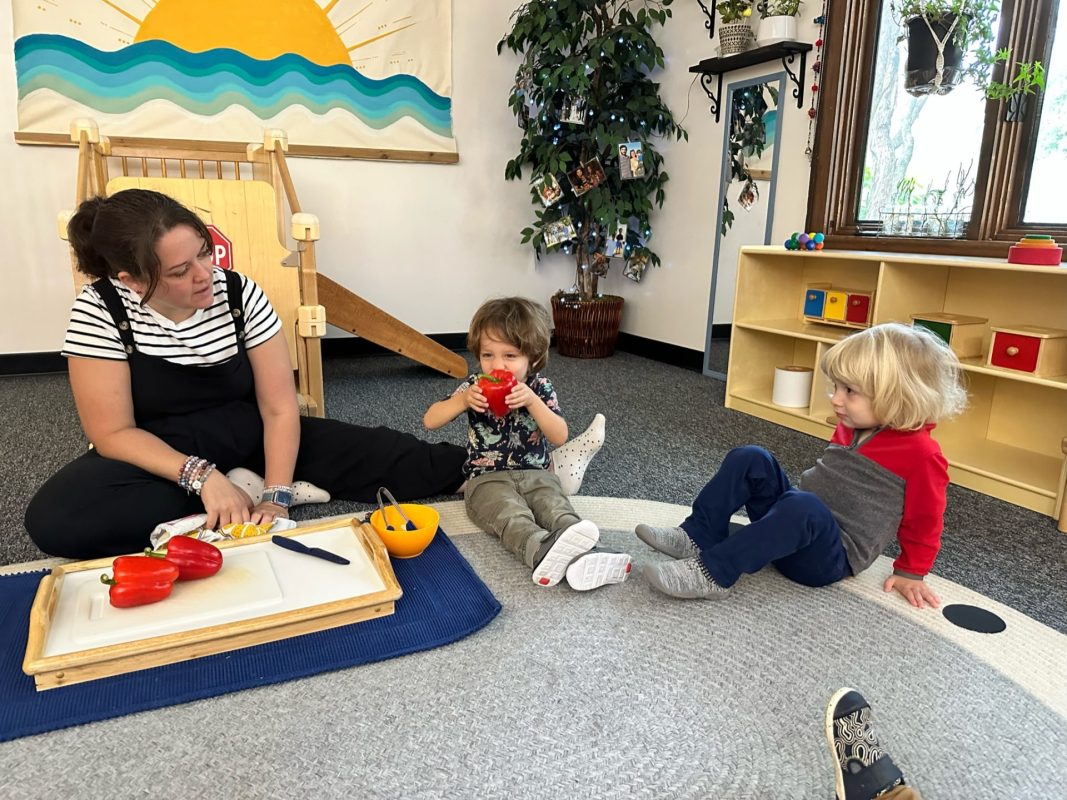
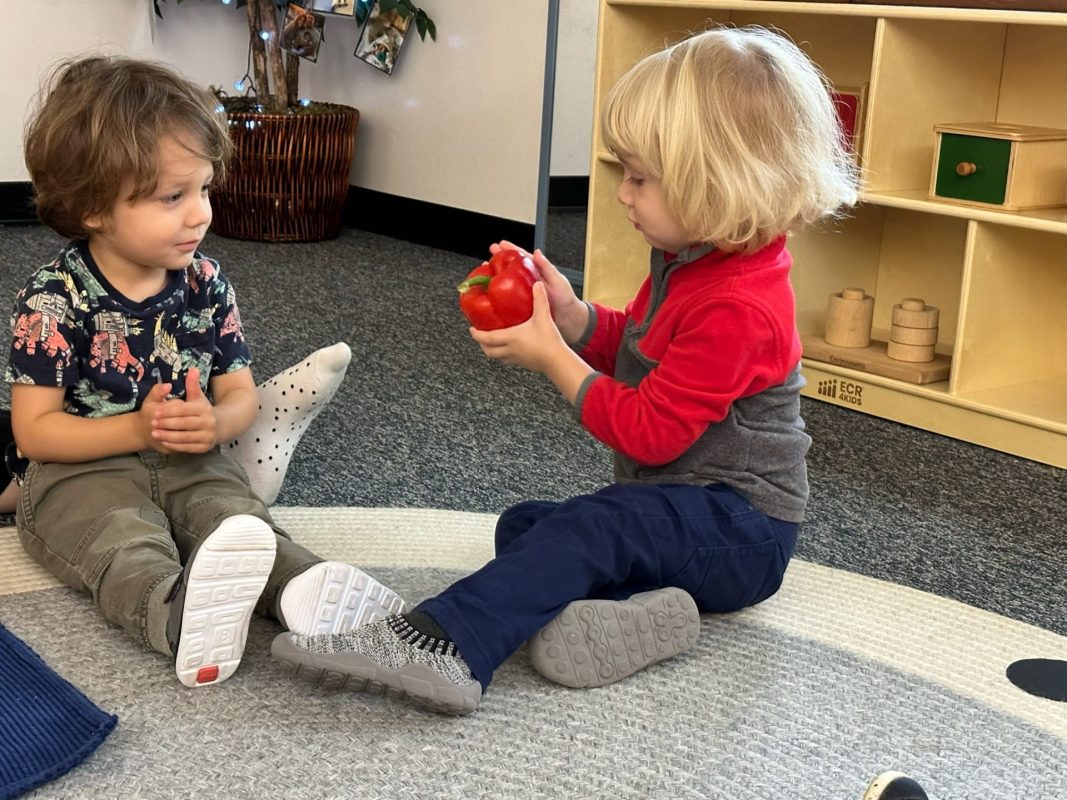
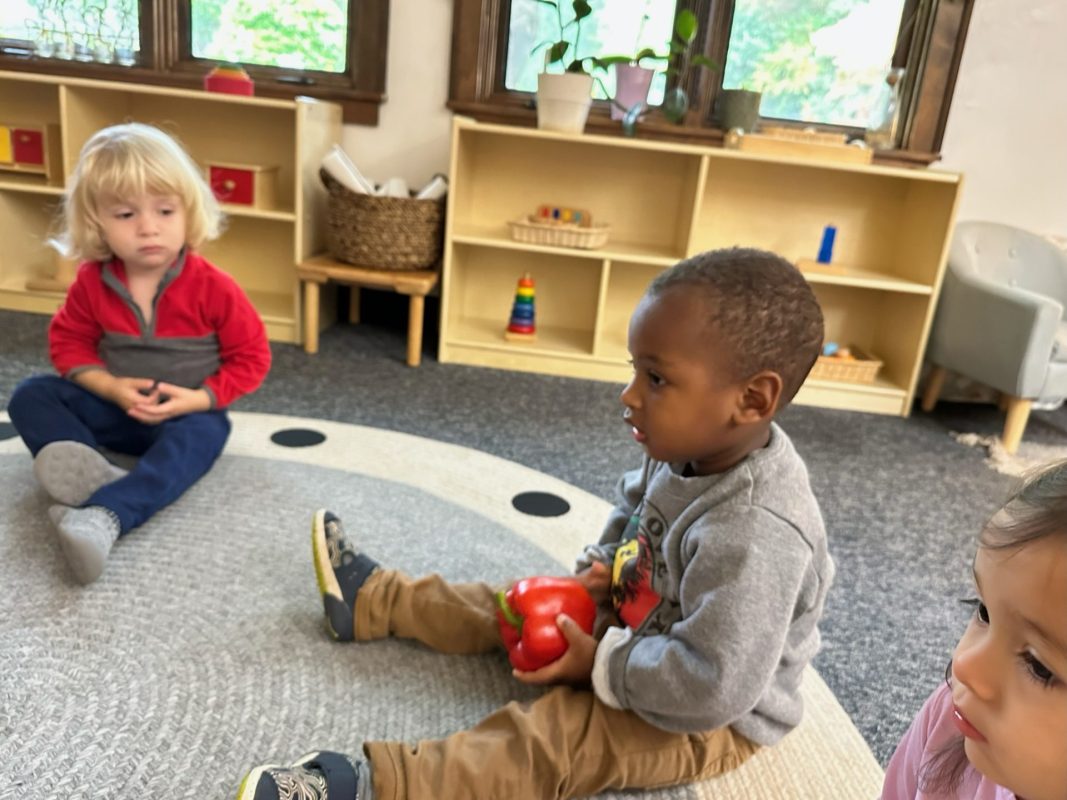
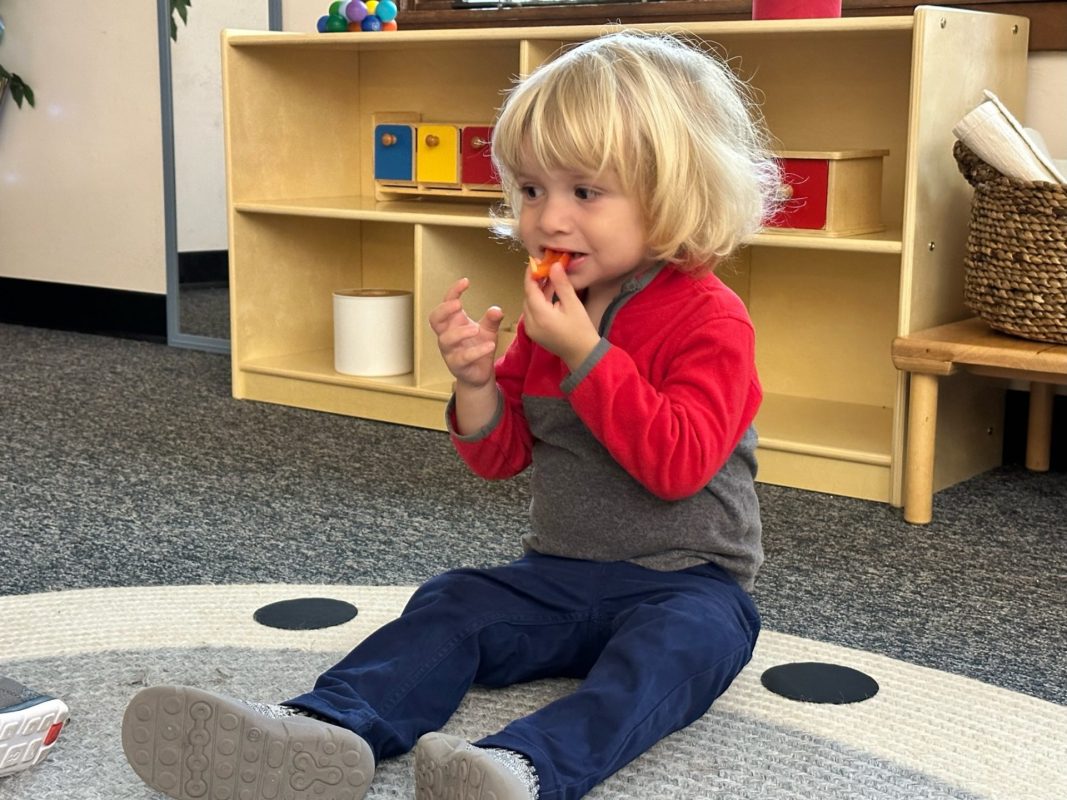
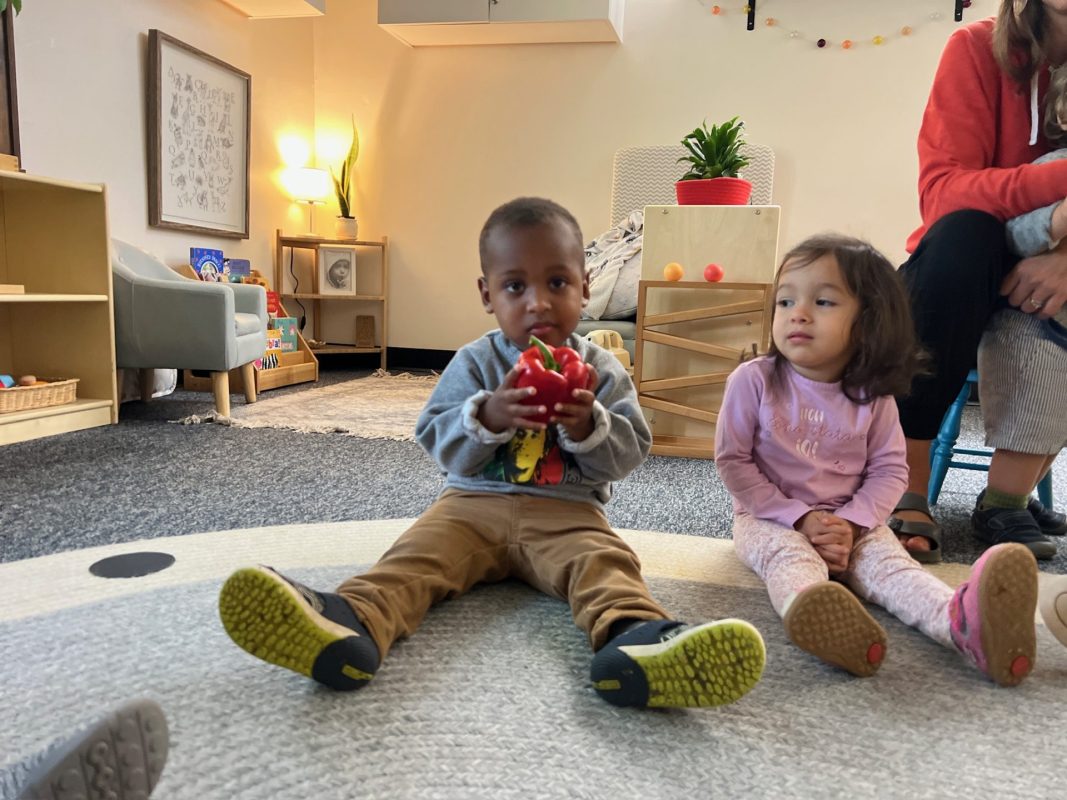
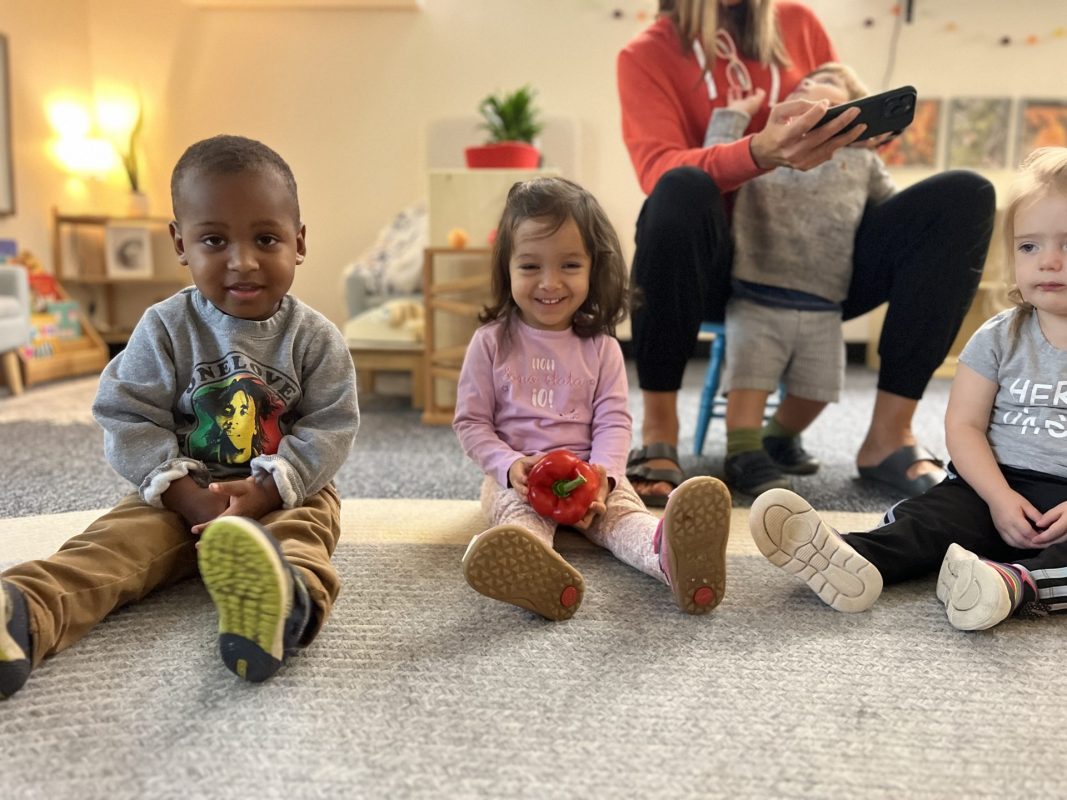
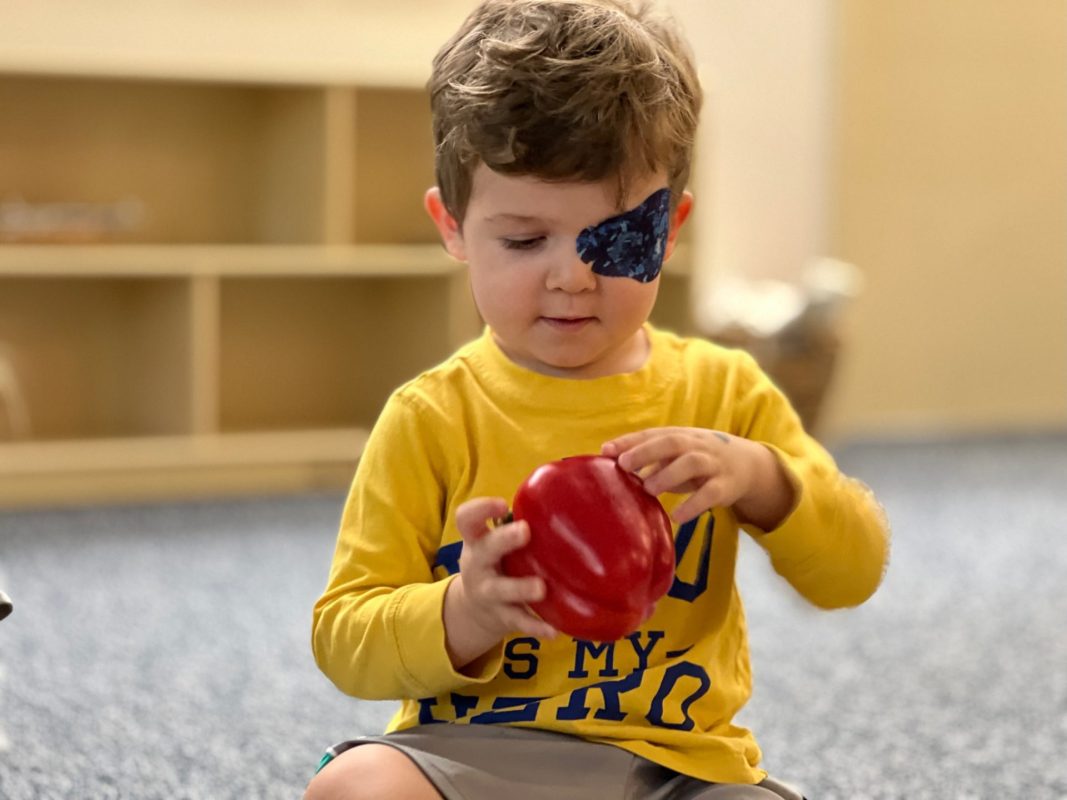
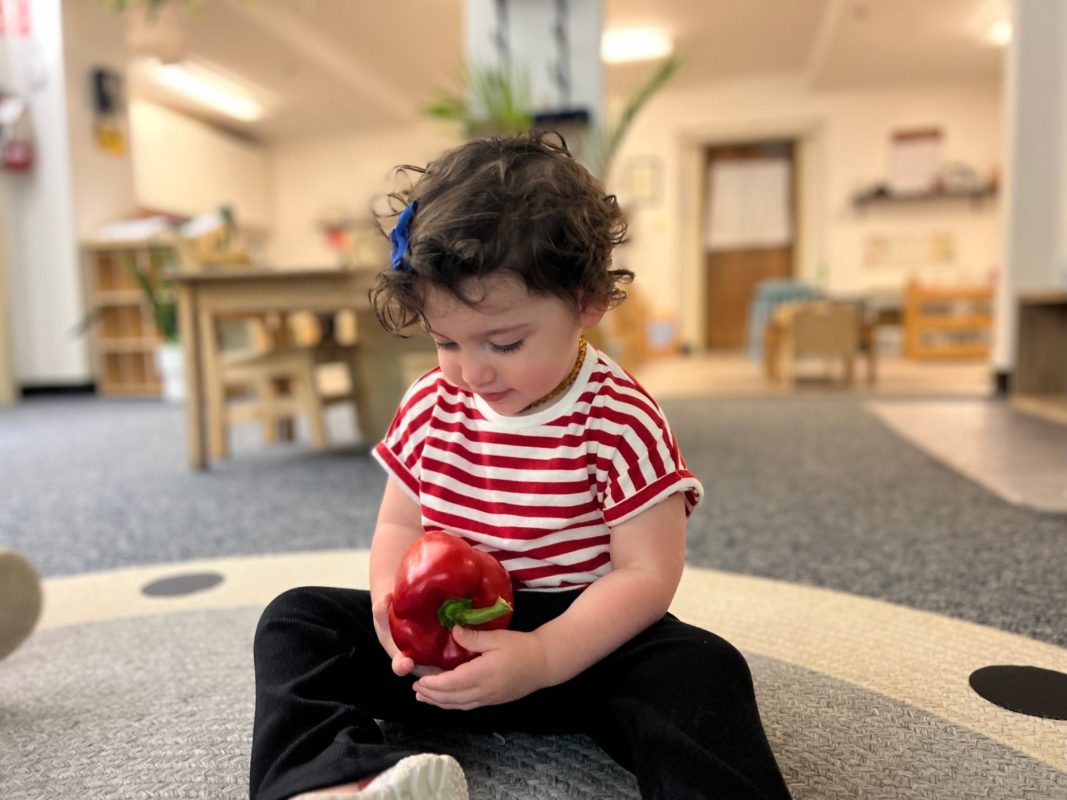
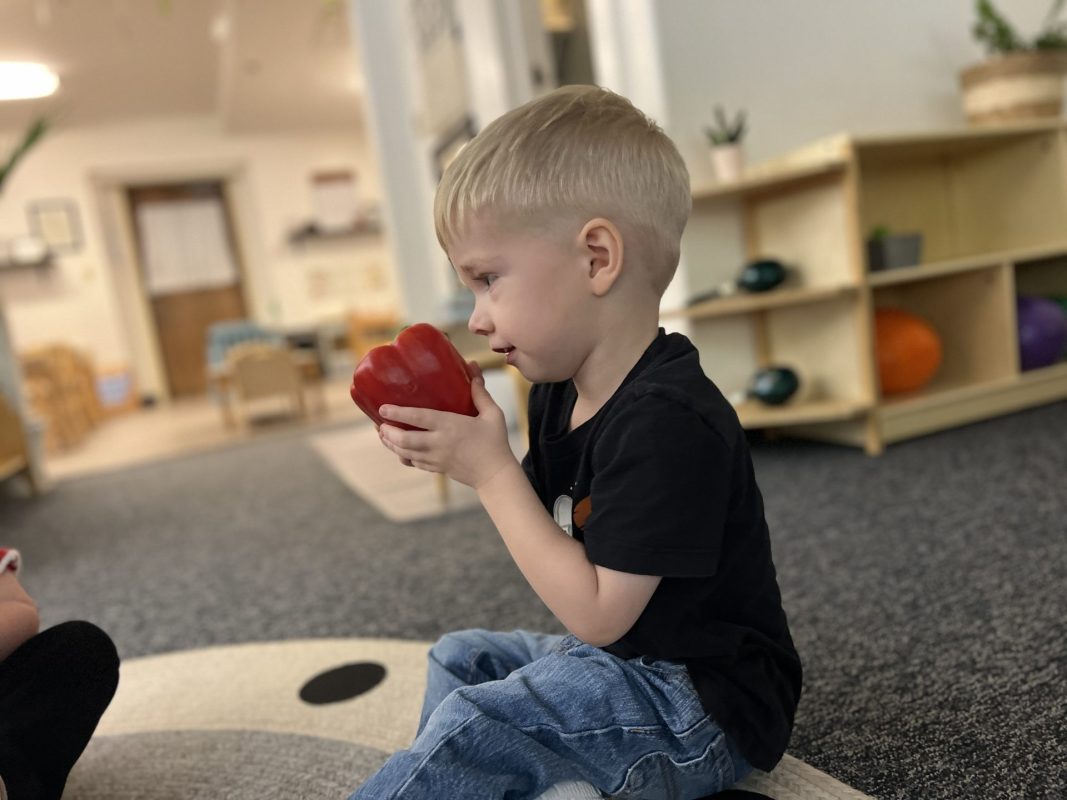
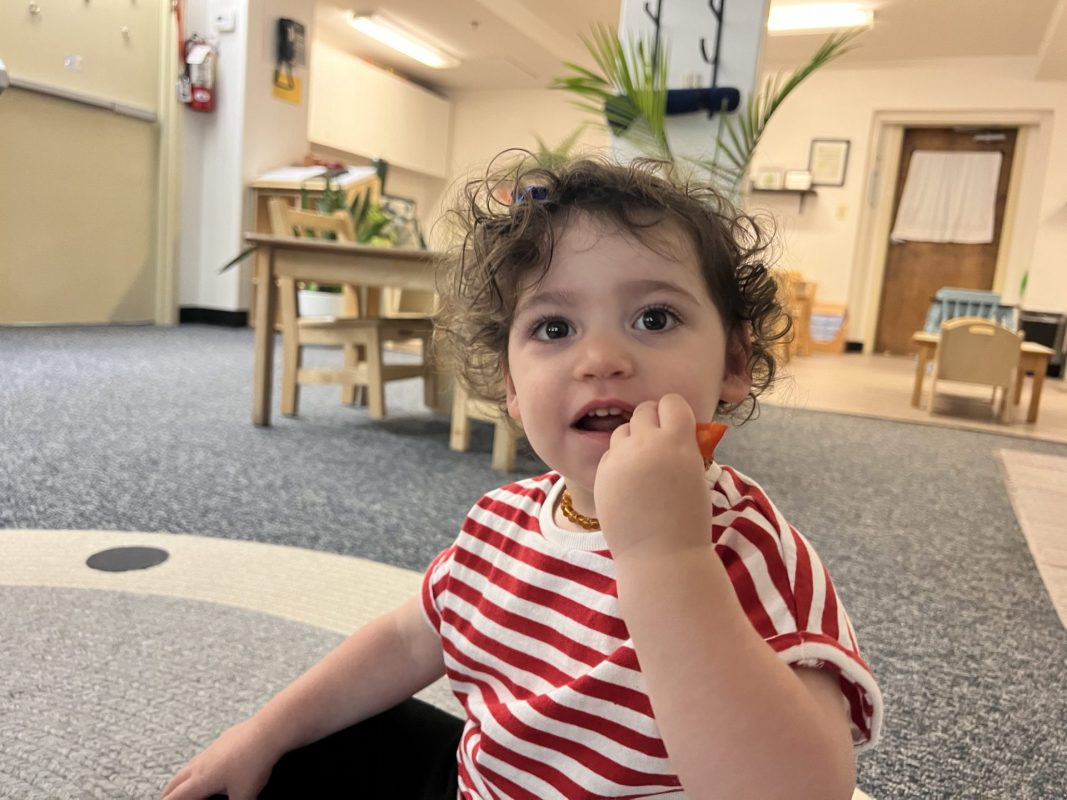
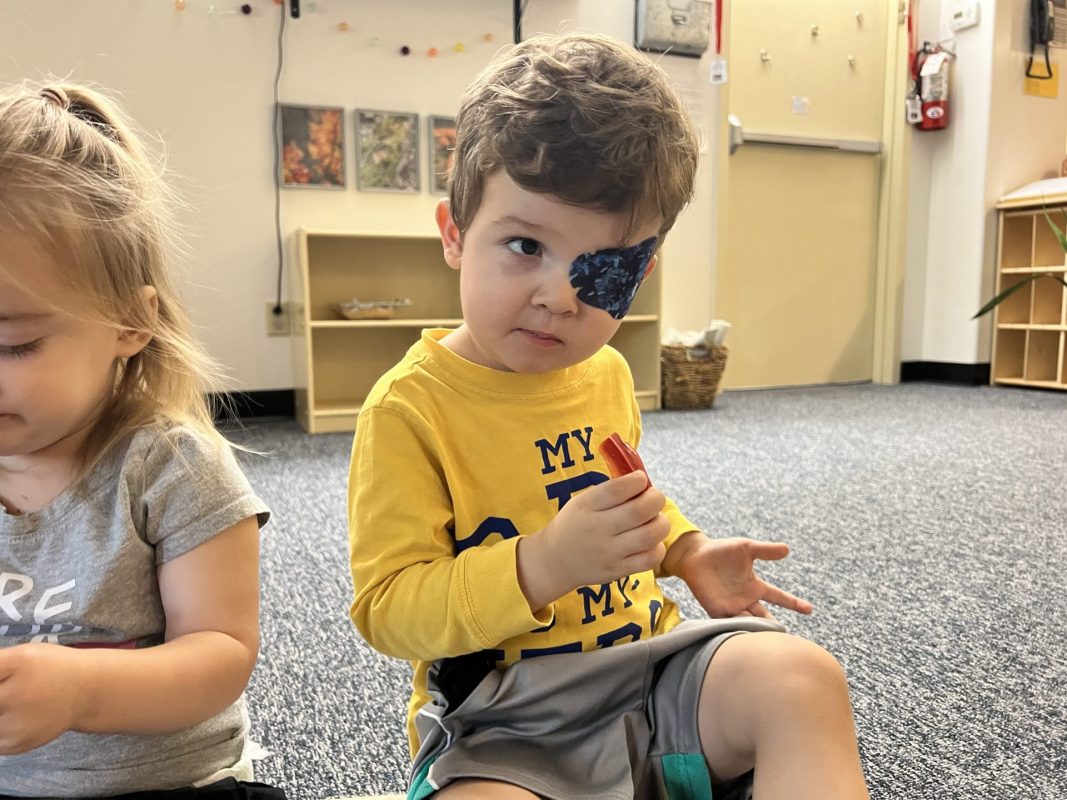
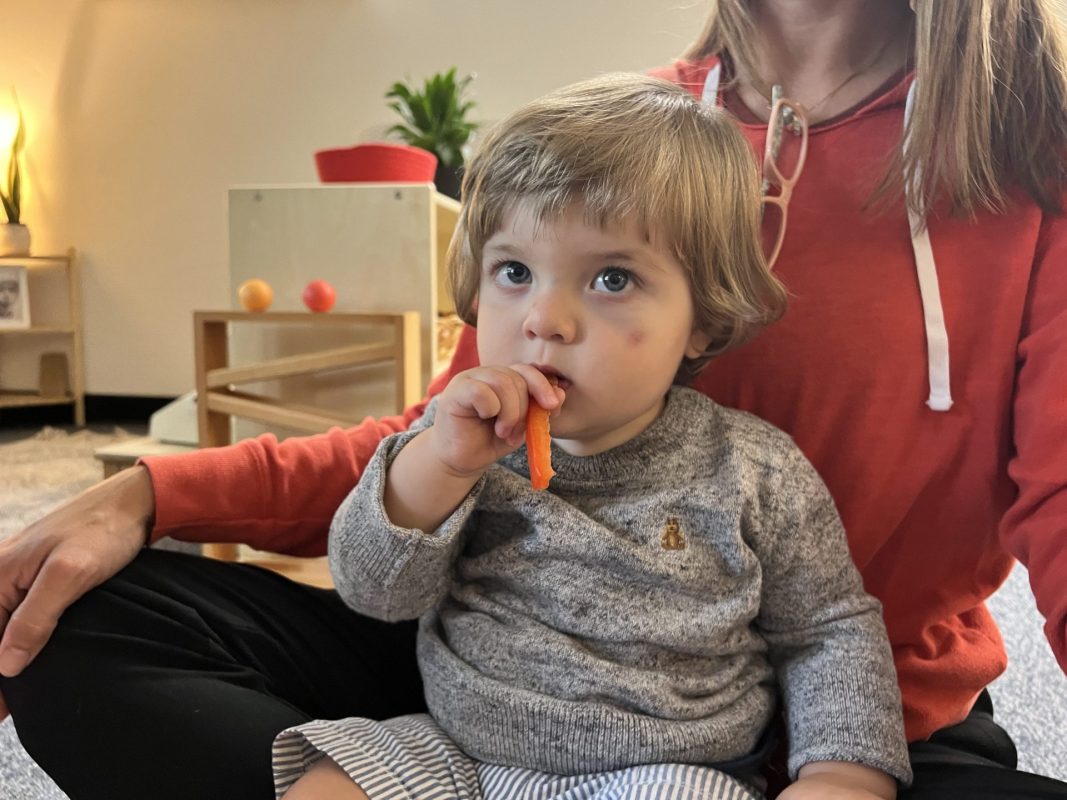
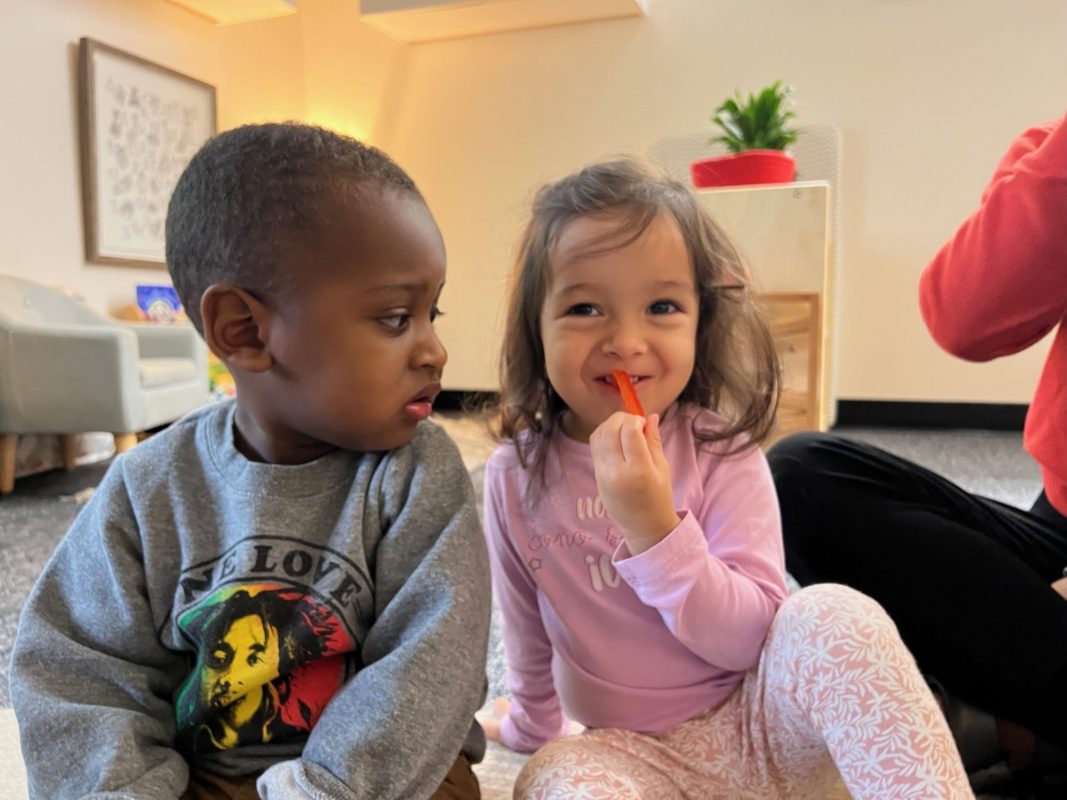
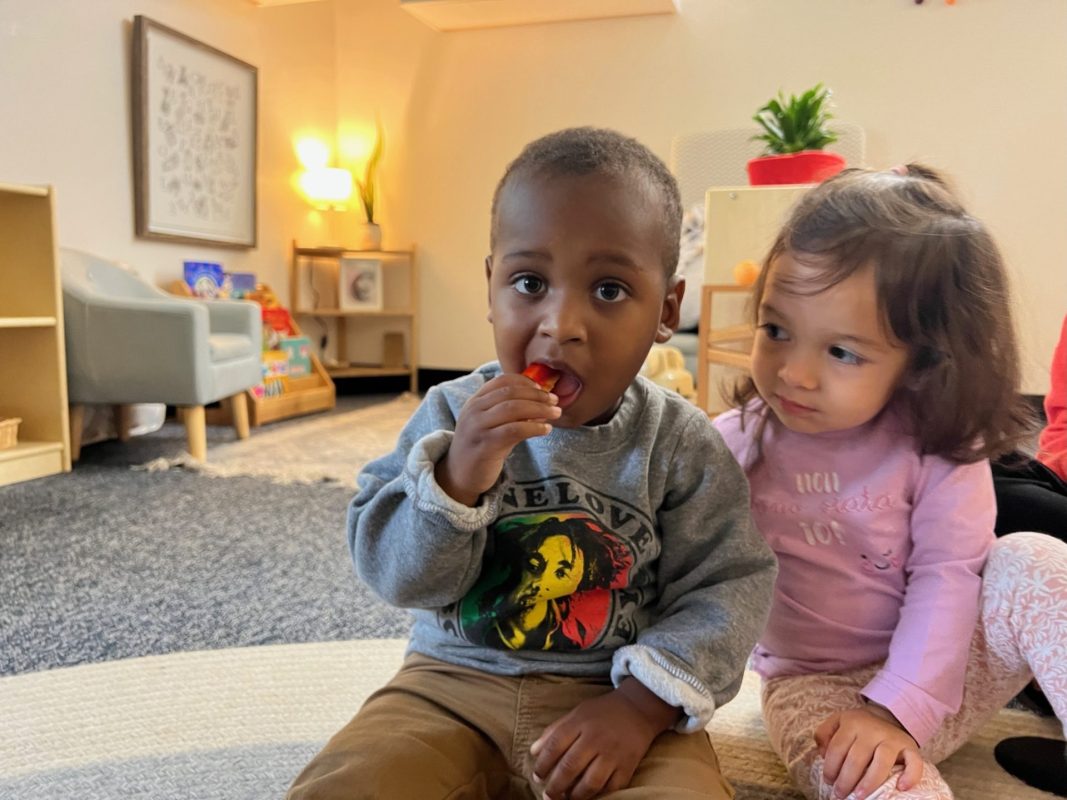
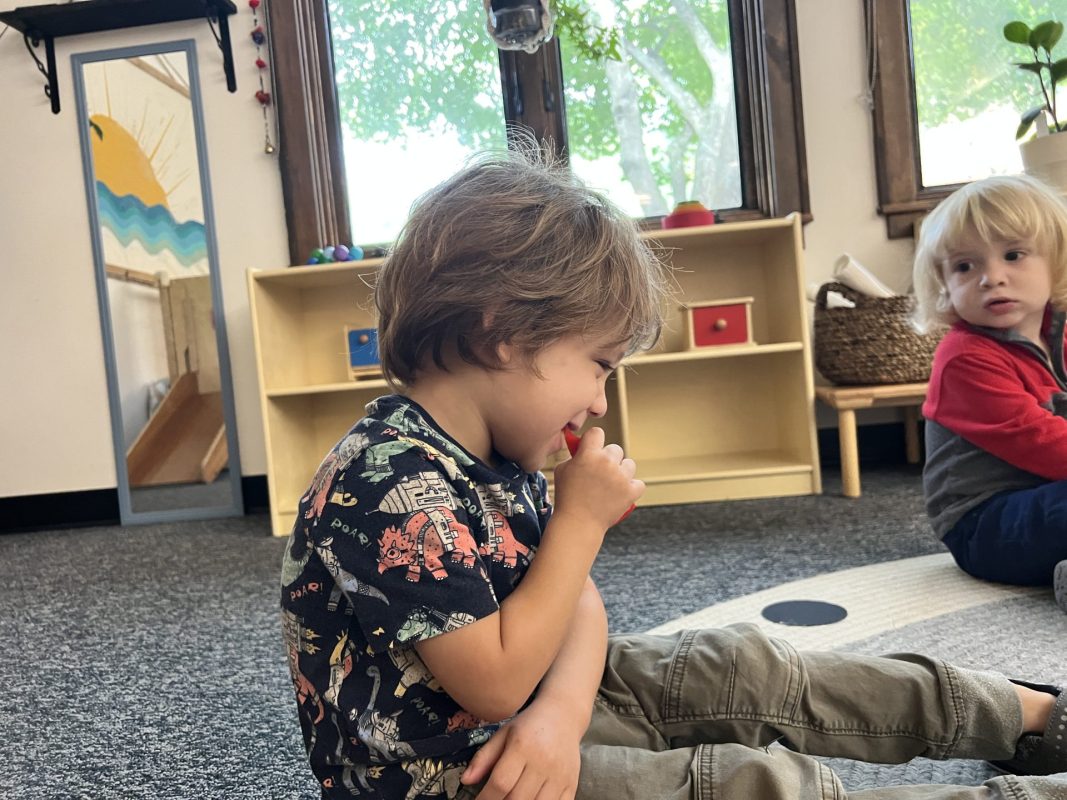
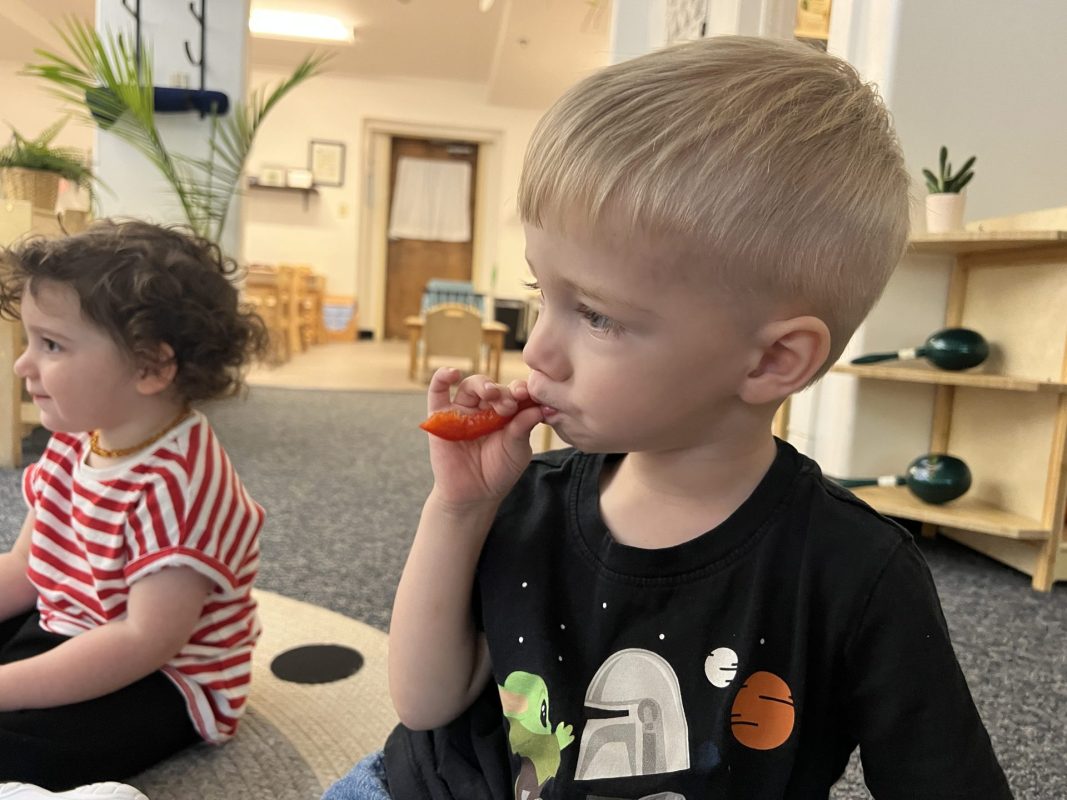
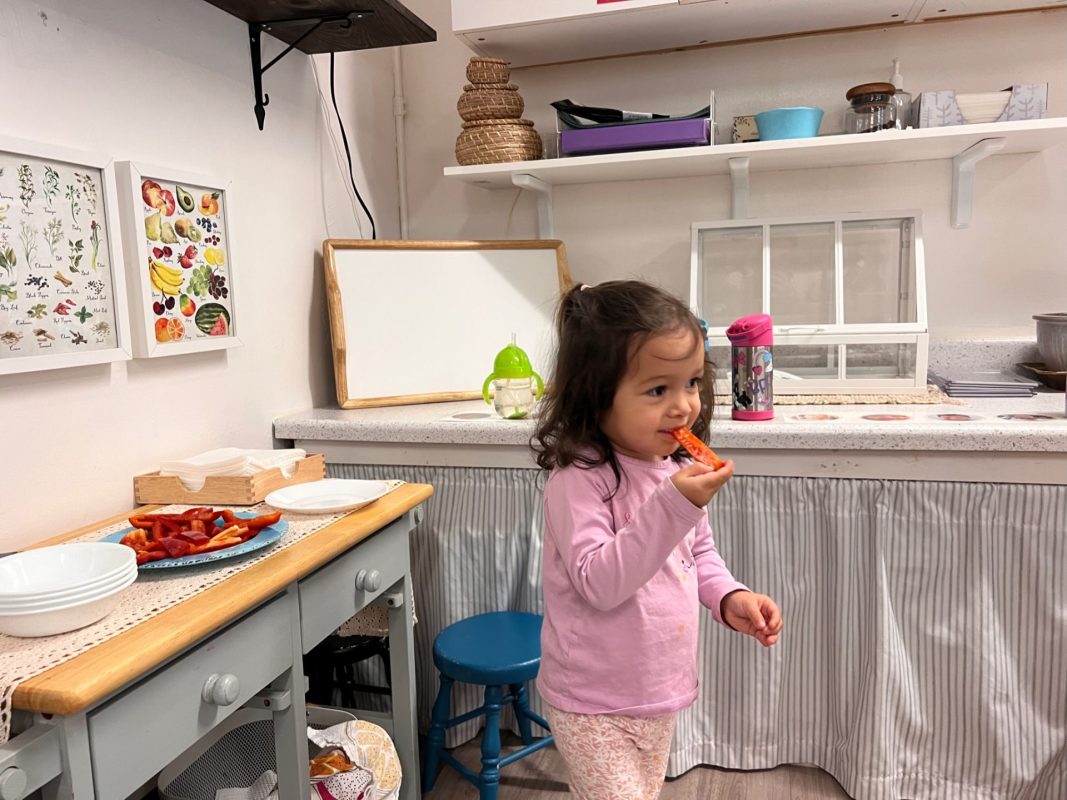
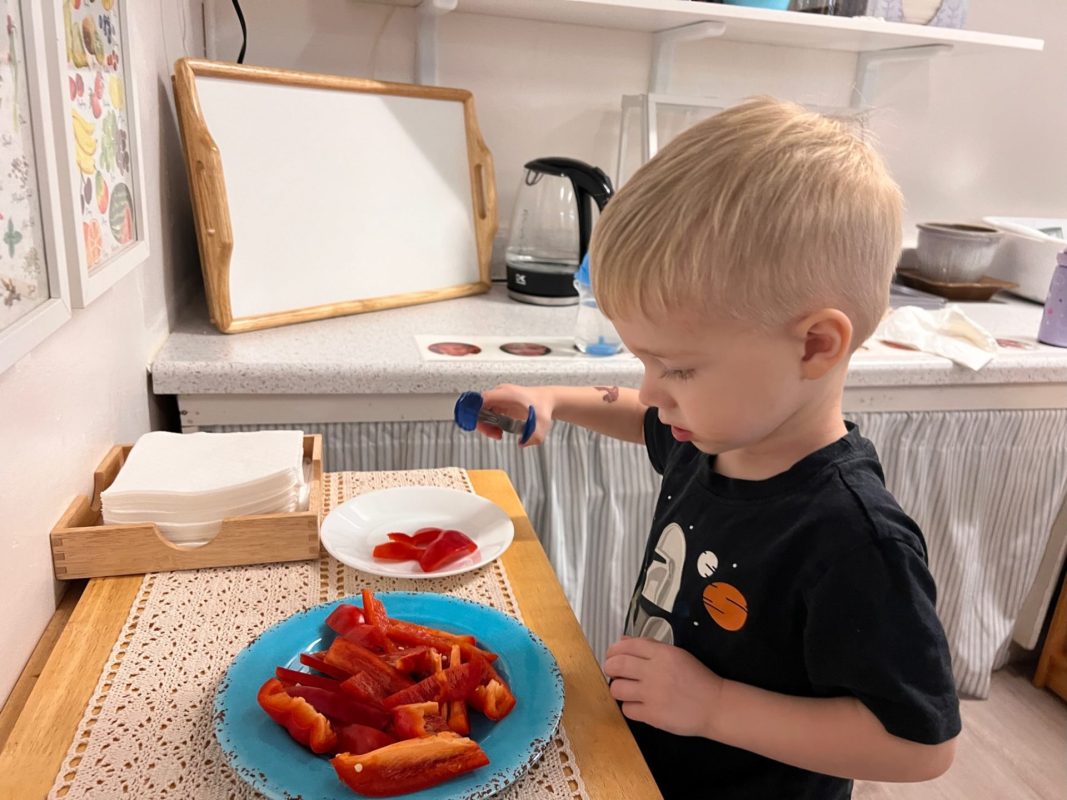
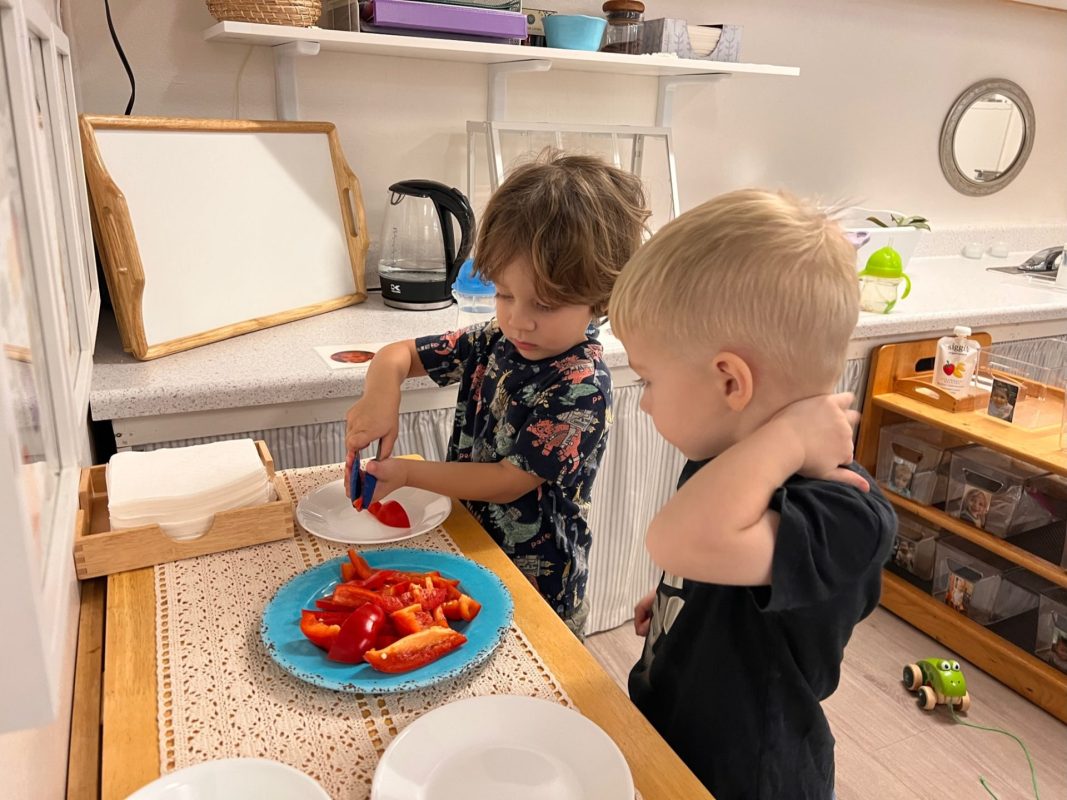
Food Tasting: We tried red peppers, but I disliked them. I still smiled politely and took a small bite for the children. Shhh! They don’t know that Mrs. Wilson’s least favorite vegetable is peppers. Most of our friends seem to enjoy them. Once we concluded our food-tasting endeavor, I opted to try something new. I gathered the leftover peppers and placed them on a tray with serving tongs. Then, I positioned the tray on the food prep table alongside some dishes. Observing the children’s reactions was intriguing as they explored the setup and independently helped themselves to the peppers.

Happy Weekend,

Cynthia and Sara


Ms. Marissa: Weekly Folder Fun Facts

As adults, we must remember that we want things done as quickly as possible so they are finished and out of the way. In contrast, the child is interested and content in the doing, not the done.” –Margaret Stephenson, The Art of Montessori in the Home.

Each Thursday, we send home Weekly Folders with the work the children have completed over the past week. We often receive emails asking why there was so little work inside and what exactly the children are doing.

Sometimes, it can be difficult to accept the idea of focusing on the process, not the product. What exactly does that mean? Many works in the Montessori classroom do not end with a physical product the children will bring home to share with everyone. There is often no way to visually assess what a child is learning. Overall, as a society, we are product-driven and often base our success on this factor. The experience a child has when working with the materials is truly what is most important. However, it can often be unsettling when you hear they did “nothing” day after day.

Research shows children ages three to six learn best through their hands. To truly understand a concept, they need to explore it through touch. This is why so many lessons in the Montessori environment are not based on memorization alone. Most concepts we teach involve tracing, manipulating, and exploring with their hands. Perhaps most importantly, focusing on the process protects the child’s intrinsic motivation to learn and understand. External factors such as recognition, praise, or reward do not influence it. We truly value and encourage the time and experience with the materials.

So, if your child’s folder comes home with little to no work, know that their accomplishments can’t always ‘fit’ in that folder. Maybe after weeks and weeks of trying, they learned how to zipper their coat, or perhaps they can finally carry a work without it dropping. Maybe after observing a lesson day after day, your child tried it independently for the first time. The list of skills each child can accomplish will never be fully represented in the Weekly Folder. So please enjoy the work in there, but know it will never be an accurate portrayal of all the children are learning and accomplishing.

Fall conferences are scheduled for Thursday, October 26th. In addition to this date, I am offering six slots on Friday, October 20th. Please click here to sign up and choose your time. We look forward to seeing everyone during conferences and sharing our goals for your child for the year.

Wishing you a week filled with peace and love.

Marissa and Sue


Work Hard, Play Hard


Dear Fraser Woods Montessori School Families,

I hope this letter finds you well and that your children’s school year has started positively. As we settle into the new academic year, I wanted to take a moment to update you on our Physical Education classes and share some important announcements.

Firstly, I want to express my heartfelt gratitude for your continued partnership in supporting your child’s education. Your involvement and support play a vital role in creating a successful learning environment for our students.

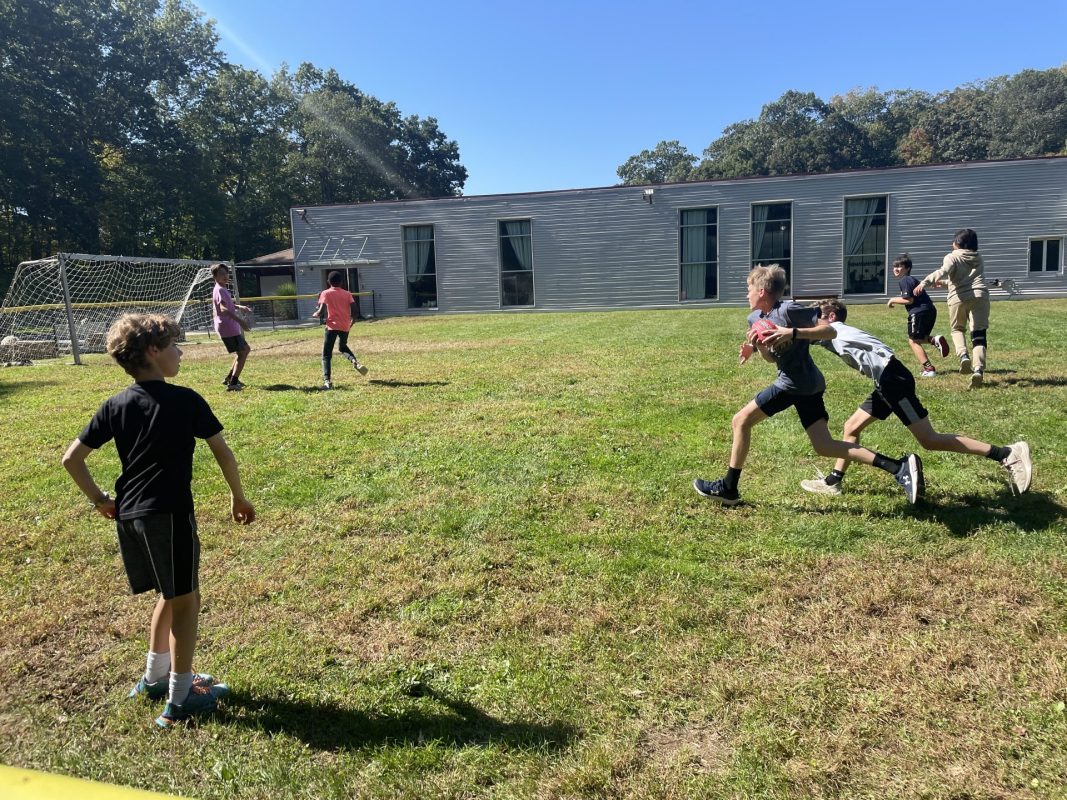
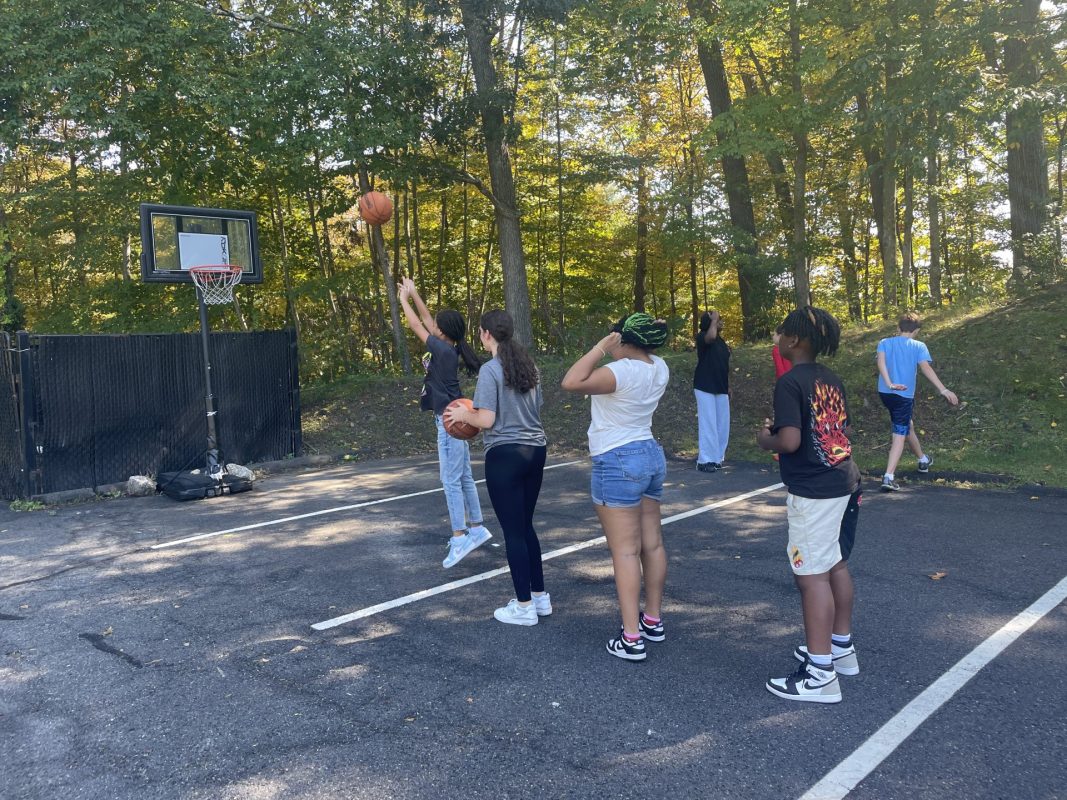
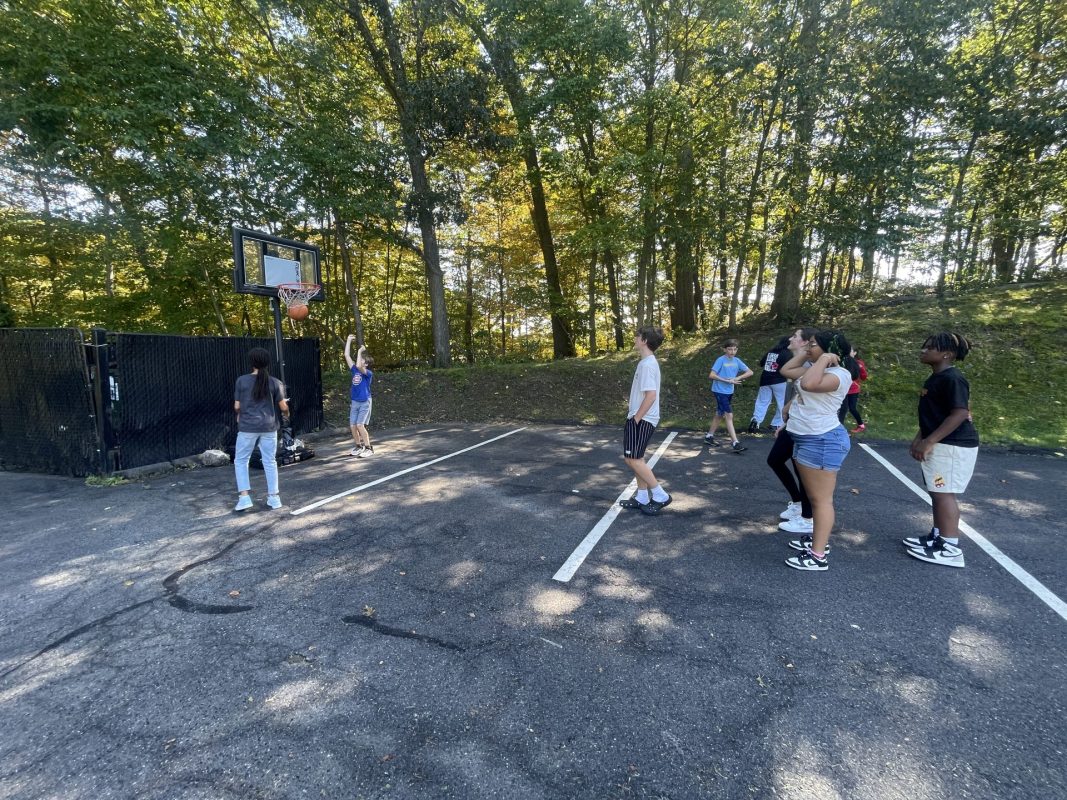
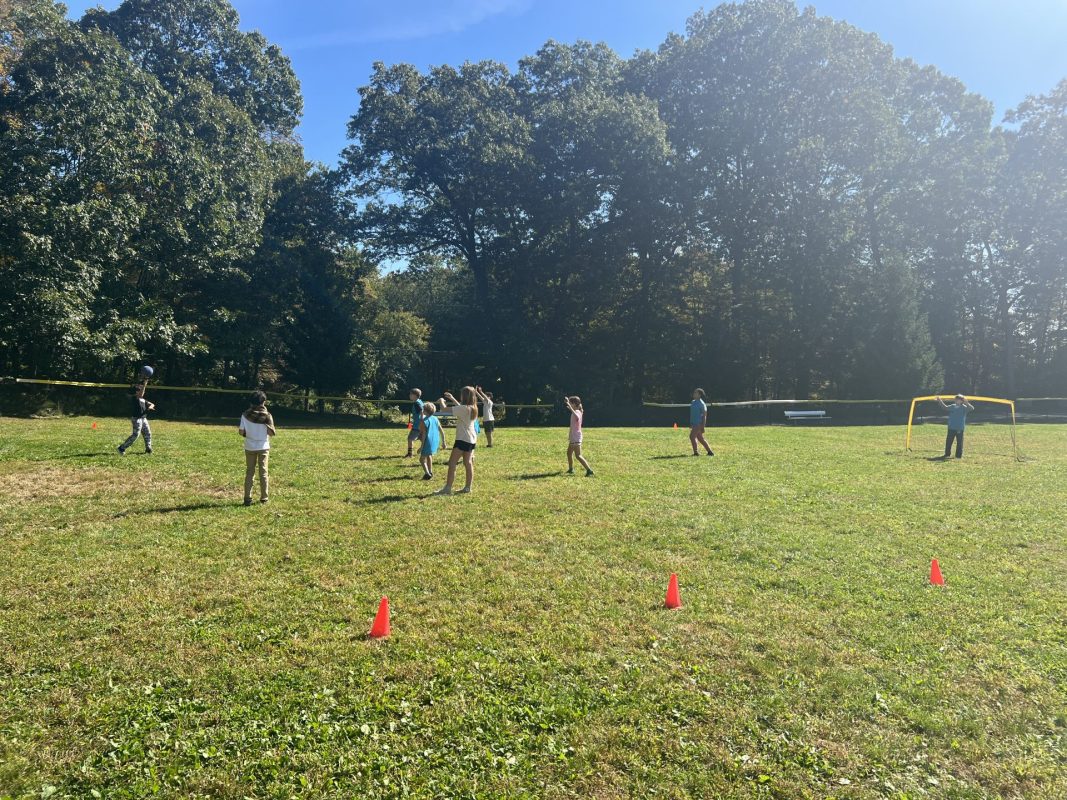
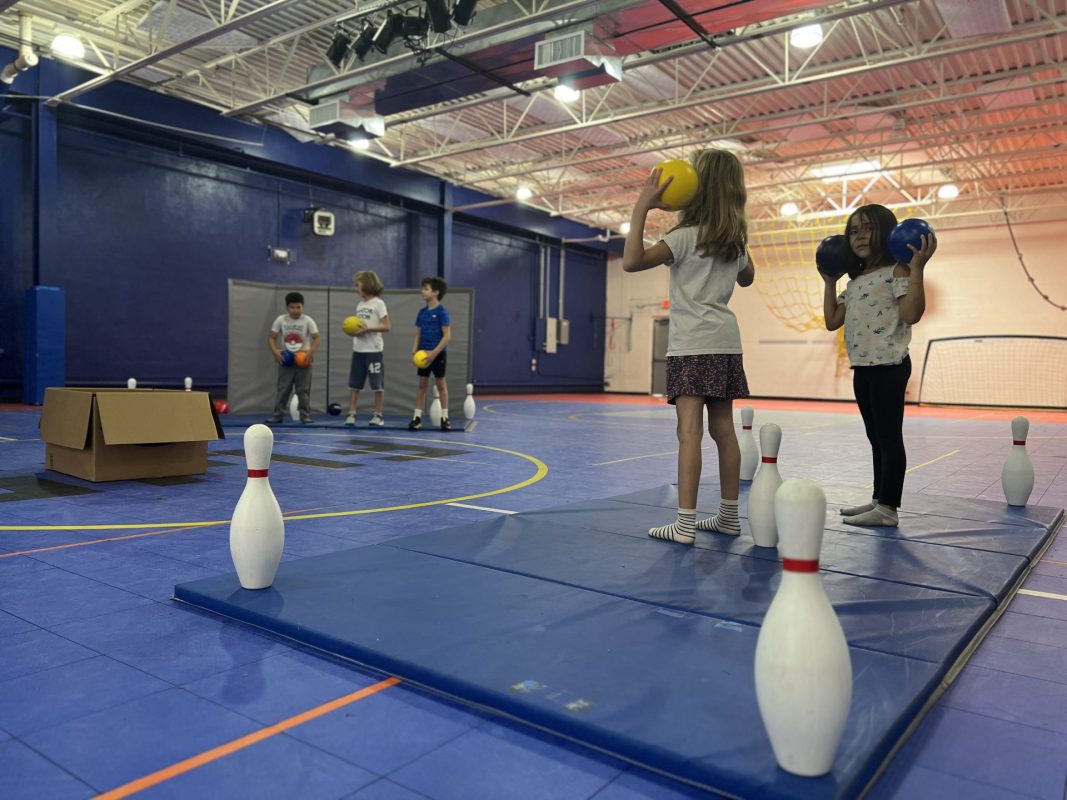
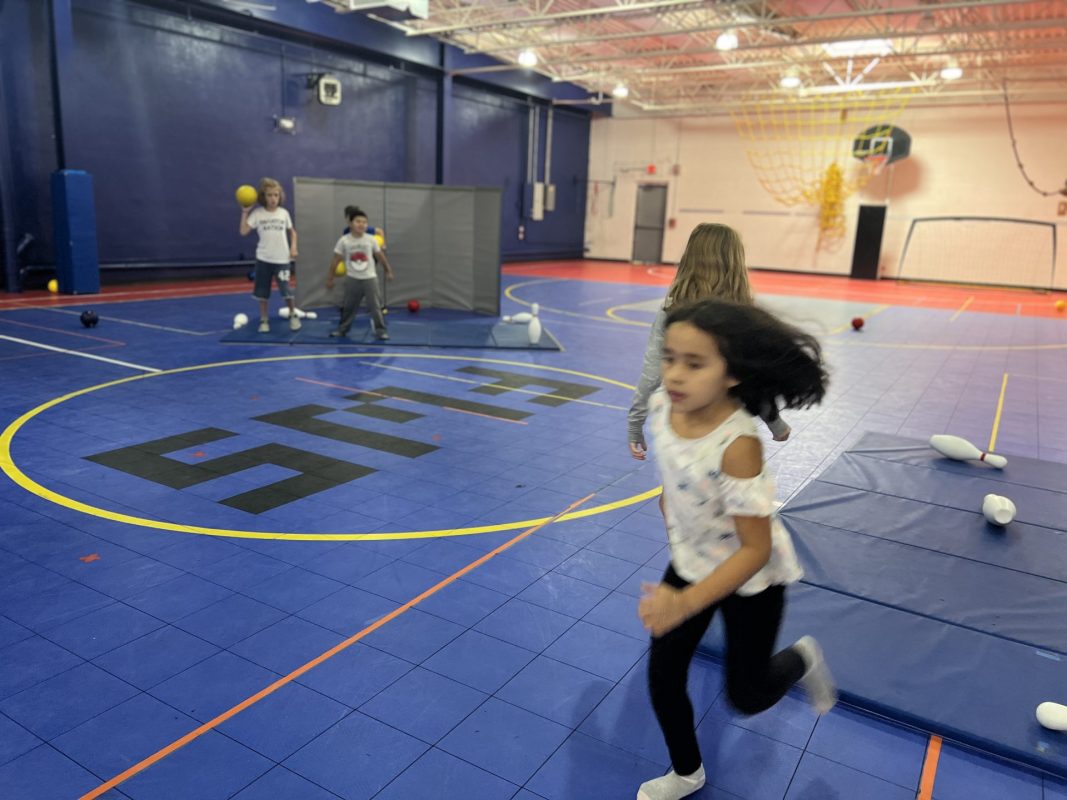
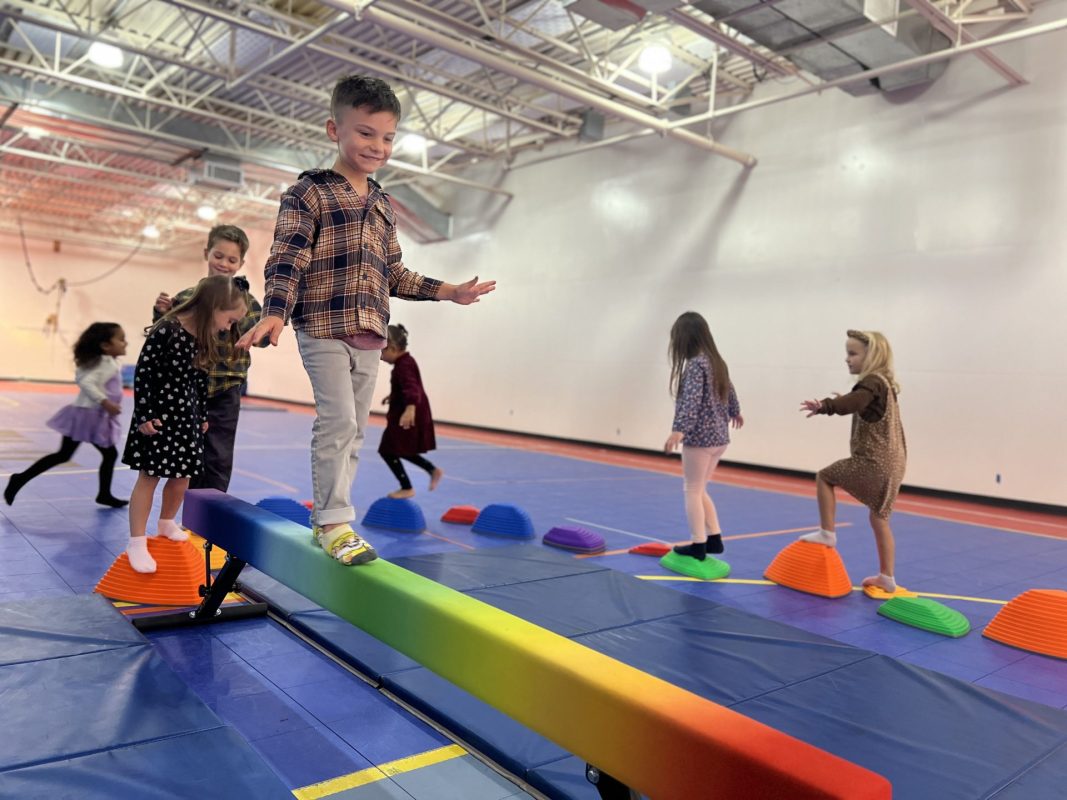
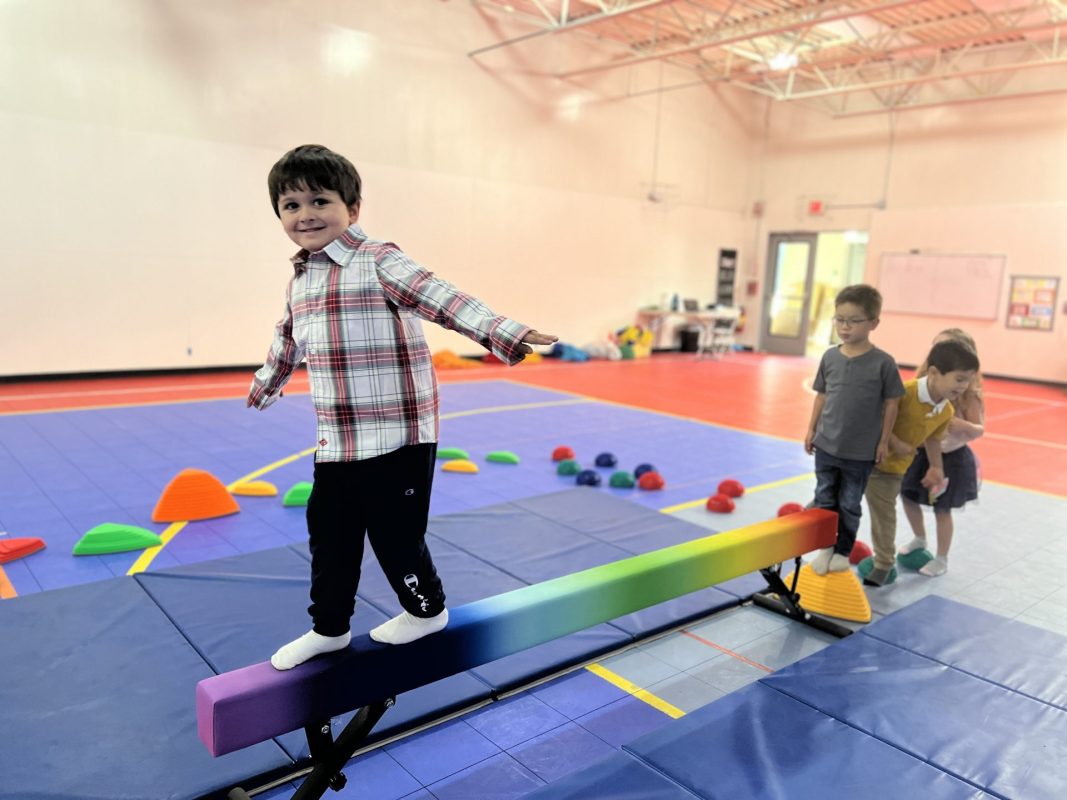
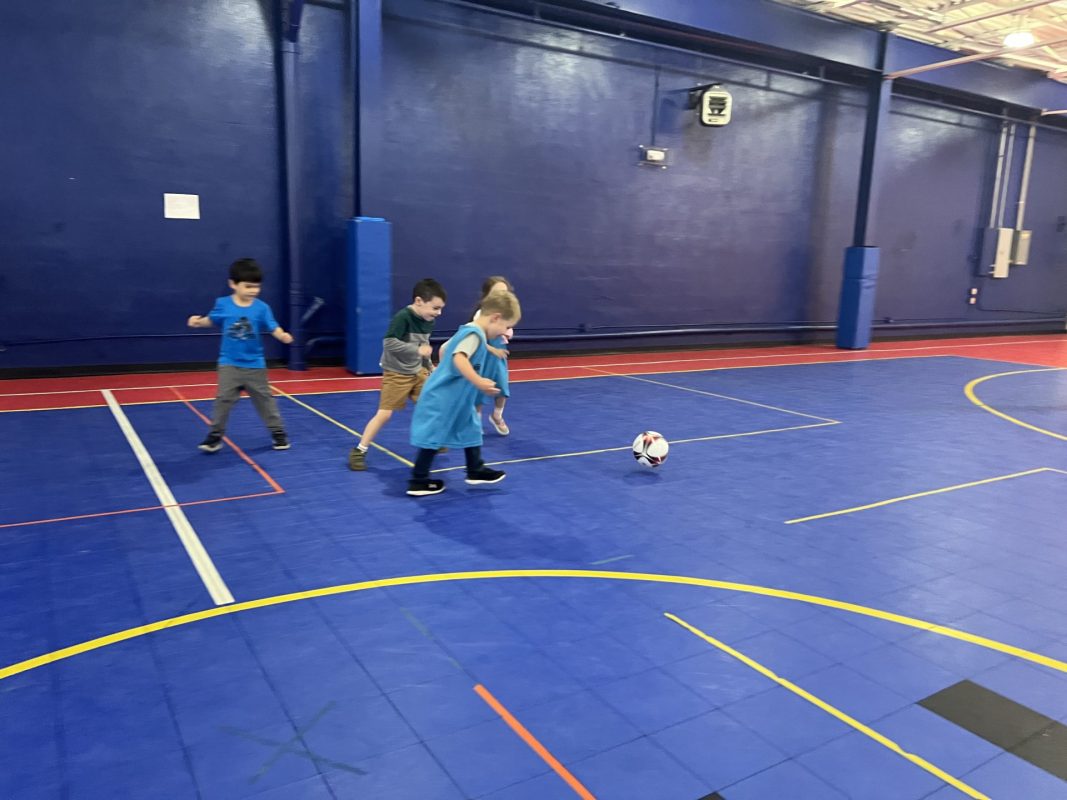
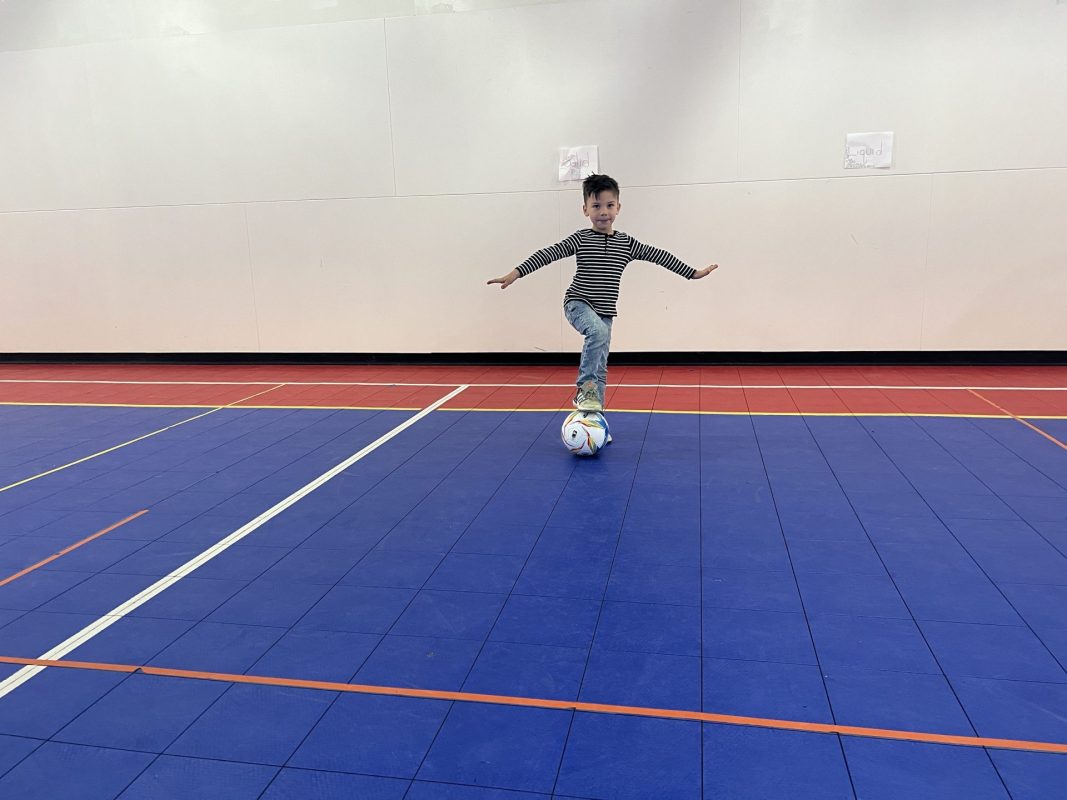
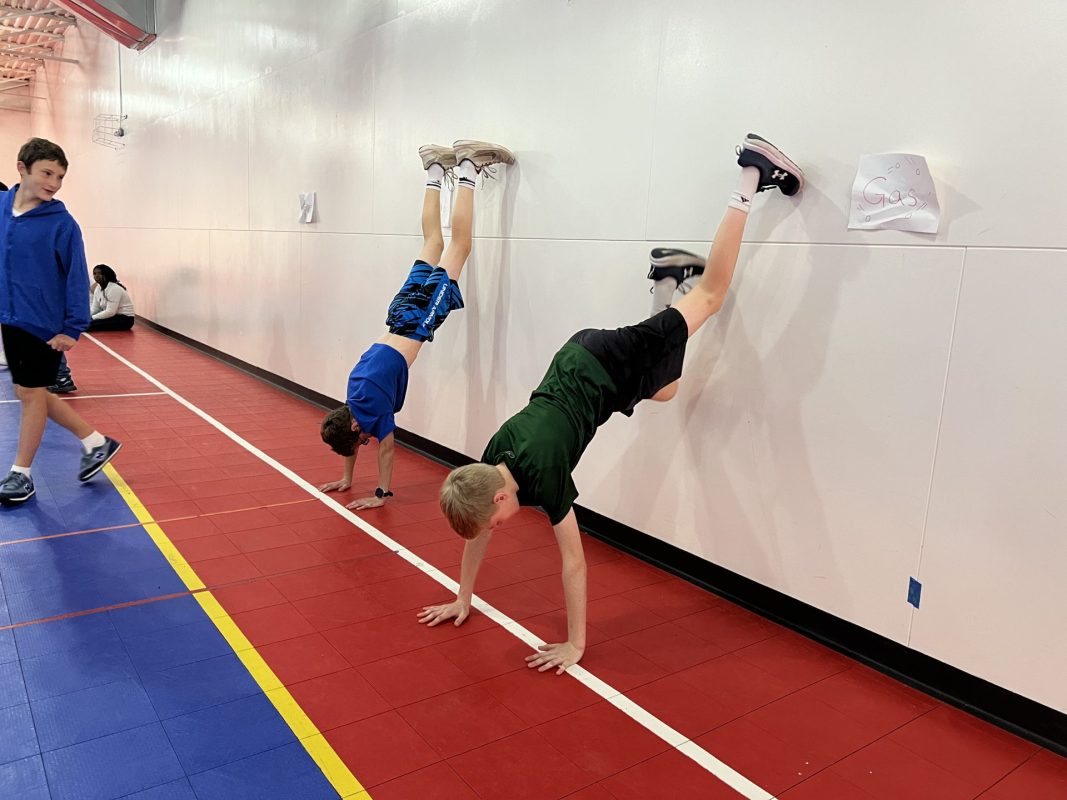
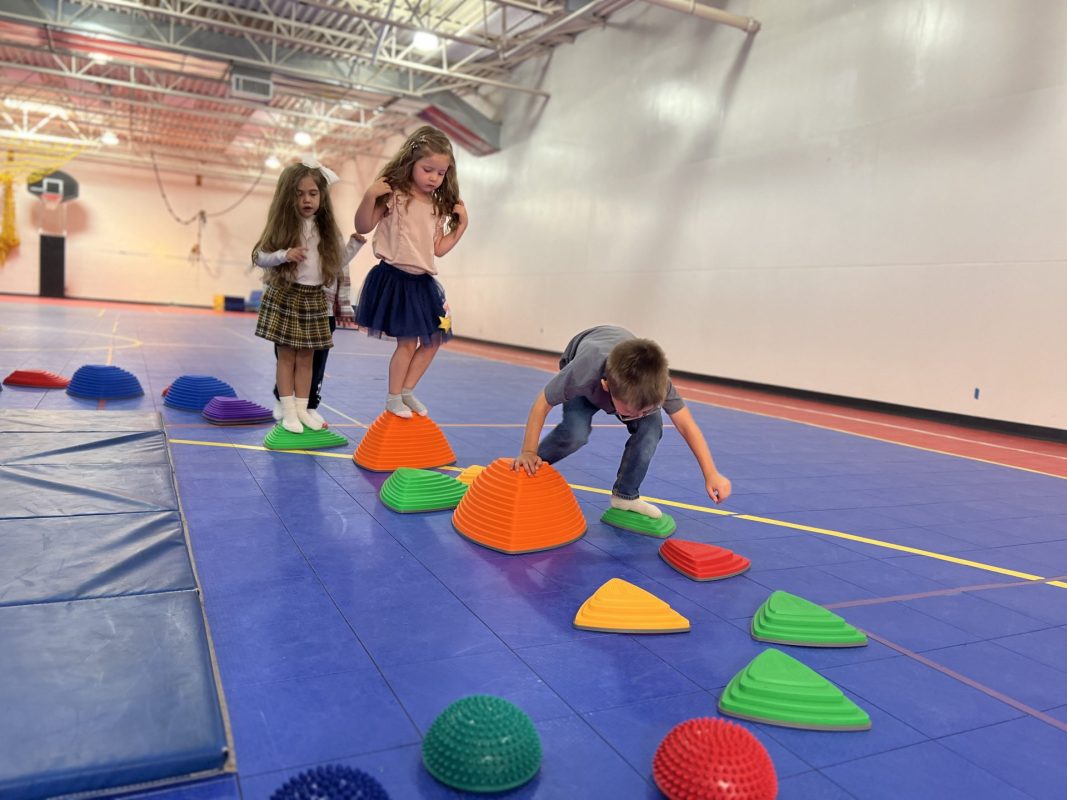
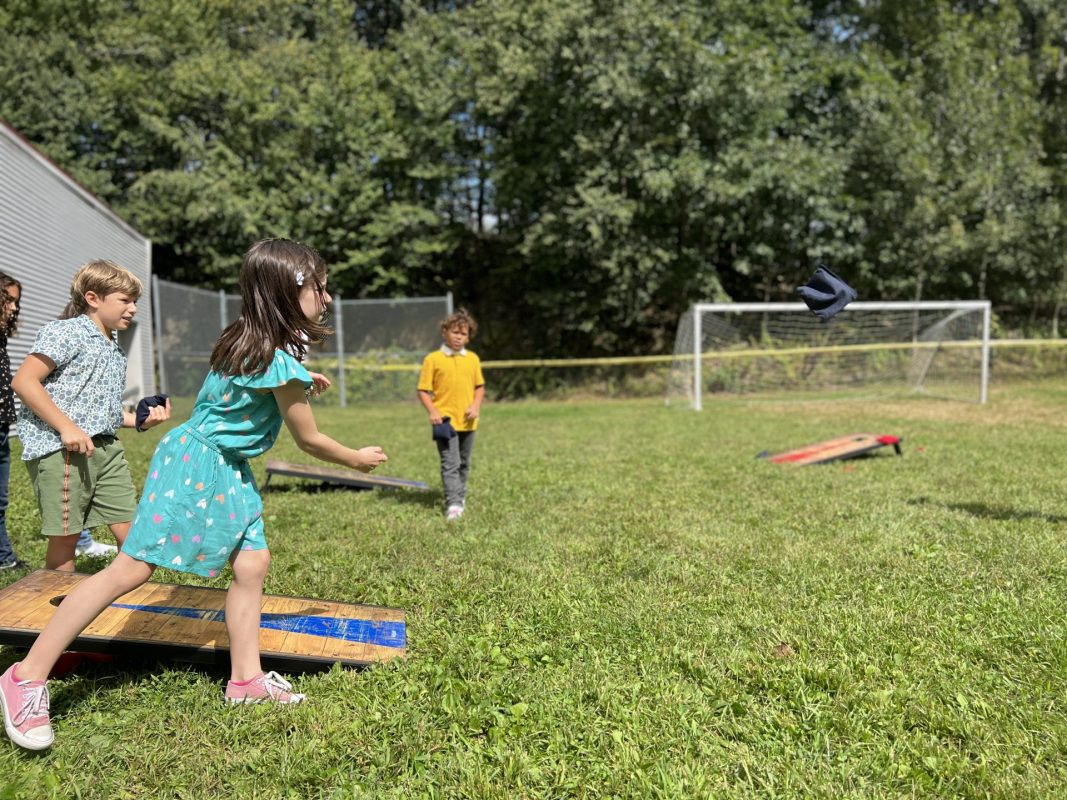
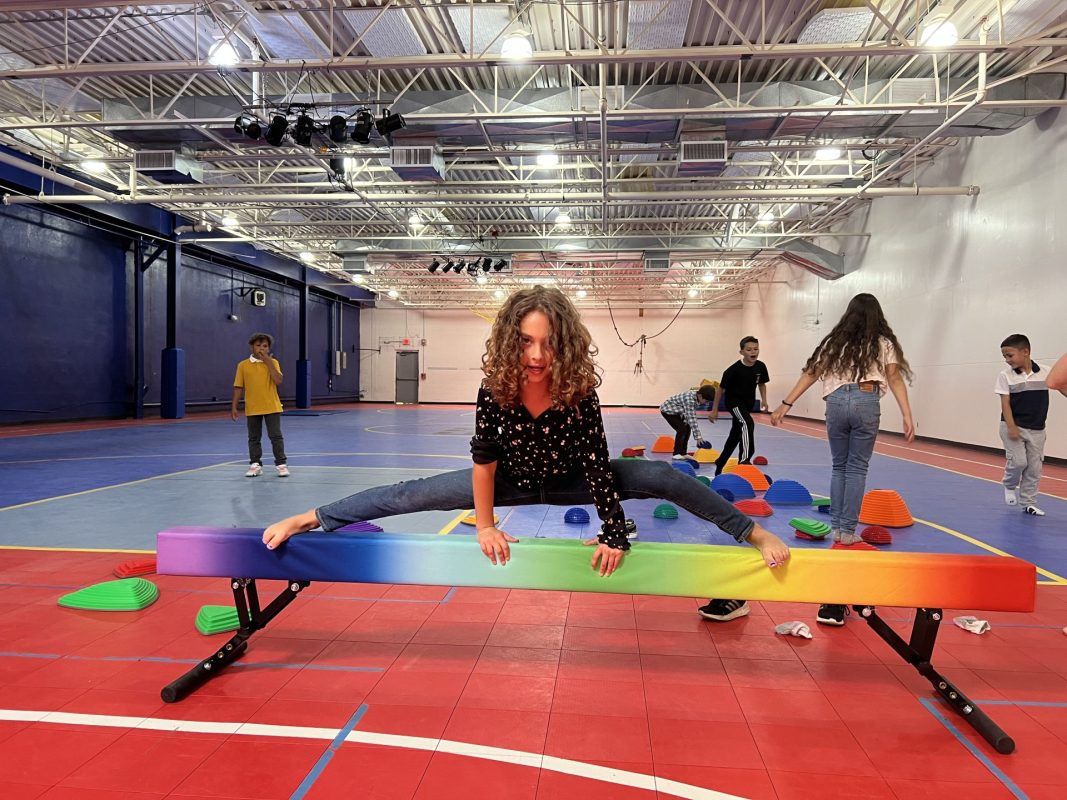
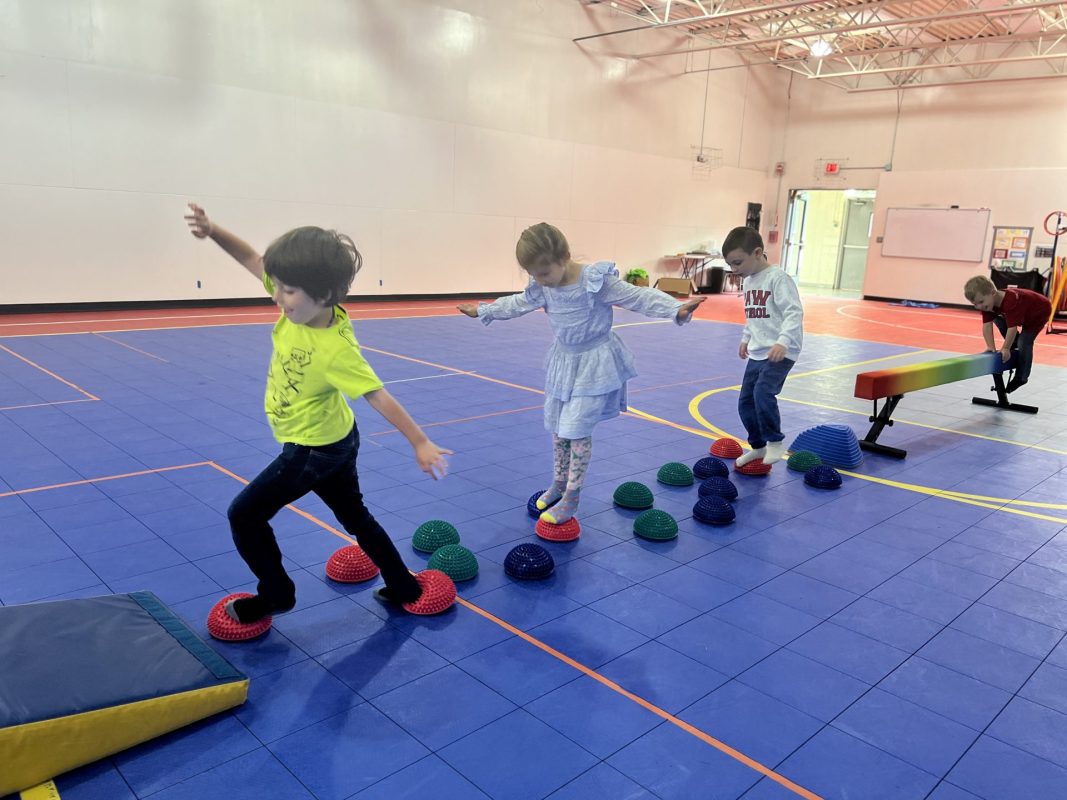
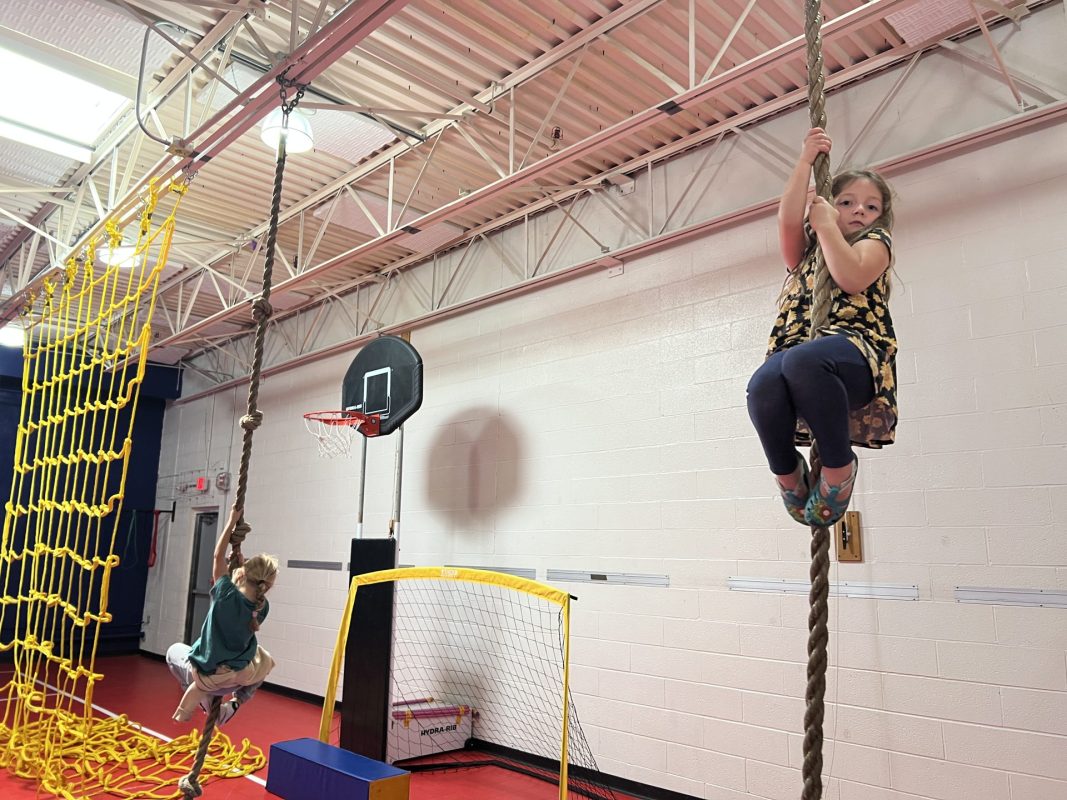
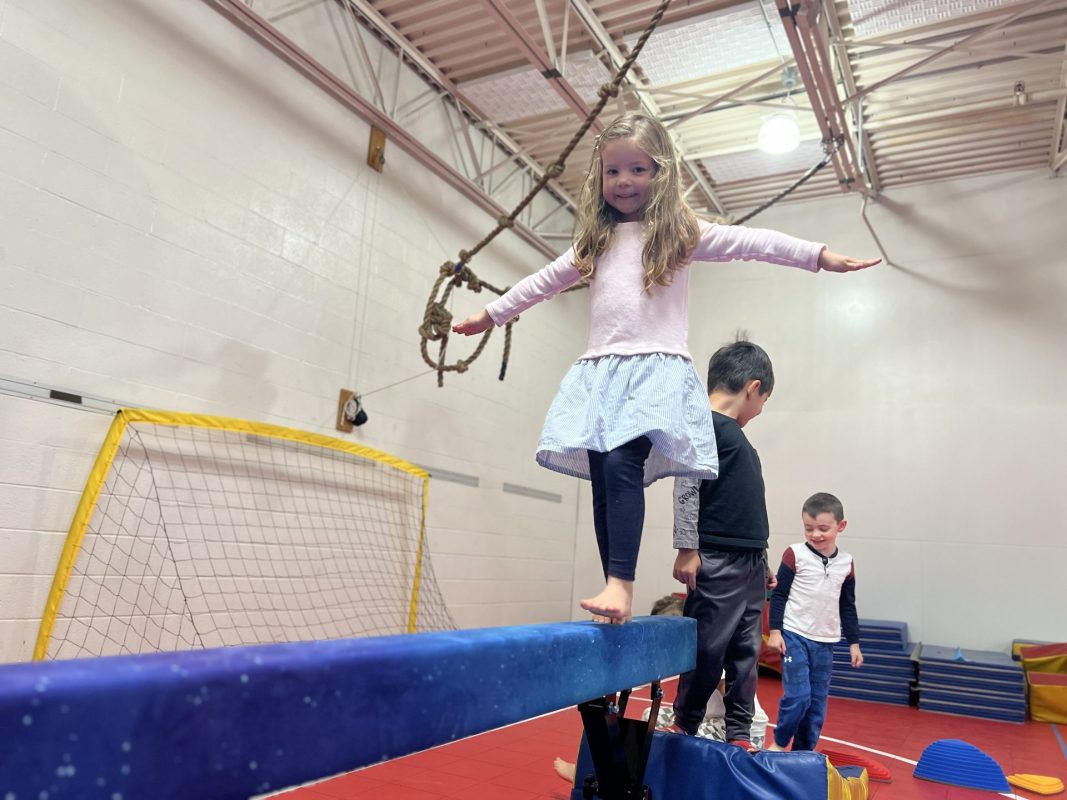
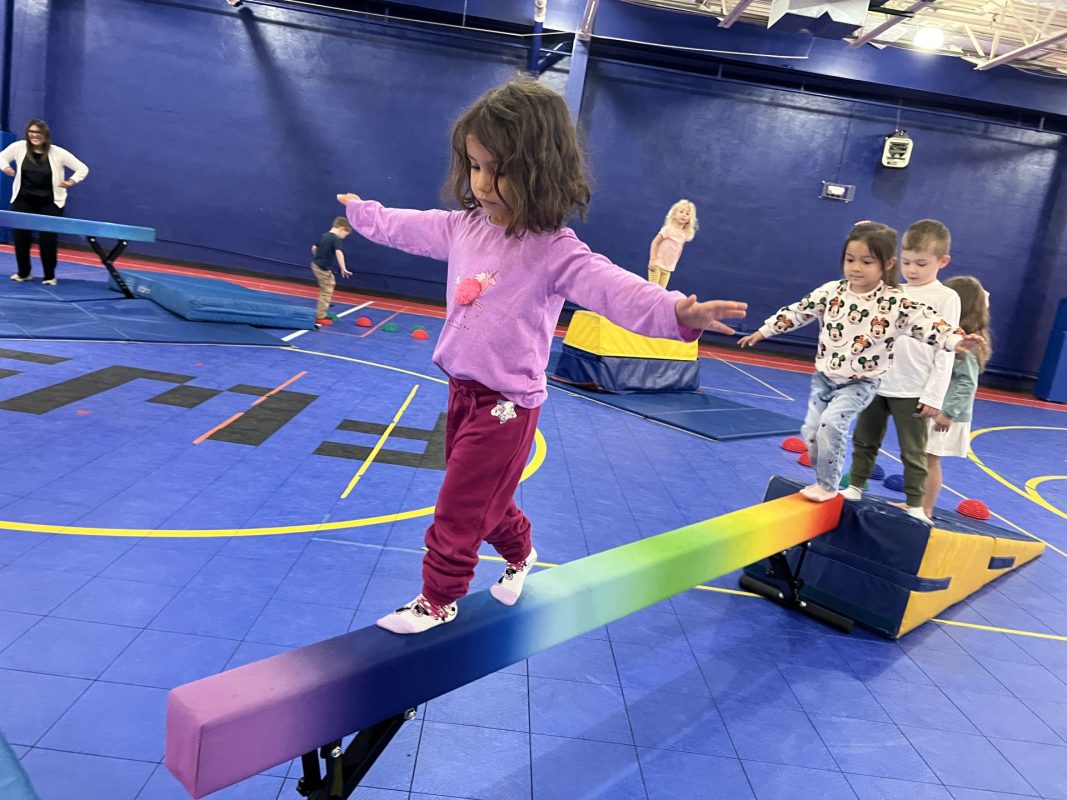
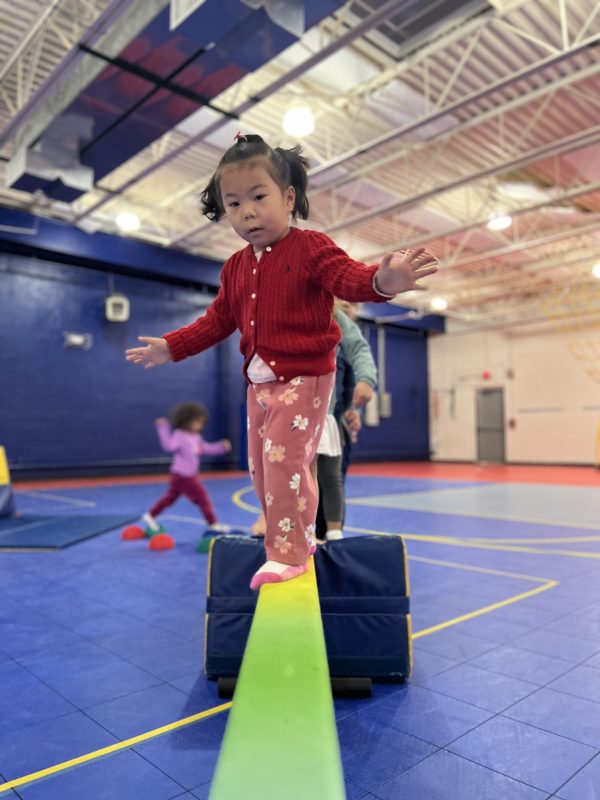
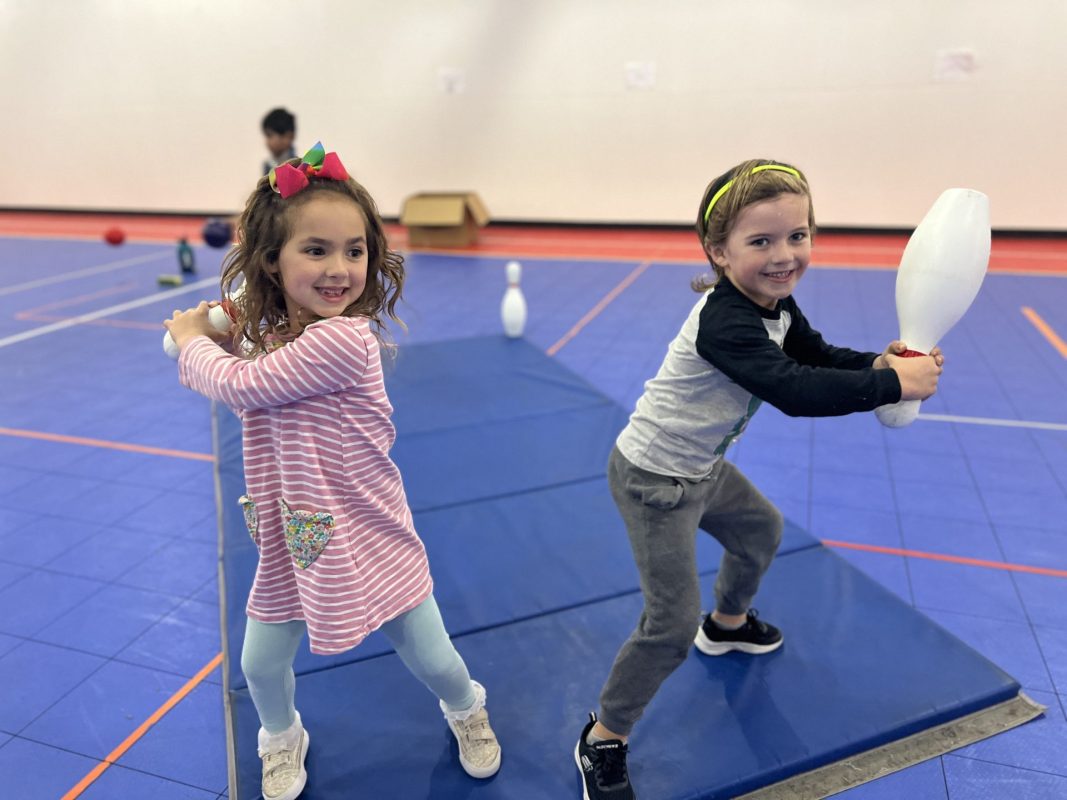
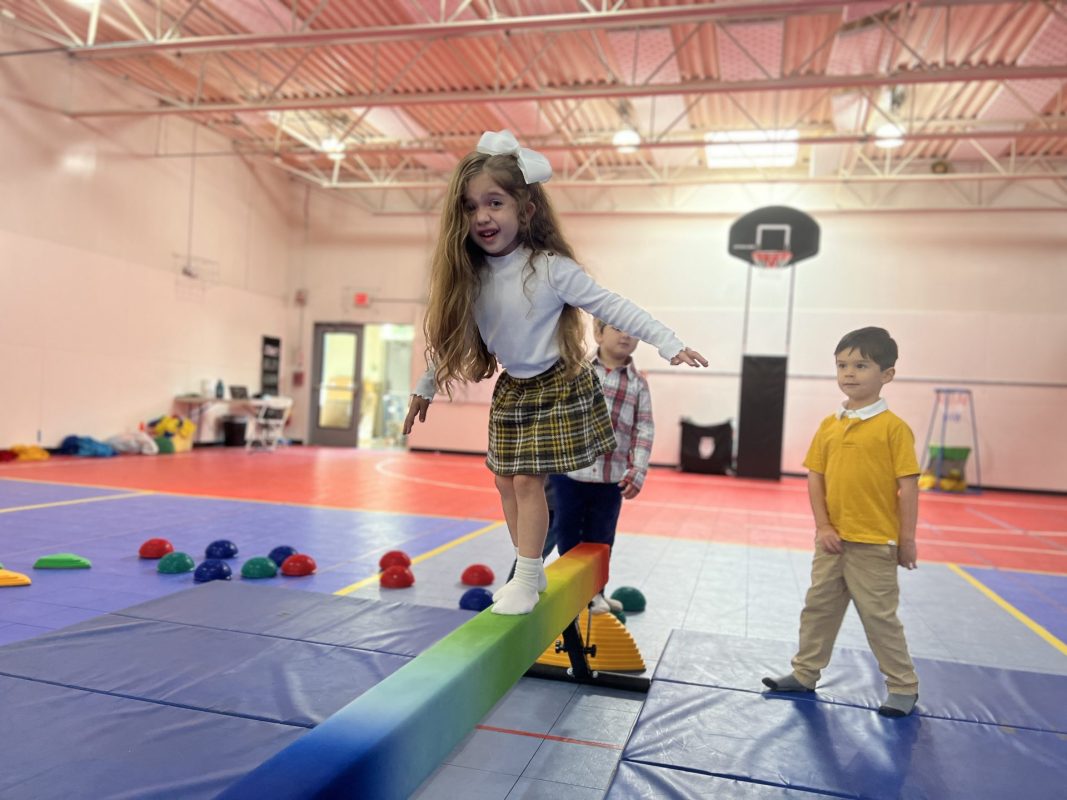
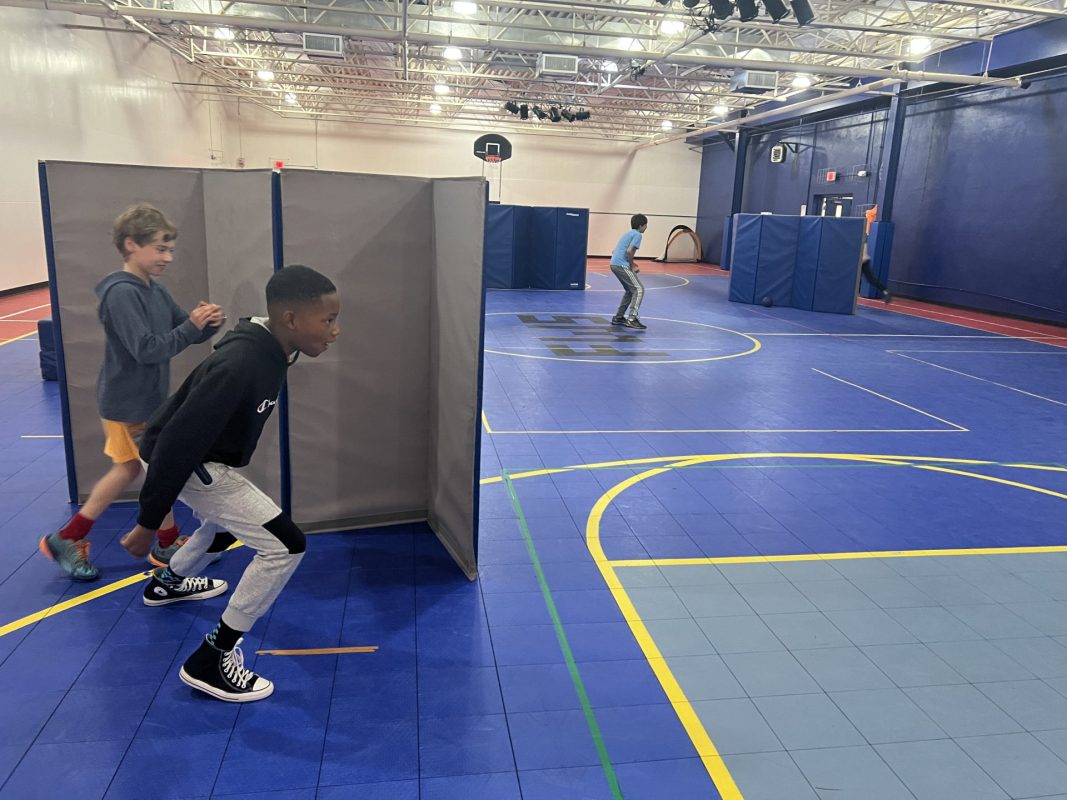
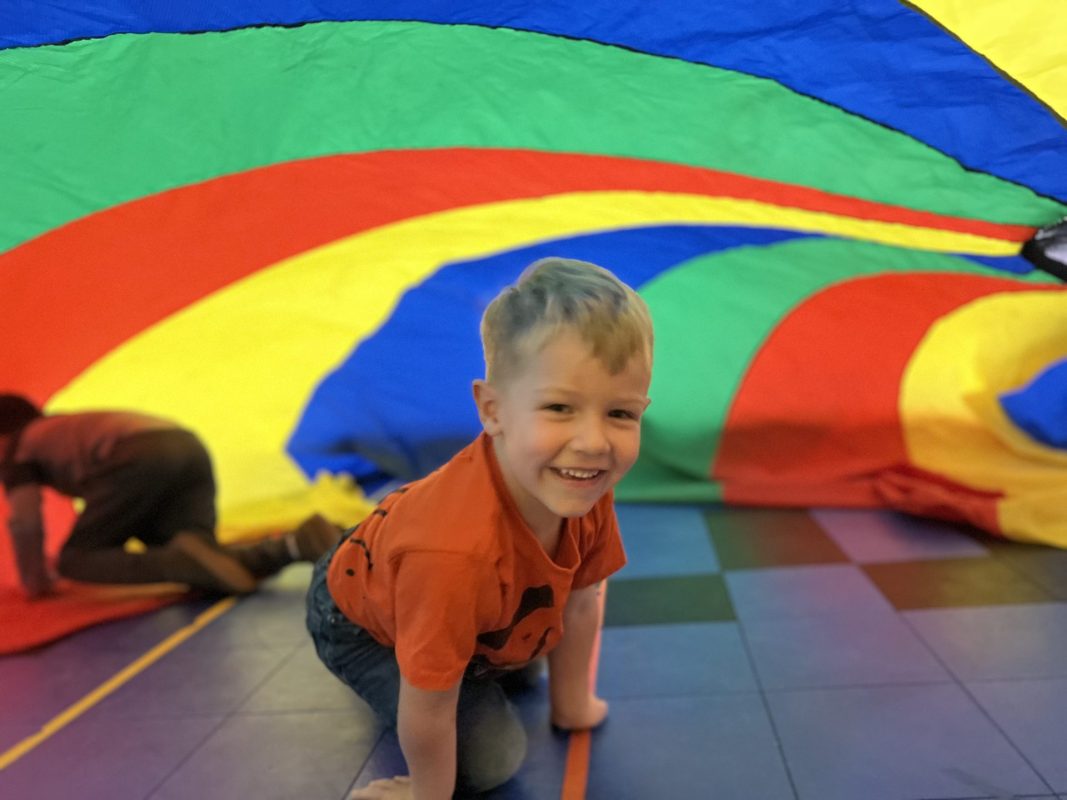
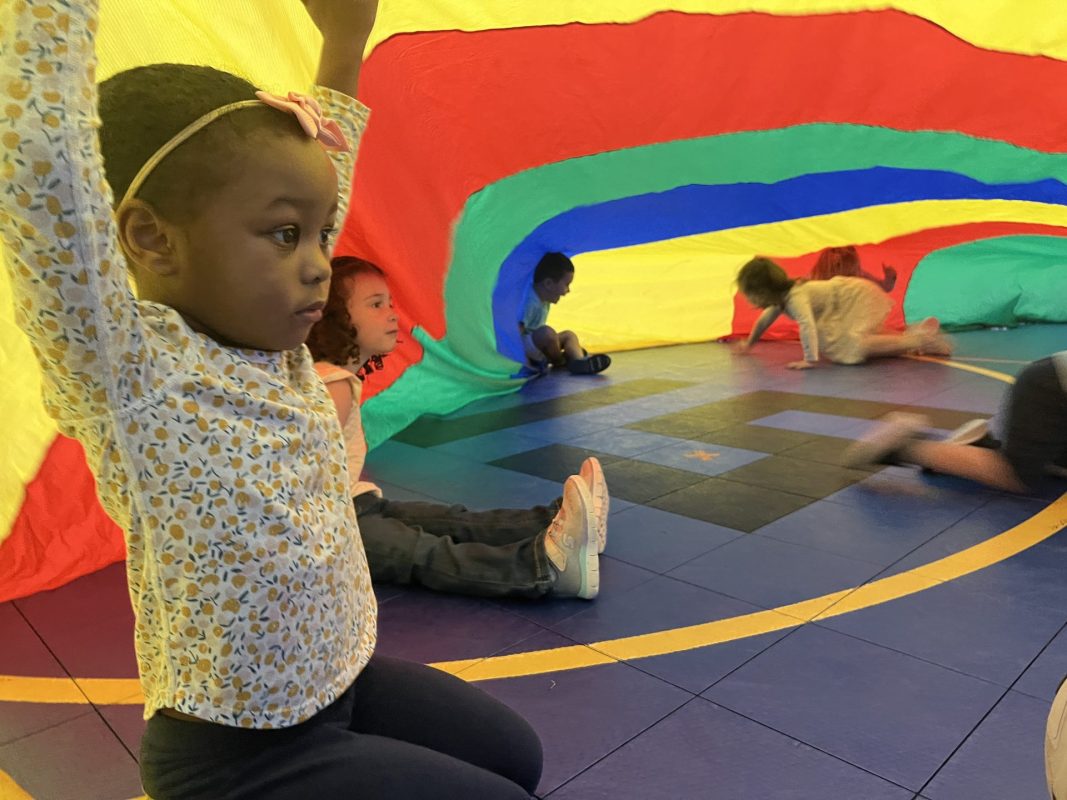
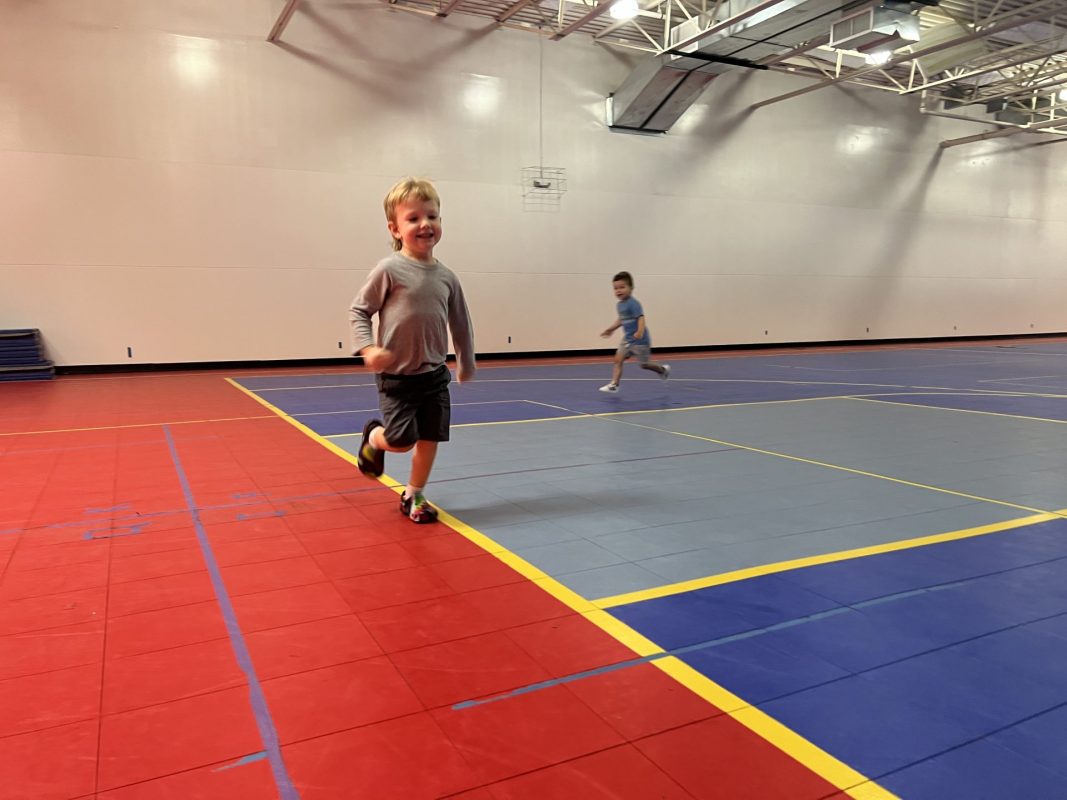
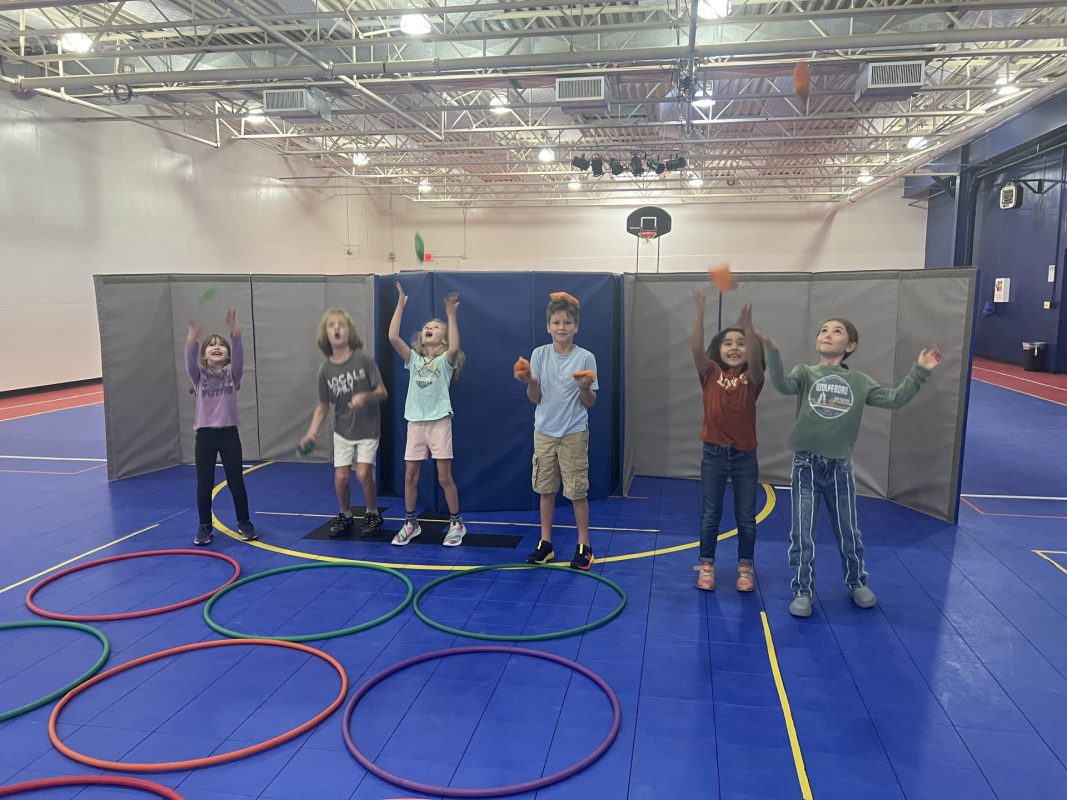
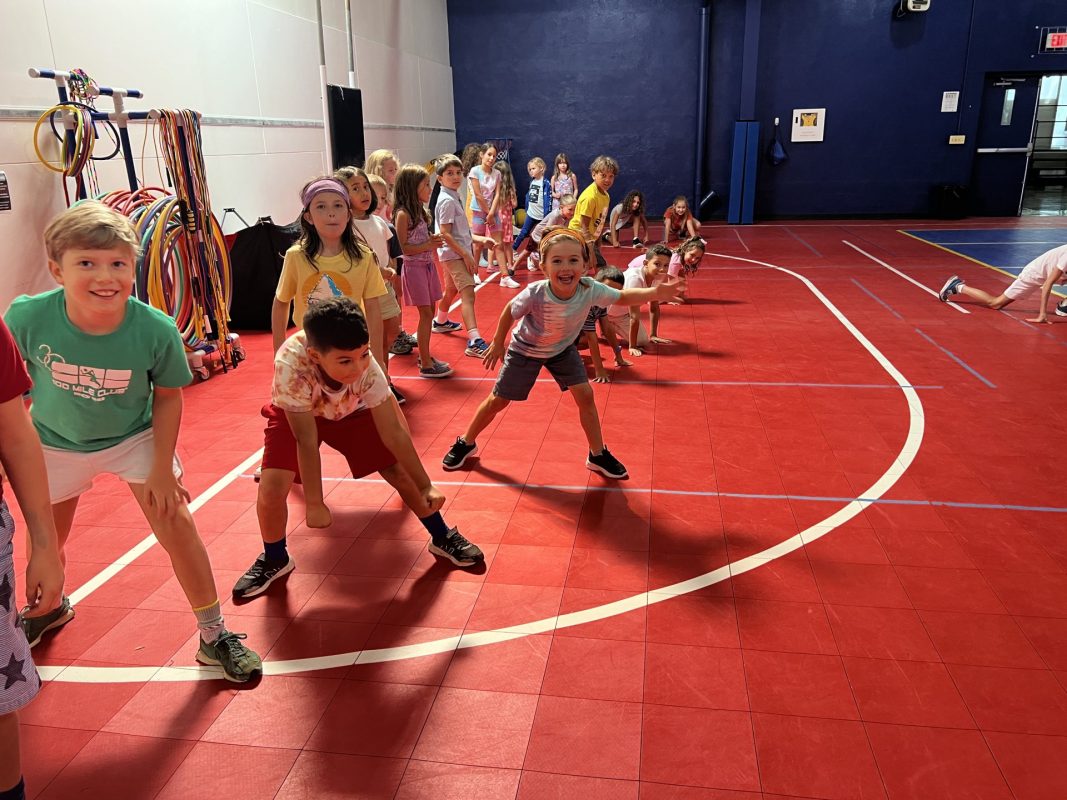
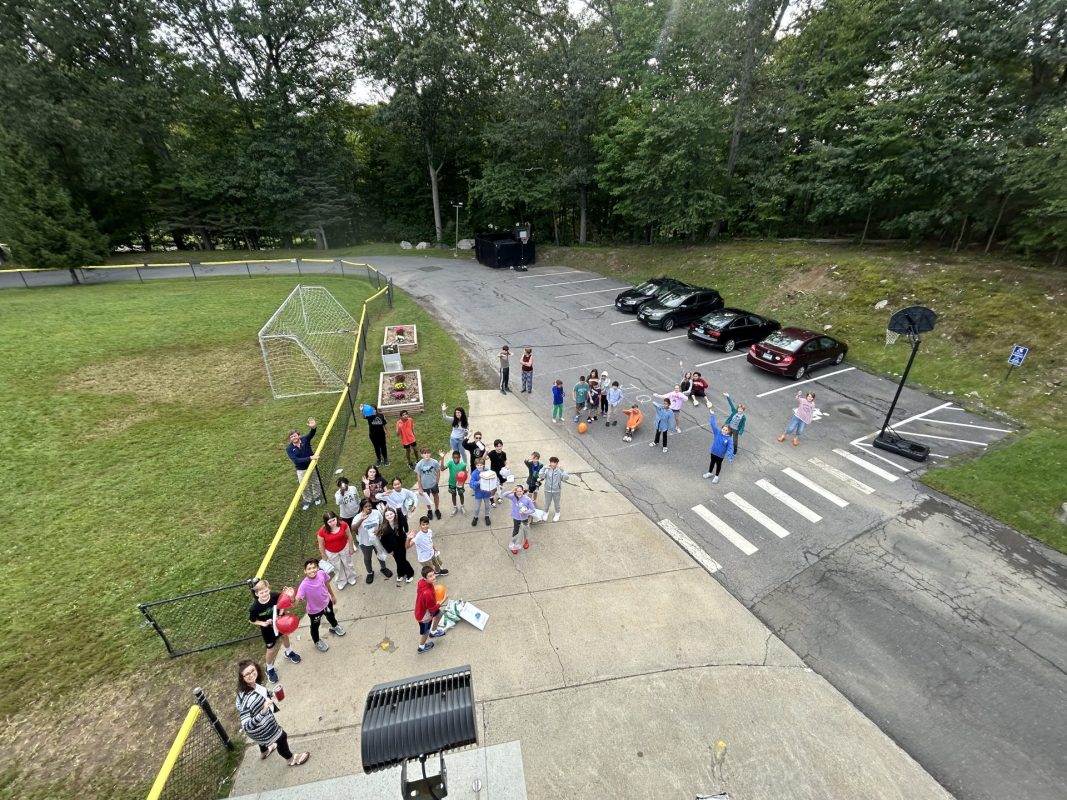
Over the past couple of weeks, our Physical Education classes have focused on giving students the opportunity to explore and play a variety of sports, games, and activities. Witnessing their enthusiasm and willingness to try new activities has been a joy. Through this exposure, I have had the chance to observe each student’s unique qualities and identify areas in which they can grow and develop throughout the year.

I am pleased to share that even in these early stages, I have already seen tremendous growth in our students’ confidence. Many have stepped out of their comfort zones and embraced sports and games that they initially hesitated to try. This is a testament to their resilience and willingness to take on new challenges.

In the coming weeks, we will continue to focus on building fundamental skills, fostering teamwork, and encouraging a positive attitude towards physical activity. Our goal is to create an inclusive and supportive environment where every student feels empowered to participate and excel.

As we move forward, I assure you that I am dedicated to providing your child with the best possible learning experience. We can create a nurturing and stimulating environment that promotes physical fitness, teamwork, and personal growth.

Thank you once again for your continued support and partnership. If you have any questions or concerns, please do not hesitate to reach out to me. I look forward to a fantastic year filled with growth, achievements, and memorable experiences for our students.

Warm regards,

Zachary Brown
Physical Education Educator


An Egg-cellent Start!

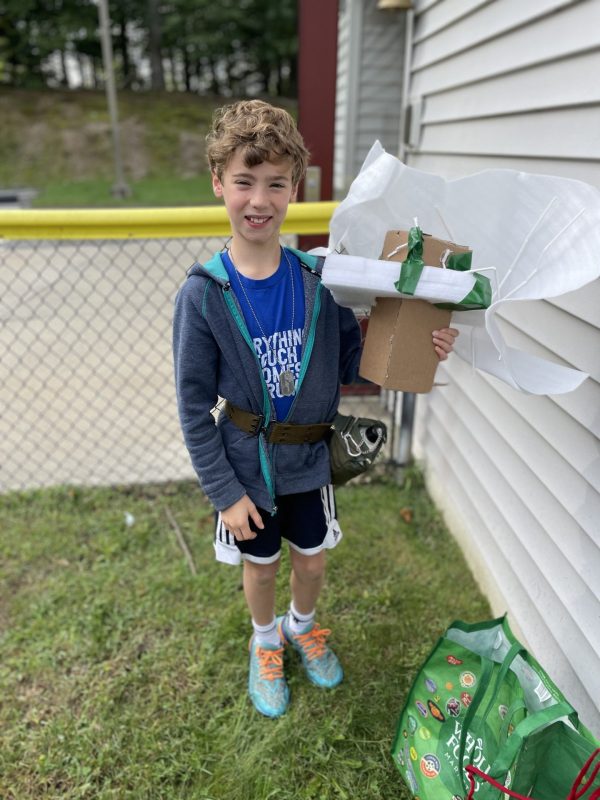
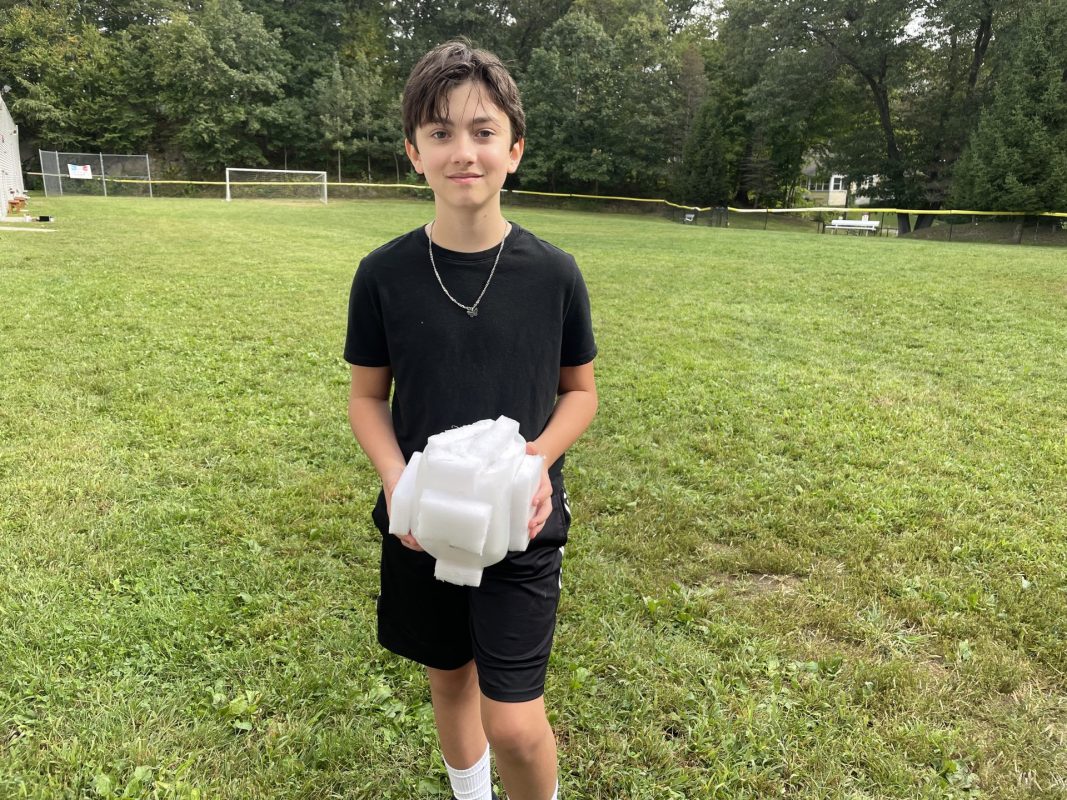
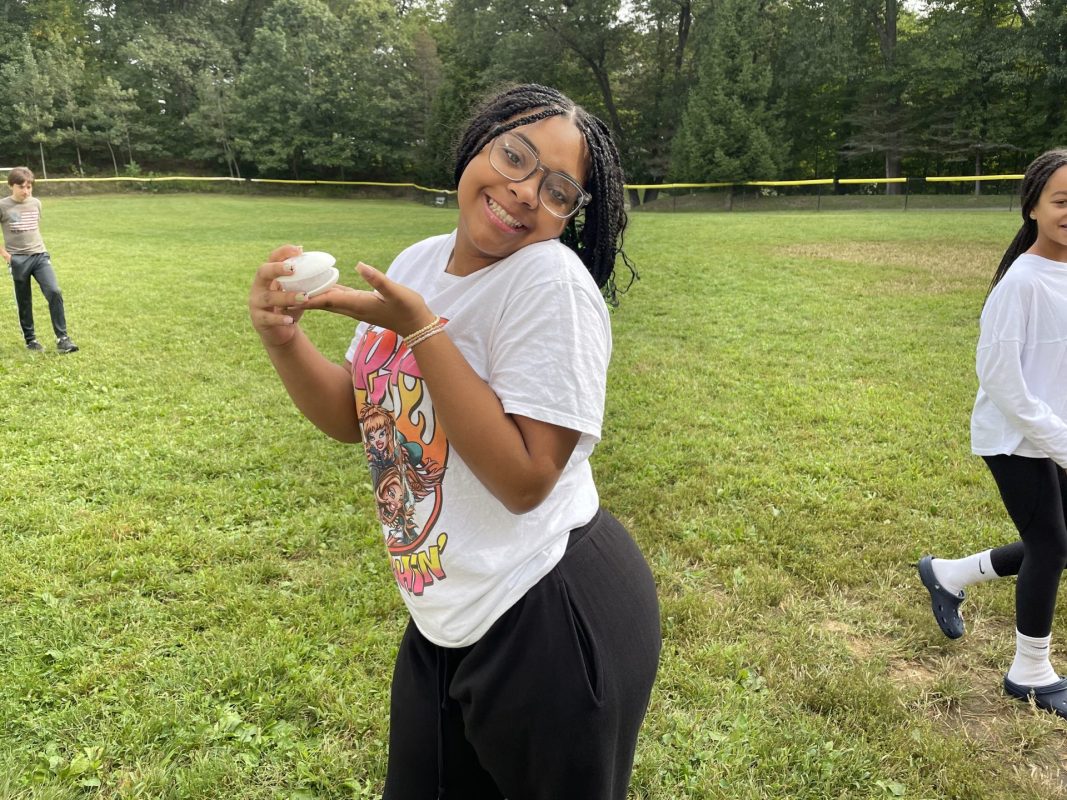
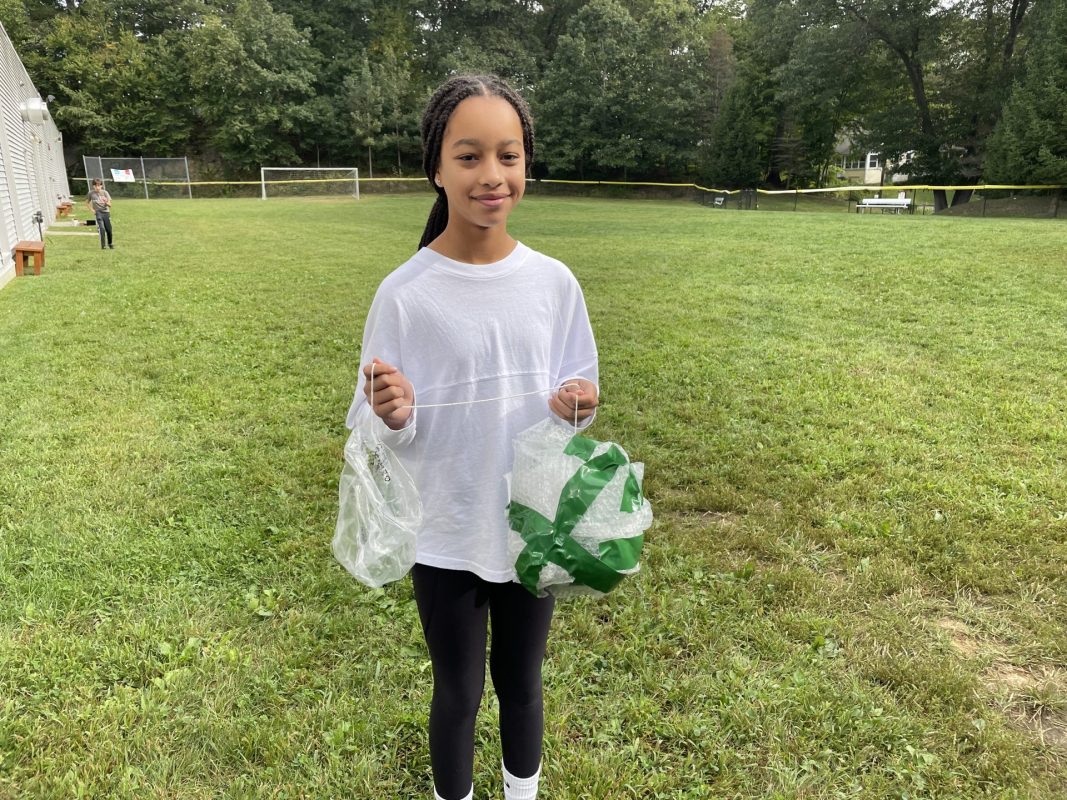
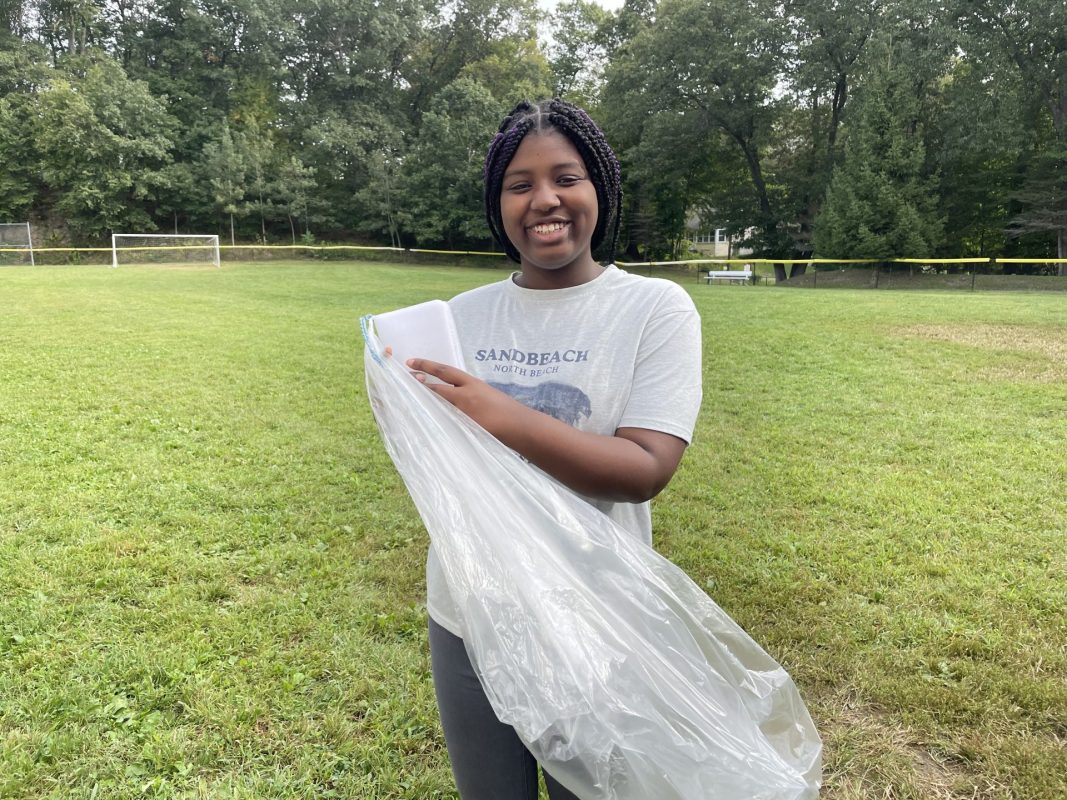
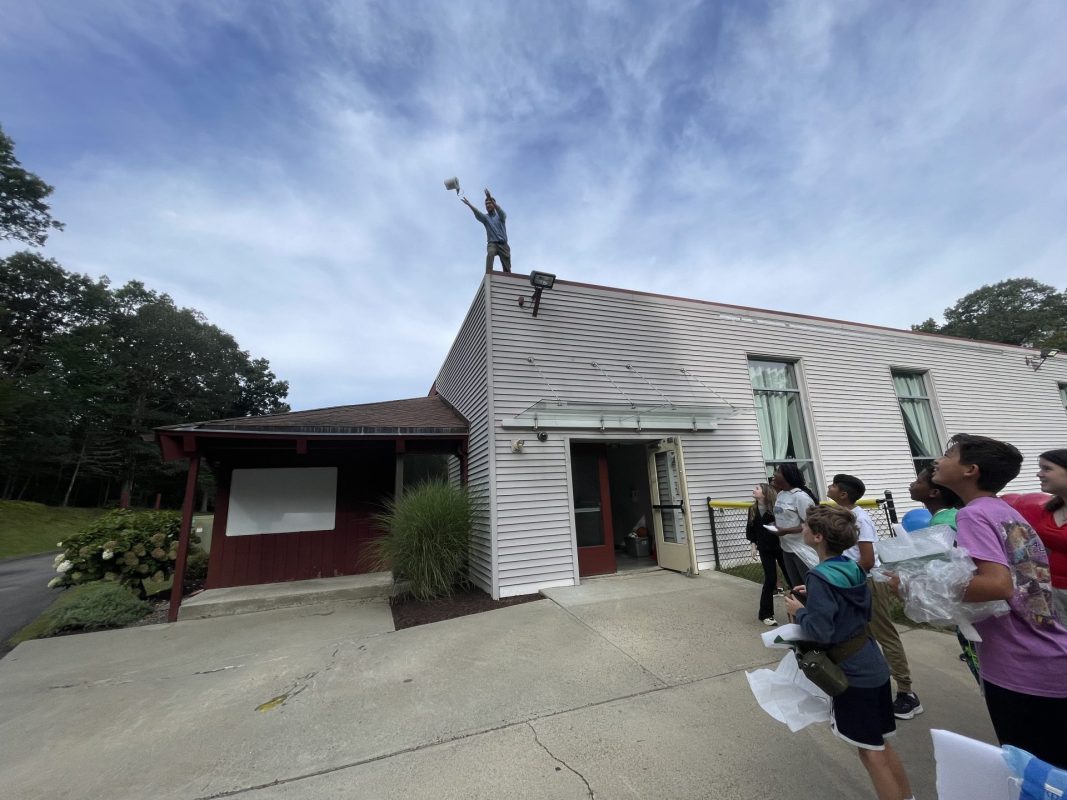
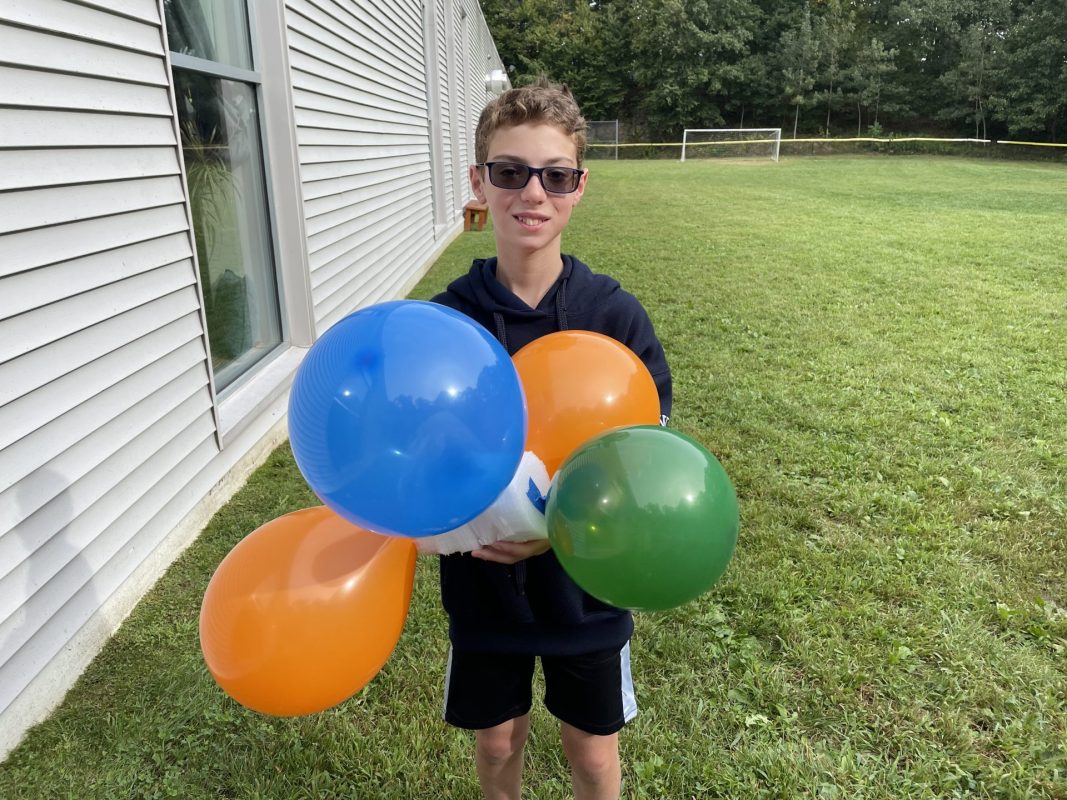
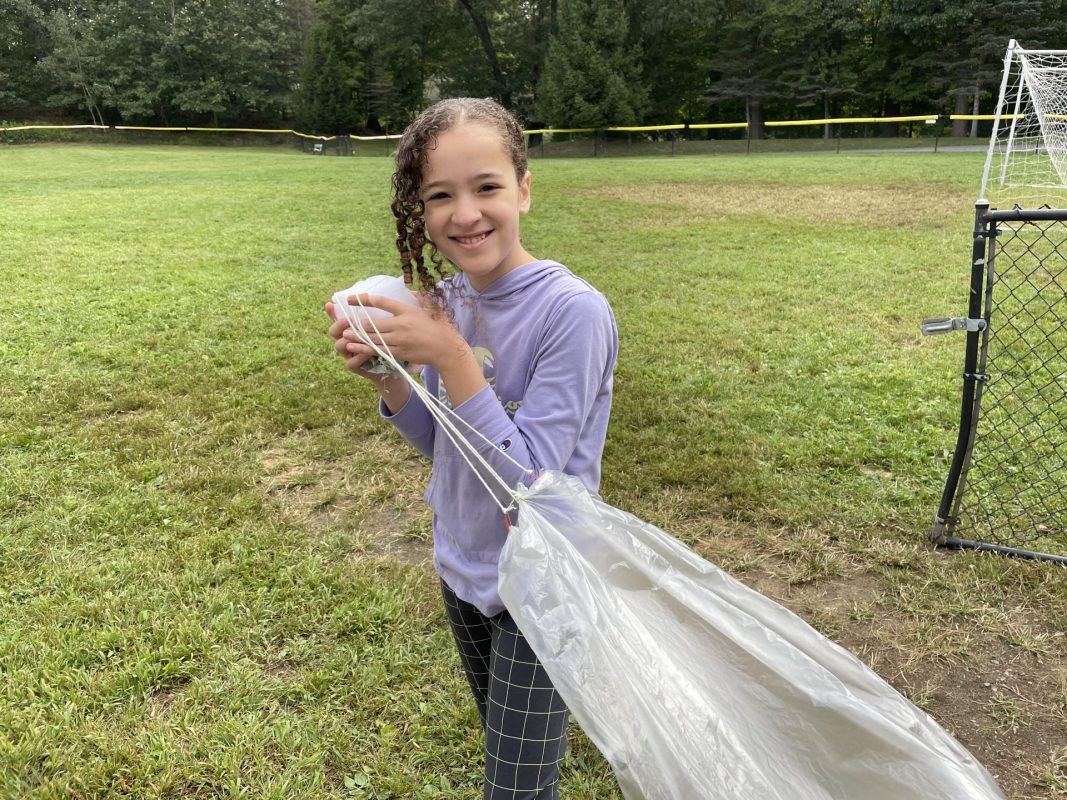
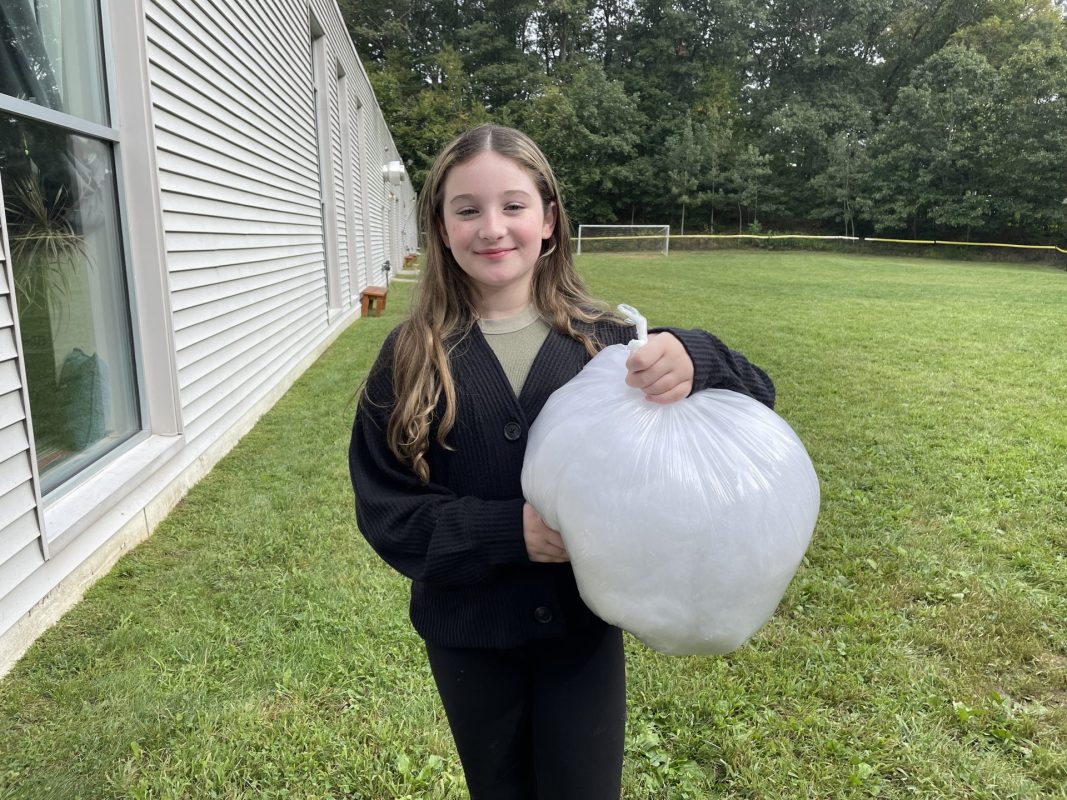
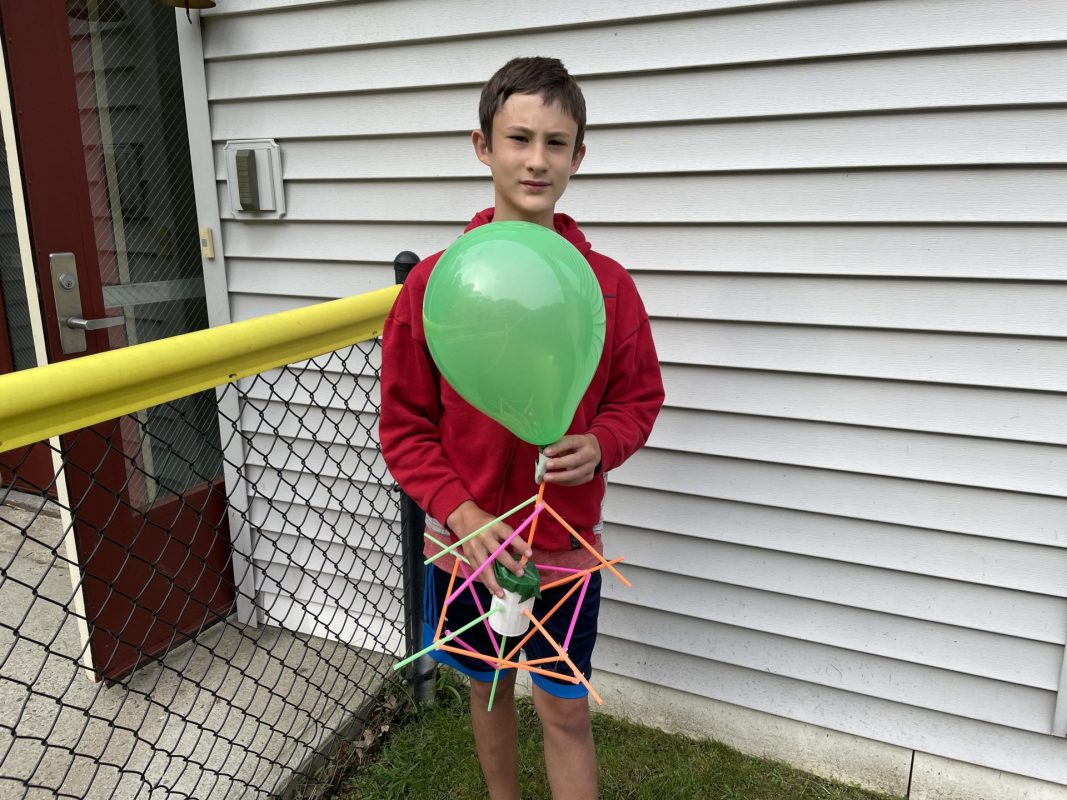
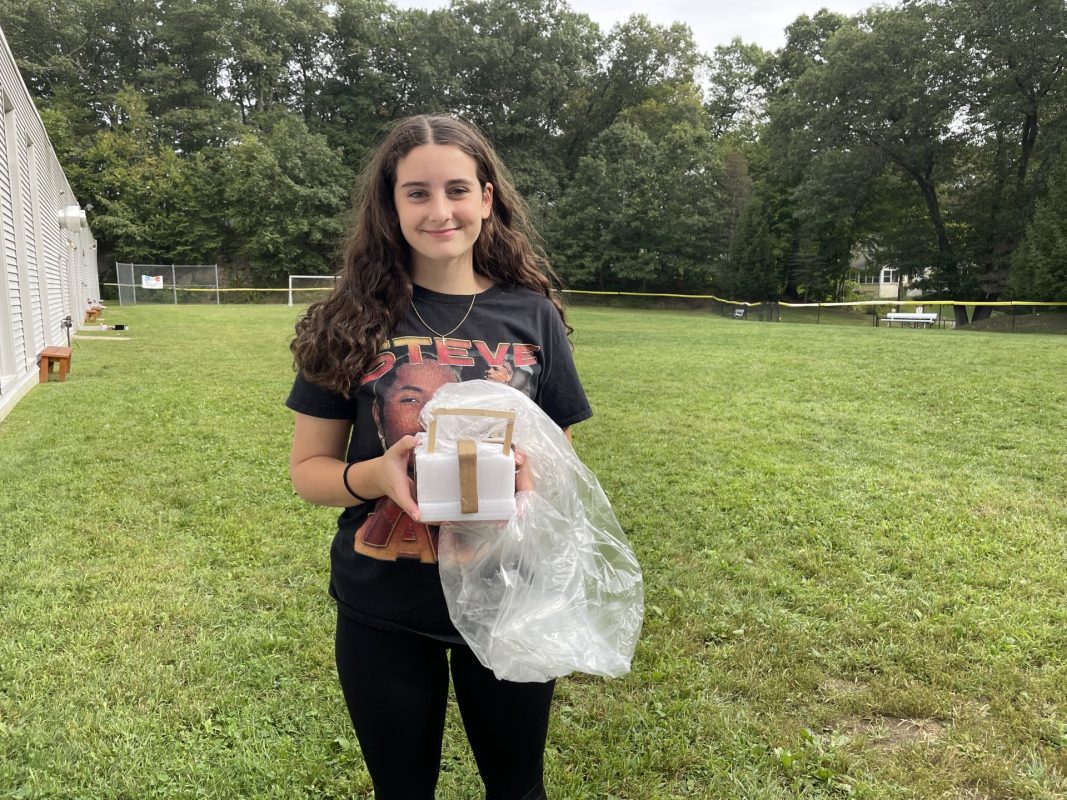
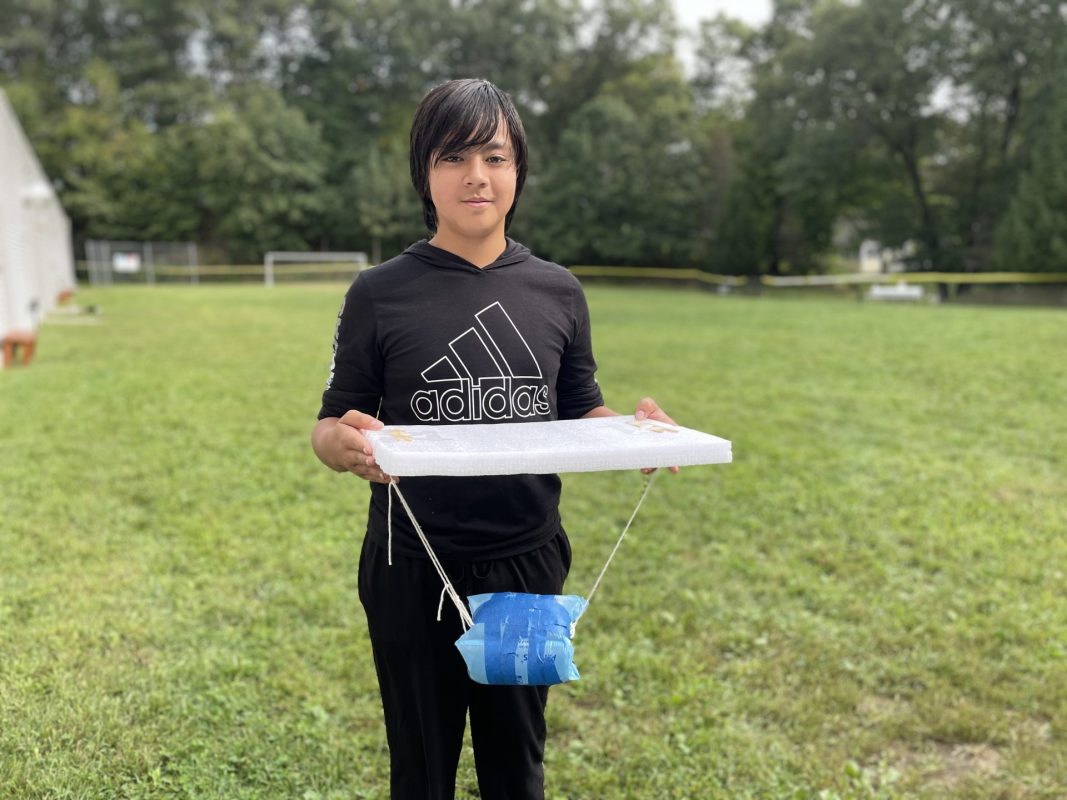
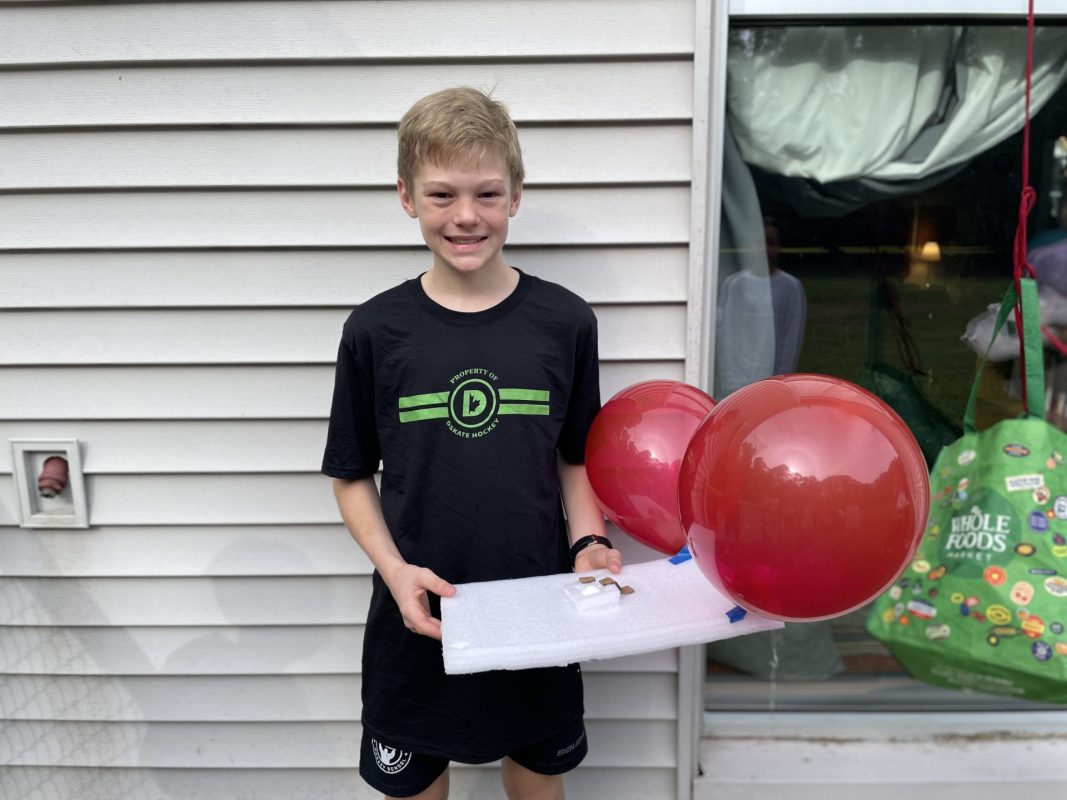
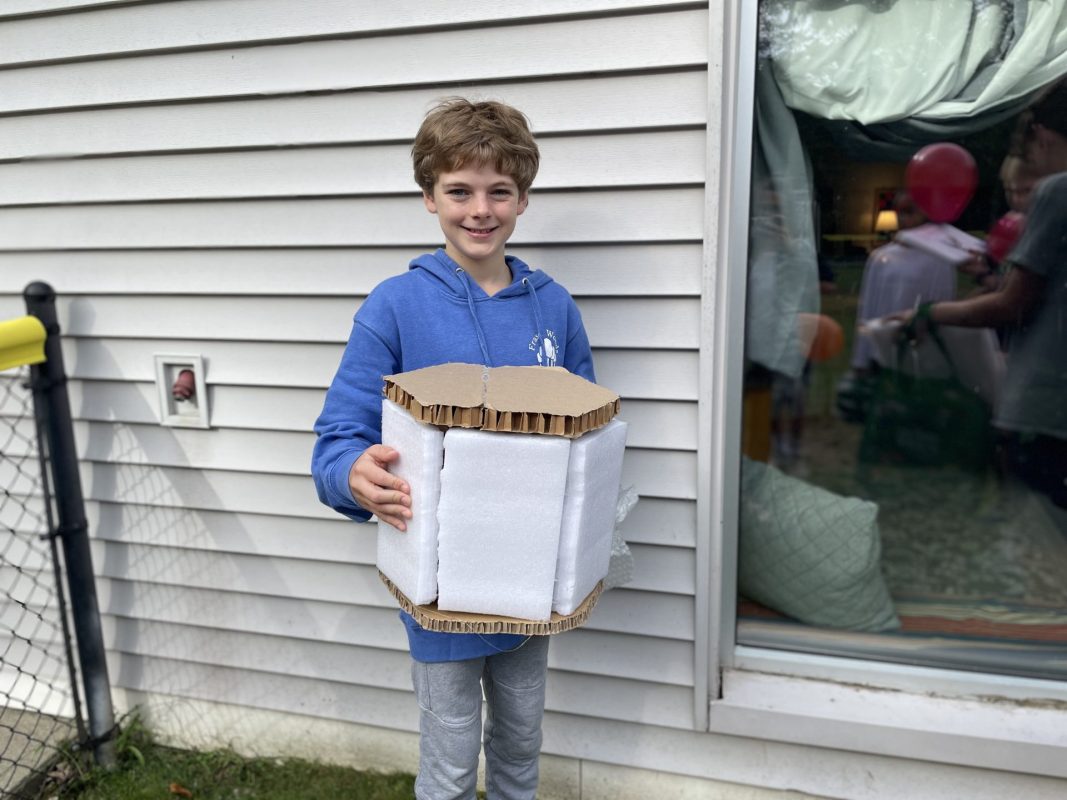
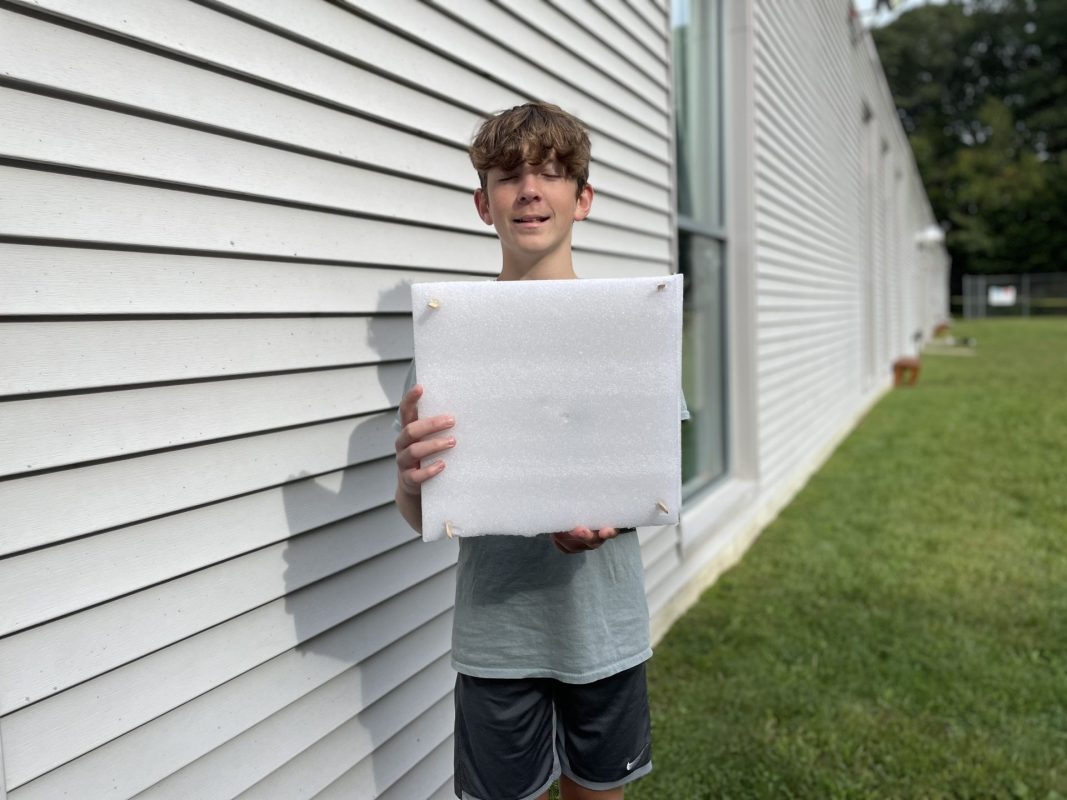
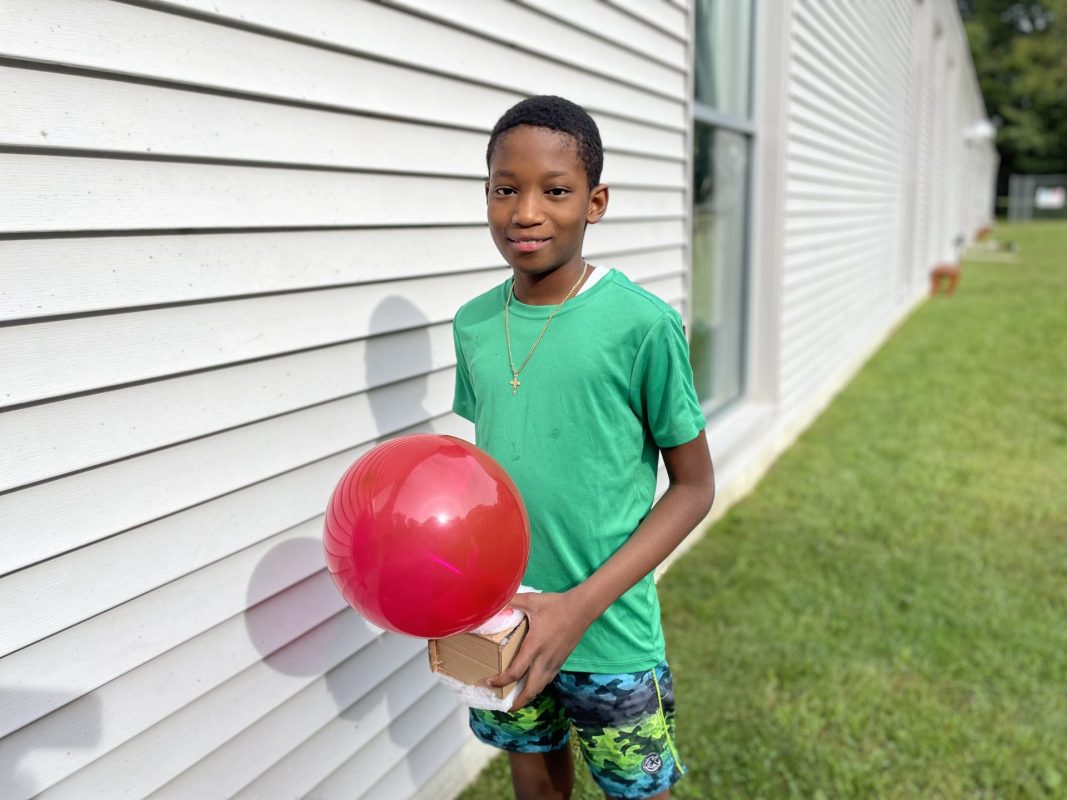
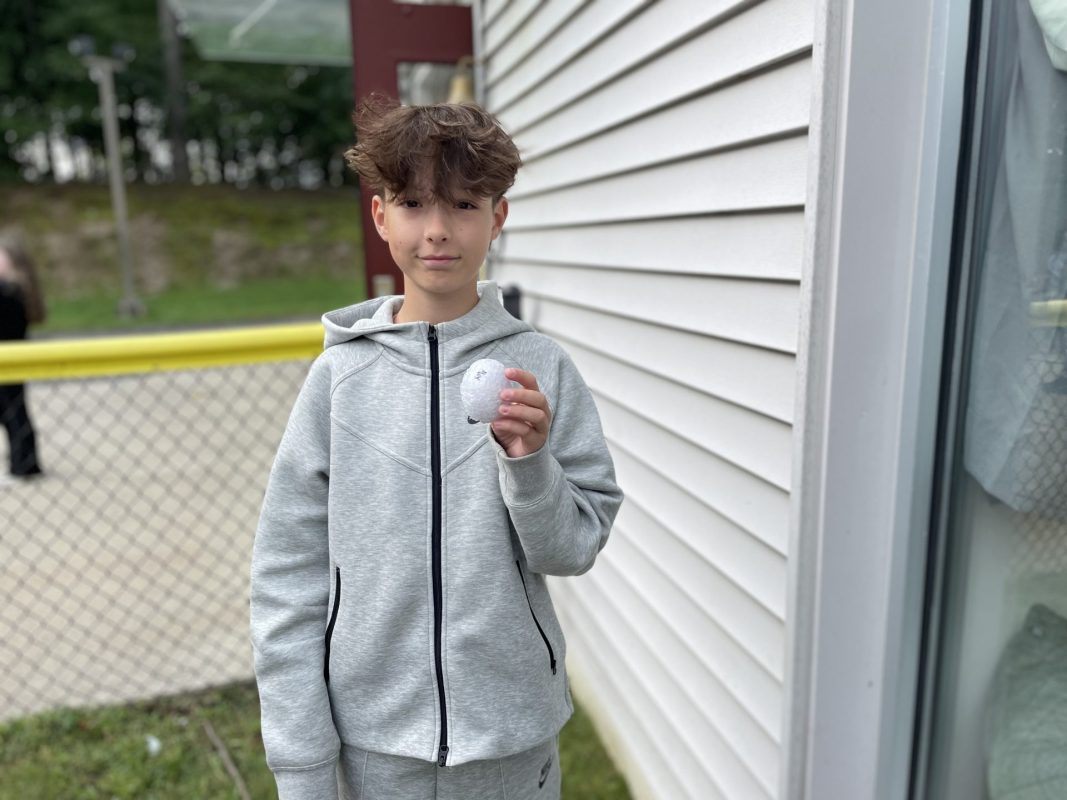
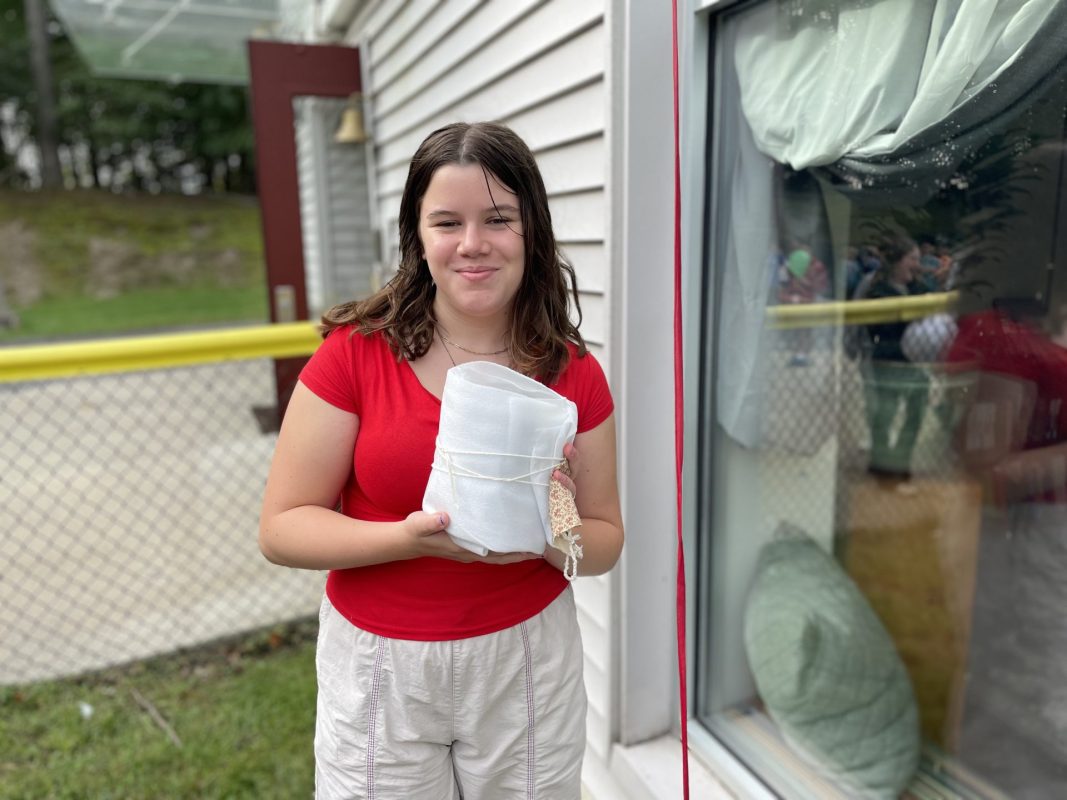
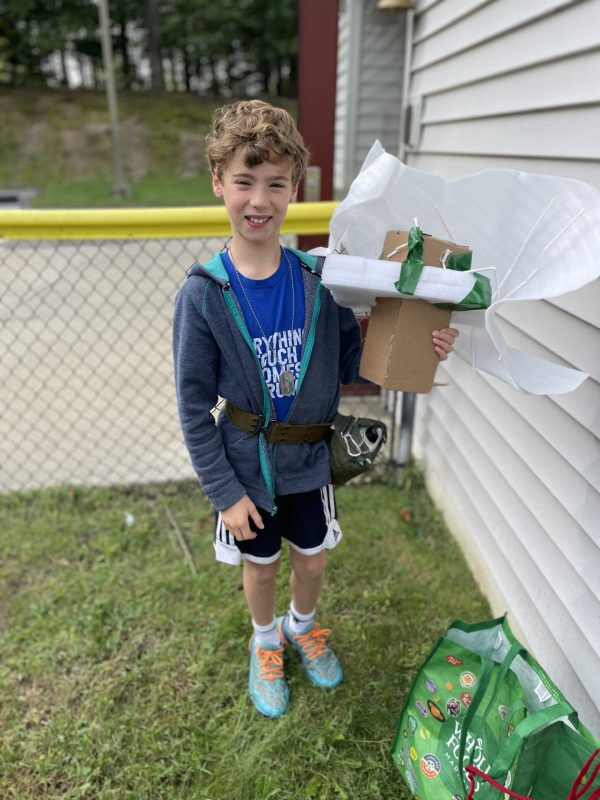
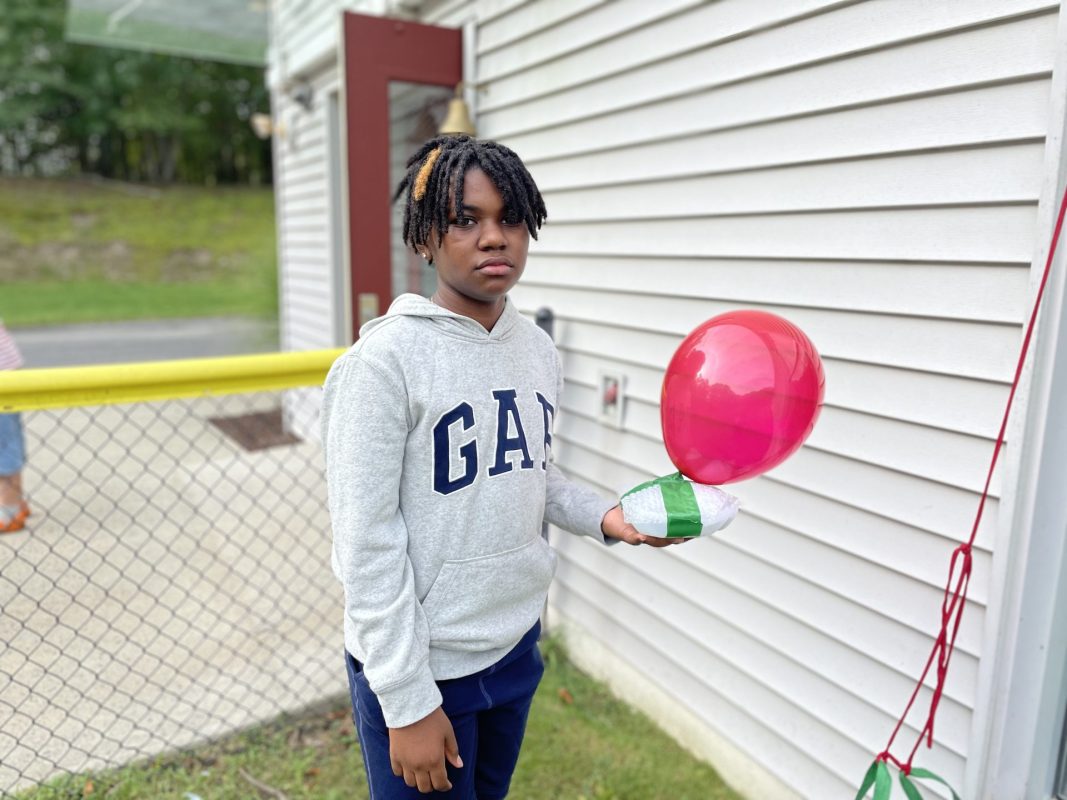
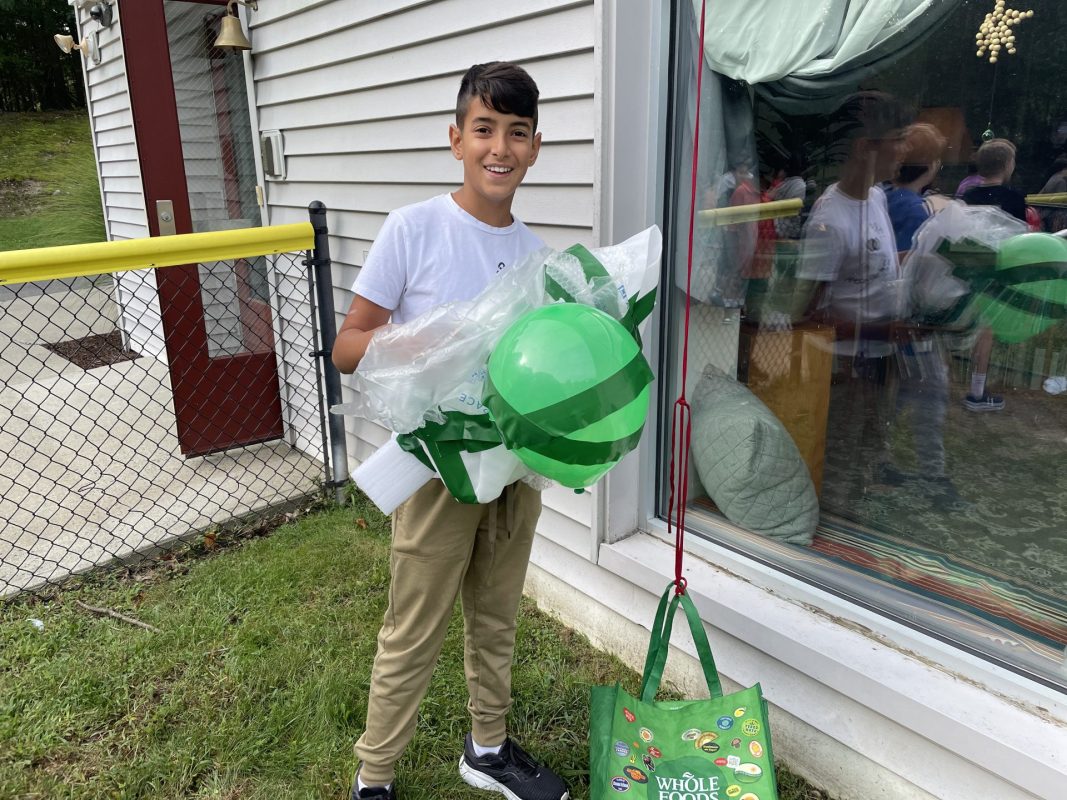
To start this year, the middle school students took on the difficult challenge of protecting an egg from a drop off the school roof! The middle school egg drop challenge presents young minds with a thrilling opportunity to dive into the world of design. At its core, the design process for this task is all about problem-solving and creativity. It starts with understanding the challenge—protecting a fragile egg from a fall—and progresses through brainstorming, research, prototyping, and testing. Students learn to think critically, apply scientific principles, and collaborate with peers. Through a series of iterations, they develop a final design. In the end, the egg drop challenge becomes a fun and educational journey where learning and innovation go hand in hand.