Blog

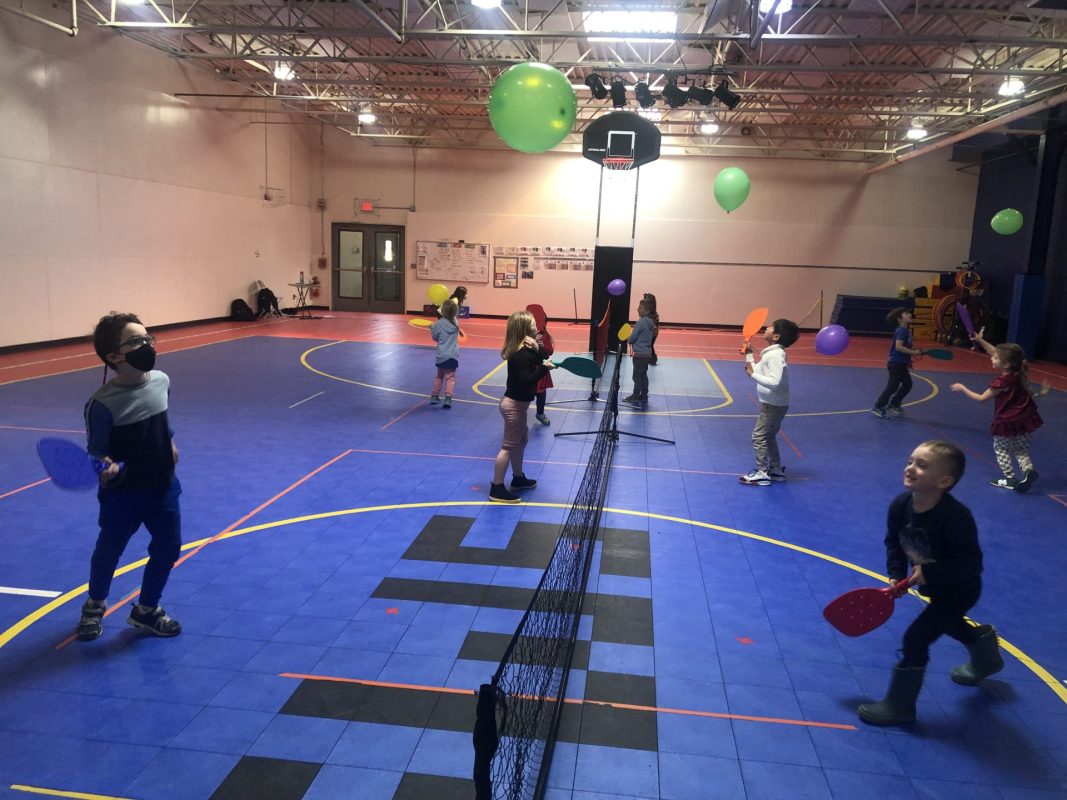
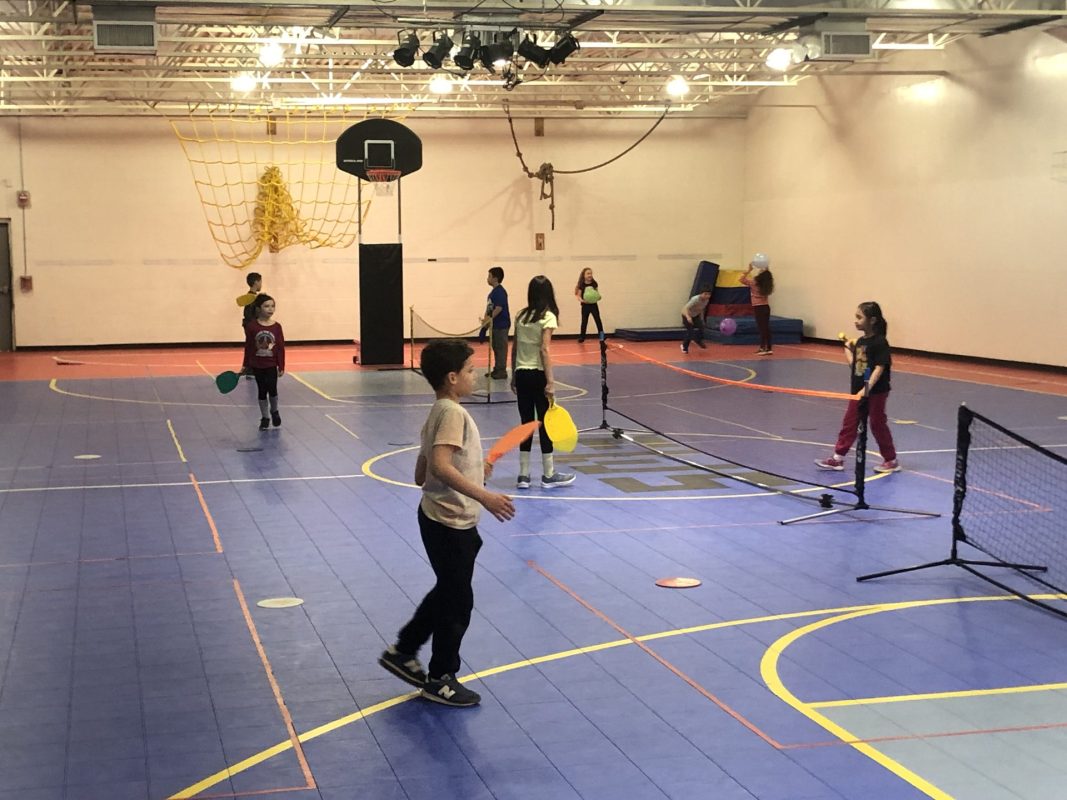
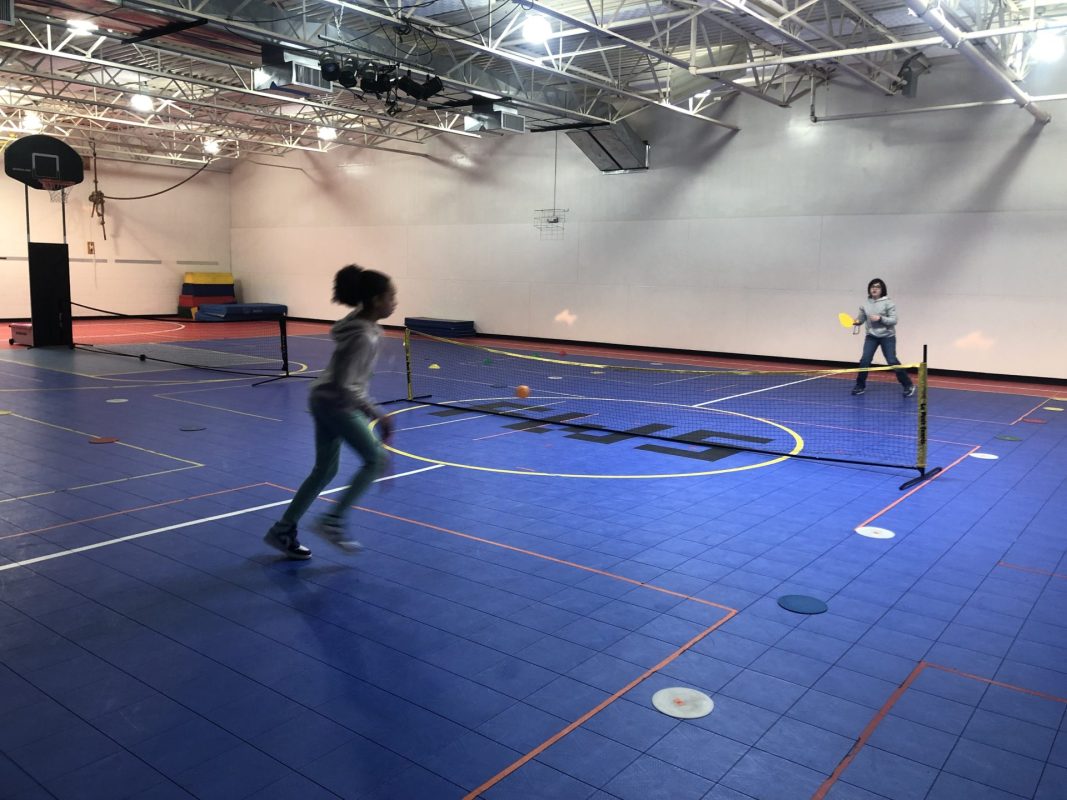
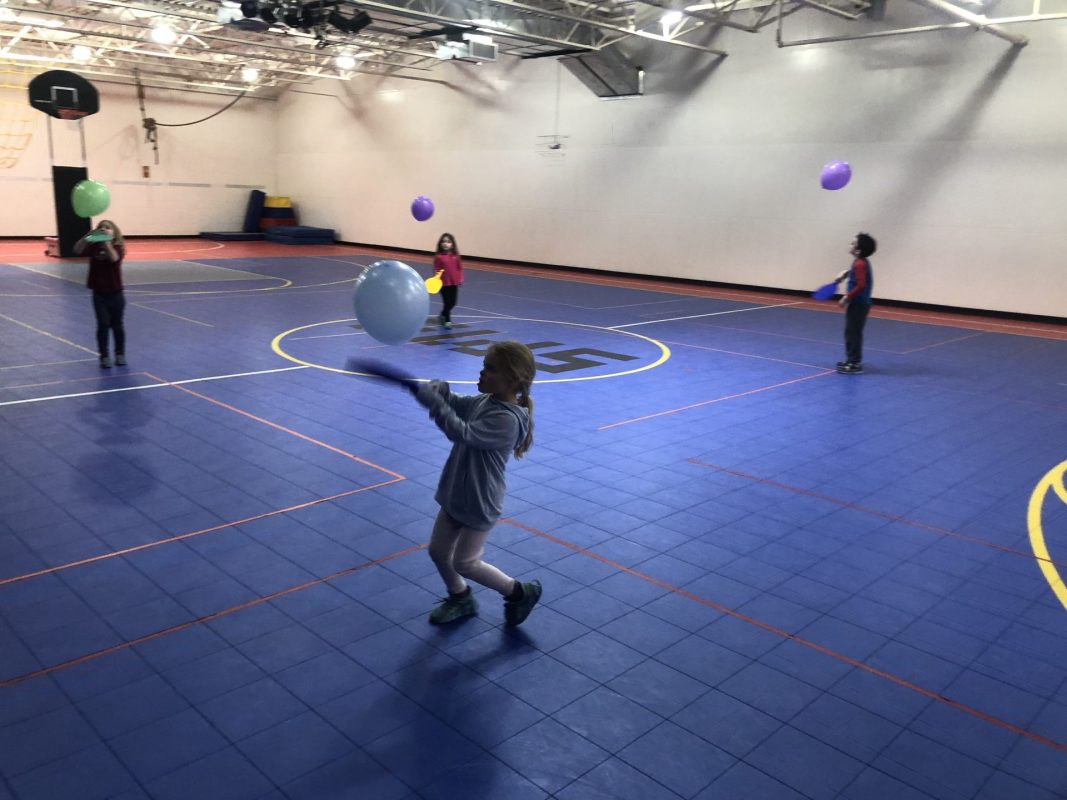
Pickleball Fun in PE!

What is Pickleball?

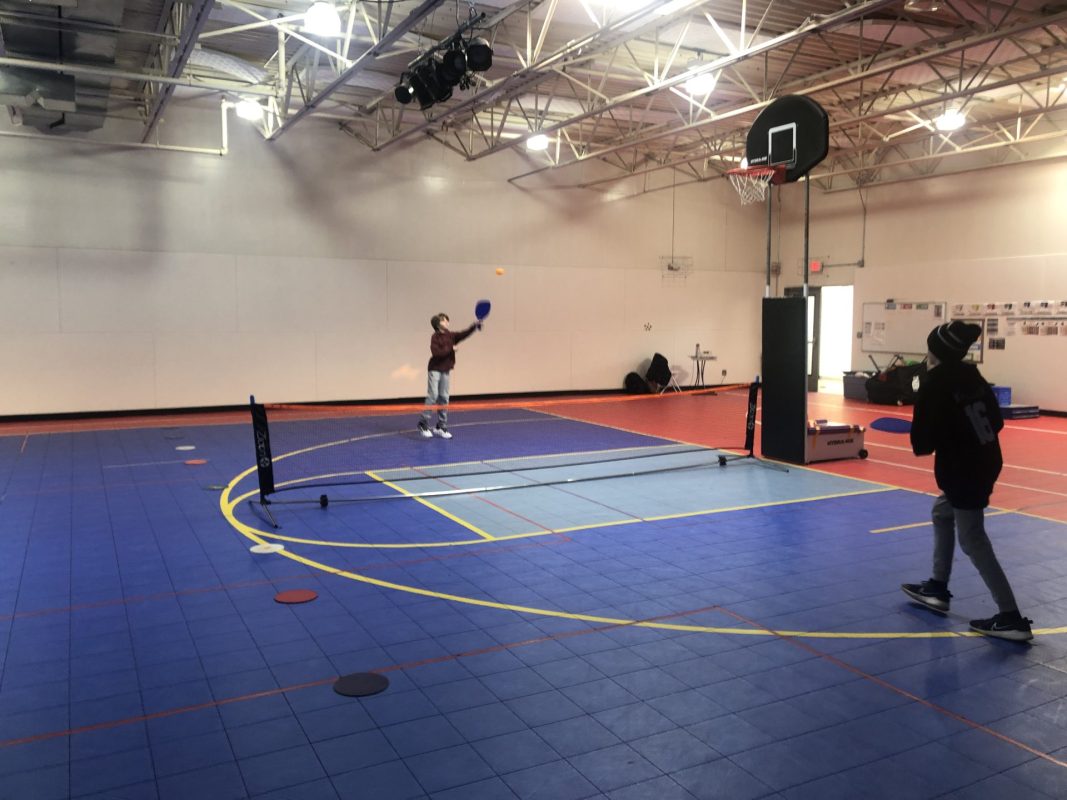
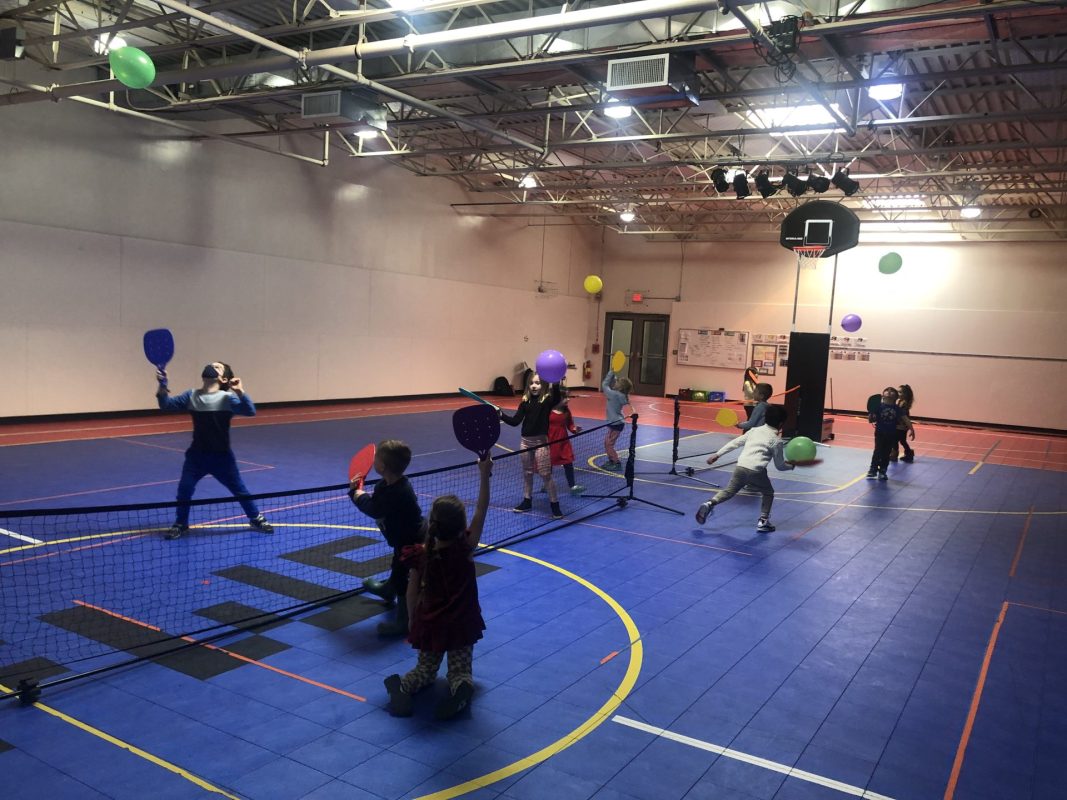
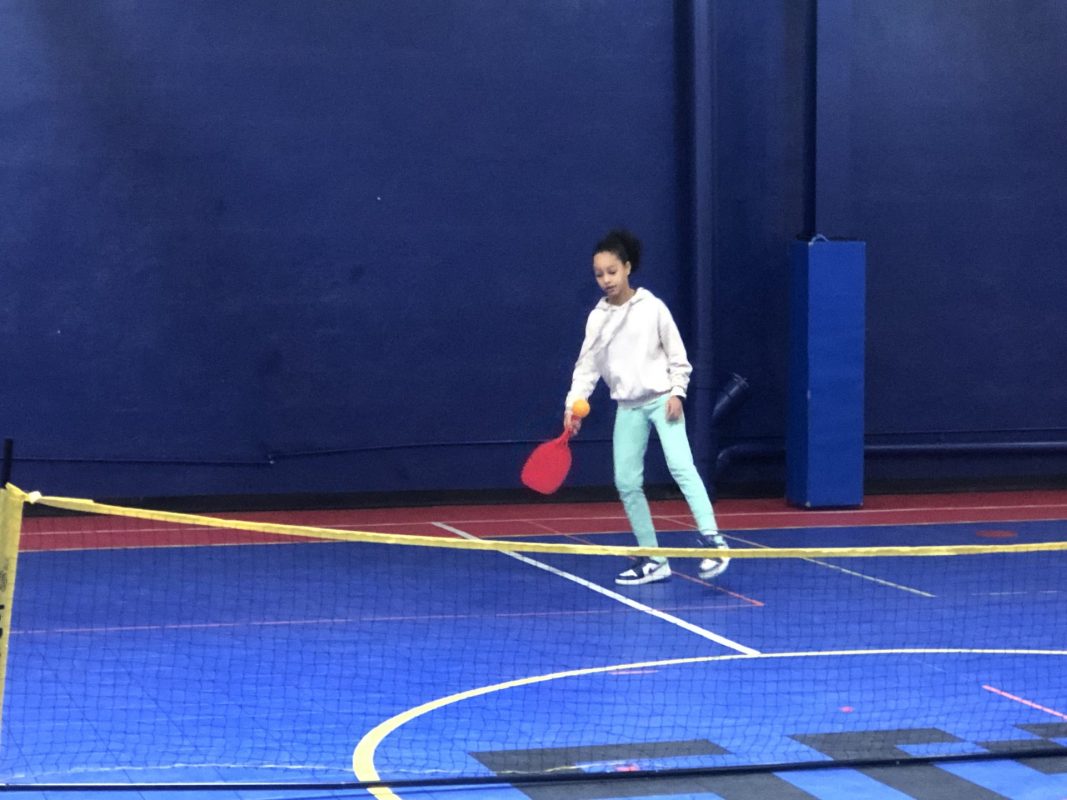
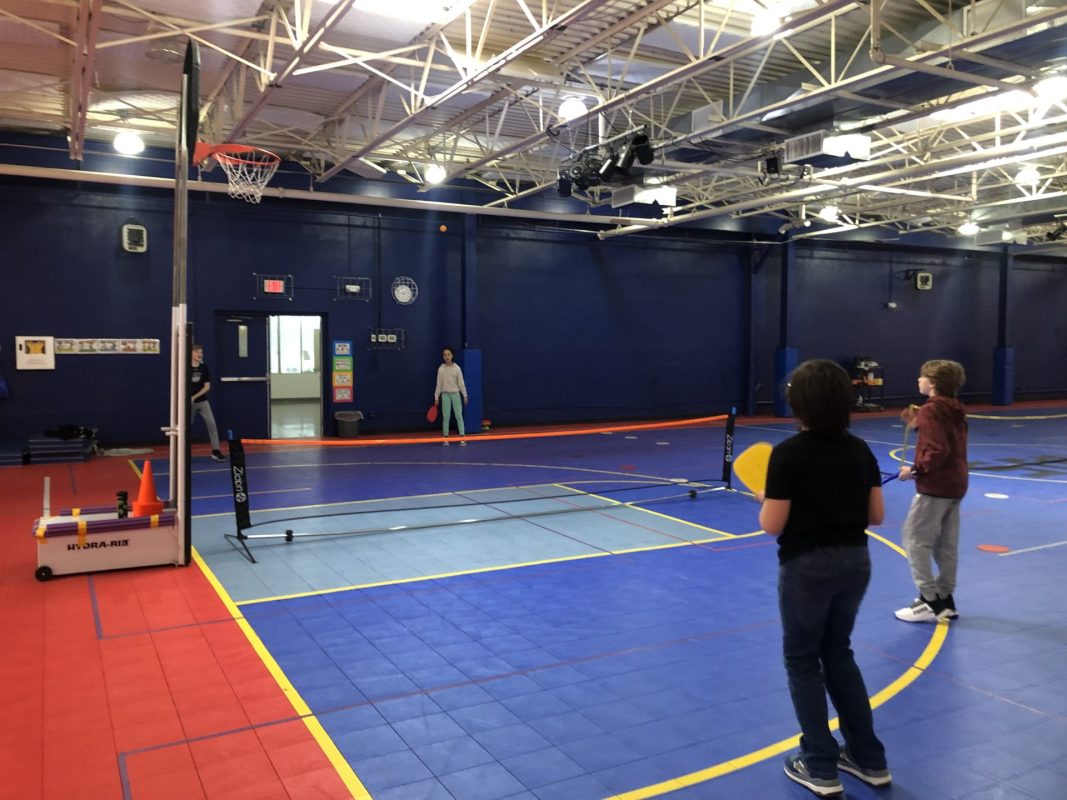
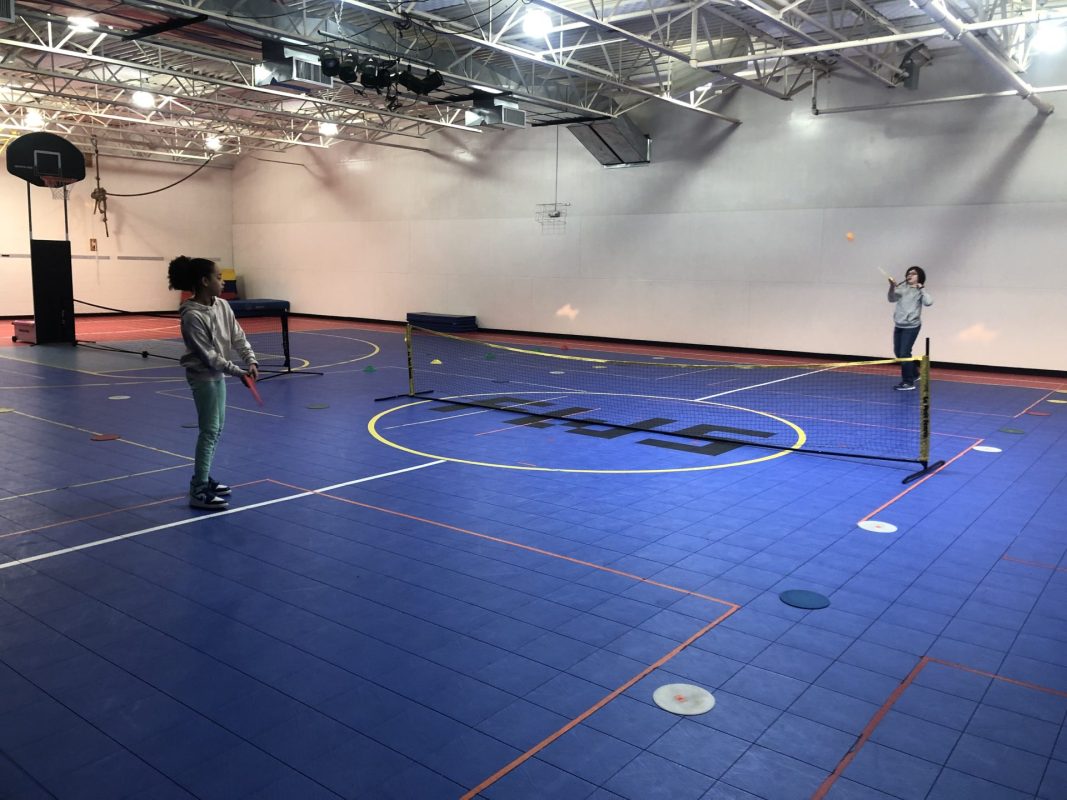
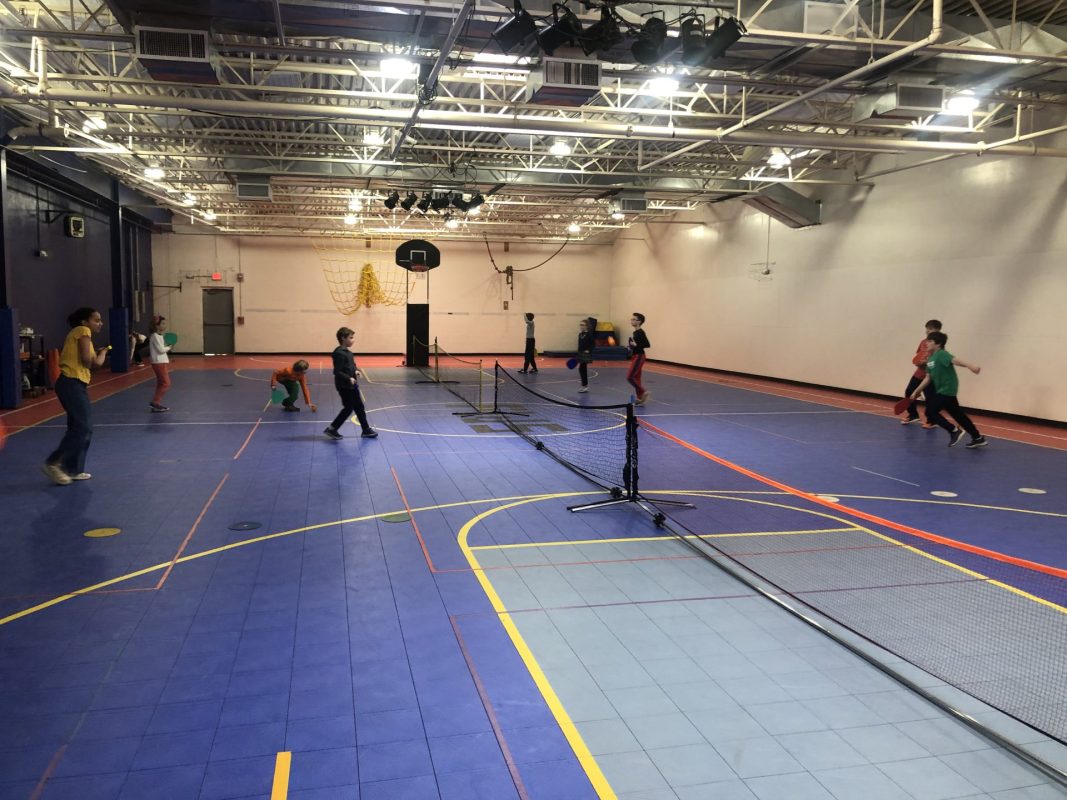
Pickleball is a paddle sport played with a whiffle ball on a badminton-size court and a tennis-style net. Pickleball is enjoyed by people of all ages and athletic abilities. In some ways, it’s a combination of tennis and badminton and goes along with sports such as table tennis and racquetball. Pickleball is played in thousands of schools’ P.E. programs, parks and recreation centers, camps, YMCA, and retirement communities.  This sport is becoming very popular among active senior adults at community centers and is growing in popularity on high school and college campuses.

Pickleball was created during the summer of 1965 in Seattle, WA.  The original purpose of the game was to provide a sport for the entire family.  Pickles, the family dog, would chase after the wiffle balls and then hide in the bushes. The founder suggests that Pickle’s ball was later shortened to Pickleball.

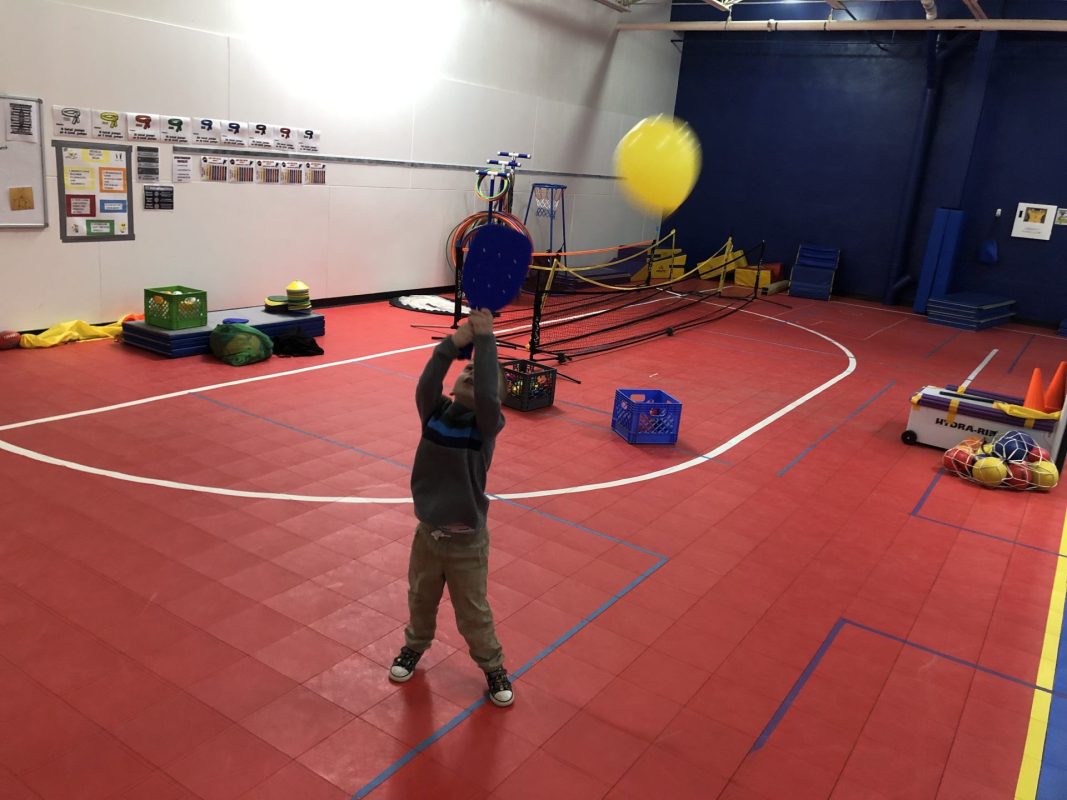
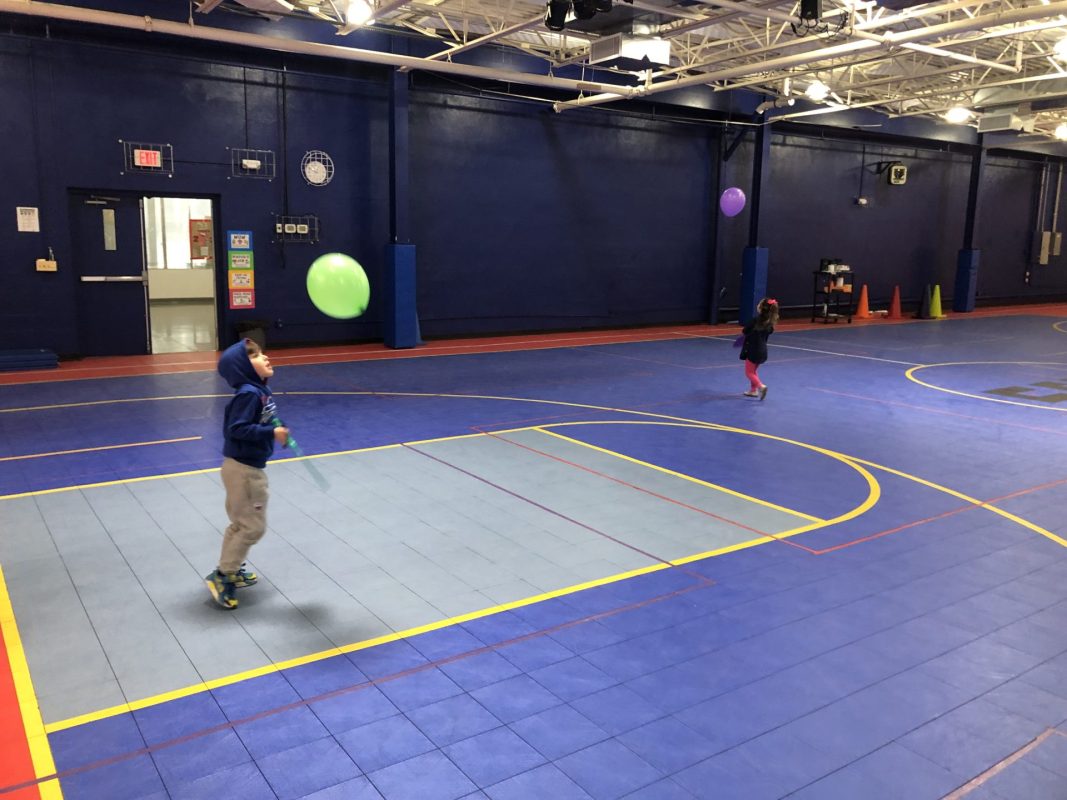
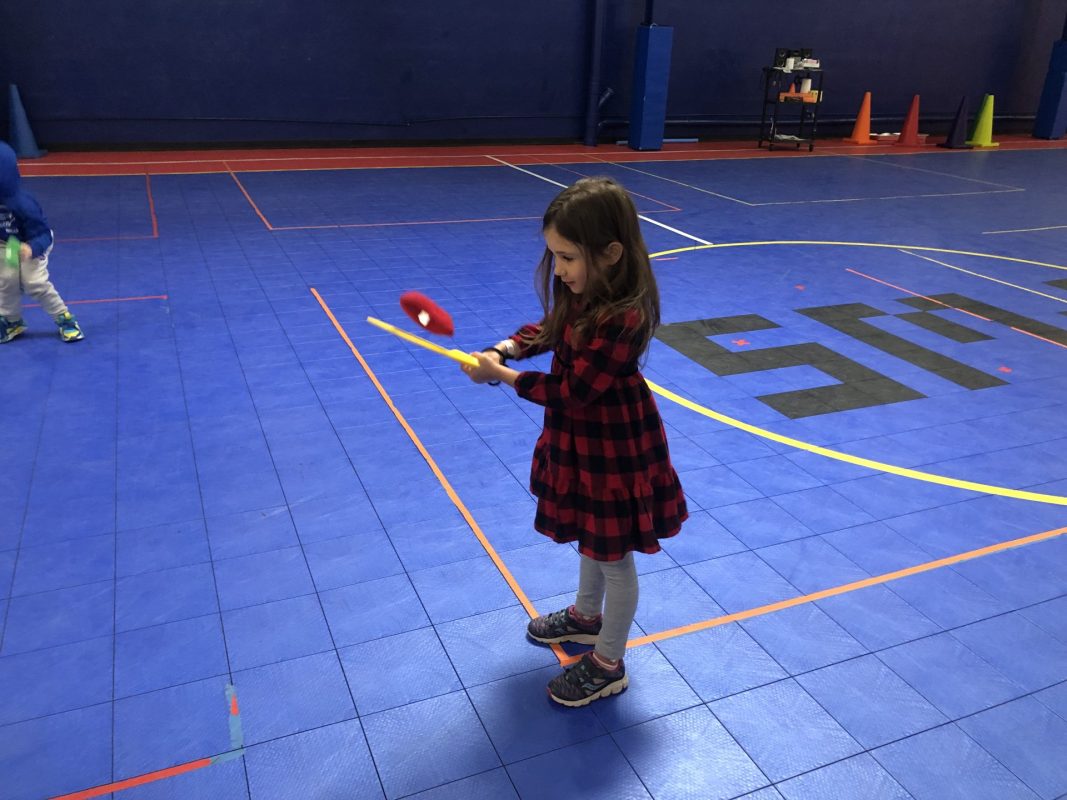
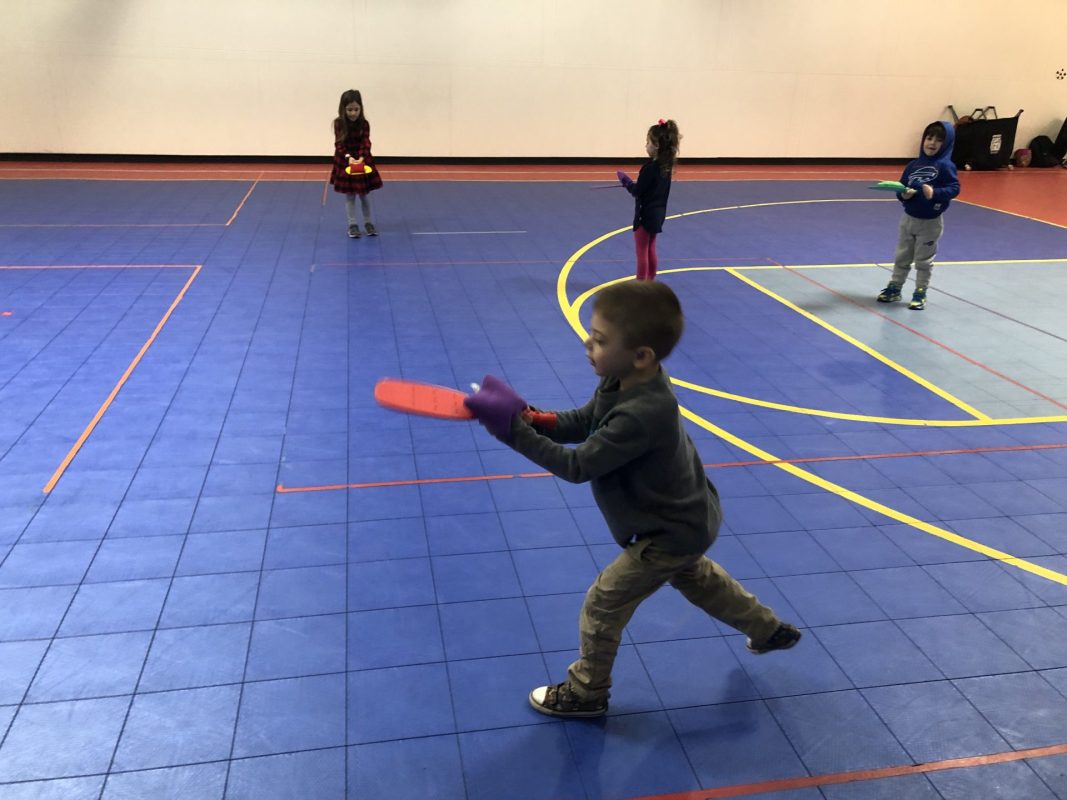
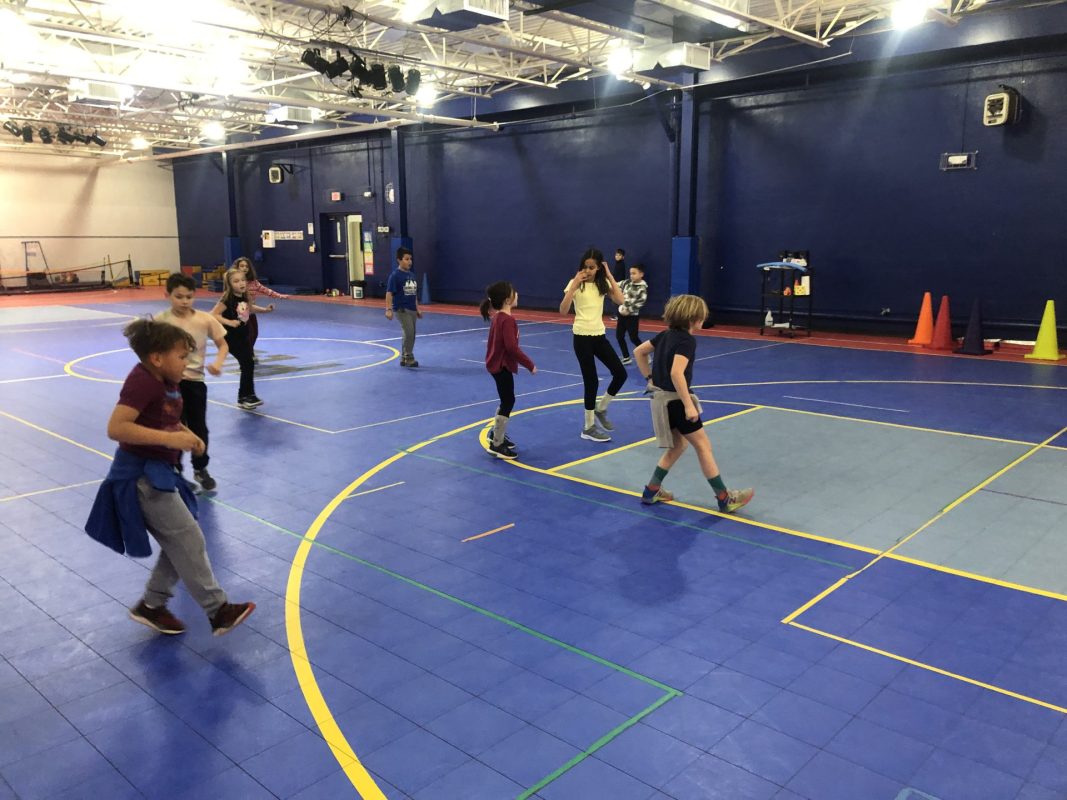
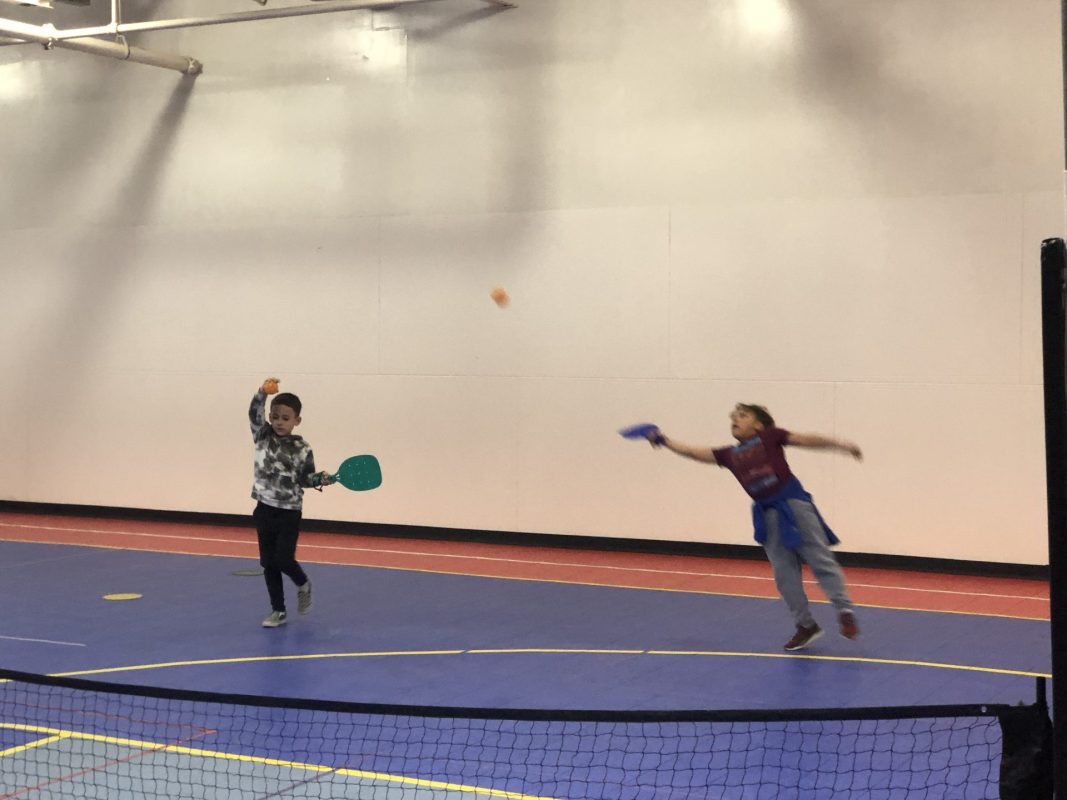
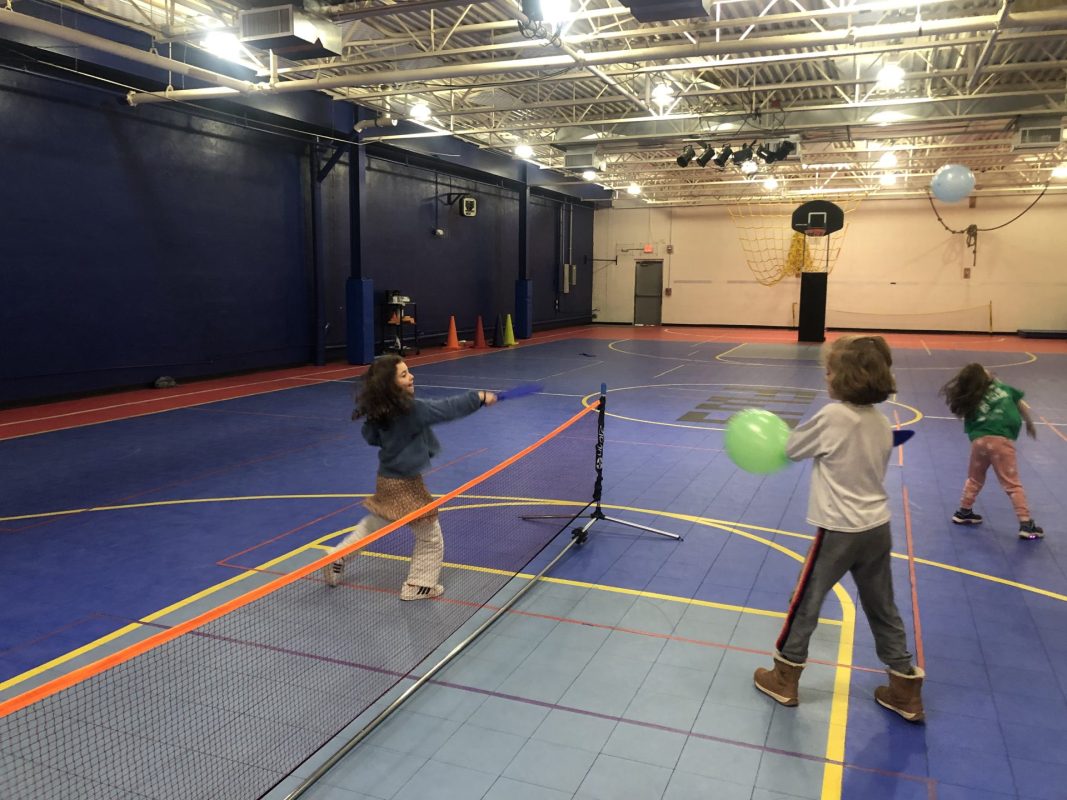
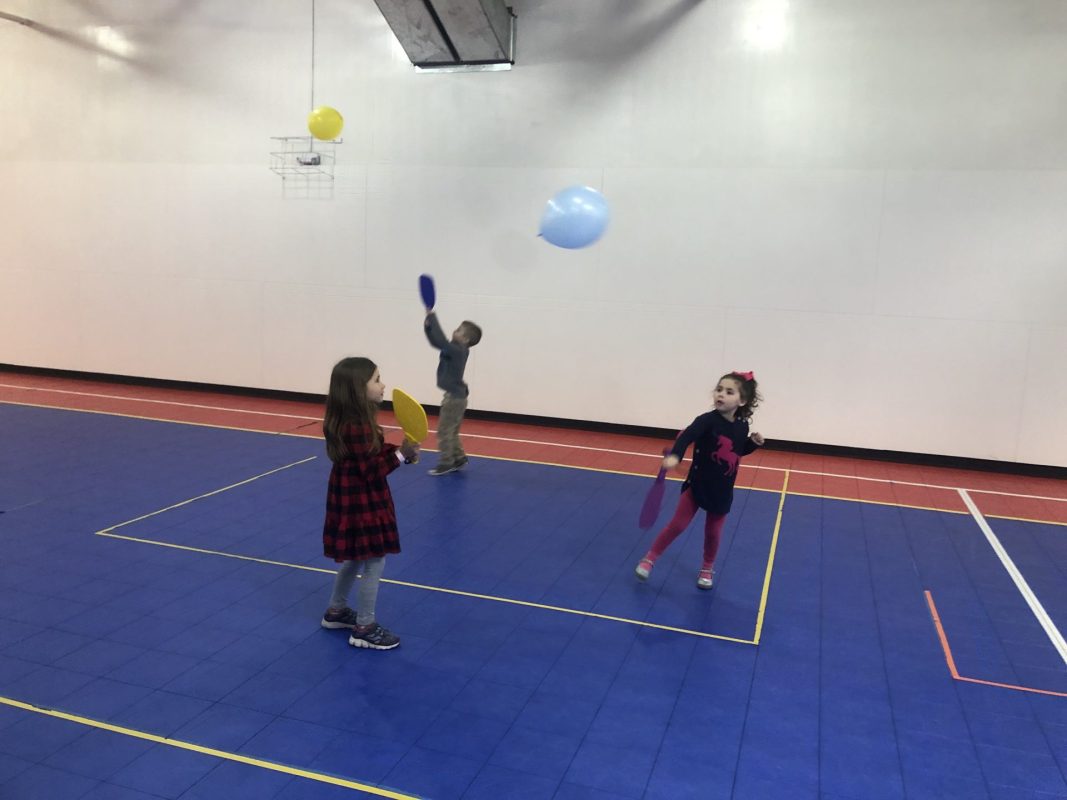
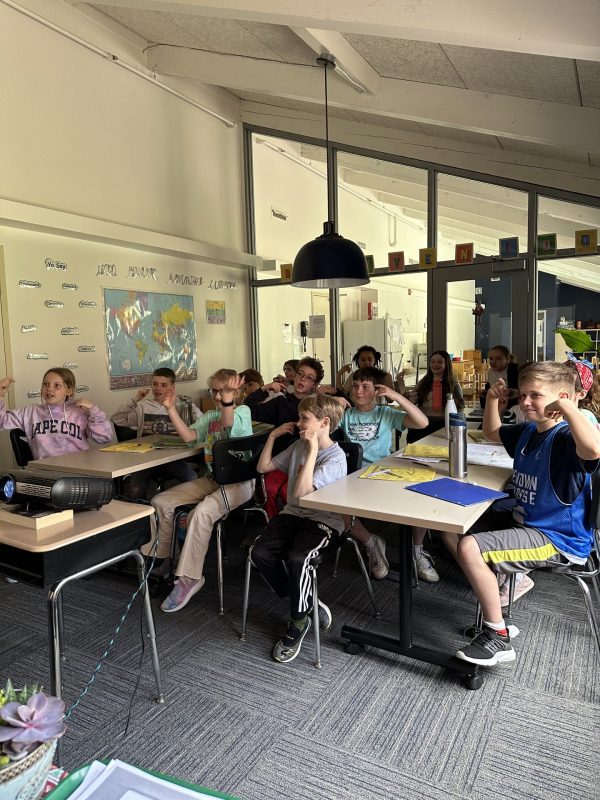
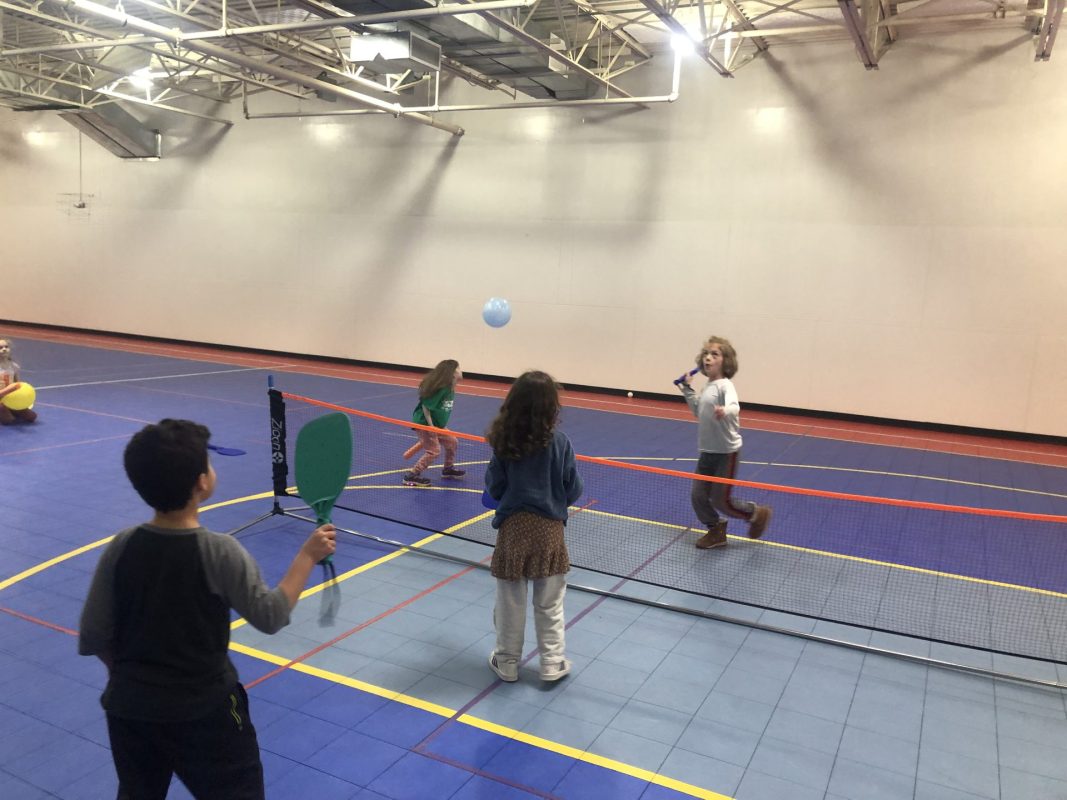
Students in grades Kindergarten through Middle school practiced and participated in demonstrating the proper serve, forehand drive, and backhand drive and abided by the rules of fair play.  Pickleball helps improve agility, balance, reaction time, and hand-eye coordination.  At the end of the unit, students in grades four through eight participated in singles and doubles Pickleball tournaments.


Spanish Update

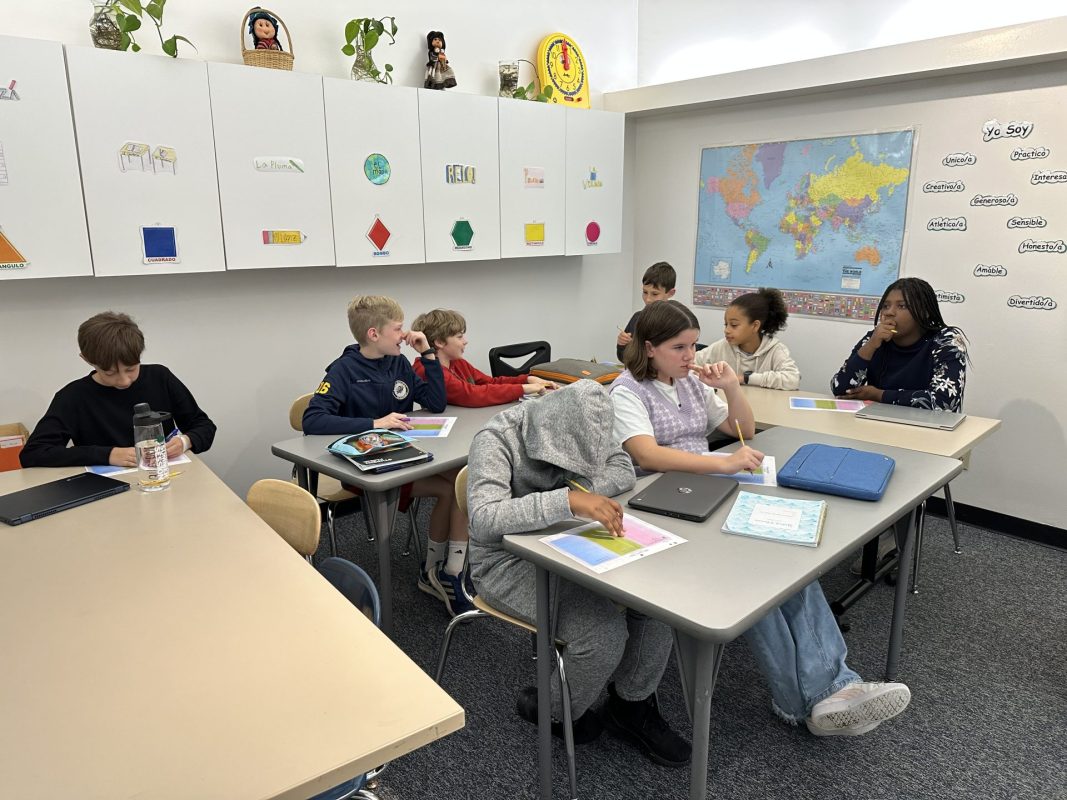
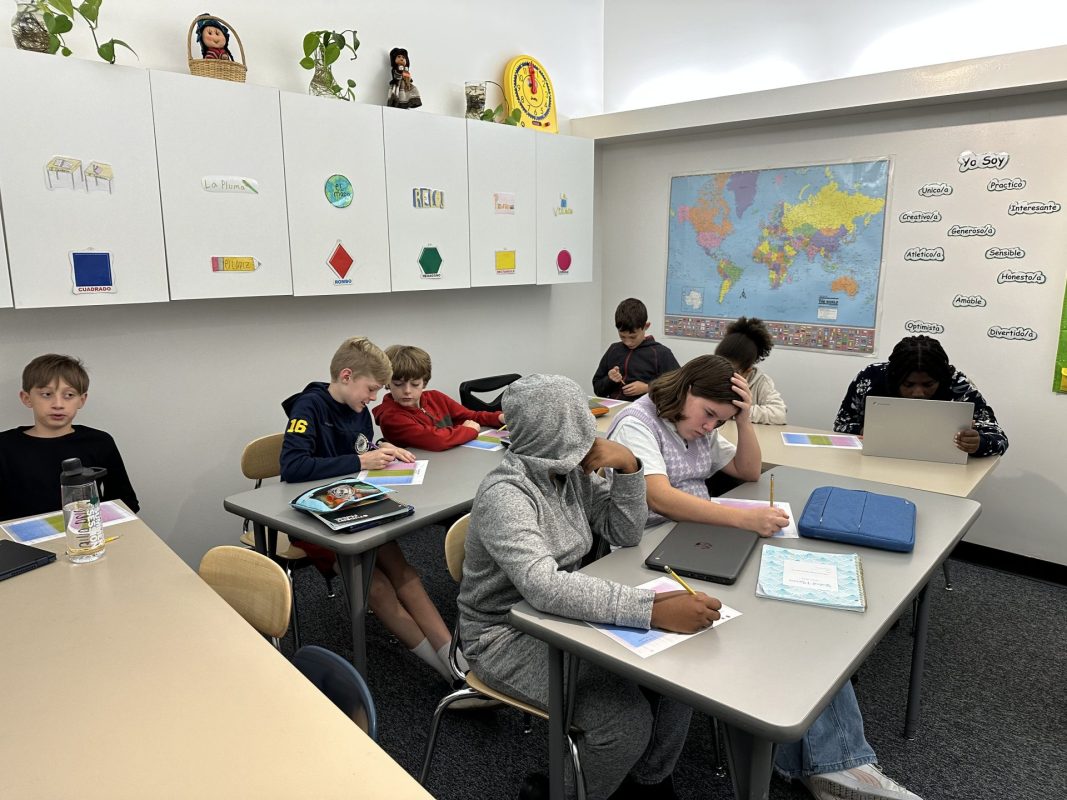
Primary and LE: “Las estaciones del año”, “El Clima”; UE: “La Familia”, “Los adjetivos”; MS: “Los deportes”, “Mi comida favorita”, “El horario en la escuela” A general review of all we have learned to this point this school year was done at every level. In addition, FWM middle school students were able to travel virtually to Spanish-speaking countries such as Spain and El Salvador.

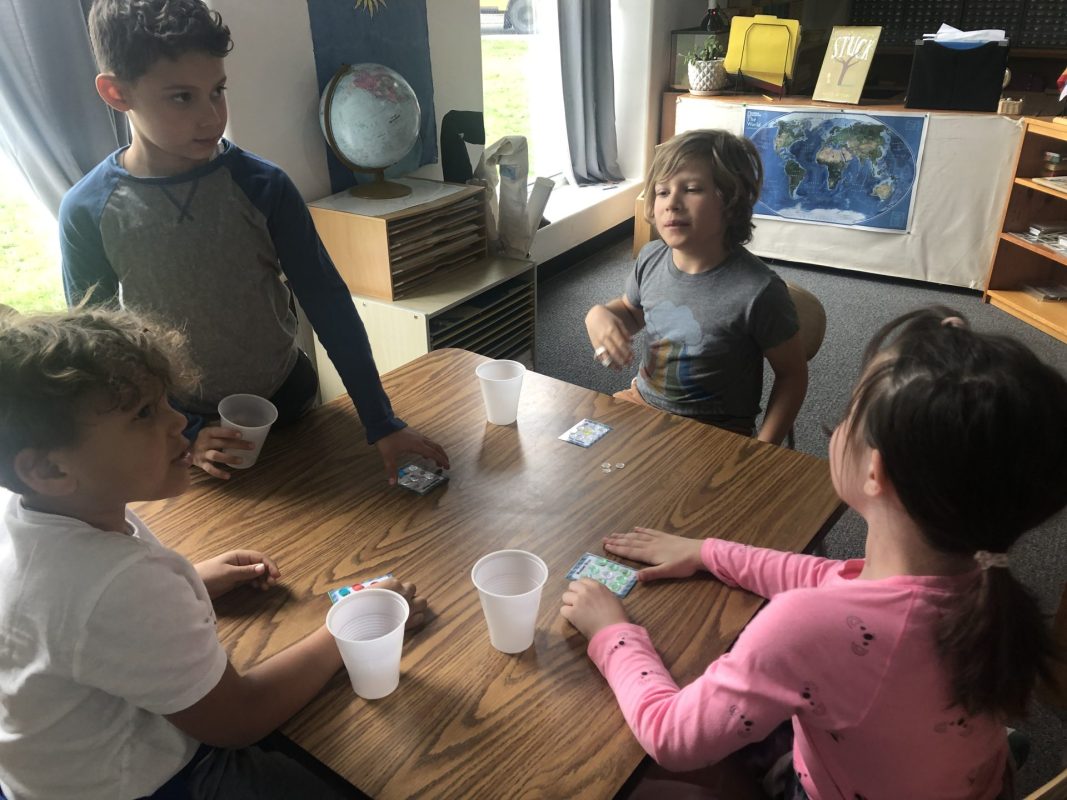
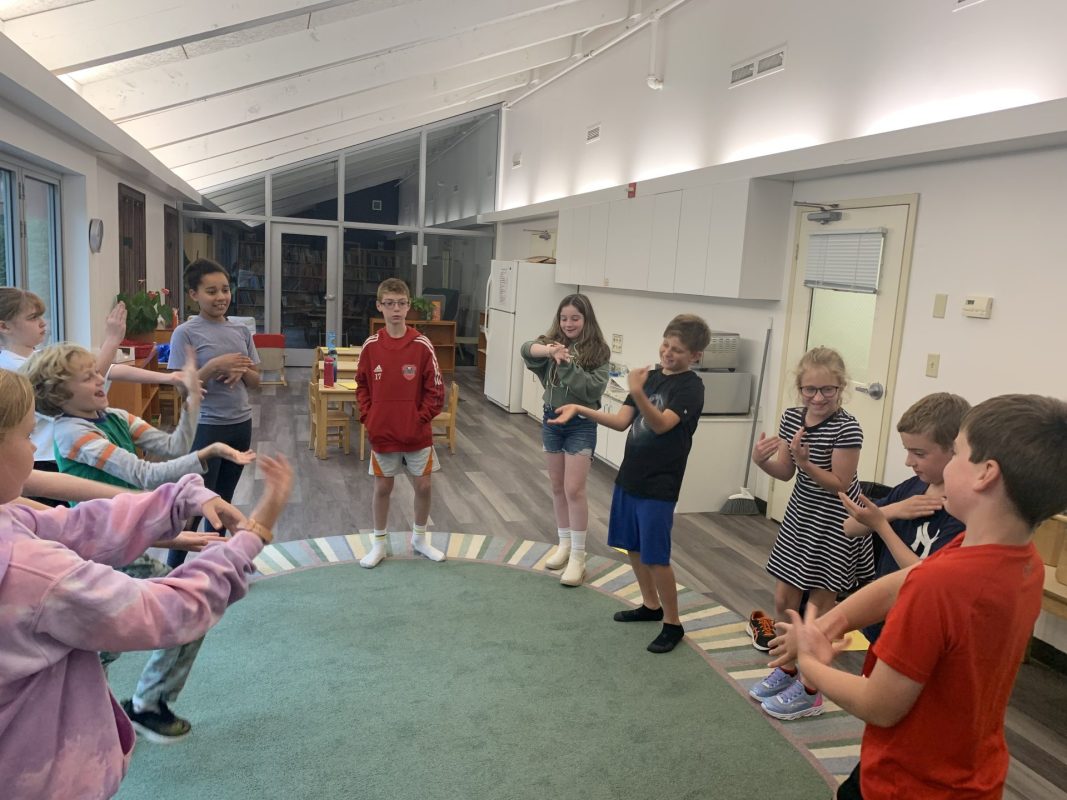
FWM students are still working on their usual conversation about feelings, Spanish greetings, the calendar, and the description of the weather, as repetition is the key to learning another language. They are continuously improving their Spanish listening and vocabulary. Students from Primary, Lower Elementary, Upper Elementary, and Middle School listened carefully to Spanish lessons, books, and songs and participated in interactive games that were displayed during class.

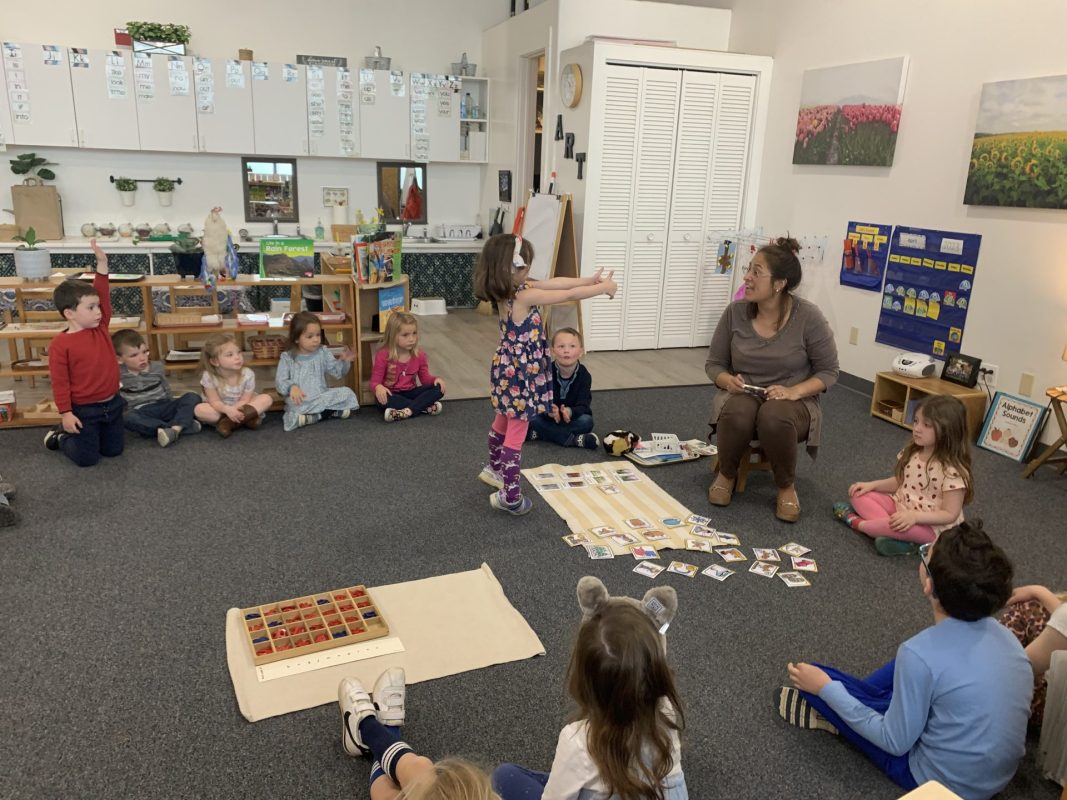
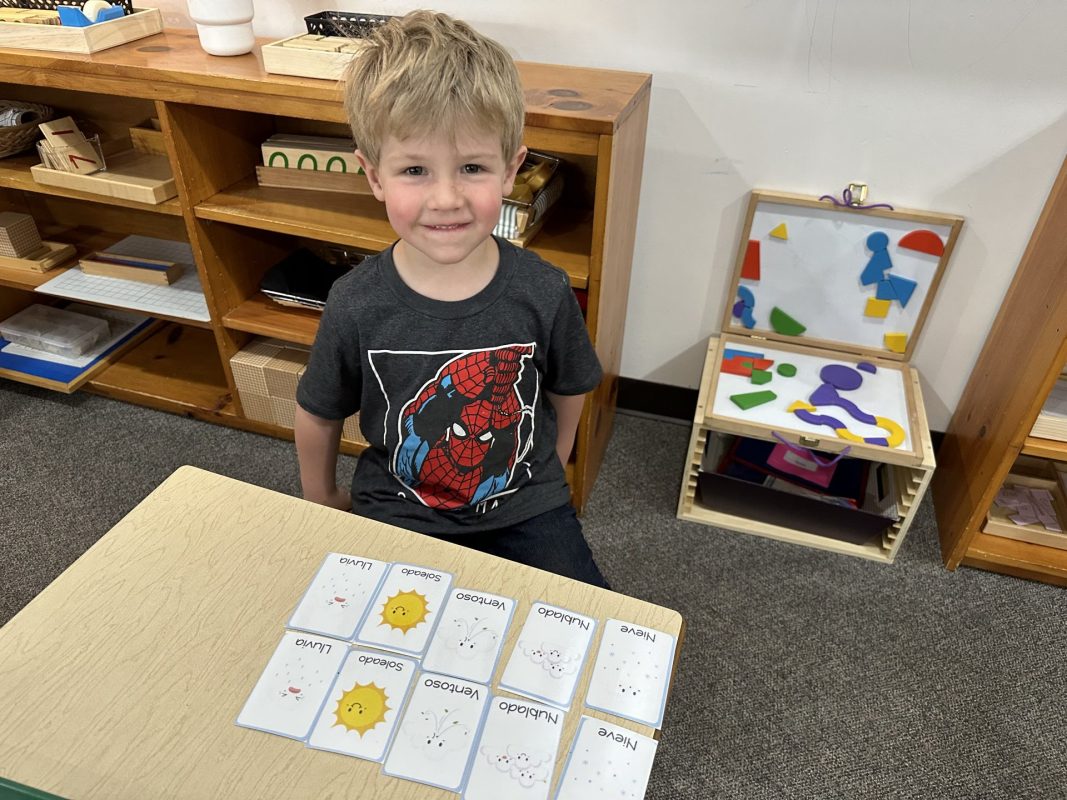
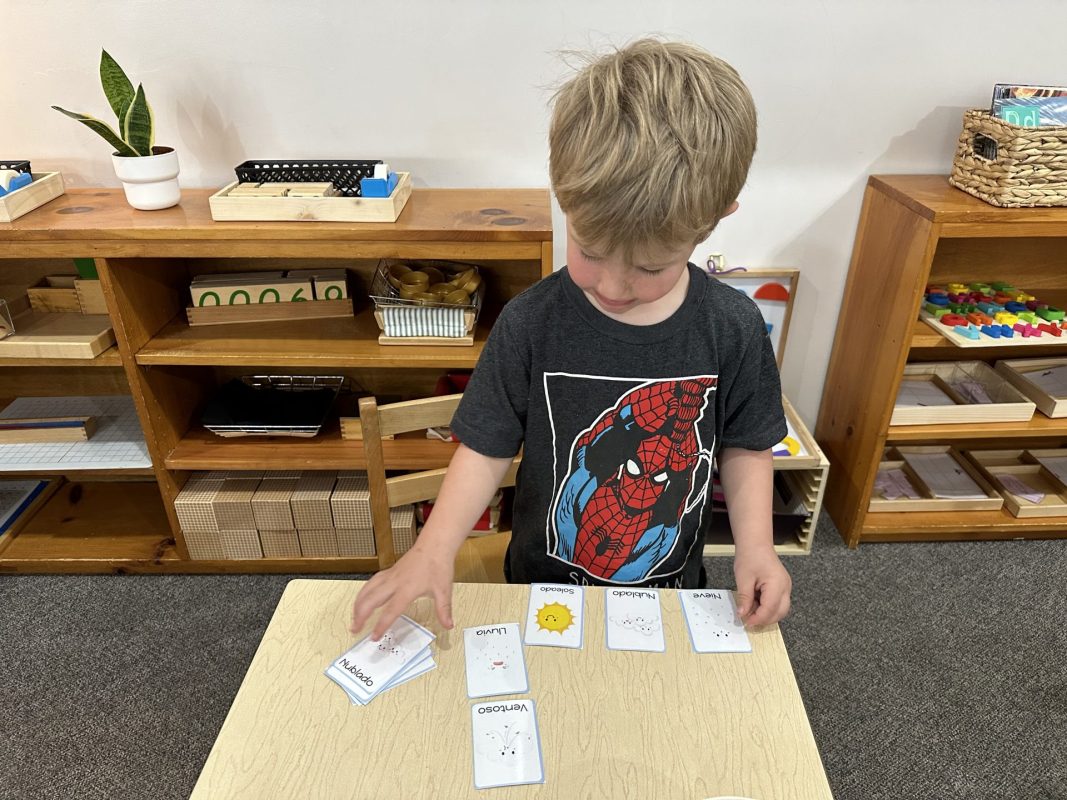
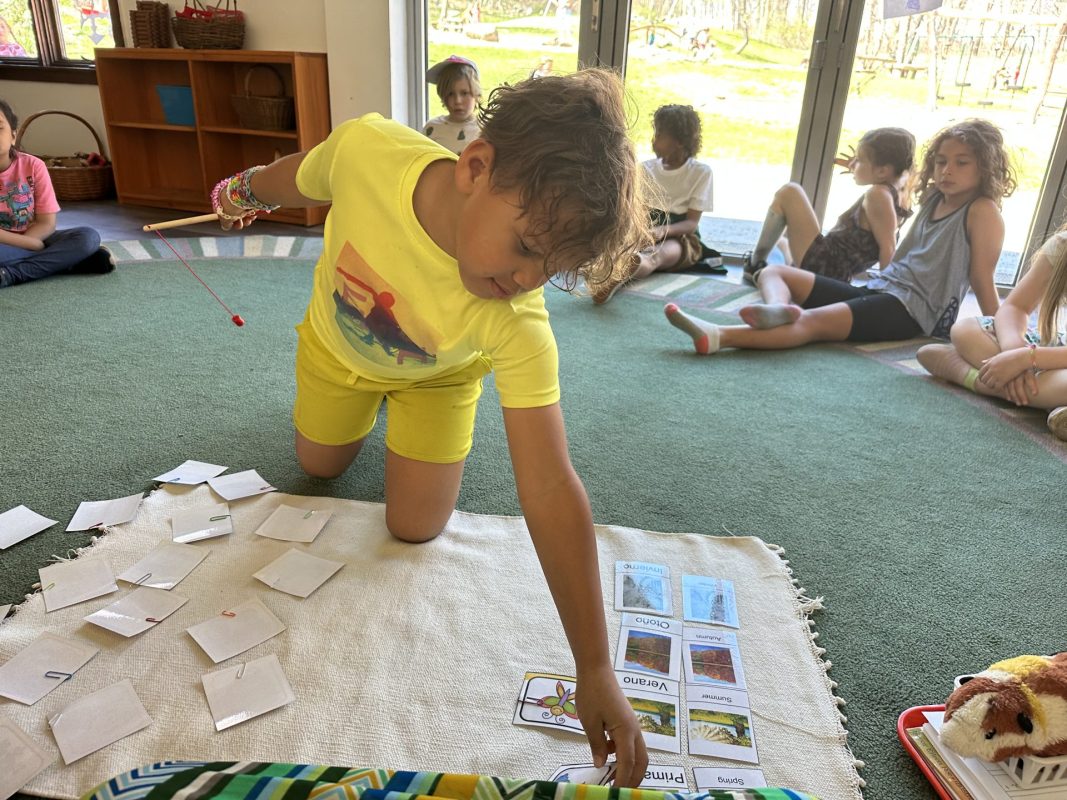
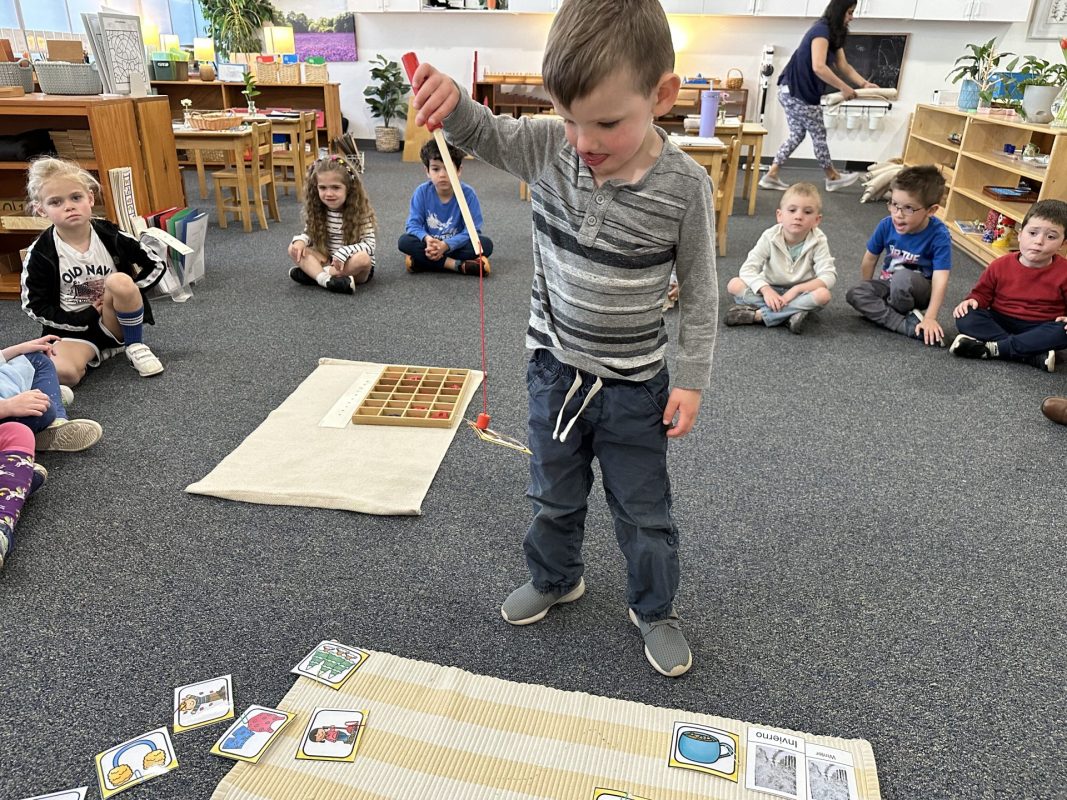
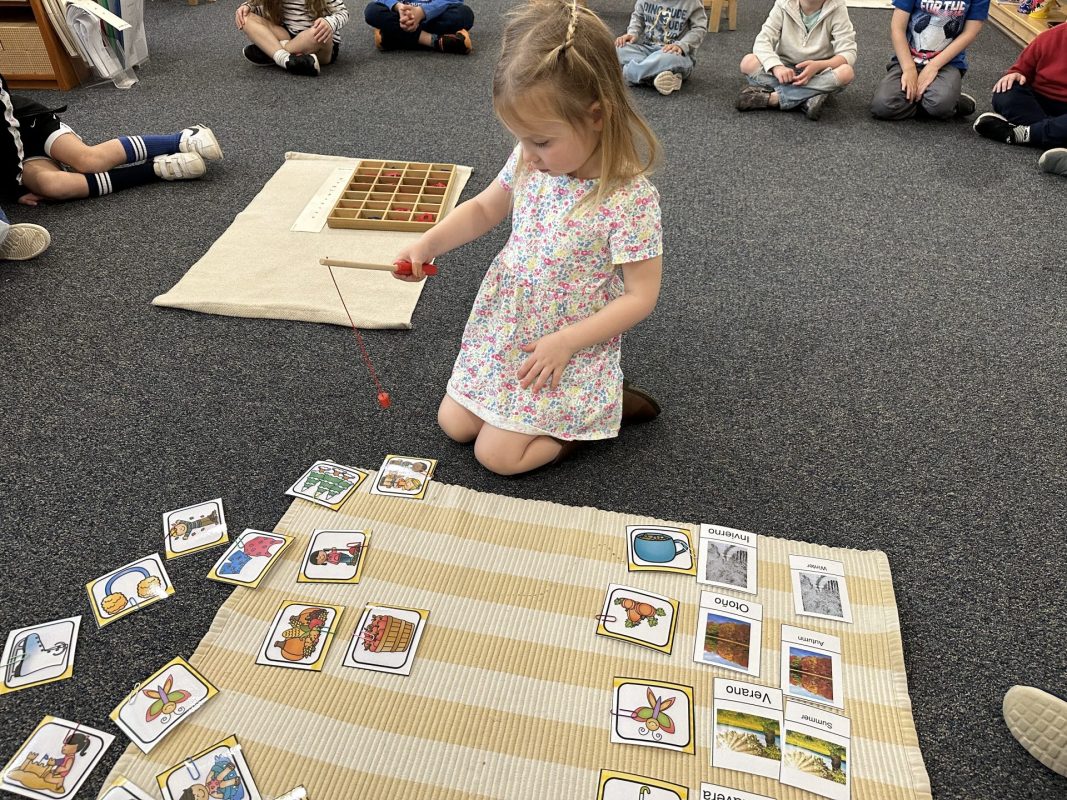
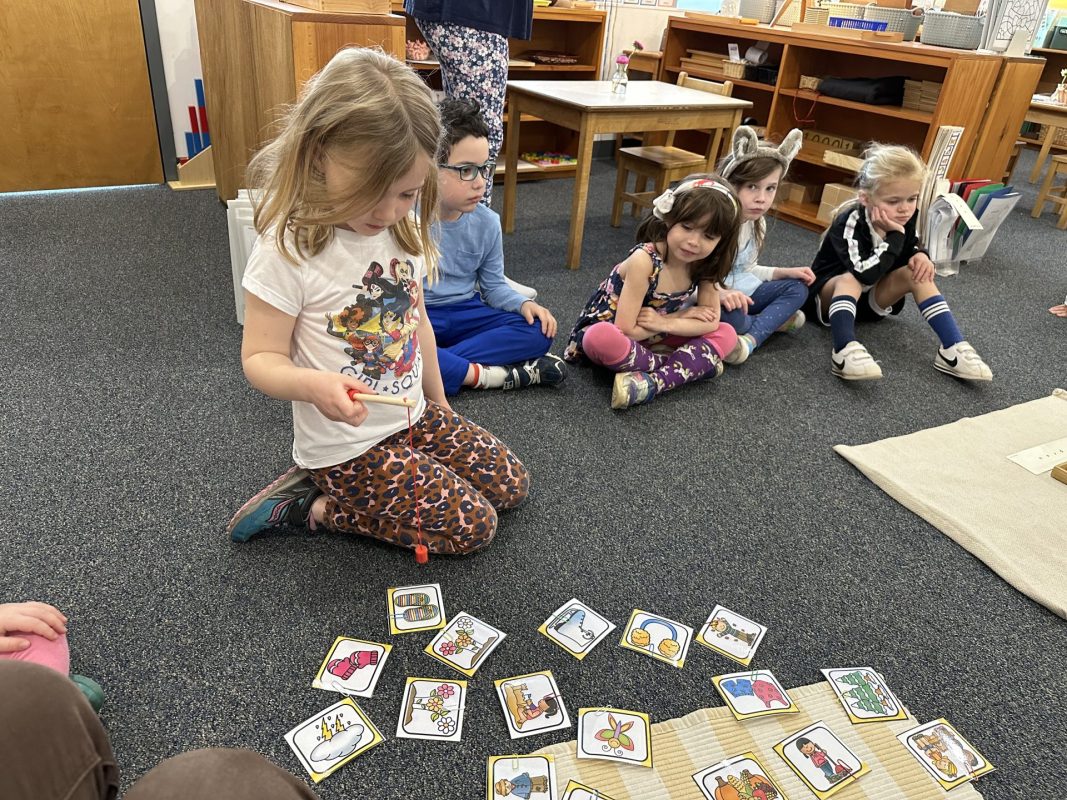
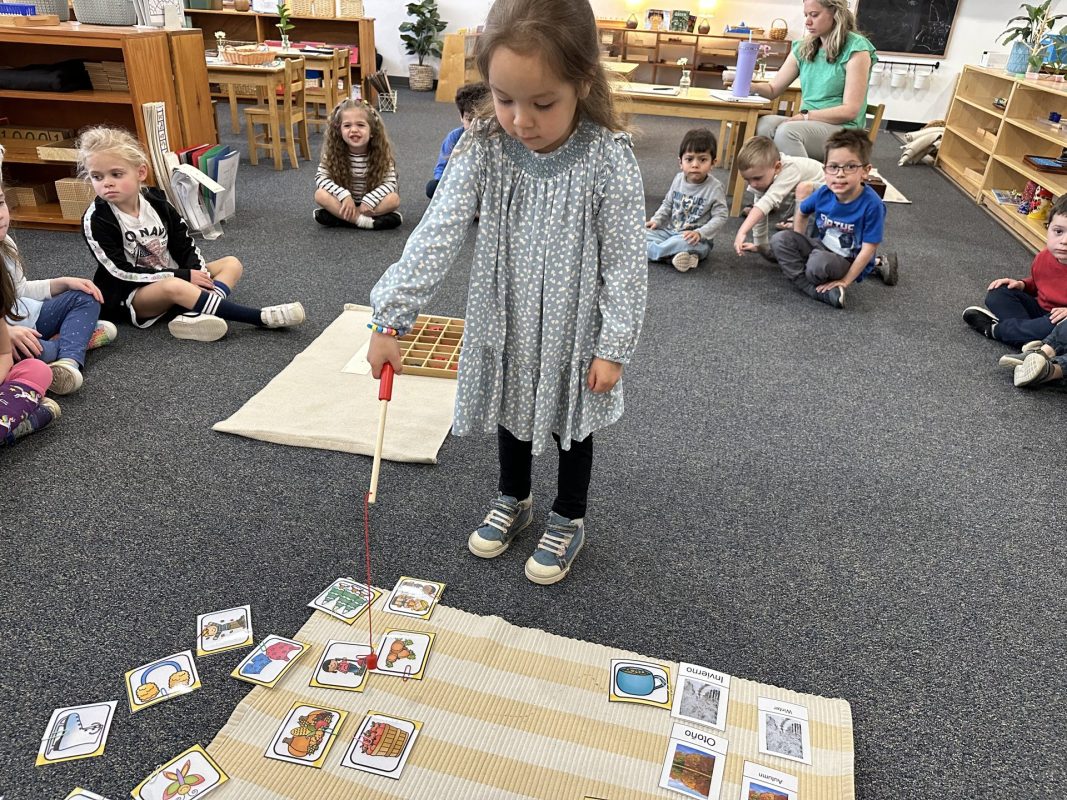
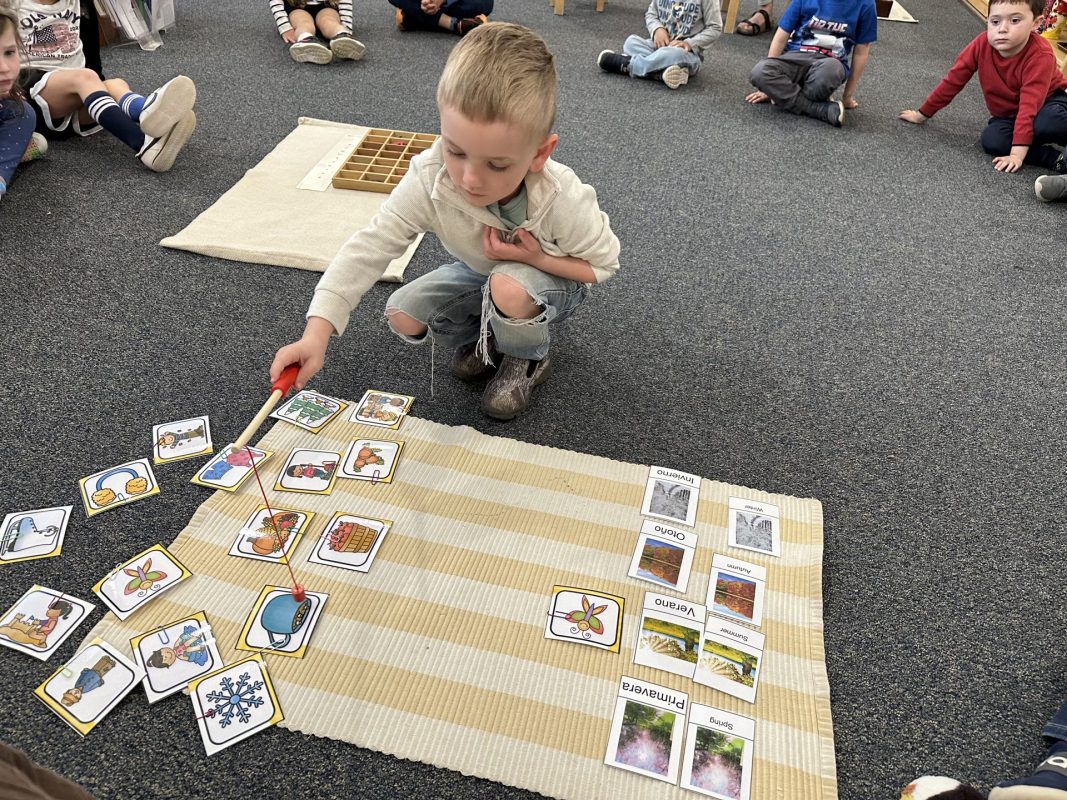
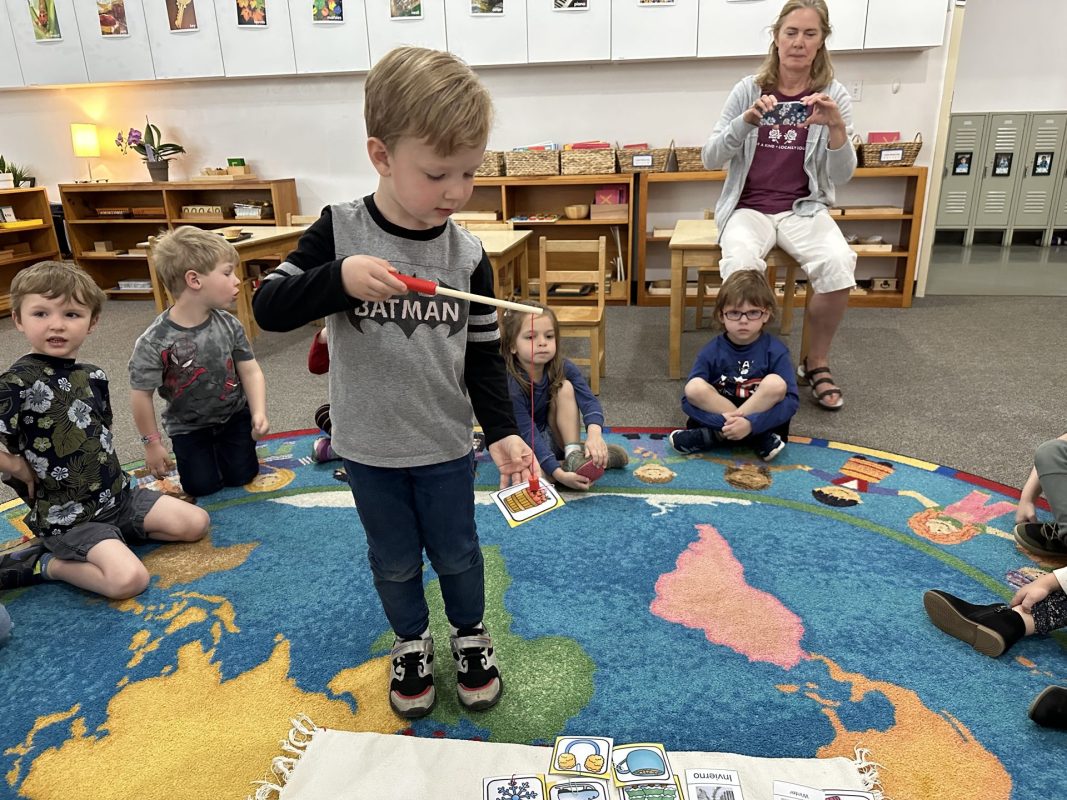
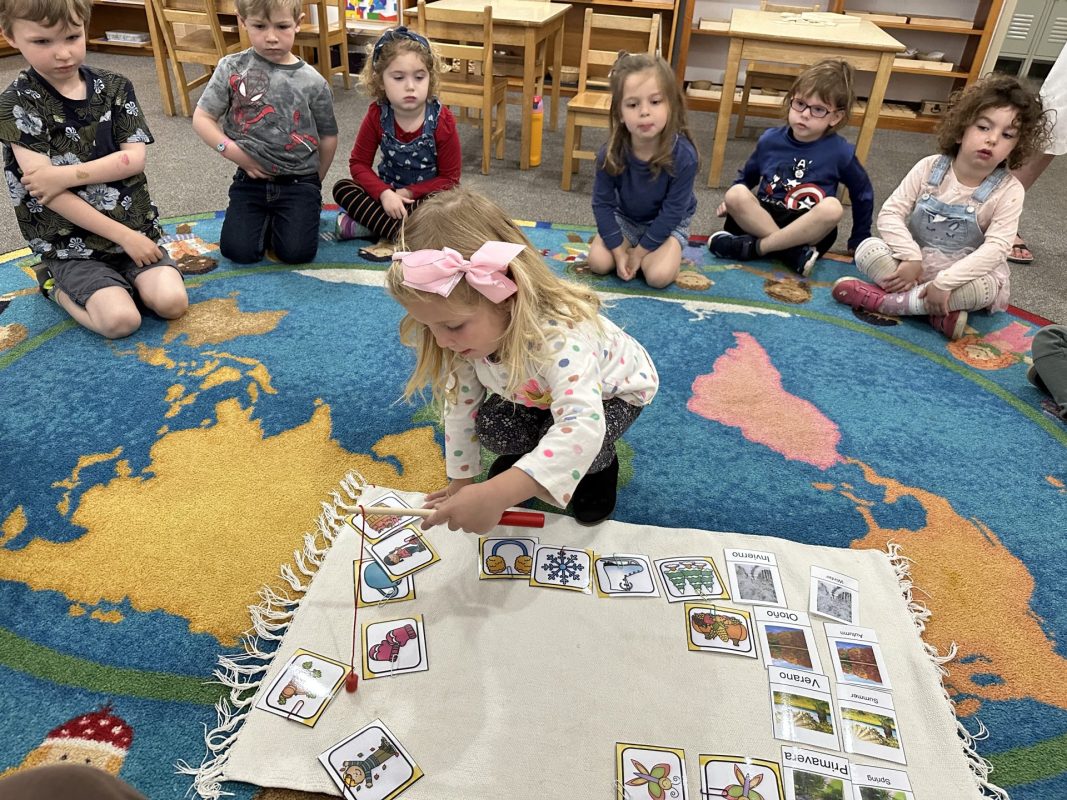
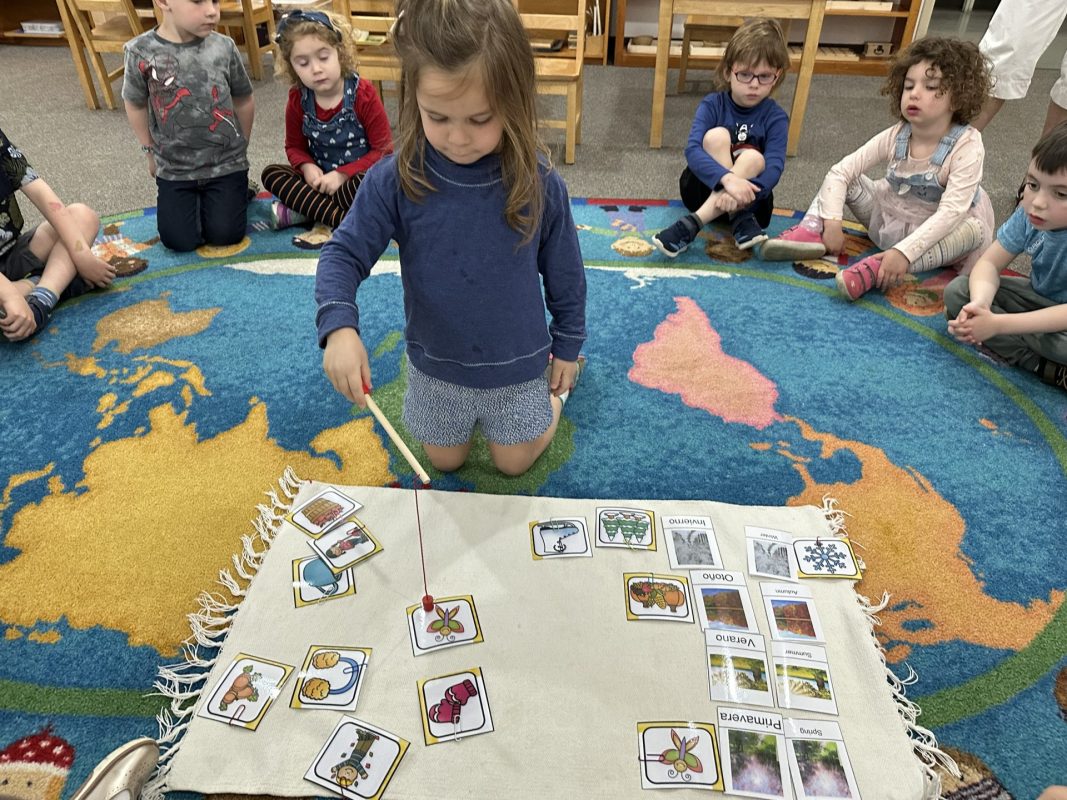
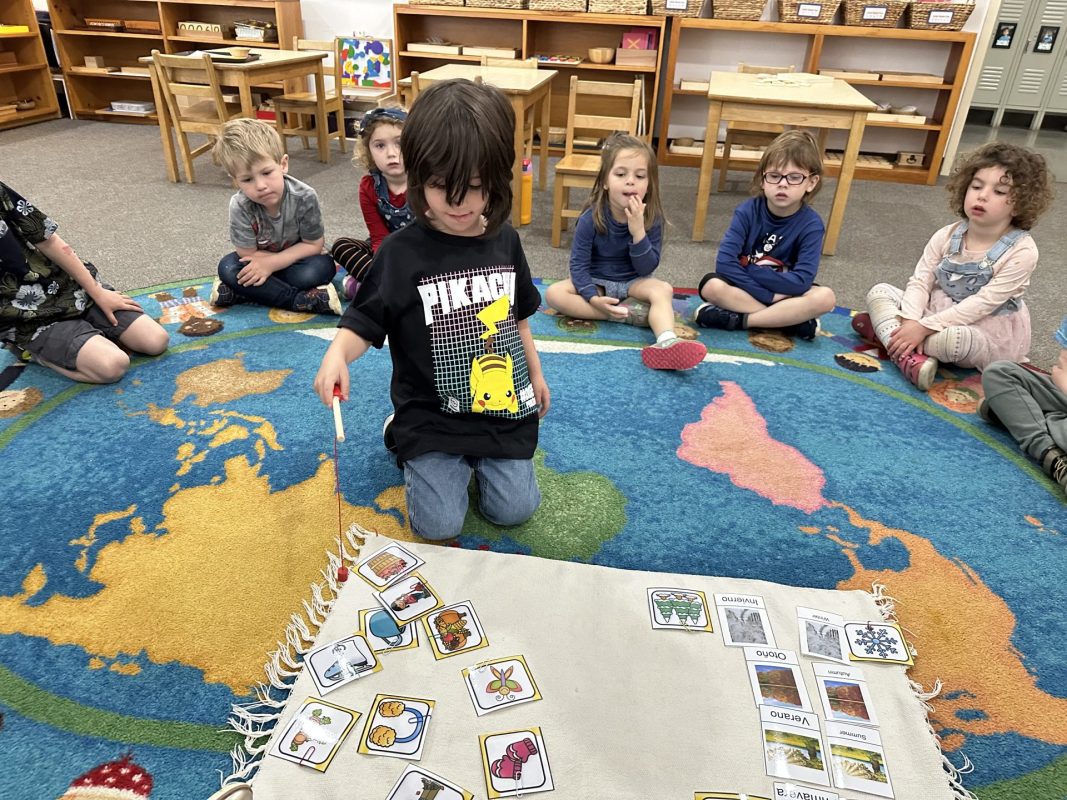
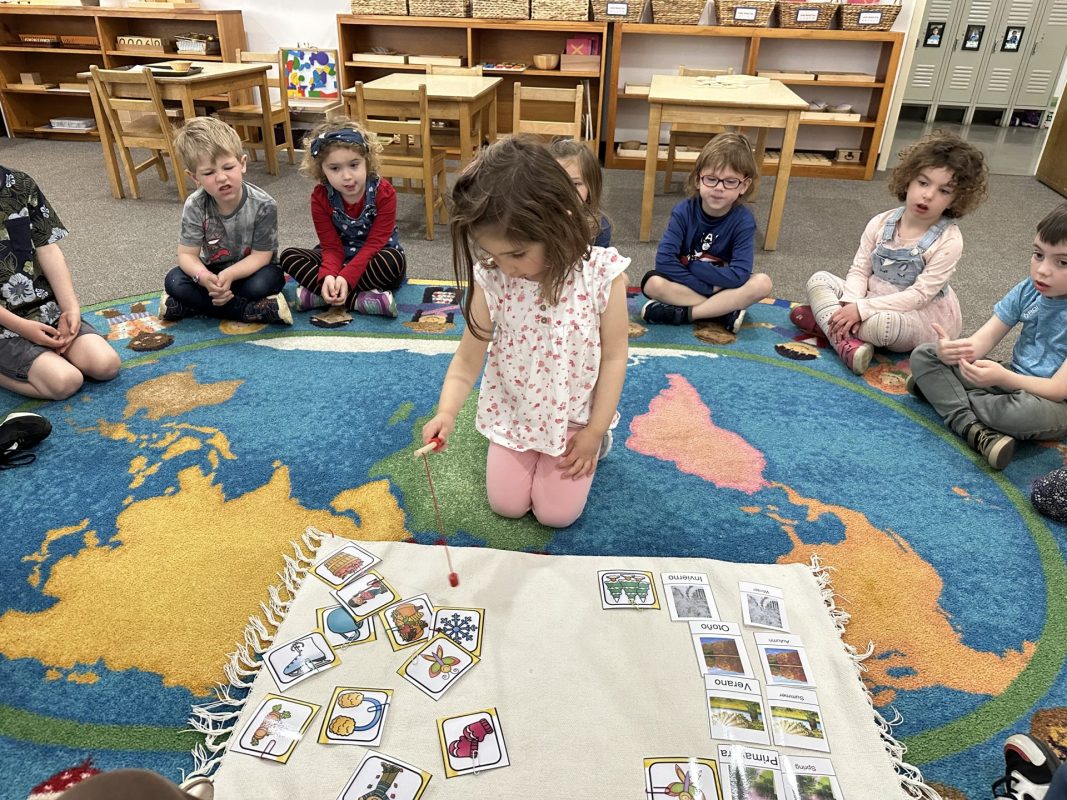
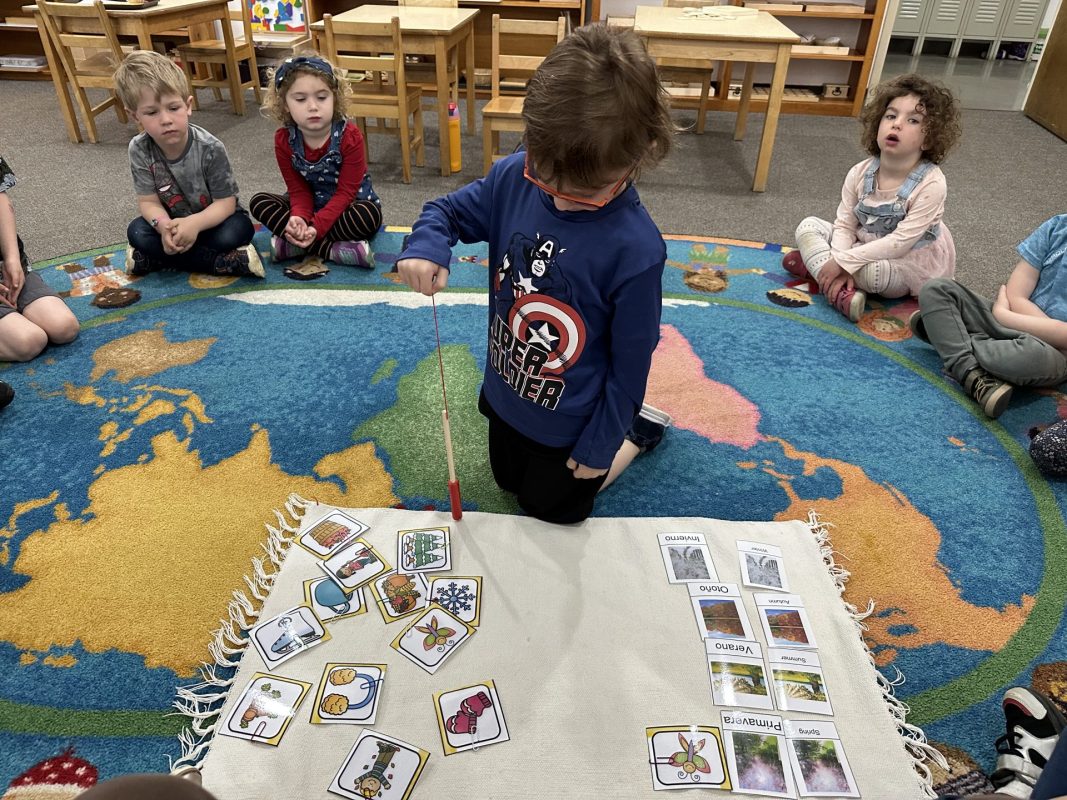
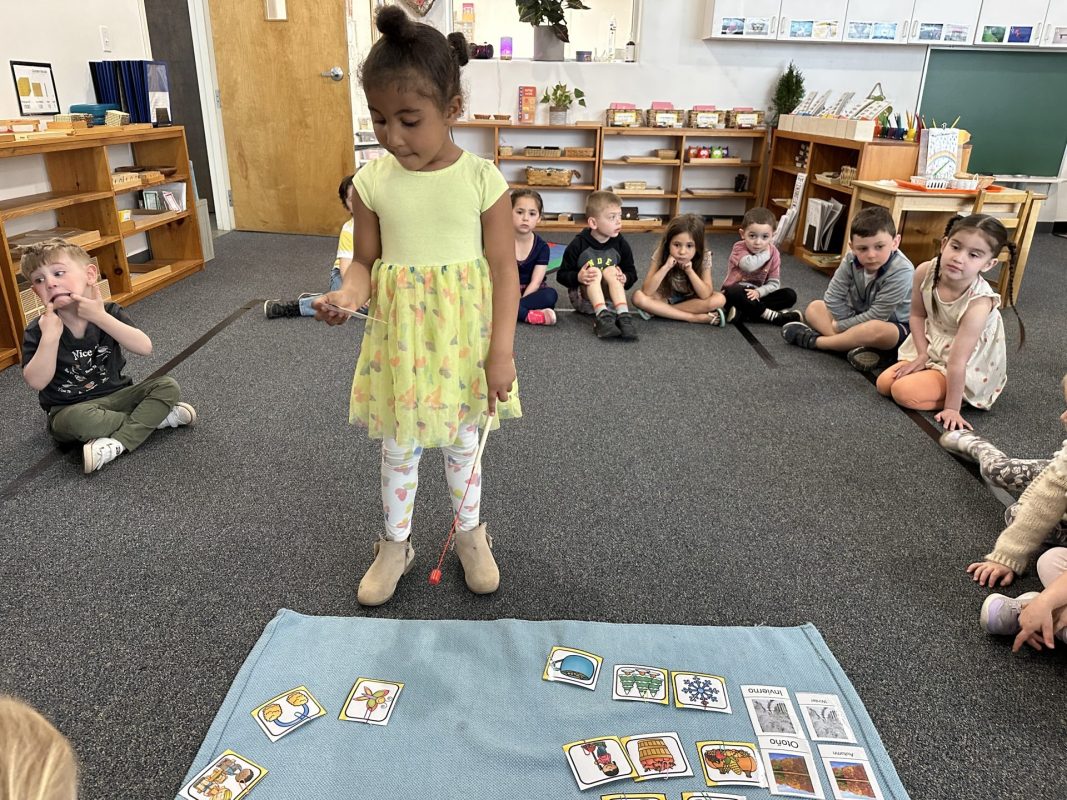
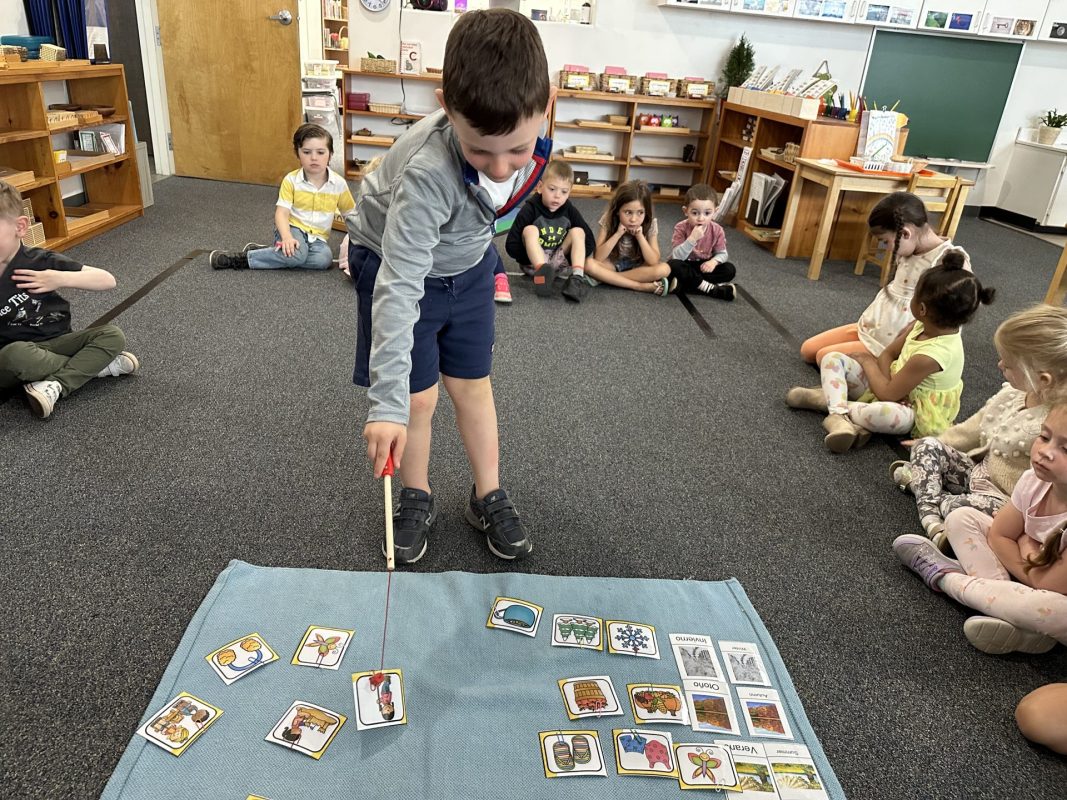
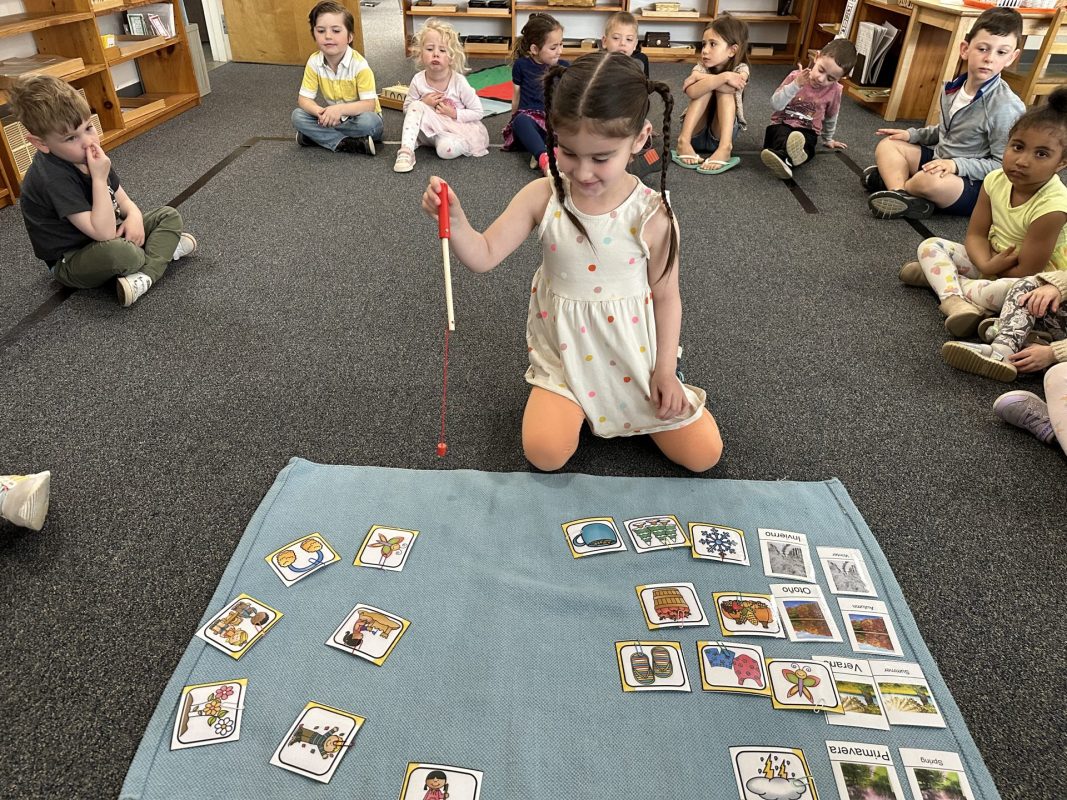
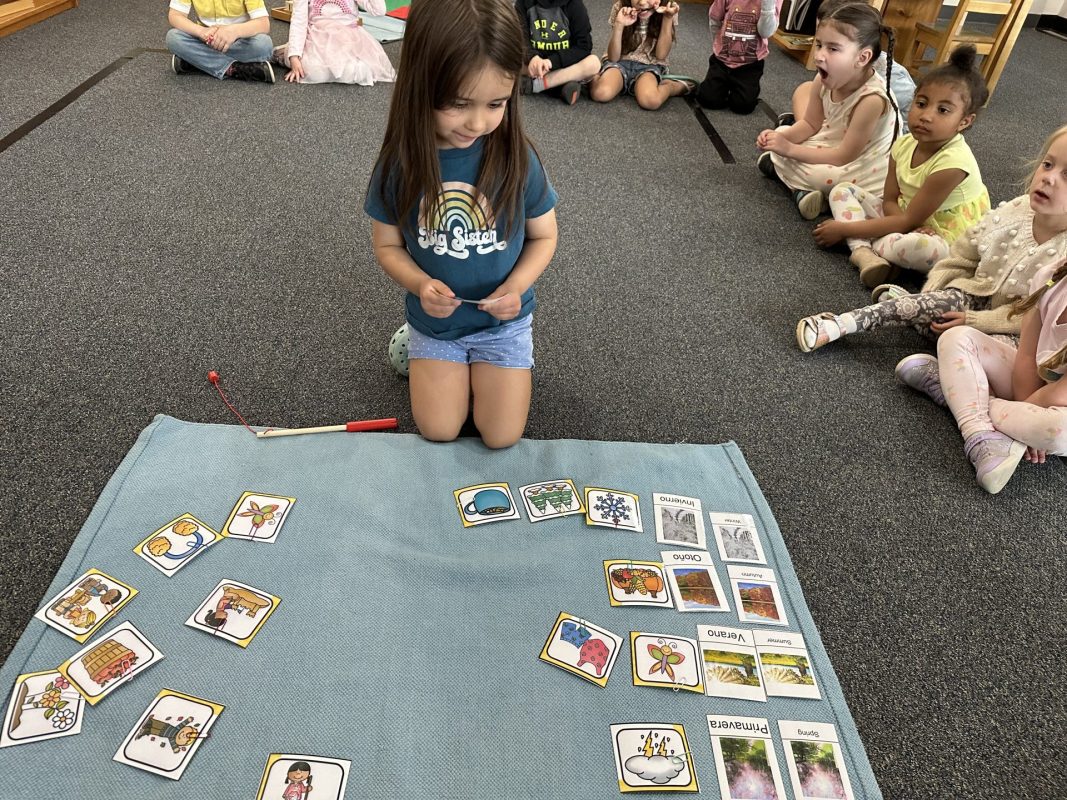
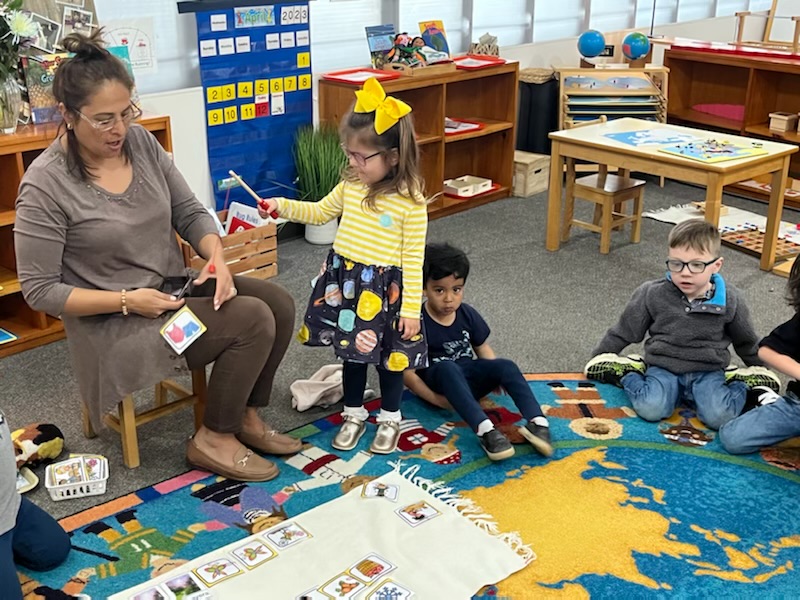
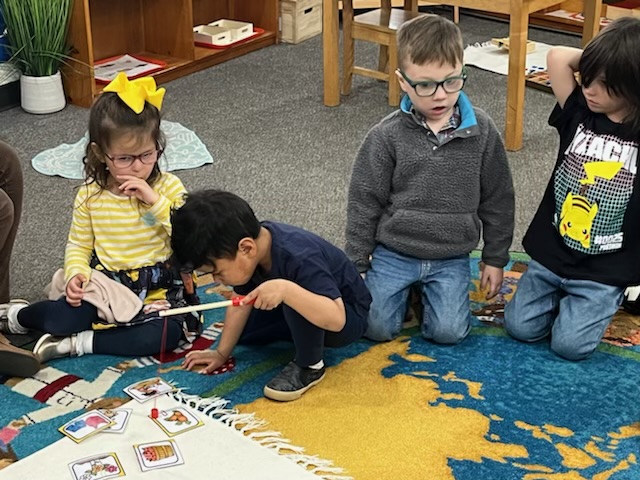
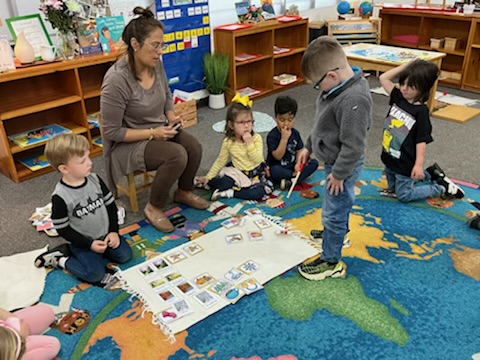
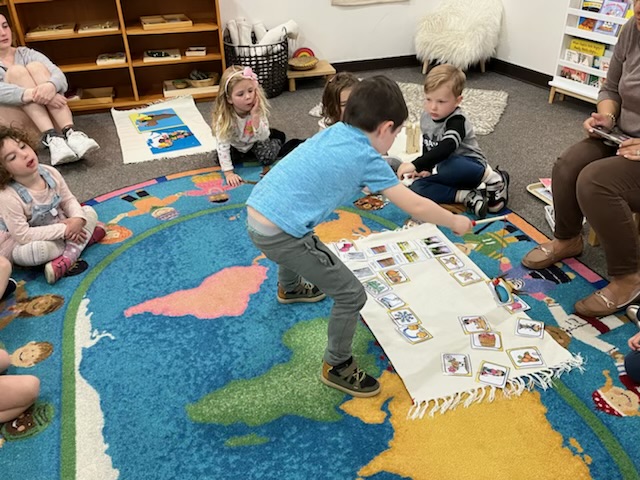
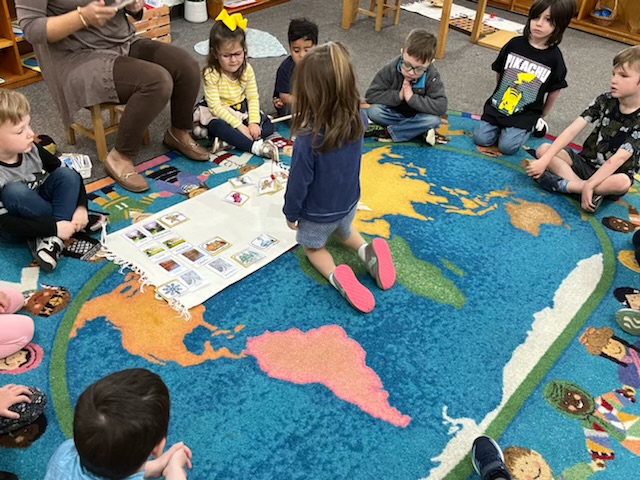
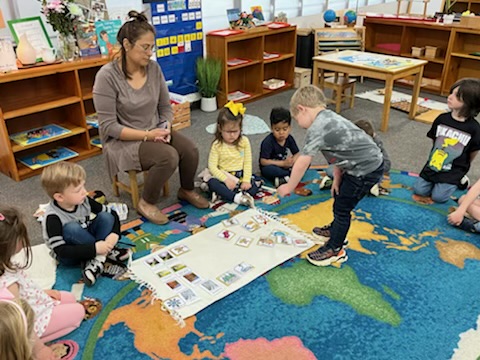
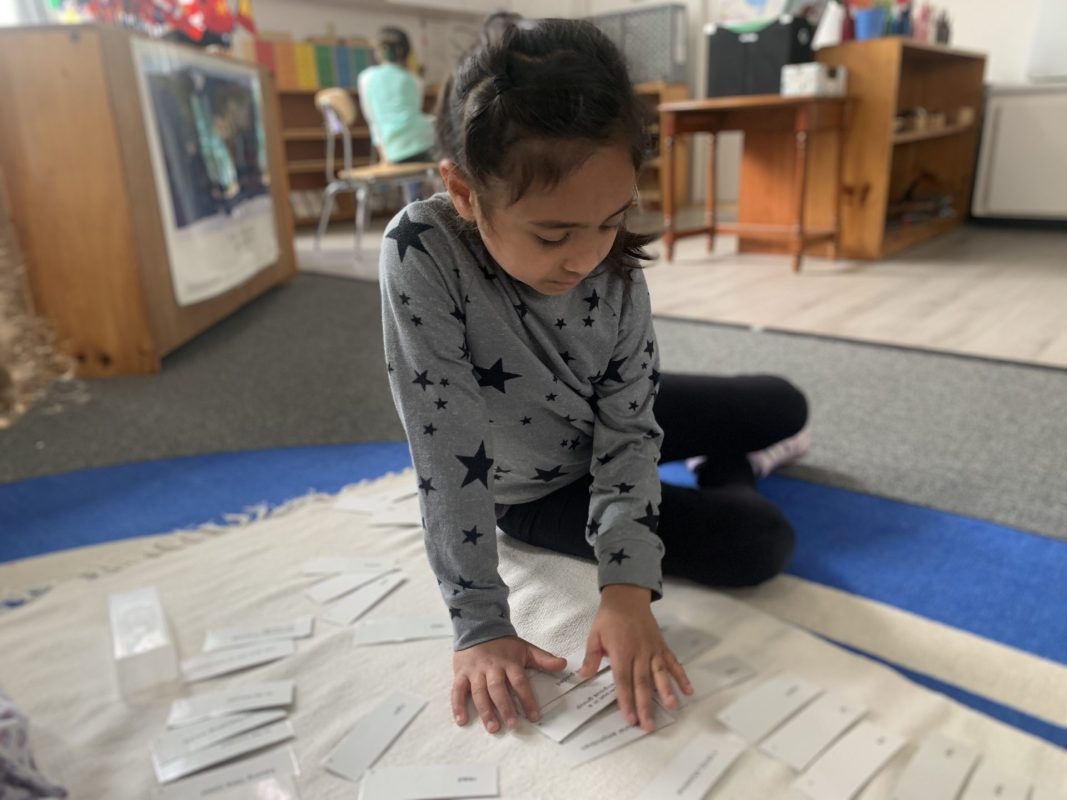
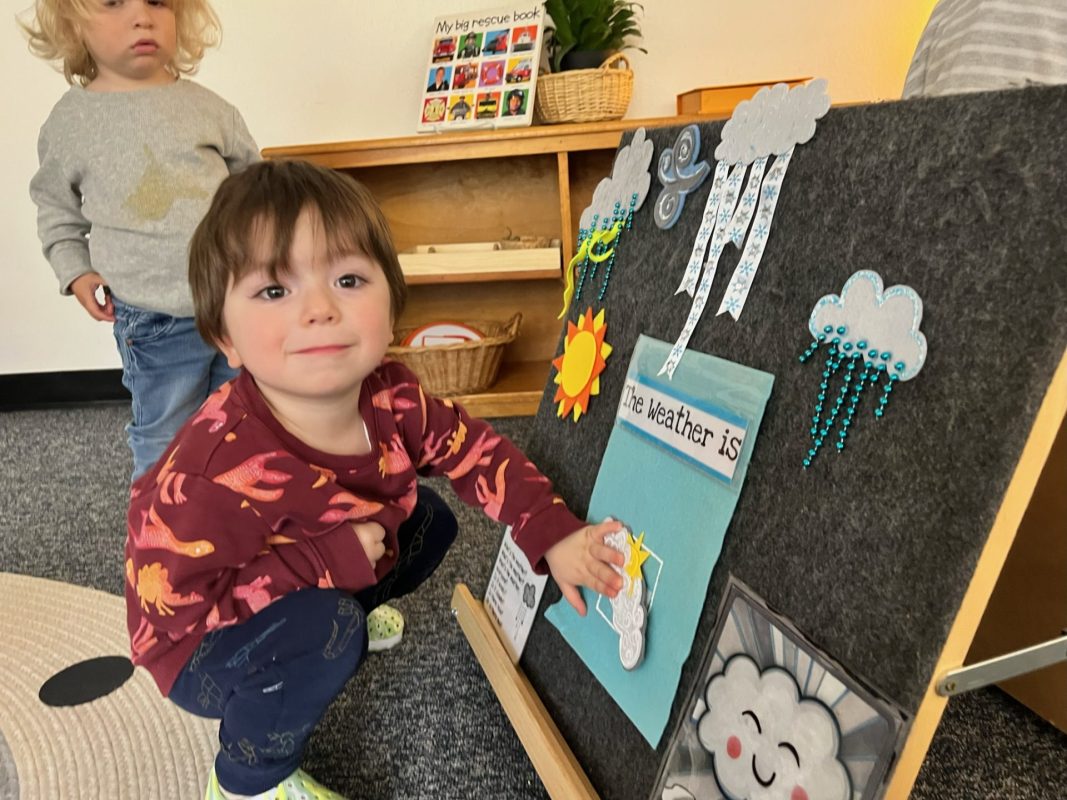
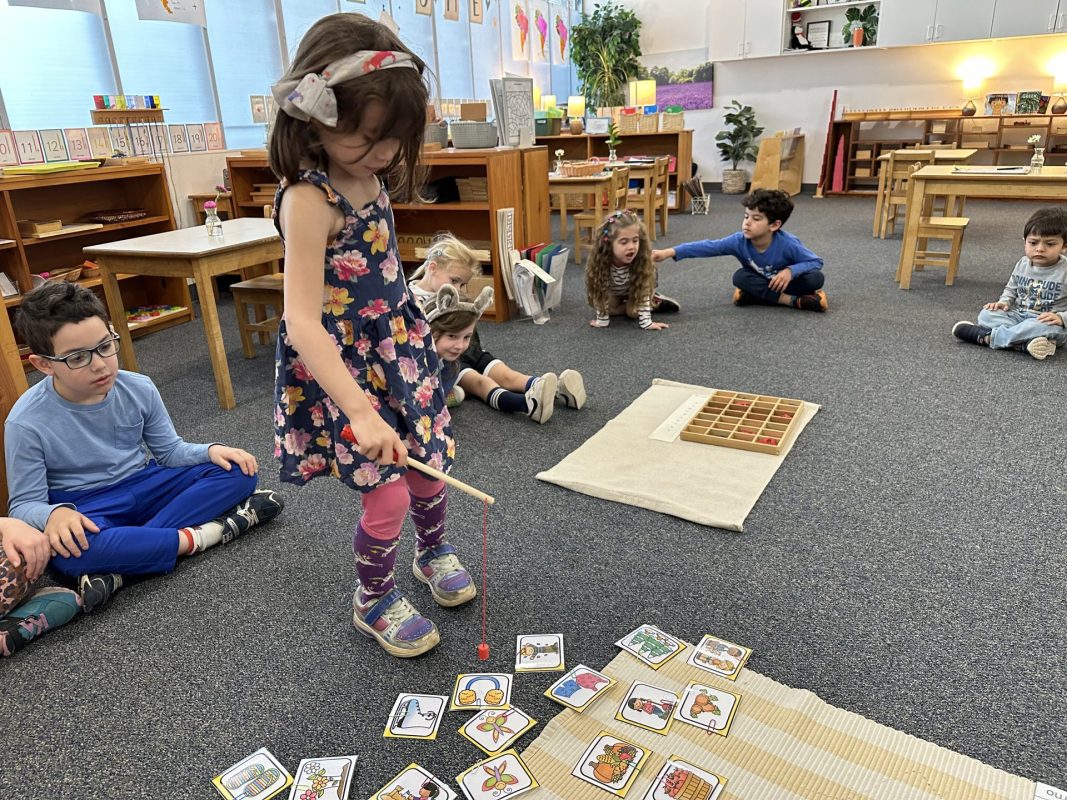
Primary and Lower Elementary students also continued learning about the seasons “Las estaciones del año”: Primavera (Spring), Verano (Summer), Otoño (Fall), Invierno (Winter), and “El Clima” (The weather) such as “soleado, nublado, lluvioso, nieve, ventoso”, using the same type of Montessori lessons such as three-period learning cards and matching cards to reinforce concepts. The children also really enjoyed singing and participating in classroom games. Spanish Montessori Lessons were presented in class and left in their classroom to be practiced during the week.

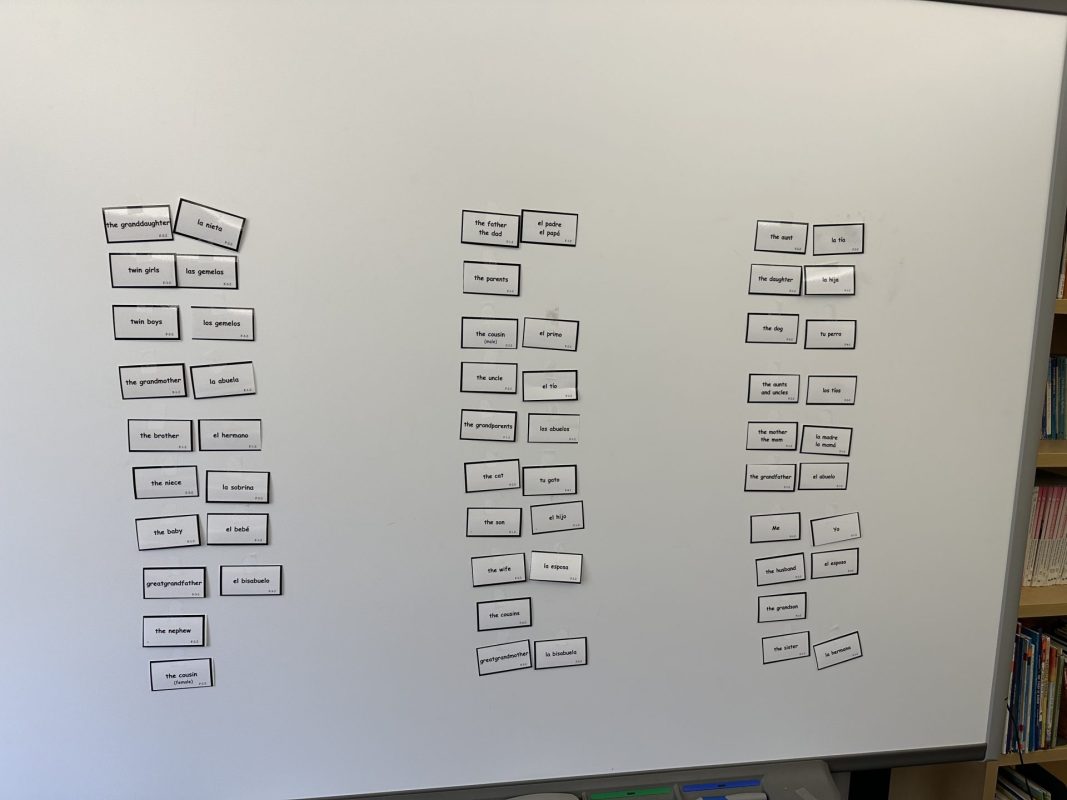
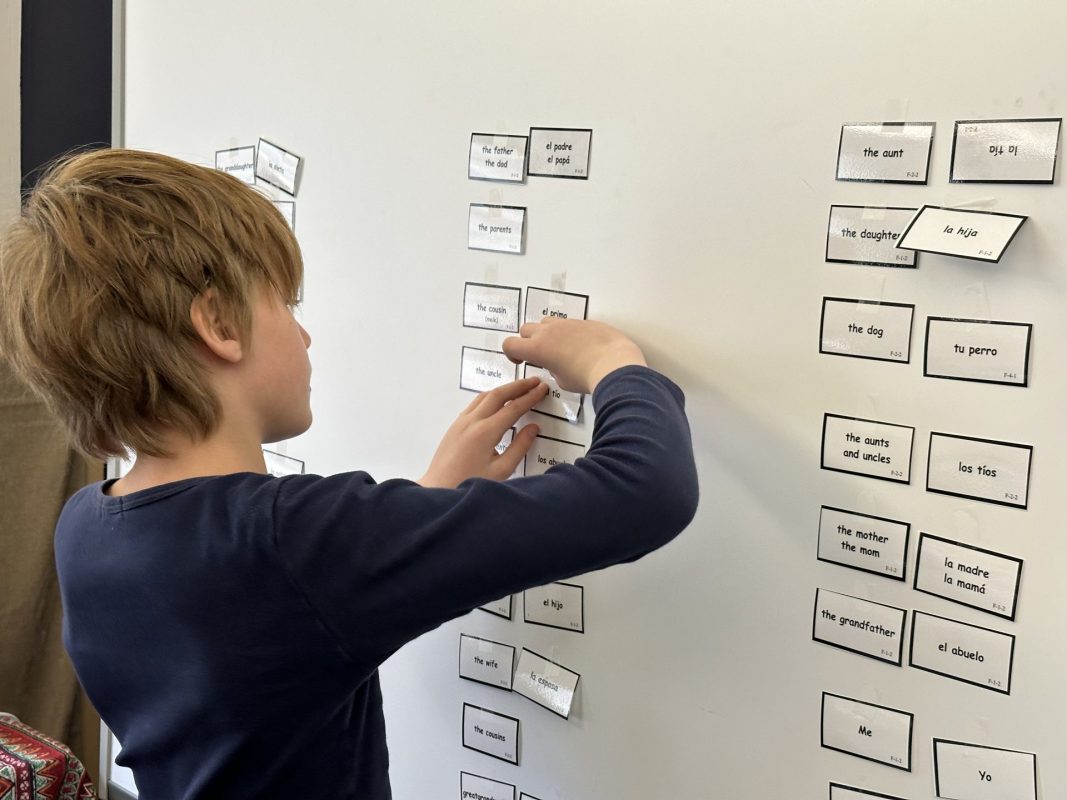
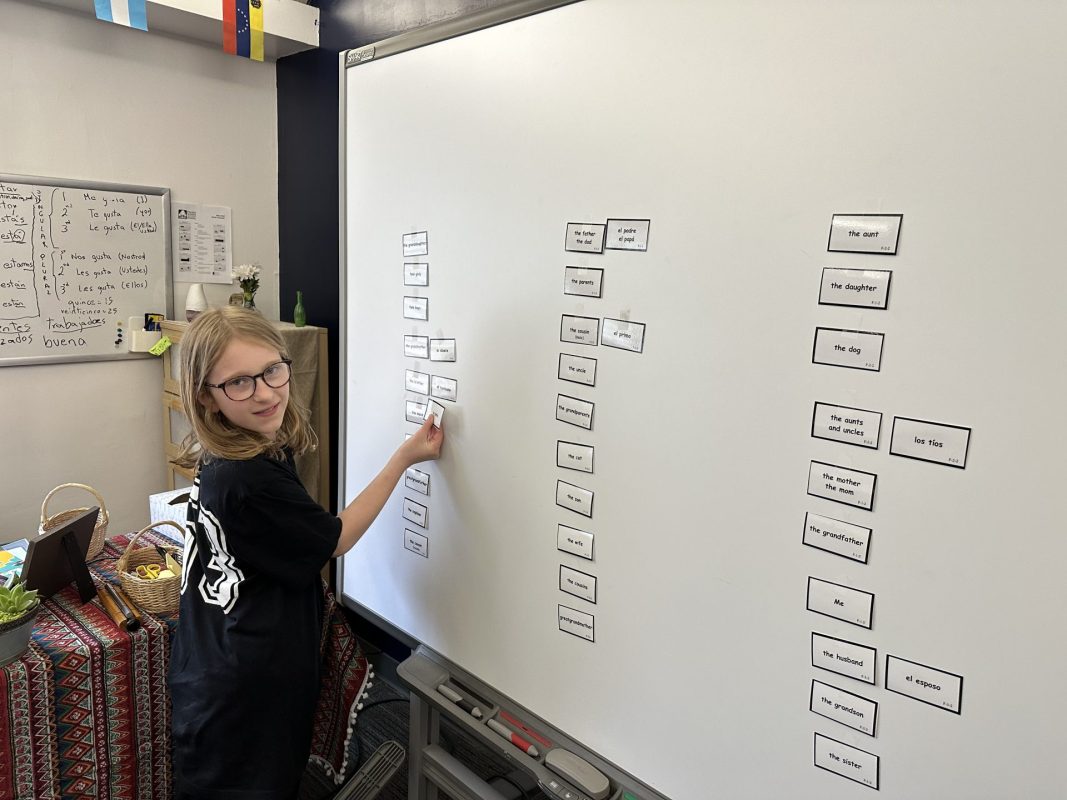
Upper Elementary Students continued learning about the Family and continued practicing the use of the articles (el, los, la, las) in Spanish. In addition, they are learning how to use “adjectivos (adjectives)” in Spanish. They continue practicing their writing through activities and games we used in class. We continue reading books; we are about to start reading “Los Baker van a Peru” by a group of students from Pinelands Regional Jr. High School and Nathaniel Kirby. Reading is a great way to enhance comprehension and pronunciation of the language. Students learned songs in the class that helped with the memorization of vocabulary and with pronunciation.

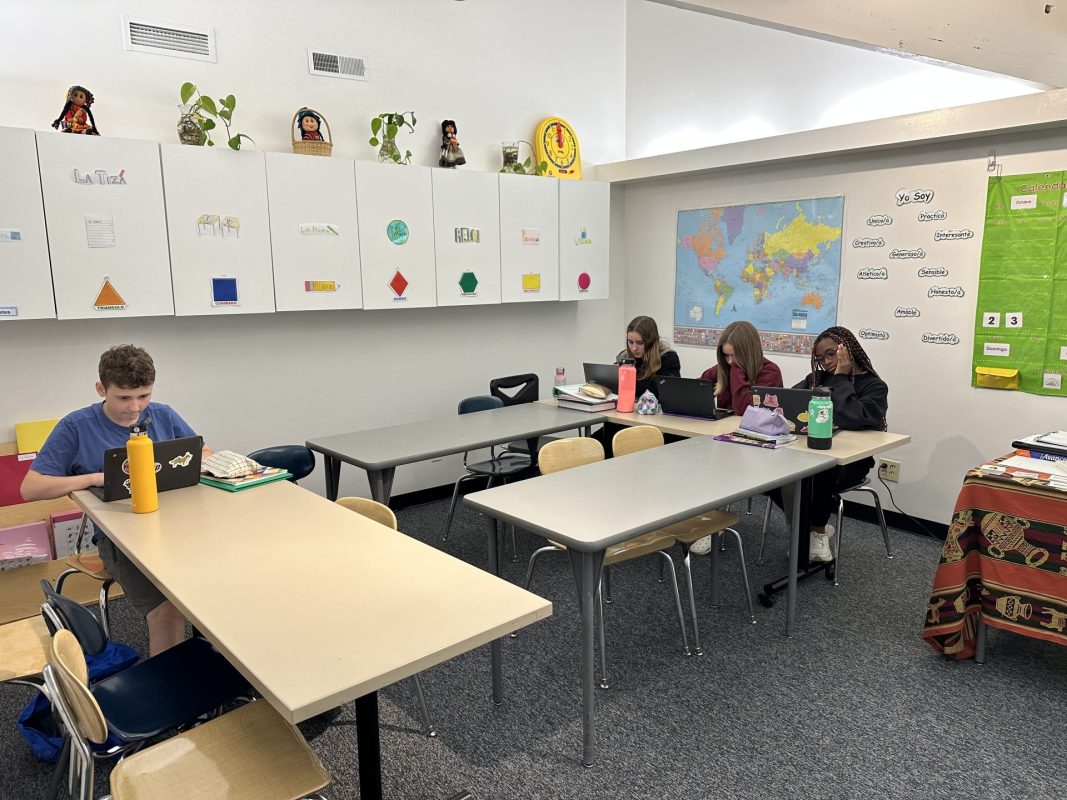
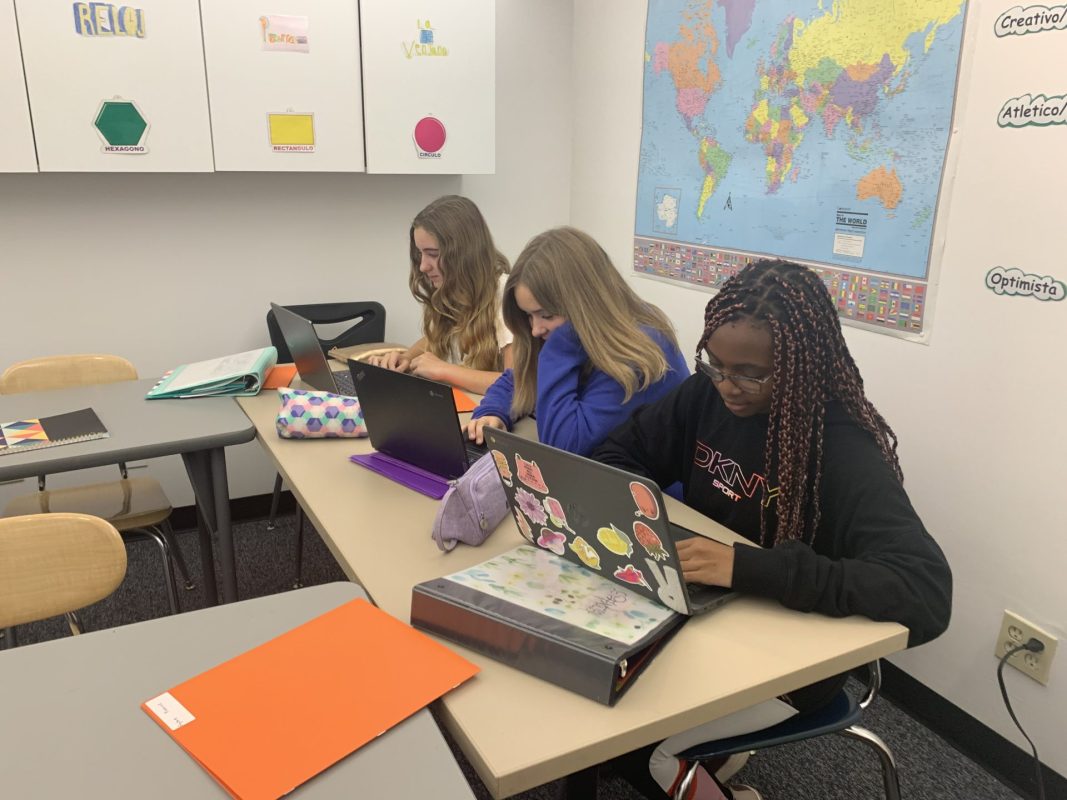
Middle School students also continue working year-round on their Spanish greetings, description of weather, feelings, and their daily calendar that includes days of the week, months, and seasons. Students continue working on the Spanish curriculum in the “Avancemos” program. They also focused on learning vocabulary to talk about sports and the equipment that is required to be used. They are also learning how to use and write more verbs and their conjugations, such as jugar (to play), comer (to eat), compartir (to share). Also, they are learning to talk about foods and beverages and the verb gustar (to like) used with nouns. They are also learning about their daily schedule, reviewing how to say the time, and learning to say how often they do certain things.  We continue reading books for youth in Spanish in order to enhance their vocabulary, reading, listening, and comprehension skills of a story. We are currently reading a book called “El Ekeko: Un misterio bolivianos” by Katie Baker.

On Fridays, we are also working on “Spanish Enrichment,” where students were able to visit Spain and El Salvador virtually. Students were able to learn how people live, their costumes, and their types of food. They also can see the difference in the geography within all these countries, observing the diversity of sightseeing, plants, and animals that other countries can offer. I believe this experience contributes to expanding their horizons in the knowledge of other cultures and people around the world. Also, we continued playing in Spanish with puzzle words, storytelling, and other activities that make it more enjoyable to learn Spanish.

All the students at FWM are enjoying learning Spanish, and I am very pleased with their progress in accomplishing goals in my class.


Springtime Inspiration for Elementary Artists!

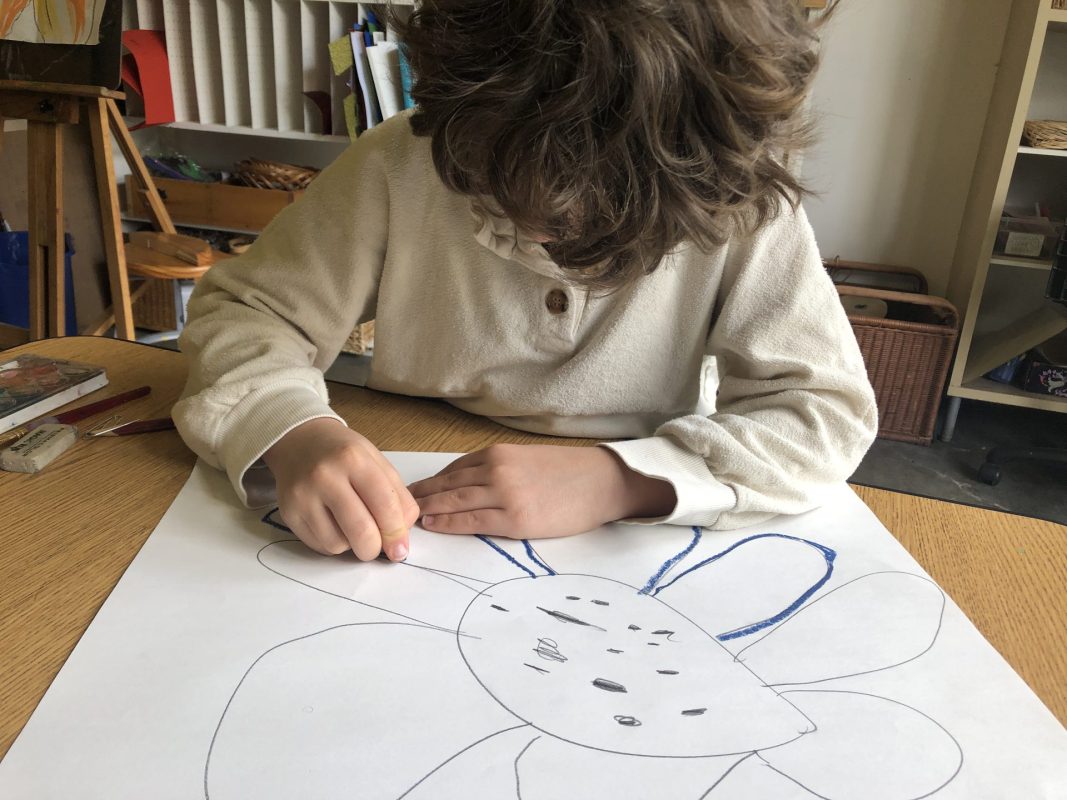
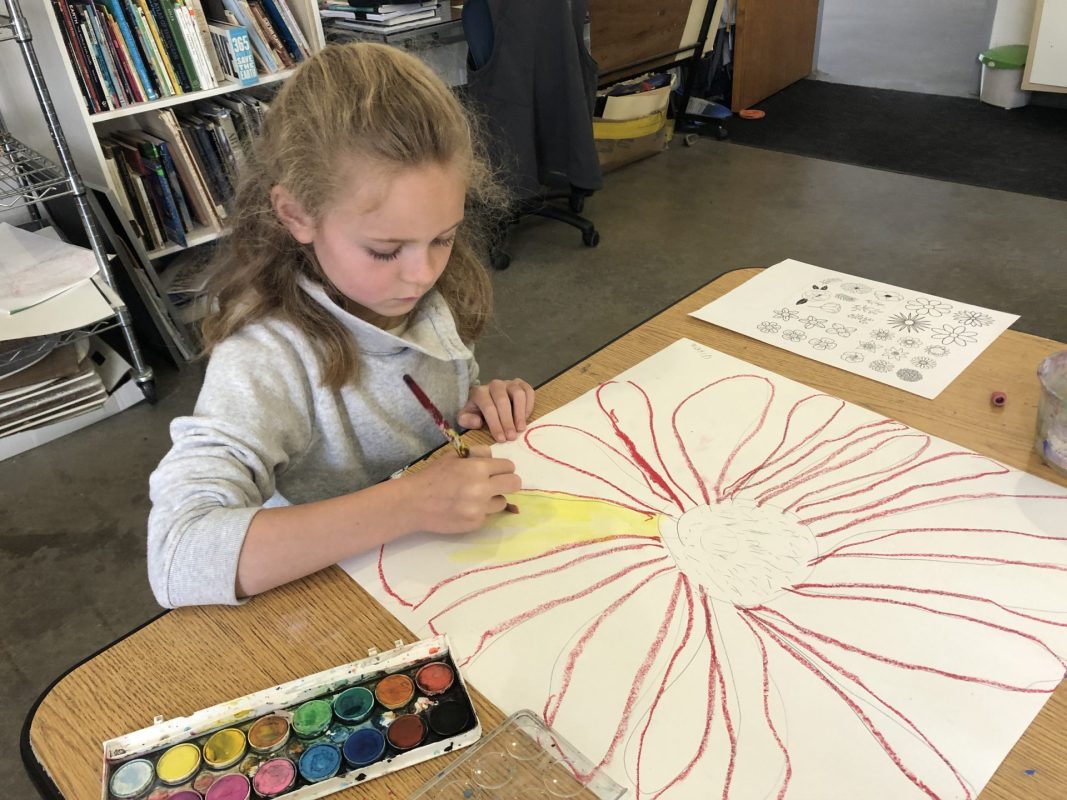
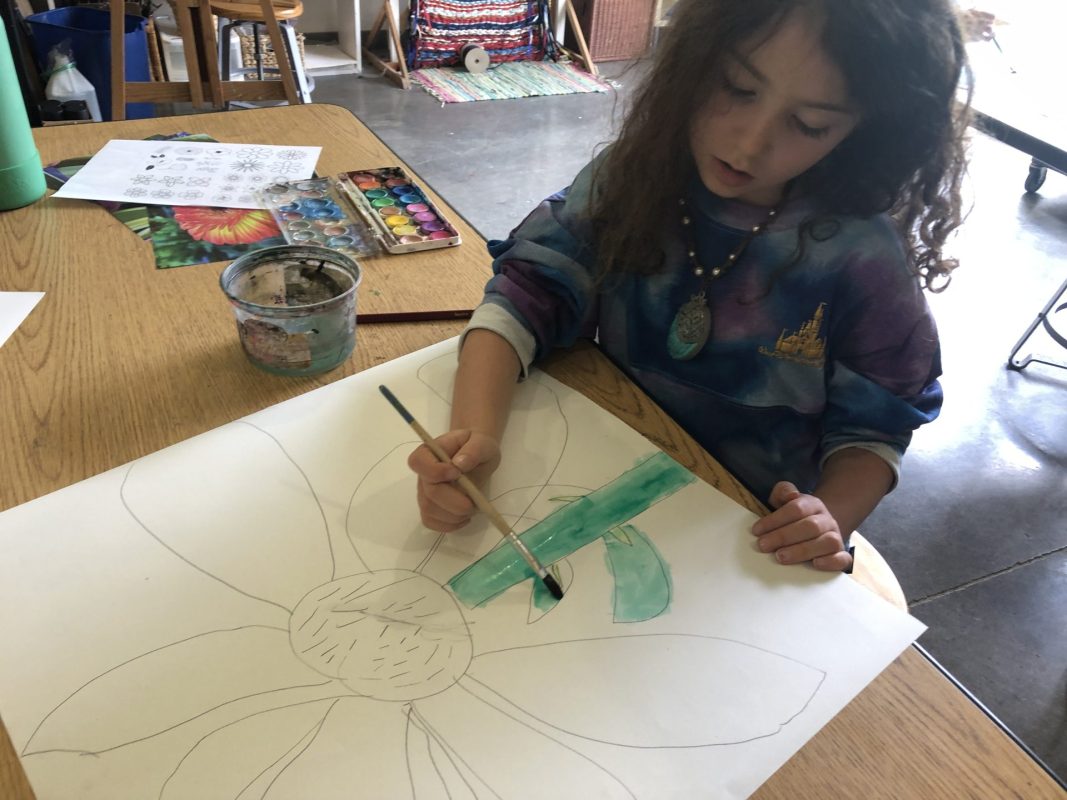
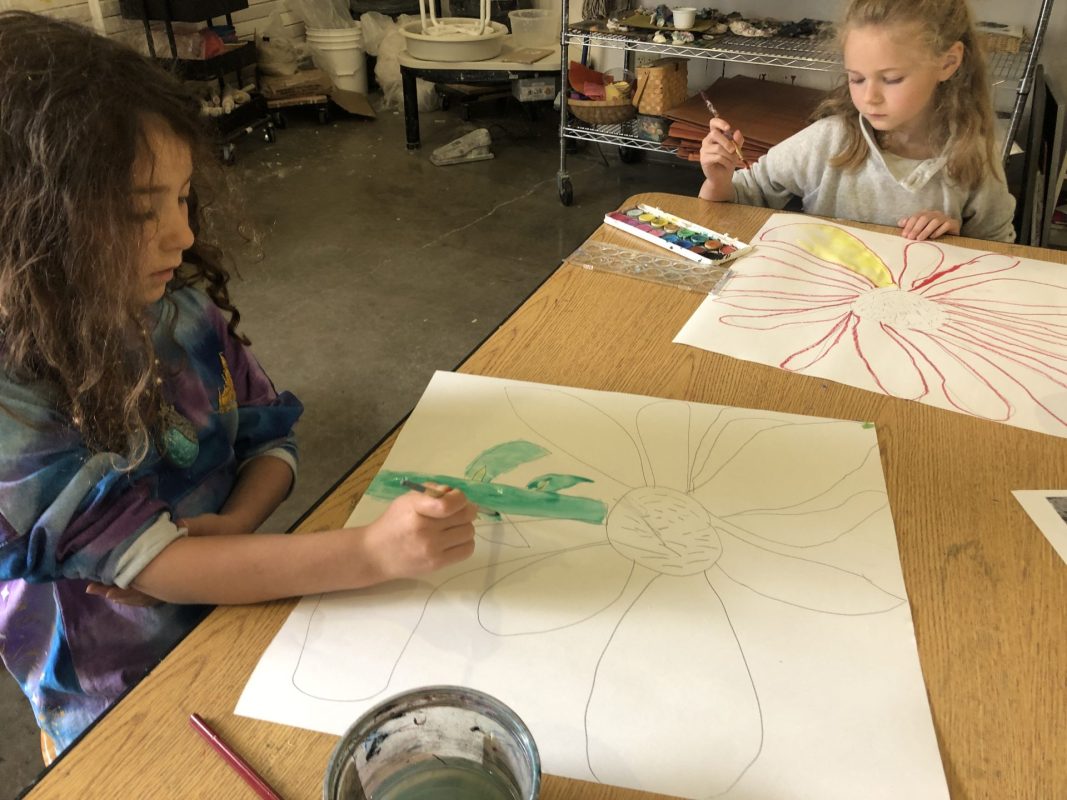
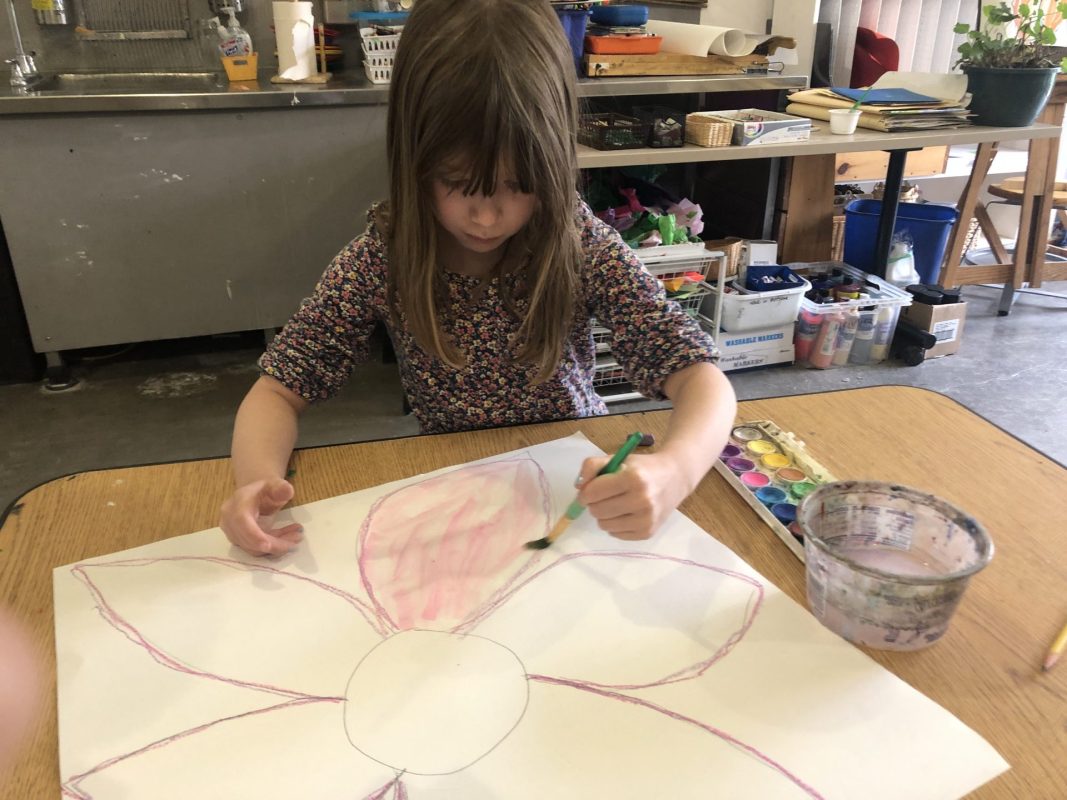
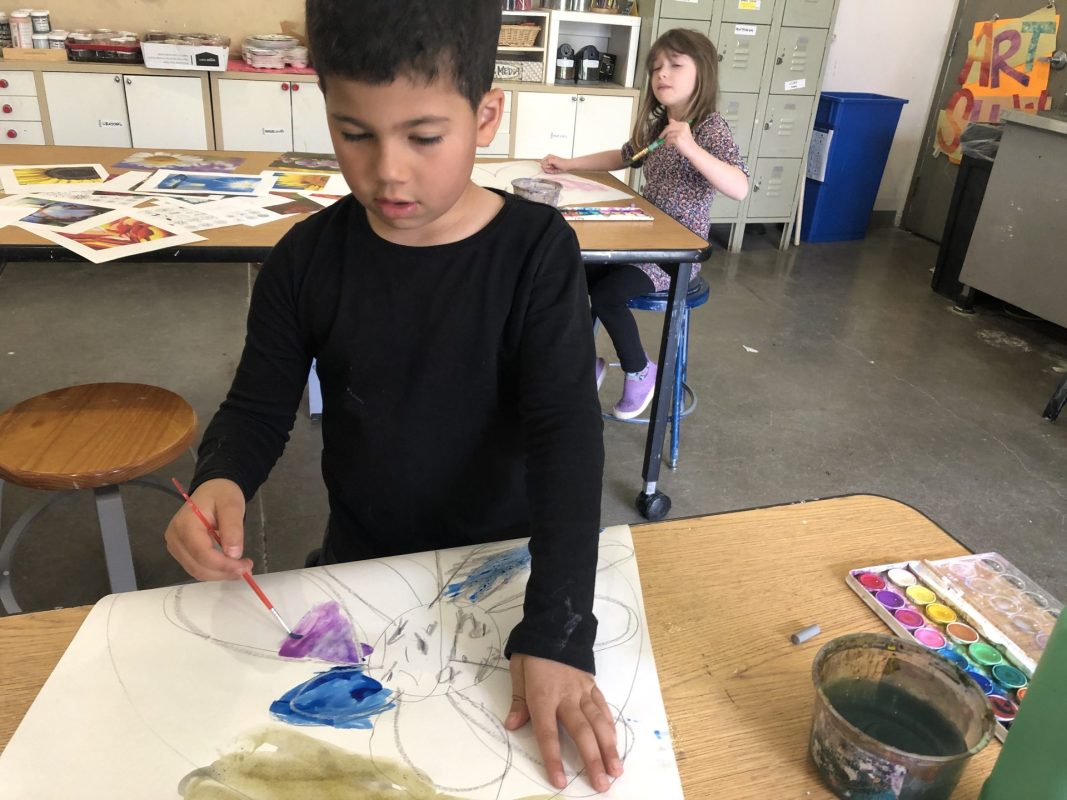
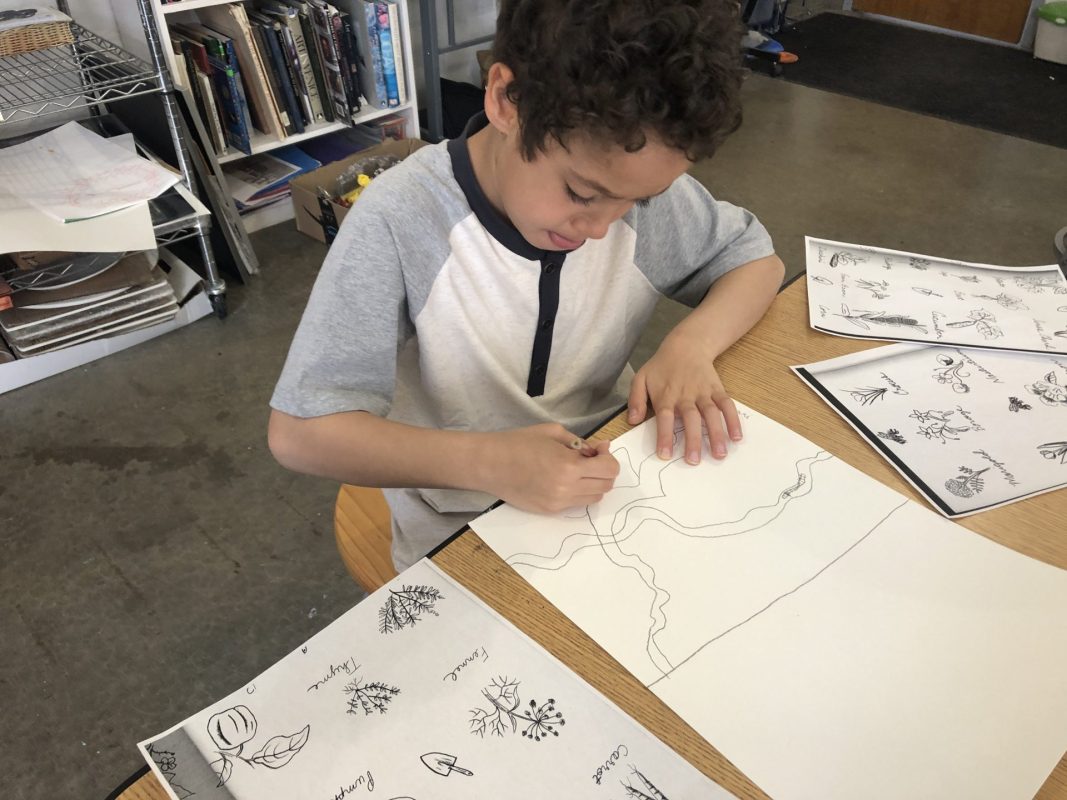
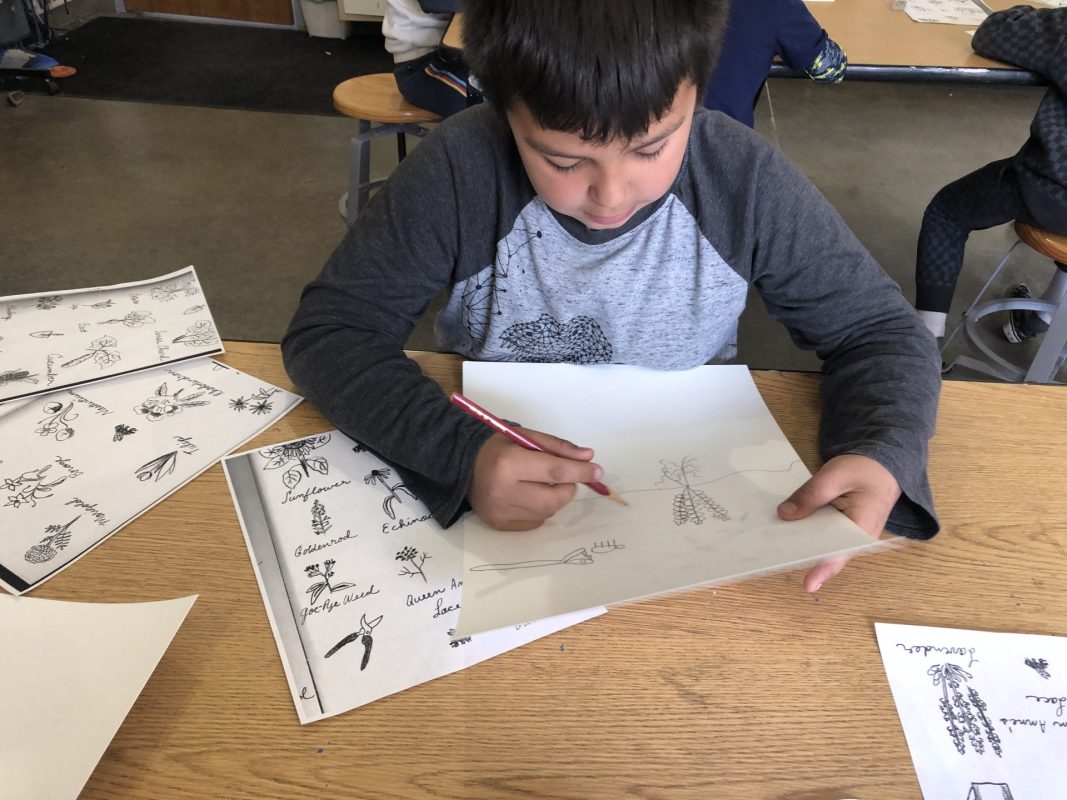
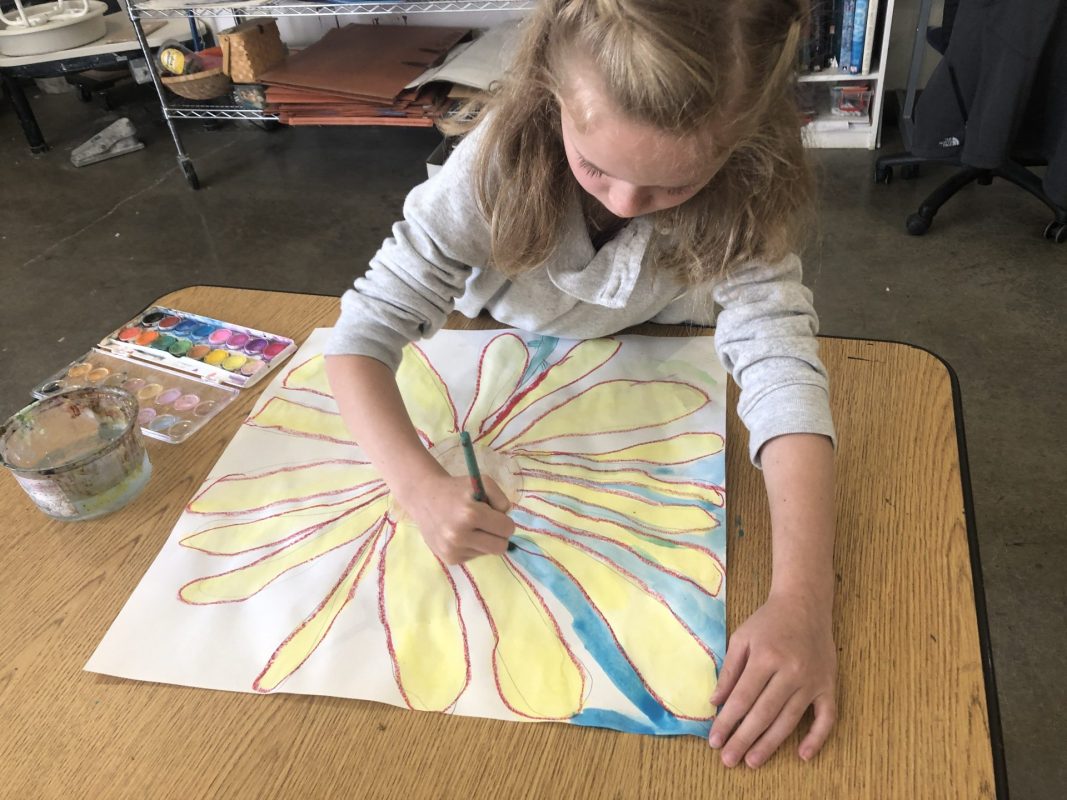
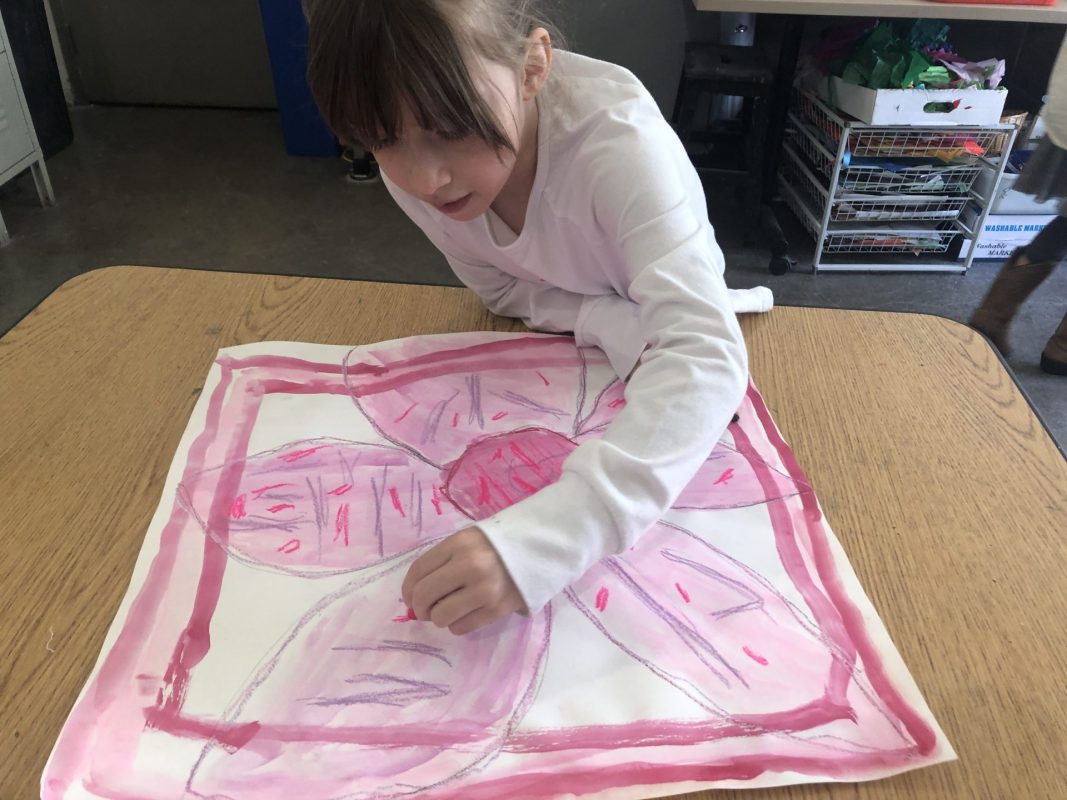
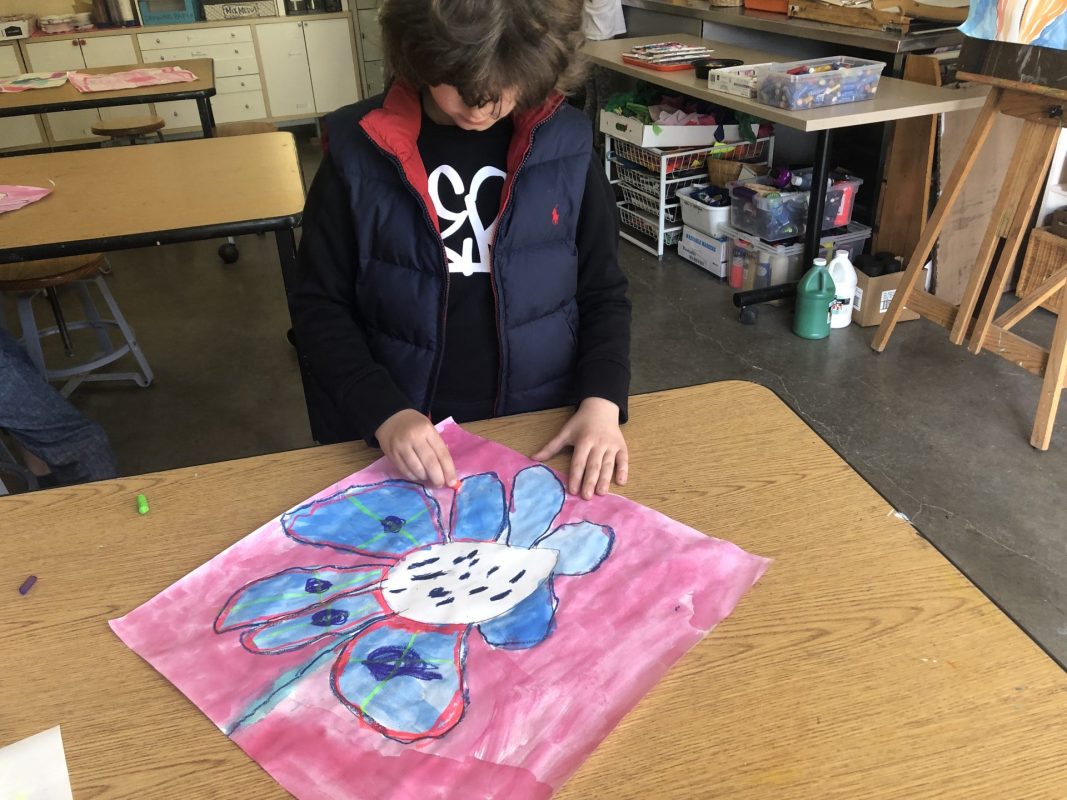
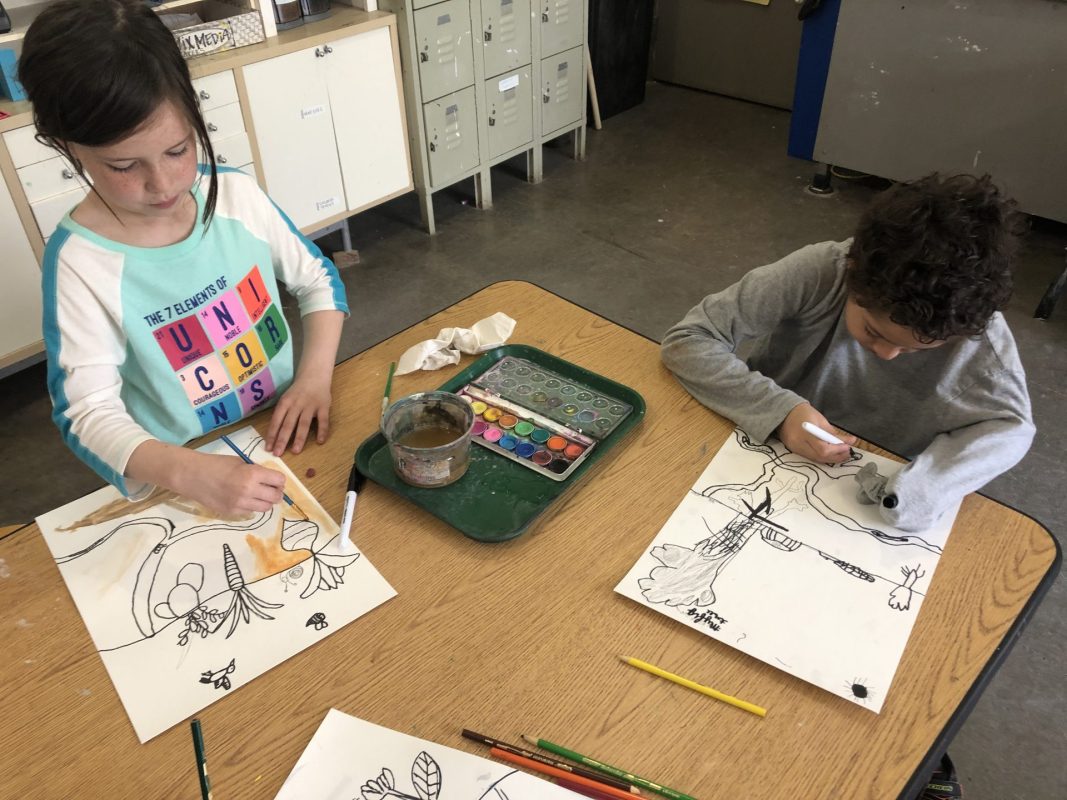
In celebration of the coming of spring, Lower and Upper Elementary students created a range of flower and garden-themed projects in the Art Studio. 

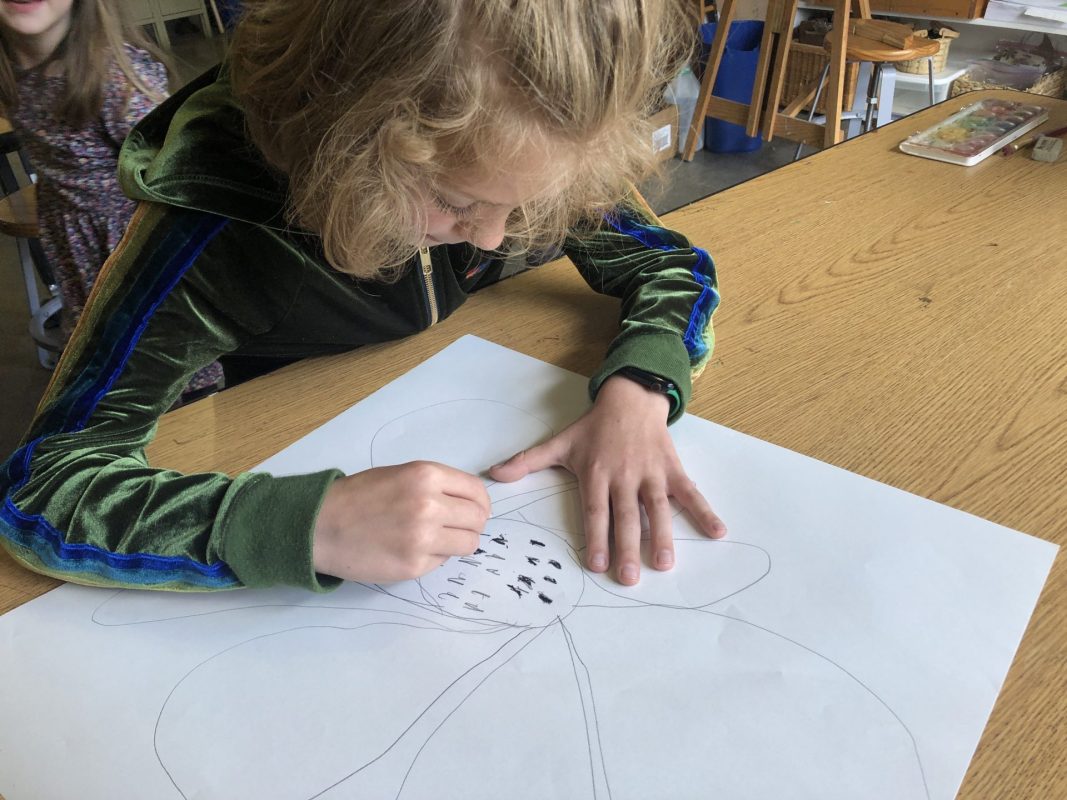
First-year students learned about the American painter Georgia O’Keeffe, who created beautiful paintings of flowers in a very close-up view. First, students looked through images of her artwork and real flower images for inspiration. Next, students chose their favorite flower to recreate on a large scale and drew their composition carefully in pencil. To finish their pieces, each young artist layered oil pastels and watercolors. 

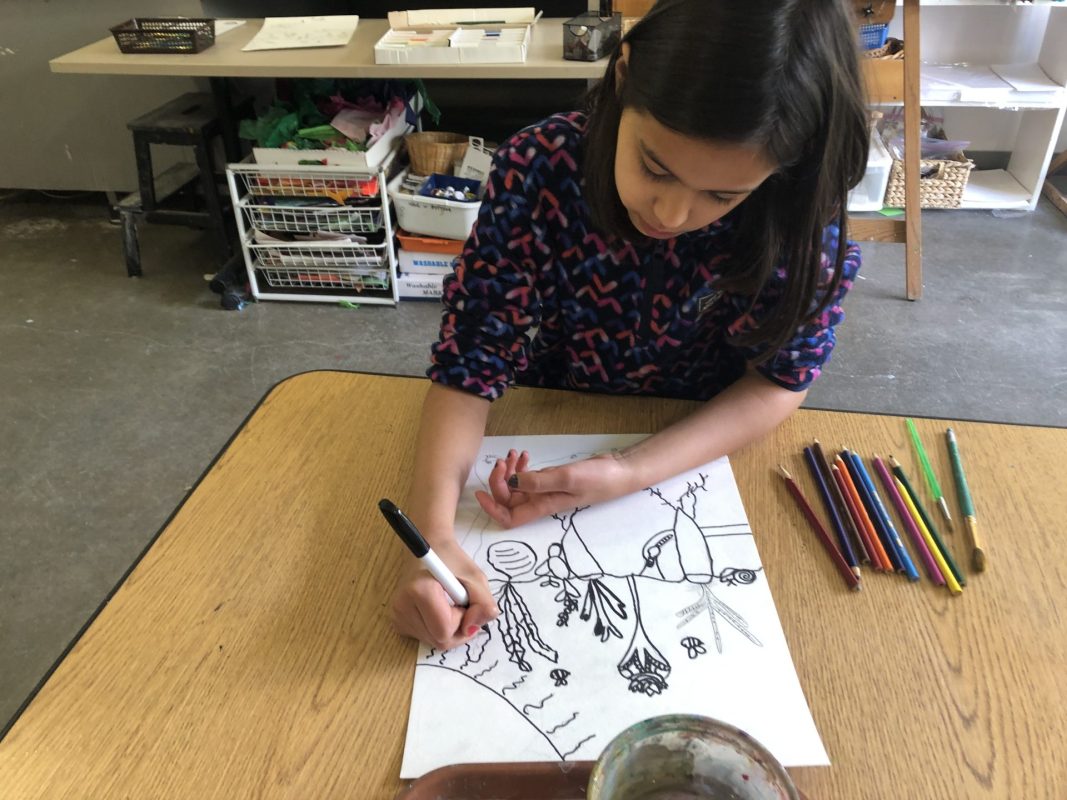
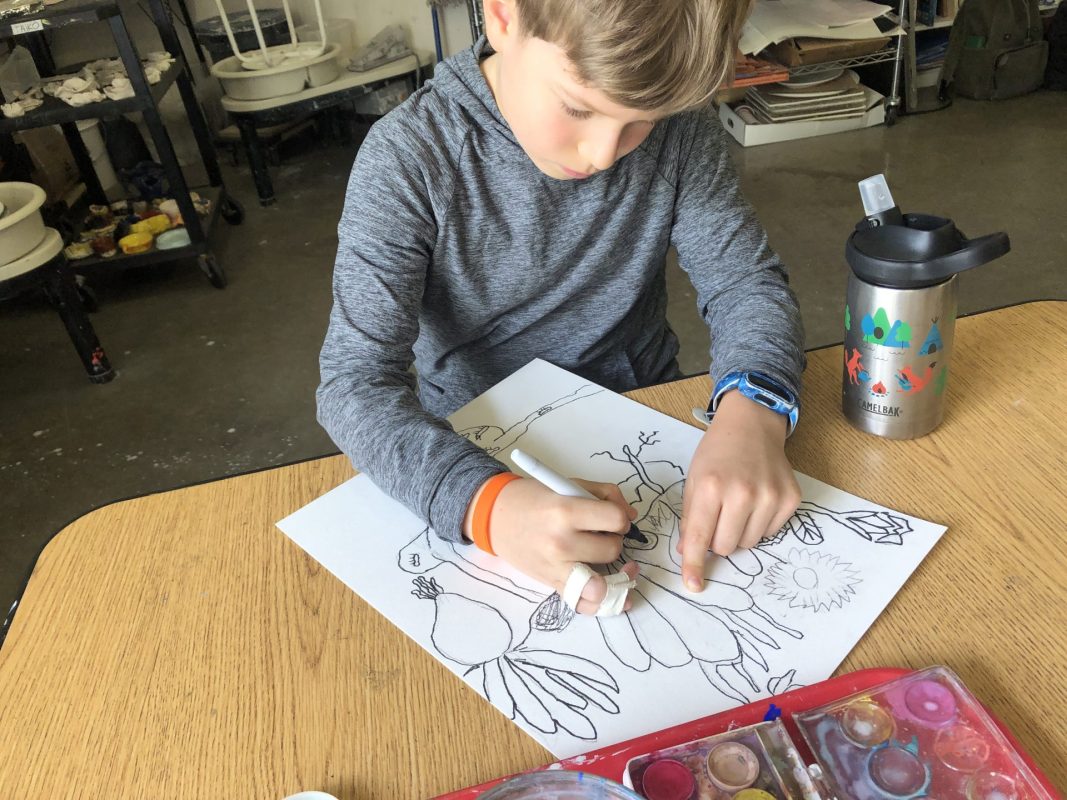
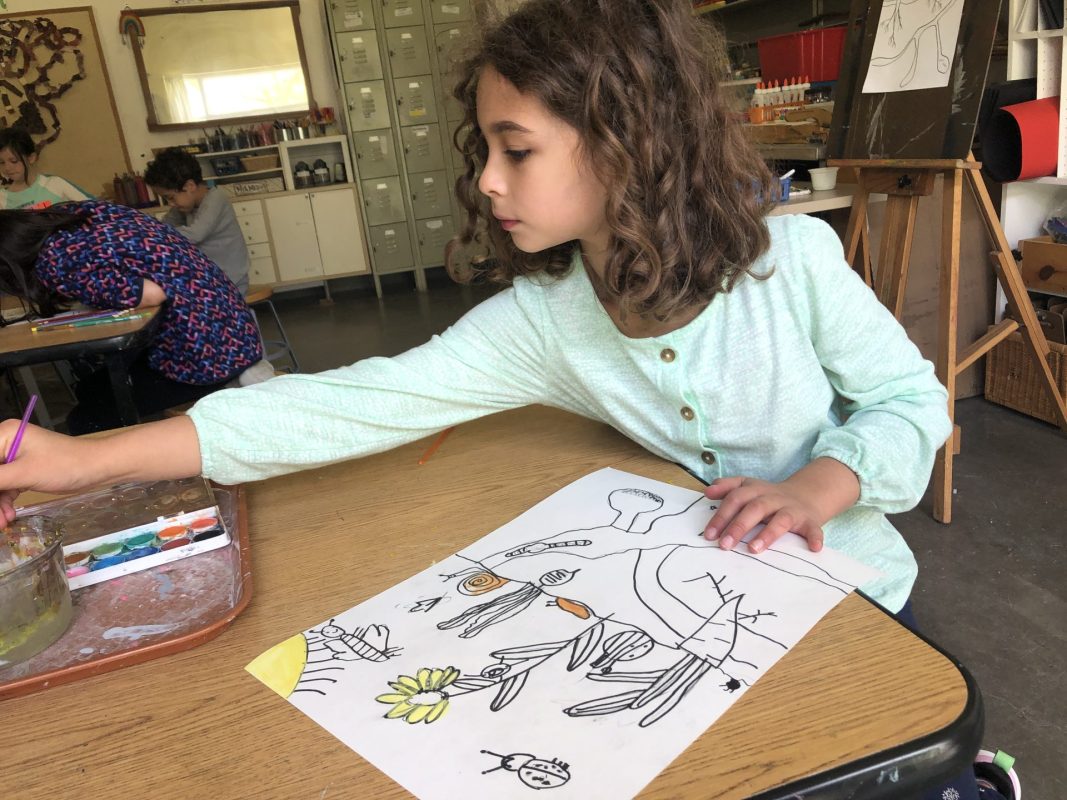
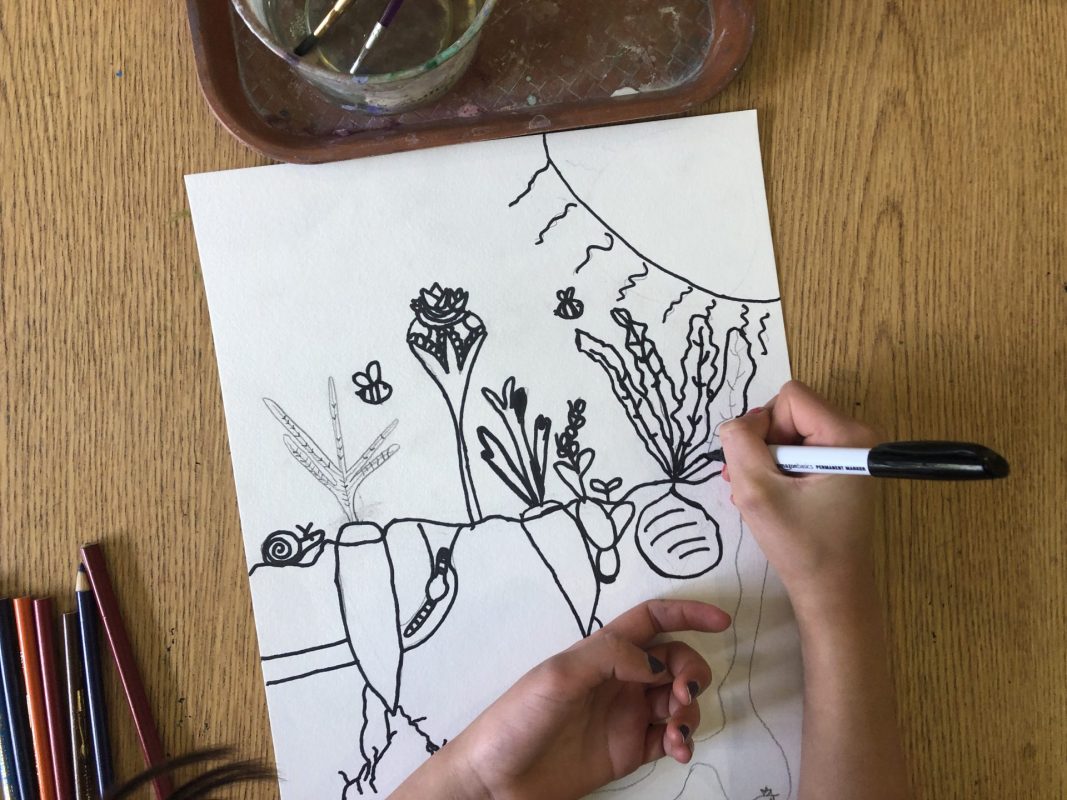
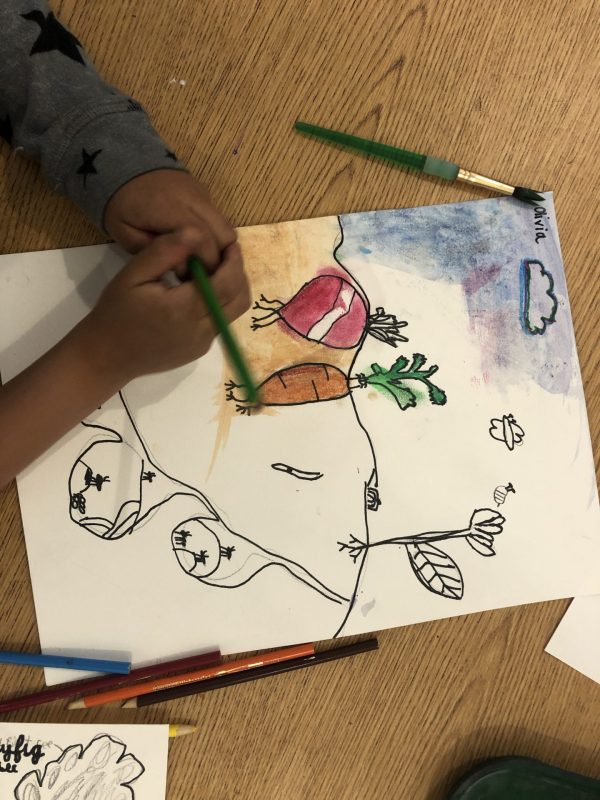
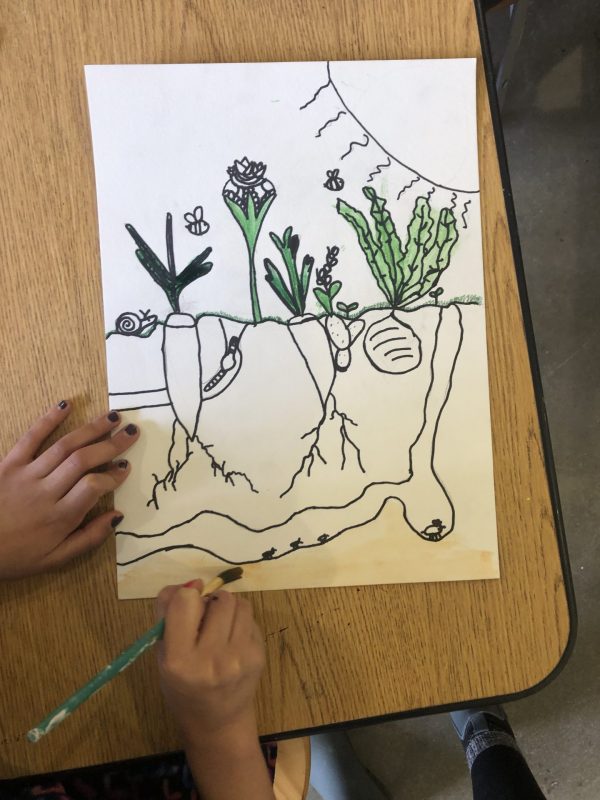
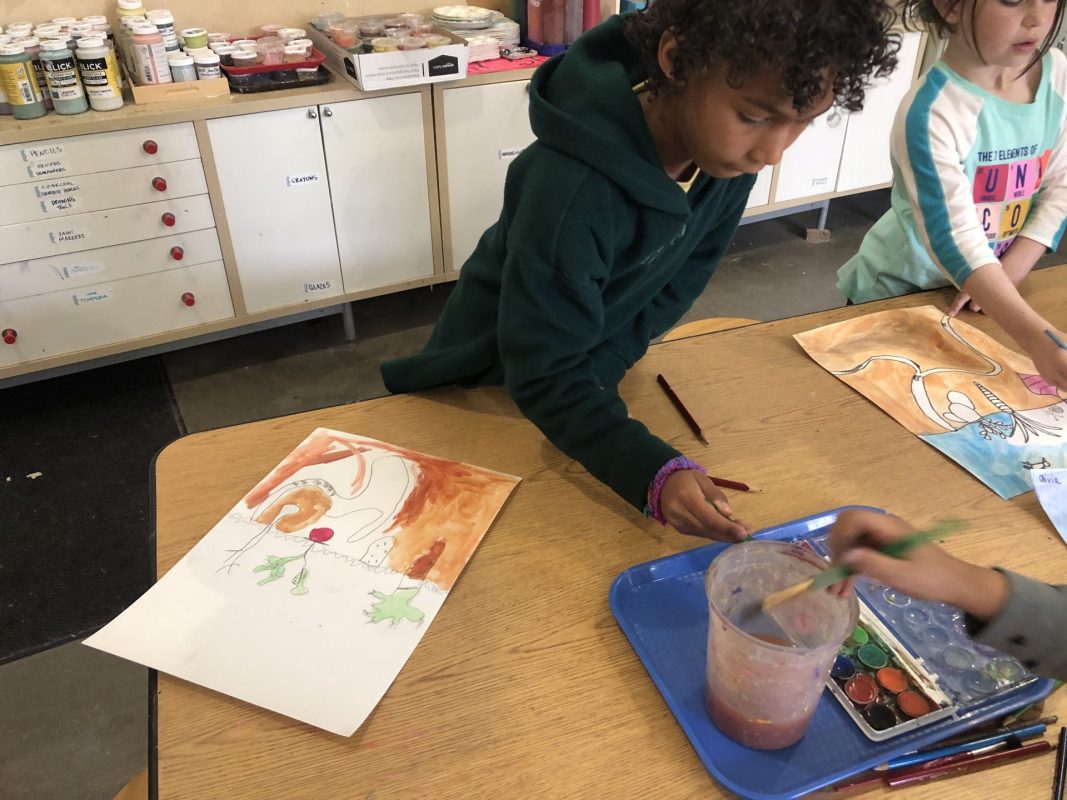
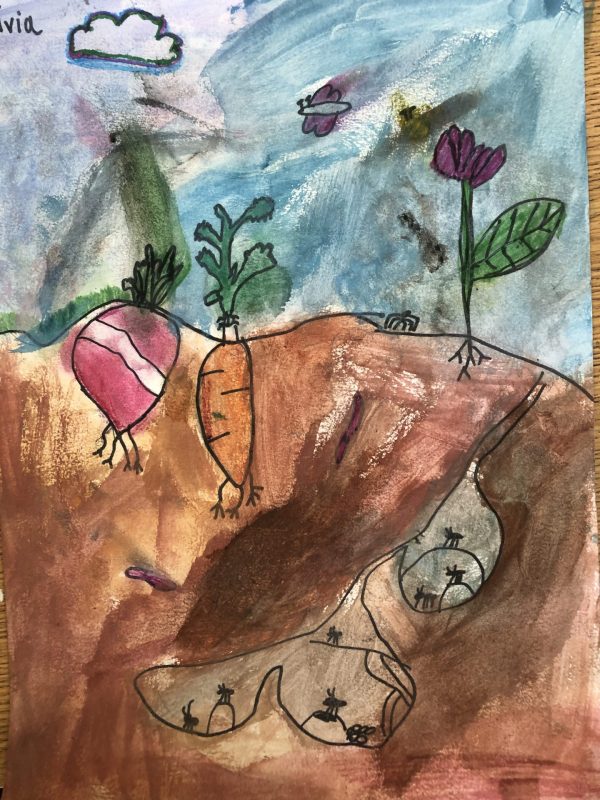
Second and third-year artists created beautiful visual representations of things happening above and below the garden. To begin, we read the book Up in the Garden and Down in the Dirt by Kate Messner. Then, students were invited to draw things like vegetables, flowers, insects, bugs, and animals in their garden scene. Most students found it especially interesting to draw what’s happening underground, where one can’t normally see. Once their pencil sketch was complete, students used permanent markers to outline their drawings and added color using watercolor pencils.

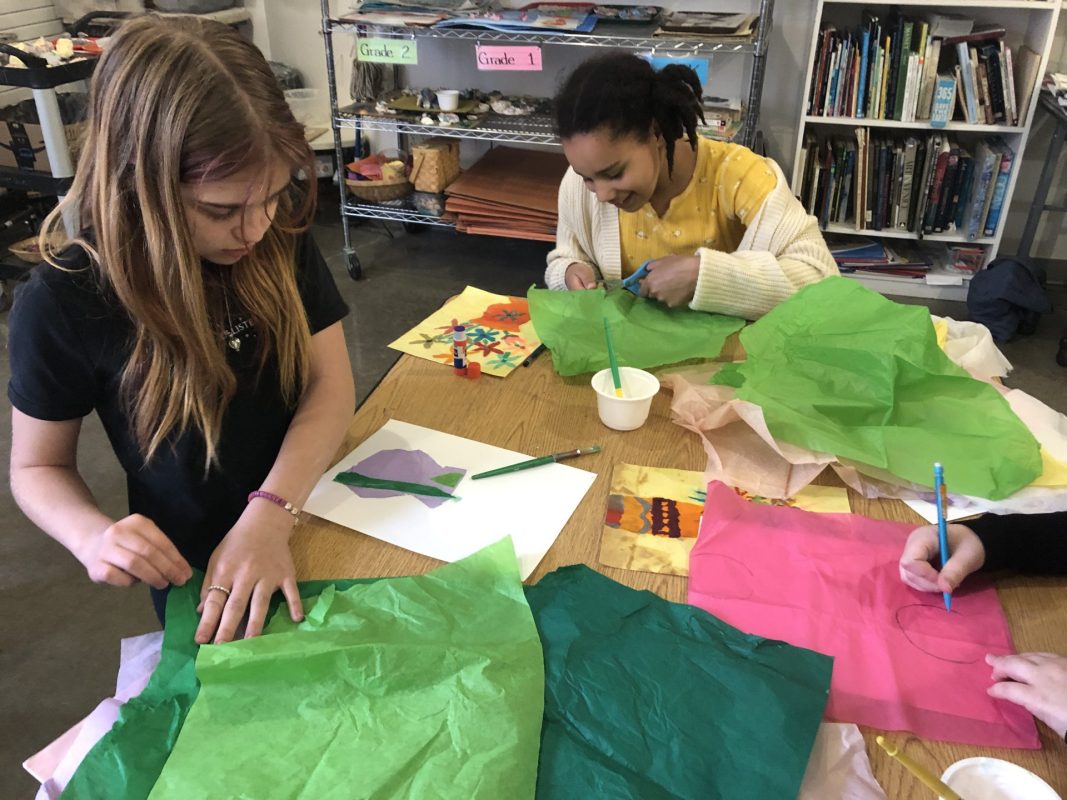
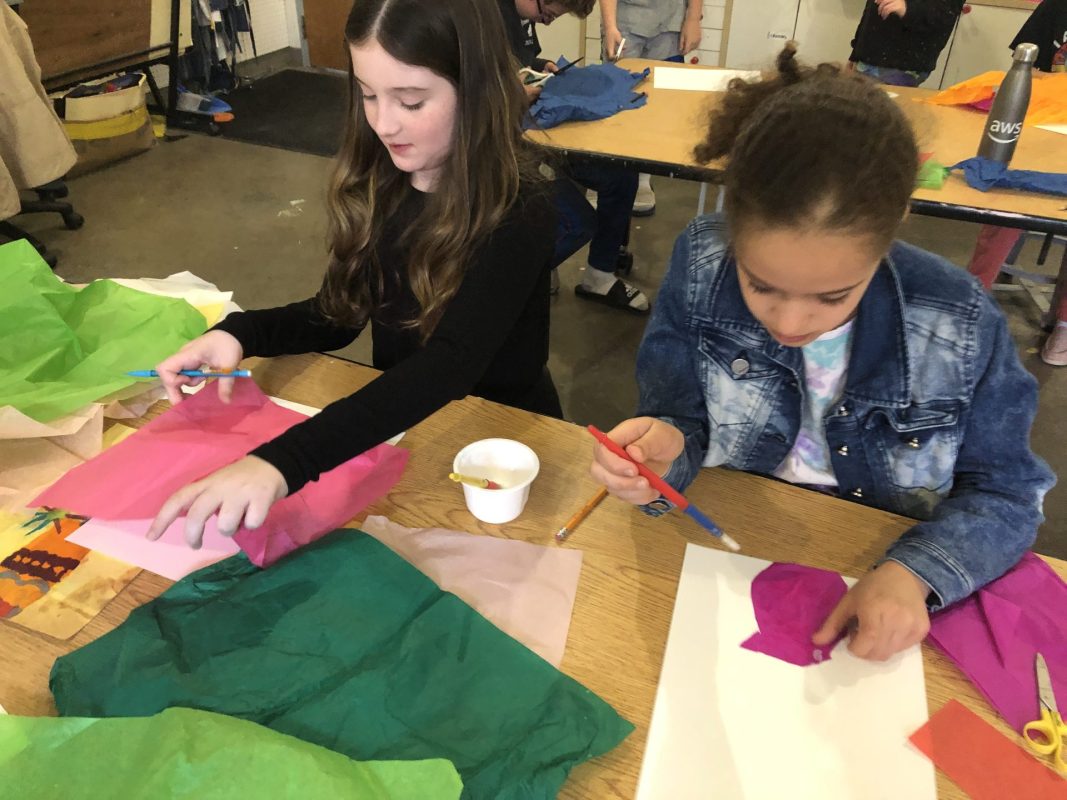
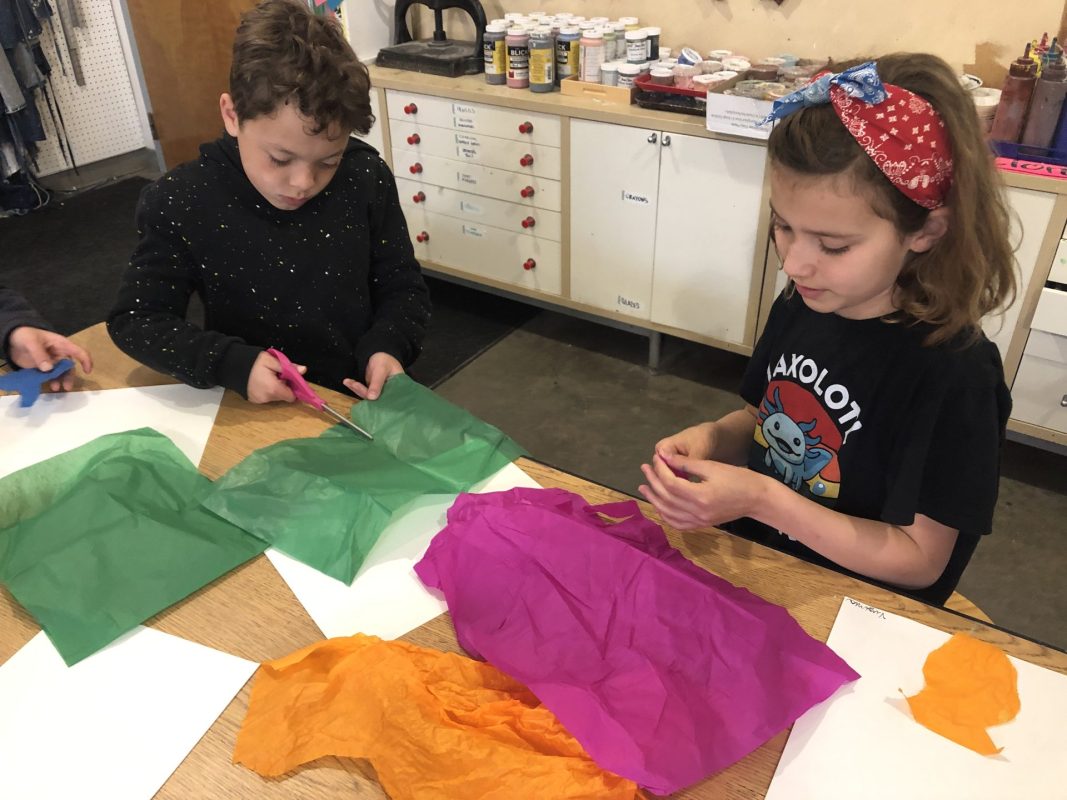
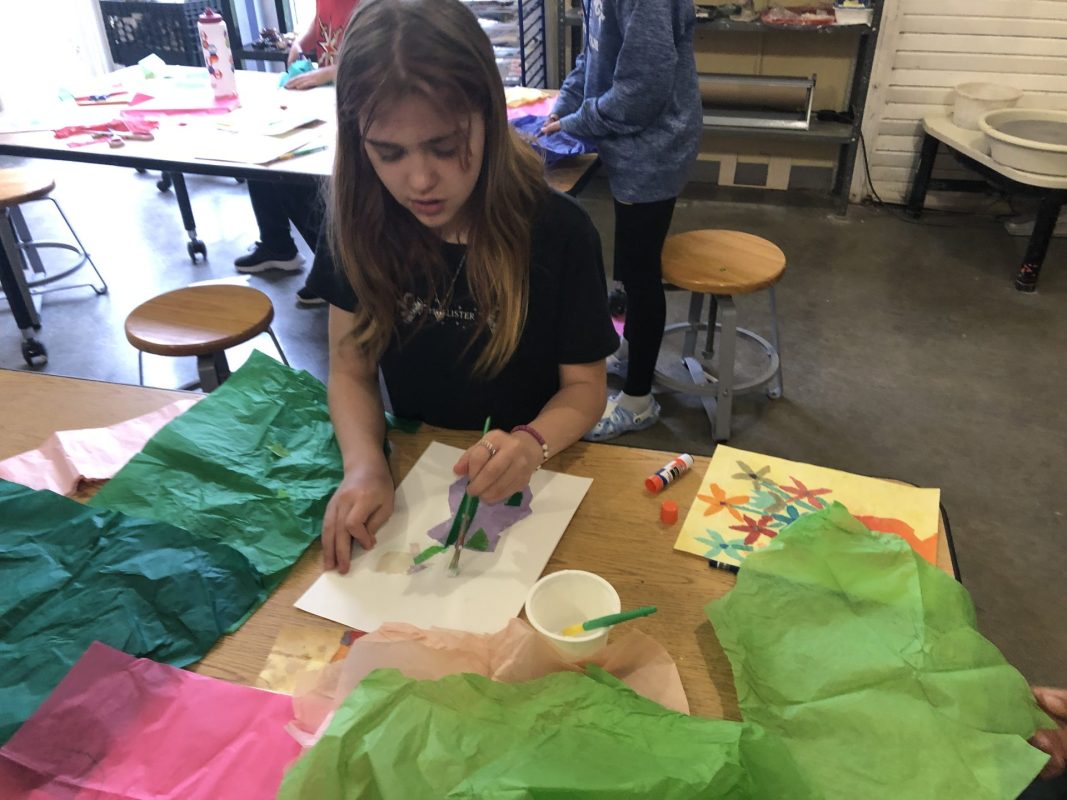
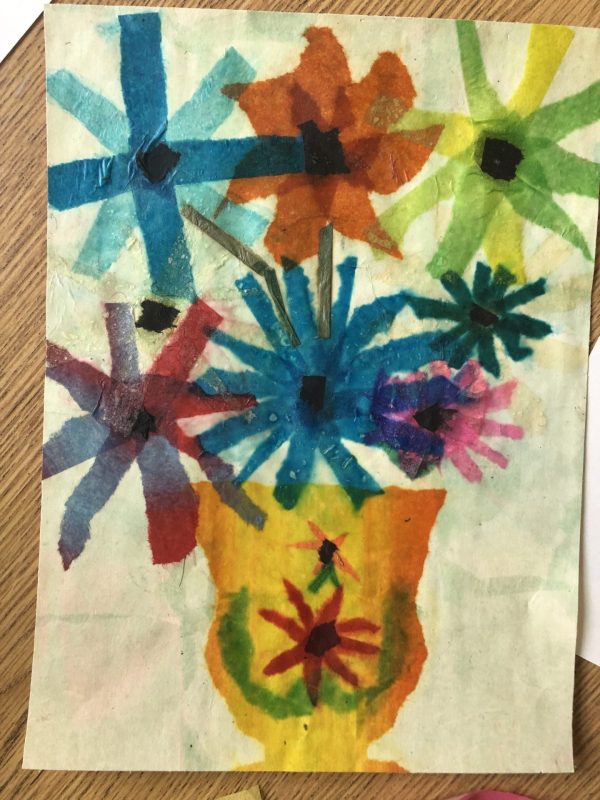
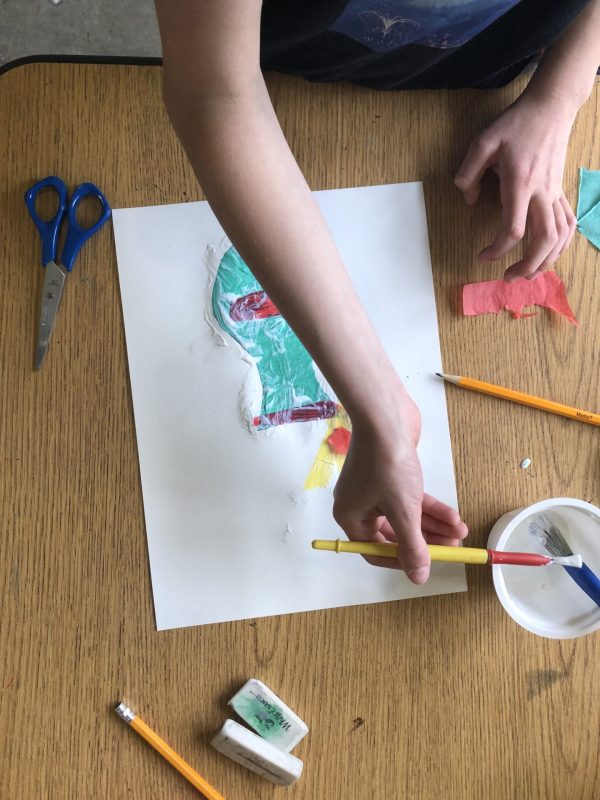
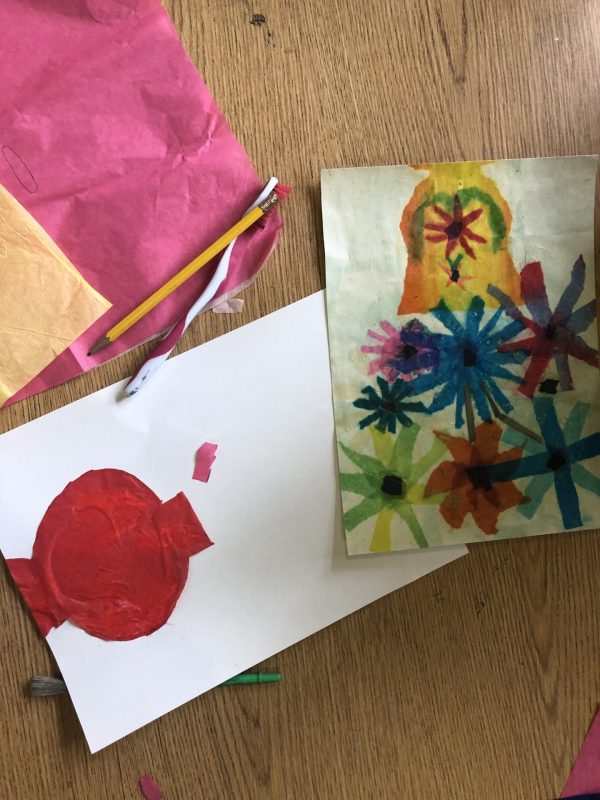
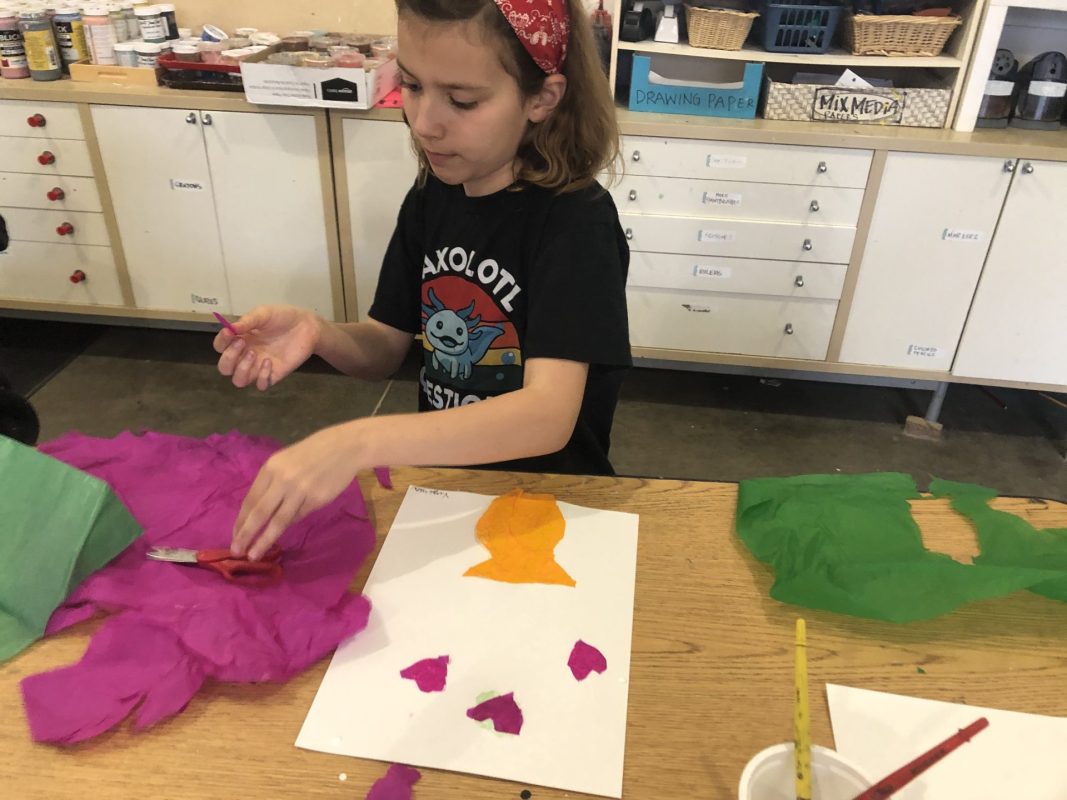
Upper Elementary artists created spring flower vase arrangements using colorful tissue paper. To begin, students cut out a vase shape from a sheet of tissue paper and pasted it onto white construction paper. Next, each young artist experimented with ways to rip the tissue paper into flower petal shapes until they had enough to begin filling their vase. Finally, each student carefully arranged and glued their tissue paper petals, creating unique flower vase compositions.


Middle School: Week in Review

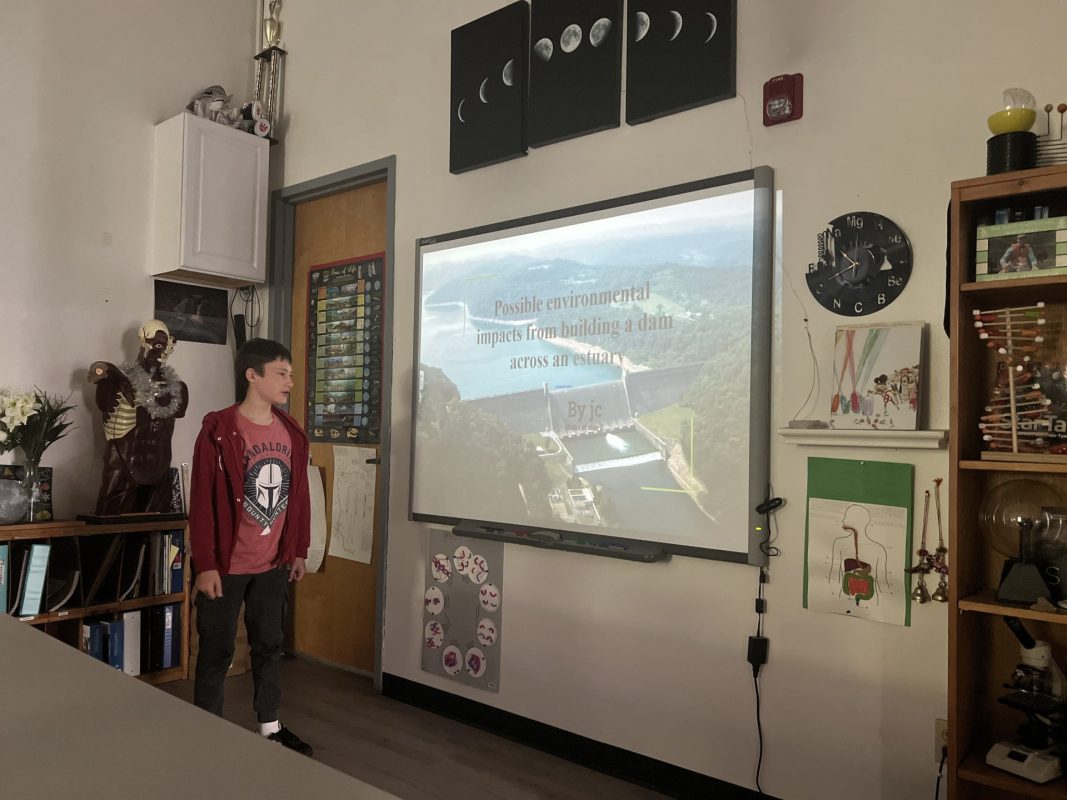
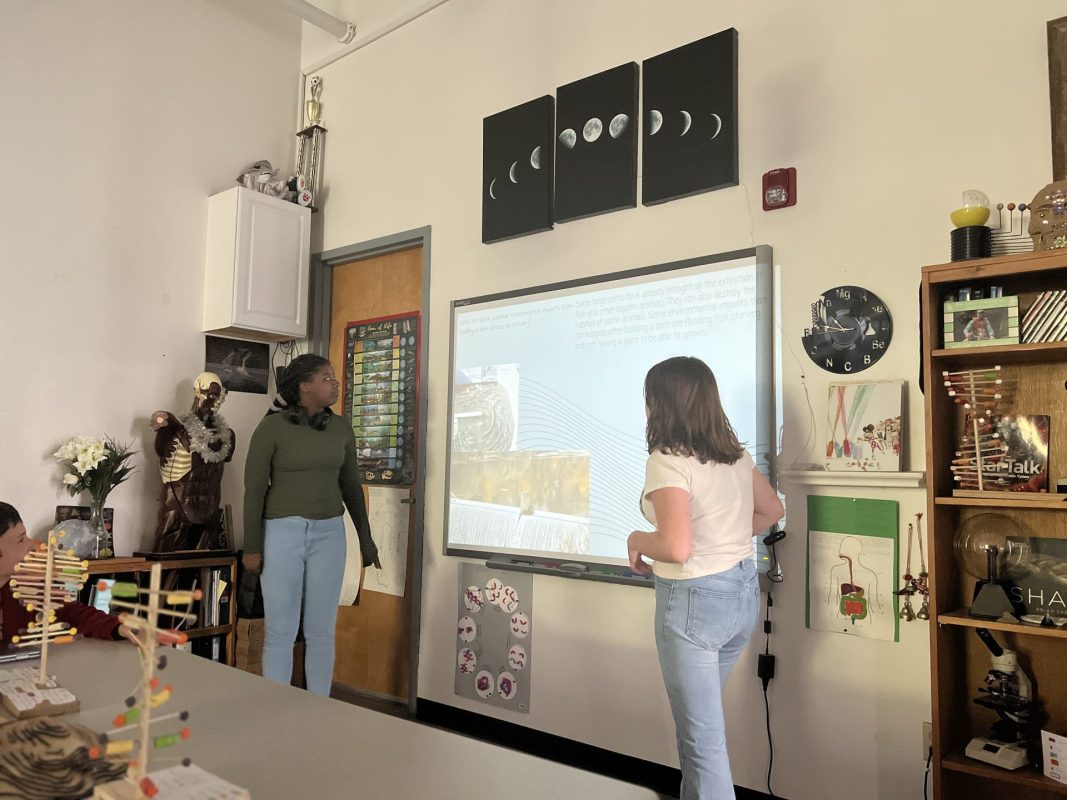
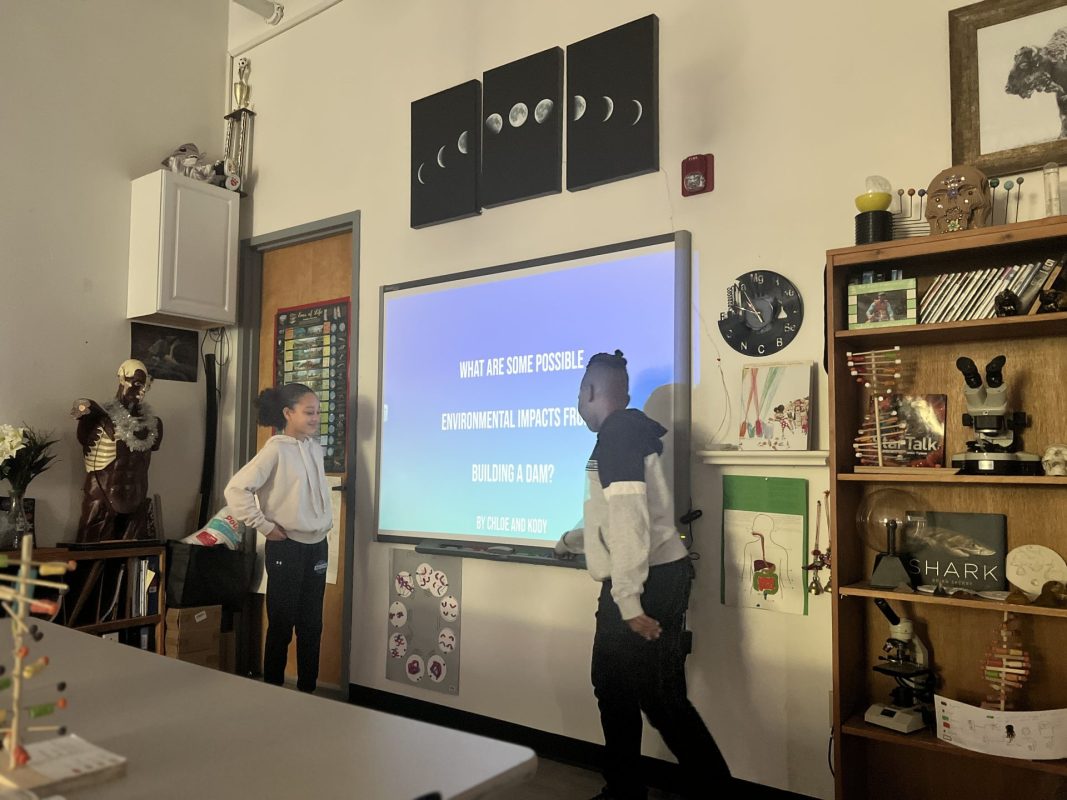
It’s hard to believe that we have entered the month of May, our last full month of the school year. There are many exciting events to look forward to, like Expert Night Presentations on Monday, May 22nd at 6 pm and our trip to Washington, D.C., at the end of the month on the 30th.

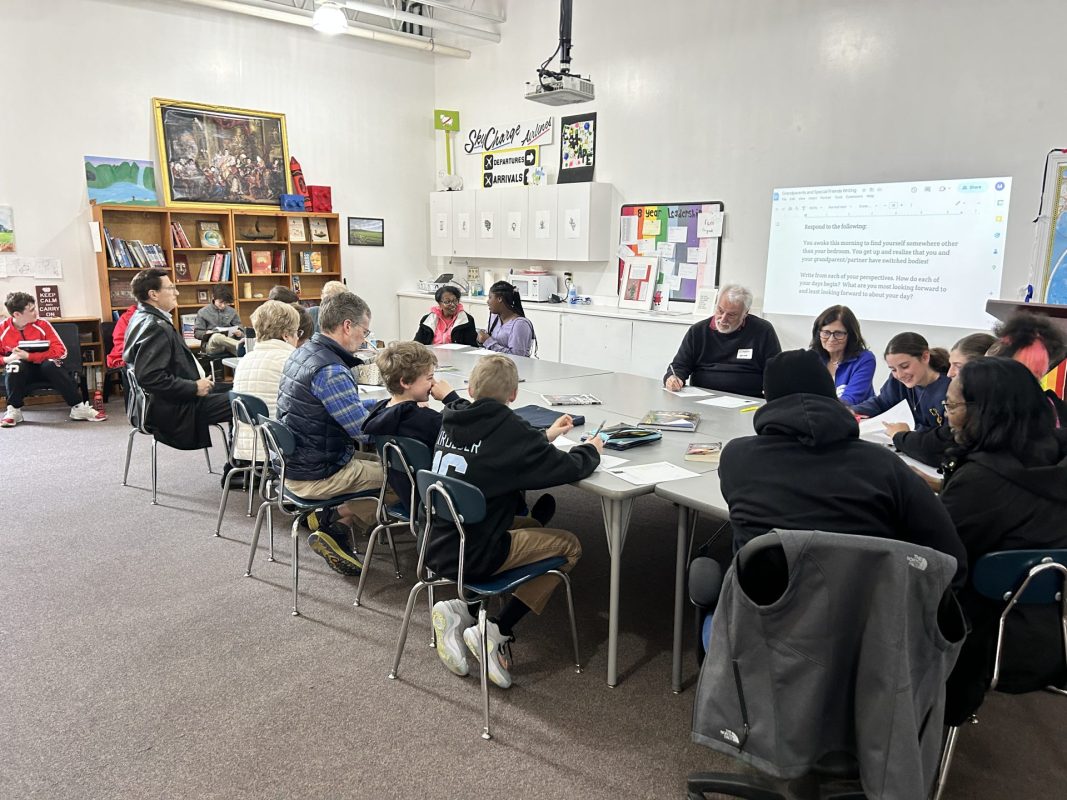
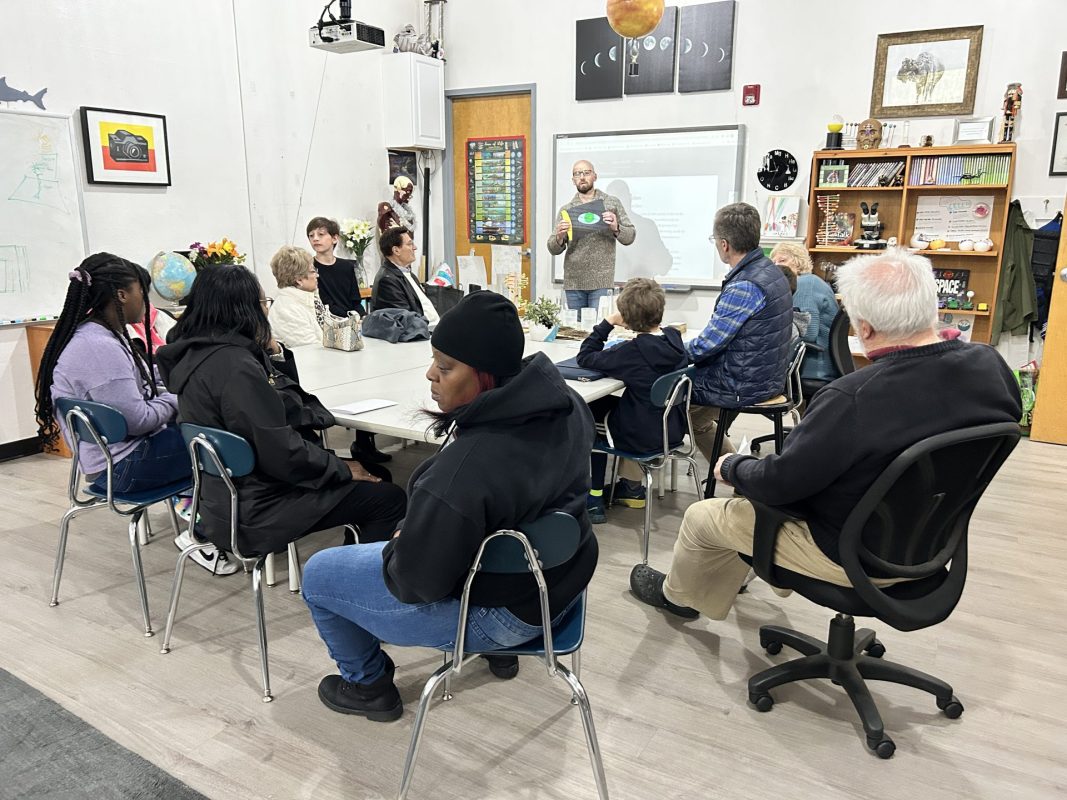
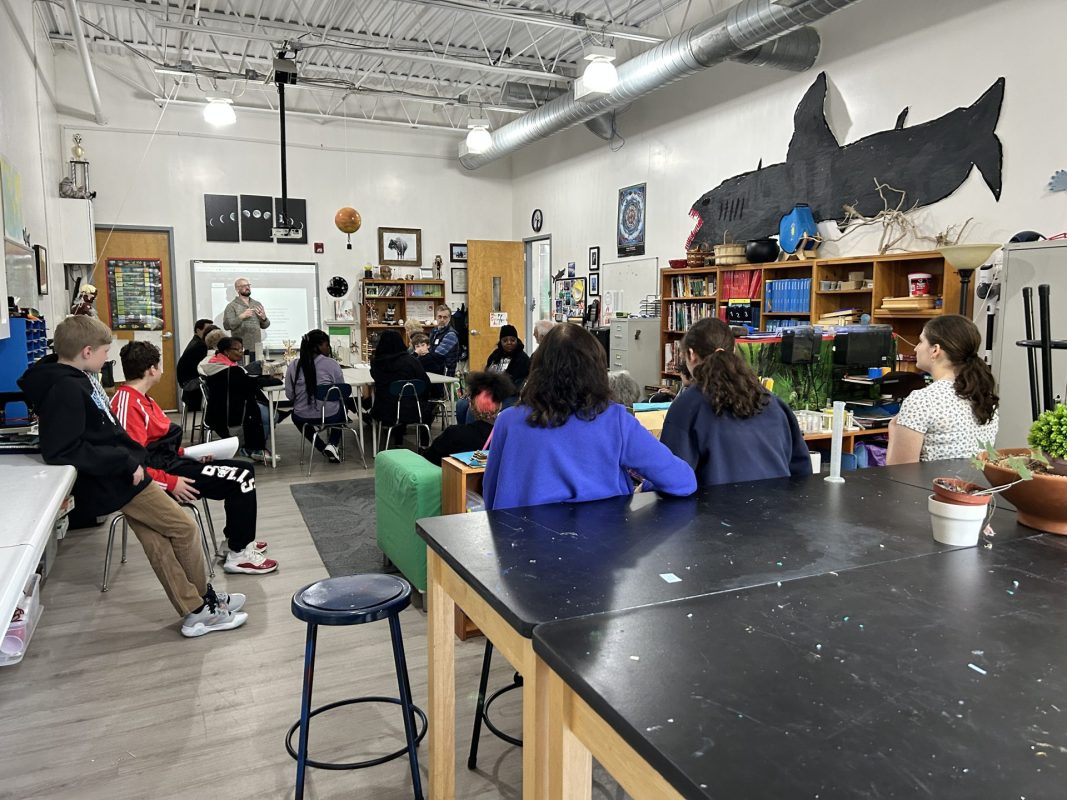
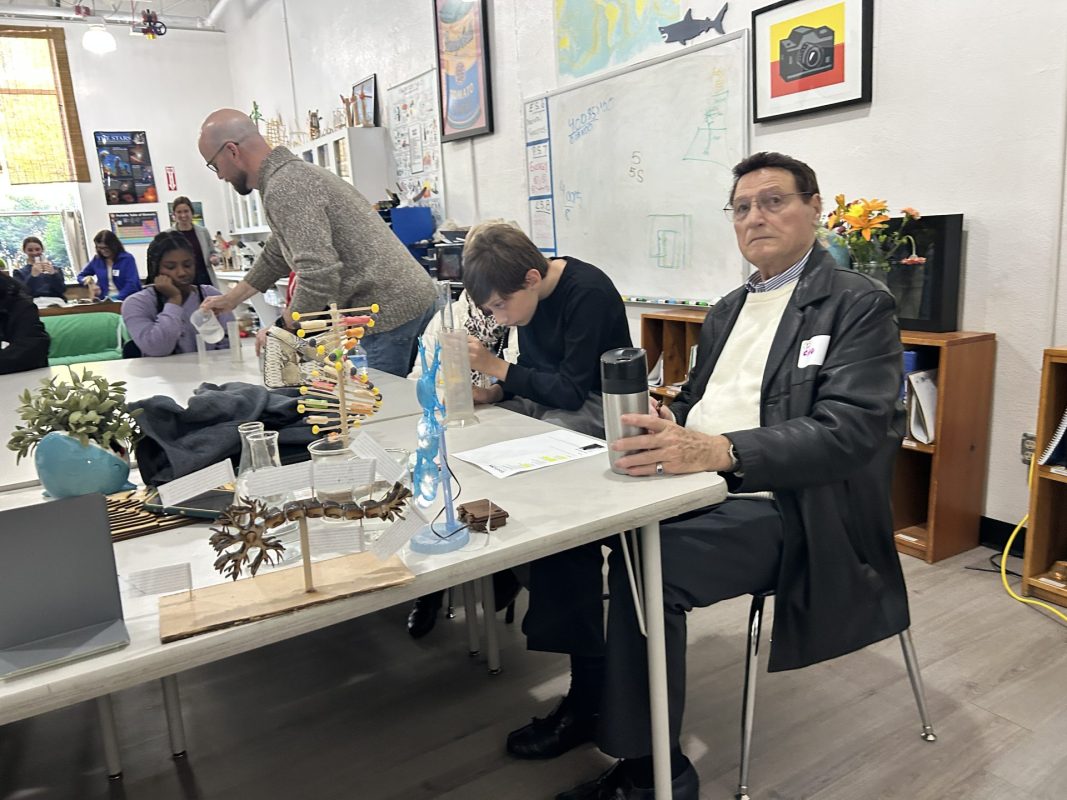
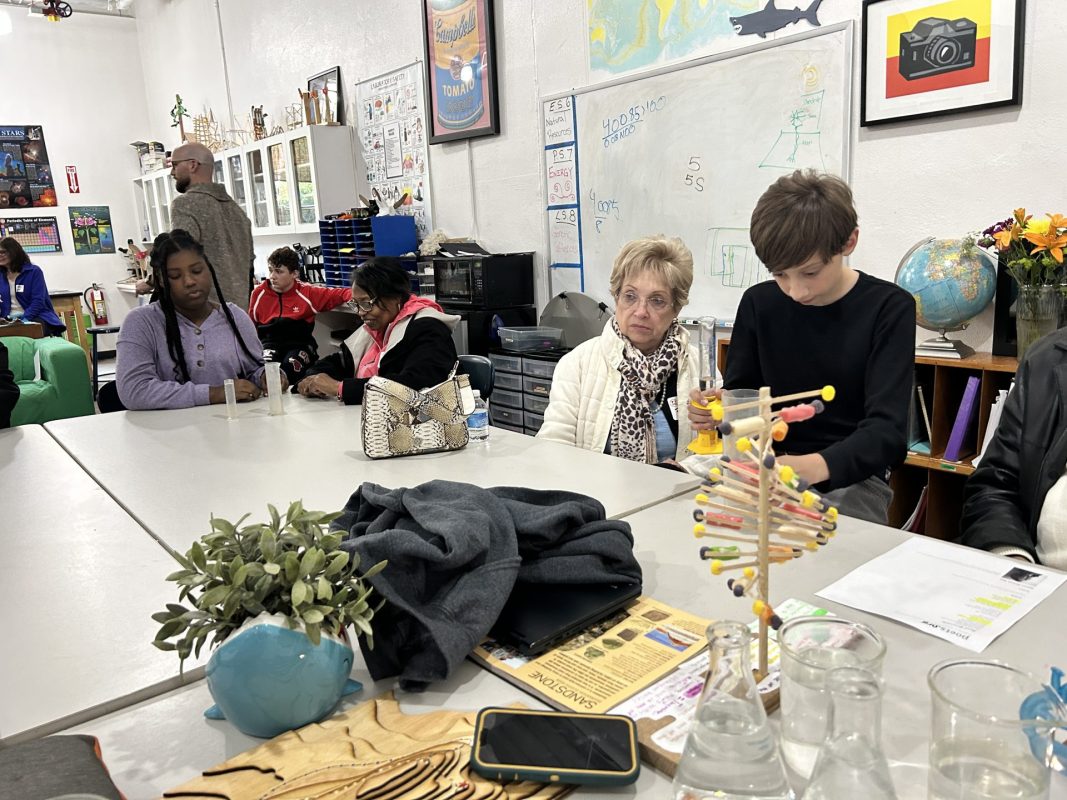
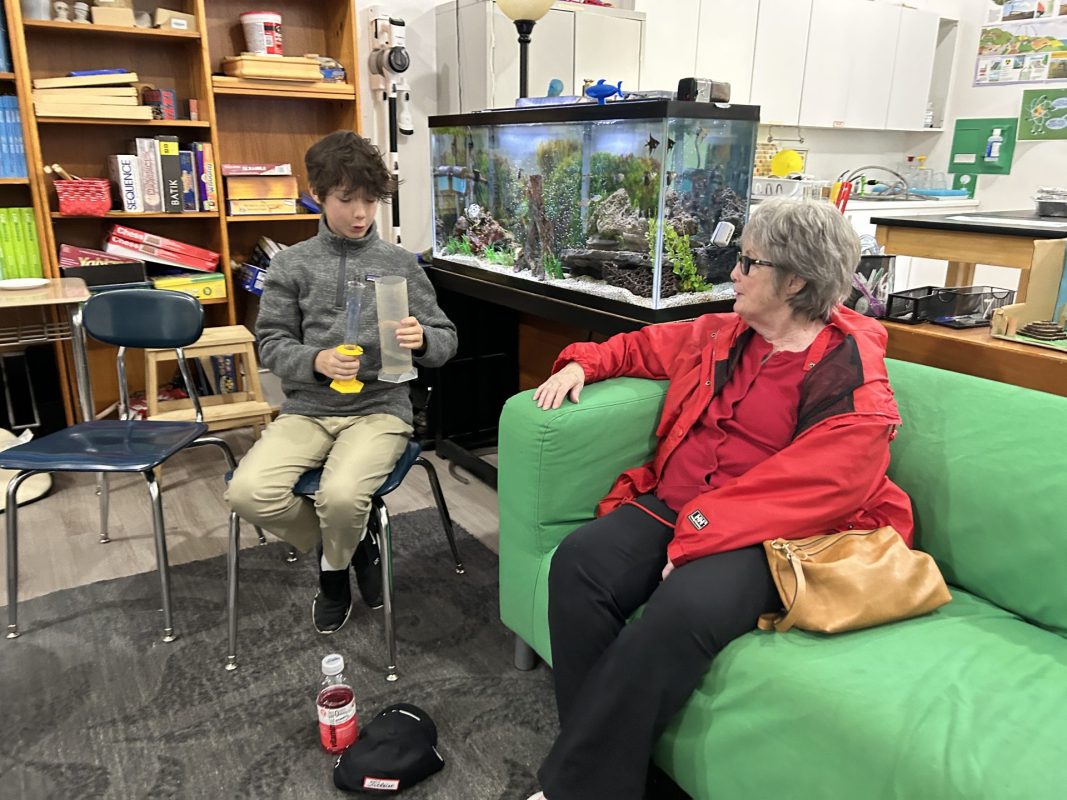
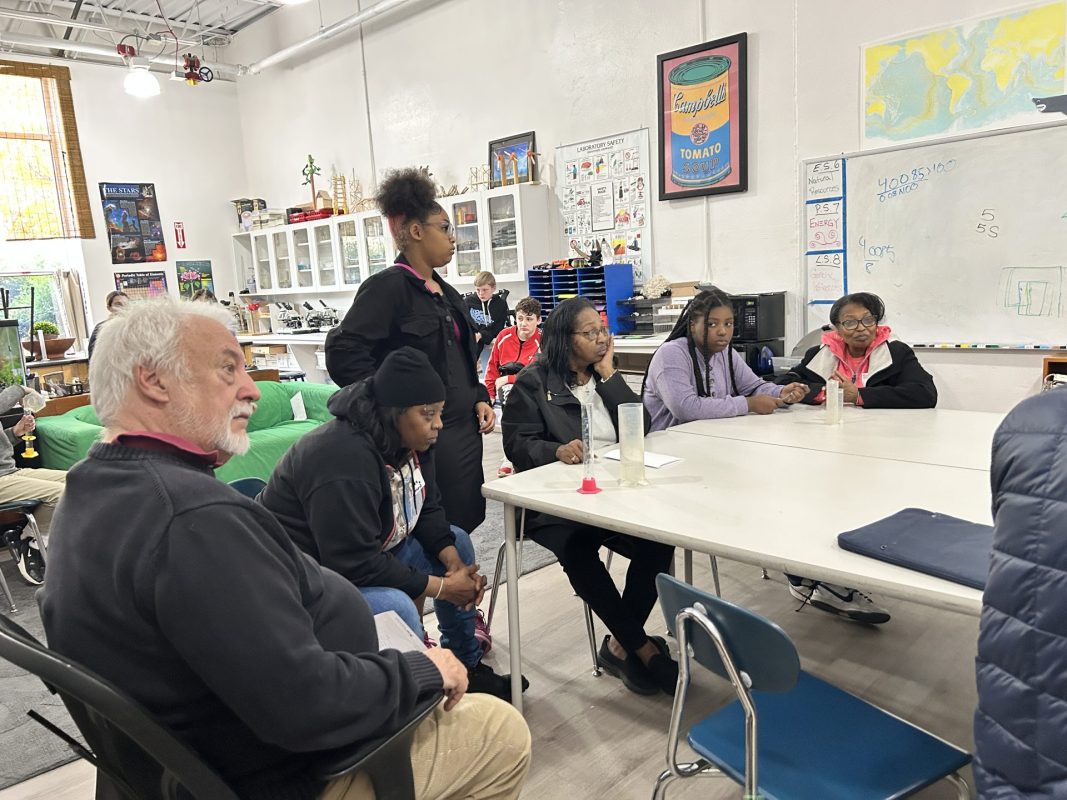
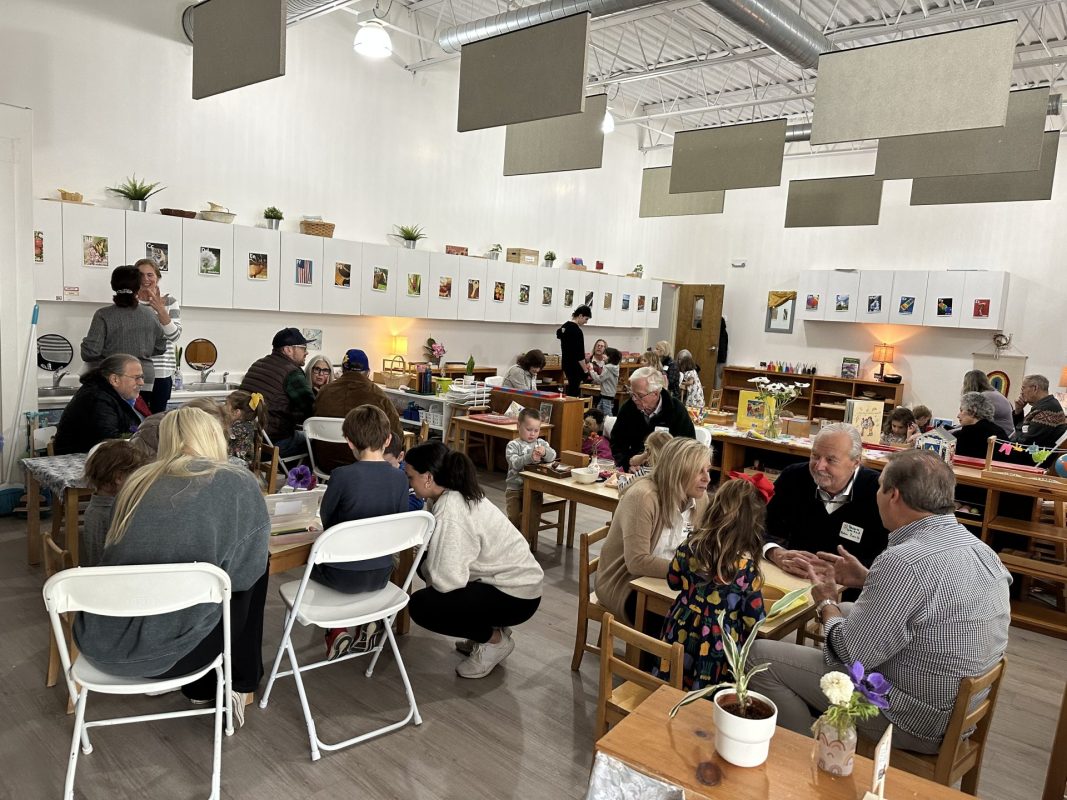
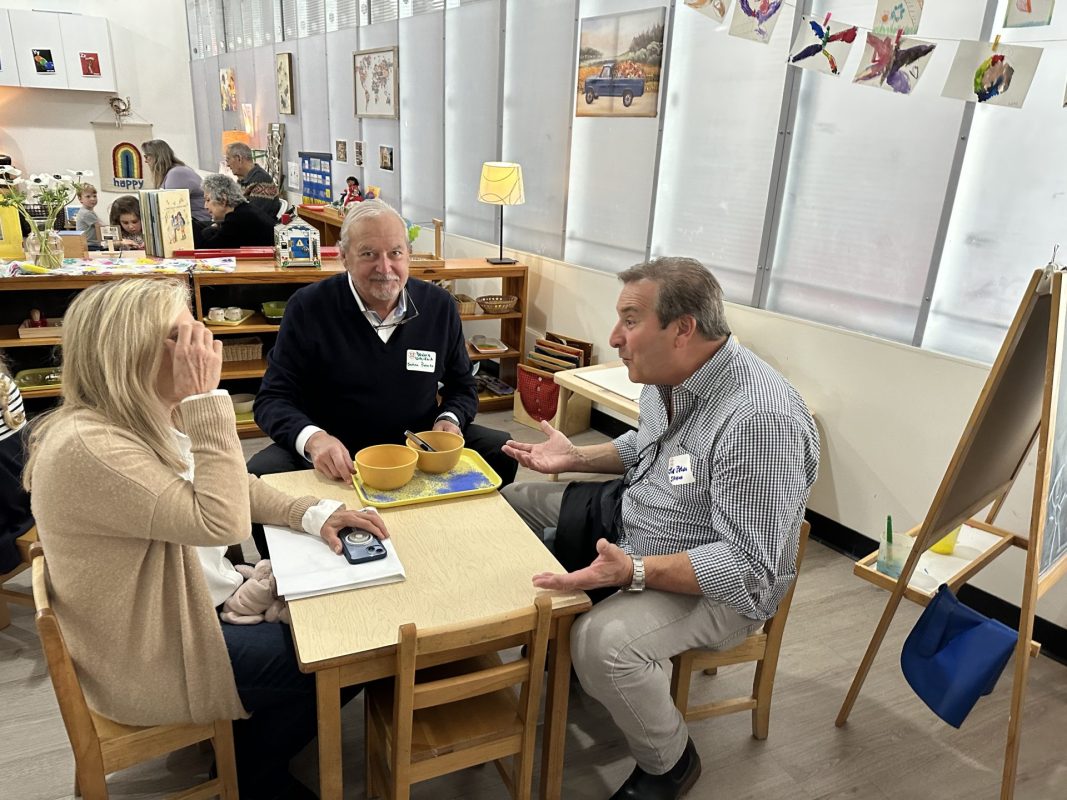
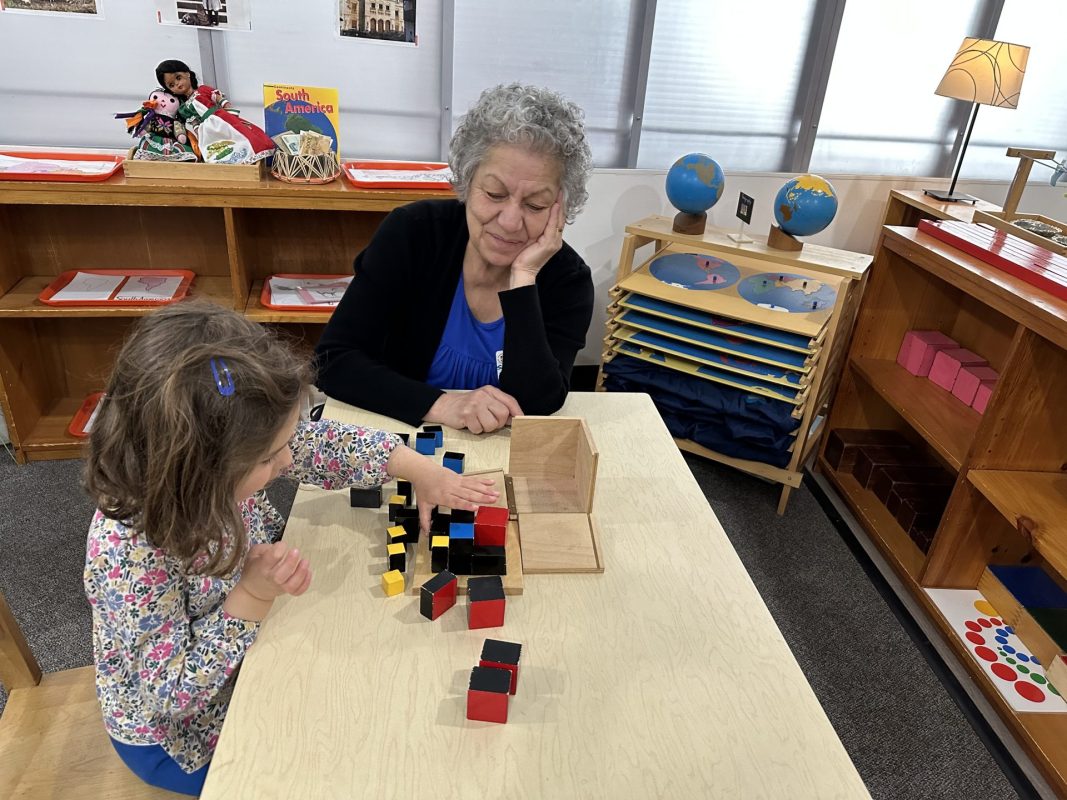
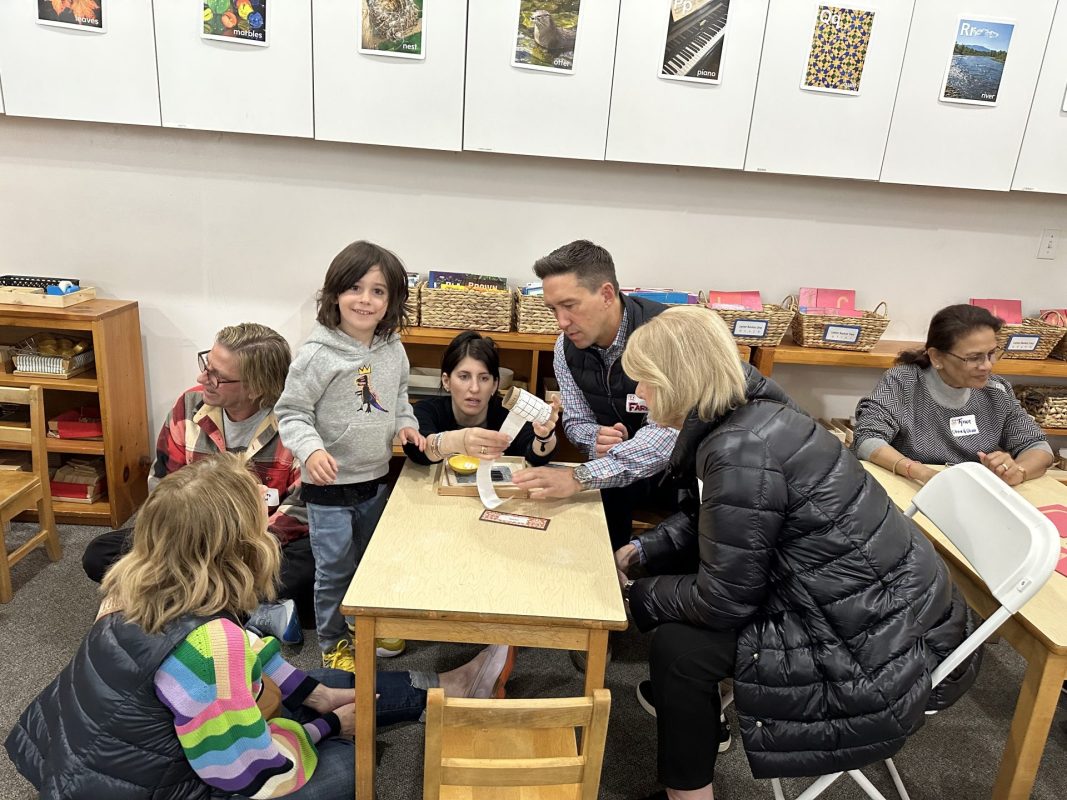
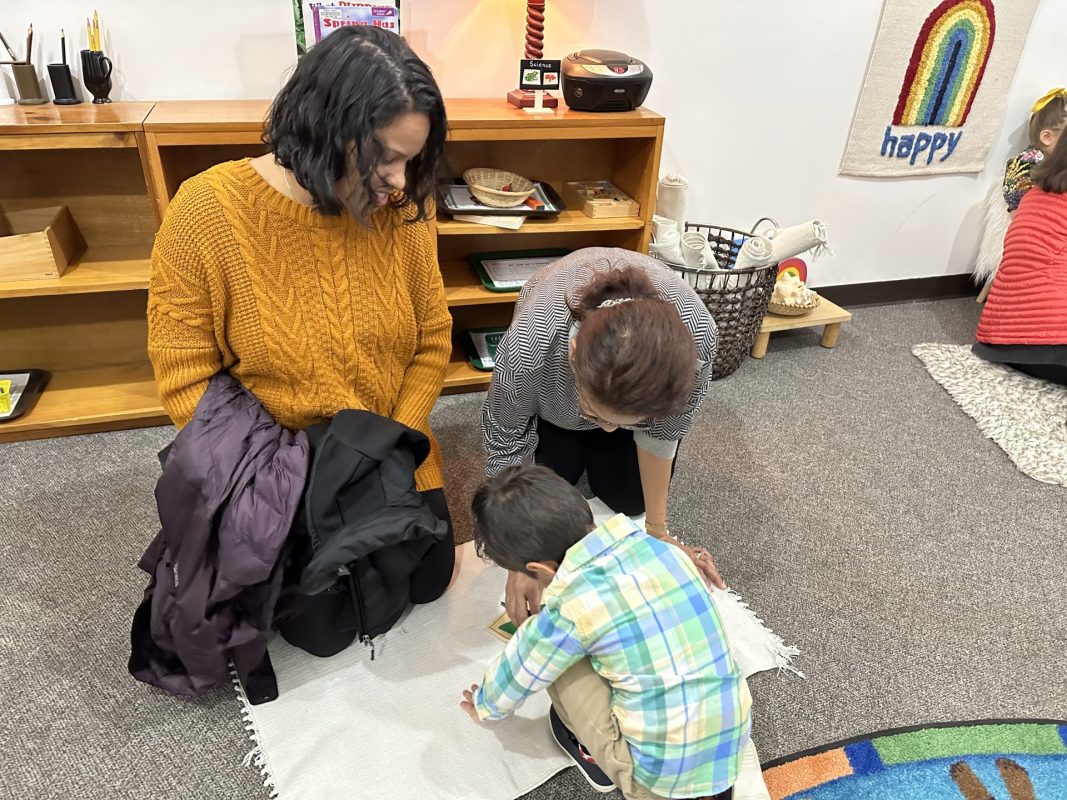
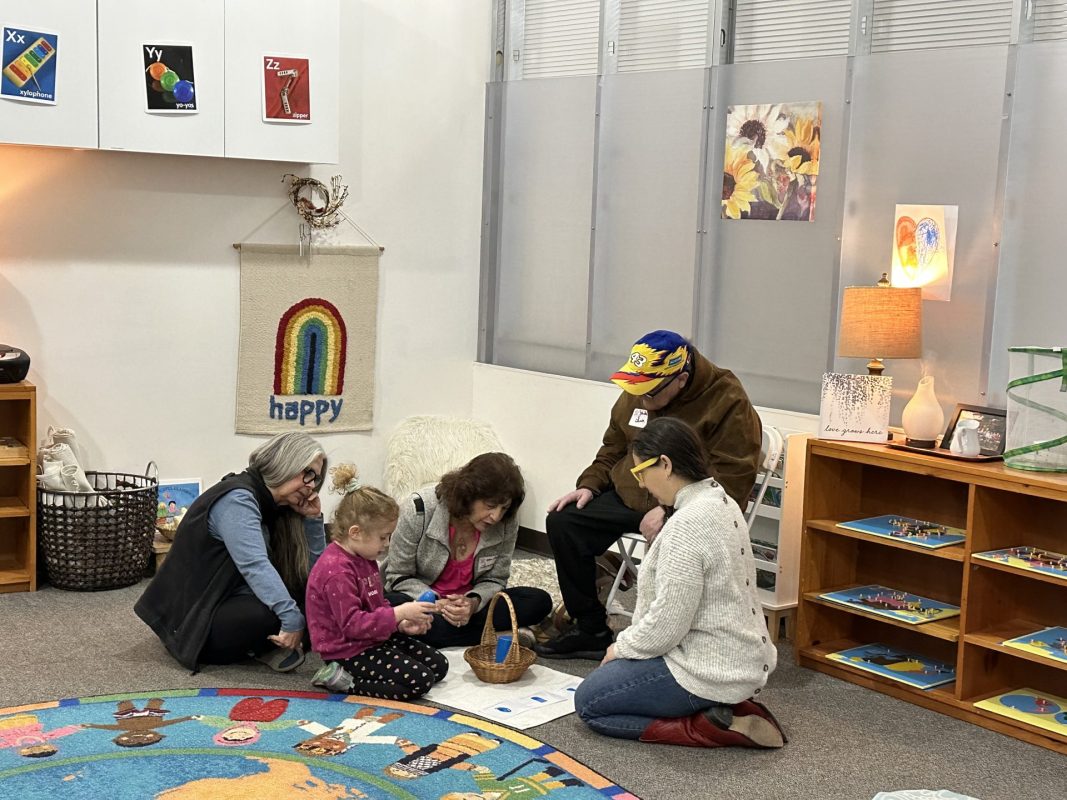
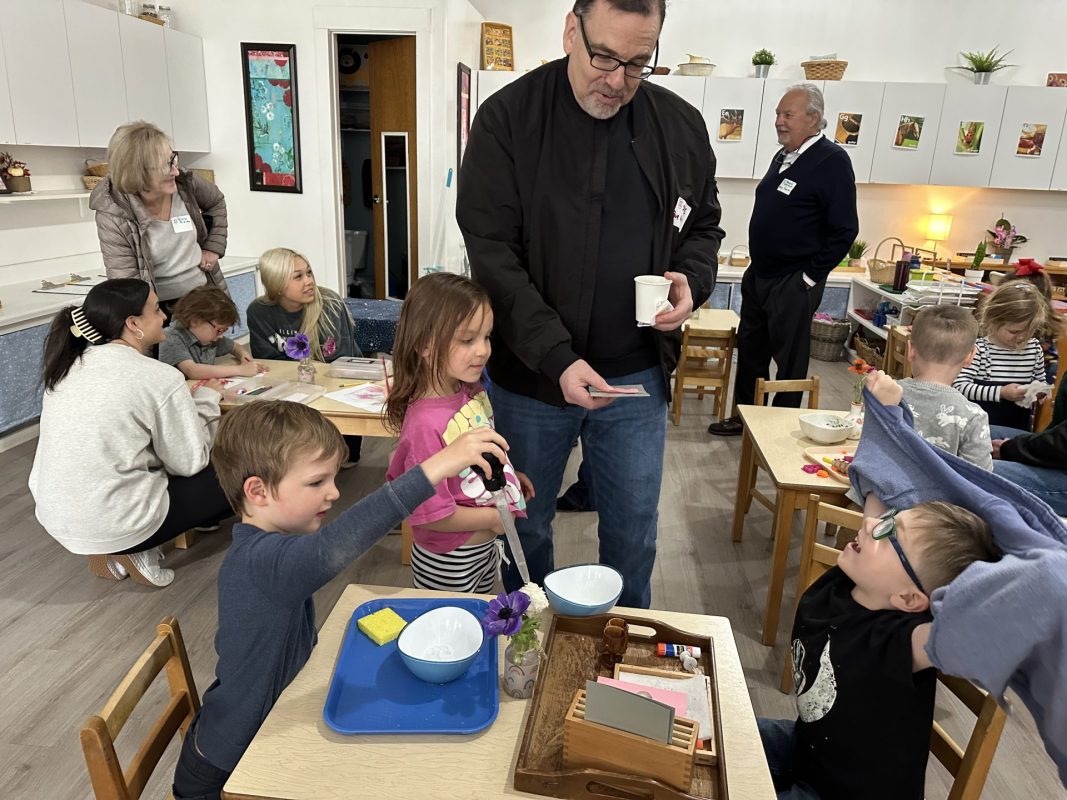
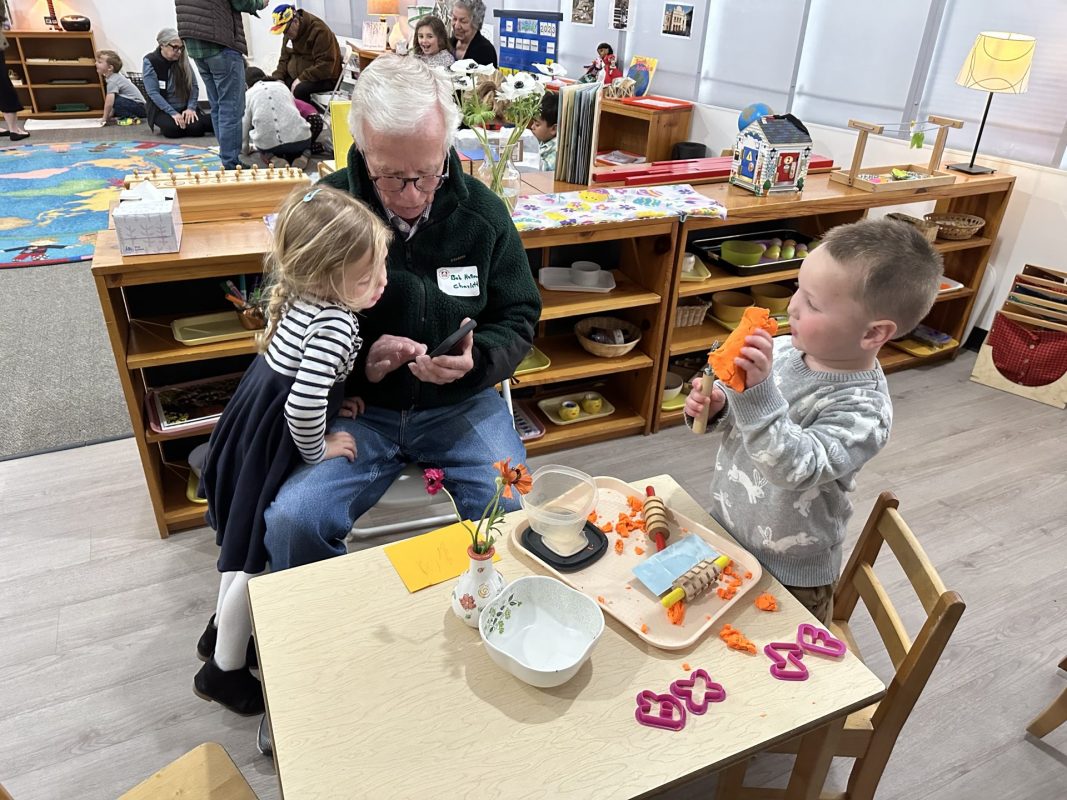
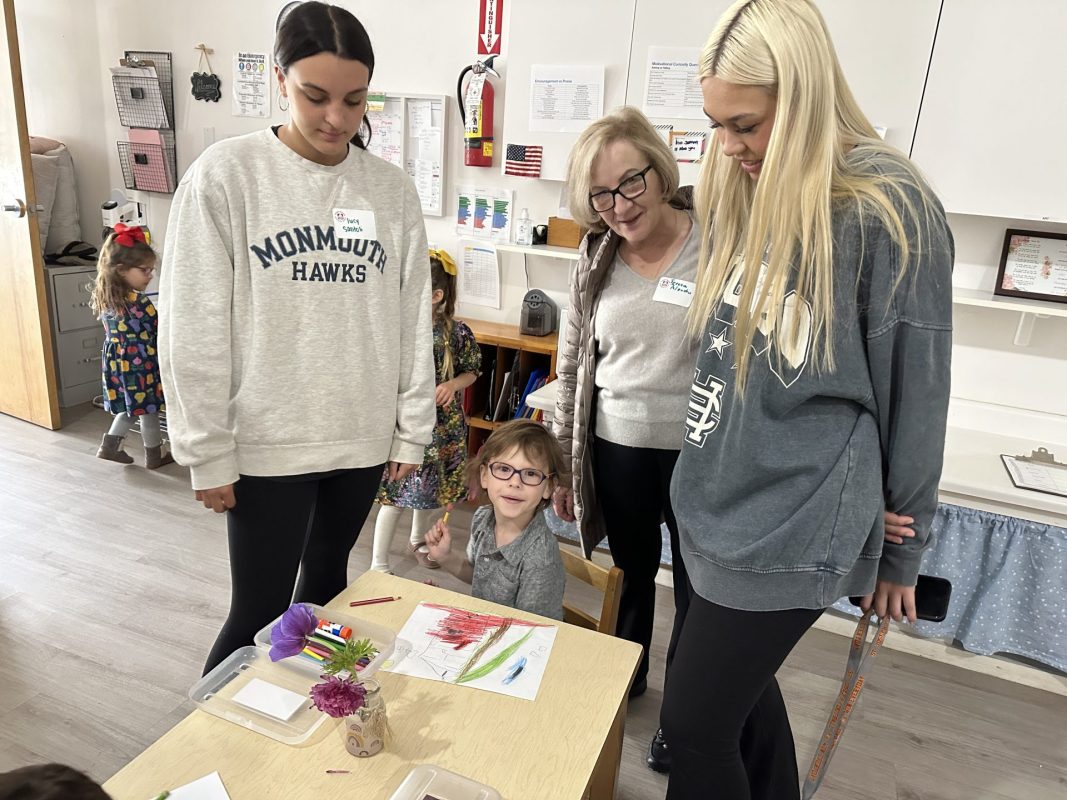
We enjoyed welcoming grandparents into the classroom last Friday and watching the middle schoolers interact with them was a real pleasure.

Science

6th-year Earth Science students have finished their unit, Tides. Their next unit will be, Phases. From this unit, students will be able to describe the patterns of the moon’s appearance in the sky, describe the moon’s motion in space, and explain the lunar cycle. To fully comprehend many of these objectives, students will participate in numerous hands-on activities, modeling moon phases using food and in-class manipulatives.

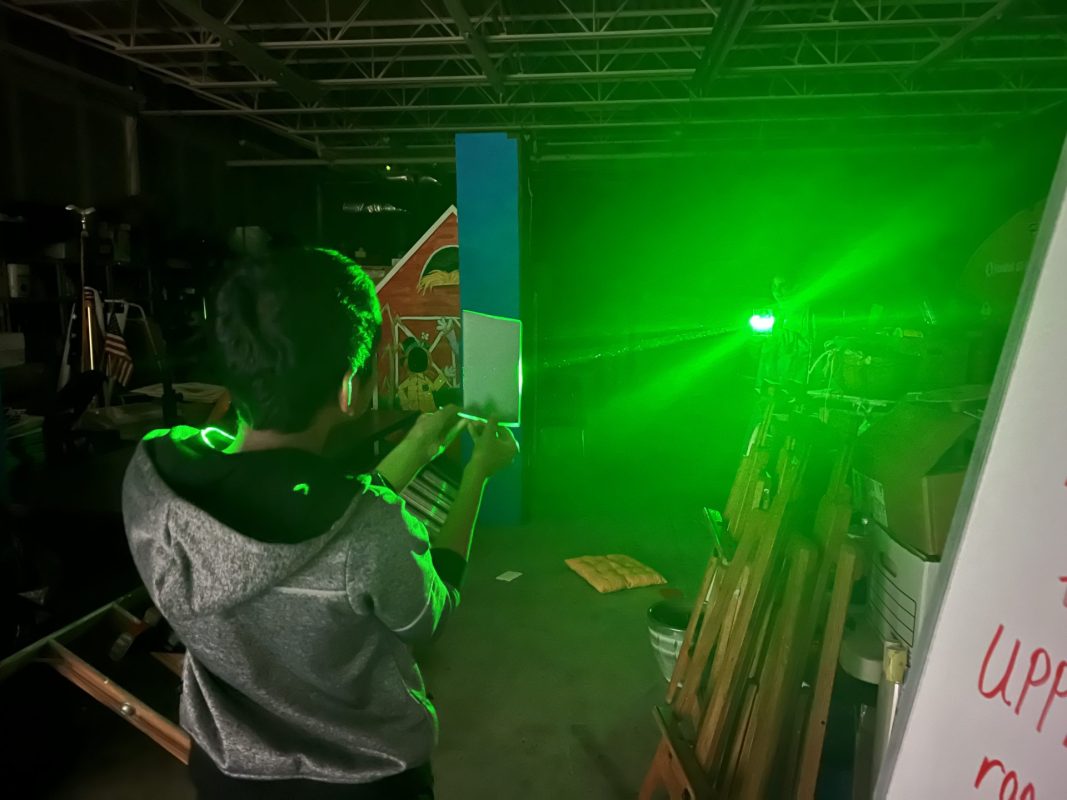
7th-year Physical Science students have finished their unit, Reflection. Their next unit will be, Refraction. From this unit, students will be able to design an experiment to test the Refraction of light in water, identify properties of different types of lenses, and describe why light refracts when it travels from one medium to another. In addition, we will conduct experiments that represent how the Refraction of light is around us and the real-life applications of this knowledge daily.
8th-year Life Science students have finished their unit, Nervous System. Their next unit will be the Circulatory System. From this unit, students will be able to describe the function of the circulatory system, create a drawing to illustrate the path of circulation in the body, know the difference between veins, arteries, and capillaries, and understand the structure and function of the heart.
Math
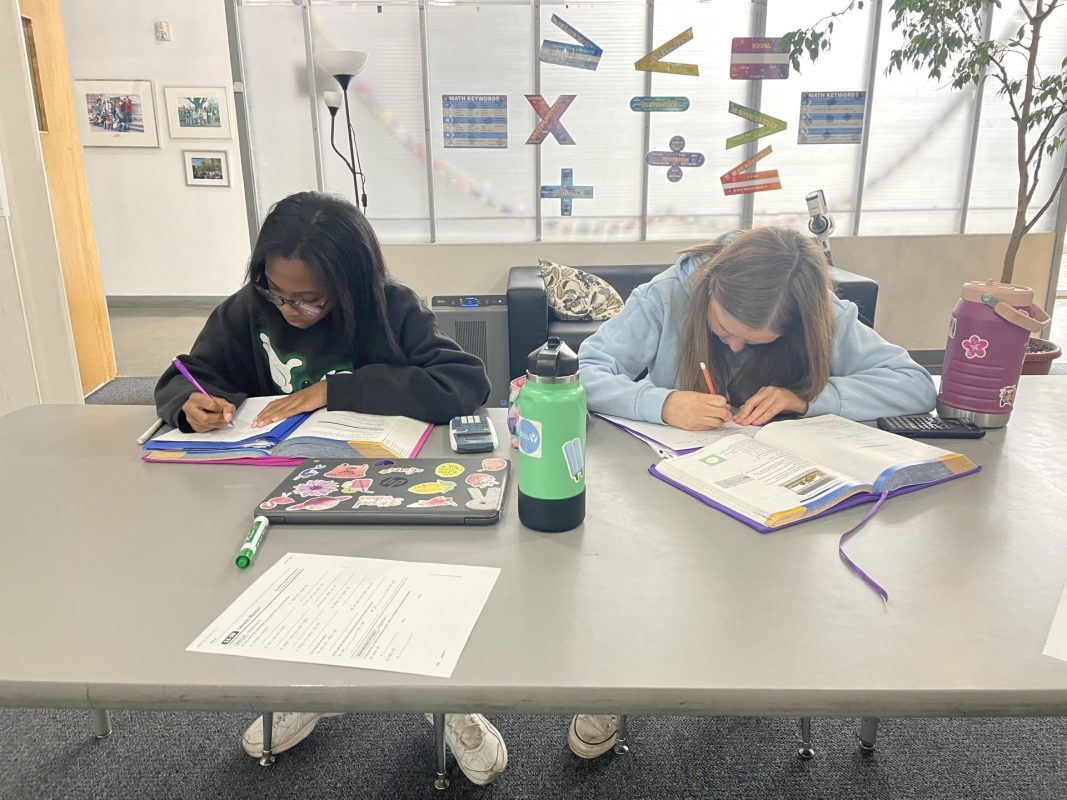
In the Pre-Transition math class, students reviewed concepts for Chapter 7 and took a formal assessment for this chapter. Students reviewed how to divide decimals, perform long division, write the prime factorization of a number, and practice how to divide negative numbers. They also started to explore Chapter 8 and discovered the reciprocal of a fraction and how to divide negative fractions.
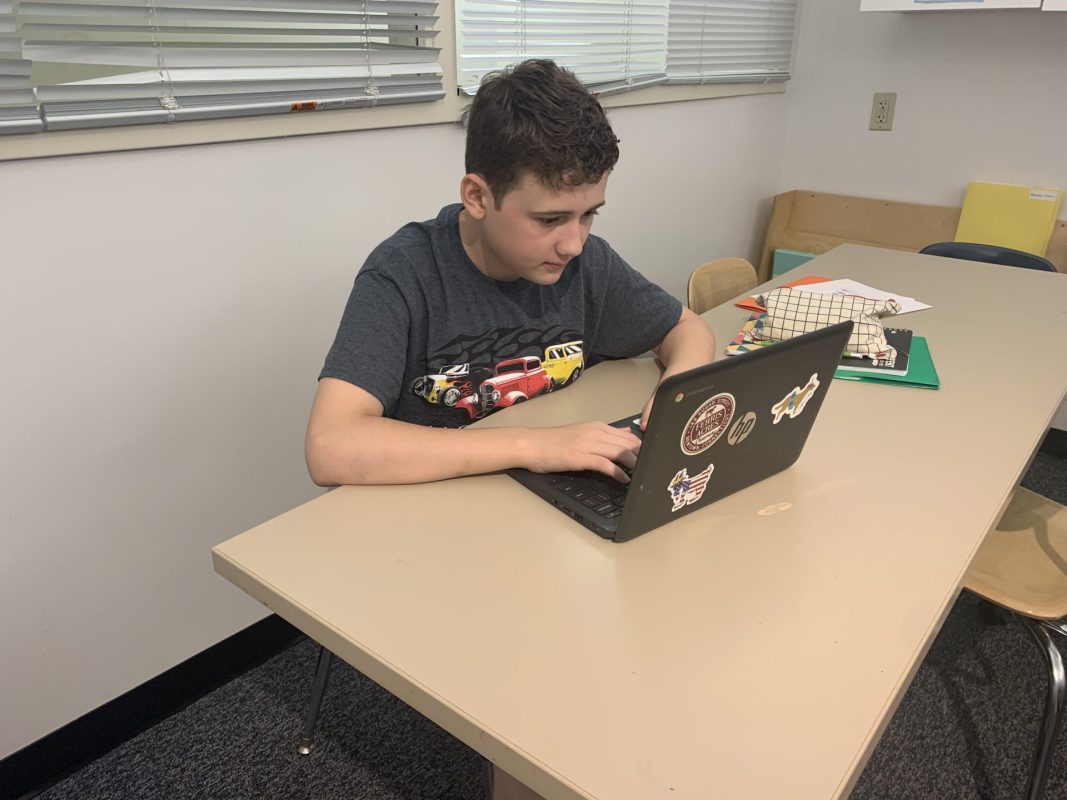
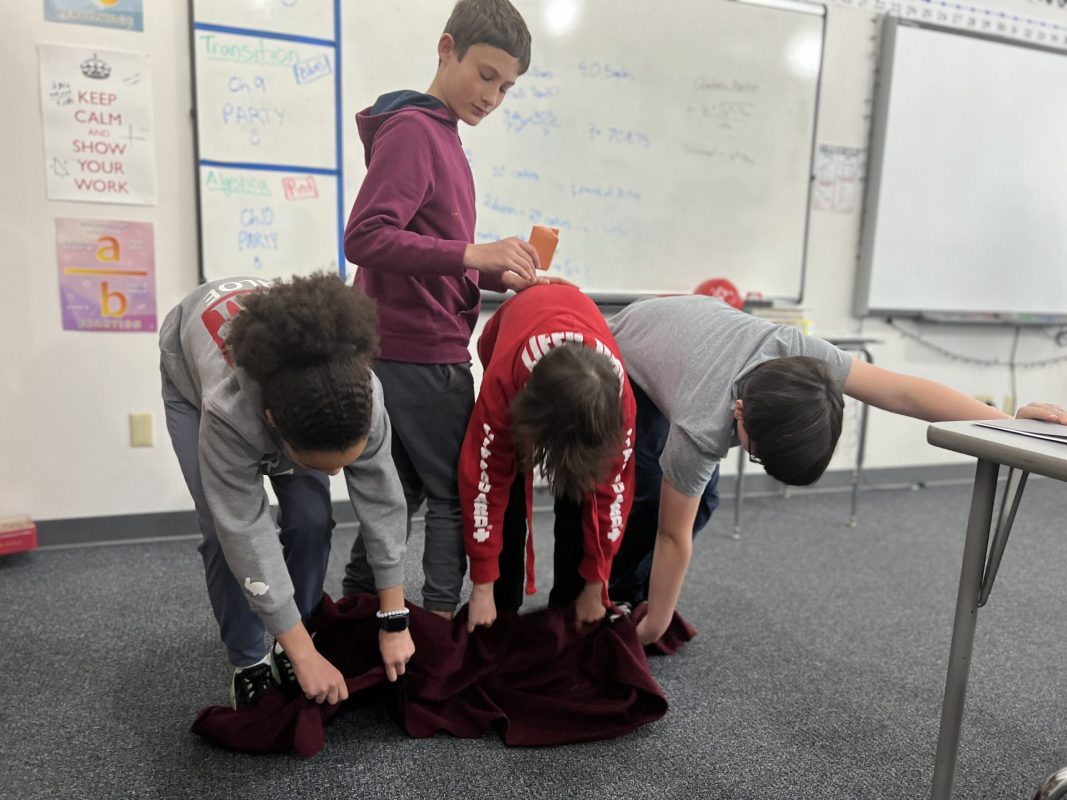
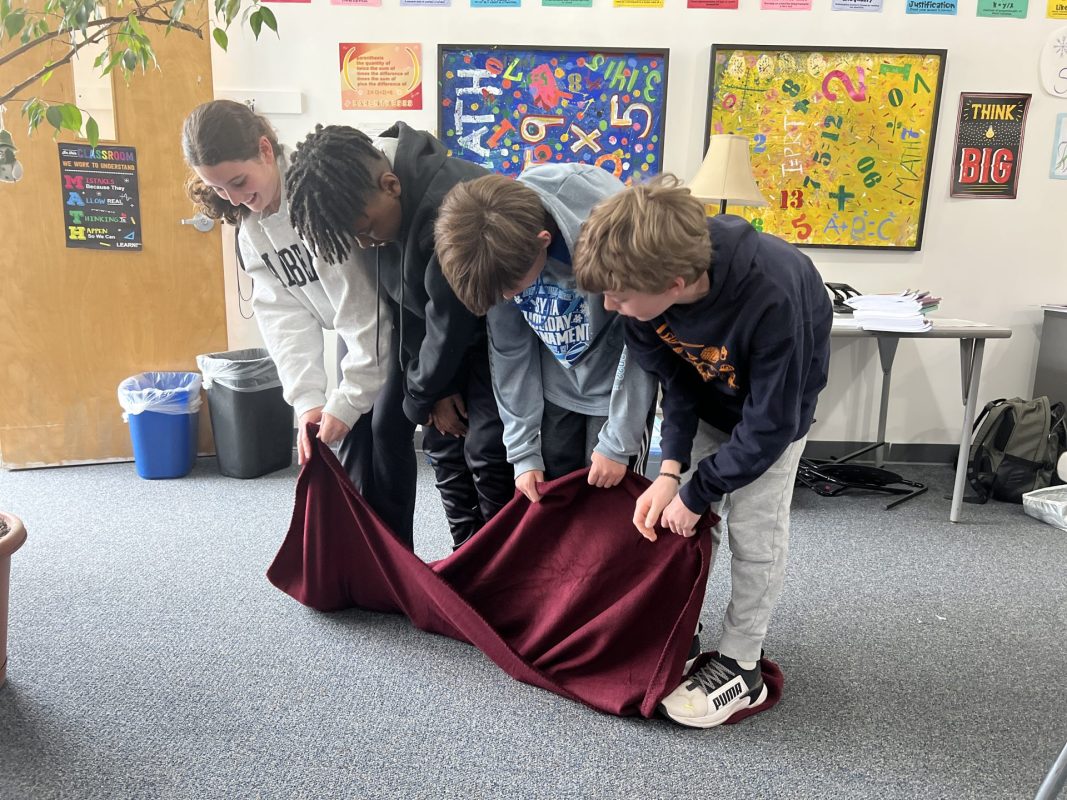
In the Transition math class, students began learning about linear equations and inequalities. They discovered how to plot ordered pairs on a coordinate grid, solve 2-step equations, and graph a linear regression based on a real-world word problem. Students concluded the week by translating situations of constant increase or decrease that lead to sentences of ax + b = cx + d.
In the Algebra math class, students were excited to investigate polynomials and can properly classify a monomial, binomial, or trinomial expression. In addition, this class can collect like terms in a complex number sentence and FOIL ( use the distributive property), two binomial statements.
Make Joke: Why did the polynomial tree fall over?………………. It didn’t have any real roots.

Humanities

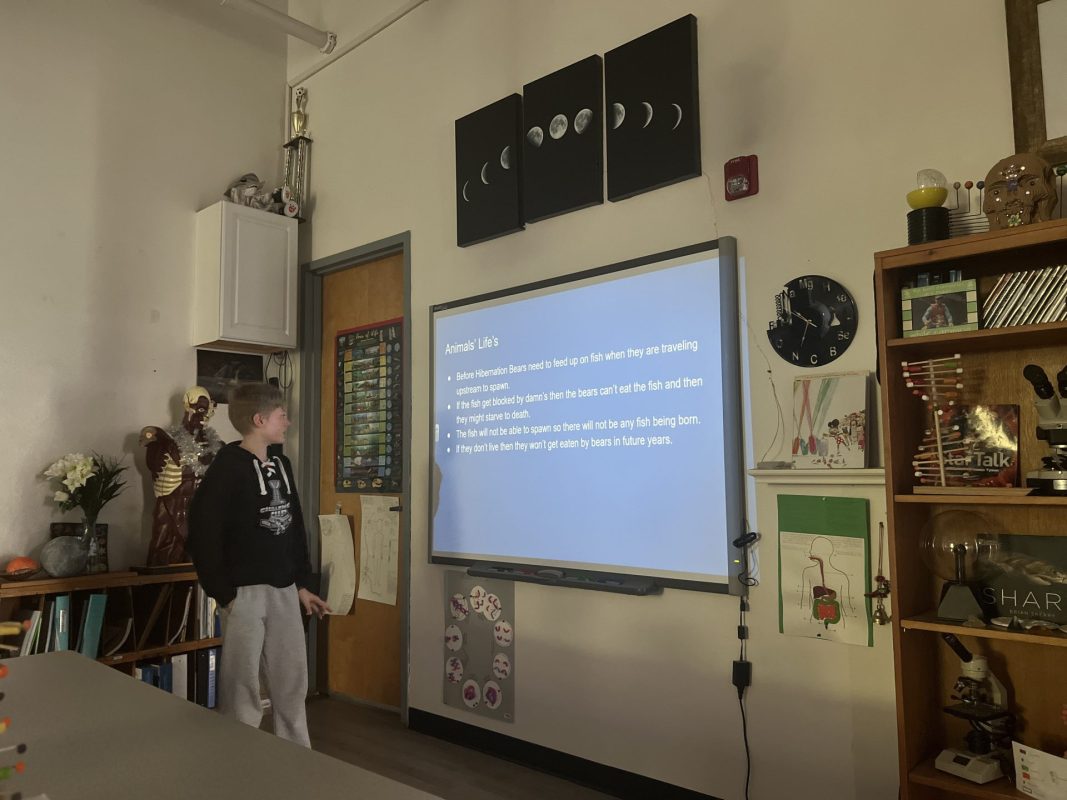
With the 6th-grade Humanities class finishing their class novel, The Eye of Ra, last week, they completed culminating activities surrounding the book. First, they wrote a reaction to the novel using a few guided questions to help them. Then, they had a wrap-up discussion using the reactions as their guide. Next, students wrapped up their group writing of the last chapter and discussed how their predicted endings either did or did not happen. Finally, students began an essay examining the change in the novel’s protagonist, John. The 6th grade also completed a unit of vocabulary this week.

The 7th grade continued their class novel, Animal Farm, and also continued to learn the historical context behind it. They specifically learned about the October Revolution of 1917 and key players during and right after this time. Specifically, the class learned about Nikolai Lenin, Leon Trotsky, and Joseph Stalin. At the end of the week, students were asked to identify which characters in the book were representative of historical figures of Russian history. The 7th grade also completed a unit of vocabulary this week.

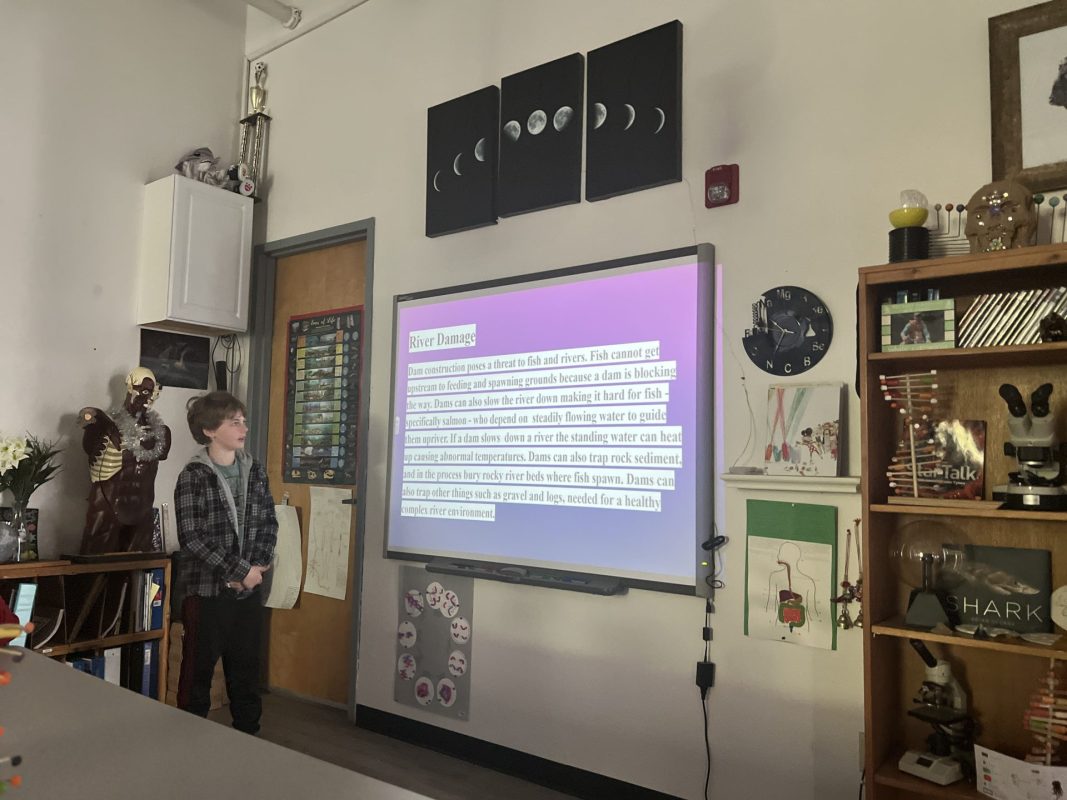
The 8th grade had a busy week with both expert presentations and history. They began their first run-throughs of their expert presentations and received a first round of feedback. Next, students continued reading their class novel, If I Ever Get Out of Here. This week’s chapters mentioned Indian Boarding Schools, so we spent time discussing what they were and how the progression of movement of the Native Americans in the U.S. and treaties being created led to these schools that attempted to change the culture of Native Nations in youngsters. Finally, we read the Declaration of Independence, which mentioned the British legislation imposed on the colonists following the Seven Years’ War and the Boston Tea Party. Students researched and presented these last week.

Have a beautiful weekend!

Lower El Geometry Lessons!
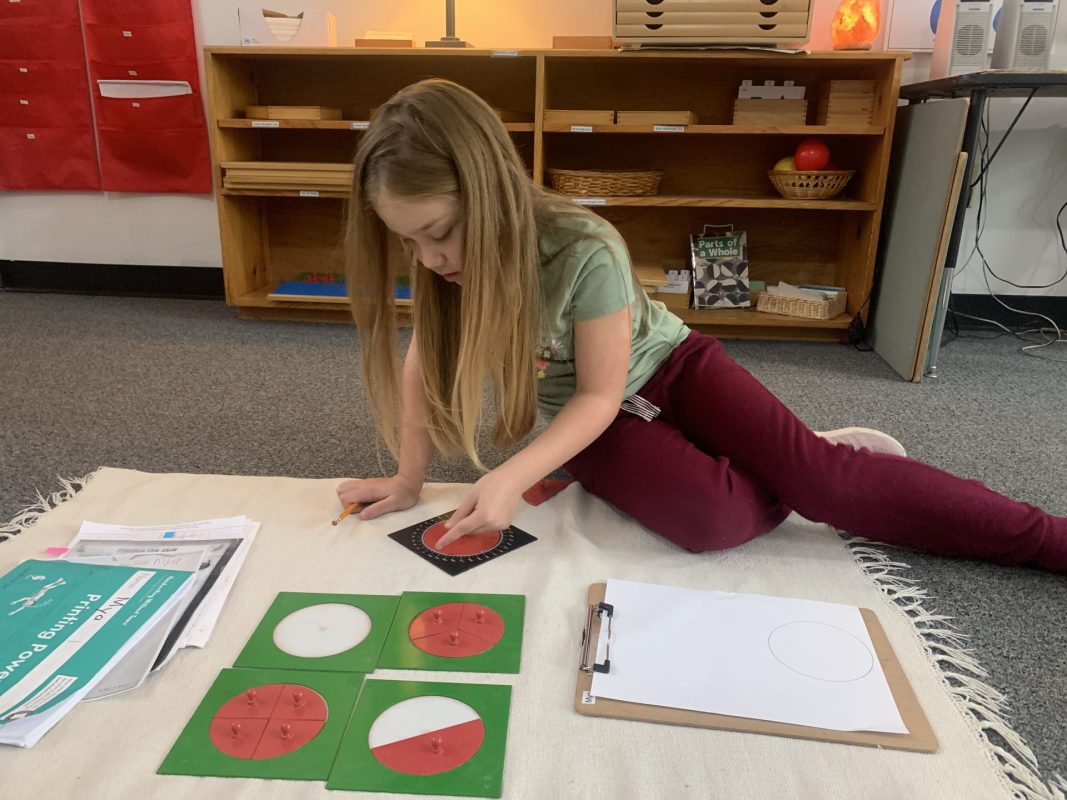
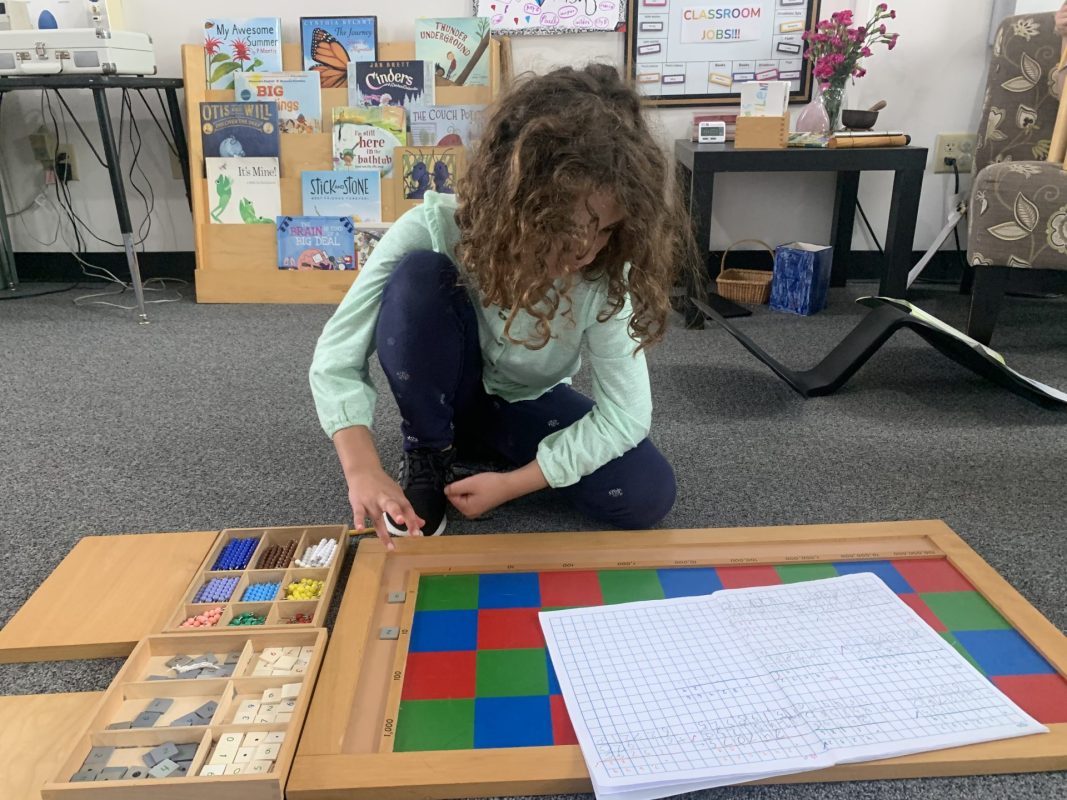
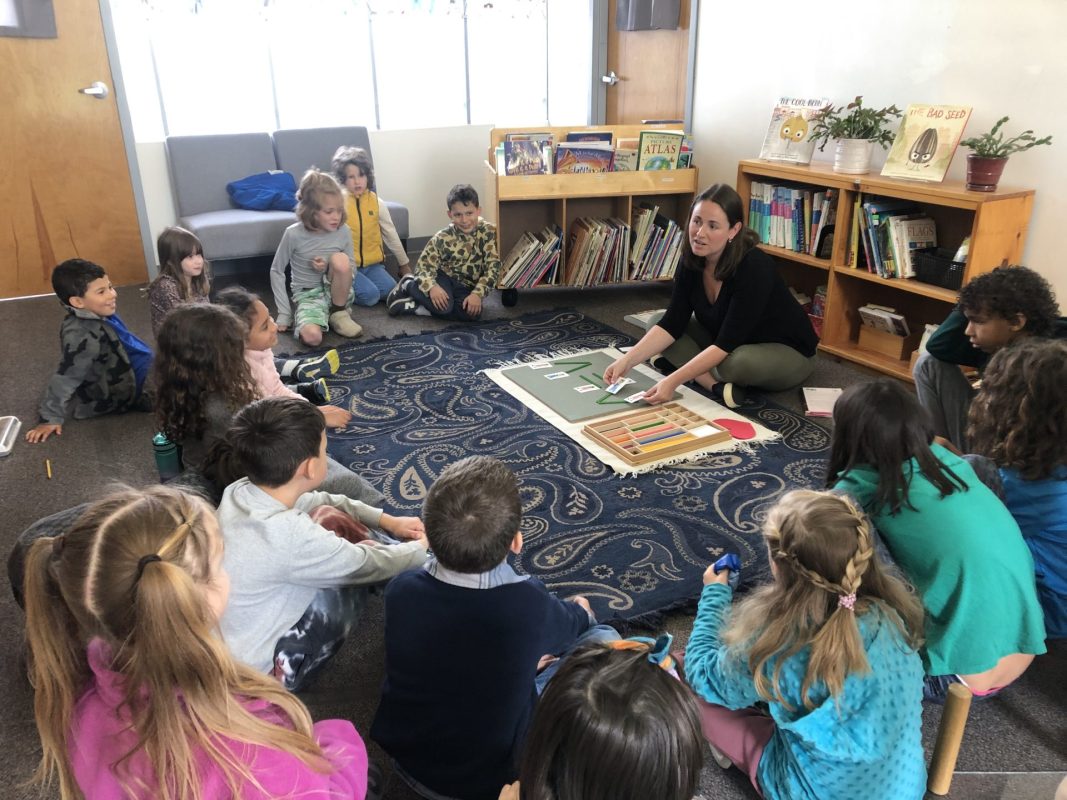
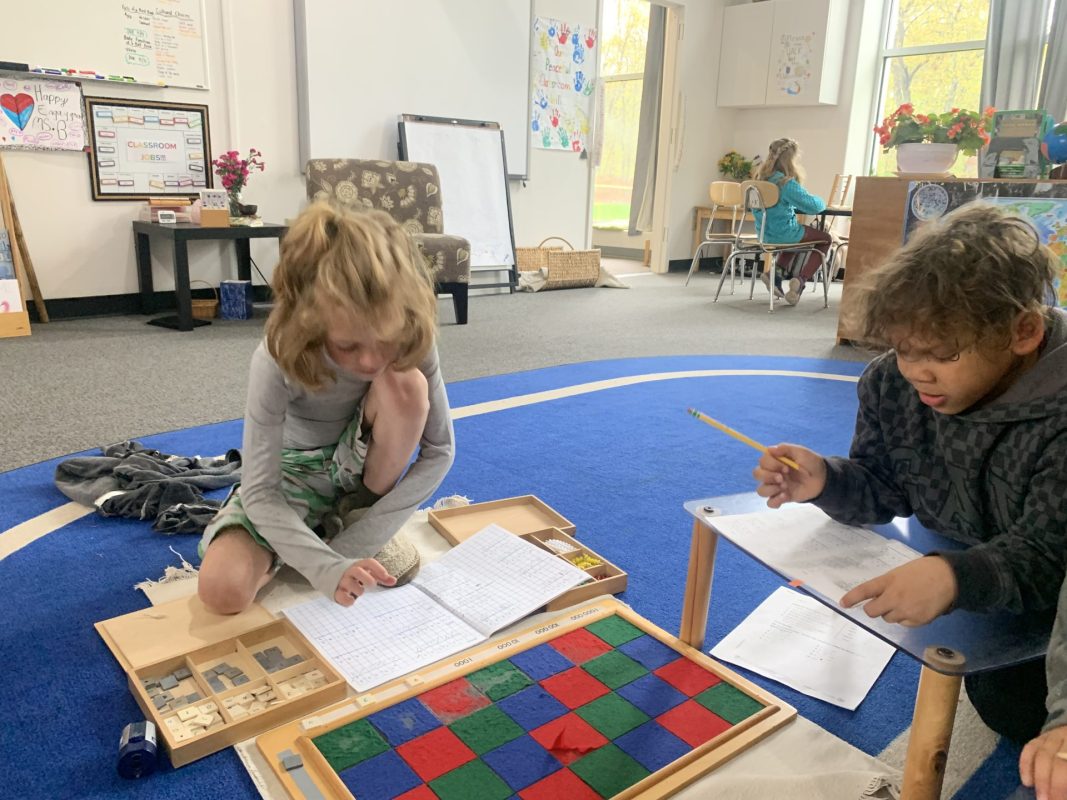
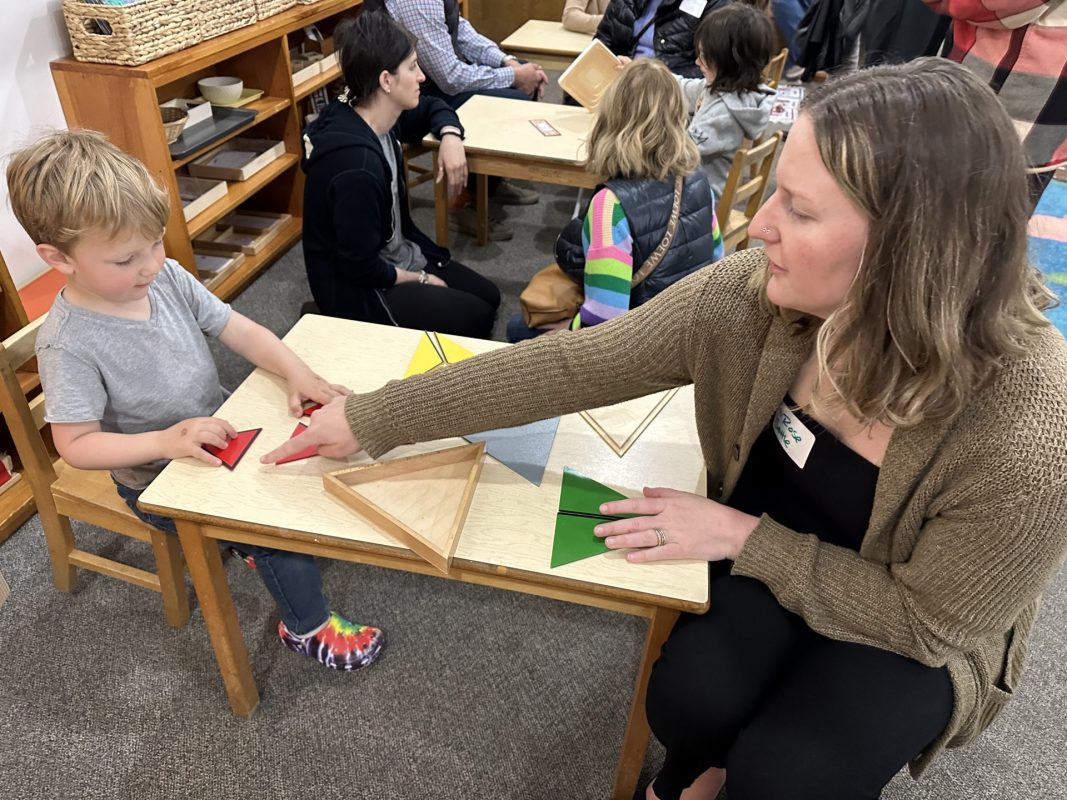
Lower El students have been loving their lessons. The first graders heard the “Love Story of the Lines” during geometry this week, where they learned about convergent, divergent, and parallel lines. This lesson is a class favorite because it is told very dramatically, and the students engage in the storytelling. It is told in three parts, a story of sorrow, indifference, and falling in love. This is a first-year lesson. However, most of the classroom wanted to join in on the fun! Now, that is a sign of a good lesson! They used the box of sticks Montessori material to explore these concepts. The second-year group enjoyed learning how to subtract fraction insets using the Montessori protractor, a concept that can be challenging for some, but they grasped it so quickly! I was impressed. Lastly, the third-years have been enjoying their hands-on geometry follow-up. They have been using the box of sticks to explore the diagonals in various polygons and will now use this material for a new unit on circles.

Mrs. Wilson: Parts of a Flower

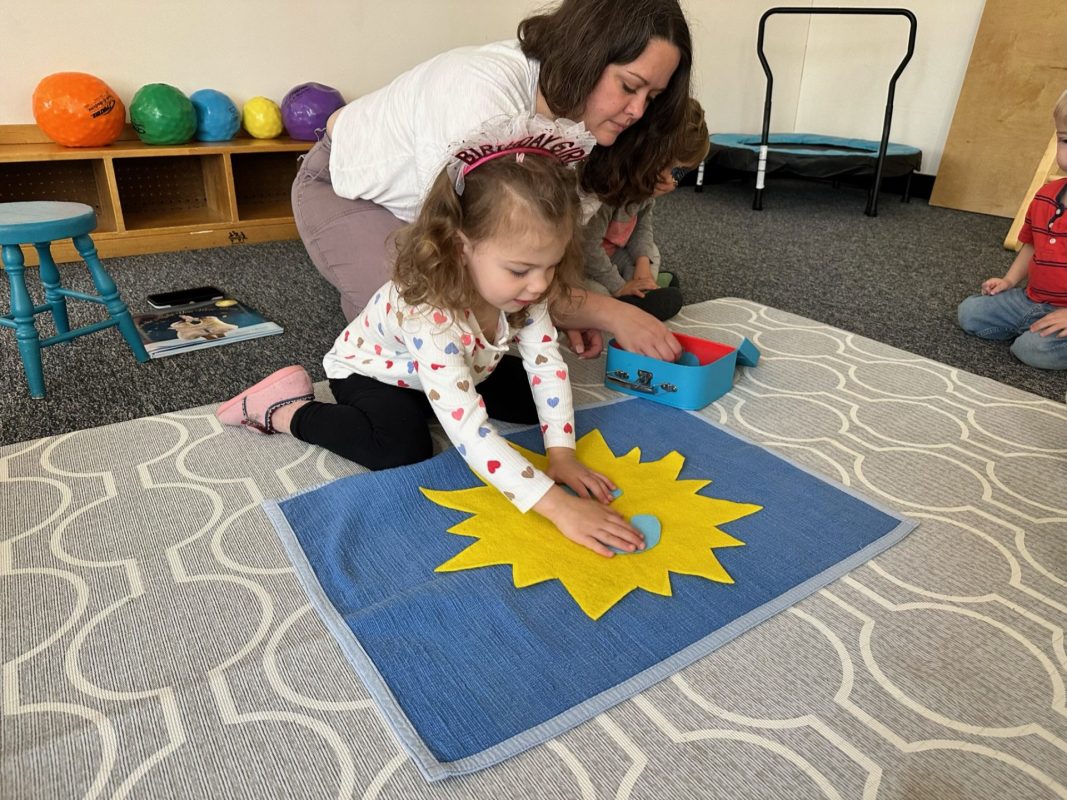
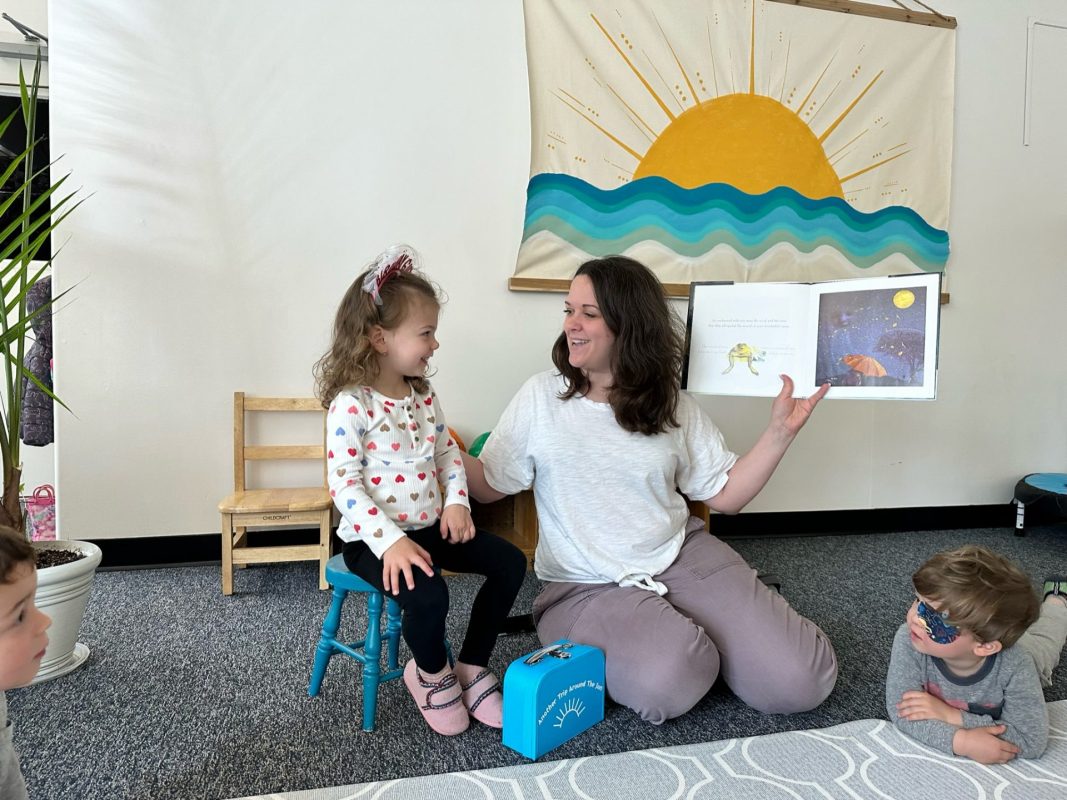
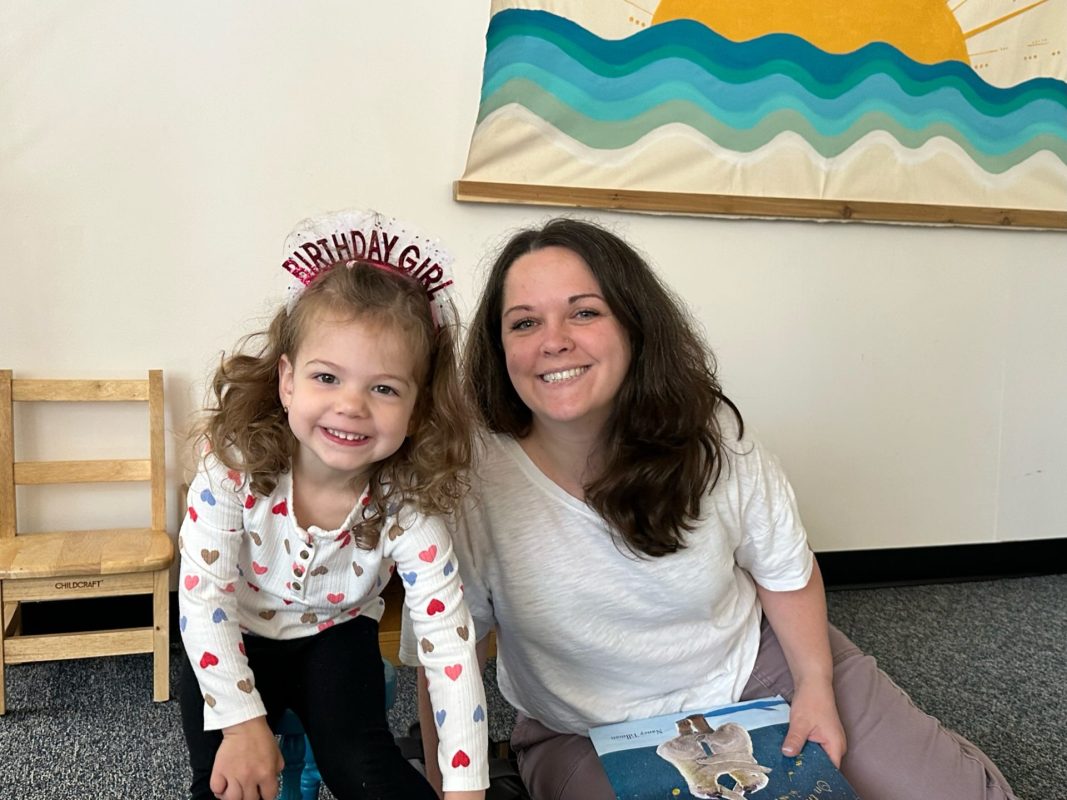
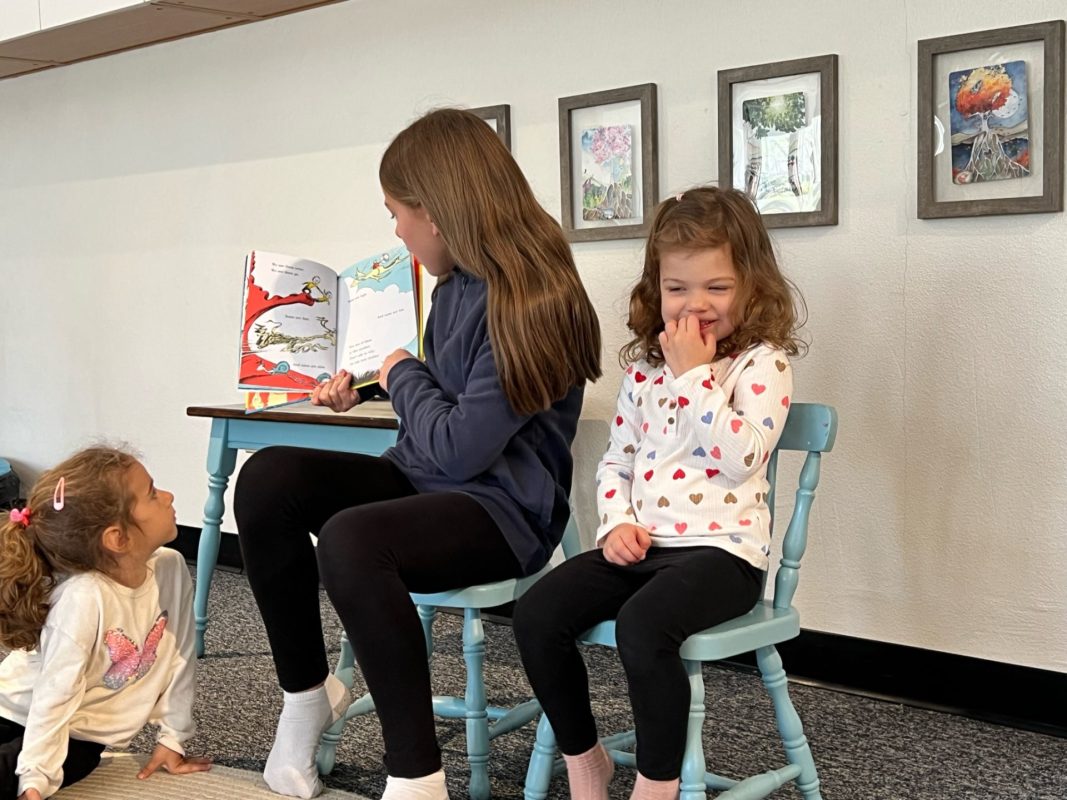
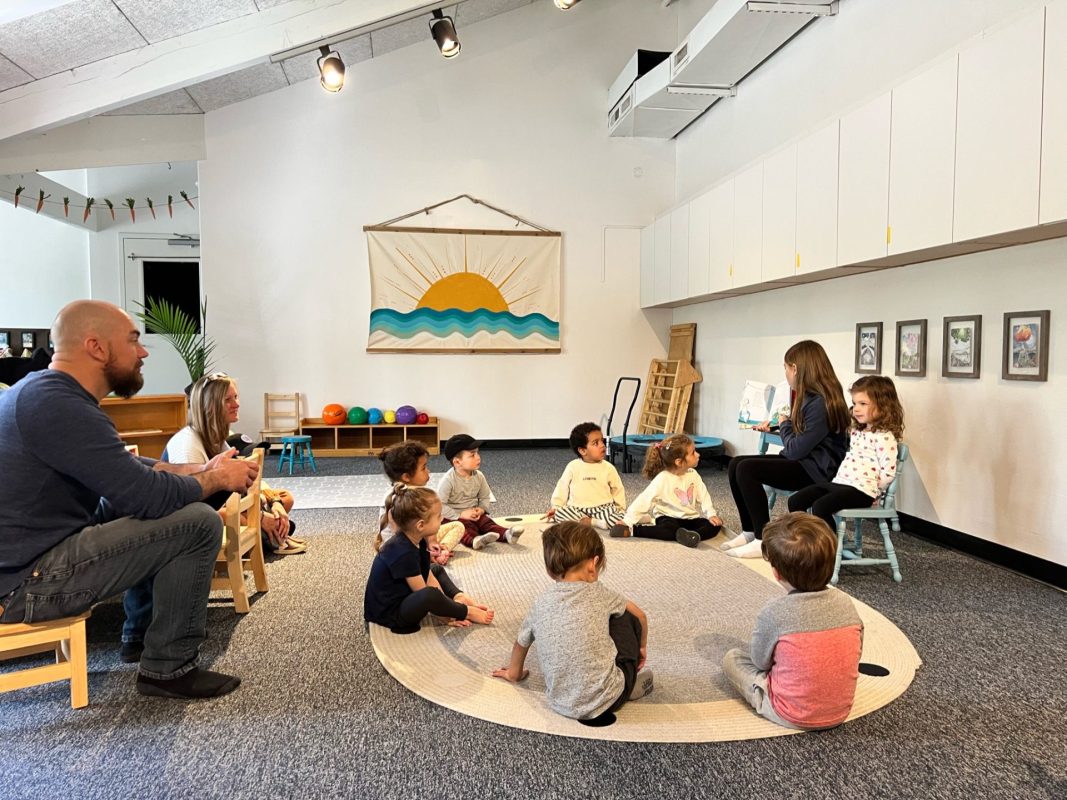
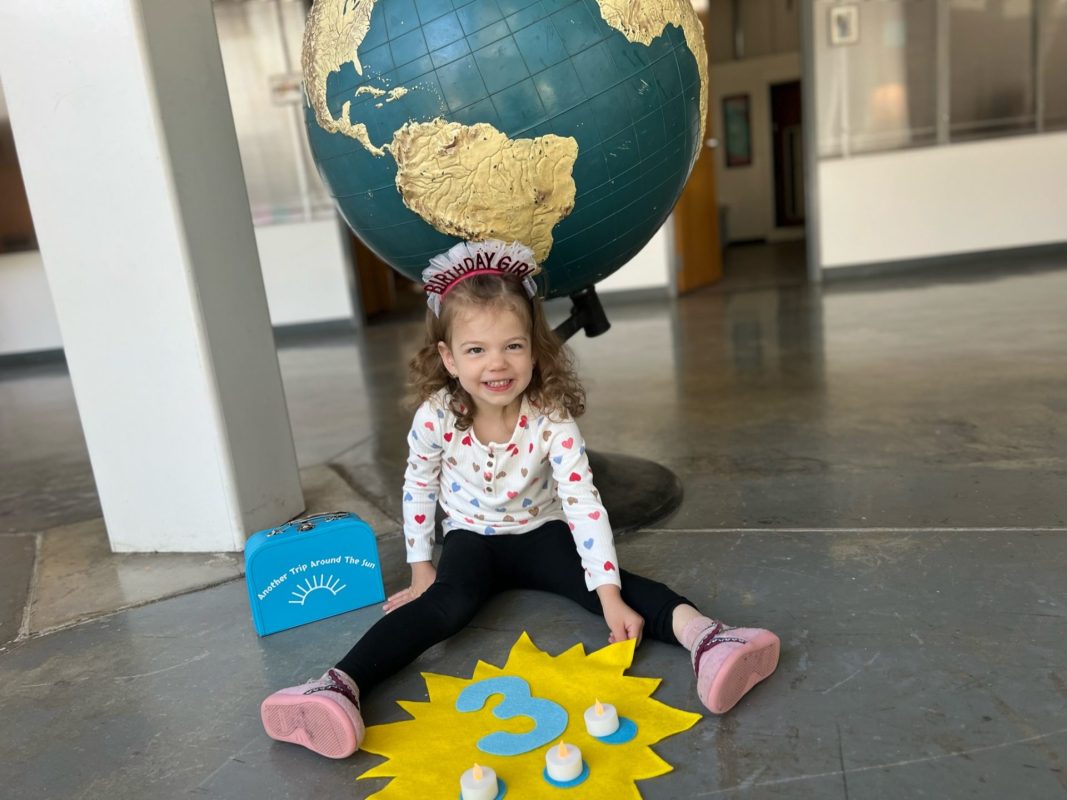
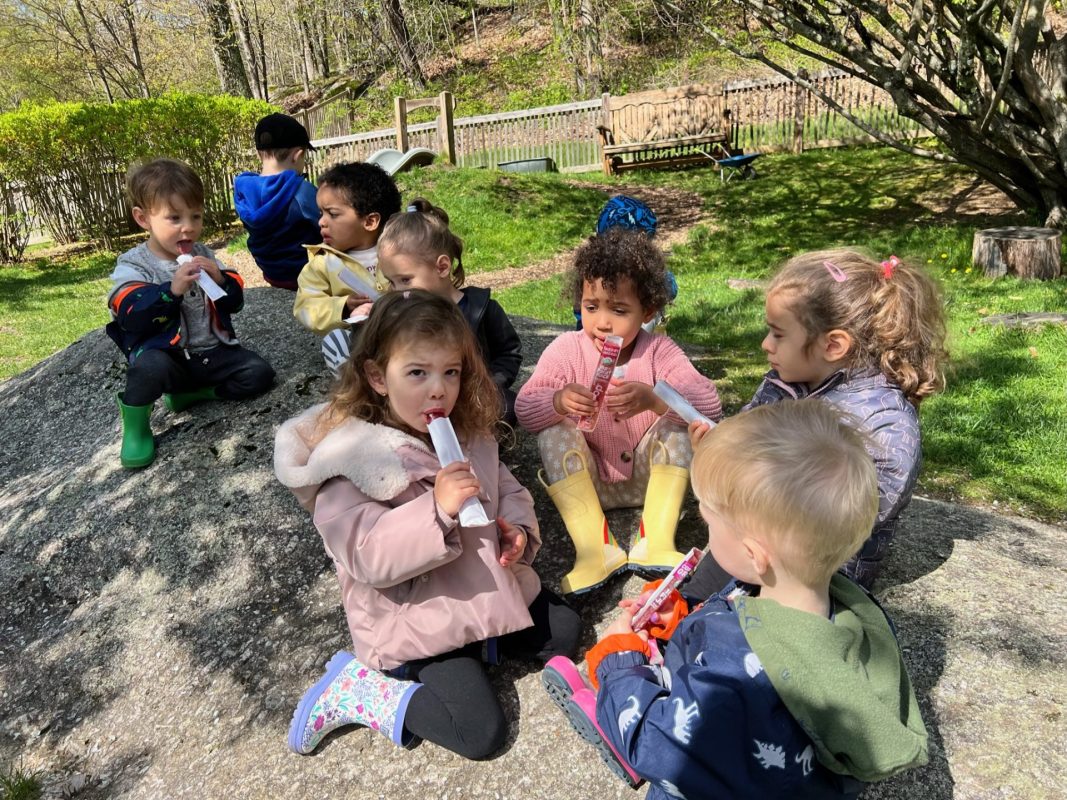
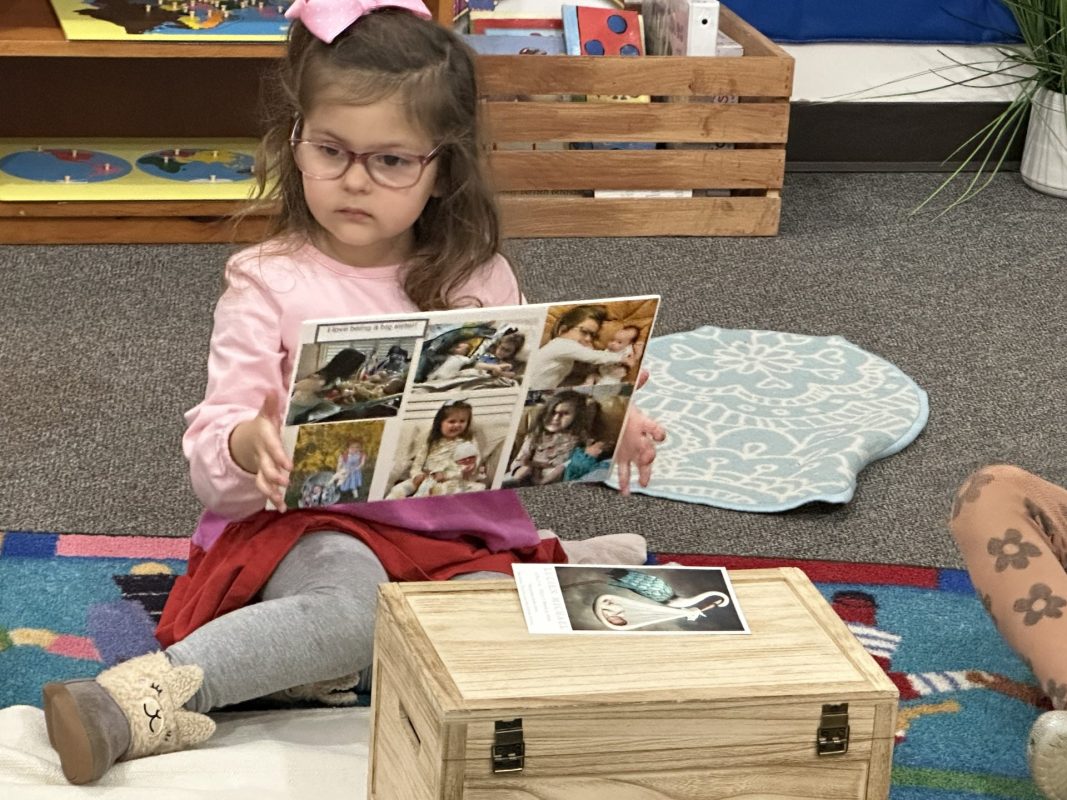
This week we started off celebrating another friend’s birthday. Our friend bought delicious popsicles to celebrate with. We also had a very special guest sibling come in to read to the children. She read One Fish, Two Fish, Red Fish, Blue Fish by Dr. Seuss, which our birthday friend picked out.

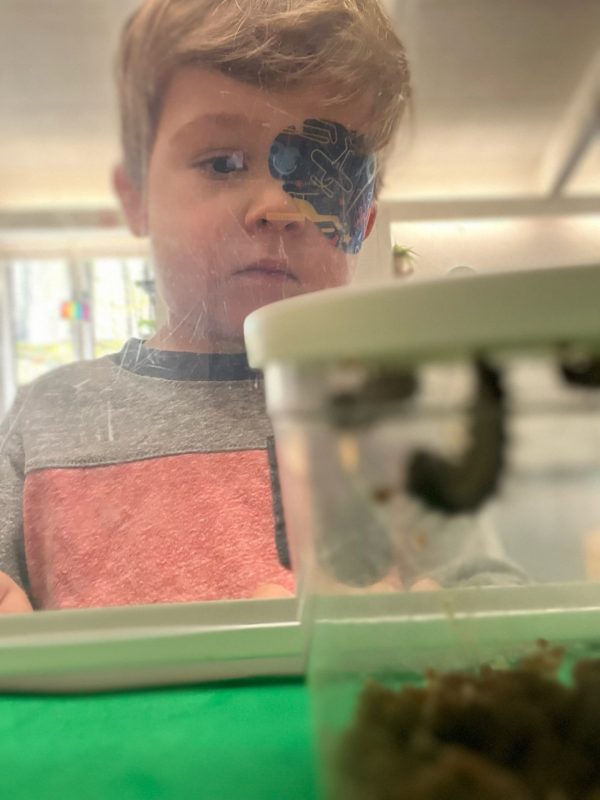
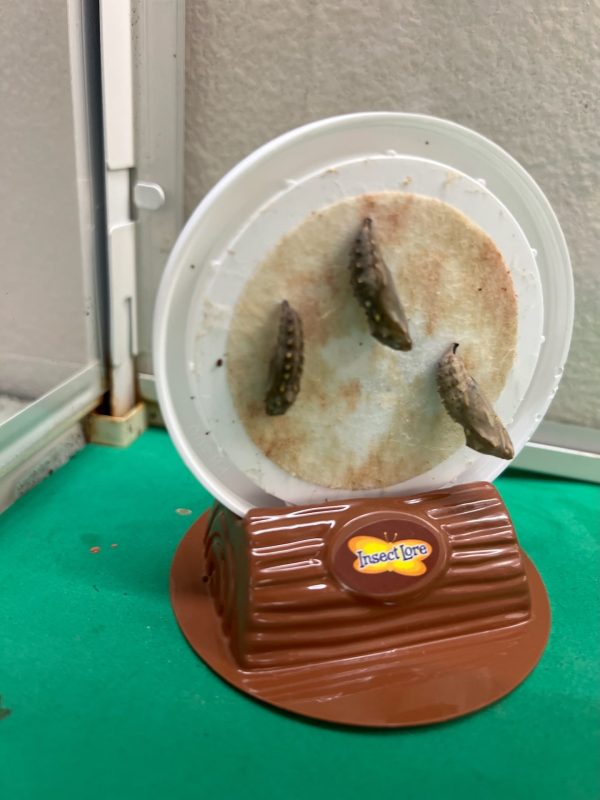
This week we noticed some changes to our caterpillars. Throughout the week, they all climbed up to the top of the container and turned into chrysalis. We are patiently waiting for the metamorphosis magic to happen.

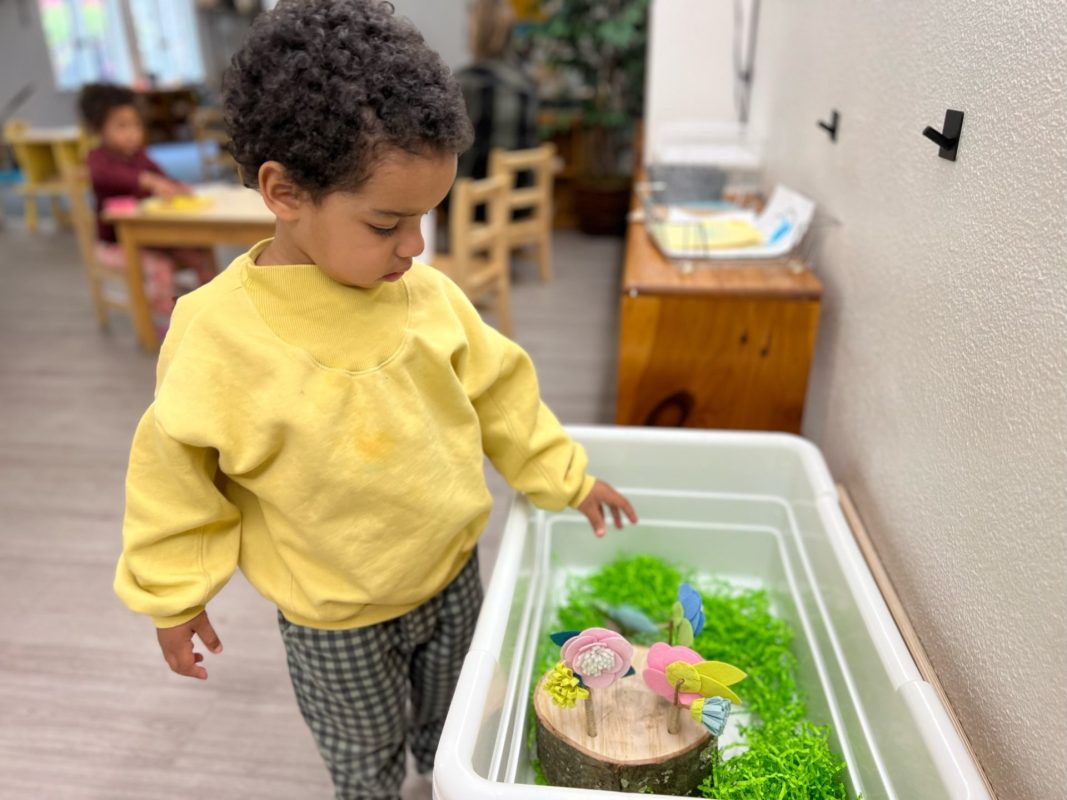
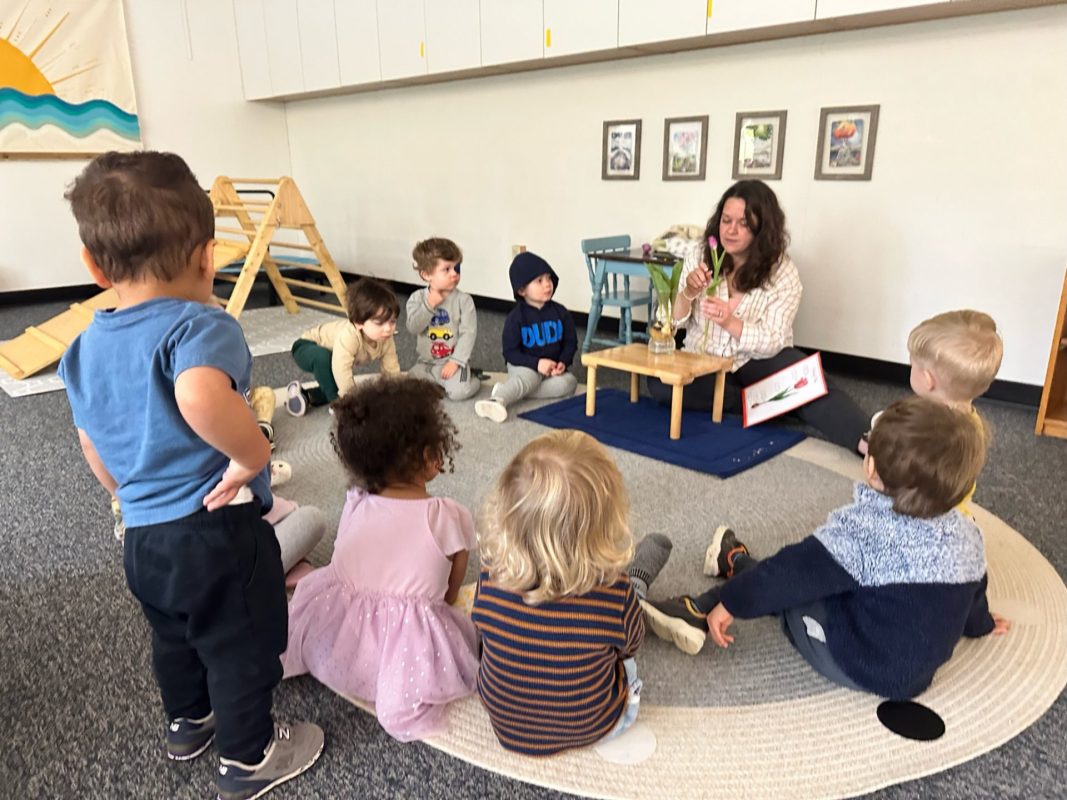
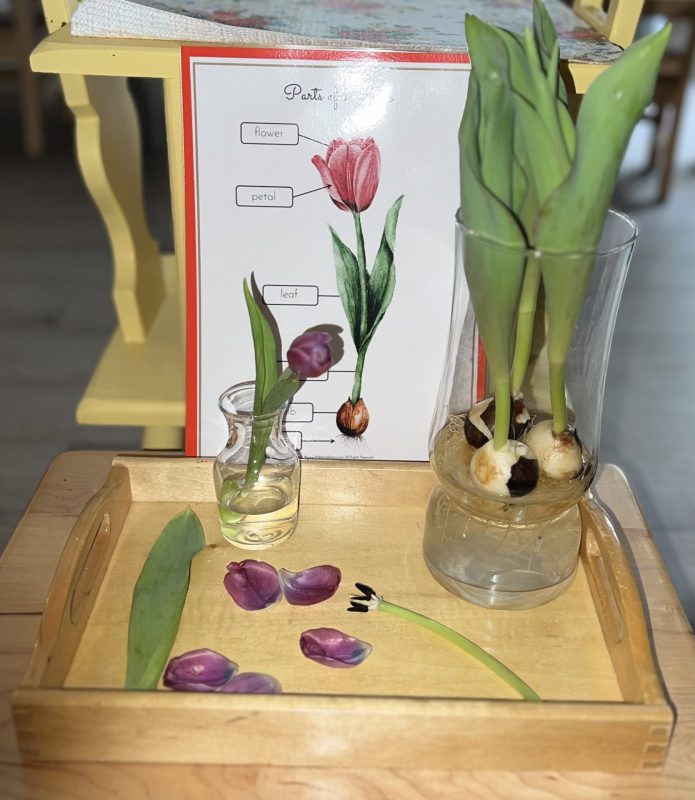
We also are observing the life cycle of a tulip. We talked about the parts of the flower and how delicate a flower is. The children can explore each part of the flower in the observation tray and observe the changes in the tulip bulbs.

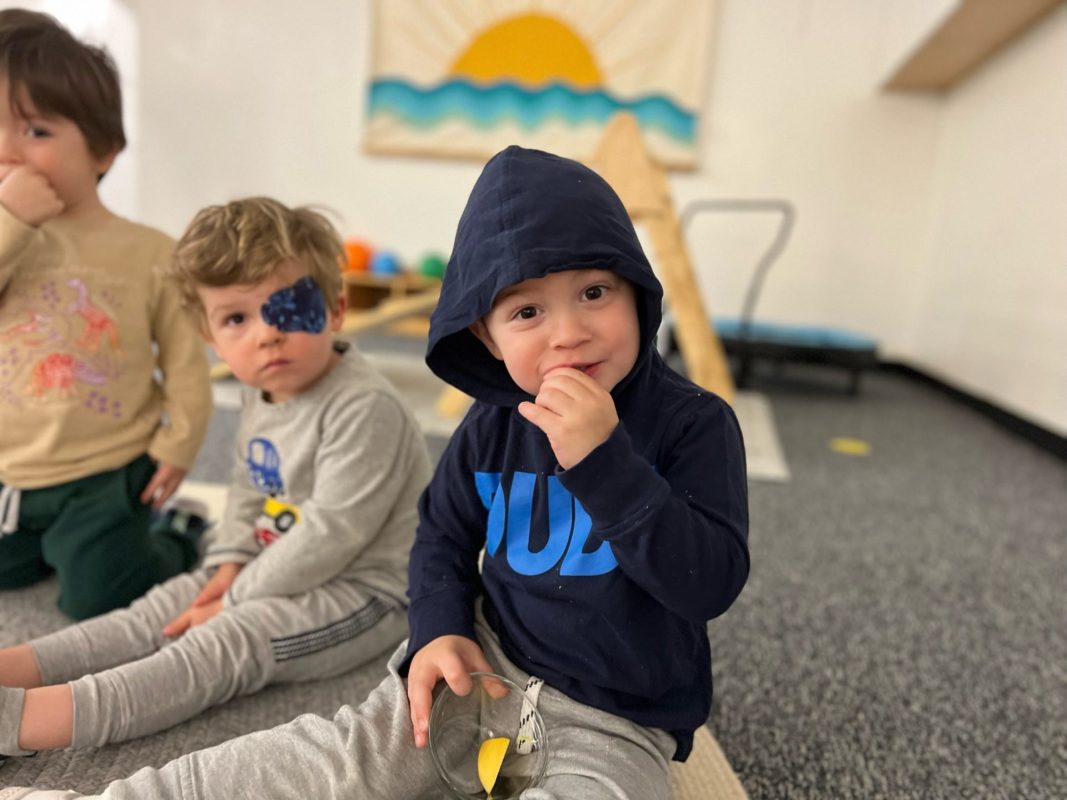
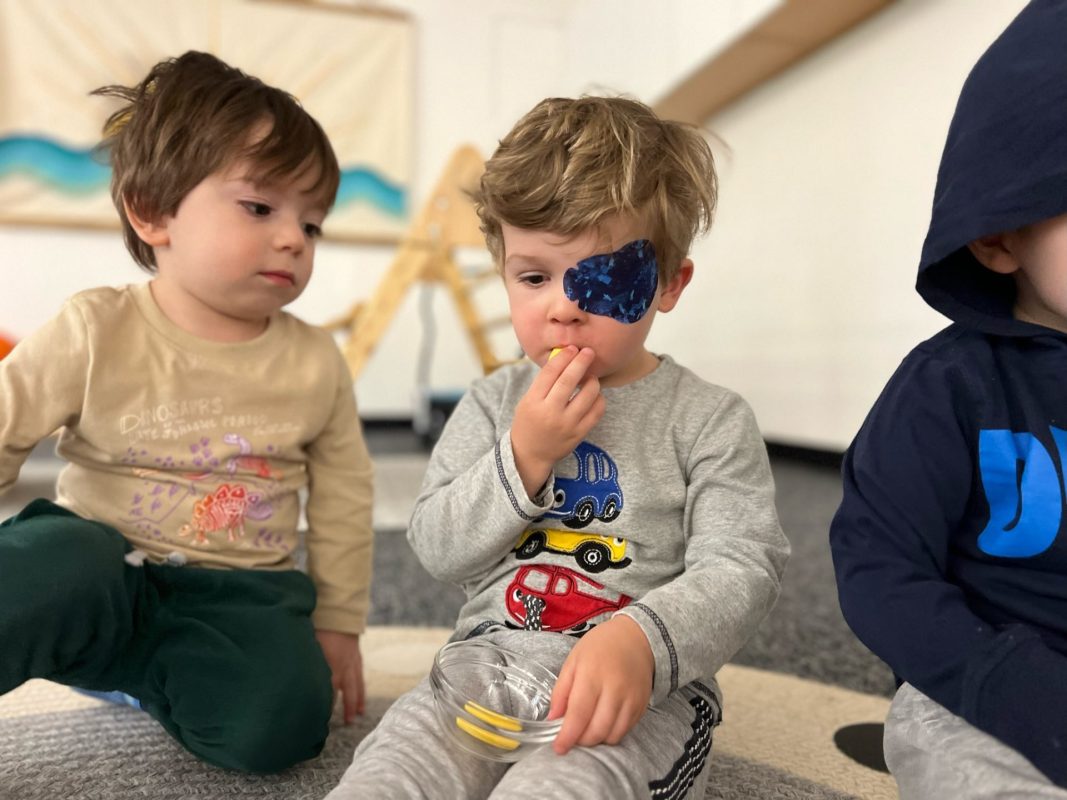
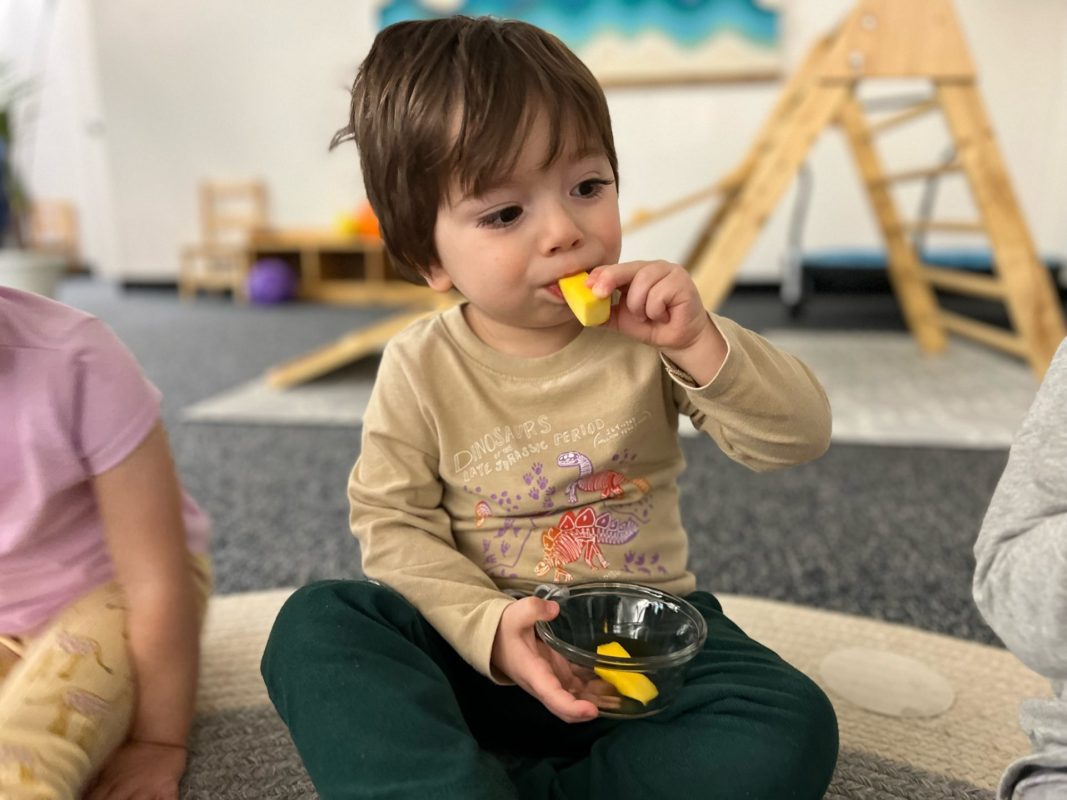
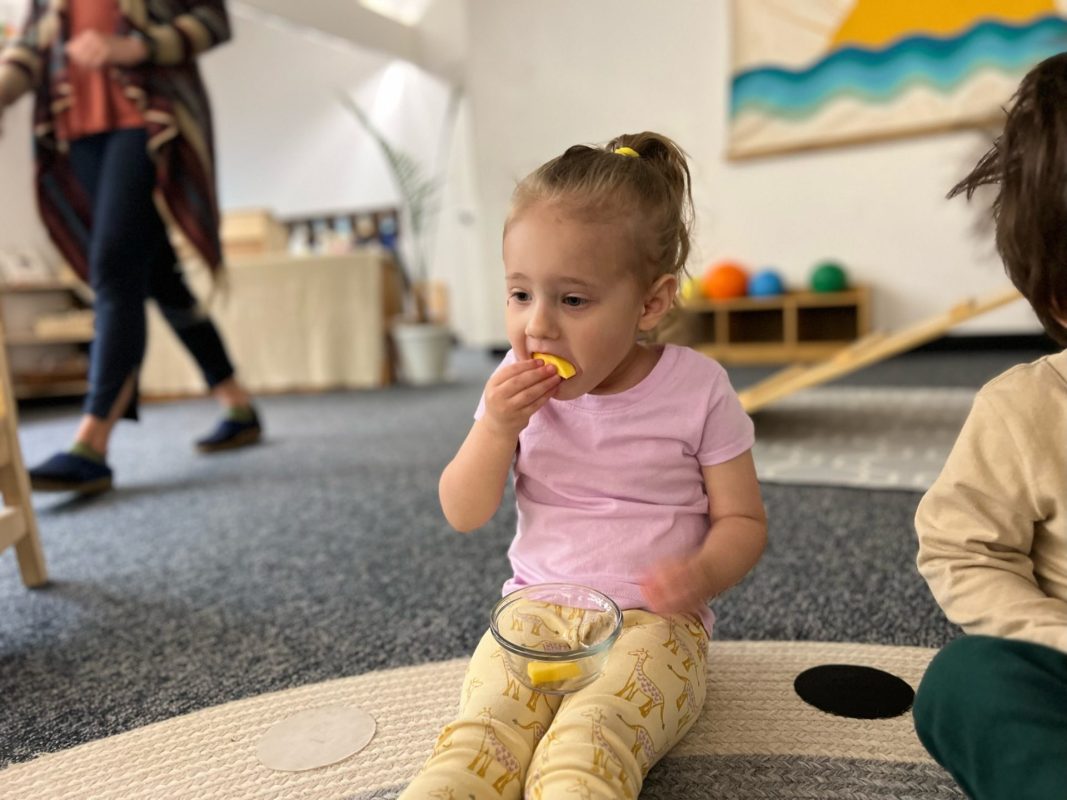
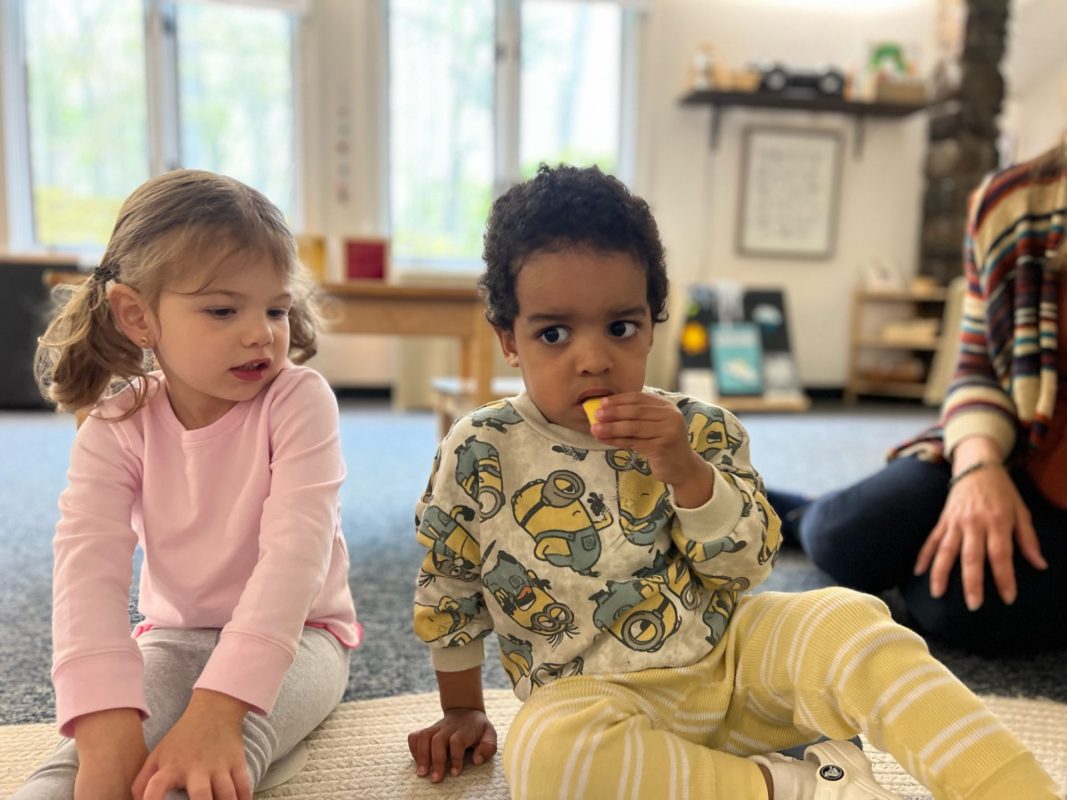
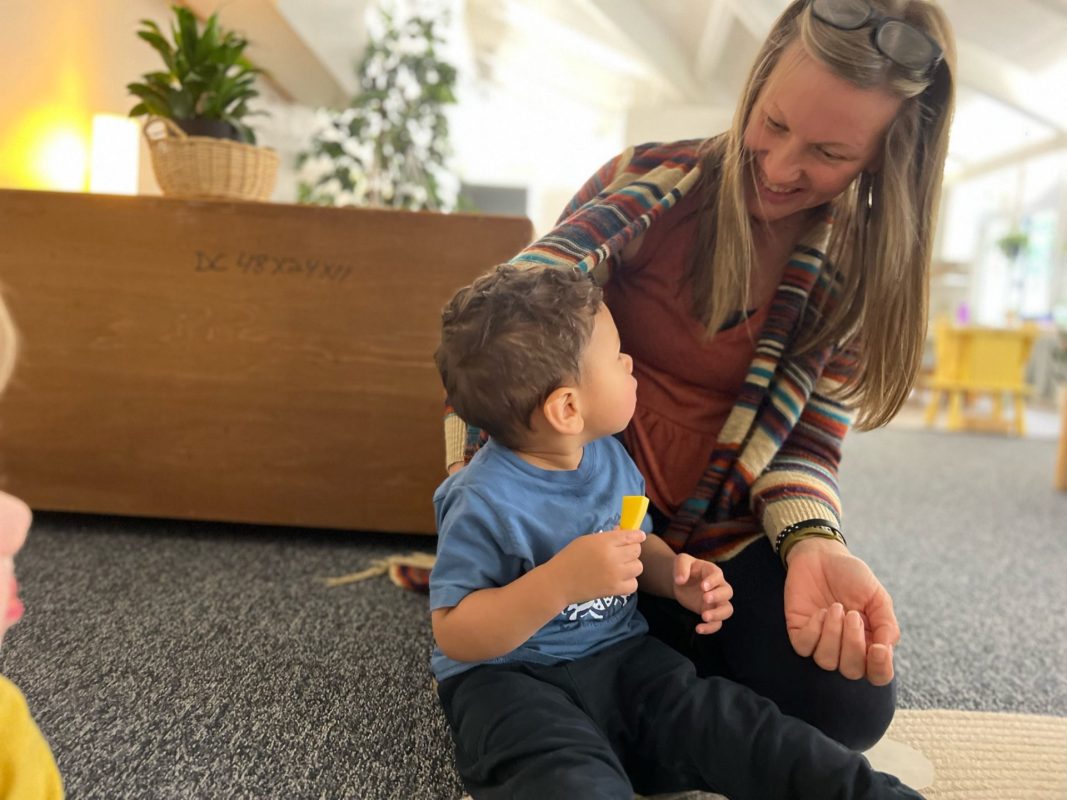
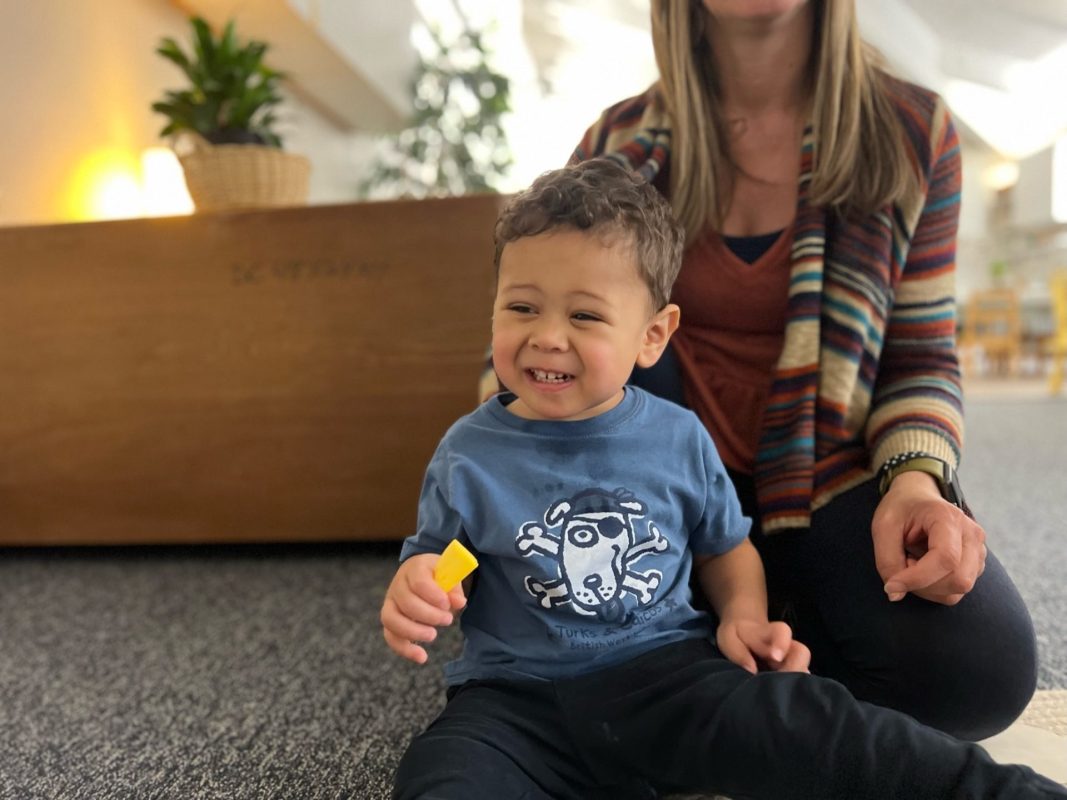
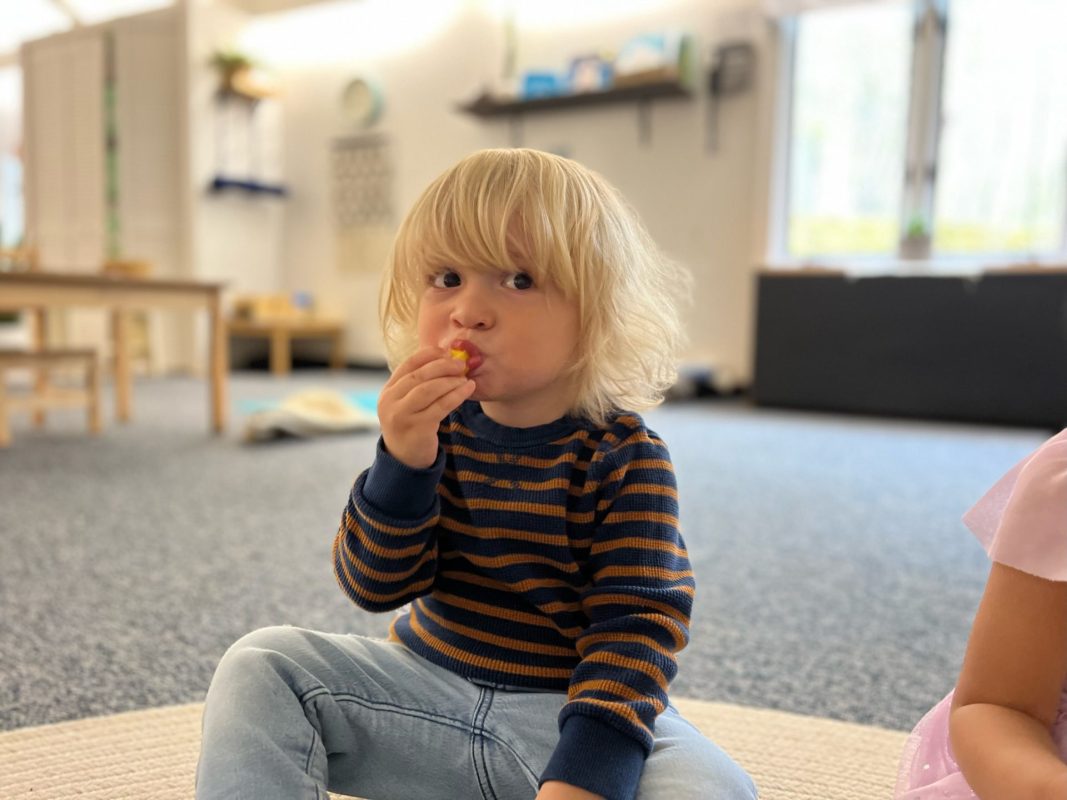
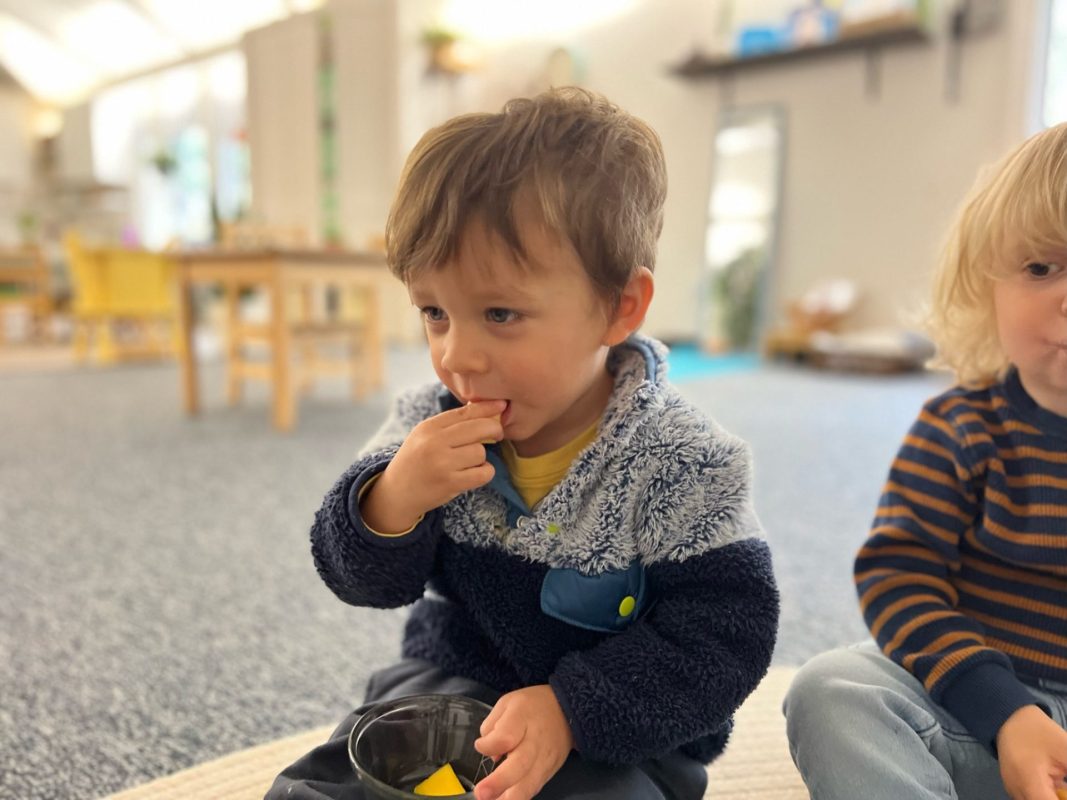
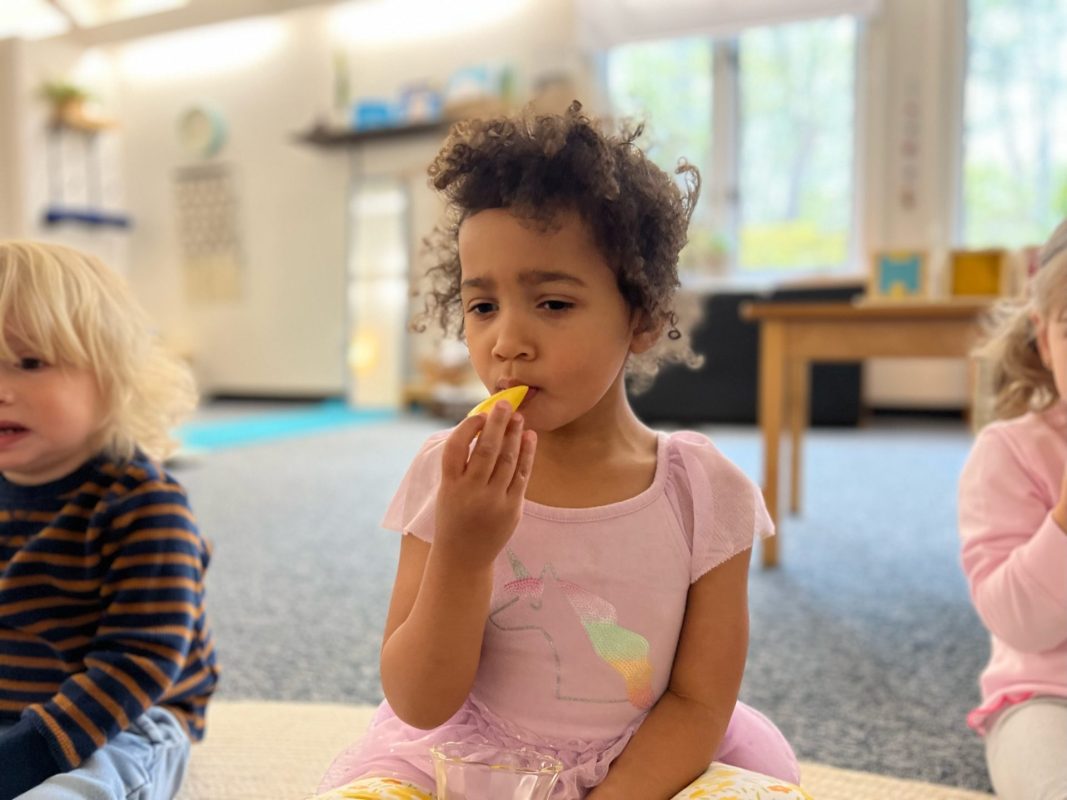
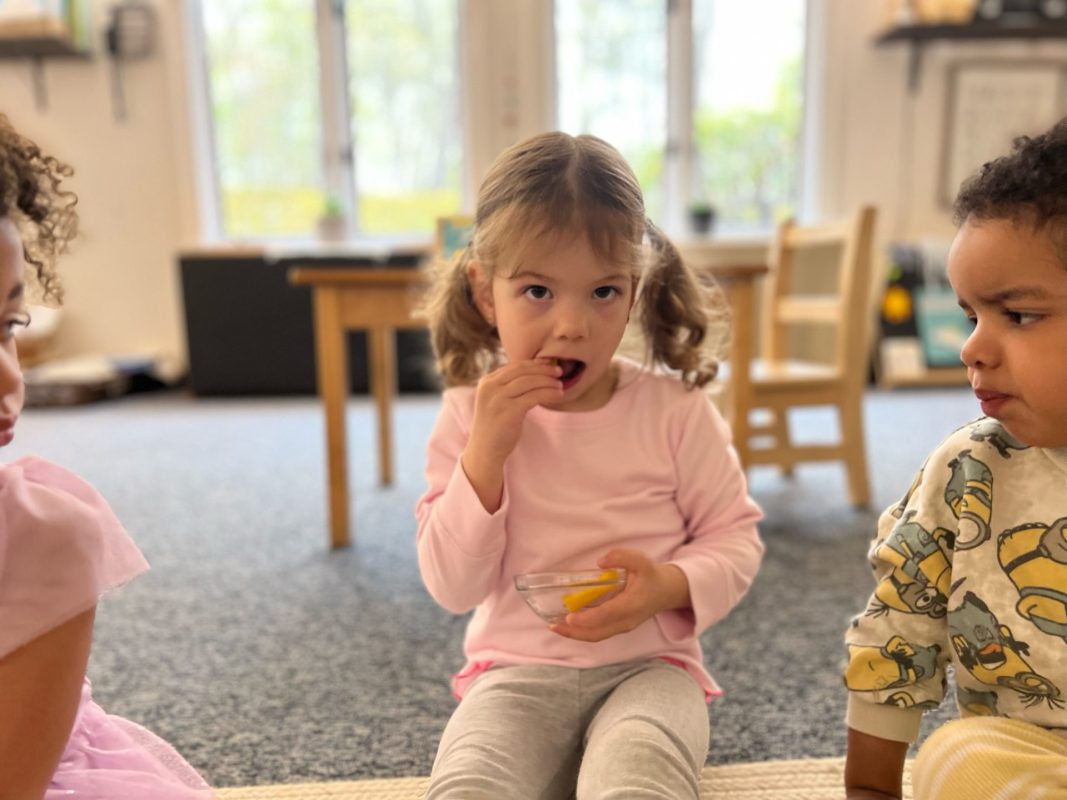
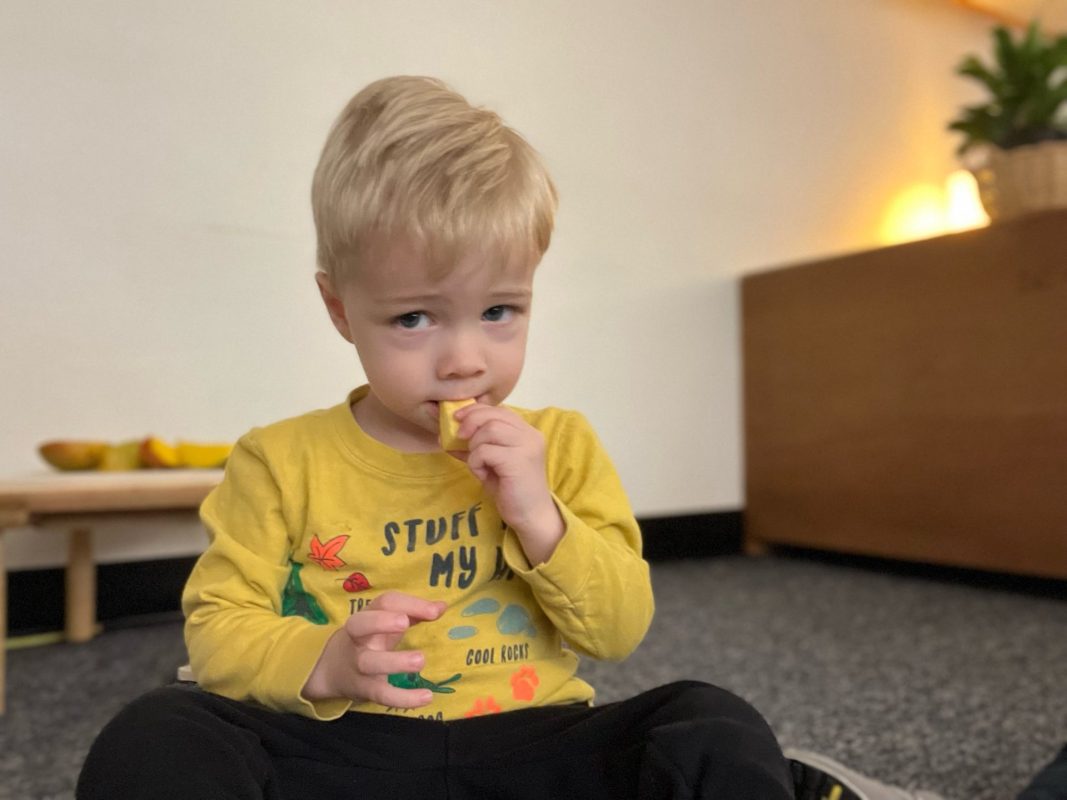
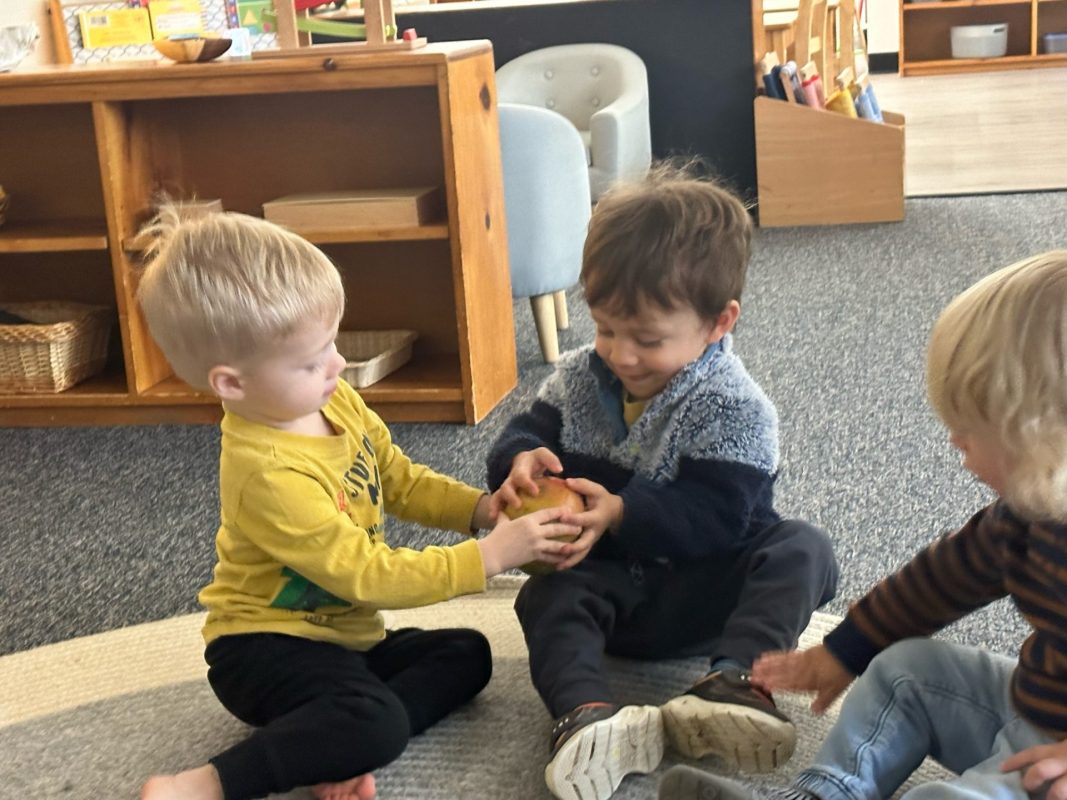
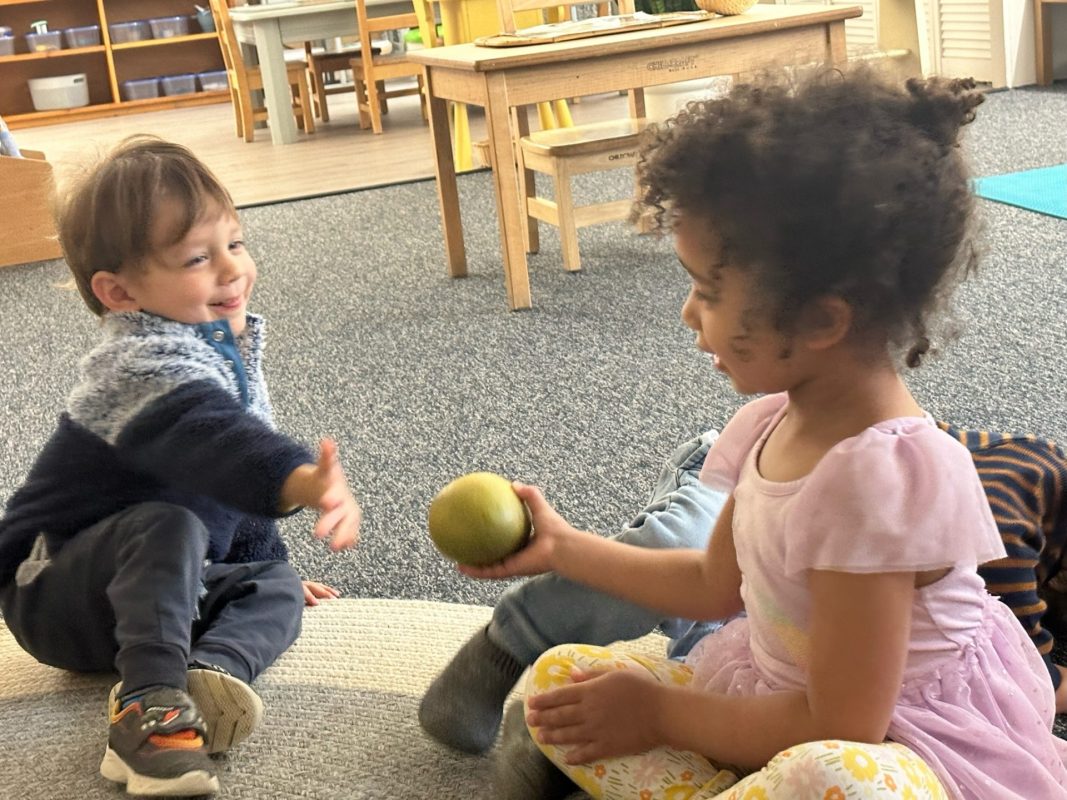
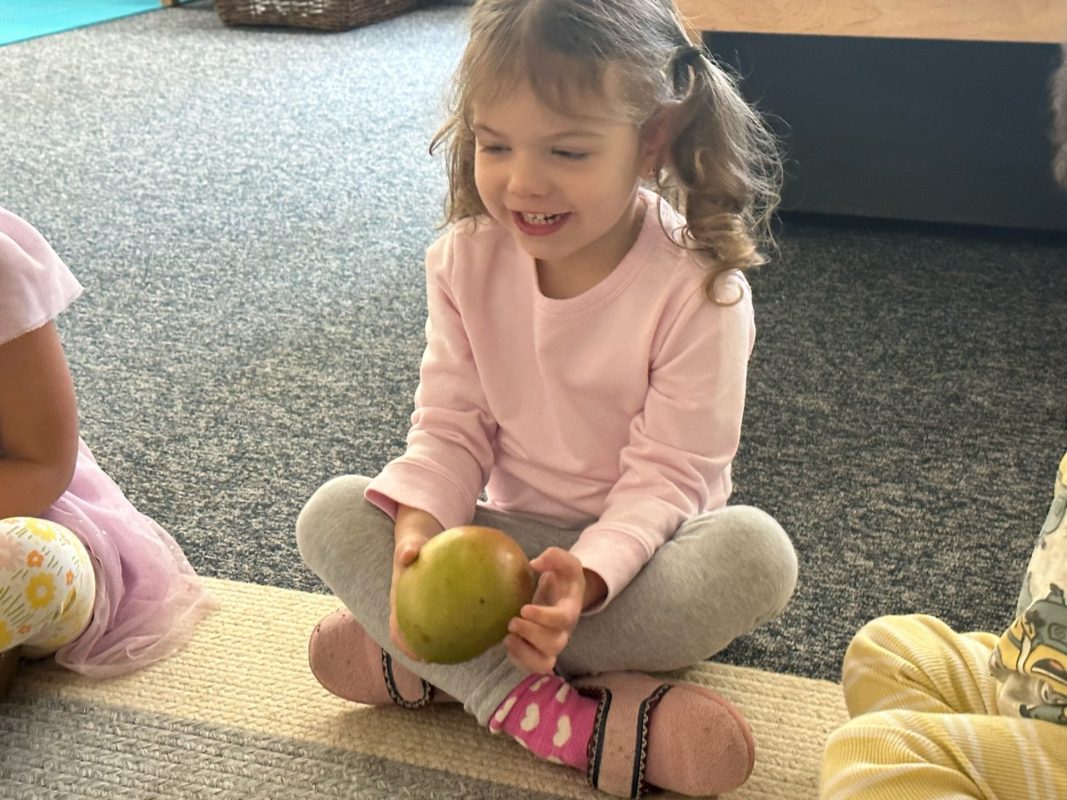
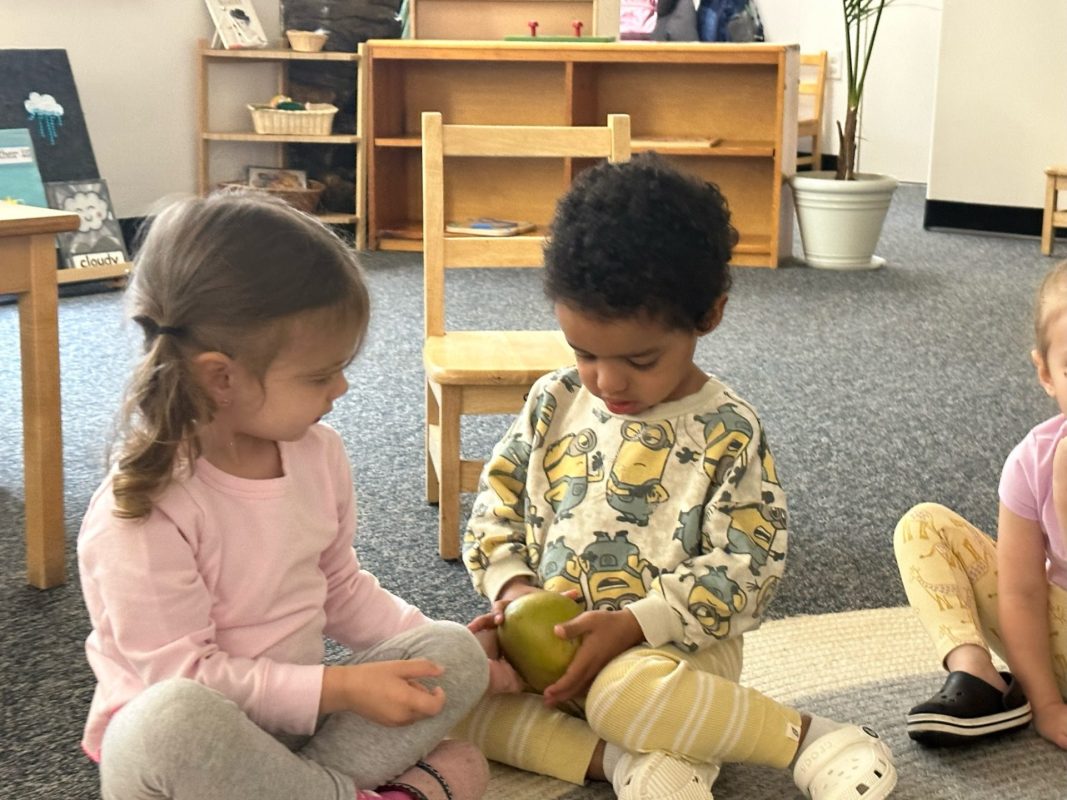
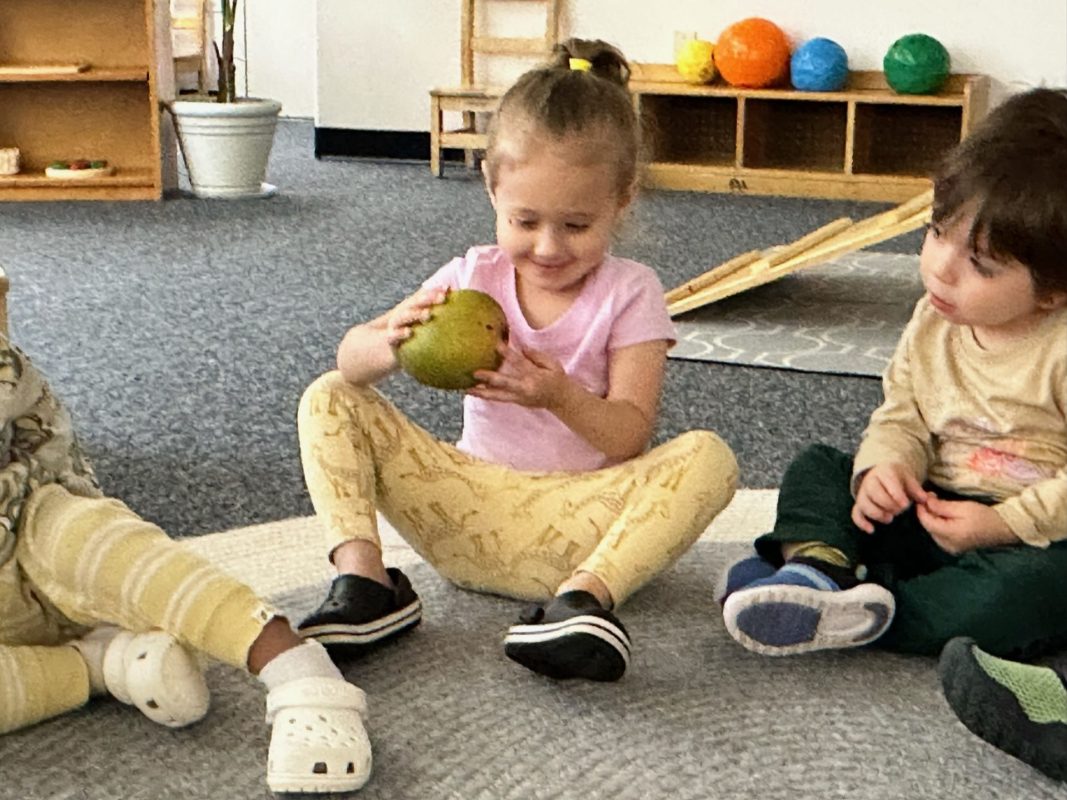
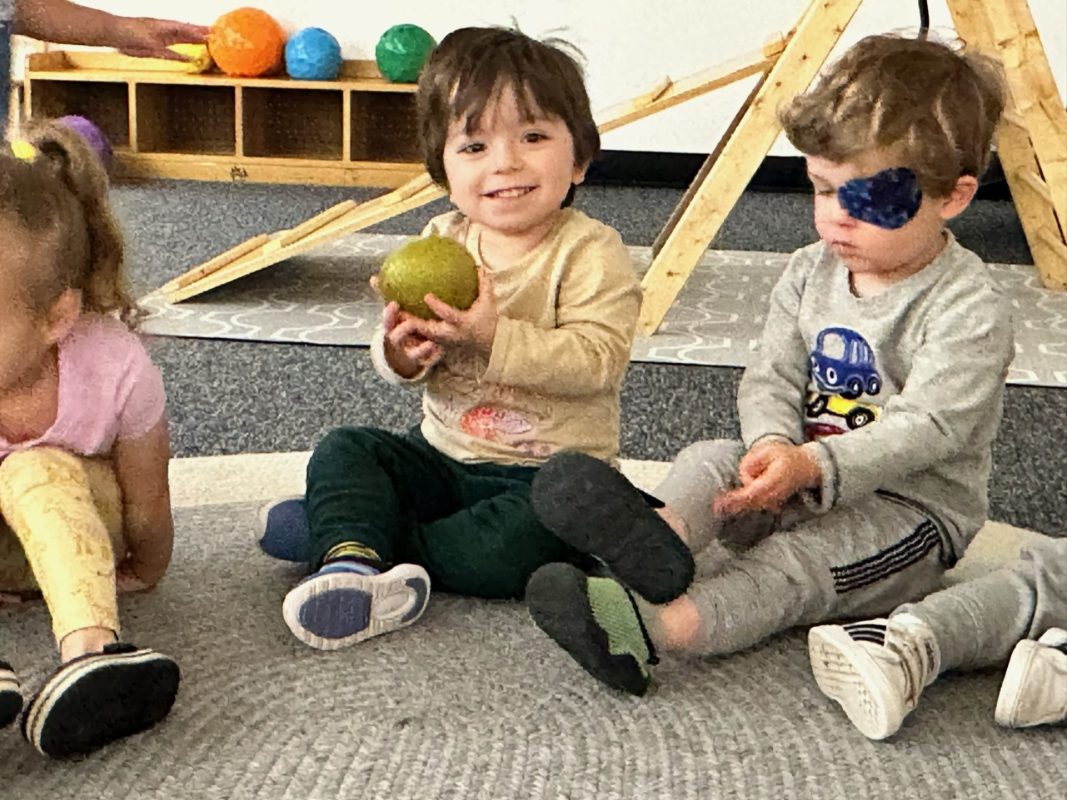
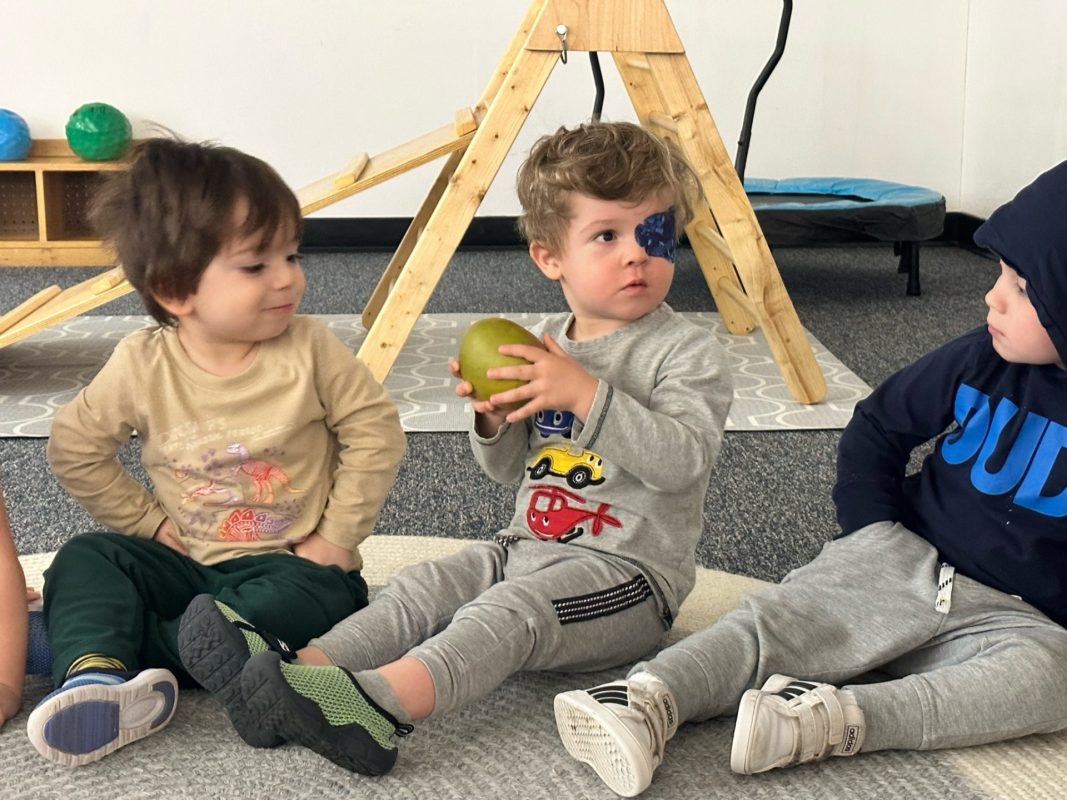
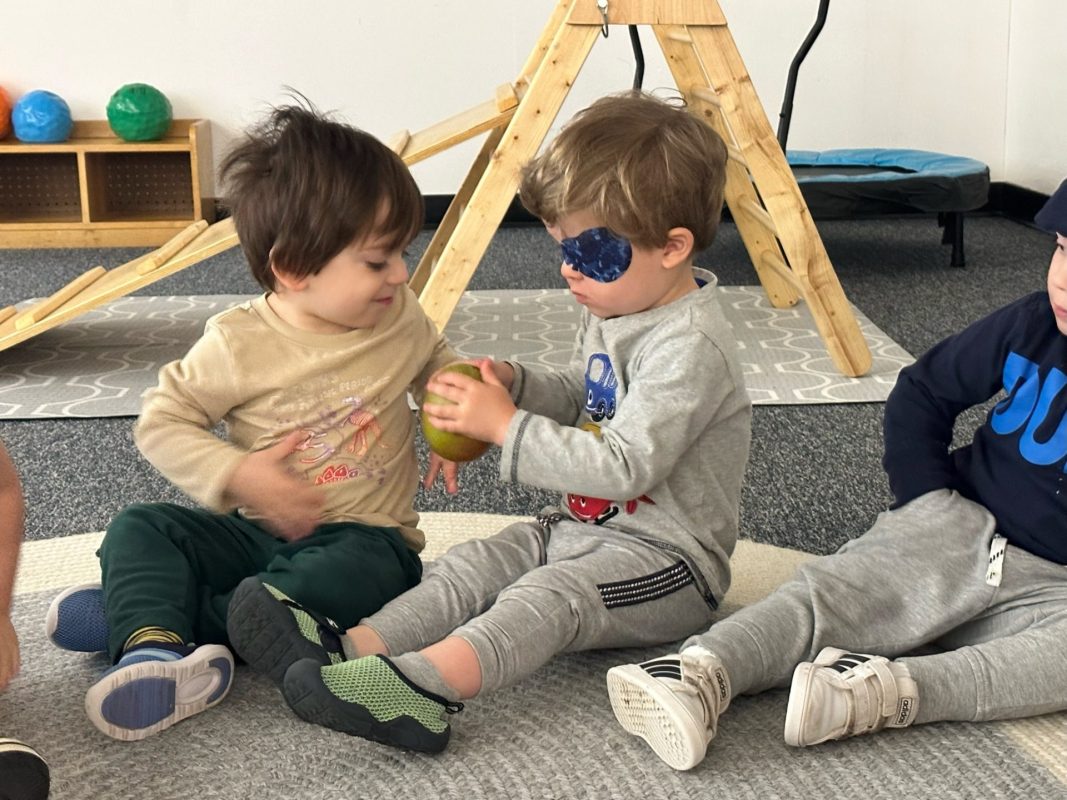
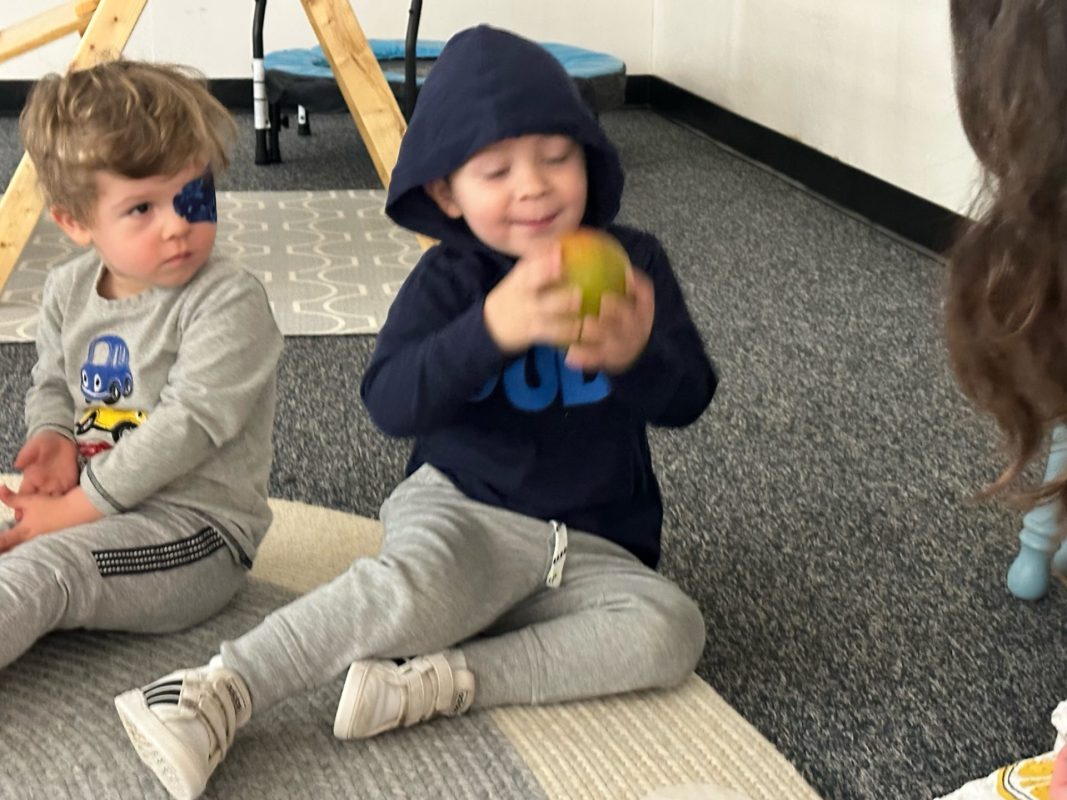
Food Tasting: The children tasted Mango this week. They all seem to enjoy the tropical taste.

Cynthia and Sara


Mrs. Doyle: Nature’s Classroom

Continuing our study of insects, we are thrilled to welcome five caterpillars to our classroom. It is so exciting to observe each step of the fascinating life cycle of the Painted Lady Butterfly. Right now, our caterpillars are busy eating and growing bigger every day. During this incredible period of growth, they will shed their exoskeletons four times and grow more than ten times their original size! When they have finished growing, the caterpillars will climb to the top of the cup. Once there, they will hang from the paper disk in a “j” shape under the lid. Finally, they will shed their exoskeletons one last time before they pupate and form a chrysalis. Ask your children to update you on what is happening each day with our caterpillars. The discussions taking place among the children about the caterpillars are amazing.

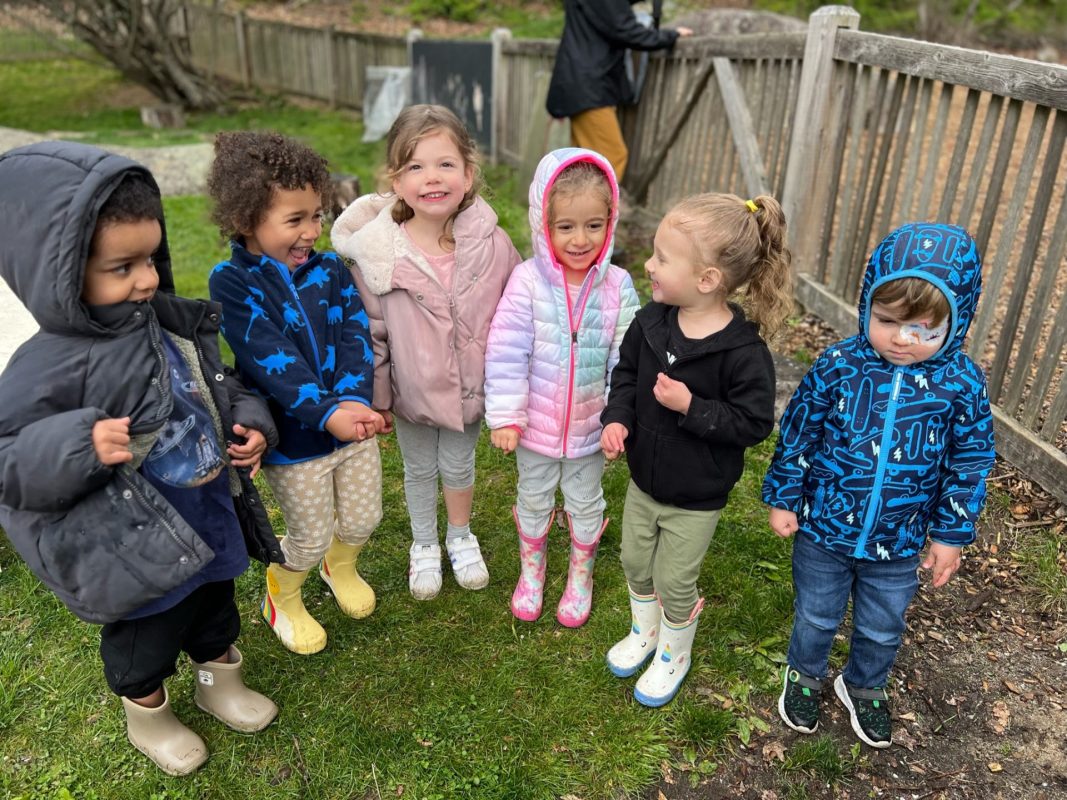
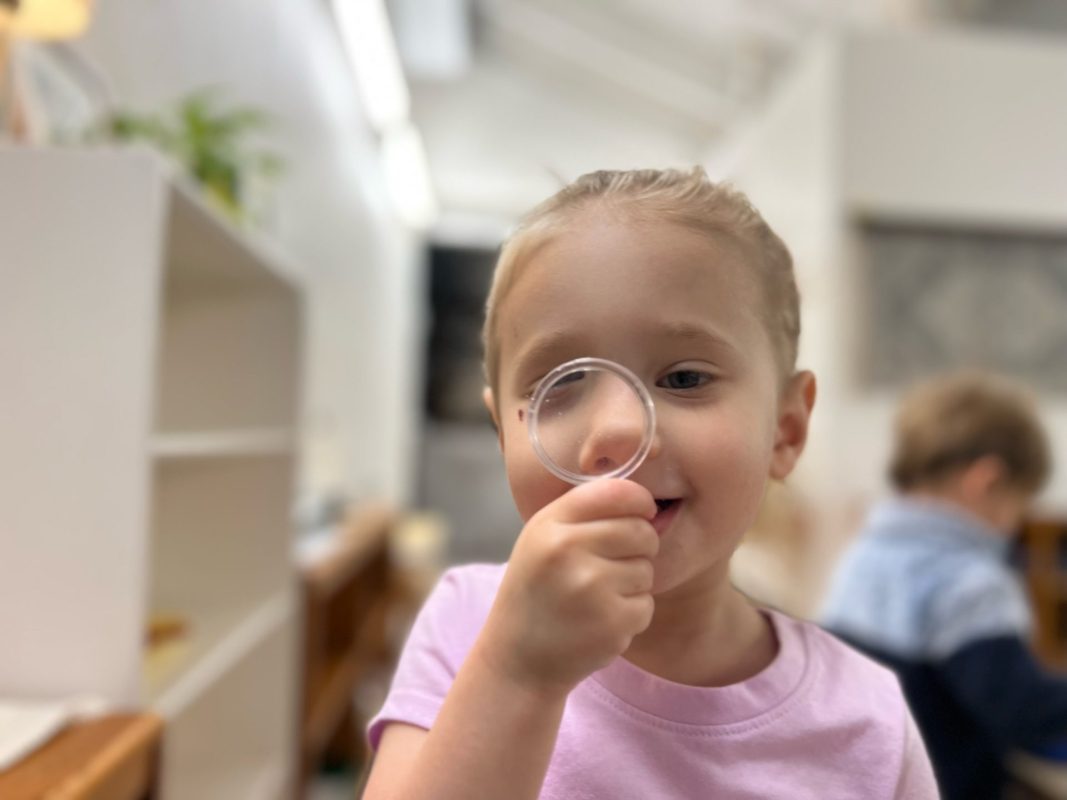
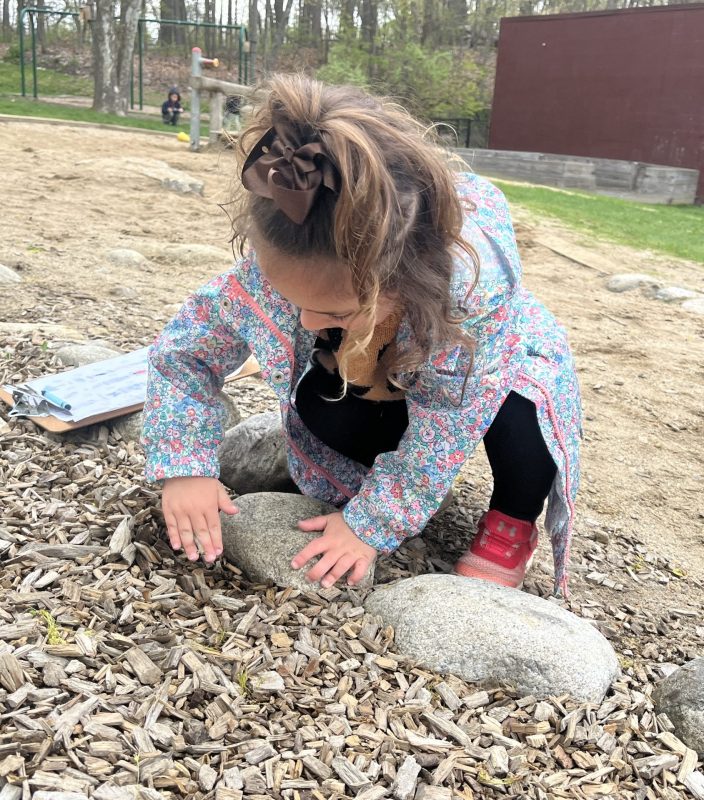
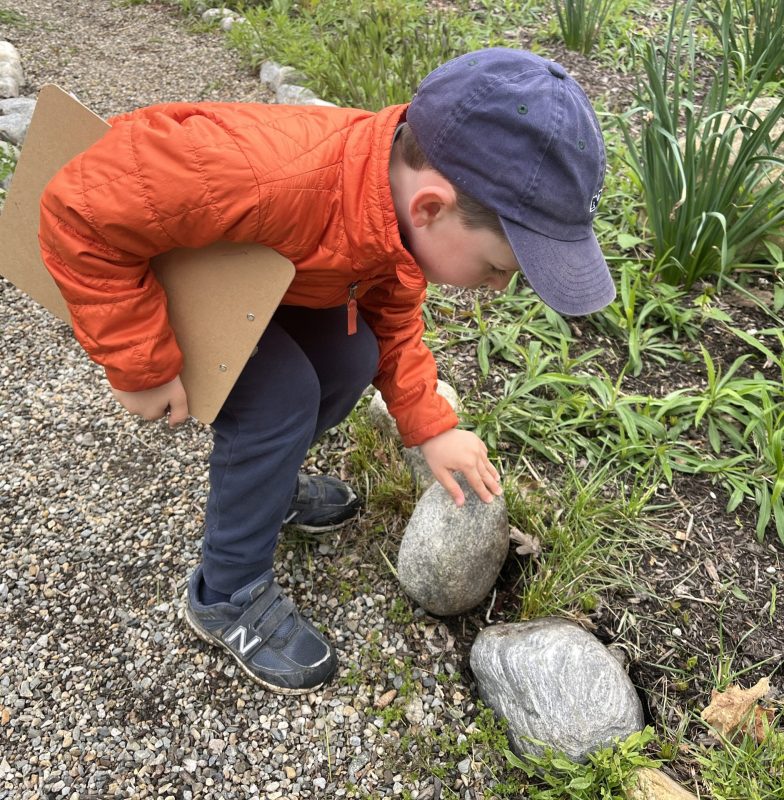
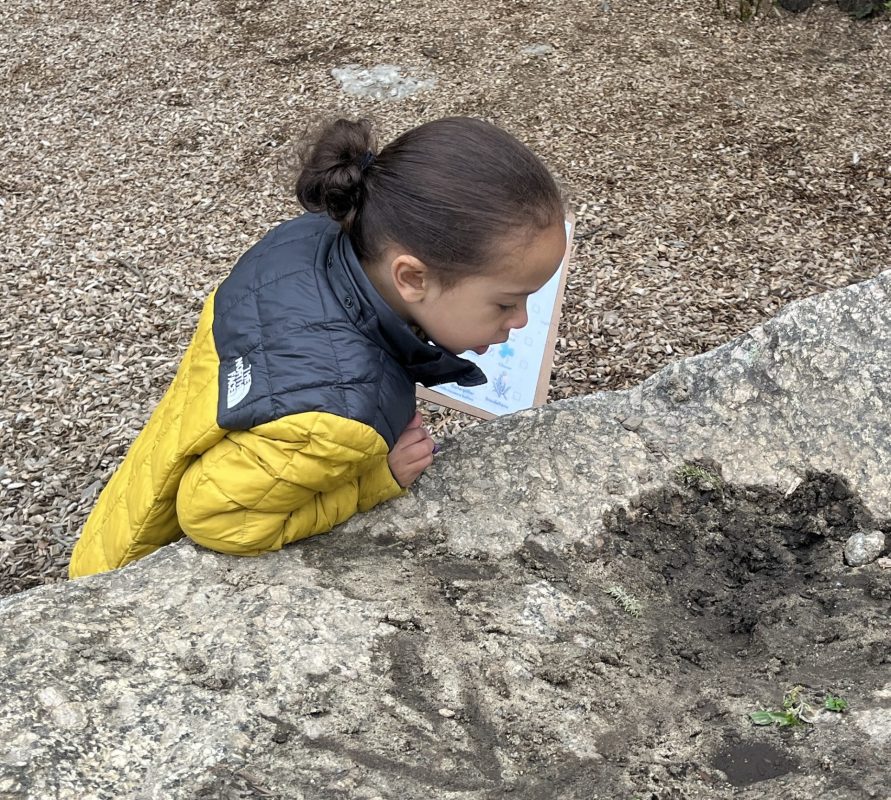
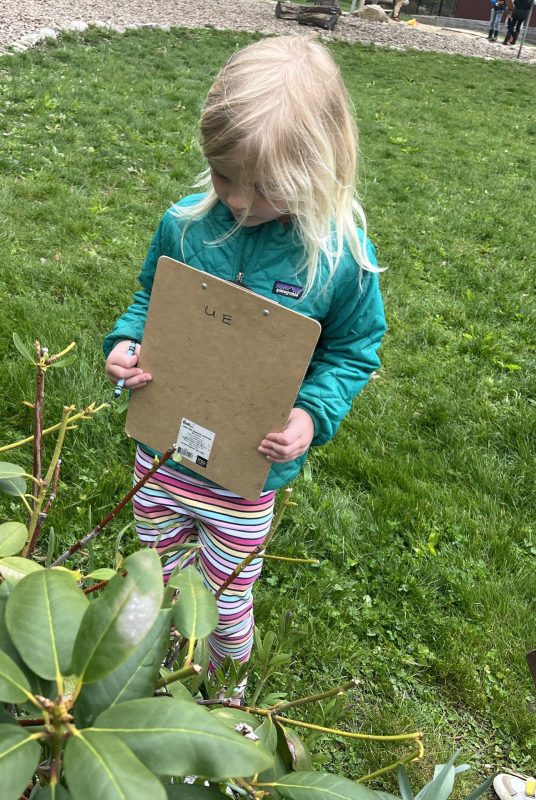
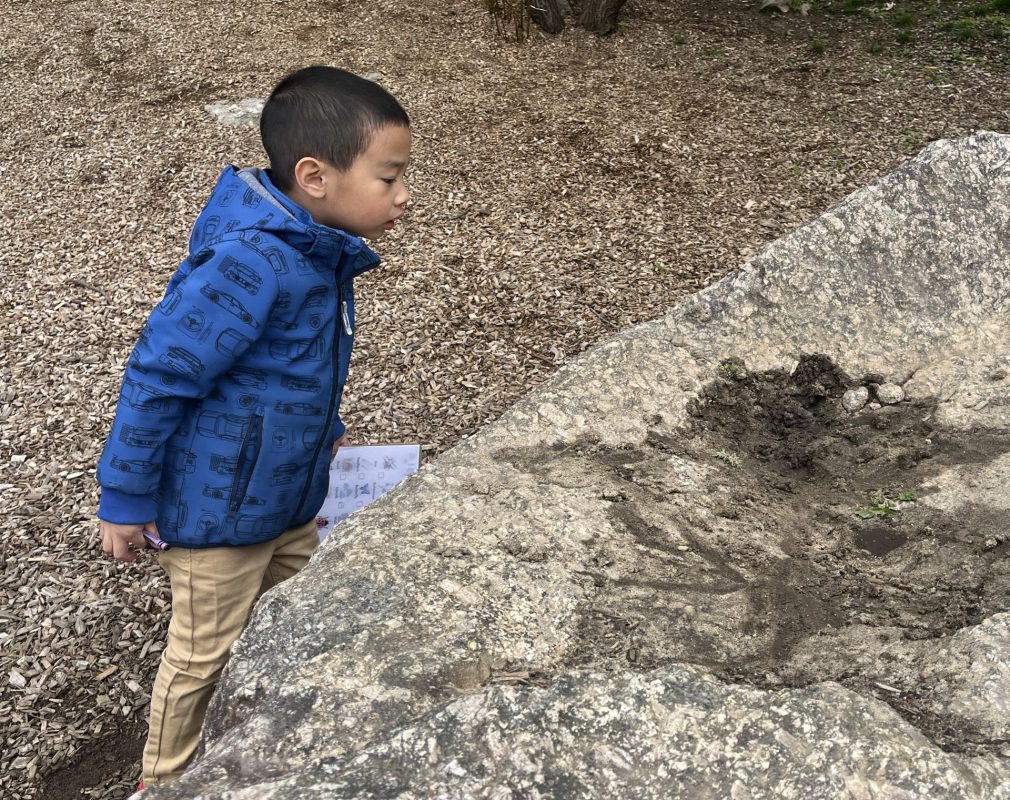
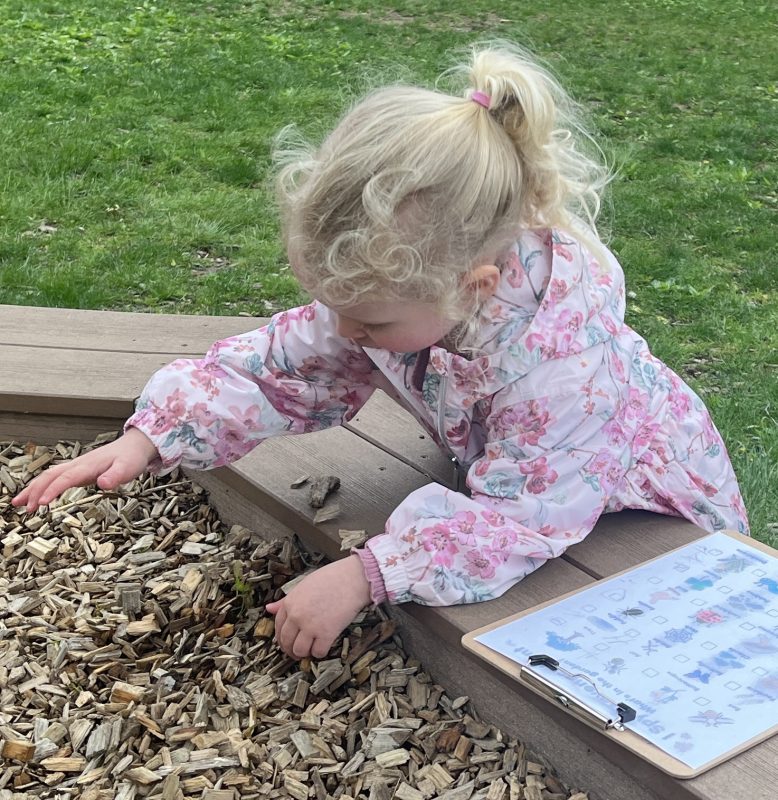
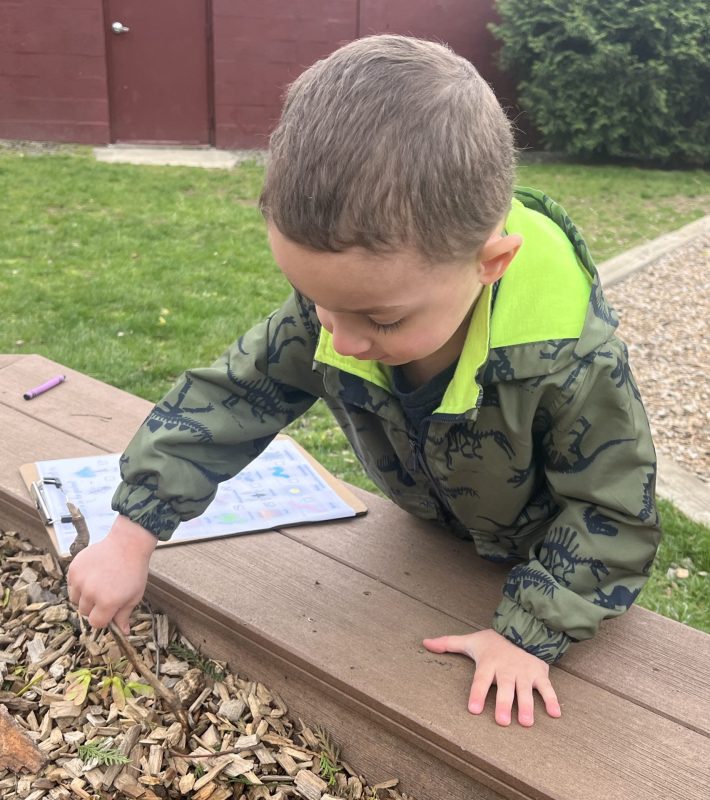
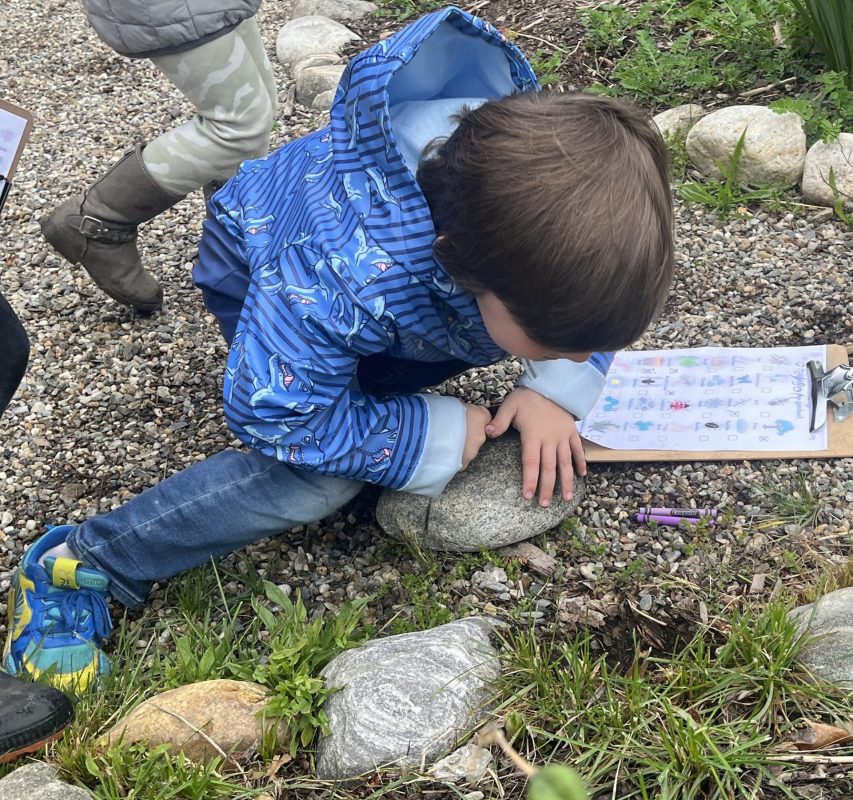
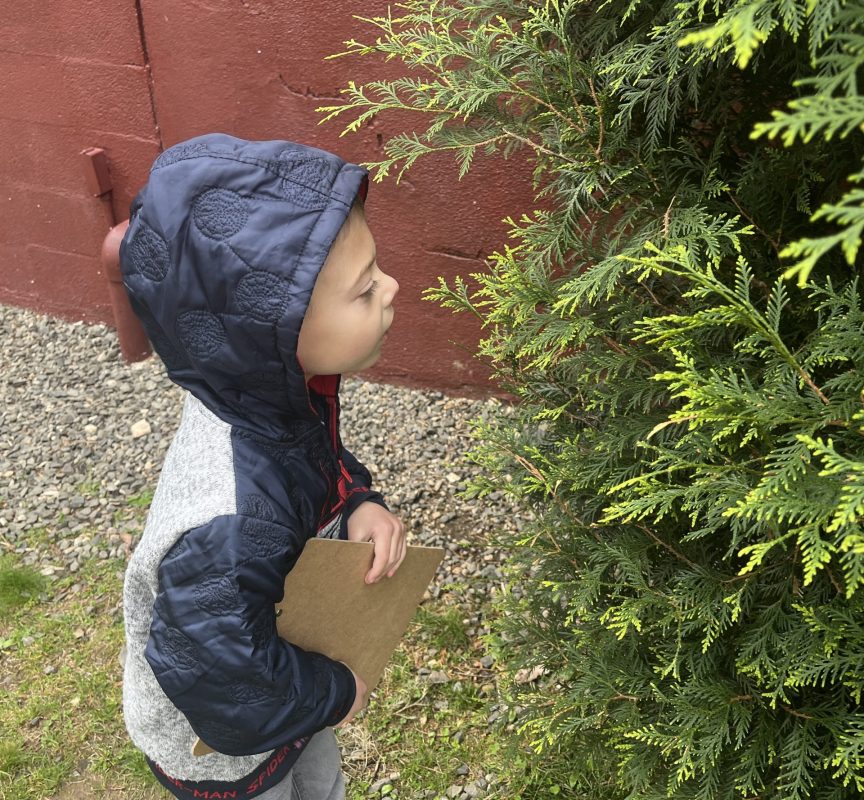
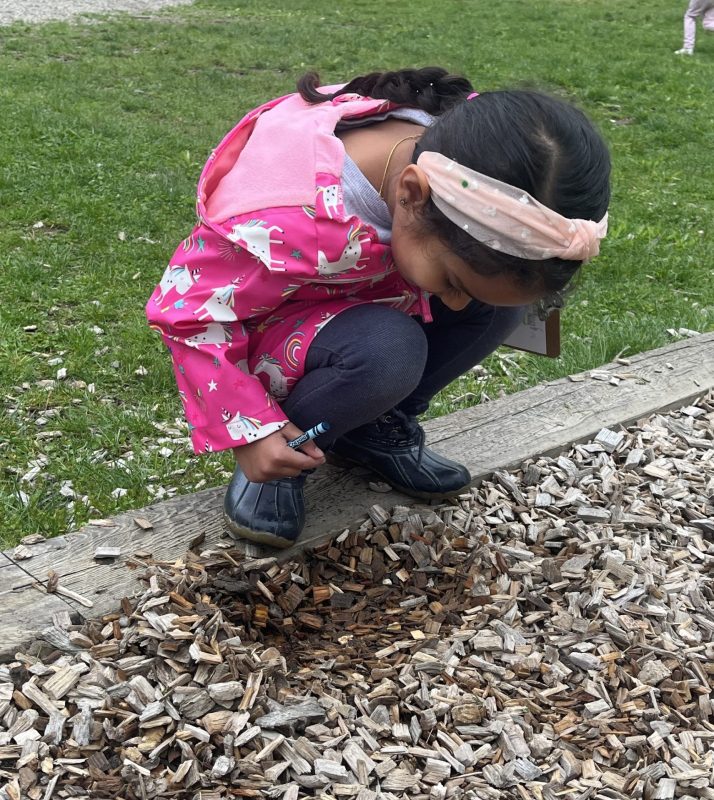
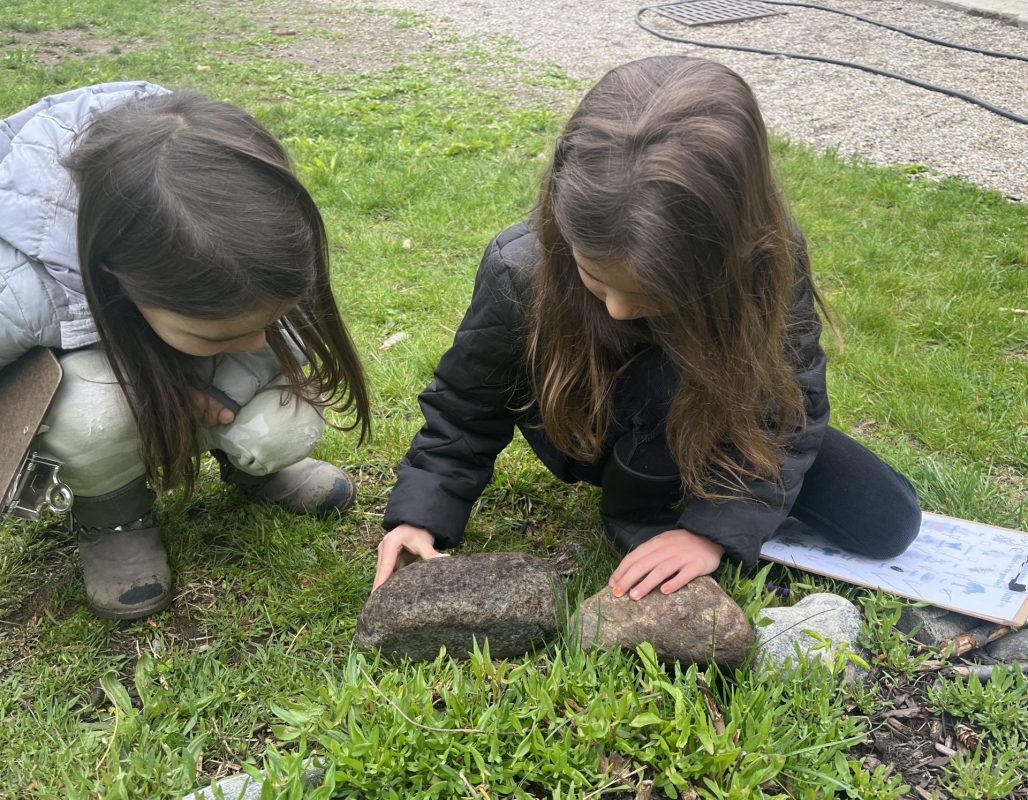
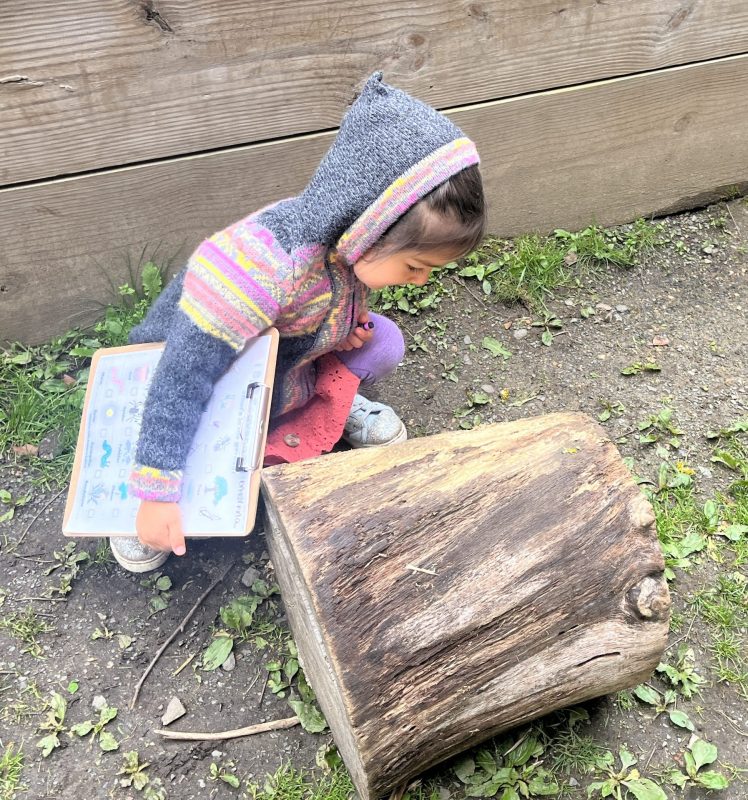
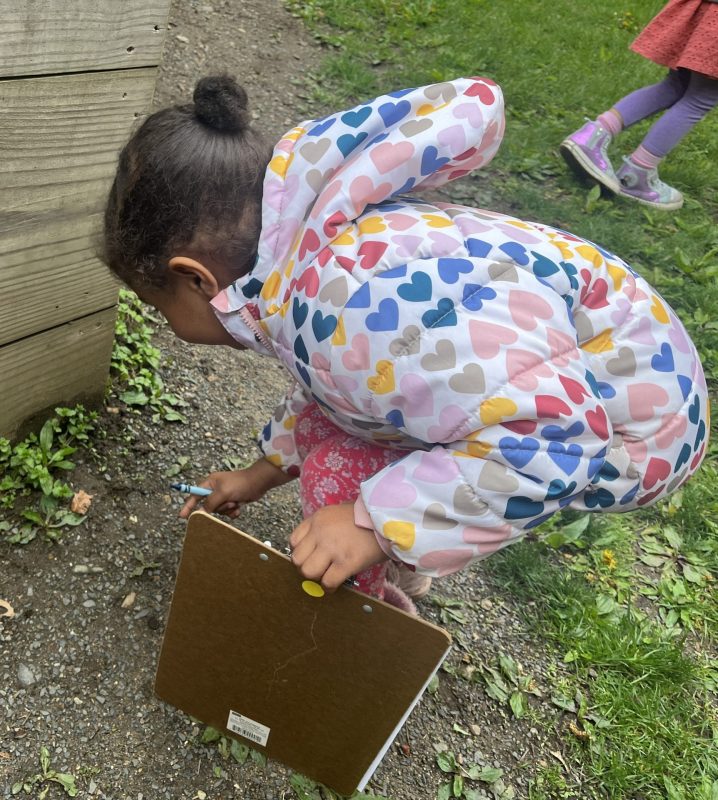
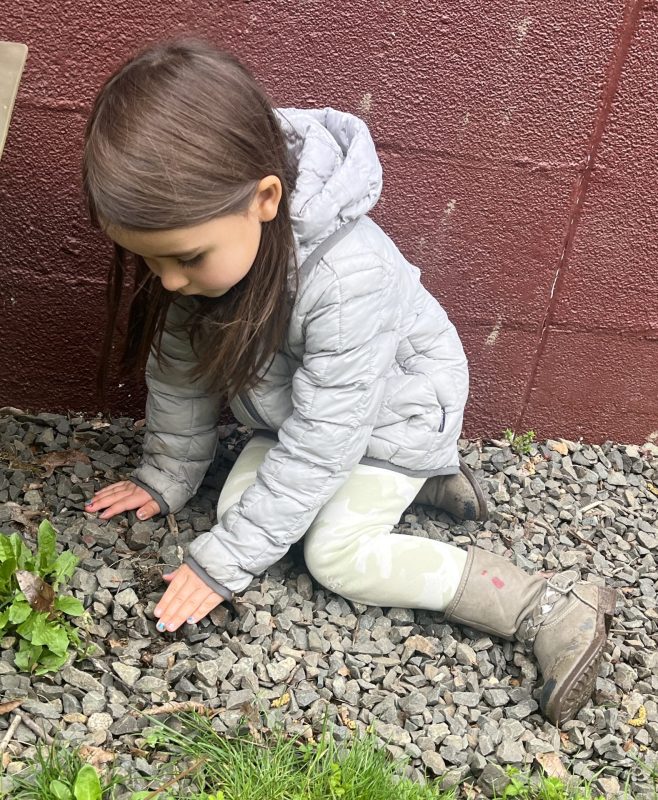
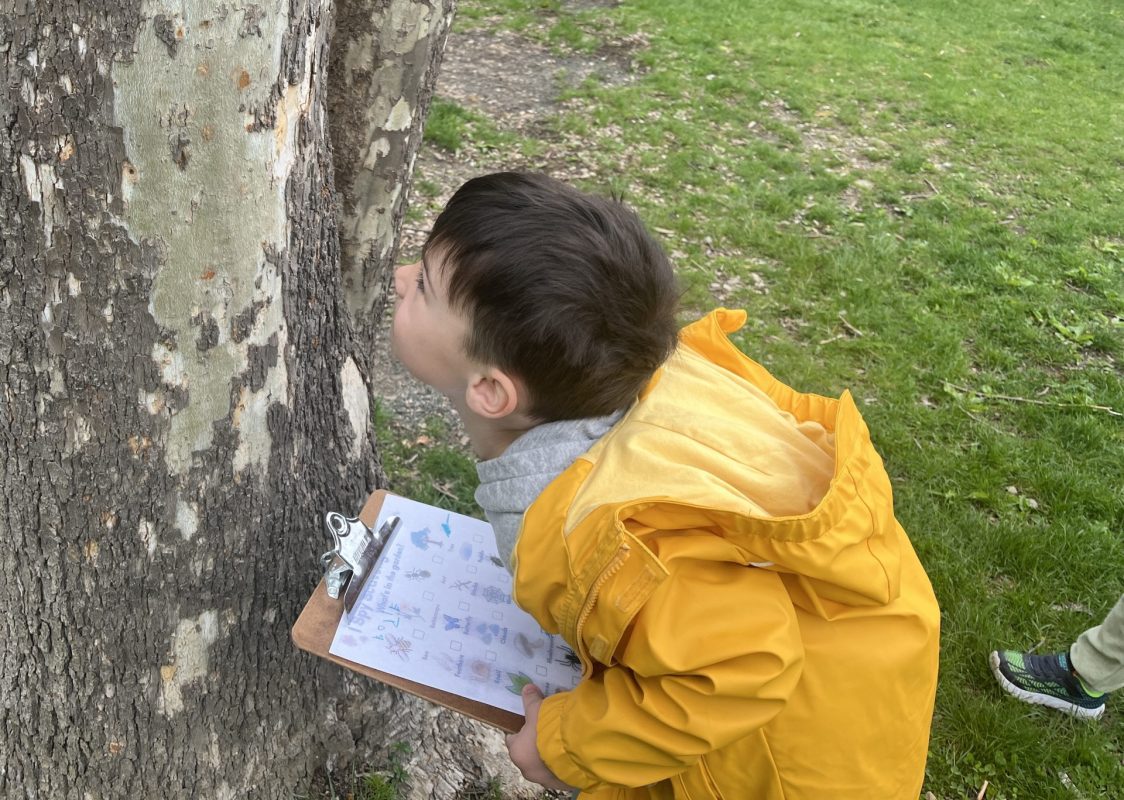
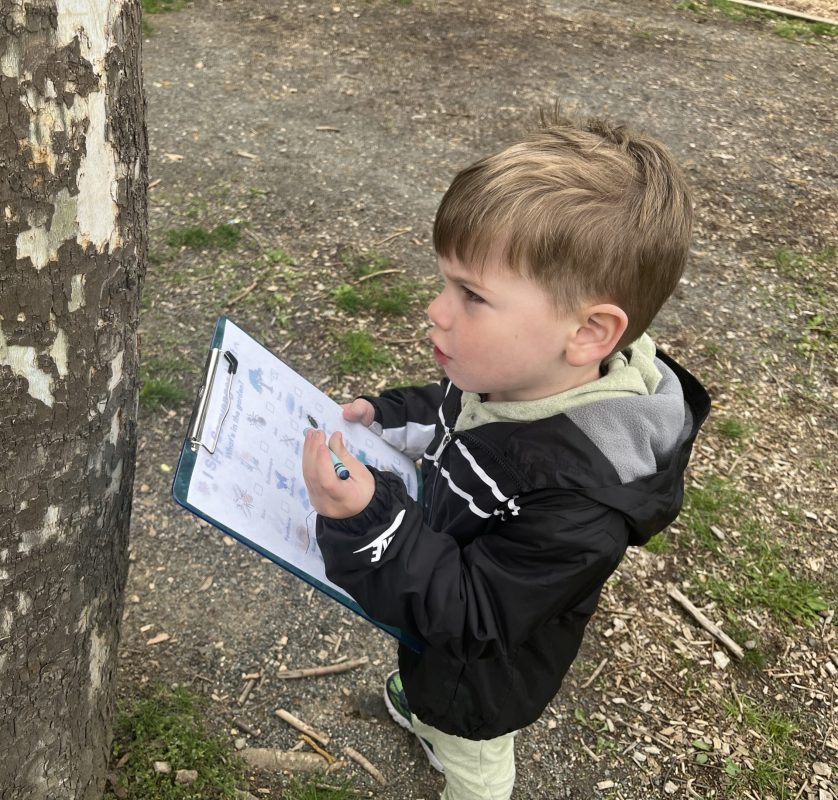
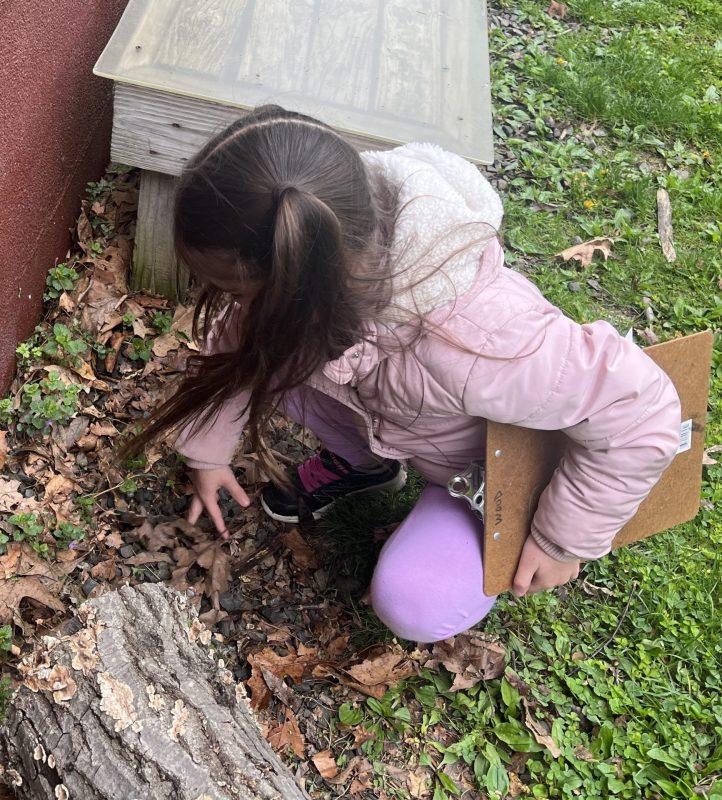
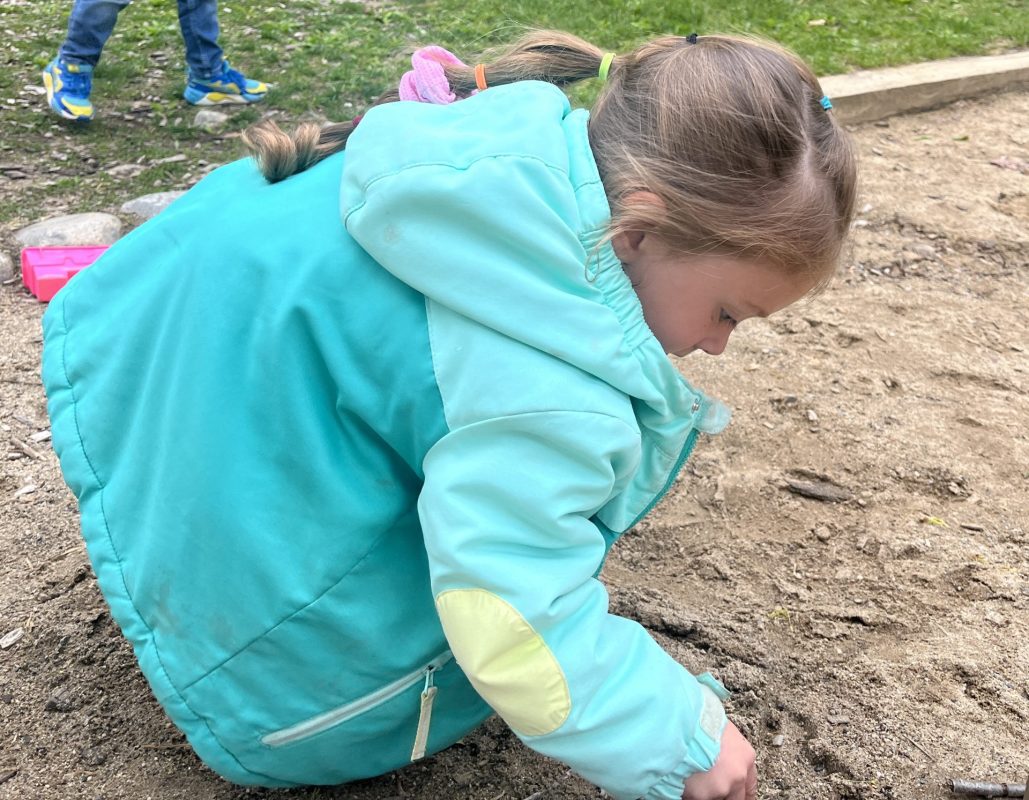
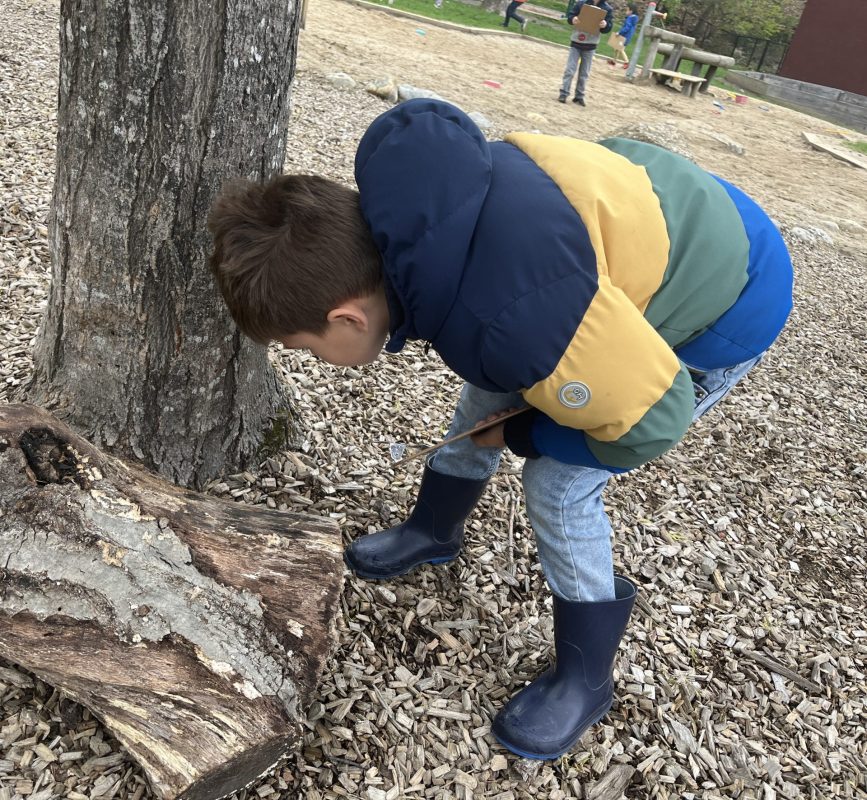
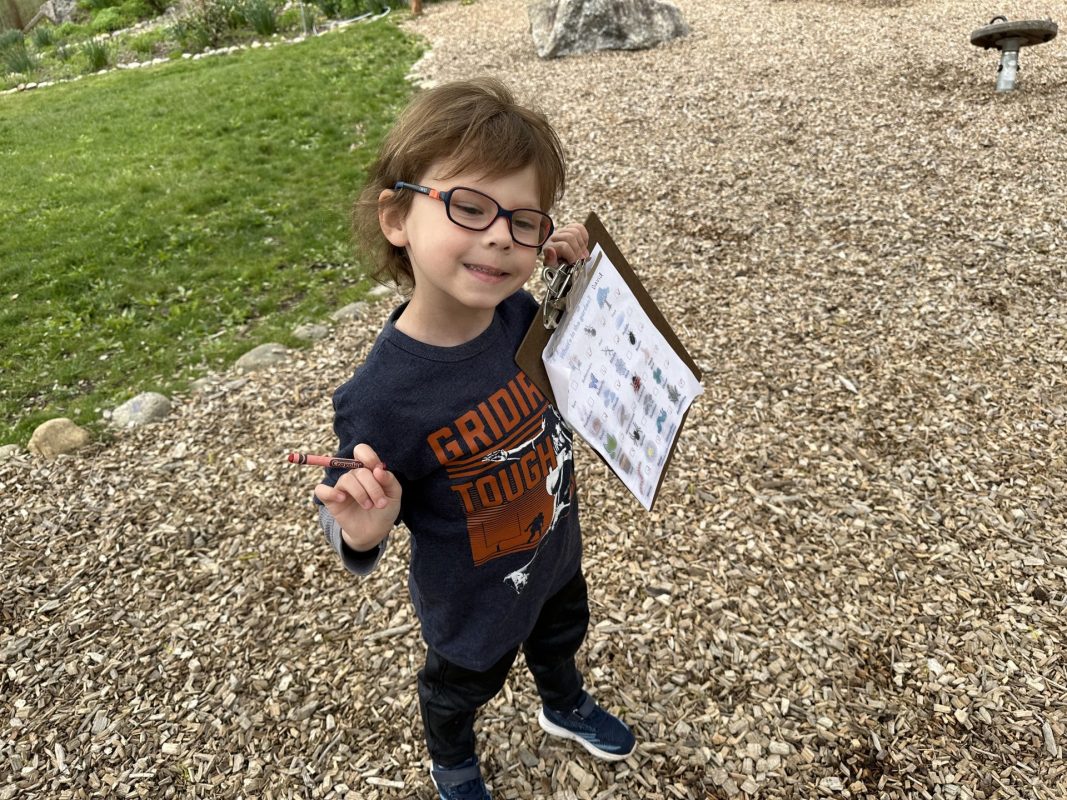
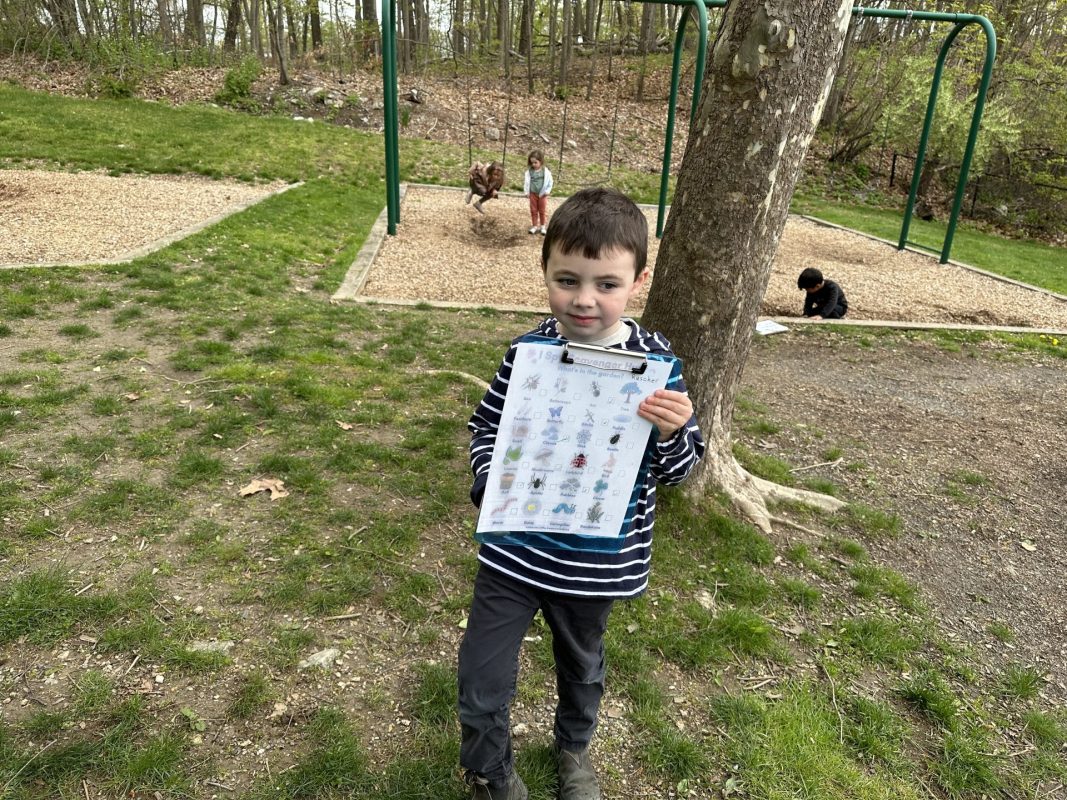
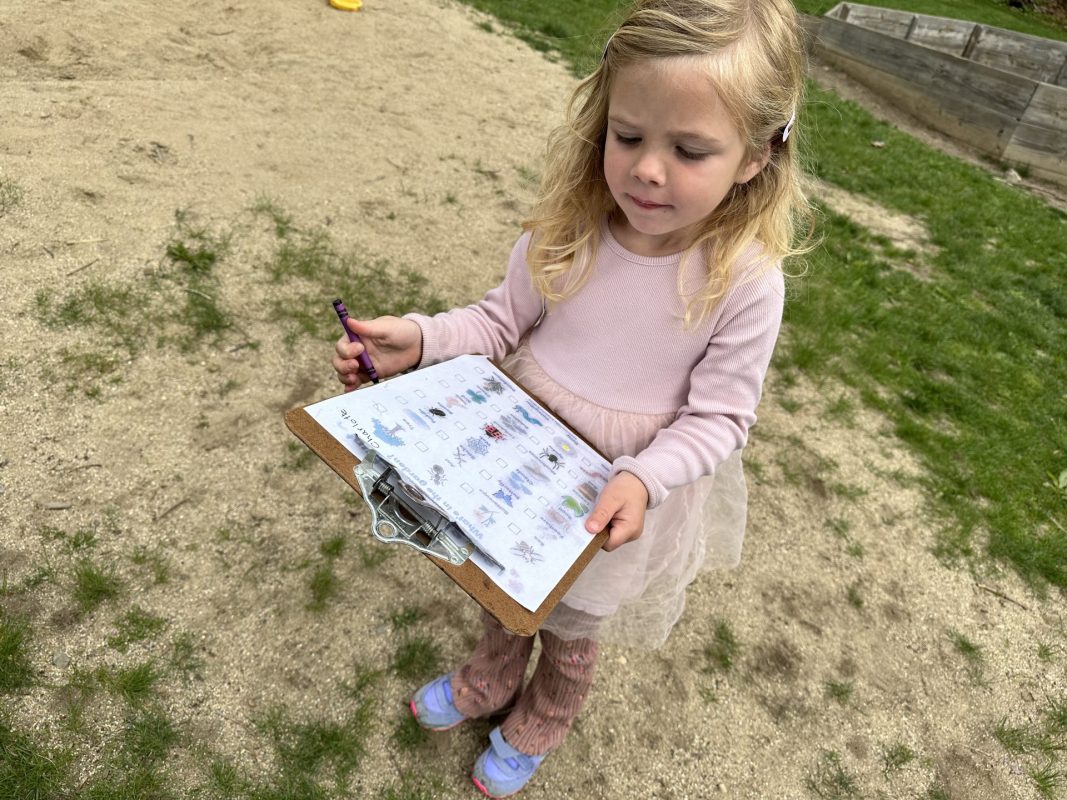
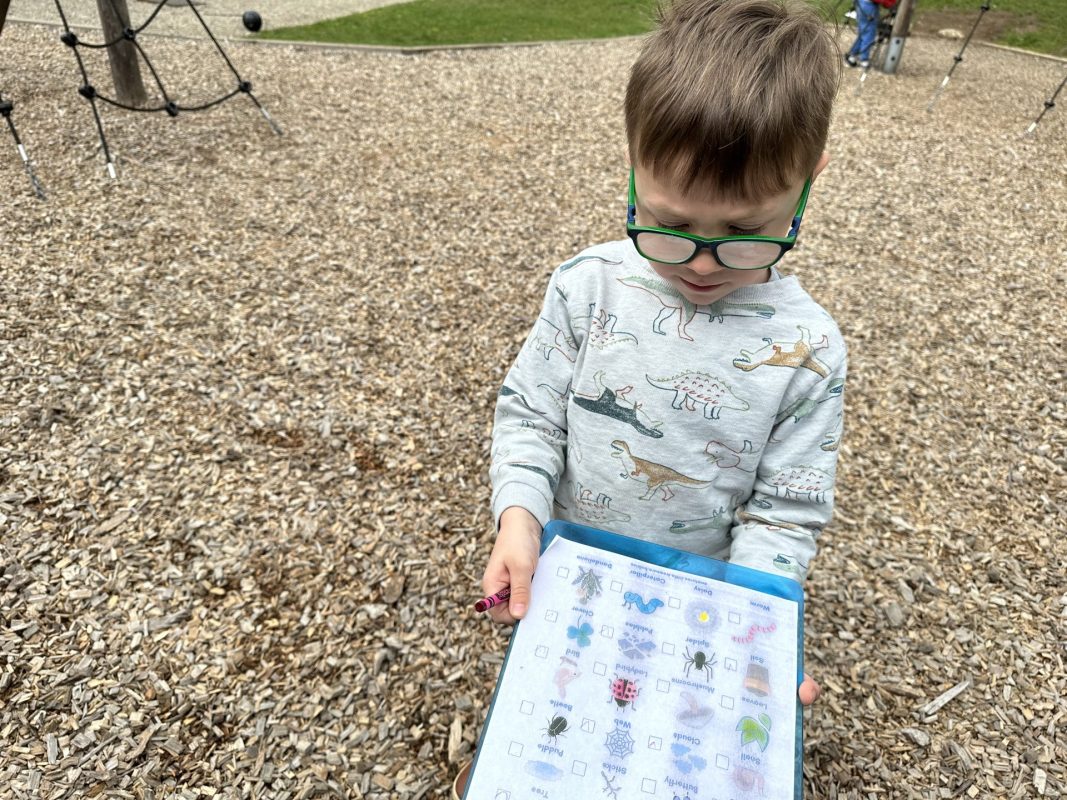
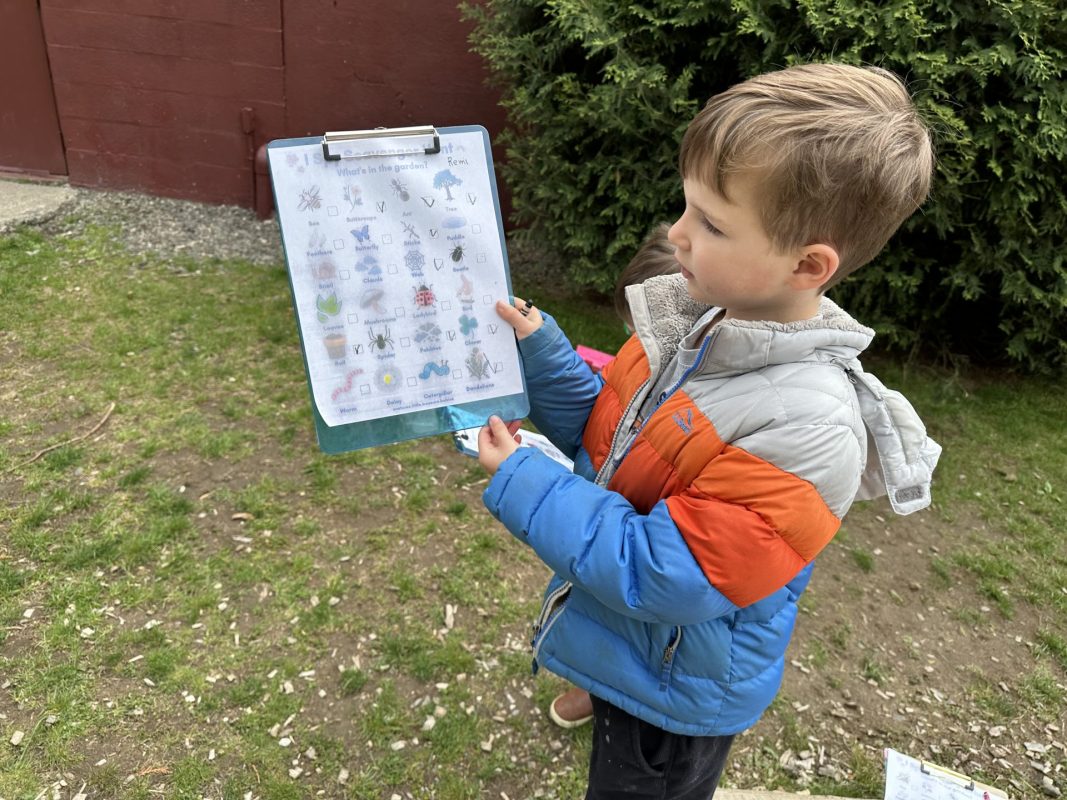
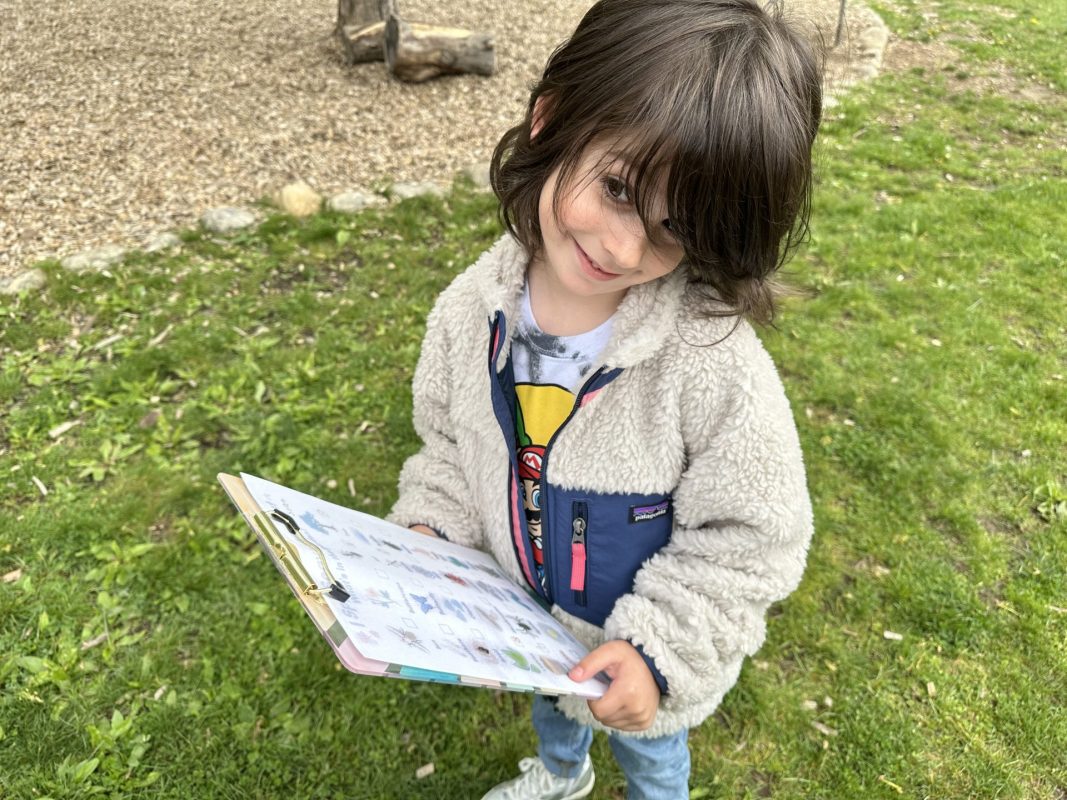
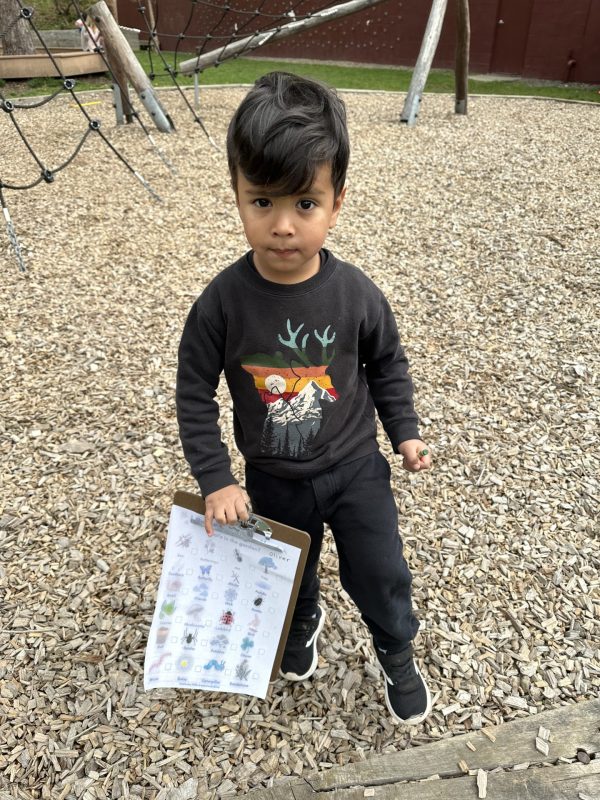
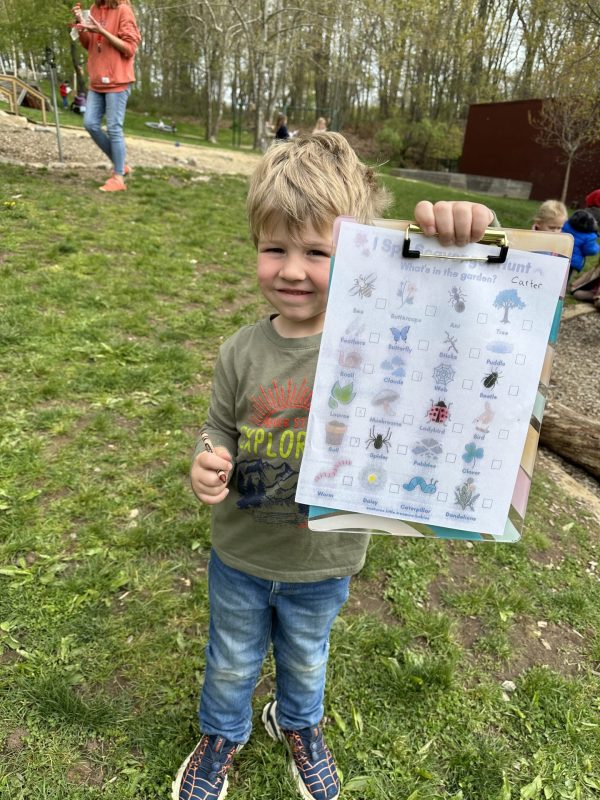
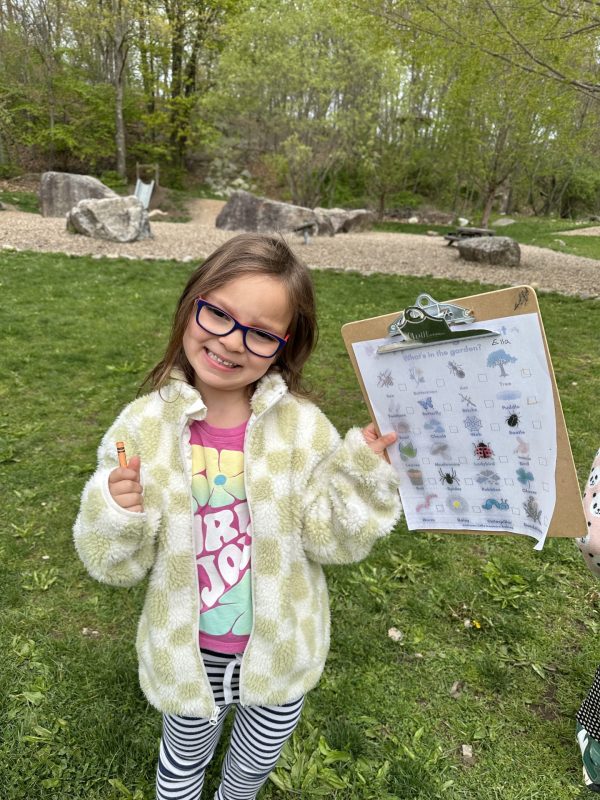
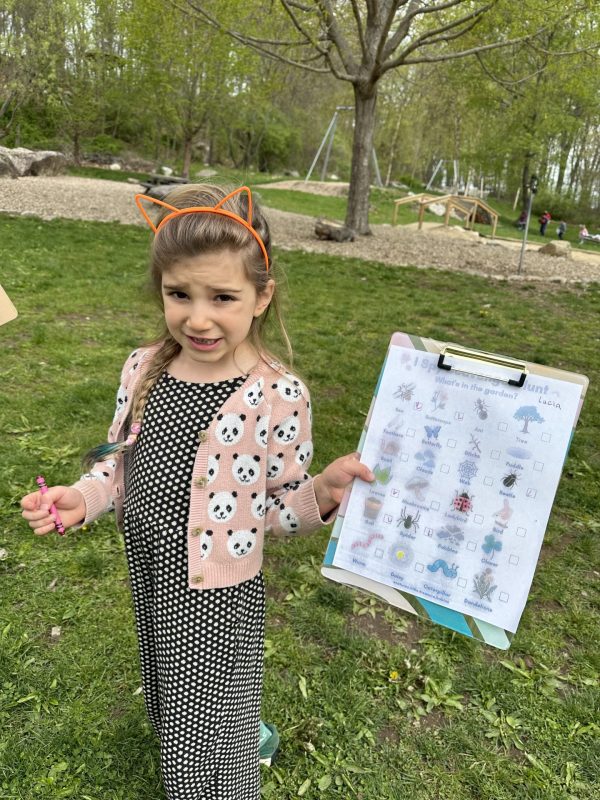
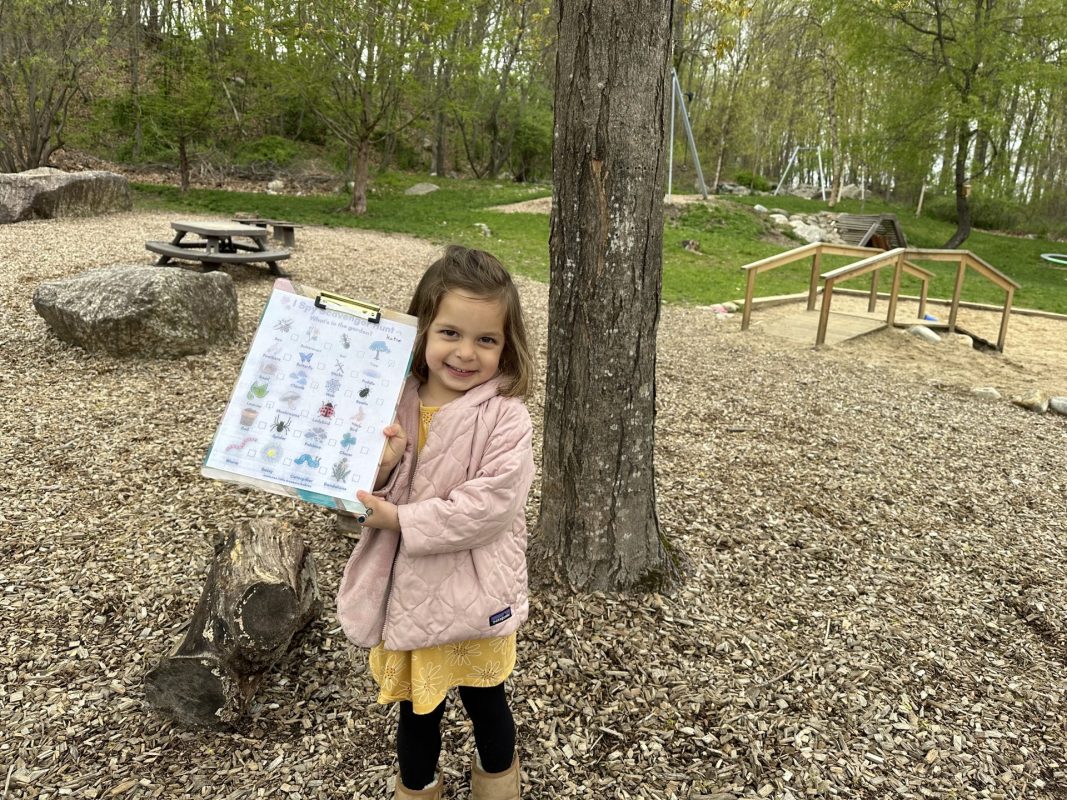
Spring is the perfect time to go for a nature walk and bug hunt, and that’s exactly what we did this week. Going on a nature walk is a simple, fun, and meaningful way to spend time outdoors. A bug hunt is a really fun way to help incorporate what we are learning about insects inside the classroom and what we observe outside in nature. The best thing about a bug hunt? Once the children get in the habit of learning, observing, and studying insects, their reaction is less likely to be, “Aarrghhhh, a bug!”

Wishing you a week filled with peace and love,

Michelle & Maria


Mrs. Semmah: Nature’s Classroom

Continuing our study of insects, we are thrilled to welcome five caterpillars to our classroom. It is so exciting to observe each step of the fascinating life cycle of the Painted Lady Butterfly. Right now, our caterpillars are busy eating and growing bigger every day. During this incredible period of growth, they will shed their exoskeletons four times and grow more than ten times their original size! When they have finished growing, the caterpillars will climb to the top of the cup. Once there, they will hang from the paper disk in a “j” shape under the lid. Finally, they will shed their exoskeletons one last time before they pupate and form a chrysalis. Ask your children to update you on what is happening each day with our caterpillars. The discussions taking place among the children about the caterpillars are amazing.

Spring is the perfect time to go for a nature walk and bug hunt, and that’s exactly what we did this week. Going on a nature walk is a simple, fun, and meaningful way to spend time outdoors. A bug hunt is a really fun way to help incorporate what we are learning about insects inside the classroom and what we observe outside in nature. The best thing about a bug hunt? Once the children get in the habit of learning, observing, and studying insects, their reaction is less likely to be, “Aarrghhhh, a bug!”

Wishing you a week filled with peace and love,

Kaoutar & Sue