Blog

Mrs. Lopes: Nature’s Classroom

Continuing our study of insects, we are thrilled to welcome five caterpillars to our classroom. It is so exciting to observe each step of the fascinating life cycle of the Painted Lady Butterfly. Right now, our caterpillars are busy eating and growing bigger every day. During this incredible period of growth, they will shed their exoskeletons four times and grow more than ten times their original size! When they have finished growing, the caterpillars will climb to the top of the cup. Once there, they will hang from the paper disk in a “j” shape under the lid. Finally, they will shed their exoskeletons one last time before they pupate and form a chrysalis. Ask your children to update you on what is happening each day with our caterpillars. The discussions taking place among the children about the caterpillars are amazing.

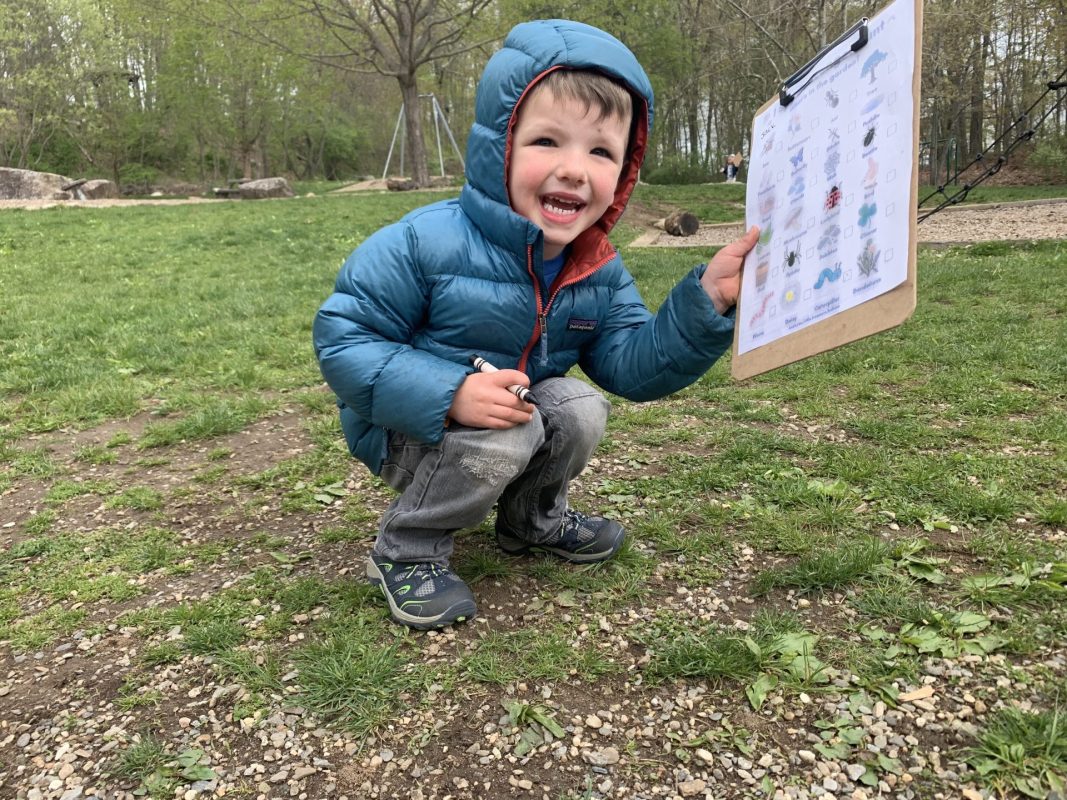
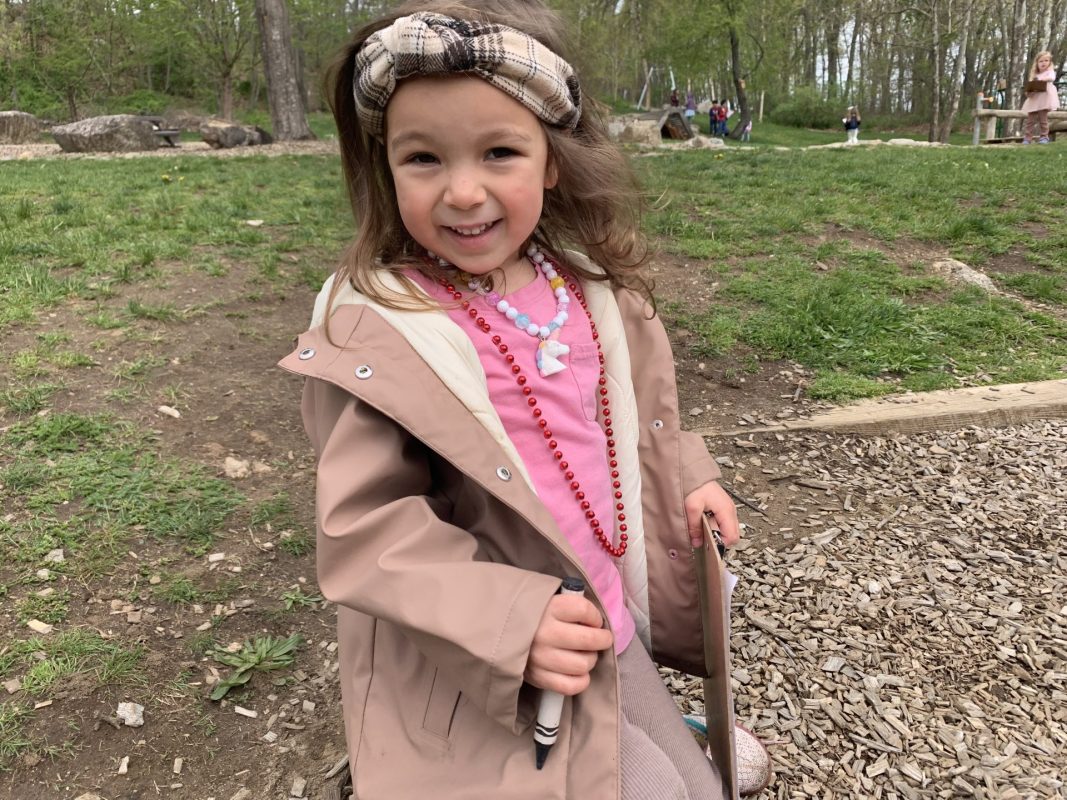
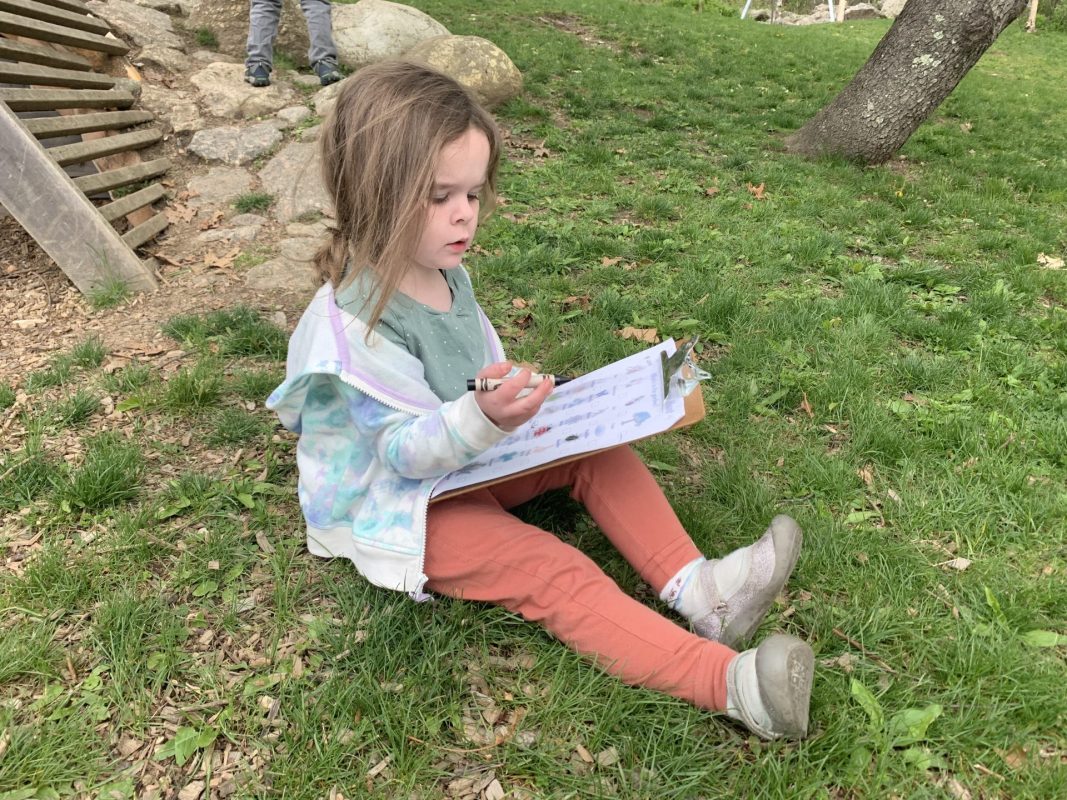
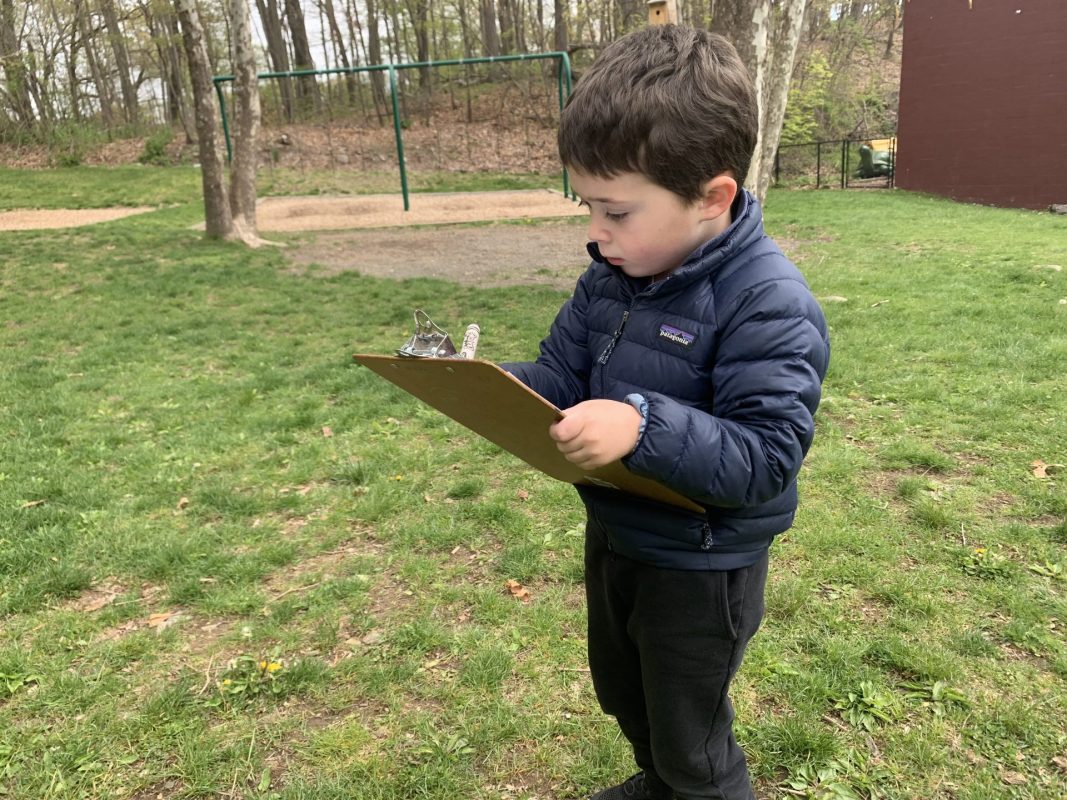
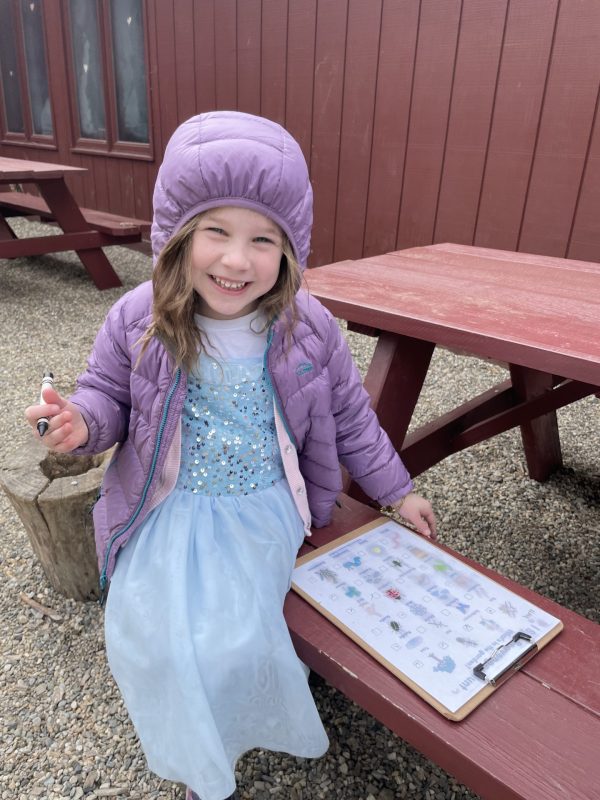
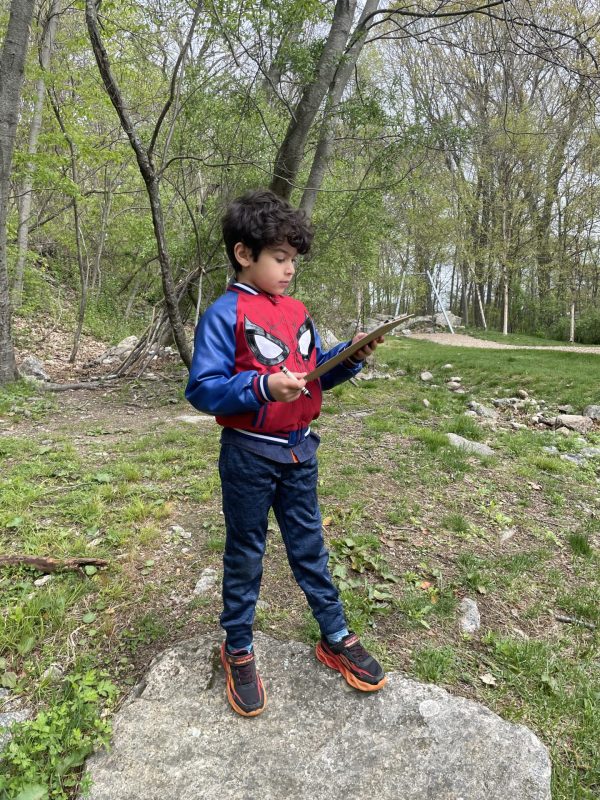
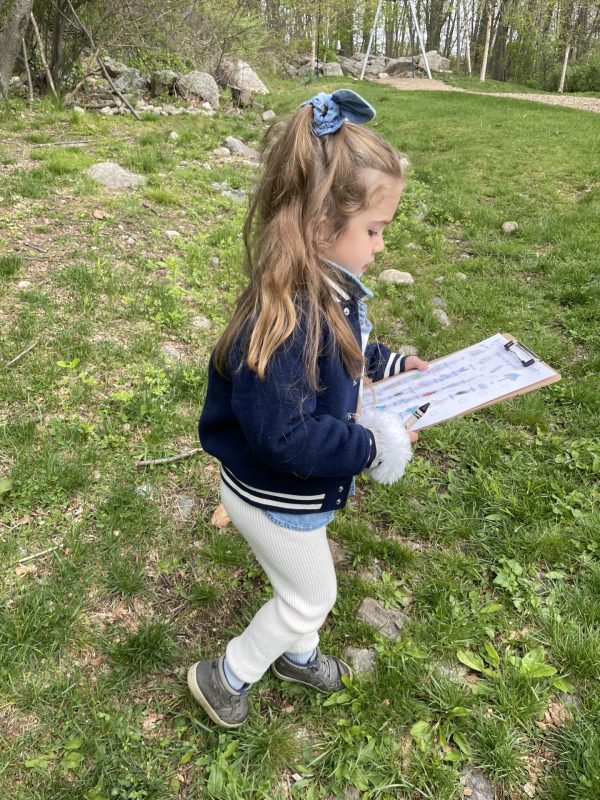
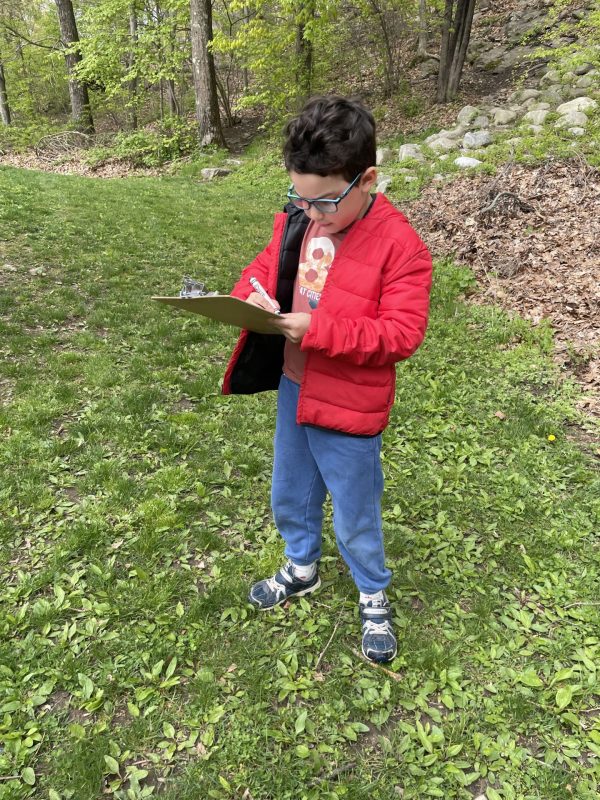
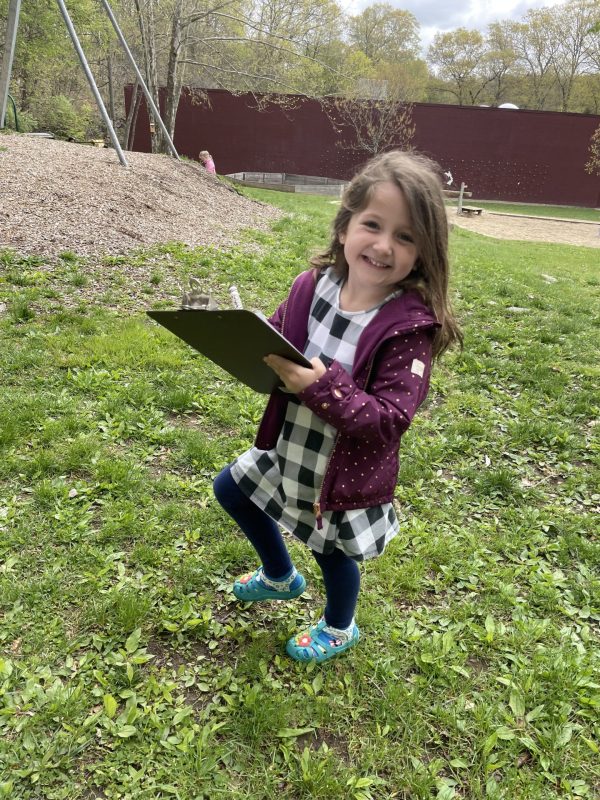
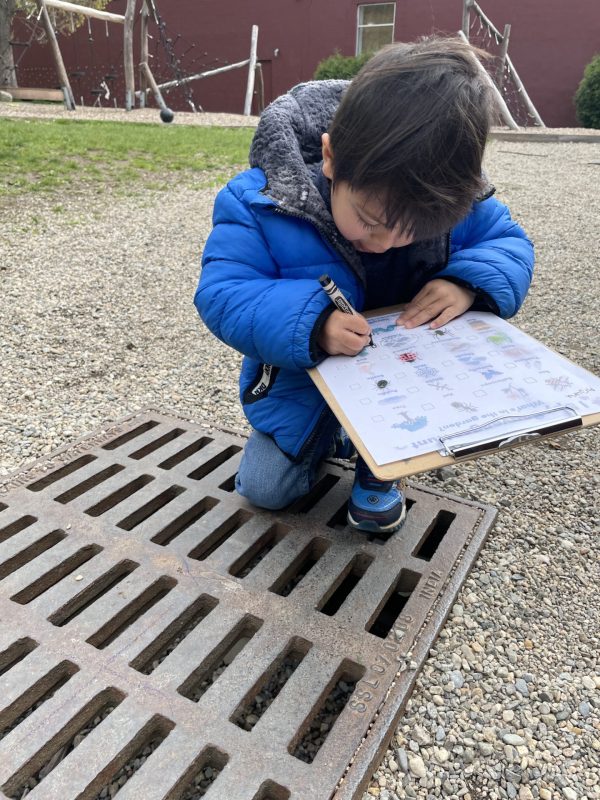
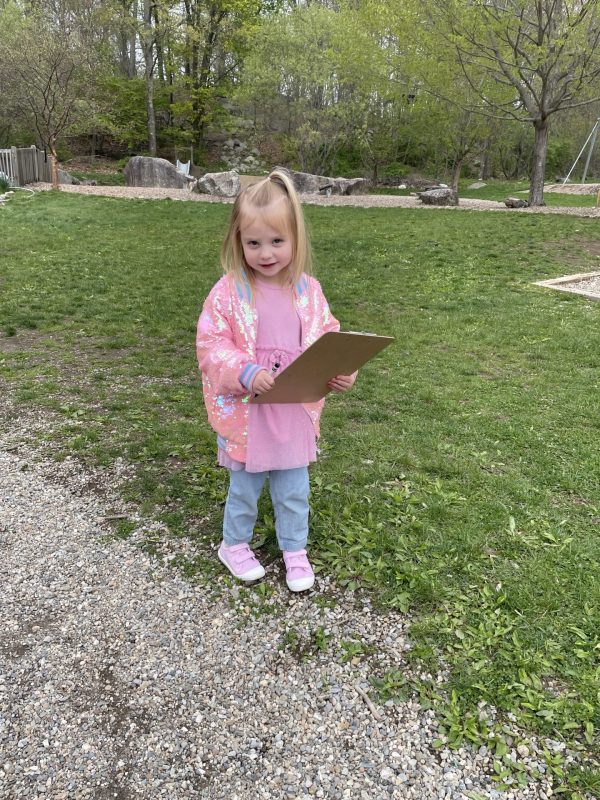
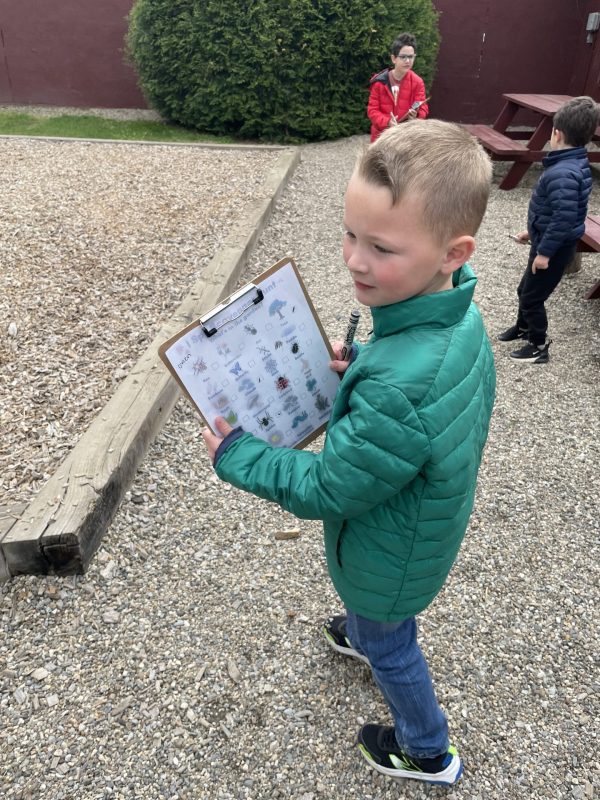
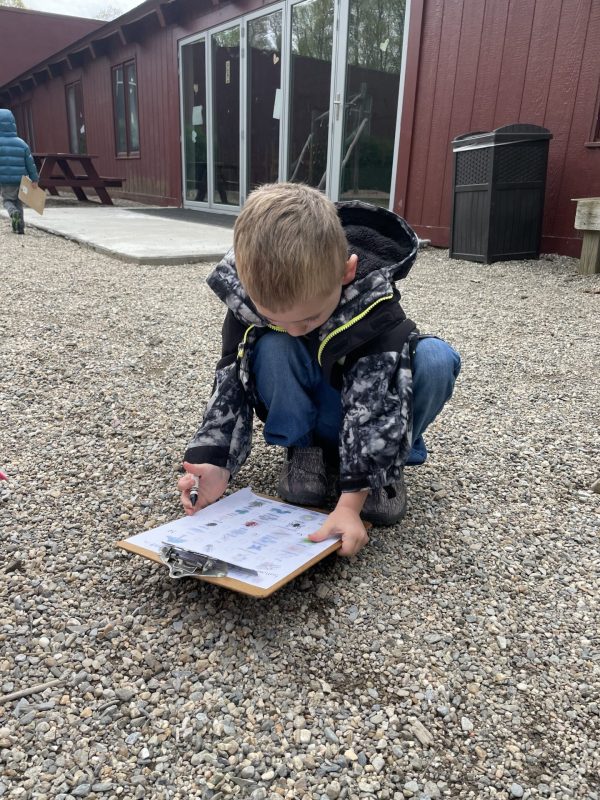
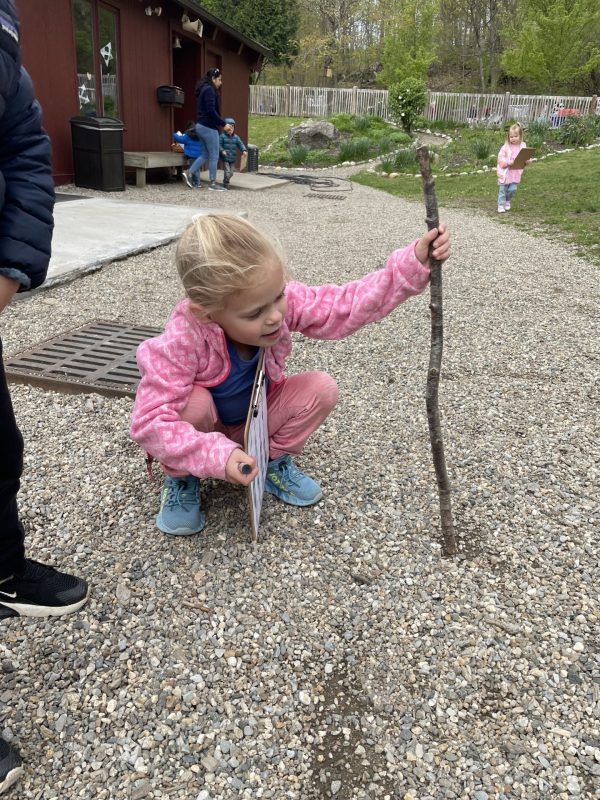
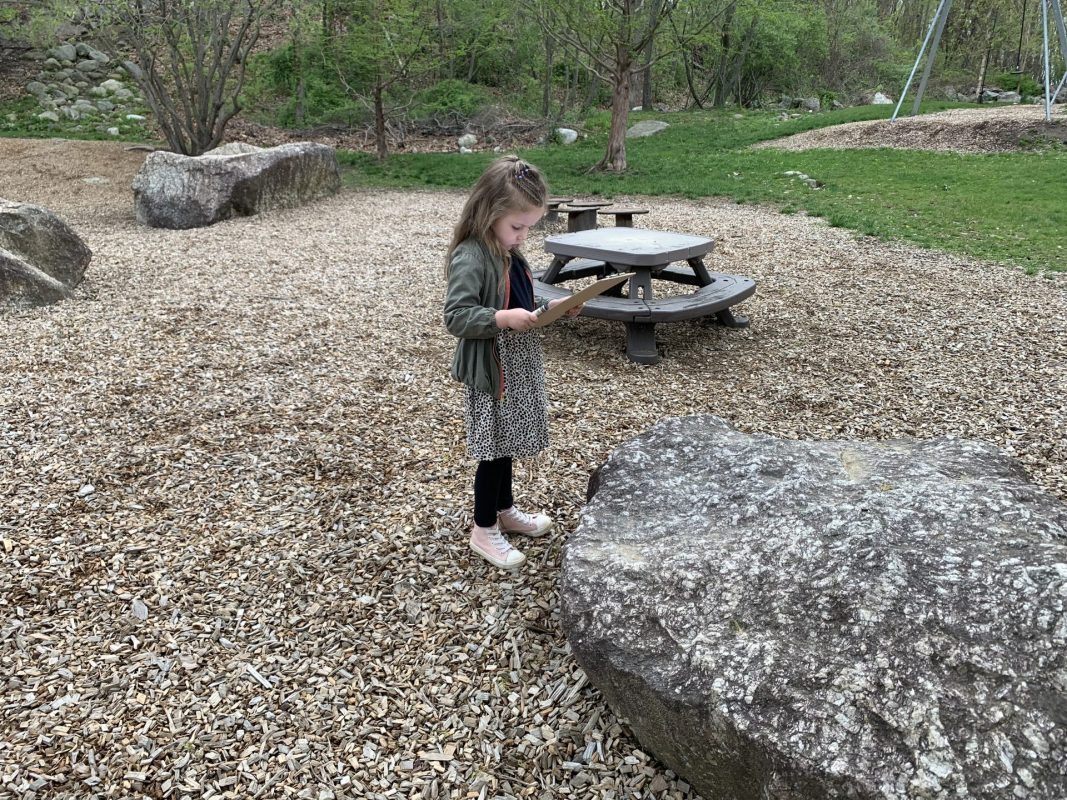
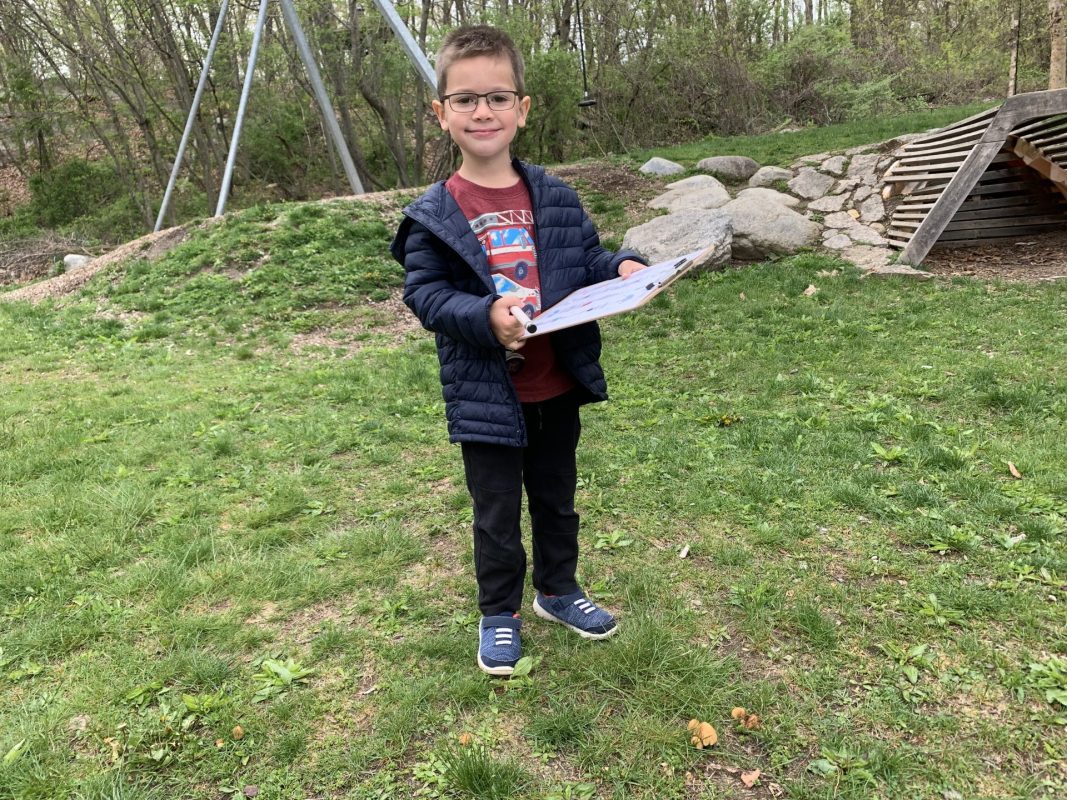
Spring is the perfect time to go for a nature walk and bug hunt, and that’s exactly what we did this week. Going on a nature walk is a simple, fun, and meaningful way to spend time outdoors. A bug hunt is a really fun way to help incorporate what we are learning about insects inside the classroom and what we observe outside in nature. The best thing about a bug hunt? Once the children get in the habit of learning, observing, and studying insects, their reaction is less likely to be, “Aarrghhhh, a bug!”

Wishing you a week filled with peace and love,

Amanda & Hema


Mrs. Hood: The Secret of Perfection!

“To have learned something for the child is only a point of departure. When he has learned the meaning of an exercise, then he begins to enjoy repeating it, and he does repeat it an infinite number of times, with the most evident satisfaction”- Maria Montessori – The Montessori Method

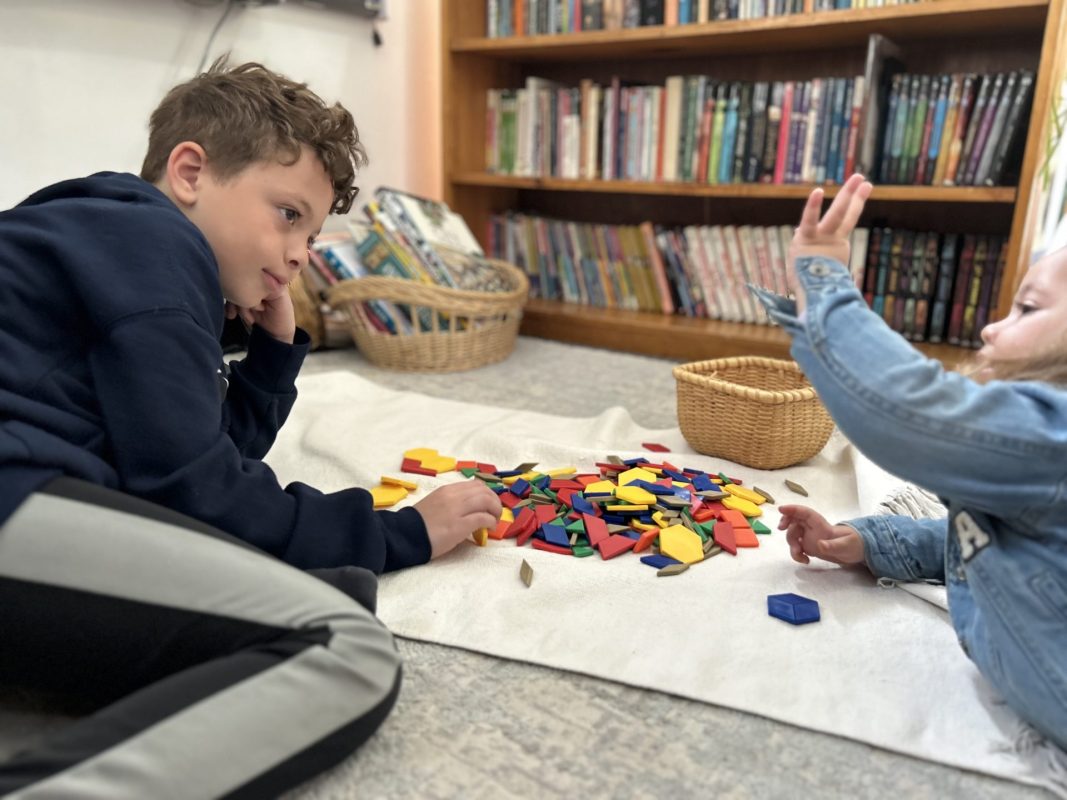
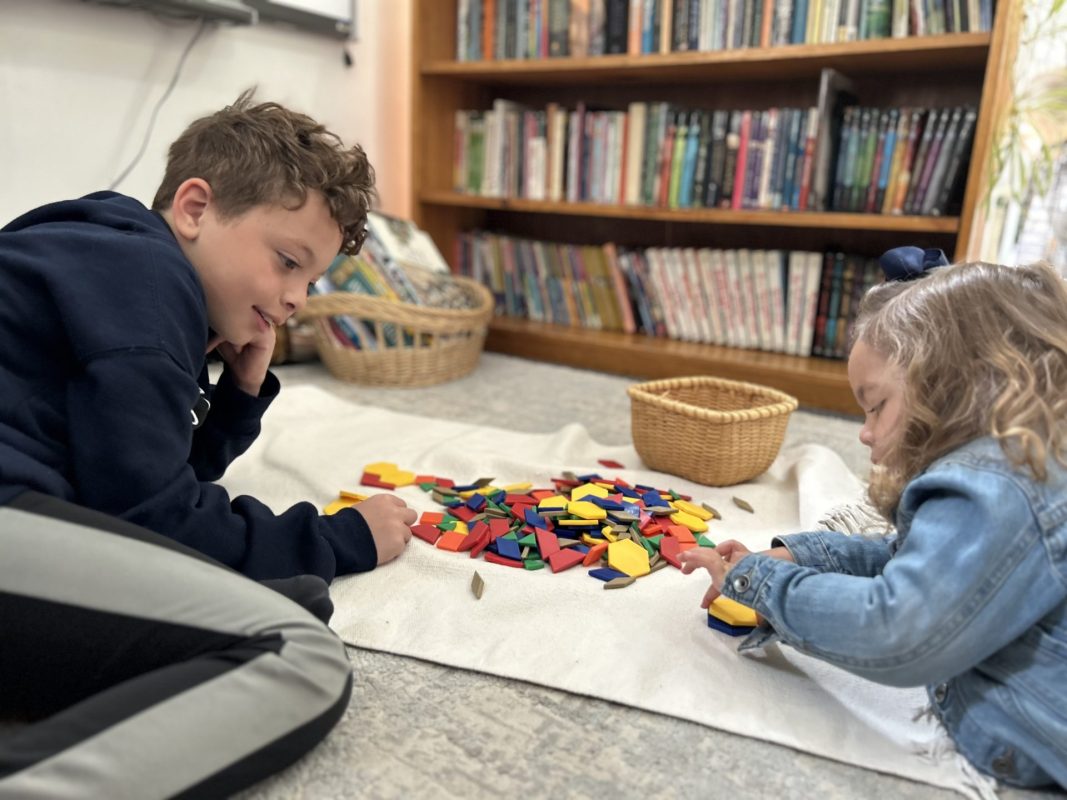
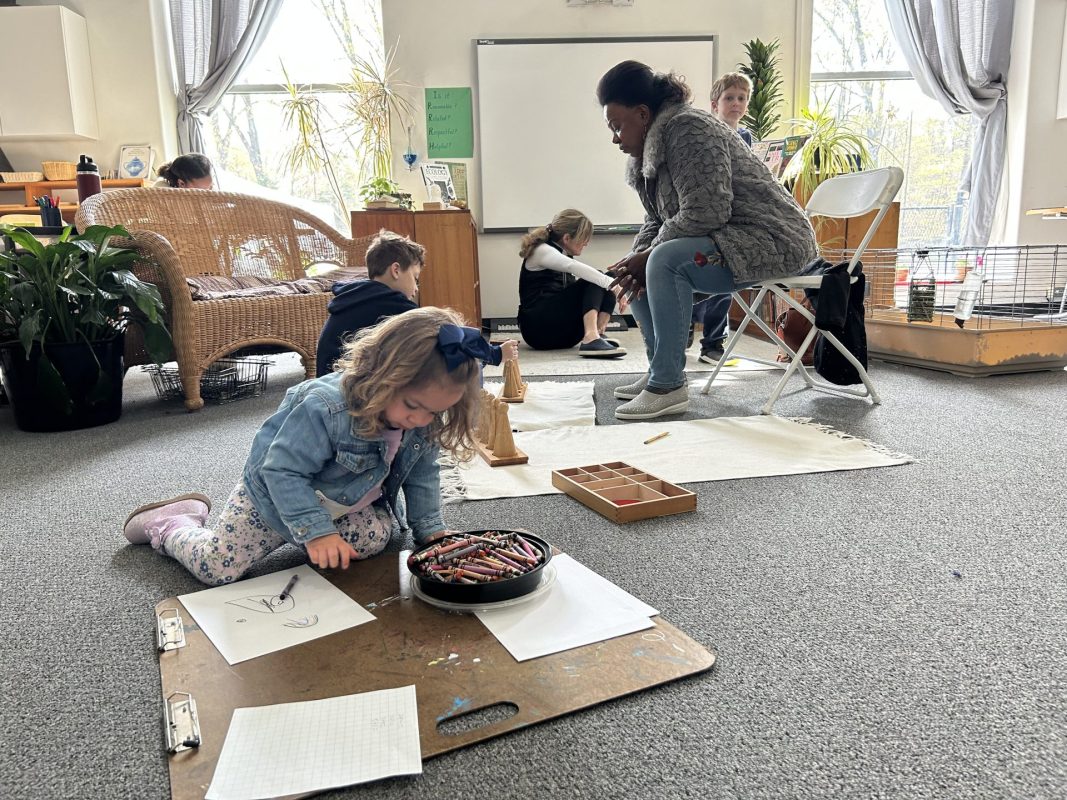
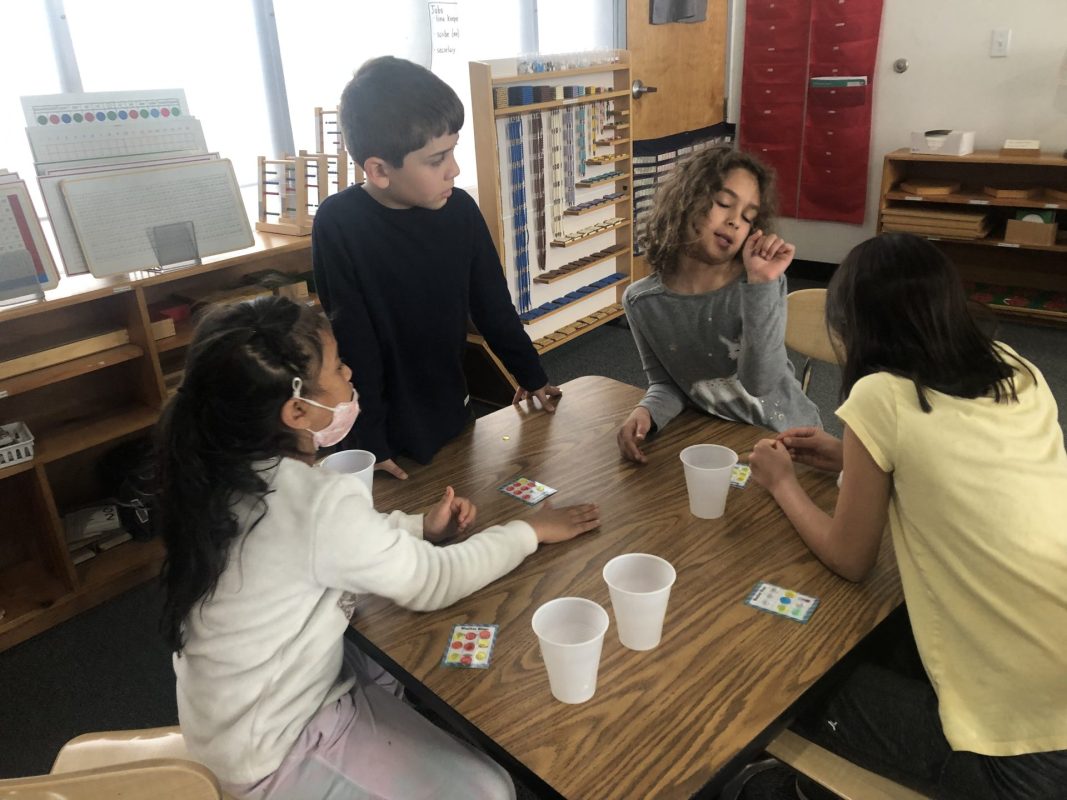
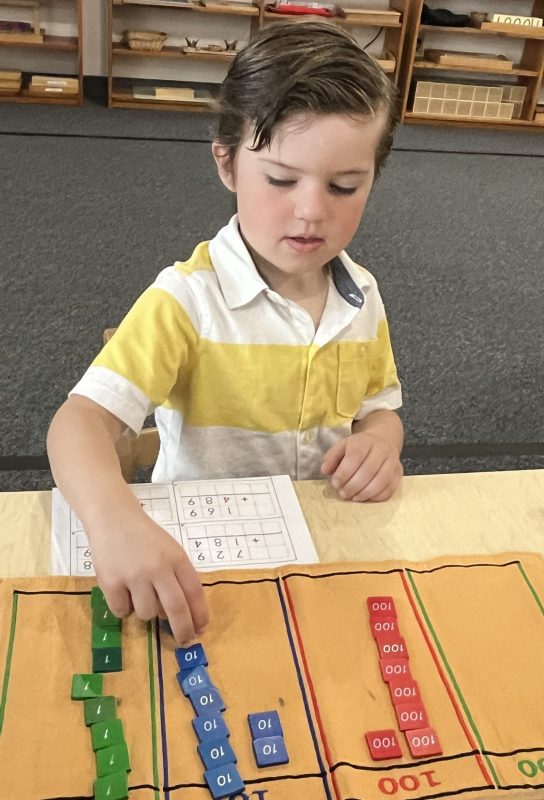
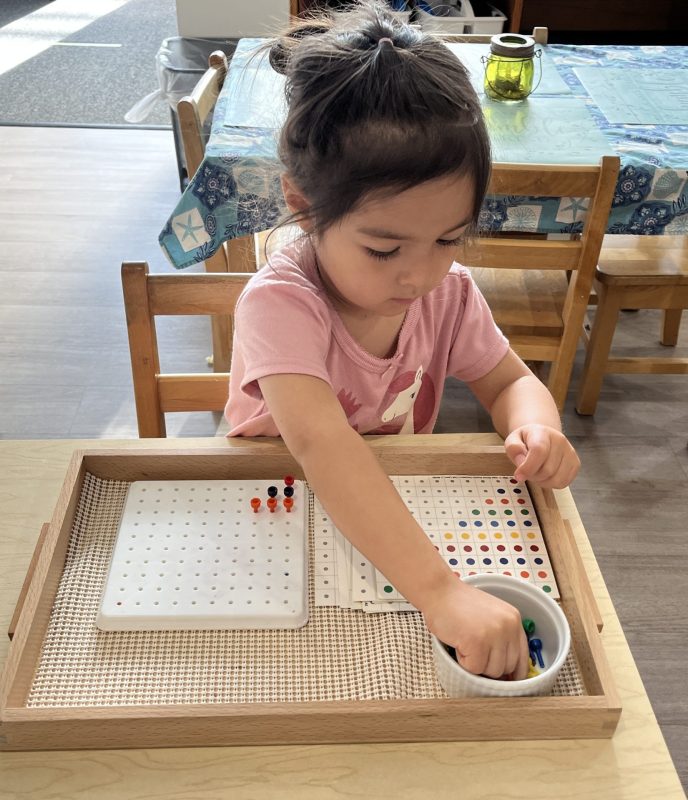
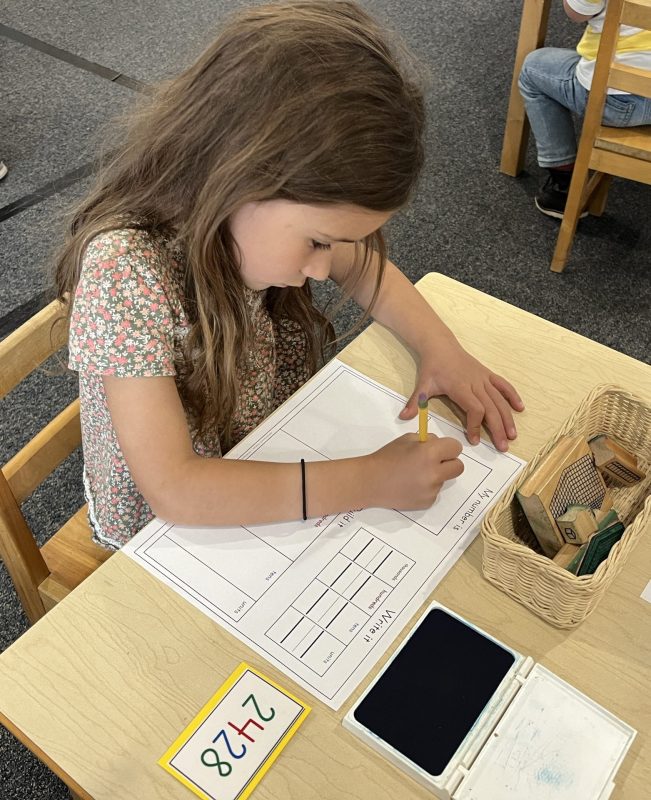
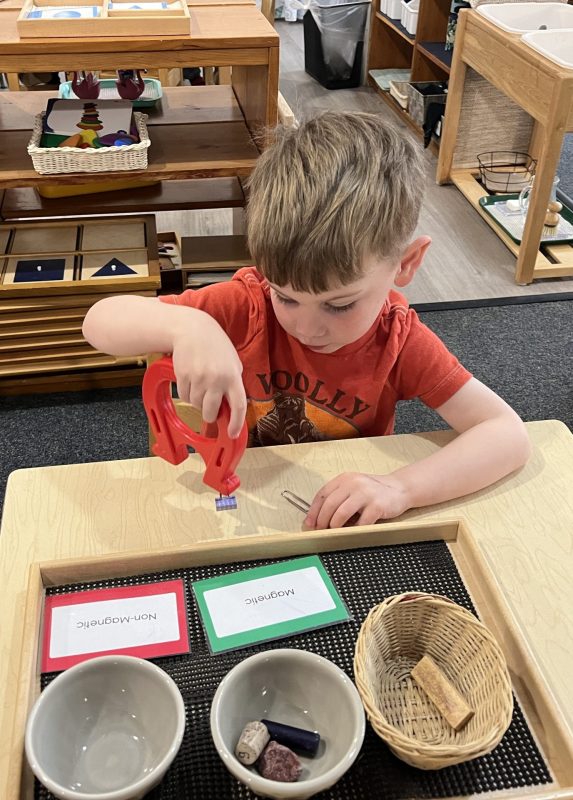
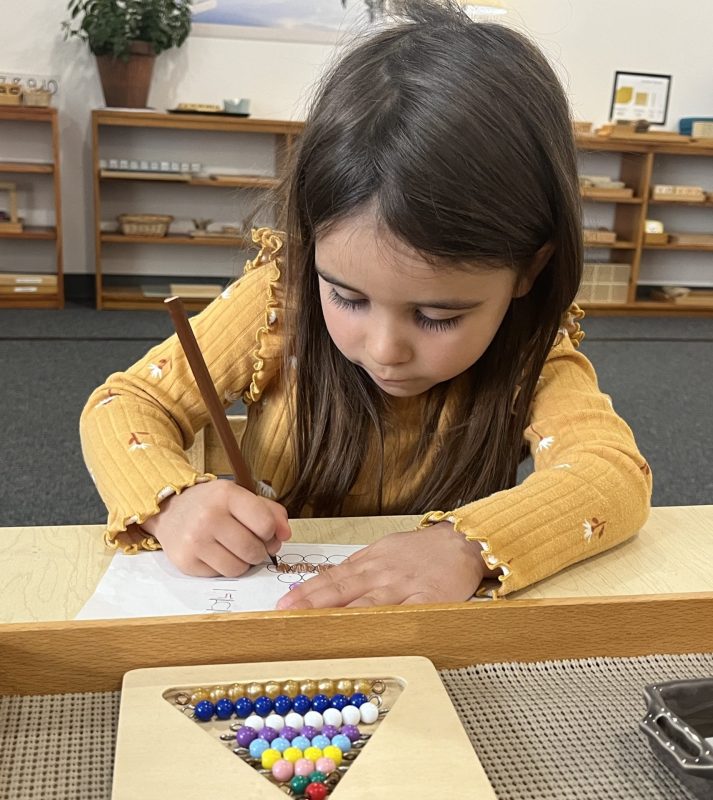
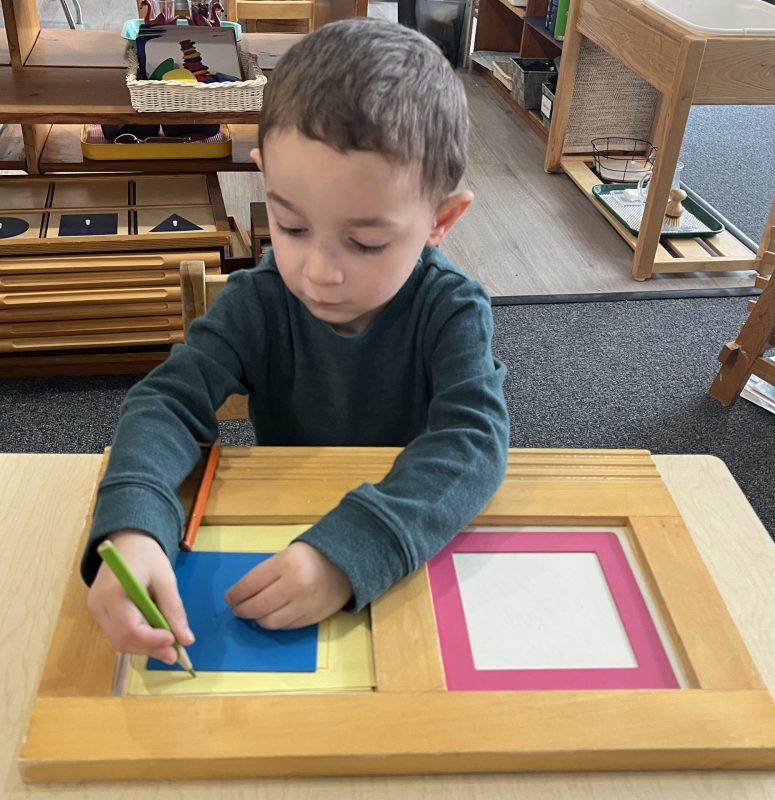
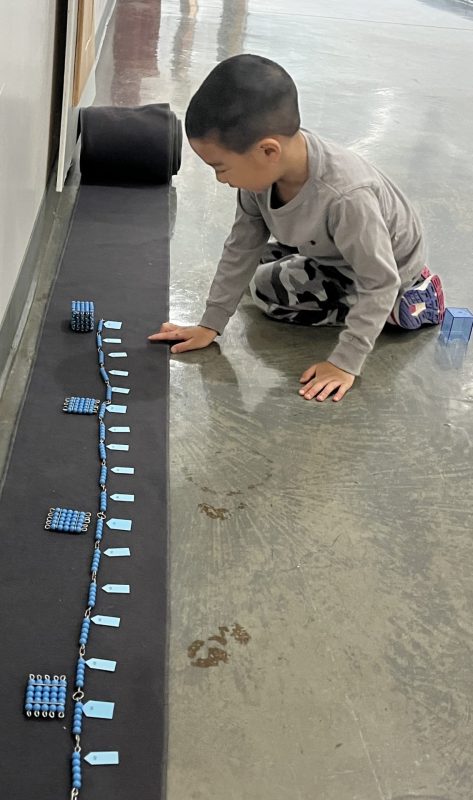
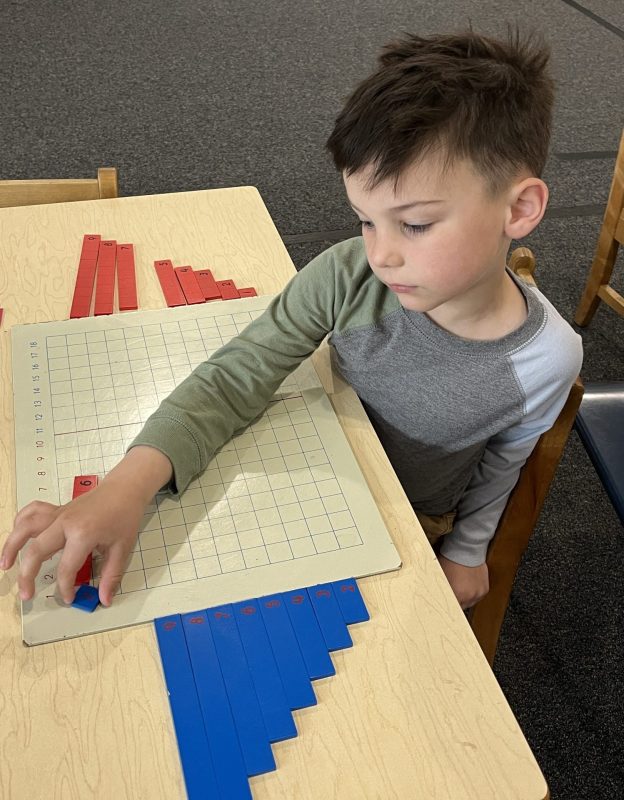
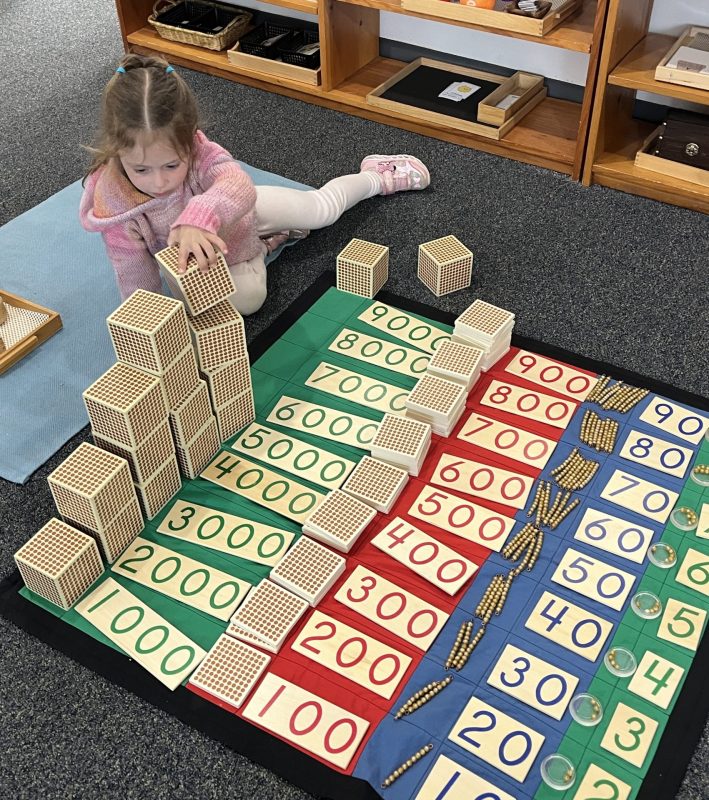
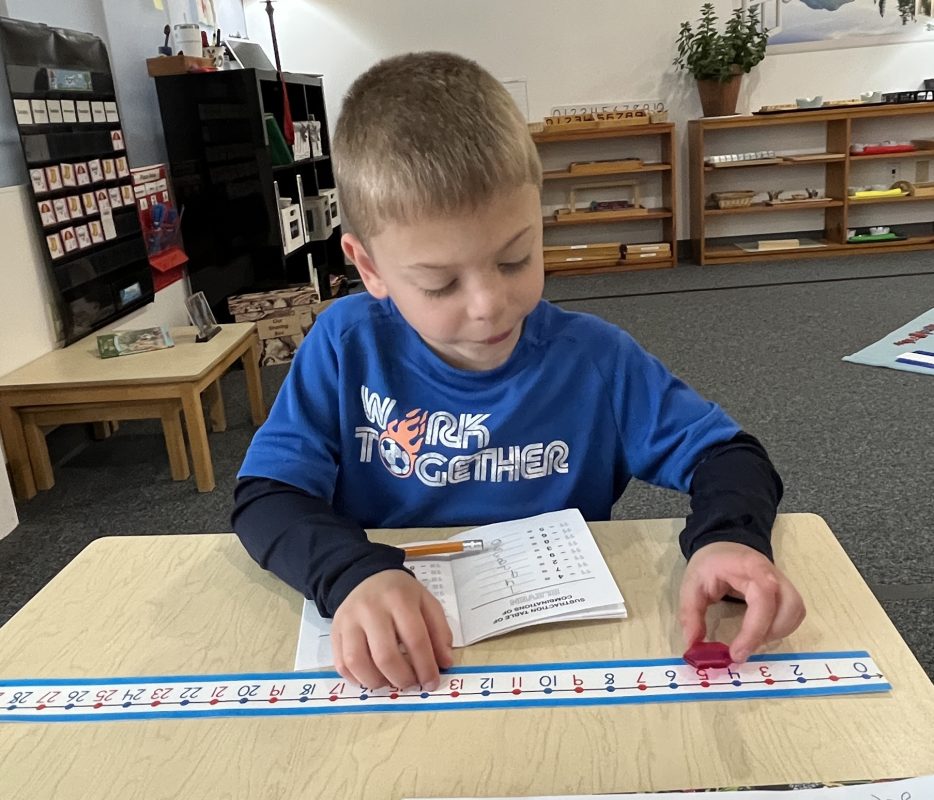
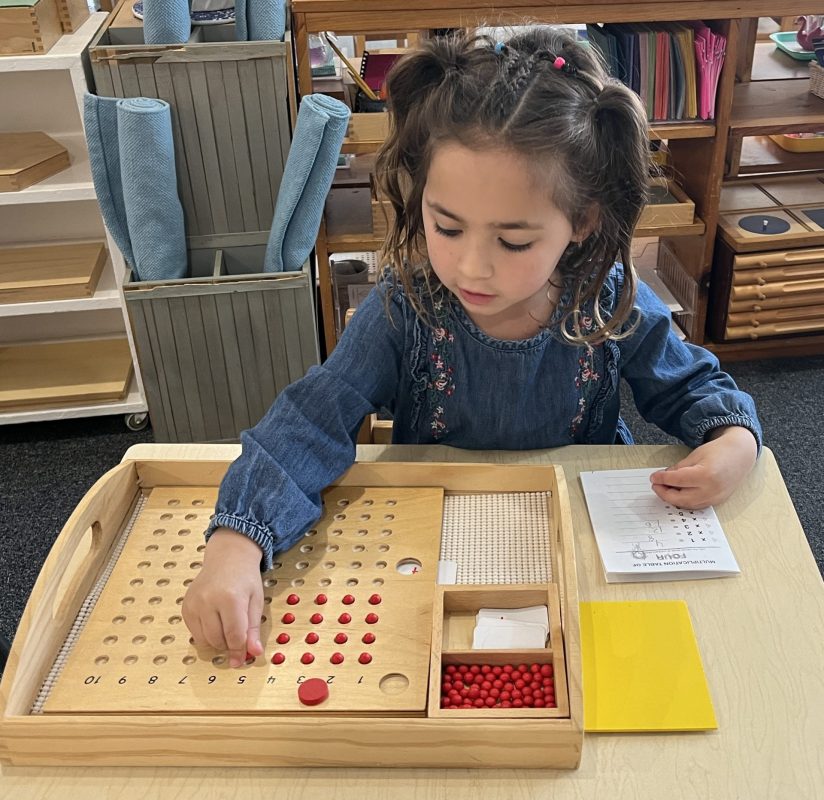
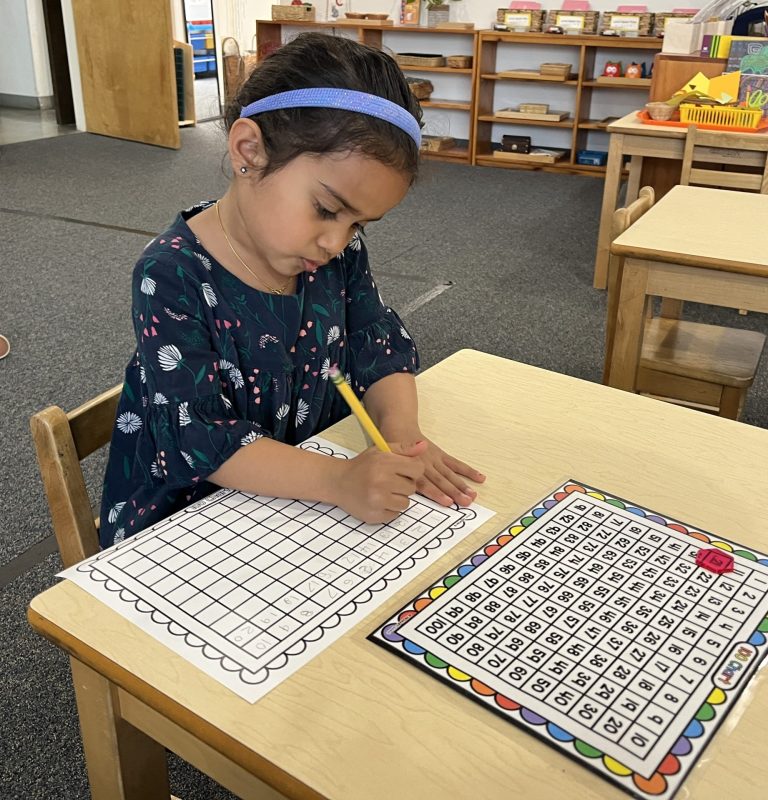
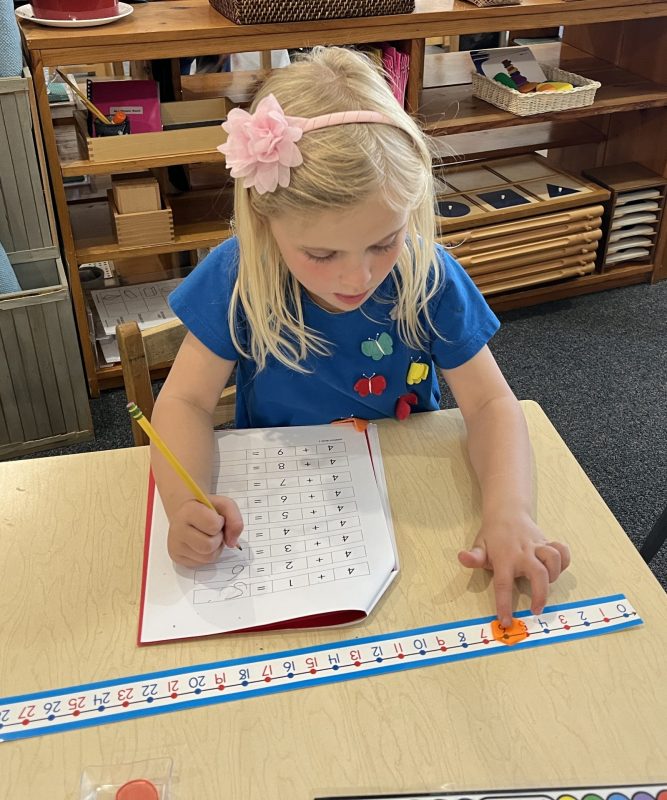
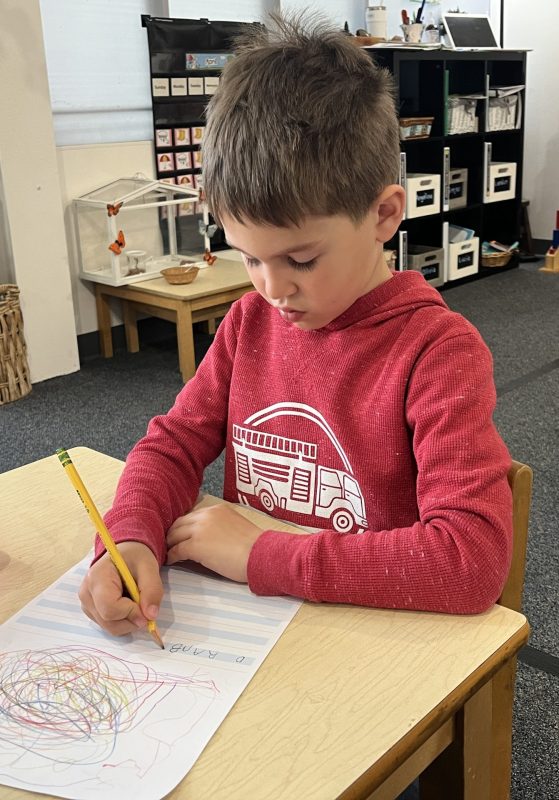
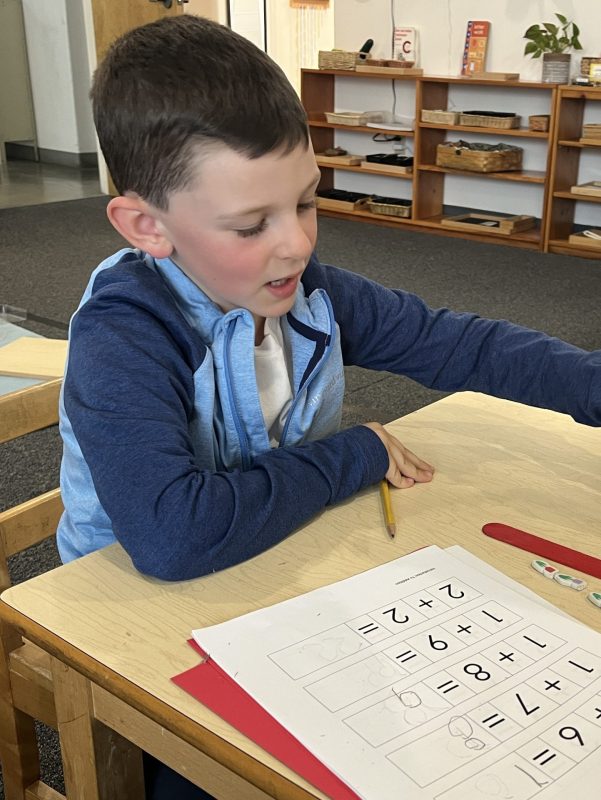
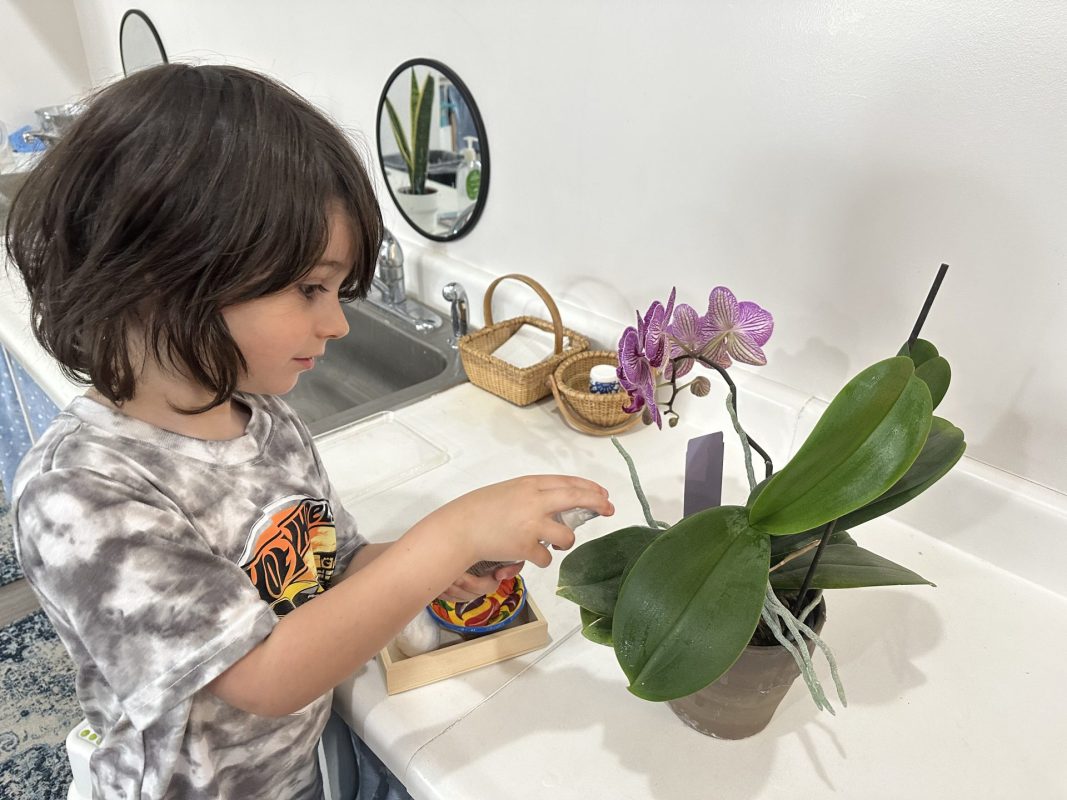
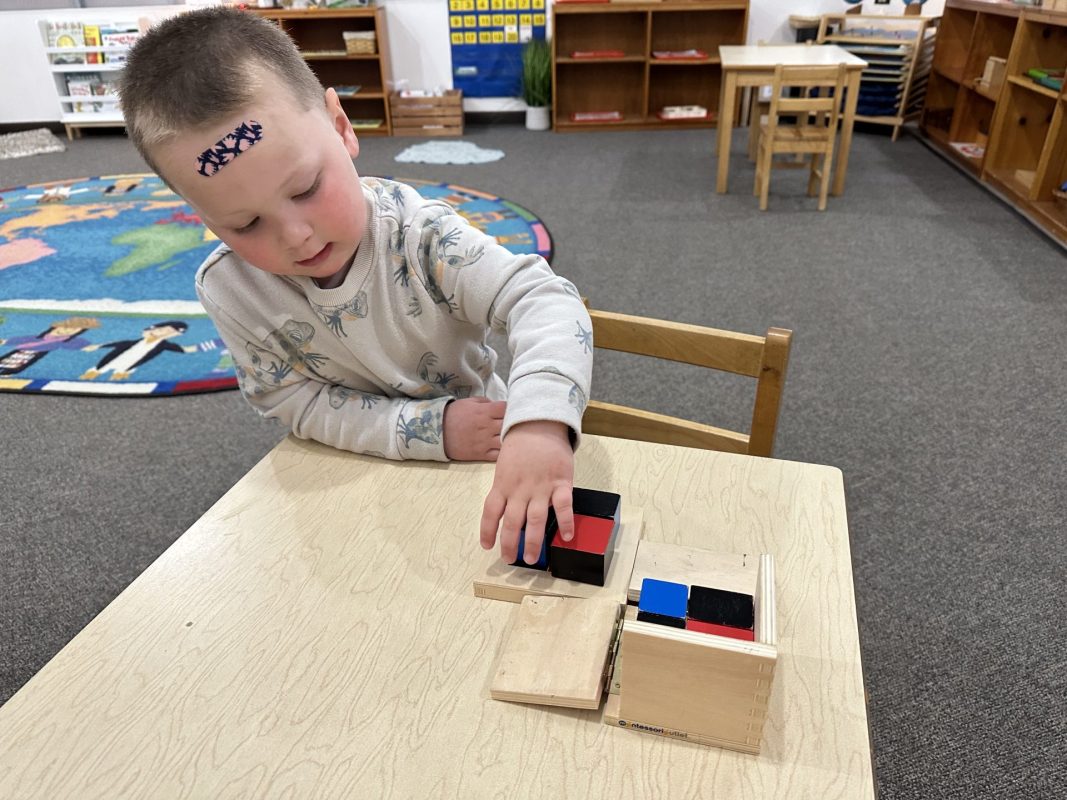
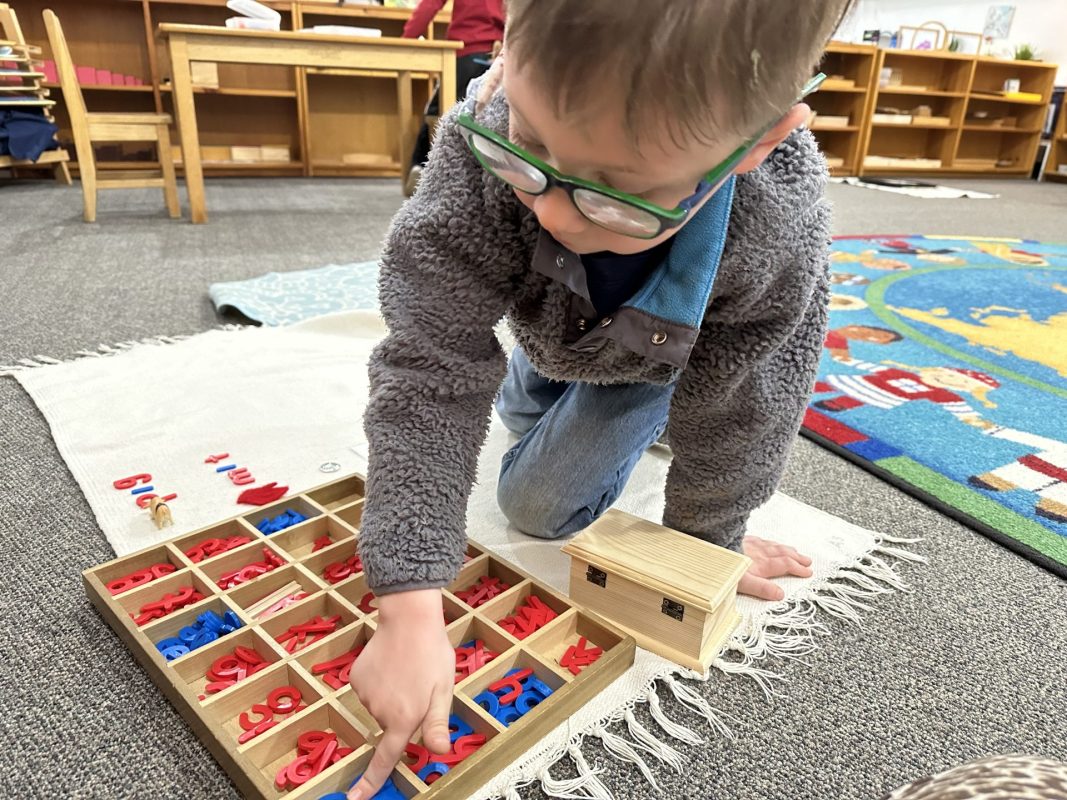
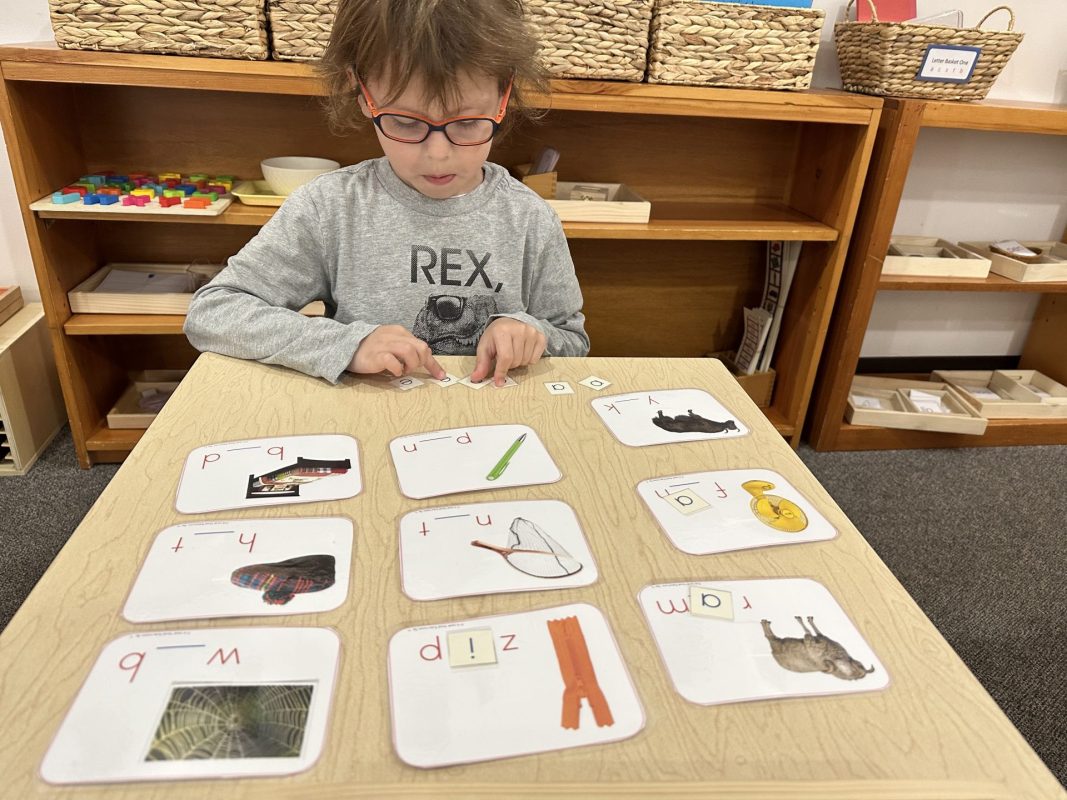
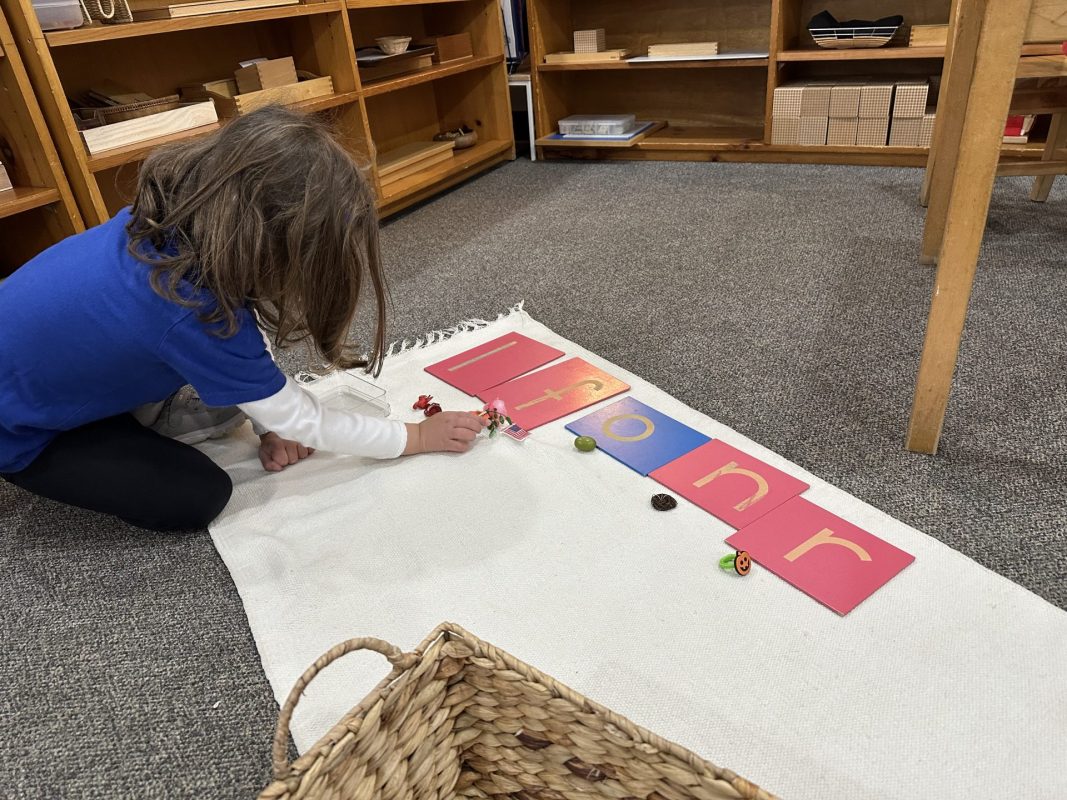
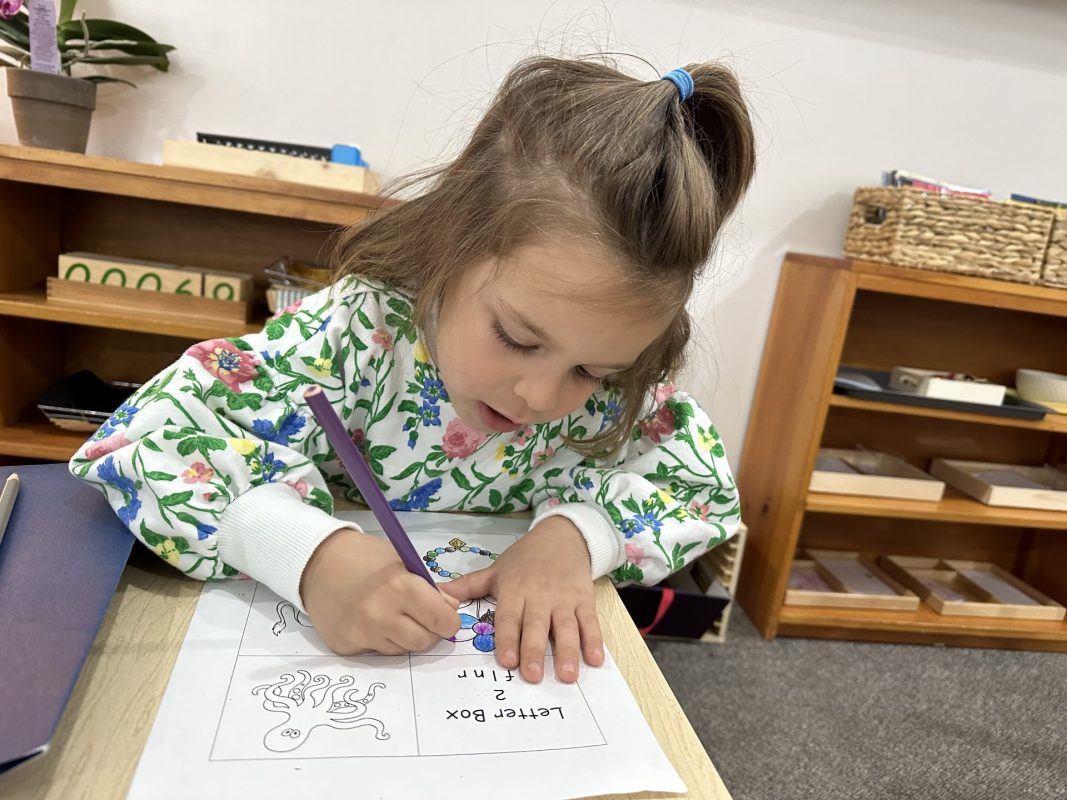
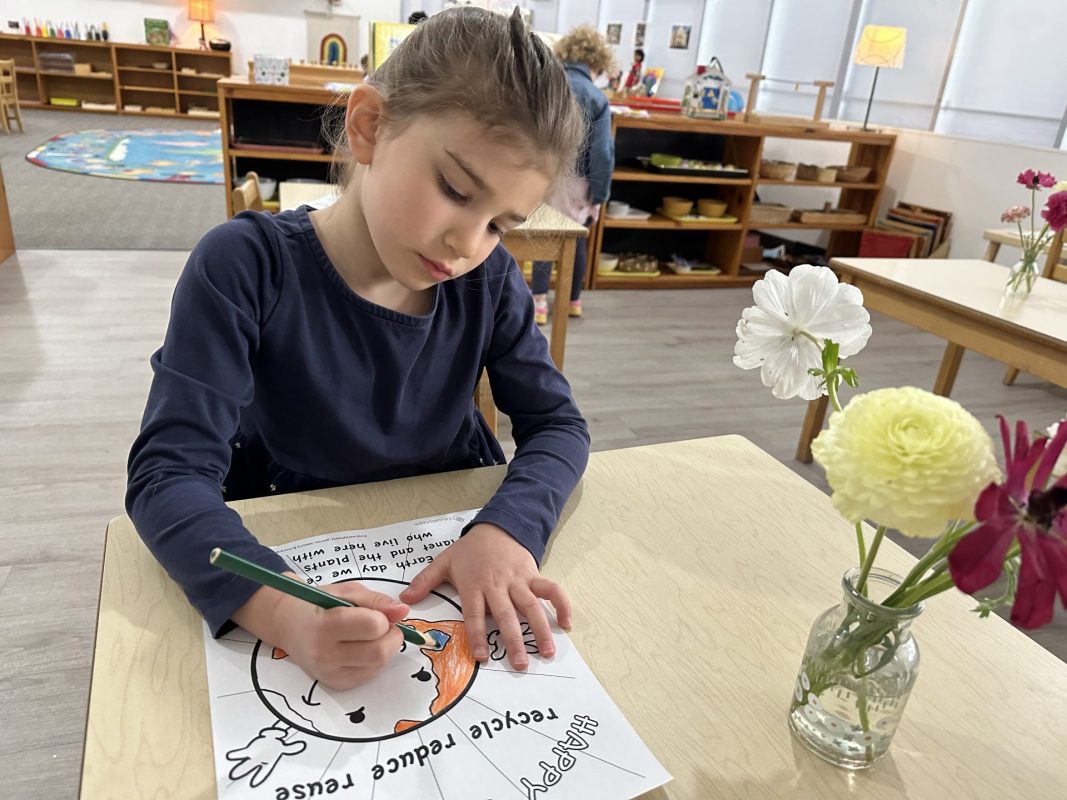
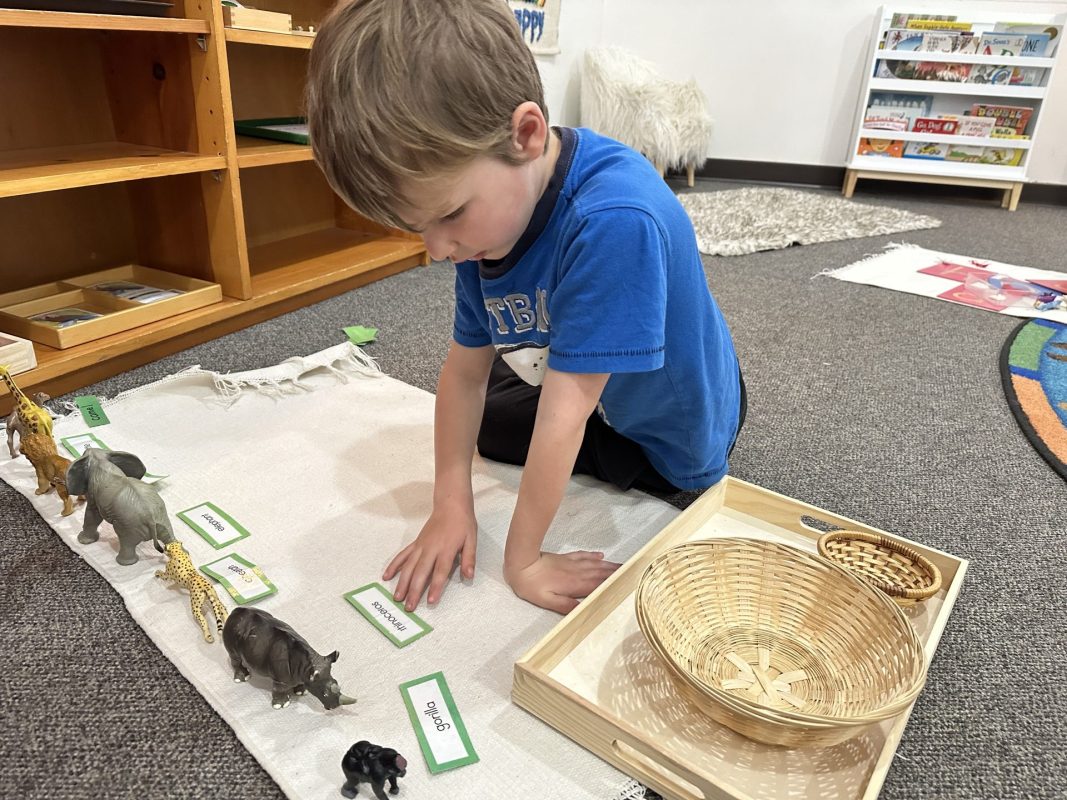
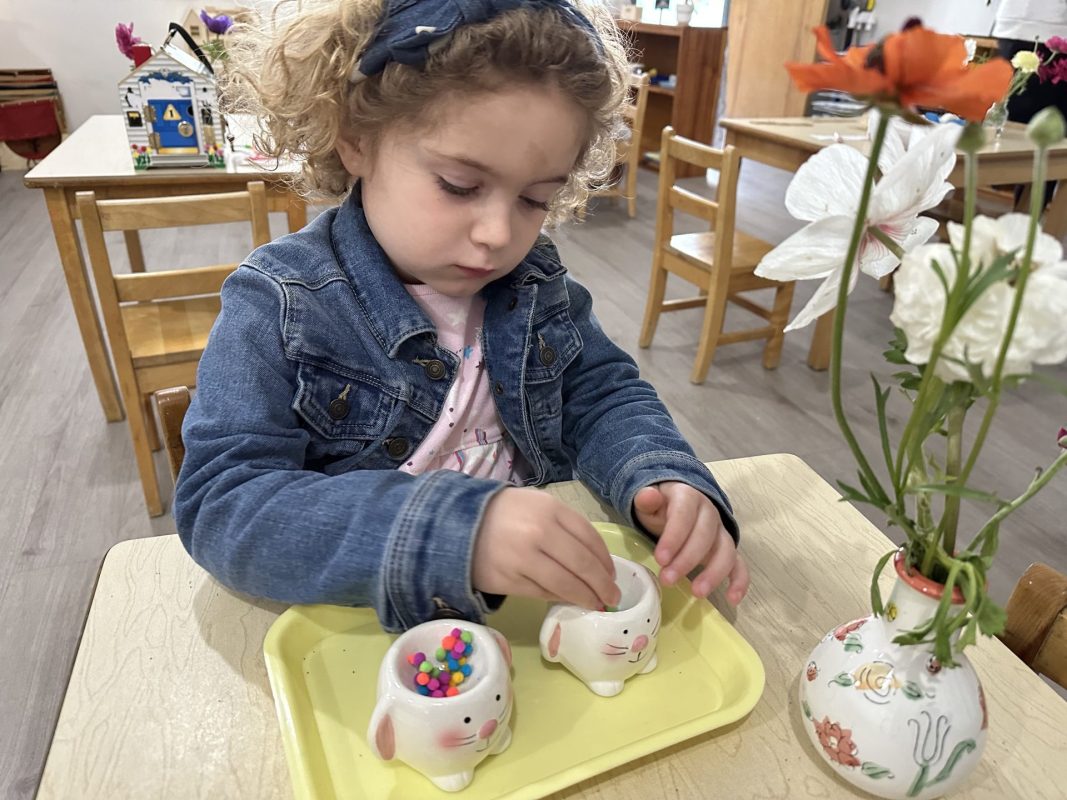
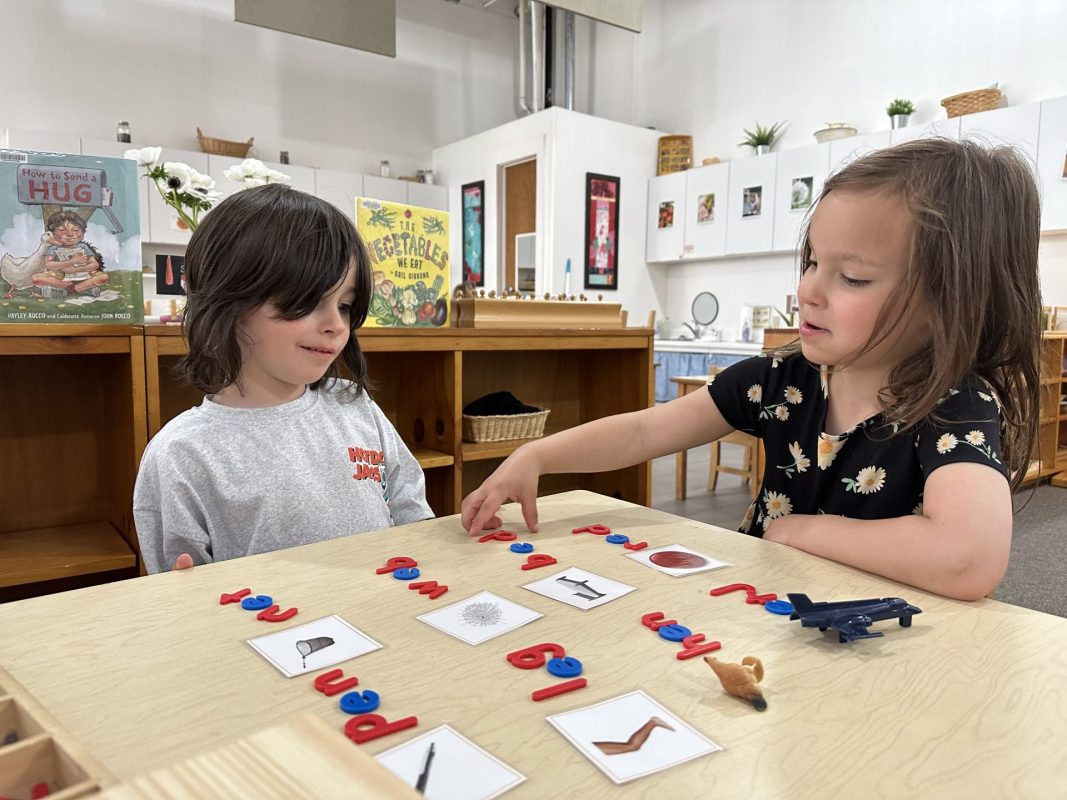
The children had a great time this week exploring and repeating some of the new materials in the environment. In a Montessori environment, repetition does not necessarily mean that the child has to engage in the same exact work over and over again. Anything that provides the child with the practice of a previously learned skill, including extensions and games, is repetition.

Dr. Montessori said, “Repetition is the secret of perfection.”

Through repetitive exploration, your children are able to look at a material from different angles and explore it, letting it become part of their understanding of the world. At the same time, it allows them to self-critique: they look at how they are doing something and make slight changes in order to perfect the action, making it more efficient. The Montessori environment is designed to support exactly this kind of learning. Children choose their own work, allowing their interests to guide them to a choice. They are drawn by desire, and that allows them to return to an activity with frequency, working with it until they have perfected it. It is, in fact, a developmental need. A common phrase you can hear in our environment is the children saying: “Again!” Dr. Maria Montessori wrote, “When a child has attained this stage of repeating an exercise, he is on the way to self-development, and the external sign of this condition is his self-discipline.”

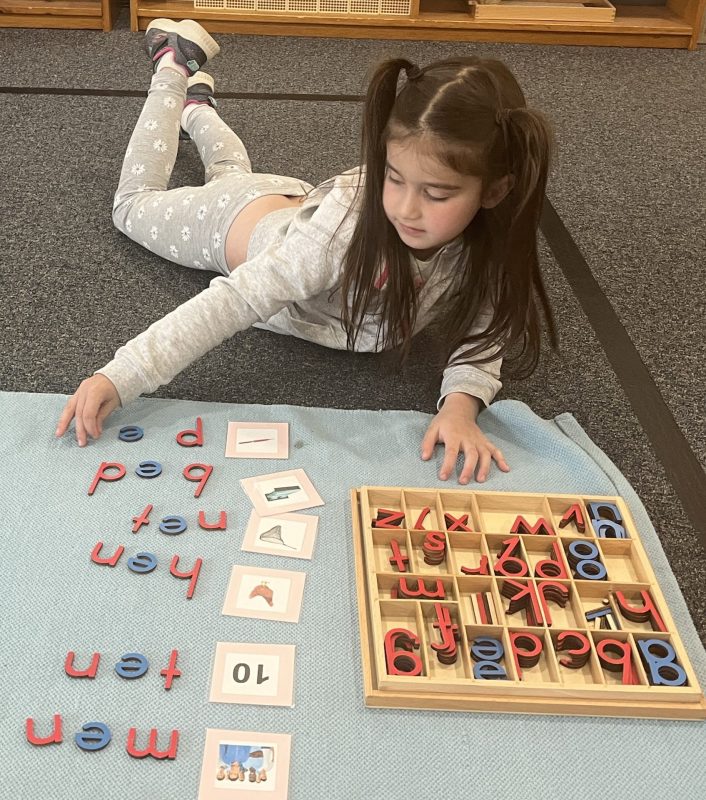
Based on our observations, this is  just ONE of the many works your child seems VERY attracted to lately and enjoys repeating:

Amelia- Belonging picture matching – Language work

Ava- Open and close latches

Anthony- Creating new paths with the train set

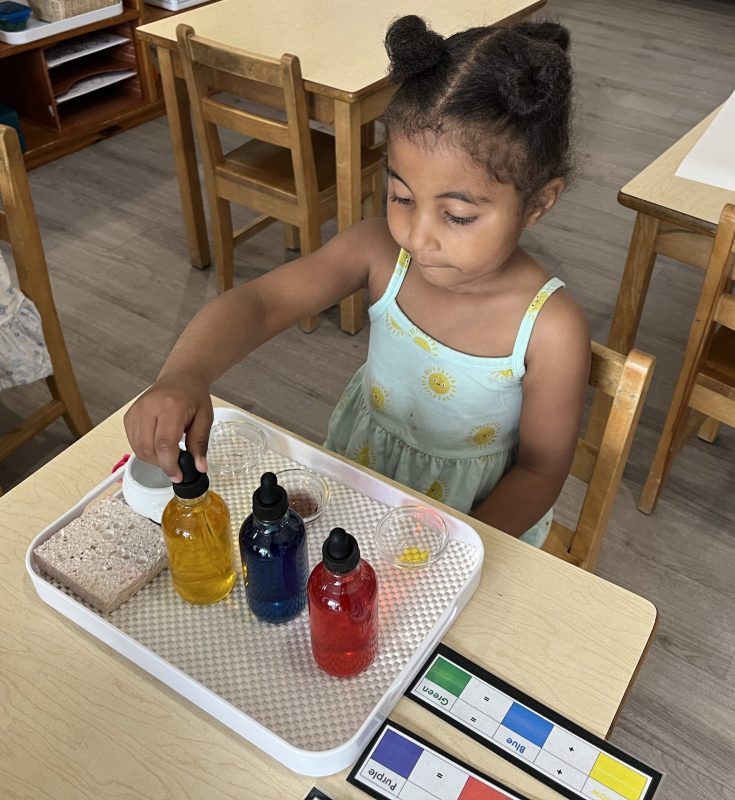
Ben- Color mixing

Connor- Baby and Mommy animal puzzles

Ryder- Stackable color blocks

Hadley- Life cycle language works

Zion- Feeding and taking care of baby Molly

Everest- building with Magna tiles on the light table

Timothy- building wooden blocks

Rose- Flower arrangement

Matteo- Magnetic insect puzzle

On another note, the children enjoyed exploring mushrooms during our food-tasting lesson. They also keep observing the changes in our caterpillars, who, by the end of the week, were ready to form their chrysalis. Children also learned about the parts of an insect, and we explored the special characteristics of some of them, like ladybugs, grasshoppers, flies, bees, ant,s and dragonflies.

We also enjoyed the visit of one of our class parents; we celebrated two birthdays and enjoyed some treats together!

Enjoy your weekend,

Mrs. Hood and Ms. Marissa


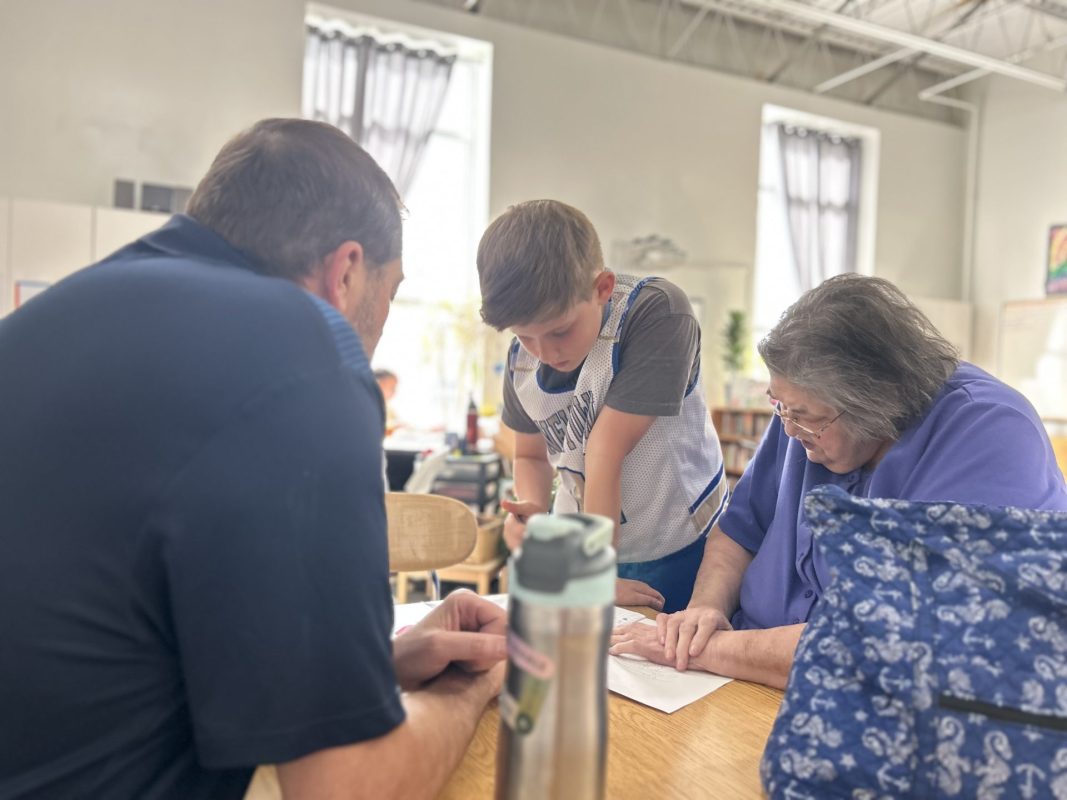
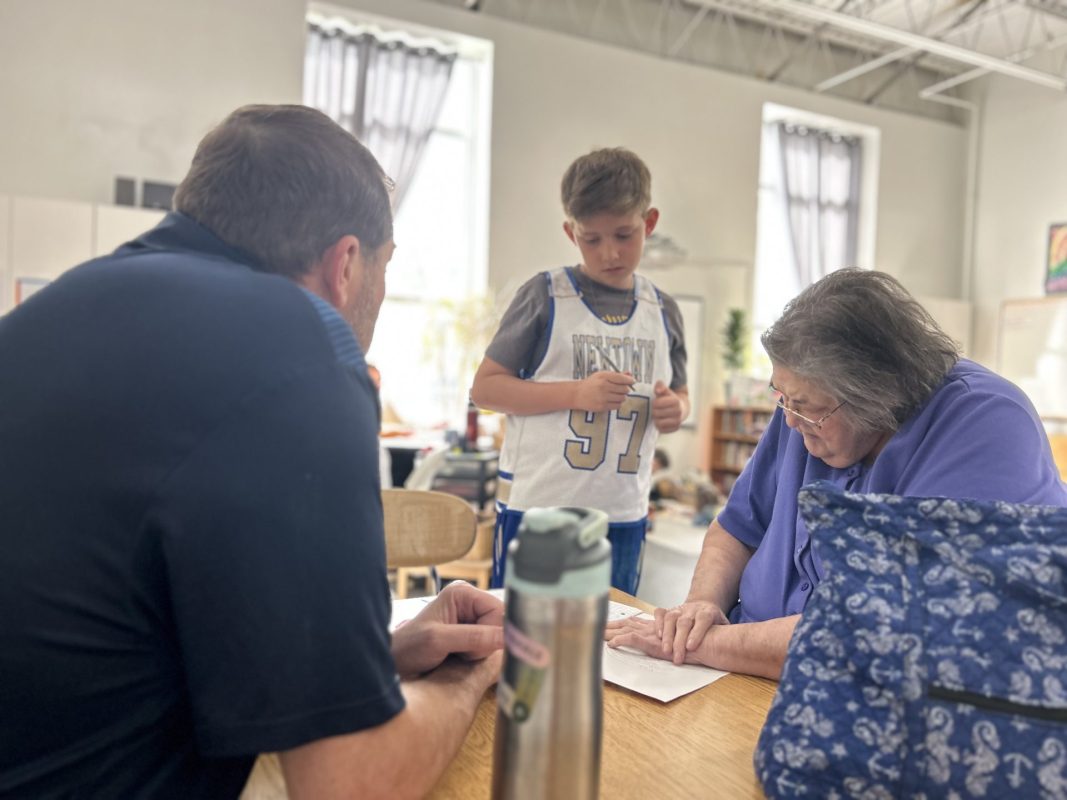
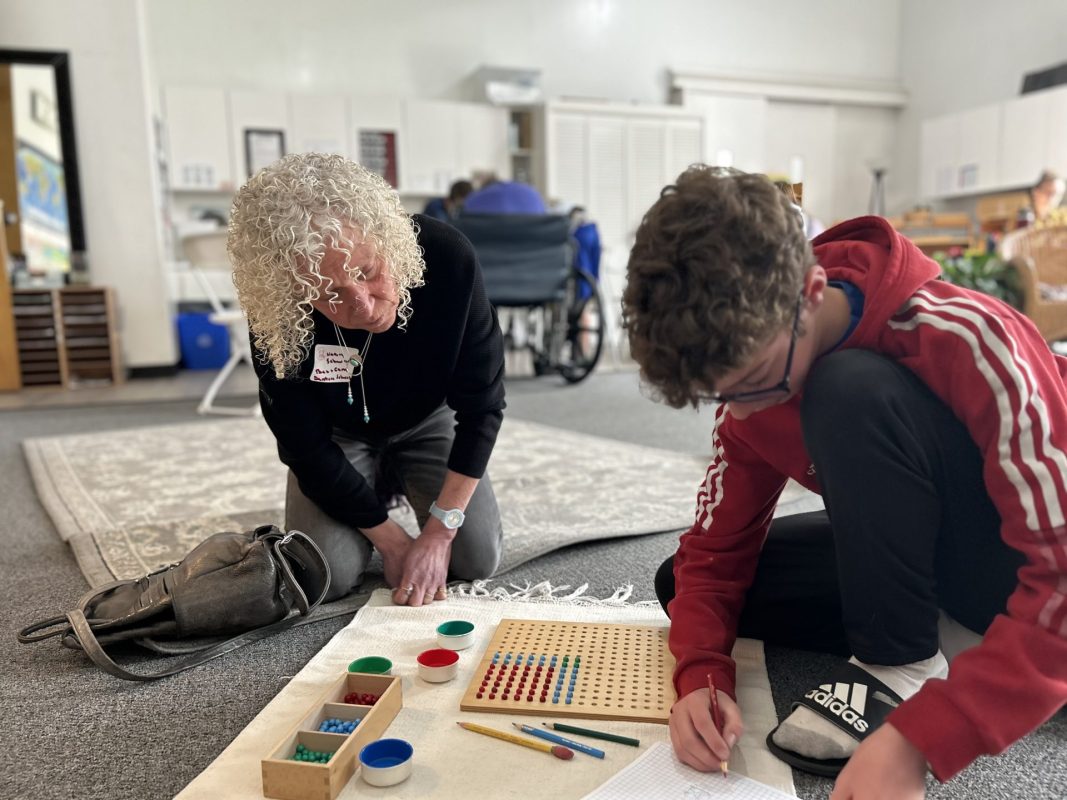
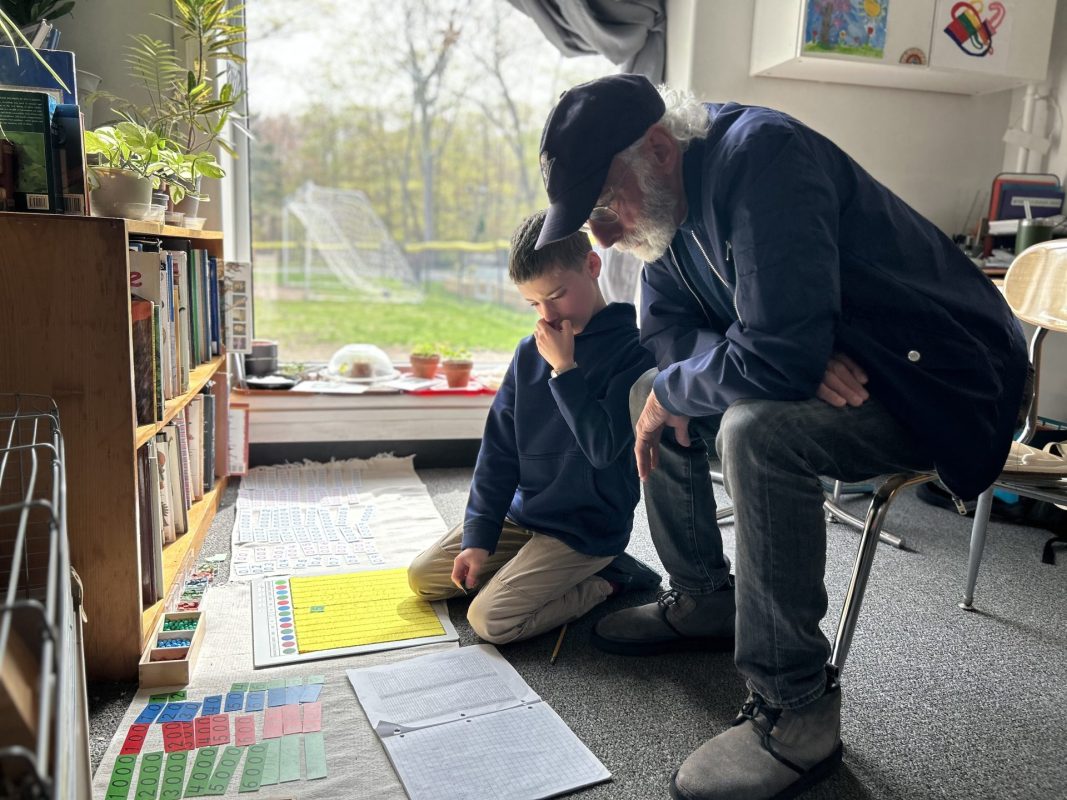
Grandparents Day in Upper Elementary

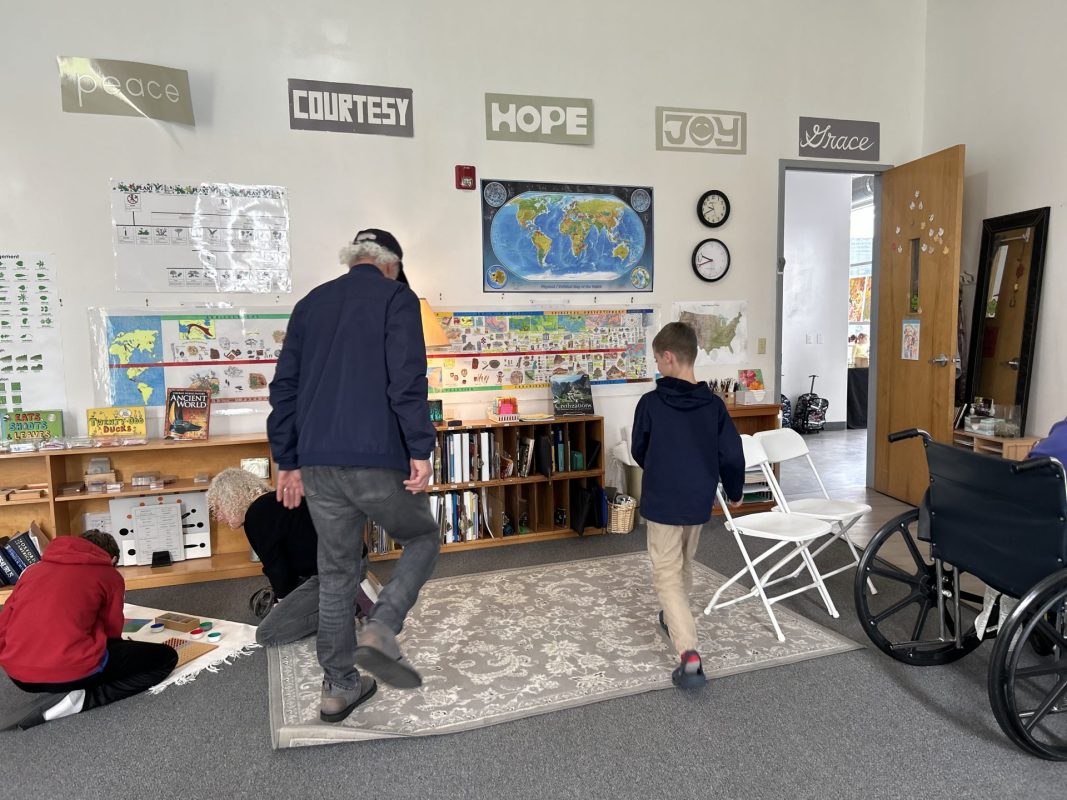
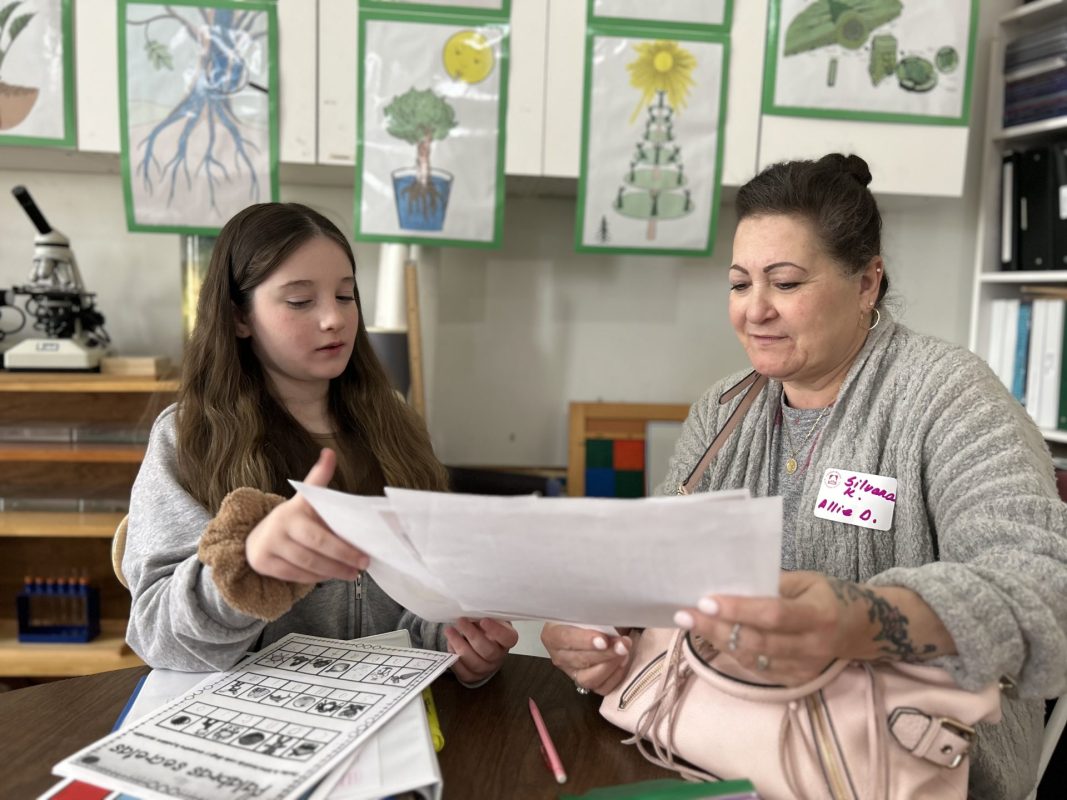
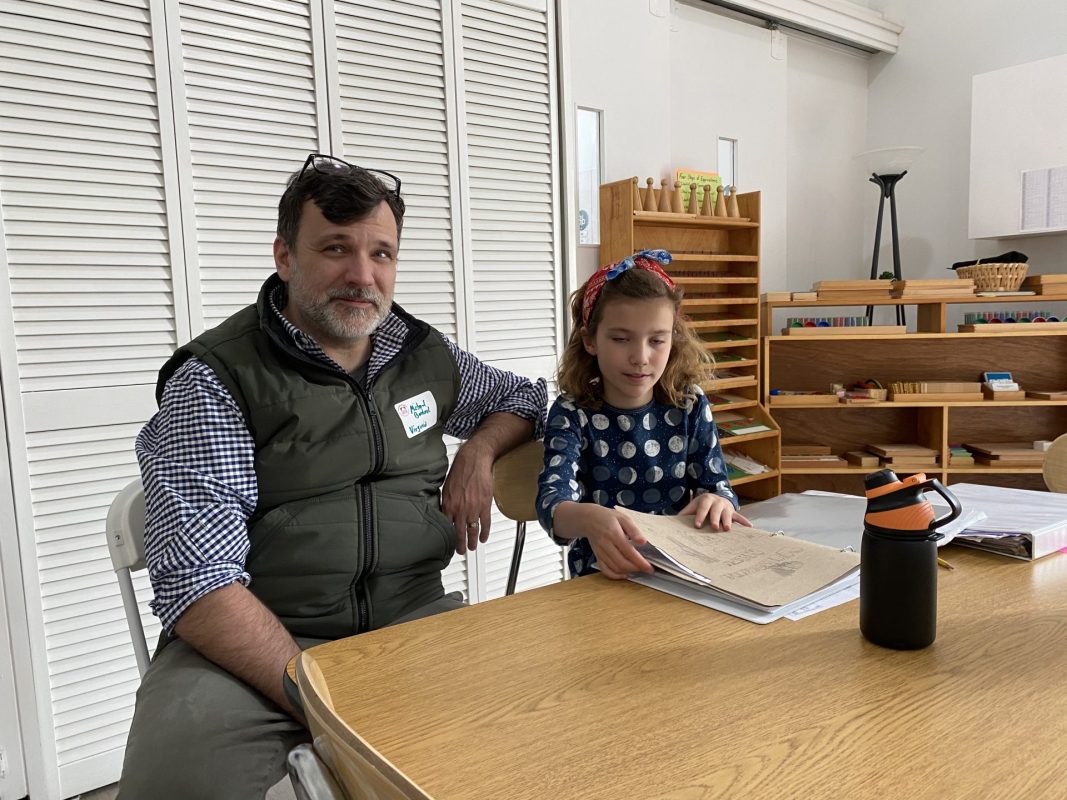
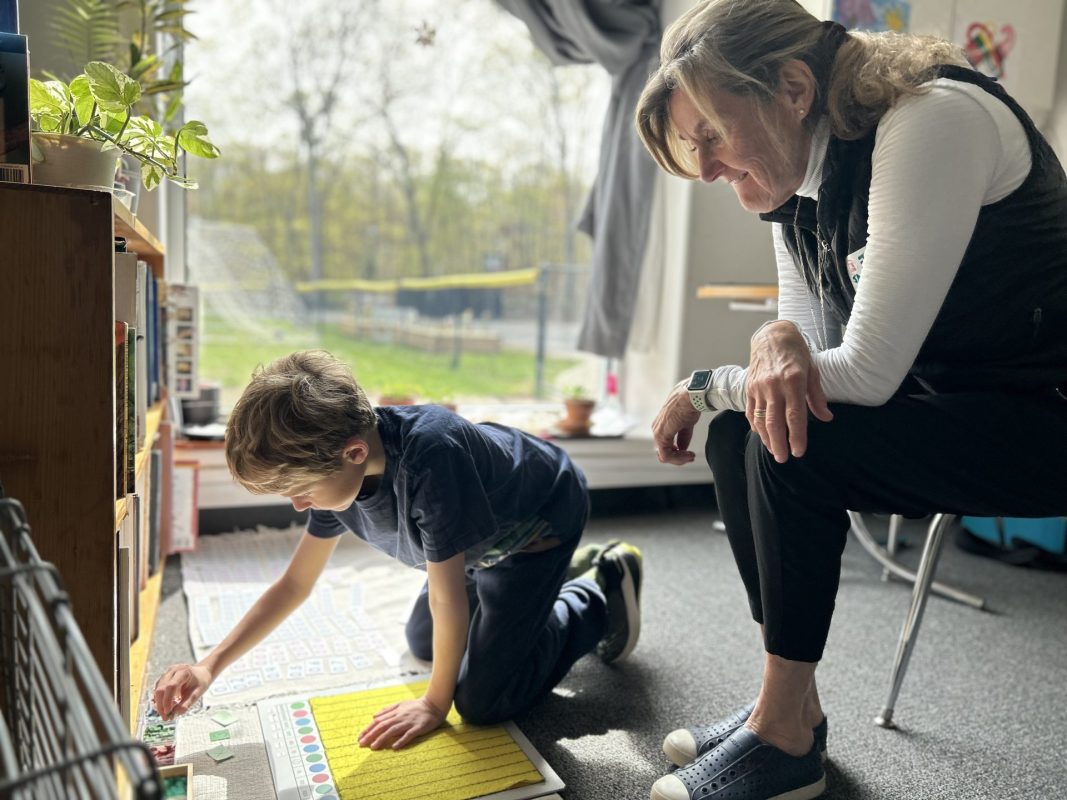
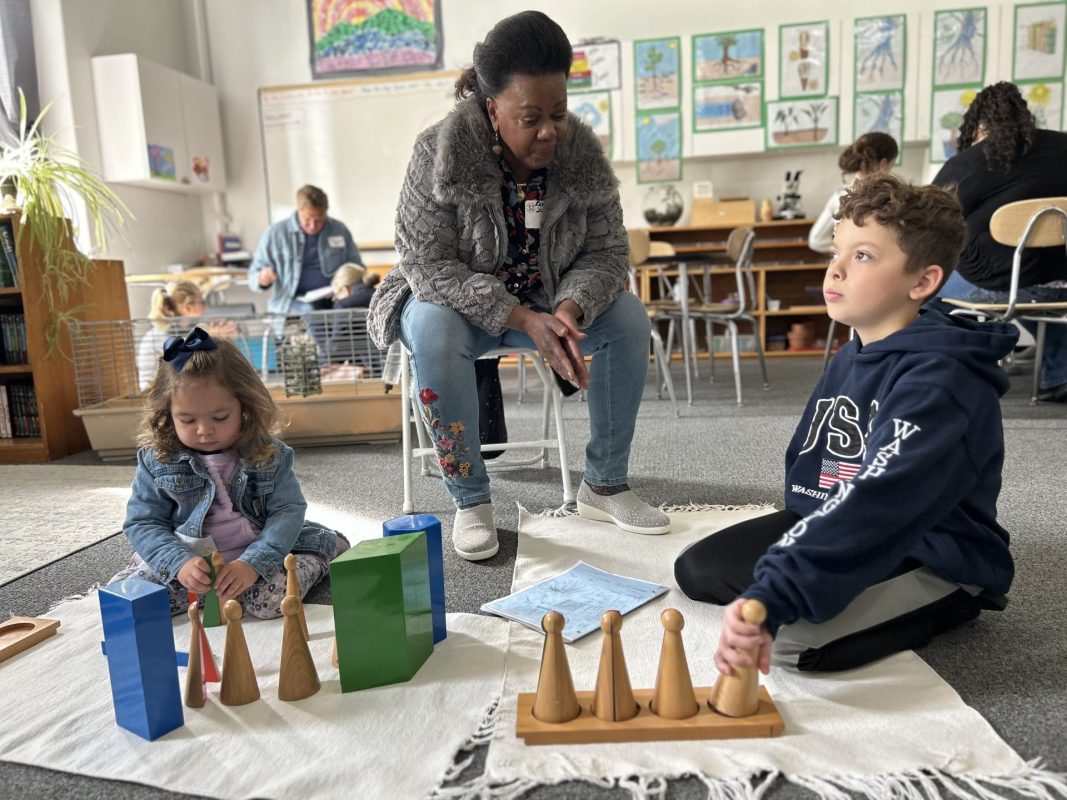
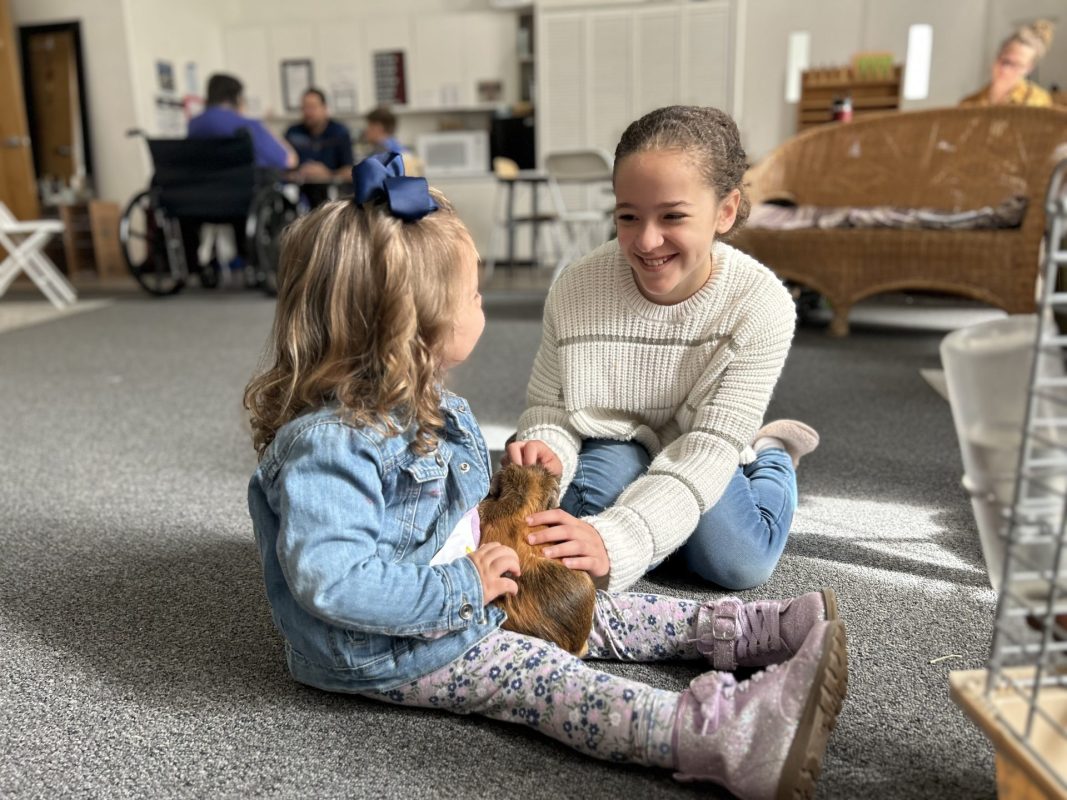
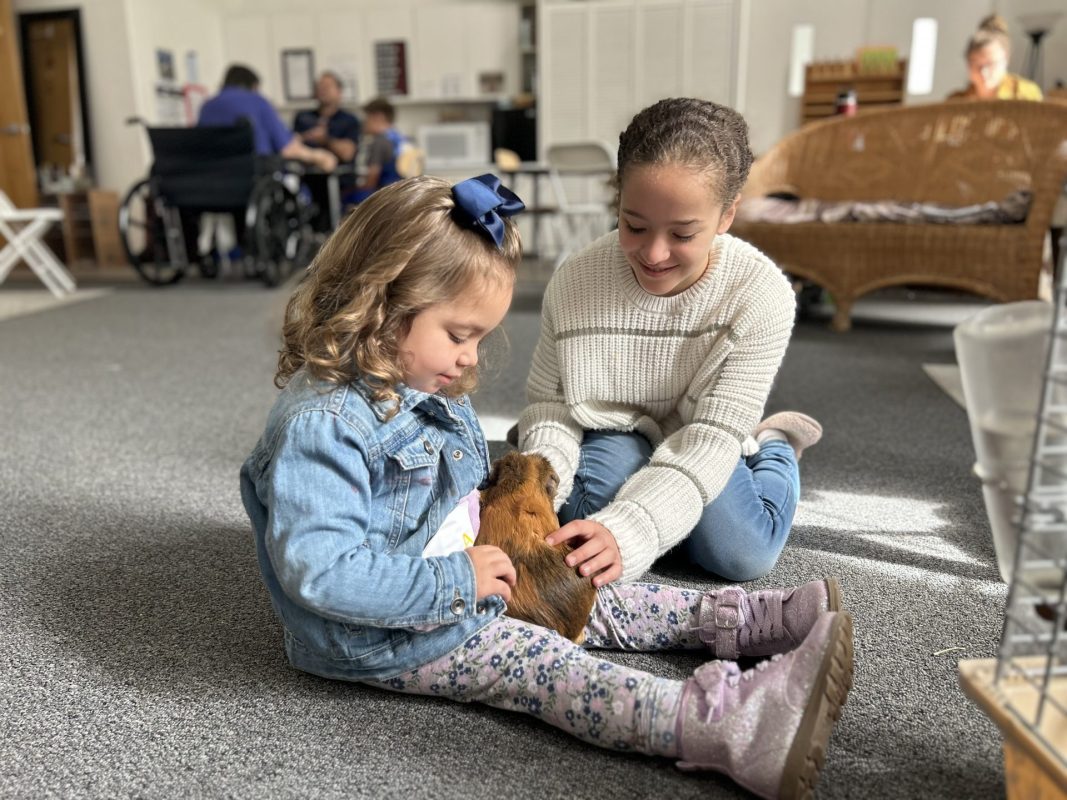
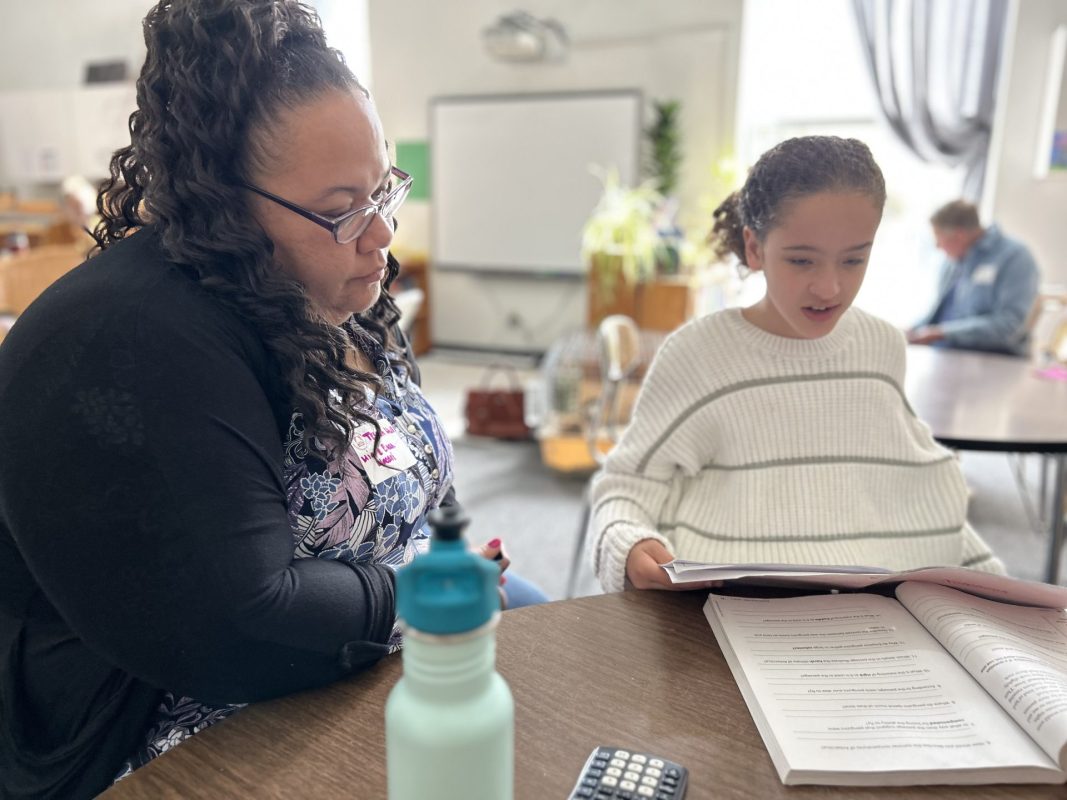
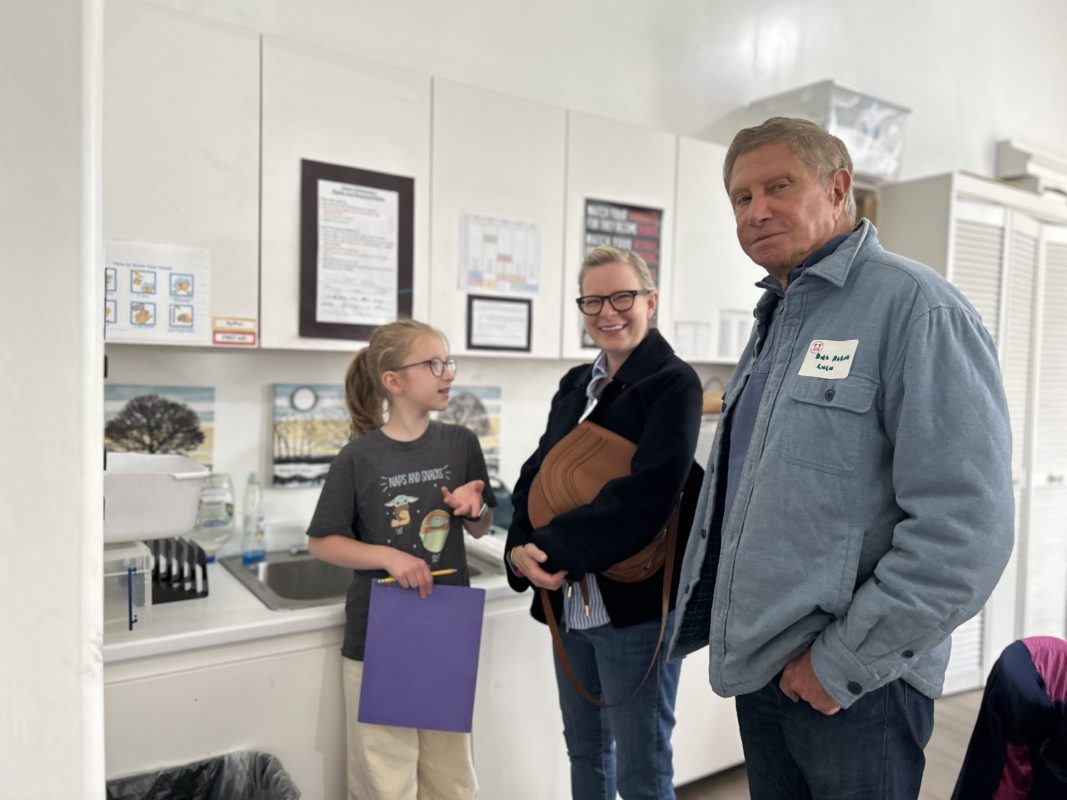
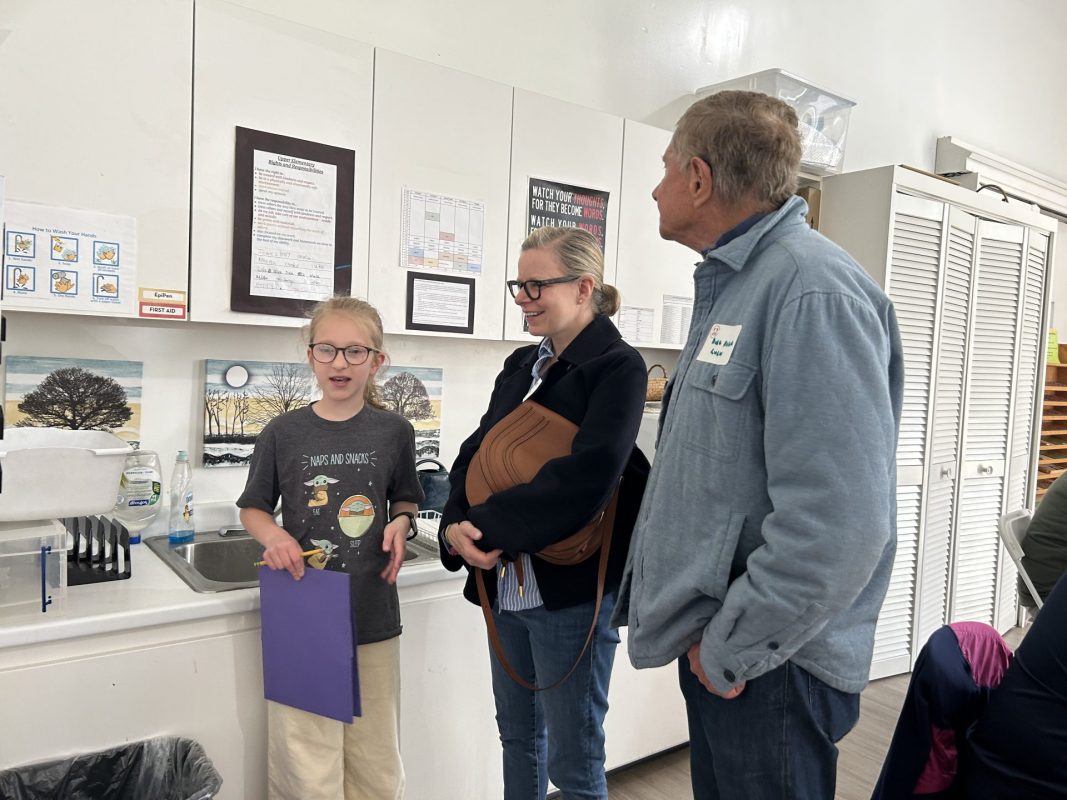
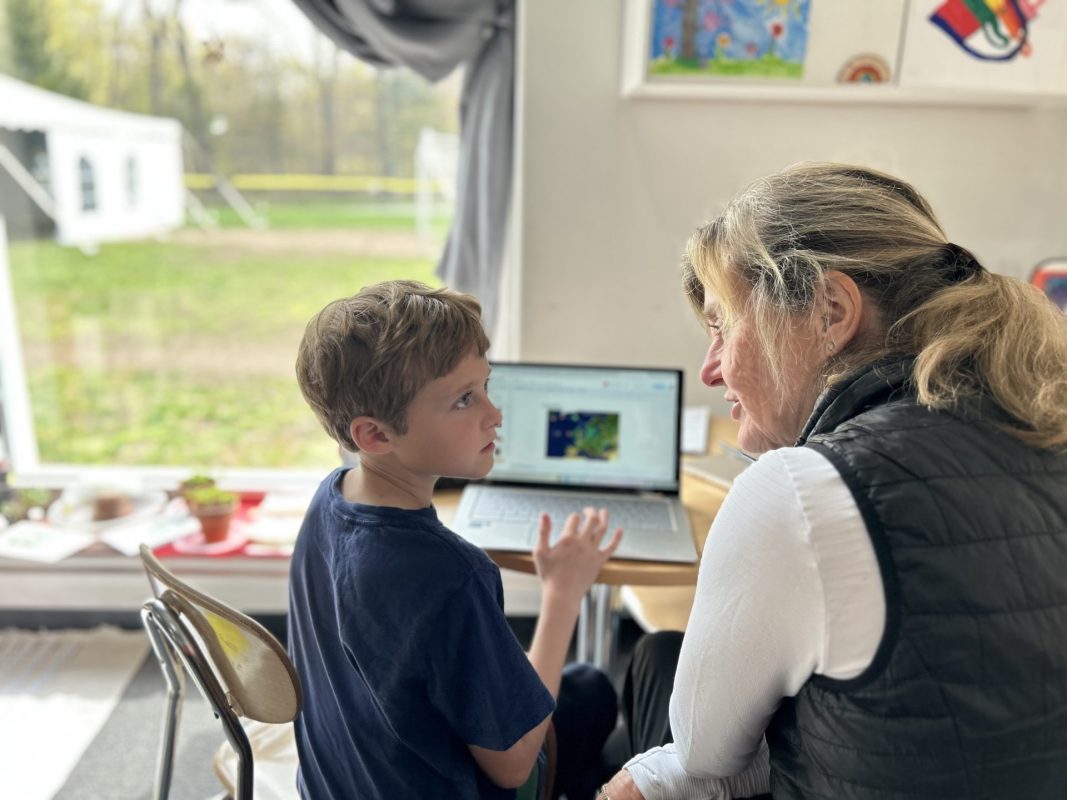
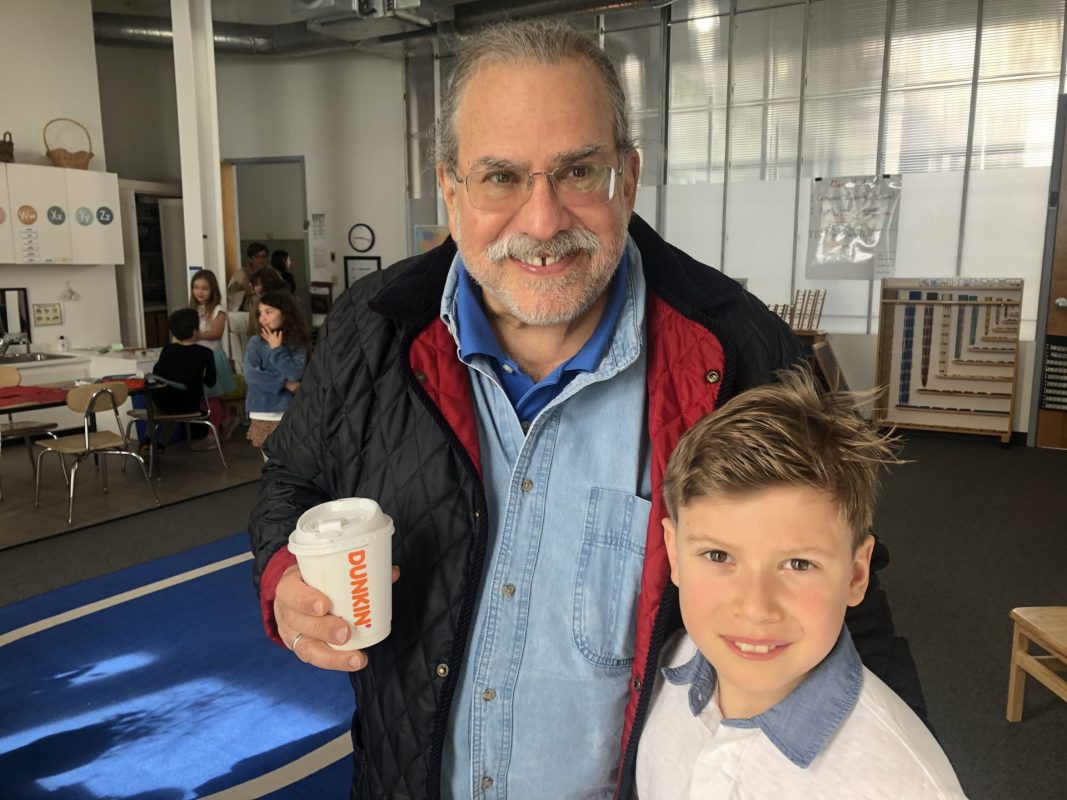
Grandparents and Special Persons Day at Fraser Woods is a memorable day to celebrate the love and importance of notable people in the lives of our students. This day is an opportunity to bring together students and their grandparents and special friends in a meaningful and enriching way. Intergenerational connections play an essential role in enriching the lives of children. Grandparents and Special Friends Day is an excellent opportunity to celebrate and strengthen these connections.

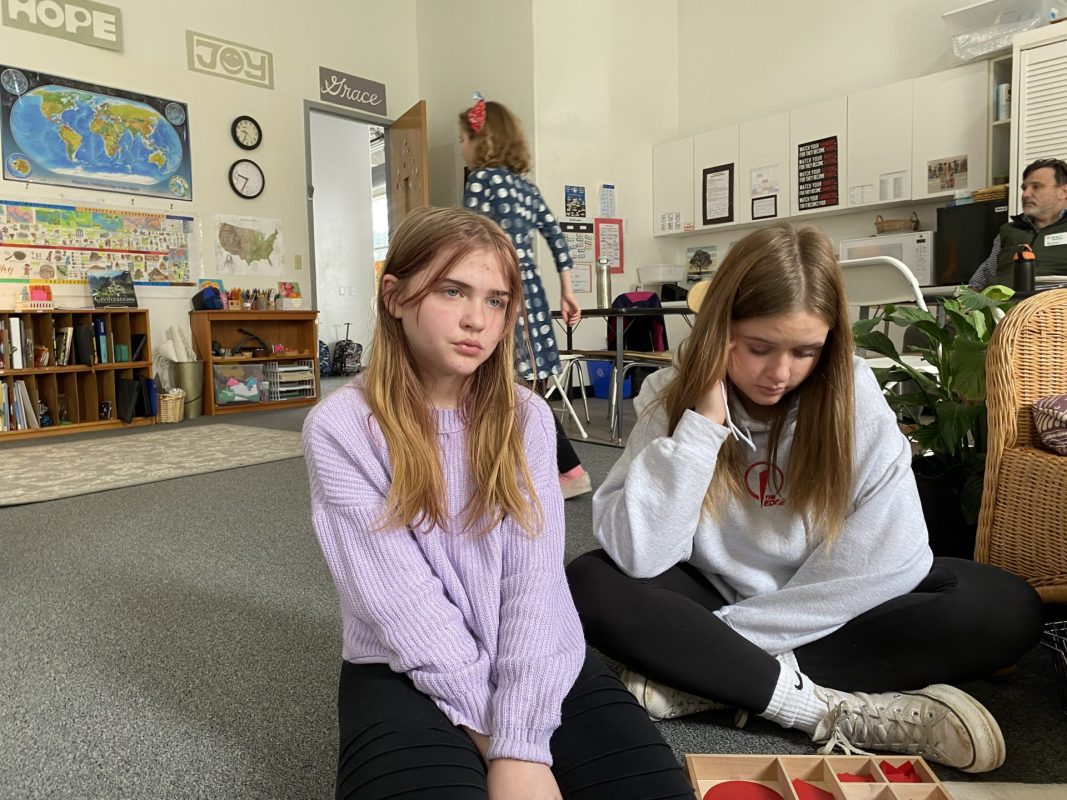
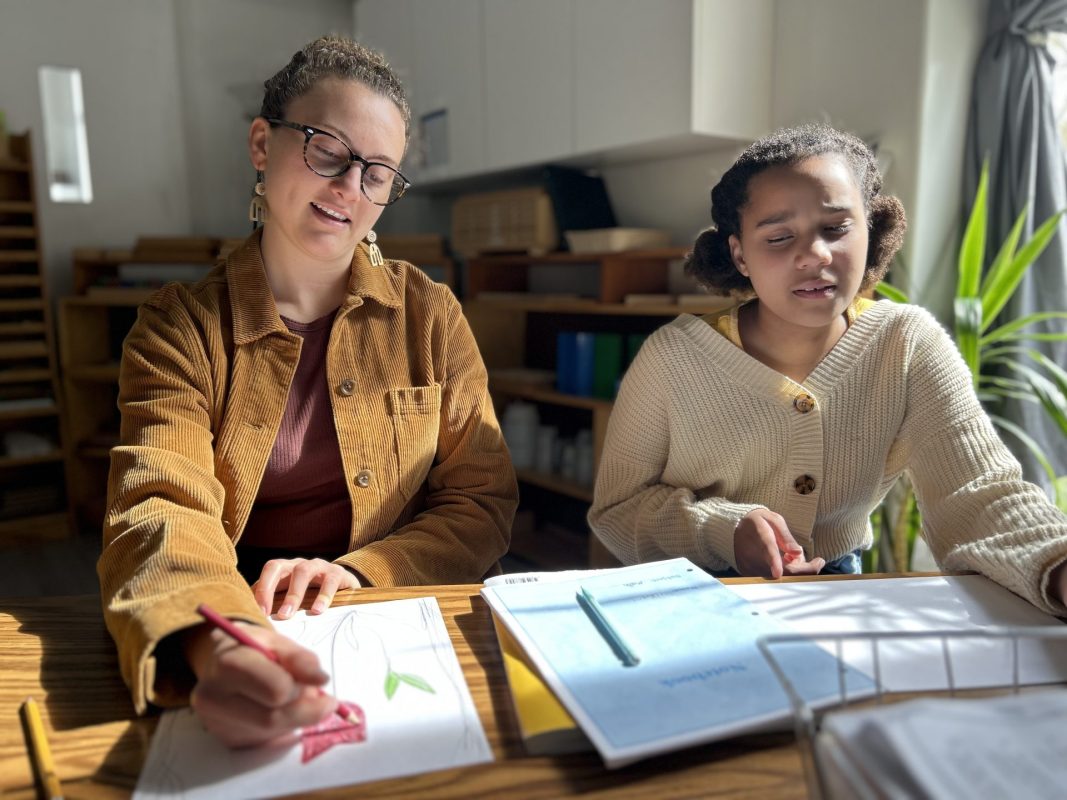
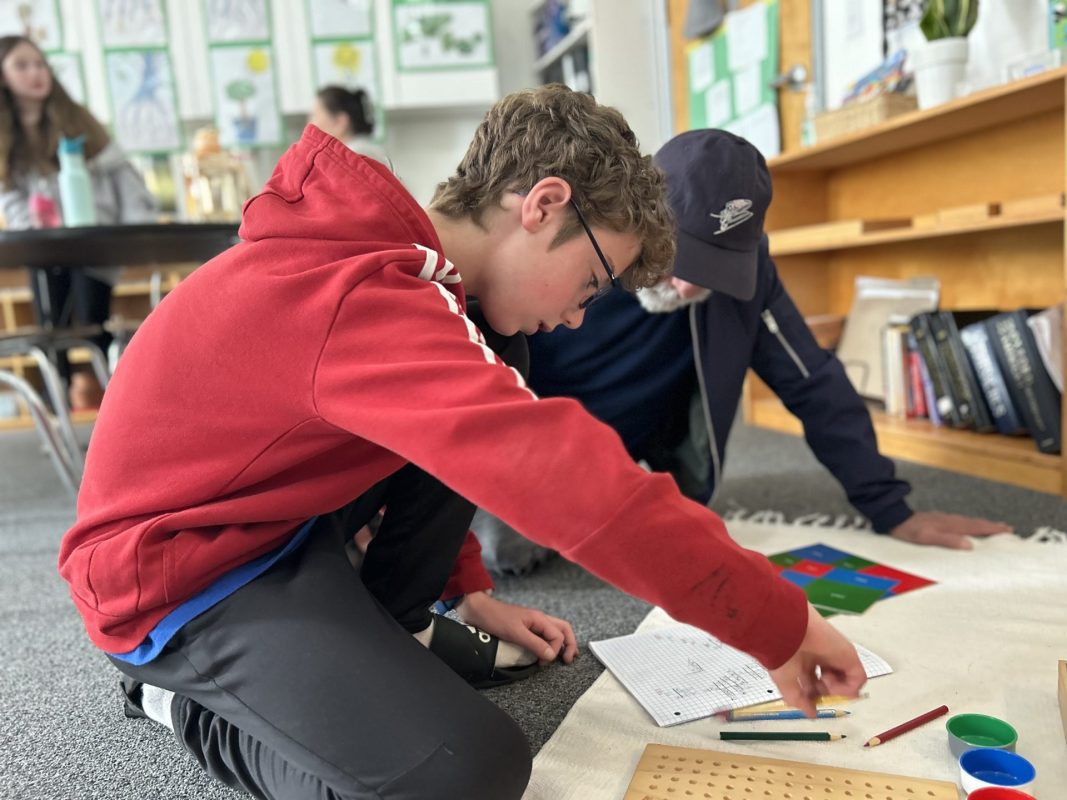
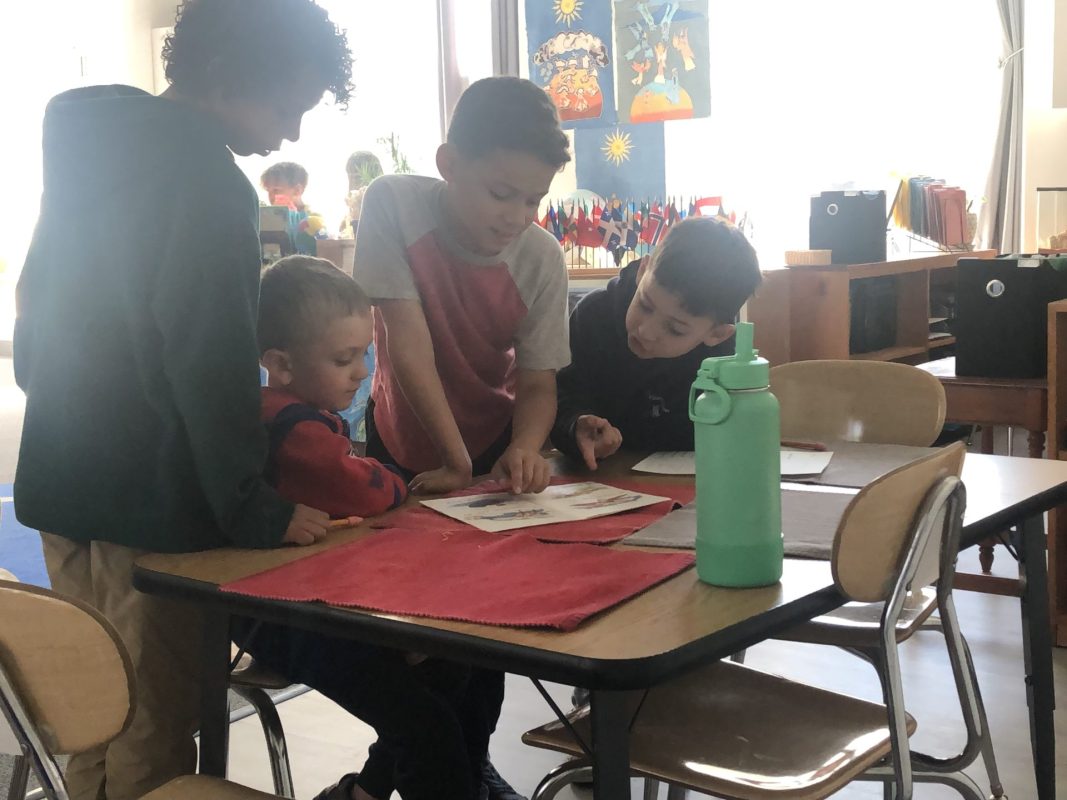
The day began with a light breakfast, and then our guests were welcomed into the classroom, allowing them to work alongside Upper Elementary students engaged in their daily work. This included learning about our botany experiments, ancient civilization research, and daily math and language work. Throughout the morning, students and their grandparents and special friends worked together, building connections and creating memories that would last a lifetime.

Grandparents and Special Friends Day is a reminder of the critical role that loved ones play in the lives of children. This day is an opportunity to celebrate and strengthen these connections in a fun, engaging, and meaningful way for all involved.

We look forward to seeing you at tomorrow’s Here We Grow Gala!

Wishing you a wonderful weekend,
Karen and Angie


Mrs. Hood: The Very Hungry Caterpillar

“We cannot create observers by saying ‘observe,’ but by giving them the power and the means for this observation, and the means are procured through education of the senses” – Maria Montessori. 

The grass is getting greener, the birds are chirping louder, and after a long winter, we happily observe how the Earth wakes from its deep slumber. Even though we witness this season every year, it feels so magical every time!

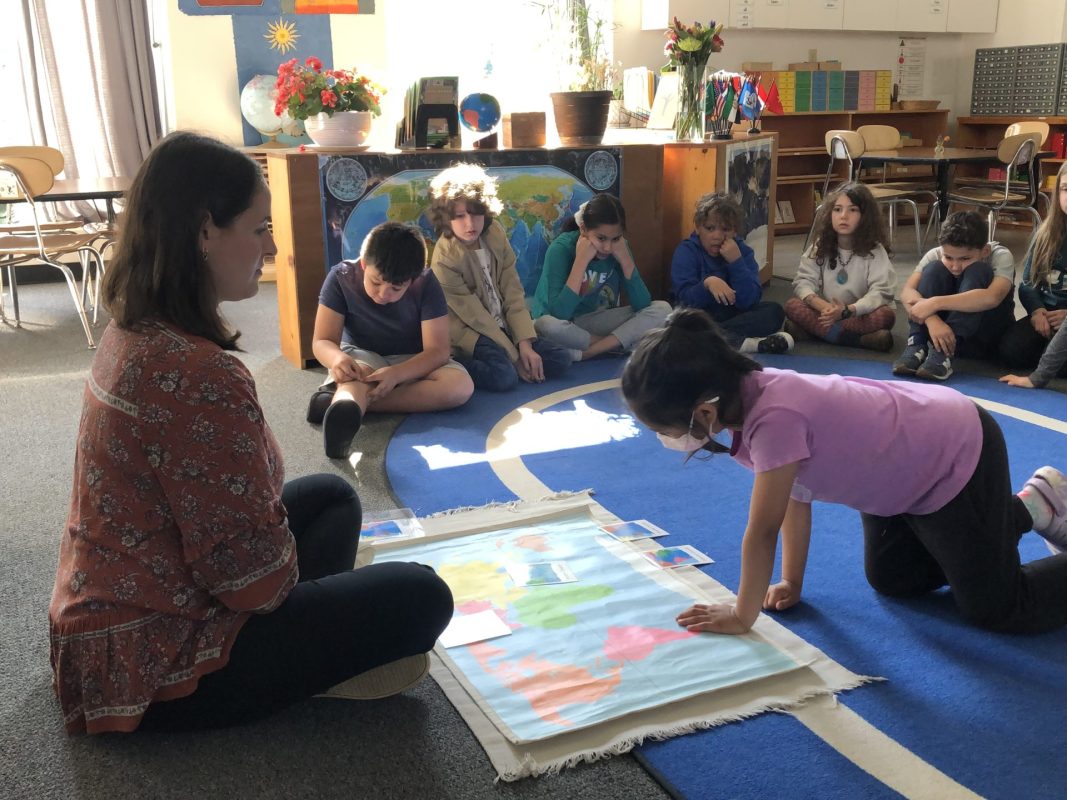
Like Dr. Maria Montessori, we believe nature is a patient teacher, and Earth is our classroom. In terms of how we teach children in the Montessori tradition, nature provides concrete and abstract learning for students of all ages. At our level, children have experiences that introduce them to marvelous wonders by using all five senses to comprehend concrete things and build a foundation for understanding natural life processes.

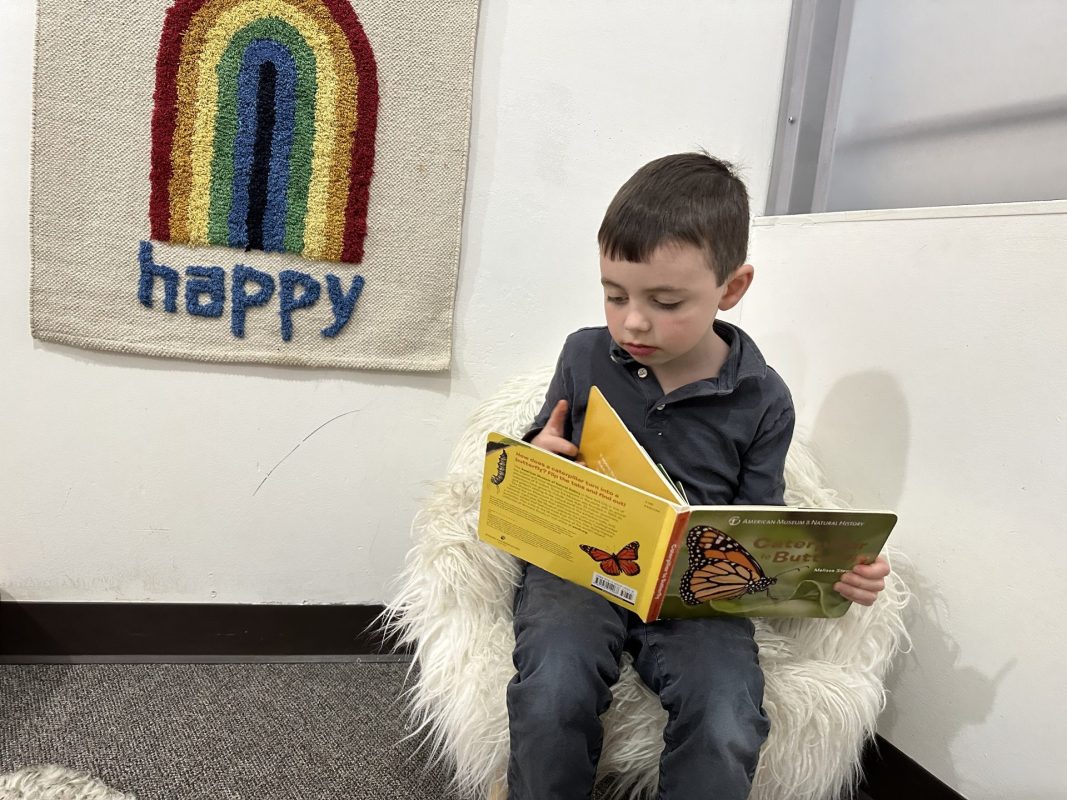
Earlier this week, children enjoyed the visit of very special guests in our environment: caterpillars. The amazement in your children’s eyes is indescribable, but we can tell you that they seem very excited about our new visitors. As we start our studies about insects, we will observe a butterfly’s metamorphosis for the next couple of days! We introduced the first stages of its life cycle this week, and children seem to be very curious about the caterpillars’ anatomy, movement, and feeding procedures. Vocabulary words like egg, caterpillar, chrysalis, and butterfly were introduced. The Very Hungry Caterpillar, a book by Eric Carle, was the most popular book of the week.

New works have been added to the environment on every shelf, and children continue to sharpen their motor and cognitive skills.

For food tasting, we explored Kumquats this week, and it was a tangy and fun experience! The pucker faces were just awesome!

Lastly, we had a great time with the visit of Grandparents and special friends on Friday! Children felt proud of themselves and eager to show our beautiful environment to their loved ones.

We hope to see you tomorrow for the Here We Grow Gala! It’s going to be a blast!

Best,

Mrs. Hood and Ms. Marissa


Grandparents Day in Lower Elementary

We enjoyed seeing all of the grandparents and special friends today. The children eagerly shared their work with their guests, and the room was full of wonderful energy and smiles. It was so special seeing the children actively engaging with people who are so near and dear to their hearts. Grandparents’ Day is an event loved by all.

“Of all things, love is the most potent.”
― Maria Montessori


Middle School: Week in Review

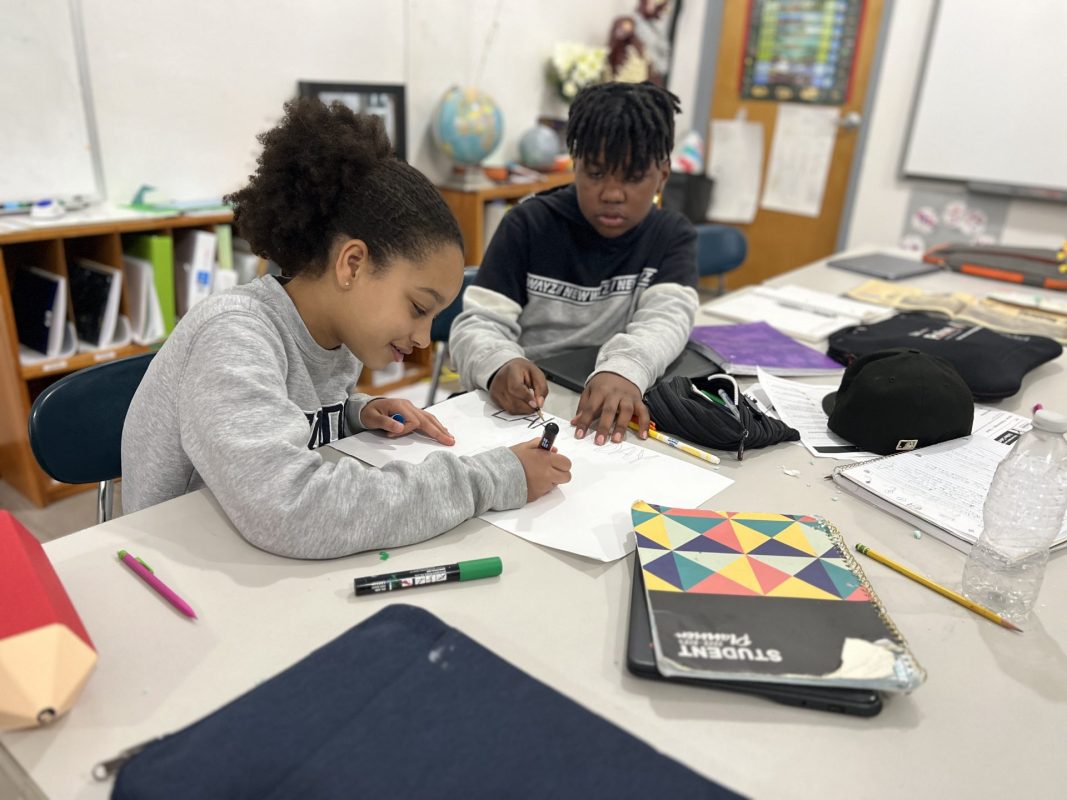
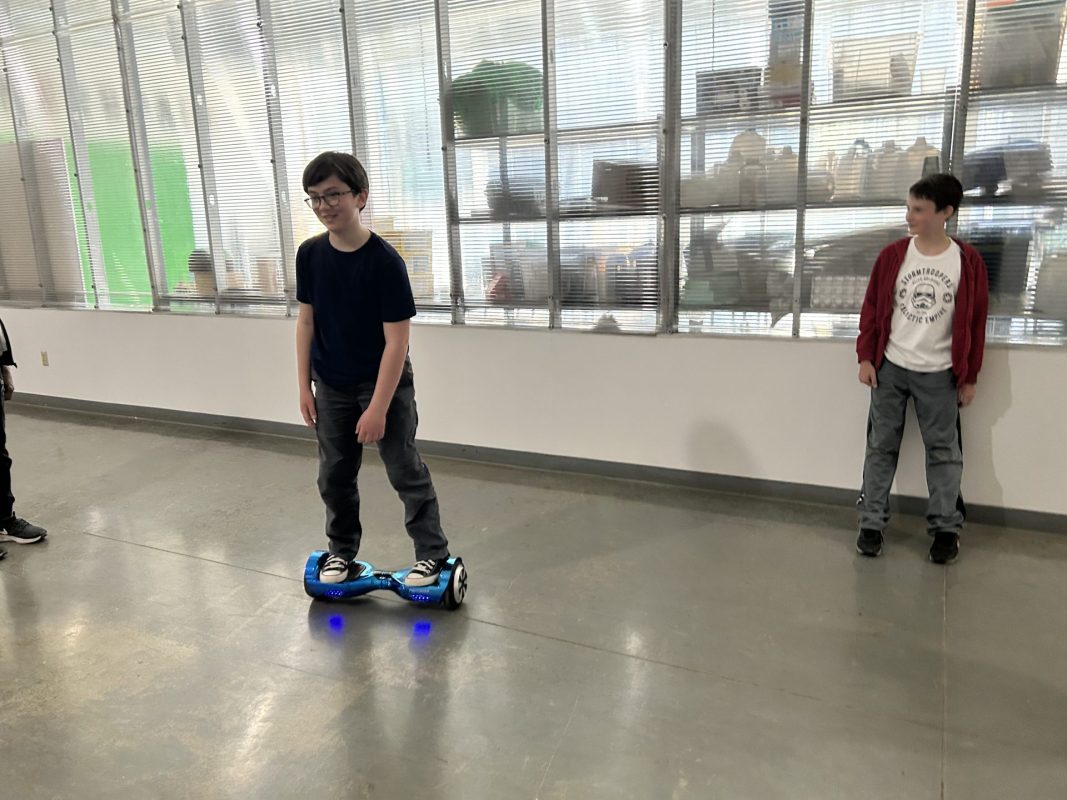
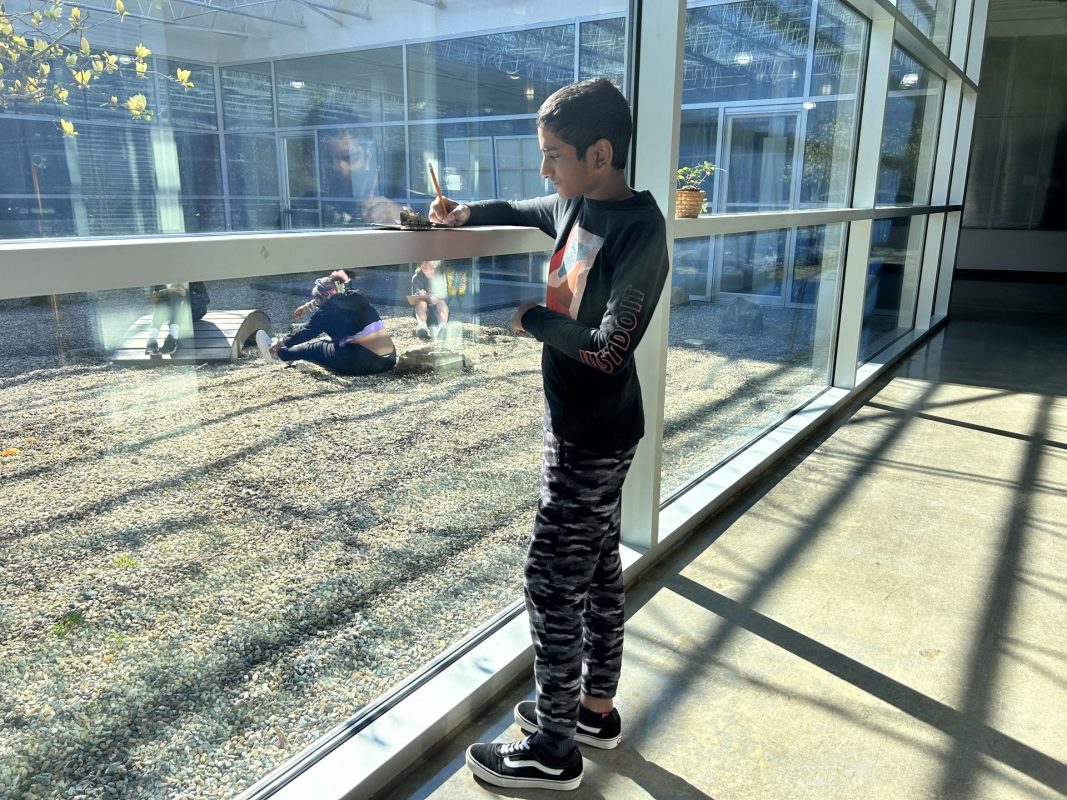
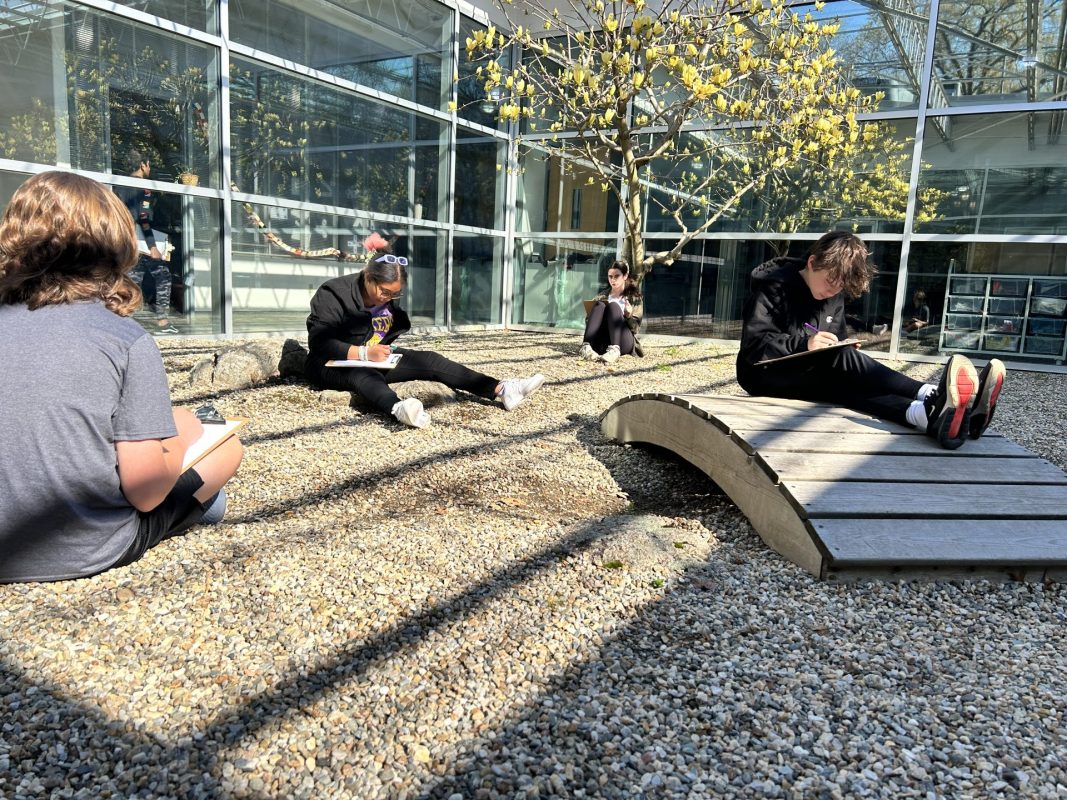
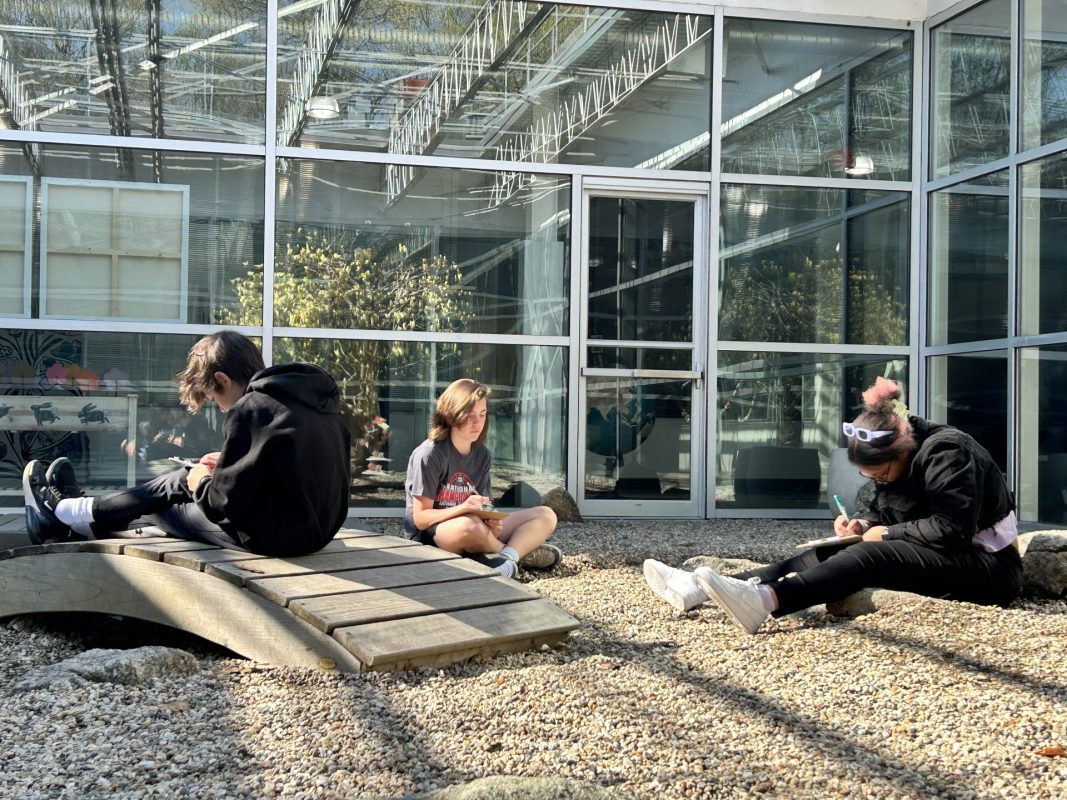
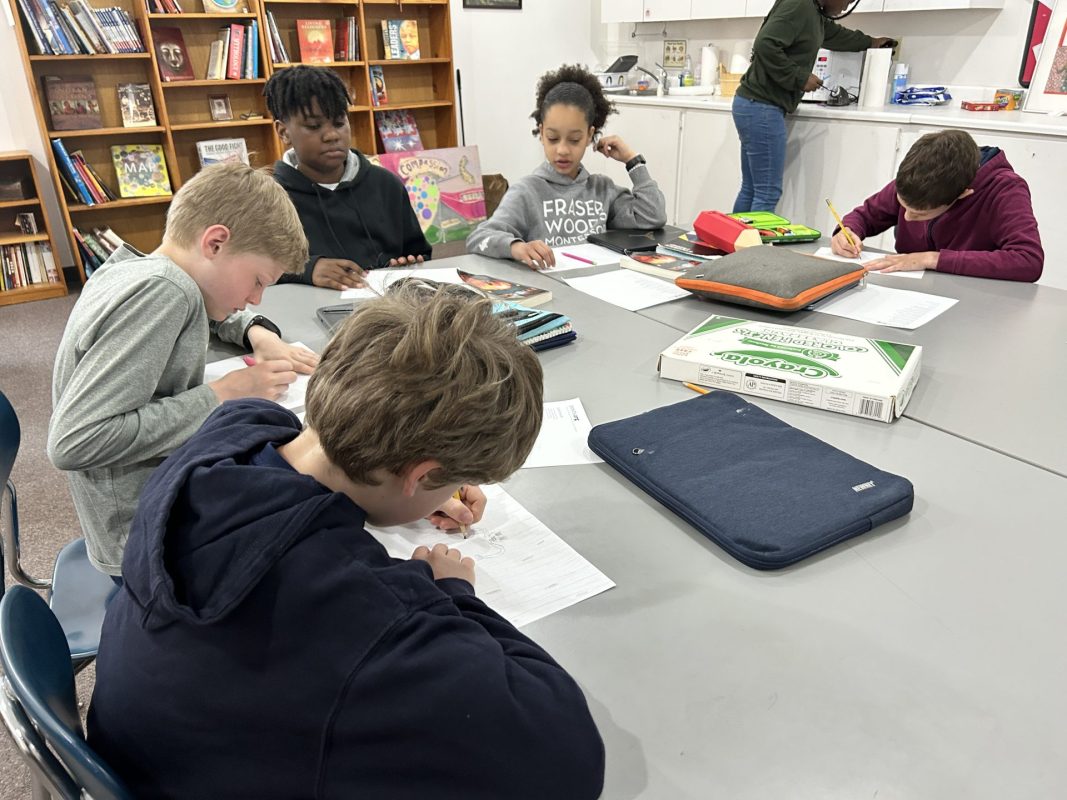
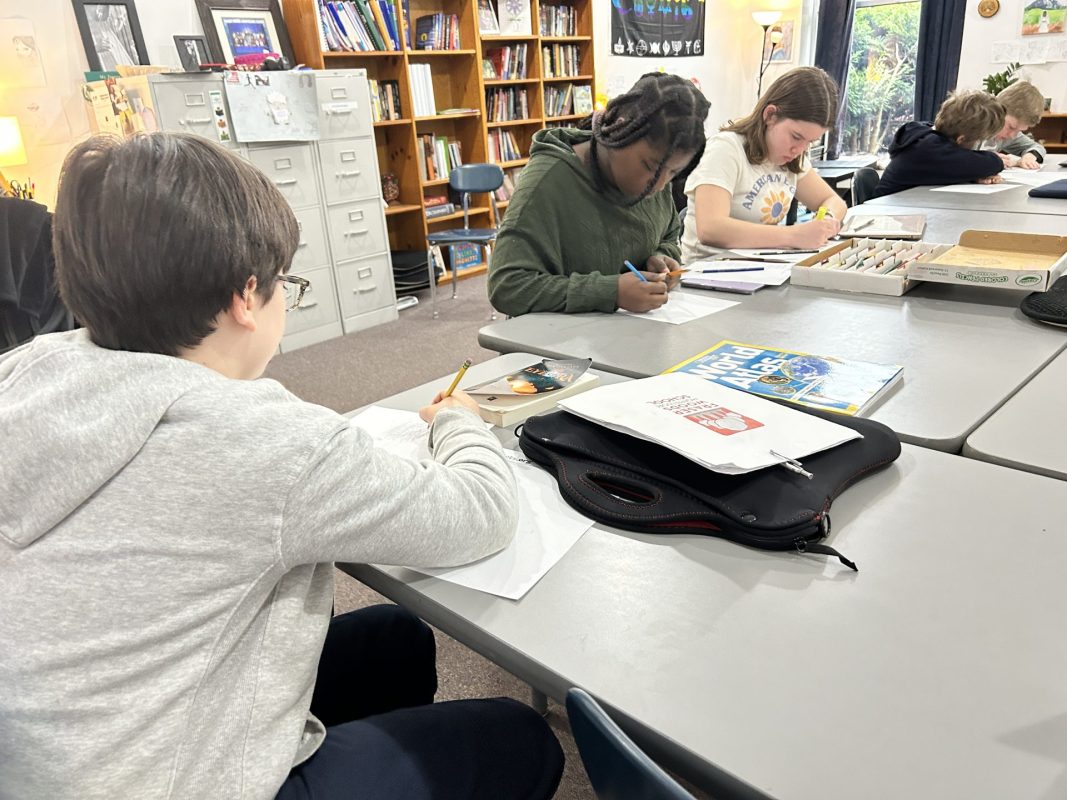
Spring is a great time of year in the Middle School. The students are in their routines, working through material, collaborating with classmates, checking in with teachers, and continuing to connect with their younger peers. The 8th grade recently submitted the first drafts of their expert project research essays, and they are beginning to work on their presentations. For them, the imminence of the end of the year and time at Fraser Woods is most obvious. It is during this time that the best memories can happen between friends and peers. With our end-of-year trip approaching and other exciting middle school traditions on the horizon, we are all looking forward to the next 6 1/2 weeks before summer begins.

Here’s how the week went in MS classrooms:

Humanities

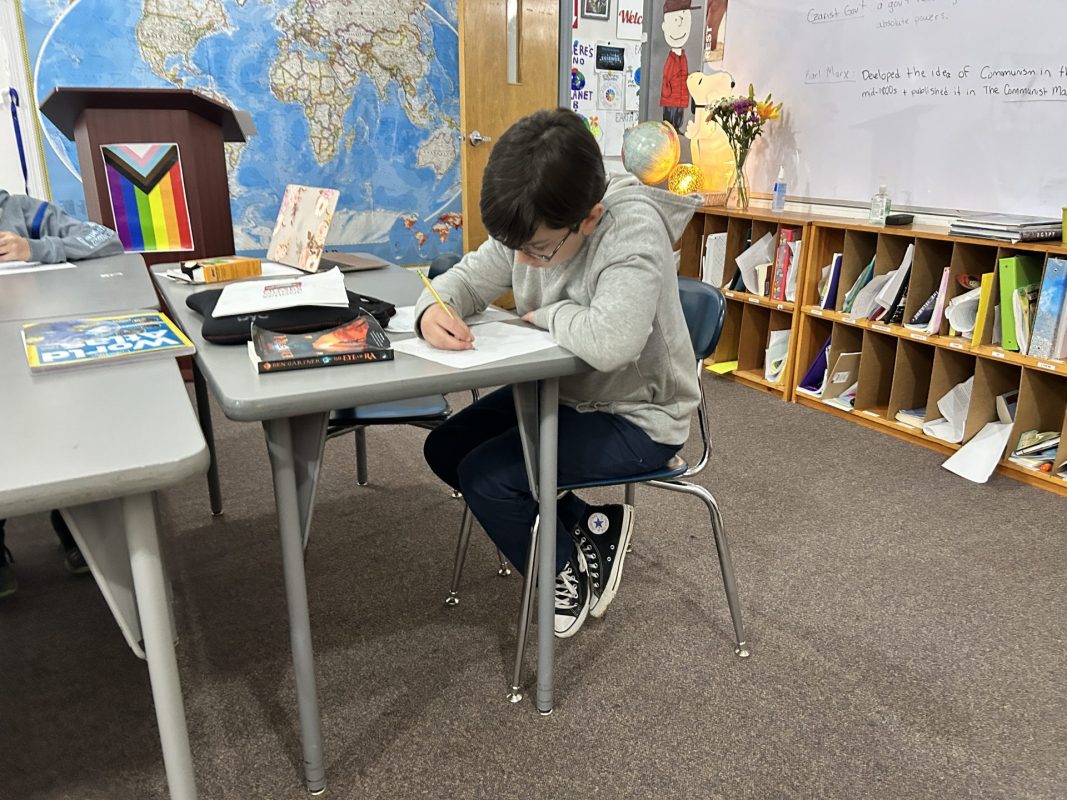
6th-grade students presented their current events during the first half of the week. They gave informative overviews of important issues and asked thoughtful questions that led the class into discussion. The 6th grade also completed their class novel, The Eye of Ra, by Ben Gartner, this week. This novel is the first in The Eye of Ra series and surrounds characters being immersed in an ancient civilization. This book was a great launching point for Ancient Egyptian history and helped students understand the social order and values of this culture. It also proves how pieces of the past evolve into the present. Finally, tied into our weekly poetry, students looked at Lewis Carroll’s “The Jabberwocky.” They discussed how it is possible to develop meaning and images in their minds with words that have no actual meaning. They also created a visual representation of the poem using their own understanding of the text.

7th-grade Humanities students also began the week with current events presentations. They also continued to briefly explore the countries of Europe by looking at their geography and architecture. Then in continuation of last week’s World War I overview, students looked closer at Russia, its involvement in the war, and the political upheaval that occurred during and after that time. The class began reading George Orwell’s Animal Farm, which is a political allegory of this time period. Students will make parallels between the farm, its characters, and Russian history.

The 8th-grade submitted drafts of their expert project essays at the start of the week. Then, they continued reading their class novel, If I Ever Get Out of Here. To understand the circumstances of the protagonist, a member of the Tuscarora Nation who lives on the reservation in the 1970s, students have to go back in history. As we discuss the movement and removal of Native nations in the late 18th and 19th centuries, we are first discussing the American Revolution and the events that led to the formation of the U.S. Students researched and created presentations of these causes. Next, we will discuss the Revolution’s outcomes, the formation of the Constitution, and how both Natives and enslaved Africans were affected by these.

Math

In the Pre-Transition math class, students concluded their learning of Chapter 7 in the UCSMP textbook. This chapter covered topics such as dividing positive and negative numbers, identifying whether a simple fraction equals a terminating or repeating decimal, and dividing decimals using long division strategies.

In the Transition math class, students were excited to learn about similar figures and used proportions to solve for unknown side lengths. They reviewed concepts such as dividing mixed fractions and manipulating single-step algebraic equations. This class took the Chapter 9 unit test and will begin learning Chapter 10 next week in class.
In the Algebra math class, students enjoyed learning about nonlinear systems of equations and practiced shading the solution area in a system of linear inequalities. This class has learned a variety of solving techniques in order to find either one solution, no solution, or infinite solutions.  Students wrote the Chapter 10 cumulative unit test and will begin exploring Chapter 11 next week.
Make Joke: What is a butterfly’s favorite subject in school?……..Mothematics
Science

6th-year Earth Science students are continuing their work on the unit Tides. Students spent the week creating an artistic representation that detailed how the moon affects the tidal pattern as it revolves around the Earth. Students were asked to identify a coastal area familiar to them and create a graph that is representative of the fluctuating high and low tides. Students have also been able to create connections between the correlation of moon phases and tidal patterns.

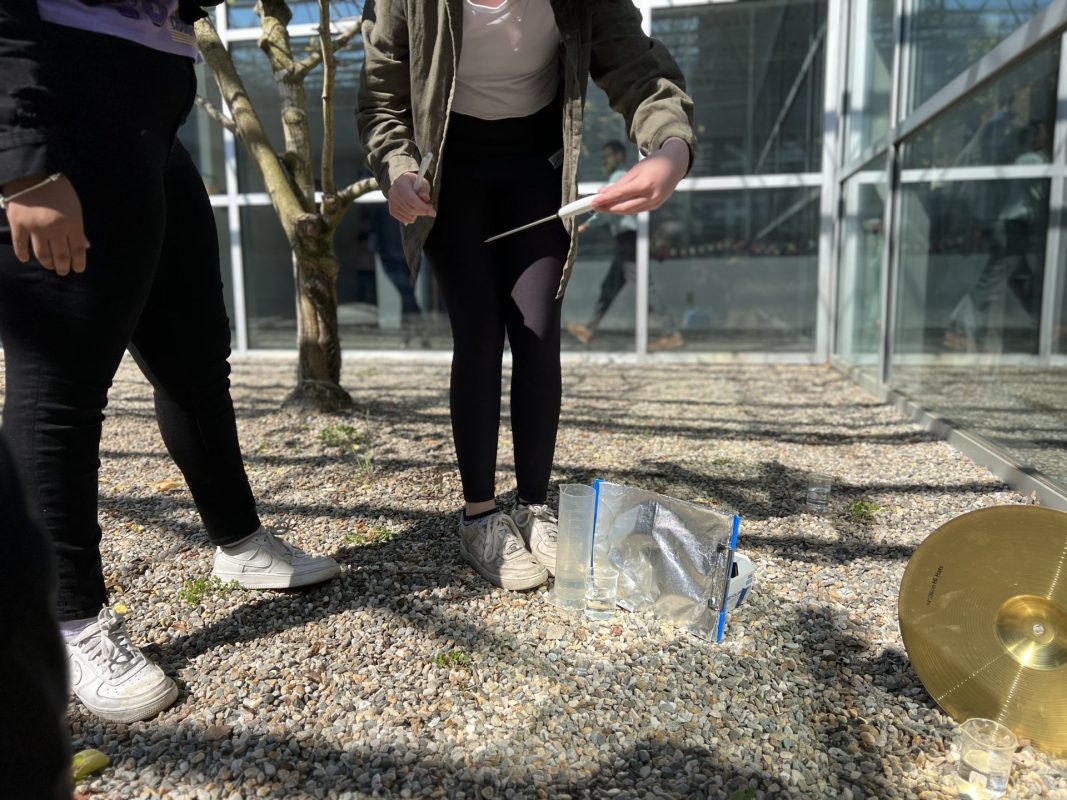
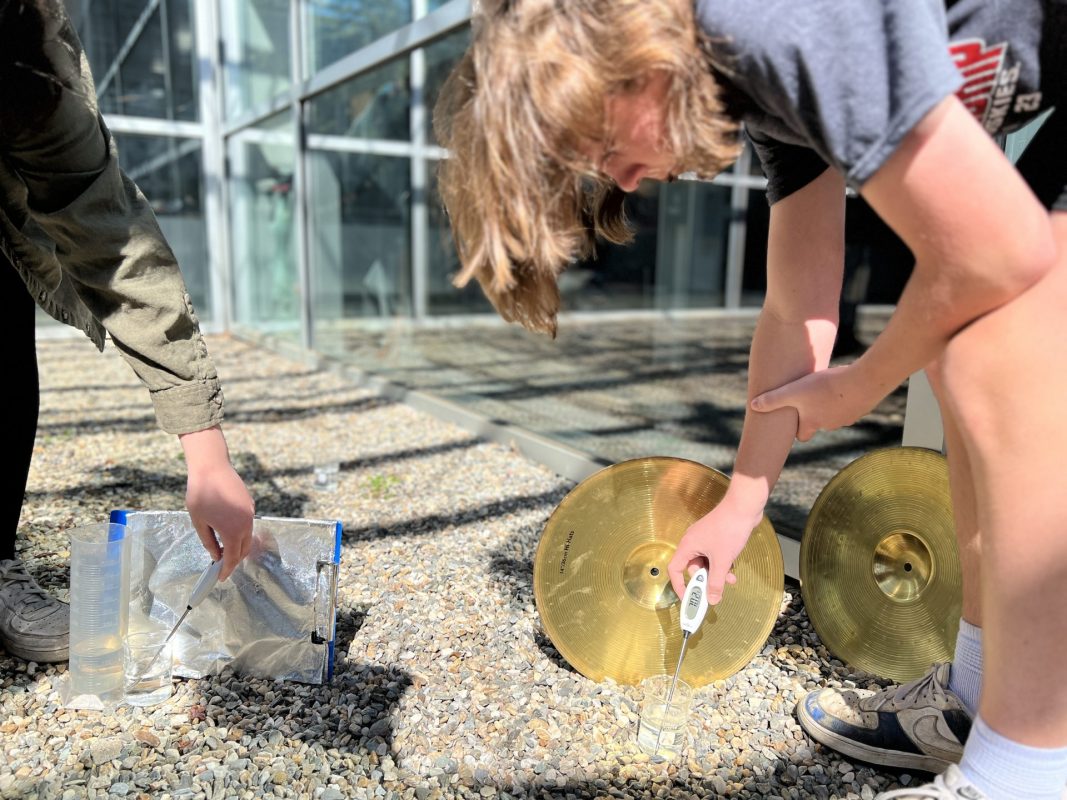
7th-year Physical Science students are continuing their work on Reflection. They spent the week identifying the differences between convex, concave, and flat surfaces. Students performed a laboratory experiment that tested how different reflective surfaces affected the temperature of the water. Students were provided three different reflective surfaces (cymbal, aluminum foil, mirror), reflecting the sunlight towards a set volume of water inside a beaker. The initial and final temperatures were recorded and later analyzed, allowing students to assess which reflective surface provided the greatest or least change in temperature.
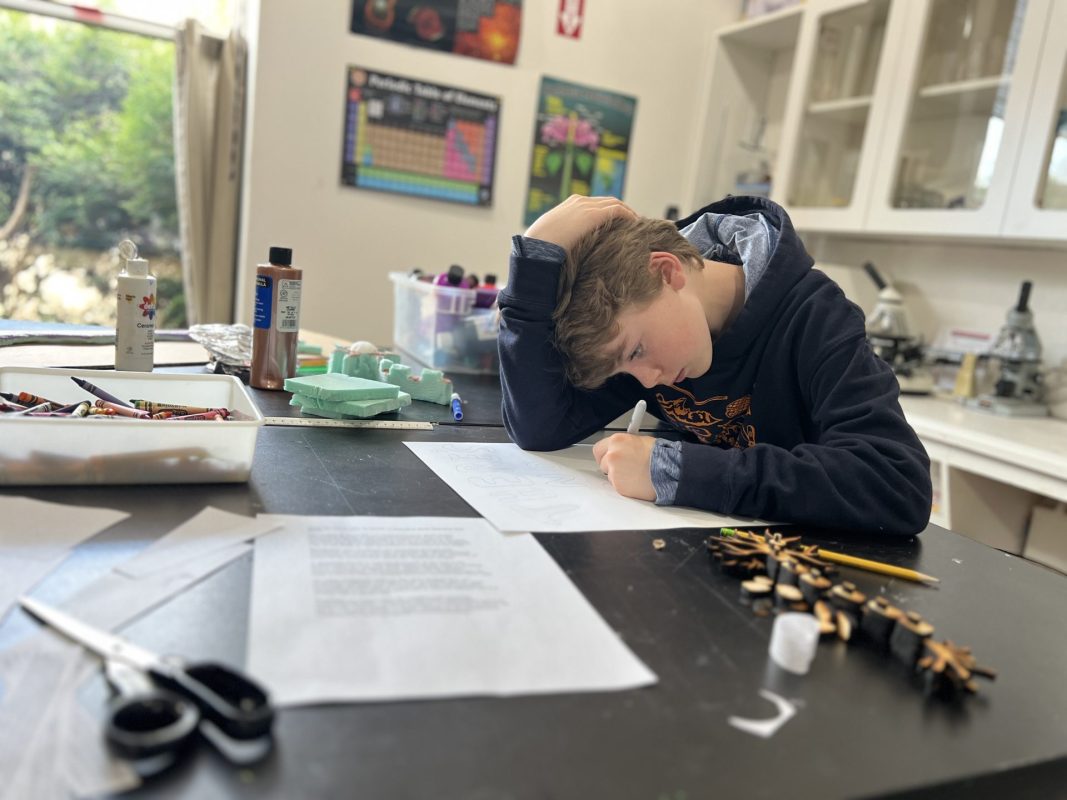
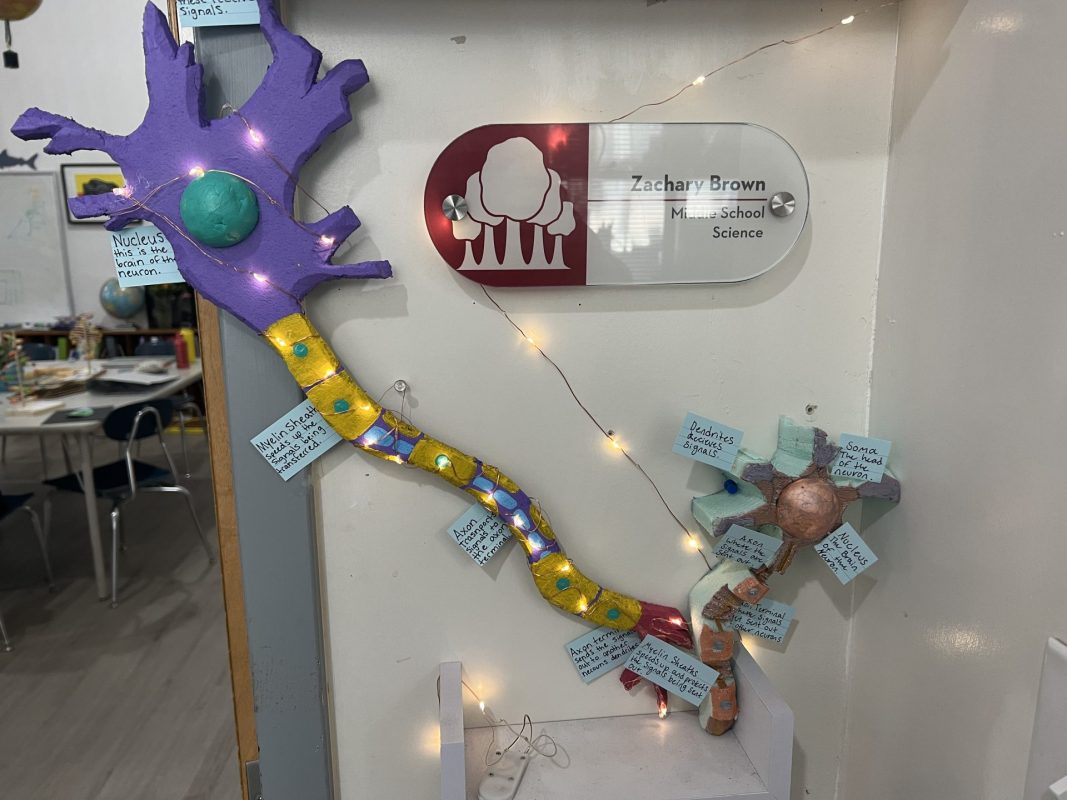
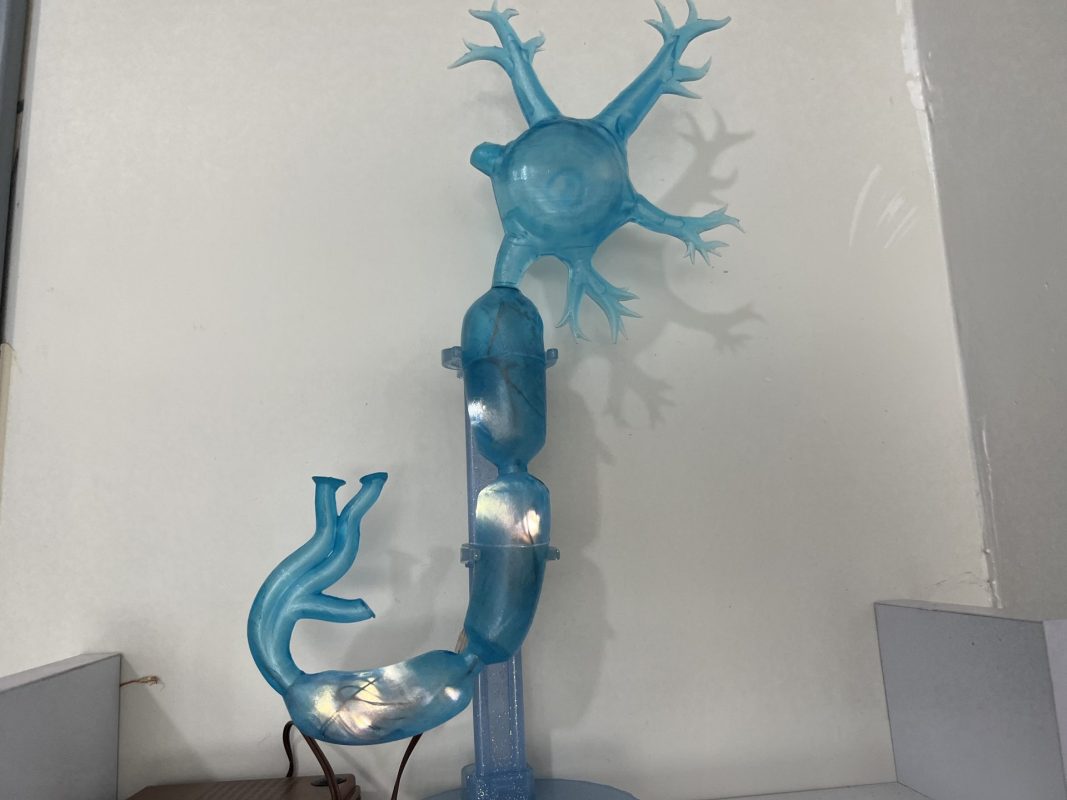
8th-year Life Science students completed their 3-D model representations of a neuron this week. Each student did a great job artistically representing their interpretation and labeling of a neuron. Some students constructed theirs using the glowforge, while others carved theirs out of styrofoam. Another student was able to represent a neuron using a 3-D resin printer from home. Each of the students’ representations includes a detailed description of the key parts of a neuron that are put on display outside the science room. The class will be covering the circulatory system for our next unit.
Enjoy the weekend! Hope to see you at the Gala!

Mrs. Doyle: Head, Thorax, Abdomen, Abdomen!


We are hard at work becoming entomologists. This is always a favorite unit of study for the children. An entomologist is a scientist who studies insects. We began our unit by discussing what we already know about insects, what they are, and what they can do. We discovered that insects are slimy, little, gross, soft, and hard. Insects can crawl, sting, bite, eat, fly, walk upside down, and jump. We learned that insects lay eggs and have antennae, and three main body parts, a head, thorax and abdomen, eyes, and six legs. Insects are also cold-blooded, have an exoskeleton, and many have wings. Finally, we found out why a spider is not an insect. Ask your child to see if they know why.

We also welcomed five tiny caterpillars to our classroom. It is so exciting to observe each step of the fascinating life cycle of the painted lady butterfly. Right now, our caterpillars are busy eating, spinning silk, and growing bigger every day. During this incredible period of growth, they will shed their exoskeletons four times and grow more than ten times their original size! When they have finished growing, the caterpillars will climb to the top of the cup. Once there, they will hang from the paper disk in a “j” shape under the lid. Finally, they will shed their exoskeletons one last time before they pupate and form a chrysalis.

Wishing you a week filled with peace and love!

Michelle & Maria


Mrs. Semmah: Head, Thorax, Abdomen, Abdomen!

We are hard at work becoming entomologists. This is always a favorite unit of study for the children. An entomologist is a scientist who studies insects. We began our unit by discussing what we already know about insects, what they are, and what they can do. We discovered that insects are slimy, little, gross, soft, and hard. Insects can crawl, sting, bite, eat, fly, walk upside down, and jump. We learned that insects lay eggs and have antennae, and three main body parts, a head, thorax and abdomen, eyes, and six legs. Insects are also cold-blooded, have an exoskeleton, and many have wings. Finally, we found out why a spider is not an insect. Ask your child to see if they know why.

We also welcomed five tiny caterpillars to our classroom. It is so exciting to observe each step of the fascinating life cycle of the painted lady butterfly. Right now, our caterpillars are busy eating, spinning silk, and growing bigger every day. During this incredible period of growth, they will shed their exoskeletons four times and grow more than ten times their original size! When they have finished growing, the caterpillars will climb to the top of the cup. Once there, they will hang from the paper disk in a “j” shape under the lid. Finally, they will shed their exoskeletons one last time before they pupate and form a chrysalis.

Wishing you a week filled with peace and love!

Kaoutar & Sue