Blog

Mrs. Lopes: Head, Thorax, Abdomen, Abdomen!

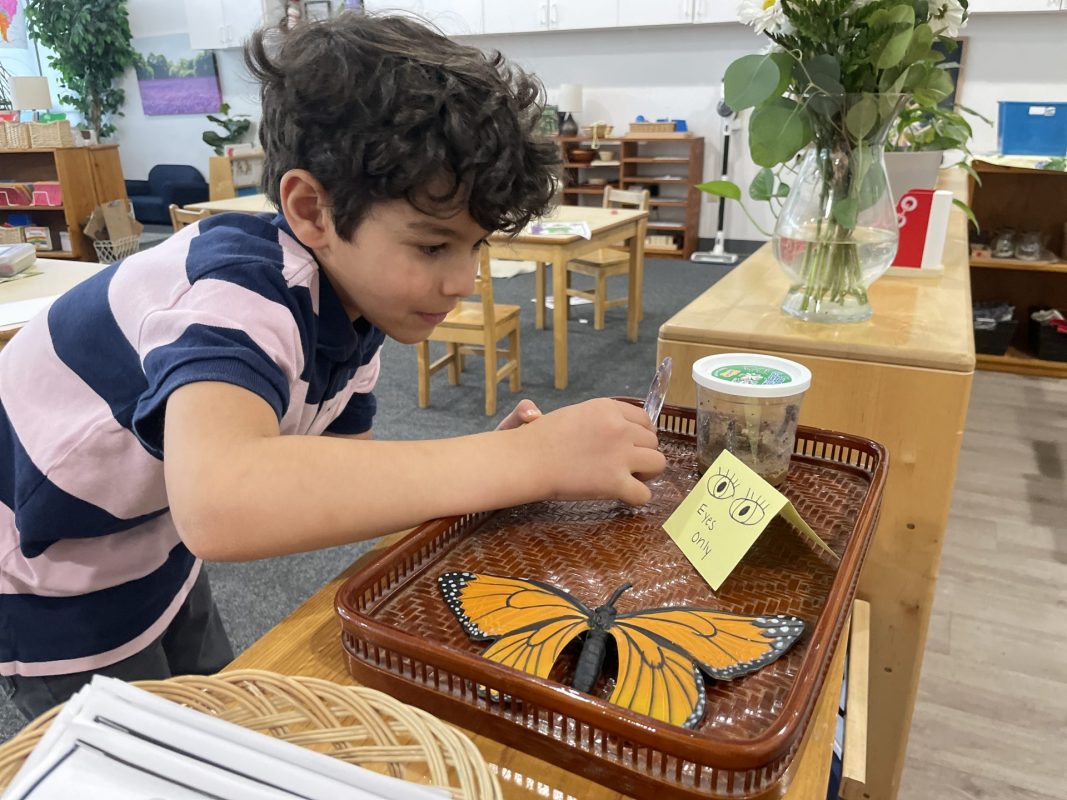
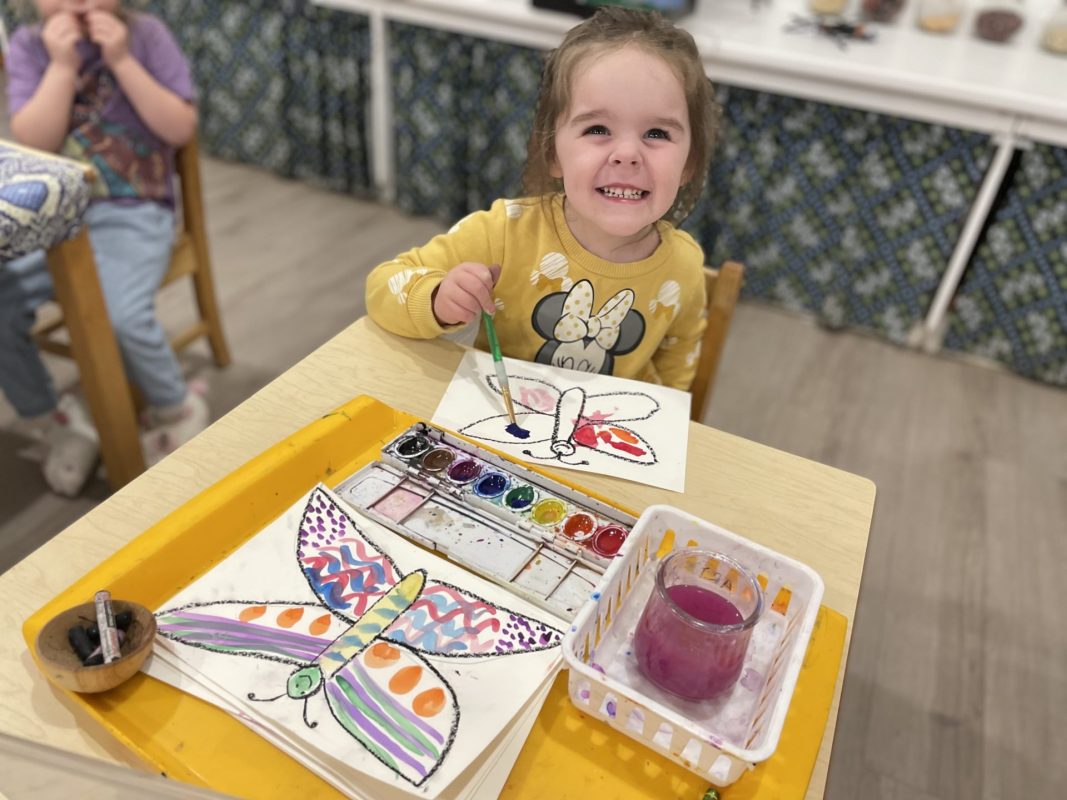
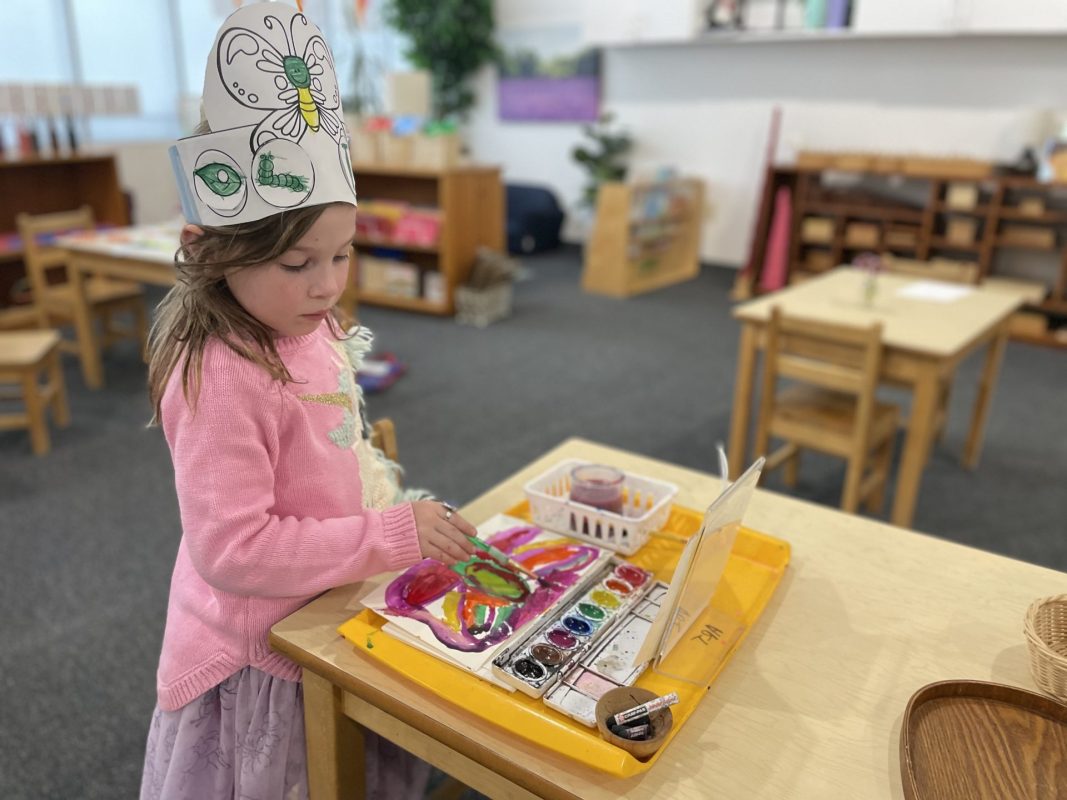
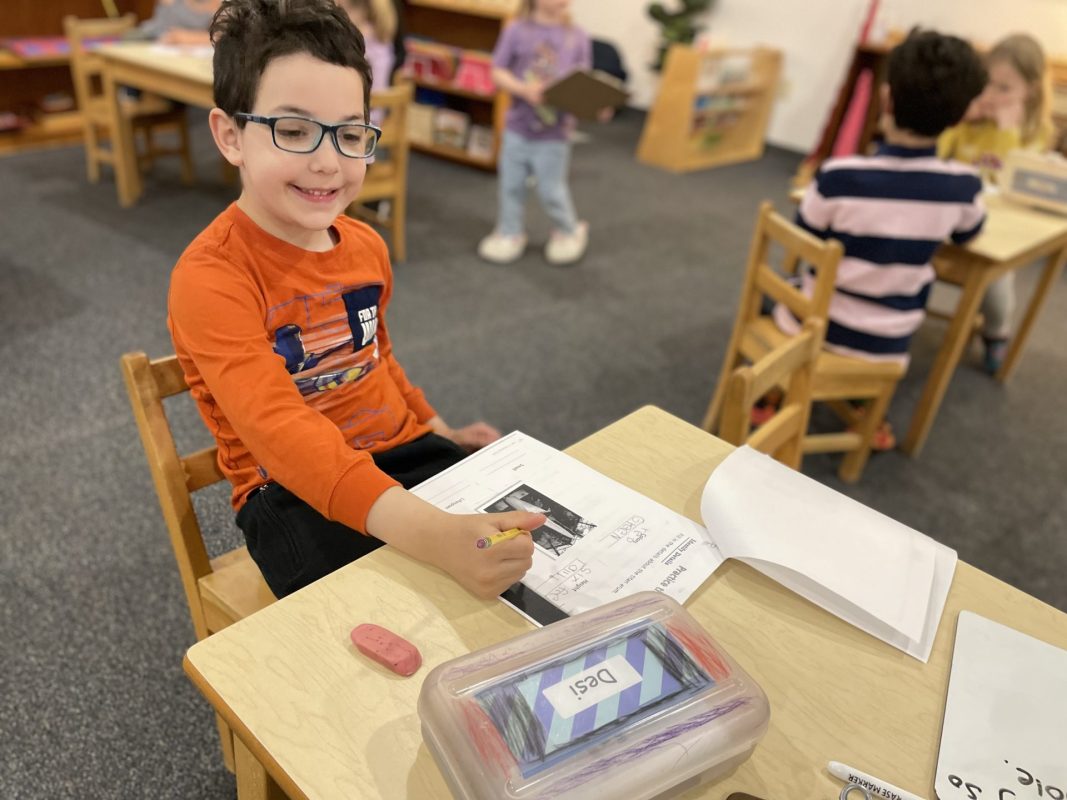
We are hard at work becoming entomologists. This is always a favorite unit of study for the children. An entomologist is a scientist who studies insects. We began our unit by discussing what we already know about insects, what they are, and what they can do. We discovered that insects are slimy, little, gross, soft, and hard. Insects can crawl, sting, bite, eat, fly, walk upside down, and jump. We learned that insects lay eggs and have antennae, and three main body parts, a head, thorax and abdomen, eyes, and six legs. Insects are also cold-blooded, have an exoskeleton, and many have wings. Finally, we found out why a spider is not an insect. Ask your child to see if they know why.

We also welcomed five tiny caterpillars to our classroom. It is so exciting to observe each step of the fascinating life cycle of the painted lady butterfly. Right now, our caterpillars are busy eating, spinning silk, and growing bigger every day. During this incredible period of growth, they will shed their exoskeletons four times and grow more than ten times their original size! When they have finished growing, the caterpillars will climb to the top of the cup. Once there, they will hang from the paper disk in a “j” shape under the lid. Finally, they will shed their exoskeletons one last time before they pupate and form a chrysalis.

Wishing you a week filled with peace and love!

Amanda & Hema


Mrs. Wilson: Worm Weather

For the last two weeks, we have been talking about and describing the weather. The children have a chance to be the meteorologist for the morning. We start by singing “What’s The Weather?” When it is their turn, they get to look out the window to describe what they see. If it’s windy, we talk about how they will see the tree branches sway. If it is cloudy, the sun will hide behind the clouds. Next, we practice the phrase “The weather is…” Then the child chooses the felt weather piece along with the weather card that matches the weather outside.

Outside in the sensory bin, the children can explore mud with fake worms. They can use tongs and hands to search through the mud to find the wiggly worms. We read the book Worm Weather by Jean Taft. The children enjoyed this book and requested to hear it two times in a row.

This week the picker triangle was introduced. The children amazed me with their patience. They understand the concept of one friend at a time. This piece of equipment is a beautiful addition to the environment. It builds confidence, patience, and body awareness. And even though the children use it to get out extra energy, it also slows their bodies down as they cautiously yet confidently climb as far as they are comfortable. Then, when they make it up and over, you can see and, for some, hear them say, “I did it!” or “AWESOME!”

We hope to see you at the Gala this Saturday.
Cynthia and Sara


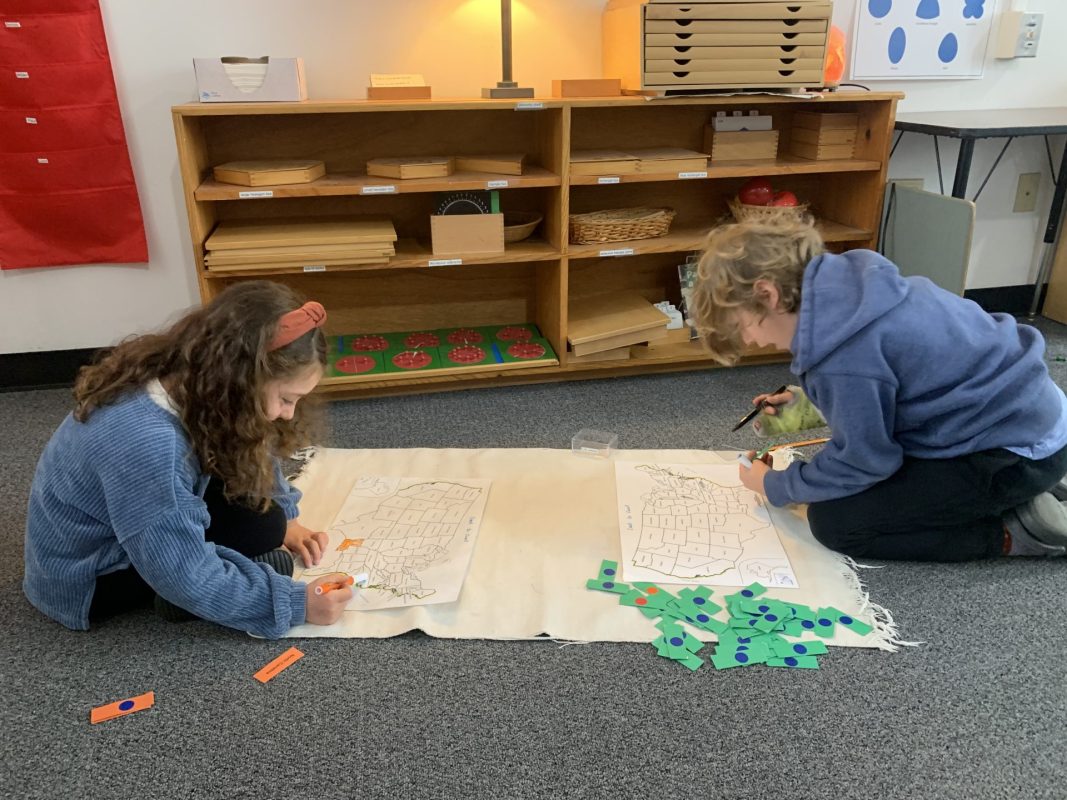
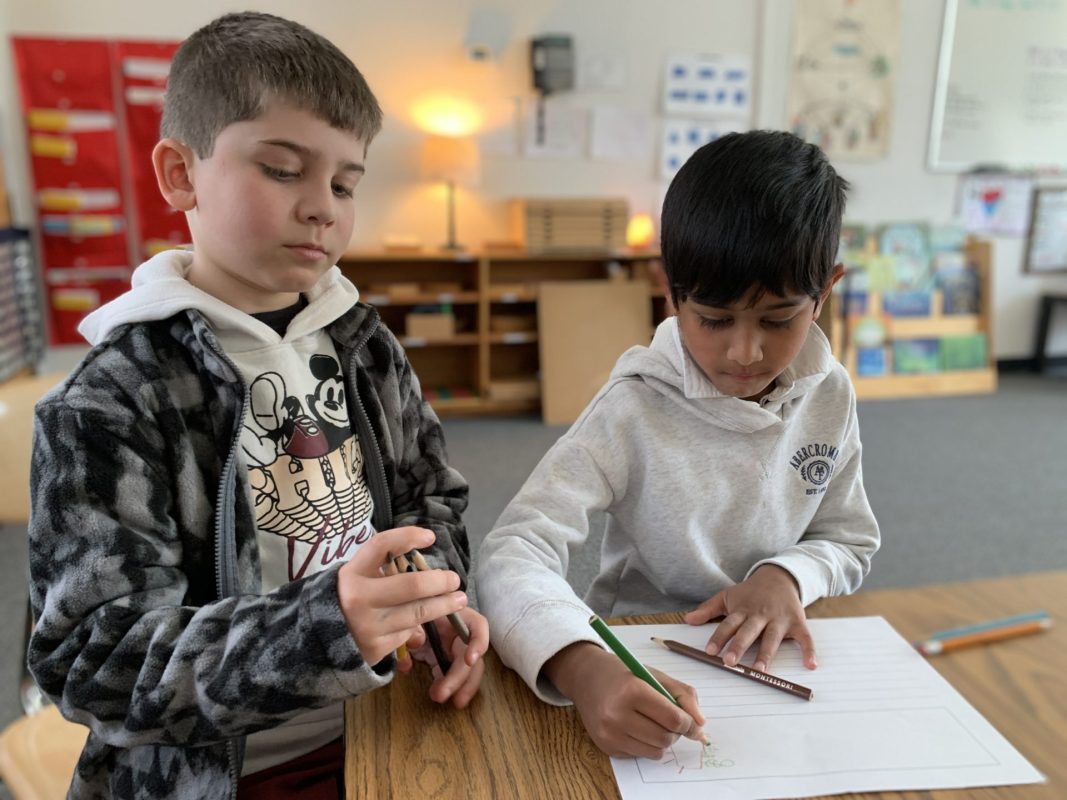
Upper El: Earth Day and Moving Up

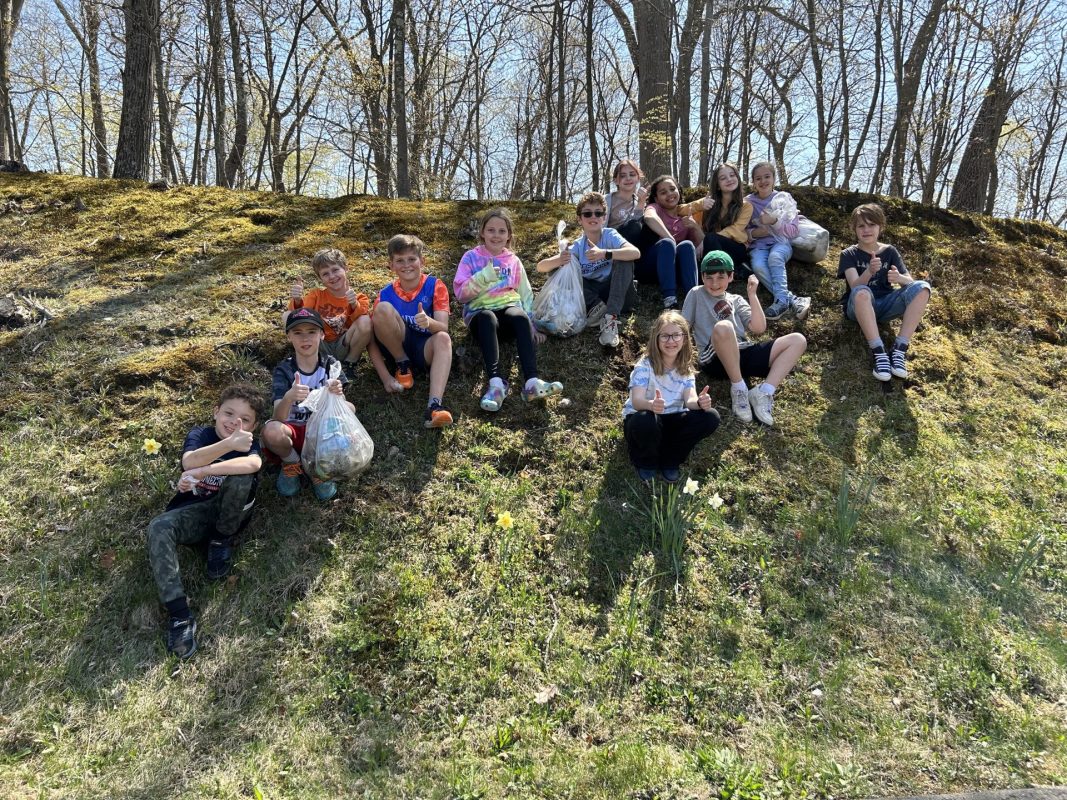
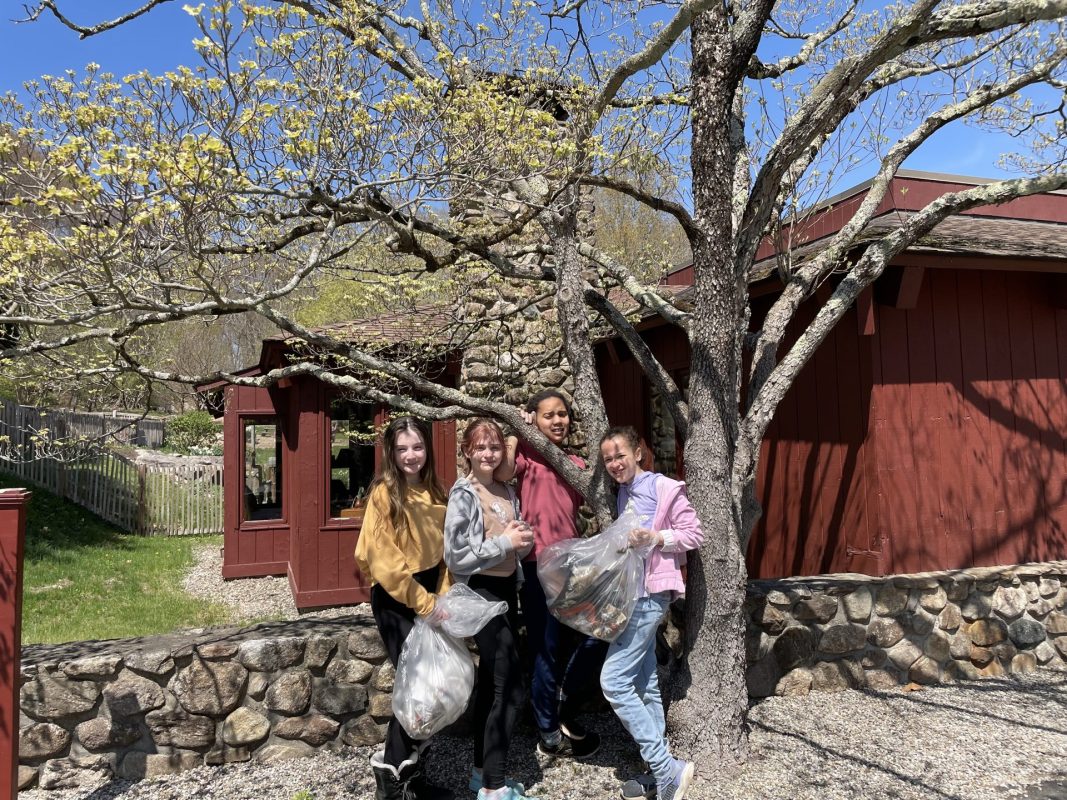
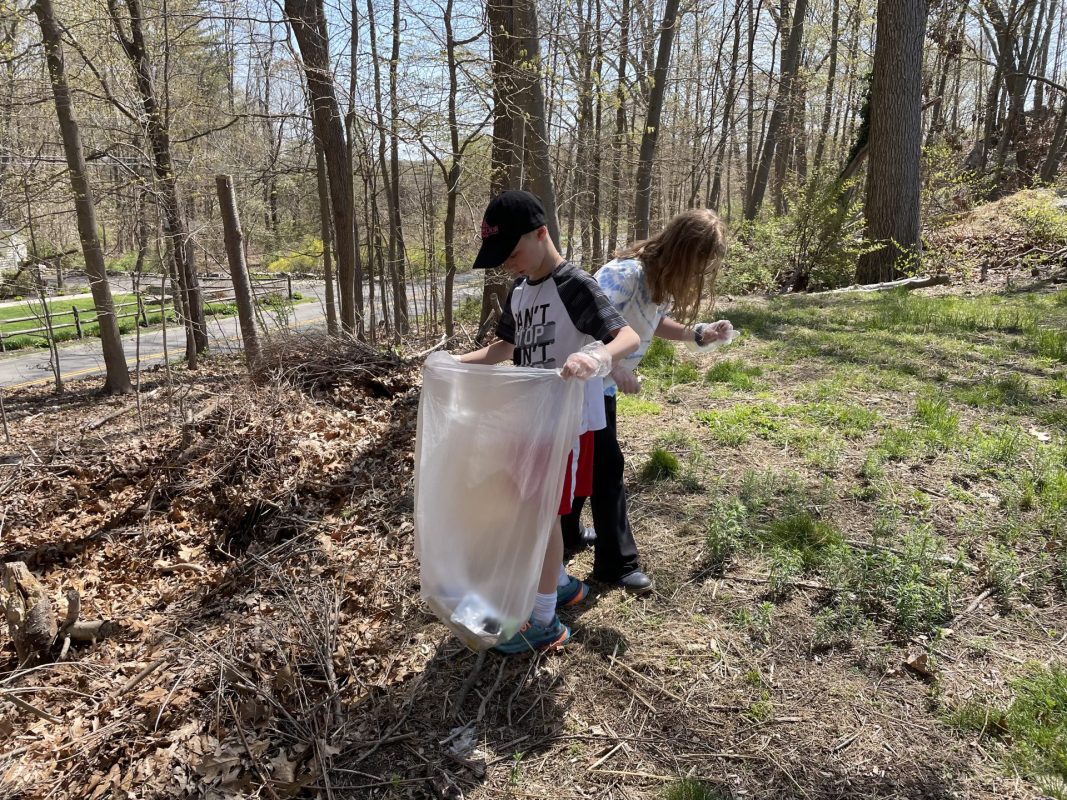
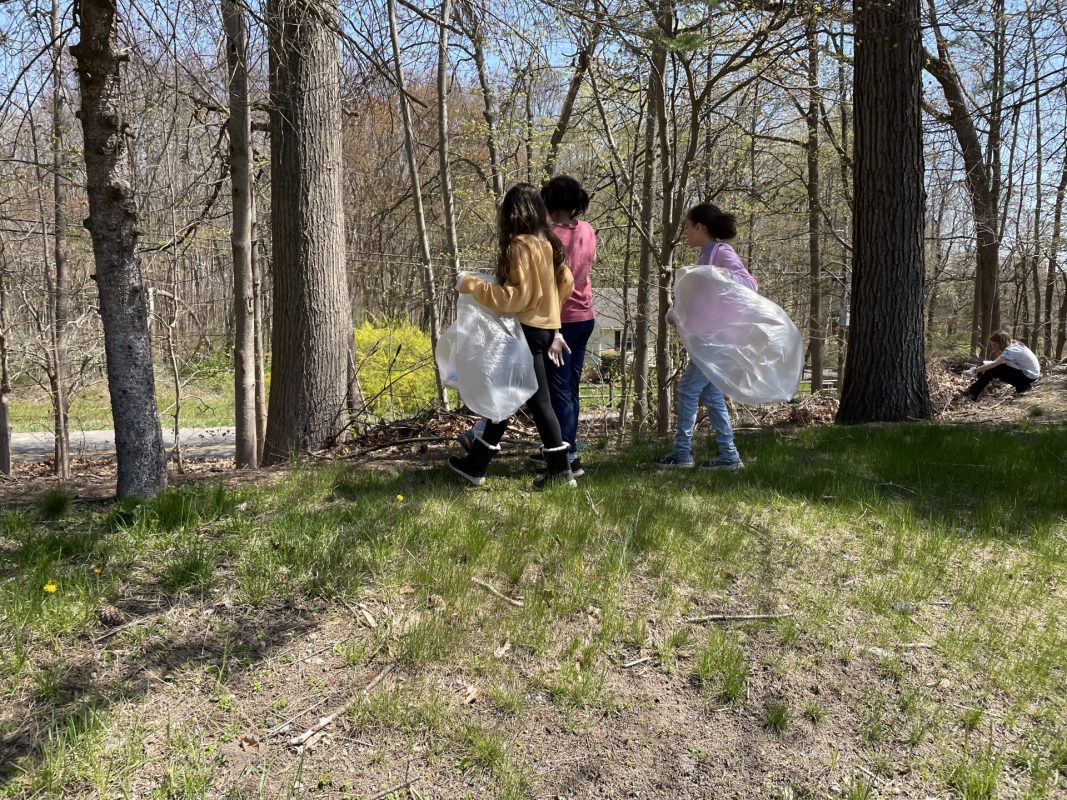
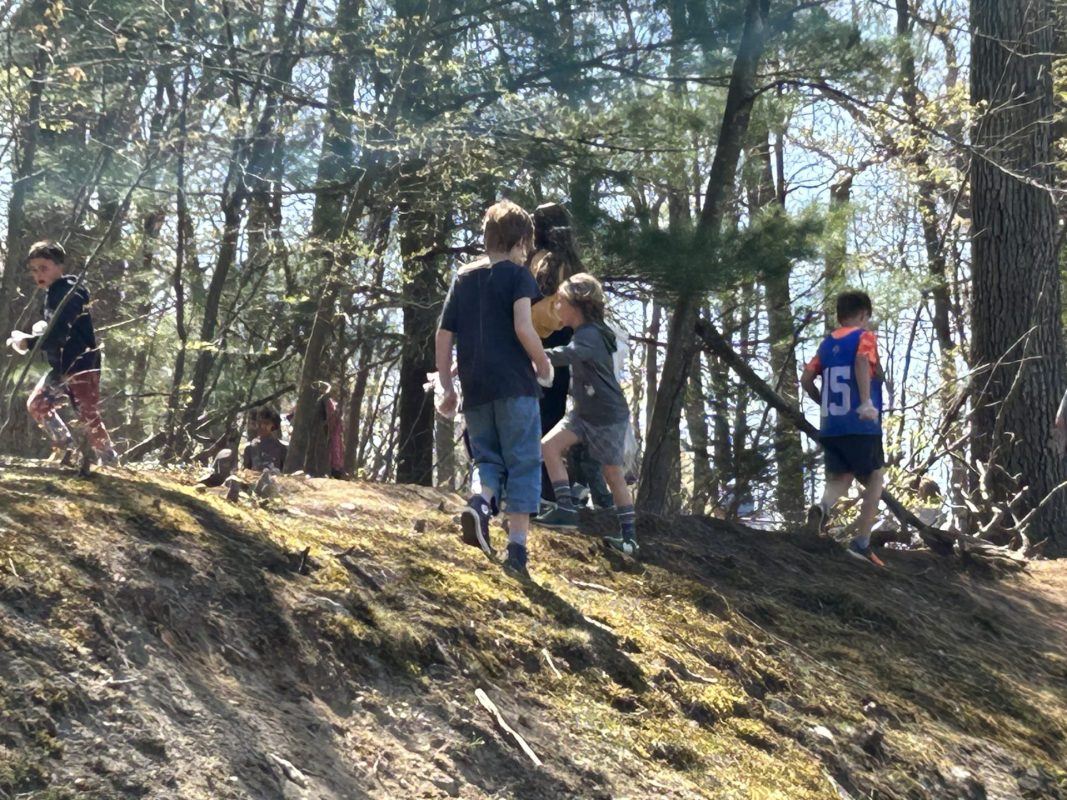
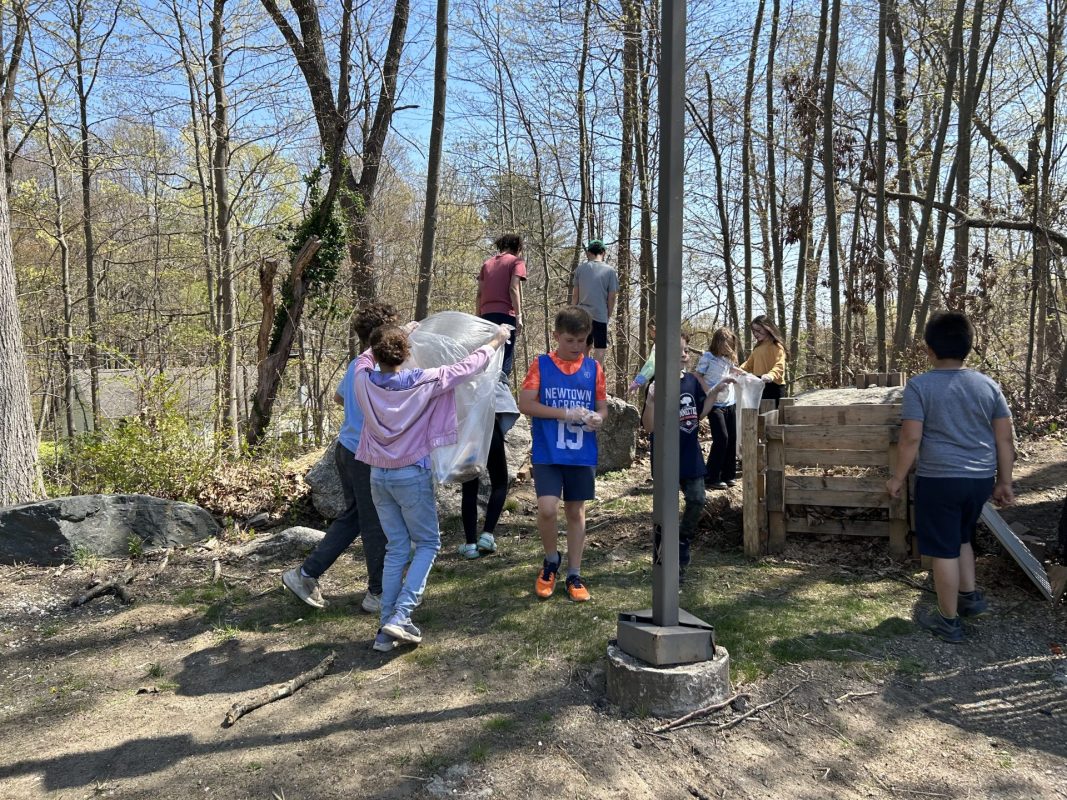
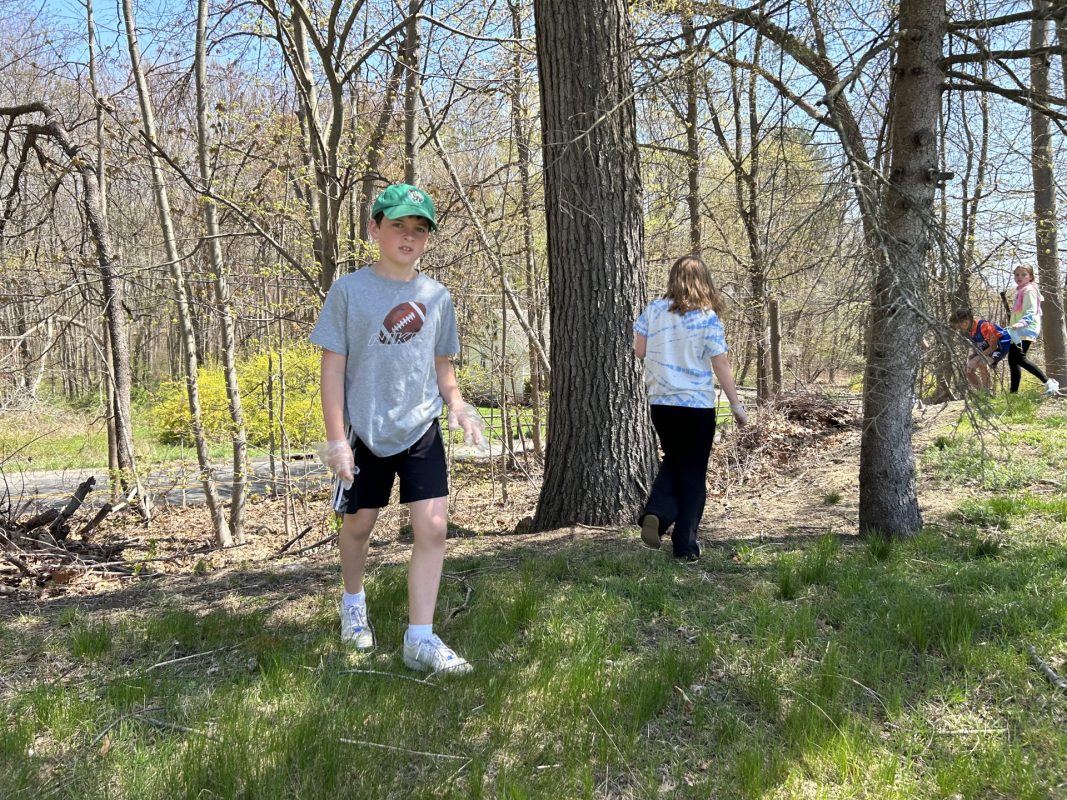
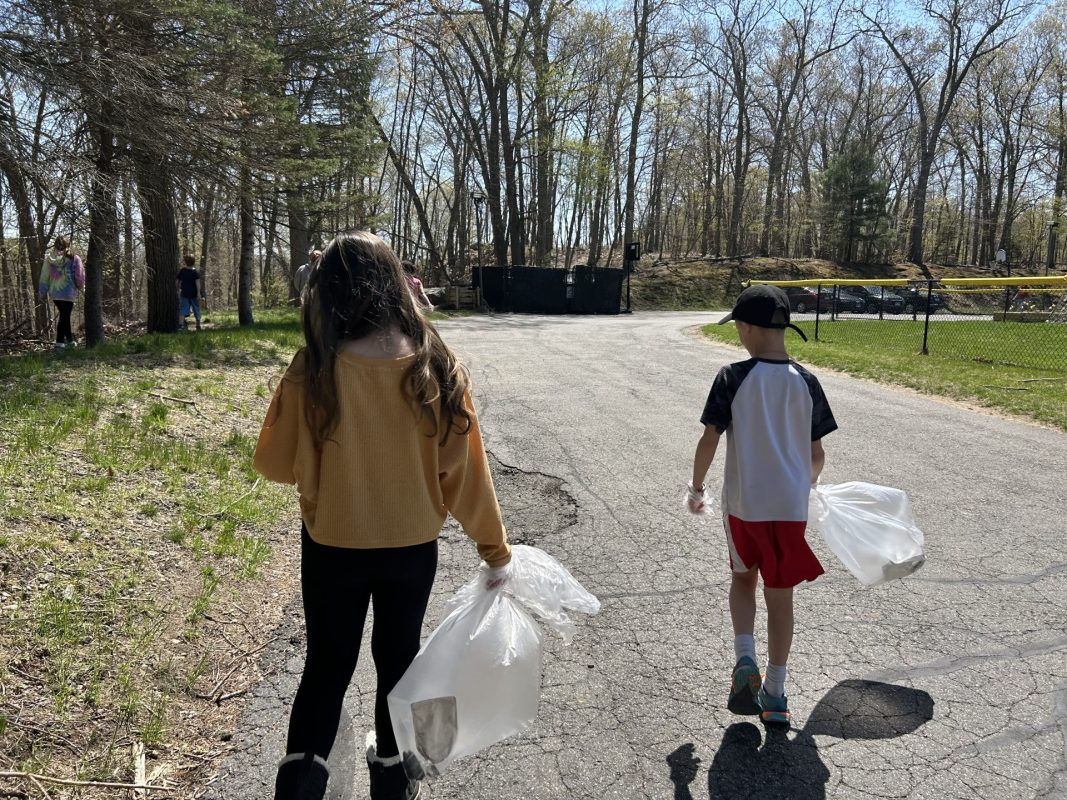
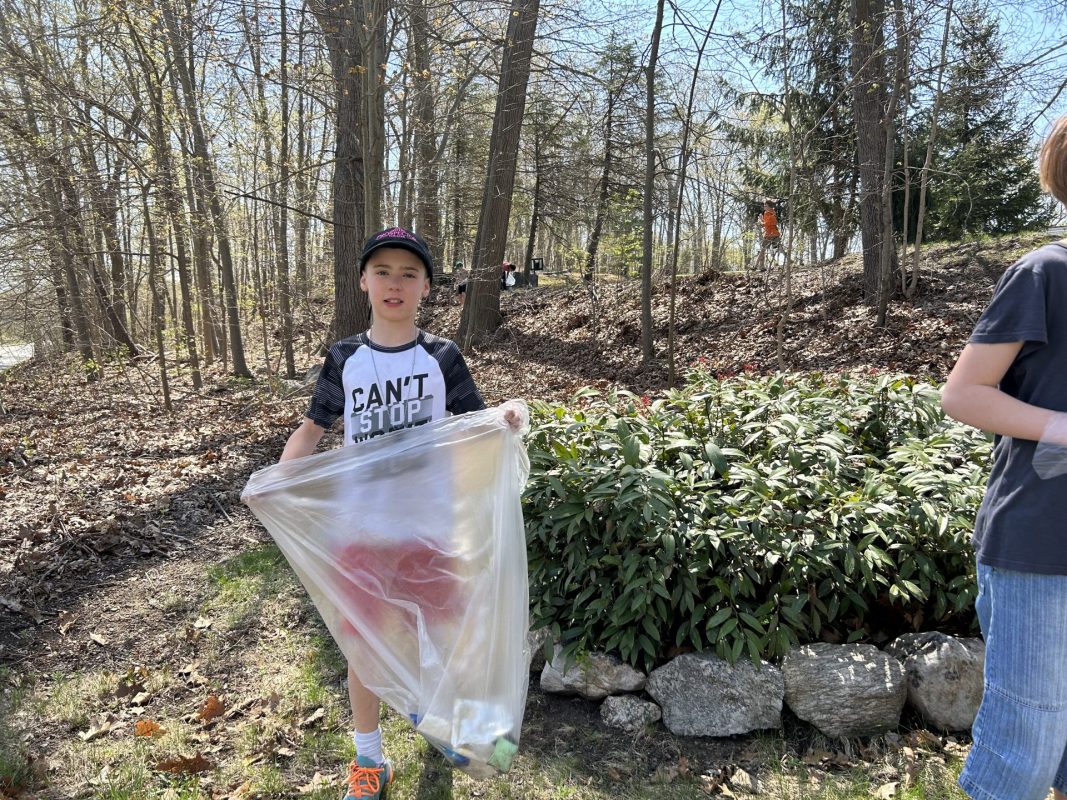
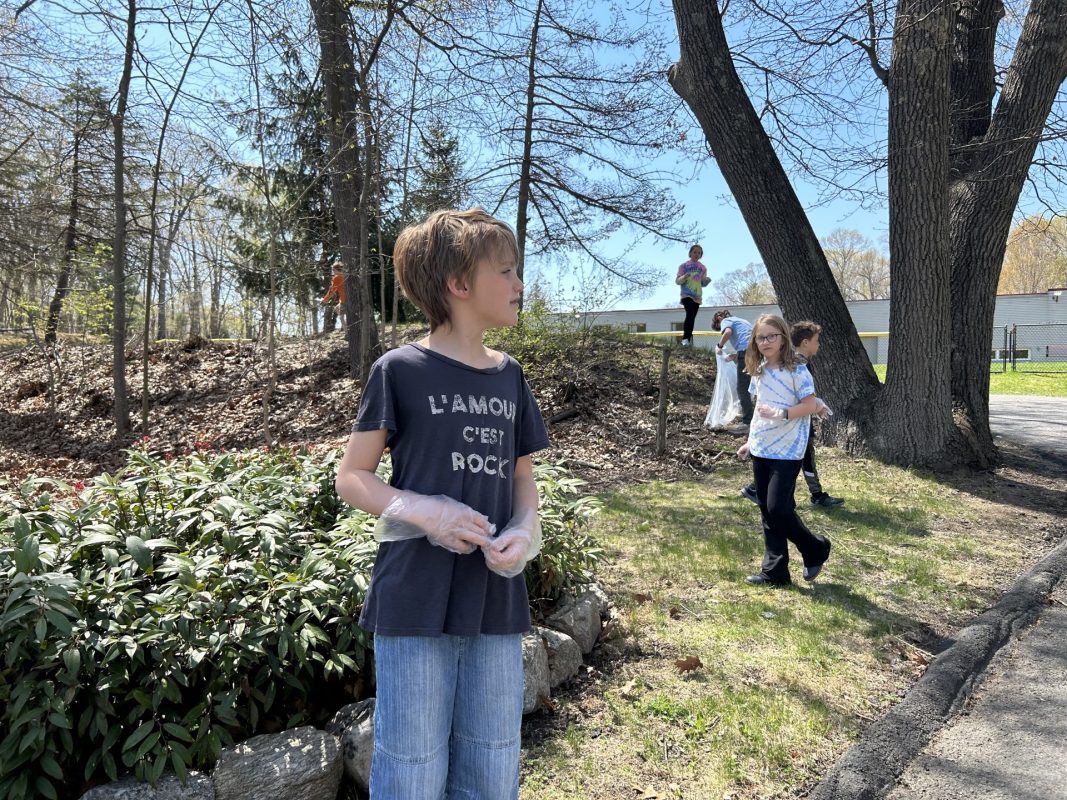
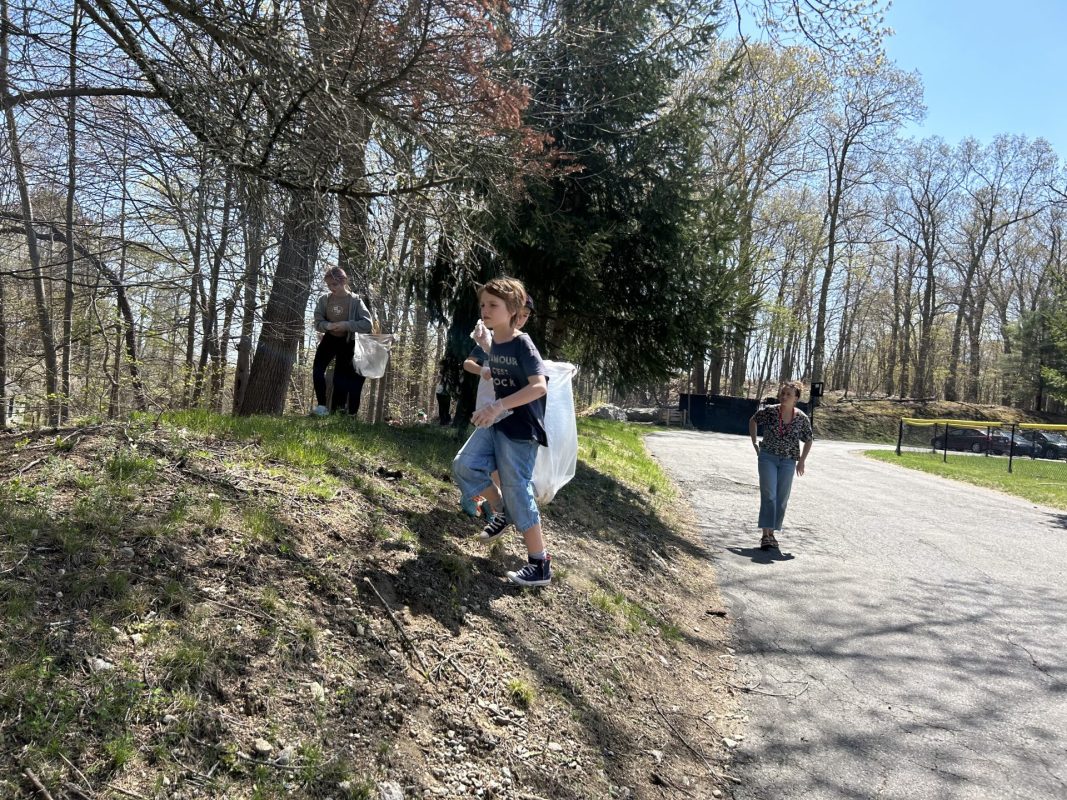
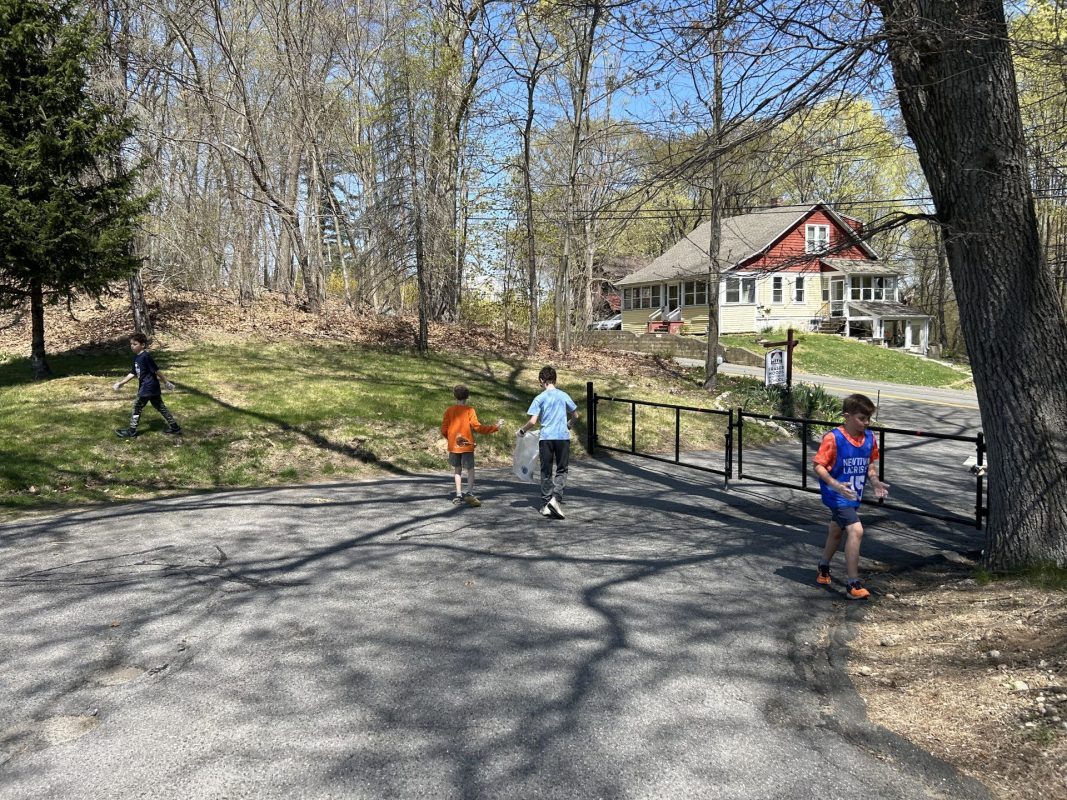
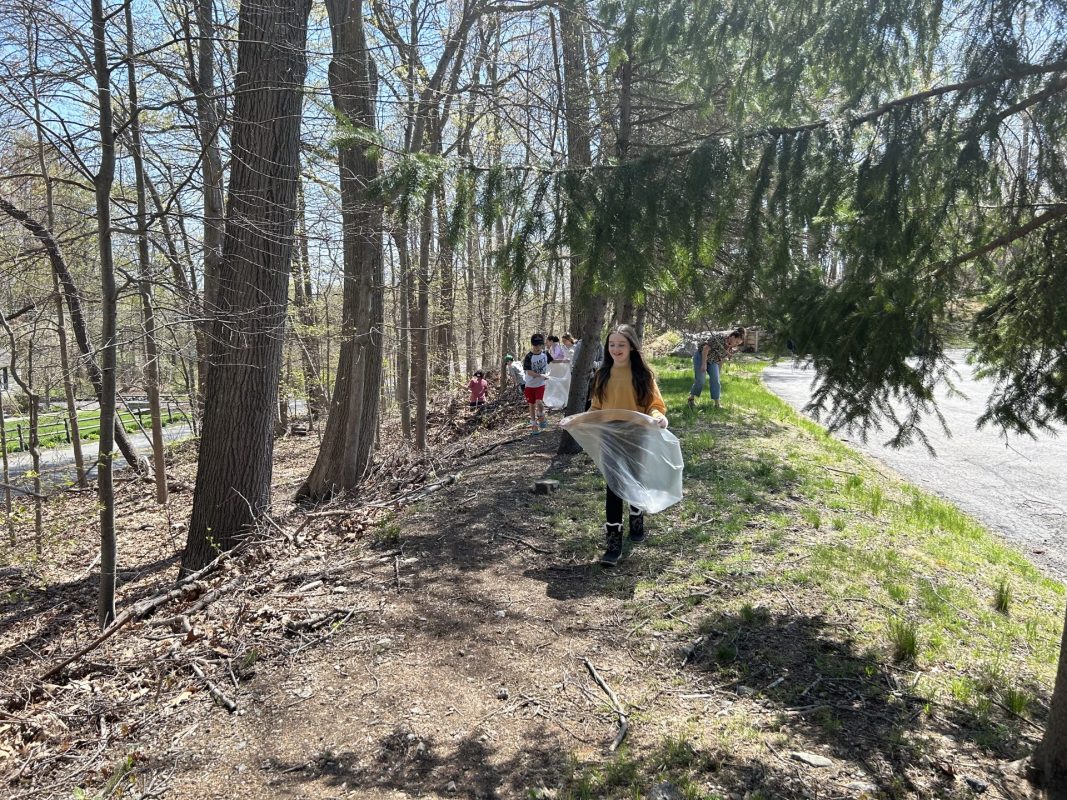
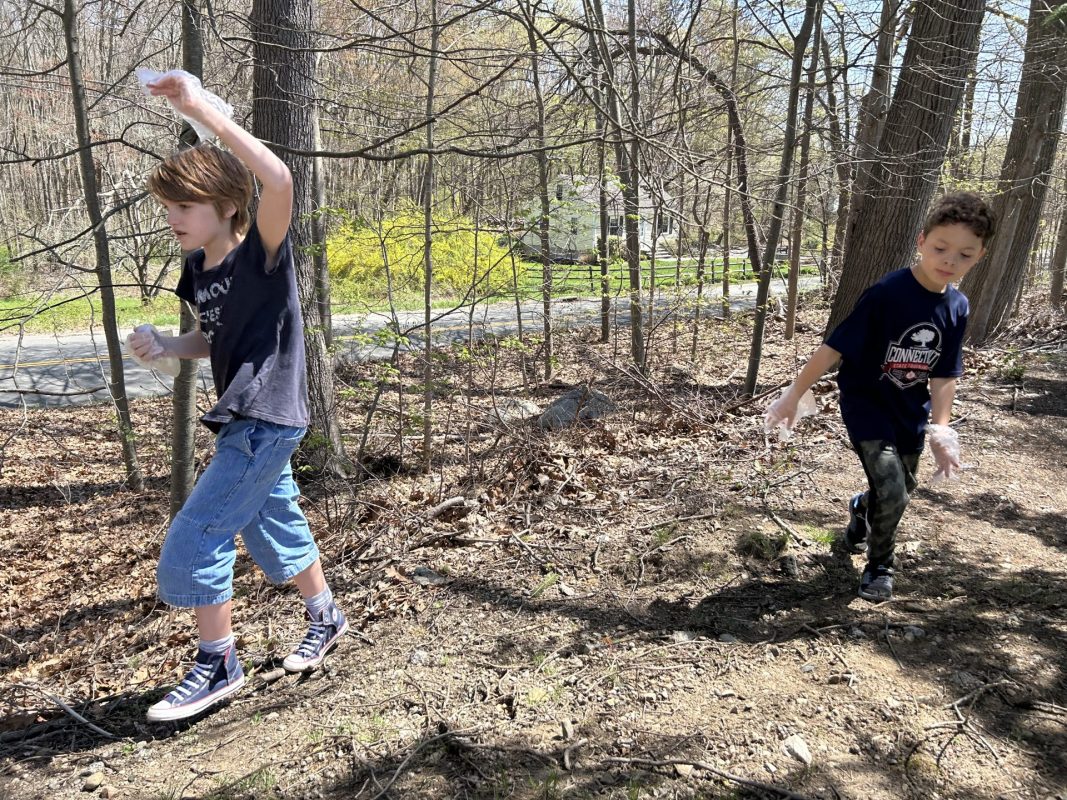
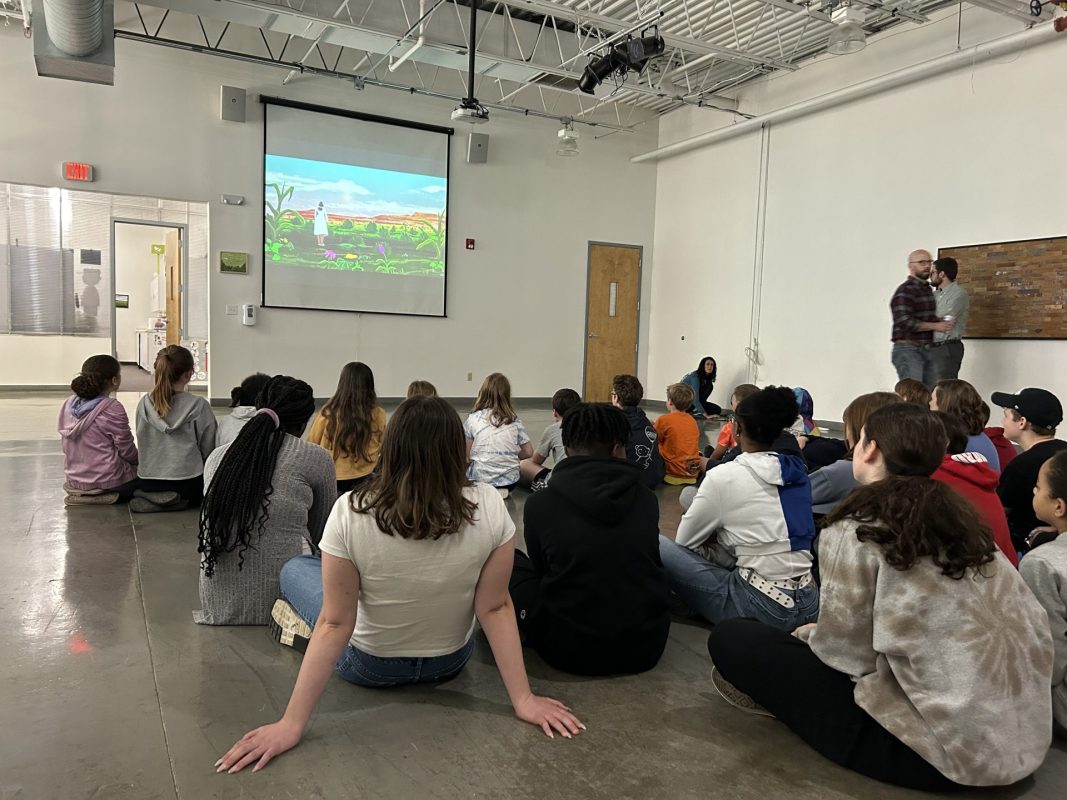
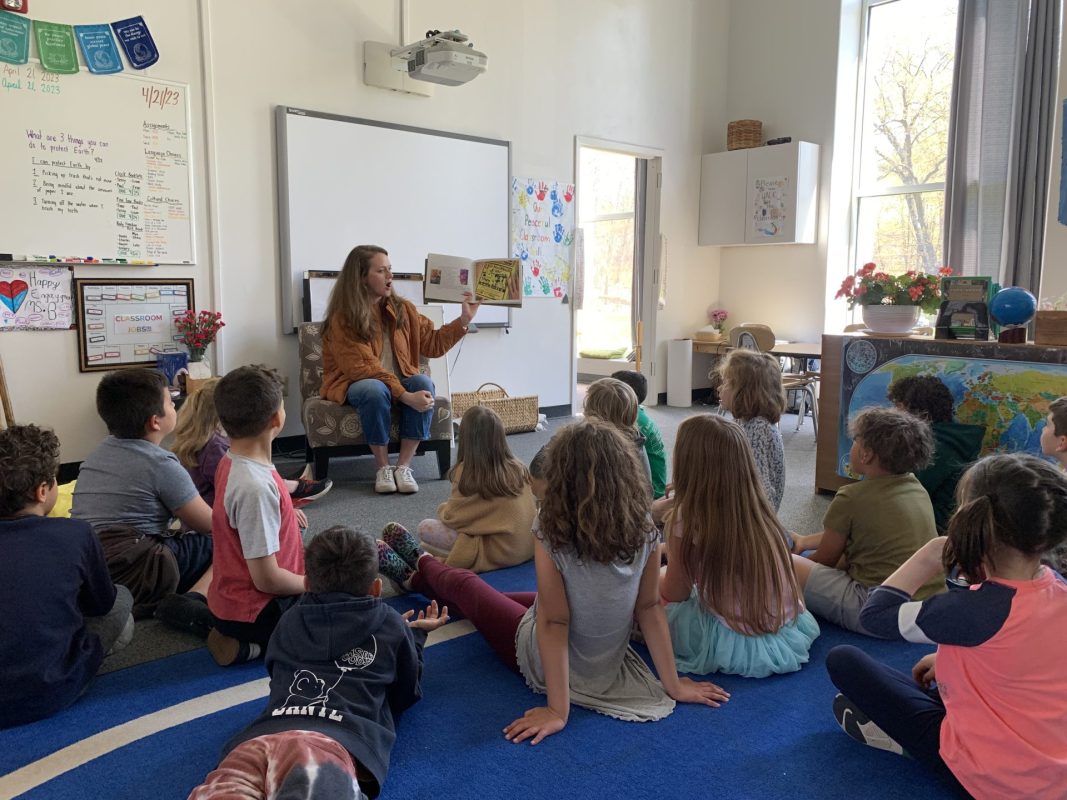
Earth Day is a time to reflect on our impact on our planet and to take action toward making it a healthier and more sustainable place to live. As a Montessori school, this means engaging children in activities that foster a deep appreciation for nature and inspire them to take care of the environment. We started our day by viewing the short film, The Possibilities of Regeneration with our Middle School friends. Then, after a full day of work, we ended our day by cleaning up our school grounds. Our Lower Elementary friends joined us, and together, they joyfully filled garbage bags with litter they found surrounding our building and leading up to our outdoor classroom trails.

As they worked, the children noticed things, such as how much litter accumulates in certain areas and how much recyclable material is discarded with the trash. After a half hour of cleaning, the children expressed pride in their work and that they were doing something positive for the environment. By helping to clean up our school grounds, they gained a deeper understanding of the impact of litter and pollution on the environment and the importance of taking action to prevent it. They also learned about the small things they can do daily to make a difference. It is no surprise that the Upper El children demonstrated their commitment to creating a better future for themselves and the planet.

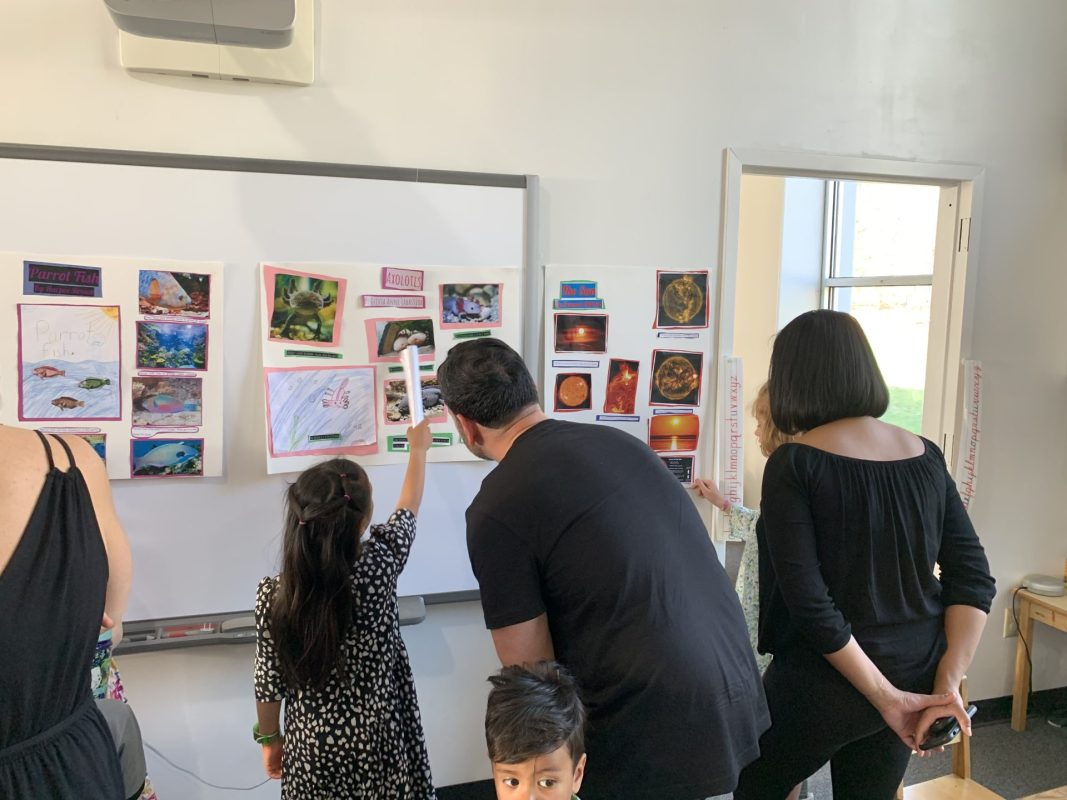
This week we also participated in moving up day. This is an exciting event for students who are transitioning to a new level next year and for students who are not moving but are now becoming mentors to new students who will be entering their level. This was an excellent chance for the fifth years to get a glimpse of their future educational journey and begin to feel comfortable with the transition. It was also an opportunity for our fourth years to welcome third-grade friends into our classroom and take on some of the responsibilities that the fifth years typically have, like running our class meeting. The moving-up day concluded with lunch and recess with the middle school students and our third-year friends.

Wishing you a great weekend,
Karen and Angie


Lower El: Moving Up!

This week we had Moving Up Day! Third-year students spent the morning in Upper Elementary, and the Kindergarten students spent some time with us in Lower Elementary.

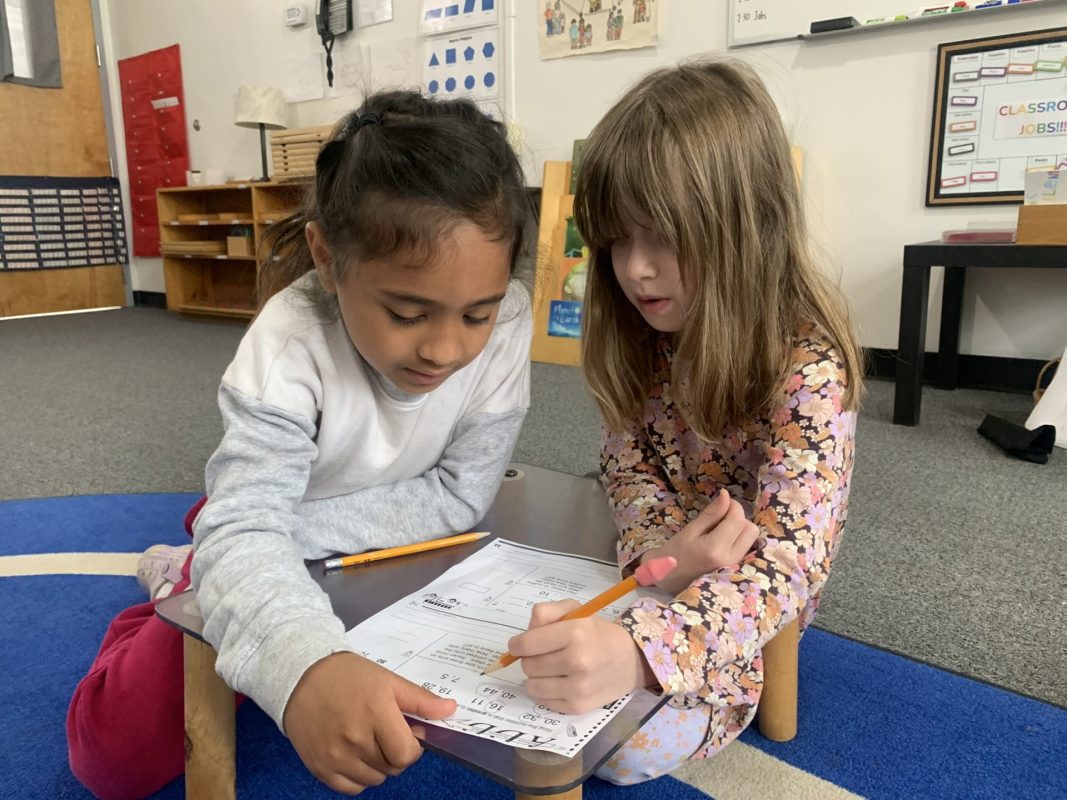
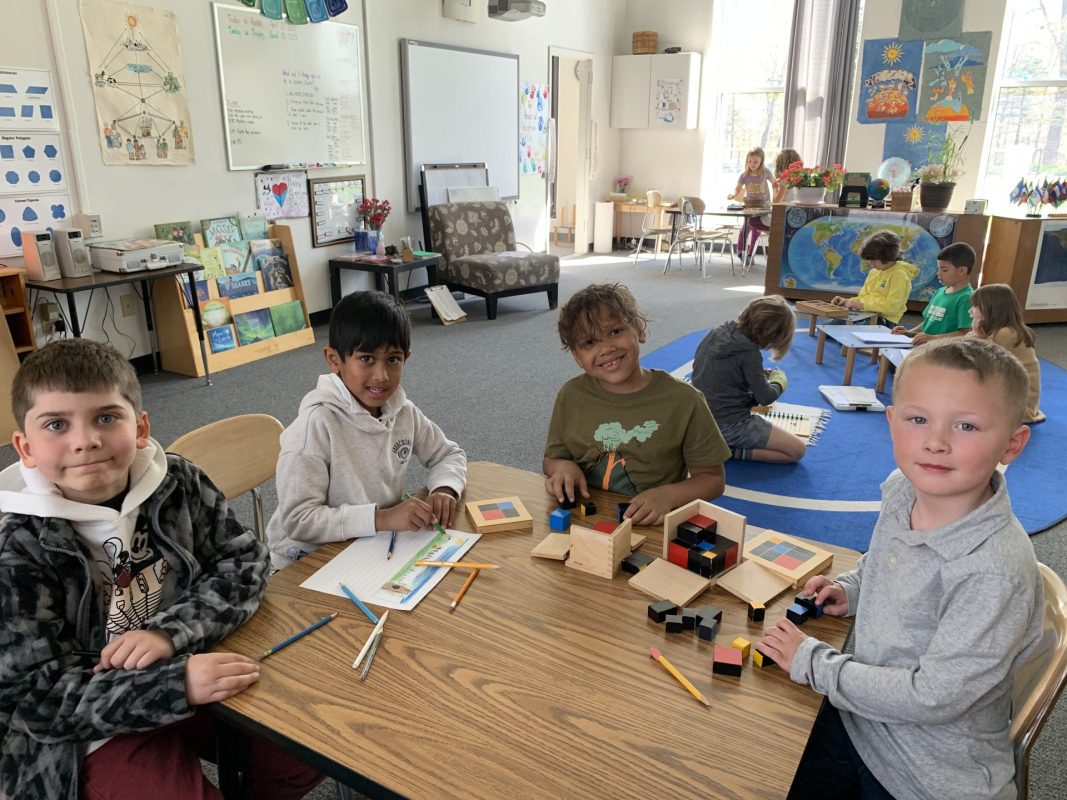
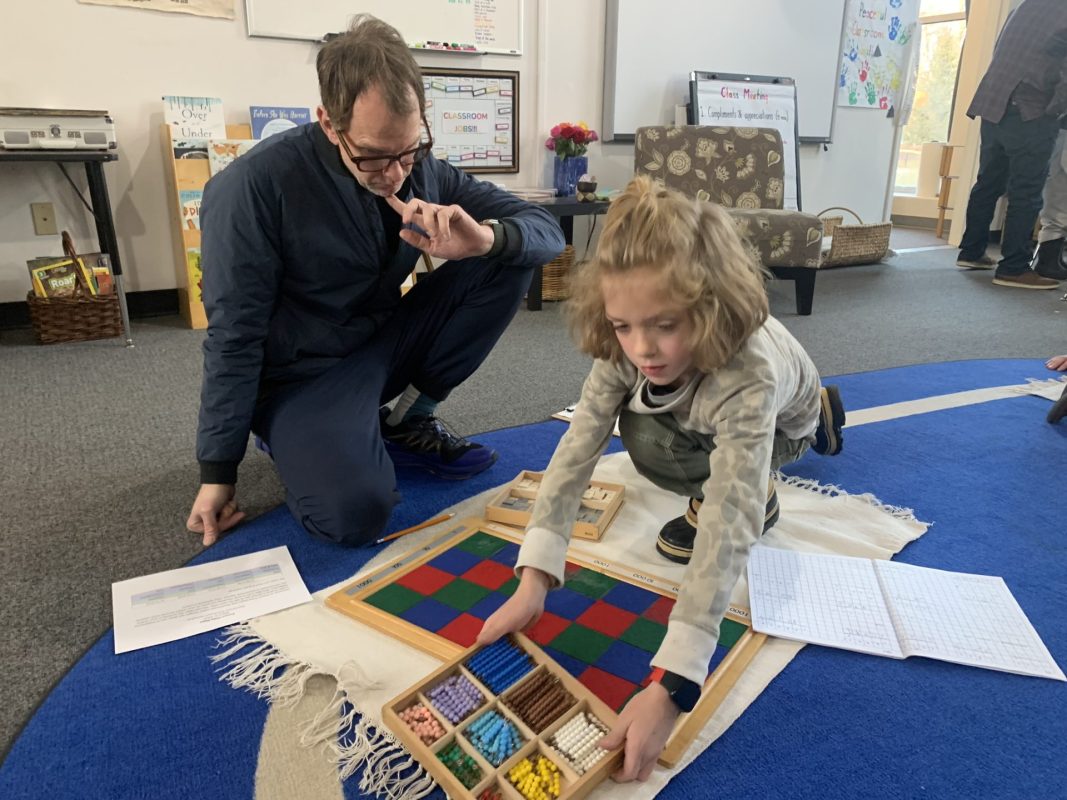
Multi-age groupings are an advantage of a Montessori classroom. They allow the children to go through a cycle of being mentored, practicing mentoring, and becoming mentors. This week our third-year students practiced being mentees, and our second and some of our first-year students practiced being mentors to their Kindergarten friends. Seeing students at both levels completely engaged and happy working with their future classmates was a joy. In addition, our first and second-year students did an excellent job planning enjoyable and interesting work for the Kindergartners.


Our FWM Community

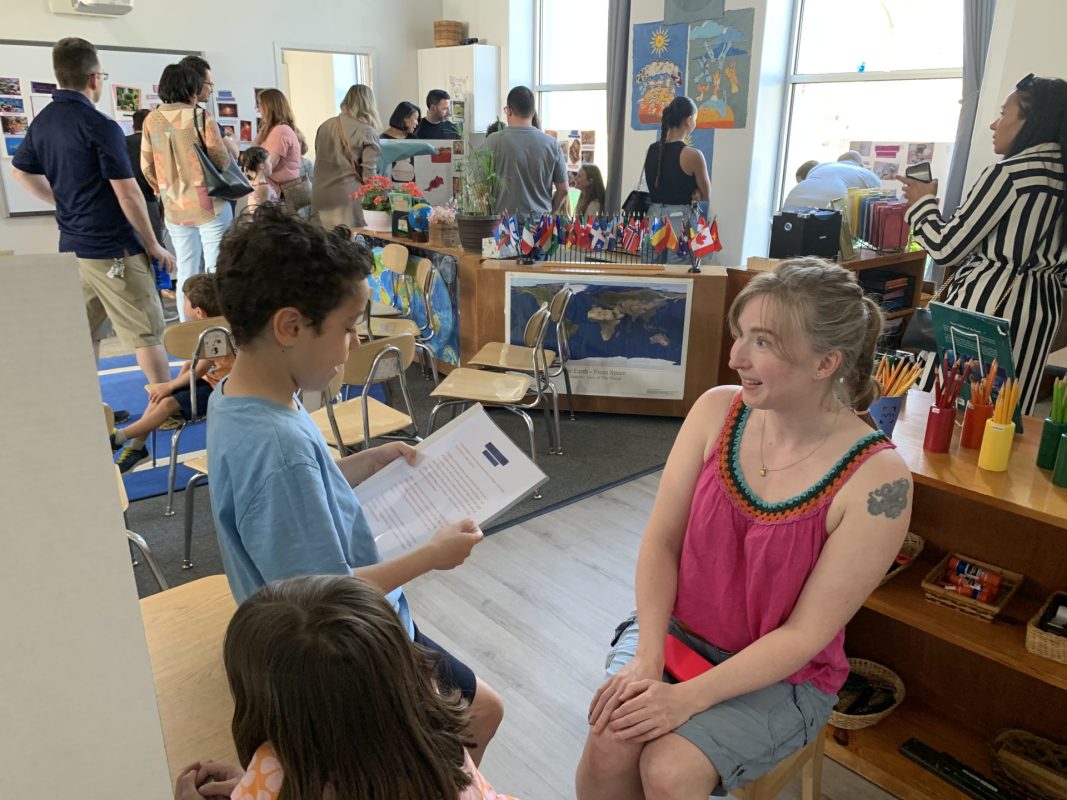
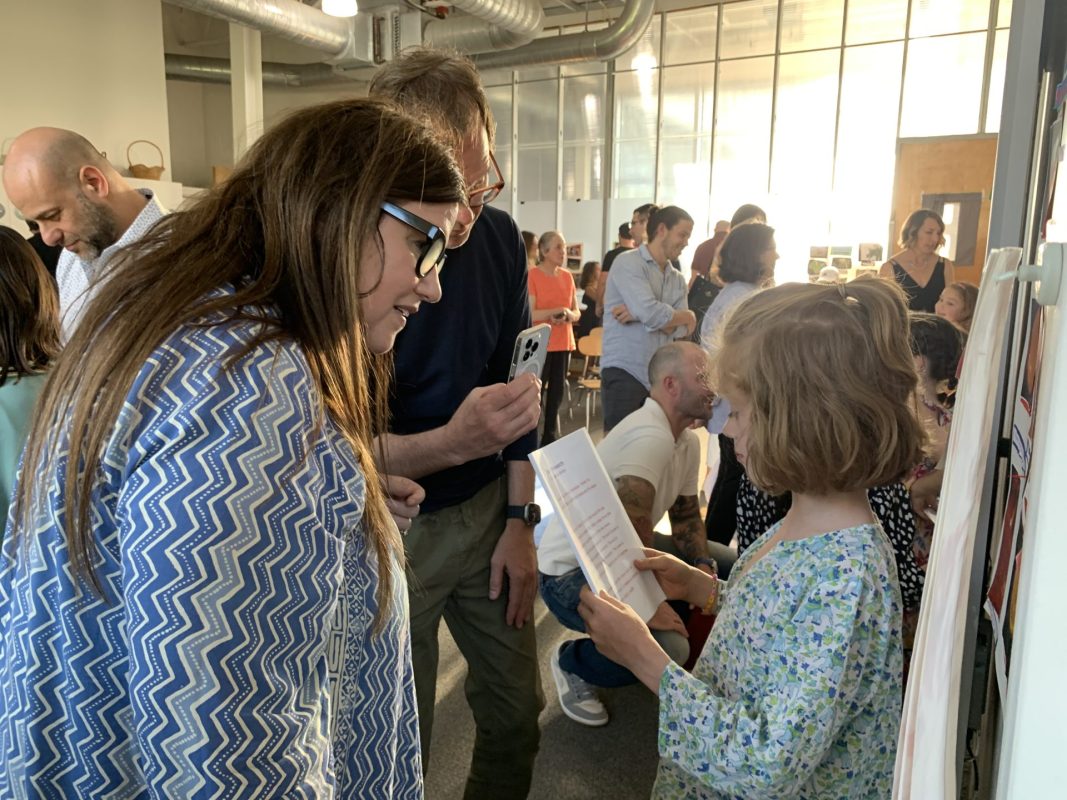
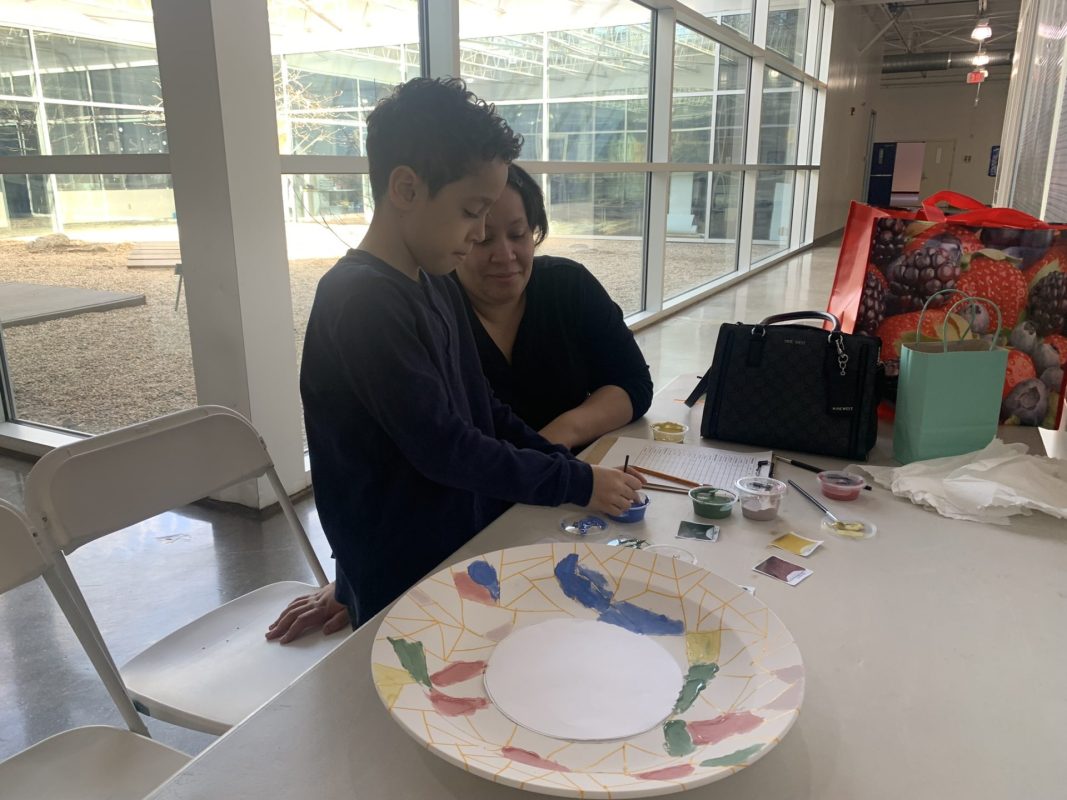
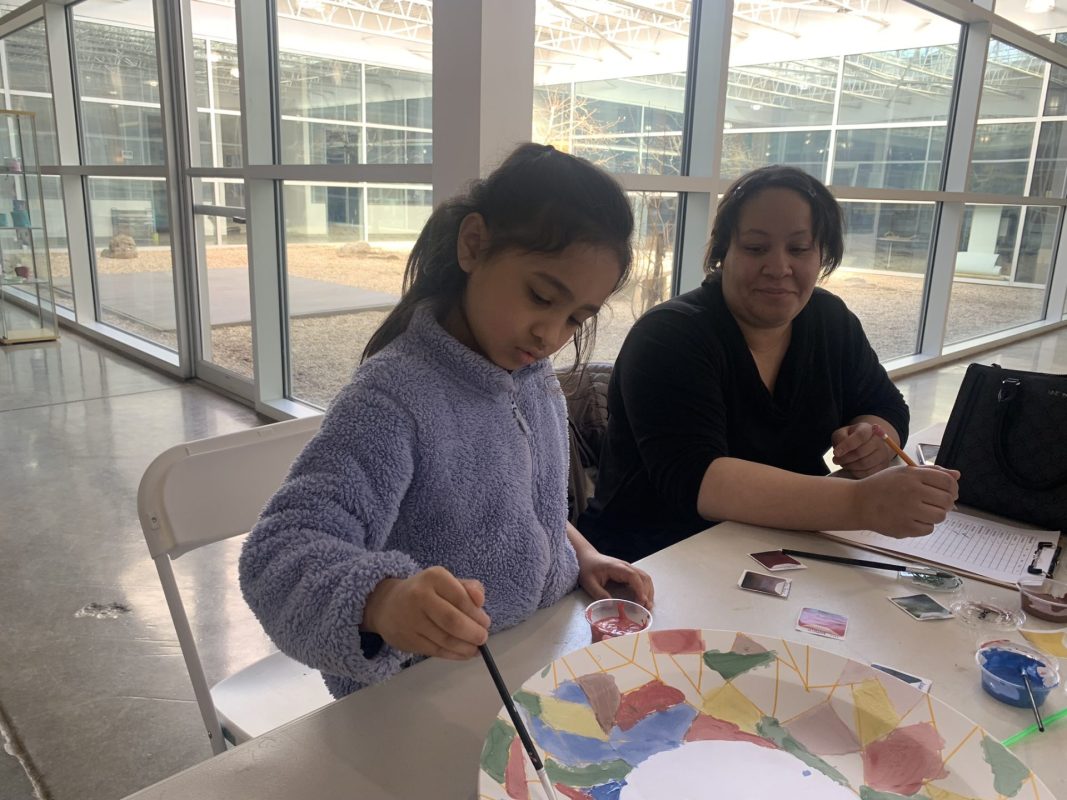
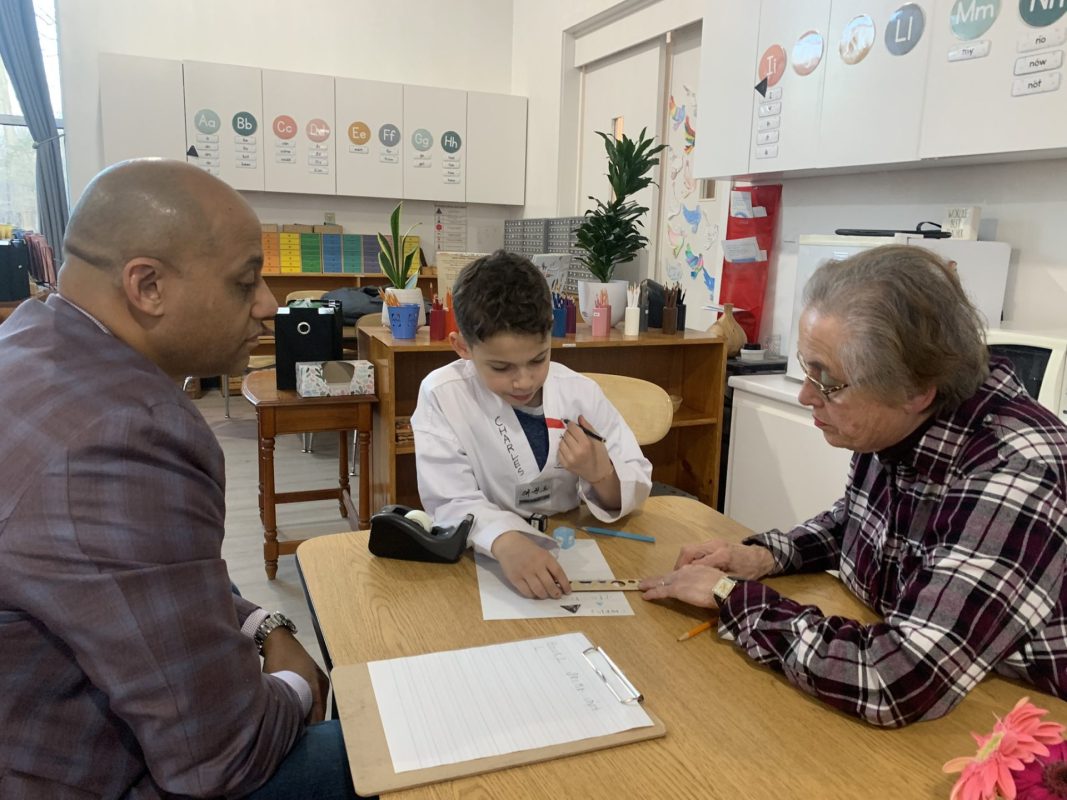
Building a strong school community is essential for creating a positive and supportive learning environment. Students, teachers, staff, parents, and extended family, work together to create a safe and inclusive space for everyone to learn and grow to their utmost potential.

There are several ways in which a school community can be built: through communication, a sense of belonging, collaboration, support, creating a safe space for children to learn and grow, and finally, through celebration.

As a Montessori school, we recognize one of the most critical aspects of building a school community is involving parents and families in the education process. FWM encourages parents to play an active role in their child’s education, and by doing so, parents can reinforce the principles taught in the classroom.

Our FWM school community thrives because of the collaborative effort from all stakeholders. By establishing a clear vision and set of values, fostering a culture of collaboration and inclusivity, involving parents and families, nurturing positive relationships between students, and promoting self-discovery and self-expression, we have an environment where students thrive and ultimately grow to become engaged, motivated, and successful learners who are well-prepared, compassionate, confident, joyful citizens of the world.

We hope you join us as we celebrate the Fraser Woods community at our two upcoming events: Grandparents’ and Special Friends’ Day on Friday, April 28, and FWM’s HERE WE GROW Gala and Auction on Saturday, April 29.


Mrs. Doyle: Next Stop, South America!


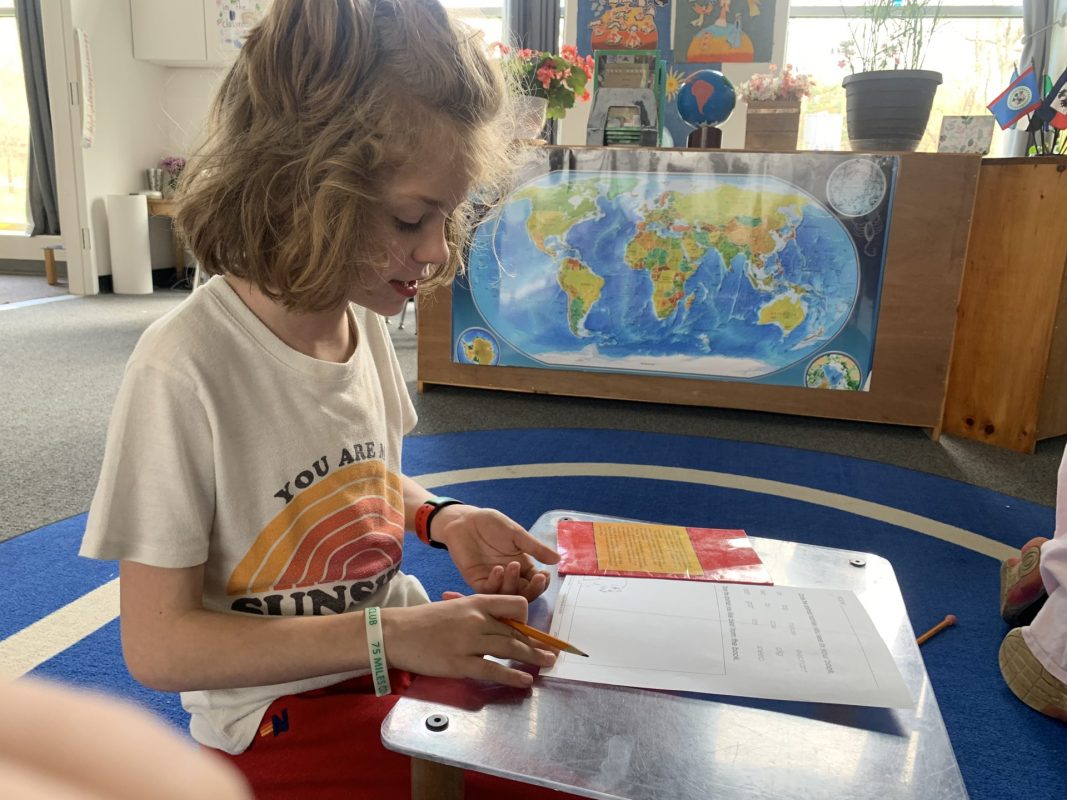
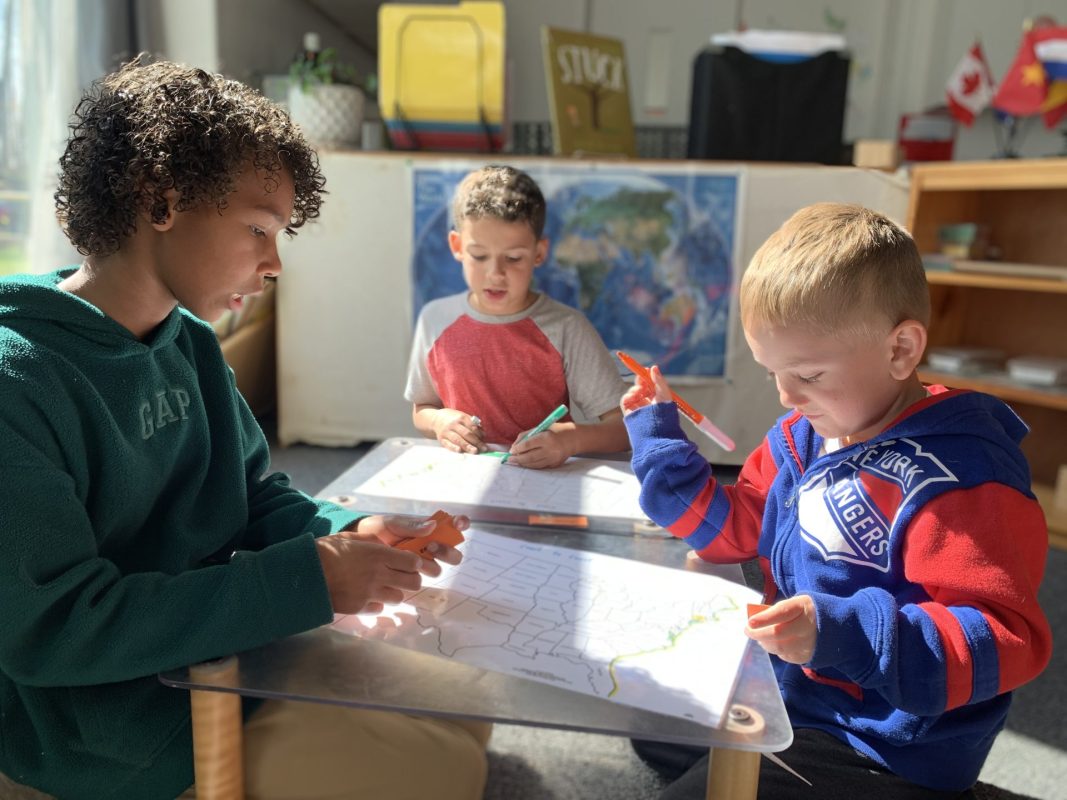
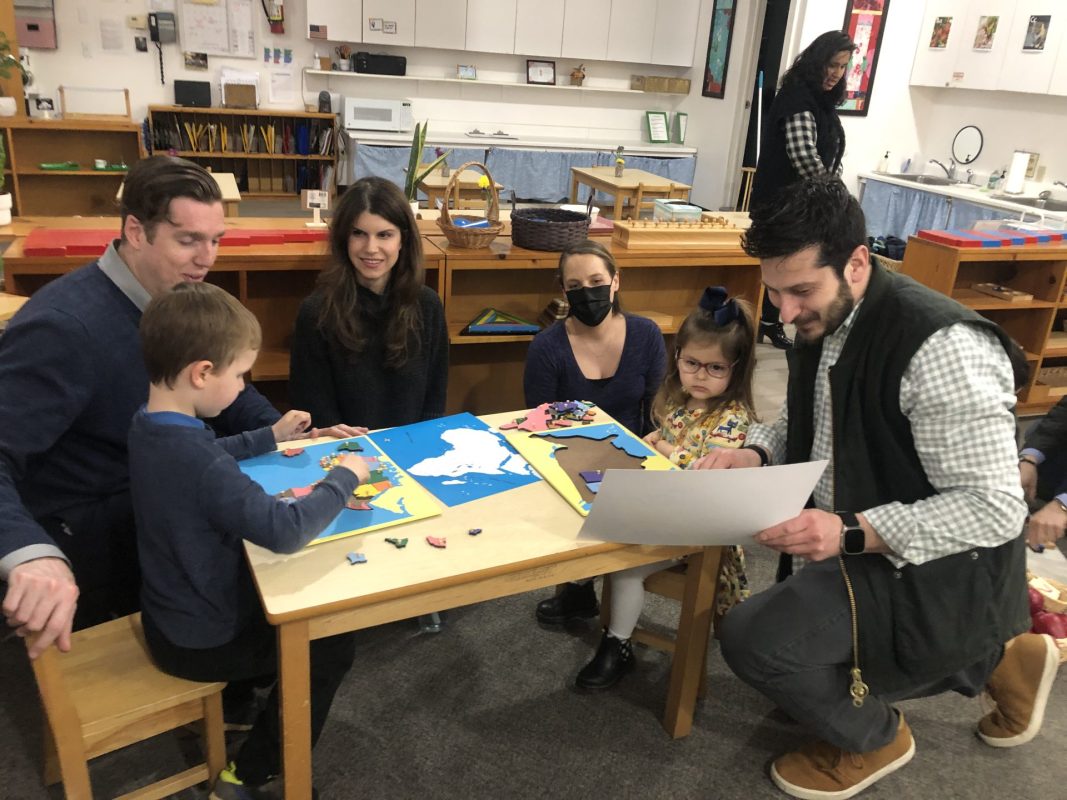
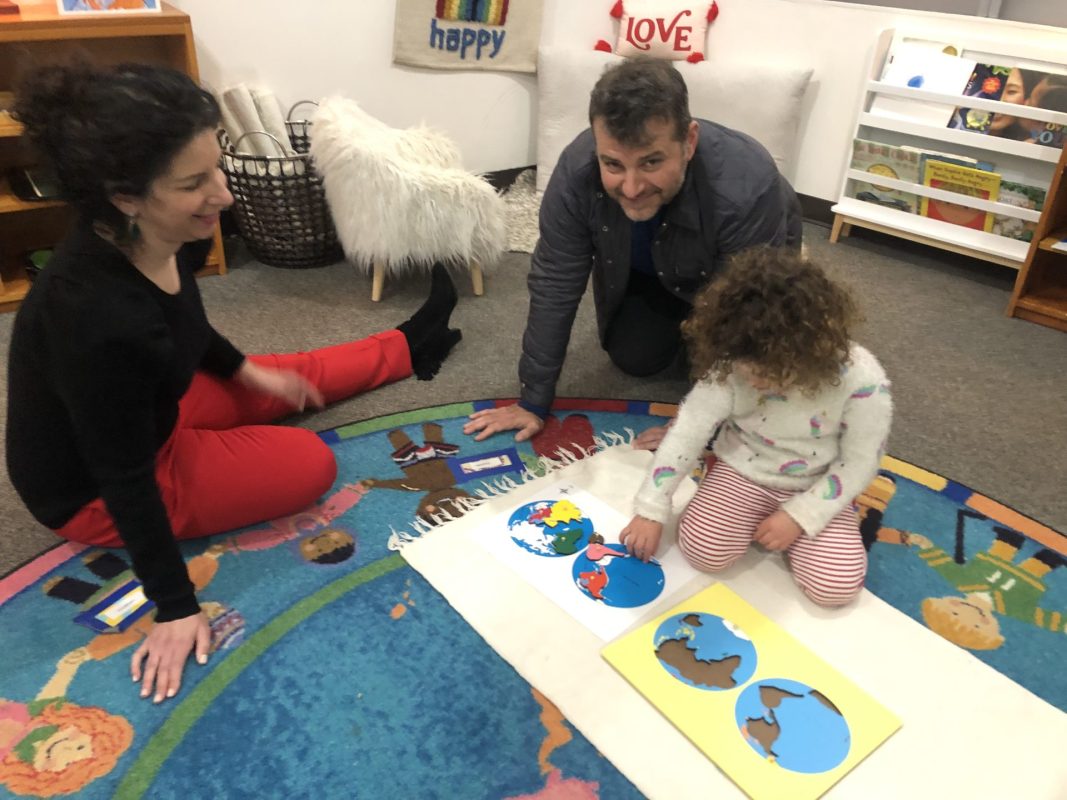
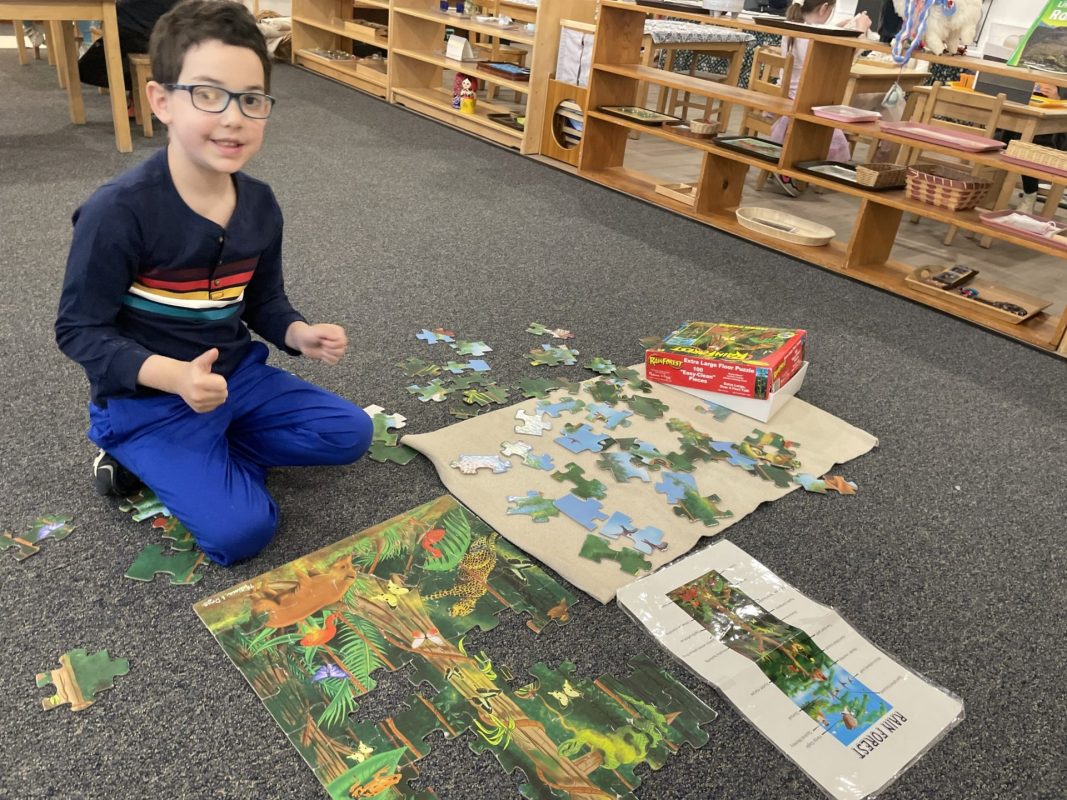
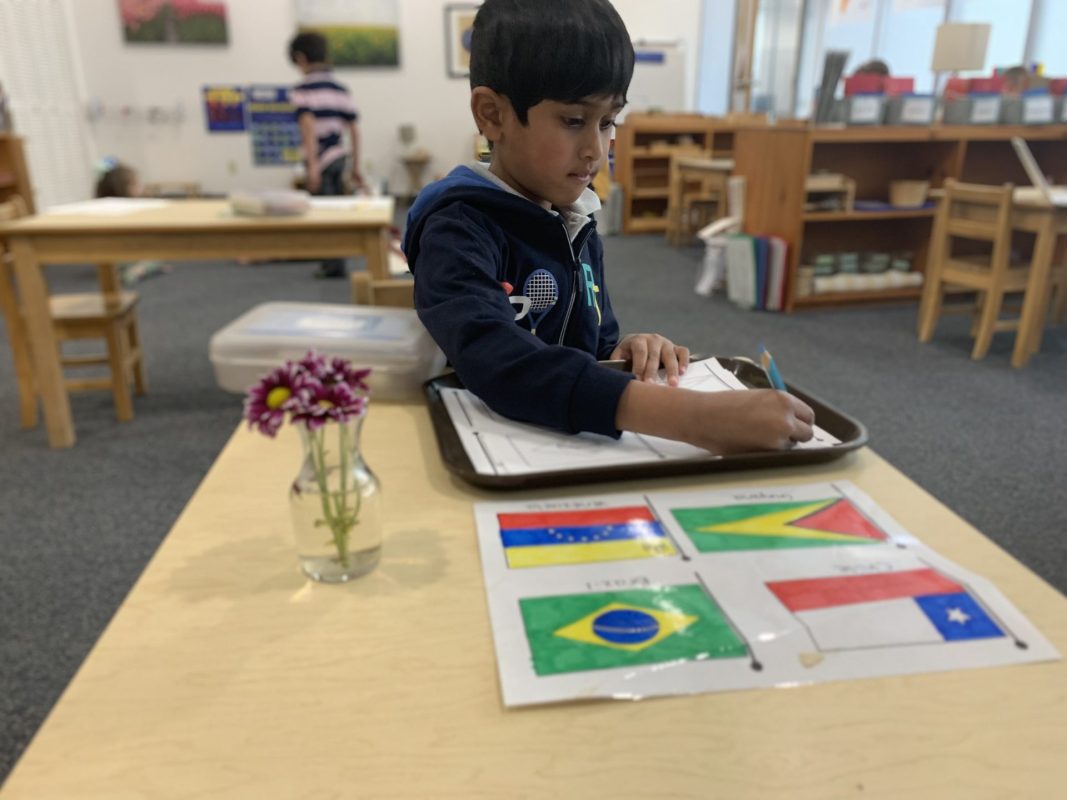
We are now studying the continent of South America in our classroom. South America is pink on the Montessori map and a topic of great fascination for the children. It is a beautiful region with vibrant cultures and traditions and a wide range of climates and terrains.

South America is the fourth largest continent in our world and comprises twelve individual countries. It is connected to North America by the Isthmus of Panama. An isthmus is one of the landforms we study. Brazil is the largest country in South America, and the major languages spoken are Spanish and Portuguese.

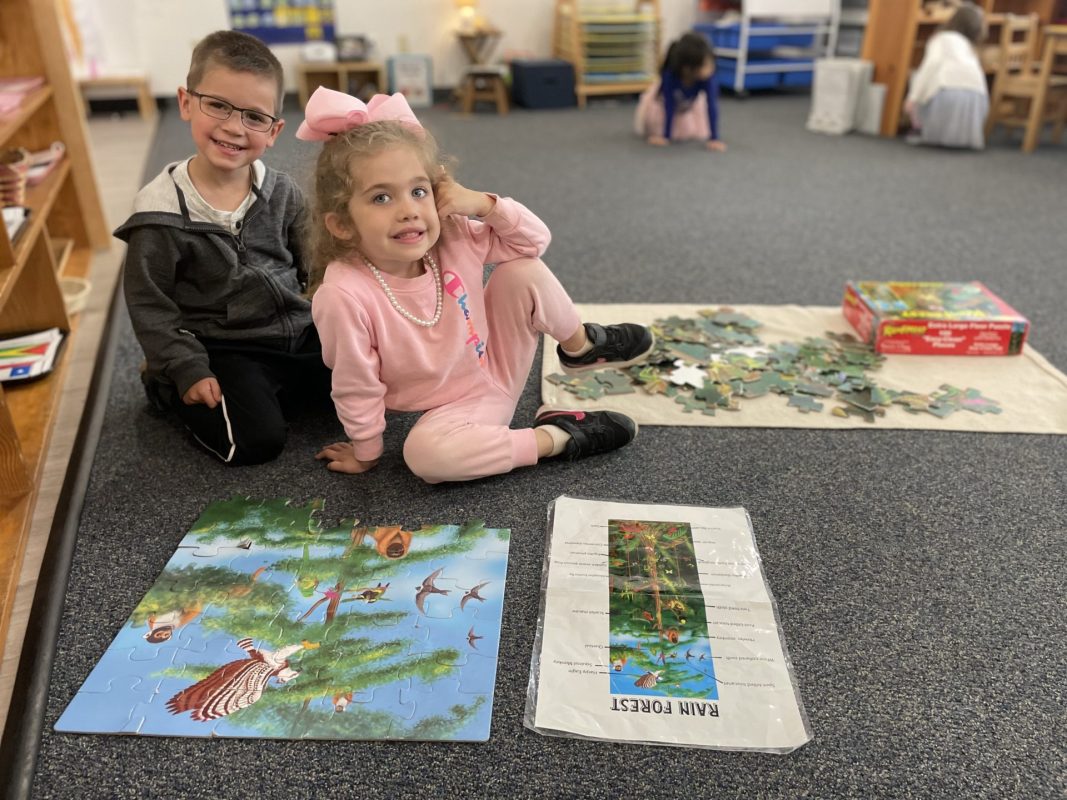
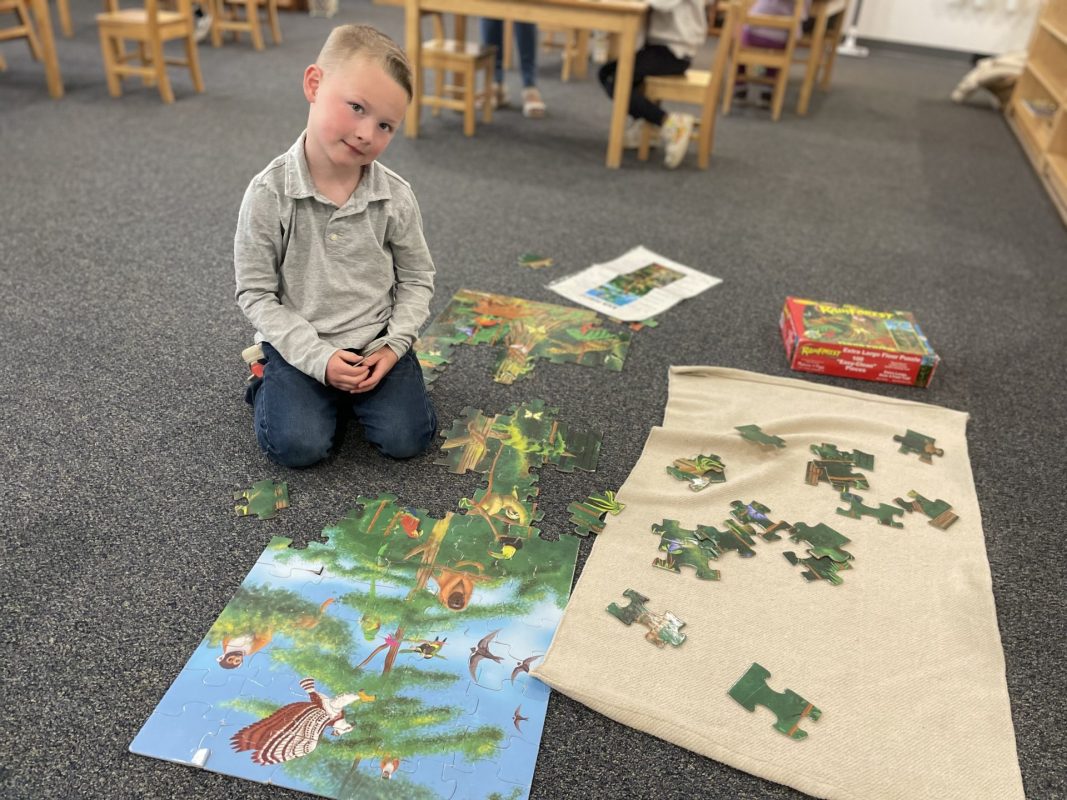
Located in South America, the largest rainforest in the world is the Amazon Jungle. So it makes sense that we start to explore the rainforest as well. The rainforest is an ecosystem with a dense tree canopy that lets very little light through. To be considered a rainforest, there must be more than 60 inches of rain each year. Rainforests also contain over 40% of the world’s animal and plant species. There are four layers in a rainforest; each layer receives different amounts of sun, rain, and wind and is home to various species.

As the weather gets warmer, now is a great time to check the extra clothes in your child’s locker to see if they should be changed from winter clothes to spring/summer clothes.

Wishing you a week filled with peace and love!

Michelle & Maria


Mrs. Hood: I Know a Chicken!

The highlights for this week are based on the continuation of our chicken studies. We focused on completing the life cycle of a chicken. We learned that after the chick hatches from the egg, the mother hen takes care of it and provides food. Children learned that chickens do not have teeth, but they have strong beaks to eat seeds, corn, insects, and worms. In our outside environment, we were not too lucky to find some real worms yet, but then we pretended to be little chicks by exploring the worm sensory bin. Children practiced their fine motor skills by digging, finding, and picking with tweezers some life-like worms and transferring them to a bowl.

We also learned that worms don’t have eyes or lungs and breathe through their skin. This week we introduced the song “I Know a Chicken” by Laurie Berkner, and we had so much fun dancing to it with our egg shakers.

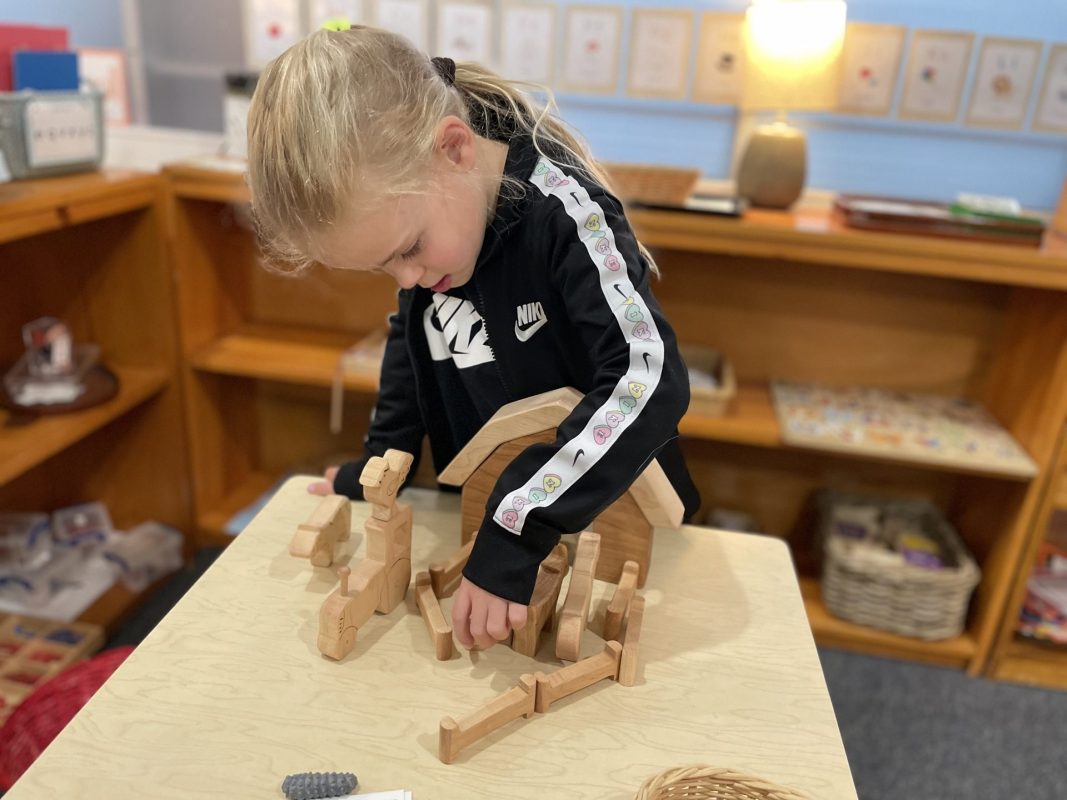
On another note, we introduced two new works in the movement area. These both were the most popular works in the environment this week. The first is oversized blocks for building and imagination. Children exercise their need for maximum effort and peer bonding through this work. It also stimulates cognitive development by improving problem-solving skills, spatial awareness, and visual-spatial reasoning. These skills are essential for later academic success in subjects such as math and science.

The second is a new individual rocker also used as a climber! Some of the benefits of this work include sensory stimulation, improving balance and coordination, developing gross motor skills, promoting relaxation, enhancing vestibular system development, and providing opportunities for imaginative play.

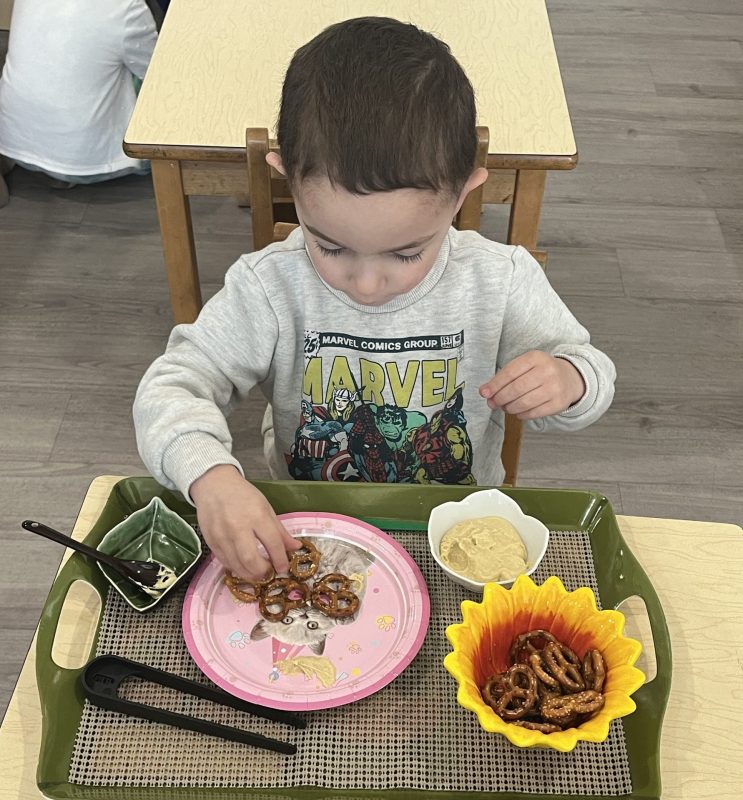
Lastly, the children seemed to enjoy exploring creamy avocados during our food-tasting lesson. If I am honest, avocados are difficult for me to introduce as they are definitely not my favorite. Still, this time I was truly surprised when I tasted this avocado. It was so creamy! This is just another example of how important it is to keep introducing different foods to your child. One day (even if it’s in their 40’s), they will surprise themselves by enjoying new foods.

Enjoy the pictures of your beautiful children, take some time to dance, and have a great weekend!

Mrs. Hood and Ms. Marissa.


Mrs. Lopes: Next Stop, South America!

We are now studying the continent of South America in our classroom. South America is pink on the Montessori map and a topic of great fascination for the children. It is a beautiful region with vibrant cultures and traditions and a wide range of climates and terrains.

South America is the fourth largest continent in our world and comprises twelve individual countries. It is connected to North America by the Isthmus of Panama. An isthmus is one of the landforms we study. Brazil is the largest country in South America, and the major languages spoken are Spanish and Portuguese.

Located in South America, the largest rainforest in the world is the Amazon Jungle. So it makes sense that we start to explore the rainforest as well. The rainforest is an ecosystem with a dense tree canopy that lets very little light through. To be considered a rainforest, there must be more than 60 inches of rain each year. Rainforests also contain over 40% of the world’s animal and plant species. There are four layers in a rainforest; each layer receives different amounts of sun, rain, and wind and is home to various species.

As the weather gets warmer, now is a great time to check the extra clothes in your child’s locker to see if they should be changed from winter clothes to spring/summer clothes.

Wishing you a week filled with peace and love!

Amanda & Hema