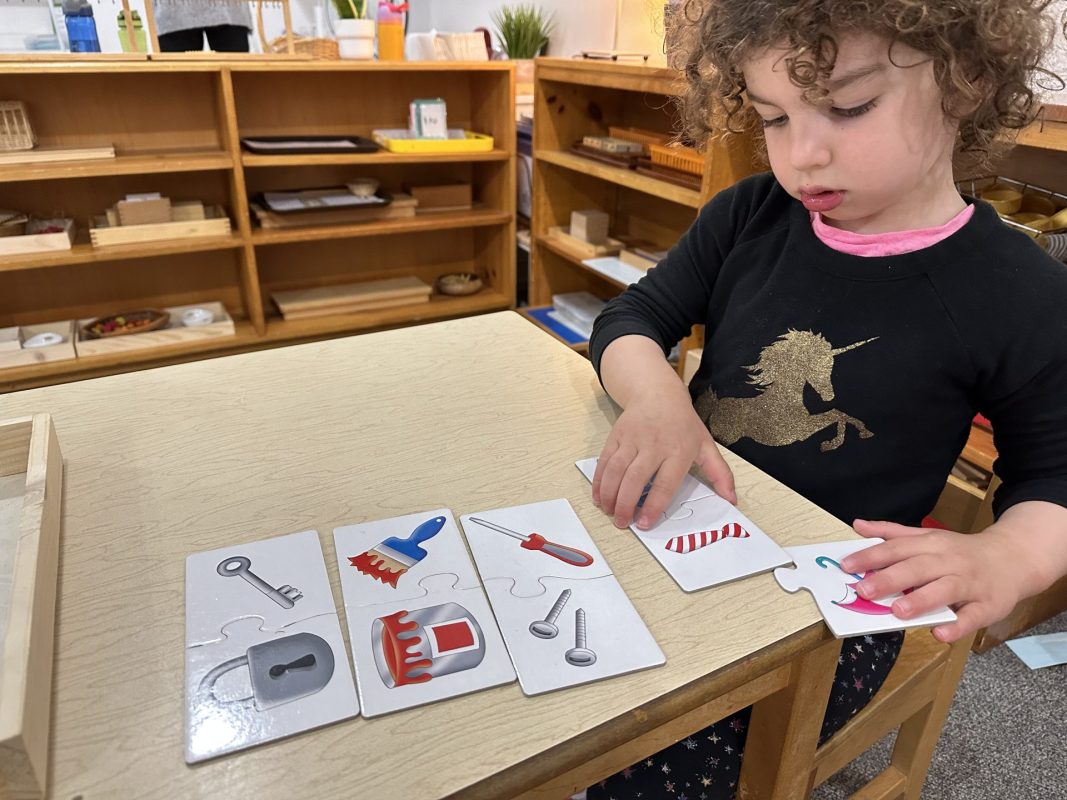
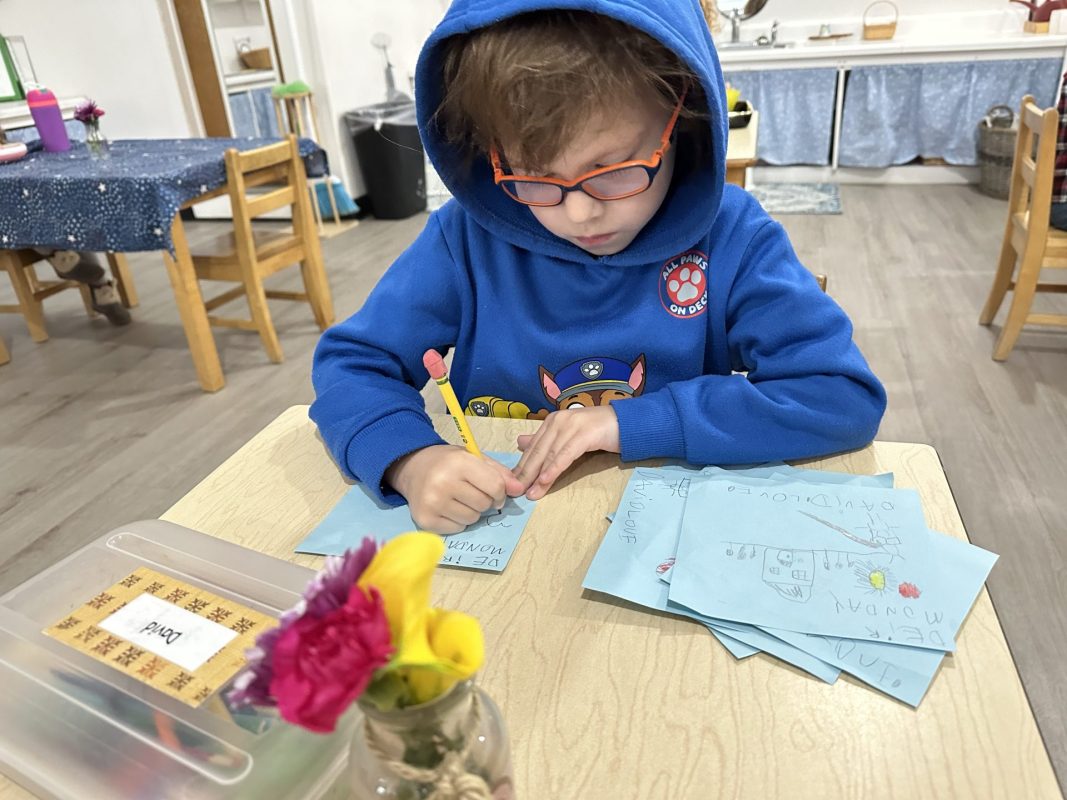
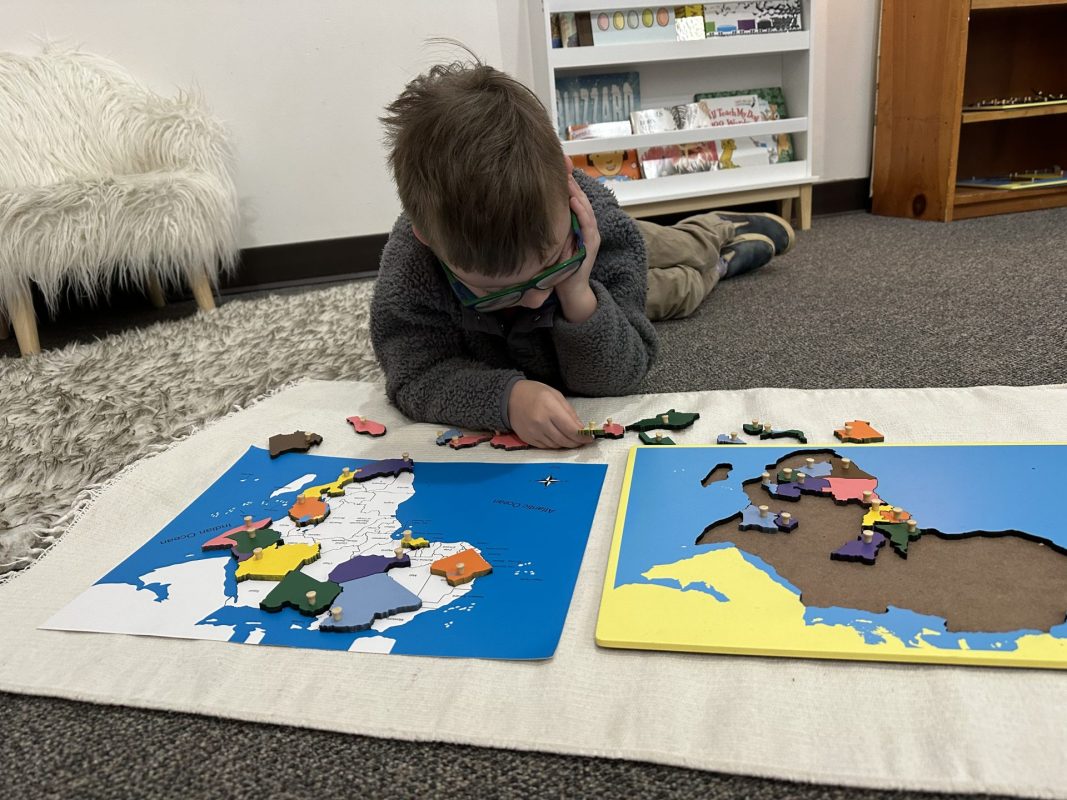
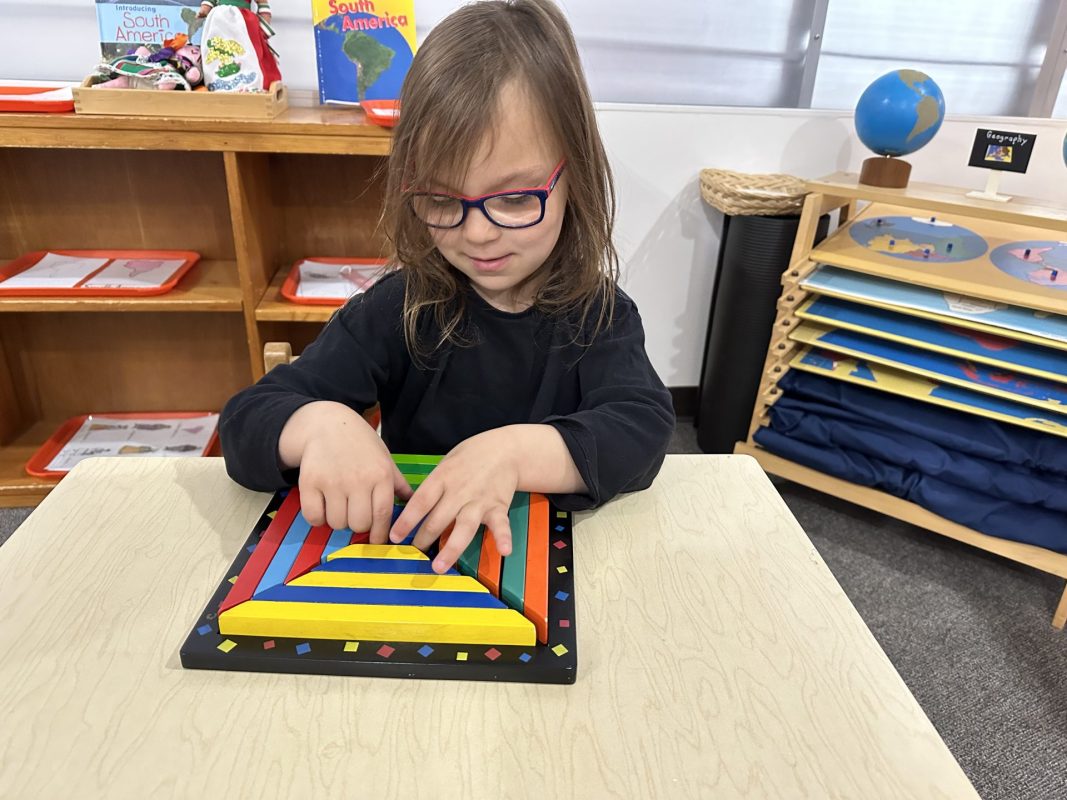
Toddlers are curious about the world around them and eager to learn new things. One educational topic that captures their imagination is the life cycle of living things! Teaching toddlers about life cycles has numerous benefits, including building scientific knowledge, fostering curiosity and wonder, enhancing vocabulary and language skills, encouraging hands-on learning, and instilling empathy and respect for nature.
Spring is the perfect season to introduce these concepts! So this week, we started our studies on the life cycle of a chicken! From interesting eggs to fluffy chicks to clucking hens, the journey of a chicken from egg to adult is a fascinating process that toddlers always seem to enjoy!
So far, we have focused on two concepts: chickens come from eggs, and a baby chicken is called a chick. Children enjoyed some short educational videos where they could observe the hatching process. The smiles on the children’s faces were so priceless.
To bring a real-life experience to this topic, we explored an egg as part of our food-tasting lesson. We introduced vocabulary words like a shell, egg white, and yolk. Children seemed surprised to find “a yellow ball” -as one of the children called it- inside the egg. Children could practice their fine motor skills by learning how to peel their eggs. They seemed to enjoy cracking the egg and carefully peeling the shell. I encourage you to allow your toddler to practice this skill at home. The children seemed to feel proud of themselves.
Some of the children didn’t find the sliminess of the boiled egg very attractive and didn’t want to taste the egg, but other children kept asking to repeat the activity and taste another egg. It’s always fun to observe how the children react to these sensory experiences and how their brain seems to work hard on classifying the textures and flavors of the food items we introduce. Since some students don’t consume eggs, we had an extra food-tasting lesson with delicious “look-a-like-egg” tofu! That was a hit as well!
To reinforce the Spanish language, the children were also introduced to a fun Spanish song called: Los Pollitos. In Spanish, the chicks say, “pio, pio,” instead of “chirp, chirp.” Just an interesting cultural bonus sent your way :). I hope you enjoy the song at the bottom of this note and practice with your children at home if you would like.
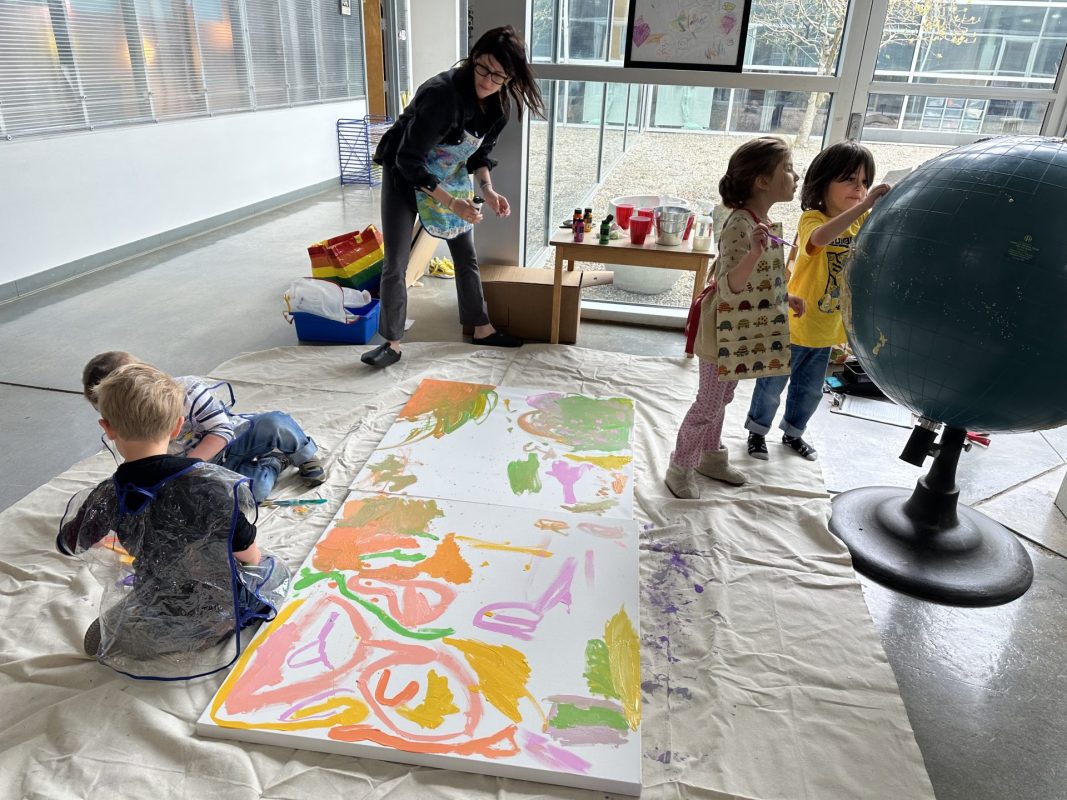
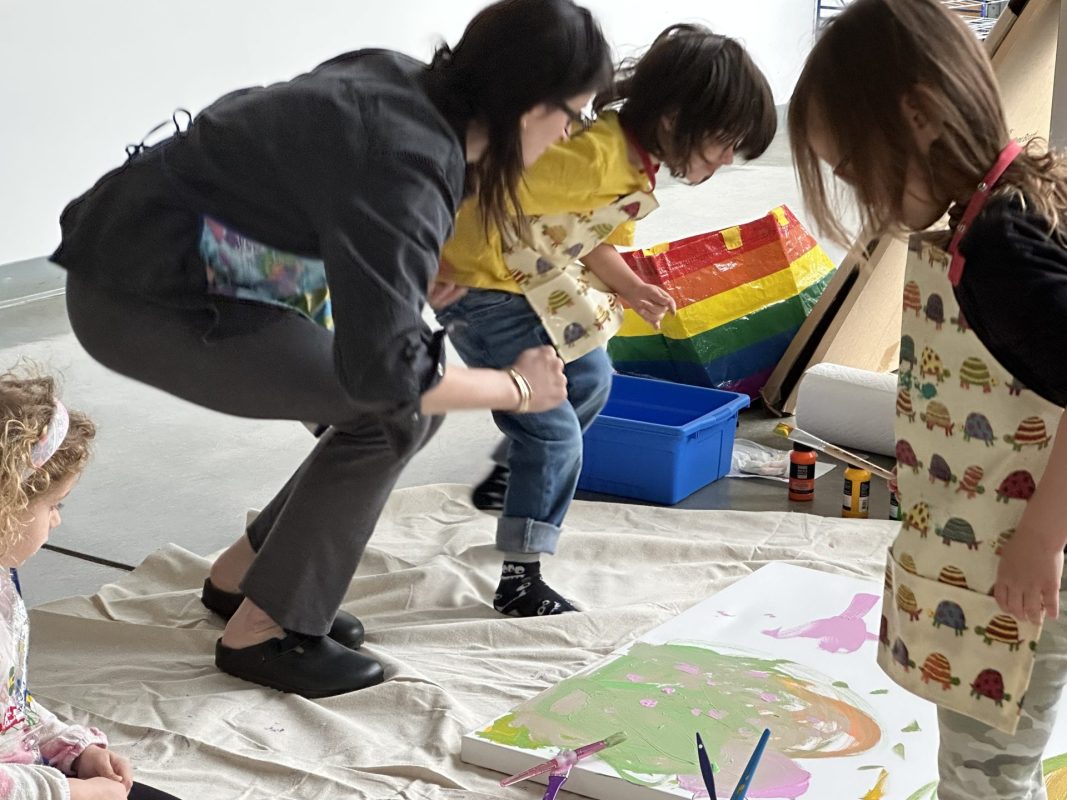
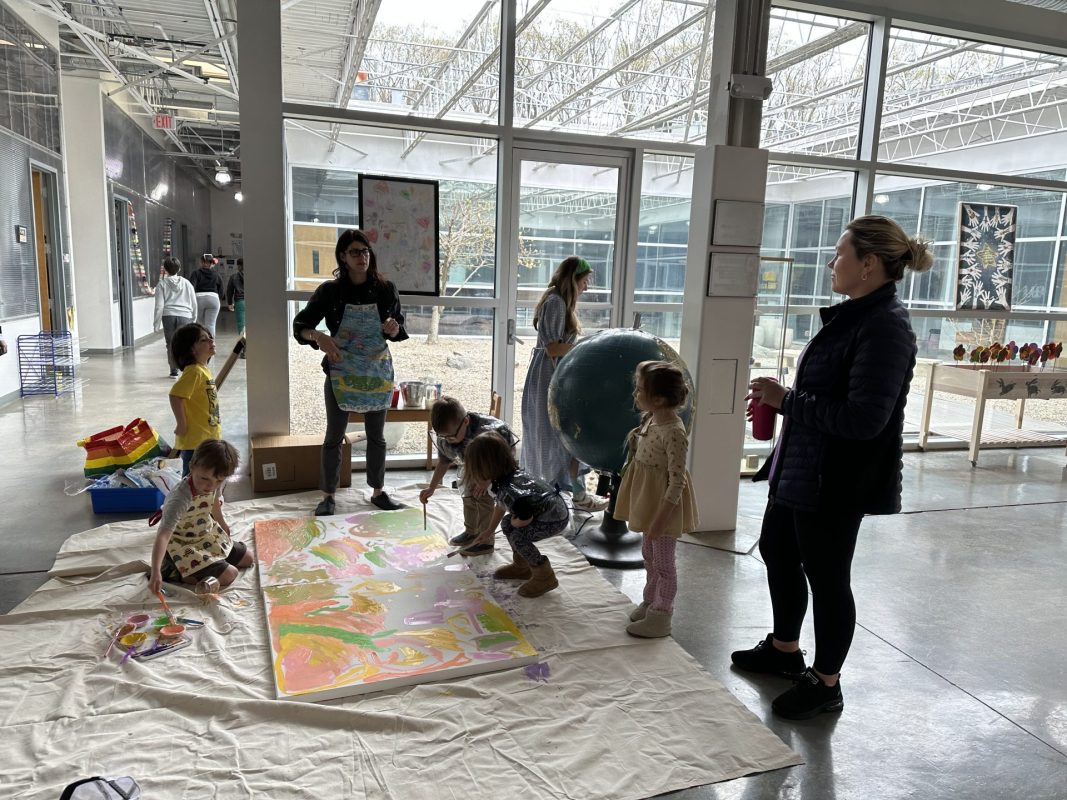
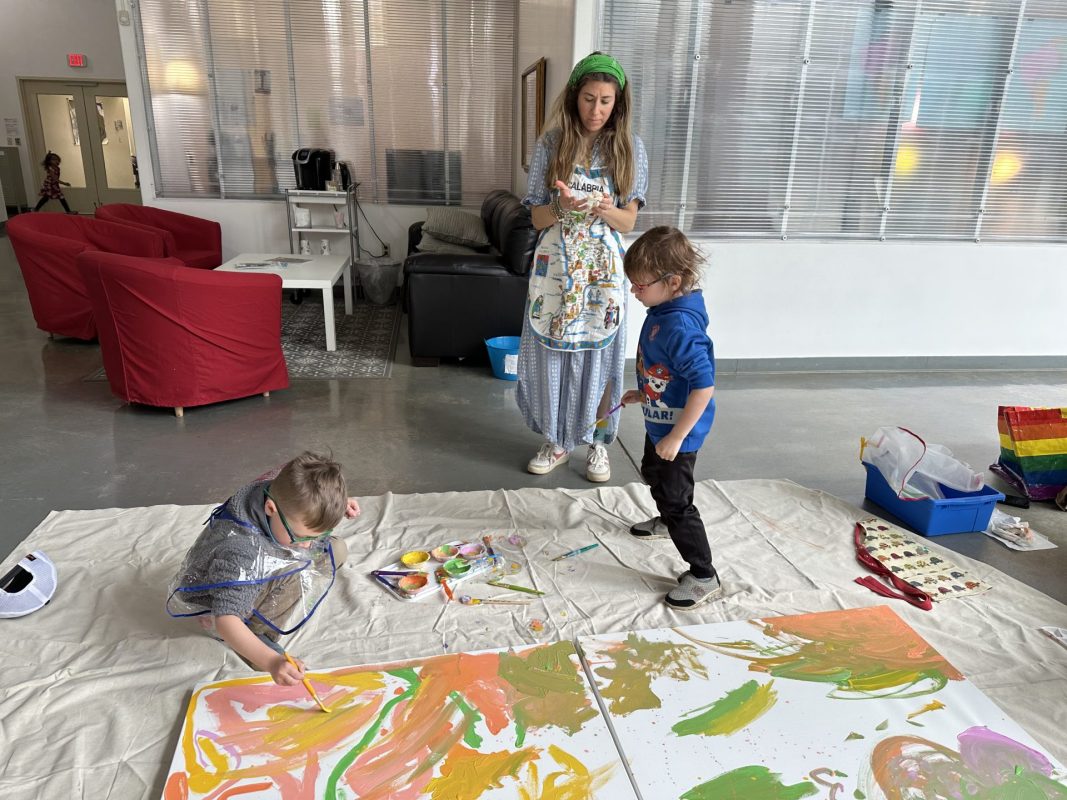
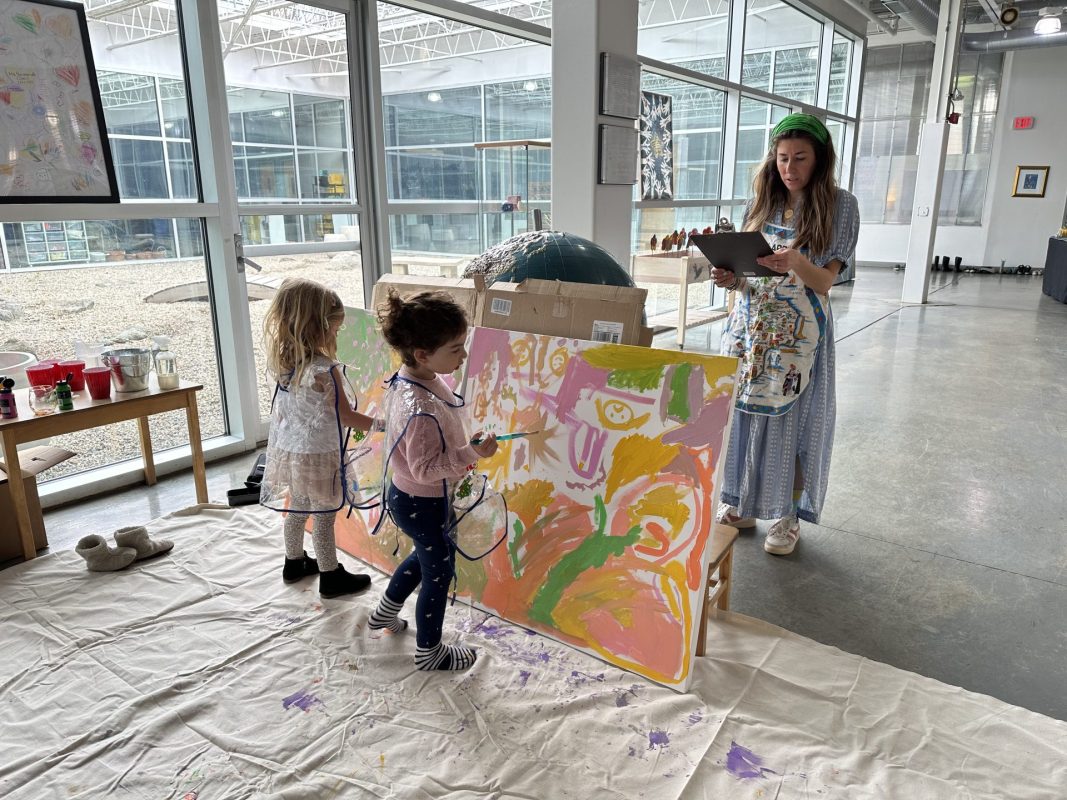
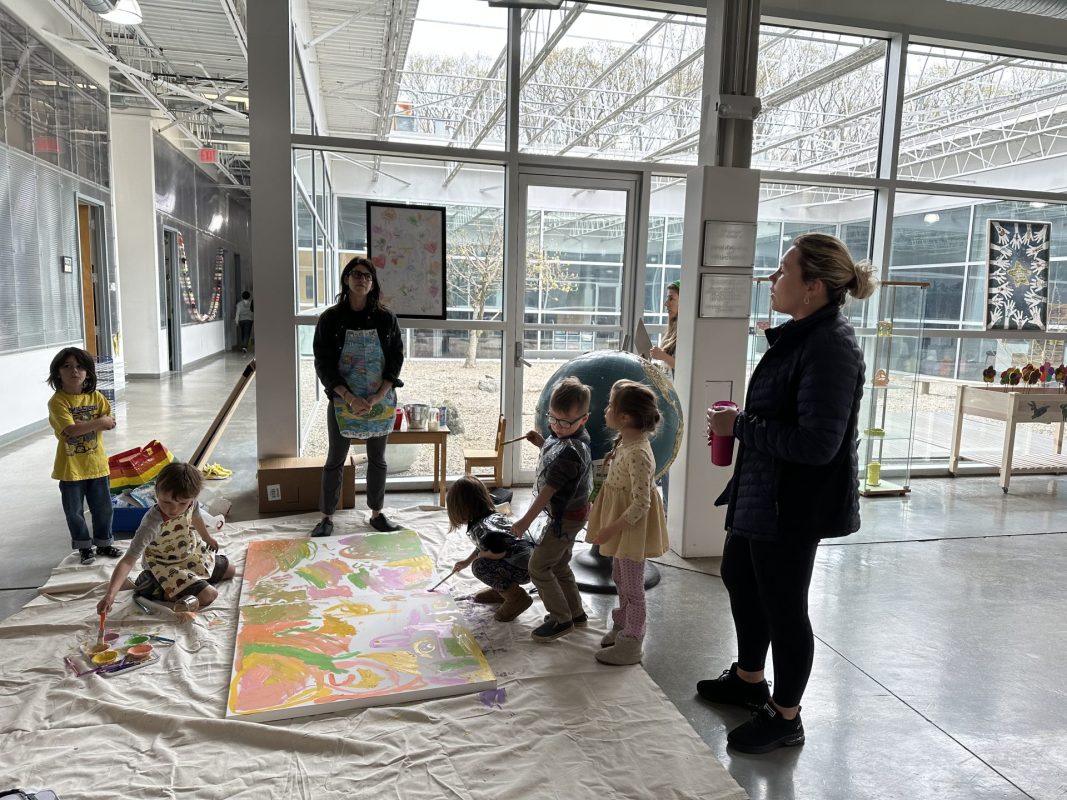
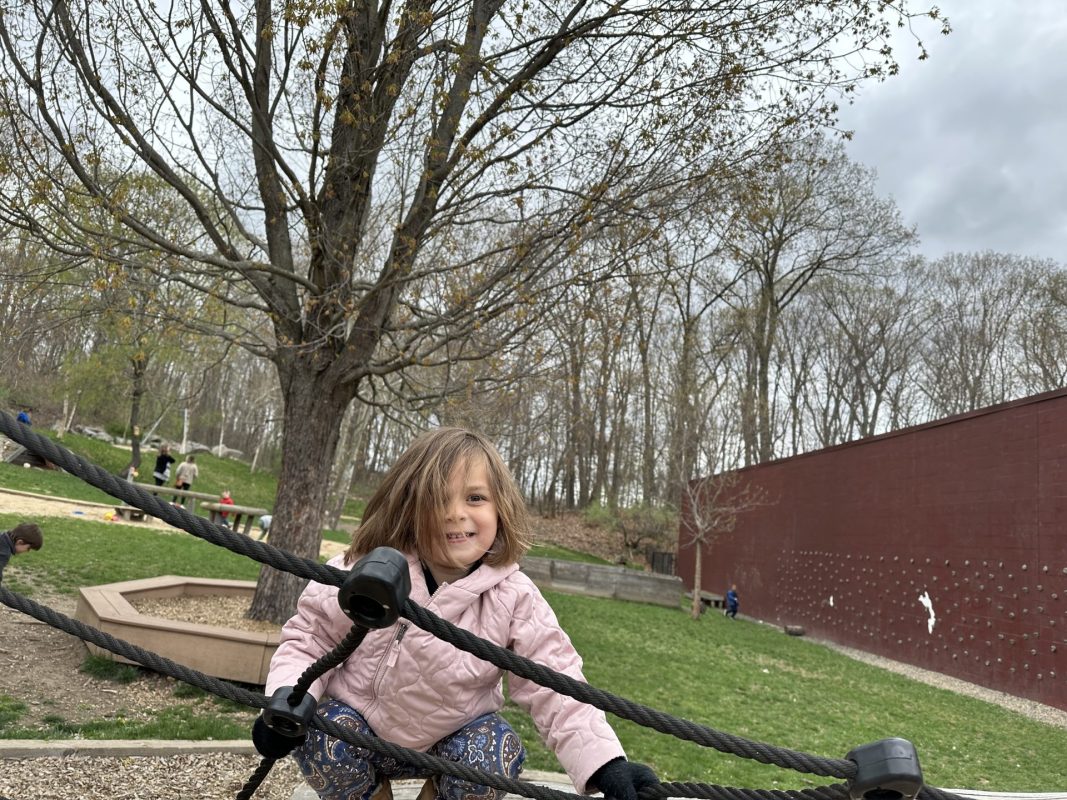
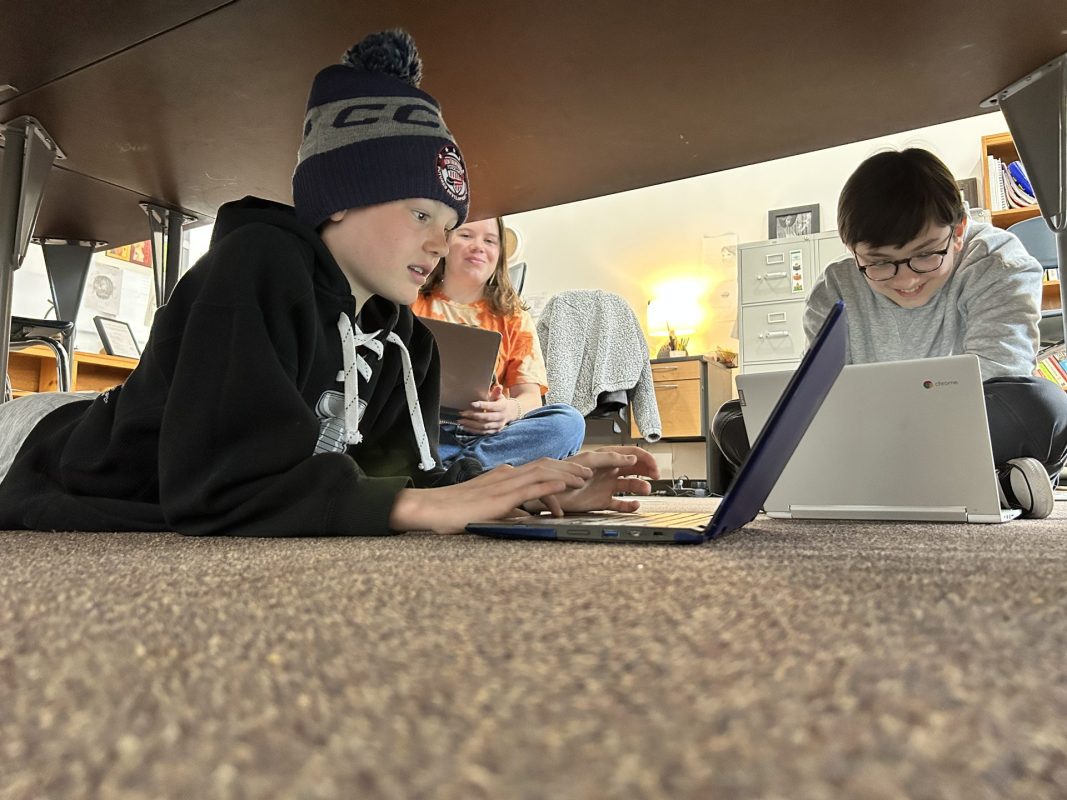
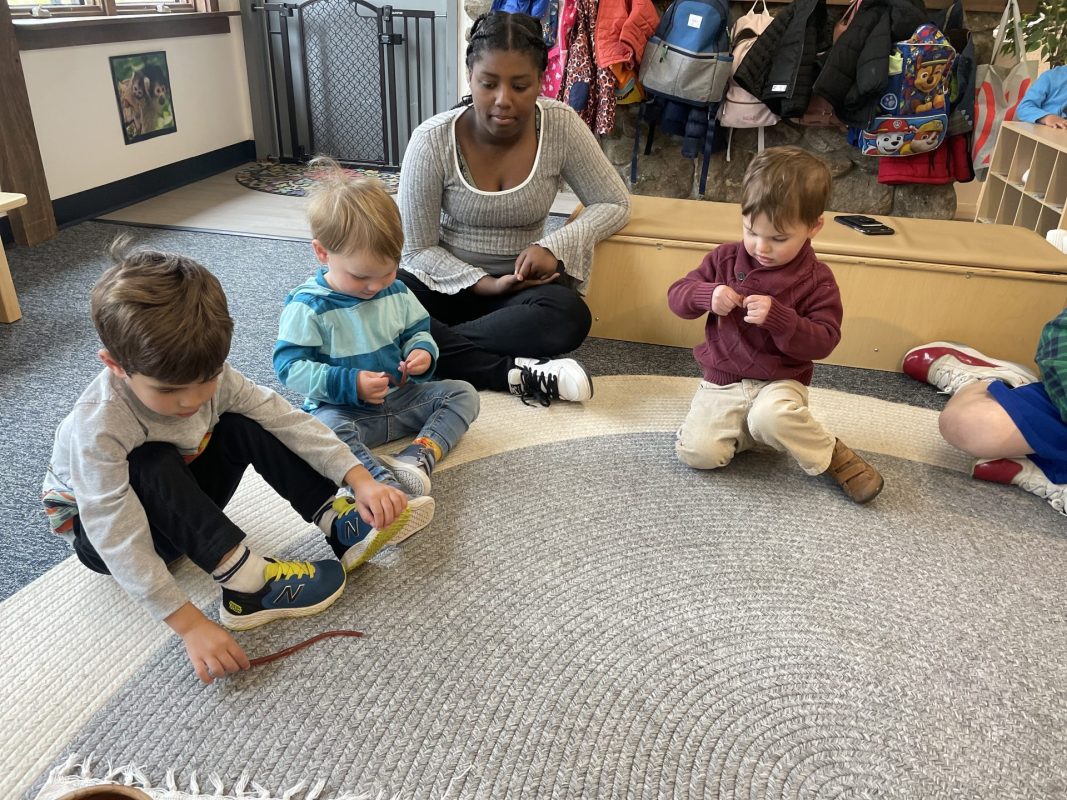
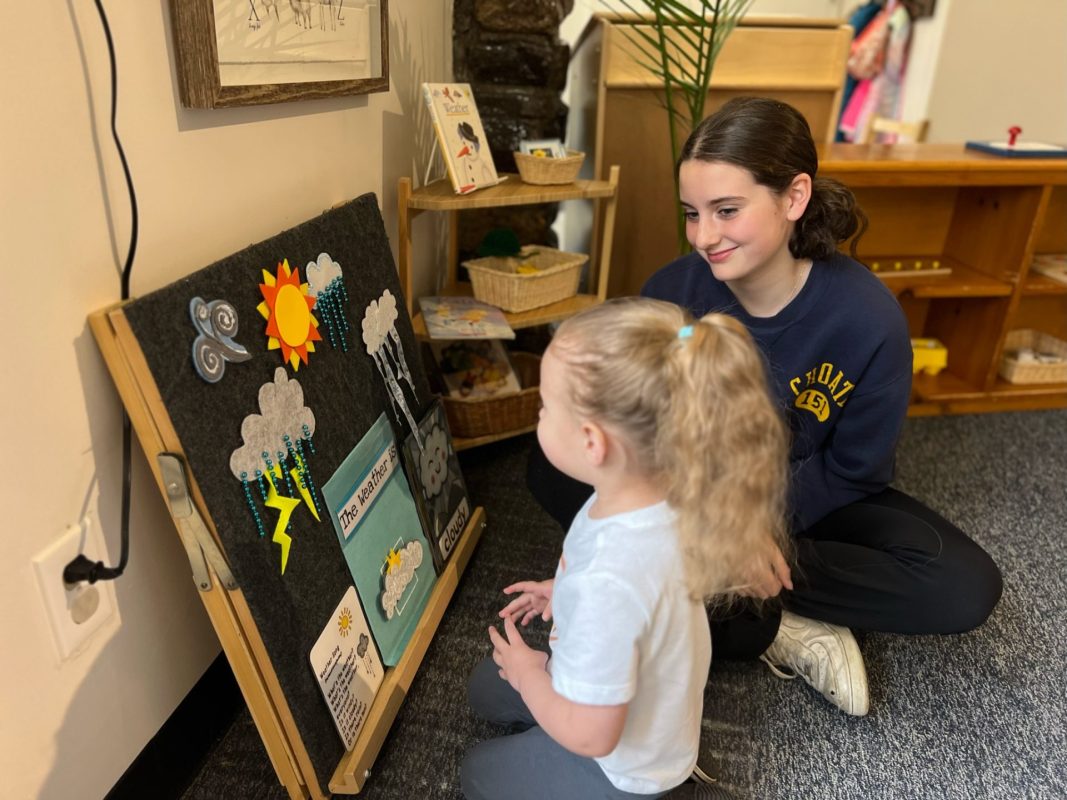
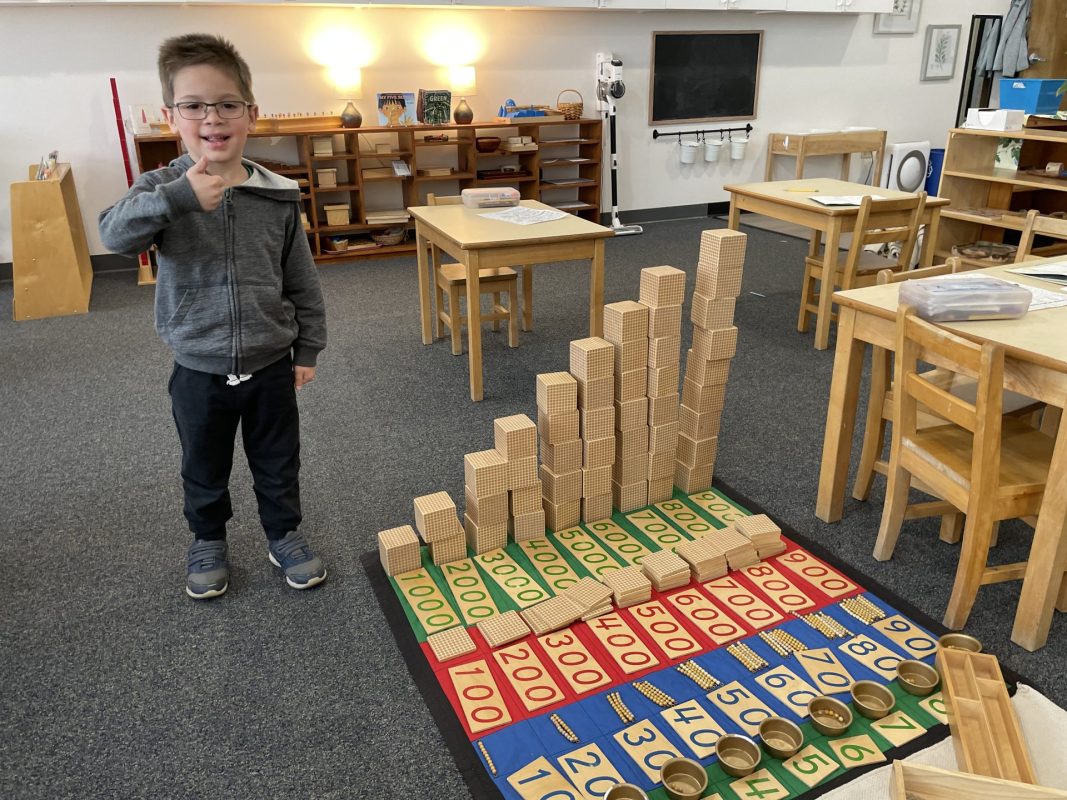
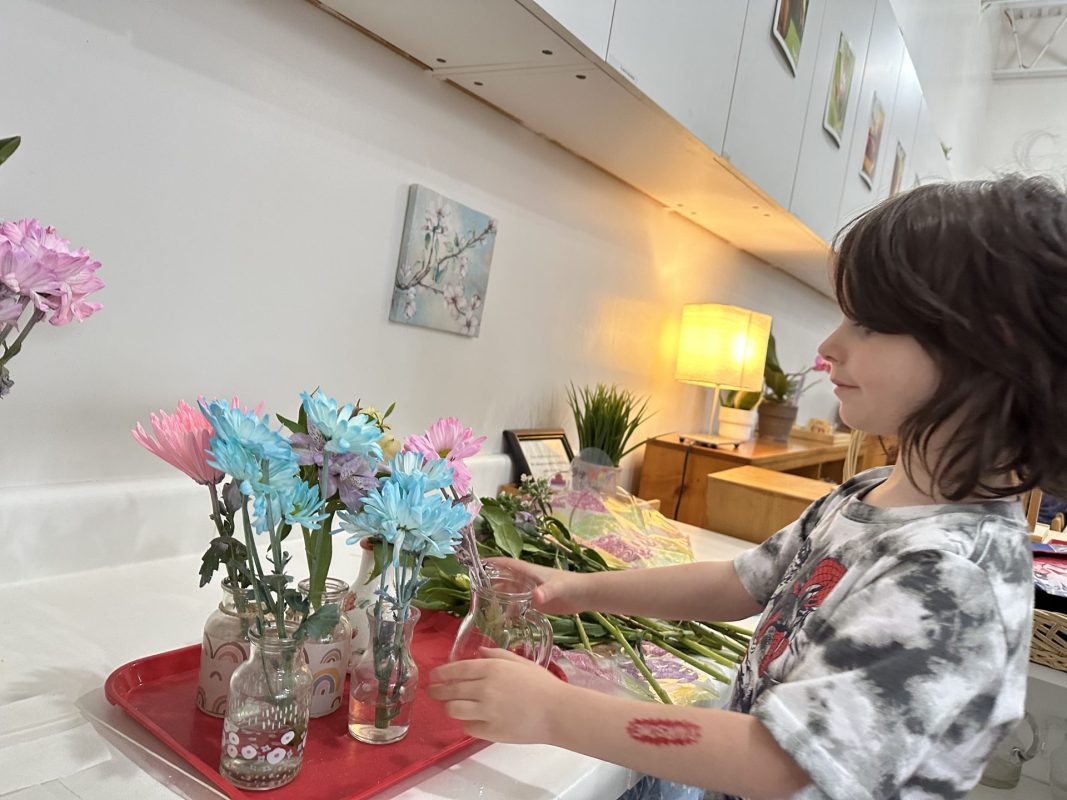
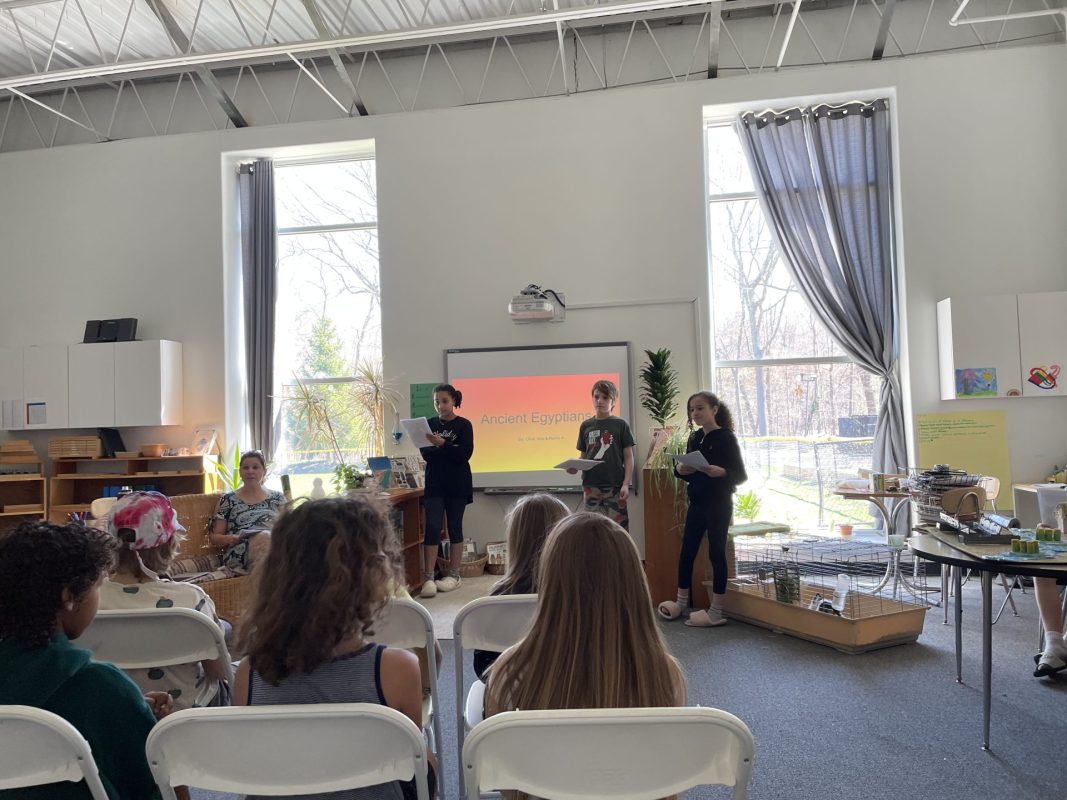
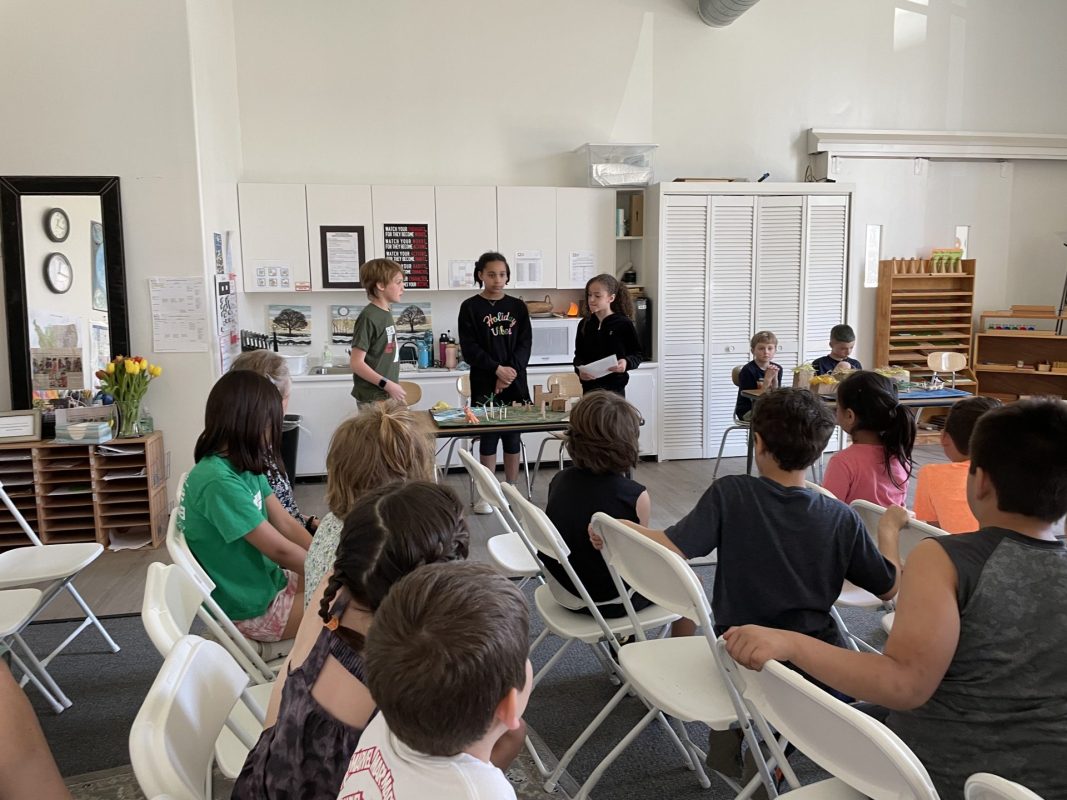
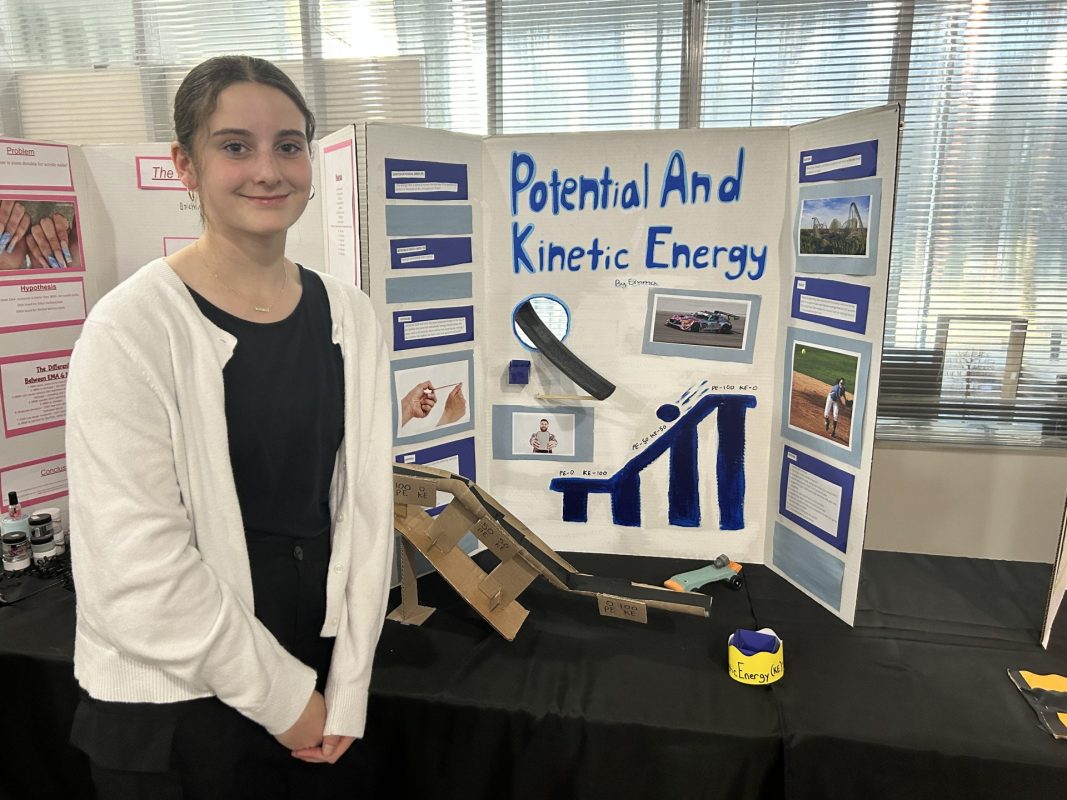
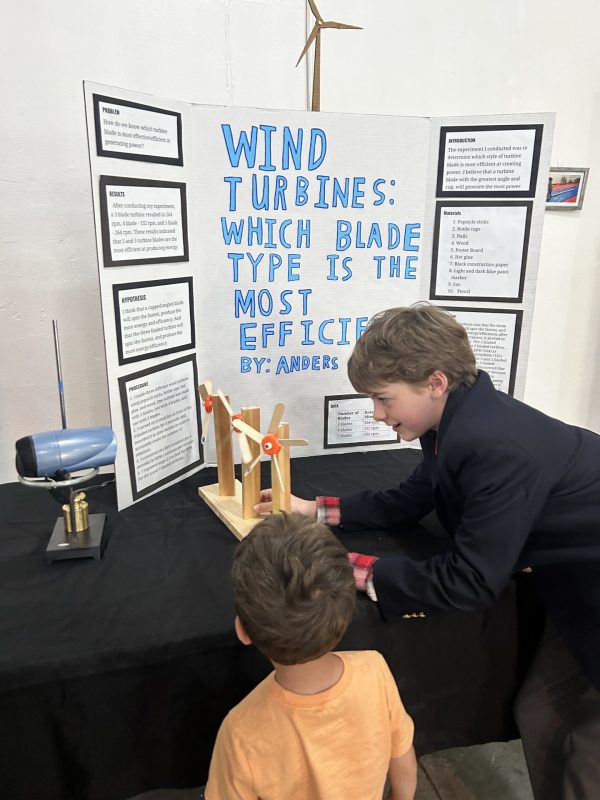
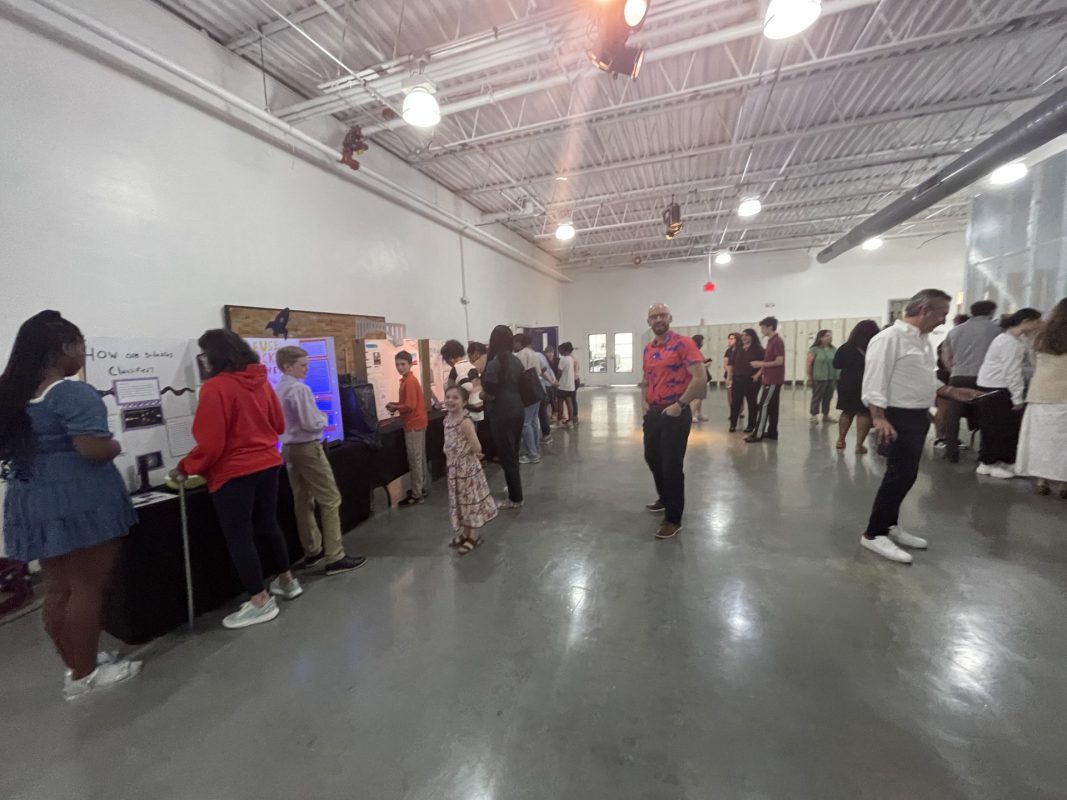
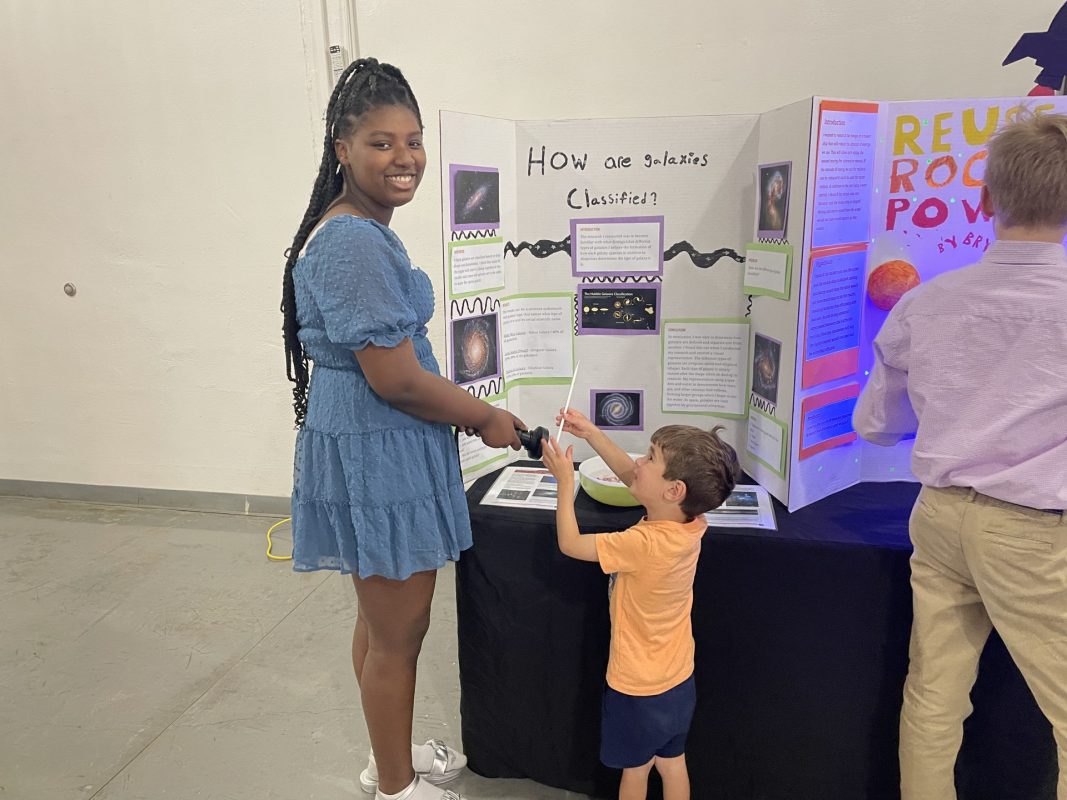
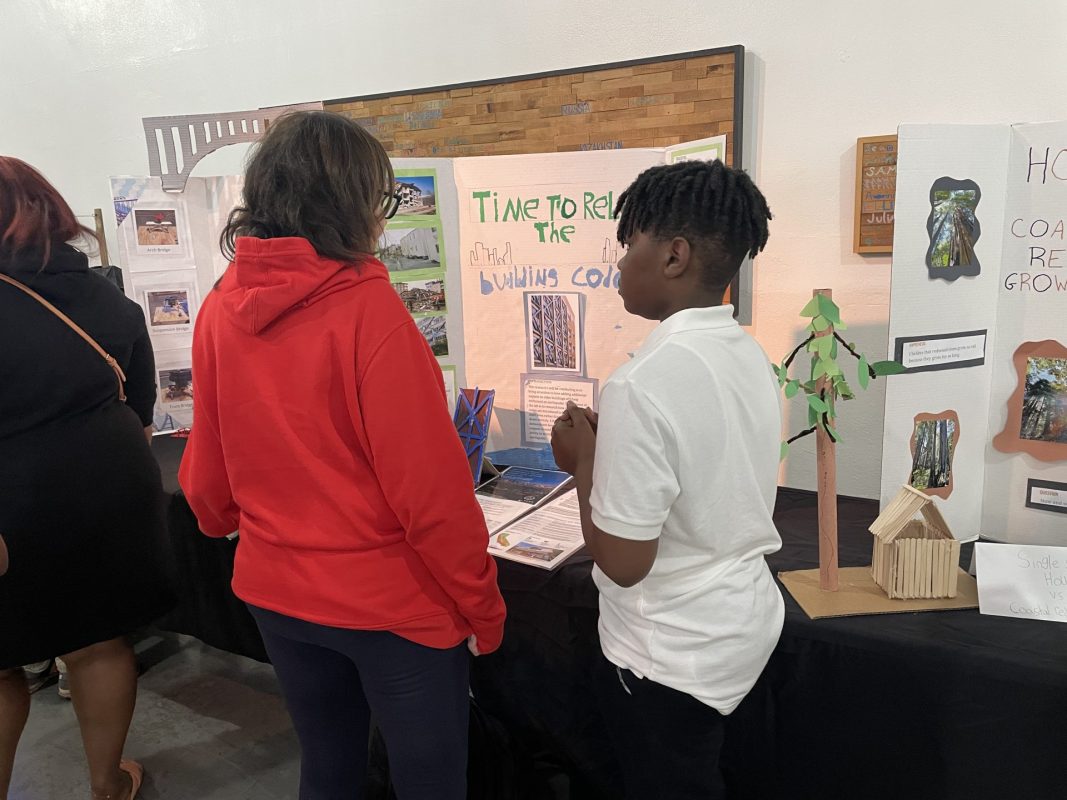
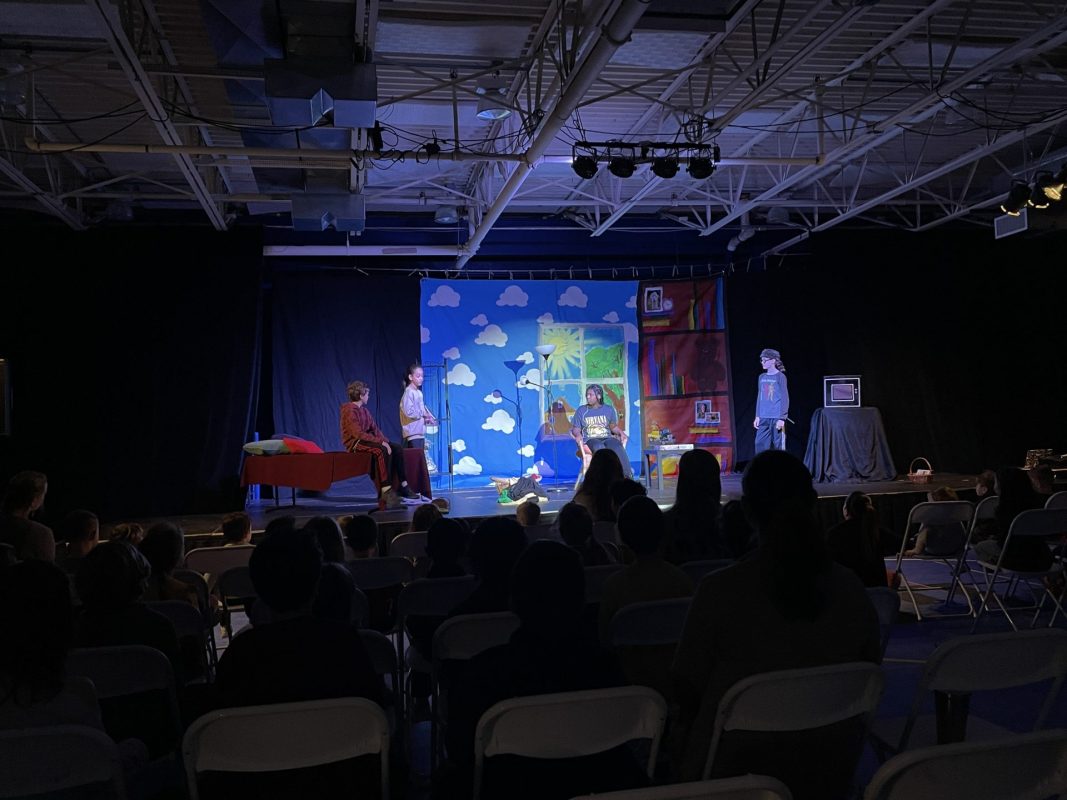
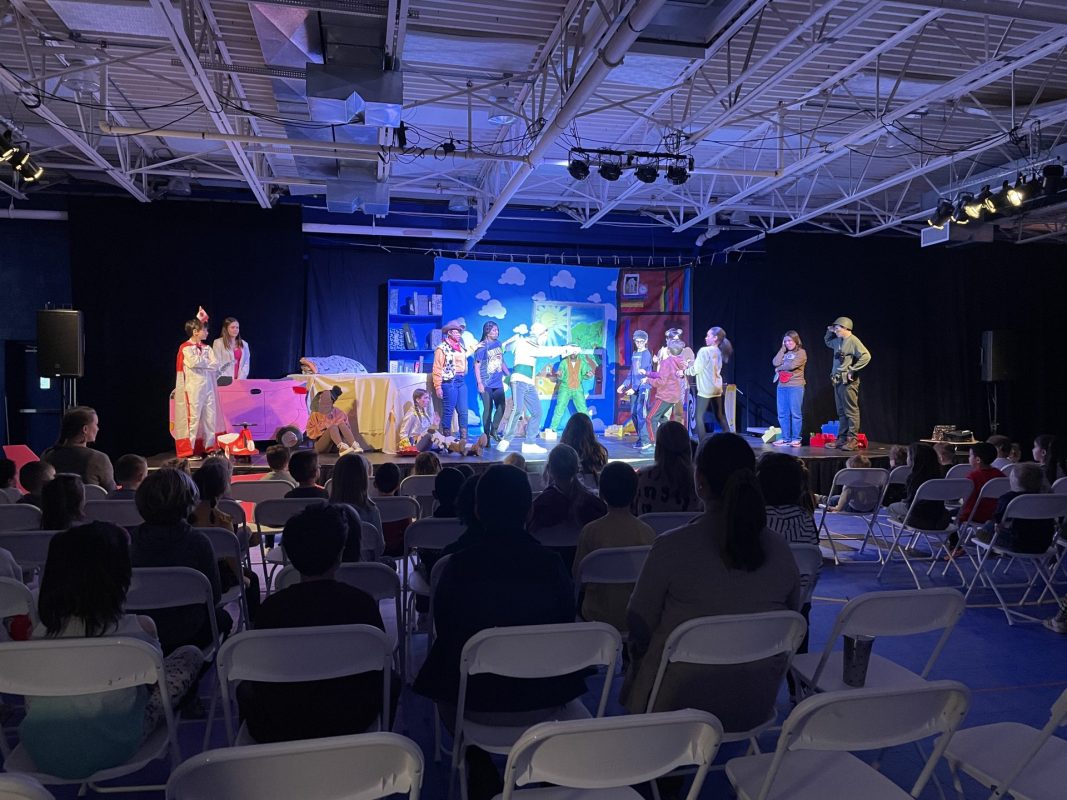
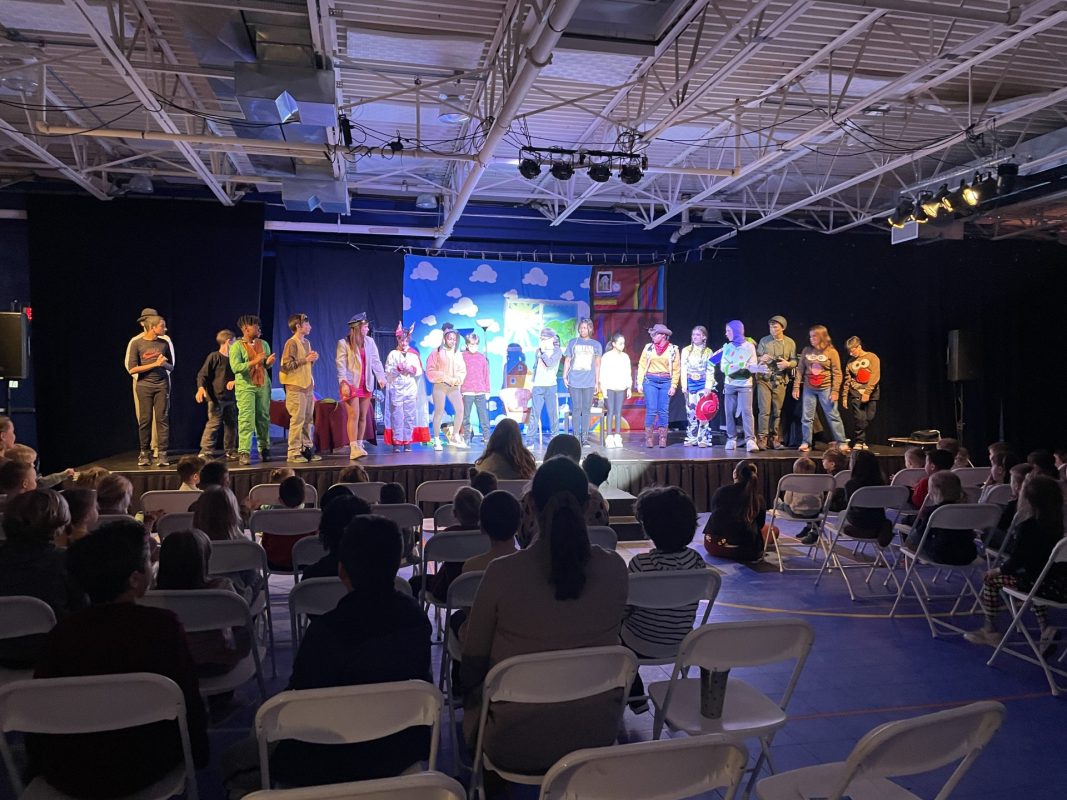
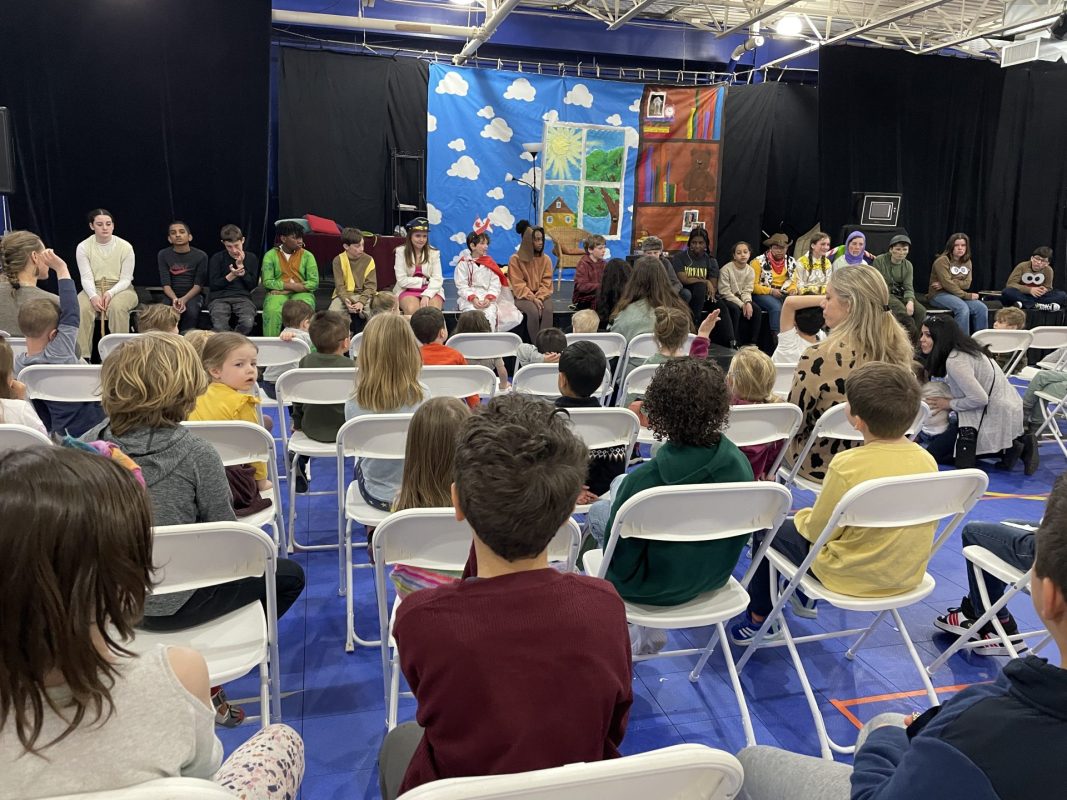
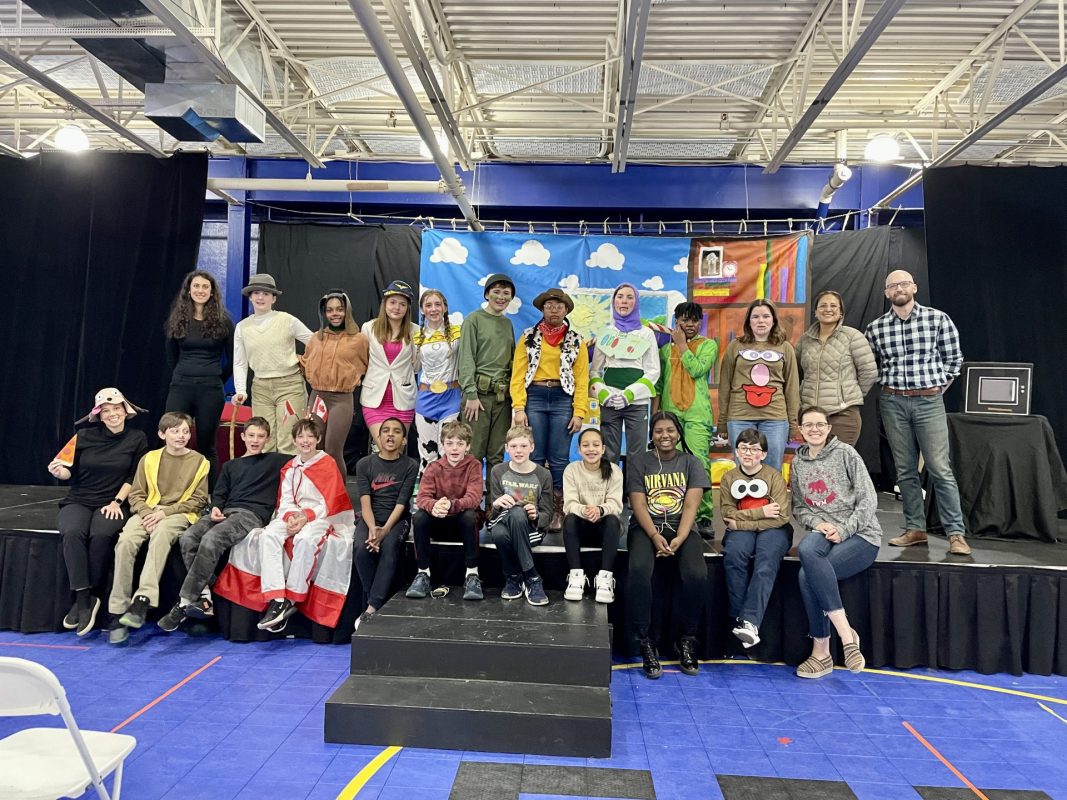
Lastly, we explored the color orange and learned that we create orange when mixing red and yellow. We also had a blast playing with water and enjoying the wonderful summer-like weather. Your children did great in our whole school fire drill as well. Enjoy some of the pictures of the toddlers visiting the Middle School play and a birthday celebration last week as well.
We hope you all have a wonderful weekend, and if you are planning to visit a farm as a fun spring activity, please take the time to observe the chickens and talk with your toddler about what you see.
Best,
Mrs. Hood and Ms. Marissa