Blog

Mrs. Lopes: Five Fun Senses


First the education of the senses
,
then the education of the intellectMaria Montessori

Maria Montessori believed there is a sensitive period for a child’s development of their senses. Although the senses are an integral part of our lives, children have the greatest potential to develop and retrieve them during their early years. It is precisely this idea that demonstrates the purpose of Sensorial materials in the Montessori classroom. The Sensorial materials are powerful tools that allow children to become aware of their unconscious impressions and bring these impressions into conscious awareness. Additionally, they enable your children to create a basis of order in their minds, allowing for the intelligent exploration of their environment.

This week we are beginning our study on the five senses. What better way to teach this than to use popcorn? Popcorn is a multi-sensory snack as it incorporates all five of our senses. It might just be our most appetizing science unit yet! Did you ever notice that when you make popcorn, somehow the entire family knows about it and shows up to have some of this favorite treat?

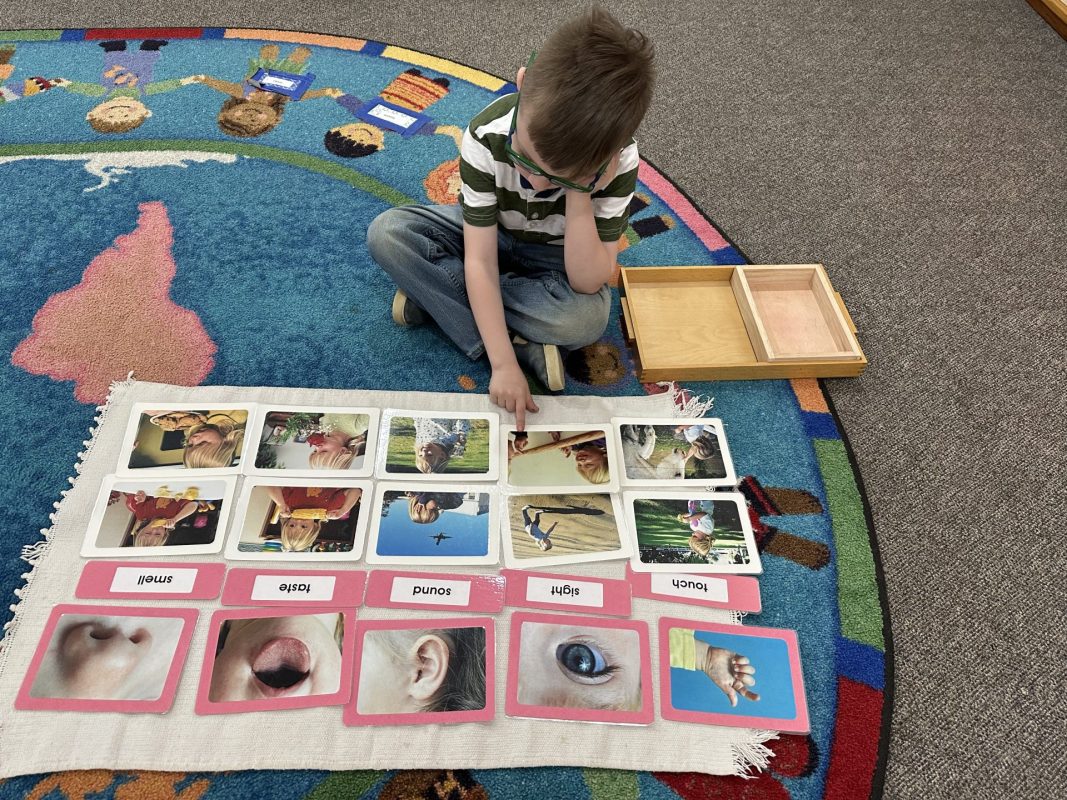
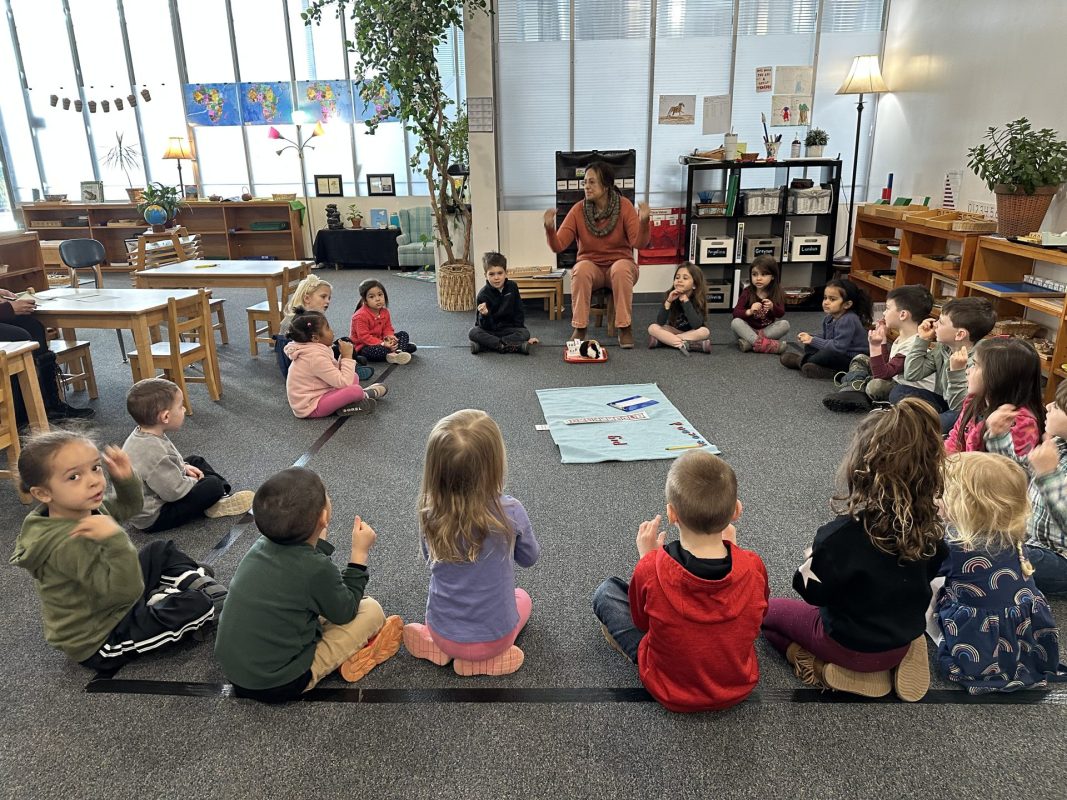
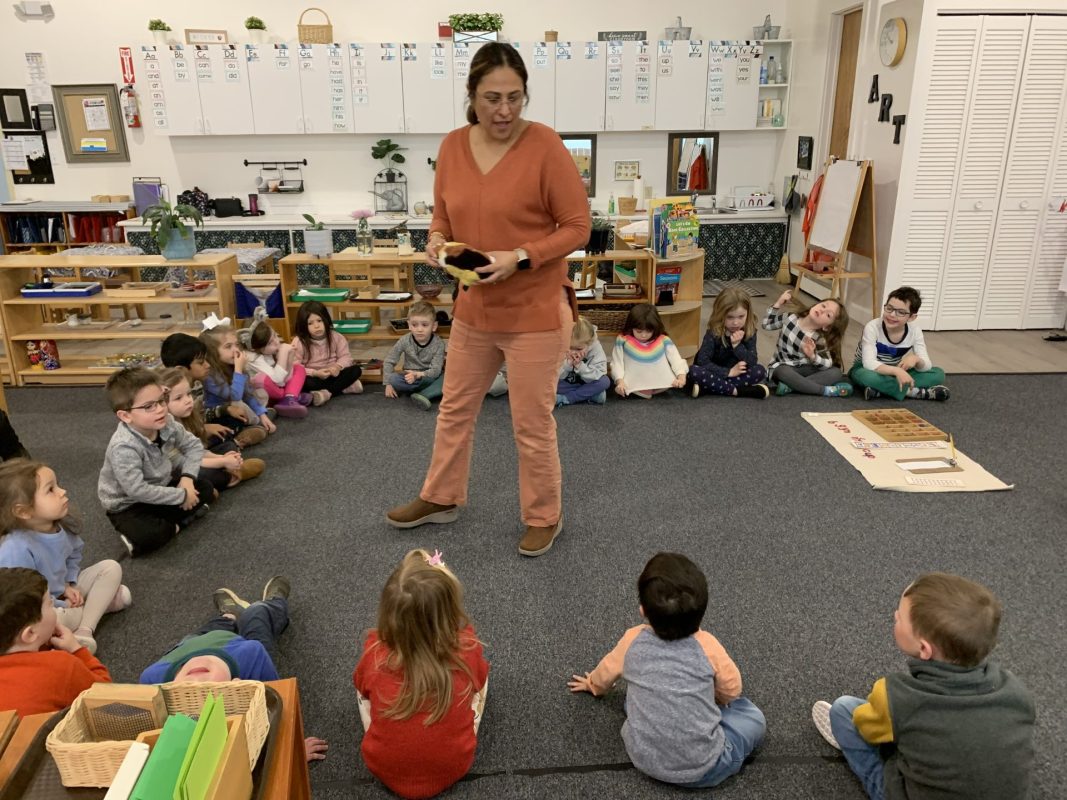
We begin by discussing our five senses and how we use different body parts to learn about things in our environment. For example, our noses are for smelling, ears are for listening, eyes are for seeing, hands are for touching, and our tongue is for tasting. We learned that sometimes we use more than one sense at a time.

Next, each child had the opportunity to handle popcorn kernels to observe what they saw, smelled, and felt. We record all of our observations as we go along. Finally, we used an air popper to pop some popcorn. Now we can include our observations about hearing and tasting as well.

Wishing you a week filled with peace and love!

Amanda & Hema


Mrs. Semmah: Five Fun Senses

First the education of the senses, then the education of the intellectMaria Montessori

Maria Montessori believed there is a sensitive period for a child’s development of their senses. Although the senses are an integral part of our lives, children have the greatest potential to develop and retrieve them during their early years. It is precisely this idea that demonstrates the purpose of Sensorial materials in the Montessori classroom. The Sensorial materials are powerful tools that allow children to become aware of their unconscious impressions and bring these impressions into conscious awareness. Additionally, they enable your children to create a basis of order in their minds, allowing for the intelligent exploration of their environment.

This week we are beginning our study on the five senses. What better way to teach this than to use popcorn? Popcorn is a multi-sensory snack as it incorporates all five of our senses. It might just be our most appetizing science unit yet! Did you ever notice that when you make popcorn, somehow the entire family knows about it and shows up to have some of this favorite treat?

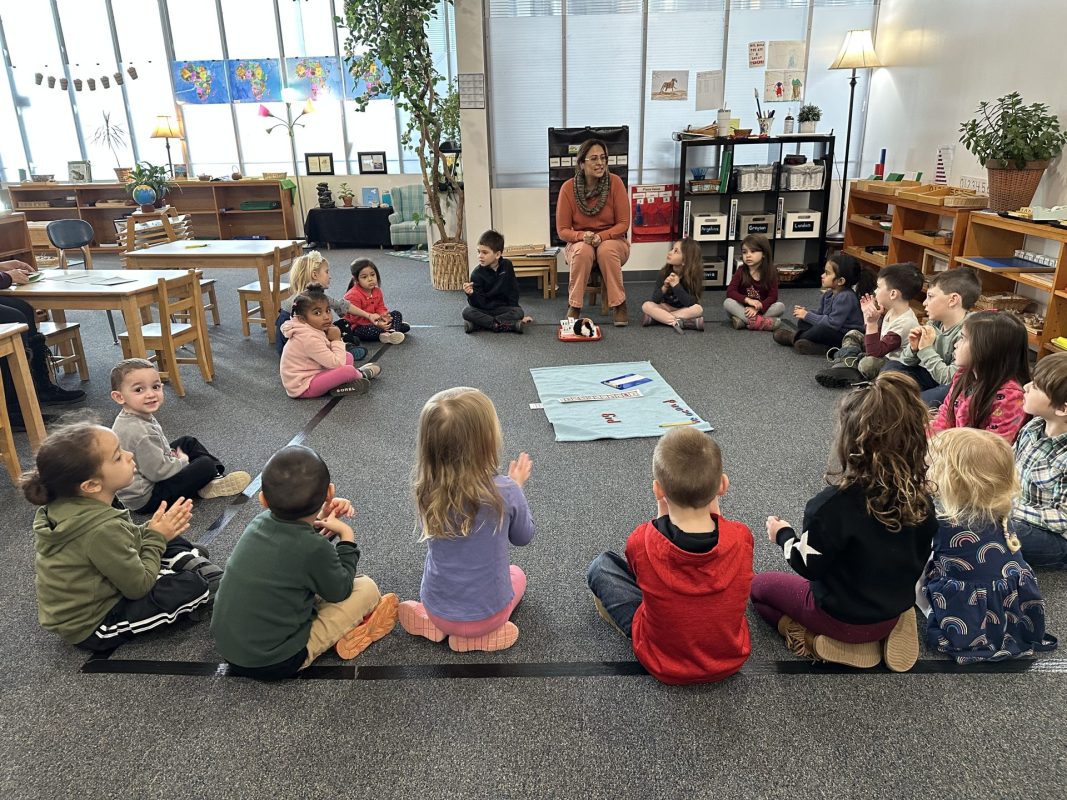
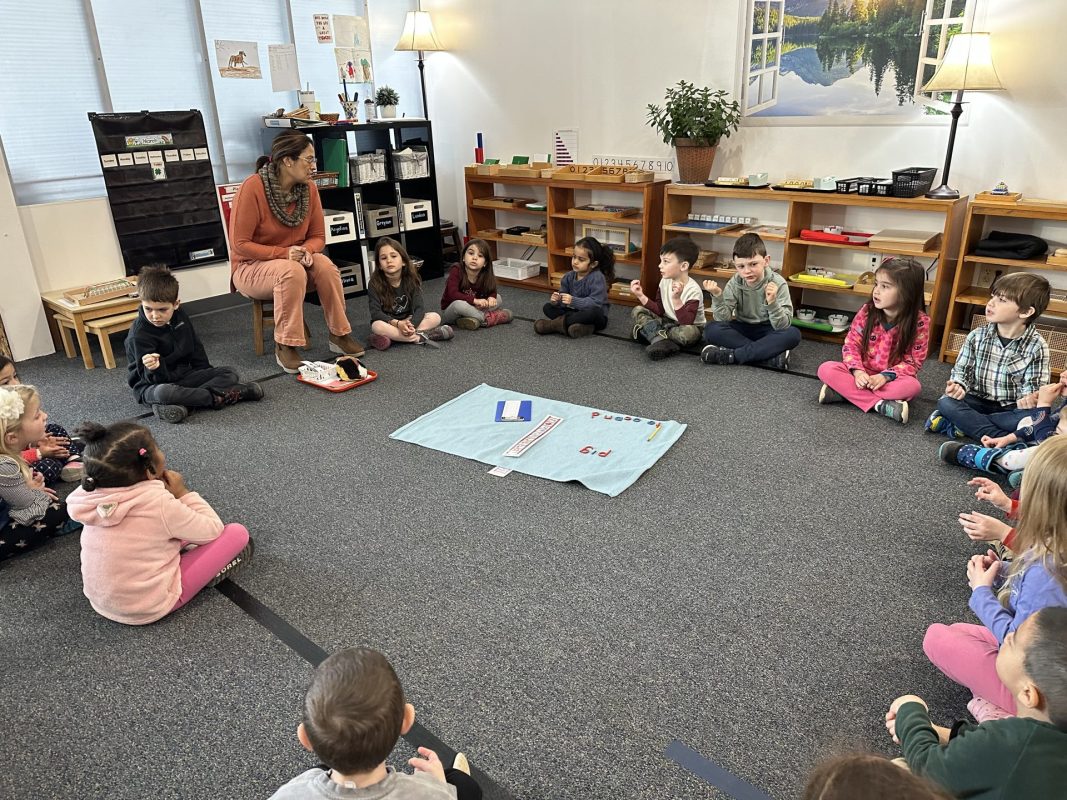
We begin by discussing our five senses and how we use different body parts to learn about things in our environment. For example, our noses are for smelling, ears are for listening, eyes are for seeing, hands are for touching, and our tongue is for tasting. We learned that sometimes we use more than one sense at a time.

Next, each child had the opportunity to handle popcorn kernels to observe what they saw, smelled, and felt. We record all of our observations as we go along. Finally, we used an air popper to pop some popcorn. Now we can include our observations about hearing and tasting as well.

Wishing you a week filled with peace and love!

Kaoutar & Sue


Mrs. Wilson: Springtime Celebration and Exploration

For the past two weeks, the children have been learning about spring. We started with a spring celebration. The children painted paper plates with green paint, which we later cut into a crown. Then they selected spring-themed stickers to apply to the crown. We used the crown as a party hat during our spring celebration. They all received a pinwheel and a delicious graham cracker treat.

The children are learning about life cycles; we are currently learning about the life cycle of a chicken and will explore the life cycle of flowers, butterflies, mommy animals, and babies.

Food Tasting this week was avocado. It was a big hit, and one friend recognized the taste and said it tasted like guacamole.


Lower El Research Night

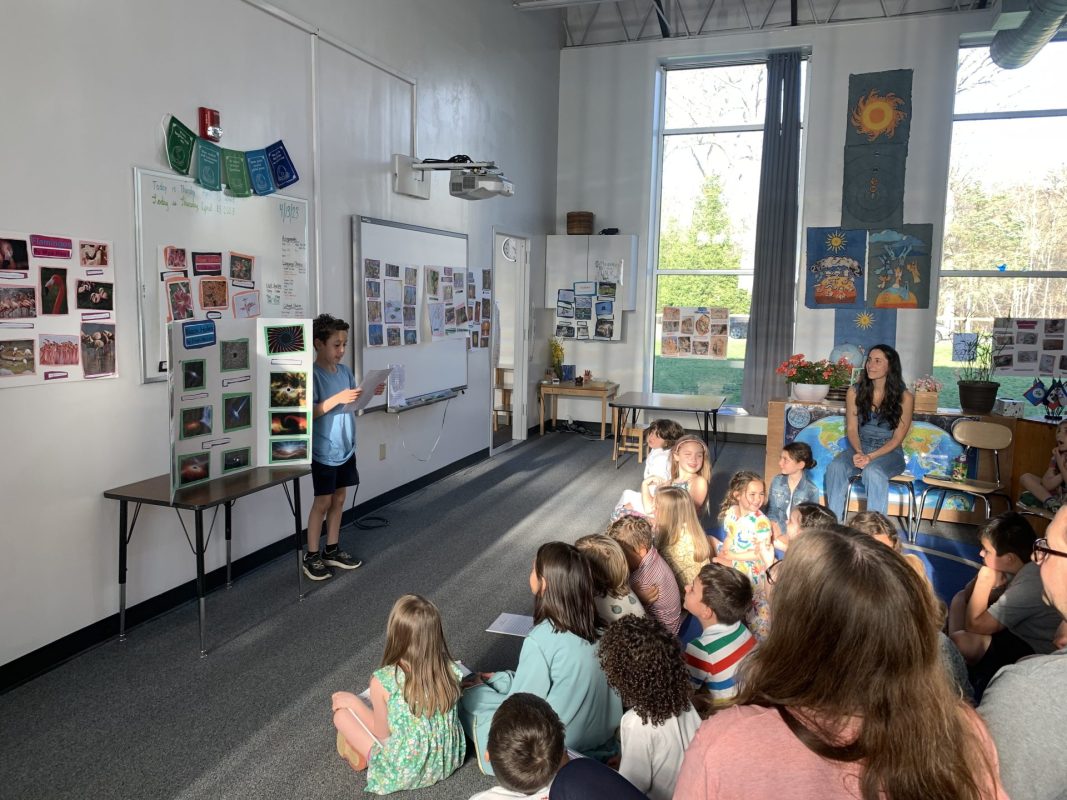
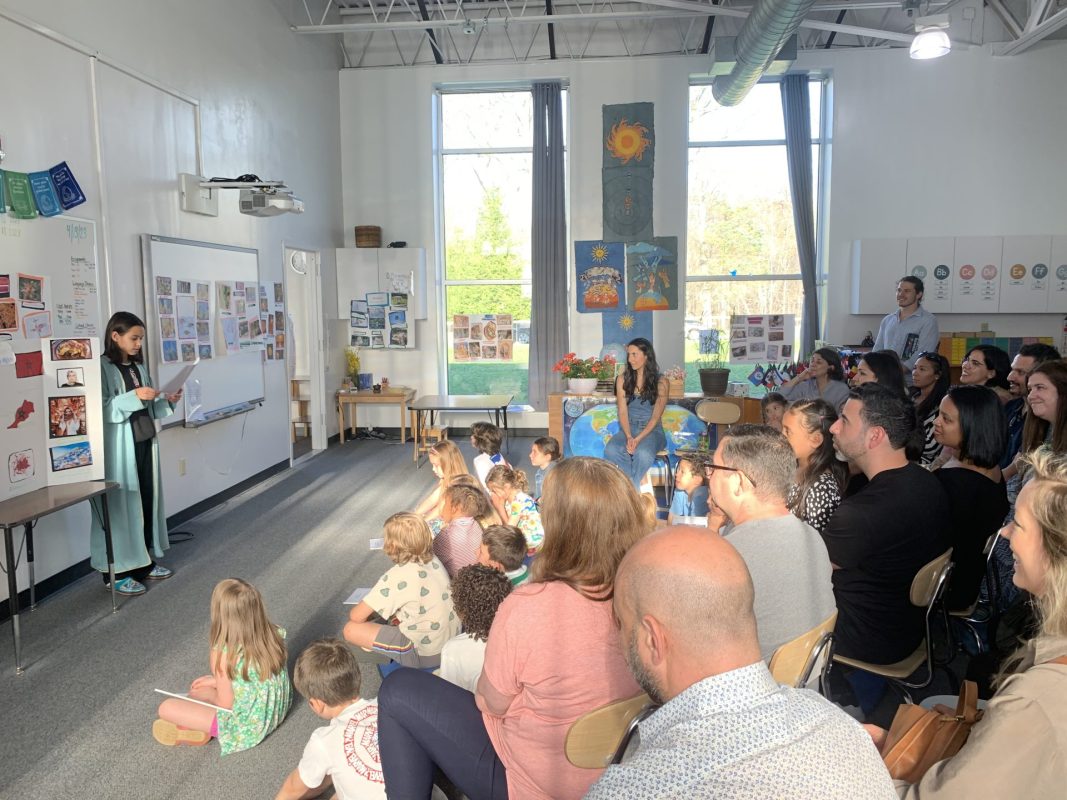
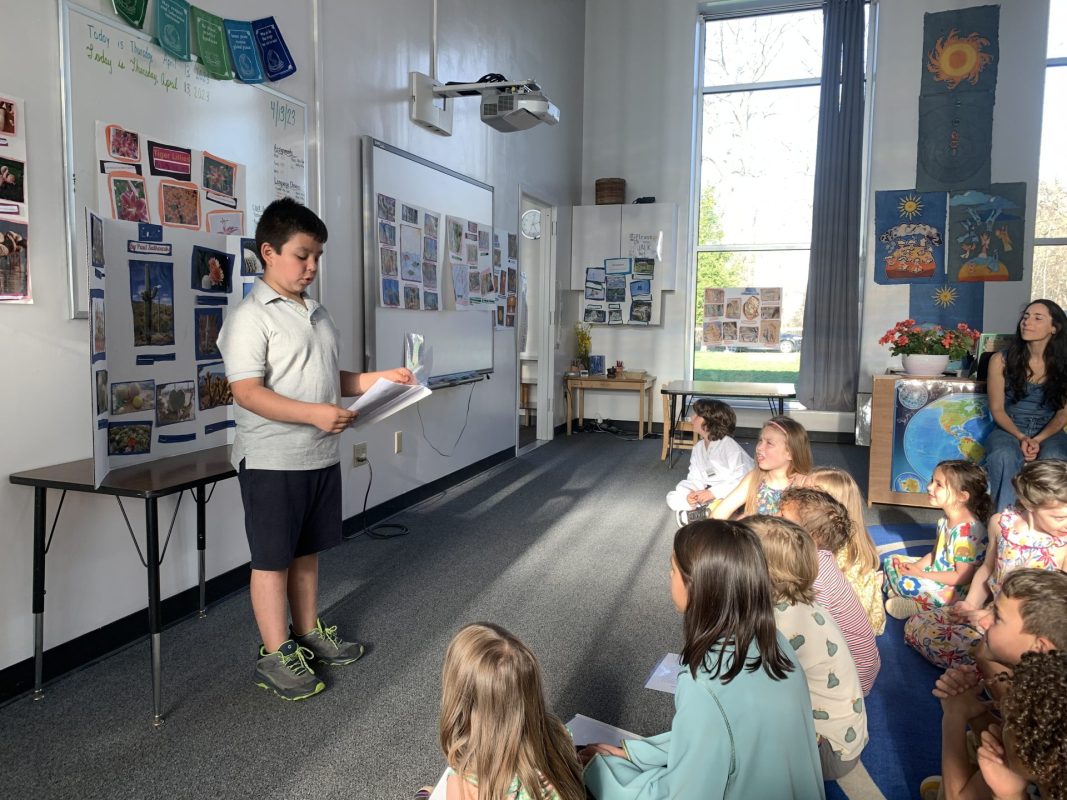
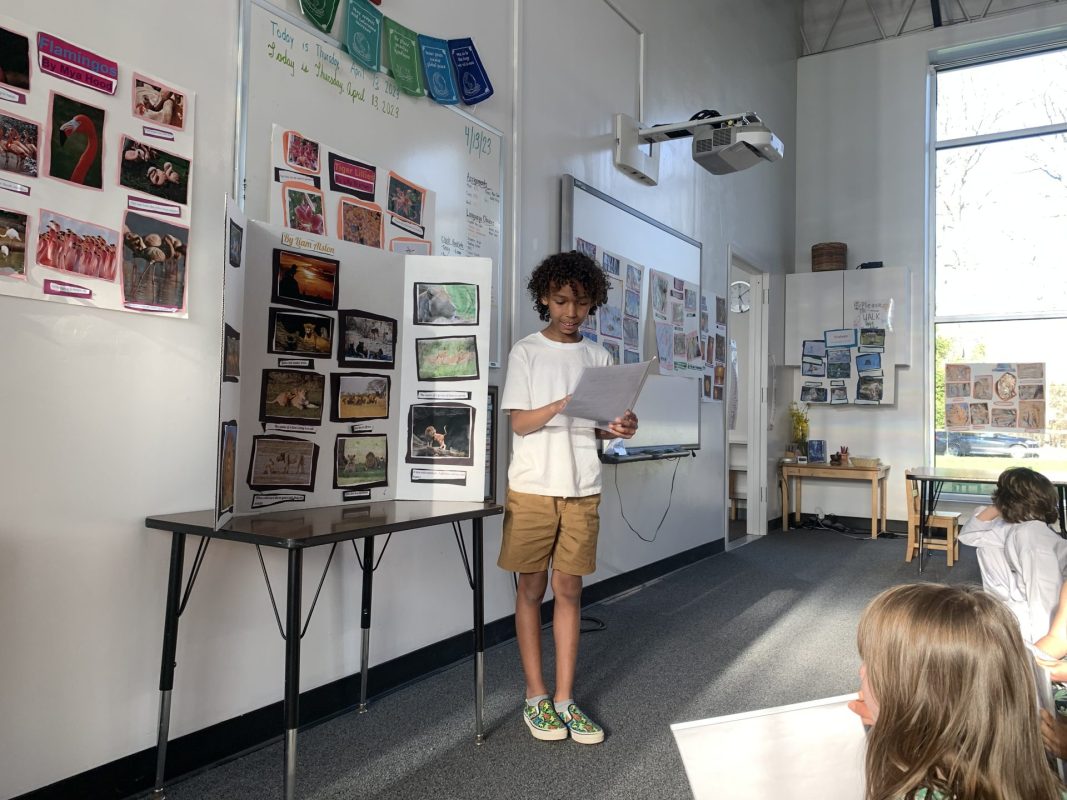
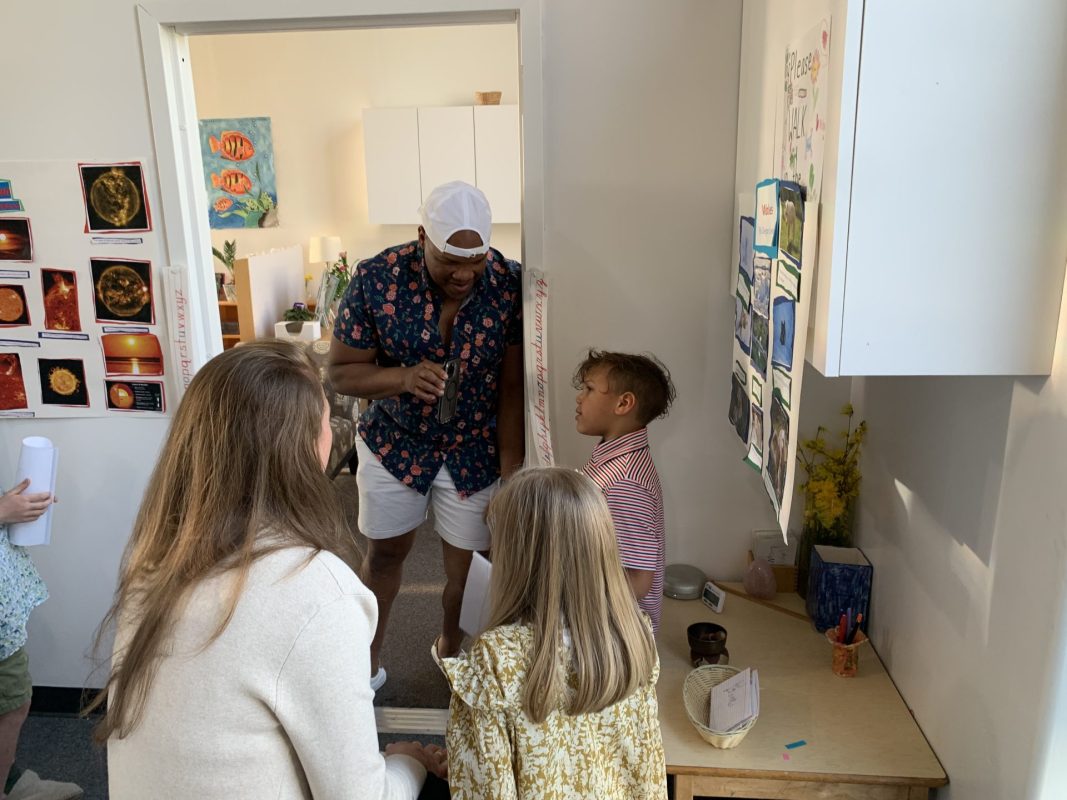
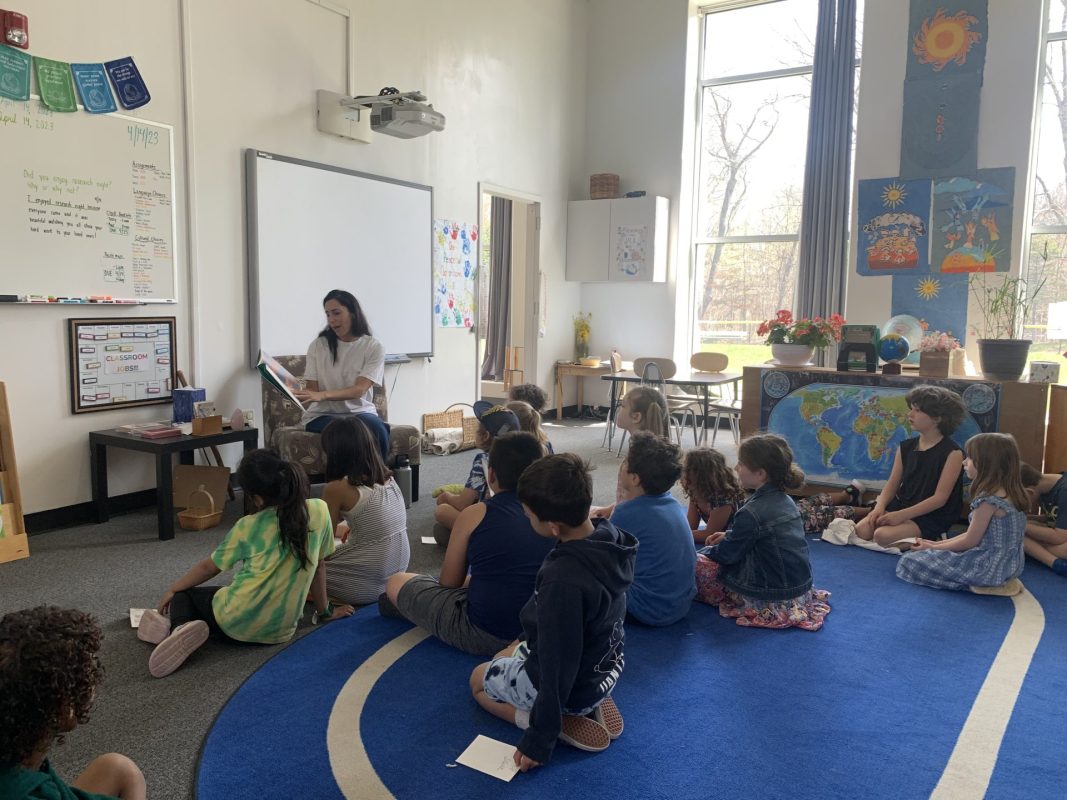
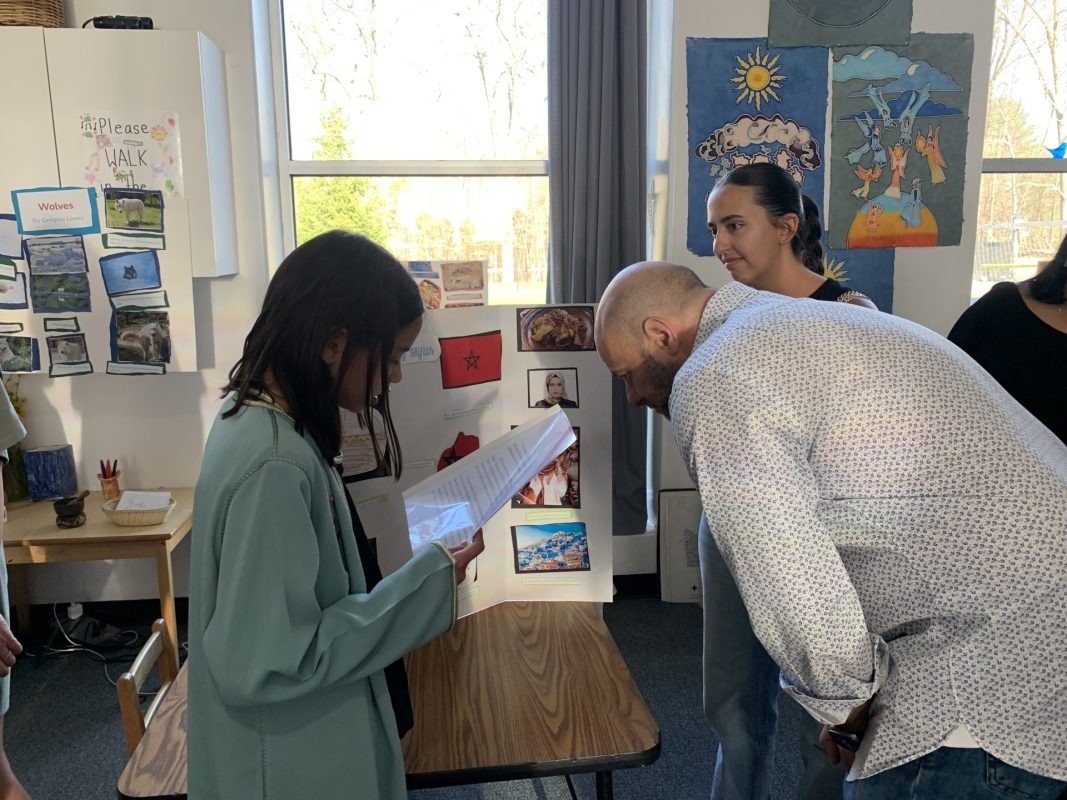
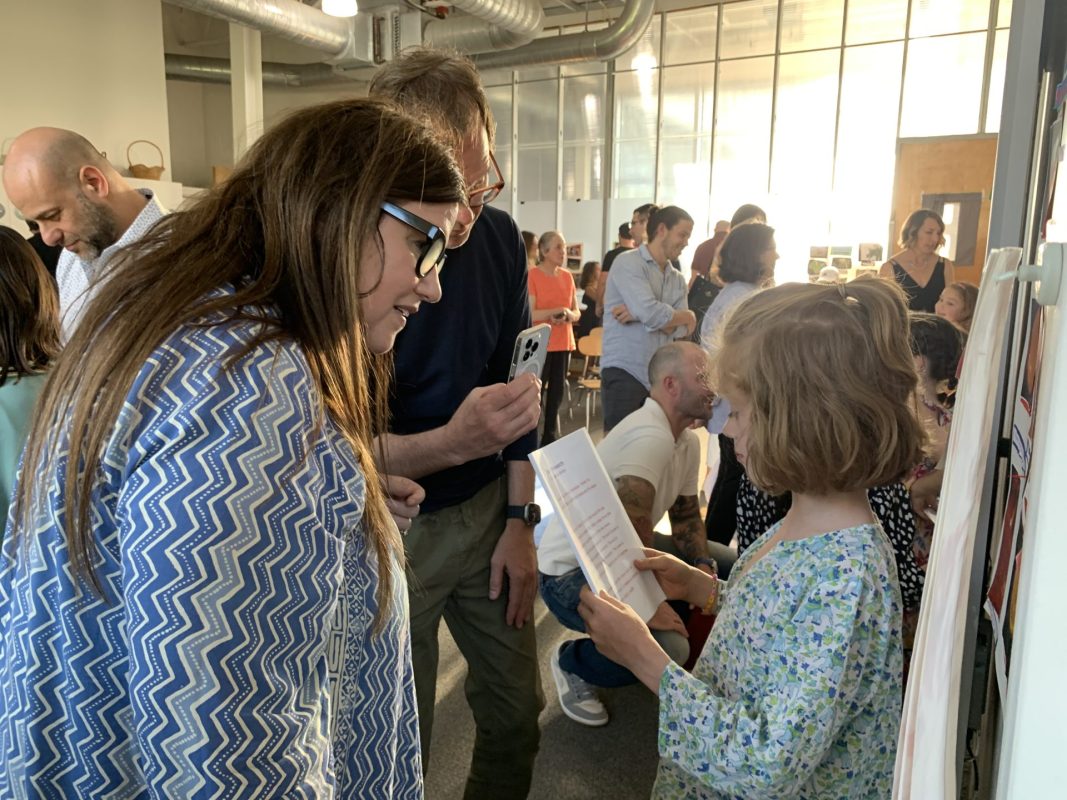
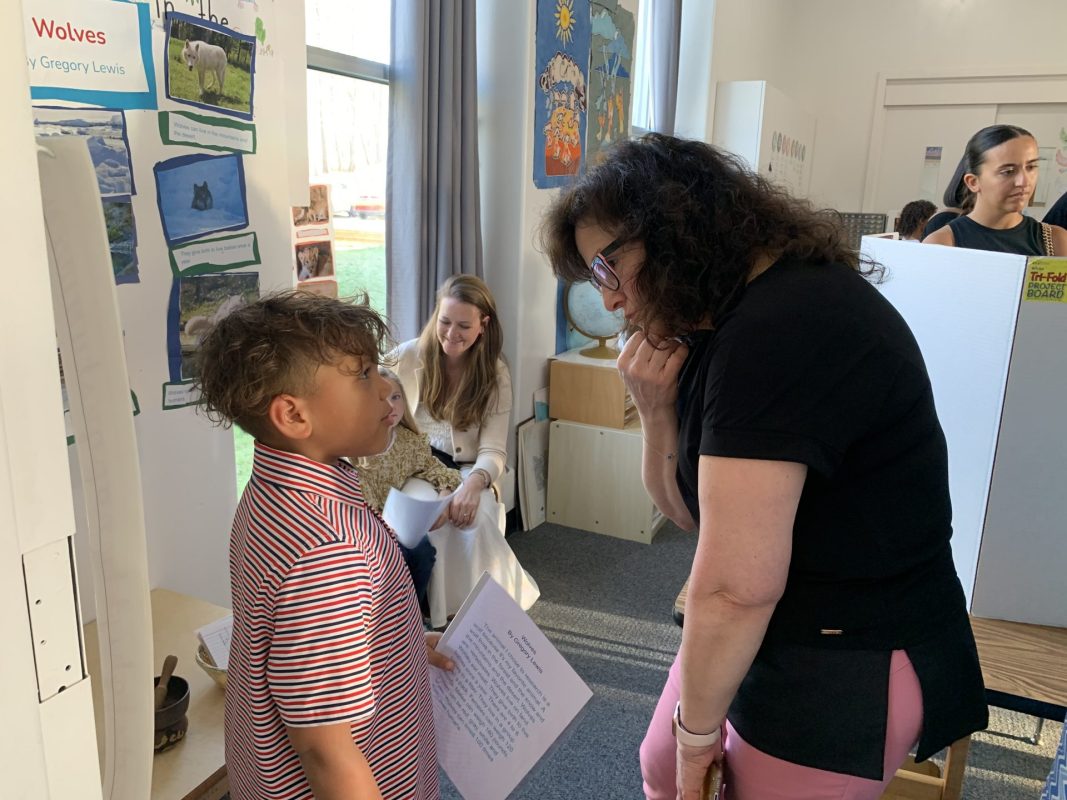
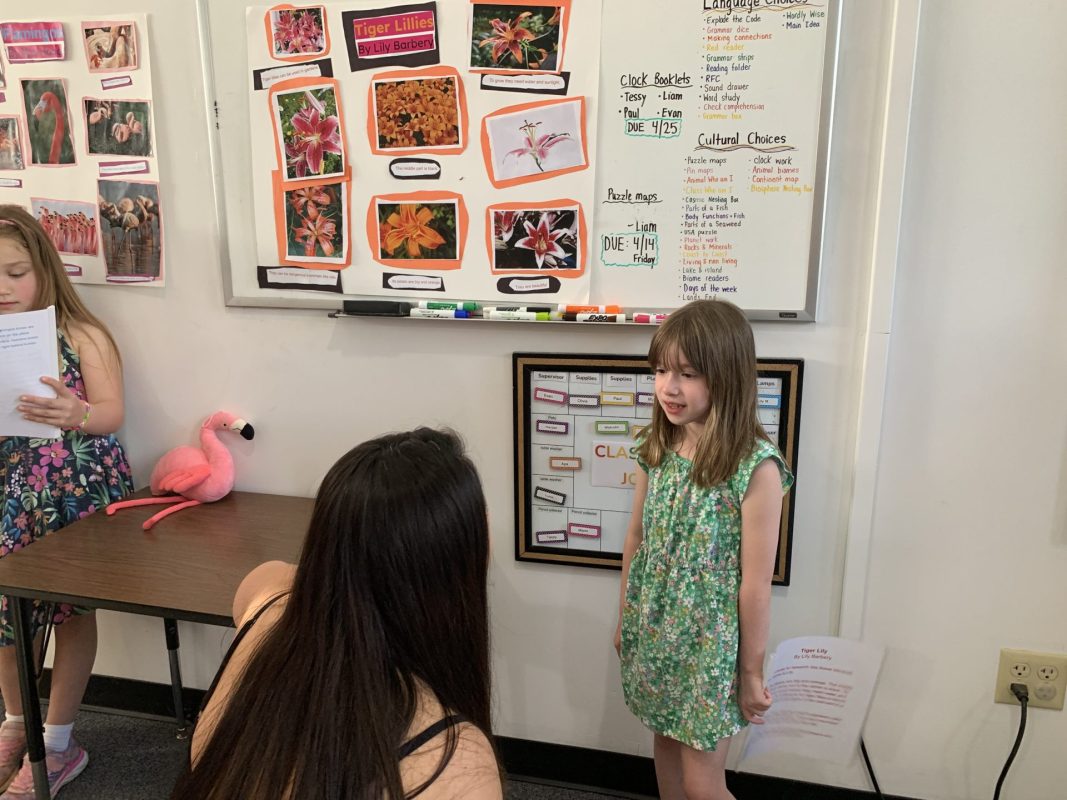
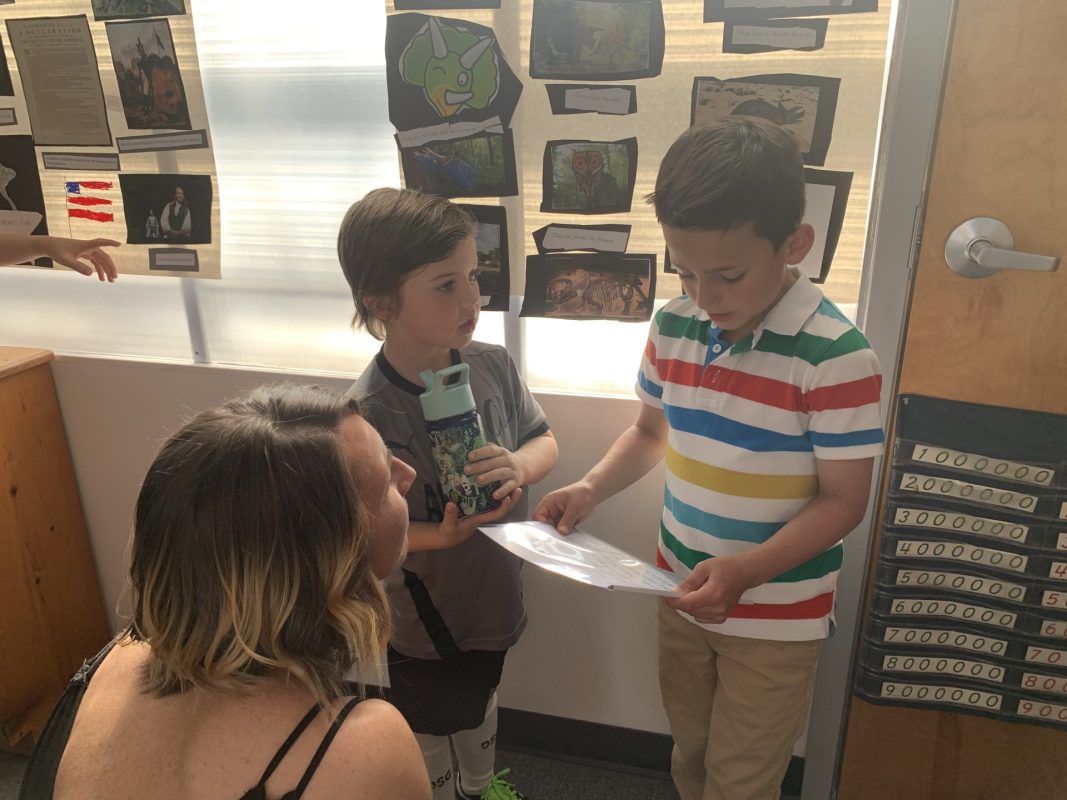
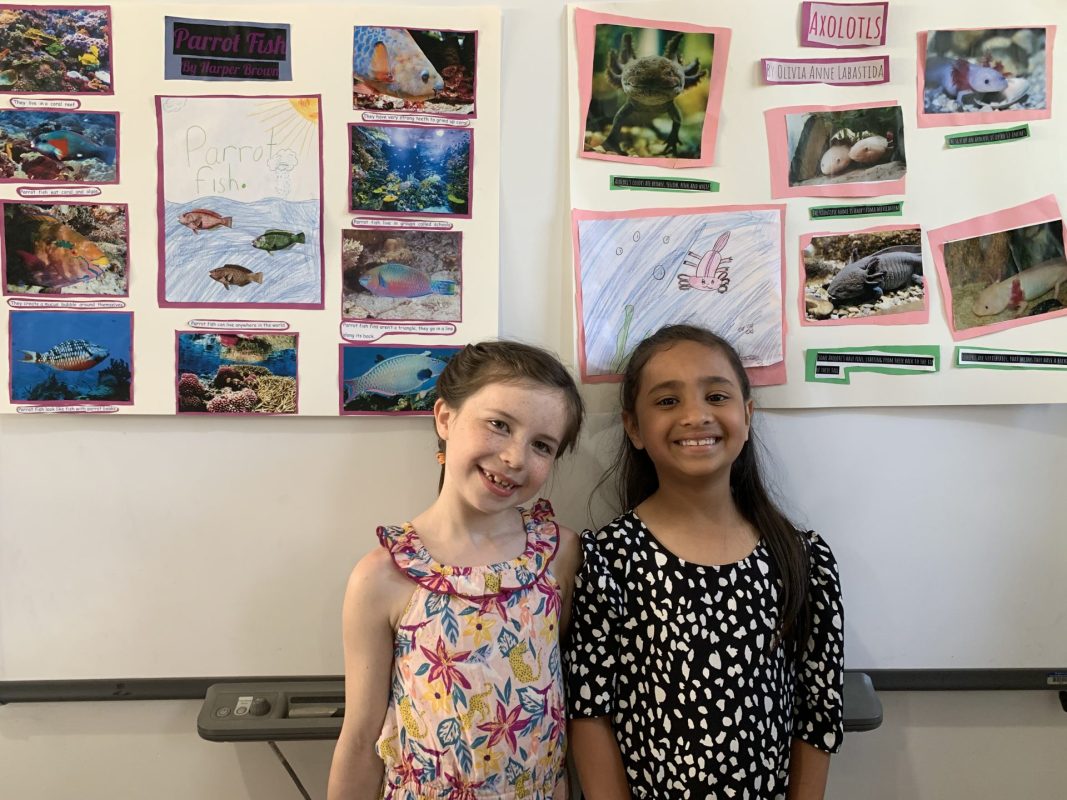
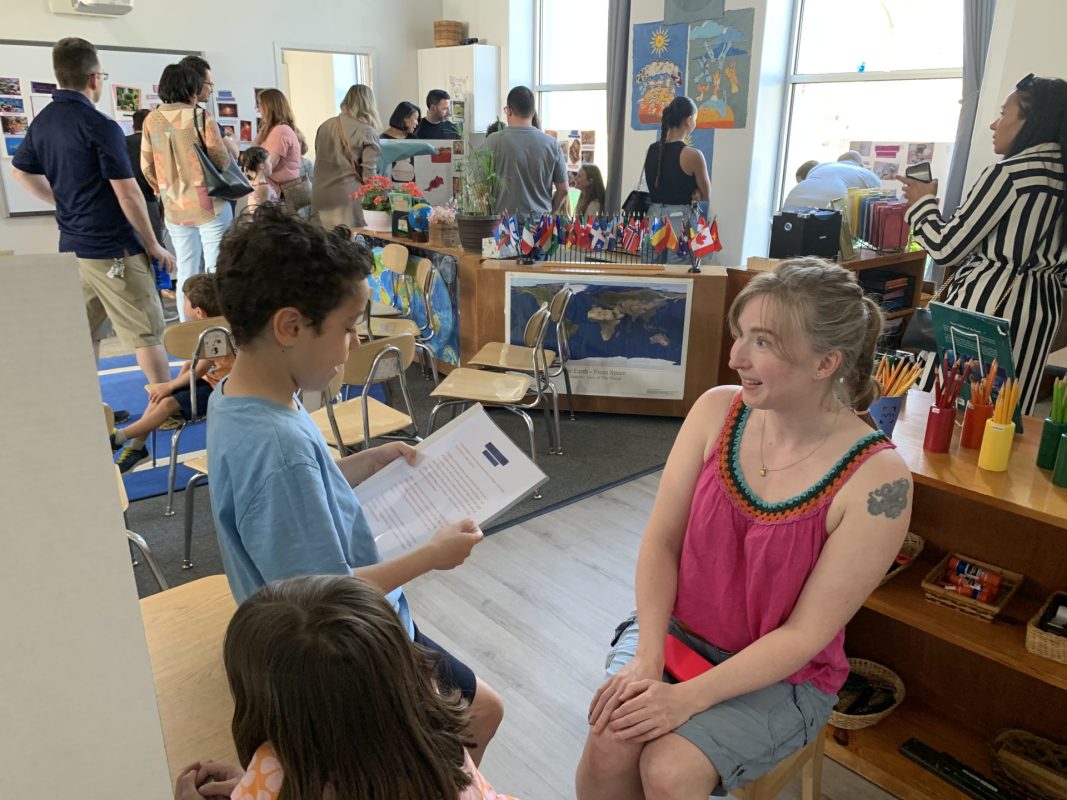
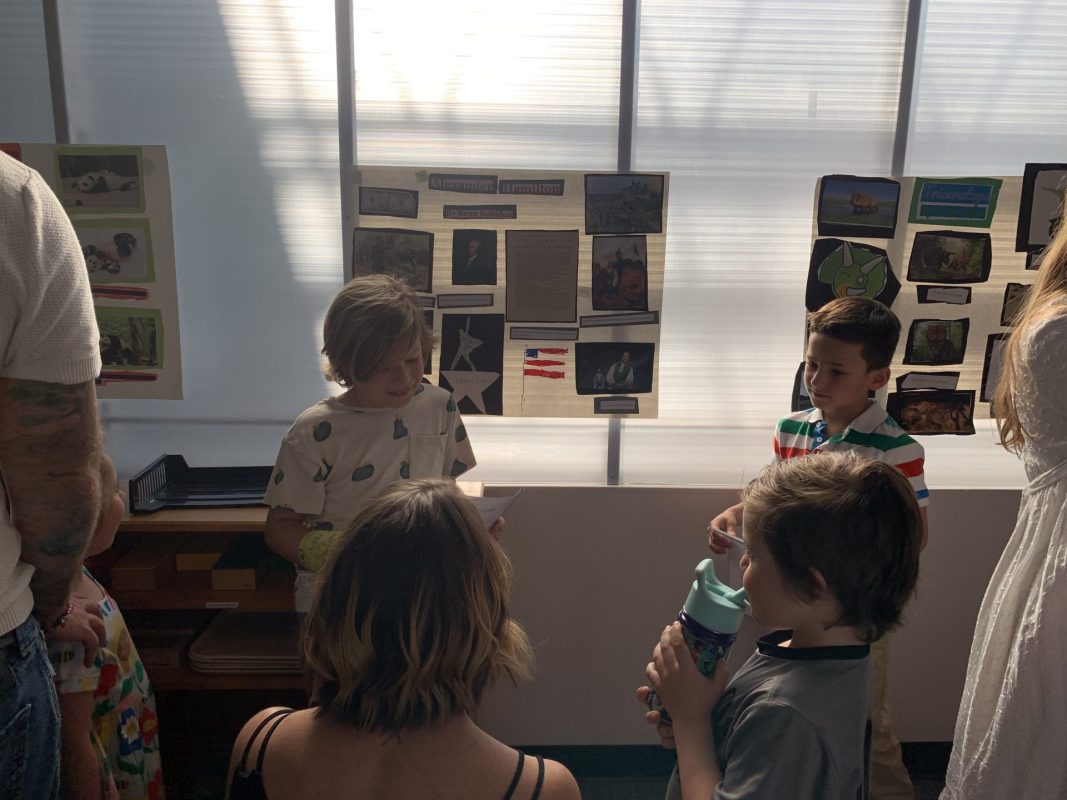
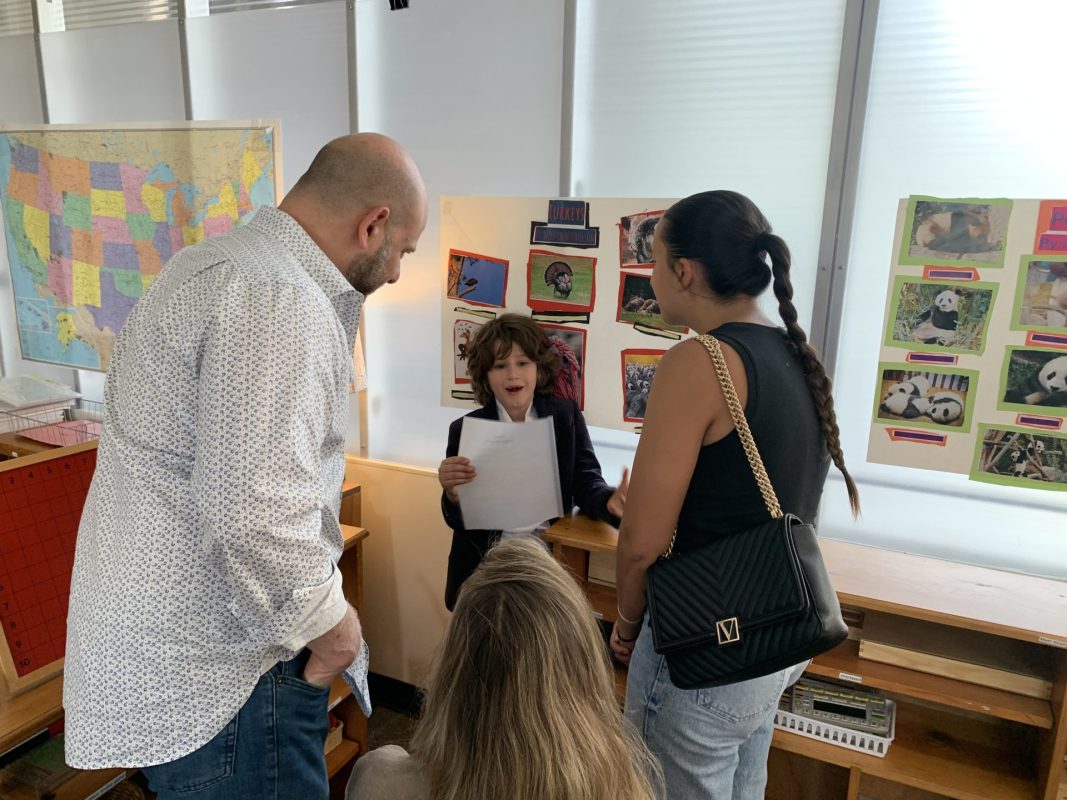
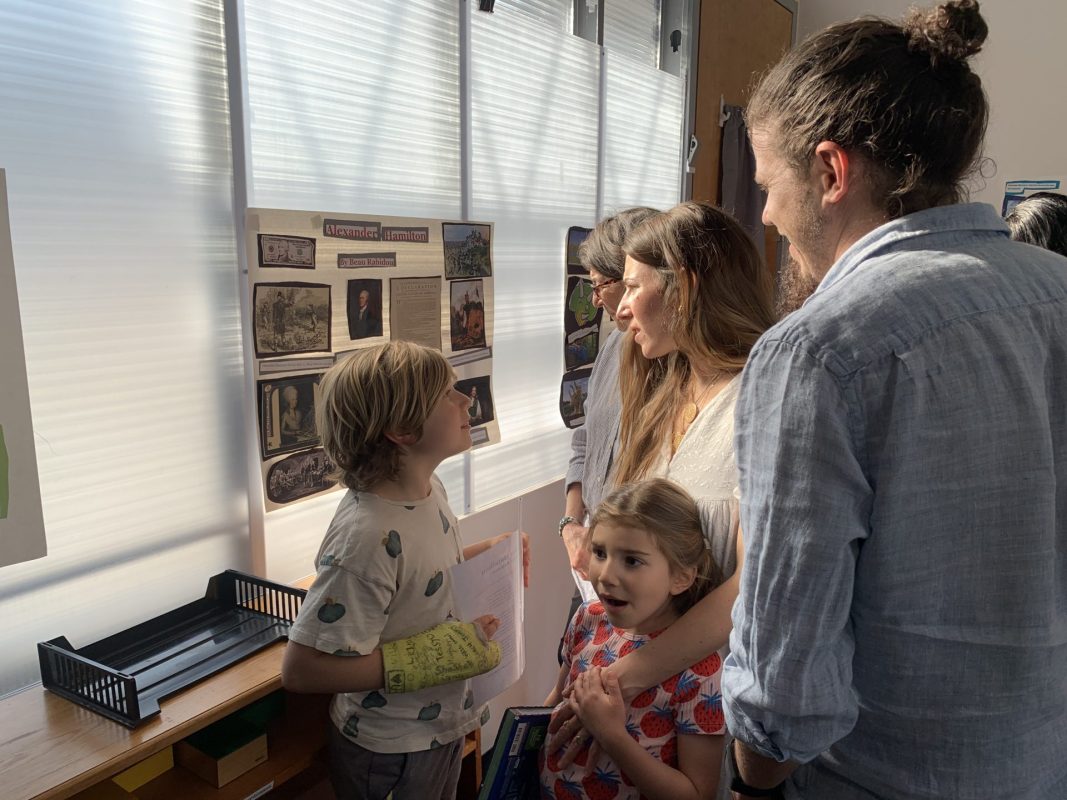
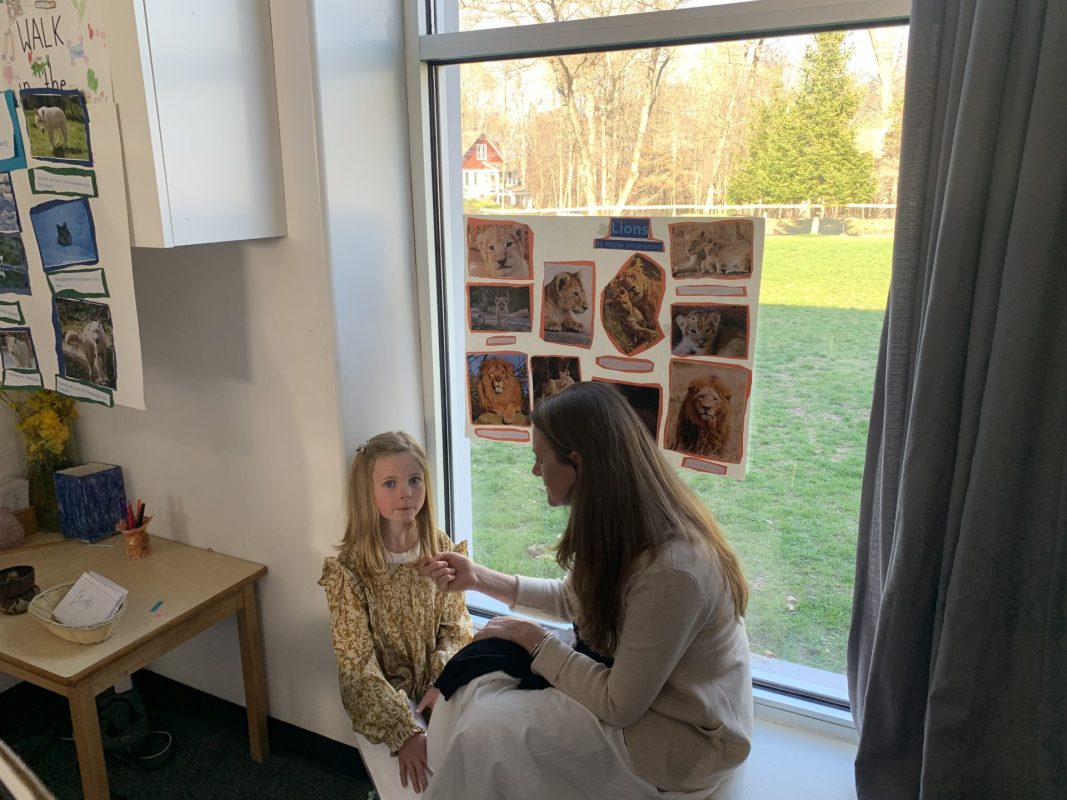
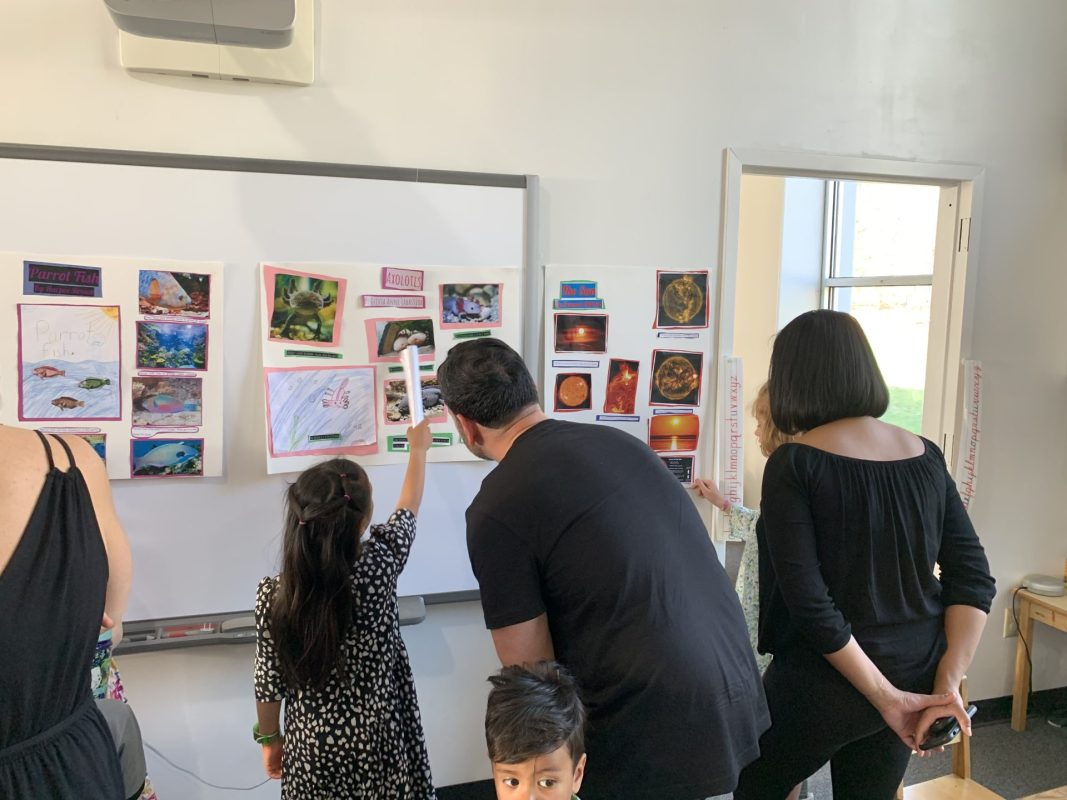
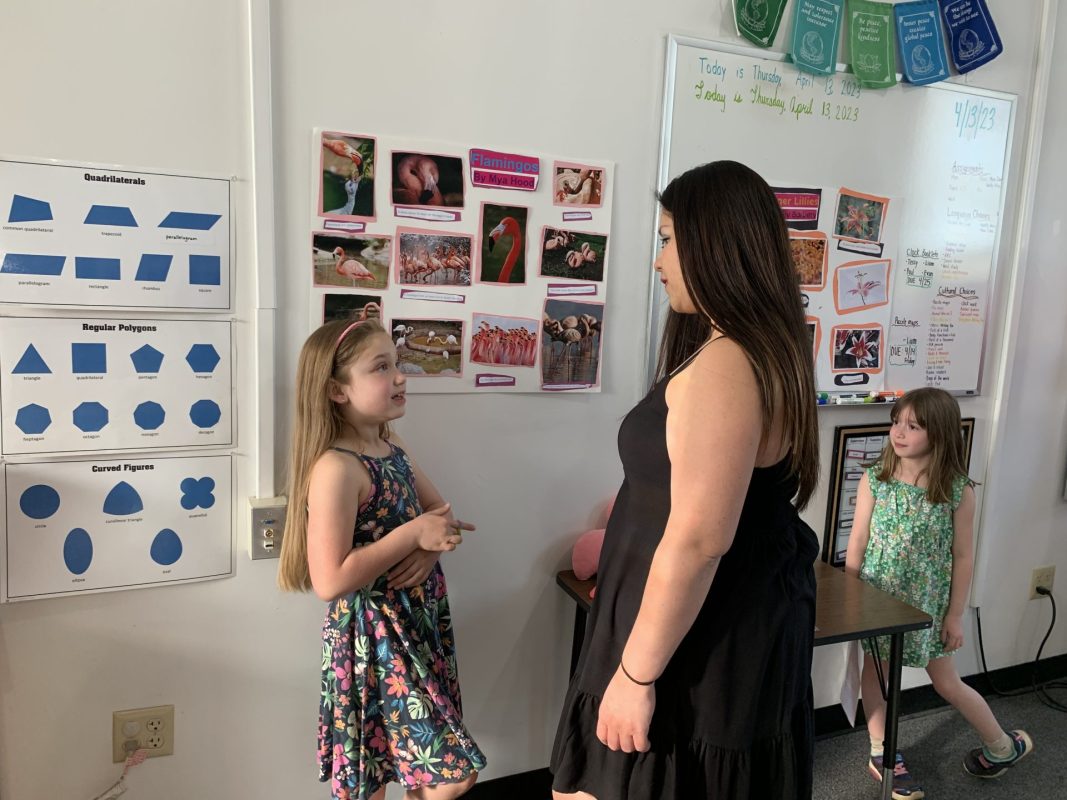
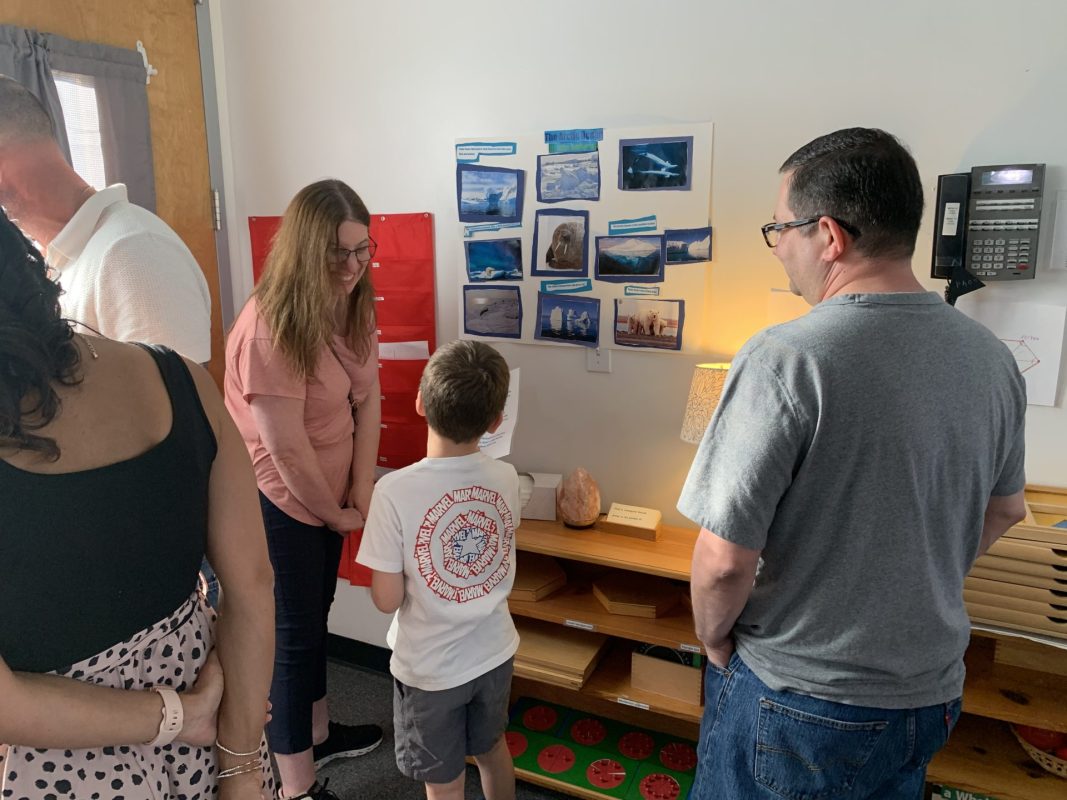
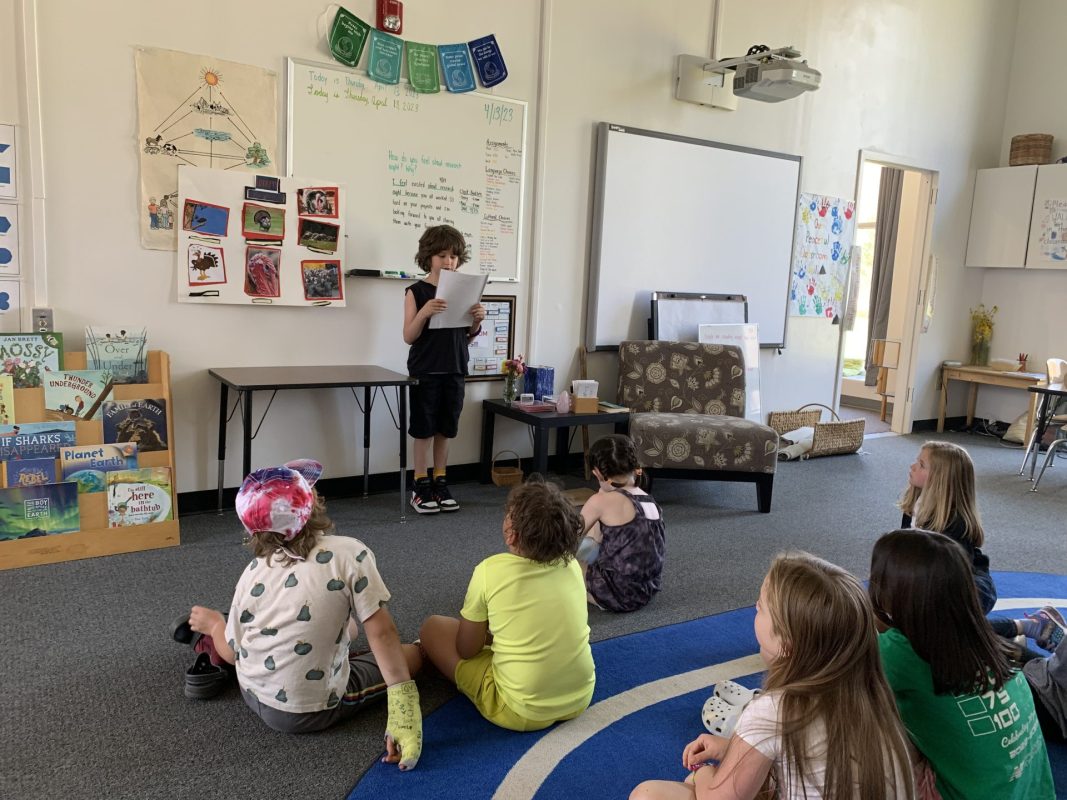
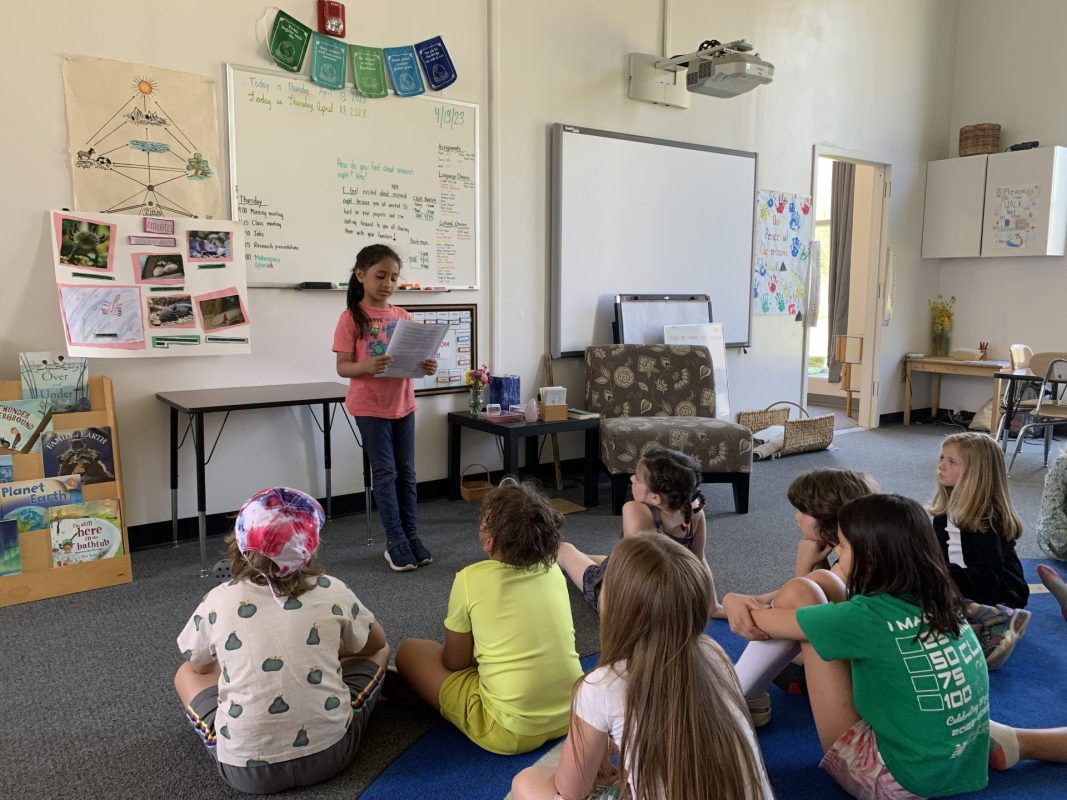
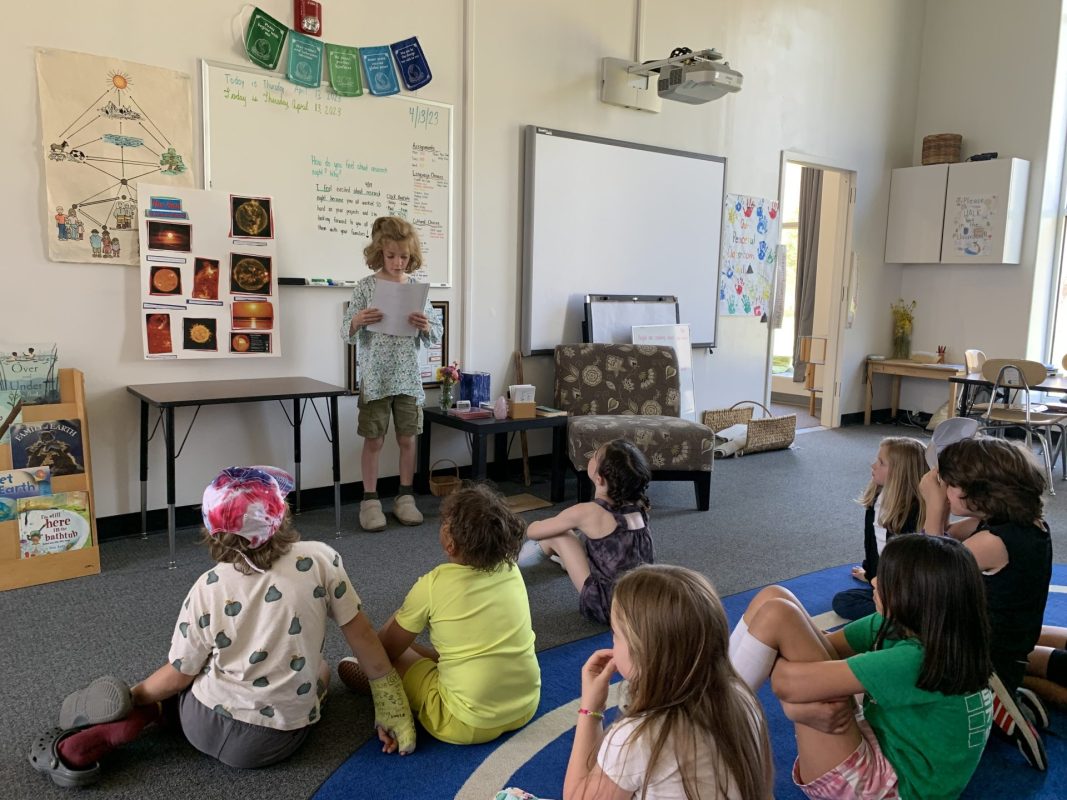
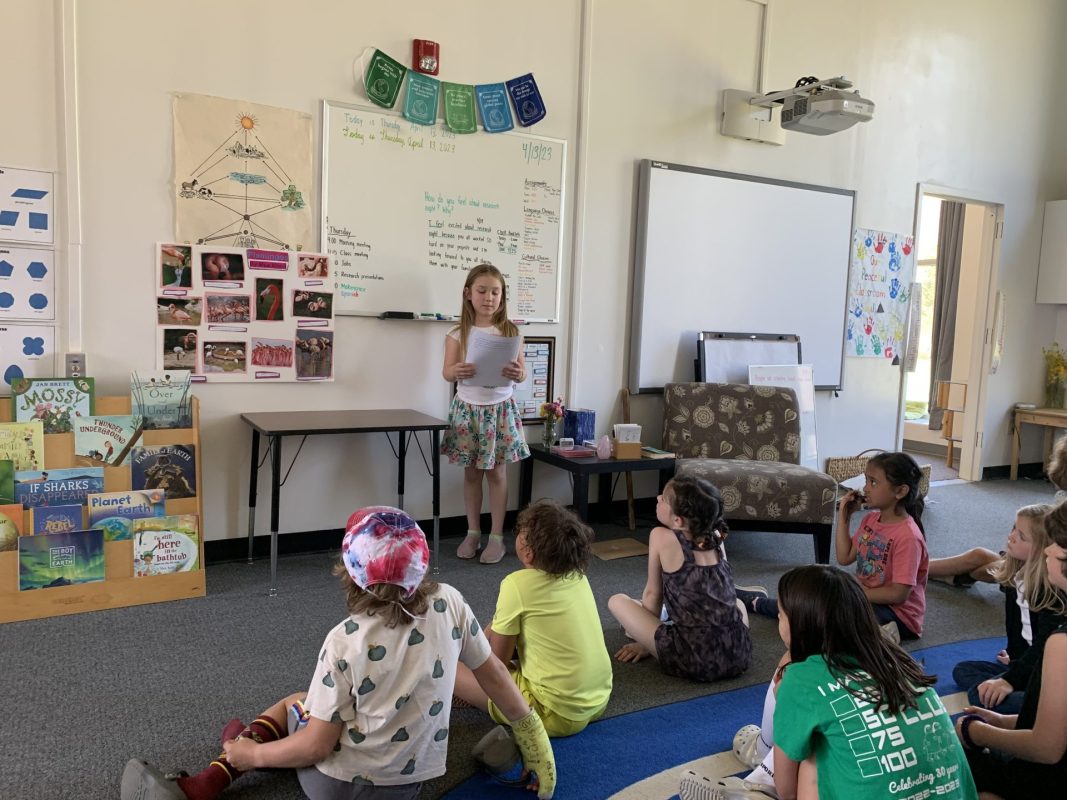
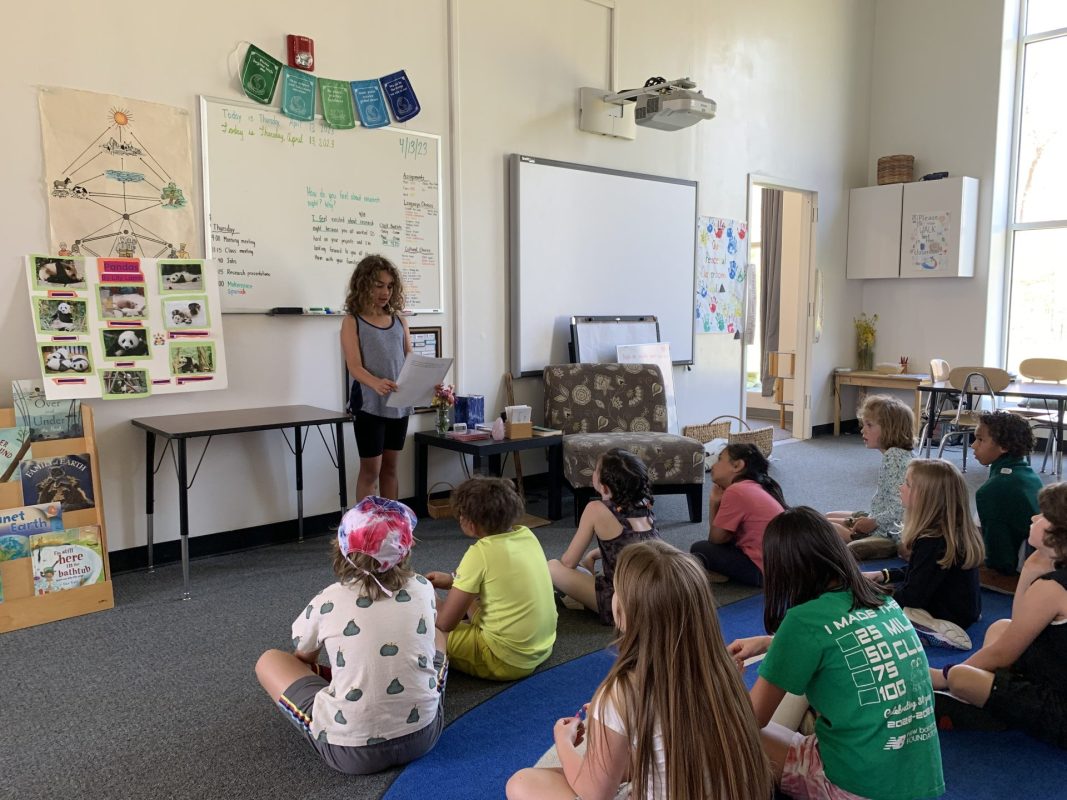
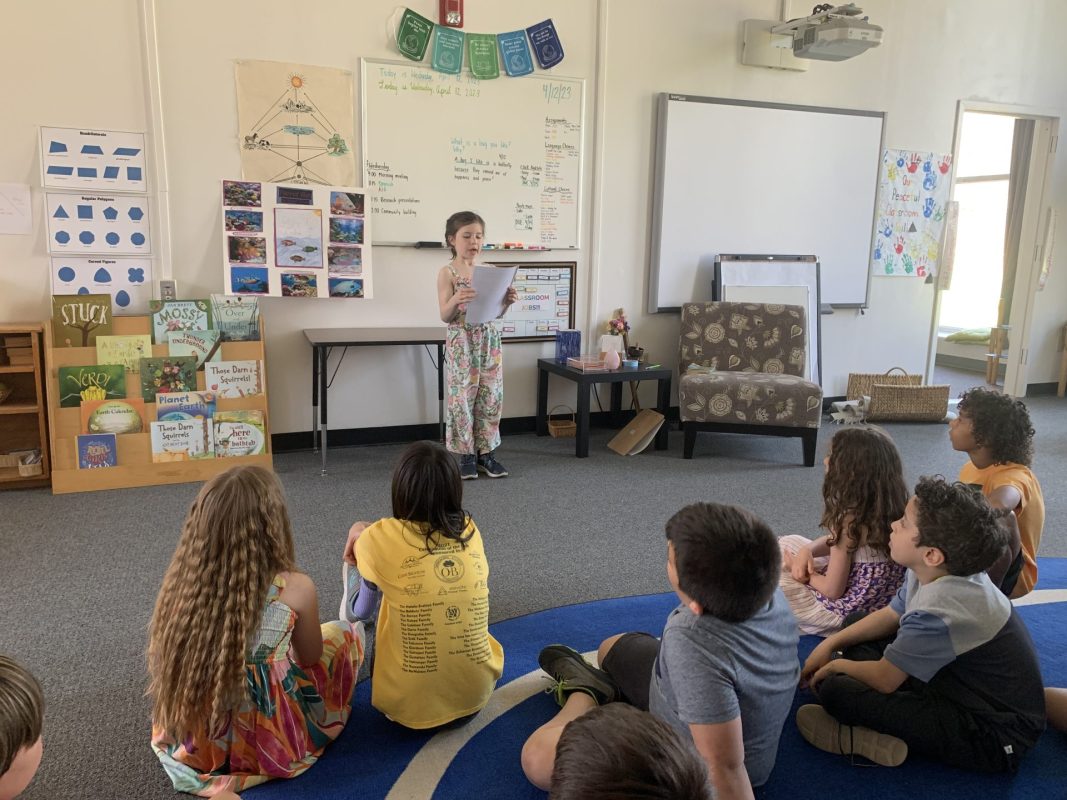
The children were so excited all week as the anticipation of Research Night crept up. They were thrilled to share their projects with people they love deeply. The third-year students had their first public speaking experience, presenting before classmates and families. They were amazing! Although it was optional, some second and first-years wanted to present to their peers too! They were all so brave! The children worked diligently and should be very proud of their work, as are we.

With the weather warming up, we will be spending more time outside. The children have loved having lunch outside all week! Please send in bug spray with your child’s name on it if you wish. We will keep it here in school for the remainder of the year.


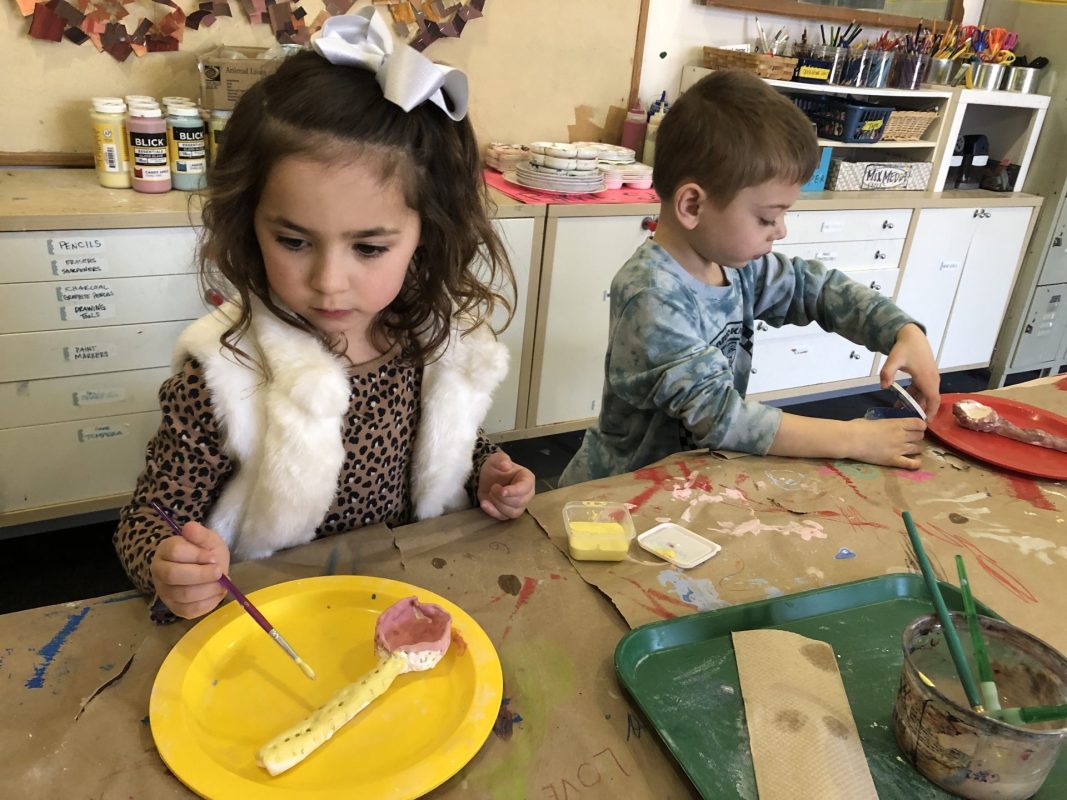
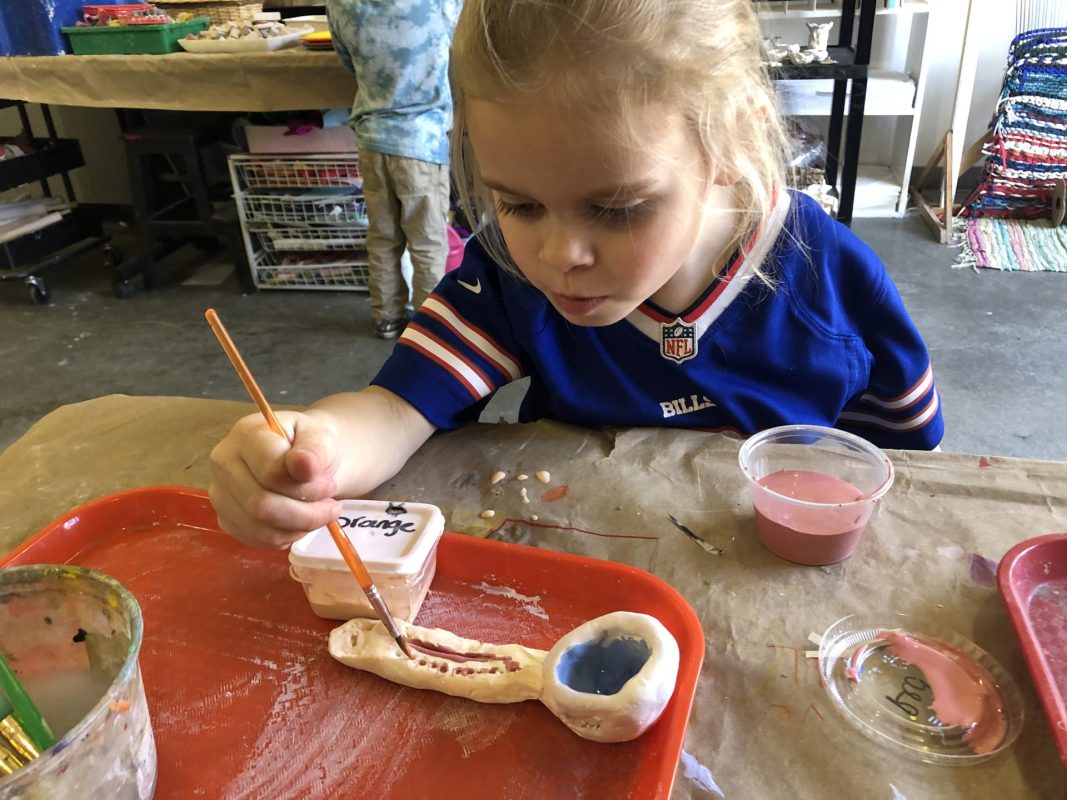
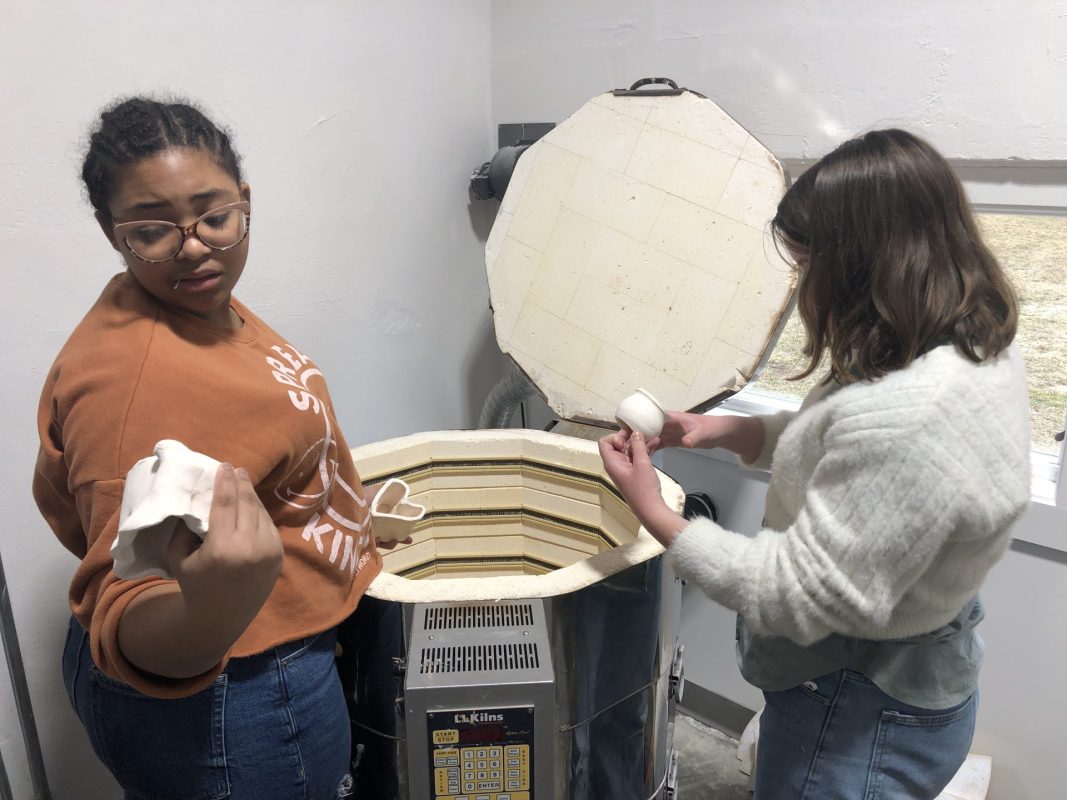
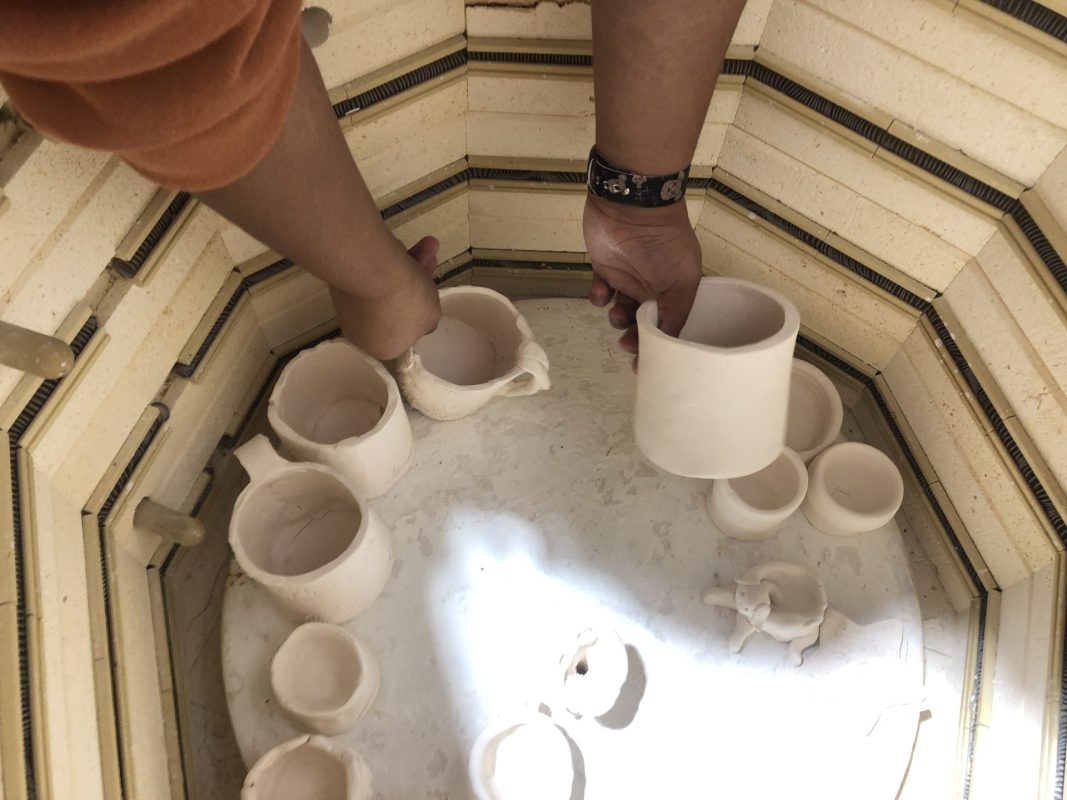
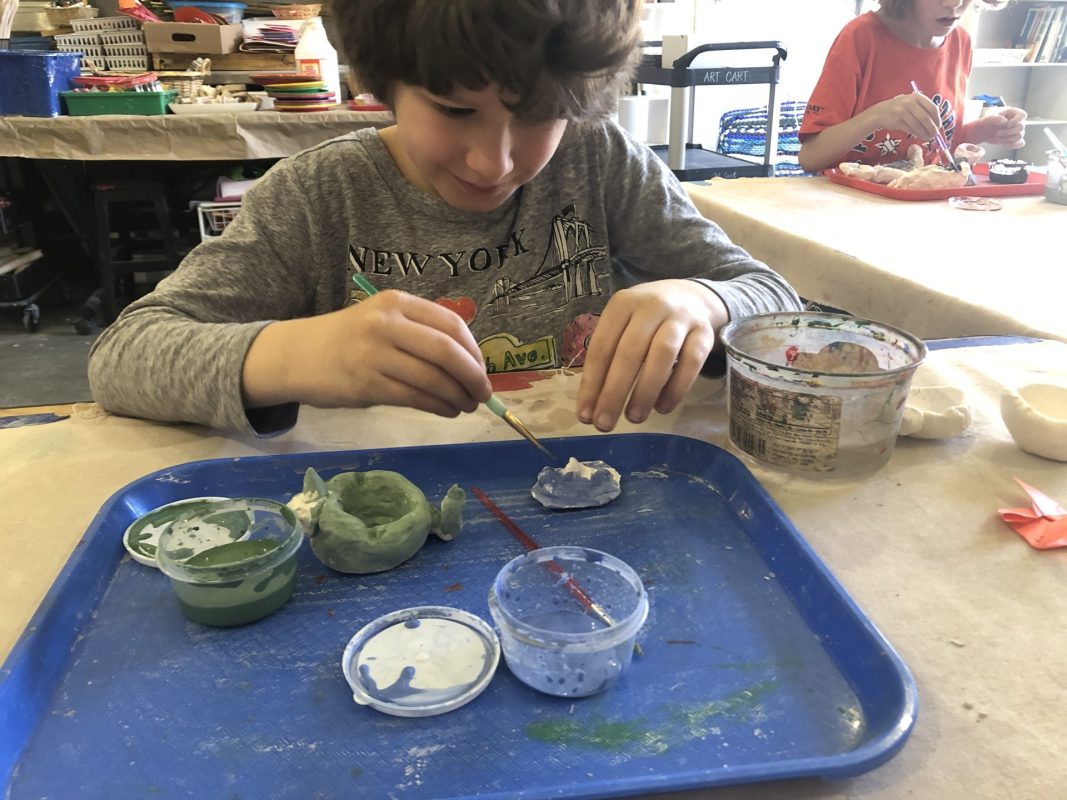
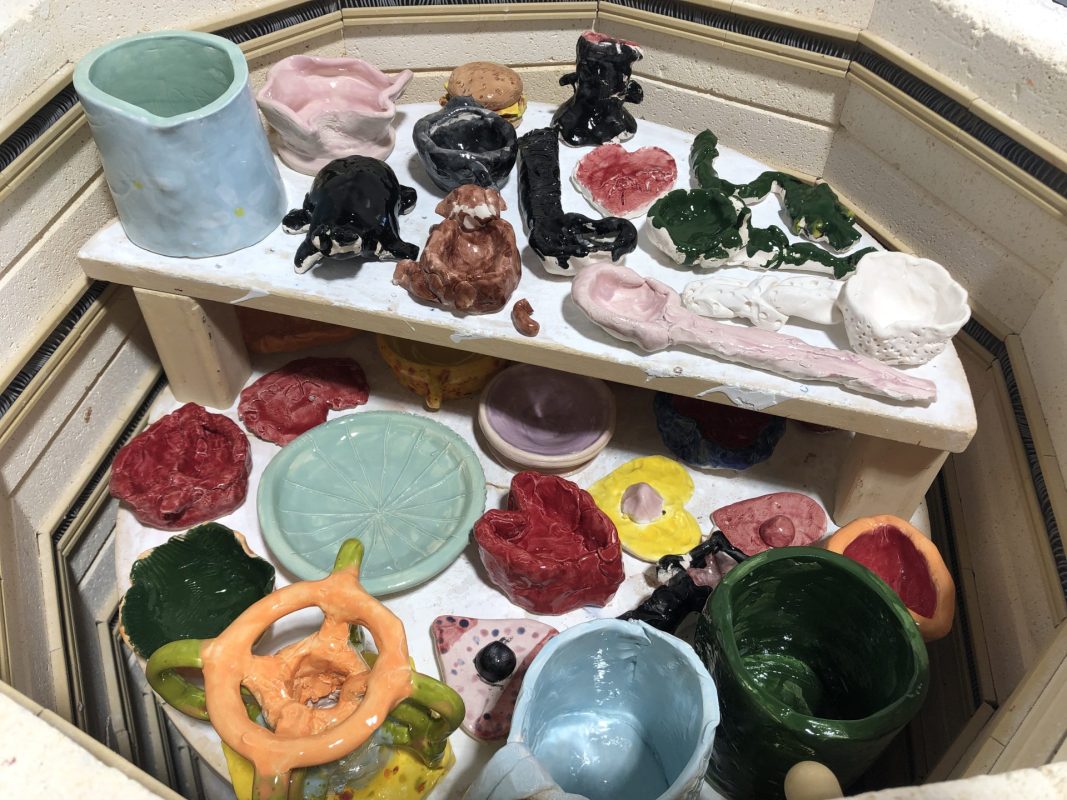
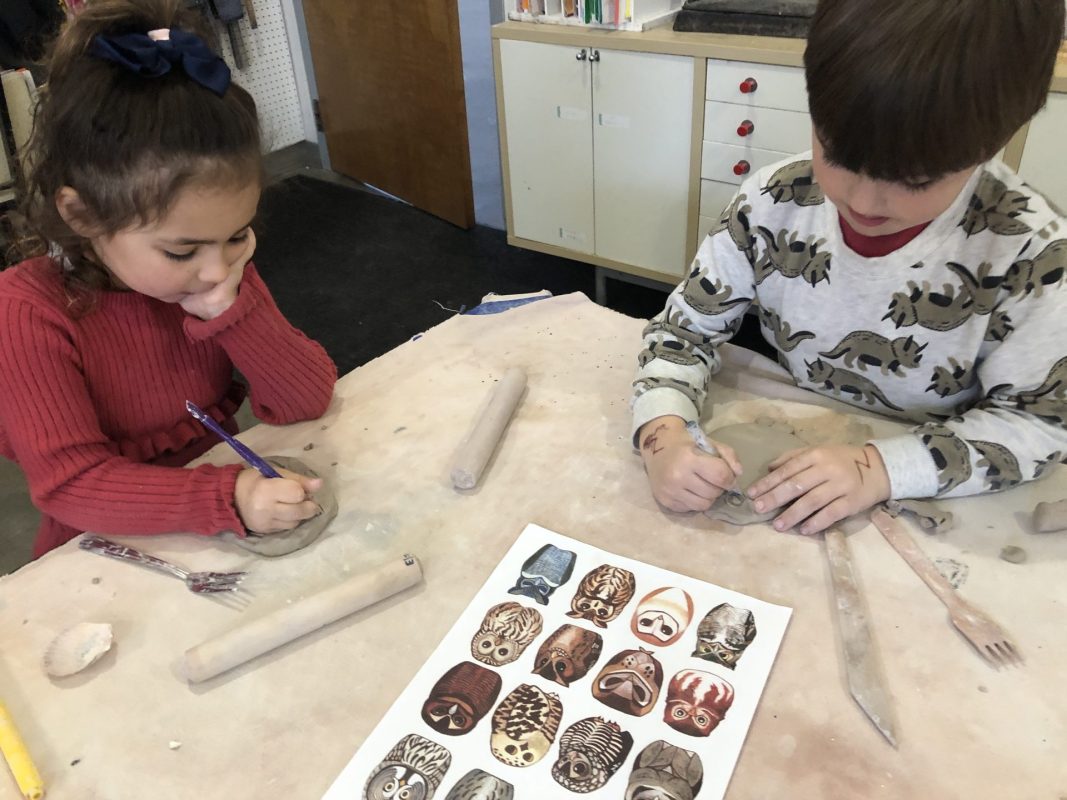
Explorations with Clay!

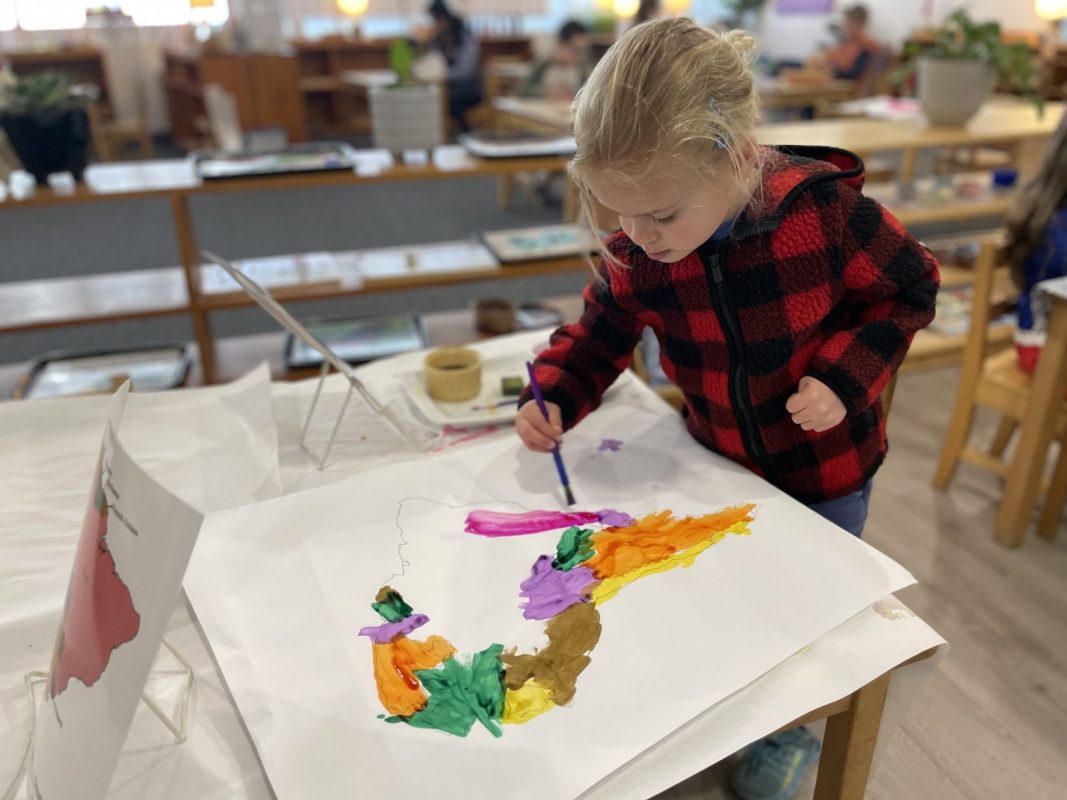
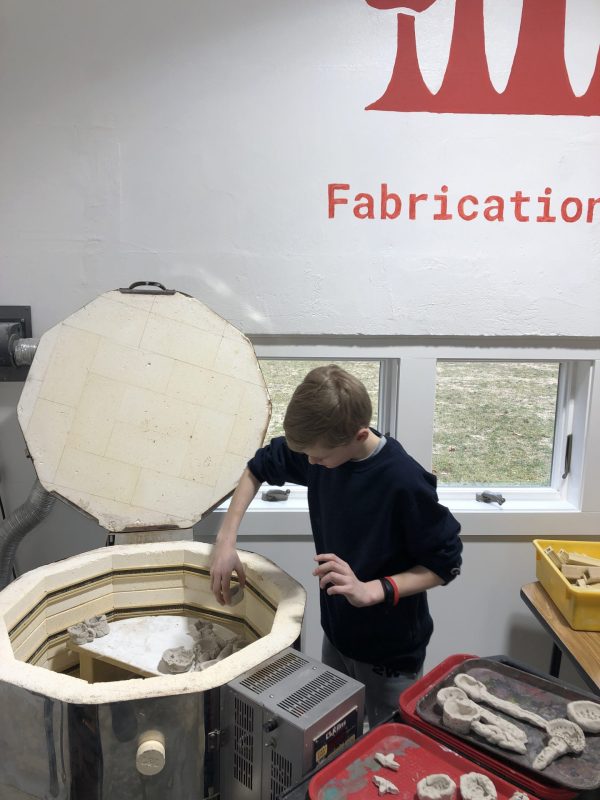
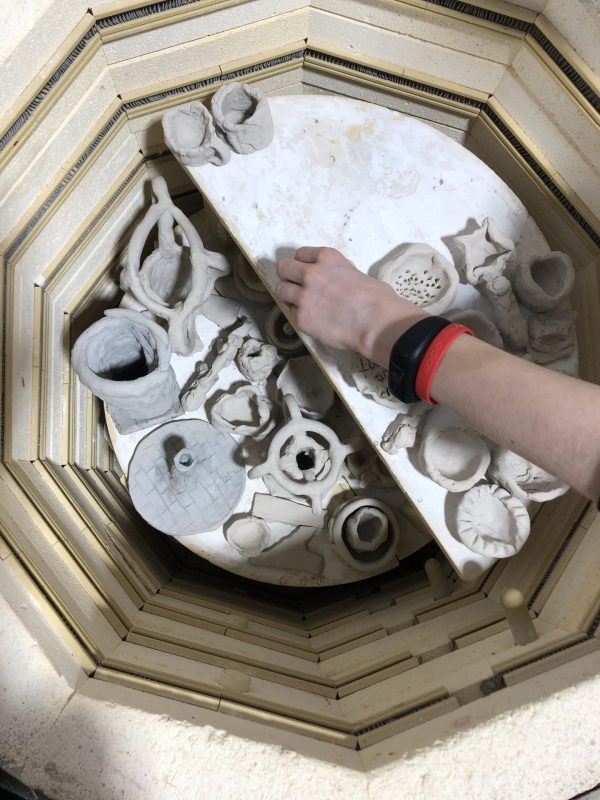
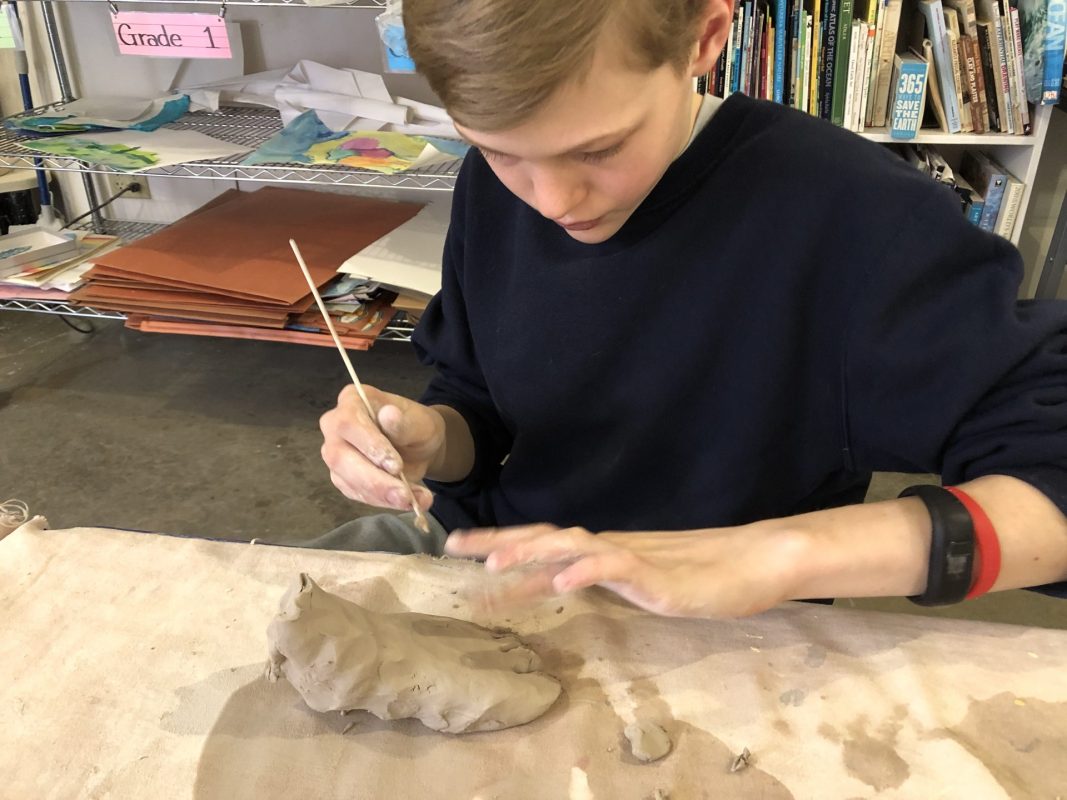
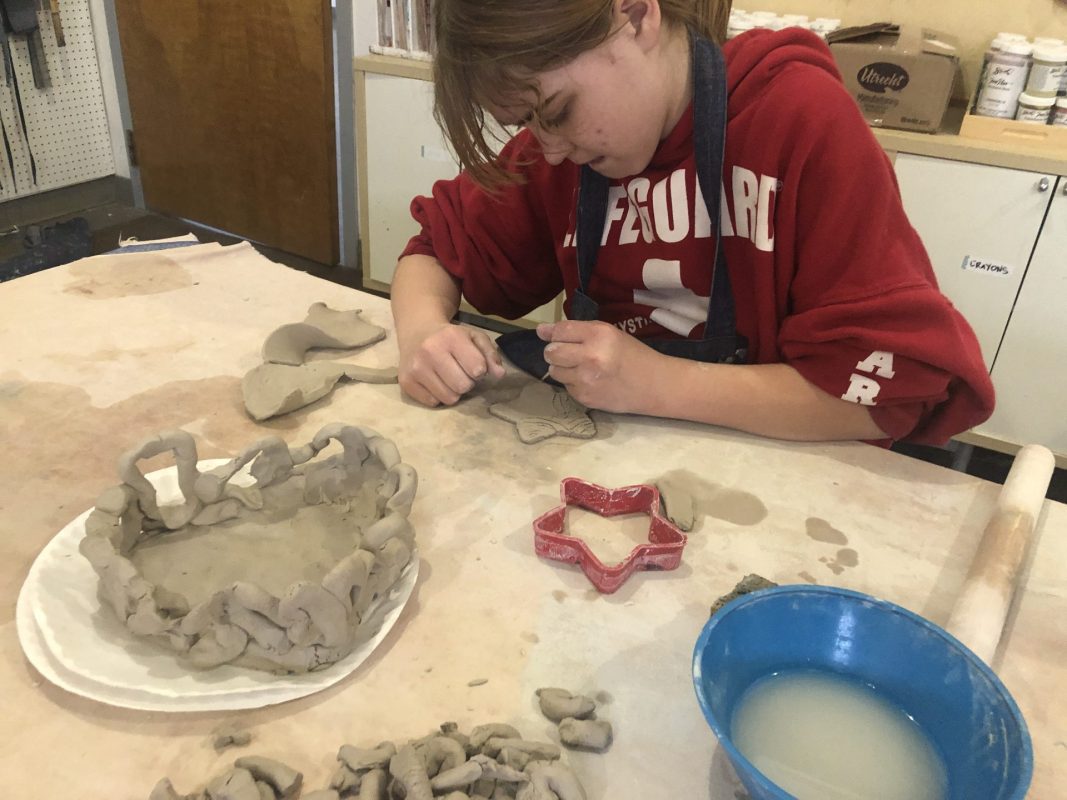
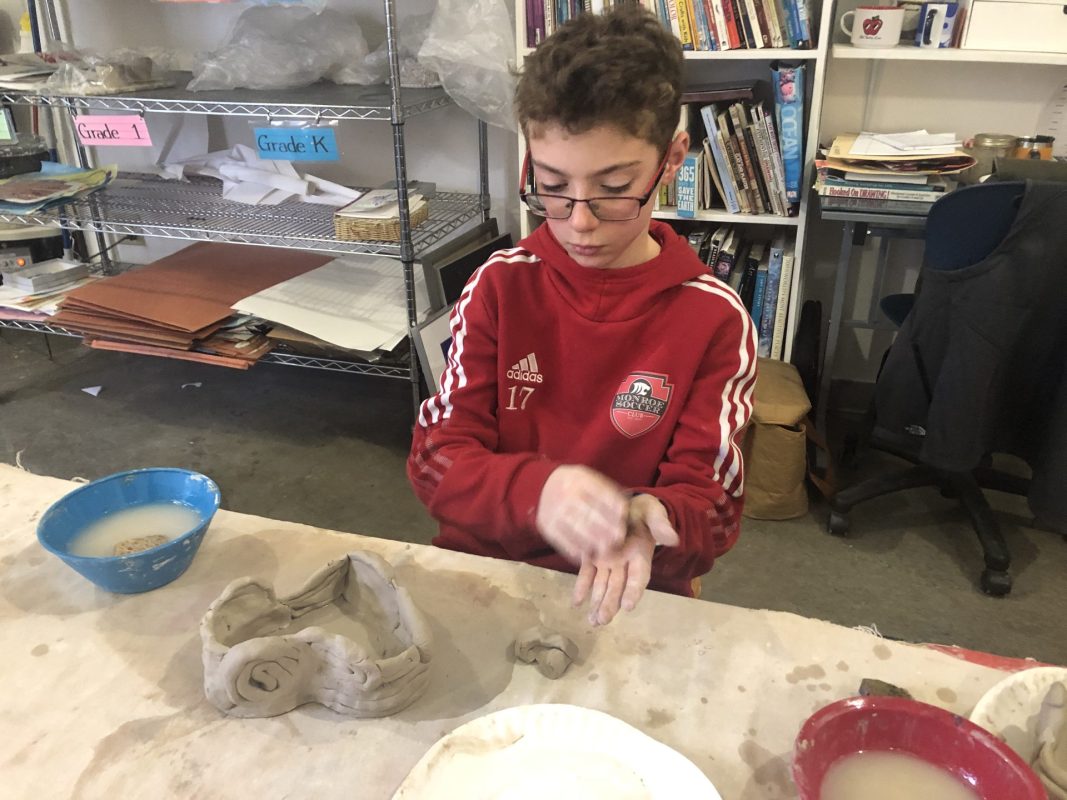
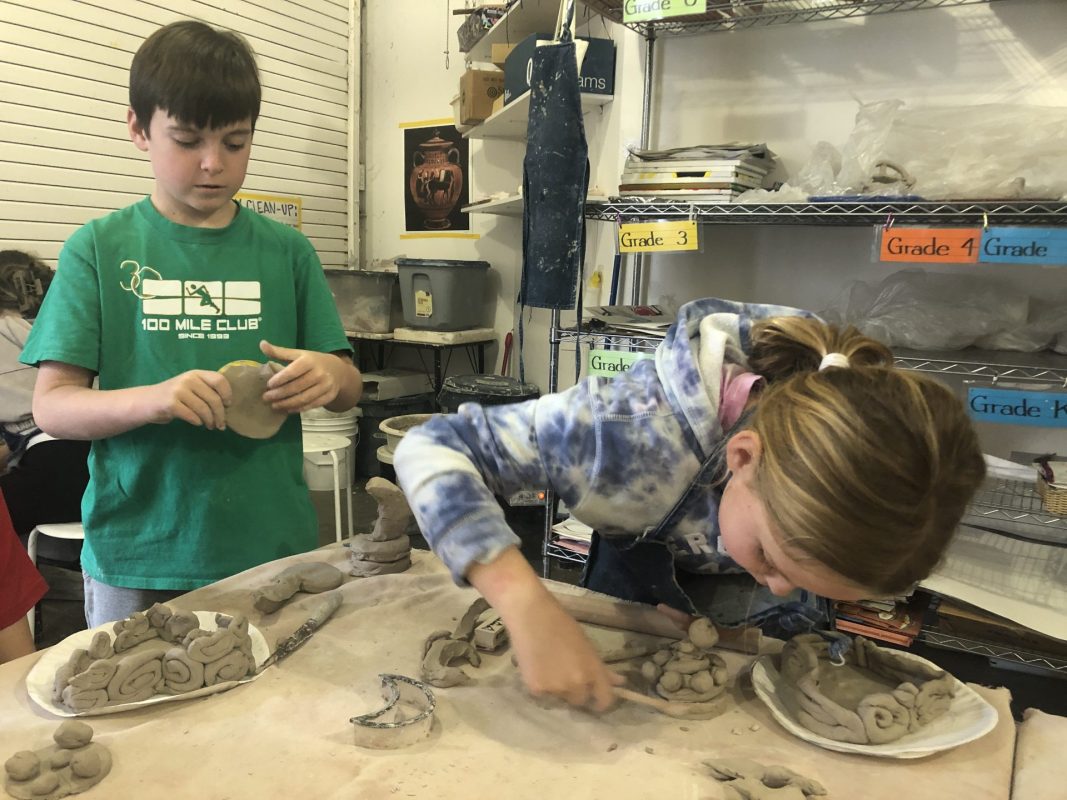
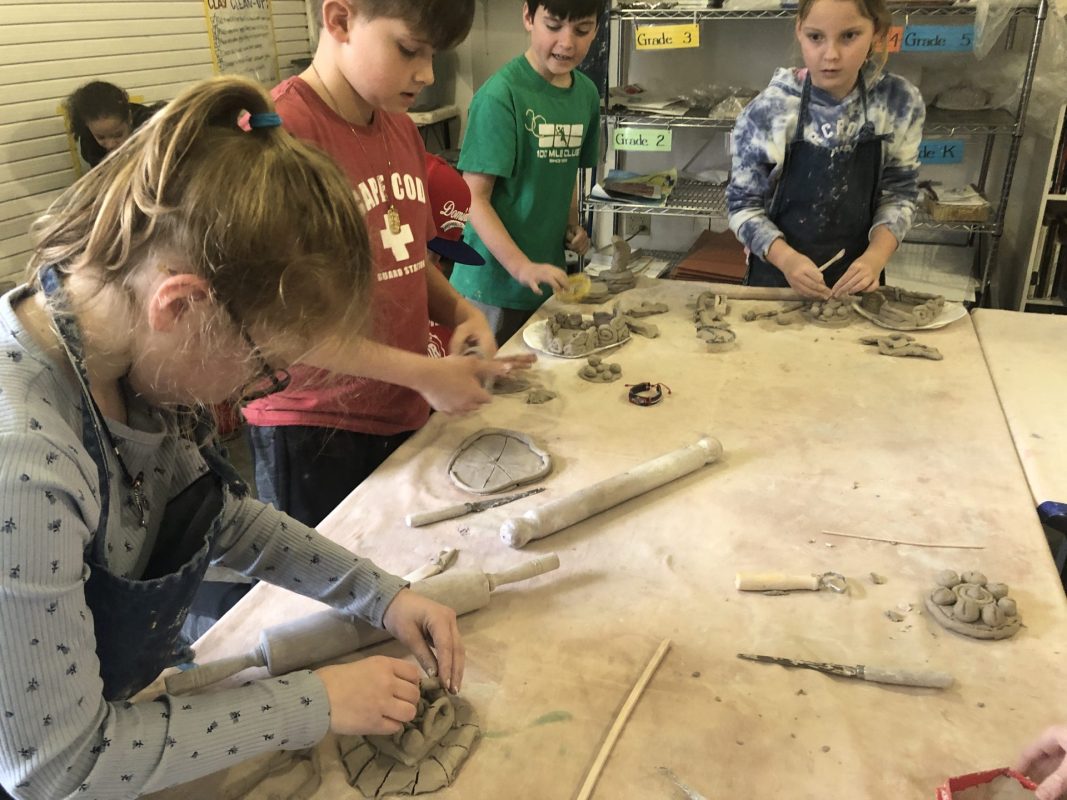
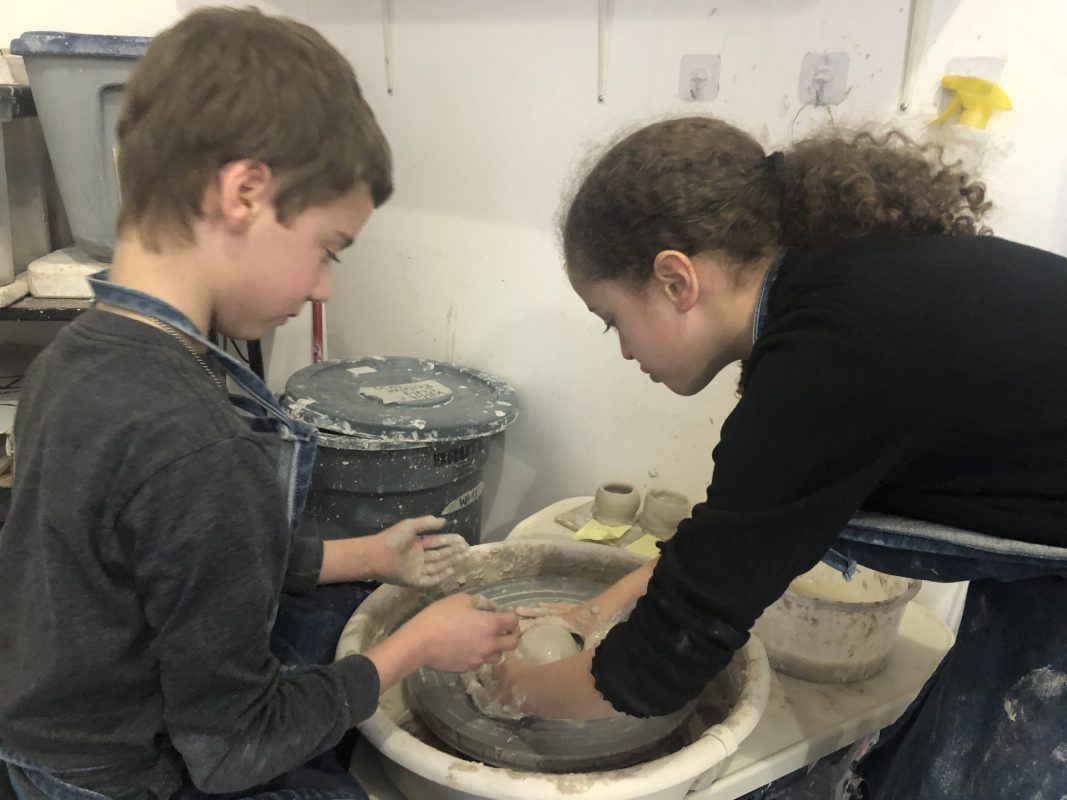
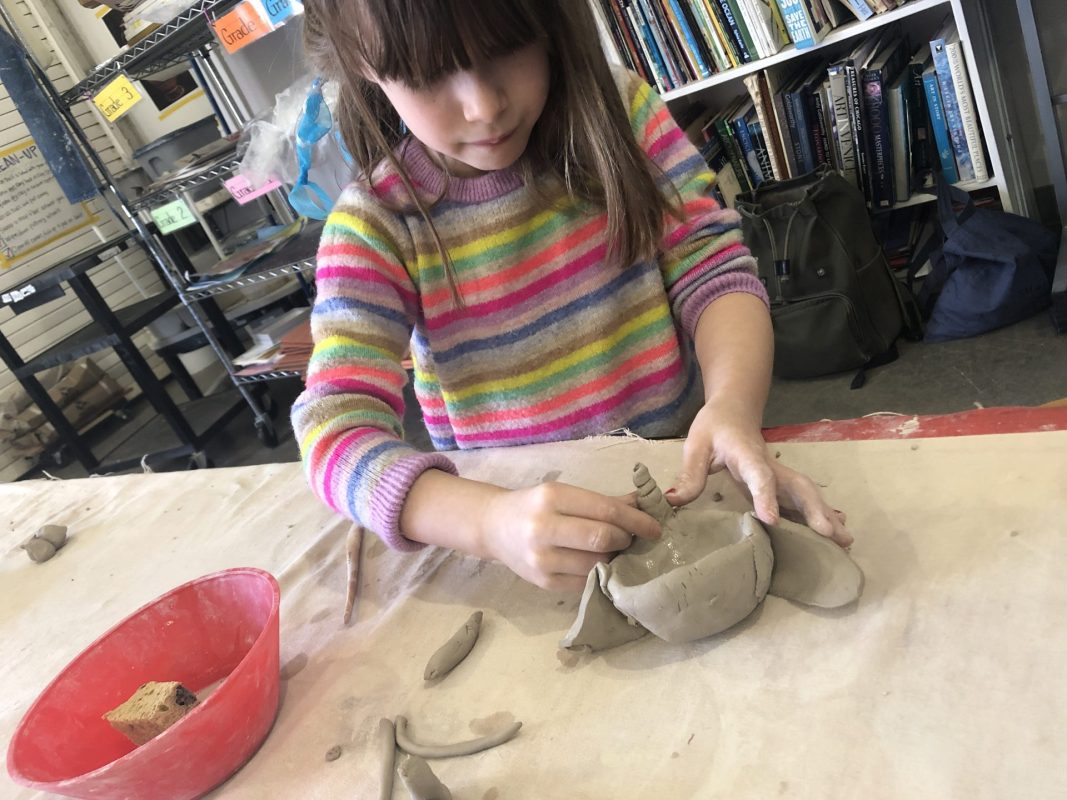
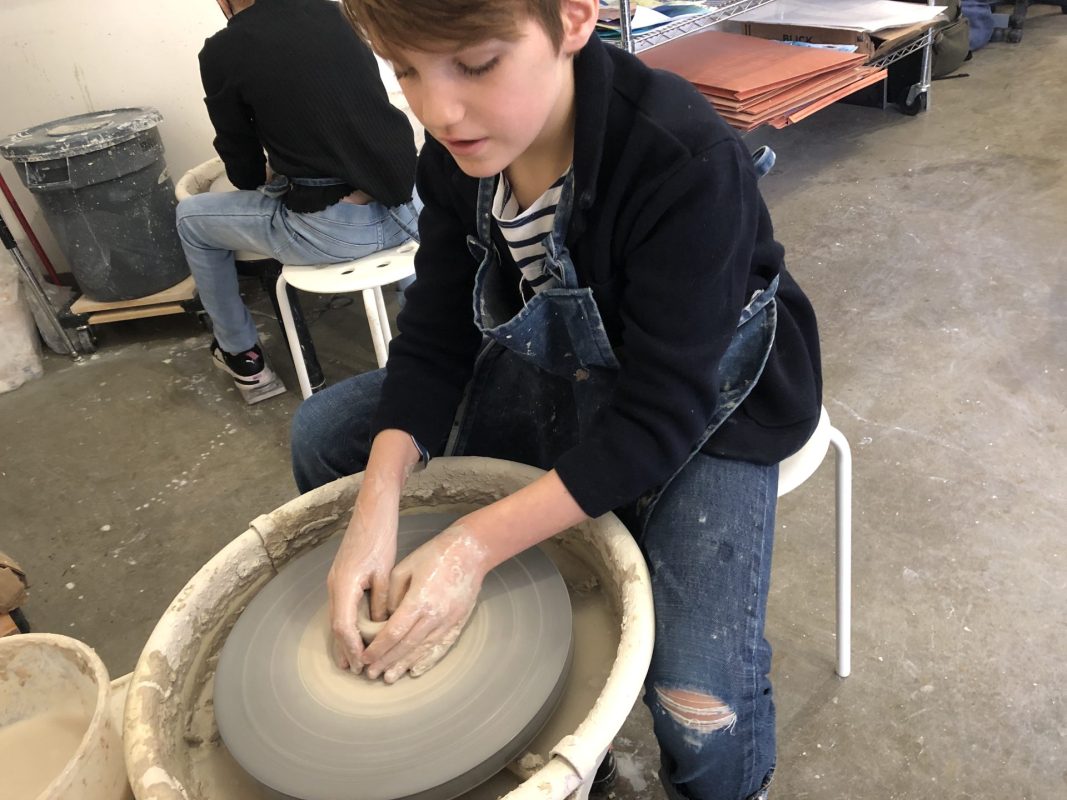
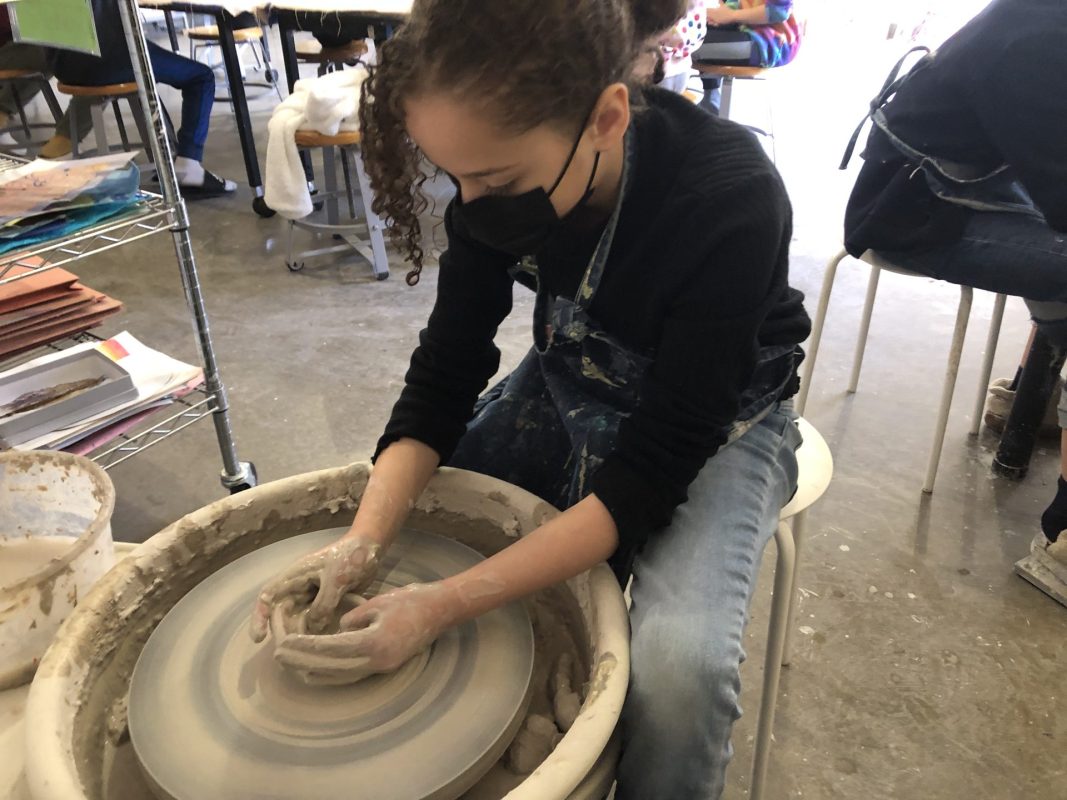
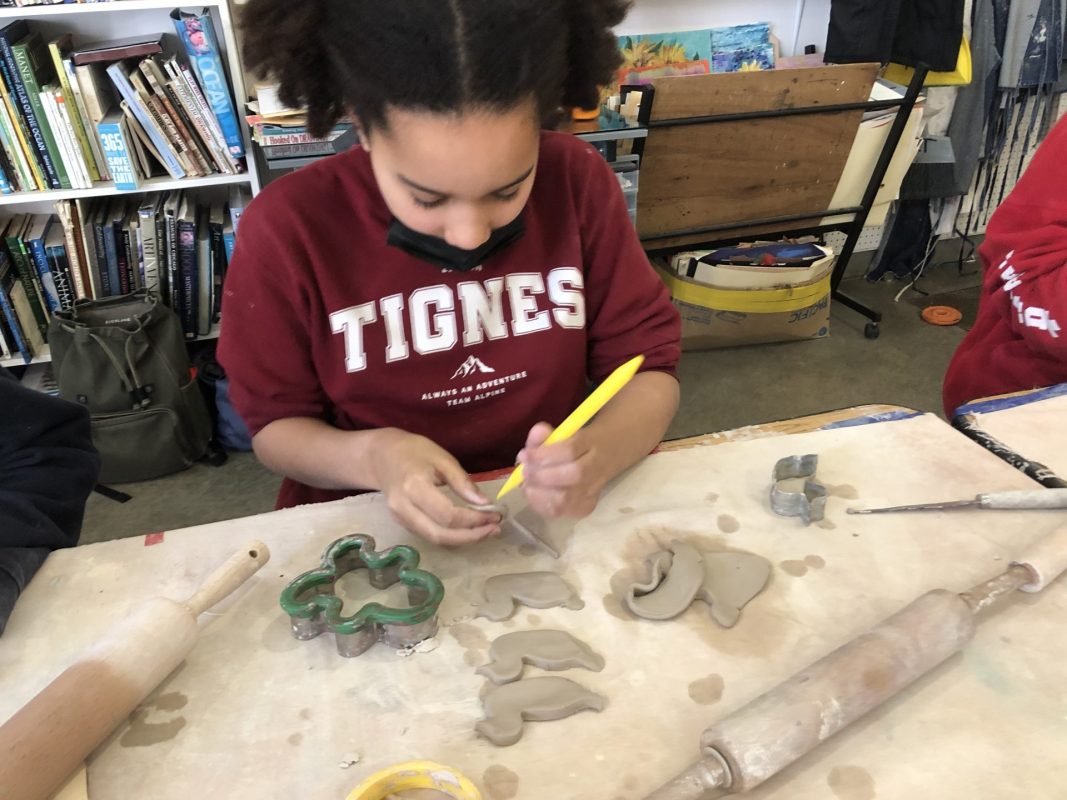
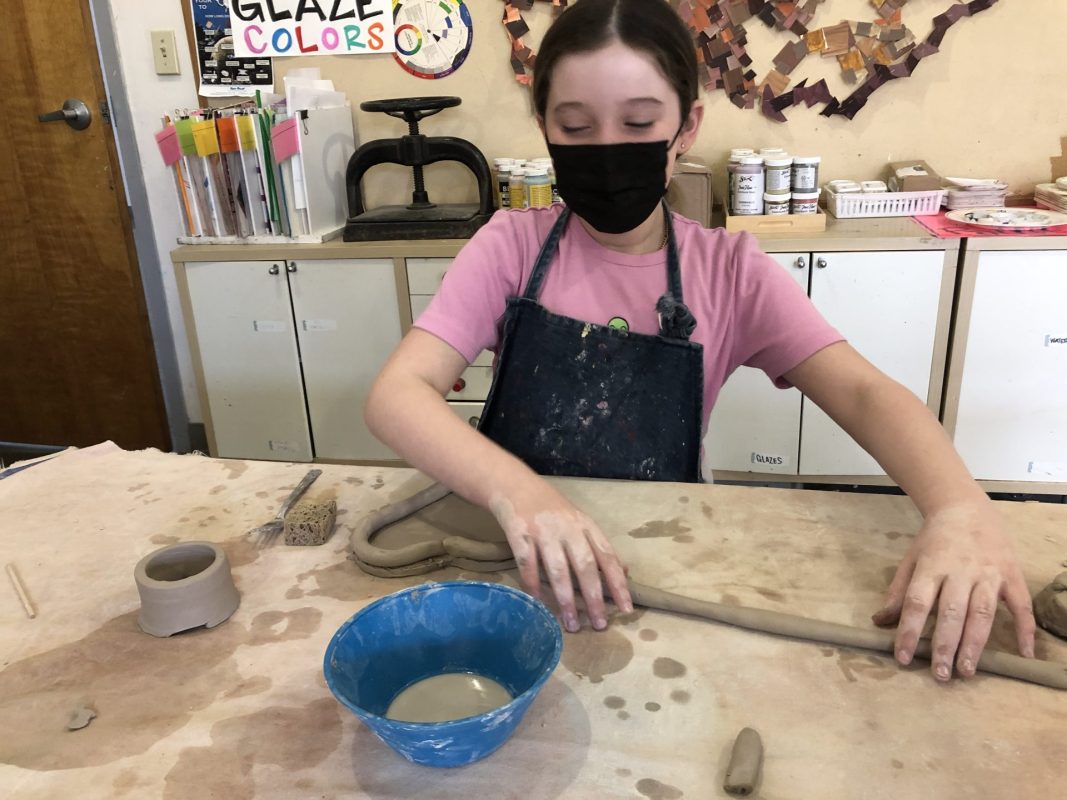
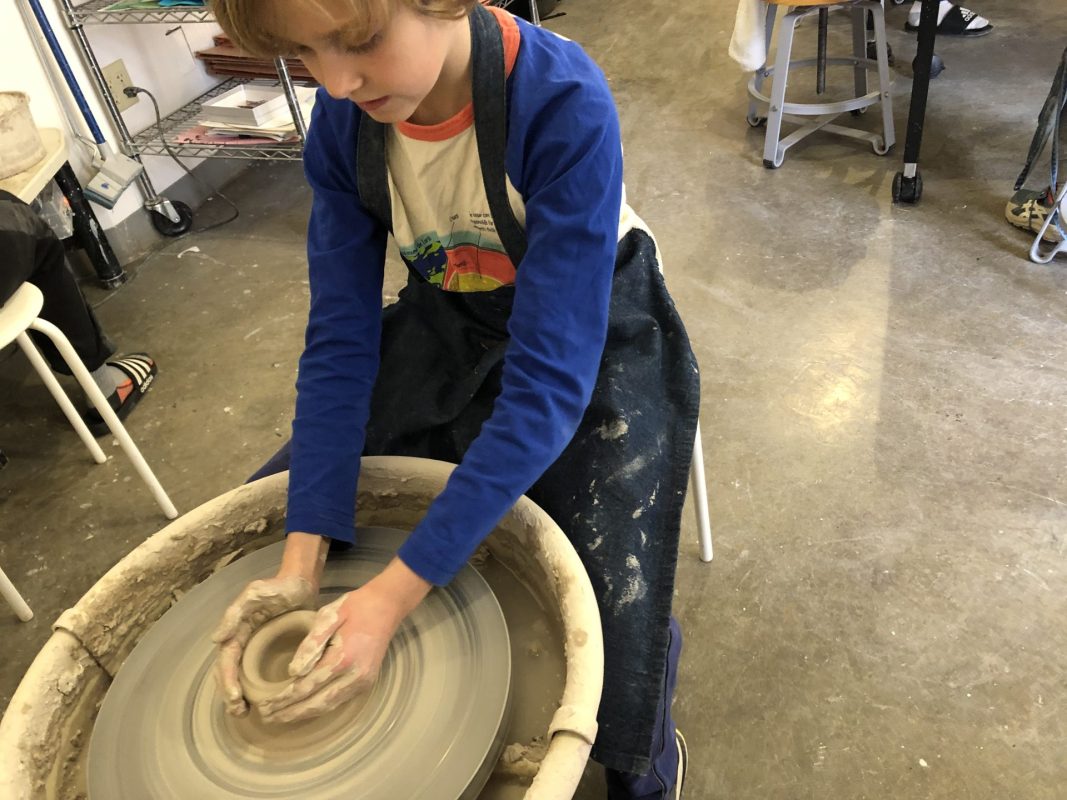
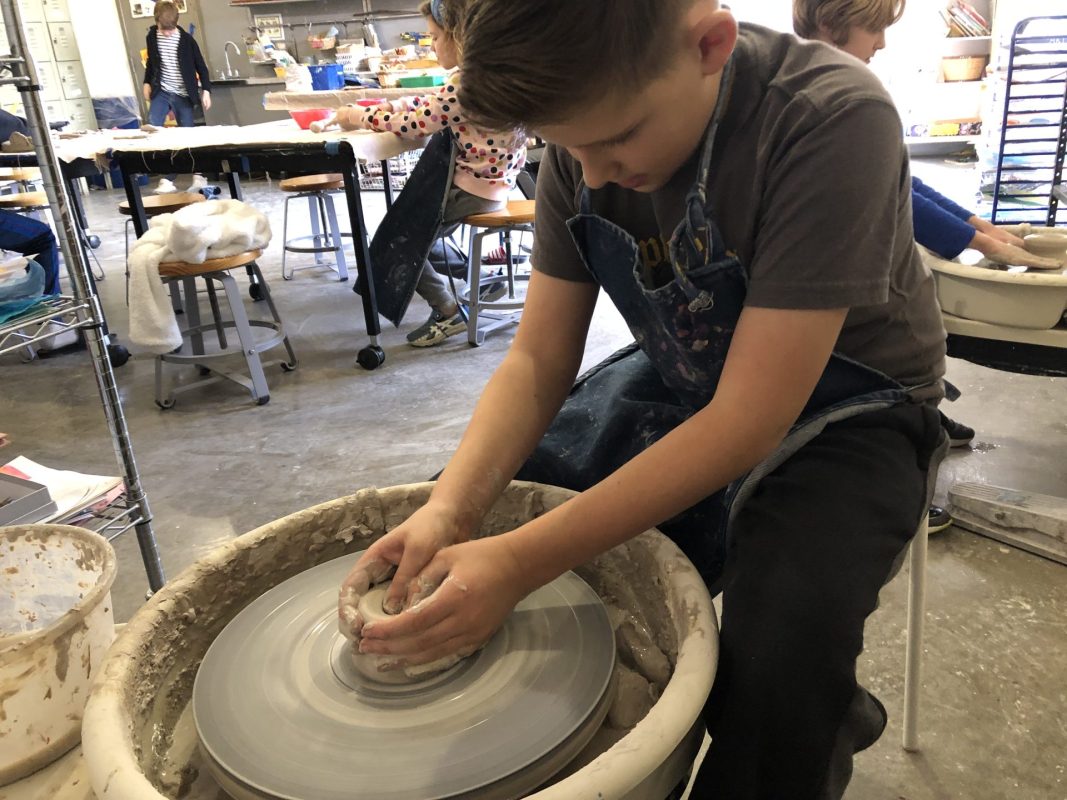
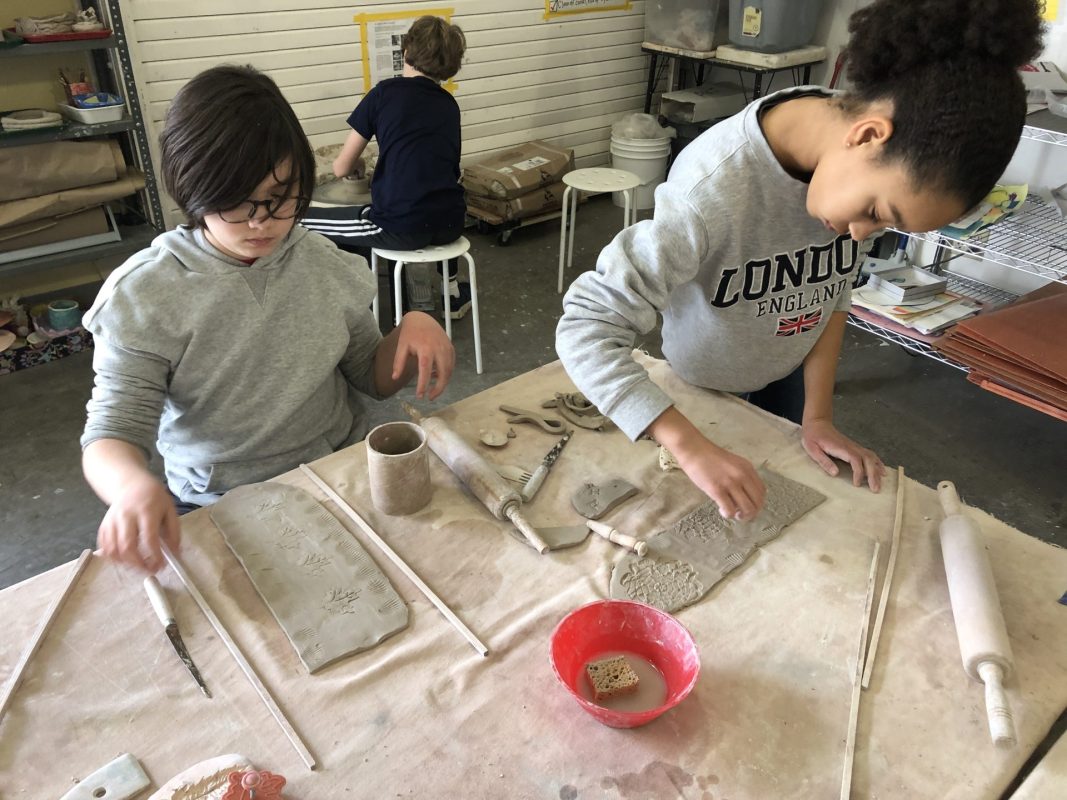
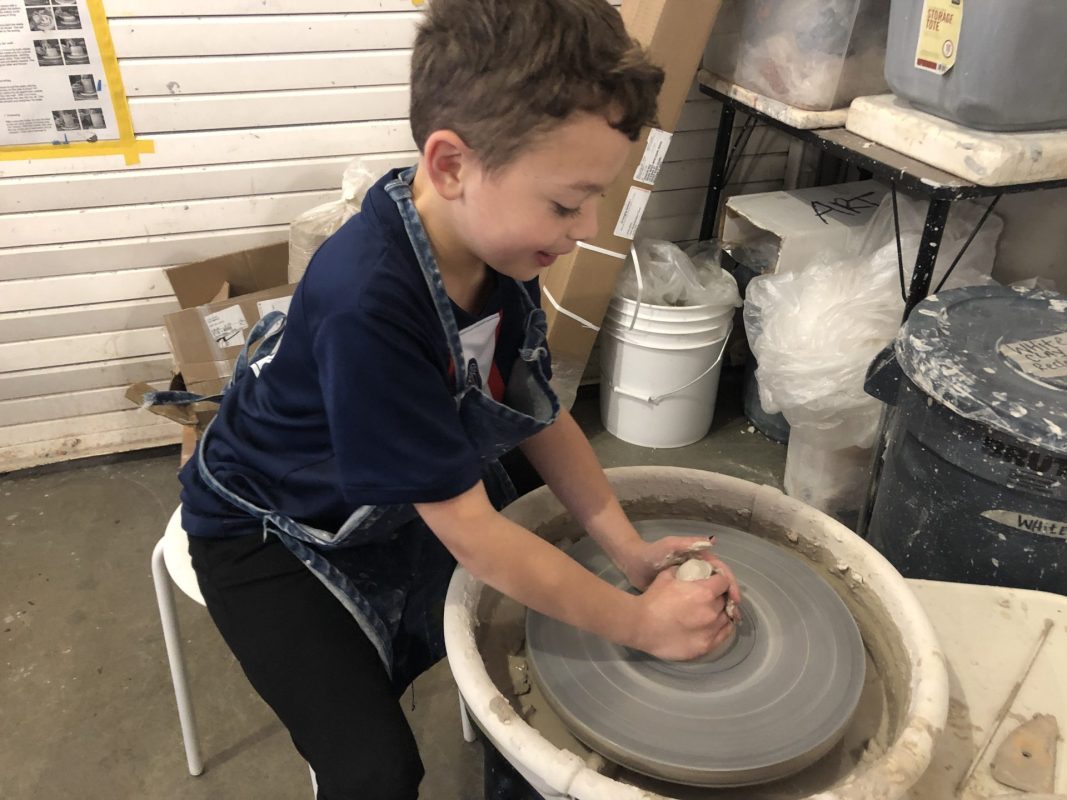
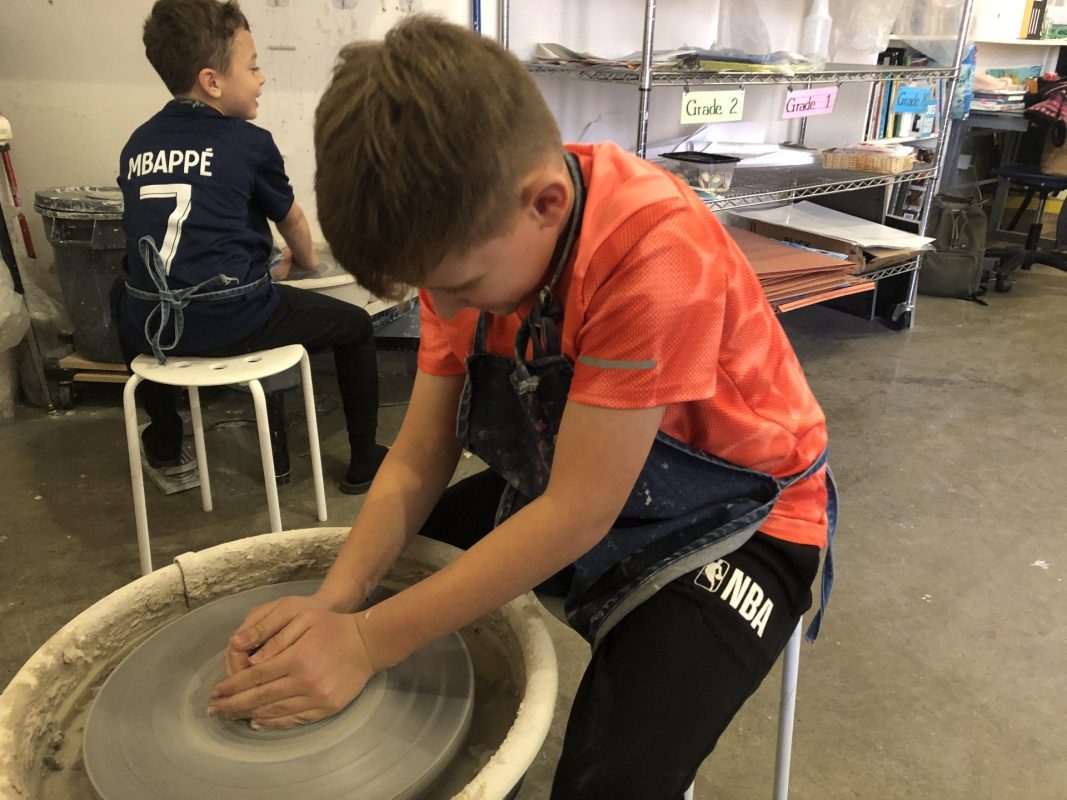
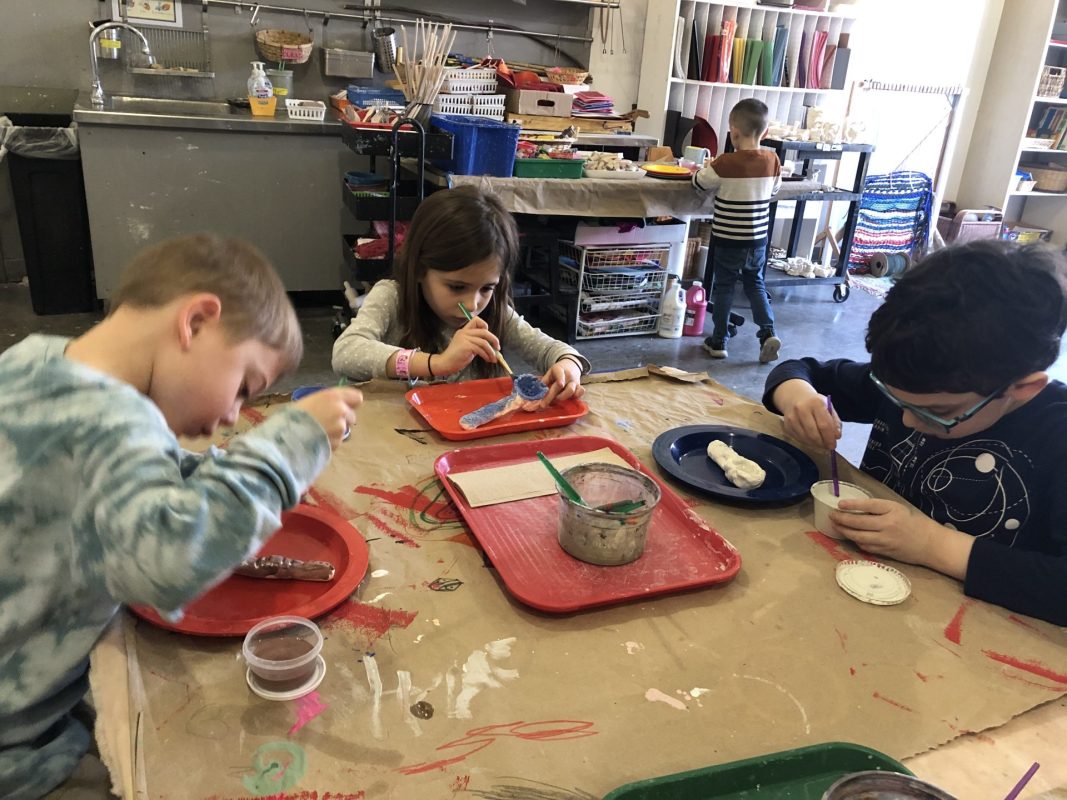
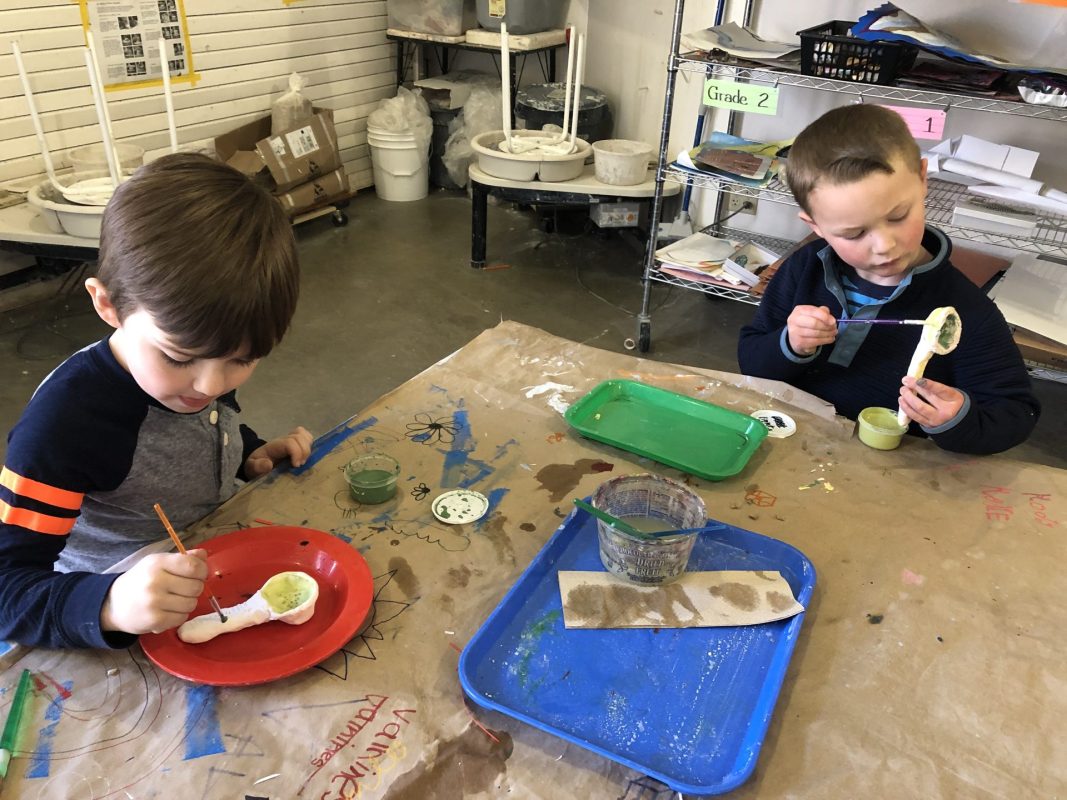
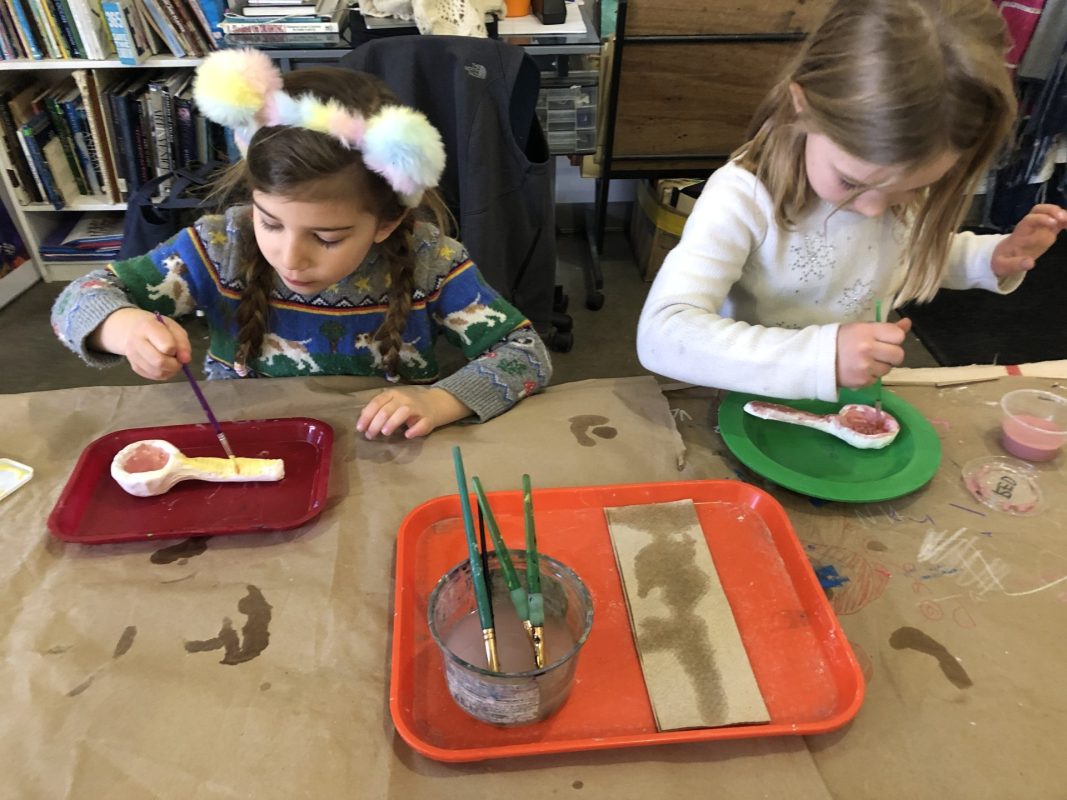
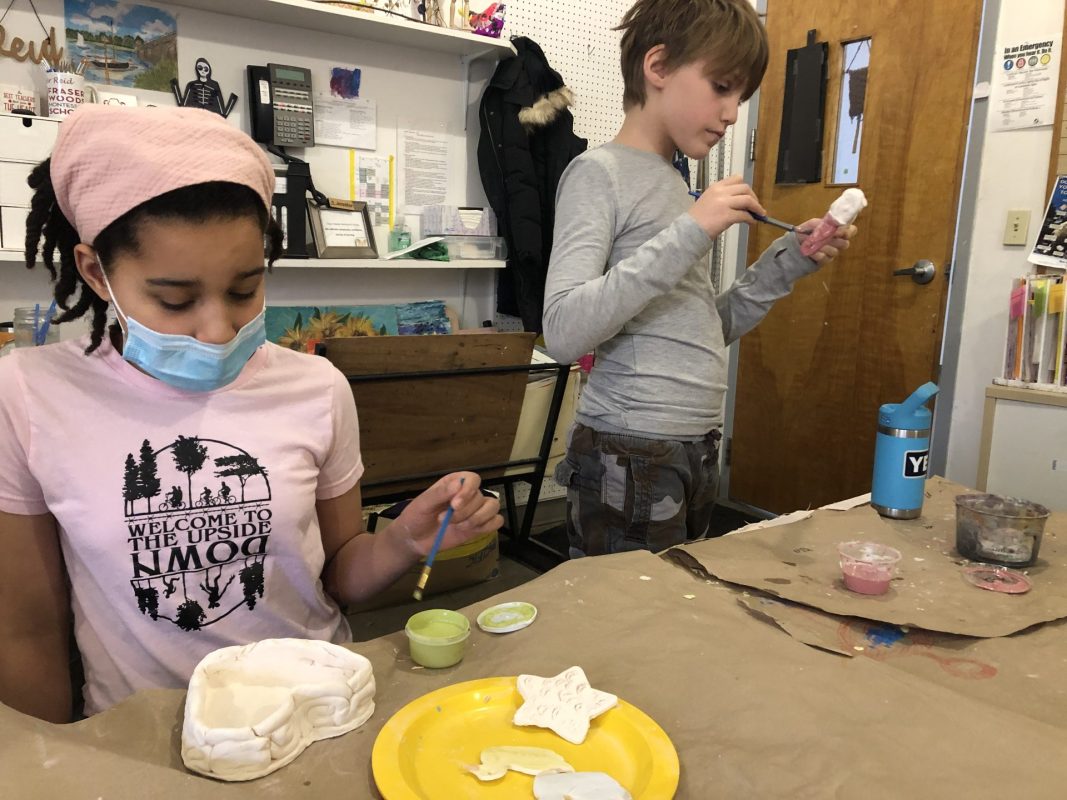
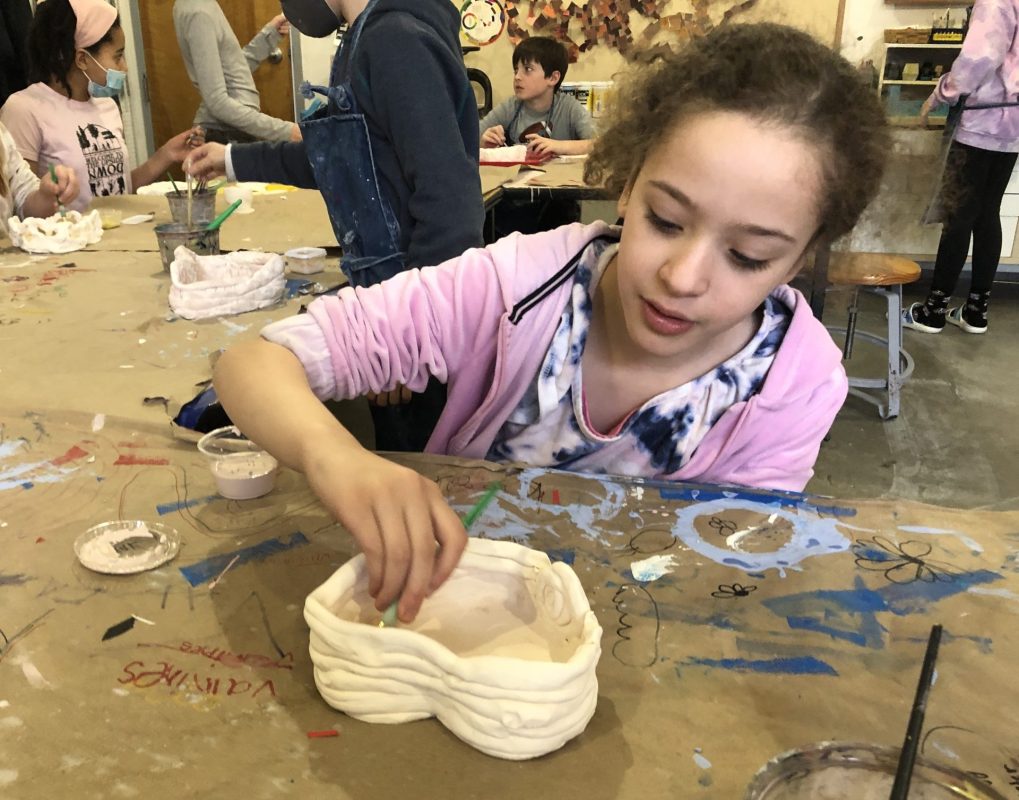
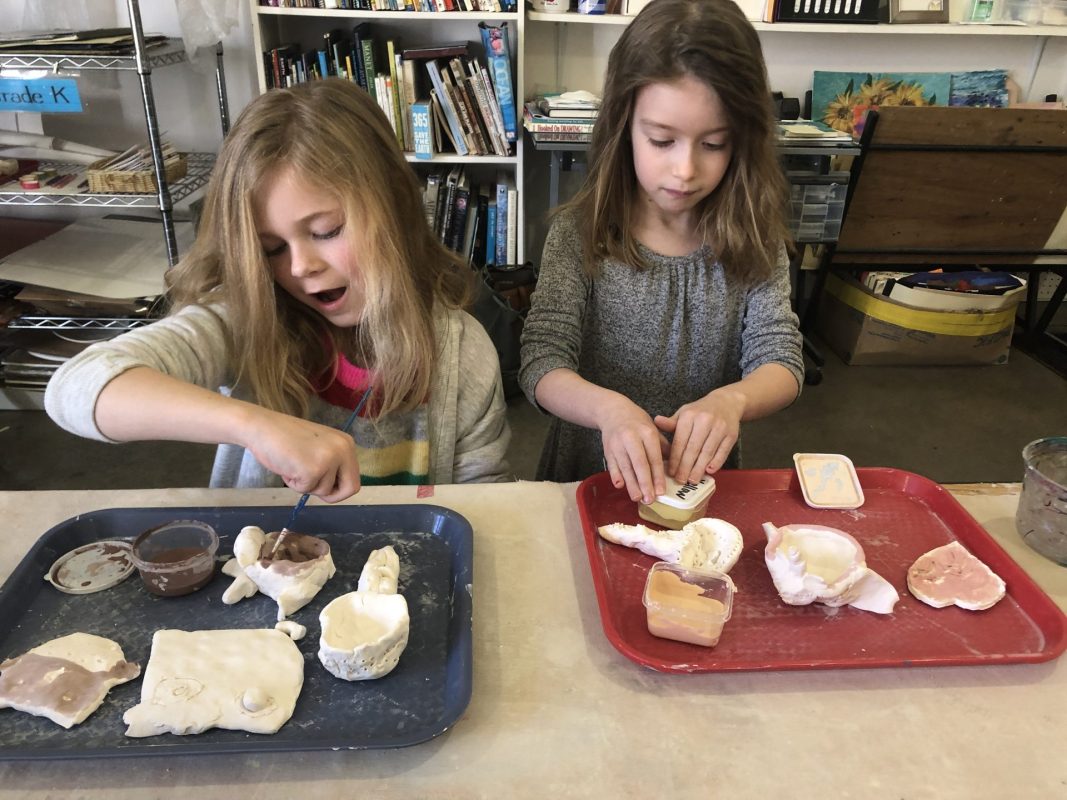
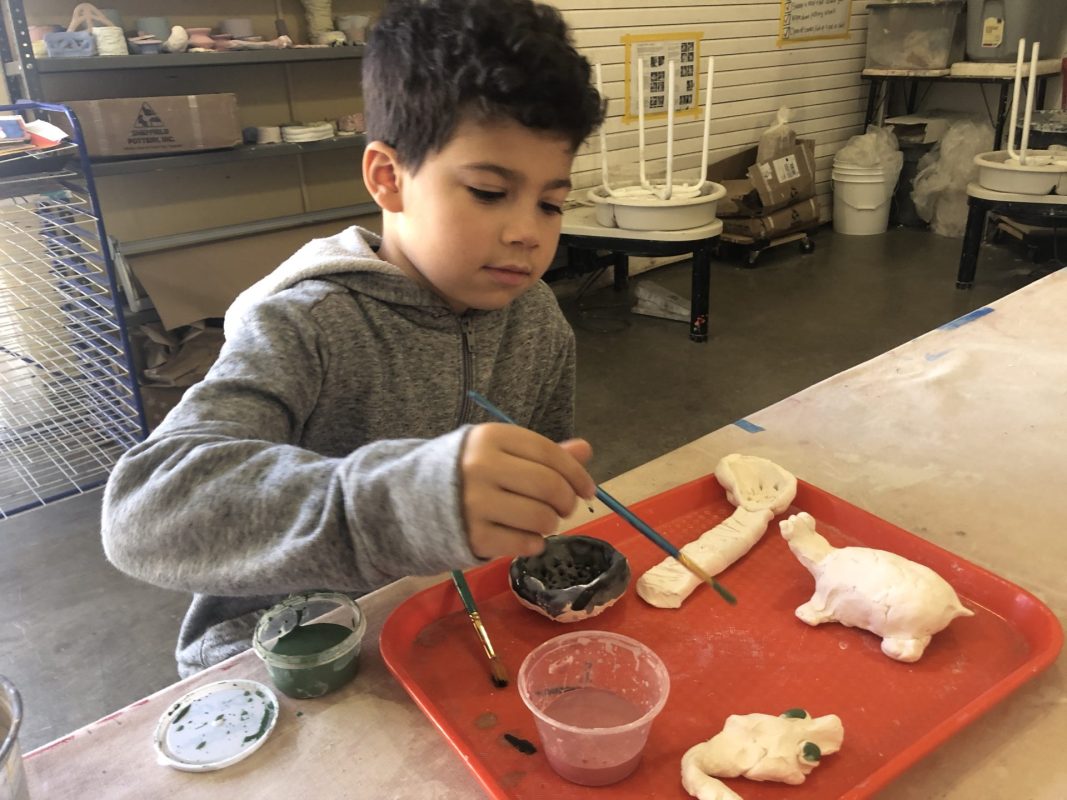
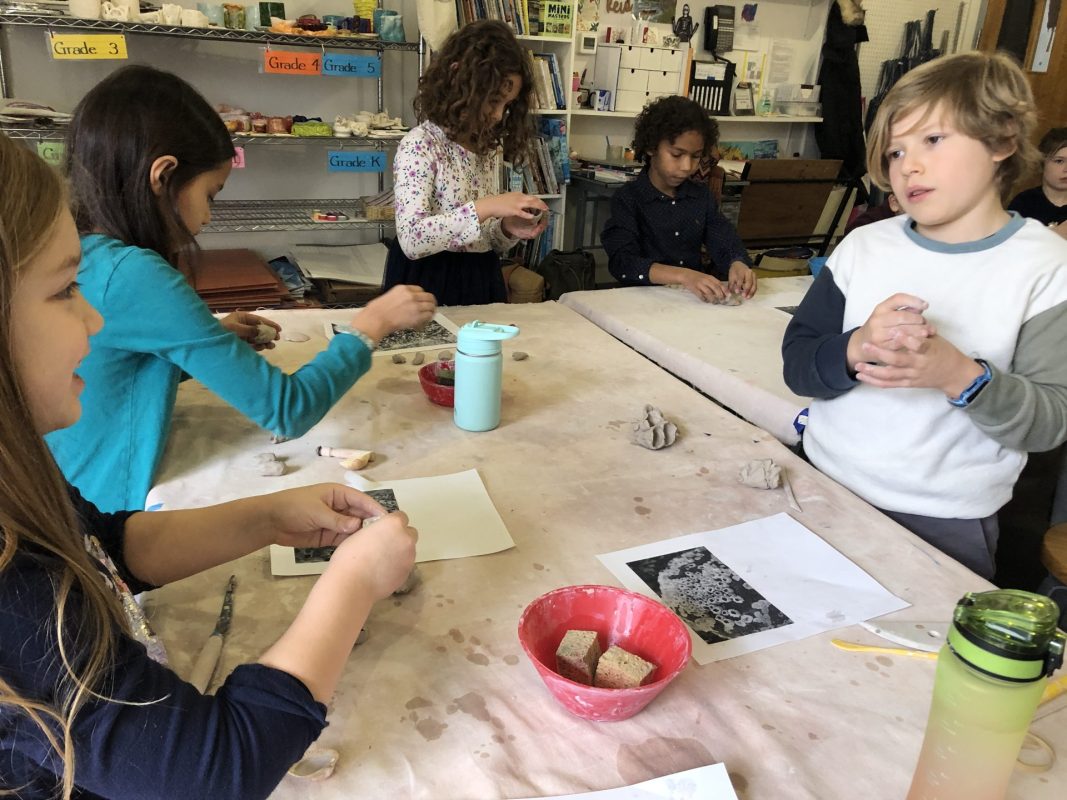
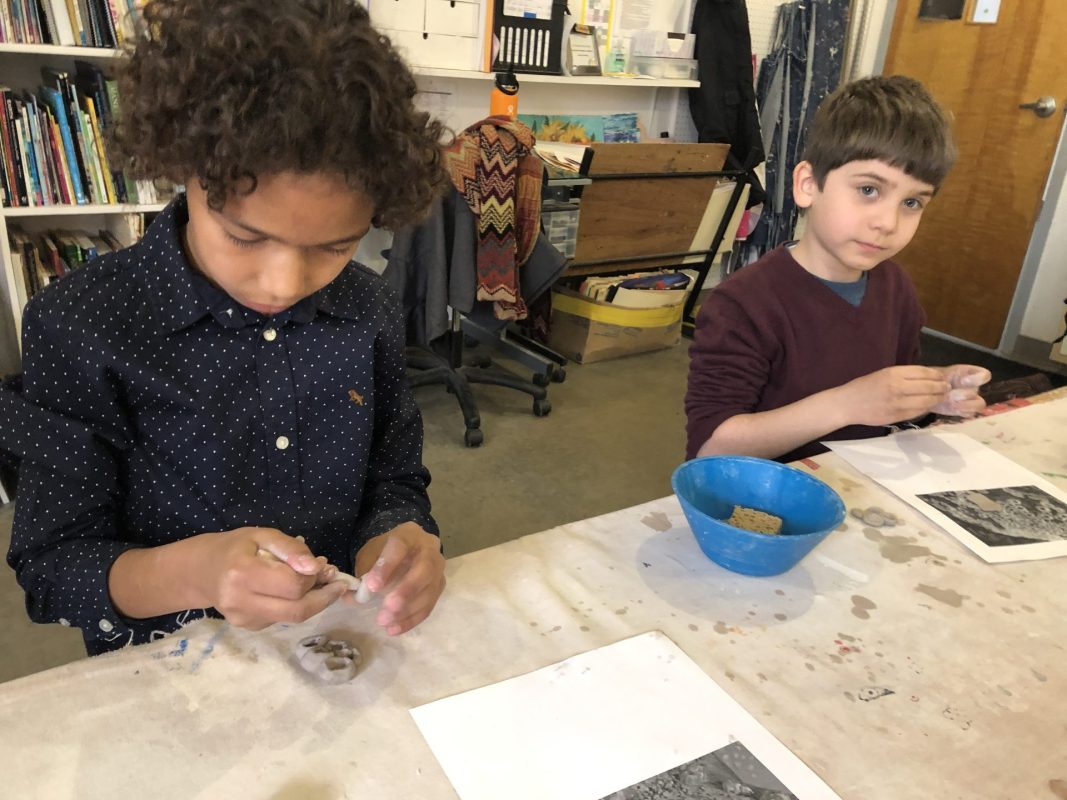
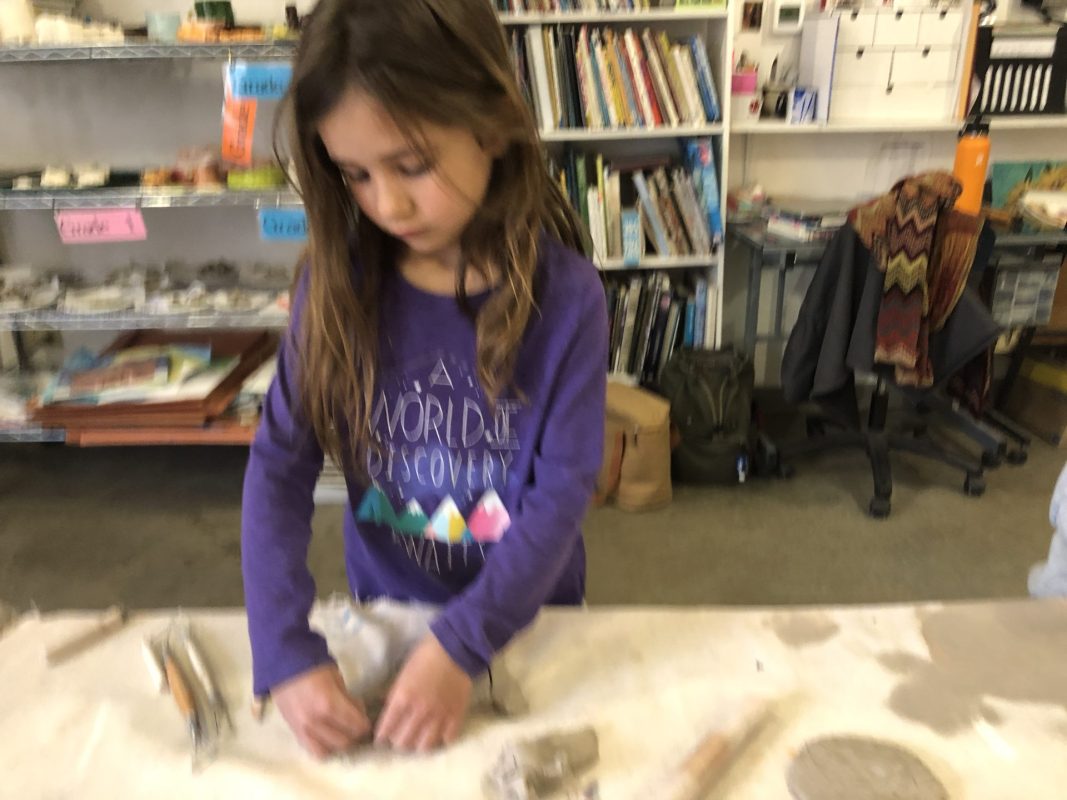
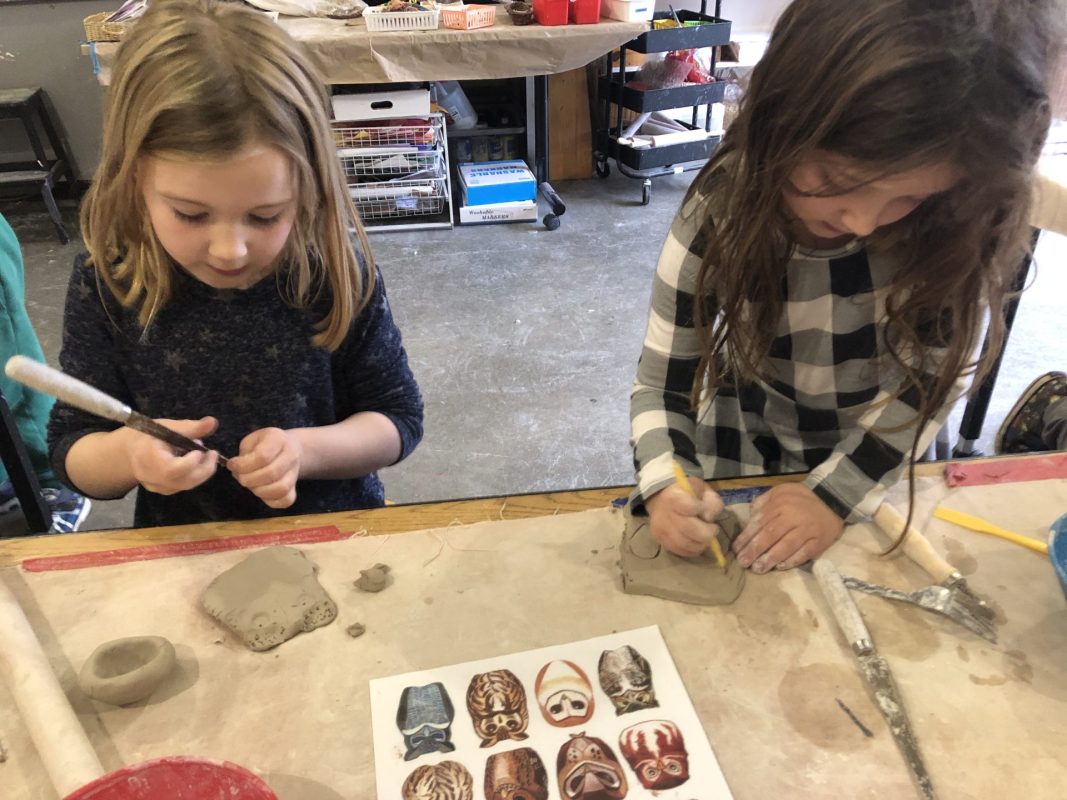
The Art Studio has been buzzing lately with lots of wonderful clay work from students in kindergarten through middle school! Students have been exploring a range of clay processes and techniques, such as coil building, slab rolling, pinching, and throwing on the pottery wheel.

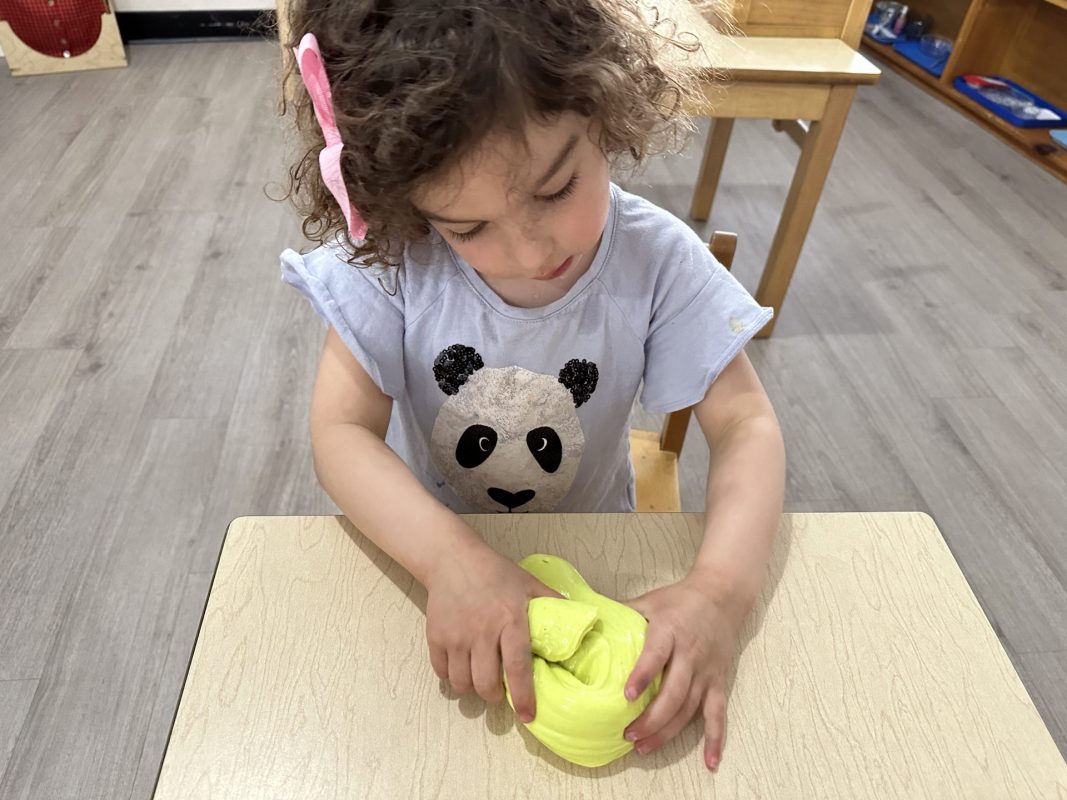
Working with clay has many benefits for children of all ages. It is a complex sensory experience that encourages self-expression, helps promote self-confidence, and develops problem-solving and motor skills. Because clay is highly responsive to touch, children become engrossed in their work: they can express and articulate their ideas through shaping clay and learning to repair mistakes. Clay is different from other art mediums because it requires an understanding of the three-dimensional world. While working on their projects, students must move around to see their creations from all sides. From this, they begin to understand shape, form, and perspective and gain knowledge of planning methods and problem-solving as they map out their creation.

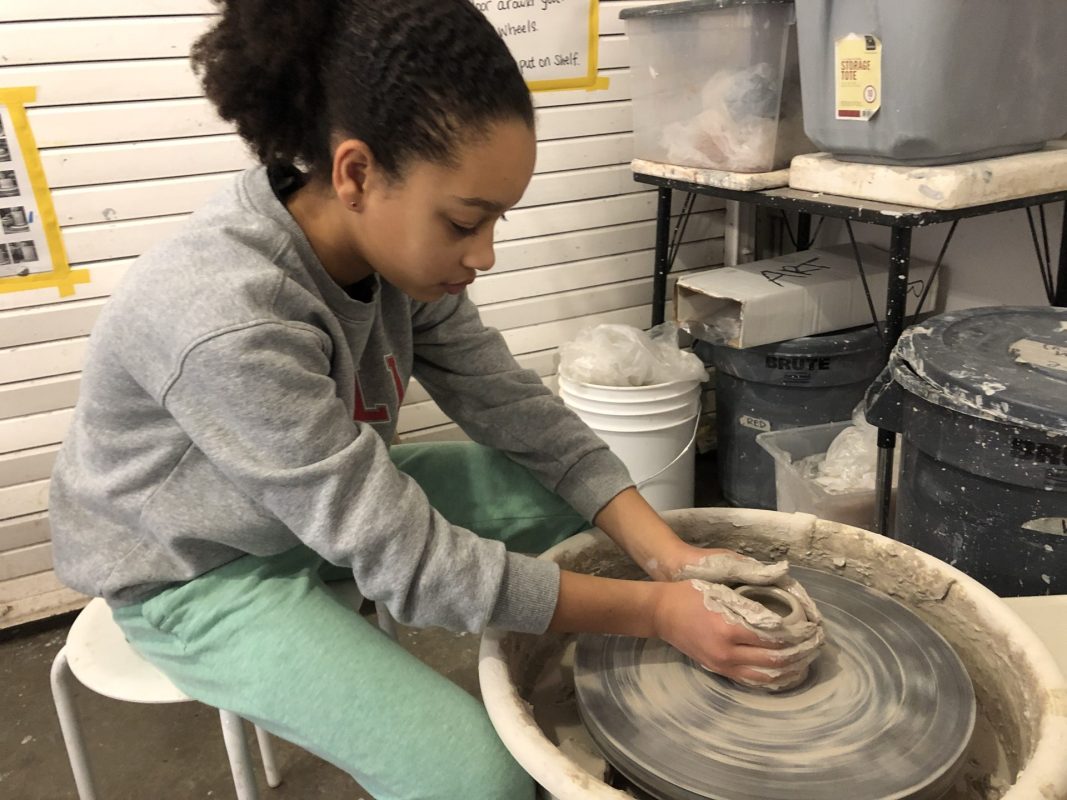
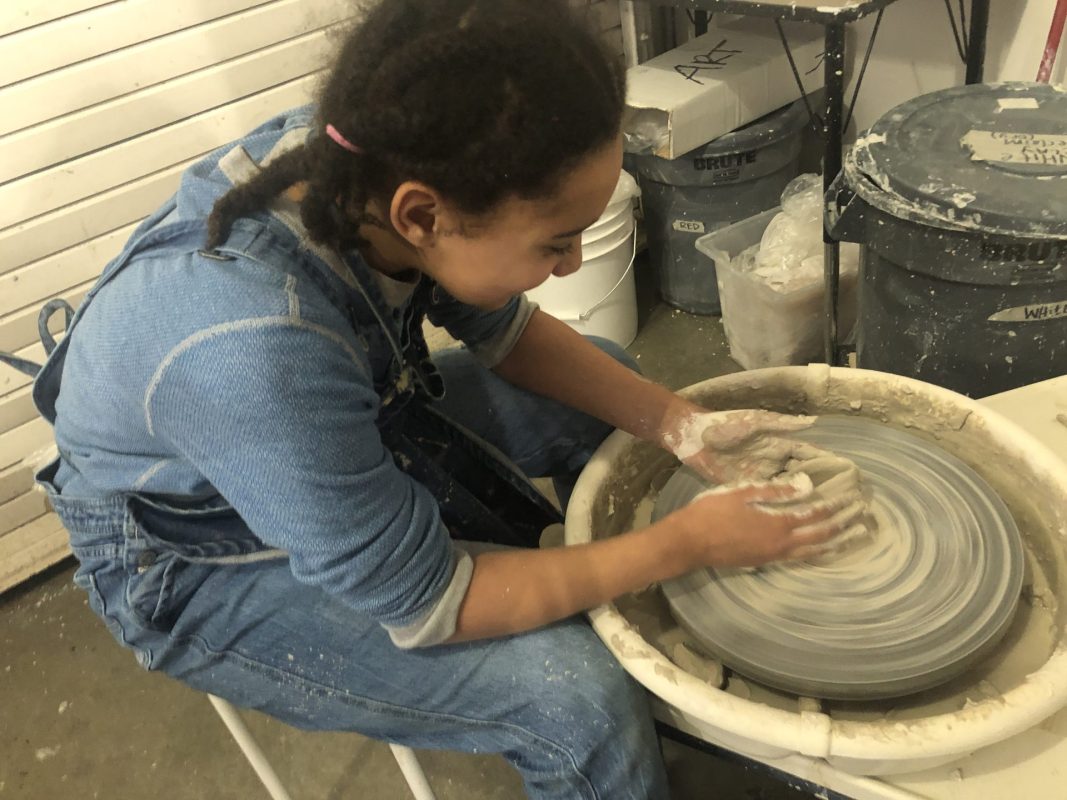
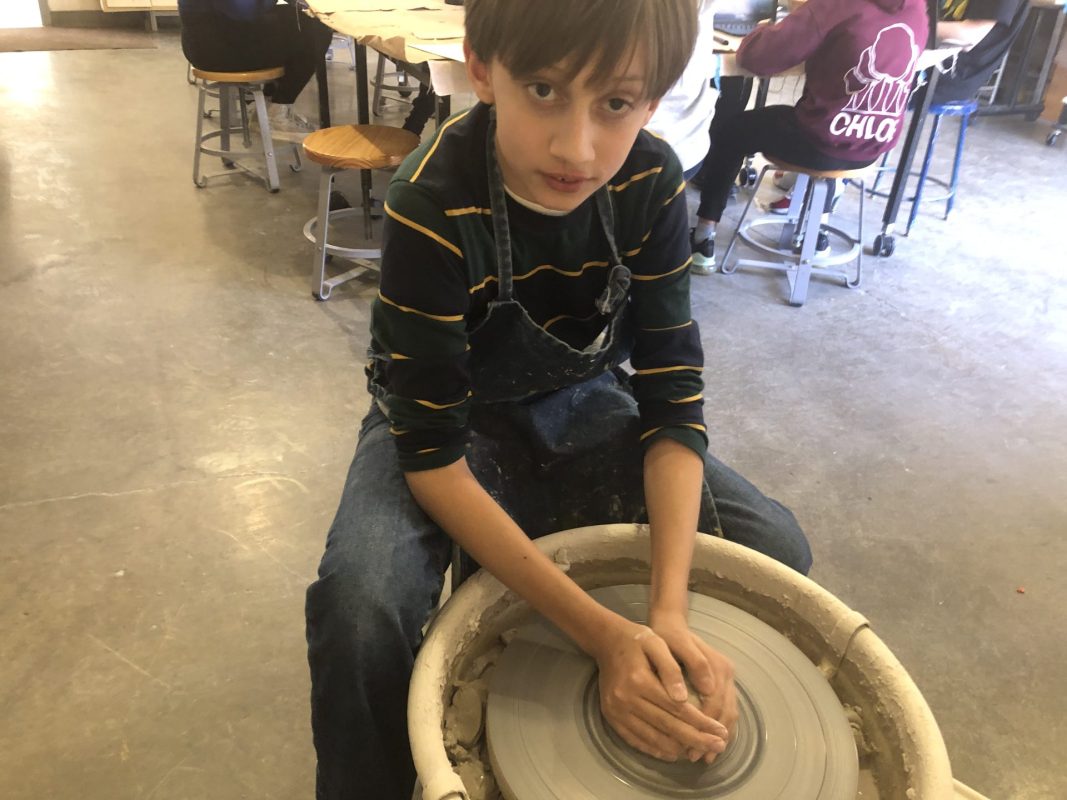
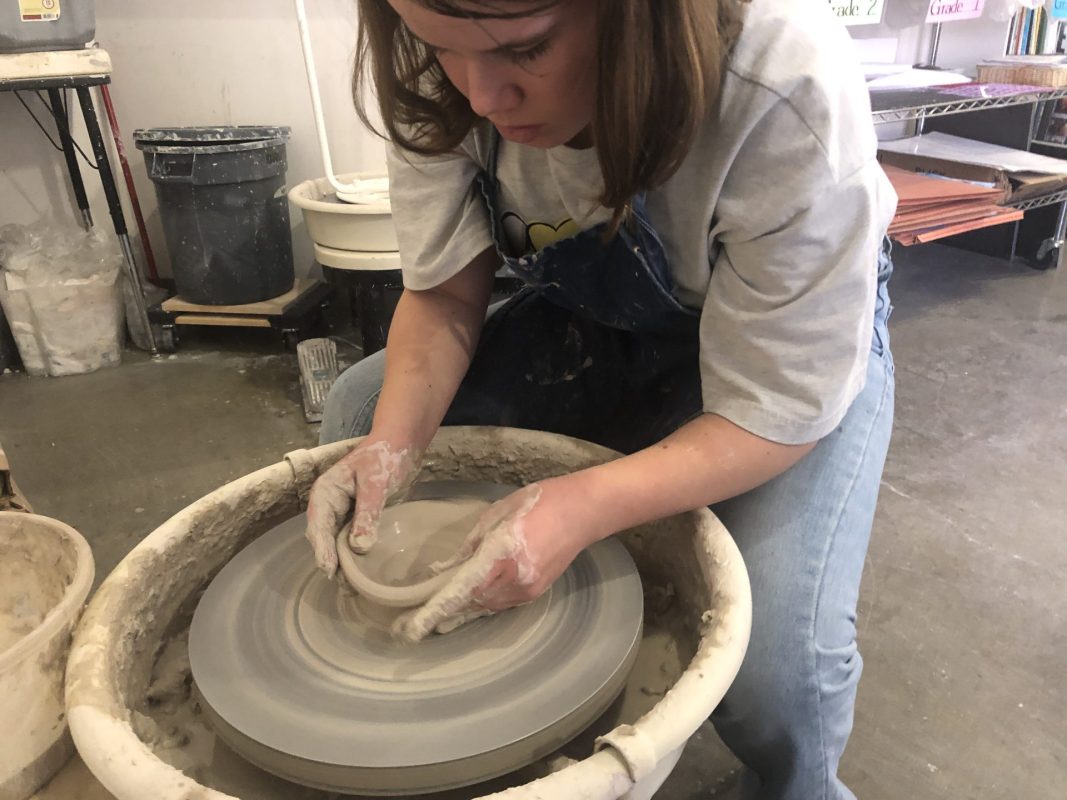
Upper Elementary and Middle School students have particularly enjoyed creating bowls, cups, and vases on the pottery wheel. The first step is to center the clay on the wheel by applying water and pressure to the clay with our hands. Once the clay is centered, students open it and slowly form it into a bowl, cup, or vase. Working on the potter’s wheel is a physical activity that aligns with the Montessori philosophy of encouraging freedom within limits: children focus on specific forming techniques and hand positioning while being free to move the clay into a desired shape. Each step of the wheel-throwing process engages both the body and the mind.


Spanish Update

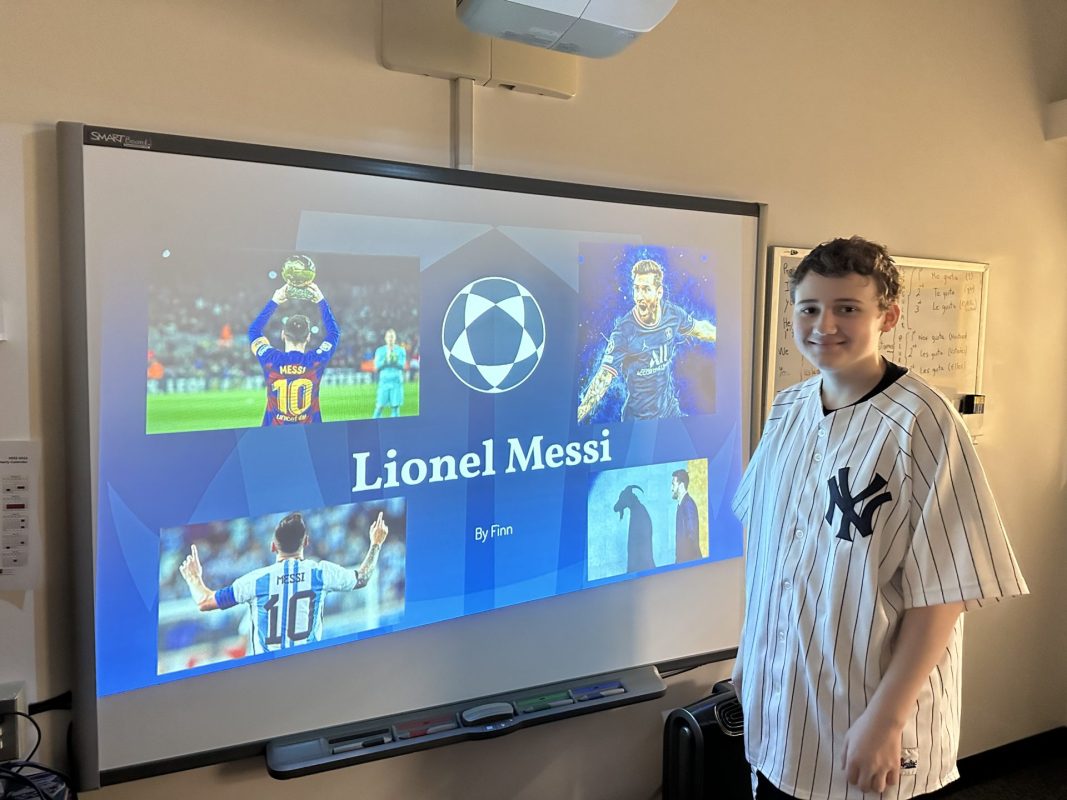
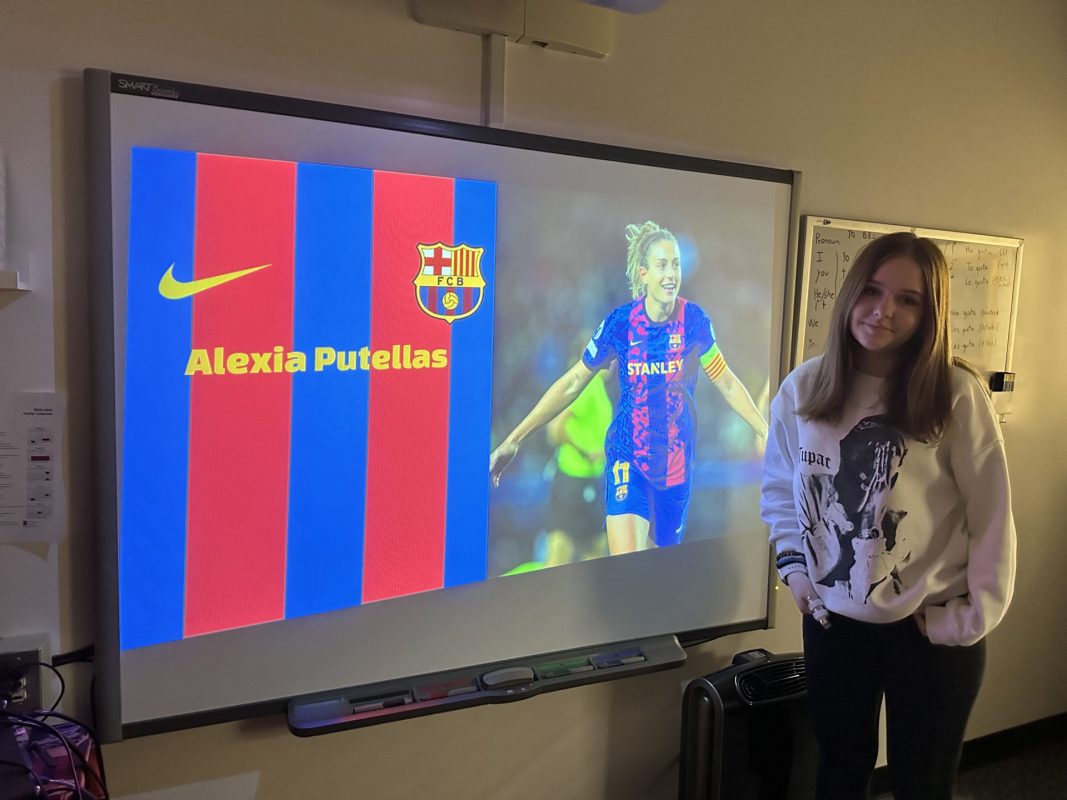
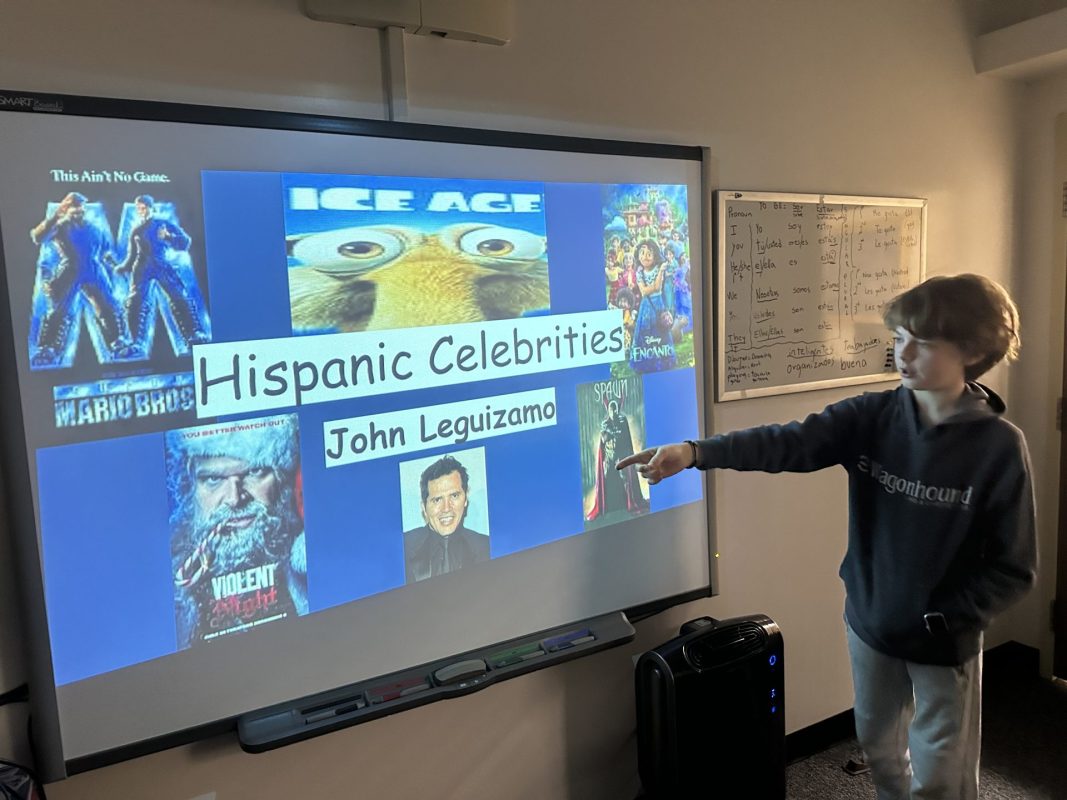
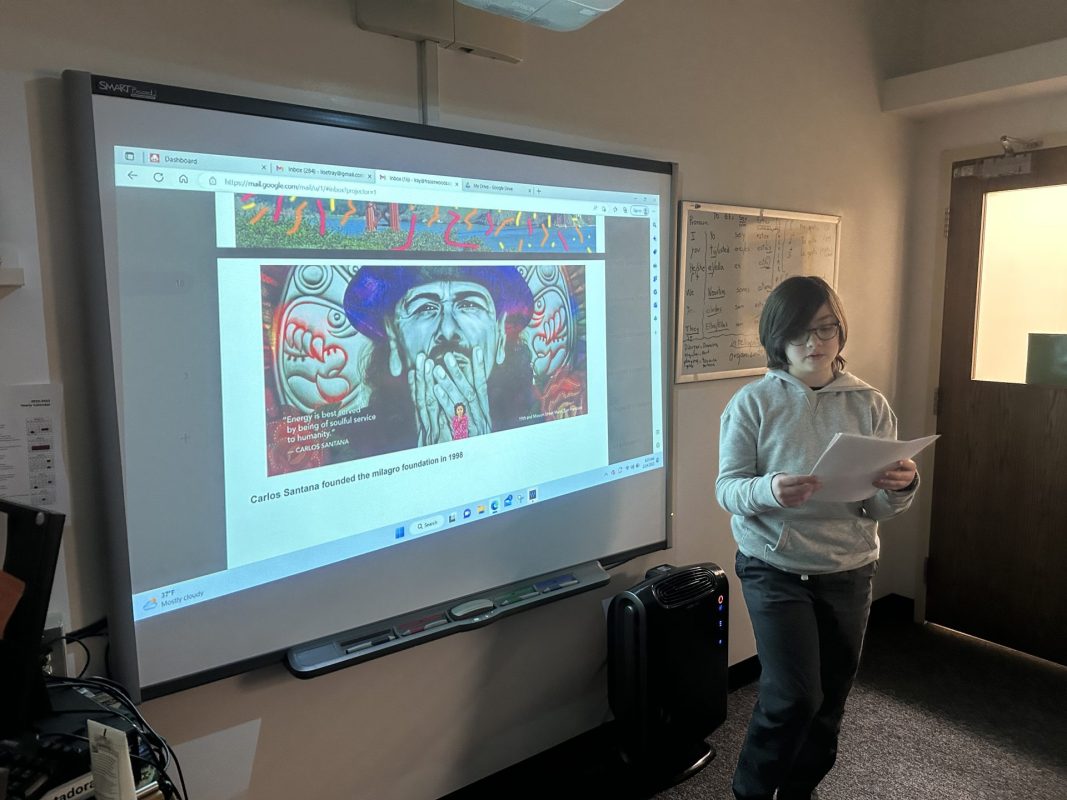
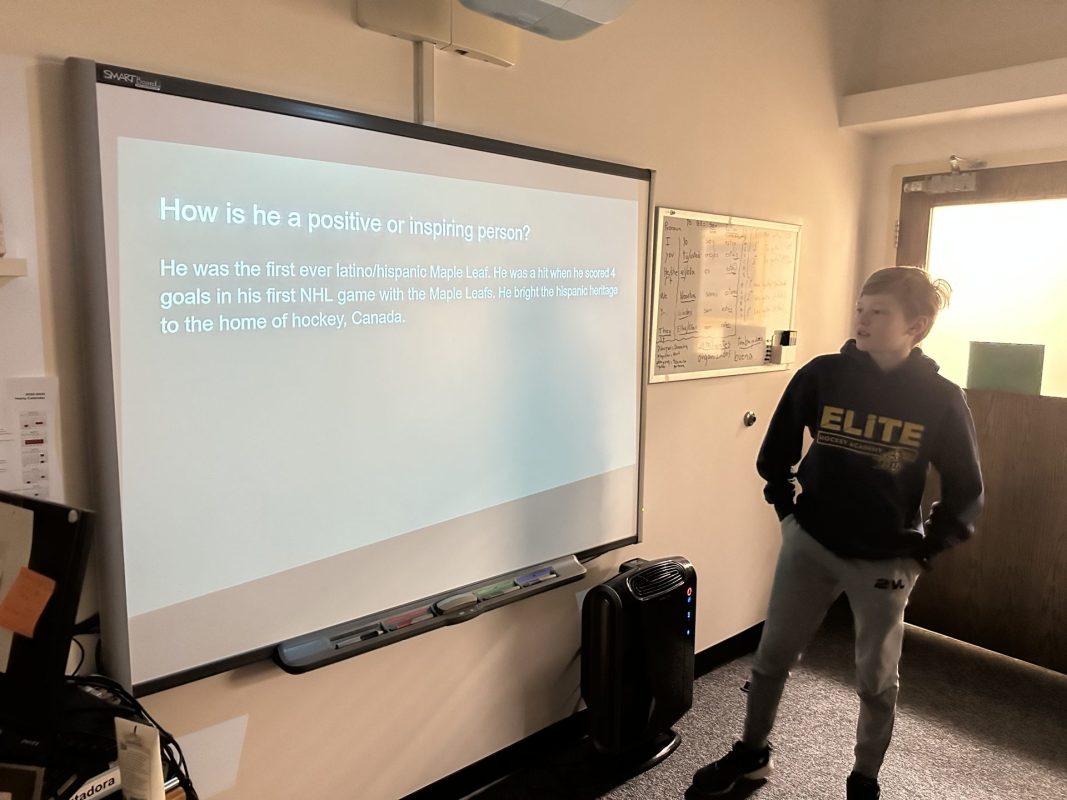
Primary and LE: “Los días de la semana”, “Los meses del año”; UE: “La ropa”, “Que hora es?”; MS: “Spanish celebrity Presentation”. A general review of all we have learned to this point this school year was done at every level. In addition, FWM middle school students could travel virtually to Spanish-speaking countries such as Chile, Colombia, and Costa Rica.

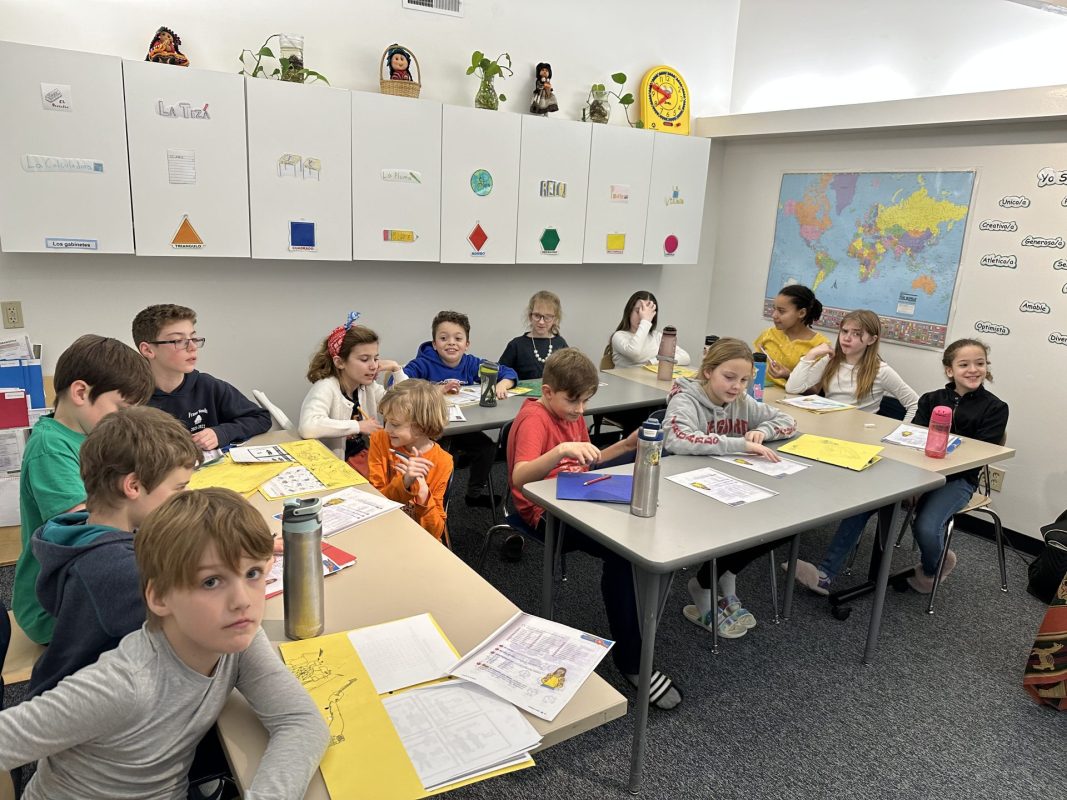
FWM students are still working on their usual conversation about feelings, Spanish greetings, the calendar, and the weather description, as repetition is the key to learning another language. They are continuously improving their Spanish listening and vocabulary. Students from Primary, Lower and Upper Elementary, and Middle School listened carefully to Spanish books and songs and participated in interactive games displayed during class.

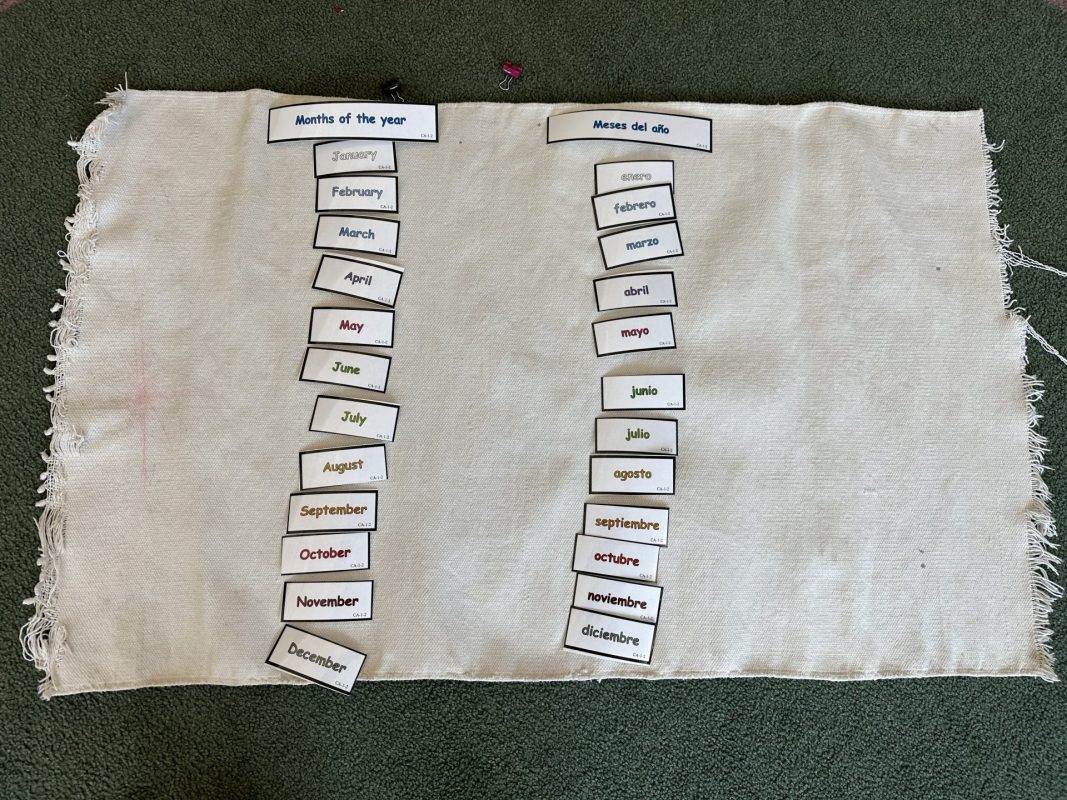
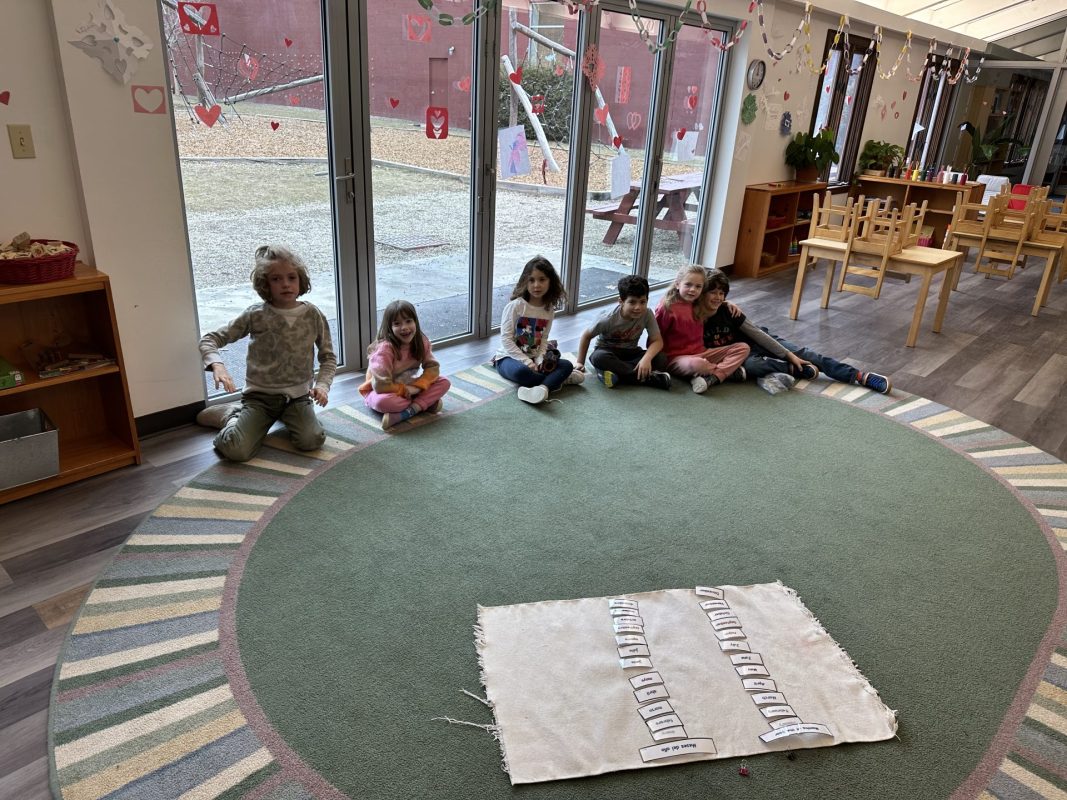
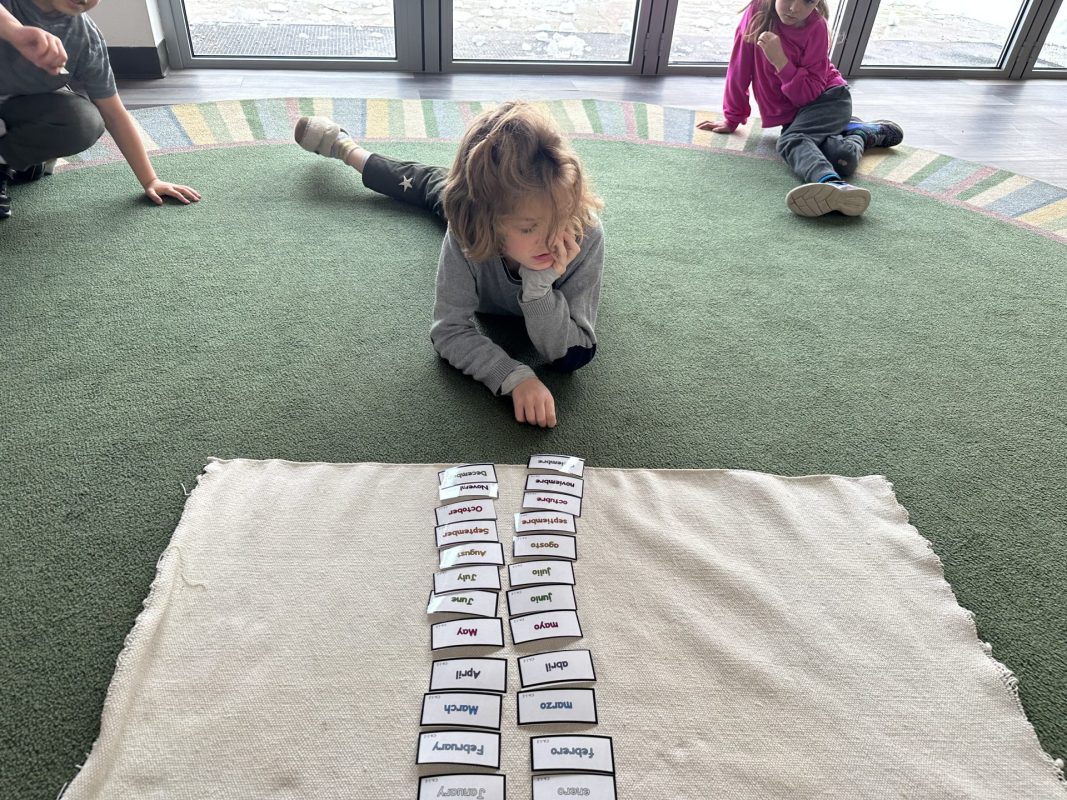
Primary and Lower Elementary students also continued learning about the days of the week “Los días de la semana”: Lunes, Martes, Miércoles, Jueves, Viernes, Sábado, y Domingo. In addition, they learned the months of the year: Enero, Febrero, Marzo, Abril, Mayo, Junio, Julio, Agosto, Setiembre, Octubre, Noviembre y Diciembre using the same type of Montessori lessons such as three-part learning cards and matching cards to reinforce concepts. The children also really enjoyed singing and participating in classroom games. Spanish Montessori Lessons were presented in class and left in their classroom to be practiced during the week.

Upper Elementary Students continued learning about clothing and practicing using the articles (el, los, la, las) in Spanish. In addition, they are learning how to tell time in Spanish “Que hora es? They continue practicing their writing through activities and games we used in class. We continue reading books; we are reading Llama in Lima by Katie A. Baker. Reading is a great way to enhance comprehension and pronunciation of the language. Students learned songs in the class that helped with vocabulary and pronunciation memorization.

Middle School students also continue working year-round on their Spanish greetings, description of weather, feelings, and their daily calendar, including days of the week, months, and seasons. Students continue working on the Spanish curriculum in the “Avancemos” program. They also focused on learning the vocabulary and phrases related to planning parties, chores, and responsibilities around the house, the schedule of different classes at school, and how to identify themselves and other people. They are also learning how to use and write more irregular verbs and conjugations such as ir (to go), dar (to give), decir (to tell), poner (to put), salir (to leave), traer (to bring) and venir (to come). We continue reading books for youth in Spanish to enhance their vocabulary, reading, listening, and comprehension skills of a story. For example, we read Agentes Secretos y el Mural de Picasso by Mira Canion.

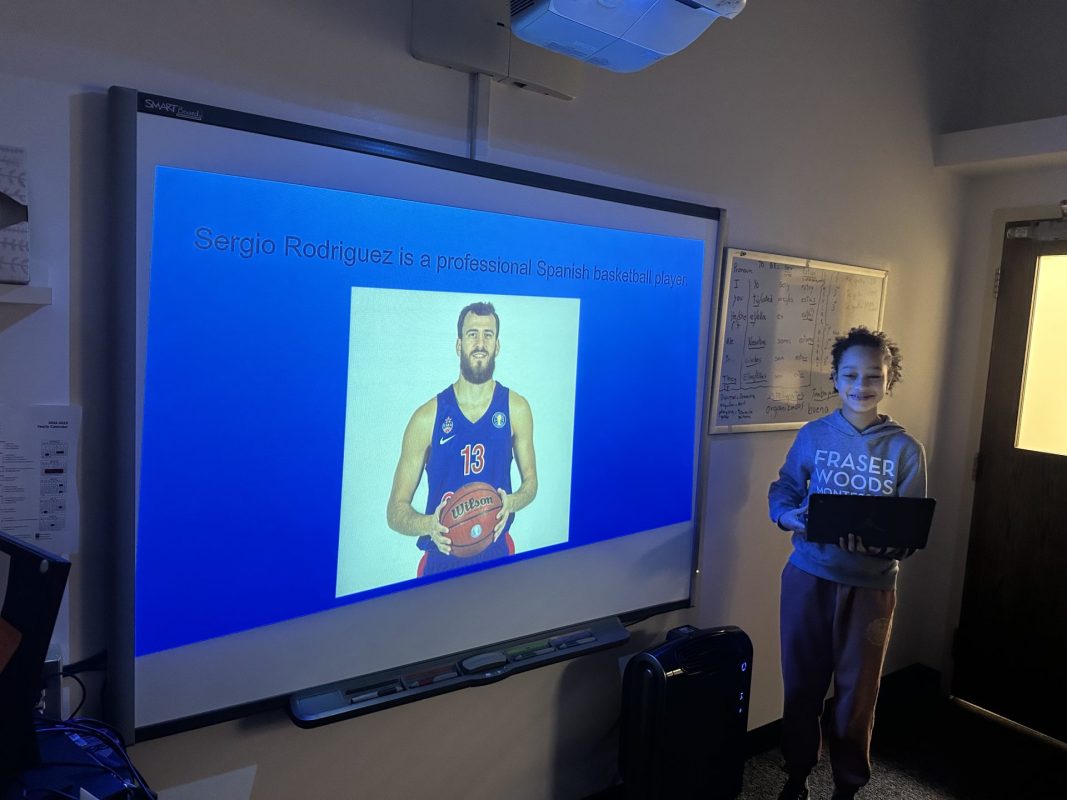
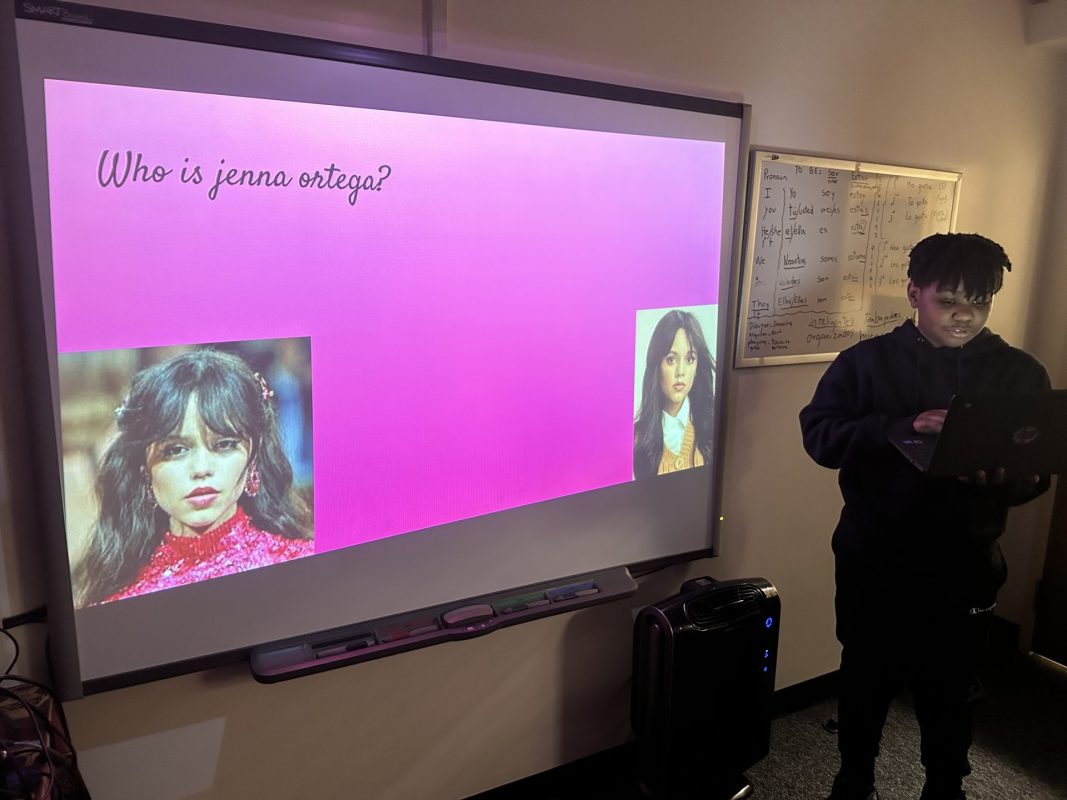
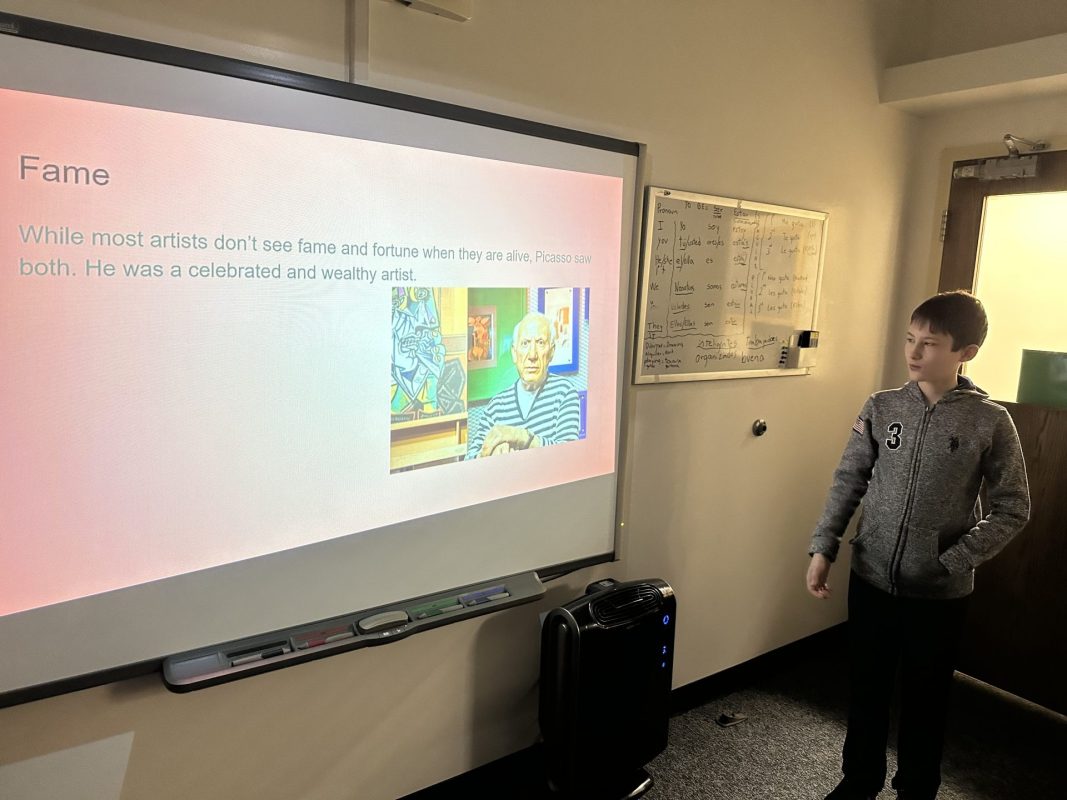
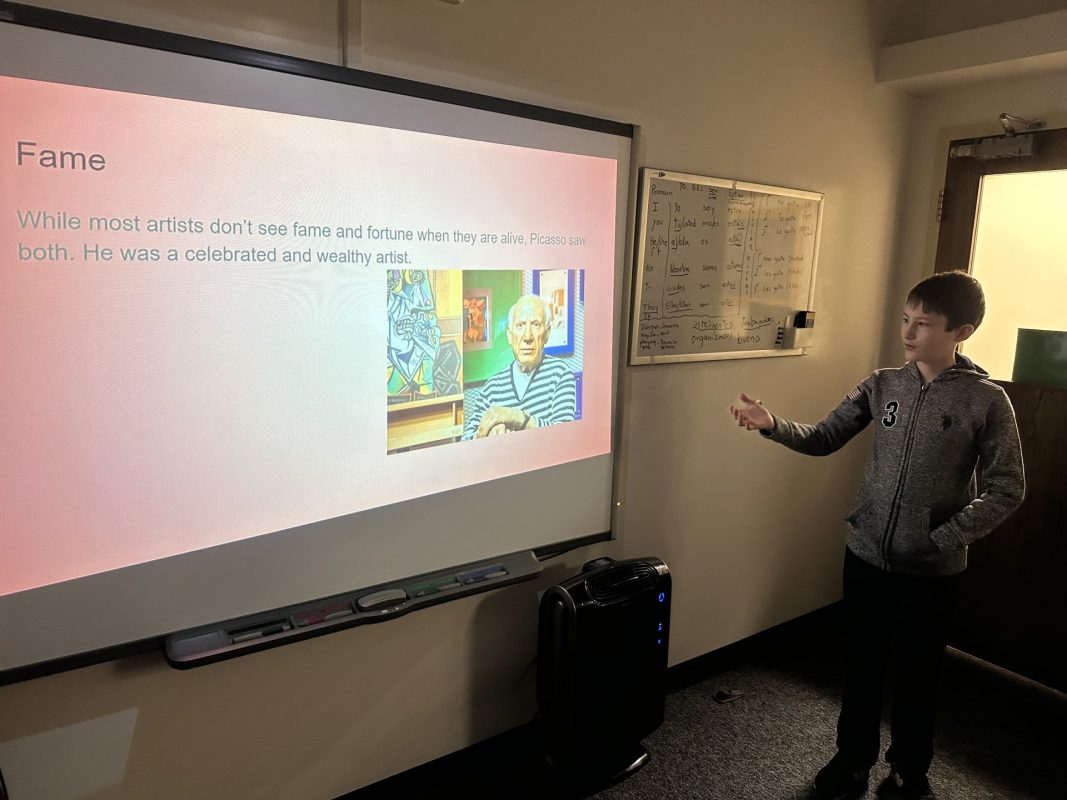
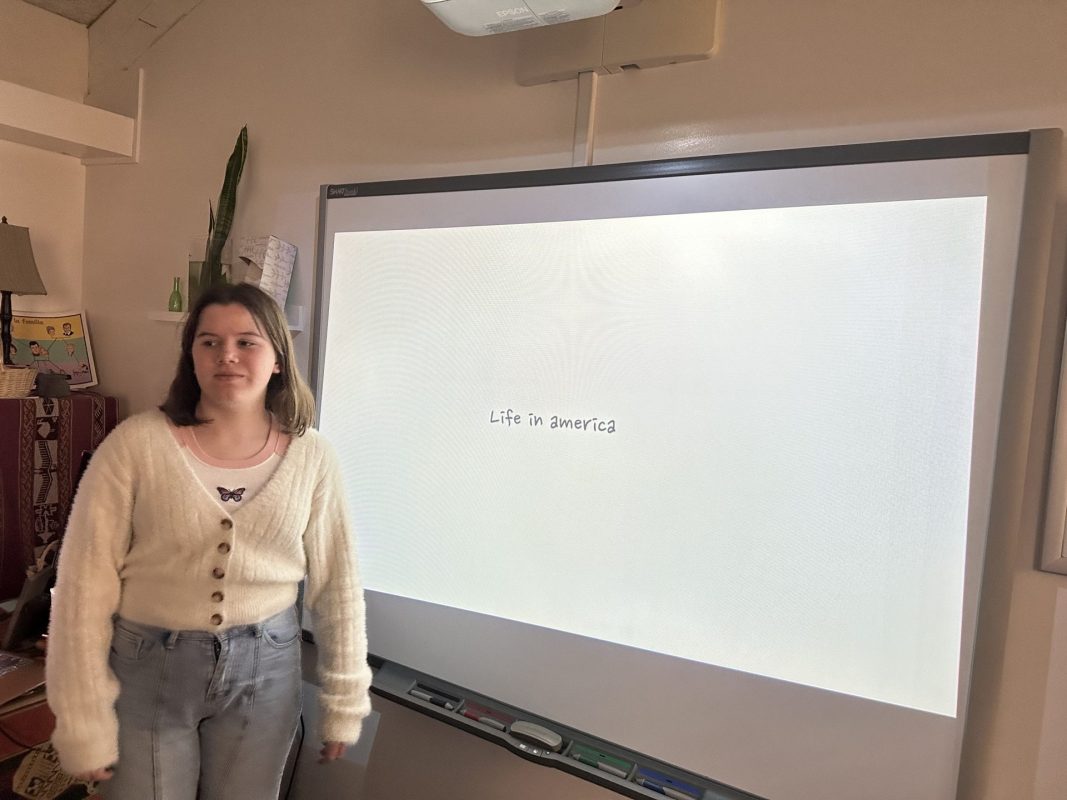
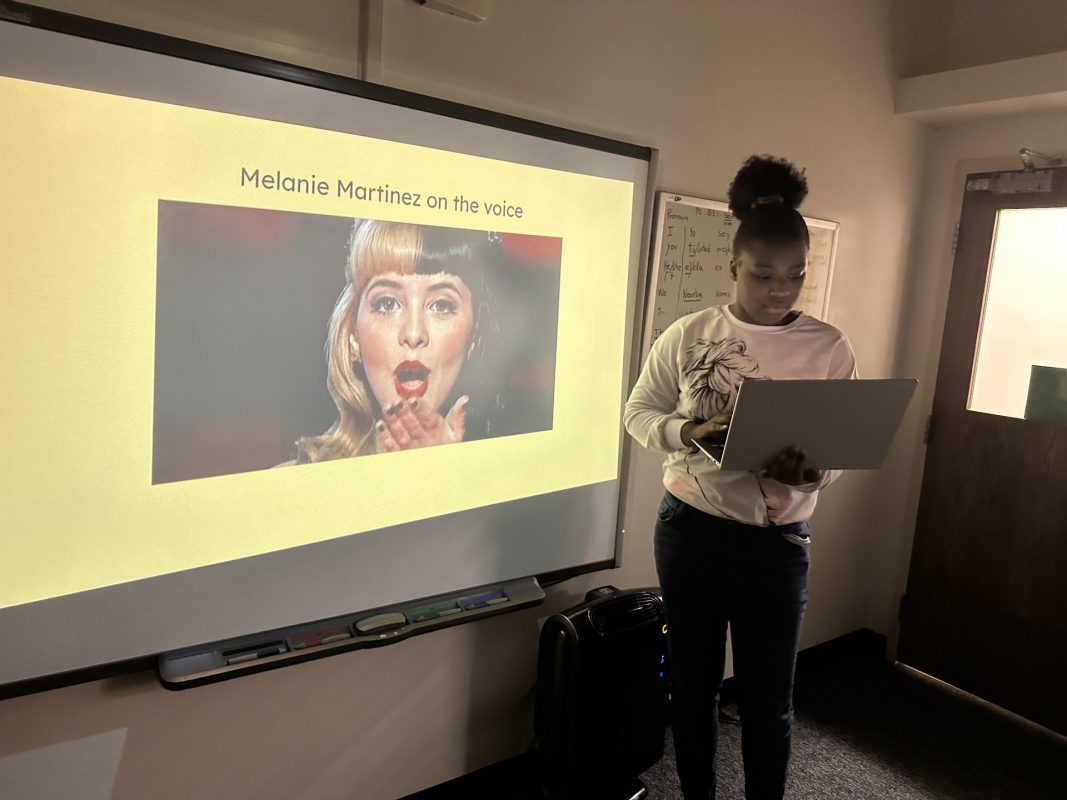
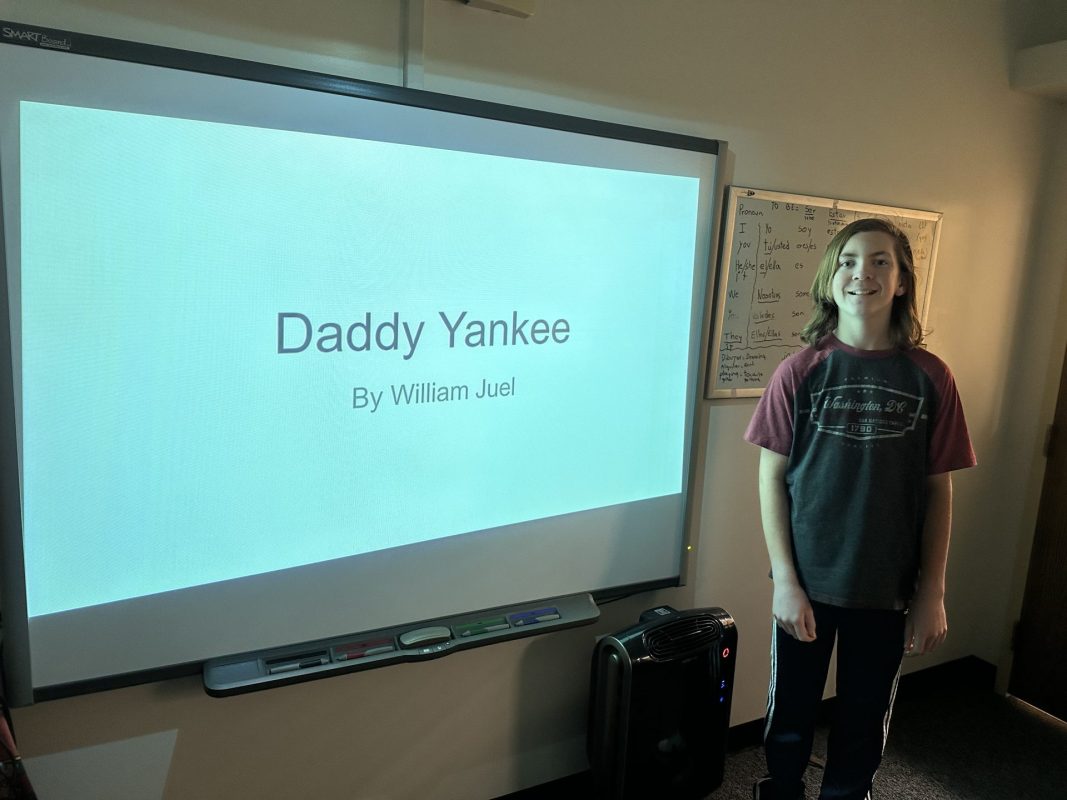
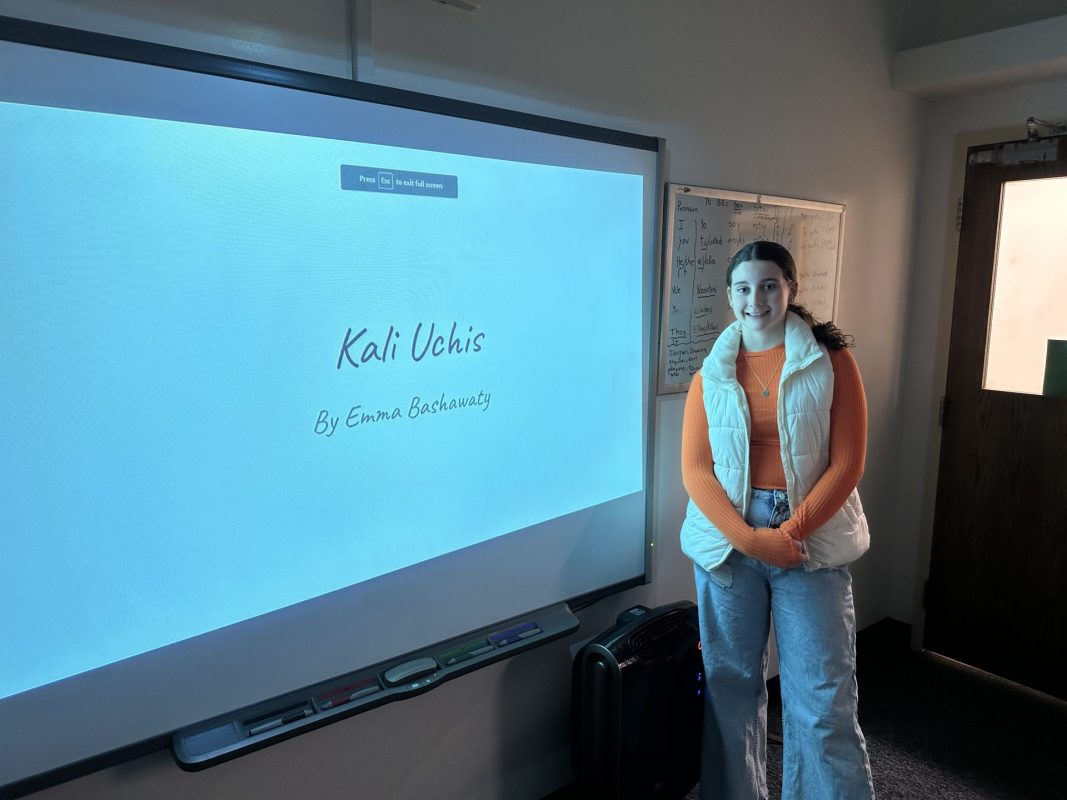
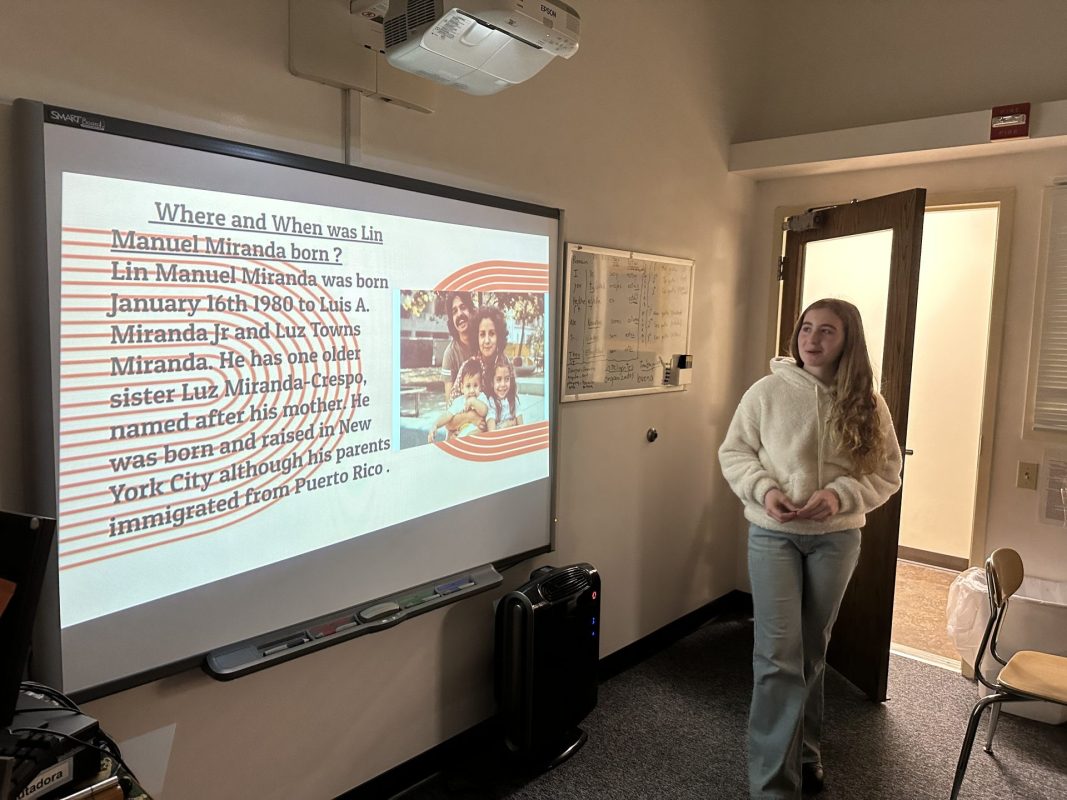
On Fridays, we also work on “Spanish Enrichment,” where students virtually visit Chile, Colombia, and Costa Rica. Students learn how people live, their customs, and their types of food. They also can see the difference in the geography within all these countries, observing the diversity of sightseeing, plants, and animals that other countries can offer. I believe this experience contributes to expanding their horizons in the knowledge of different cultures and people worldwide. Also, we continued playing in Spanish with puzzle words, storytelling, and other activities that made it more enjoyable to learn Spanish. Also, Middle School students worked hard in their research and presentation about a Spanish-speaking celebrity. All students showed their knowledge of their subject based on research they had done. They presented their projects very organized way, and slides enhanced their presentations. All the presentations were done clearly and were easy to follow. In addition to that, Middle School students responded successfully to the audience’s questions and comments.

All the students at FWM are enjoying learning Spanish, and I am delighted with their progress in accomplishing goals in my class.
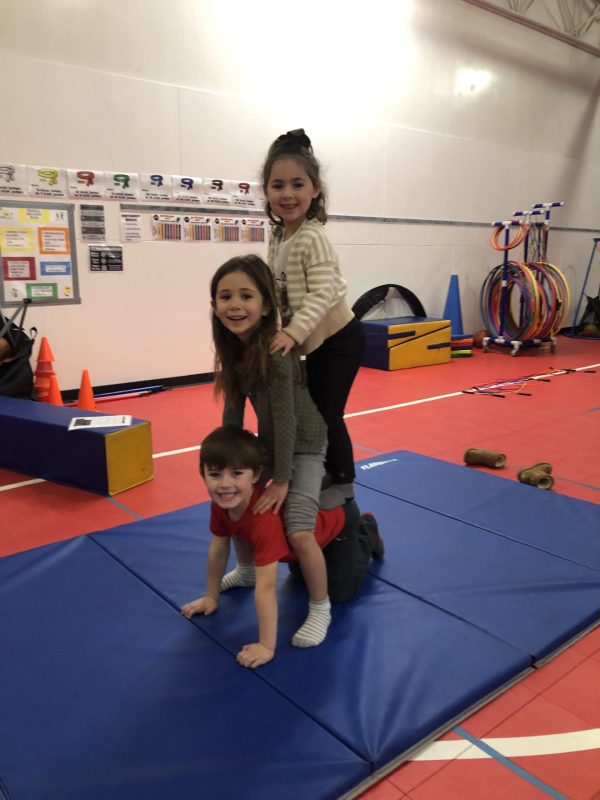
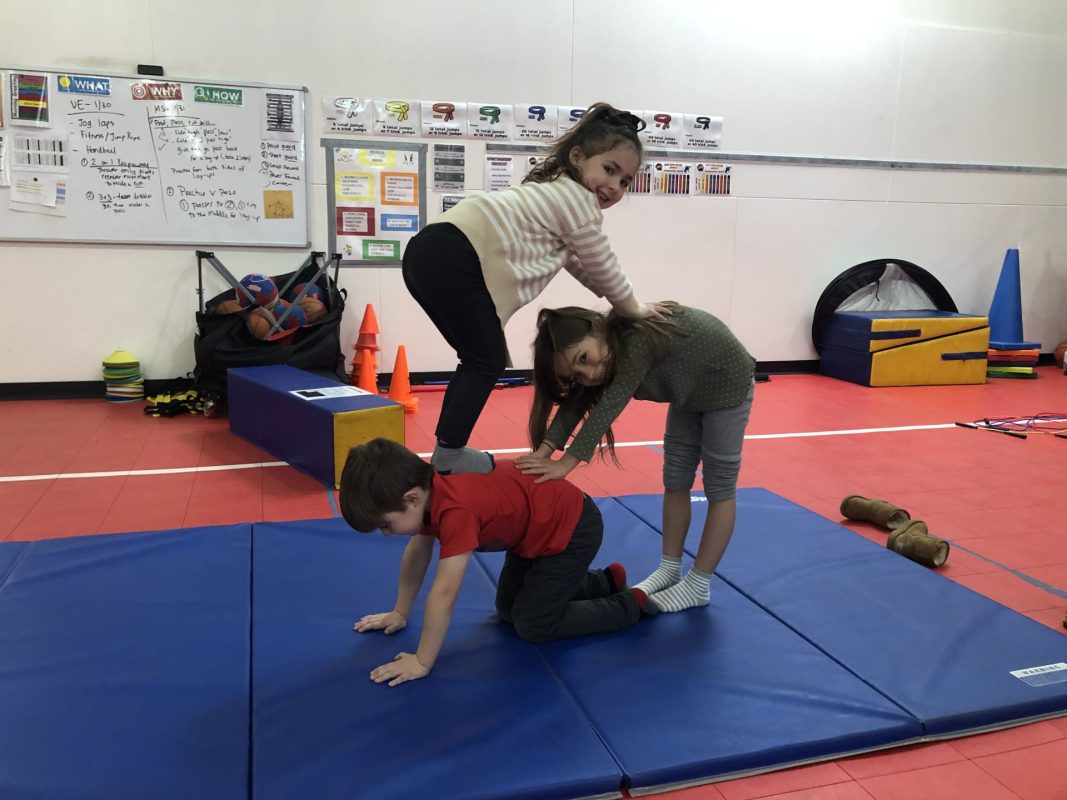
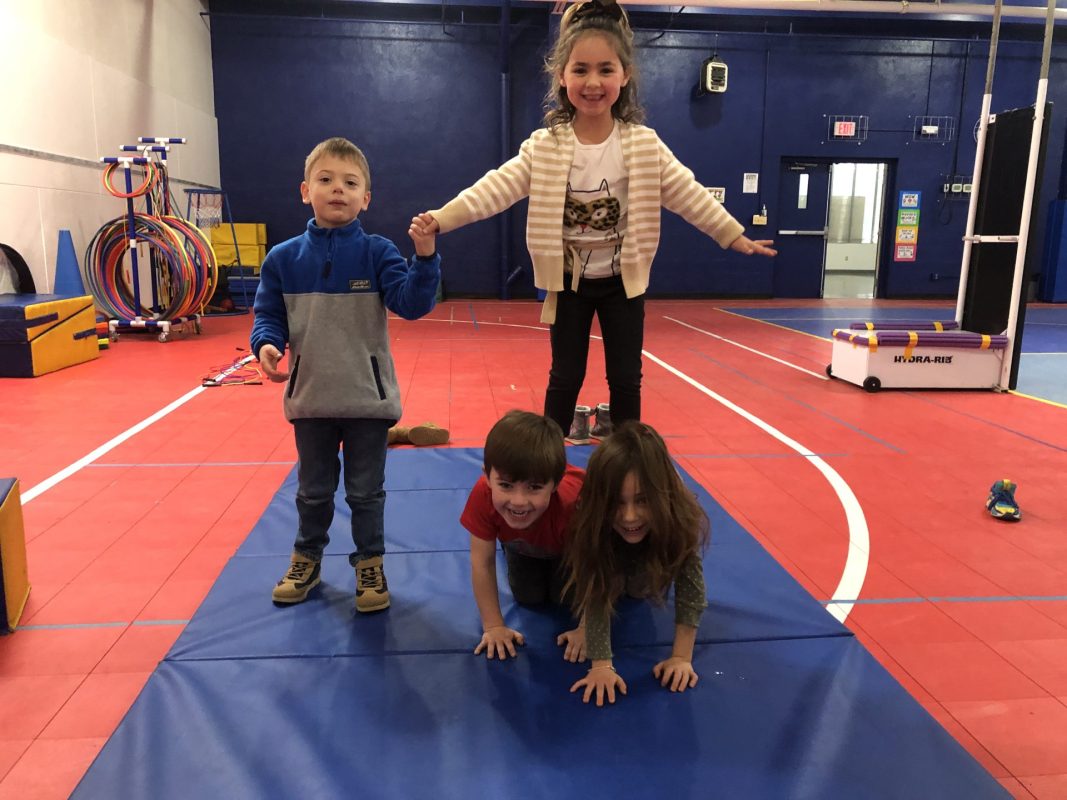
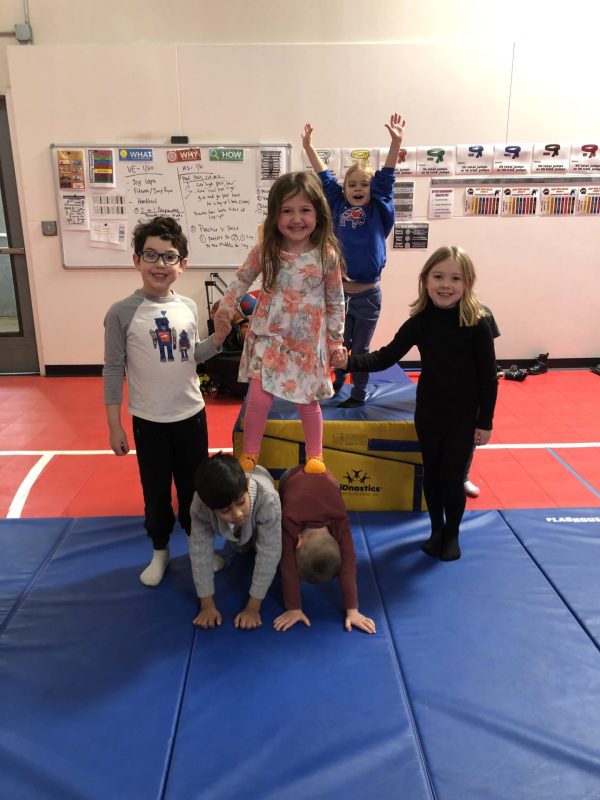
Building Pyramids

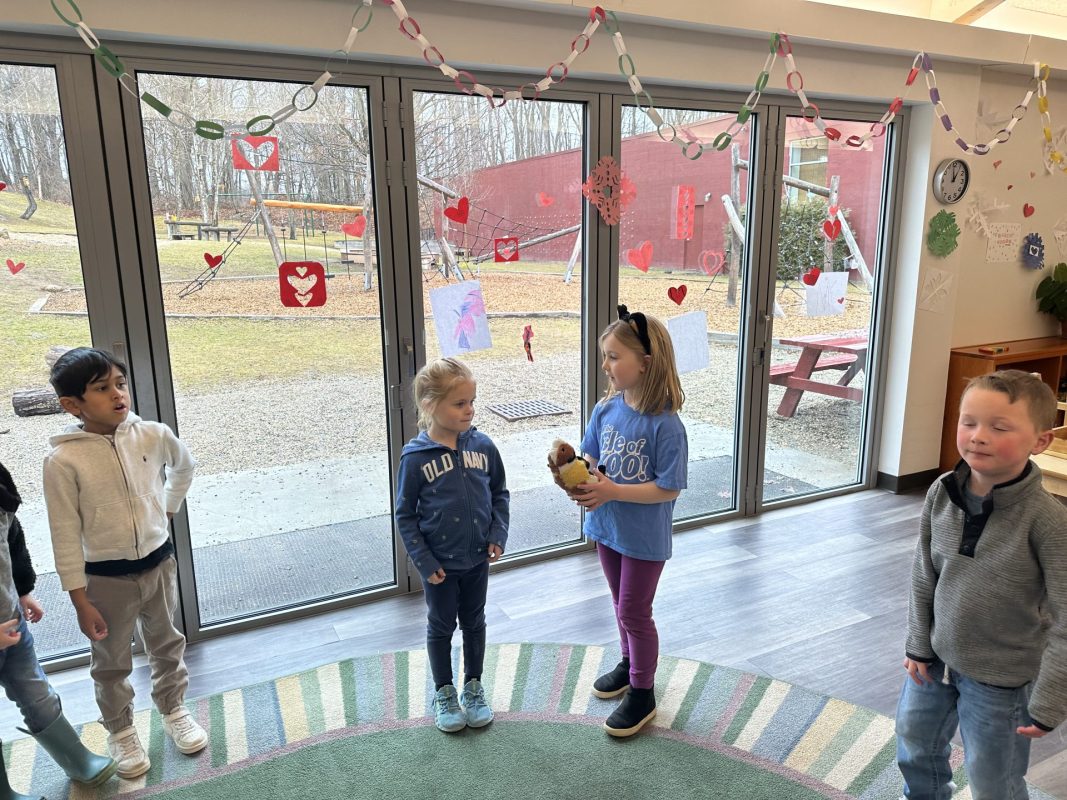
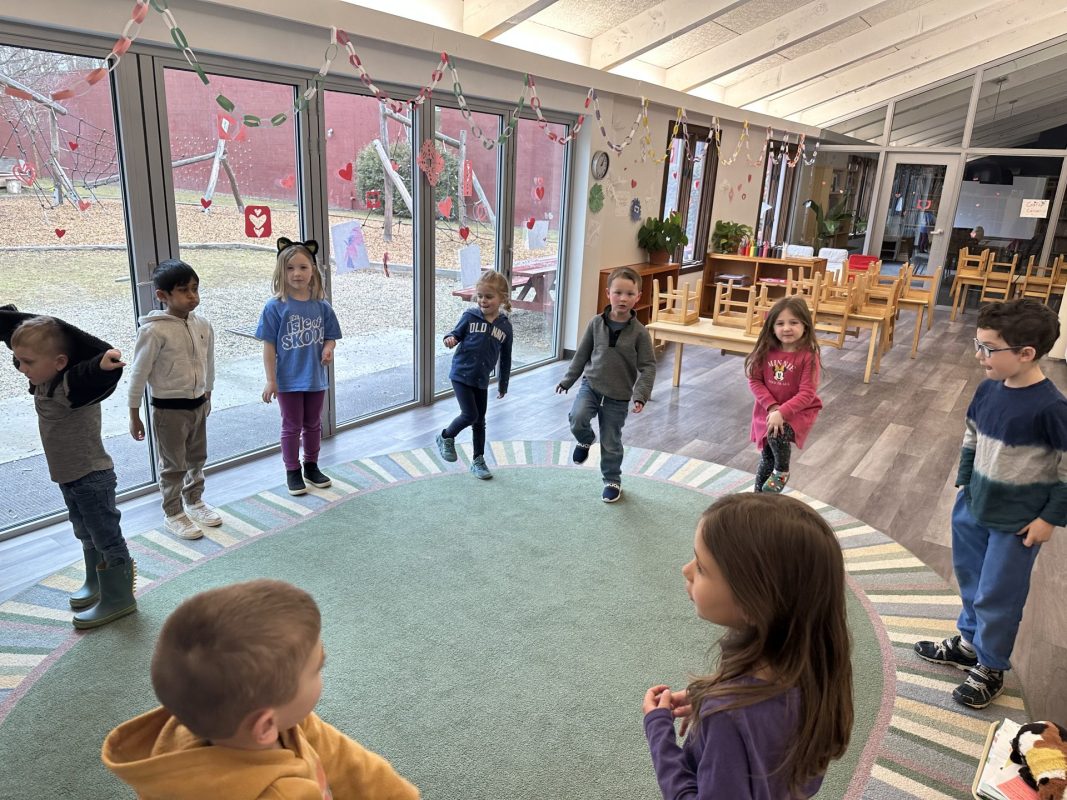
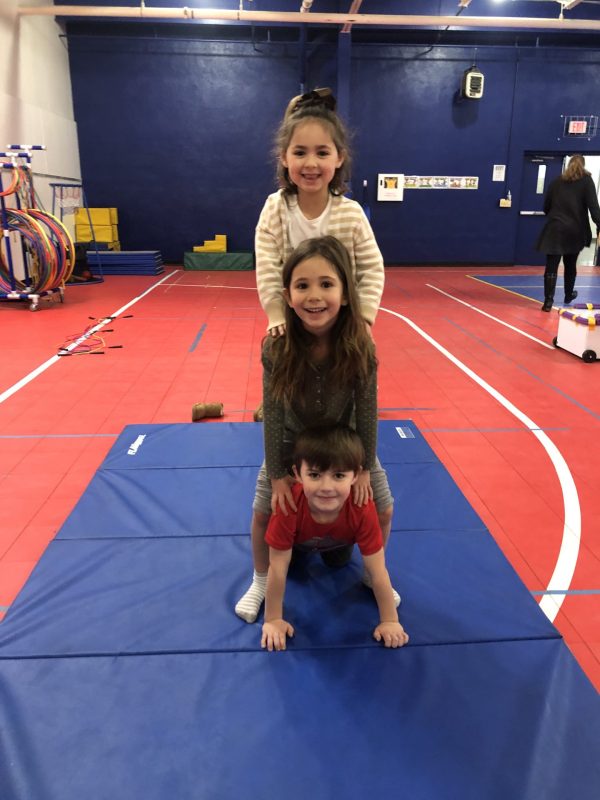
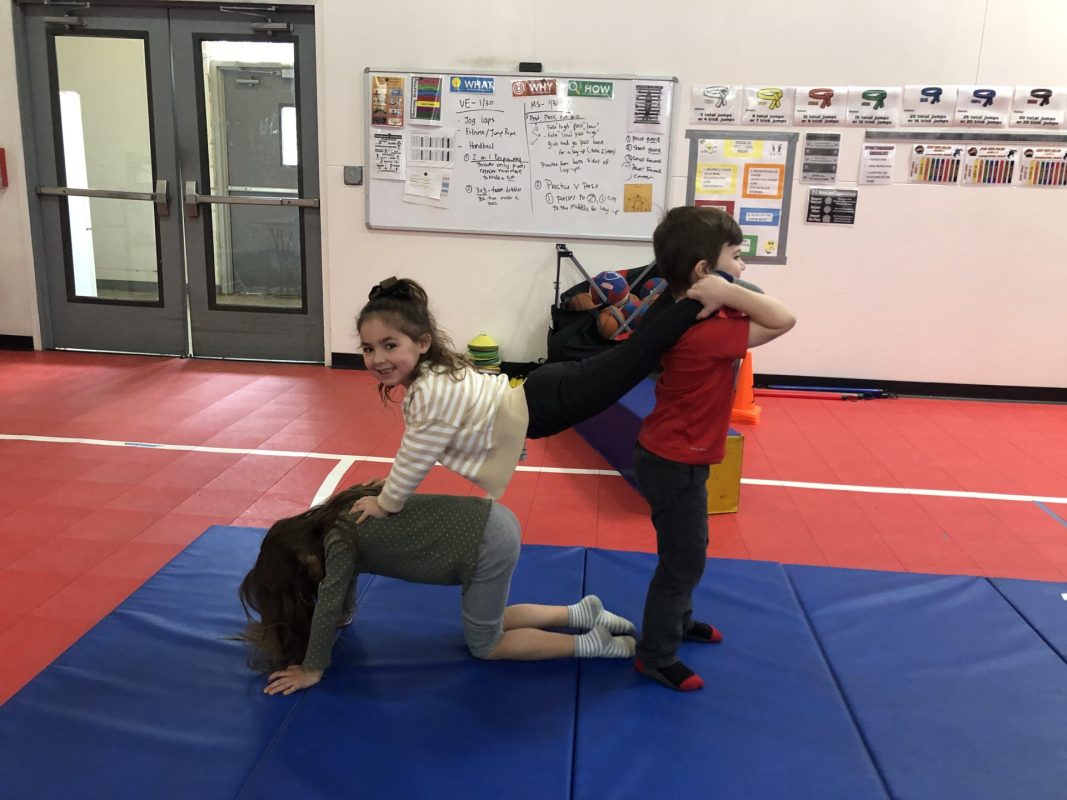
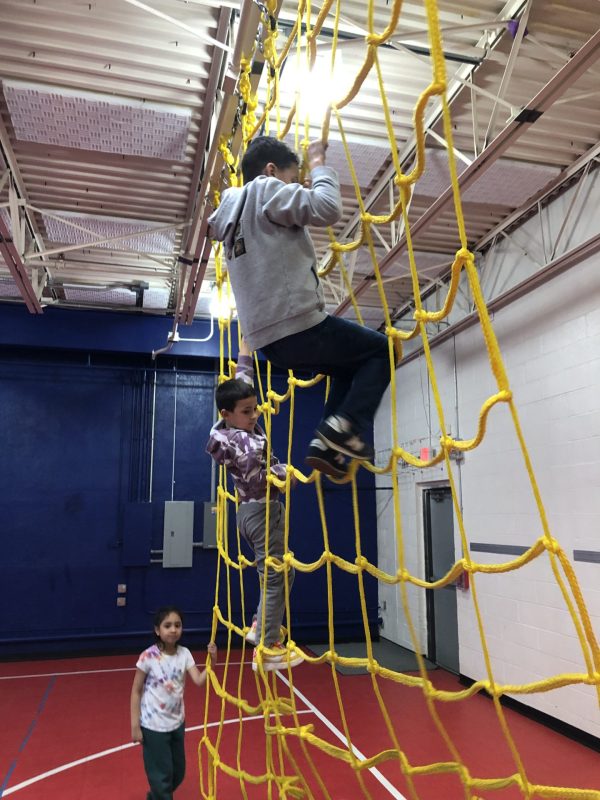
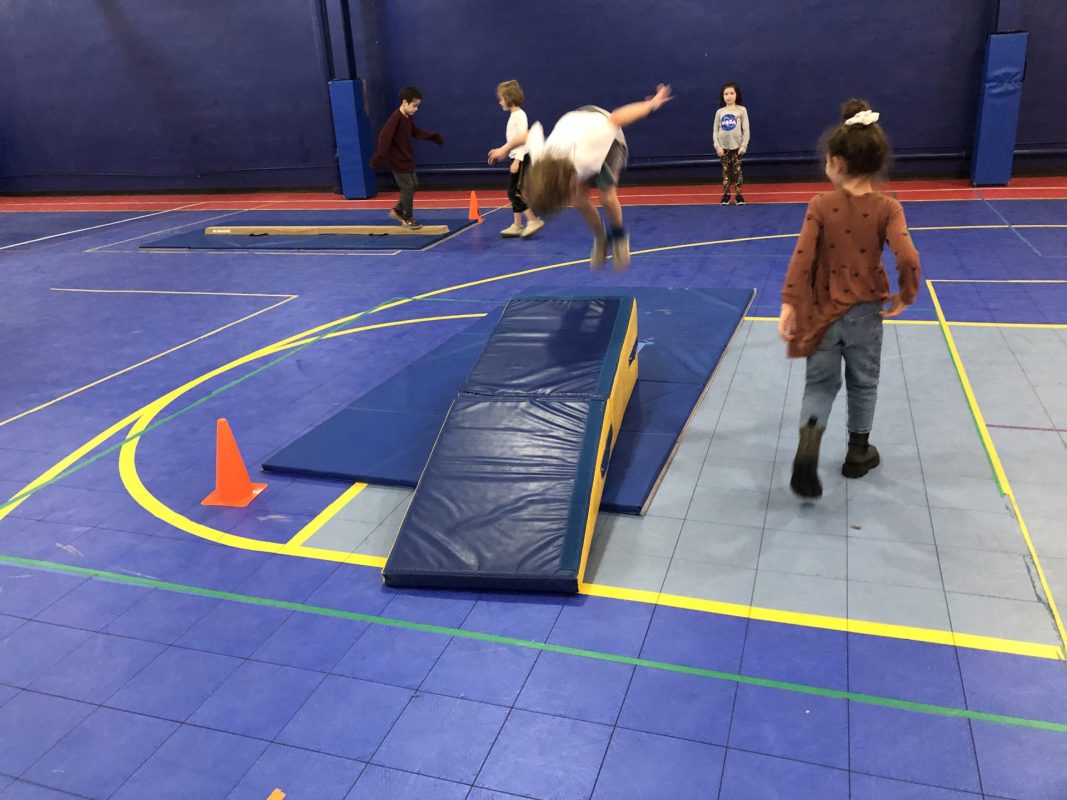
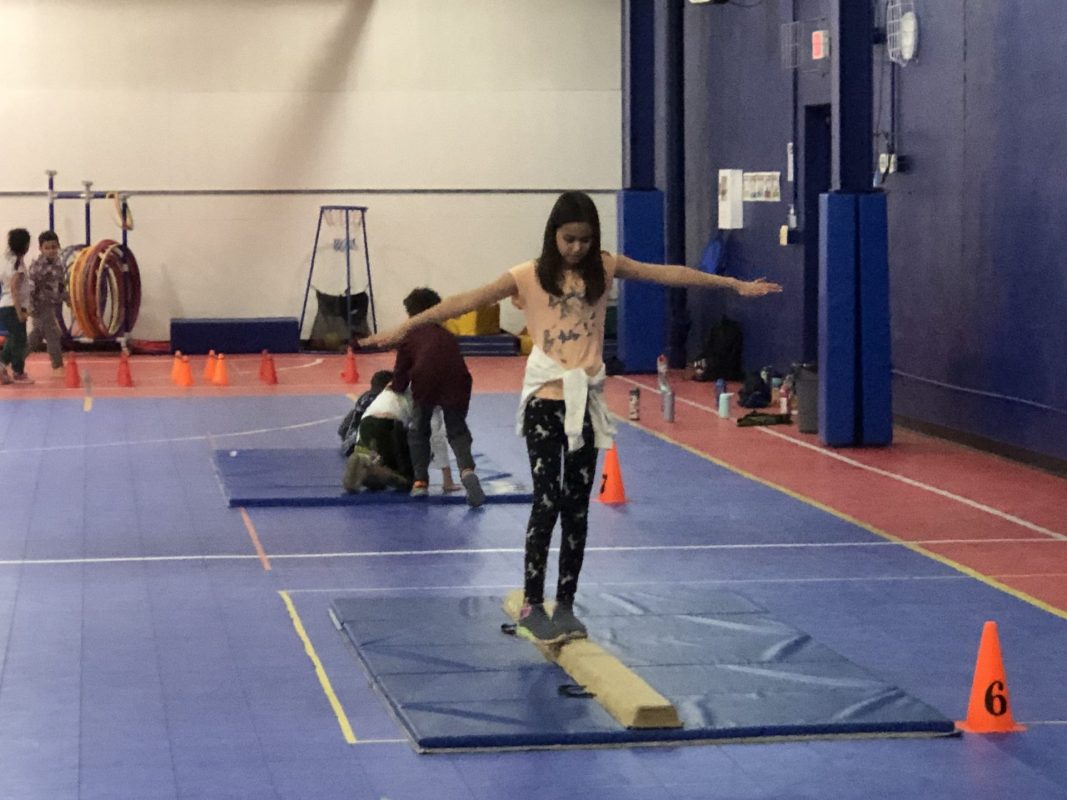
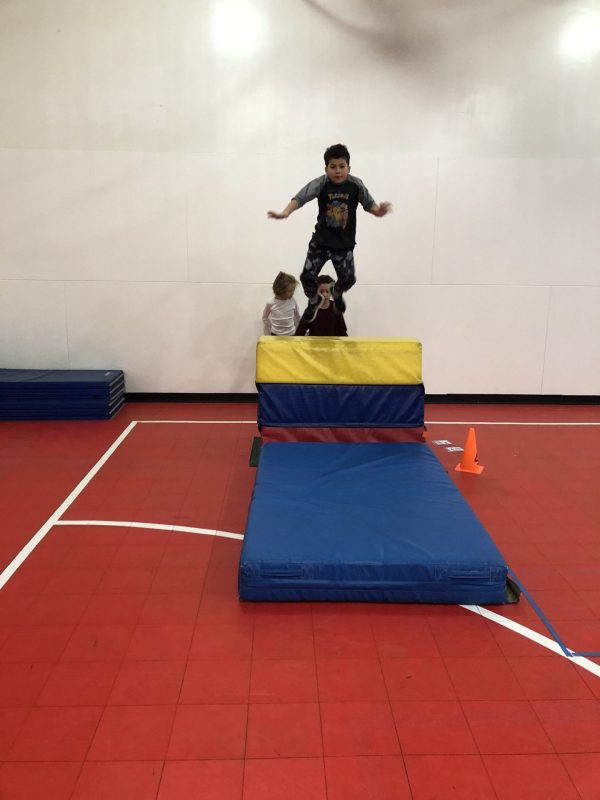
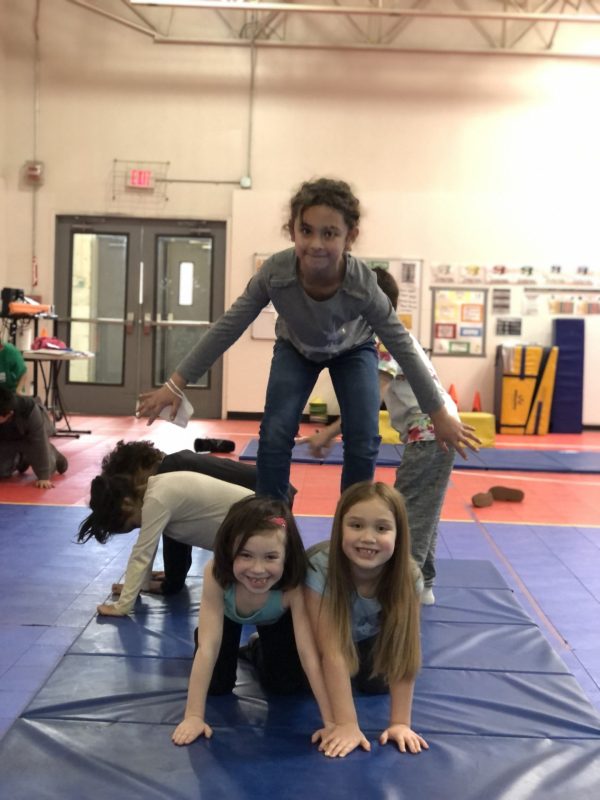
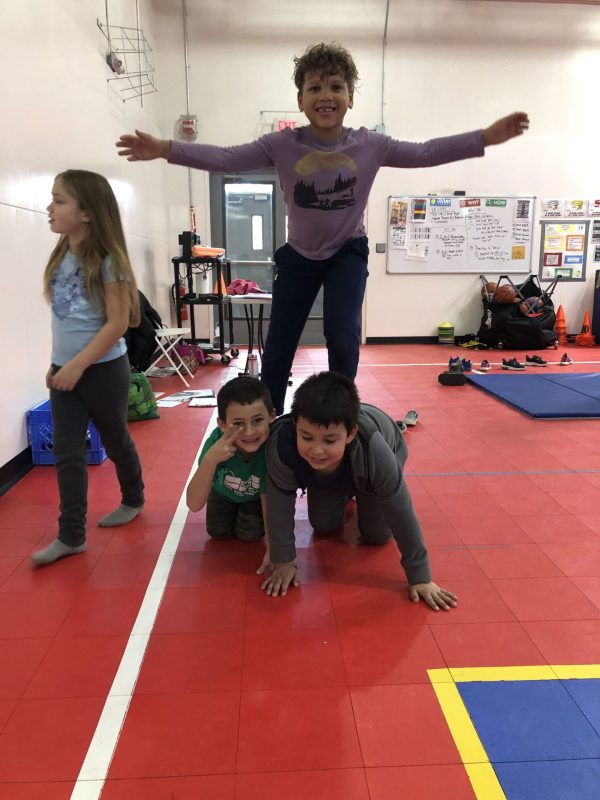
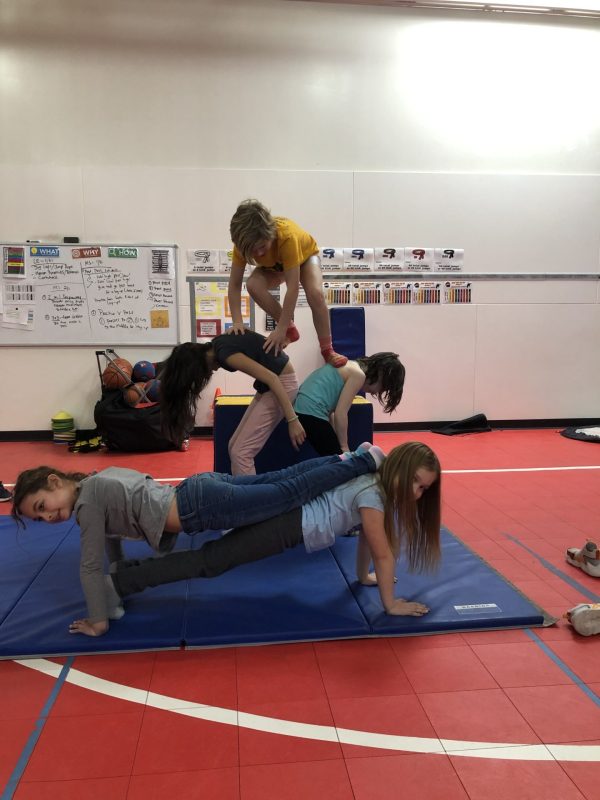
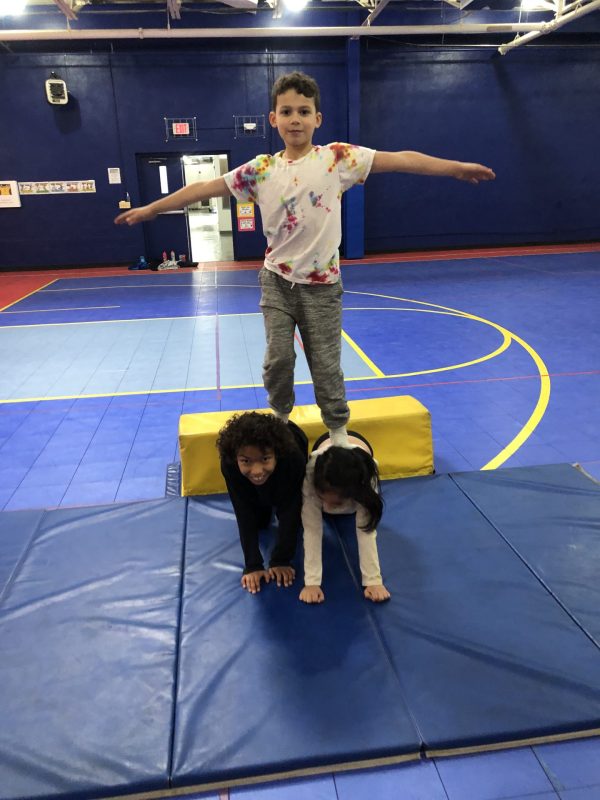
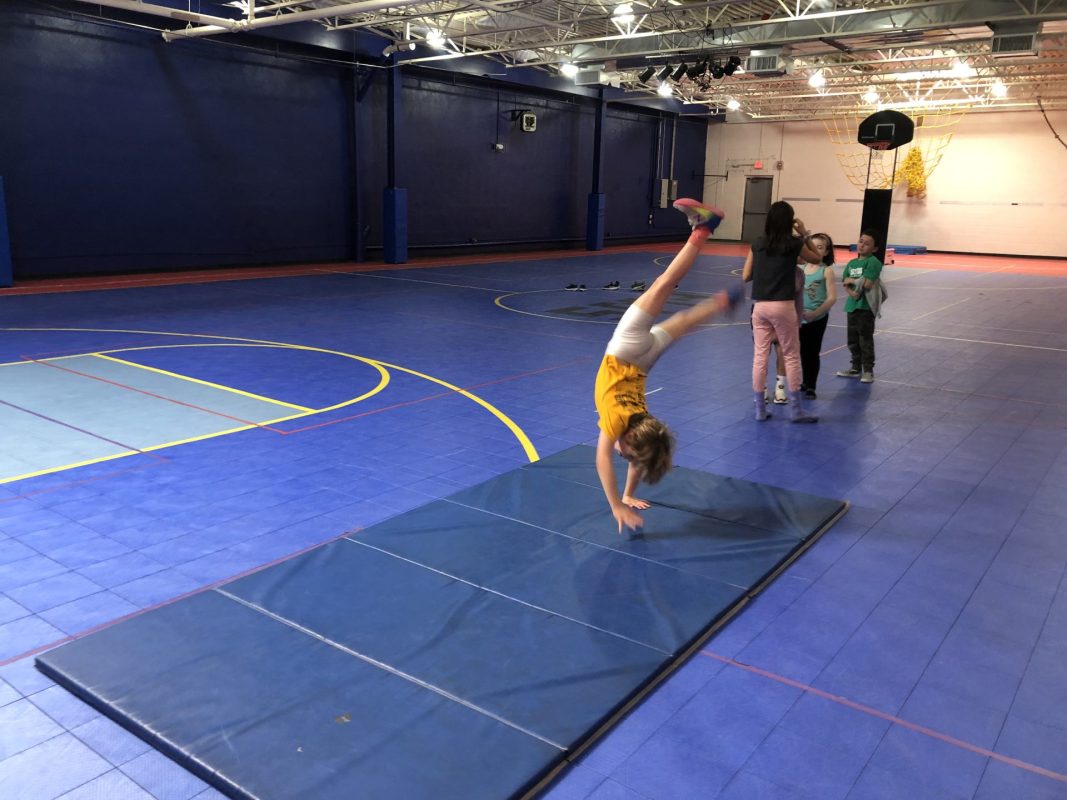
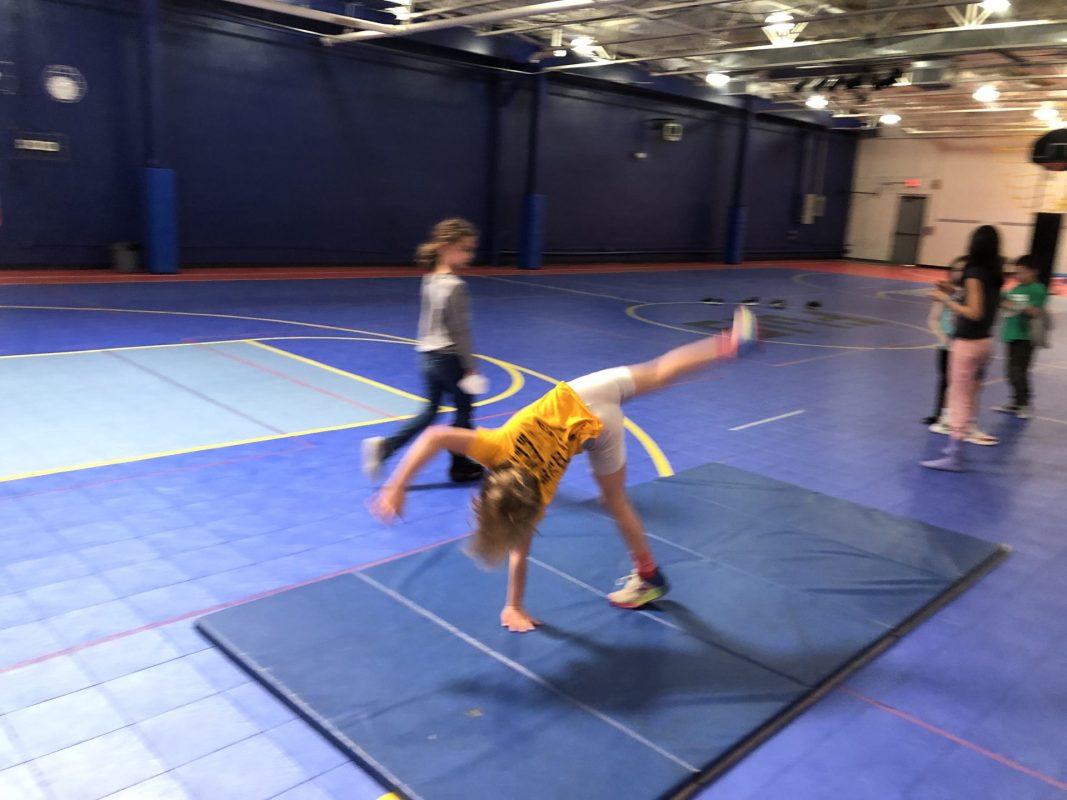
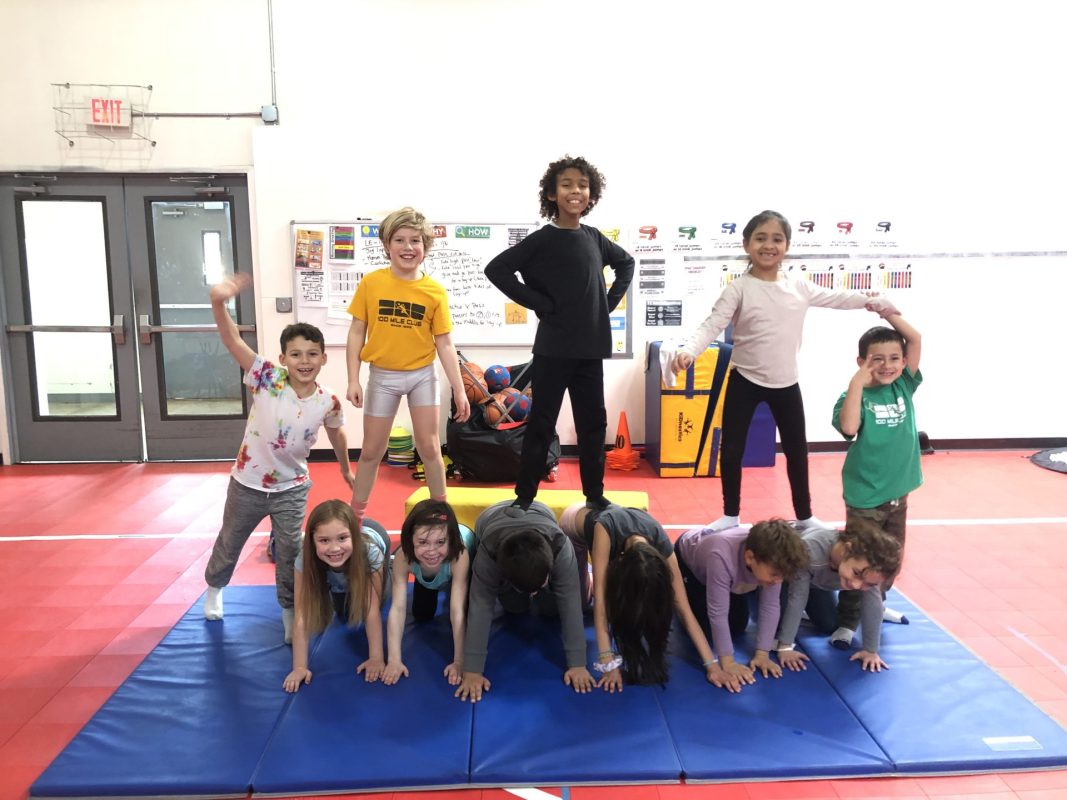
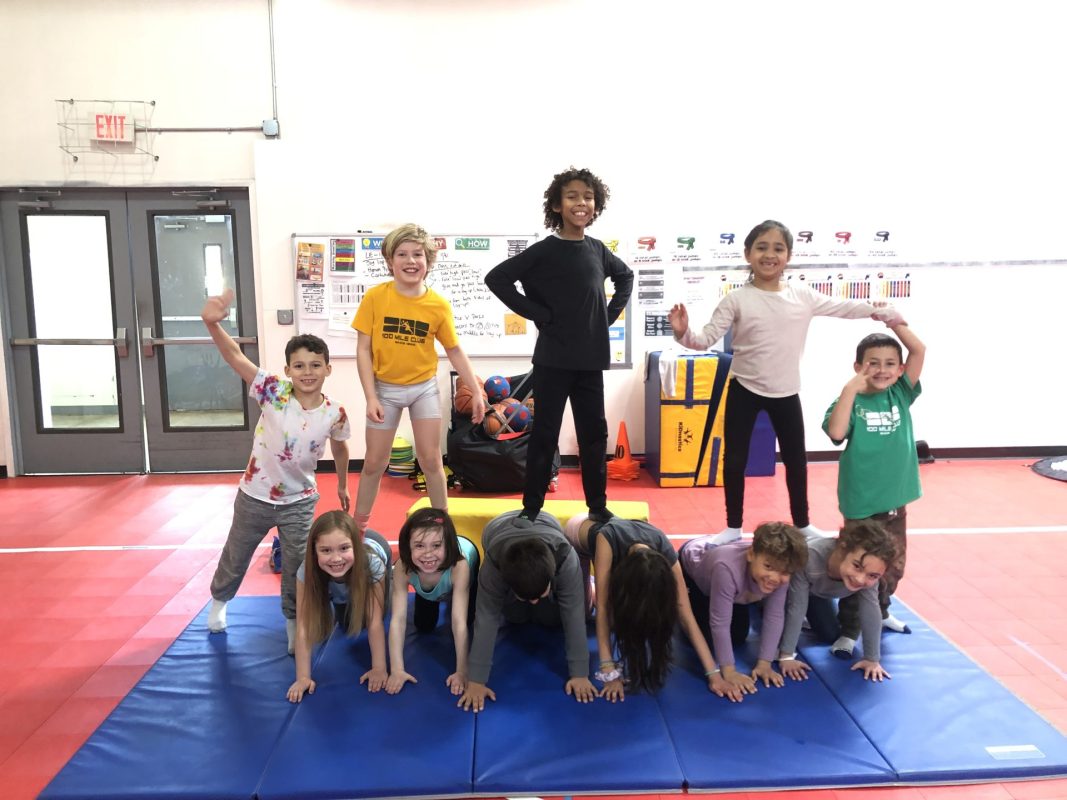
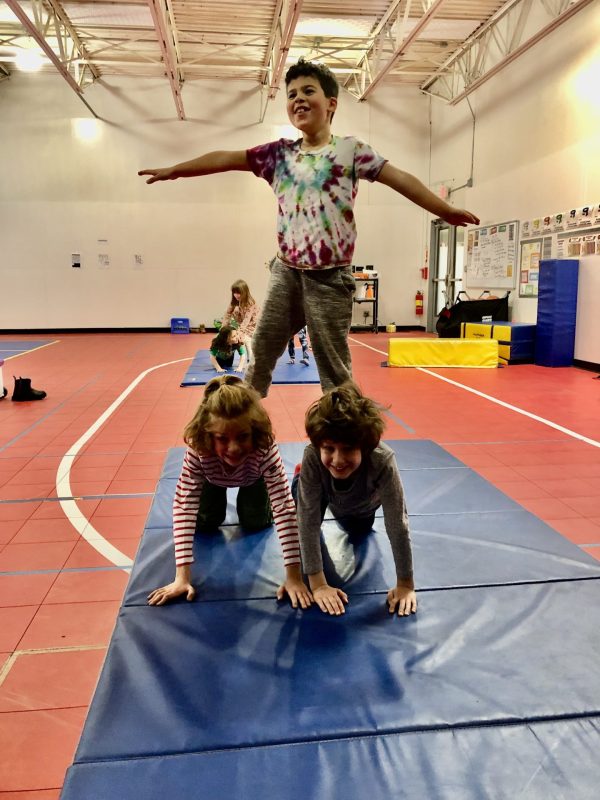
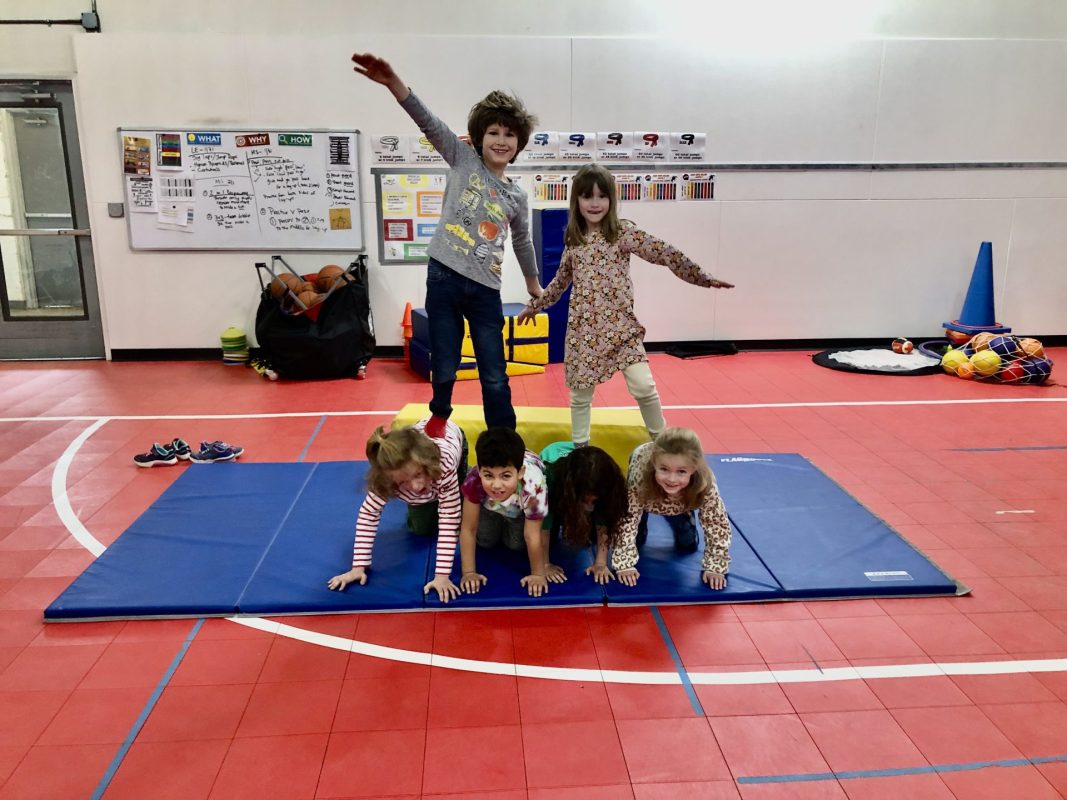
The Kindergarten and Lower Elementary students participated in a gymnastics unit where they experienced body weight transfer through floor skills. Students experienced the following apparatus: gymnastic mats for an obstacle course and a balance beam. They also did pyramid building, single balances, and cartwheels. Pyramid building is when a group of gymnasts makes a human pyramid by standing or kneeling on top of one another with only one person on the top level. A human pyramid is a formation of three or more people in which two or more support a tier of higher people. For practical reasons, lighter people are often higher, while stronger/heavier people are closer to the base.

Mrs. Semmah: I Sense Something Amazing in Our Class!

What the hand does, the mind remembers. —Maria Montessori

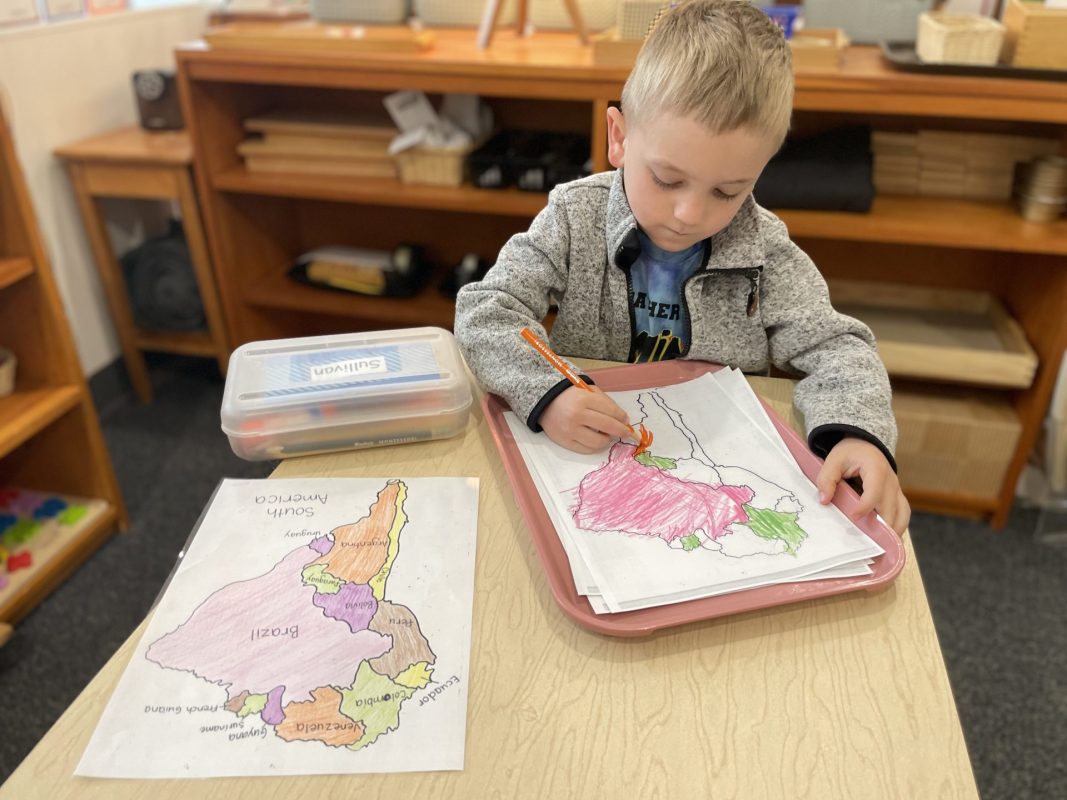
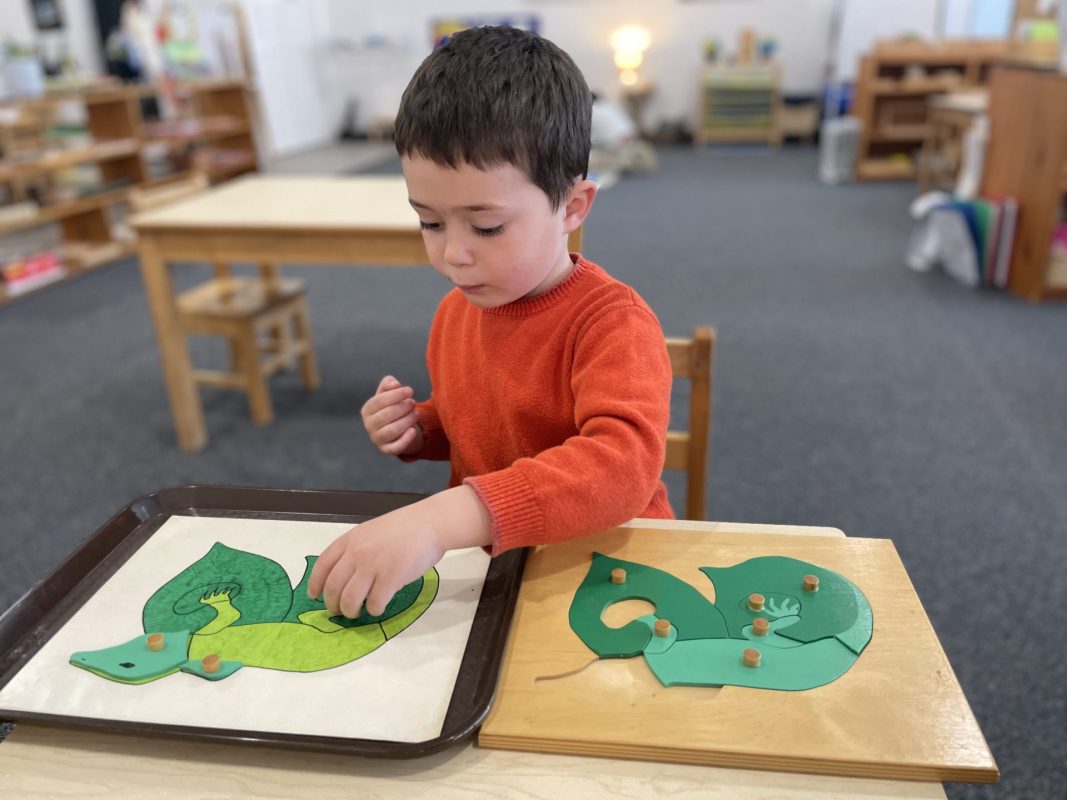
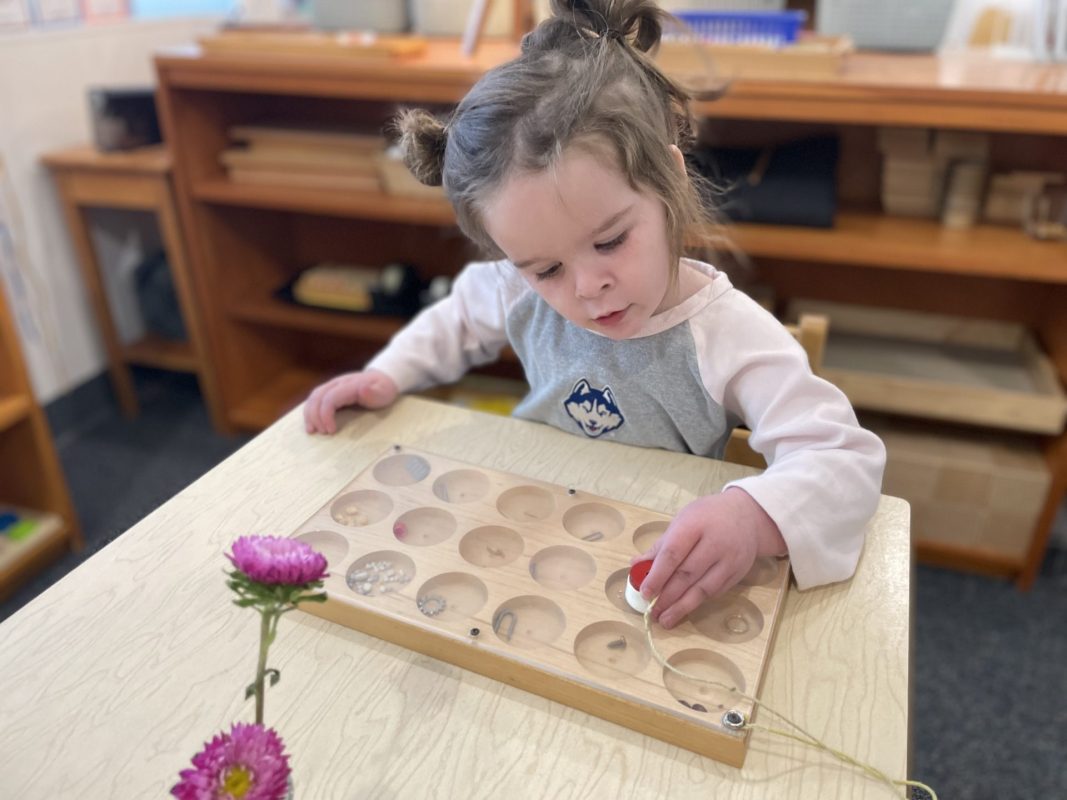
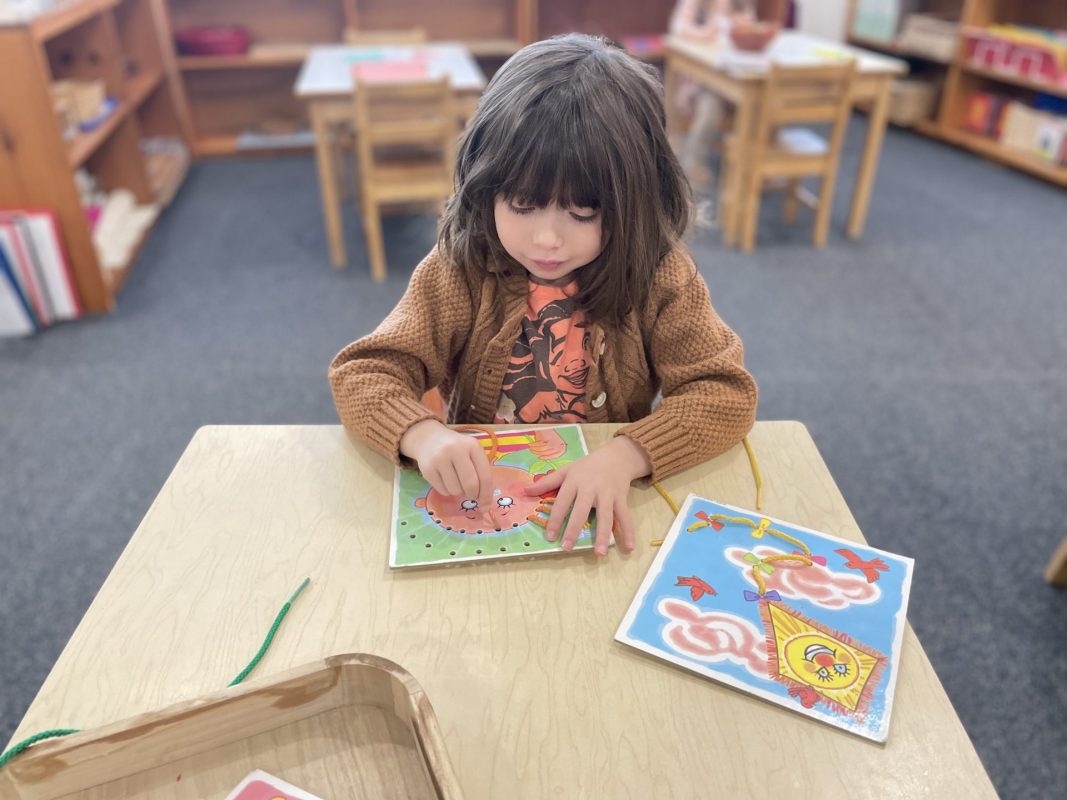
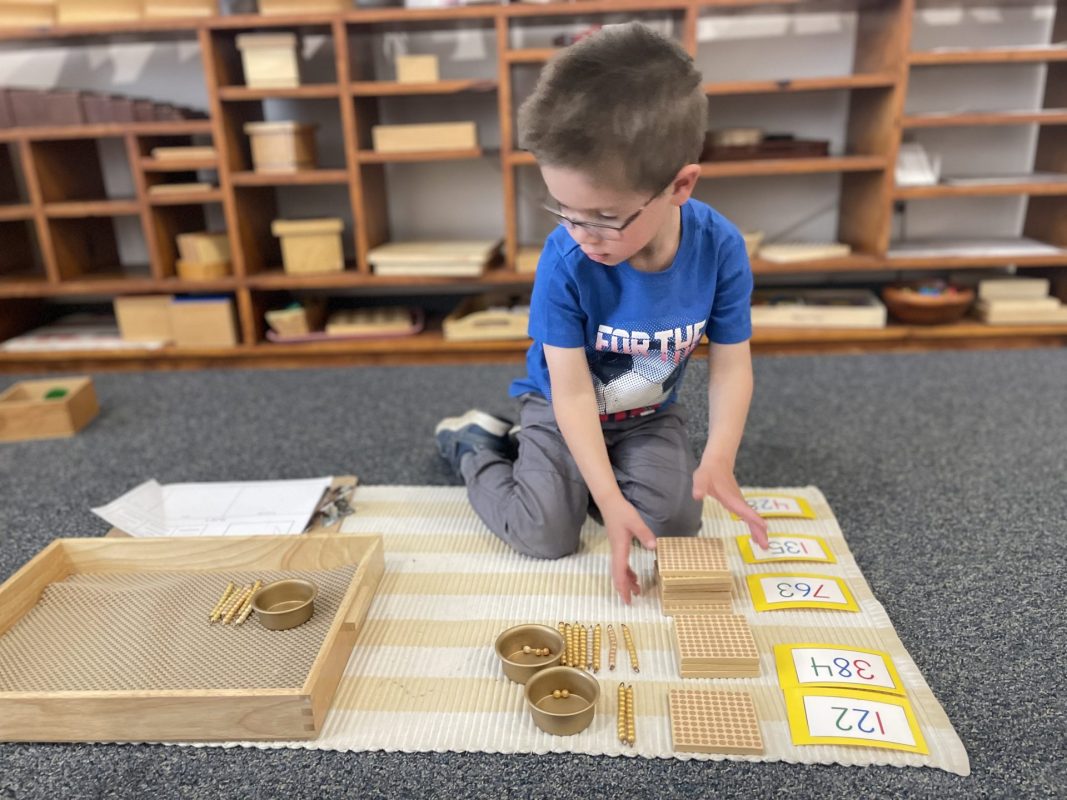
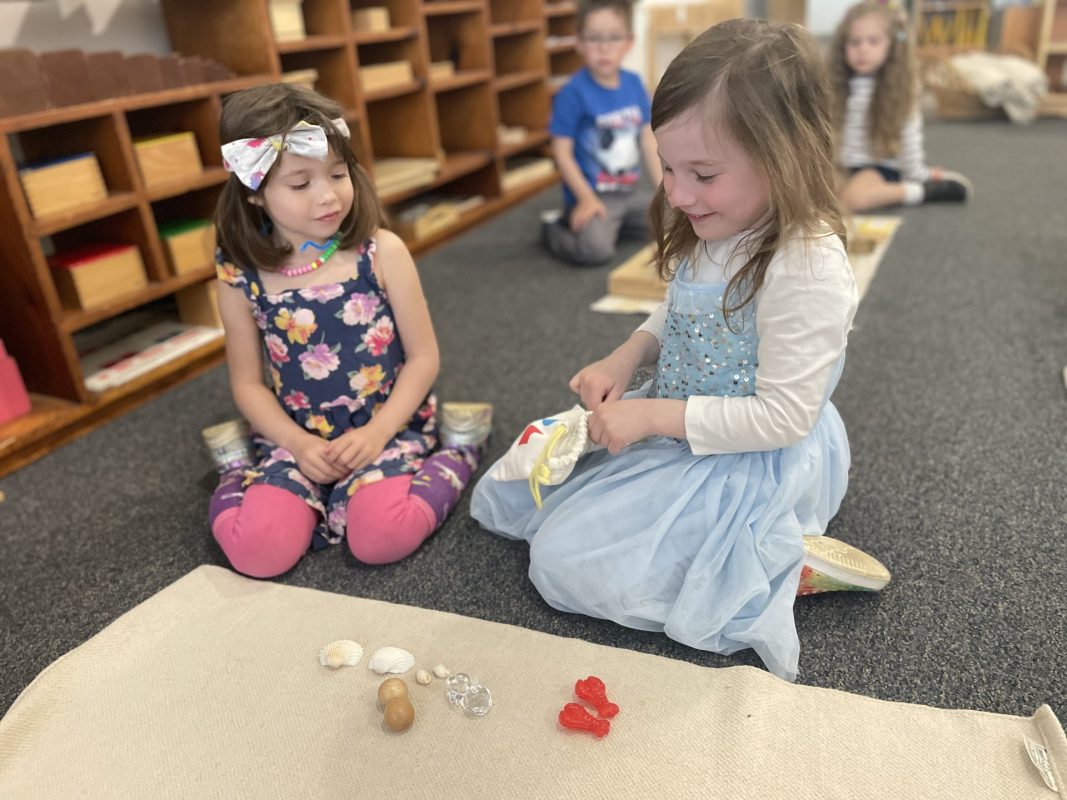
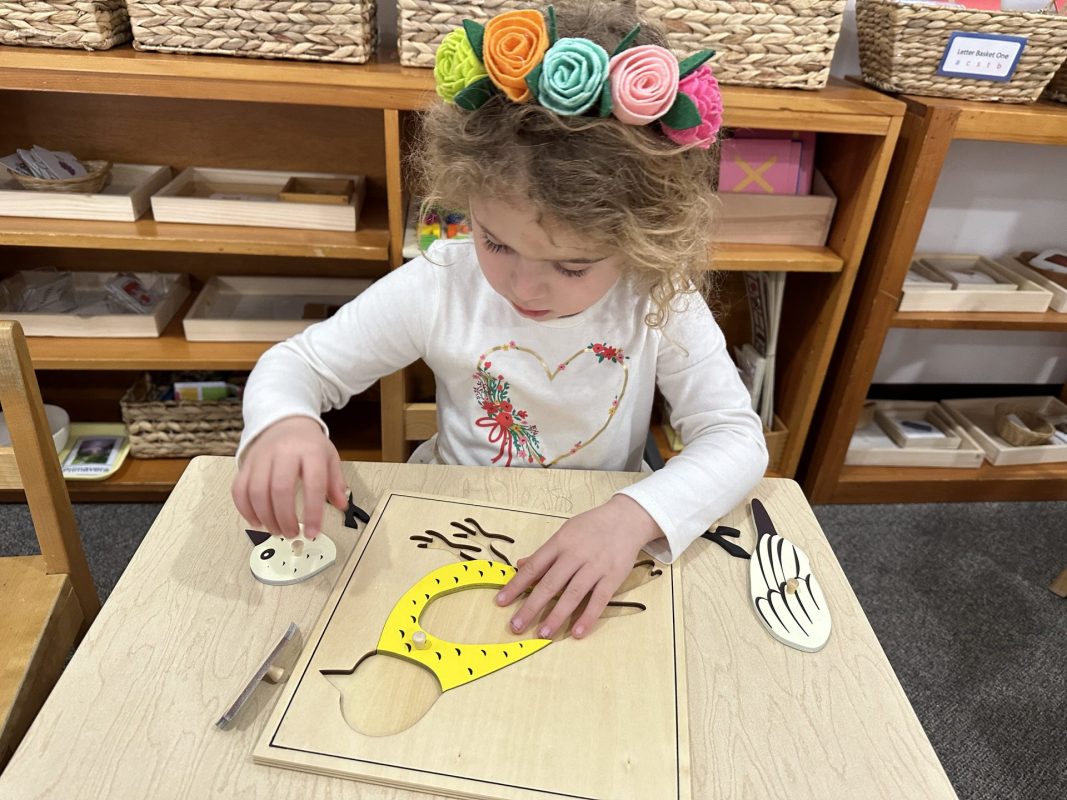
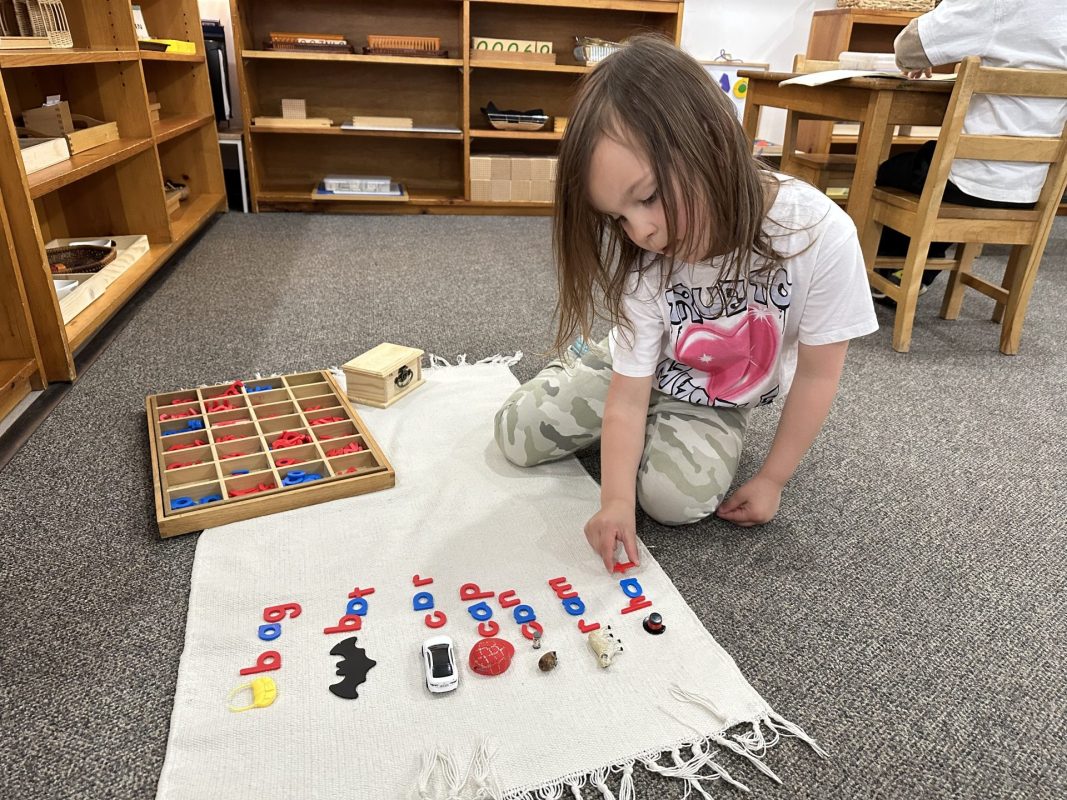
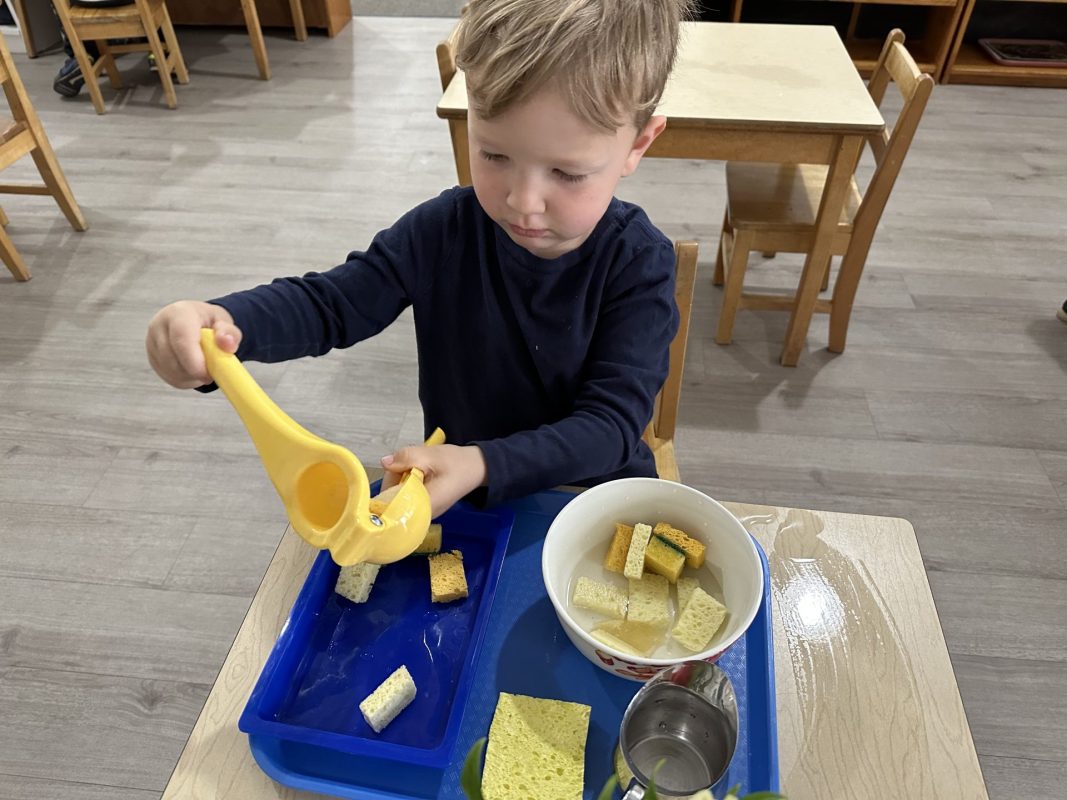
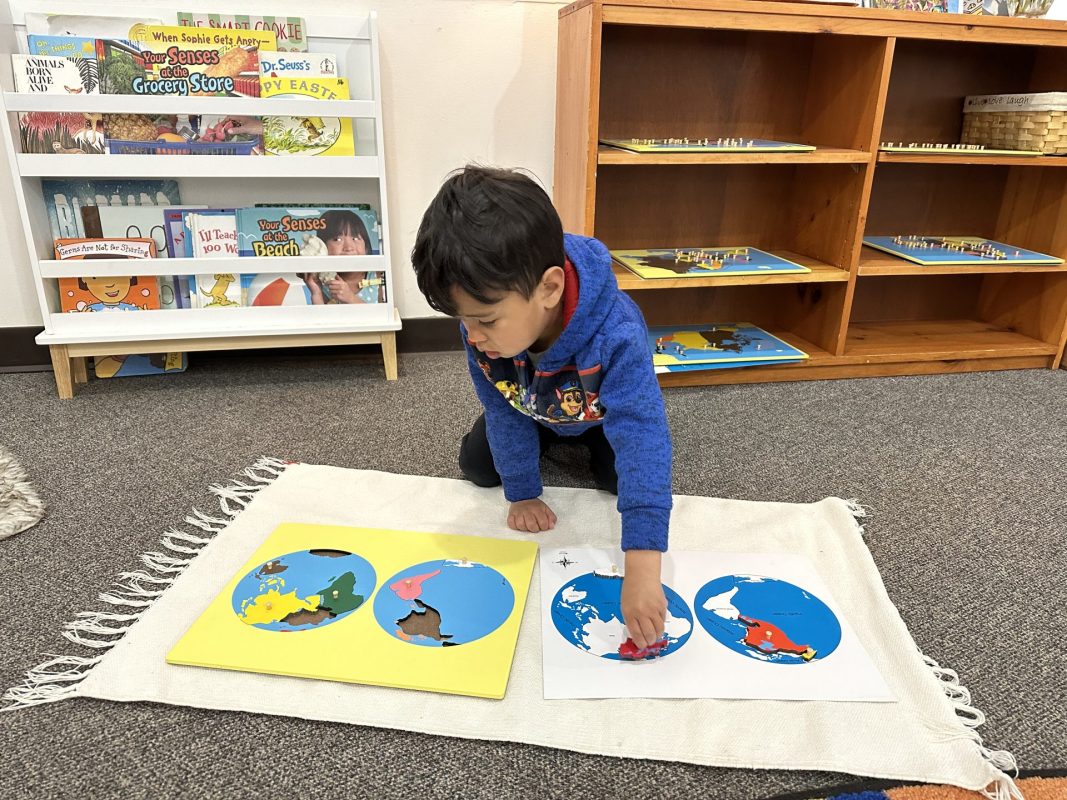
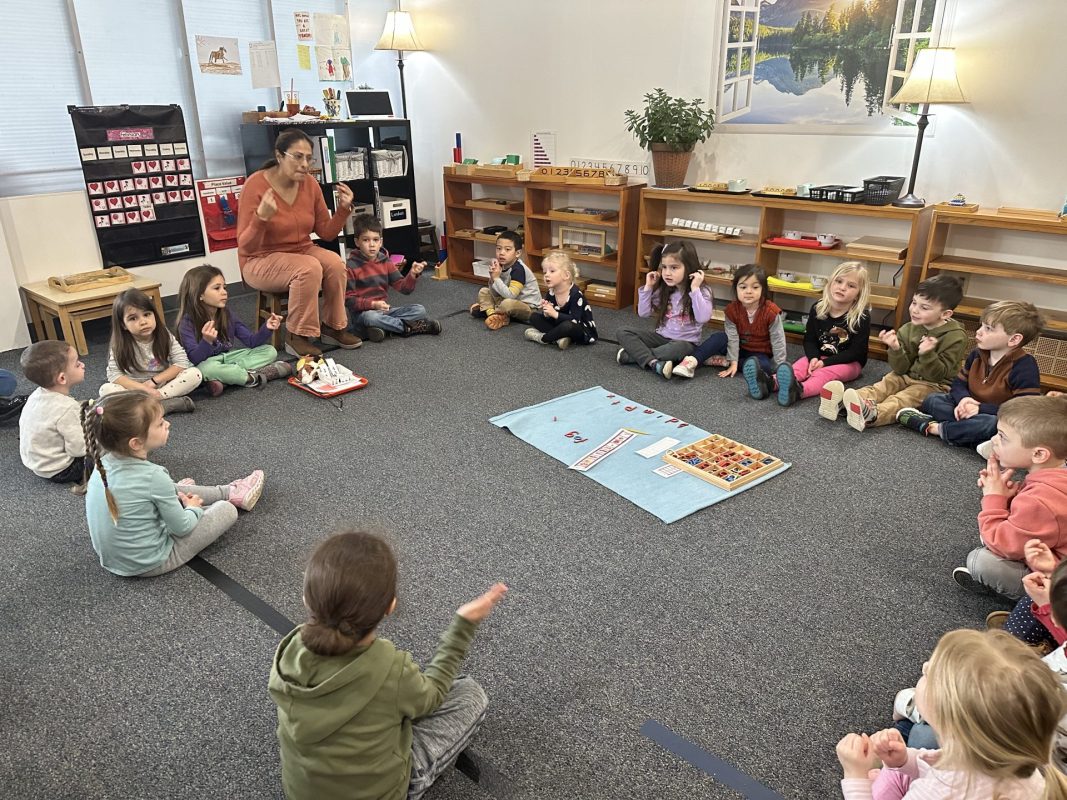
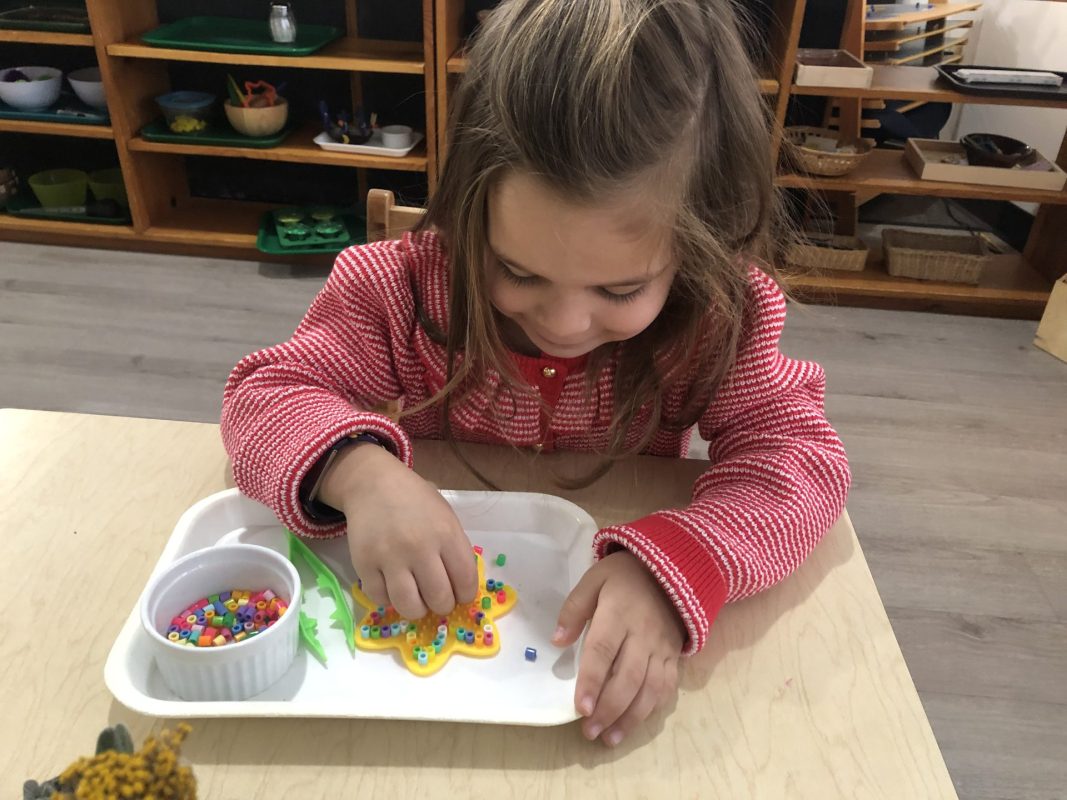
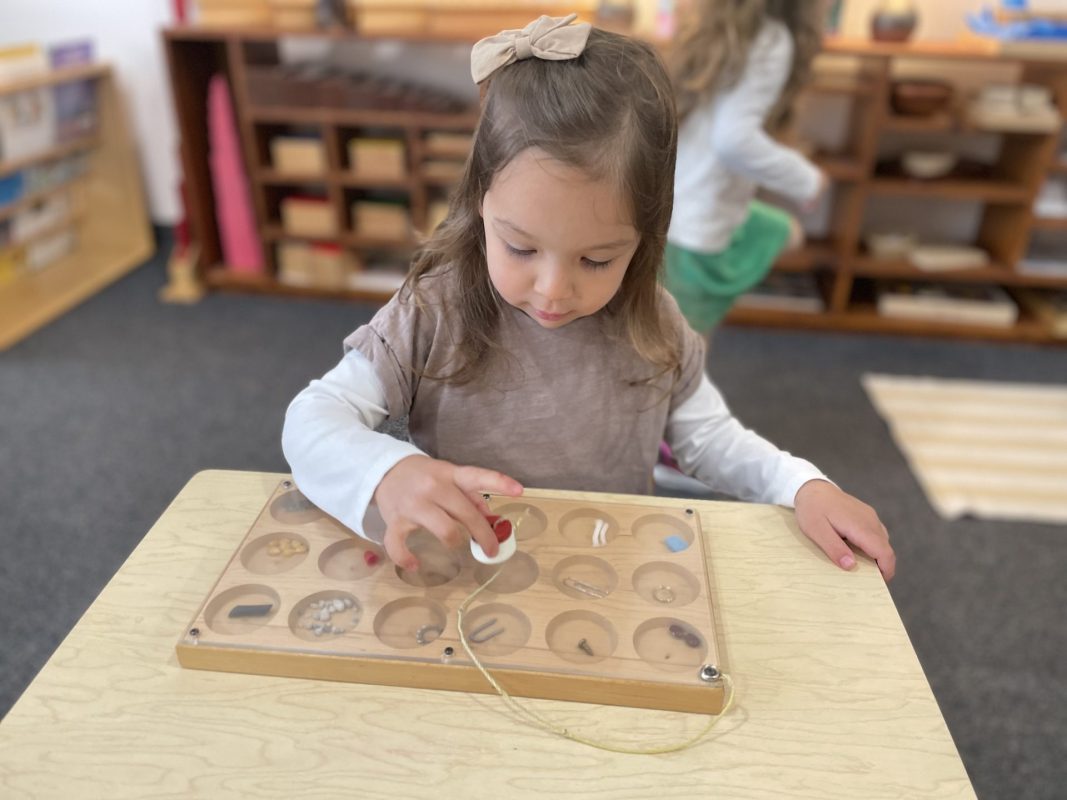
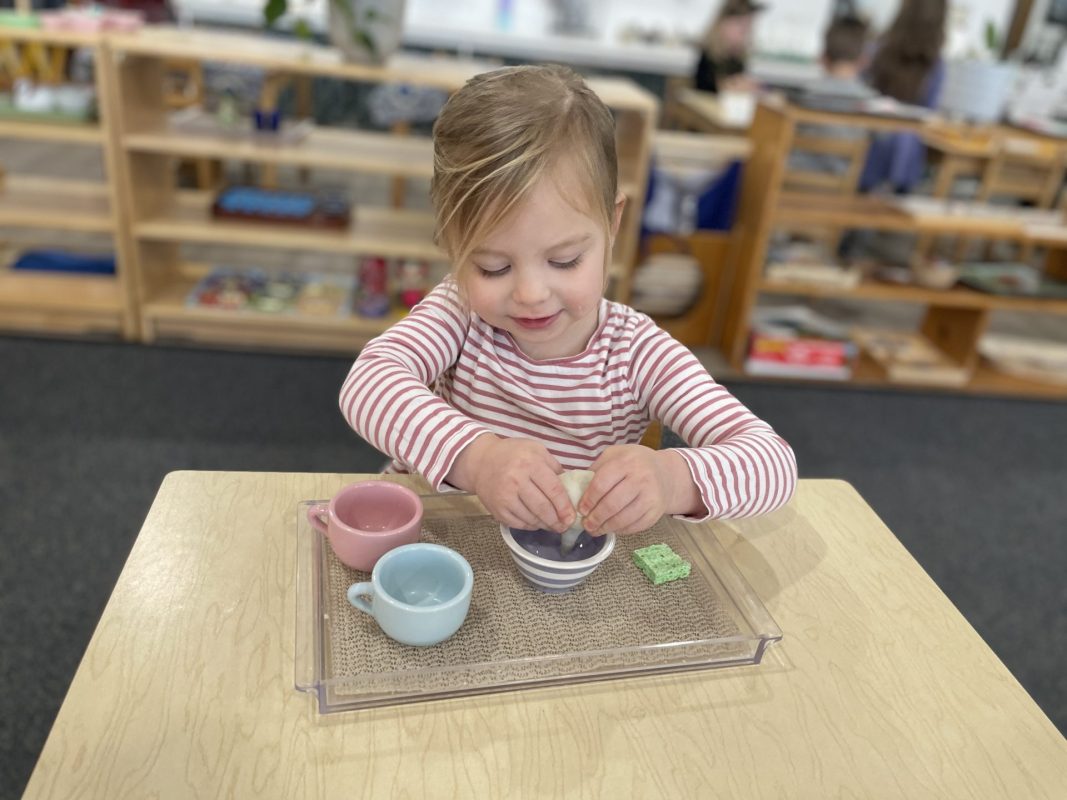
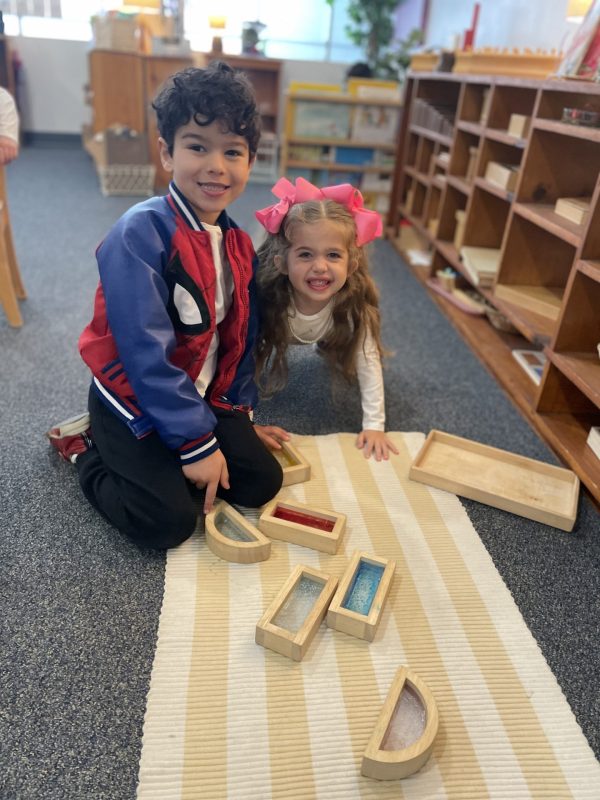
Every Montessori classroom has a Sensorial area, and it is filled with materials that help the child study their environment through their five senses. Maria Montessori believed that sensorial experiences begin at birth for every child, and by refining these skills, they begin to understand their surroundings. The sensorial materials allow the child to acquire concise information and classify things around them. They use their senses not only to create their own experiences and knowledge but also to help them figure out different impressions each sense receives. The child is, therefore, a natural “sensorial explorer.”

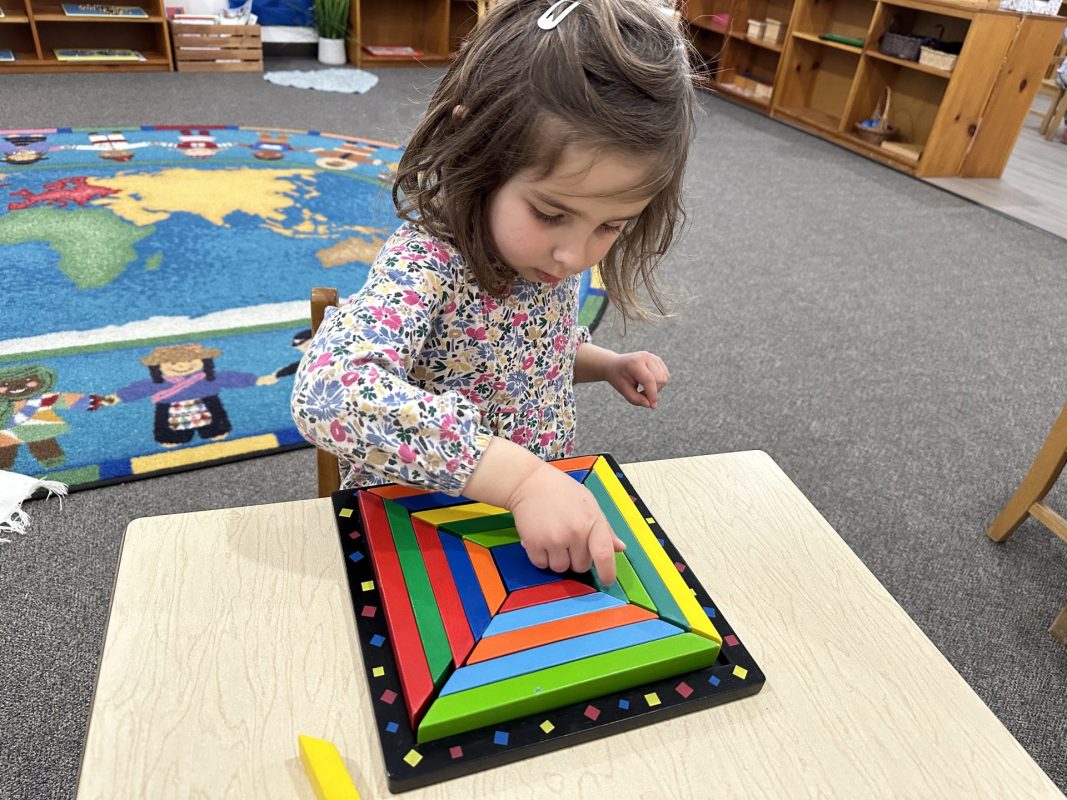
Each material in this area has a built-in control of error so that after an initial lesson, little teacher direction is needed. This control of error helps a child determine what needs to happen to complete the lesson successfully. The children can distinguish, categorize, and relate new information to what they already know. Each sensorial material isolates one specific quality, such as color, weight, shape, texture, size, sound, or smell. These materials emphasize this particular quality by eliminating or minimizing other differences. Many of the sensorial materials are also the basis of future mathematical concepts the children will learn.

Wishing you a week filled with peace and love.

Kaoutar & Sue