Blog

Middle School: Week in Review

Happy Friday, Middle School Community! We missed the 8th graders while they were away on their internships for the first part of the week, but we enjoyed hearing about their experiences.

Humanities

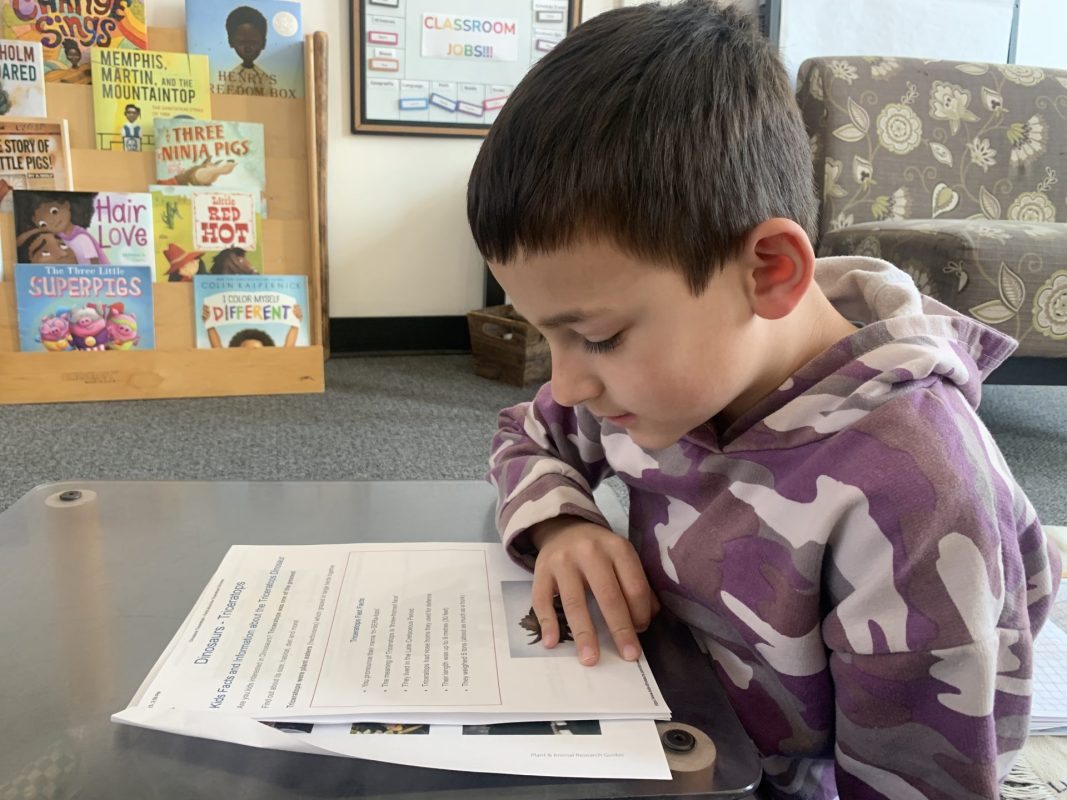
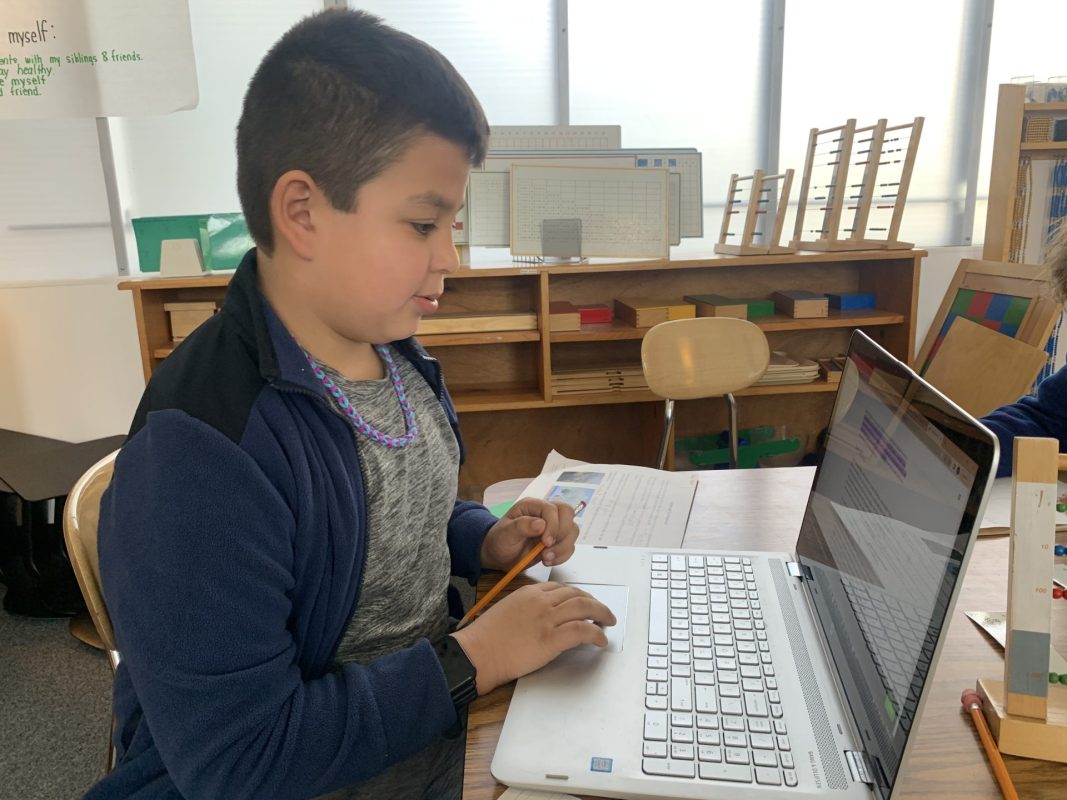
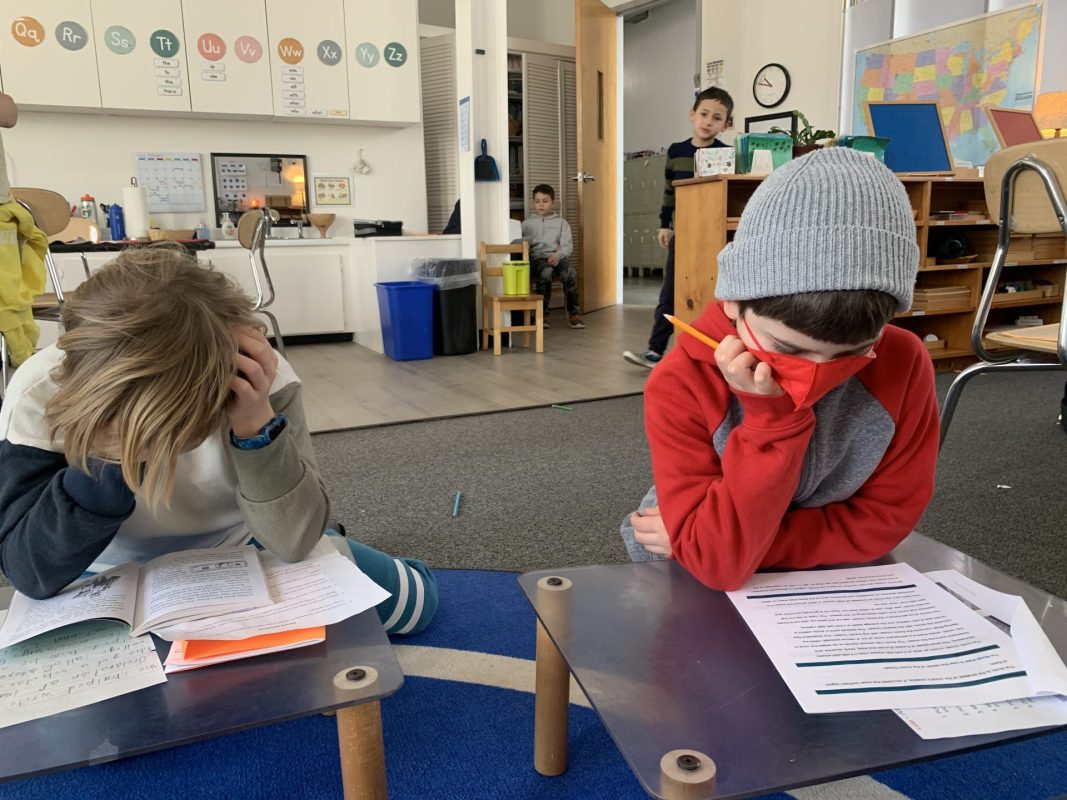
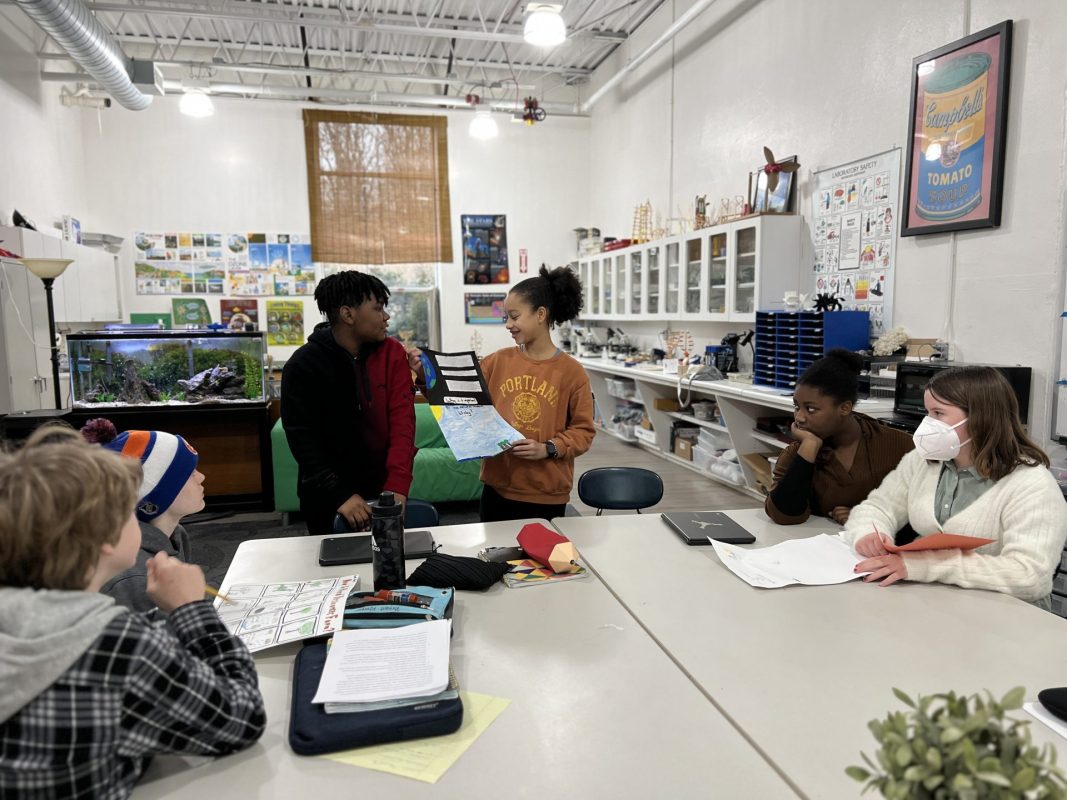
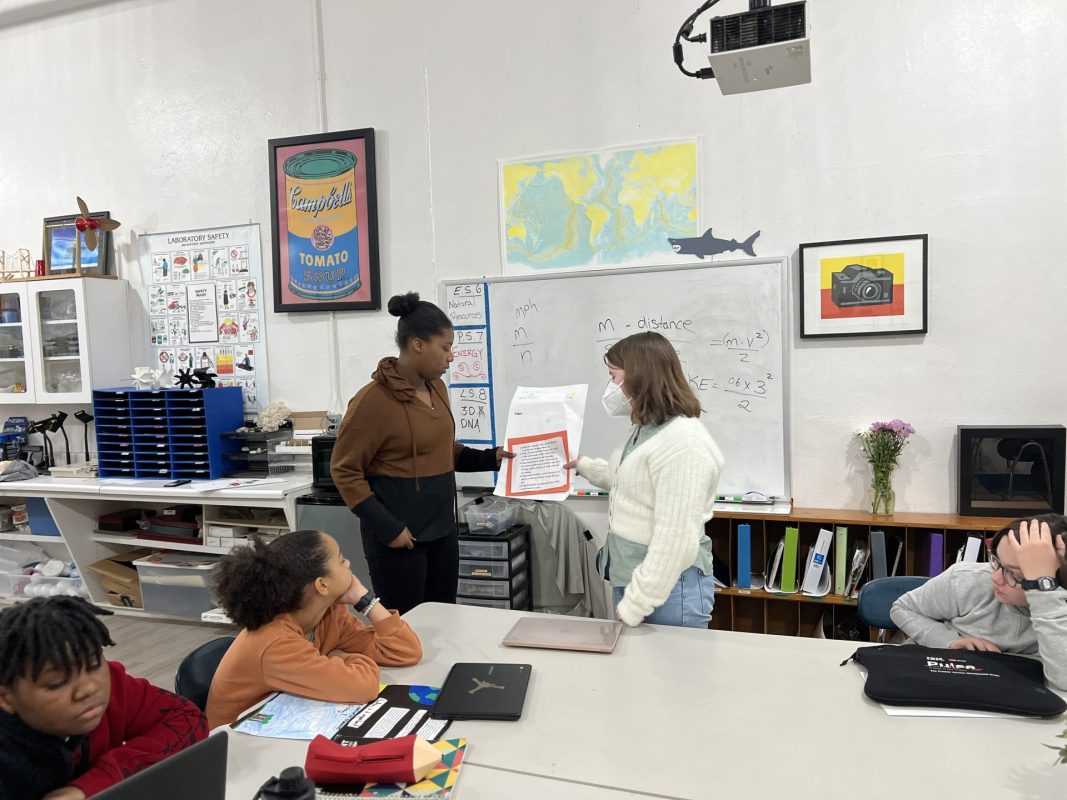
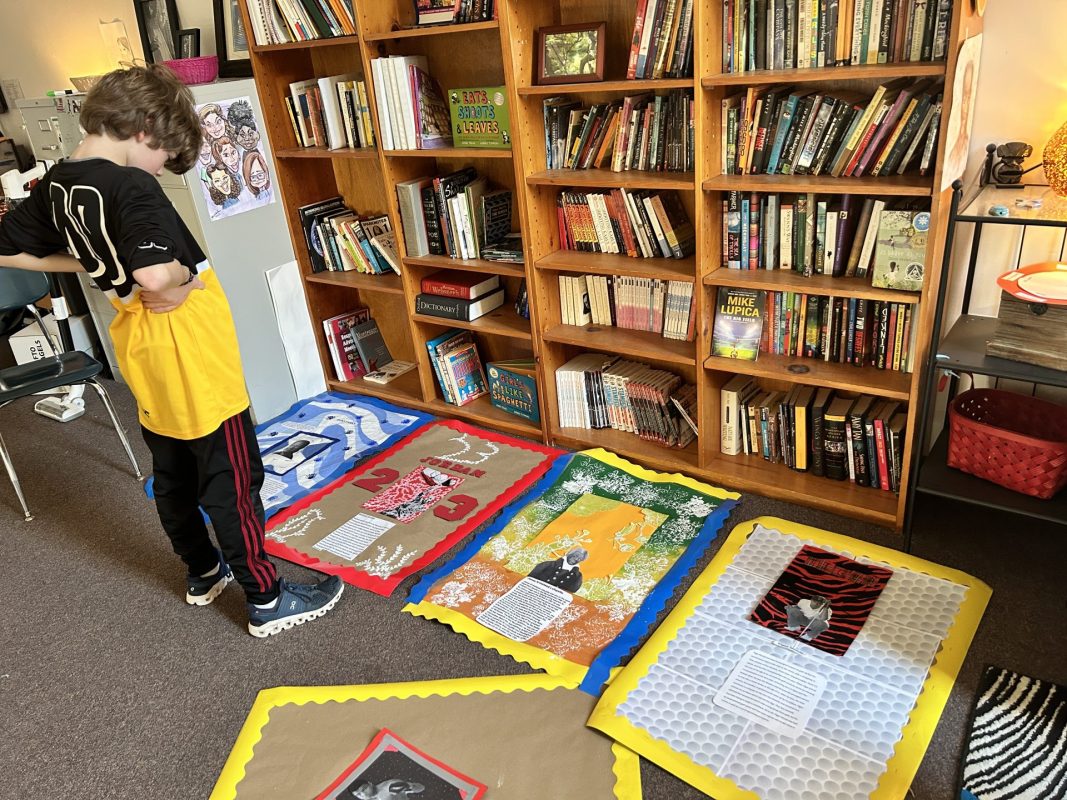
Grade 6 & 7 Humanities classes worked on their research presentations’ first and second rounds. For each “round” they present, Mrs. Lamb gives both written and one-on-one feedback. When classmates are presenting, they are making revisions, checking off their editing to-do list, and practicing. Students are excited to welcome you to their Research Presentation Night on Wednesday, 2/15, at 7 pm in the Commons!

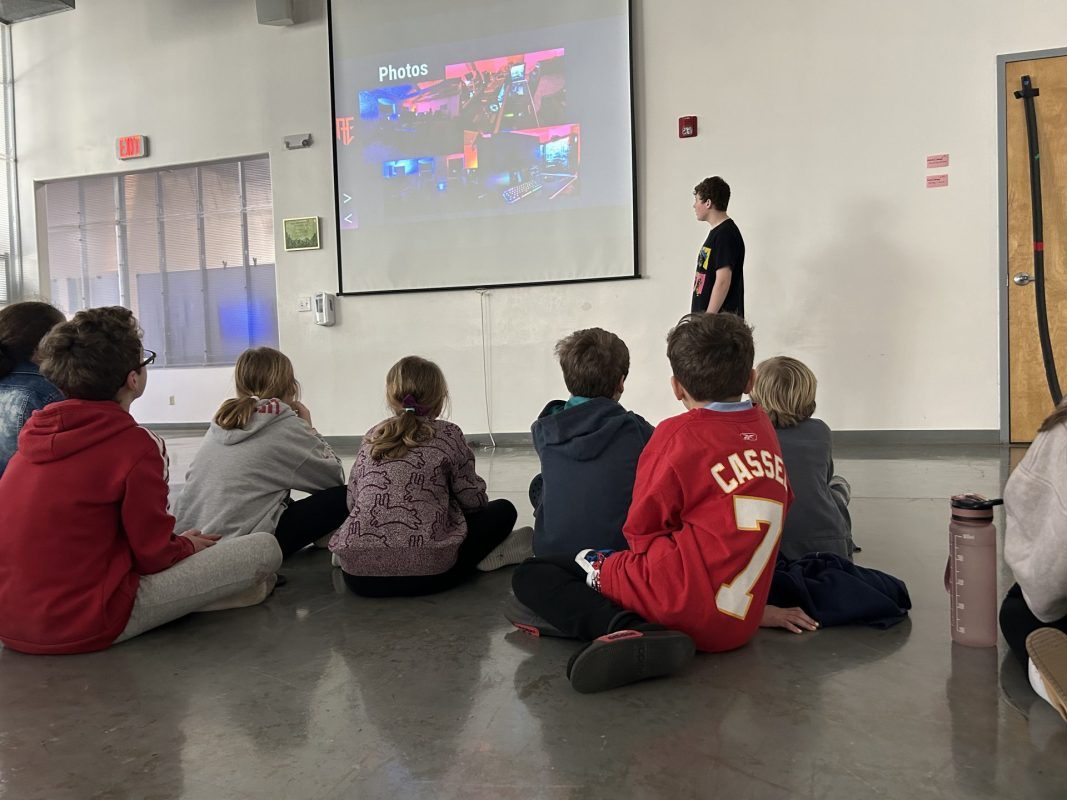
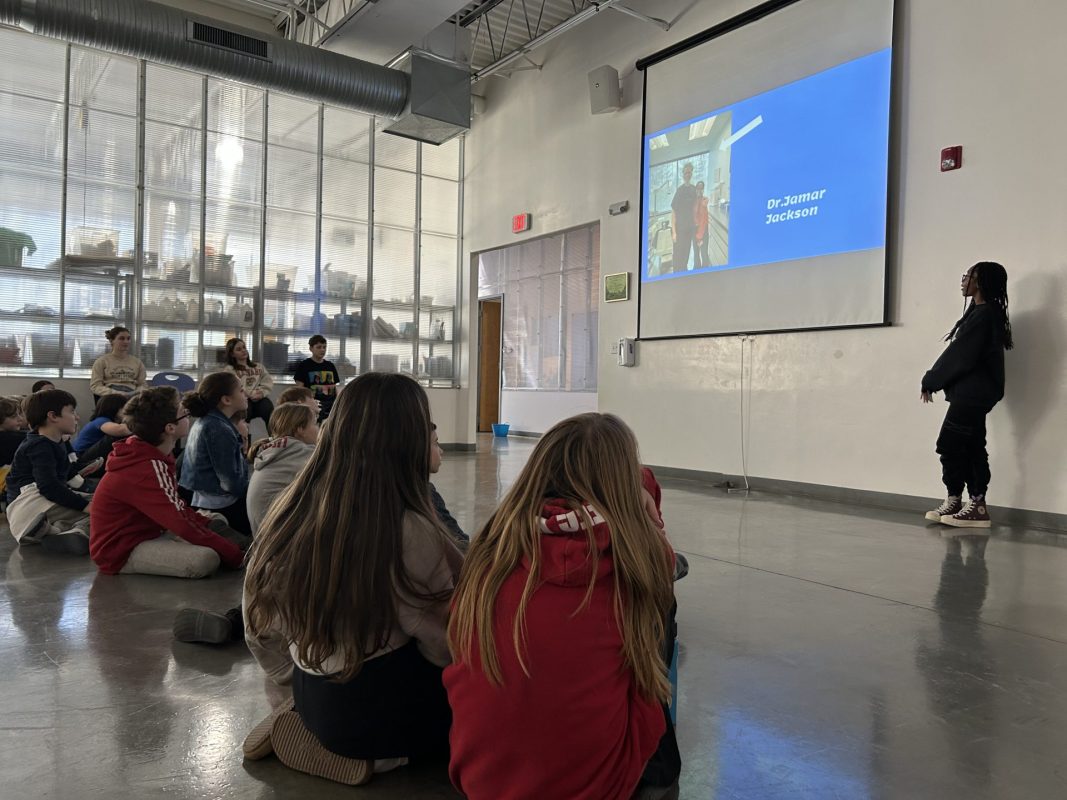
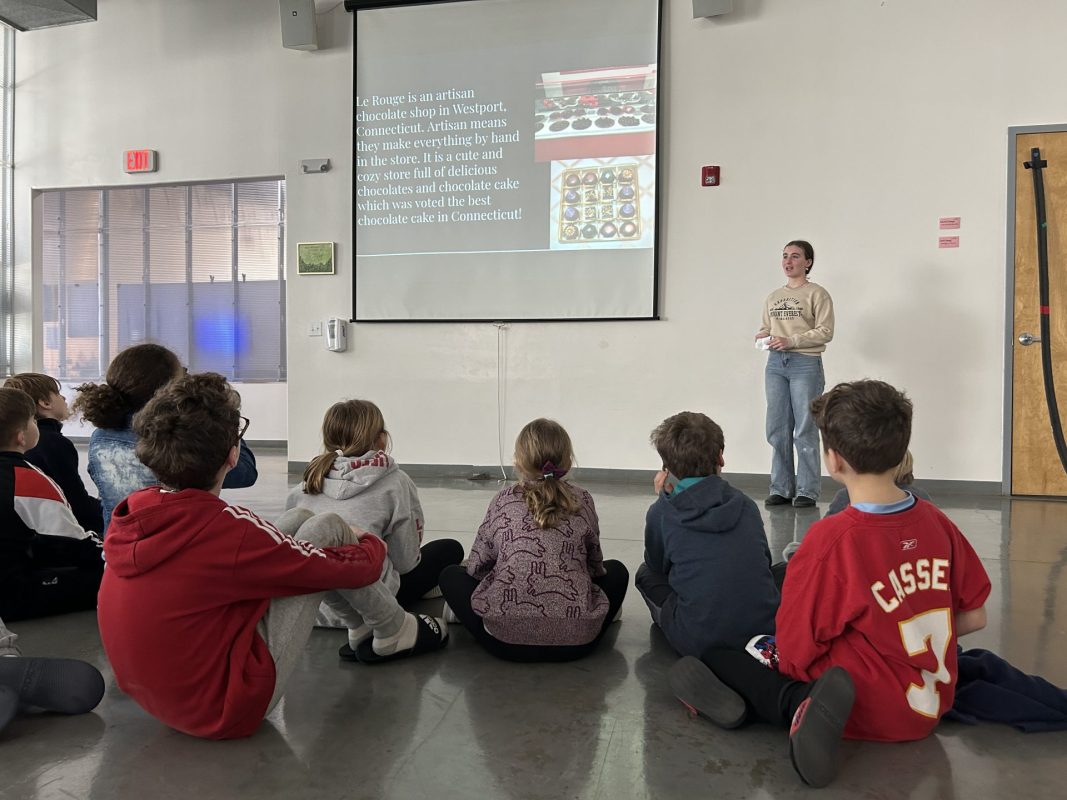
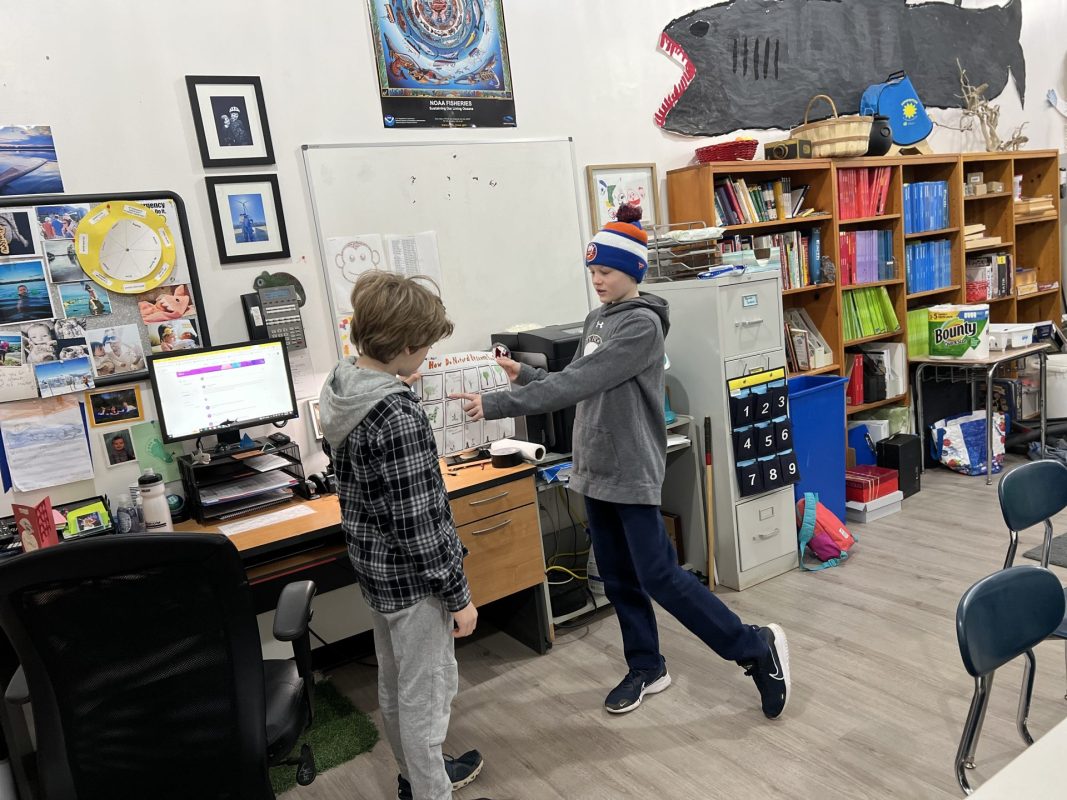
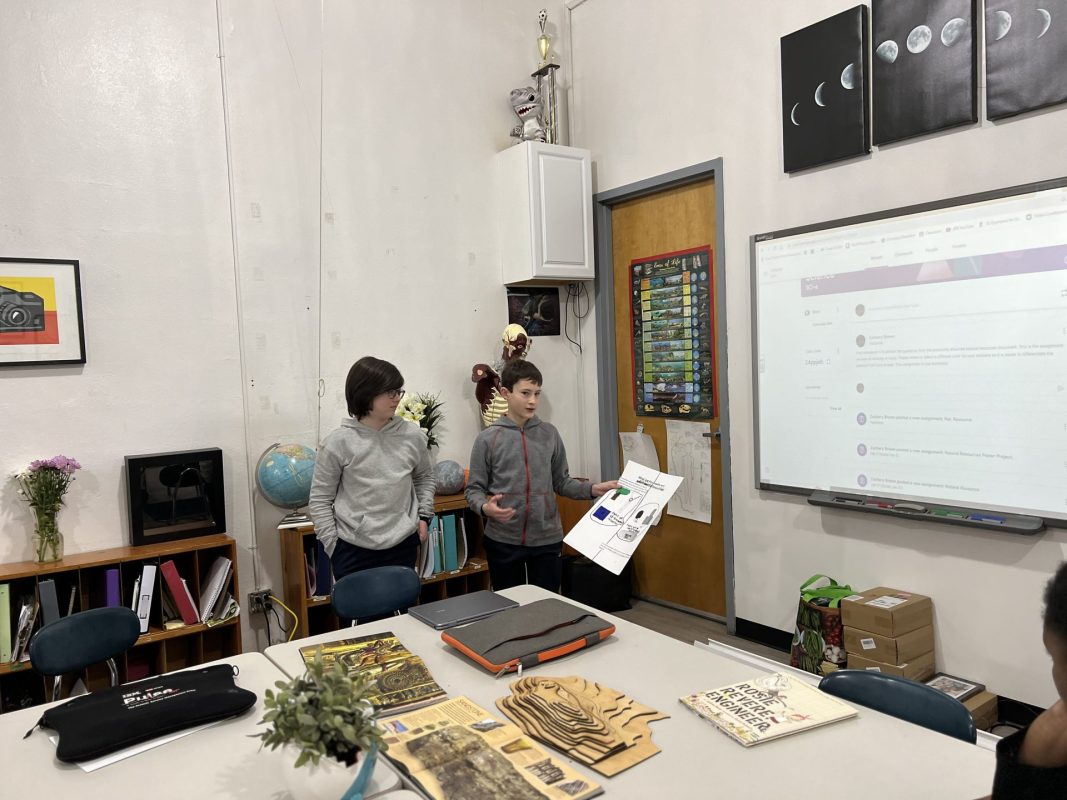
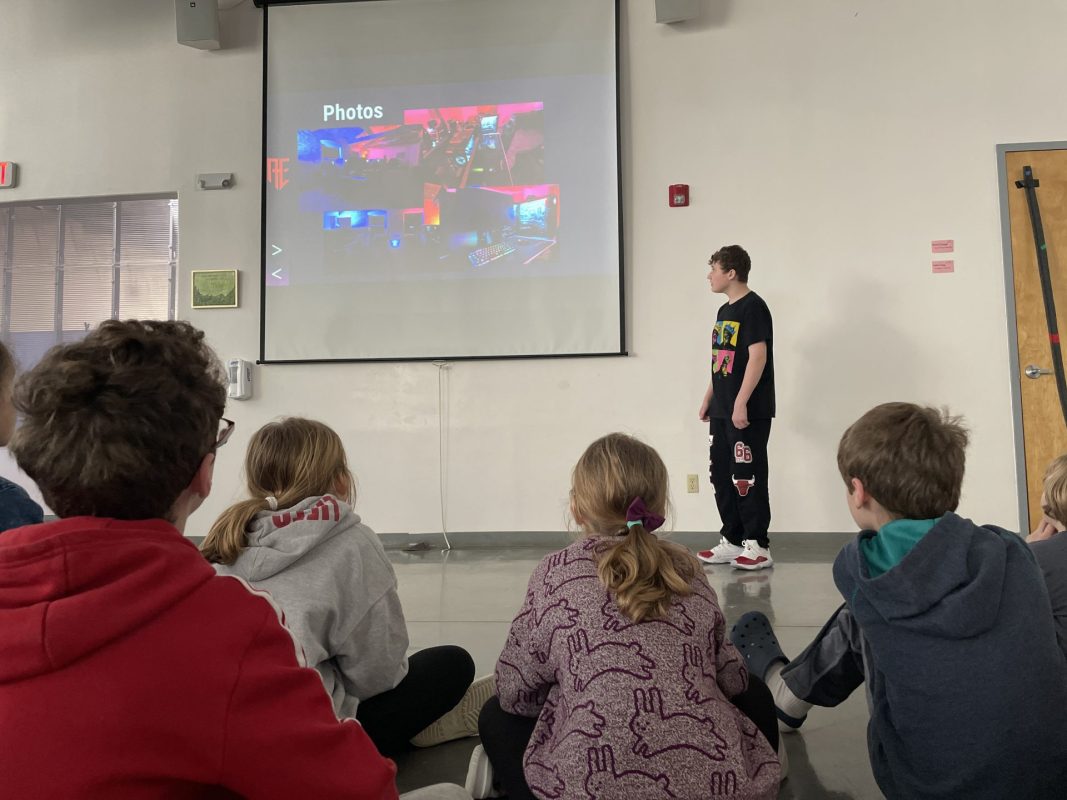
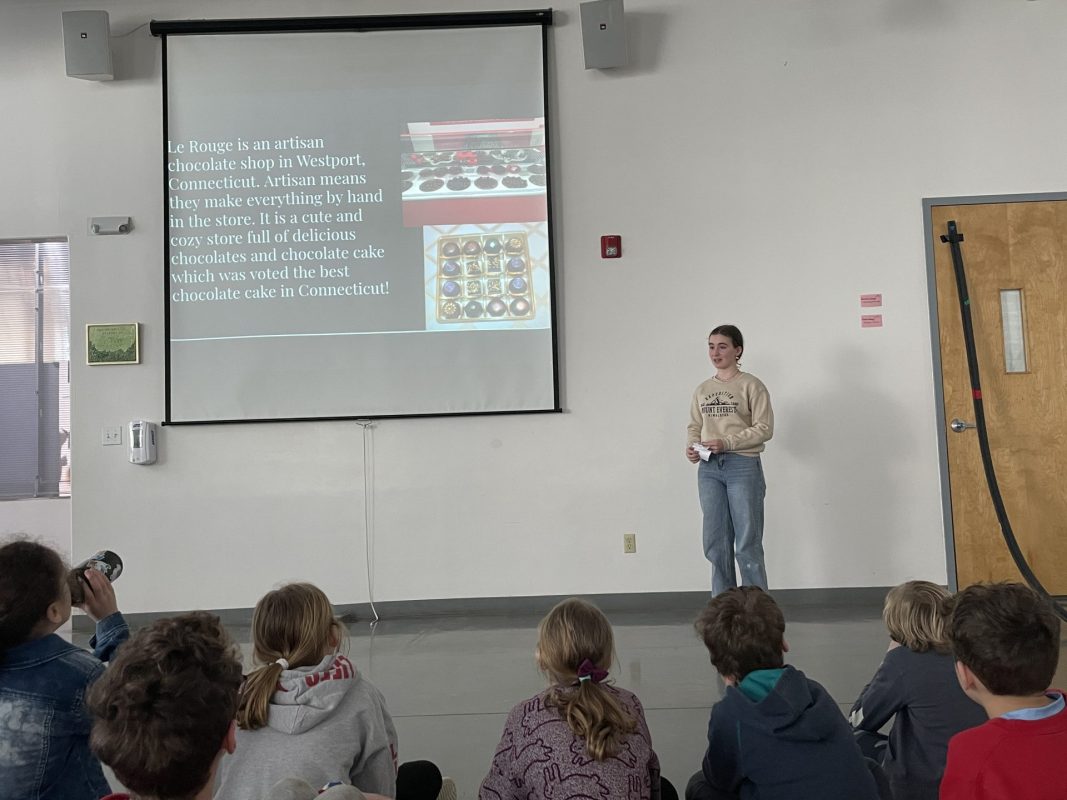
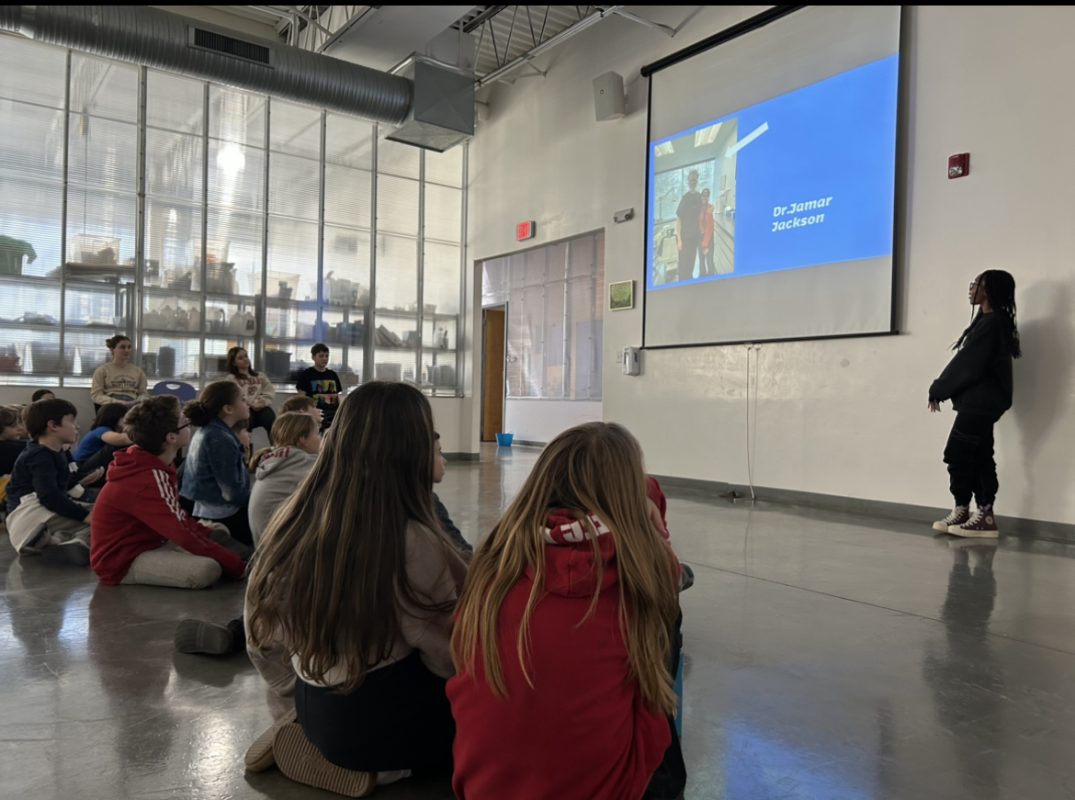
Grade 8 students were off working at their internships from Monday through Wednesday. Upon their return, they practiced presentations given to the Upper Elementary and Middle School classes about their experience.

Math

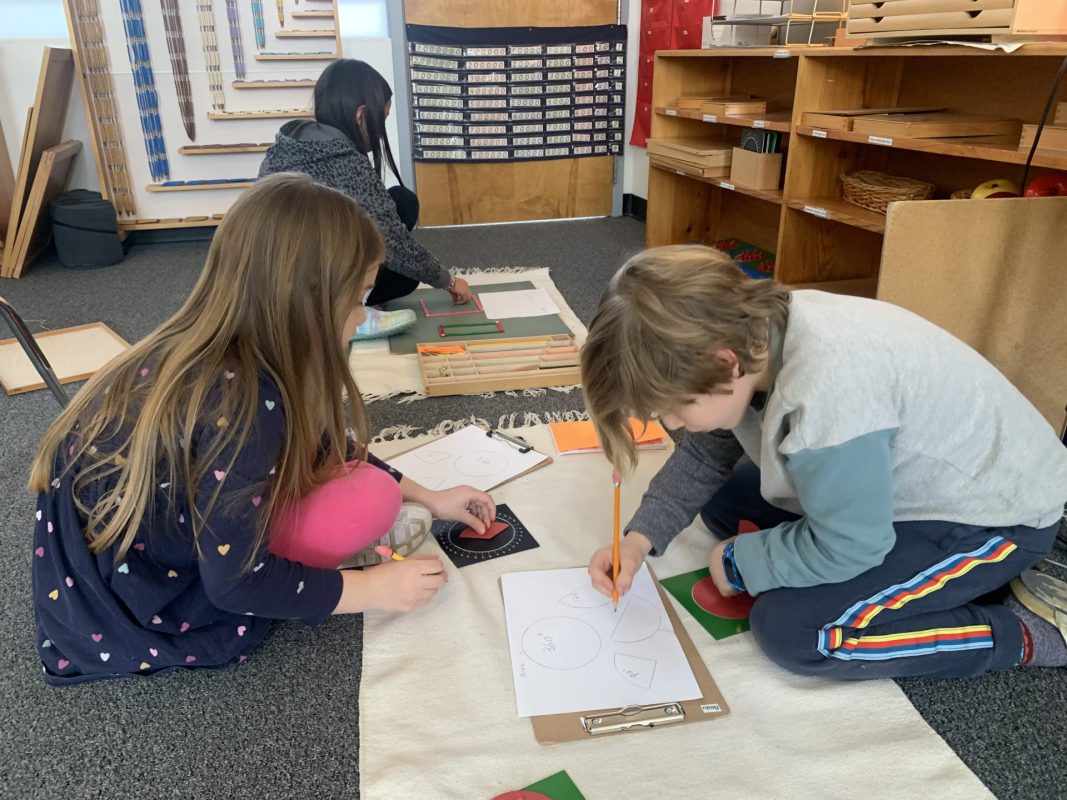
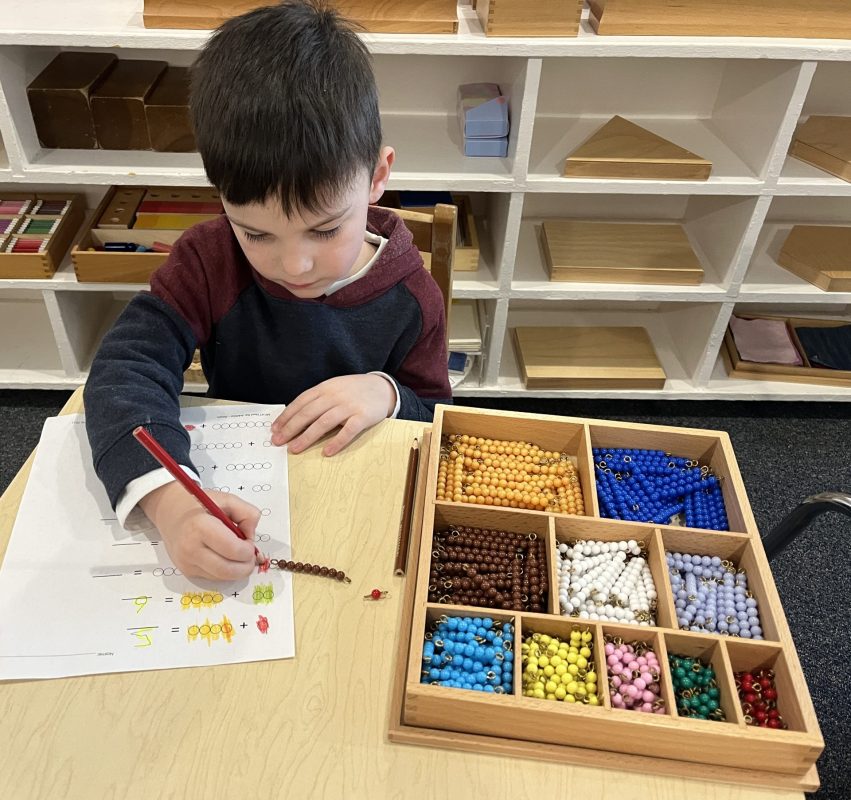
In the Pre-Transition math class, students continued to work on solving multiplication equations. They learned how to multiply fractions with positive and negative numbers, how to draw array diagrams to represent an equation, and how to simplify our answers to the lowest form. They concluded the week by exploring power functions and rewriting numbers in base ten notation.
In the Transition math class, students are becoming more comfortable with the pre-algebra concepts of solving single-step equations. This week, they worked on solving equations of the form ax = b and ax + b = c, as well as multiplying both positive and negative complex numbers. They ended the week with a short assessment and will conclude our learning of chapter 8 next week before the Presidents’ Day long weekend.
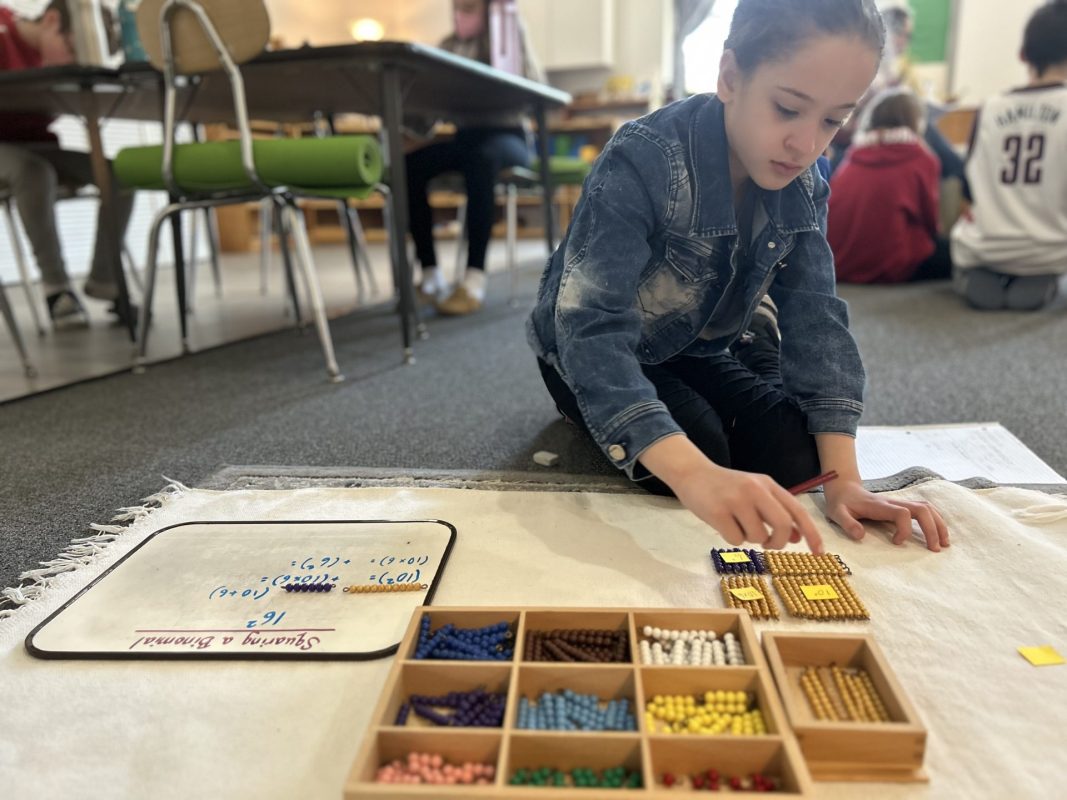
In the Algebra math class, the grade 7 students worked on a real-world project that guided them through purchasing their first car. This activity was a three-day exercise with students calculating the price of their “new” car with tax and fee charges, understanding financing options, and determining depreciation. Once the grade 8 students returned from their internship week, they continued learning chapter 8 about algebraic powers and roots.
Math Joke: Why are teenagers always traveling in groups of threes and fives?…..Because they can’t EVEN!
Science

6th Year Earth Science students have been working on creating a poster presentation that depicts key aspects of our unit, Natural Resources. Students have been working on this project collaboratively with one another to represent such topics as “What Are Renewable and Nonrenewable Resources?”, “How Do Natural Resources Form?”, “How Do Humans Use and Access Natural Resources?” and “Why Is It Important to Use Natural Resources Wisely?”. Once students are done illustrating their concept, each group will present their poster as it relates to addressing the main topic.
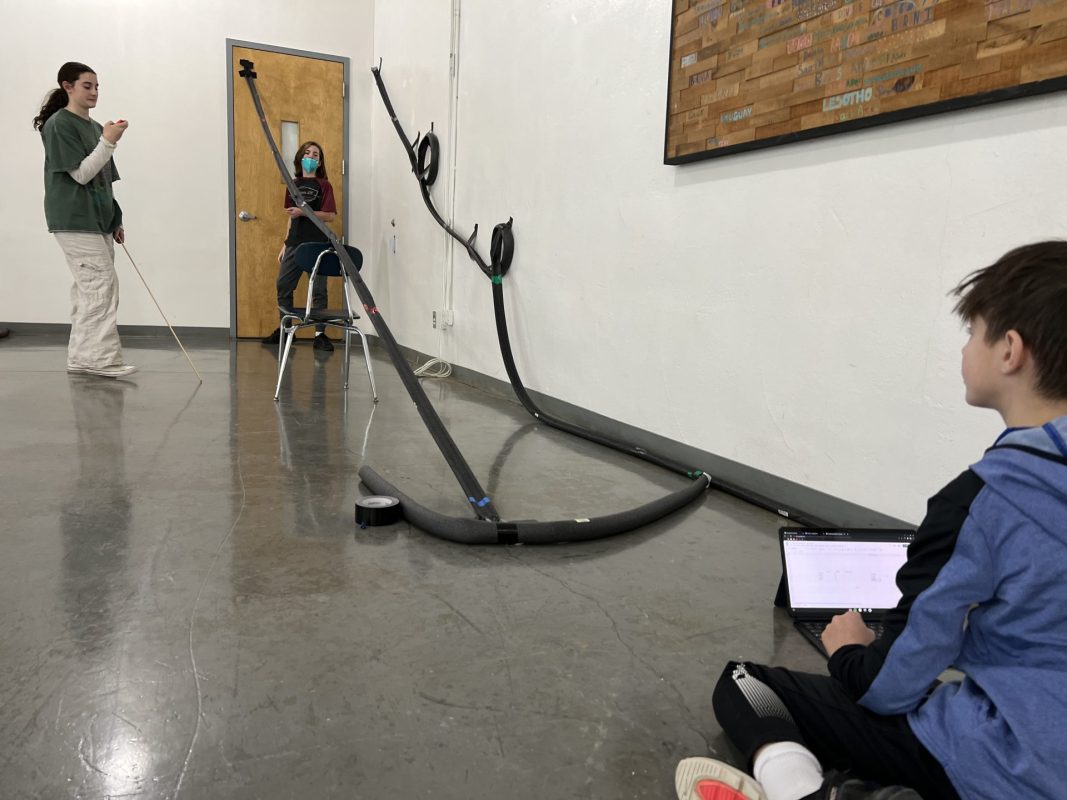
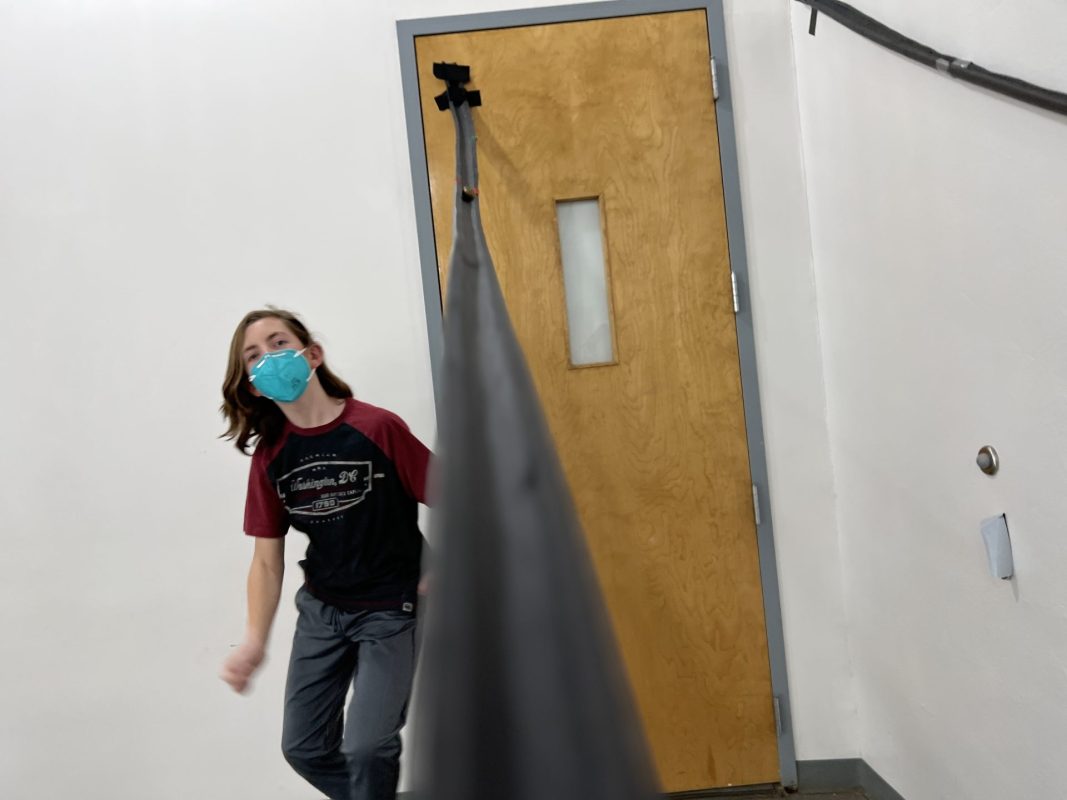
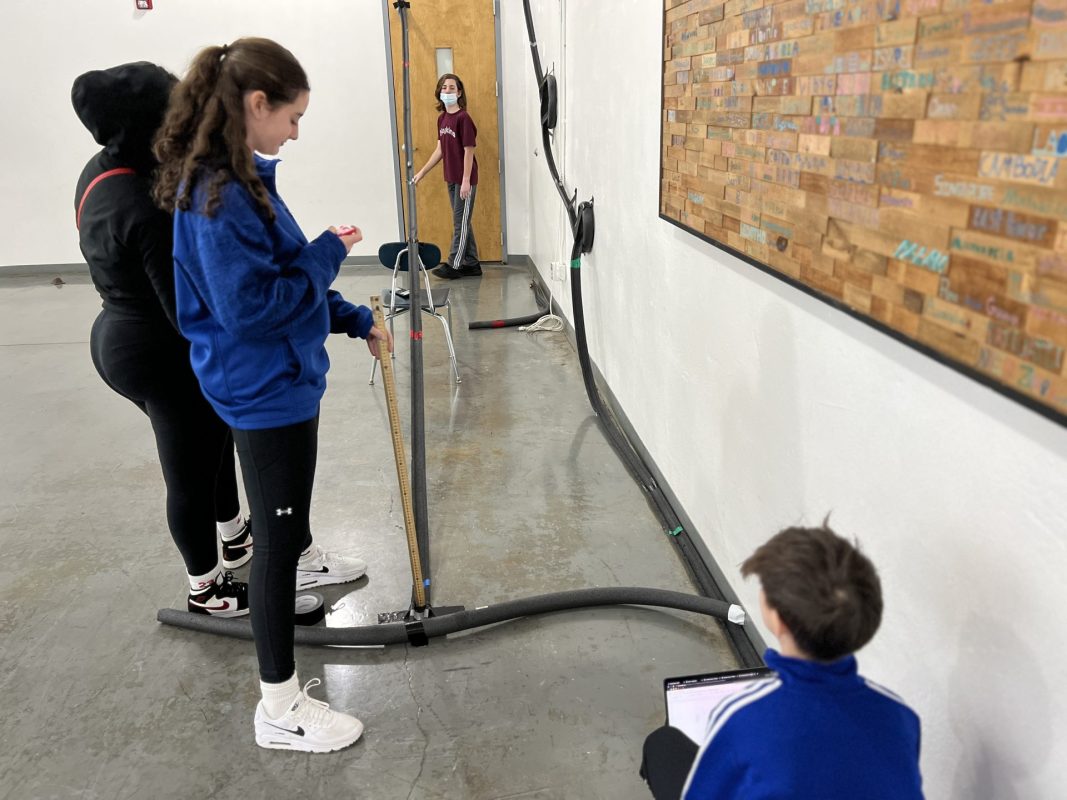
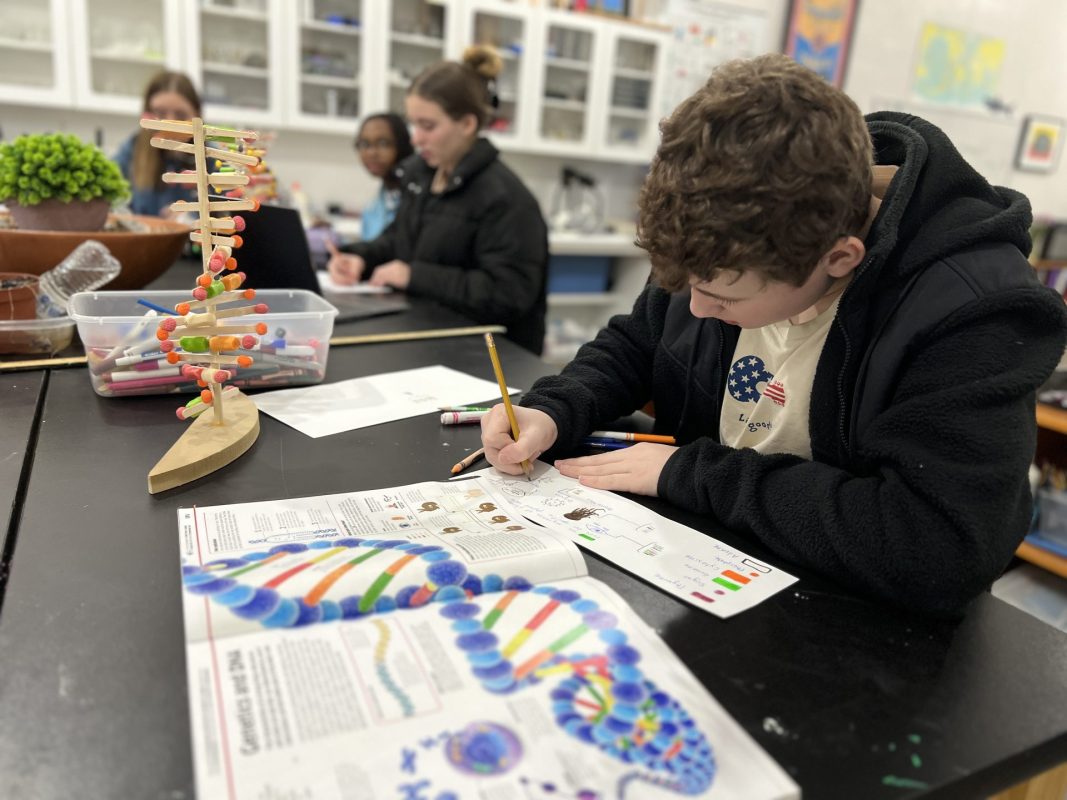
7th Year Physical Science students are working on representing key aspects of their unit, Energy. Students have created two types of “roller coasters” using foam insulation. The first coaster students created represented how the change of potential and kinetic energy depend on one another, while the 2nd coaster tested how velocity and mass affect kinetic energy. Students performed several tests, collecting and analyzing data to formulate their conclusions.
Have a great Super Bowl Weekend!!

Lower Elementary Researchers

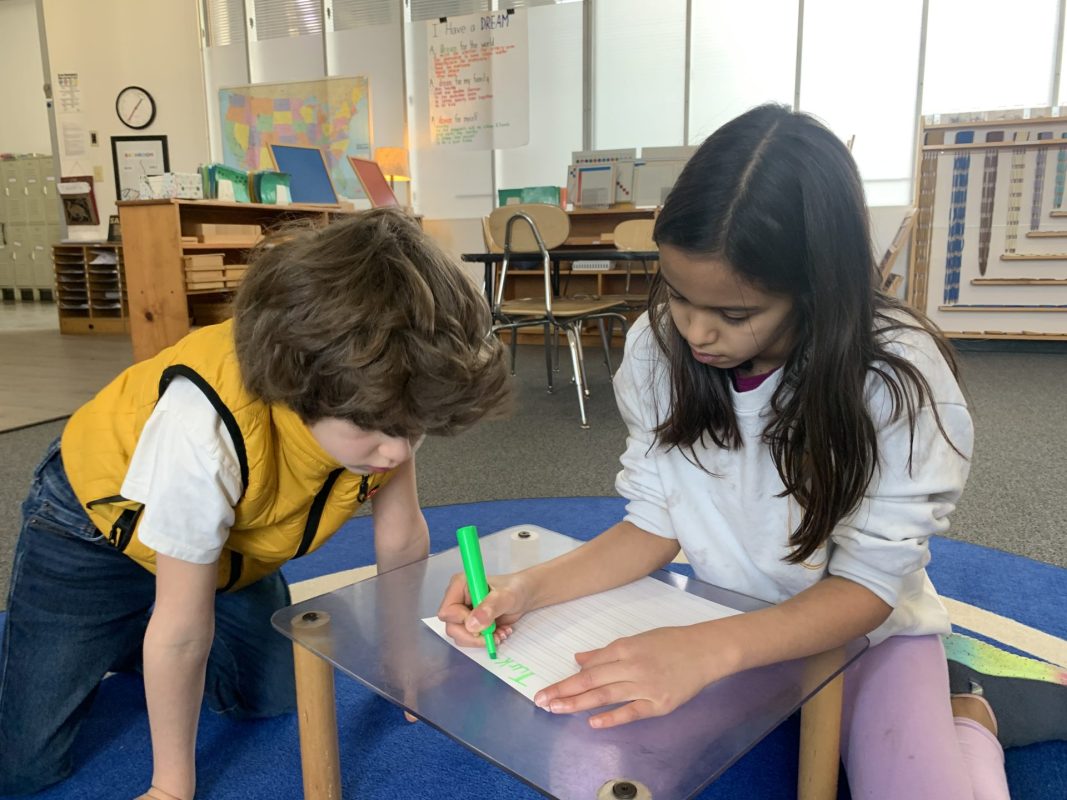
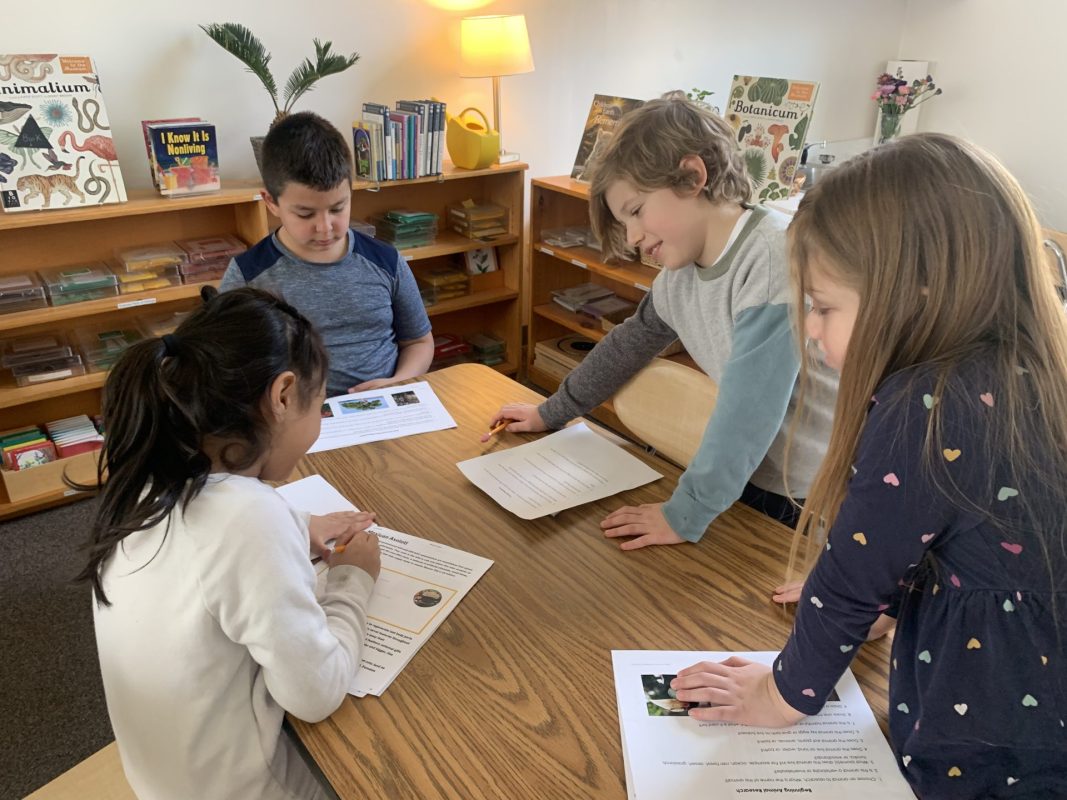
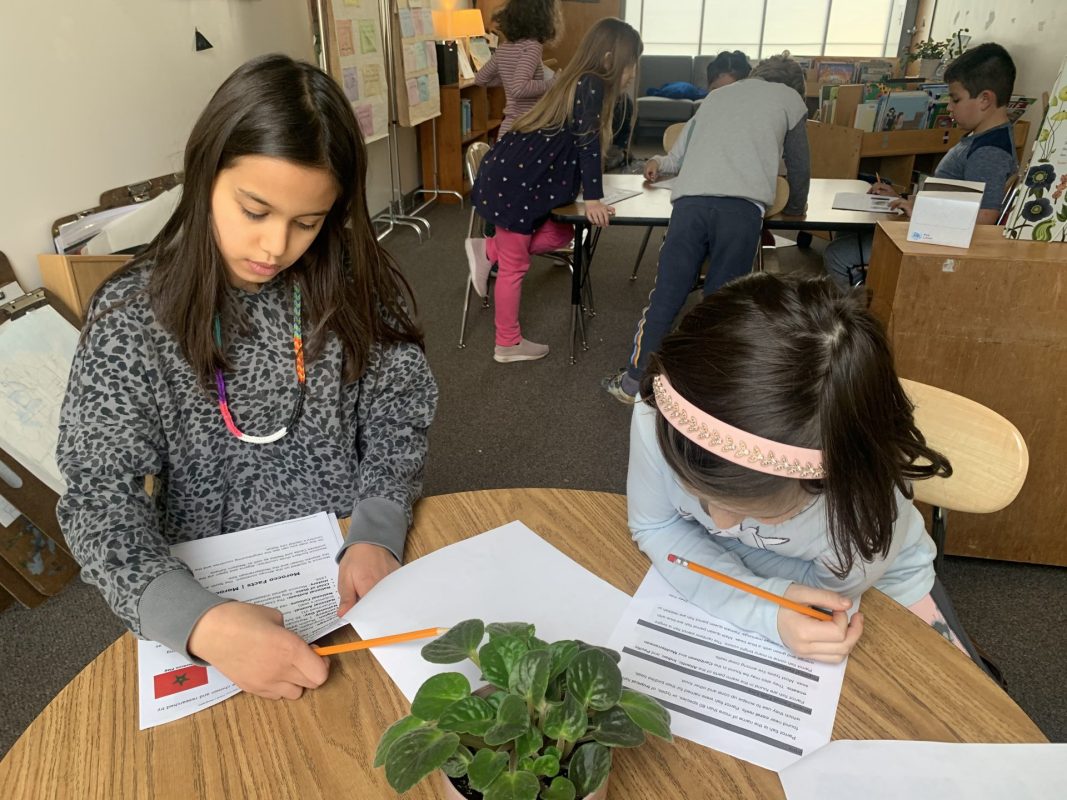
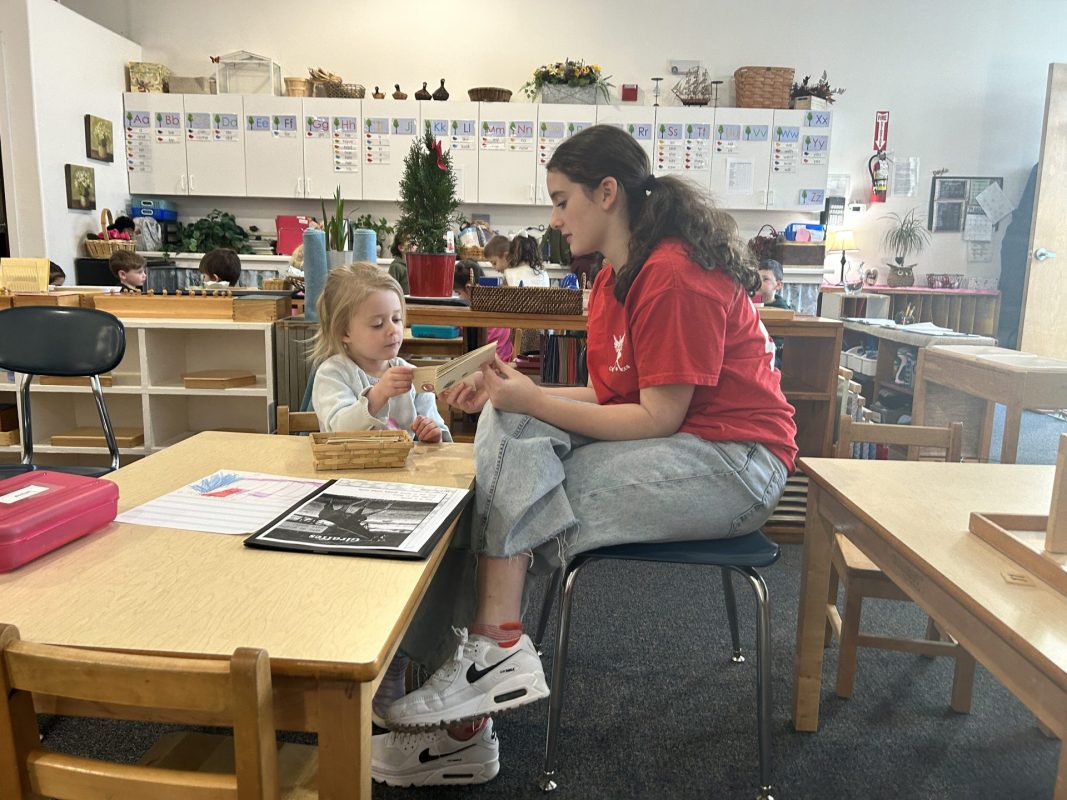
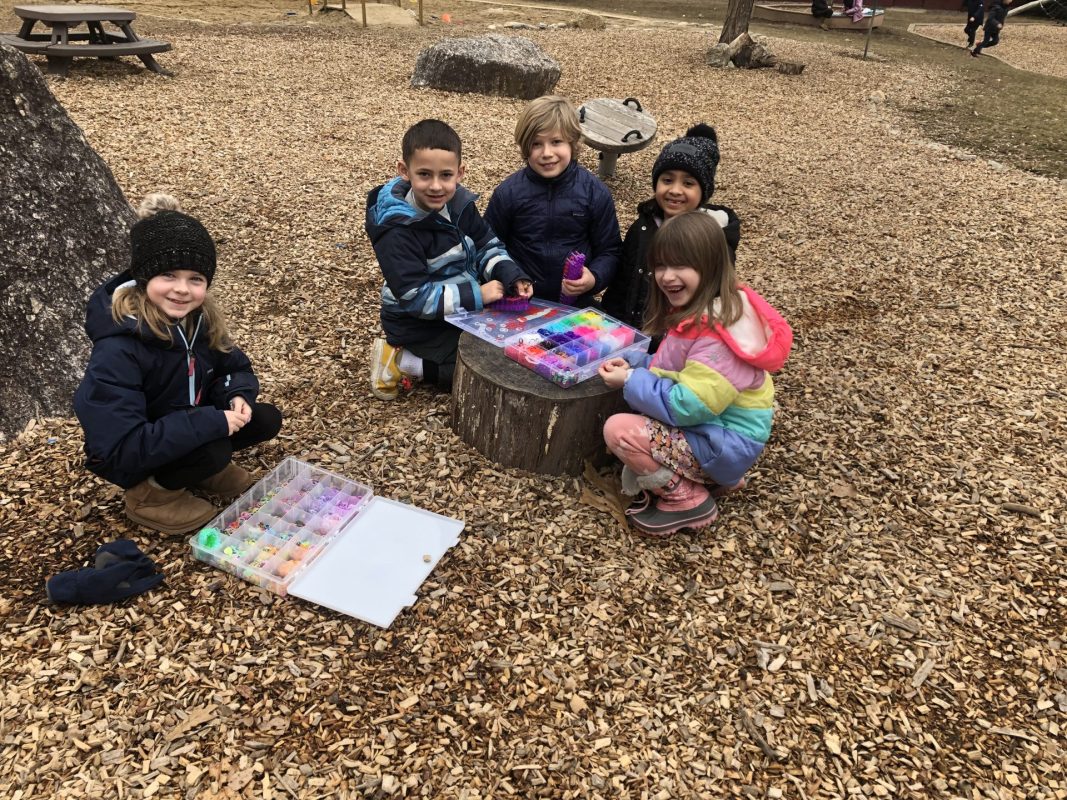
Lower Elementary has begun its research projects and has been immersed all week! Each child has been given categories to choose from, and everyone has made their choice. This shared focus connects us as a class and allows opportunities for the older children to take a mentoring role and help the younger children who are new to research. The older friends did an amazing job mentoring the younger children and teaching them about the research process. Each child was patient, kind, and helpful as the younger children got acclimated to the new process. This will be going on for the next several weeks.

First-year students will make posters with information about their topics, second-year students will make posters and write research papers, and third-year students will make presentation boards, write papers, and give oral presentations. All of this work will be done at school.

There will be more information to come about Research Night on April 13th! We’re looking forward to it.

Parent teacher conferences will be held next Thursday, February 16th, with additional slots provided throughout the week. If you haven’t already signed up, please do so here!


Mrs. Hood: Amigos!

“Of all things, love is the most potent.” – Maria Montessori

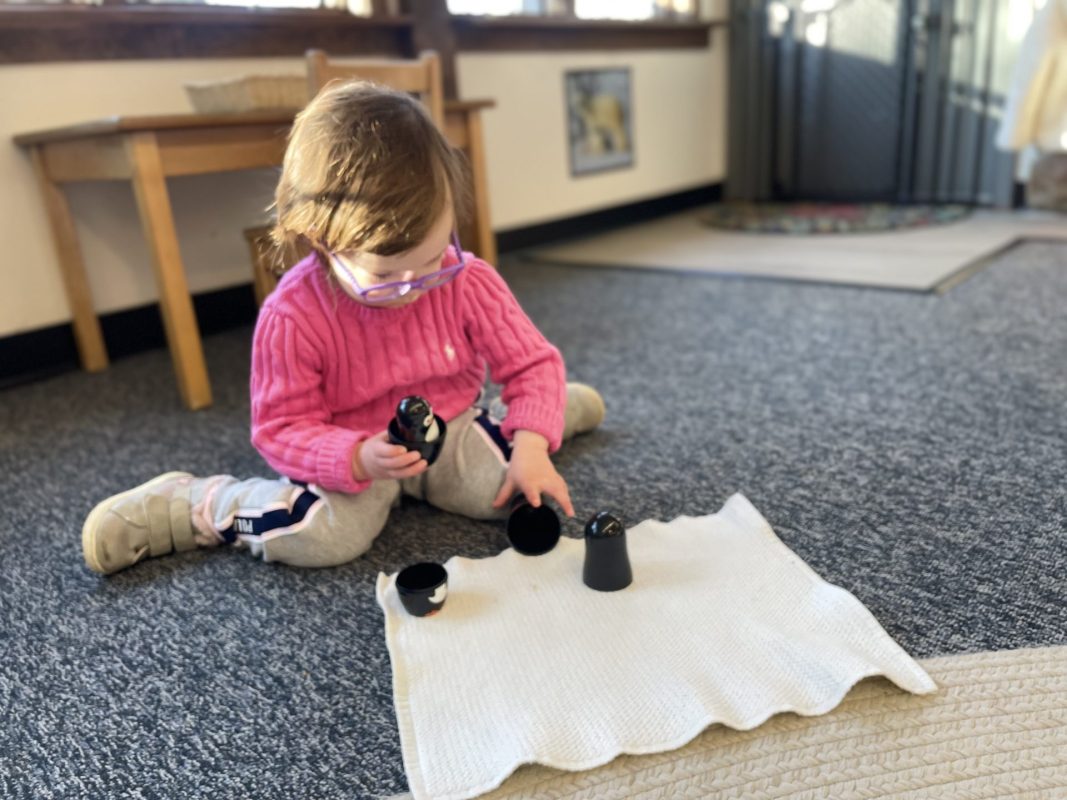
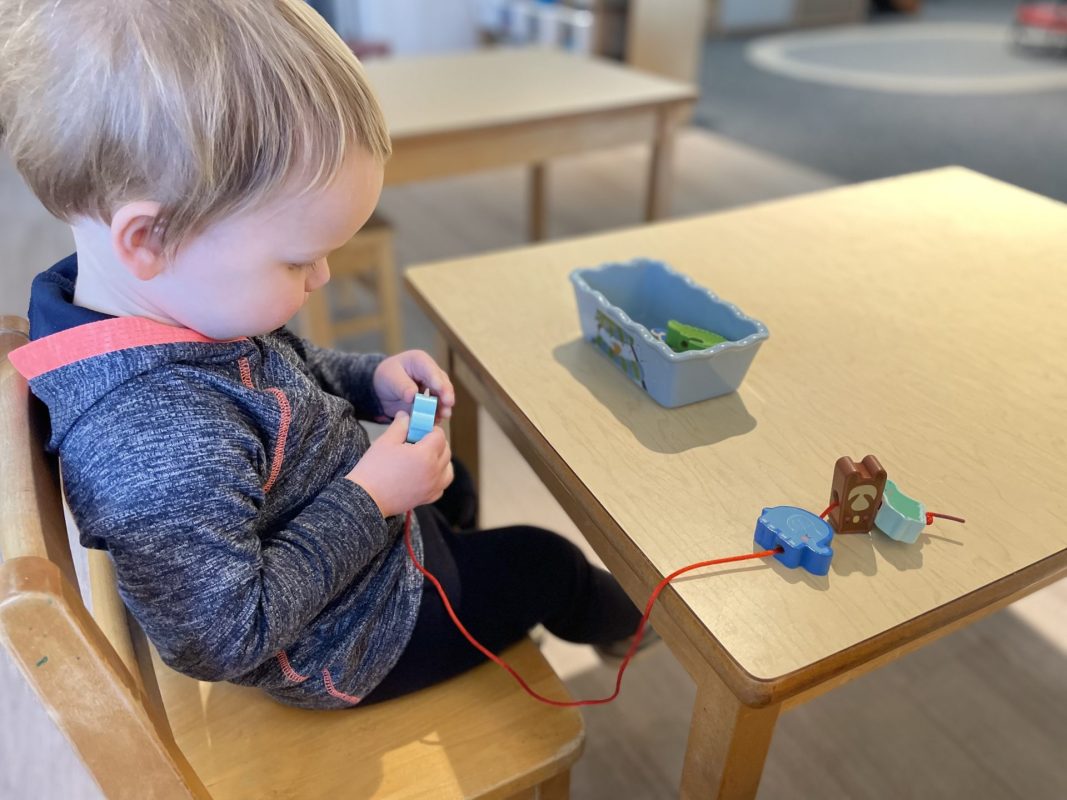
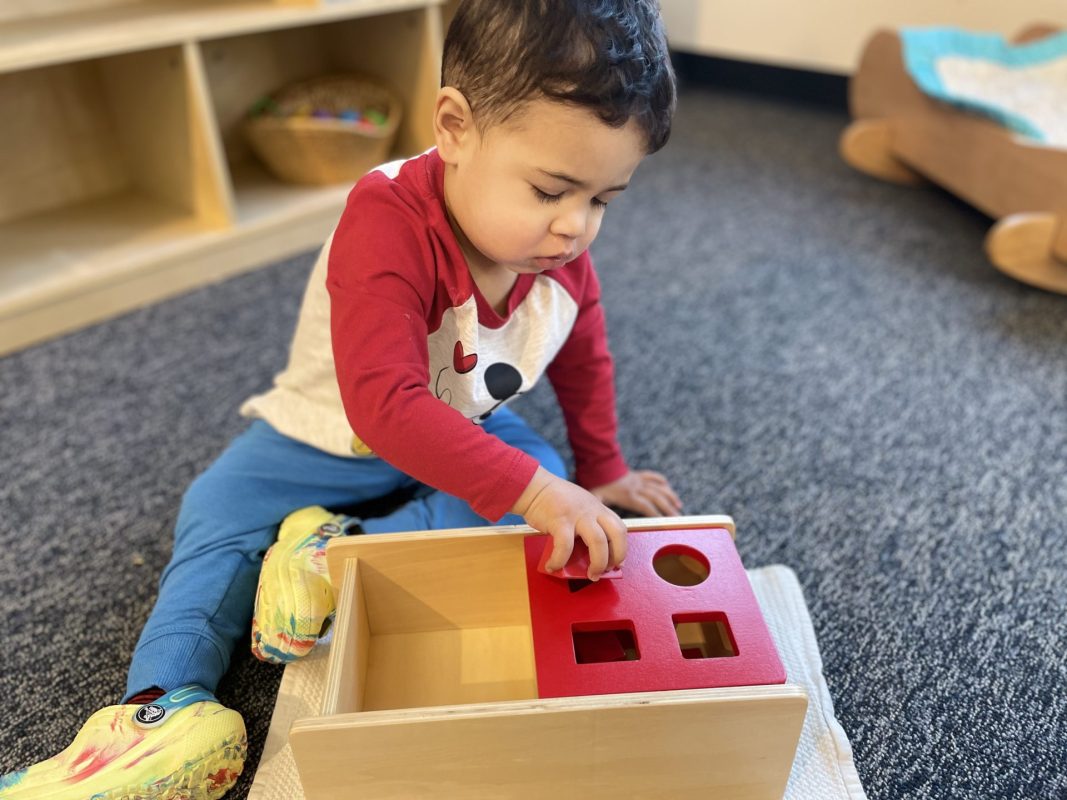
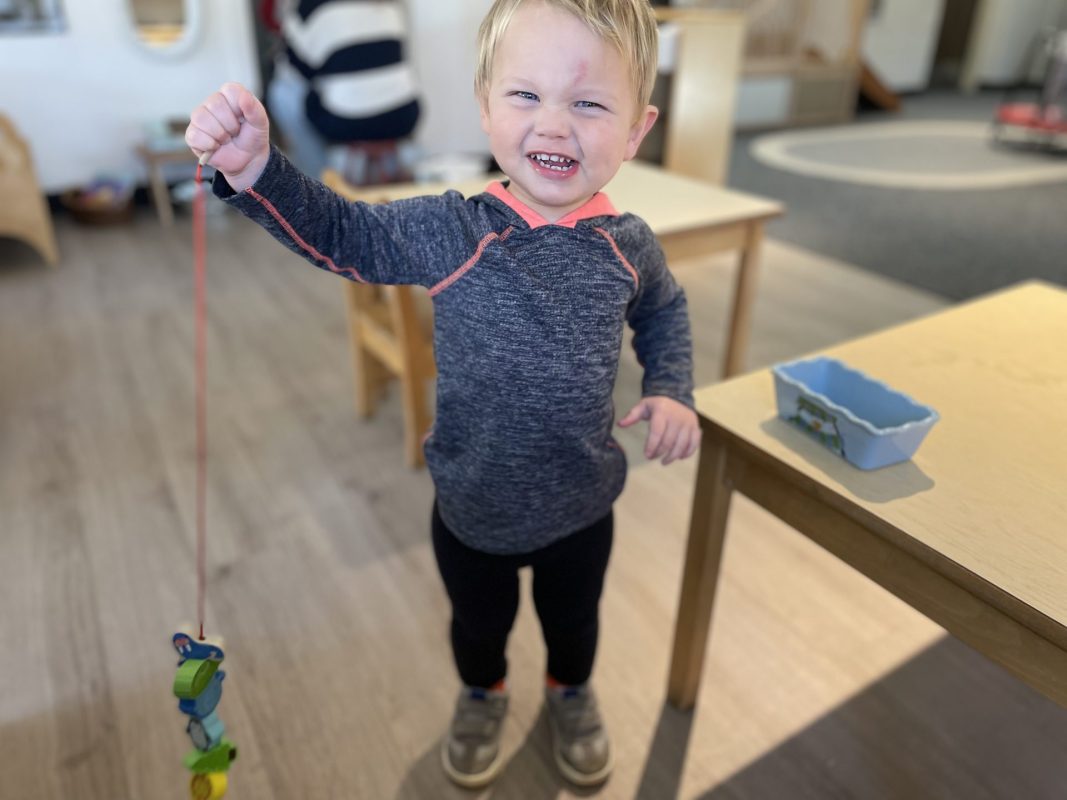
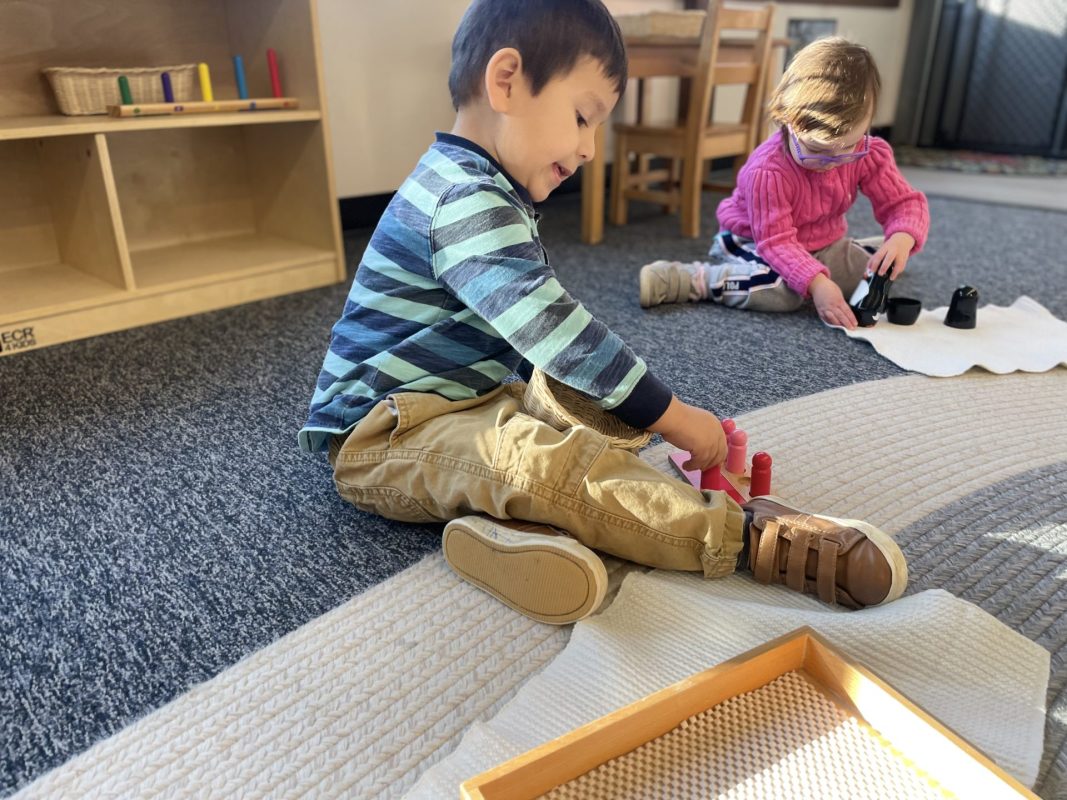
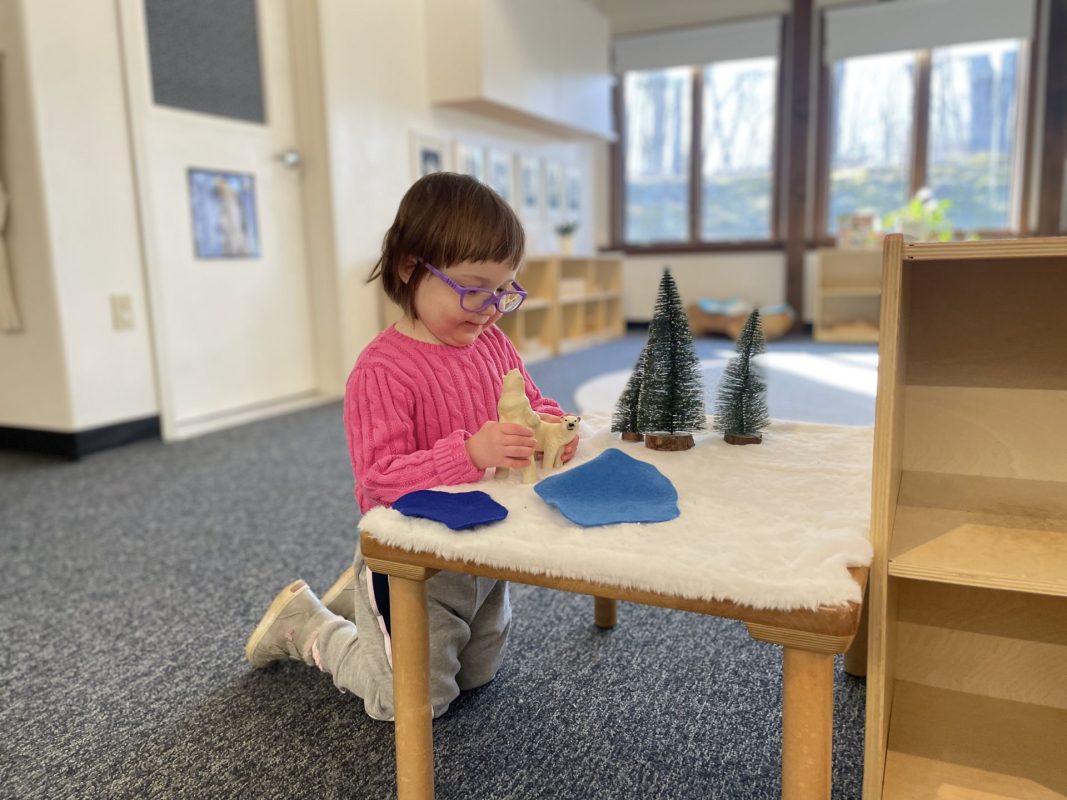
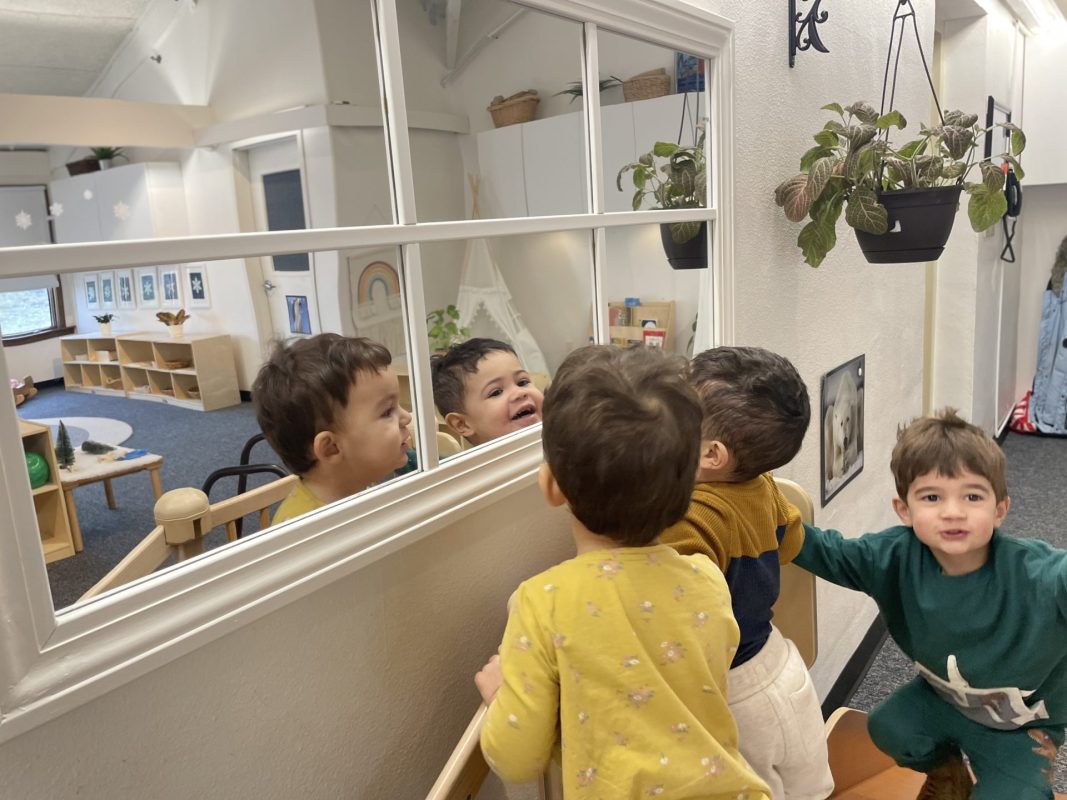
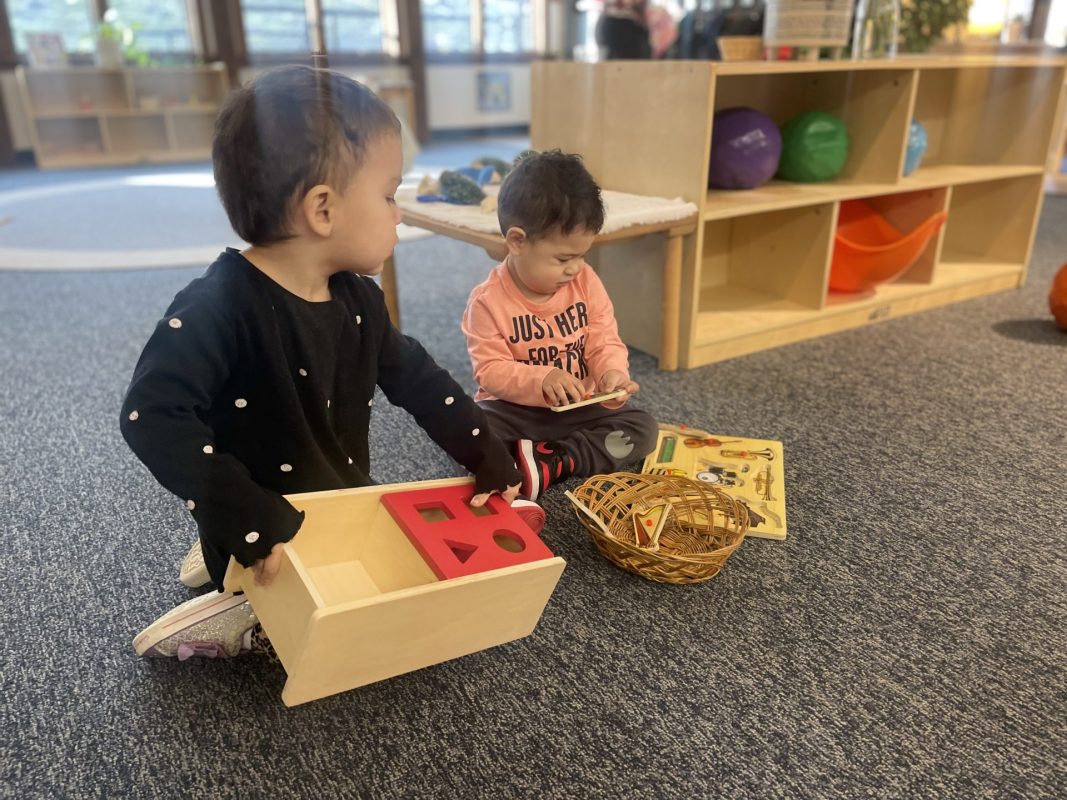
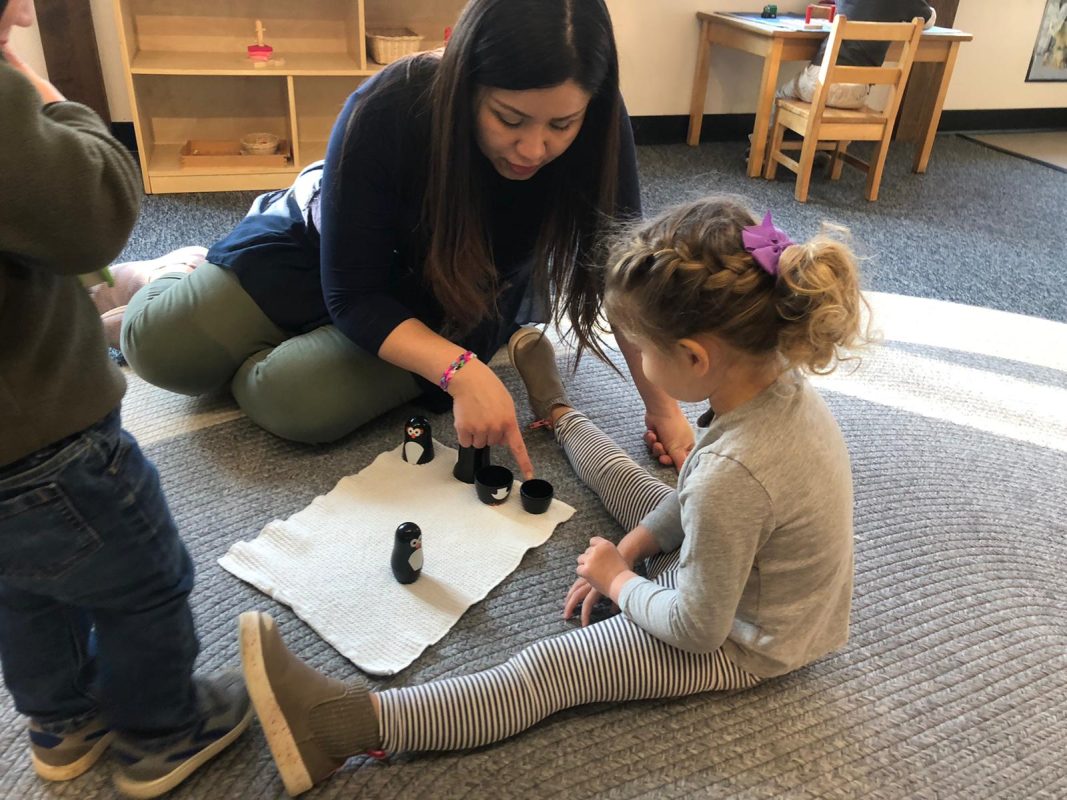
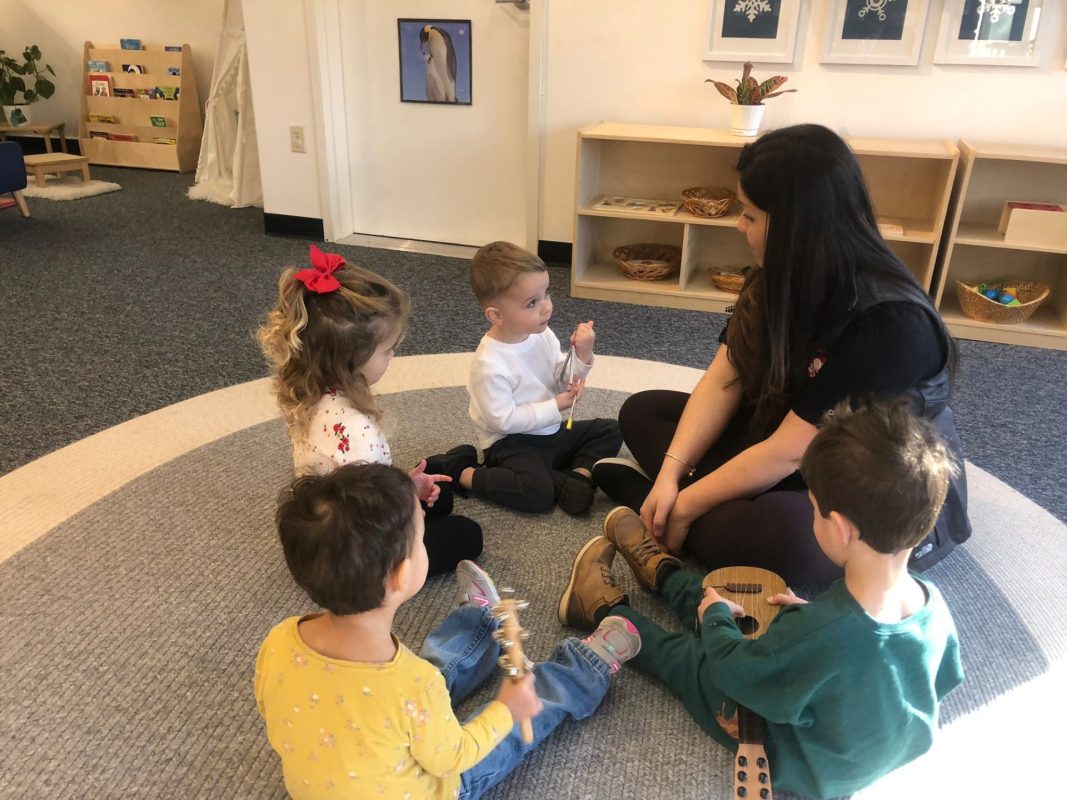
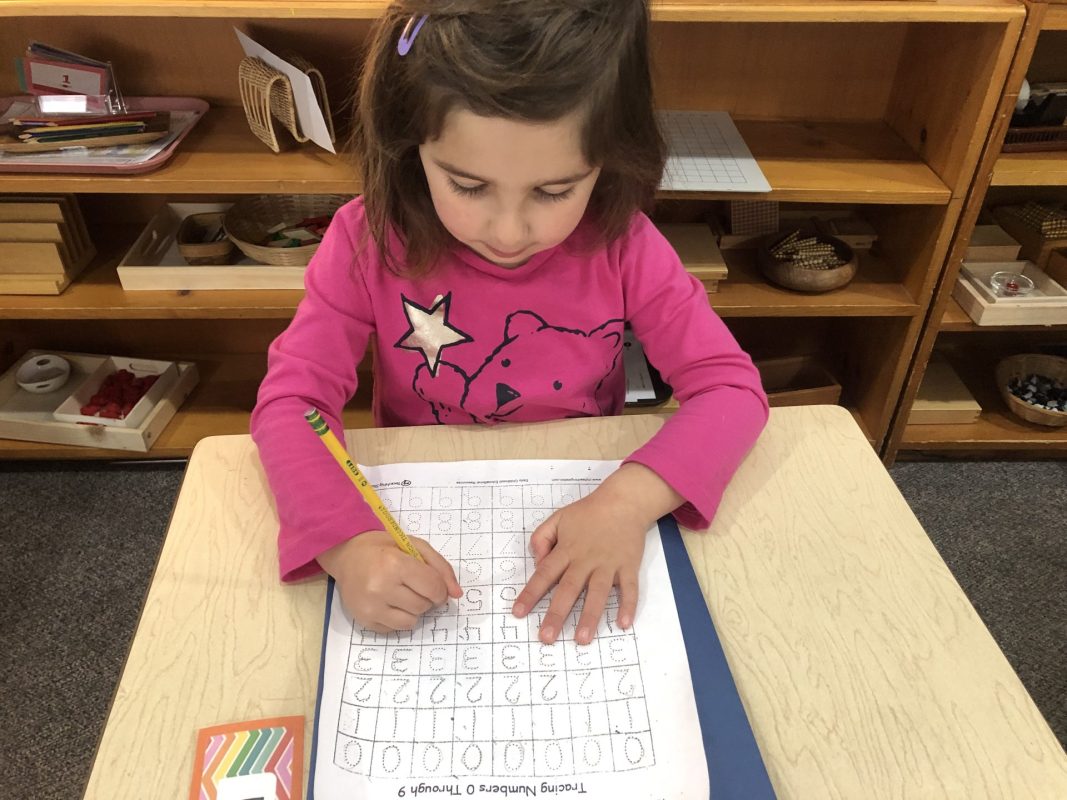
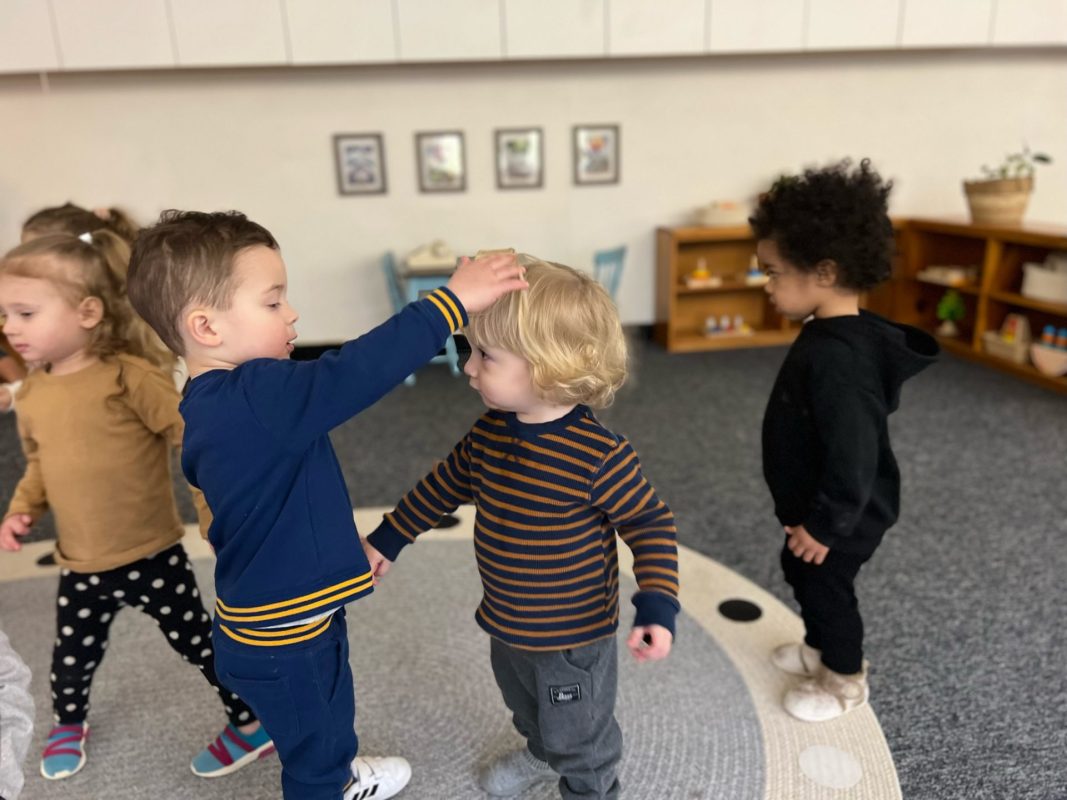
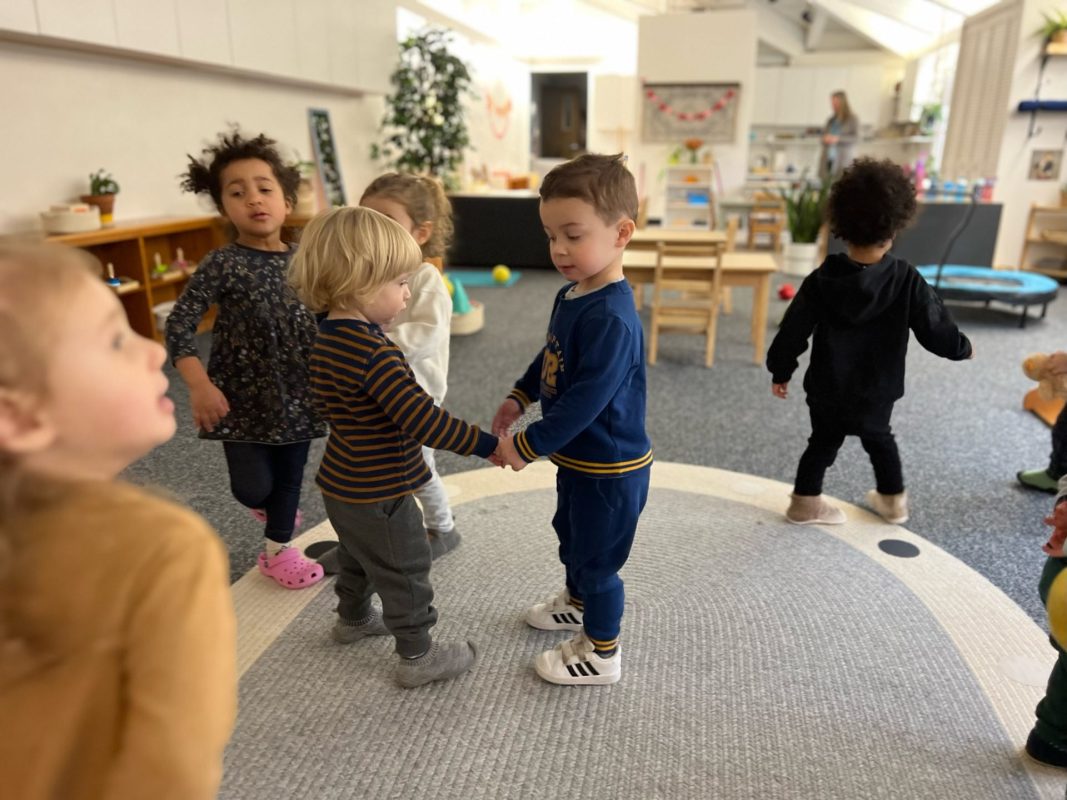
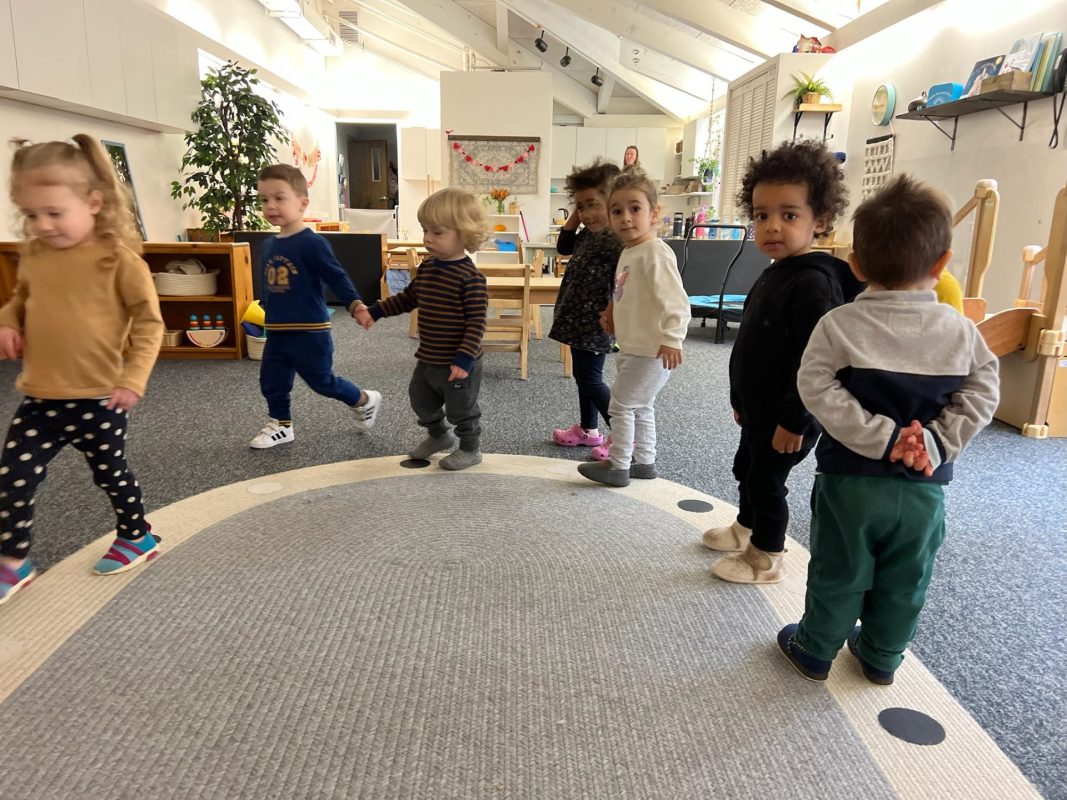
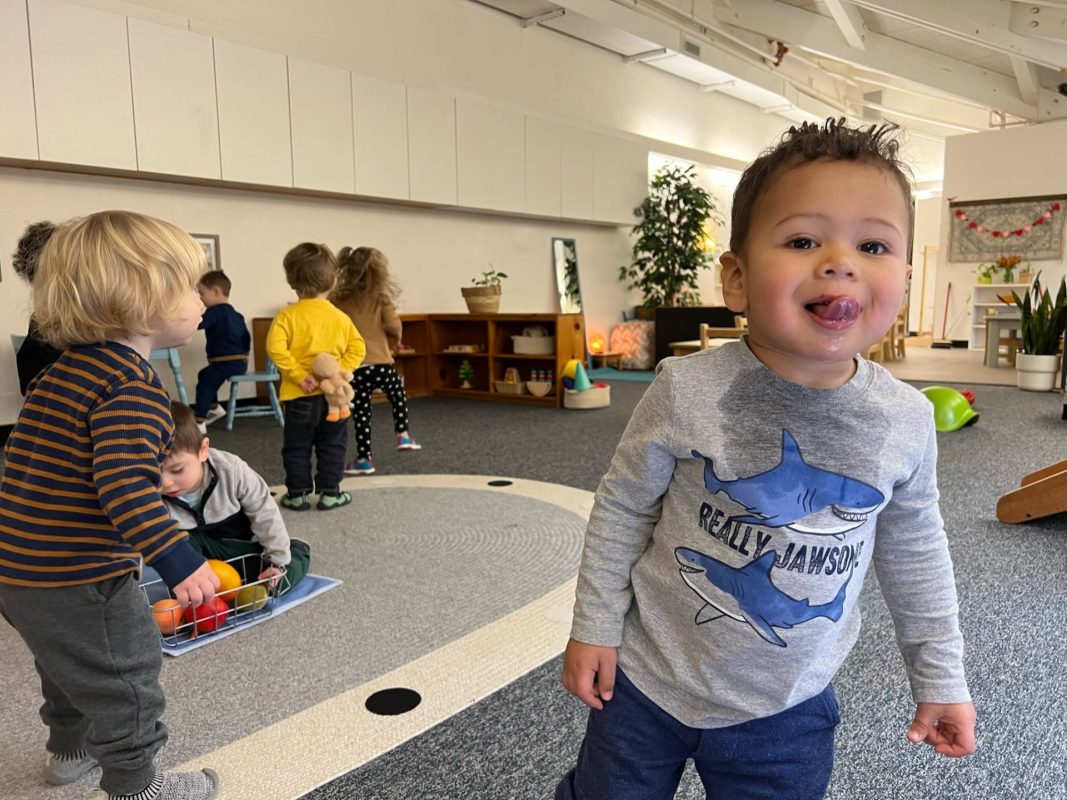
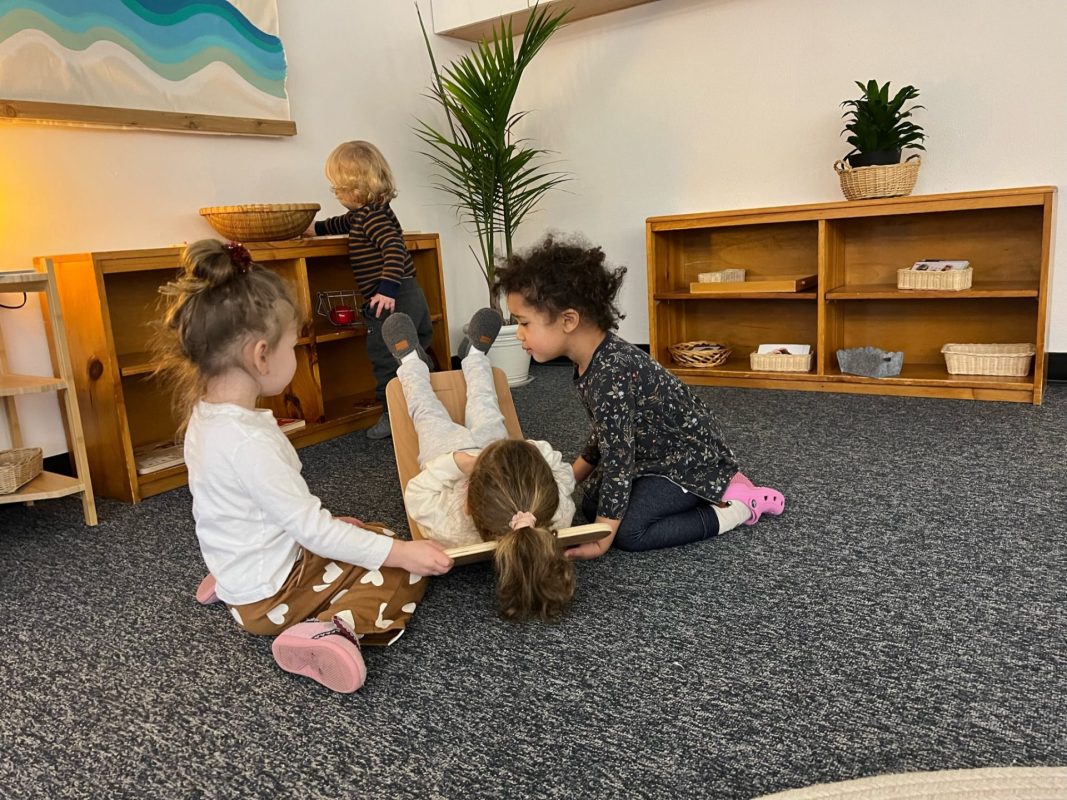
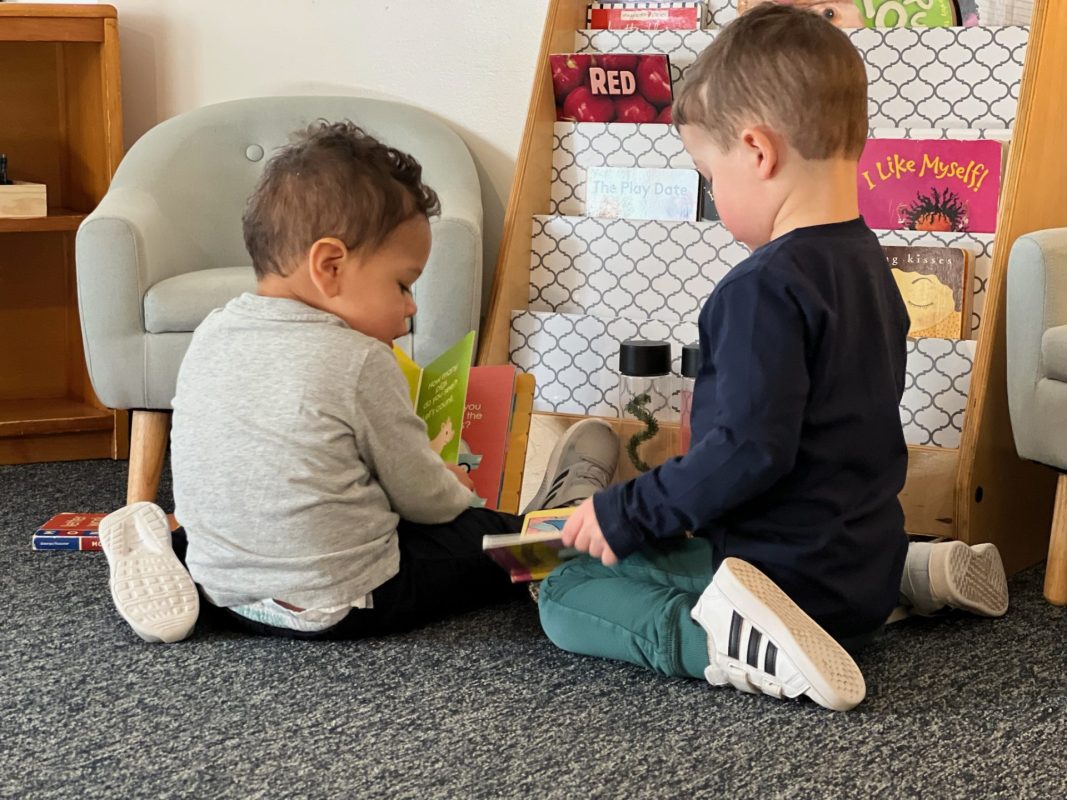
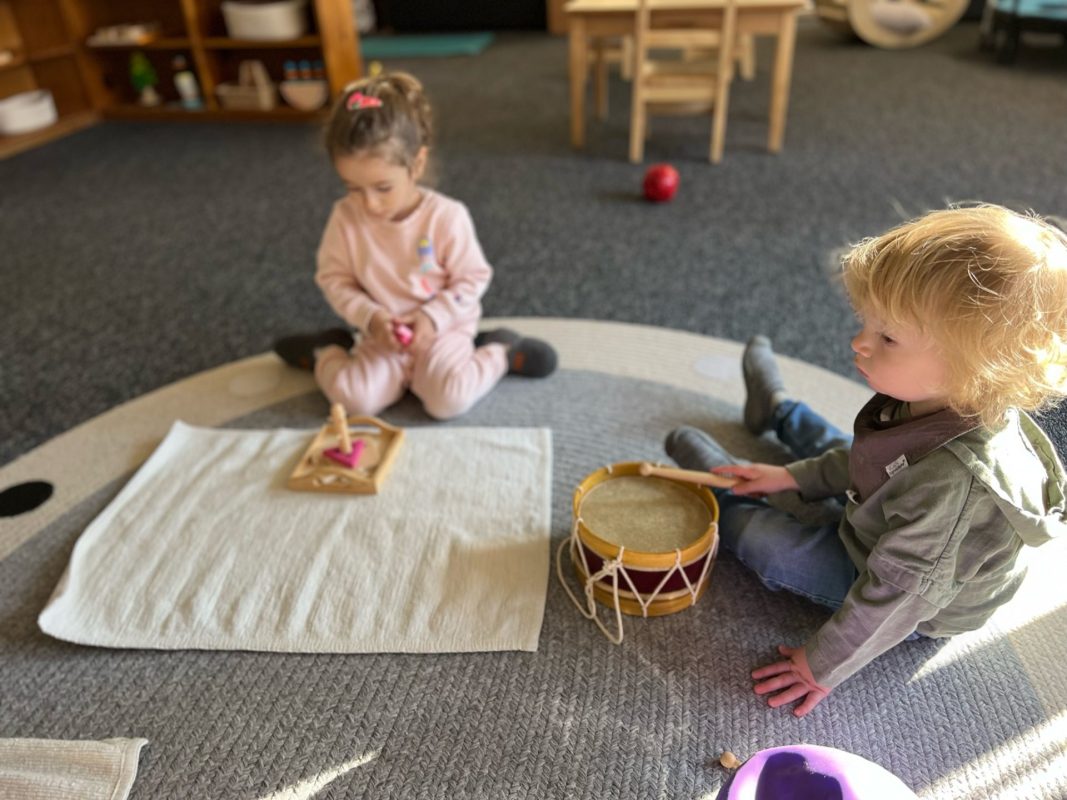
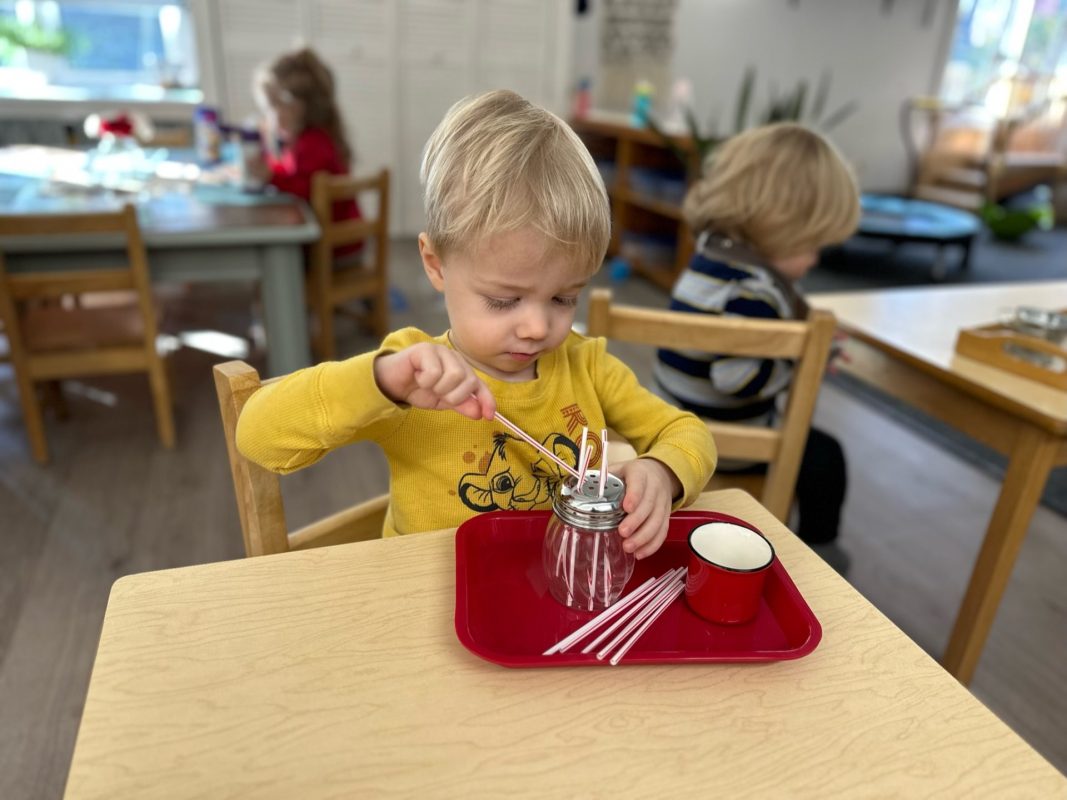
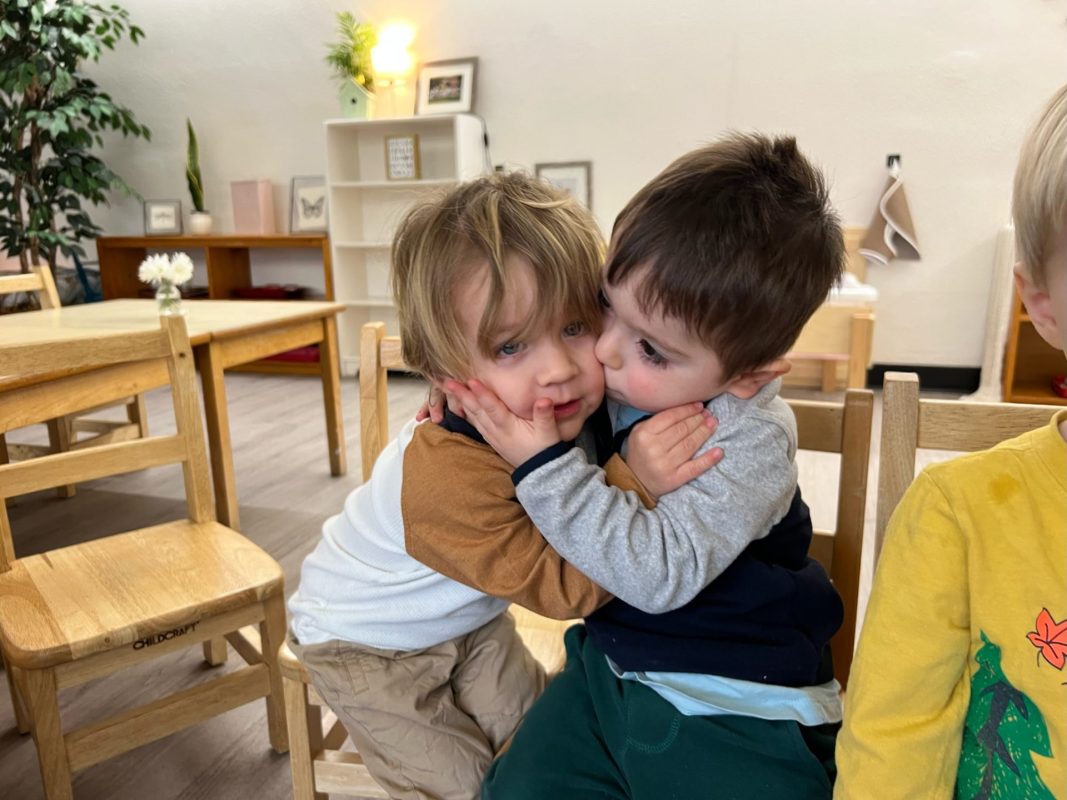
Humans have an innate desire to connect, to experience dynamic relationships with one another. At around 18 months, there are notable changes in cognitive skills that help real friendships blossom. The toddler becomes more consciously aware of themselves and others. Watching toddlers making friends for the first time is truly a delight! In our environment, children show excitement every morning when they see their amigos and love practicing their names. Younger toddlers, still working on their expressive language, like to point to their friends with big smiles and do a little dance of happiness. During circle time, children look to sit closer to their buddies. Daily, we count how many children are present in Spanish and always reflect on who is not in class. Children seem to enjoy eating snacks together, and they love walking while holding hands.

Grace and courtesy is one of the most critical areas in our Montessori curriculum. Grace is the outer expression of our inner selves as observed in body language and movements: facial expressions such as smiles, eye contact, tone of voice, inflection, body movements, and the actual words used to express ourselves. Courtesy is the manners given for human interaction. As we all know, neither grace nor courtesy are instinctive but acquired. This is why in our Toddler environment, we use constant, daily lessons in this area through intentional modeling rather than specific lessons presented, as children will encounter at our Primary levels. It’s truly amazing to observe how your children continue to grow in gentleness, respect for each other, care and expressions of kindness, etc.,  despite their young age. It’s SO wonderful!

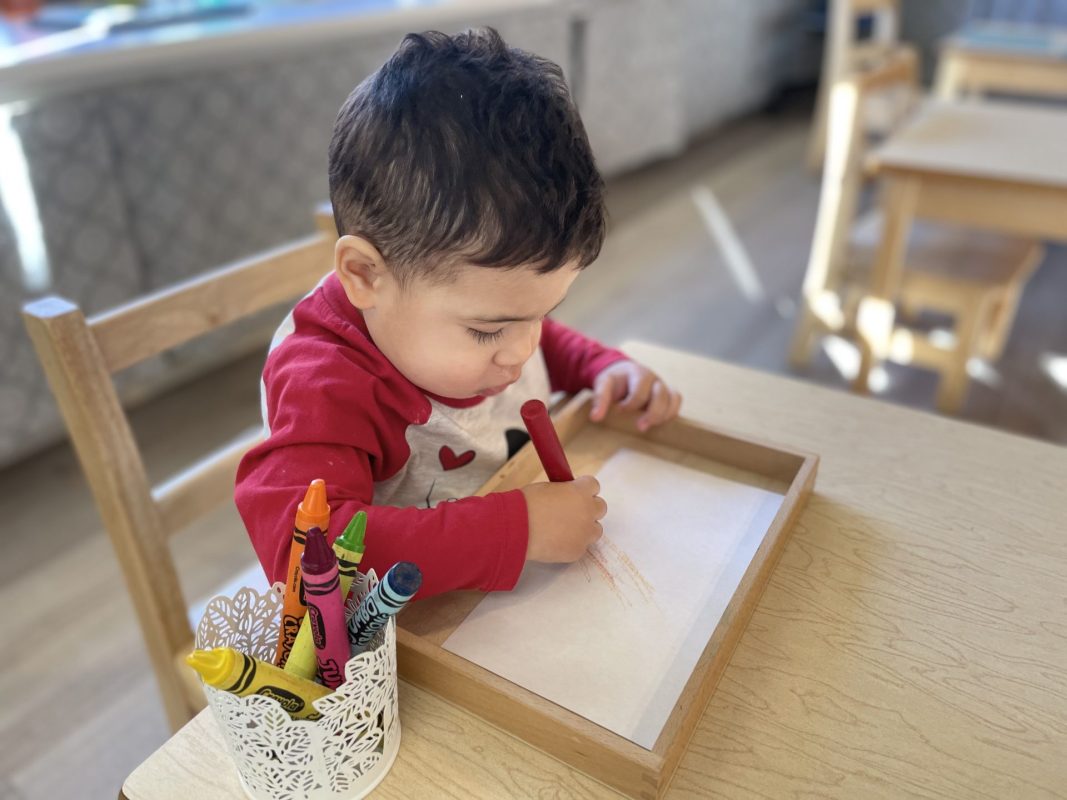
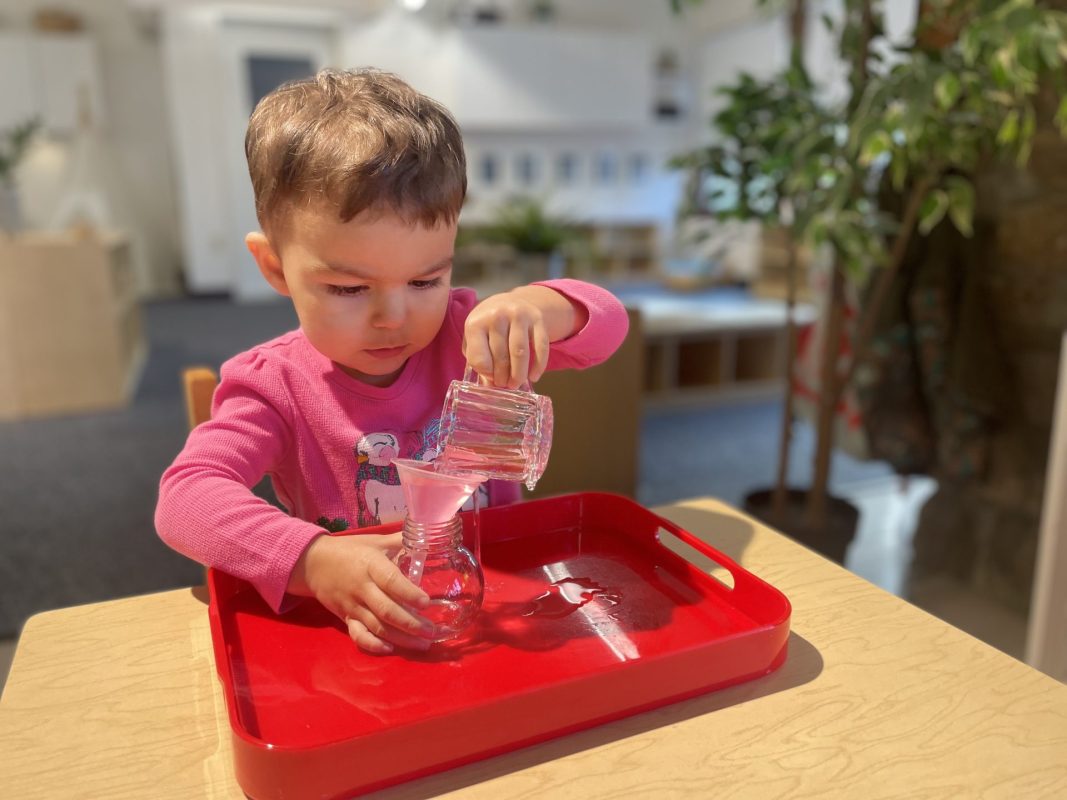
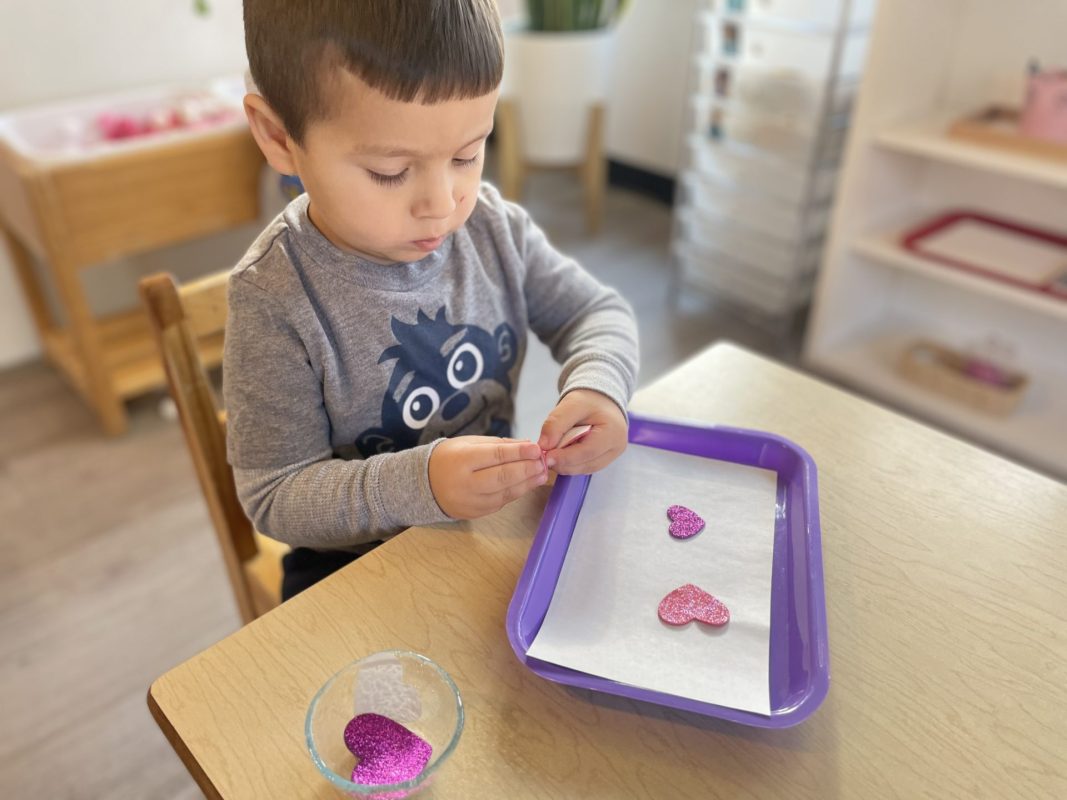
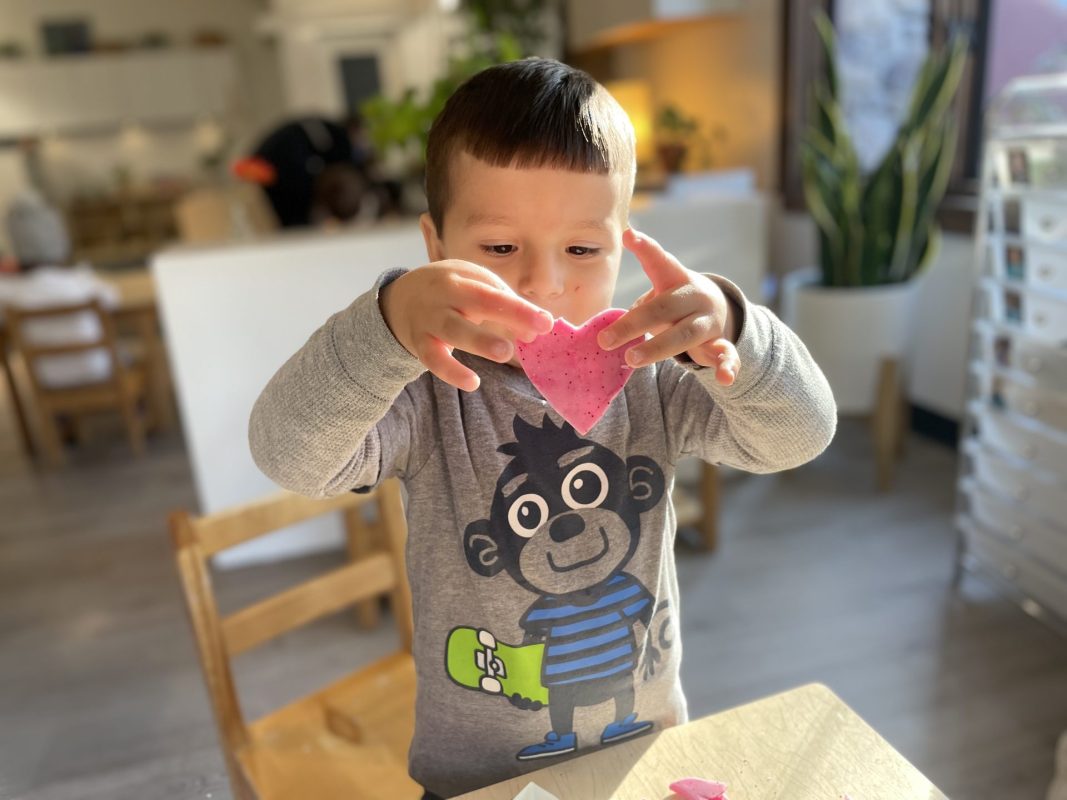
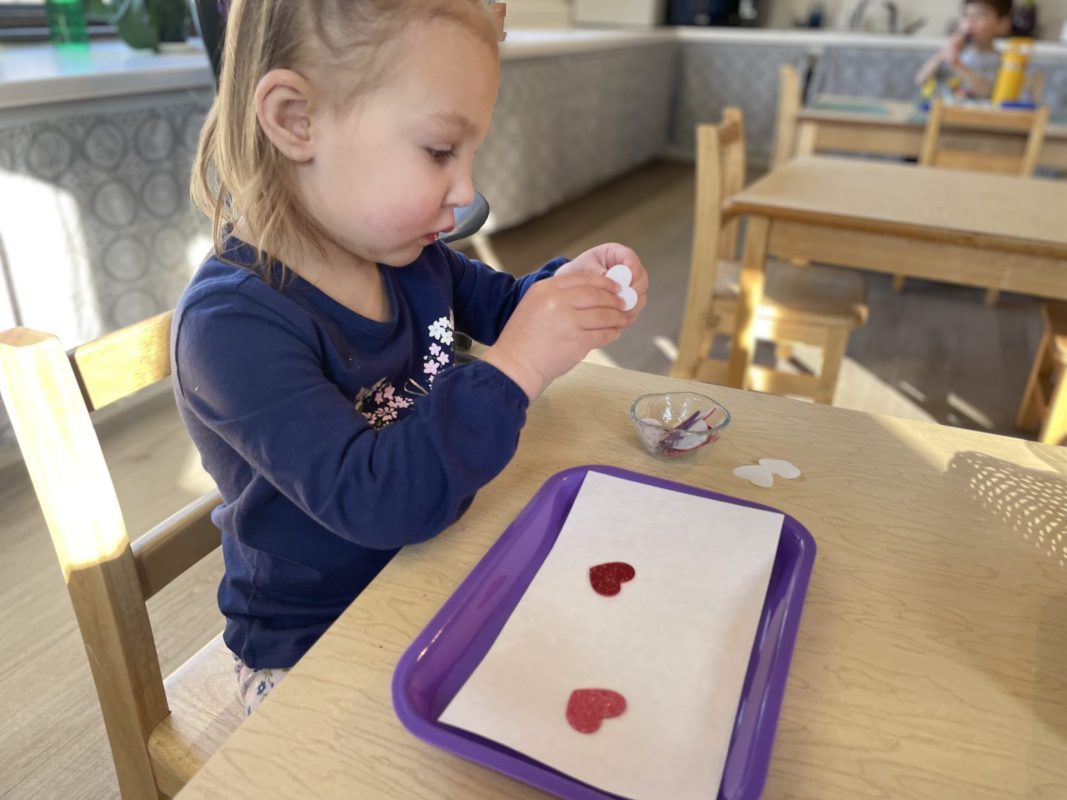
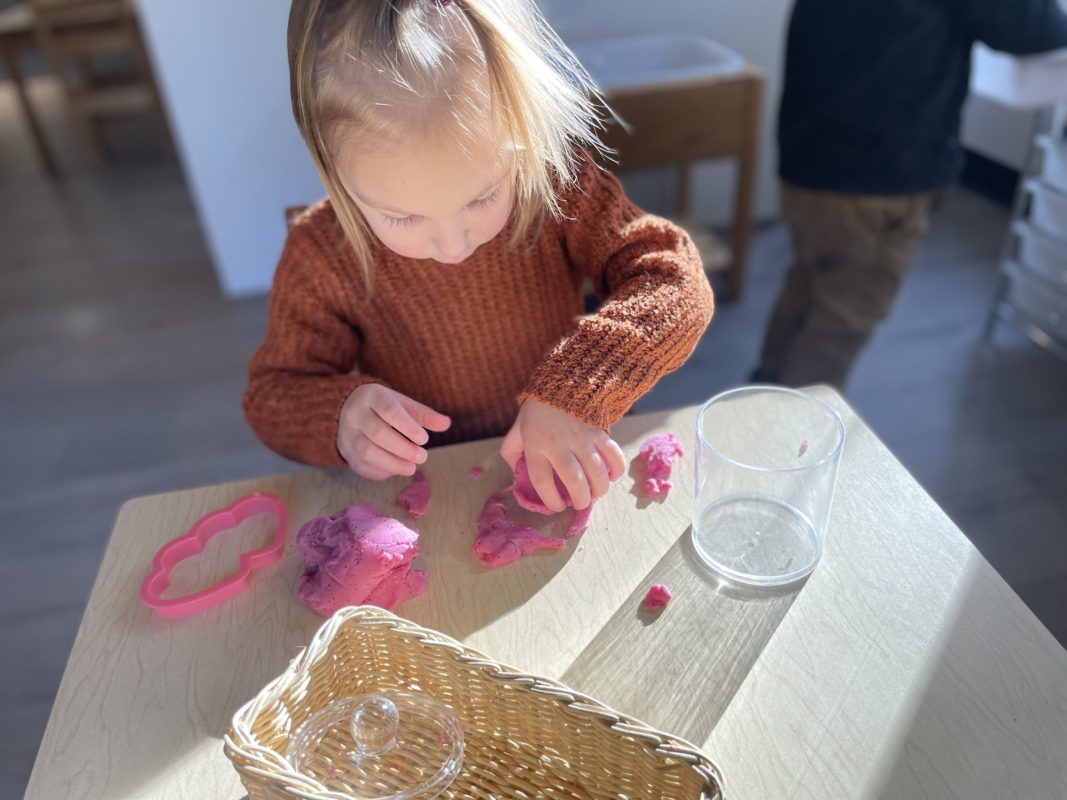
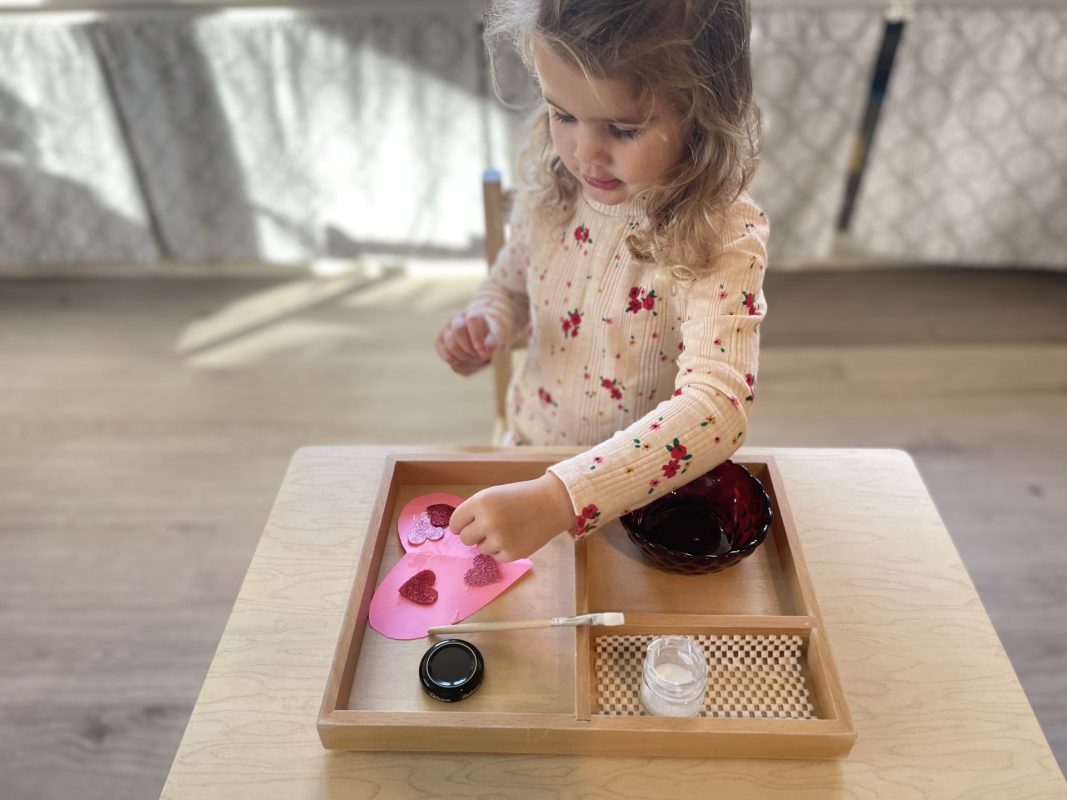
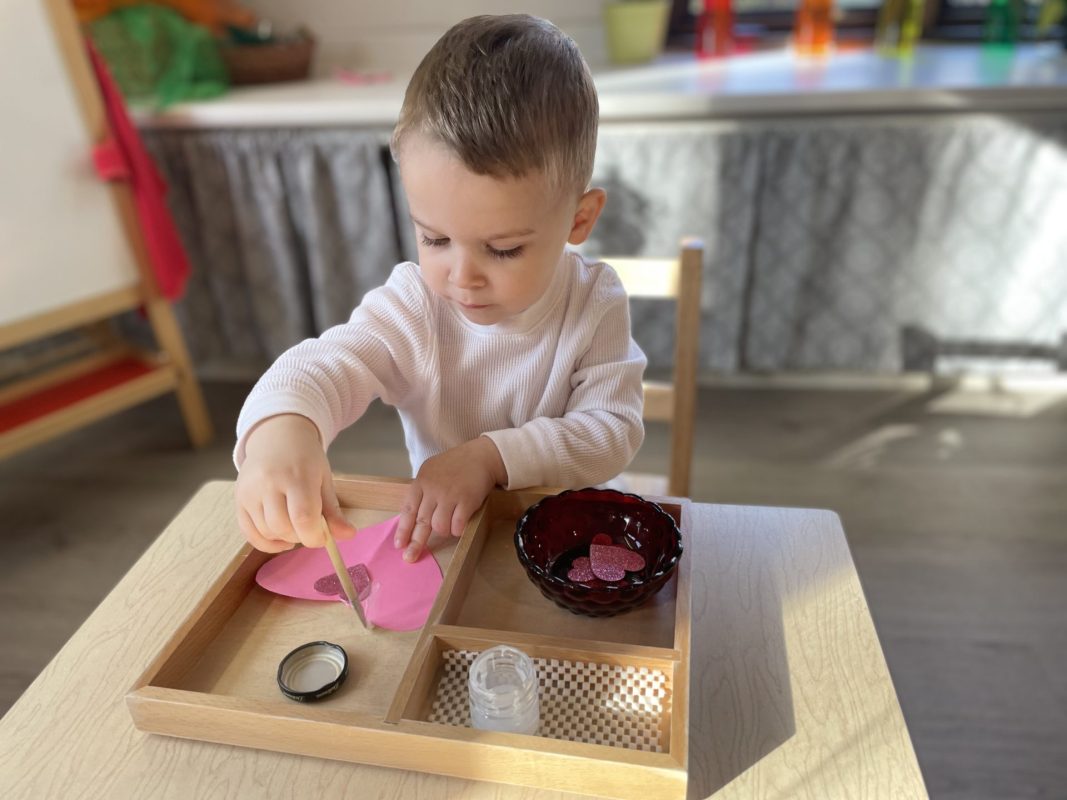
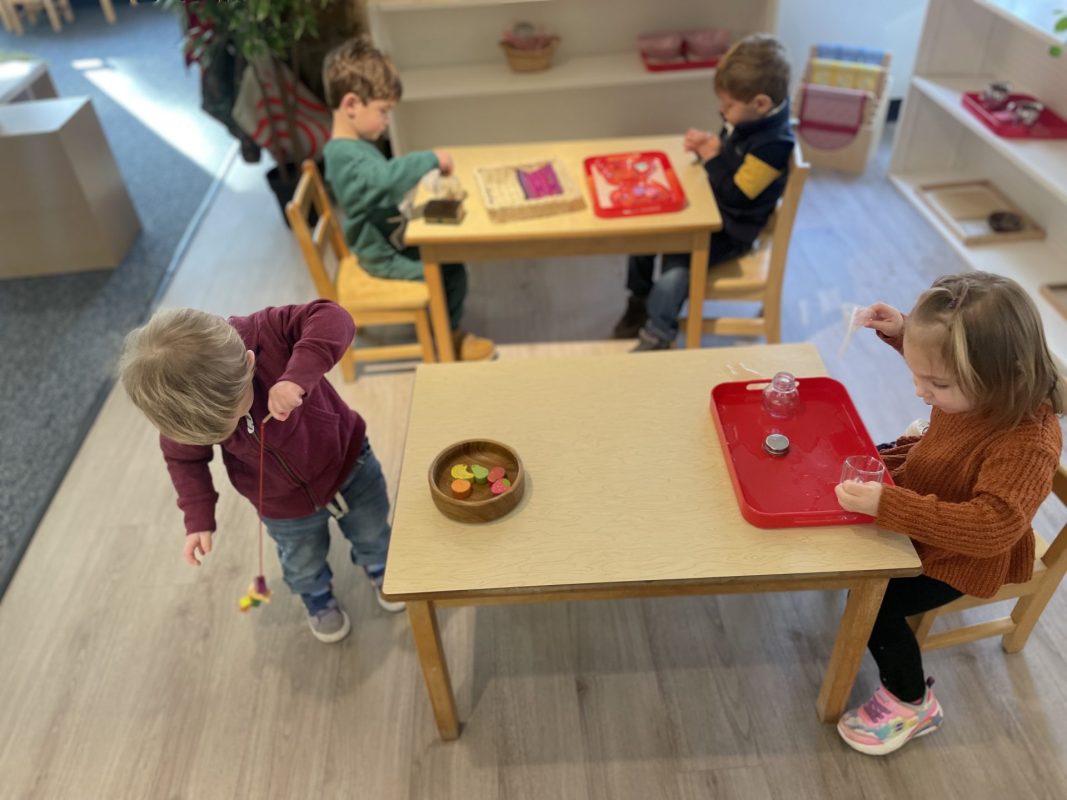
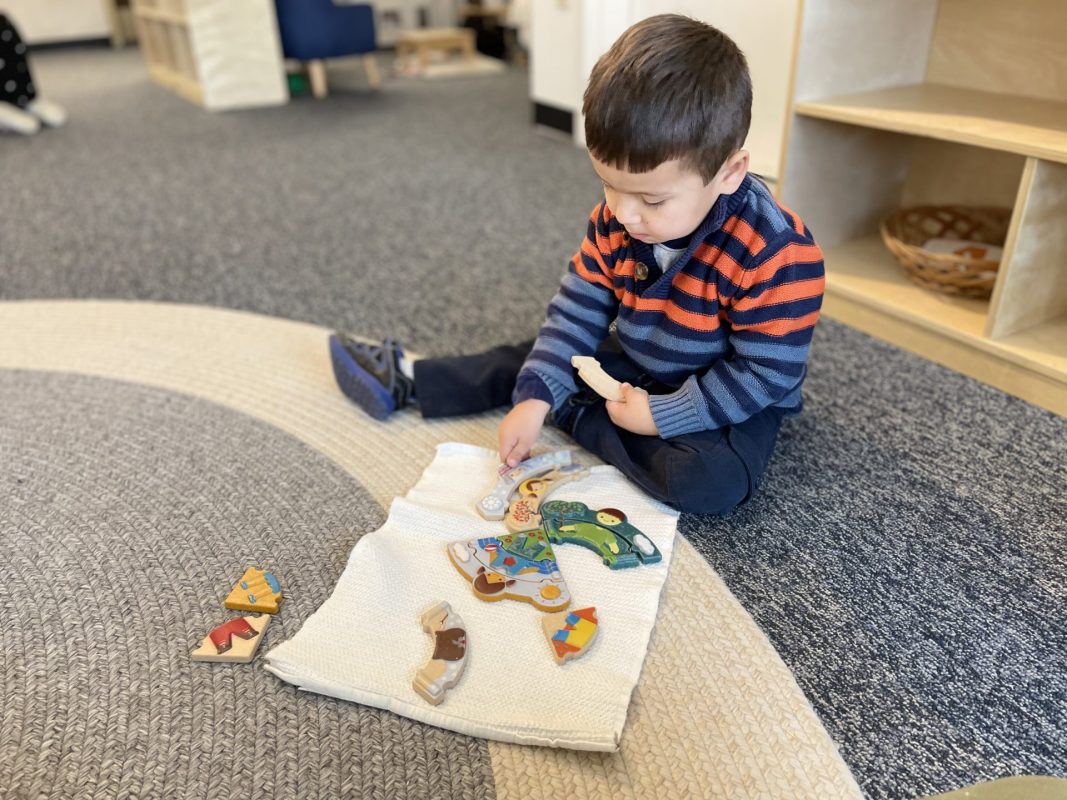
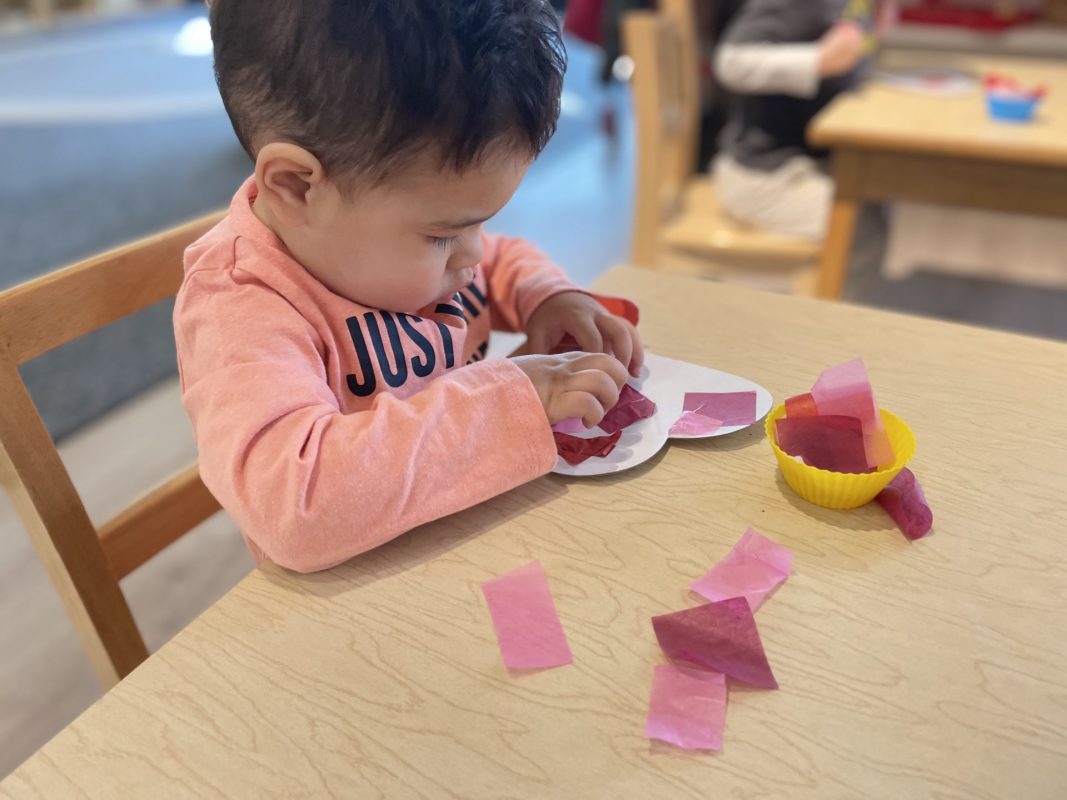
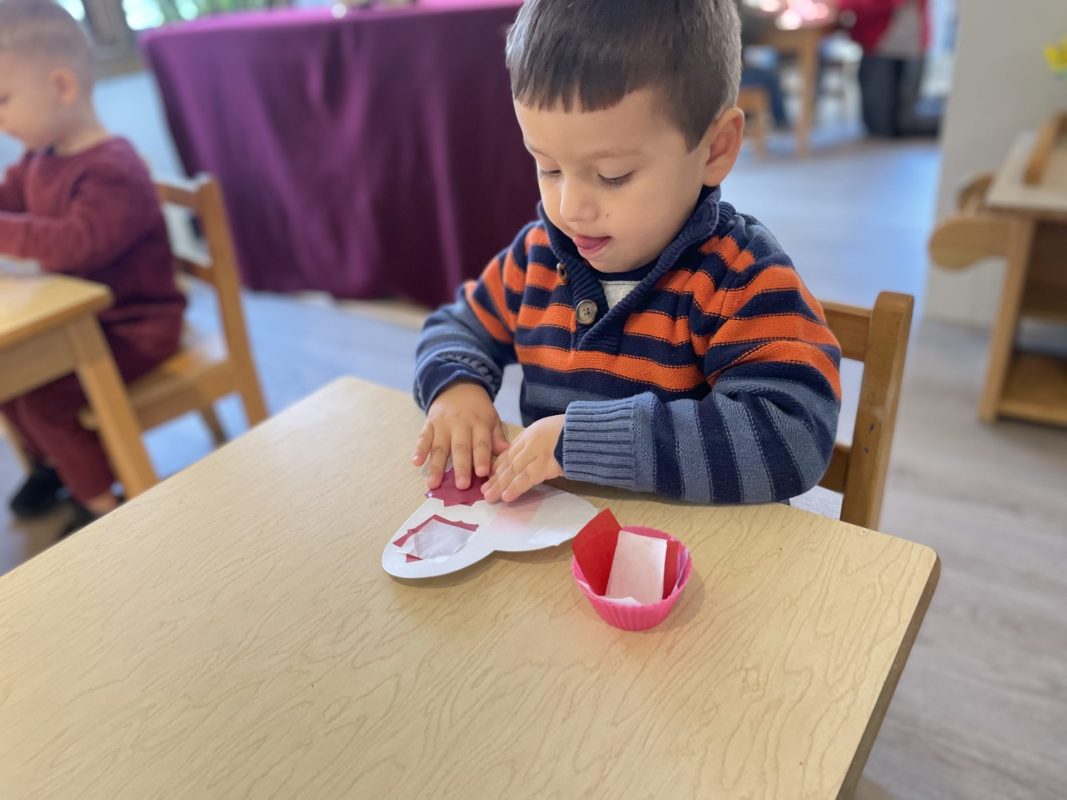
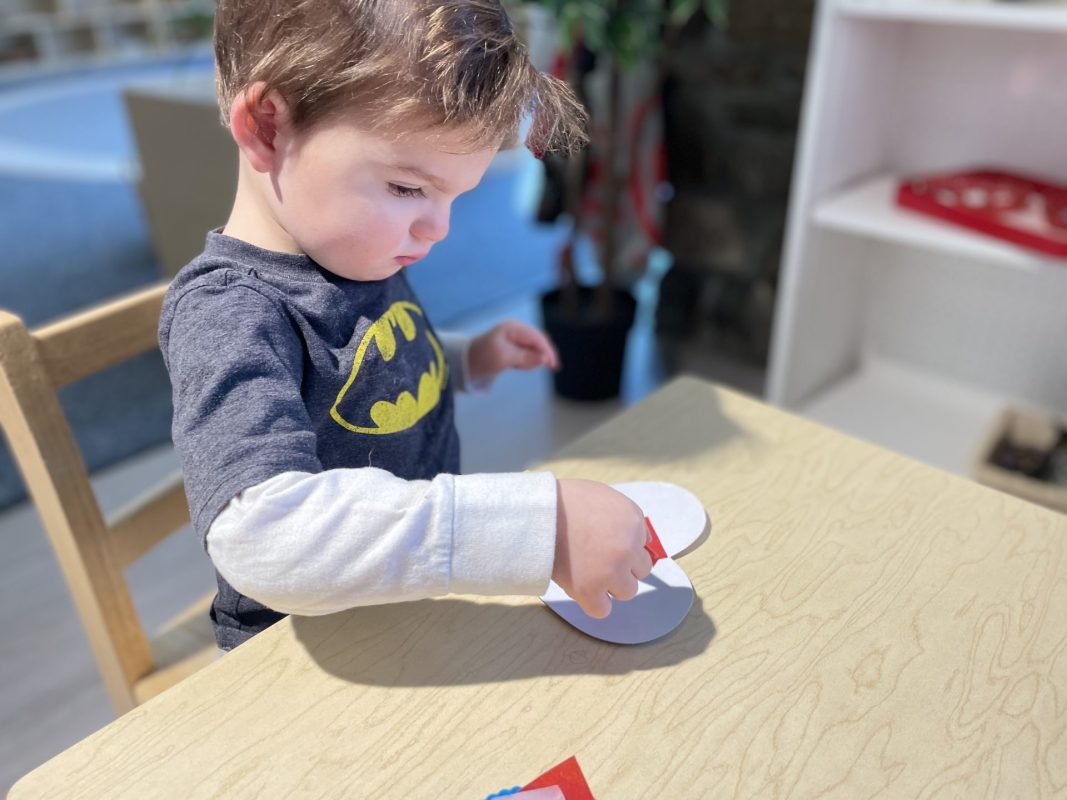
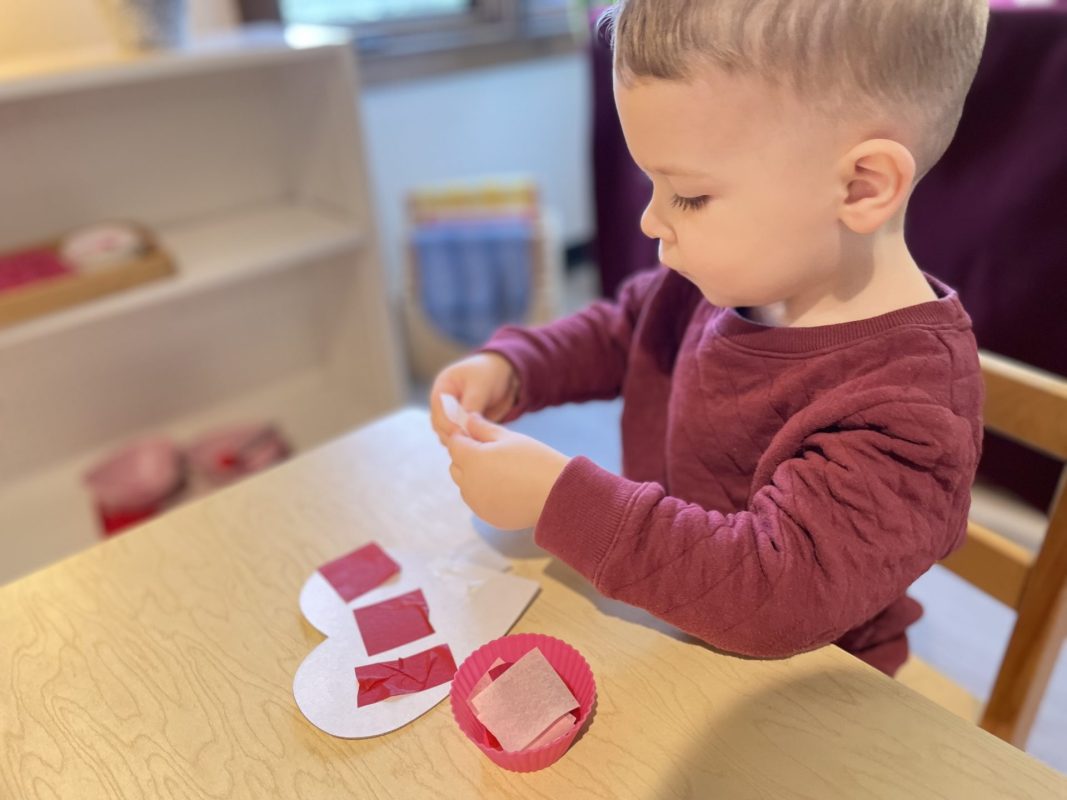
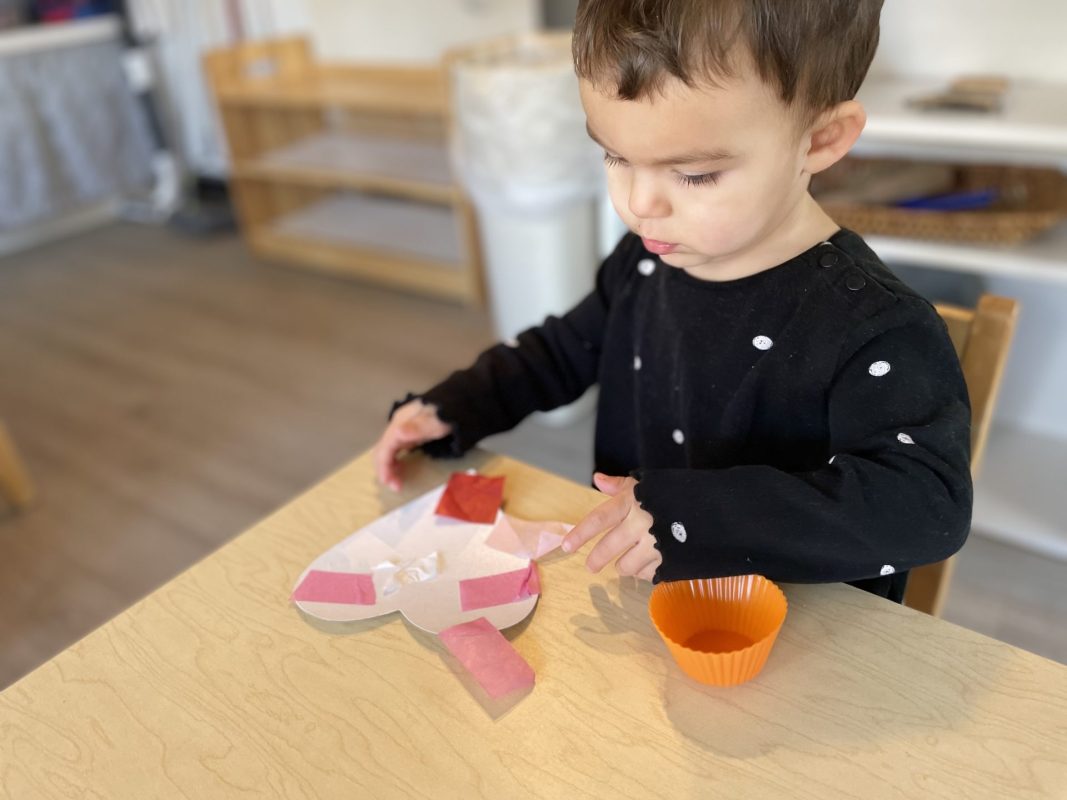
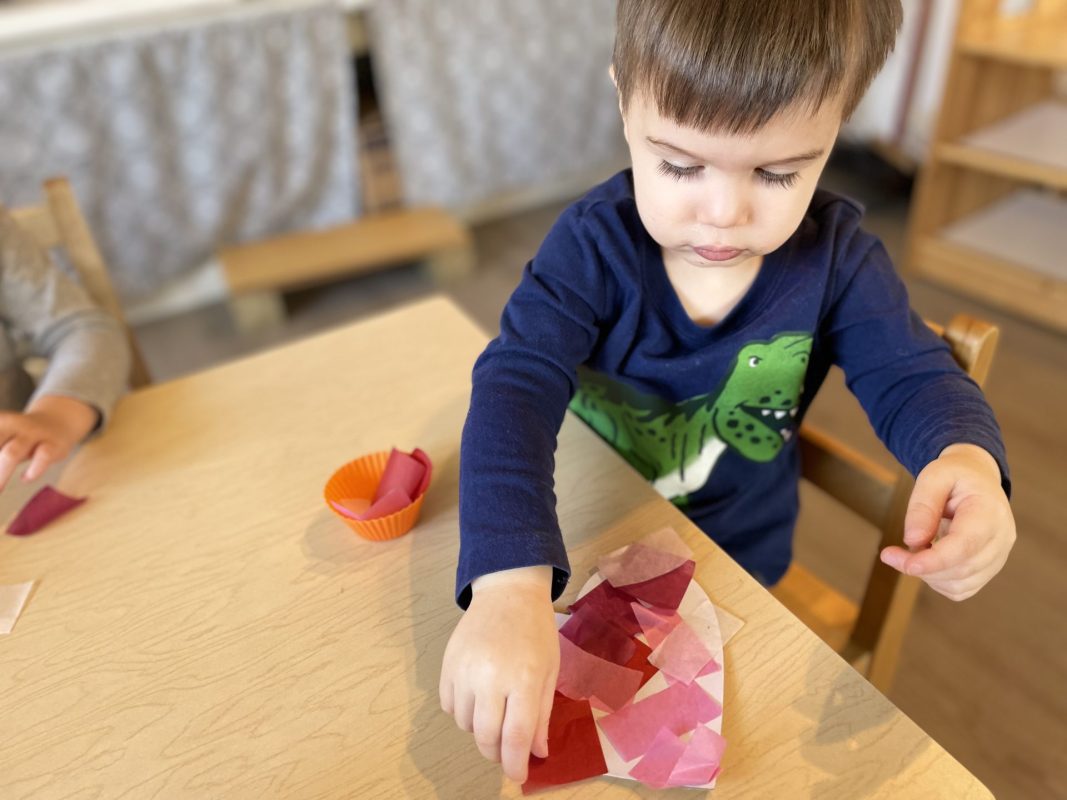
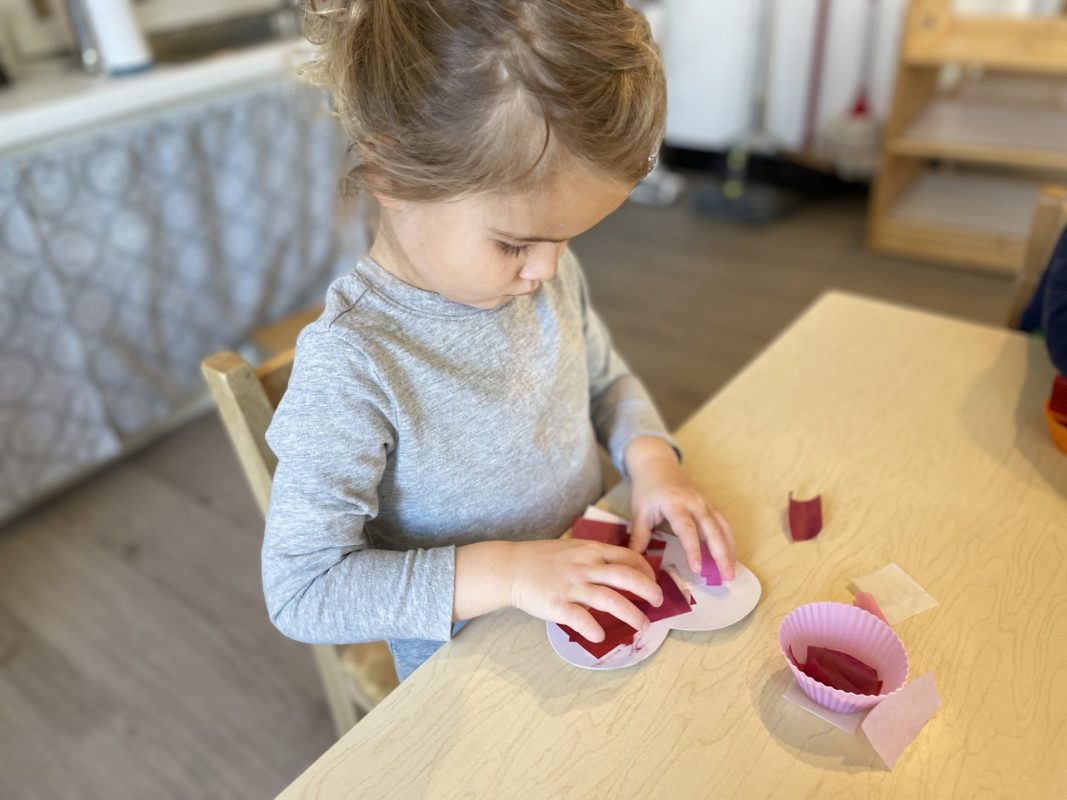
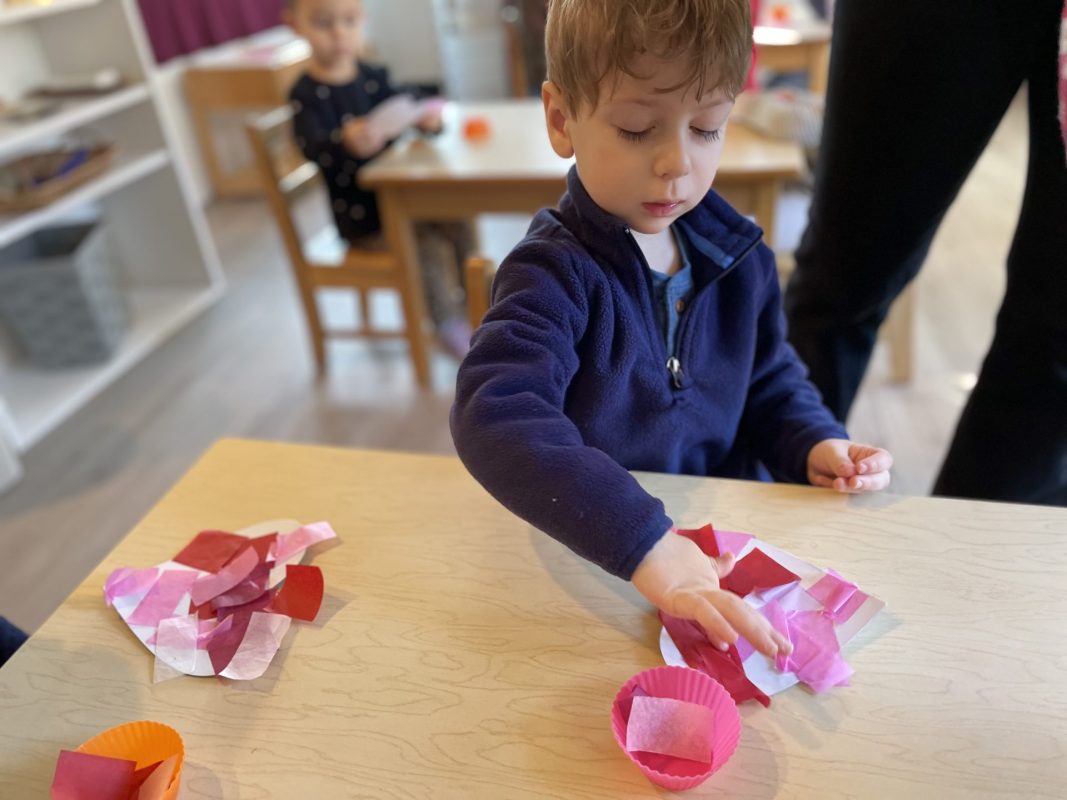
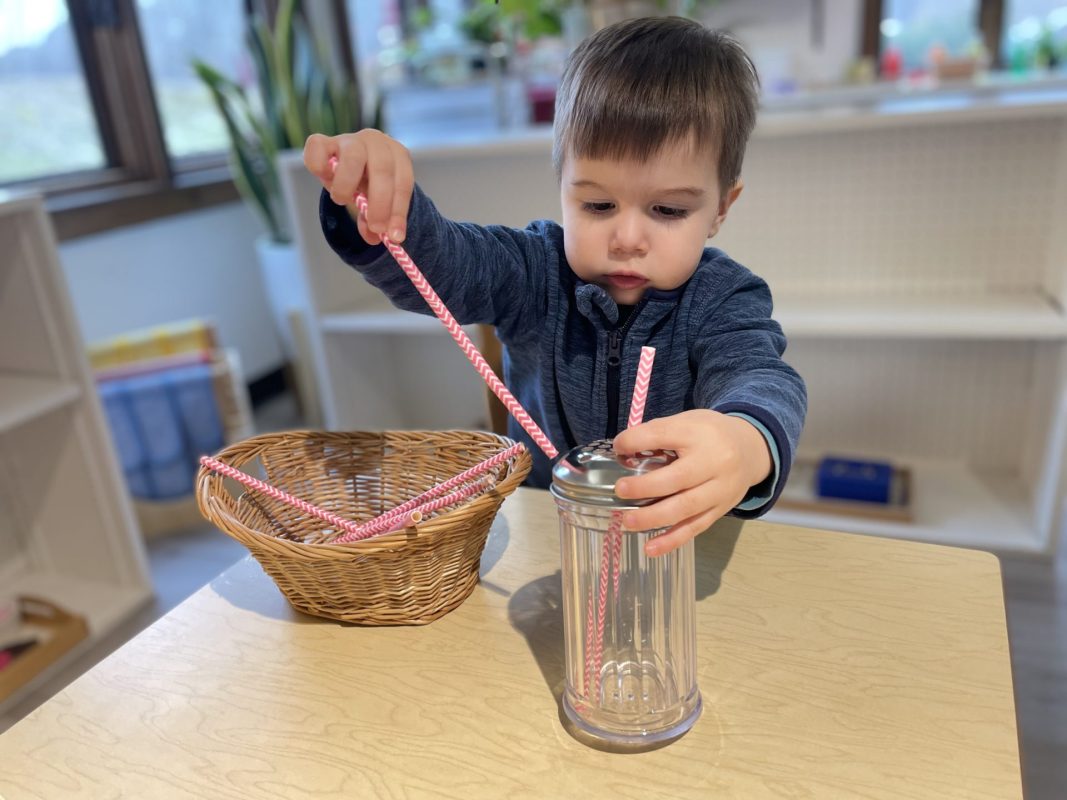
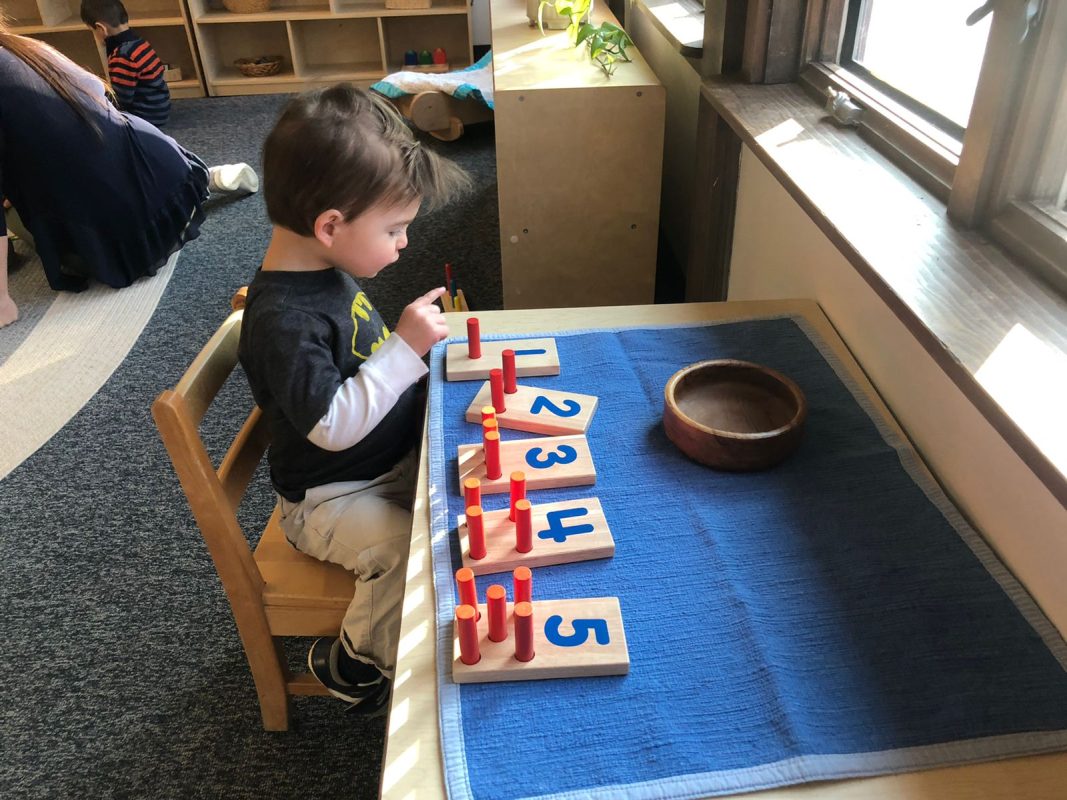
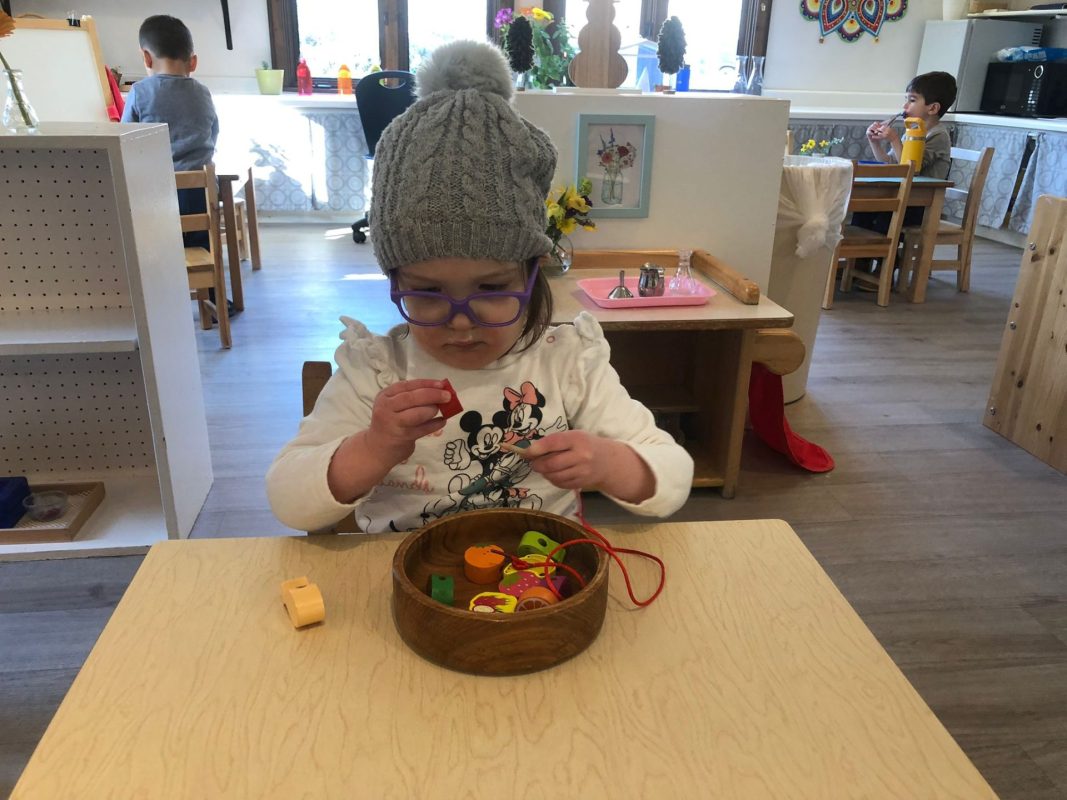
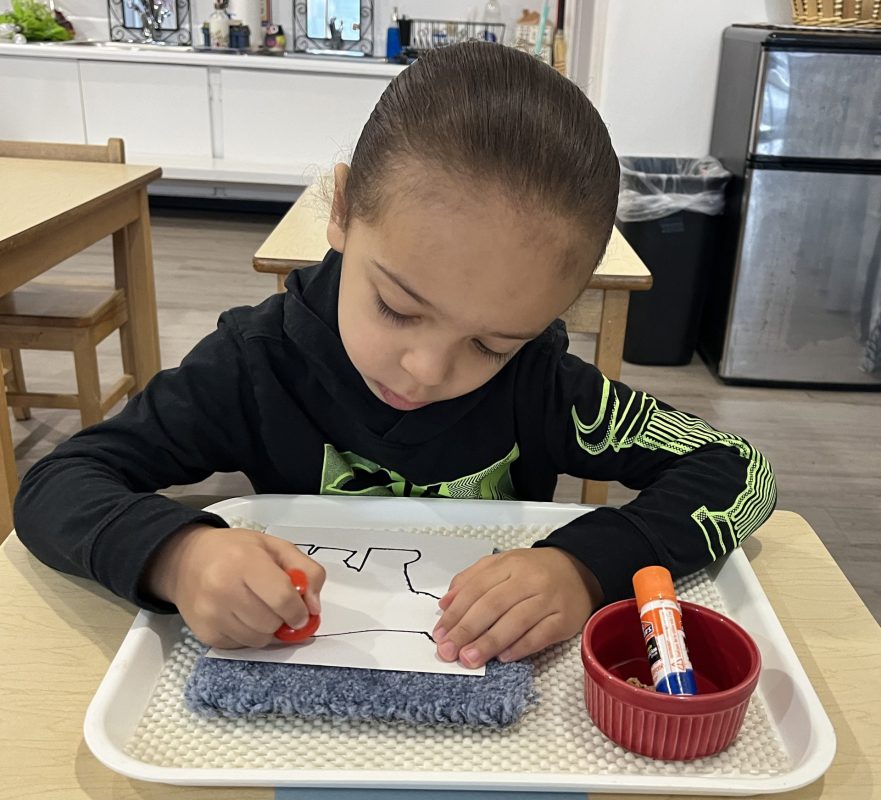
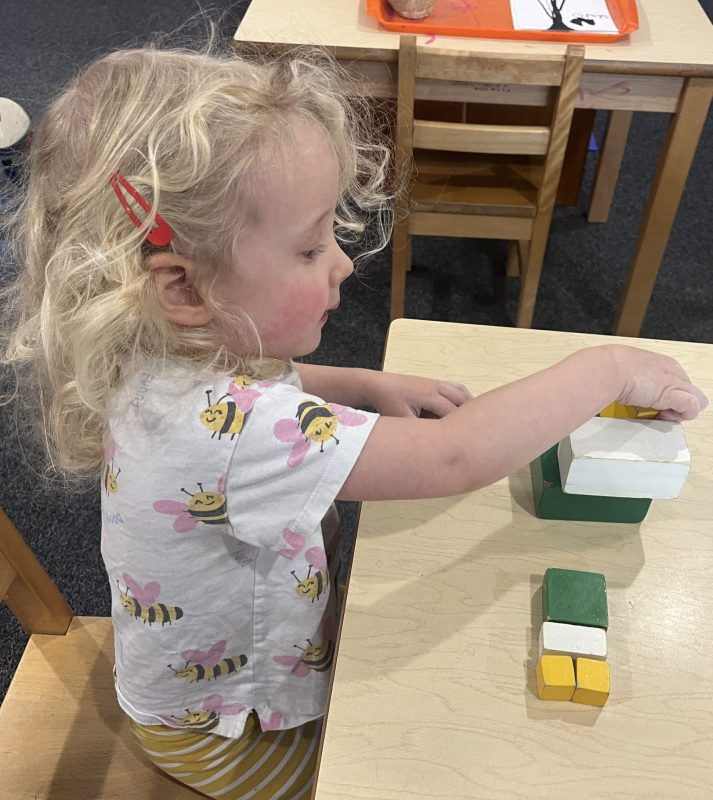
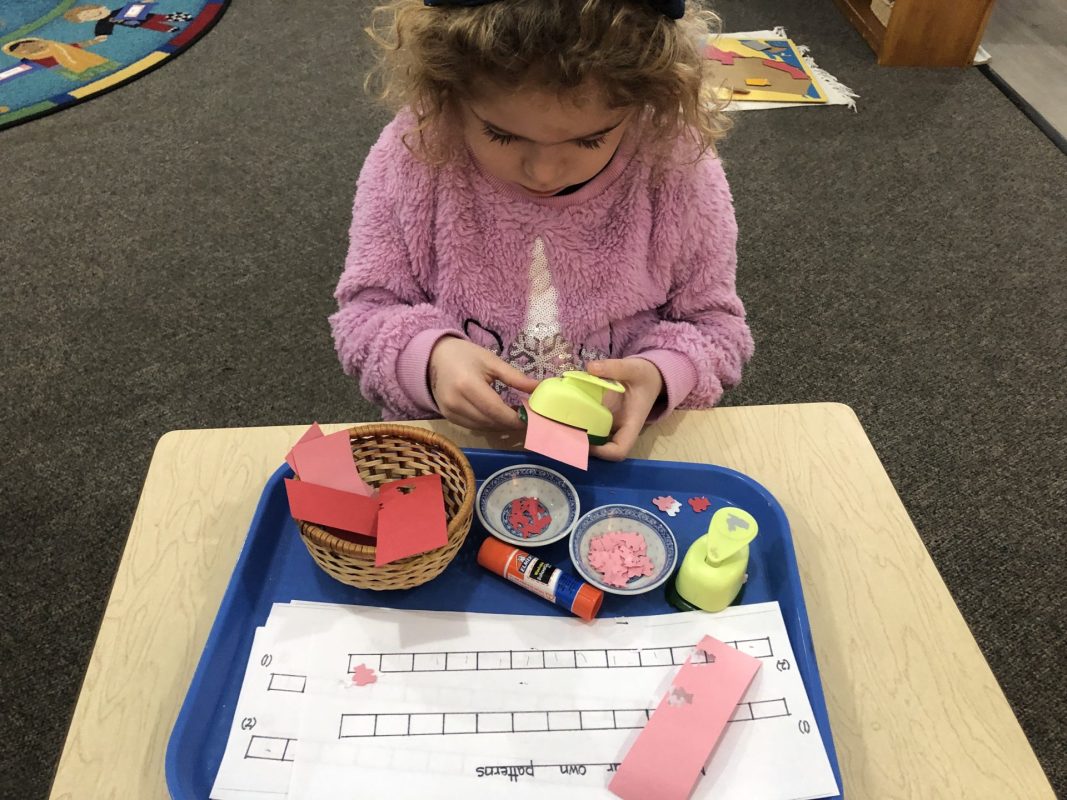
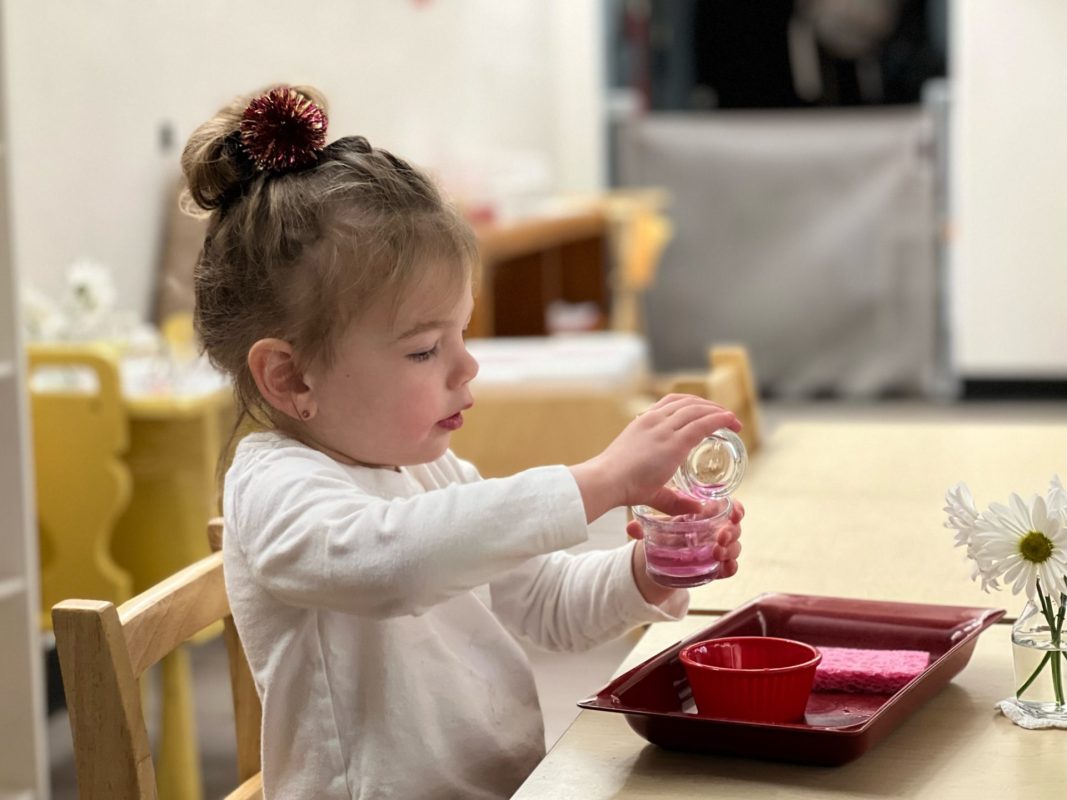
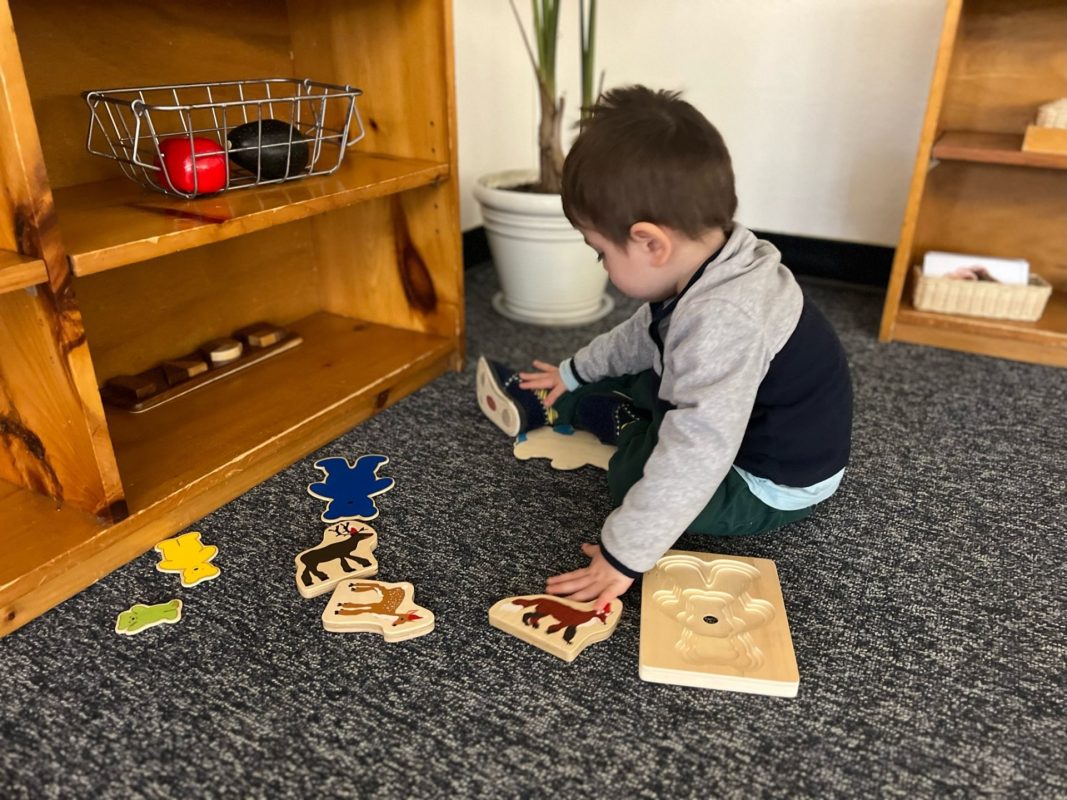
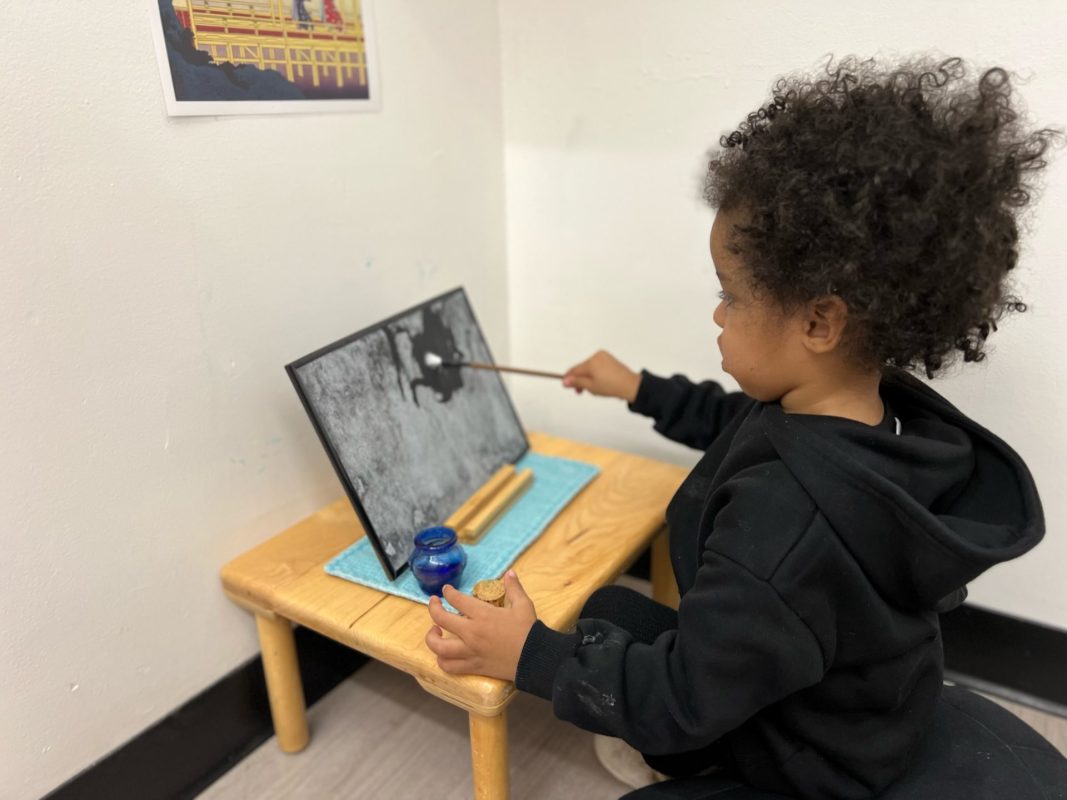
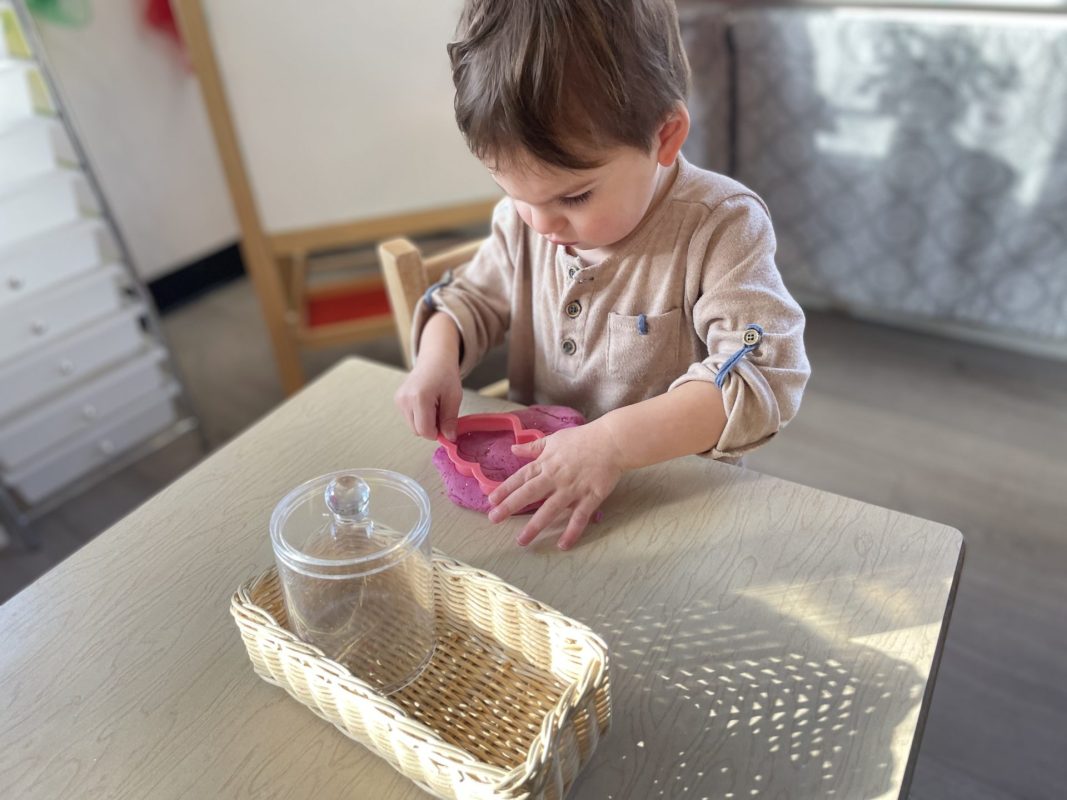
On another note, based on the coming Valentine’s day, children have been exploring new works on the shelves and preparing for our Friendship Celebration! They worked this week on a little art project that will be added to their Valentine’s bags.

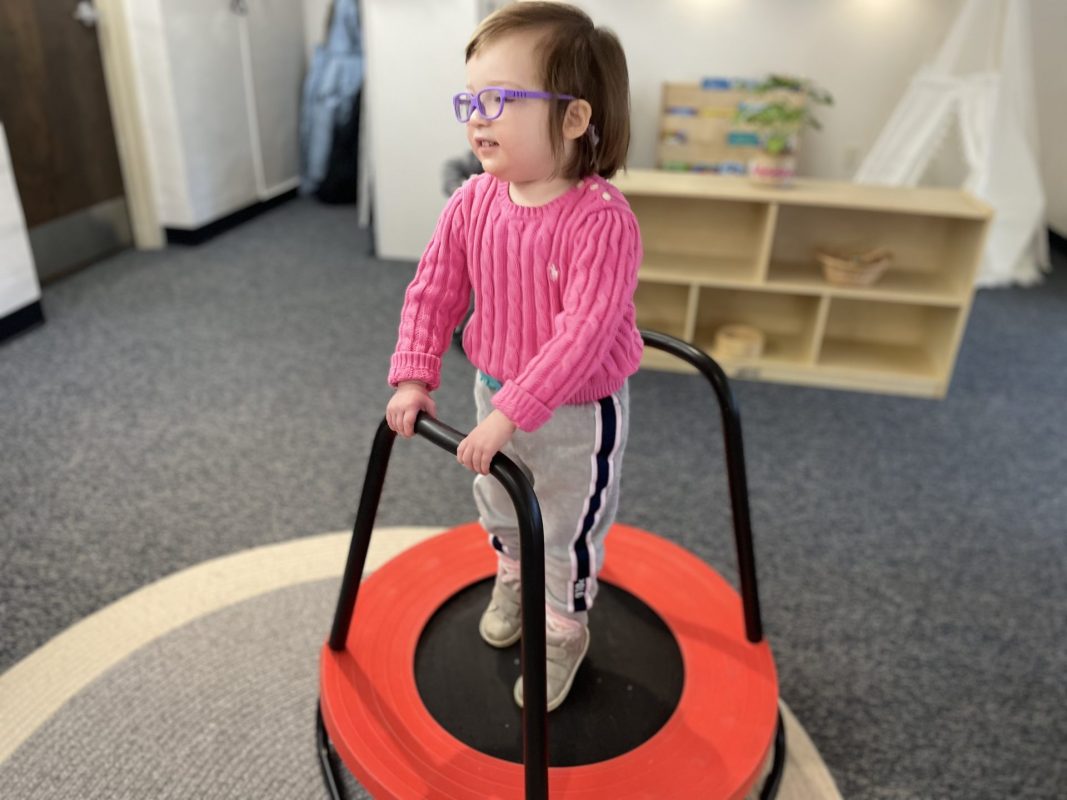
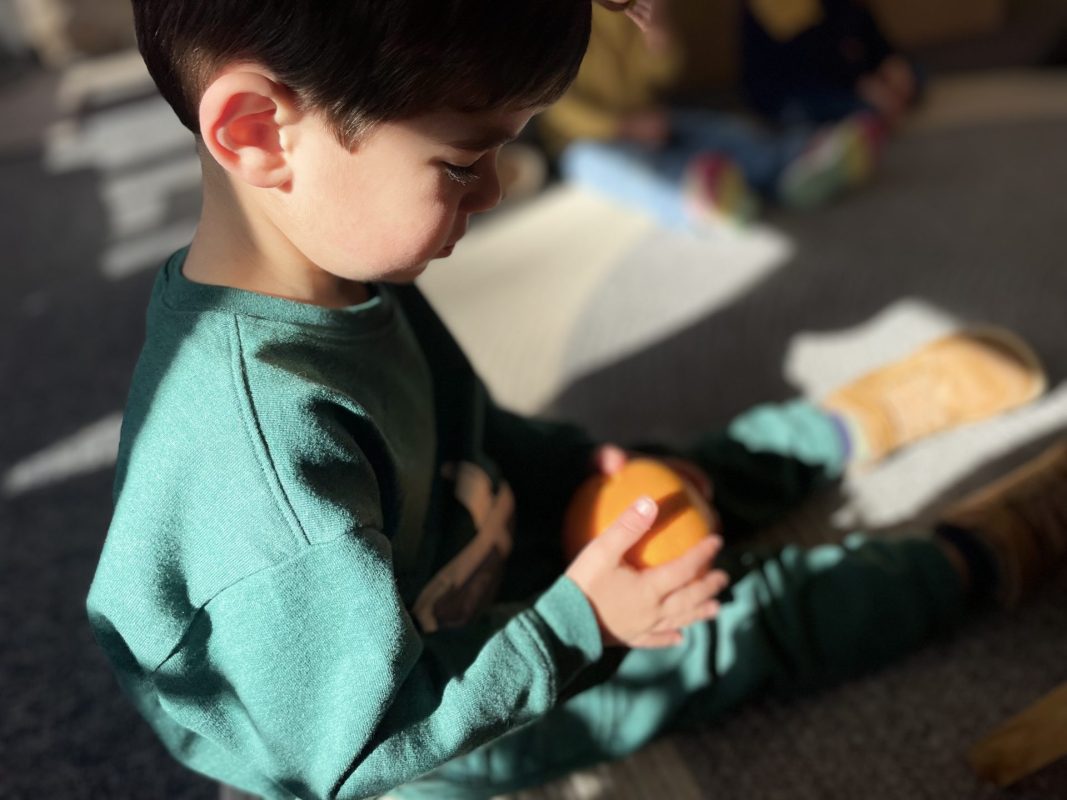
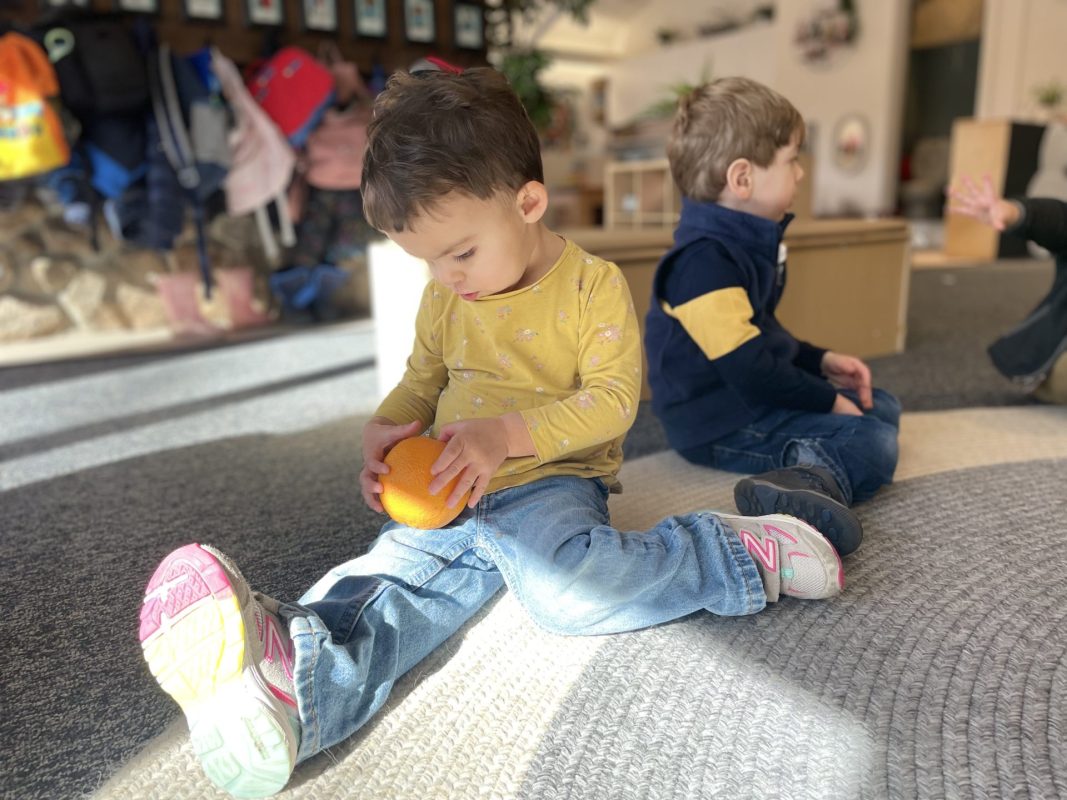
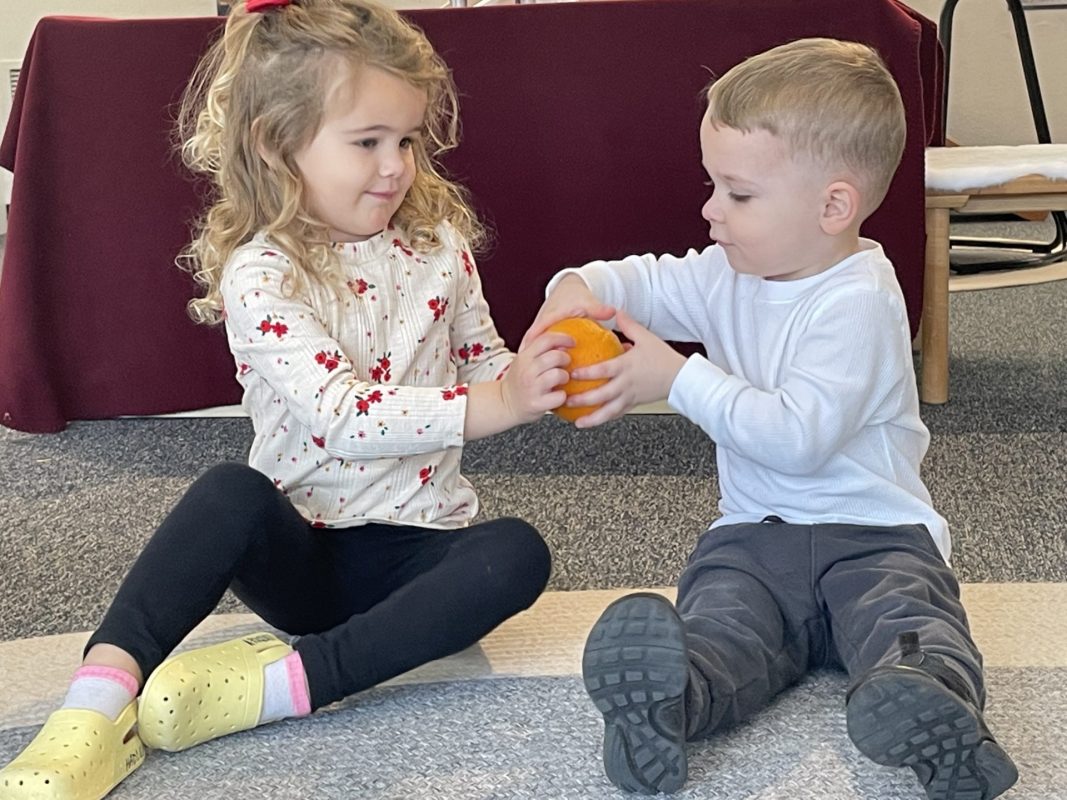
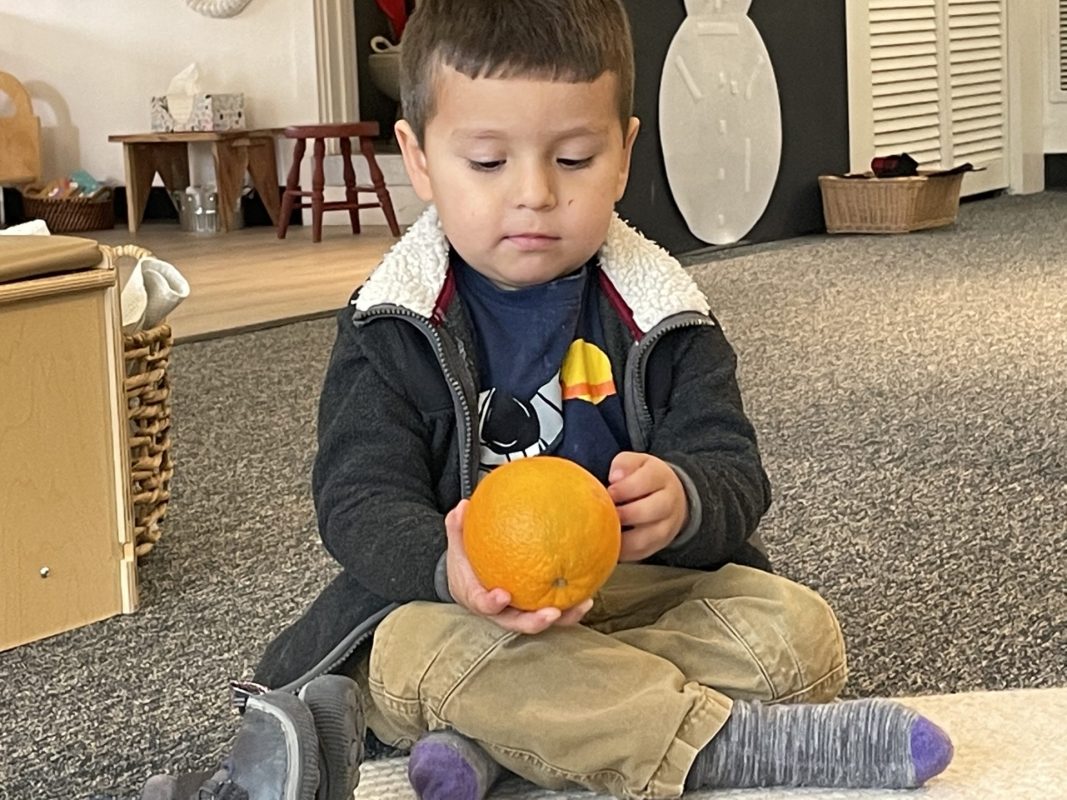
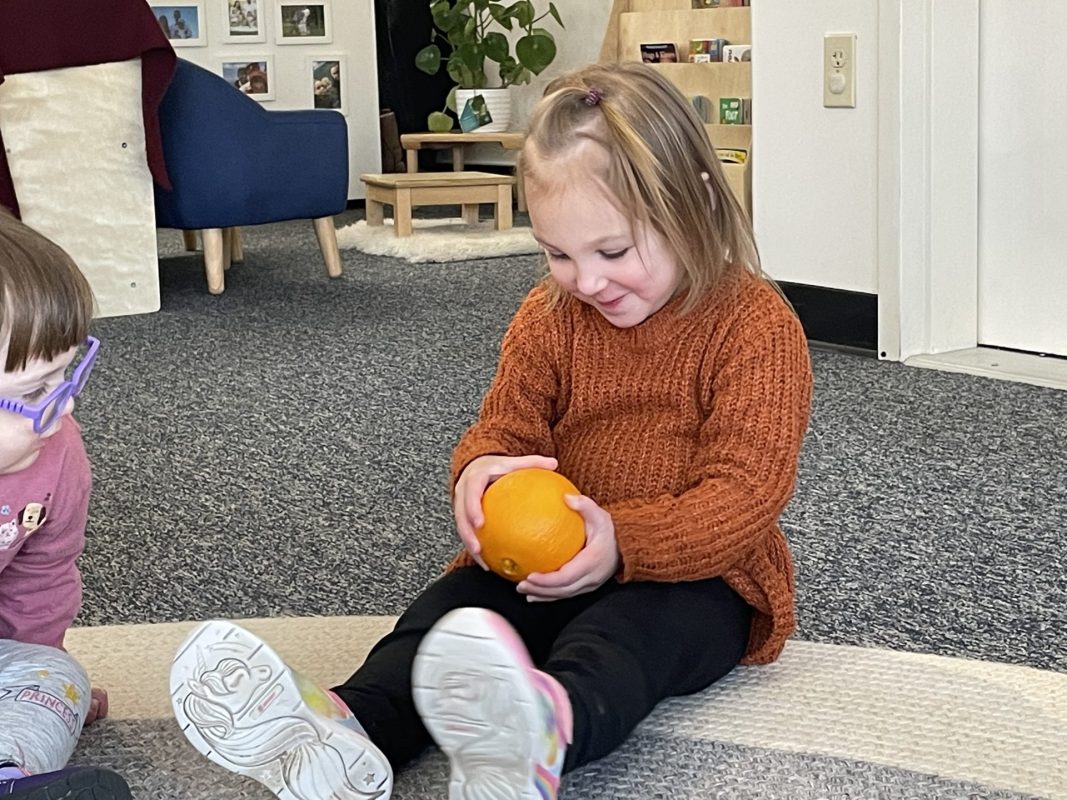
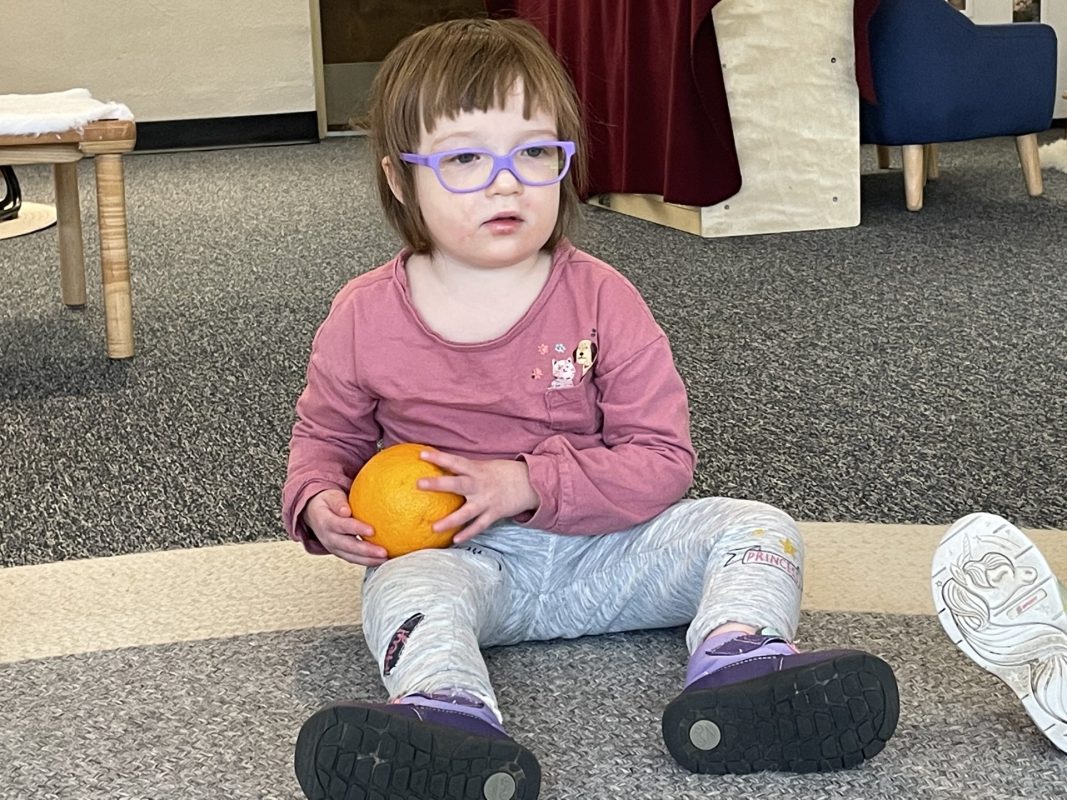
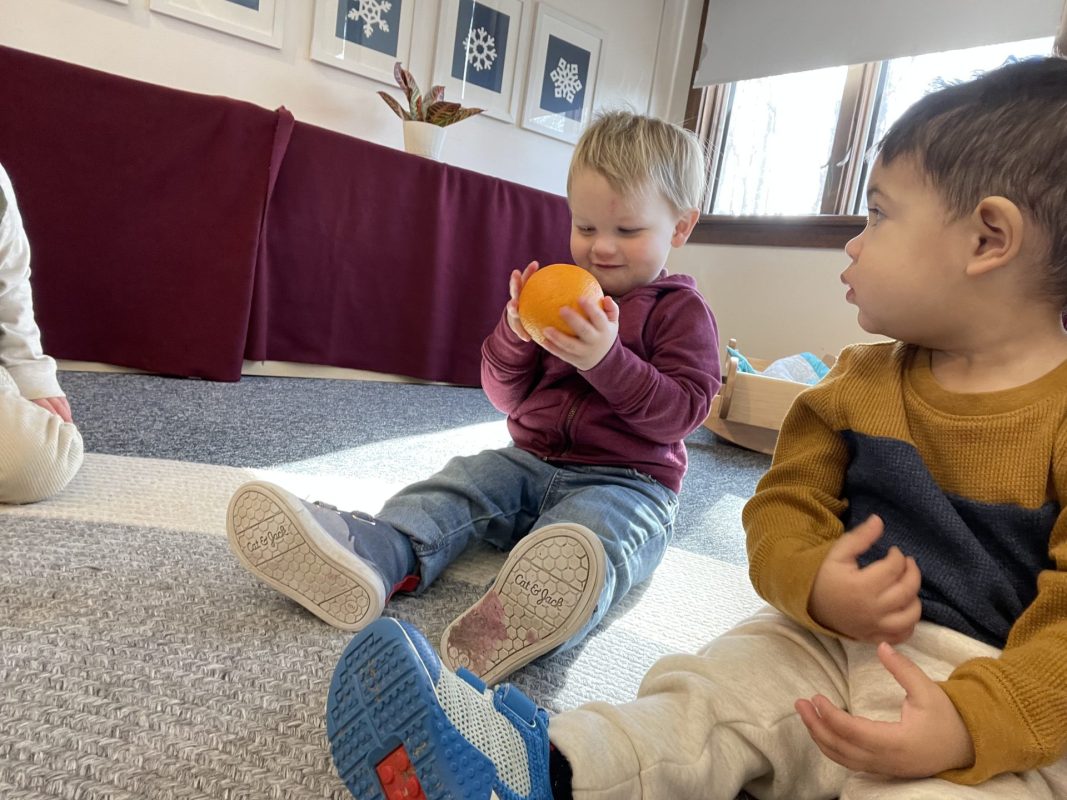
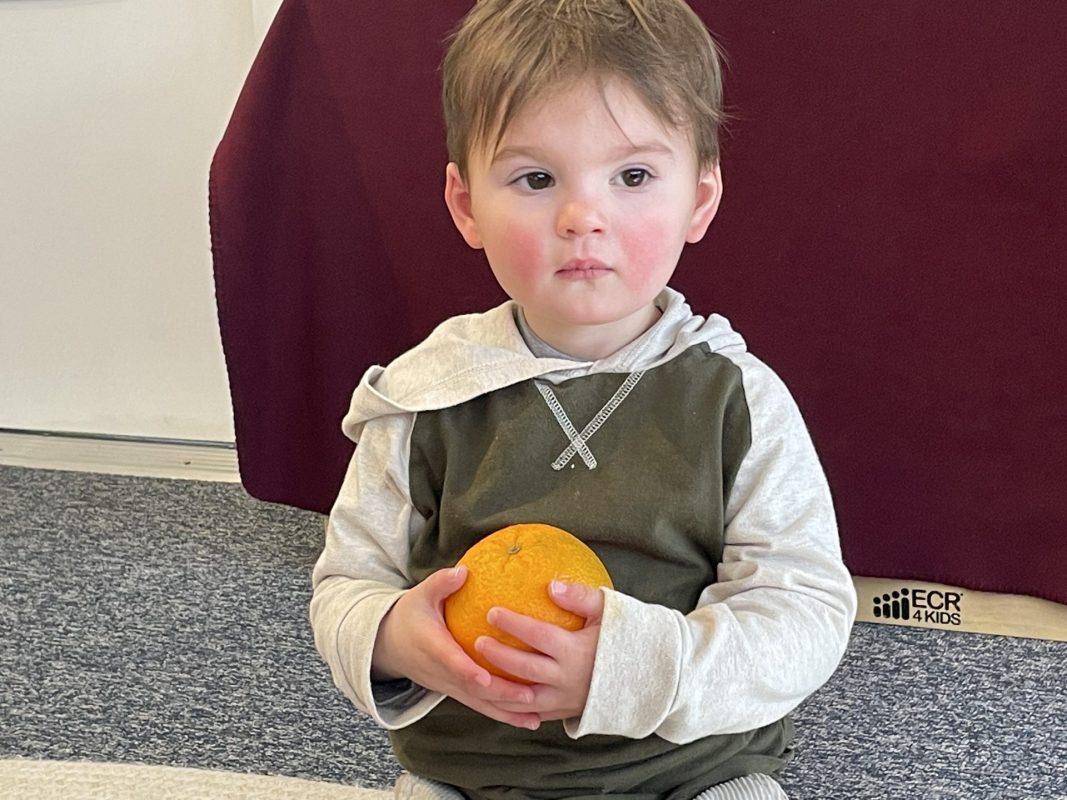
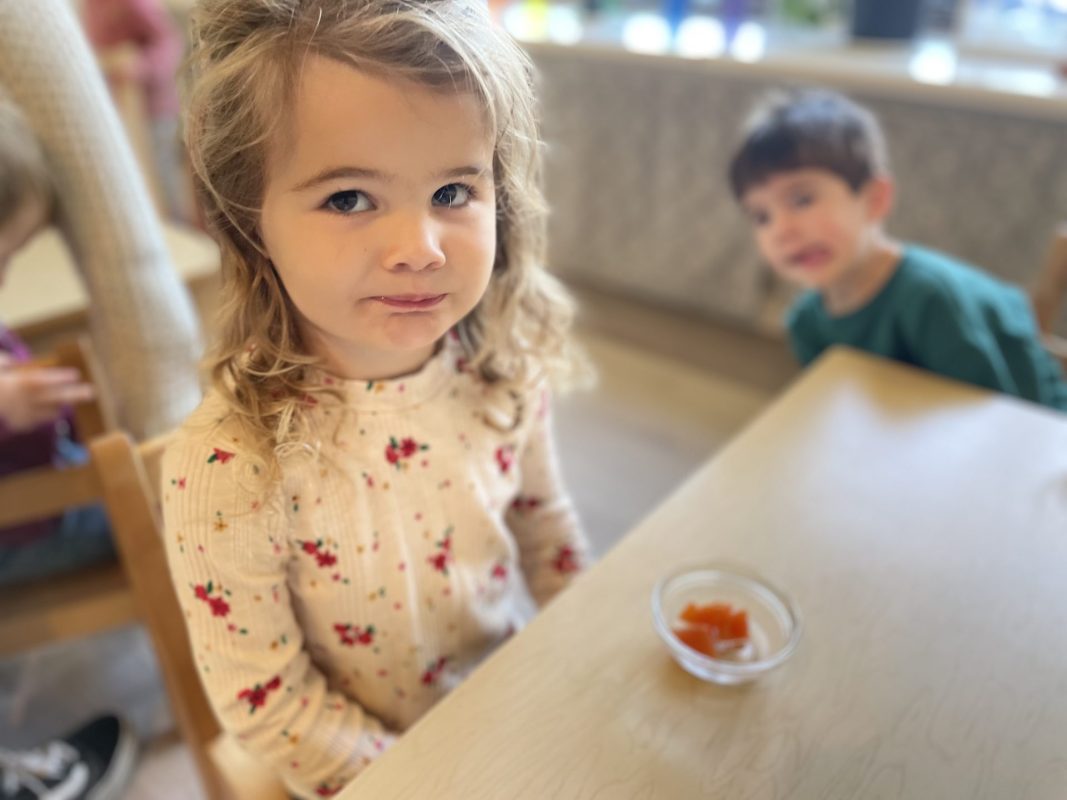
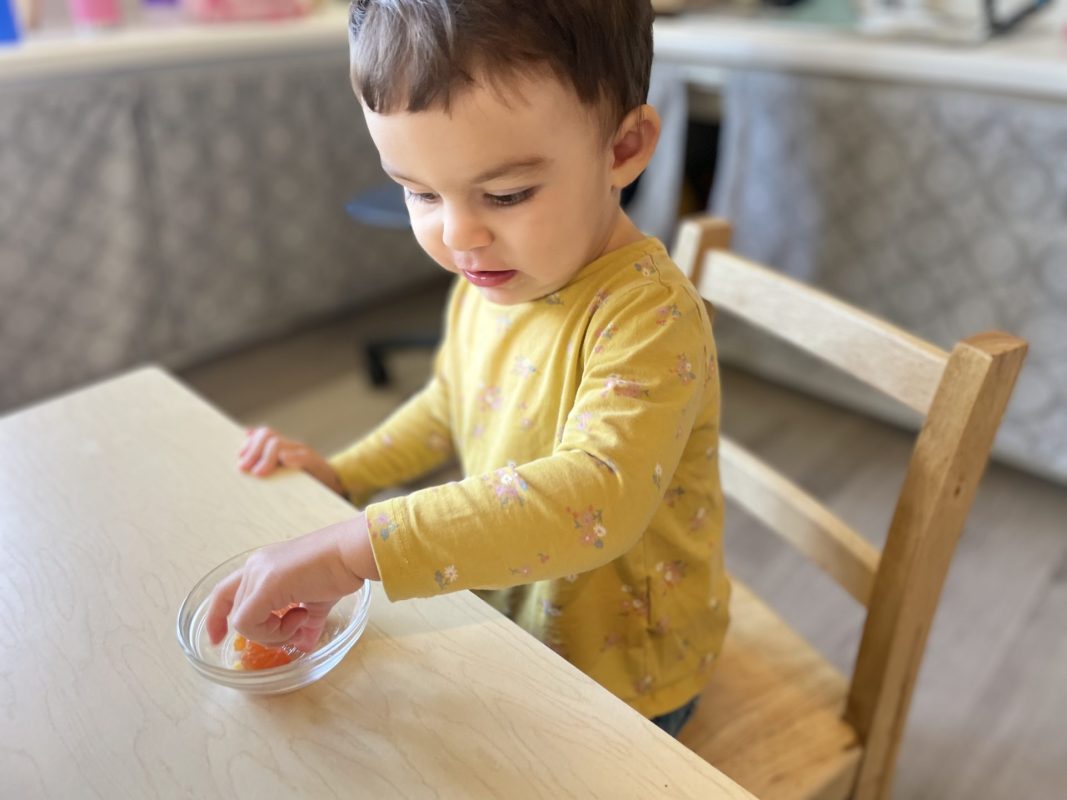
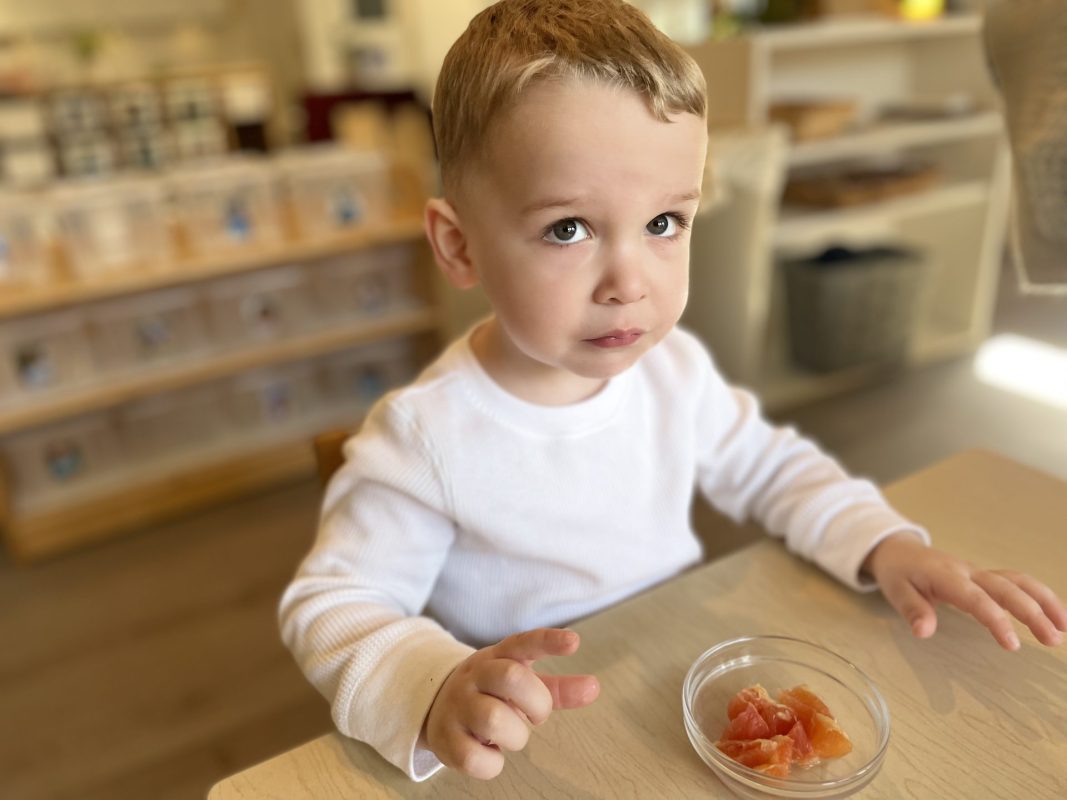
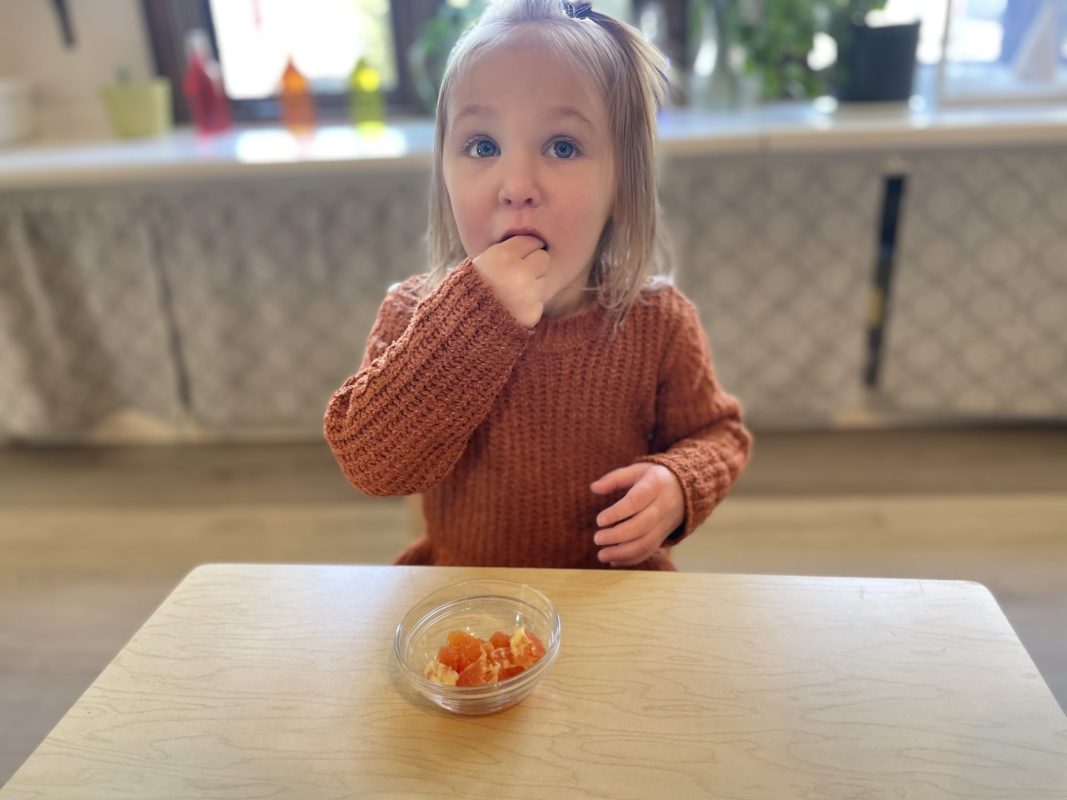
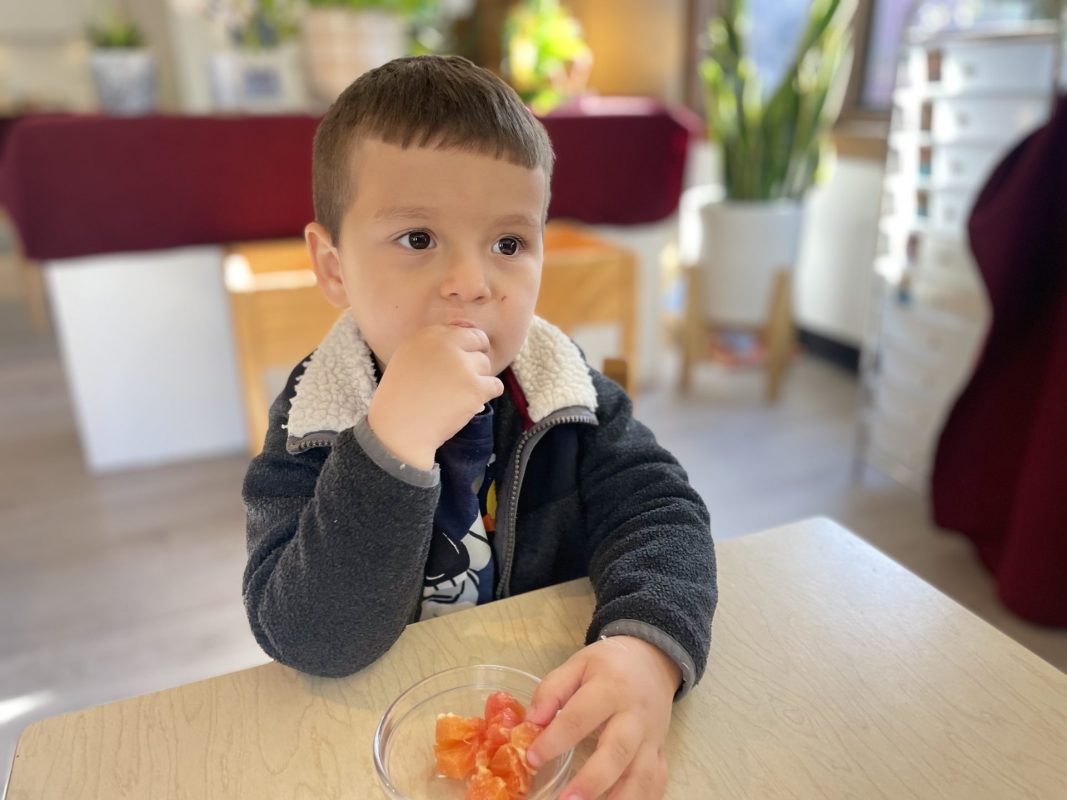
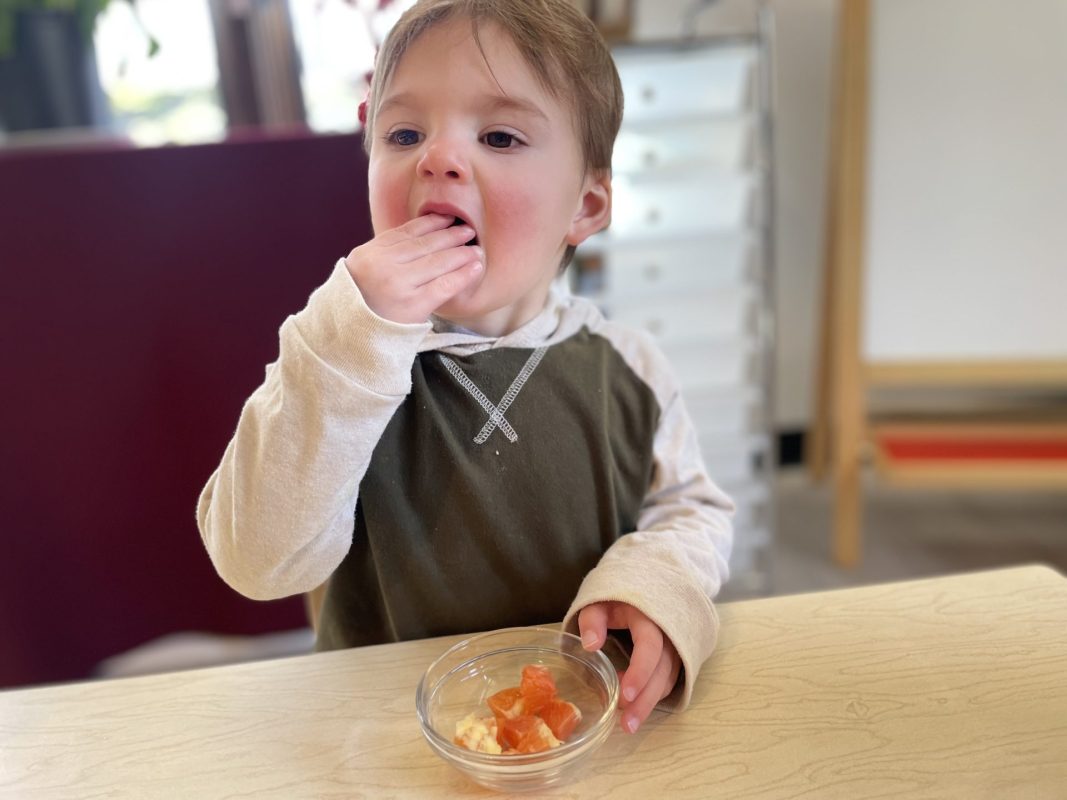
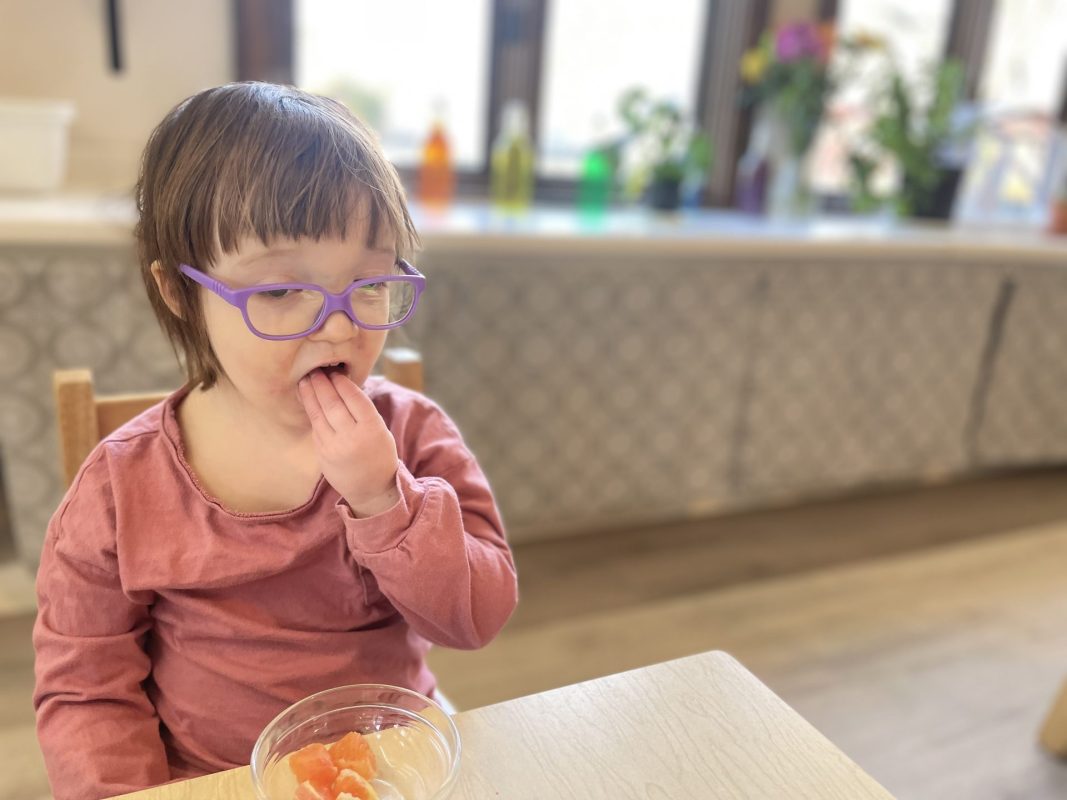
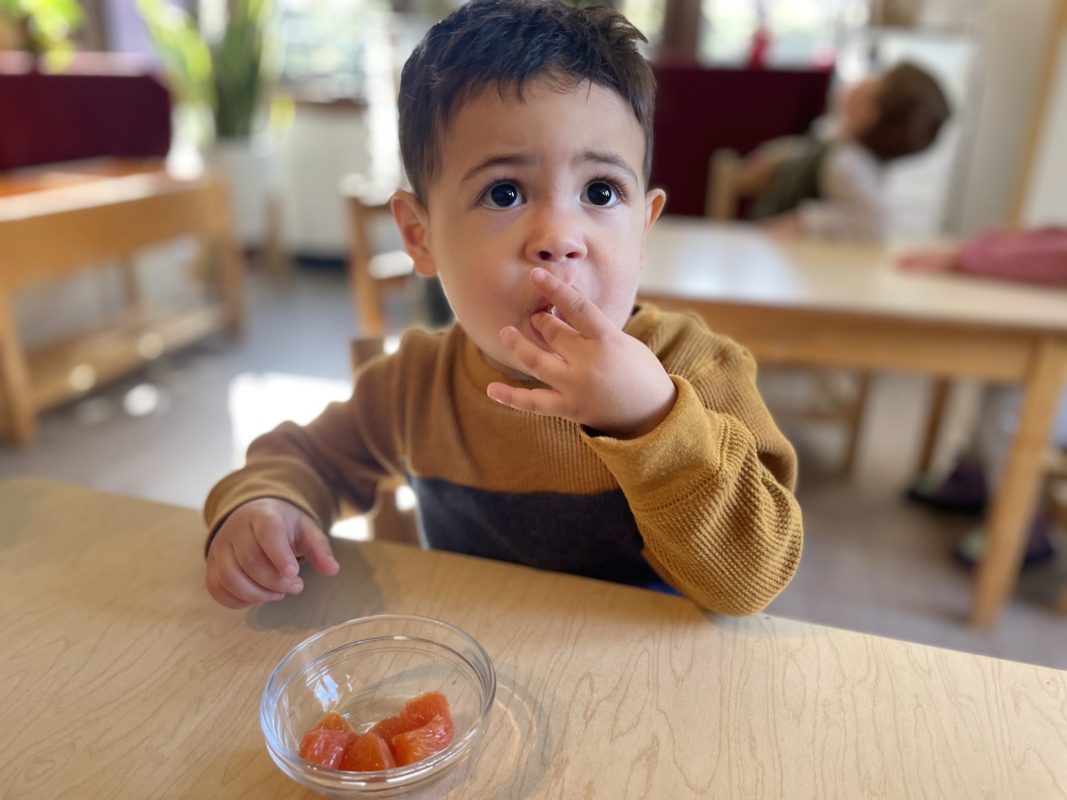
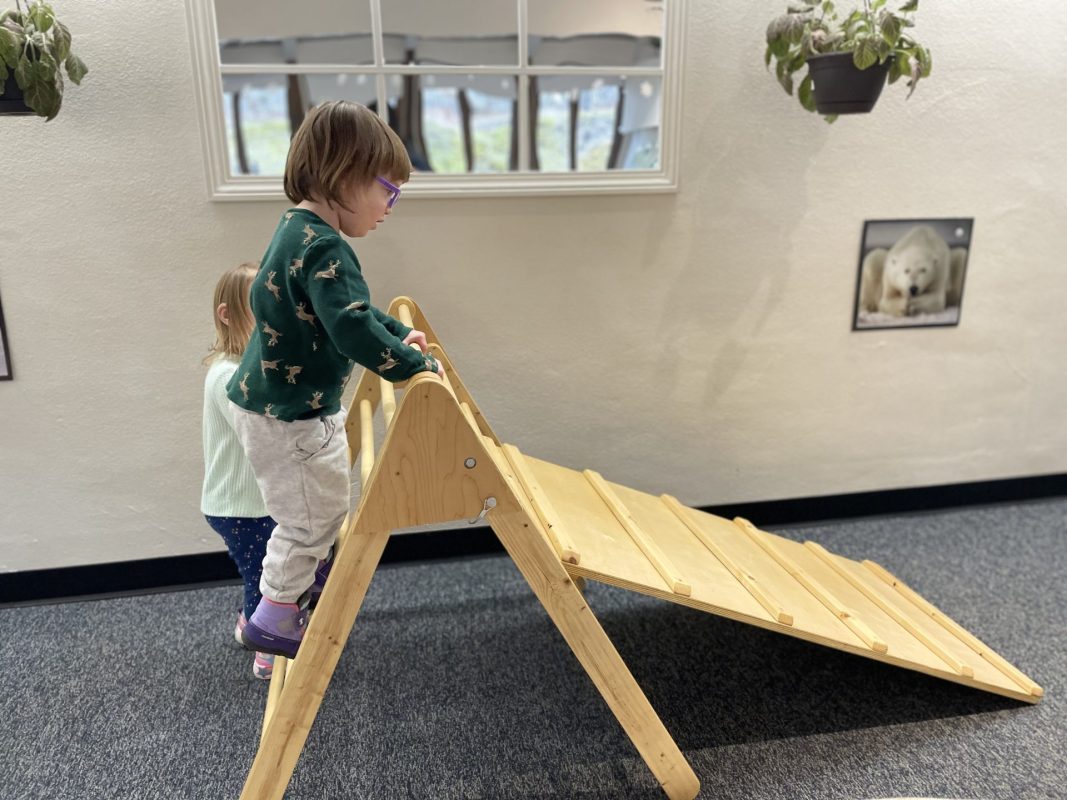
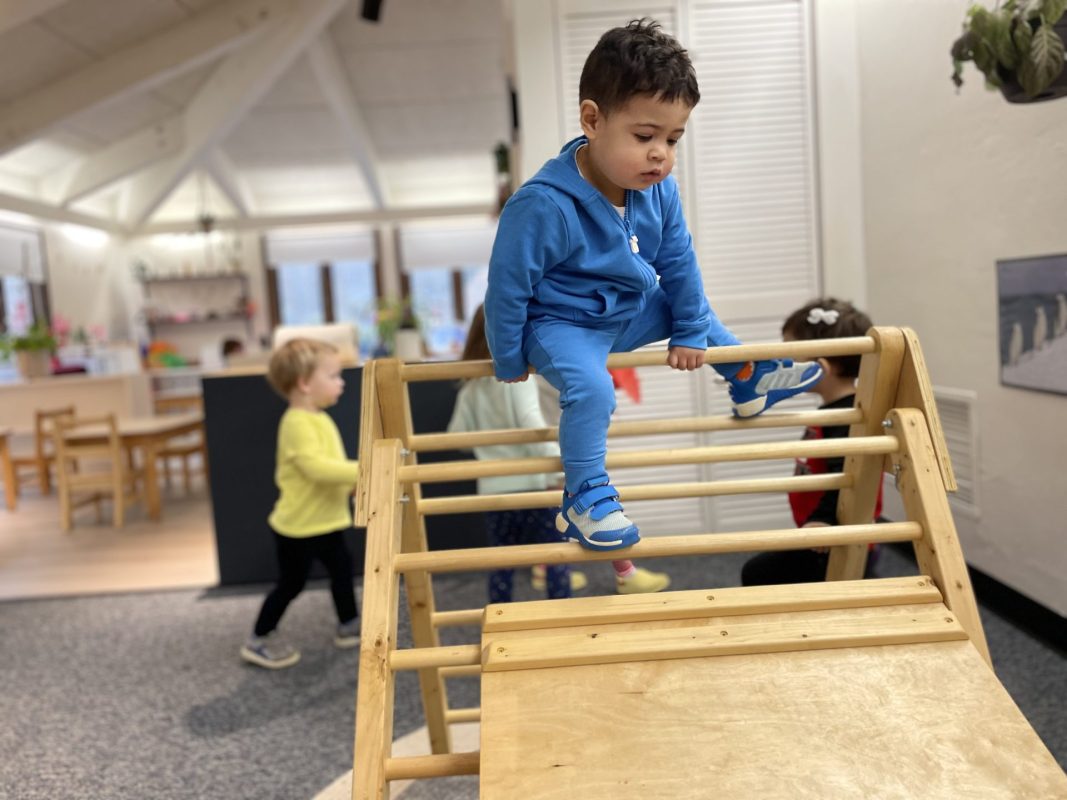
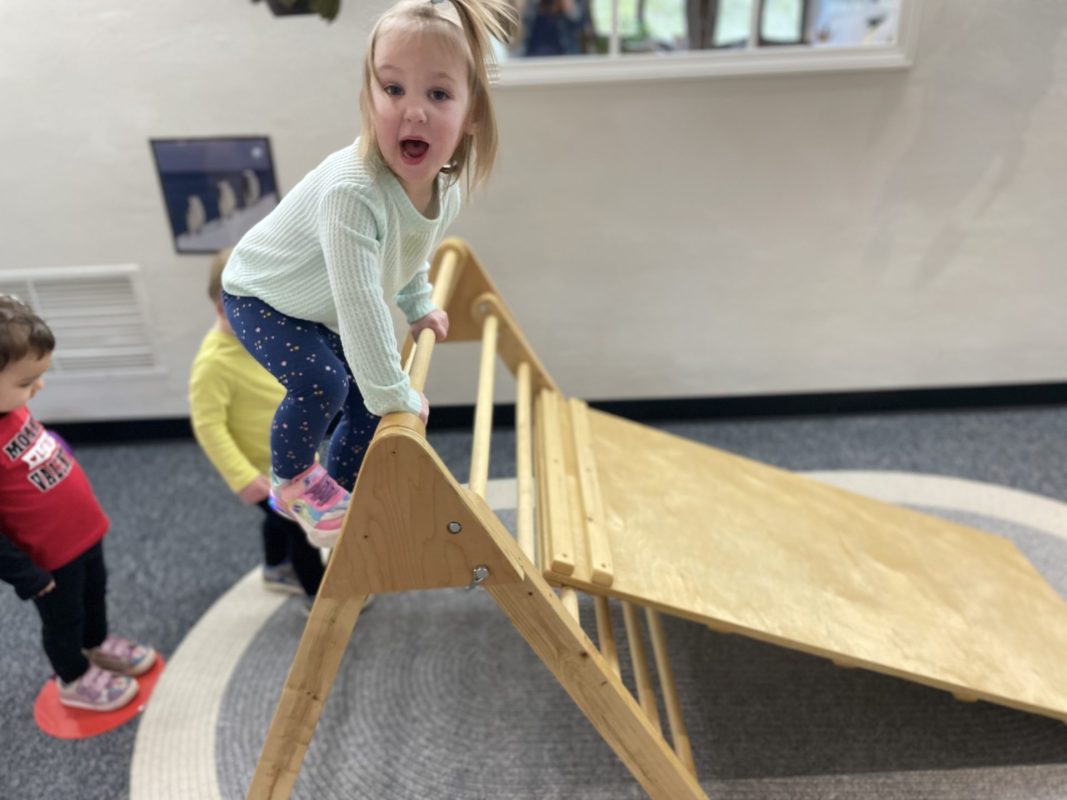
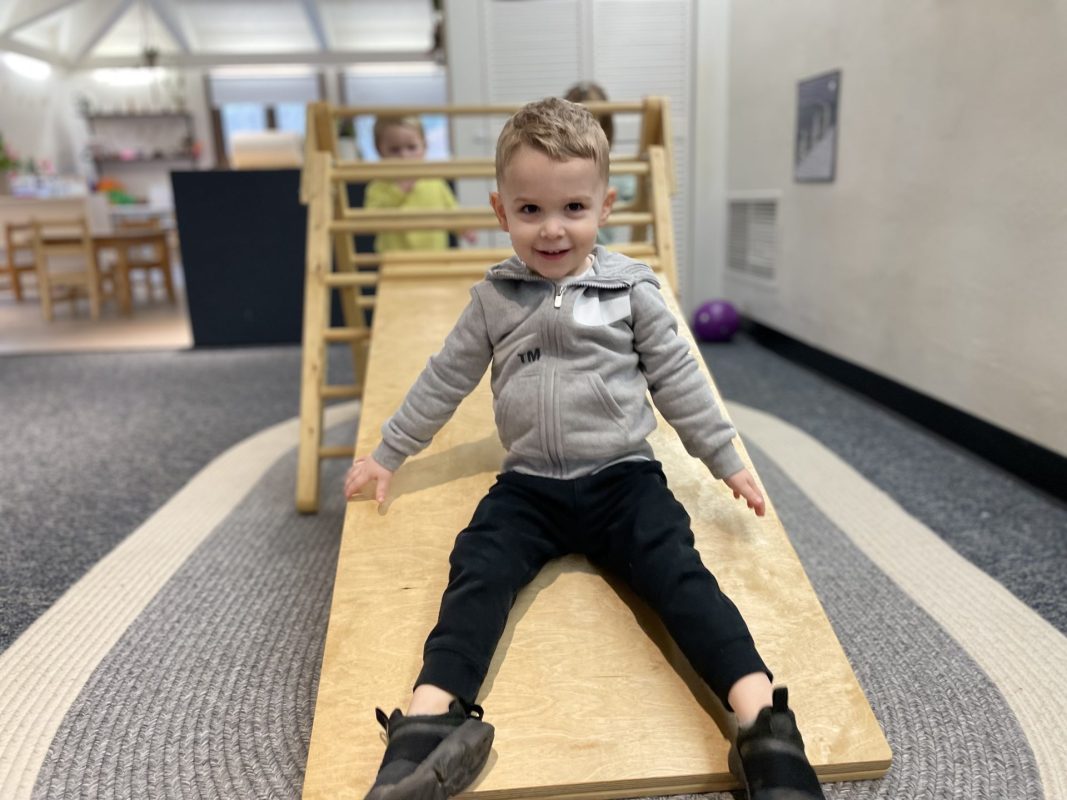
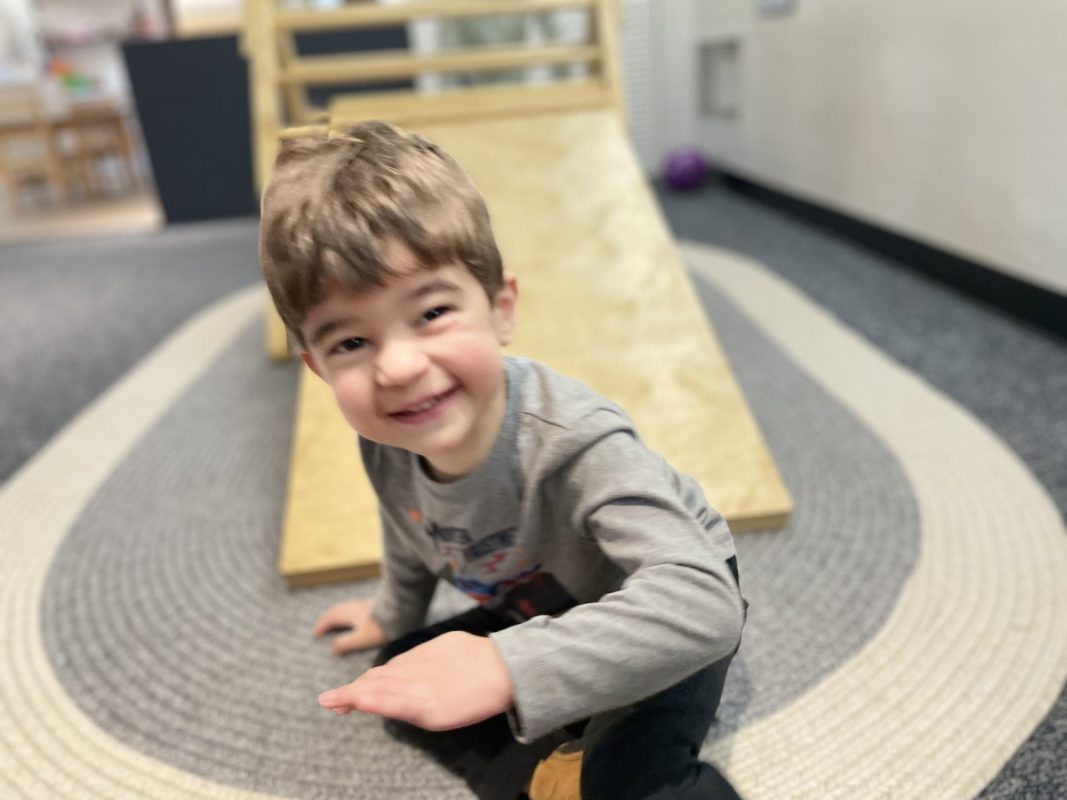
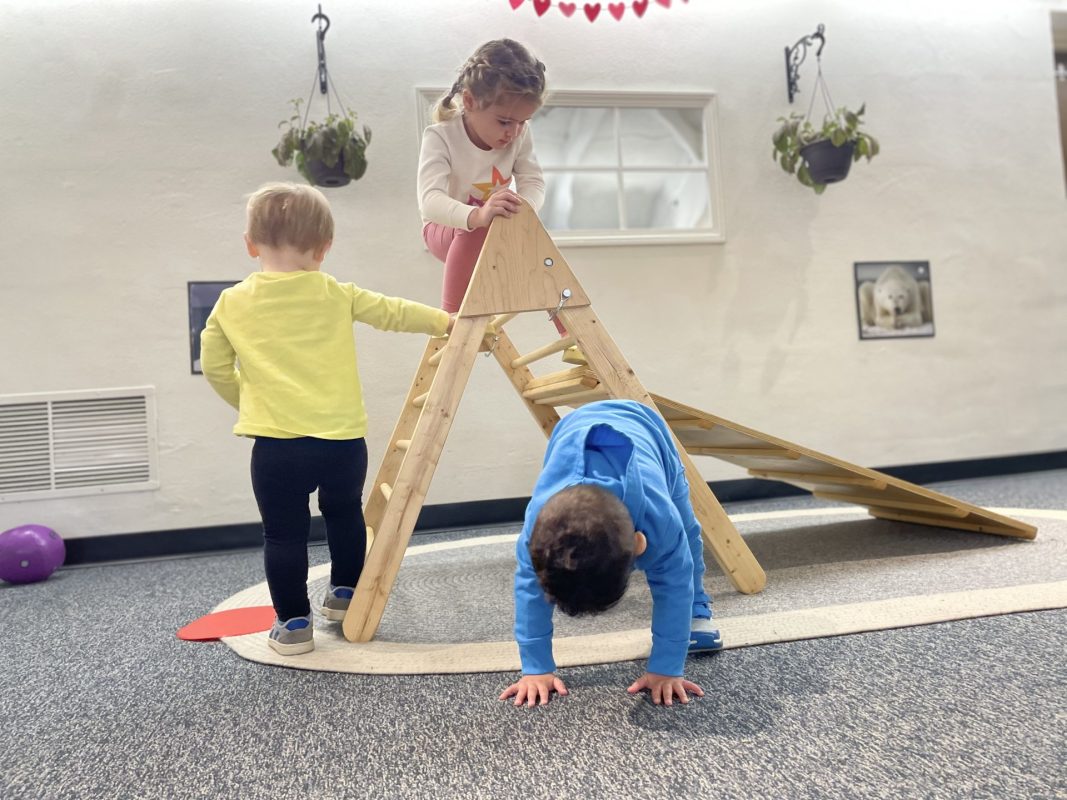
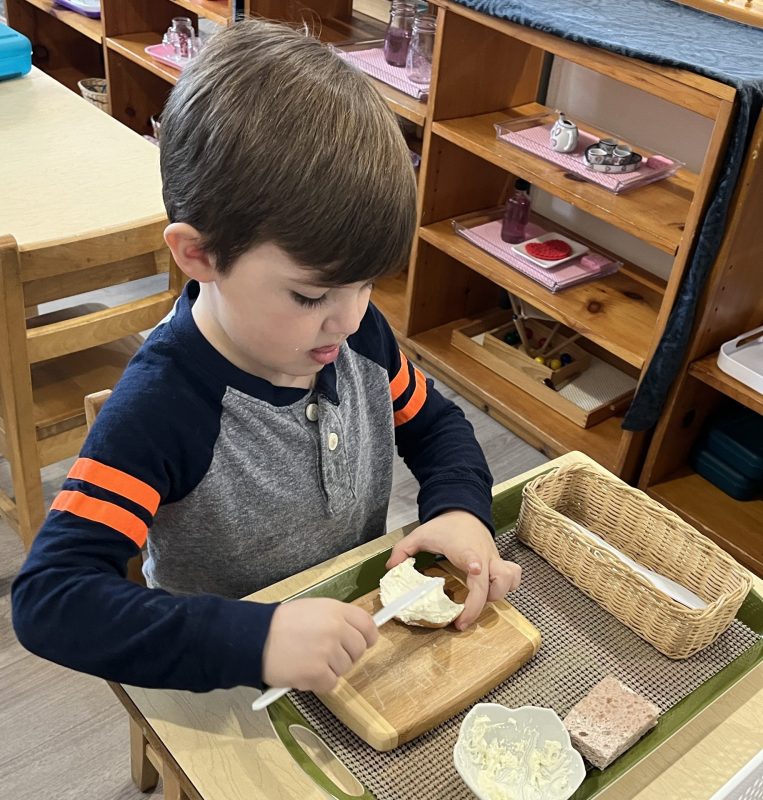
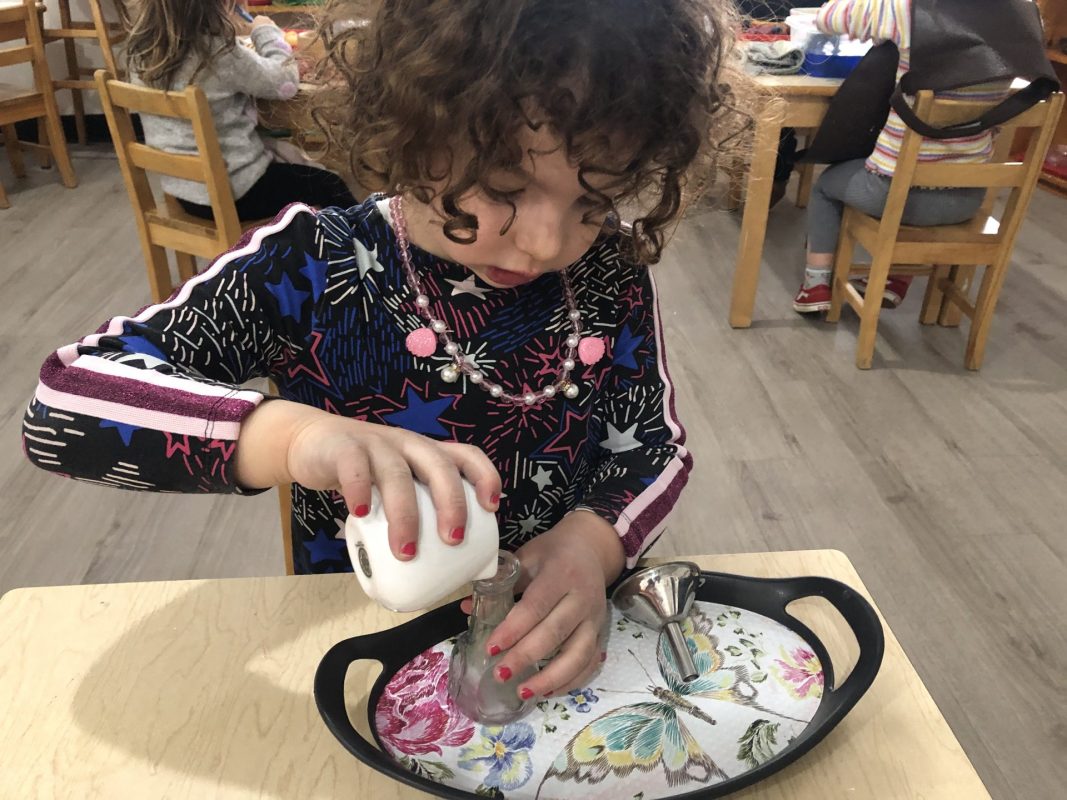
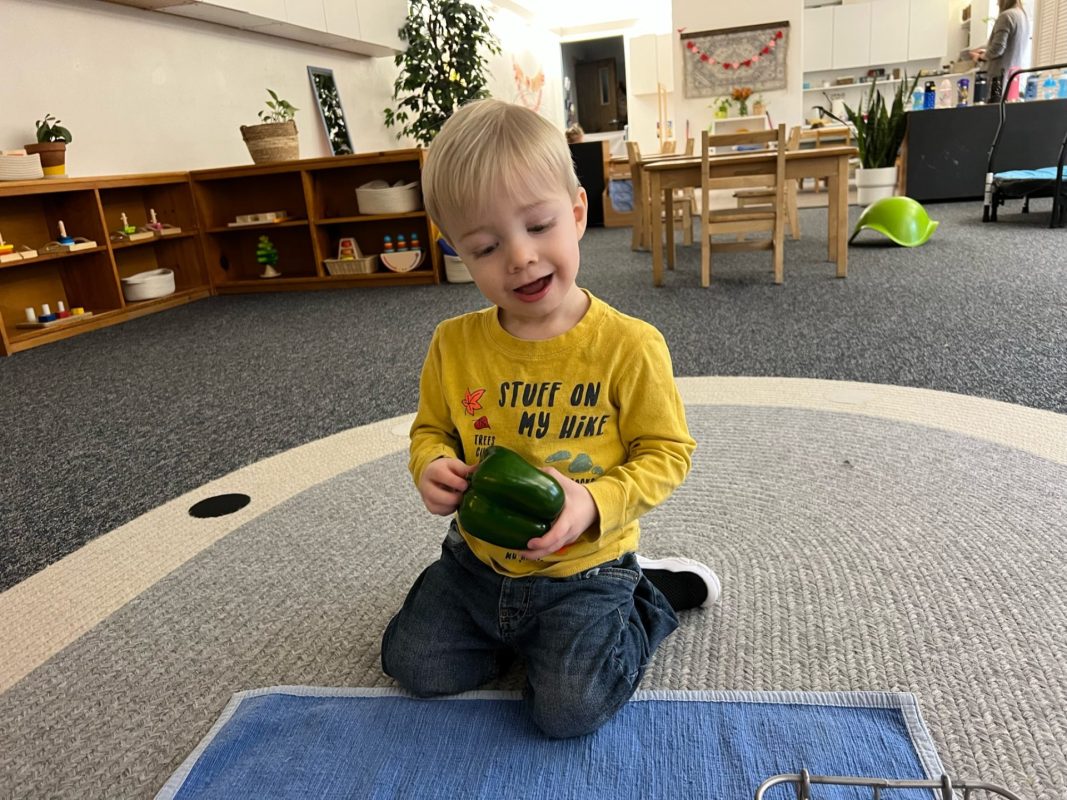
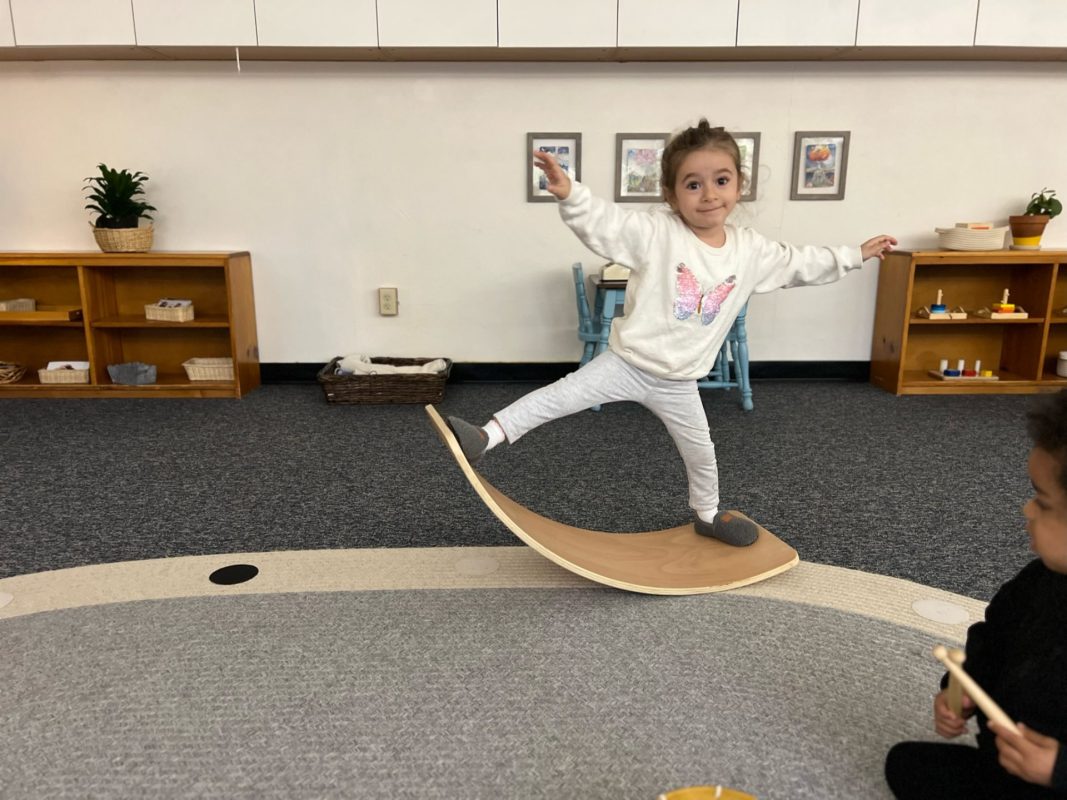
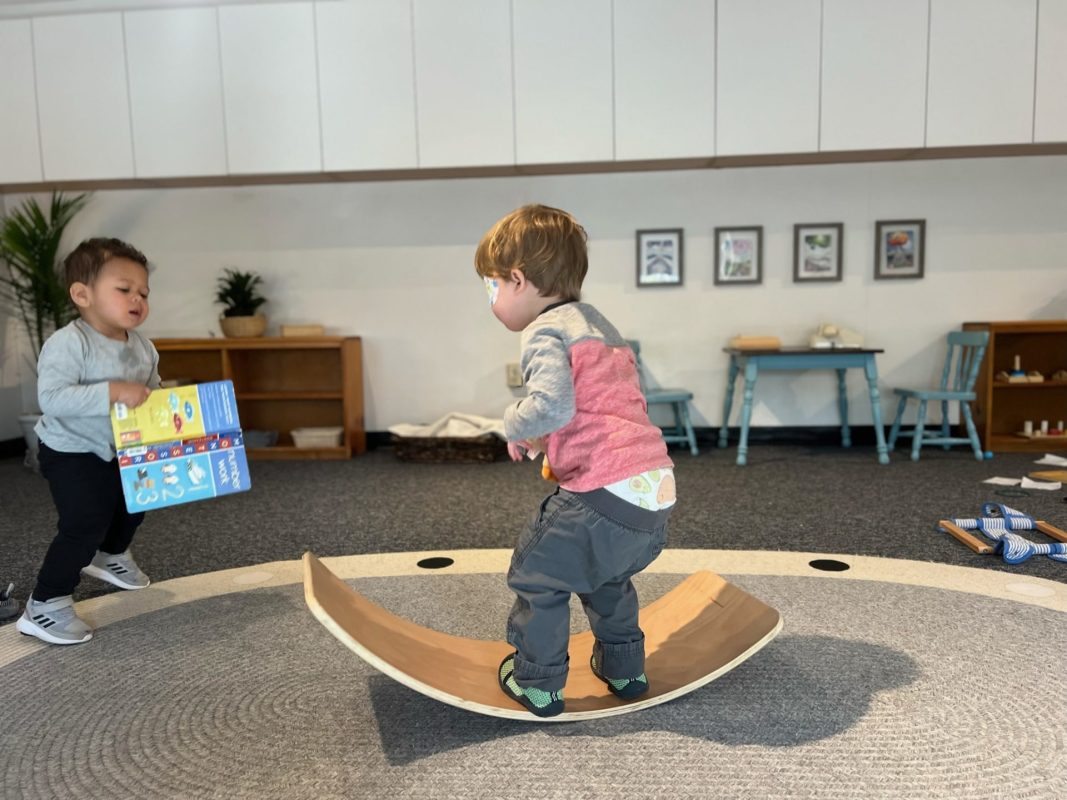
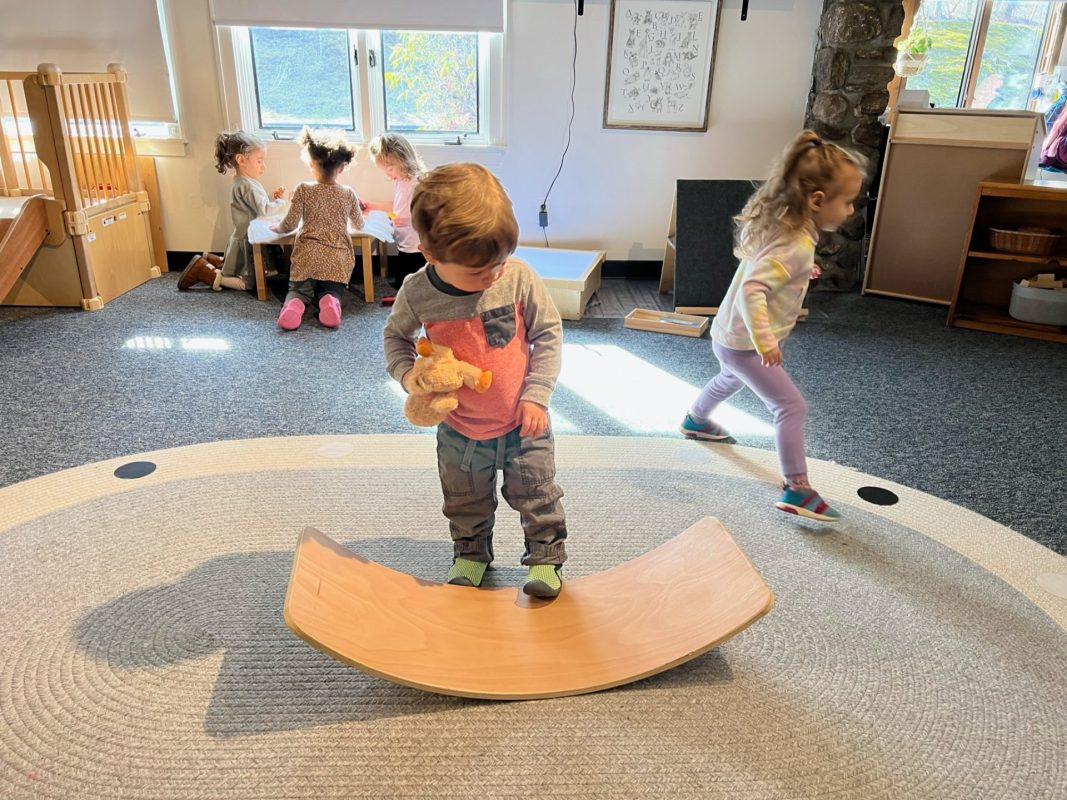
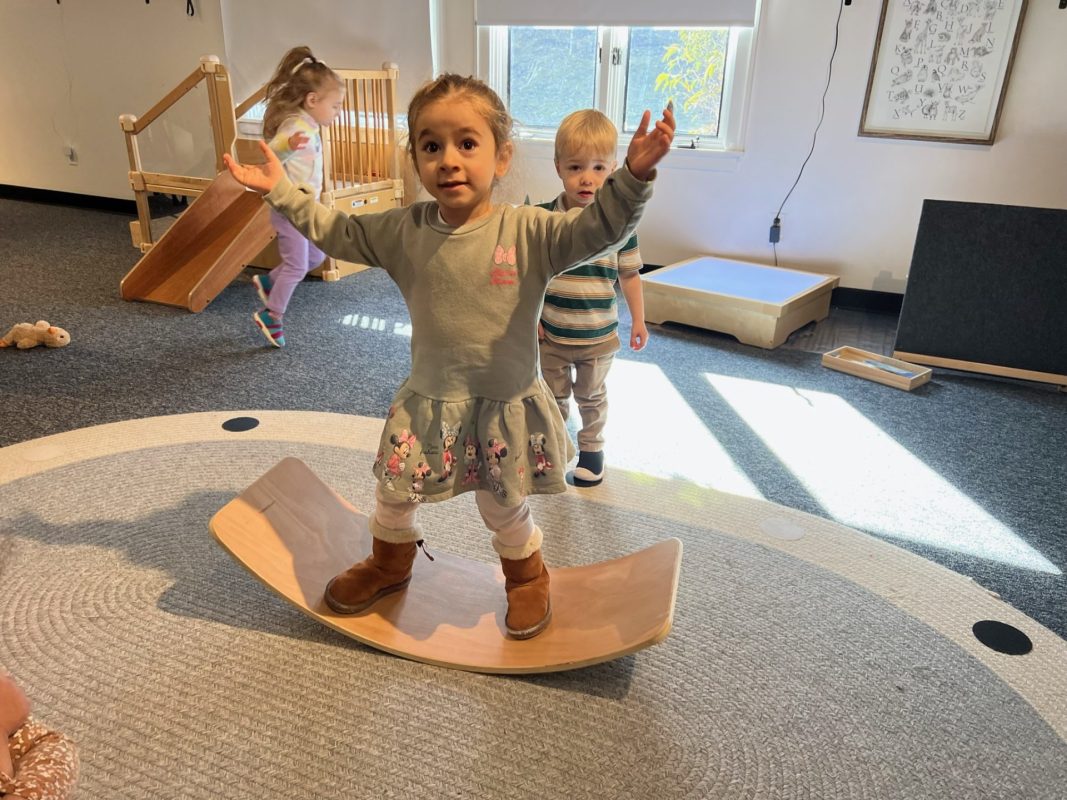
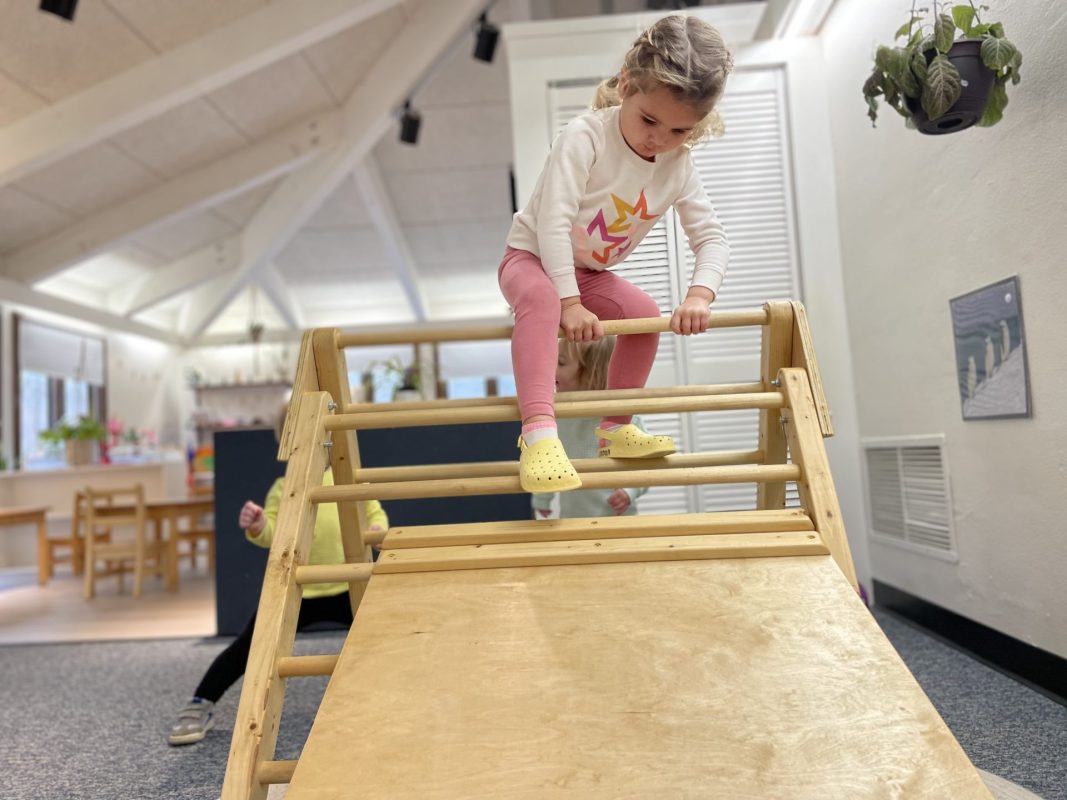
Lastly, in the movement area, we got to say goodbye to the stairs structure and welcomed a fun Pikler triangle. Children practice using this structure to practice balancing, climbing, reaching, pulling, and falling. As a result, children begin to understand their strengths and abilities and gain better control of their movement. We also explored delicious oranges for our food-tasting lesson!

We leave you here with a sign language song the children started learning this week: “The more we get together!”

Enjoy your weekend,

Mrs. Hood and Miss Marissa 


Upper El Math – Decimals

Last week I shared information about how Upper El students learn operations with fractions. This week we’ll look at decimals.

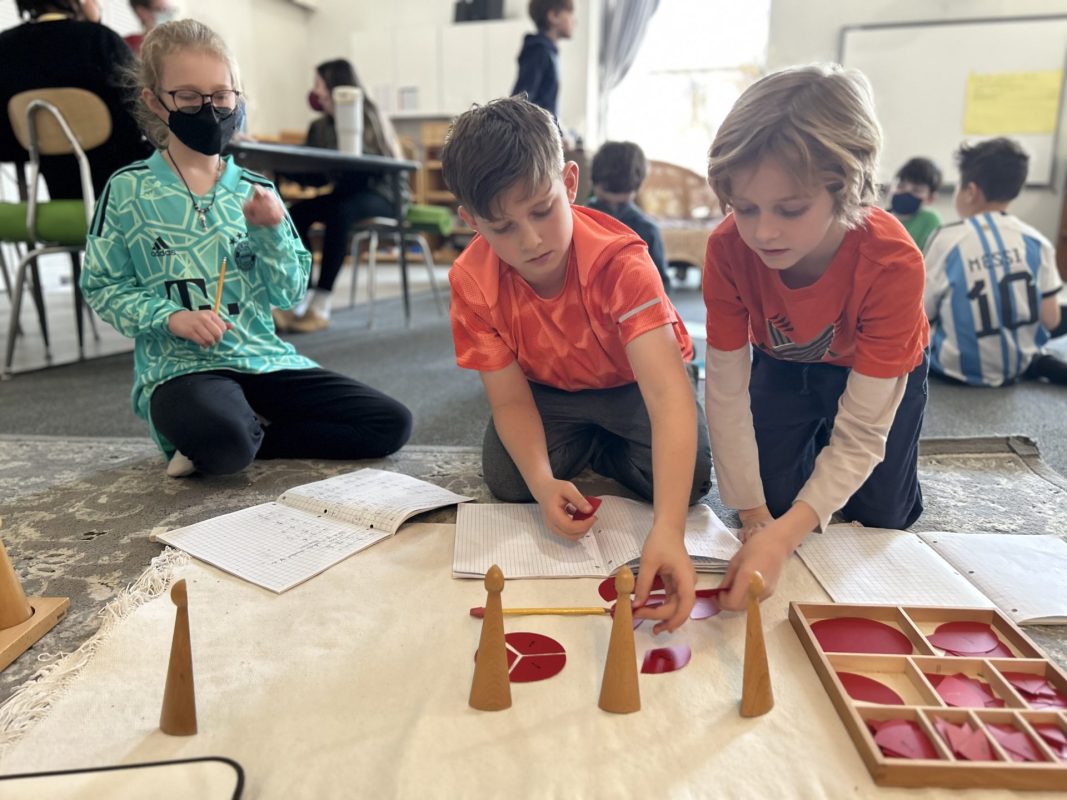
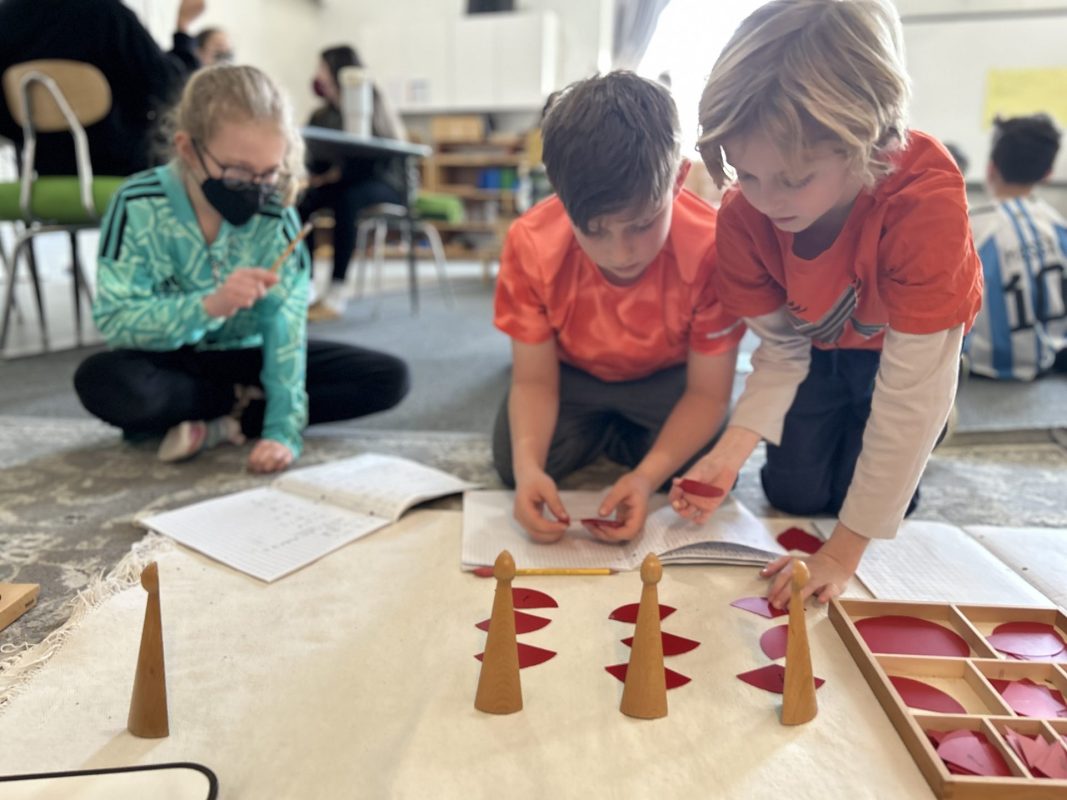
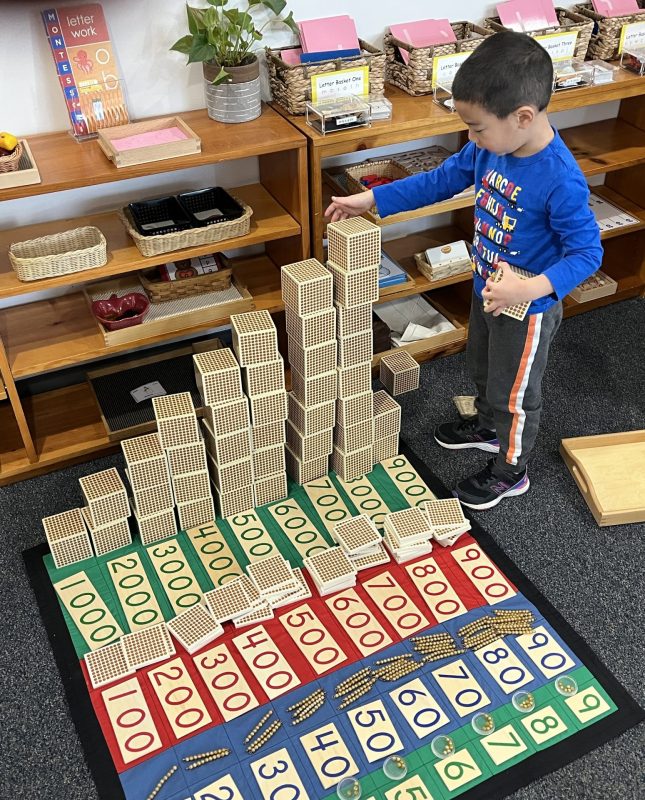
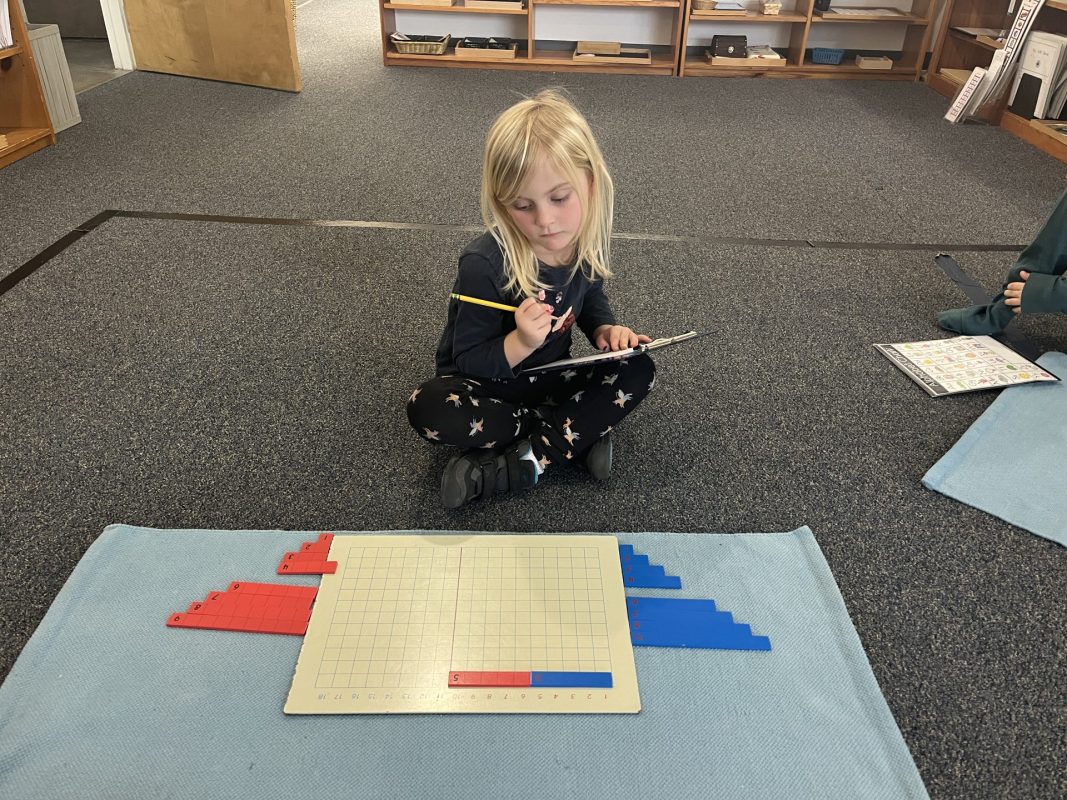
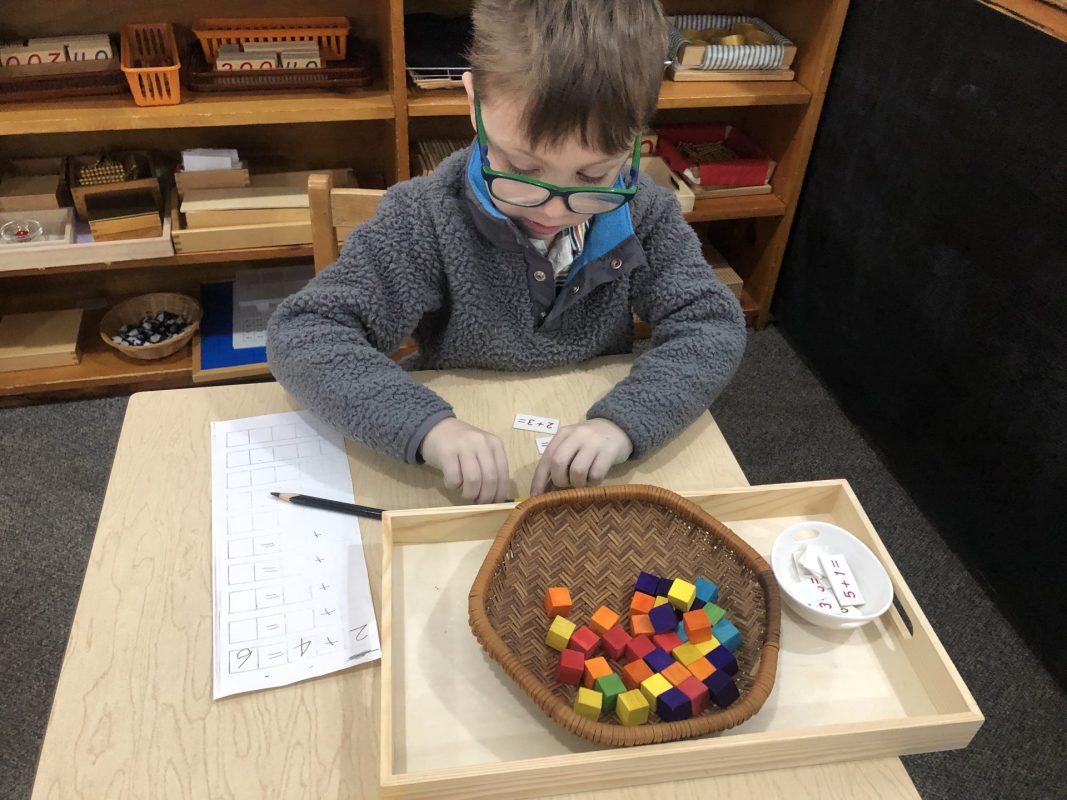
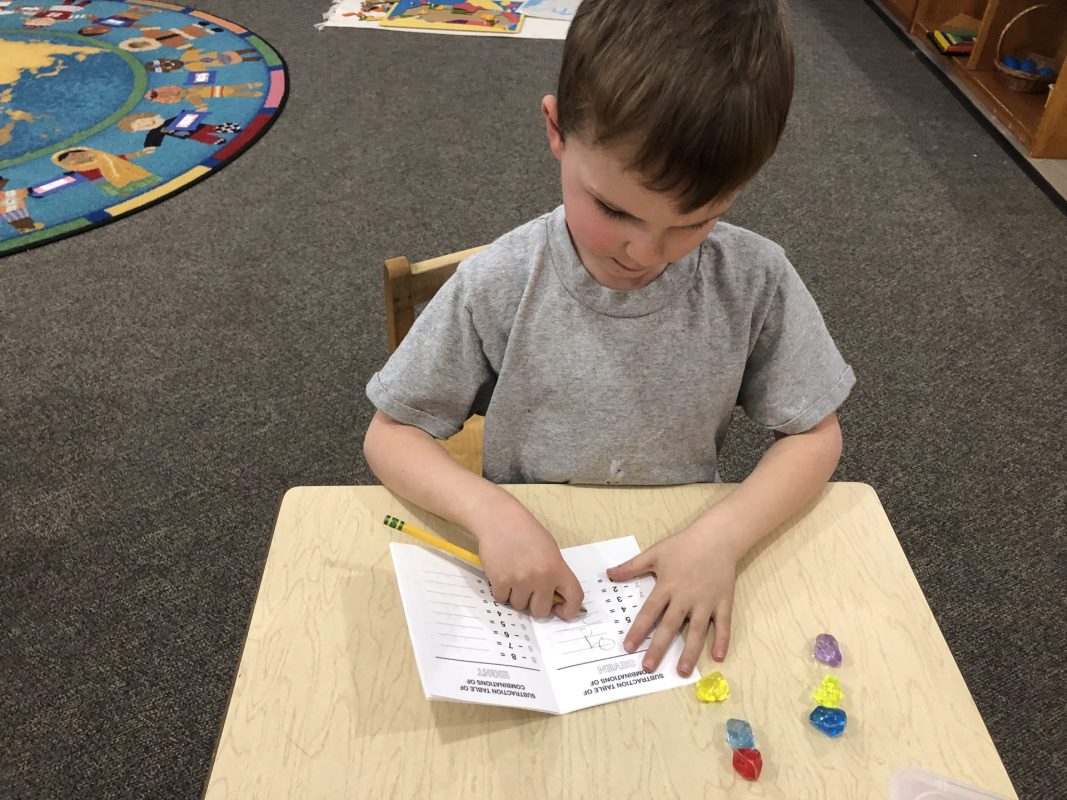
As with all Montessori math, sequences of the work with decimal numbers move from simple to complex and from concrete to increasingly abstract calculations. Decimal work begins with the passage from ordinary fractions to decimal numbers. After learning to build decimal numbers with materials, students work with the four operations, starting with addition and subtraction before moving on to multiplication and division.

The first material students work with is called the decimal fraction board. This material lays out the hierarchy of numbers from millions to millionths, with units in the center of the board. Using this board to add, subtract, and multiply numbers helps students understand place value and guides them in learning to read decimal numbers.

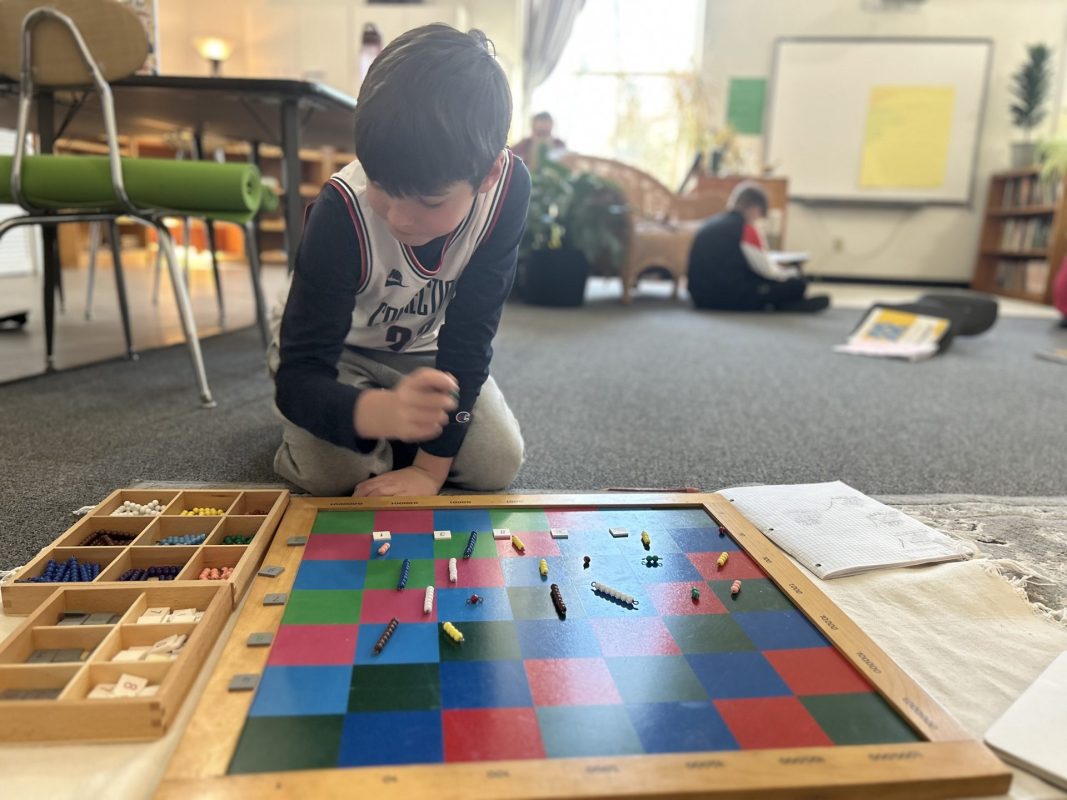
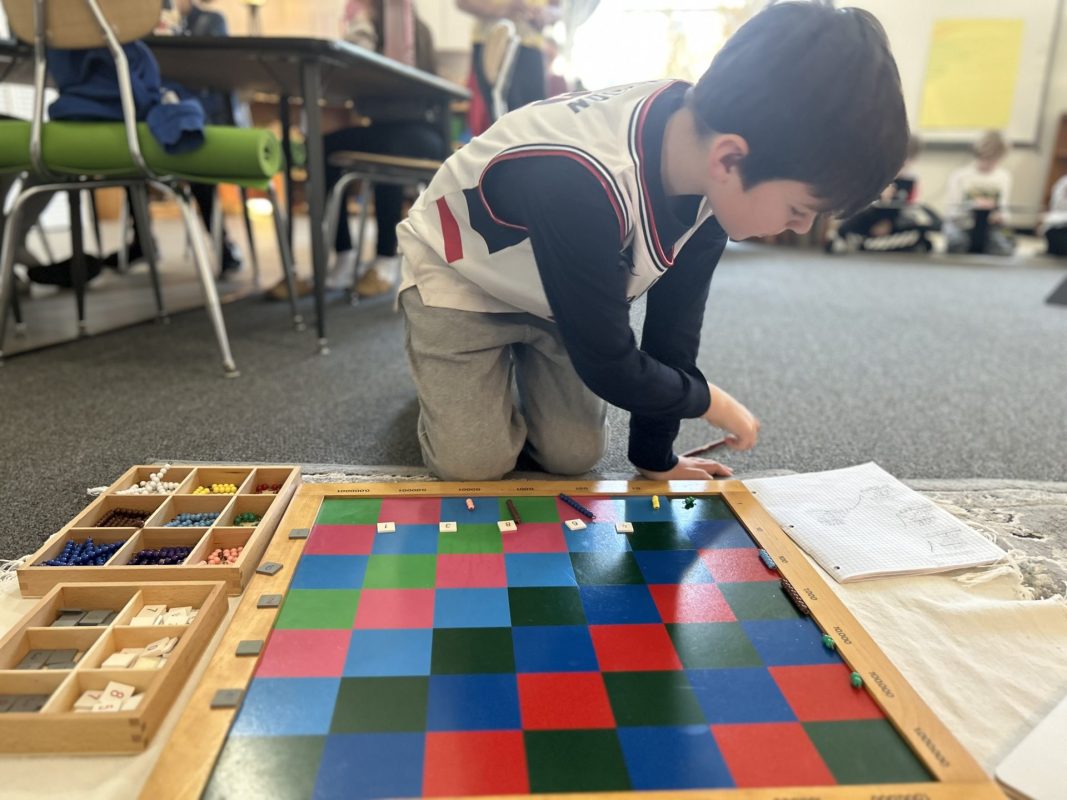
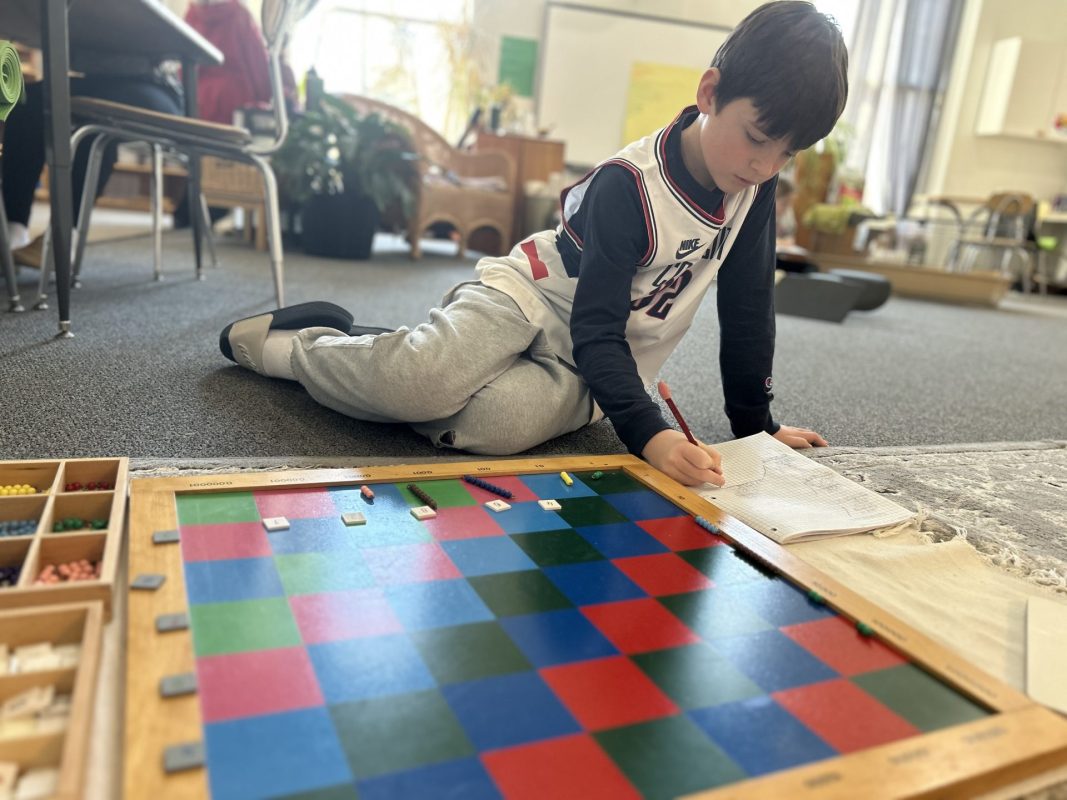
After moving through many passages with the decimal fraction board material, work transitions to the decimal checkerboard to complete compound multiplication problems. The decimal checkerboard allows students to experience a geometric representation of decimal multiplication and continues to emphasize place value. While working with this material, students learn to record partial products as they work through their problems.

After completing their work with multiplication, students learn to divide decimal numbers, with the final step being learning the Property of Invariance (if we multiply or divide both the dividend and the divisor by the same whole number, the result does not change, and the remainder, if any, is automatically multiplied or divided by the same number). The property of invariance in traditional schools is the starting point for the division of decimals. Here it is the point of arrival. This order helps construct the mathematical mind because, with these demonstrations, children are doing rational arithmetic.
We look forward to talking with you next week at Parent Teacher Conferences!

Wishing you a wonderful weekend,
Karen and Angie


Mrs. Doyle: Amazing Africa
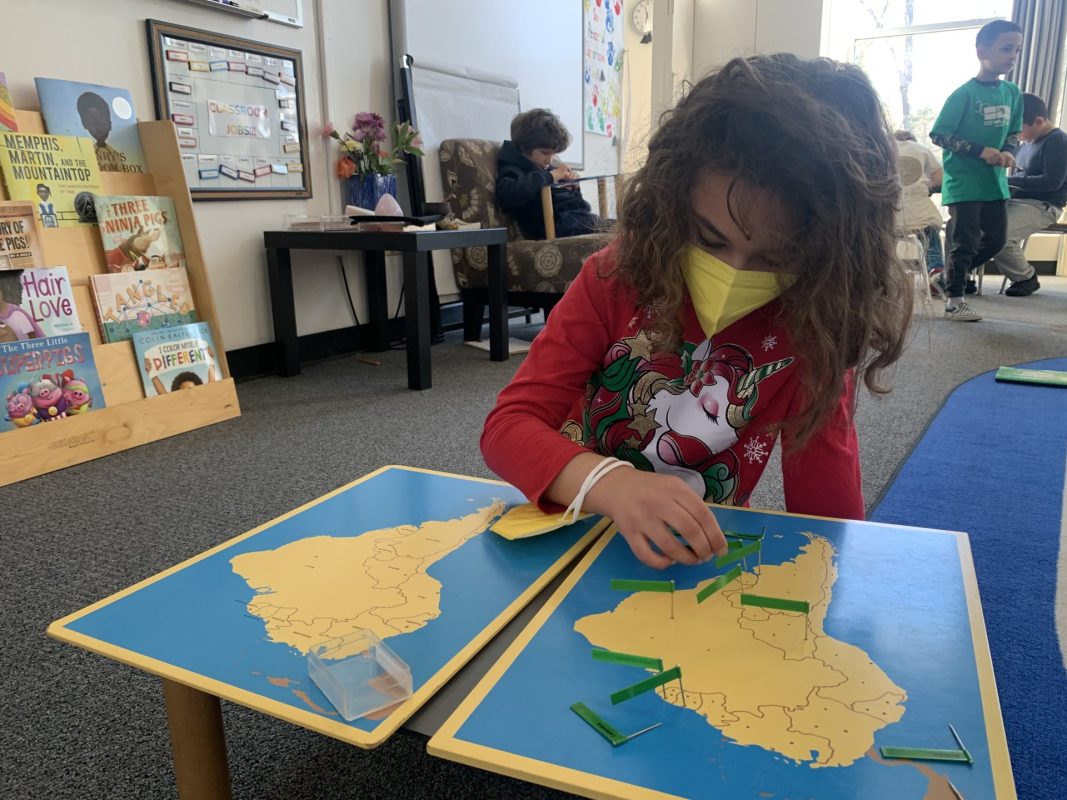
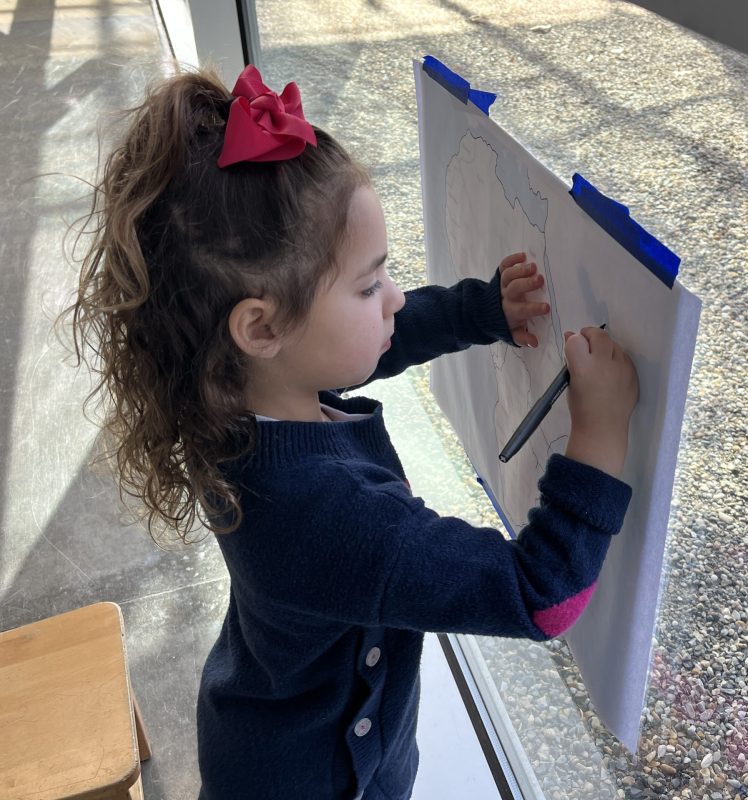
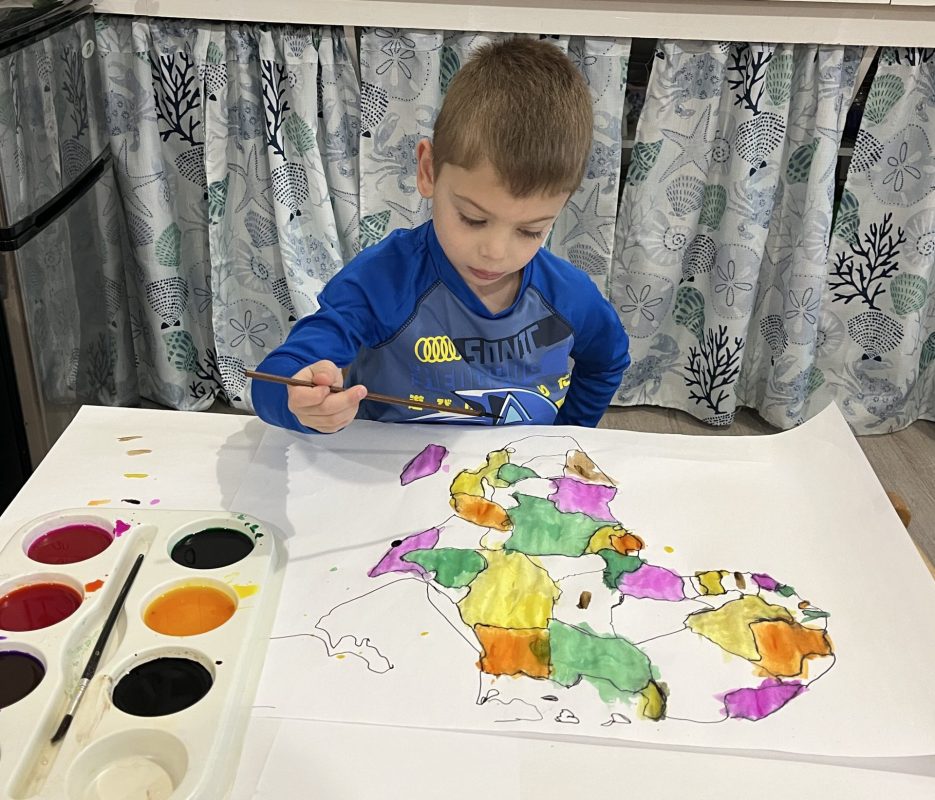
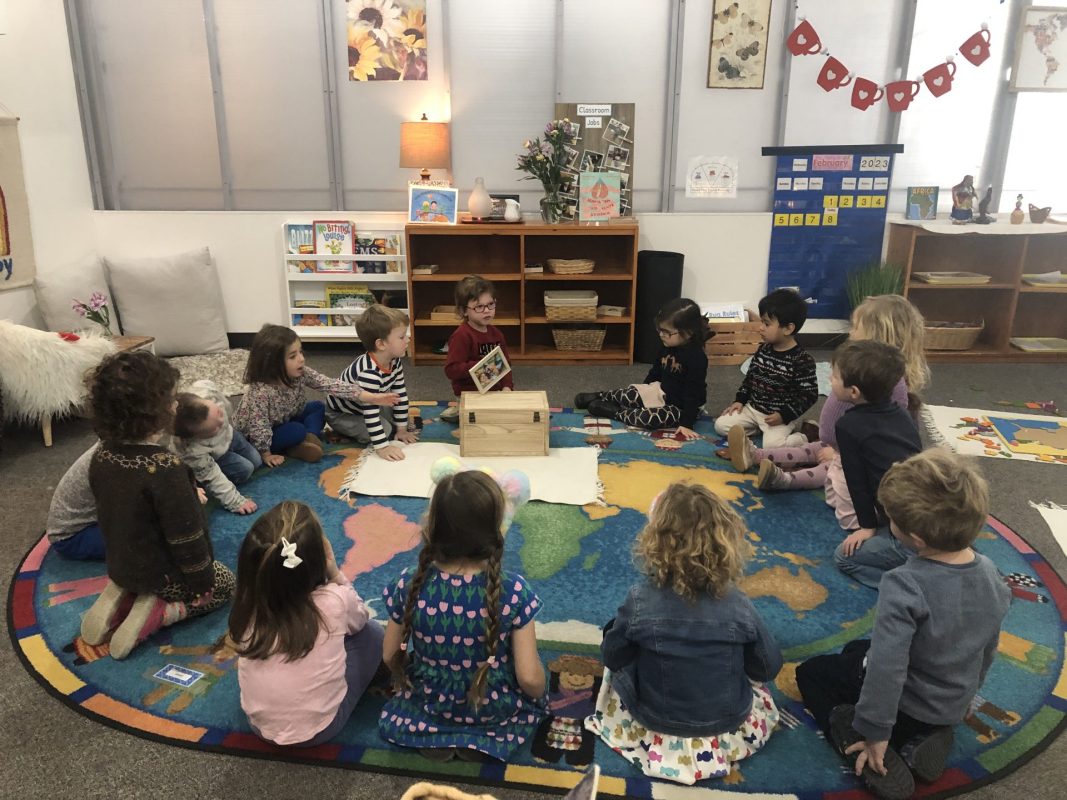
Each time we study a new continent, we first find it on the globe of the world, then we locate the continent on the world map, and lastly, we study the individual continent, using the specific continent maps. Currently, the children are learning about the continent of Africa. We learn about the geography, culture, weather, animals, and people of Africa.
We are learning lots of fun and fascinating facts about the continent of Africa.

  • Africa is the second largest continent, with 54 countries.
  • The longest river in the world, the Nile, is located in Africa.
  • Over one thousand languages are spoken by the people in Africa.
  • The Sahara, the world’s largest desert is located here.
  • The highest mountain in Africa is Mount Kilimanjaro. It is so tall that glaciers can be found at its summit even though the mountain is near the equator.
  • Africa is the most centrally located continent in the world. Both the prime meridian and the equator cut across it.
  • The world’s tallest animal, the giraffe, and the largest land animal, the African elephant are found in Africa.

Wishing you a week filled with peace and love.

Michelle & Maria


Mrs. Semmah Amazing Africa

Each time we study a new continent, we first find it on the globe of the world, then we locate the continent on the world map, and lastly, we study the individual continent, using the specific continent maps. Currently, the children are learning about the continent of Africa. We learn about the geography, culture, weather, animals, and people of Africa.

We are learning lots of fun and fascinating facts about the continent of Africa.

  • Africa is the second largest continent, with 54 countries.
  • The longest river in the world, the Nile, is located in Africa.
  • Over one thousand languages are spoken by the people in Africa.
  • The Sahara, the world’s largest desert is located here.
  • The highest mountain in Africa is Mount Kilimanjaro. It is so tall that glaciers can be found at its summit even though the mountain is near the equator.
  • Africa is the most centrally located continent in the world. Both the prime meridian and the equator cut across it.
  • The world’s tallest animal, the giraffe, and the largest land animal, the African elephant are found in Africa.

Wishing you a week filled with peace and love.

Kaoutar & Michelle


Mrs. Wilson: February Fun!

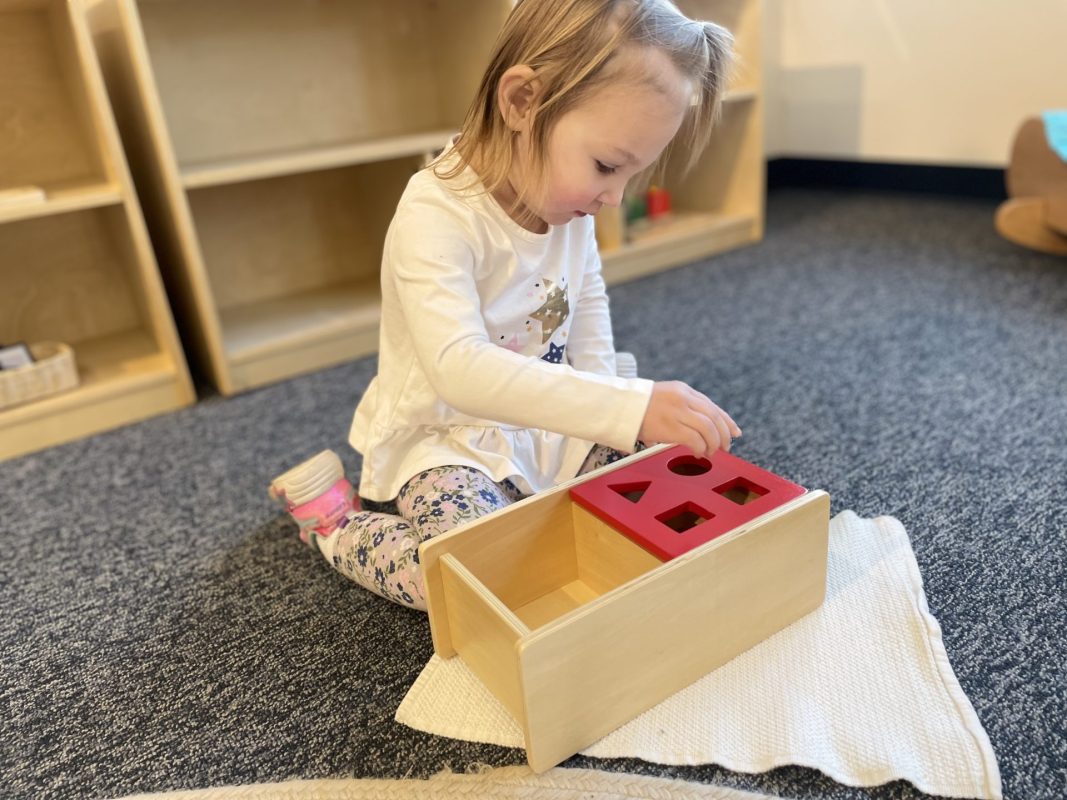
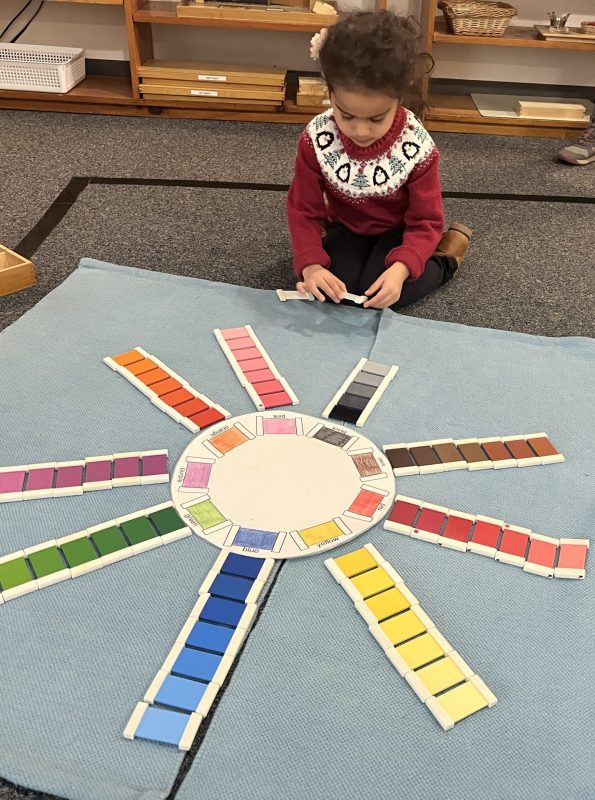
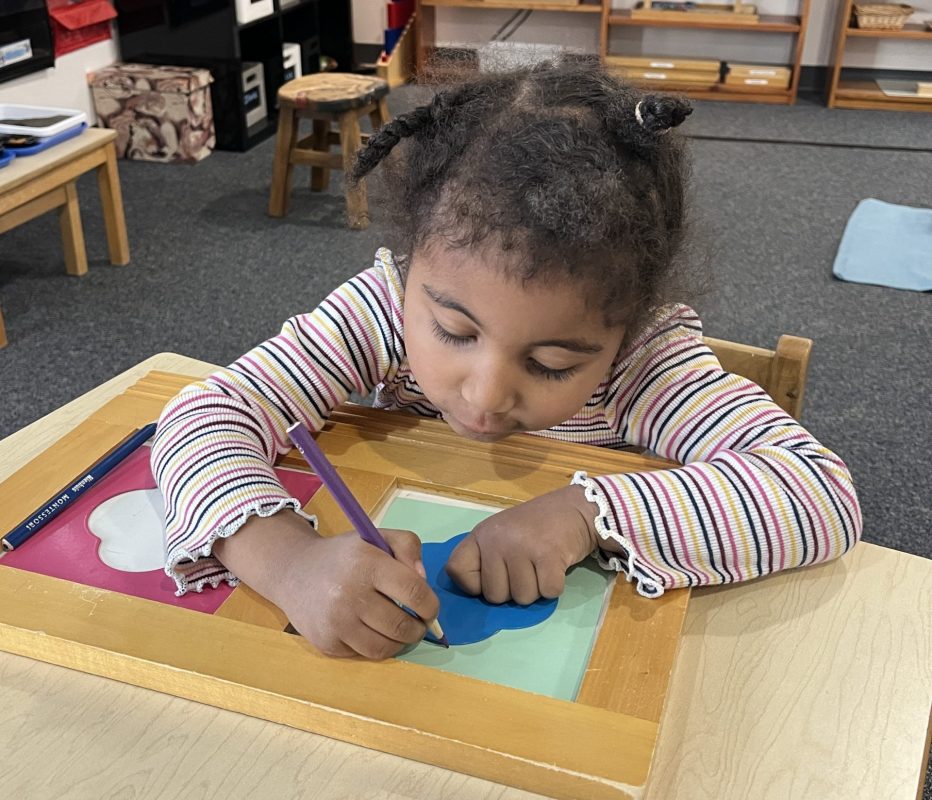
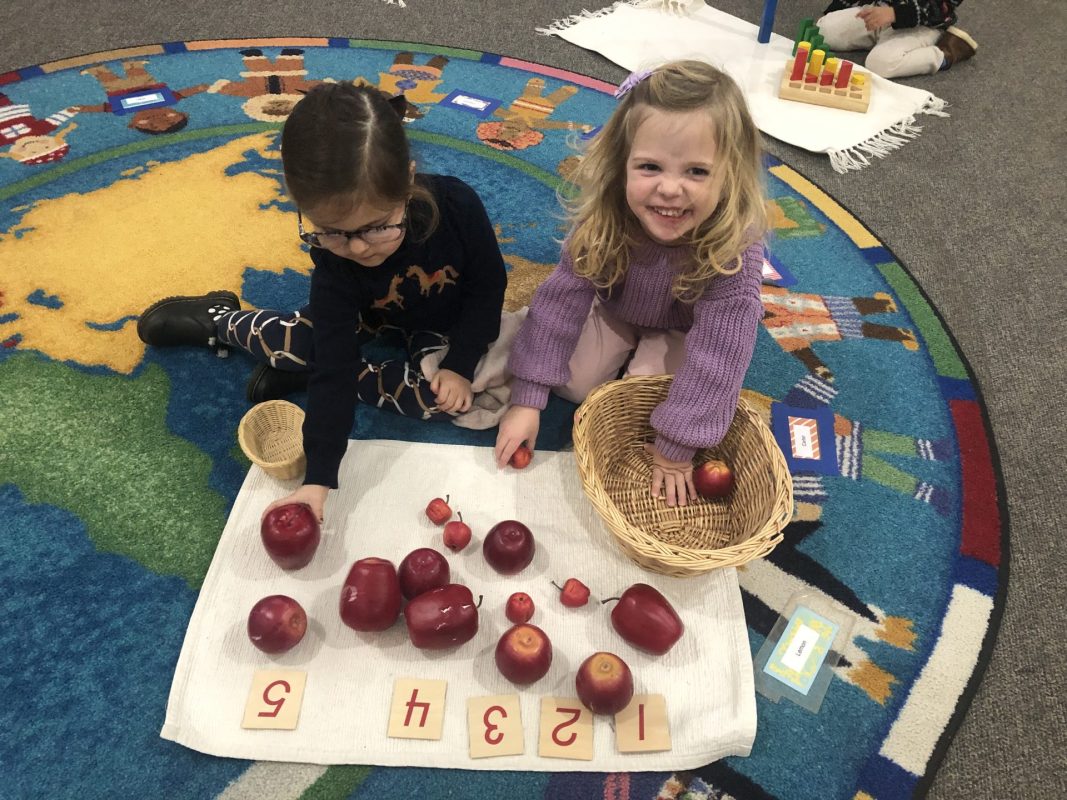
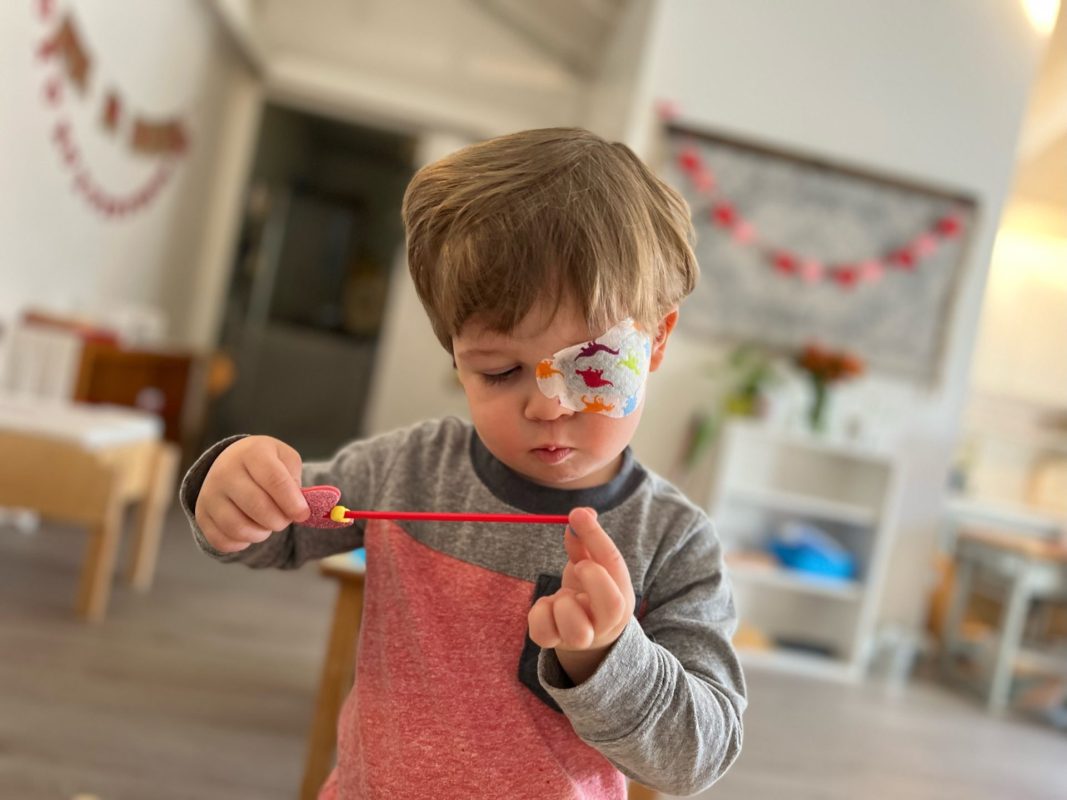
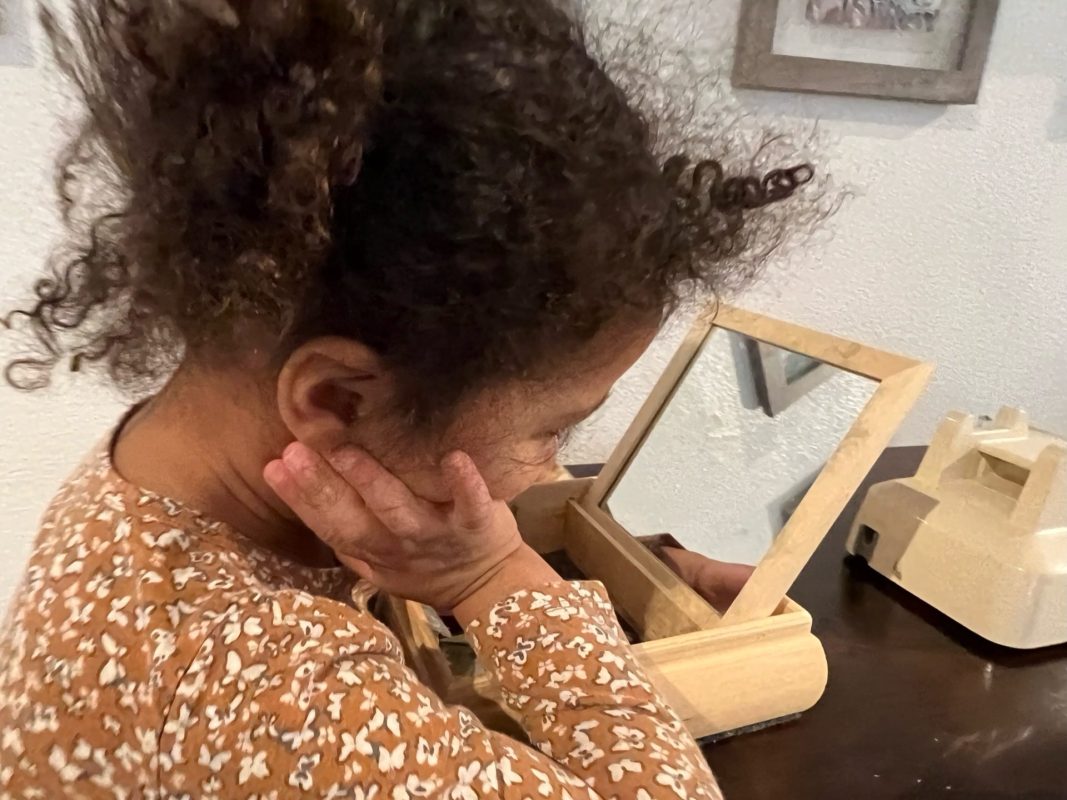
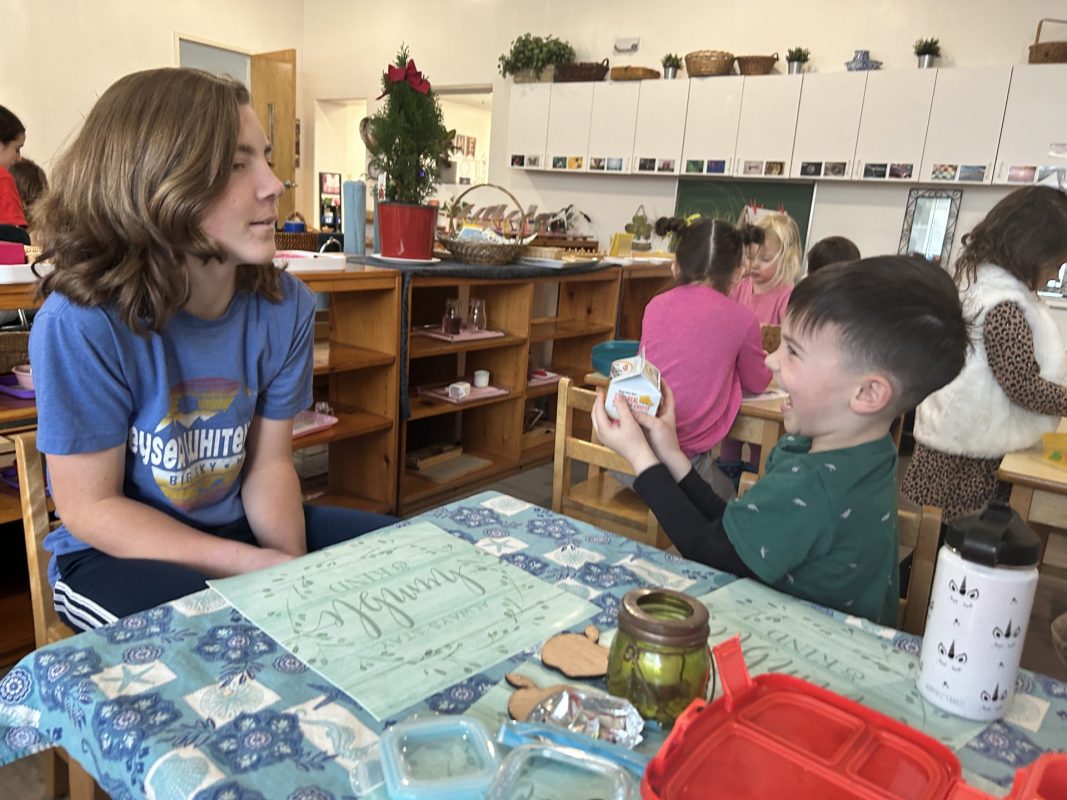
This month we will explore our emotions, valentines, shapes, and body parts. The children were introduced to five feelings: sad, happy, surprised, angry, and tired. The children can explore these emotions with language cards while looking into a mirror and practicing each facial expression. It is adorable to see.

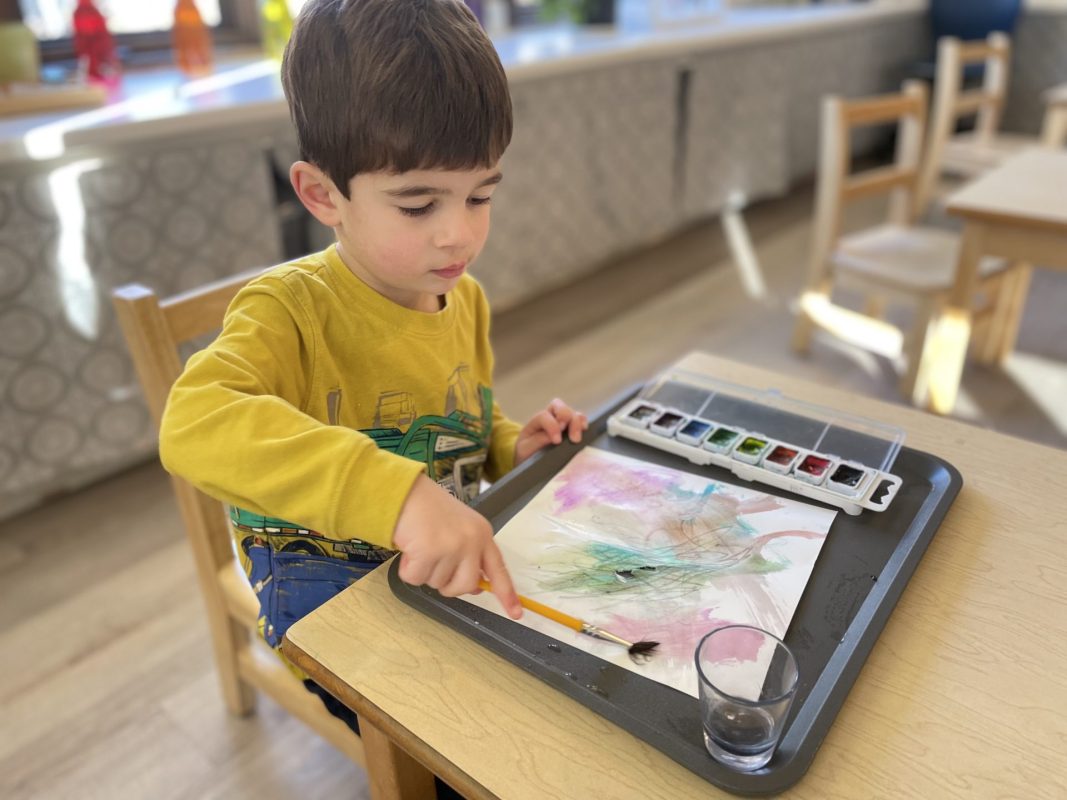
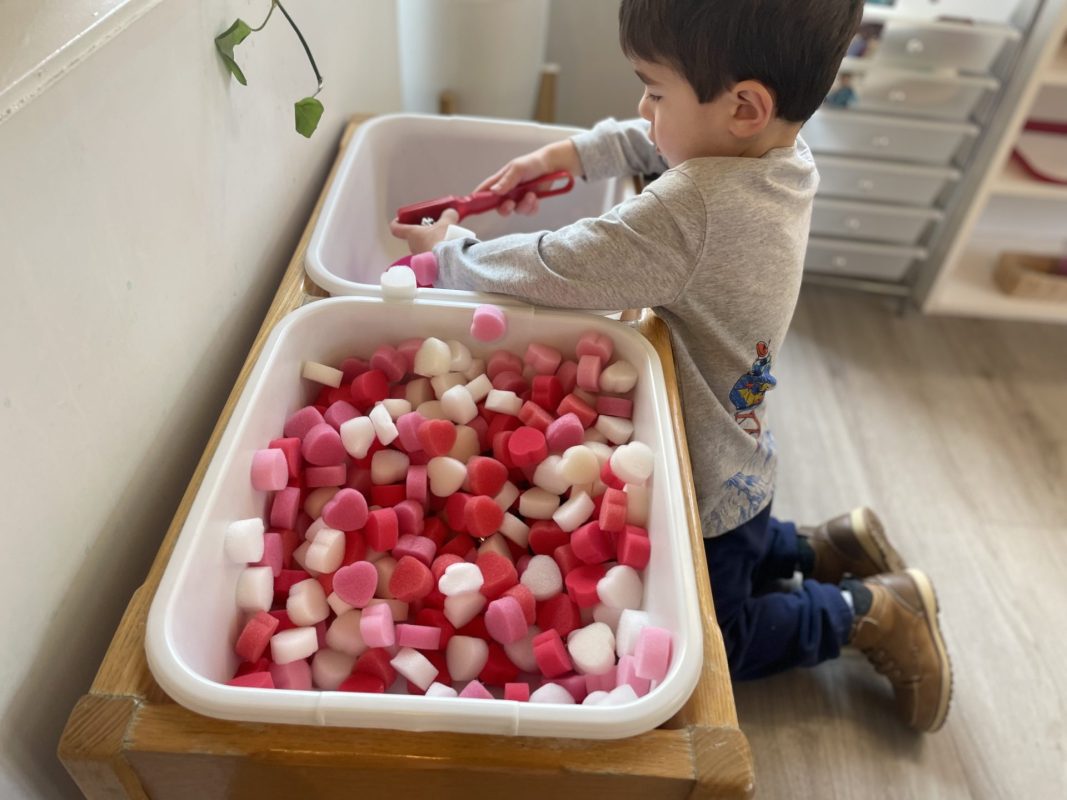
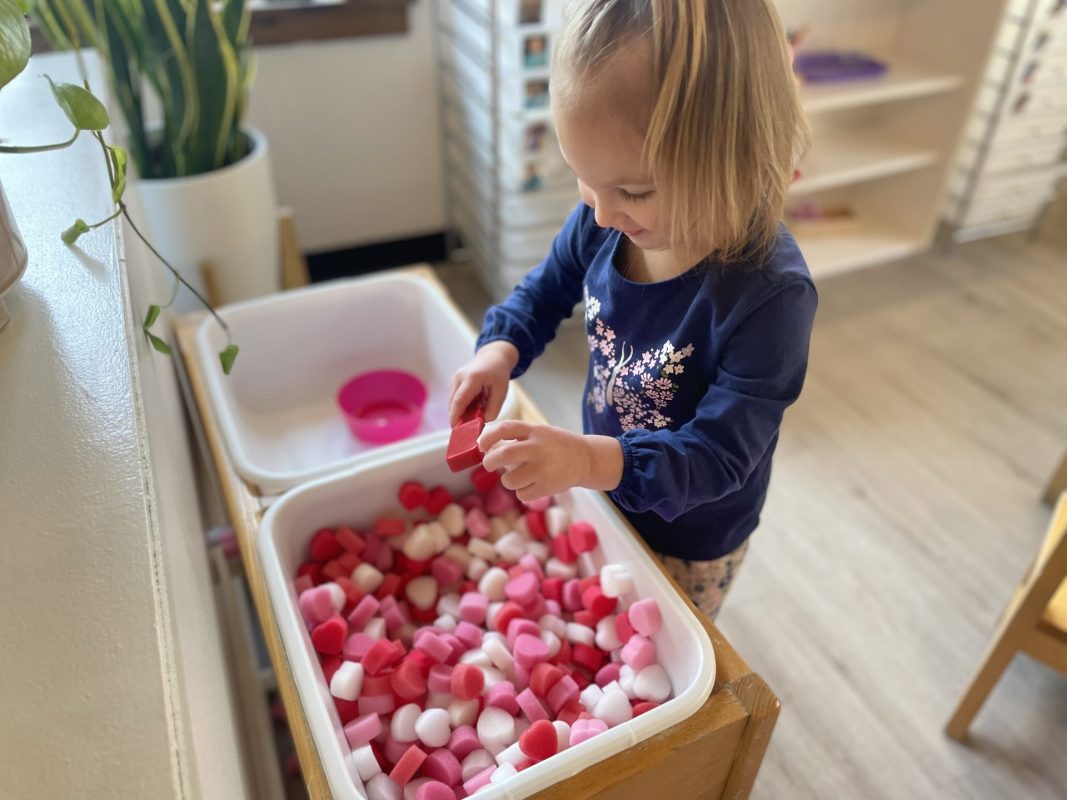
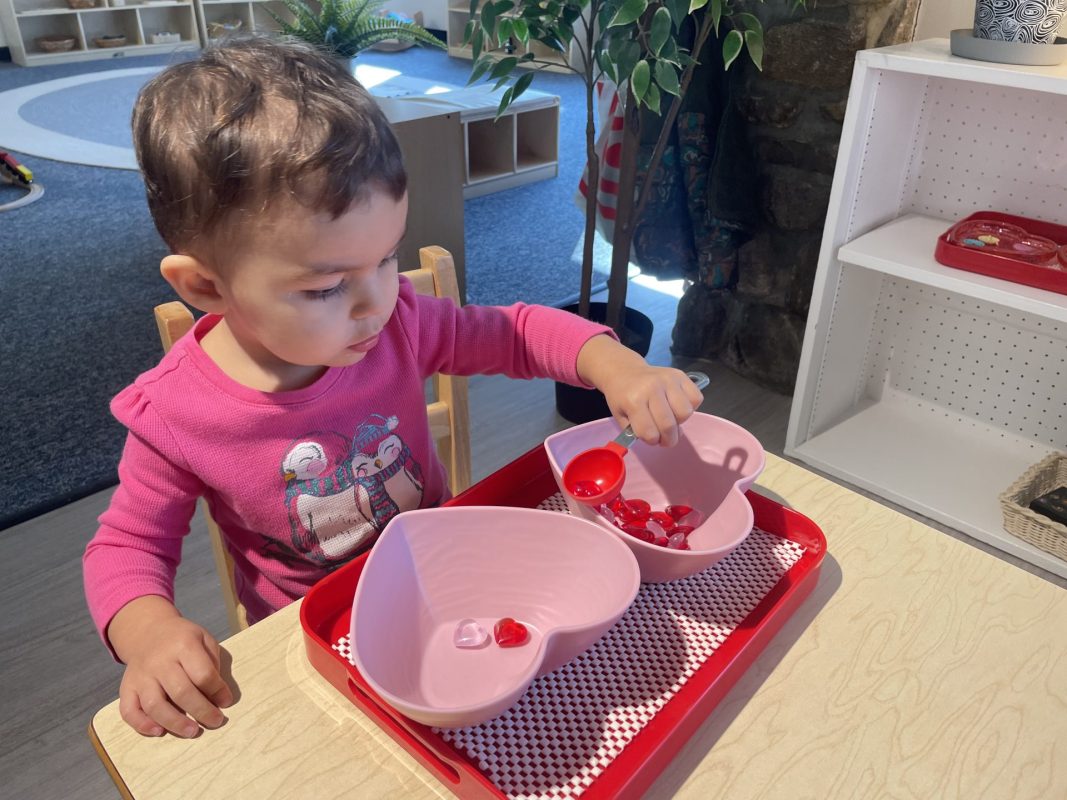
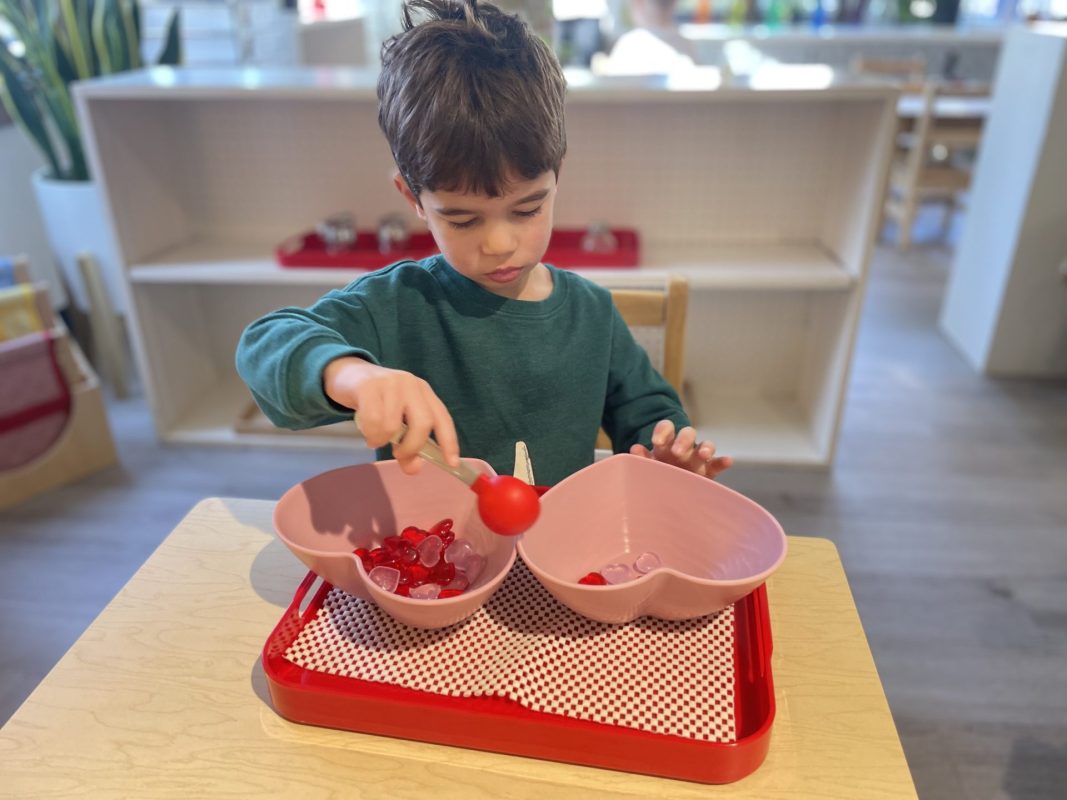
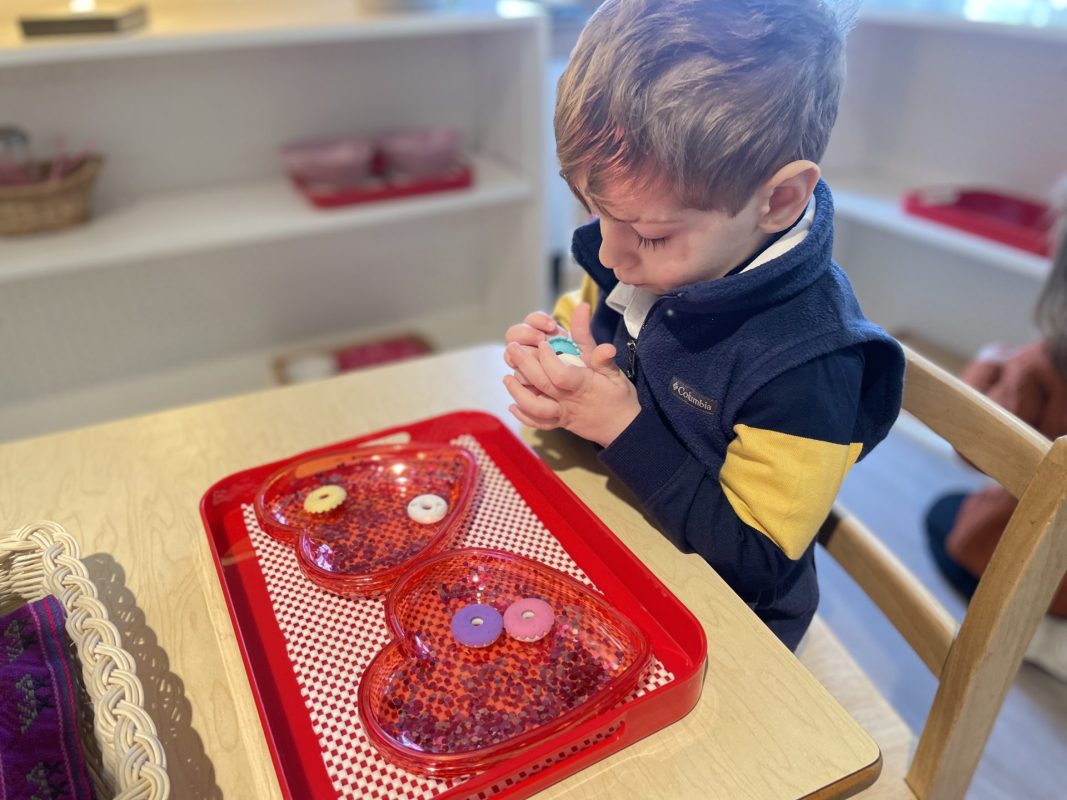
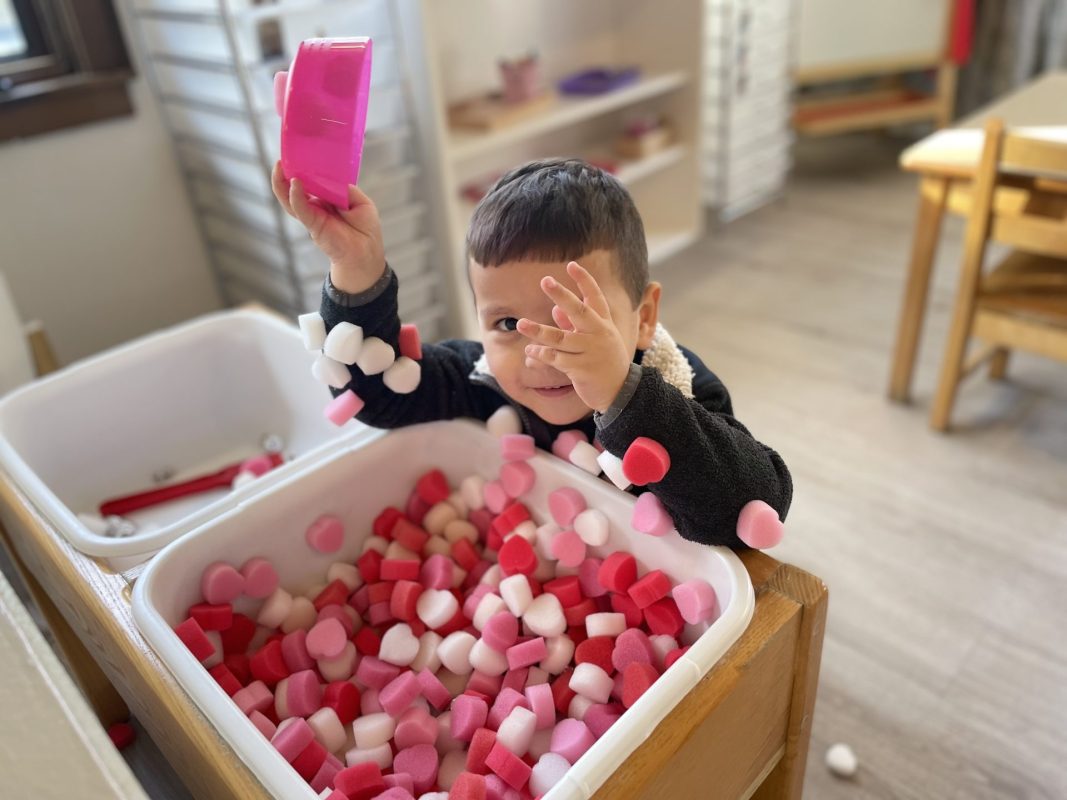
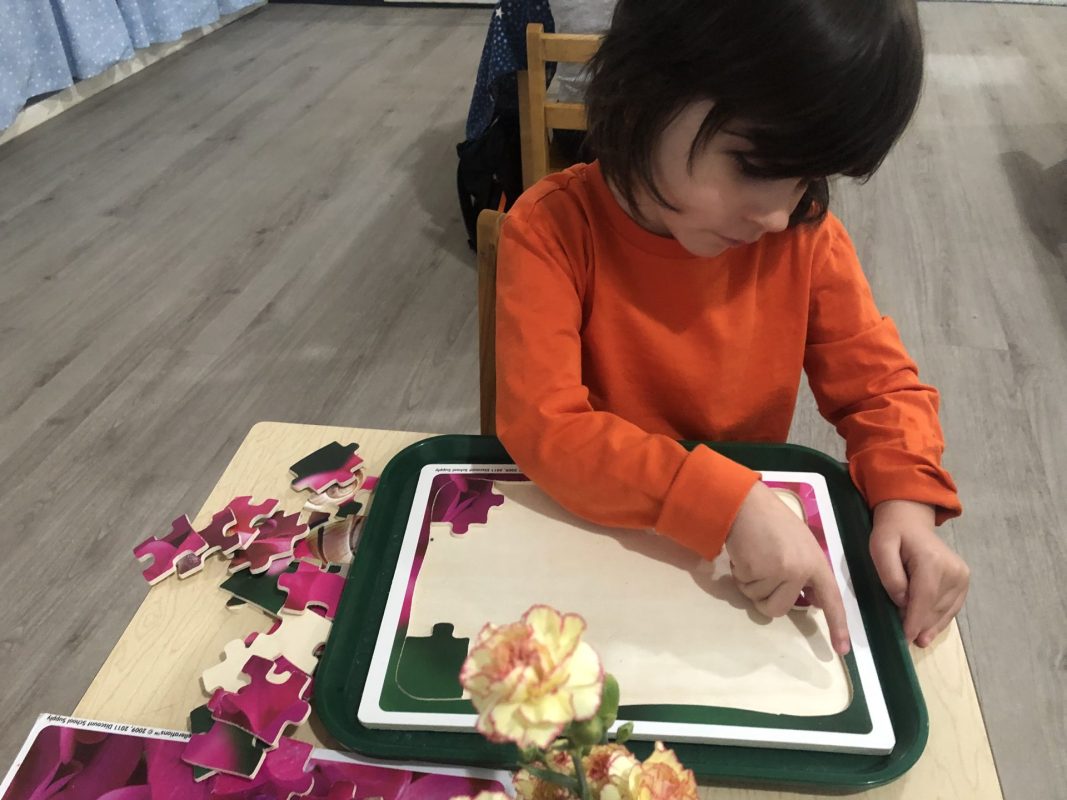
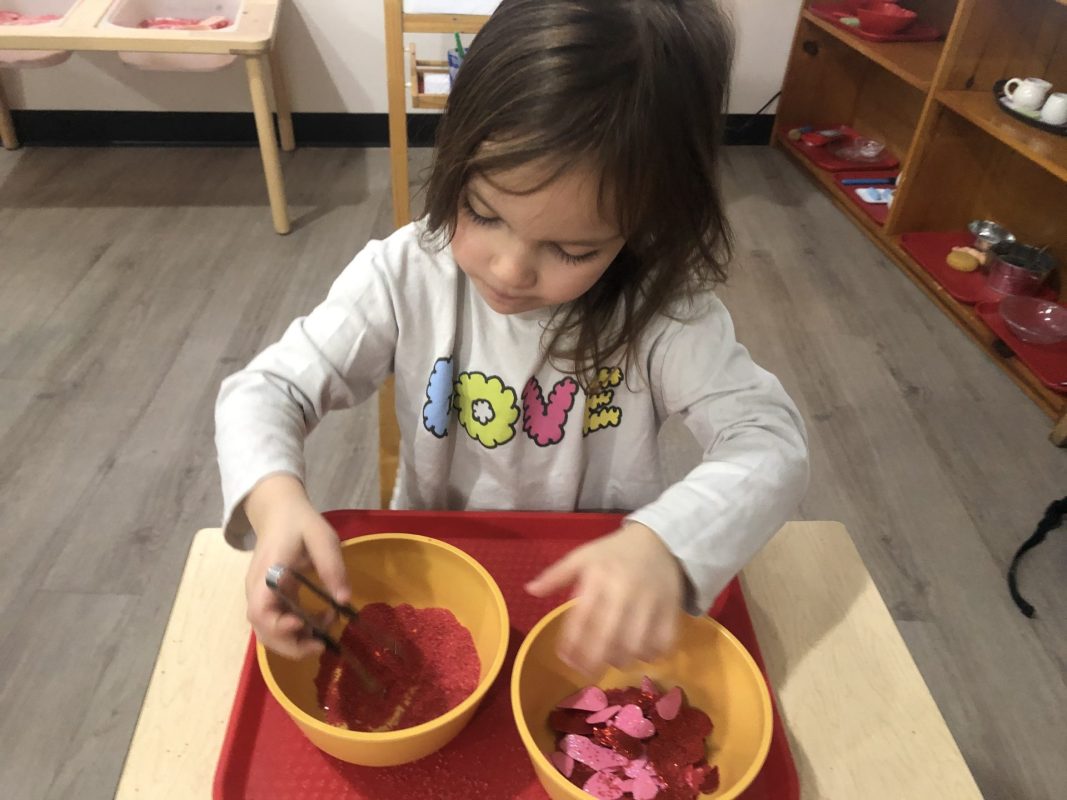
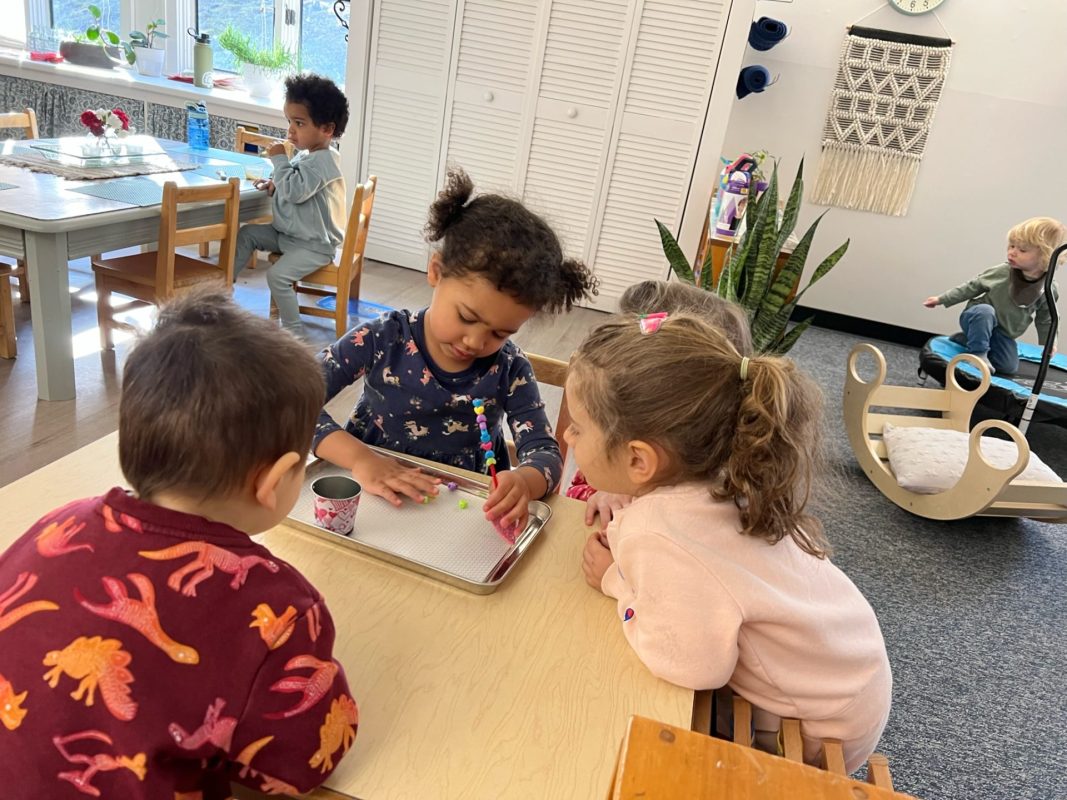
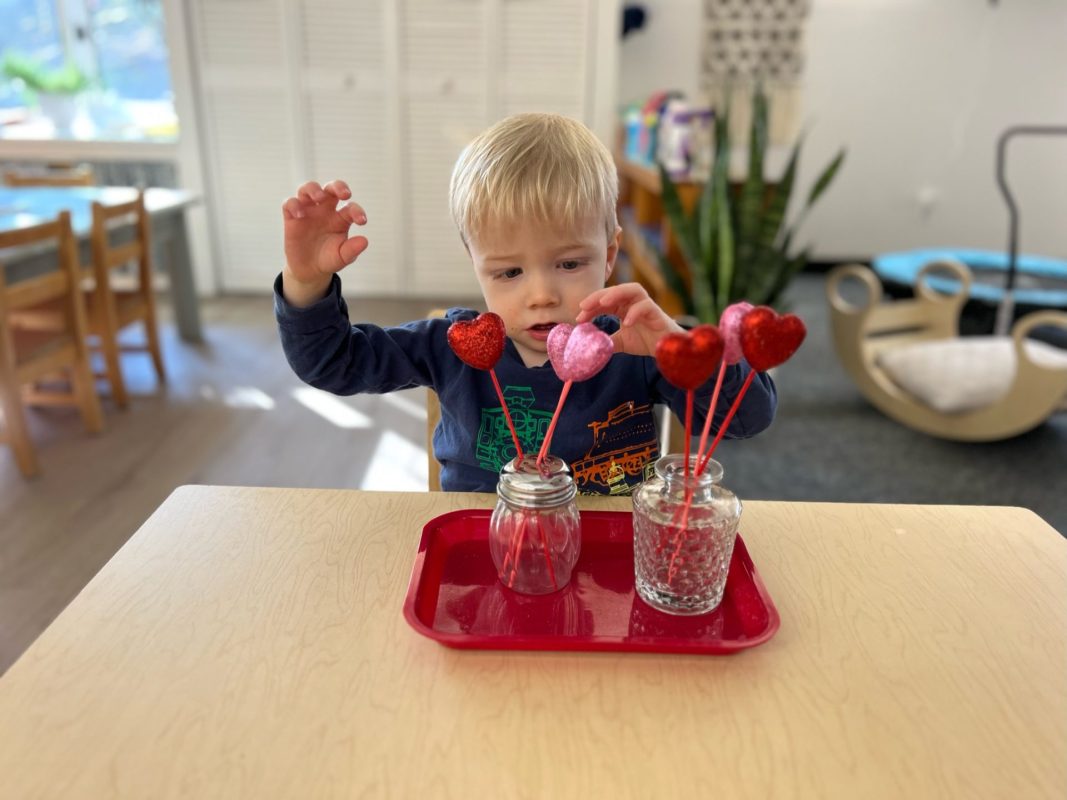
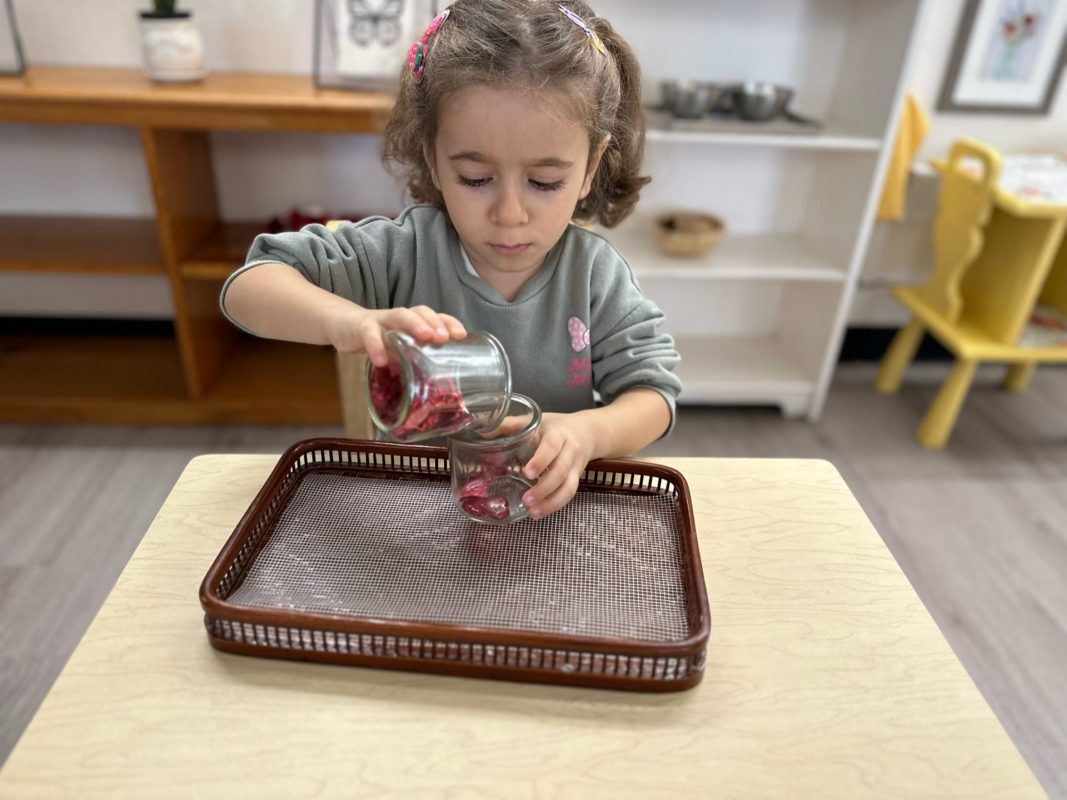
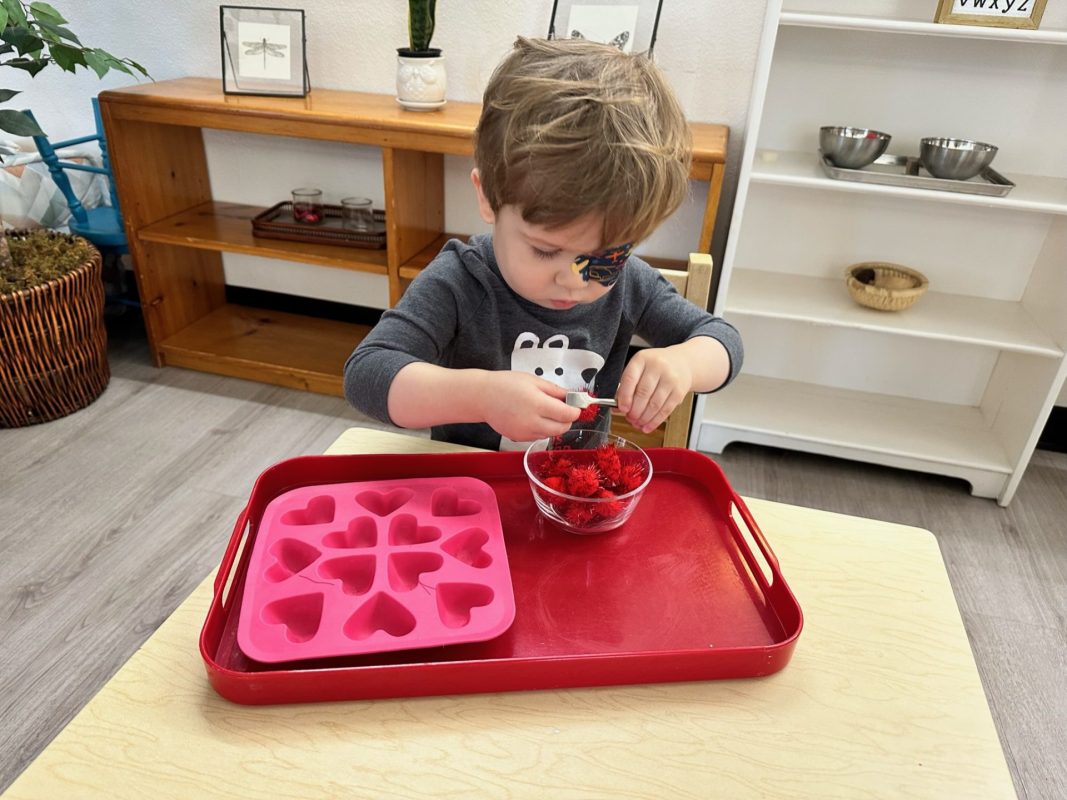
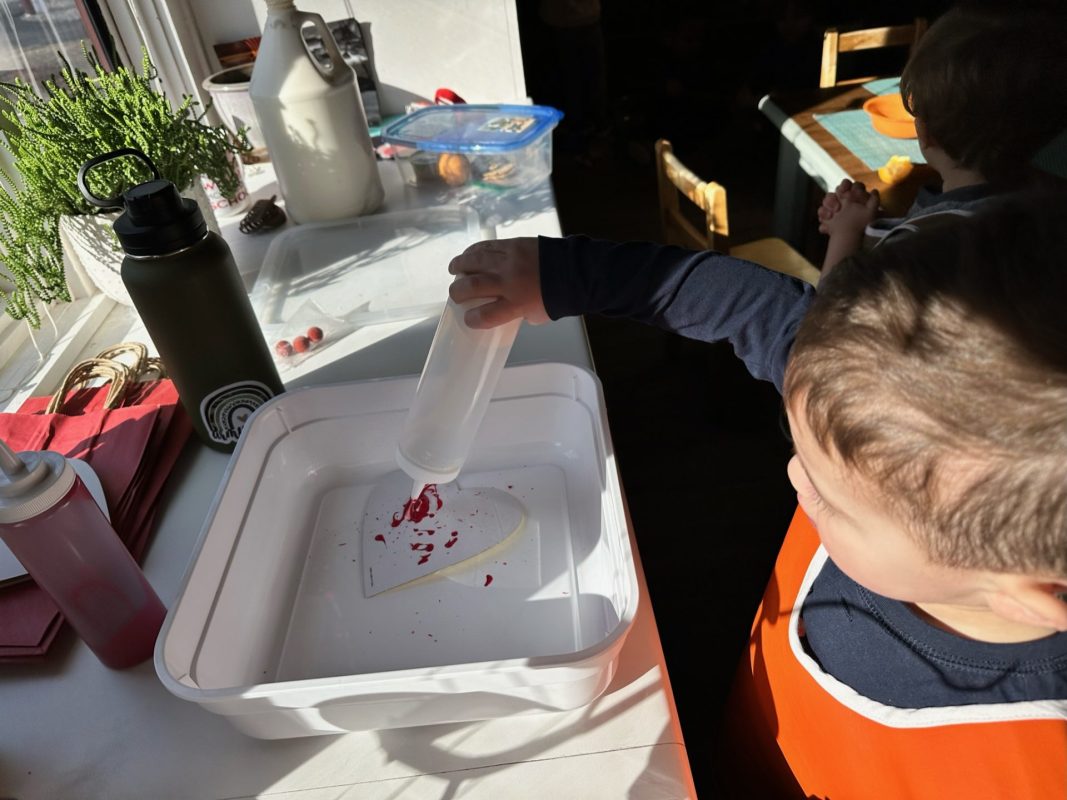
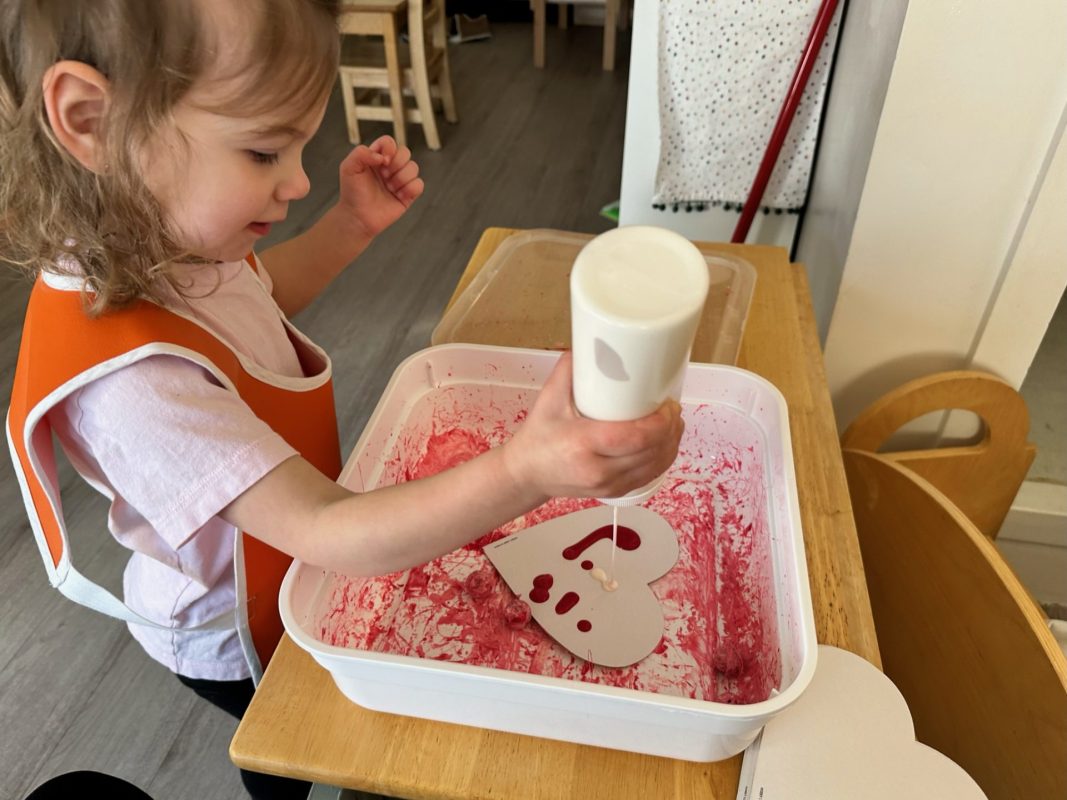
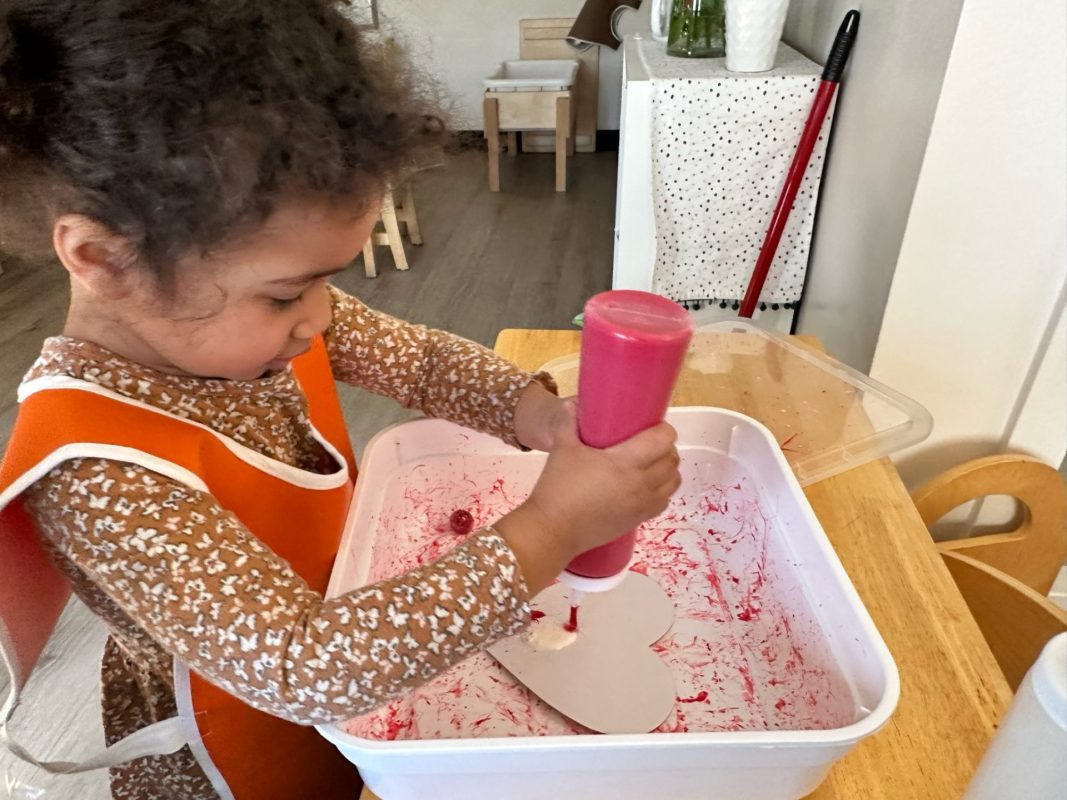
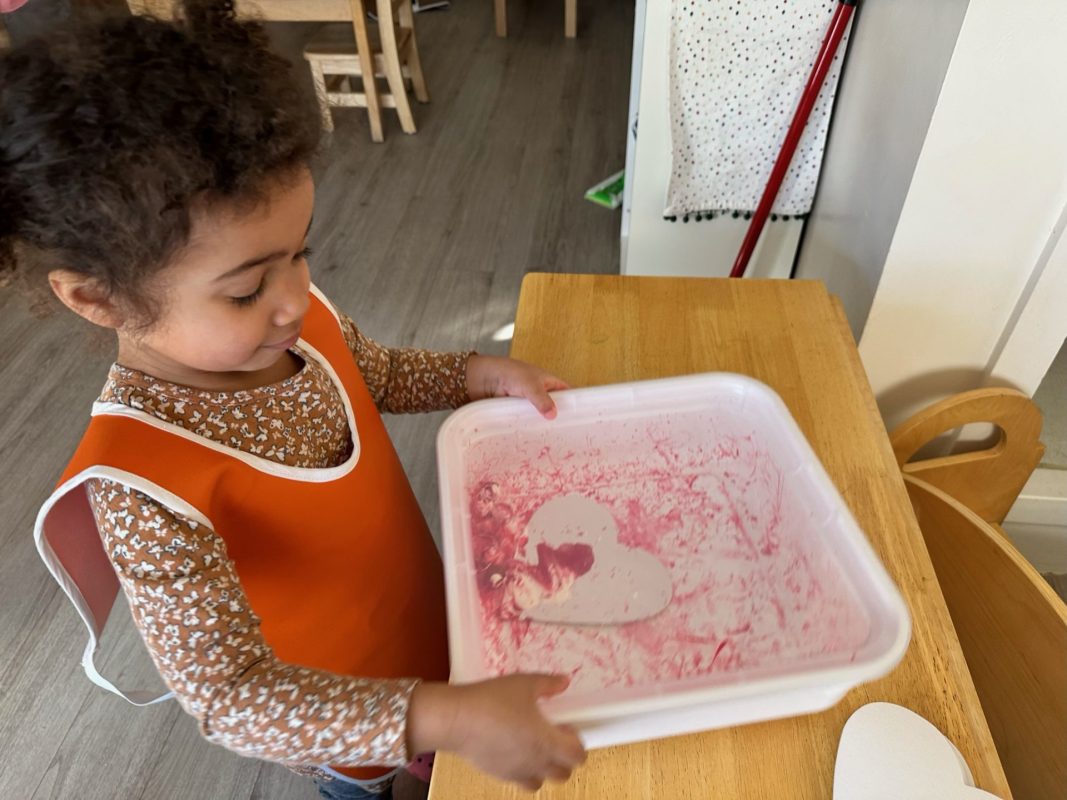
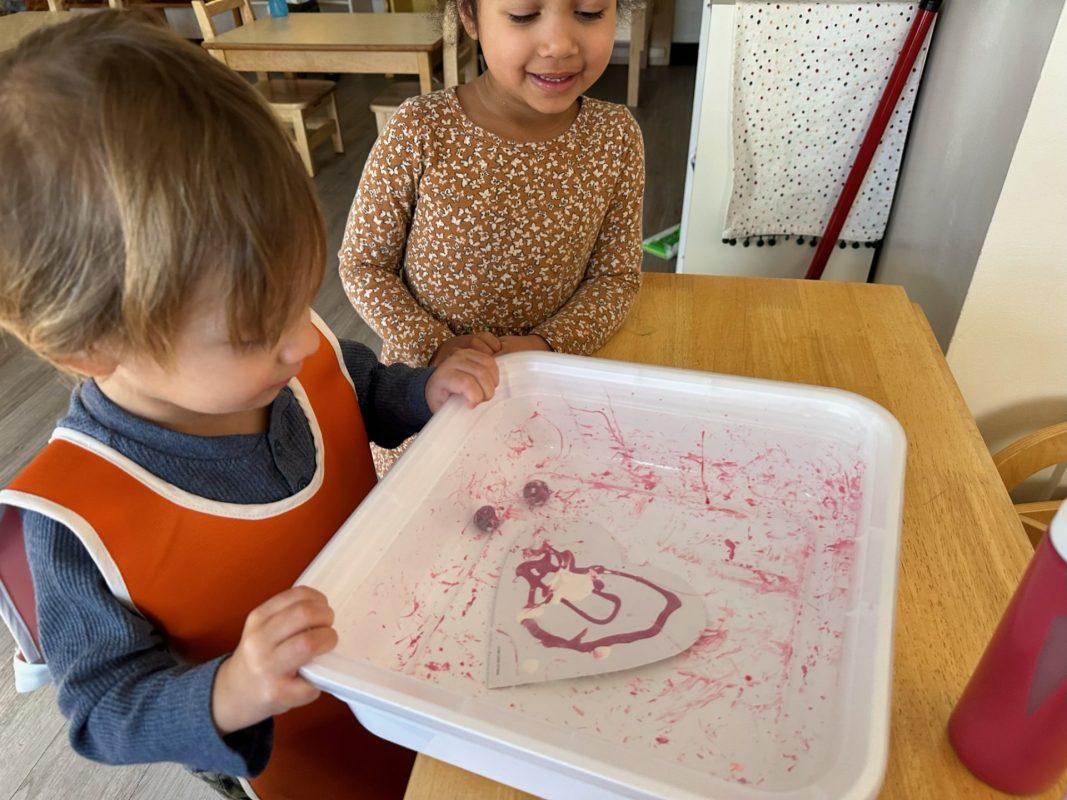
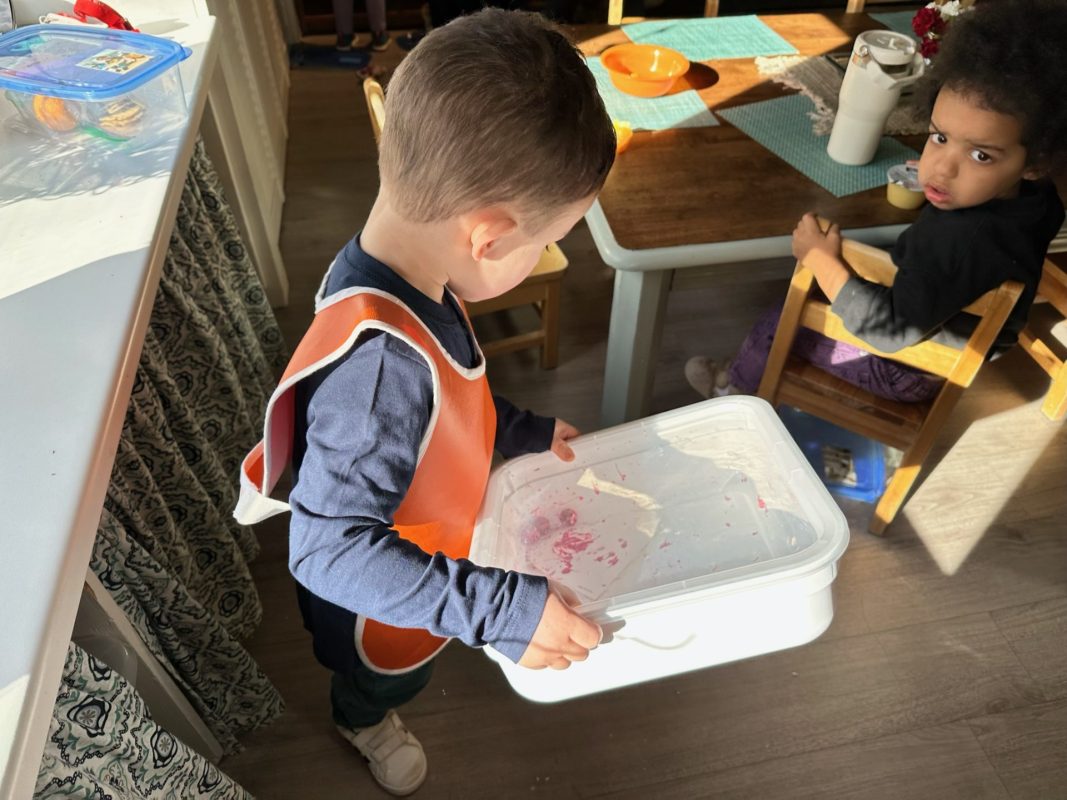
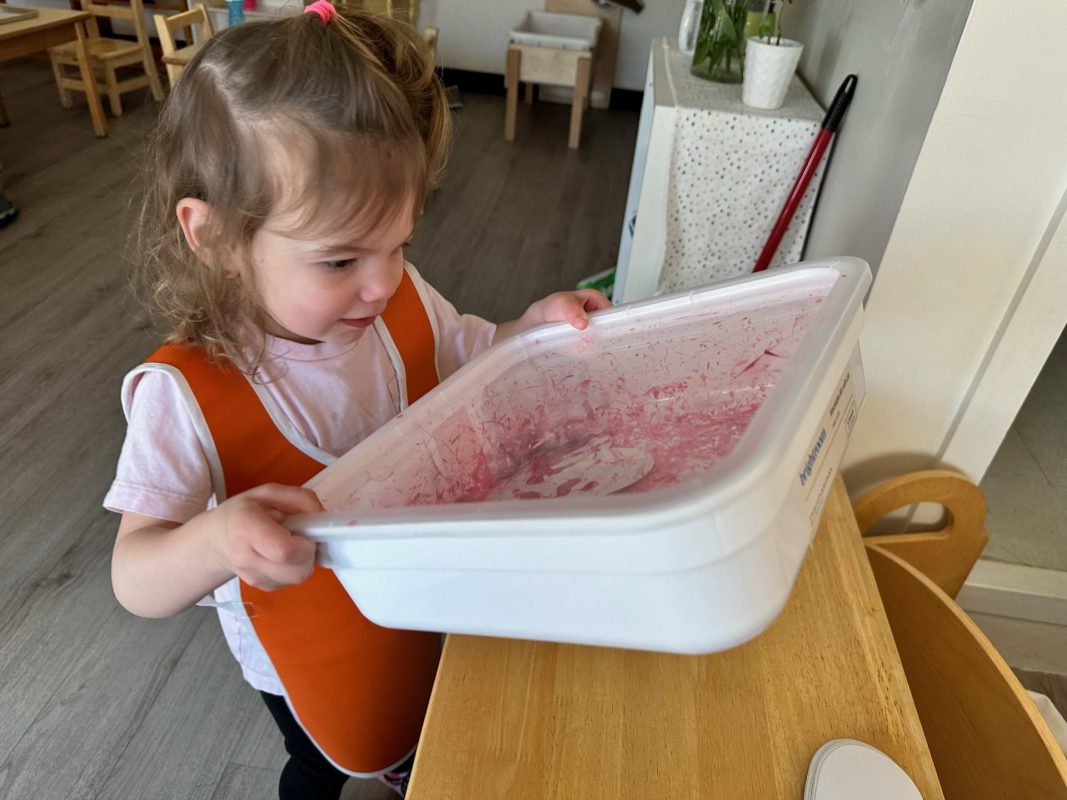
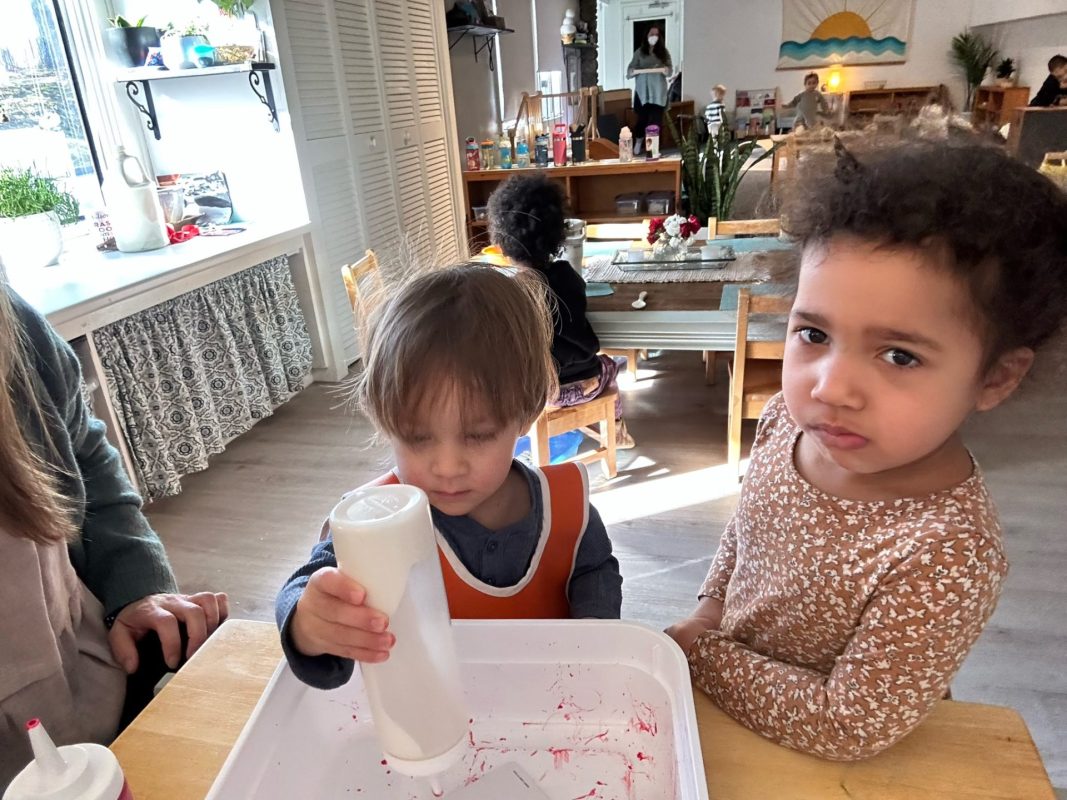
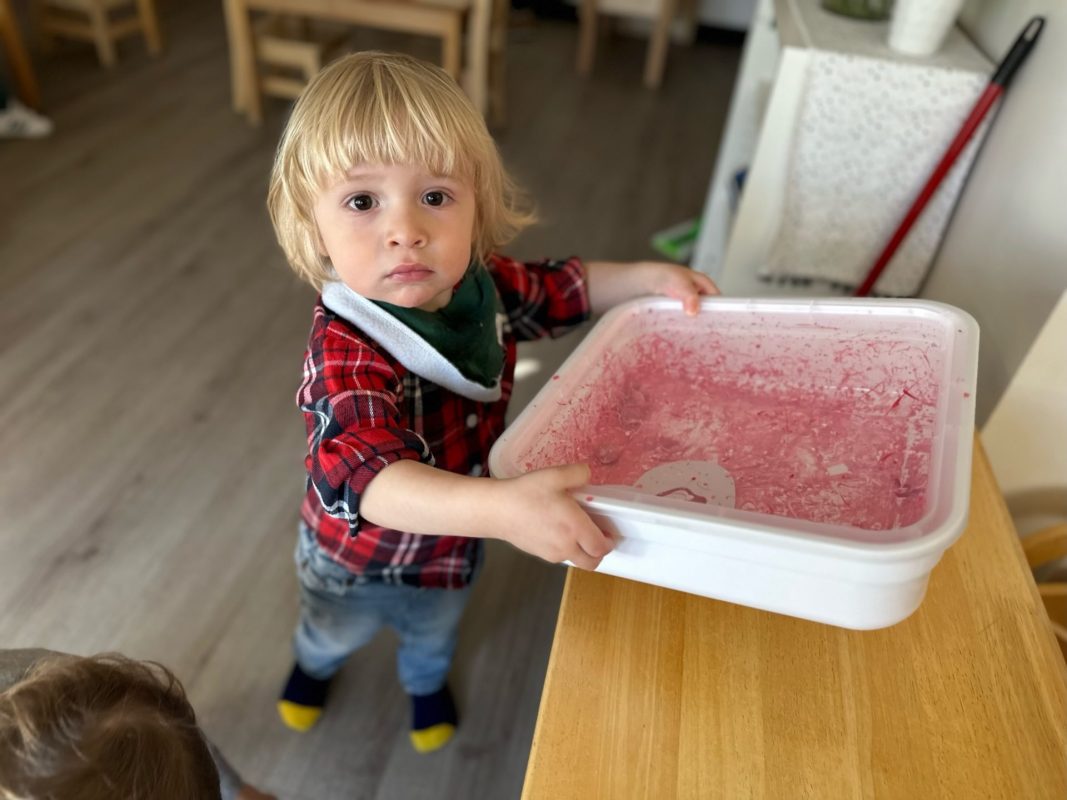
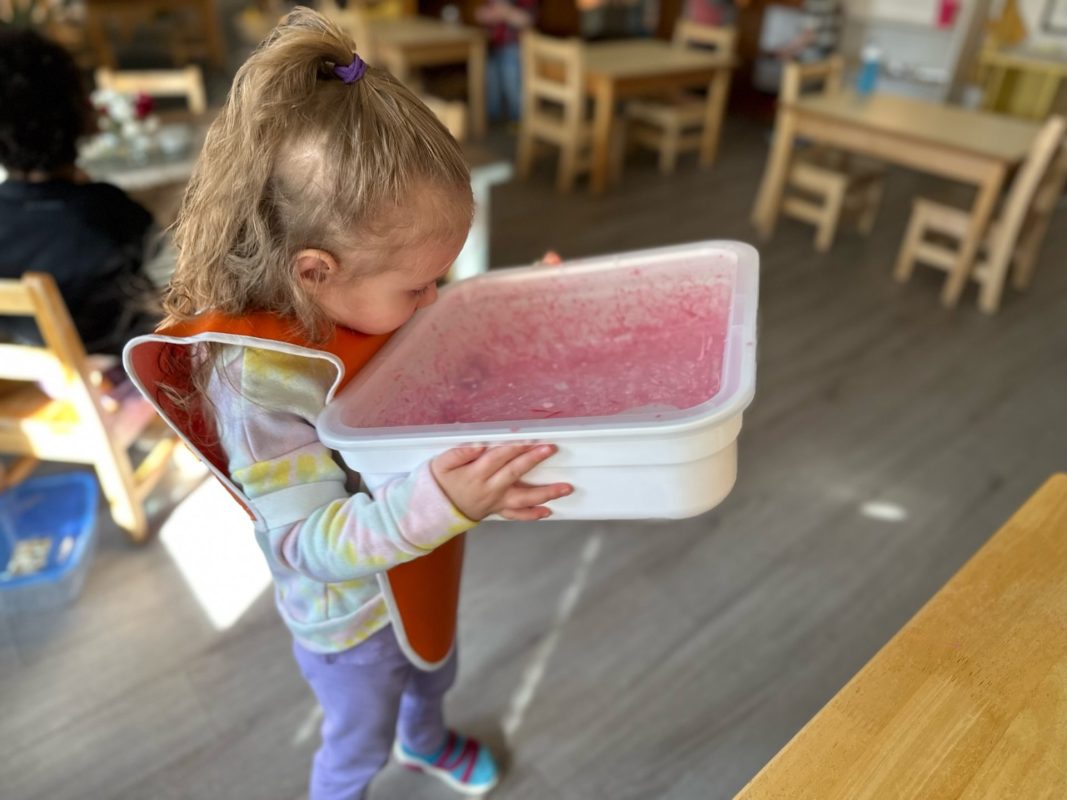
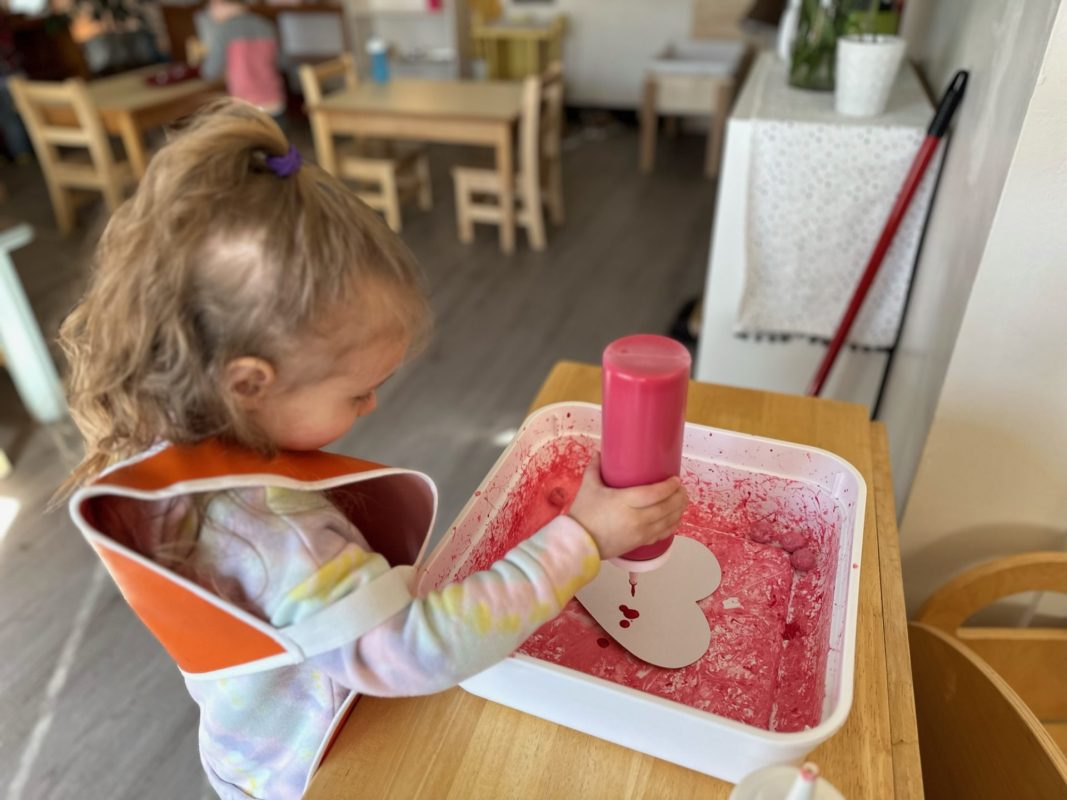
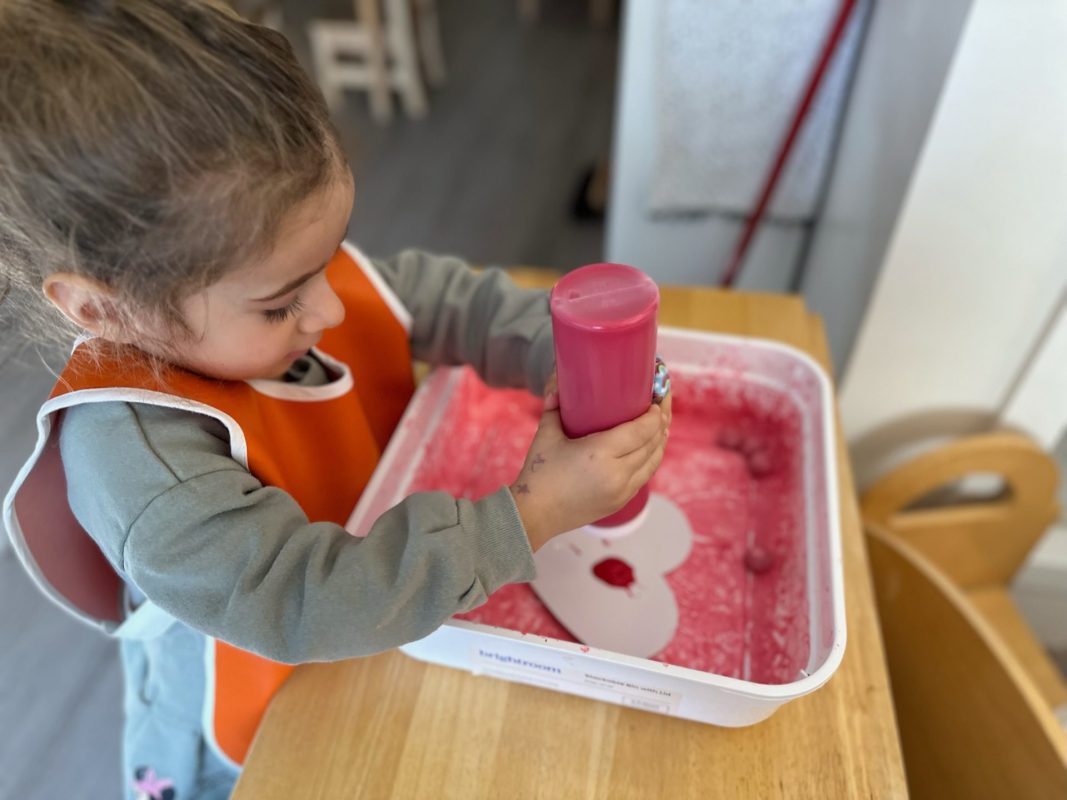
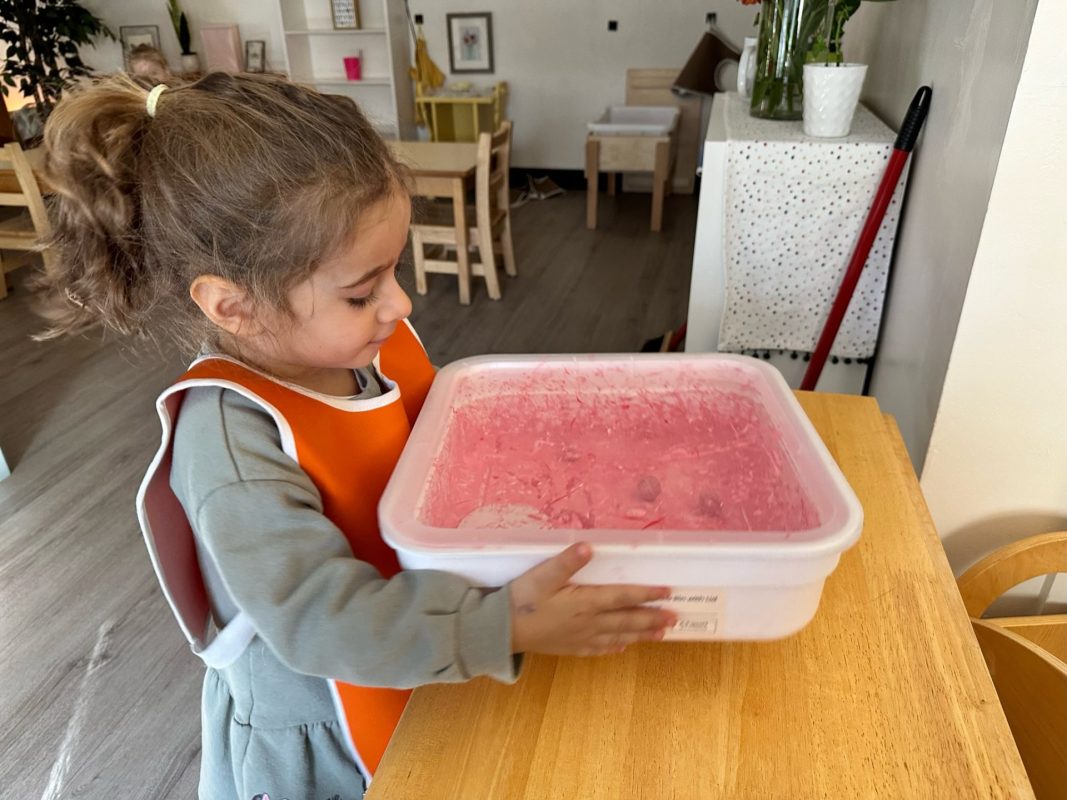
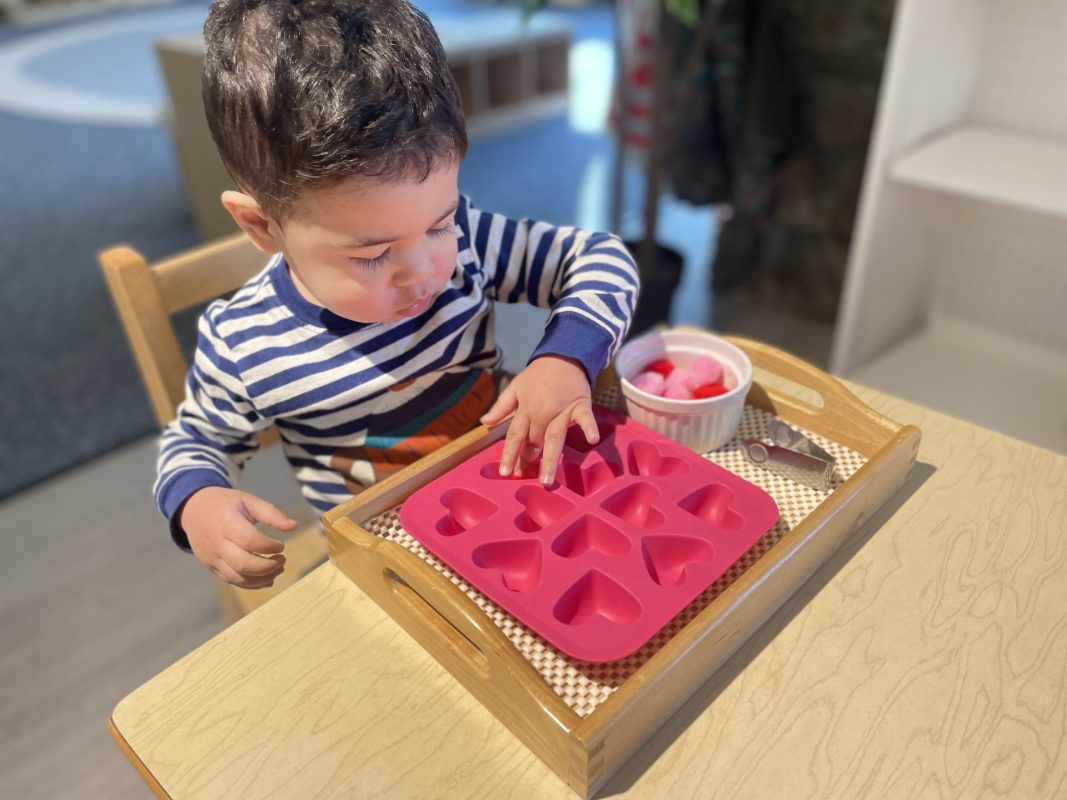
All around the classroom, there is work that symbolizes Valentine’s Day. Hearts in pink, red, and white are found in the sensory bin, sorting tray, and lessons that help refine the hands. The color red is the main focus of the art shelf. The children worked on a special project in preparation for their Valentine’s bag. They made marble-painted hearts. We had each child squeeze some red and white paint into a deep tray. Then they had to shake the marbles around thru the paint onto a heart shape. Once it was dry, we stuck the heart onto their bags.

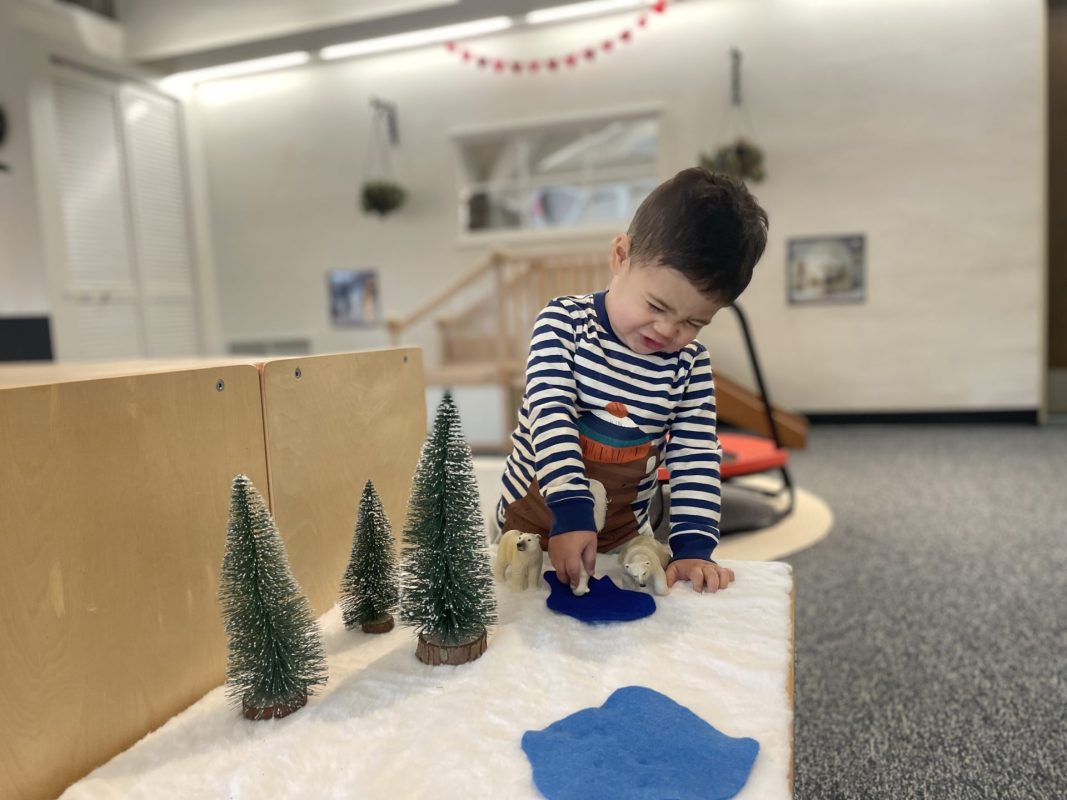
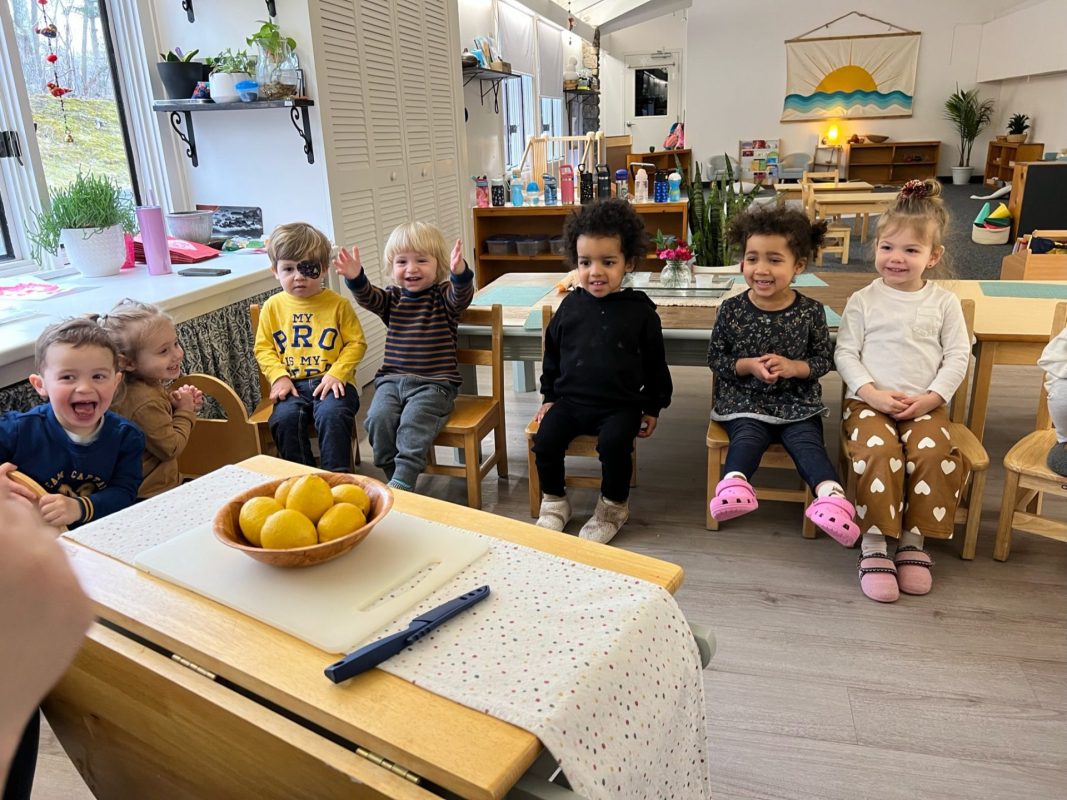
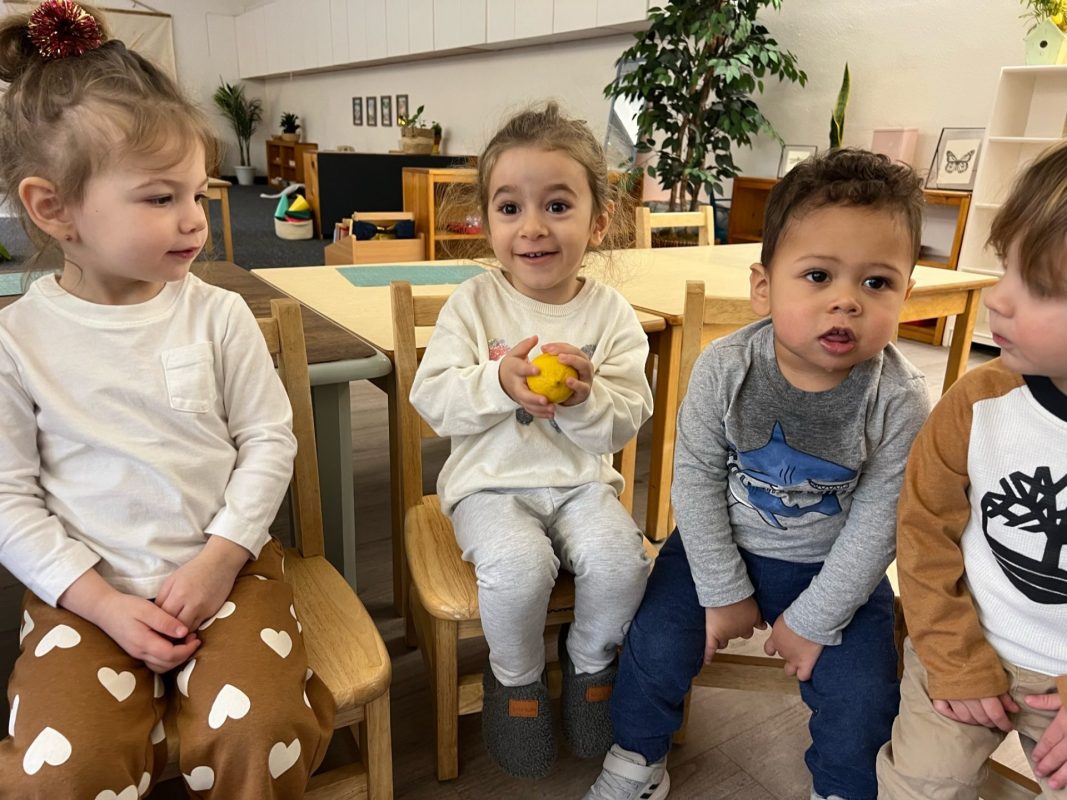
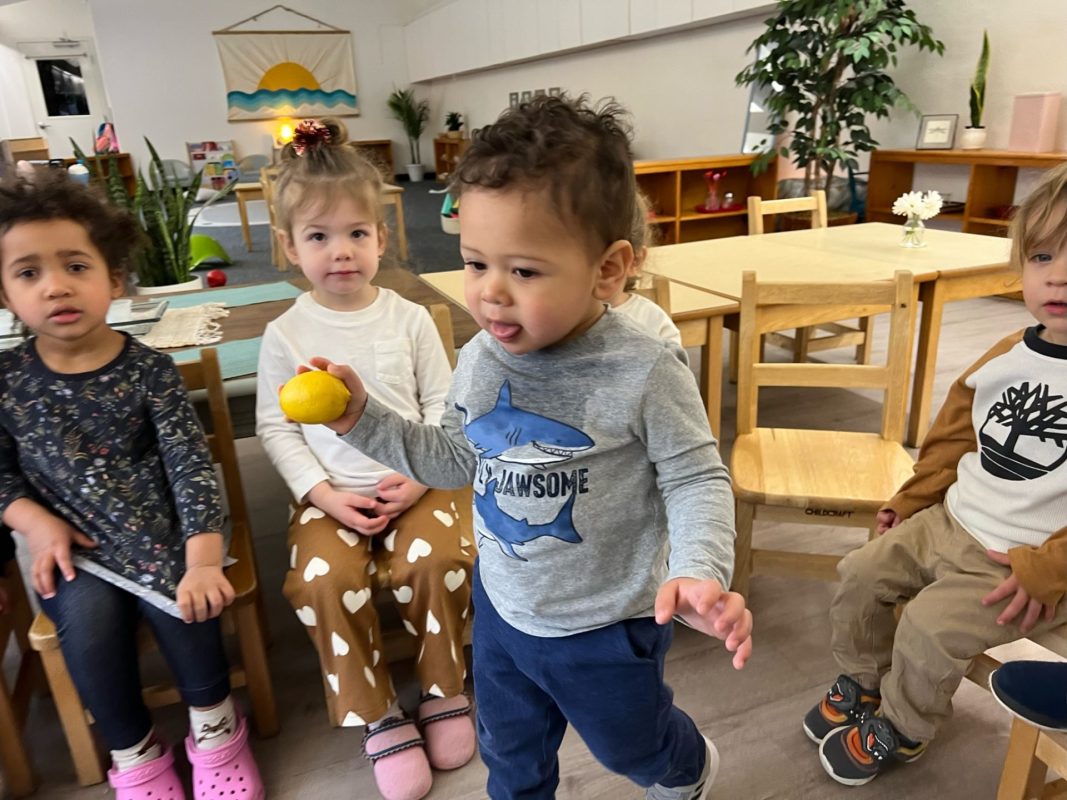
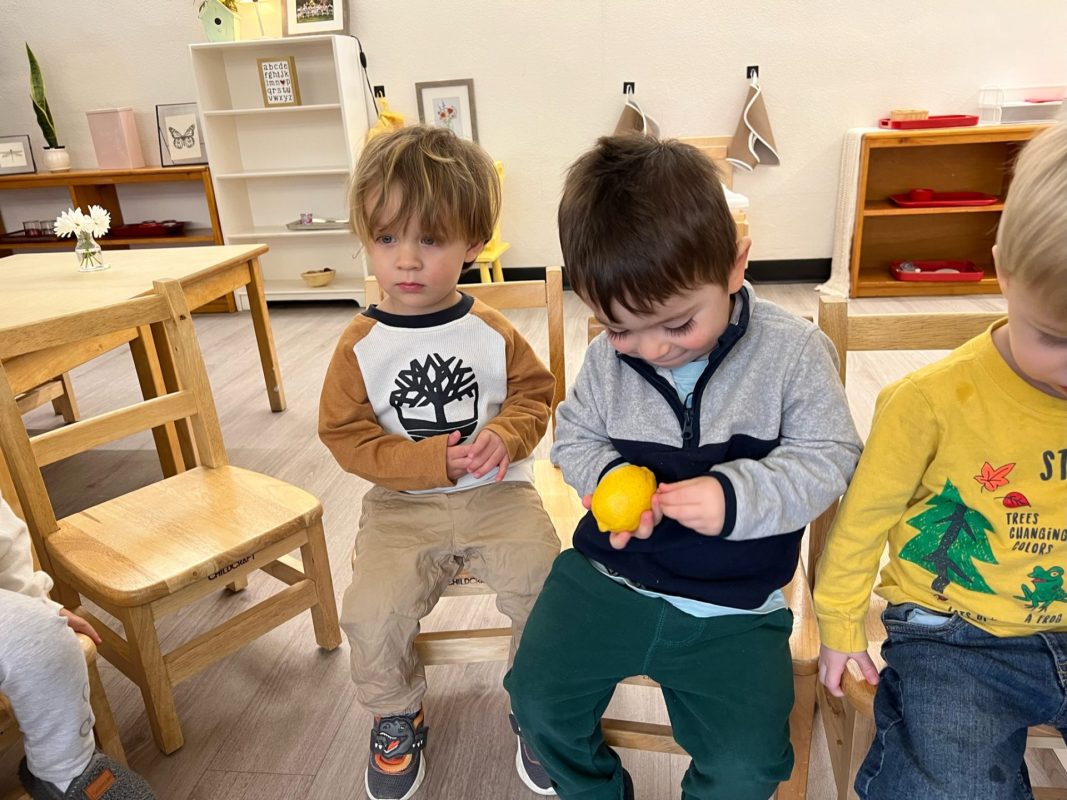
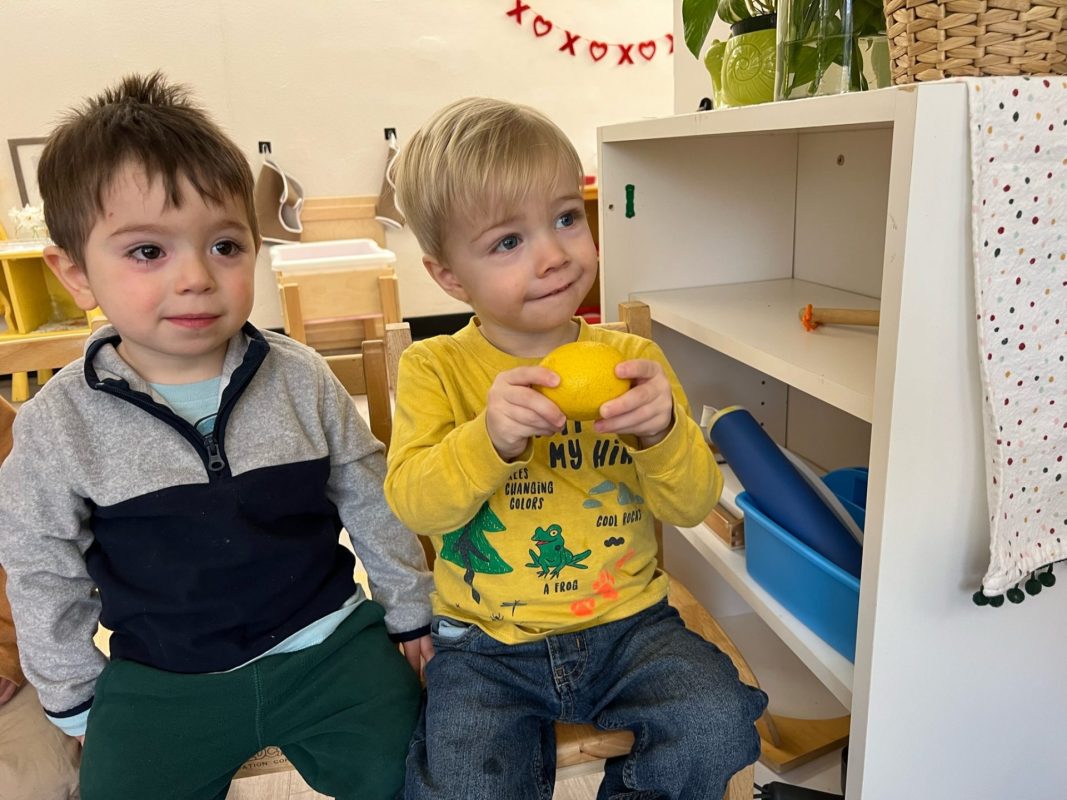
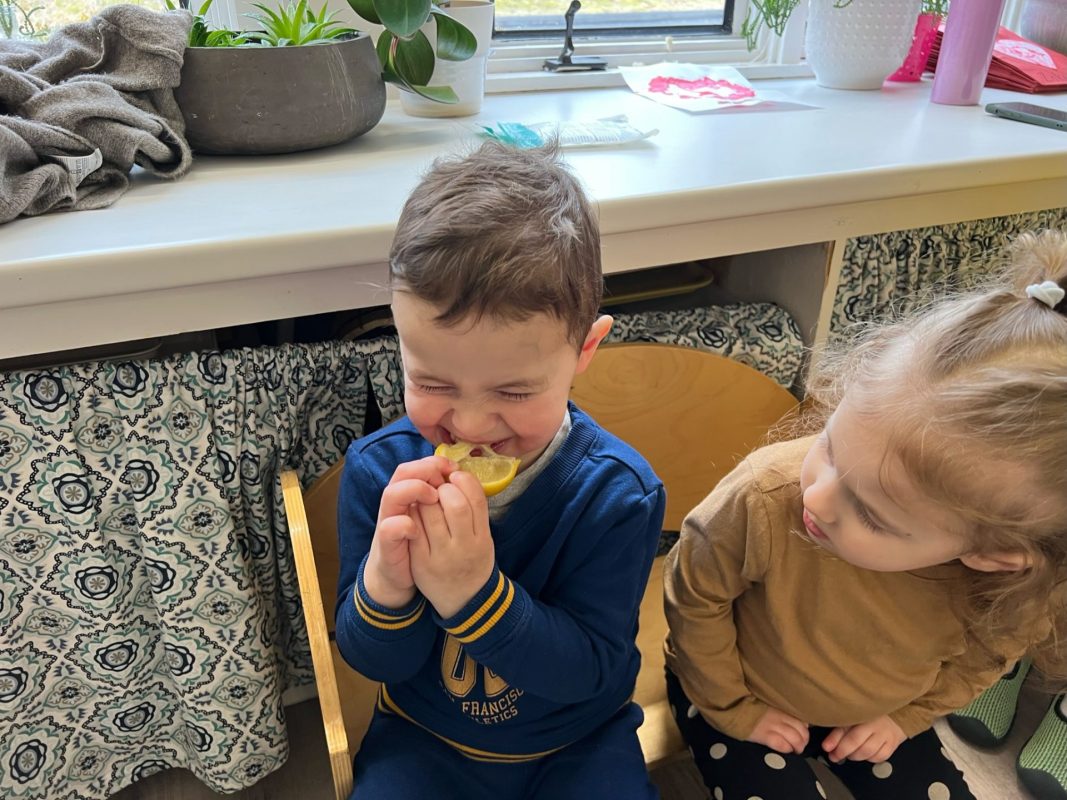
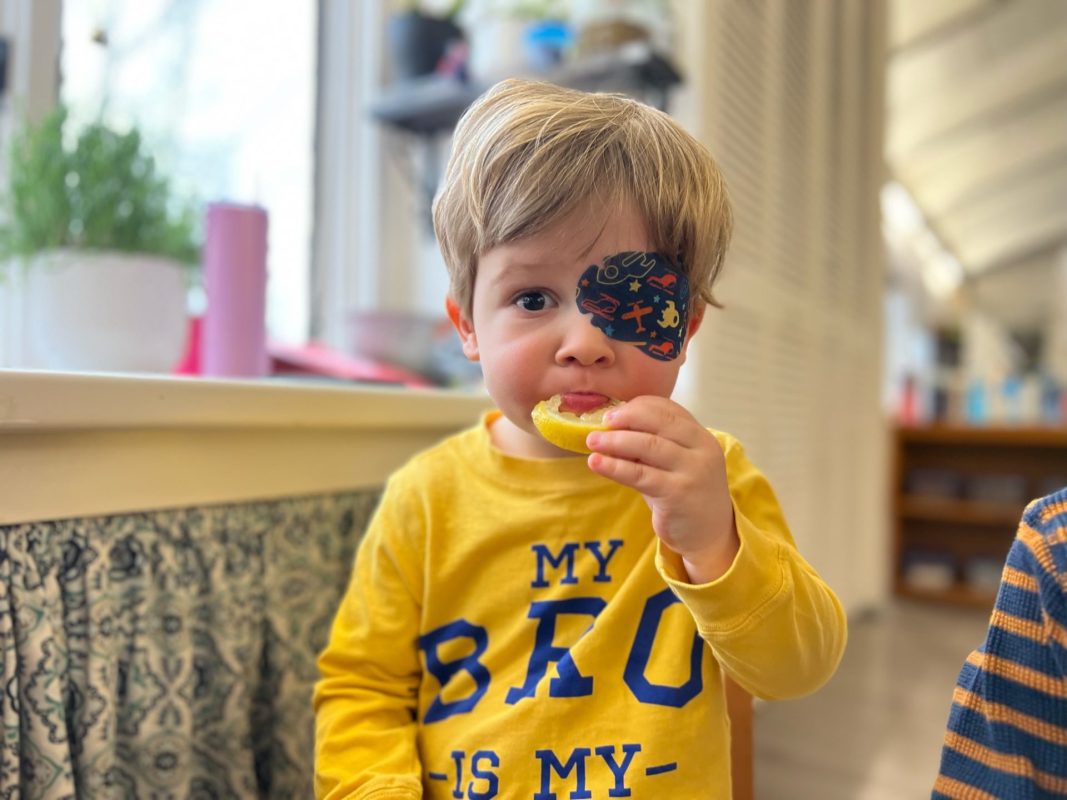
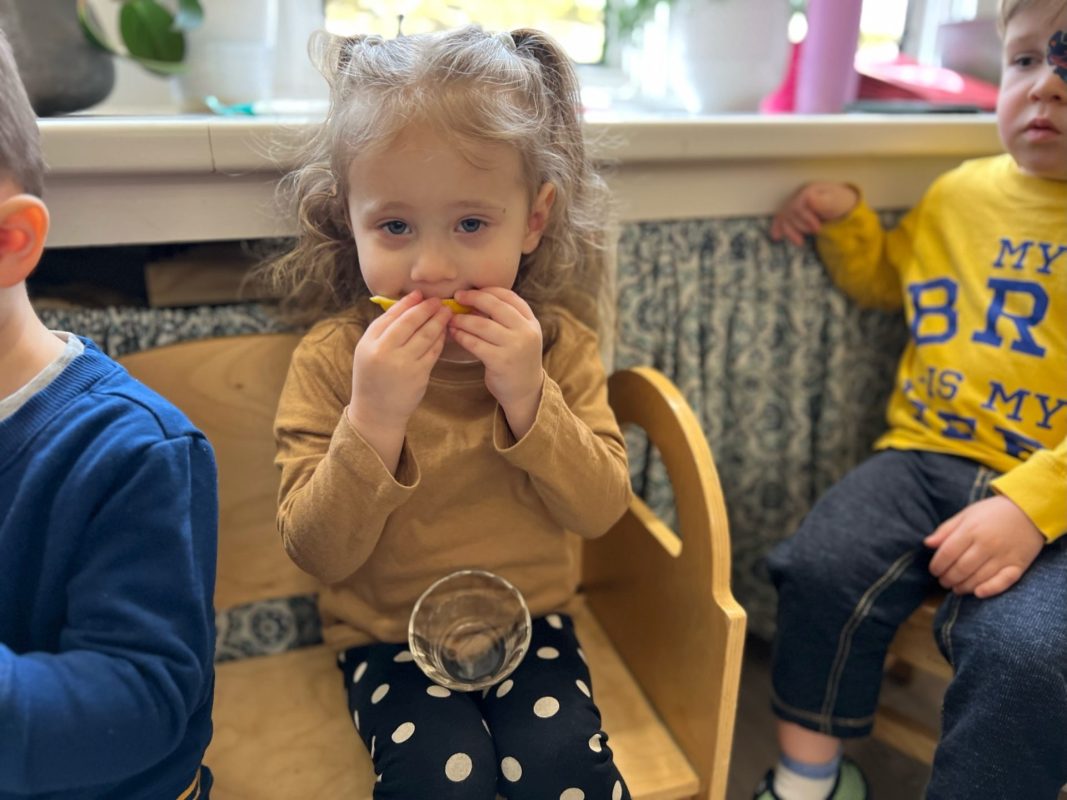
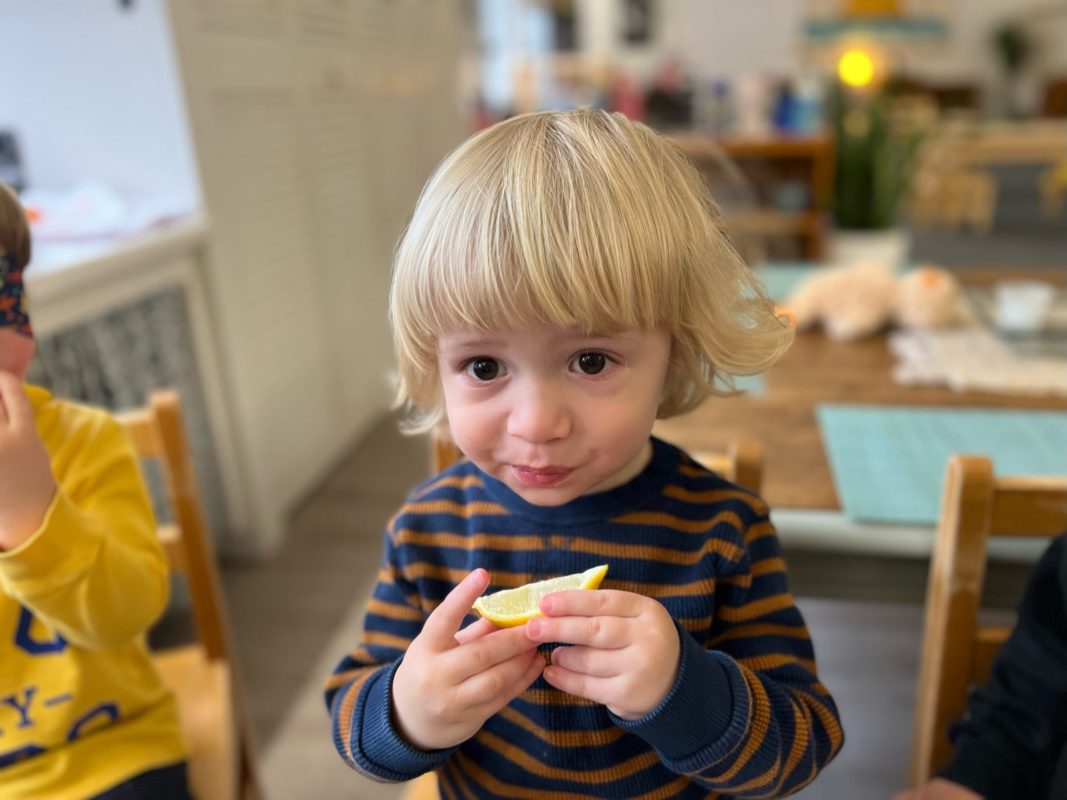
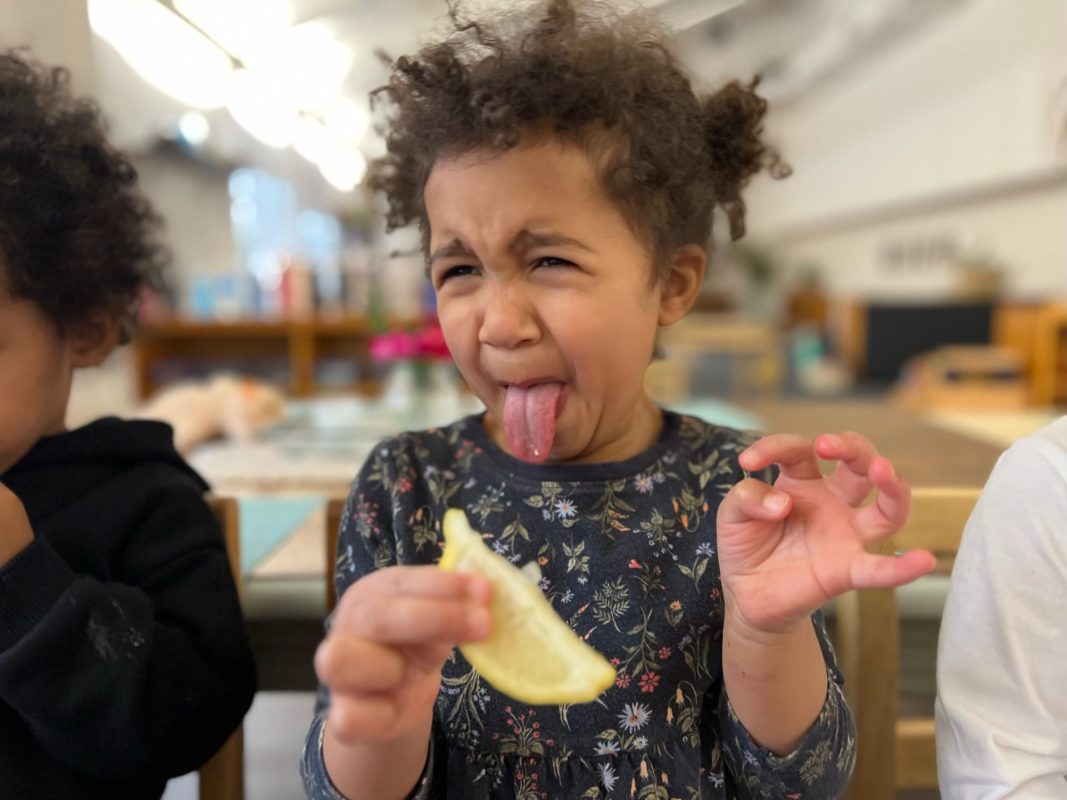
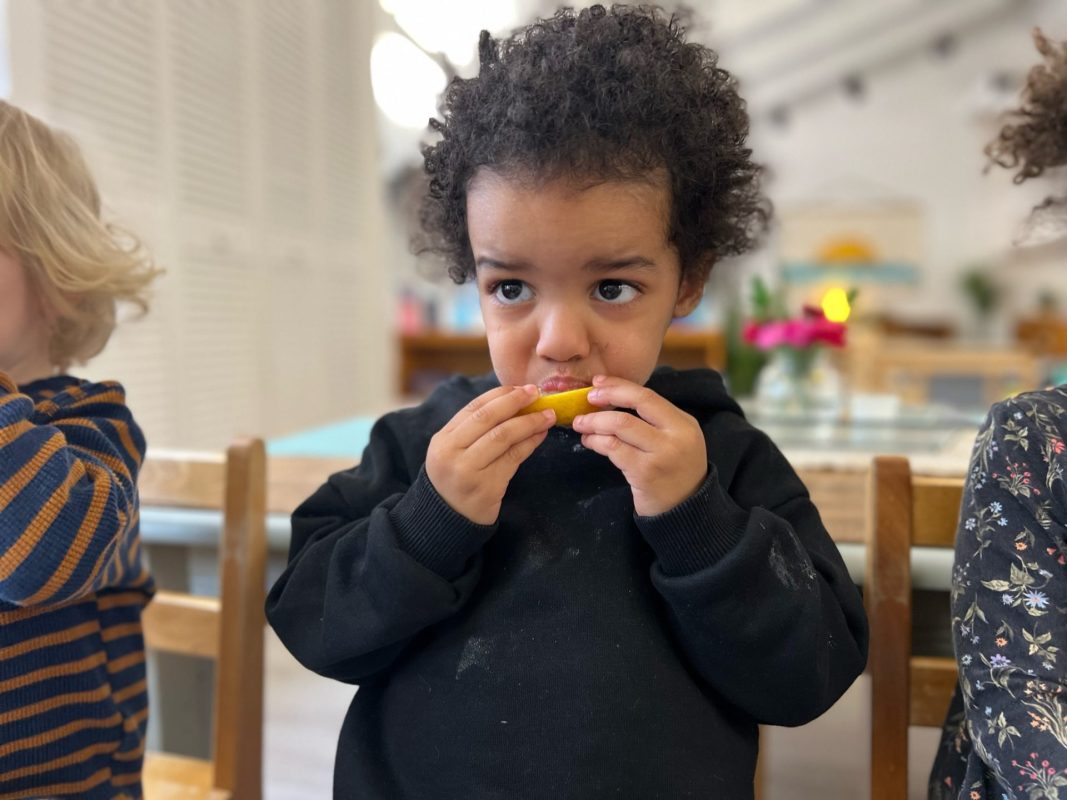
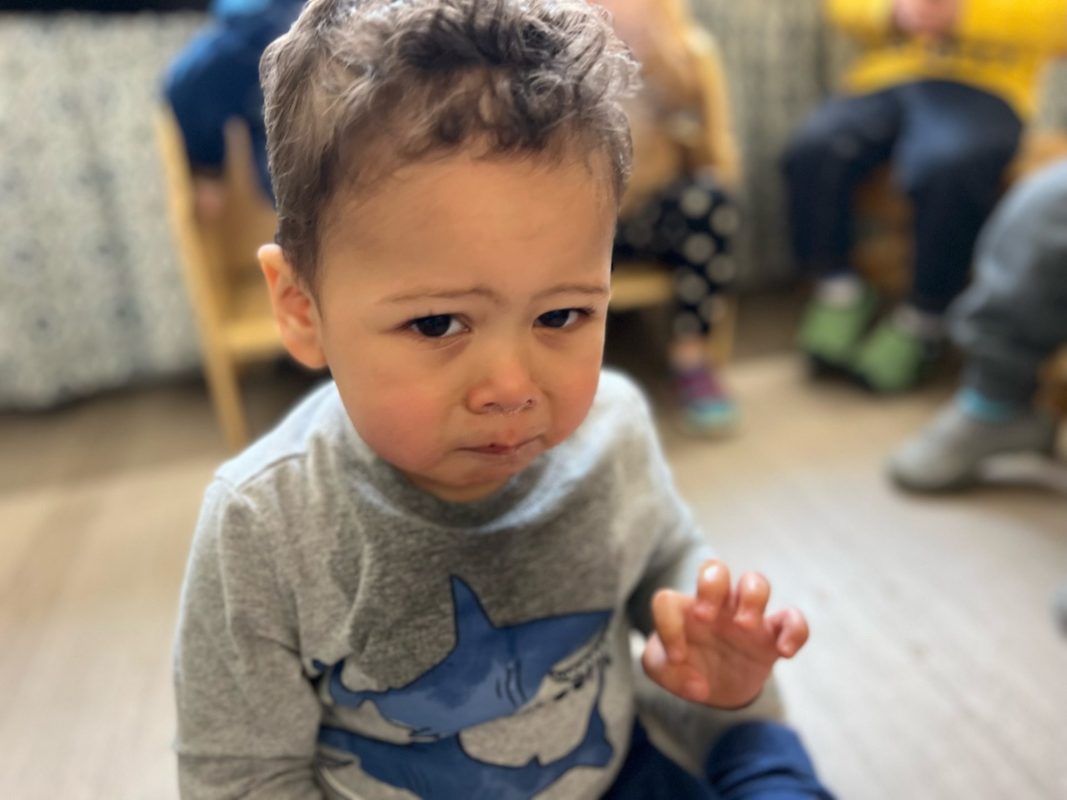
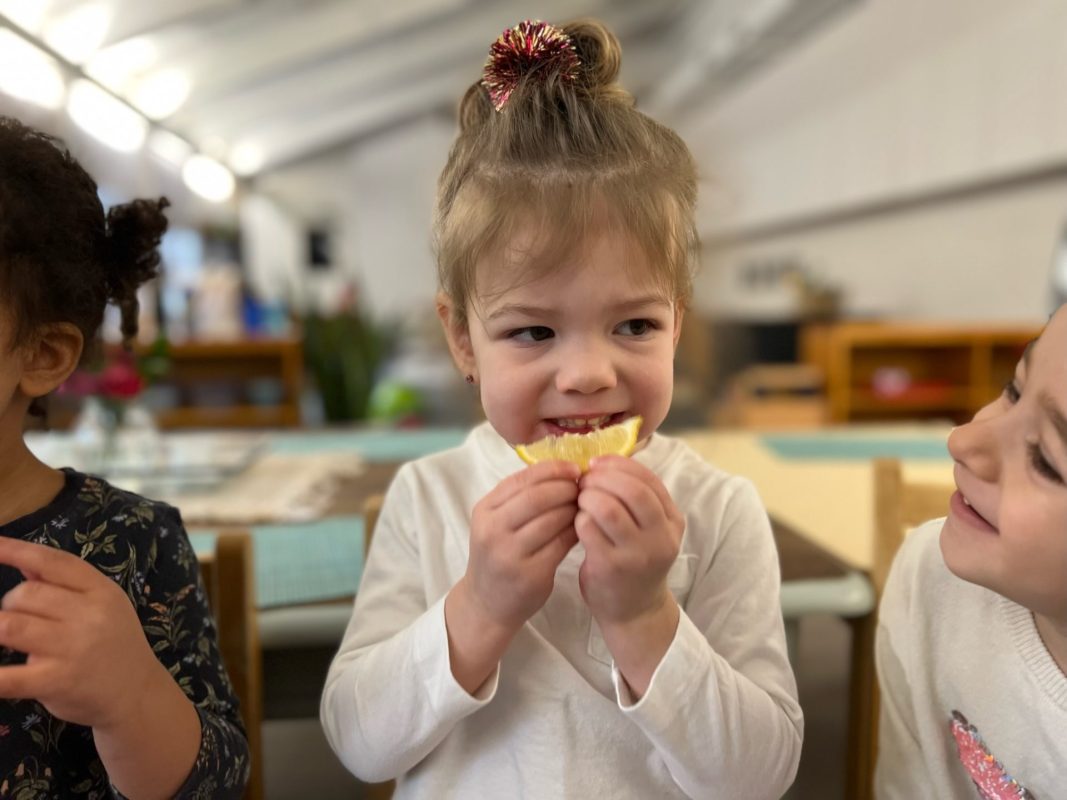
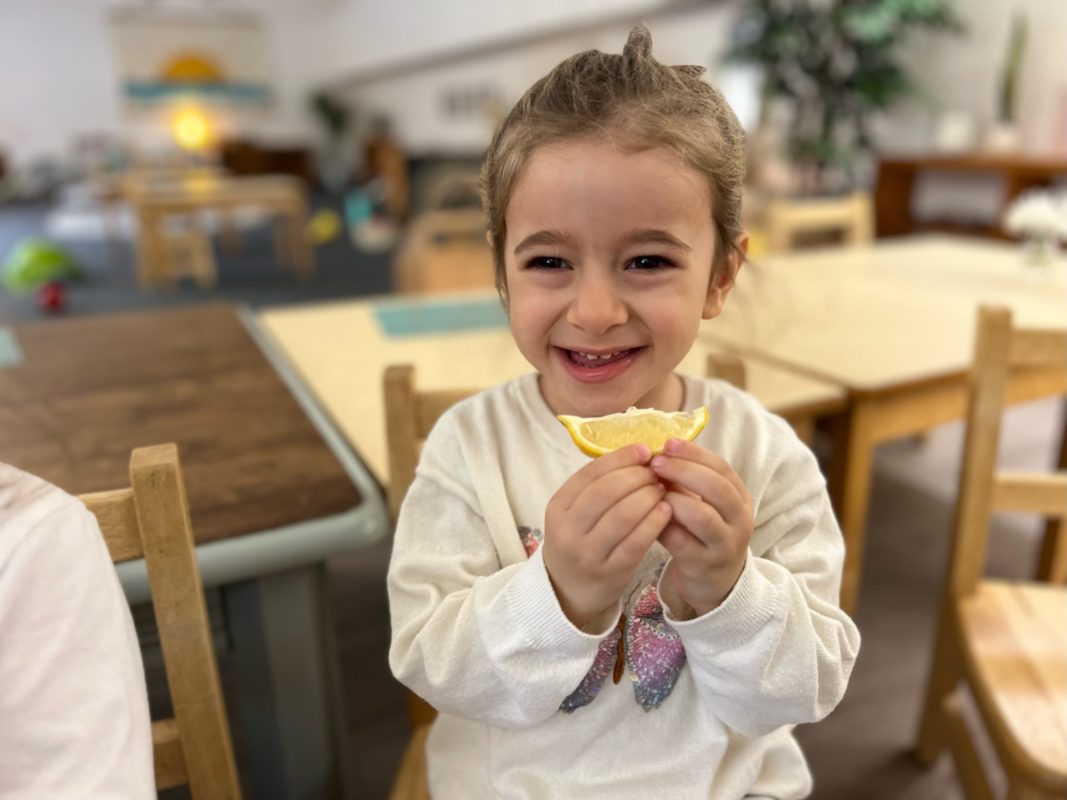
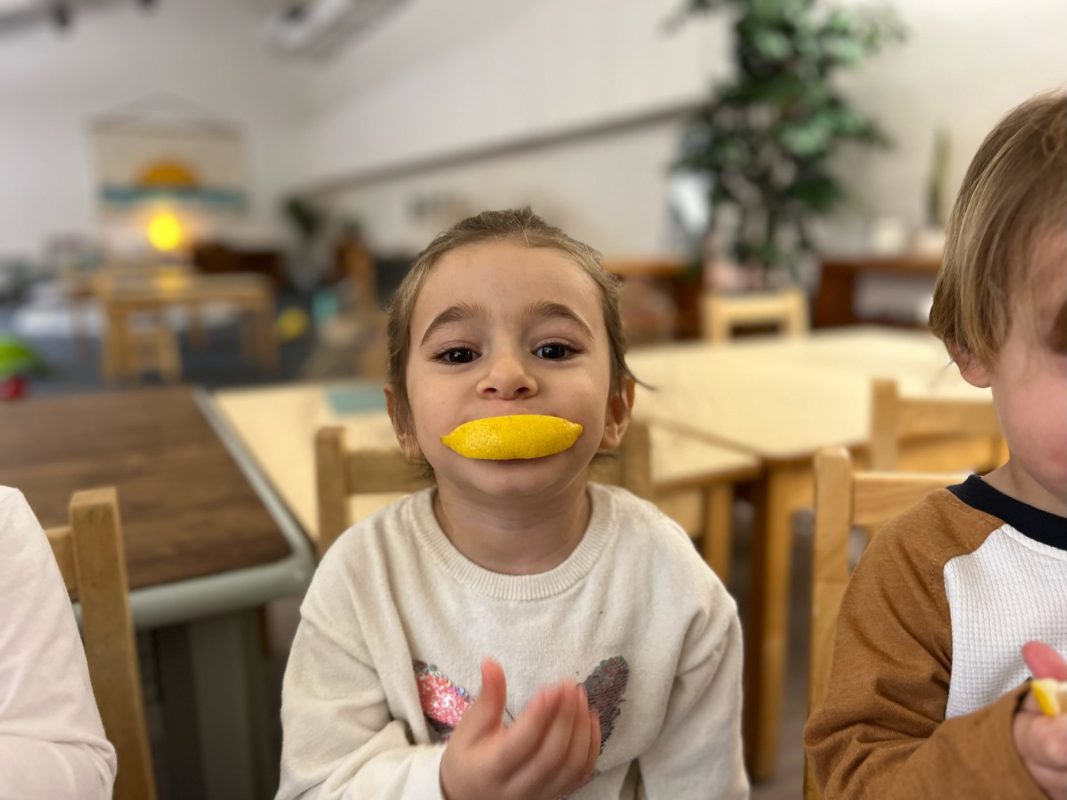
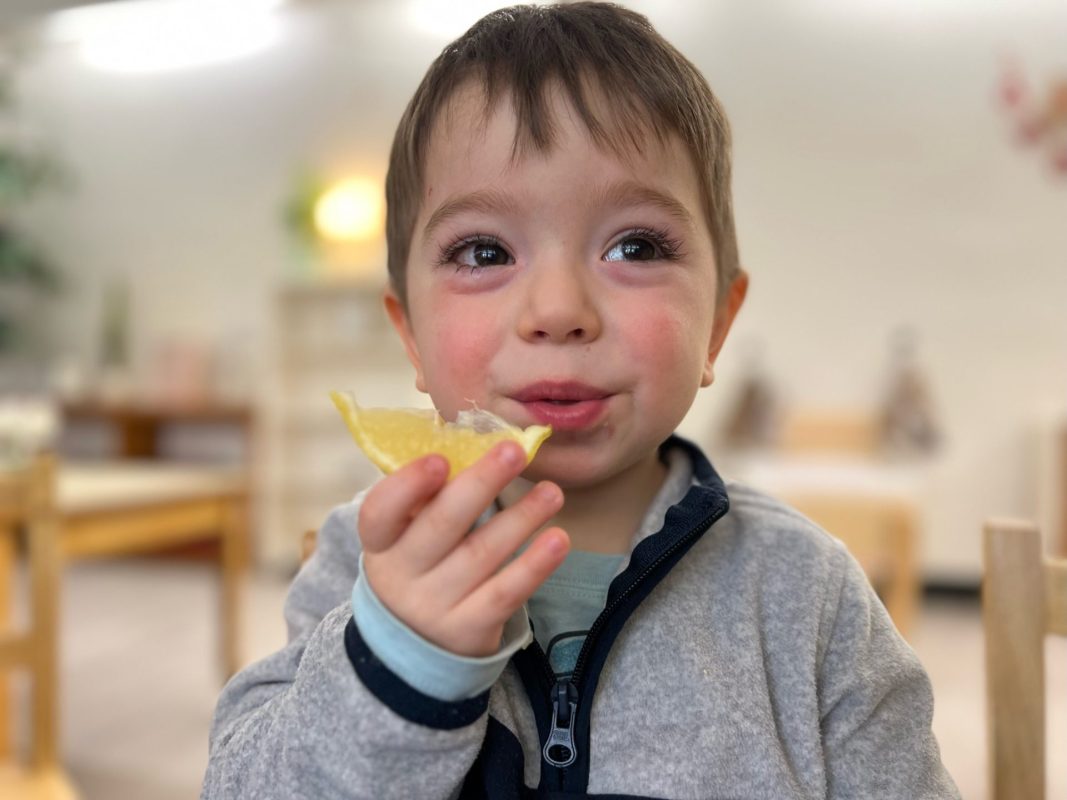
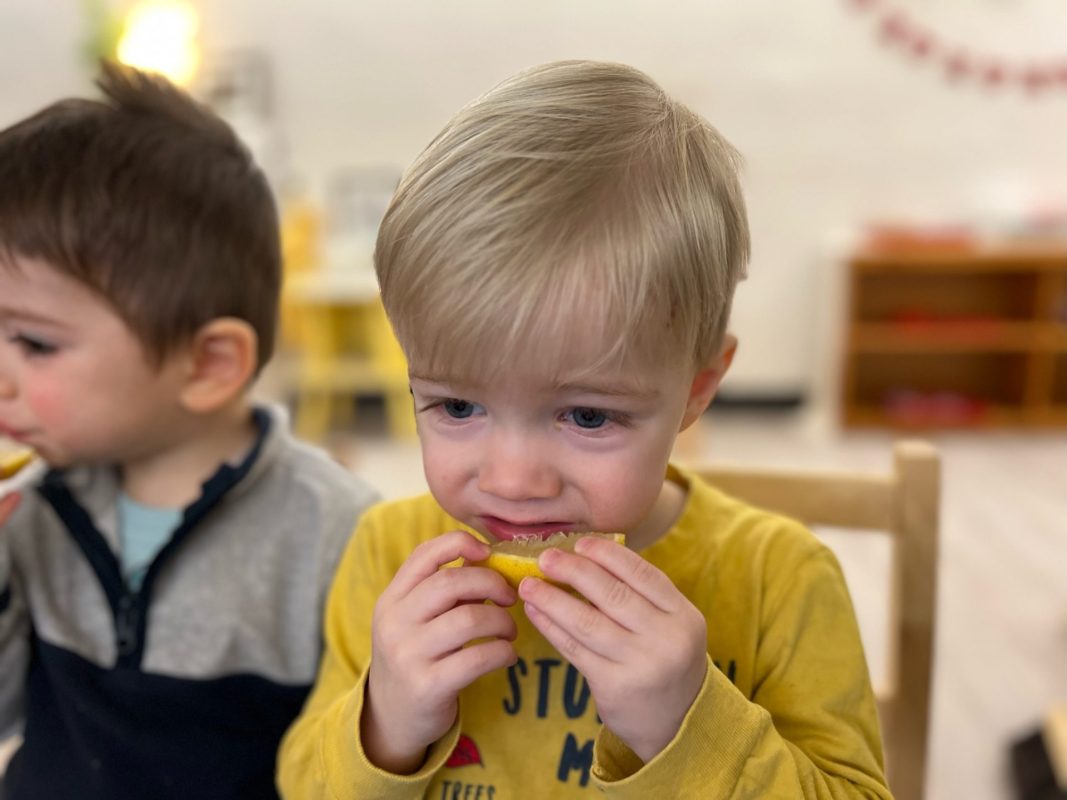
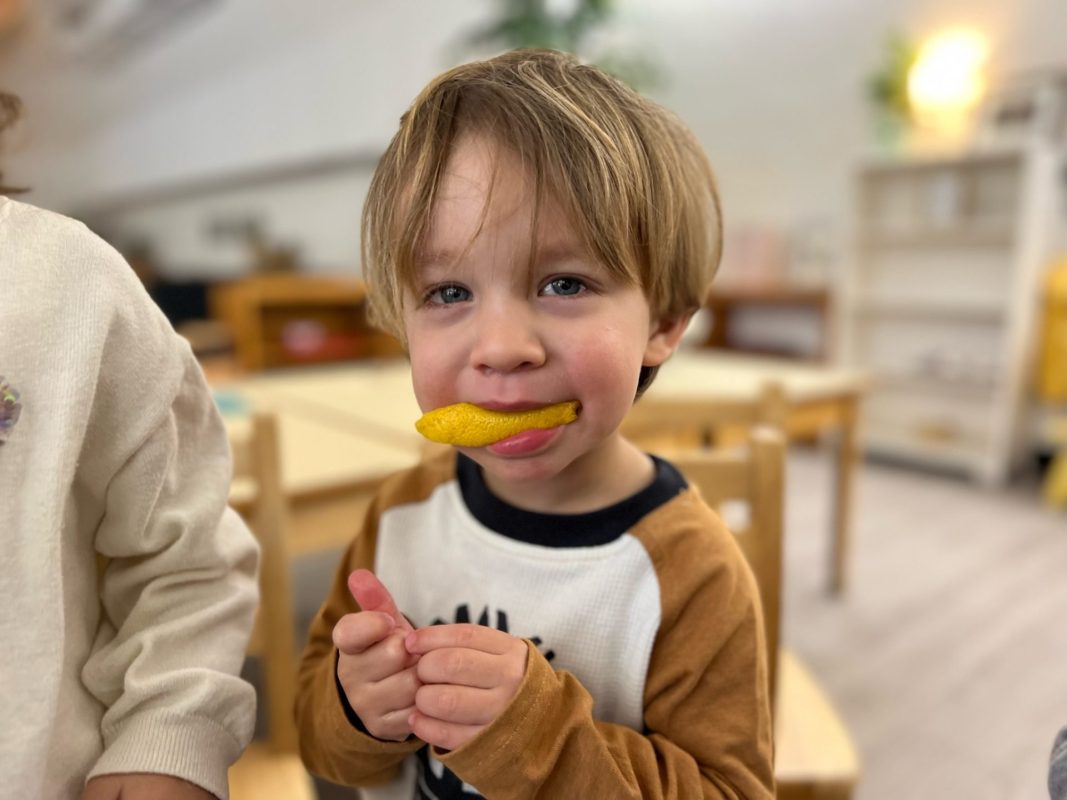
Food Tasting this week was lemons! This is one good way to practice facial expressions by puckering up from the sour lemon juice. Seeing each child’s reaction as they took that first bite was really fun. Surprisingly, they wanted to continue eating their lemons because they were delicious, although they were sour!

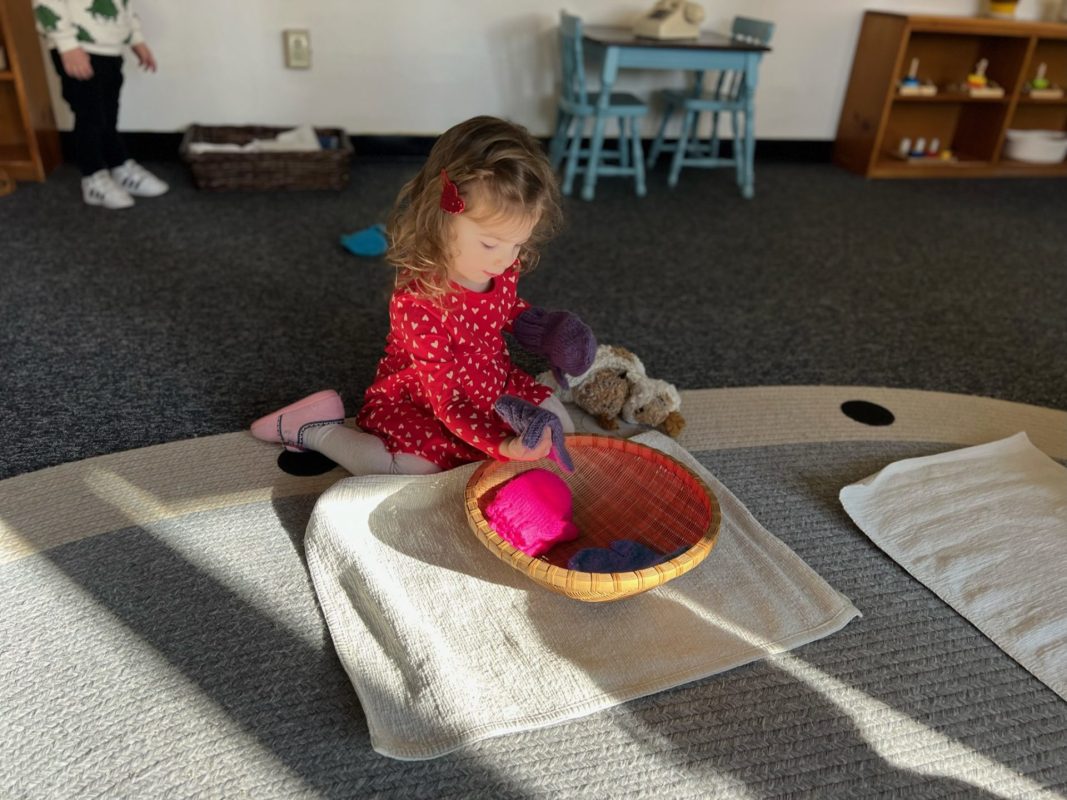
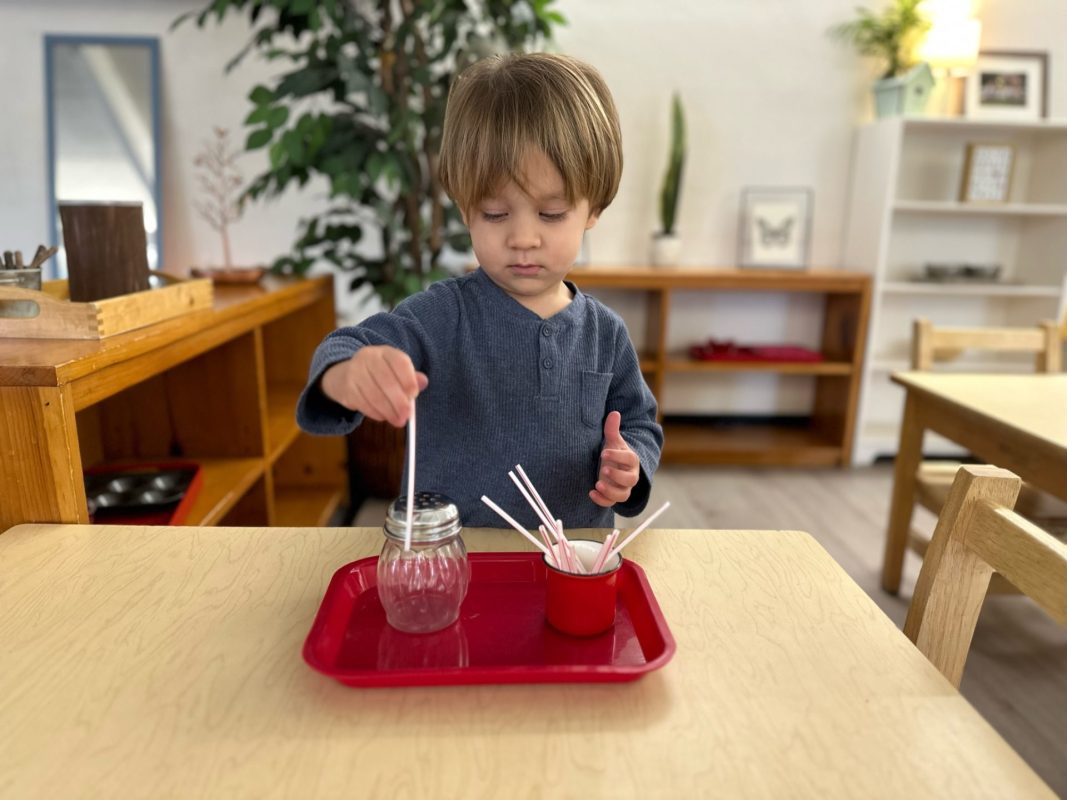
Enjoy the photos!

Cynthia and Sara


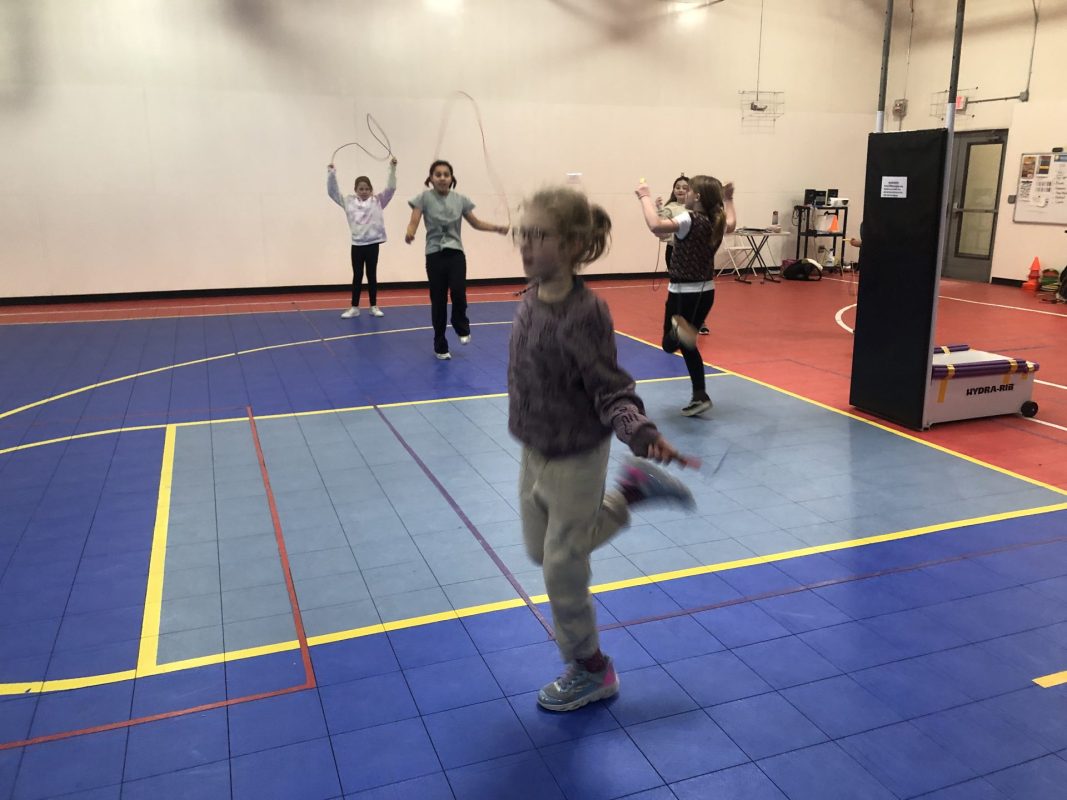
Basketball Fun in PE!

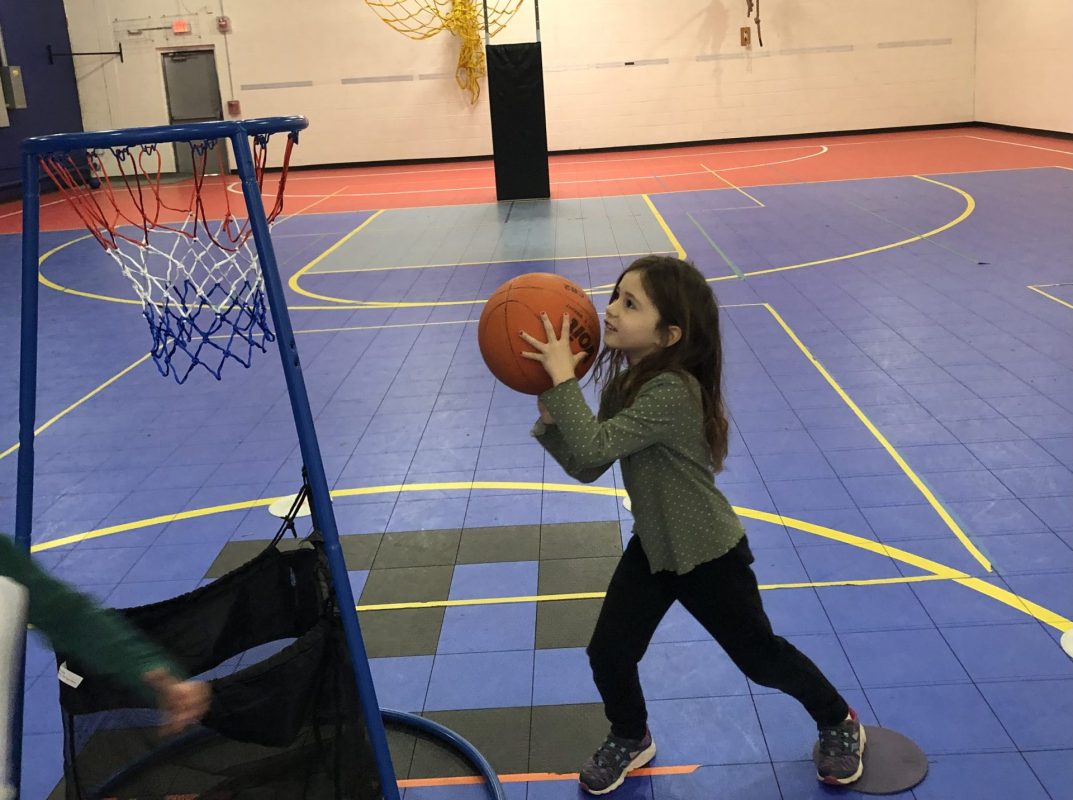
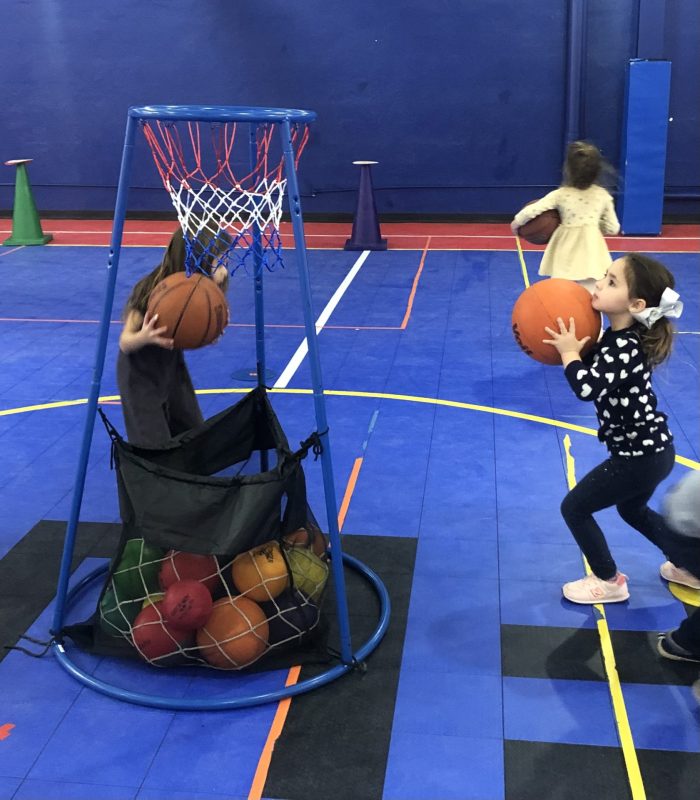
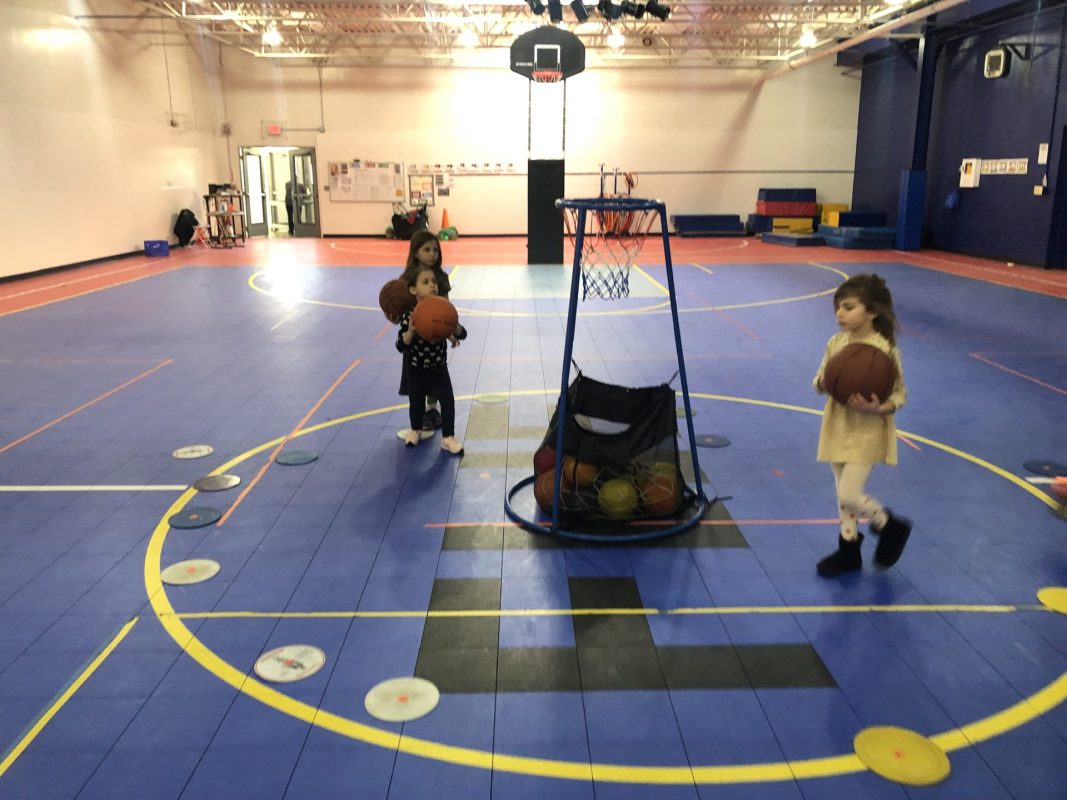
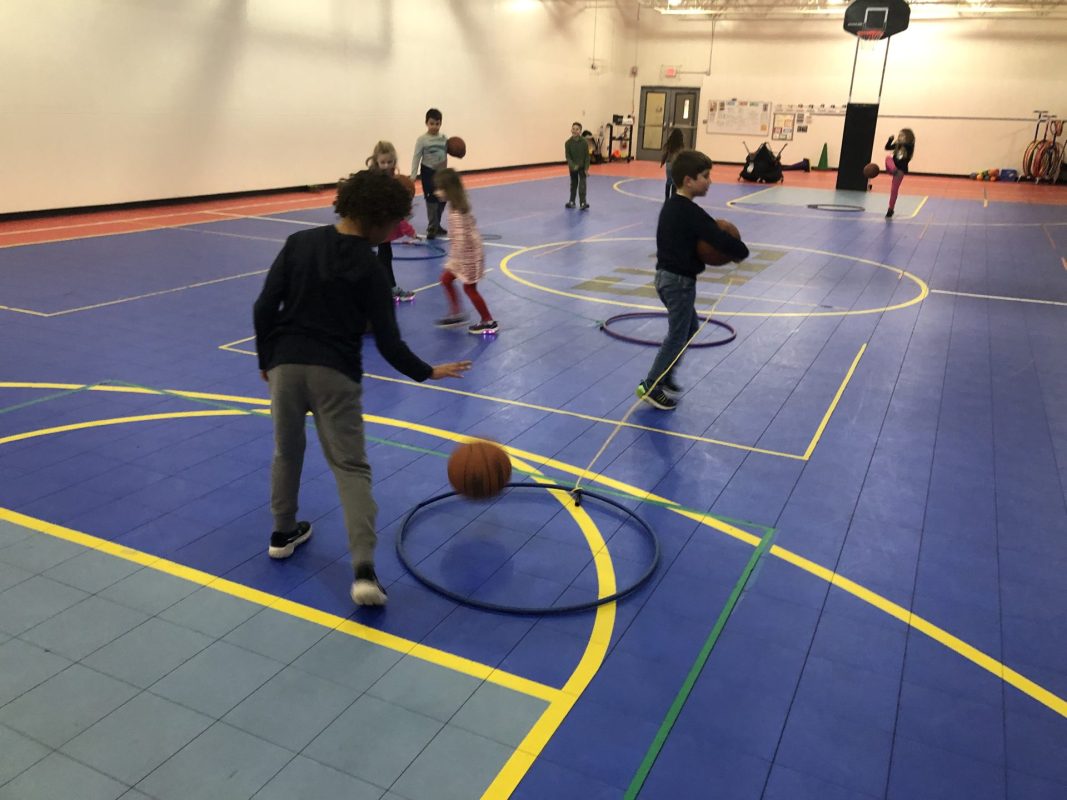
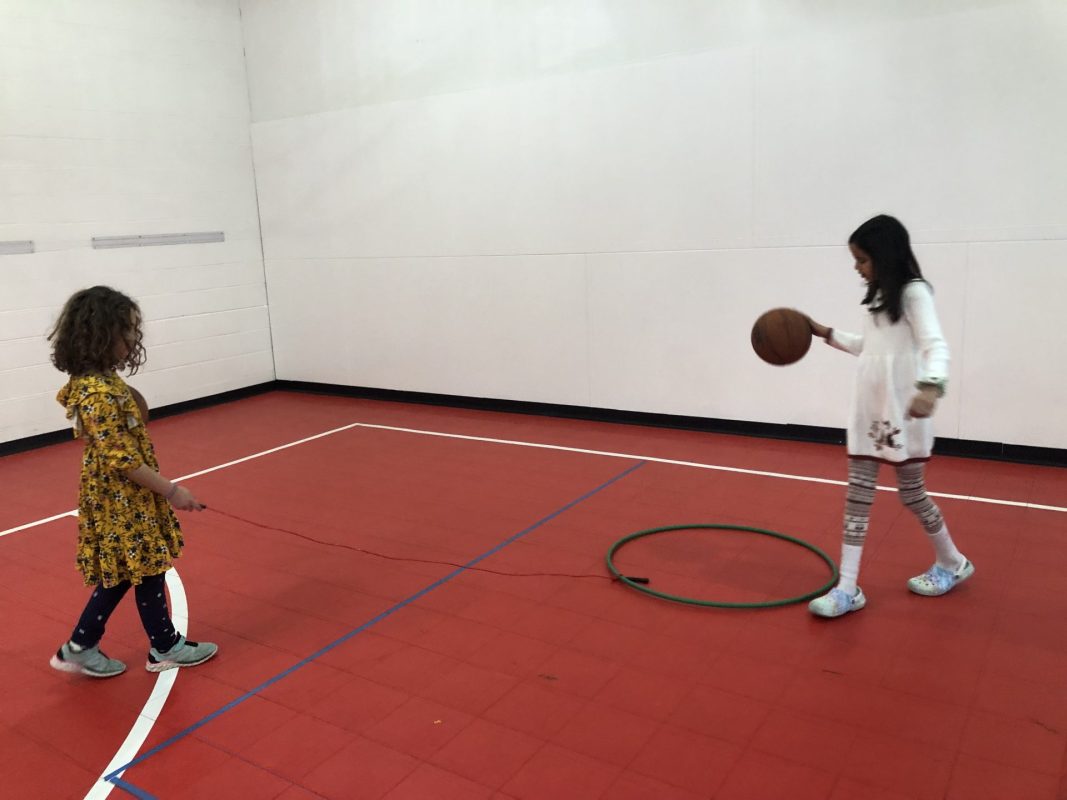
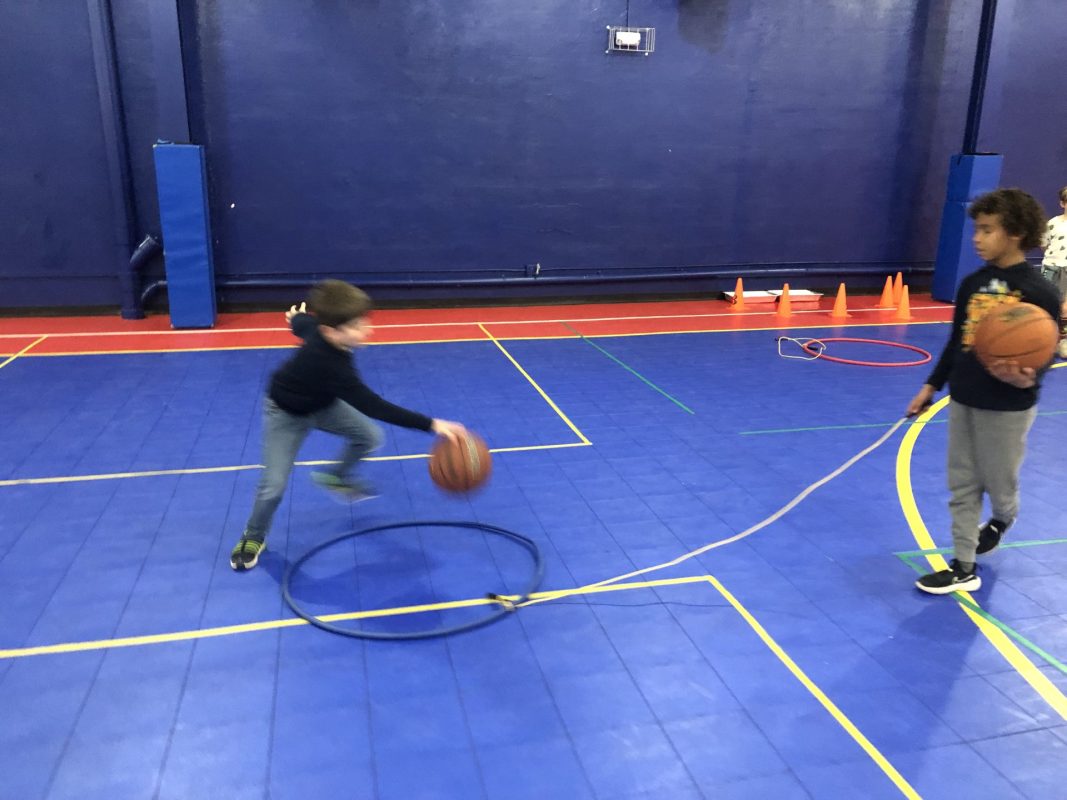
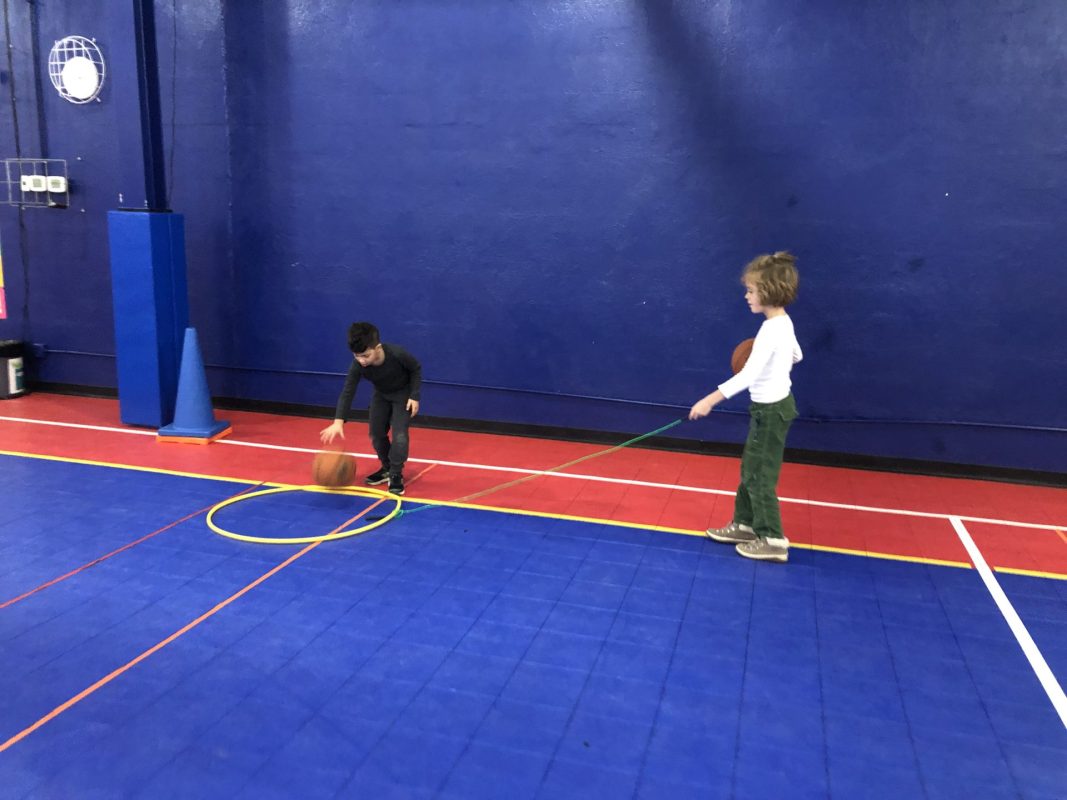
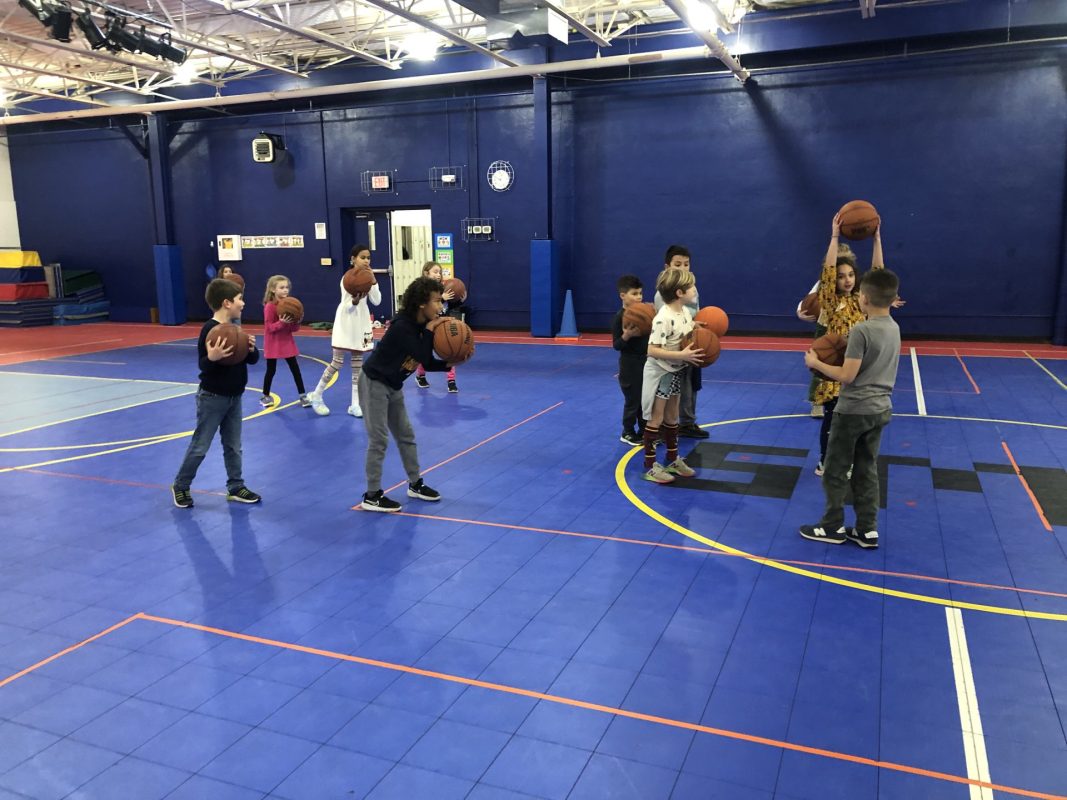
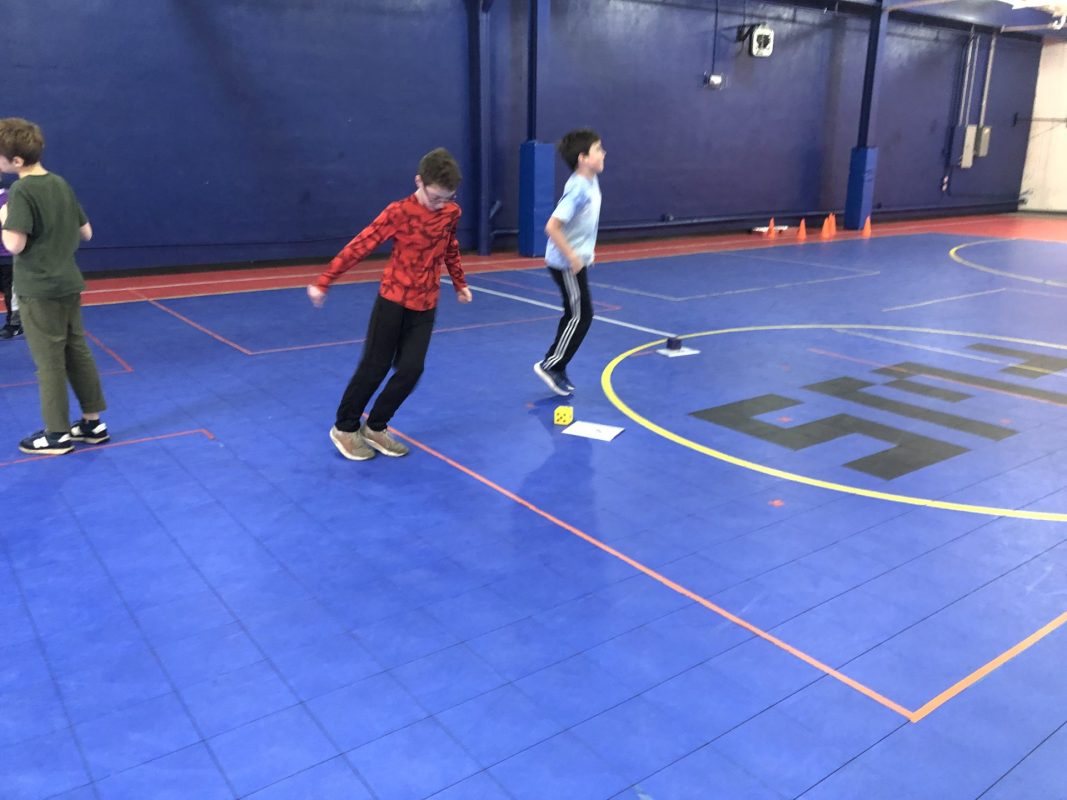
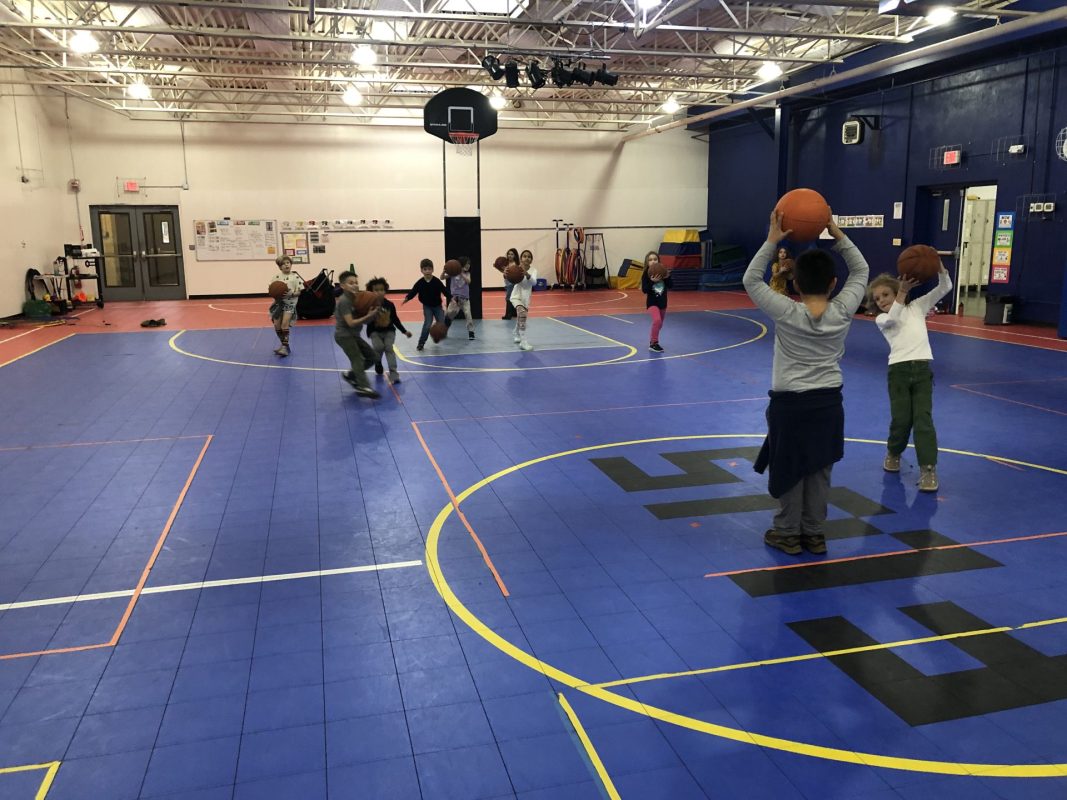
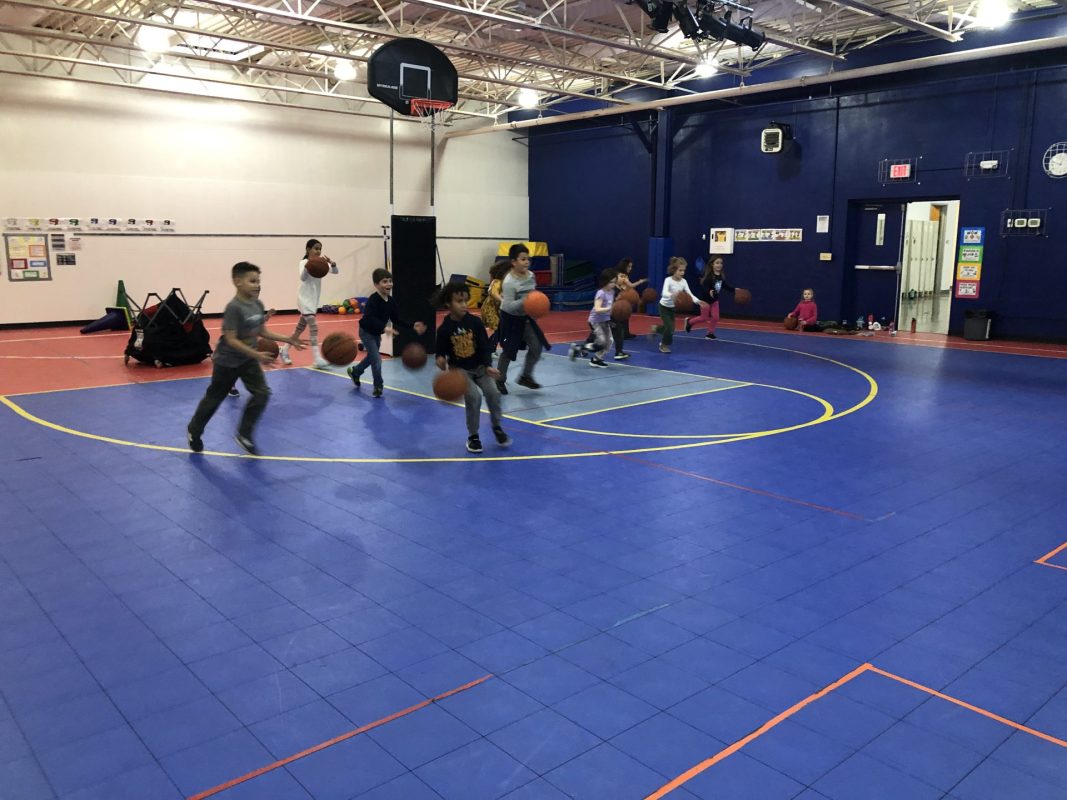
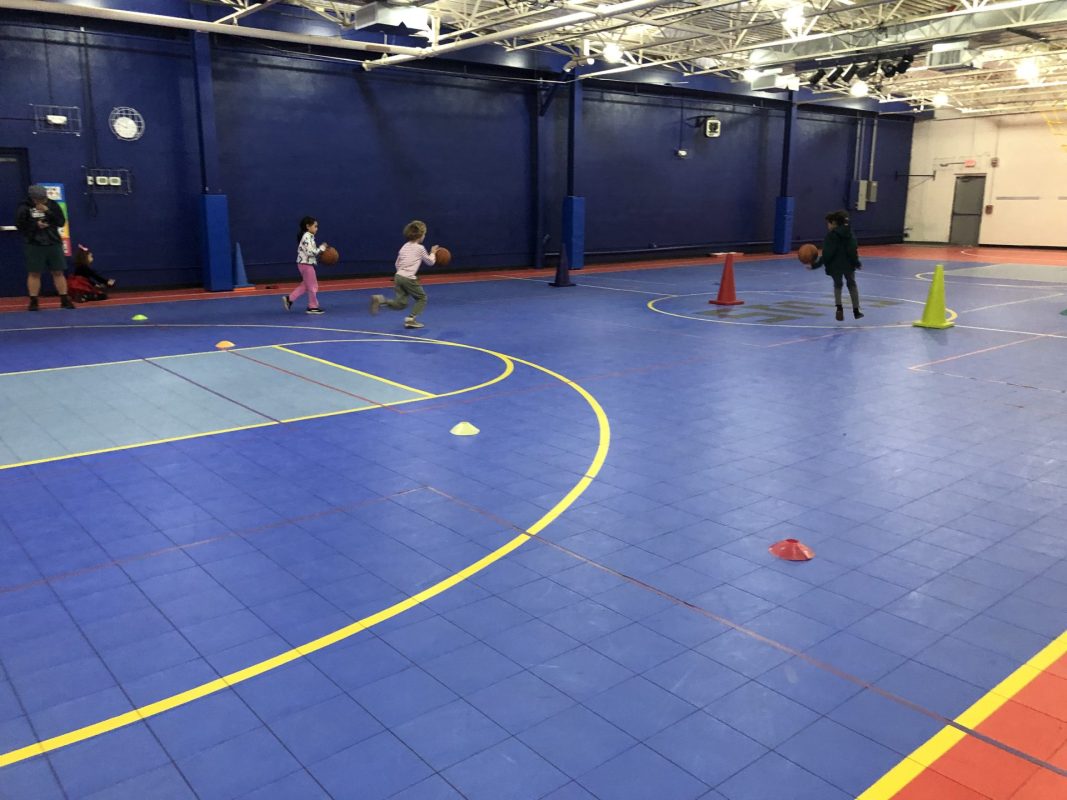
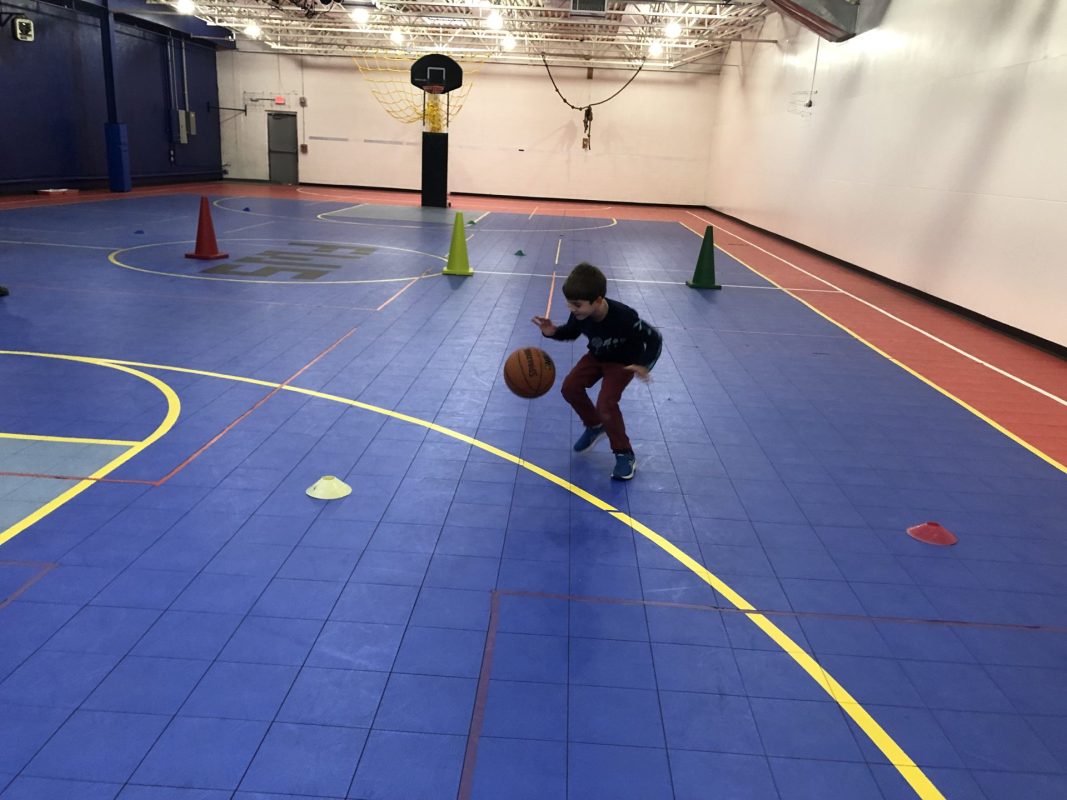
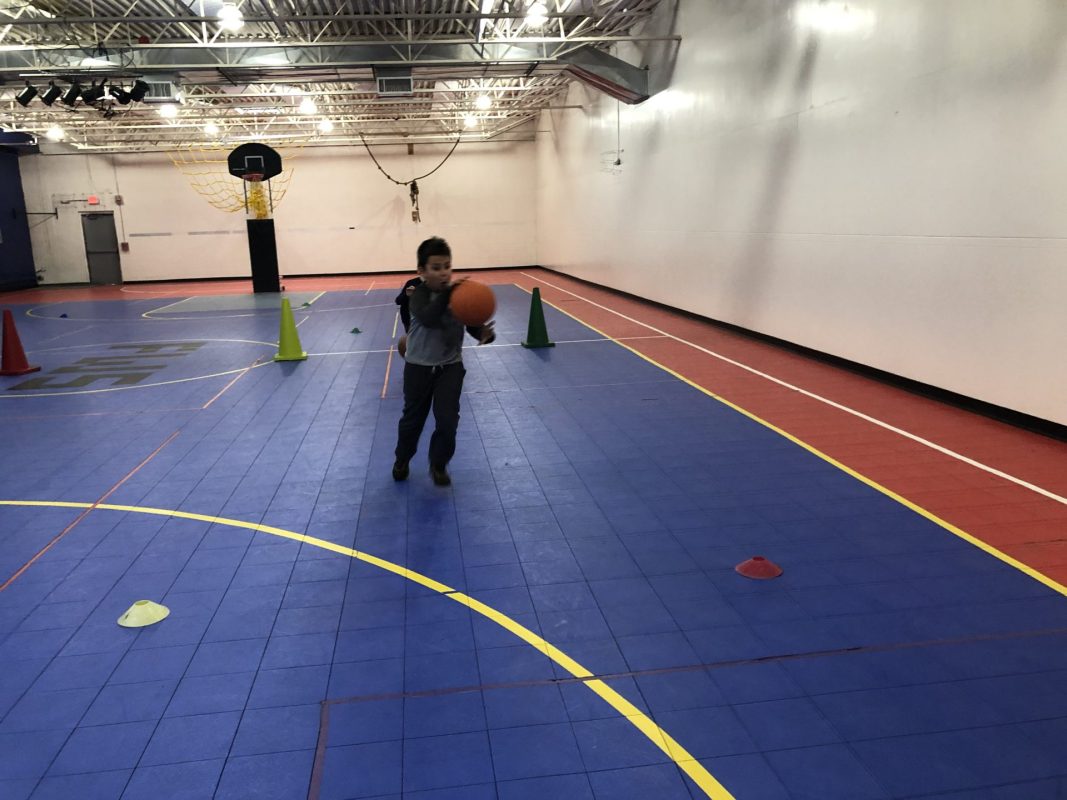
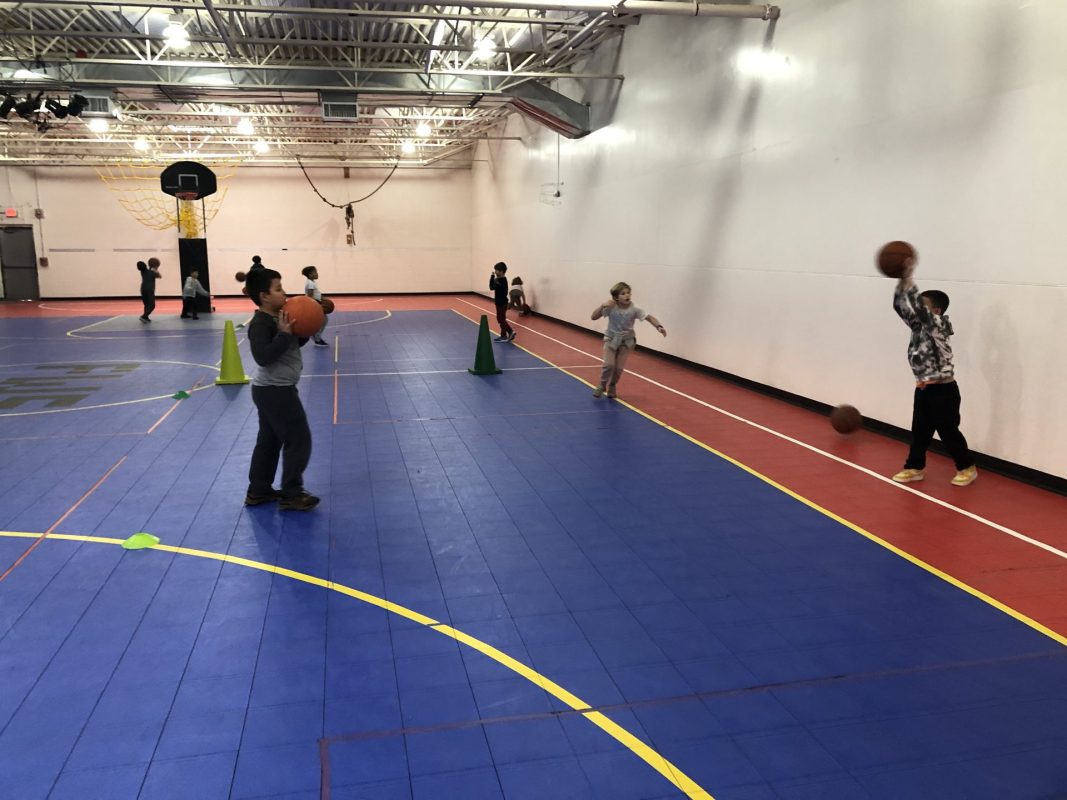
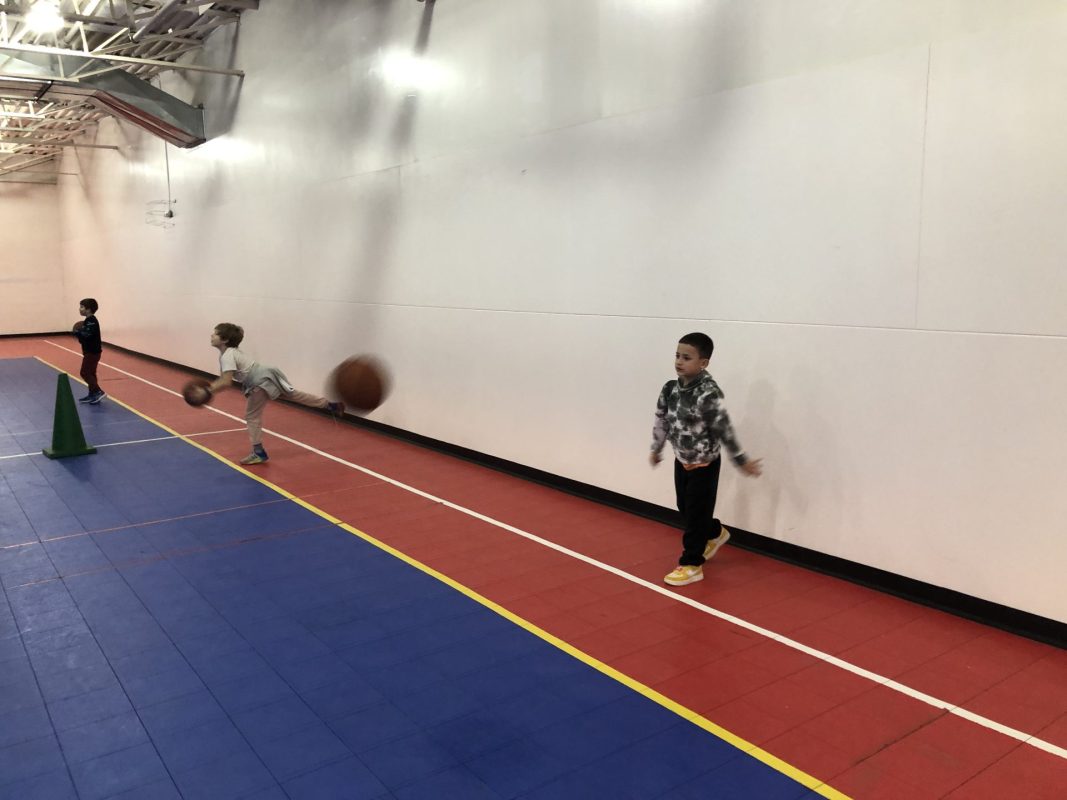
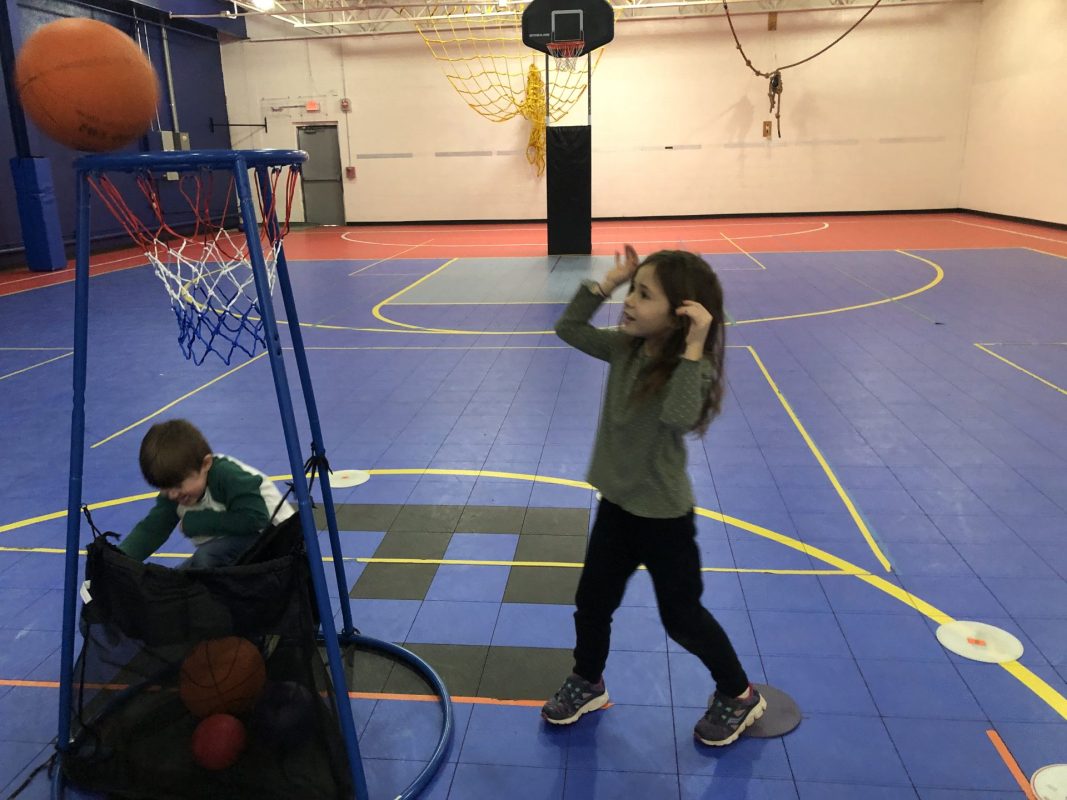
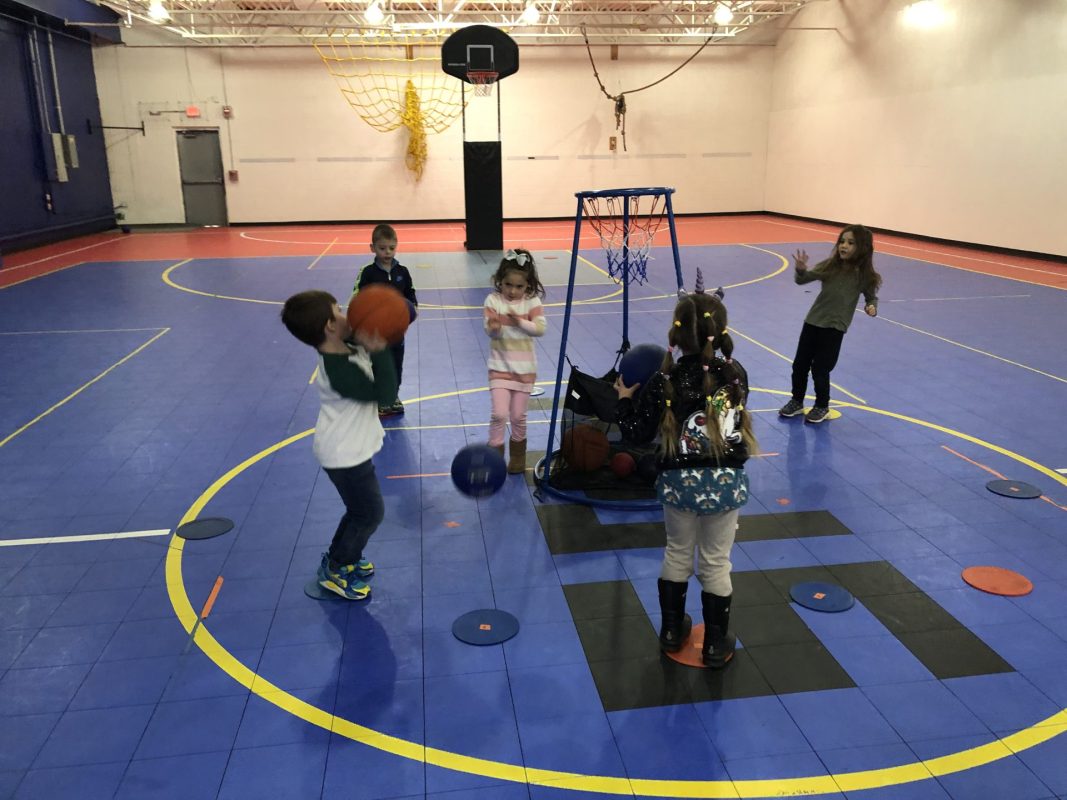
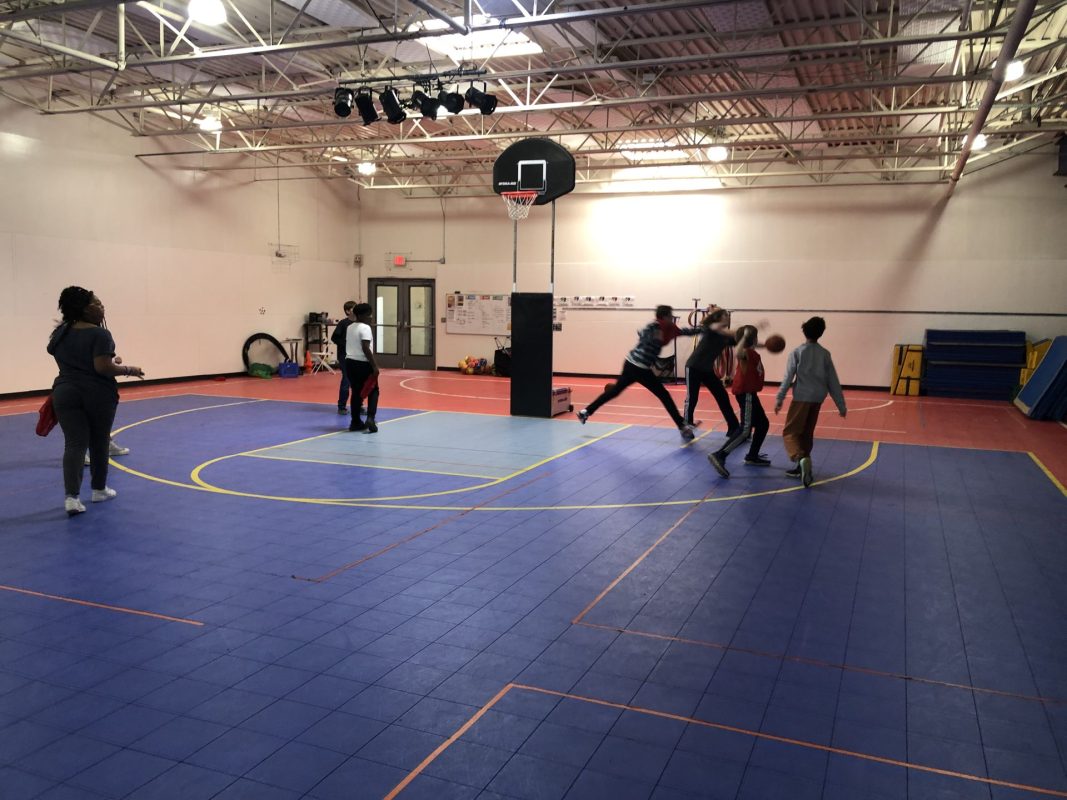
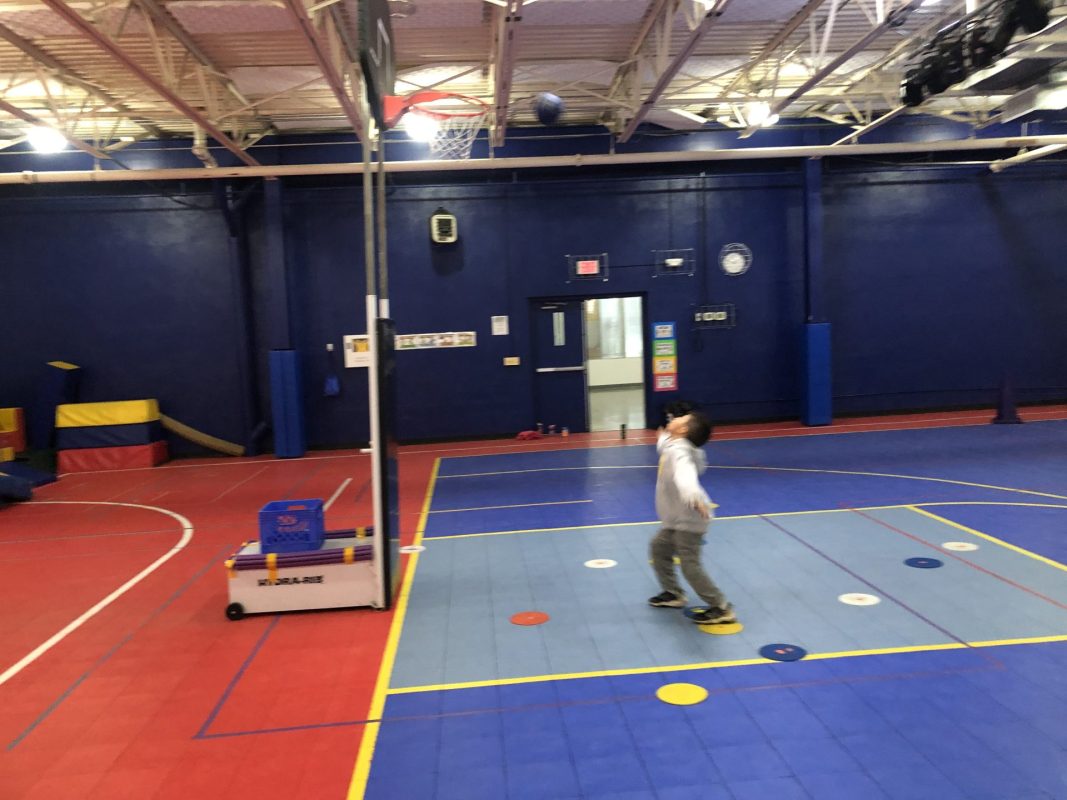
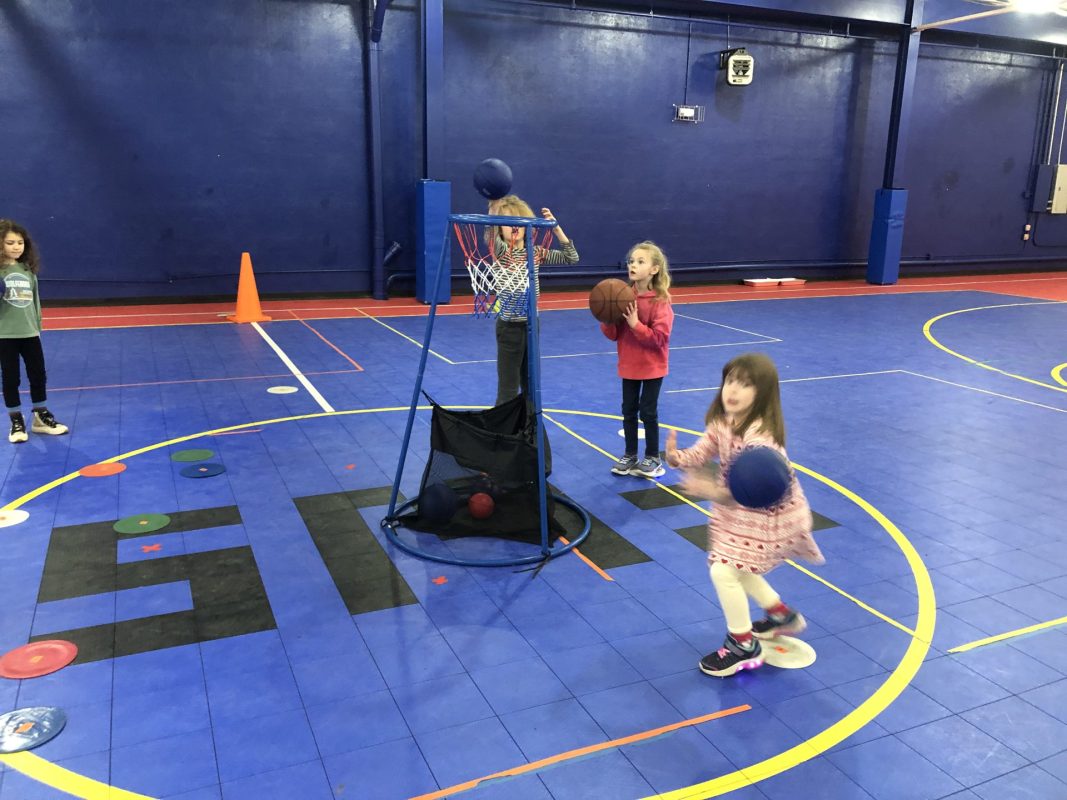
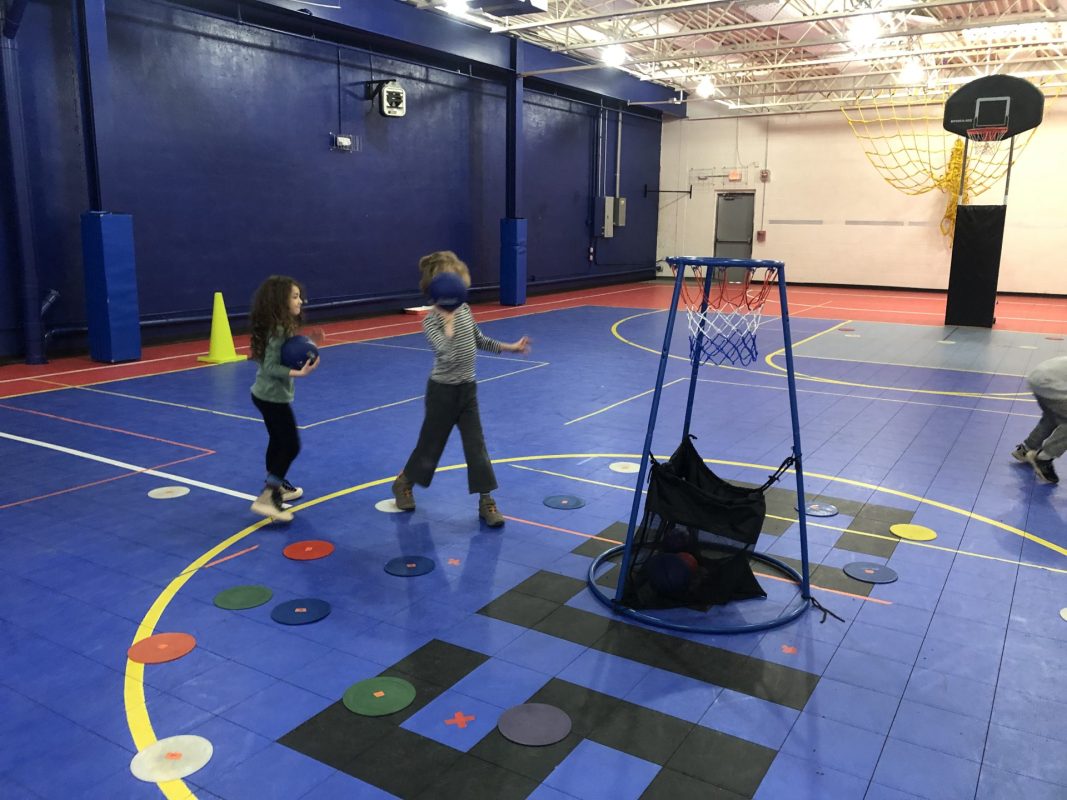
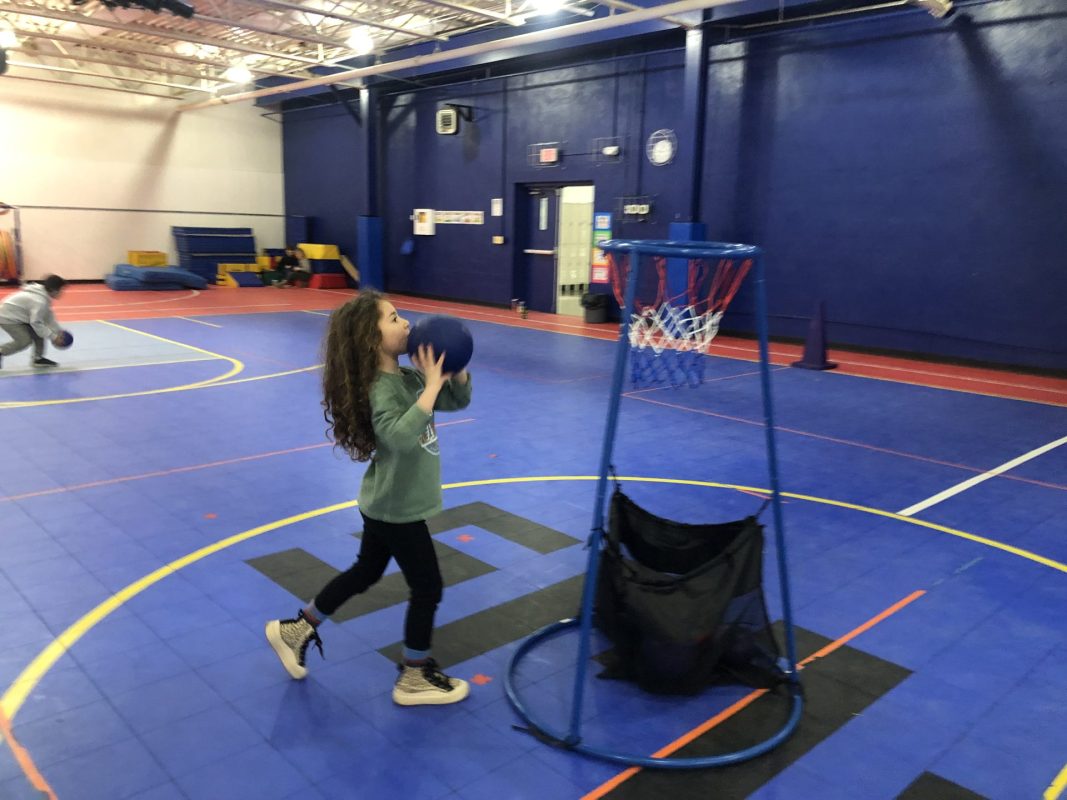
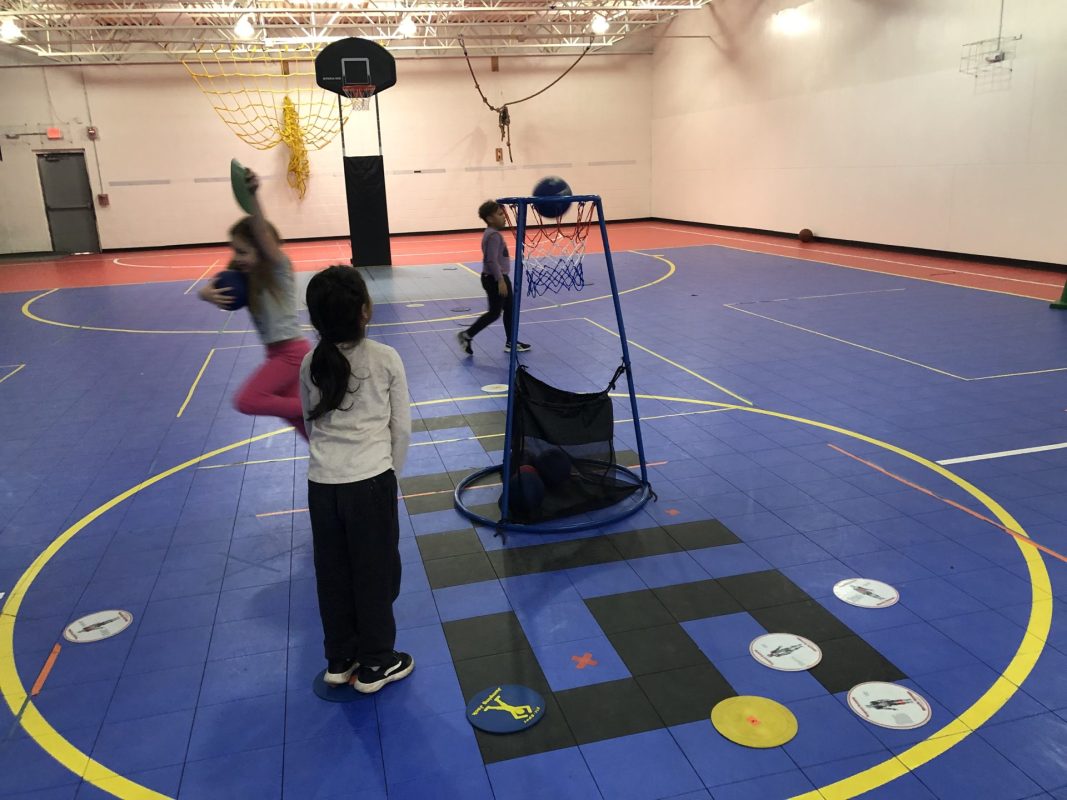
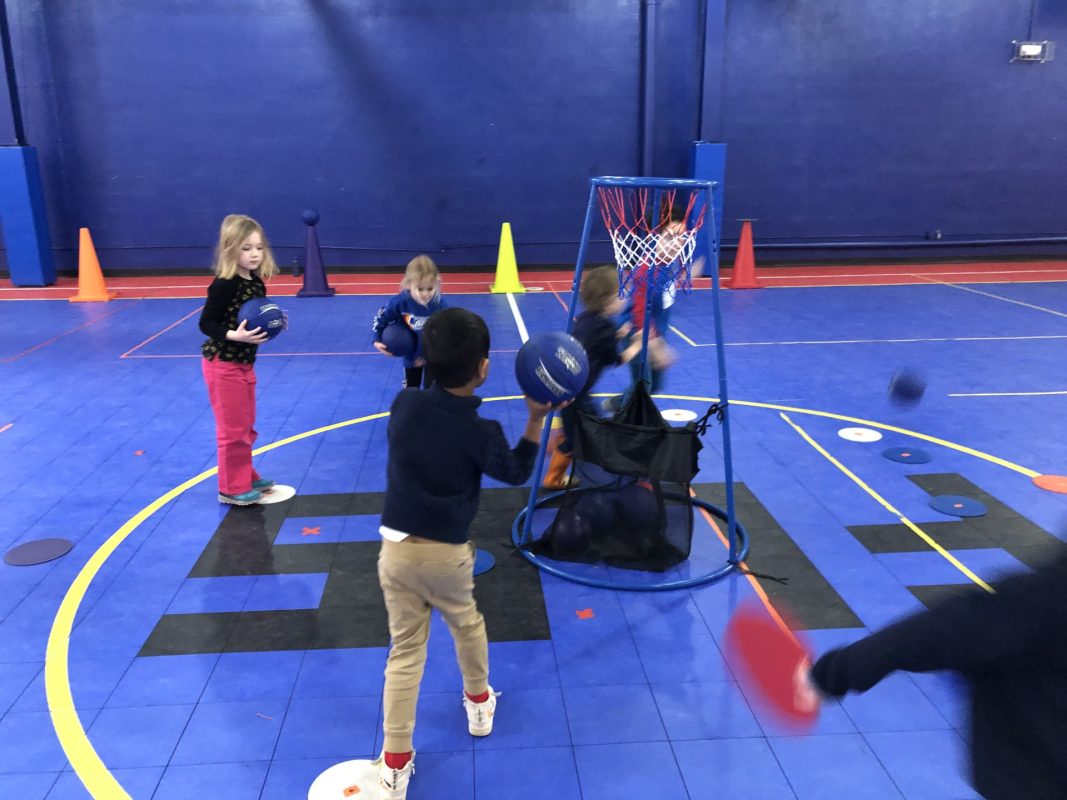
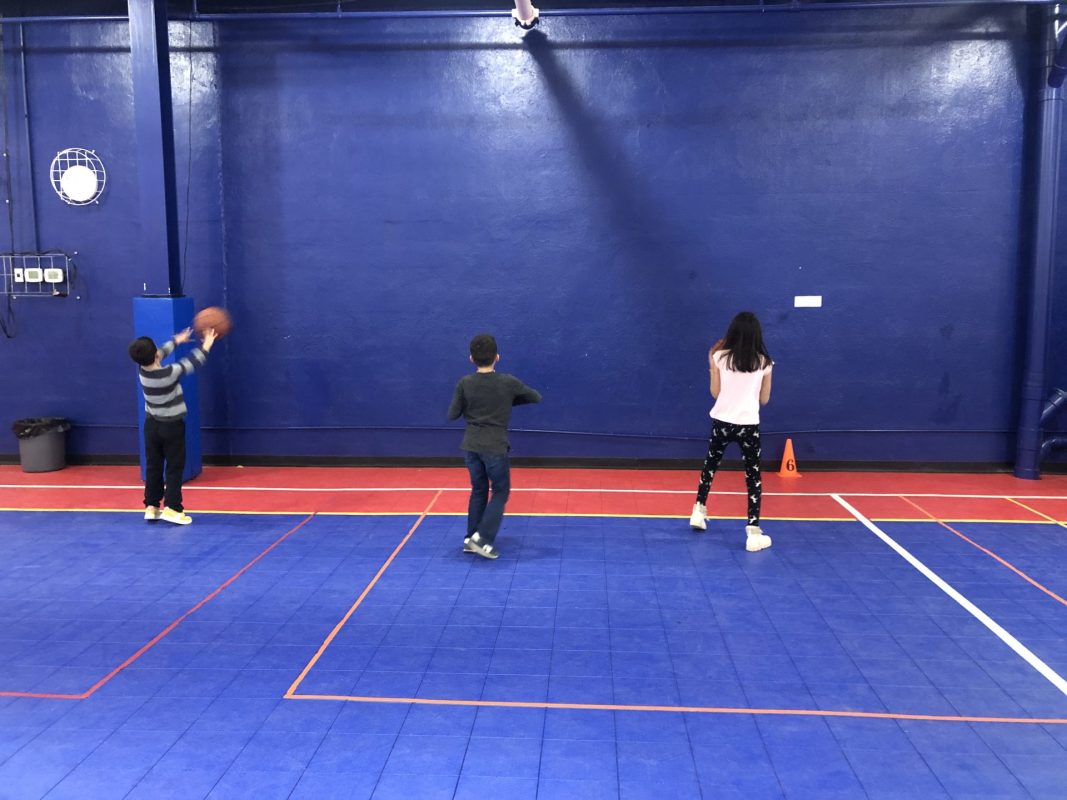
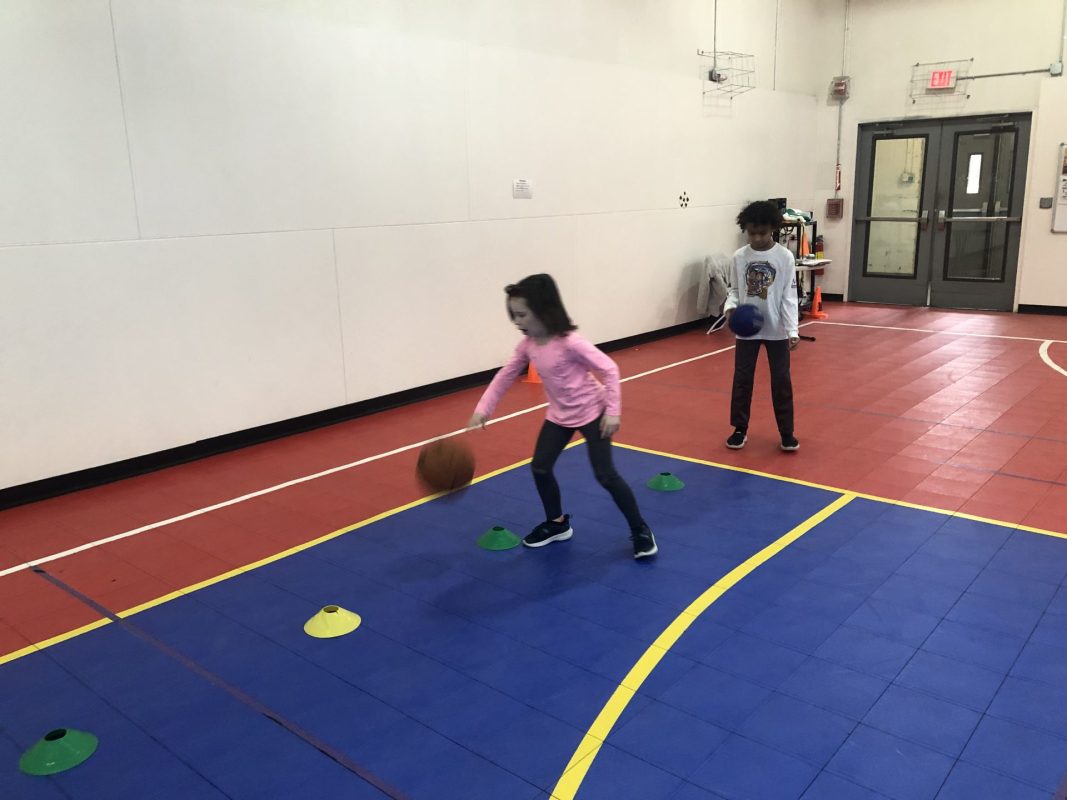
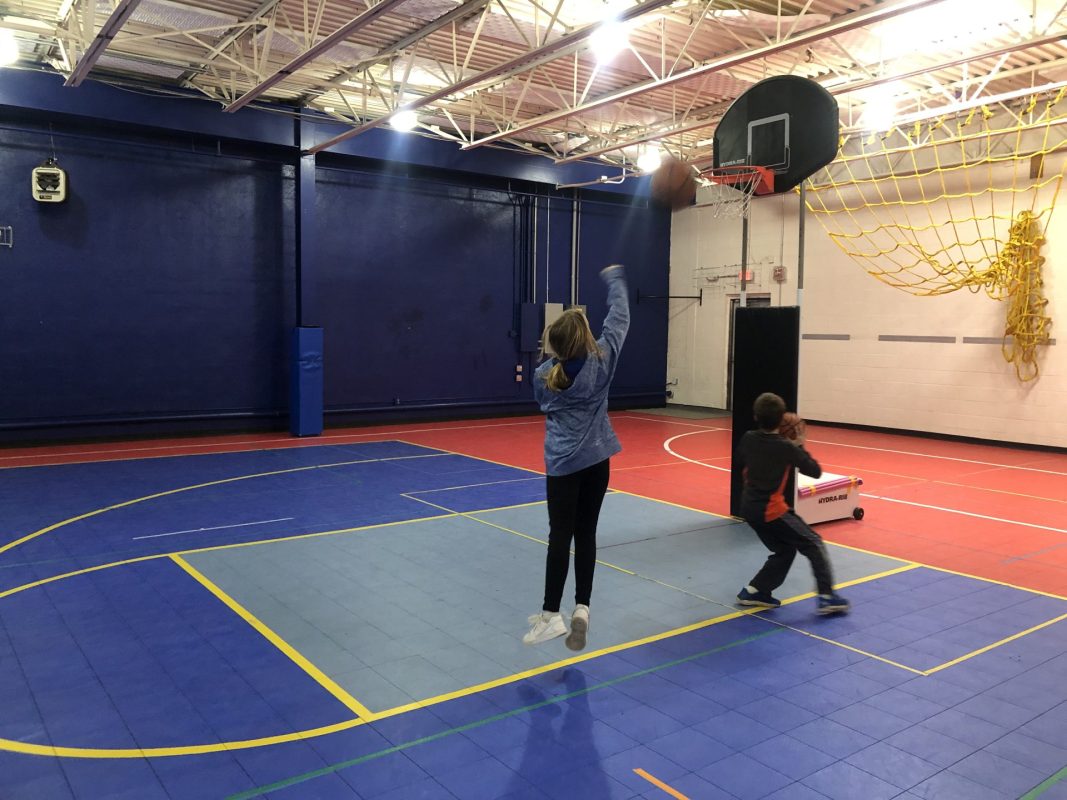
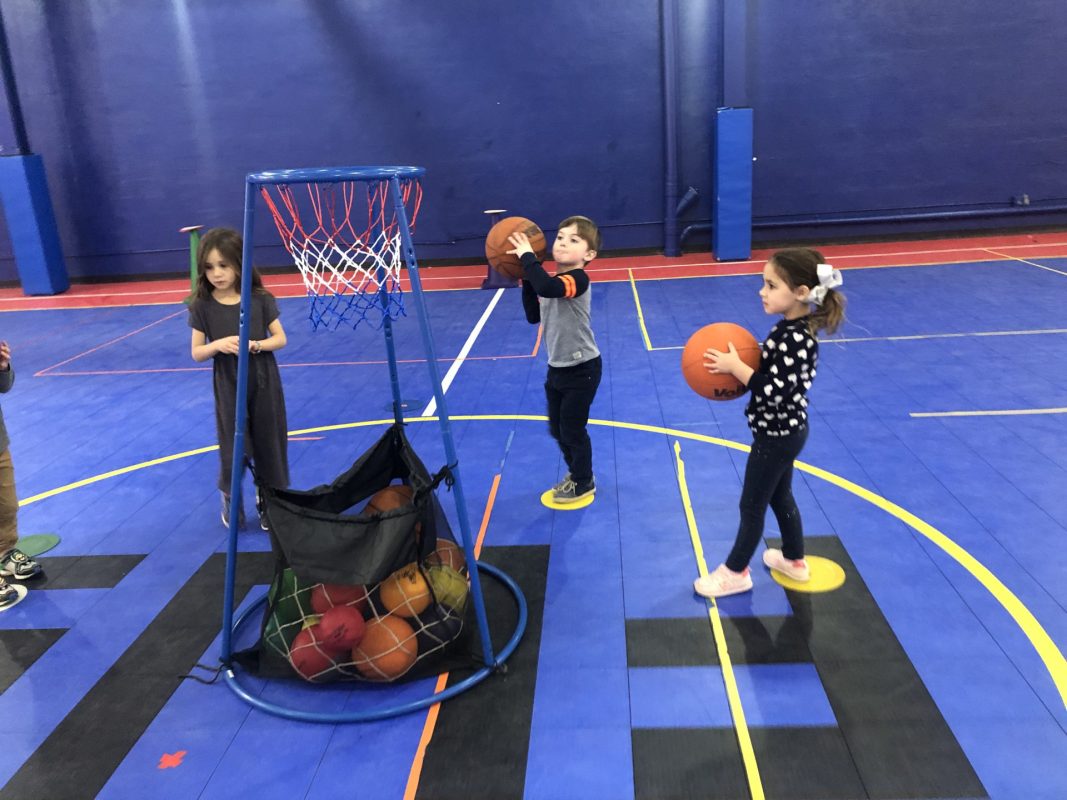
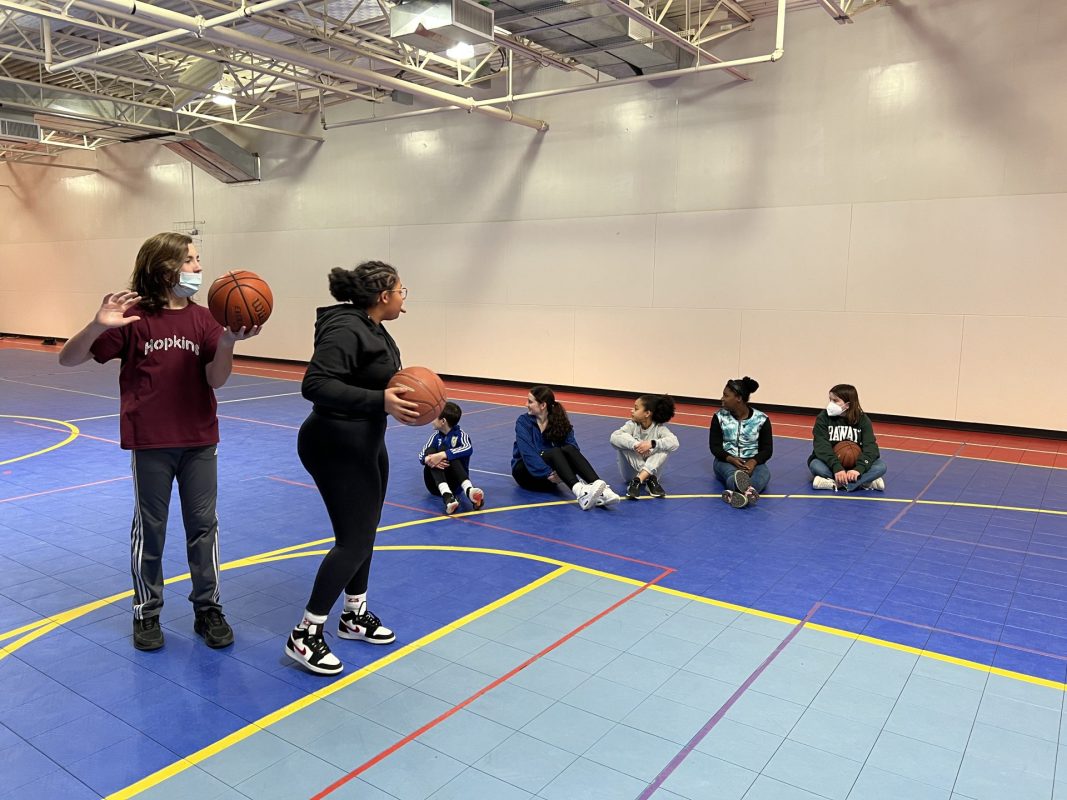
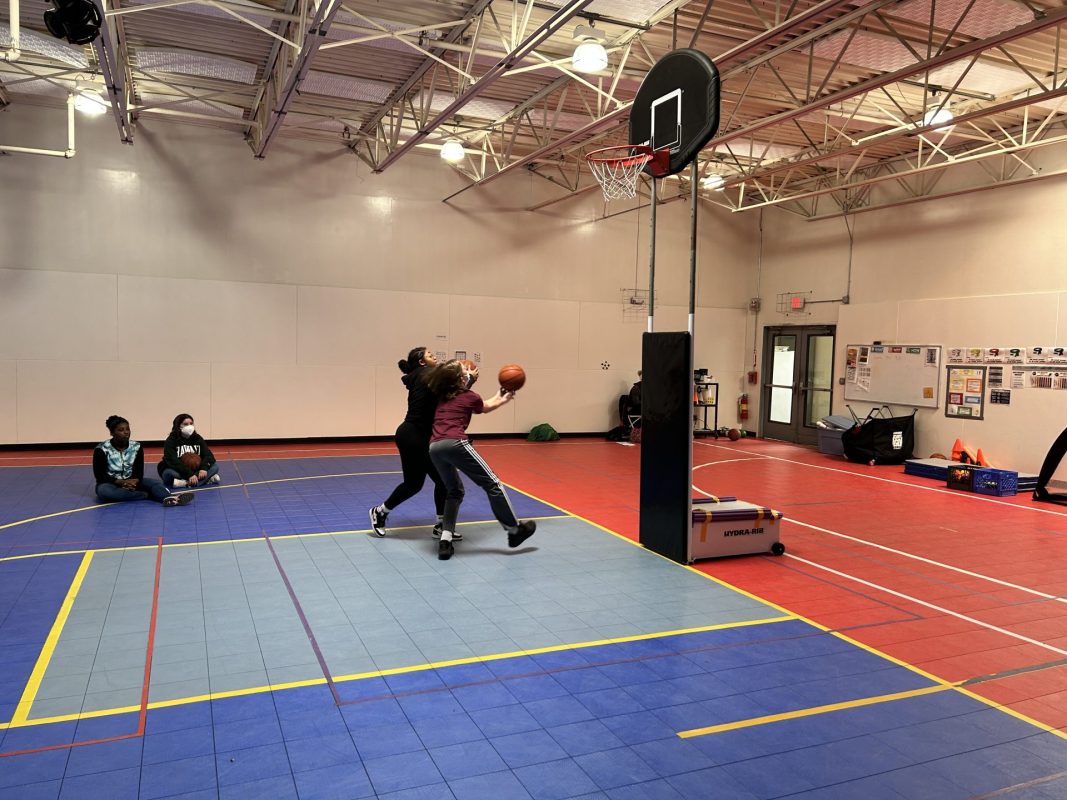
This month Kindergarten through Middle School students practiced and participated in the team sport of Basketball. At the Kindergarten and Lower Elementary levels, the objectives are designed to develop hand-eye coordination and spatial awareness. We practiced dribbling a ball with either hand while changing pathways, direction, and speed. We worked on passing a ball to a stationary and moving target using both a bounce and chest pass.  We also worked on the proper way to shoot the basketball and score points.  

Lessons are modified for the younger students.  Students were also given a choice to use a smaller, blue basketball which is lighter and easier to shoot into the net.  A shorter net was also used for those students not able to reach the taller nets.  The goal is to modify each sport to have students be successful.

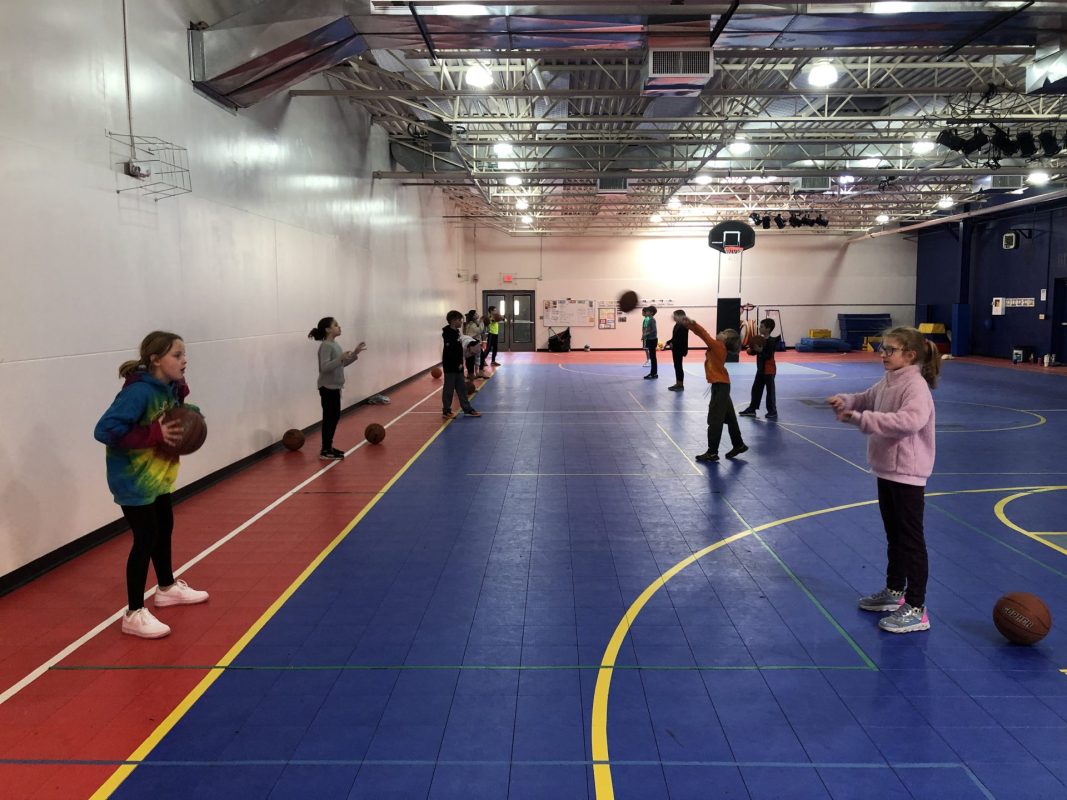
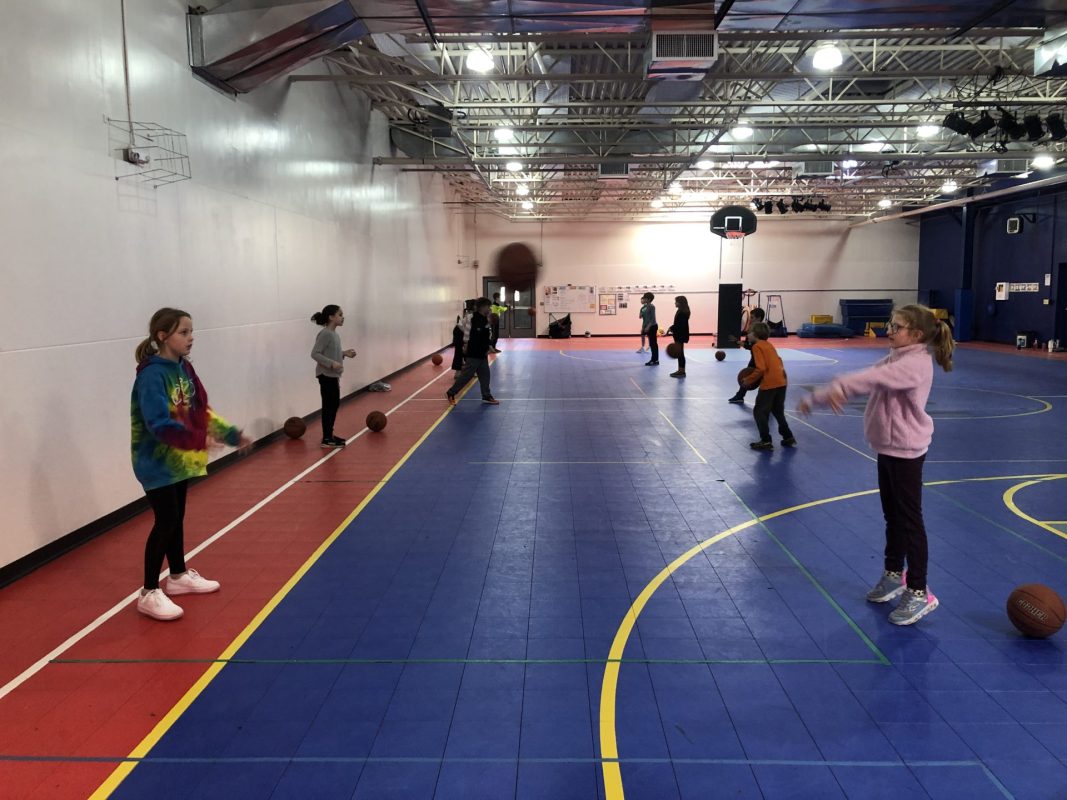
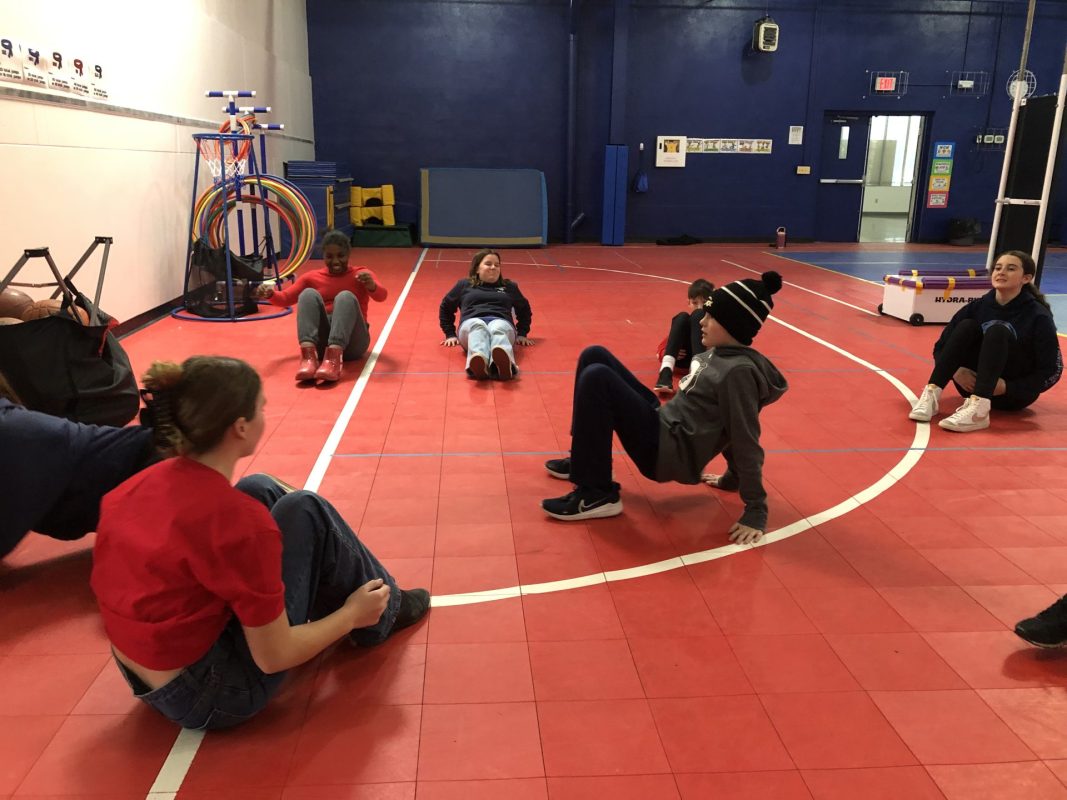
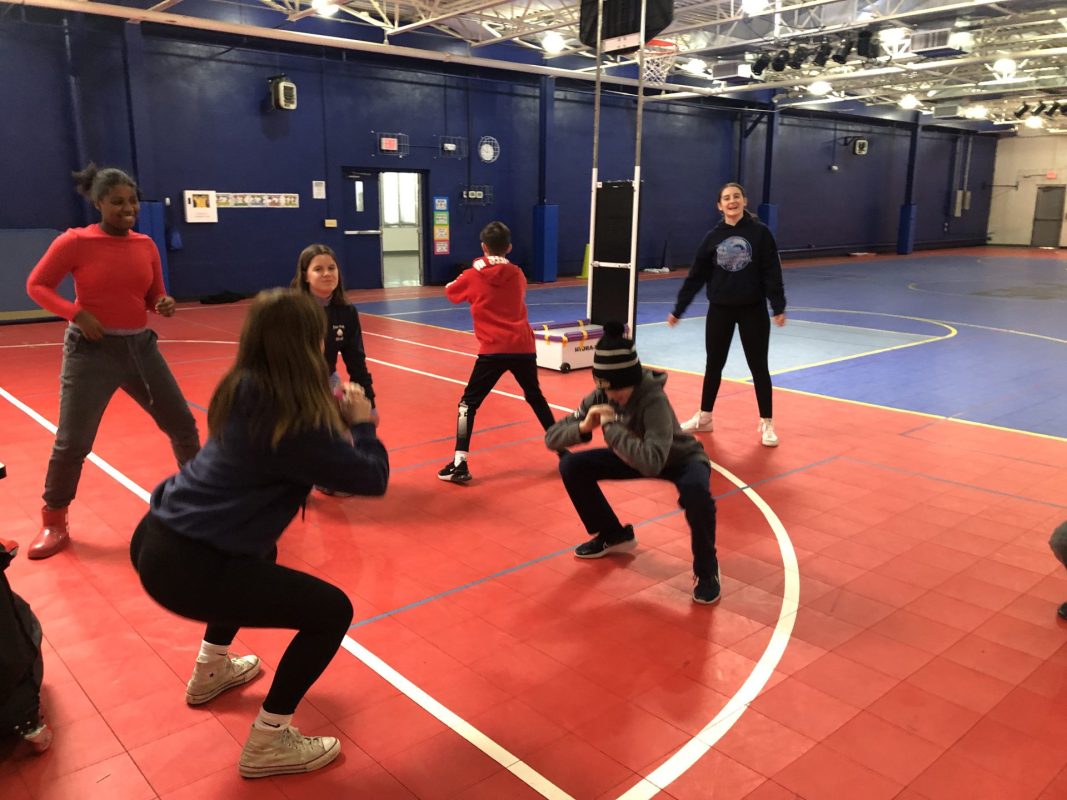
At the Upper Elementary level, we learned to differentiate the roles of offensive and defensive players and understand and use simple basketball rules. Games played are:  Dribble Knockout, Knockout, Spot Takeaway, and Steal the Bacon.  At the Middle School level, the focus is on practicing the fundamentals such as foul shooting, passing, lay-ups, ball handling, dribbling, rebounding, defense/guarding, and footwork.

Students in grades 4 through 8 are encouraged to join the FWM basketball team.  Practices for the Upper Elementary level are held on Tuesdays after school.  The focus is to practice the fundamentals of basketball and to go over game-like situations.  Middle school practices are held during the school day.  During the season,  games are played against other independent schools.