Blog

Spanish January Update

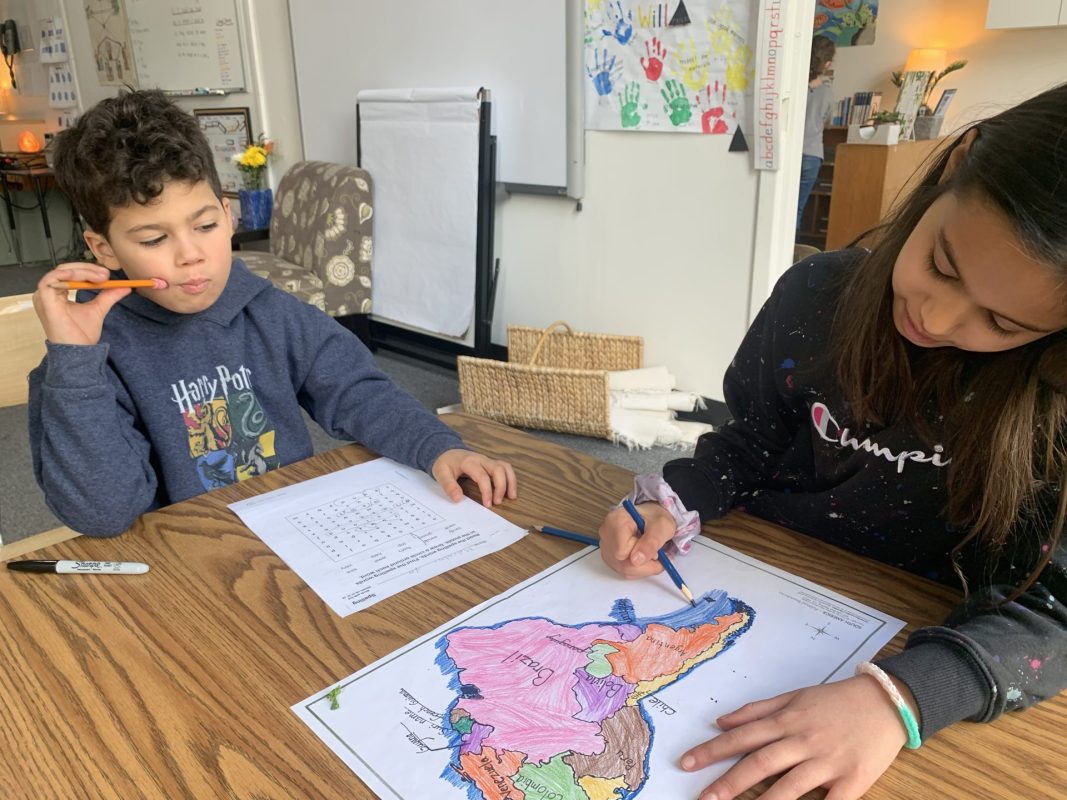
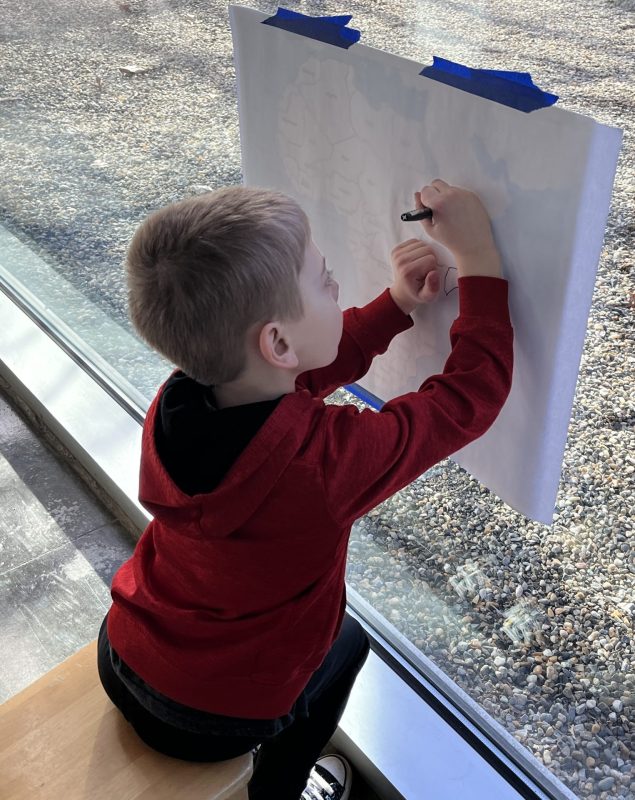
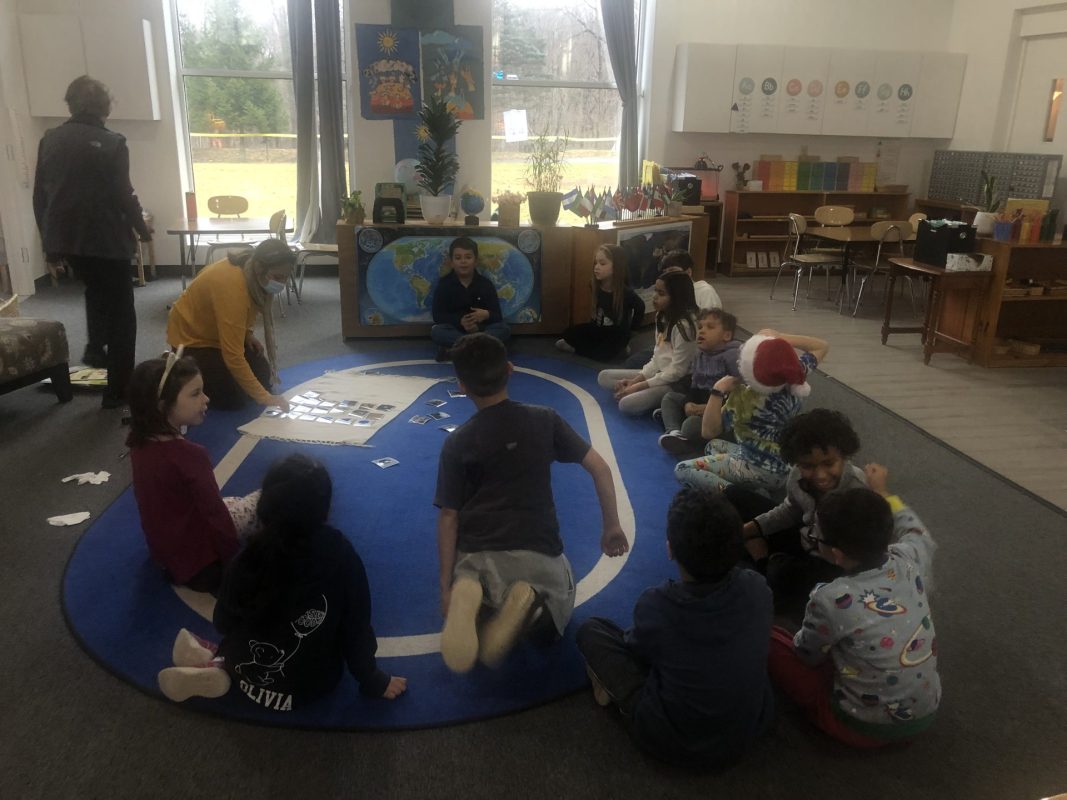
Primary and LE: “Las formas”, “Los días de la semana”, “Los meses del año”; UE: “La ropa”, “Los articulos”; MS: “Articulos definidos e indefinidos”, “Acuerdo entre el sustantivo y el adjetivo”, “En la escuela”, “Verbo estar e ir”, “Una fiesta en la casa”, “Que haceres de la casa”. In addition, FWM middle school students were able to travel virtually to Argentina and Bolivia, which are both Spanish speaking countries located in South America.

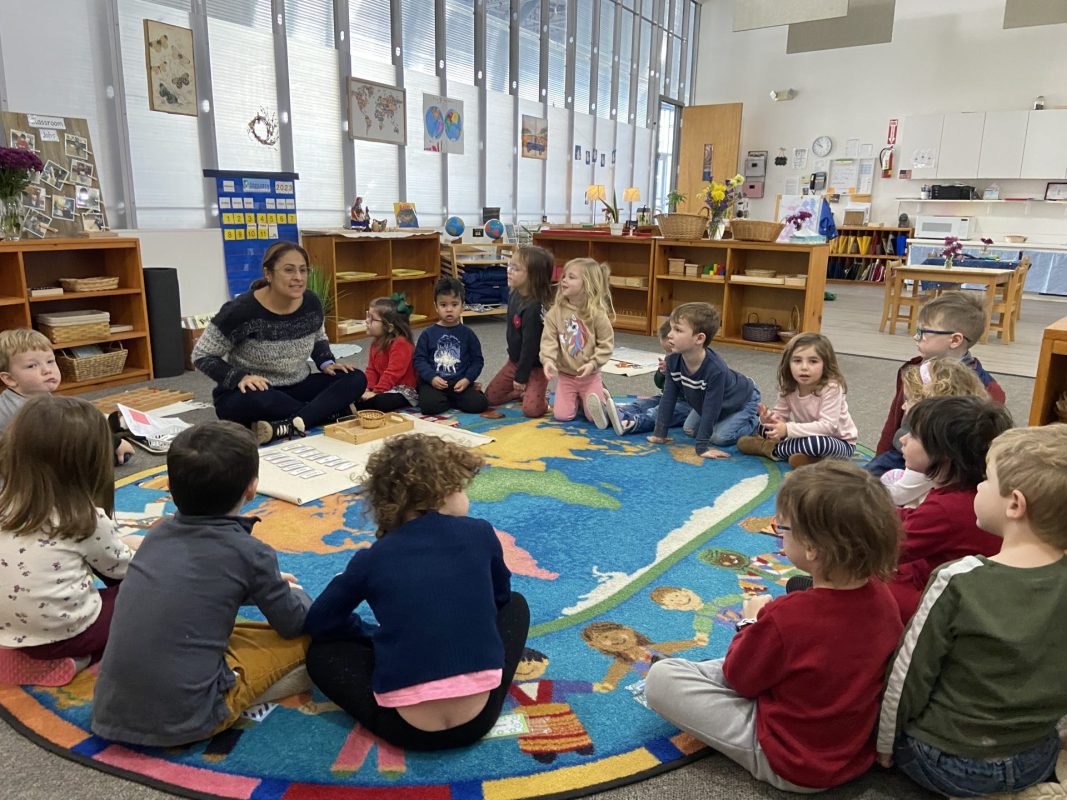
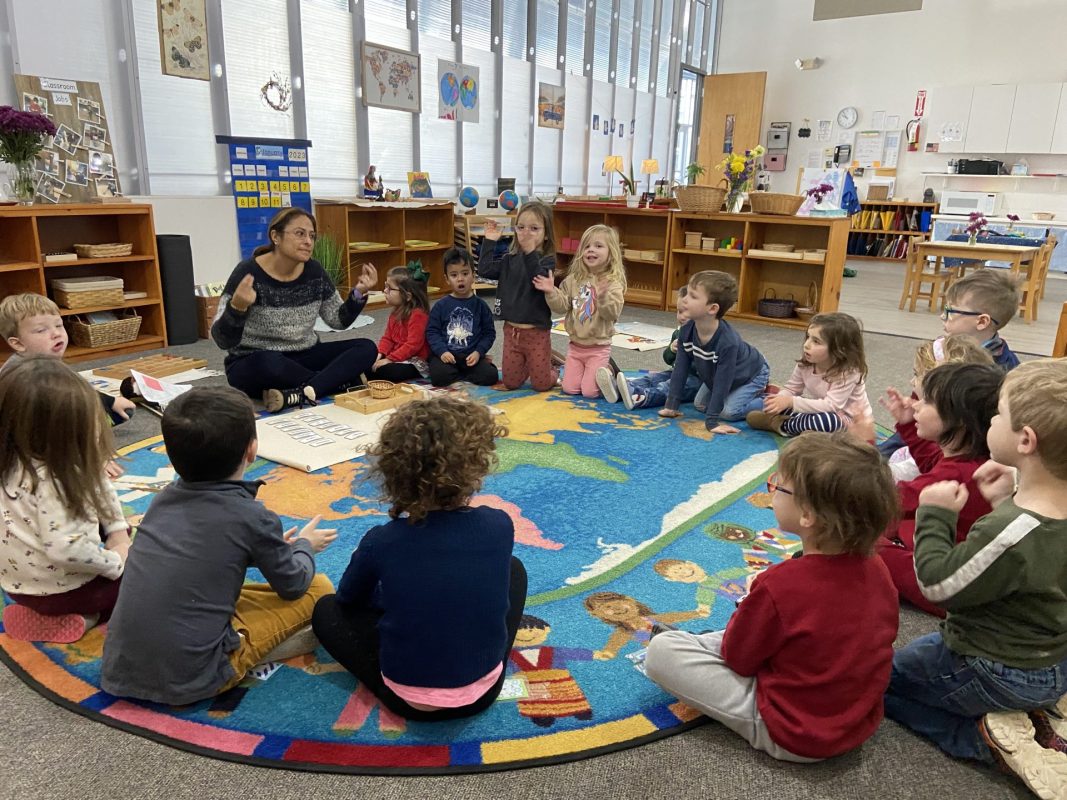
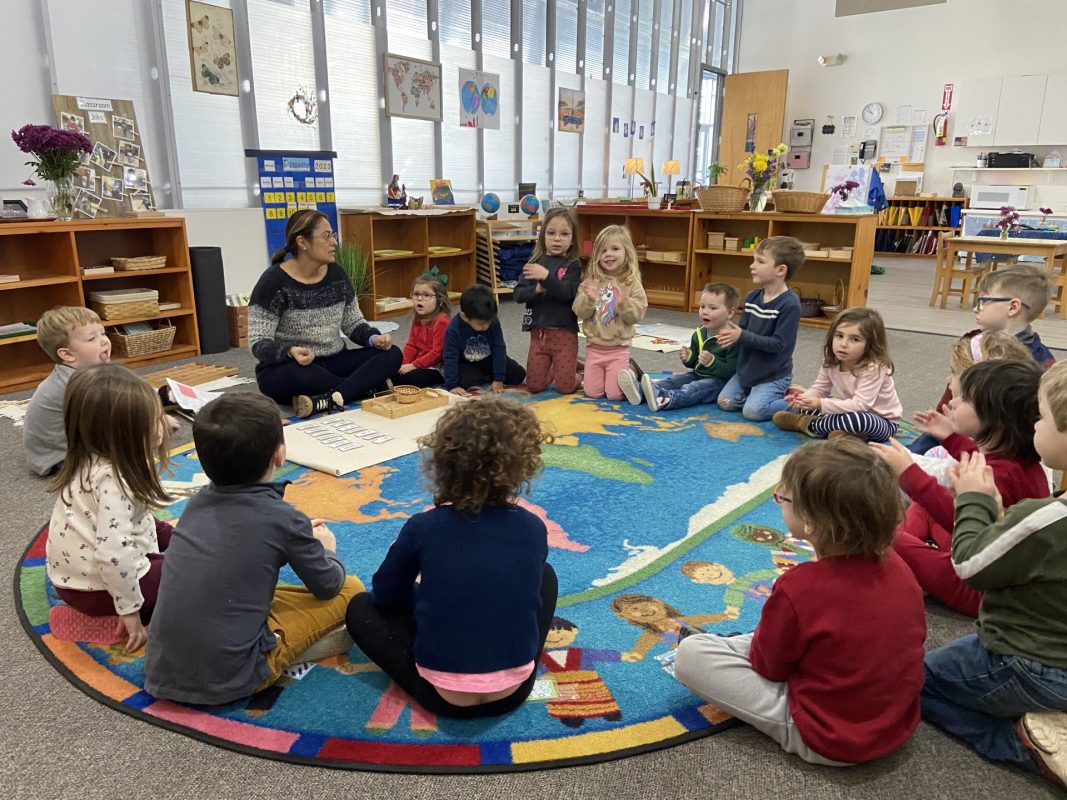
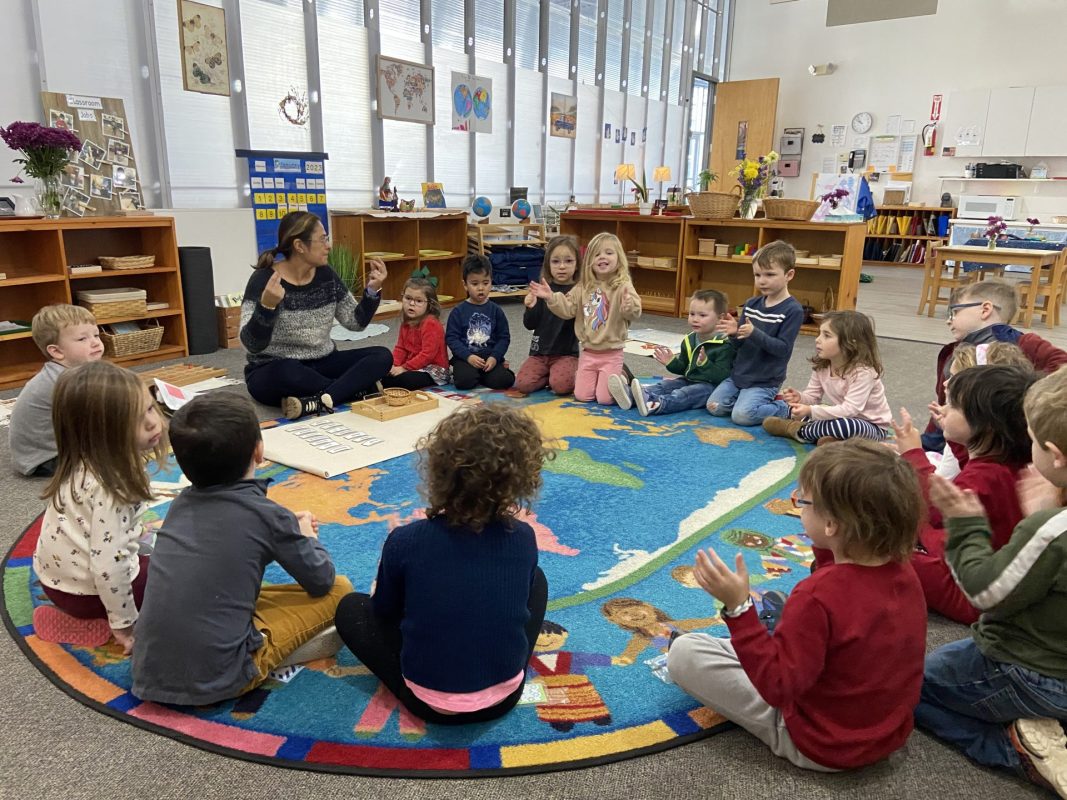
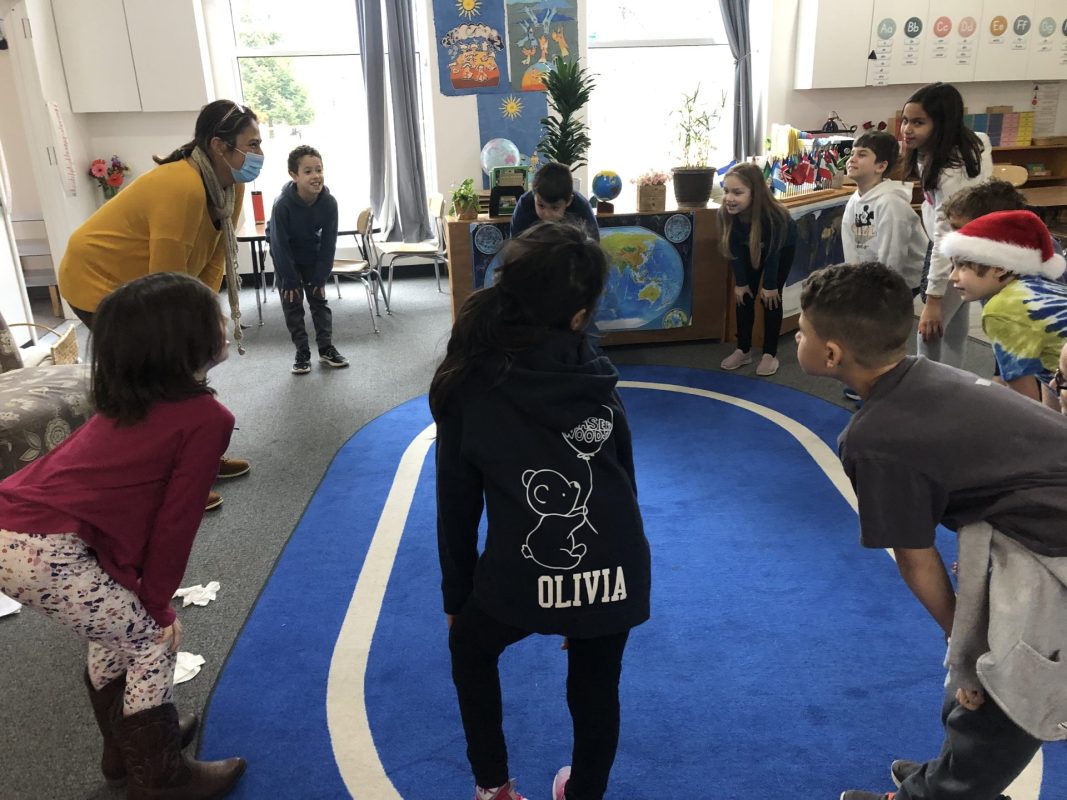
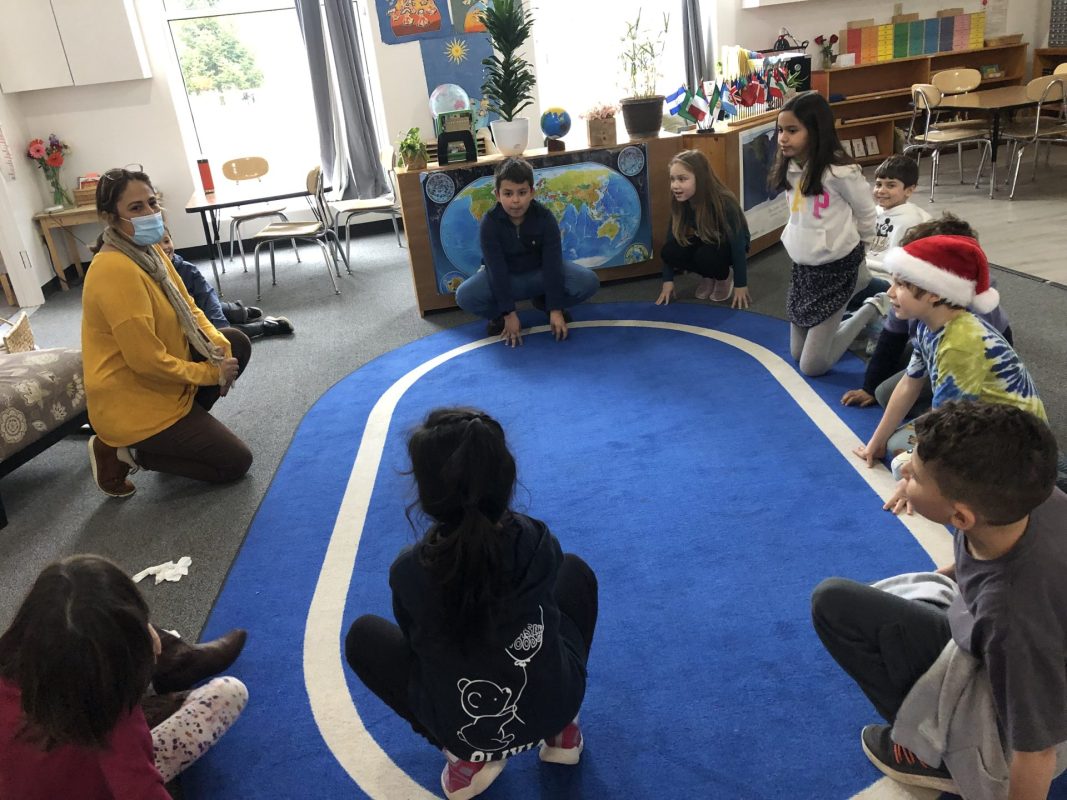
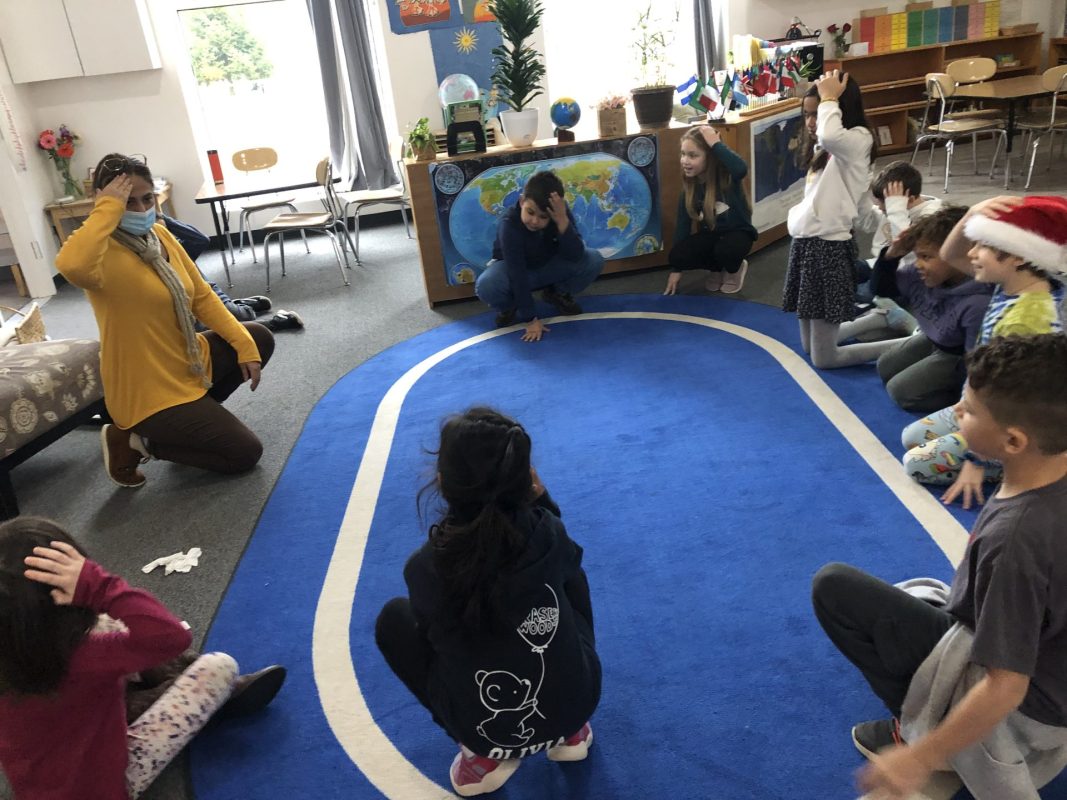
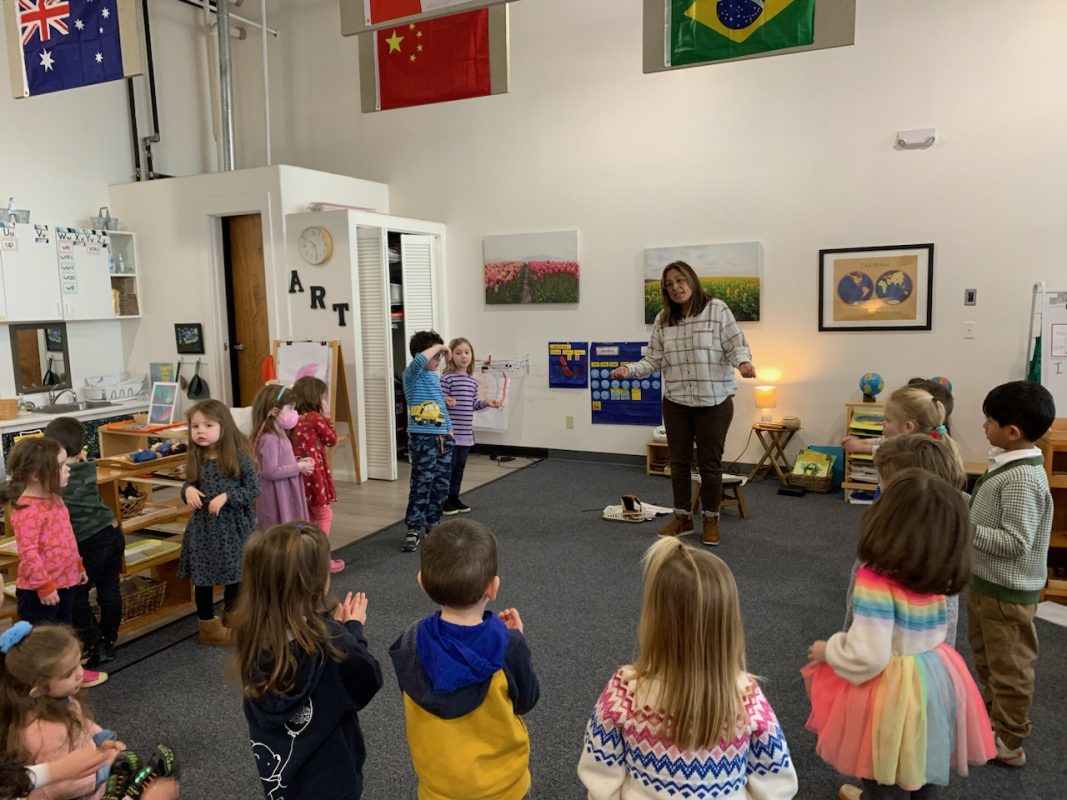
FWM students kept working on their usual conversations about feelings, Spanish greetings, the calendar, and descriptions of the weather. They are continuously improving their Spanish listening and vocabulary. Students from Primary, Lower Elementary, Upper Elementary, and Middle School listened carefully to Spanish books and songs and participated in interactive games that were displayed during class.

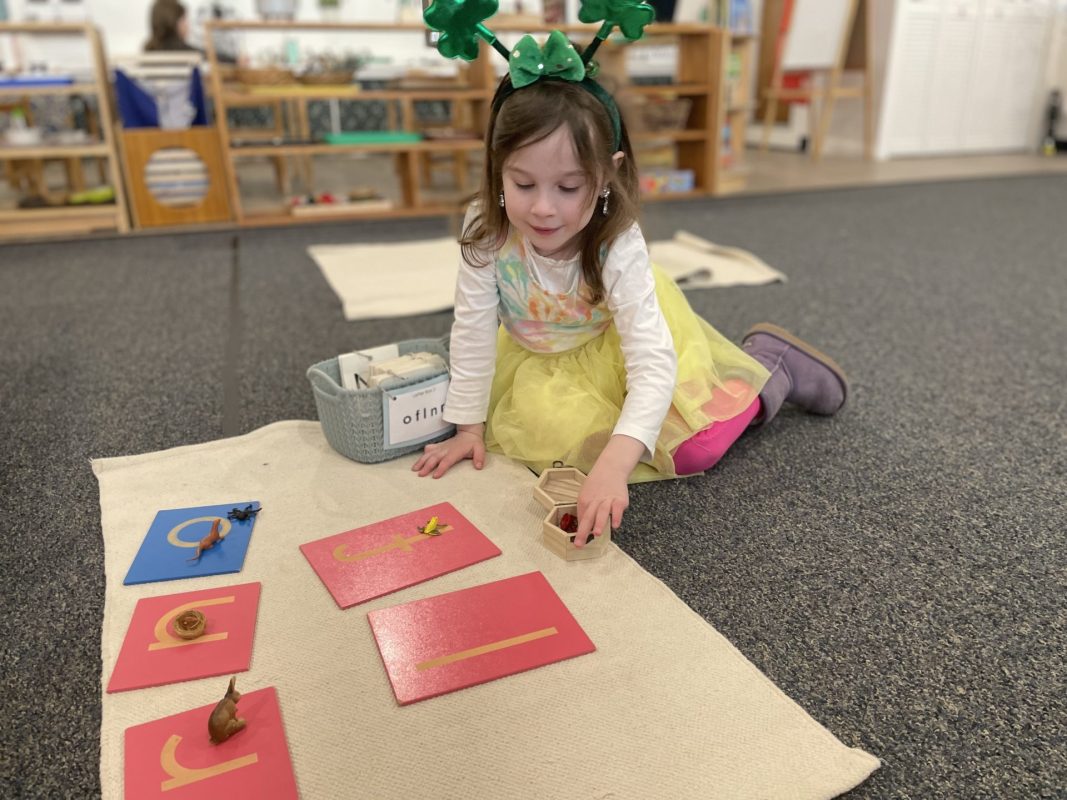
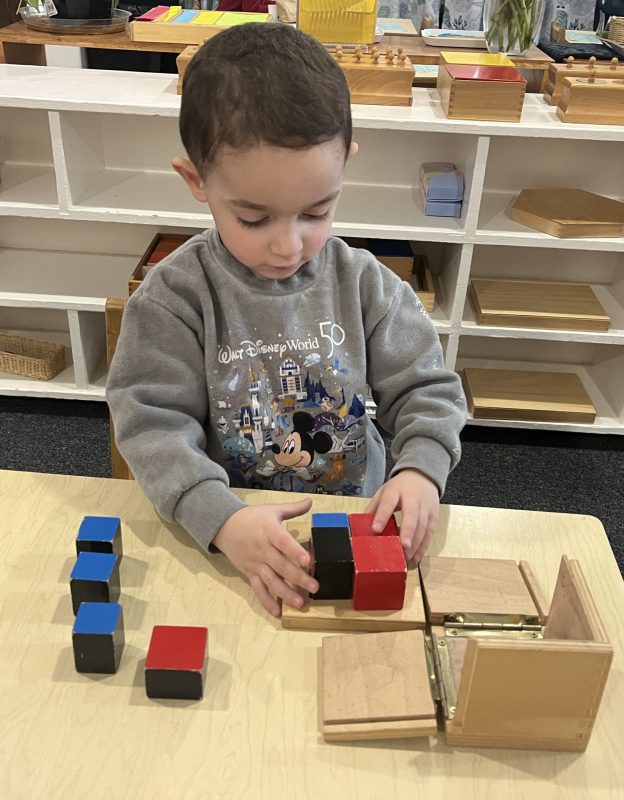
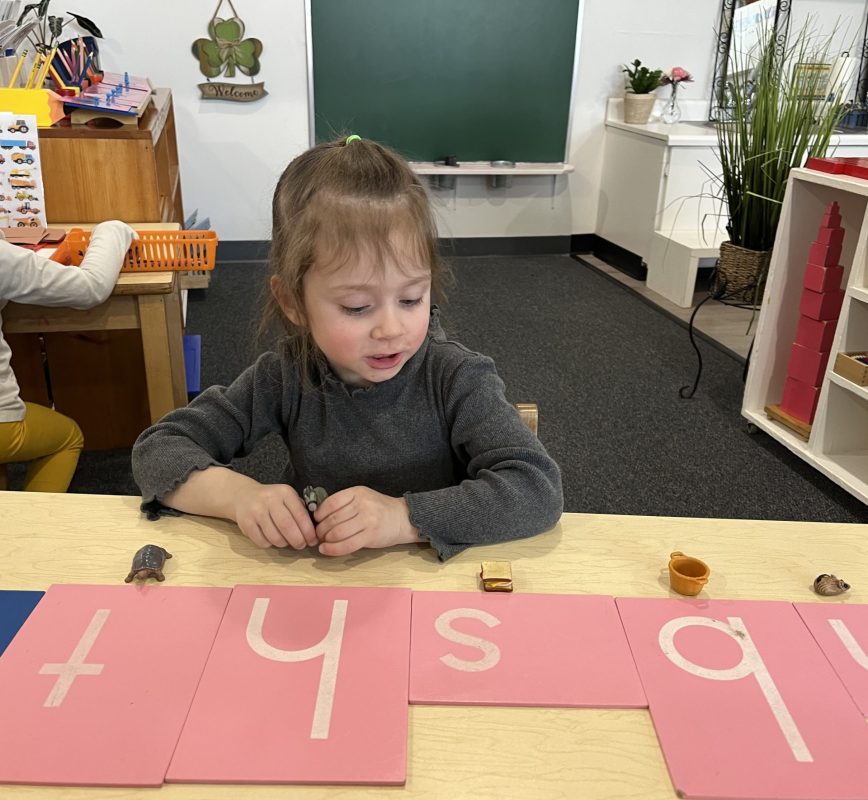
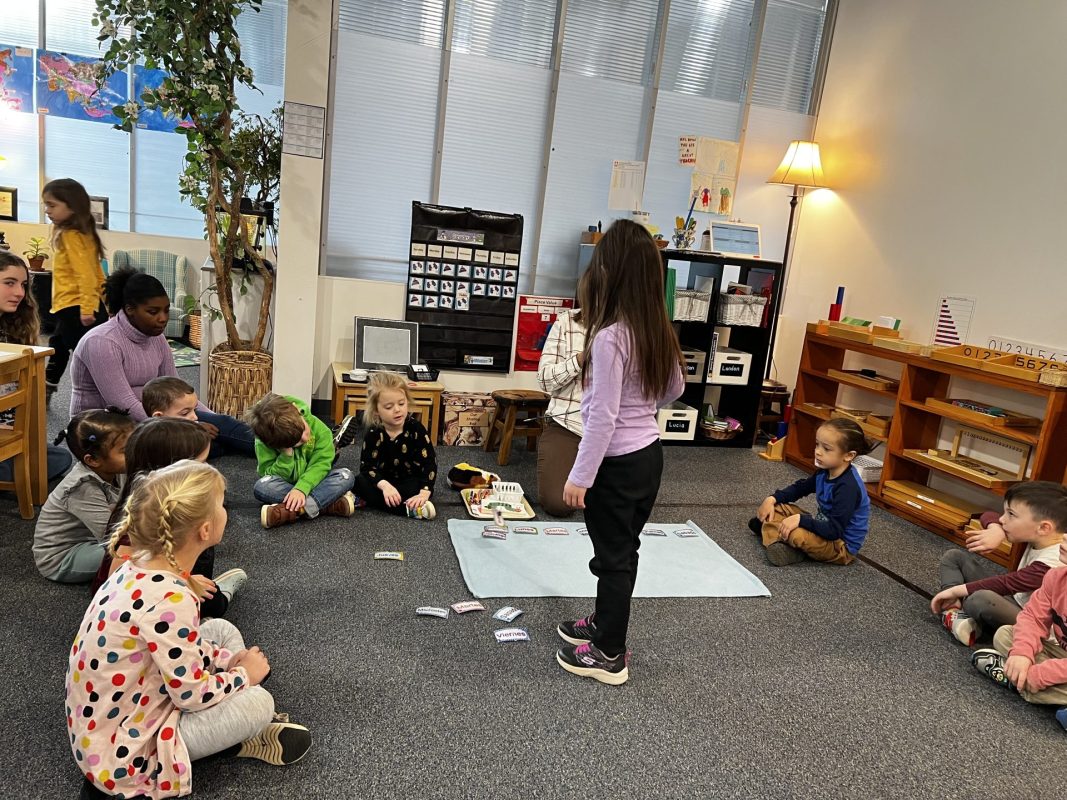
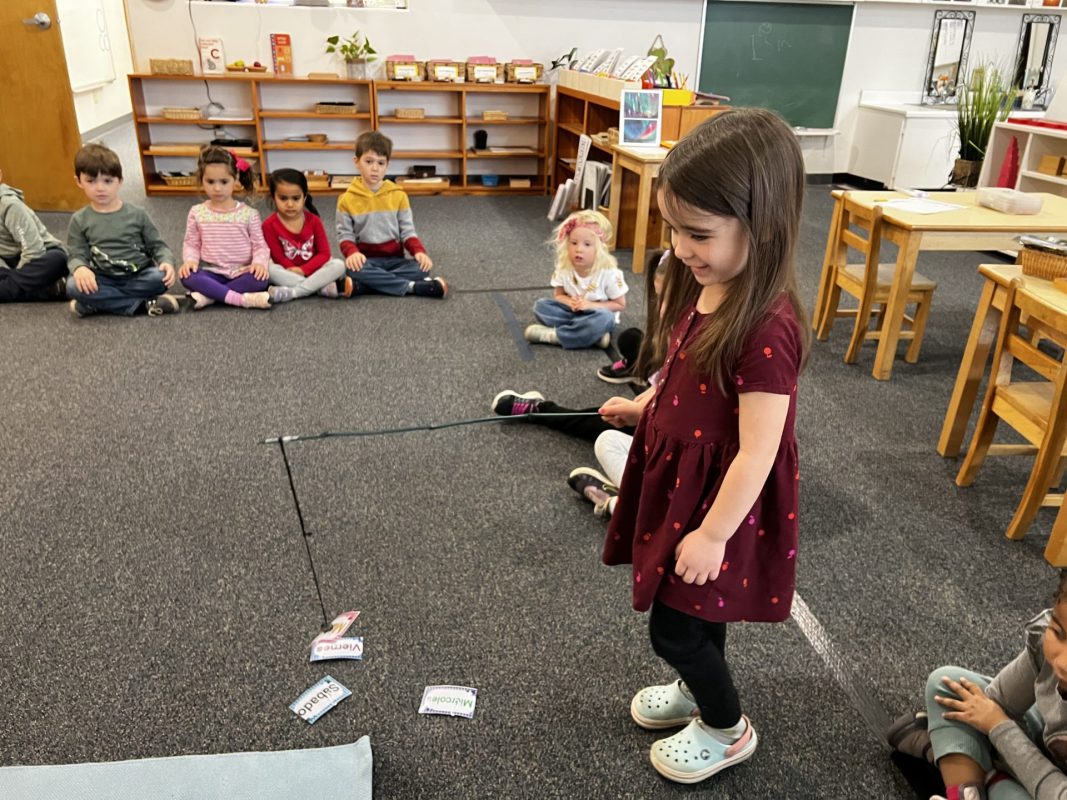
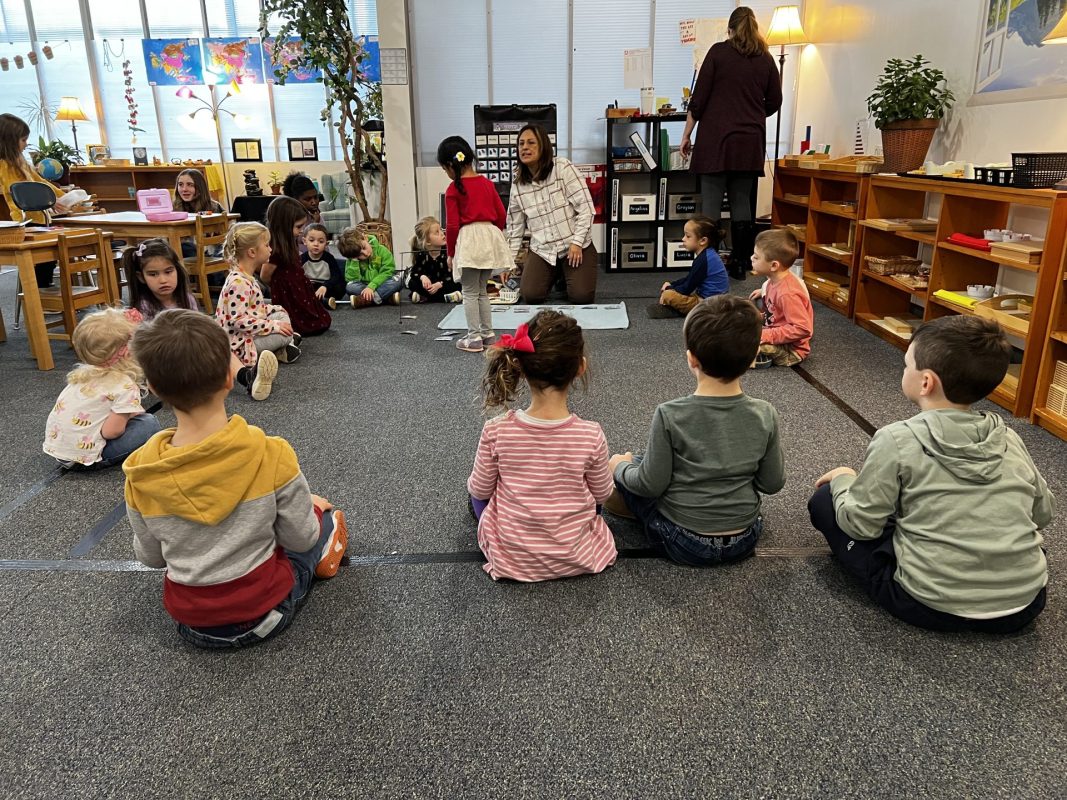
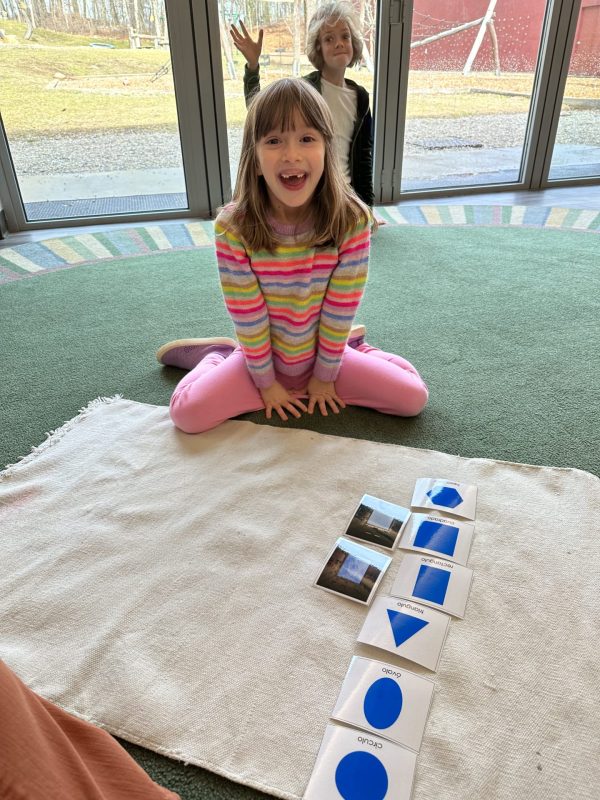
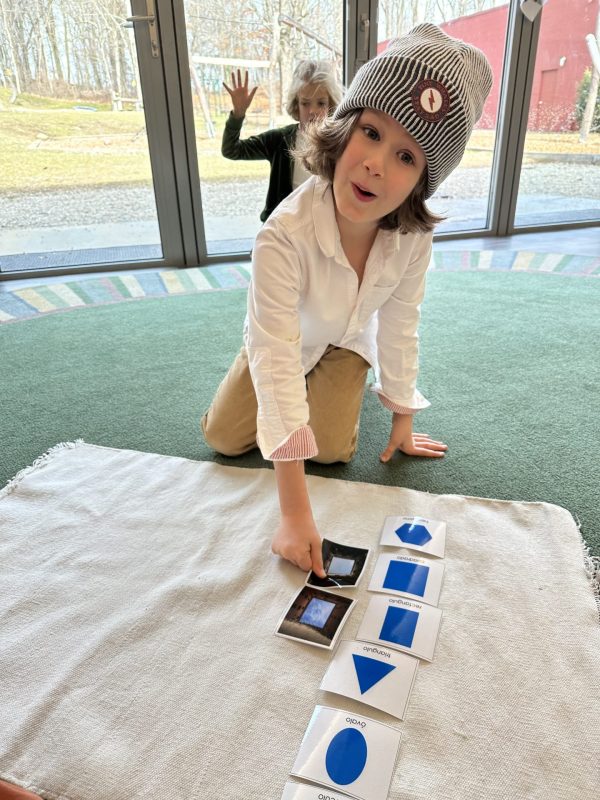
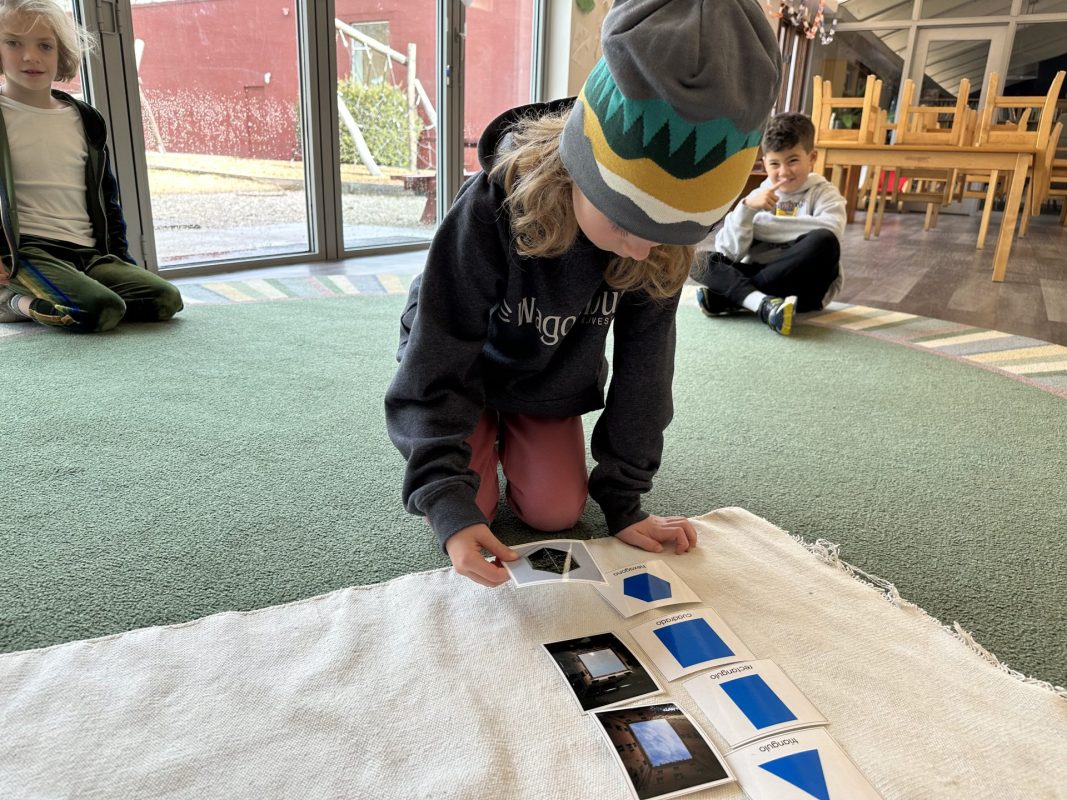
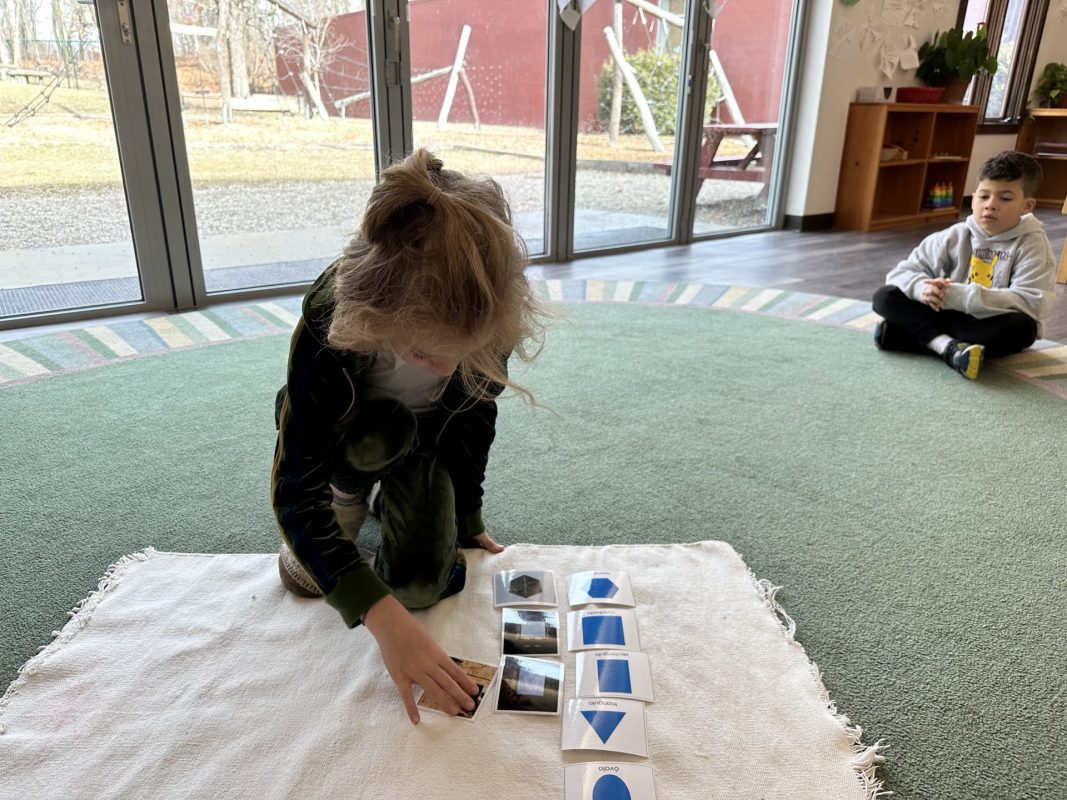
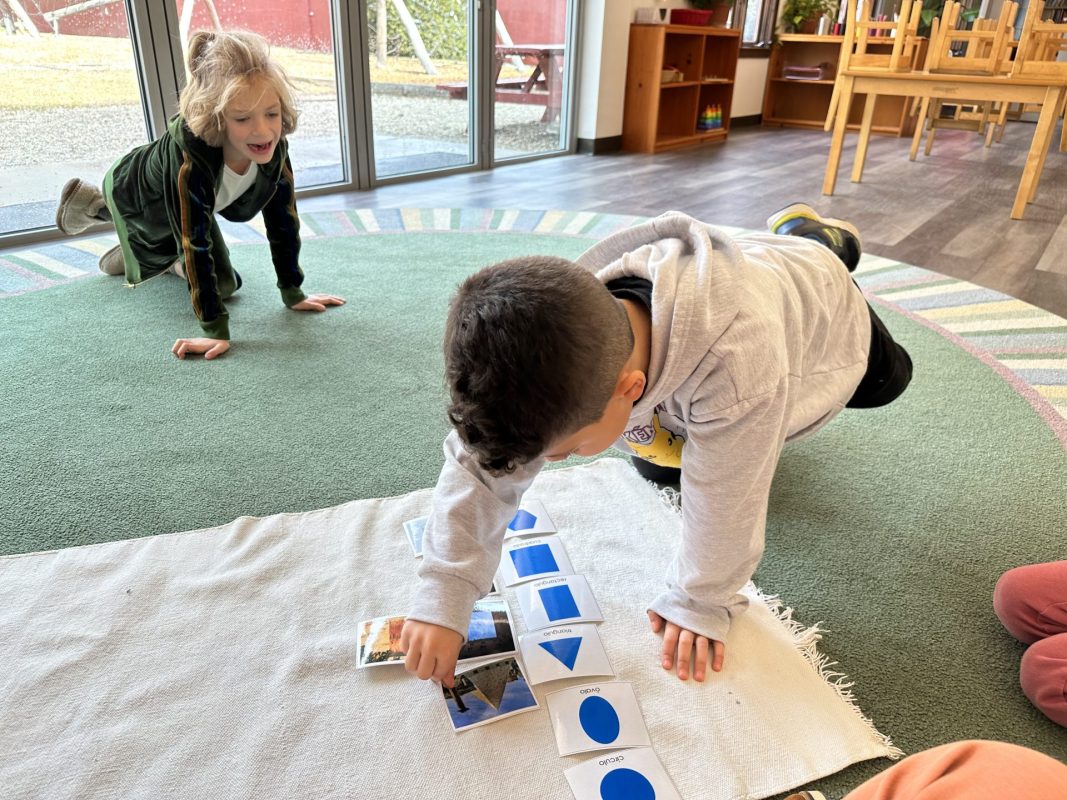
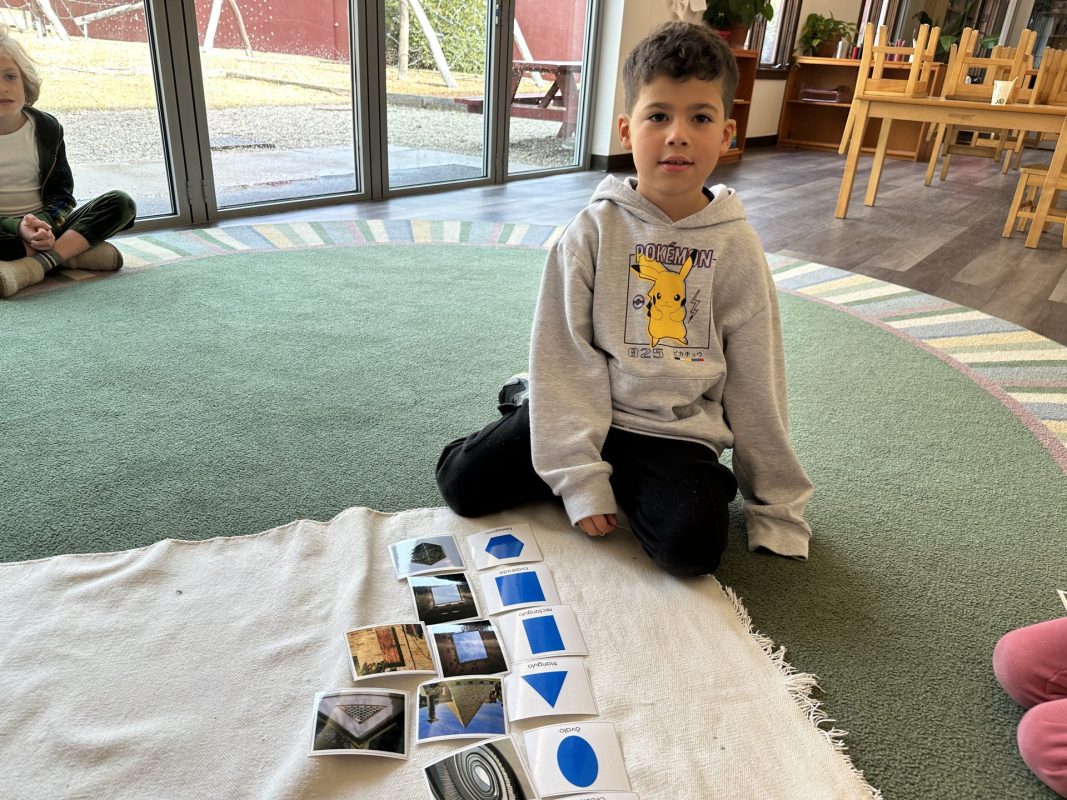
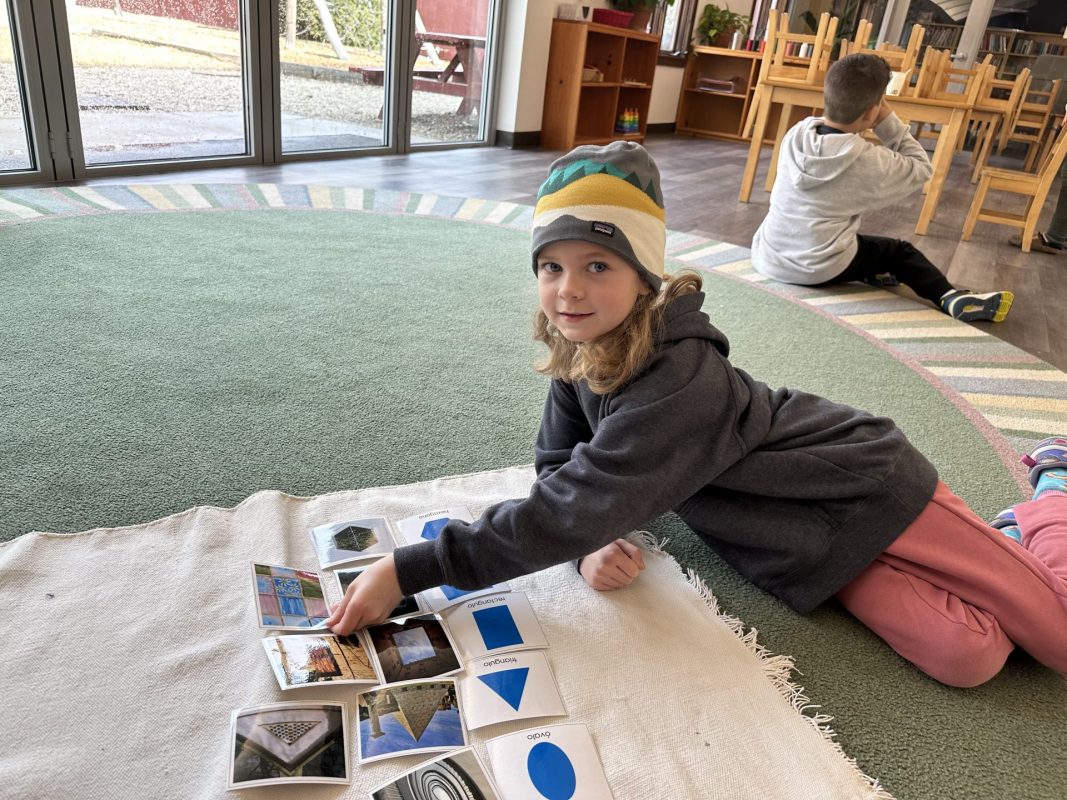
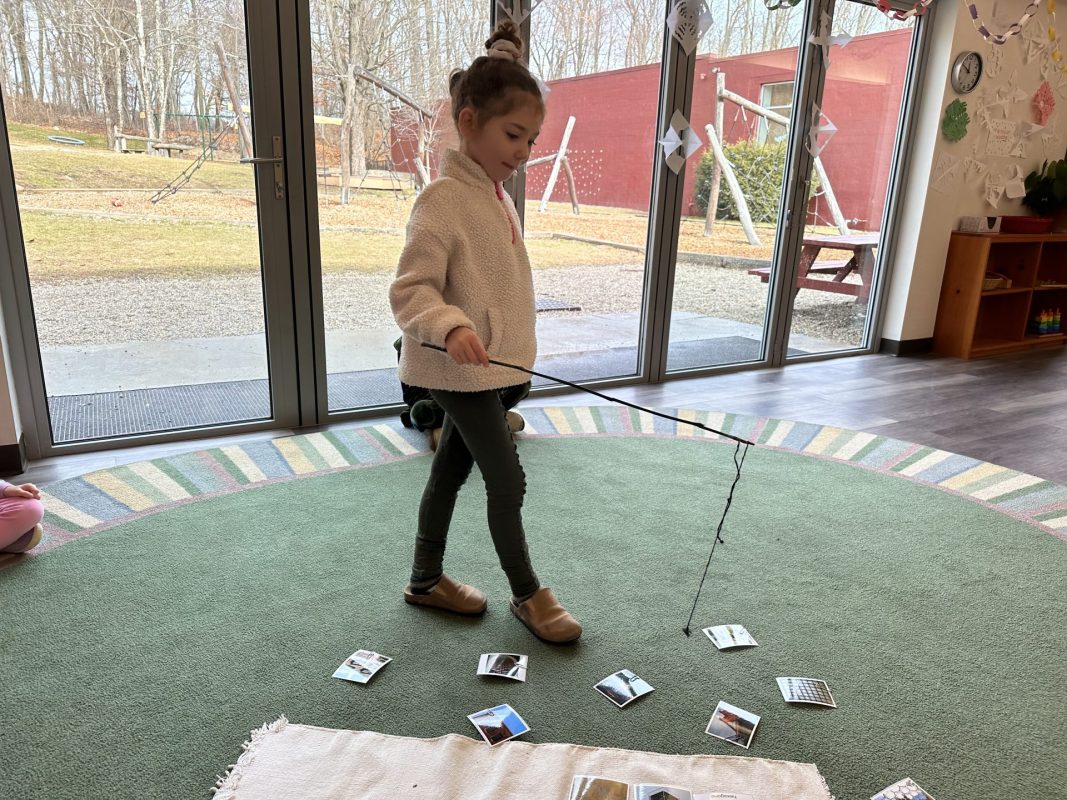
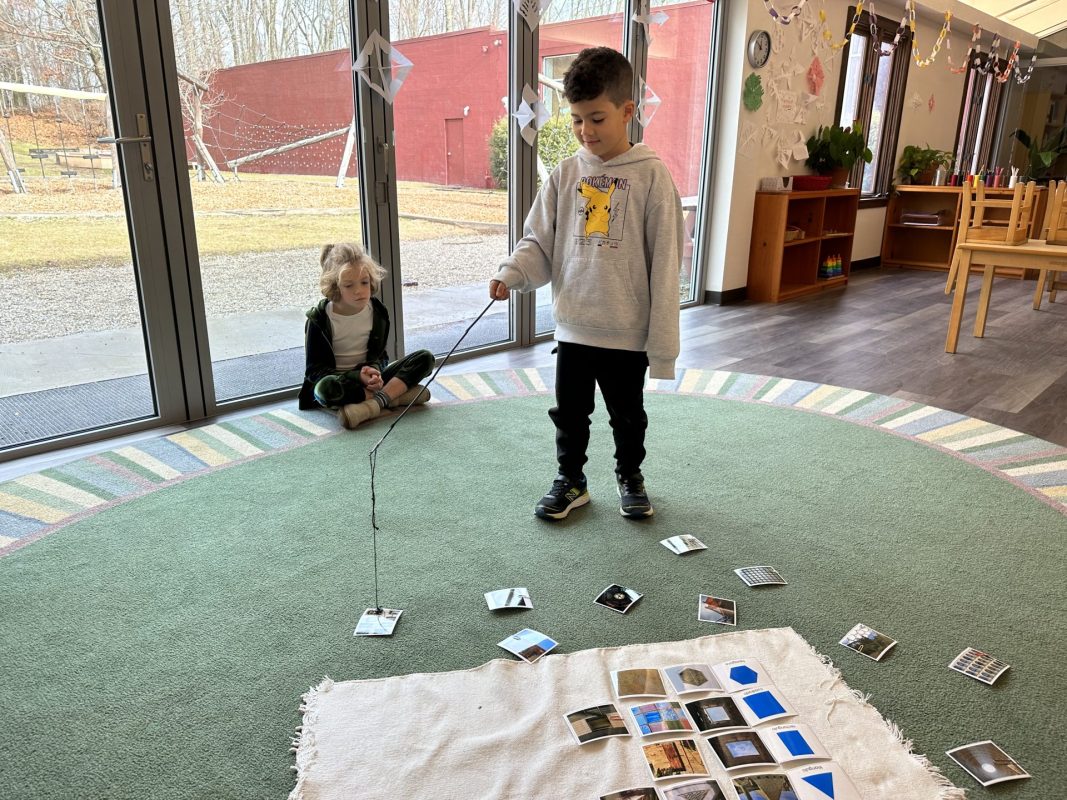
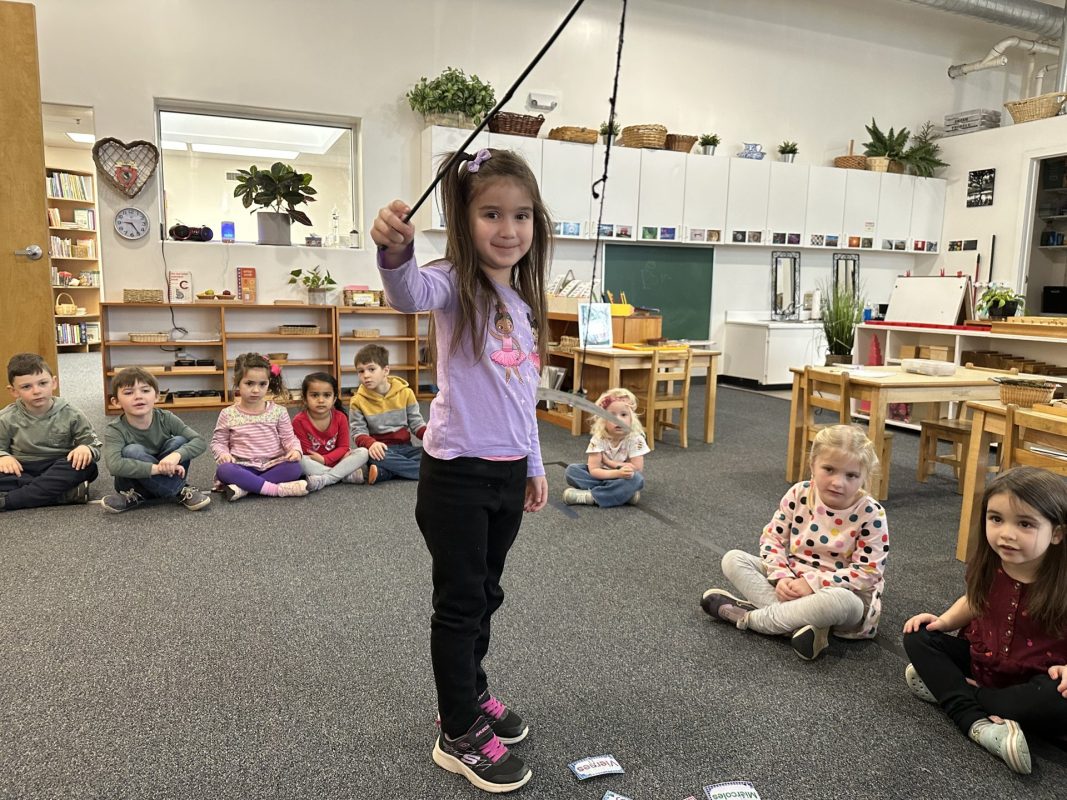
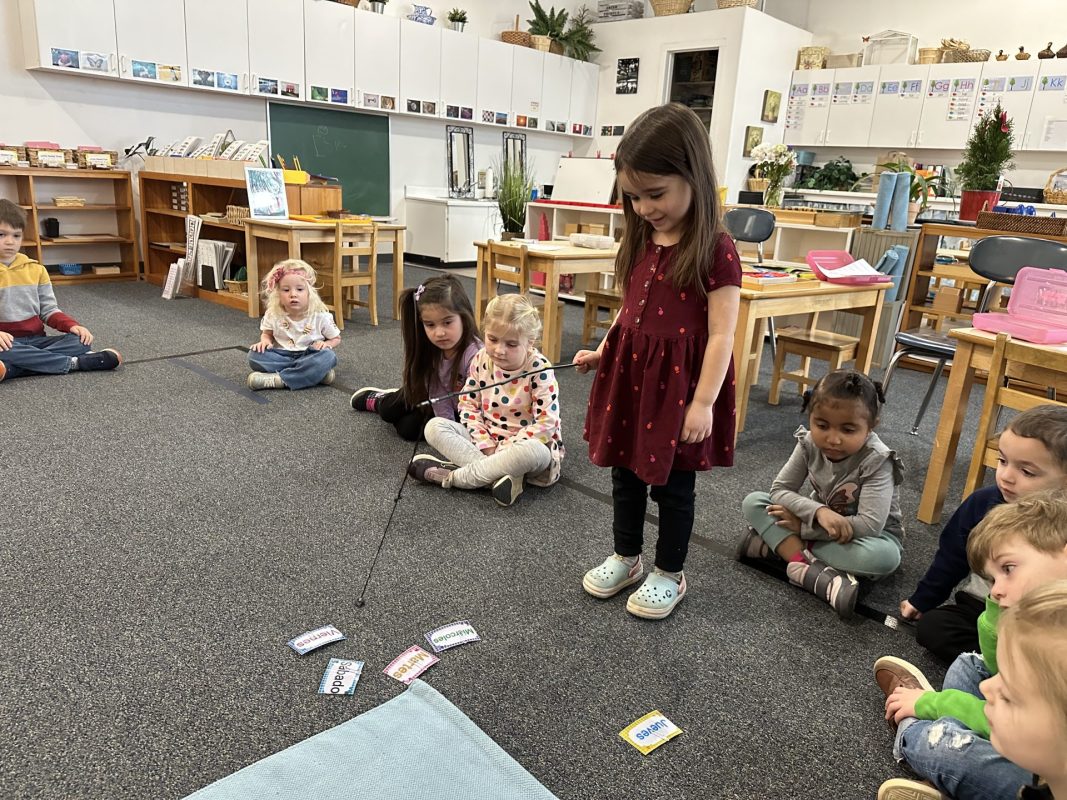
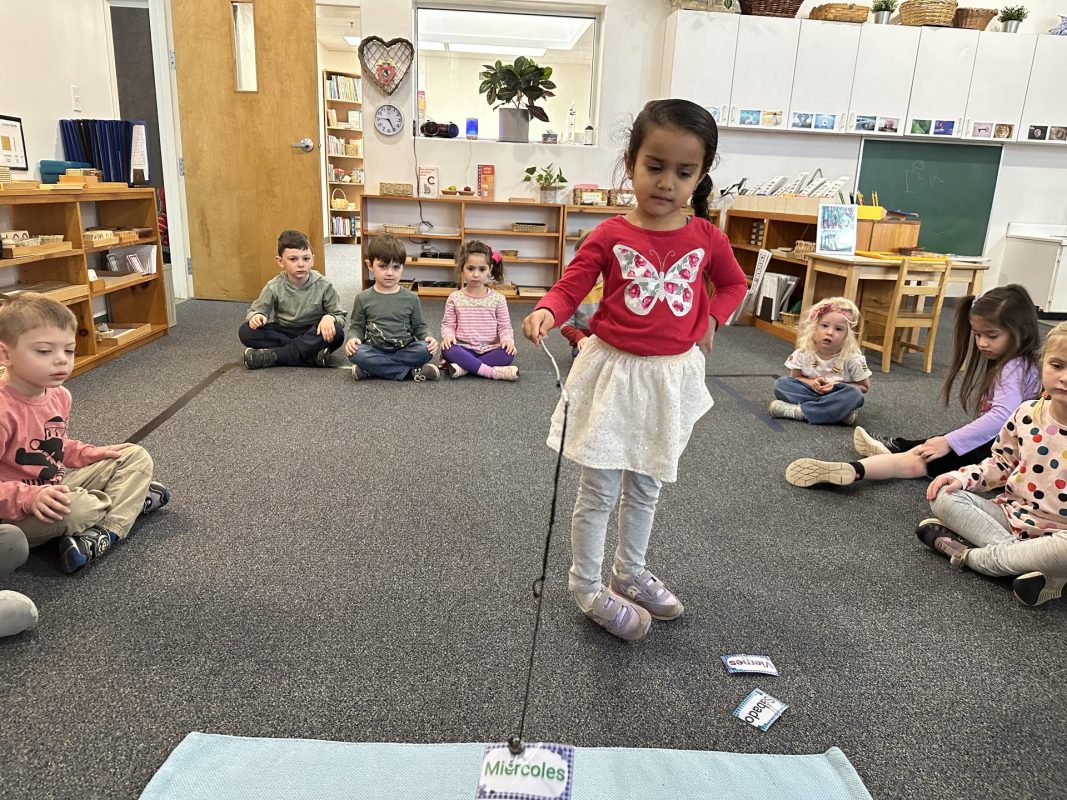
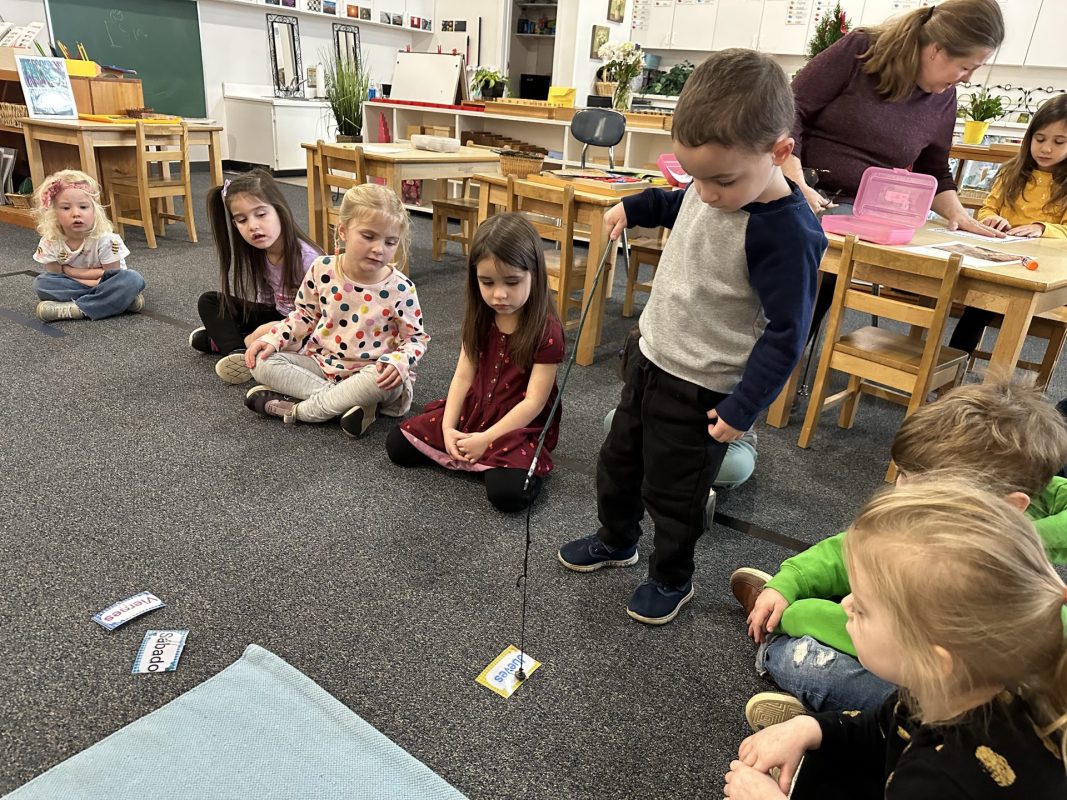
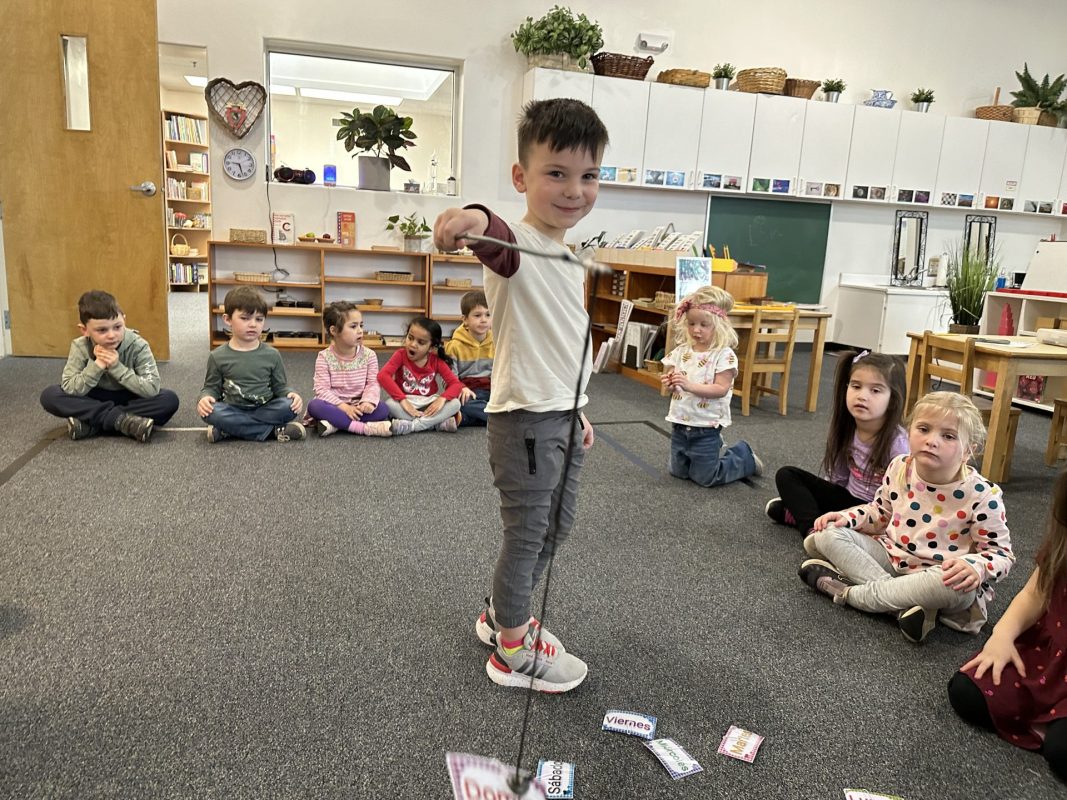
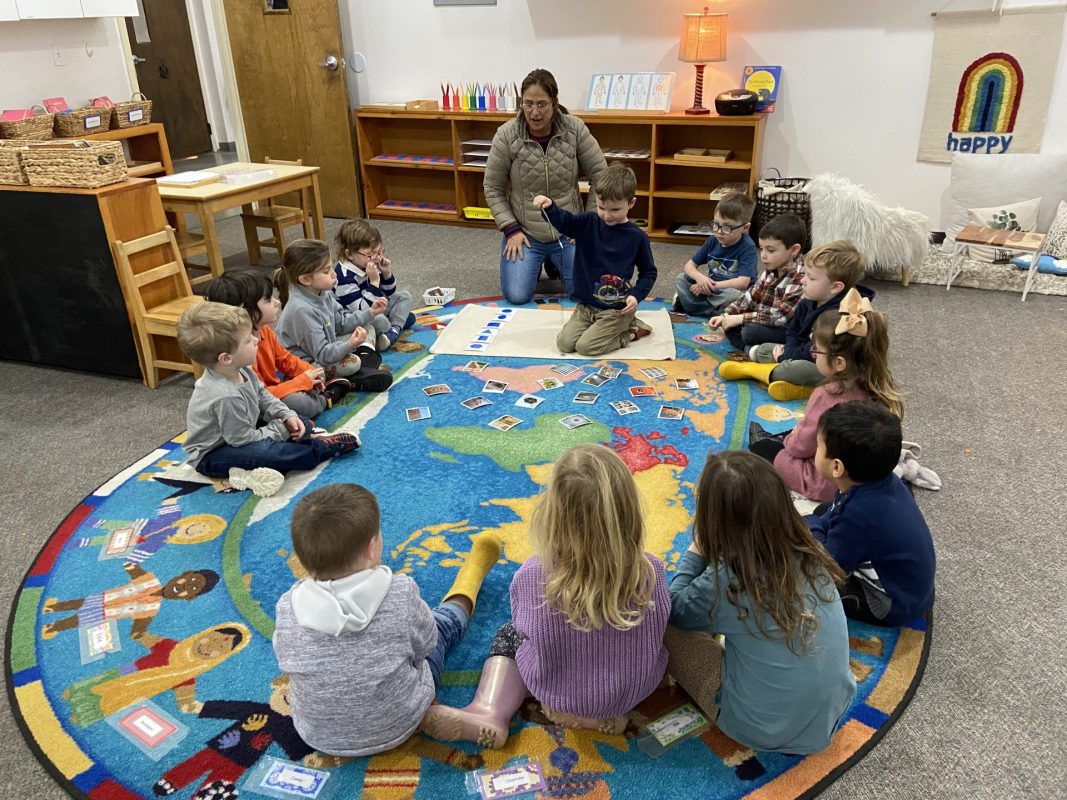
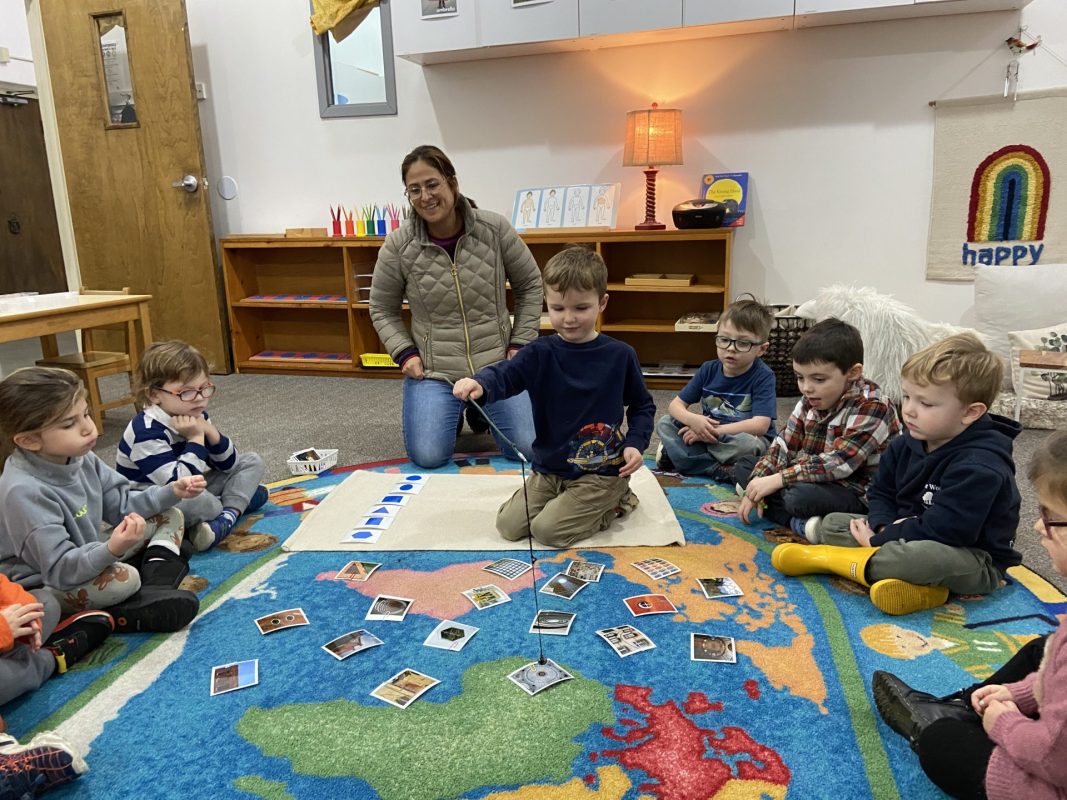
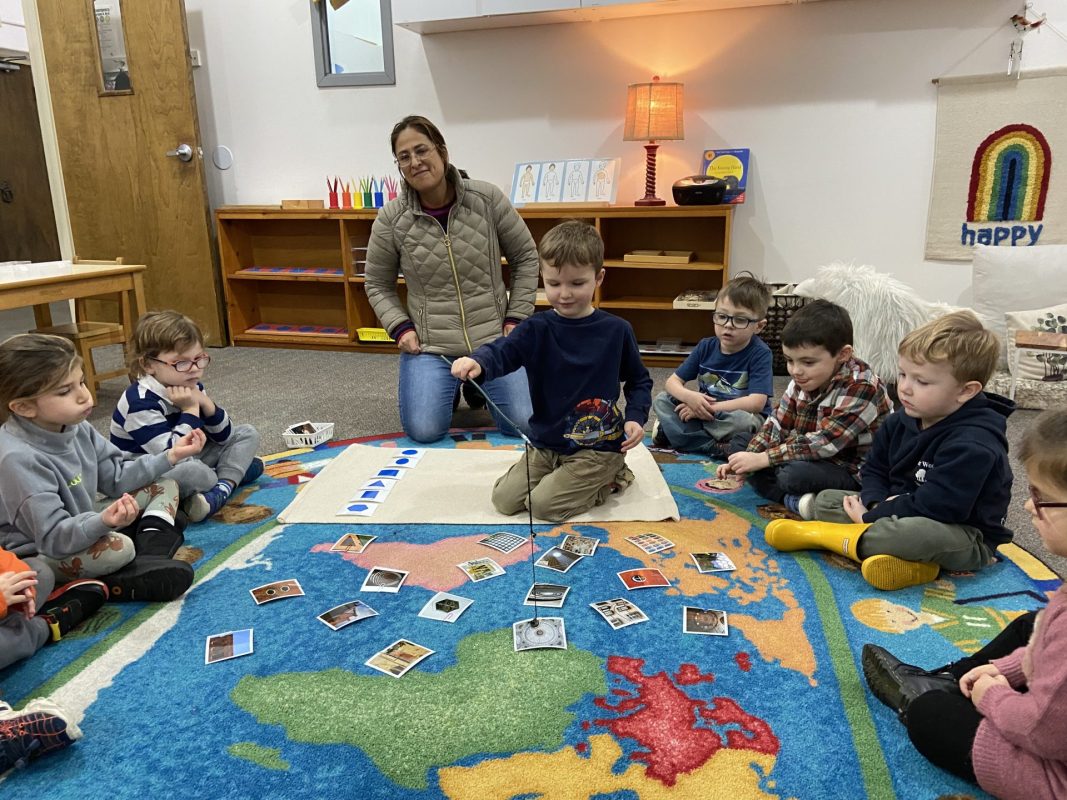
Primary students focused on learning the shapes such as cuadrado (square), circulo (circle), triangulo (triangle), rectangulo (rectangle), ovalo (oval). They studied “las formas” y “los días de la semana” through Spanish Montessori lessons that were left on the language shelves of each class for the students to practice for the entire week.

Lower Elementary students also learned “las formas” such as cuadrado (square), circulo (circle), triangulo (triangle), rectangulo (rectangle), ovalo (oval), corazon (heart), hexagono (hexagon), estrella (star). They studied “las formas” y “los días de la semana” through Spanish Montessori Lessons that were presented in class and left in their classroom to be practiced during the week.

Upper Elementary Students put in hard work learning about clothing and some accessories in Spanish. They also learned how to properly use the articles (el, los, la, las) in Spanish.

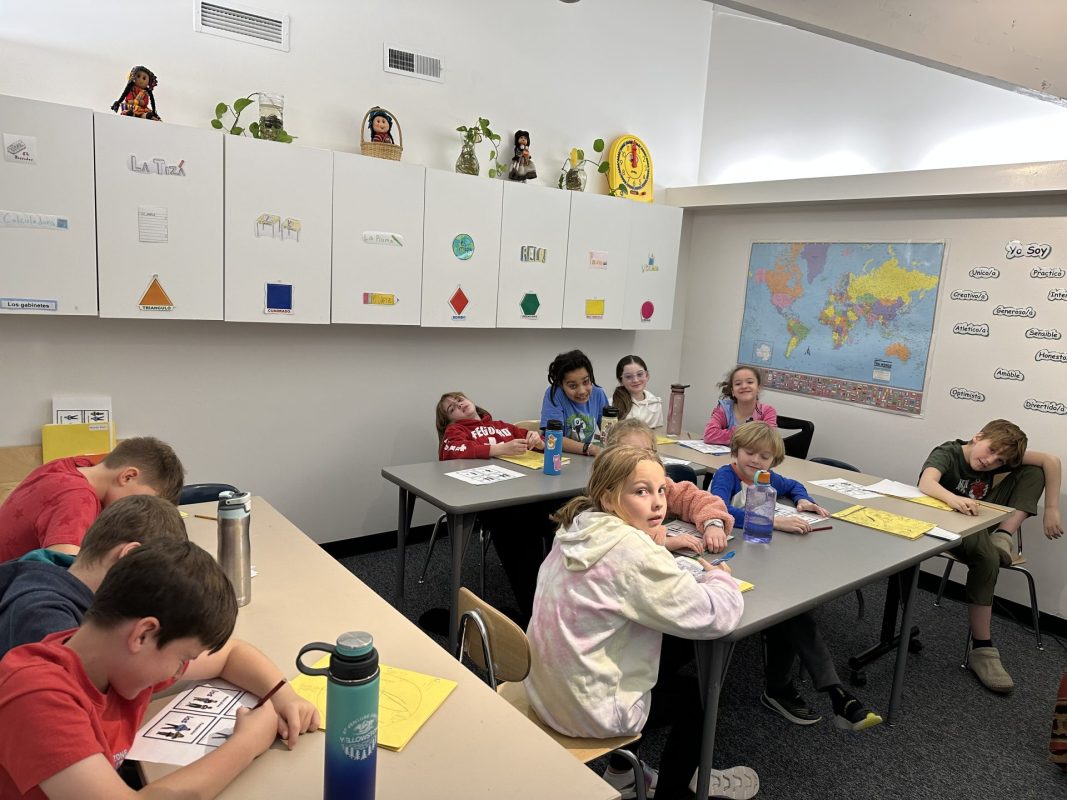
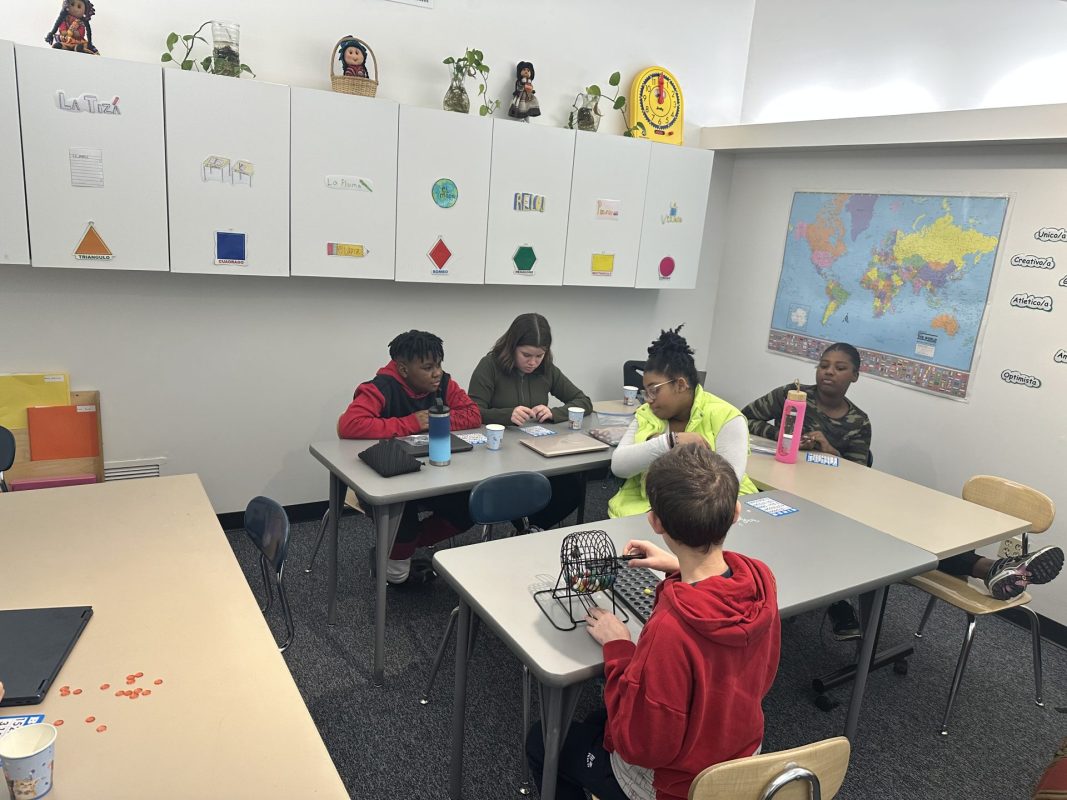
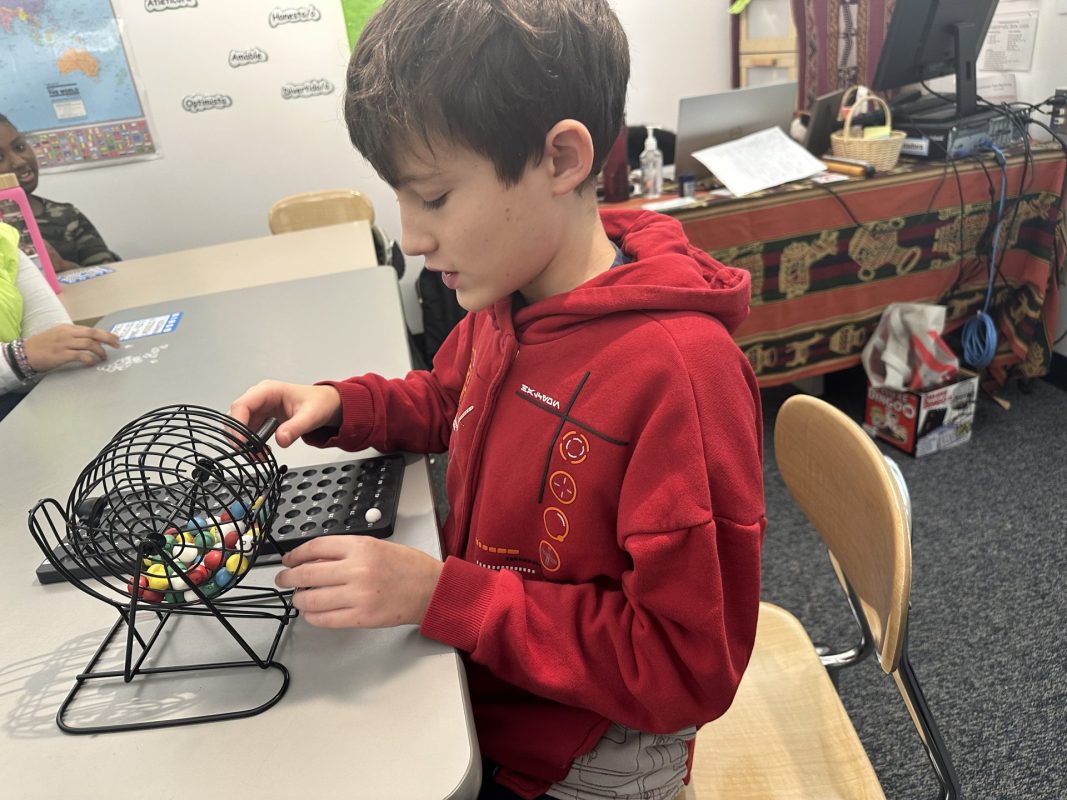
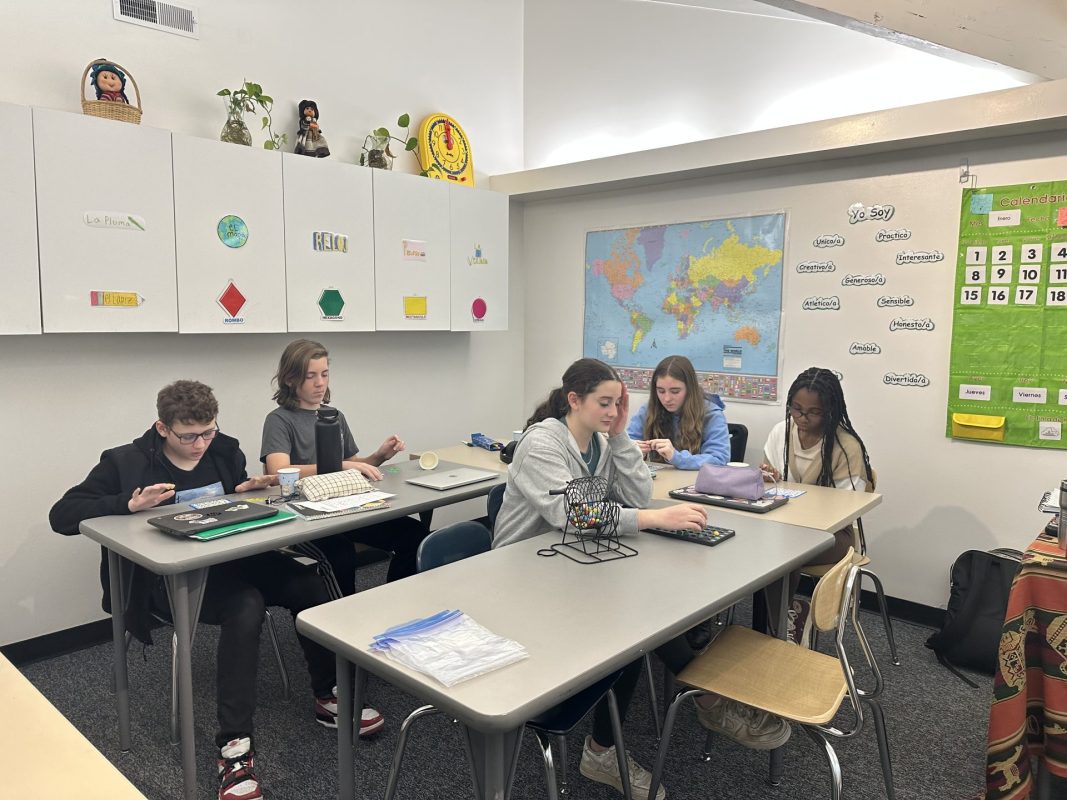
Middle School students continue learning about personal pronouns, household chores, definite and indefinite articles, noun-adjective agreement, conjugation of the verb “ser, estar” and verb “ir” and when and how to use it.  They also learned how to describe the location of objects.  They were very excited to play Bingo in Spanish and they were able to have a virtual trip to “Argentina” and “Bolivia”.  Students learned about life in those countries, their costumes, food, and tourist attractions, giving them the opportunity to learn about and understand different cultures in Latin America.

All the students at FWM are enjoying and learning Spanish and I am very pleased with their progress in accomplishing goals in my class.
Valentine Cards for Older Adults

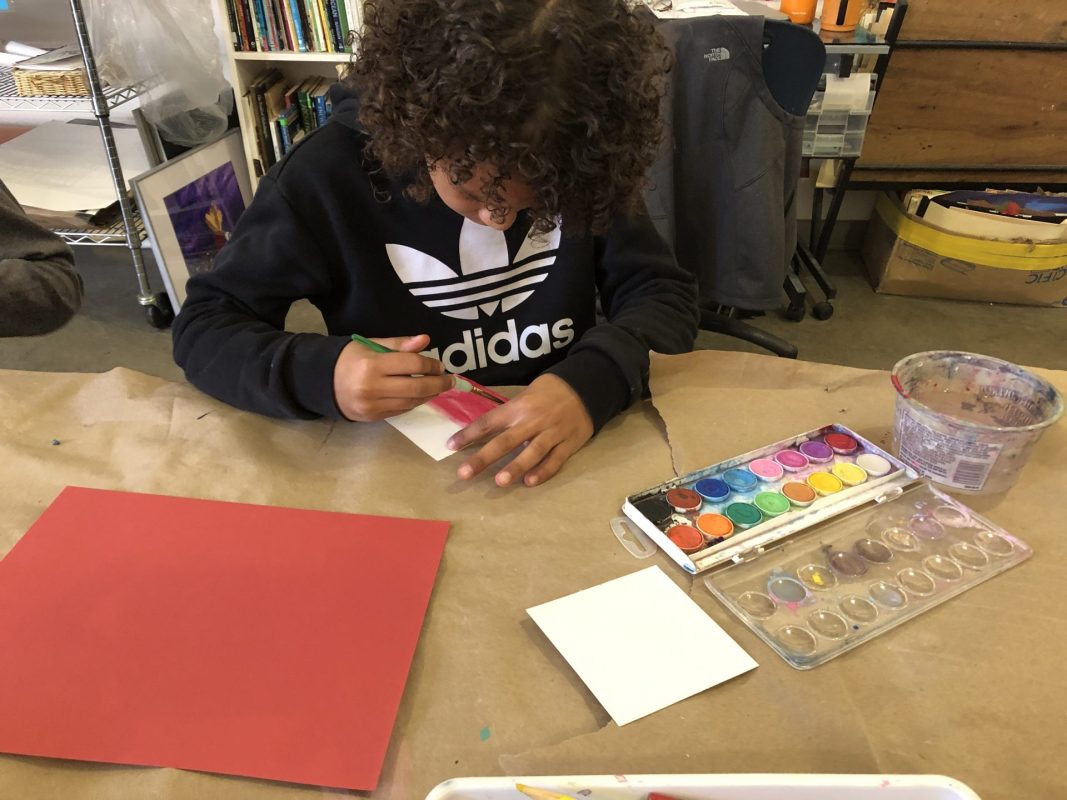
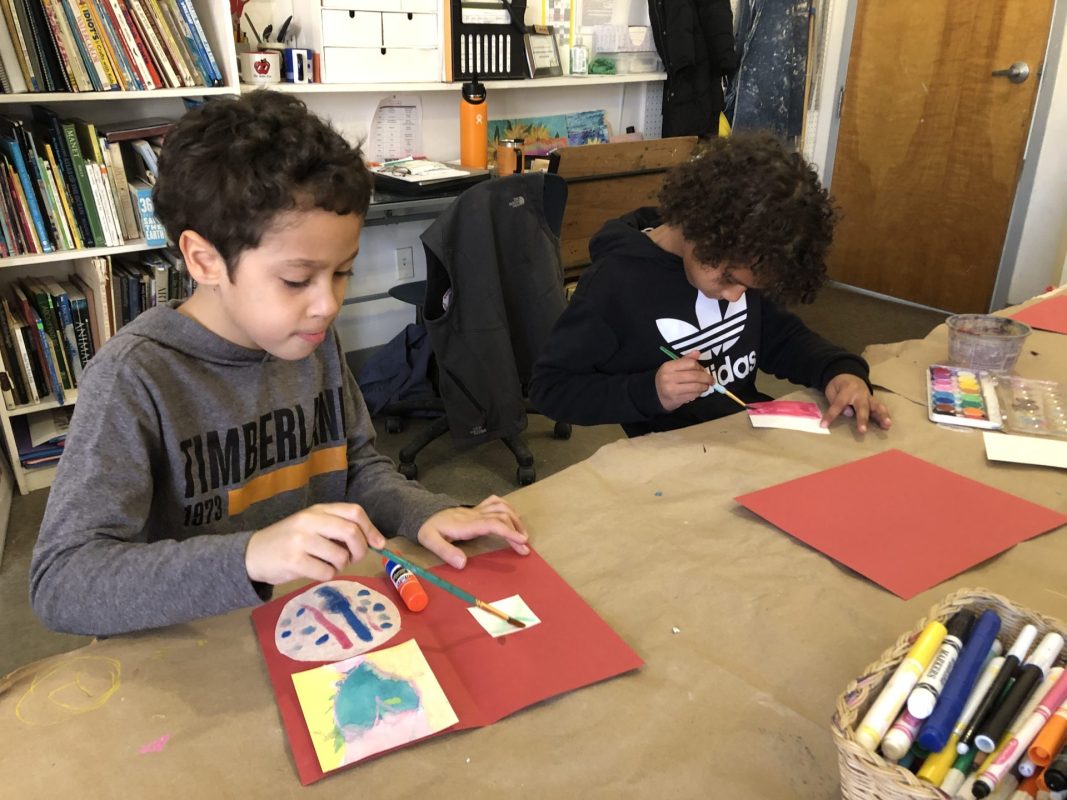
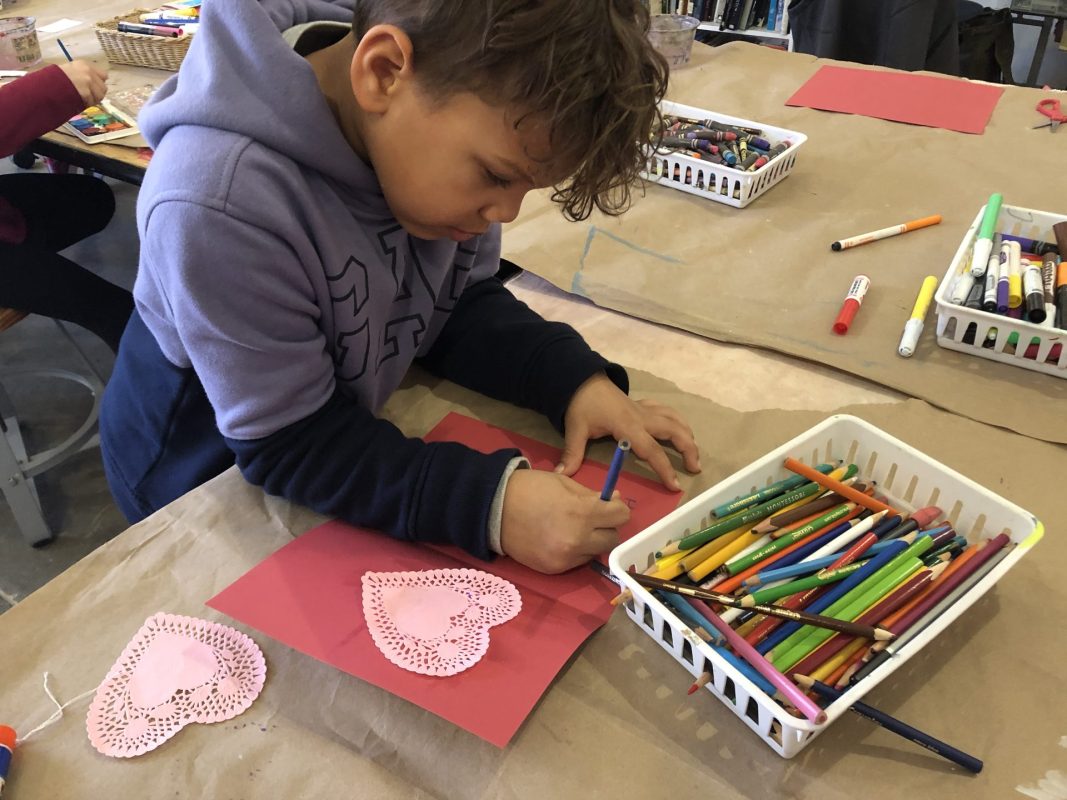
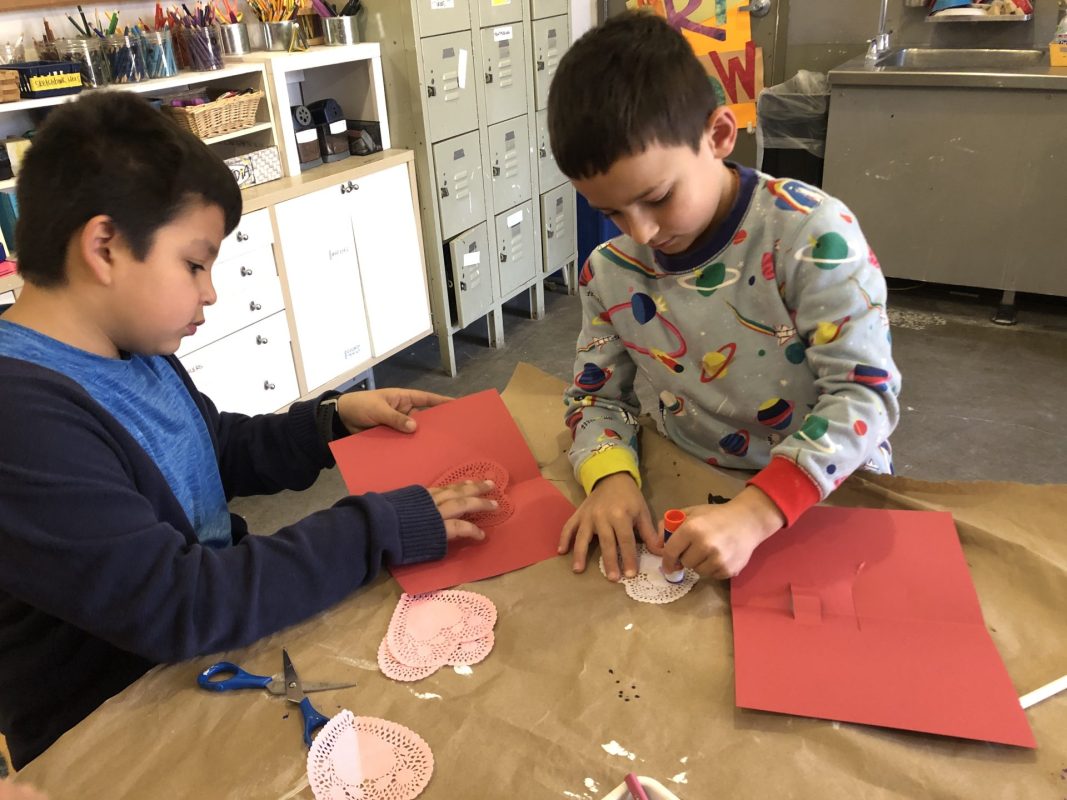
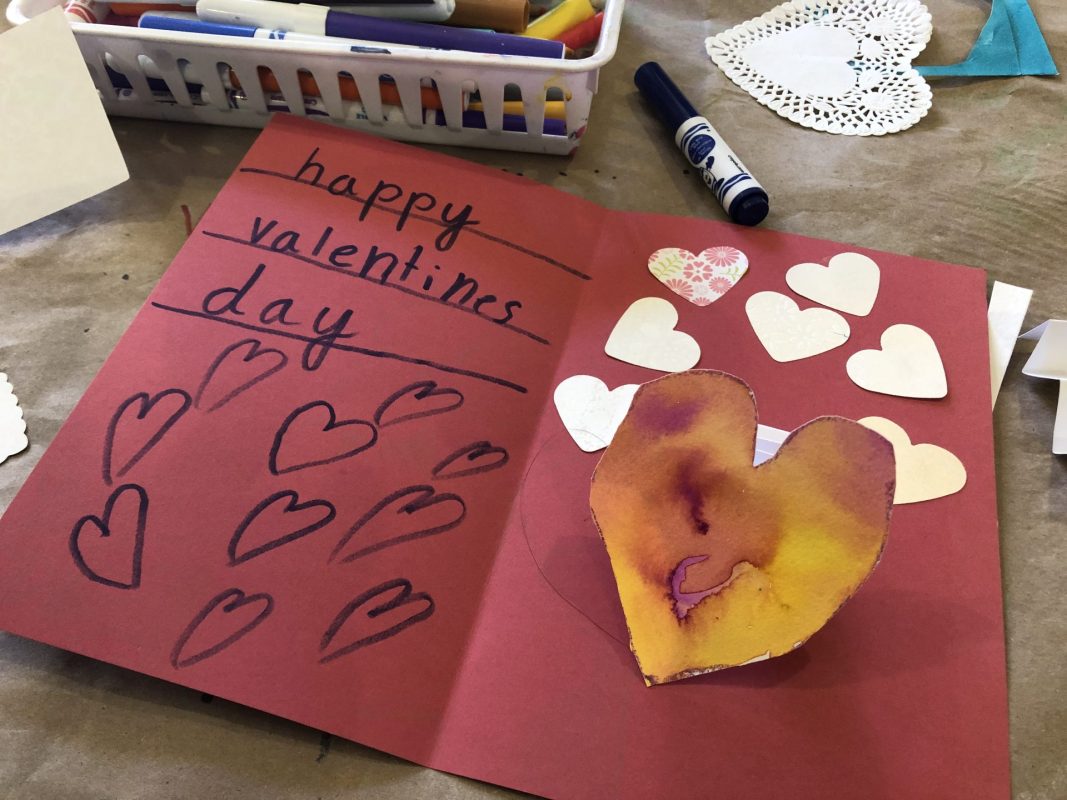
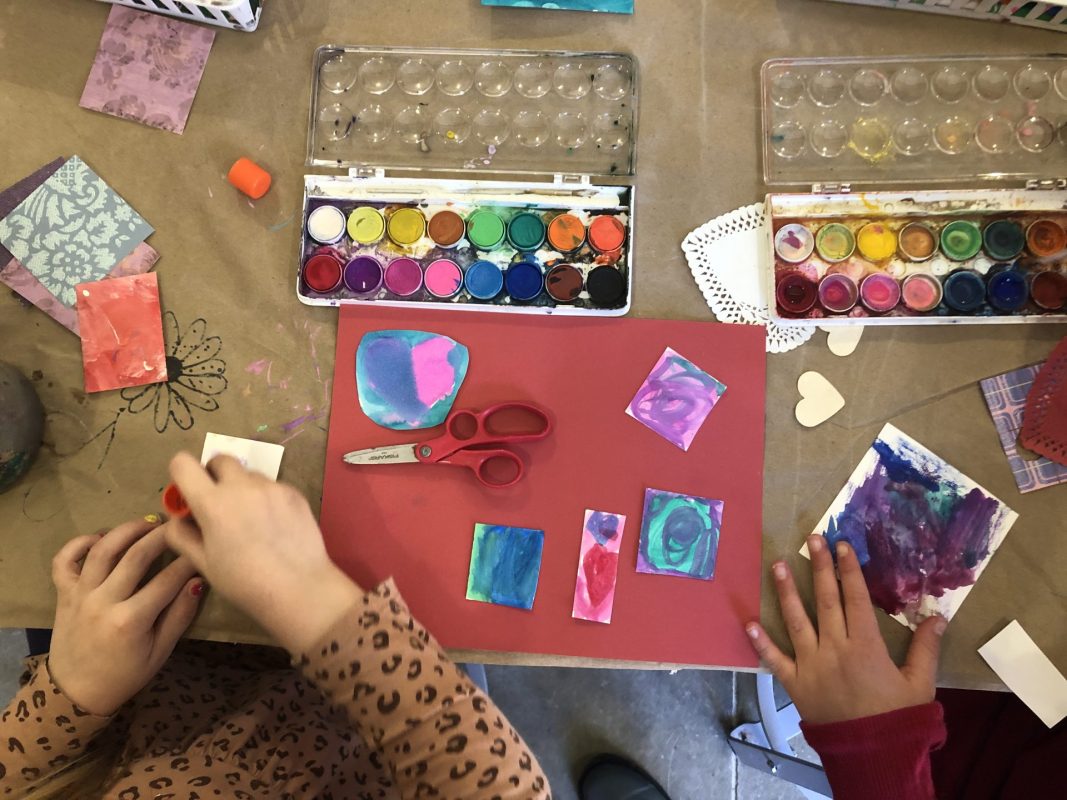
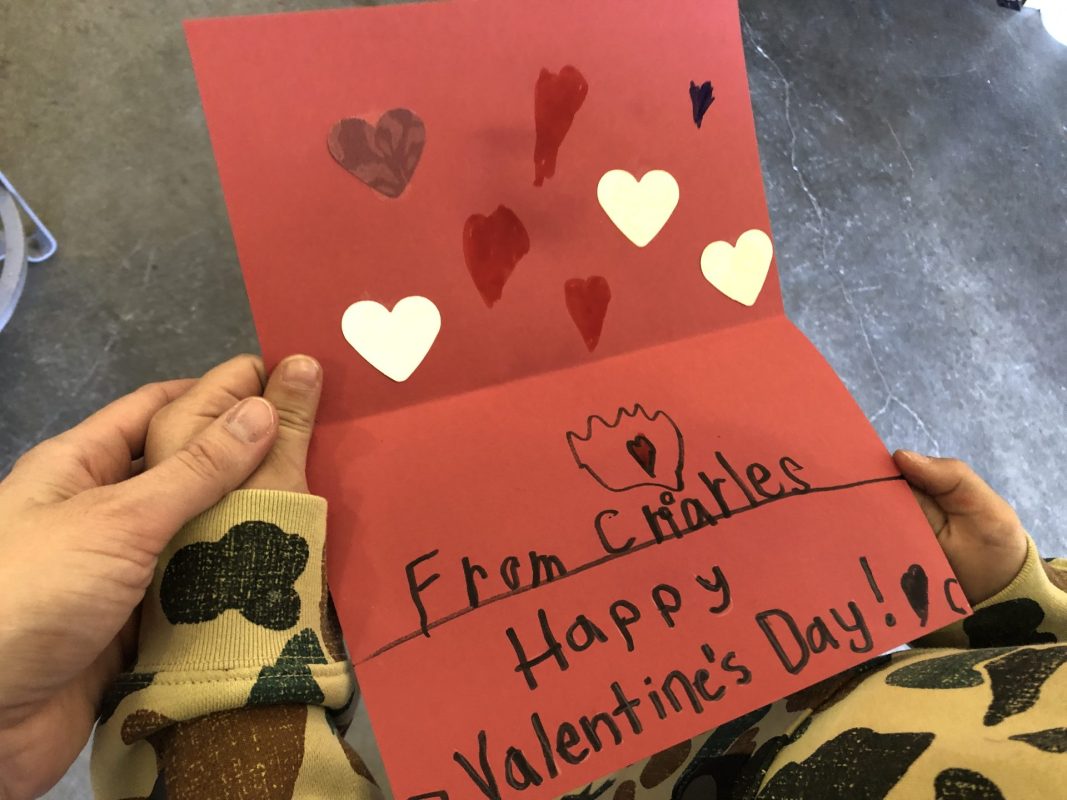
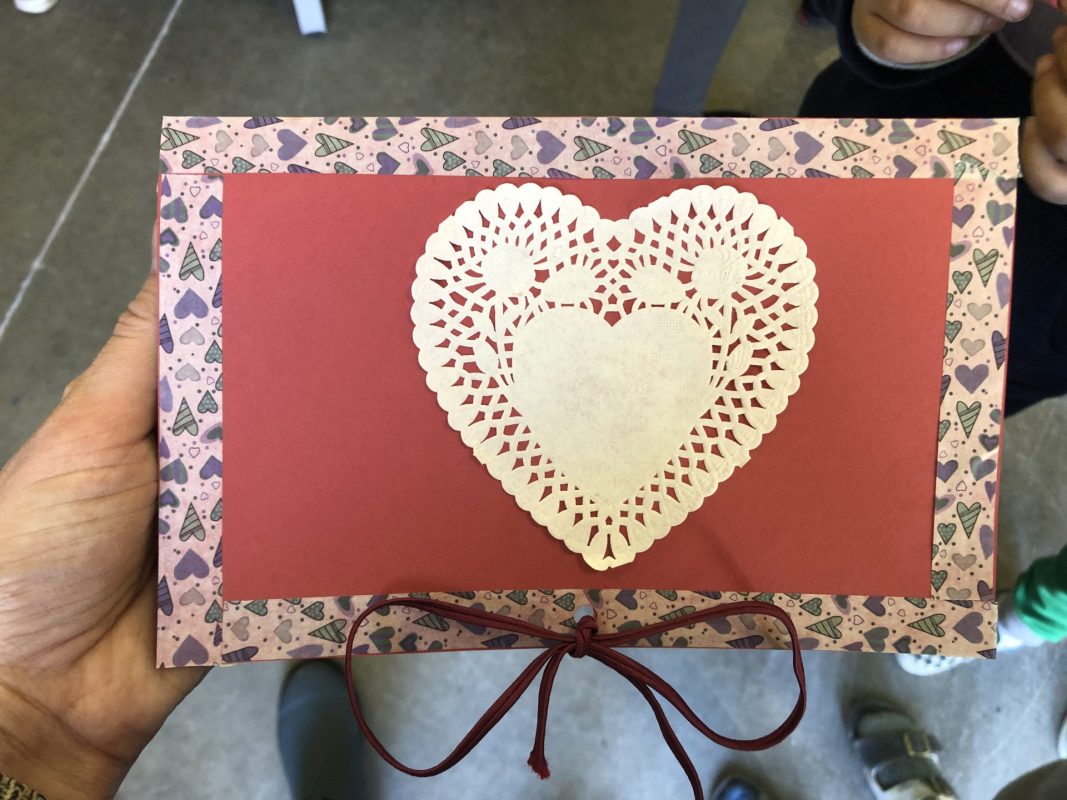
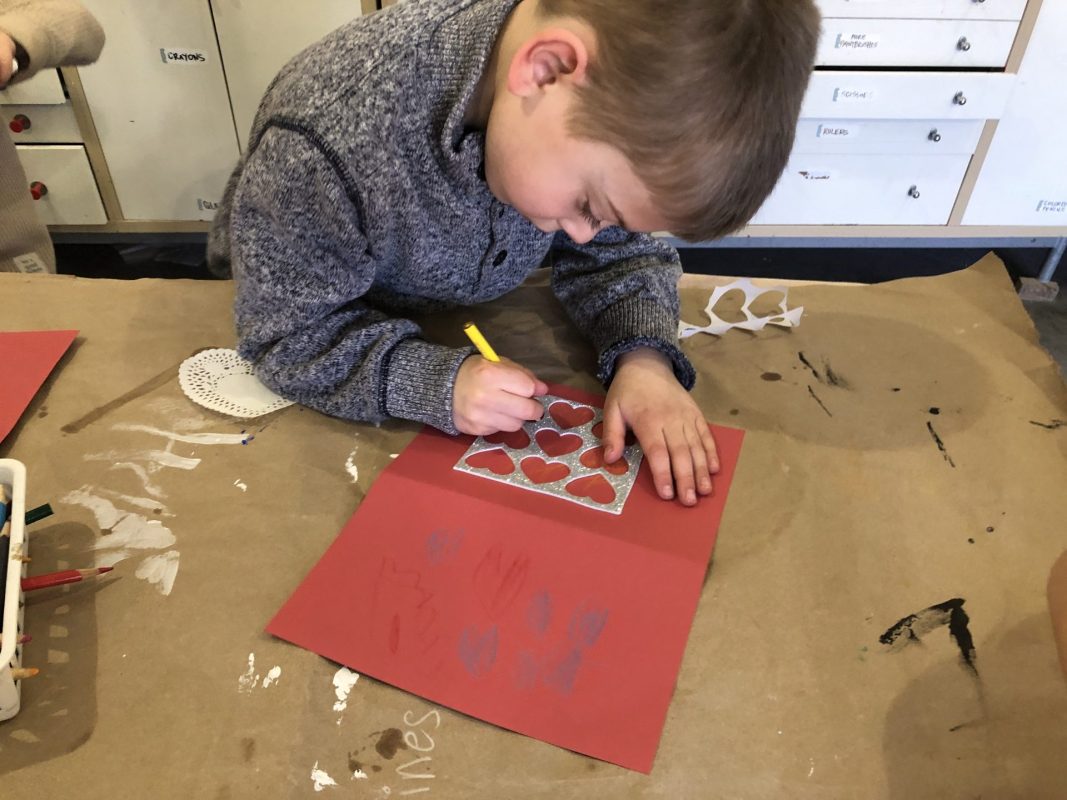
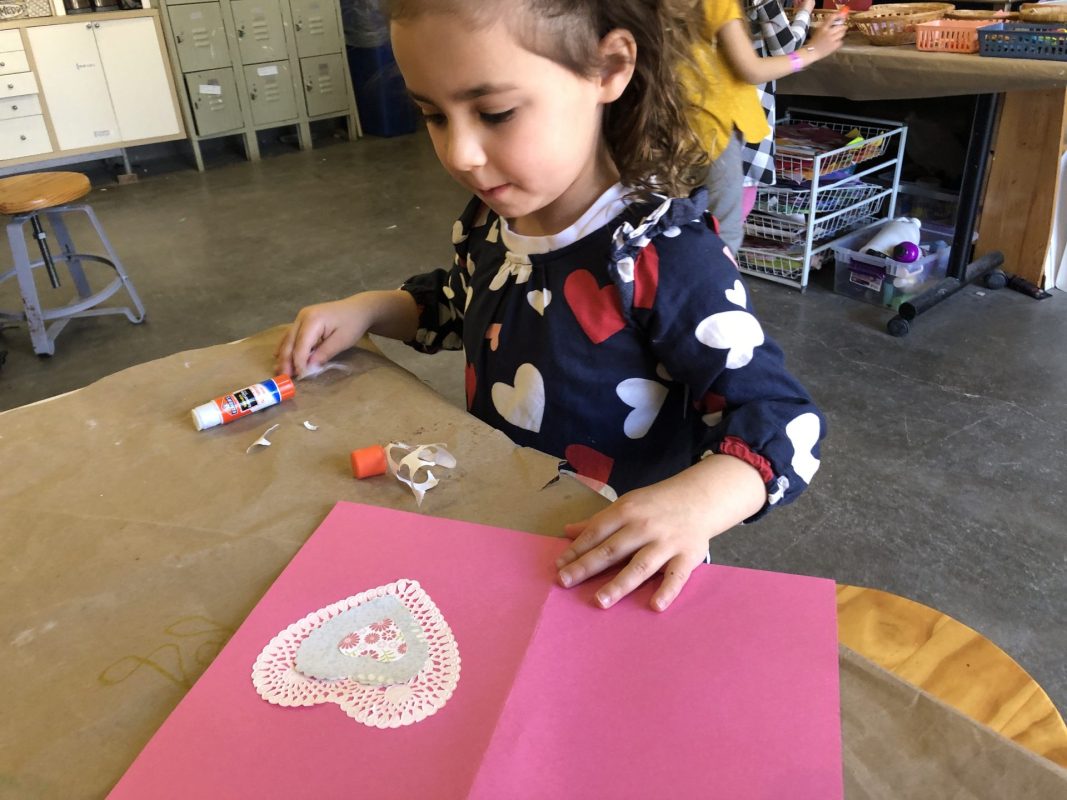
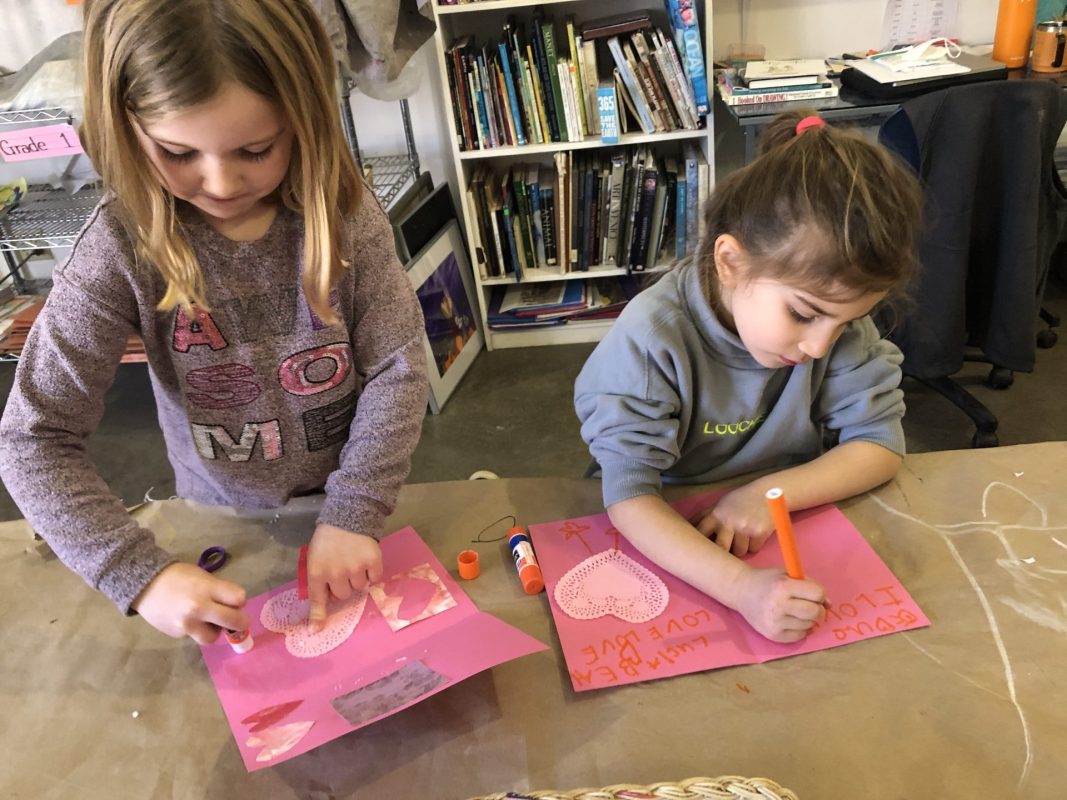
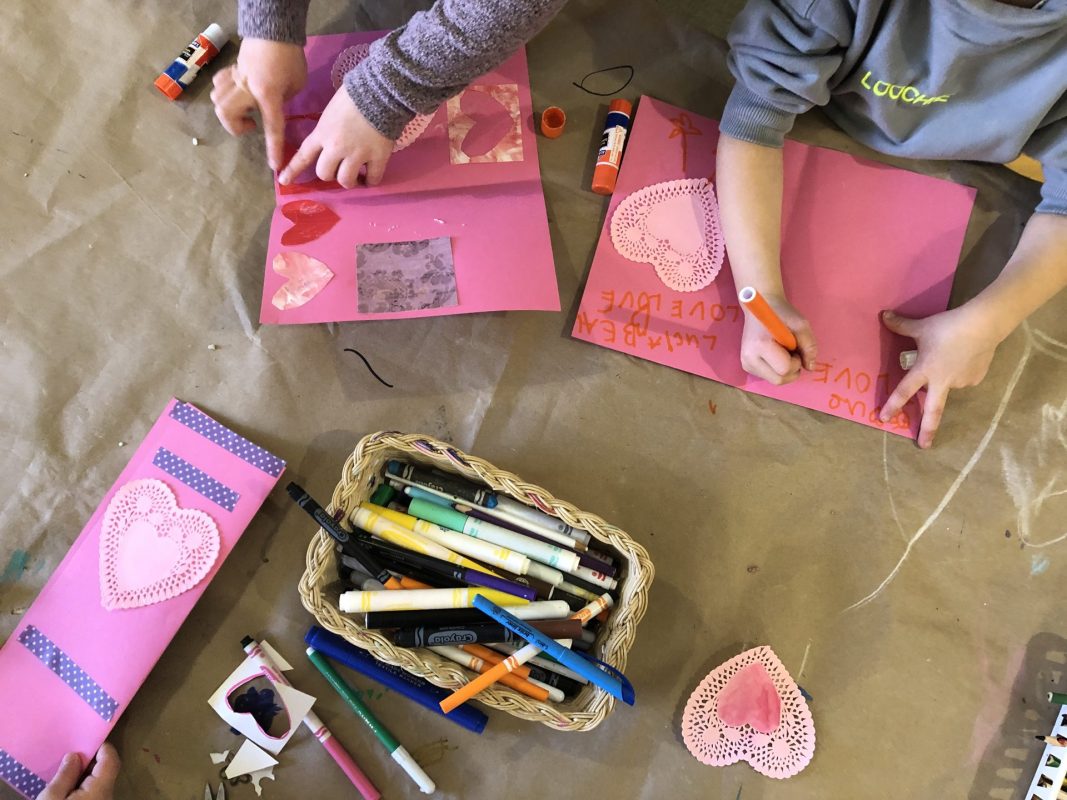
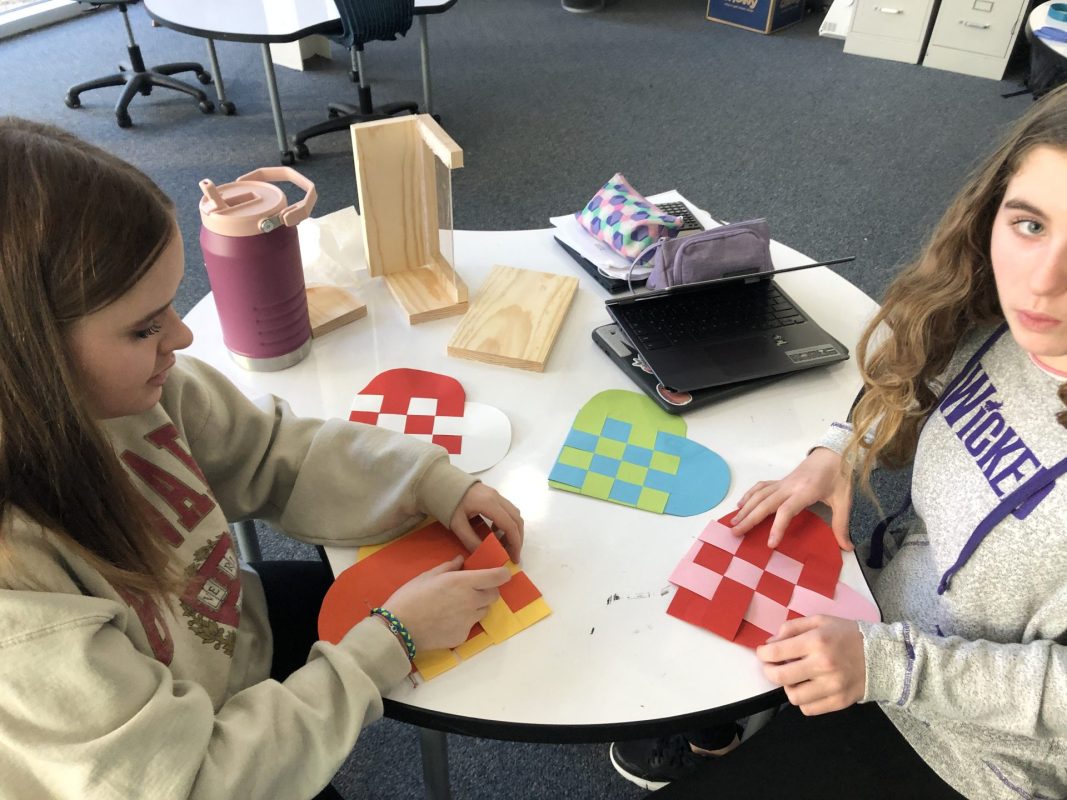
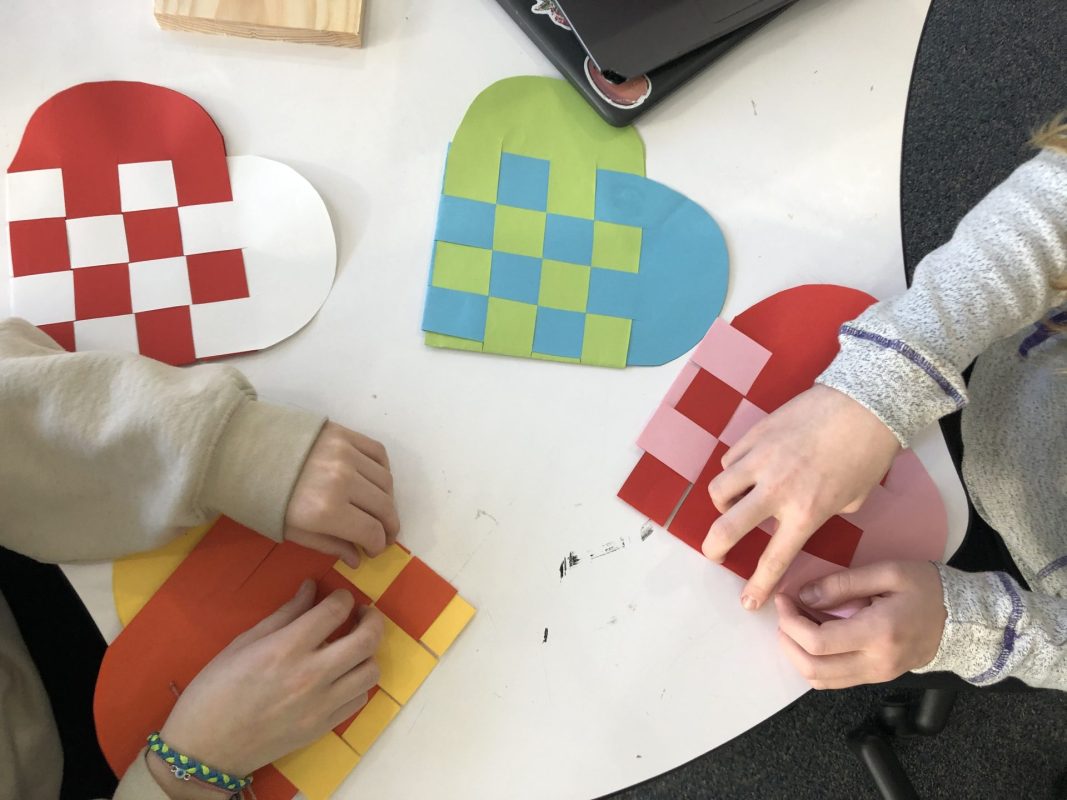
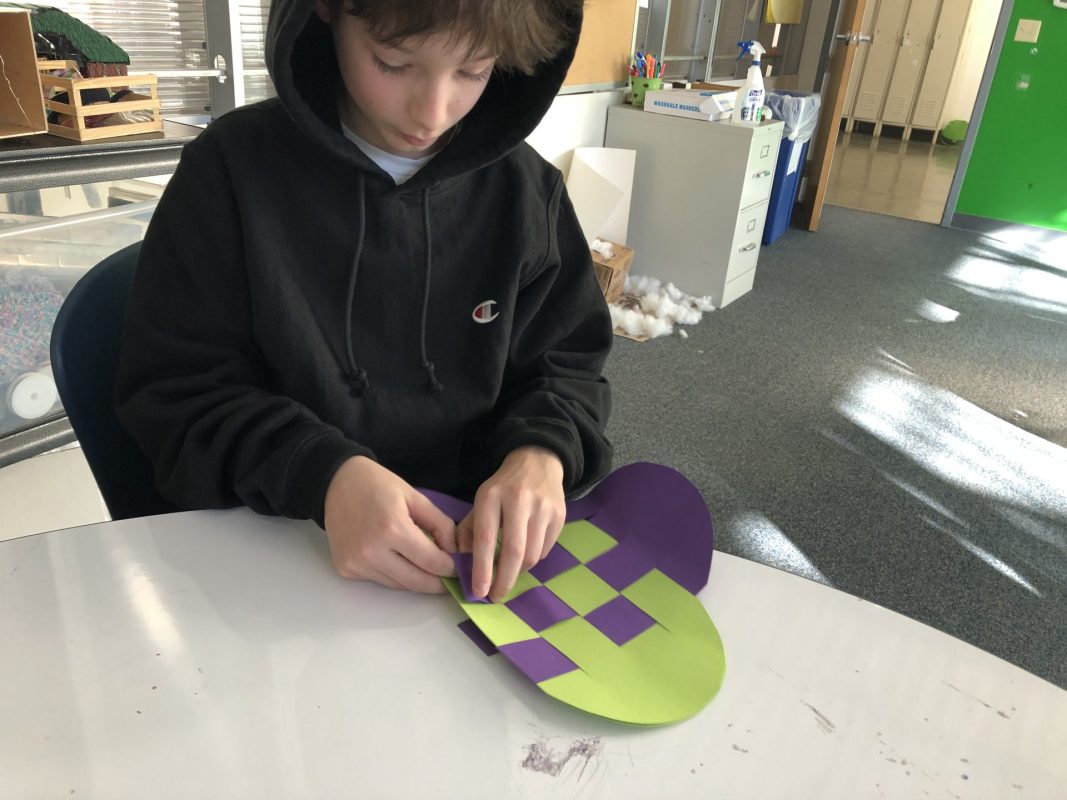
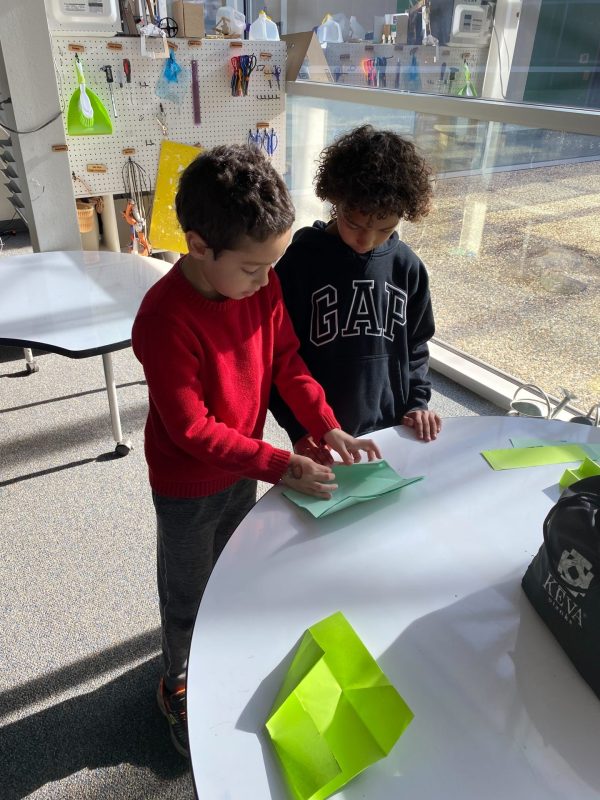
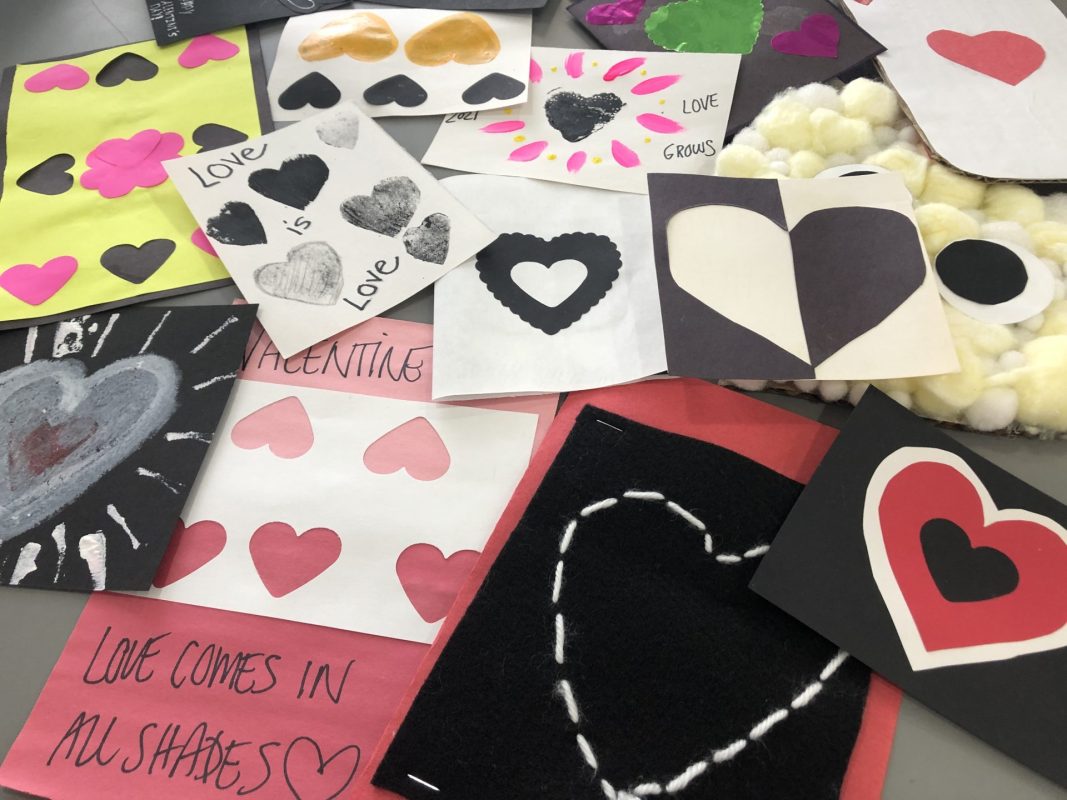
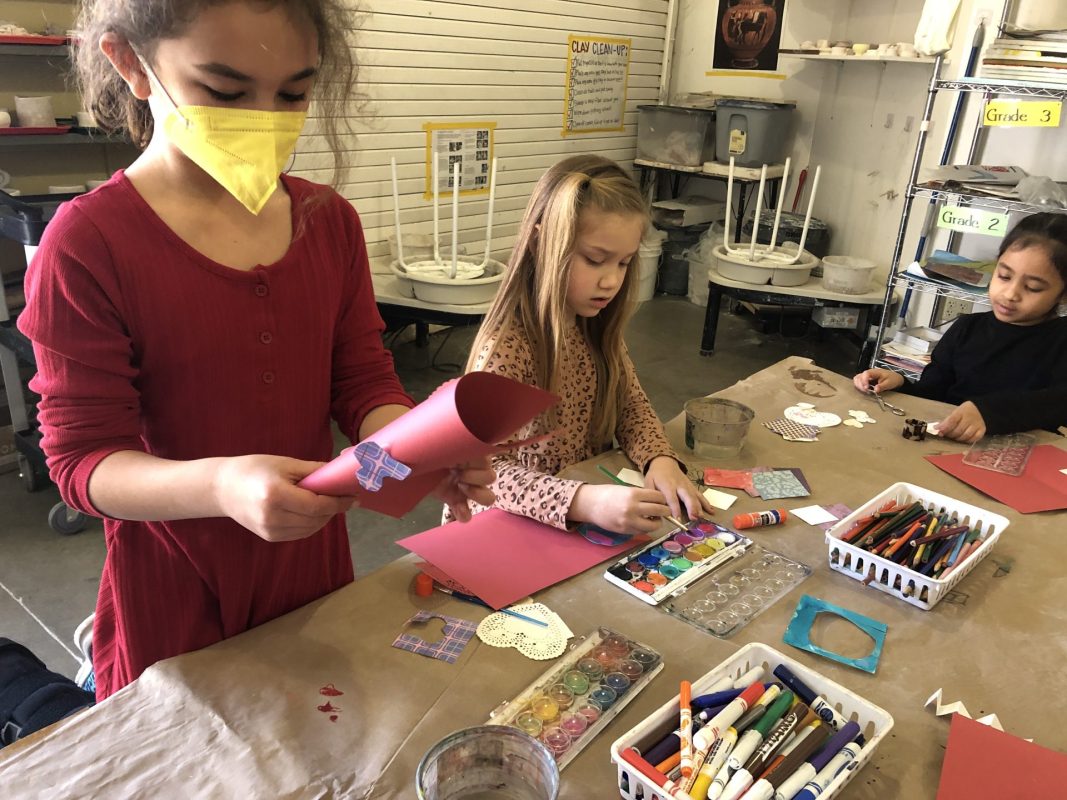
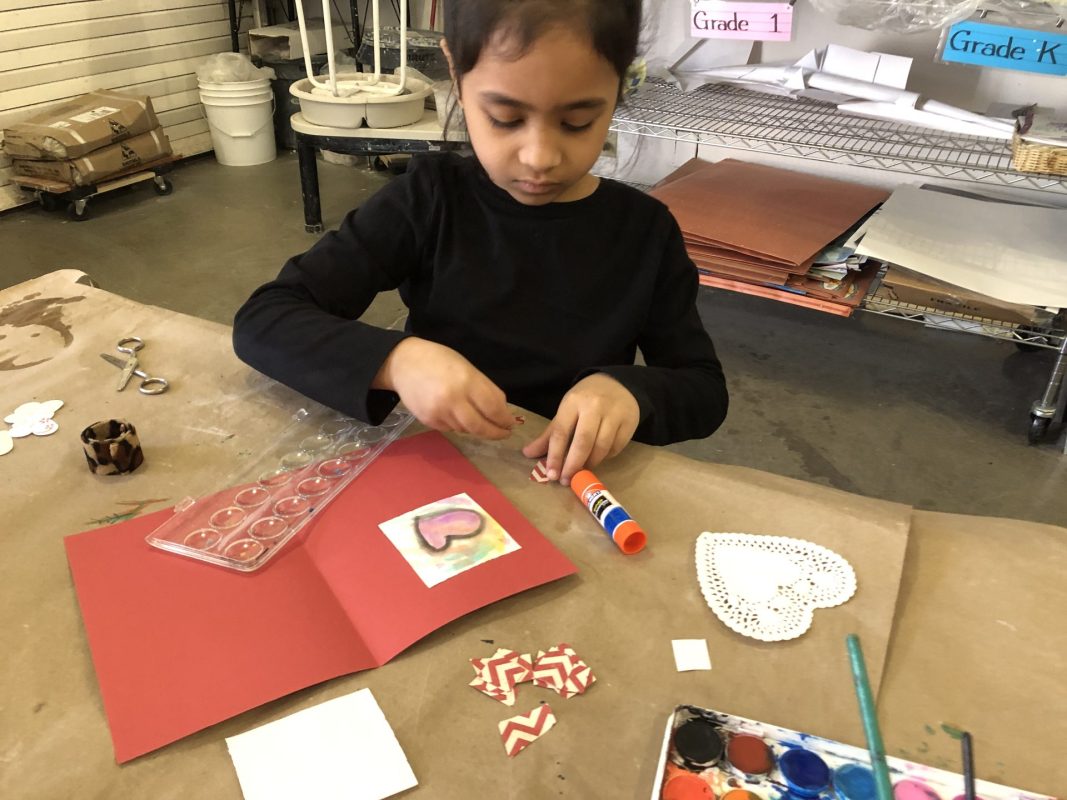
Students in Kindergarten through 8th grade have been hard at work creating colorful, thoughtful Valentine’s Day cards for older adults. We partnered with Watermark (Southbury Senior Living Community) and will send their residents our Valentine’s creations next week. Middle School students specifically designed cards for the visually impaired, while our younger students created cards using their own creative imaginations.

A recurring theme in our Middle School STEAM curriculum is empathy. We often explore this topic through design challenges in which the students make/build things for someone other than themselves. For February, we created a “High Contrast Valentines” project in which students created cards using bold, contrasting colored paper. We taught our students what high-contrast colors are (colors that are directly opposite one another on the color wheel )and why they’re easier to see. We also discussed tactile design and how incorporating textural elements into our cards could benefit the visually impaired. This is a small step in our efforts to design with empathy in mind so that our creations are accessible to older adults, who often have different types of visual impairments.
Younger students in Kindergarten through Upper Elementary also crafted Valentine’s cards for the Watermark residents using various collage materials.  We hope our creations will spread the love and joy of this holiday to their community!

Independent Creativity with Lower Elementary 

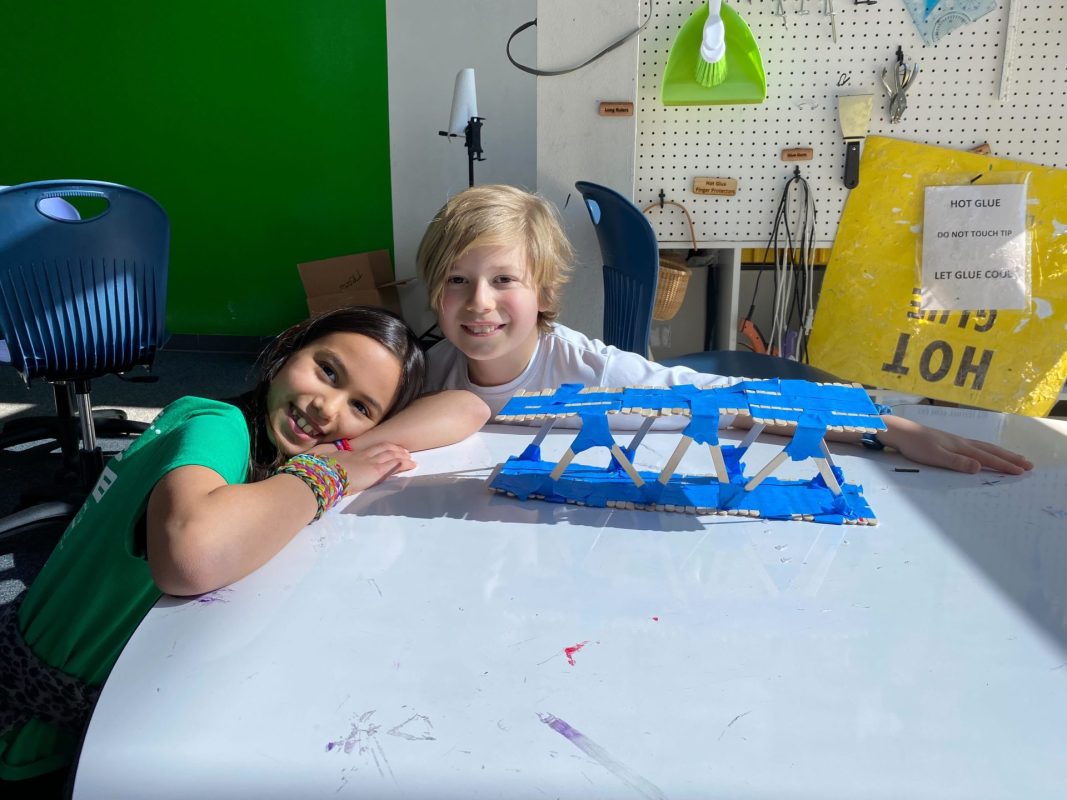
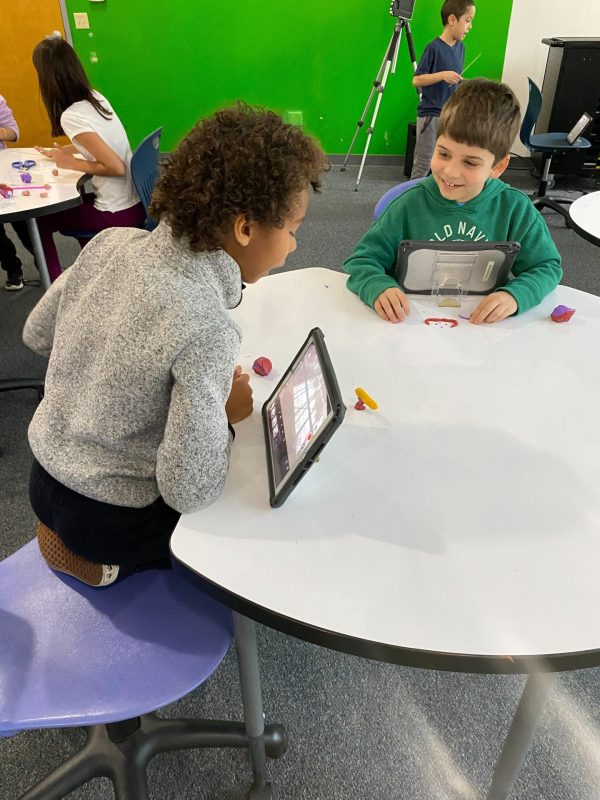
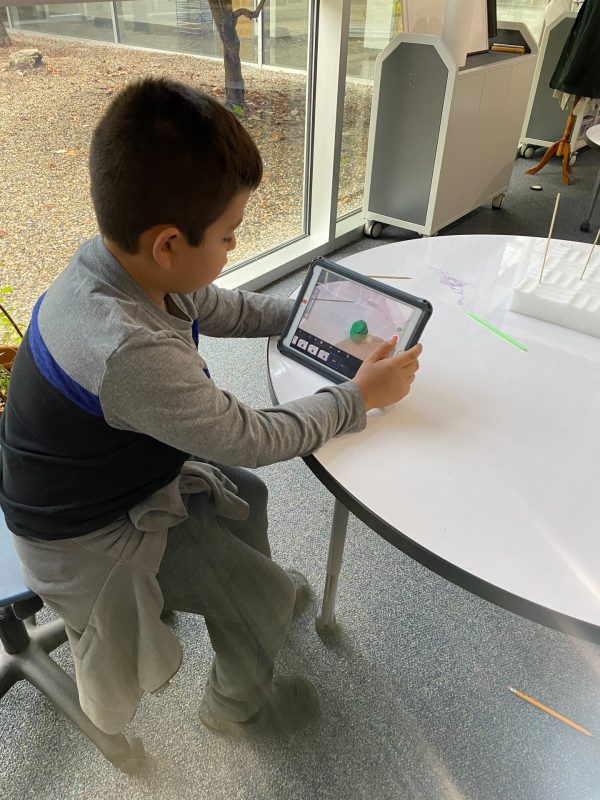
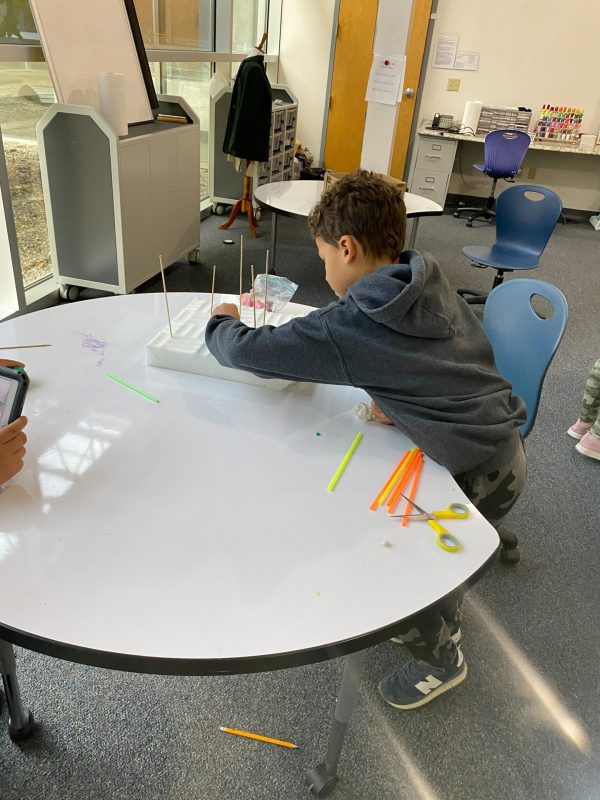
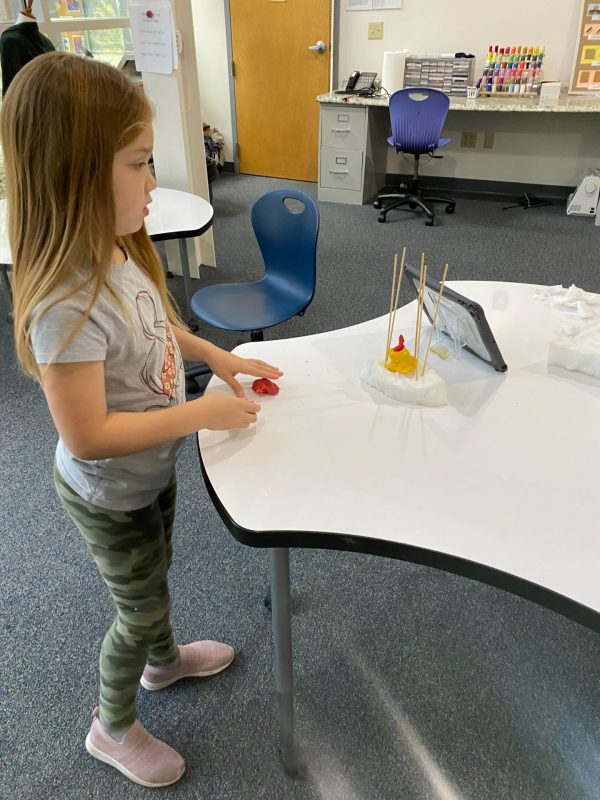
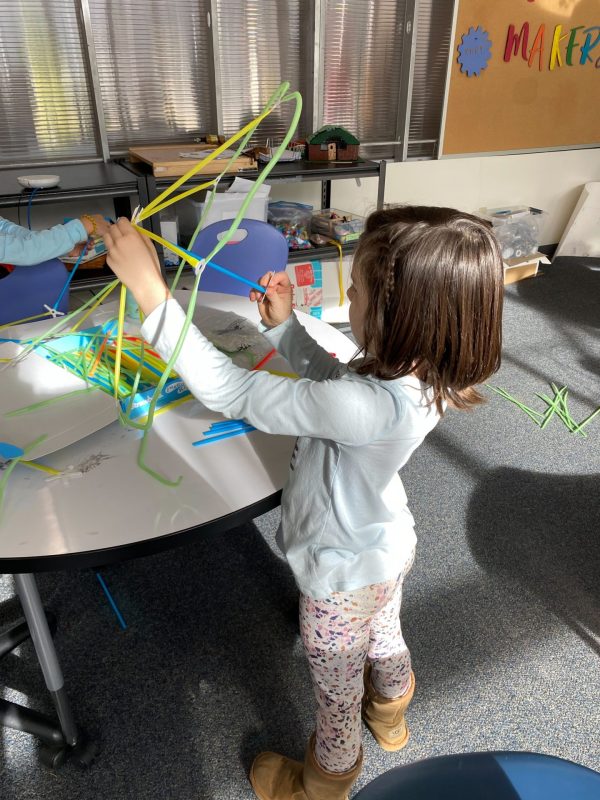
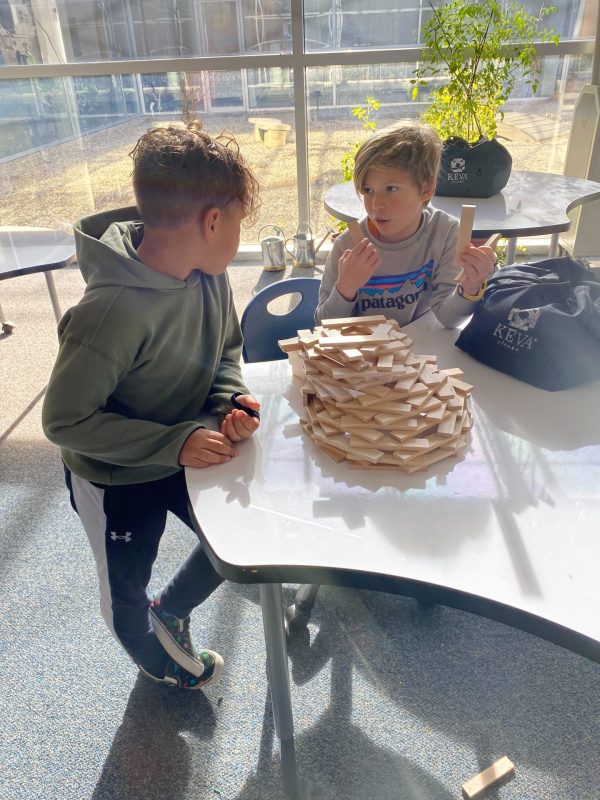
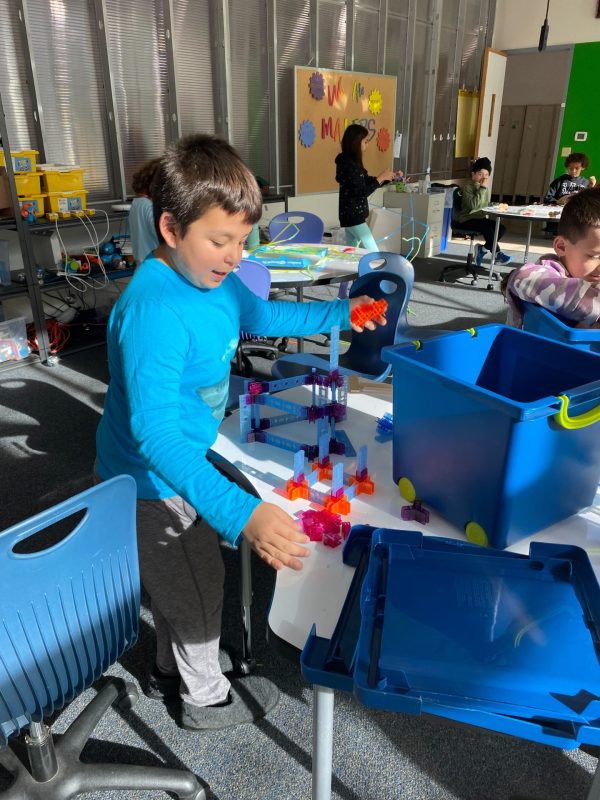
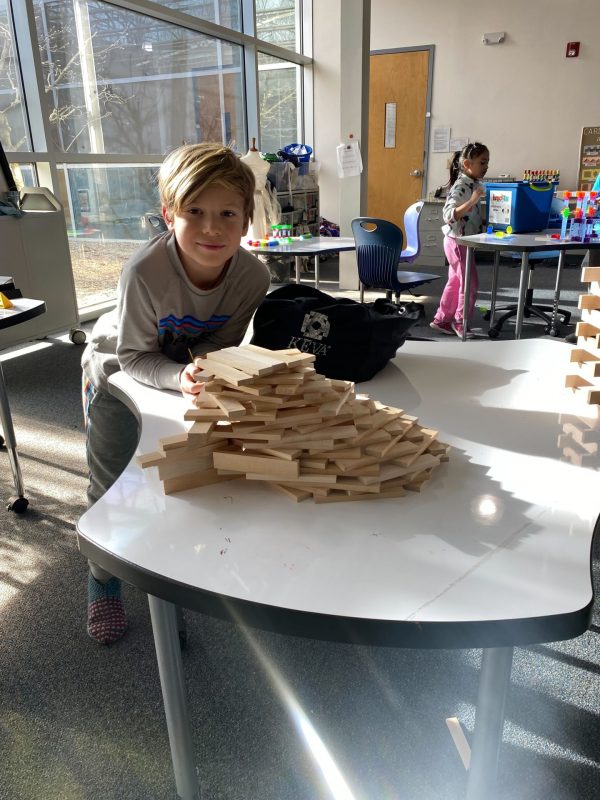
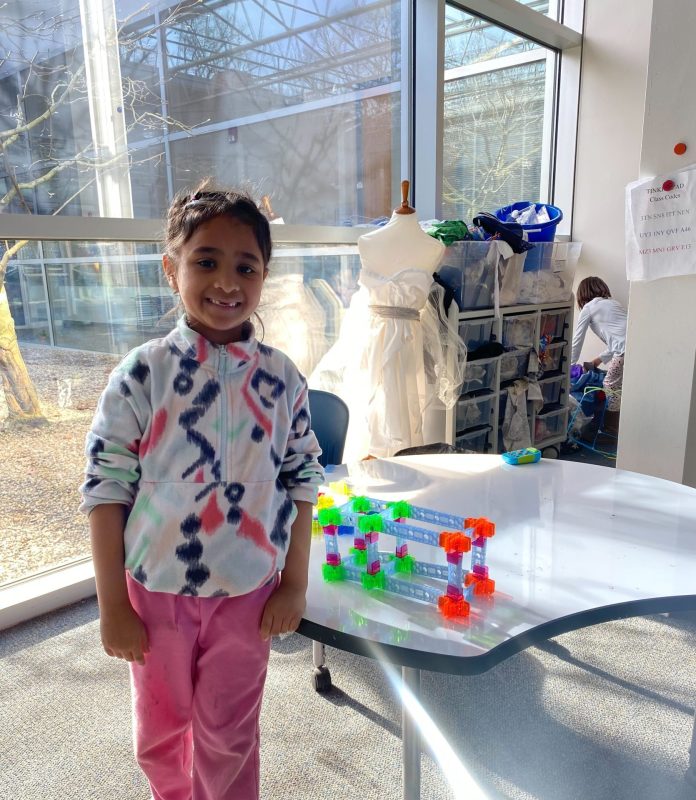
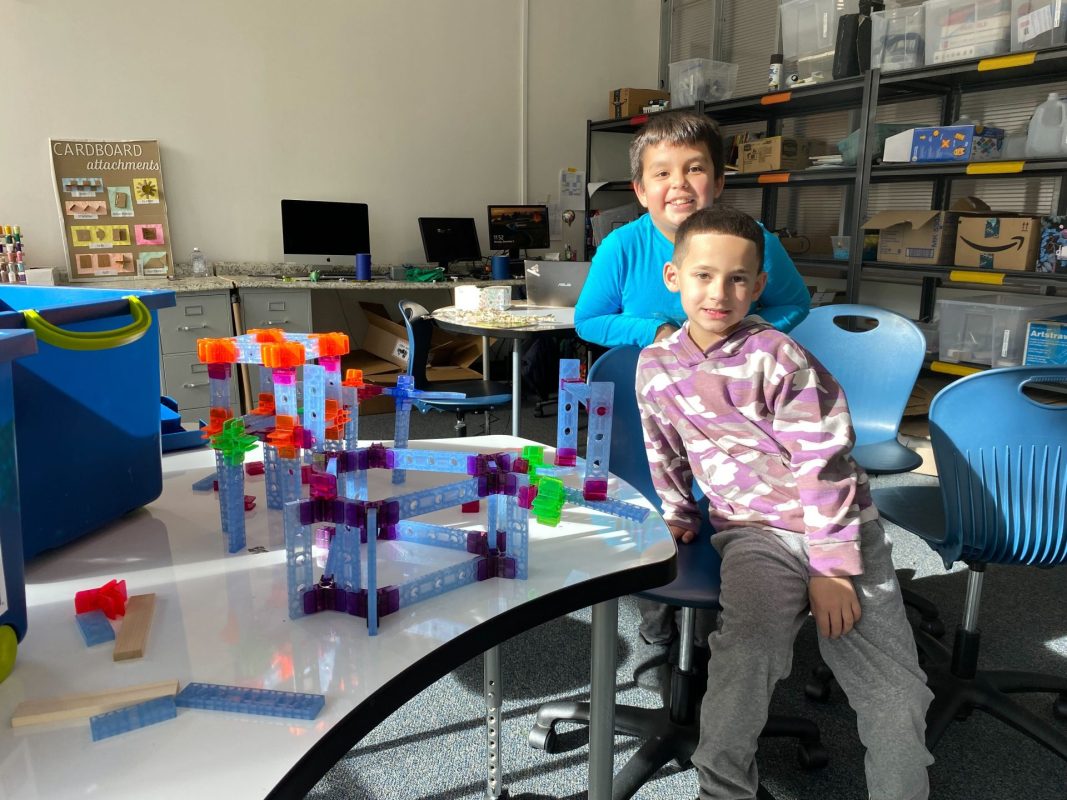
As our Lower Elementary students work on developing their independent ideas and using their creativity, we love to give them opportunities to explore their individual making style. During the past few classes, students were given a wide range of building materials and encouraged to let their creativity shine. Students created towers built in “future cities”, umbrellas that allow you to time travel (in addition to protecting you from the rain of course), well-constructed igloos, and more. The Lower Elementary makers are excited to share their projects and discuss the fine details of the creative process with each other. The type of collaboration I see in these experimental projects is awesome. These classes have continued to reinforce the value of teamwork, and I love to see the students rejoice in shared success. Keep on creating, Lower Elementary!


Mrs. Lopes: Amazing Africa

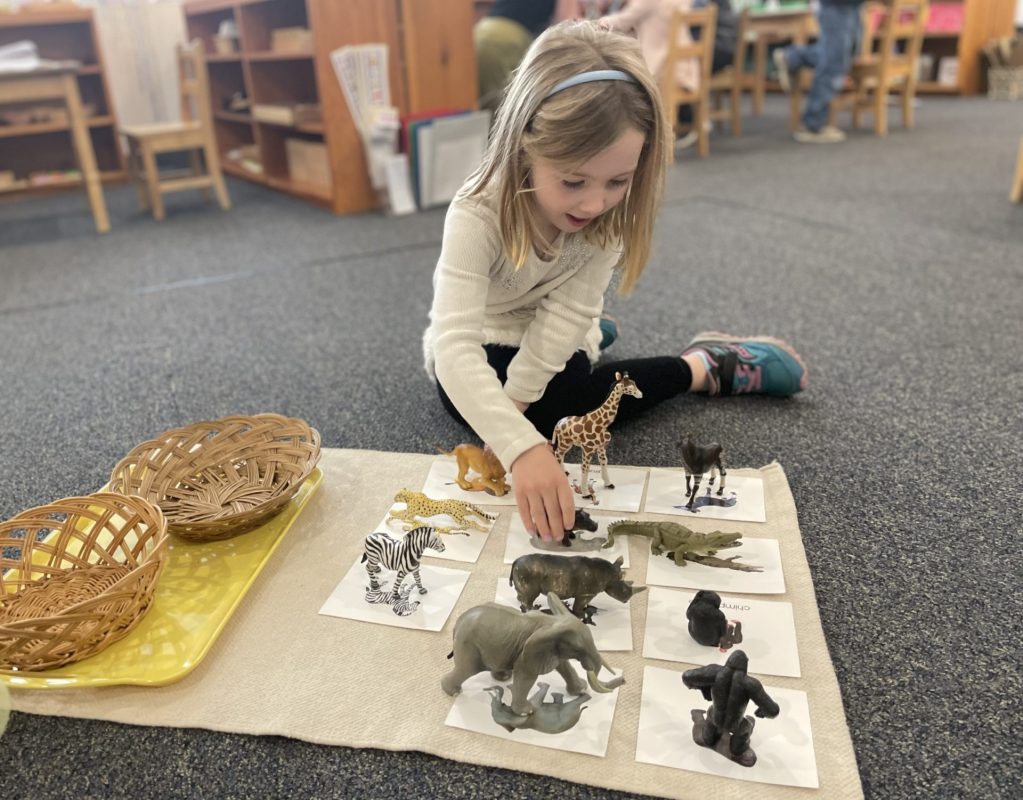
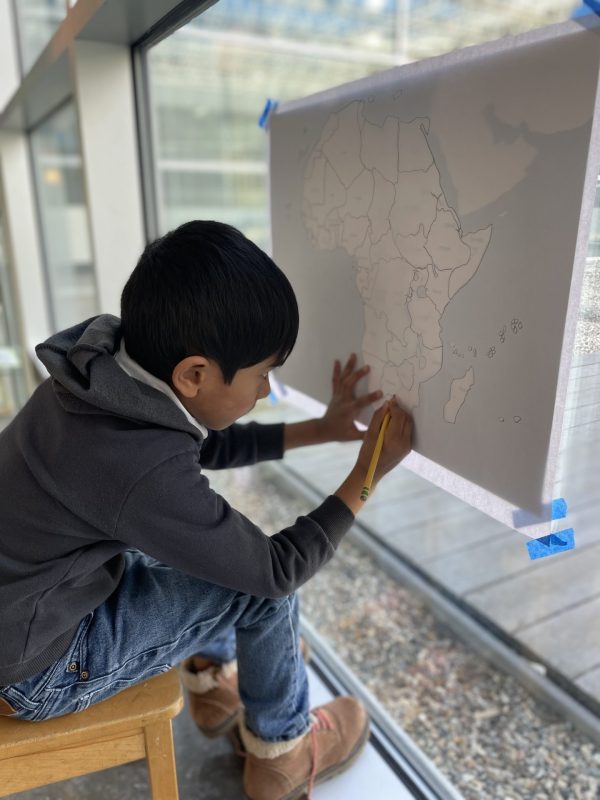
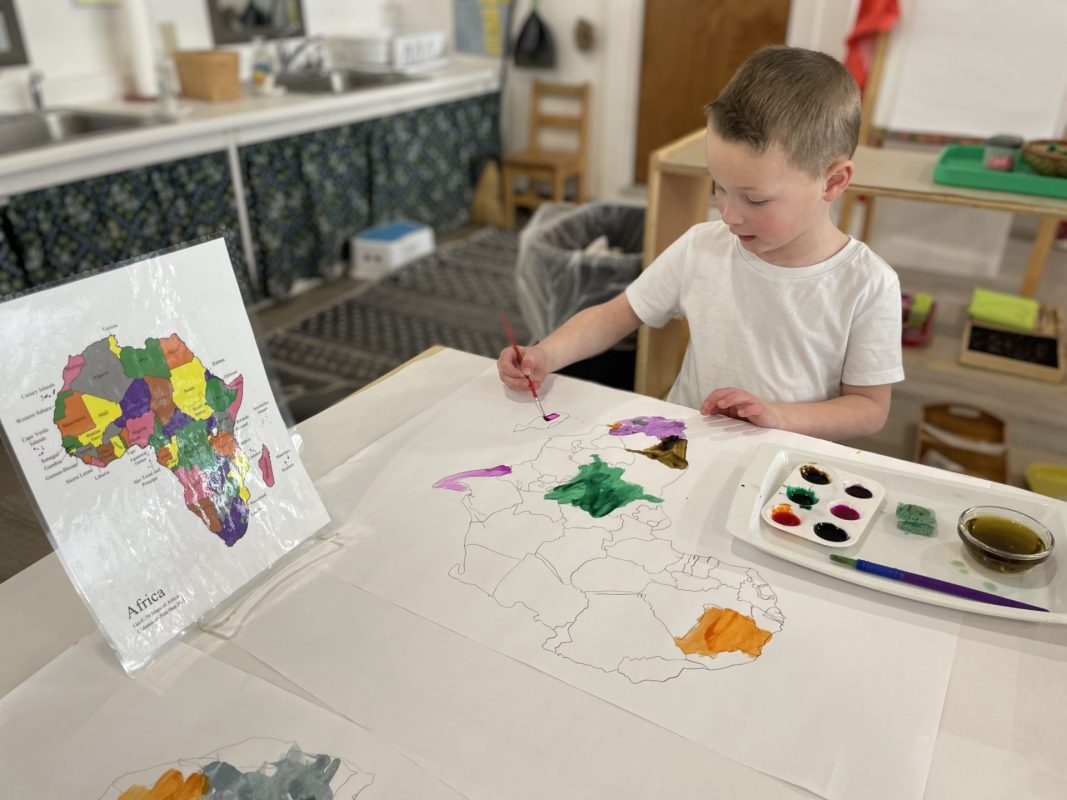
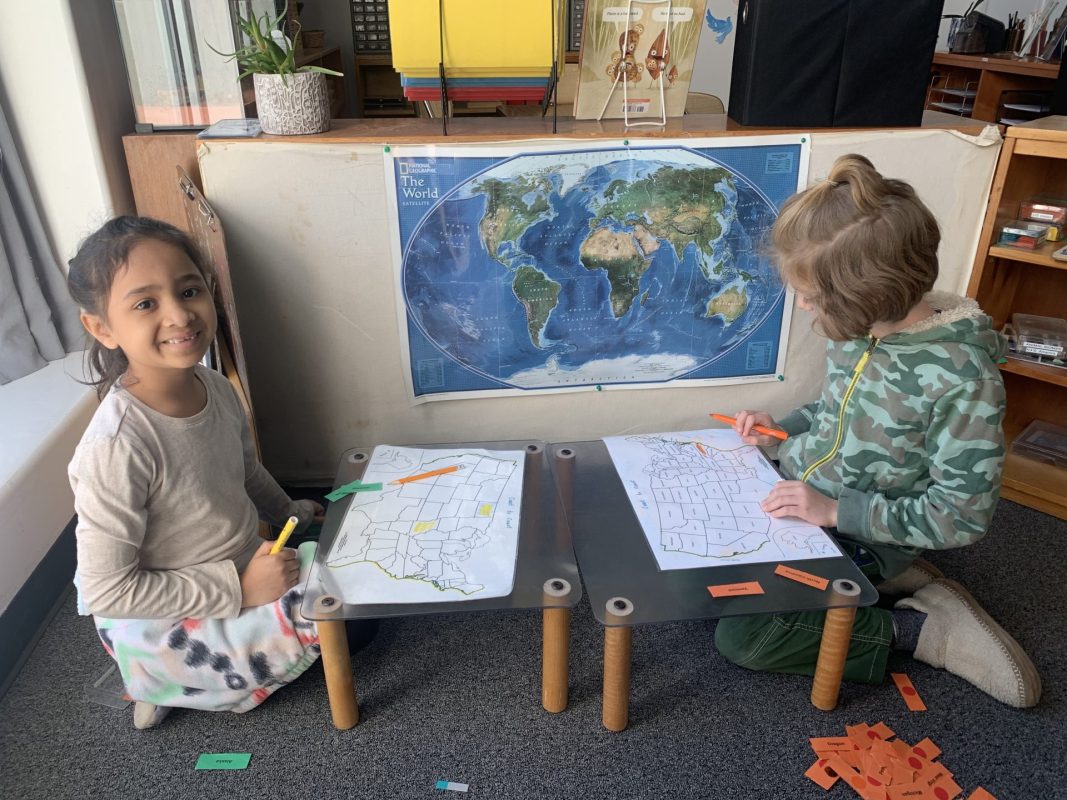
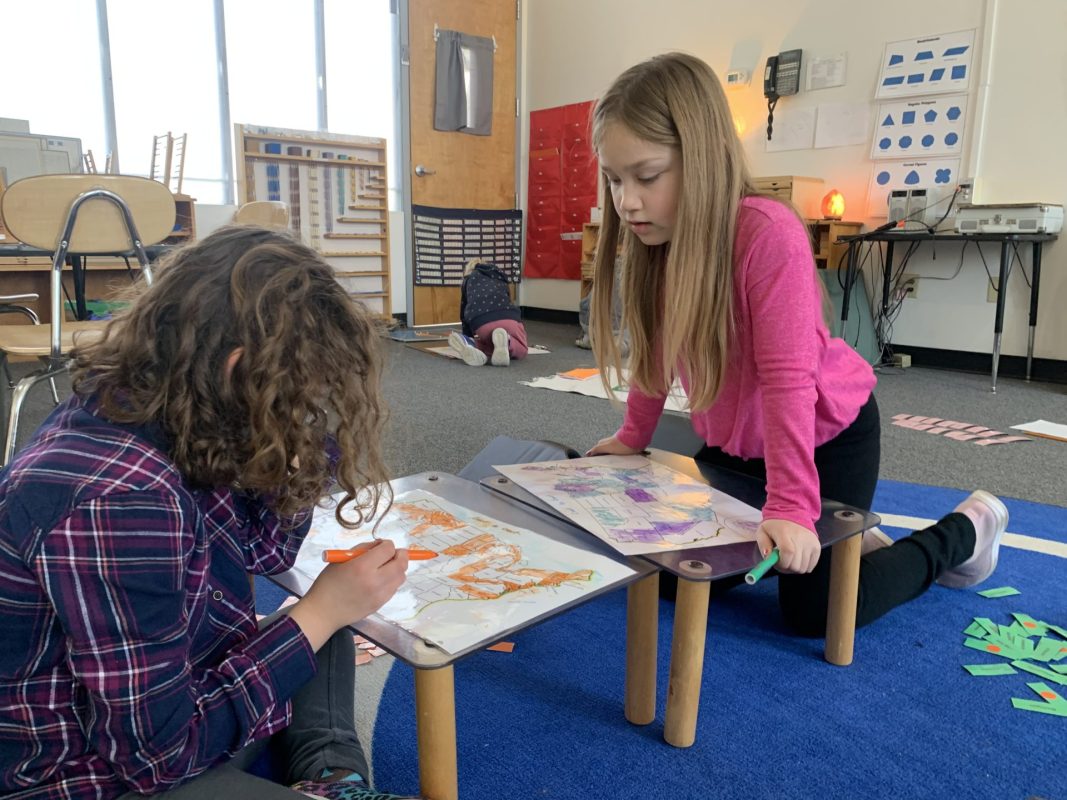
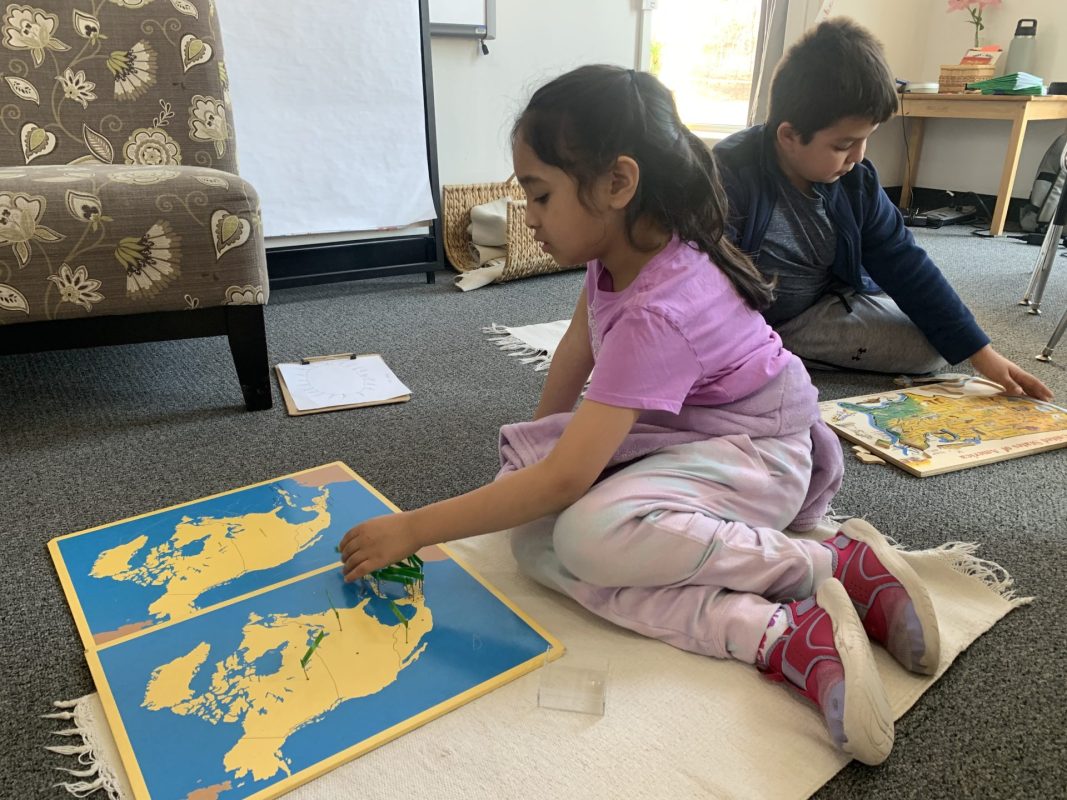
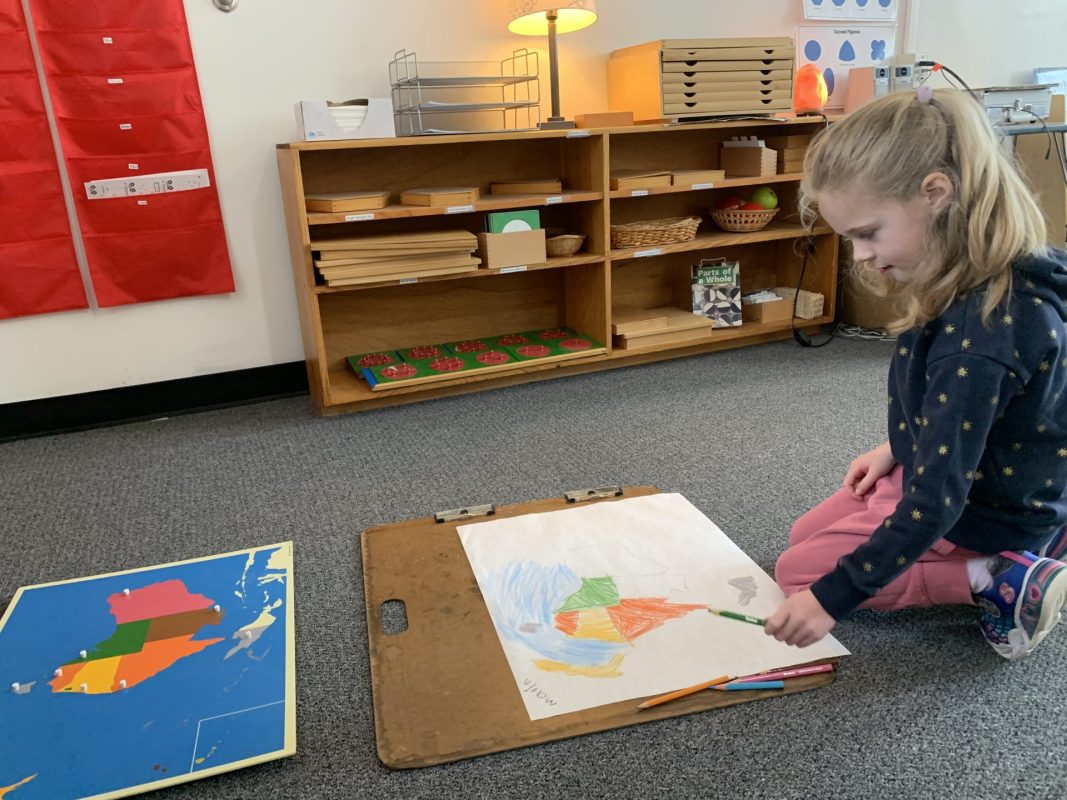
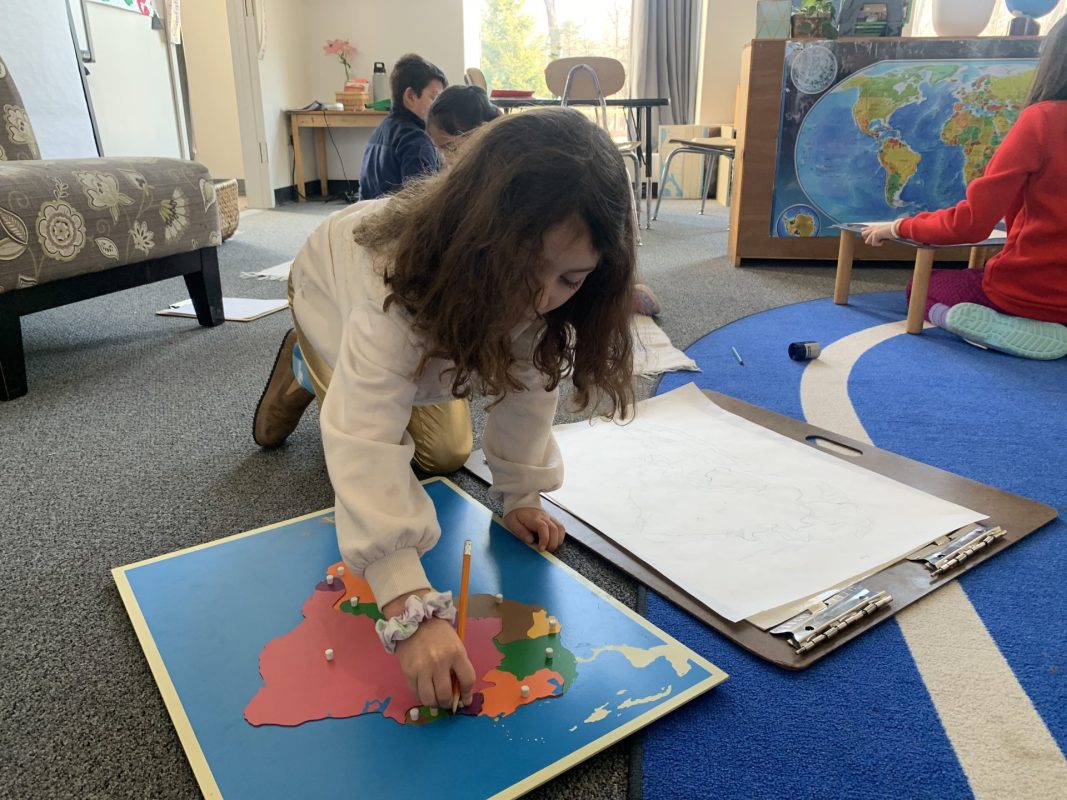
Each time we study a new continent, we first find it on the globe of the world, then we locate the continent on the world map, and lastly, we study the individual continent, using the specific continent maps. Currently, the children are learning about the continent of Africa. We learn about the geography, culture, weather, animals, and people of Africa.

We are learning lots of fun and fascinating facts about the continent of Africa.

  • Africa is the second largest continent, with 54 countries.
  • The longest river in the world, the Nile, is located in Africa.
  • Over one thousand languages are spoken by the people in Africa.
  • The Sahara, the world’s largest desert is located here.
  • The highest mountain in Africa is Mount Kilimanjaro. It is so tall that glaciers can be found at its summit even though the mountain is near the equator.
  • Africa is the most centrally located continent in the world. Both the prime meridian and the equator cut across it.
  • The world’s tallest animal, the giraffe, and the largest land animal, the African elephant are found in Africa.

Wishing you a week filled with peace and love.

Amanda & Hema


Upper El’s Week

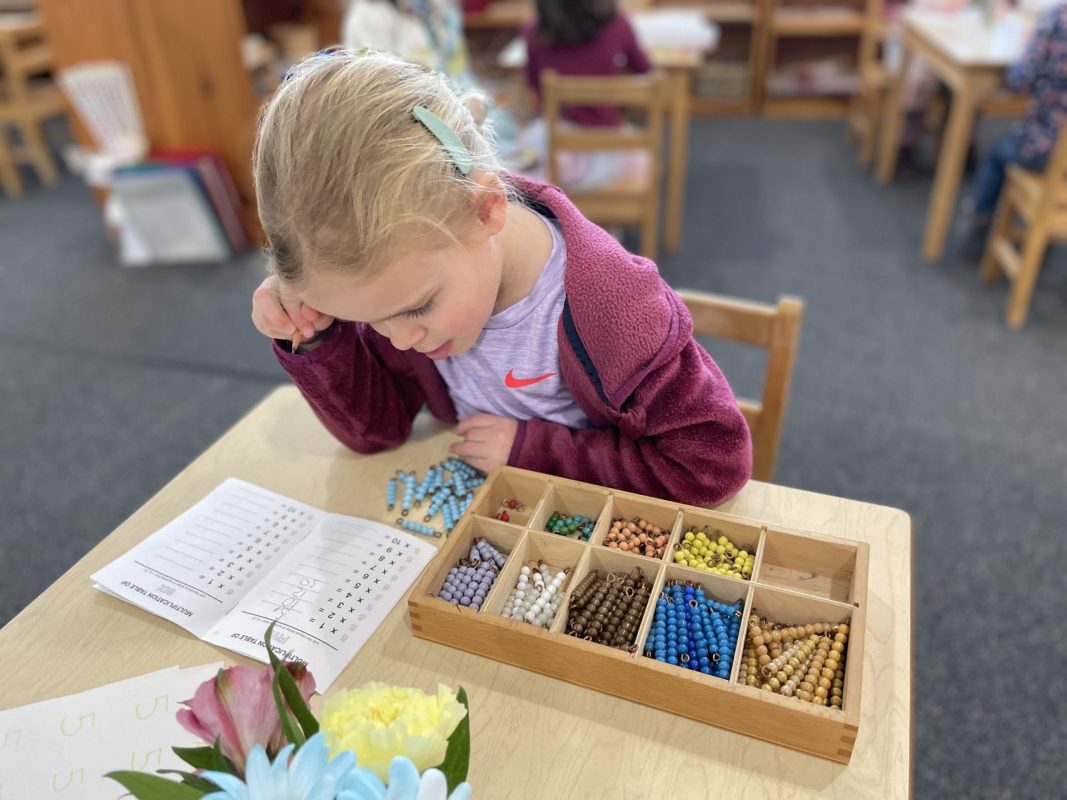
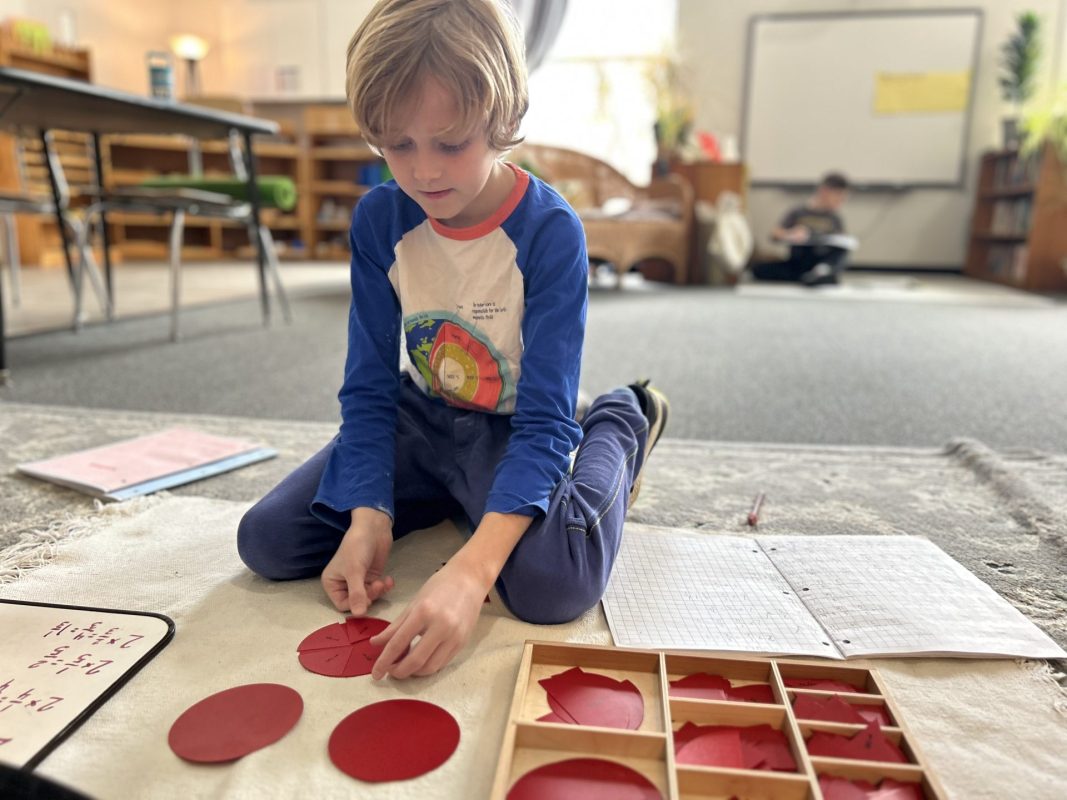
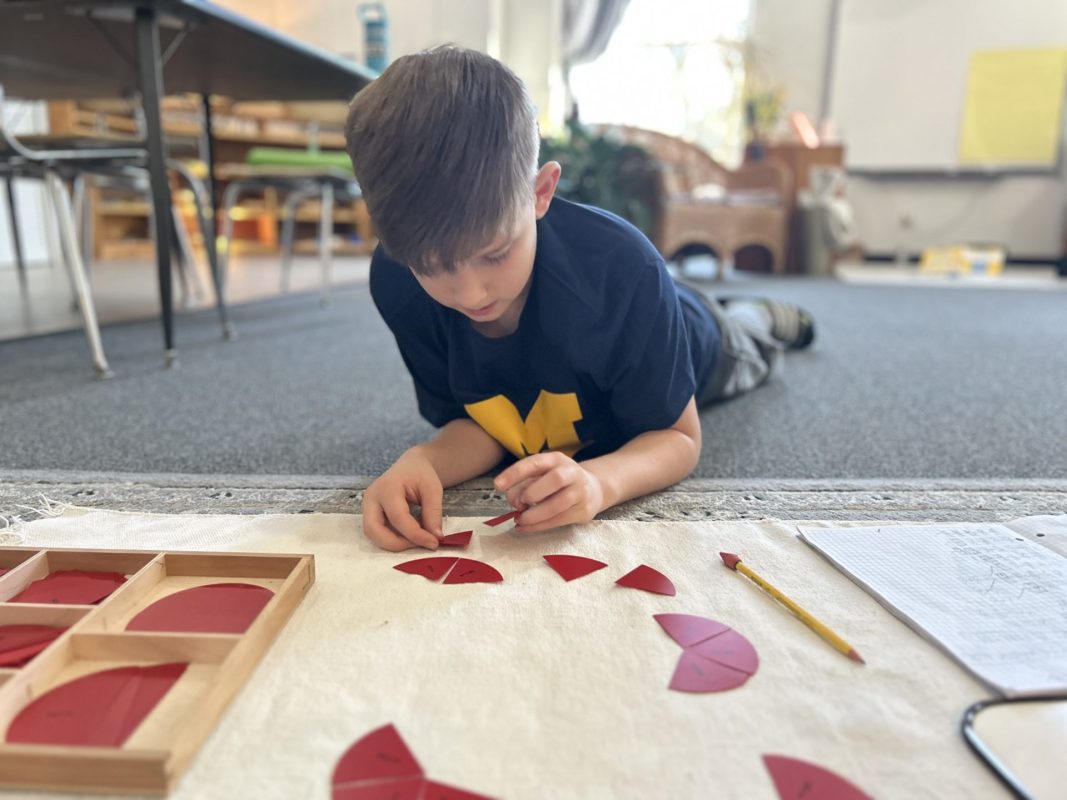
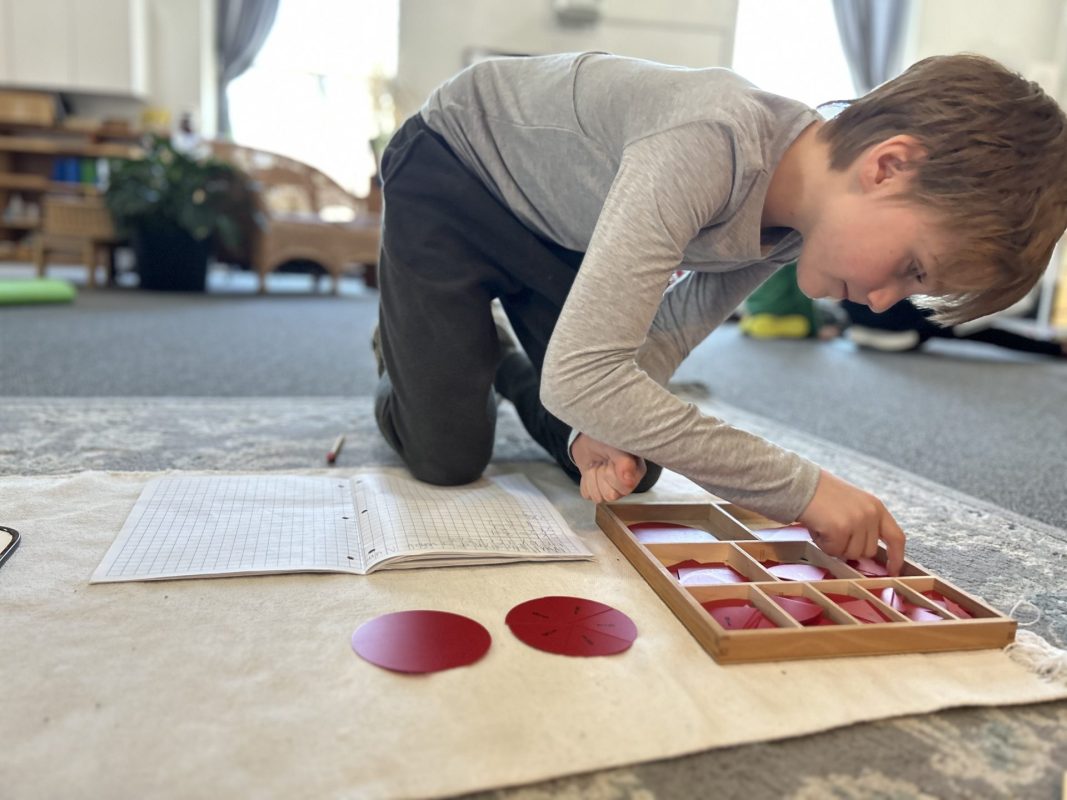
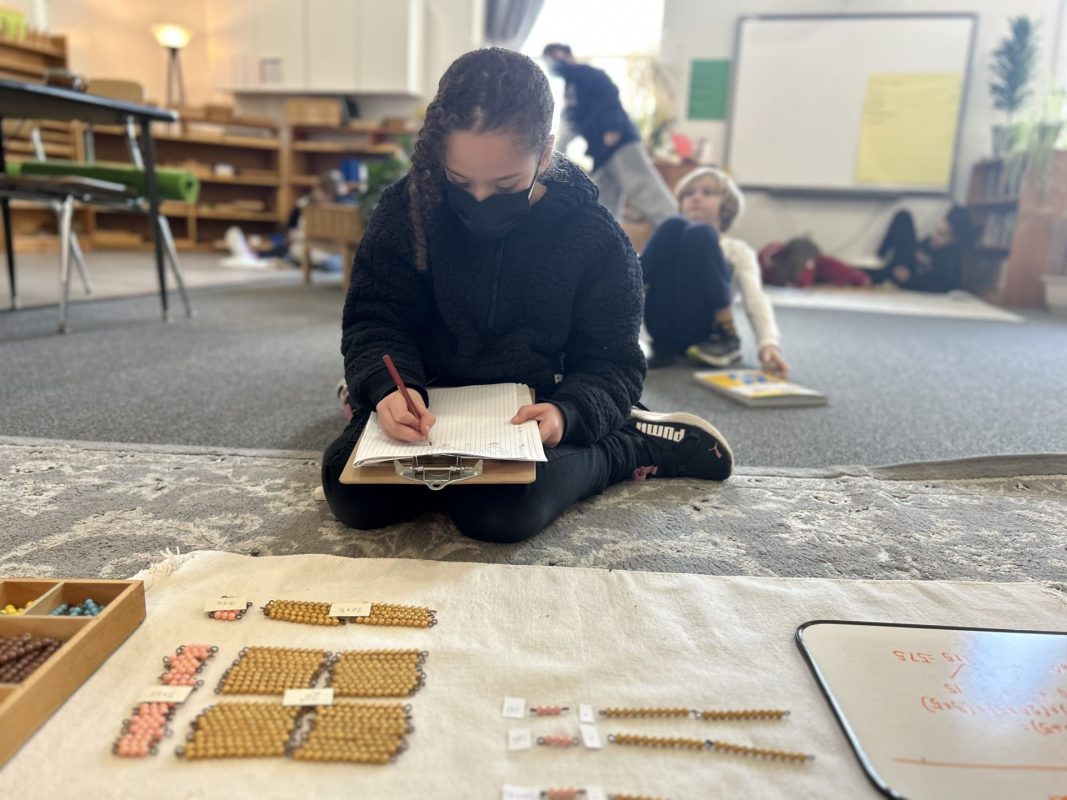
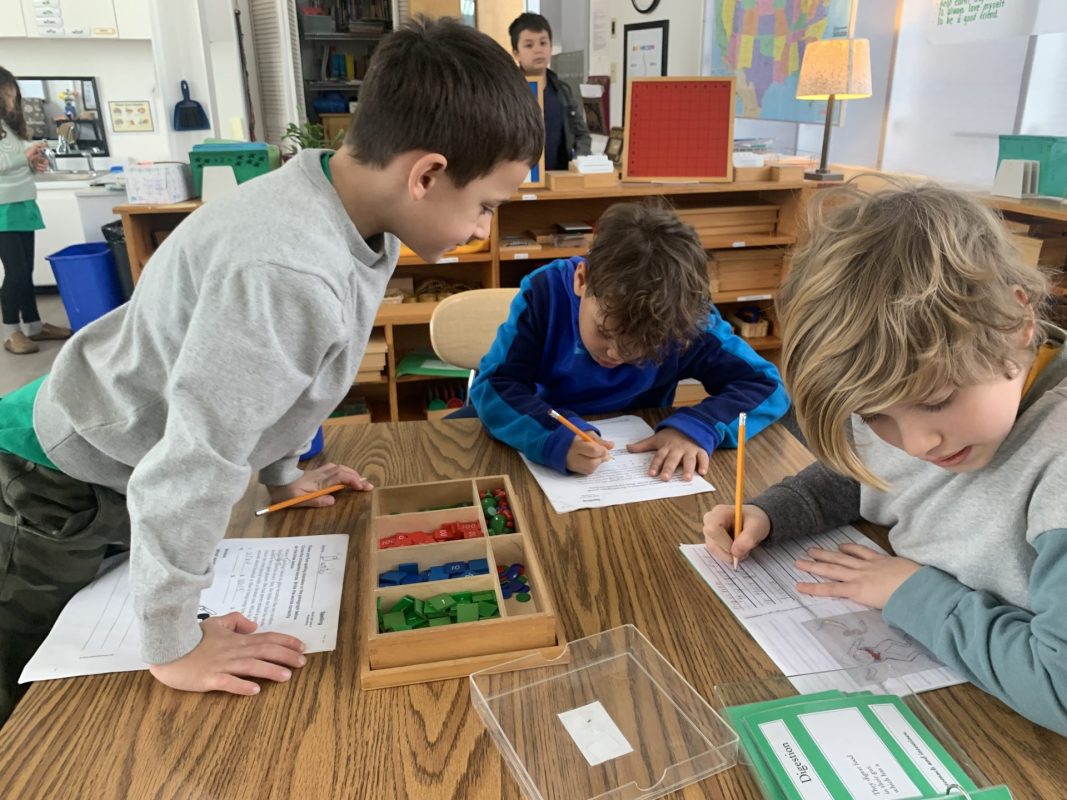
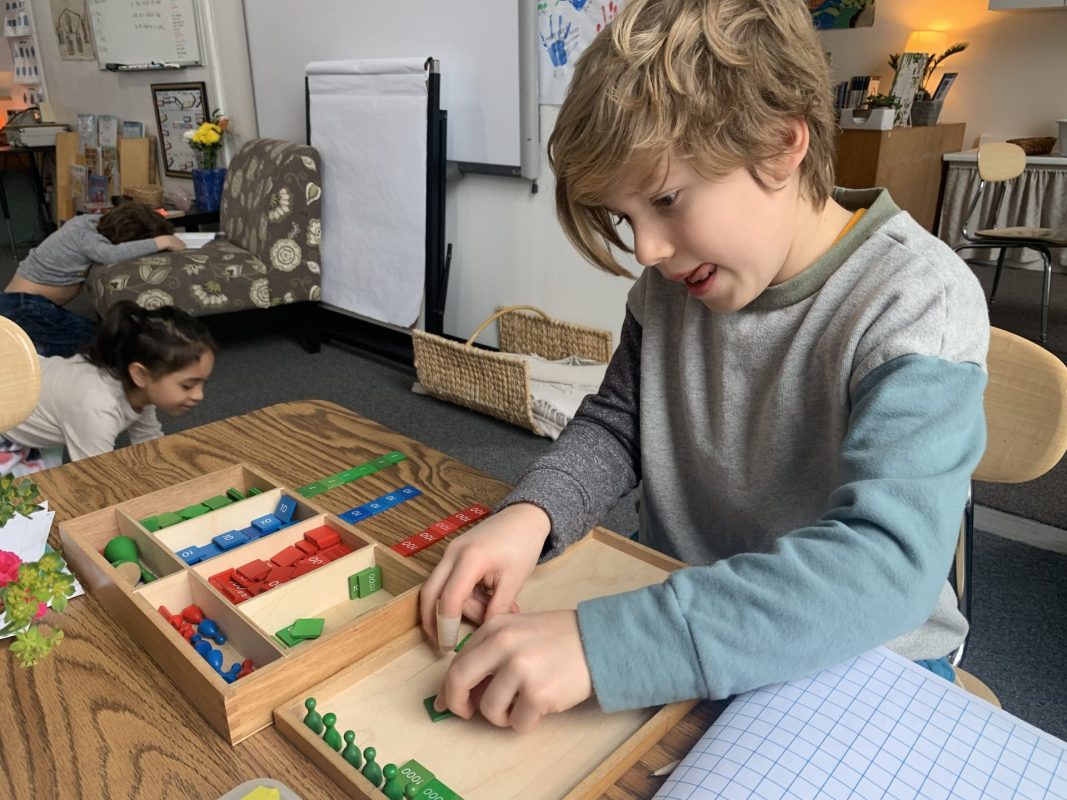
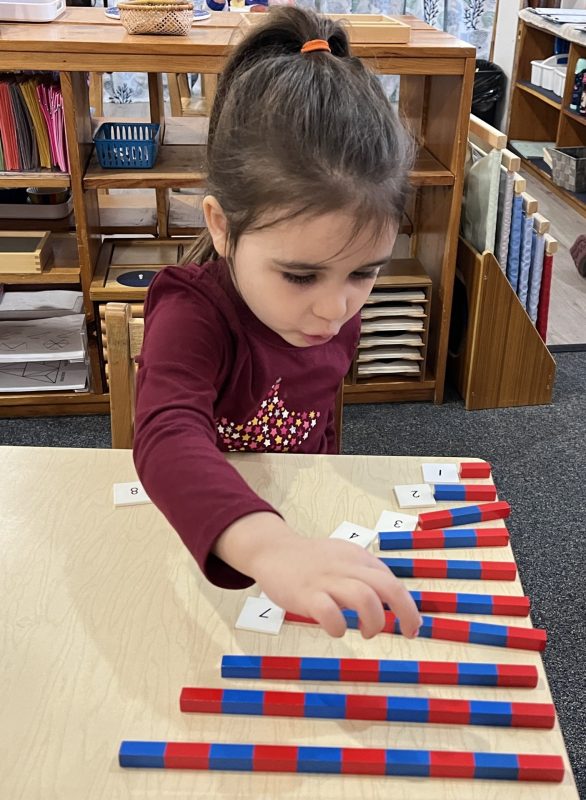
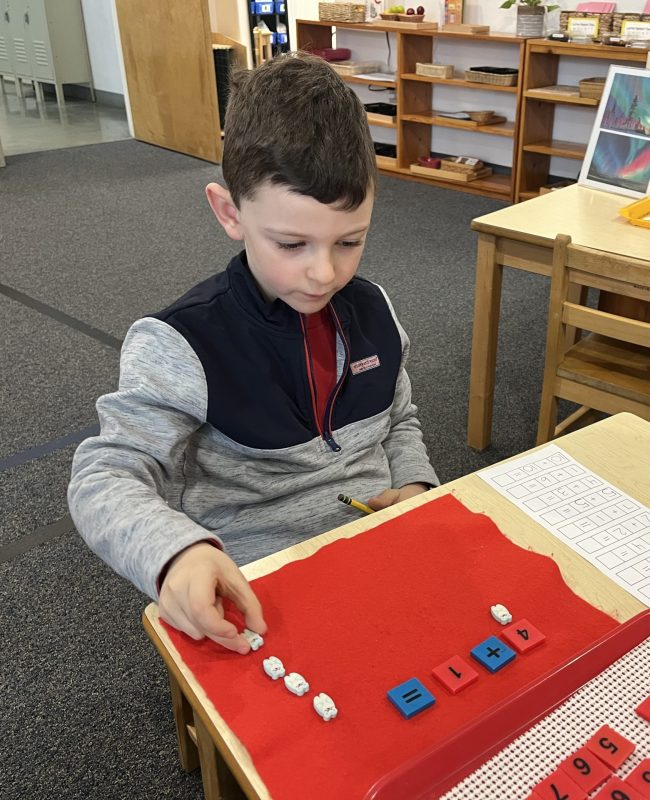
We are a small but mighty group this week. As introduced in last week’s blog, math work starts with the concrete and leads naturally to the abstract. We had lots of progress in math this week.  Many students are working with fractions. They are learning to add and subtract fractions with different denominators and to multiply whole numbers by fractions. All fraction work begins with students using cut pieces of circles, called fraction insets. In their addition and subtraction work, they manipulate the pieces to figure out what the common denominator is. After doing several problems, we look to see if they recognize a pattern in what they are doing. As they work, students notice that:

  1. To add or subtract fractions with different denominators, all fractions must be reduced to the same denominator.
  2. To change the terms of a fraction, they either multiply or divide both terms by the same number.
  3. If they multiply or divide the terms of a fraction by the same number, the value of the fraction doesn’t change.

In their work with the multiplication of whole numbers by fractions, they start by taking the whole circle insets and changing them into the number of fraction pieces they need in order to multiply. Students begin to notice that, as the denominator of the multiplier is increased, the total product is decreased. They then begin to notice the pattern, they simply have to multiply the whole number by the numerator to get their new numerator and the denominator stays the same. All students working with fractions are also learning to reduce their answers to the lowest terms.

We also have students working with decimal numbers, multiplying binomials, and squaring trinomials. I look forward to sharing more details about those lessons with you in the next few weeks.

Wishing you a beautiful weekend,

Karen and Angie


Middle School: Week in Review

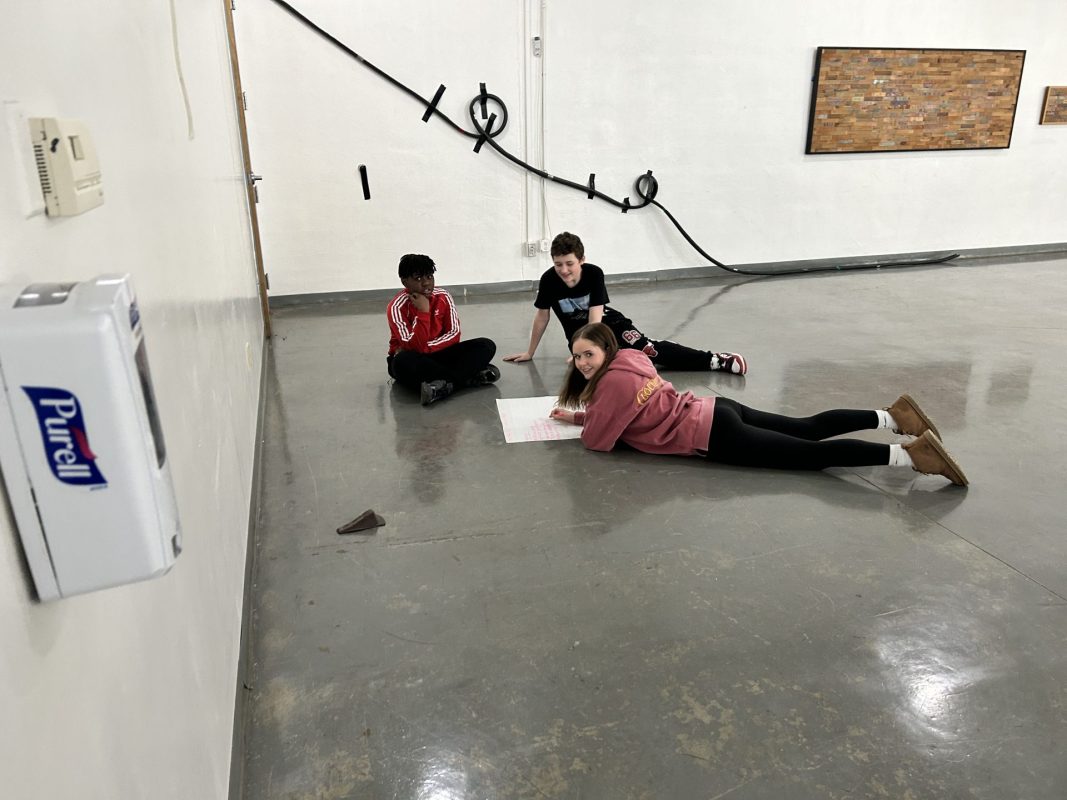
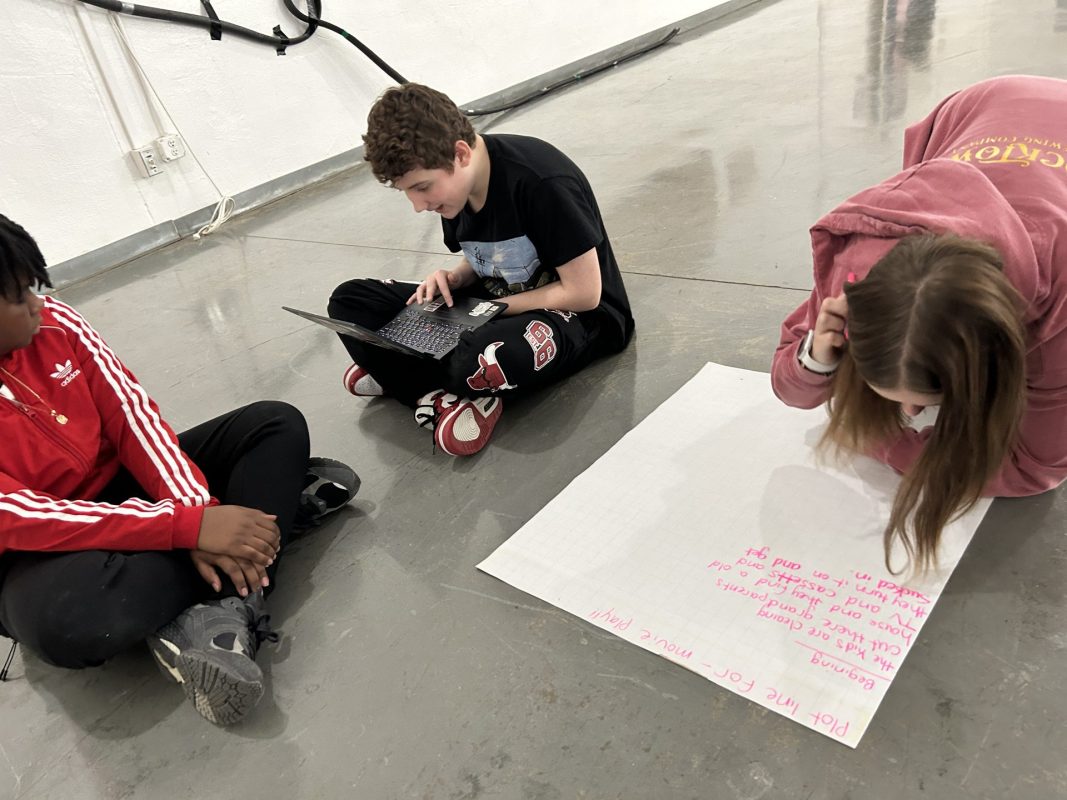
Another great week has ended, and we entered February, an exciting month for middle school. This month, we have Research Presentation Night on February 15th at 7 pm for 6th and 7th-grade students. We invite 8th graders to come and support their classmates if they are able. The middle school is also working on a collective “Gallery” (more to come on this) in recognition of Black History Month. We also have Conferences on Thursday, 2/16. If you haven’t already, please sign up with your child’s advisor (a link to a Sign Up Genius went out last Friday). Finally, discussions have begun about this year’s middle school play that we will be writing at the end of the month.

Humanities

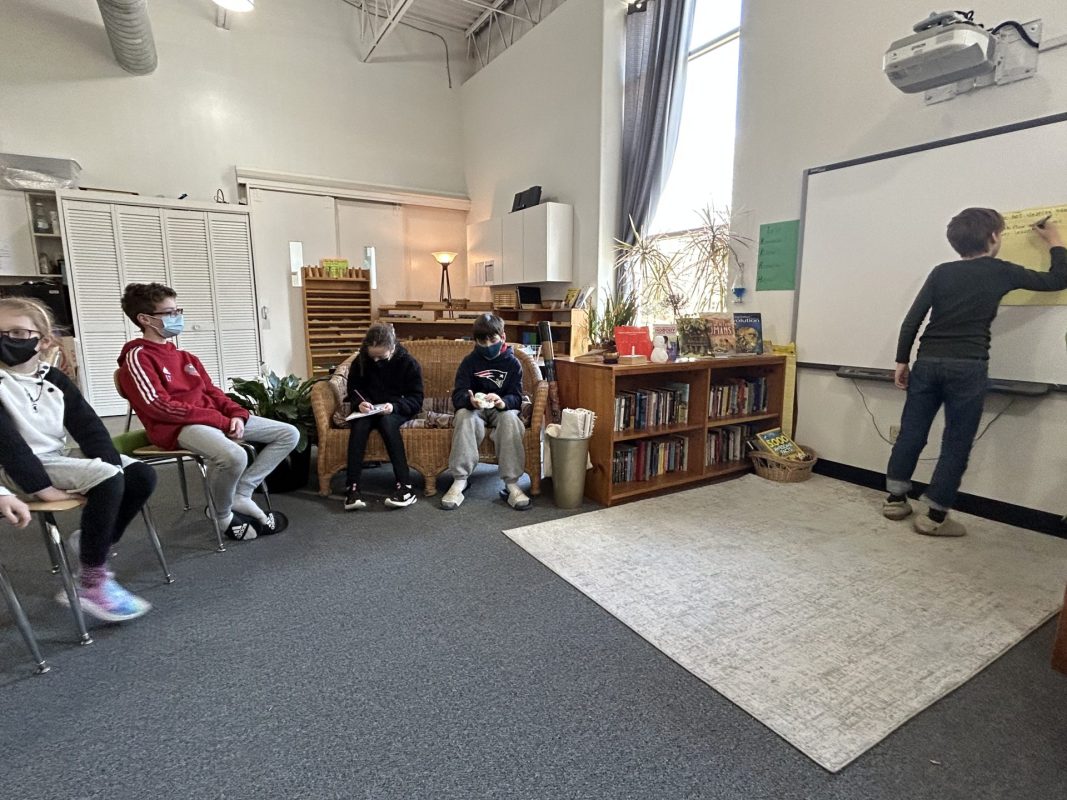
6th-grade Humanities classes completed written drafts of their research essays. They made sure to include in-text citations, paragraphs that support their thesis statements, transitions between body paragraphs and whenever necessary within them, and meaningful introductions and conclusions. They are now working diligently on their Google Slides presentation. Their visual presentation along with prepared notes is due on Monday. Next week, Mrs. Lamb will be listening to first-round presentations and giving feedback to all presenters.

7th-grade Humanities classes received refreshers on developing a works cited page and writing meaningful conclusions before submitting their drafts of their research essays. They also made sure to include in-text citations, paragraphs that support their thesis statements, transitions between body paragraphs and whenever necessary within them, and meaningful introductions and conclusions. 7th-grade students are now working on their presentations with the expectation of creating appealing visuals that will accompany their expertise on their topics. Once they complete this prepared presentation for Monday, Mrs. Lamb will listen and give feedback to each student presenter.

The 8th-grade Humanities class has officially finished reading Arthur Miller’s, The Crucible! Feedback was mostly positive about the reading experience and navigating a play together in class. Upon its completion, students drafted essays giving compelling arguments about power dynamics in the play. Students had to give evidence using direct quotations and events in the piece. The 8th graders are away for their internships next Monday through Wednesday, and we wish them well!
Math

In the Pre-Transition math class, students concluded their learning of chapter 4 and successfully learned how to add and subtract integer values, identify angles, and solve equations with fact triangles. We started learning about chapter 6 and are covering topics such as multiplying fractions and decimal values. This class will explore how to use power notation and multiply mixed numbers next week.
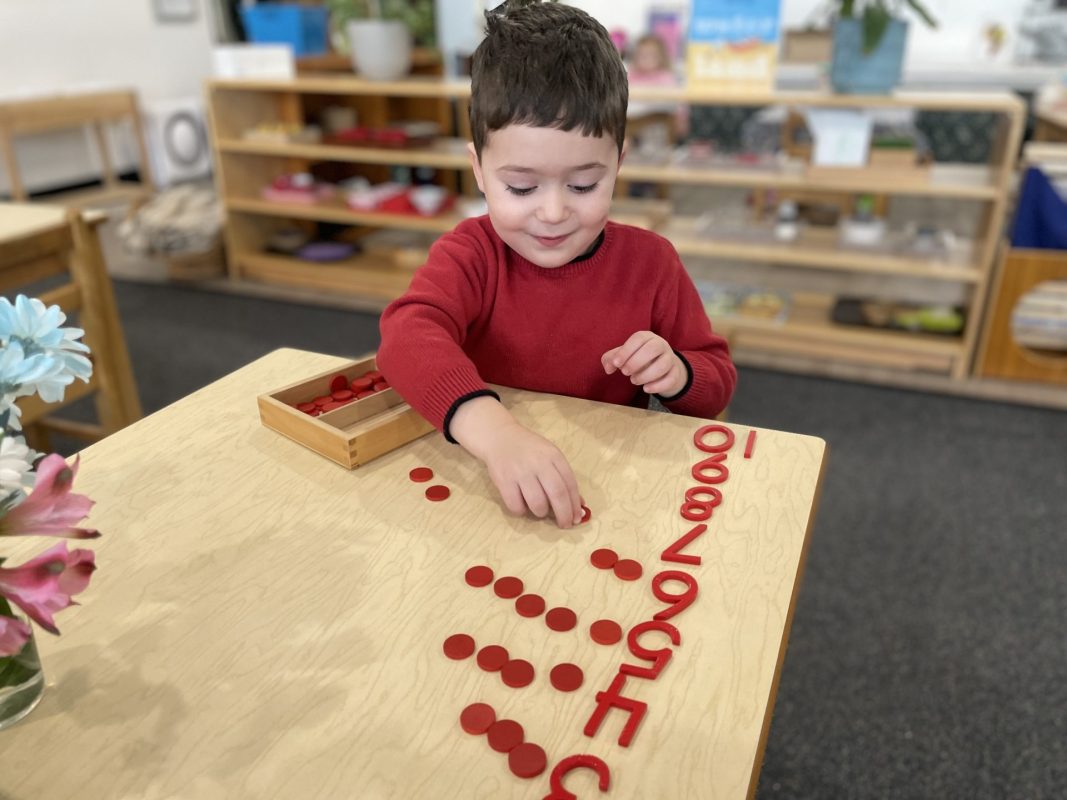
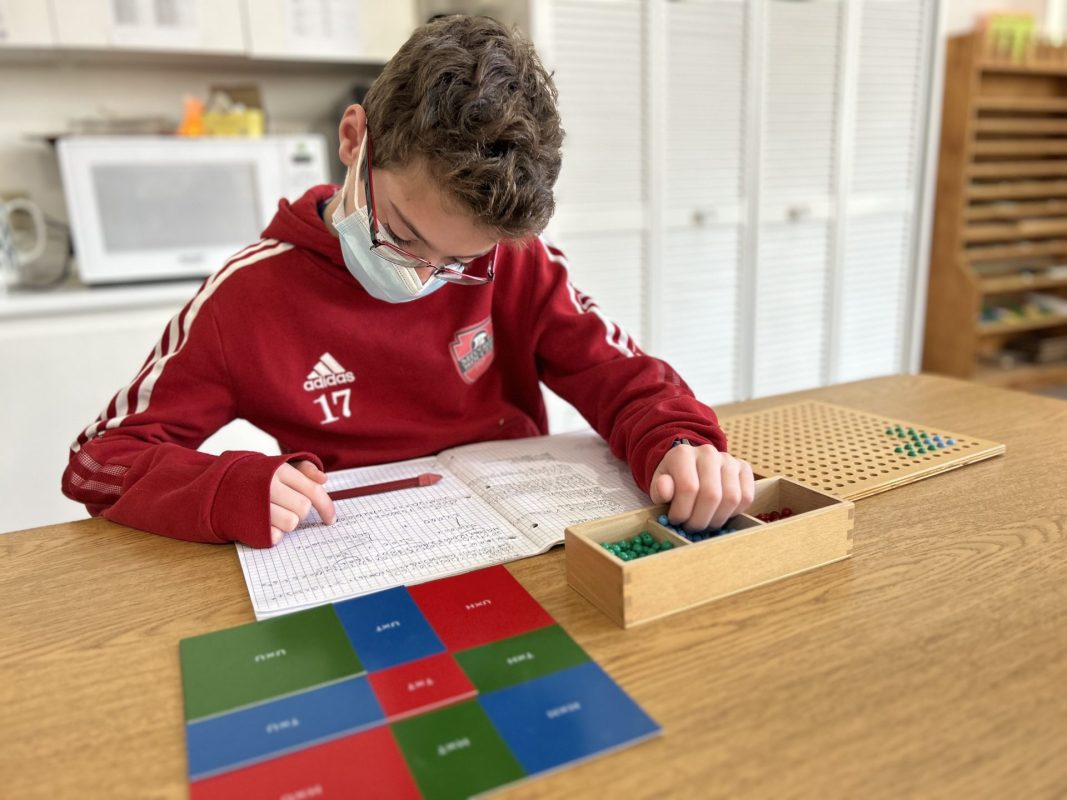
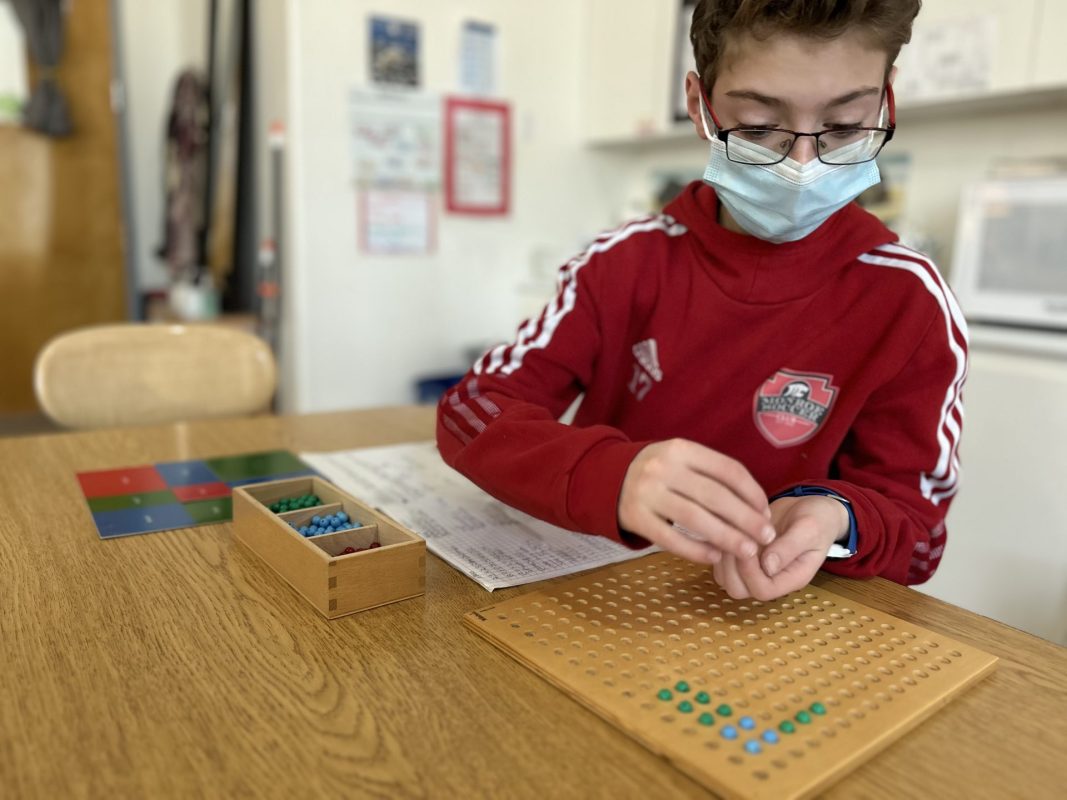
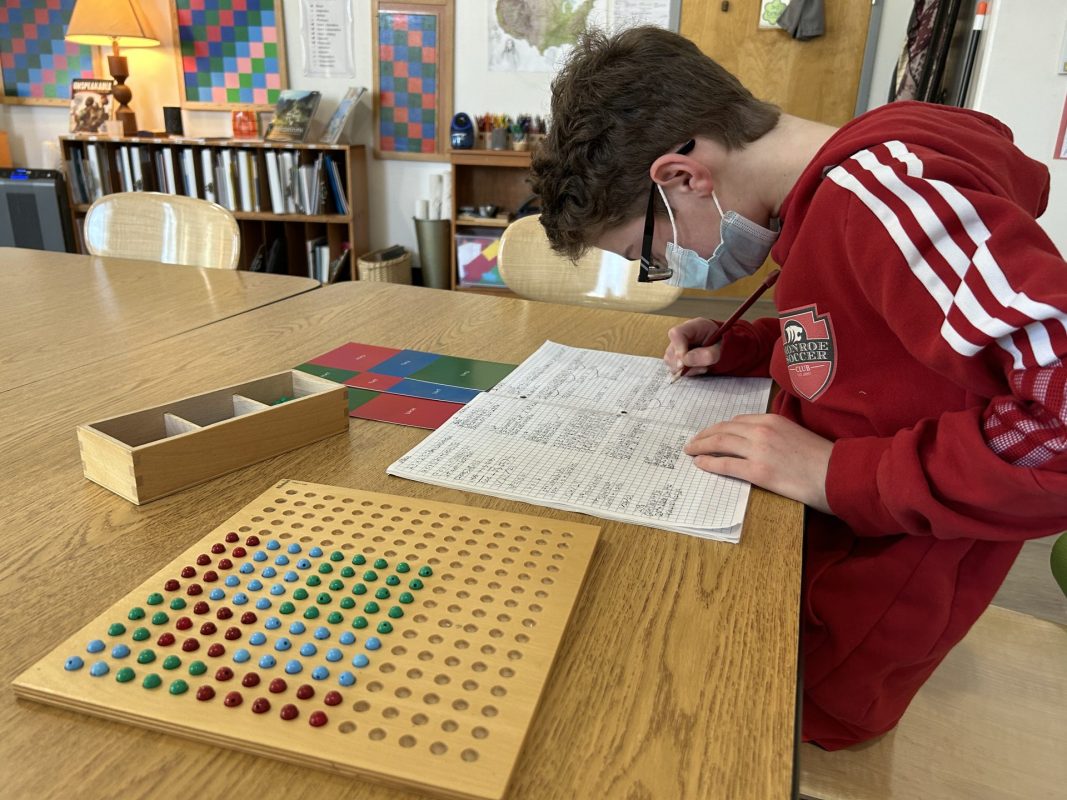
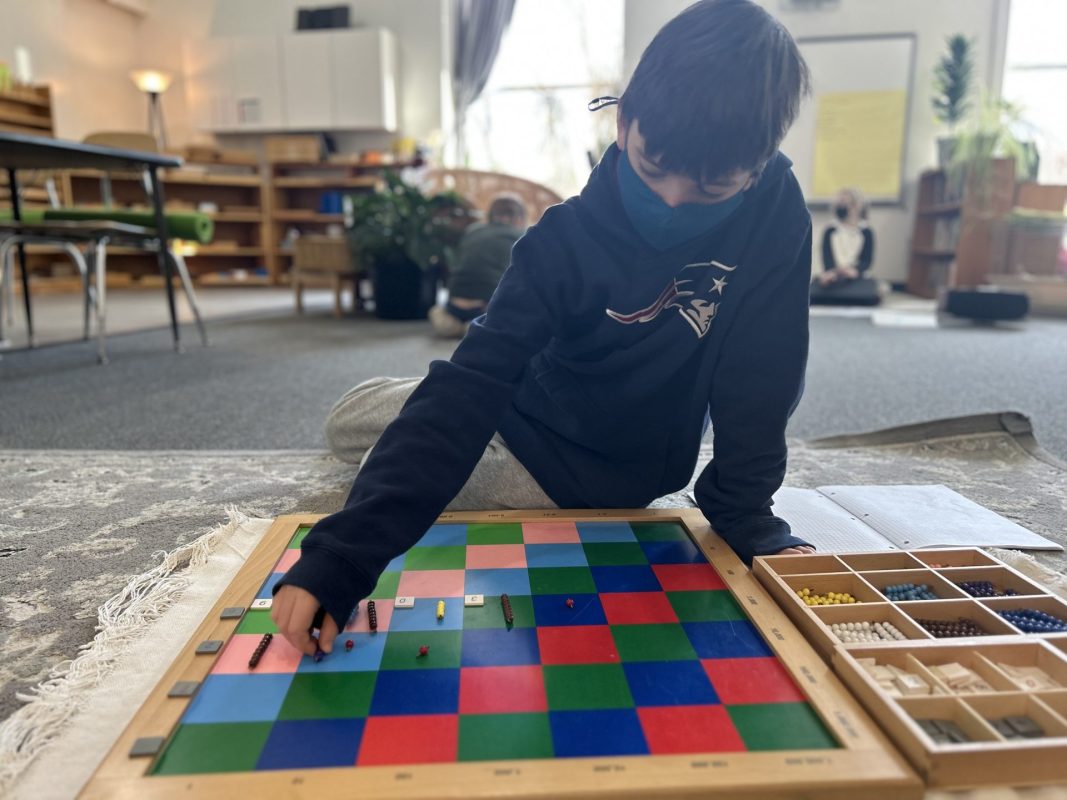
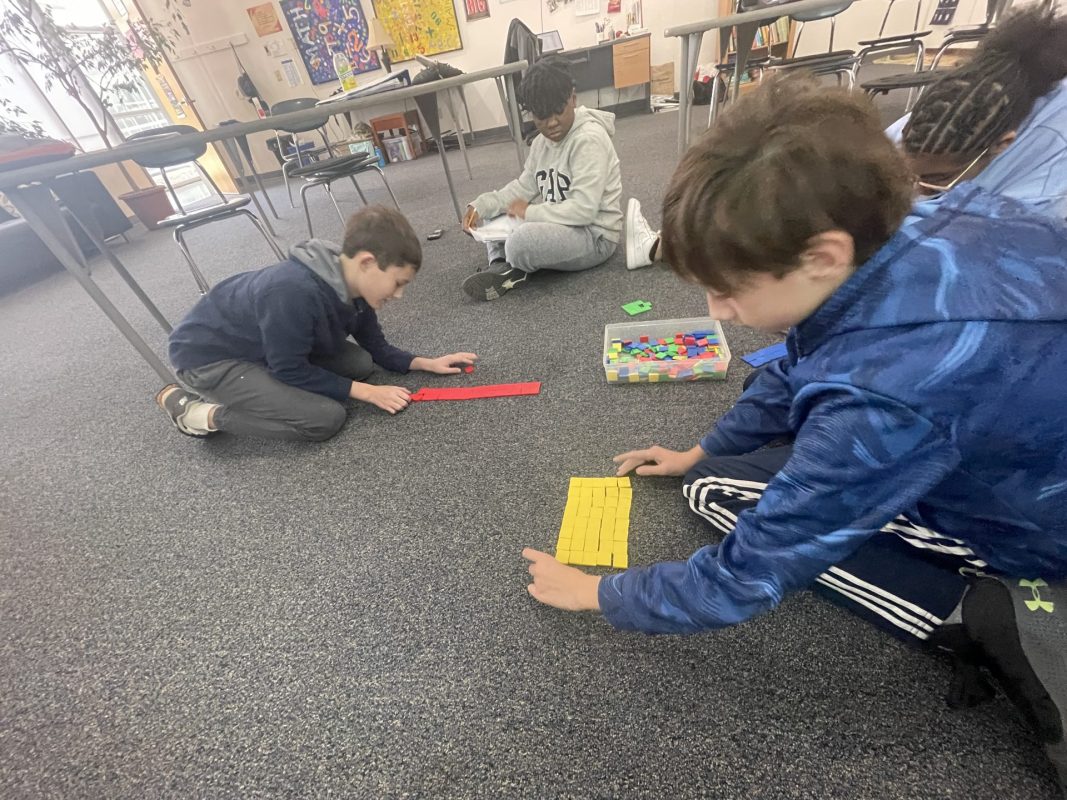
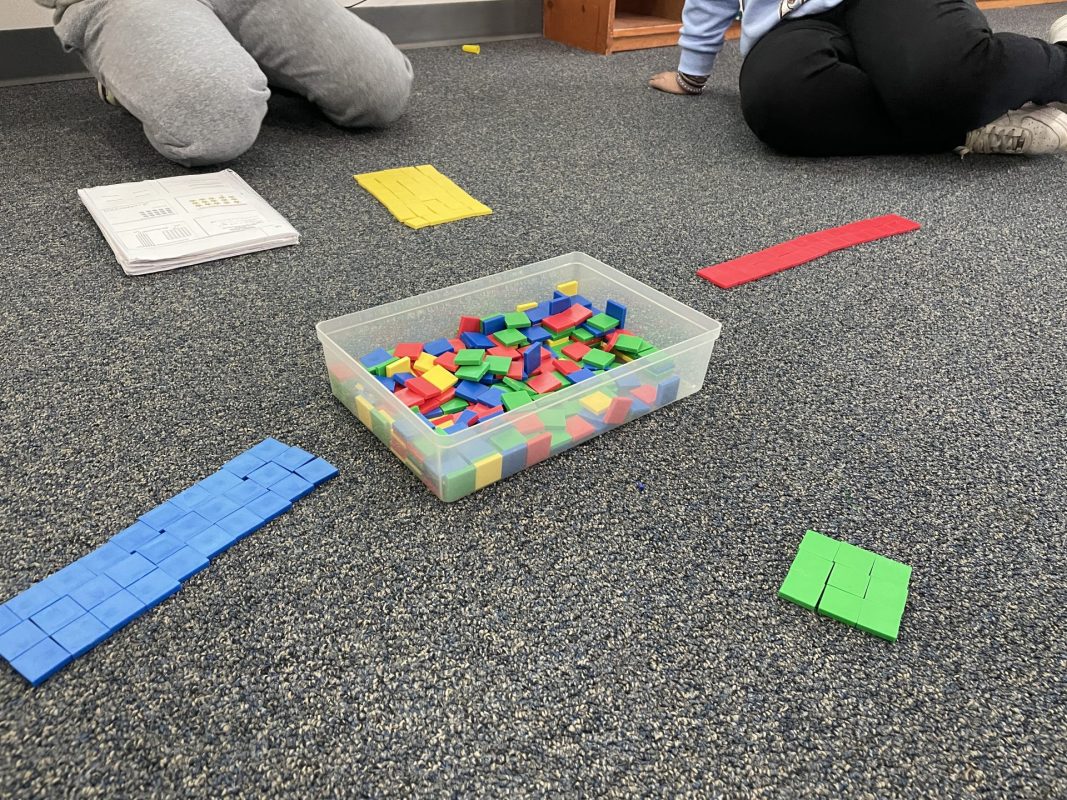
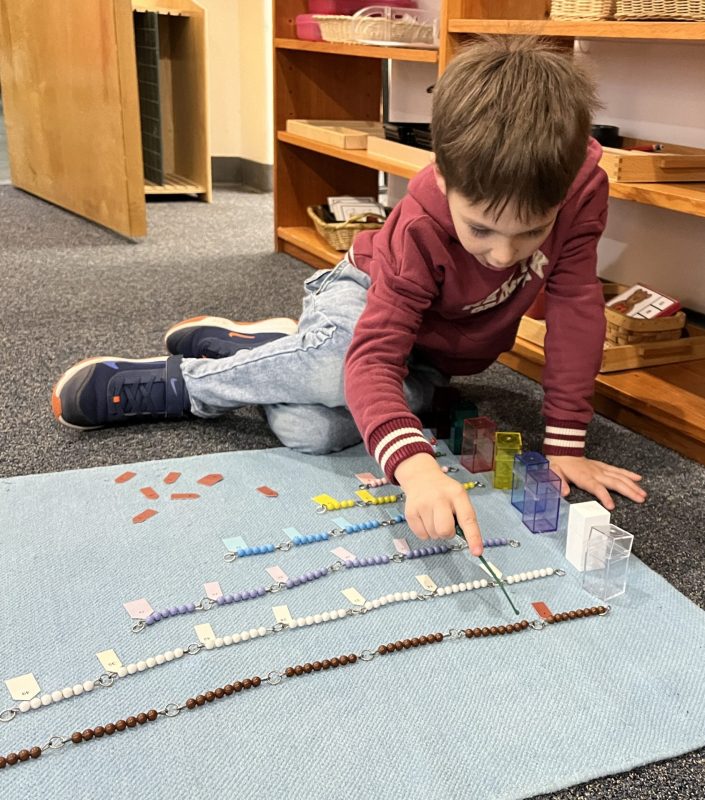
In the Transition math class, students finished learning all about Chapter 6 and have a complete understanding of the properties of triangles and parallelograms. This week we started working with multiplying negative values and solving single-step equations/inequalities. This class was invited to participate in a Montessori lesson with Mrs. Sankey and learned how to square binomial values using a peg board to understand the squaring concept.
In the Algebra math class, students are excited to learn about powers, roots, and exponent problems. We discussed the multiplication counting principle, power rule, quotient rule, power of powers rule, and negative rule. This class is working hard to build their study skills, challenge their overall thinking each day, and continue to be curious mathematics students!
Math Joke: Did you hear the one about the two thieves who stole the calendar? They each got six months!
Science

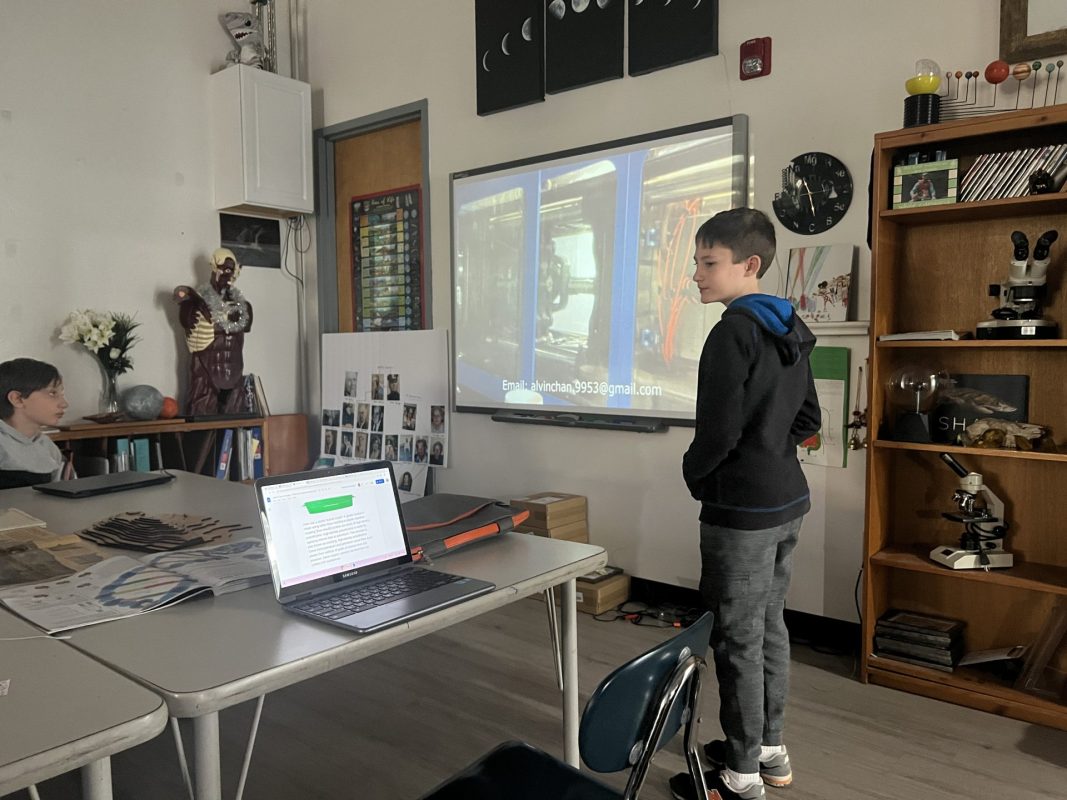
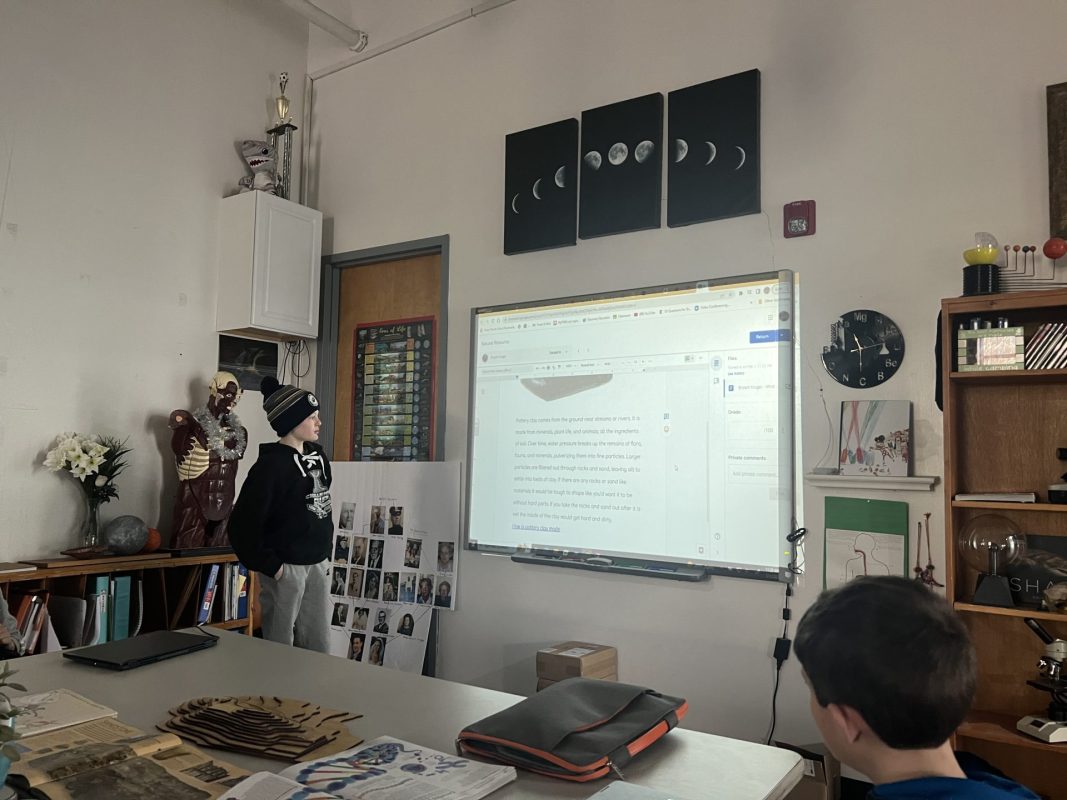
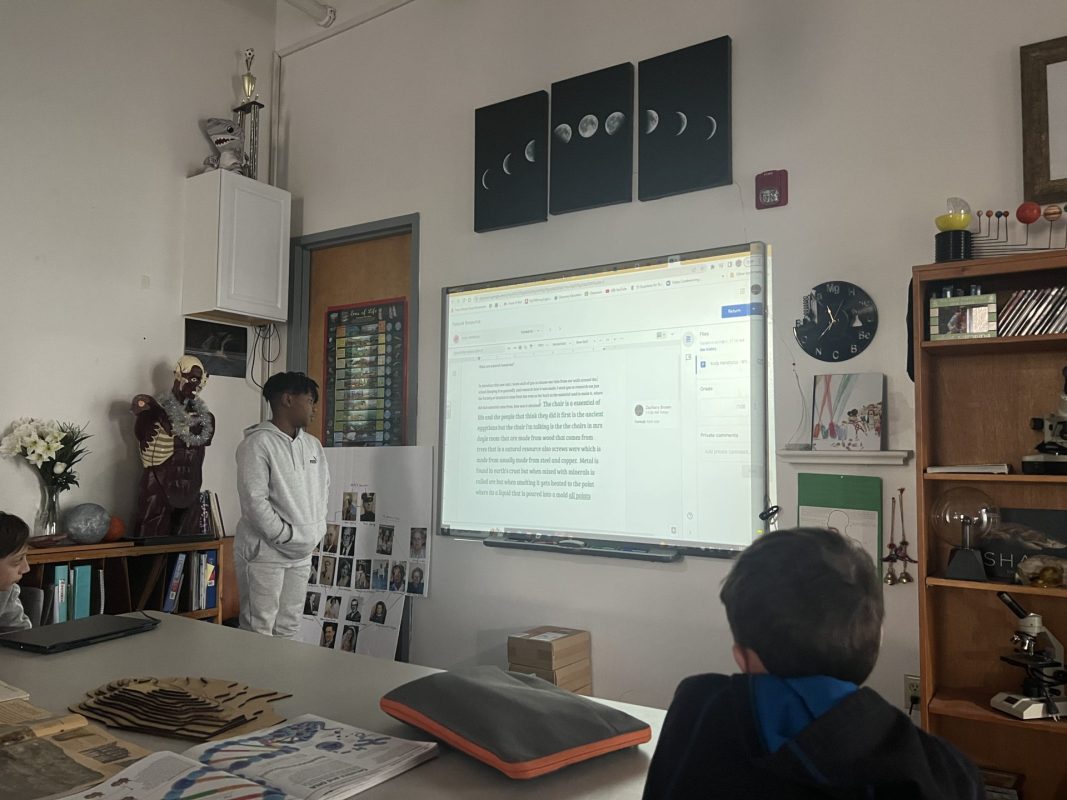
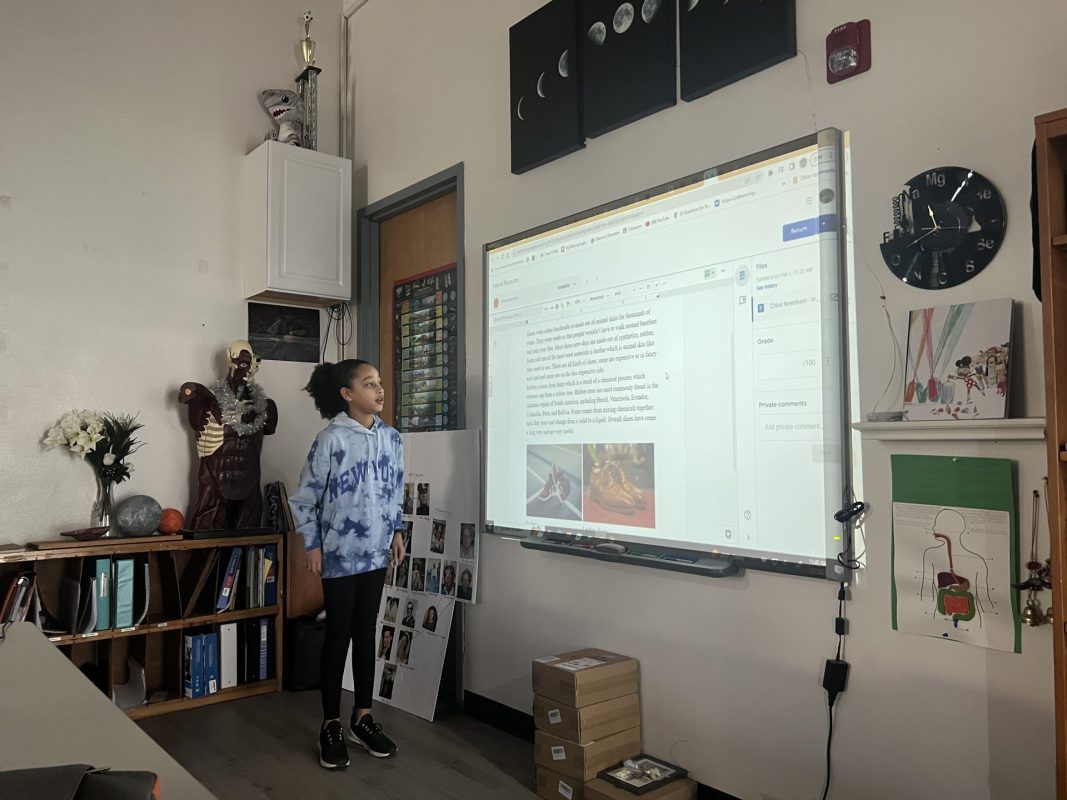
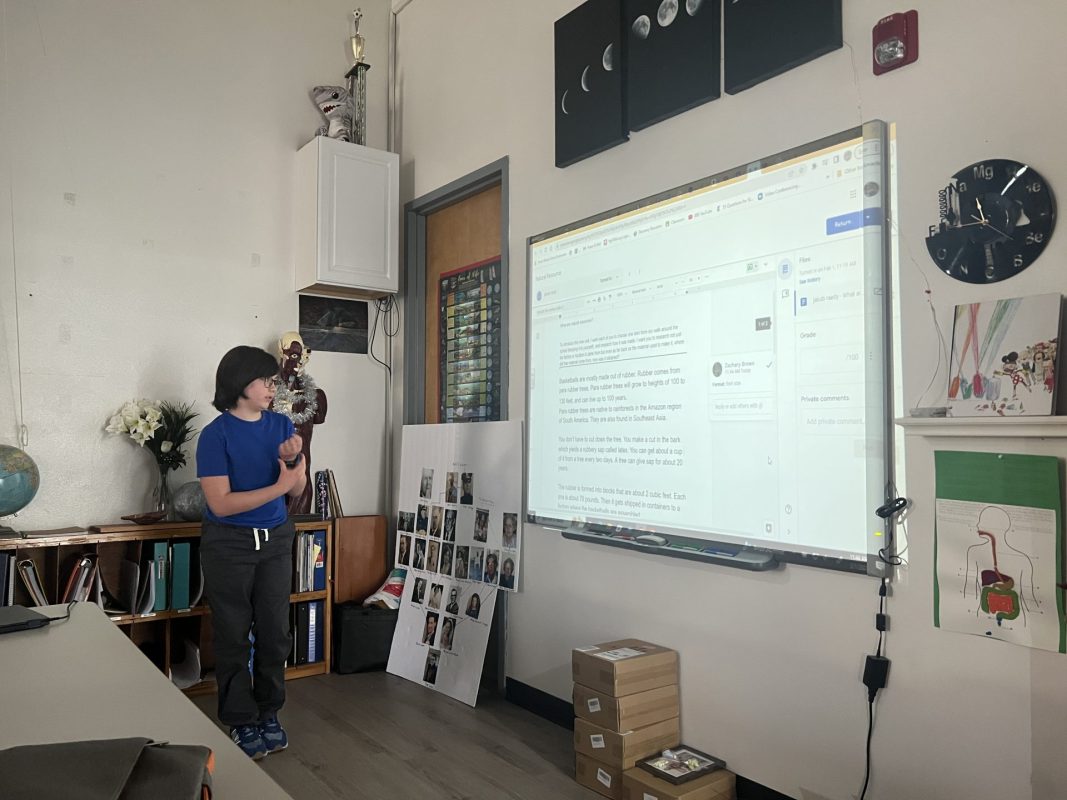
6th-year Earth Science students are working on the unit, Natural Resources. The objectives of this unit are to classify a natural resource as renewable or nonrenewable, provide examples of ways humans depend on natural resources, compare and explain how natural resources form, and explain the importance of using natural resources wisely. Students were introduced to this unit by conducting research and presenting to the class how natural resources are used to make everything around us from trash bins to basketballs.

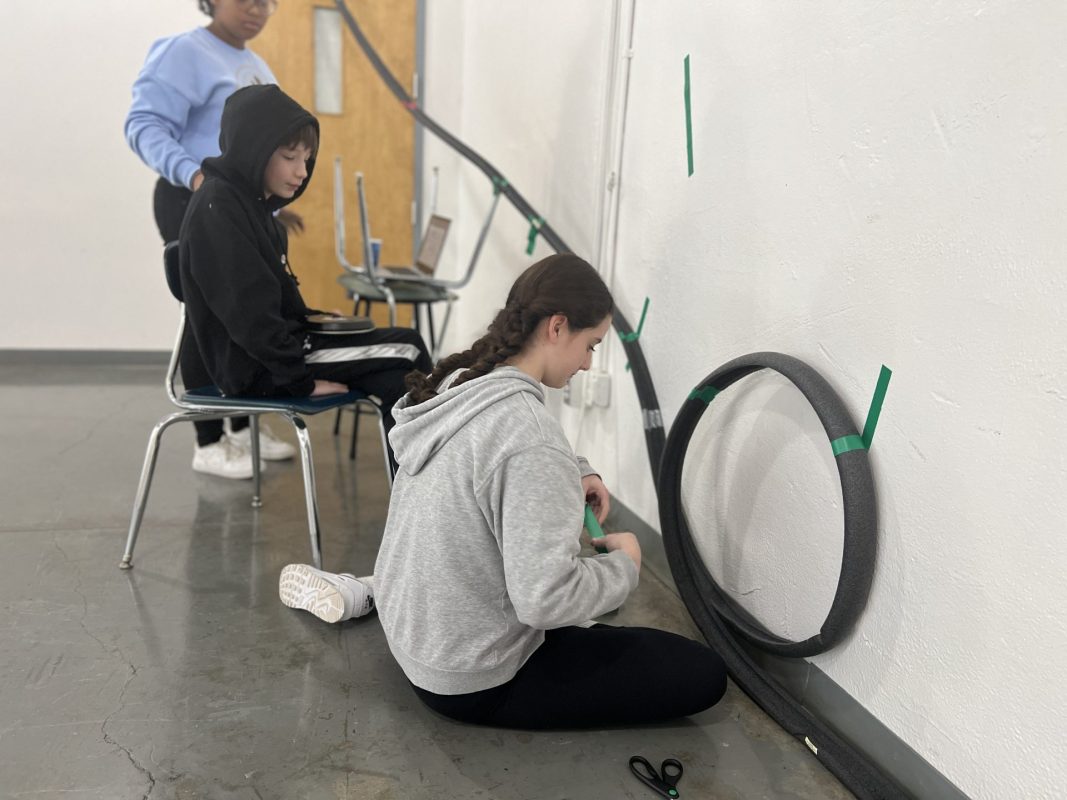
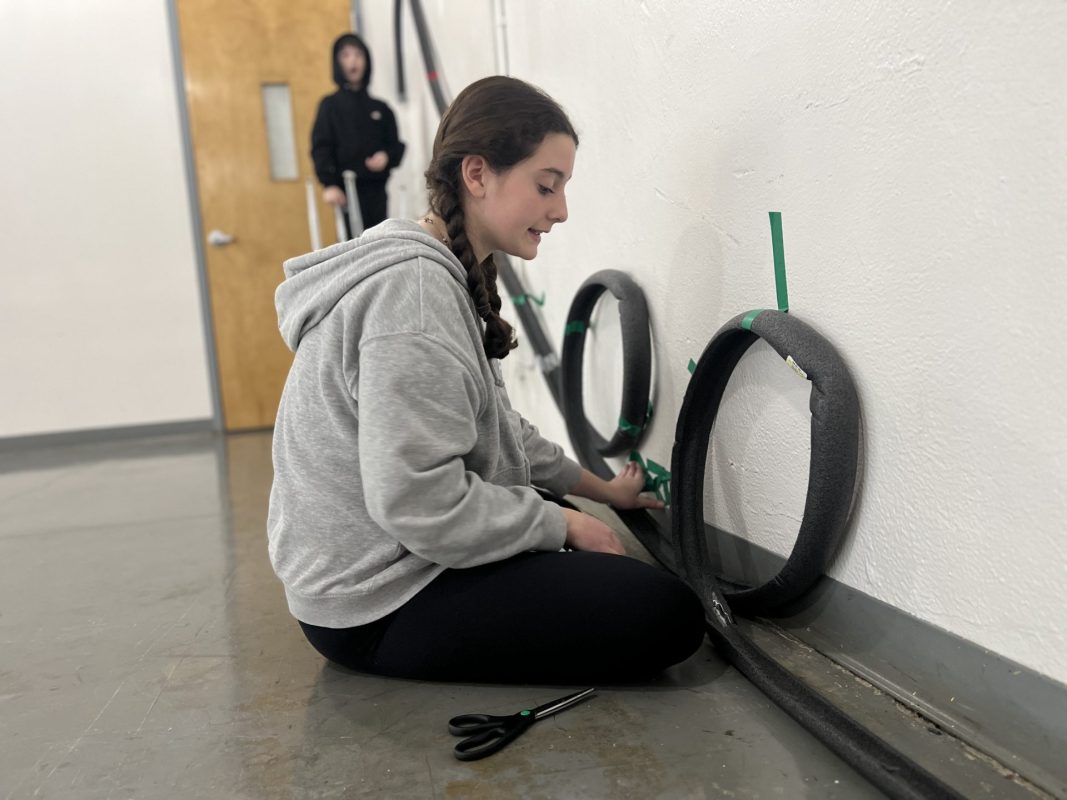
7th-year Physical Science students are working on the unit, Kinetic Energy. The objectives of this unit are to explain how the kinetic energy of an object depends on its mass and velocity, compare kinetic energy to potential energy, and model how kinetic energy can be transformed into potential energy and how potential energy can be transformed into kinetic energy. Throughout this unit, students will design and test pinewood derby cars and build their own marble roller coaster, both of which will test all theories and principles of kinetic and potential energy.
8th-year Life Science students have finished constructing their 3-D DNA models and will soon be mounting them to a base that will provide the properties of DNA such as nitrogen bases, genes, codons, and proteins. Our new unit, Influencing Inheritances, will require students to do the following: distinguish between two categories of genetic engineering; explain how humans can influence certain characteristics of organisms by selective breeding; why gene modification, animal husbandry, and gene therapy are examples of artificial selection; and, evaluate the impacts of human use of technology to influence the desired traits of organisms.
Have a wonderful weekend, everyone! Stay warm!

The Three Year Cycle in Lower El

The Montessori three-year cycle in Lower Elementary provides the space and time for children to develop interpersonal skills by interacting with and learning among children of different ages.  The children learn how to cooperate with one another and respect each other. First-year students are the observers, learning from the second and third-year students. Second-year students are no longer the youngest but are still learning from the thirds while practicing for next year by helping younger classmates. This second year of the three-year cycle is as important as the first and third years of their time in the classroom. This is their growth year. The third-year students are the leaders; teaching the younger children while also setting a good example for them. Throughout this three-year process, the children gain confidence, and competence and learn how to interact with a diverse peer group. They gain great social skills, preparing them for success many years down the road.

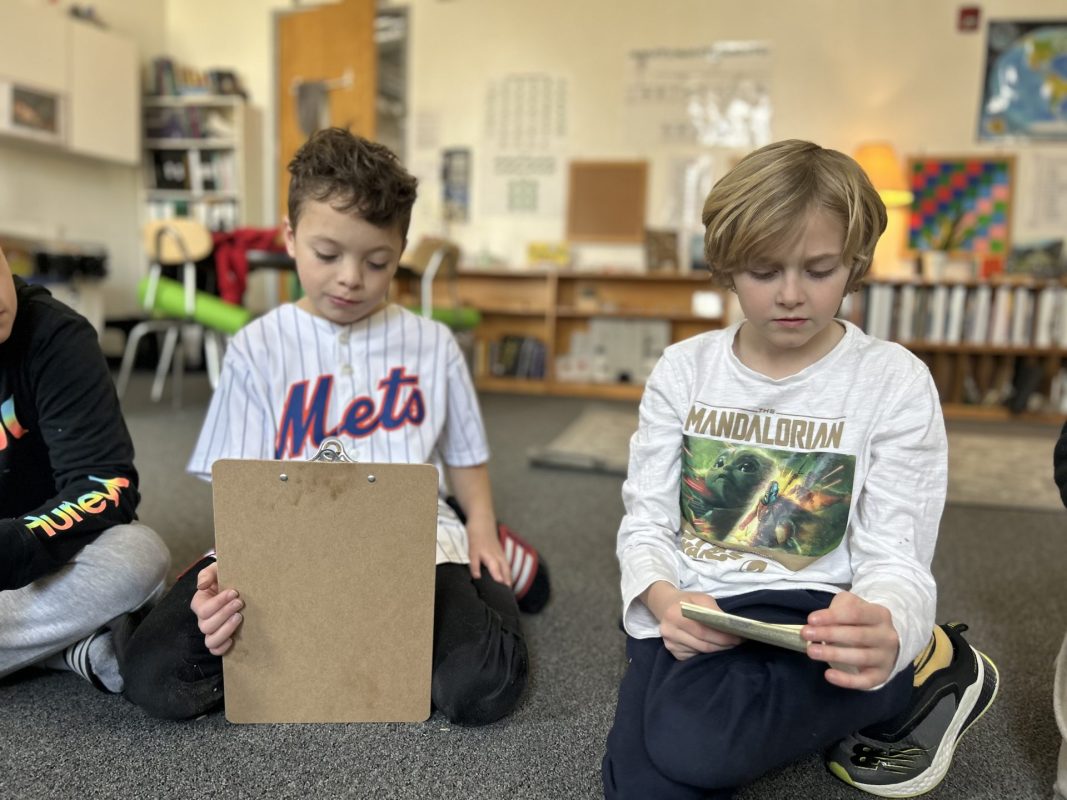
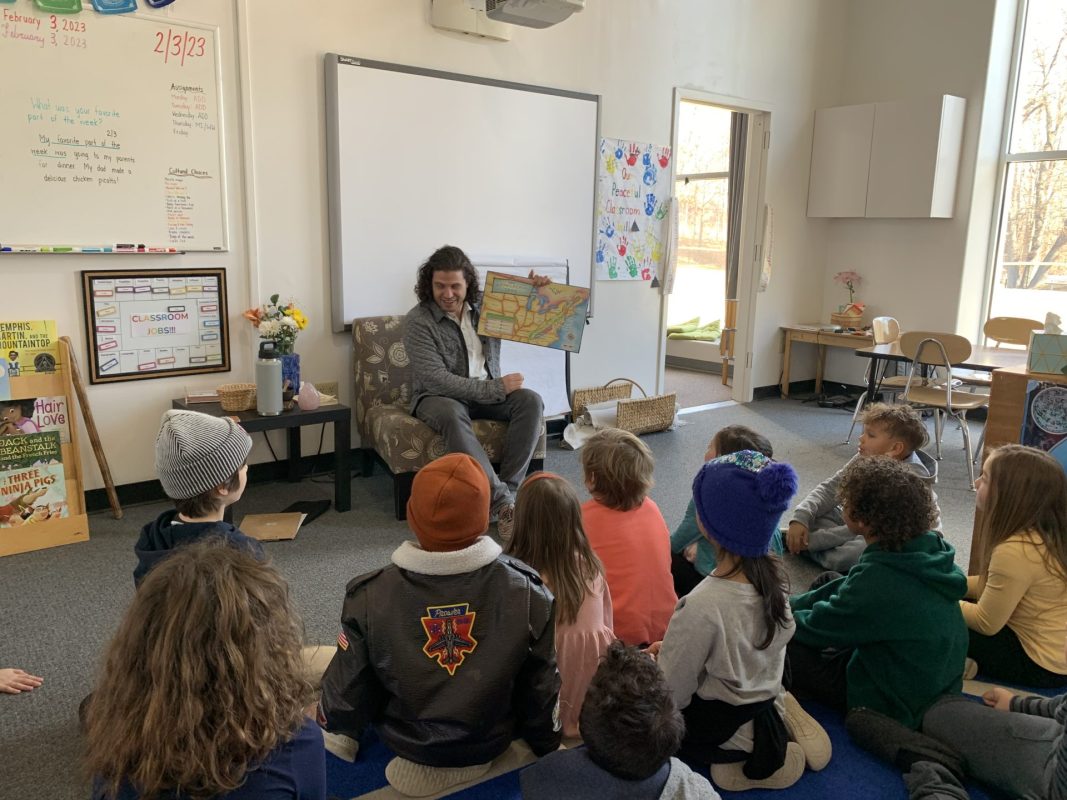
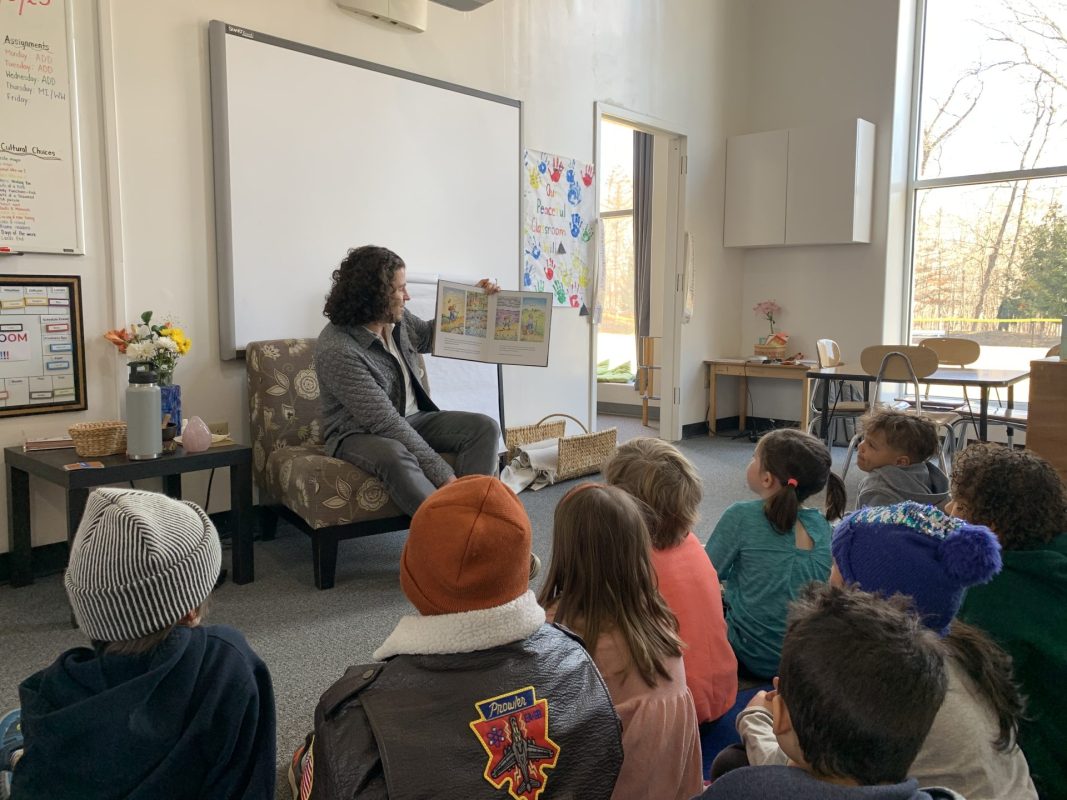
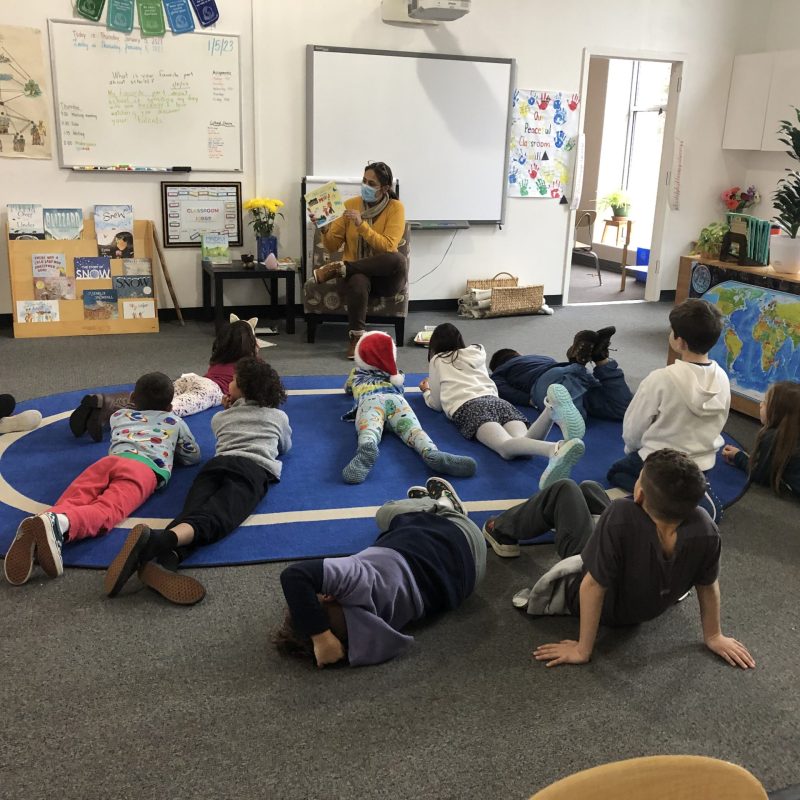
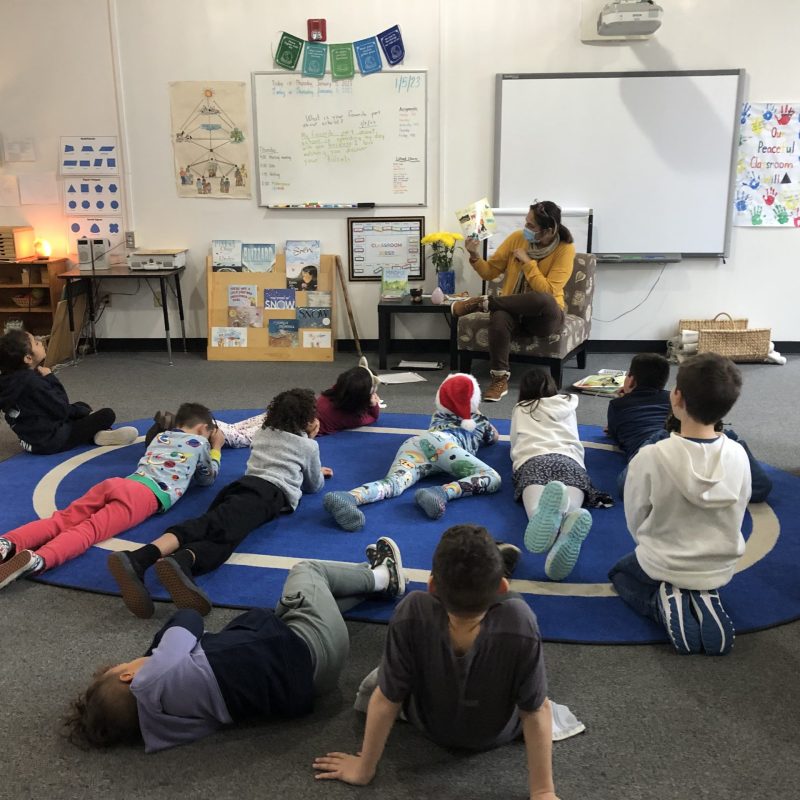
The children are LOVING the mystery readers!! Thanks so much, Jordan Rabidou, for spending some time in LE this week!


Mrs. Doyle: Animals In Winter

Over the course of the last few weeks, we have been learning that winter can be very harsh for animals. The weather and lack of food can make their survival difficult. To help ensure their survival, animals hibernate, migrate, or adapt to their surroundings.

Animals that hibernate for the winter go into a deep sleep. Their body’s temperature drops, their heartbeat and breathing slow down, and they use very little energy. We’ve learned which animals hibernate as well as where they hibernate. Places, where animals hibernate, can be above ground, such as a cave, nest, or den, or they can be below ground, such as a burrow, a hole, or deep down in the mud.  We explored which animals migrated or traveled to other places where the weather is warmer and they will be able to find food. We also examined why animals might migrate and where they may go. Animals that adapt, remain and stay active in their environment. They adapt to the changing weather, and their behavior and bodies may change too. We talked about what changes animals may make to ensure they will have enough food for the winter.

So, as the cold weather is becoming more frequent, how many of us are thinking about hibernating or migrating?

Reminder: Parent/Teacher conferences are on Thursday, February 16th.  Please click here to access the sign-up genius and choose a time slot.

Wishing you a week filled with peace and love.

Michelle & Maria