Blog

Mrs. Lopes: Animals in Winter

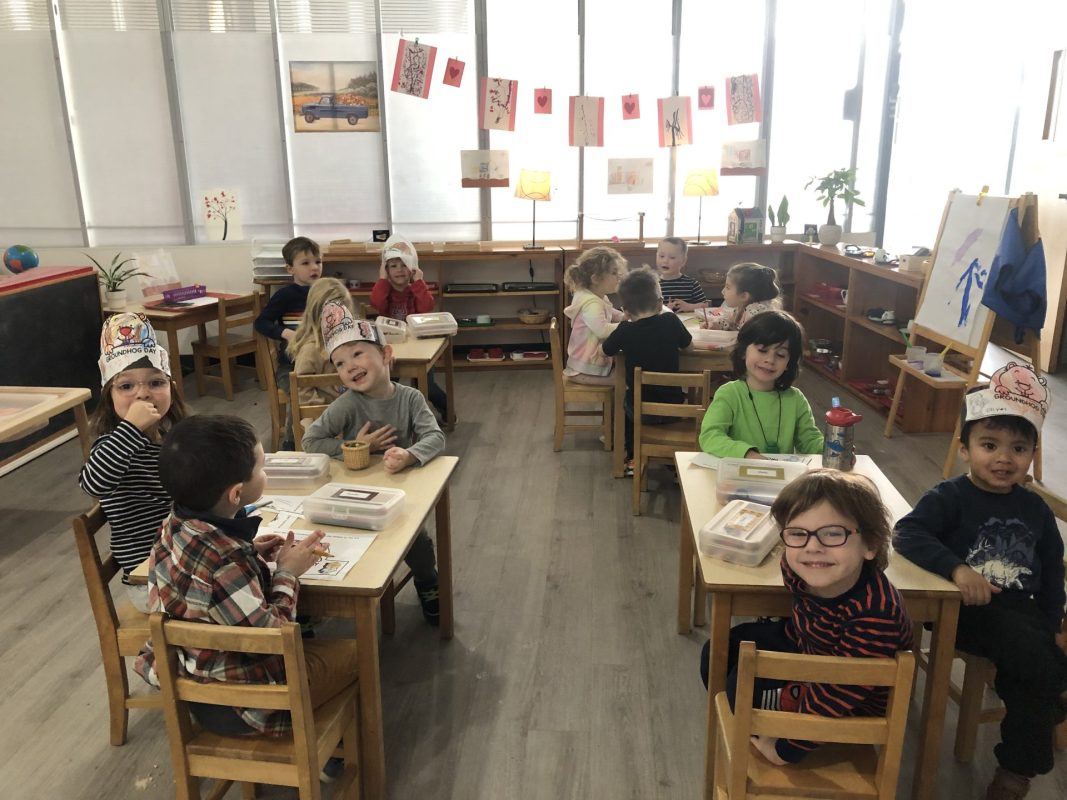
Over the course of the last few weeks, we have been learning that winter can be very harsh for animals. The weather and lack of food can make their survival difficult. To help ensure their survival, animals hibernate, migrate, or adapt to their surroundings.

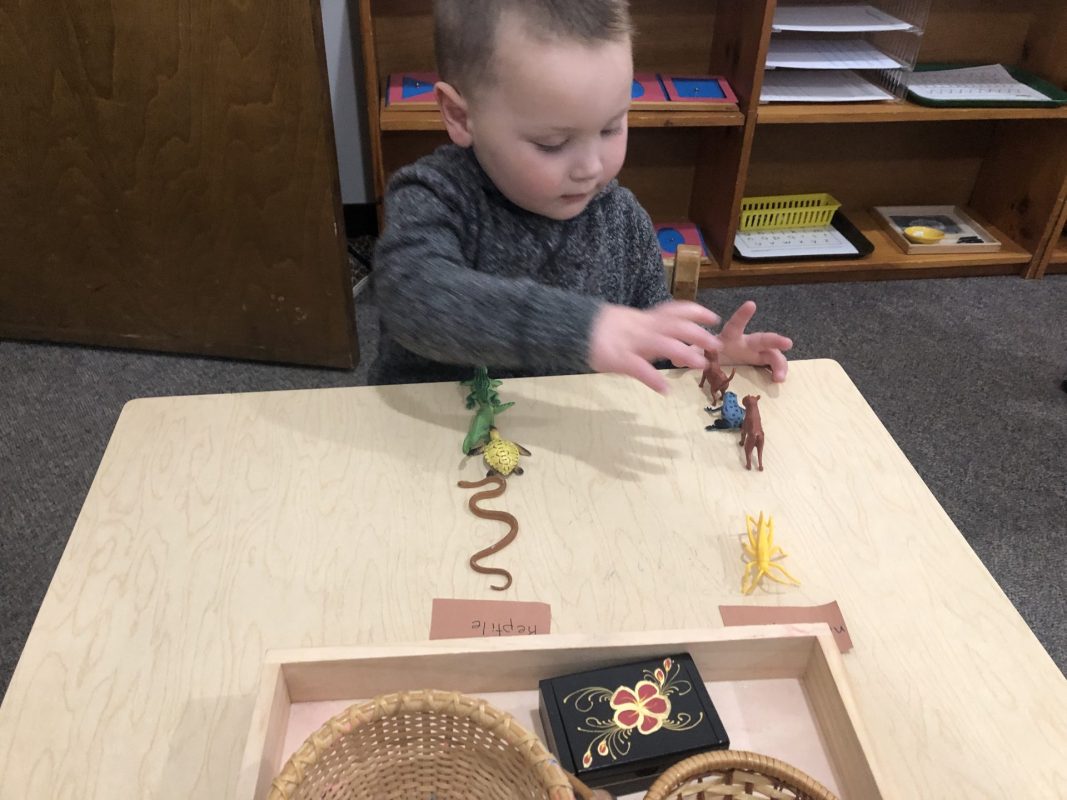
Animals that hibernate for the winter go into a deep sleep. Their body’s temperature drops, their heartbeat and breathing slow down, and they use very little energy. We’ve learned which animals hibernate as well as where they hibernate. Places, where animals hibernate, can be above ground, such as a cave, nest, or den, or they can be below ground, such as a burrow, a hole, or deep down in the mud.  We explored which animals migrated or traveled to other places where the weather is warmer and they will be able to find food. We also examined why animals might migrate and where they may go. Animals that adapt, remain and stay active in their environment. They adapt to the changing weather, and their behavior and bodies may change too. We talked about what changes animals may make to ensure they will have enough food for the winter.

So, as the cold weather is becoming more frequent, how many of us are thinking about hibernating or migrating?

Reminder: Parent/Teacher conferences are on Thursday, February 16th.  Please click here to access the sign-up genius and choose a time slot.

Wishing you a week filled with peace and love.

Amanda & Hema


Mrs. Semmah: Animals In Winter

Over the course of the last few weeks, we have been learning that winter can be very harsh for animals. The weather and lack of food can make their survival difficult. To help ensure their survival, animals hibernate, migrate, or adapt to their surroundings.

Animals that hibernate for the winter go into a deep sleep. Their body’s temperature drops, their heartbeat and breathing slow down, and they use very little energy. We’ve learned which animals hibernate as well as where they hibernate. Places, where animals hibernate, can be above ground, such as a cave, nest, or den, or they can be below ground, such as a burrow, a hole, or deep down in the mud.  We explored which animals migrated or traveled to other places where the weather is warmer and they will be able to find food. We also examined why animals might migrate and where they may go. Animals that adapt, remain and stay active in their environment. They adapt to the changing weather, and their behavior and bodies may change too. We talked about what changes animals may make to ensure they will have enough food for the winter.

So, as the cold weather is becoming more frequent, how many of us are thinking about hibernating or migrating?

Reminder: Parent/Teacher conferences are on Thursday, February 16th.  Please click this link to the Sign Up Genius and choose a time slot.

Wishing you a week filled with peace and love.

Kaoutar & Michelle


February Family Connection Newsletter

“Through concentration, important qualities of character develop. When the concentration passes, the child is inwardly satisfied, he becomes aware of his companions in whom he shows a lively and sympathetic interest.” -Maria Montessori

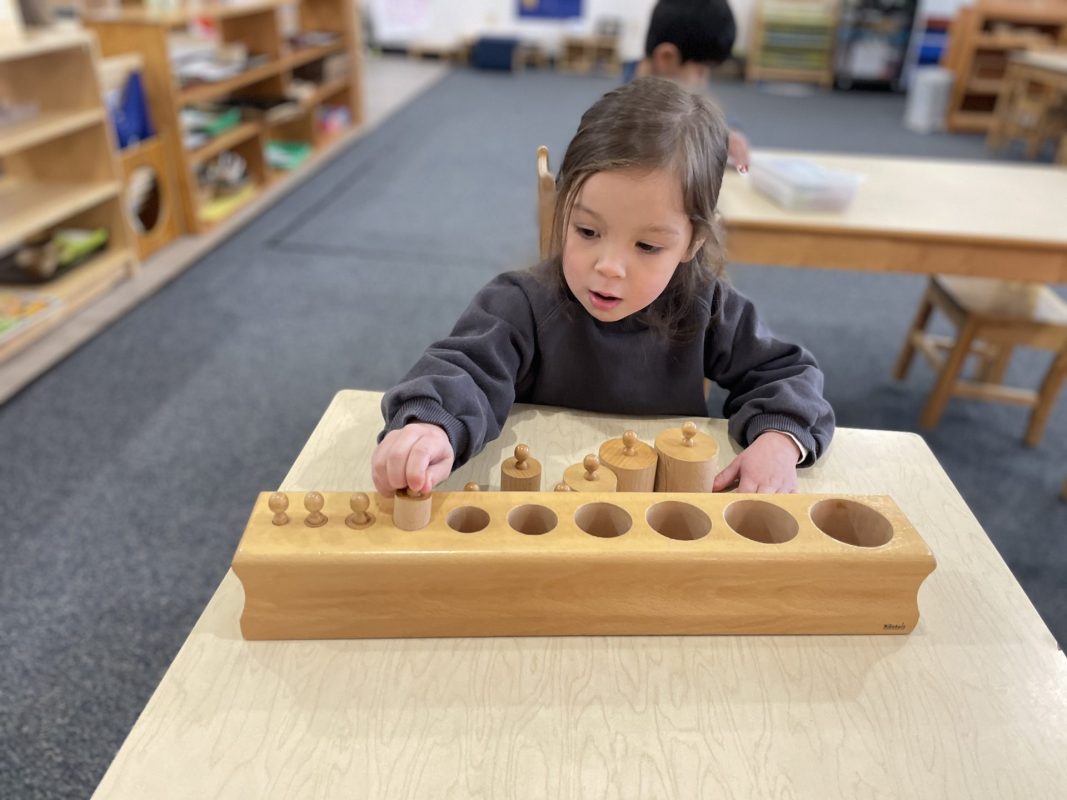
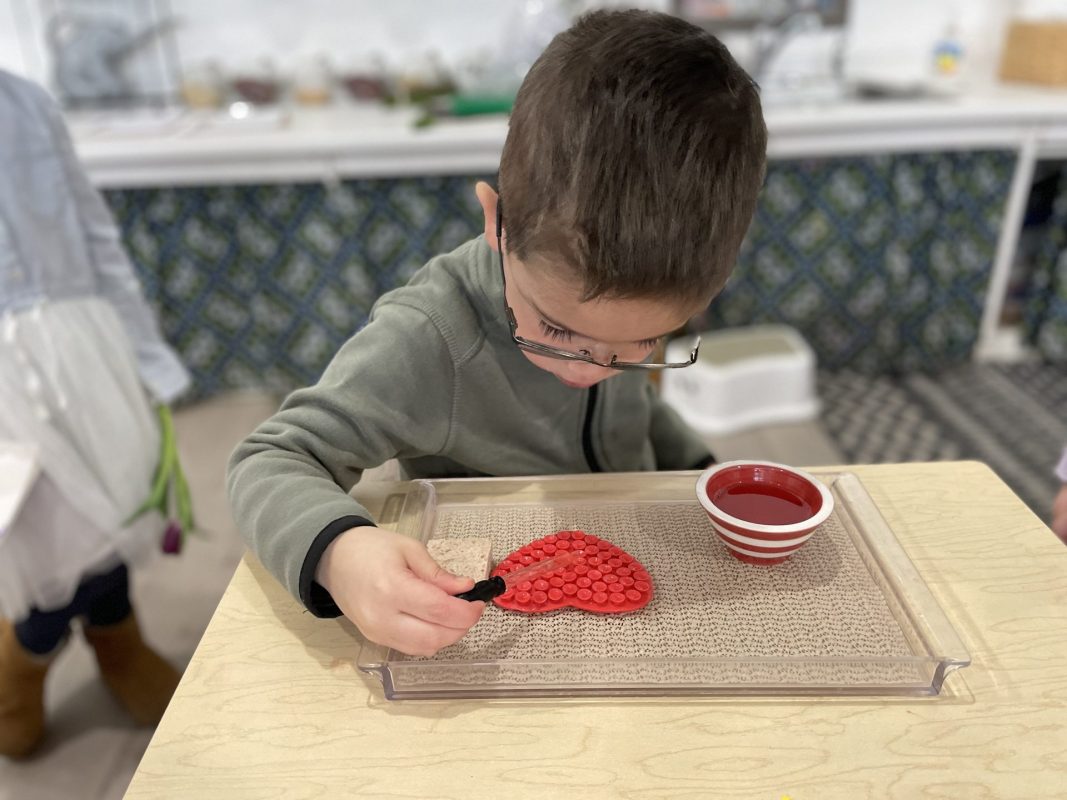
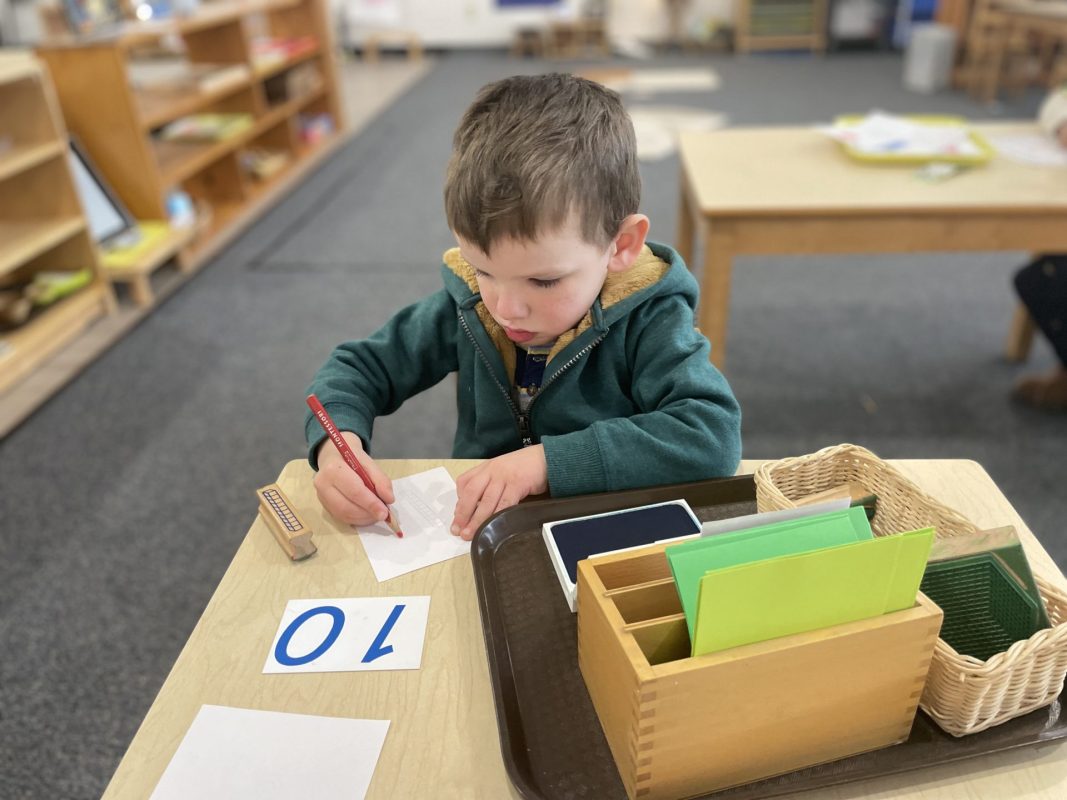
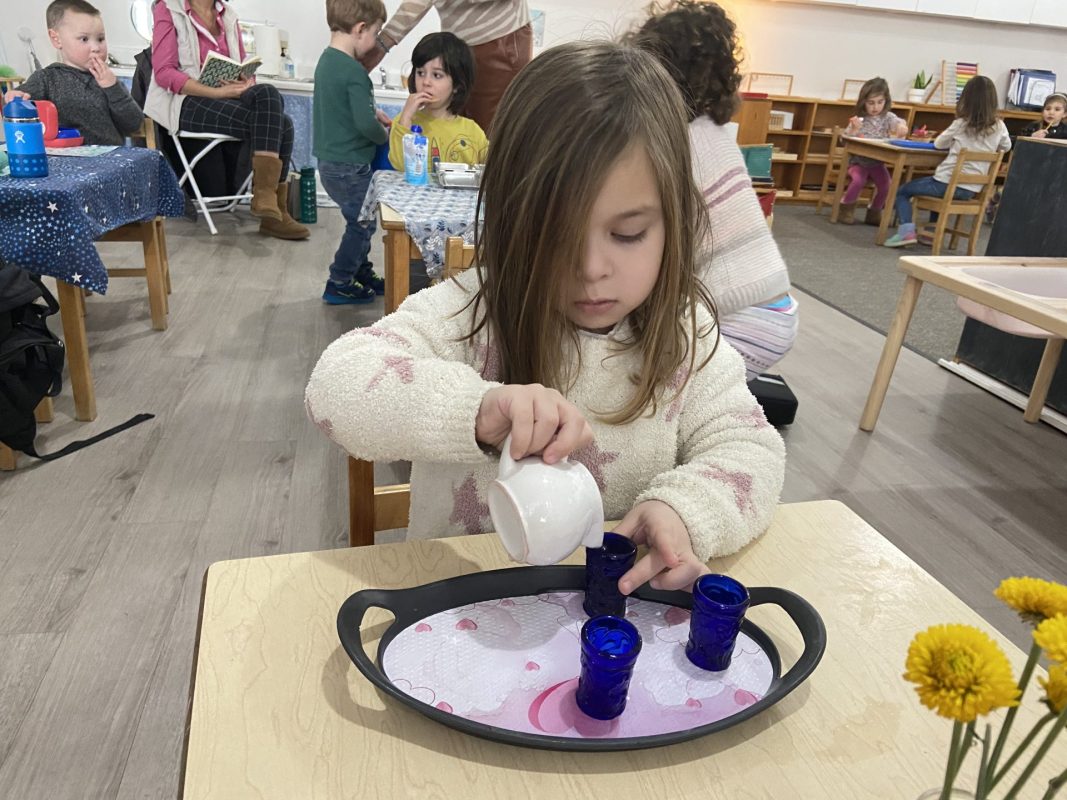
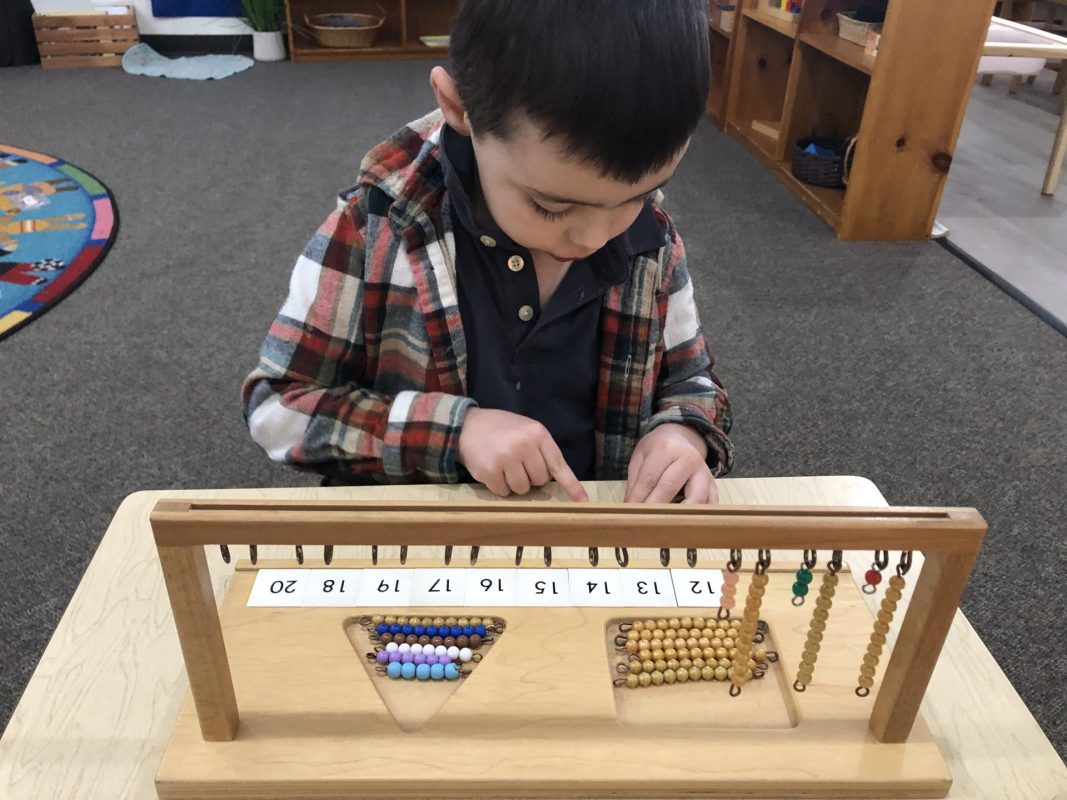
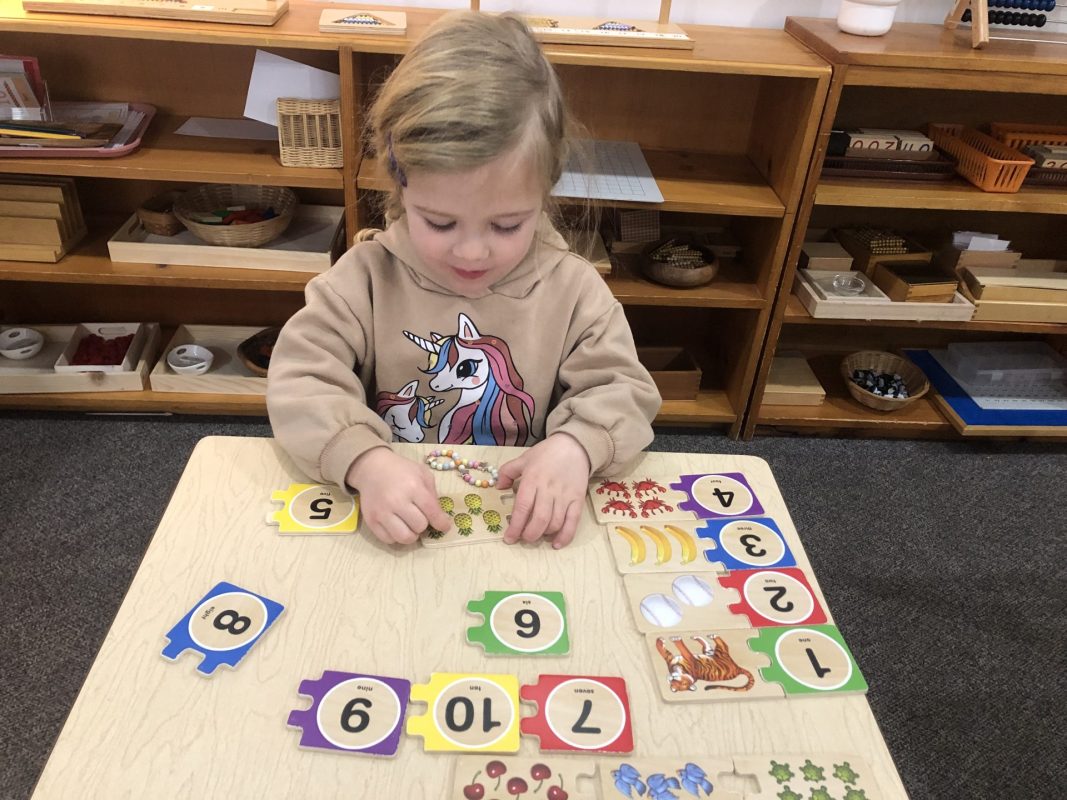
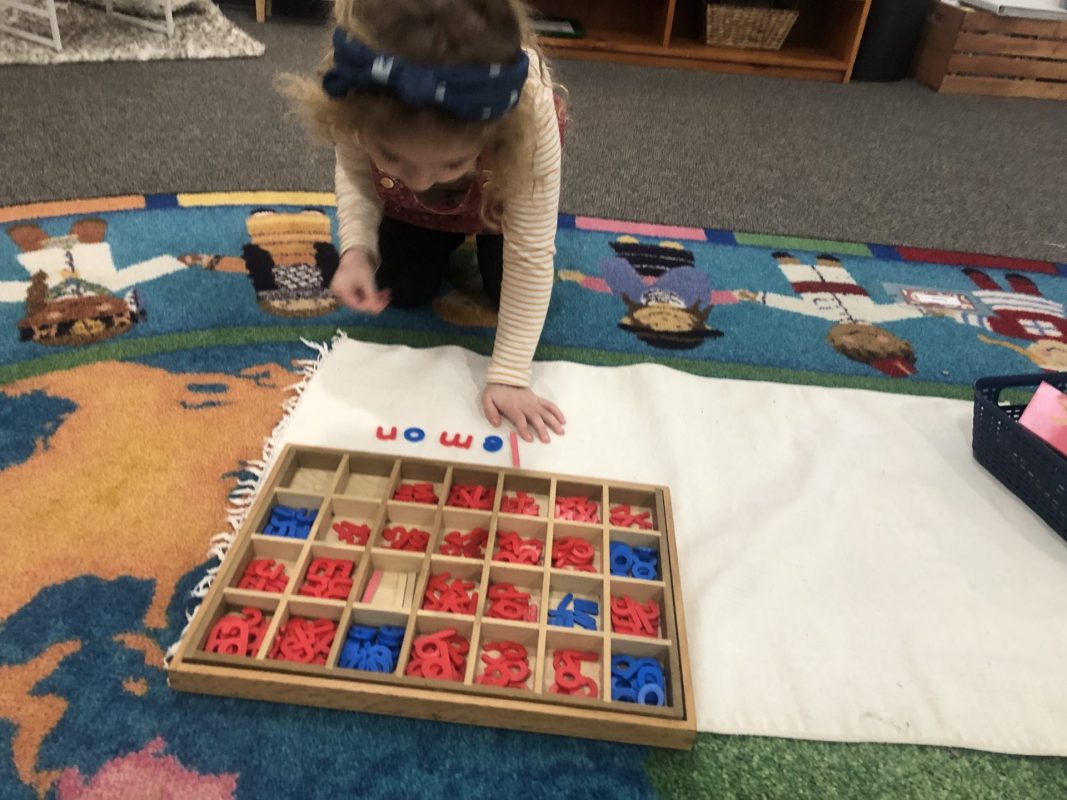
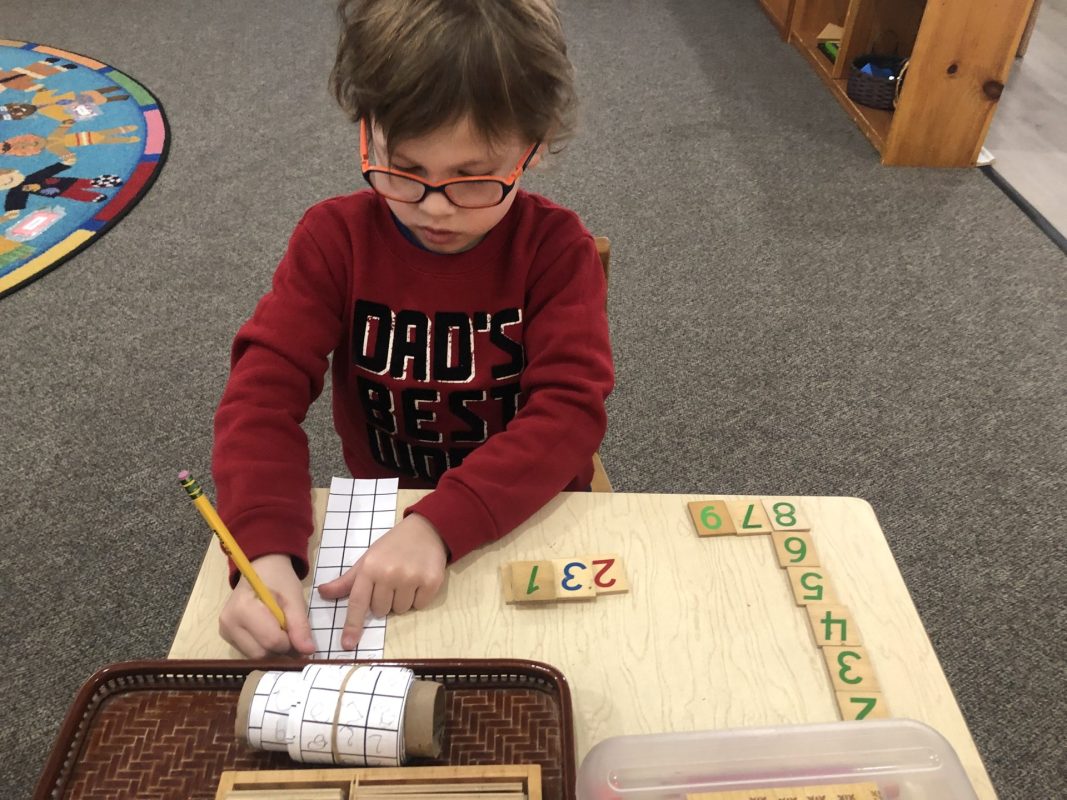
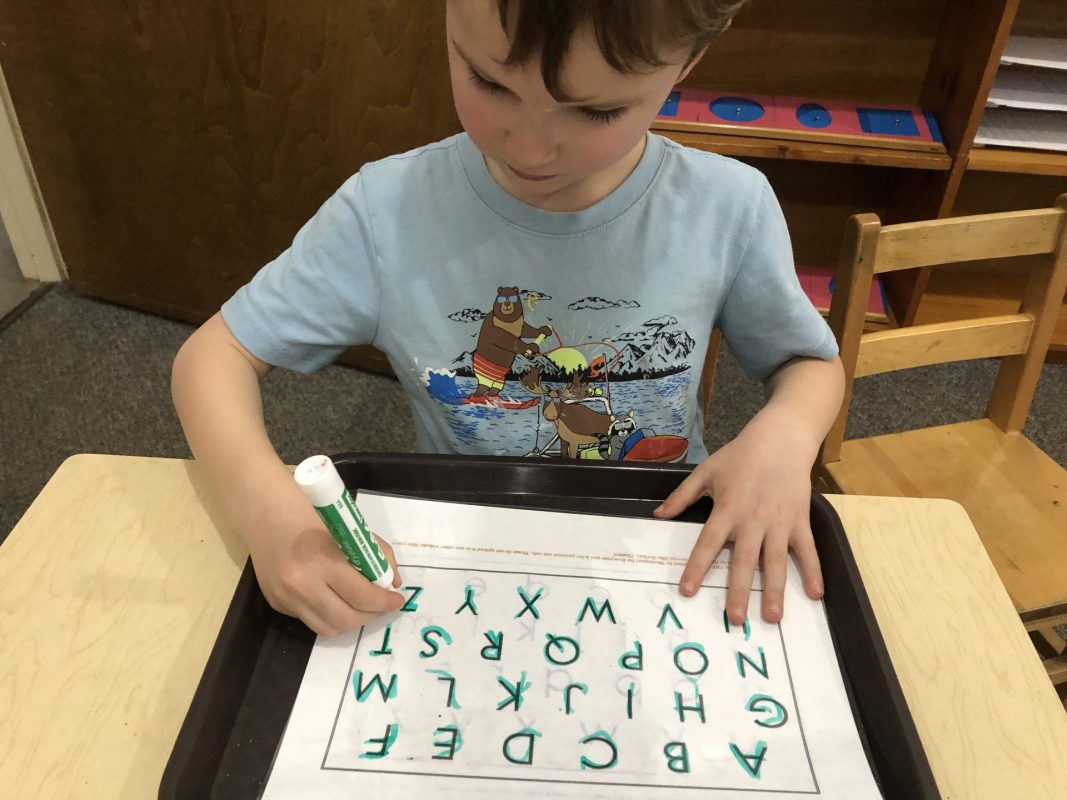
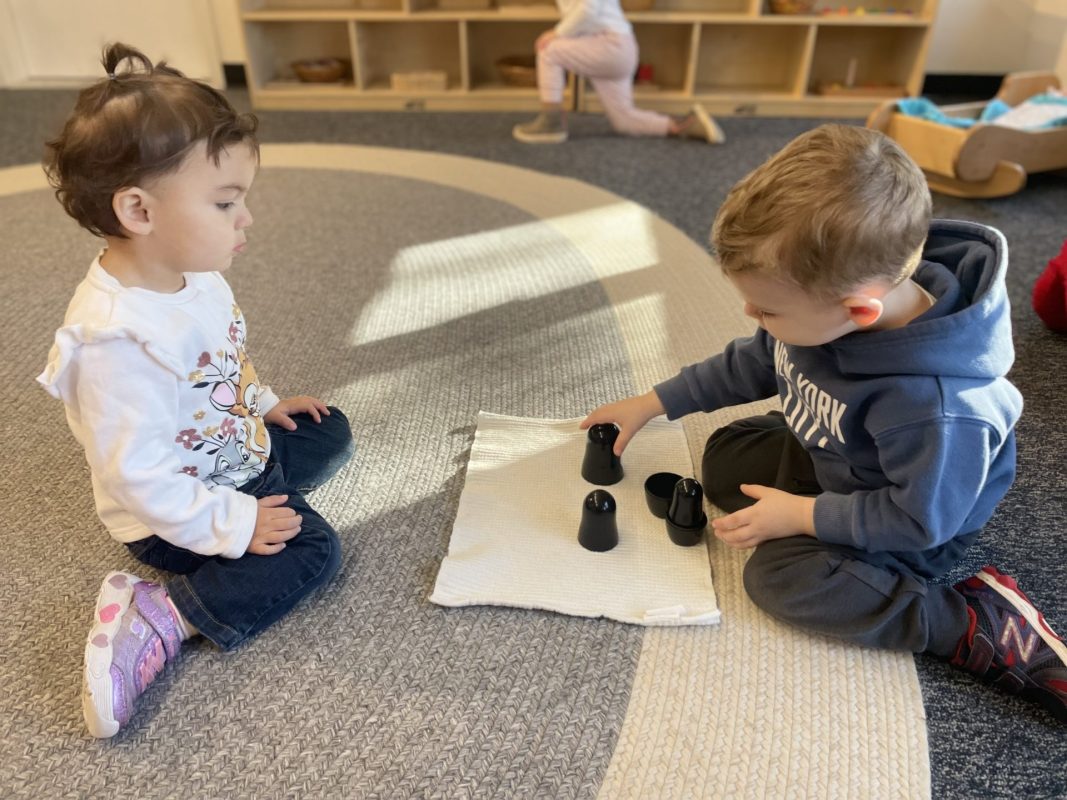
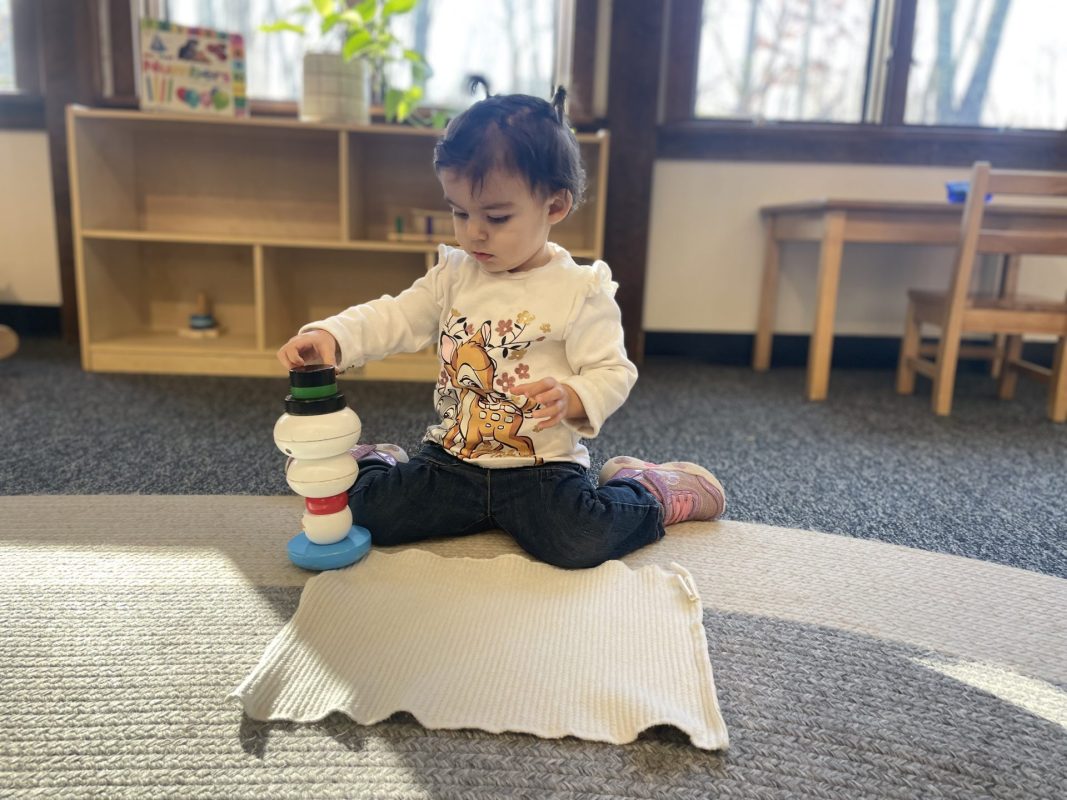
“Concentration is the Key” in this month’s Family Connection Newsletter. Concentration holds great importance in the Montessori philosophy. Montessorians believe that personality develops based on the ability to concentrate and that children’s social/emotional nature is established through control of their minds and bodies. Concentration allows children to explore and investigate their environment. How is concentration fostered in the Montessori classroom?

  • Didactic materials reinforce repetition, have clear steps, contain control of error, and are fascinating.
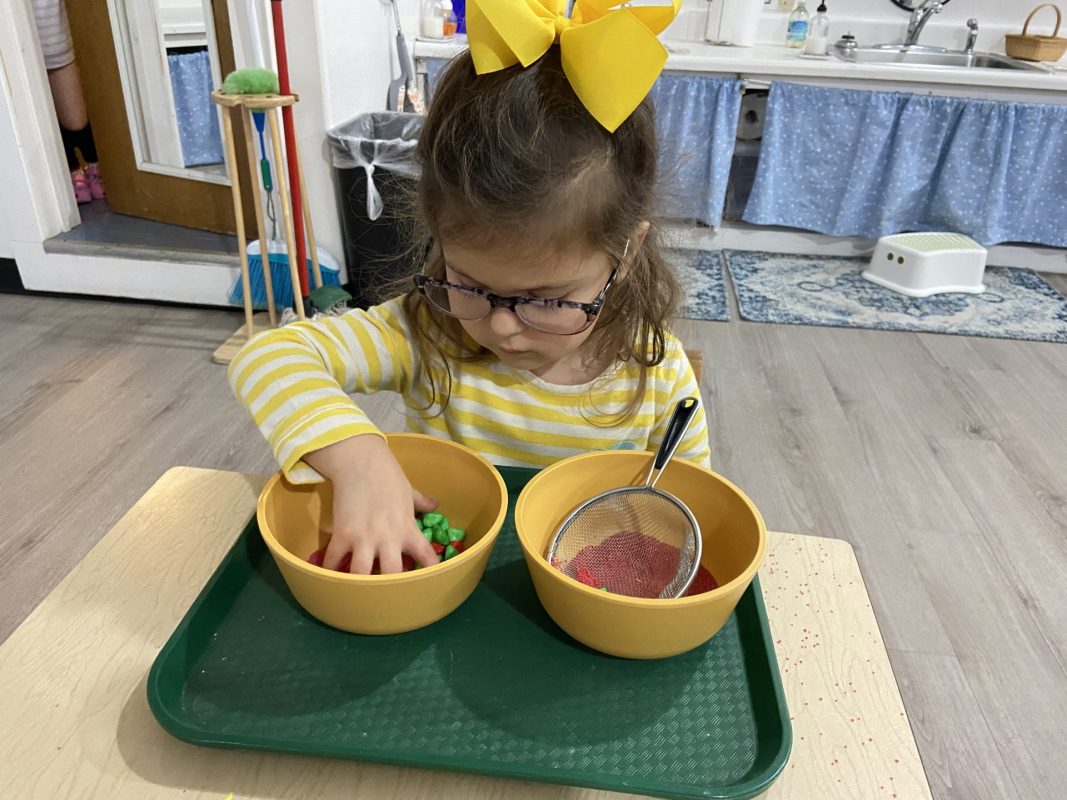
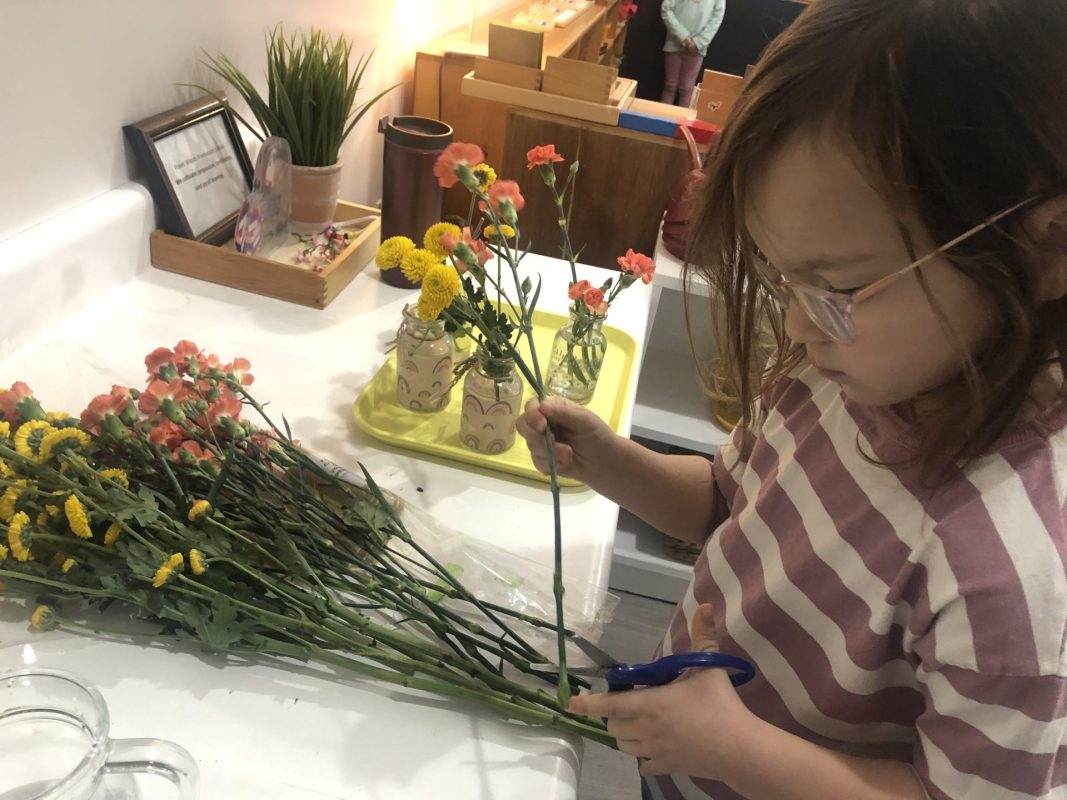
  • Practical life activities develop coordination and independence, encourage attention to detail, and develop concentration.
  • The classroom environment acts as a protector of the child’s concentration, allows deep engagement, allows long periods of uninterrupted work, and provides time for children to become completely engrossed in their work.
  • The teacher acts as a protector of the child’s focus and concentration and shows great respect for the child and their work.

This issue also addresses Montessori at home through lunch preparation, clean-up, and independence. In addition, you will learn about the importance of Care of the Environment at different developmental stages and the skills that are fostered by caring for the environment.

I hope you find this month’s Family Connection helpful and informative.

Warmly,

Karen Sankey
Director of Montessori Education


Mrs. Hood: Process vs. Product

“The human hand allows the mind to reveal itself.” – Maria Montessori

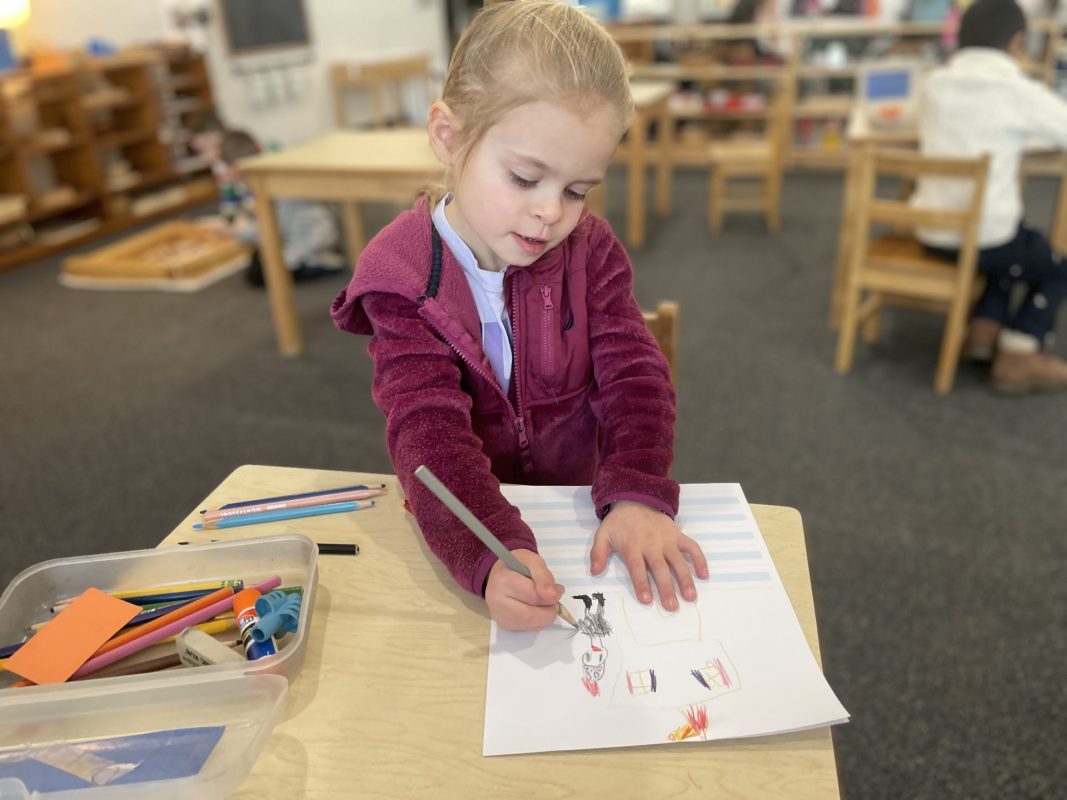
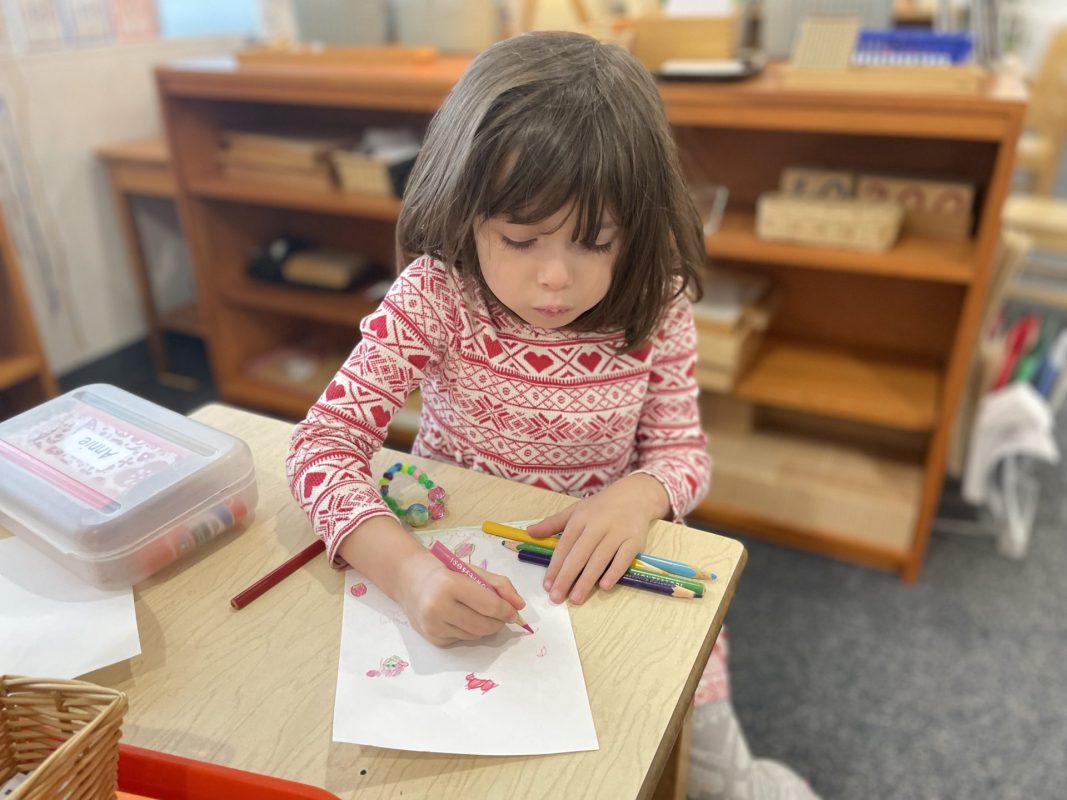
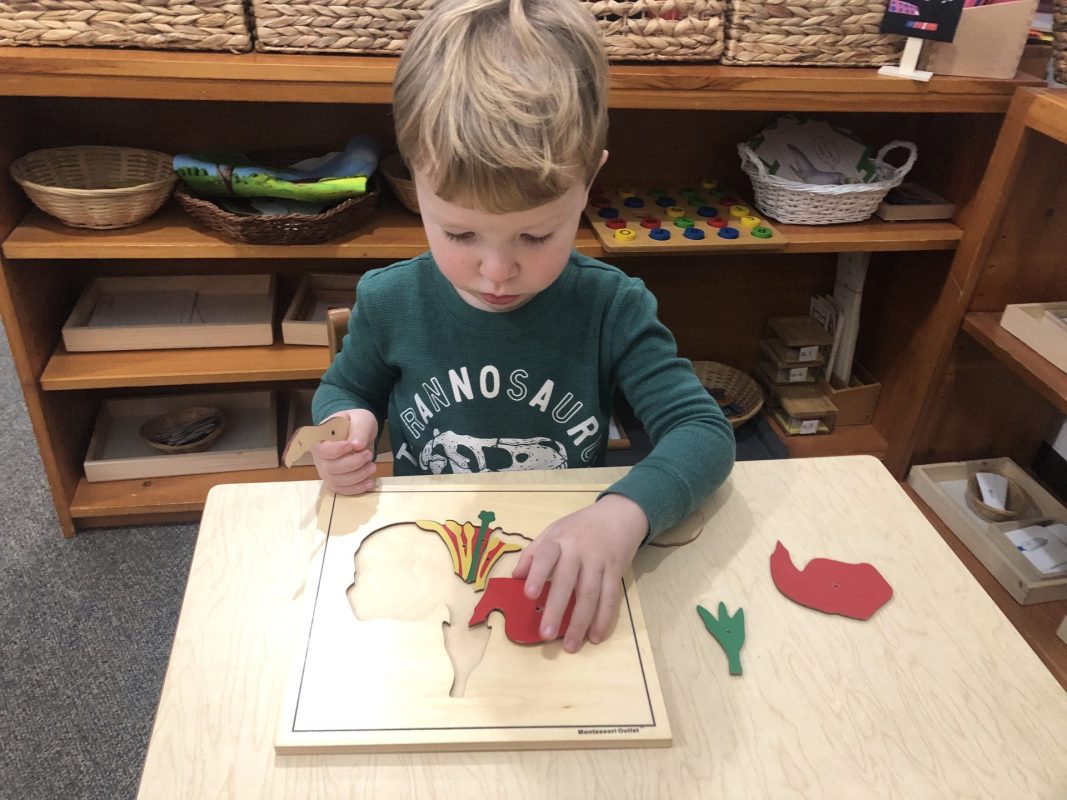
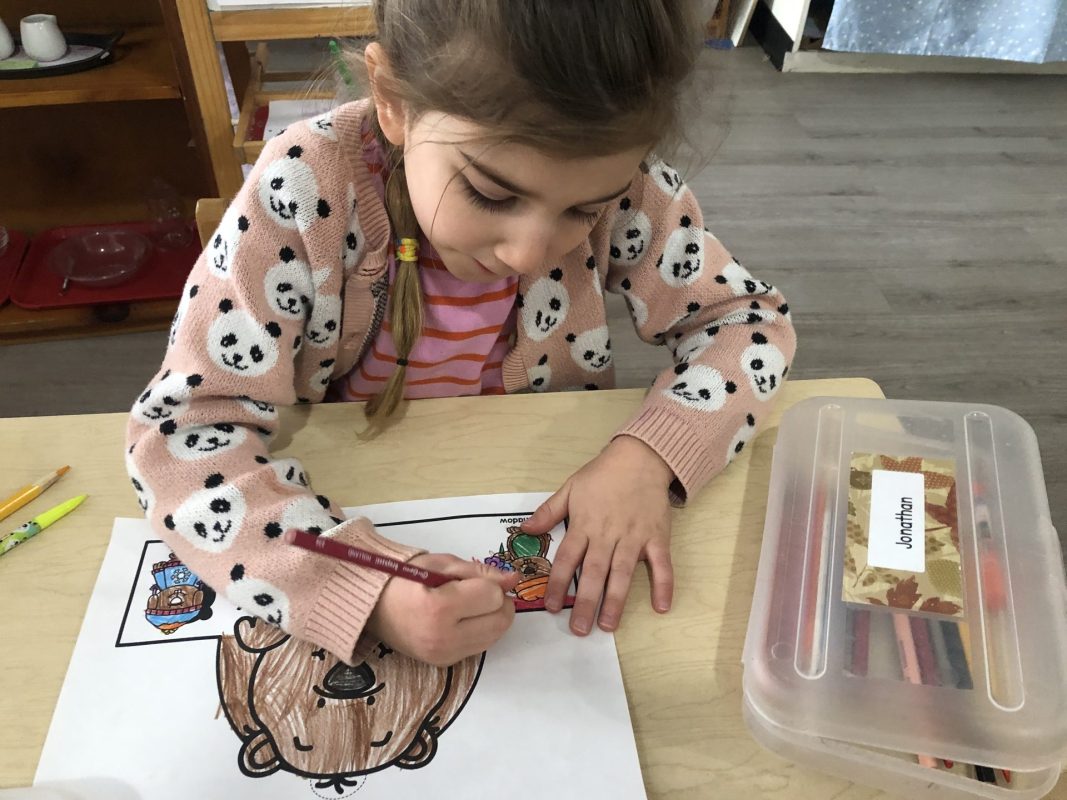
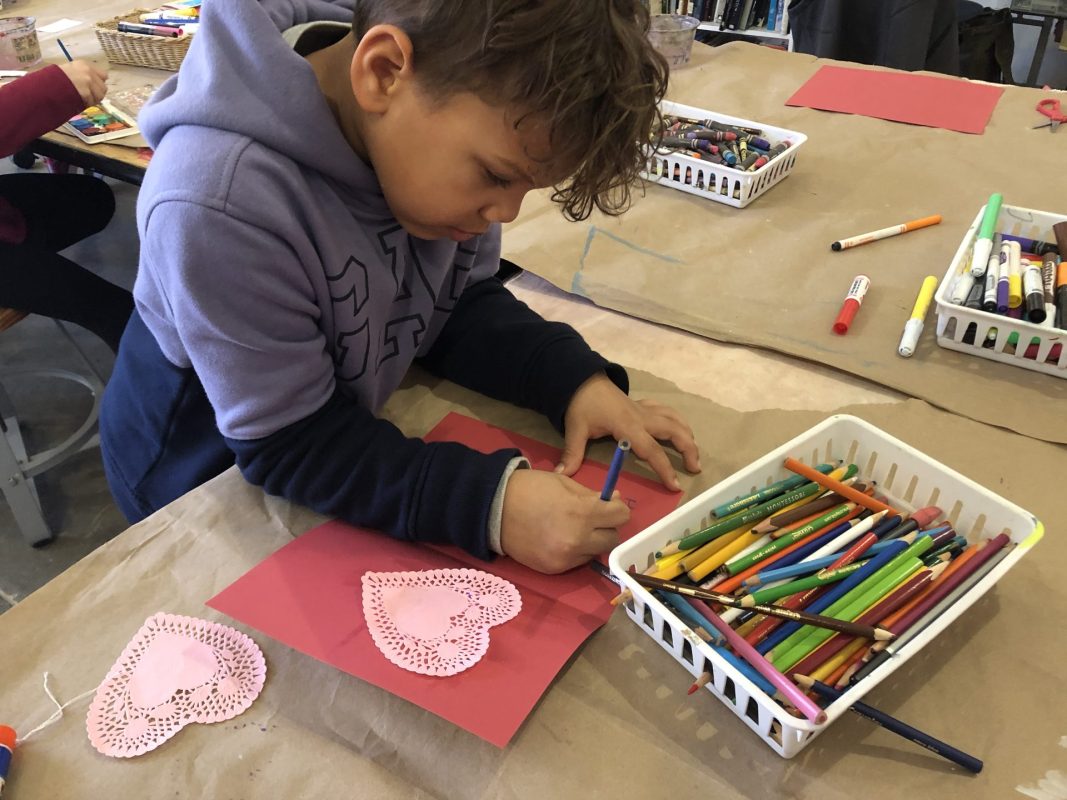
Art is one of the many ways children express themselves. When it comes to art, it is the process, not the product that is important to the child. As adults, our goal is to produce a product, but the child interacts with the world differently. The child works to develop self. The focus is on the process, not the product. Once a child creates something, they do not feel the need to keep the product. It is the process that gives them satisfaction and inner joy.

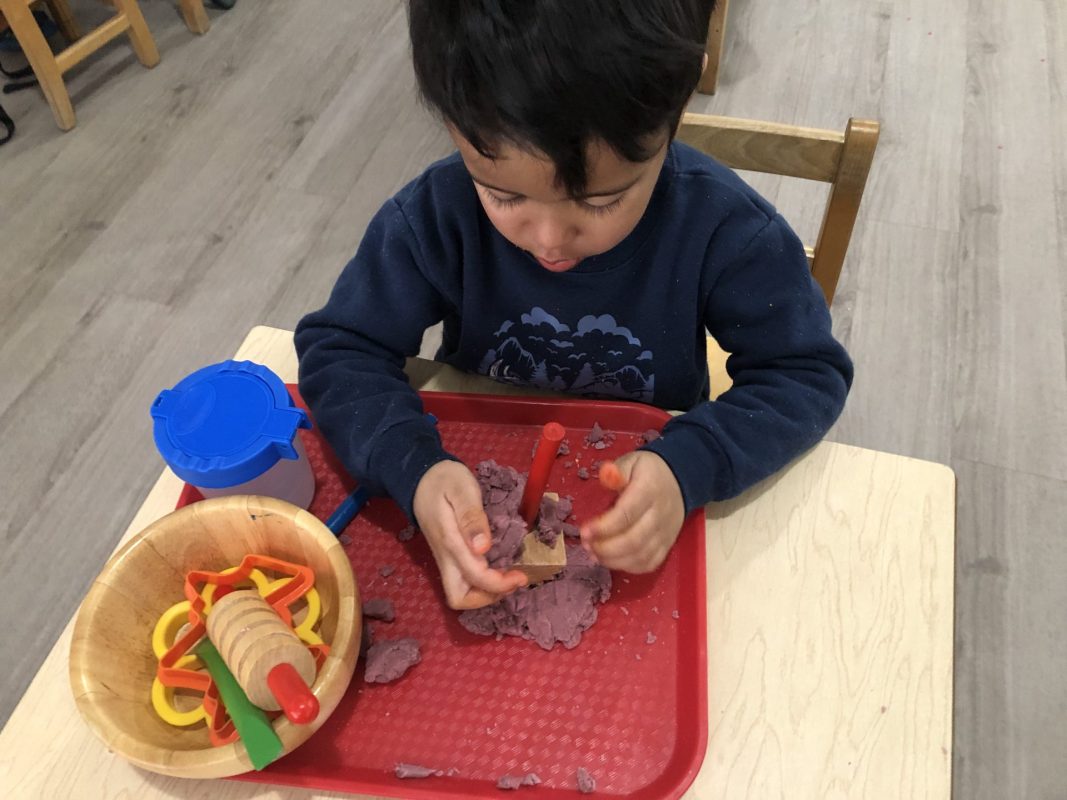
In our Montessori environment, art materials teach each skill separately so that the children can combine them on their own: line drawing with crayons, holding and managing colored chalk, cutting without and with a guideline, stamping, working with clay, painting with watercolors, etc.  All of these skills will be mastered independently and then combined at the child’s discretion in some grand piece of artwork later on in their development.

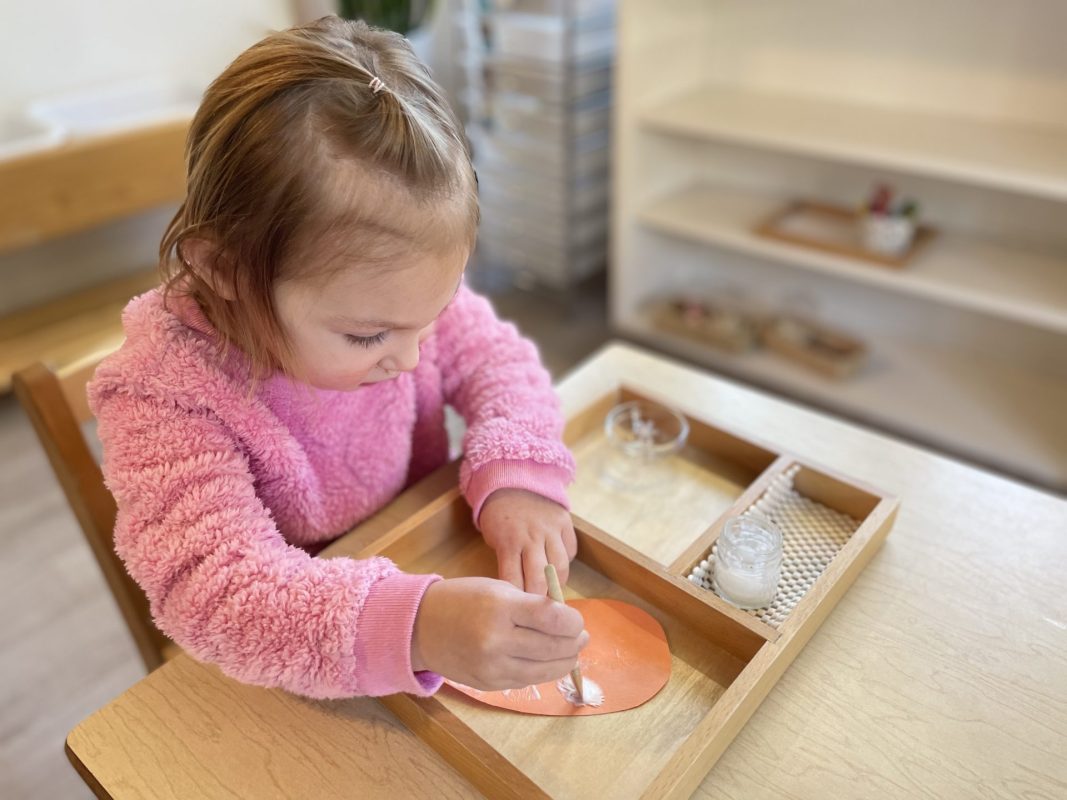
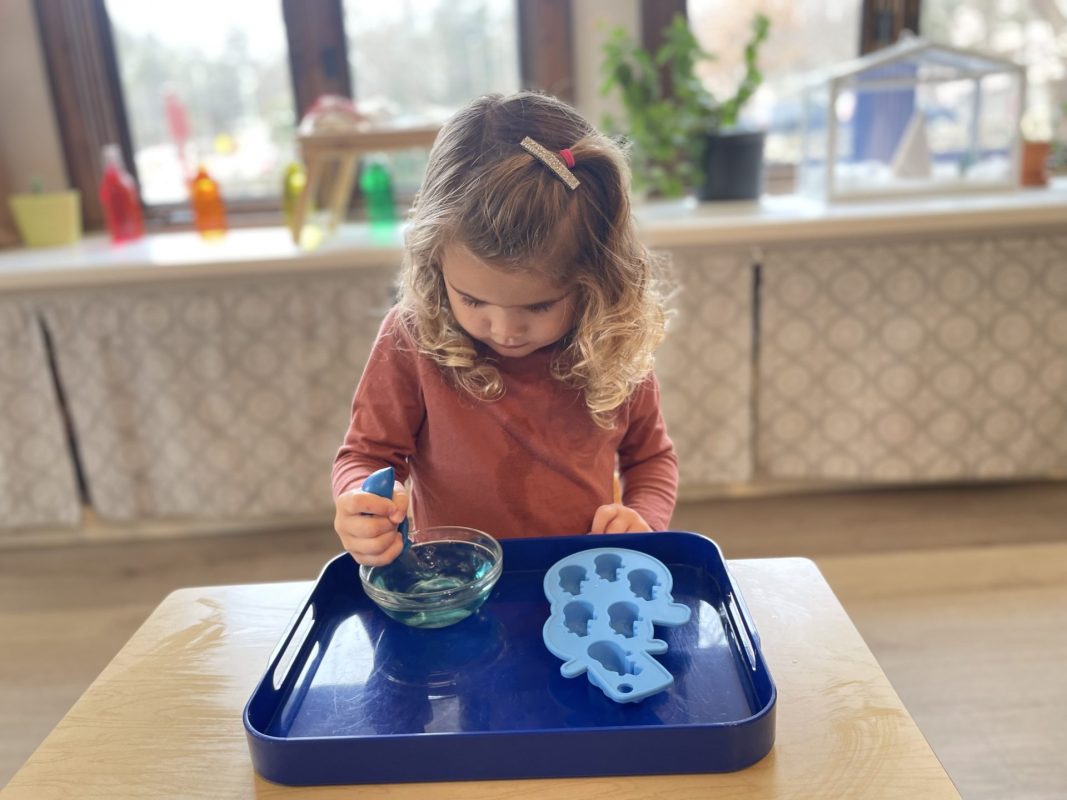
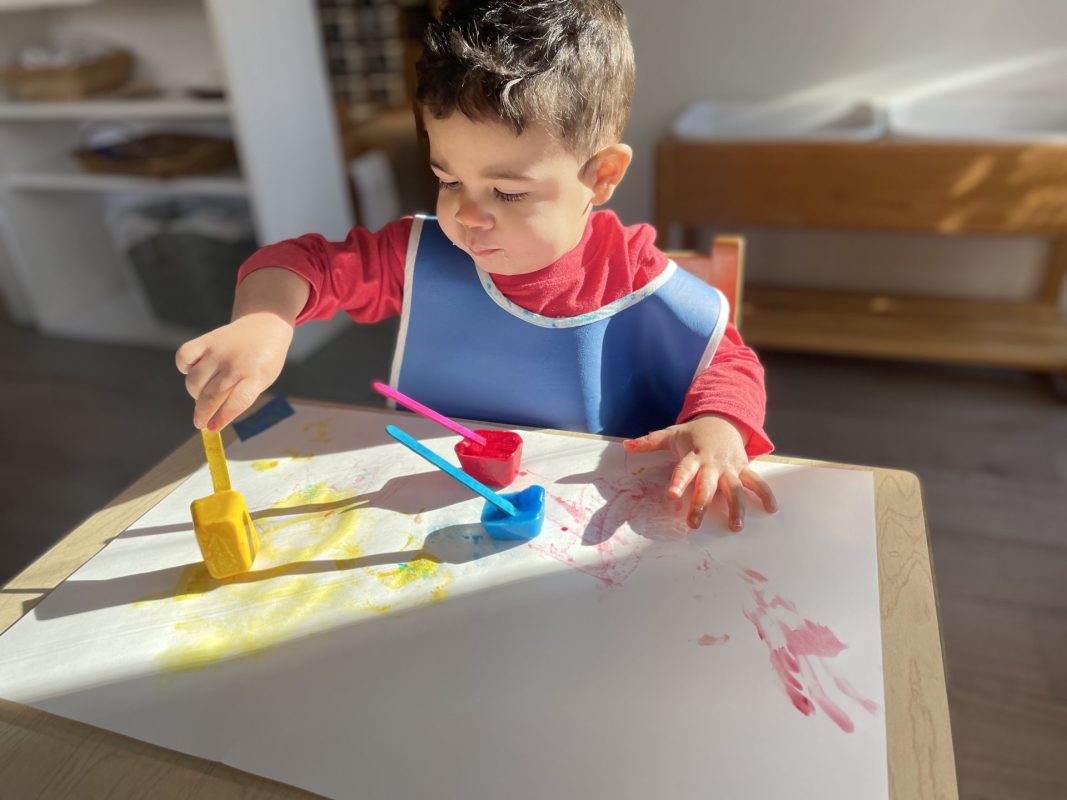
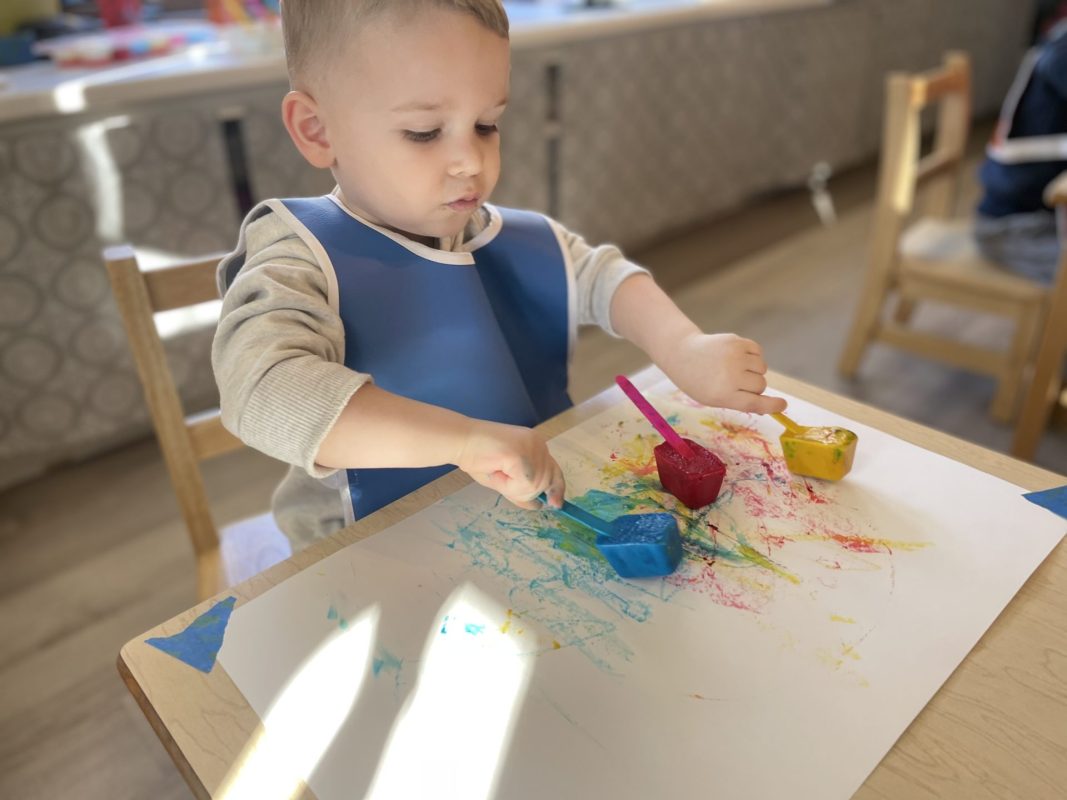
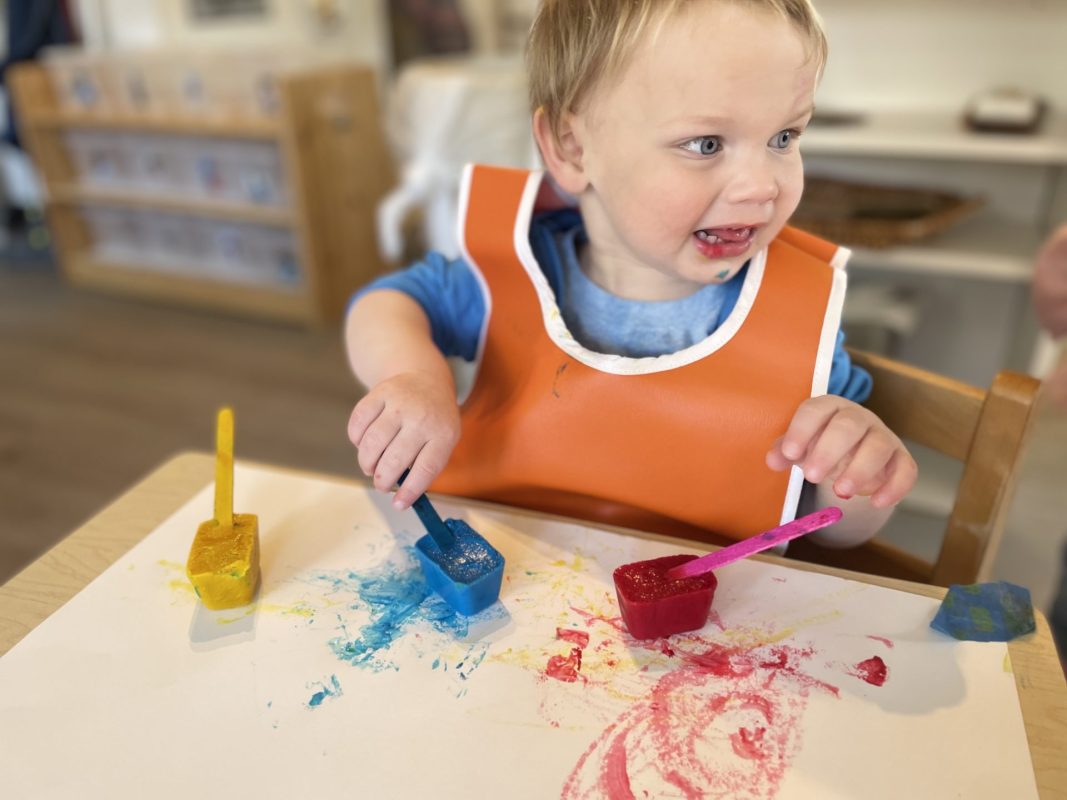
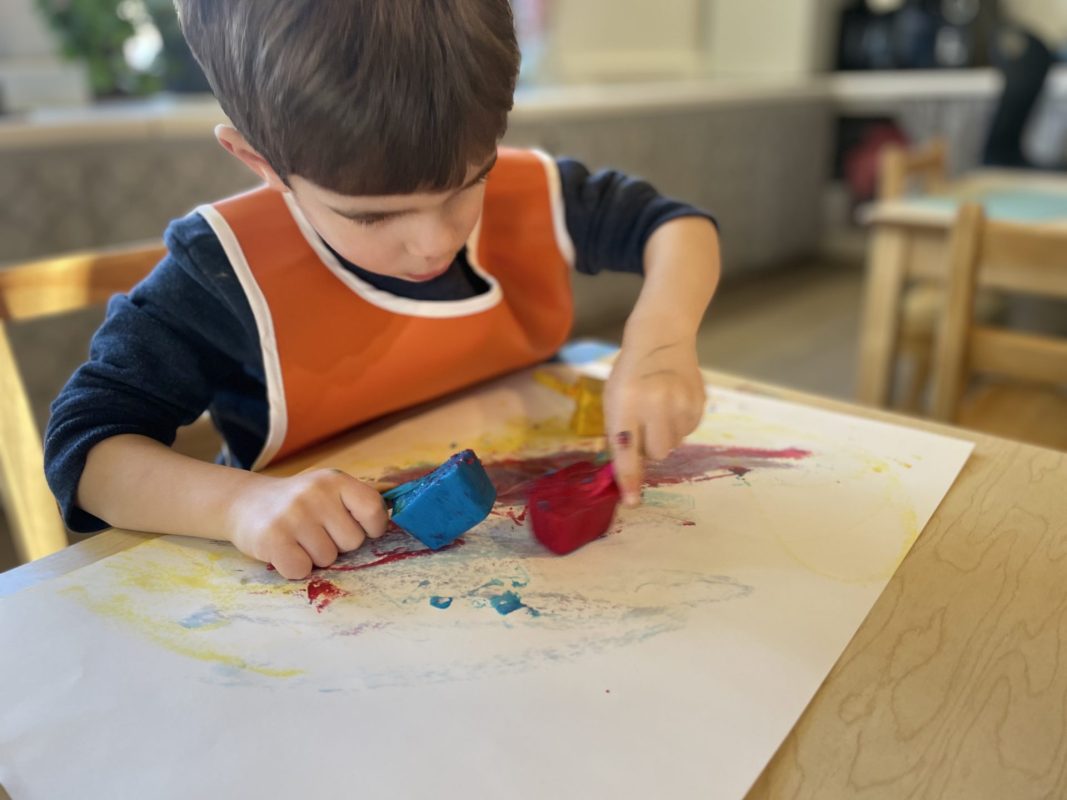
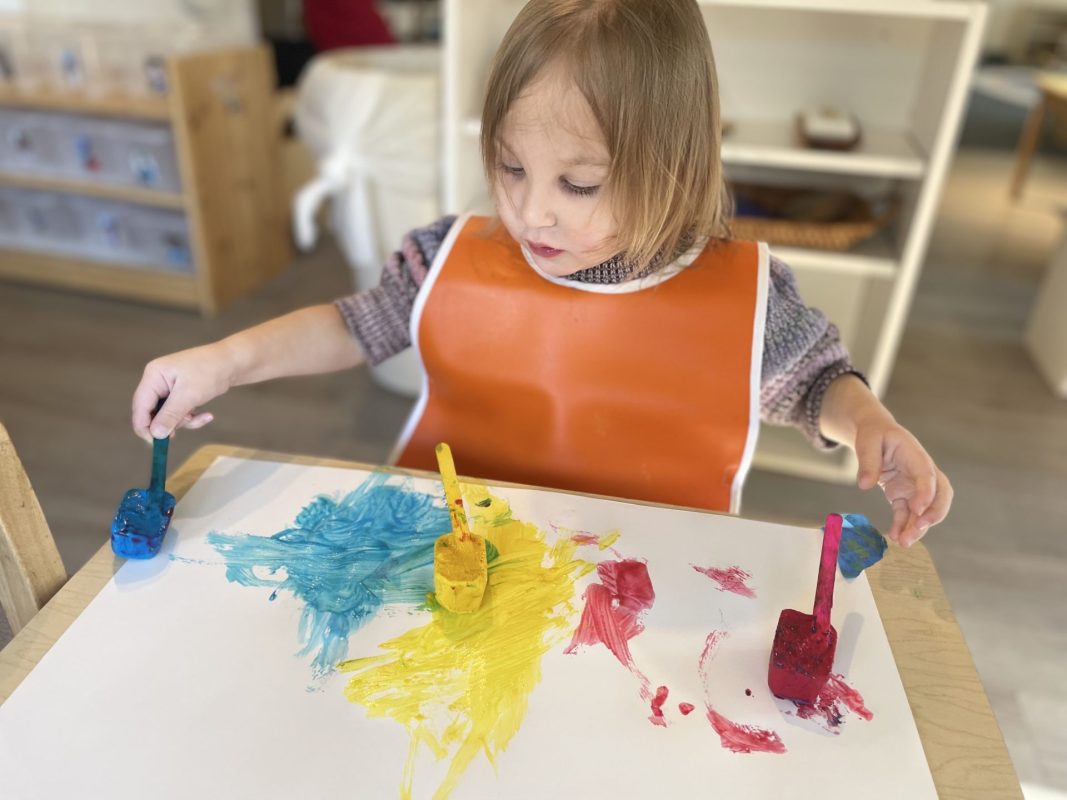
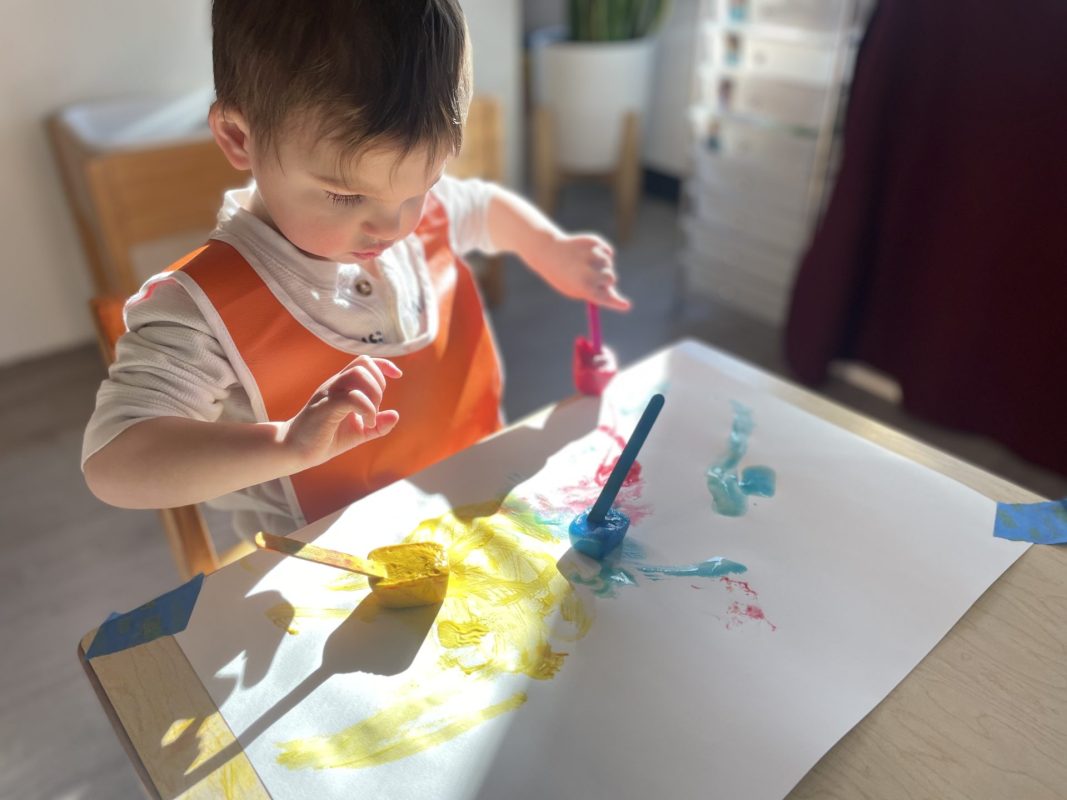
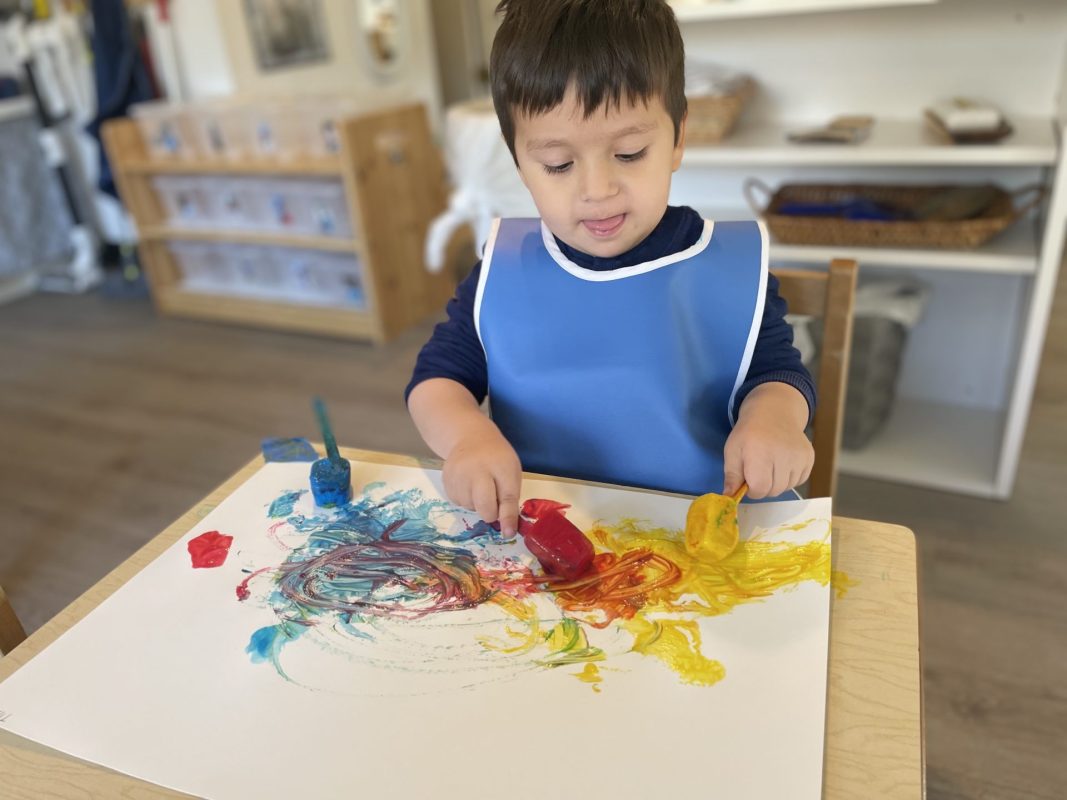
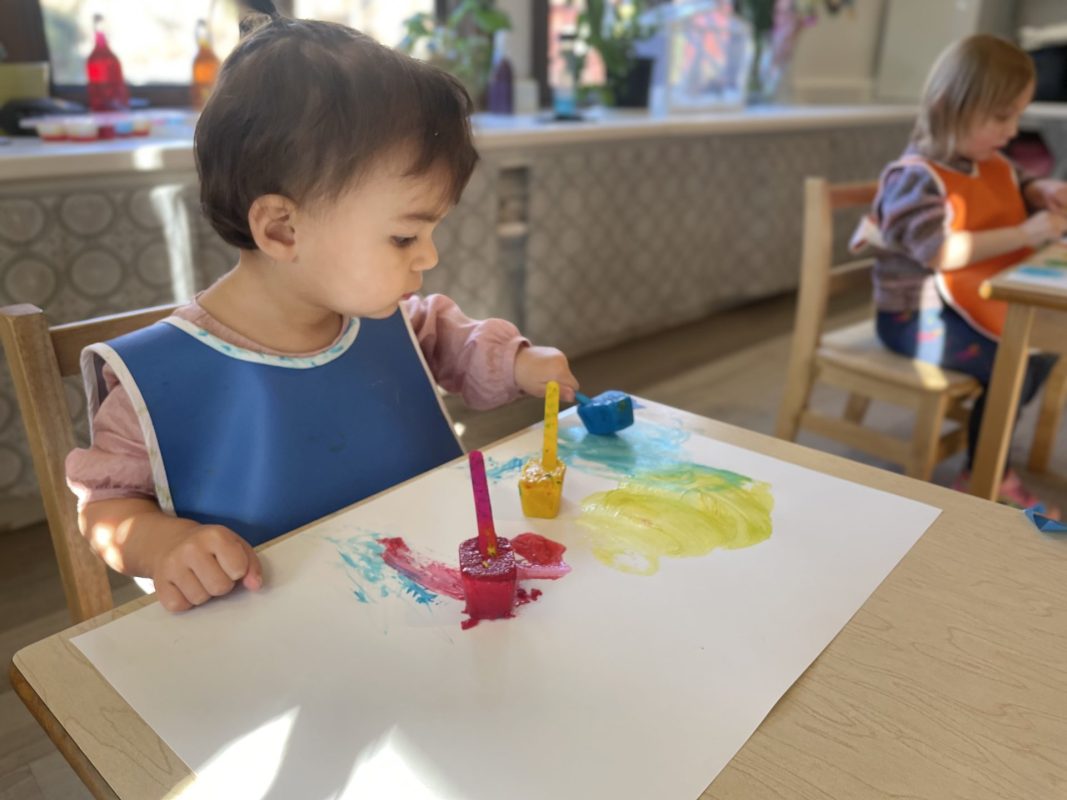
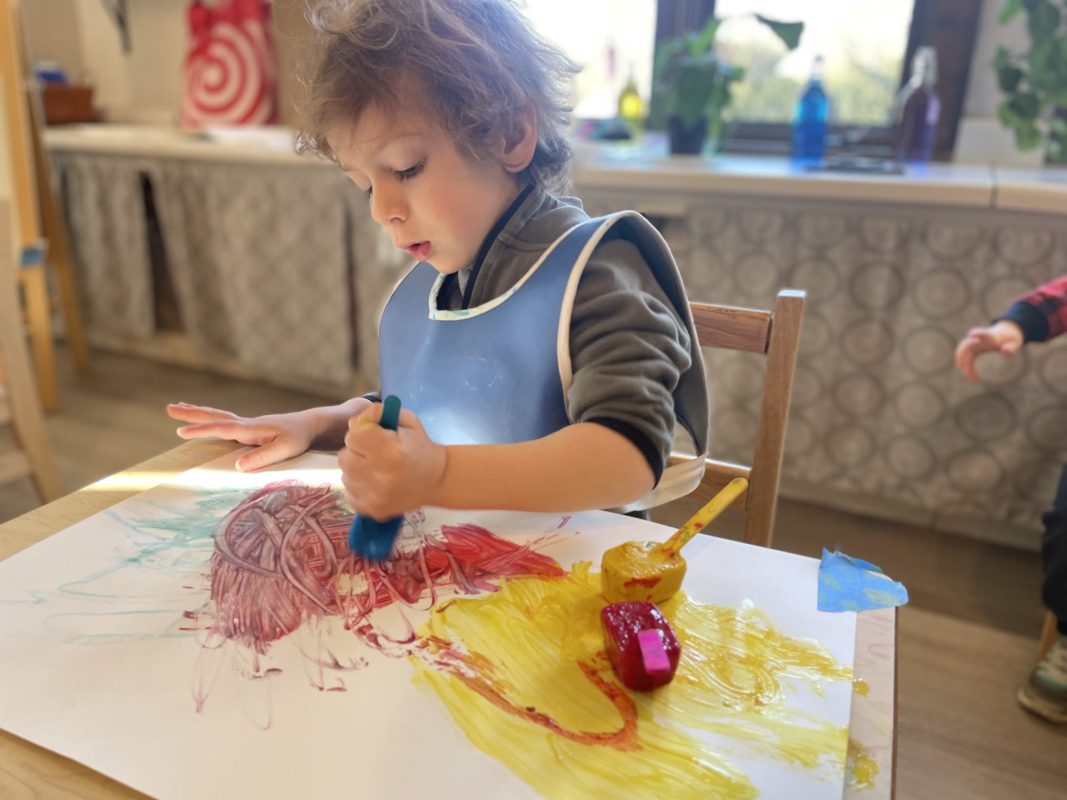
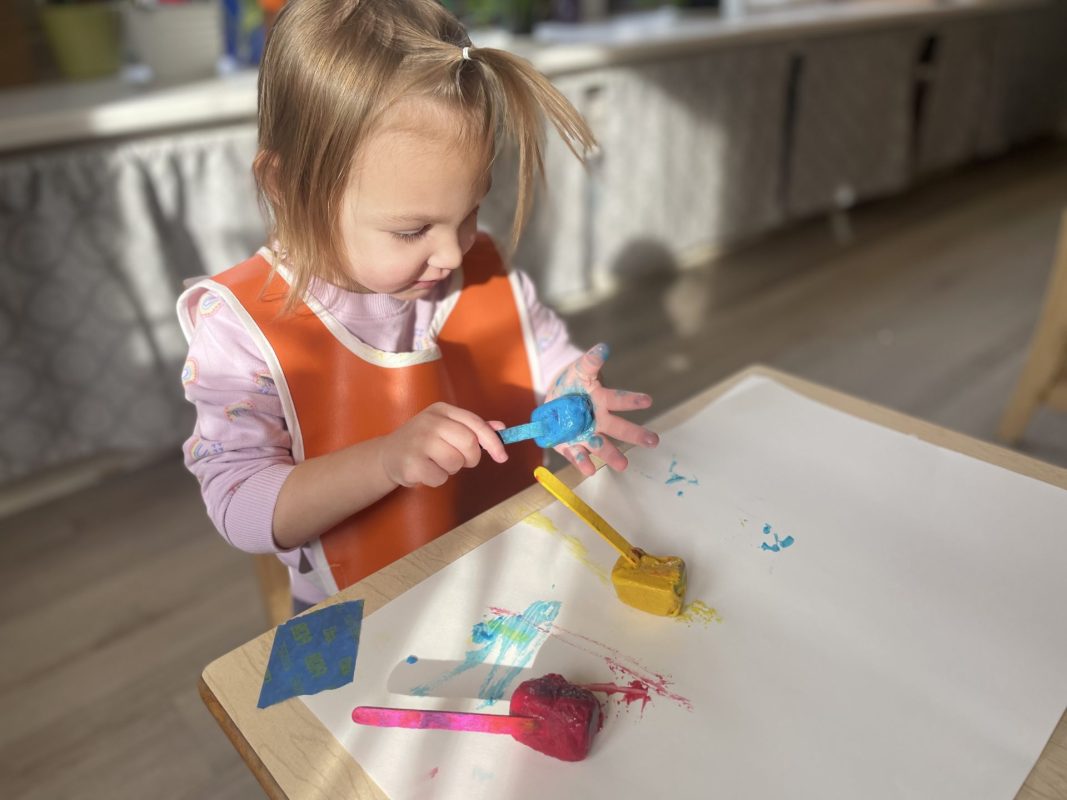
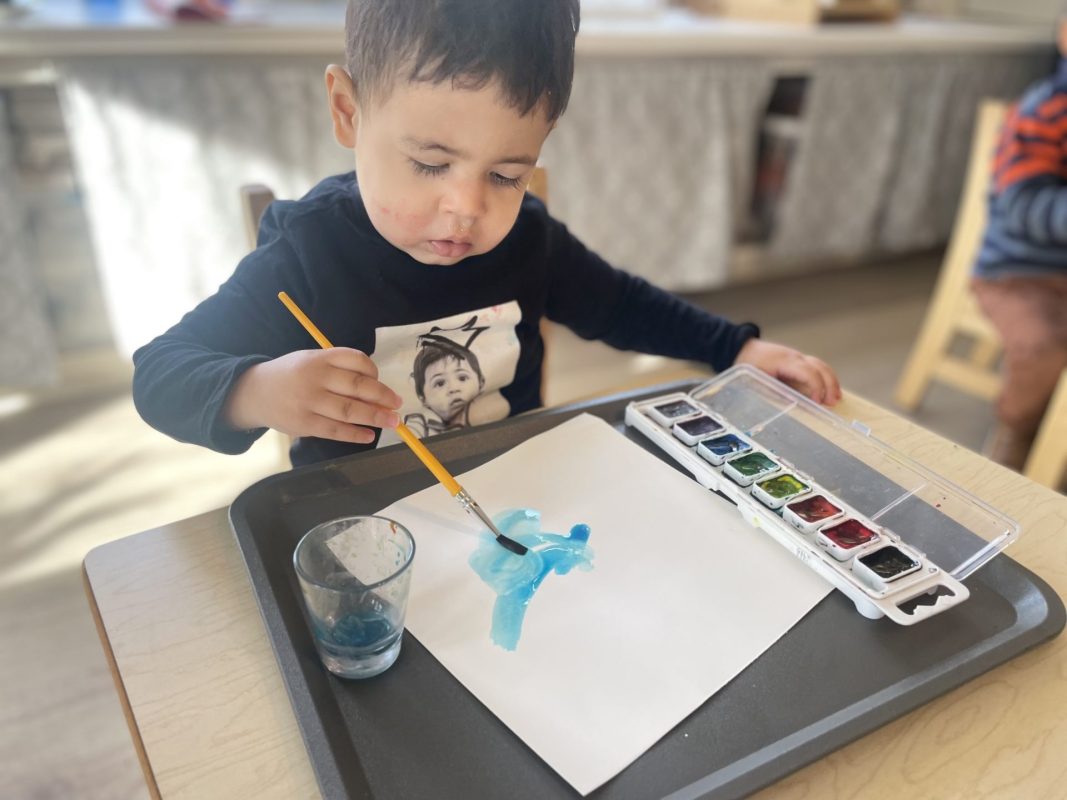
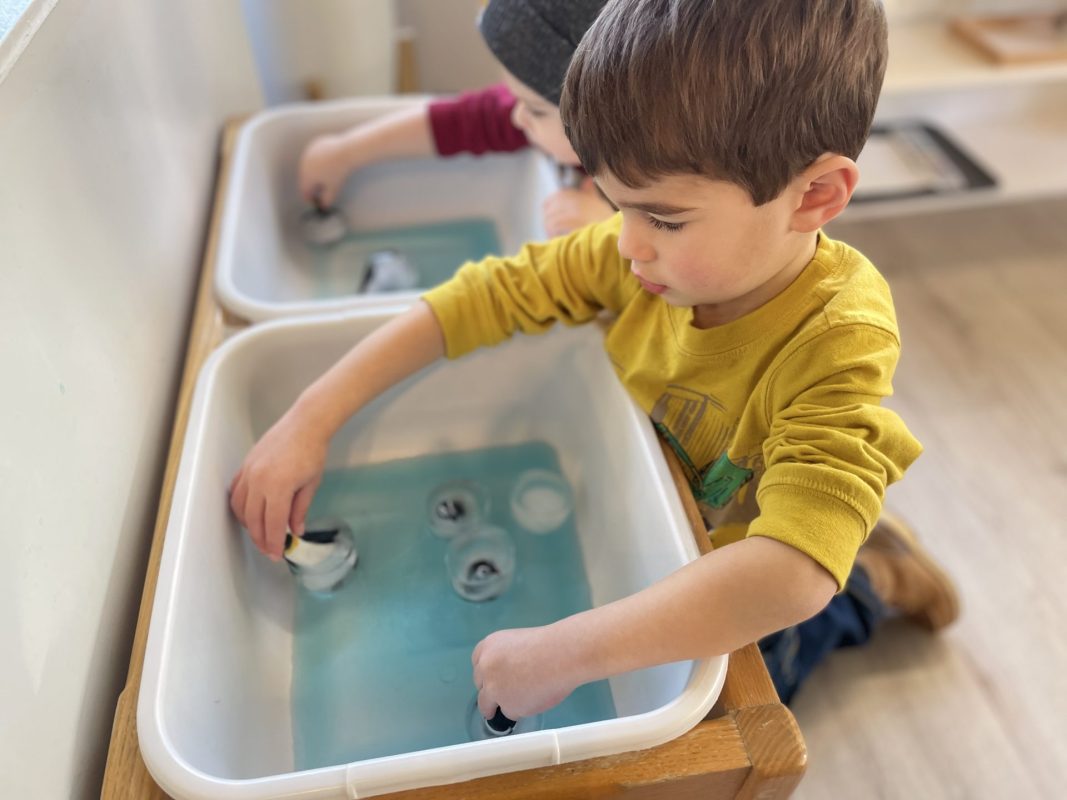
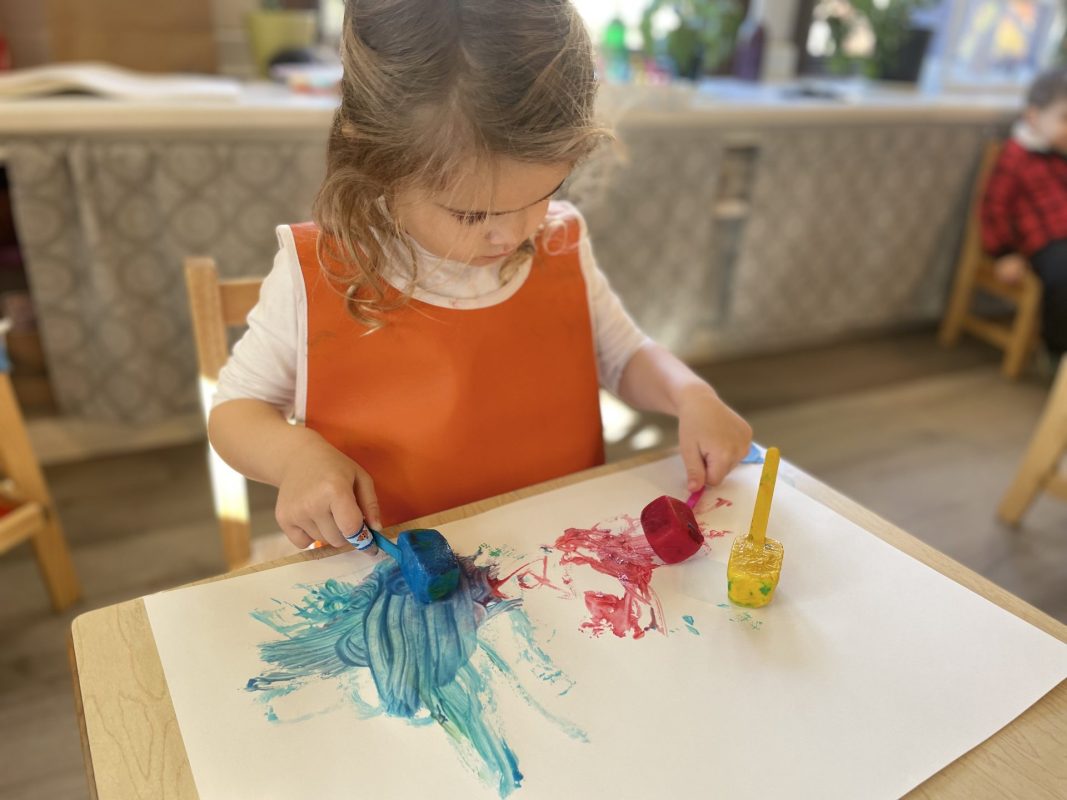
This week we added a fun Sensorial experience to tie in with our winter studies: ice cube painting! Children enjoyed creating different pieces of artwork while combining colors, but the truly big point of interest in this exercise was to feel the coldness of the paint! They LOVED painting their hands and were mesmerized for long periods of time by the sensation on their hands!

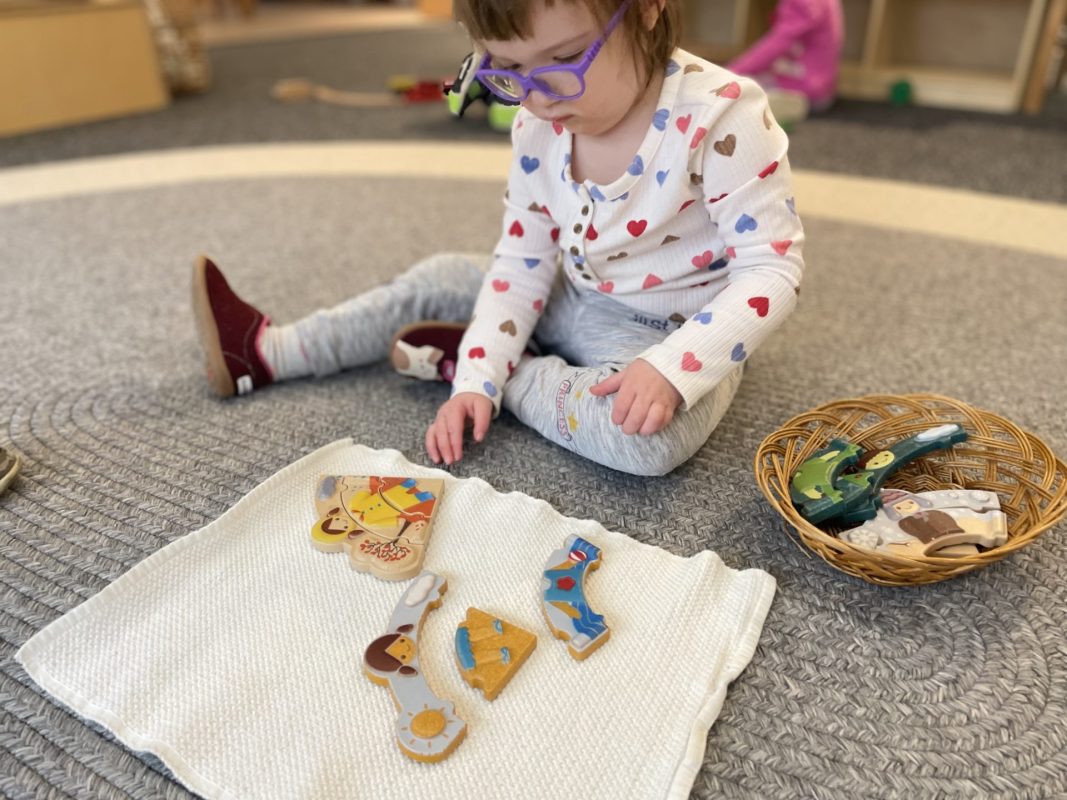
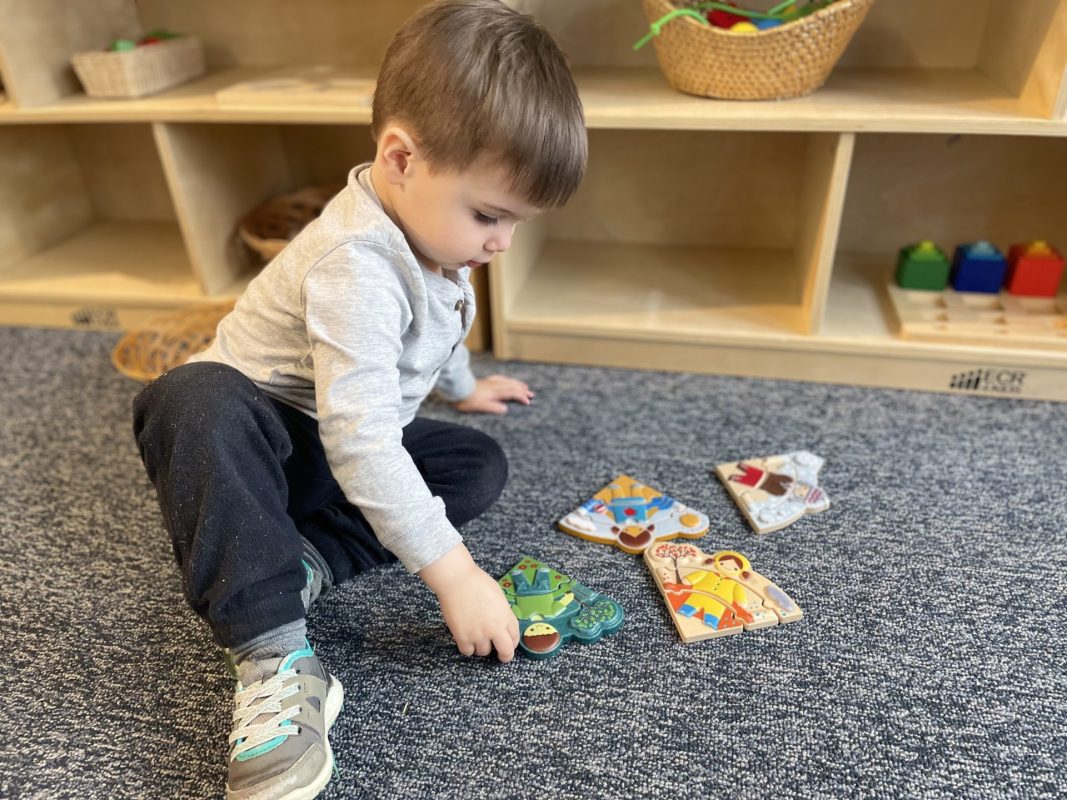
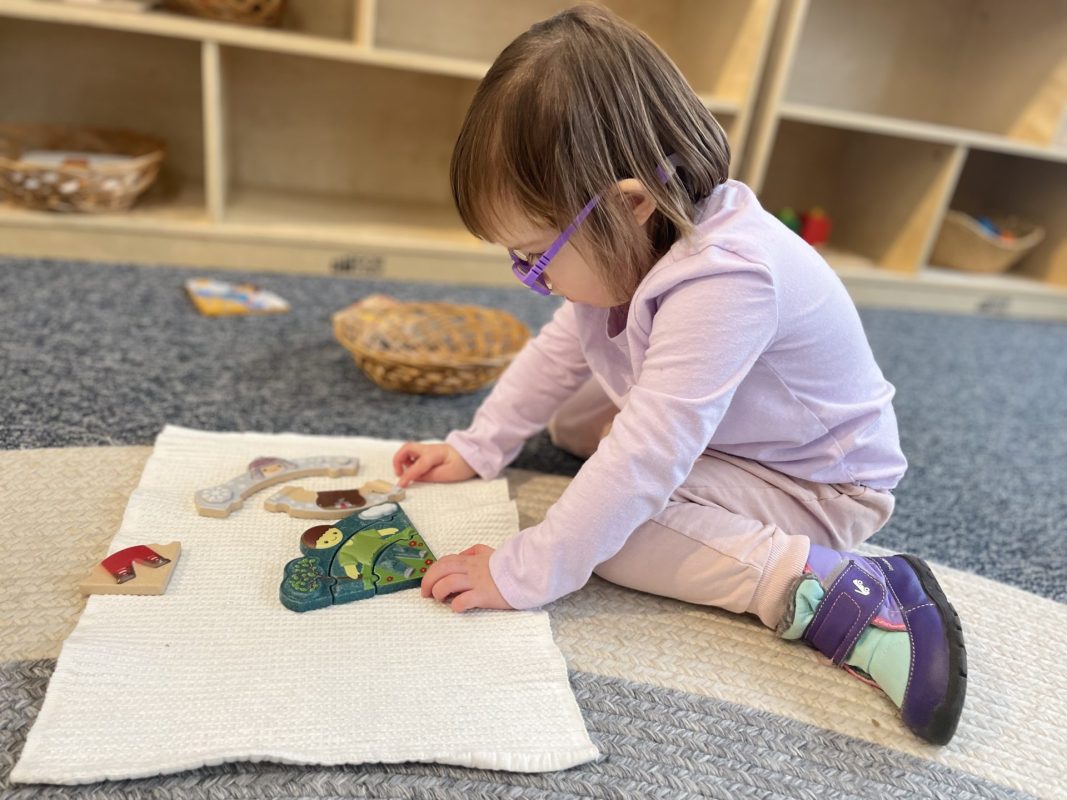
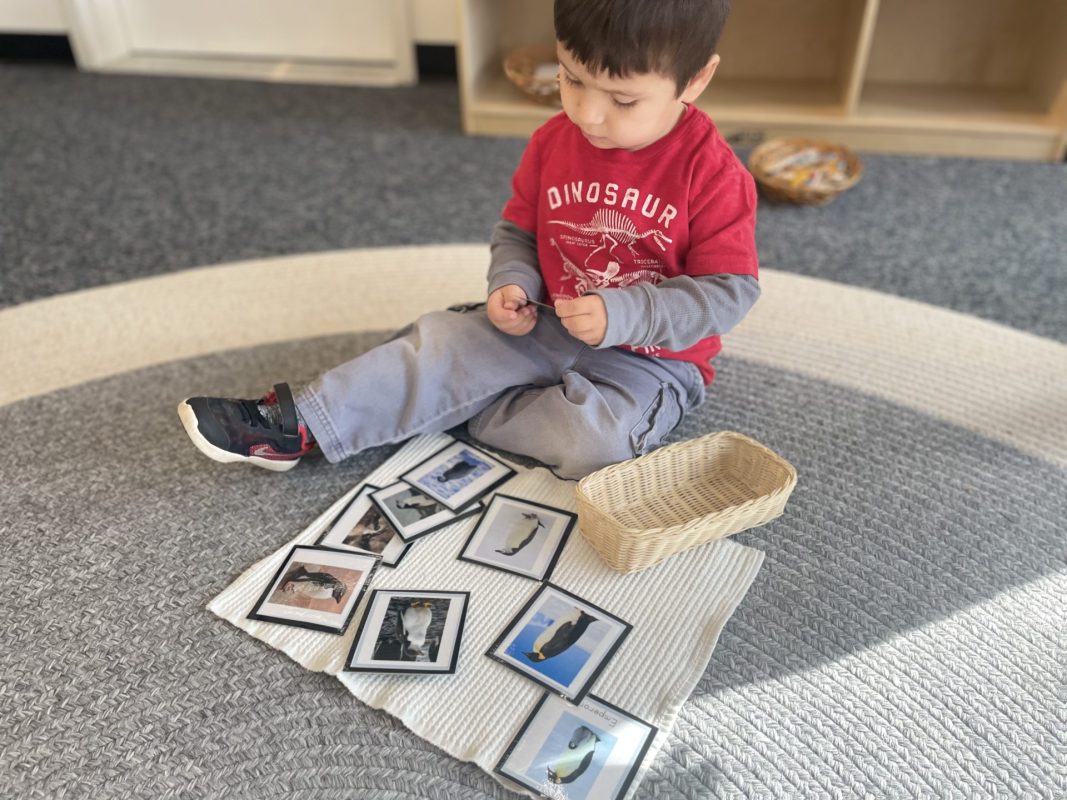
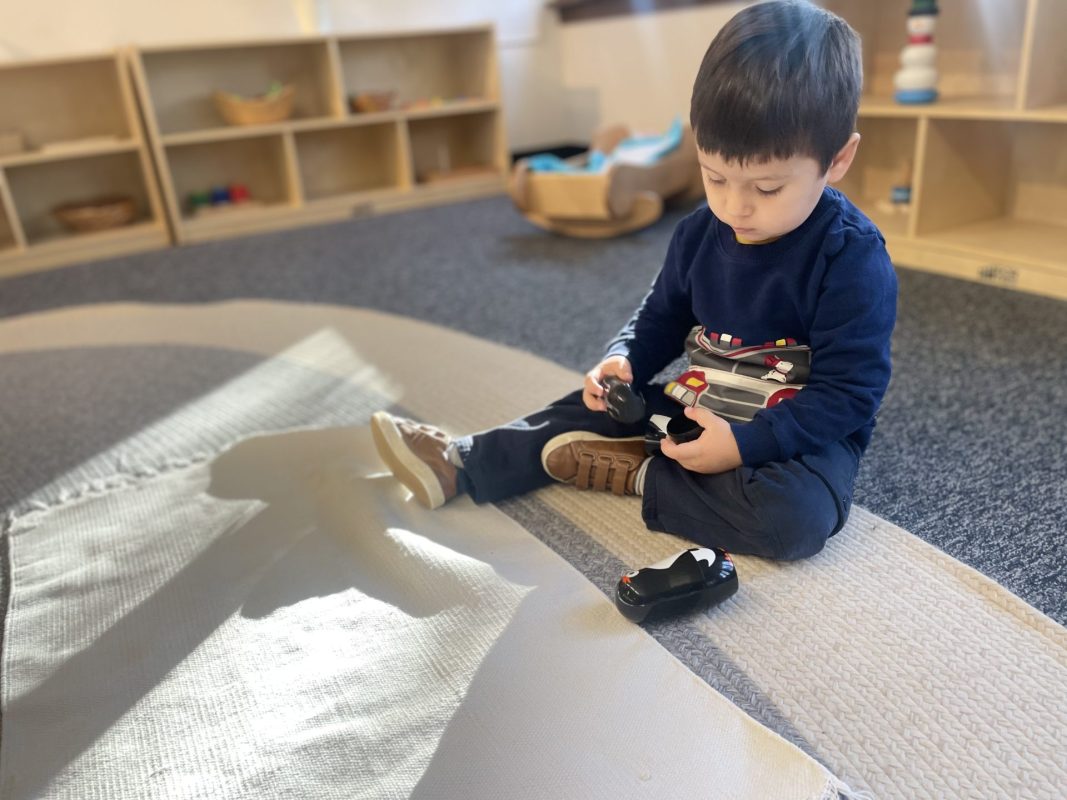
On another note, older toddlers received a lesson on learning to recognize the special markings of three different types of penguins: emperor, rockhopper, and chinstrap. Children then practice matching the adult penguin with their chicks. Since this is a picture-to-picture matching work and it’s a more abstract concept to grasp, we added an extra control of error on the back of the cards with some color coding stickers so the toddlers can self-correct as they continue to sharpen their observation skills. They also received a lesson about the names of the seasons and their different characteristics using a great puzzle that children like to call the pizza puzzle. This has become one of the most popular works of the week.

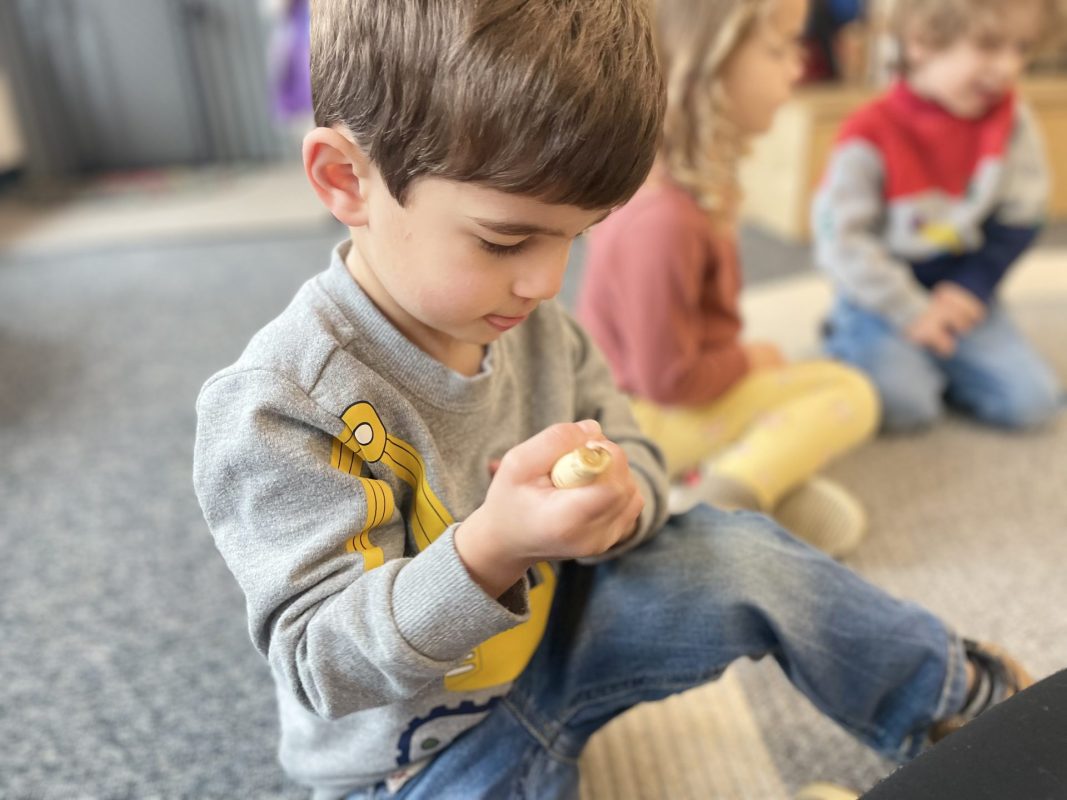
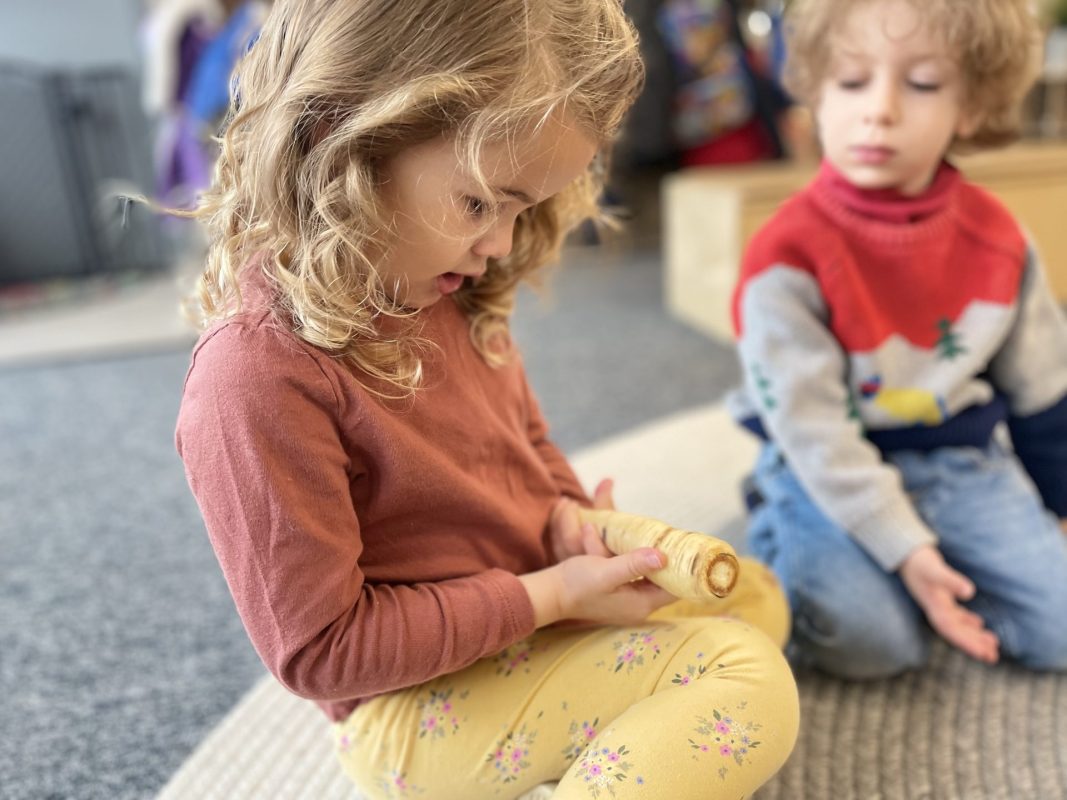
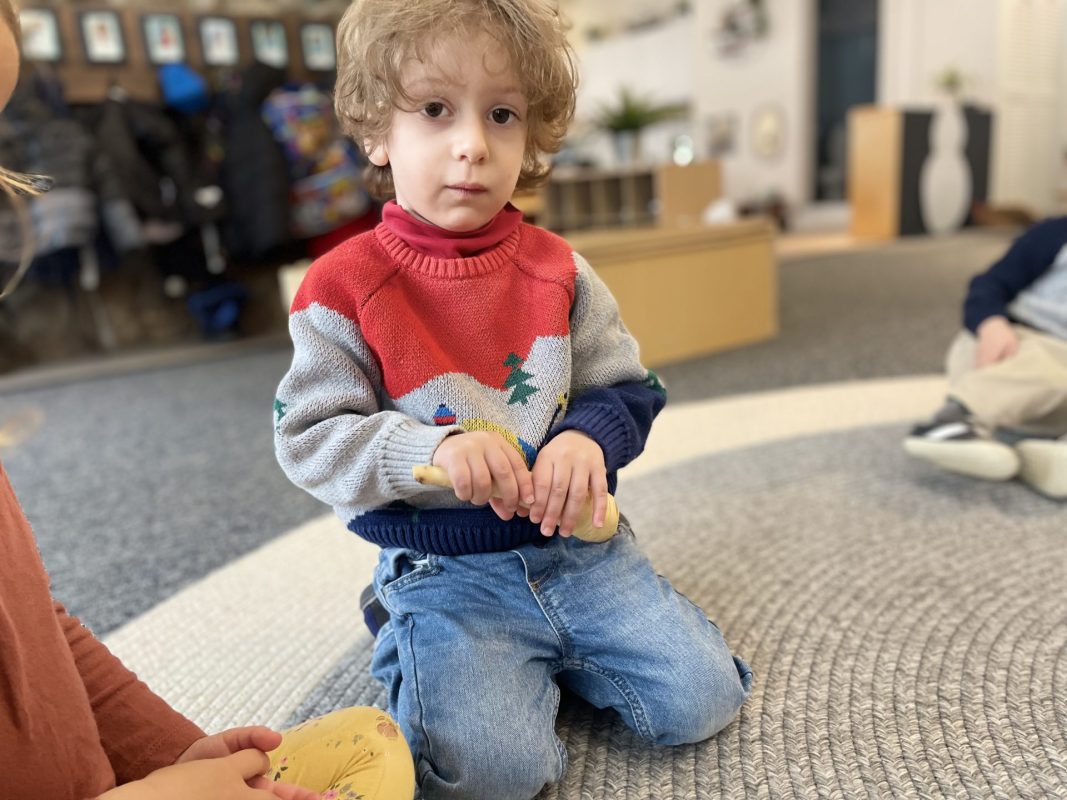
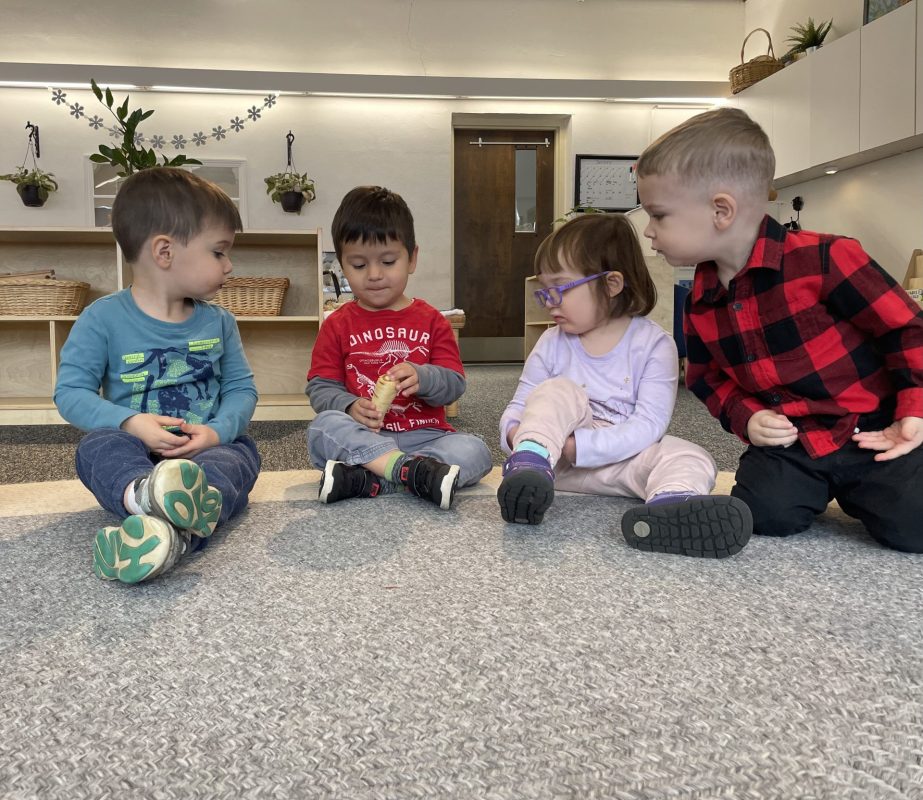
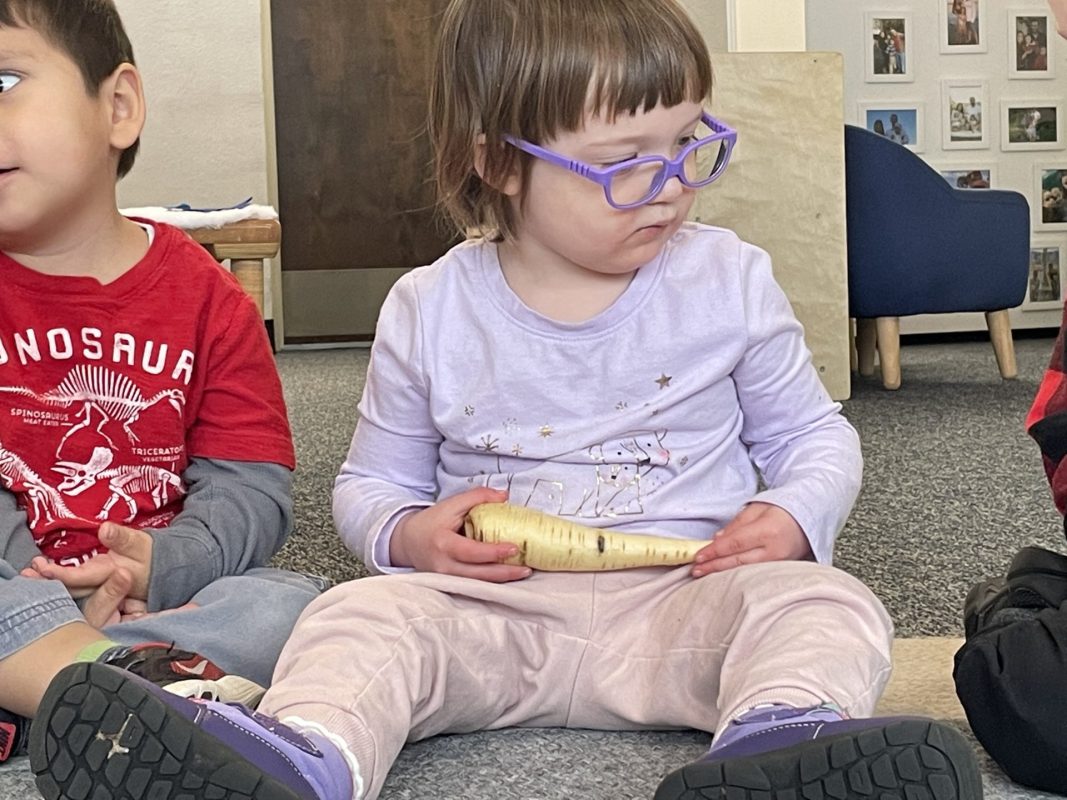
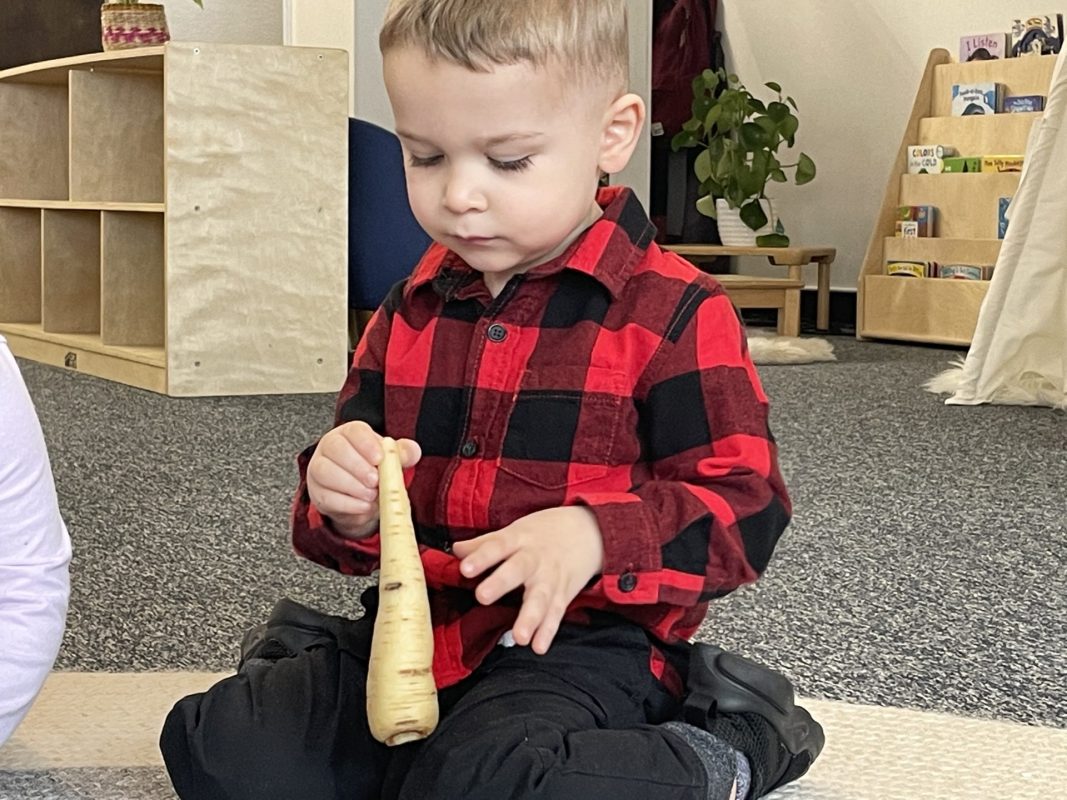
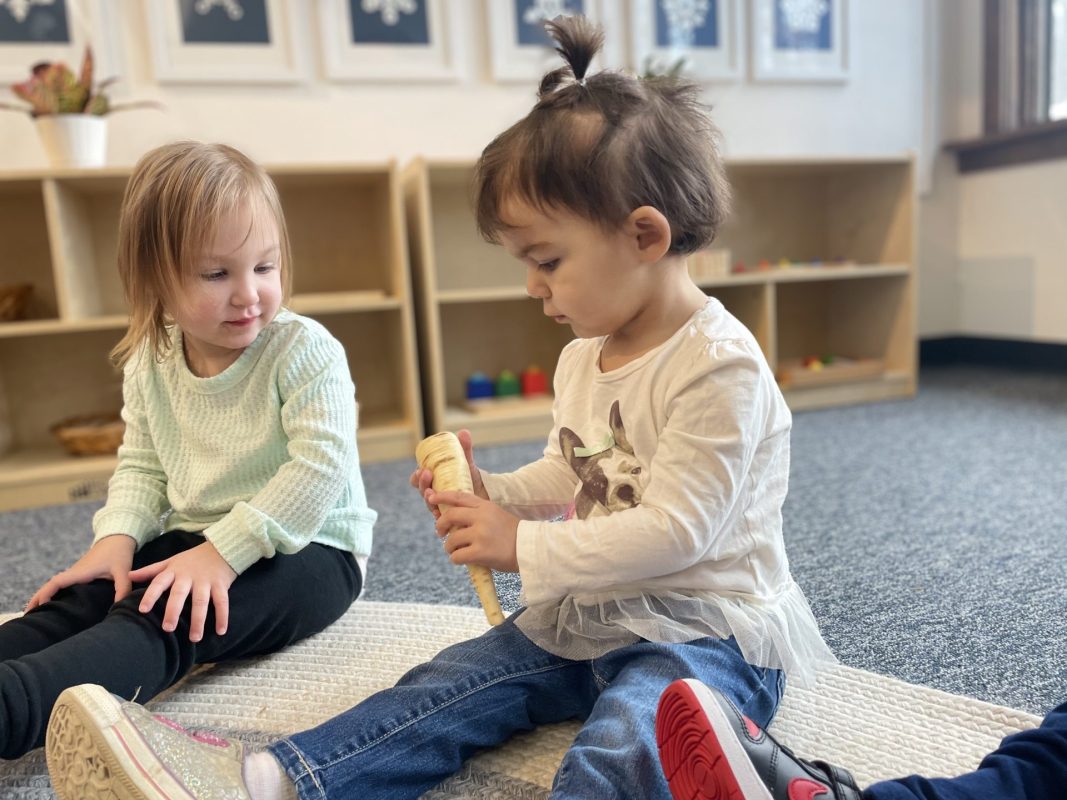
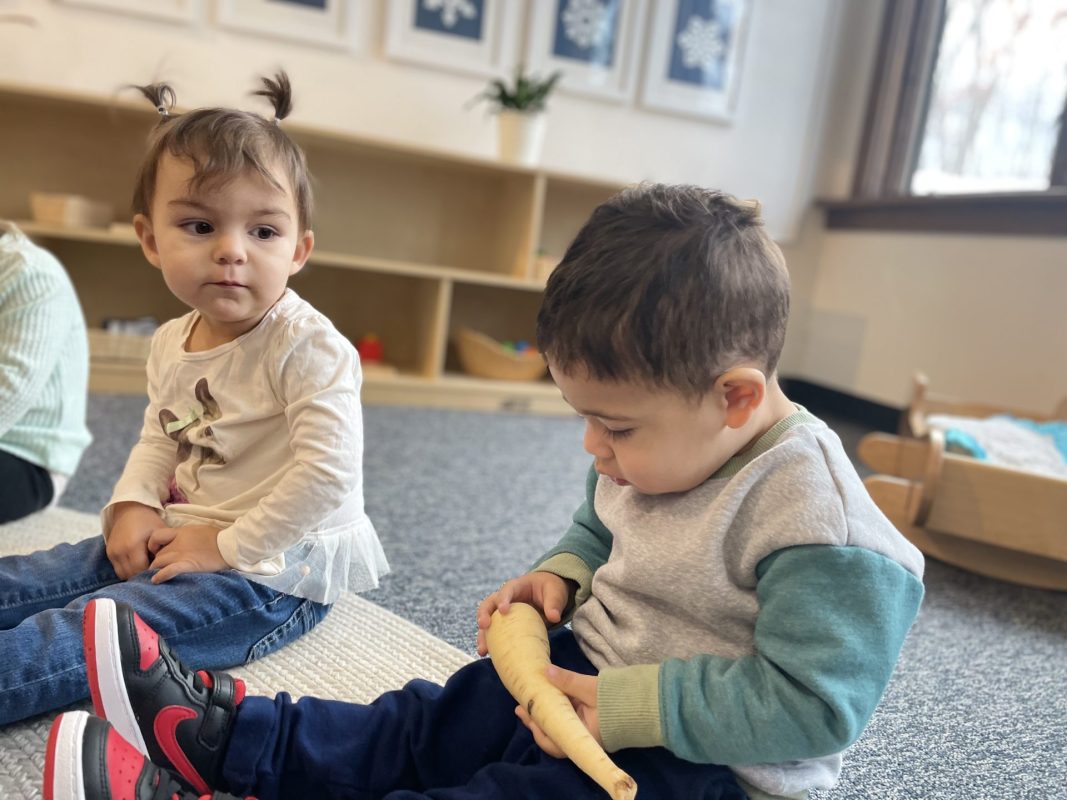
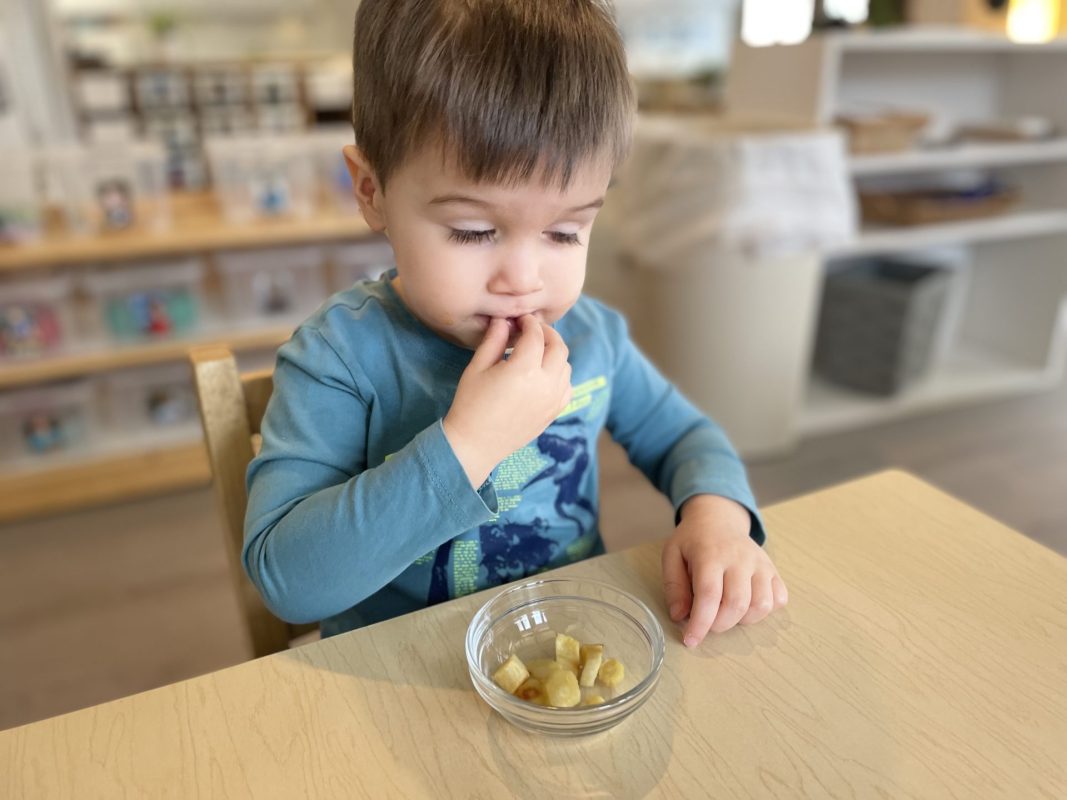
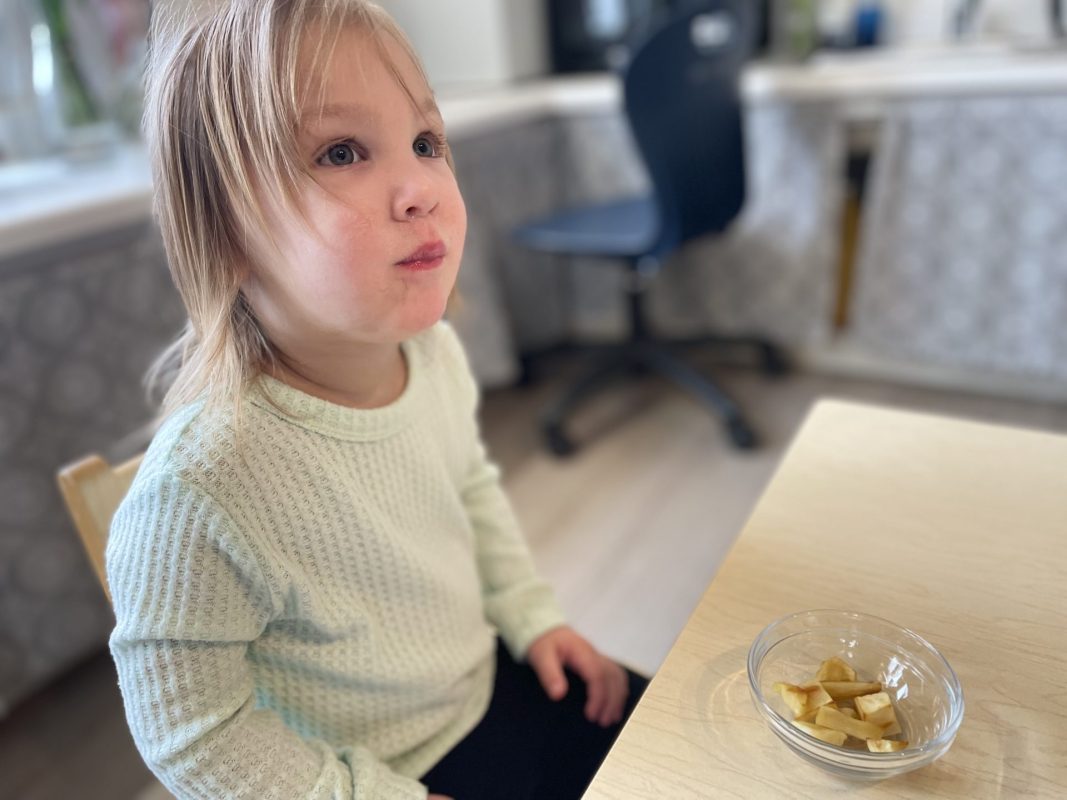
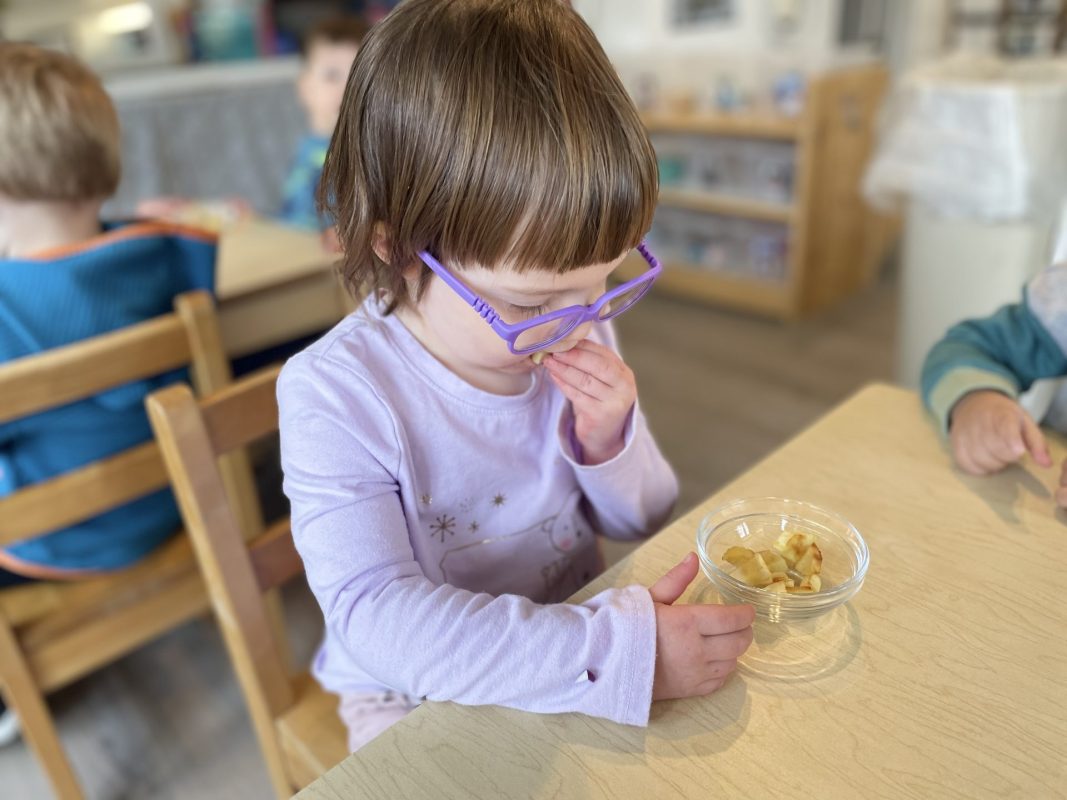
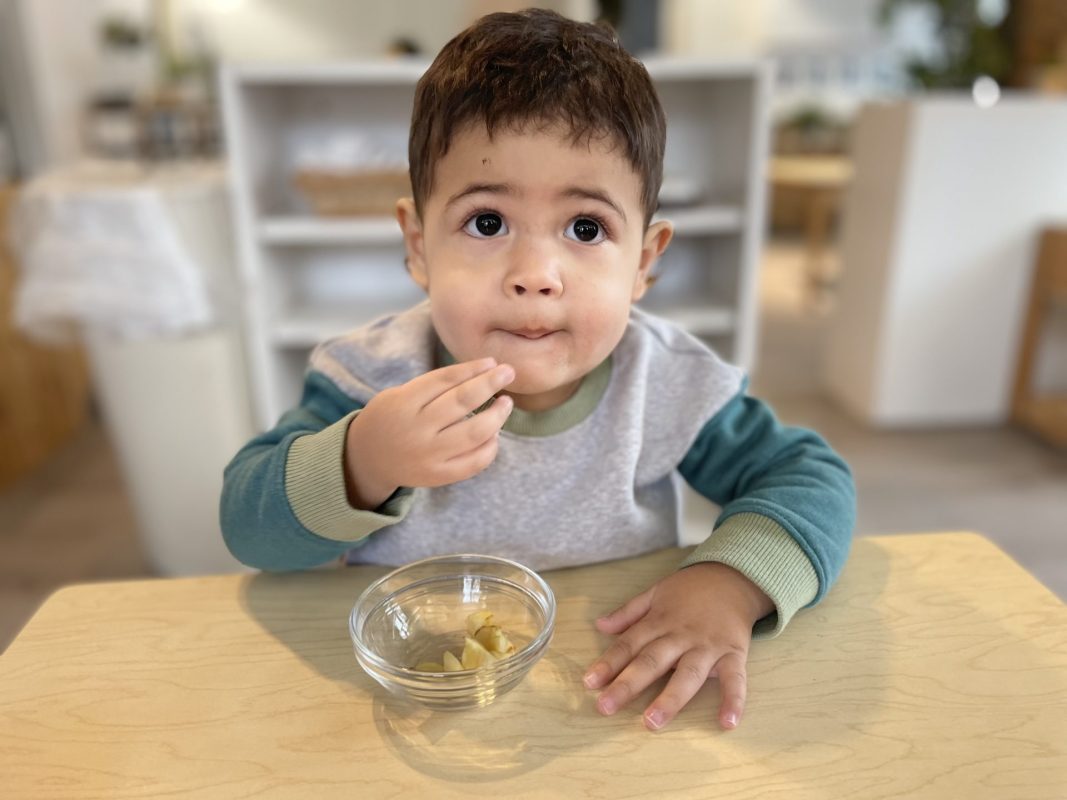
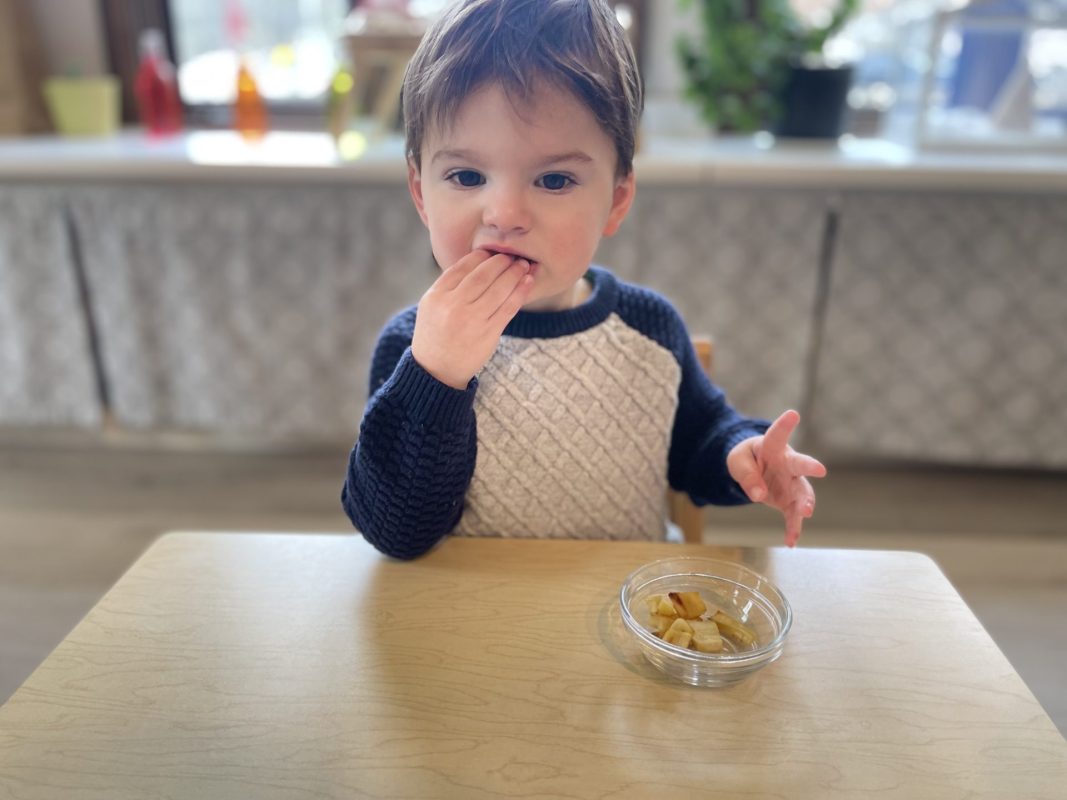
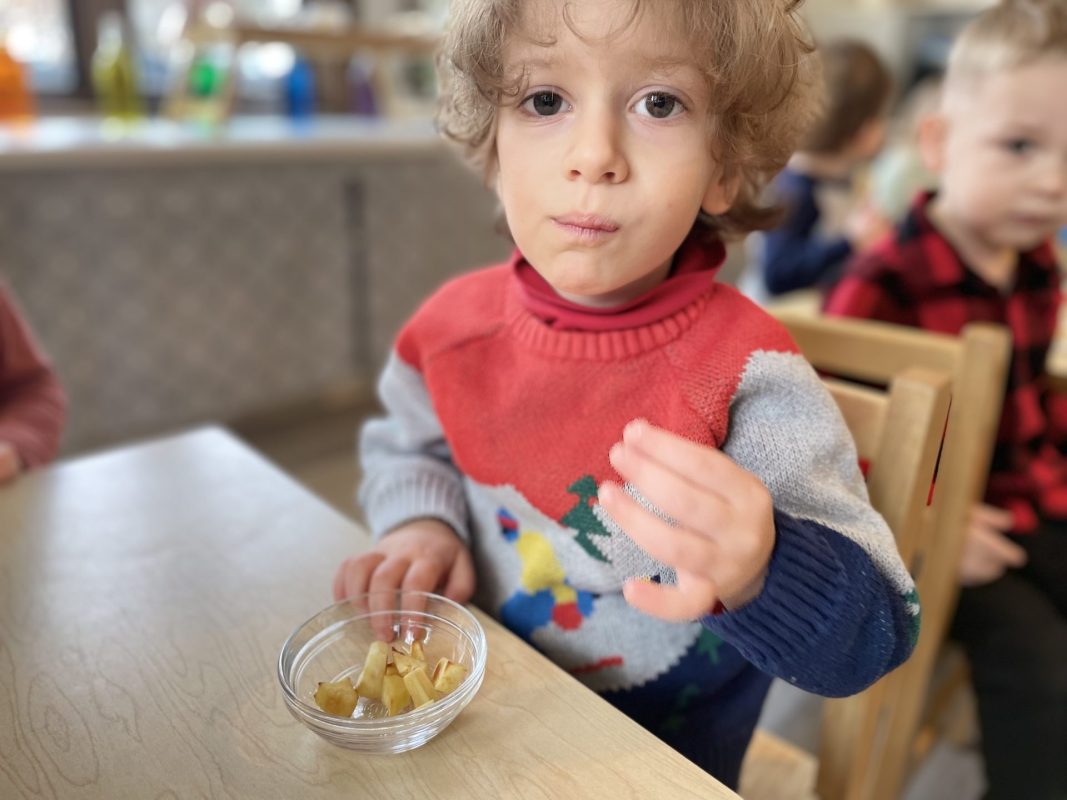
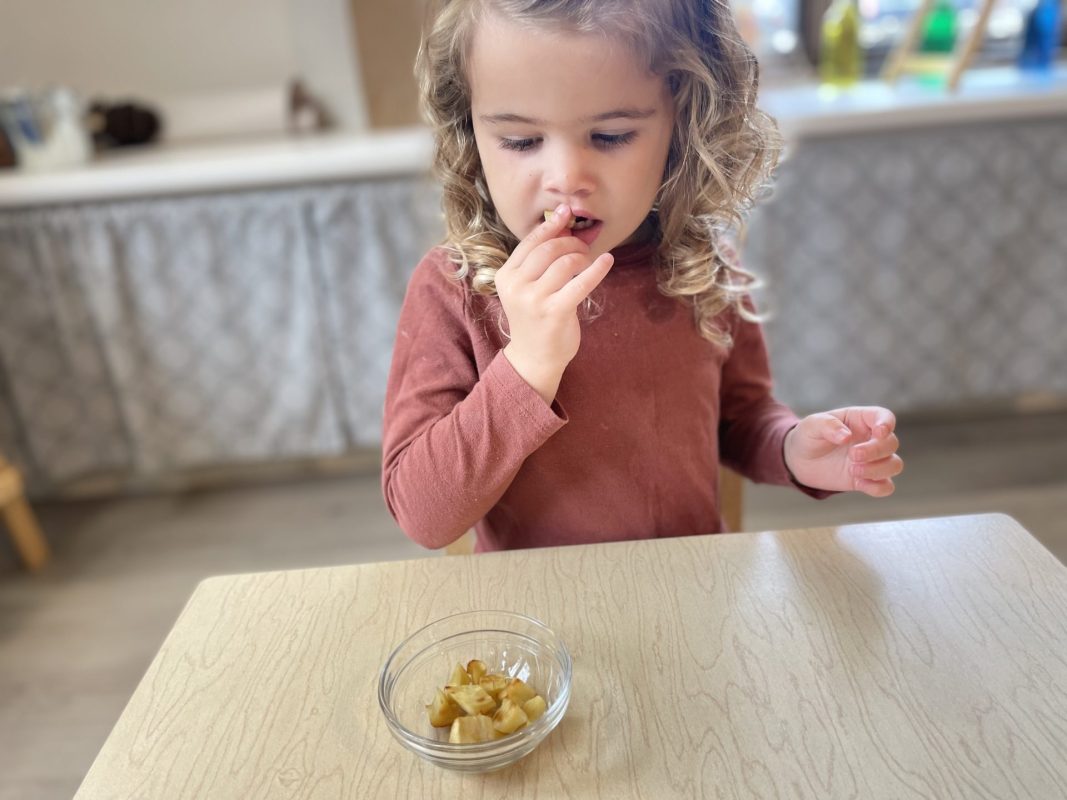
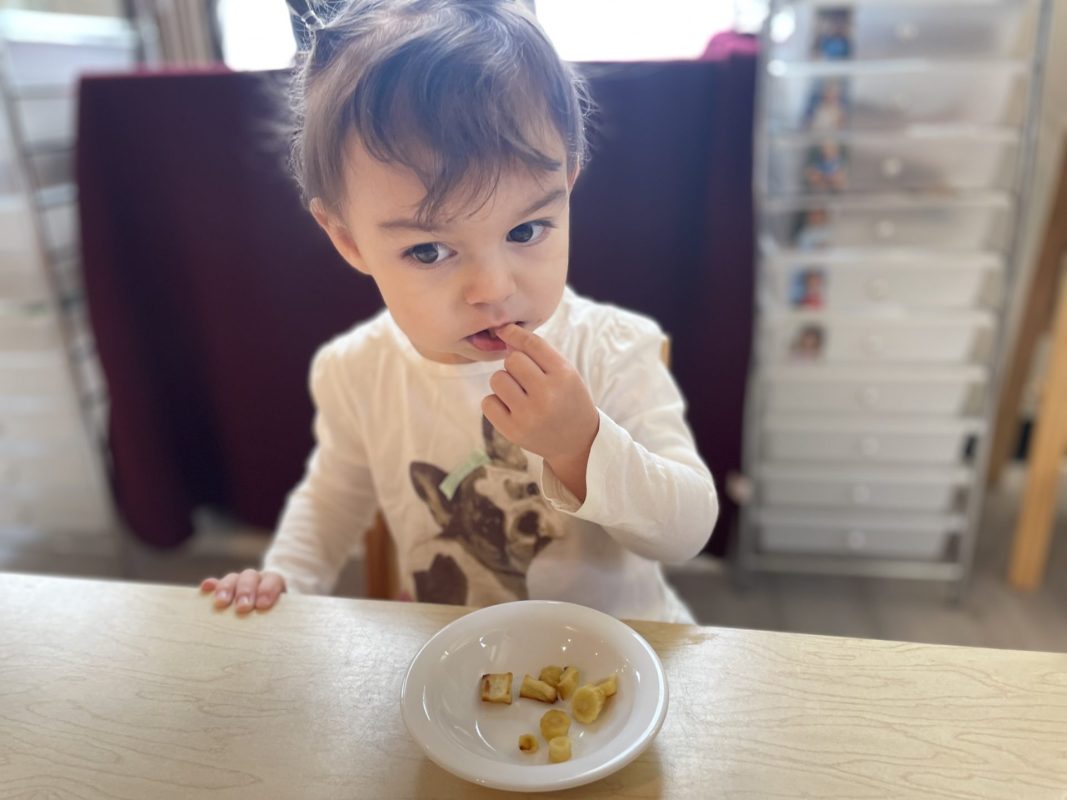
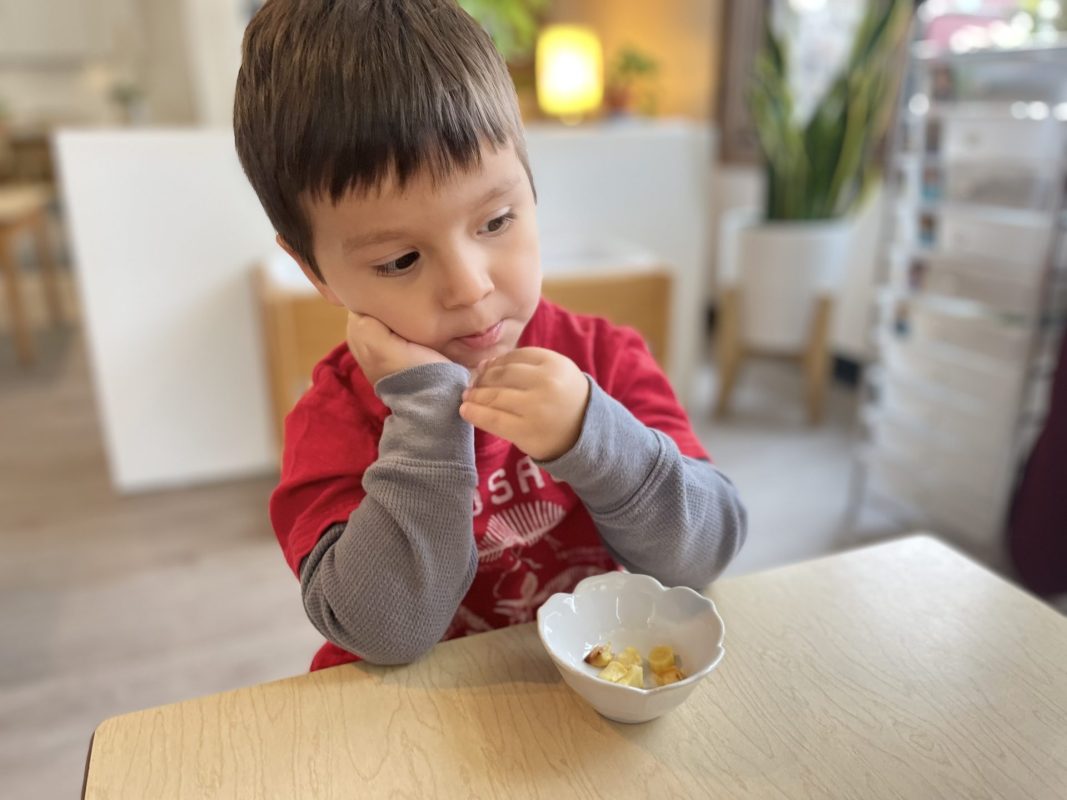
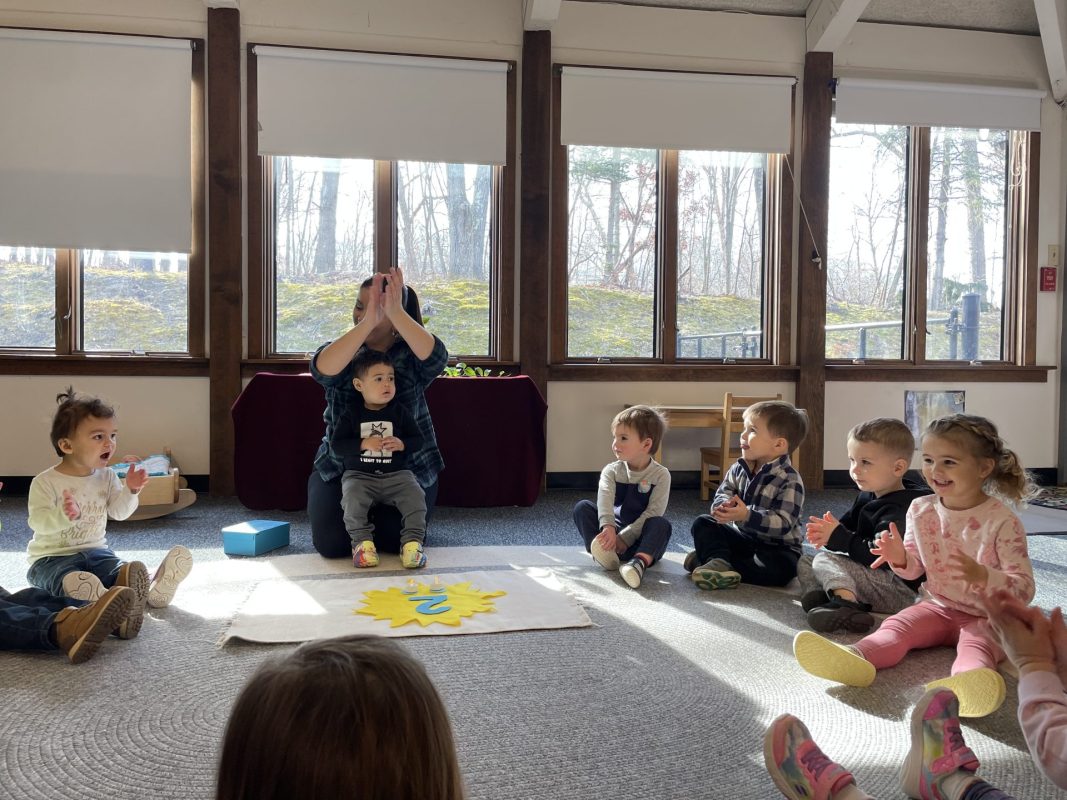
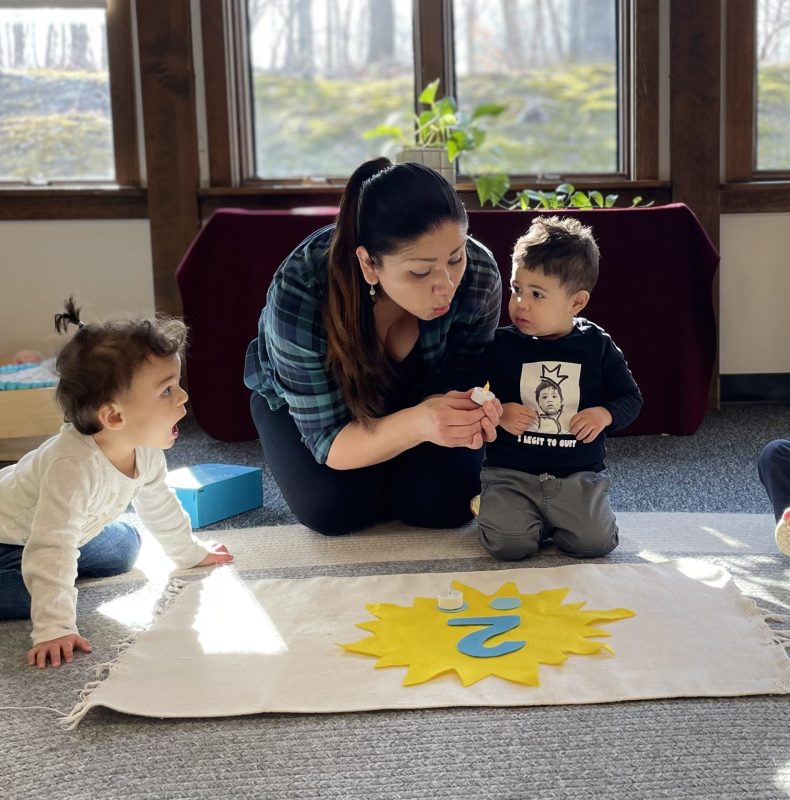
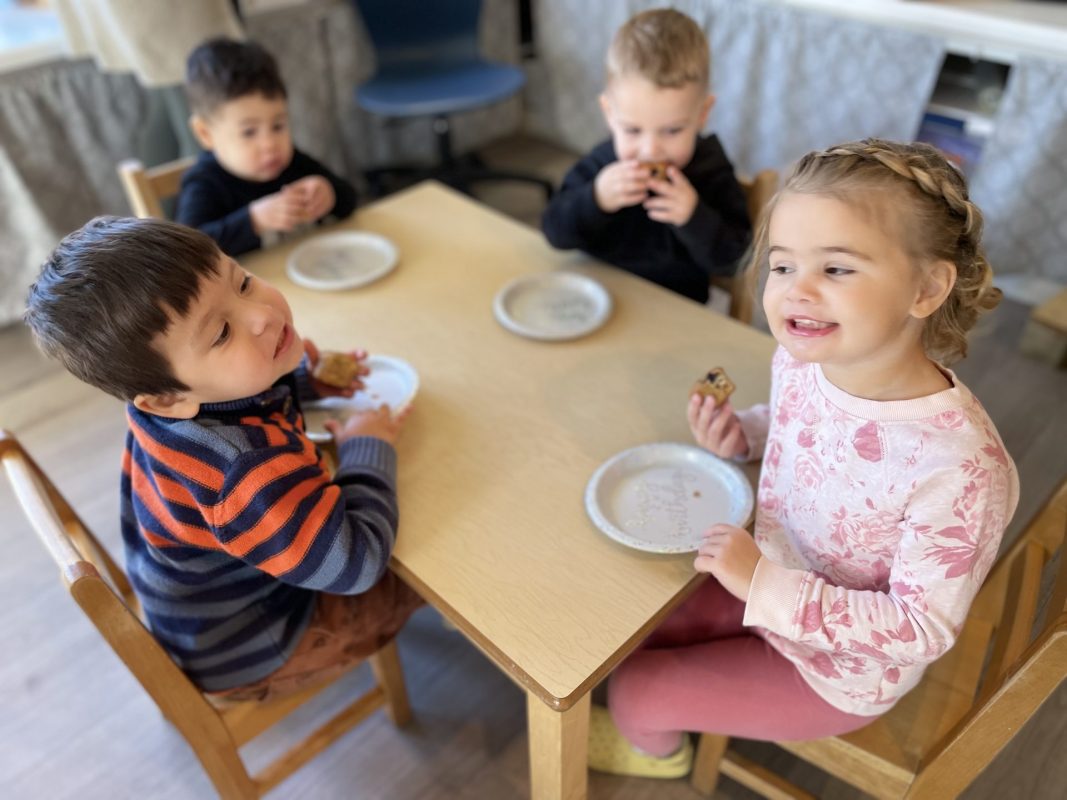
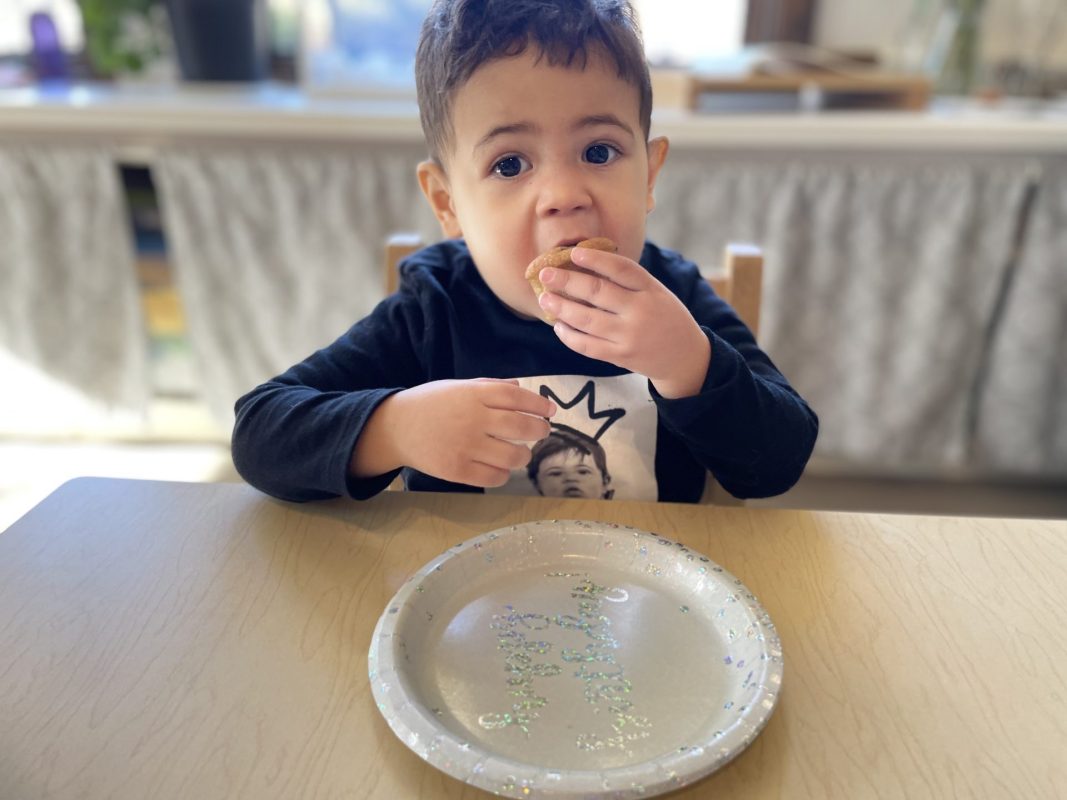
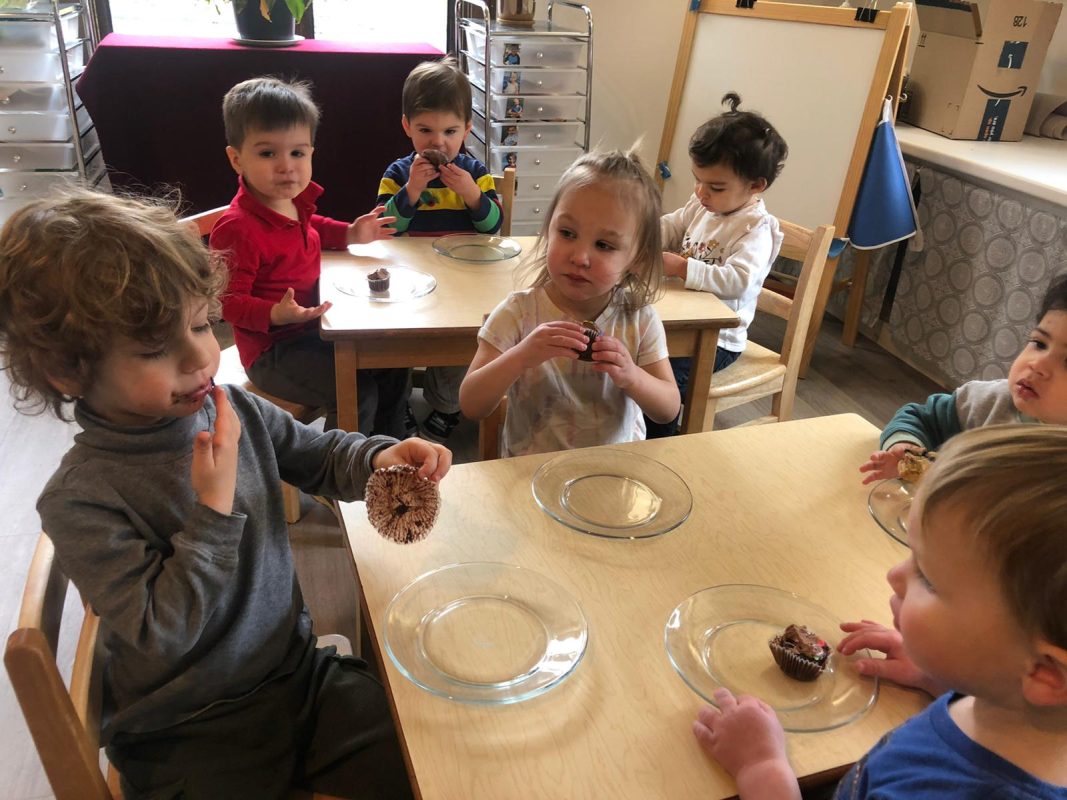
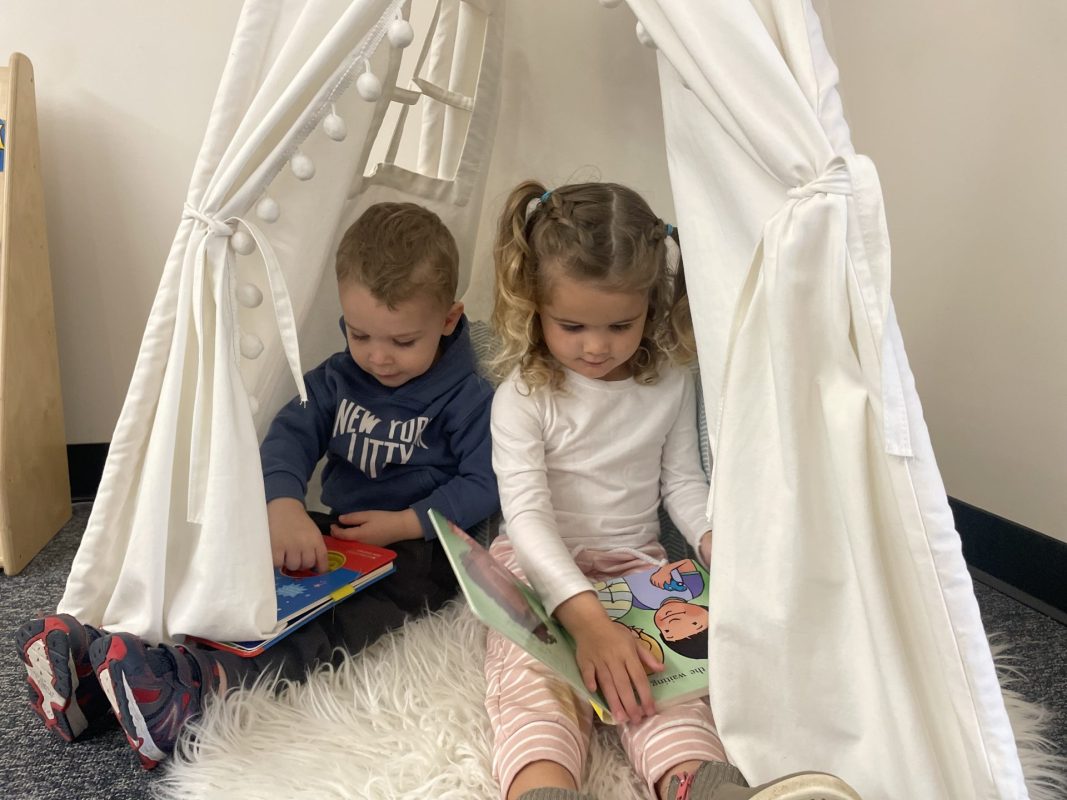
Lastly, we all explored parsnips as a food-tasting lesson. I have to confess, it was my first time trying this vegetable and I loved it. I also need to report that it was a very well-received vegetable from your toddlers. Feel free to add it to the grocery list. We also celebrated two great birthdays and the children enjoyed the yummy treats and hearing the stories from the donated books.

Enjoy the weekend,

Mrs. Hood and Ms. Marissa


Mrs. Hood: Copo de Nieve!

Maria Montessori believed that the initial six years of a child’s life are crucial for their language development; that from birth a child must receive appropriate stimulation. This is also widely recognized by many specialists in language, also when referring to learning foreign languages.

Research shows that learning a second language boosts problem-solving, critical-thinking, and listening skills, in addition to improving memory, concentration, and the ability to multitask. Children proficient in other languages also show signs of enhanced creativity and mental flexibility.

In our environment, children are exposed to Spanish multiple times a day. From songs, to books, to counting, to direct conversations and commands, Spanish is always part of our routines.

As Highlights and in continuation with our winter studies, this week we introduced one of the conditions of water that is truly magical: snowflakes. Thankfully, the weather helped a bit to reinforce this lesson while the children were able to observe the beauty of the snow falling. Children learned that even though snowflakes have in common symmetry and a hexagonal structure, the detailed structures of the snowflakes are totally different, this of course, was introduced to them in a language they can understand.  I can’t stop thinking about how the individuality of a snowflake is parallel to human life. Each one of your children are so unique and so precious and we are grateful we are able to “contemplate” them as they grow and continue to share their beauty.

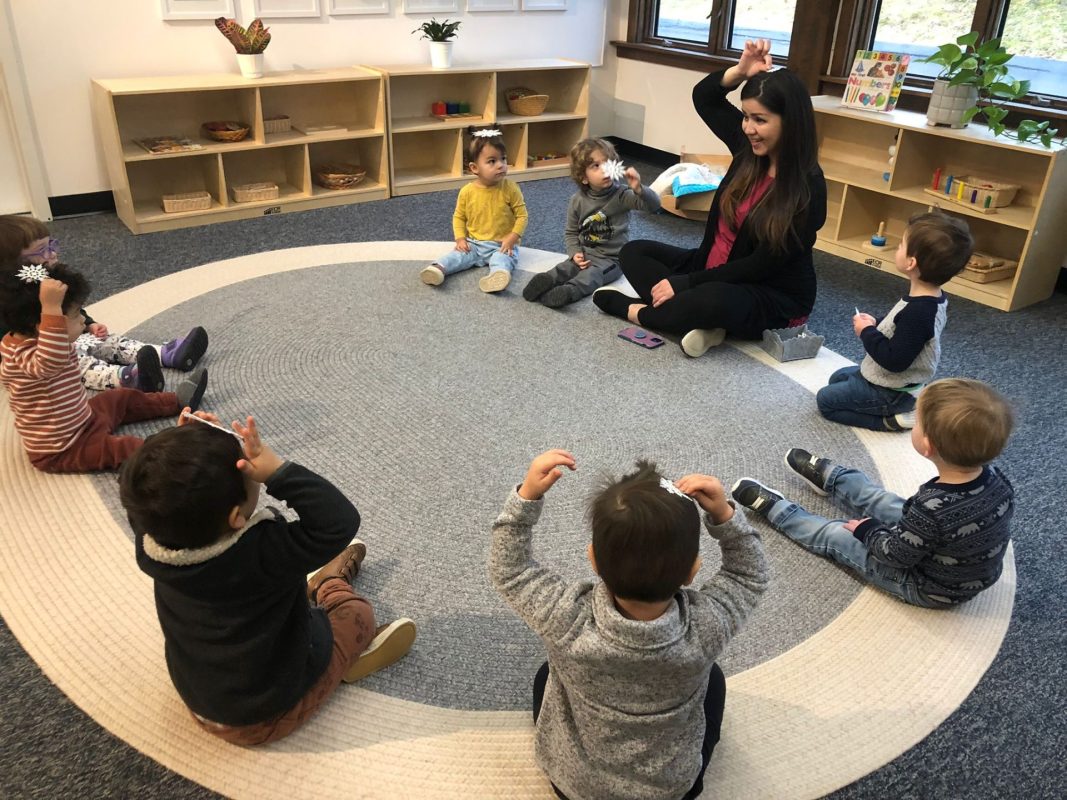
To tie this lesson with the Spanish language, children have been  learning the song called:  “Copo de nieve” (snowflake) by Super Simple Español. We used fake snowflakes of different sizes to follow the steps of the song and represent the snowflakes falling from the sky, practicing  some body parts such as: cabeza (head), nariz(nose), mano (hand). As time goes on we will continue adding and practicing more body parts in Spanish.  We recommend you to add this song to your playlist and sing it with your little one.

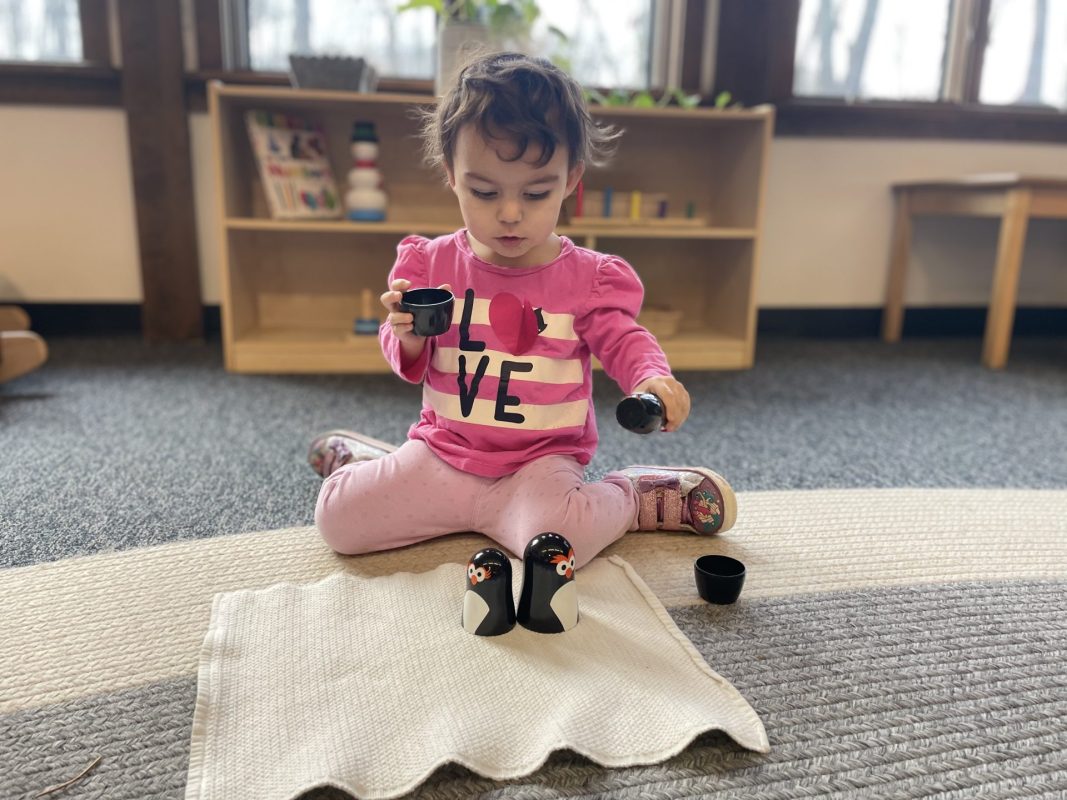
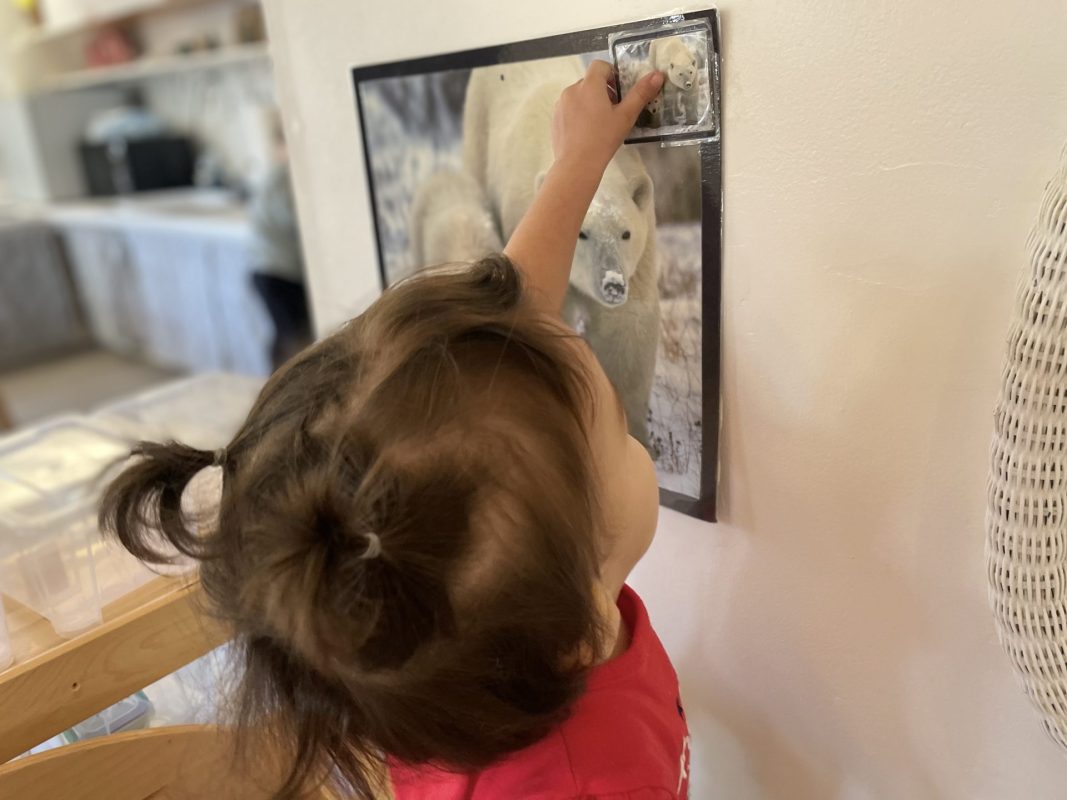
Also using educational videos, books, songs and animal models, we traveled last week to the Arctic and learned about Polar bears and this week we took a trip to Antarctica to learn about Penguins. Children learned simple facts as:

POLAR BEARS PENGUINS
Are warm blooded Are birds
Have thick fur Are expert  divers and fast swimmers
Baby bears are called cubs Have flippers. They don’t have wings
Have big paws There are different types of penguins
Live in the Arctic Live in Antarctica

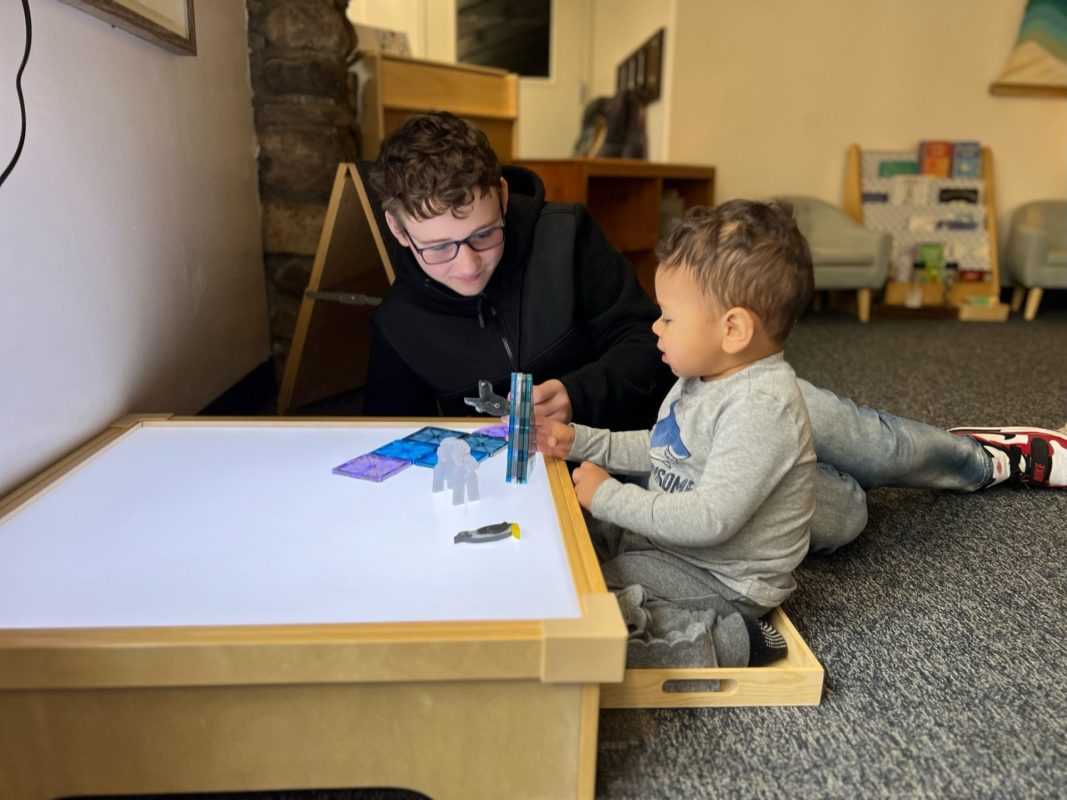
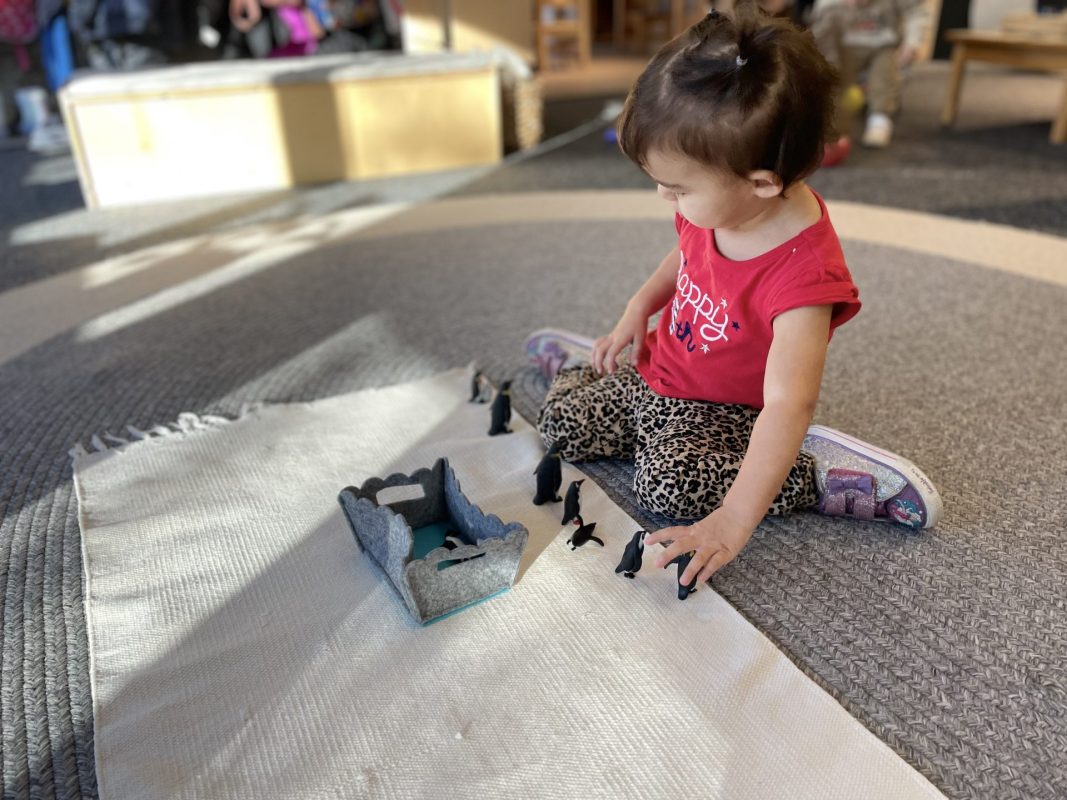
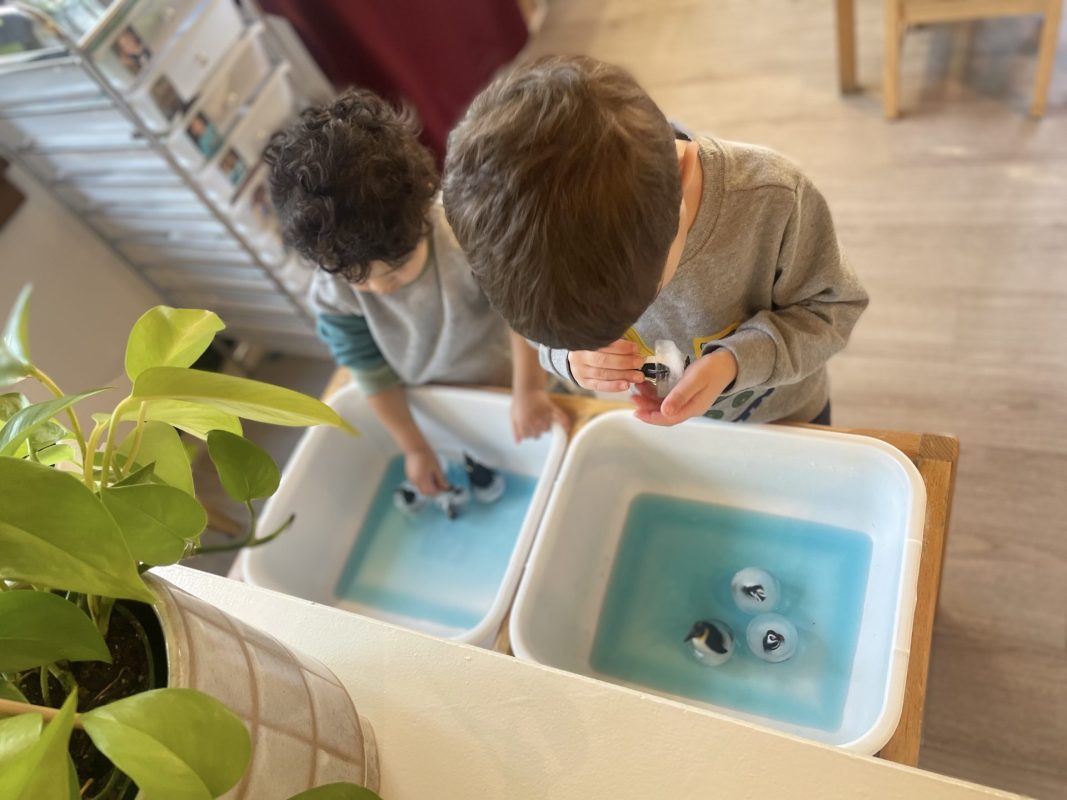
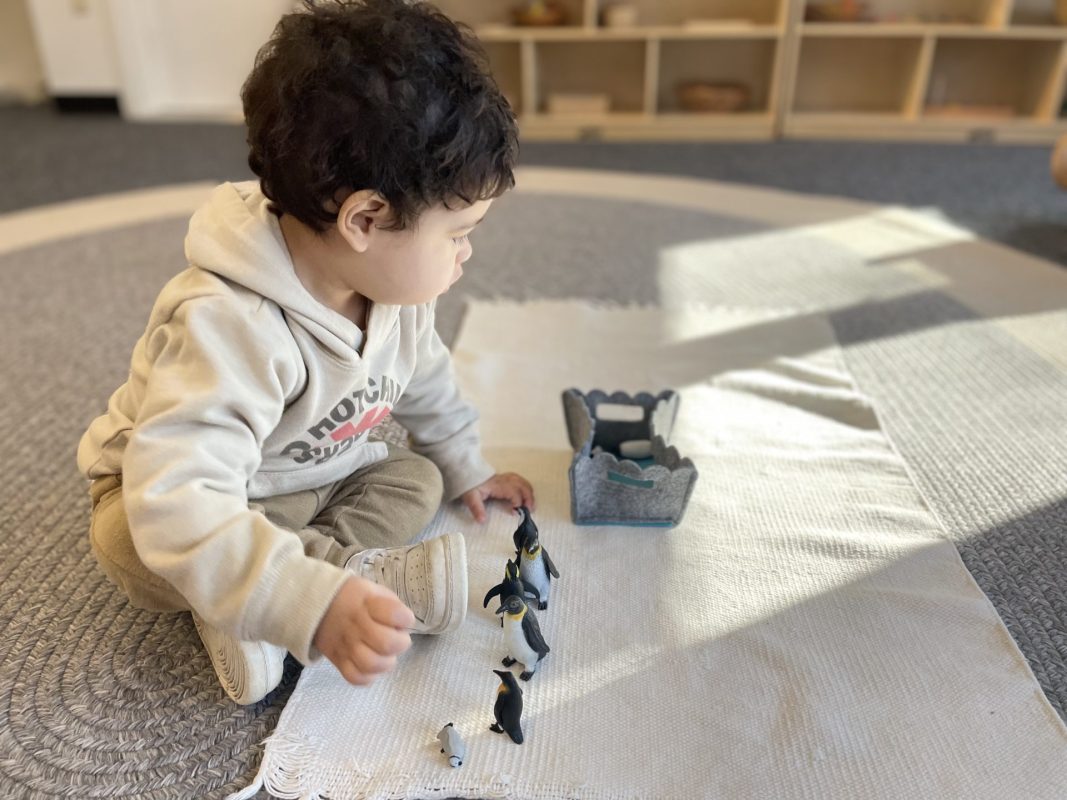
Children really seem to enjoy being imaginative on the Polar Bear family’s table and had a blast taking the penguins to skate in our Sensory table, where the penguins were stuck in real ice.

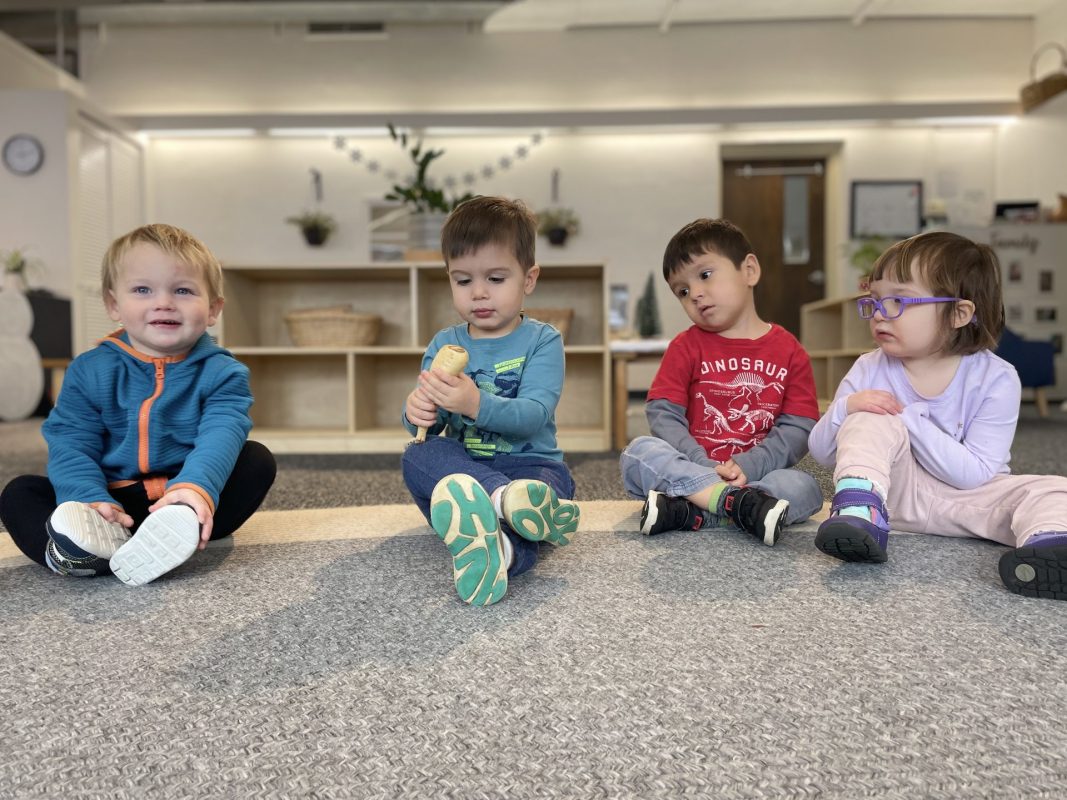
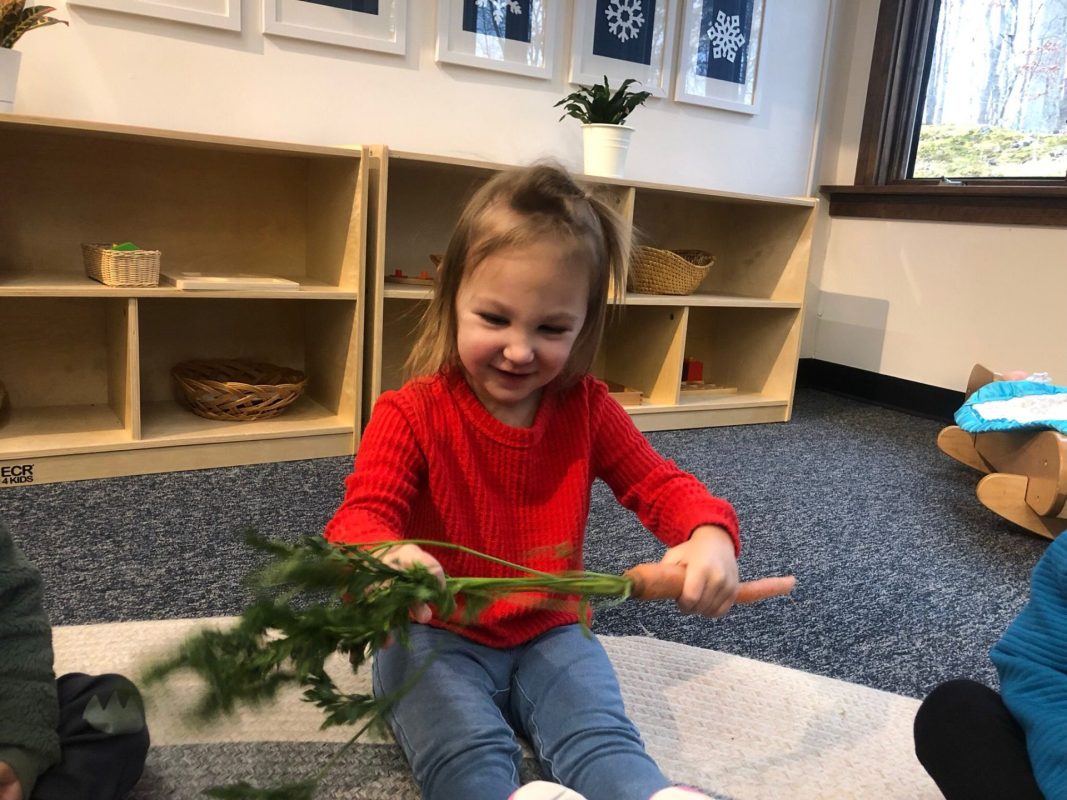
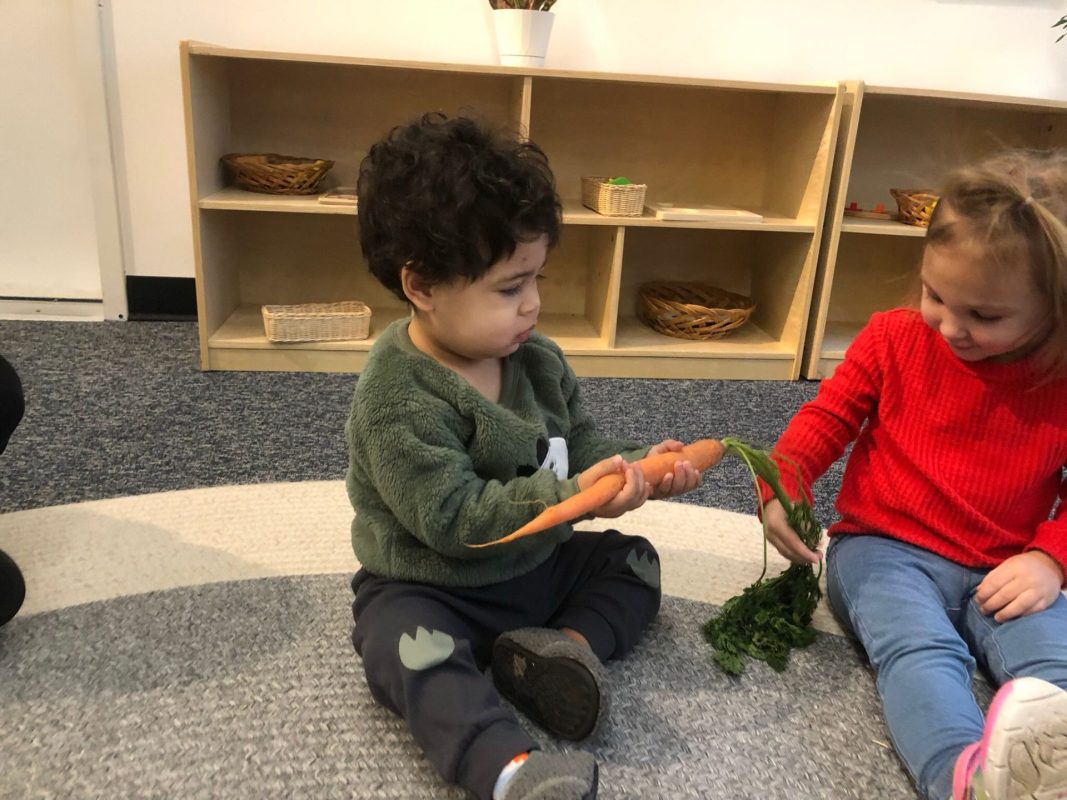
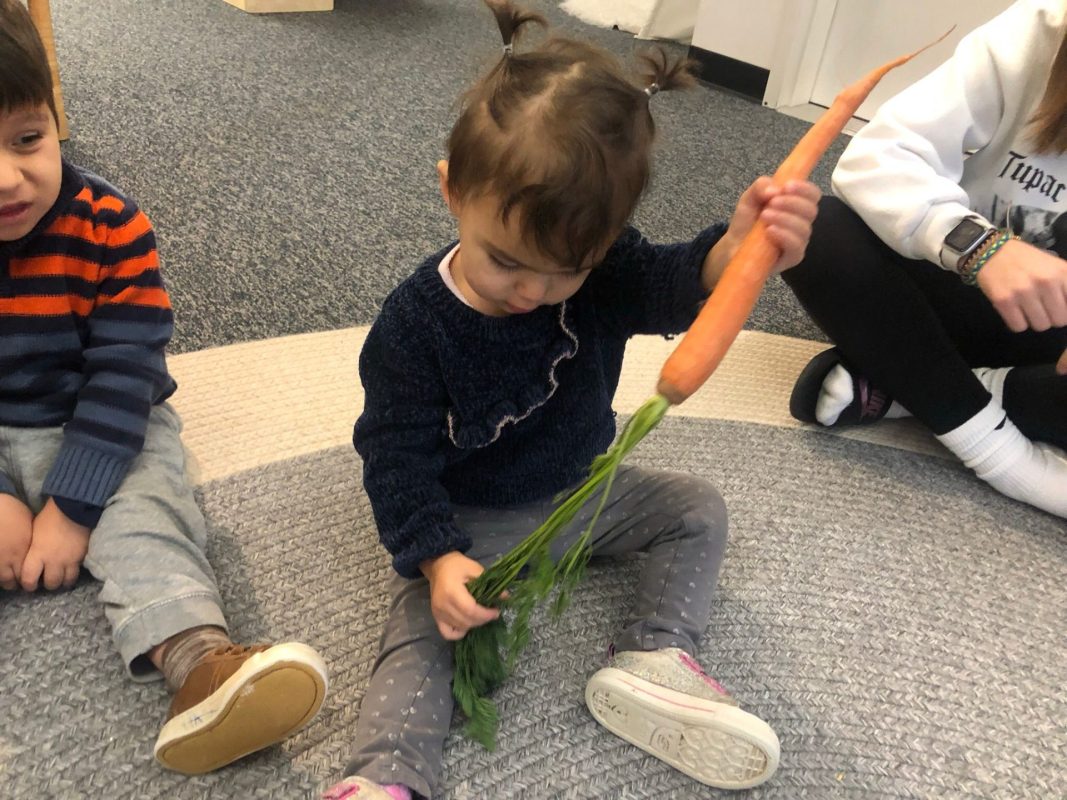
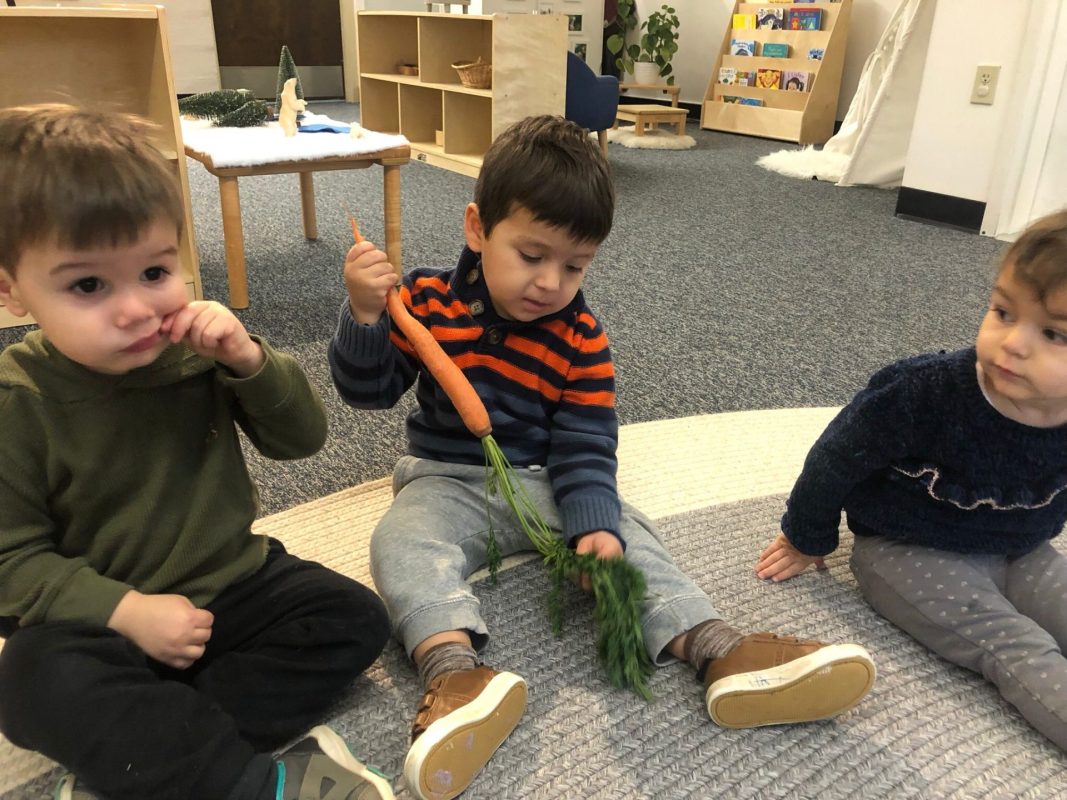
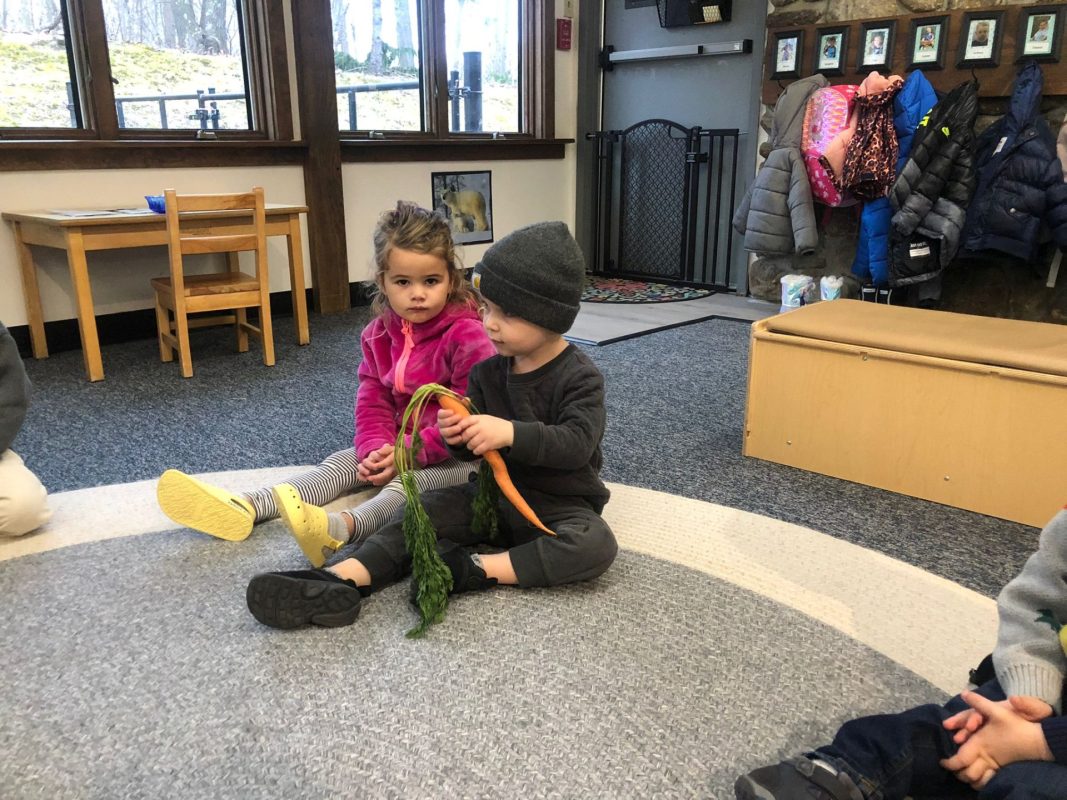
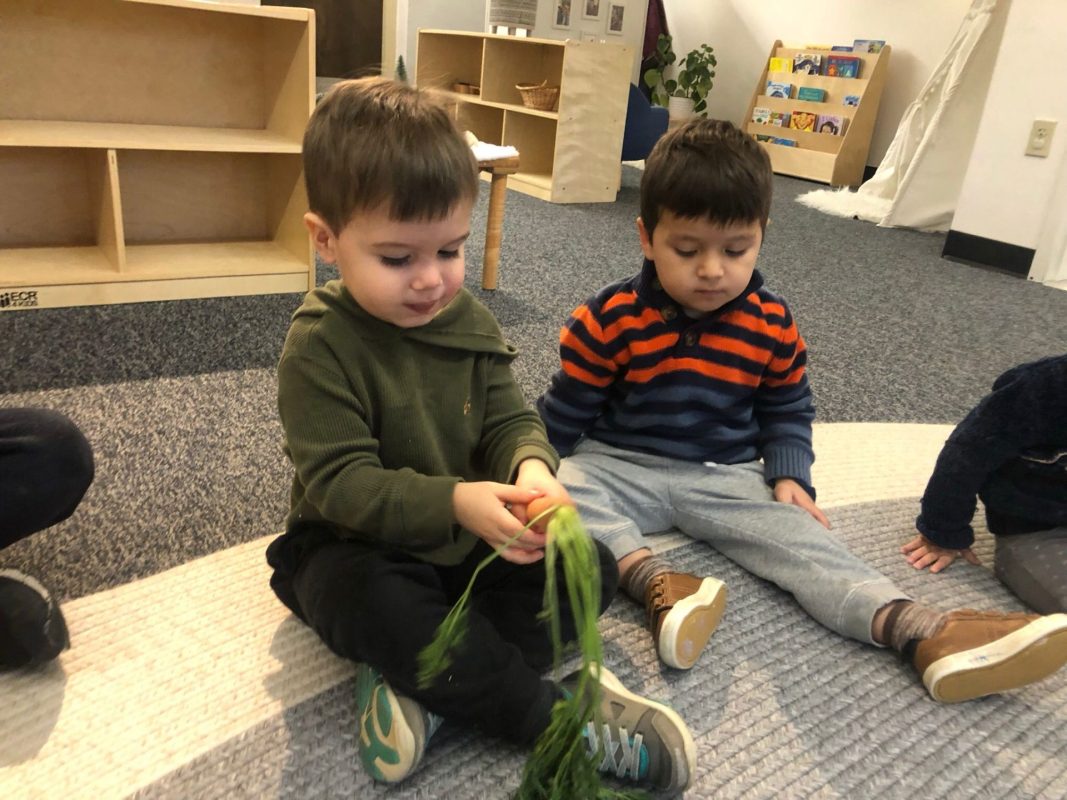
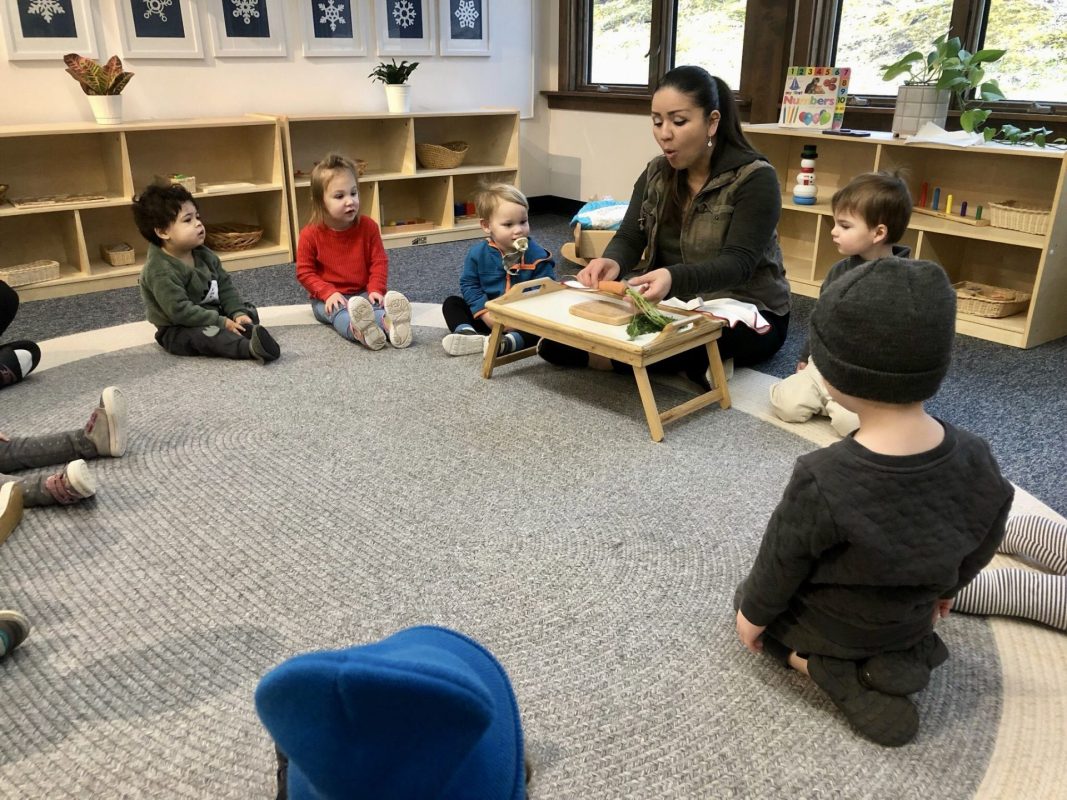
Lastly, we explored carrots as food tasting and celebrated one of our friends’  birthday together!

Have a great weekend,

Mrs. Hood and Ms. Marissa

Middle School: Week in Review

Hello, Middle School Families! It has been another fun week for us, and we got a taste of winter….almost.
Math

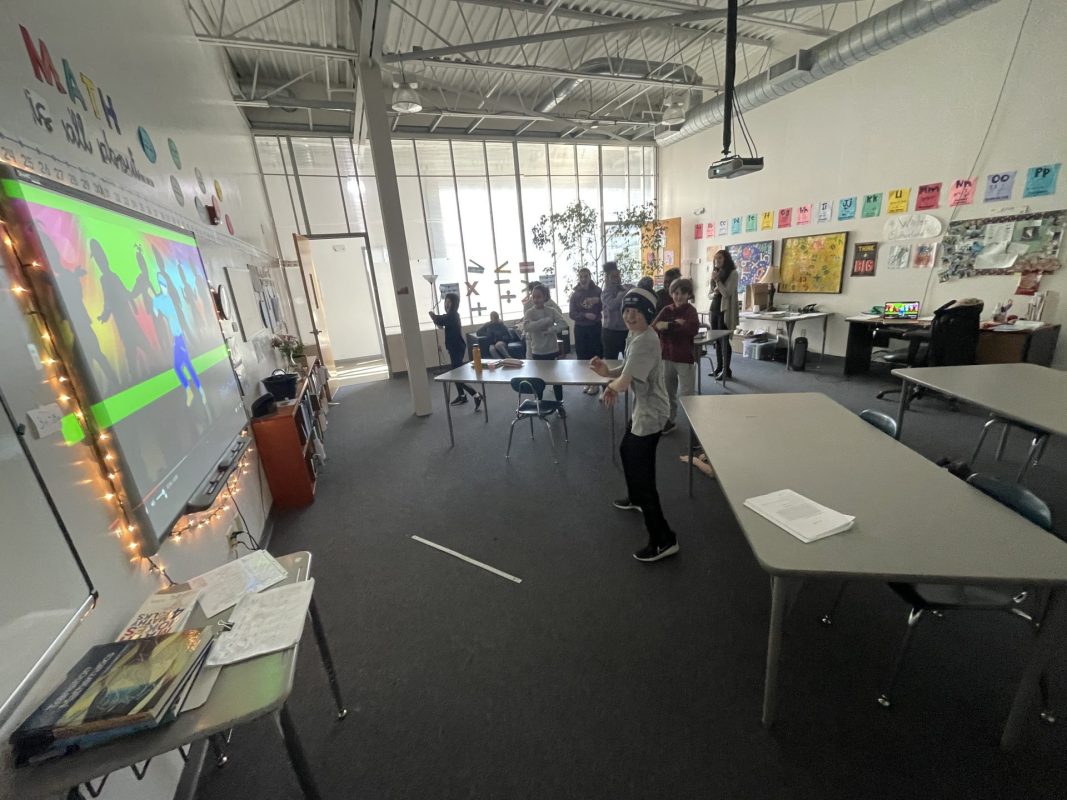
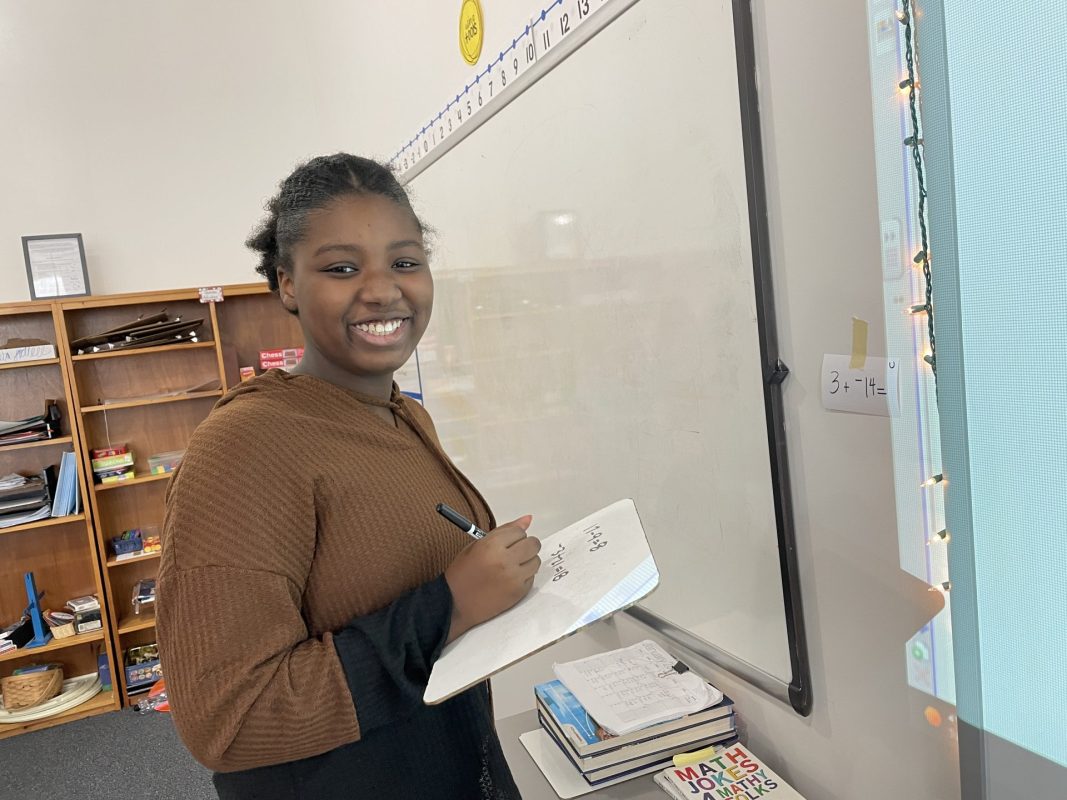
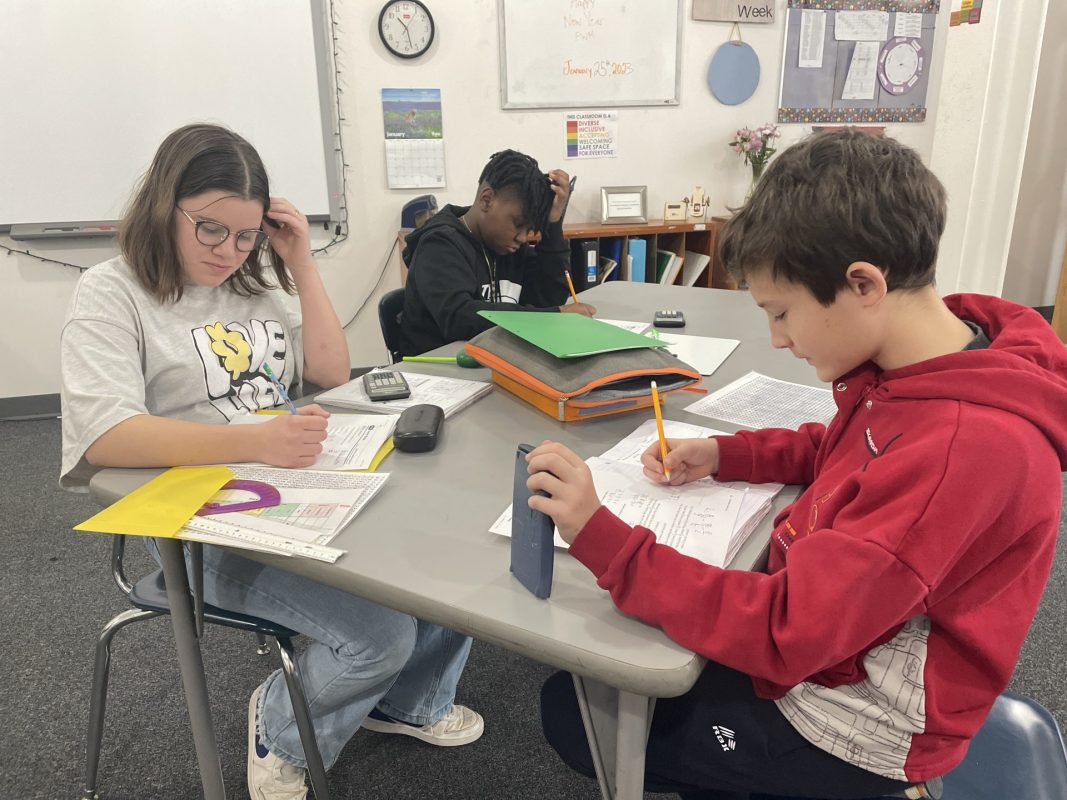
In the Pre-Transition math class, students finished learning the last few lessons of Chapter 4 in the UCSMP textbook. They covered topics such as using properties of angles to find unknown measurements, classifying complementary and supplementary angles, as well as subtracting fractions with positive and negative values.
In the Transition math class, students learned about perpendicular and parallel lines and can now solve for angles created by a transversal line. This class learned how to use the triangle-sum property to find unknown angles in a triangle, as well as they can identify vertical angles and linear pairs from a given image.
In the Algebra math class, students concluded their learning of Chapter 6 titled, “Slope of a Linear Equation”. This class reviewed standard form, slope point form, and slope intercept form of a linear equation. They also discovered how to graph a linear inequality and can correctly shade the solution region on the coordinate grid.
Math Joke: I had an argument with a 90-degree angle…..turns out it was RIGHT! 
Humanities
6th-grade Humanities classes completed an introduction to the ancient civilization of Mesopotamia. They learned about the Sumer people including their social structure, inventions, and their cultural downfall. Students also began writing their drafts for their research essays. Lessons on how to write an introduction that included organization, strategies for hooking the reader, and how to incorporate the thesis statement were included. Most students workshopped their introduction drafts and are ready to put them into their draft! Next, they were shown some strategies for how to outline their essay using their research. It is important for their papers to be organized logically, so they will make decisions about how the information they researched is incorporated into the flow of the piece and how everything relates to their thesis statement. Then, students were told the importance of referencing their sources at the end of their body paragraphs. Drafts are due on Wednesday, and they will be working a bit in class and mostly at home on this. Hopefully, they will take advantage of the weekend to get a lot of it done!
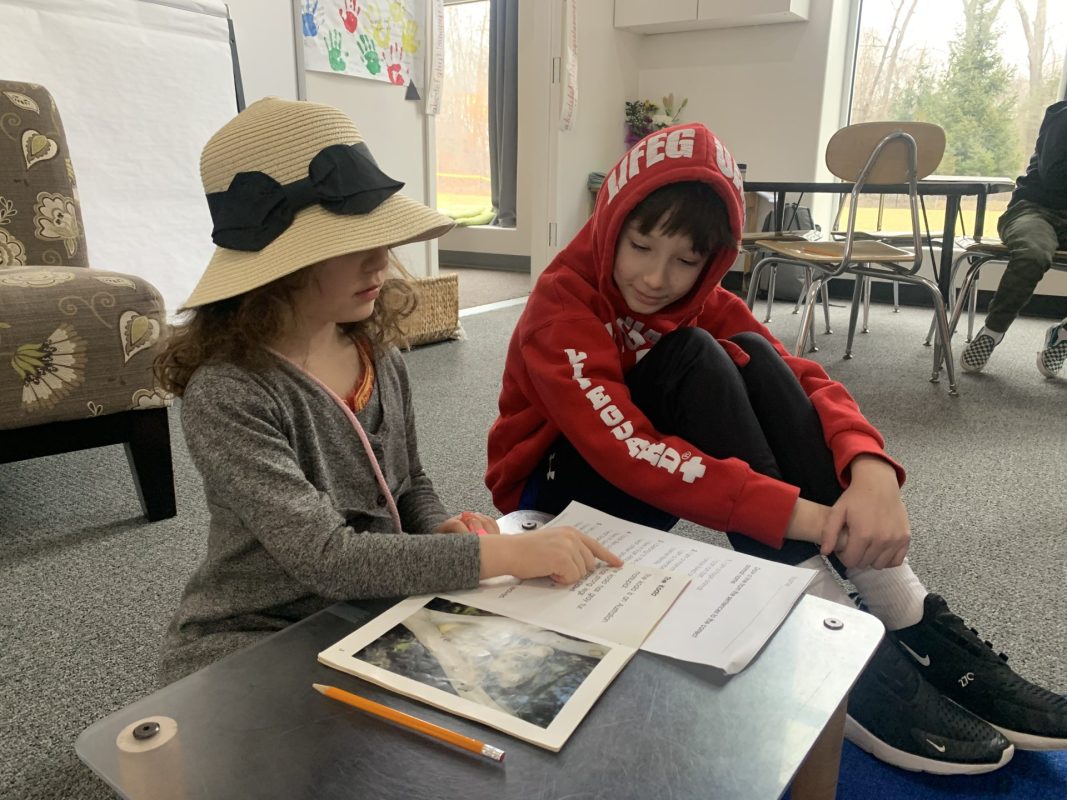
7th-grade Humanities classes finished establishing their knowledge base of fables by reading three this week. They had to identify their morals and how the writer demonstrated this to the reader. This is in preparation for students to write their own folk tale or fable inspired by lessons from A Gift From Childhood.  Also, students drafted their introductions to their research essays after a refresher lesson. They look great! Now, they are drafting their essays, which are due on Wednesday. Hopefully, they will take advantage of the weekend to get a lot of it done!
8th-grade Humanities classes are close to finishing The Crucible! The early dismissal kept this group from finishing this week. It has been more and more incredulous, and the class is doing a great job of reading multiple parts. Students also completed their current events for the month of January, and they presented at the end of the week.
On a separate note, 8th-grade Leadership is lining up their Internships, finalizing the annual sweatshirt design, and working on their expert projects!
Science

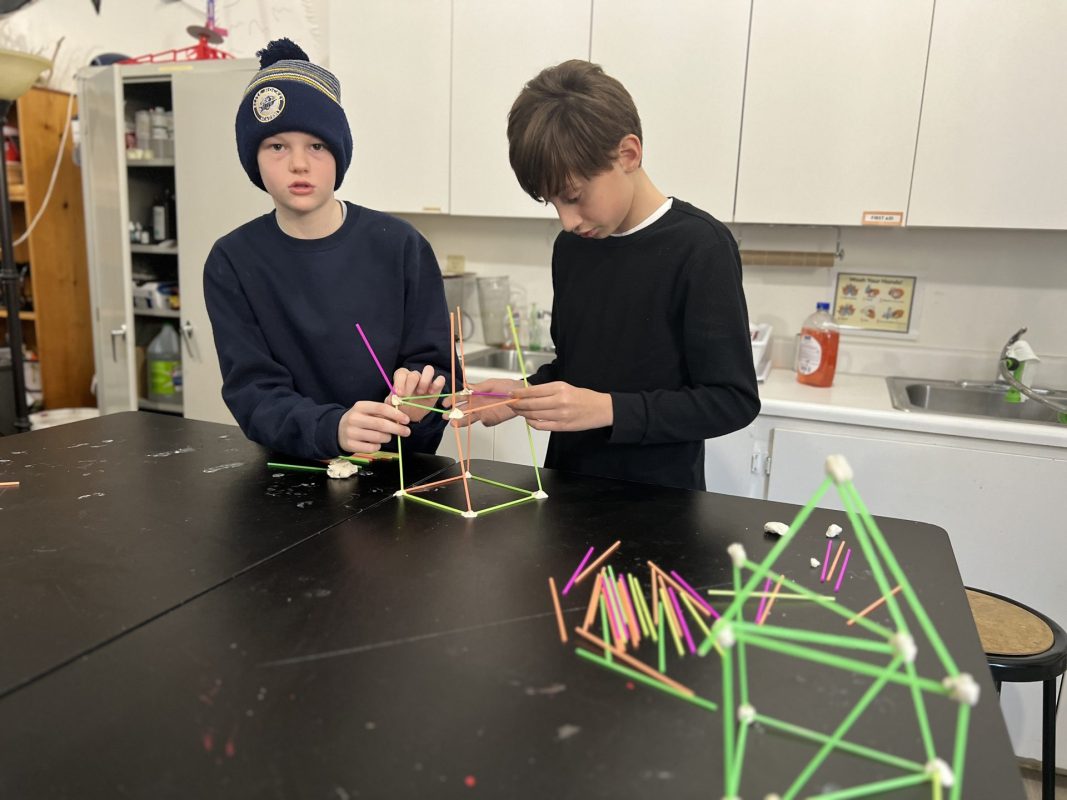
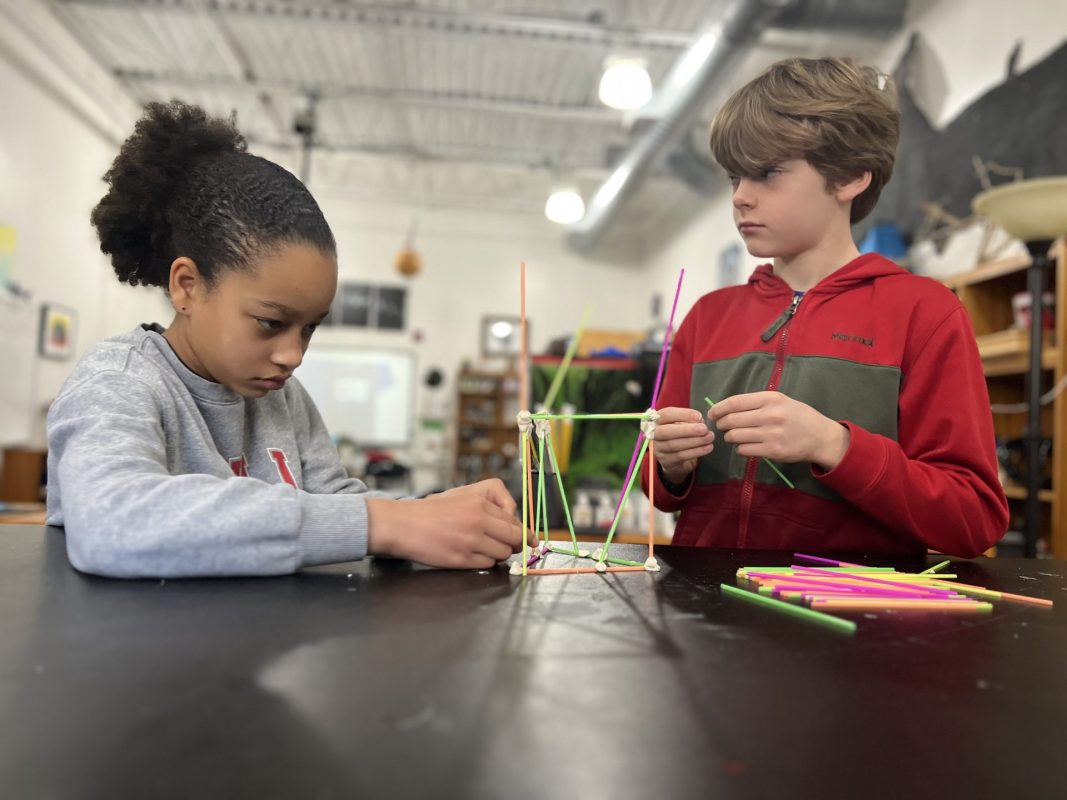
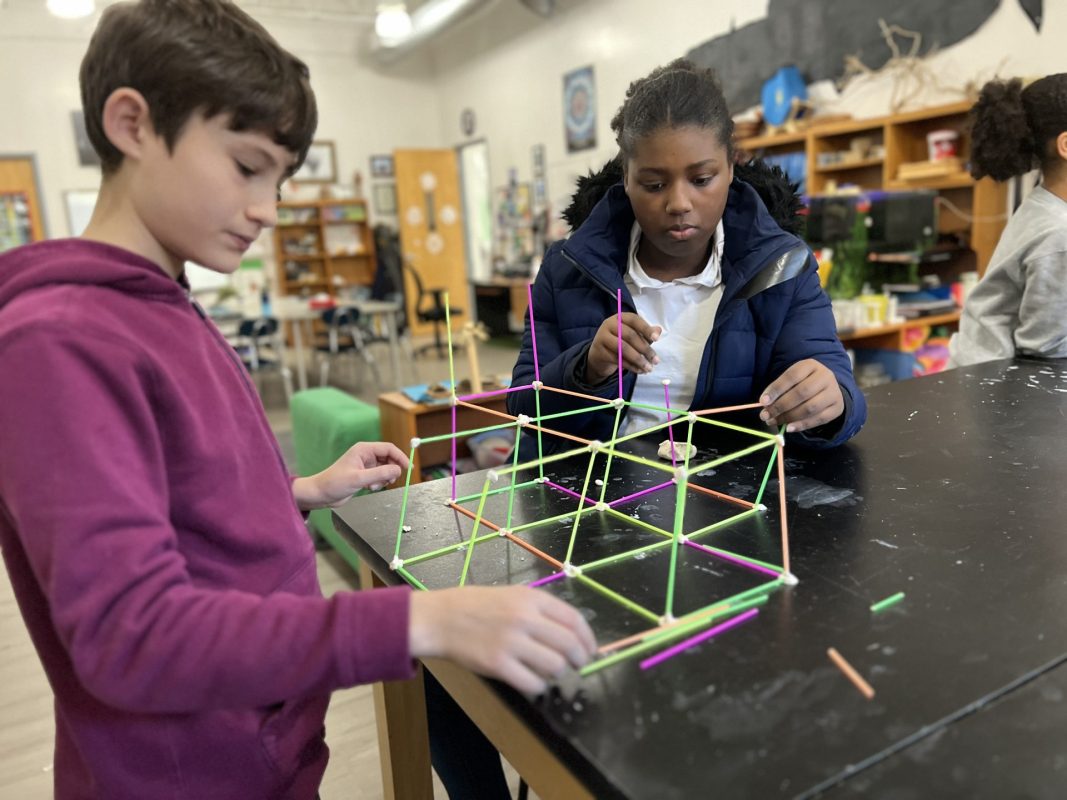
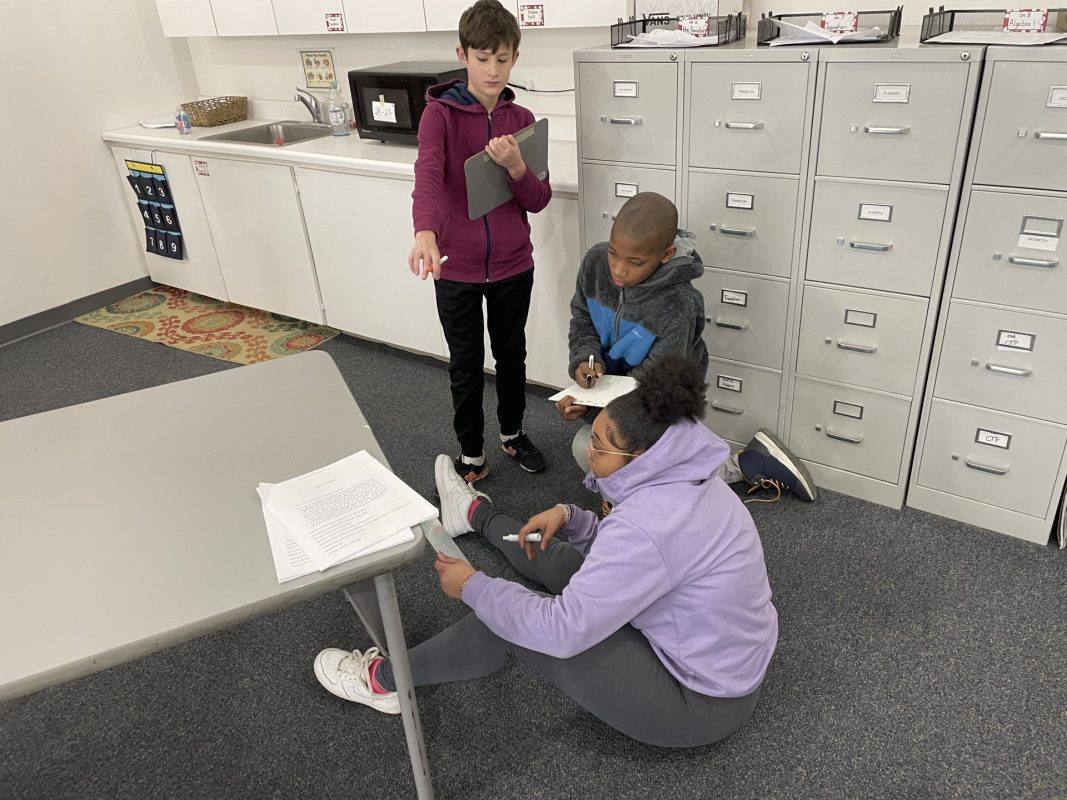
6th-year Earth Science students are working on understanding the architectural aspect of building in areas prone to earthquakes. Students learned how to assess the geographical terrain and components of a building when exposed to varying strengths of an earthquake. Students partnered up with a classmate to build a simple structure using a set list of materials which provided a sense of the planning involved. Once their buildings were finished, we discussed what a “rebuild” would look like based on what was still standing compared to the collapse in the days that followed.

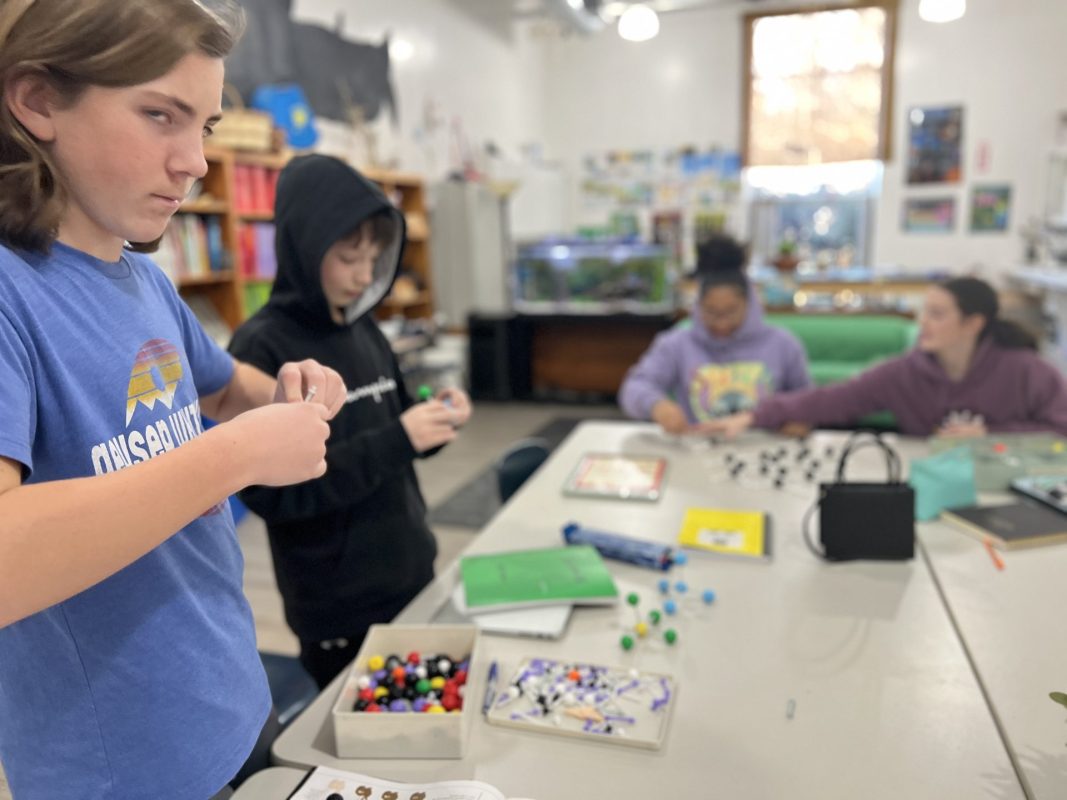
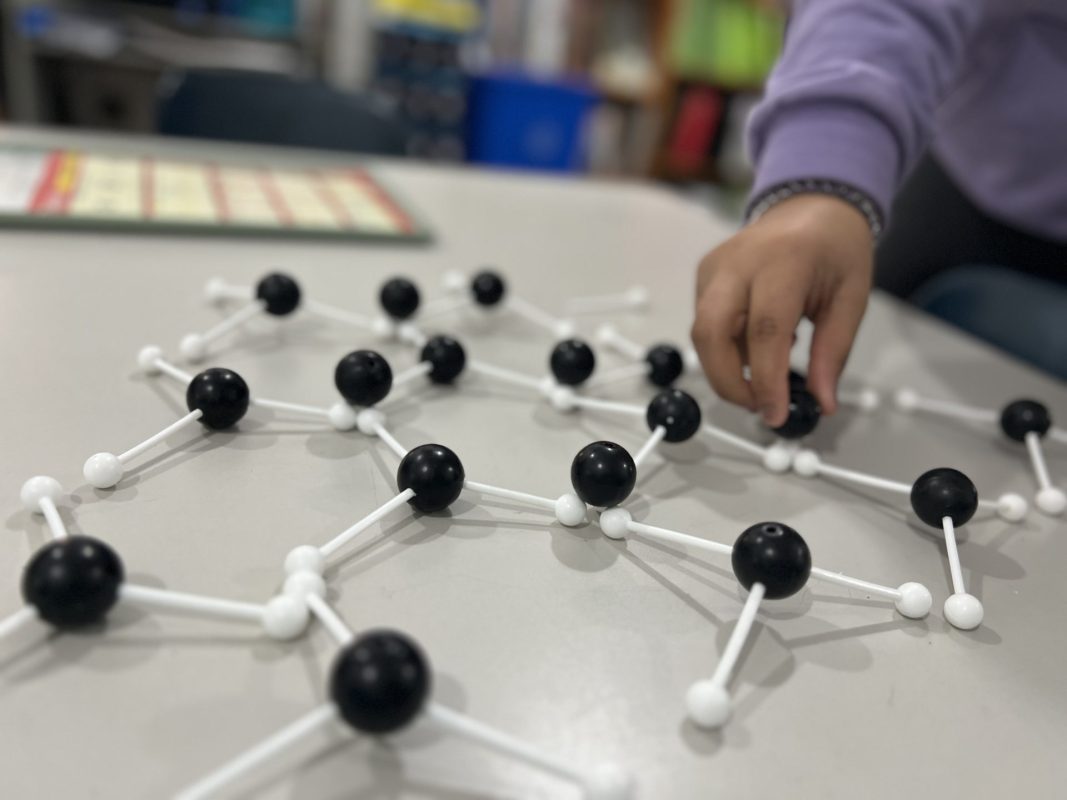
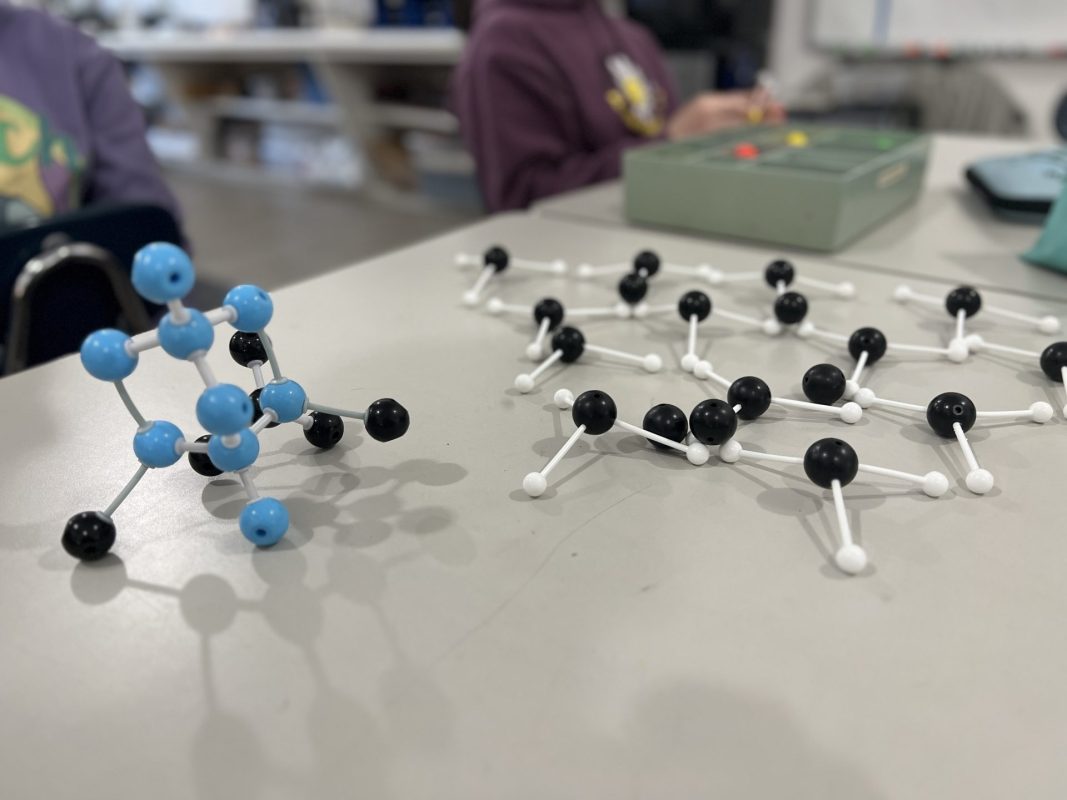
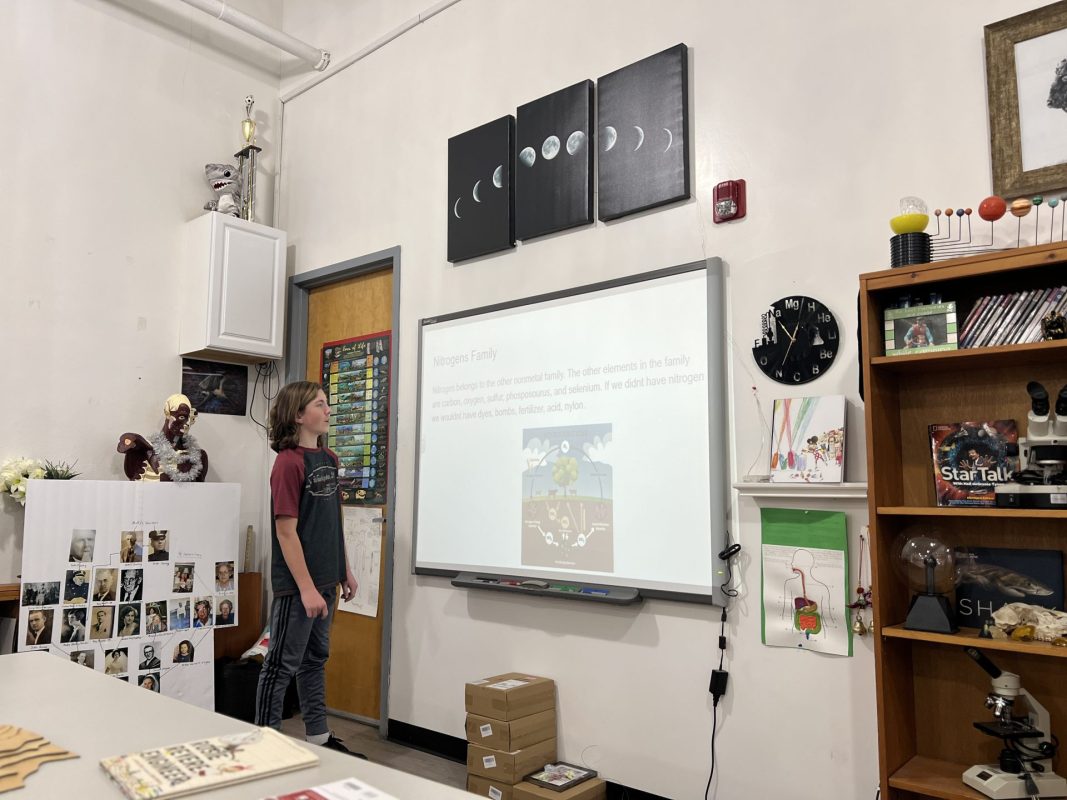
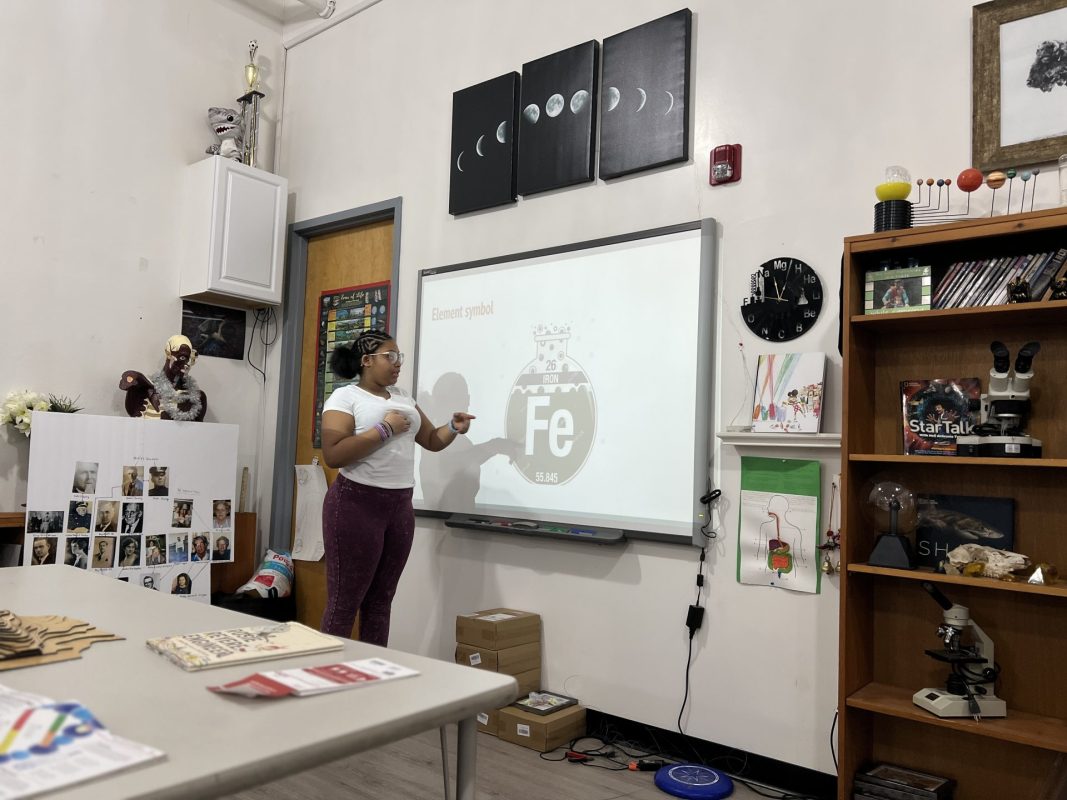
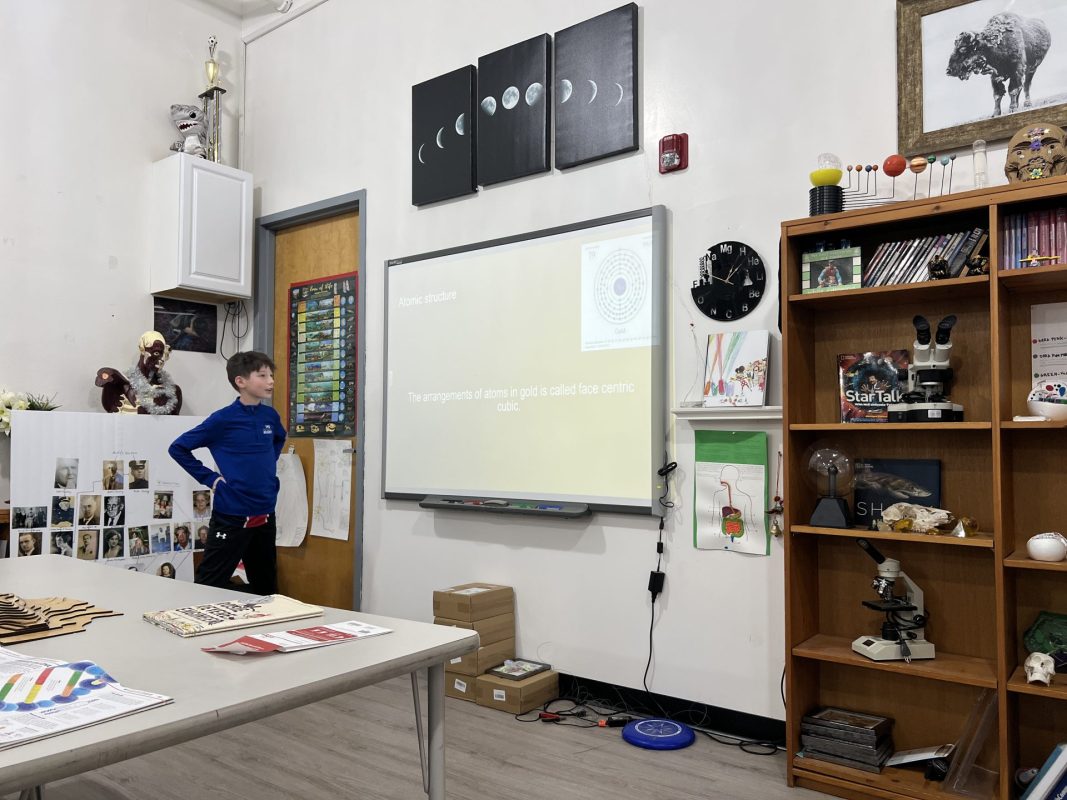
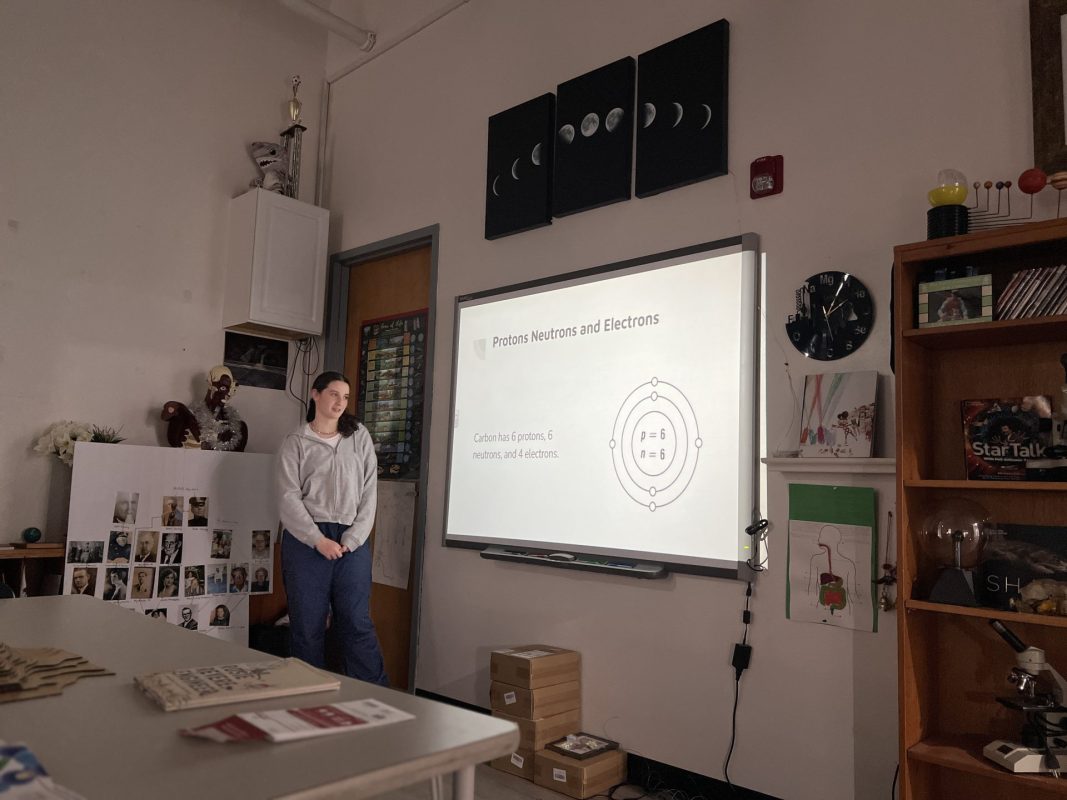
7th-year Physical Science students are finishing their unit on molecules. This week we represented the similarities and differences between the molecular structure of graphite and diamond. We discussed what aspects of each compound were similar and different along with the implications it has on its structural design and strength. Students were able to make connections with how graphite appeared to be in flat sheets which allowed parts of it to slide off from one another which is why we use it in pencils. Diamonds on the other hand had a crystalline structure, attributing to the durability and strength a diamond possesses.
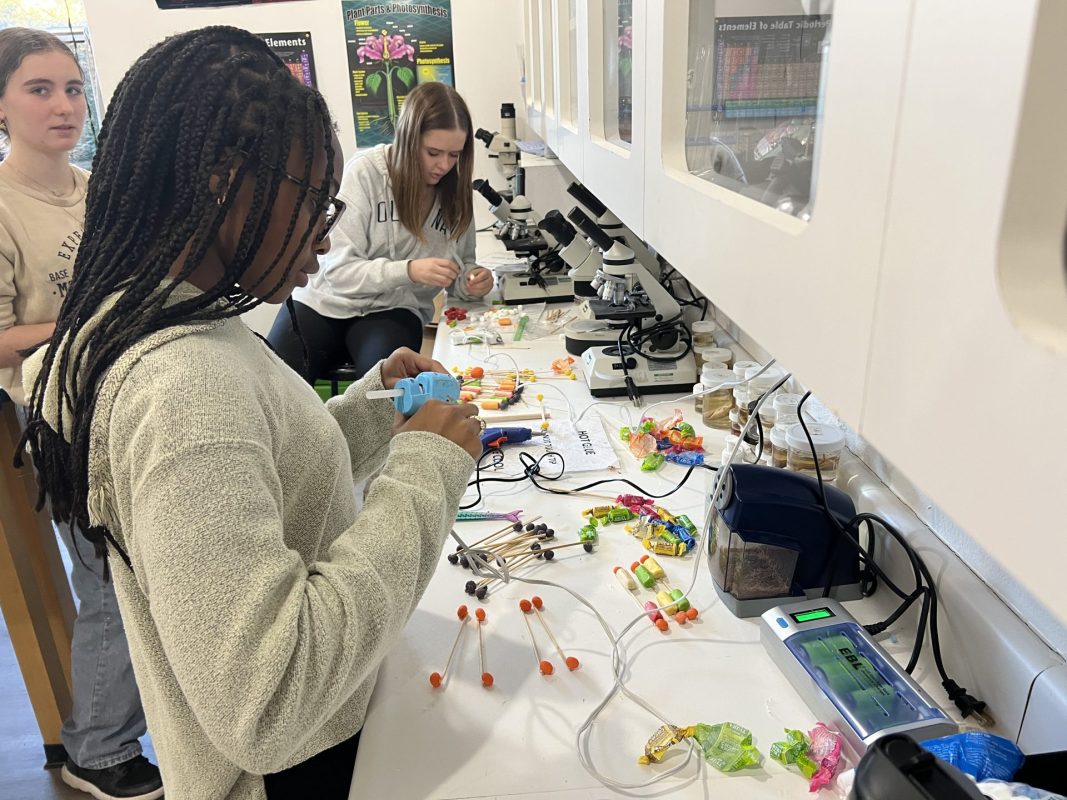
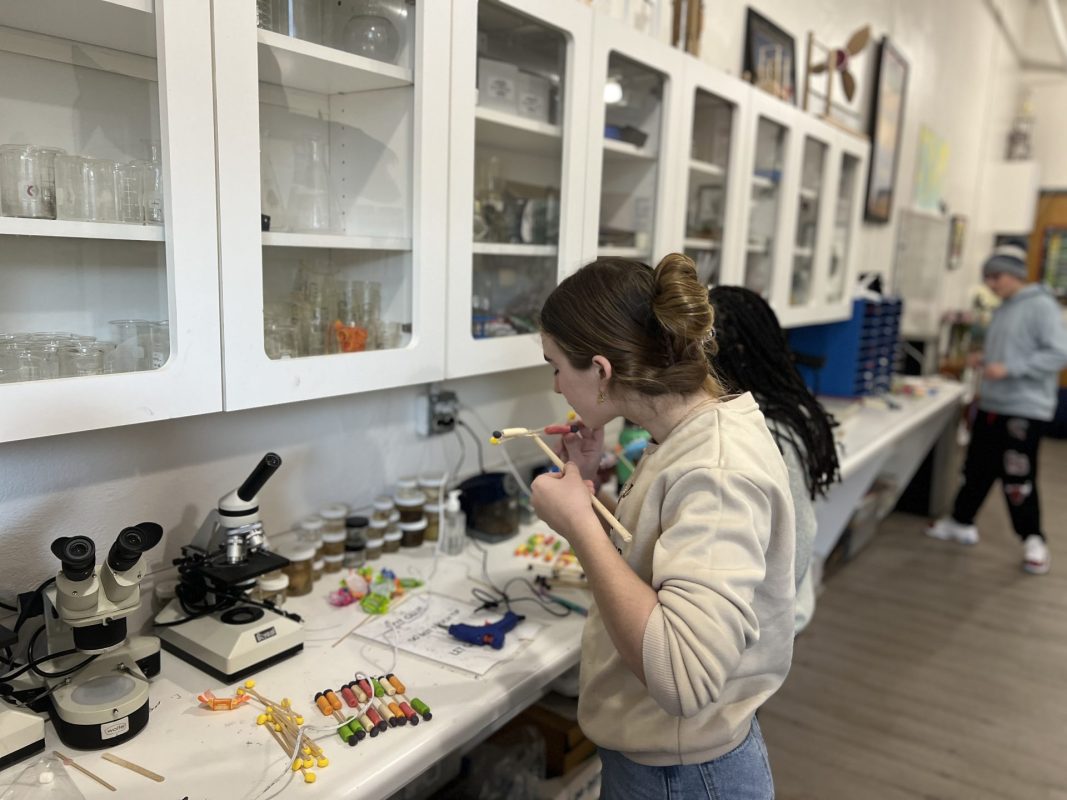
8th-year Life Science students have begun constructing their 3D model representation of DNA. Each student is building their own DNA model using a variety of candies to represent the alternating sugar/phosphate backbone and the nitrogen bases (A, G, C, T). Students will identify what each nitrogen base represents in addition to how every 3 nitrogen bases is a codon for producing a unique amino acid.

Montessori Math in Upper El

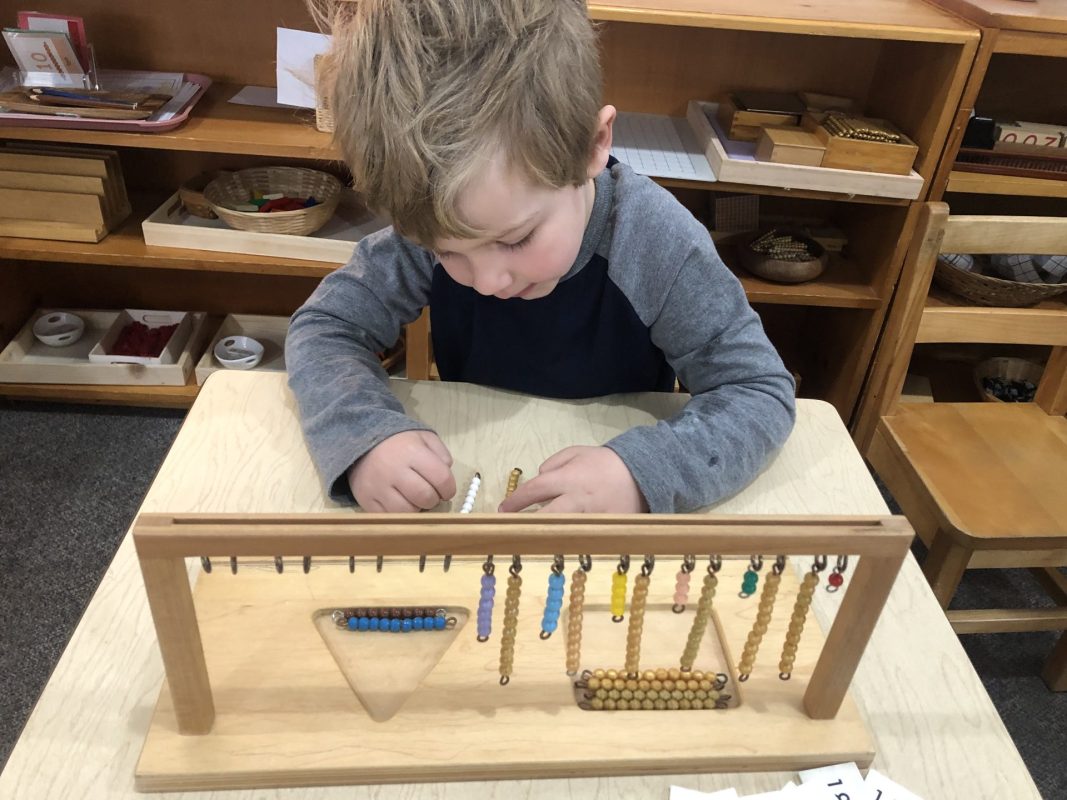
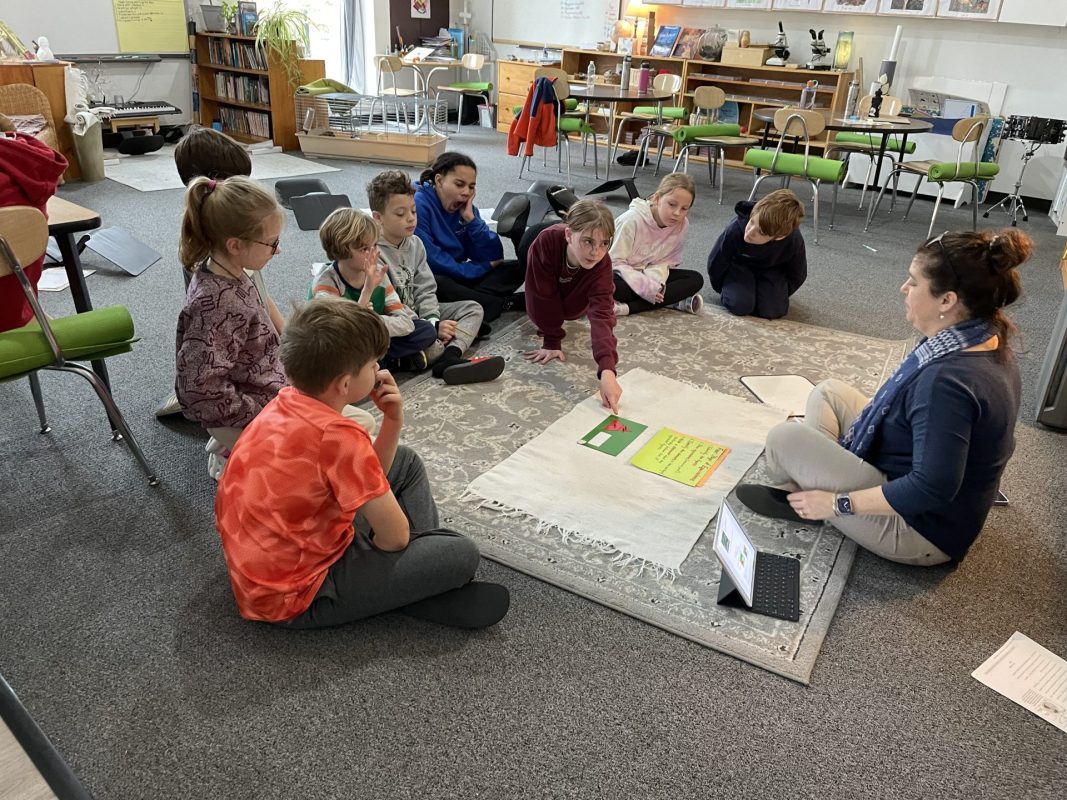
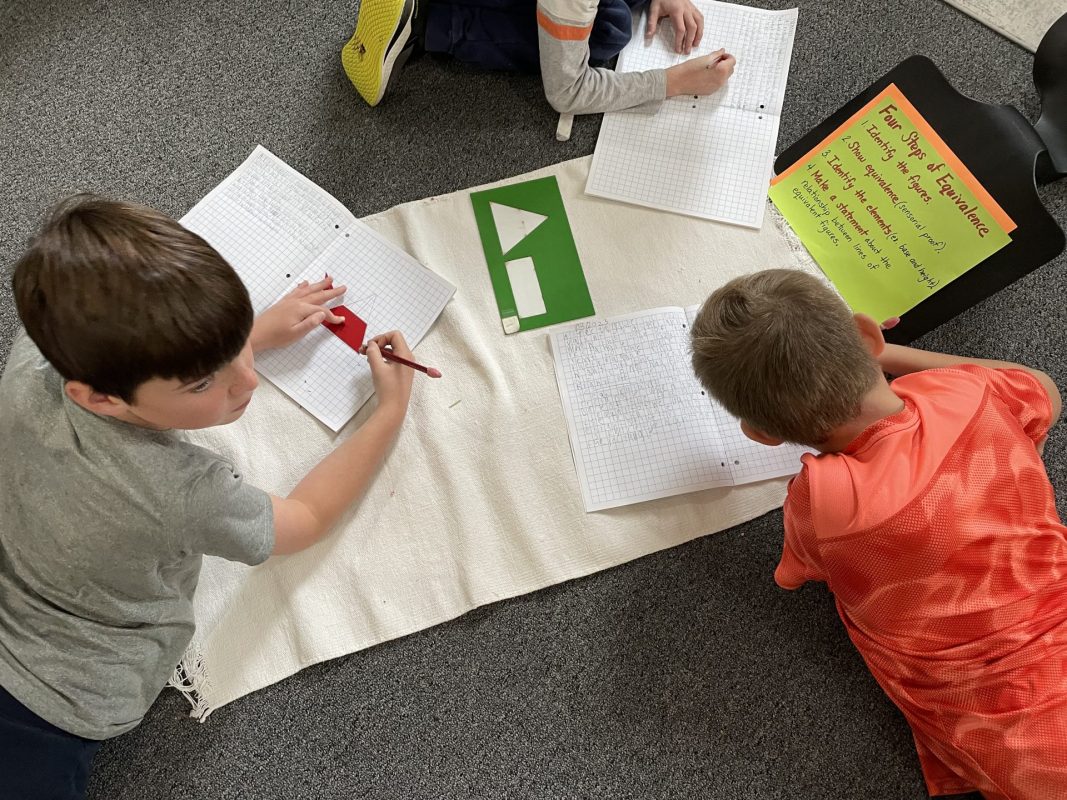
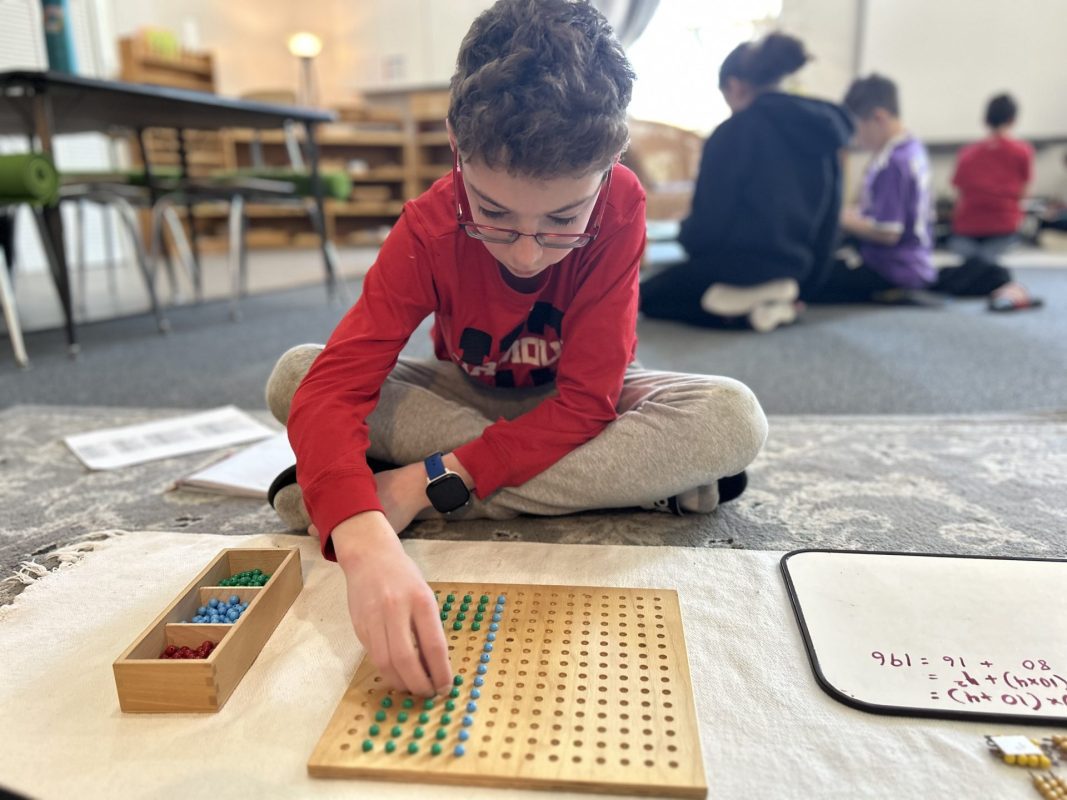
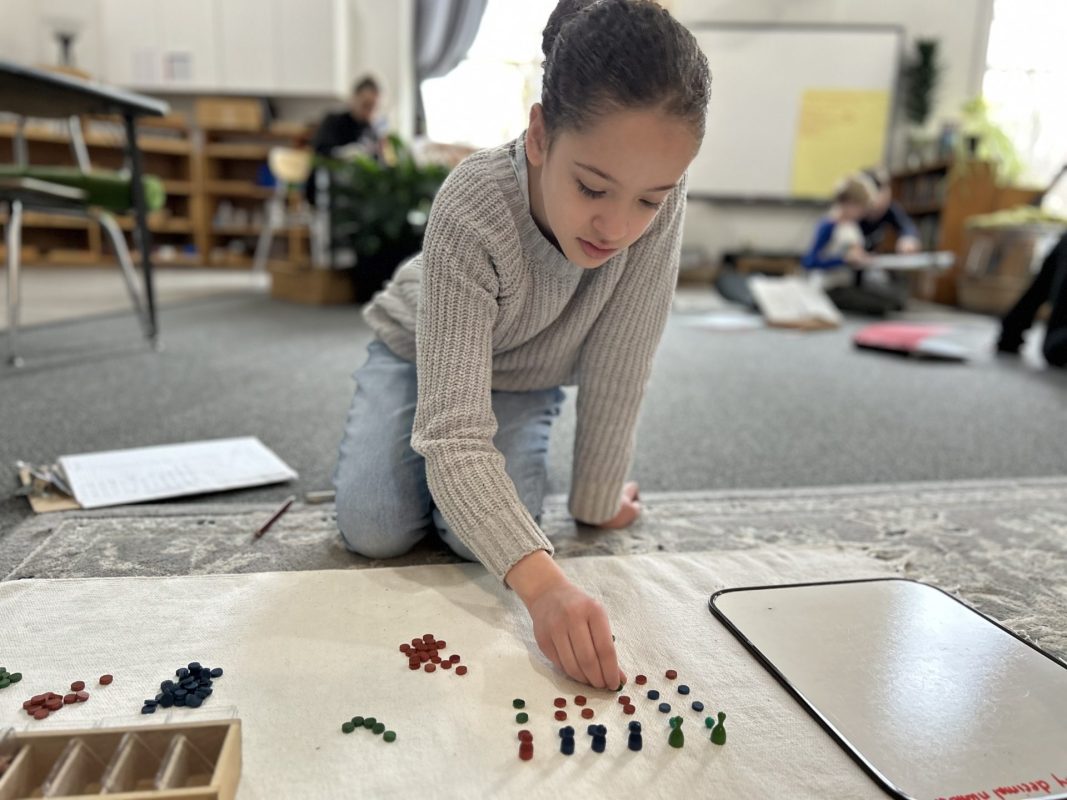
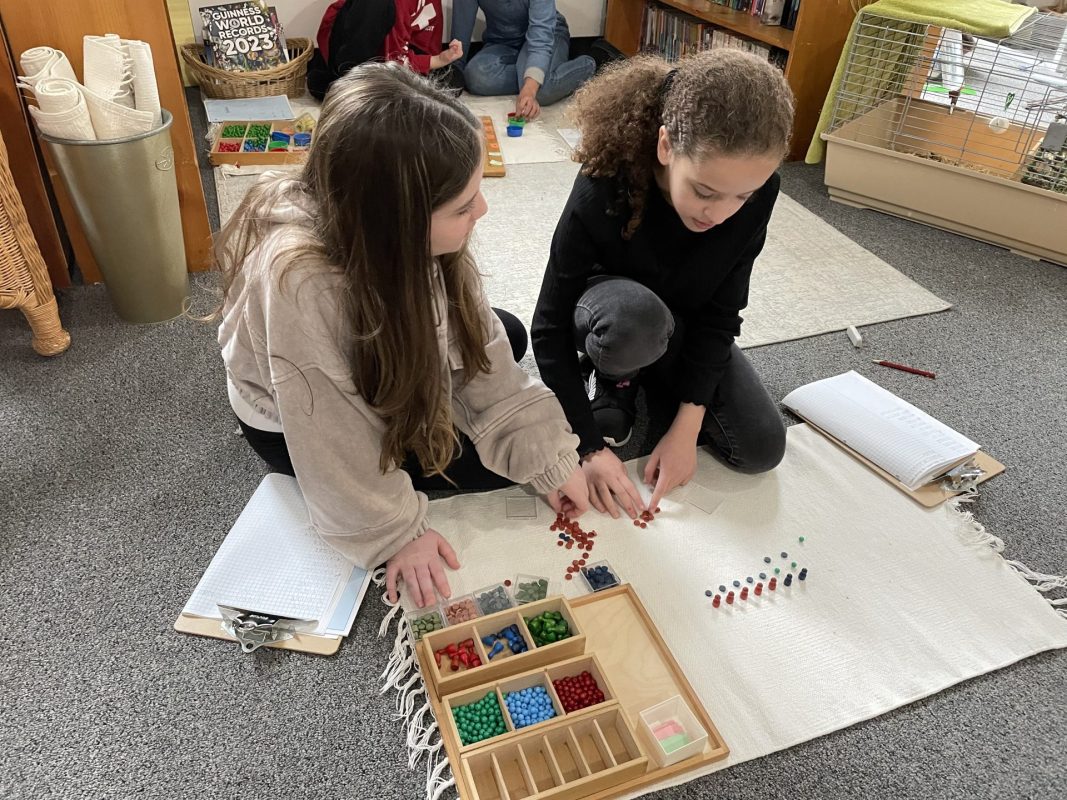
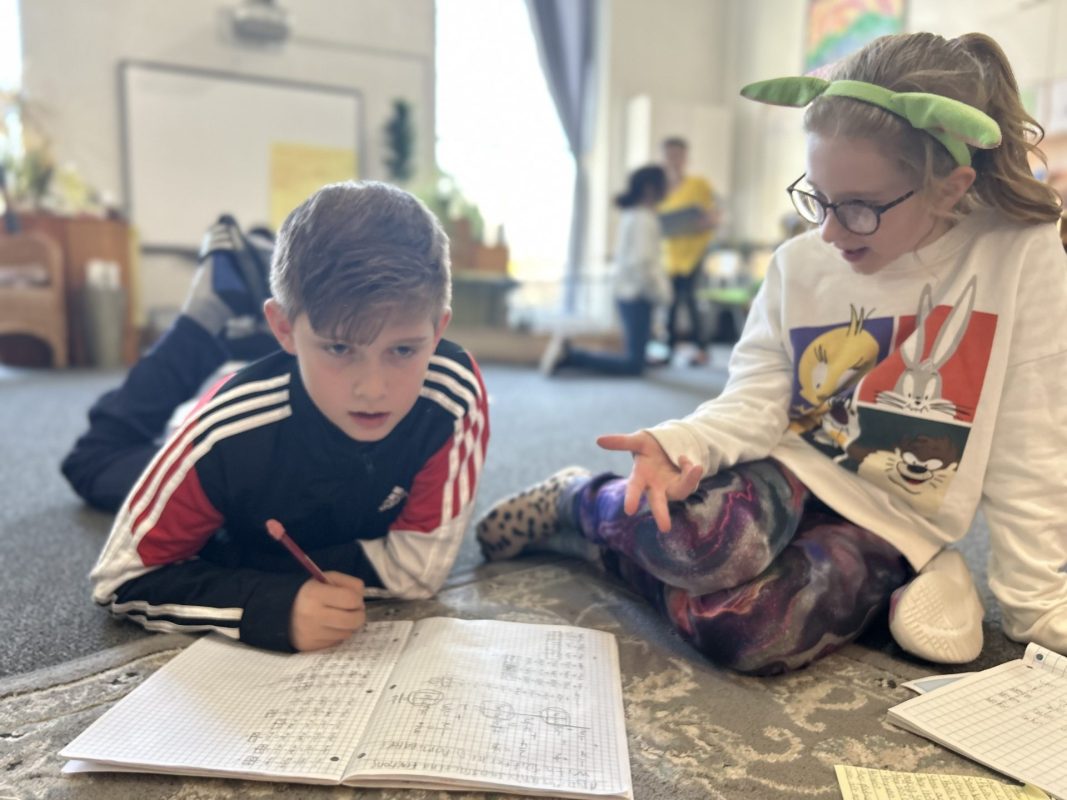
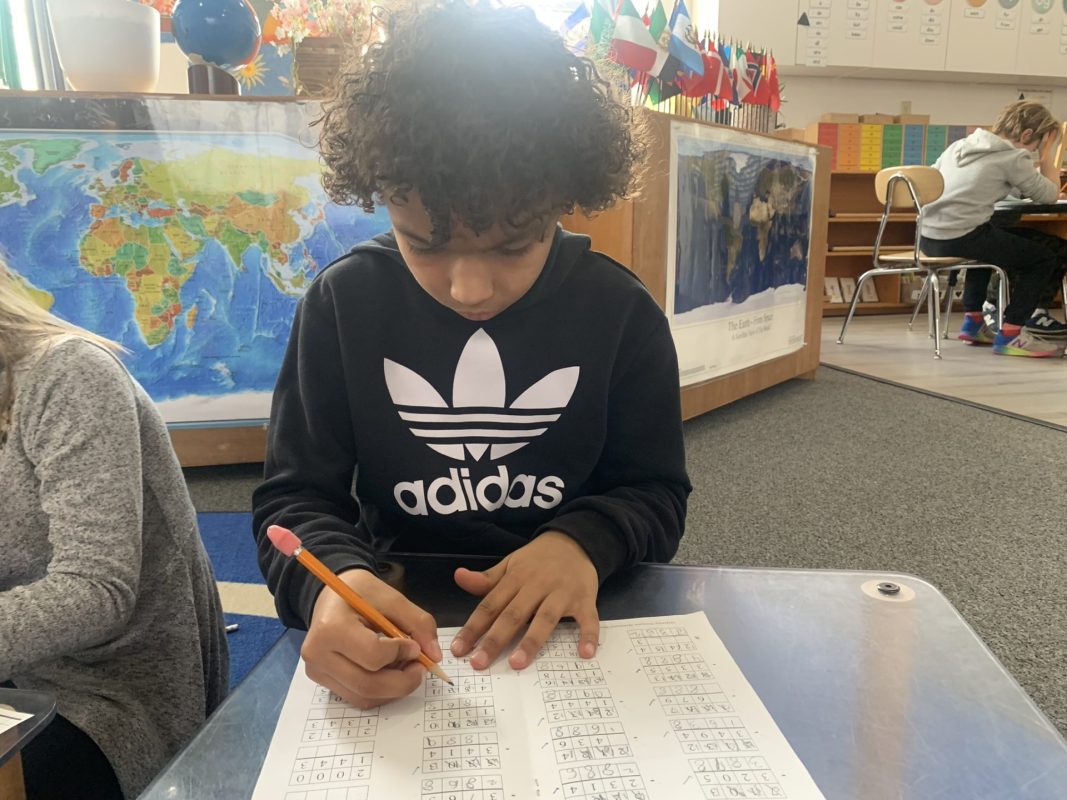
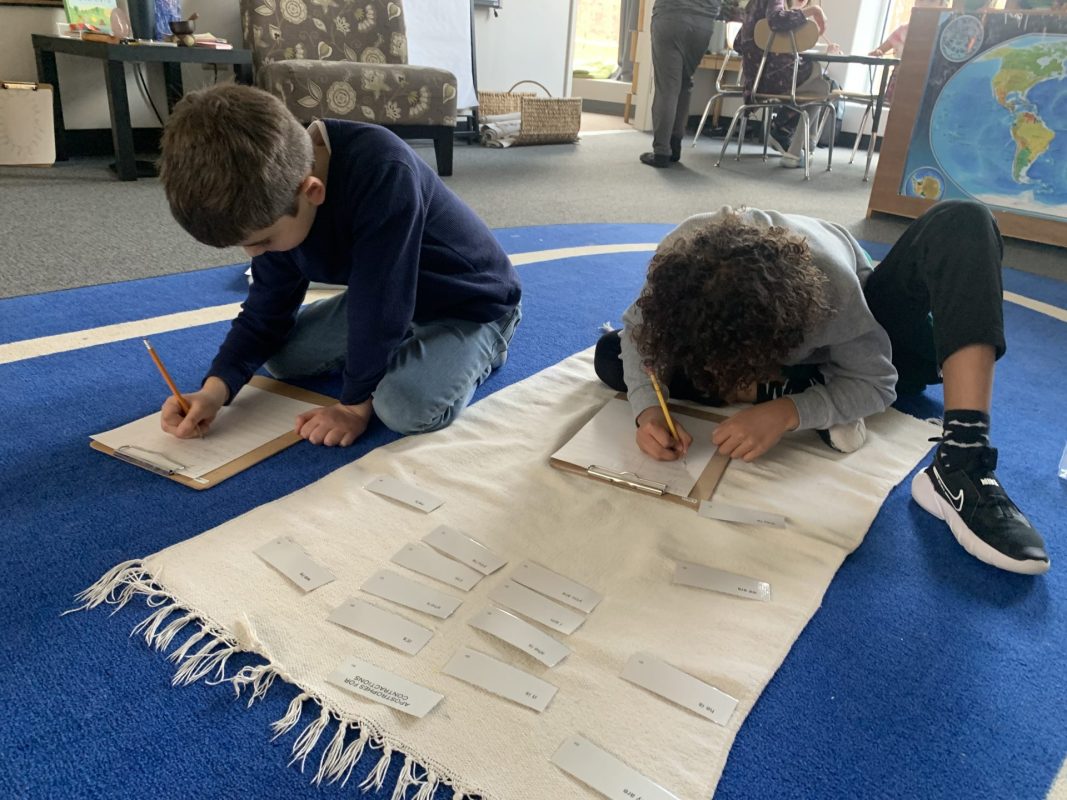
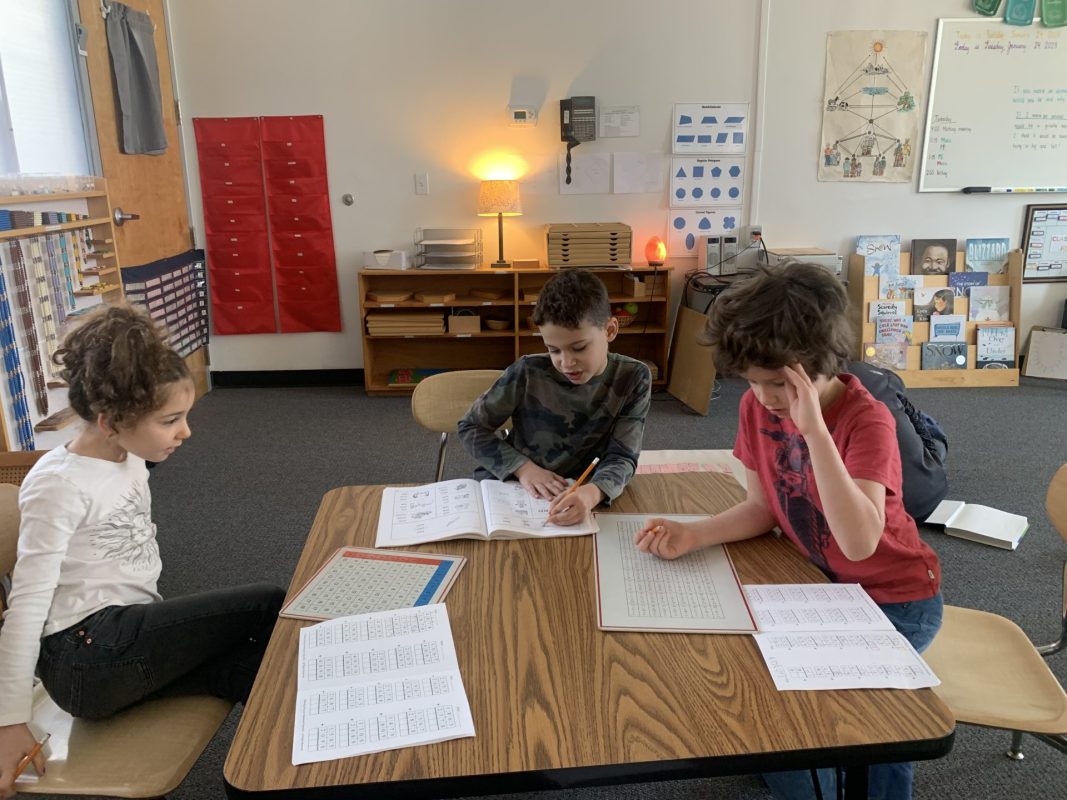
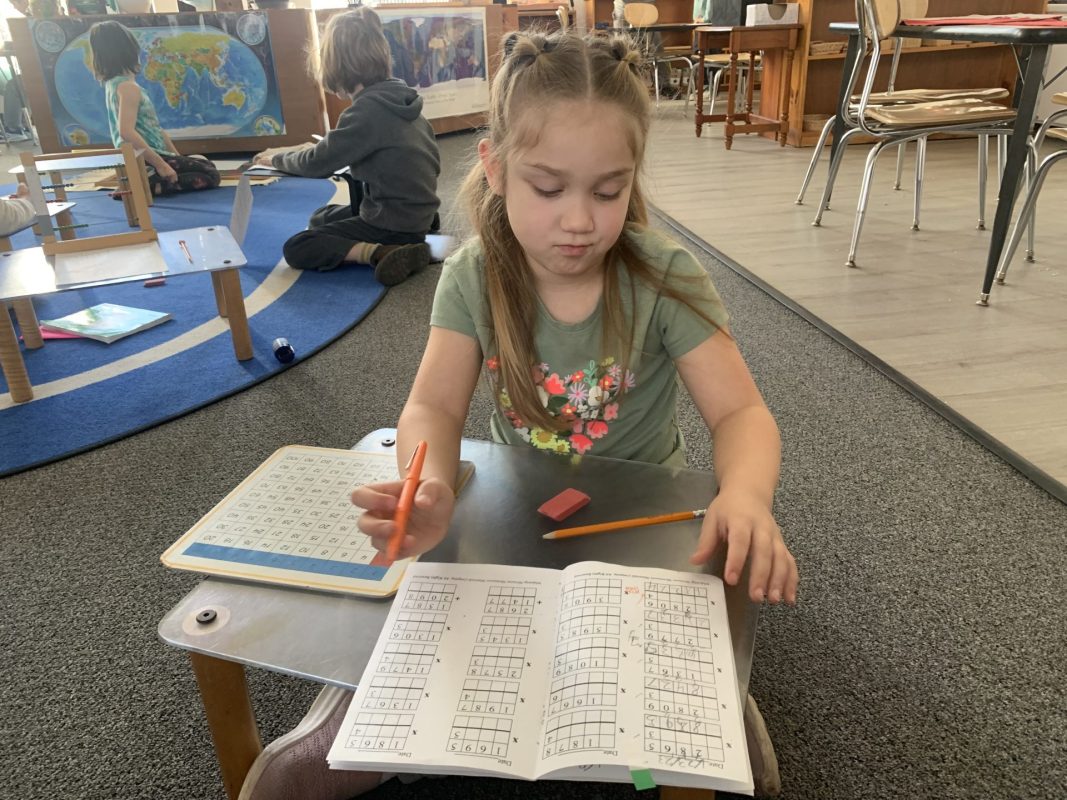
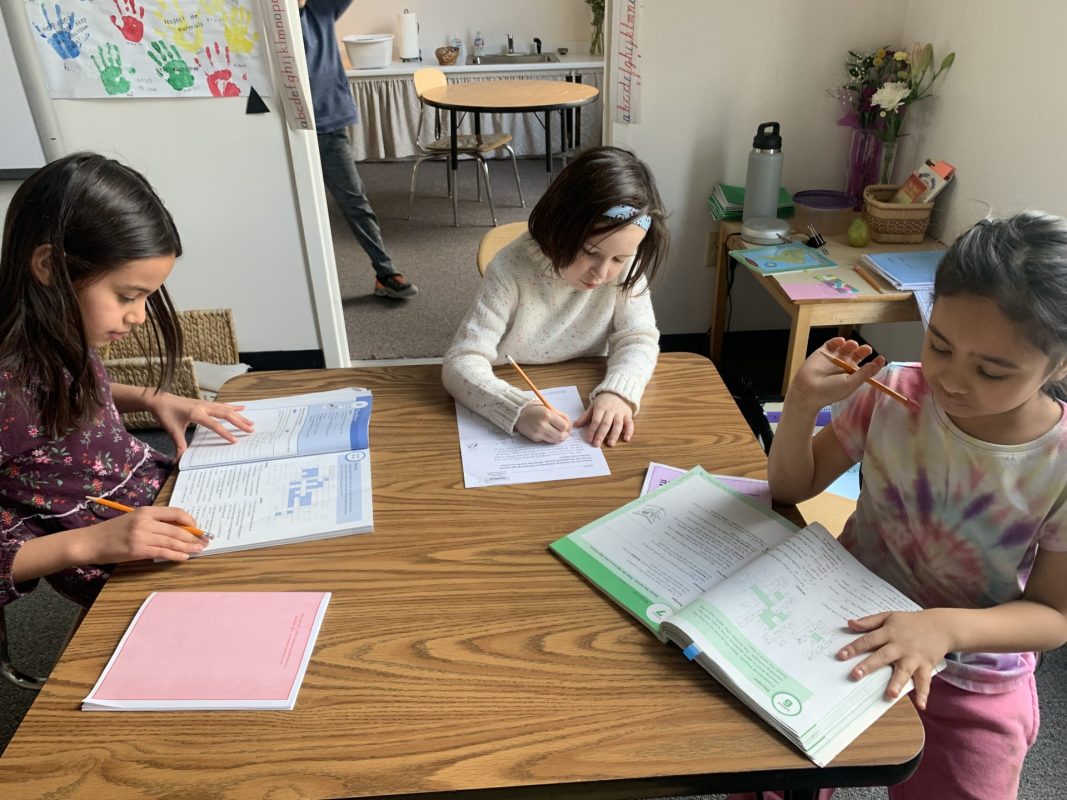
At the Upper Elementary level, Montessori math work continues to begin with hands-on demonstrations and work with materials for each new concept before students move to the abstract. This provides many benefits for students. Concrete math work in Montessori allows students to naturally develop a deep understanding of concepts, with the exploration of each concept leading to an understanding of rules and formulas. Our process is an introduction to a new concept with the material, independent practice of the concept using the material, and demonstration of understanding of the concept through the use of the material. After understanding is demonstrated, a rule or formula is verbalized before students begin to complete the problems without the use of materials. Sometimes the rule or formula is recorded in their math books for later reference by the student.

Students are also encouraged to come up with their own math problems (within the concept they are studying). This process of Guided Discovery leads to children engaging with issues that arise in their exploration, creating opportunities for mini-lessons as those issues arise. Its focus is on the technique or the process instead of on correct answers to each individual problem. This means that students get to move through the curriculum at a pace that holds their interest and makes math engaging for them. Working at their own pace helps students to develop confidence in their problem-solving ability and a strong sense of independence.

Wishing you a wonderful weekend,
Karen and Angie


Geography and History in Lower El

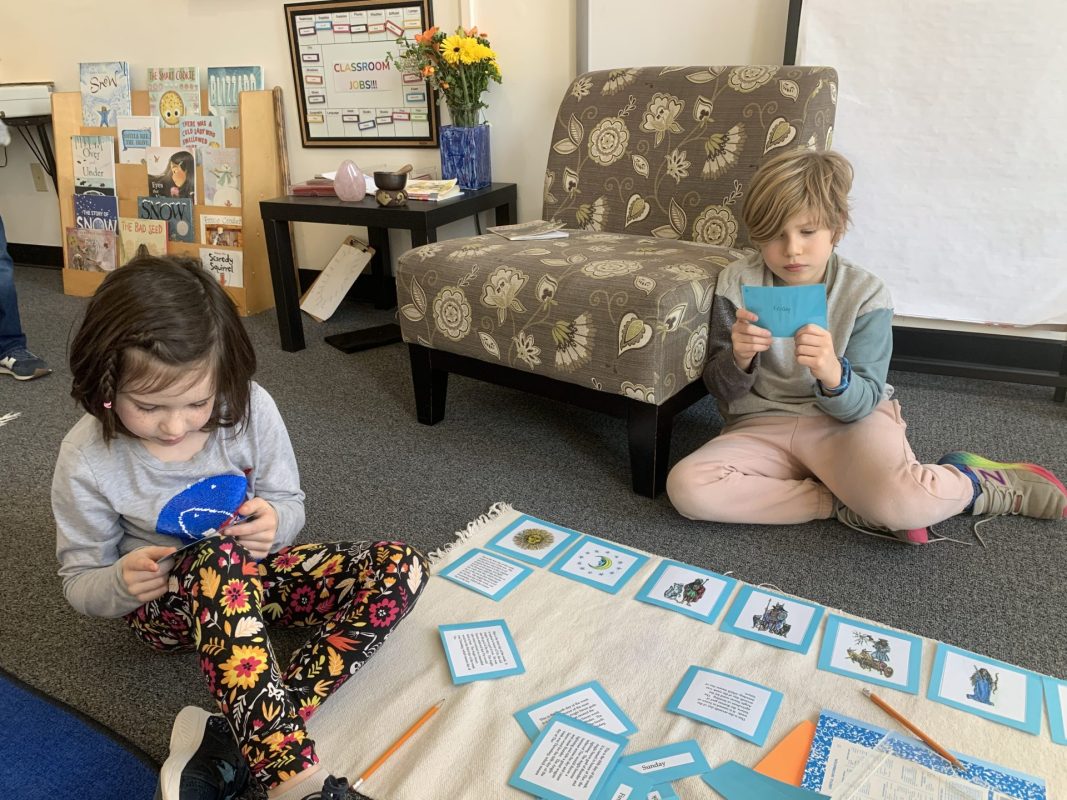
This week in history, Lower Elementary is learning about the days of the week and their origin.

The number seven representing seven days seems to have originated from Judaism, which tells a story of how the Earth was created in six days, and on the seventh, God rested.

The numeral seven also has mystical significance in some cultures. According to the Romans and Anglo-Saxons, each weekday’s name has a significant meaning, either of a planet or of one of the gods they worshiped. How interesting it is to learn the background of why each weekday is named what it is! Ask your child to share what they know about the days of the week!

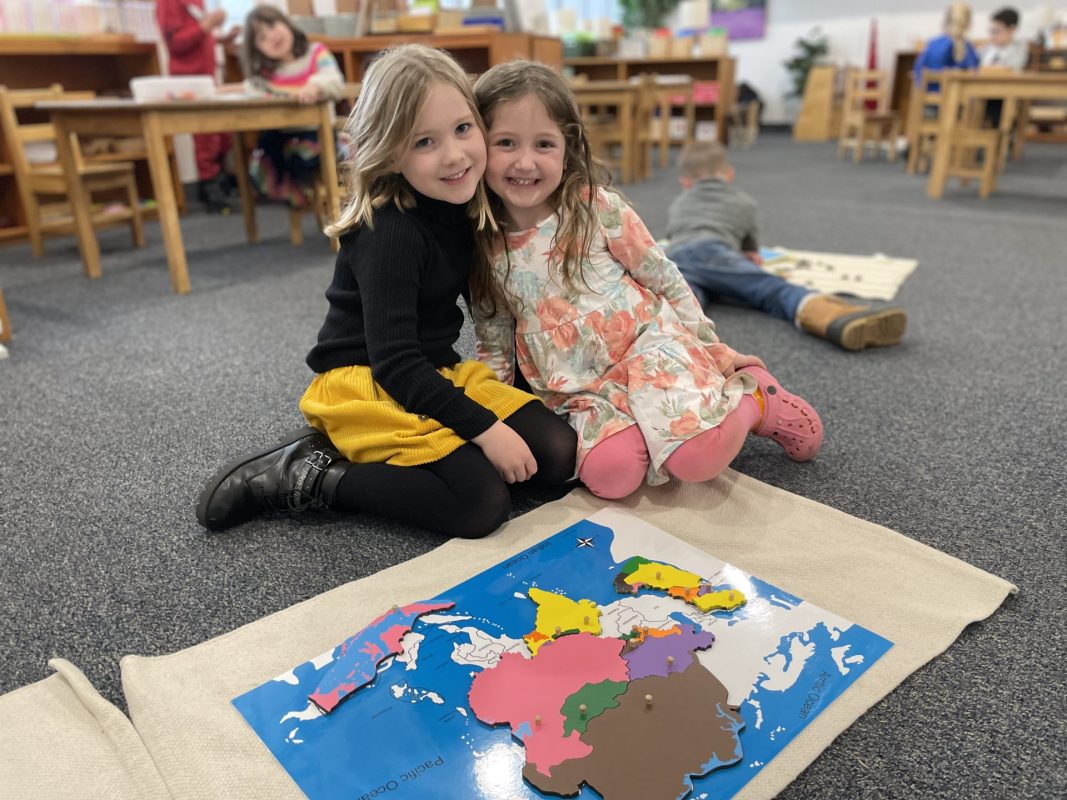
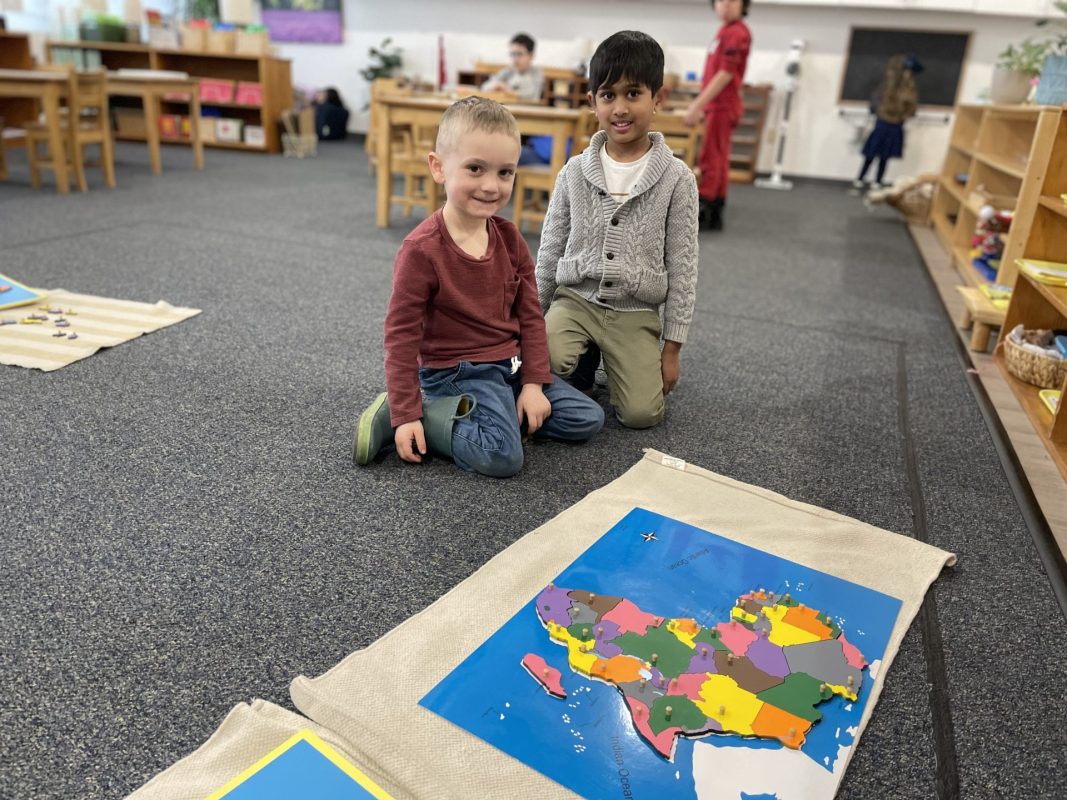
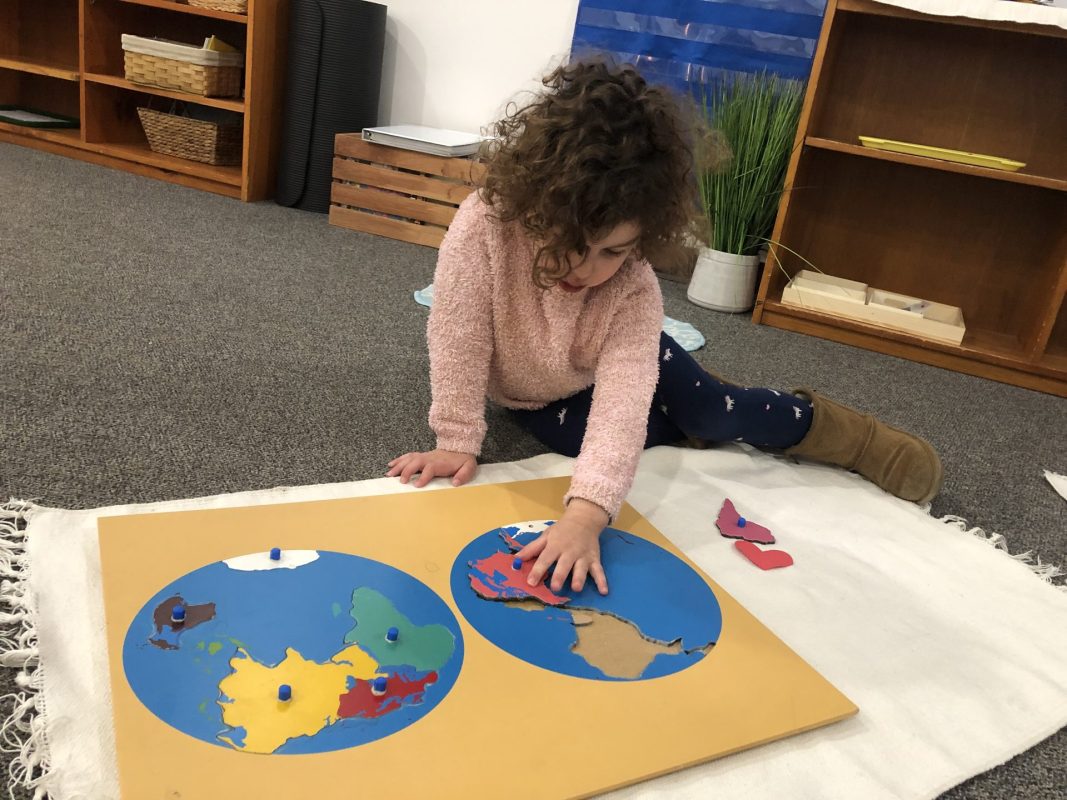
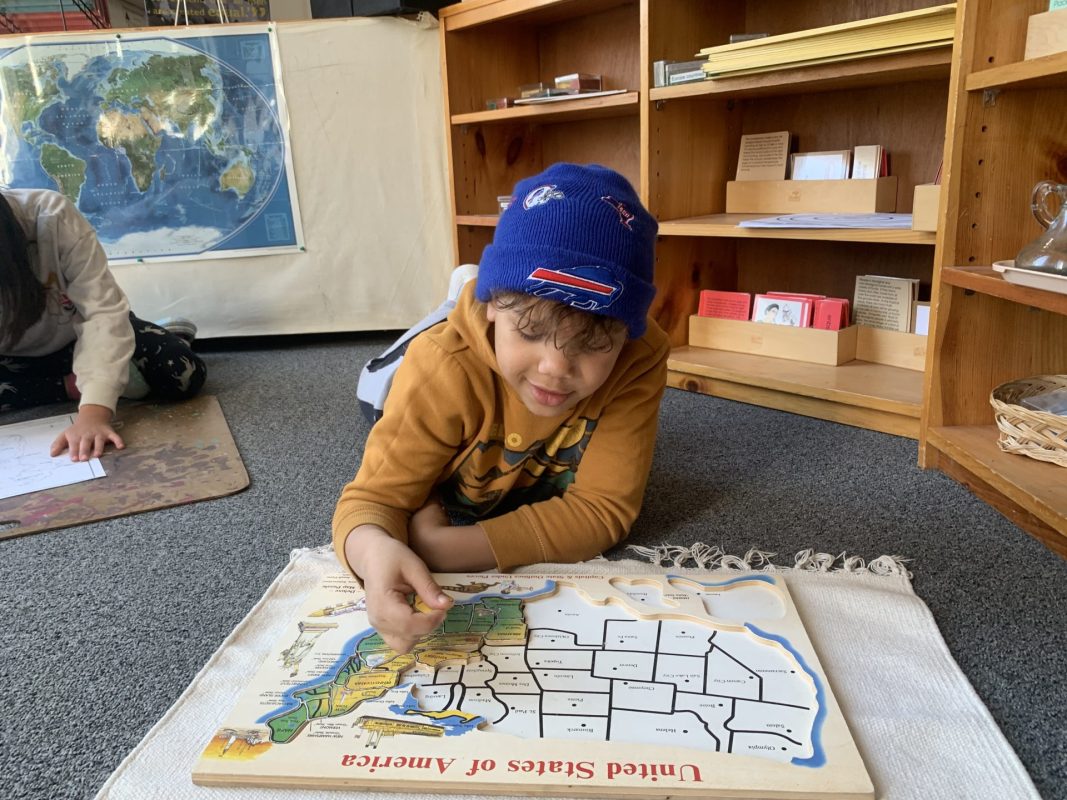
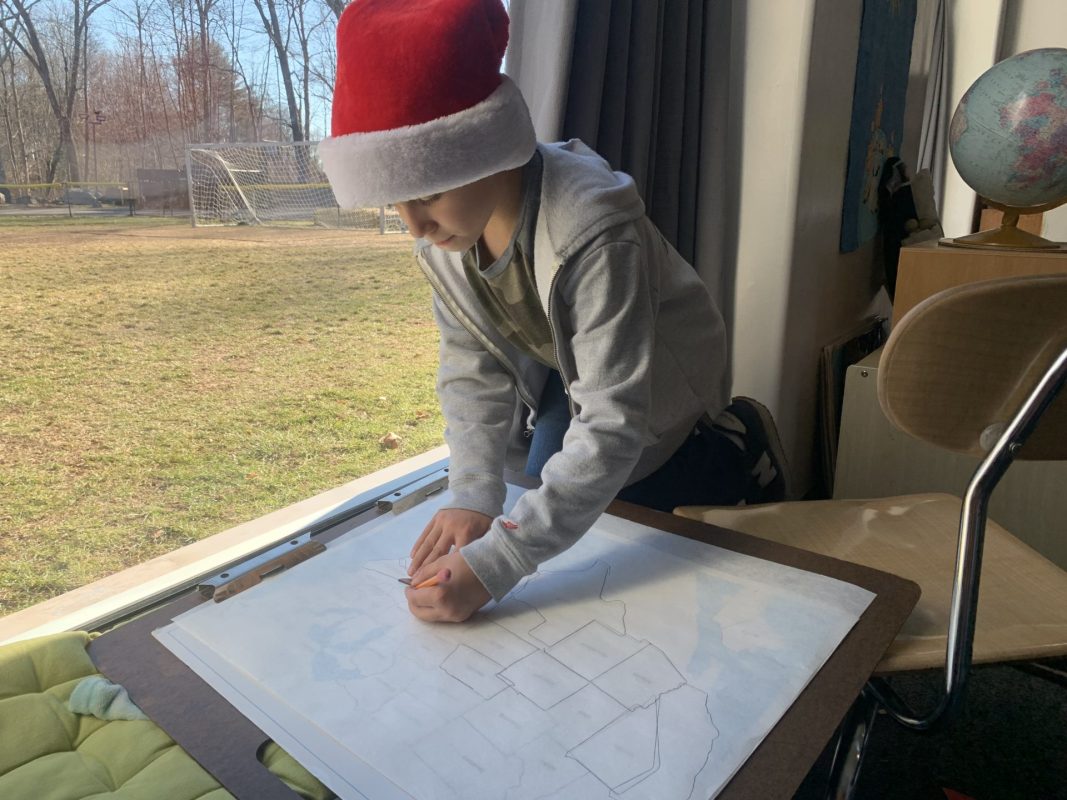
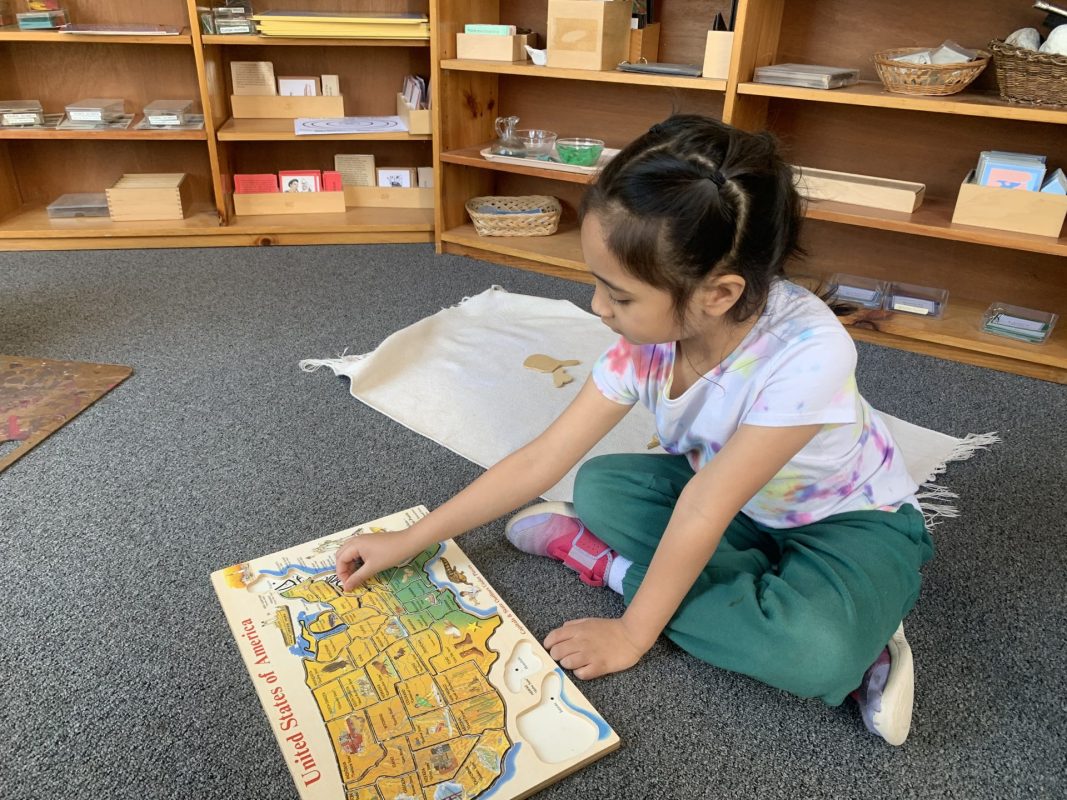
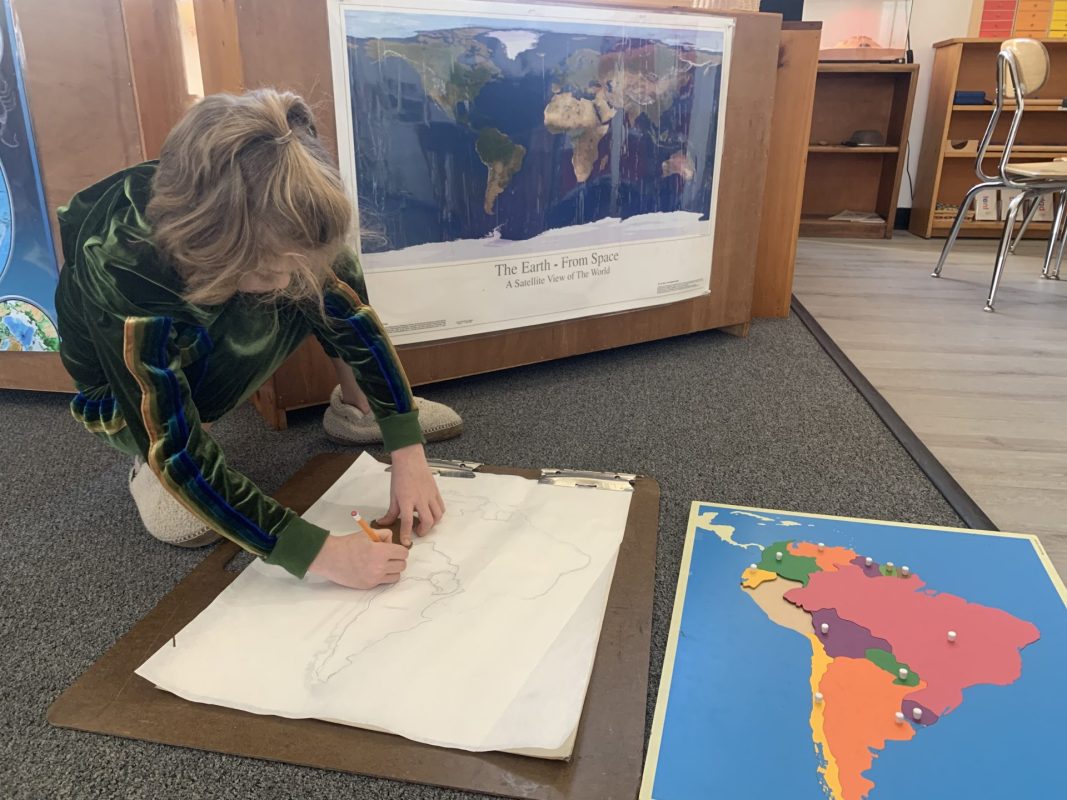
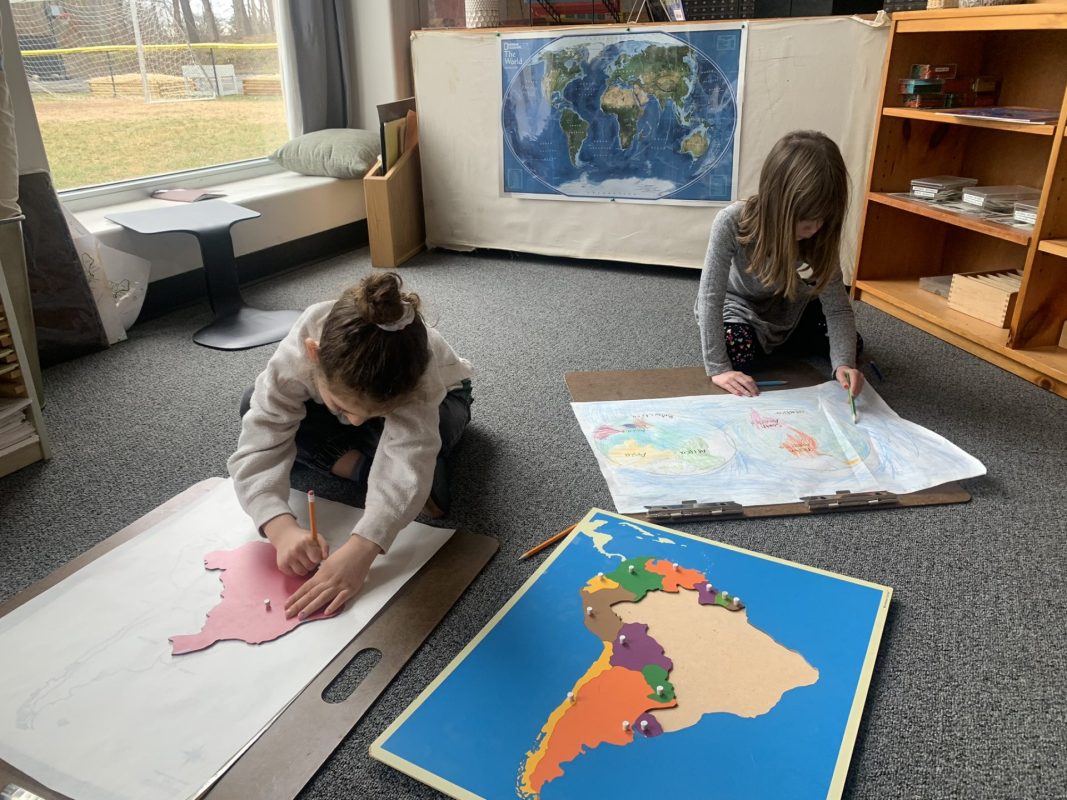
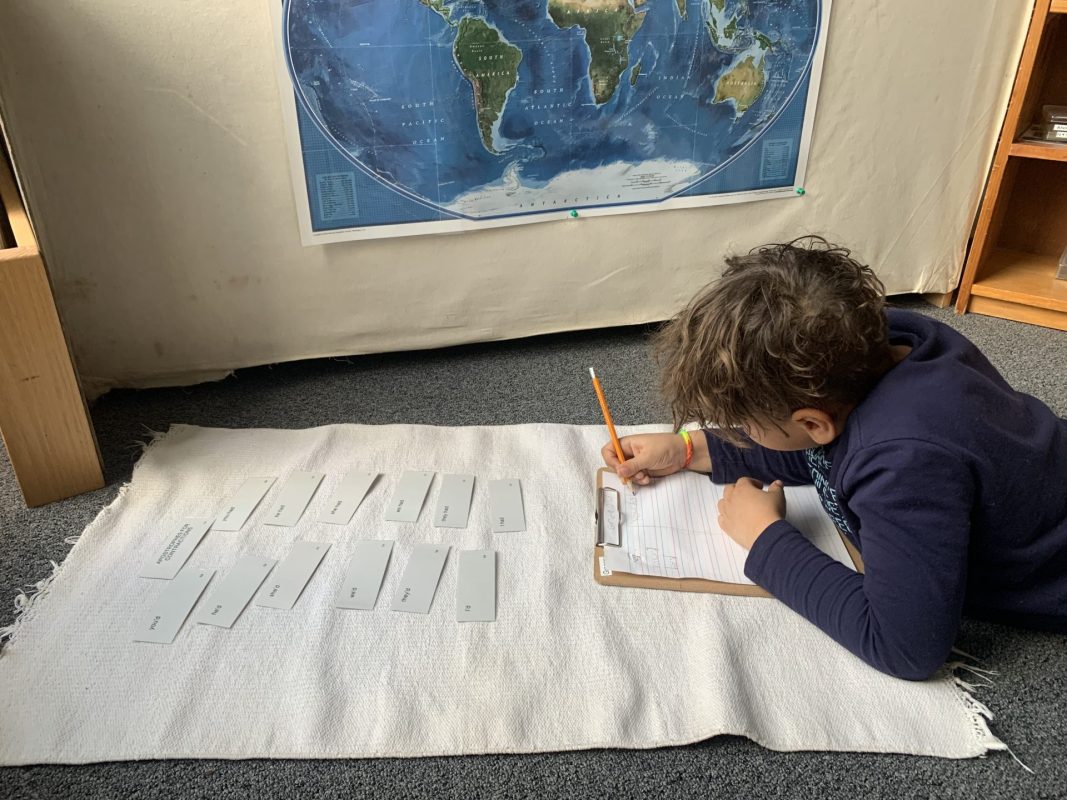
In geography, each student is immersed in work about South America. First years are working with the puzzle map material, seconds with the pin maps, and third years are learning to label a map abstractly.

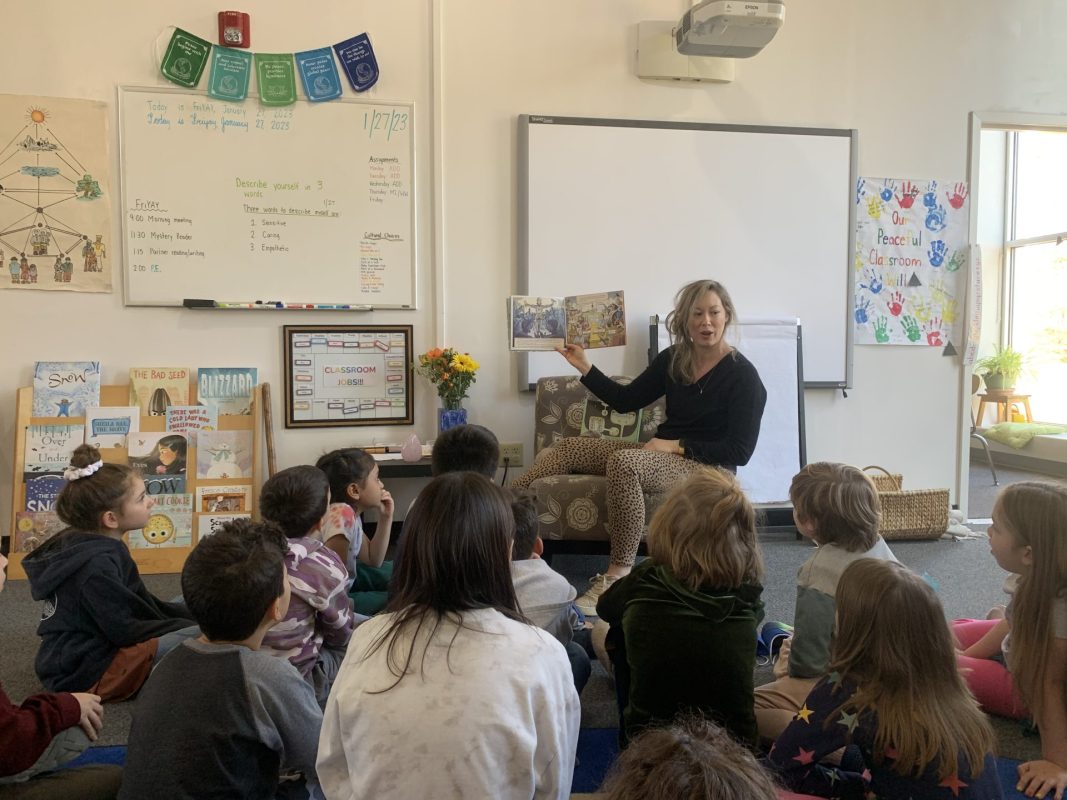
Thank you Elle Callanan for being our first mystery reader! We loved having you!