Blog

Mrs. Wilson: A Quiet Wintry Week

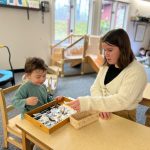
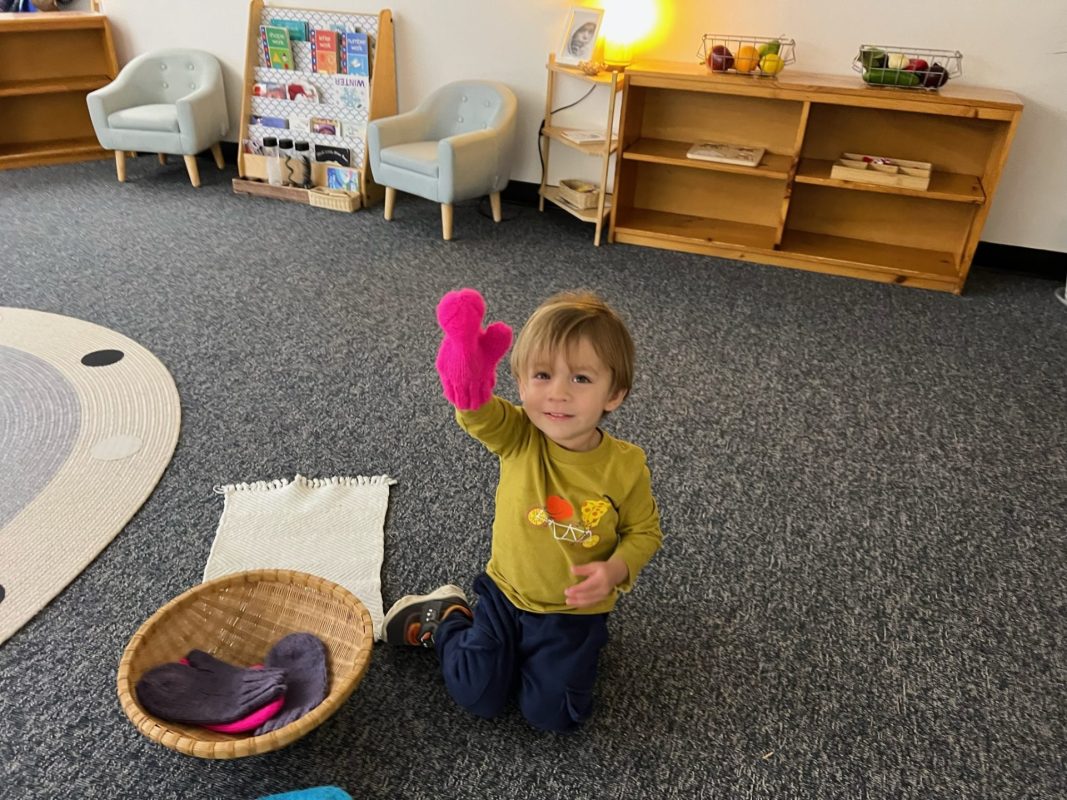
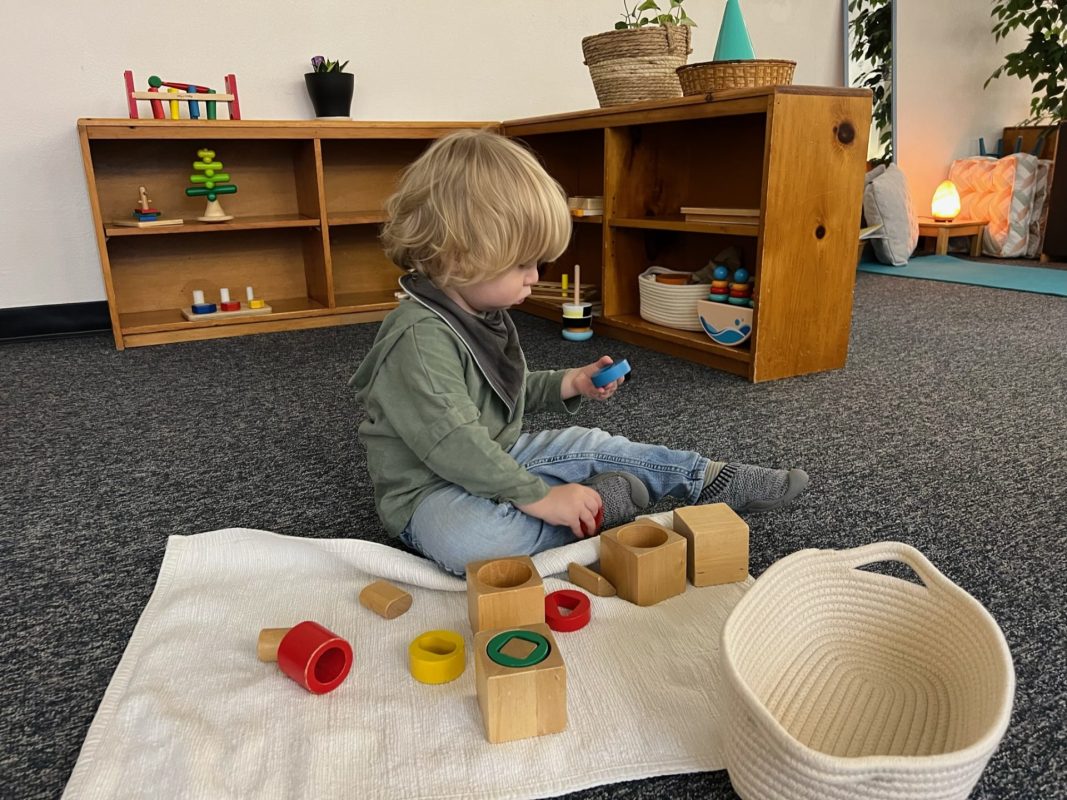
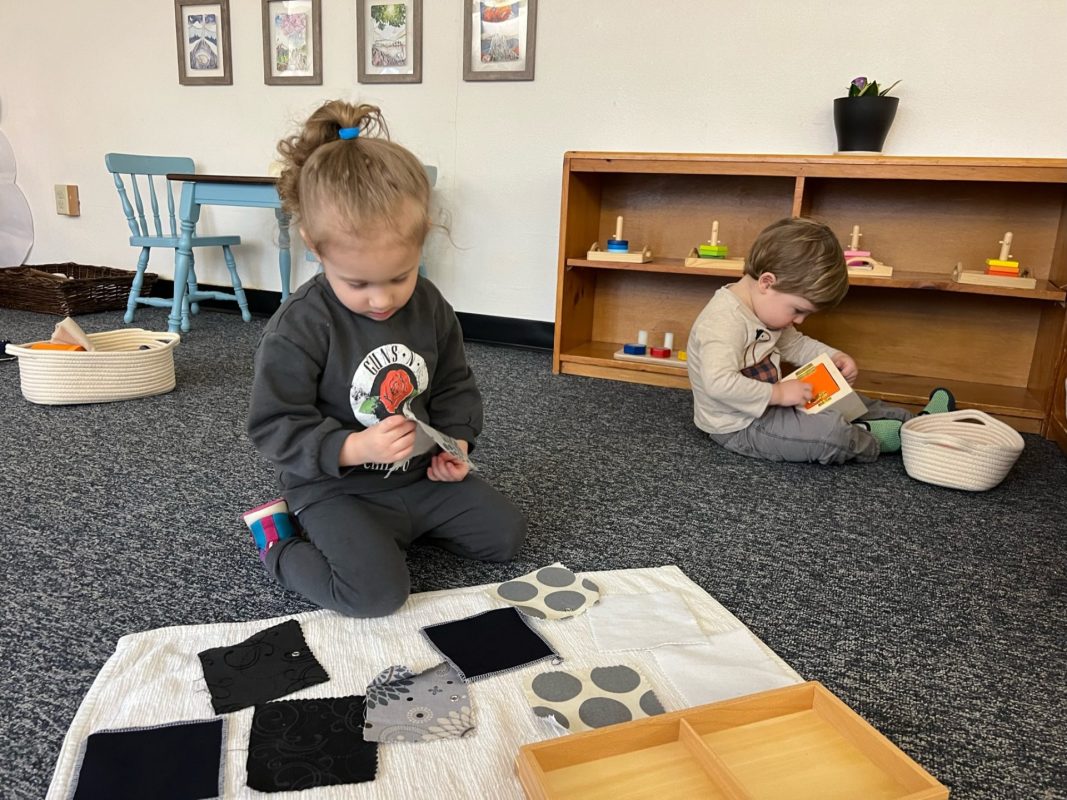
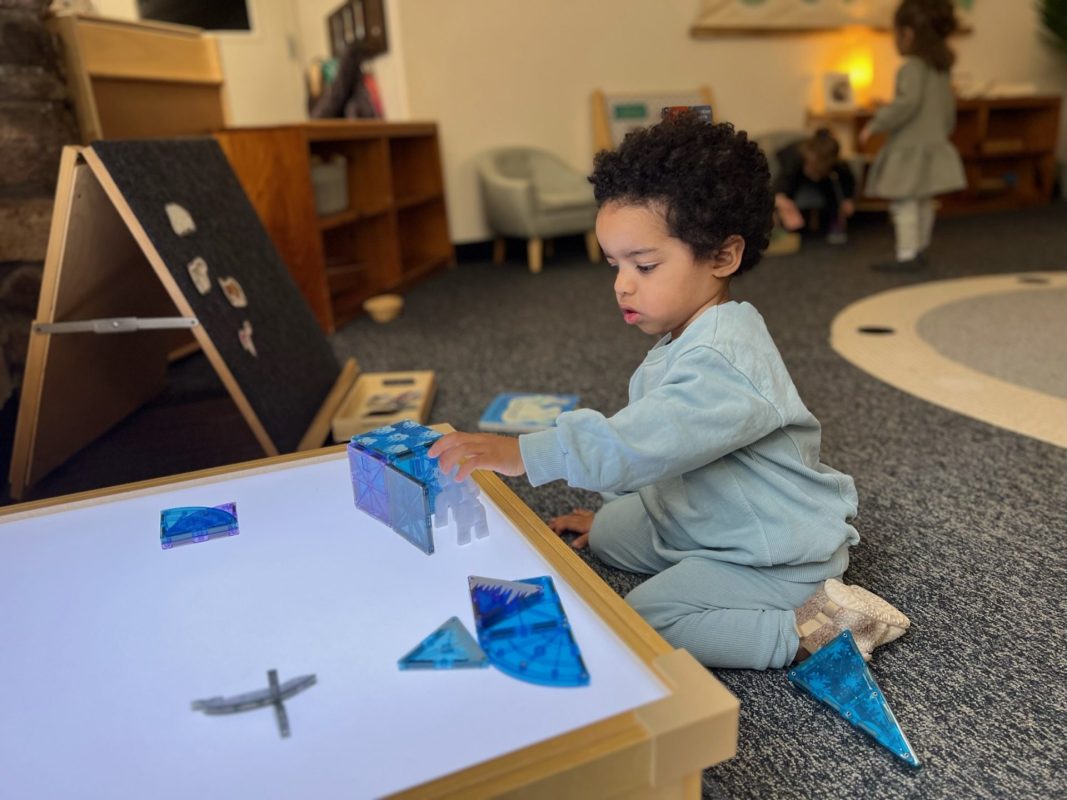
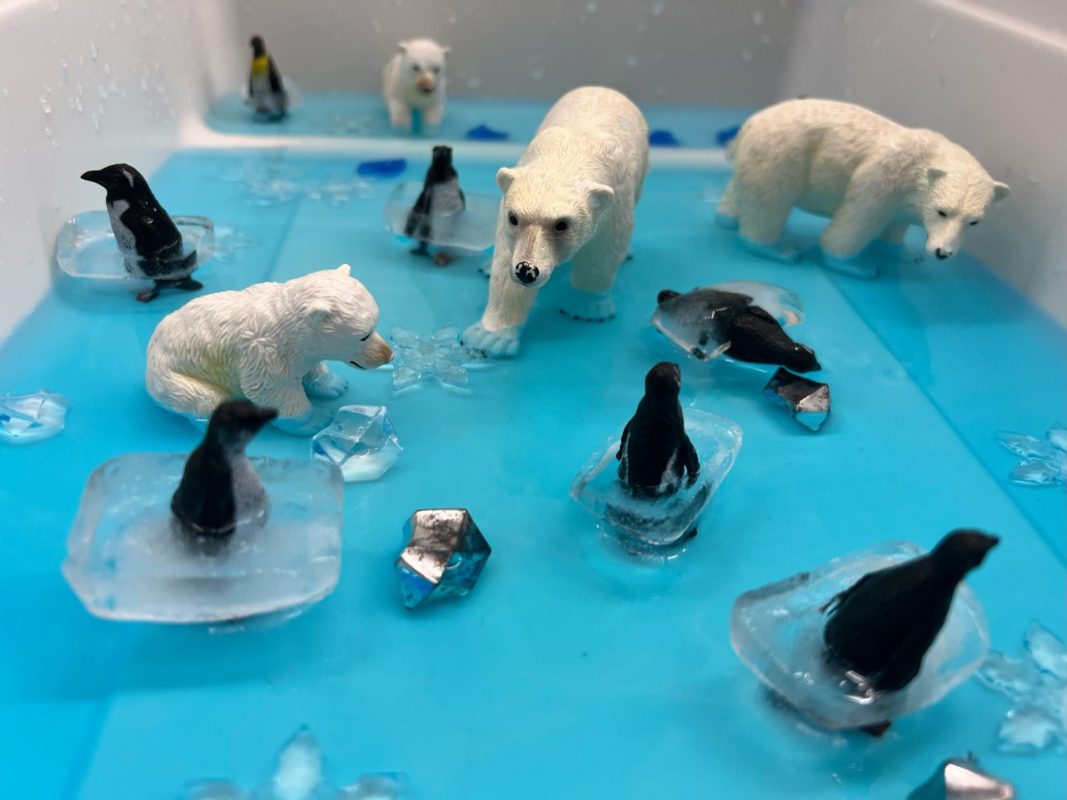
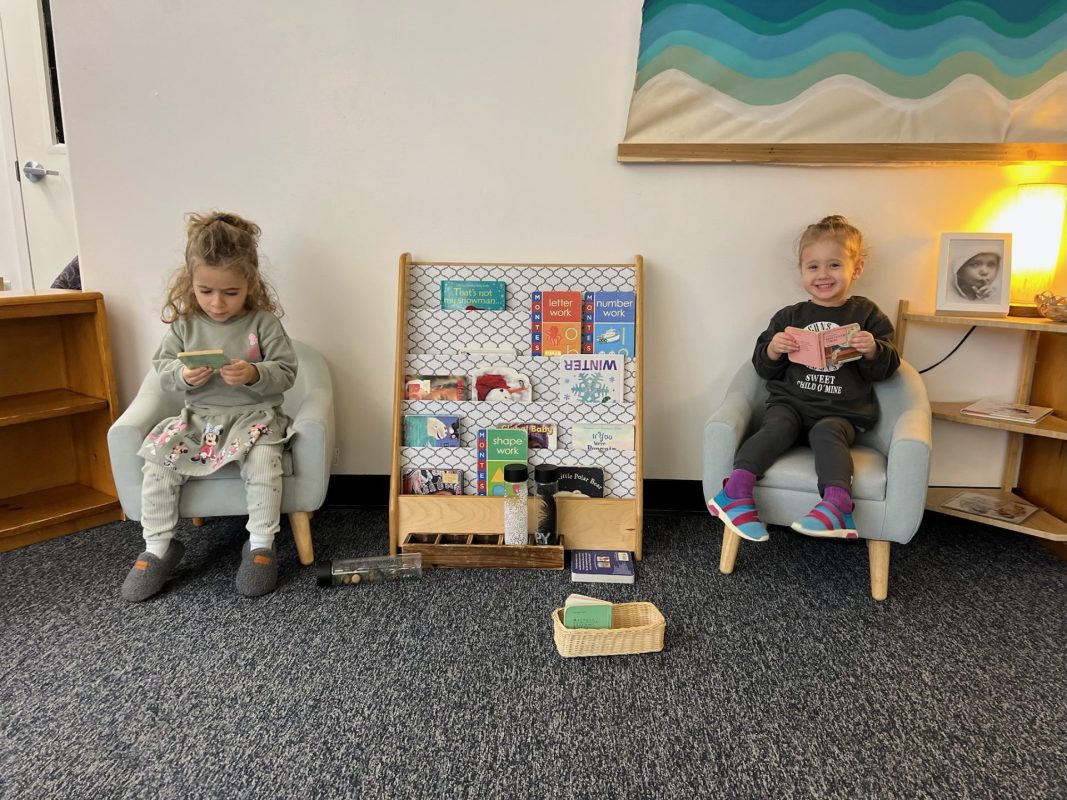
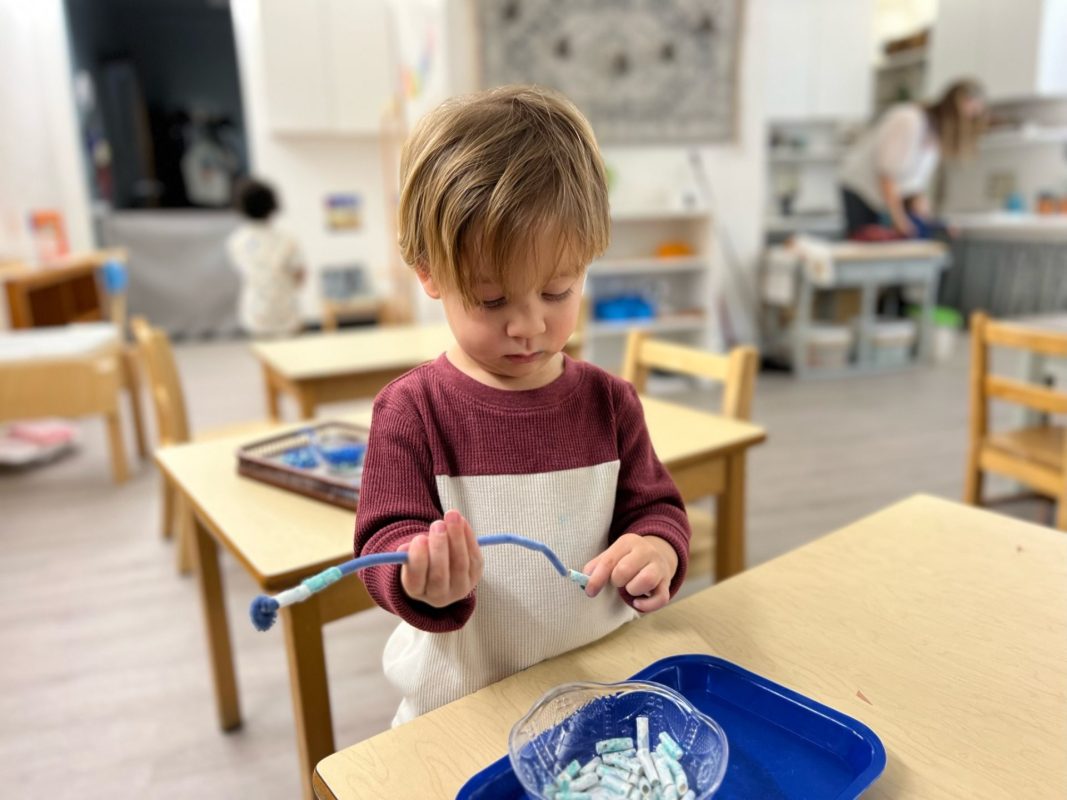
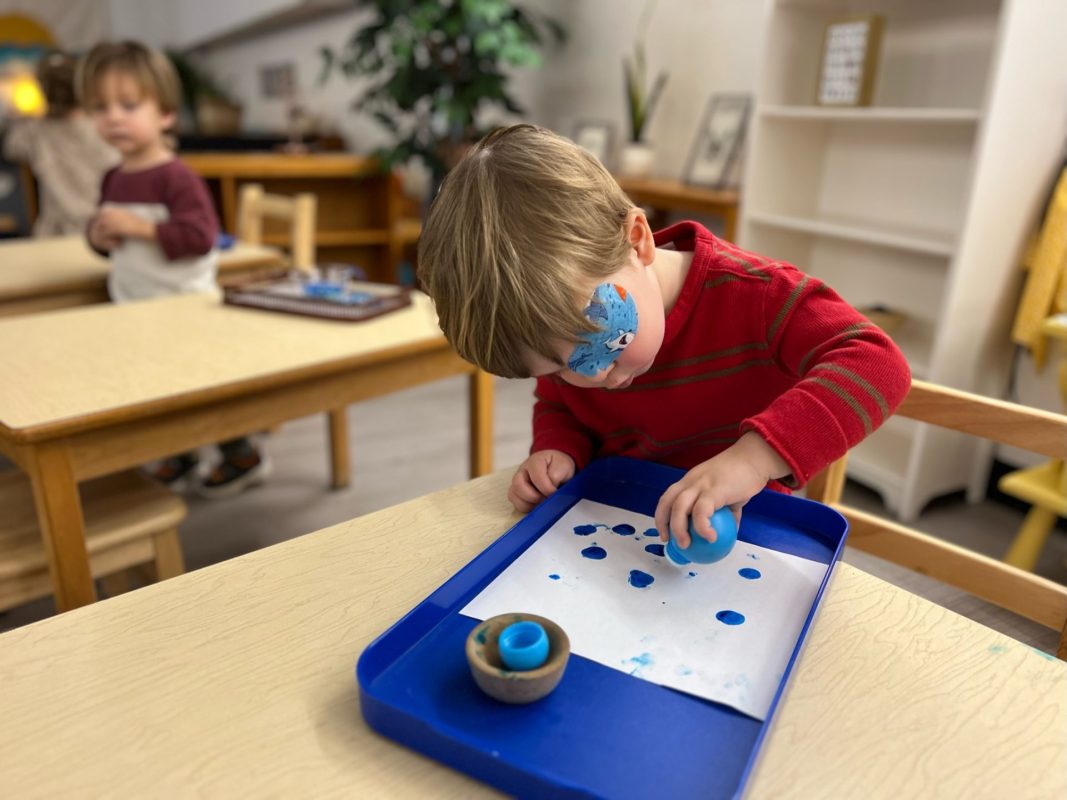
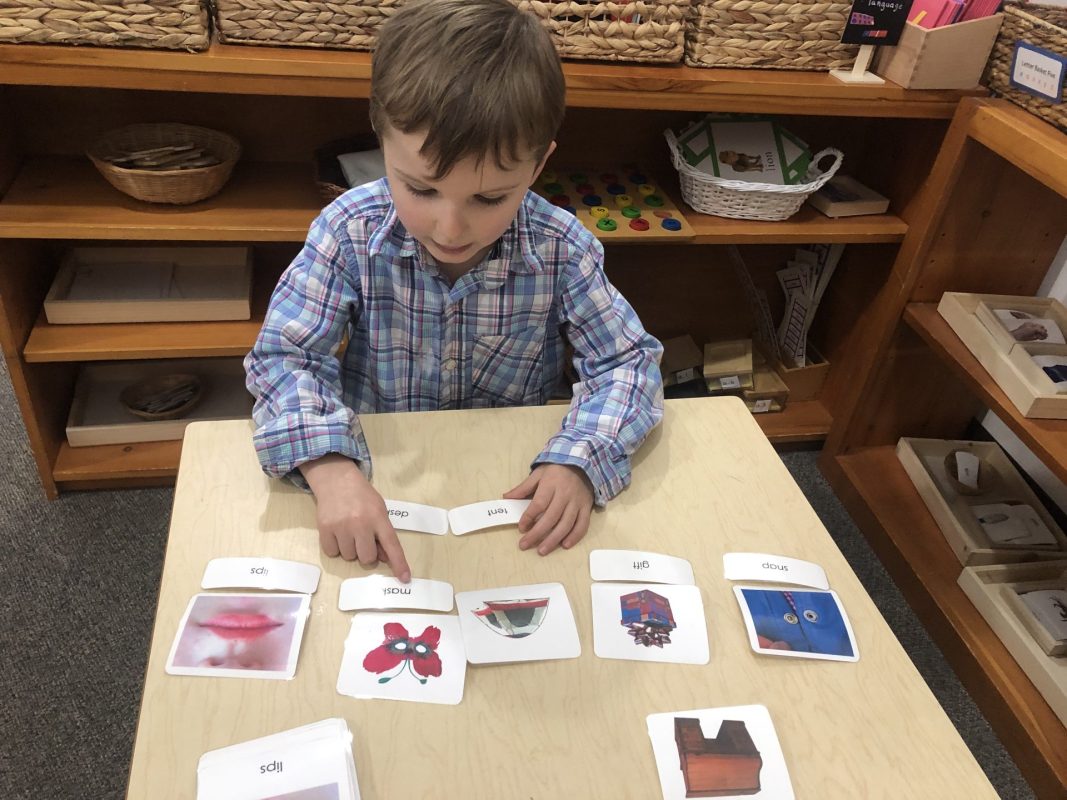
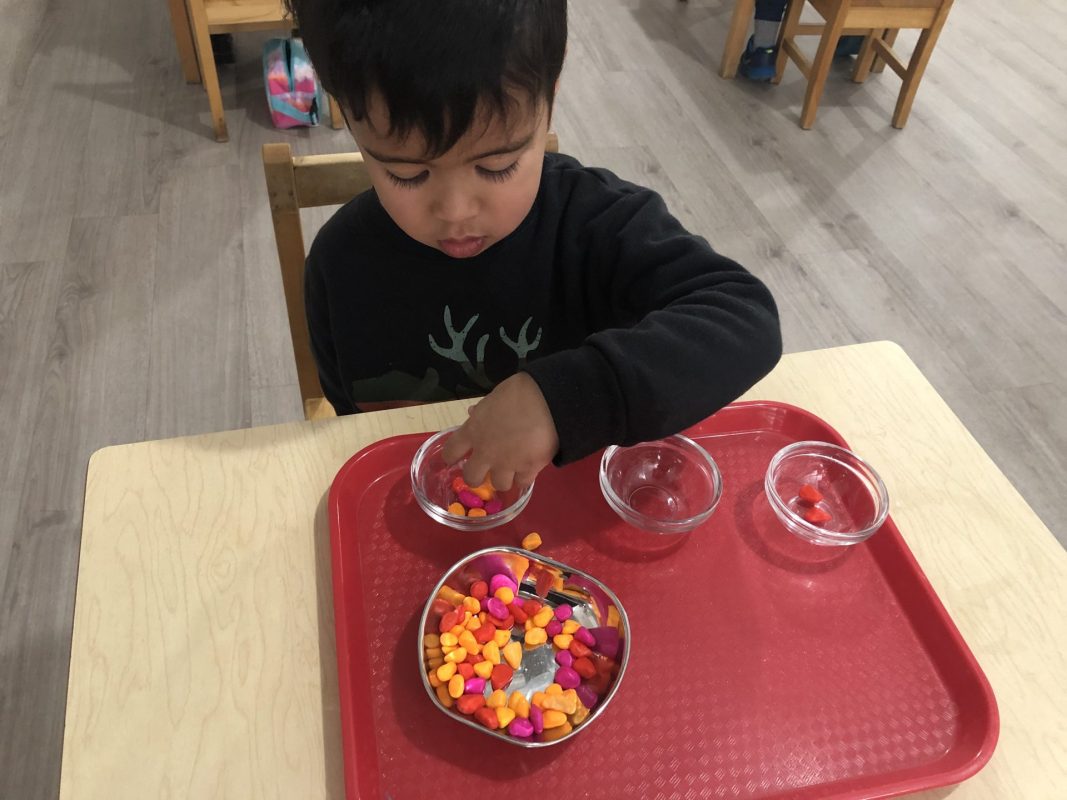
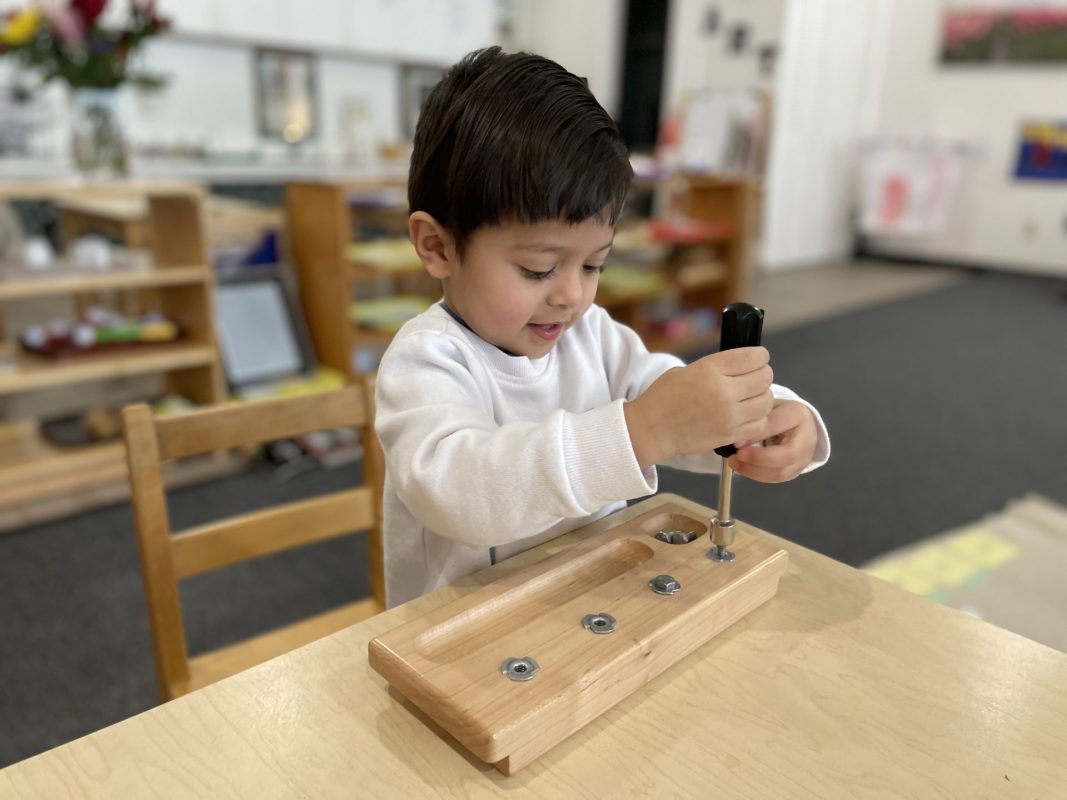
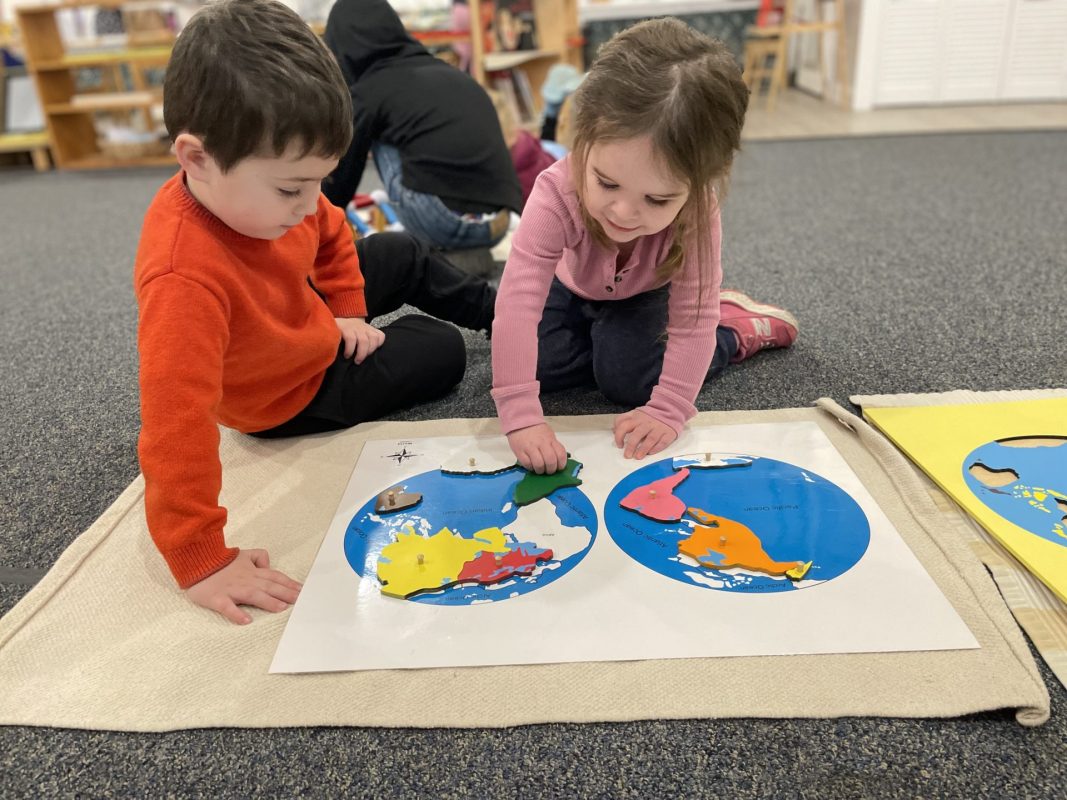
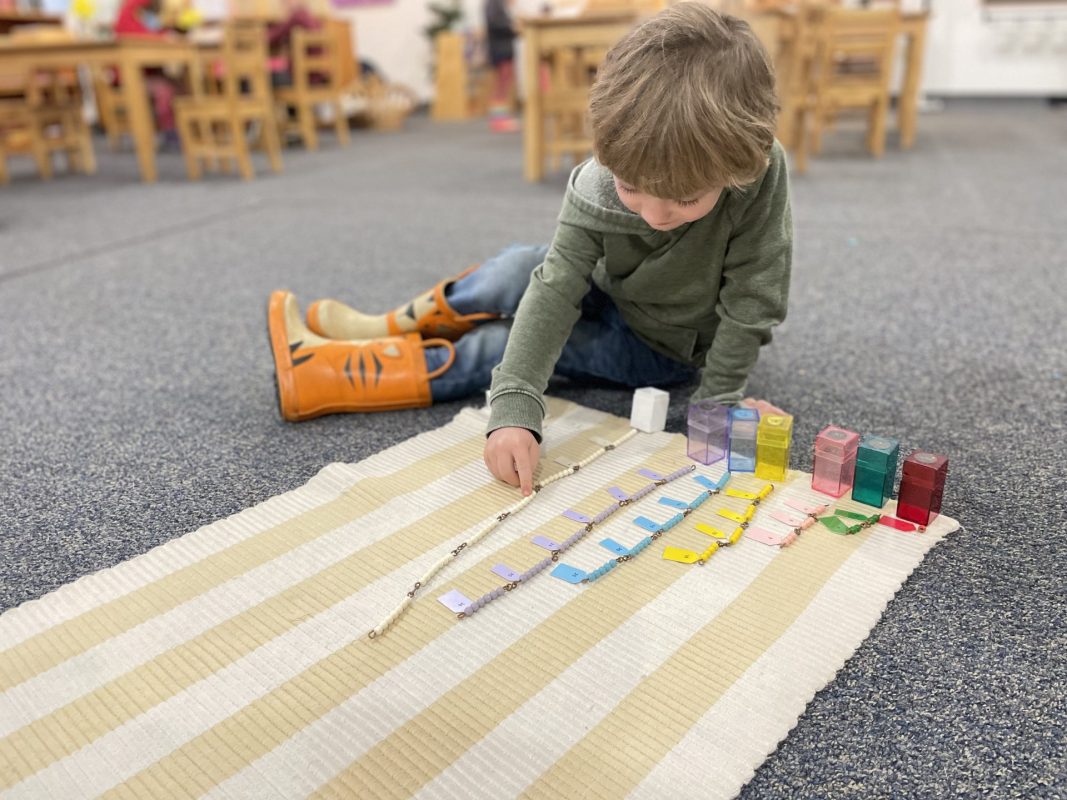
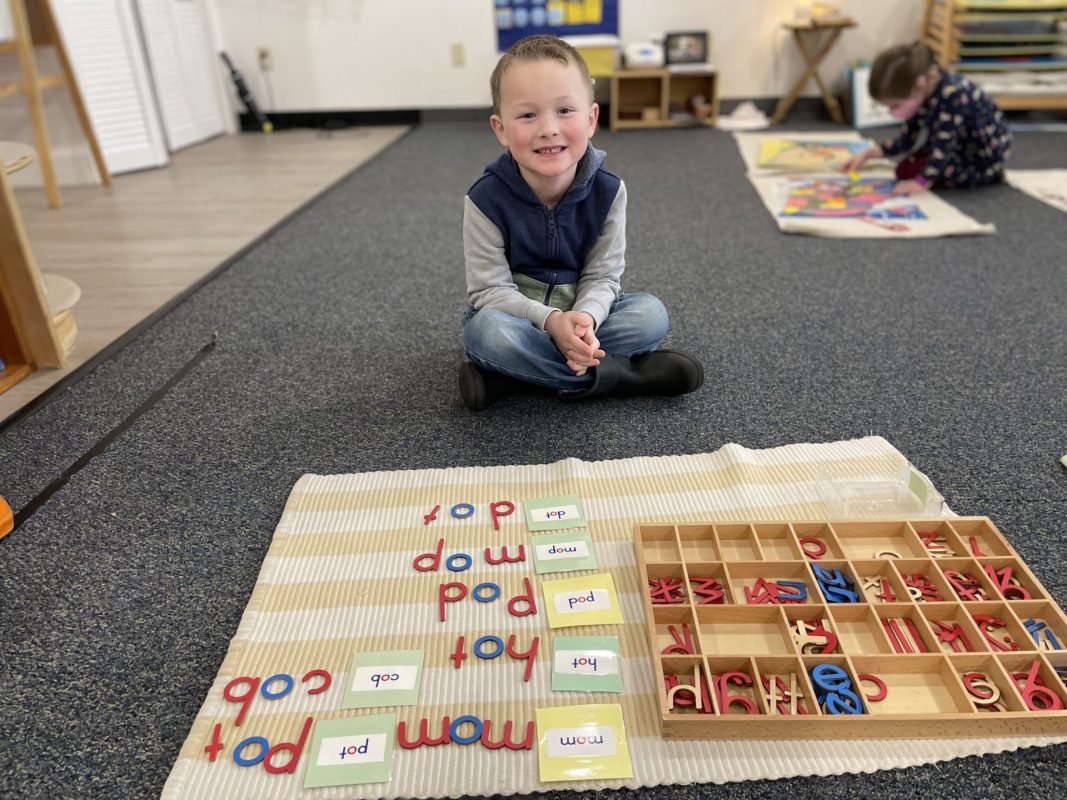
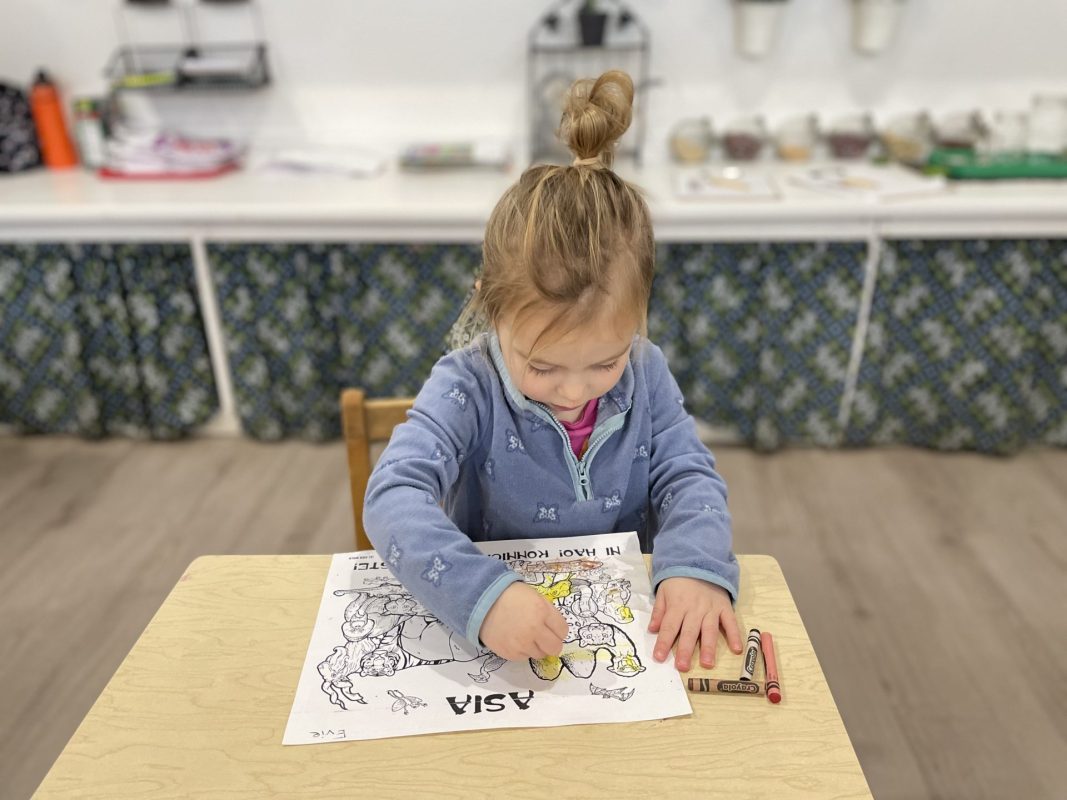
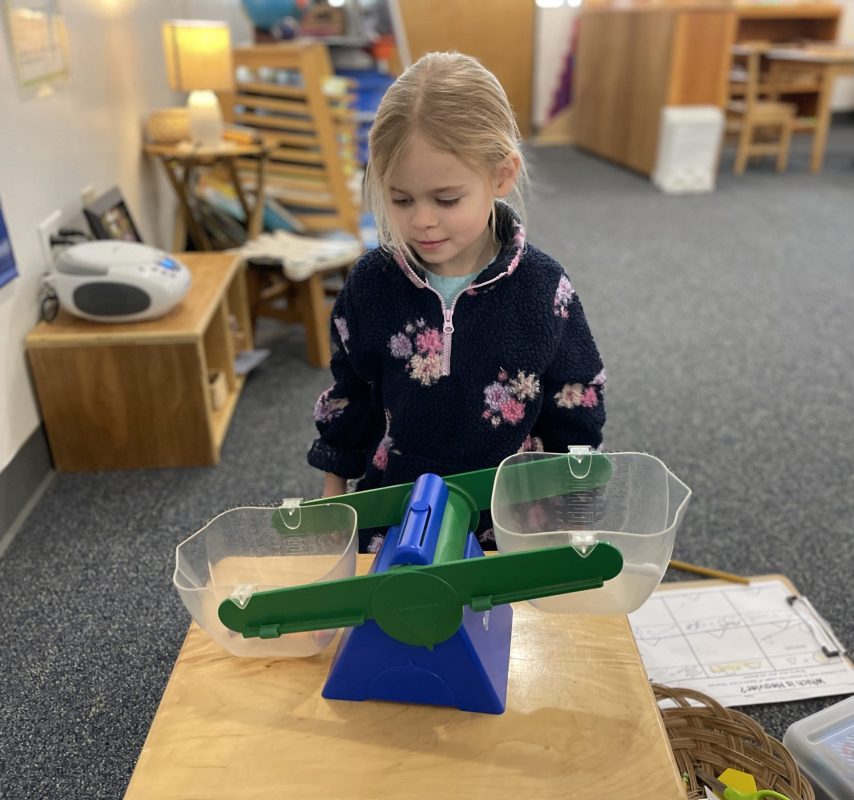
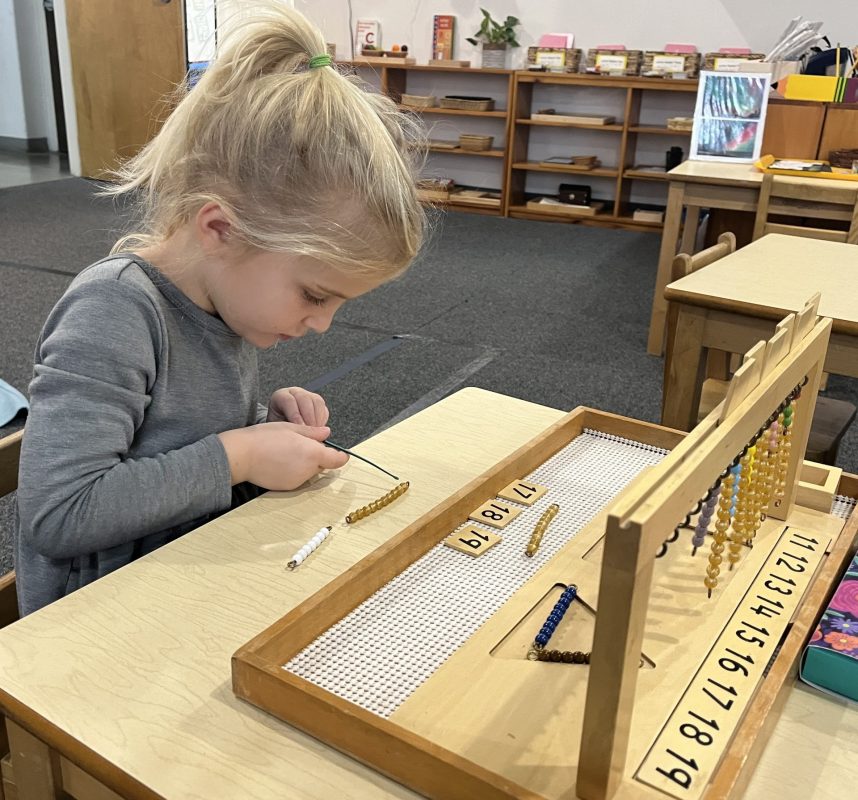
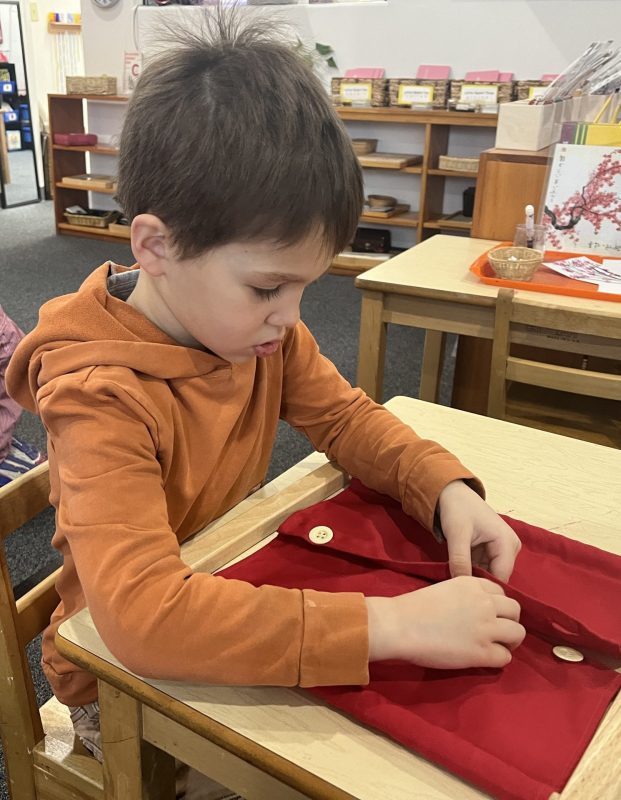
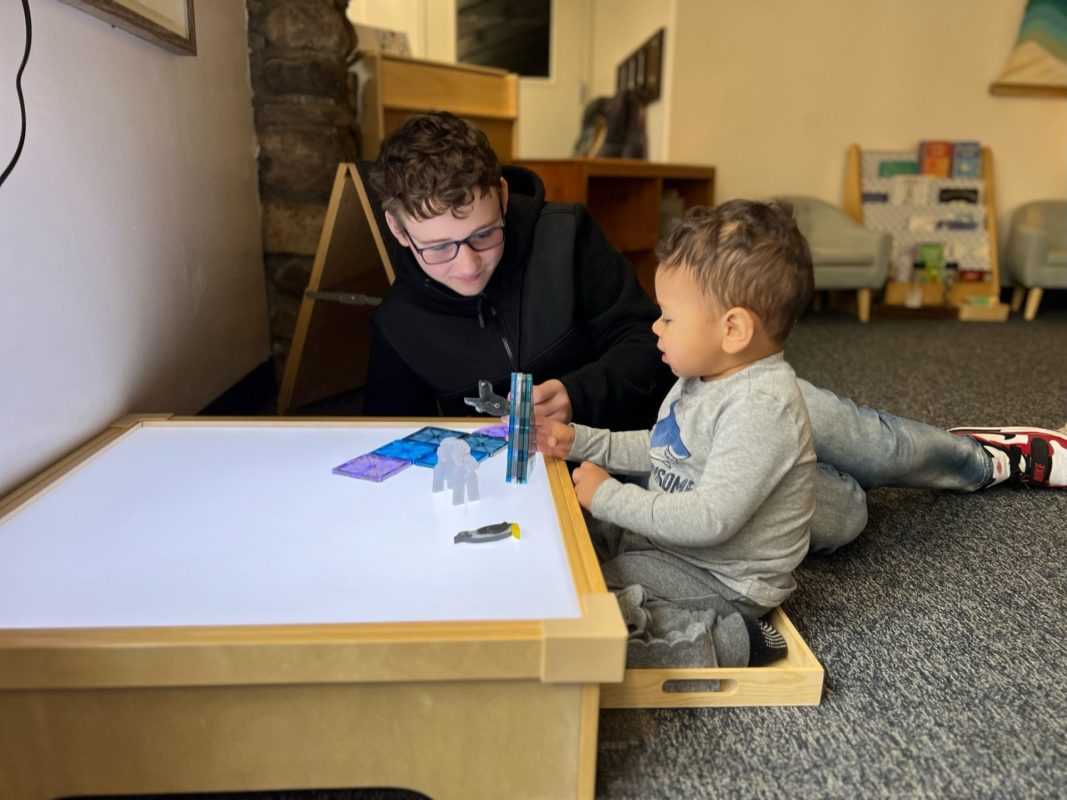
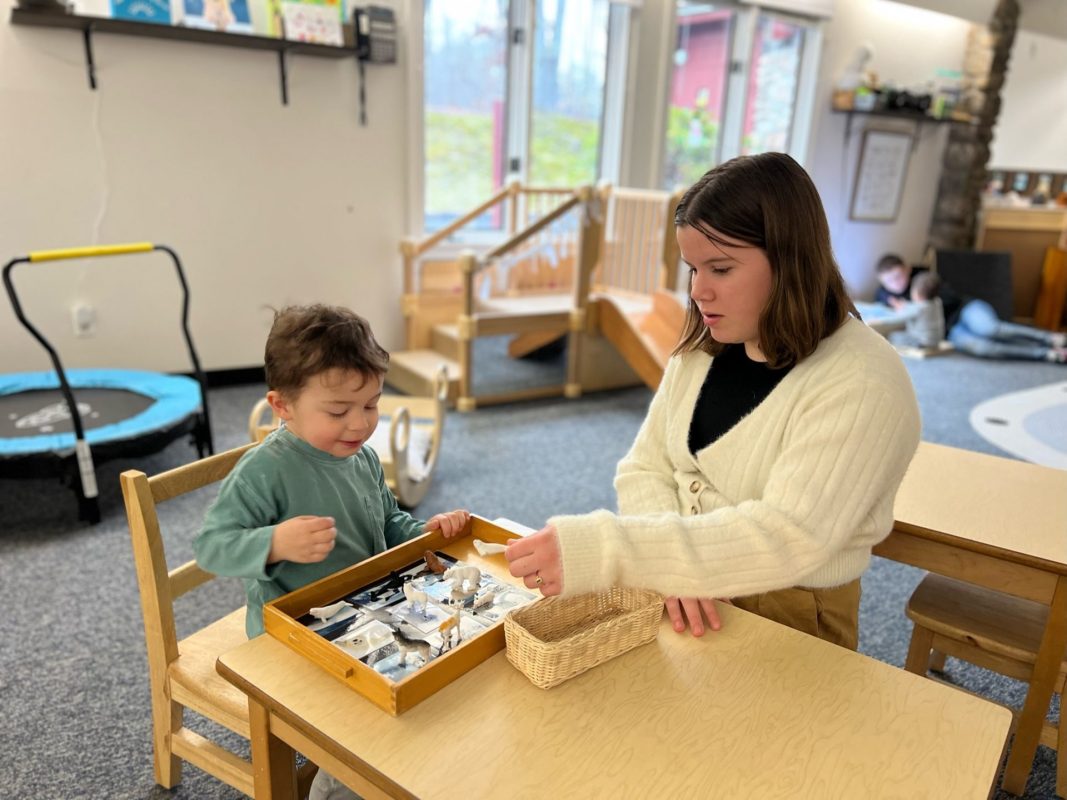
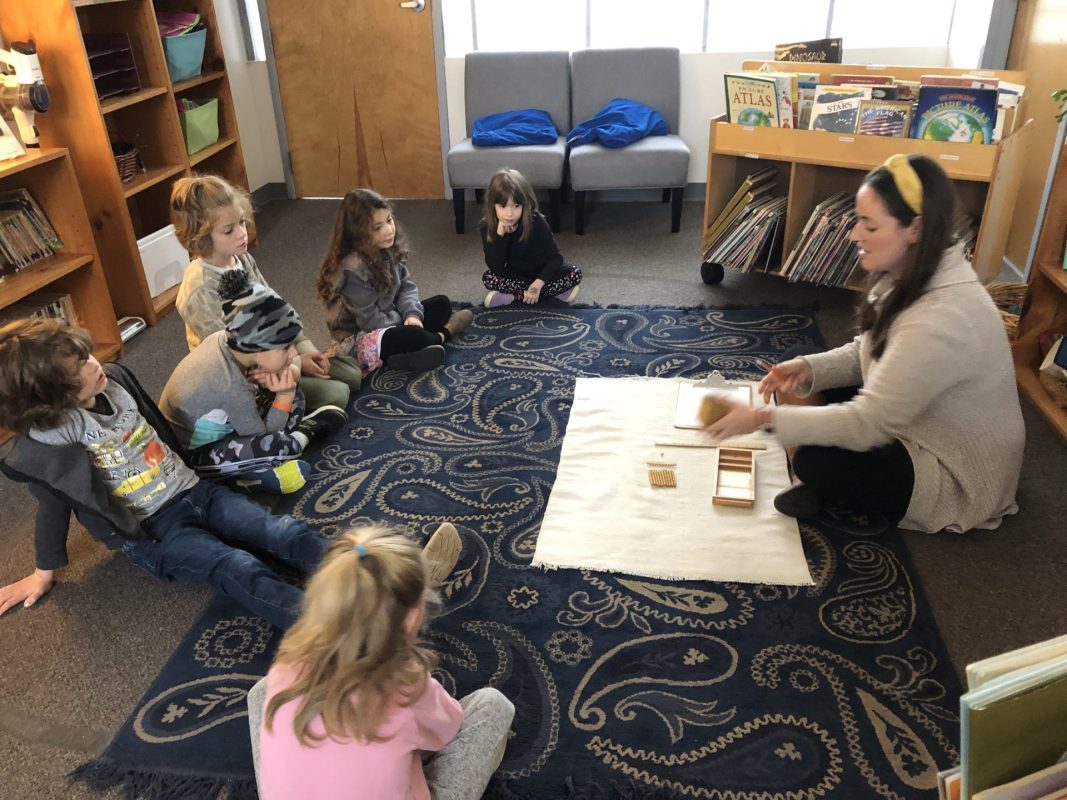
This week was a quiet wintry week. The children continued to explore all the winter-themed materials. We added to the lessons by introducing different types of penguin language cards. The cards were introduced by showing them the adult and the chick. Then we identify any special markings. Another work that was added was threading paper beads onto a pipe cleaner. This exercise helps develop their hand-eye coordination, refines their pincer grasp, and focus. It takes a lot of focus to get one end of the pipe cleaner into the small hole of the paper bead.

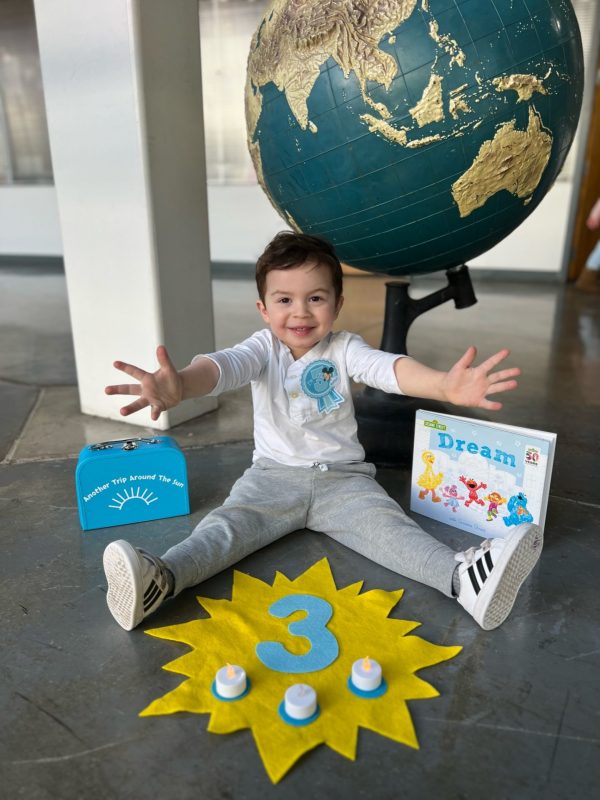
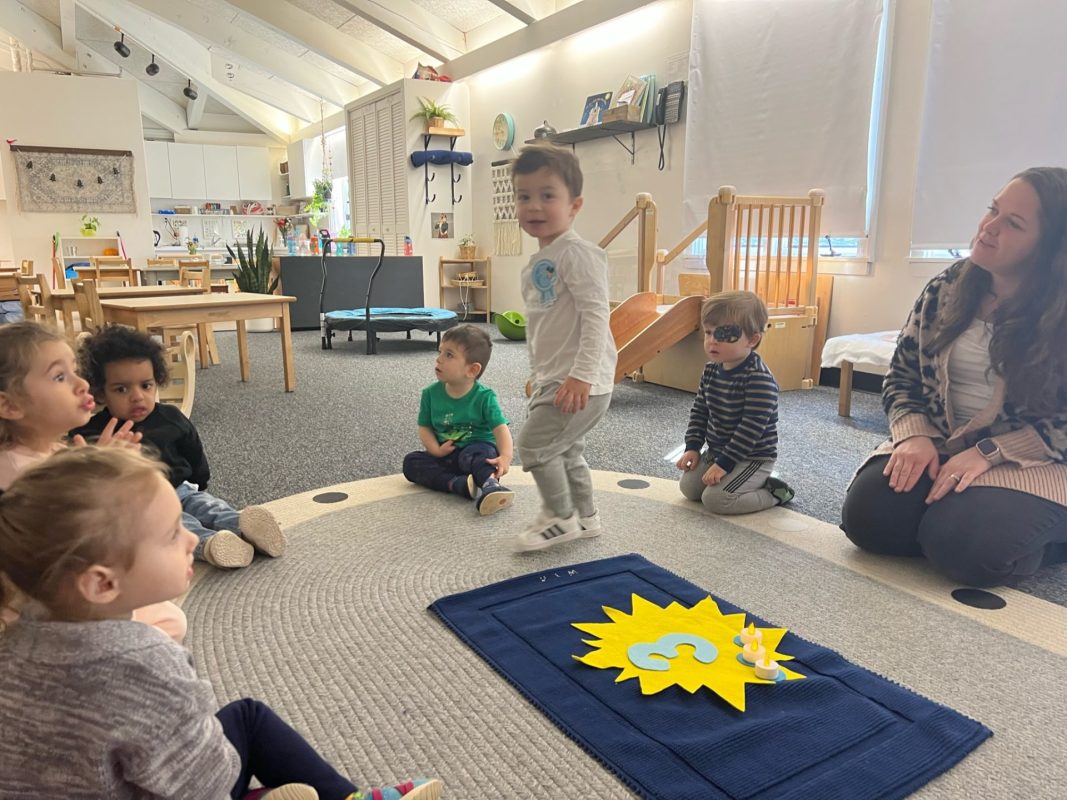
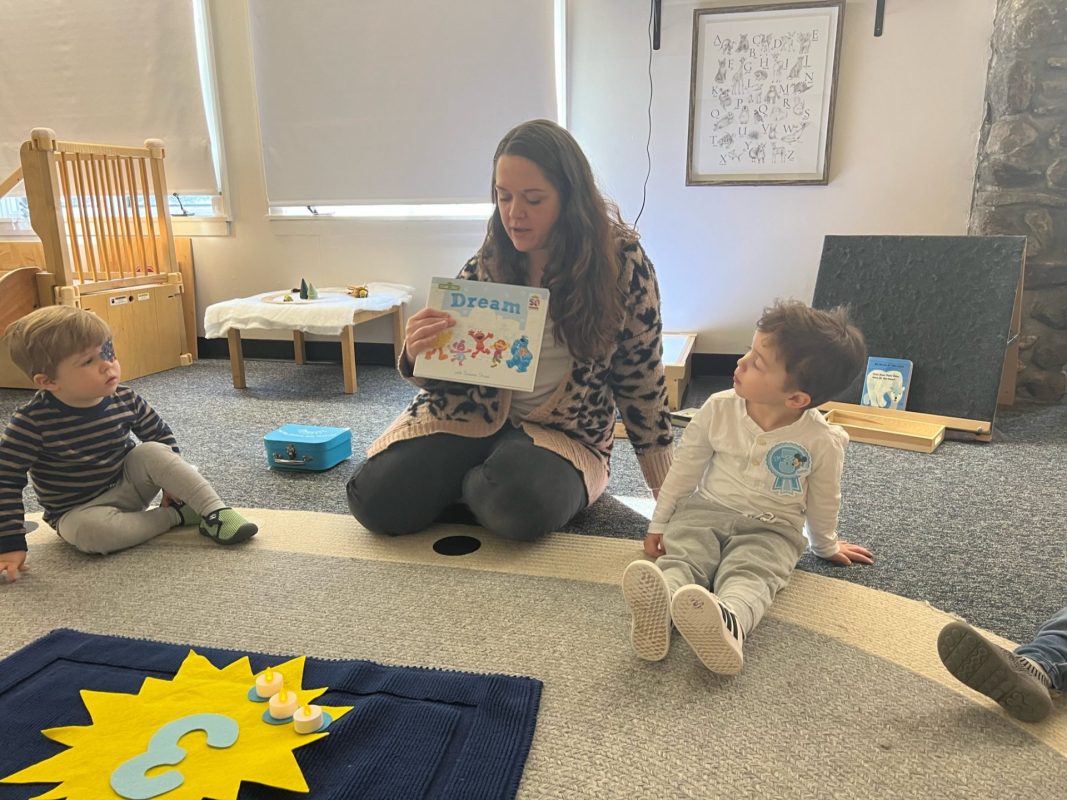
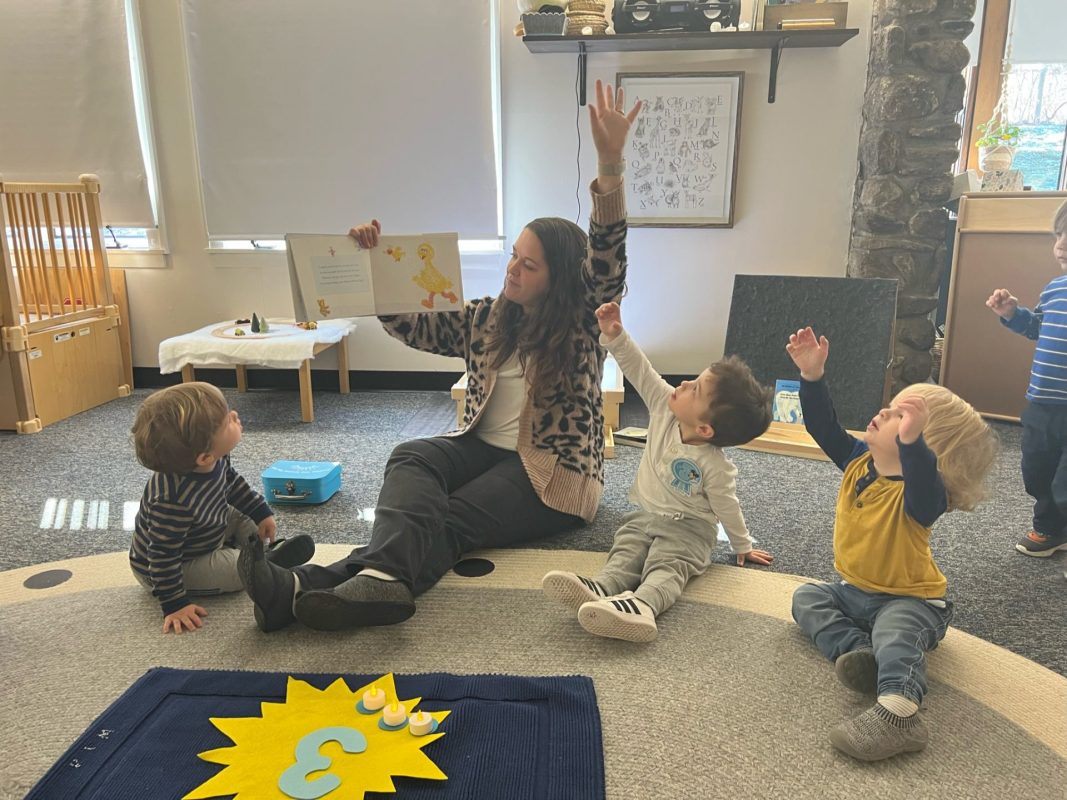
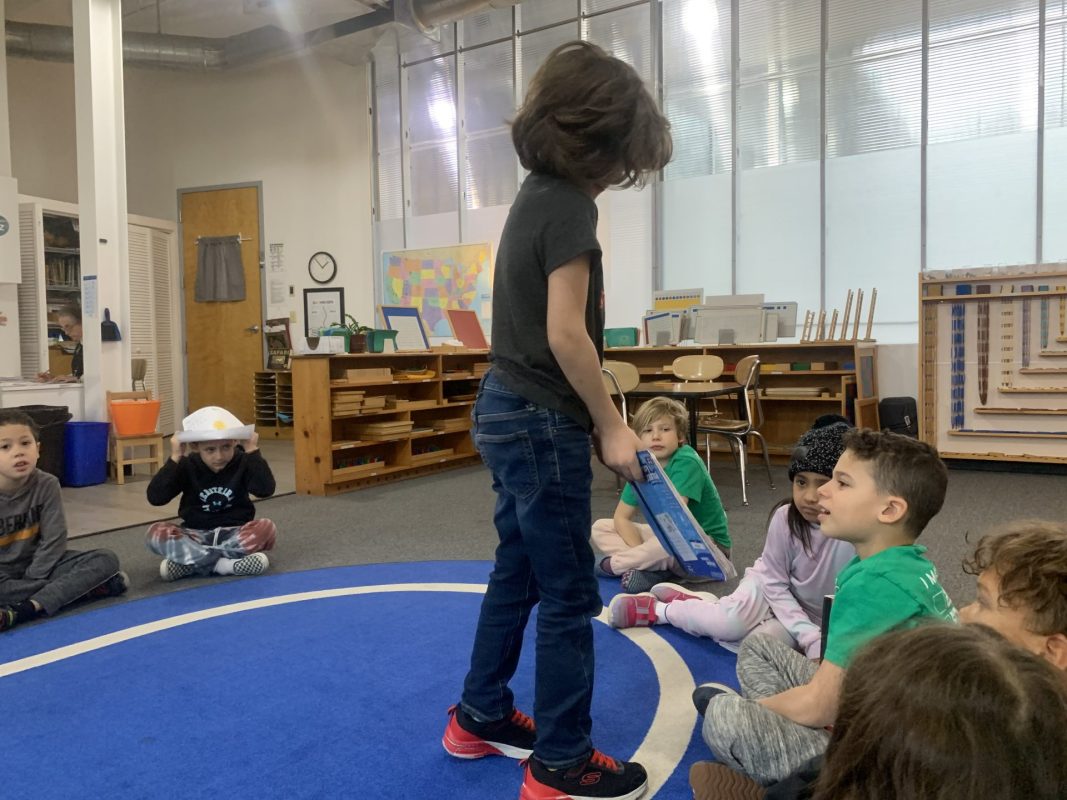
We celebrated another friend’s birthday this week. He brought in his favorite book to donate called Dreams by The Sesame Street Crew. Our friend was very excited to share this story with all his peers. We also enjoyed a mini cupcake for a birthday treat.

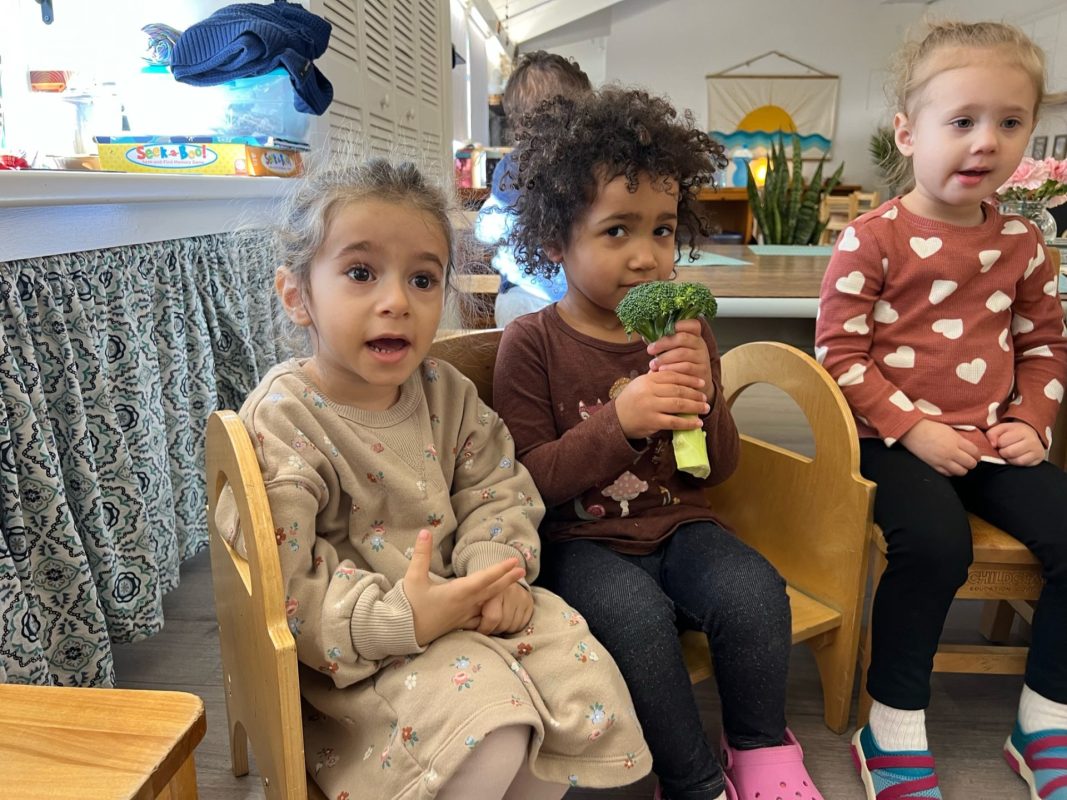
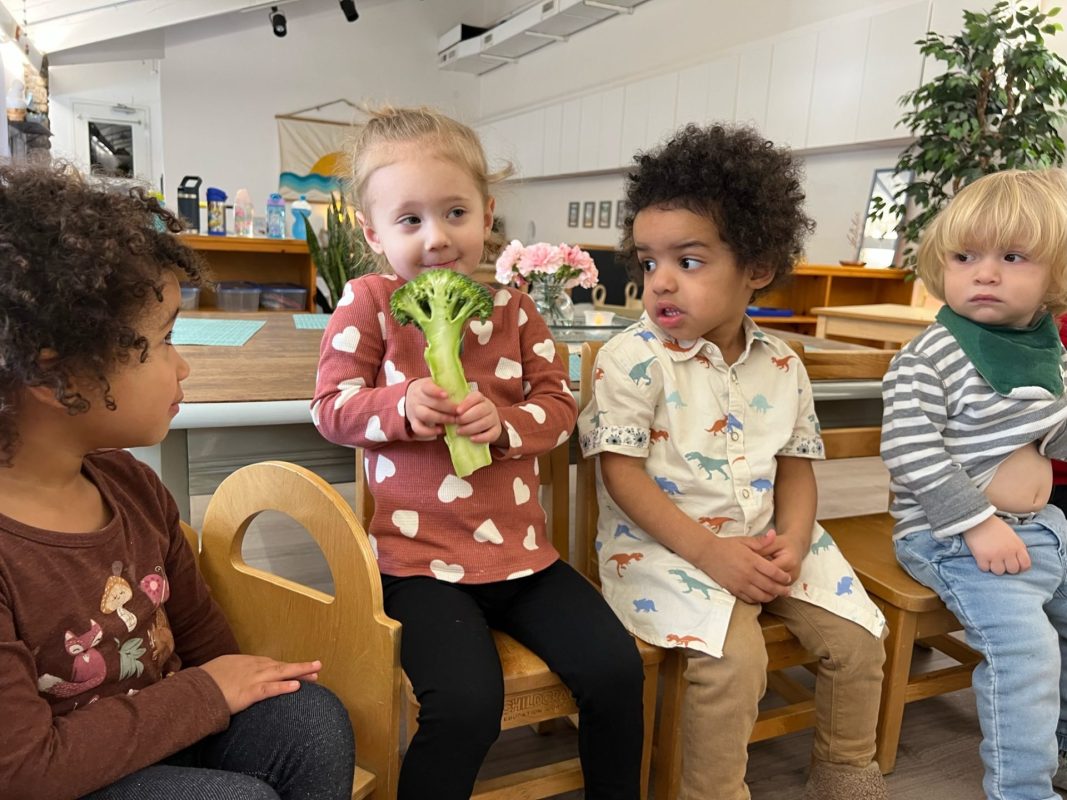
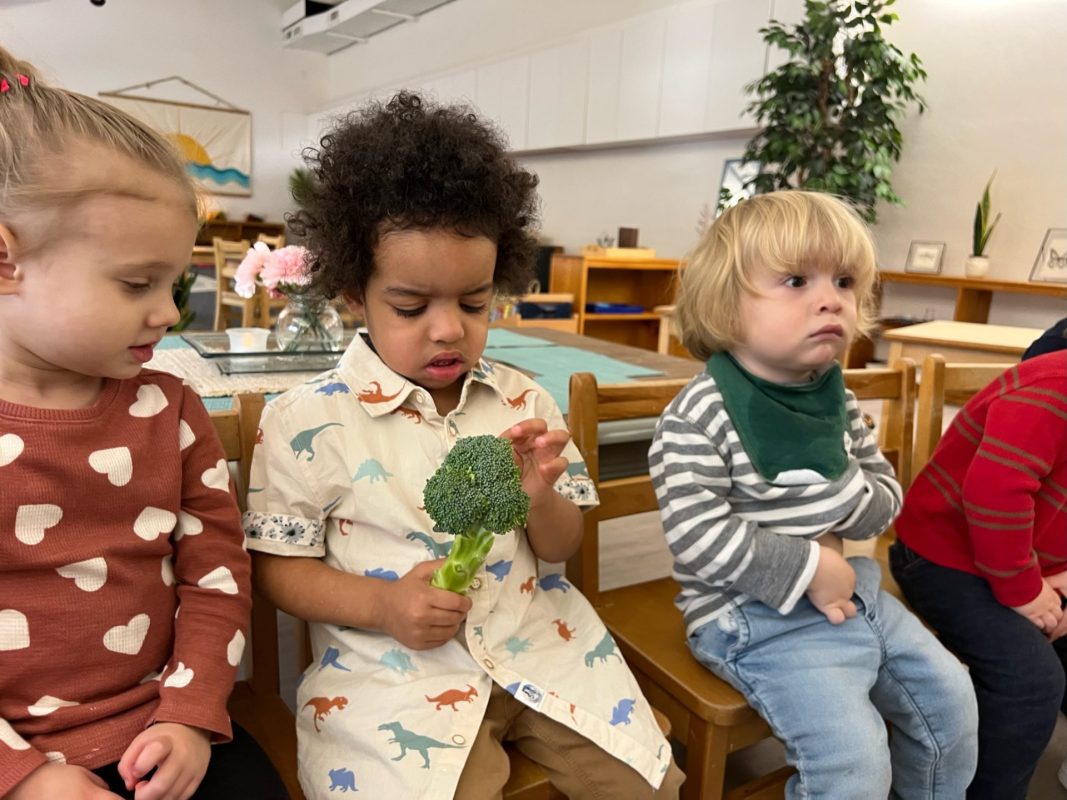
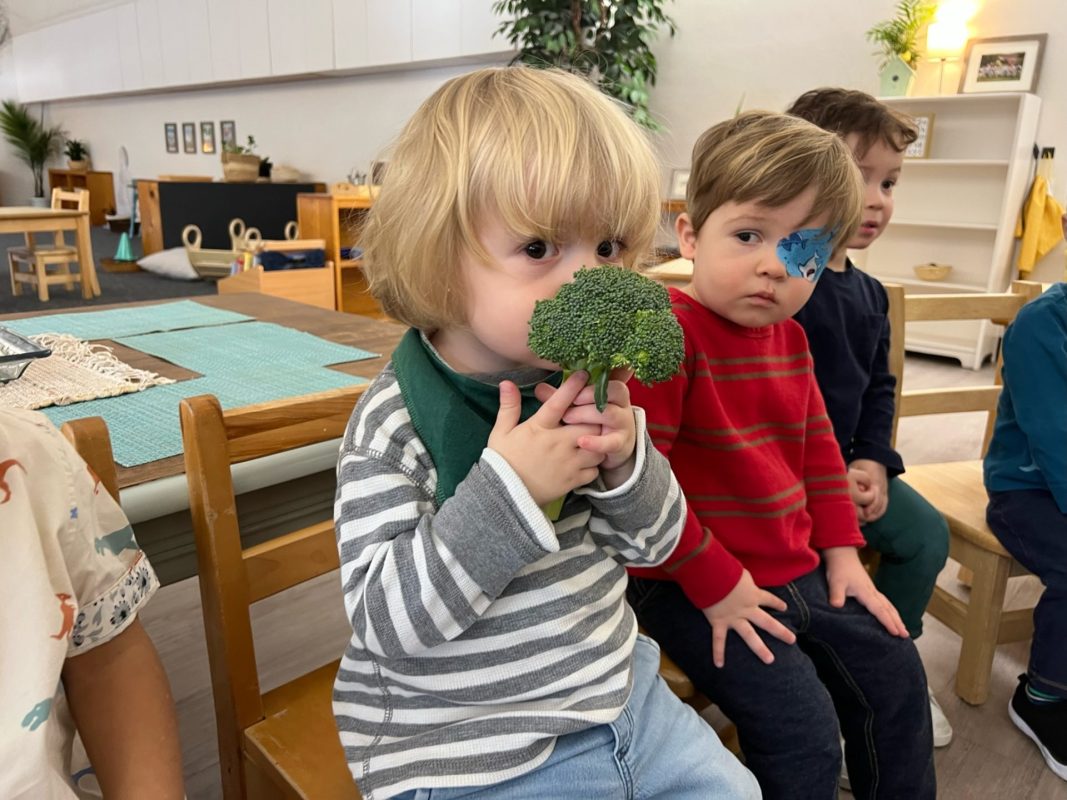
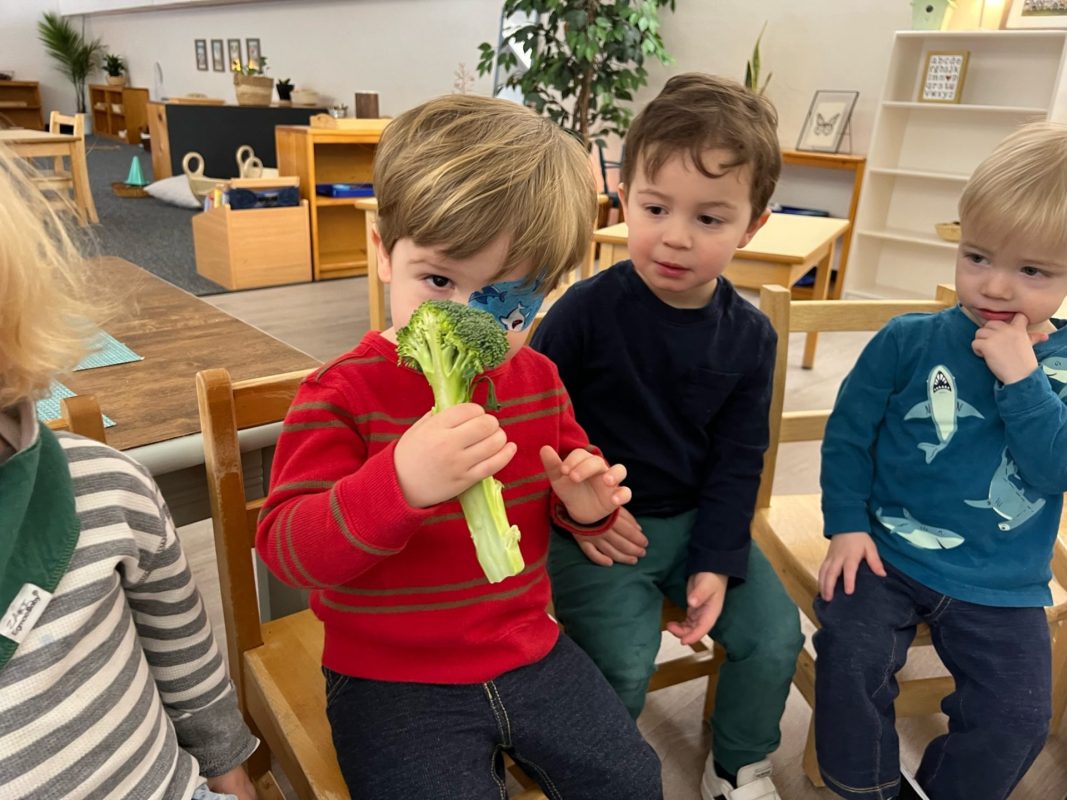
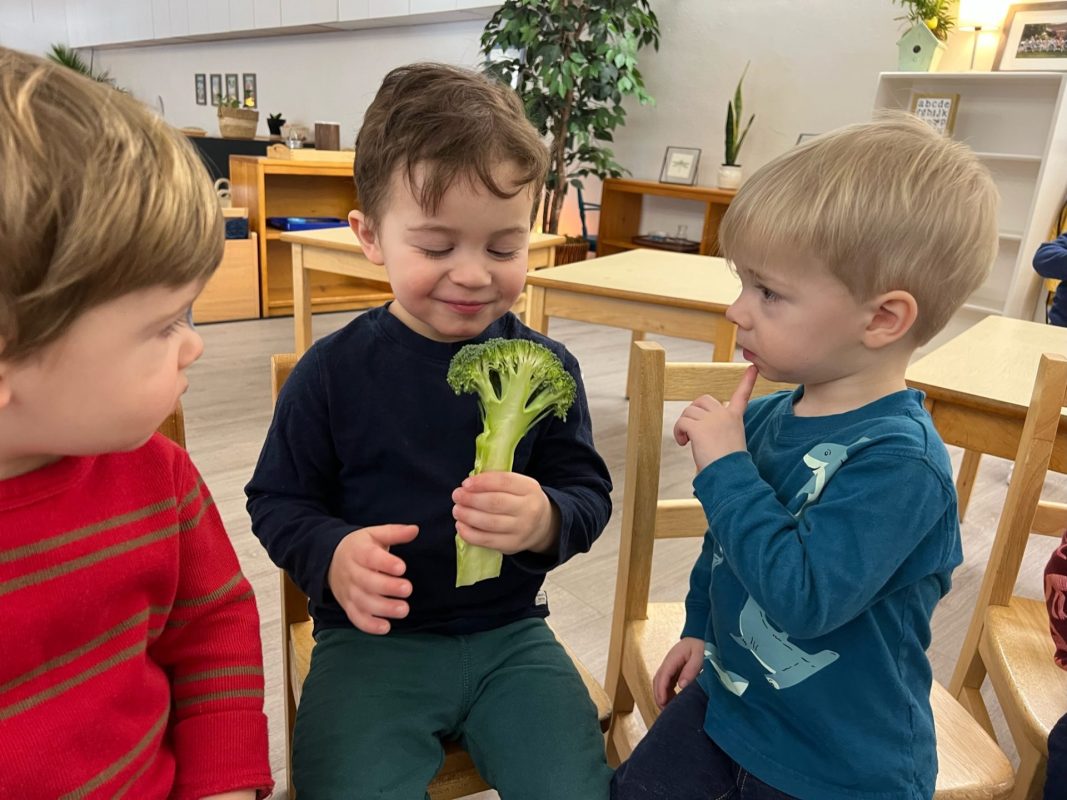
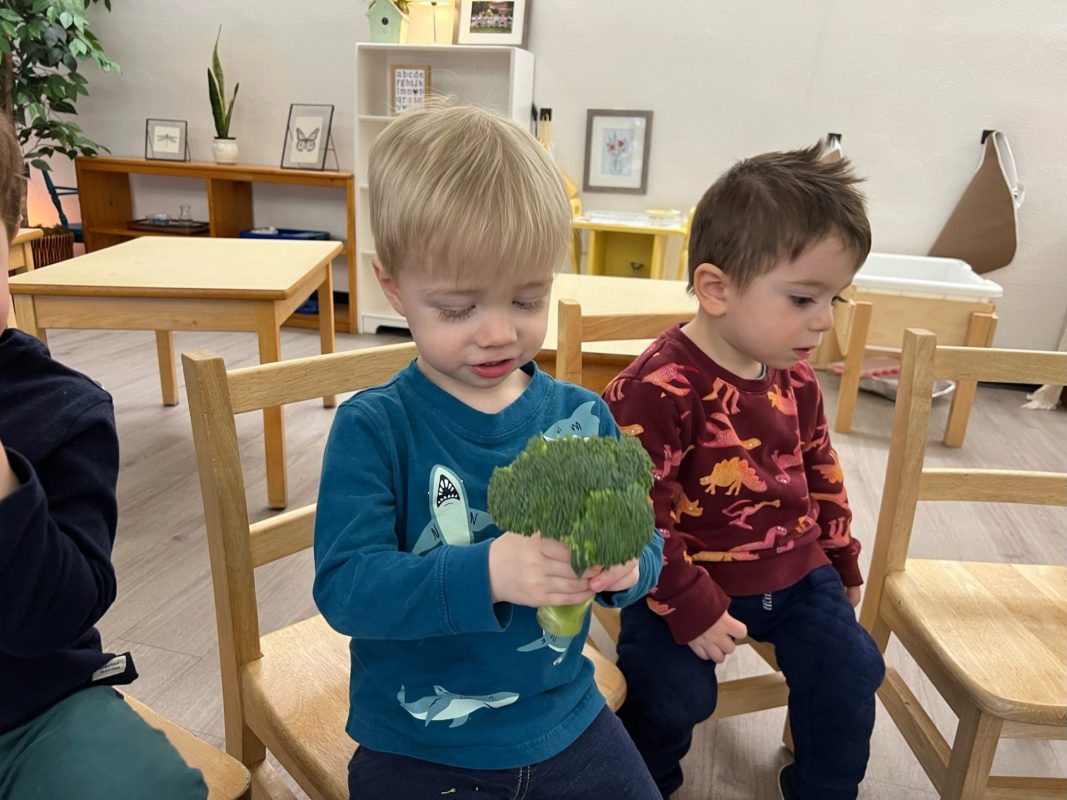
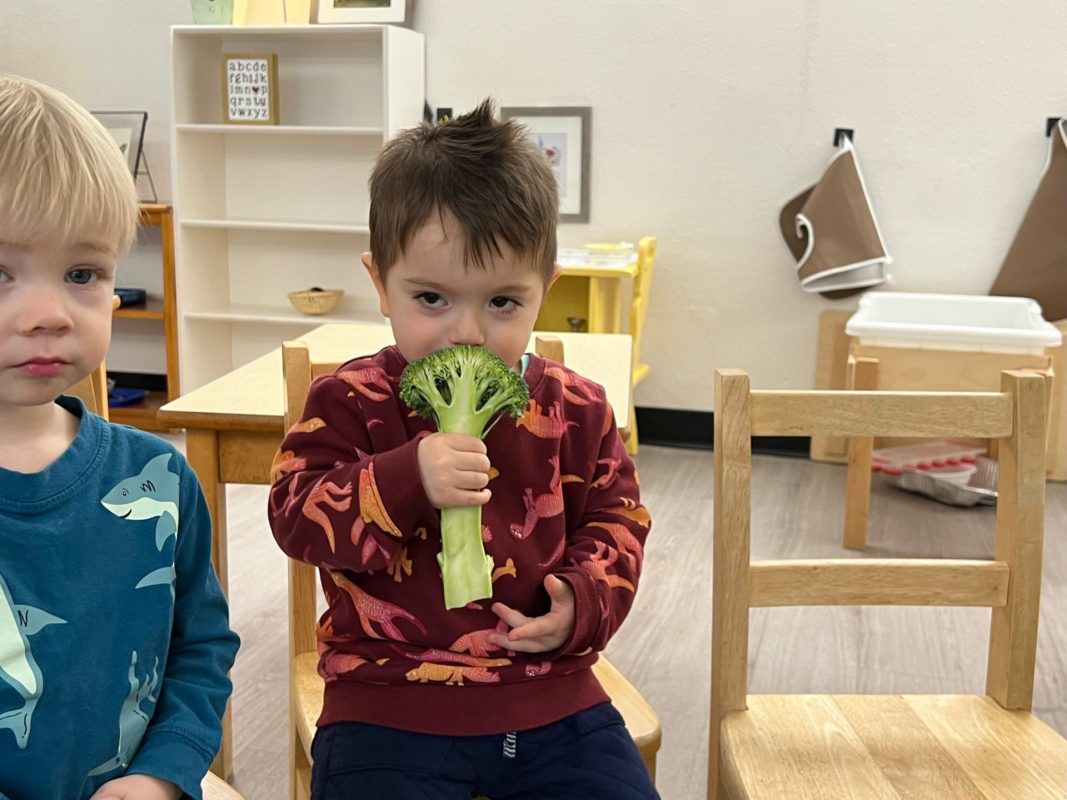
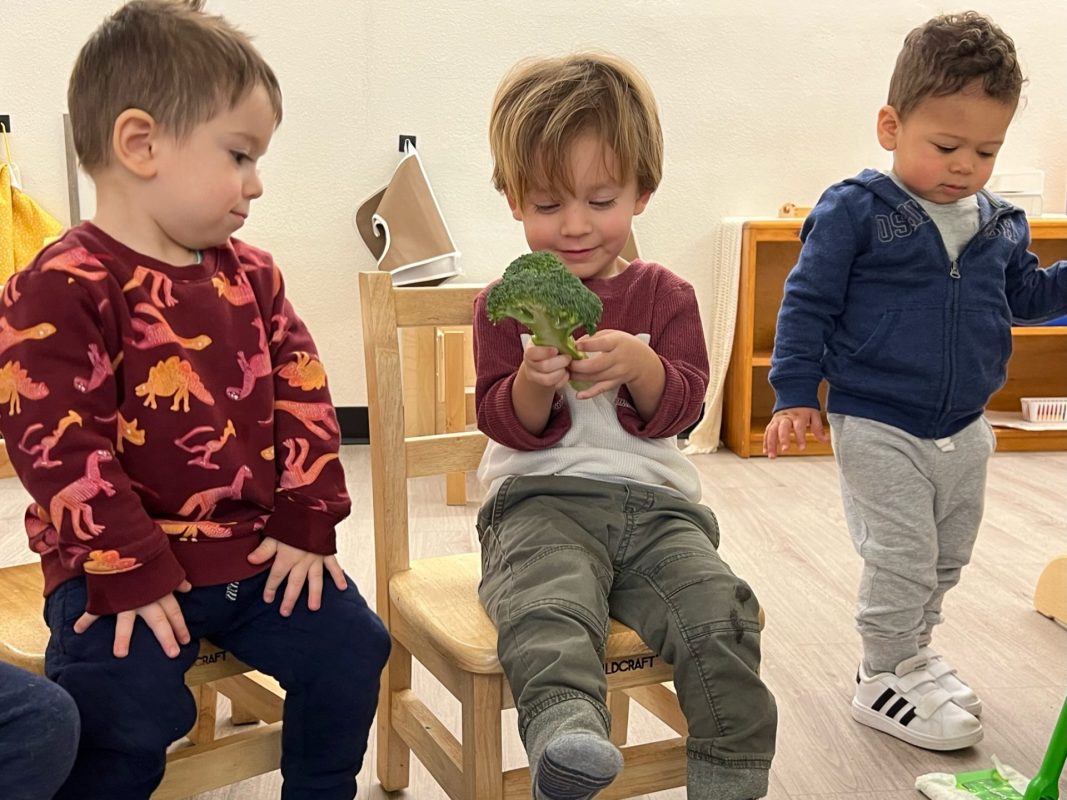
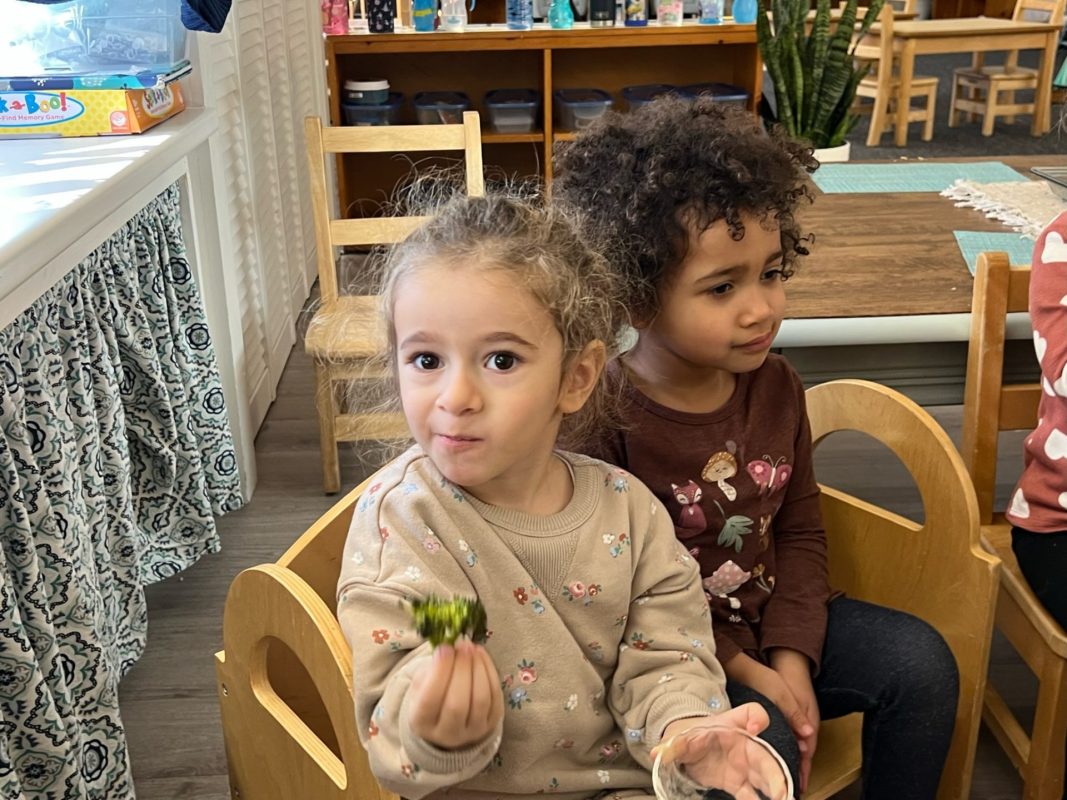
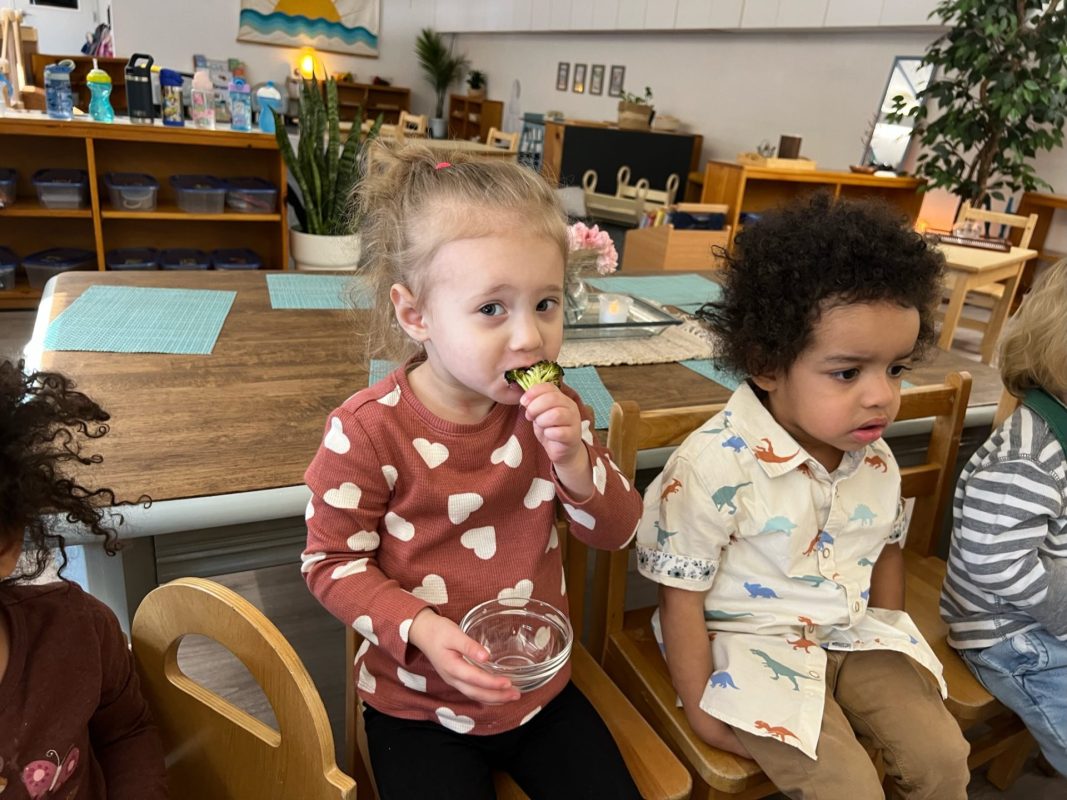
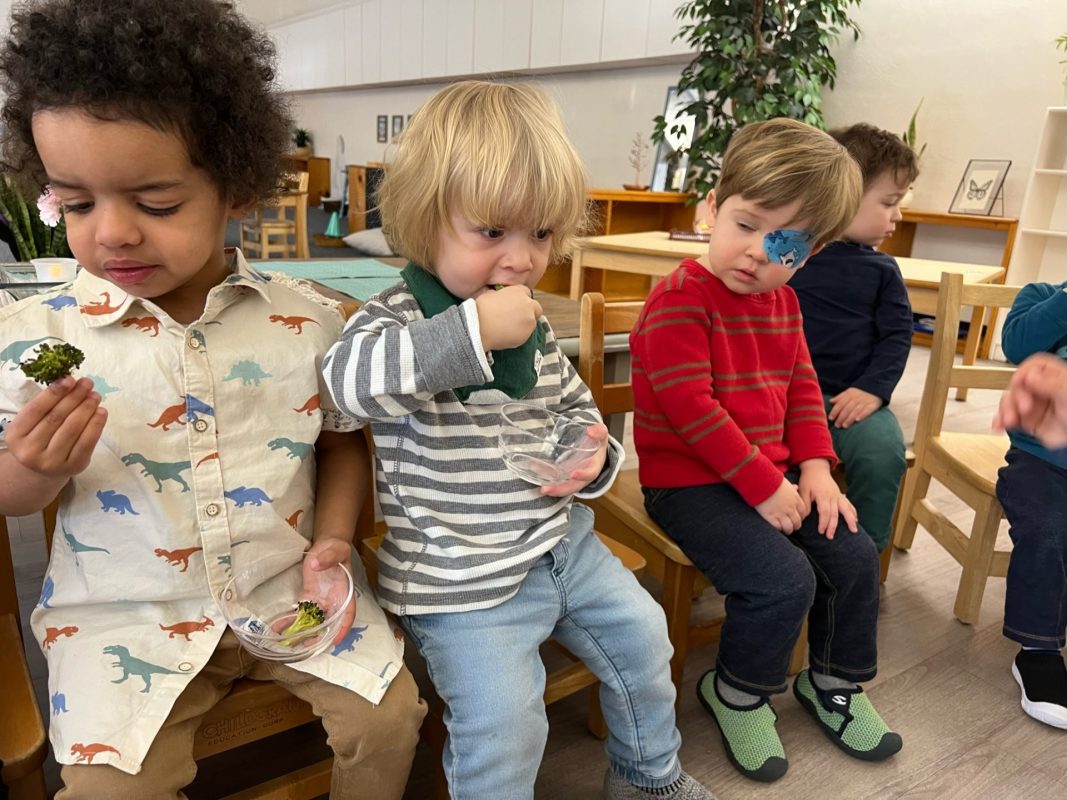
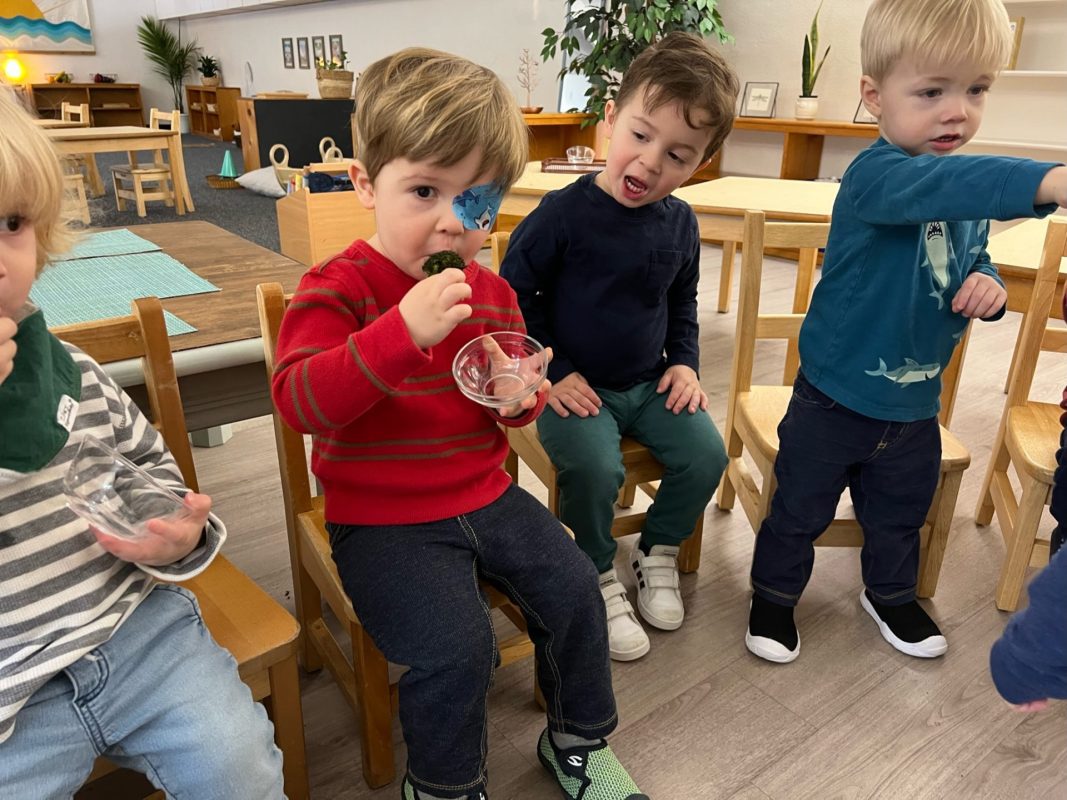
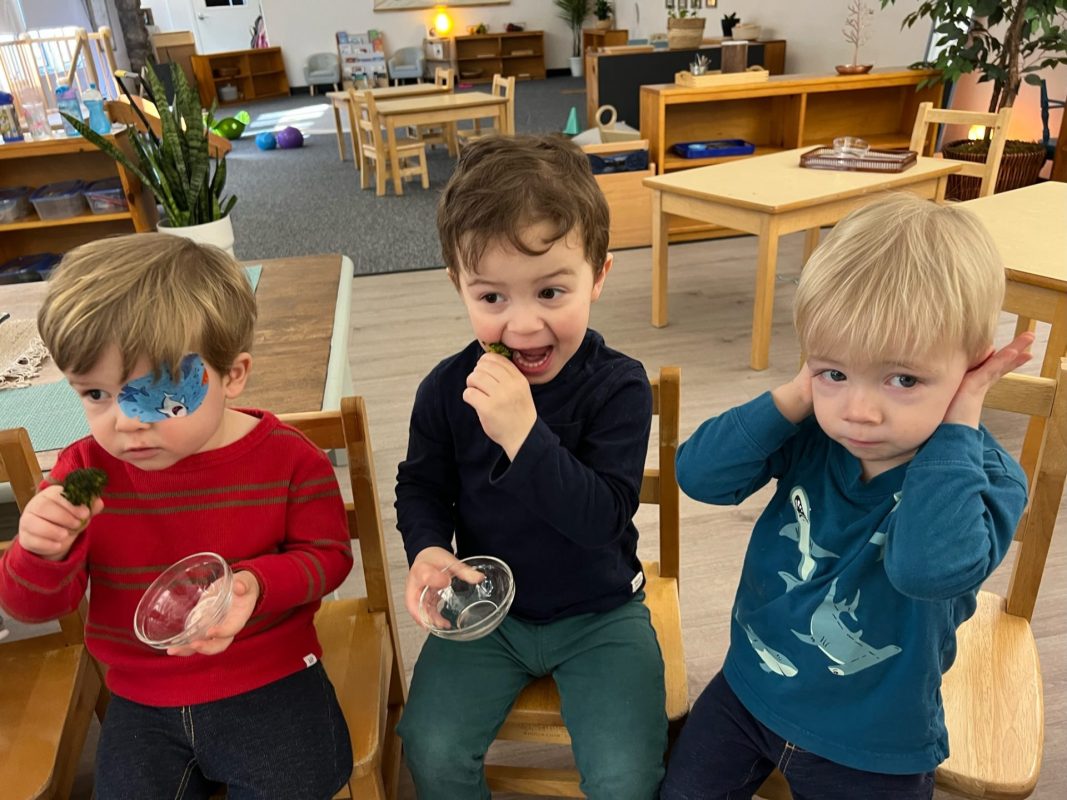
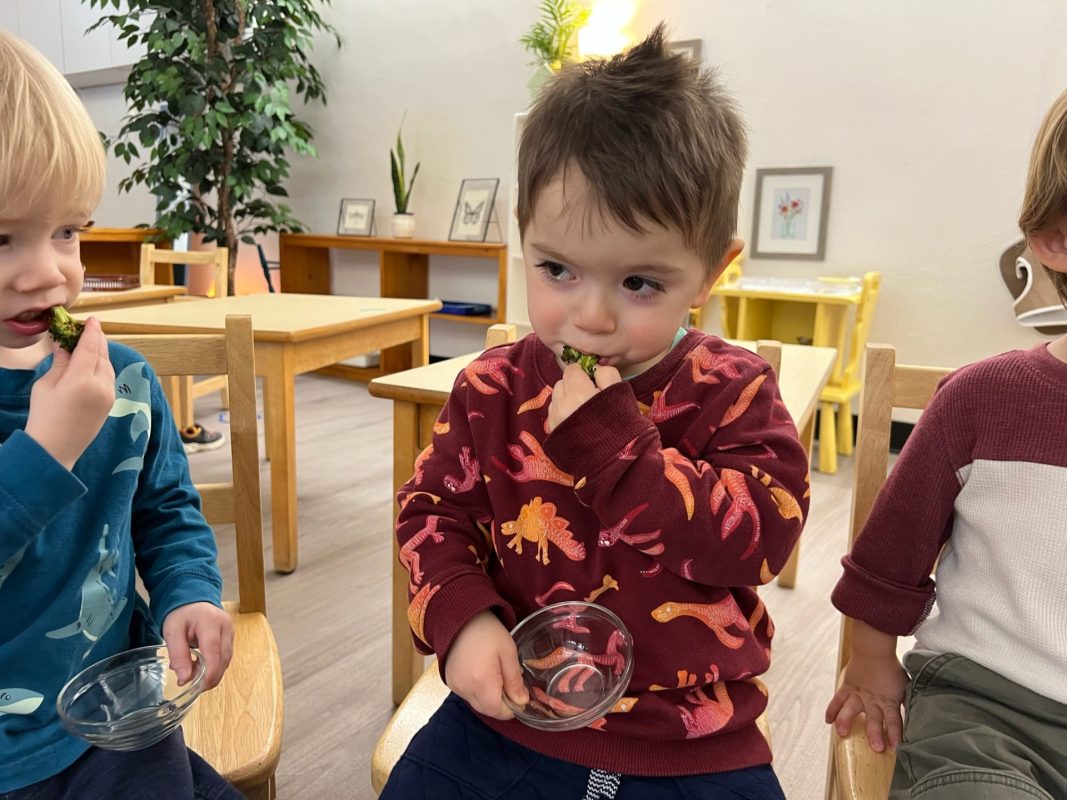
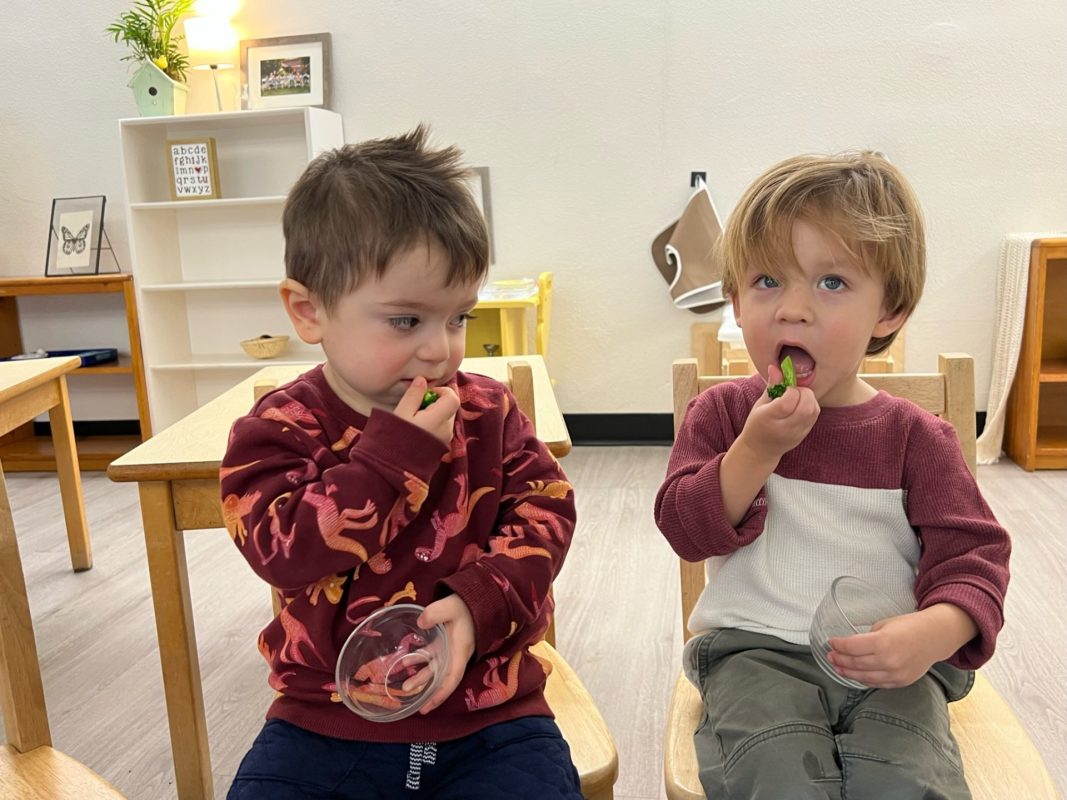
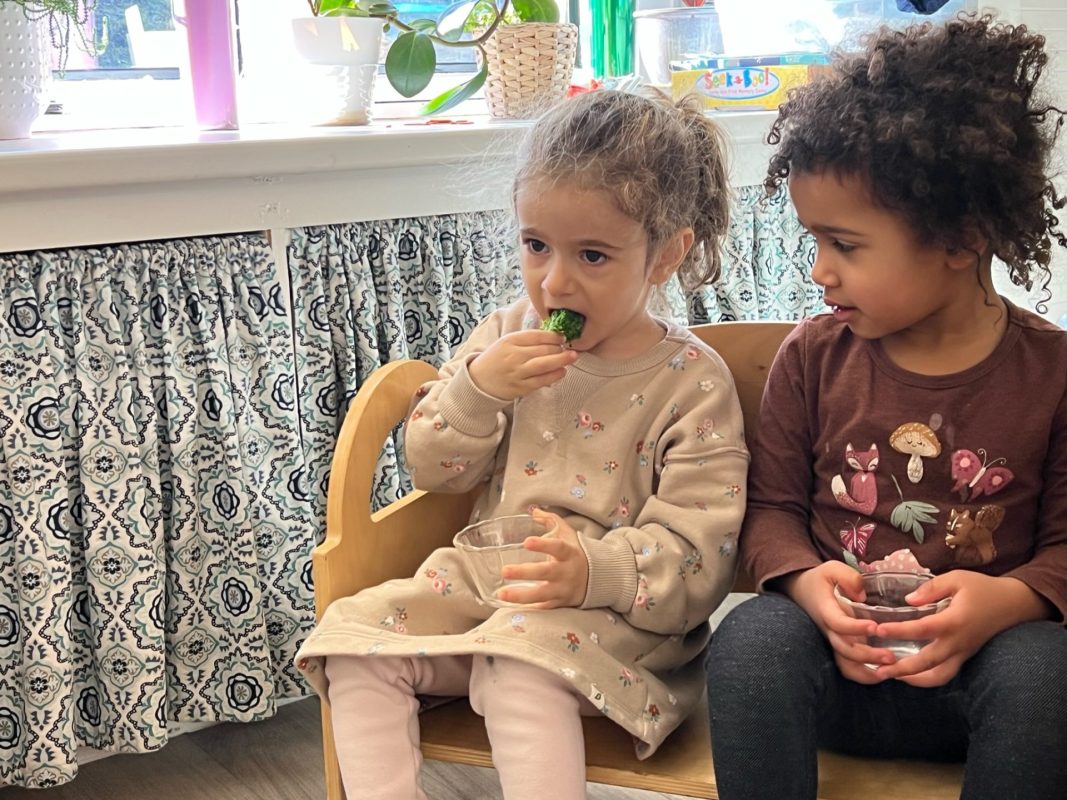
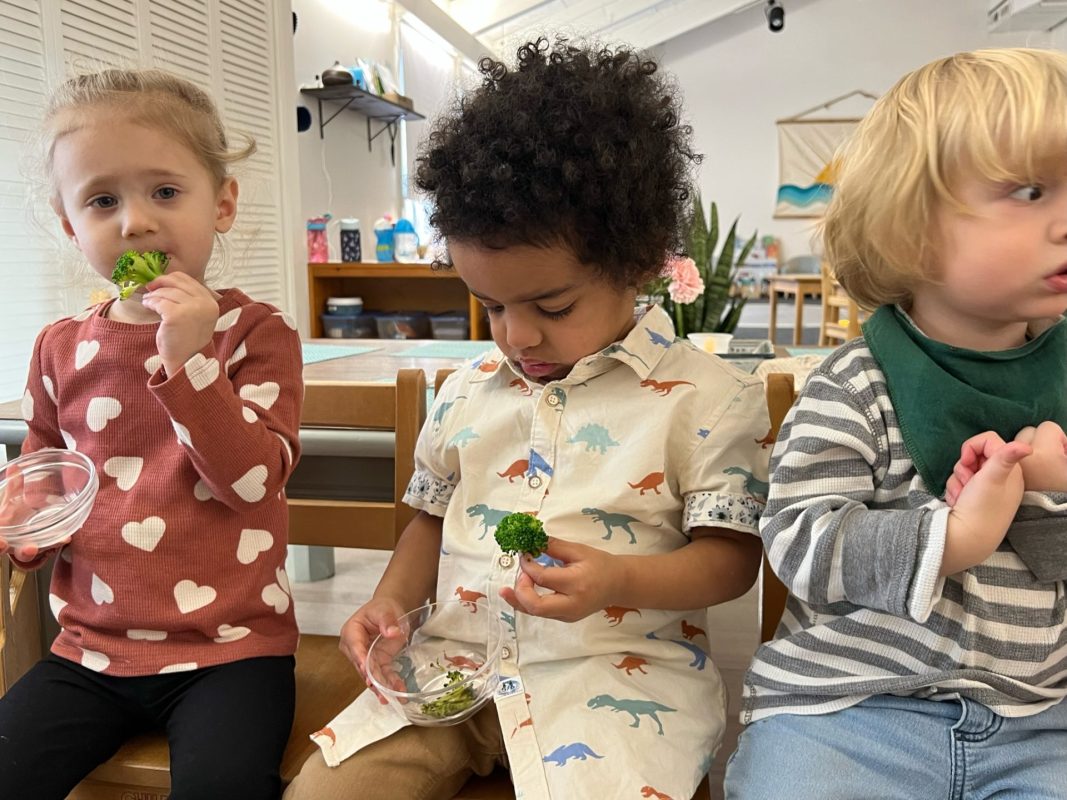
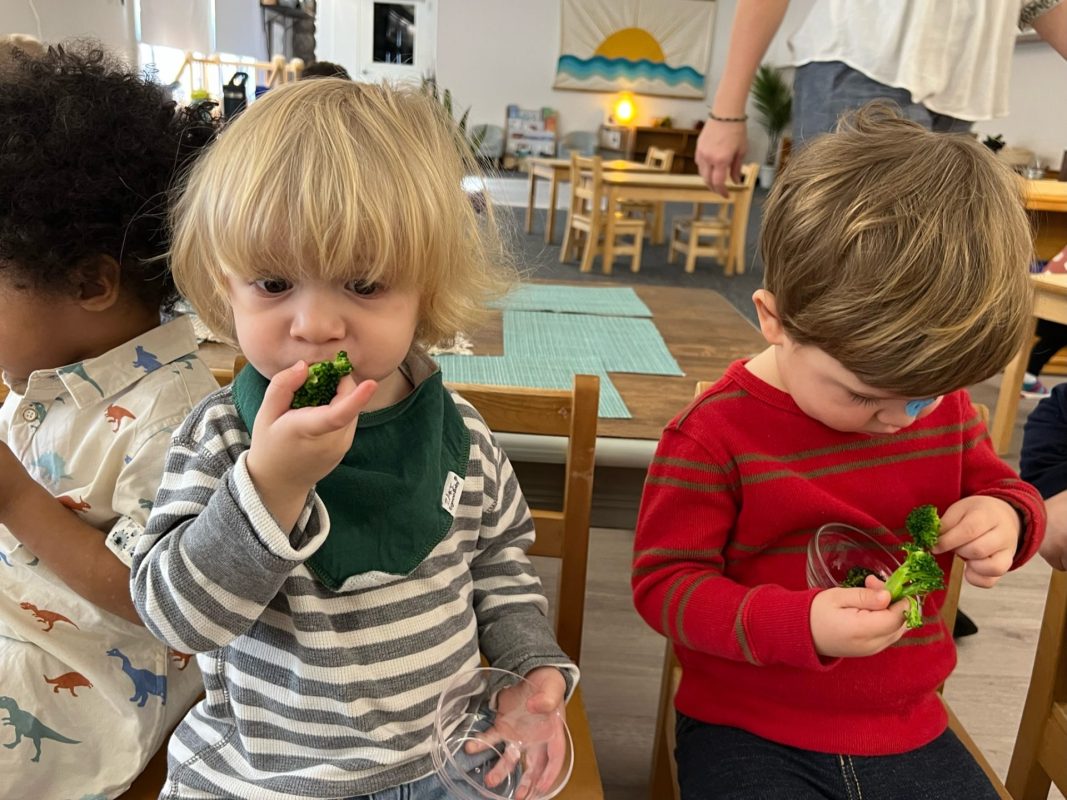
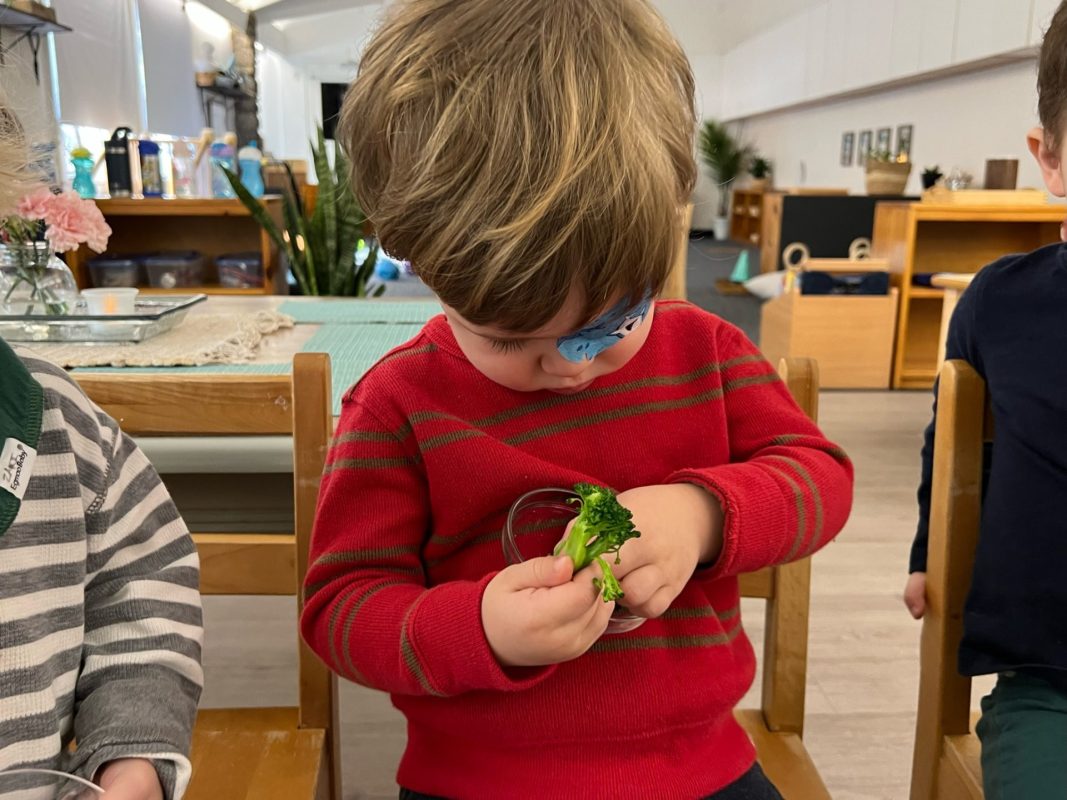
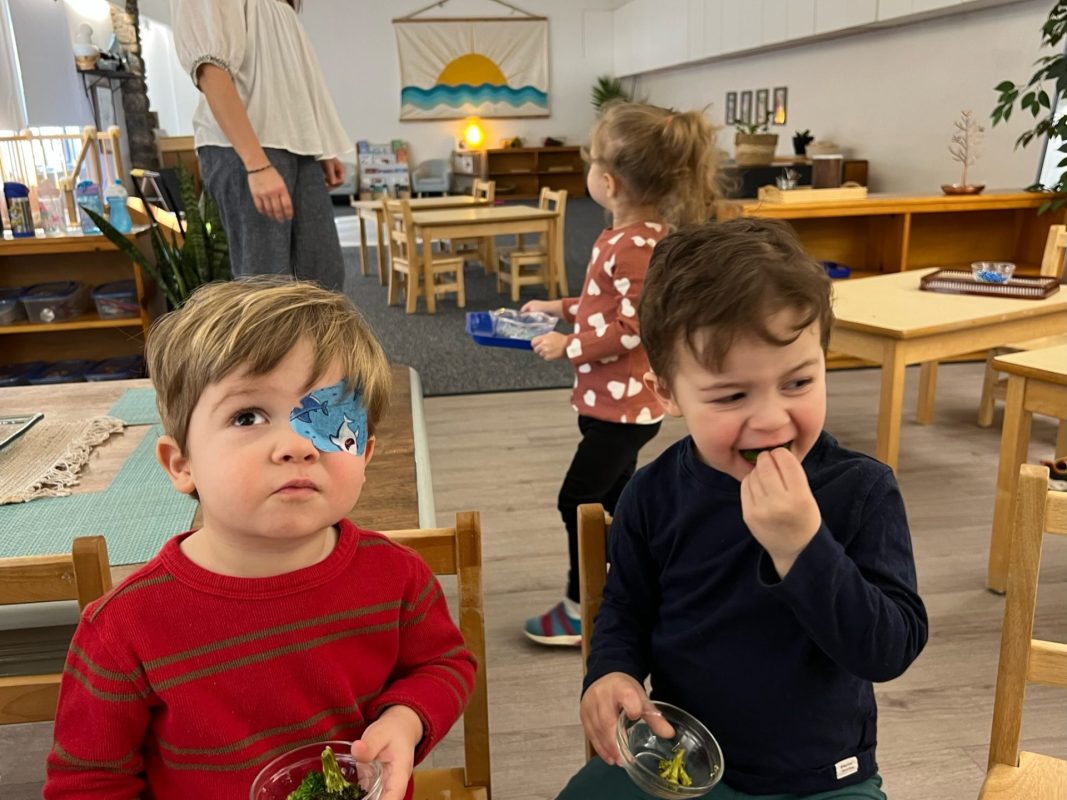
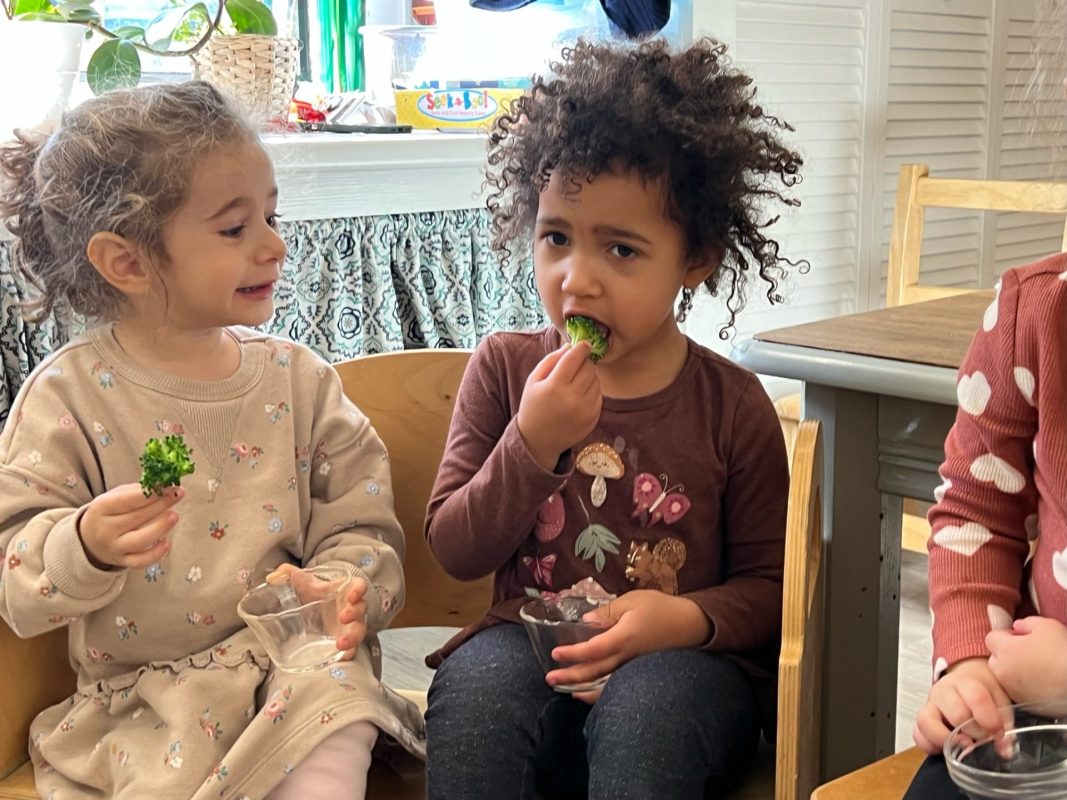
Food Tasting this week was broccoli. The children seemed to be excited to taste broccoli. First, they tasted it roasted and then blanched.  Most of the children seem to like the broccoli and didn’t have a preference for either way it was prepared. They just wanted more and more!

Have a great weekend!

Cynthia and Sara


Mrs. Semmah: Moving Like Molecules

We are just finishing our science unit on States of Matter.  Matter is all around us.  Everything that you can touch, taste, smell, and see is made of matter.  The three main states of matter are solids, liquids, and gases.

We learned that solids have a definite shape because these molecules are very close together and do not move very much.  The shapes of solids do not change unless some type of force makes them change. Liquid matter does not have its own shape.  The tiny molecules in liquids are not as close together as solid molecules and they move around more.  Liquids take the shape of the container they are in. Gas matter also does not have its own shape.  The molecules in gas are far apart and they move around a lot.  Gases spread out and fill up their container too.  Ask your children to move like the molecules in a solid, liquid, or gas!  They will love to show you.

The children loved taking part in experiments that helped to highlight the different properties of solids, liquids, and gases.  We made raisins dance and also blew up a balloon without blowing air into it. We are eagerly waiting some snowfall so that we can build a snowman, bring him inside and observe how he will change from a solid to a liquid and finally a gas.

Wishing everyone a week filled with peace and love!

Kaoutar &  Michelle


Mrs. Lopes: Moving Like Molecules

We are just finishing our science unit on States of Matter.  Matter is all around us.  Everything that you can touch, taste, smell, and see is made of matter.  The three main states of matter are solids, liquids, and gases.

We learned that solids have a definite shape because these molecules are very close together and do not move very much.  The shapes of solids do not change unless some type of force makes them change.  Liquid matter does not have its own shape.  The tiny molecules in liquids are not as close together as solid molecules and they move around more.  Liquids take the shape of the container they are in. Gas matter also does not have its own shape.  The molecules in gas are far apart and they move around a lot.  Gases spread out and fill up their container too.  Ask your children to move like the molecules in a solid, liquid, or gas!  They will love to show you.

The children loved taking part in experiments that helped to highlight the different properties of solids, liquids, and gases.  We made raisins dance and also blew up a balloon without blowing air into it. We are eagerly waiting some snowfall so that we can build a snowman, bring him inside and observe how he will change from a solid to a liquid and finally a gas.

Wishing everyone a week filled with peace and love!

Amanda & Hema


Mrs. Doyle: Moving Like Molecules


We are just finishing our science unit on States of Matter.  Matter is all around us.  Everything that you can touch, taste, smell, and see is made of matter.  The three main states of matter are solids, liquids, and gases.

We learned that solids have a definite shape because these molecules are very close together and do not move very much.  The shapes of solids do not change unless some type of force makes them change.  Liquid matter does not have its own shape.  The tiny molecules in liquids are not as close together as solid molecules and they move around more.  Liquids take the shape of the container they are in. Gas matter also does not have its own shape.  The molecules in gas are far apart and they move around a lot.  Gases spread out and fill up their container too.  Ask your children to move like the molecules in a solid, liquid, or gas!  They will love to show you.

The children loved taking part in experiments that helped to highlight the different properties of solids, liquids, and gases.  We made raisins dance and also blew up a balloon without blowing air into it. We are eagerly waiting some snowfall so that we can build a snowman, bring him inside and observe how he will change from a solid to a liquid and finally a gas.

Wishing everyone a week filled with peace and love!

Michelle & Maria


Middle School: Week in Review

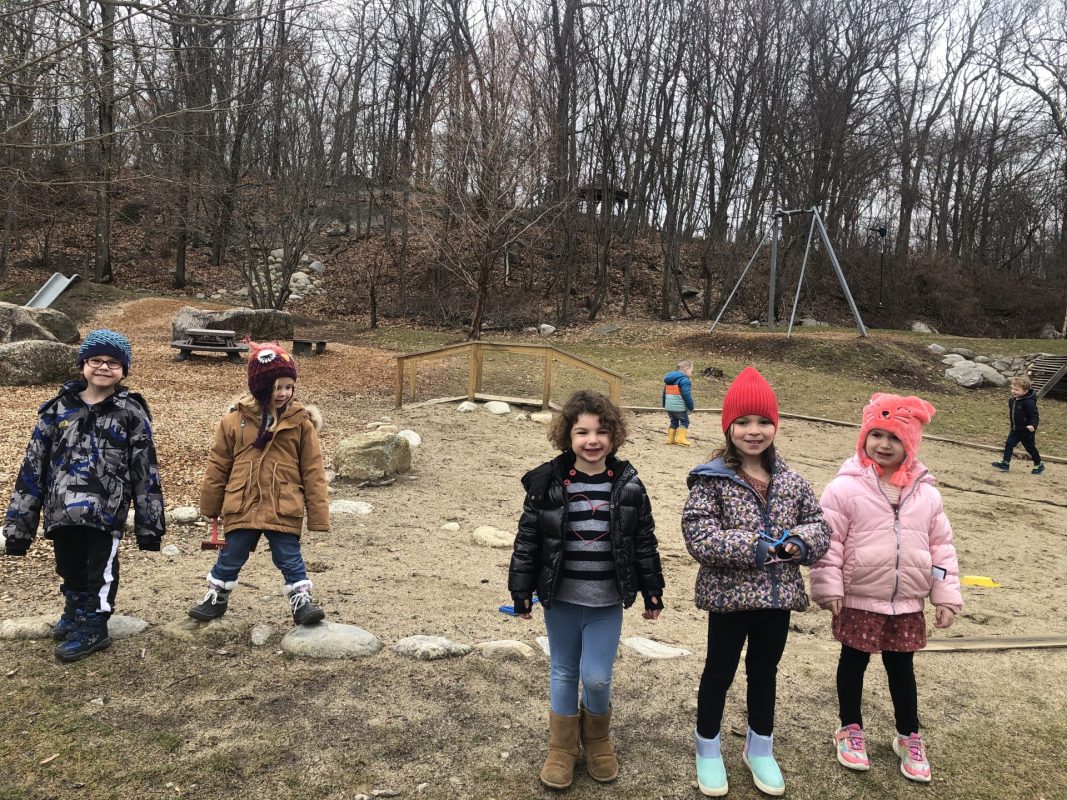
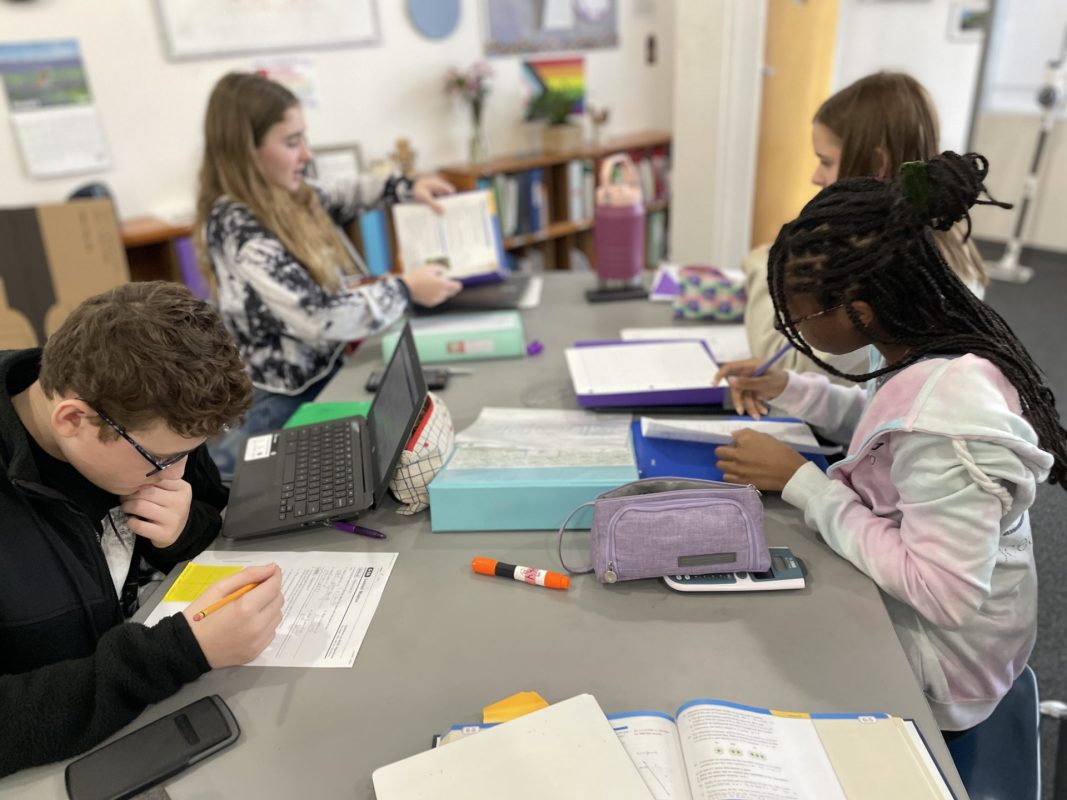
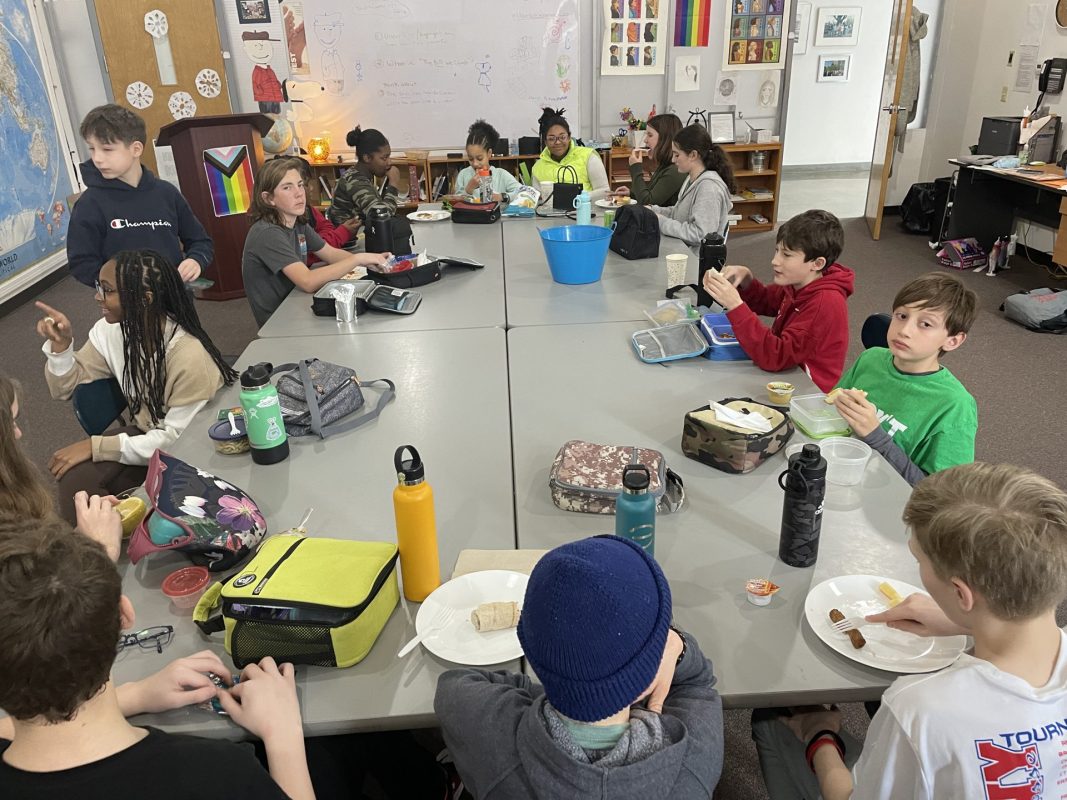
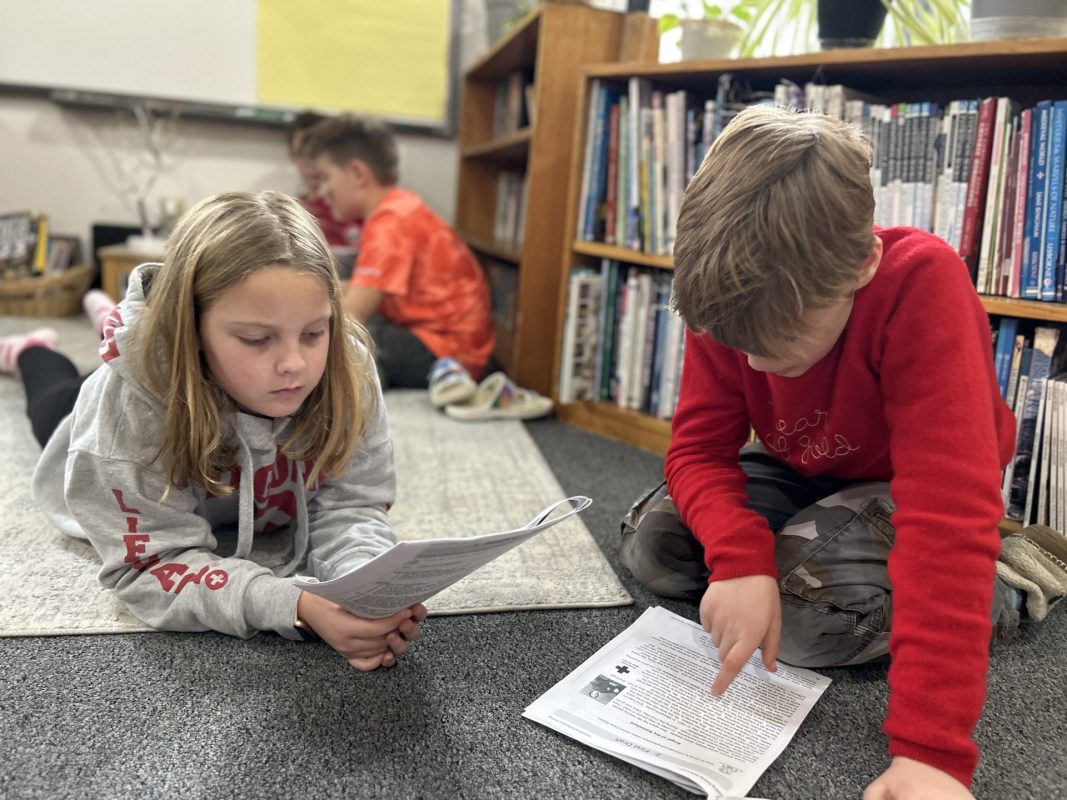
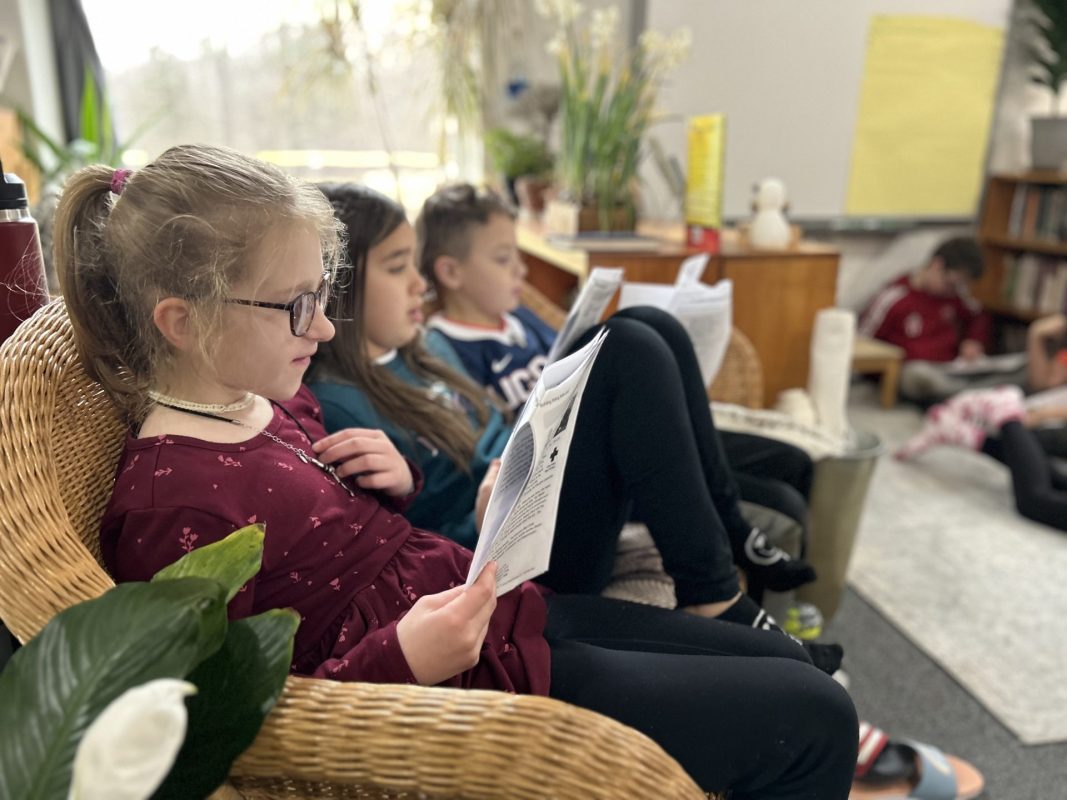
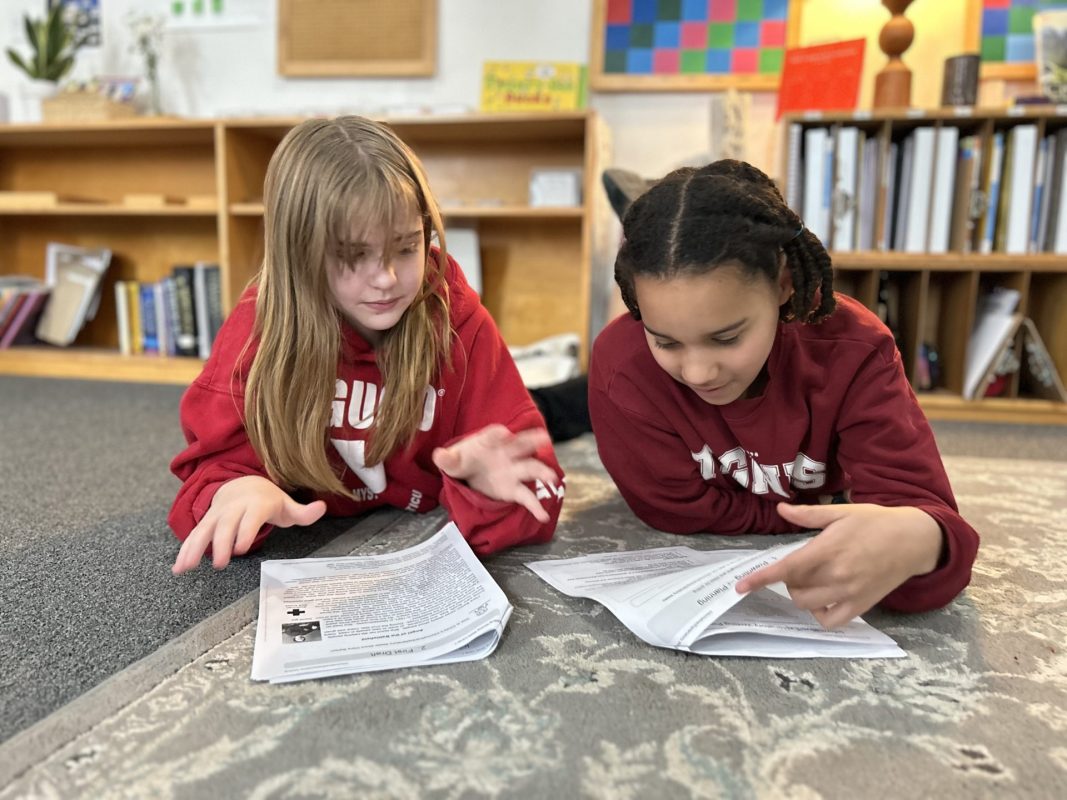
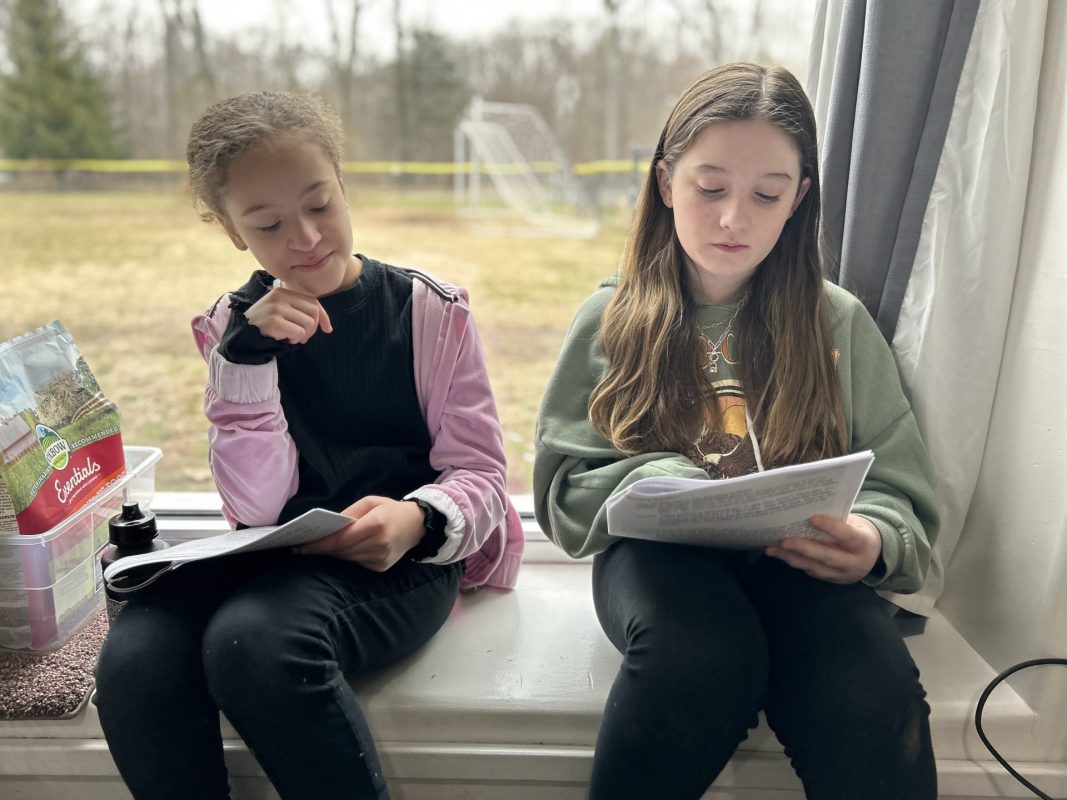
It’s been another productive week in Middle School! Classes are busy, and everyone is doing research for either Research Night or their Expert Project. We look forward to another full week coming up.

**We still like to go outside for some fresh air during the winter months, so please ensure your middle schooler has the proper outerwear!

Science
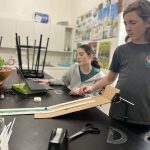
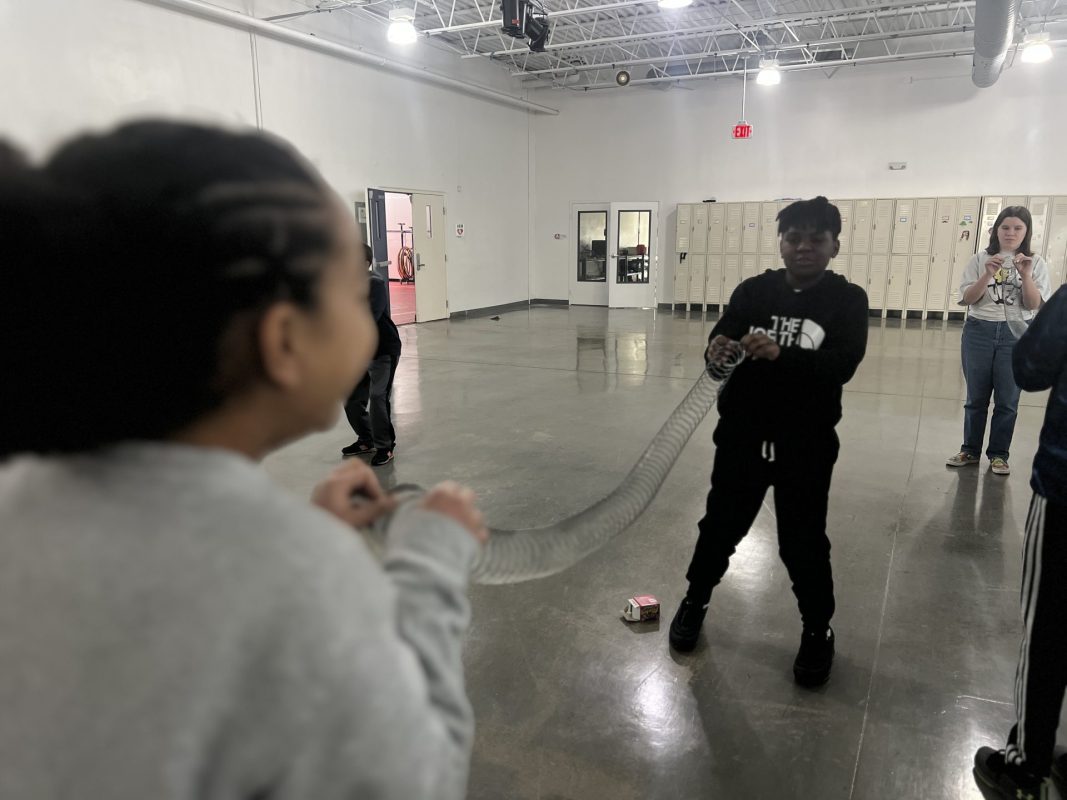
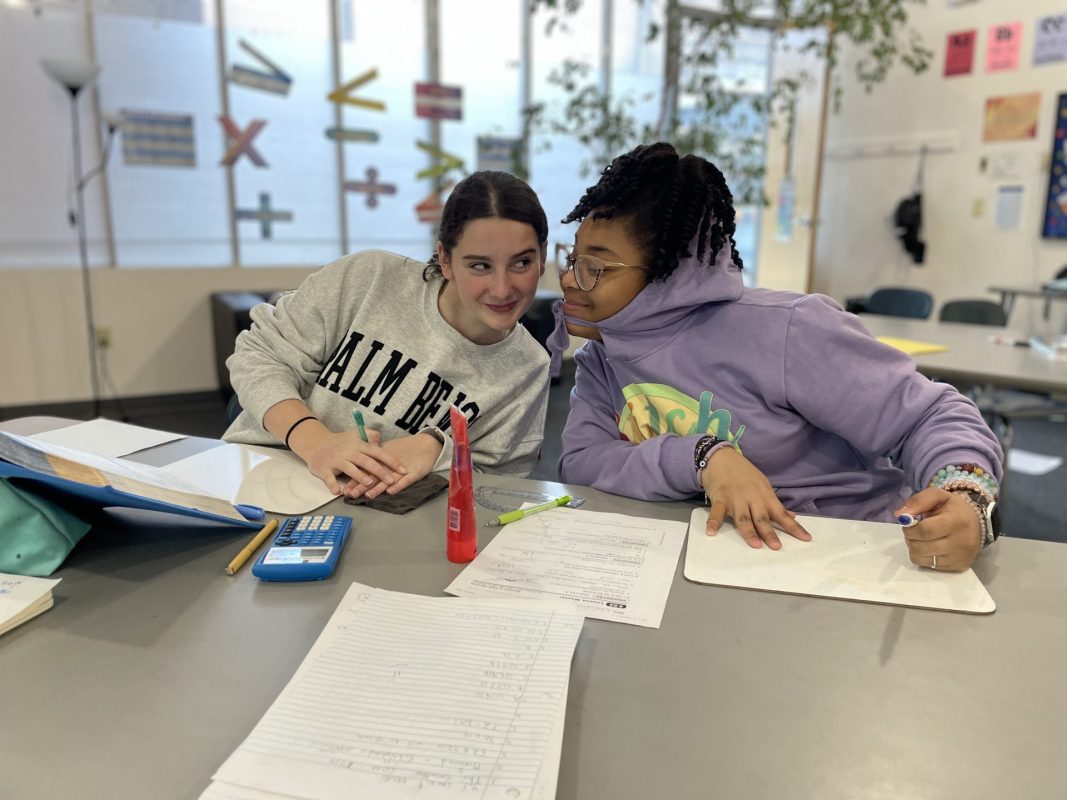
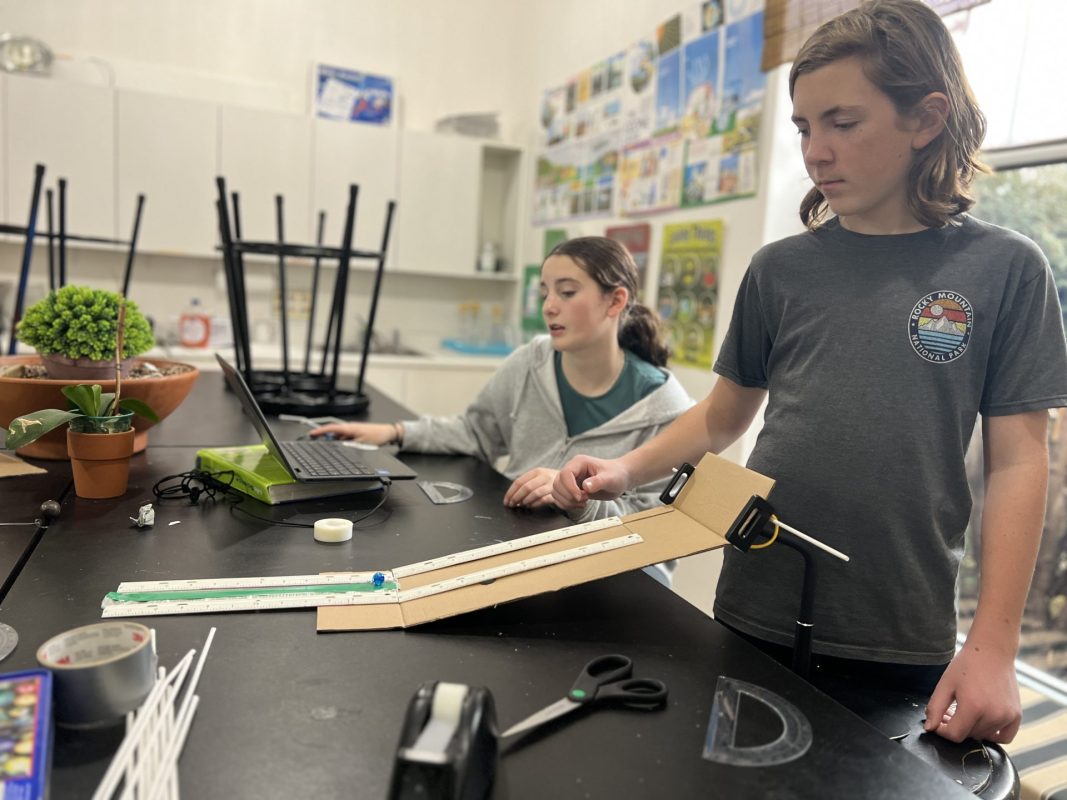
6th-year Earth Science students began writing their formal lab report on how density affects the movement of seismic waves. Earlier in the week, students represented a change in density and seismic waves using a shoebox, rocks, a marker, and a golf ball to simulate energy traveling through a medium while recording the waves on paper. Each student worked alongside a partner on this project while compiling their data and analysis individually.

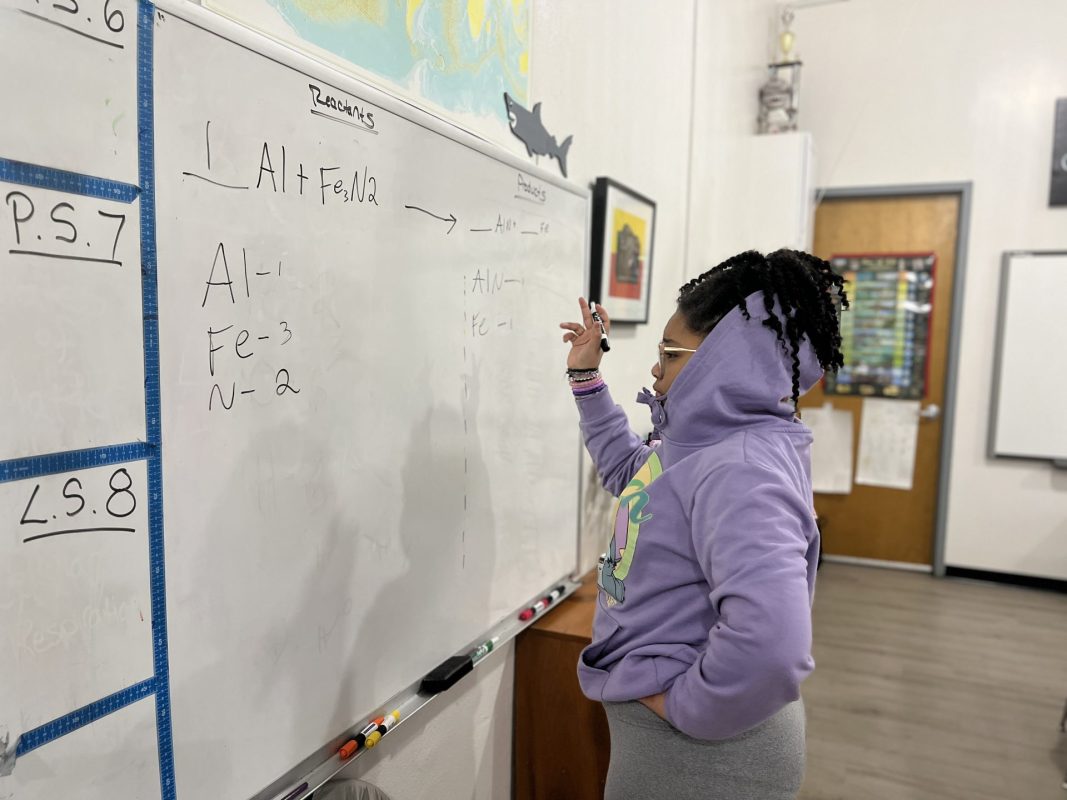
7th-year Physical Science students have been working on identifying what makes up a polymer and how to balance equations. We discussed the history of how the first polymers (chains of large molecules) were discovered and the application of this new technology (plastics) throughout the world. The objective of learning how to balance chemical equations was for each student to see how matter can neither be created nor destroyed but, rather, changed. Each student is continuing to understand more concepts and patterns found within the periodic table from each exercise.
8th-year Life Science students have continued to work on their unit, Genes. We are currently holding several class discussions and exercises related to whether certain gene mutations are beneficial or harmful. As a part of this unit, students will be asked to create a 3D model of DNA, labeling key features such as nitrogen bases, sugar-phosphate backbones, and the overall description of what a gene is.
Math
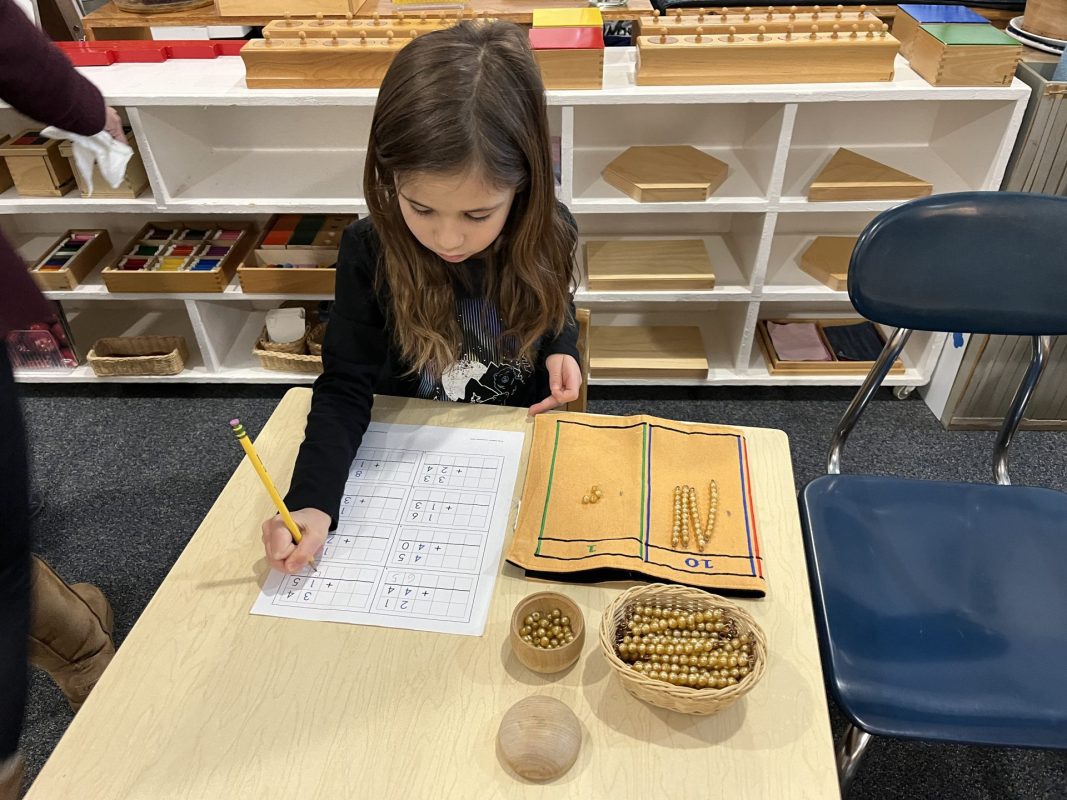
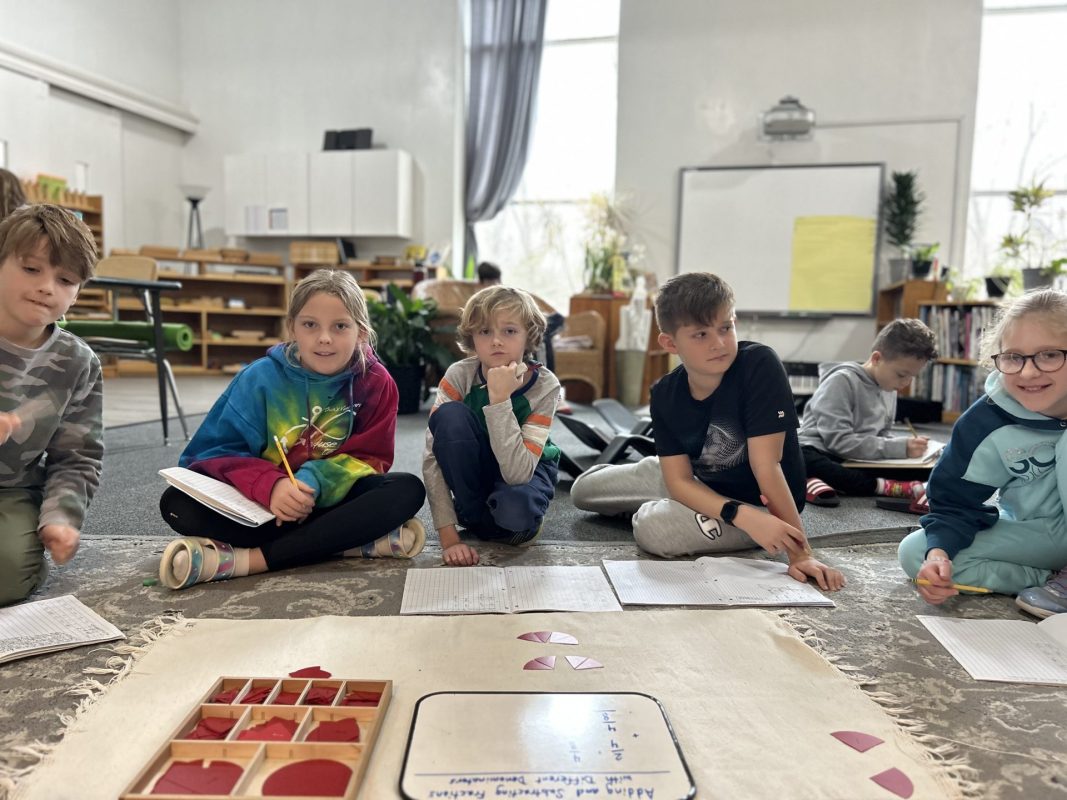
In the Pre-Transition math class, students are able to use fact triangles to find related facts for addition and subtraction sentences. This class learned how to identify linear pairs and vertical angles as well as supplementary and complementary angles. They will continue to study acute, obtuse, and right angles next week in class.
 
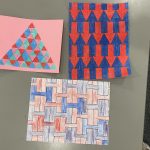
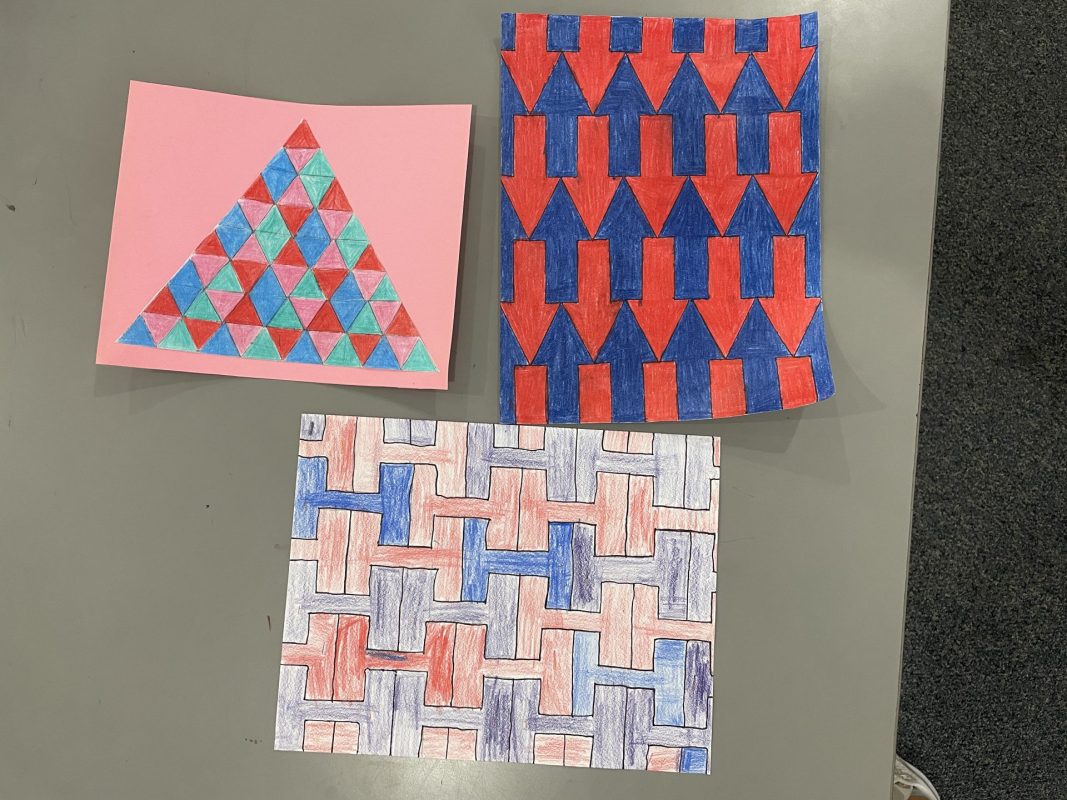
In the Transition math class, students are confident in working with the three different types of geometry transformations: translation, reflection, and rotation. They applied their learning by creating tessellation art installments that will be displayed in the classroom next week. This class will continue to learn about the properties of angles and lines in order to solve for specific measurements.
 
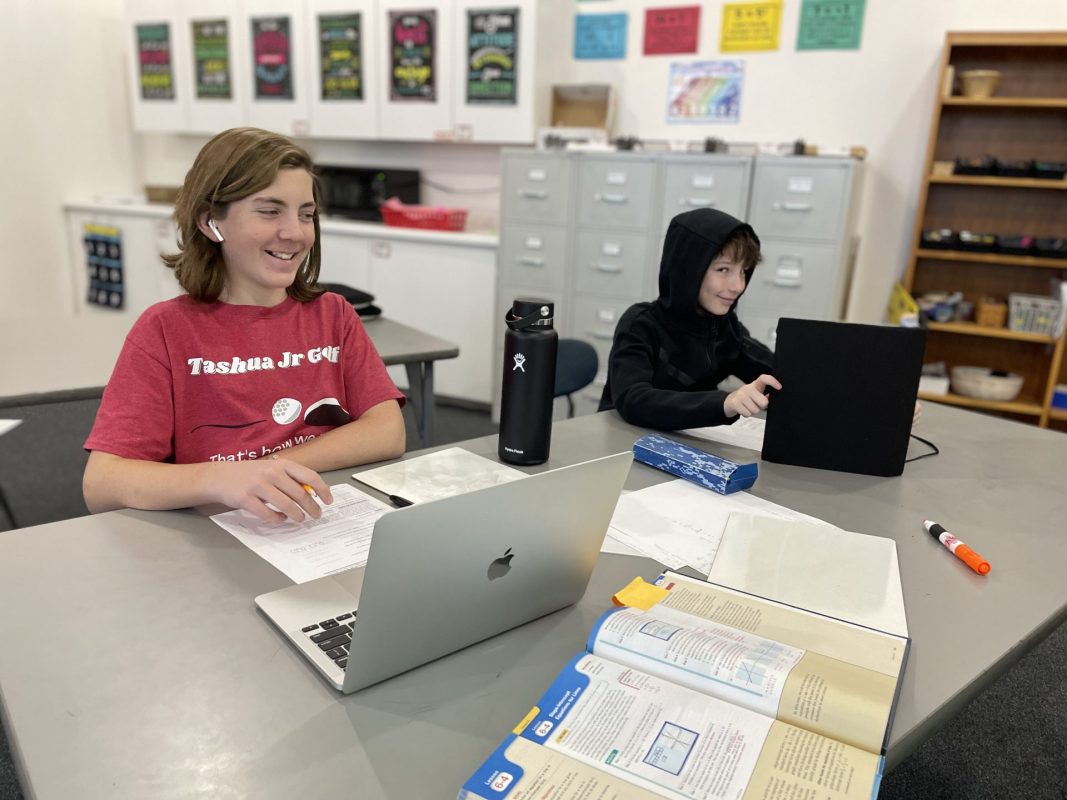
In the Algebra math class, students are excited to learn more about slope and rate of change. They discovered the slope-point form and slope-intercept form of linear equations this week. During chapter 6, students have been using a creative doodle notes technique to learn the key information from the unit.
 
MATH JOKE: Why did the mathematician spill all of his food in the oven? ……….The directions said, “Put it in the oven at 180°.”
Humanities
All classes recognized Rev. Martin Luther King, Jr. this week and his impactful life. After discussing his goals, students learned about the new monument commemorating his life in Boston and the story behind this impressive sculpture. They also took time to read and analyze Amanda Gorman’s poem, “The Hill We Climb” in its relation to the initiatives MLK set forth.
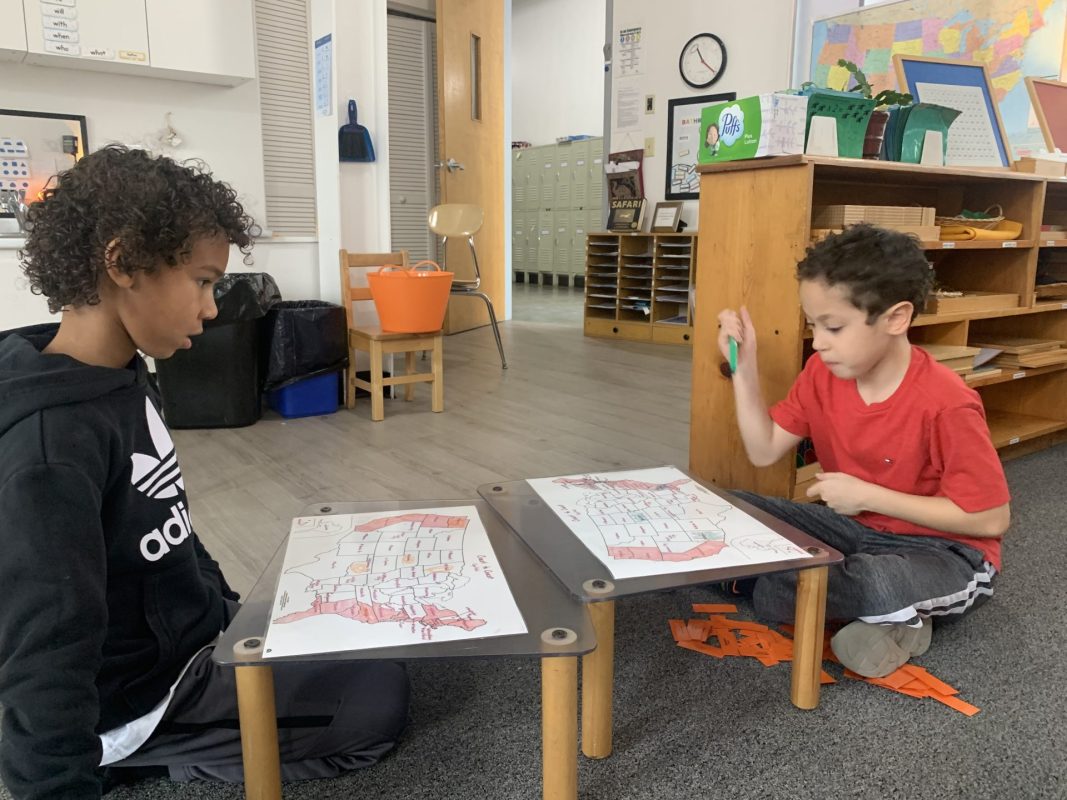
6th-grade Humanities classes were split between students researching for their project and beginning their study of Ancient Civilizations of North Africa, the Middle East, and Subcontinental Asia. We are beginning with Mesopotamia before going to Egypt and the Indus River Valley. The class defined what it means to be a civilization and we covered some examples. Students also completed a map of the Fertile Crescent and looked at the geography of the region, discussing what makes this region an ideal spot for a civilization. Finally, they researched a few terms related to Mesopotamia and will learn about Sumer next week.
7th-grade Humanities students completed their class novel, A Gift From Childhood. This memoir by Baba Wague Diakite showcases the importance of storytelling in culture as well as highlights the differences between traditional, modern, and Westernized cultures. Students are now gaining their prior knowledge in folktales and fables before embarking on their own. Additionally, students continued their research that is due on Monday for their research projects.
8th-grade Humanities classes focused on their reading of The Crucible by Arthur Miller. This play has an abundance of historical context, and the students have enjoyed discussing this and questioning this troubling time in the colonies’ establishment. 8th-grade students have also done a great job reading for the characters!
We hope you have a lovely and peaceful weekend, FWM middle school families!

Celebrating MLK in Lower Elementary

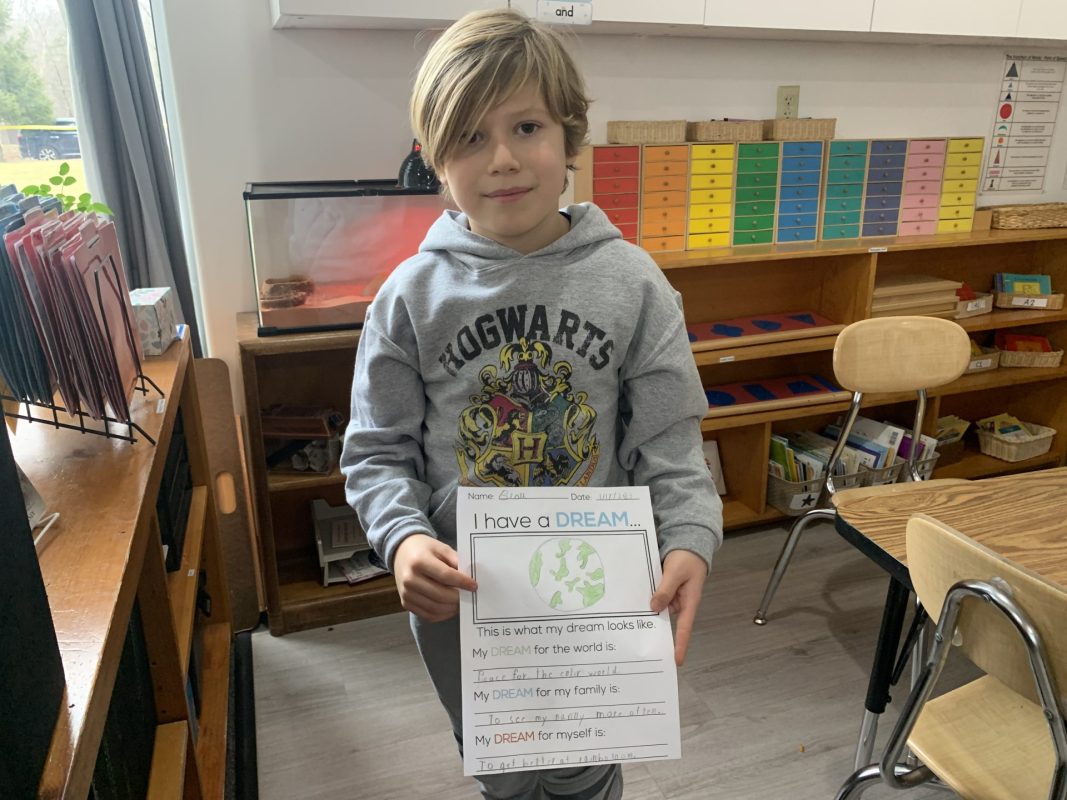
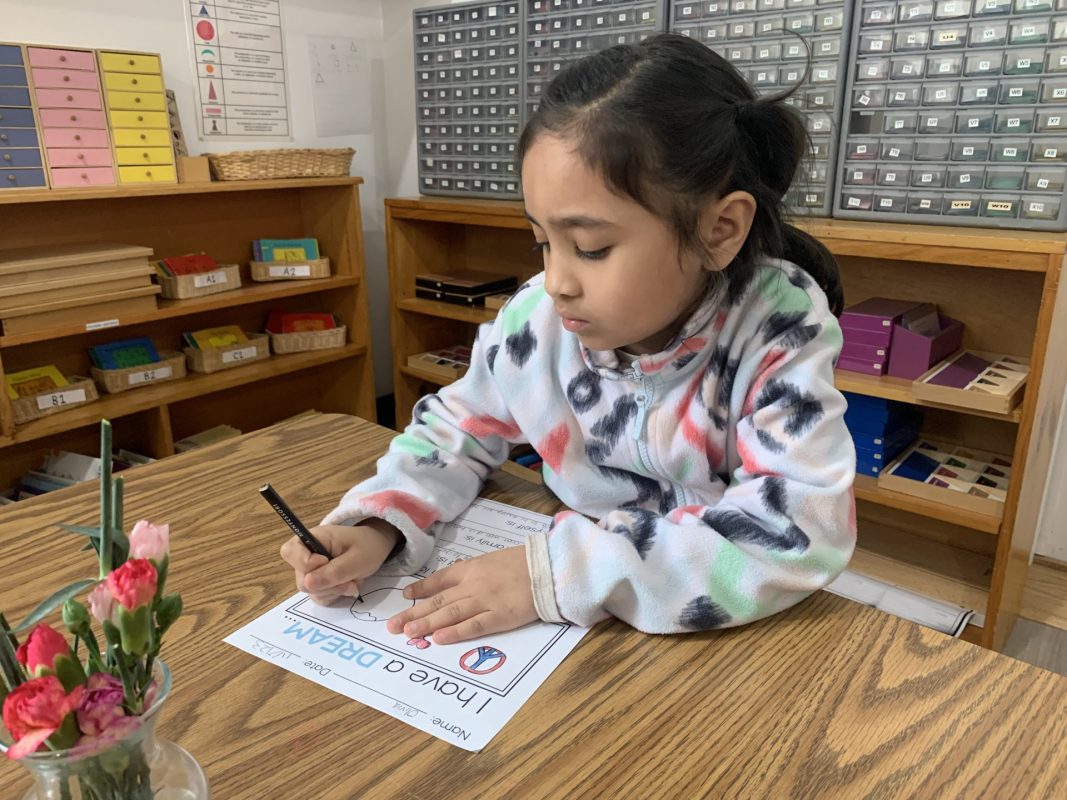
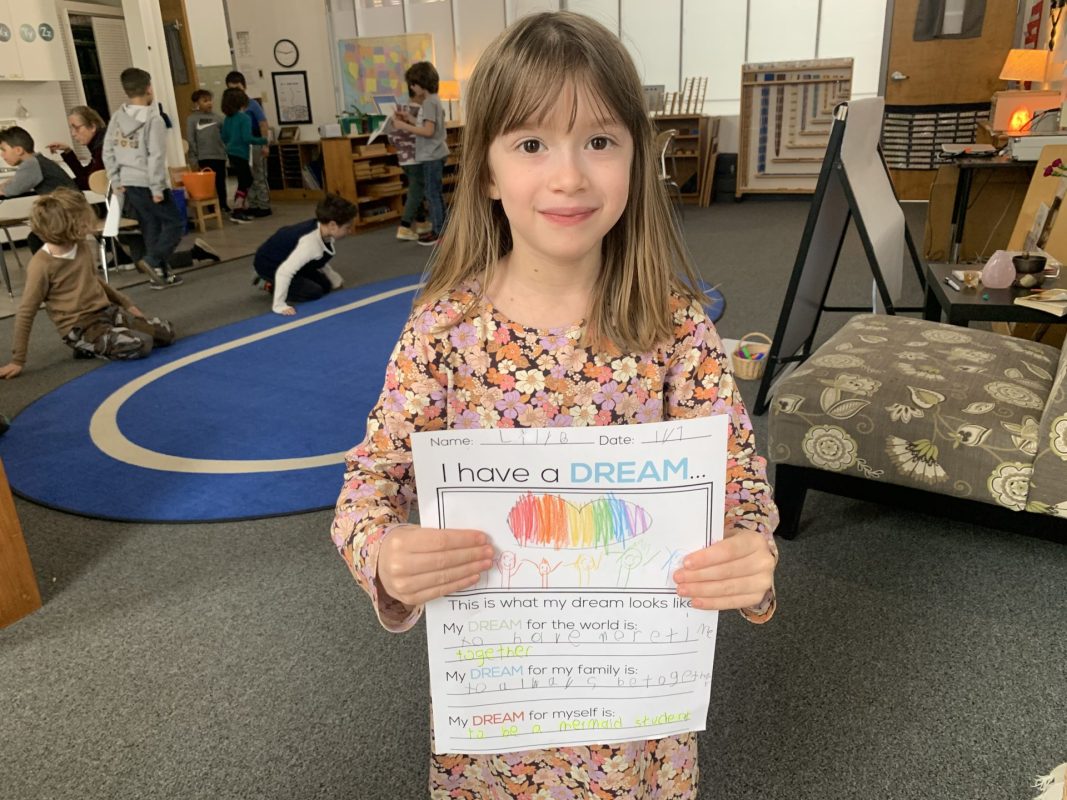
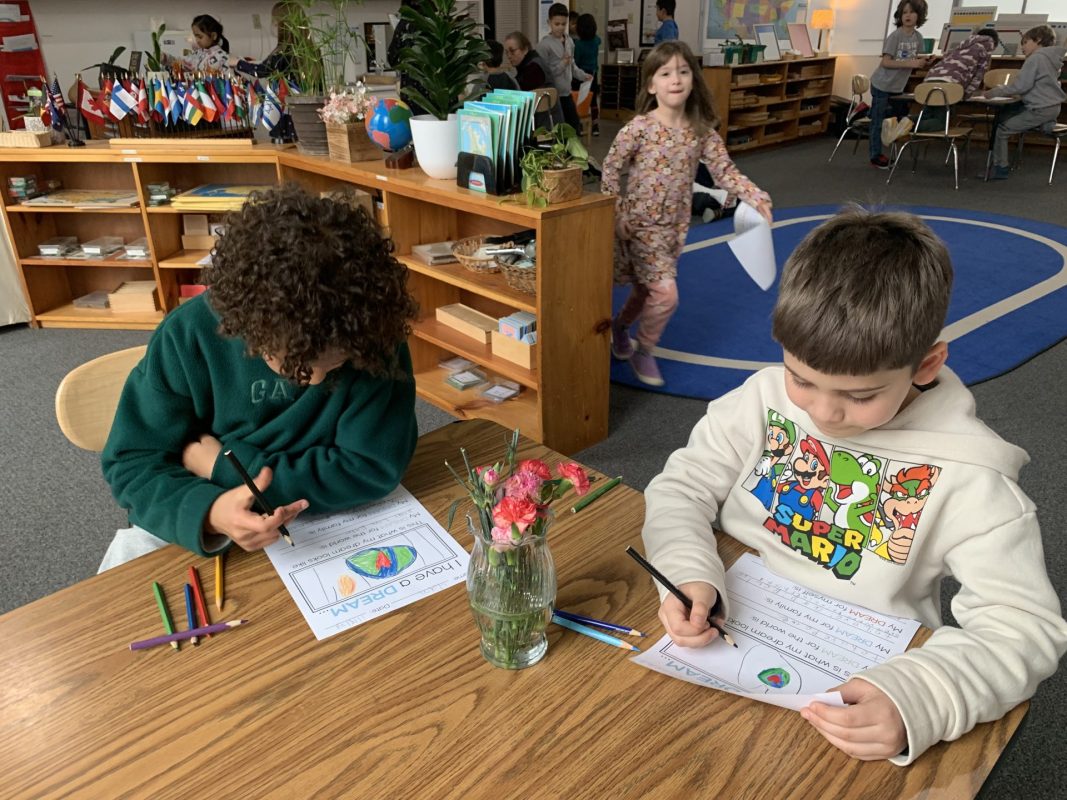
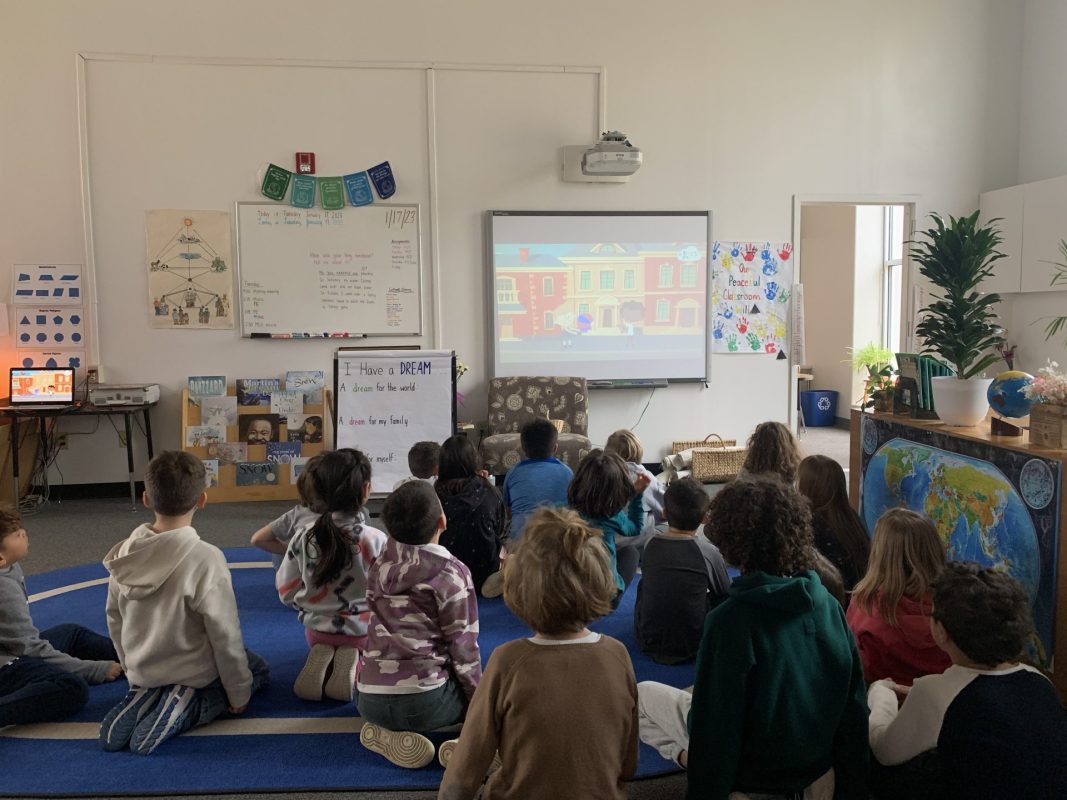
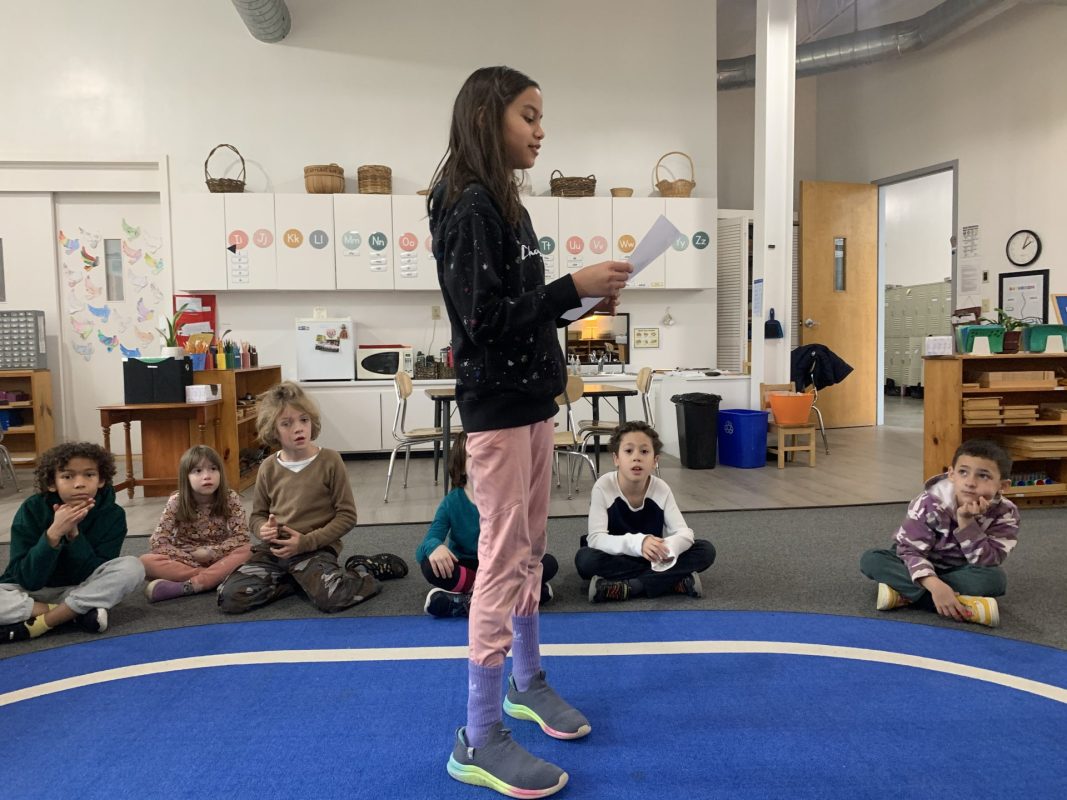
In honor of Martin Luther King Jr. Day on Monday, Lower Elementary students celebrated his good work. Tuesday morning we read the powerful story, Martin’s Big Words, which facilitated a great conversation about segregation, equal rights, and the power of using our words. Later that day, the children enjoyed watching a short video clip about the life of MLK and his great work. Afterward, we talked about Martin’s Dream; equality, love, peace, and inclusion. Next, we brainstormed our own dreams for the world, our families, and for ourselves. See below for what we came up with.

Dreams for the world:

  • Shelter for everyone
  • Clean water everywhere around the world
  • Healthcare for everyone
  • Ending starvation
  • World peace
  • Stop wars

Dreams for my family:

  • Stay healthy
  • Love one another forever
  • To see each other more
  • To spend quality time together
  • To be kind!
Dreams for myself:

  • To travel
  • To cut the arguments with my friends/siblings
  • To help the earth stay clean
  • To always love myself
  • To be a good friend

Our Week in Upper Elementary

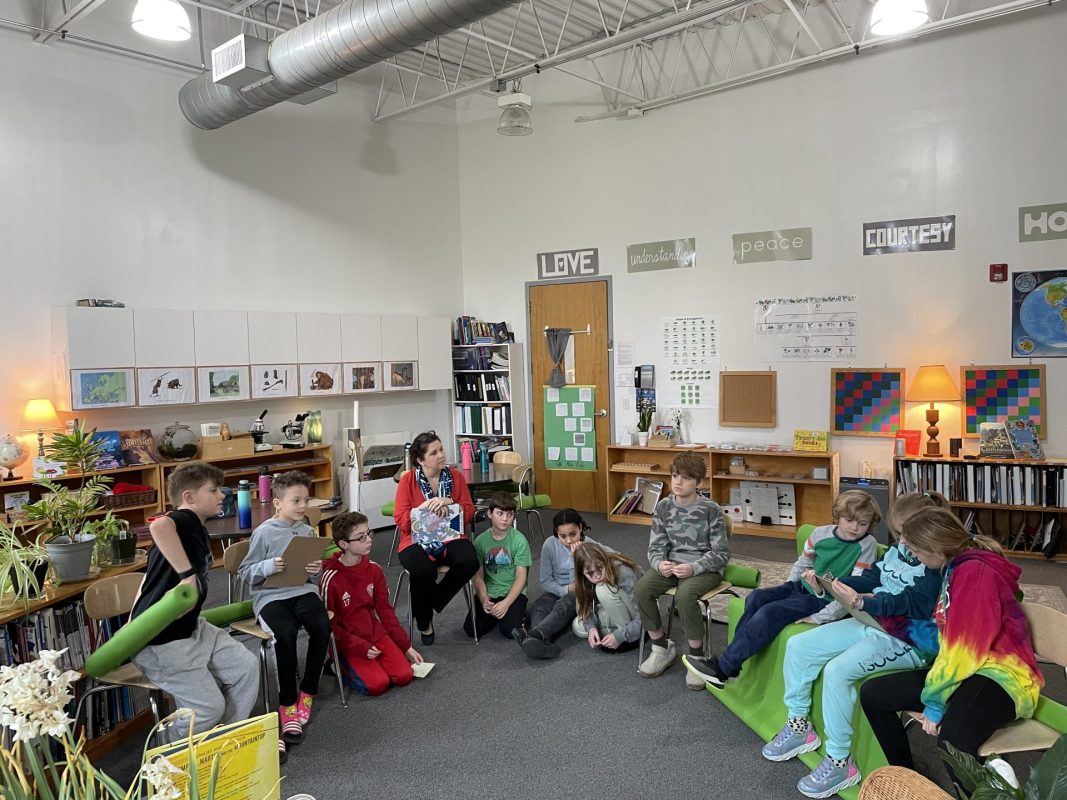
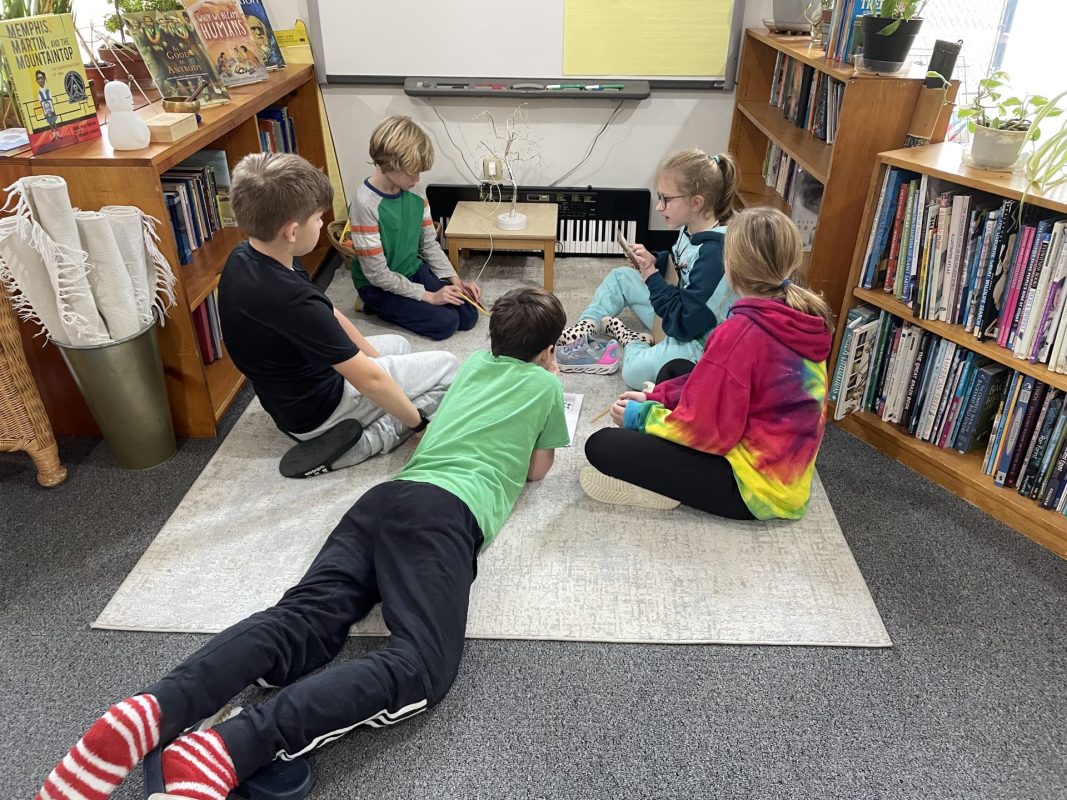
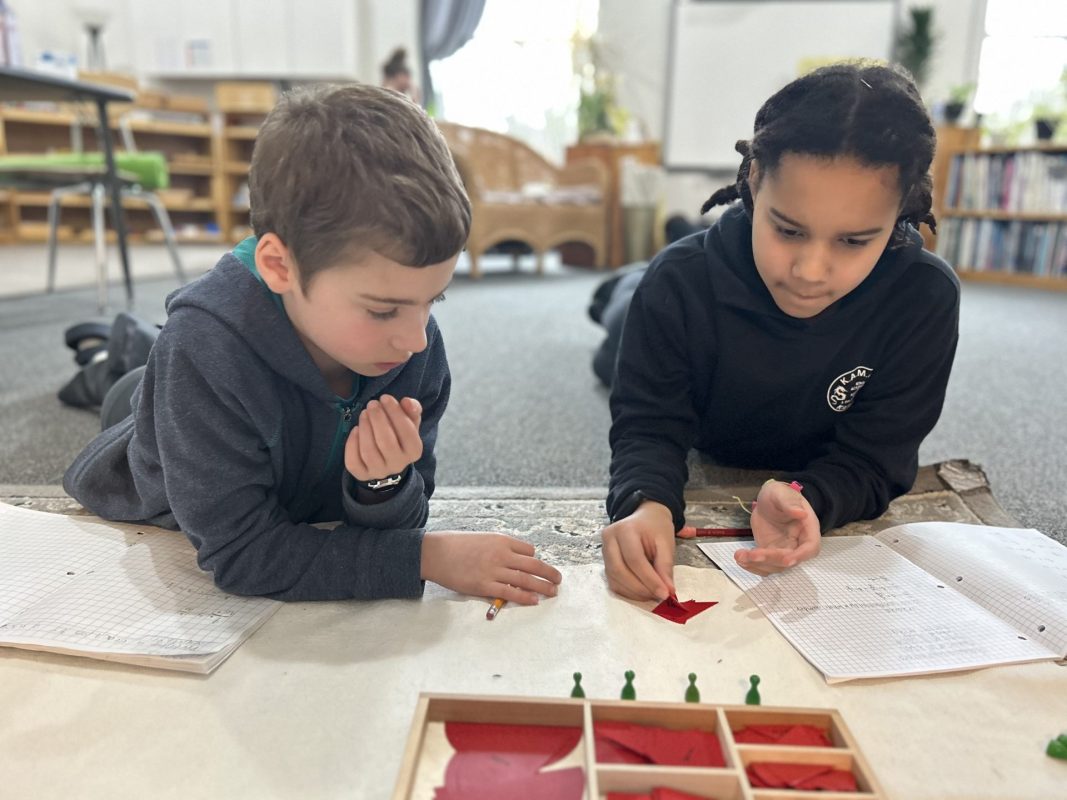
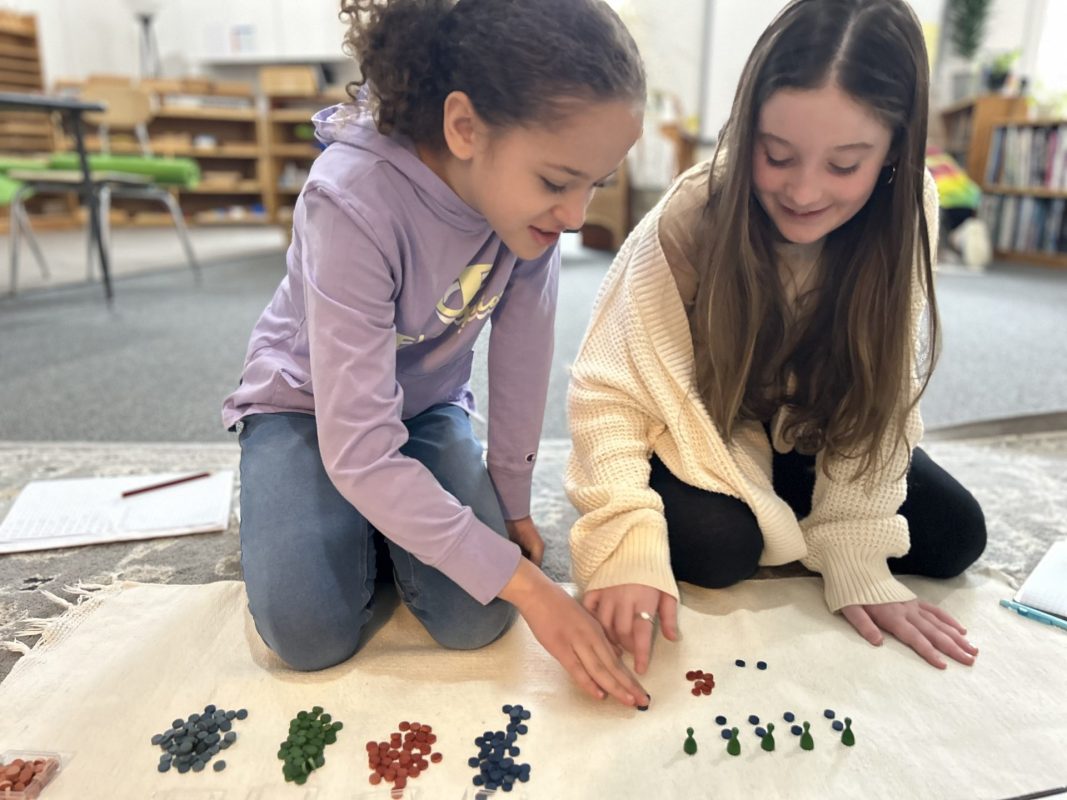
We have had a busy, productive, four-day week. We continued our daily class meetings, led by the fifth years. We had group and individual lessons in history, language arts, and math. We started new books in class and finished books in Lit Circle. We also celebrated Dr. Martin Luther King’s birthday and started learning about his life.

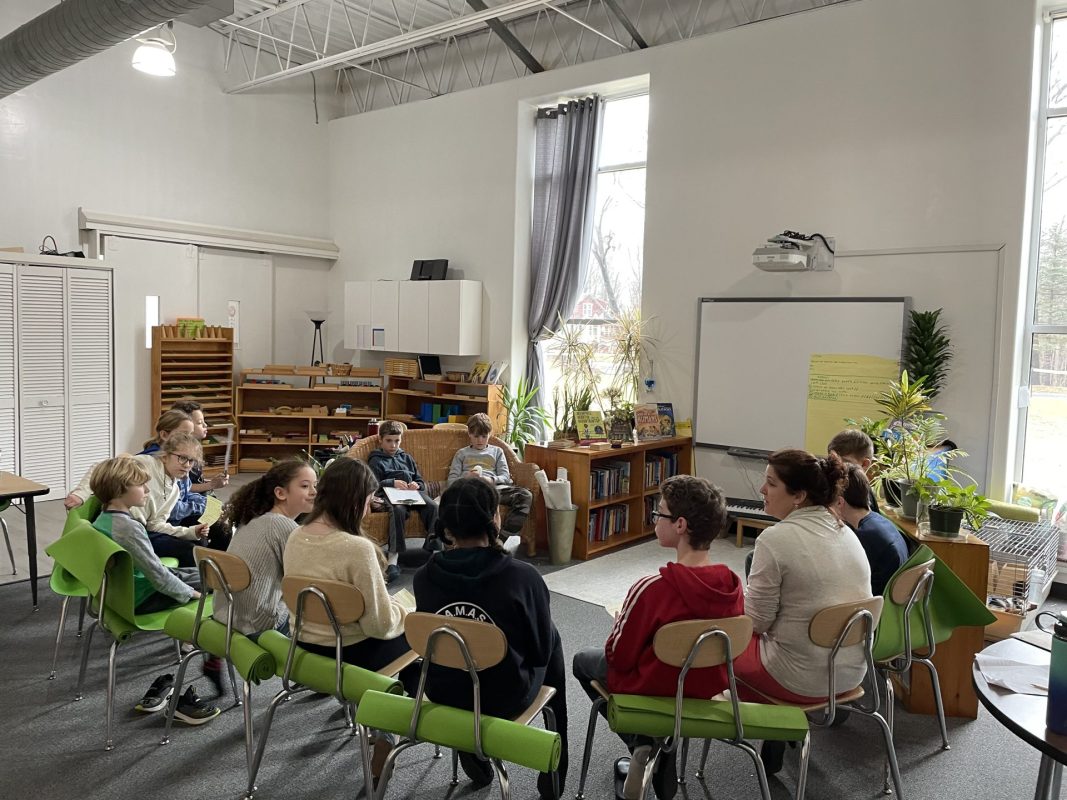
Our class meeting agendas this week included a discussion of reorganizing the cubby area, people not doing enough of a variety of work during work cycle, and people needing to do a better job of cleaning up after themselves during and after work cycle. EACH of these agenda items was chosen by students. We are only in our second week of Class Meetings using the Positive Discipline approach and I am already seeing a positive change in the class. They are more settled and focused during work time and they are taking a more active approach to work together to solve their own problems in the classroom.

We started a new unit in History this week, the Timeline of Modern Humans. This is an overview of fourteen cultures of the modern human species, Homo sapiens sapiens. All of the cultures we will look at lived in Europe during the last 40,000 years, the Upper Paleolithic Age. We are focusing on European cultures only because most of the evidence for these stages in the development of humans was found first in Europe, so there are lots of books about these artifacts and the people we imagine using them. In Language Arts, we started a new writing unit this week, Informative/Explanatory Writing. We also completed a review of editing for content, punctuation, and capitalization.

We are excited about our new class read-aloud, A Wrinkle In Time by Madeline L’Engle. We have also been reading about Dr. Martin Luther King Jr. and are currently reading a book about the making of Martin Luther King Day, Ain’t Gonna Let Nobody Turn Me ‘Round, by Kathlyn J. Kirkwood. On Tuesday we celebrated Dr. King by singing Happy Birthday by Stevie Wonder, one of the main figures in the campaign to have the birthday of Martin Luther King Jr. become a national holiday.

Wishing you a wonderful weekend,

Karen and Angie


What is Positive Discipline?

Positive Discipline is a program developed by Dr. Jane Nelsen who wrote her first book Positive Discipline in 1981. Since then she has authored or co-authored others, from Positive Discipline for Preschoolers to Positive Discipline for Teenagers. 

From the start, she saw the like-mindedness of Positive Discipline with the Montessori approach. 

Chip DeLorenzo, a Montessorian, together with Jane Nelsen, co-authored Positive Discipline in the Montessori Classroom in 2021. This book frames Positive Discipline from a Montessori perspective. Specifically, the Montessori principles of respect and independence.

Research tells us that children are hardwired from the very beginning of infancy to connect with others, and children who feel a sense of connection to their community, family, and school are less likely to have issues with misbehavior. To be successful, contributing members of their community, children need to learn necessary social and life skills. 

Two weeks ago, Karen Sankey and I attended a two-day workshop —The Practitioner’s Class: Positive Discipline in the Montessori Classroom at Westside Montessori School and Teacher Education Program, in Manhattan.

We are very excited to share what we learned with our colleagues and with our parent community. 

You can look forward to an invitation to an evening event here at FWM where we will share how the Positive Discipline model helps us (parents and teachers) develop mutually respectful relationships with the children in our lives by employing kindness and firmness at the same time, without being punitive or permissive.

Looking forward to getting together!
Gina Tryforos

Assistant Head of School | Student Support Coordinator