Blog

Mrs. Doyle: Hidden Treasures

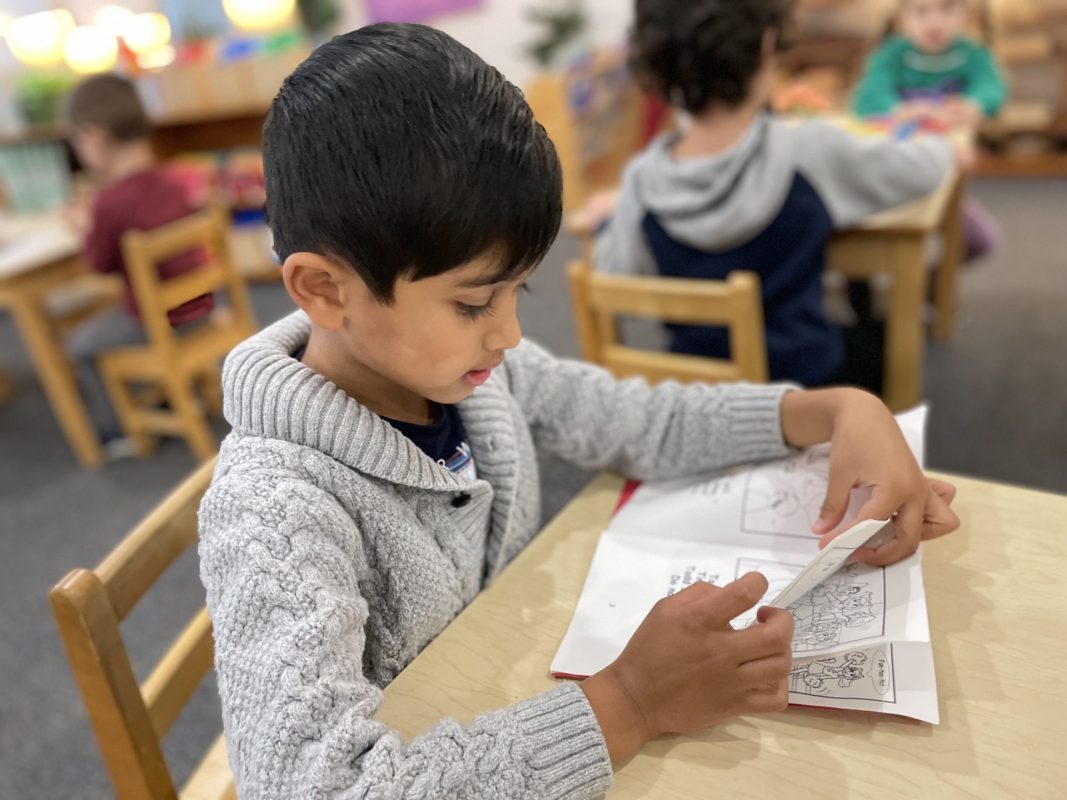
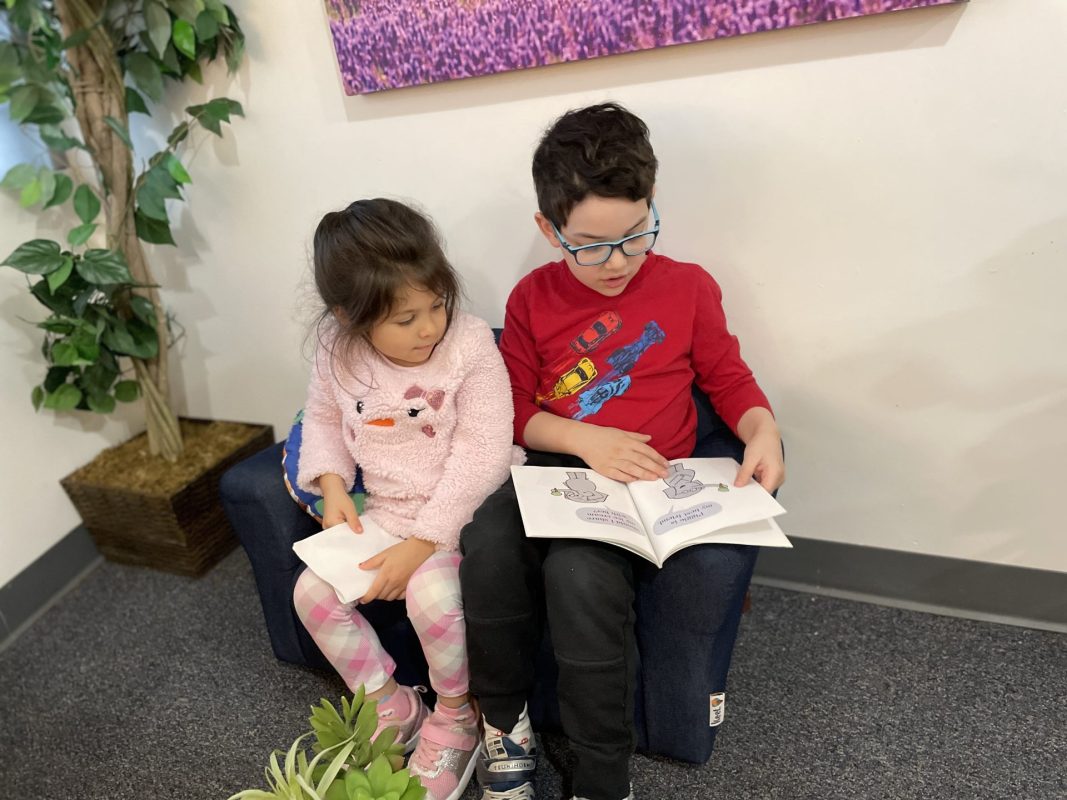
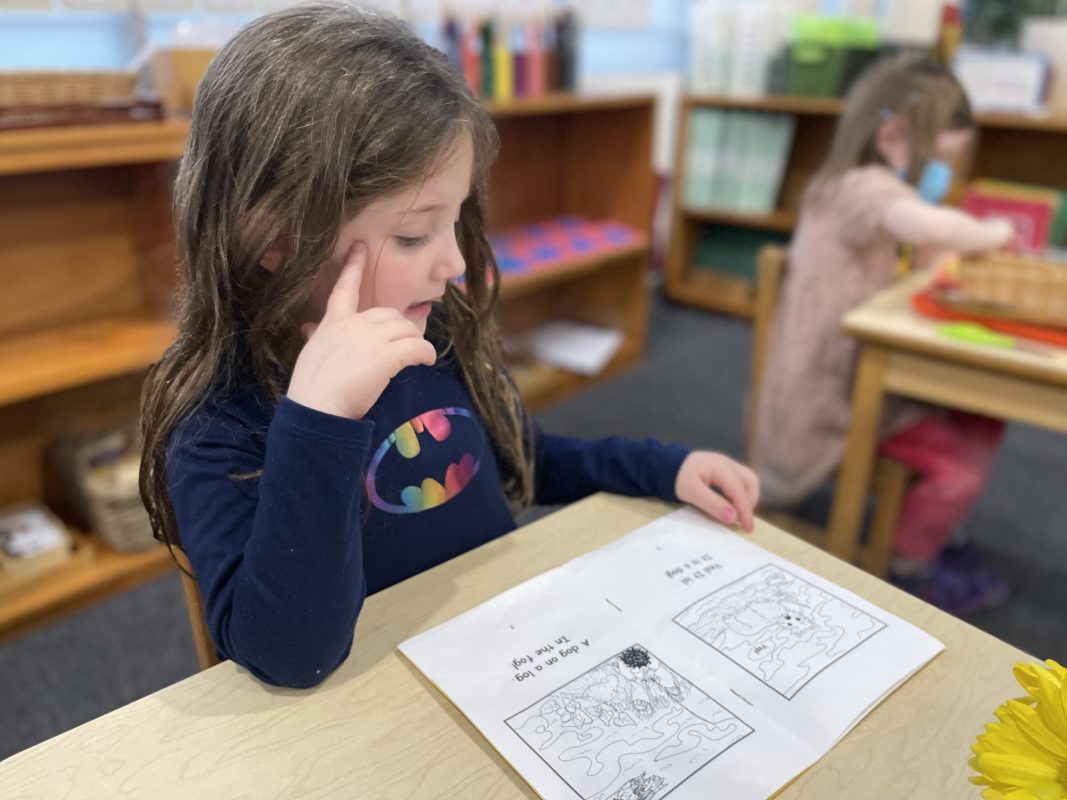
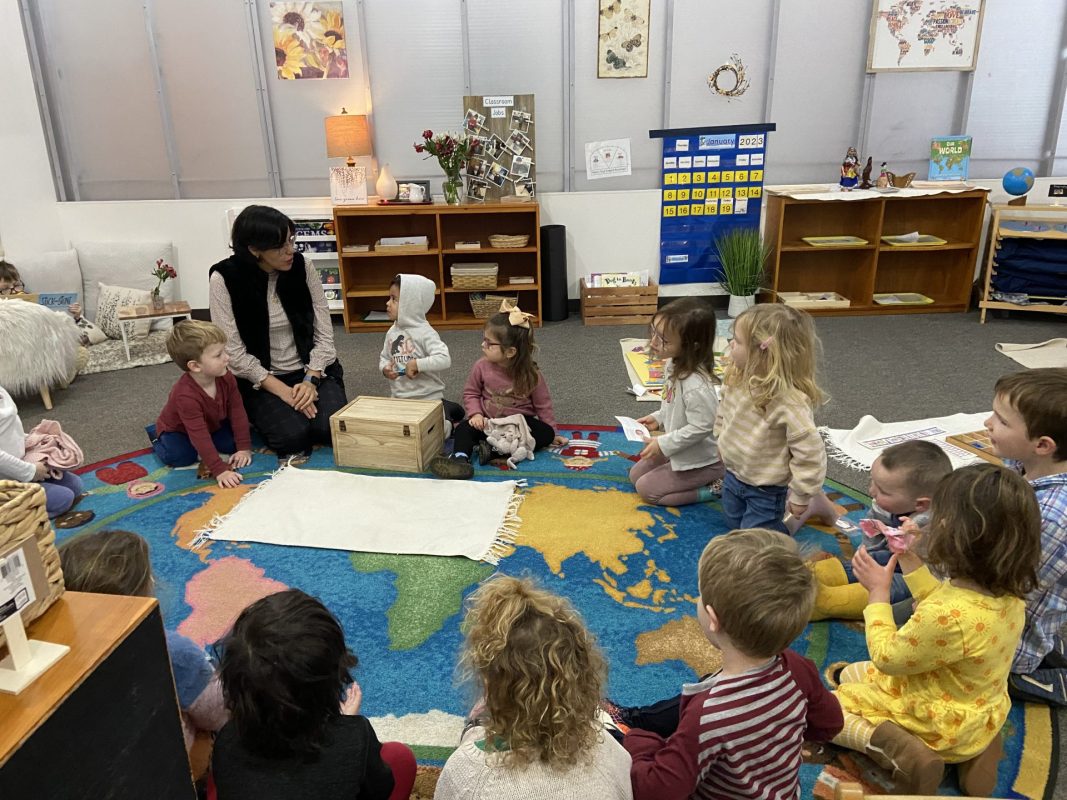
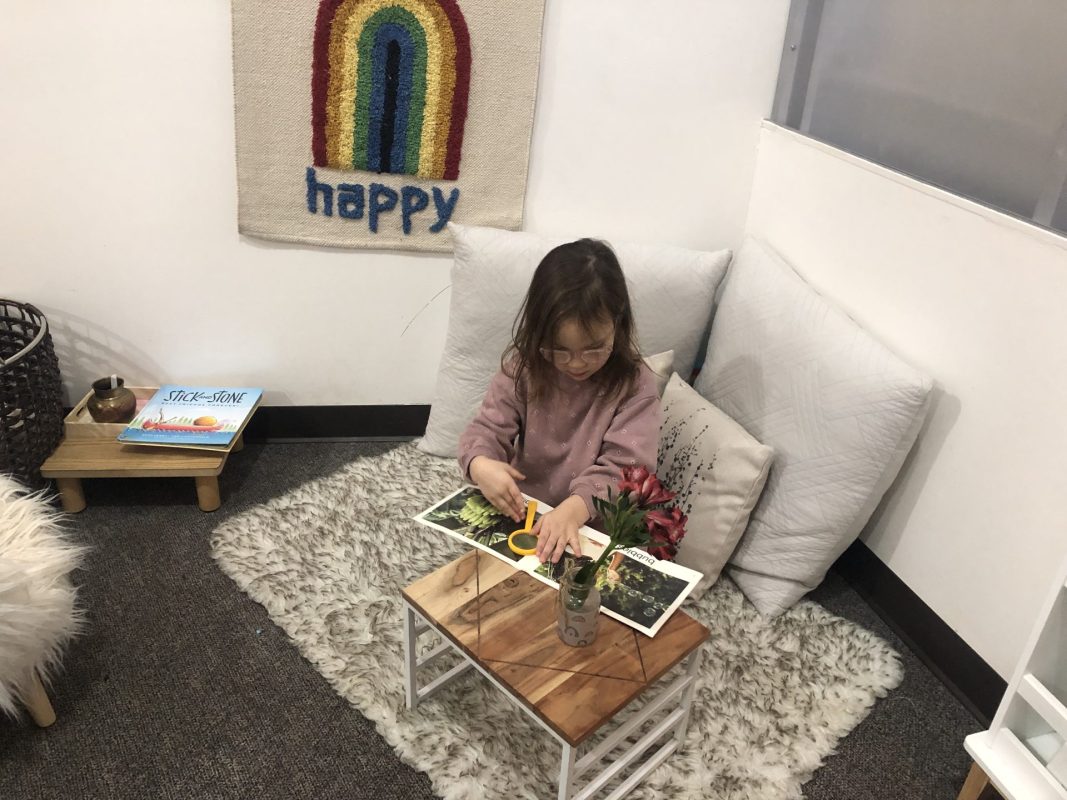
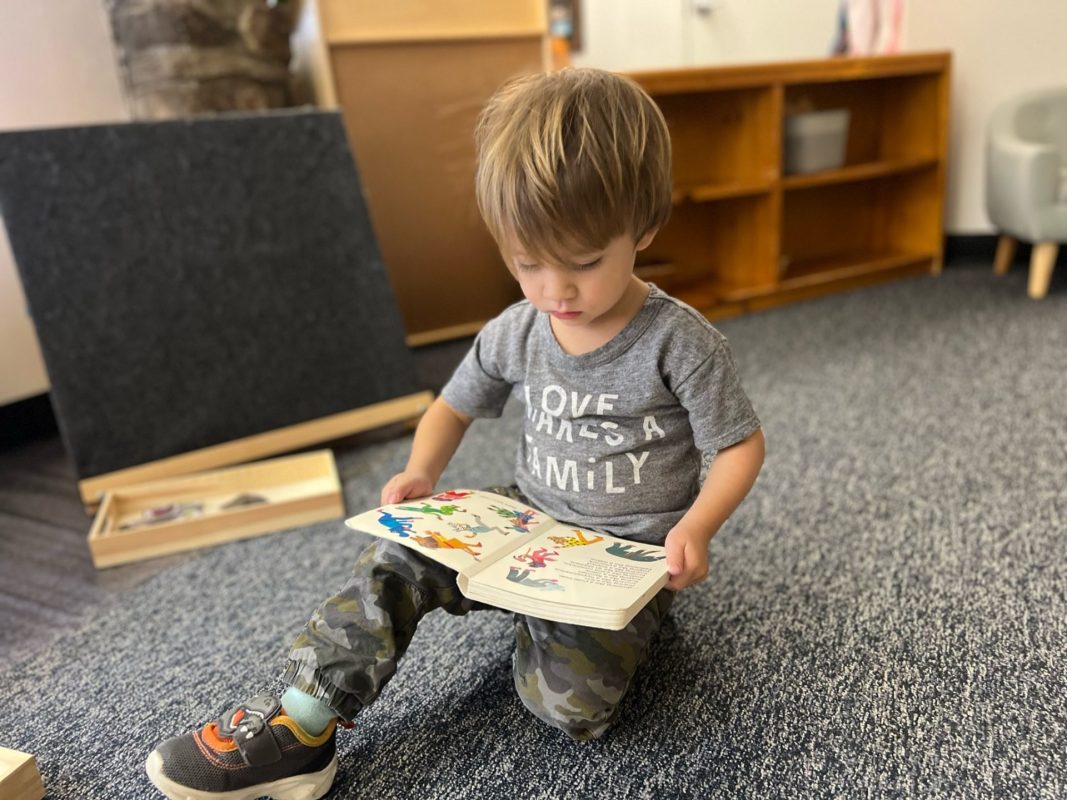
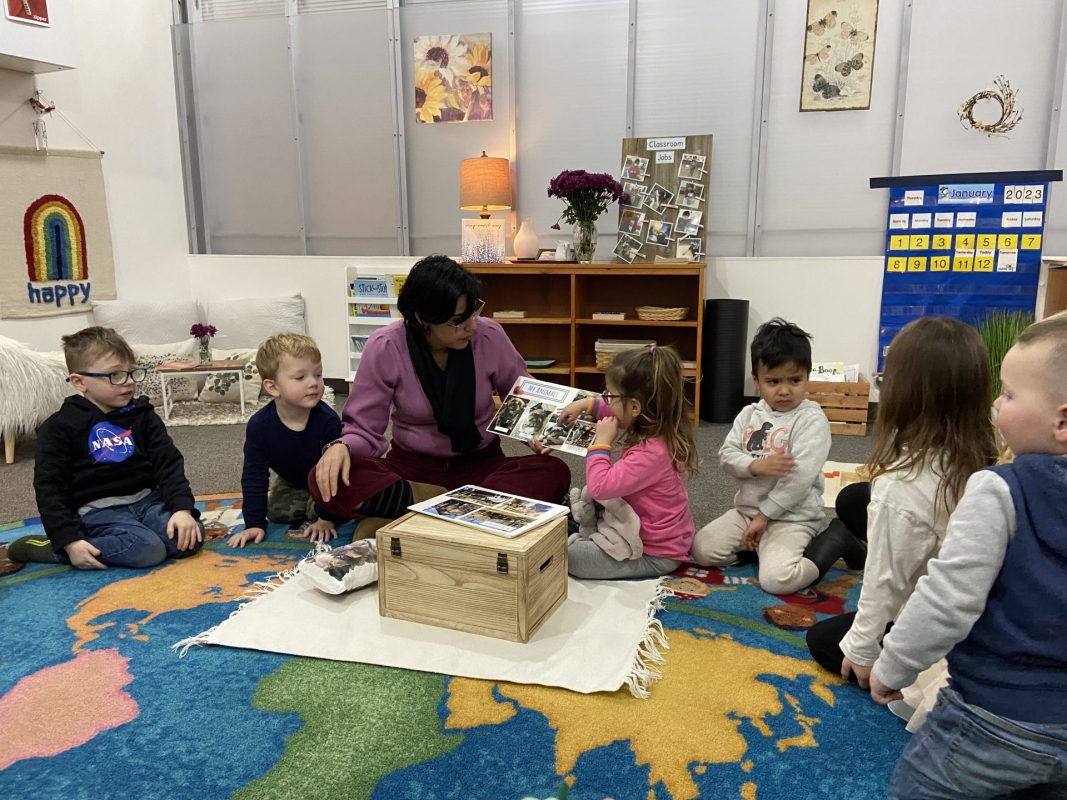
Children’s literature is a passion of mine. I truly hope that each child who spends time in our classroom will quickly absorb not only how important literature is, but also how much enjoyment it brings. Books are everywhere in our classroom and we read throughout the day. We have a book corner in our classroom, a wonderful spot for a ‘brain break’ or to spend quiet time with a beautiful story. We read a chapter (or two, or three) each afternoon from a chapter book. Our older friends have both private reading and partner reading built into their day. When a child says “I don’t know what to do,” I just give them that well-practiced teacher look, and usually they say, “I know, I know, I can read!”

In our classroom, we call books ‘treasures‘ and speak about how important it is to take care of our books. The children love to hear how so many books I bring to class are the same ones from my childhood. It is an absolute joy to witness the impact of literature on every child.

We asked the children to share the title of one of their favorite books.

  • Alex–              Cars and Trucks
  • Angie–           The Very Hungry Caterpillar
  • Bodie—           Goodnight Moon
  • Ella–               Don’t Let the Pigeon Drive the Bus
  • EmmaJo–     Elf On A Shelf
  • Greyson–      Pinocchio
  • Harper–        All of the Leo Lionni books
  • Isla–               Elsa and Anna Stories
  • Jonathan–    Every book I read
  • Landon–       Plants vs. Zombies
  • Leo–               A Little Blue Truck
  • Melina–         Amelia Bedelia Books
  • Noah—             The Gruffalo
  • Olivia–           The Berenstain Bears
  • River–            The Santa Claus Book
  • Saanvi–         Charlotte’s Web
  • Stephen–      Clifford The Big Red Dog
  • Tommy–       If You Give A Mouse A Cookie
  • Zara–             The Three Snow Bears

Wishing you a week filled with peace, love, and lots of happy reading!

Michelle & Maria


Mrs. Lopes: Hidden Treasures


Children’s literature is a passion of mine. I truly hope that each child who spends time in our classroom will quickly absorb not only how important literature is, but also how much enjoyment it brings. Books are everywhere in our classroom and we read throughout the day. We have a book corner in our classroom, a wonderful spot for a ‘brain break’ or to spend quiet time with a beautiful story. We read a chapter (or two, or three) each afternoon from a chapter book. Our older friends have both private reading and partner reading built into their day. When a child says “I don’t know what to do,” I just give them that well-practiced teacher look, and usually they say, “I know, I know, I can read!”

In our classroom, we call books ‘treasures‘ and speak about how important it is to take care of our books. The children love to hear how so many books I bring to class are the same ones from my childhood. It is an absolute joy to witness the impact of literature on every child.

We asked the children to share the title of one of their favorite books.

  • Advay–    The Faraway Things            
  • Annie–    Unicorn Book         
  • Arjuna—  Little Excavator         
  • Ayan–      The Night of the Ninjas            
  • Brisa–      Little Blue Truck Christmas  
  • Carmen– Leap Frog Books    
  • Daniel–    Paw Patrol Book   
  • Desi–         No, David       
  • Eleanor–  Magic Treehouse Books
  • Evie–         Cuddly Dudley     
  • Fiona–      Mickey Mouse           
  • Jack–        The dinosaur book that makes the sounds    
  • Kian—        The Cat in the Hat
  • Nava–       The Gorilla Had the Key      
  • Noelle–    The Fairy Book          
  • Owen–      My Hawaii Book
  • Parker–    Mulan
  • Rowan–    My Minecraft Books  
  • Sara–         My Encanto Book          
  • Sullivan–  Harry Potter

Wishing you a week filled with peace, love, and happy reading!

Amanda & Hema


Mrs. Semmah: Hidden Treasures

Children’s literature is a passion of mine. I truly hope that each child who spends time in our classroom will quickly absorb not only how important literature is, but also how much enjoyment it brings. Books are everywhere in our classroom and we read throughout the day. We have a book corner in our classroom, a wonderful spot for a ‘brain break’ or to spend quiet time with a beautiful story. We read a chapter (or two, or three) each afternoon from a chapter book. Our older friends have both private reading and partner reading built into their day. When a child says “I don’t know what to do,” I just give them that well-practiced teacher look, and usually they say, “I know, I know, I can read!”

In our classroom, we call books ‘treasures‘ and speak about how important it is to take care of our books. The children love to hear how so many books I bring to class are the same ones from my childhood. It is an absolute joy to witness the impact of literature on every child.

We asked the children to share the title of one of their favorite books.

  • Simone– Babar the Elephant
  • Soren–    Sneezy the Snowman         
  • Levi—       T-Rex Finds the Fish          
  • Casey–    Dinosaur Book                  
  • Savina–   The Bunny Book      
  • Ruscher– I Spy Penguin   
  • Charlotte–  Airplane Book       
  • Remi–       My Animal Book
  • Elsie–         Pepa Pig Book     
  • Ella–          Pete the Cat           
  • Lemon–    Rainbow Fish    
  • Carter—     Sleeping Tractor
  • Lucia–       The Continents Book      
  • David–      Biscuit the Dog          
  • Jonathan–The Lion Book
  • Katie–        Pepa Pig Books
  • Oliver–      Paw Patrol Books  

Wishing you a week filled with peace, love, and happy reading!

Kaoutar & Michelle


Mrs. Hood: Toileting the Montessori Way!

“Learning to use the toilet is a natural process that begins when your child’s desire to be grown up and his neurological development have reached the point where he can control his bladder and bowels. We don’t train children to use the toilet, we support them when they are ready.” (How to Raise an Amazing Child: The Montessori way to bring up caring confident children, by Tim Seldin)

As children continue to work on their self-caring skills, we want to focus our attention this week on what has become a popular topic (and sometimes a dreaded one) between the parents: “potty training.”

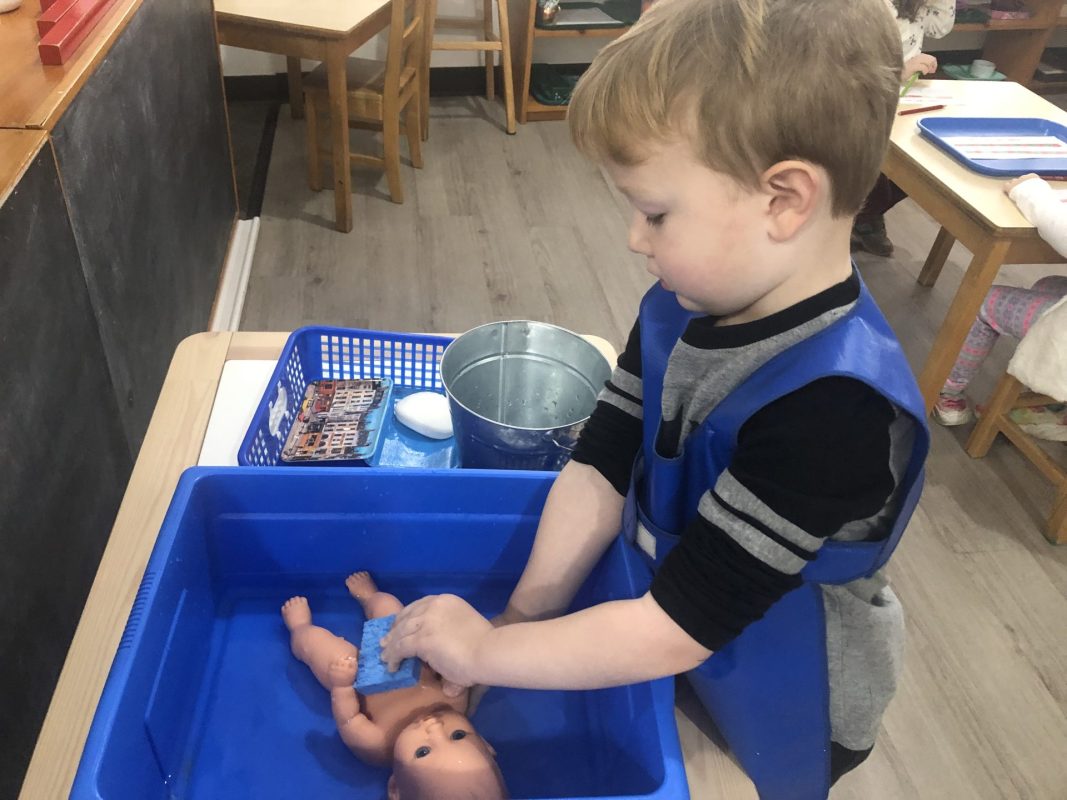
In our Montessori environment, we call it “toilet learning” since we believe that using the toilet is a very natural and gradual process that develops at the child’s pace, rather than when the adult decides the child is going to be toilet ‘trained.’ In our experience as Montessorians, we have witnessed toddlers as early as 20 months to as late as closer to three years old master these skills. Also, we have observed that apart from the developmental stage the child is in, one of the main factors for success relies on the parent’s commitment early on to support this process at home by making their child an active participant in the diaper changing process as we do in our environment.

You might be asking yourself: “But how do we do this? How can we support our child at home?”

As this topic can be extensive due to the fact that this type of support can start even when your child is a young baby, we are going to leave you here with some important tips focused on your toddlers and their stage of development:

  1. Ditch the changing table and start changing your child in the bathroom area. This is important as it sends a clear message to the child that this is where we go to be changed and use the toilet.
  2. Prepare the environment. You may use a potty to start if you feel your child needs some more balance or you may add a toilet seat to your regular toilet. If using the latter, please find a stable stool where your child will feel secure and encouraged to use the toilet. Add a basket with clean diapers and wipes and also a basket with books, so children are encouraged to sit on the toilet and wait when needed. If your child is showing signs of readiness, a basket of clean training underwear and a basket for wet underwear should be part of this area.
  3. Incorporate CONSISTENT toileting into your child’s routine. Offer the potty/toilet at times when the child normally urinates or has bowel movements (Ex. after waking up, before going outside, after coming in from outside, after lunch/before nap, etc.)
  4. Say “It’s time to use the toilet,” rather than “Do you want to go to the toilet?” (The answer will usually be no.) As the child becomes more aware of their body they will be able to tell you, “No, I don’t need to go.” You can then say something like, “Of course, I know you will tell me if you need any help when you need to go.” You can also use an alarm clock set at regular intervals to remind them to go, “The clock says it’s time to use the toilet.”
  5. Never force a child to use the toilet or potty.
  6. Do not interrupt the child to use the toilet—for example, wait until they have finished their puzzle, etc. before offering the toilet.
  7. Focus on encouraging your child to be an active part of the process by asking them to push their pants down, open the tabs of their own diaper, and recognize if they have had a bowel movement or not (we always ask this to teach the children that if they have had a bowel movement, they will need our support to remove the diaper), wipe (when having a bowel movement we provide a small stool where they can turn around and put their hands on it for stabilization and the adult will clean them), place diaper in the trash, pull their own pants up after receiving a new diaper and wash/dry hands. This is a daily routine in our environment. As soon as you incorporate this at home, we believe your child will increase their interest, and signs of readiness will become more obvious.
  8. Provide clothing that supports the process. Avoid zippers, buttons, tight clothing, dresses, onesies, jeans, overalls, rompers, etc. Reminder: Please avoid this type of clothing on your child for school as well.

When should my child transition into wearing underwear?

When your child is staying dry for long periods, telling you when they are wet or soiled and they are having consistent success using the toilet at home and at school, it may be time to transition into underwear. The thick, quilted training pants work best as they allow the child to feel the wetness and are more absorbent than the thinner cotton underwear. When circumstances allow, you may let the child go bare bottom at home. This can help them see and understand what is happening. Please be aware that toddlers usually show signs of readiness at home first and as they become more confident in the process, the transition into school life usually is peaceful and successful.

Communication between home and school is vital in this process. Please always reach out with any questions you may have! We will be more than glad to assist you!


Lastly, we want to take a minute to give a shout-out to our wonderful Ms. Bethann.  She has supported and loved your children well and we all going to miss her so much! As she steps out to take care of her health, we wish her the best in her process and a speedy recovery! 💗We love you, Ms. Bethann!💗


Have a great weekend,

Mrs. Hood, Ms. Bethann, and Ms. Marissa. 

“There should be no pressure, no reward or punishment, no adult deciding when the child should learn to use the potty. The environment is prepared, and the child is free to explore and imitate in these natural developmental stages.” (The Joyful Child)
Mrs. Wilson: Mittens vs Gloves

“Never help a child with a task at which he feels he can succeed.”
Maria Montessori

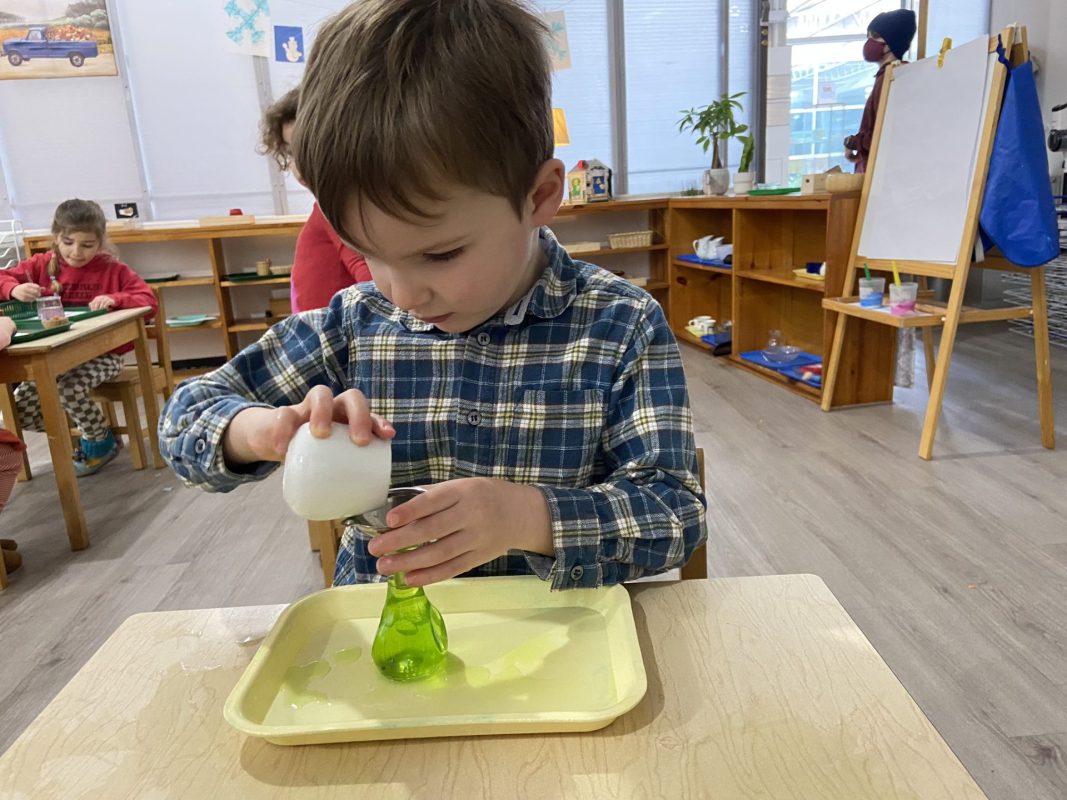
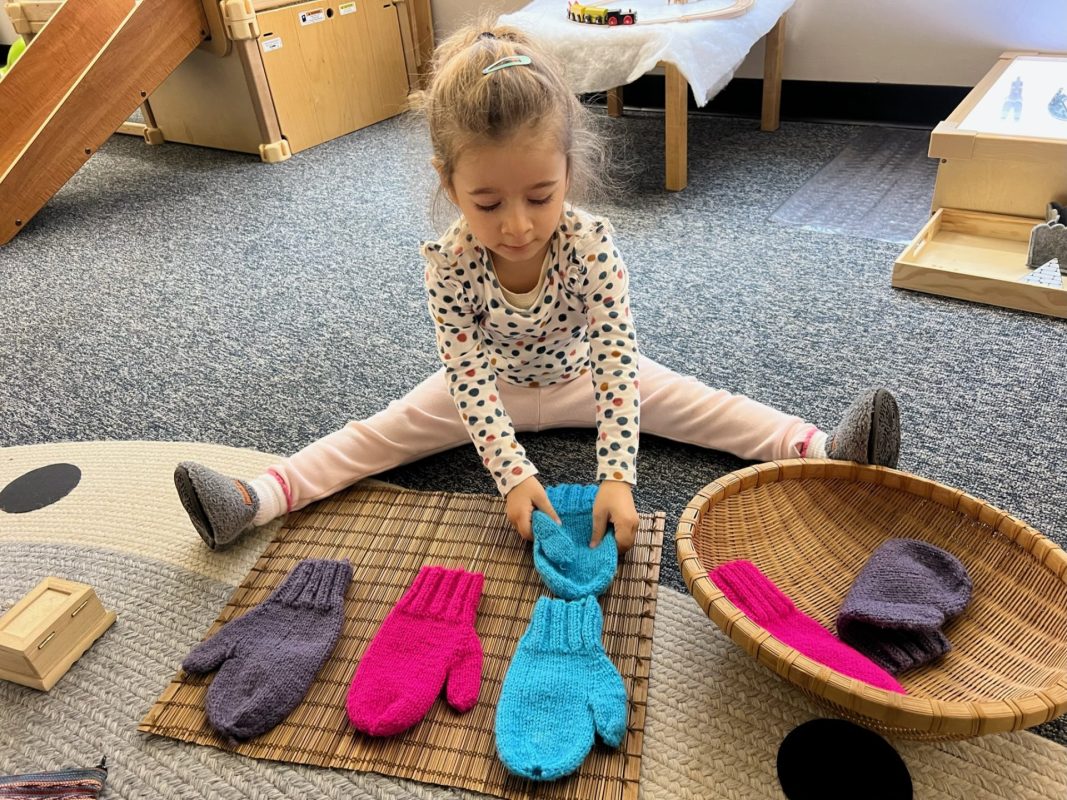
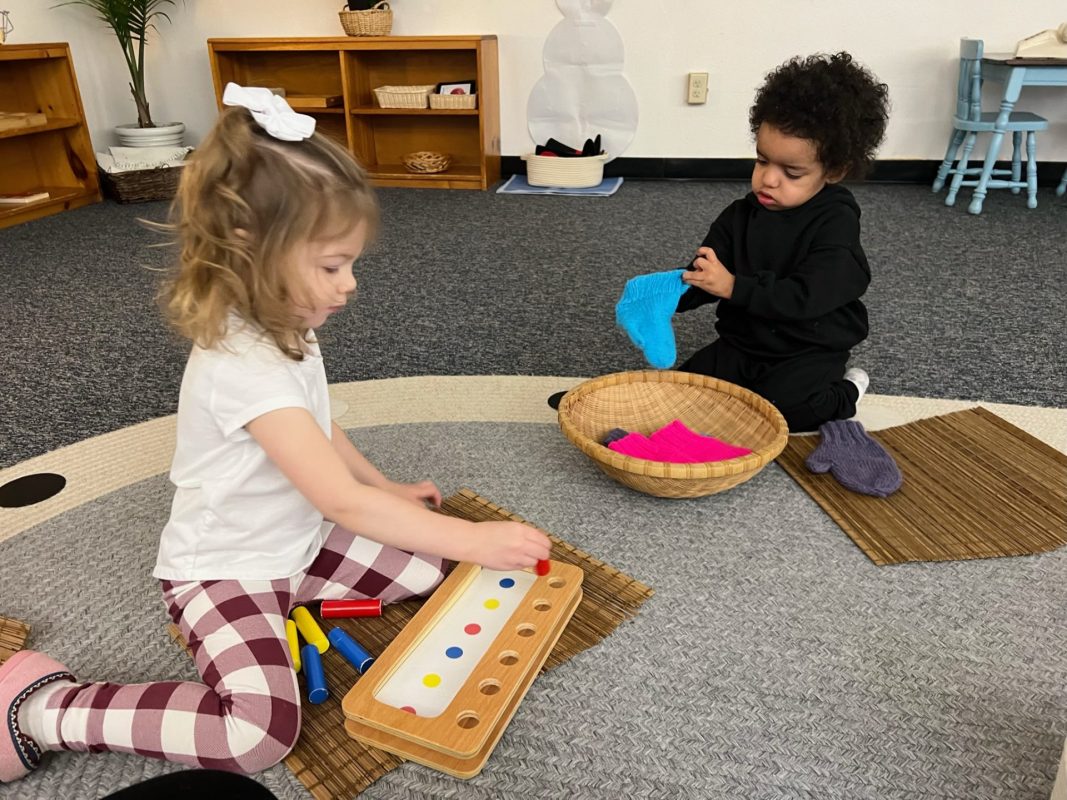
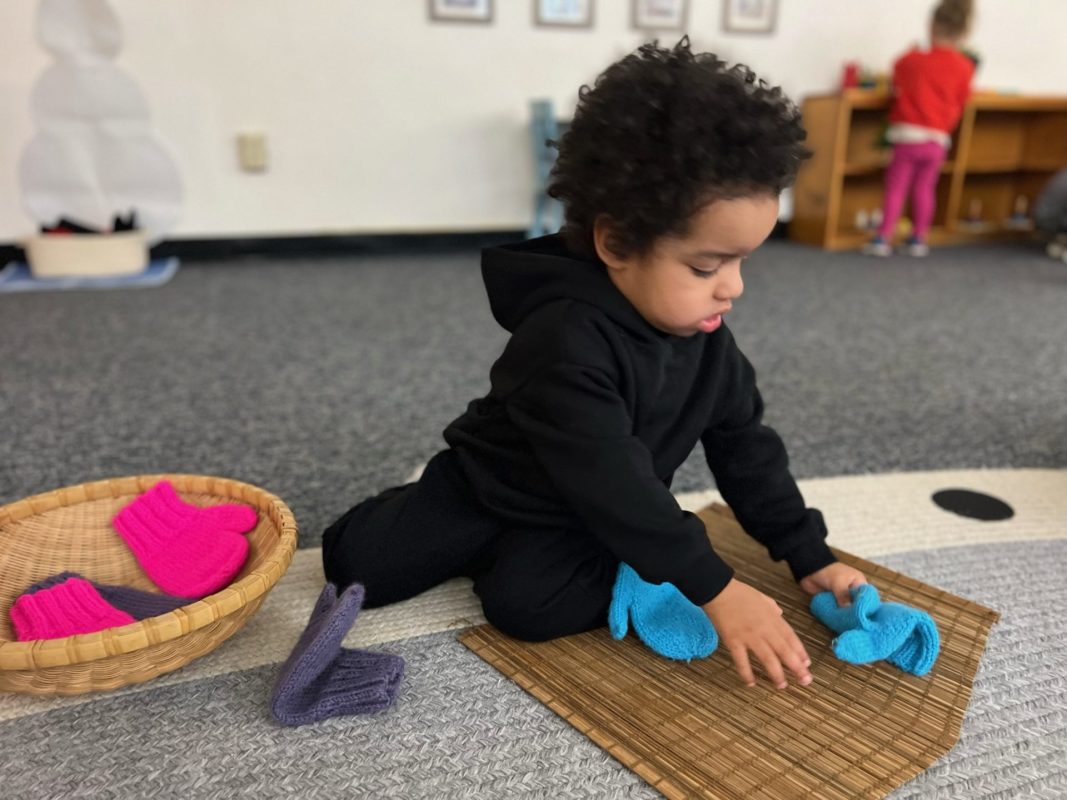
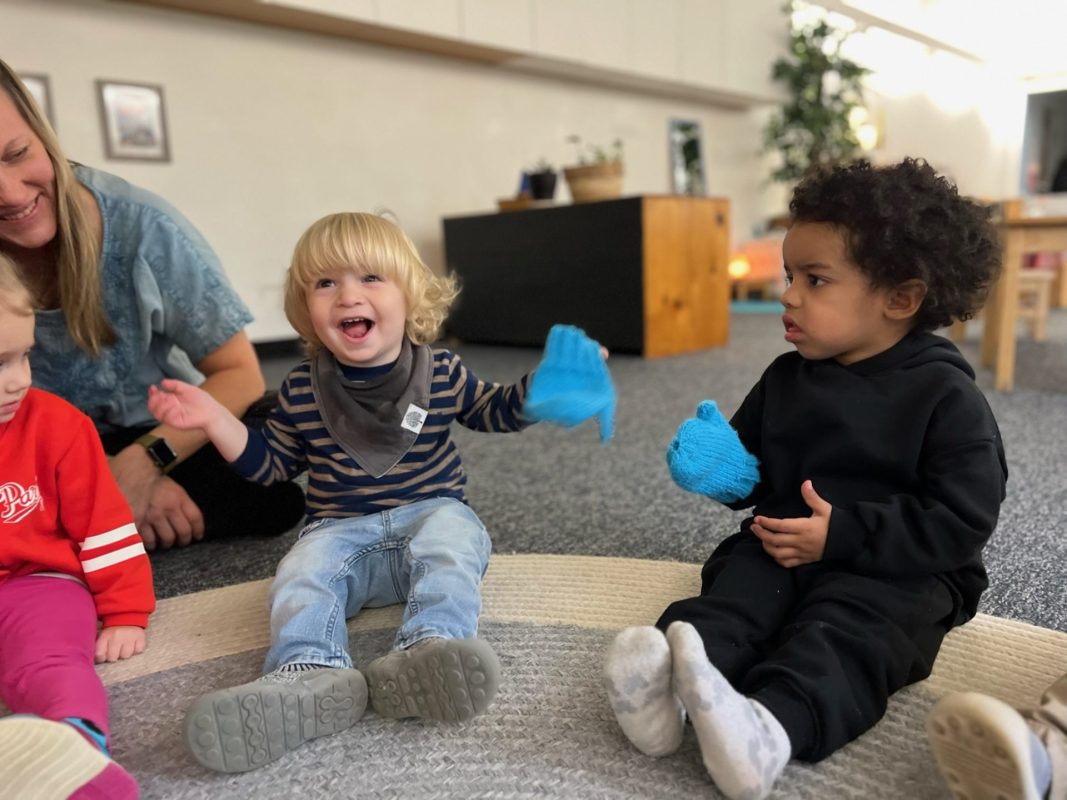
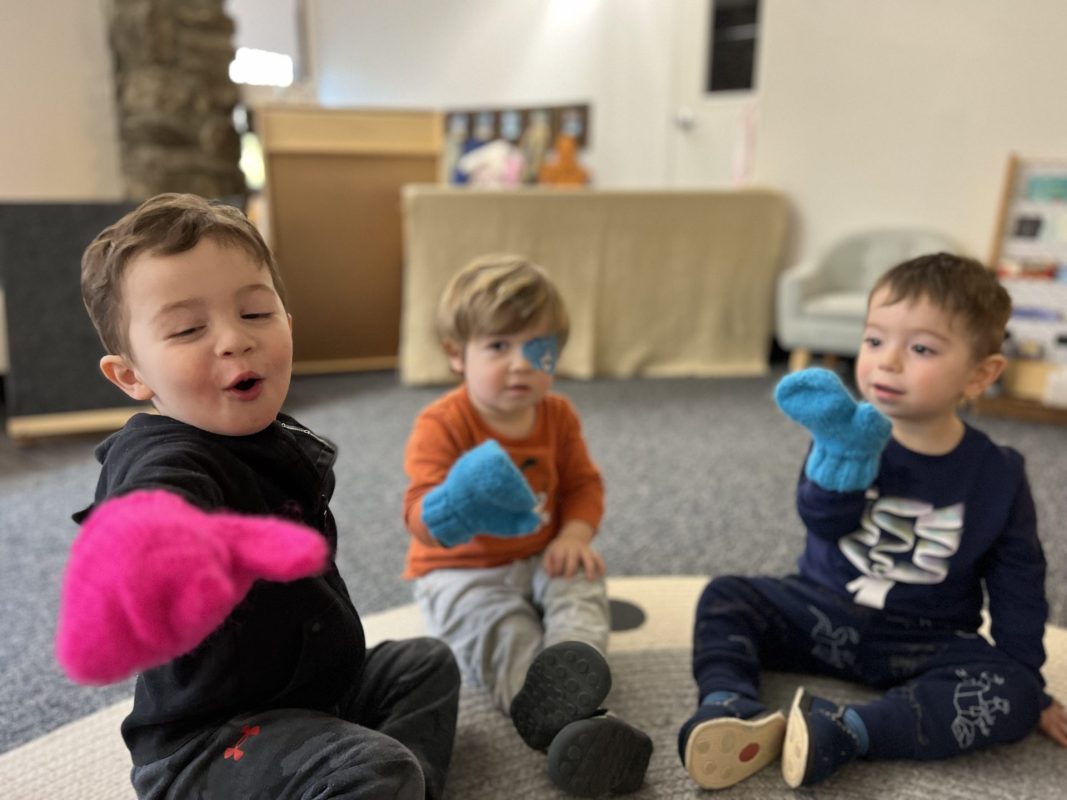
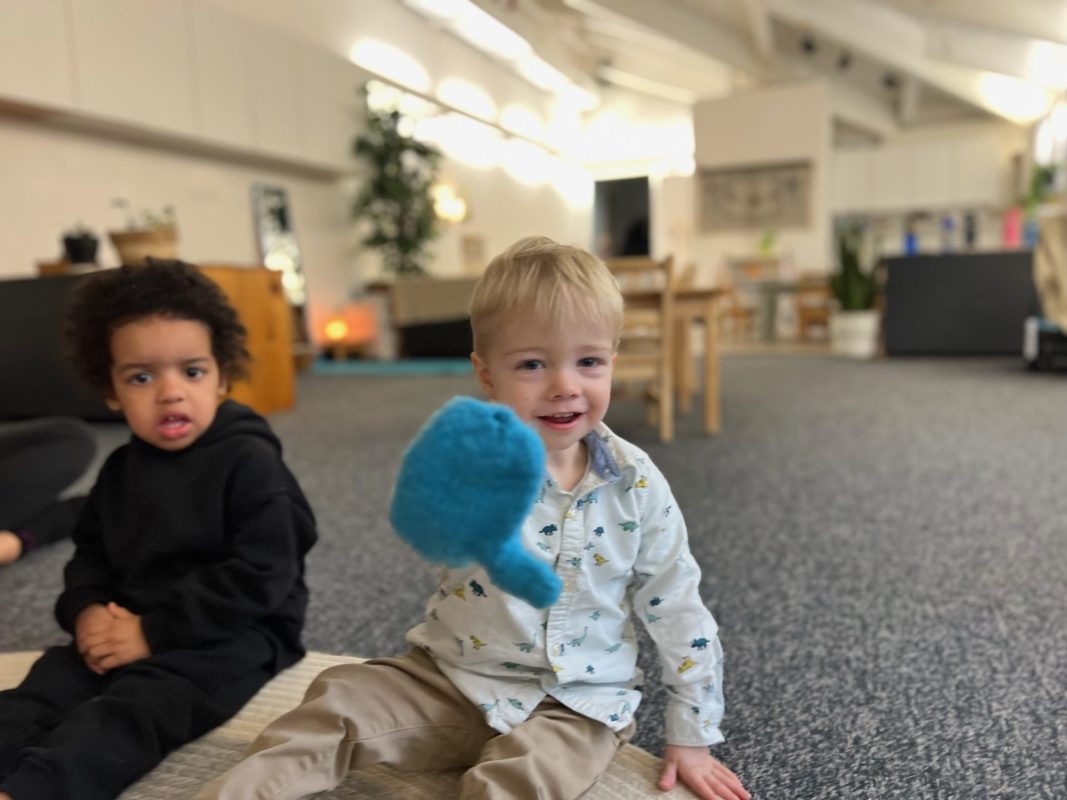
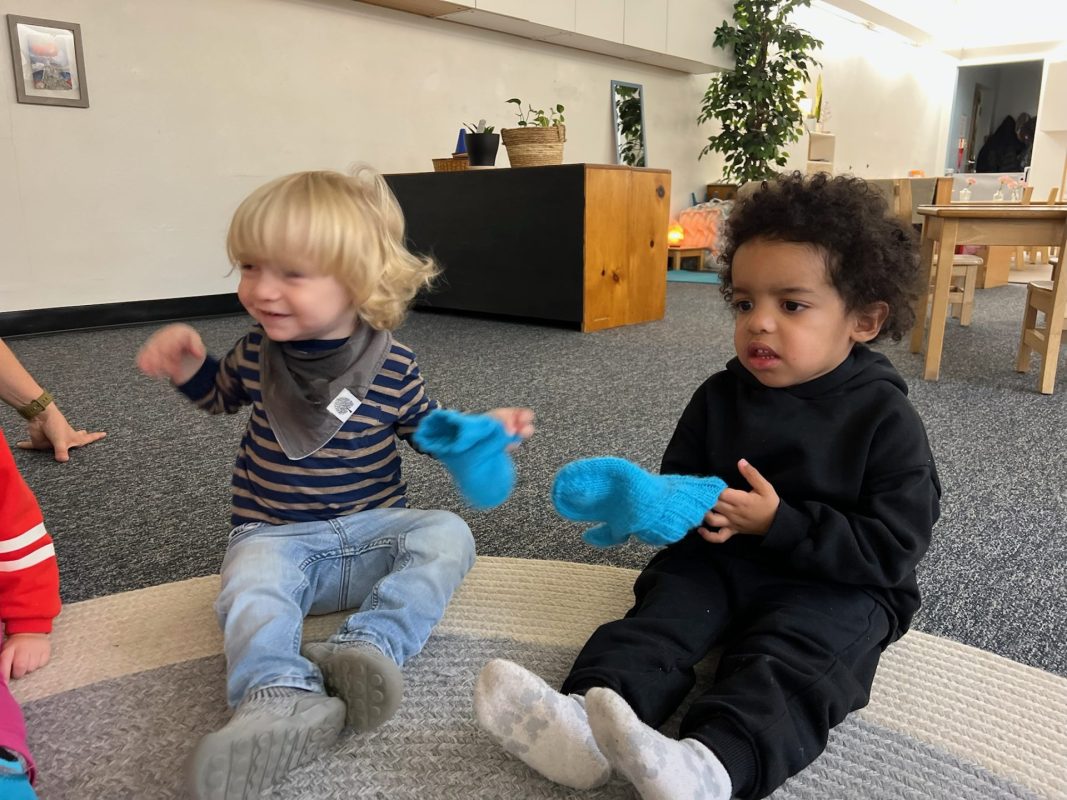
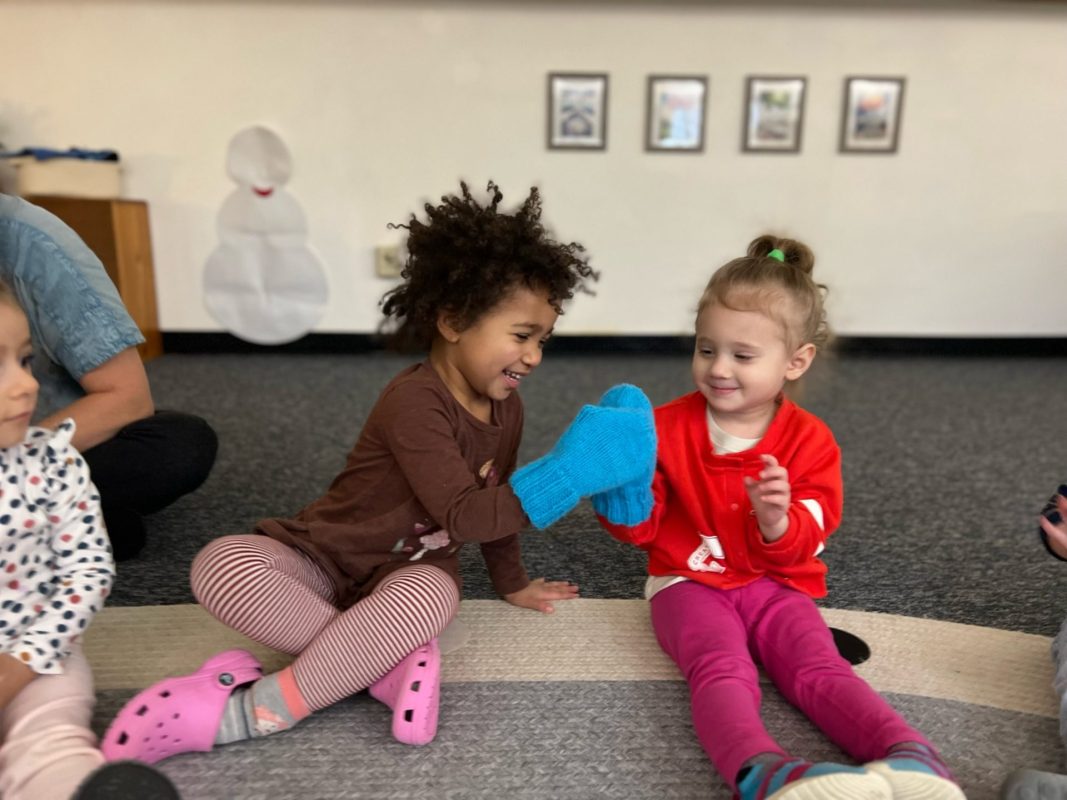
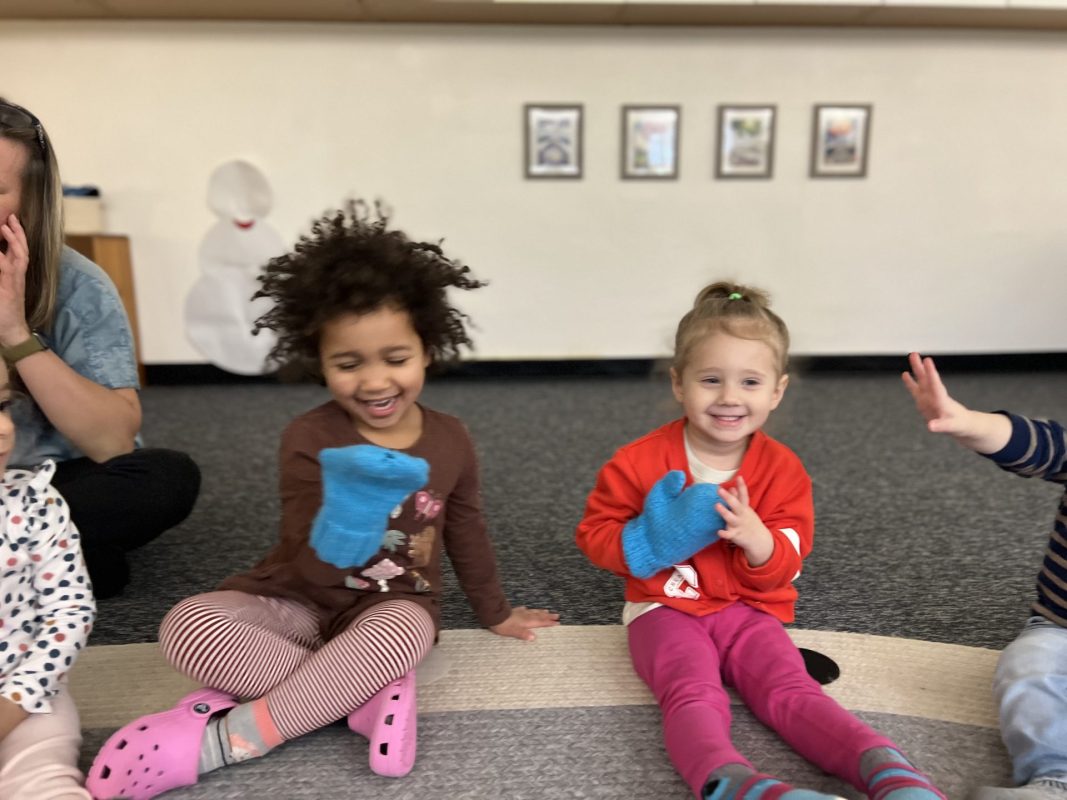
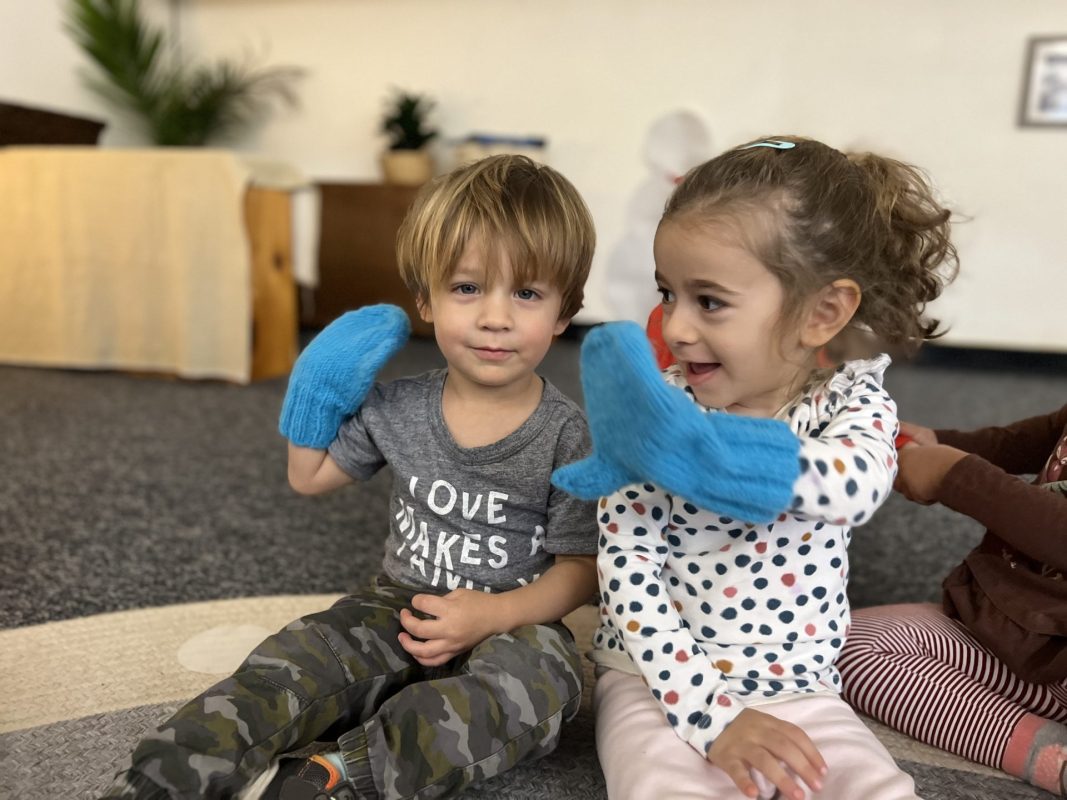
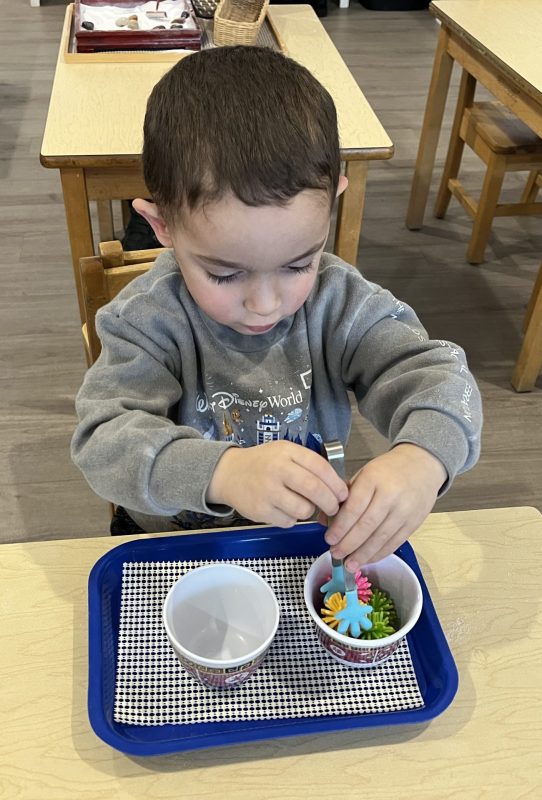
Can you imagine putting 120 little fingers into 12 pairs of mittens? It’s such a tedious task! This is why we focus so much on independence in the toddler program. One of the lessons we are focusing on is guiding the children to put on their own mittens. Mittens are a lot easier for toddlers to put on vs gloves successfully.  While they practiced we sang a song, called:

 The Mitten Song 
This is the song we sing in mitten weather.
Thumb in the thumb place
and fingers all together.

Please send in mittens with your child so we can continue to develop our independence.

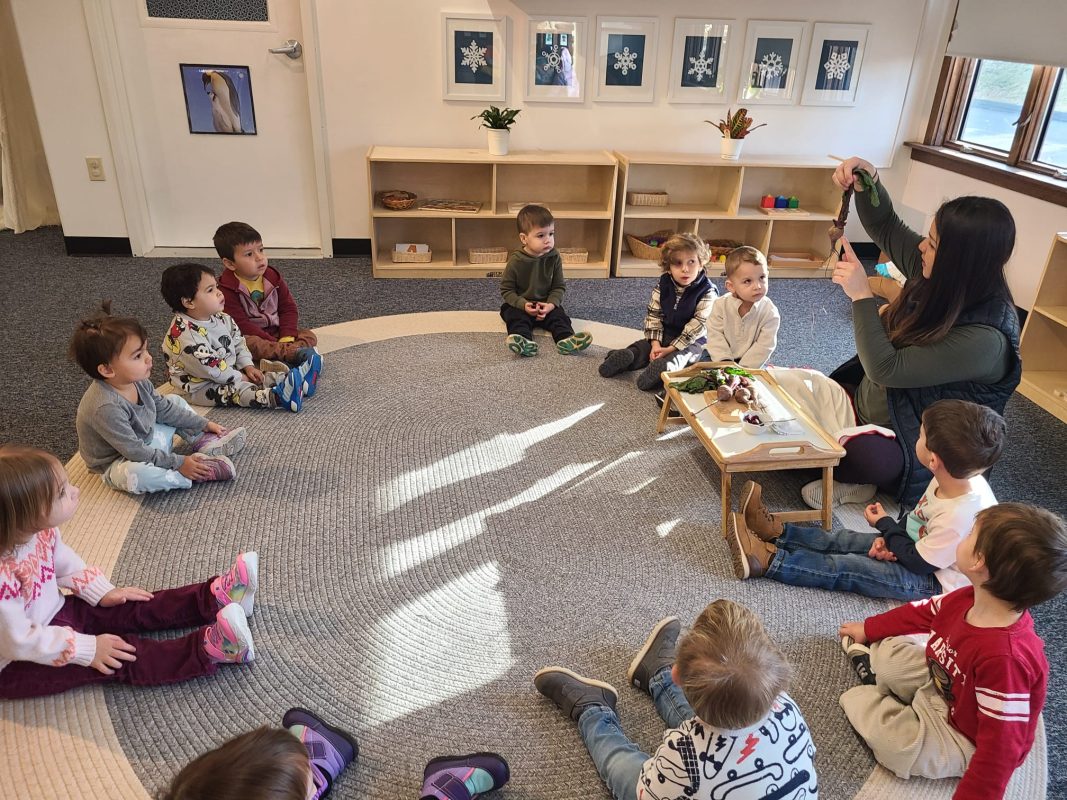
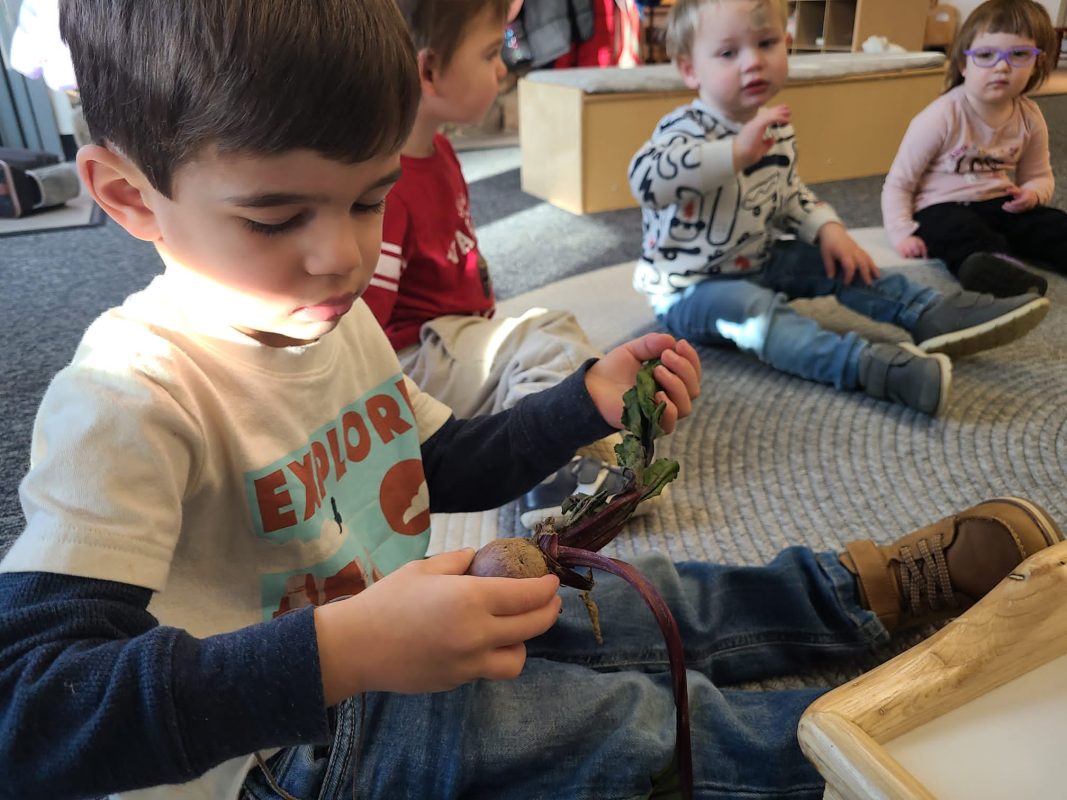
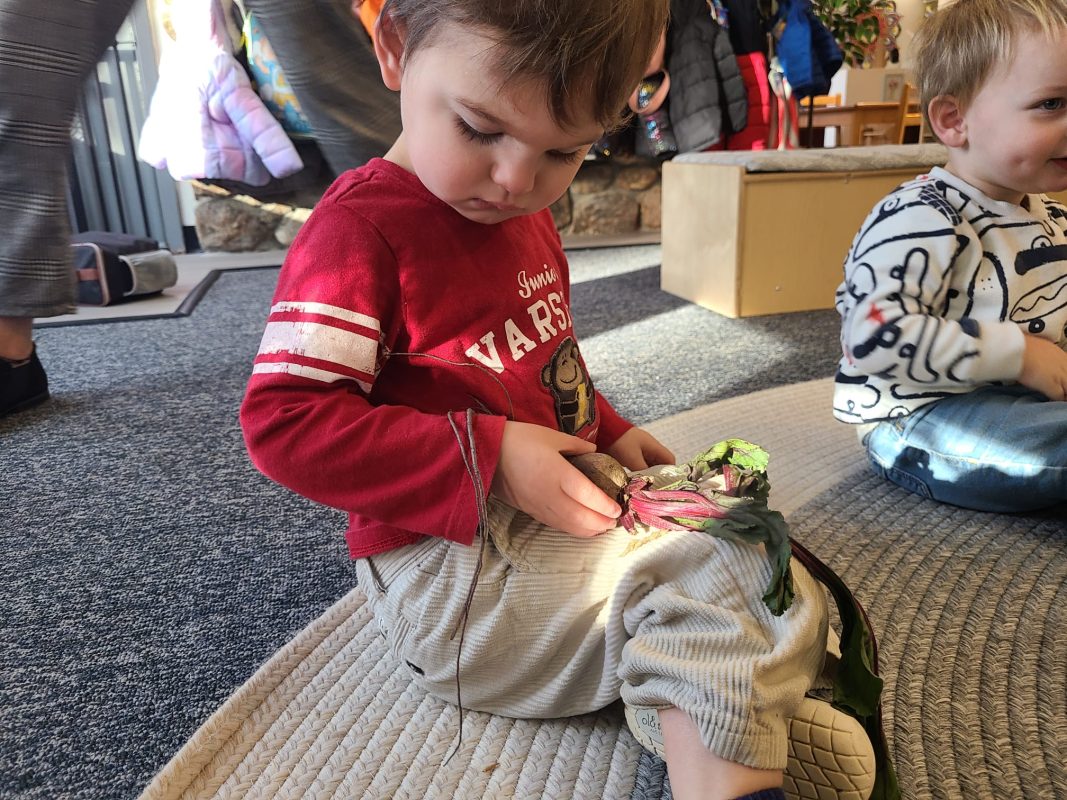
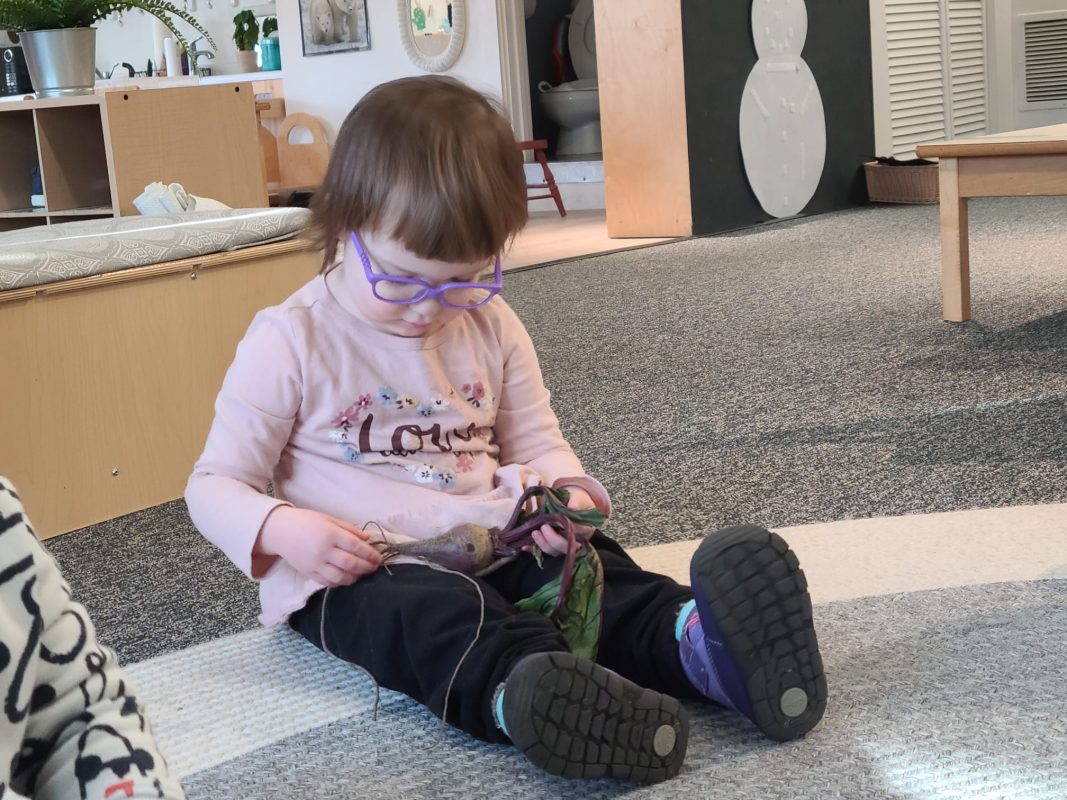
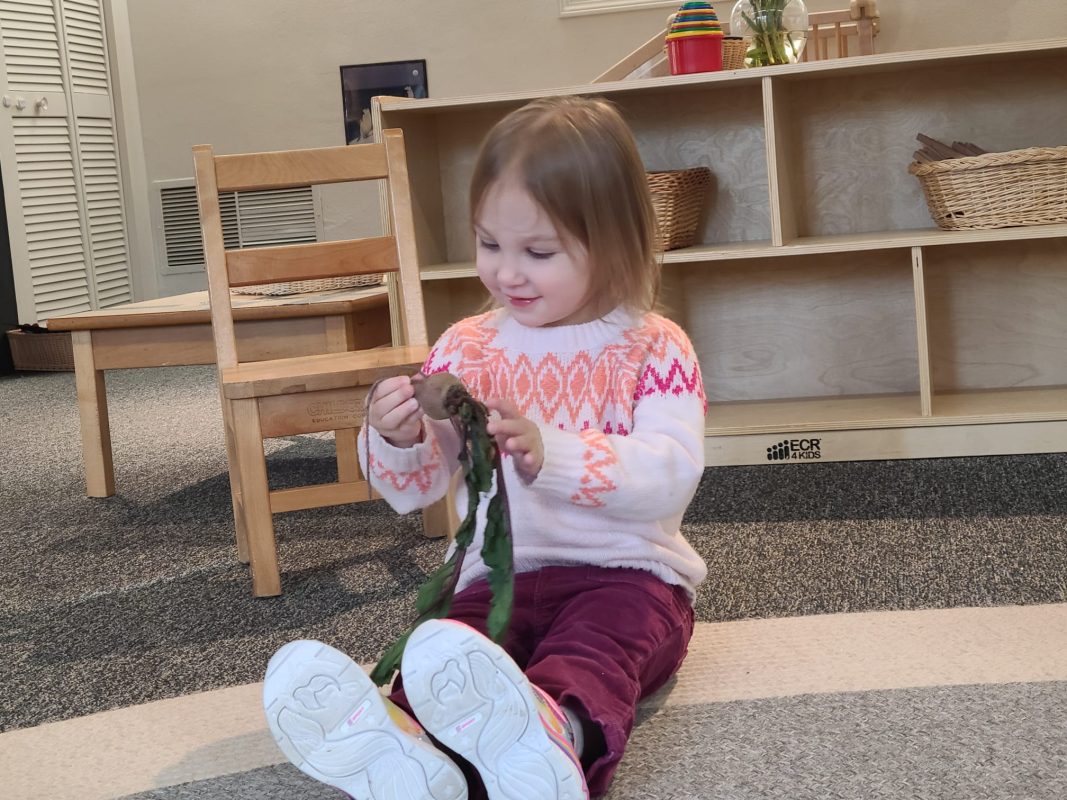
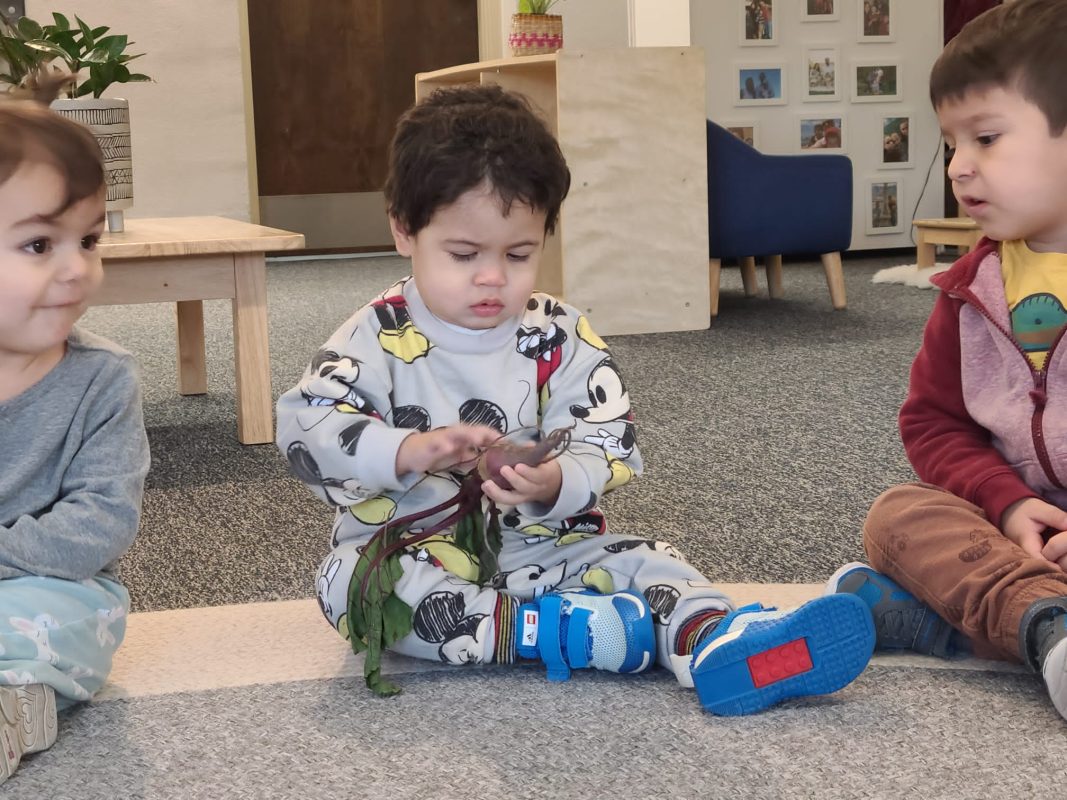
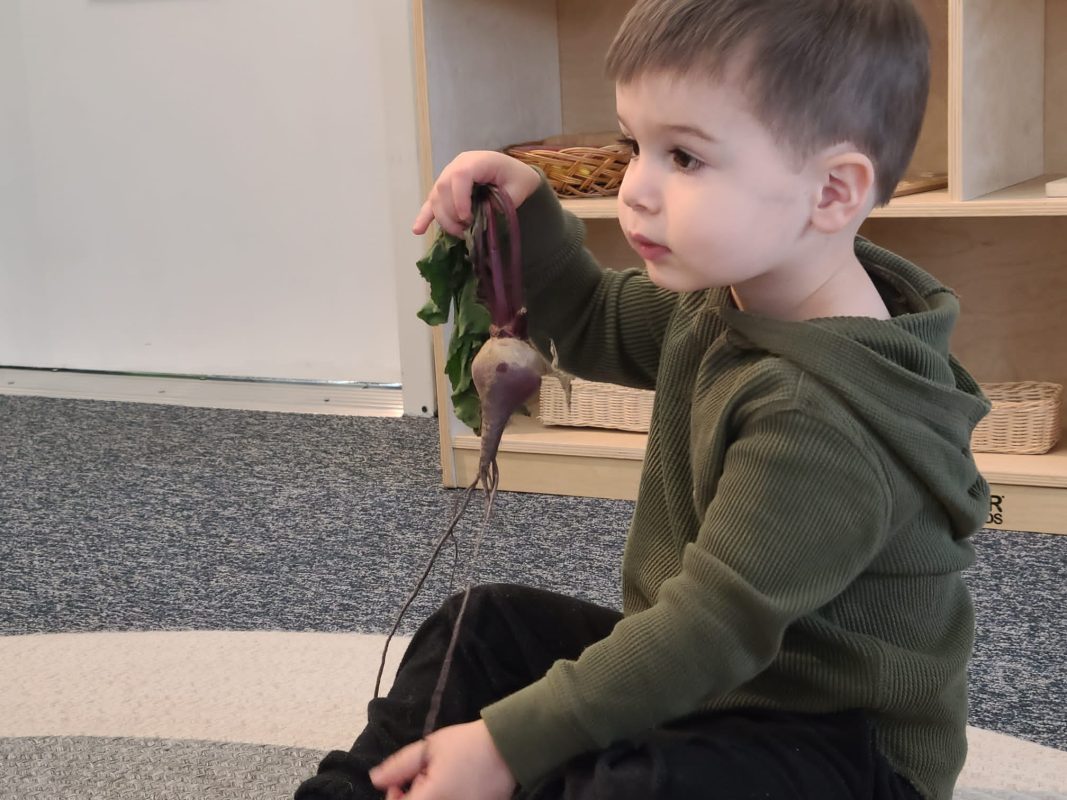
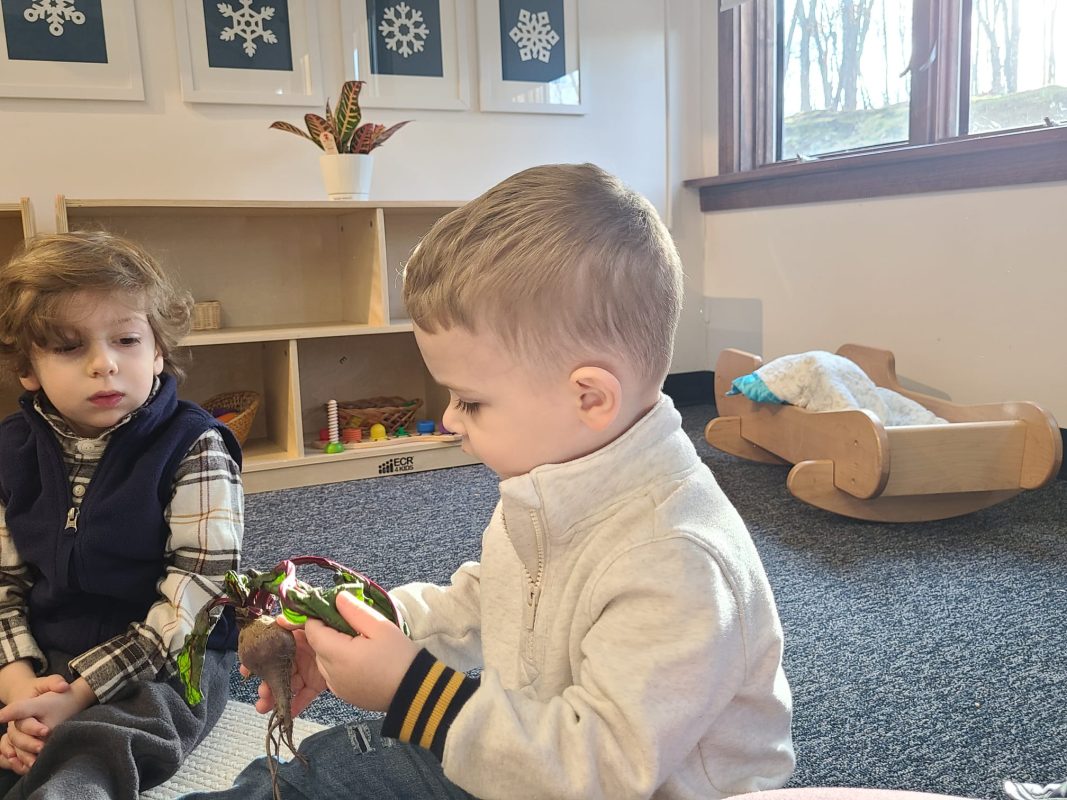
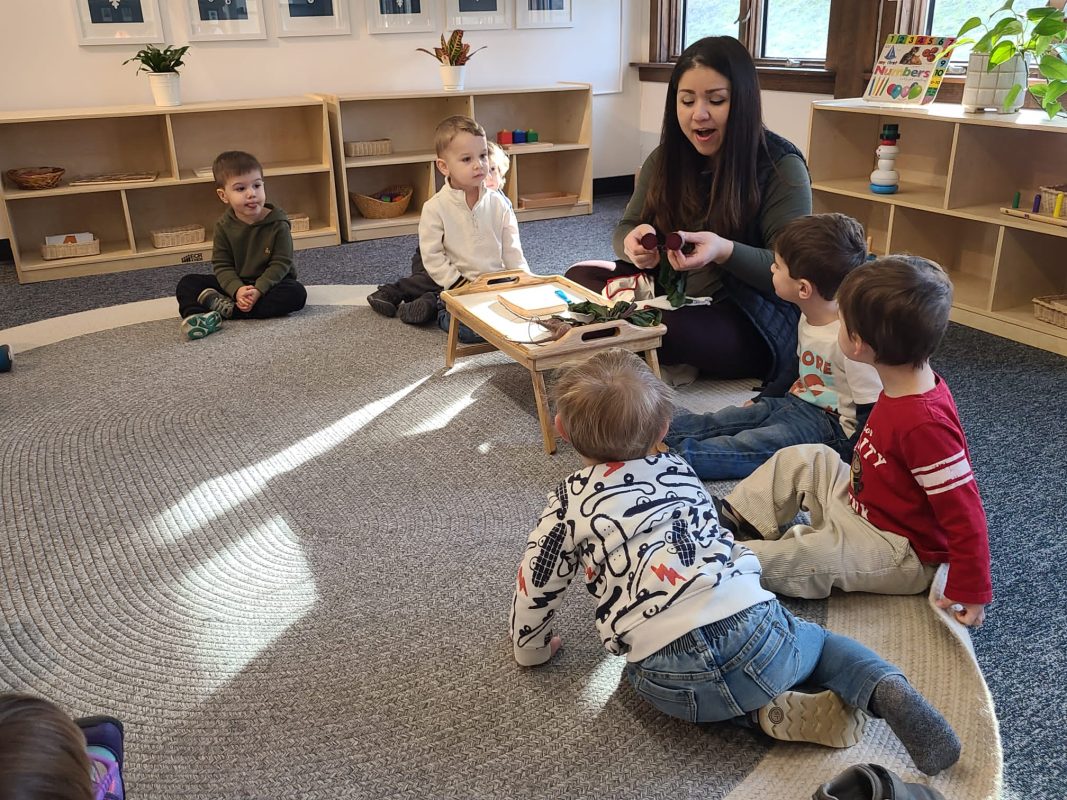
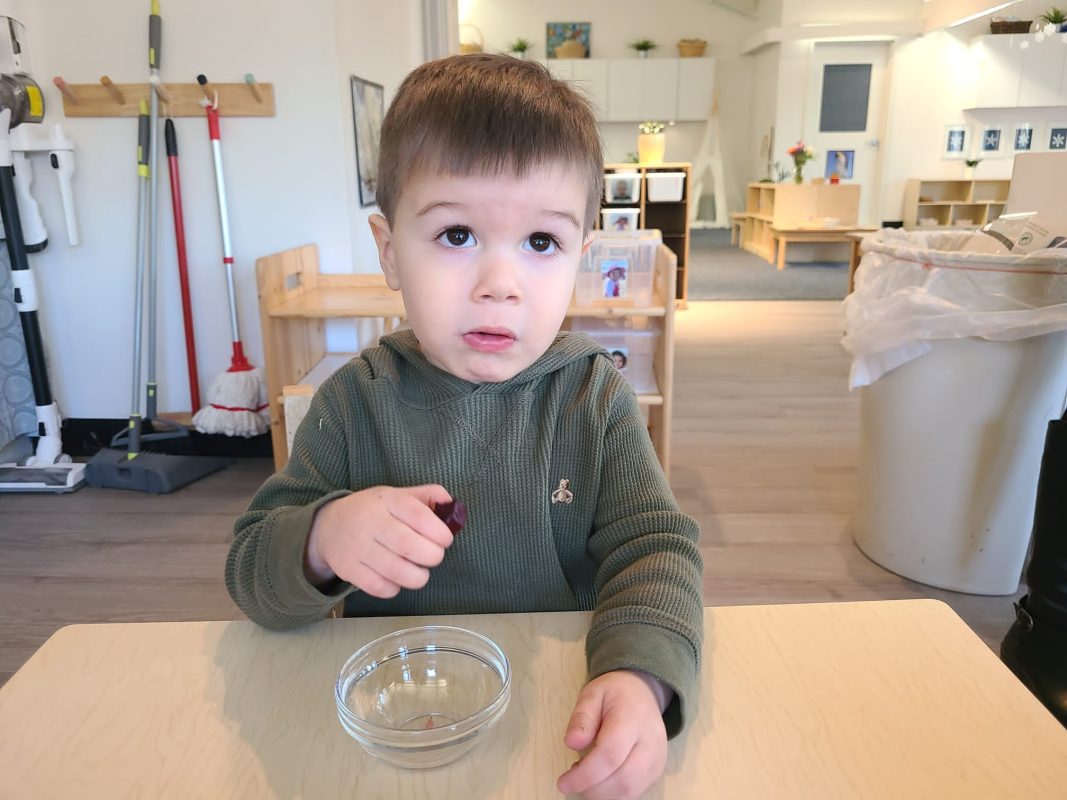
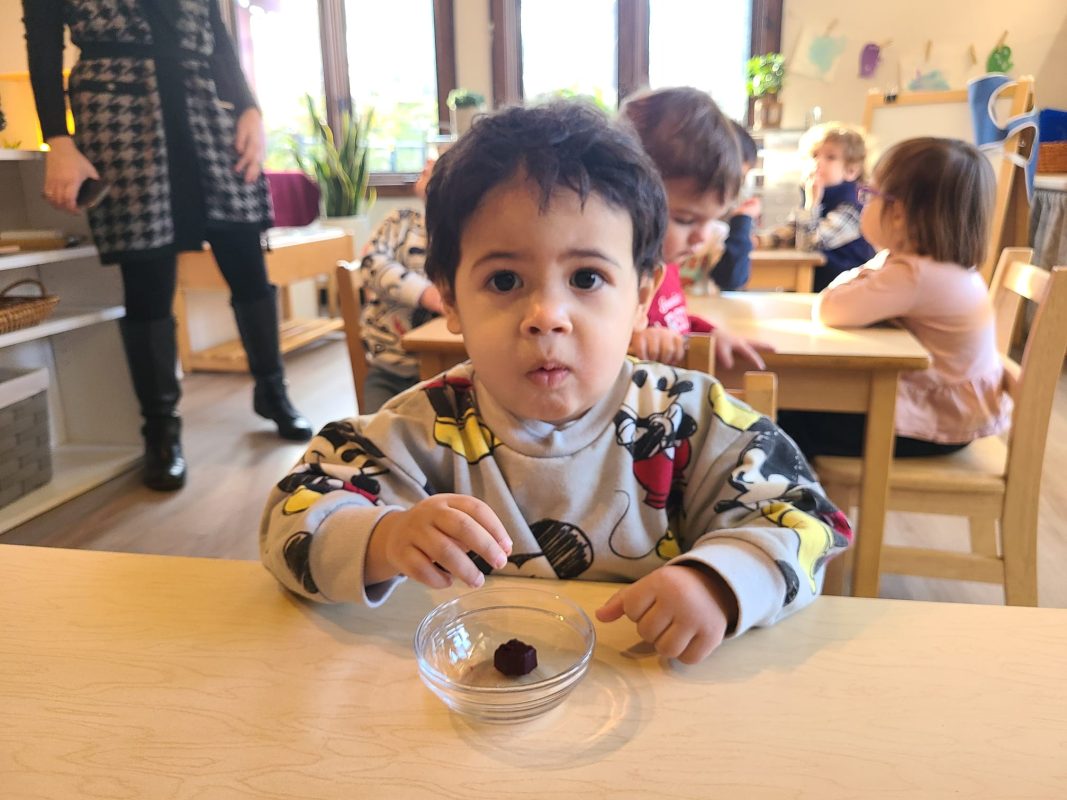
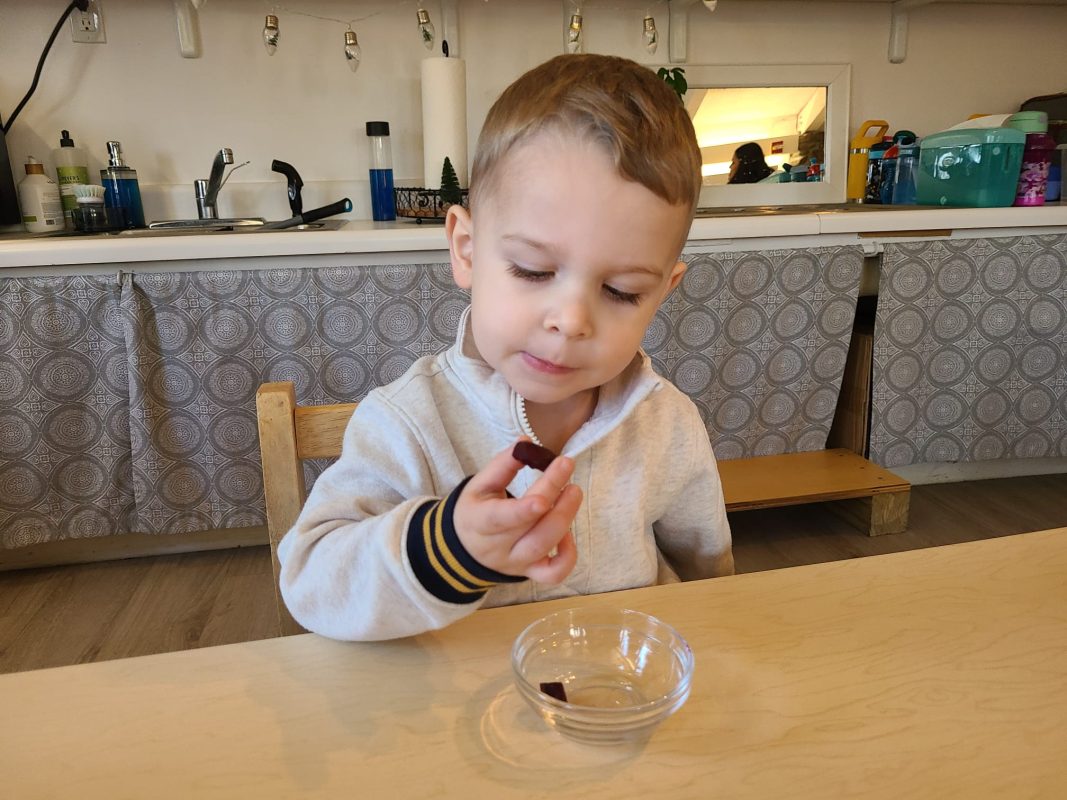
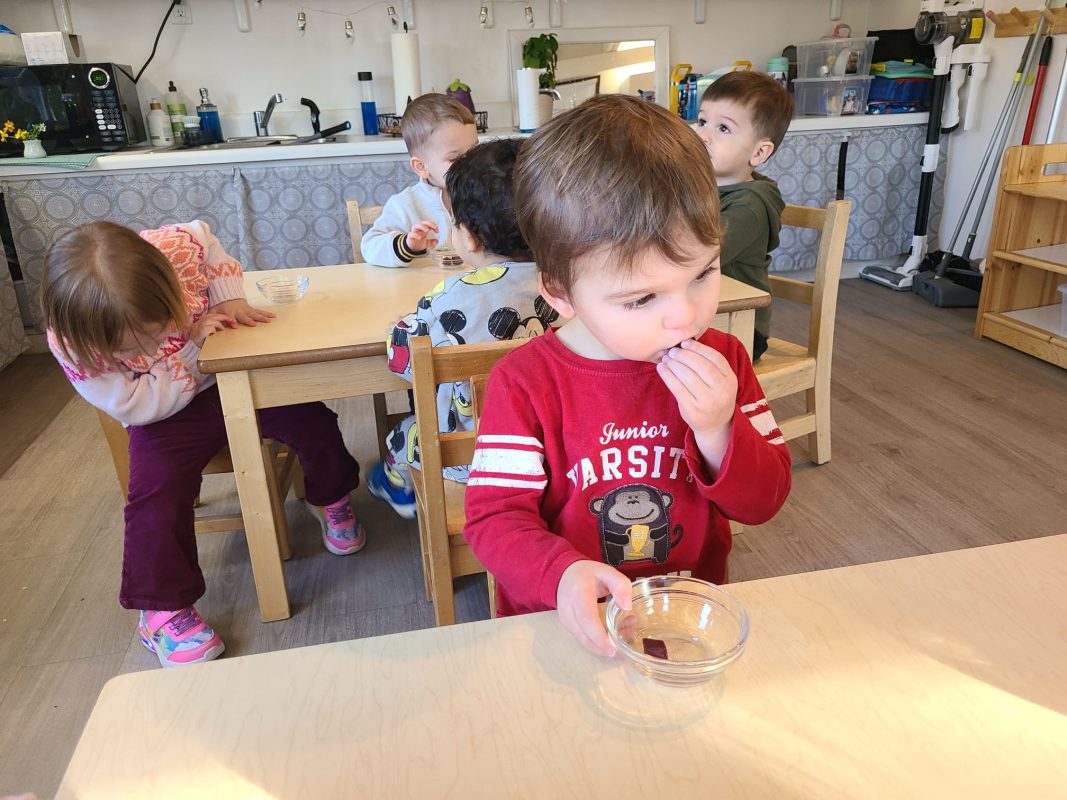
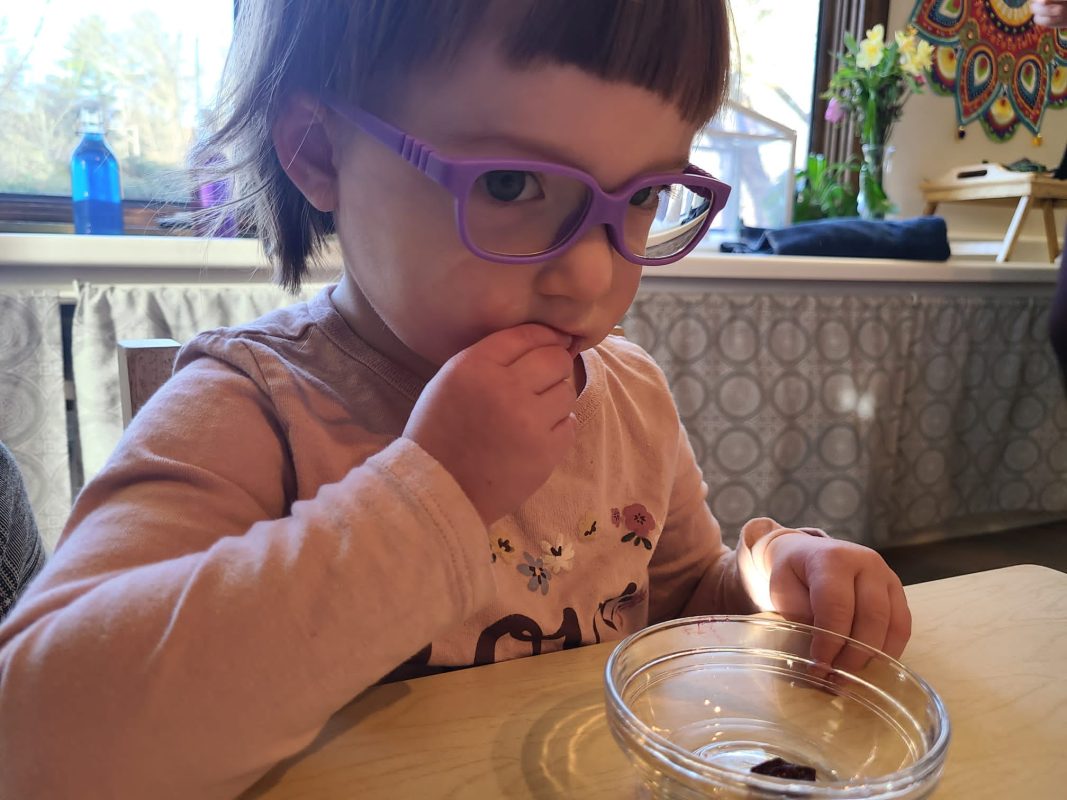
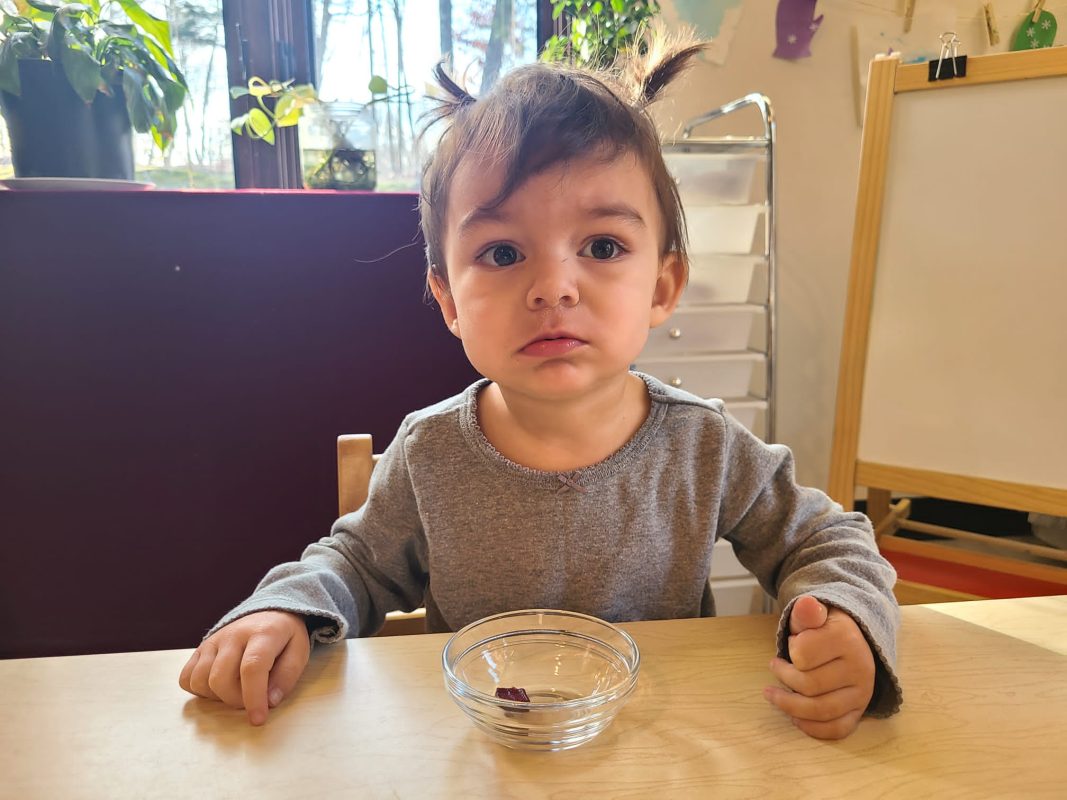
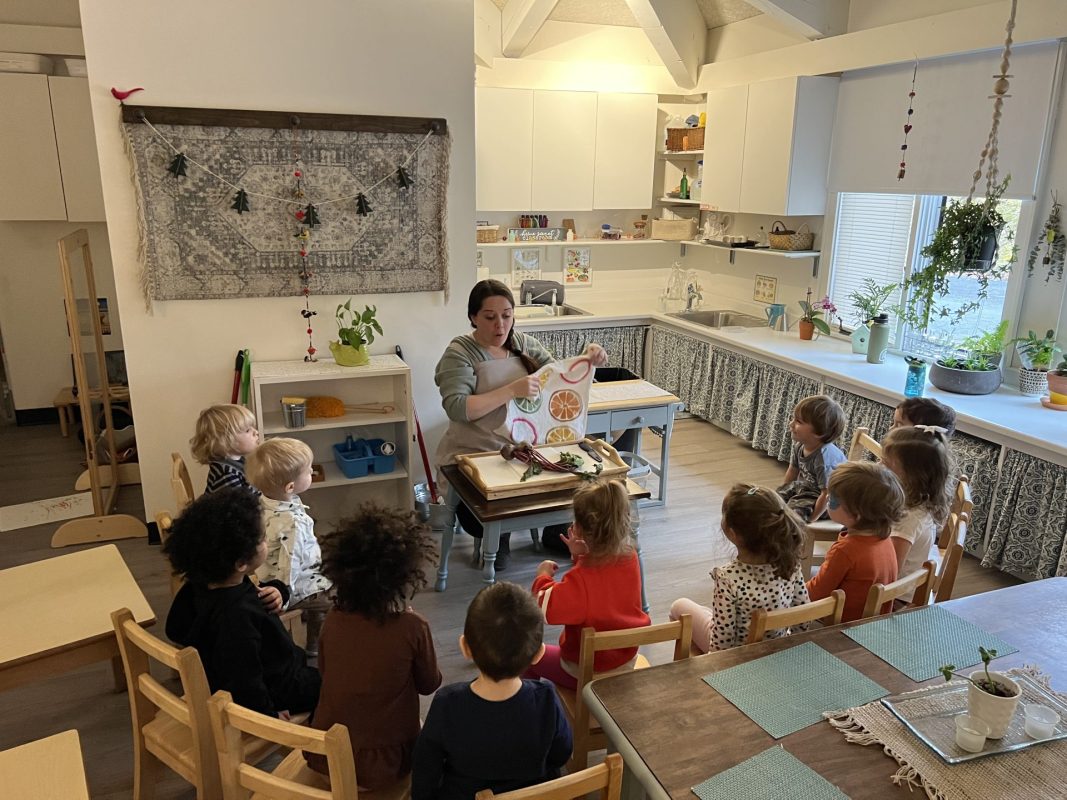
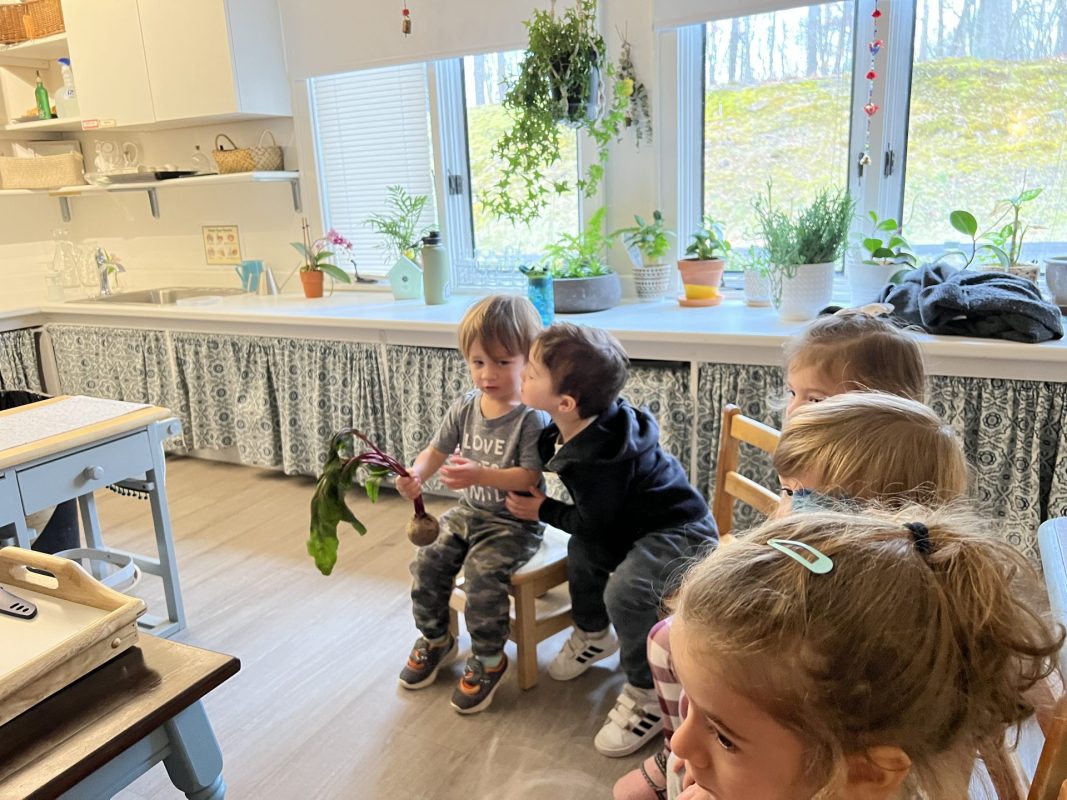
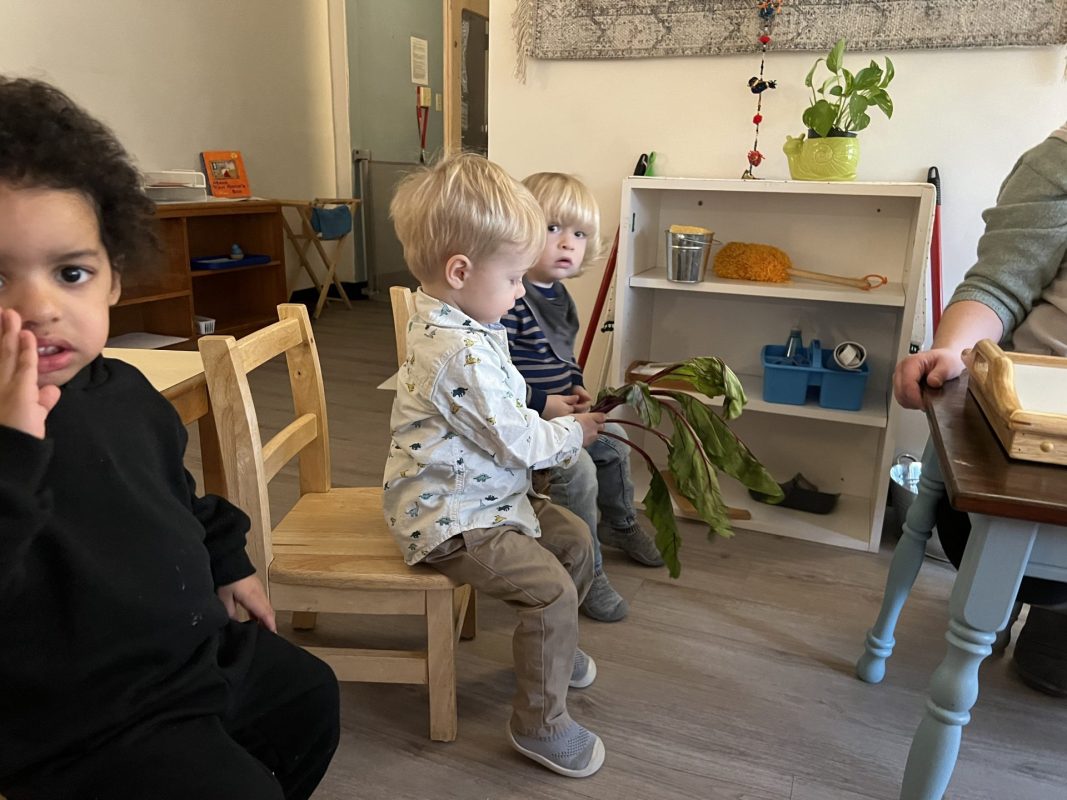
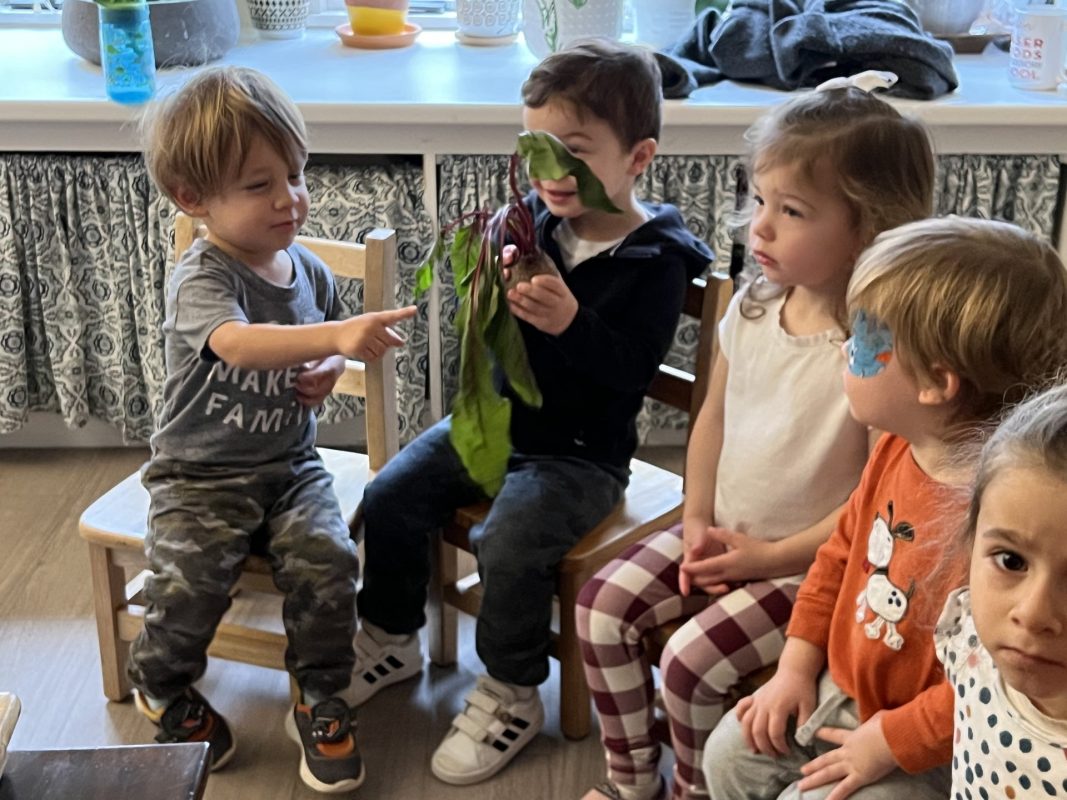
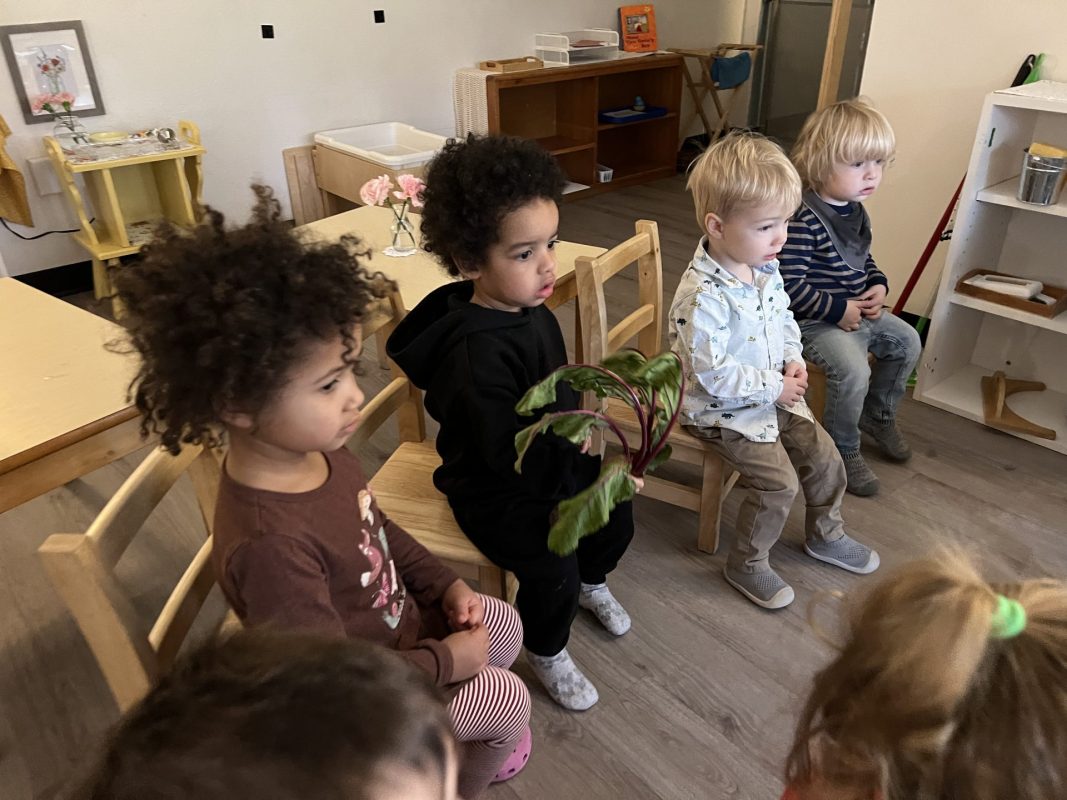
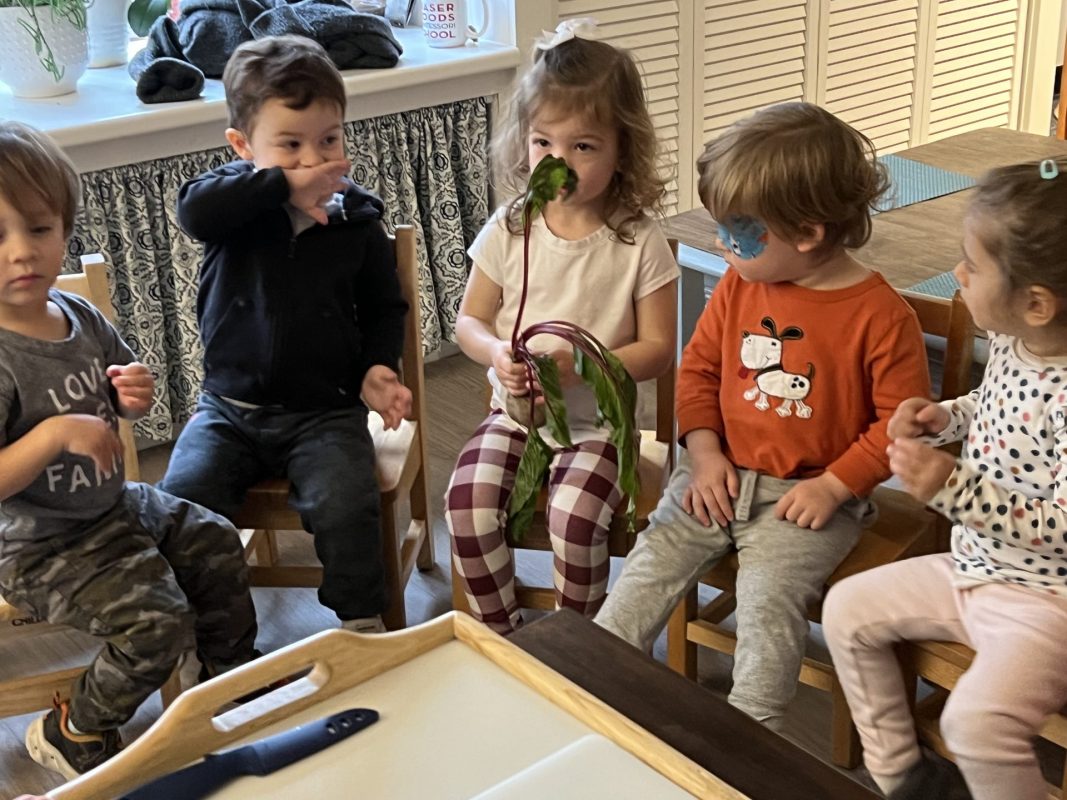
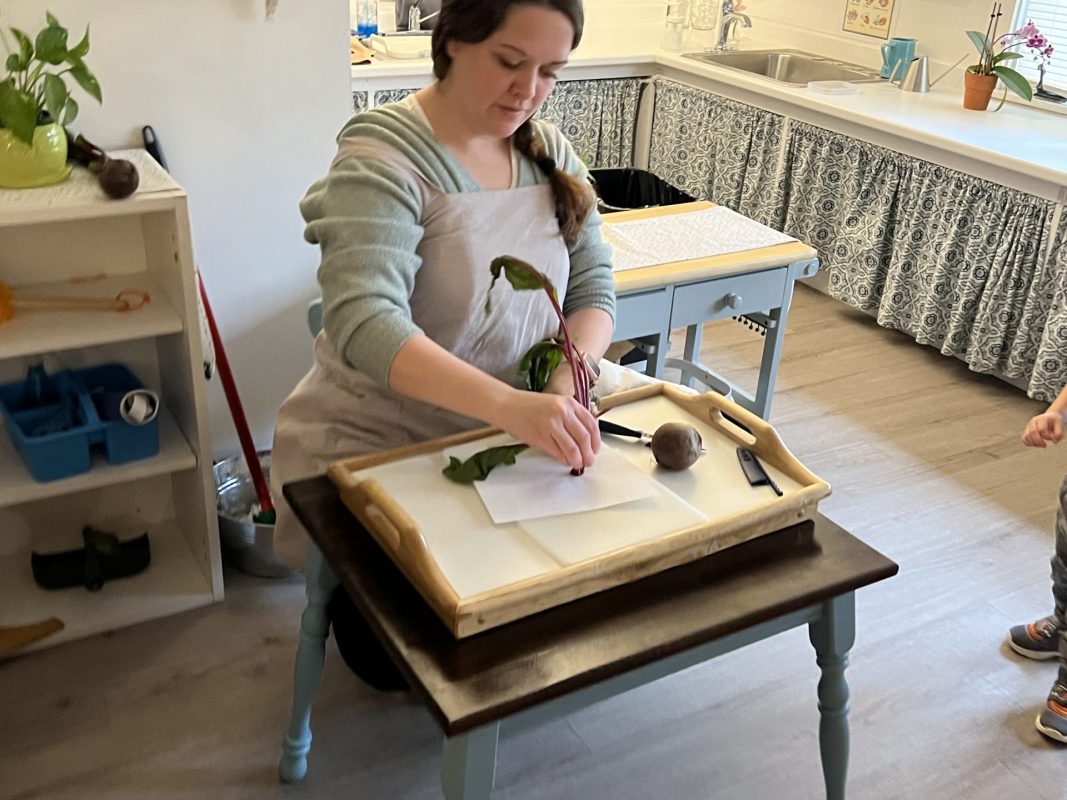
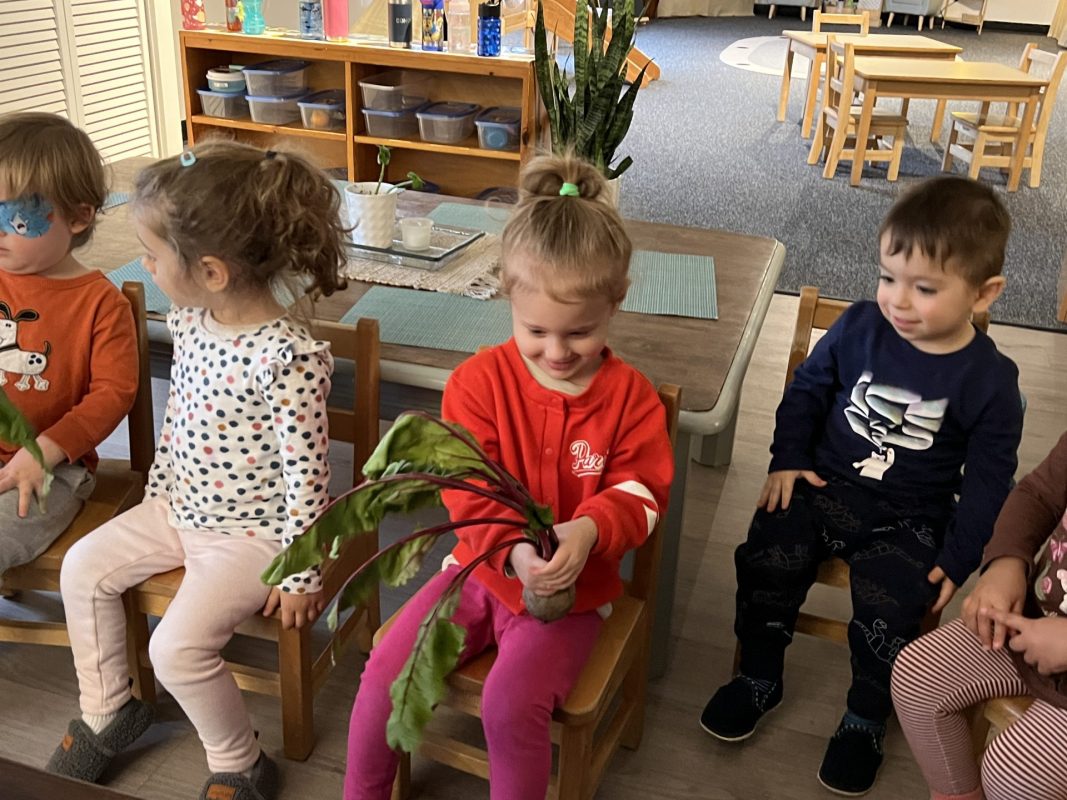
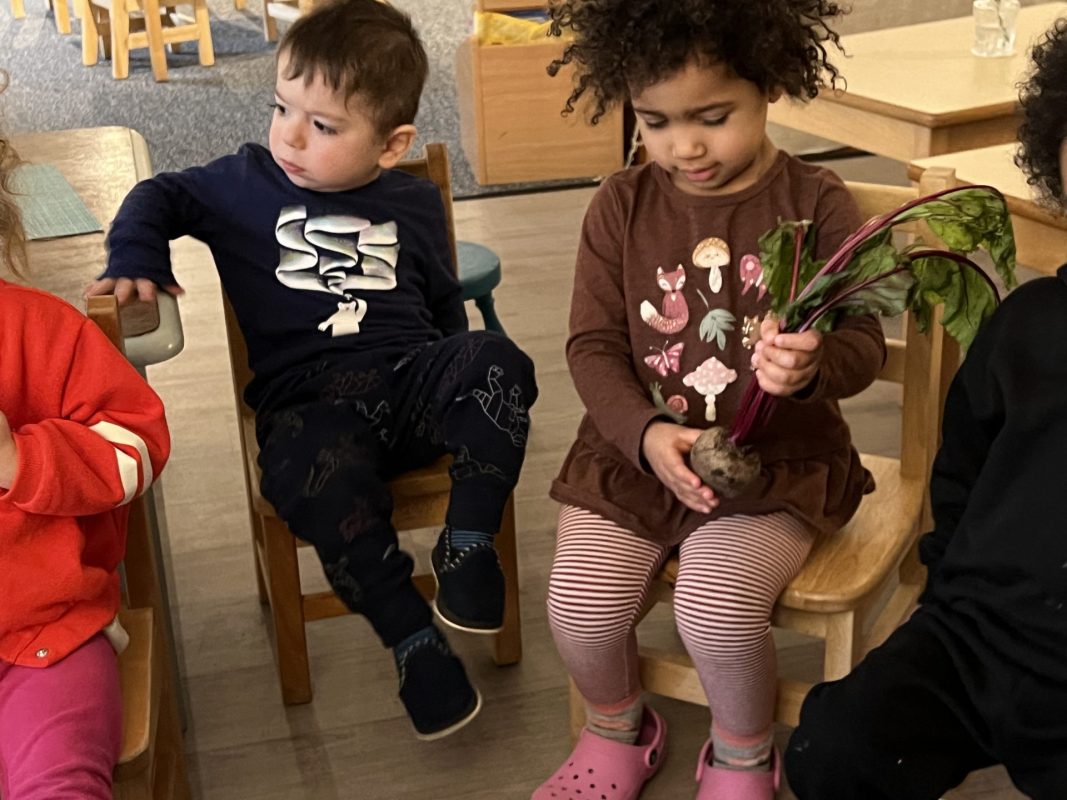
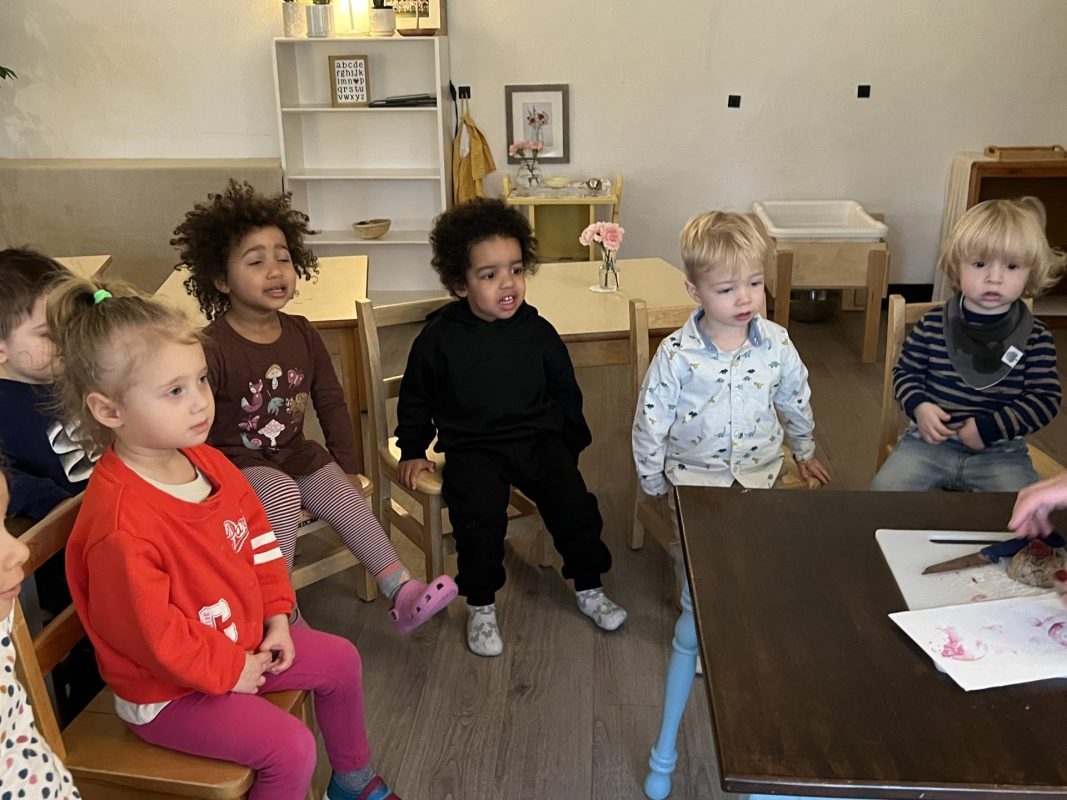
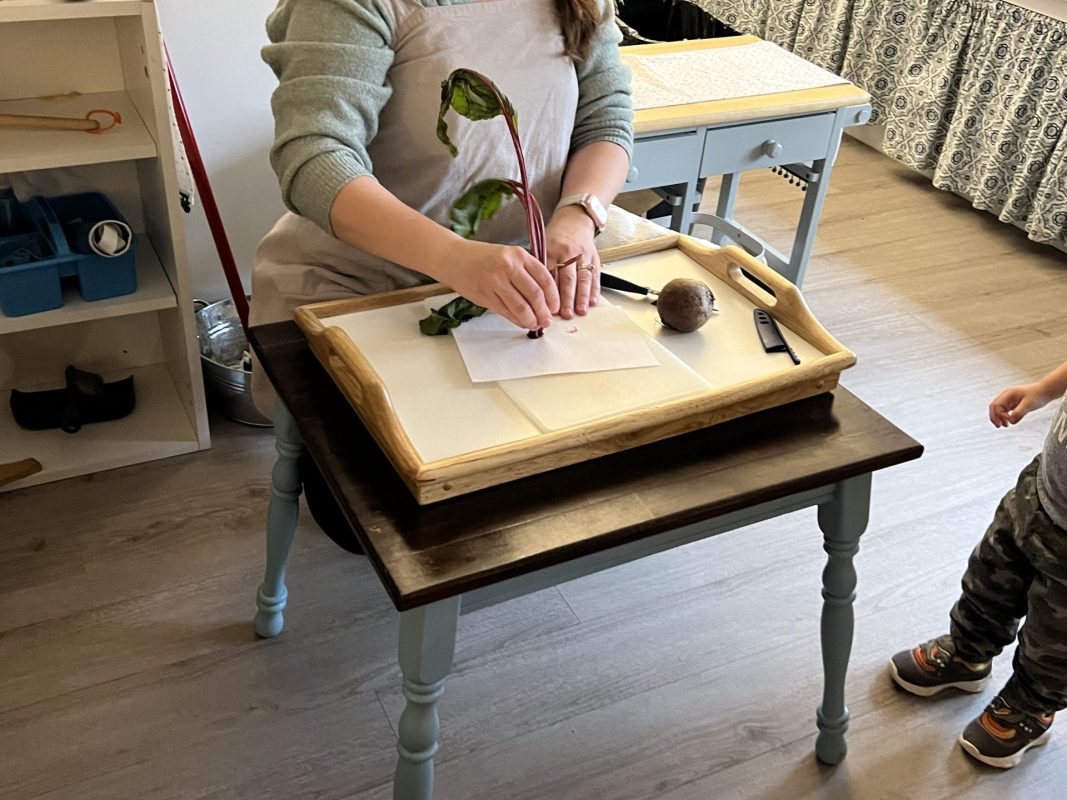
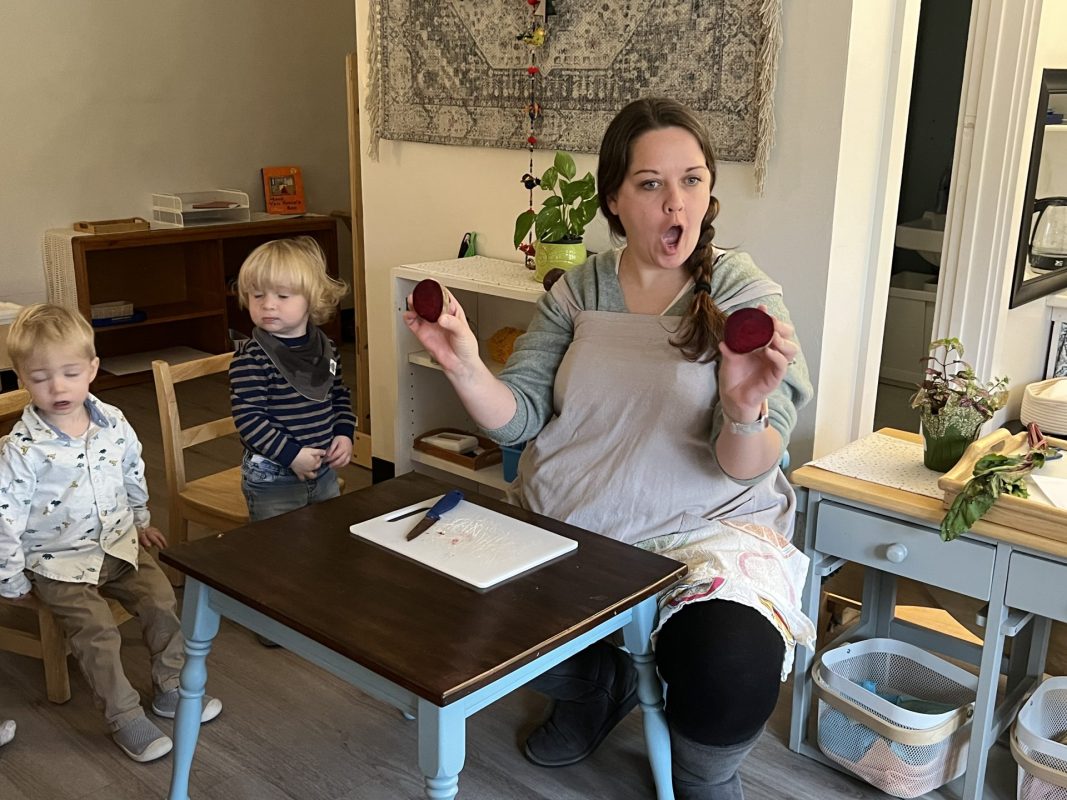
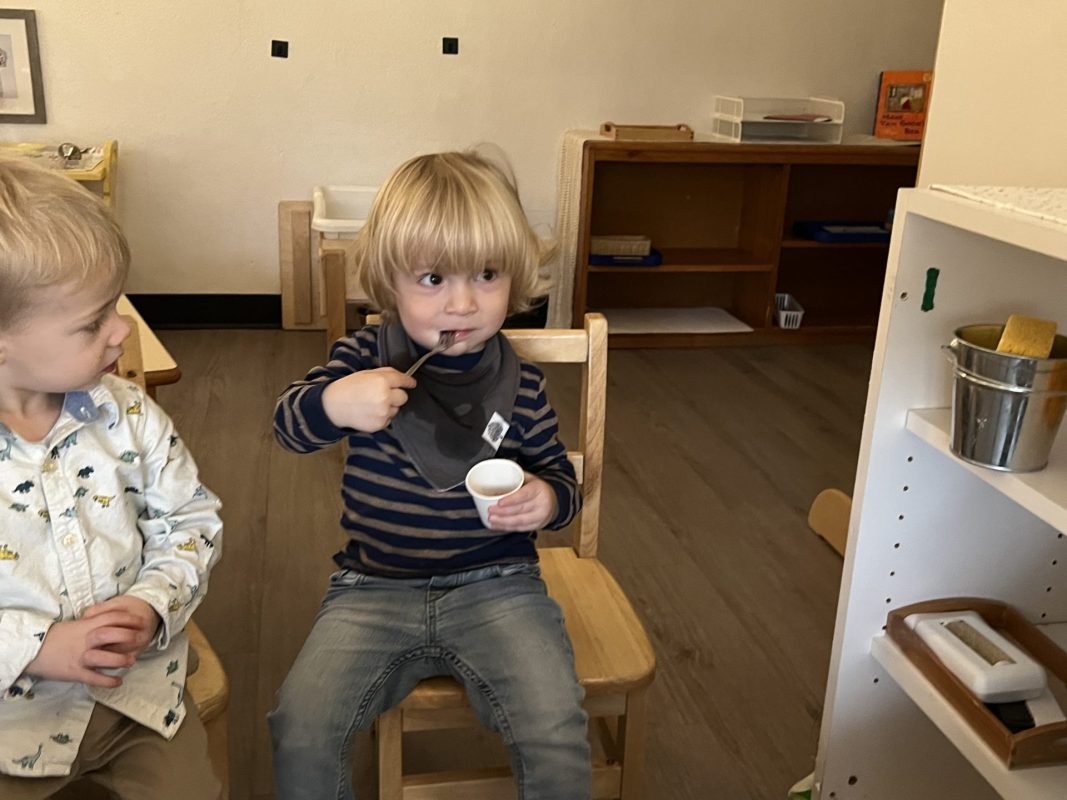
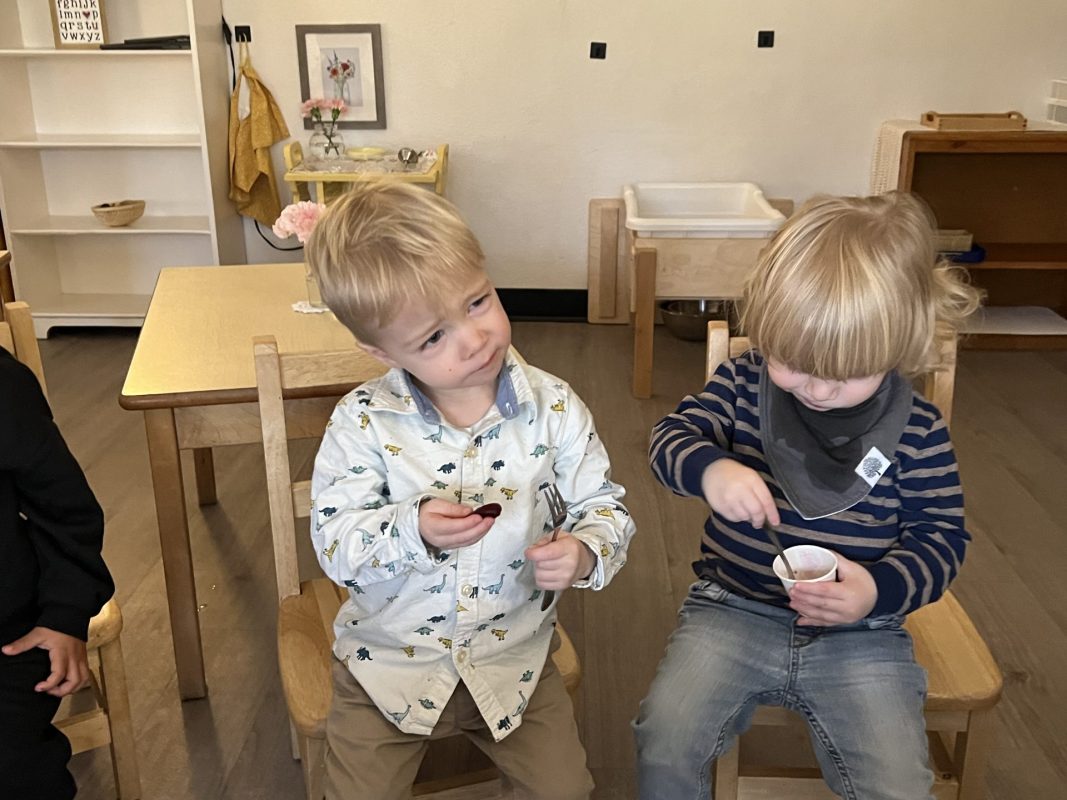
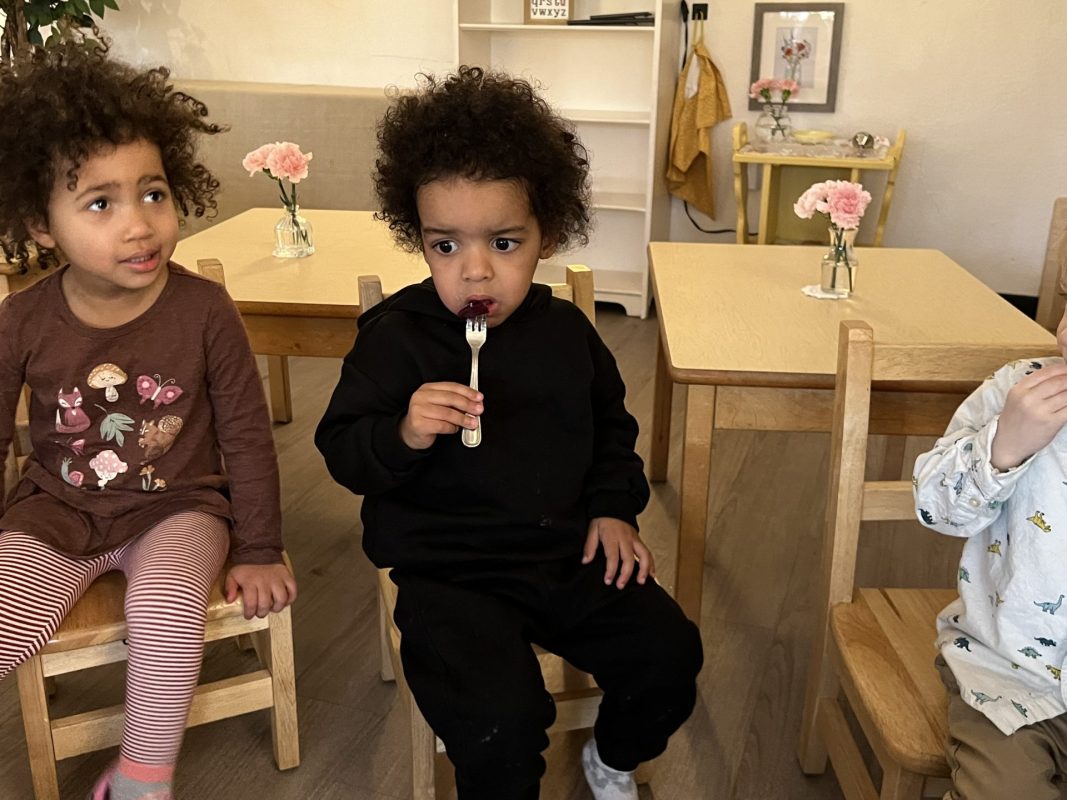
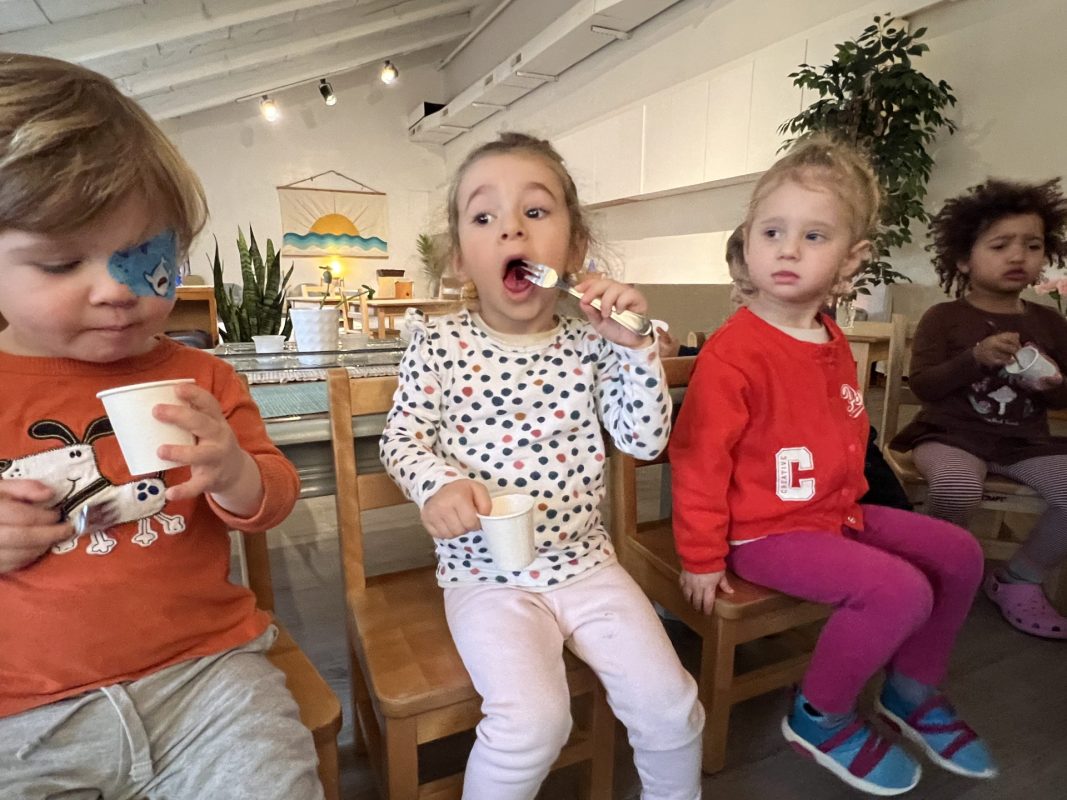
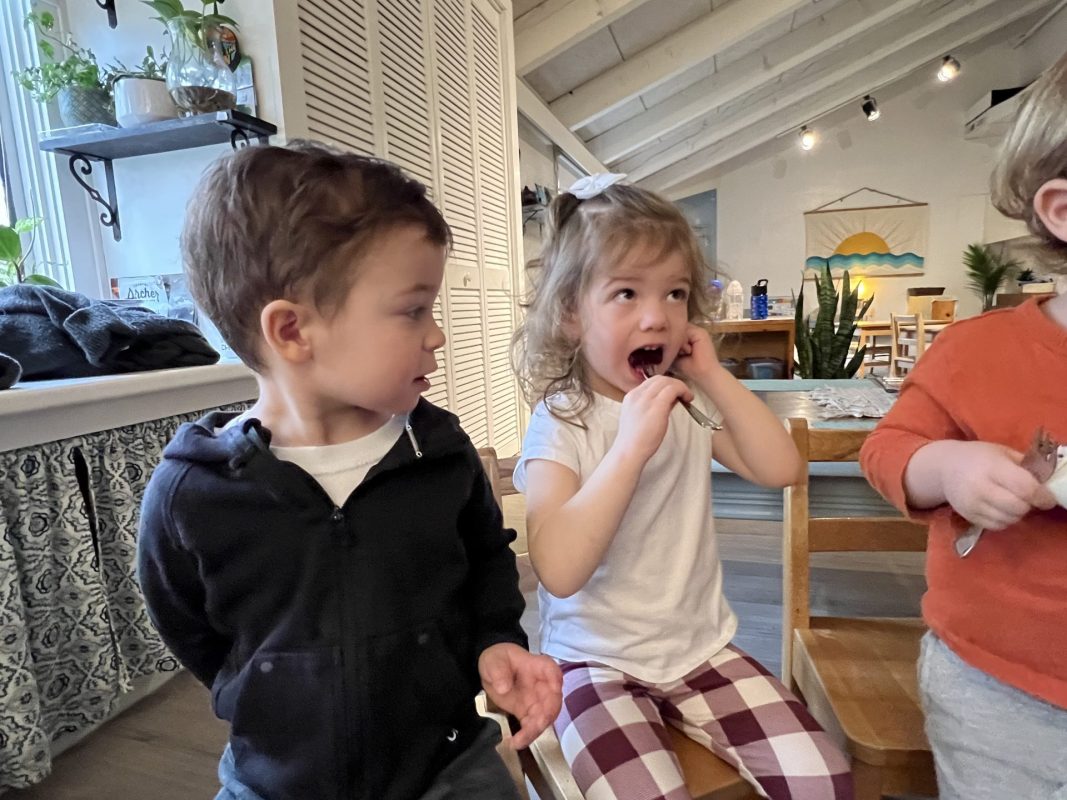
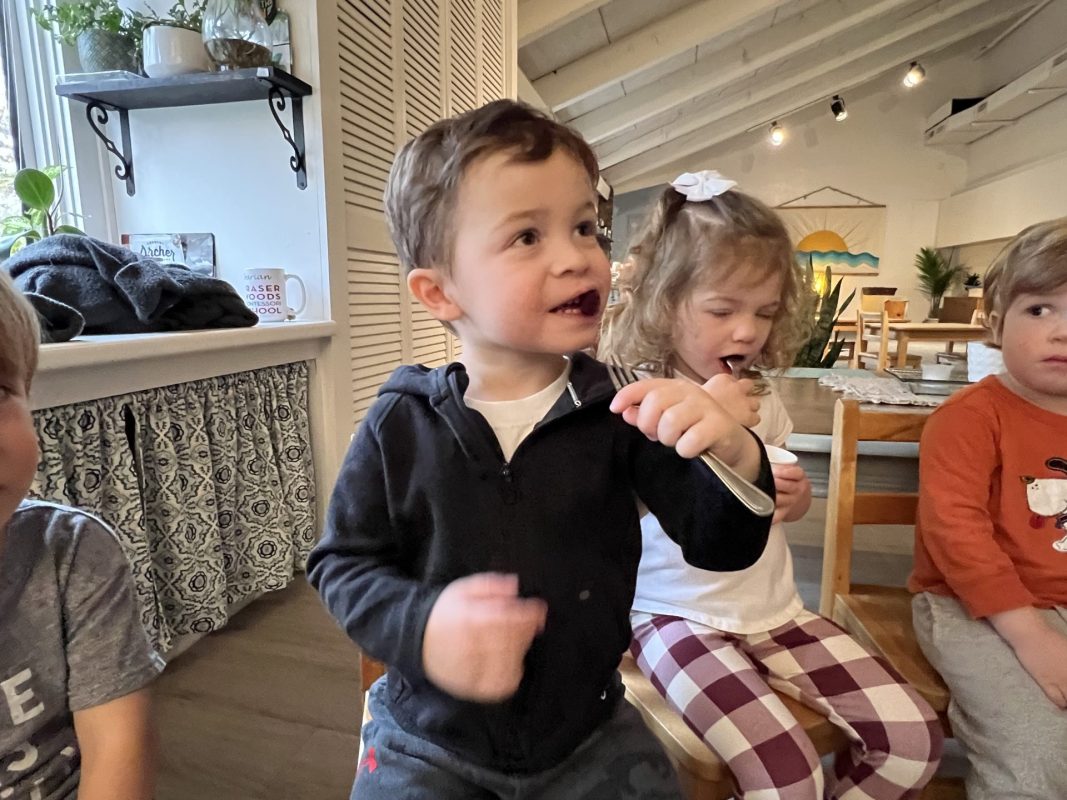
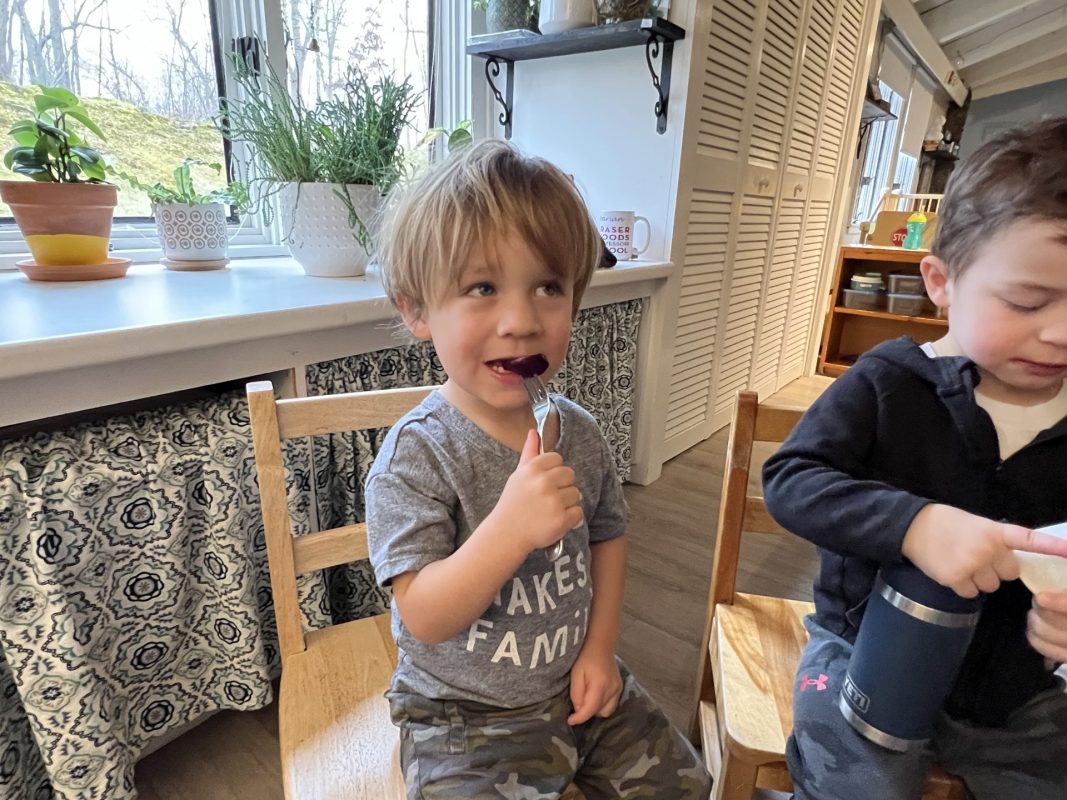
Food Tasting this week was beets. Ten out of the twelve children liked them. I did hear a child say that the color of the beets was beautiful.

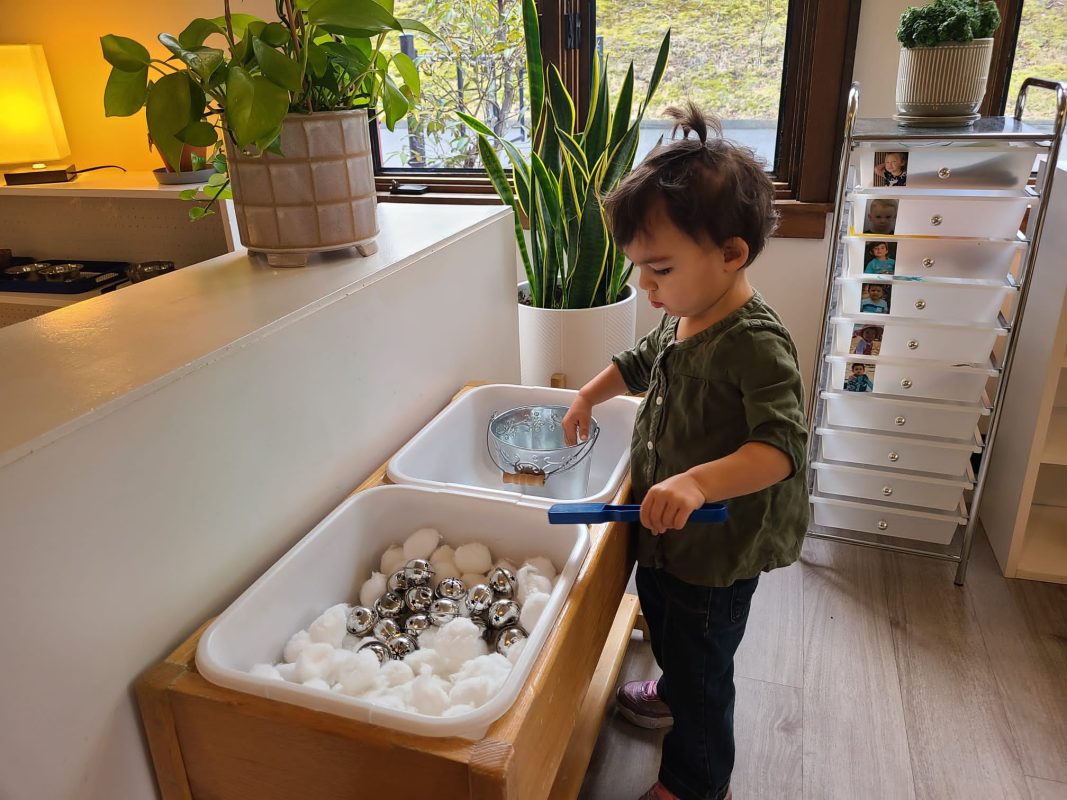
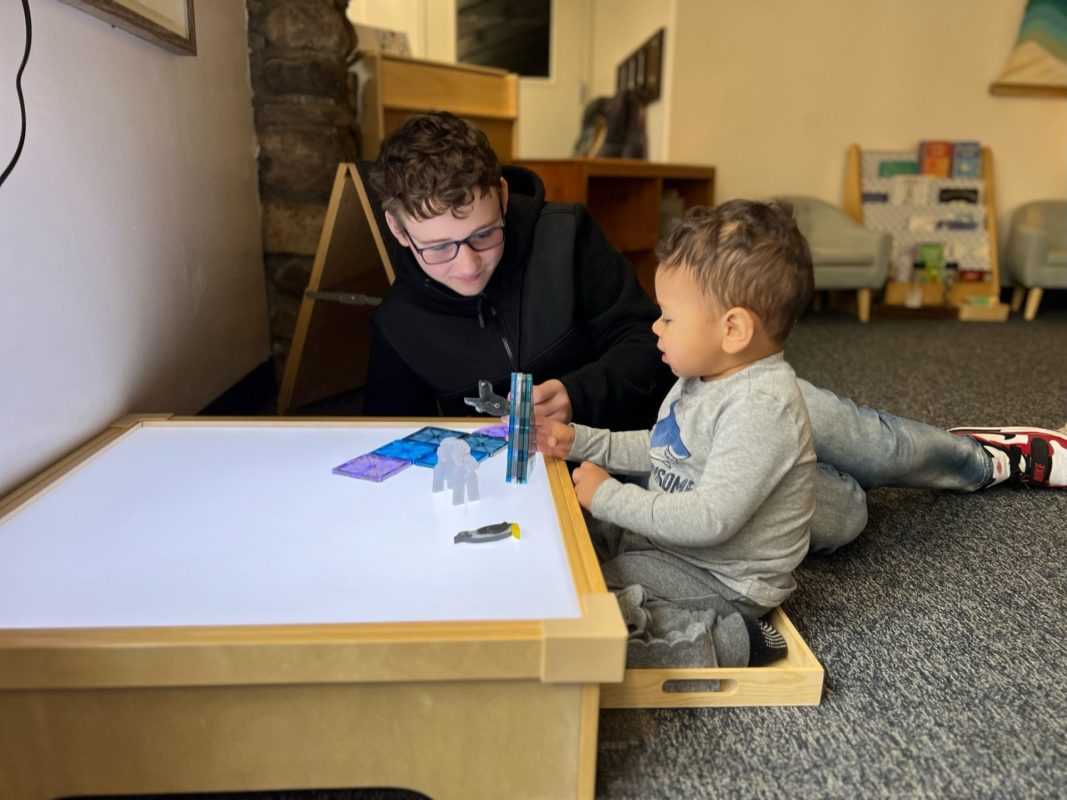
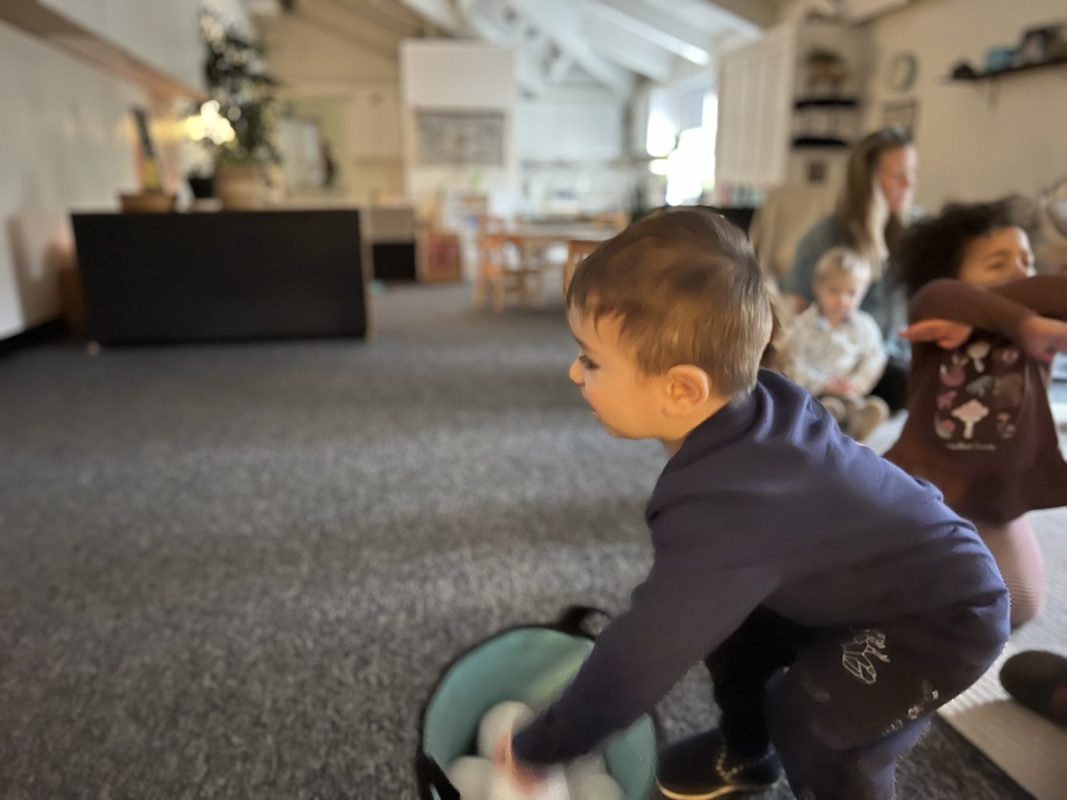
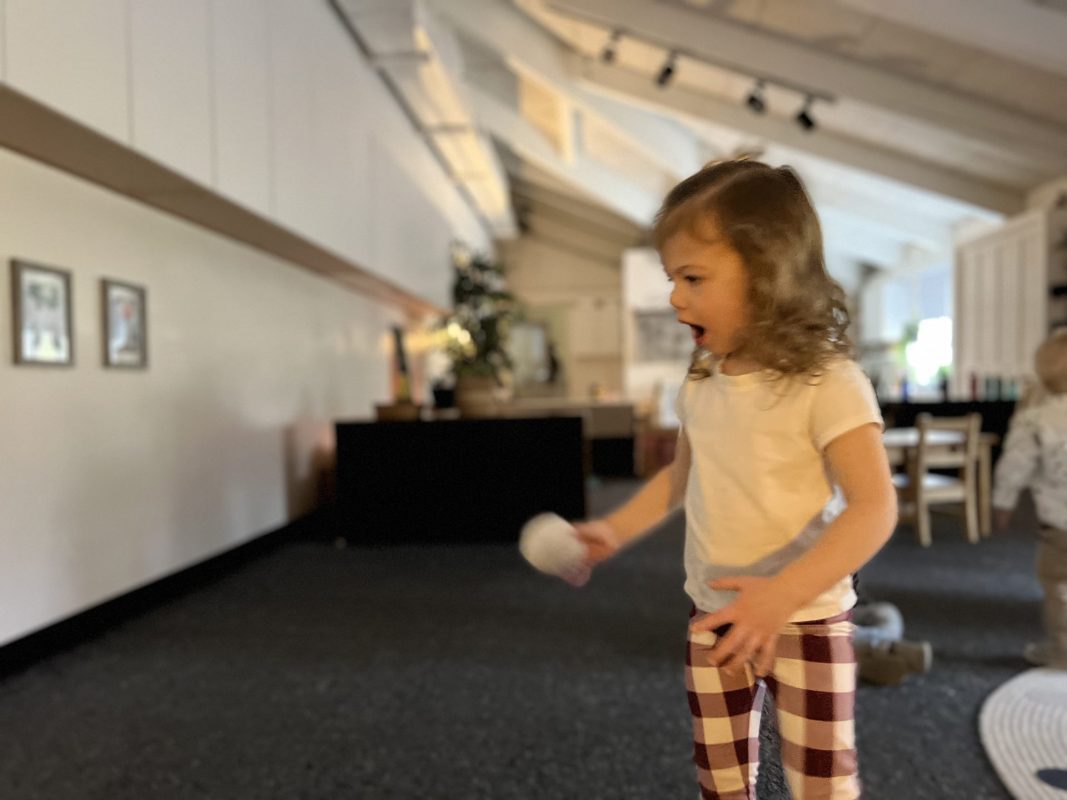
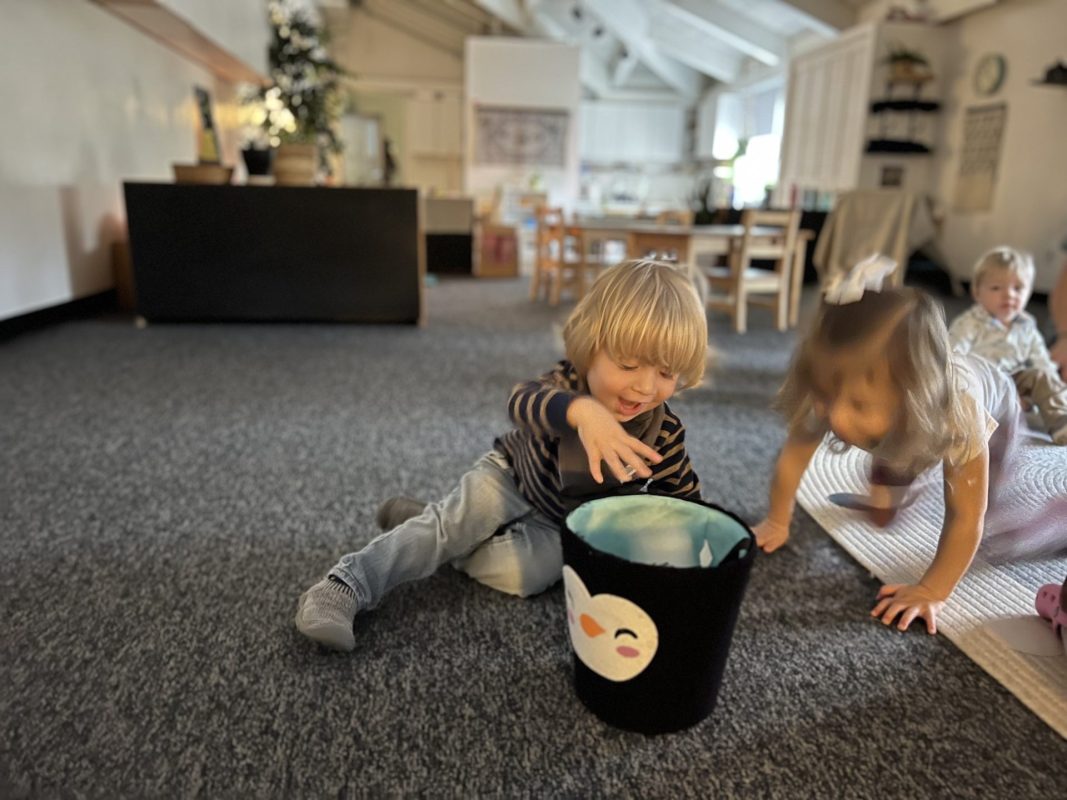
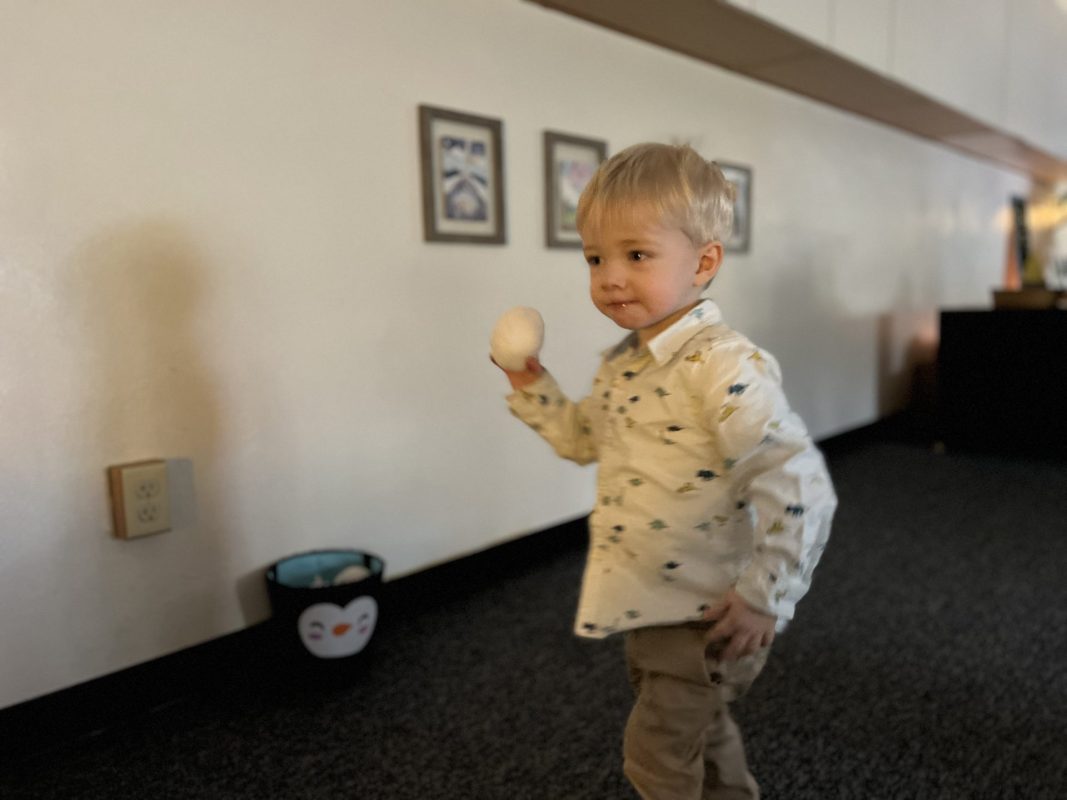
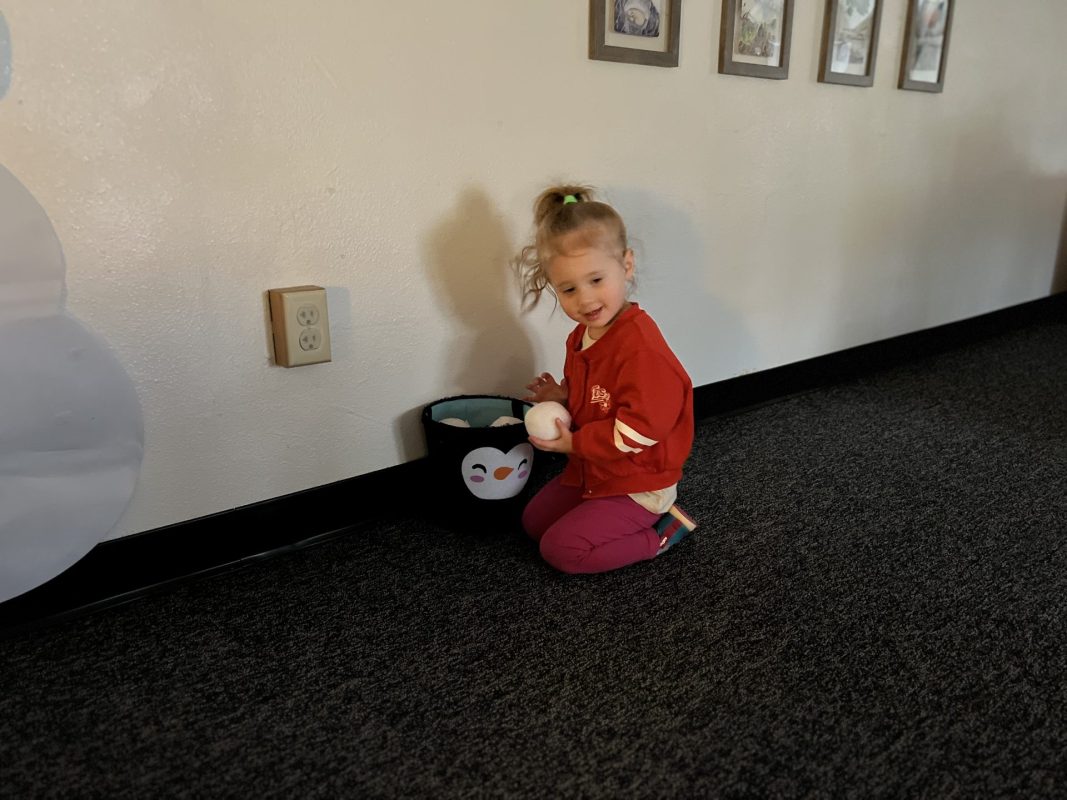
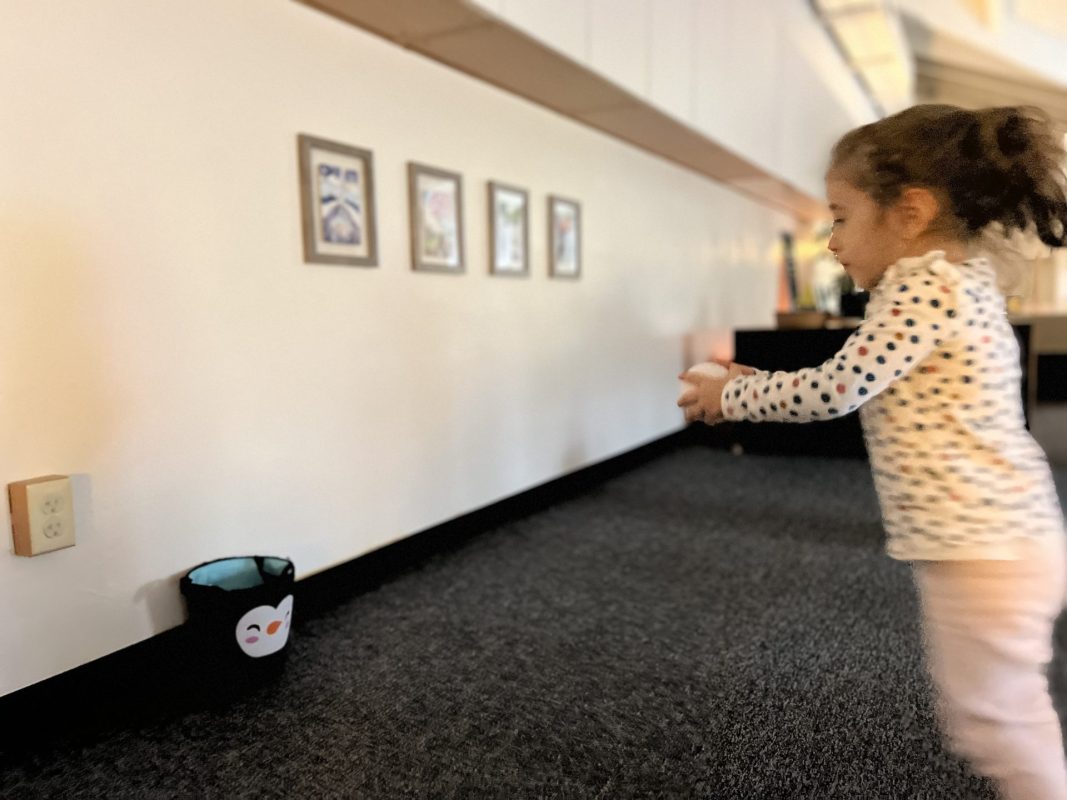
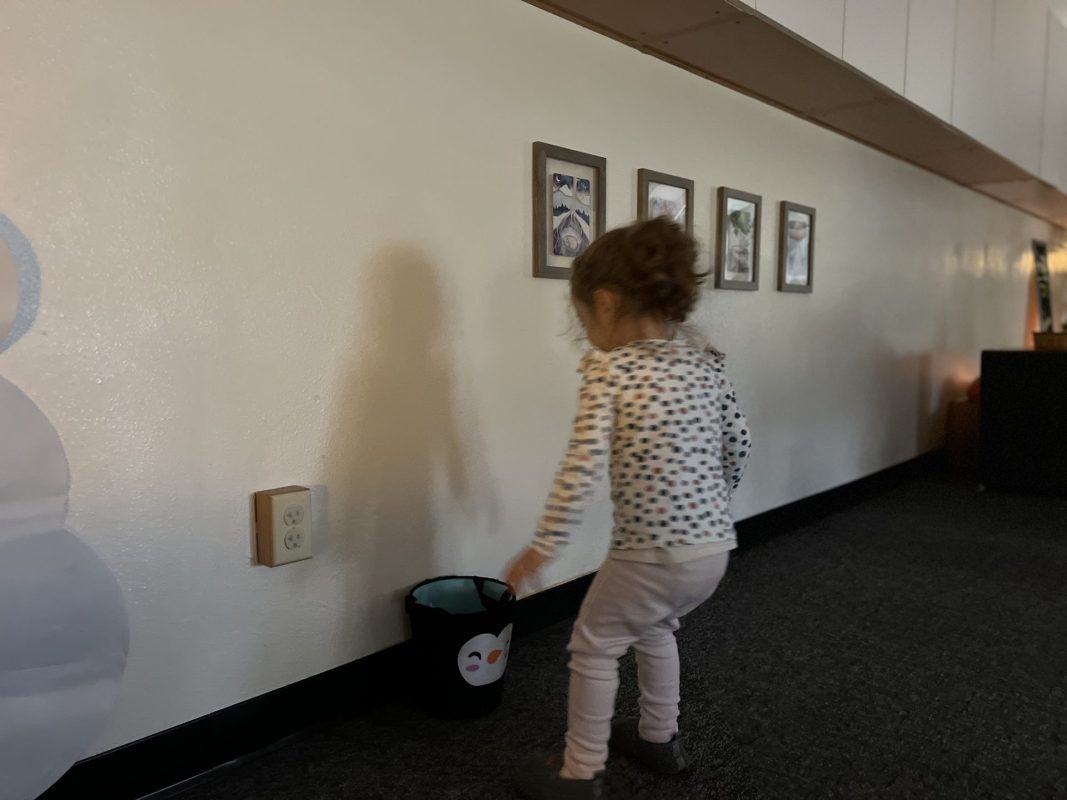
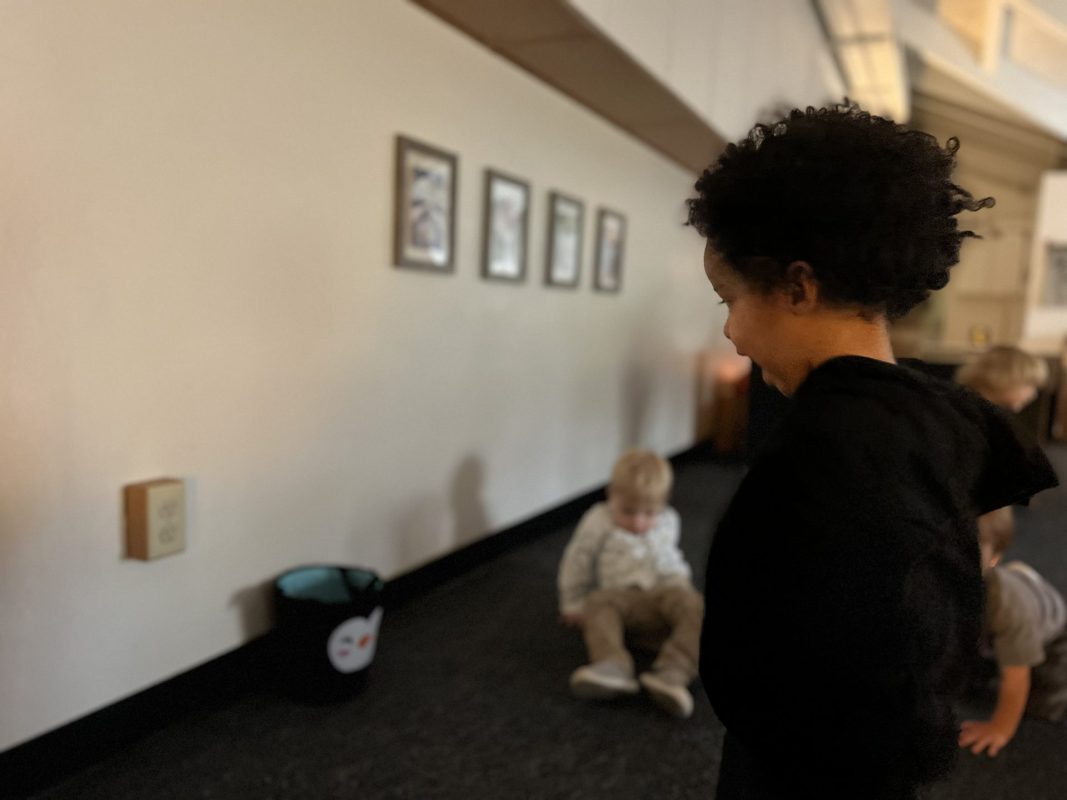
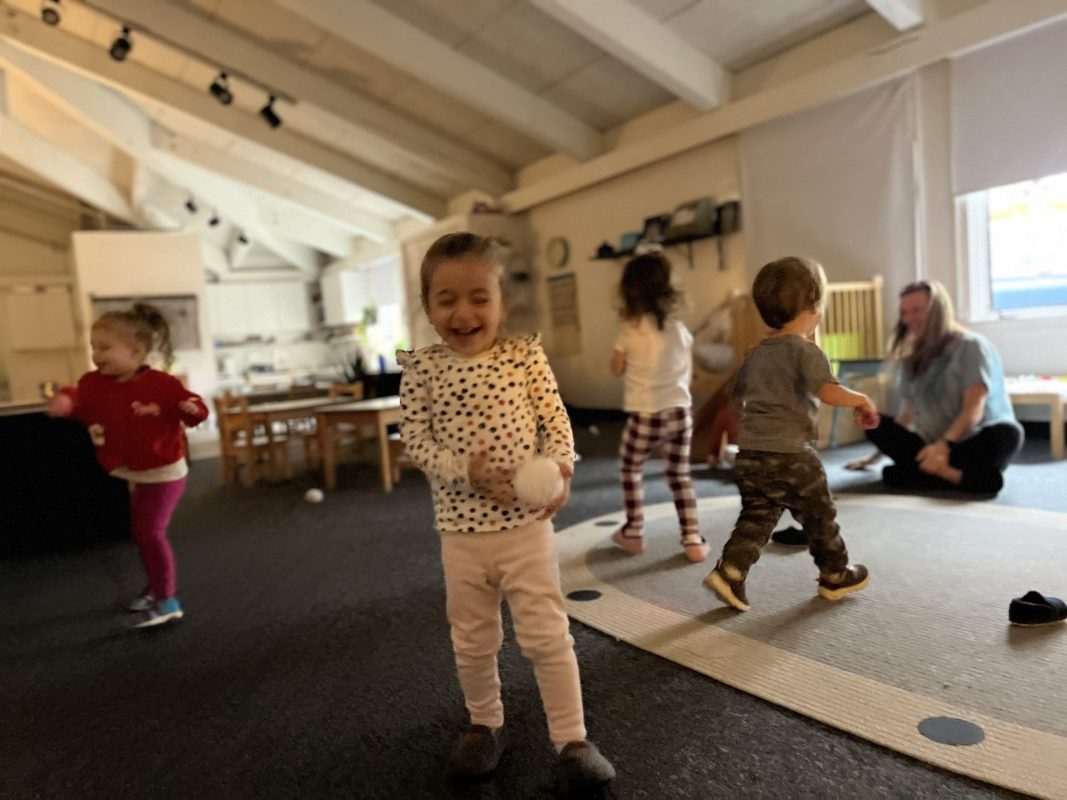
The children played a snowball toss game using fake, soft snowballs. First, we took a turn trying to get the snowball inside the penguin buckets. Then the children were invited to toss the snowballs at each other. Our friendly snowball fight was such a blast!


Upper El Class Meetings

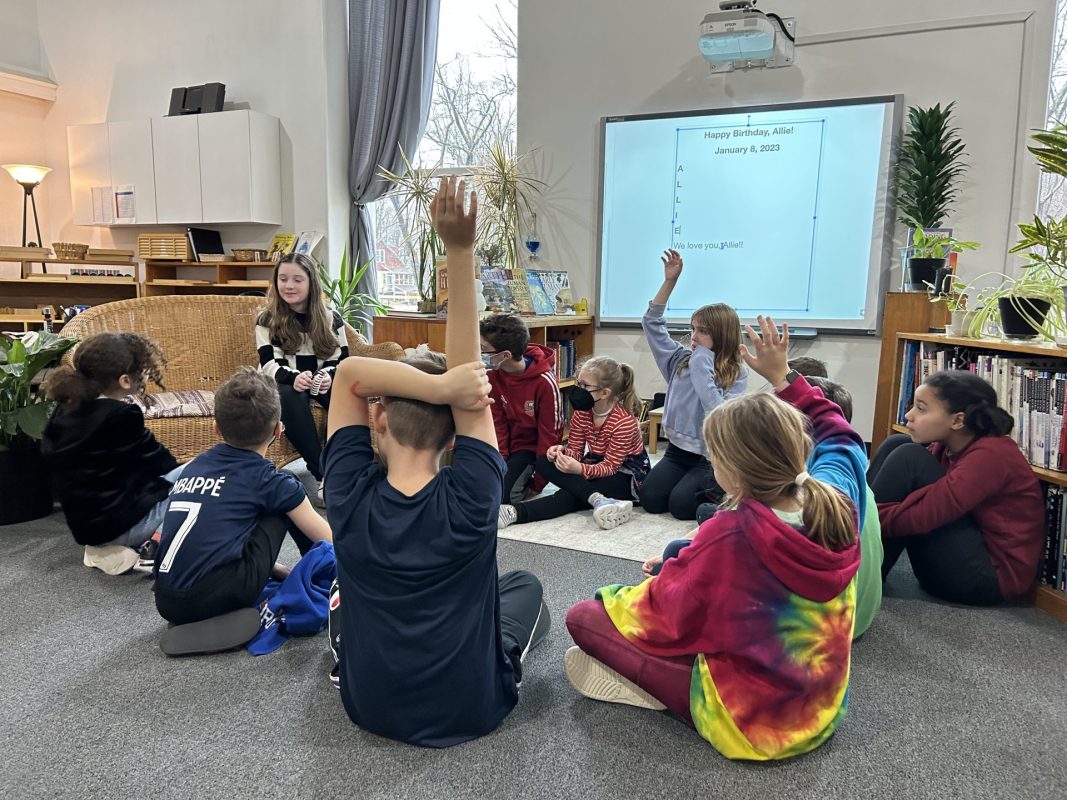
“There is a great sense of community within the Montessori classroom, where children of differing ages work together in an atmosphere of cooperation rather than competitiveness. There is respect for the environment and for the individuals within it, which comes through experience of freedom within the community.” -Dr. Maria Montessori

Last weekend, Mrs. Tryforos and I attended a two-day workshop on Positive Discipline in the Montessori Classroom. This was easily one of the most useful and informative workshops I have ever attended. I returned with many tools to incorporate into the classroom right away. One of these tools is the Class Meeting.

In the past, I have written about our Upper Elementary Community Meetings. The Class Meeting follows the same basic format as those meetings, but with a few changes, which I view as improvements:

  • Class Meetings are held three to five times per week (as opposed to our once-per-week Community Meeting)
  • There are five jobs during Class Meetings:
    • Facilitator (Angie or I do this): Keeps the meeting on track, moves the meeting along, facilitates respectful sharing
    • Agenda Keeper: Anyone can contribute to the agenda and children contribute more than adults. The Agenda Keeper selects the oldest agenda item from the box for the meeting.
    • Time Keeper: Keeps track of the timing of each meeting segment and lets us know when the time is up
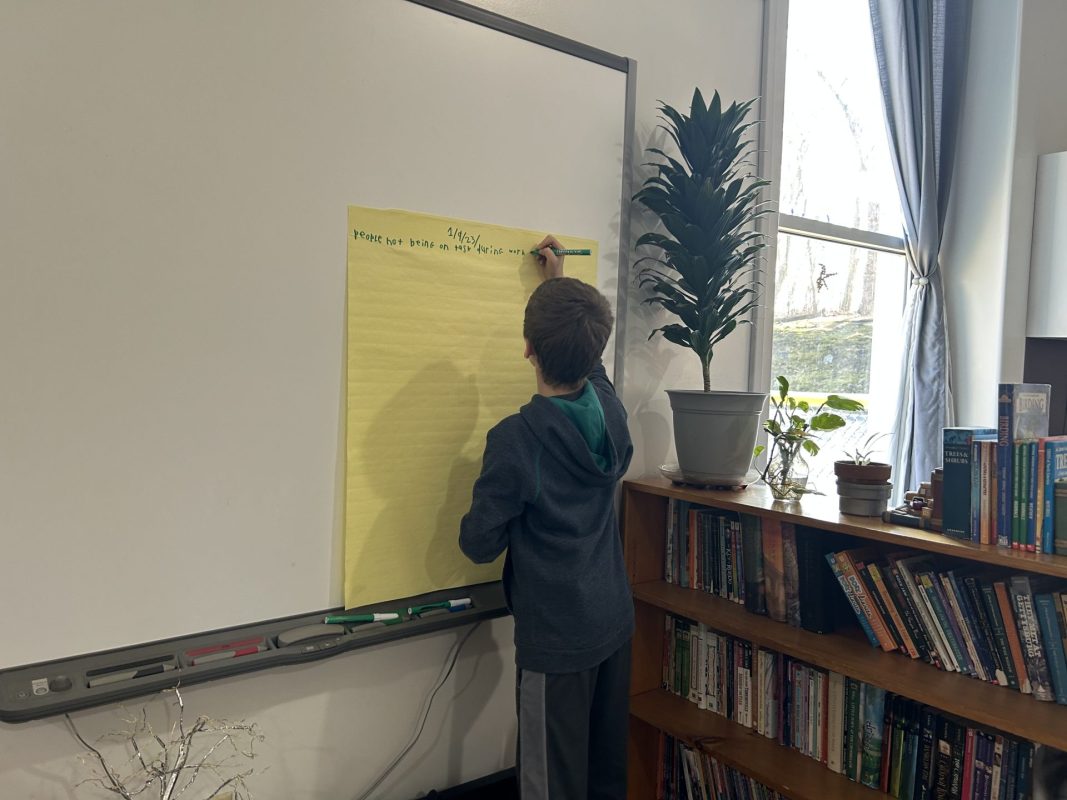
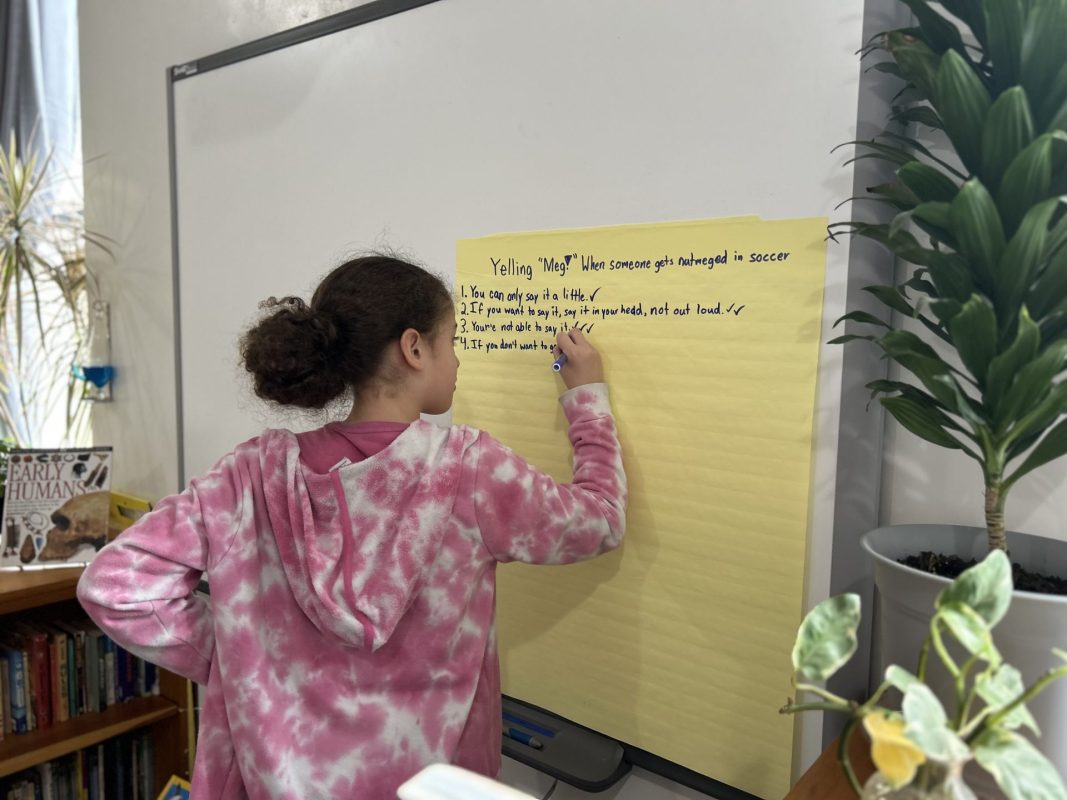
    • Scribe: Records the brainstormed suggestions of the class on chart paper
    • Secretary: Records the problem and solutions in a notebook which is a permanent record of the meetings and is accessible to all students, anytime
  • There are four sections to the Class Meeting:
    • Compliments and Appreciations: A five to eight-minute opening where each person has a chance to give and receive a compliment or a thank you
    • Review of a past agenda item: The secretary reads one problem and solution from a previous meeting with a quick discussion to review how it’s going.
    • Brainstorming: The person who added the agenda item being discussed, shares it and we take turns brainstorming solutions. After the brainstorming, we vote (if it’s a class problem) or the person who shared the item chooses a solution (if it’s not a whole-class issue).
    • Connection Activity: A fun closing where we share jokes, riddles, or two-minute mysteries

We held our first three Class Meetings this week and the feedback from the students was very positive. They shared that they like the new format much better than the old one. You can find more information on Class Meetings here.

Wishing you a wonderful long weekend

Karen and Angie


Mrs. Semmah: It All Adds Up With Montessori Math

“Children display a universal love of mathematics, which is par excellence the science of precision, order, and intelligence.”~ Dr. Maria Montessori

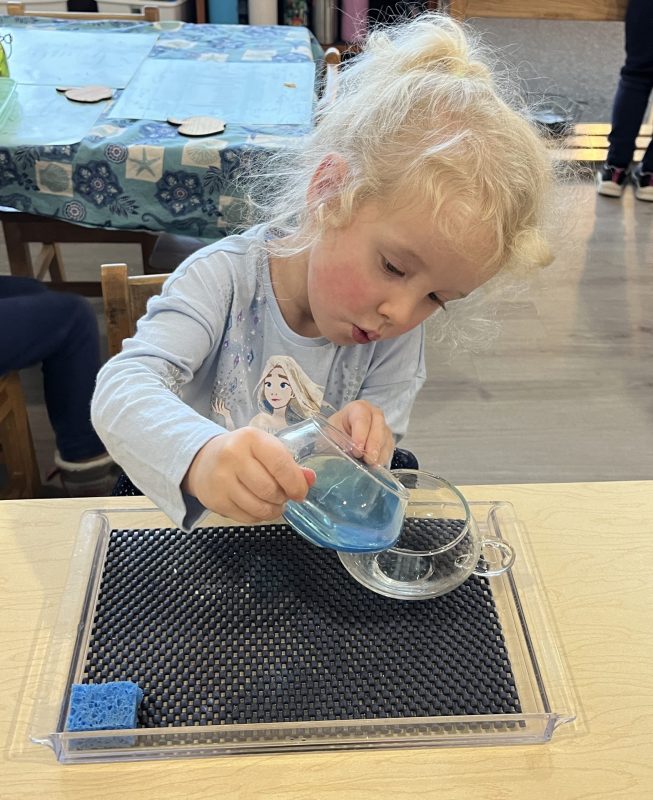
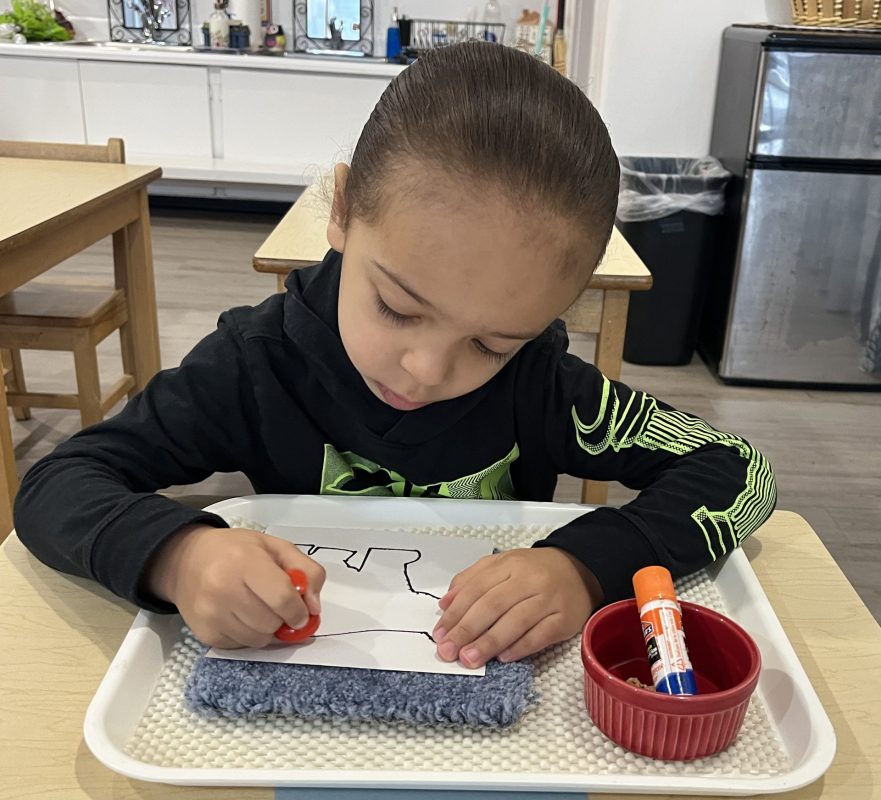
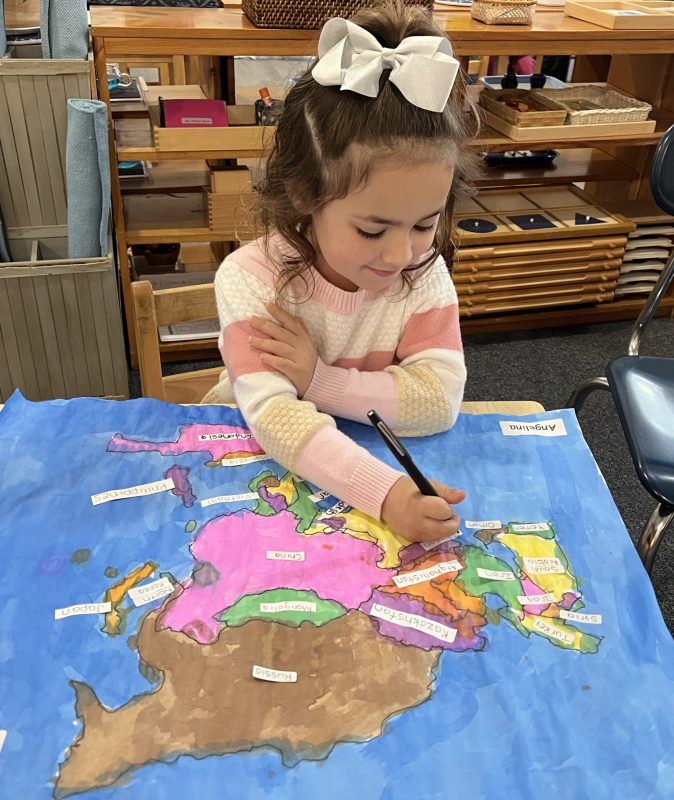
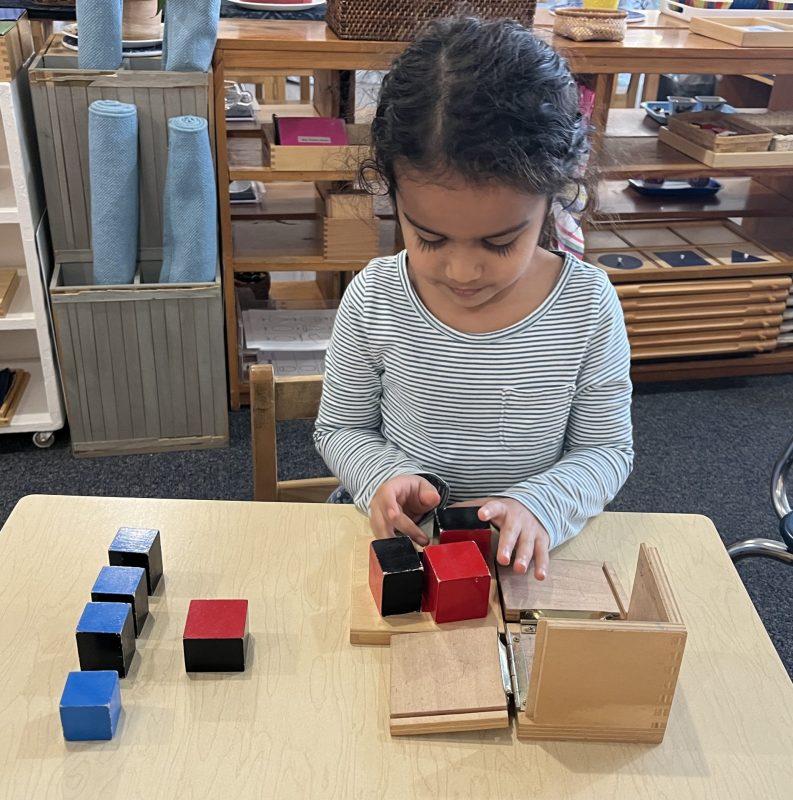
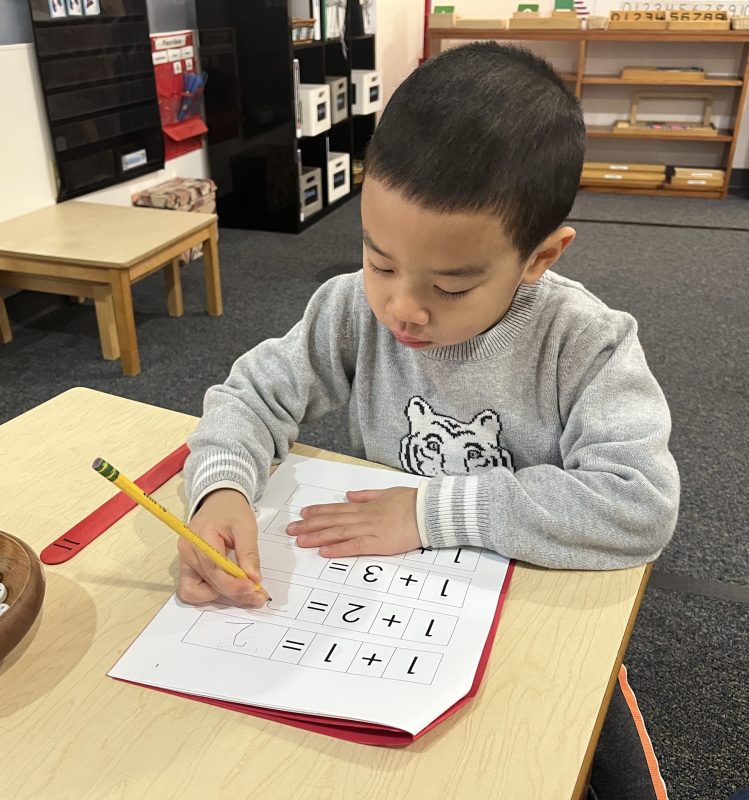
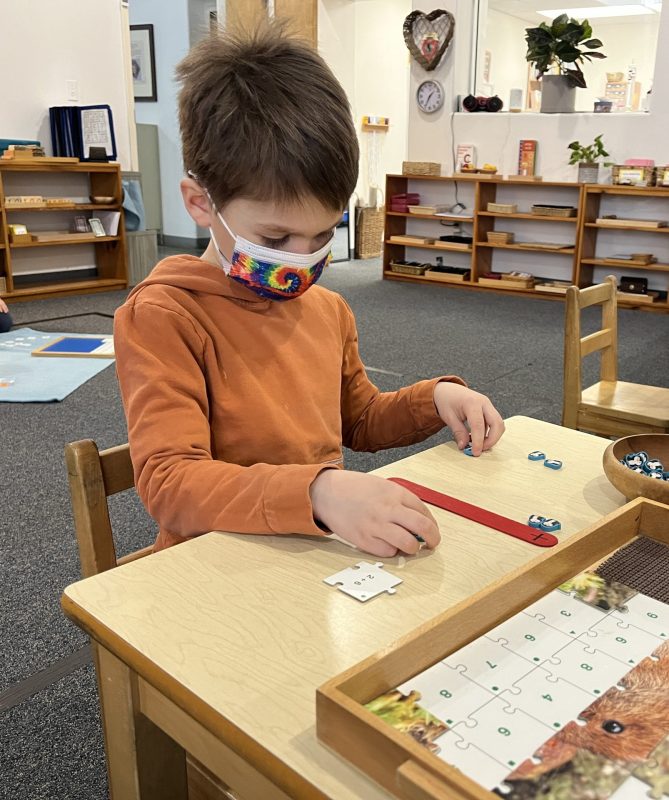
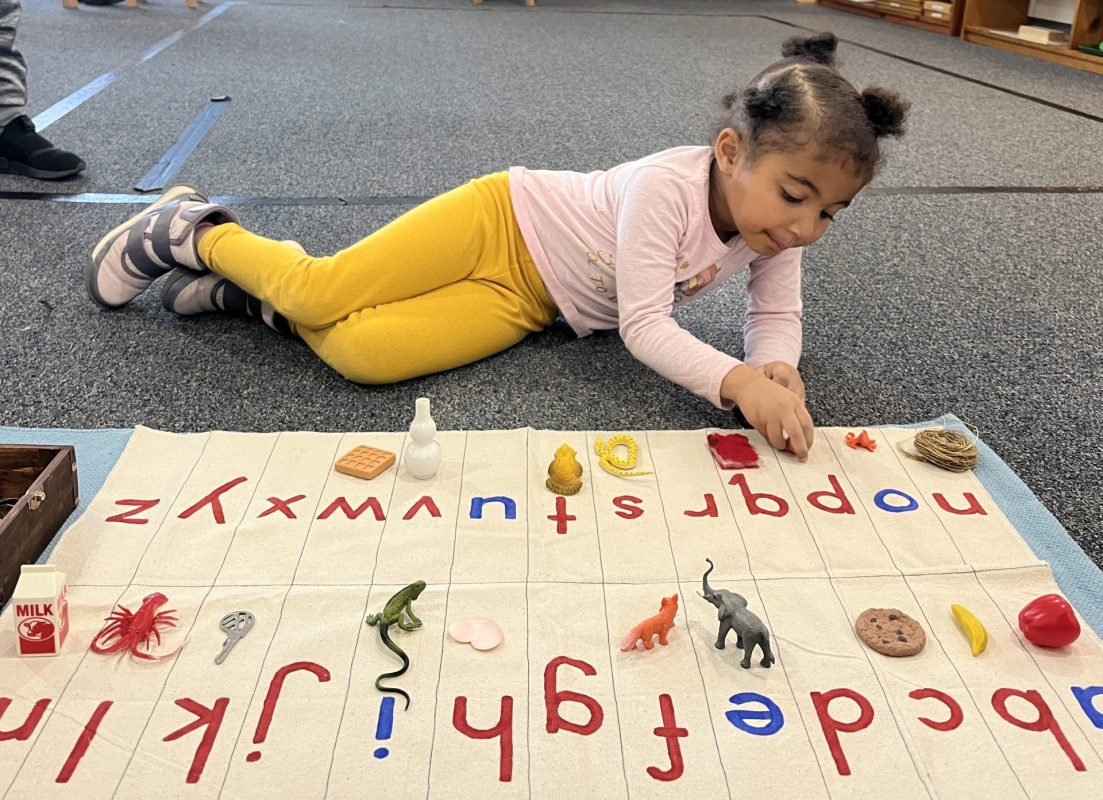
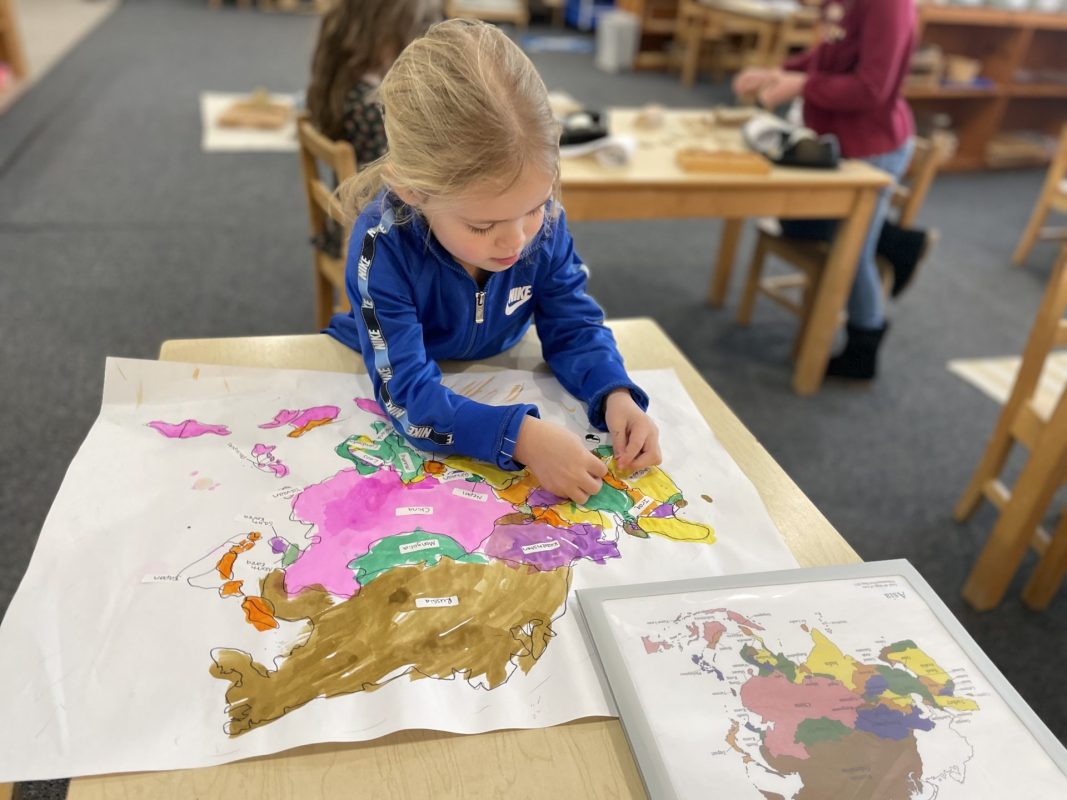
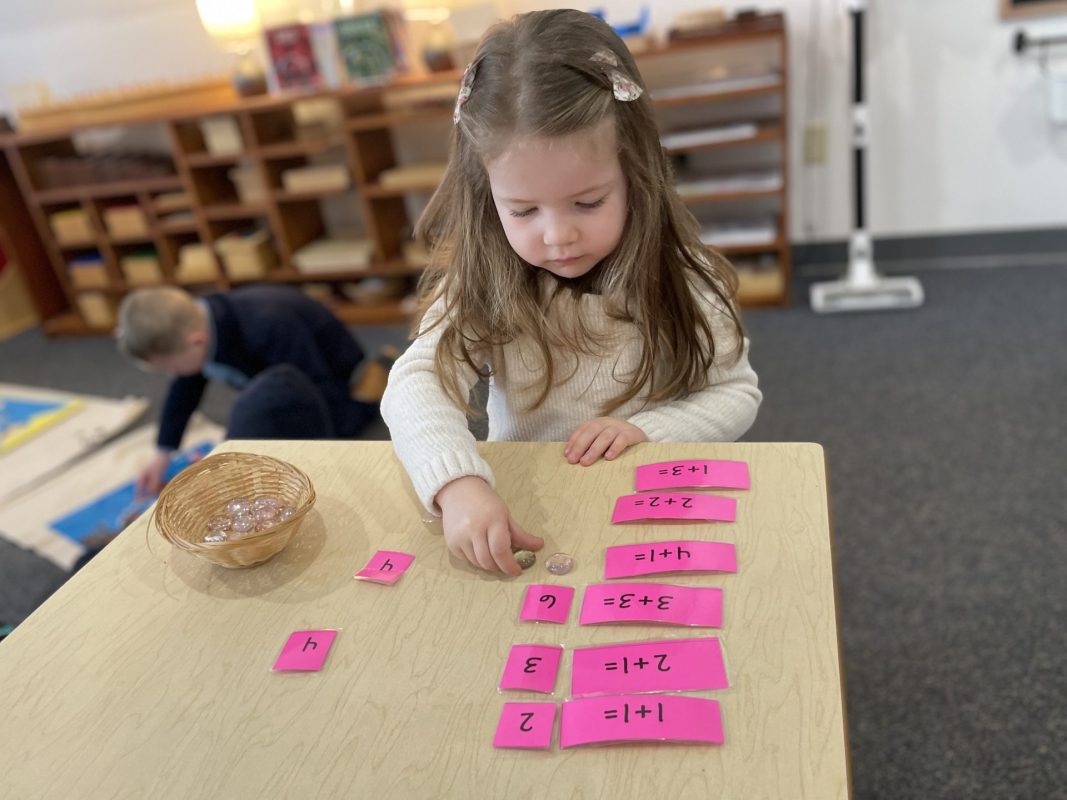
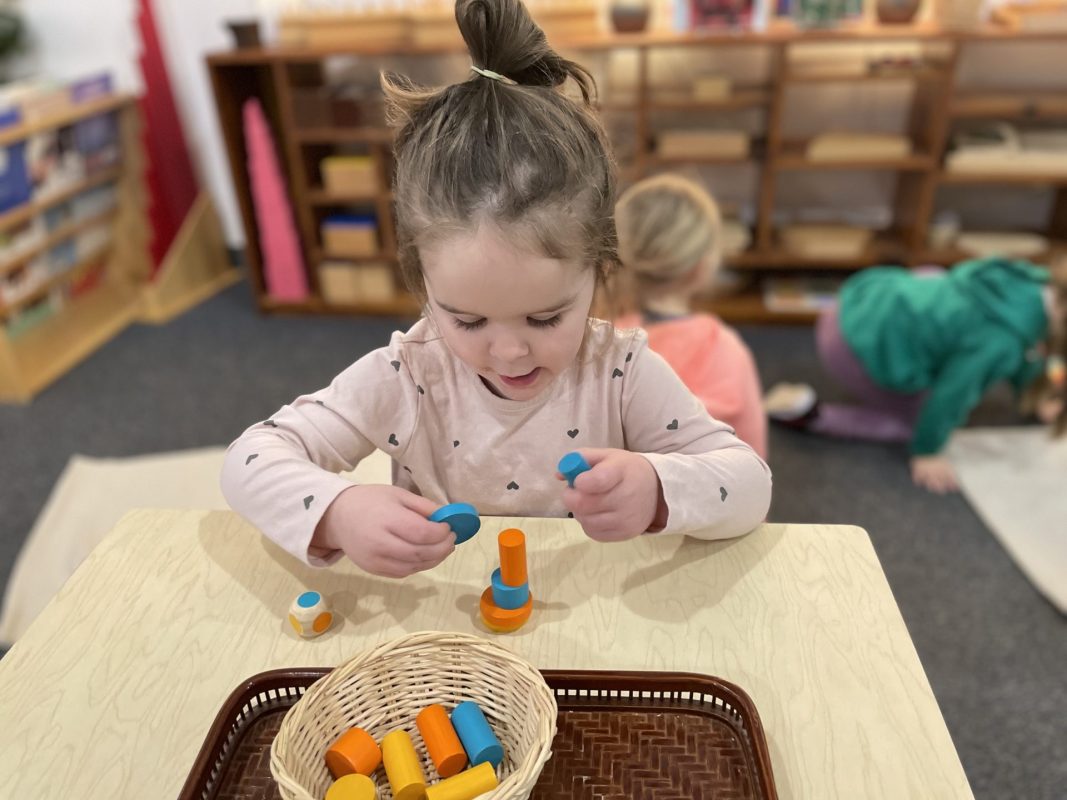
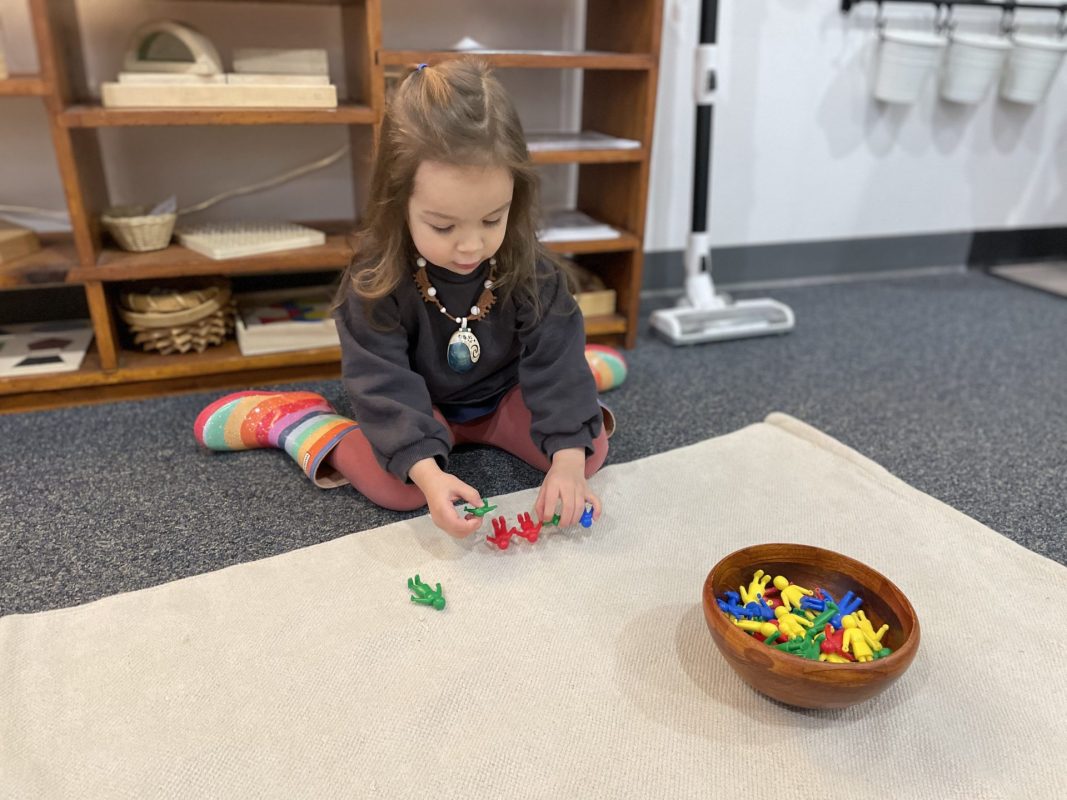
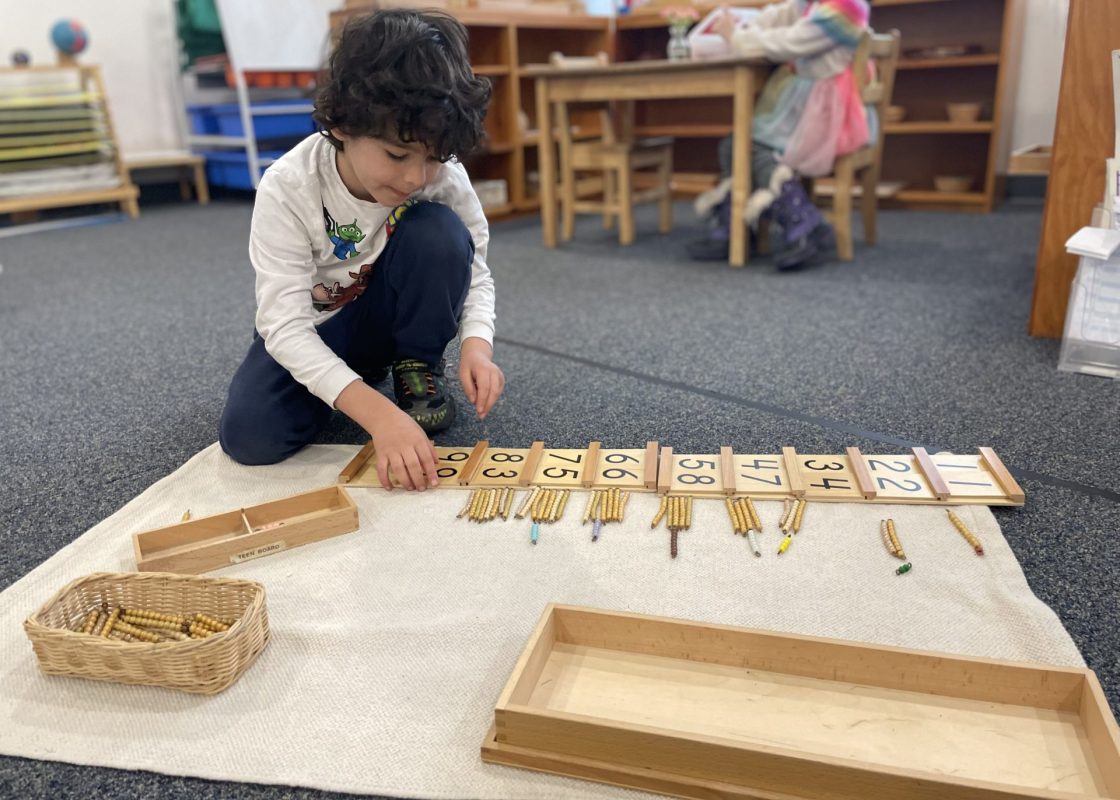
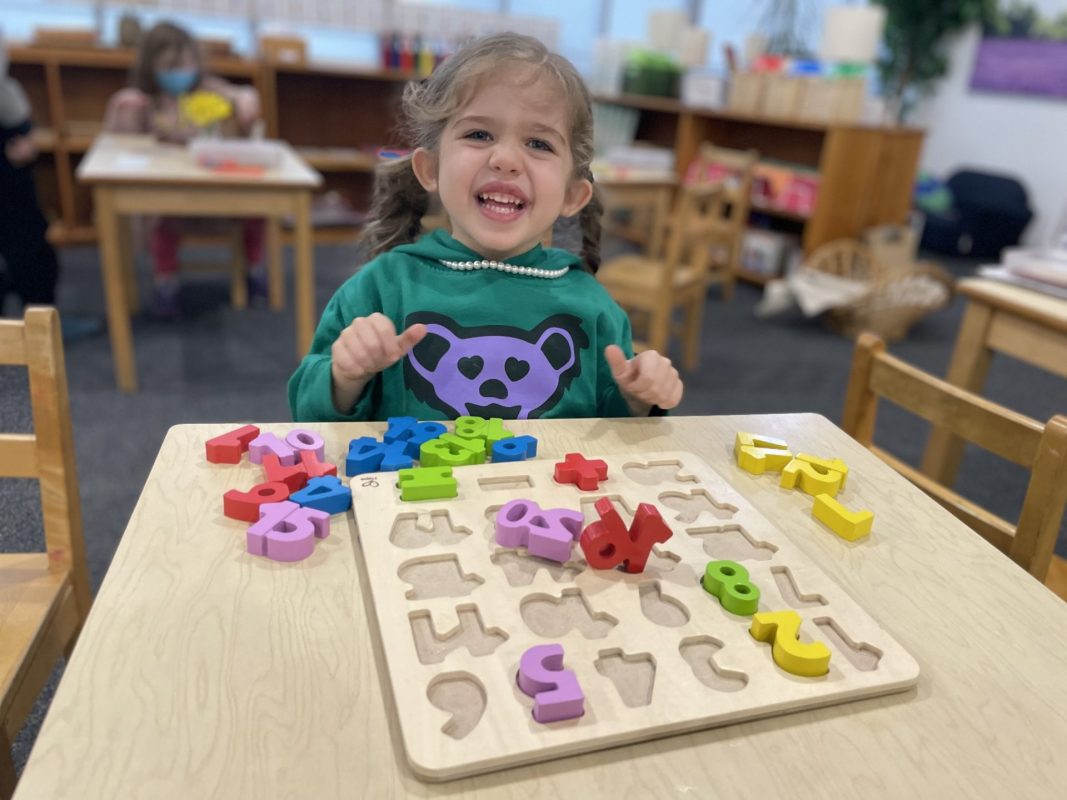
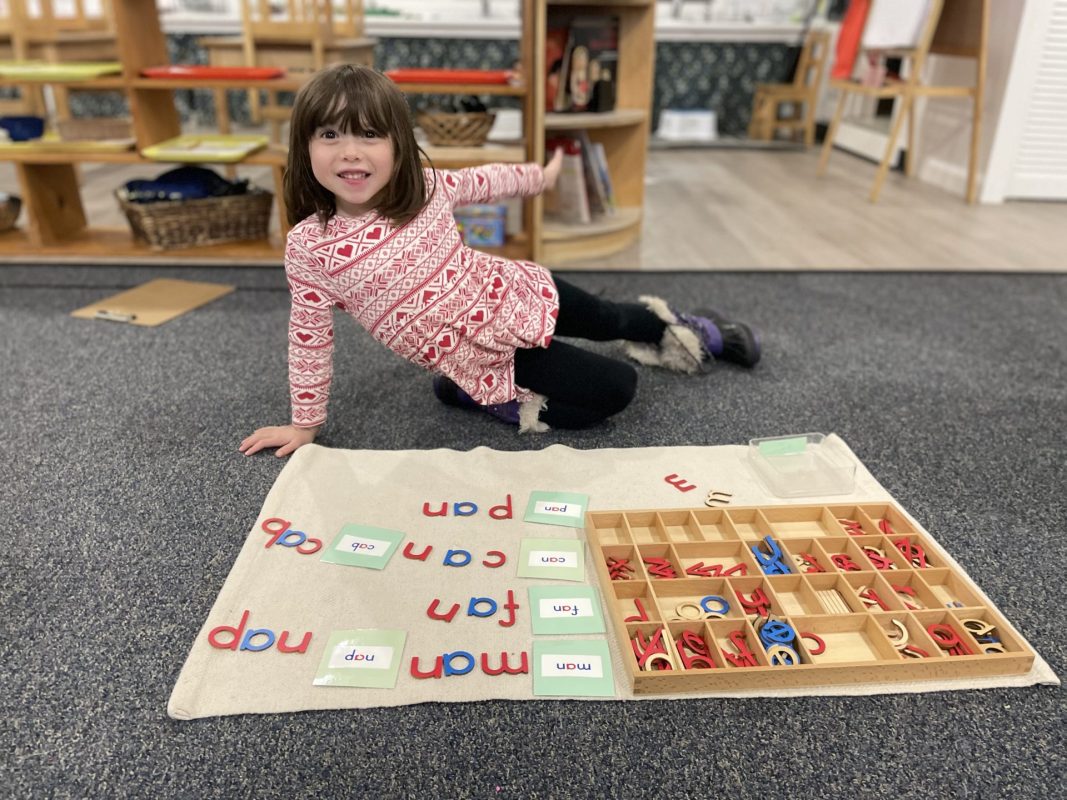
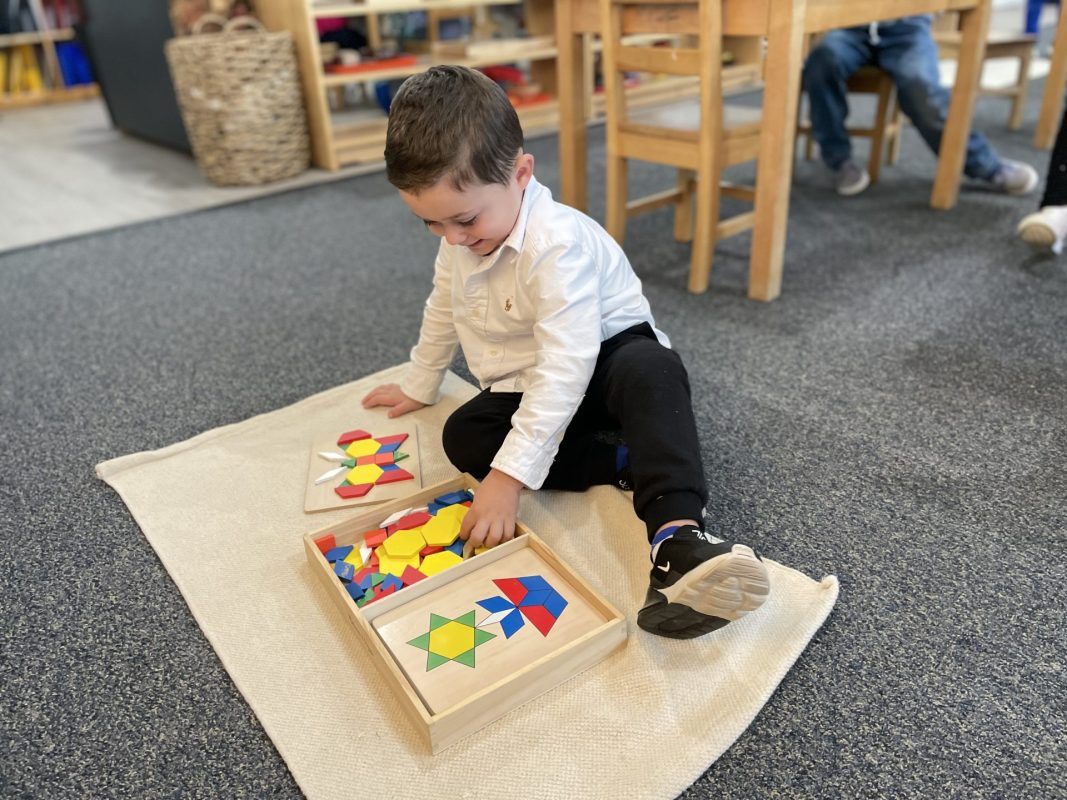
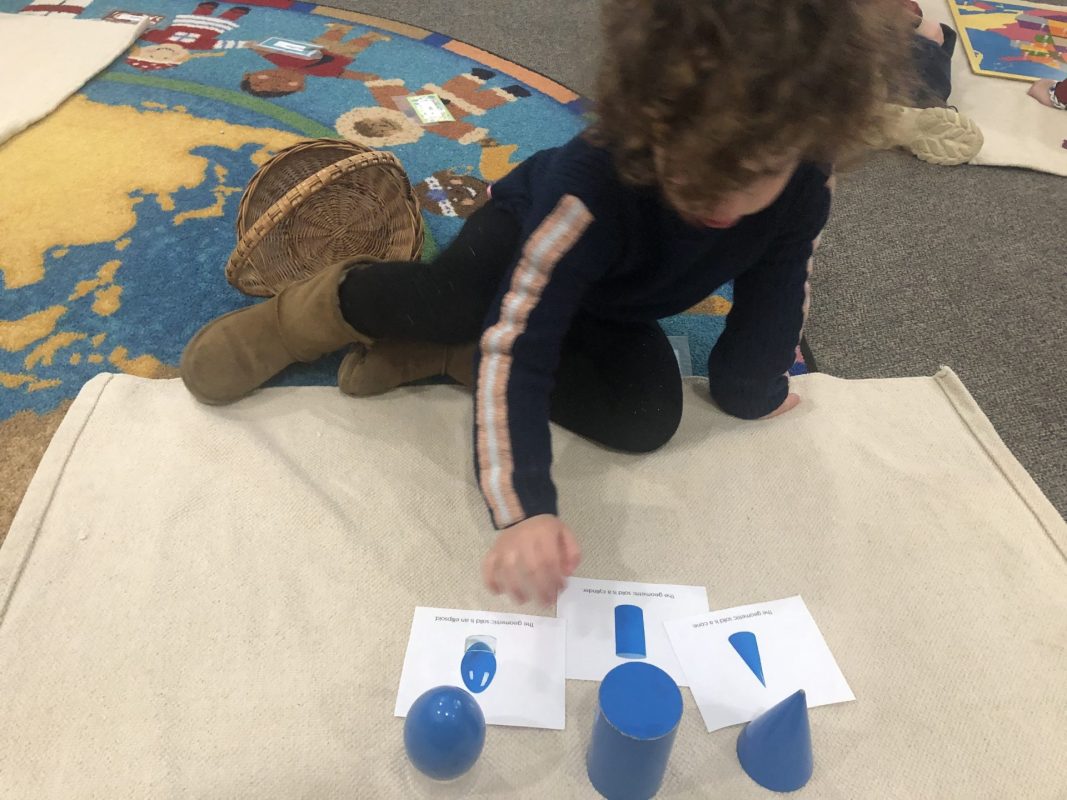
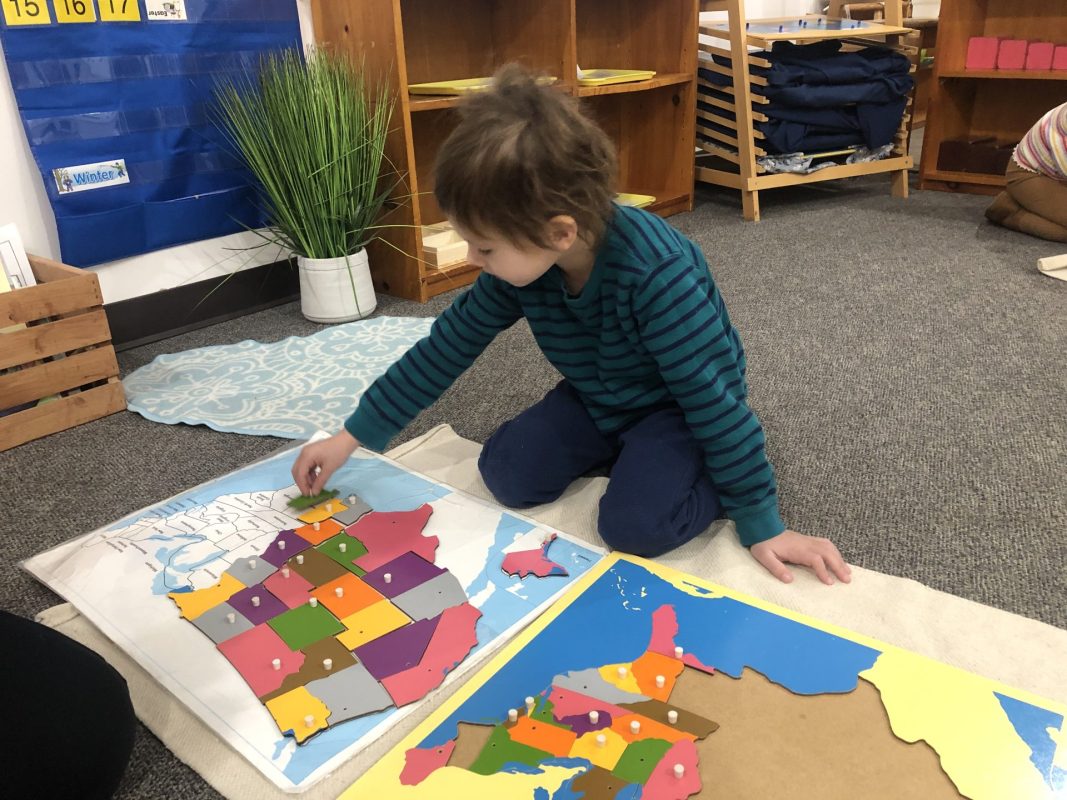
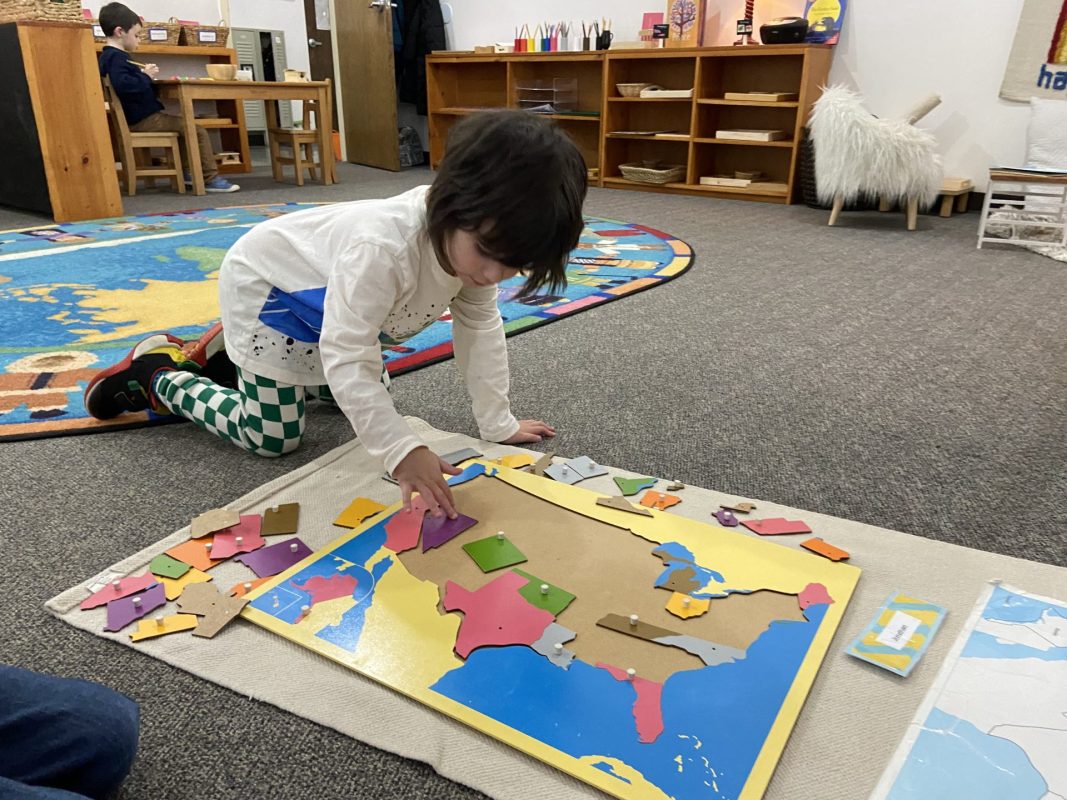
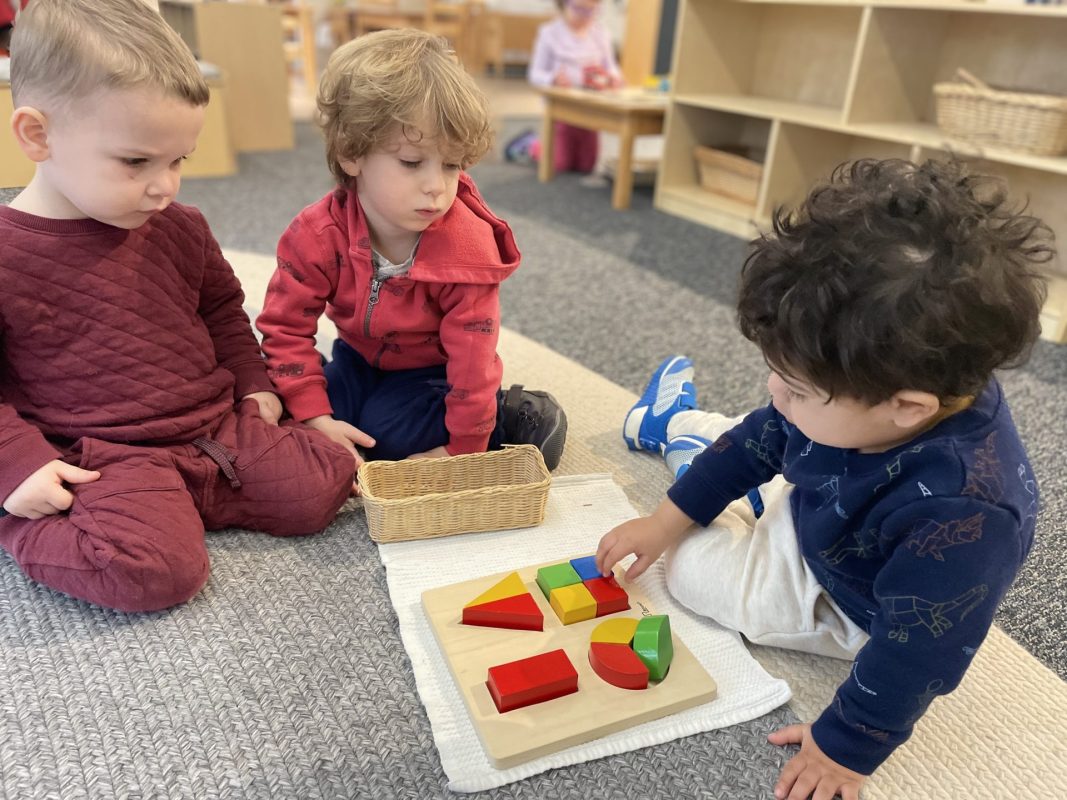
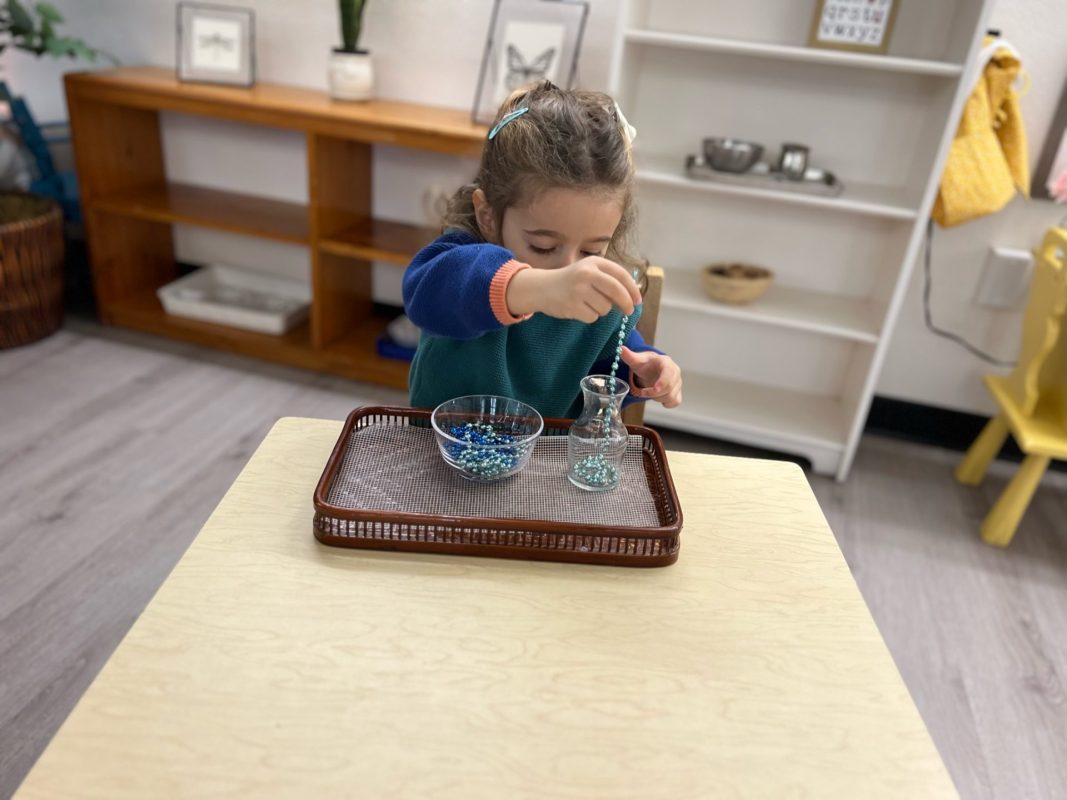
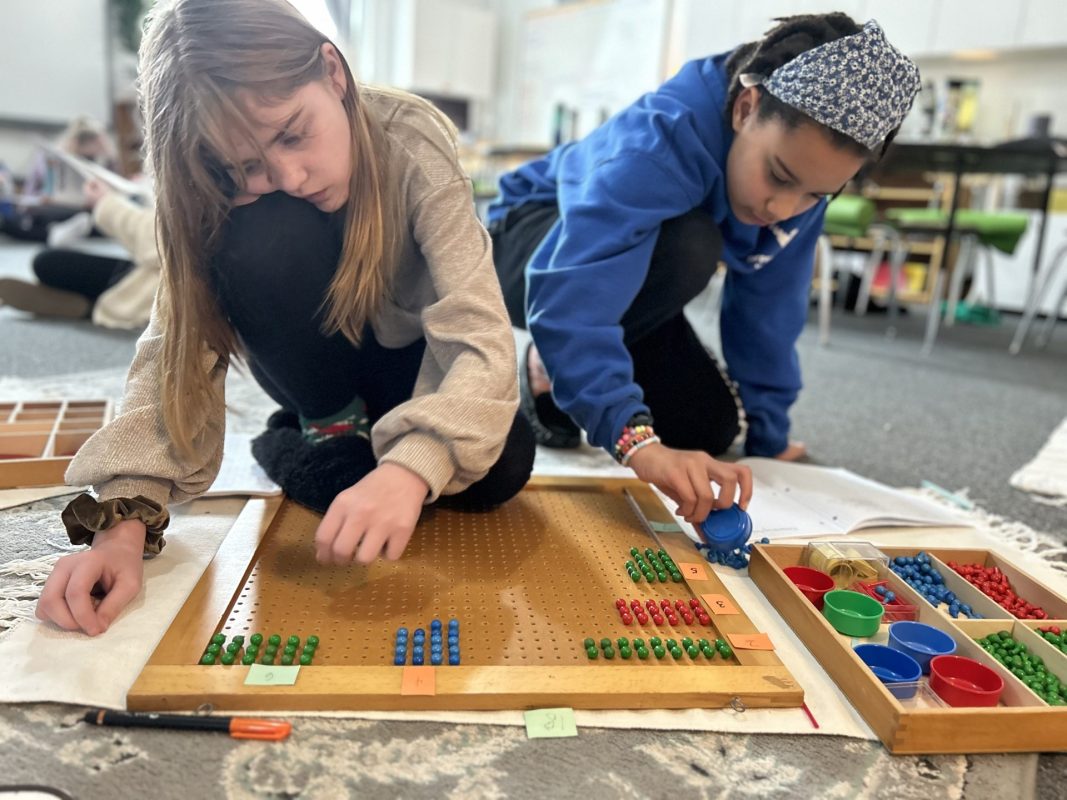
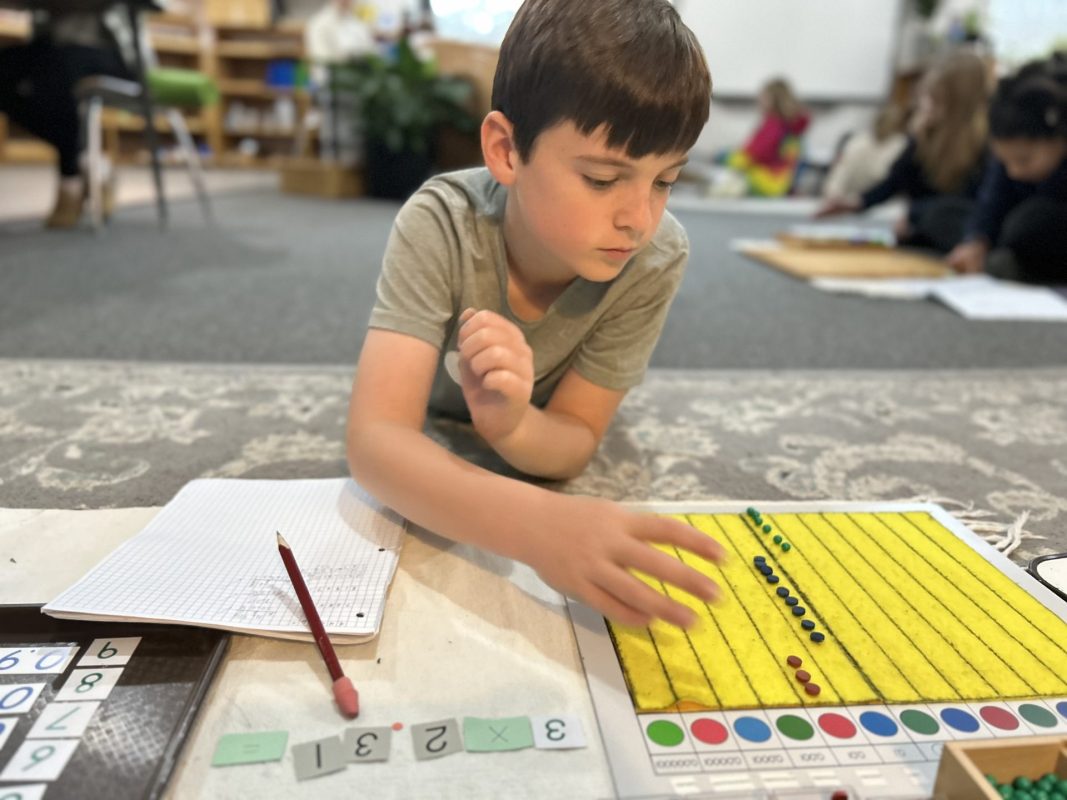
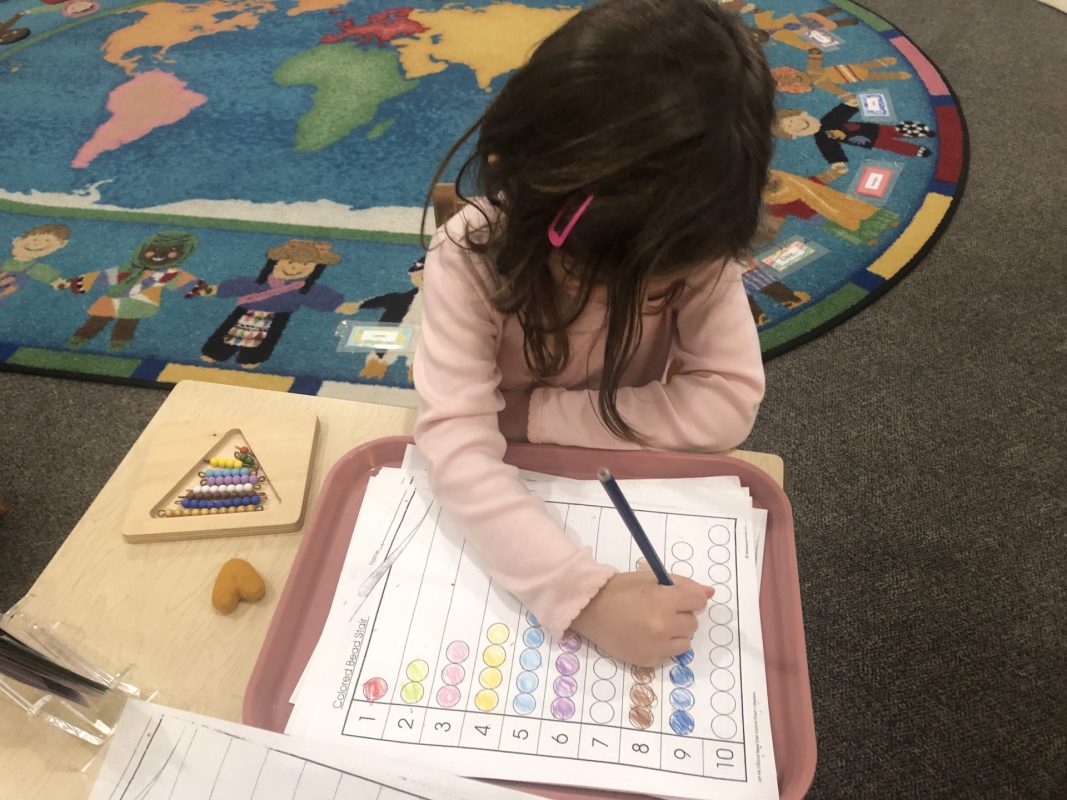
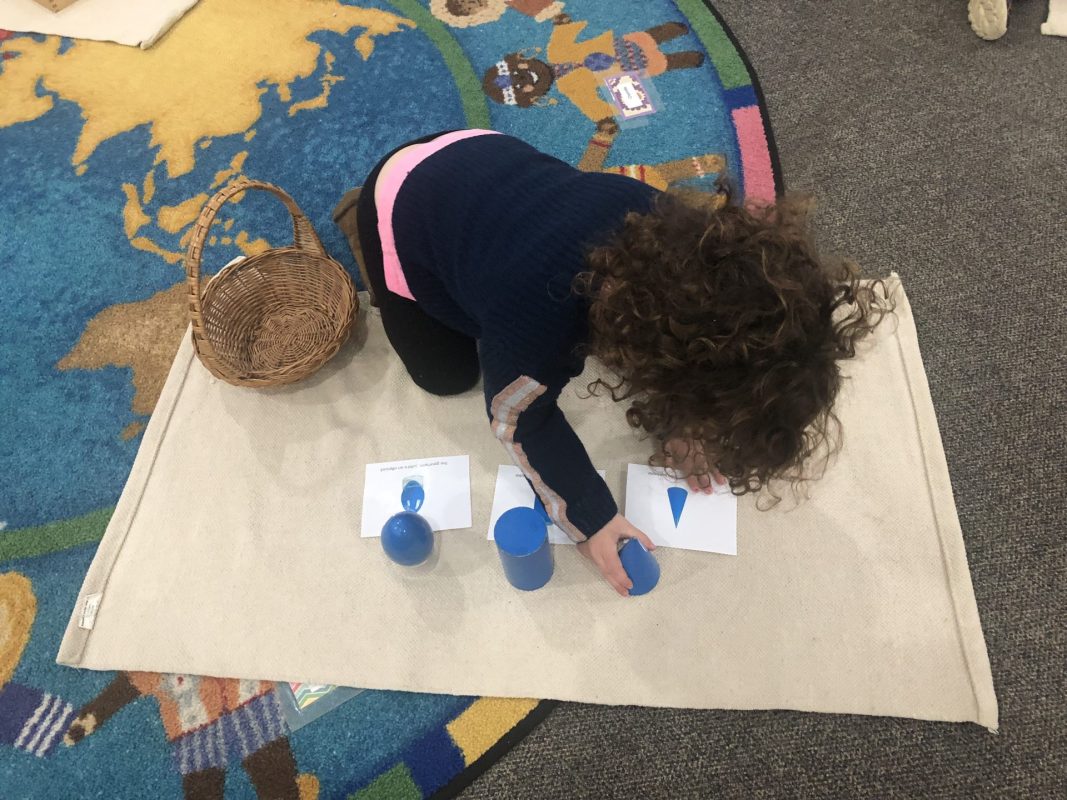
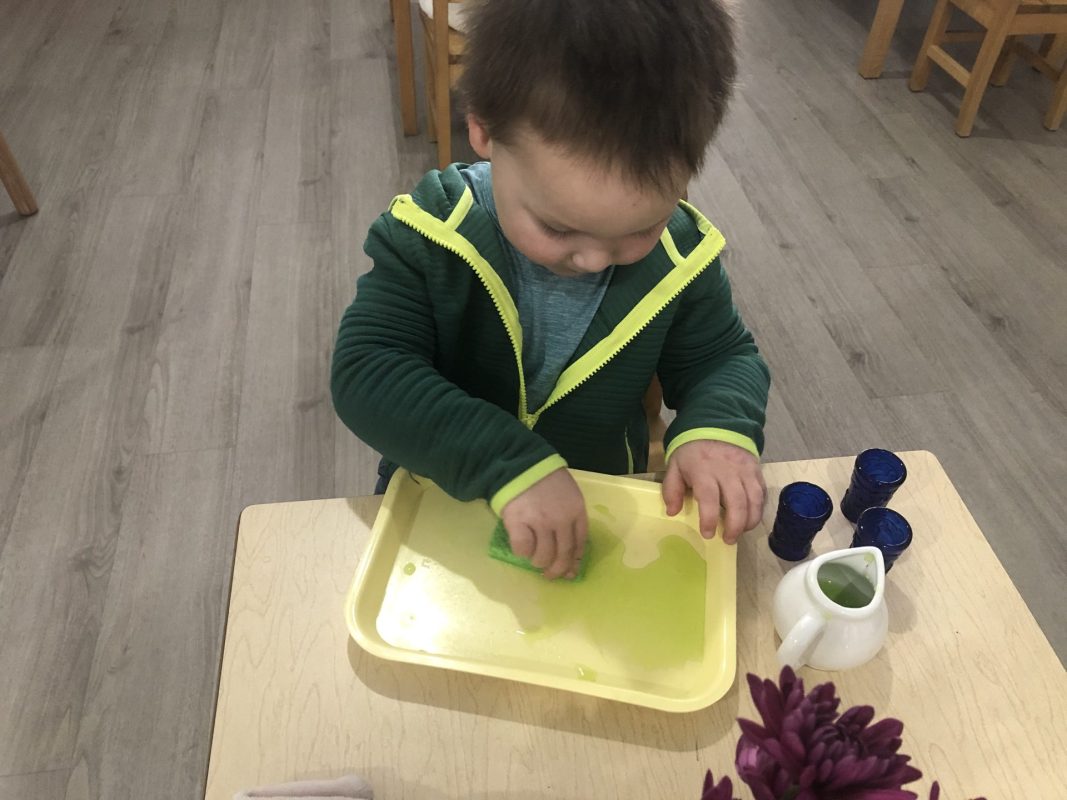
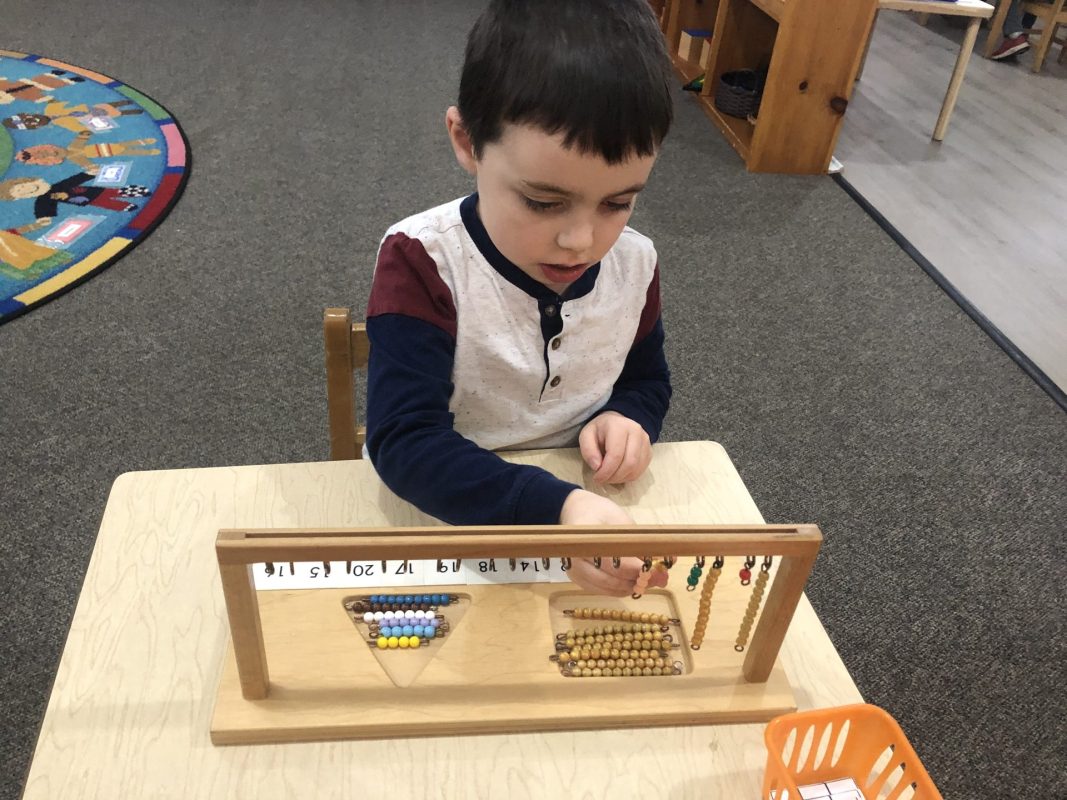
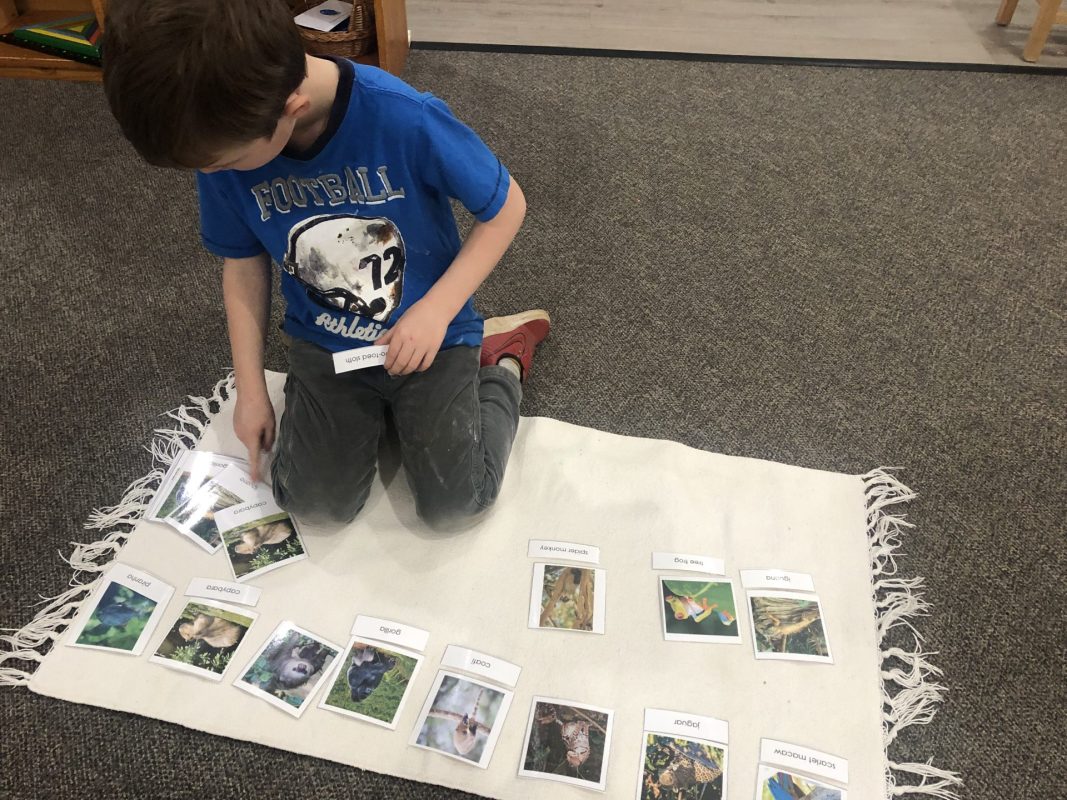
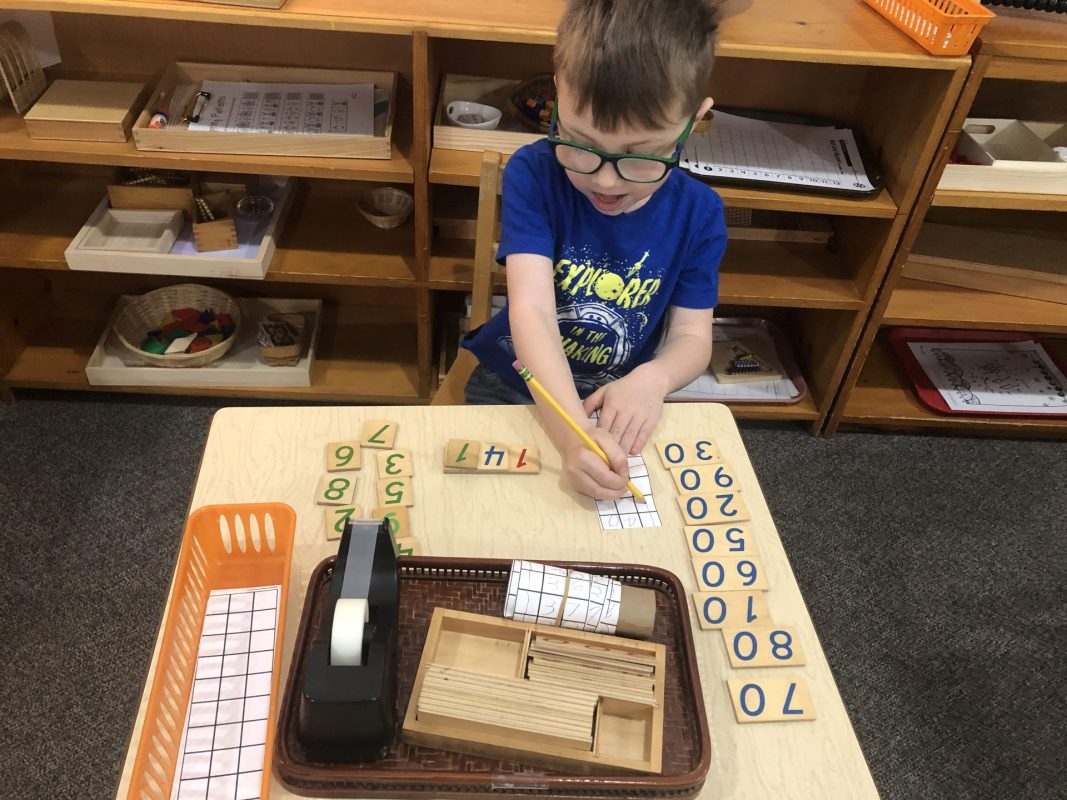
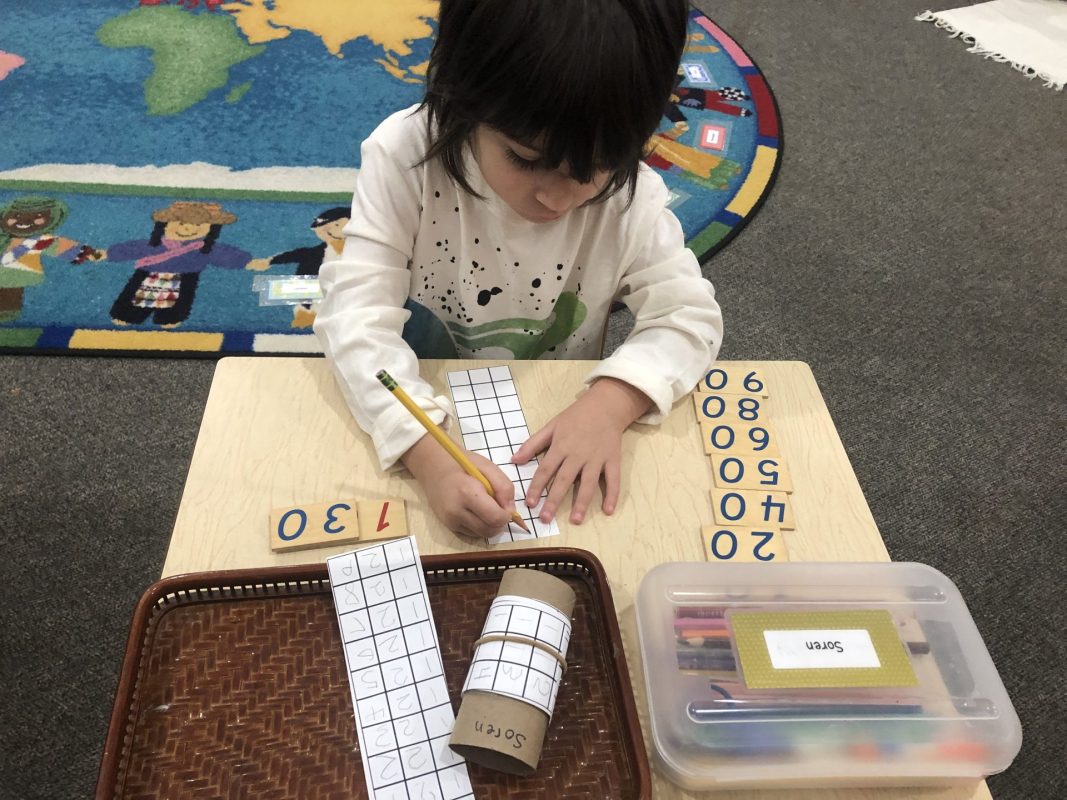
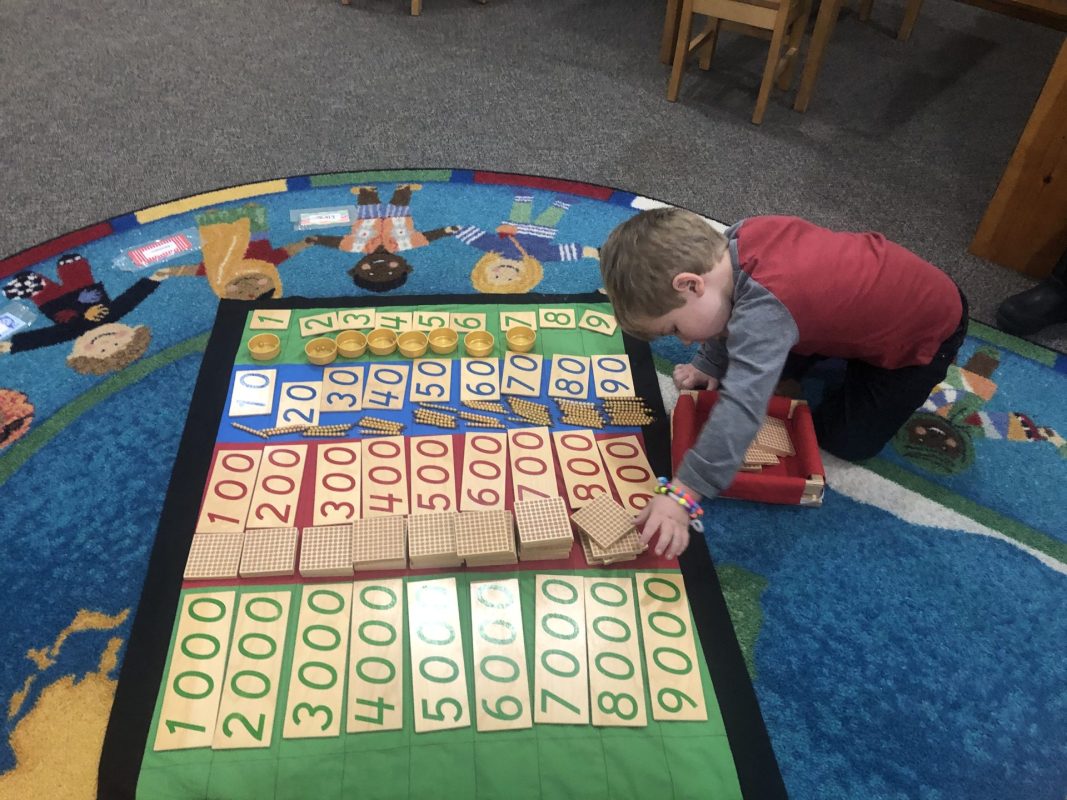
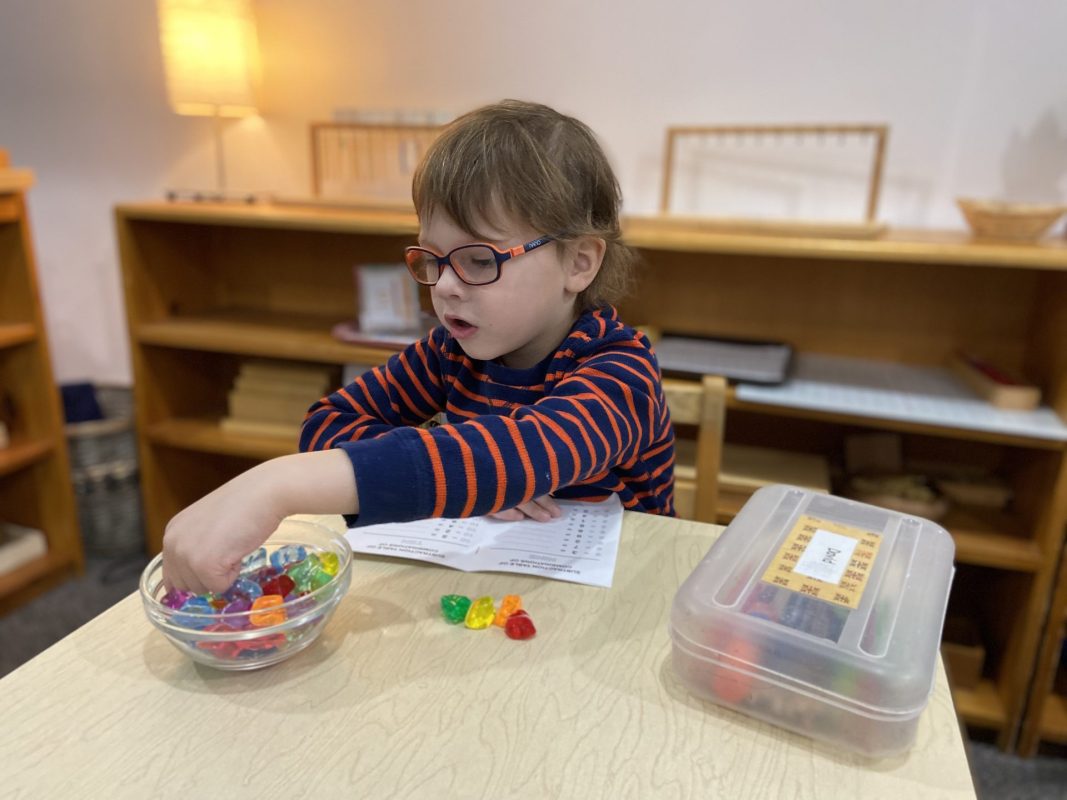
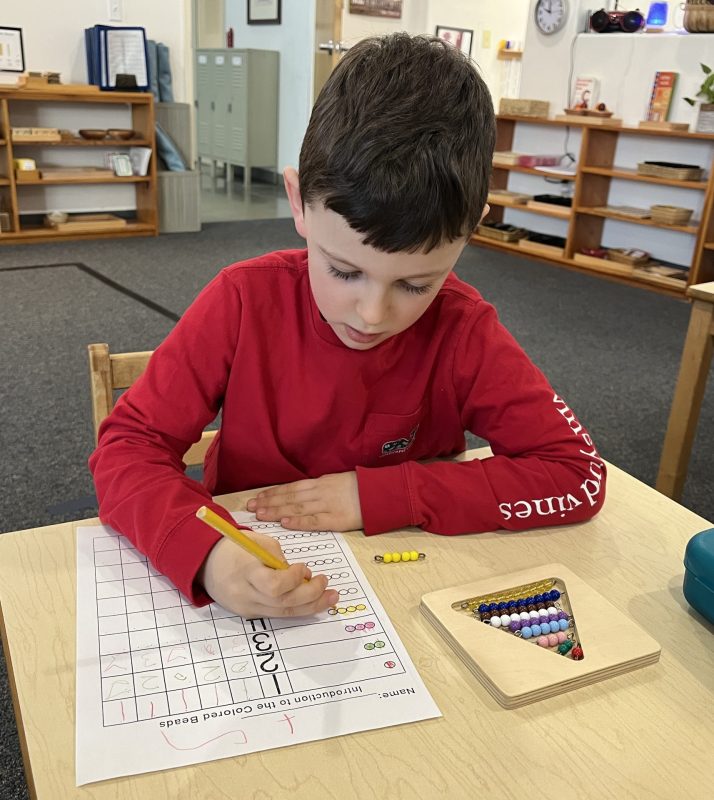
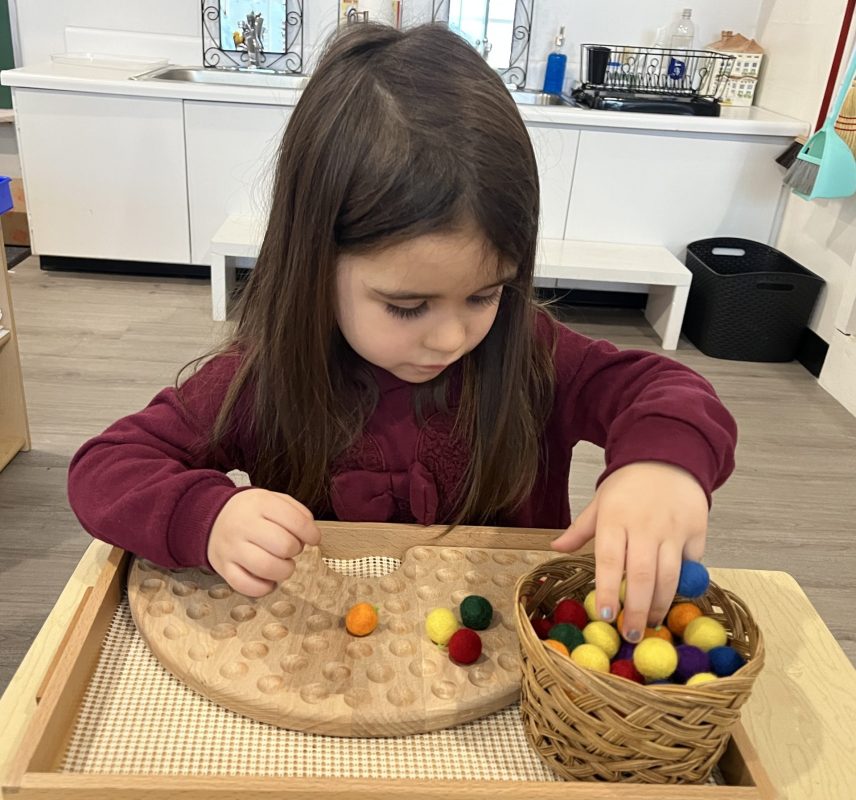
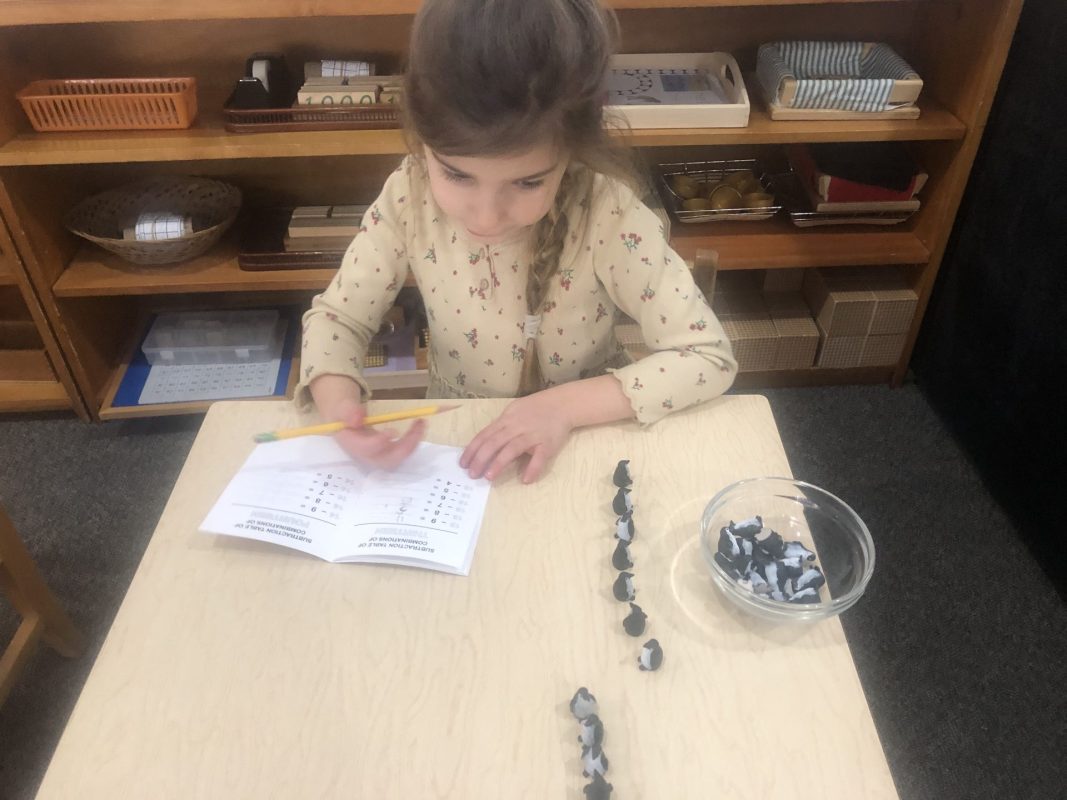
The Montessori math materials are visual and hands-on manipulatives, aiding in the ability of a child to understand mathematical concepts concretely. After many repetitions and when the child is ready,  we introduce the more complex and abstract concepts. We teach the process first because the goal is to develop a true understanding of mathematical concepts and not simply memorization. The materials are sequenced in a way that each success a child experiences is a building block for the next concept to be introduced.

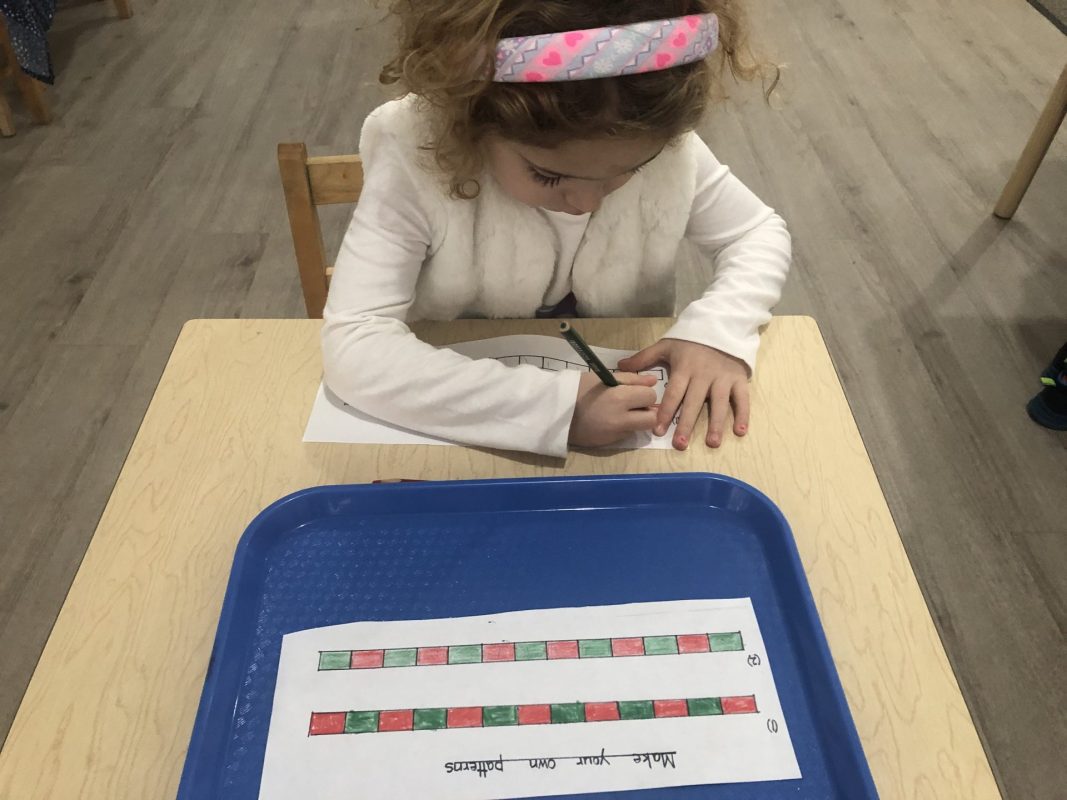
Maria Montessori believed that all children have a mathematical mind and an internal drive to understand the environment around them. We know that the Montessori math materials are exact and precise and allow the child to have positive experiences in math right from the beginning.  We also know that the Practical Life activities have helped the child to develop order, concentration, coordination, and independence.  Likewise, the Sensorial materials have allowed the children to recognize and extend patterns.  Here’s the real secret behind the success of the Montessori math materials though, the children truly enjoy them.

Wishing you a peaceful weekend,

Kaoutar and Michelle


Middle School: Week in Review

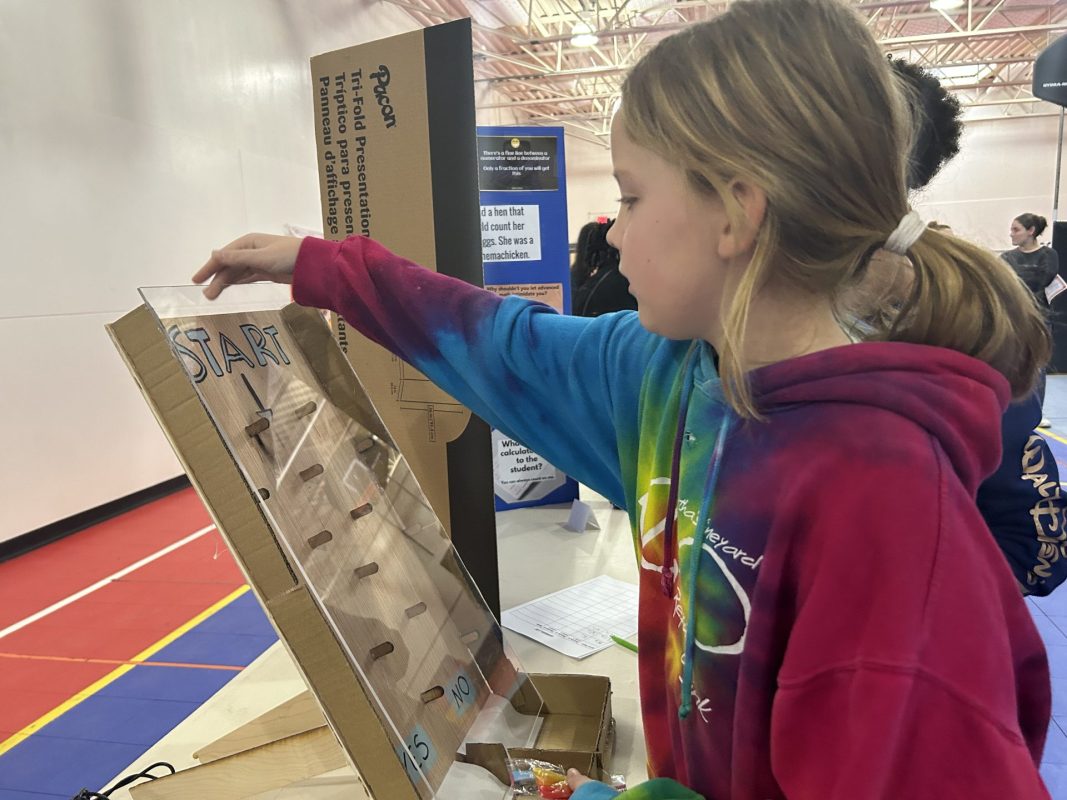
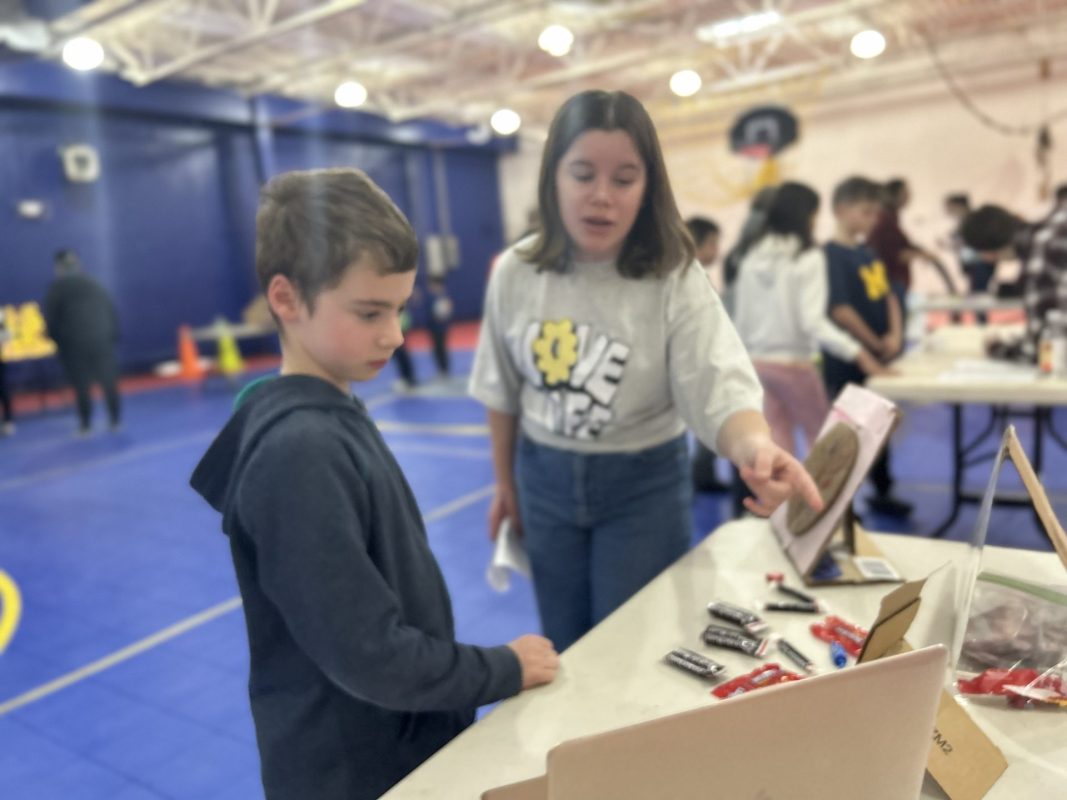
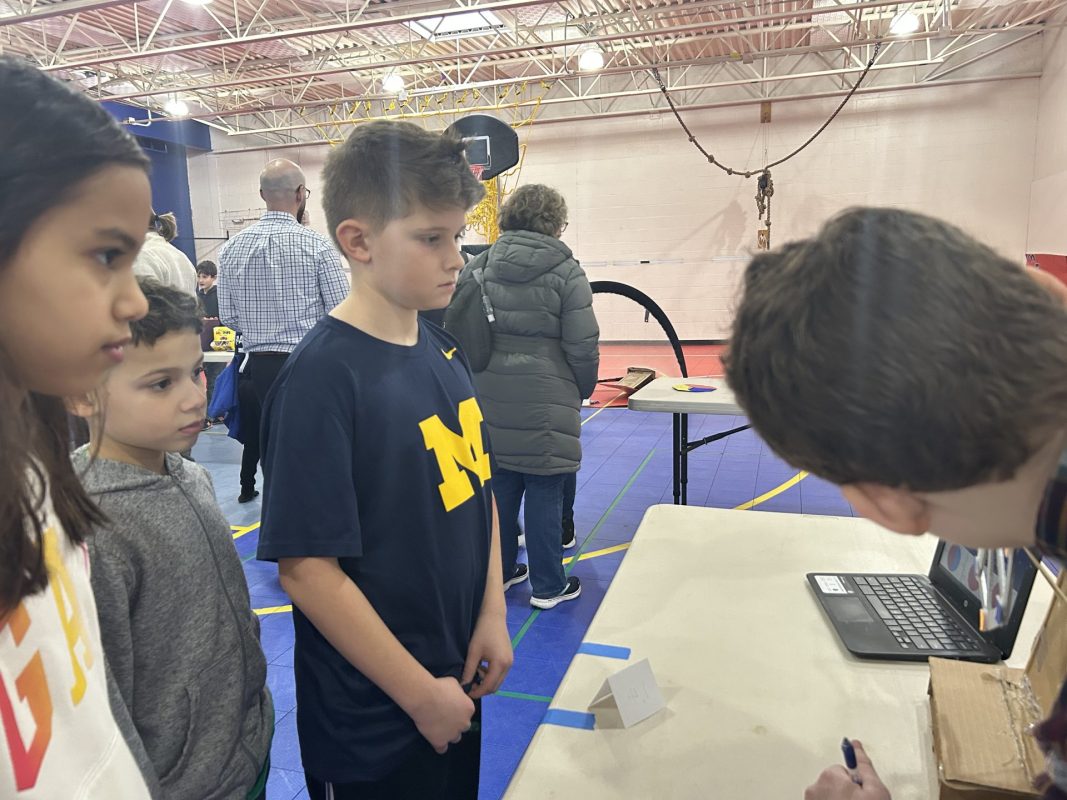
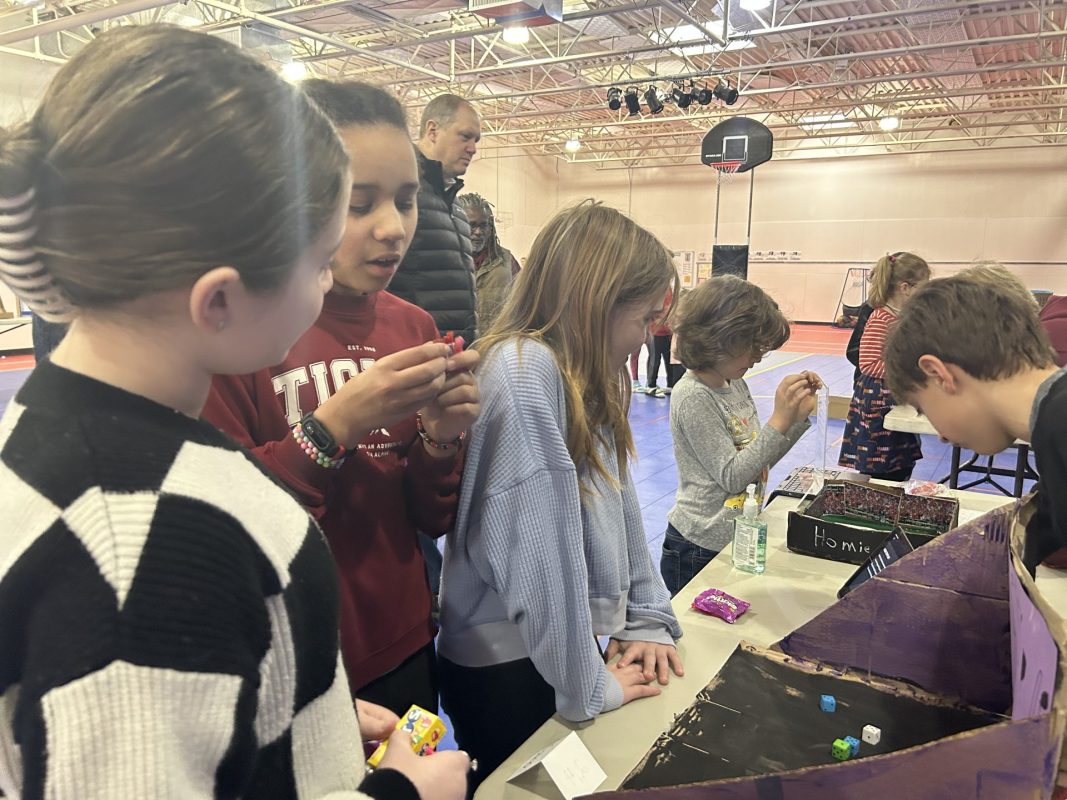
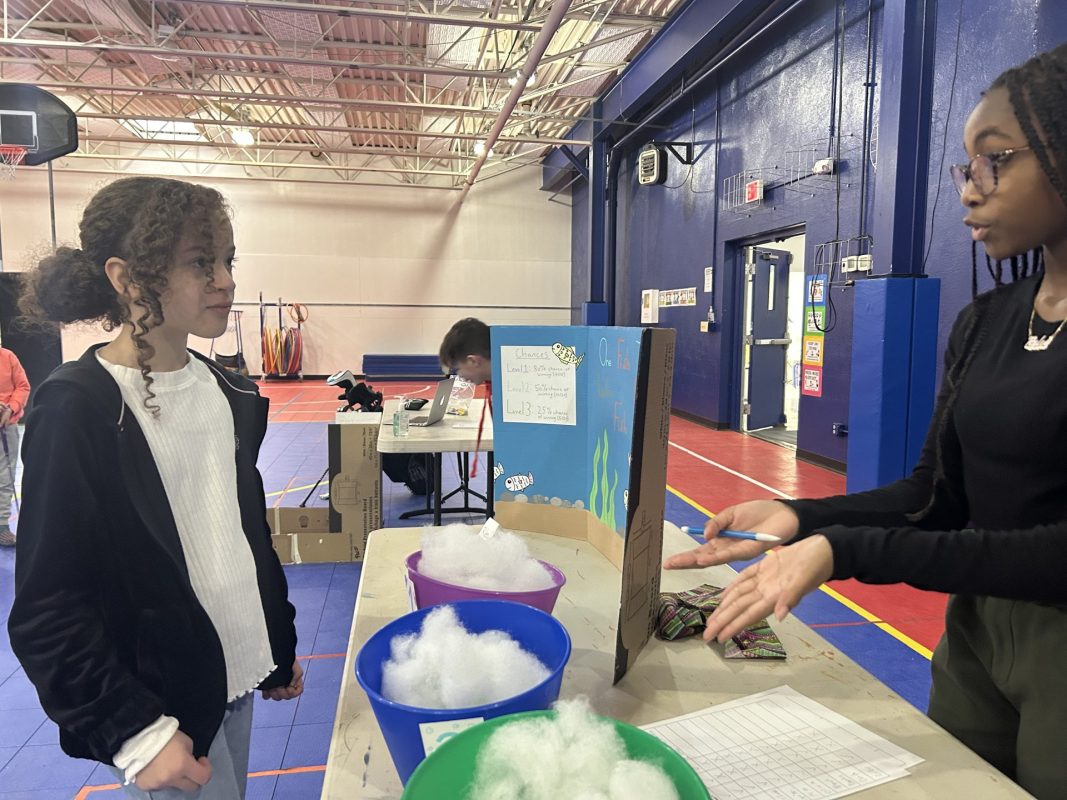
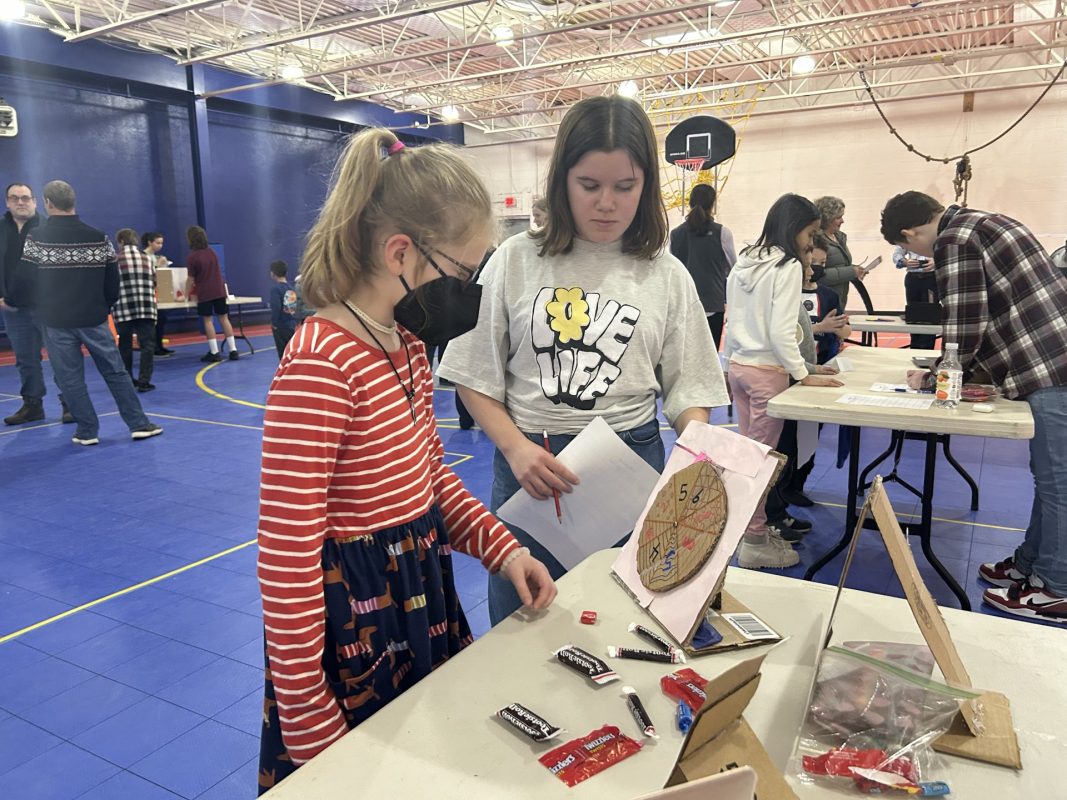
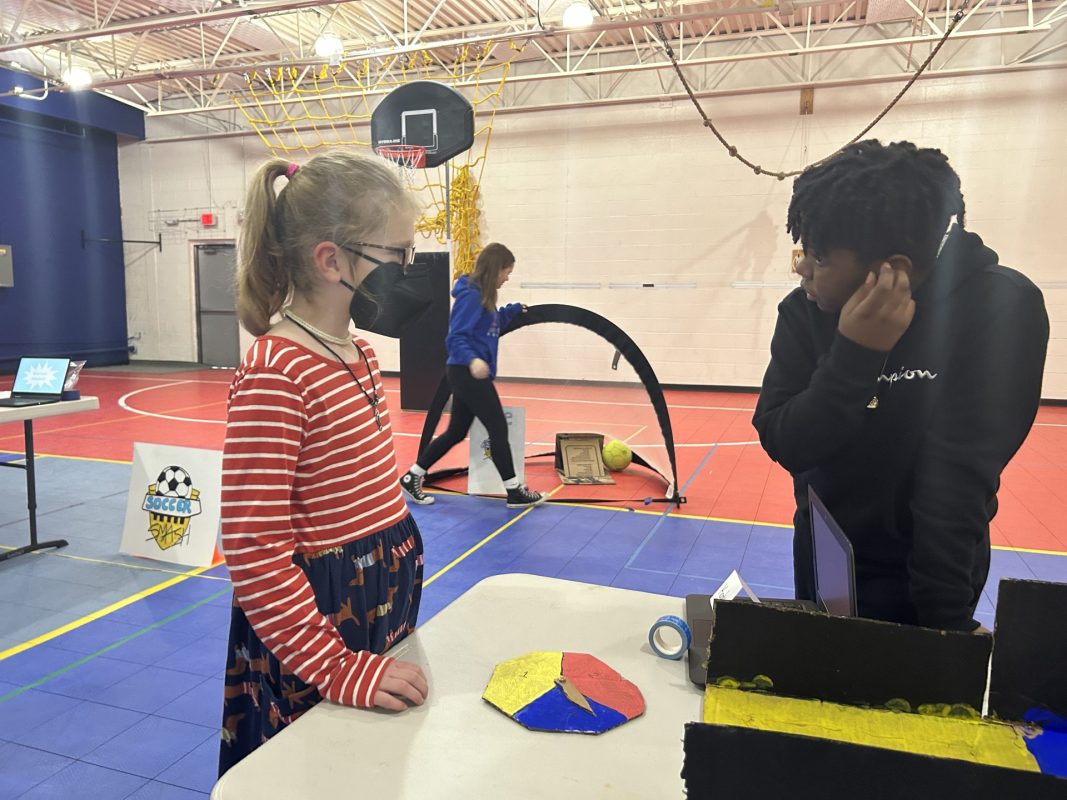
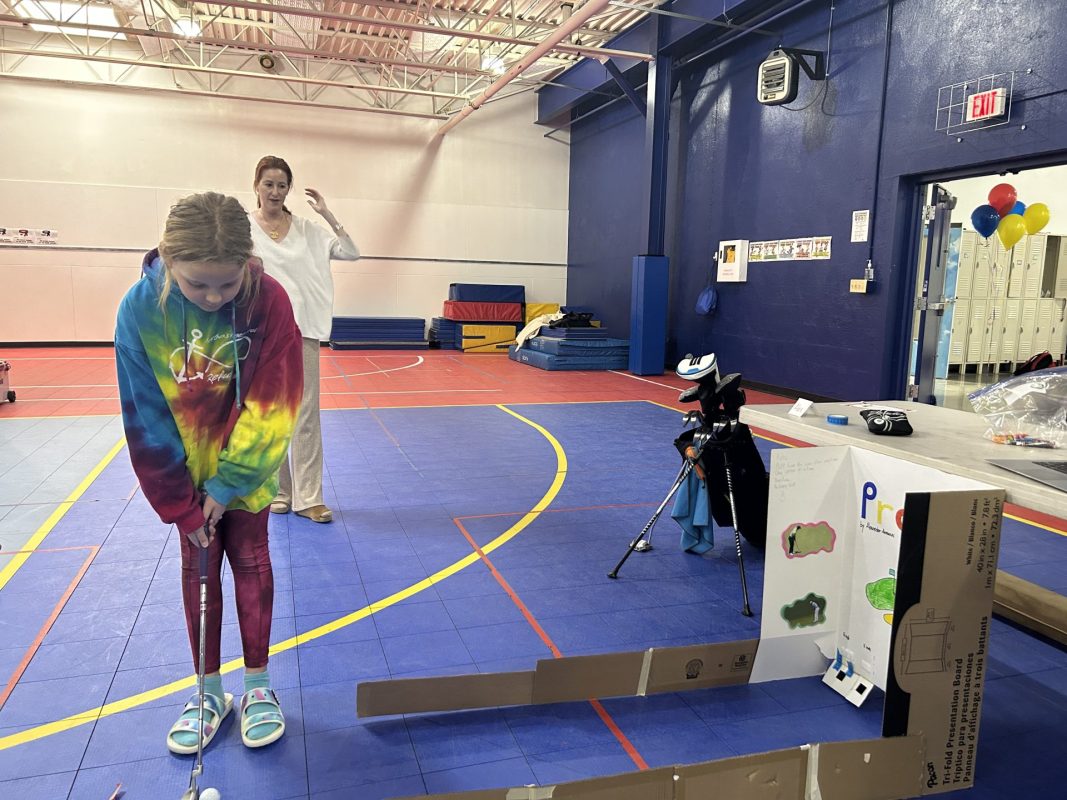
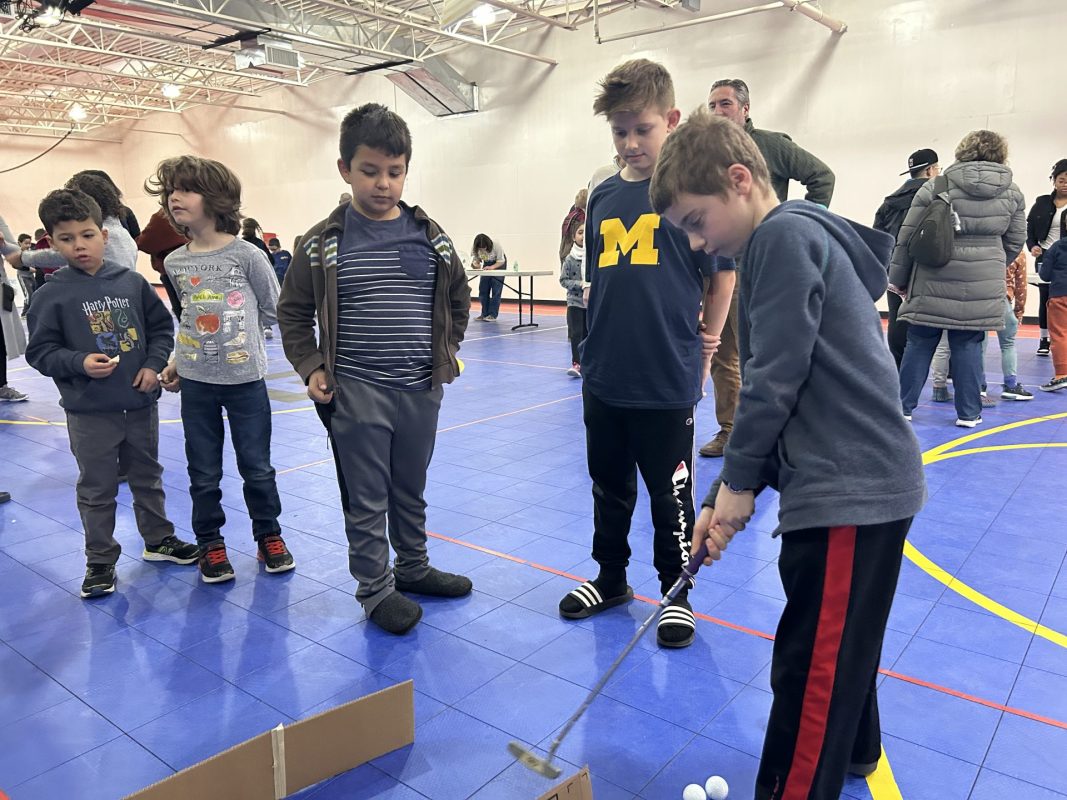
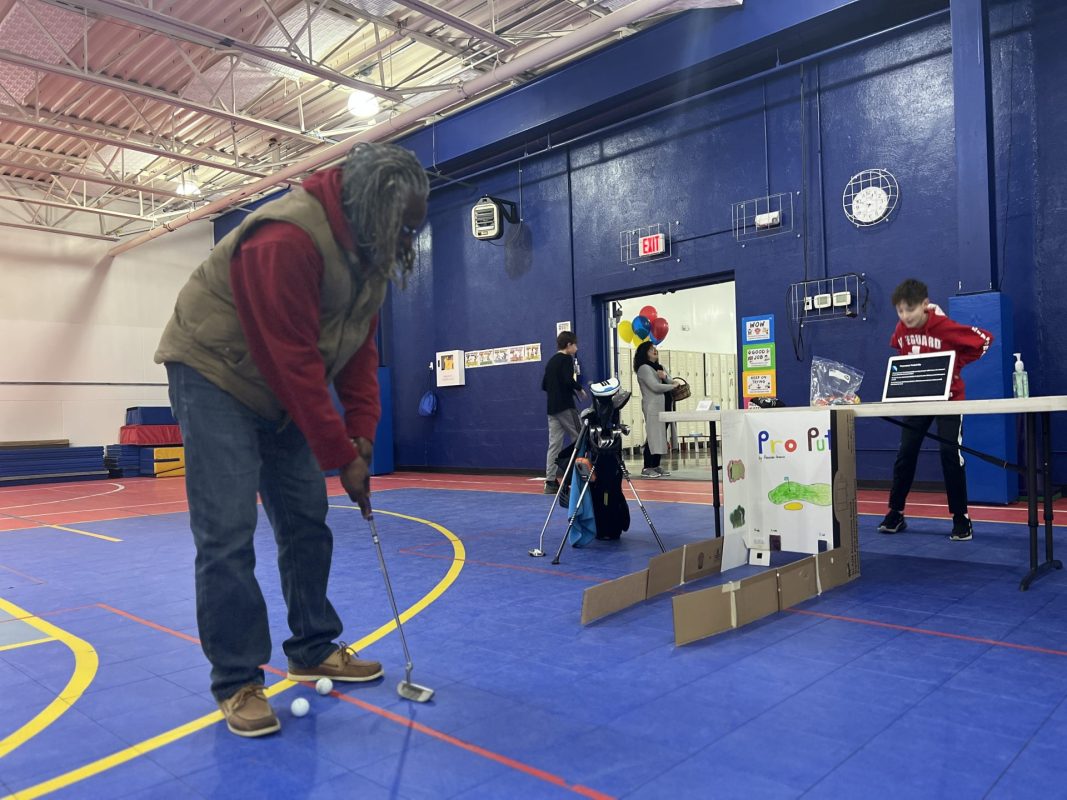
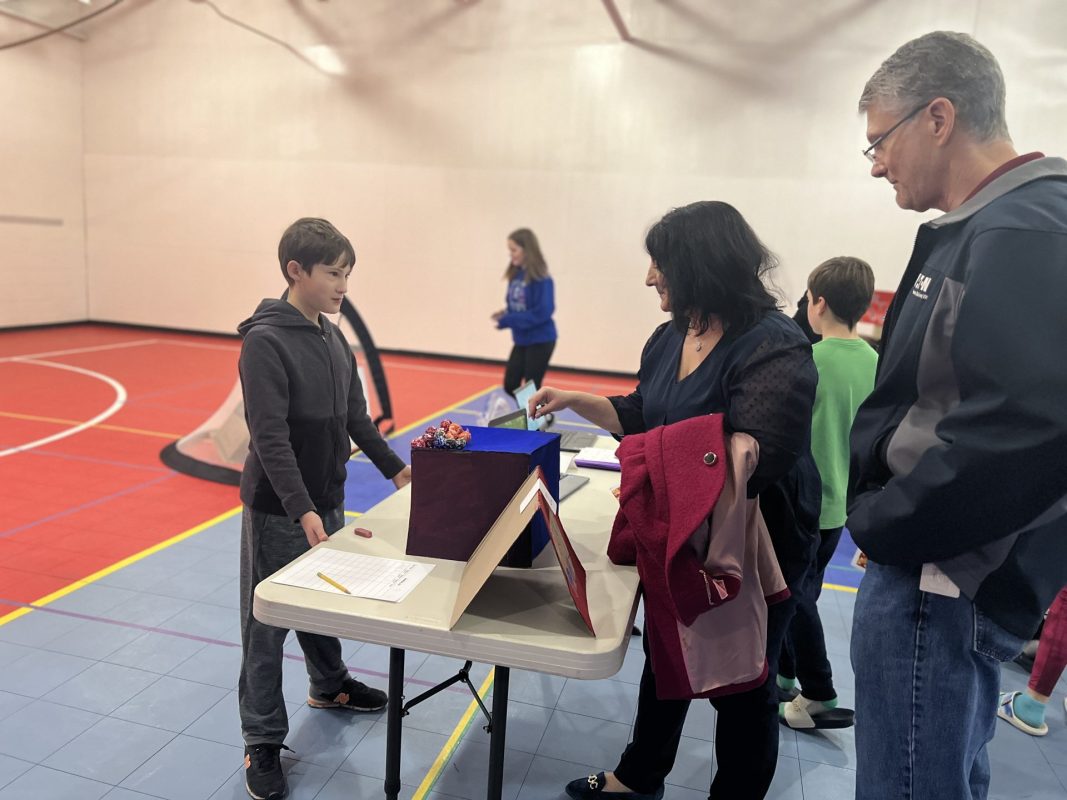
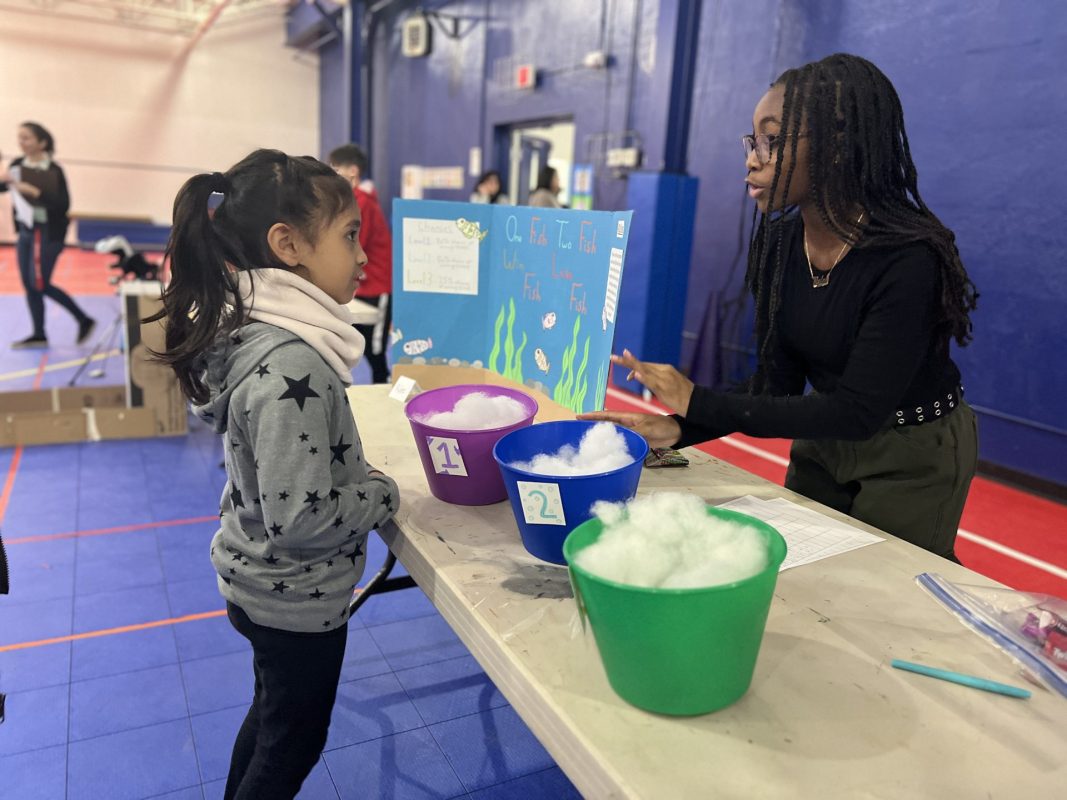
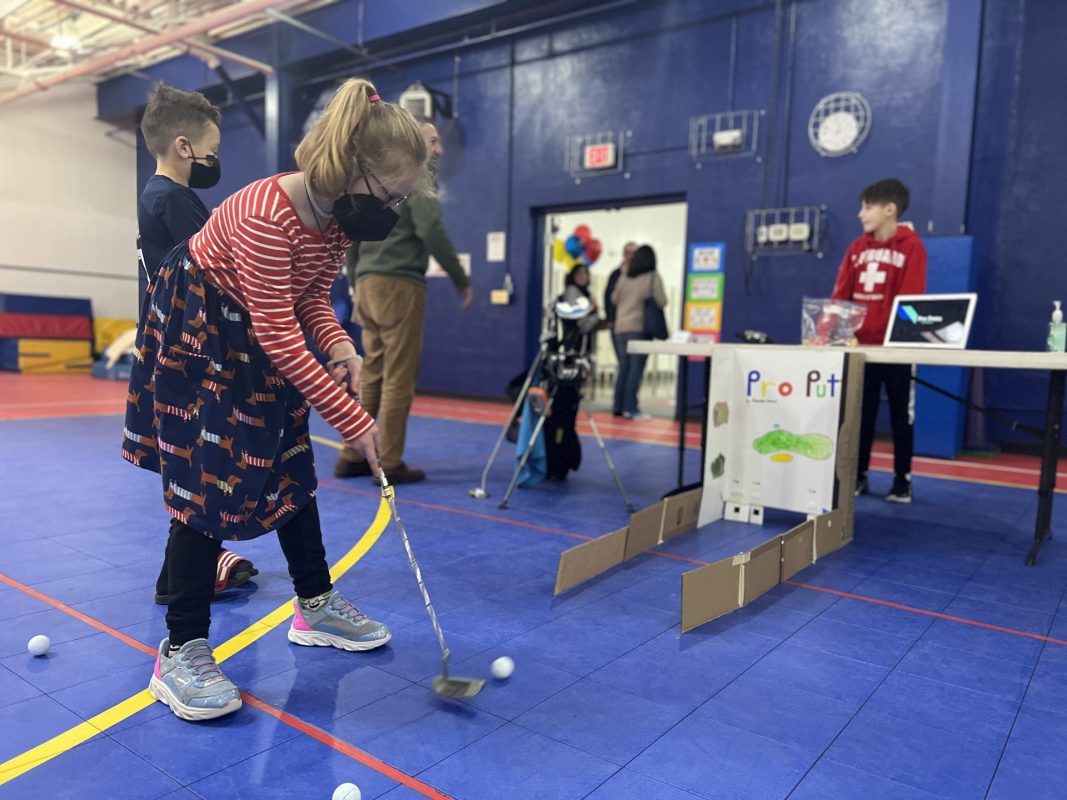
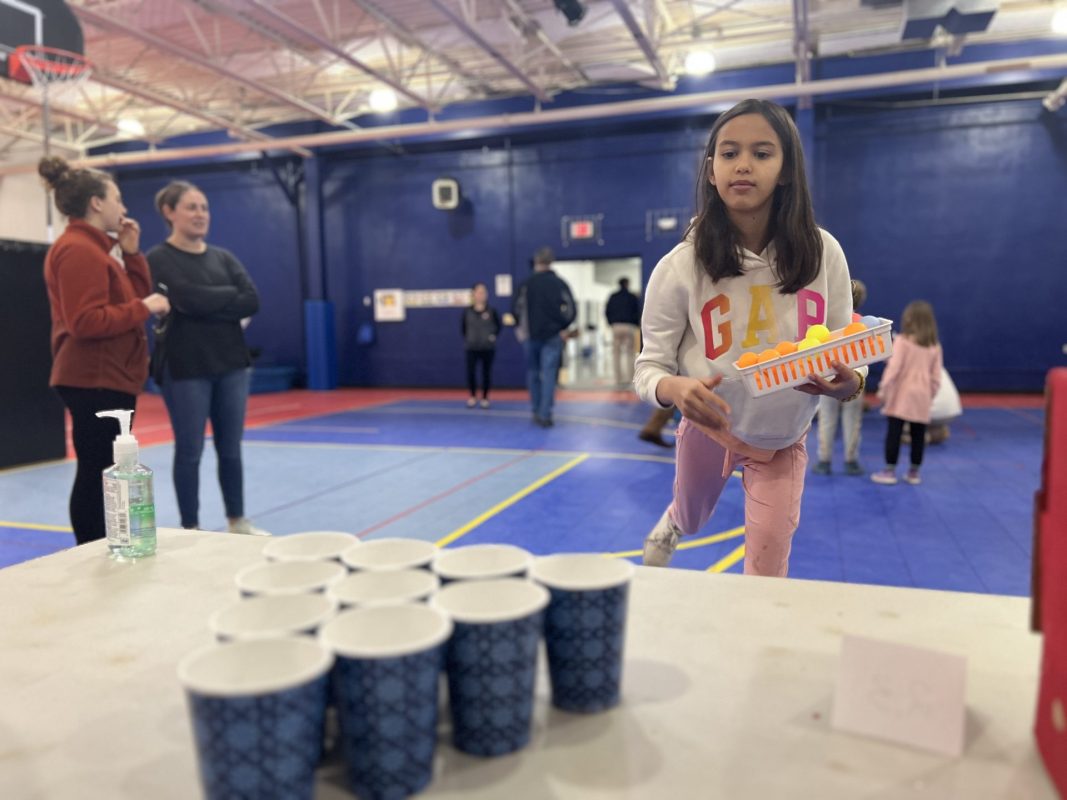
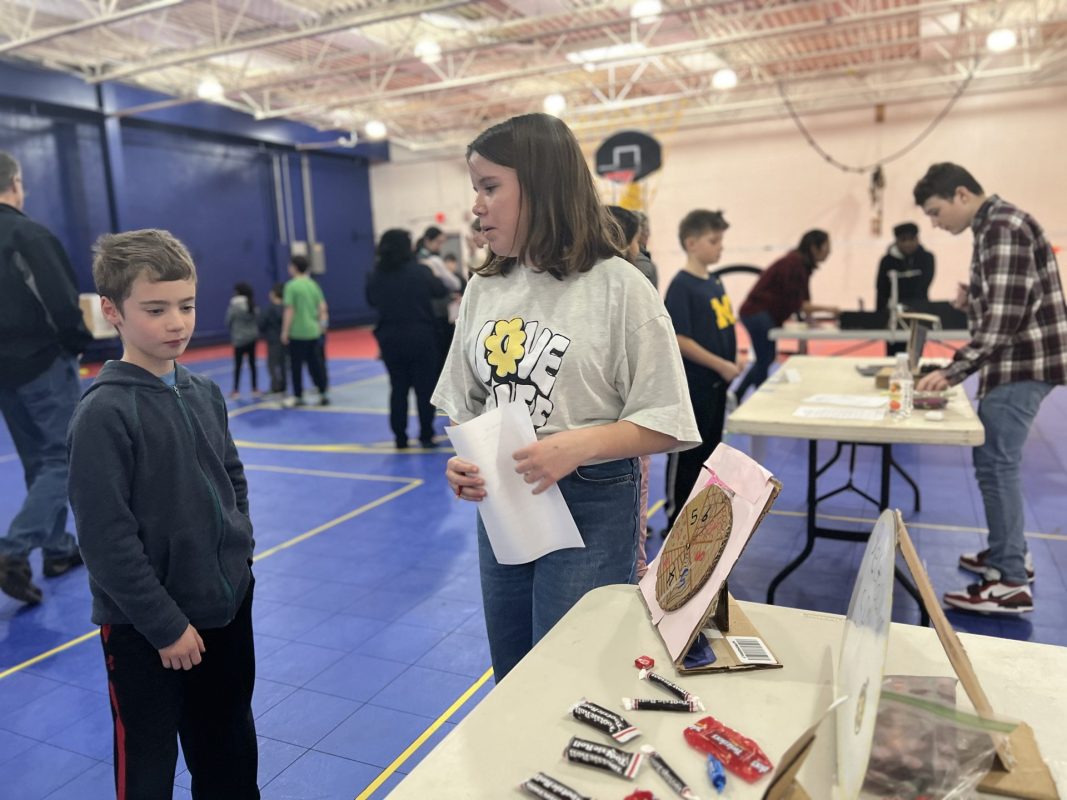
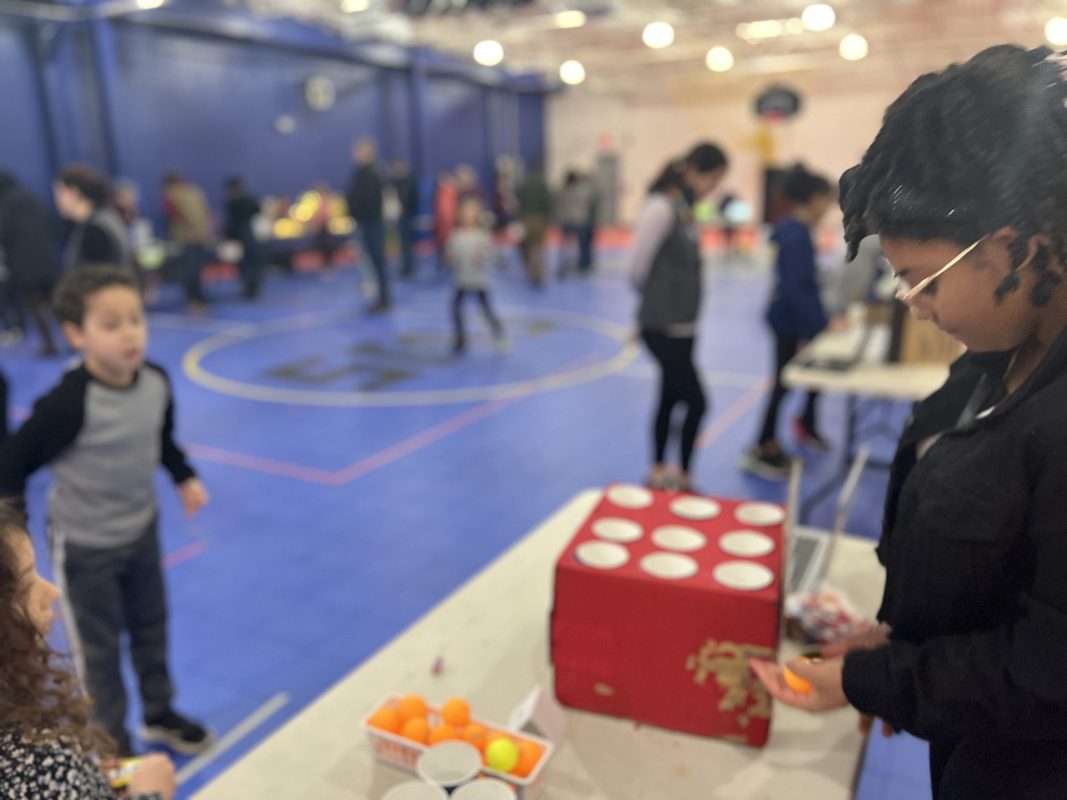
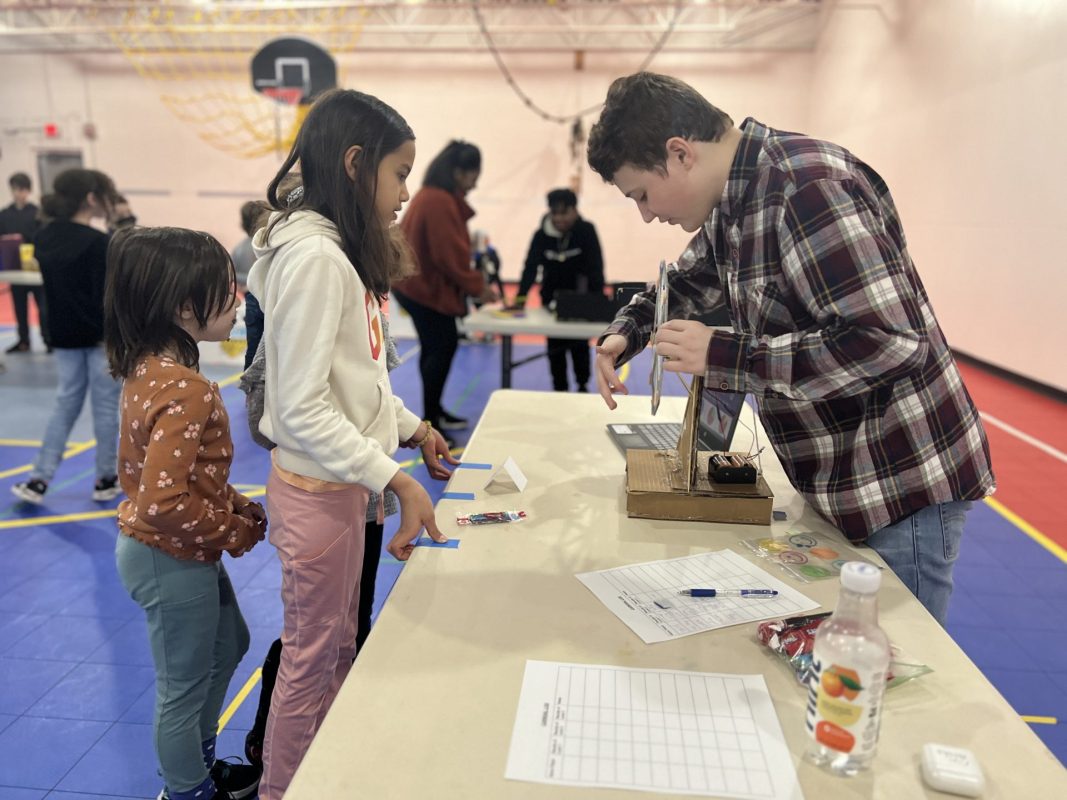
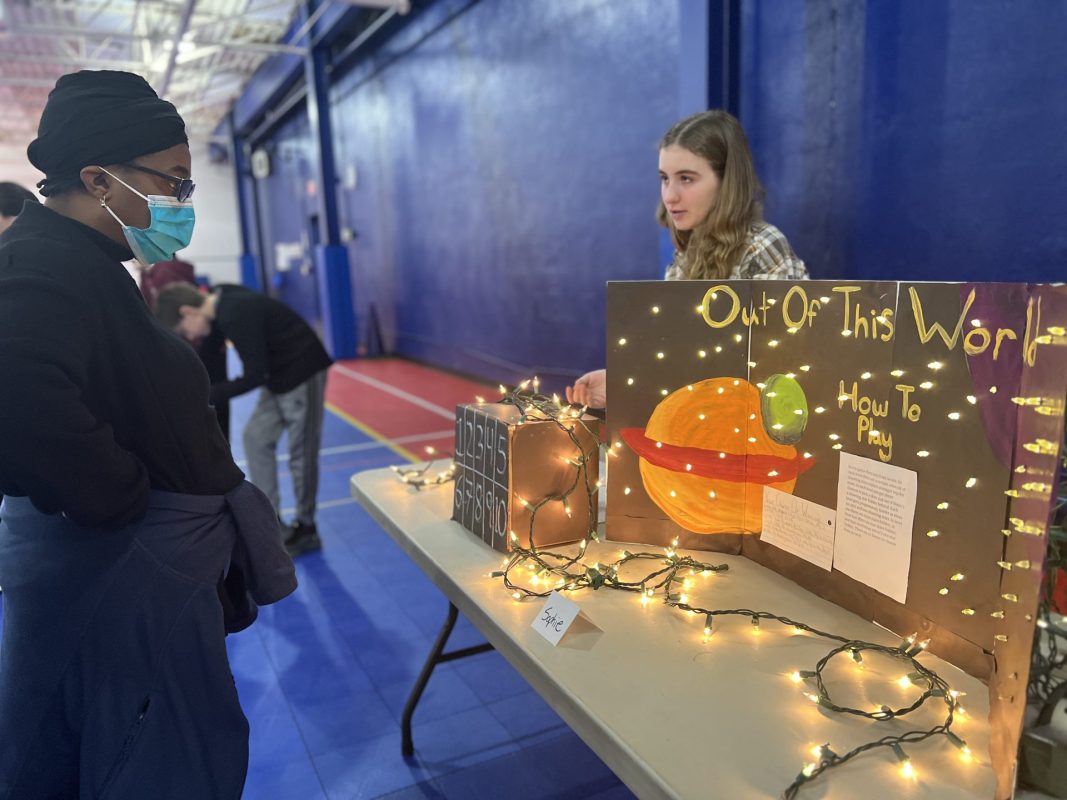
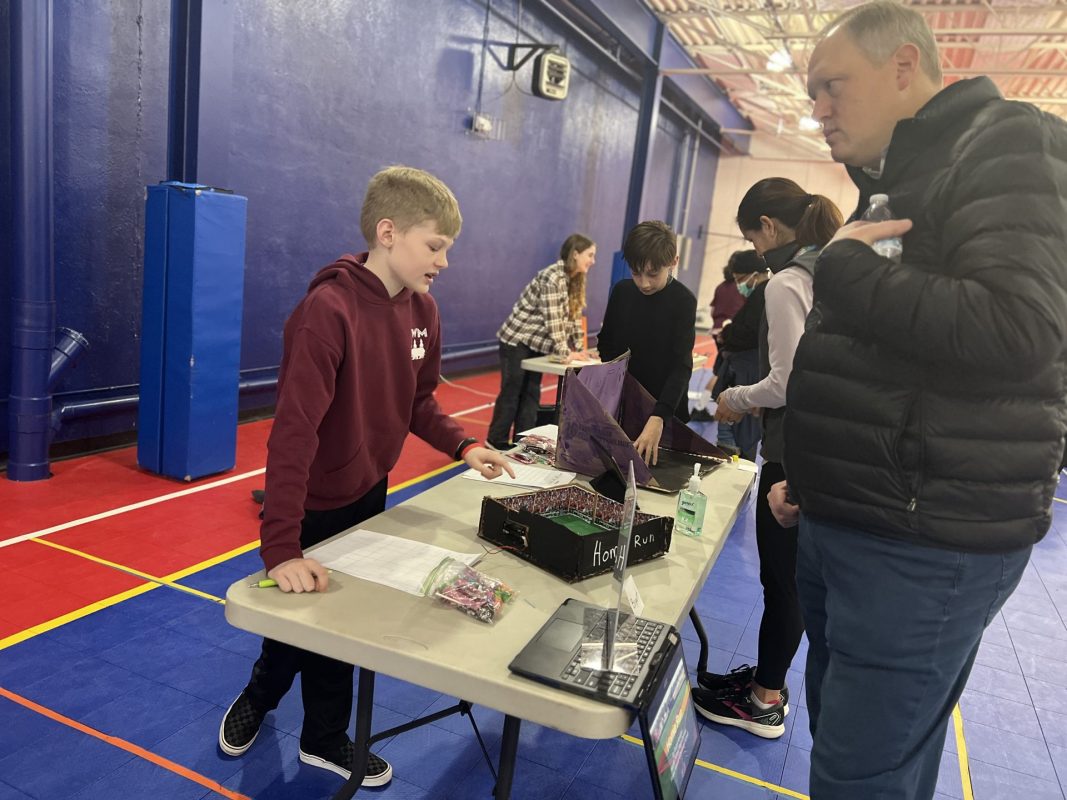
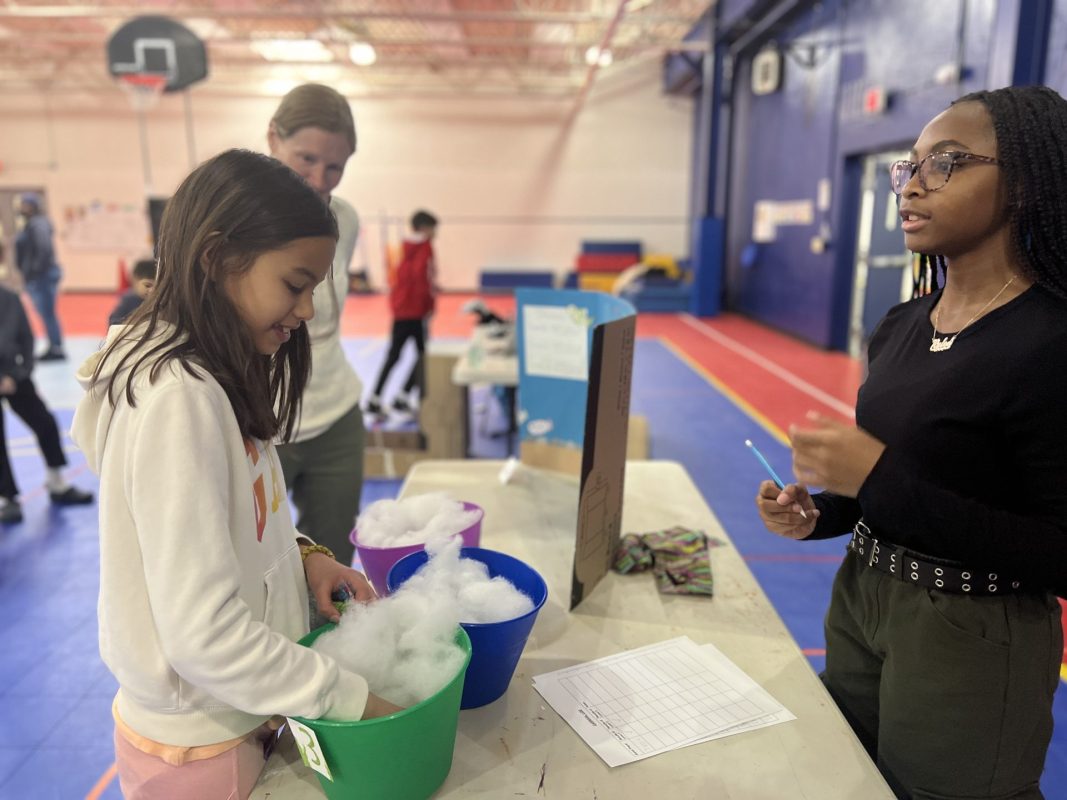
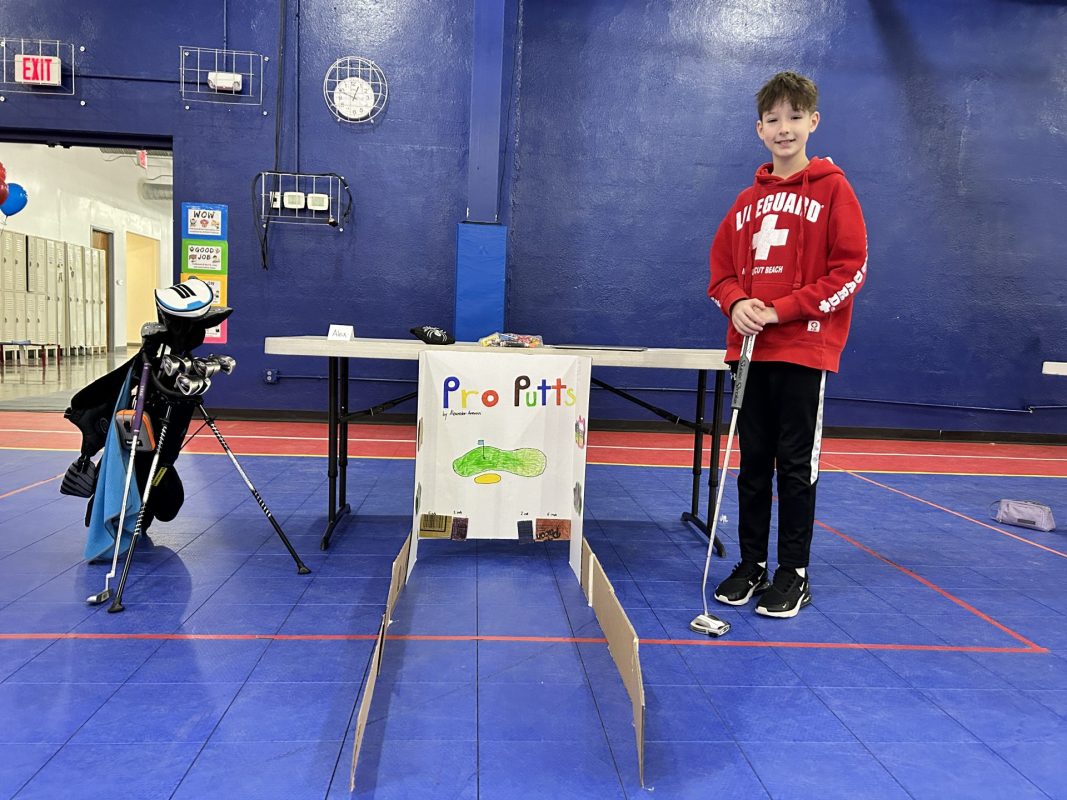
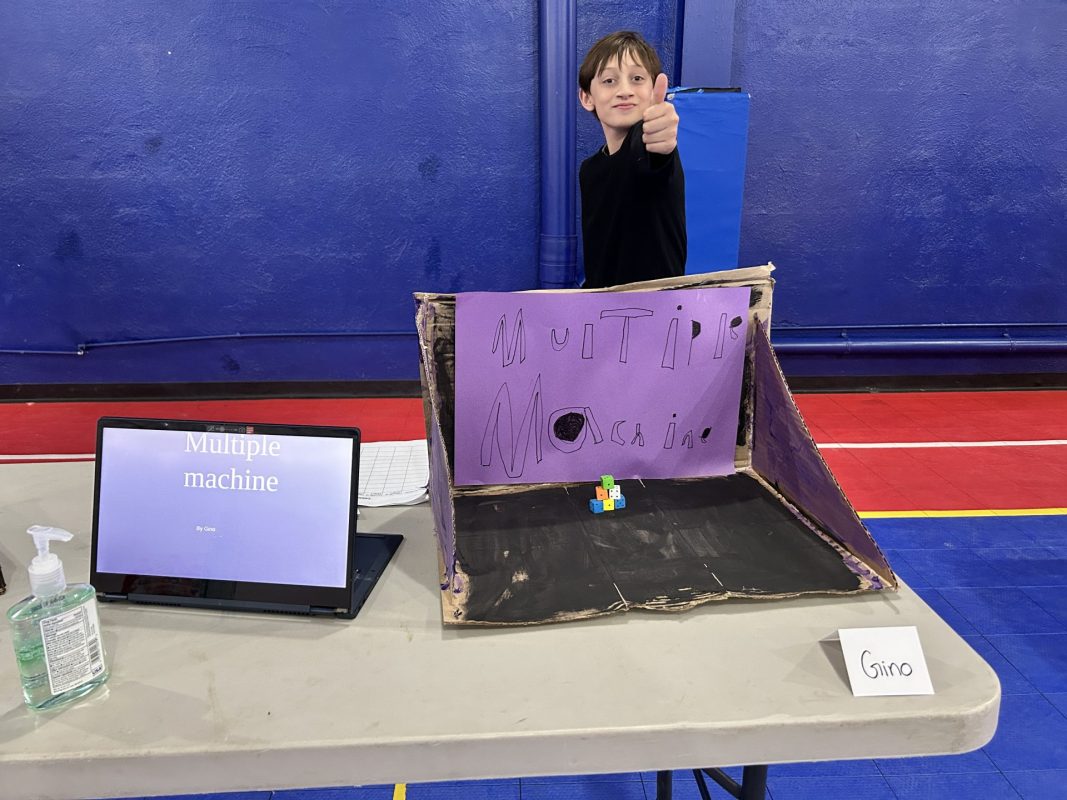
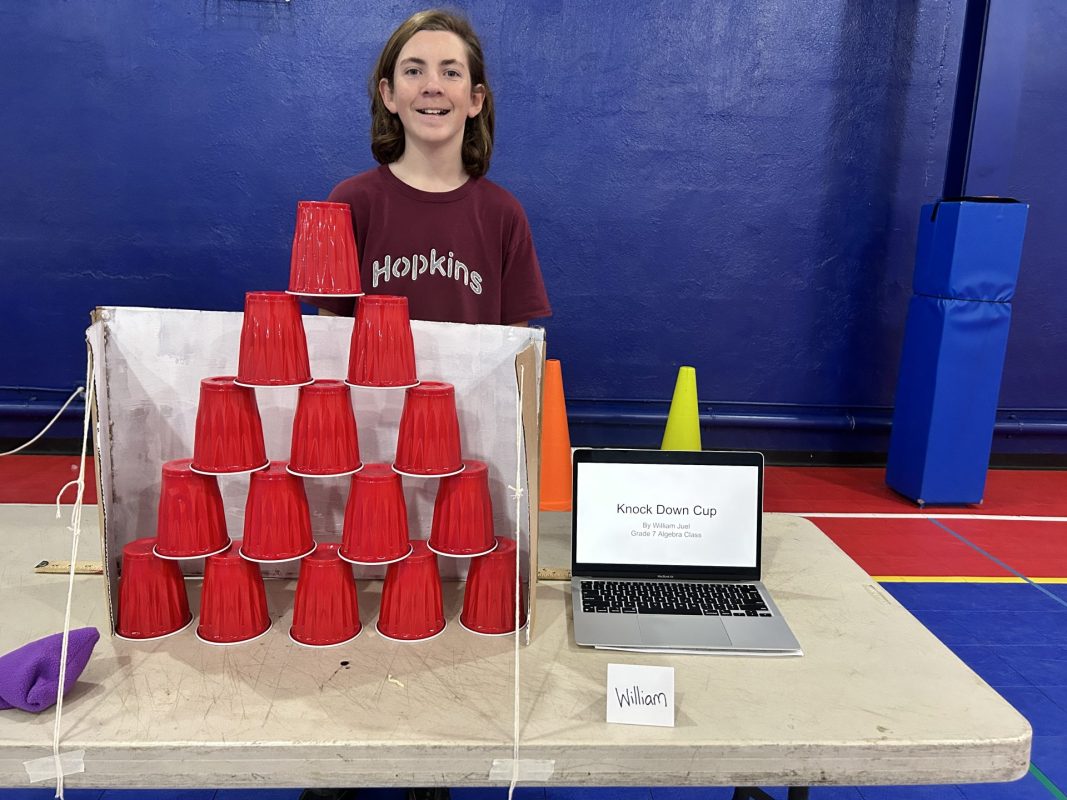
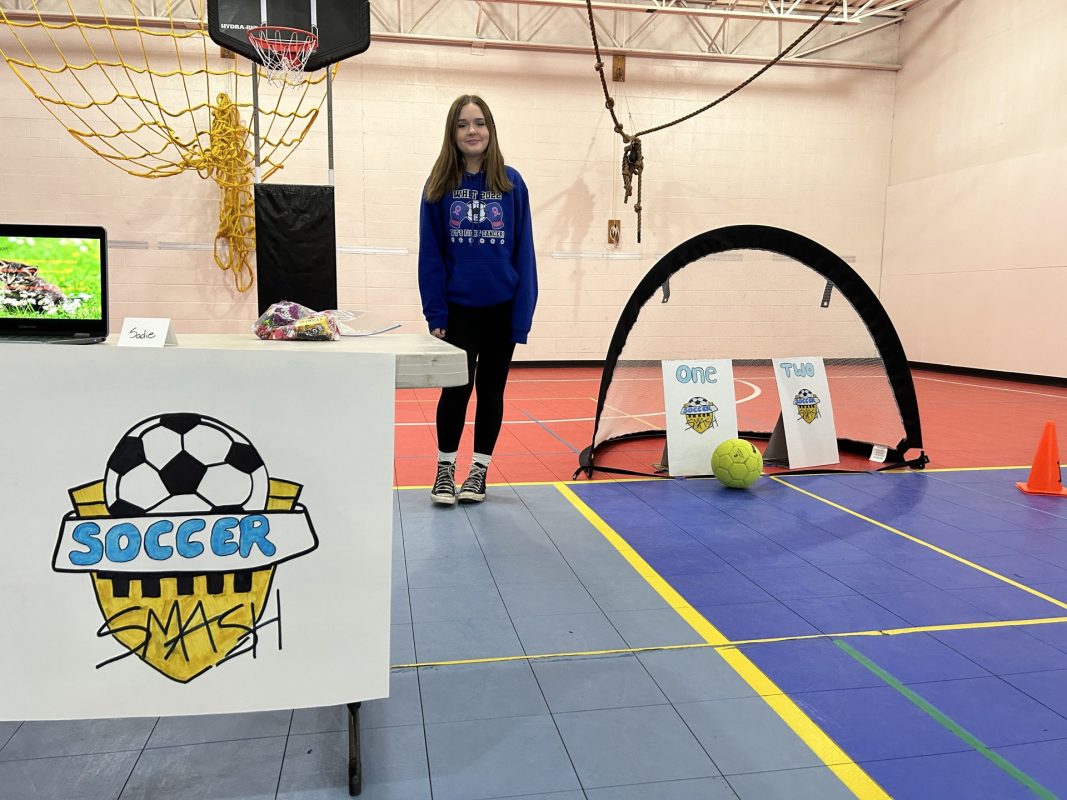
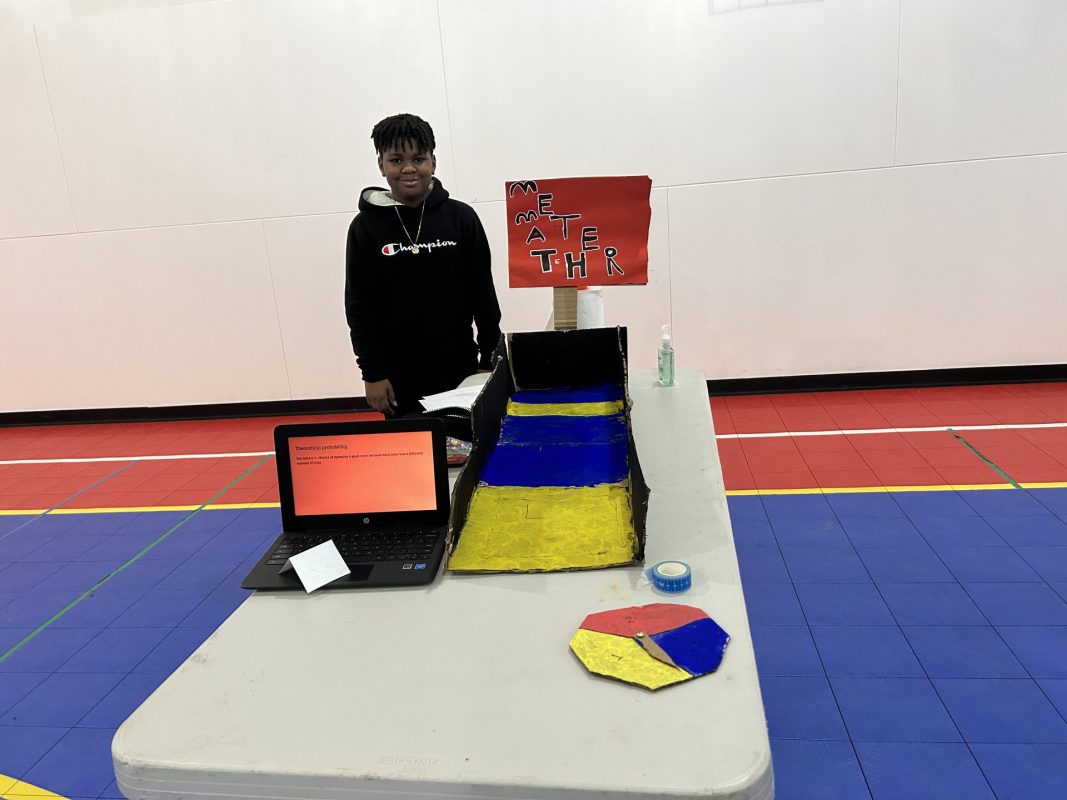
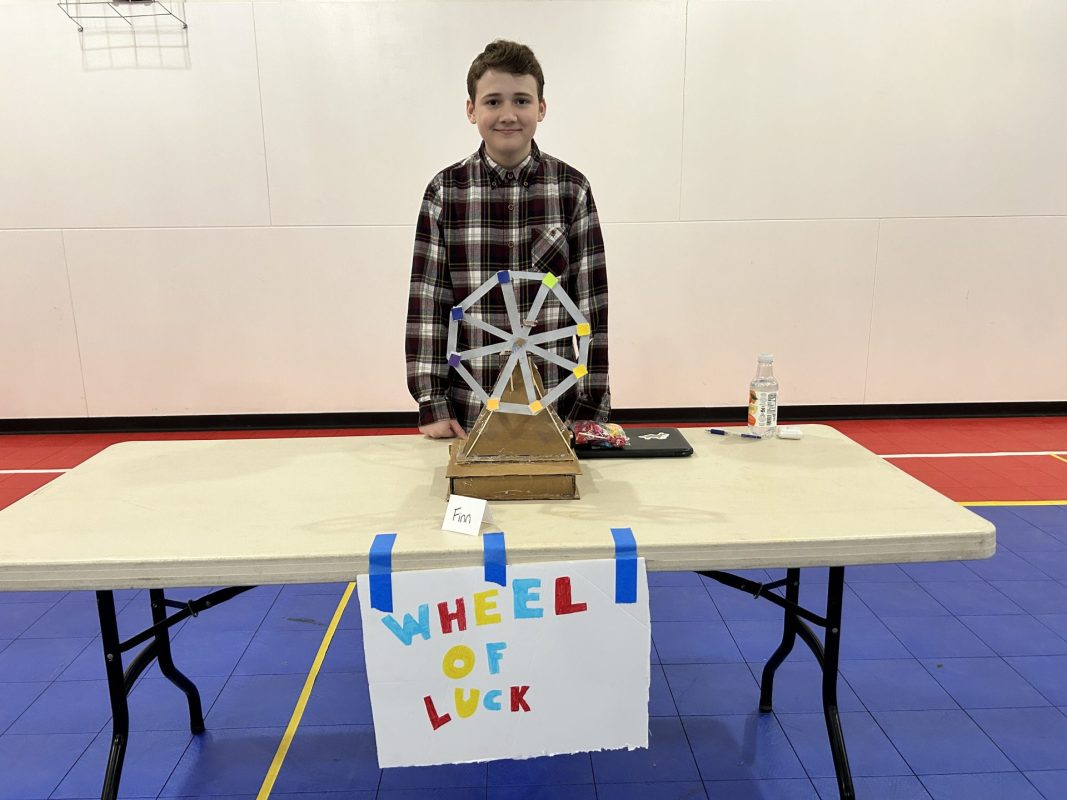
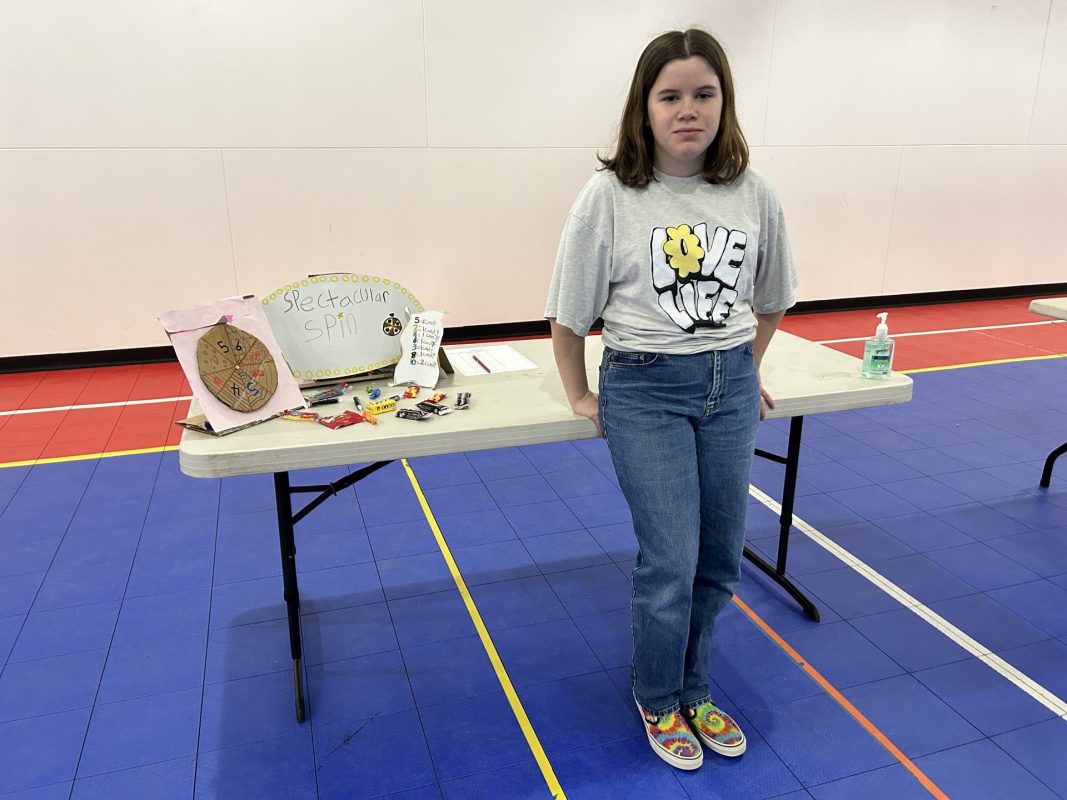
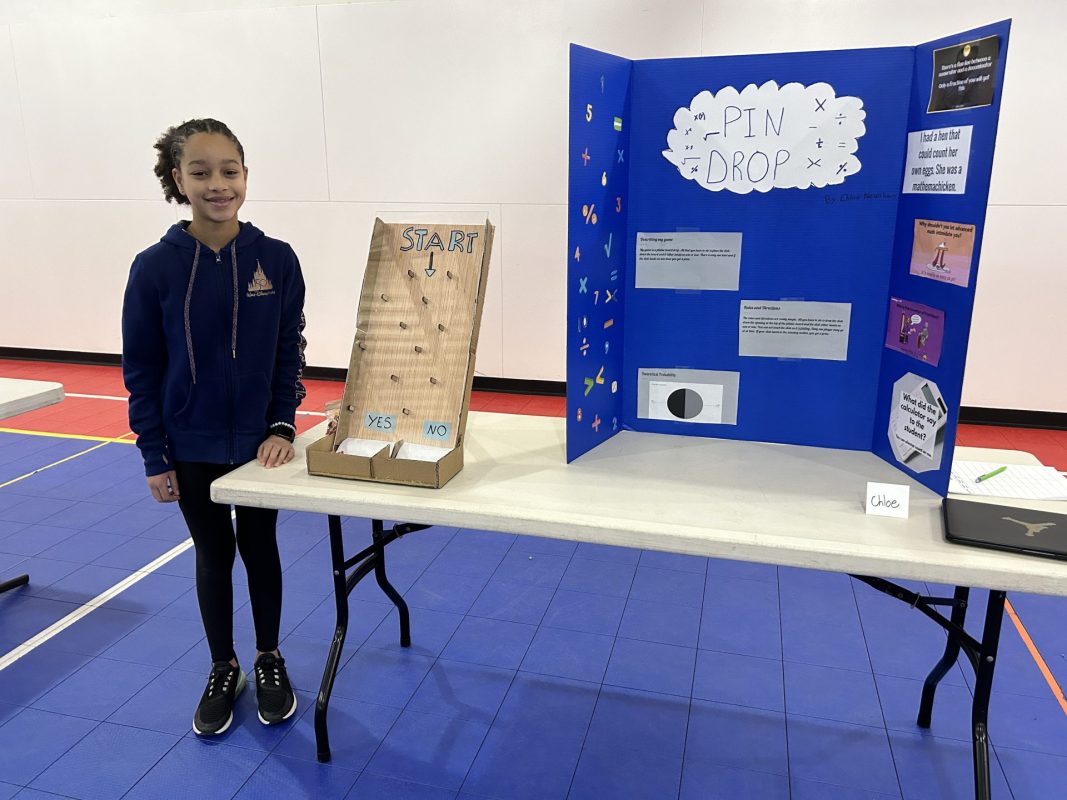
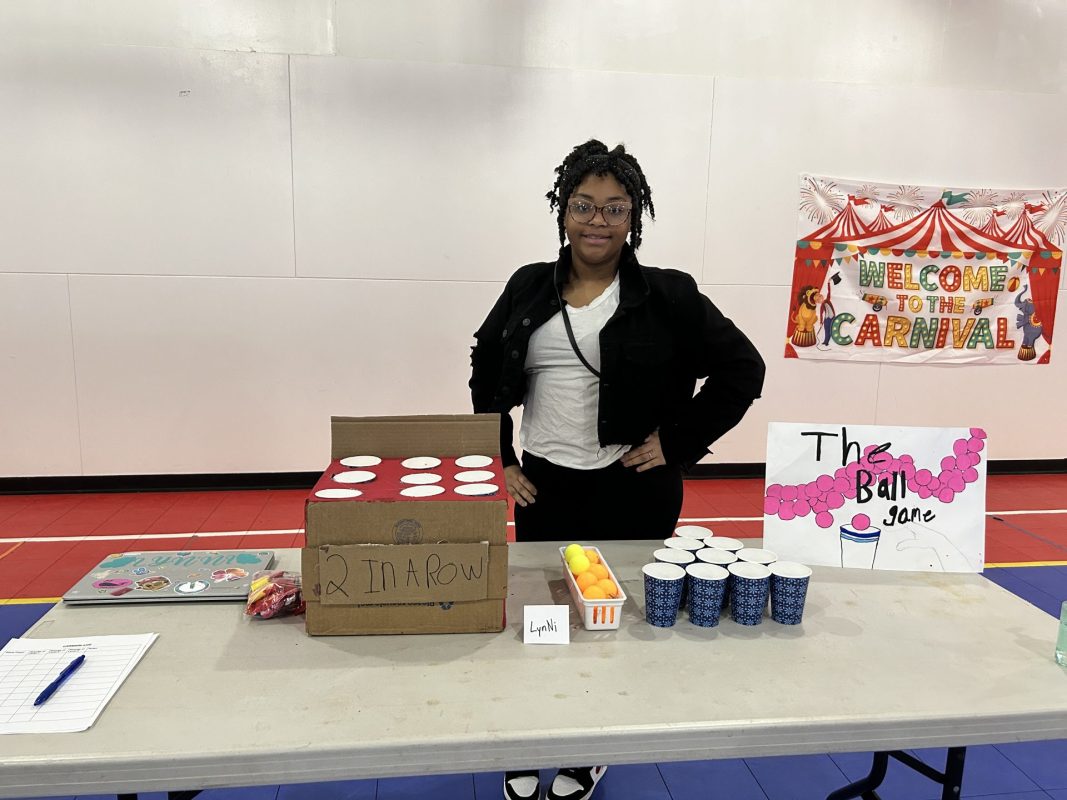
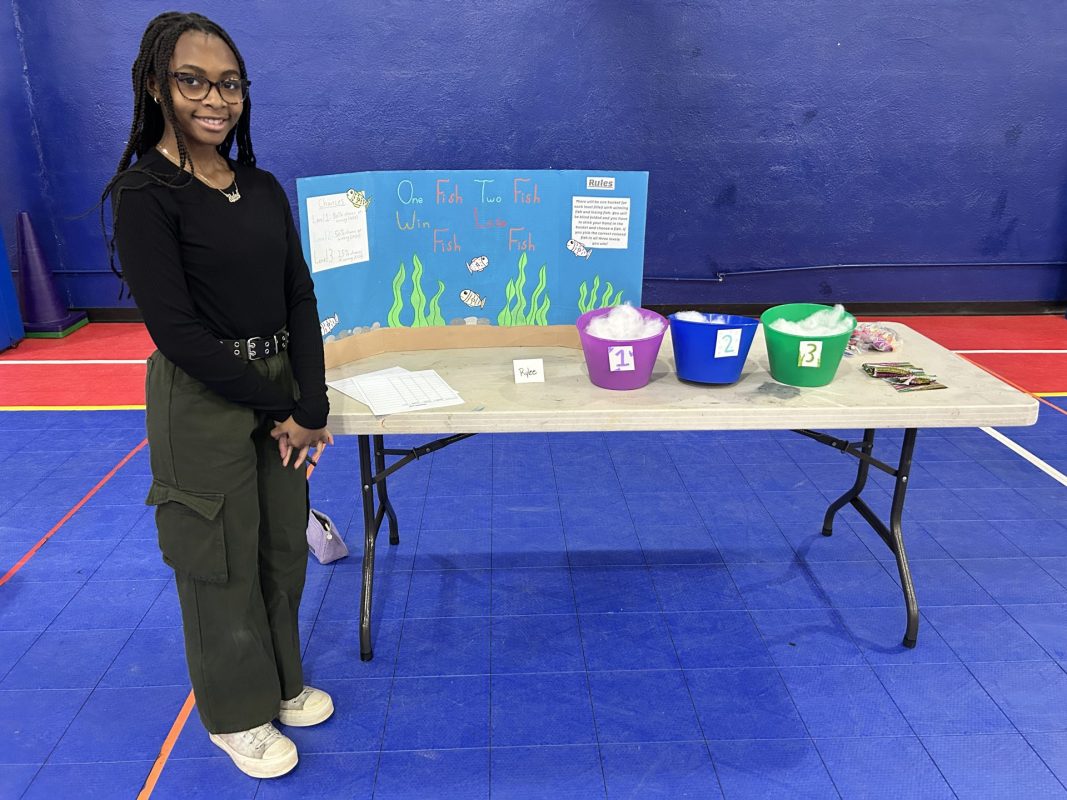
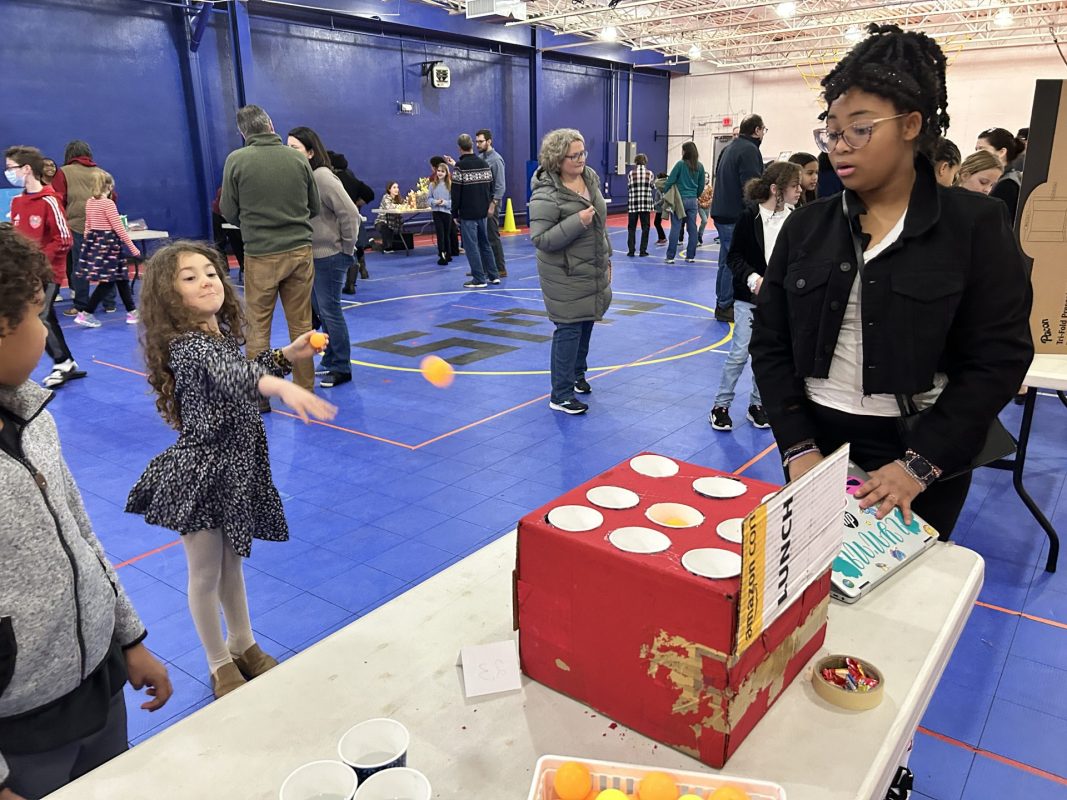
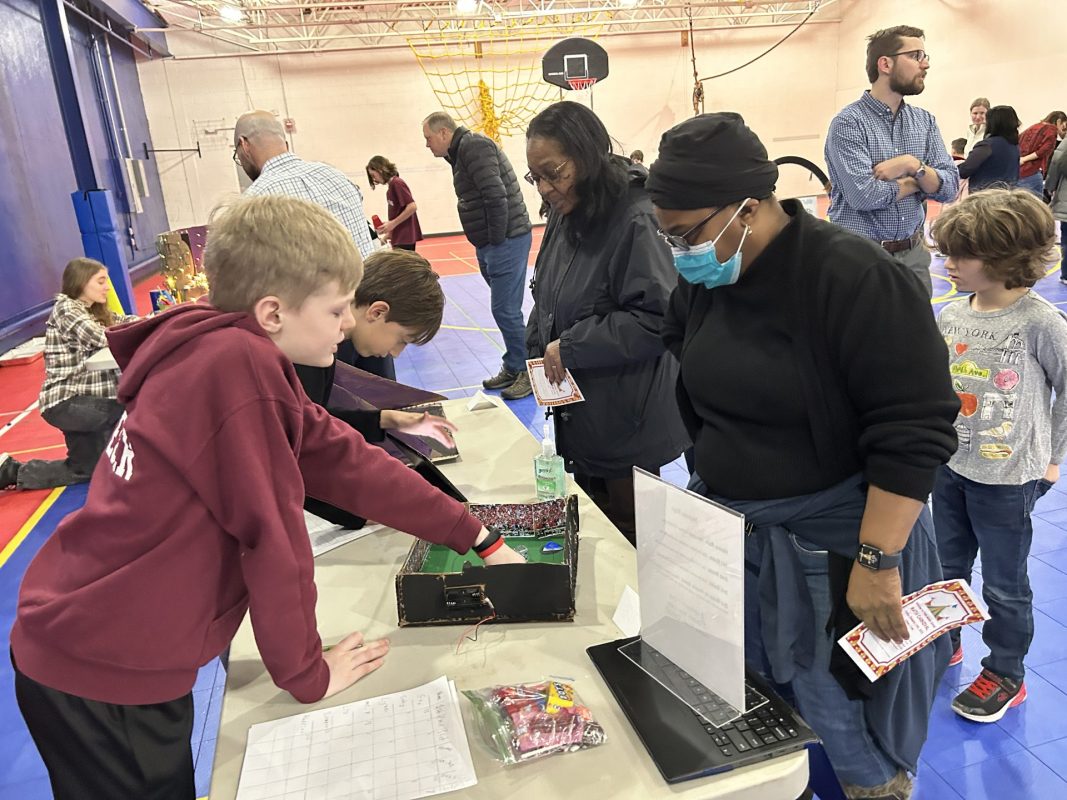
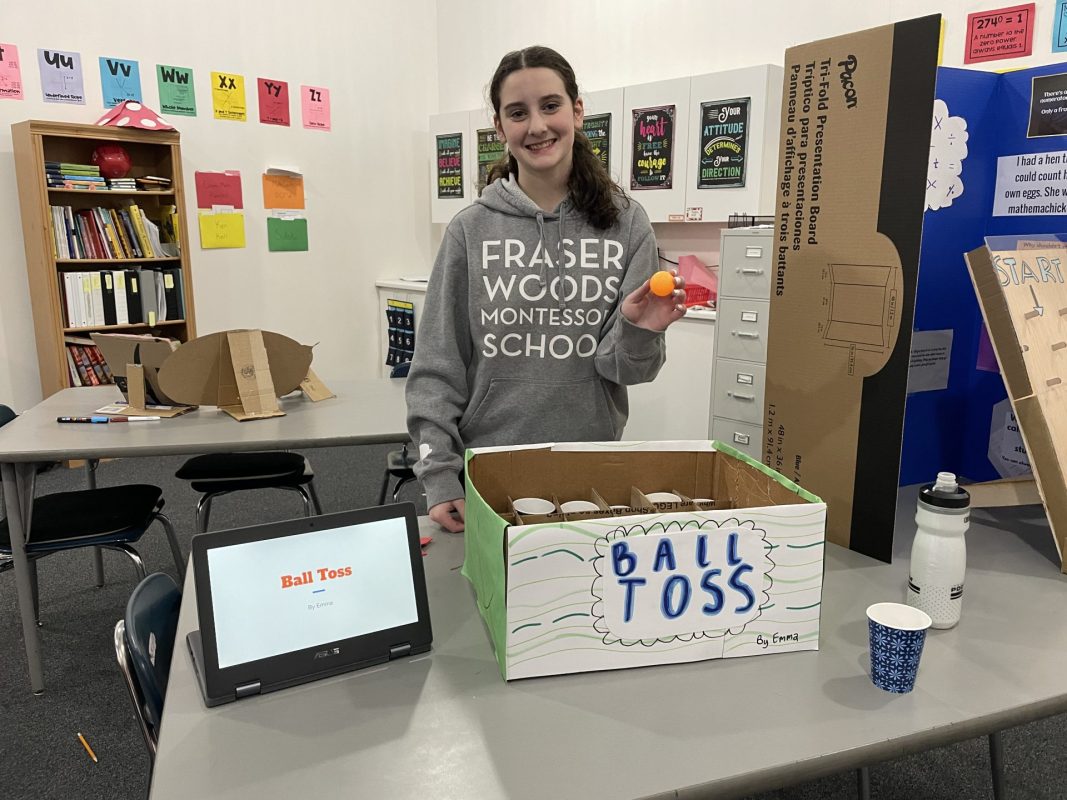
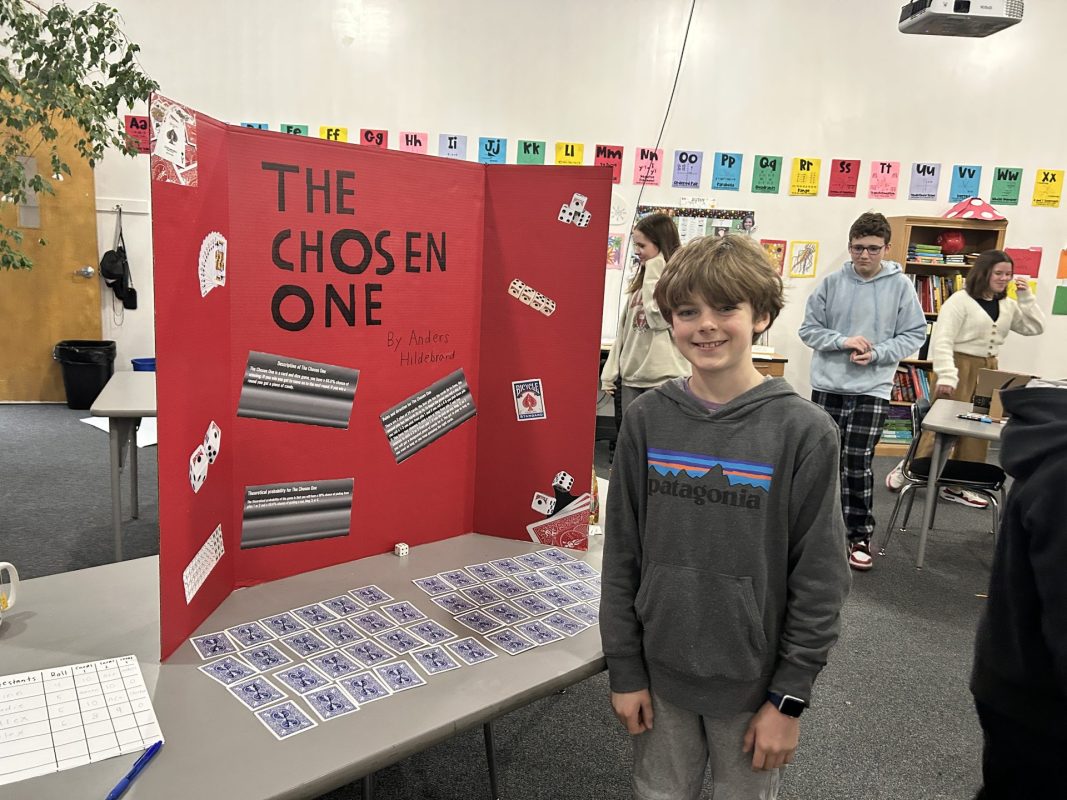
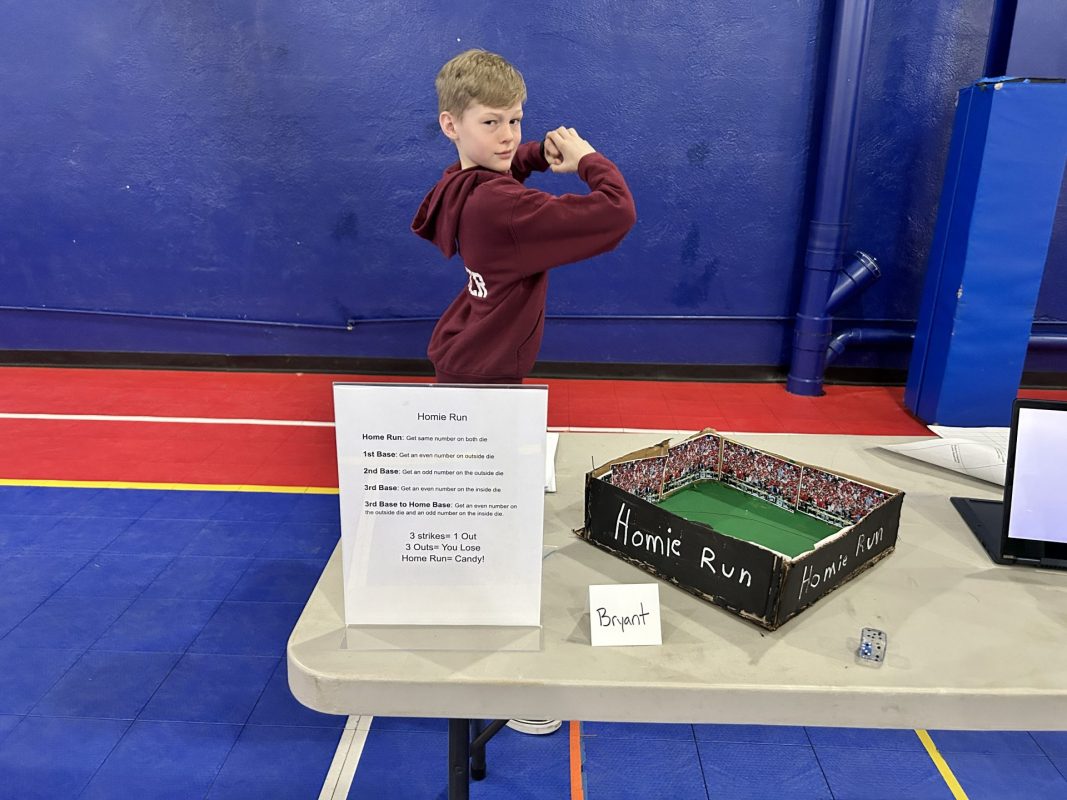
Thank you to the student and parent participants for a wonderful Math Carnival! The students’ projects were fun and engaging and showcased their math skills.

Week in Review:

Humanities

Grade 6 Humanities students are off and running with their research projects surrounding the theme: Solutions to the World’s Challenges. 6th-grade students have submitted a topic proposal that includes what they want their audience to know in the end, a written and revised thesis statement, and questions to guide their research. Students then organized their questions in a guided doc, which is where they will keep their notes and corresponding sources for their project. Mrs. Lamb is excited by the enthusiasm and beginning stages of research! They are now working at home to compile their notes, and they are due Monday, 1/23.

Grade 7 Humanities class has also completed their research project proposals surrounding the theme: Solutions to the World’s Challenges. They included their goal, written and revised thesis statement, and questions to guide their research. Students have also organized their questions in a Research Notes doc that will hold their information and keep track of the corresponding source. They are now working at home to compile their notes, and they are due Monday, 1/23. 7th-grade students also continued with Baba Wague Diakite’s memoir, A Gift From Childhood, and will complete this novel next week. They have been going through the novel and locating the proverbs and metaphors that are used as life lessons throughout the pages. These are foundational to the story’s central message. This will be in preparation for drafting their own folktale in the coming week. We discussed the importance of oral history in many traditional cultures globally and how this looks today.

8th-grade Humanities classes and Leadership period had students launching their 5-month research project! Topics are selected, research proposals are submitted, and thesis statements were written and revised. 8th-grade students are now researching and organizing their information. Also, the 8th grade continued with their study of the colonies as we get closer to the American Revolution. This week, students looked at the effects of religion on the colonies. They particularly have an interest in the Puritans of Massachusetts Bay and Connecticut Colonies. They learned about the unfortunate witch trials and saw the progression of how something like this could unfold. They are now reading The Crucible by Arthur Miller, which is a historical dramatization of the well-known Afflicted Girls.

Math

In the Pre-Transition math class, students started learning about chapter 4 in the UCSMP textbook. They explored topics such as subtracting negative numbers, creating subtraction number sentences from word problems as well as using fact triangles to find related facts in a subtraction equation.
In the Transition math class, students began investigating chapter 6 in the UCSMP textbook. They discussed the three key concepts of transformations on a coordinate grid, which include reflection, rotation, and translation.
In the Algebra math class, students were excited to create their doodle note pages for slope. They are studying how to calculate rates of change, how to find the slope of a line given two ordered pairs, and how to identify the difference between a positive and negative slope on a graph.
Thank you to all our friends and families who supported the middle school students at this year’s Math Carnival. It was a treat to have so many special guests join us in celebrating the hard work of our grade 6, 7, and 8 classes. Everyone had so much fun and look forward to keeping the tradition alive next year!
Science

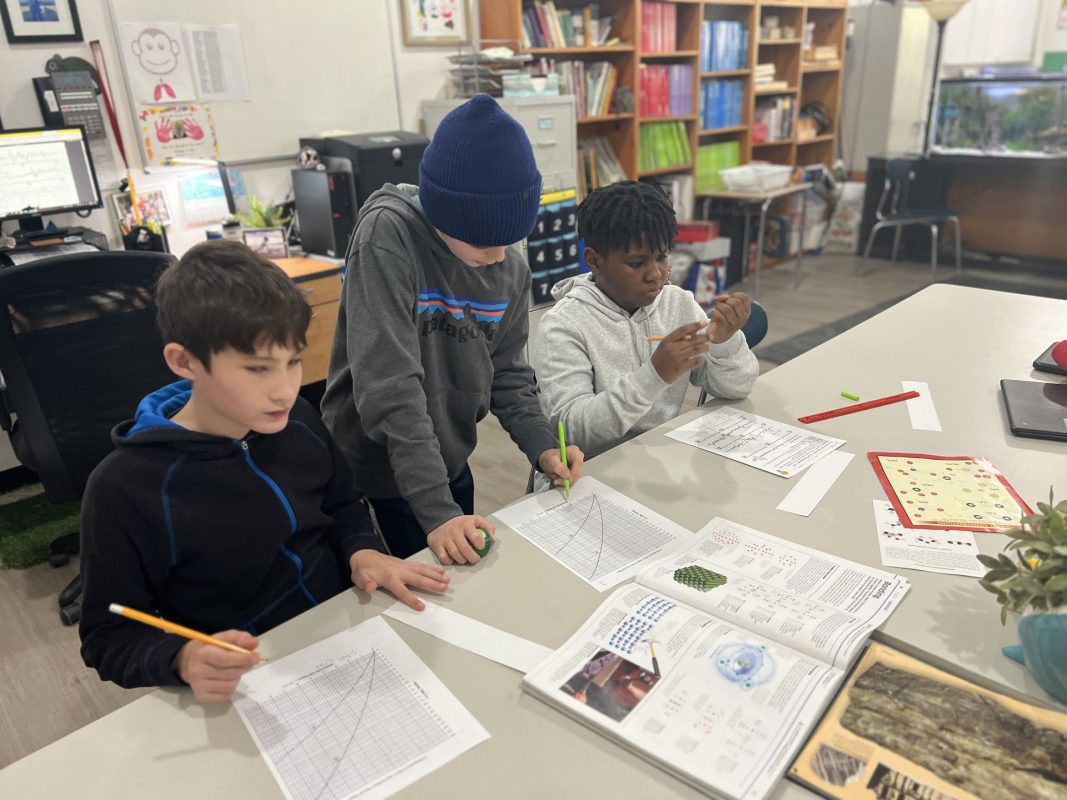
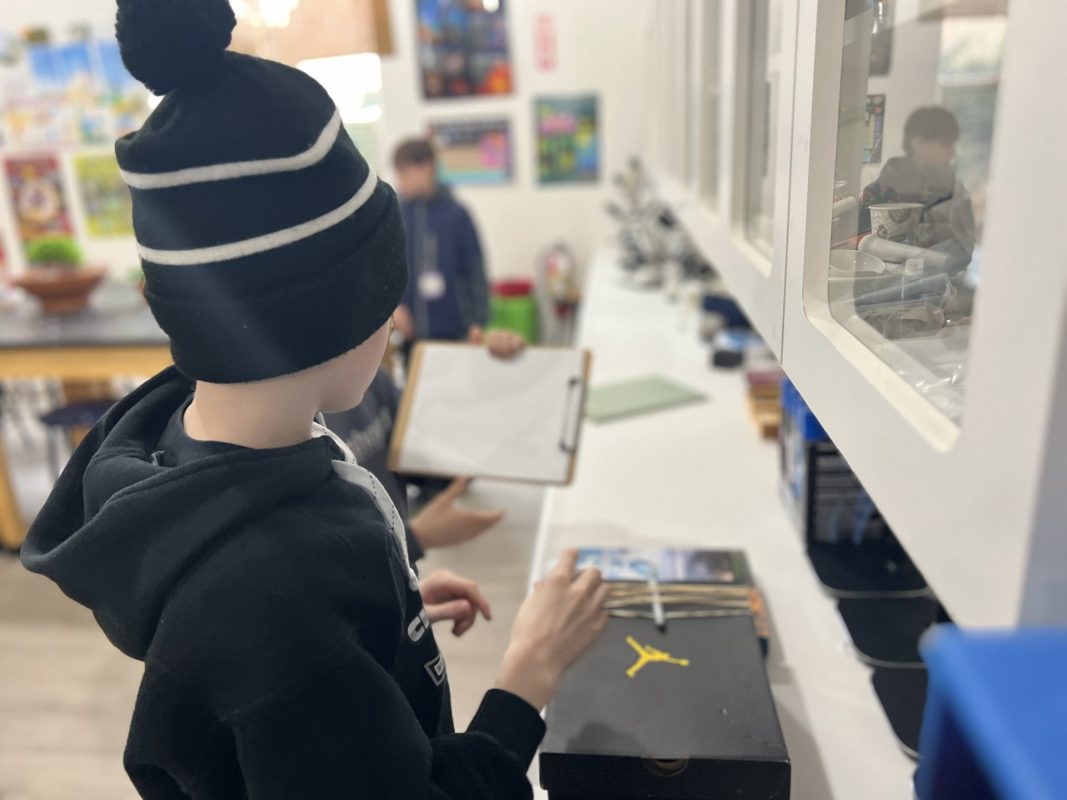
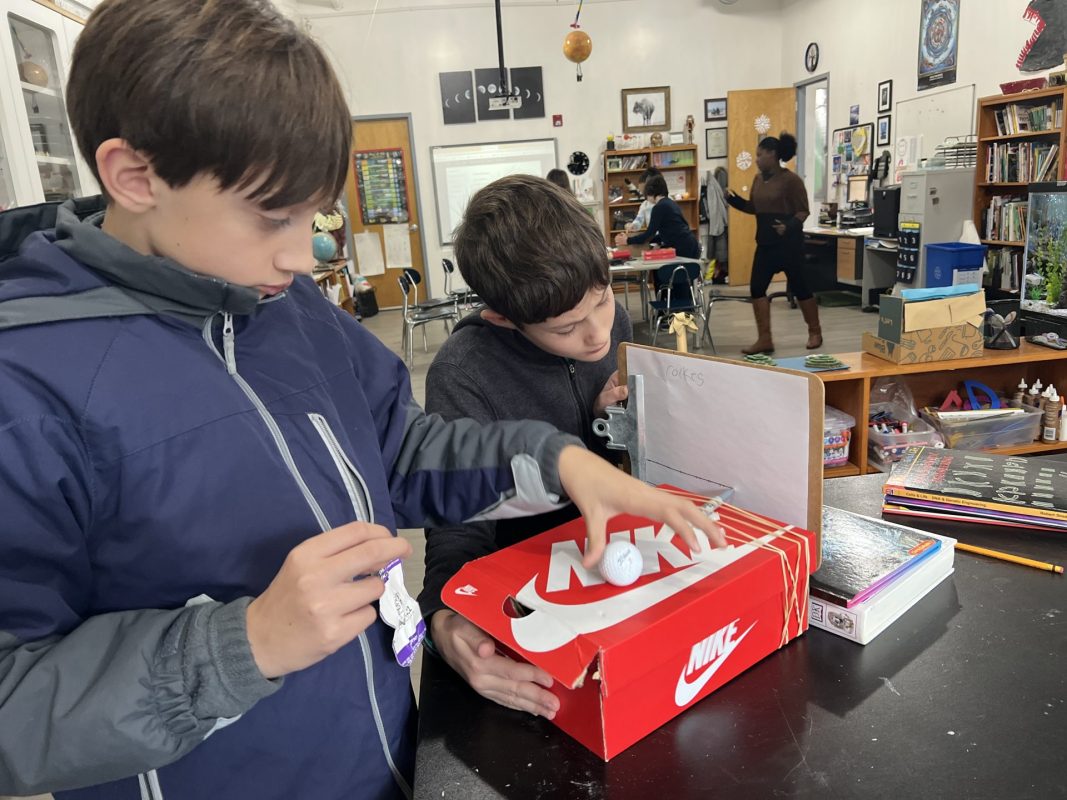
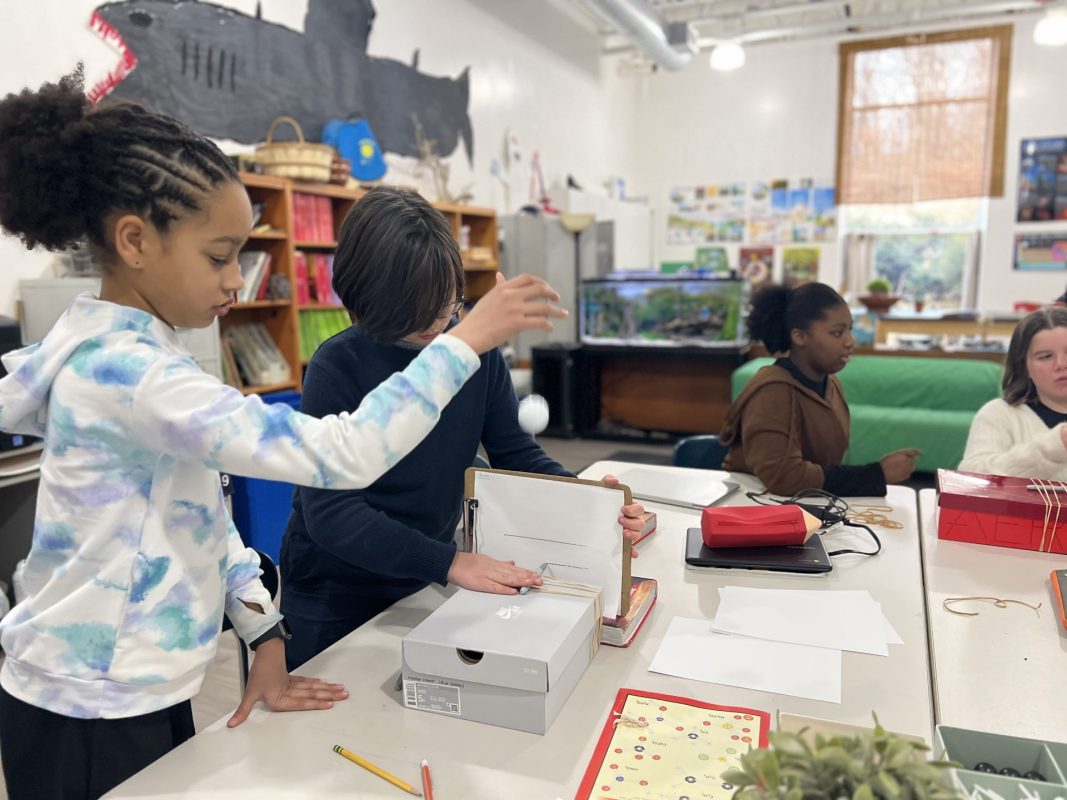
6th-year Earth Science students have spent the week analyzing seismographs and seismograms as part of our current unit, Why Earthquakes Occur. Students were asked to determine the epicenter of an earthquake from data collected from three seismograph stations. The first step in the process was to determine the difference in P and S wave arrival, the students correlated the time difference with a seismic wave radius from each station, and lastly, they determined where the three circles overlapped, which resulted in the calculated epicenter. Students also created their own seismograph stations to see how the density affects the ability of seismic waves to travel through different densities of Earth’s crust.

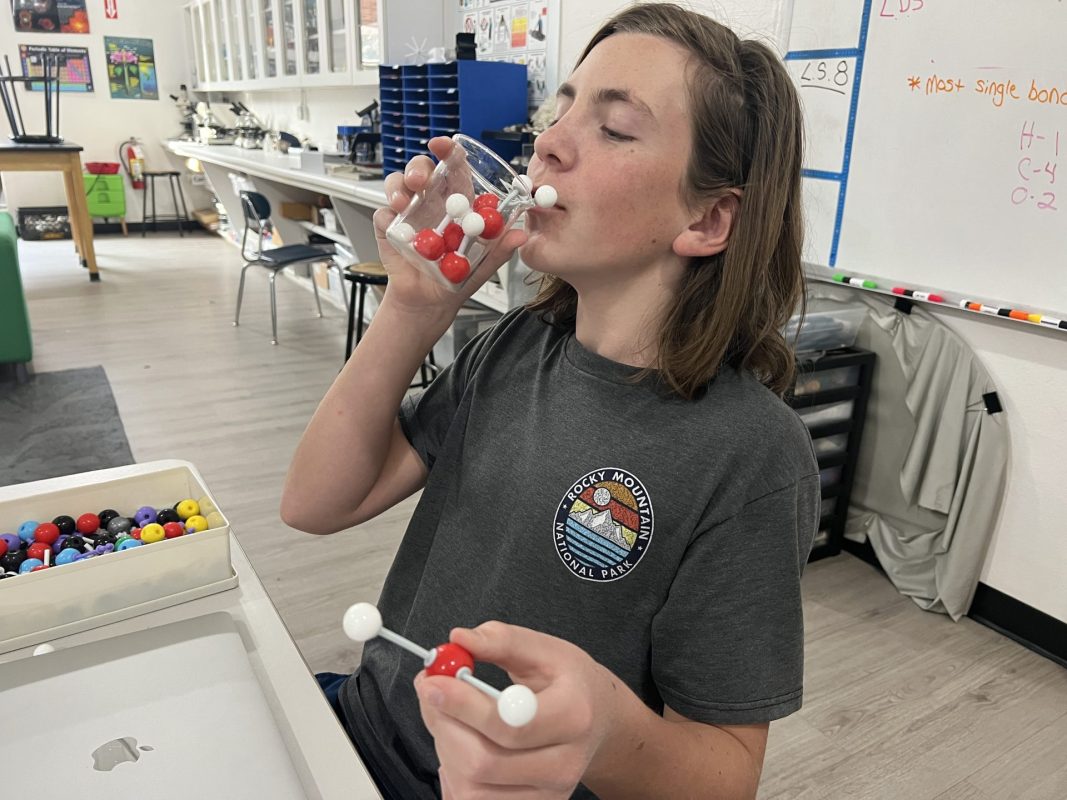
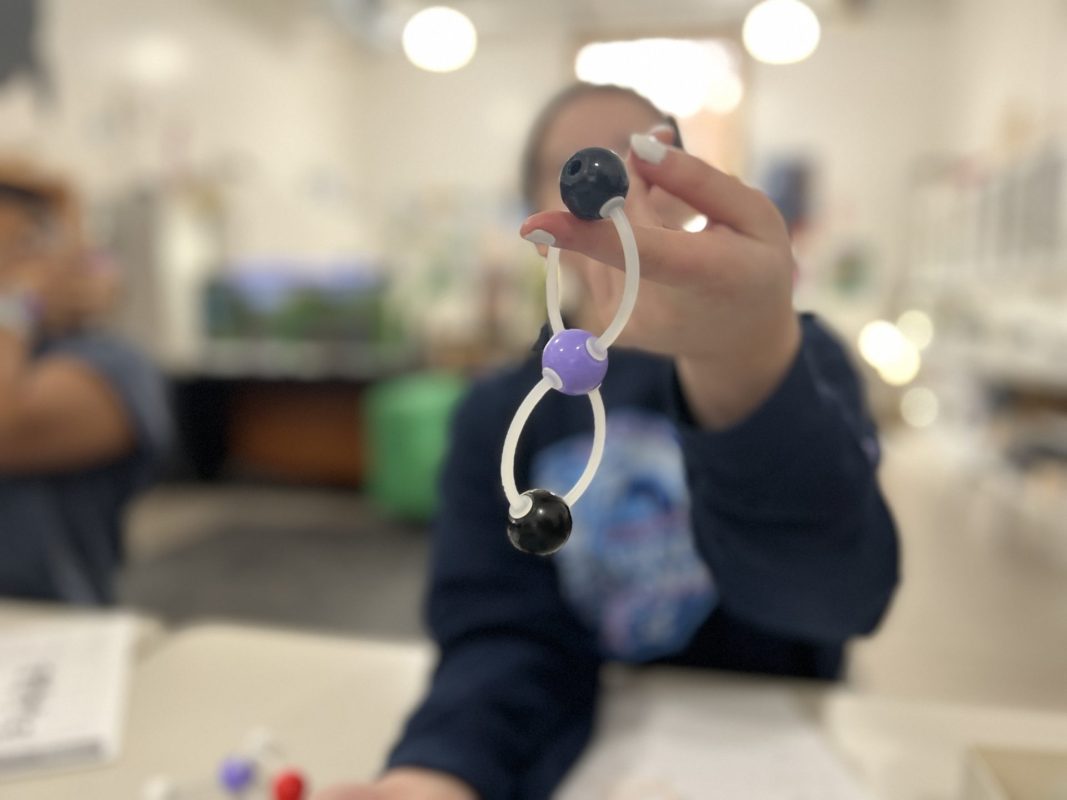
7th-year Physical Science students have been working on representing the physical nature of molecular compounds. Students have been able to determine how many protons, neutrons, electrons, and valence electrons each element has, how they bond with other elements (ionic or covalent), and how to draw the atomic structure of individual elements and compounds. Students are beginning to apply each of these concepts to formulate a larger representation of how each element reacts with elements of varying reactivity.
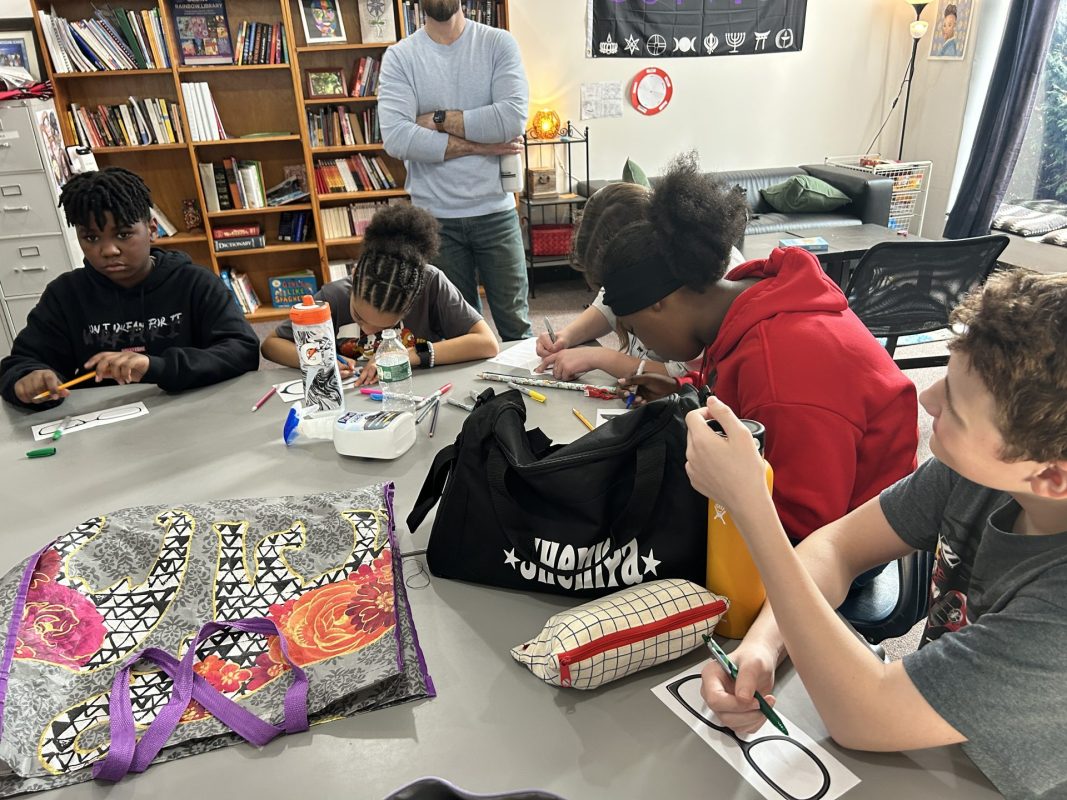
8th-year Life Science students finished creating an artistic representation of meiosis. Students were asked to represent the multi-stage process of meiosis, which cells undergo, resulting in genetic variation. Students were able to represent this process using pipe cleaners for chromosomes and paper plates for the cell. Each student applied their own creativity to the project, which was representative of their personal understanding.
It has been an engaging and enriching week in the classrooms! More to come next week!