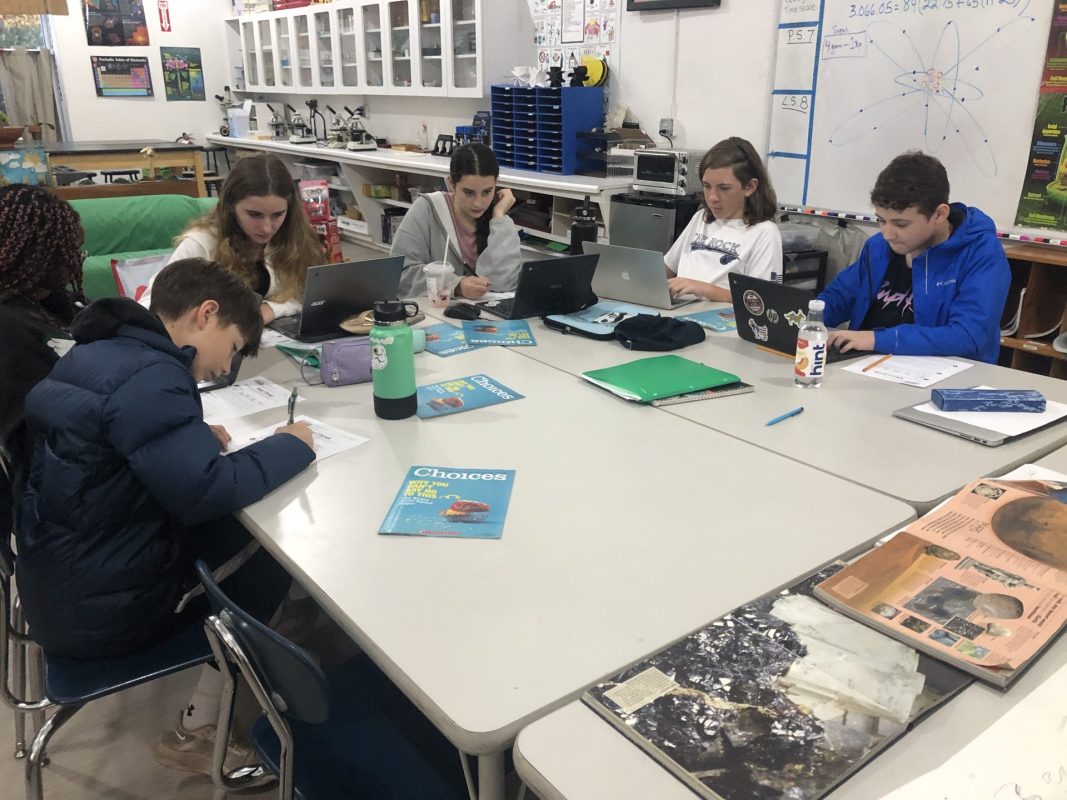
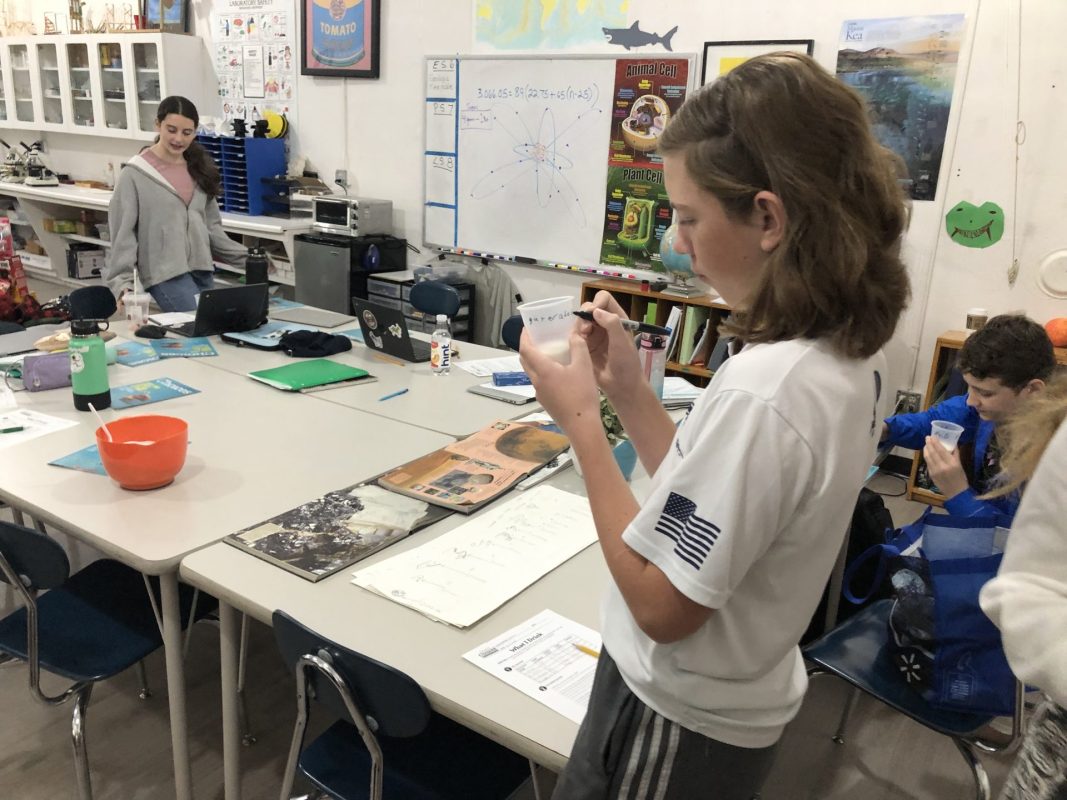
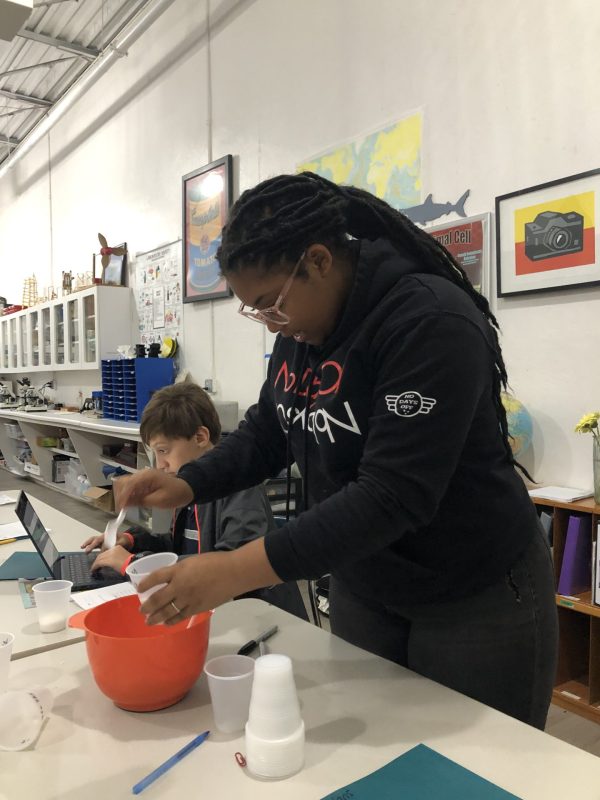
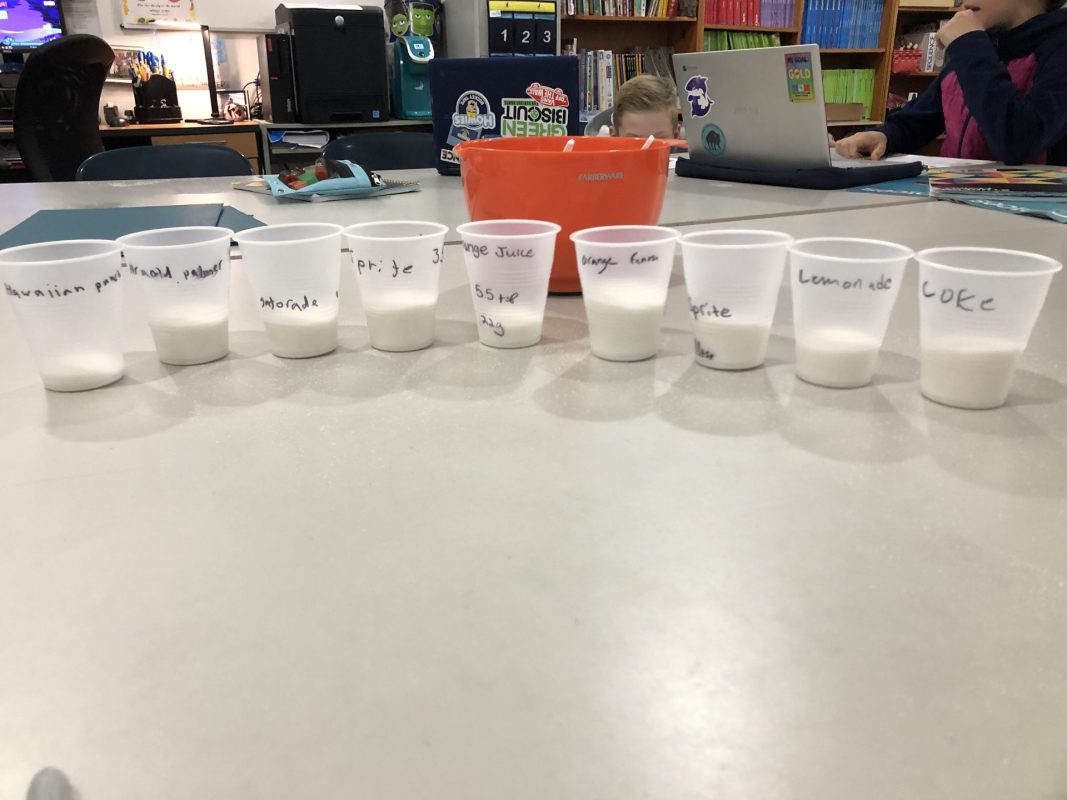
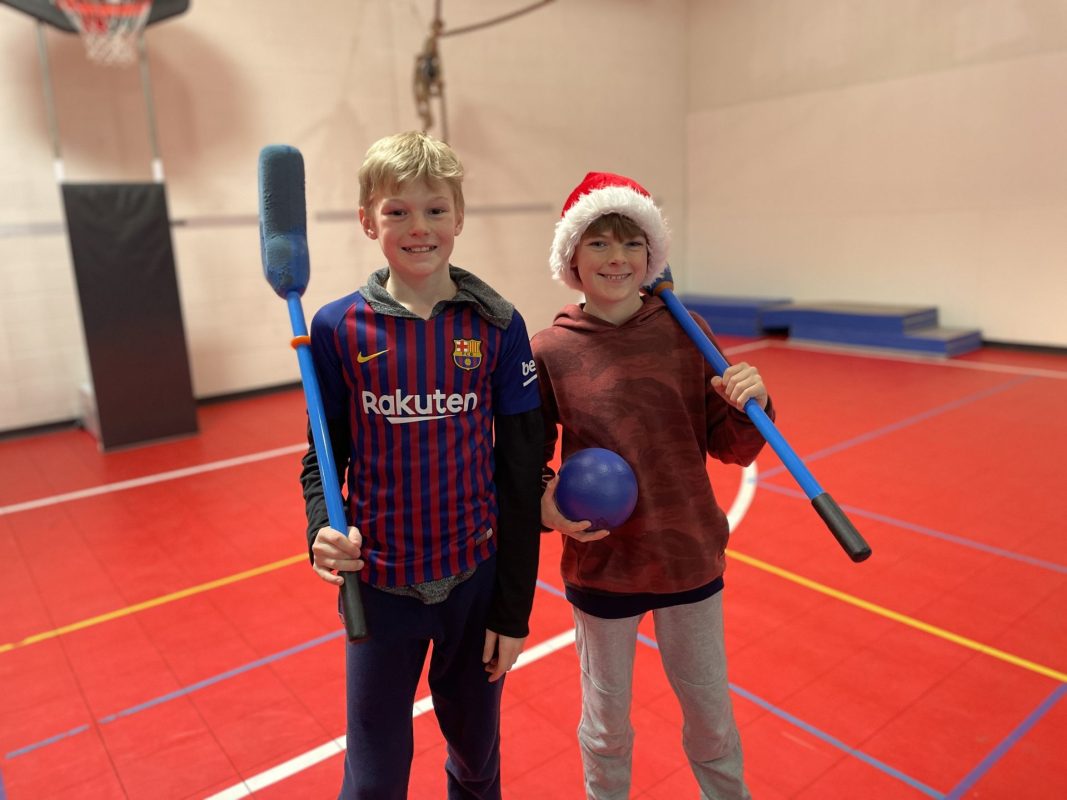
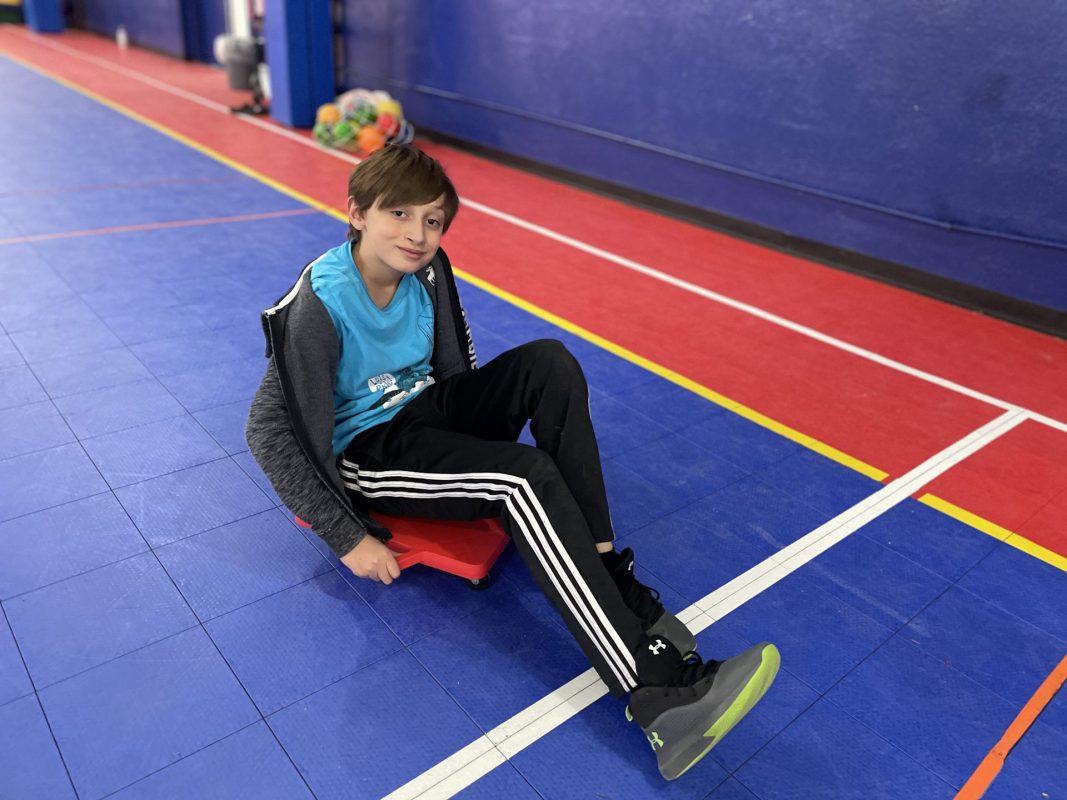
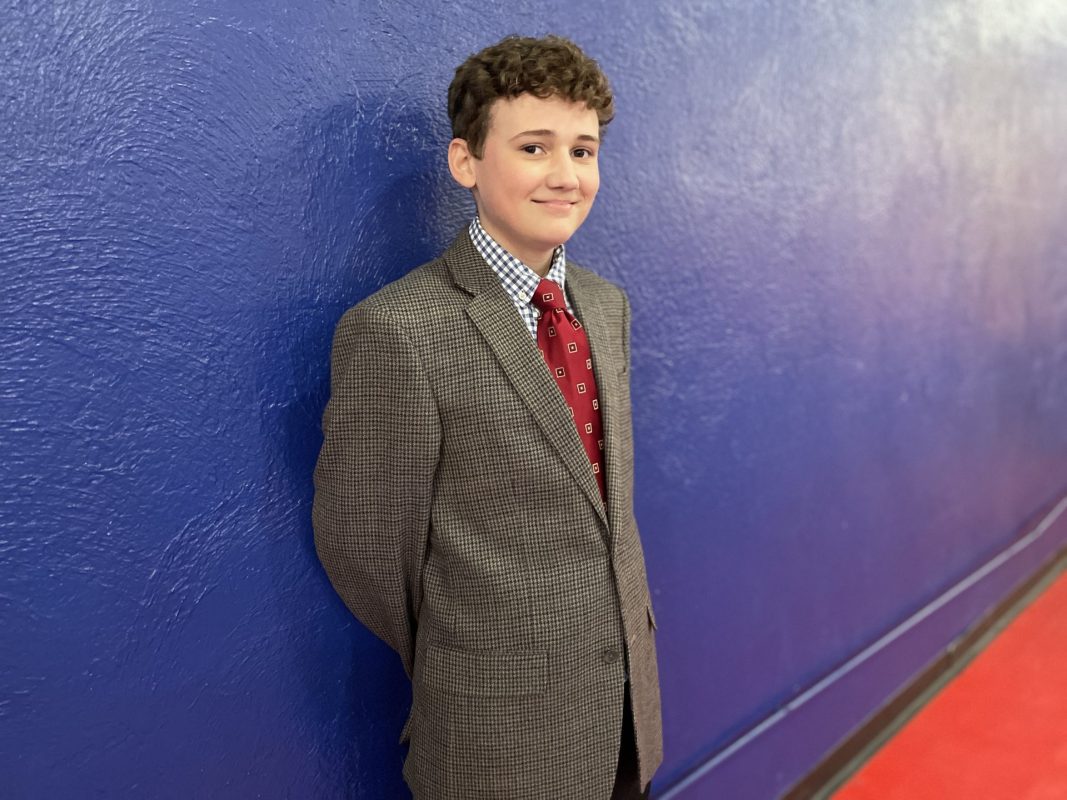
Happy December! It will be a fun, but short, month here at FWM. We are certainly busy with our classes and community service projects (more to come on this in next week’s blog).
If you would like to sign up for the 8th grade’s Family Gift Drive for a local family, please visit the Sign Up by clicking this link: Family #28 Sign Up
Humanities
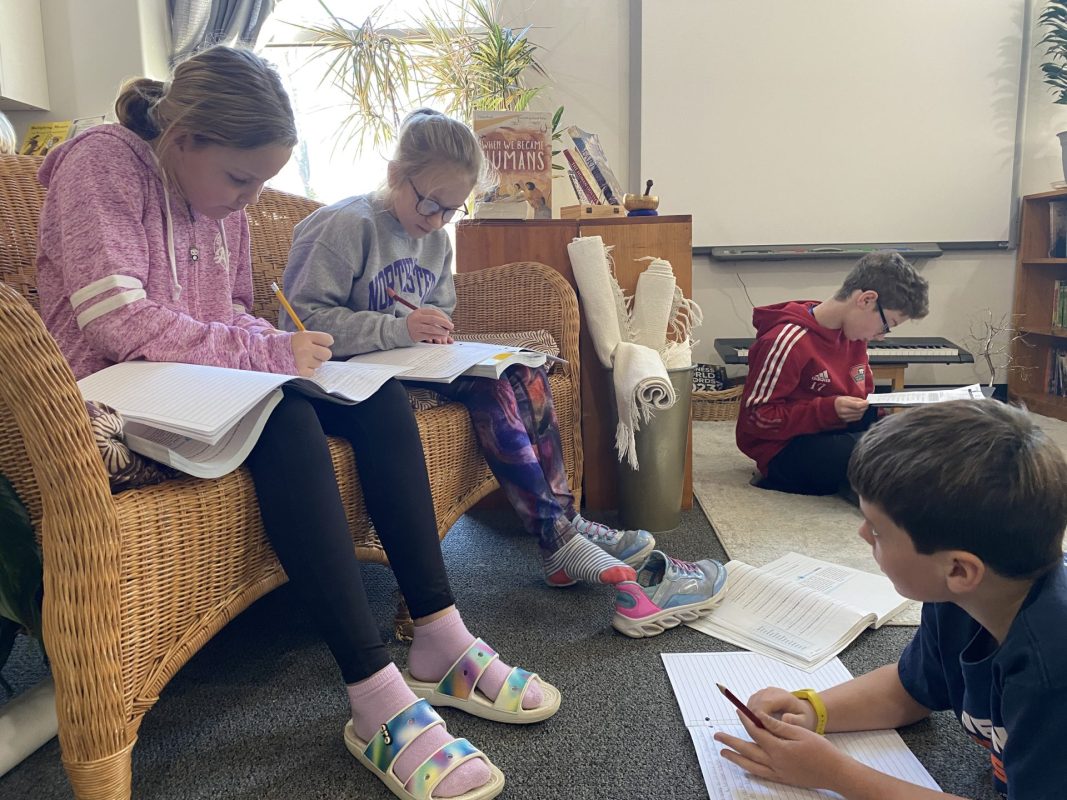
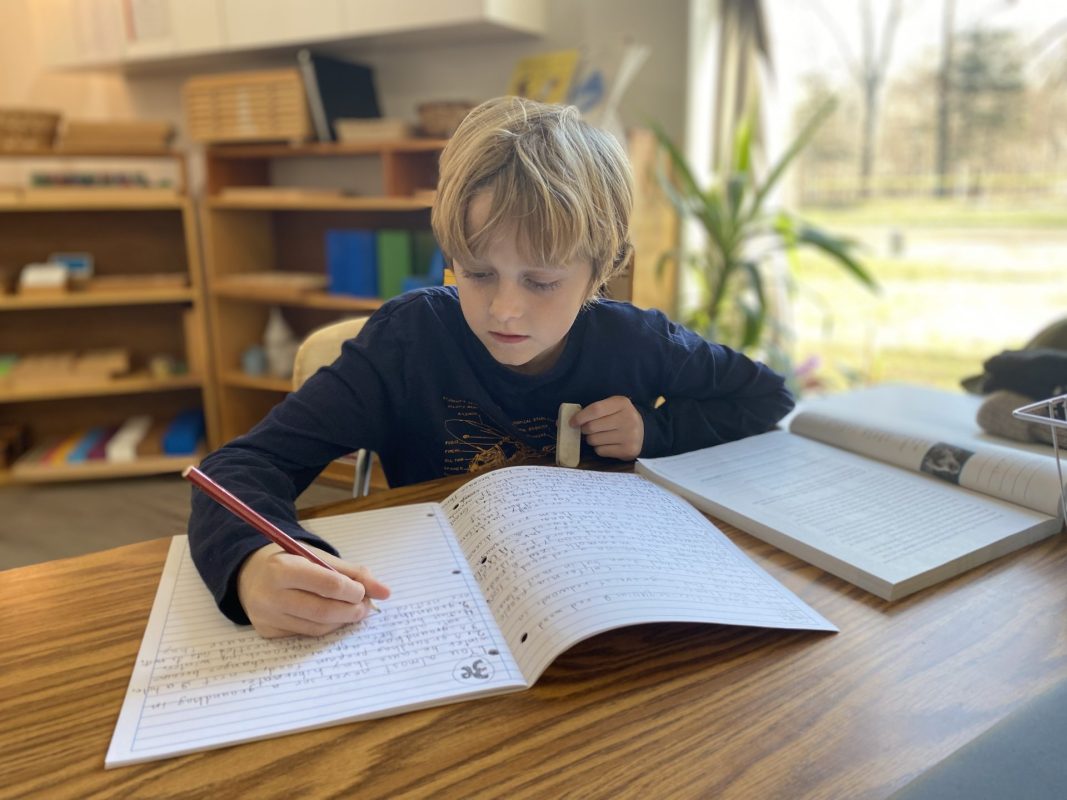
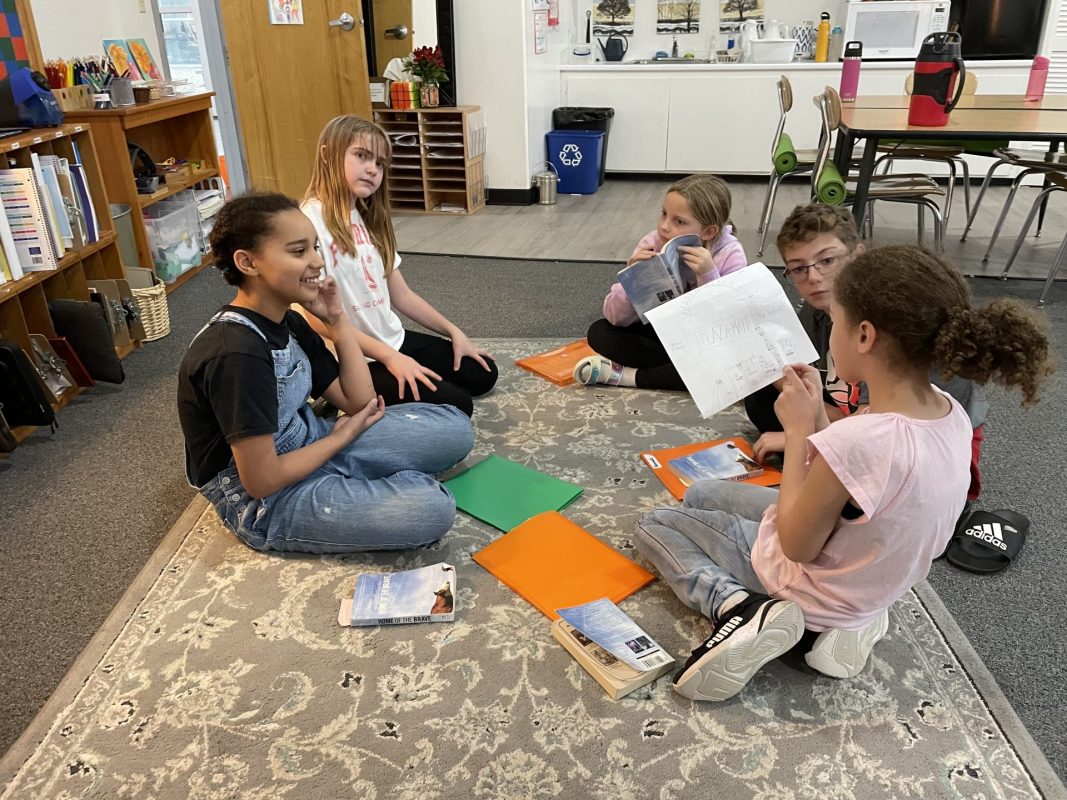
In 6th grade Humanities classes this week, students have been working on their writing, particularly organization and word choice. First, they continue to understand the importance of organization. How can we write topic sentences that represent a paragraph’s main idea? How do we present the details to support it in a logical and fluent way? How about the ending? They have also worked on using transitions to move from one idea to the next. For word choice, students have talked about using specific nouns, strong verbs, and descriptive adjectives to enhance their sentences. They are starting to take risks using synonyms of more common words. For example, using the word “stroll” or “saunter” rather than “walk” when appropriate. Currently, students are writing to compare Melody, the main character from their recently completed novel, Out of My Mind, to Mackenzie, a young adult living with cerebral palsy in New Zealand from the short documentary, Mackenzie’s Voice.
7th grade Humanities class has begun their study of SubSaharan Africa. They completed maps of the countries that make up this part of the continent. They also identified their capital cities and took notice of the placement of capital cities within a country and how terrain might affect this. Also, they read about the diverse human population of SubSaharan Africa as well as the industries of mining, drilling, forestry, and fishing. At the end of the week, students wrote about and discussed the difference between modern and traditional culture leading into the beginning of the memoir, A Gift From Childhood by Baba Wague Diakite, a Malian artist currently living in Portland, Oregon.
8th grade Humanities class moved north from the Jamestown Colony this week to the settlement of the Massachusetts Bay Colony. They discussed the Separatists’ voyage on The Mayflower, challenges following this voyage, and the initial encounters with the Wampanoag. They read and discussed the story of the “first Thanksgiving” and began to learn about the Puritans. Finally, continued discussions about the value of religion to the people of Great Britain and those deciding to make the journey to the colonies and how this ultimately affected settlements, rules, the Indigenous people, and decision making.
Science
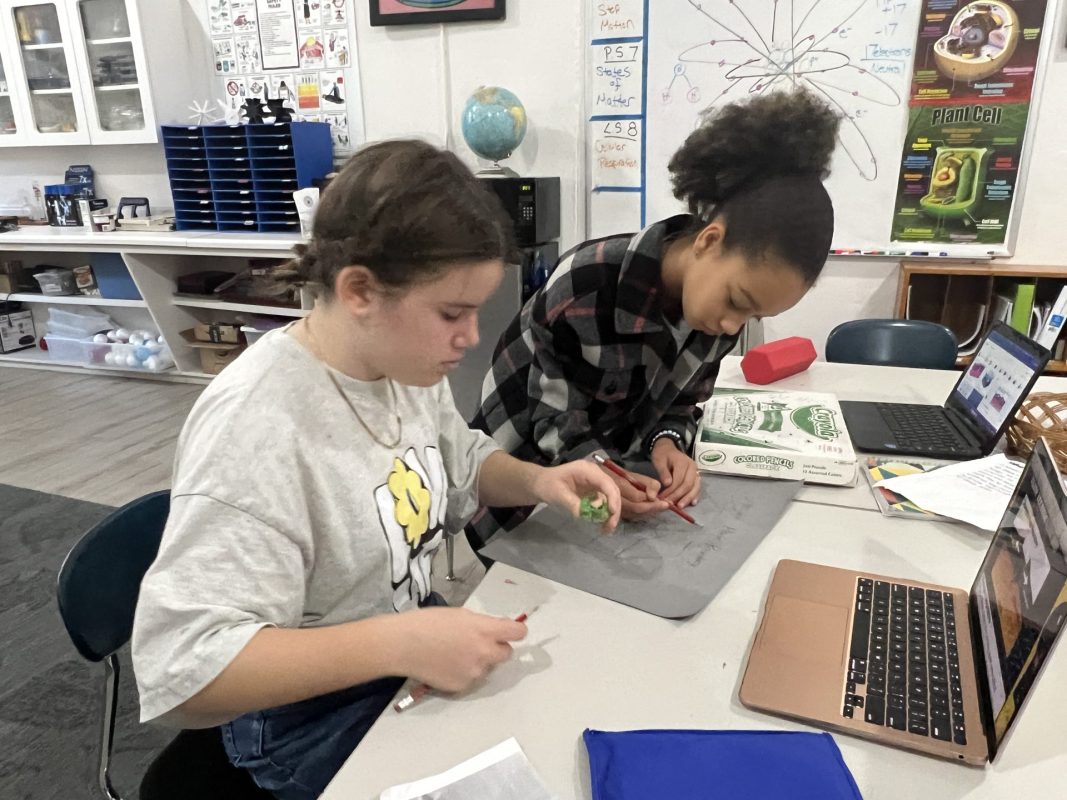
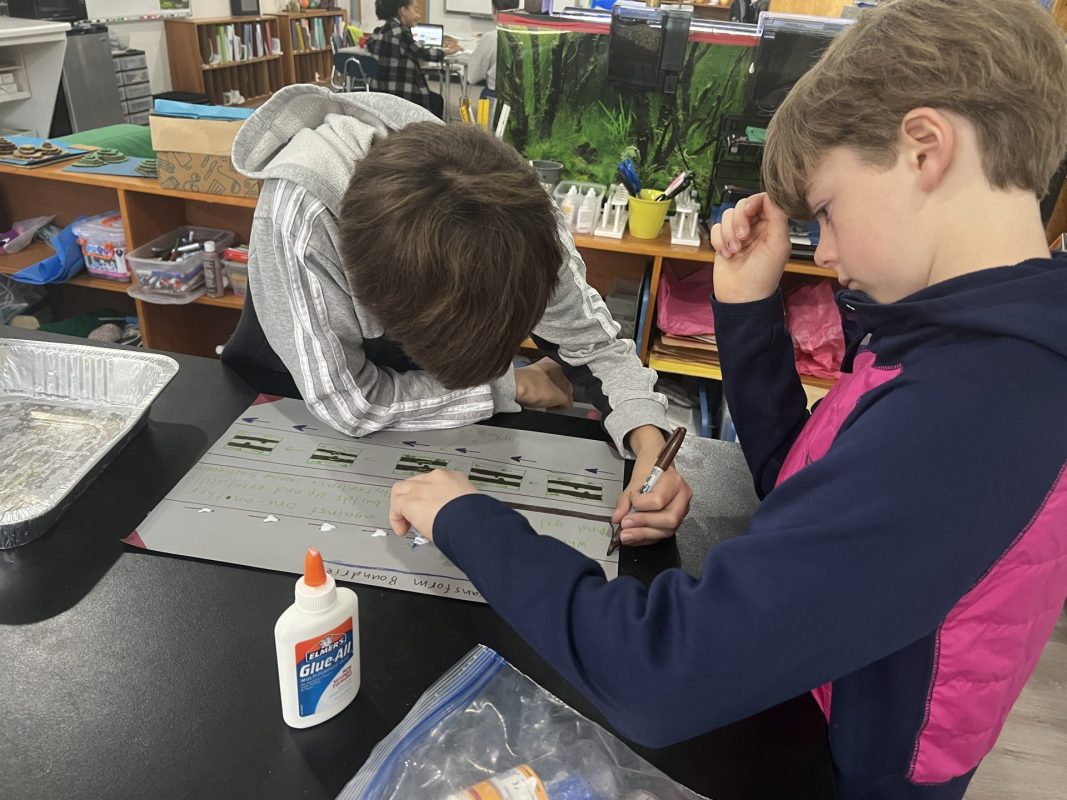
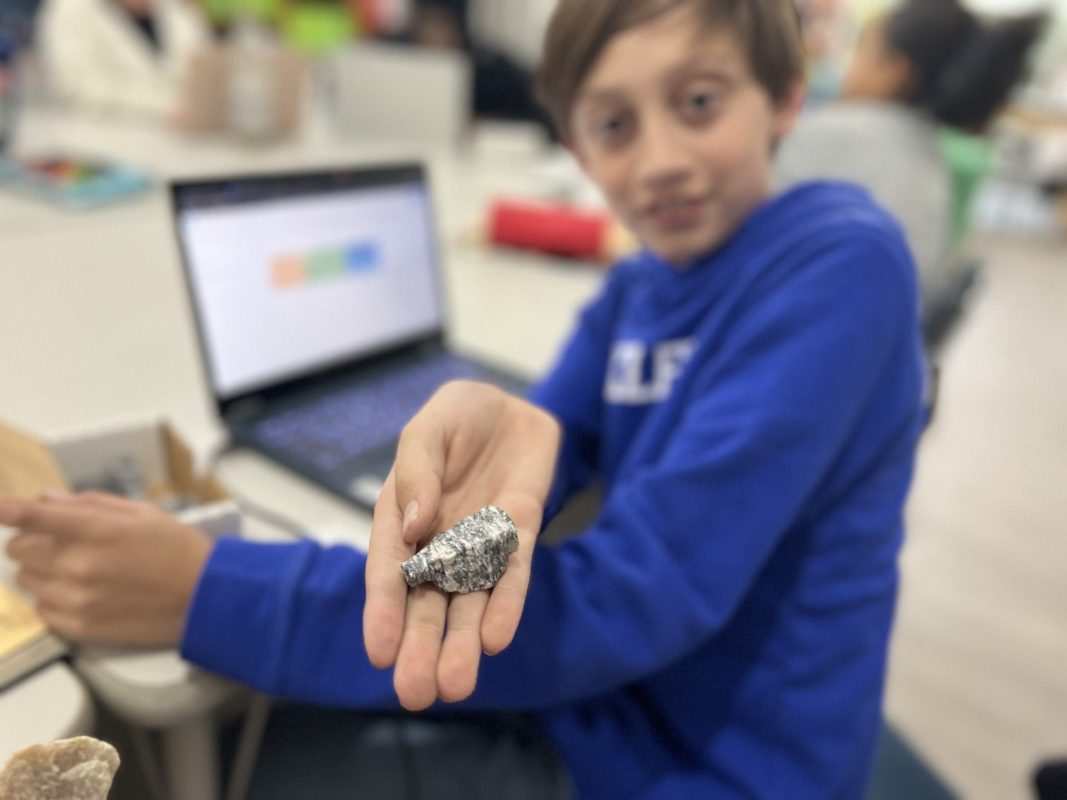
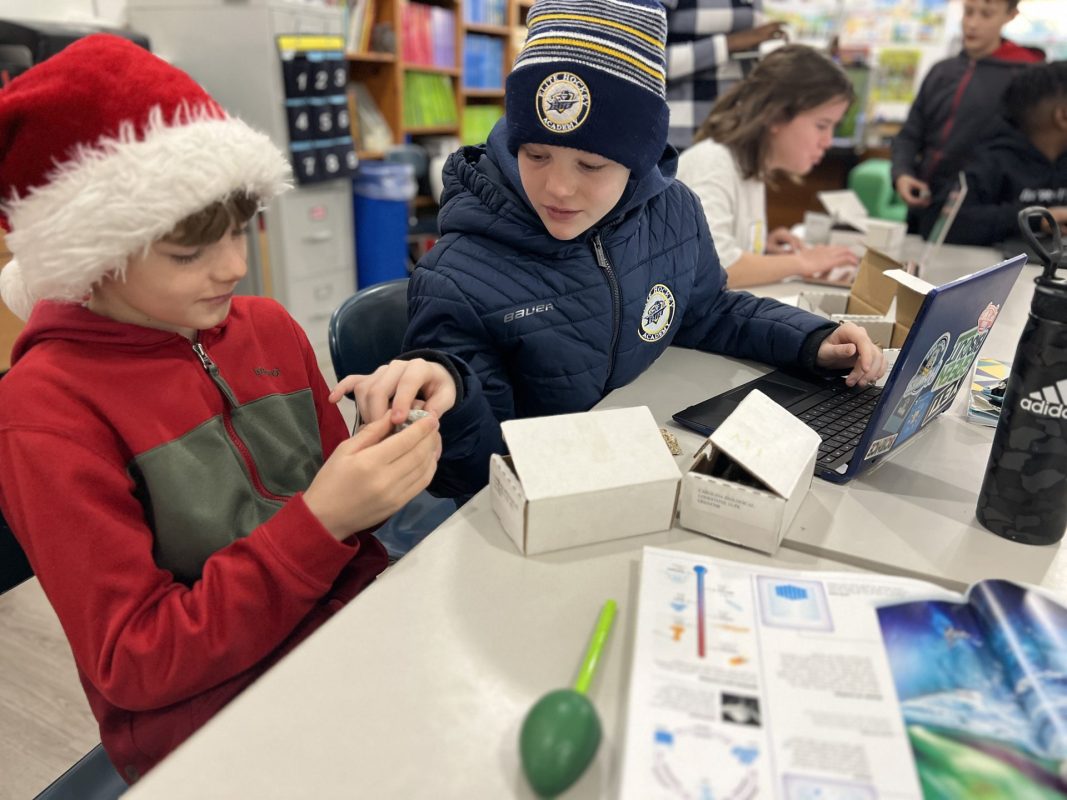
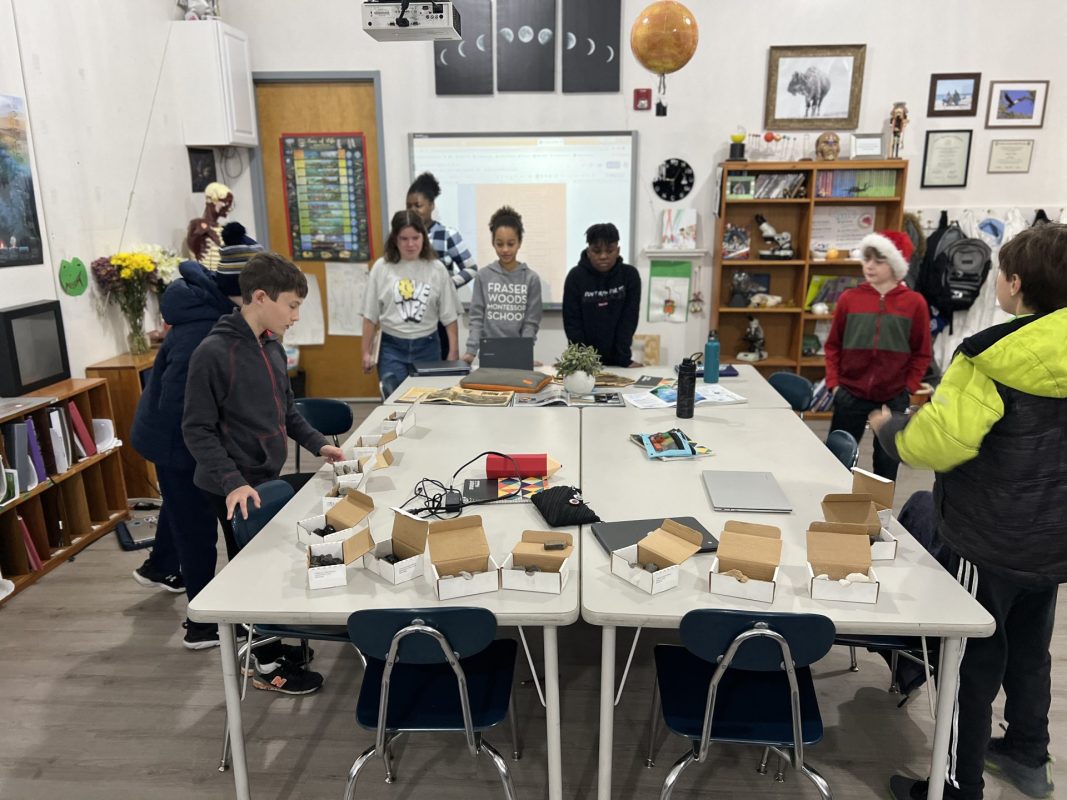
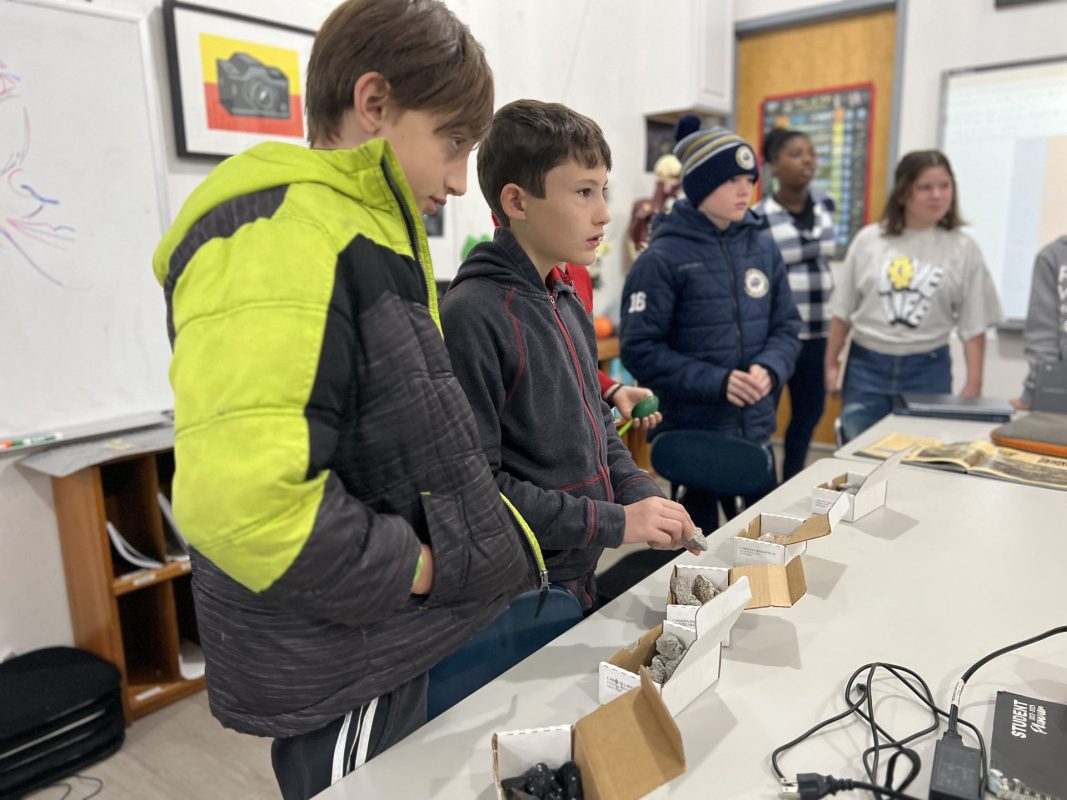
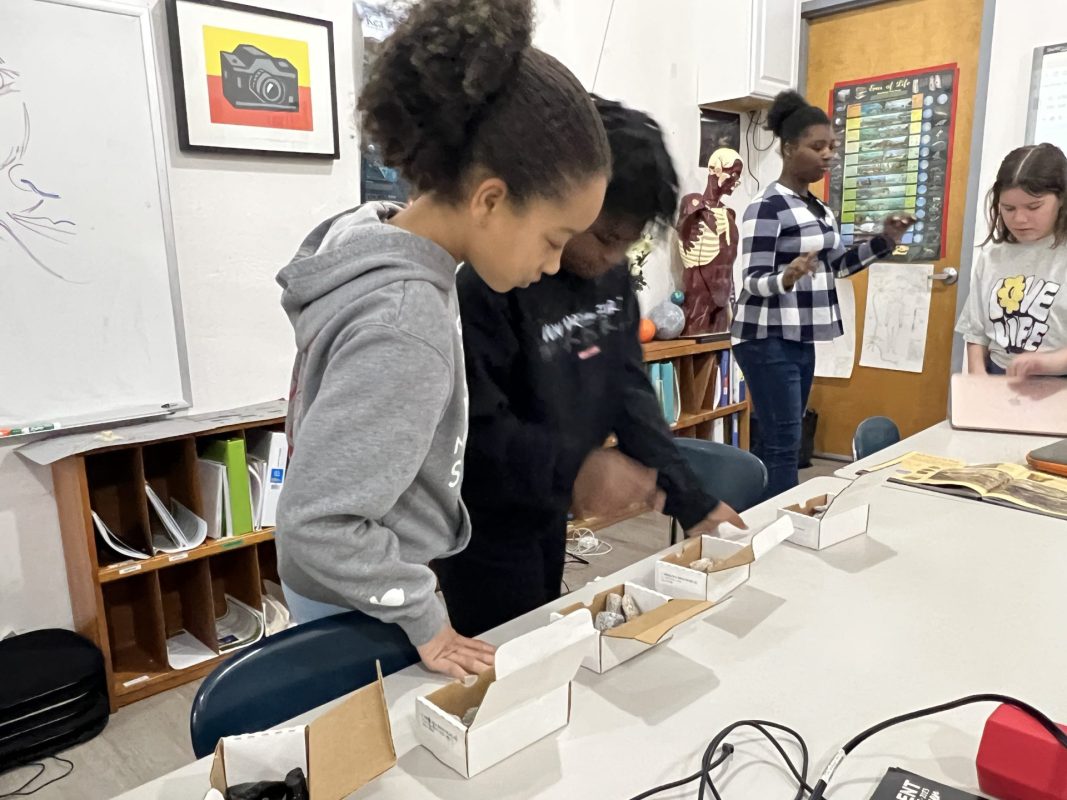
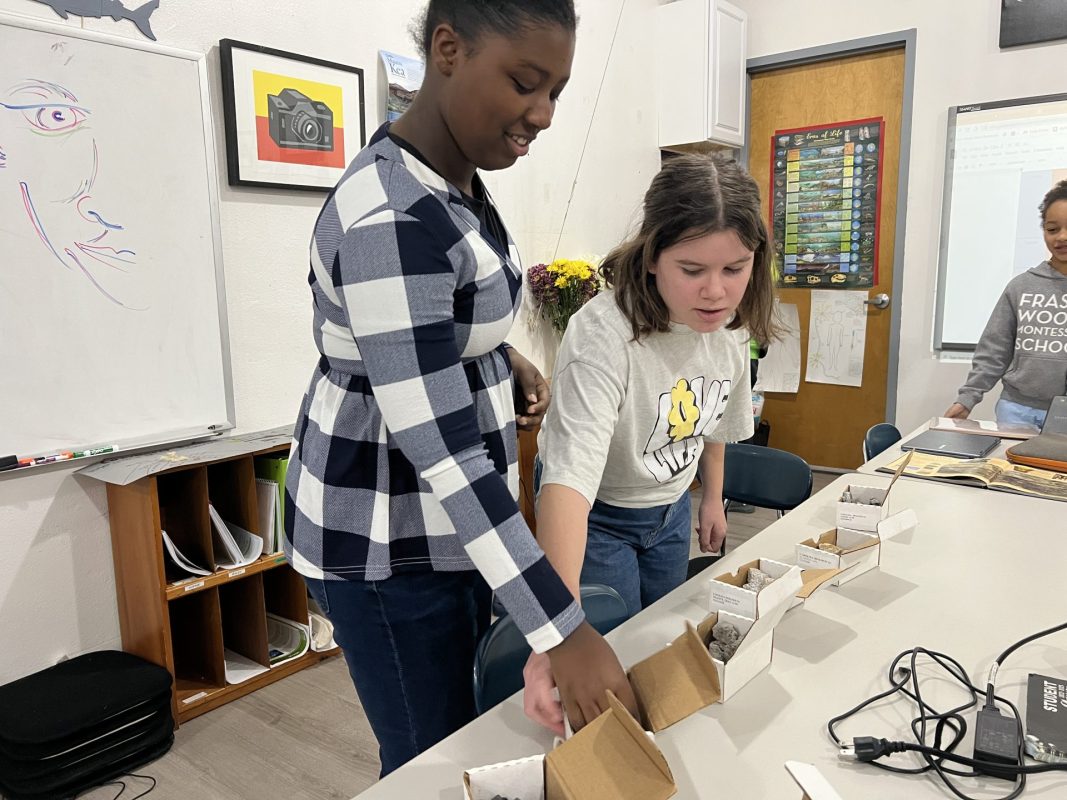
6th year Earth Science students worked in groups this week to represent a specific plate boundary (transform, divergent, convergent), the actions leading to this boundary, and any landforms as a result of this. Finishing the week, students were able to make connections about how plate tectonics influence earthquakes. Students were able to share their prior knowledge of earthquakes, whether personal or through the news. Moving forward, we will learn about how geologists are able to monitor and rate earthquakes in hope of future safety measures to be implemented.
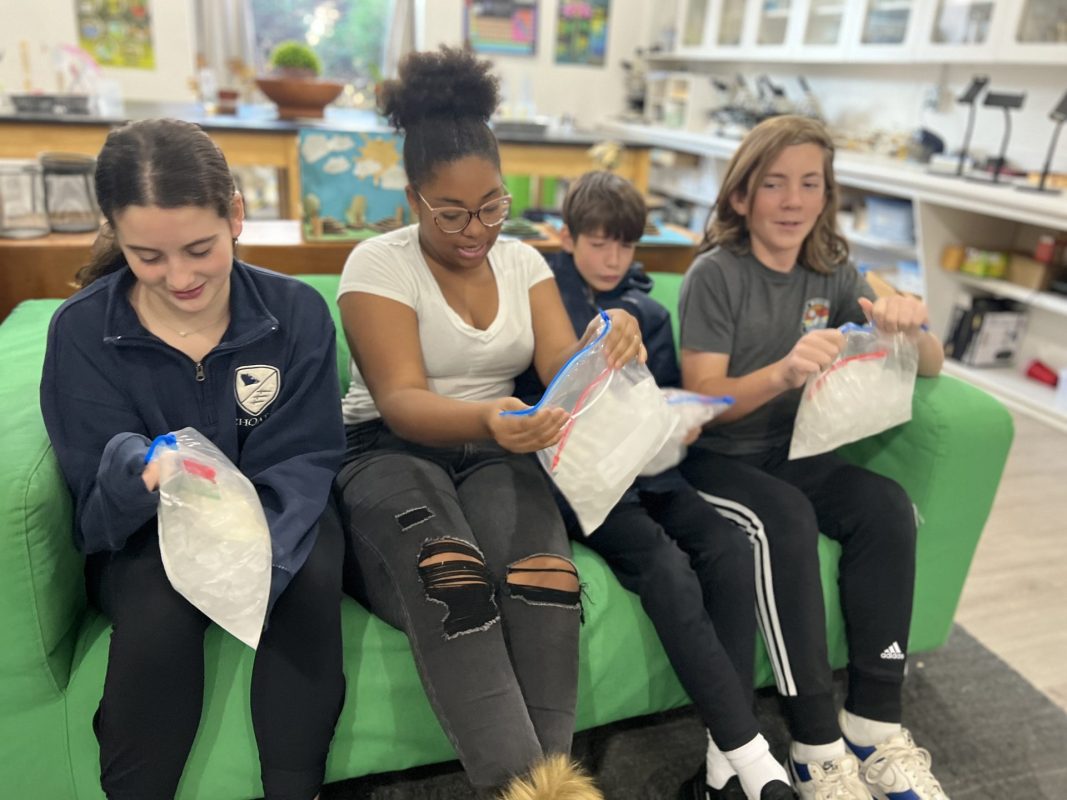
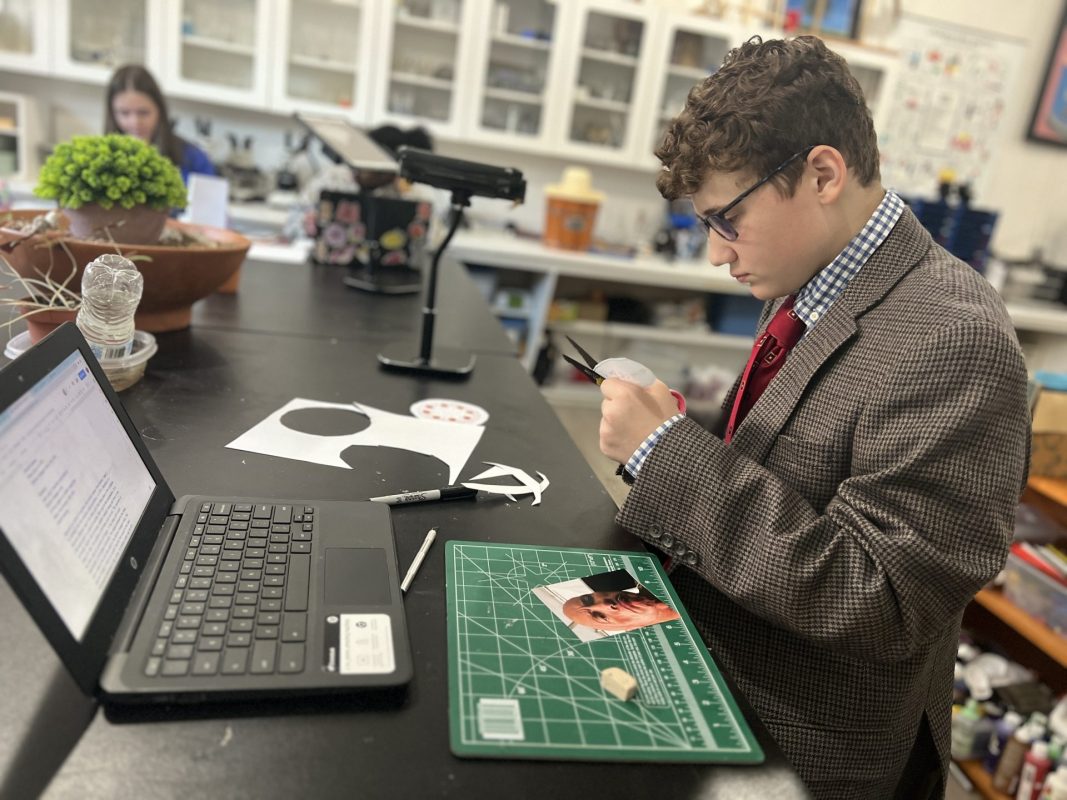
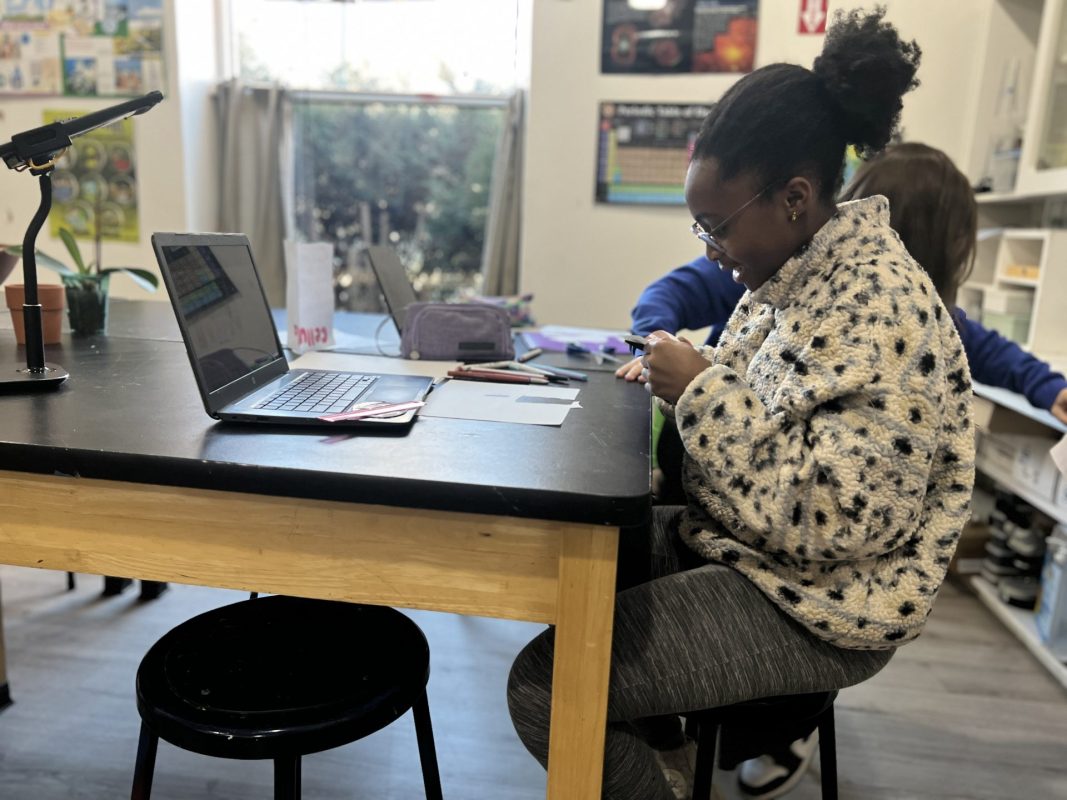
7th year Physical Science students began to work on their states of matter stop motion project. Students are asked to represent the transition of matter as a solid, liquid, and gas as it relates to the increase or decrease of energy (temperature) applied. Students first were required to write a script of how they are going to represent these transitions which was later followed by the process of the artistic representation.
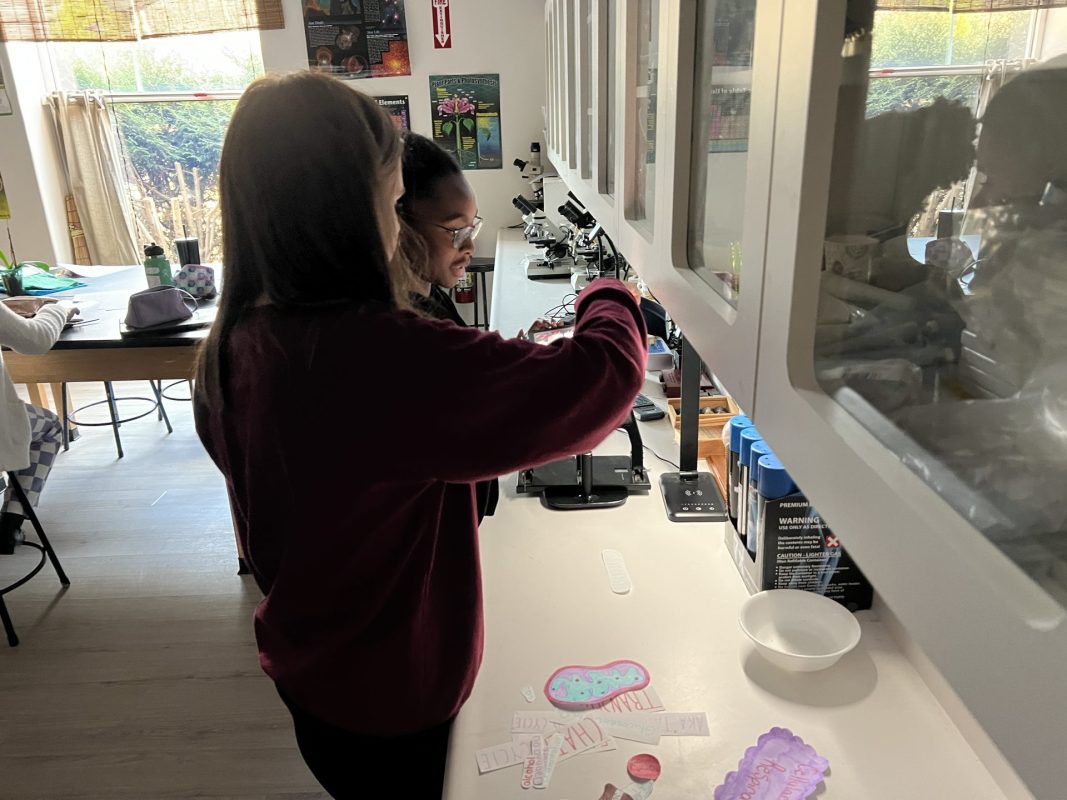
8th year Life Science students are also working on their stop motion project, Cellular Respiration. Students are asked to represent how our bodies process food into usable energy for our body by breaking down glucose into forms of ATP (energy). Students are asked to include the reactants and products of the 3 main steps of cellular respiration (glycolysis, Kreb’s Cycle, and Electron Transport Chain).
Math
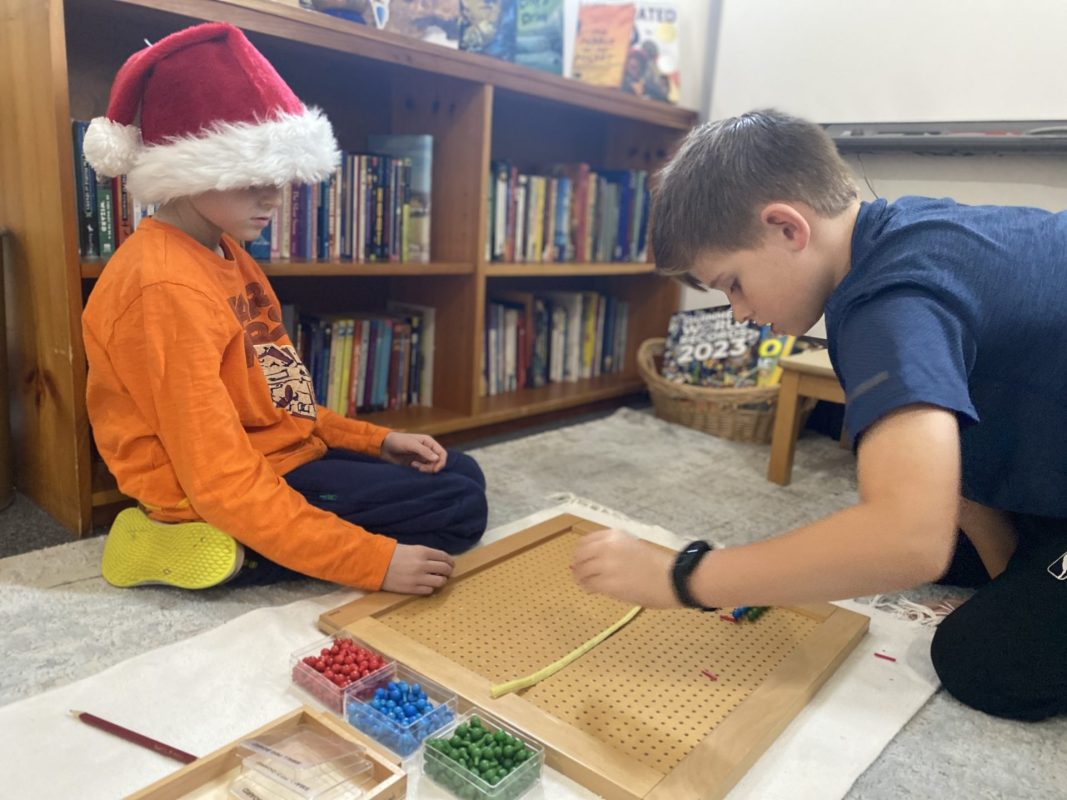
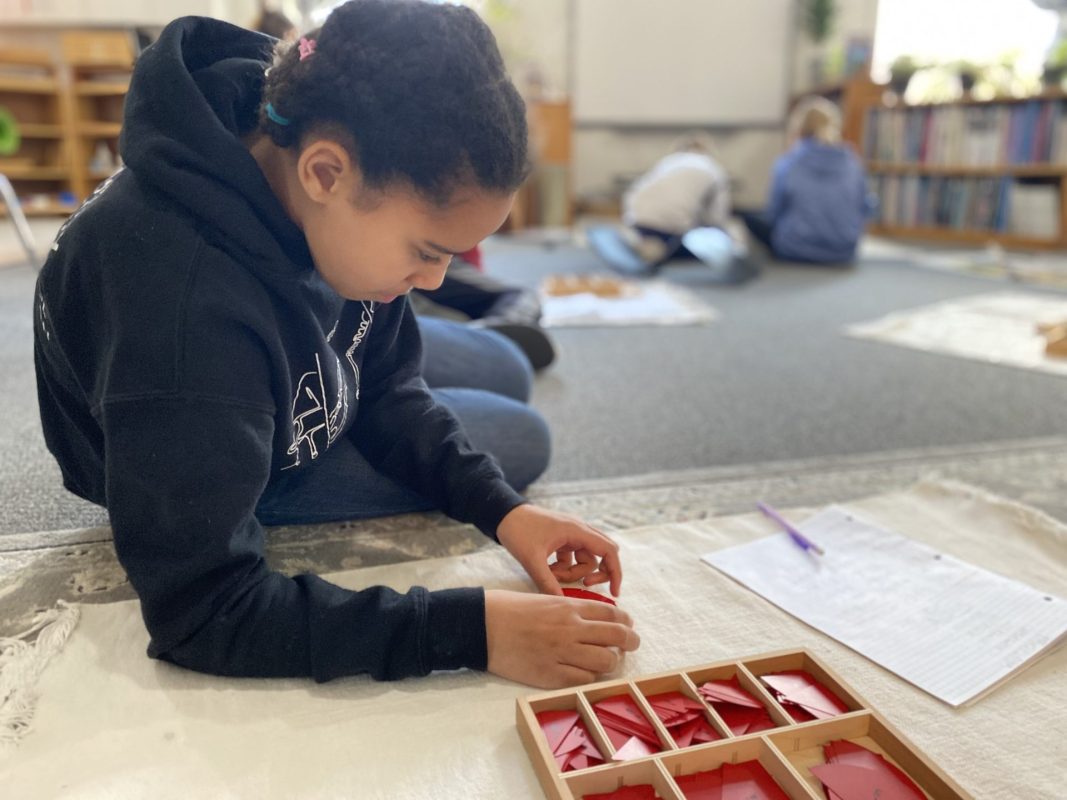
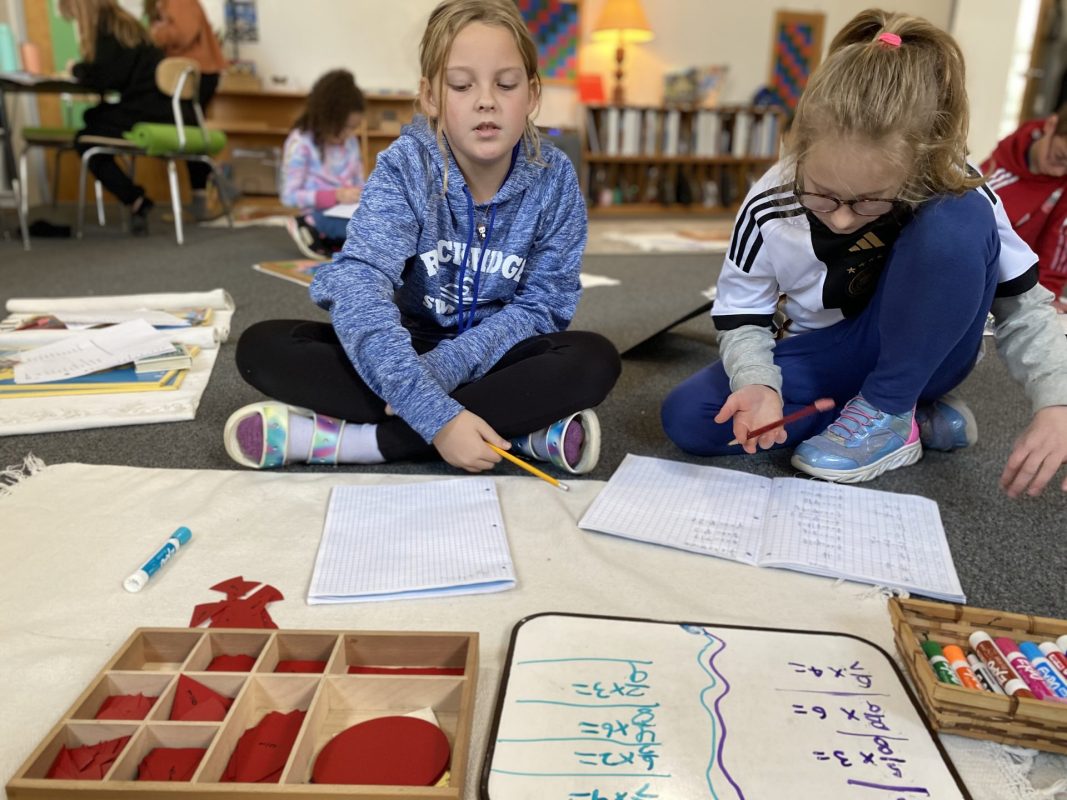
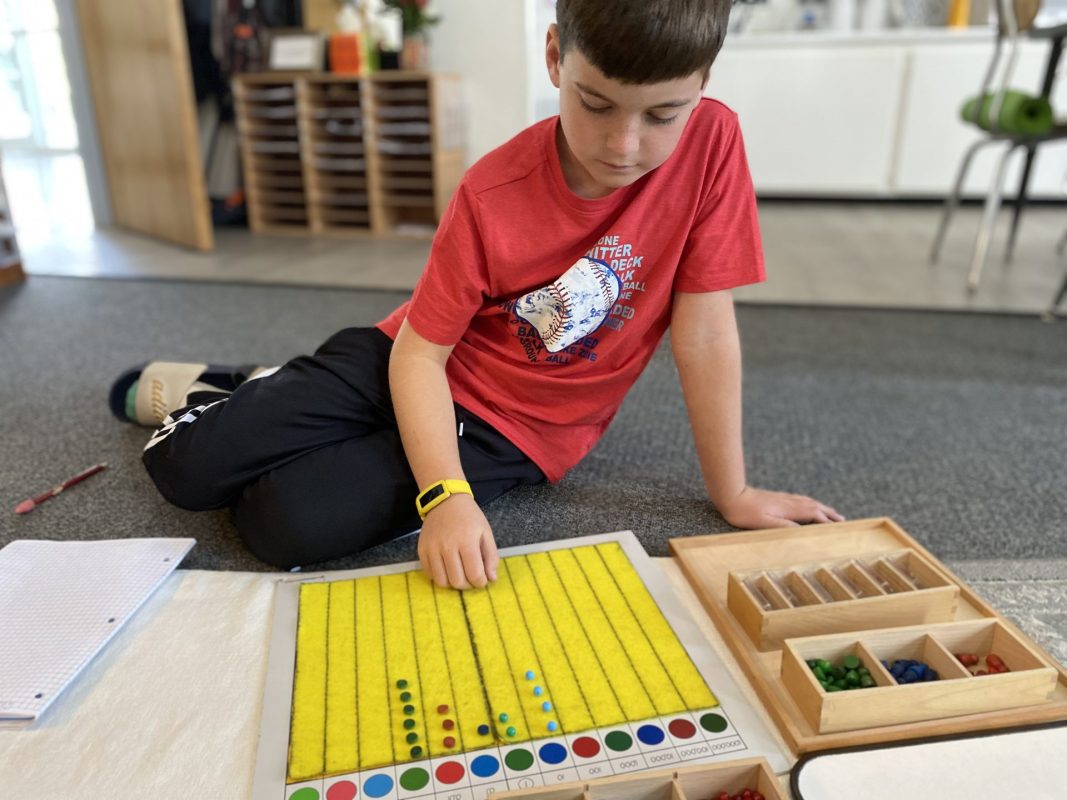
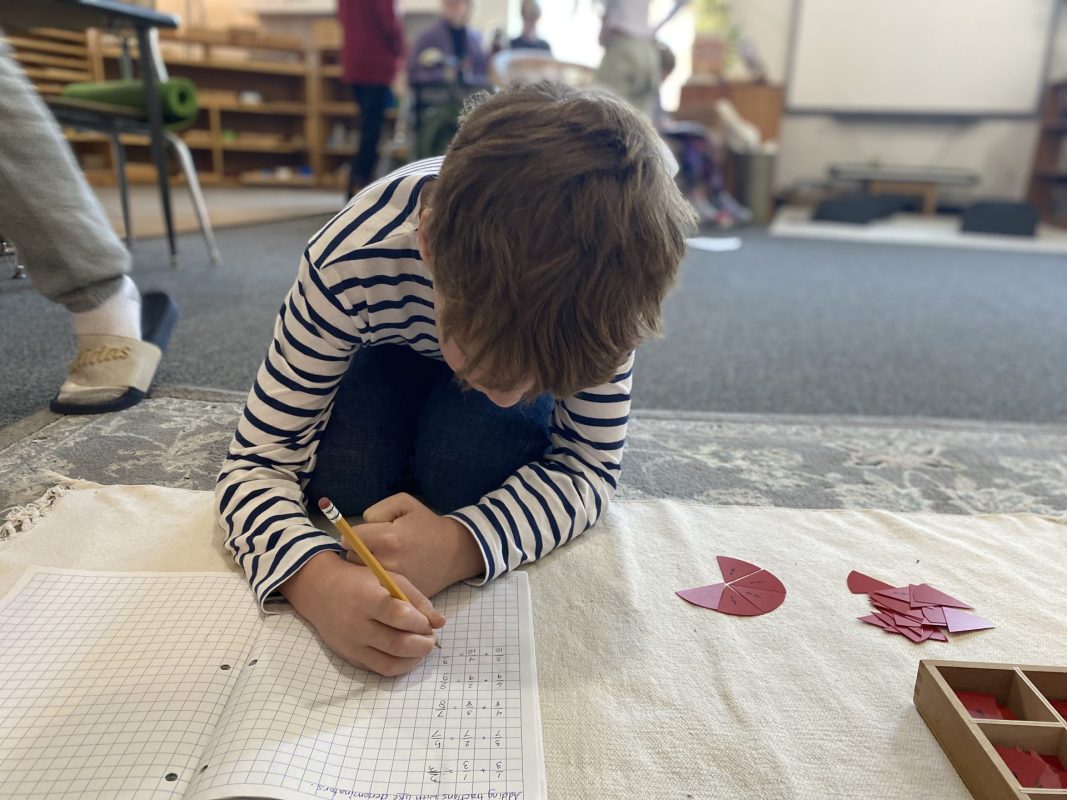
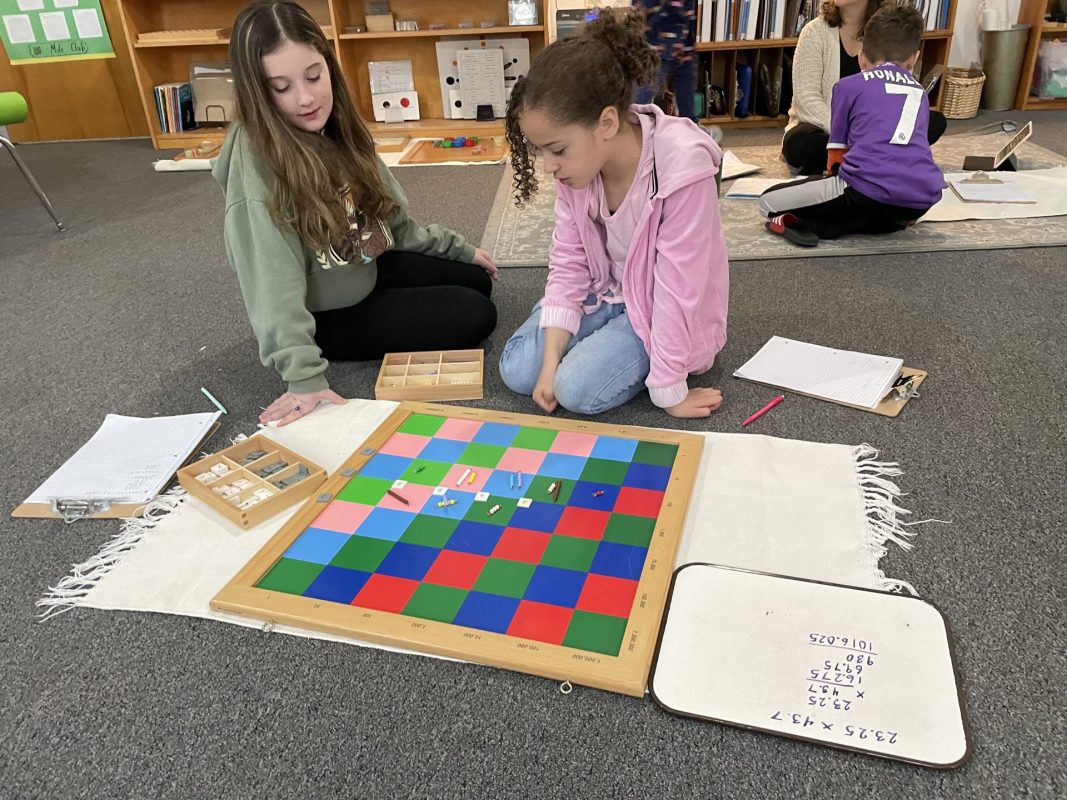
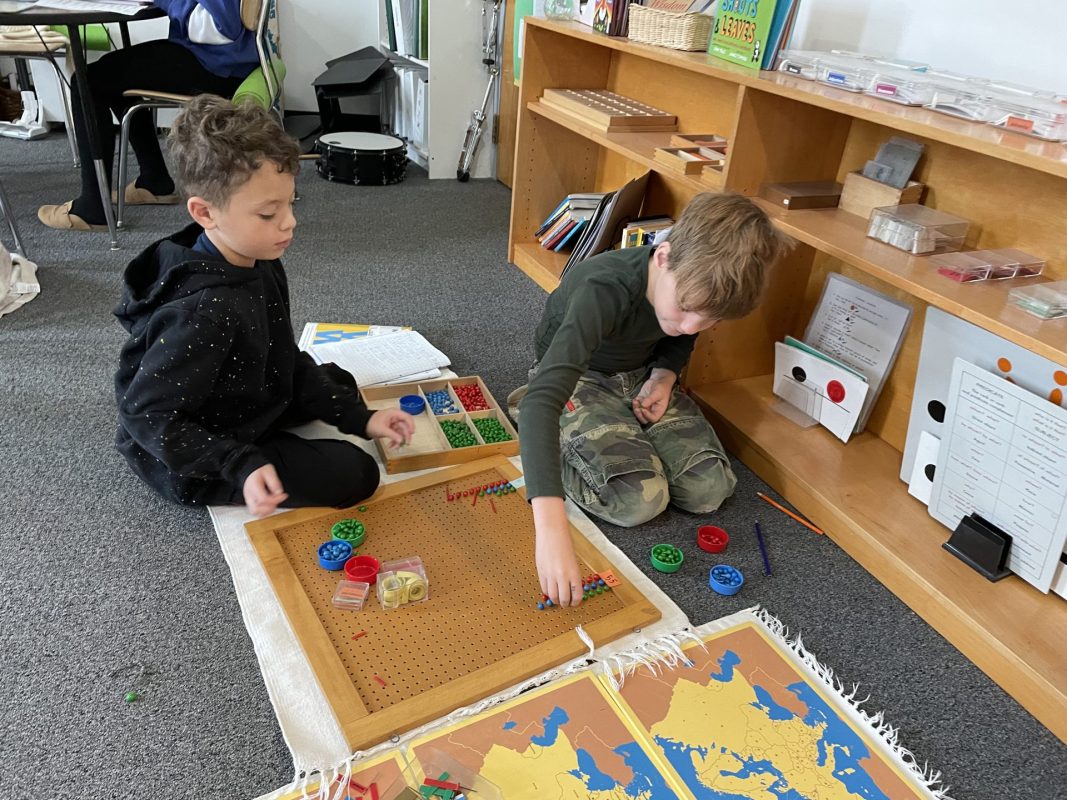
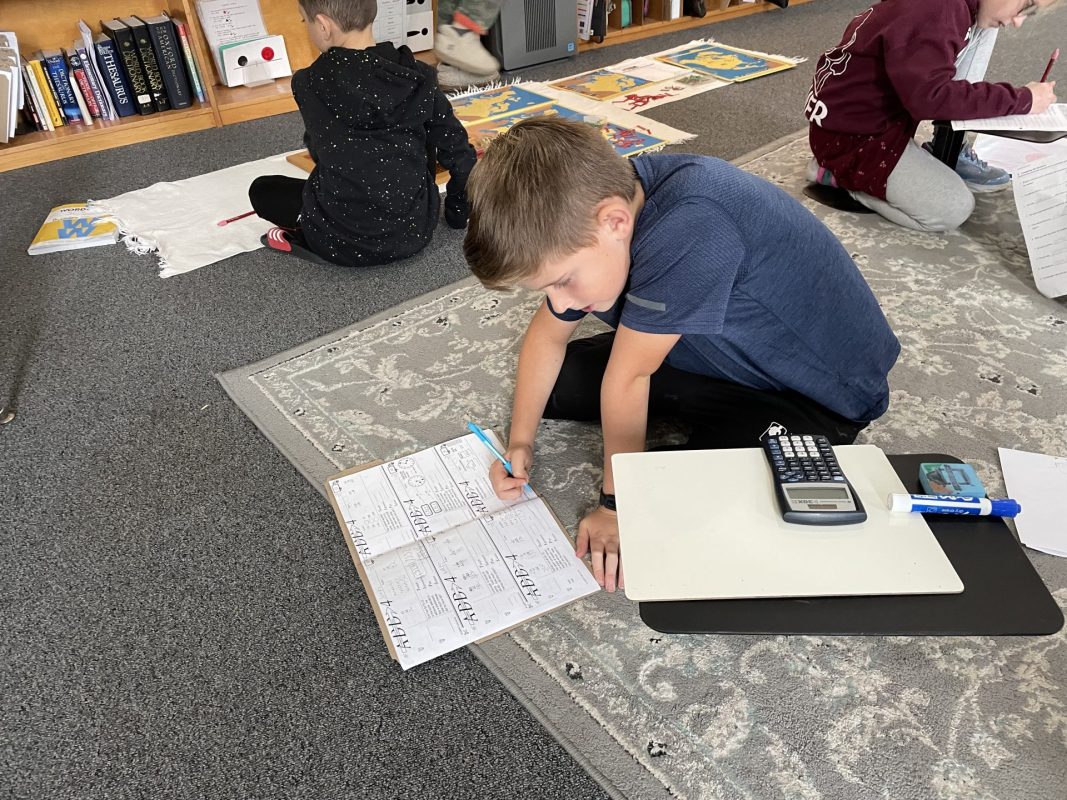
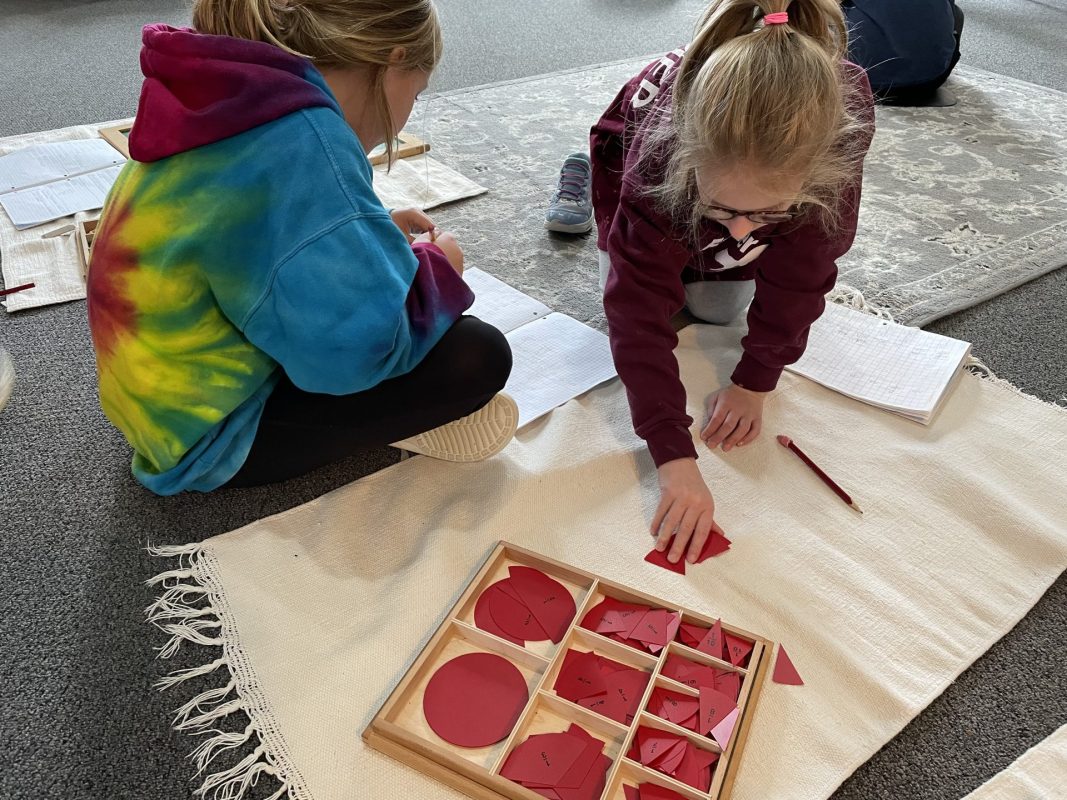
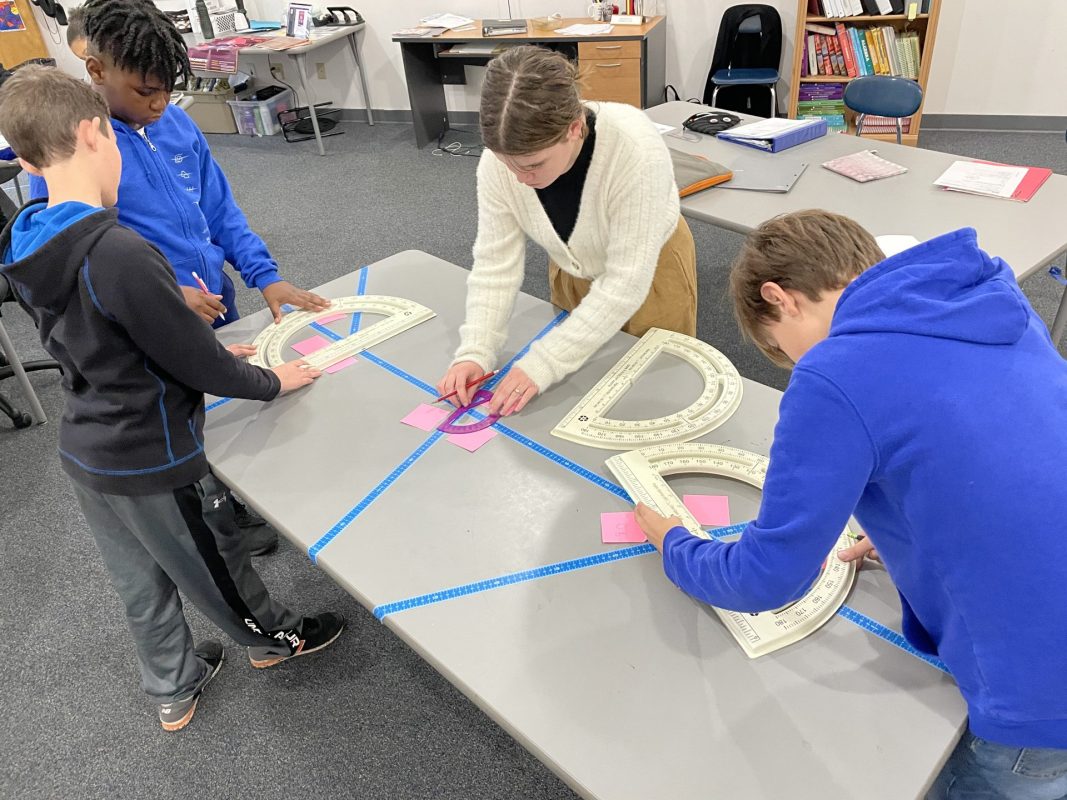
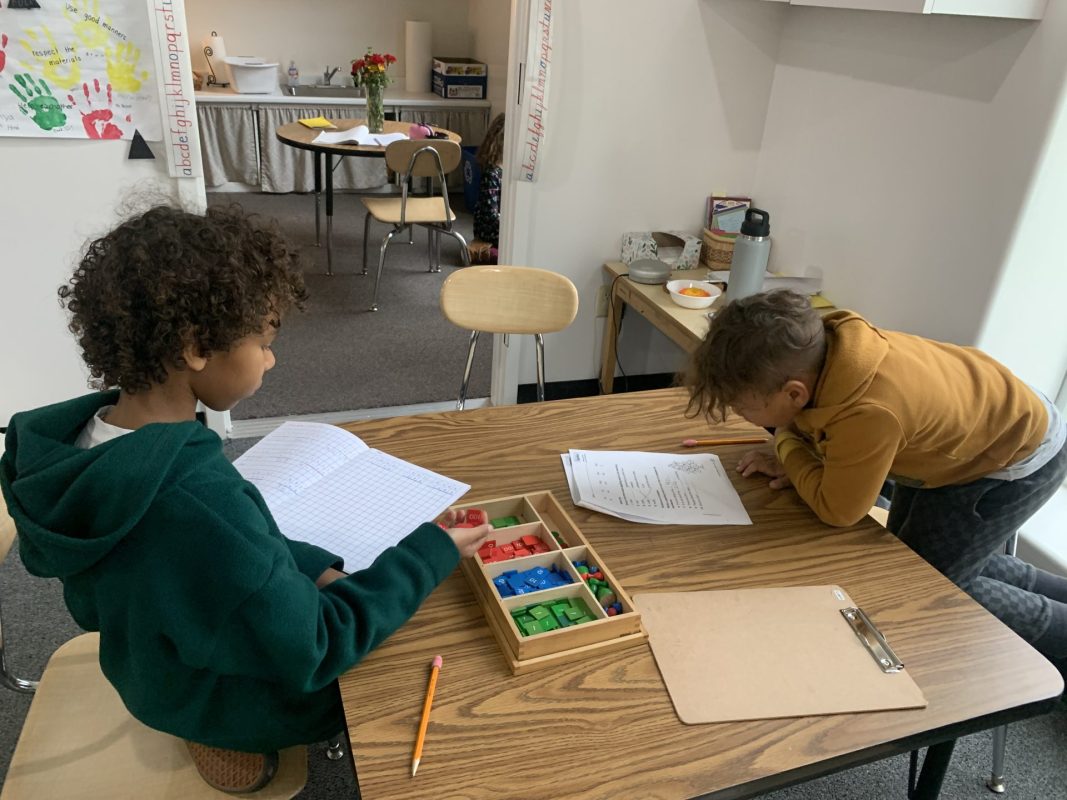
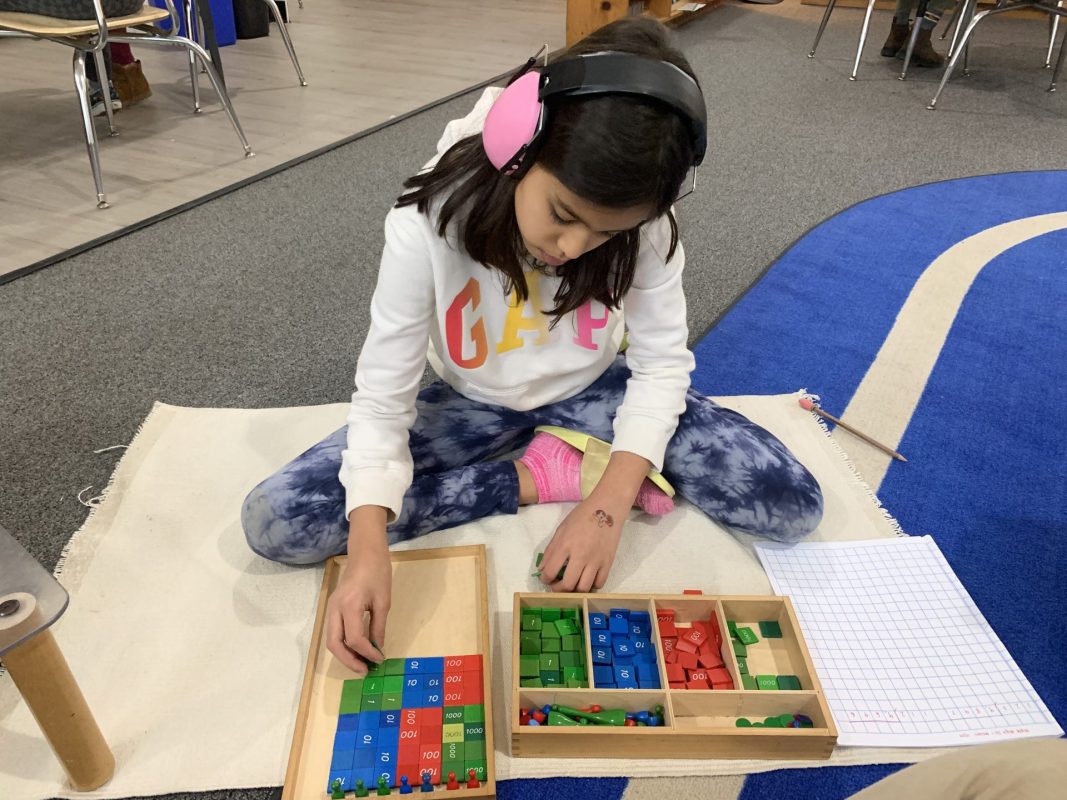
In the Pre-Transition math class, students are learning about the properties of addition which include the zero property, opposite property, and commutative property. This week, students learned how to use a protractor to measure angles in a given shape. This class can label the vertex and understand the difference between an acute and obtuse angle.
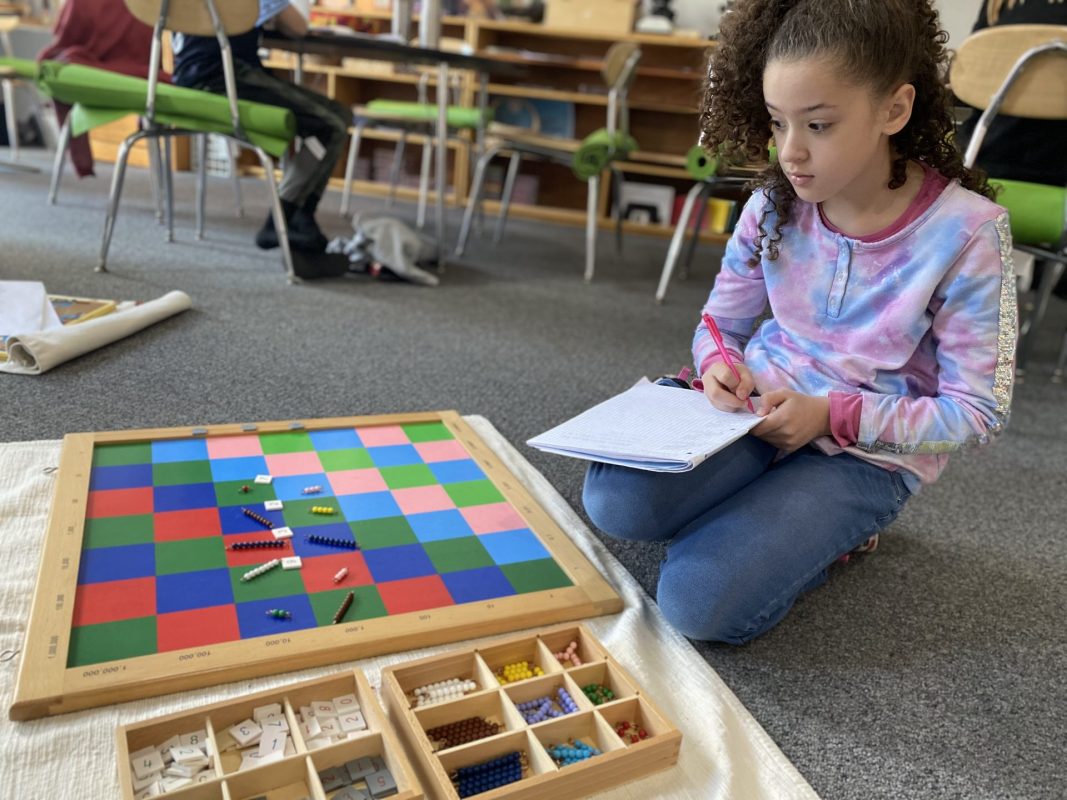
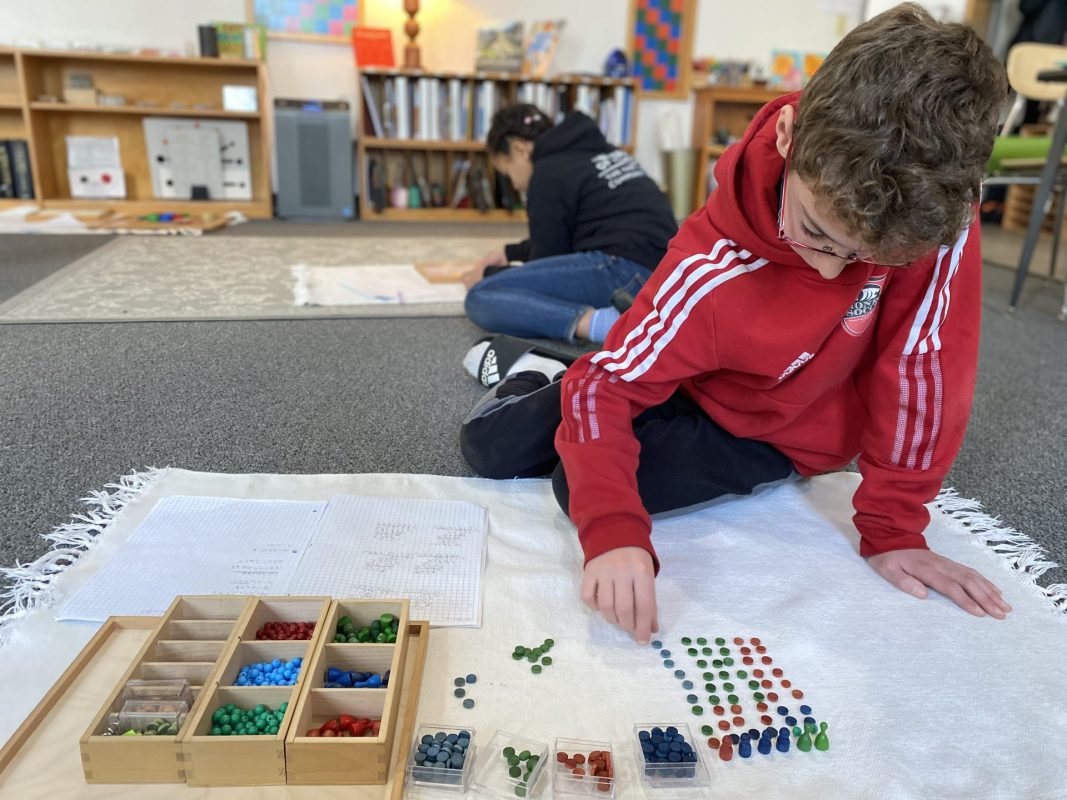
In the Transition math class, students are exploring how to solve single step equations and inequalities. This week, students used fact triangles and fact families (Addition and Subtraction) to understand how to rearrange an equation with a single variable.
In the Algebra math class, students started working through Chapter 5 and were first introduced to algebraic fractions. Students are able to multiply and divide algebraic fractions as well as simplify to the lowest form. Next week, the class plans to cover proportions and solving for similar figures.
Have a wonderful weekend!