Blog

Mrs. Wilson: Pao De Queijo

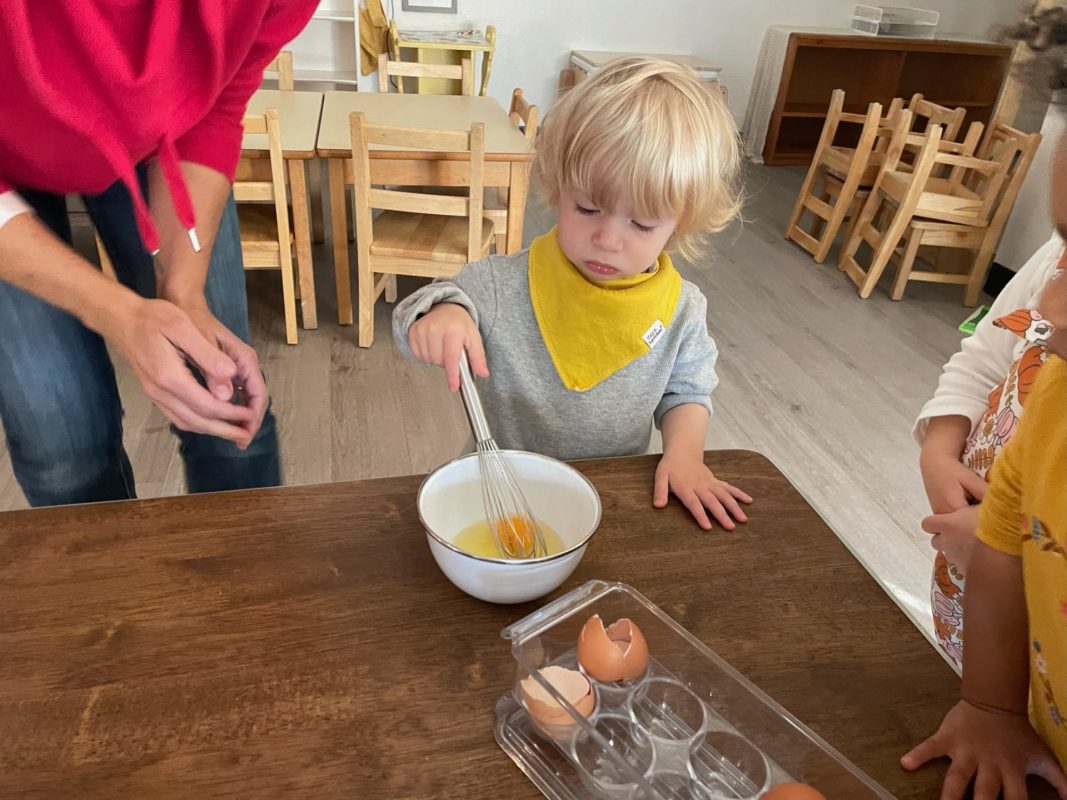
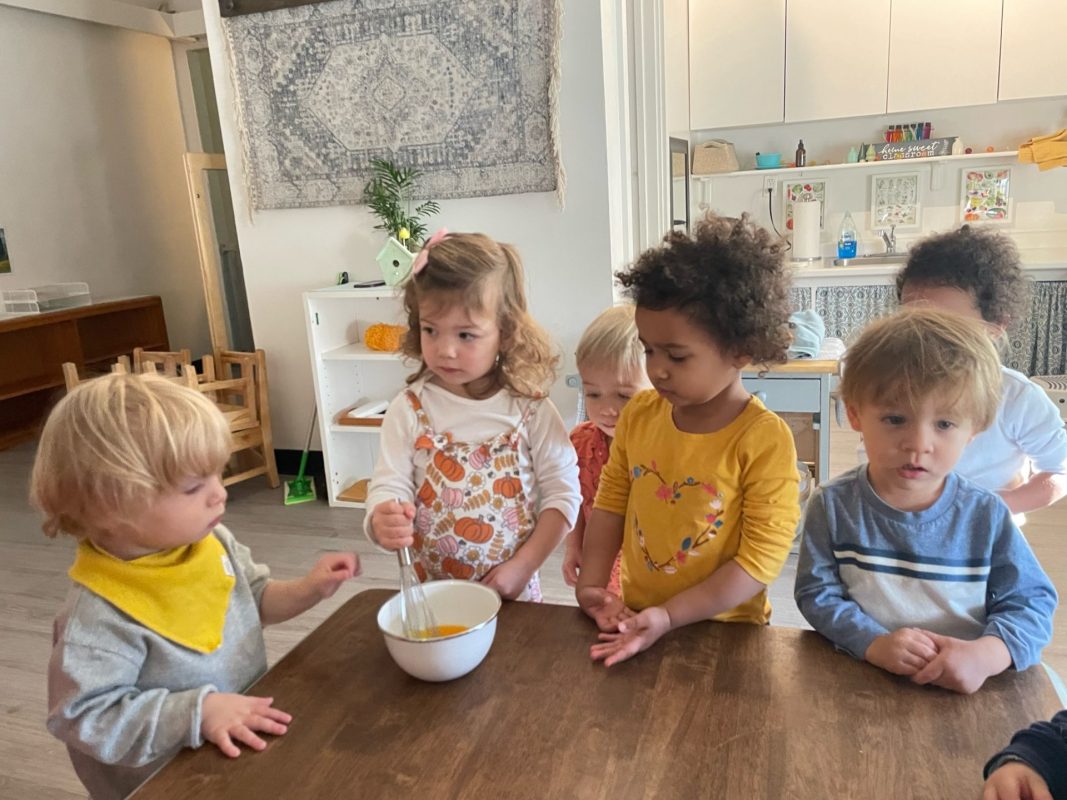
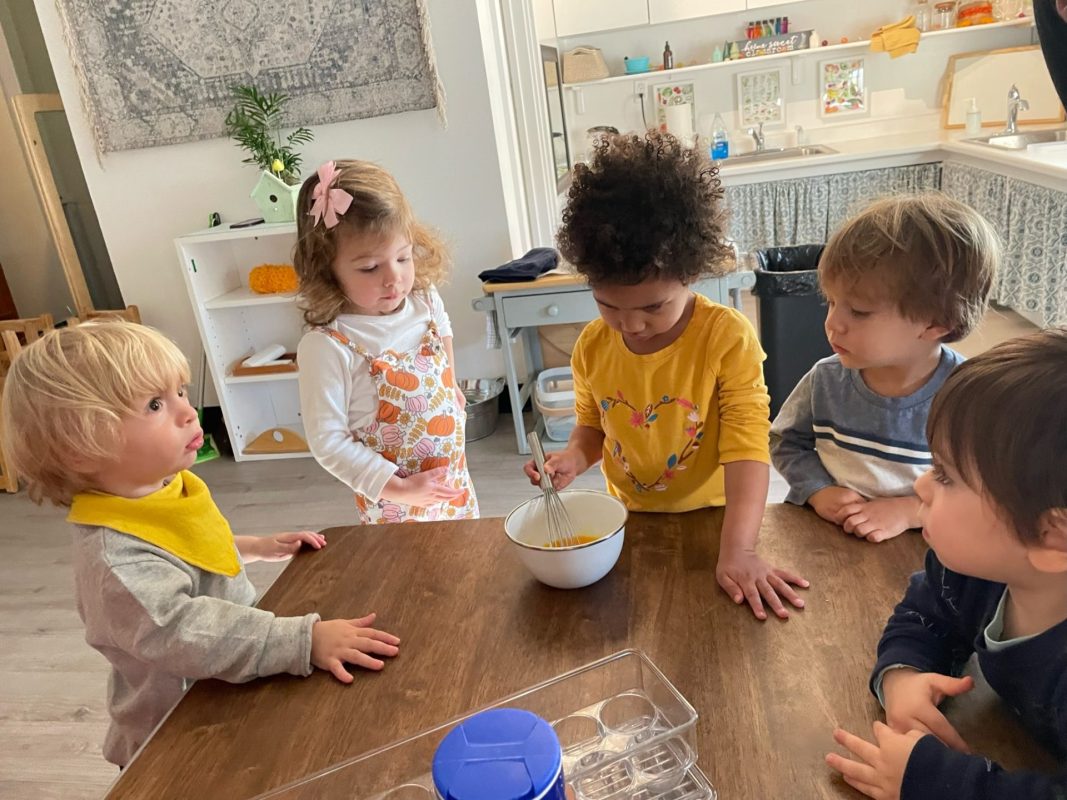
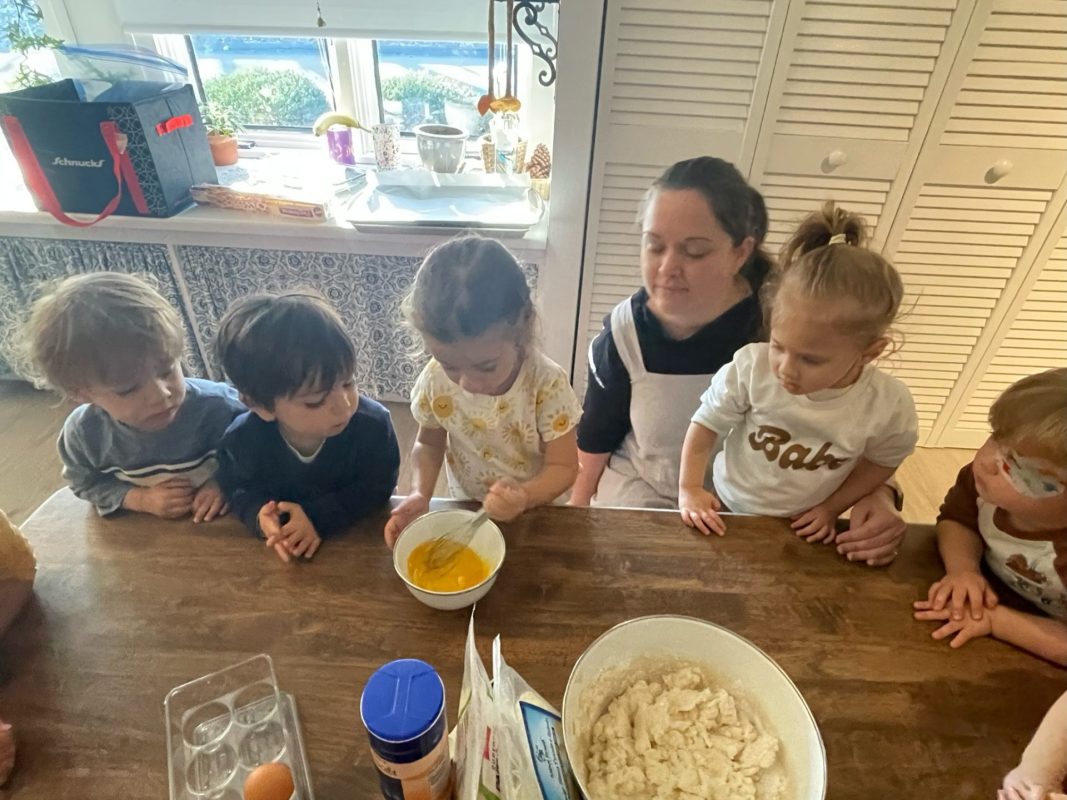
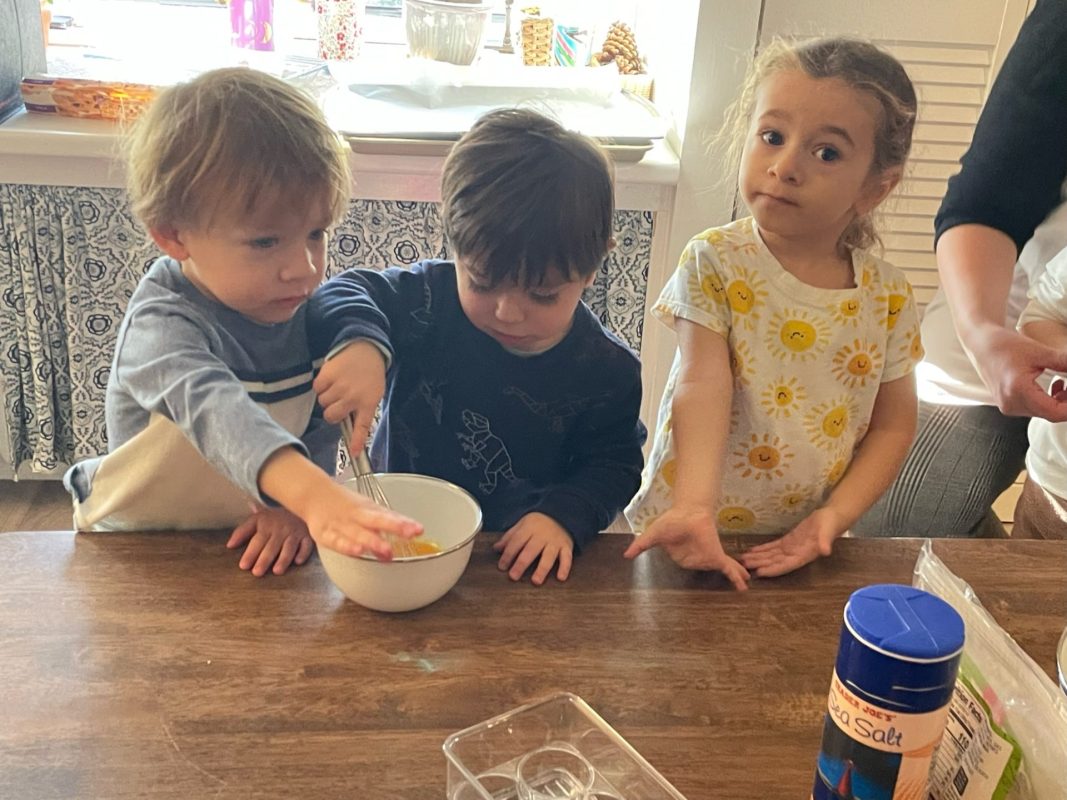
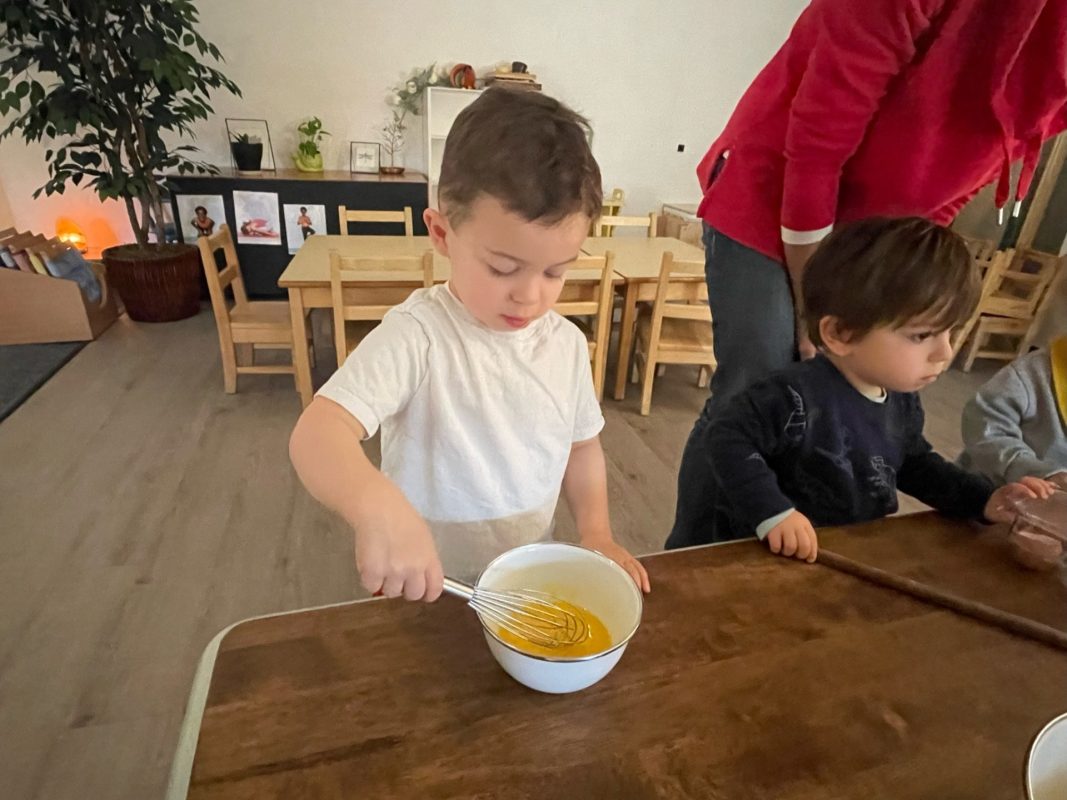
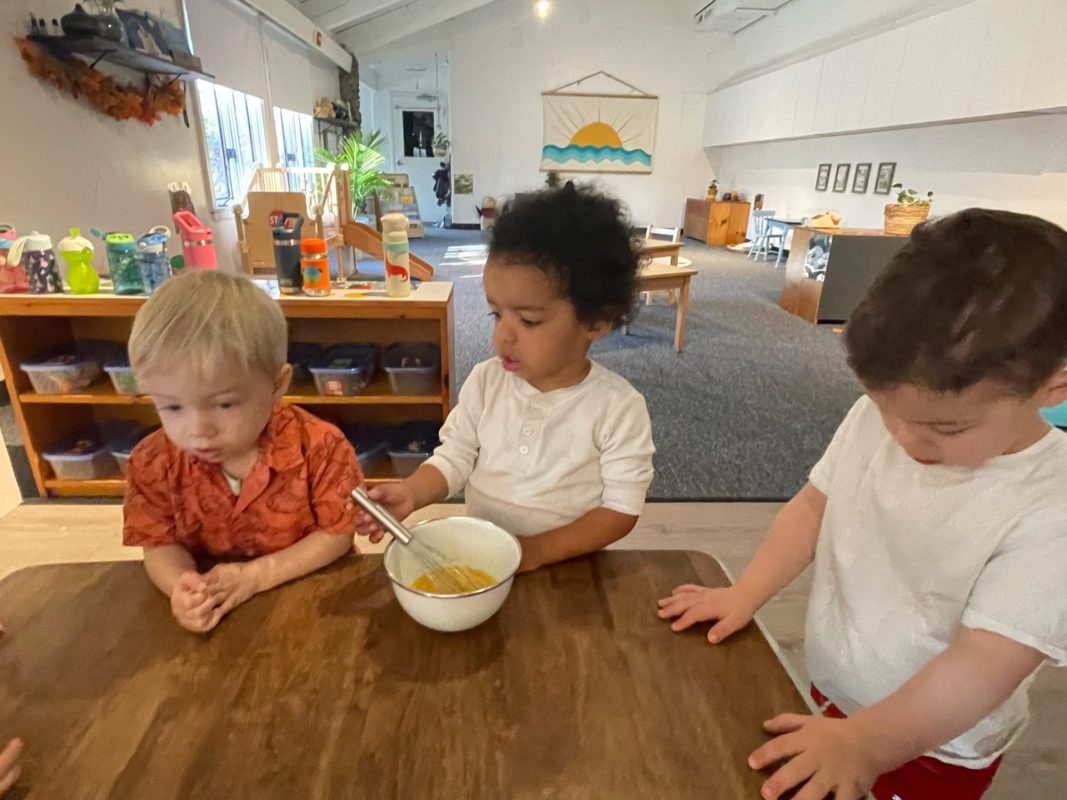
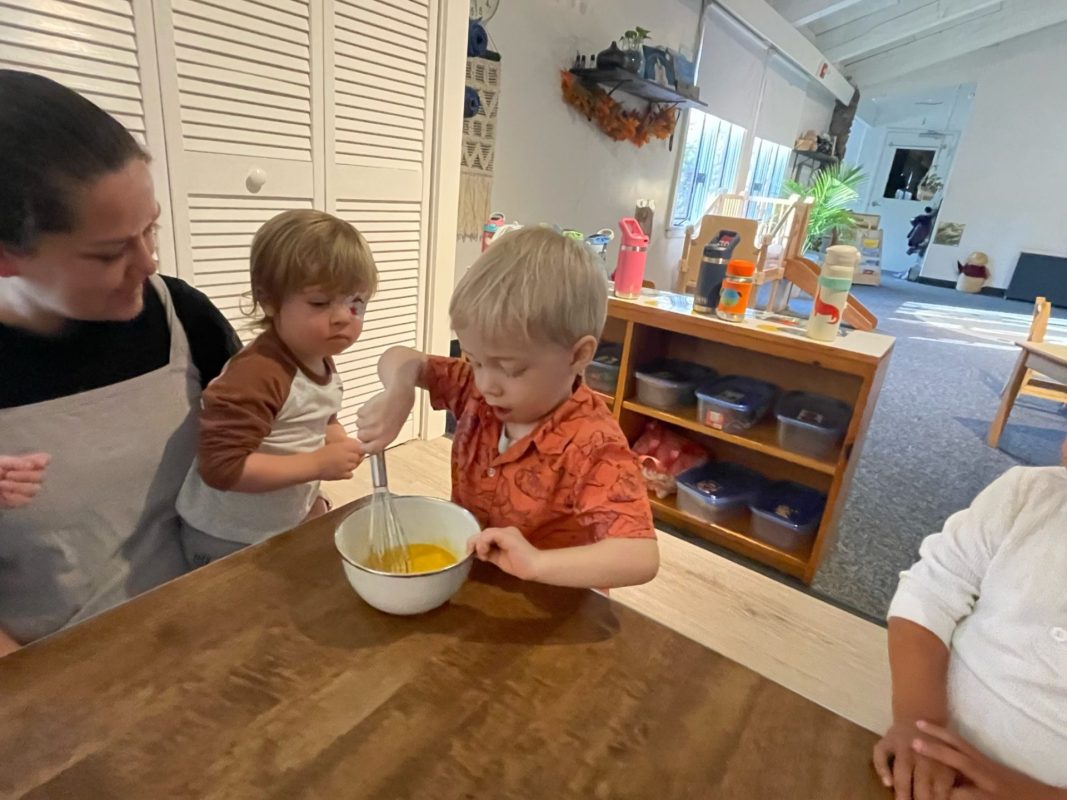
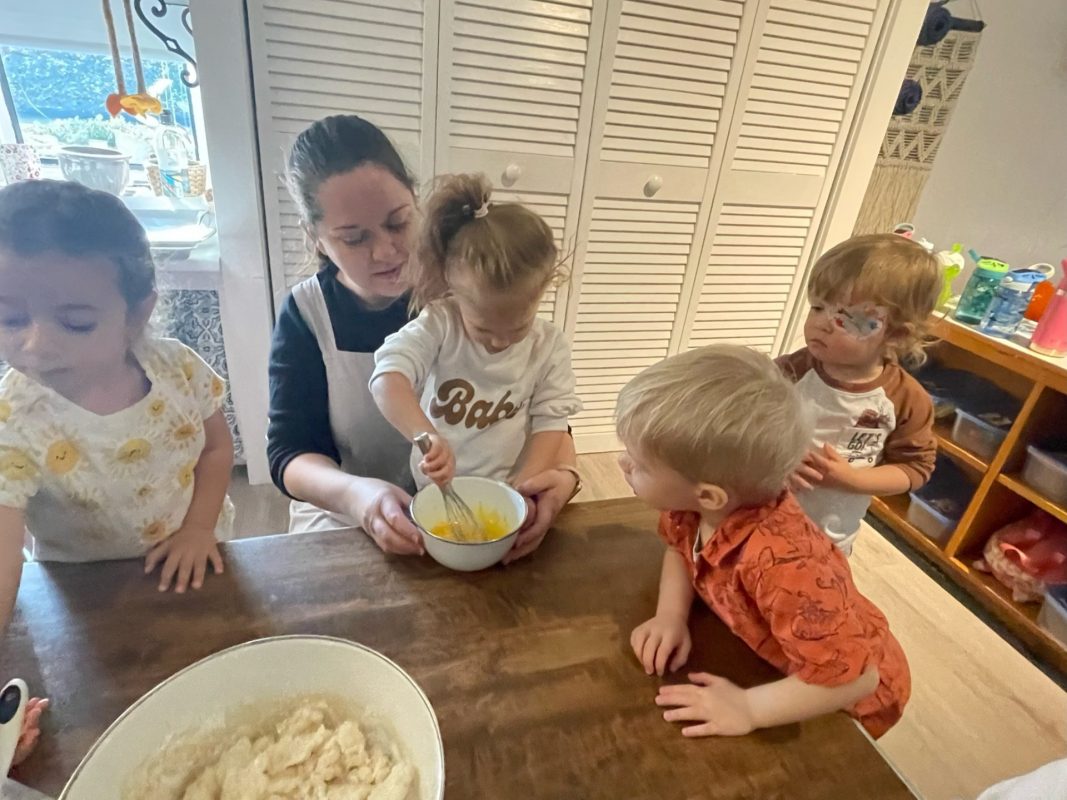
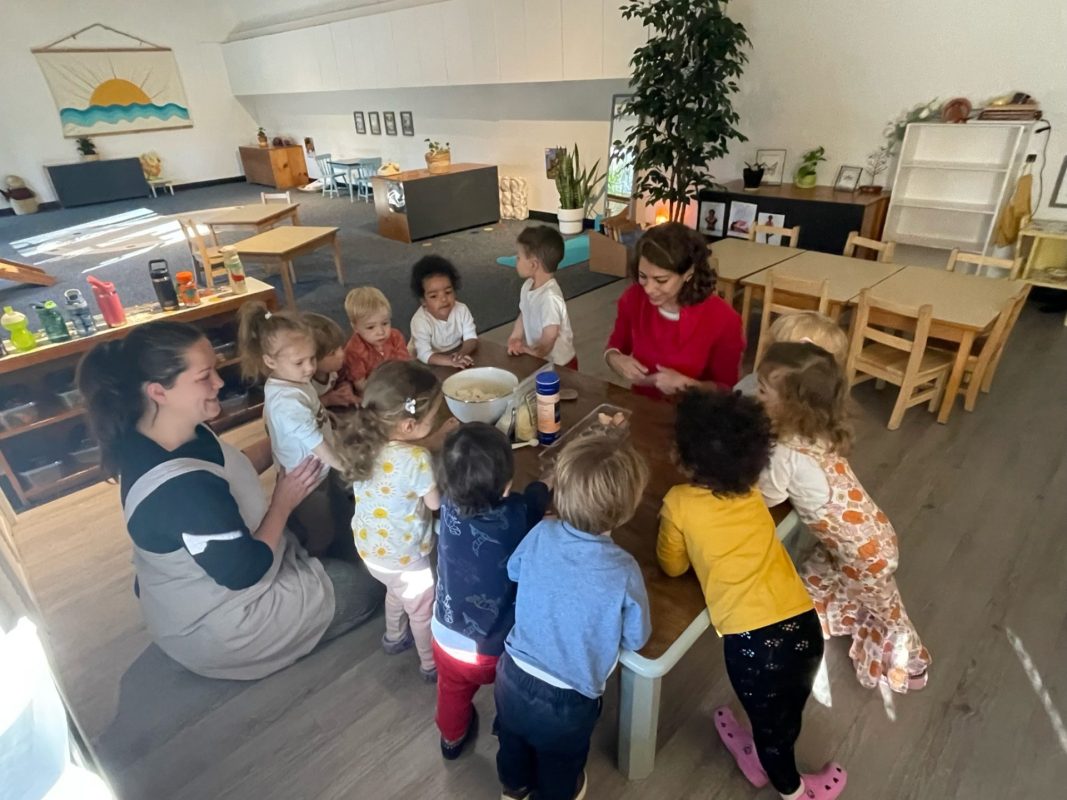
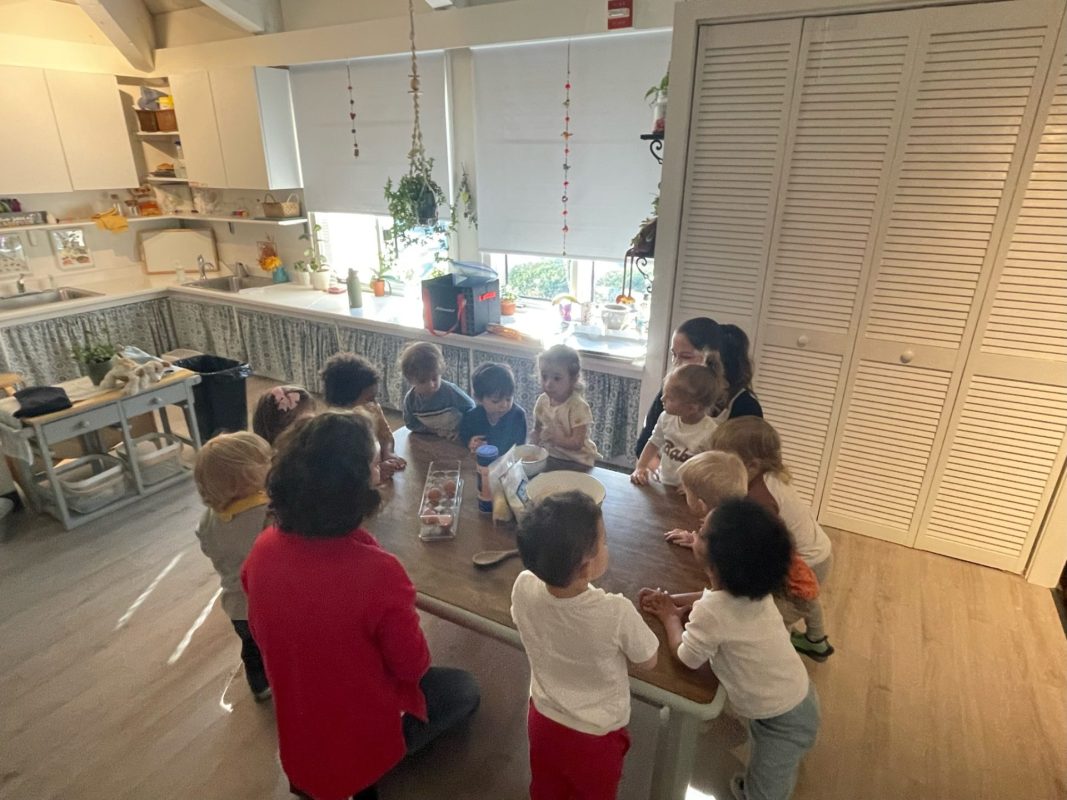
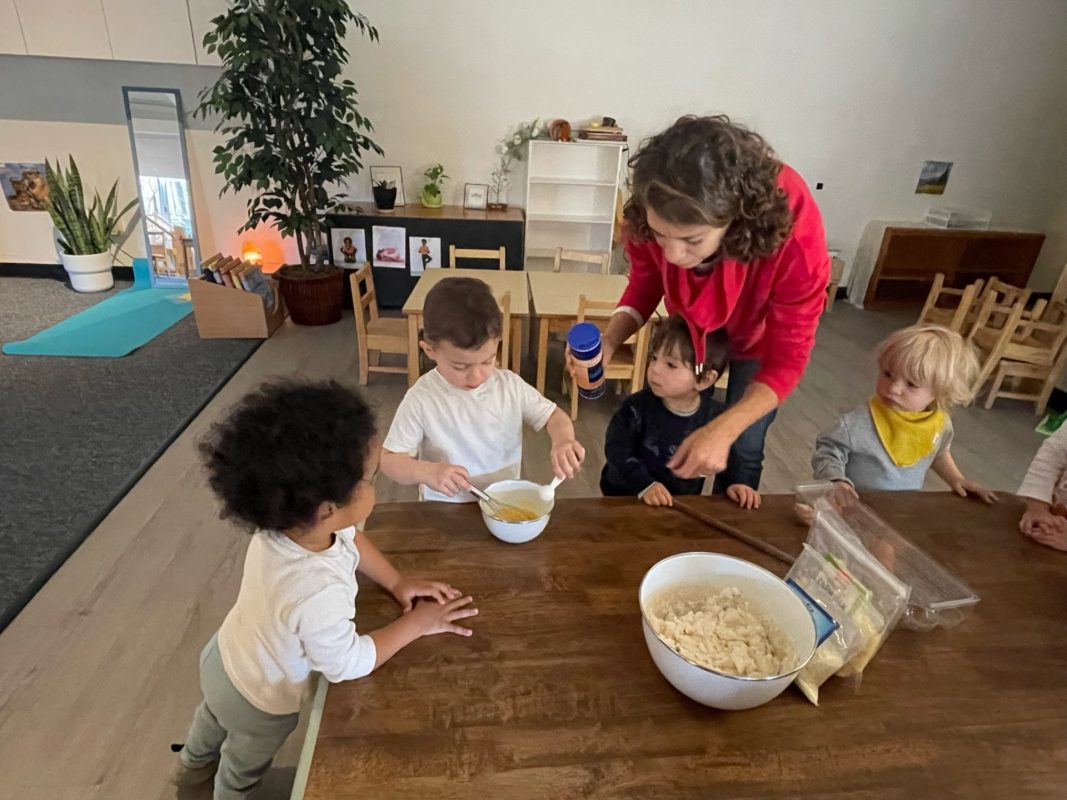
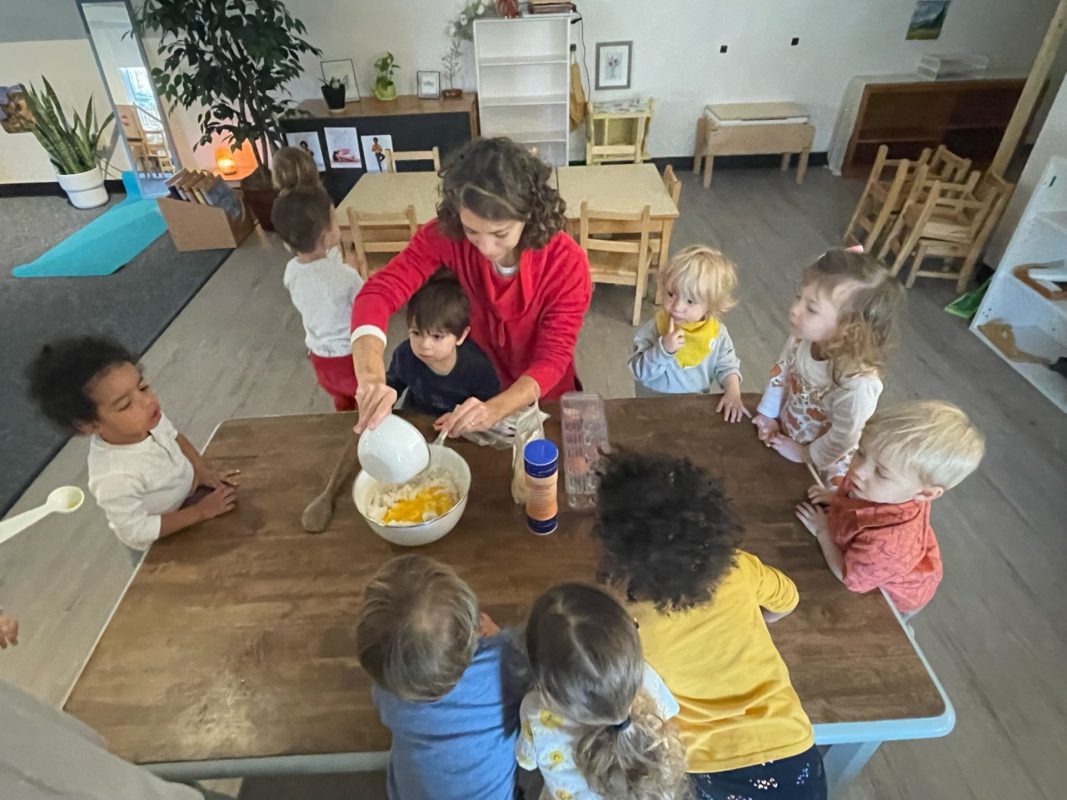
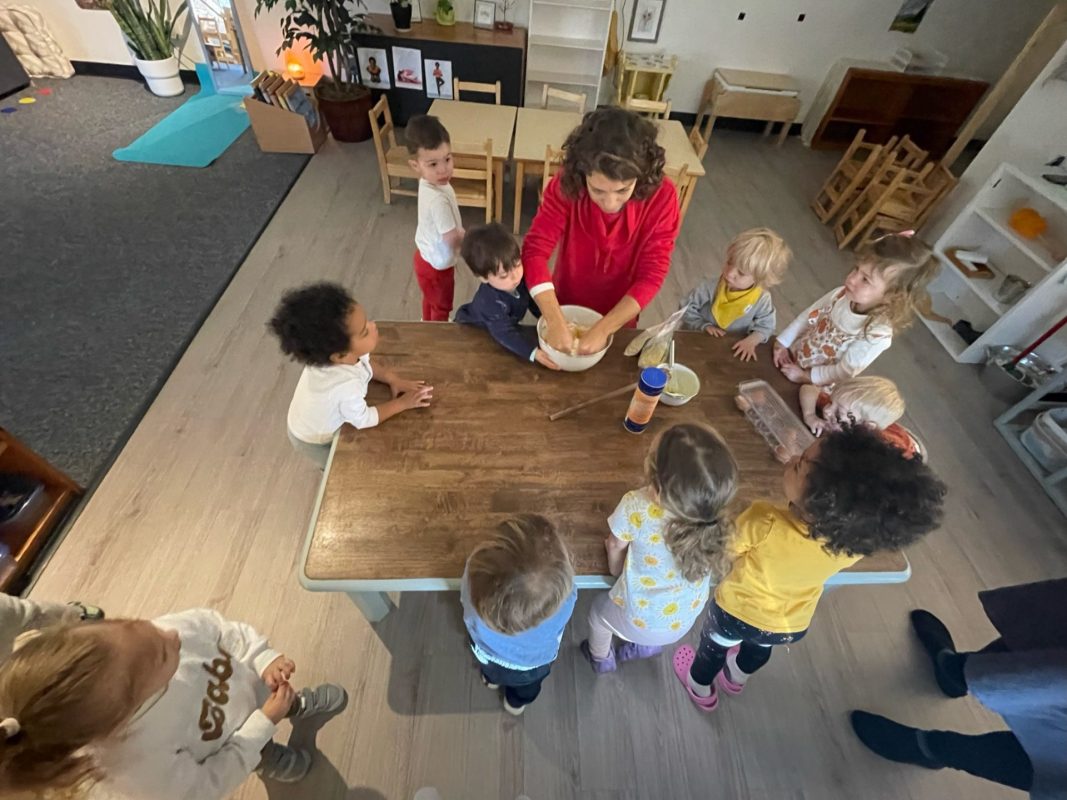
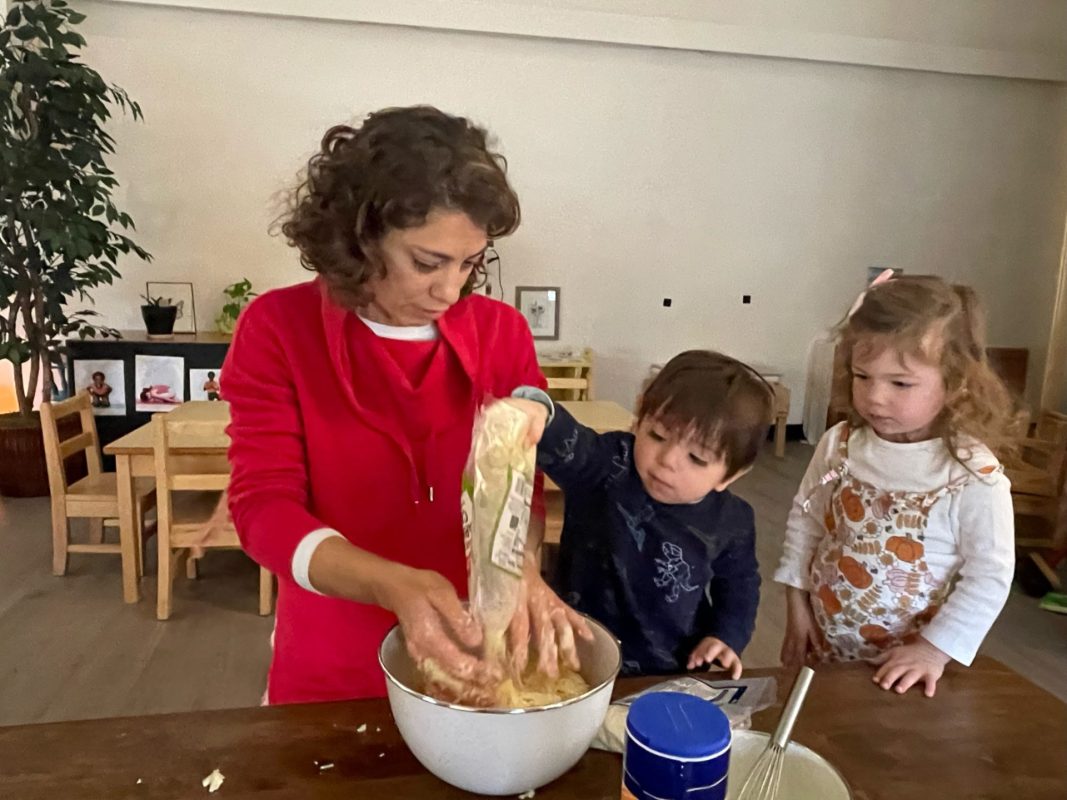
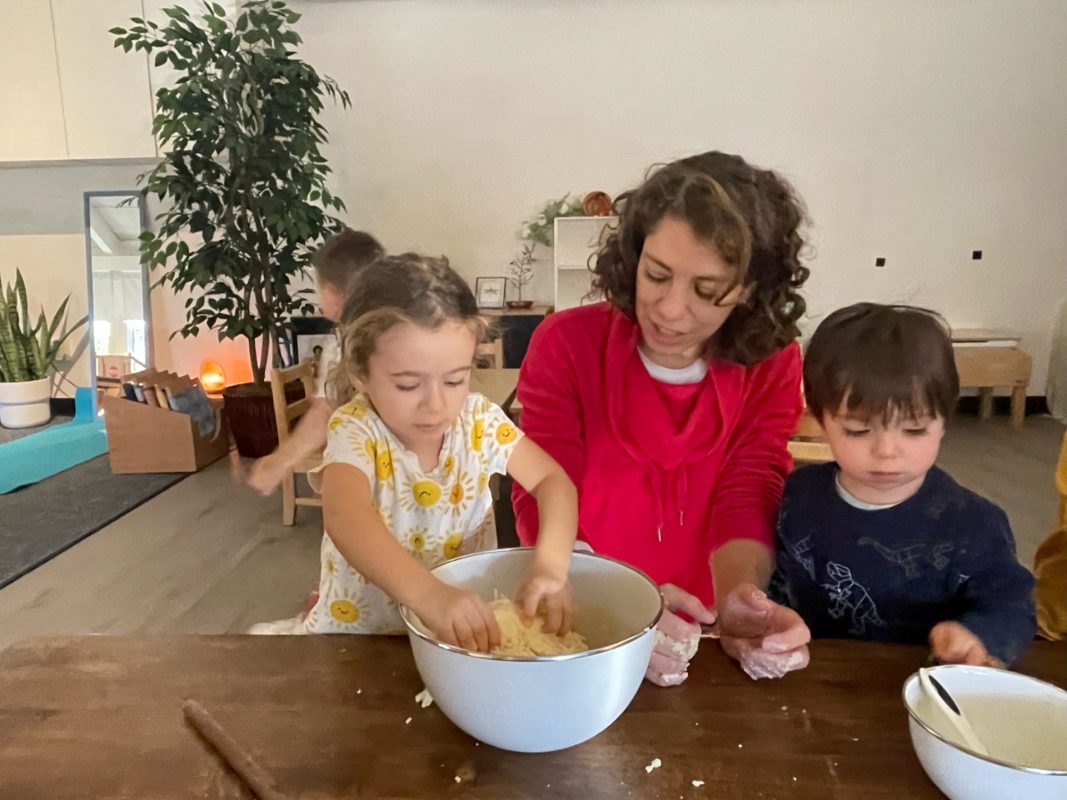
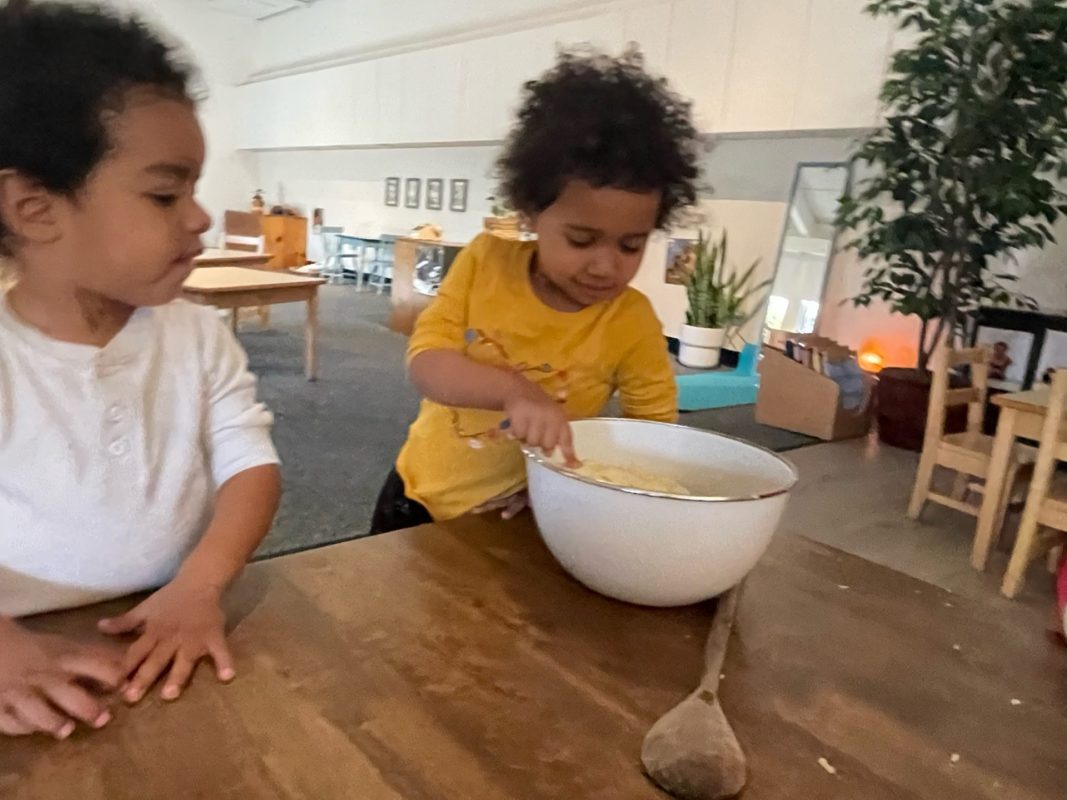
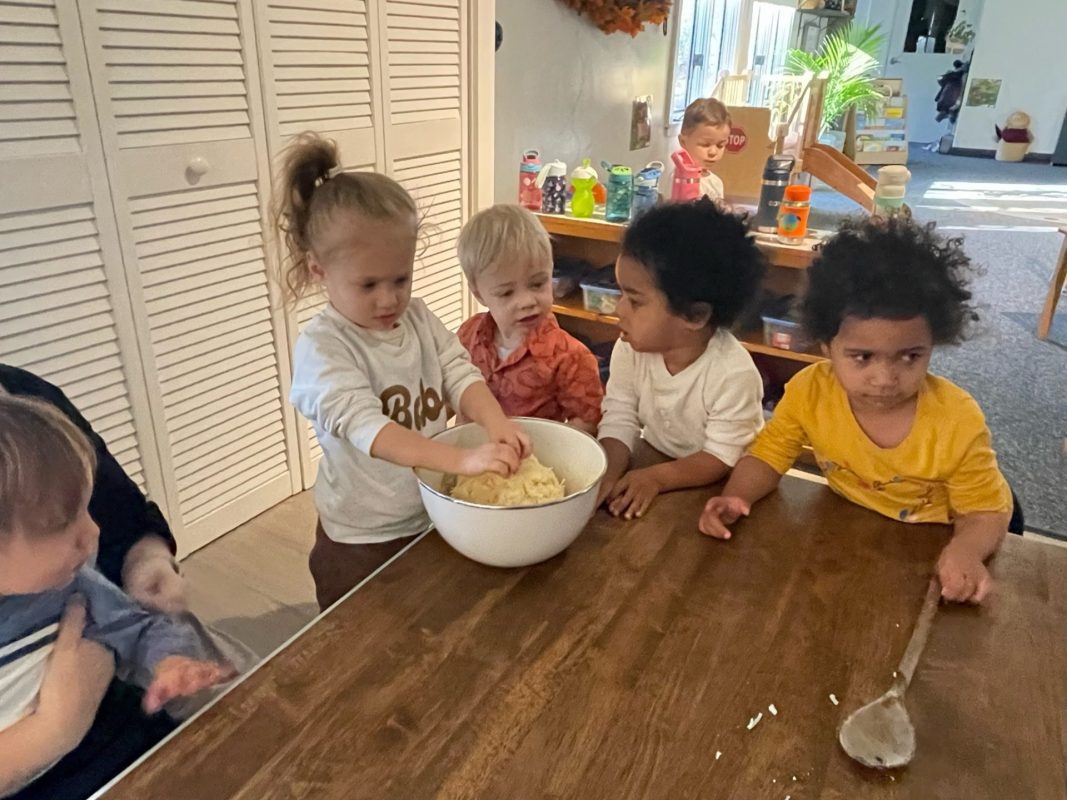
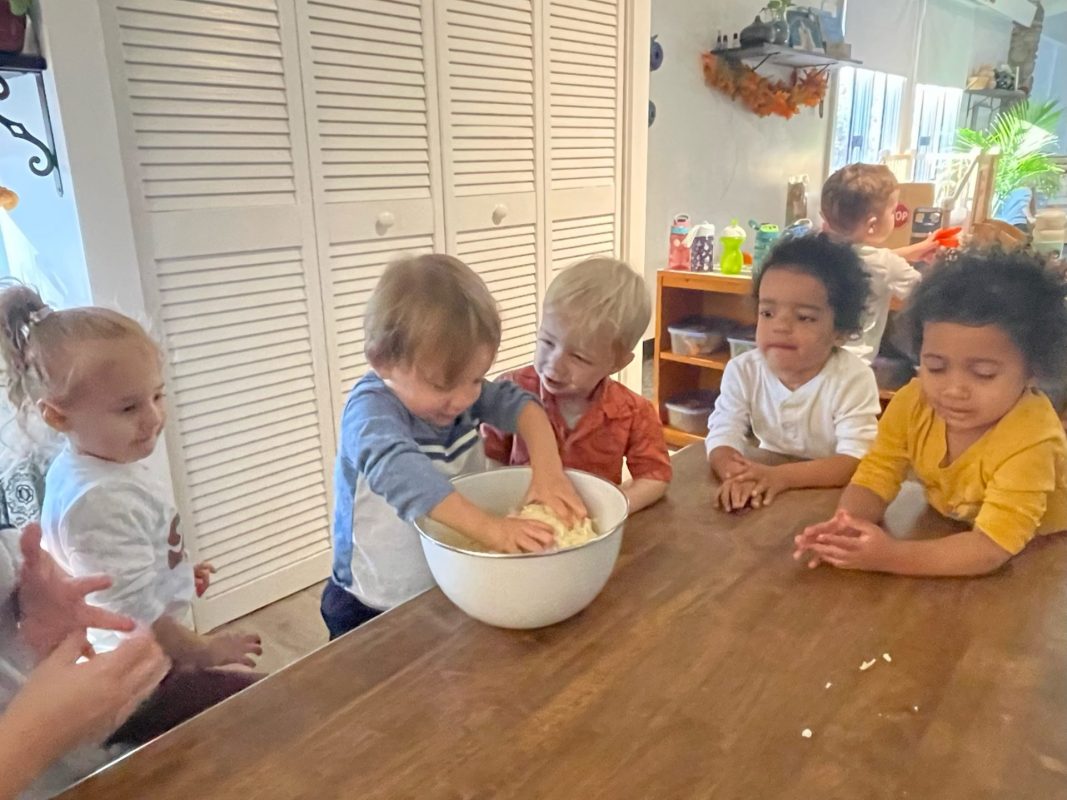
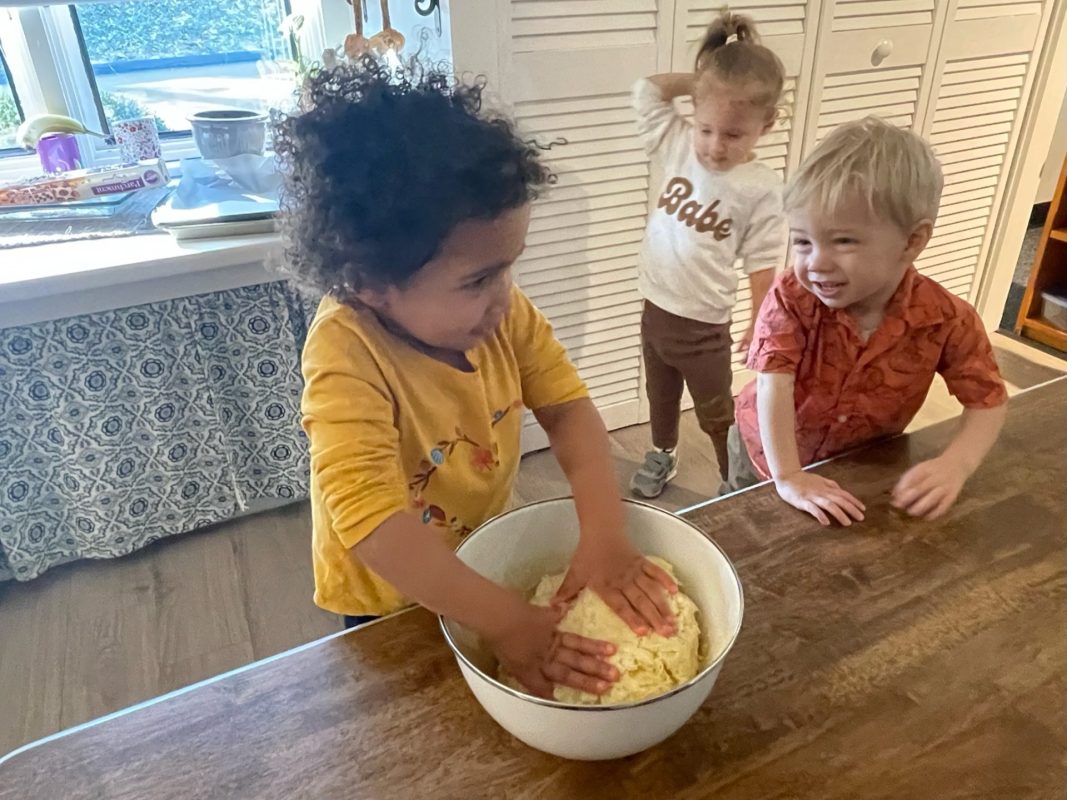
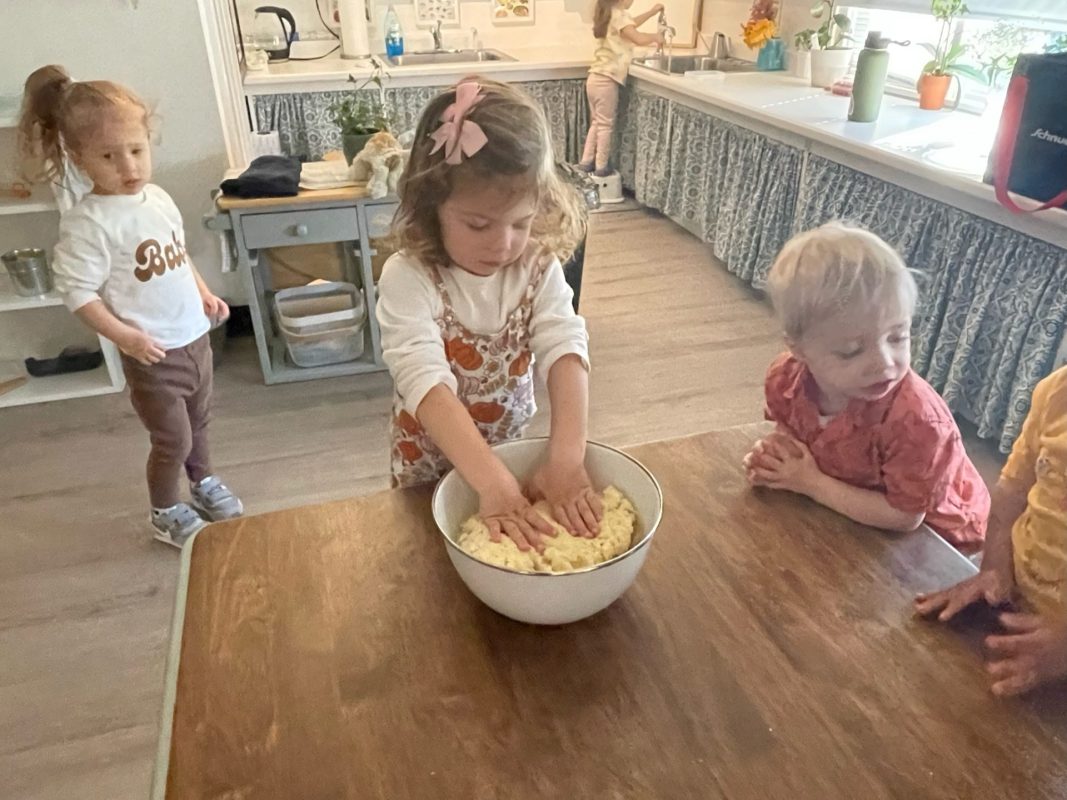
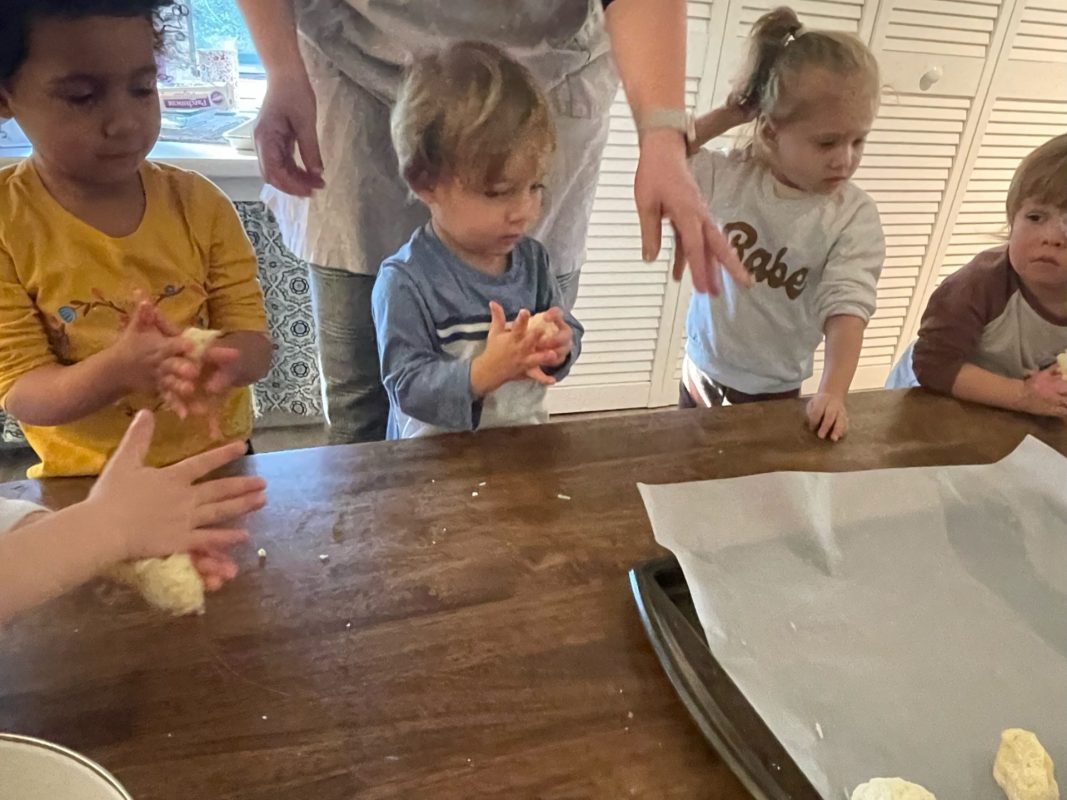
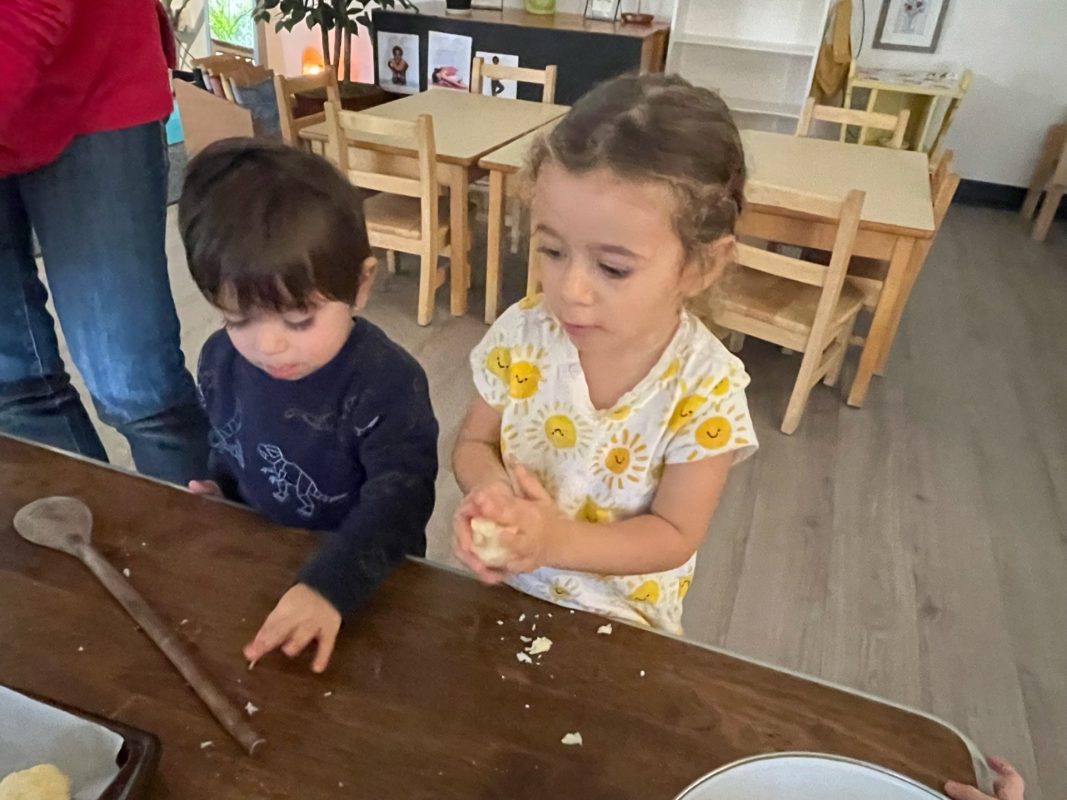
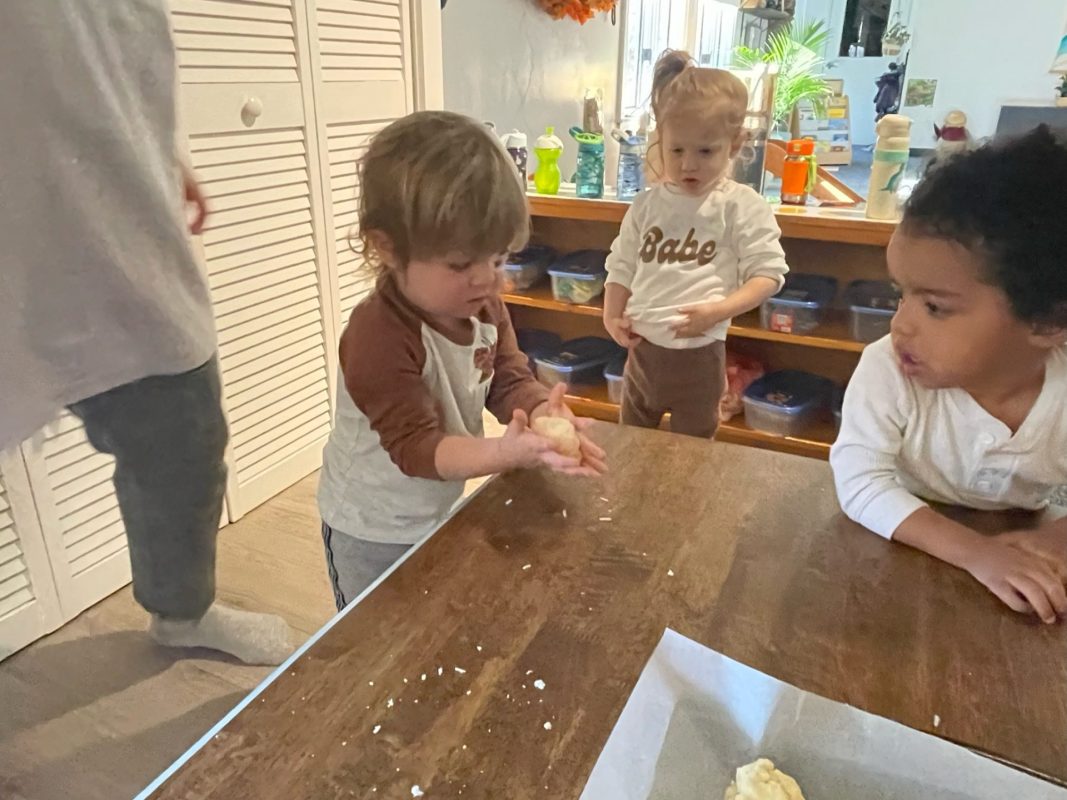
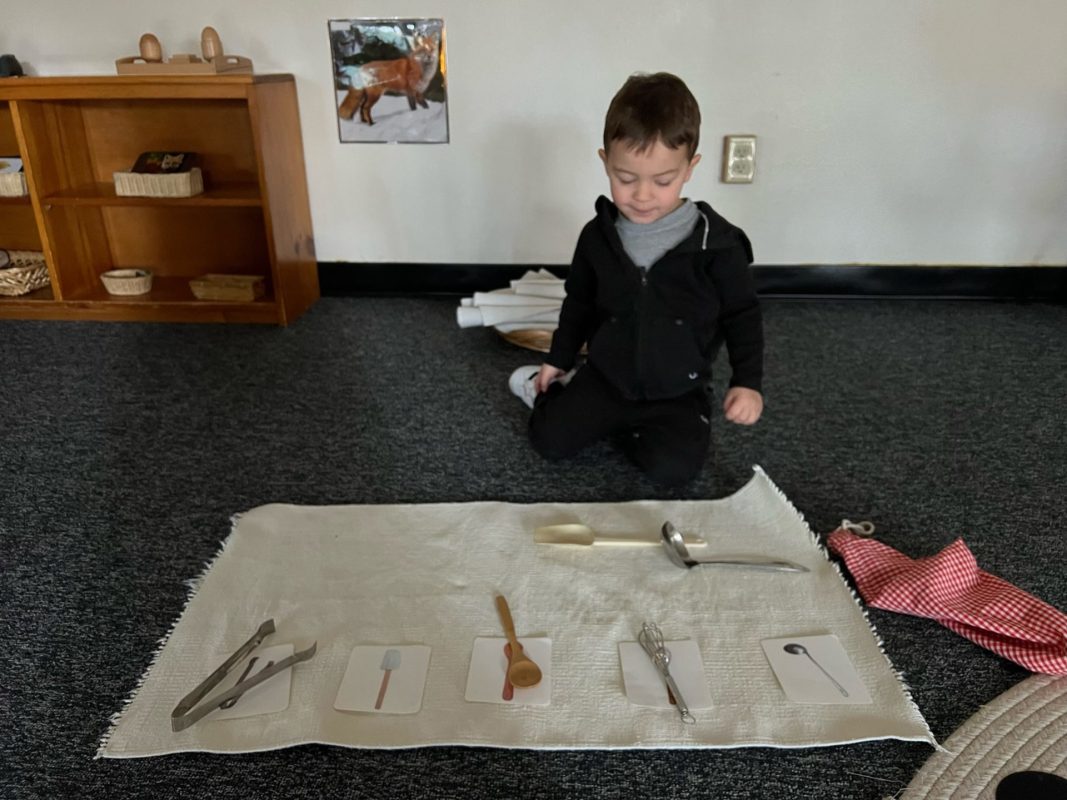
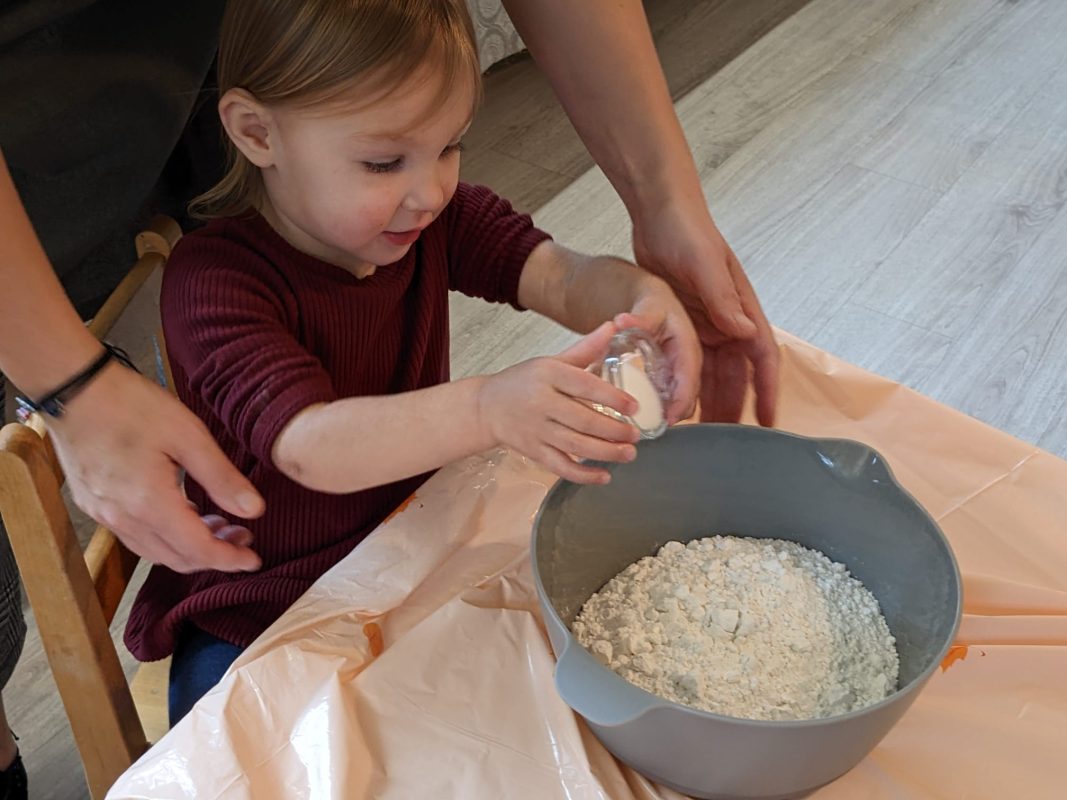
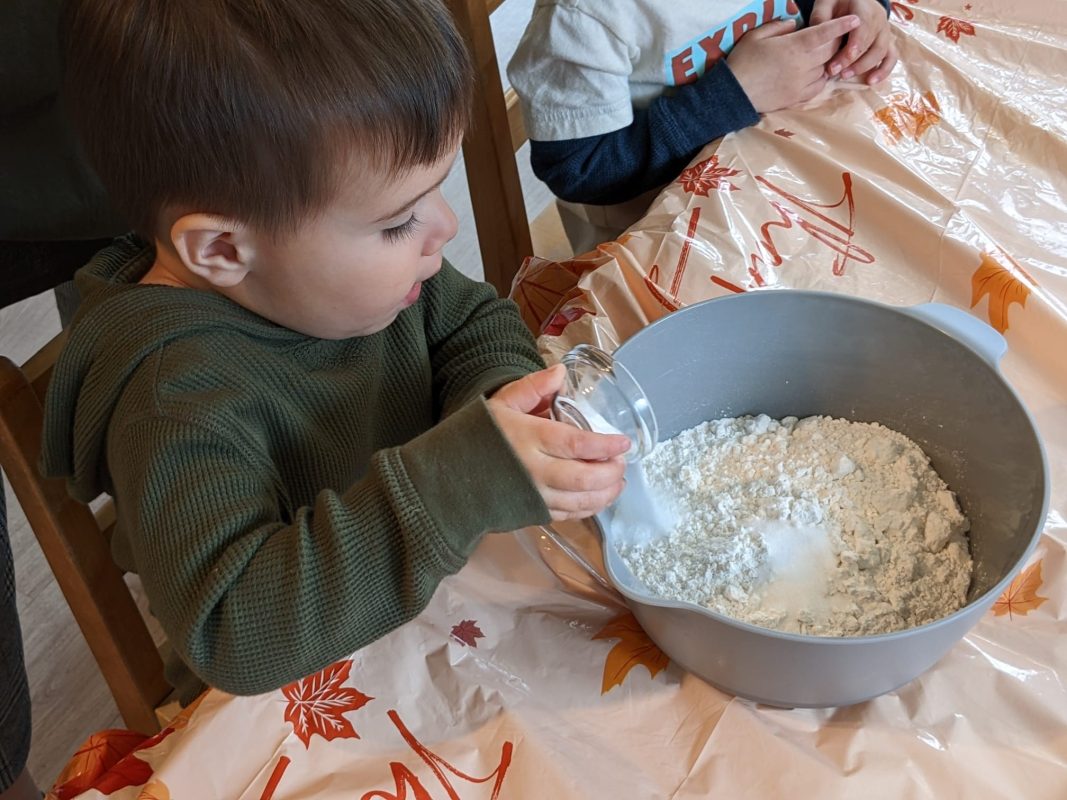
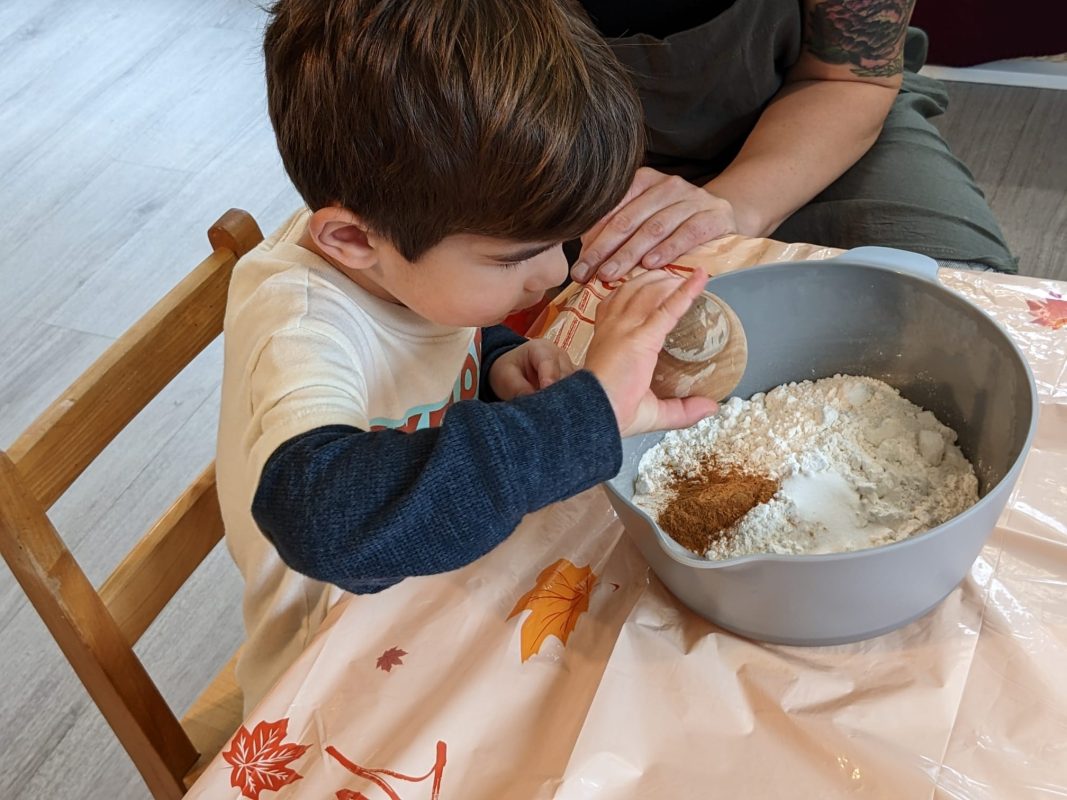
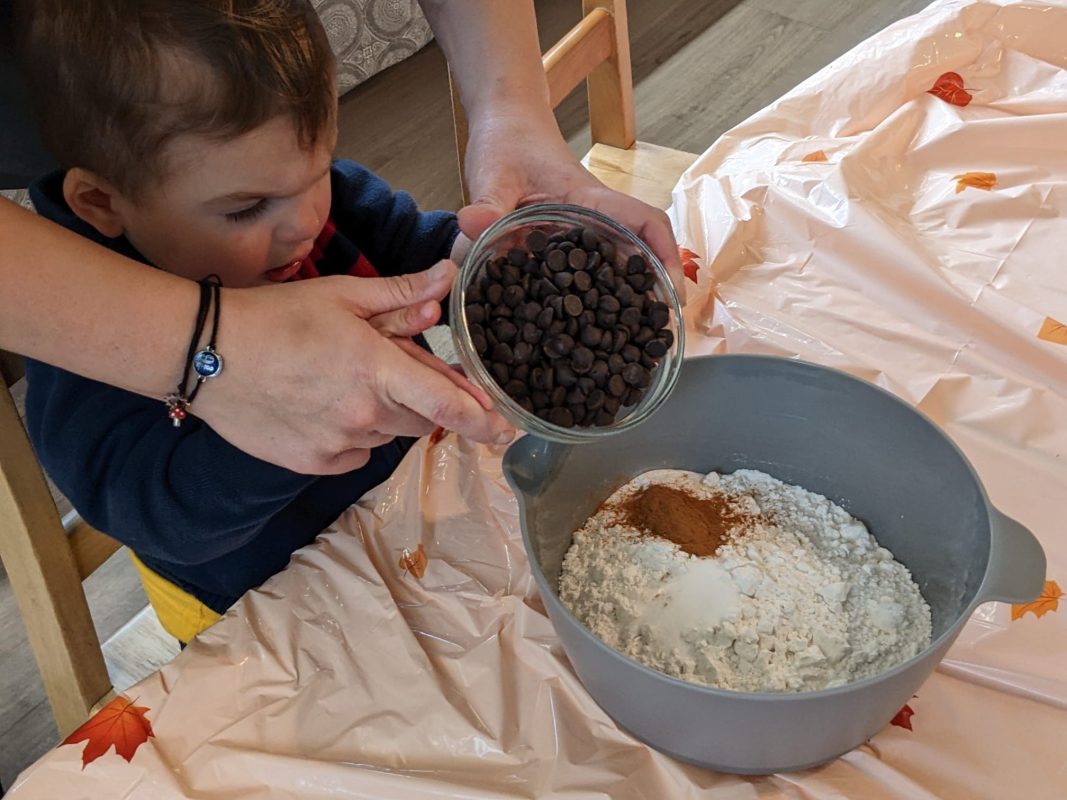
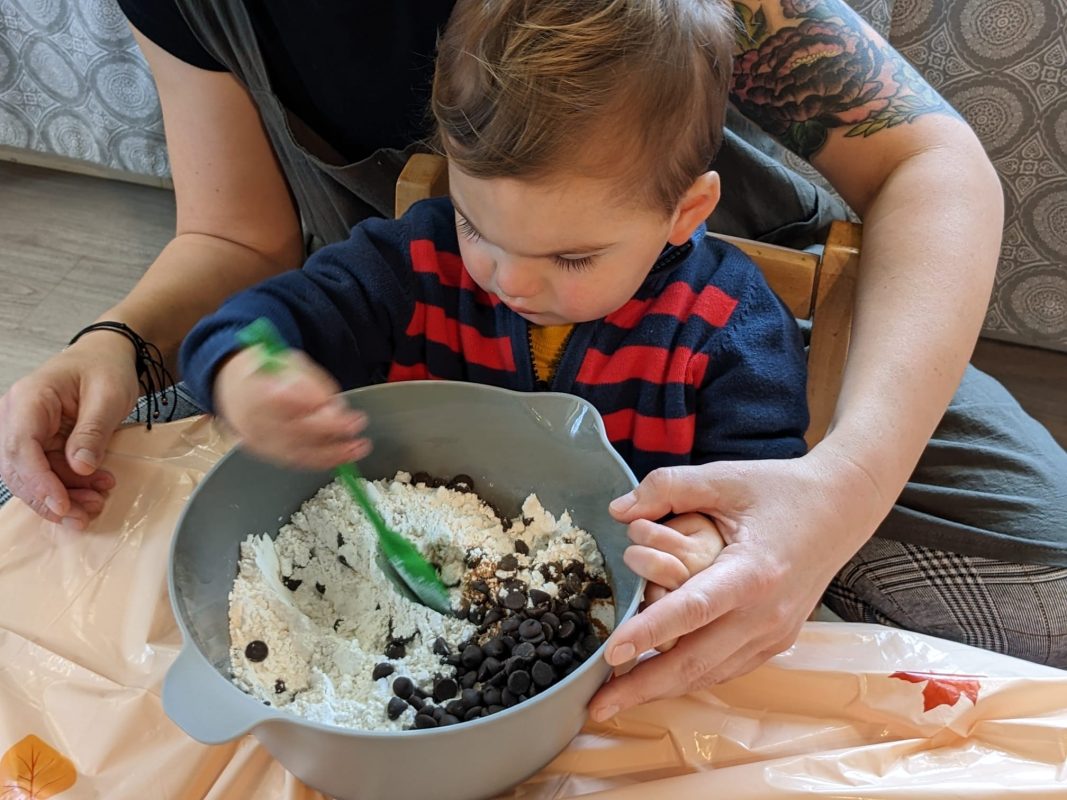
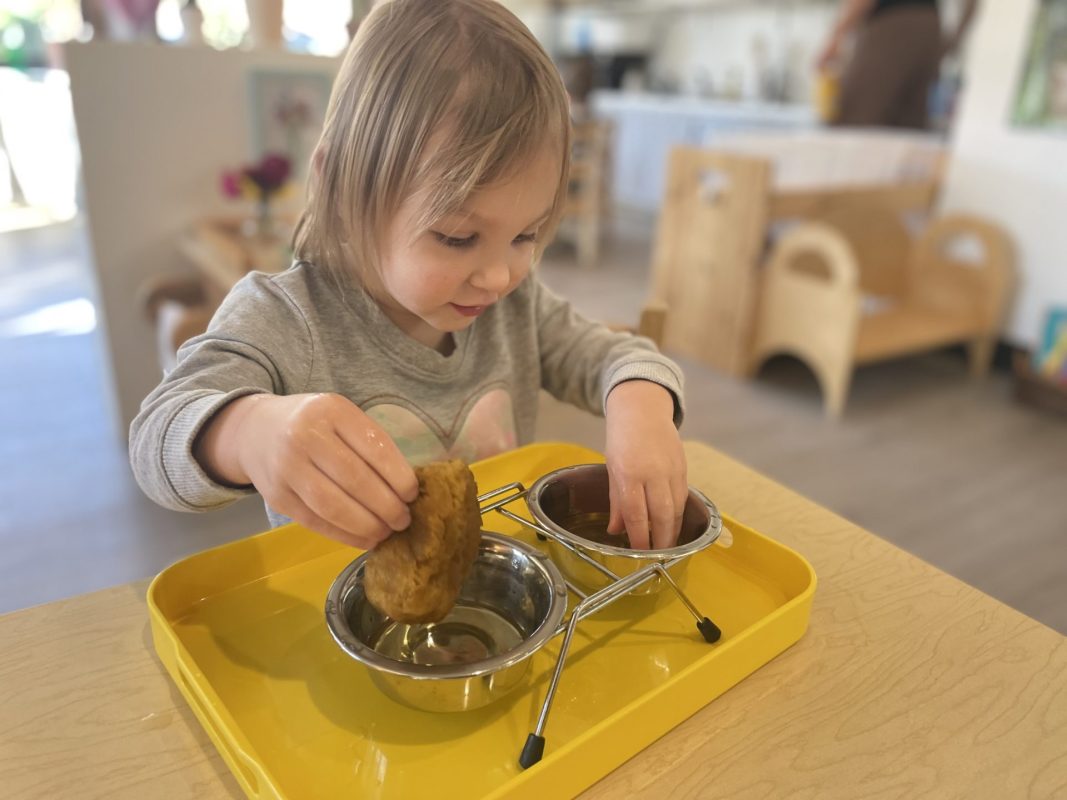
Last week Nicolas’s mom joined our classroom to make a special Brazilian Cheese Bread (Pao de Queijo). Giving the children the experience to cook offers them so much information. They learn new vocabulary by labeling: the utensils, the ingredients, the action, the senses, etc. The children took turns whisking some eggs, adding the ingredients, and mixing with their hands. Then they all helped “roll” the dough into balls. Some of the children went with Vanessa to put the bread into the oven. Once it was done the children sat together to eat the delicious, warm Pao de Queijo.

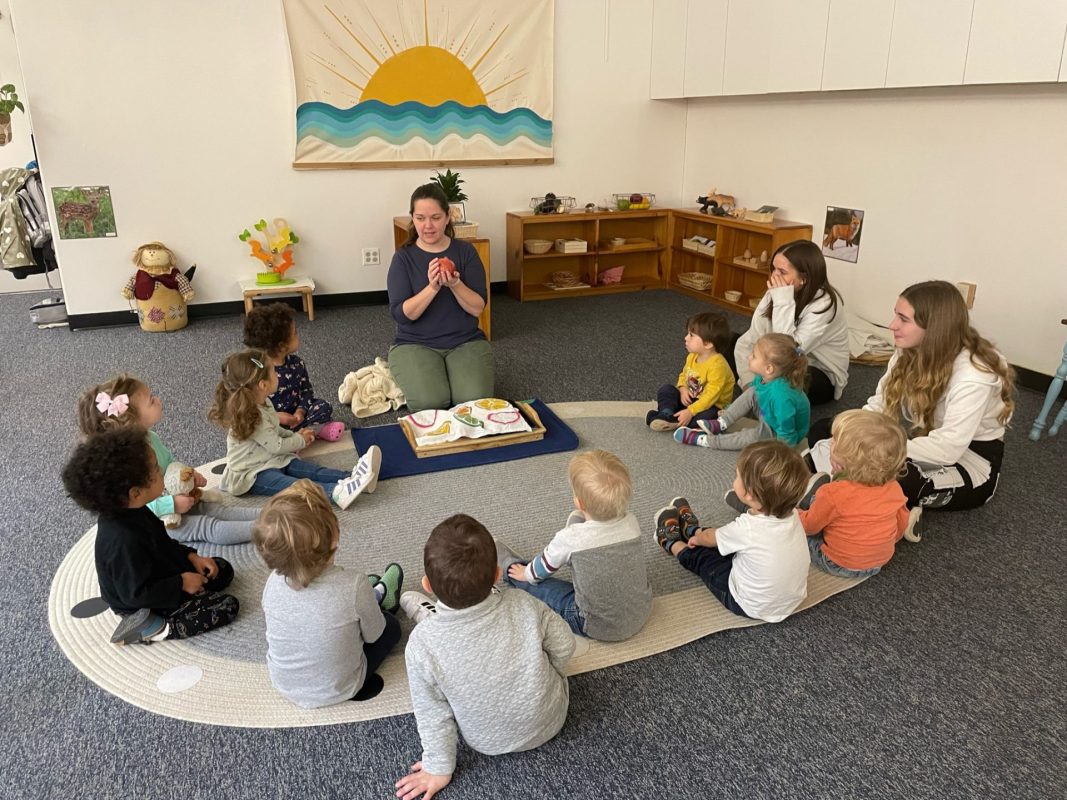
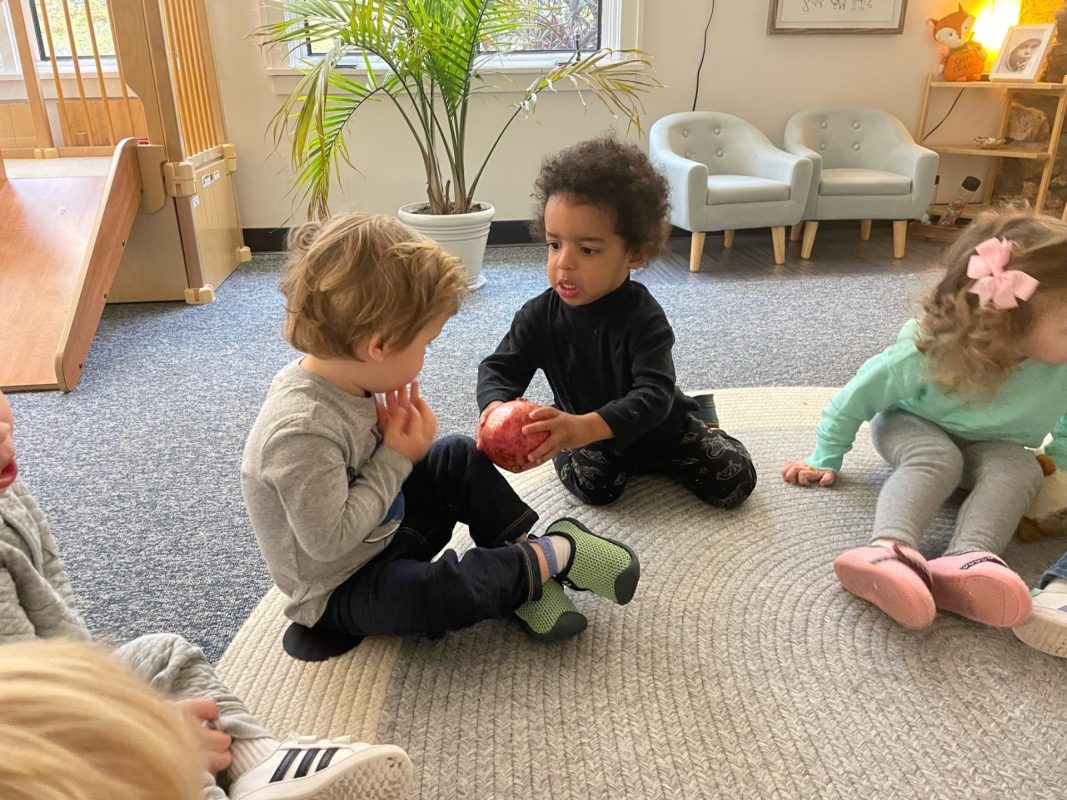
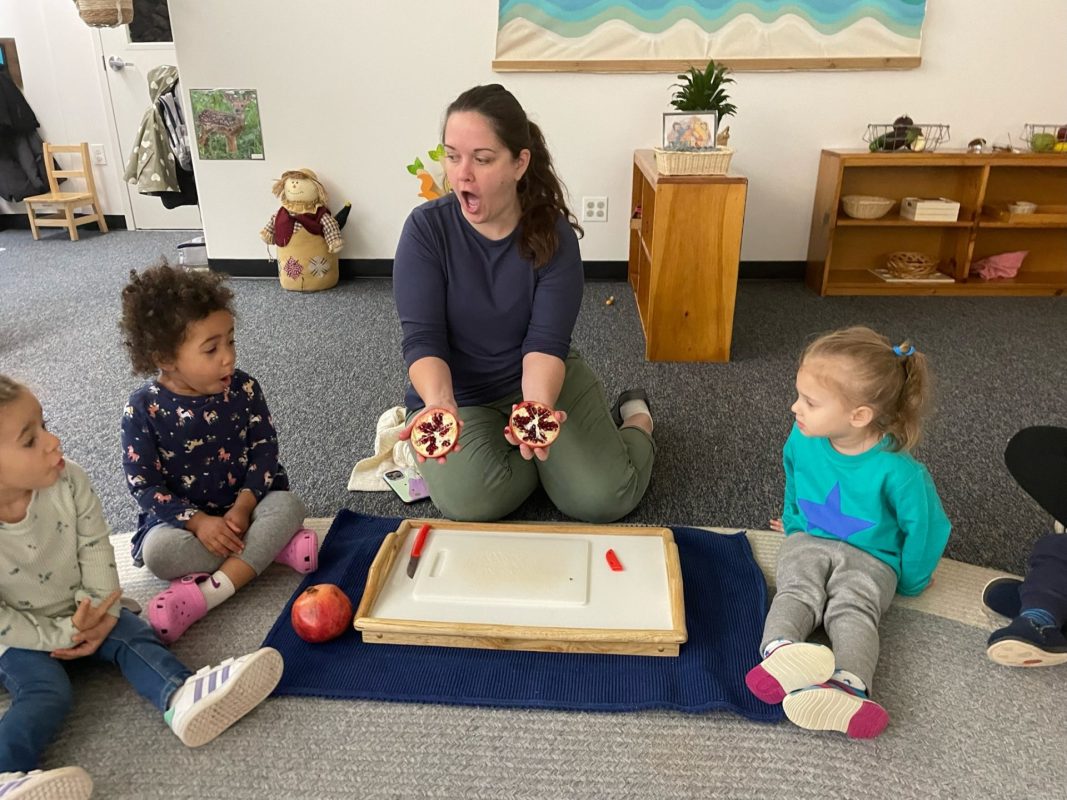
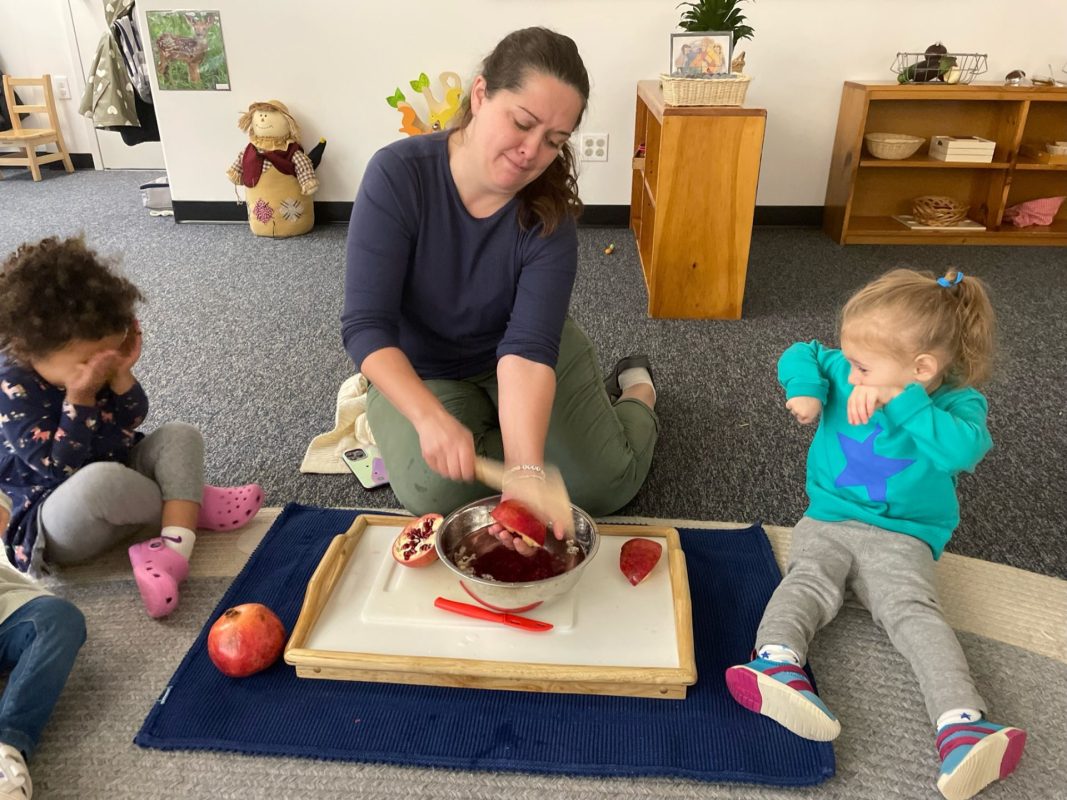
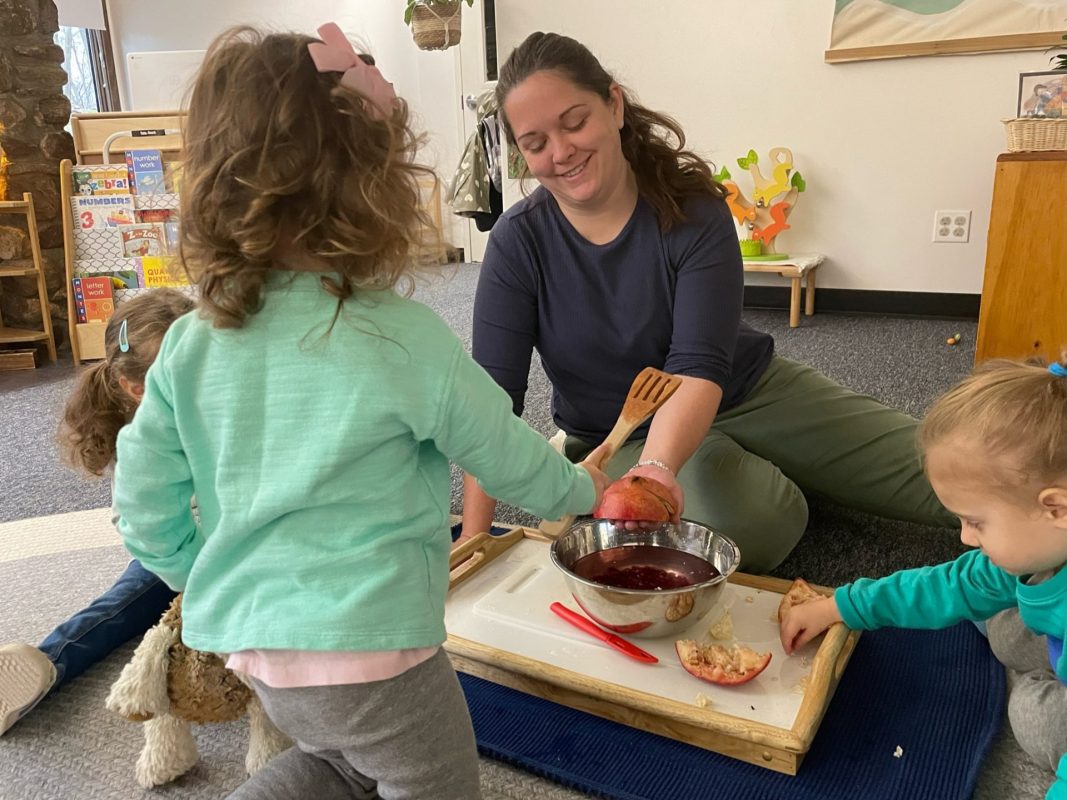
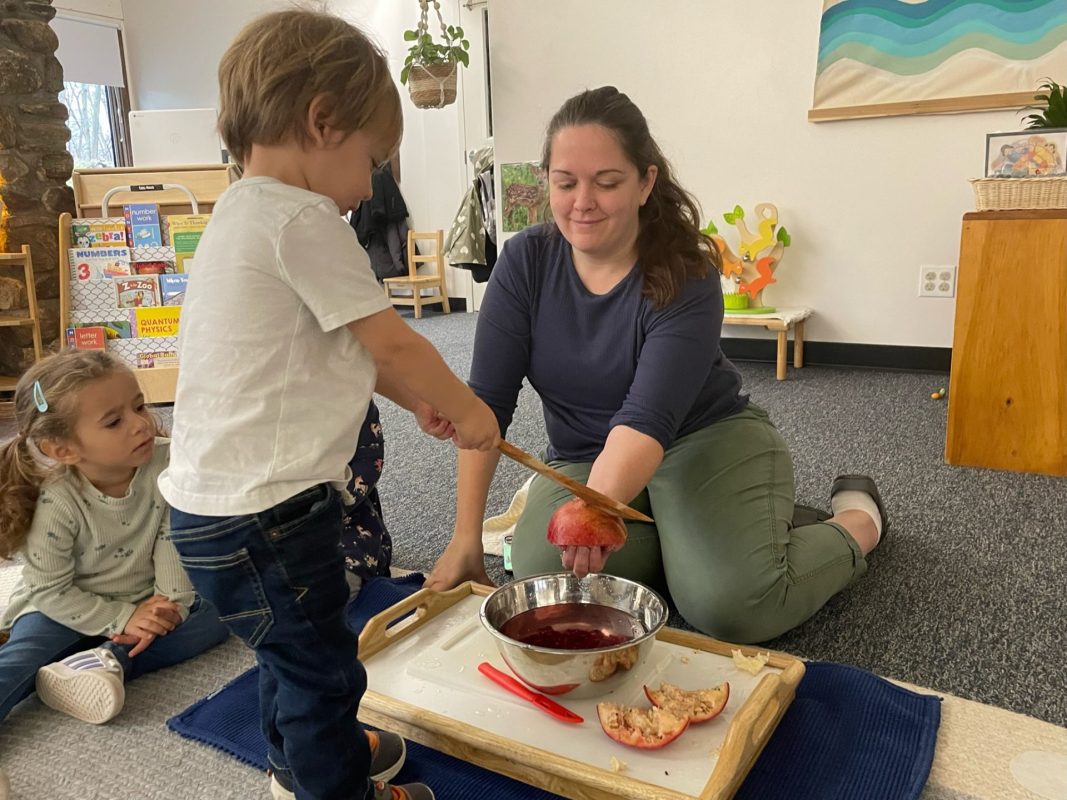
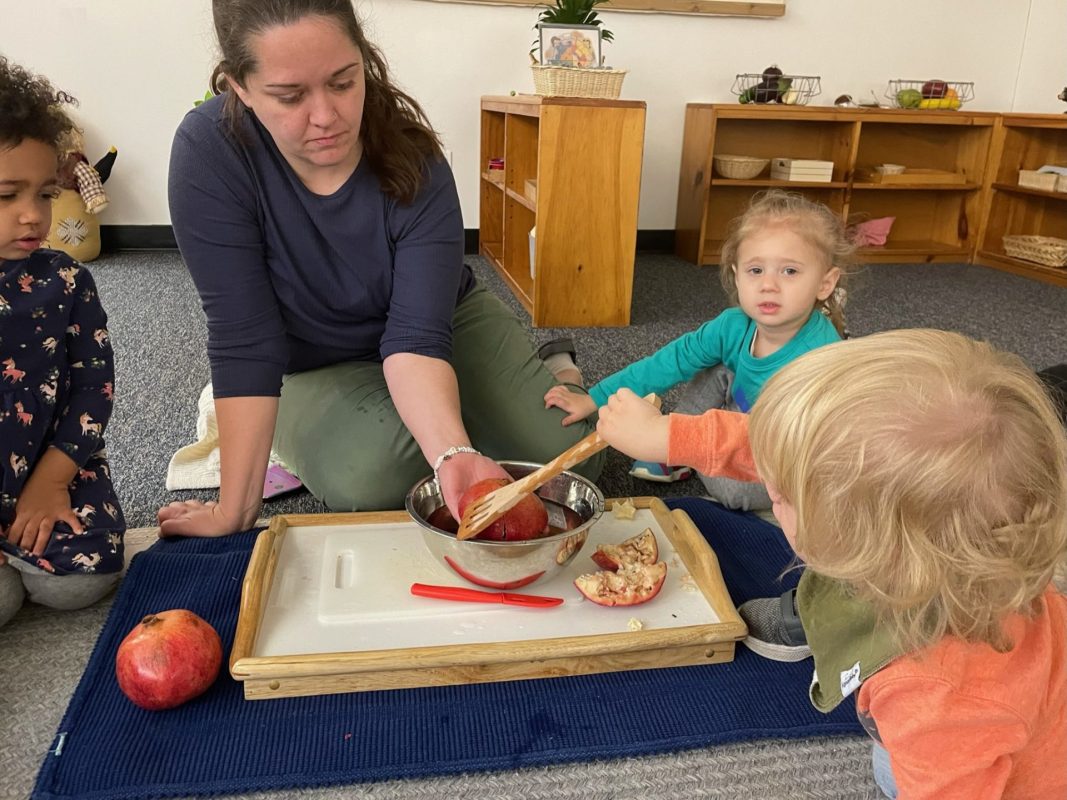
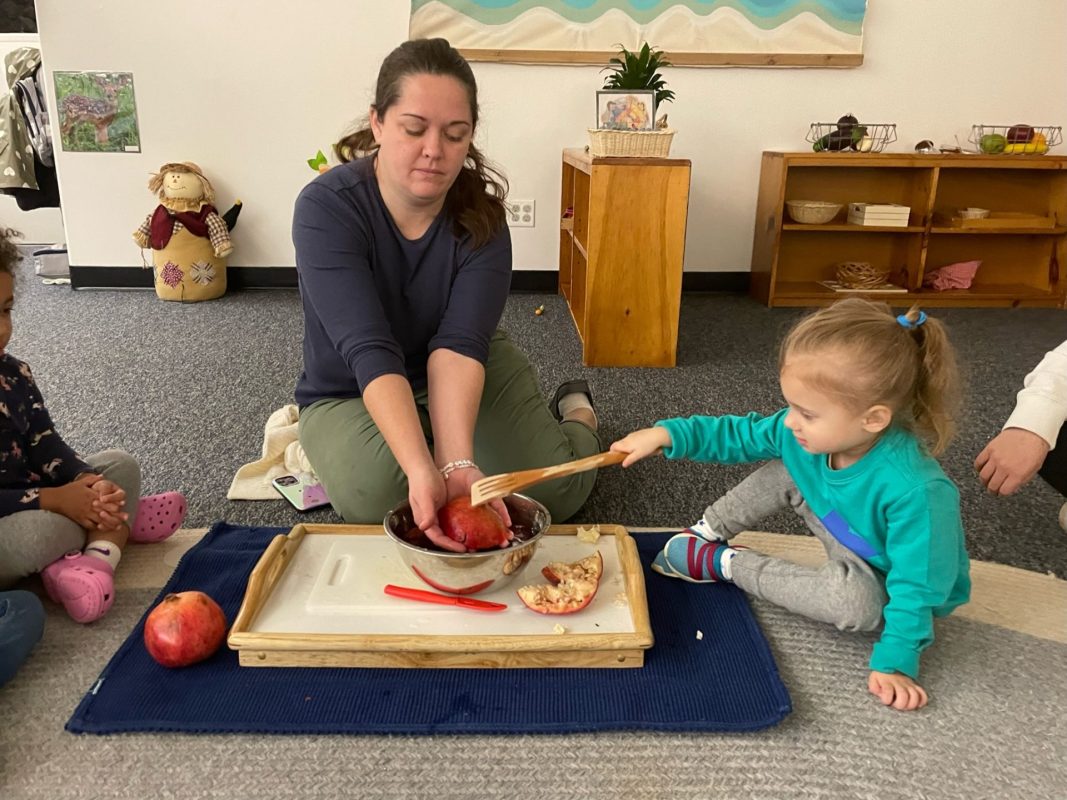
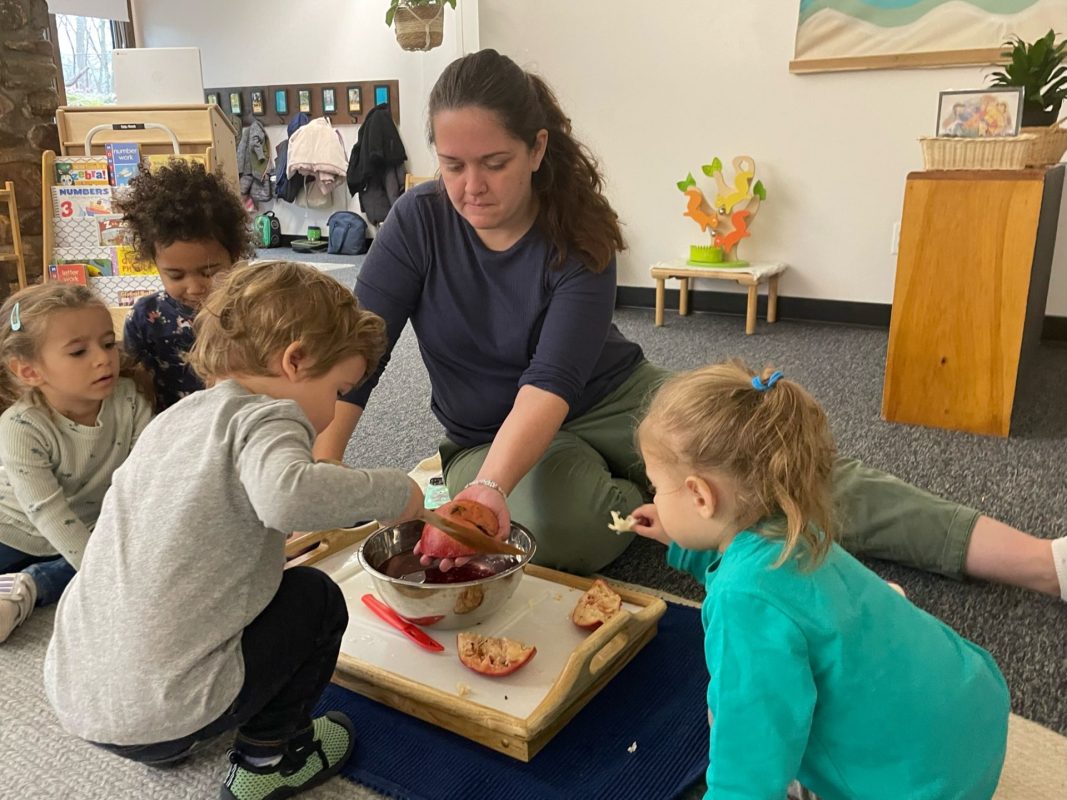
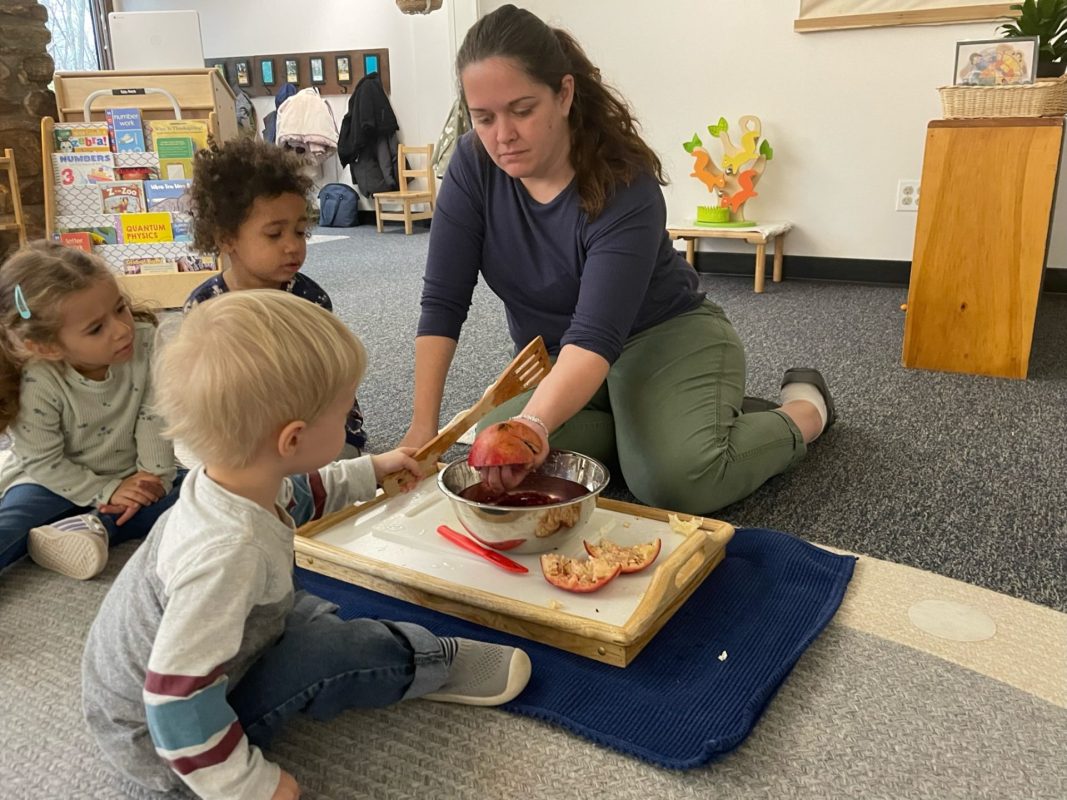
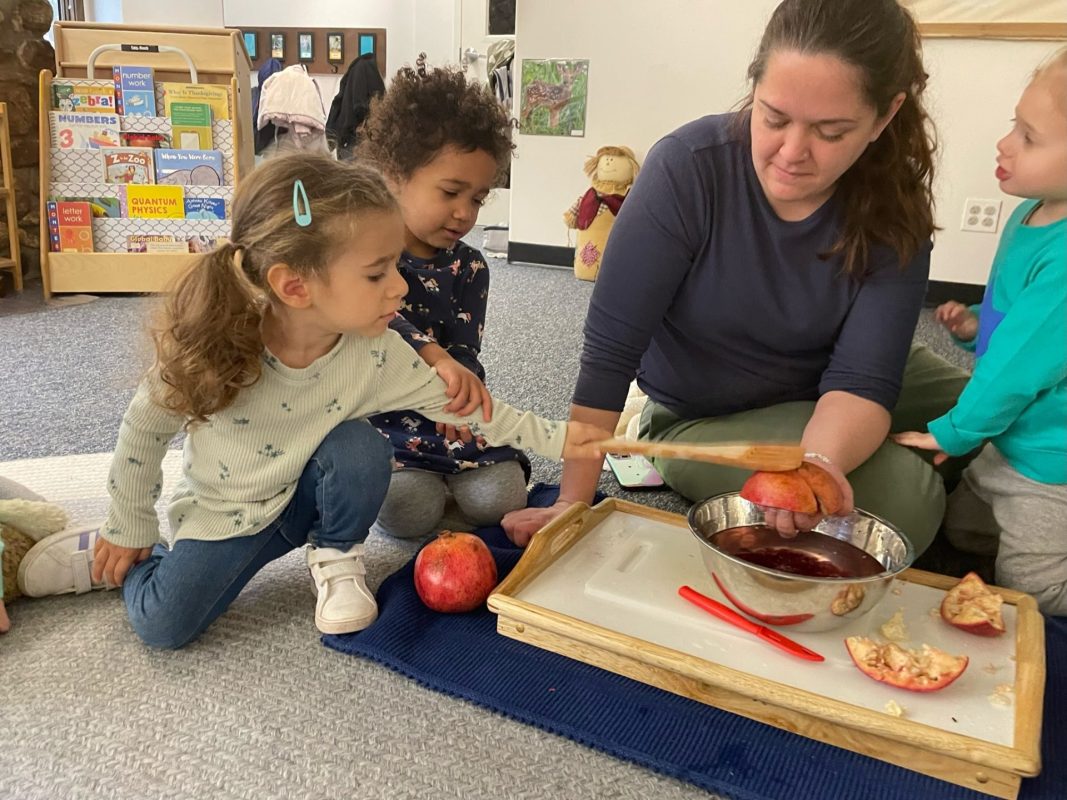
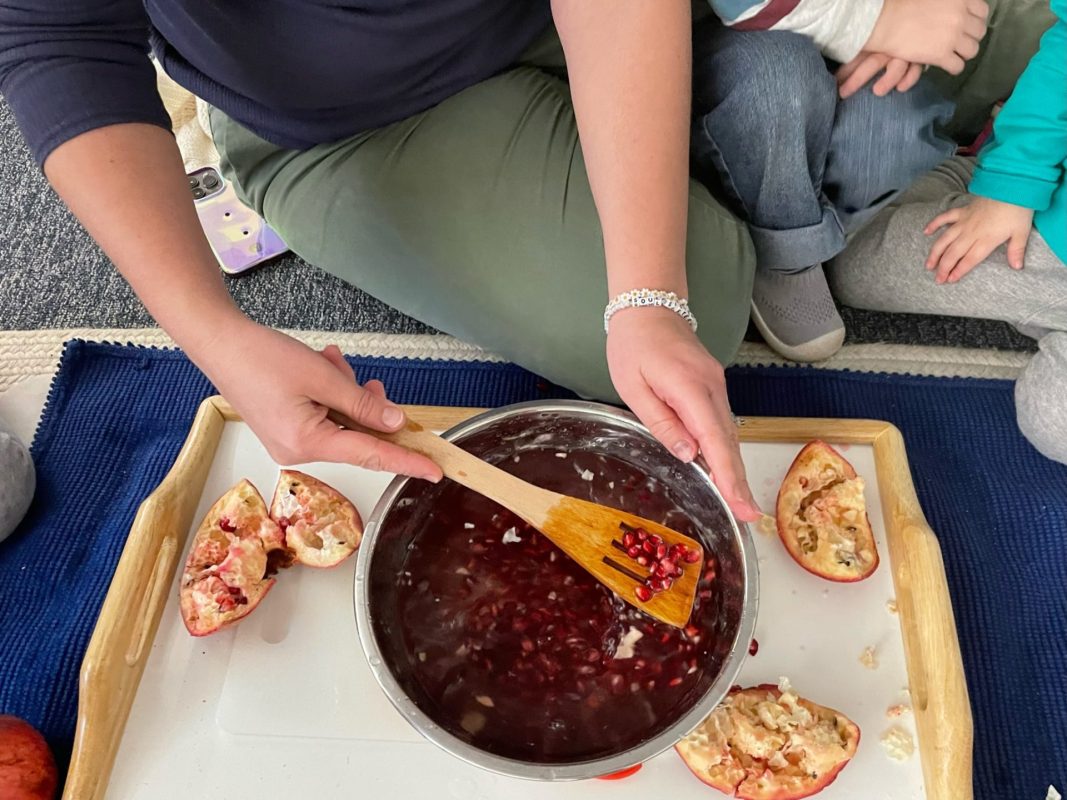
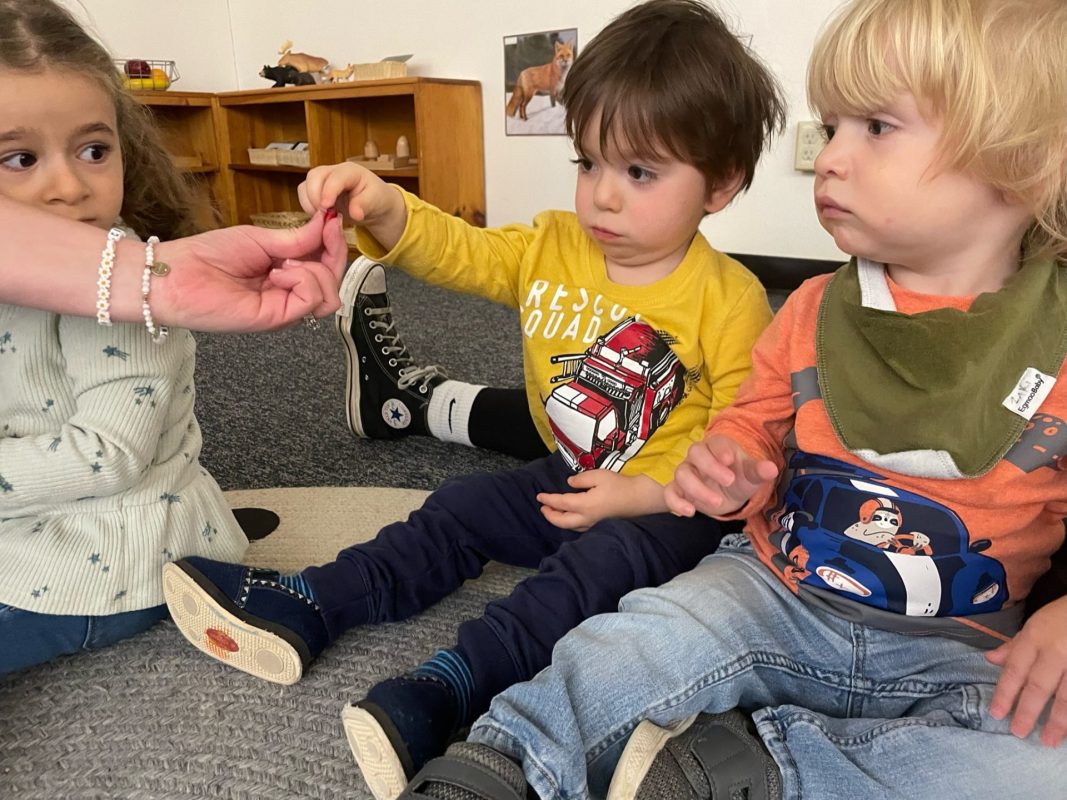
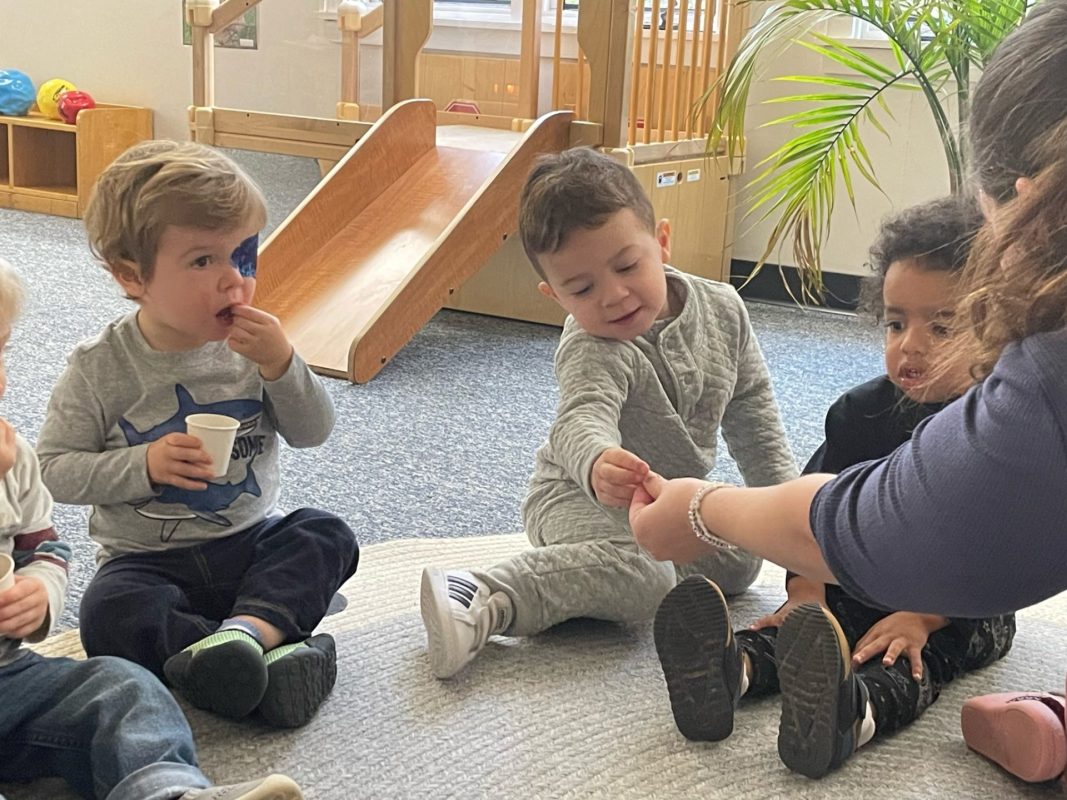
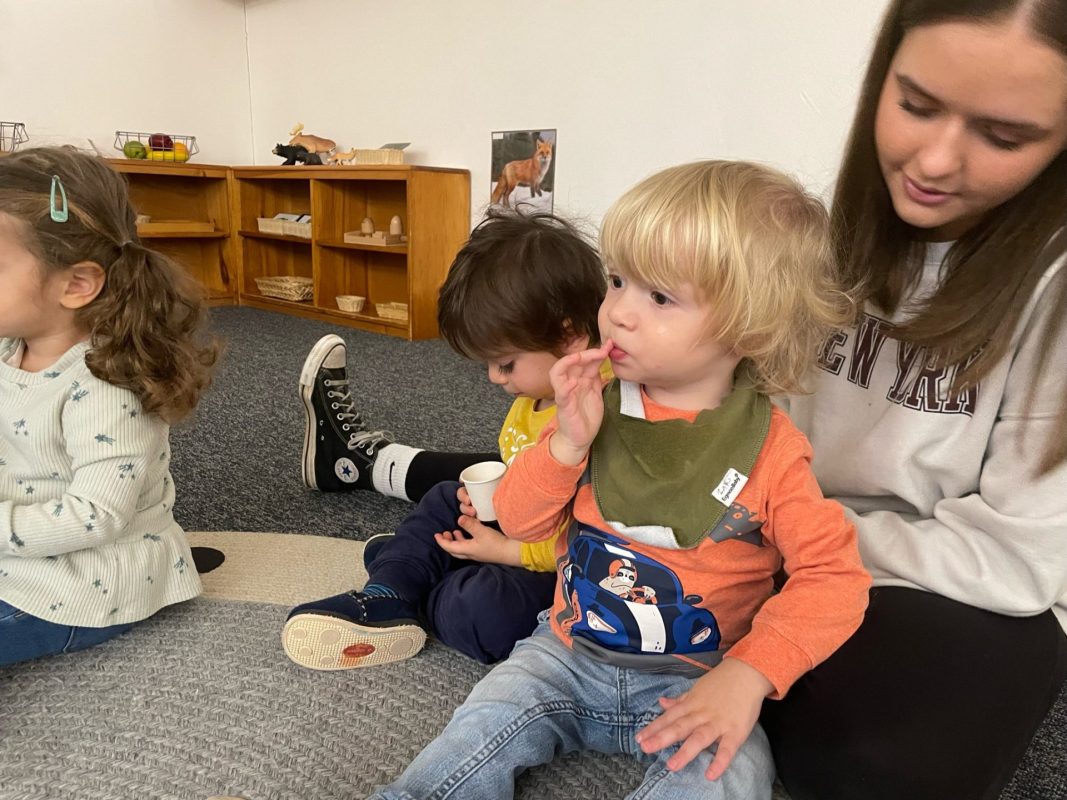
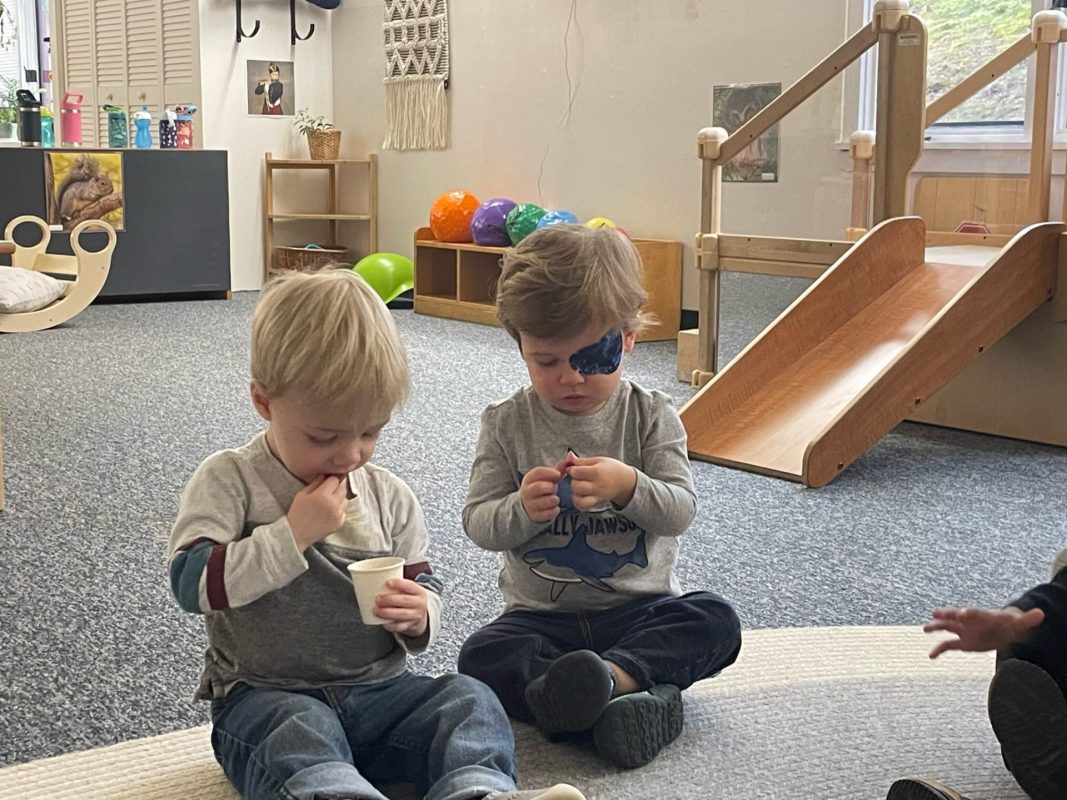
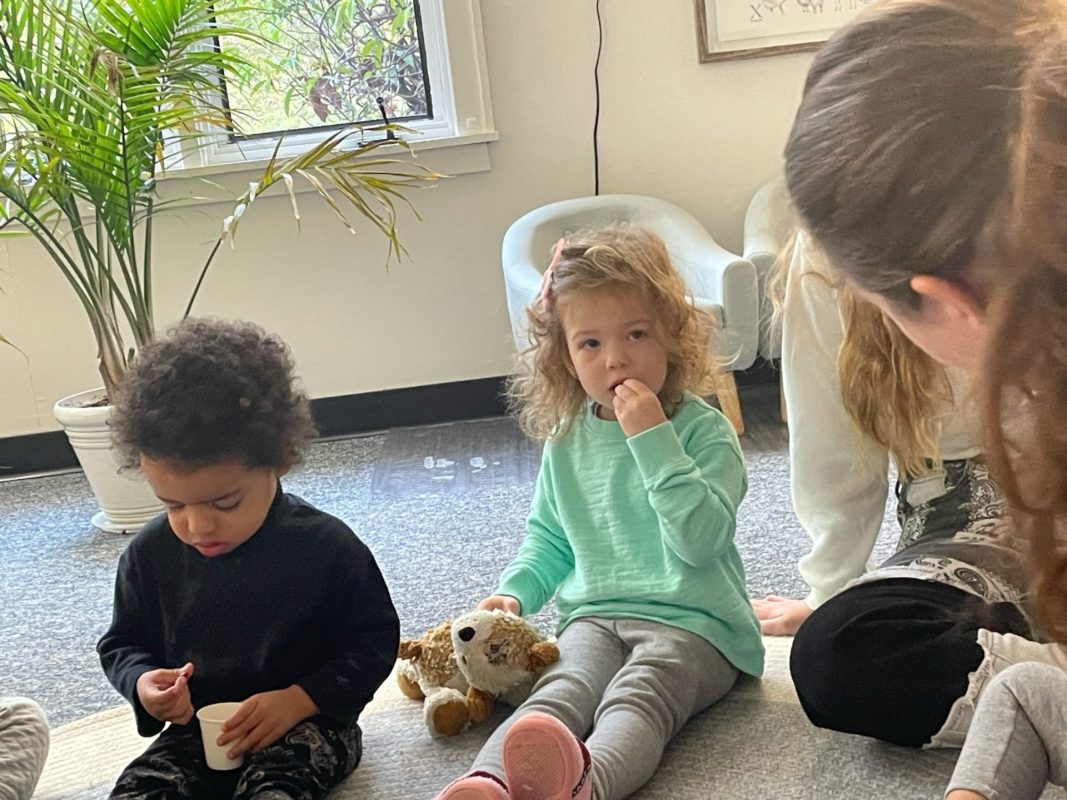
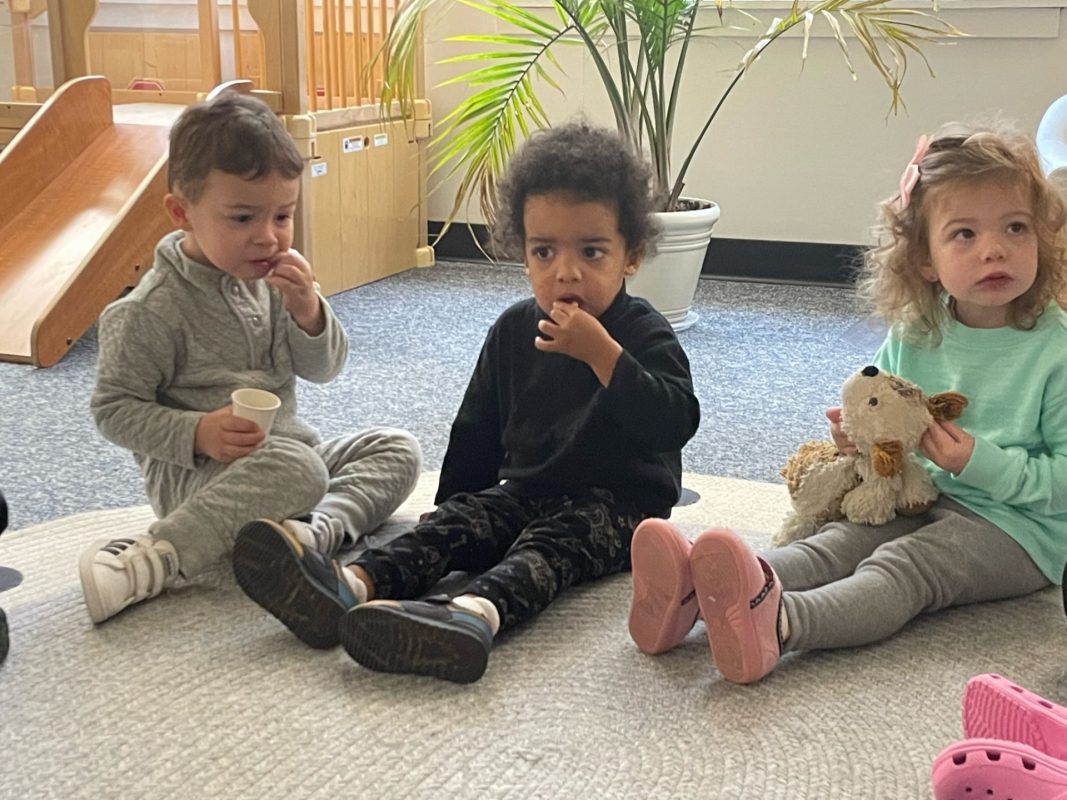
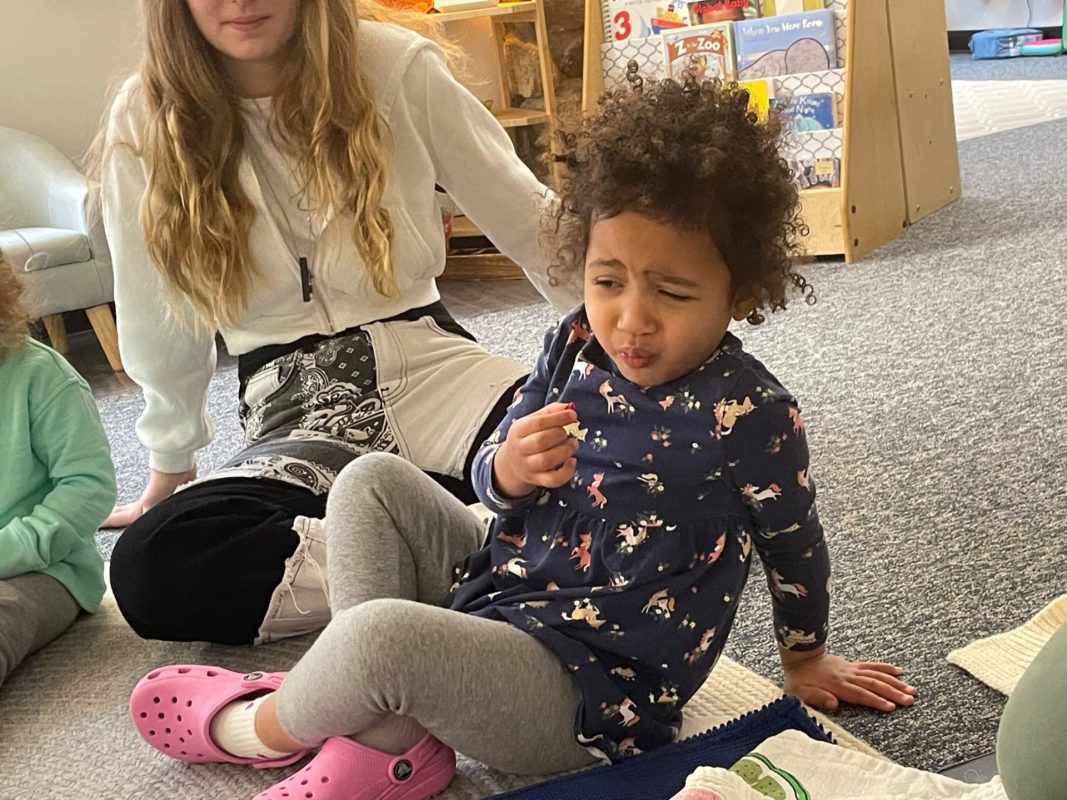
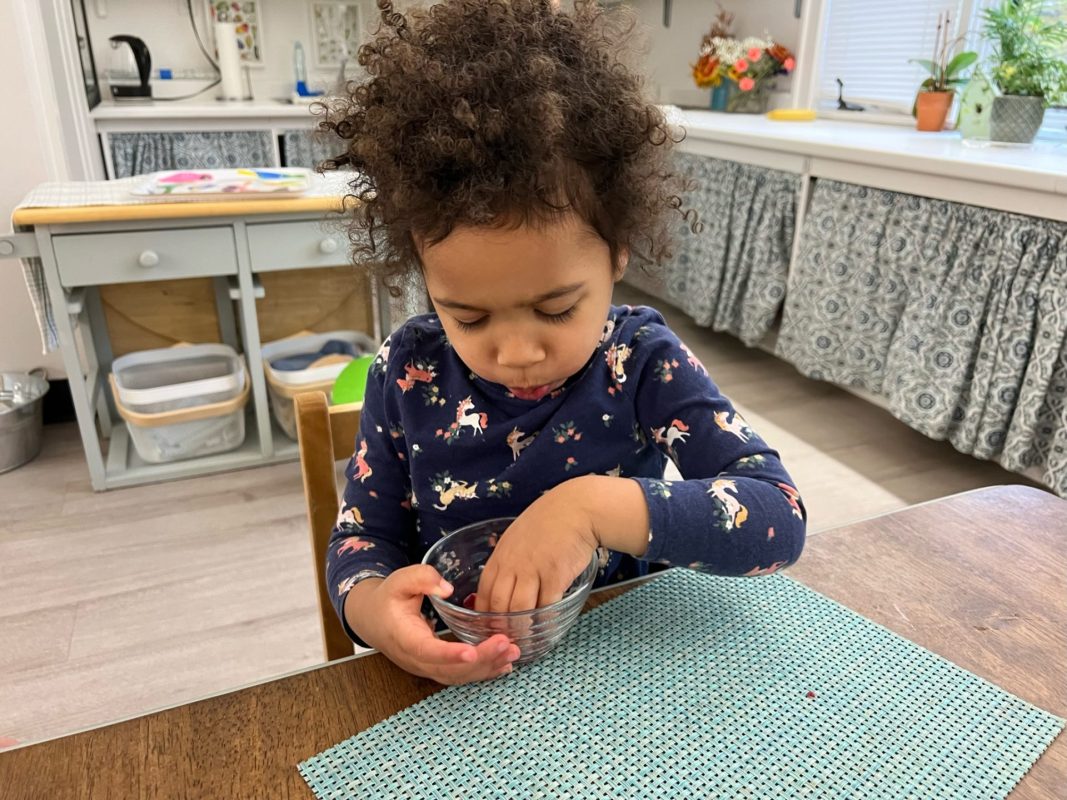
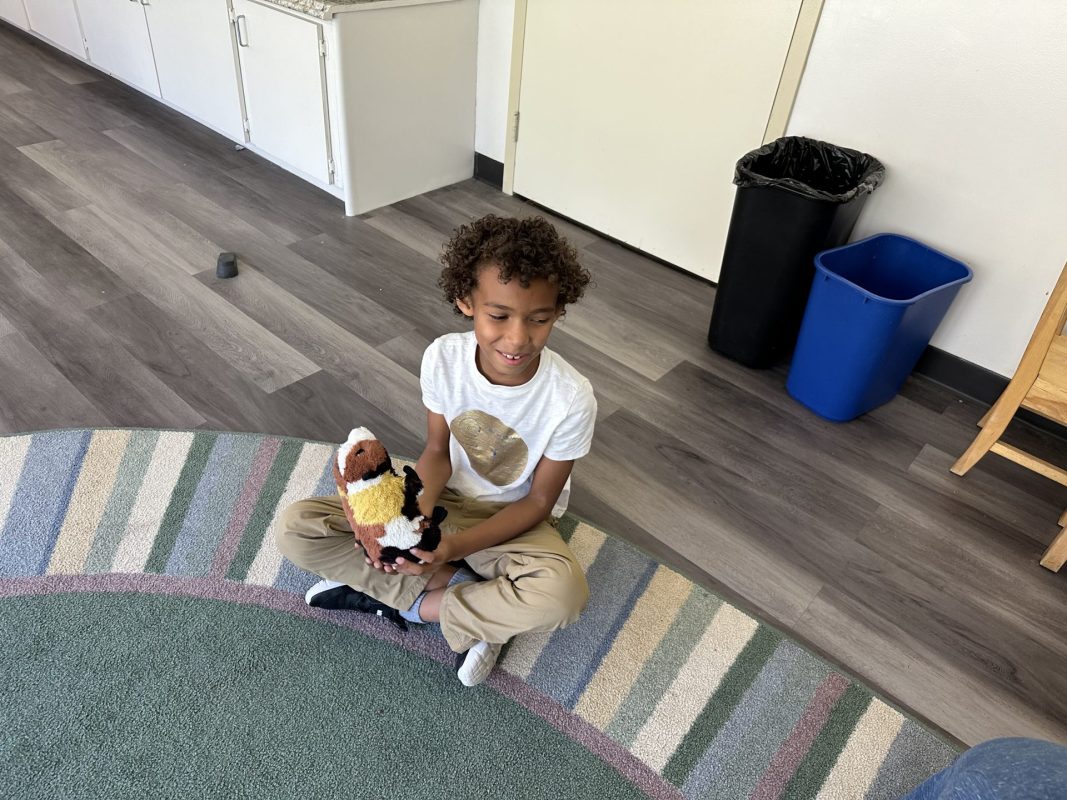
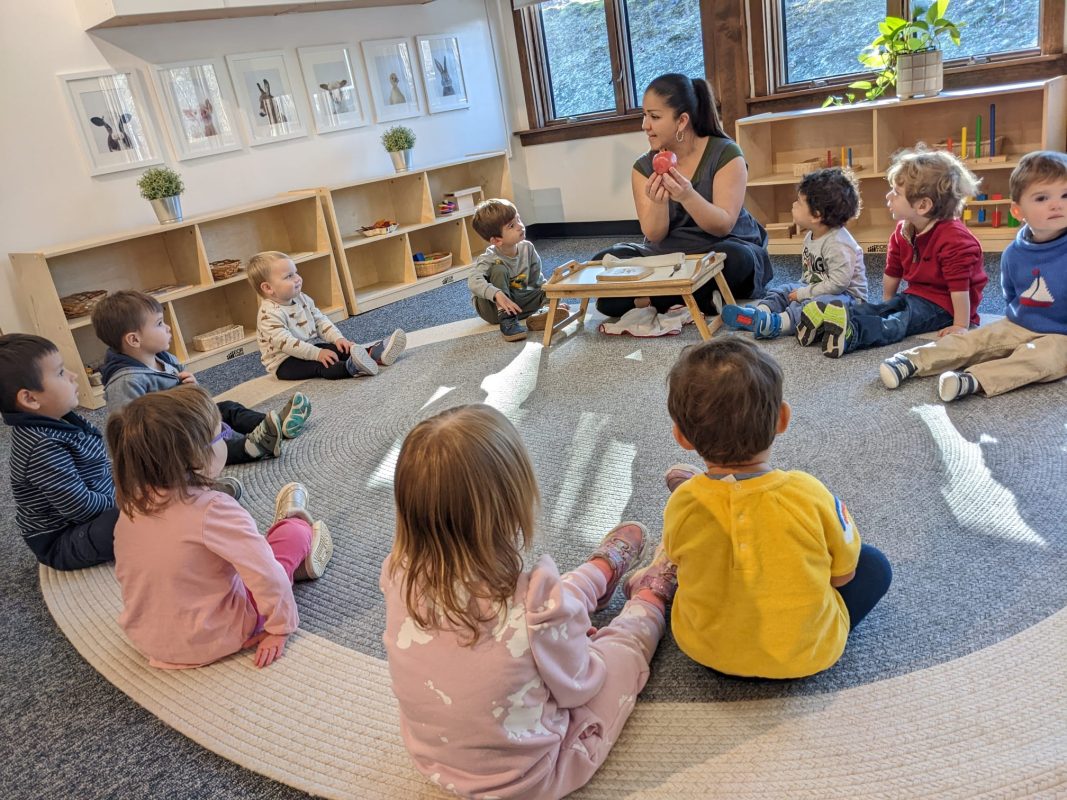
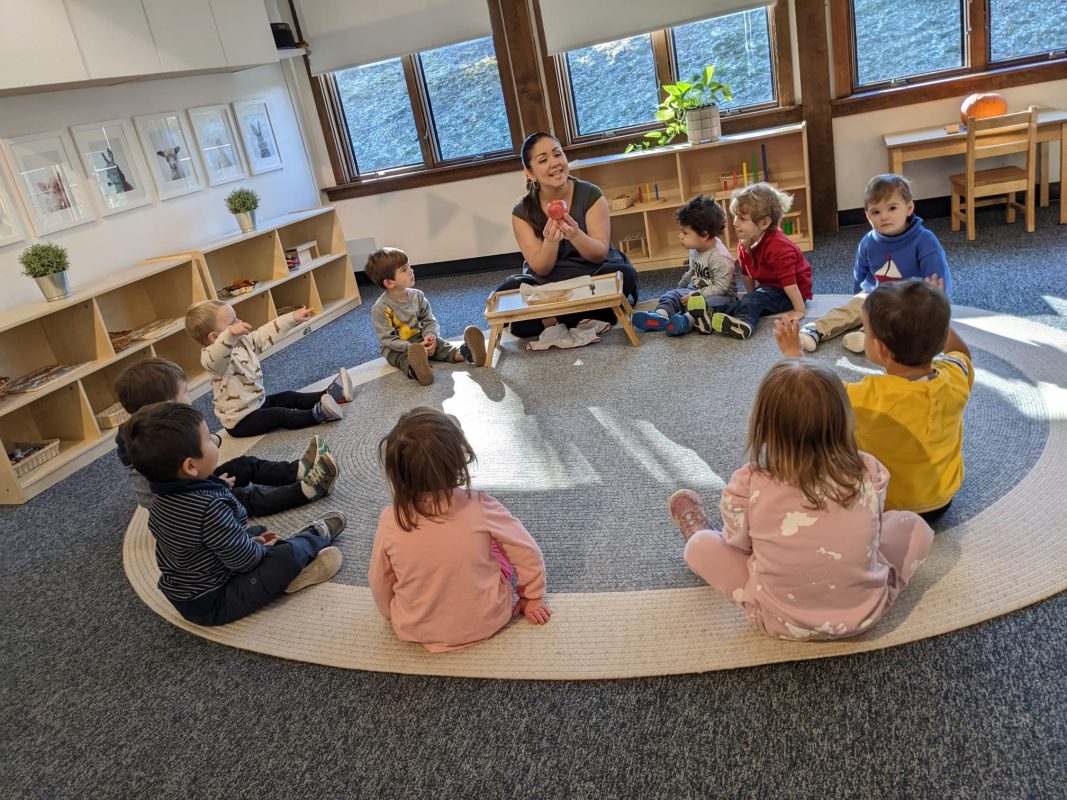
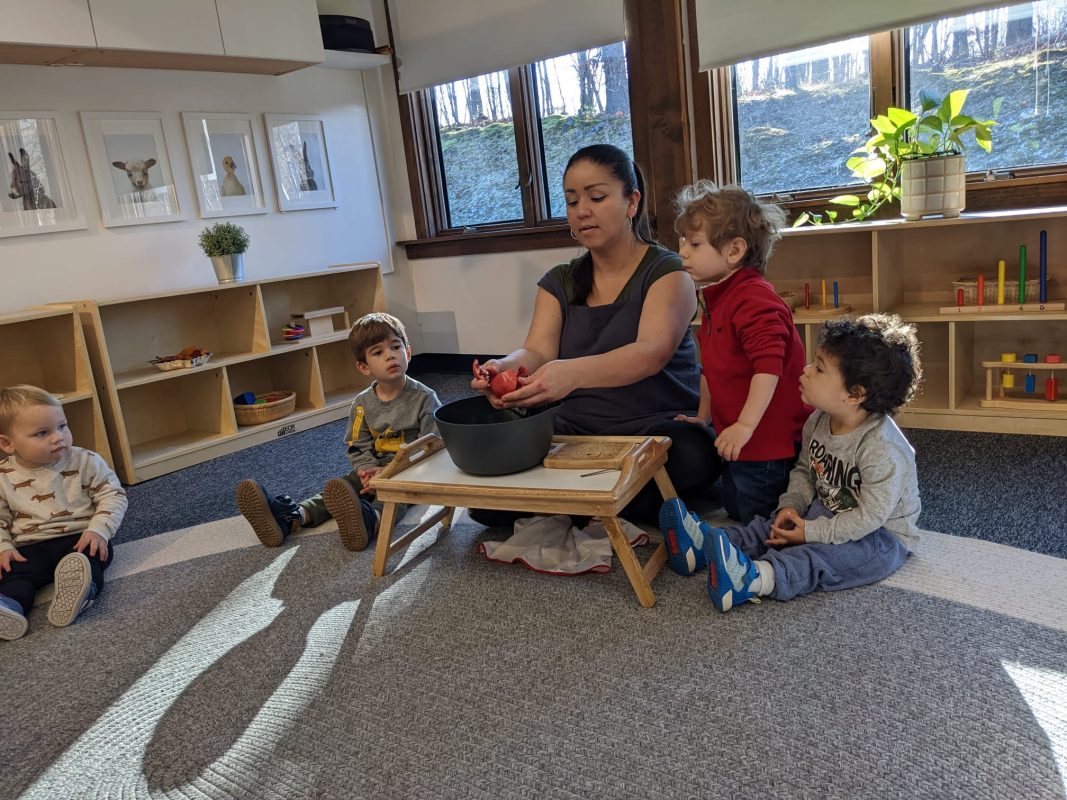
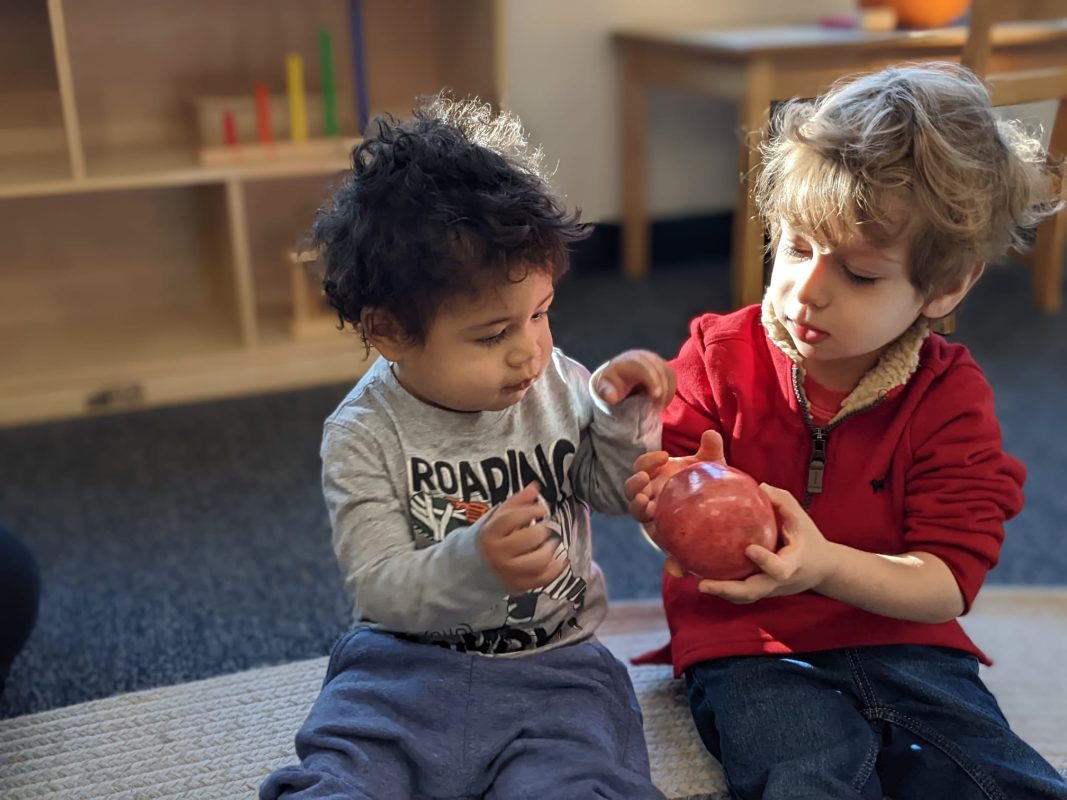
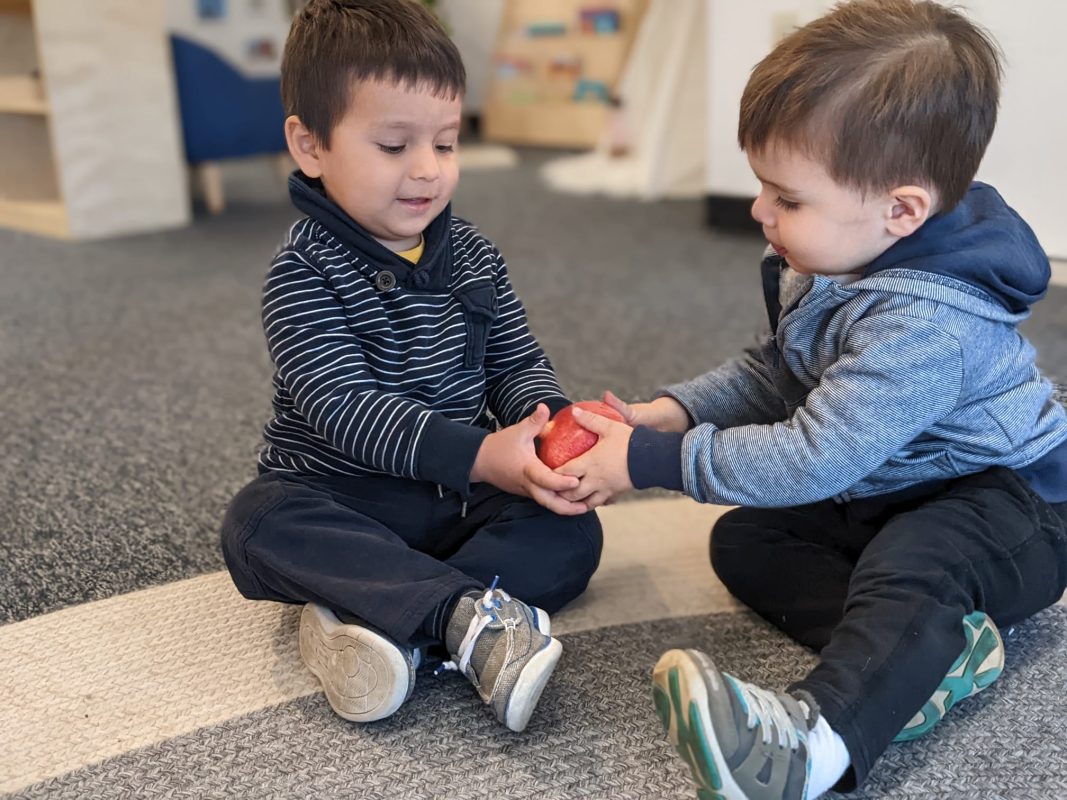
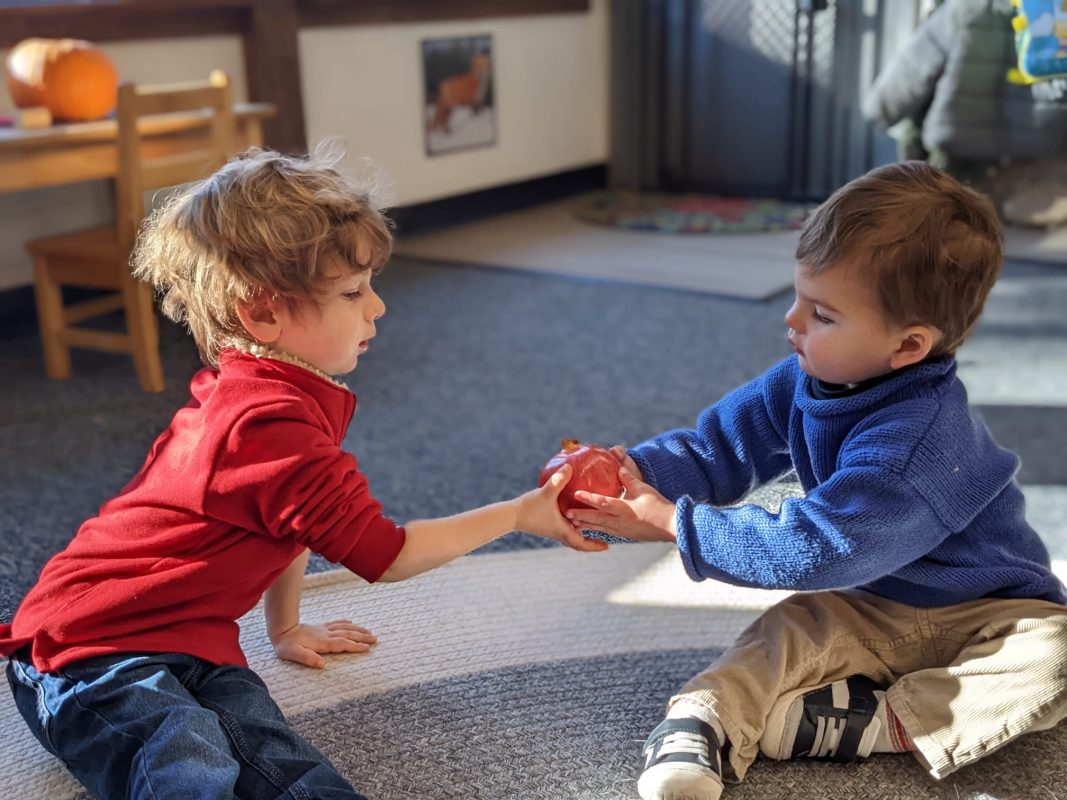
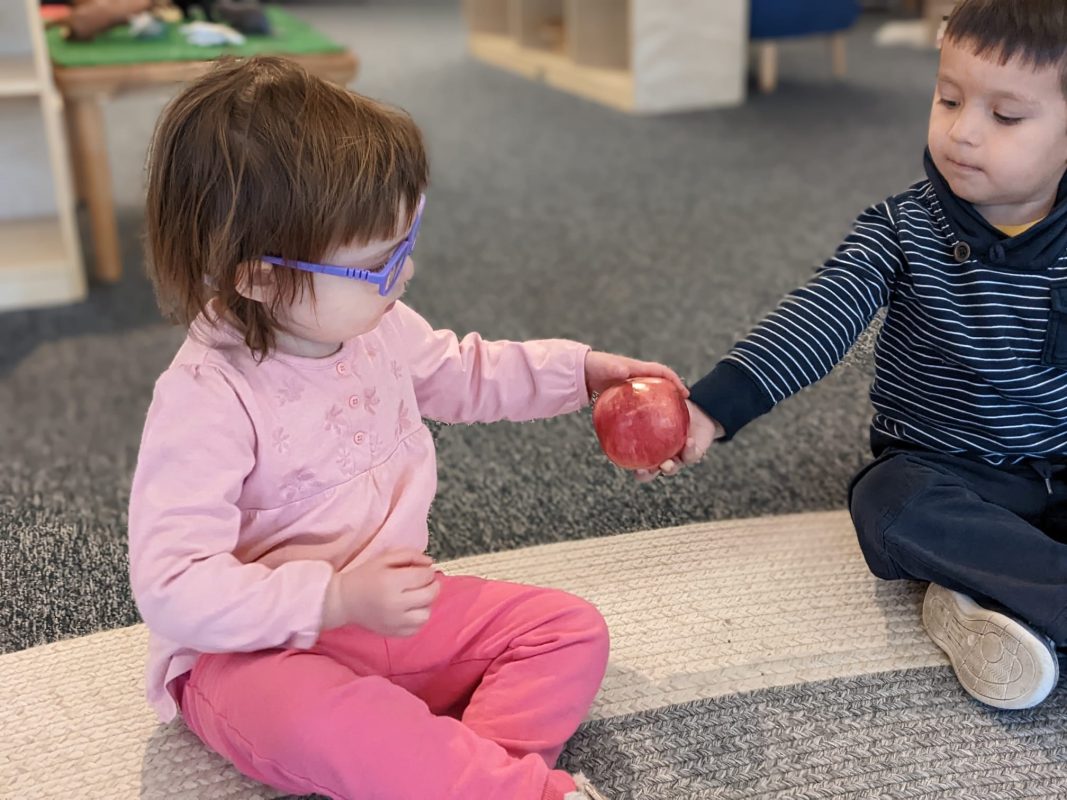
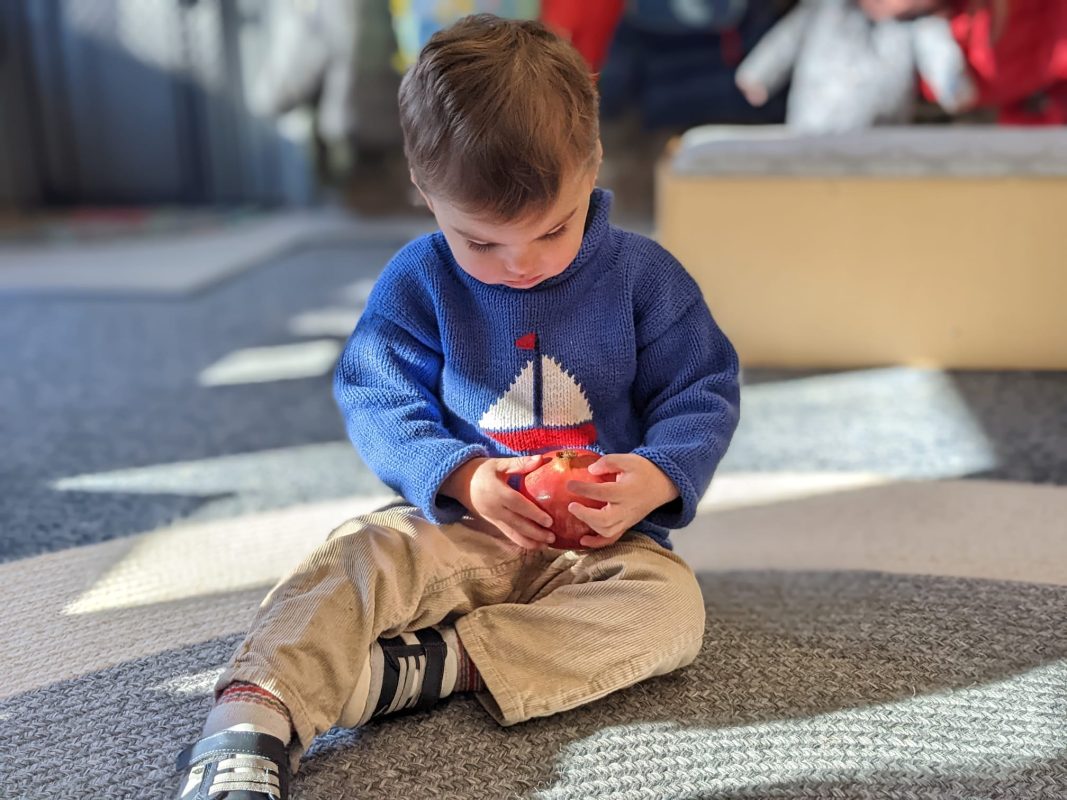
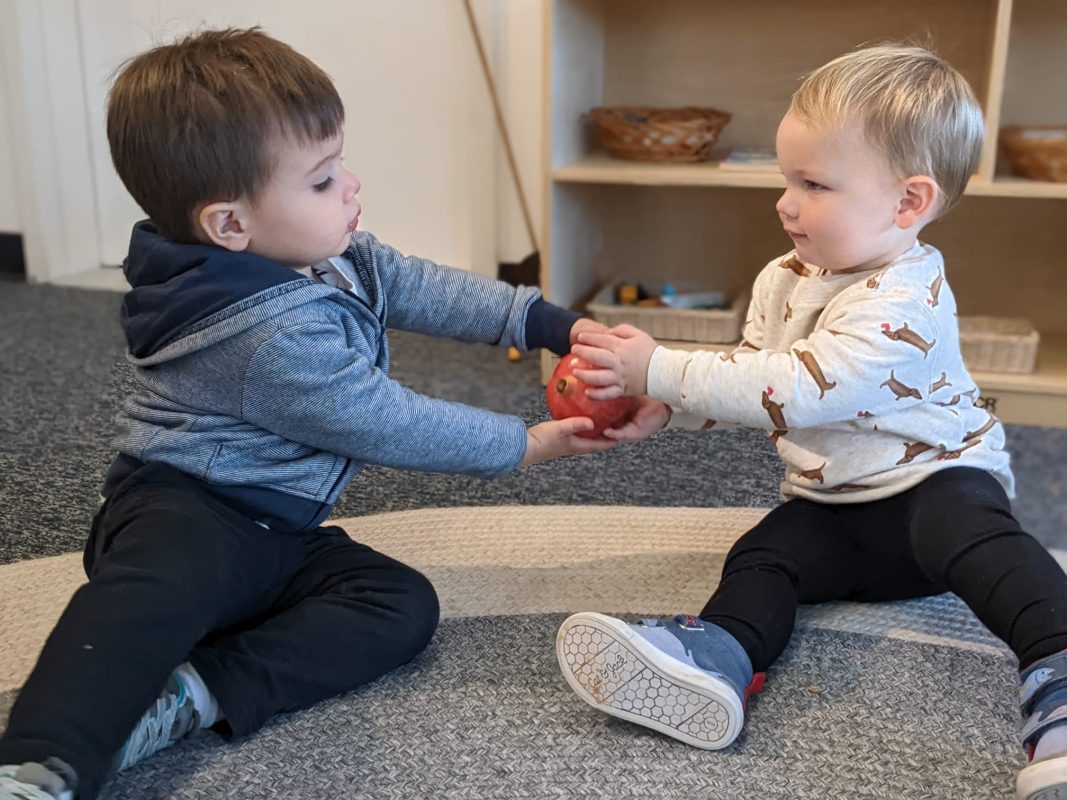
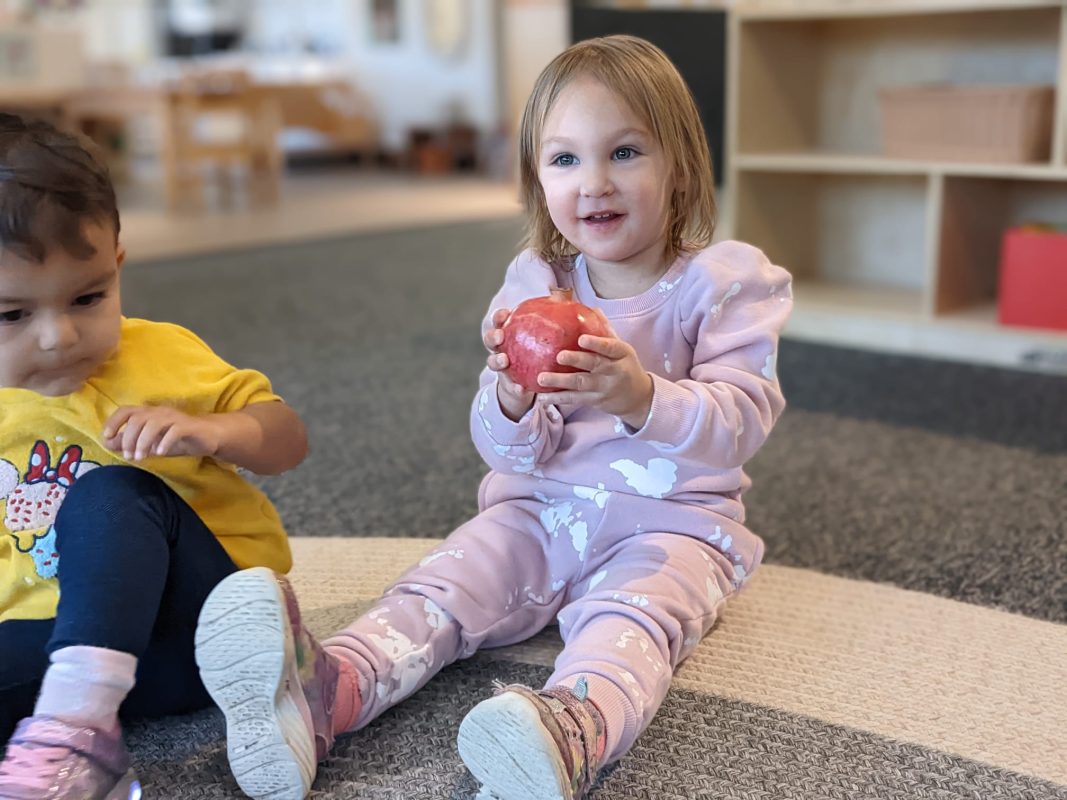
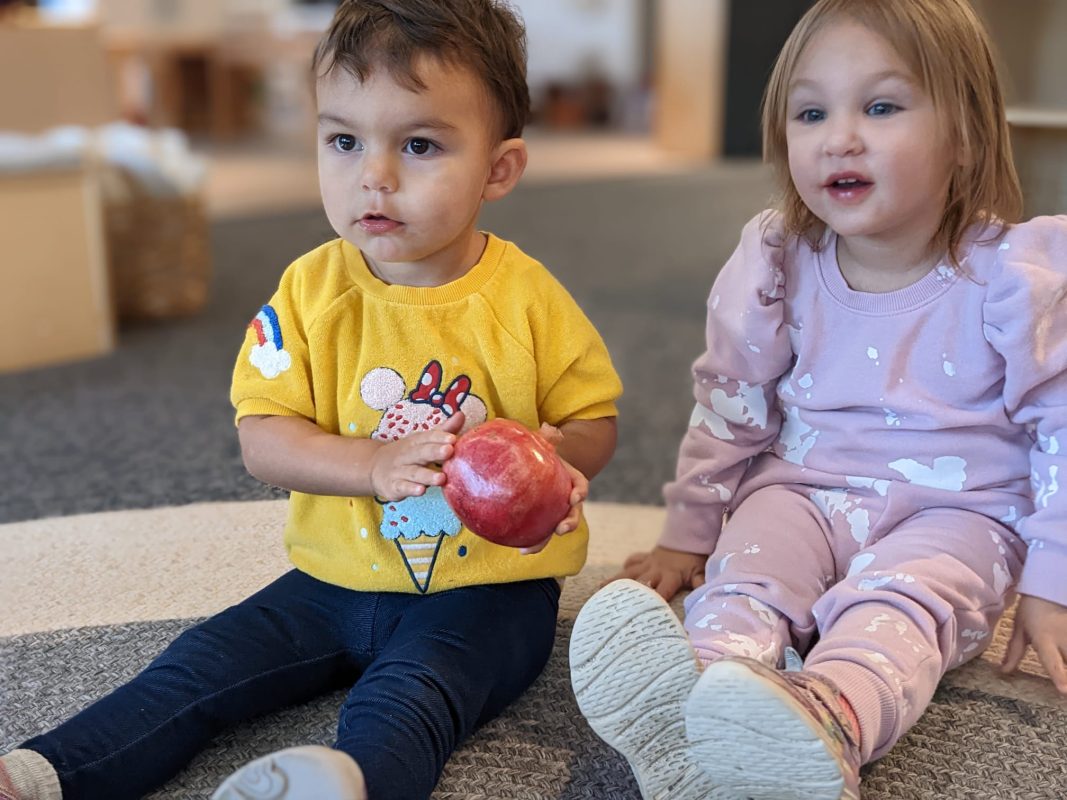
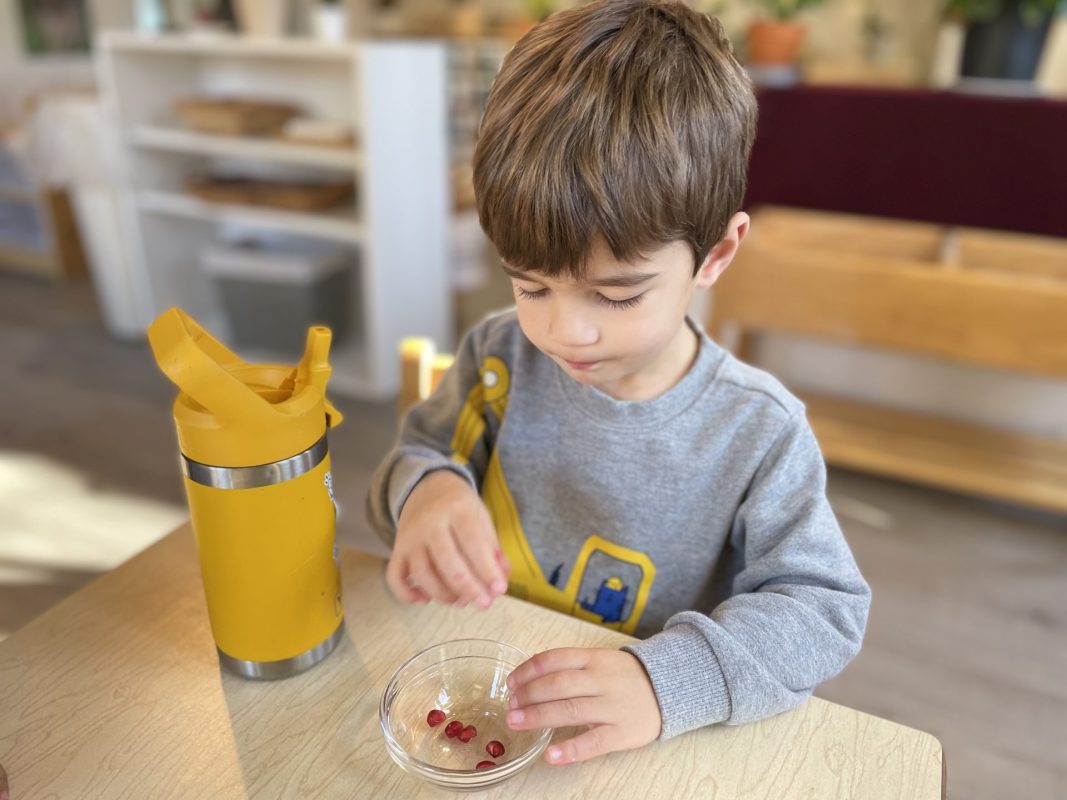
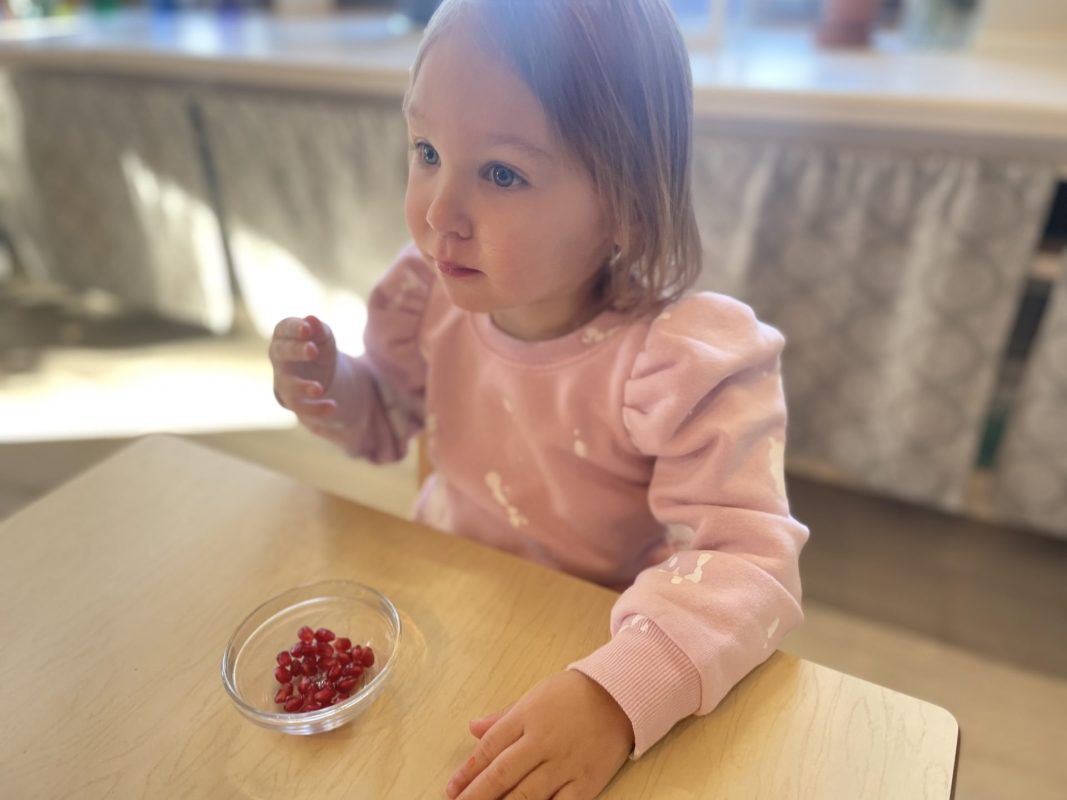
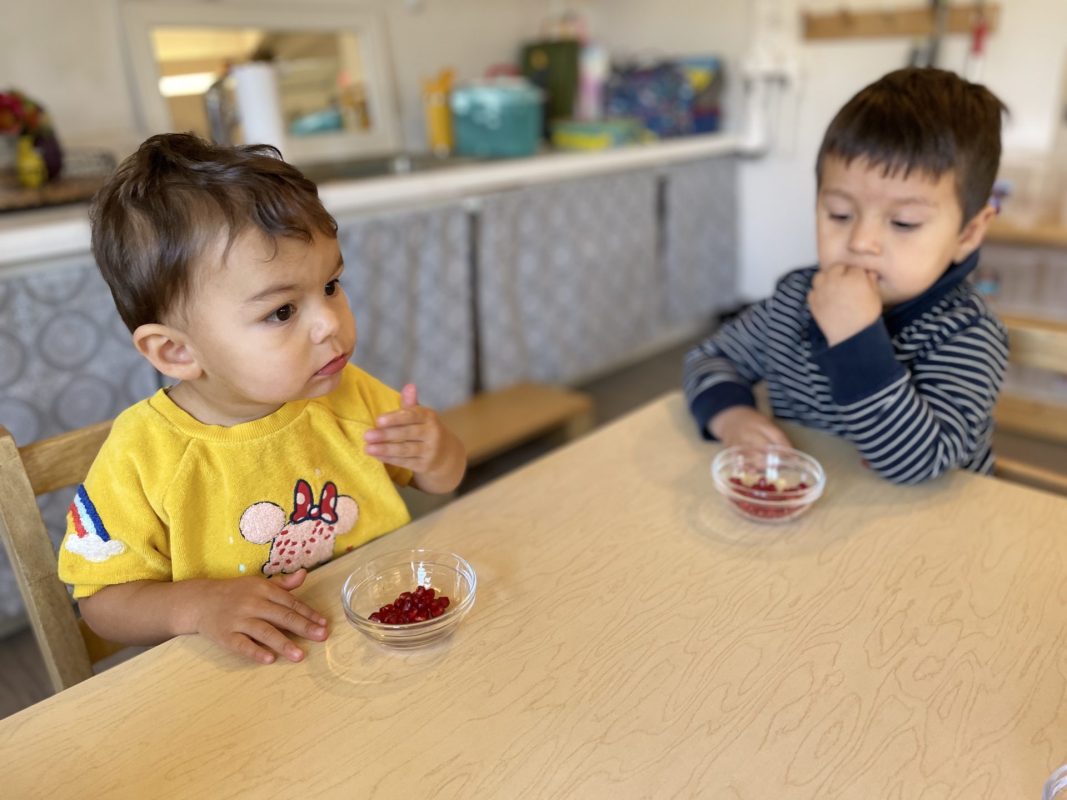
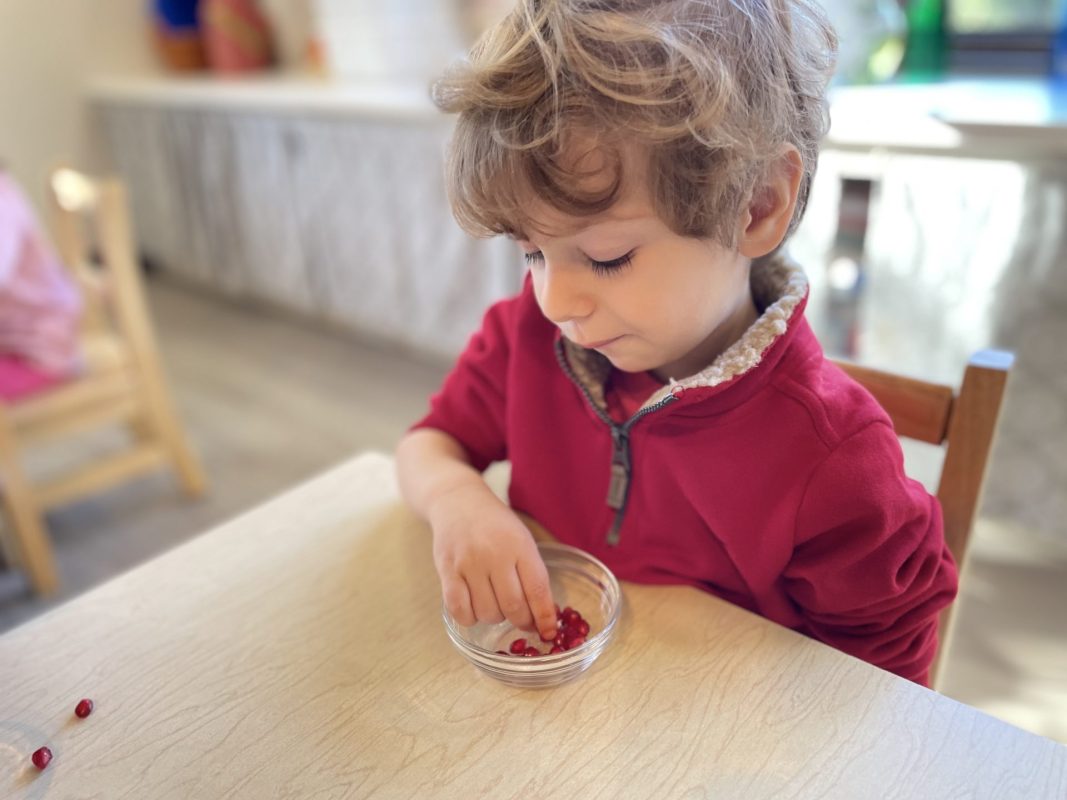
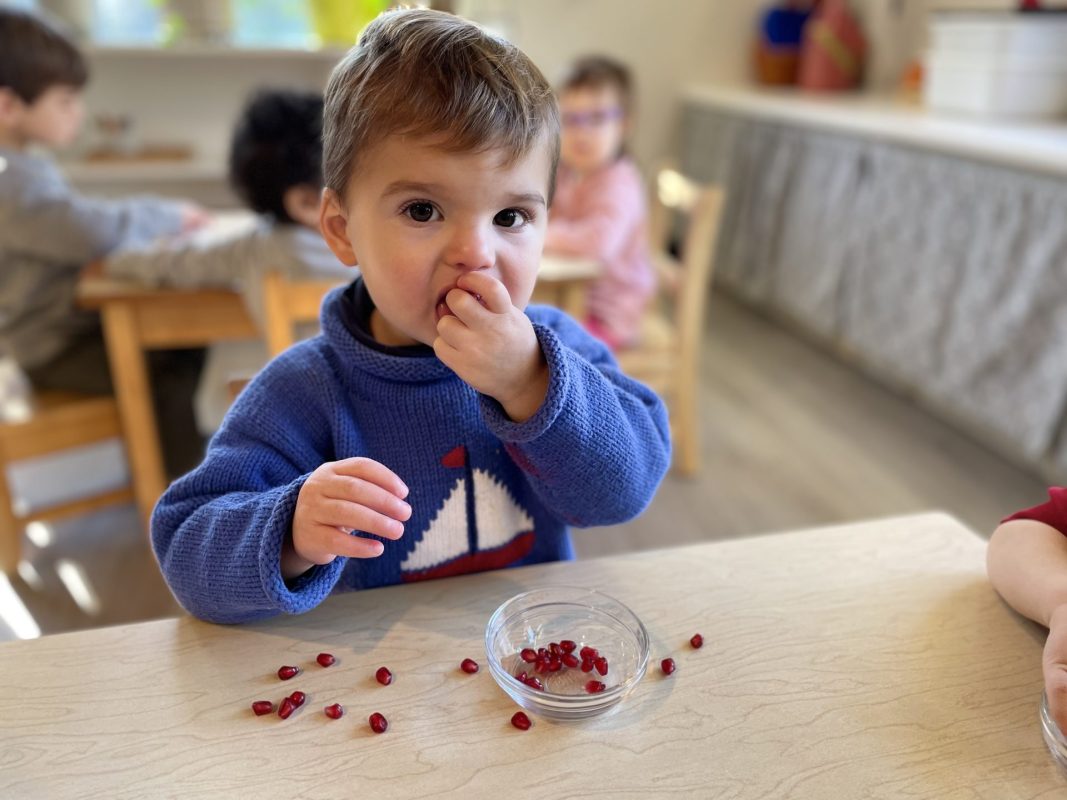
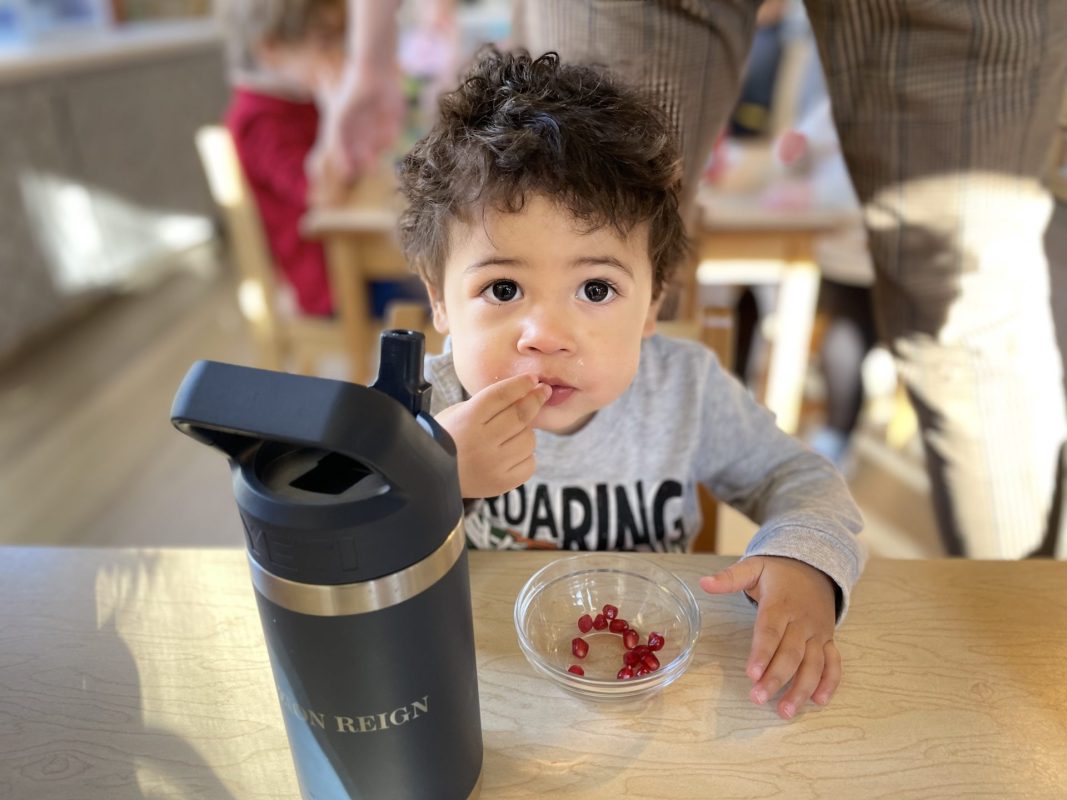
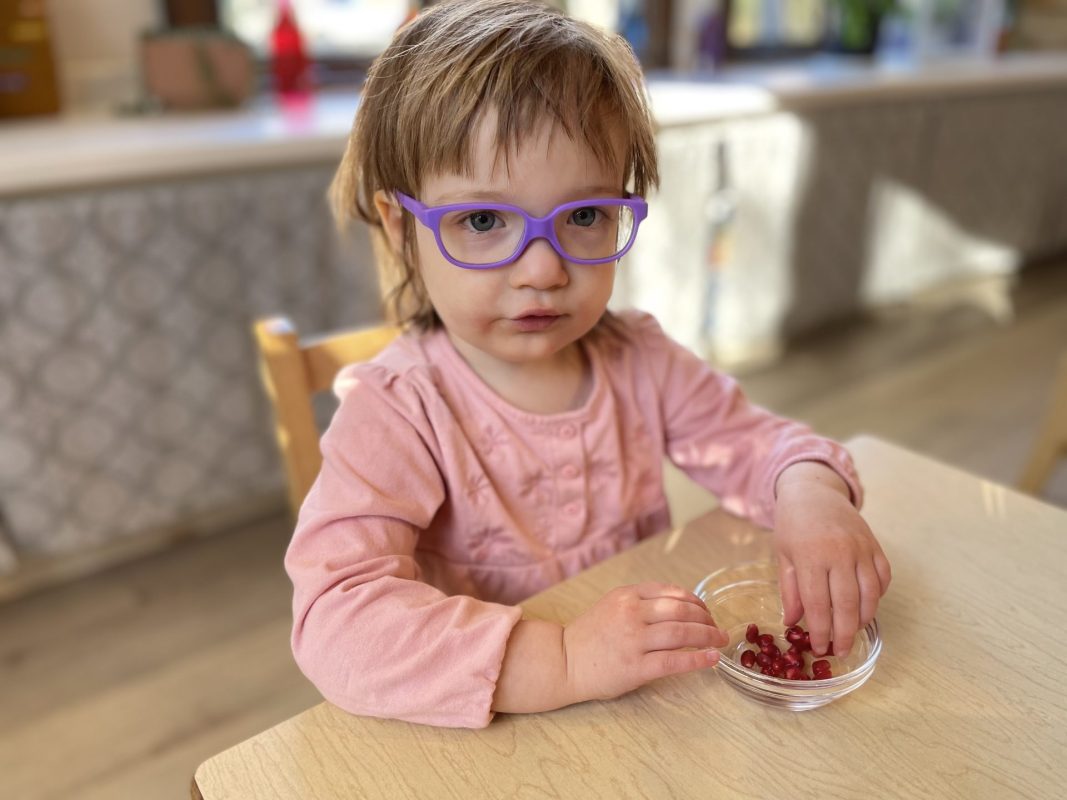
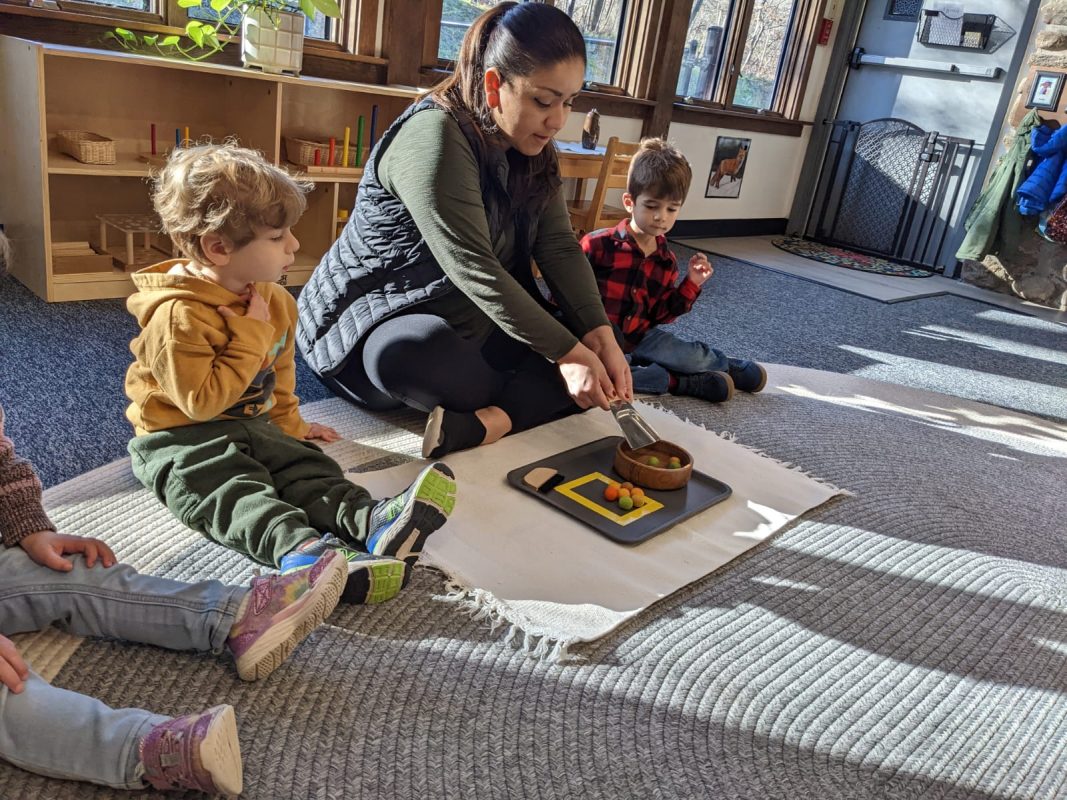
Food Tasting this week was a pomegranate. This was a fun food to explore. Pomegranates may seem like a tedious fruit to prepare but the children helped with a very easy food hack to help remove the kernels. They all took a turn using a wooden spatula to tap the pomegranate half to help the kernels fall out from the rind. After tasting the juicy and crunchy seeds they were offered a cup of seeds to enjoy. Everyone seemed to like them.

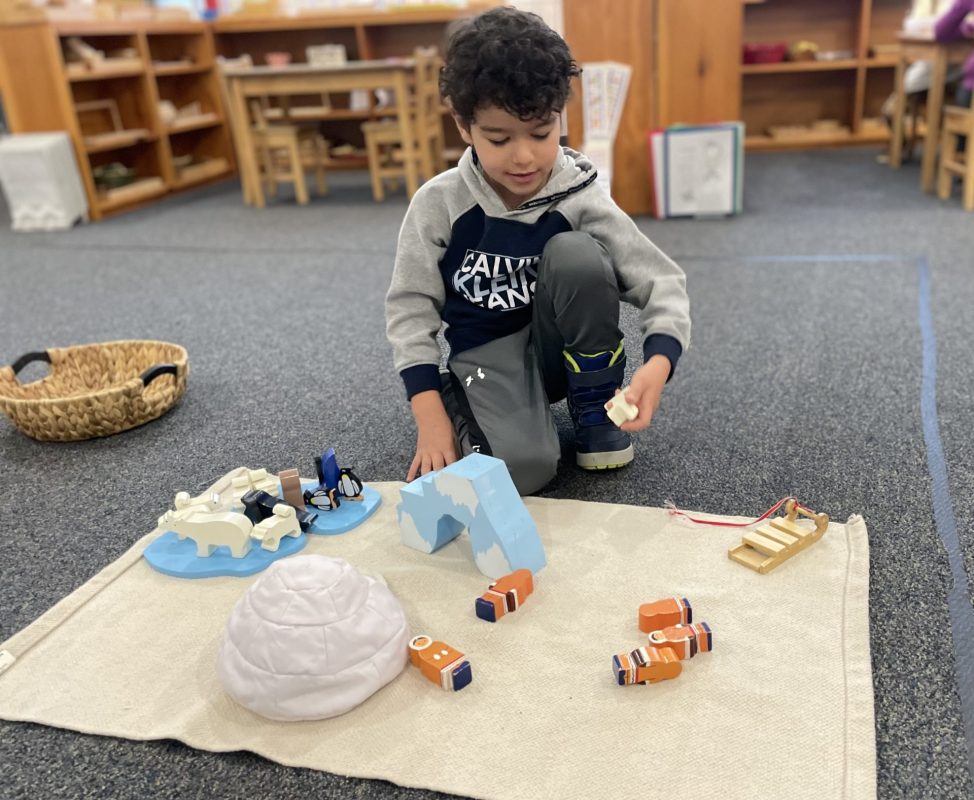
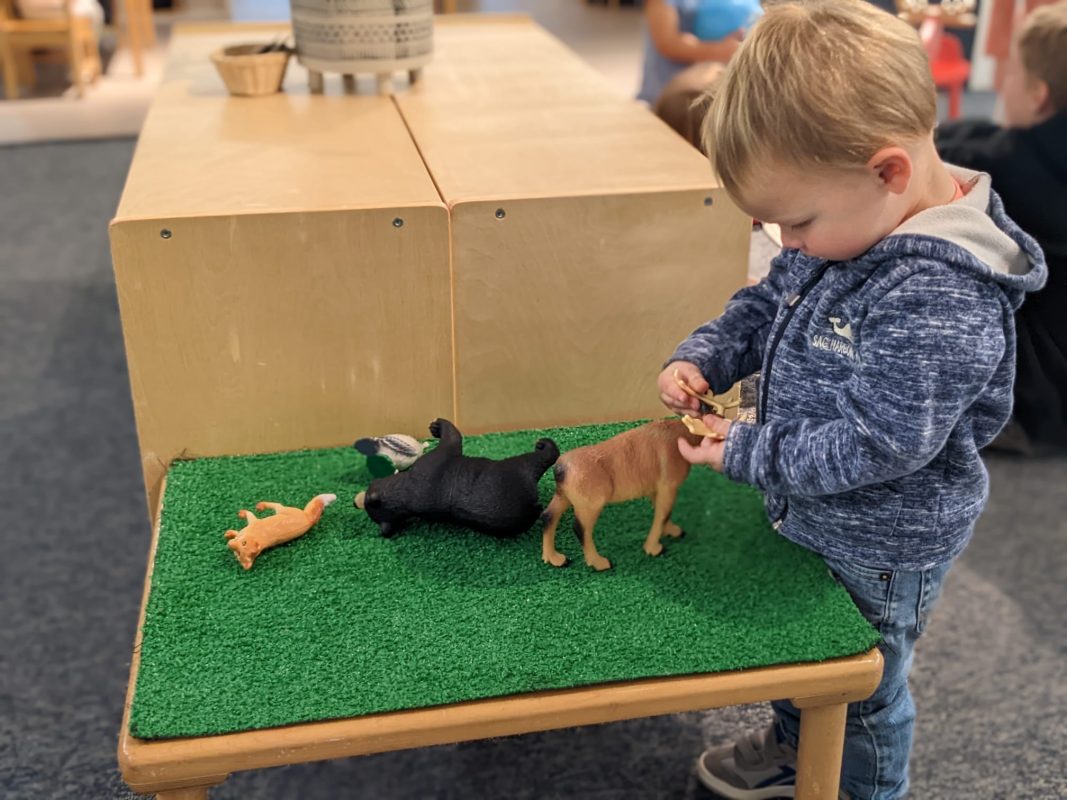
This week we are saying goodbye to exploring woodland animals and the season of autumn. Next week we will be celebrating the holidays. If you celebrate a special holiday or have a special tradition you would like to share, please reach out. We would love to find a way to celebrate with you!


Mrs. Lopes: It’s Off to Work I Go!

When a child works, he does not do so to attain some further goal.  His objective in working is the work itself. Maria Montessori

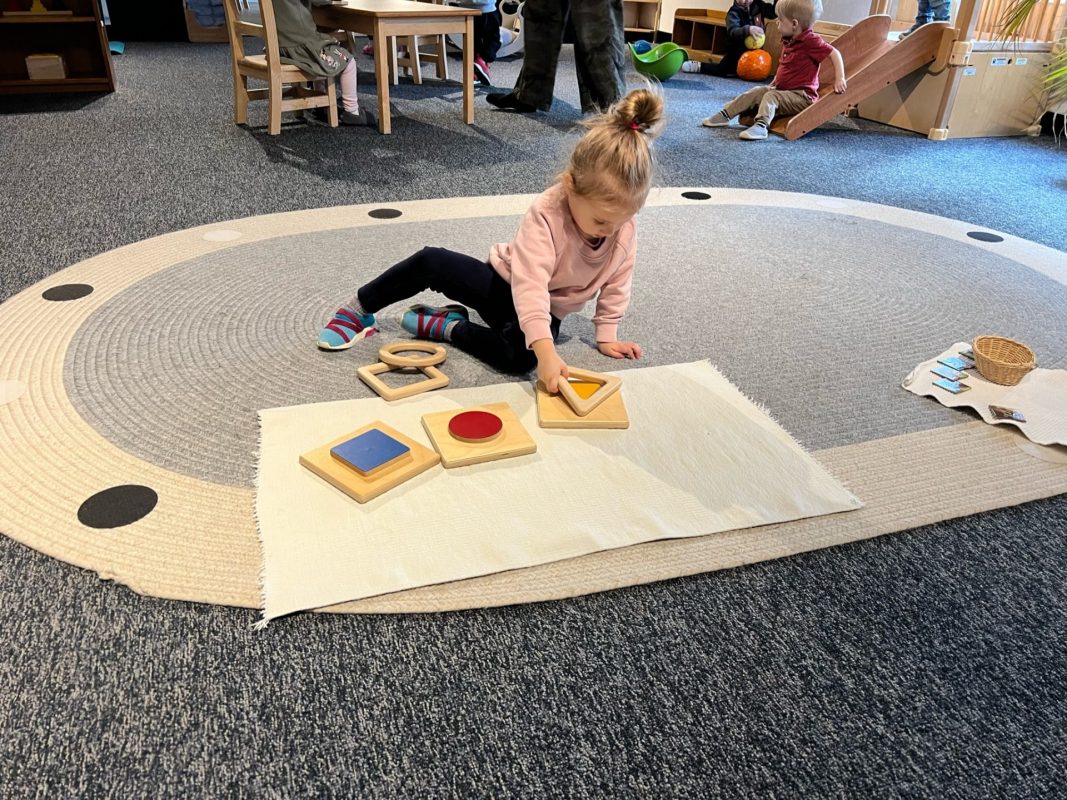
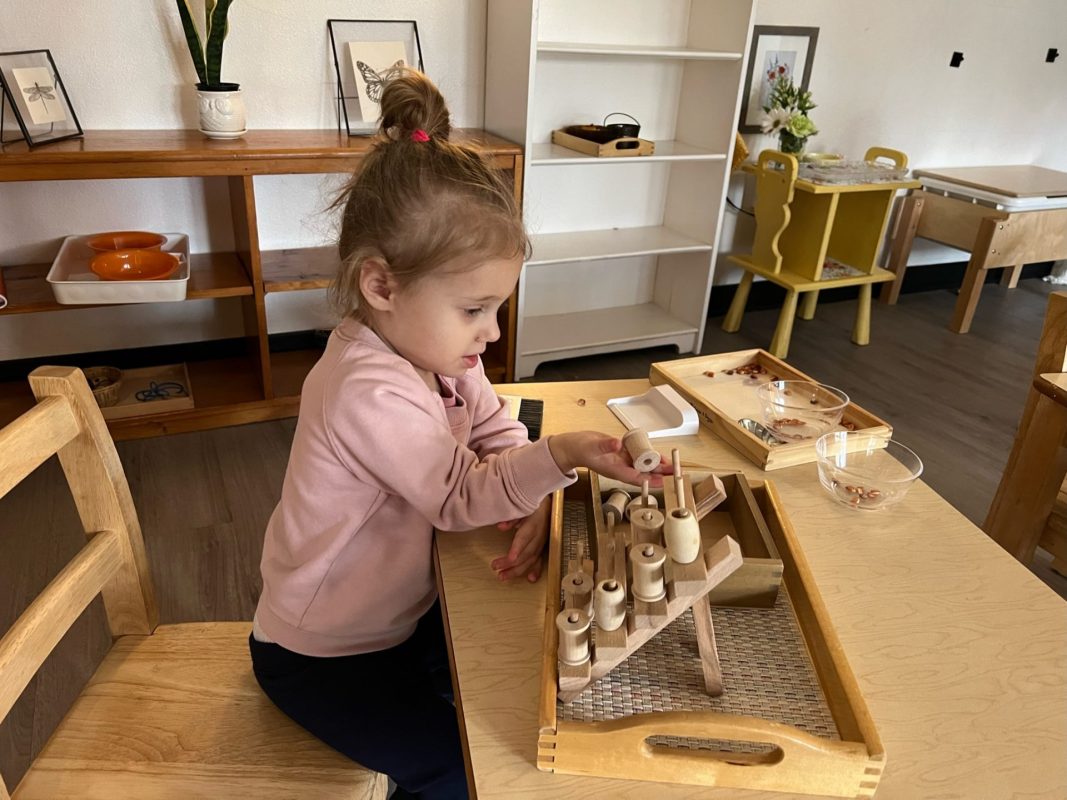
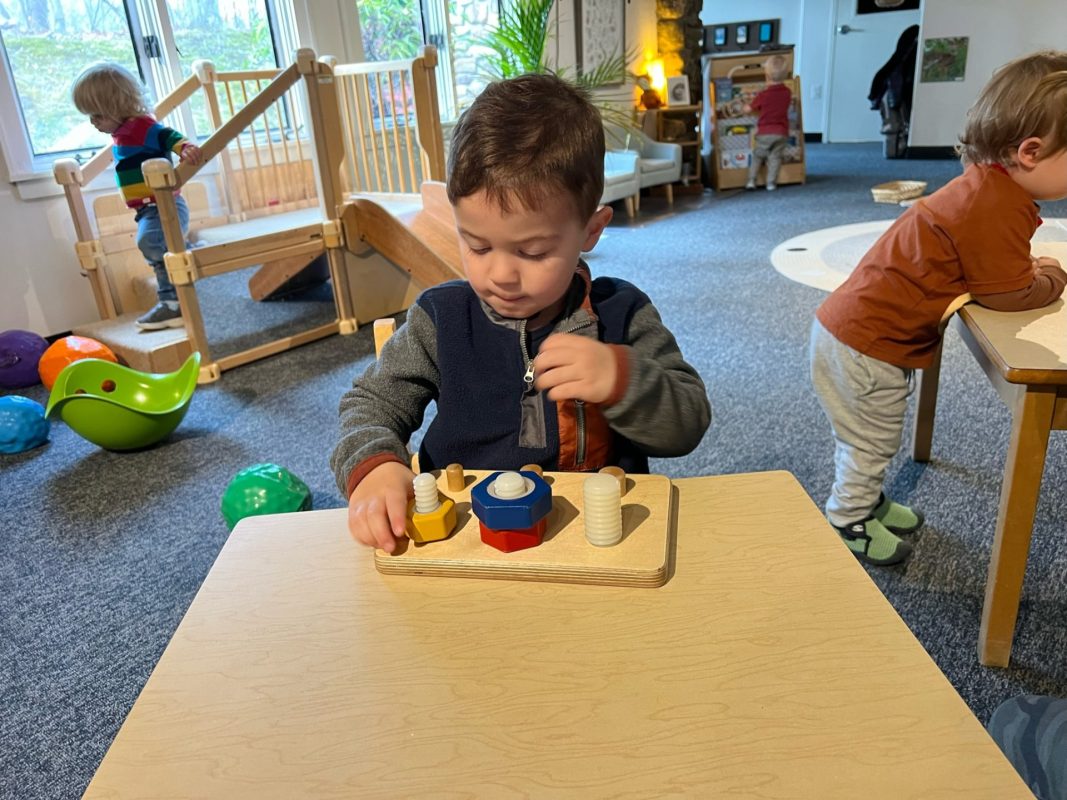
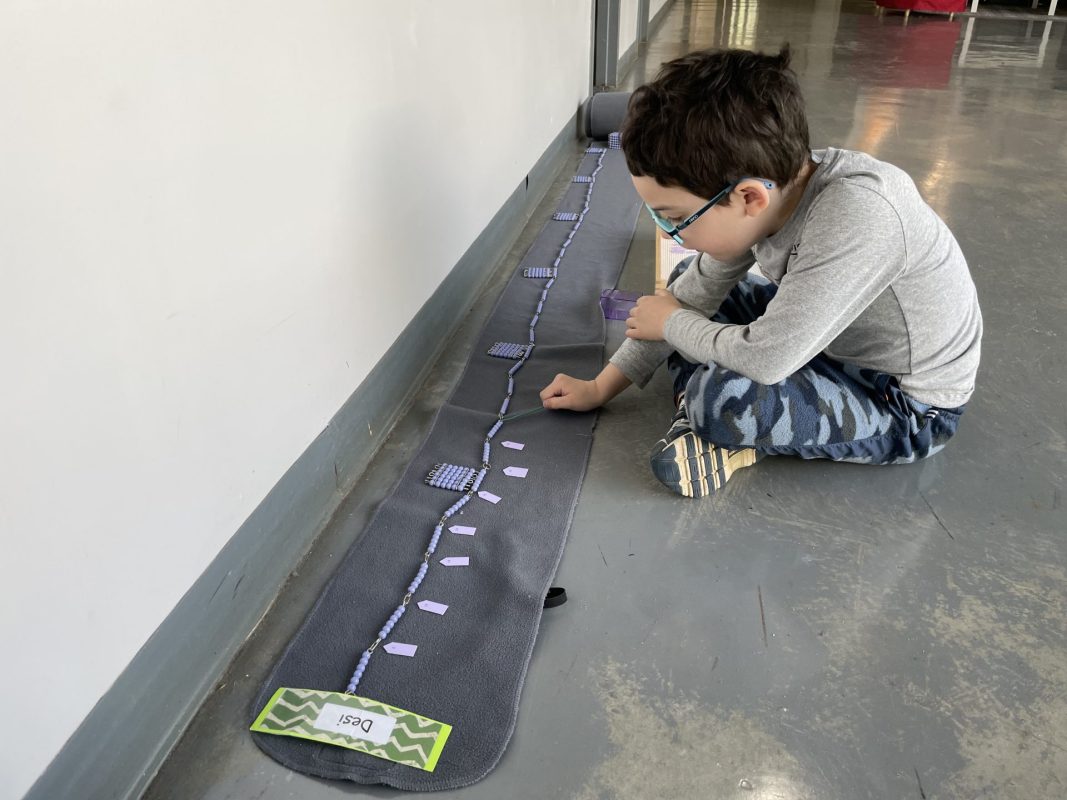
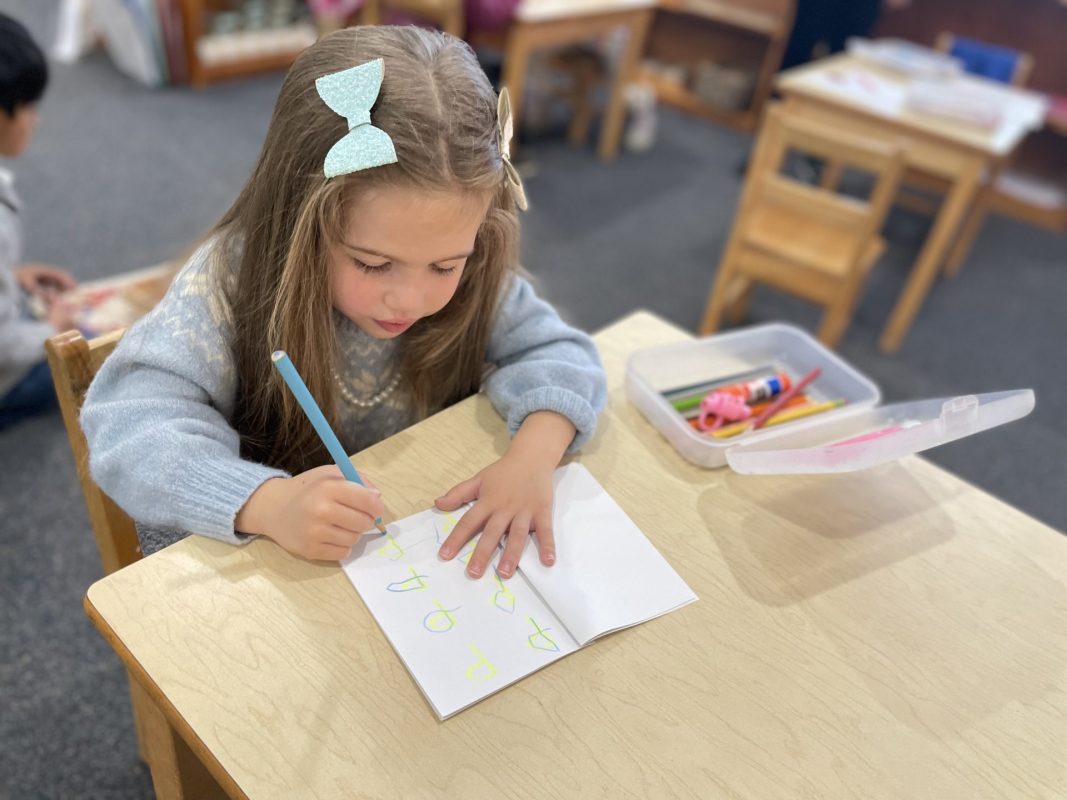
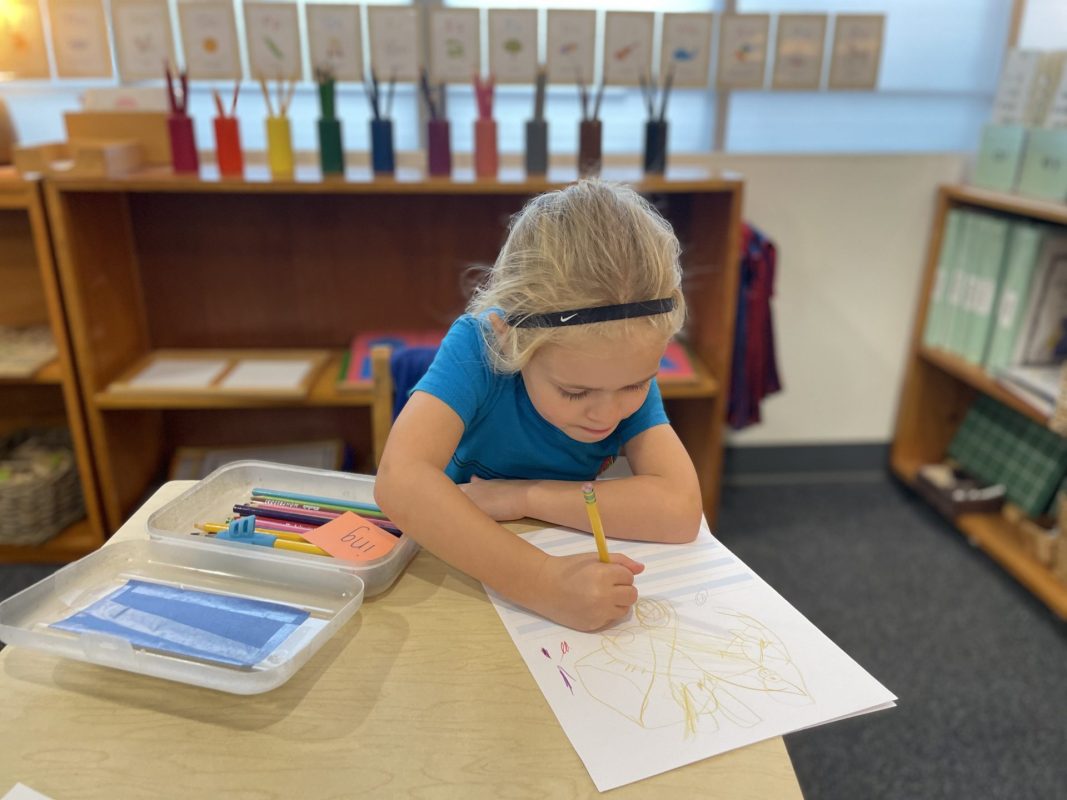
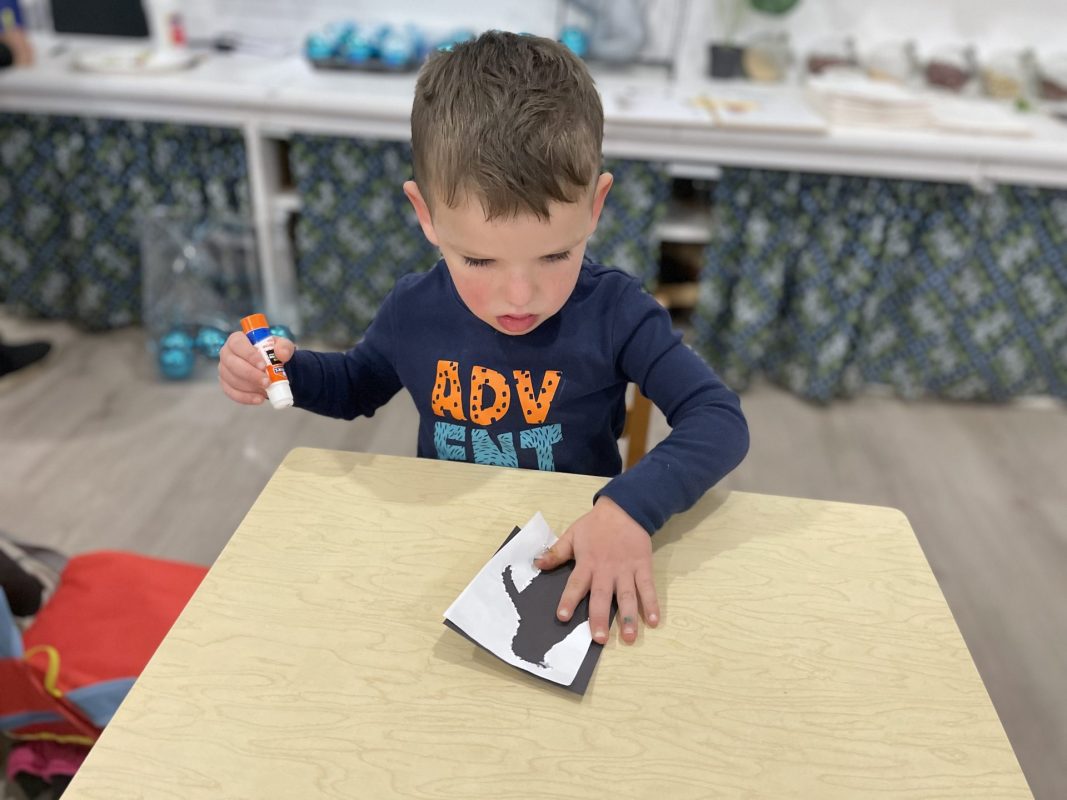
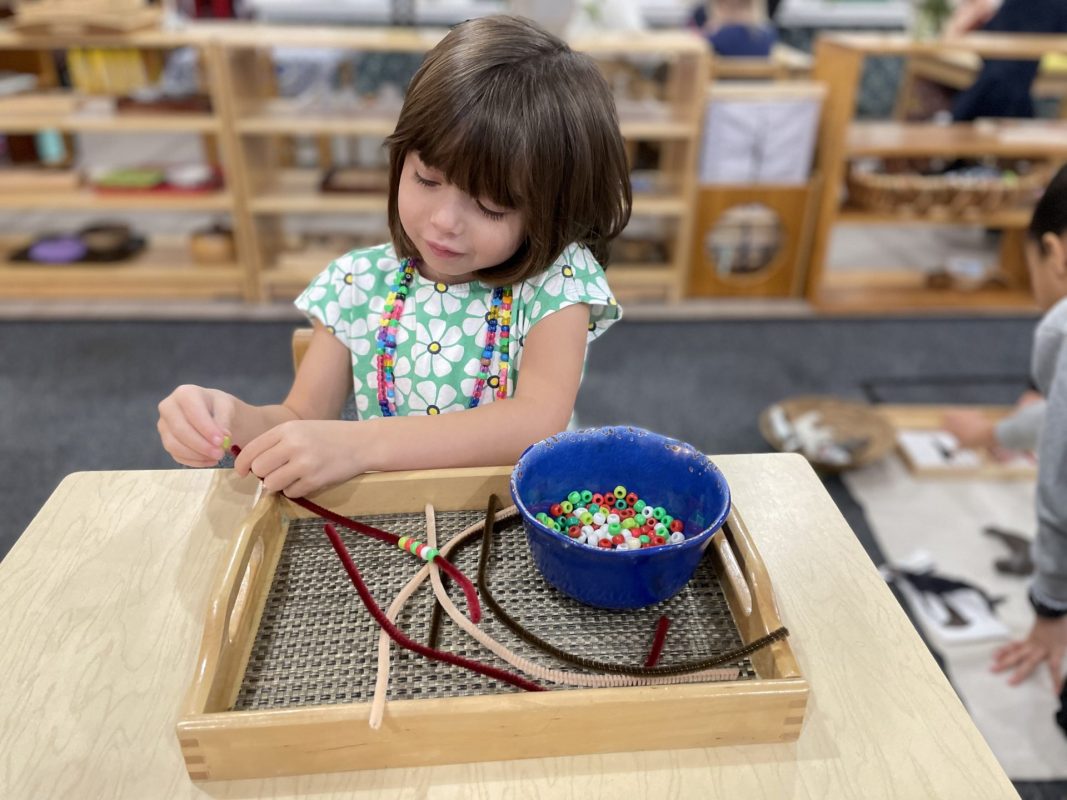
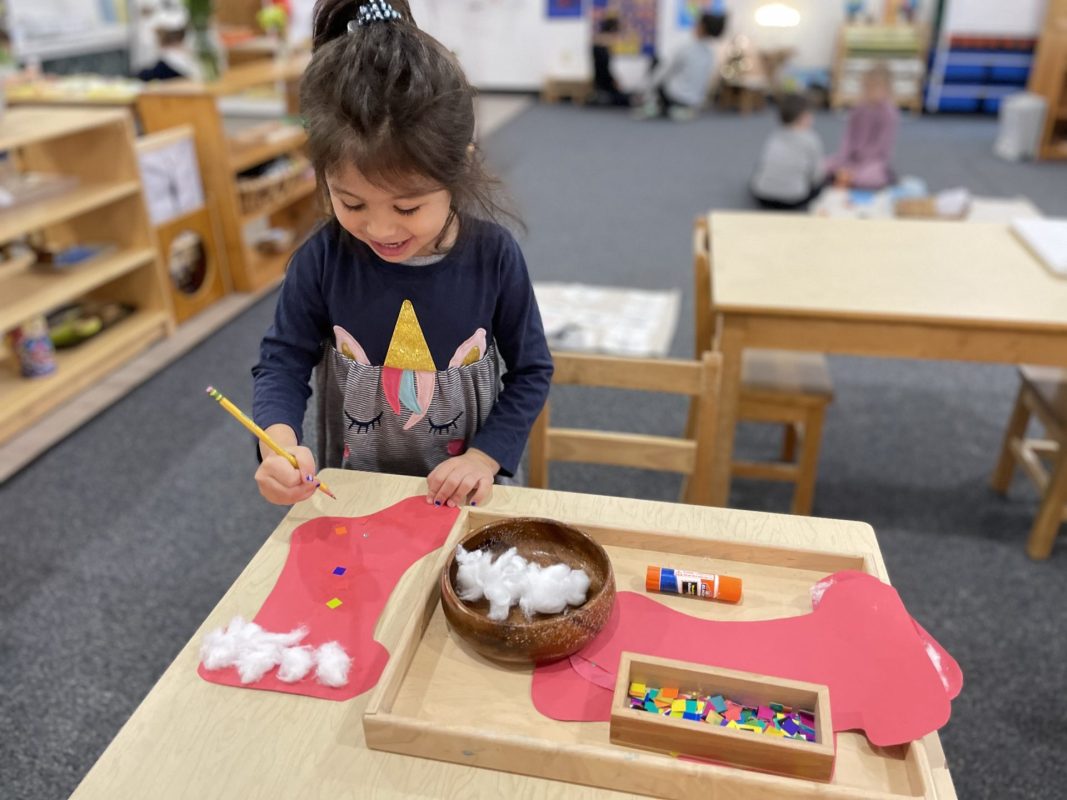
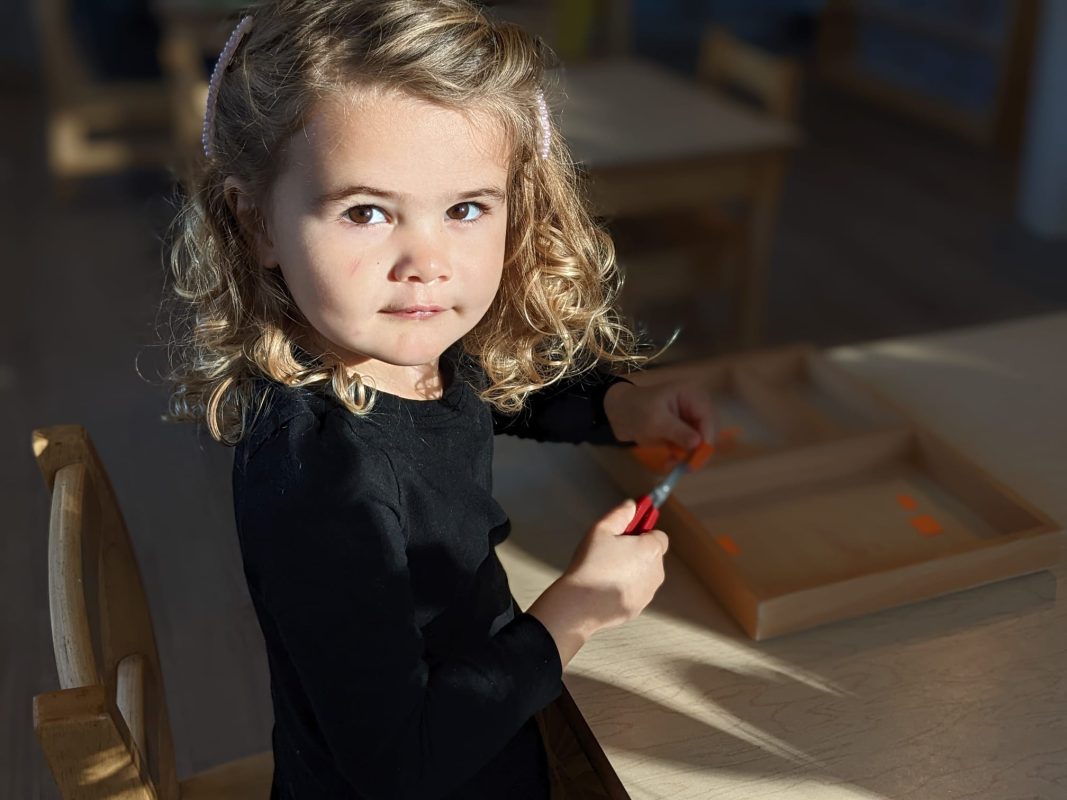
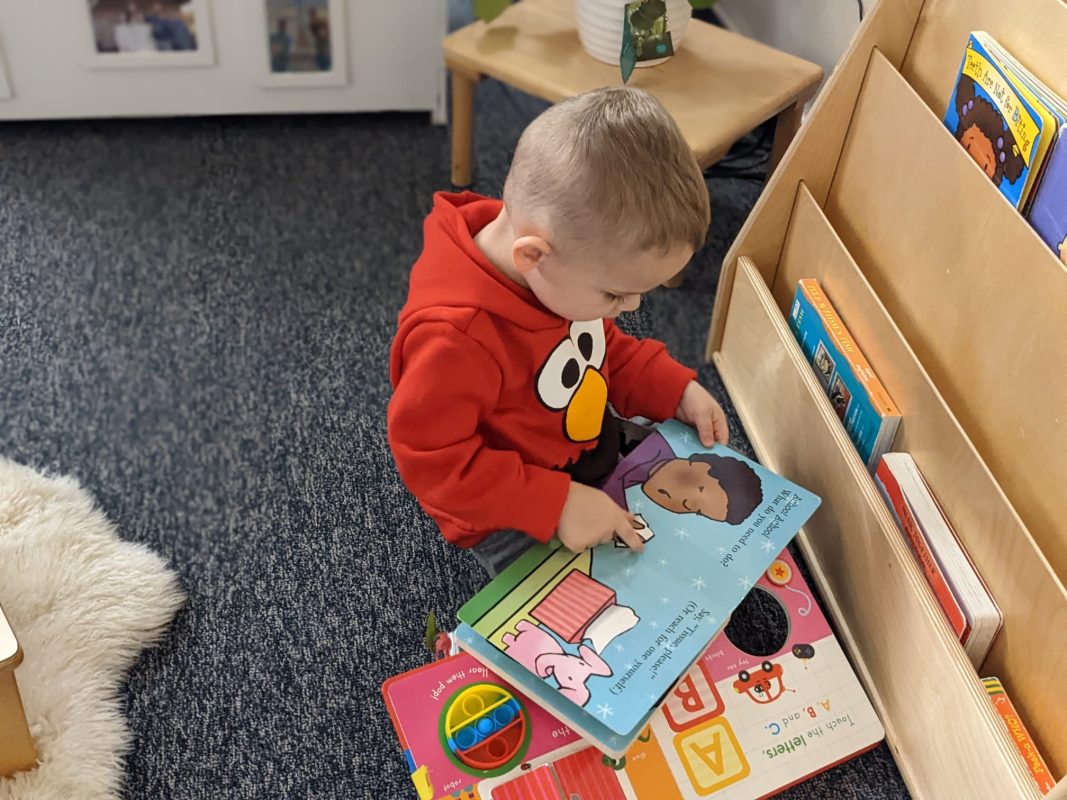
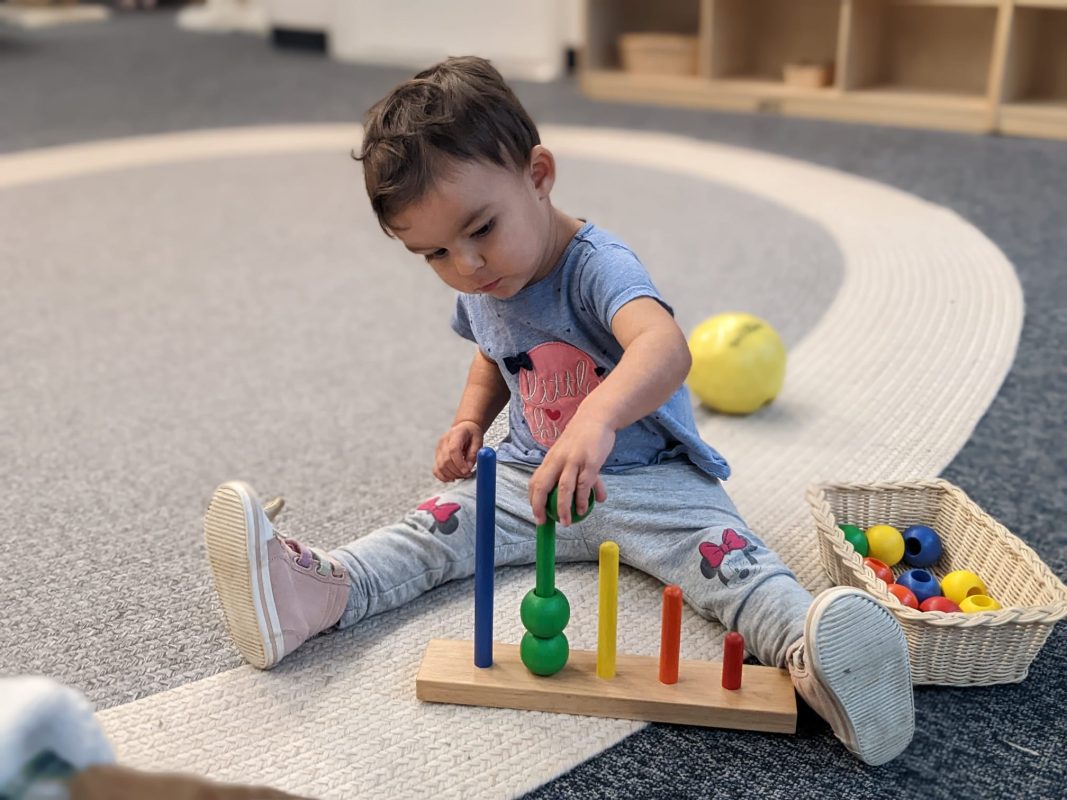
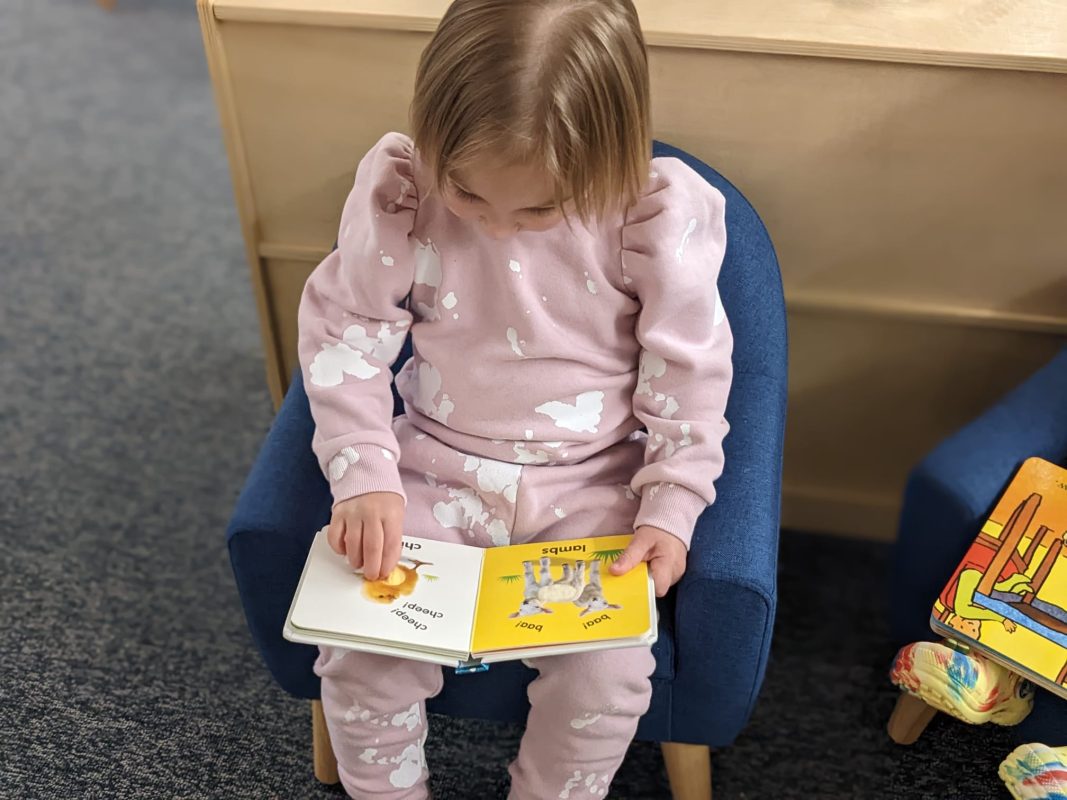
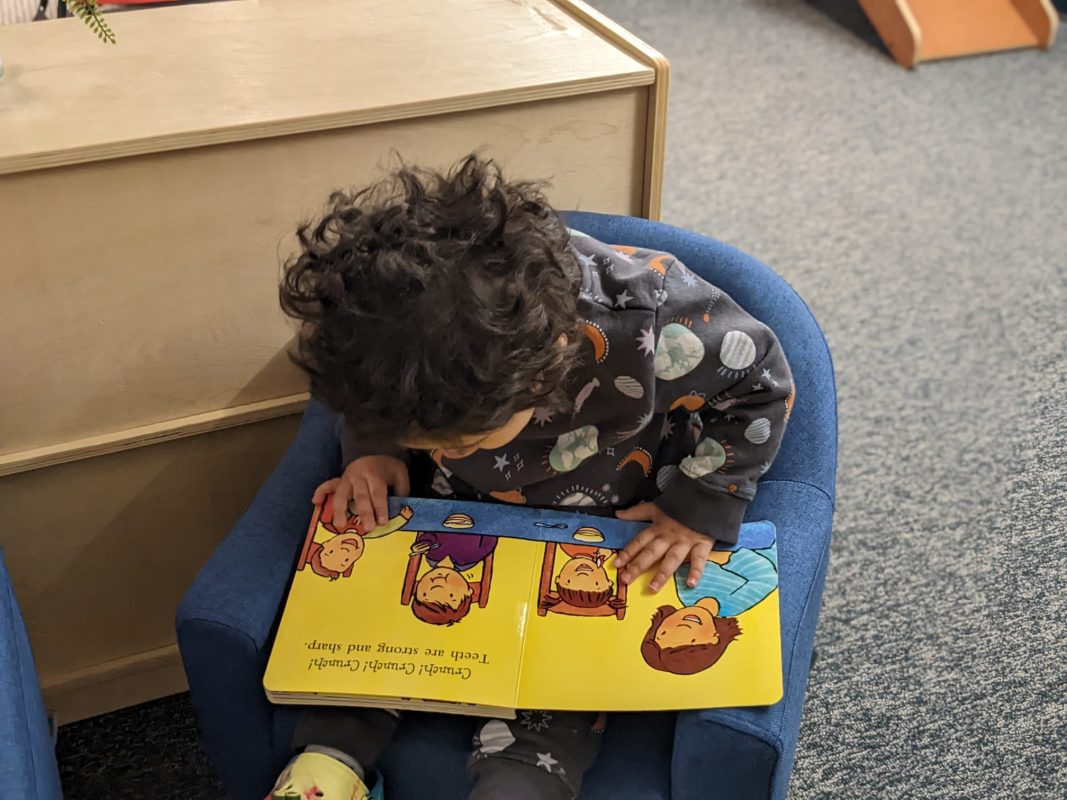
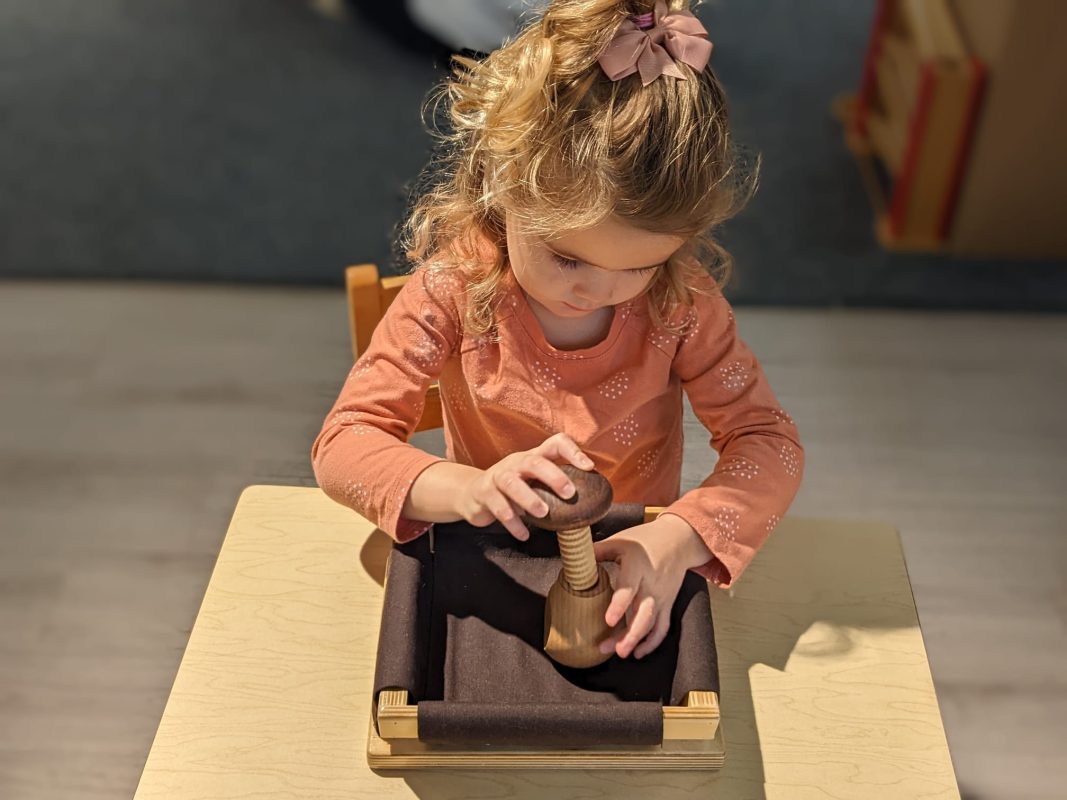
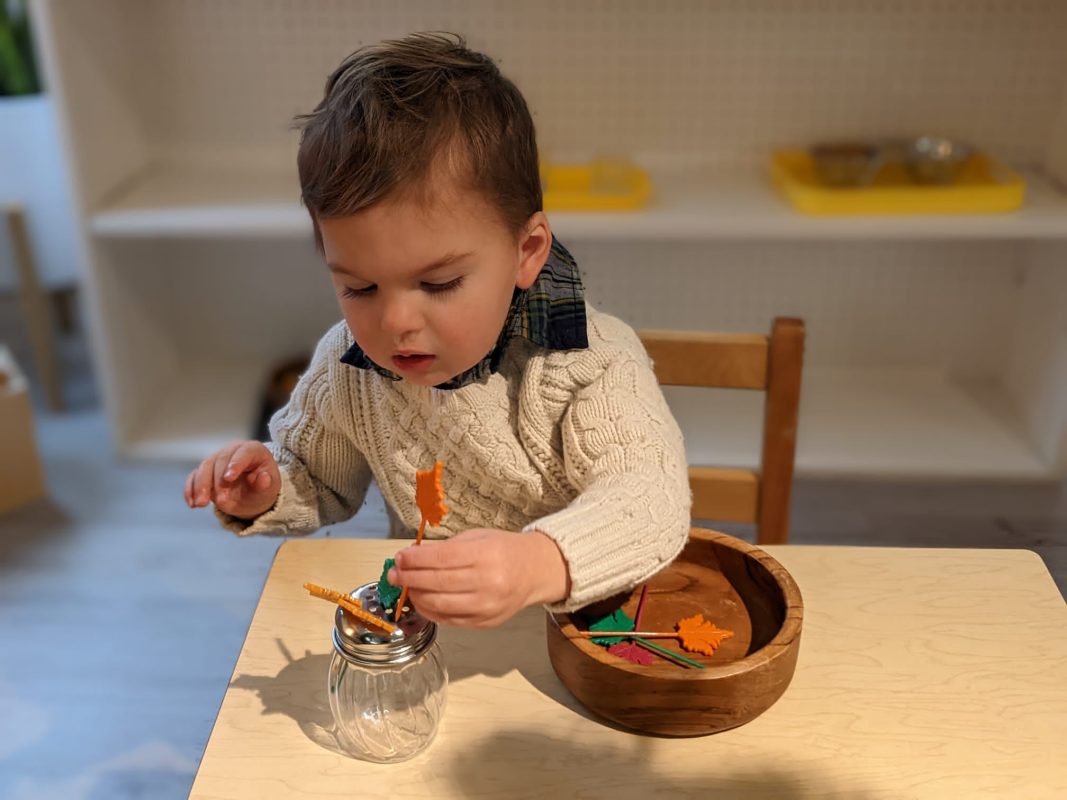
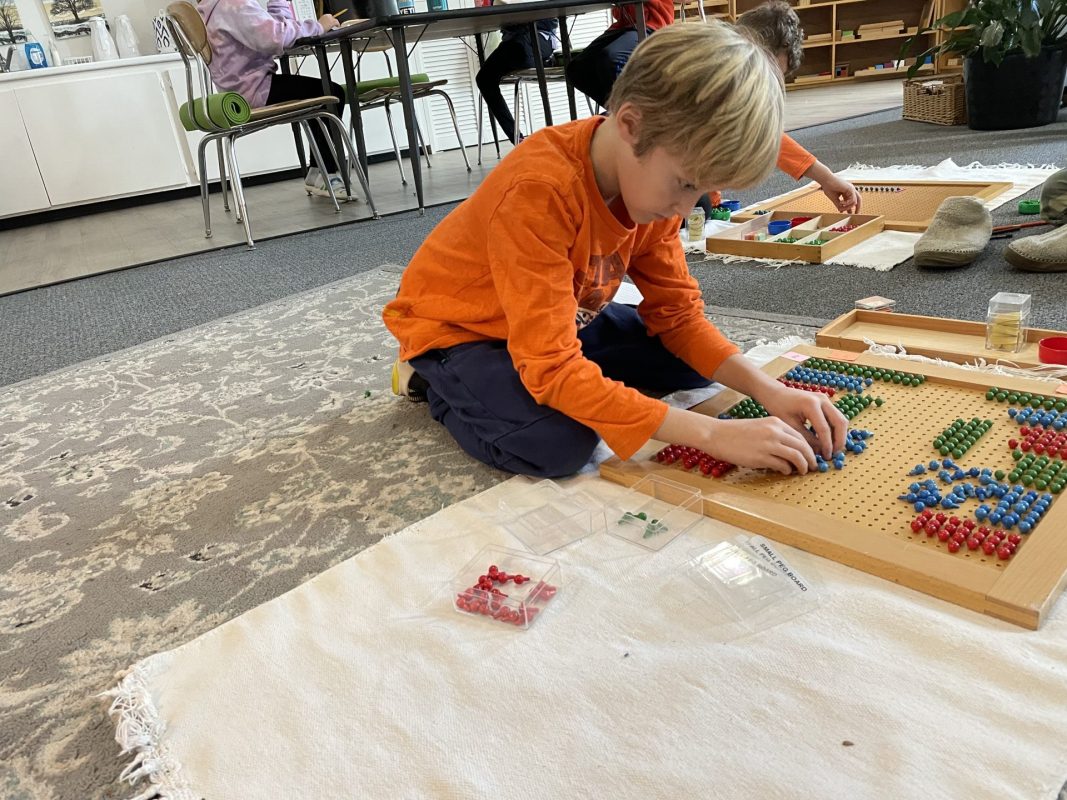
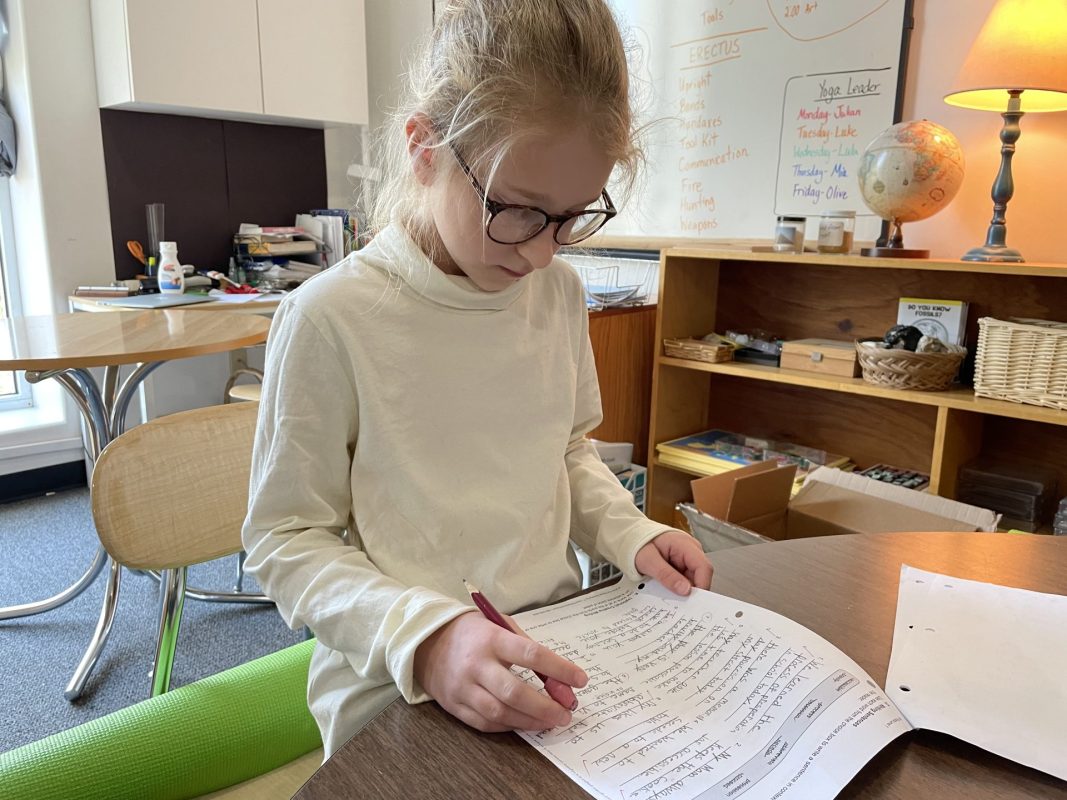
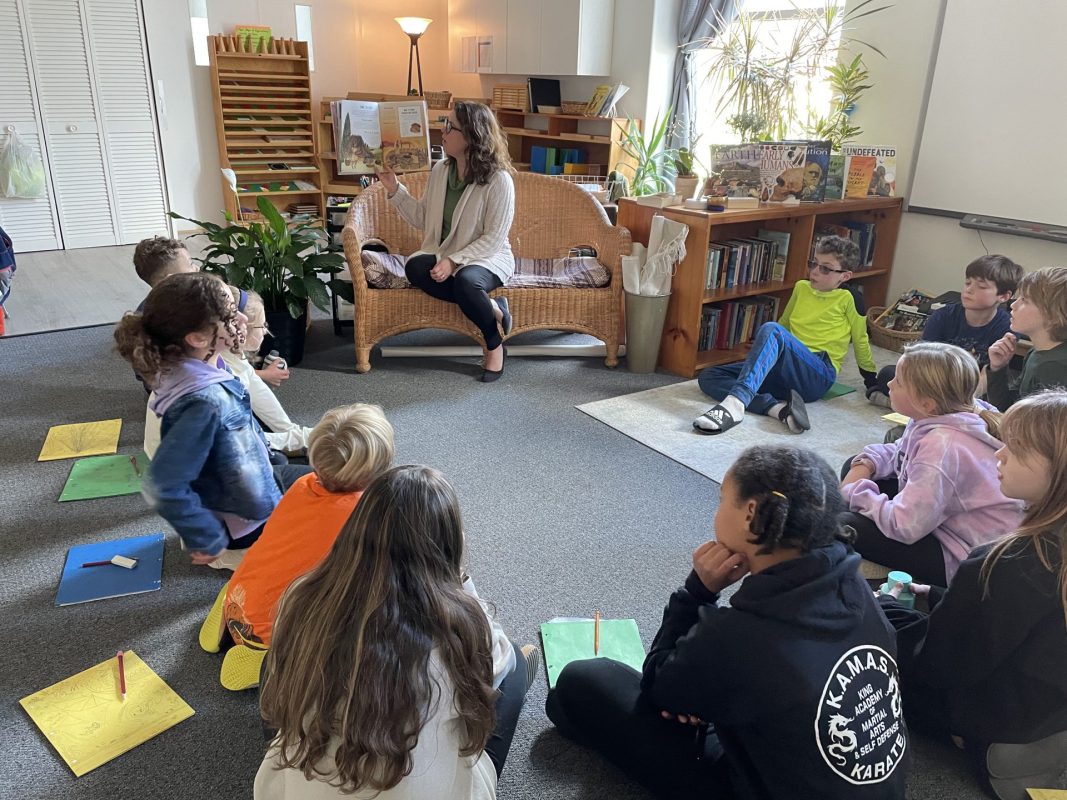
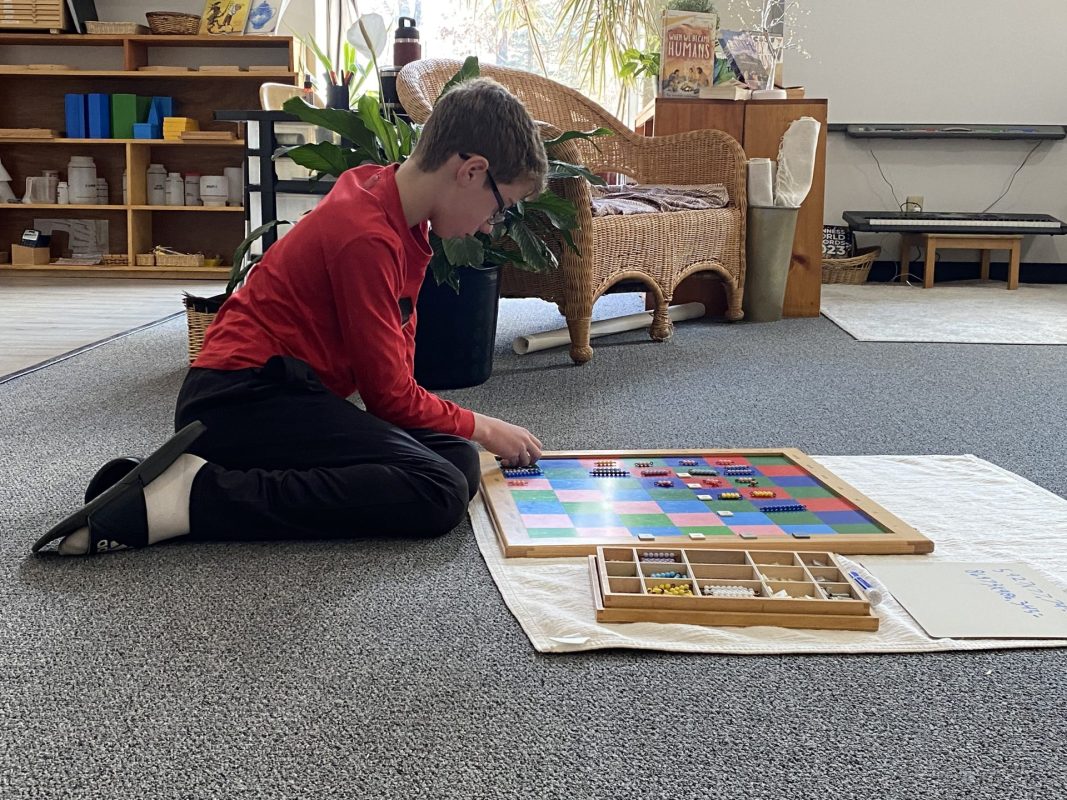
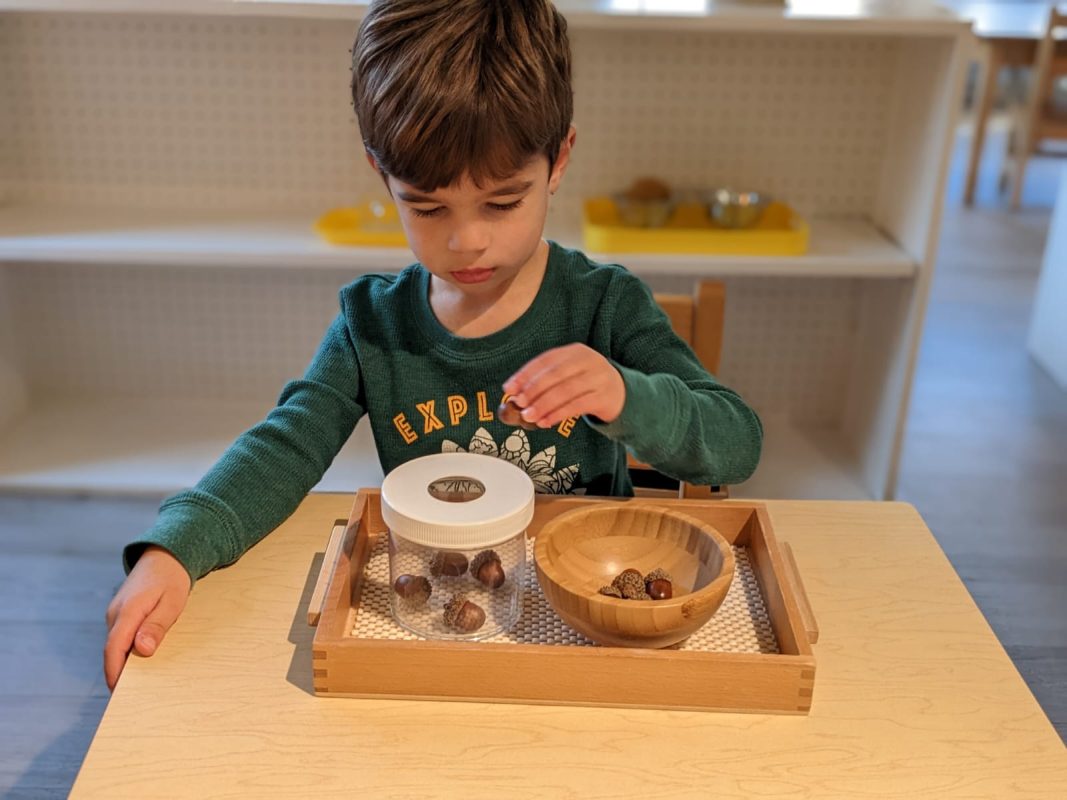
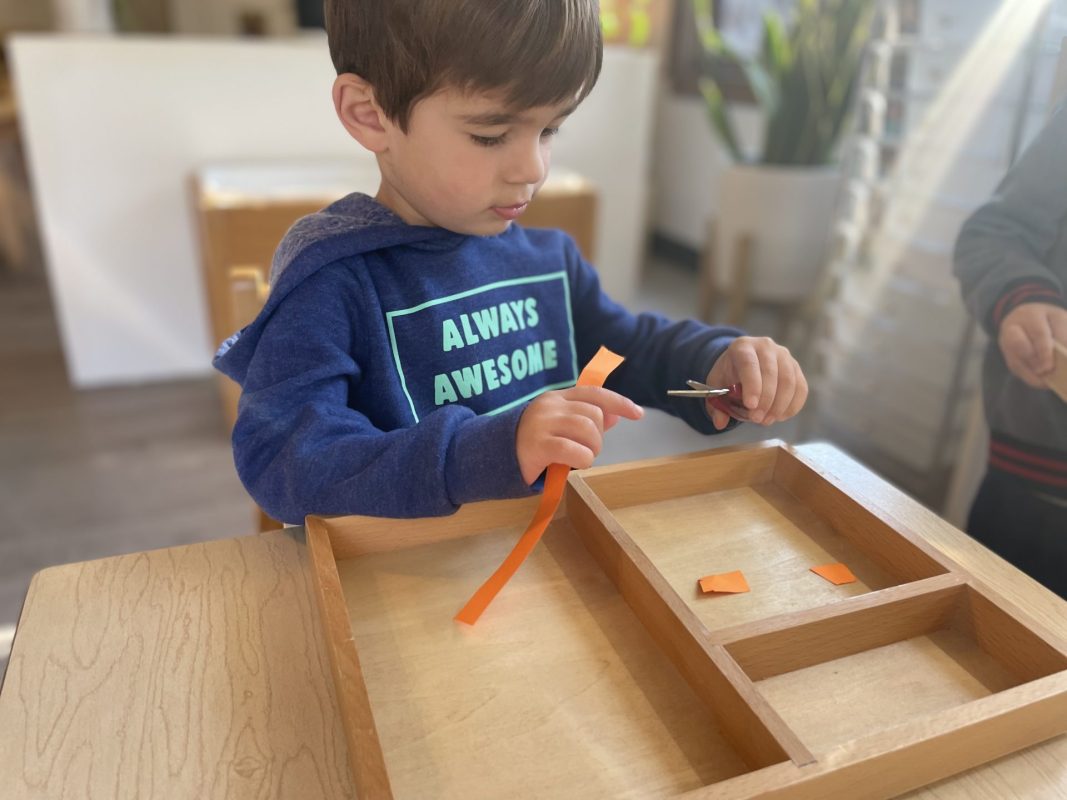
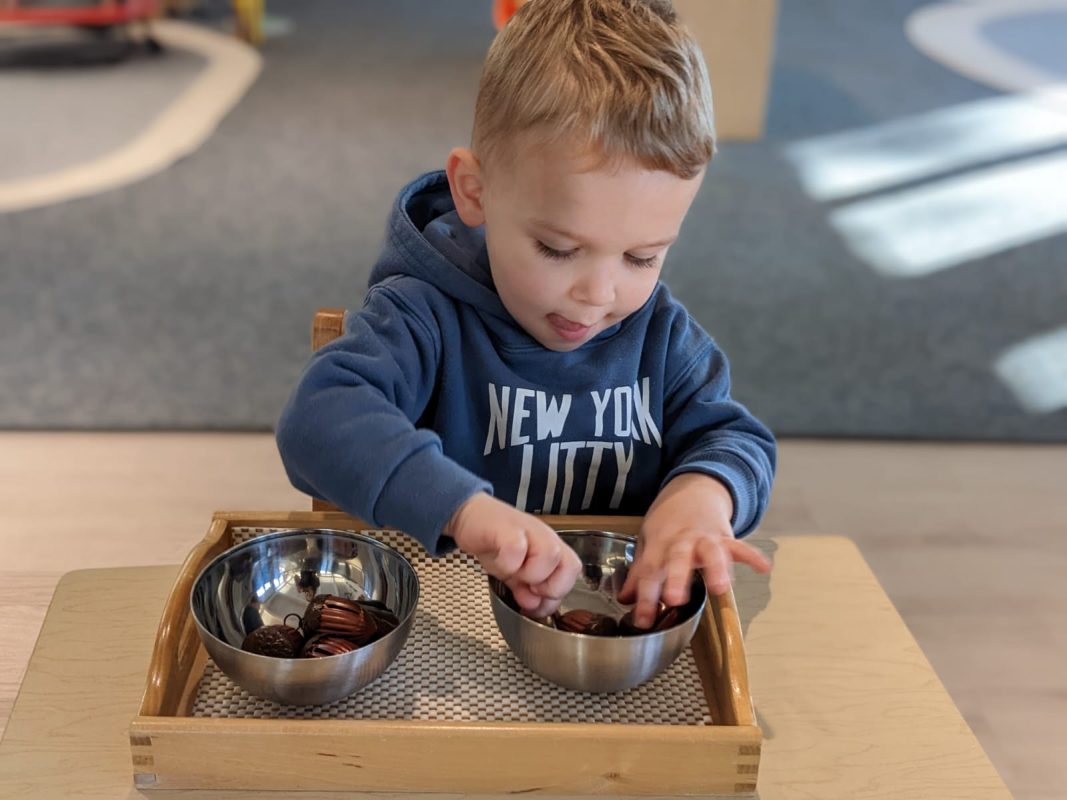
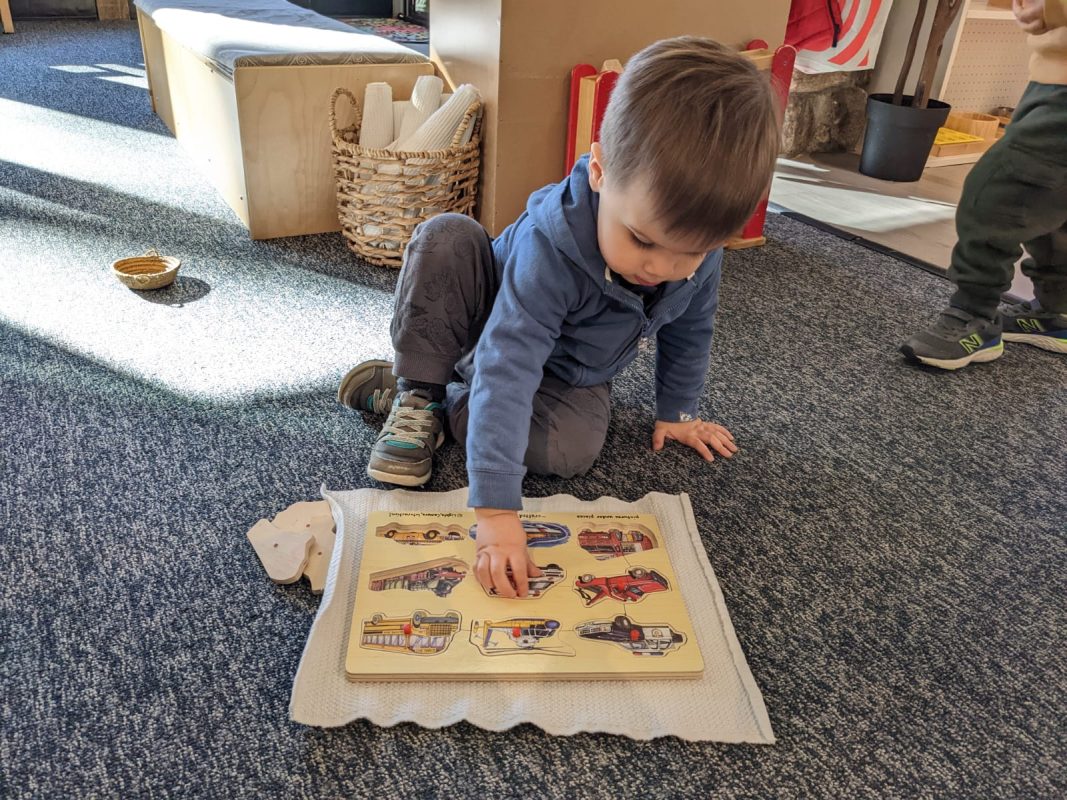
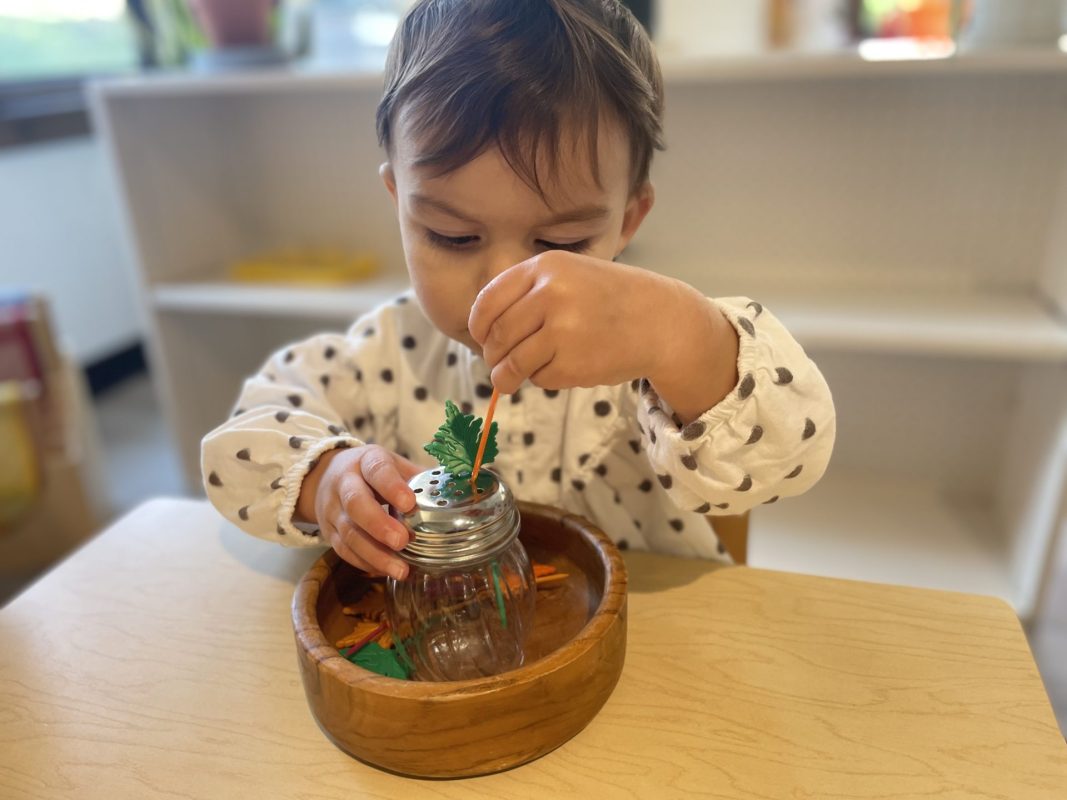
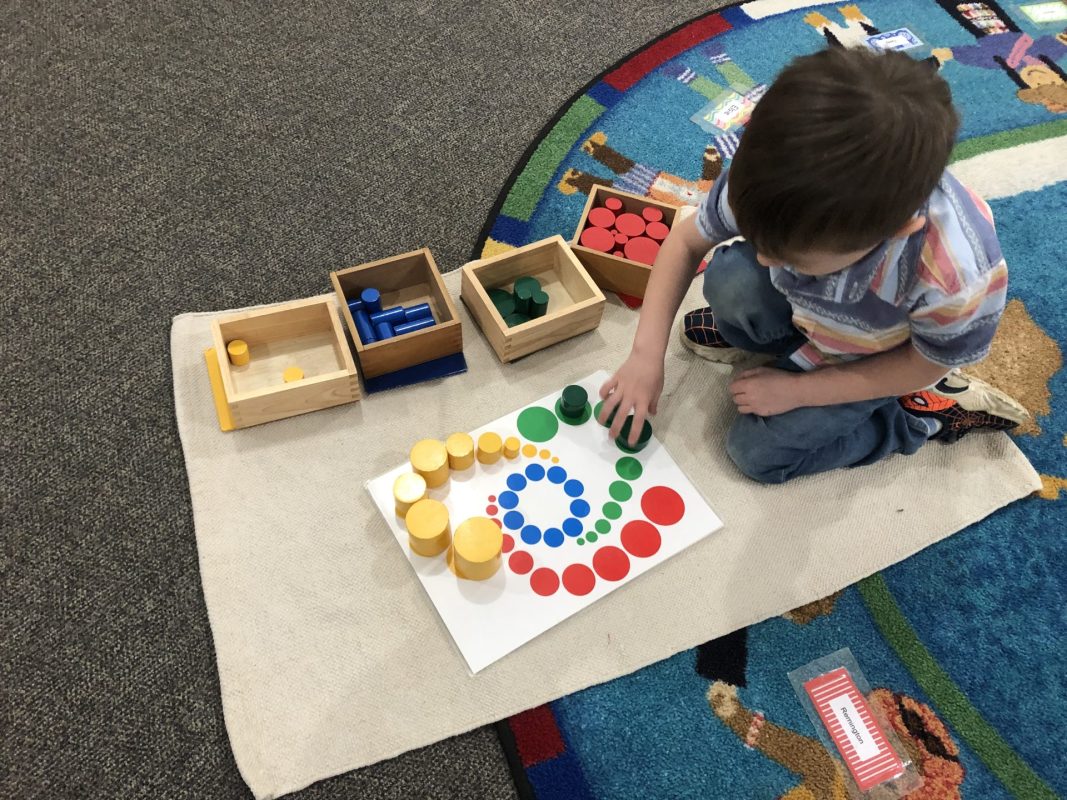
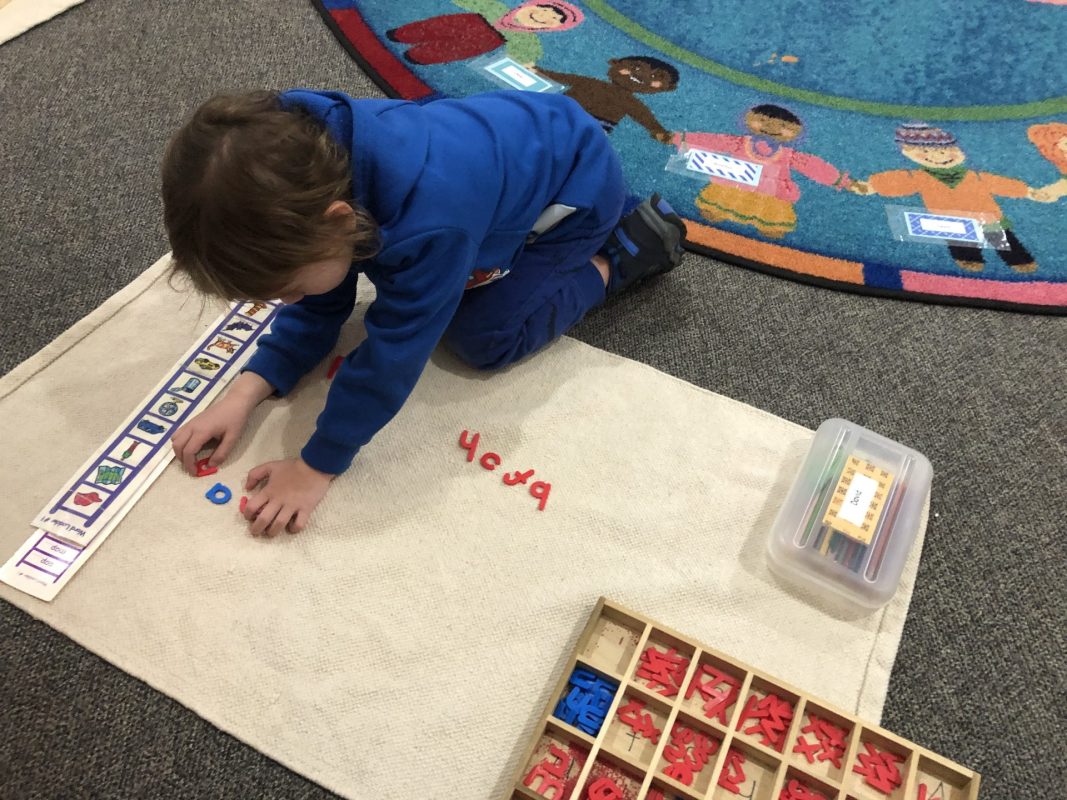
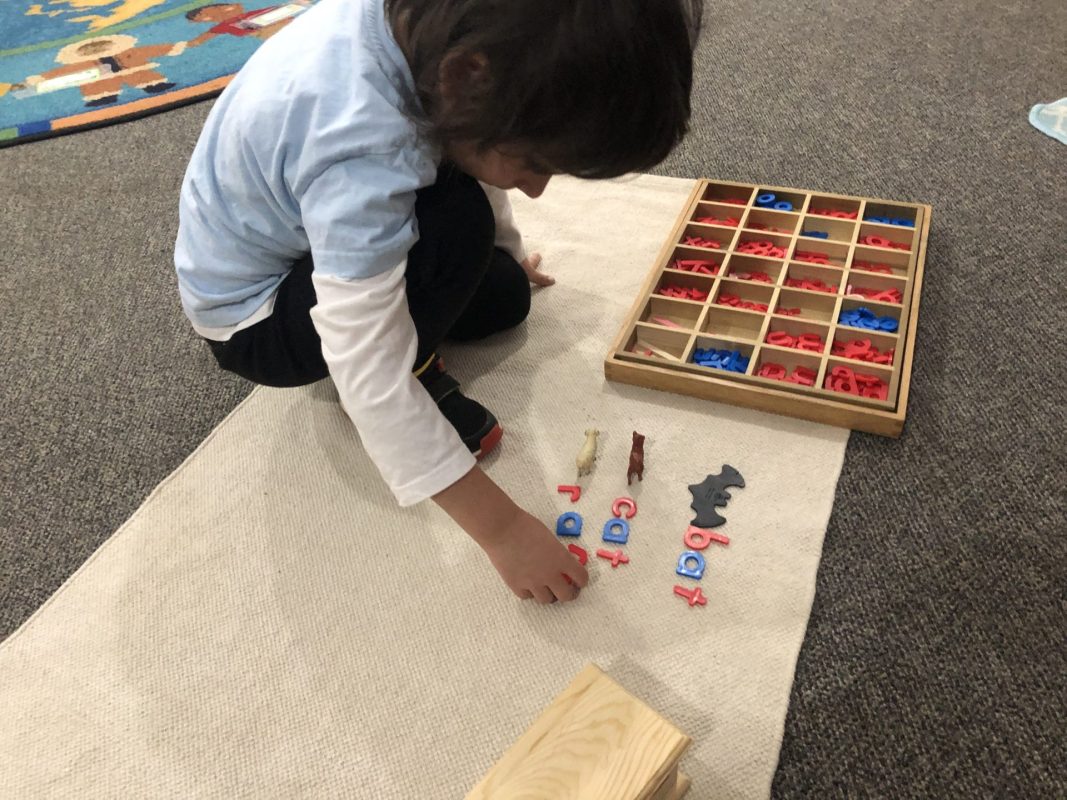
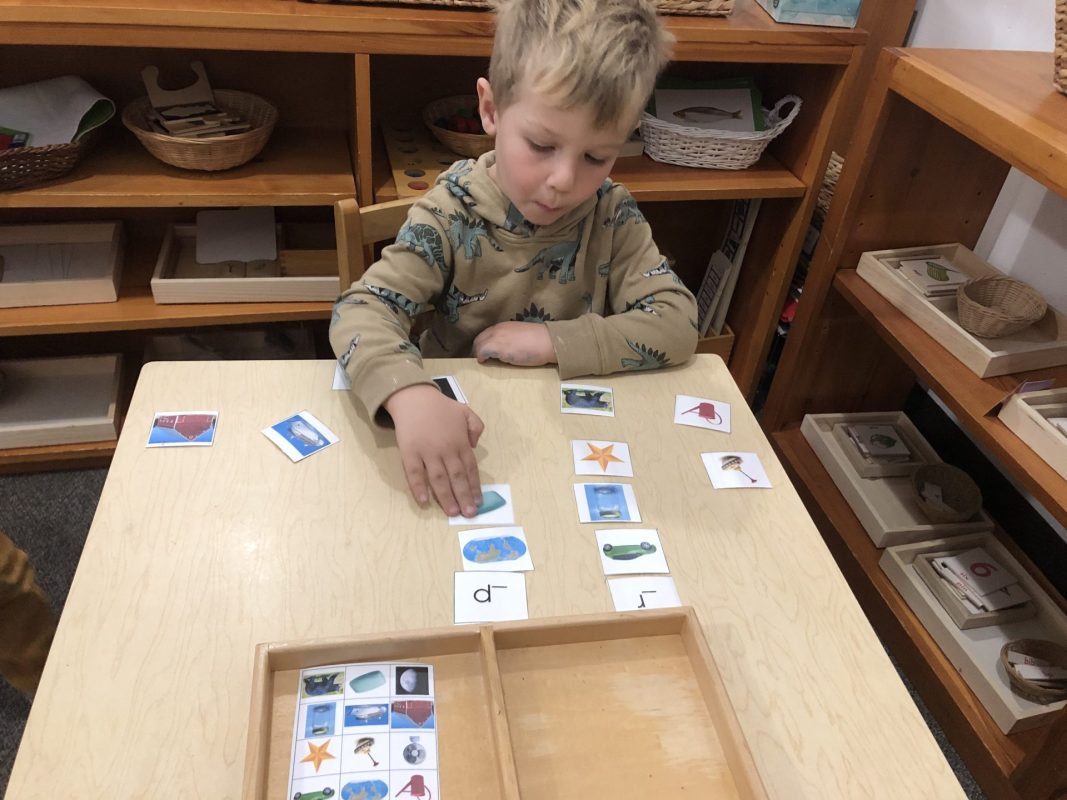
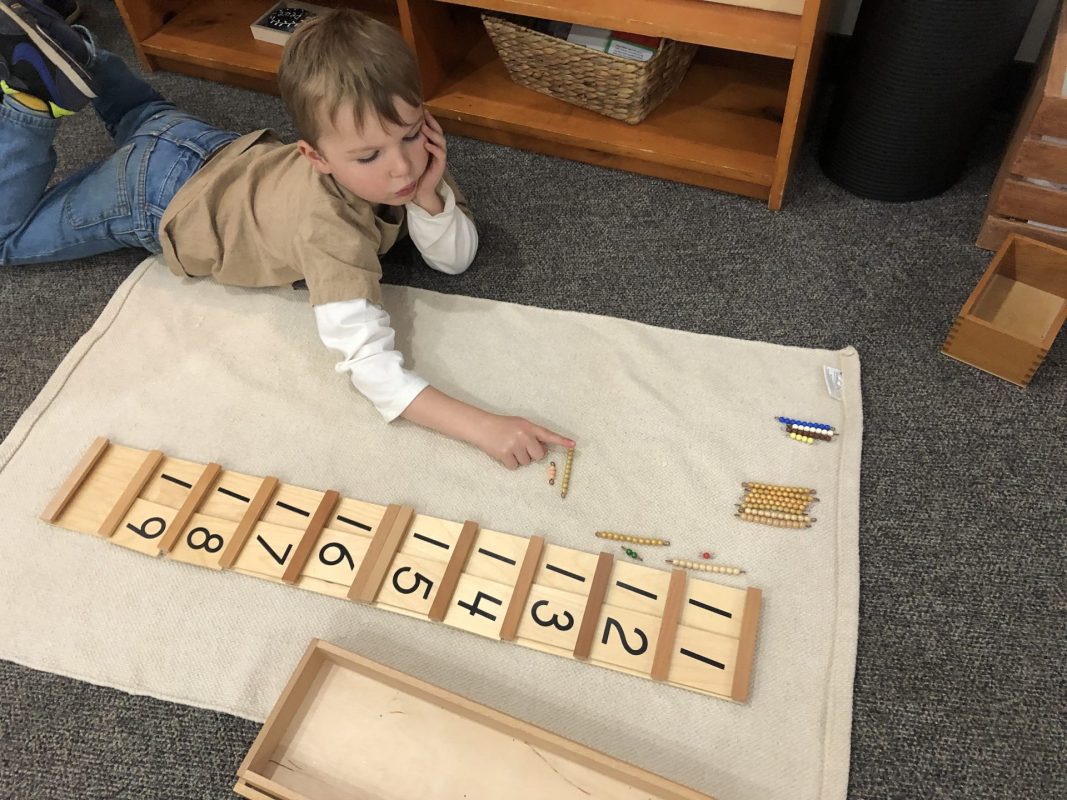
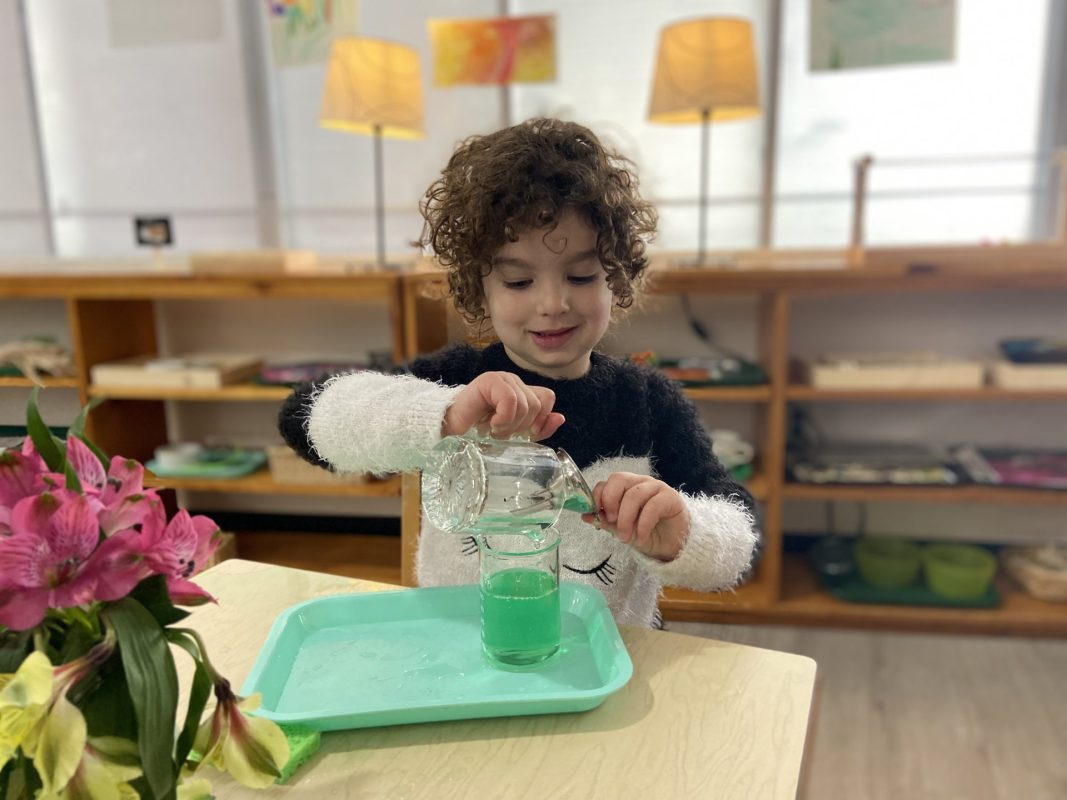
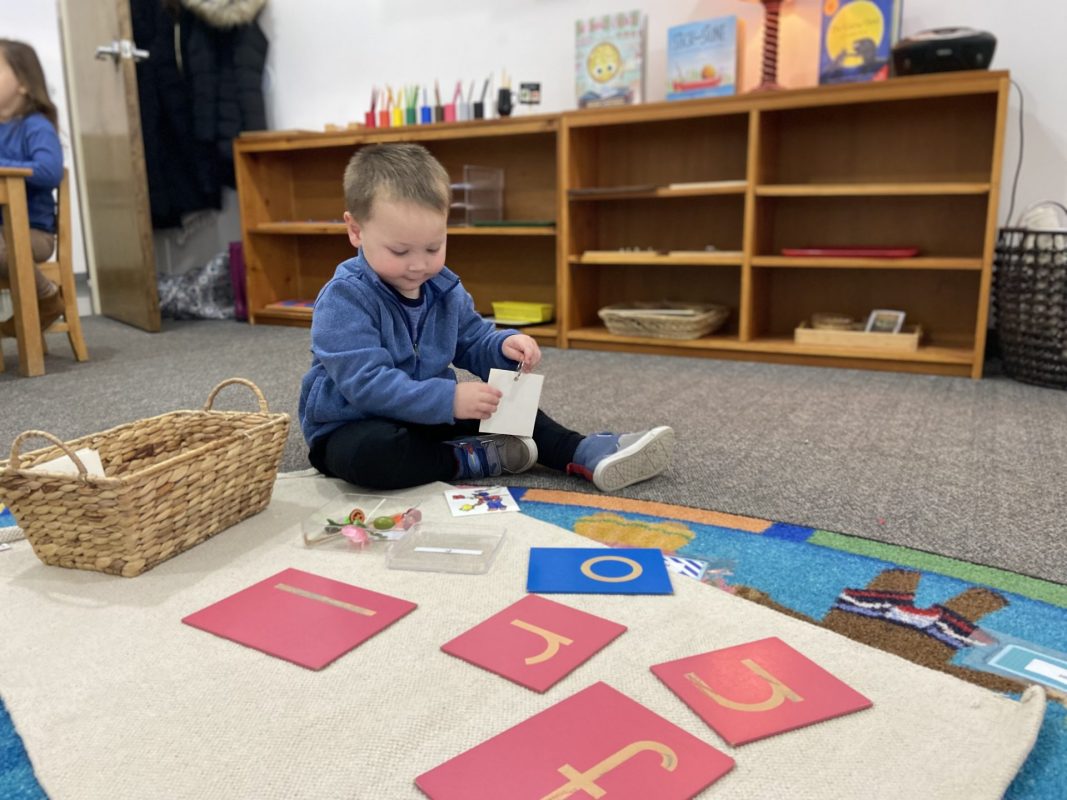
One of Maria Montessori’s most noted quotes is “play is the child’s work.”  We’re sure by now you have heard your child talk about their work at school. Dr. Montessori preferred the word work rather than the word play to describe the learning process children are constantly undergoing. Work conveys the amount of effort that children put into their physical, social, emotional, and academic growth. As adults, our definition of work has a very different meaning.

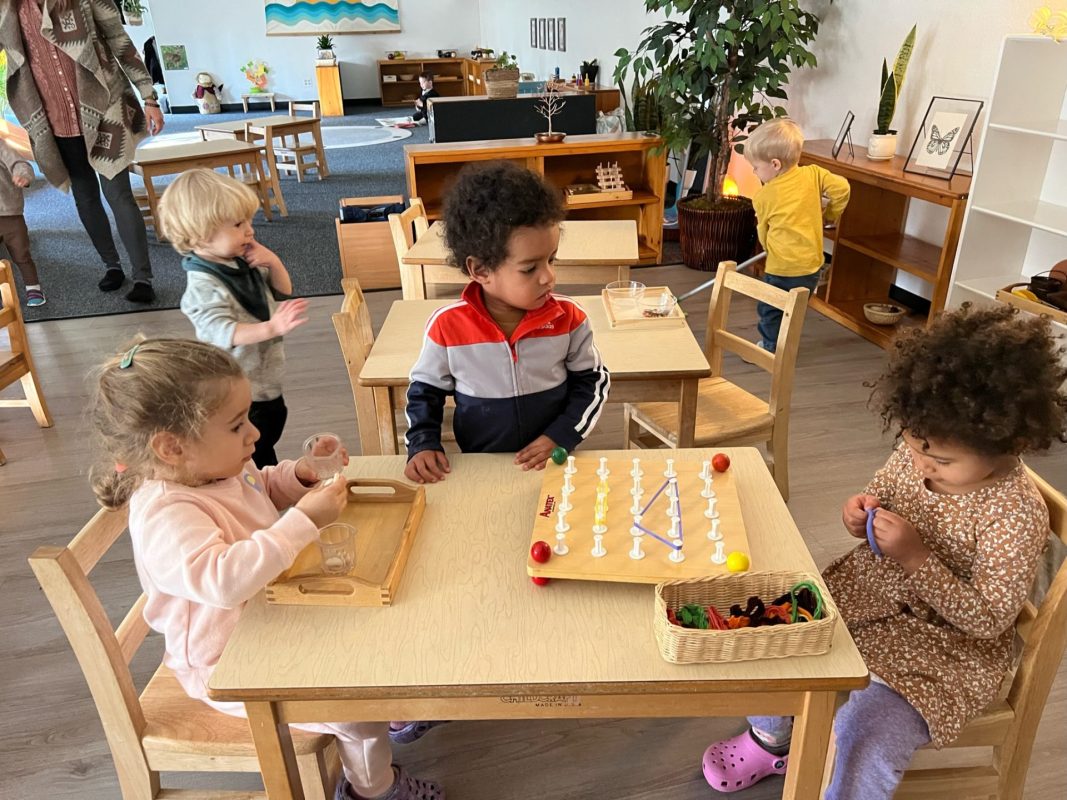
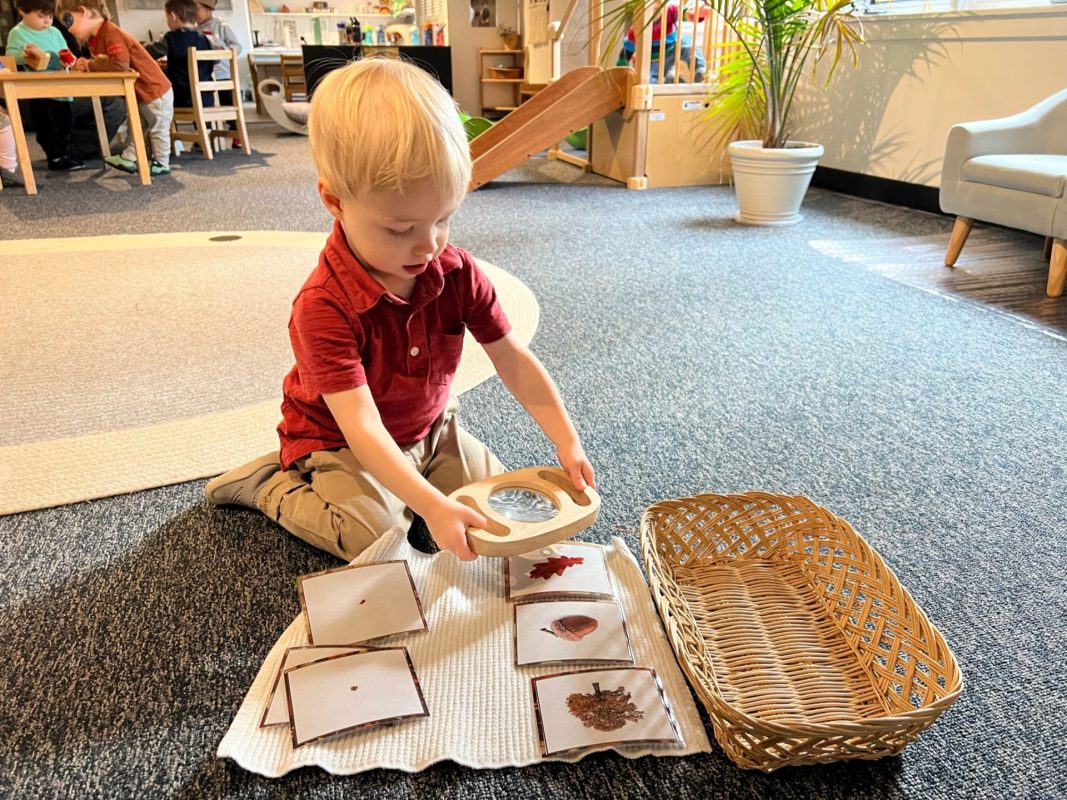
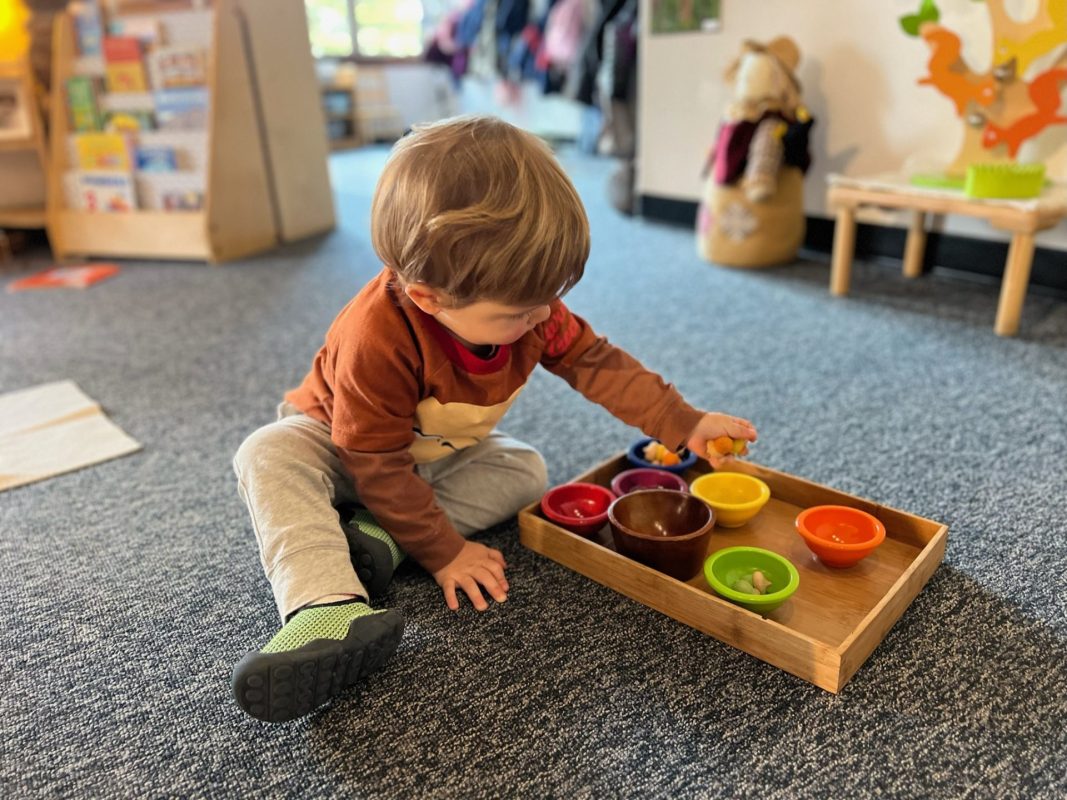
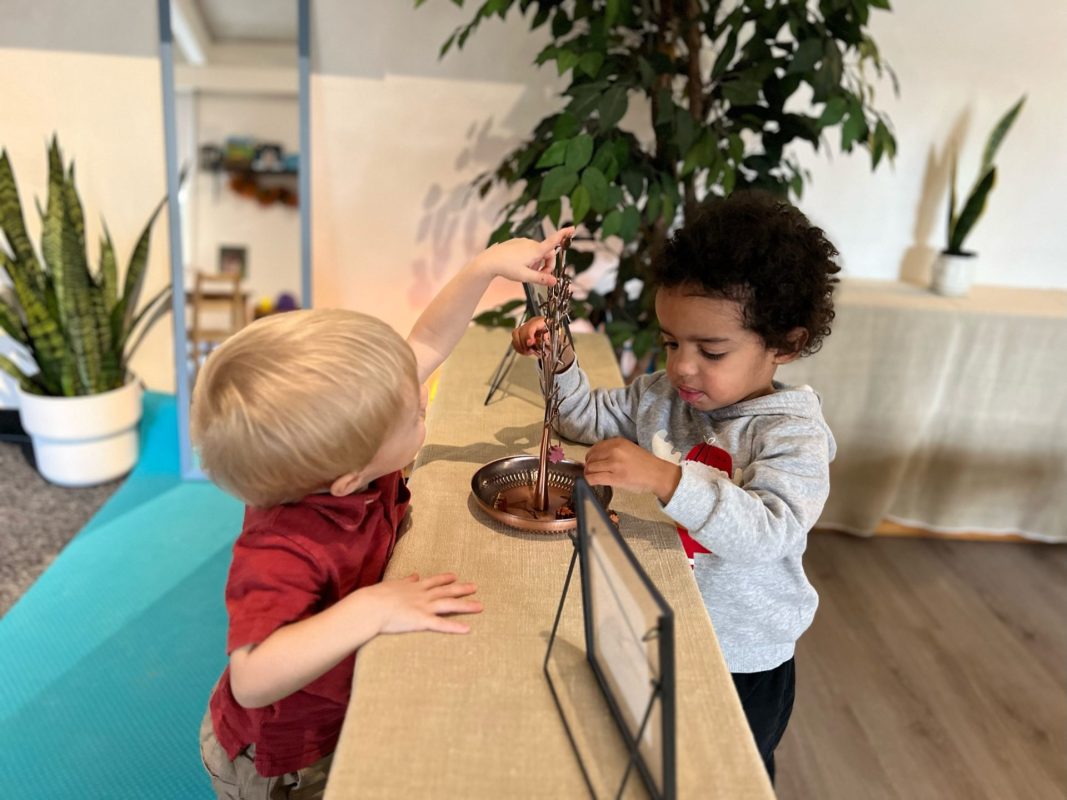
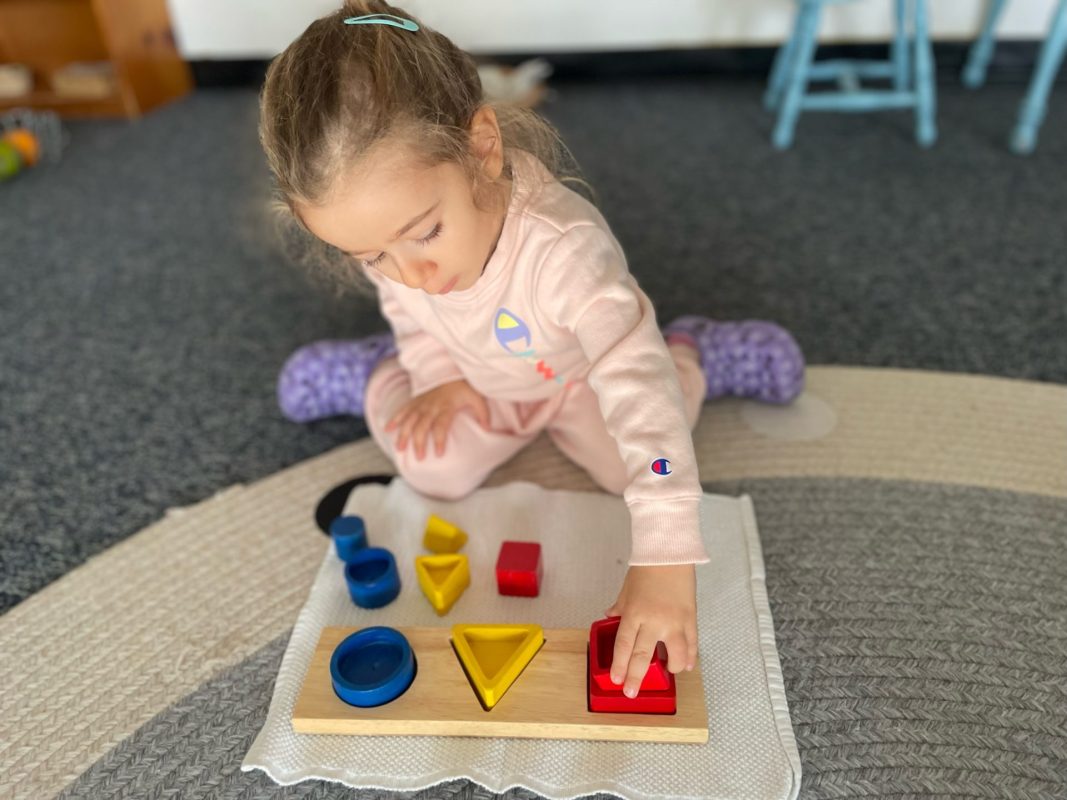
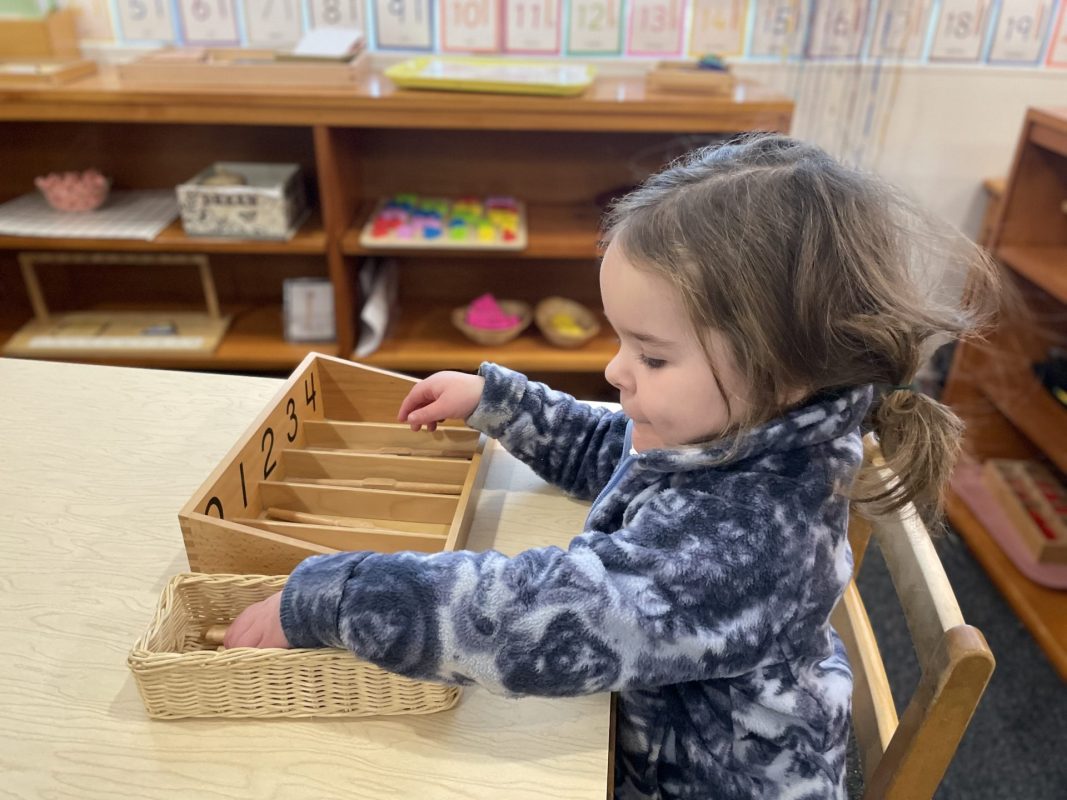
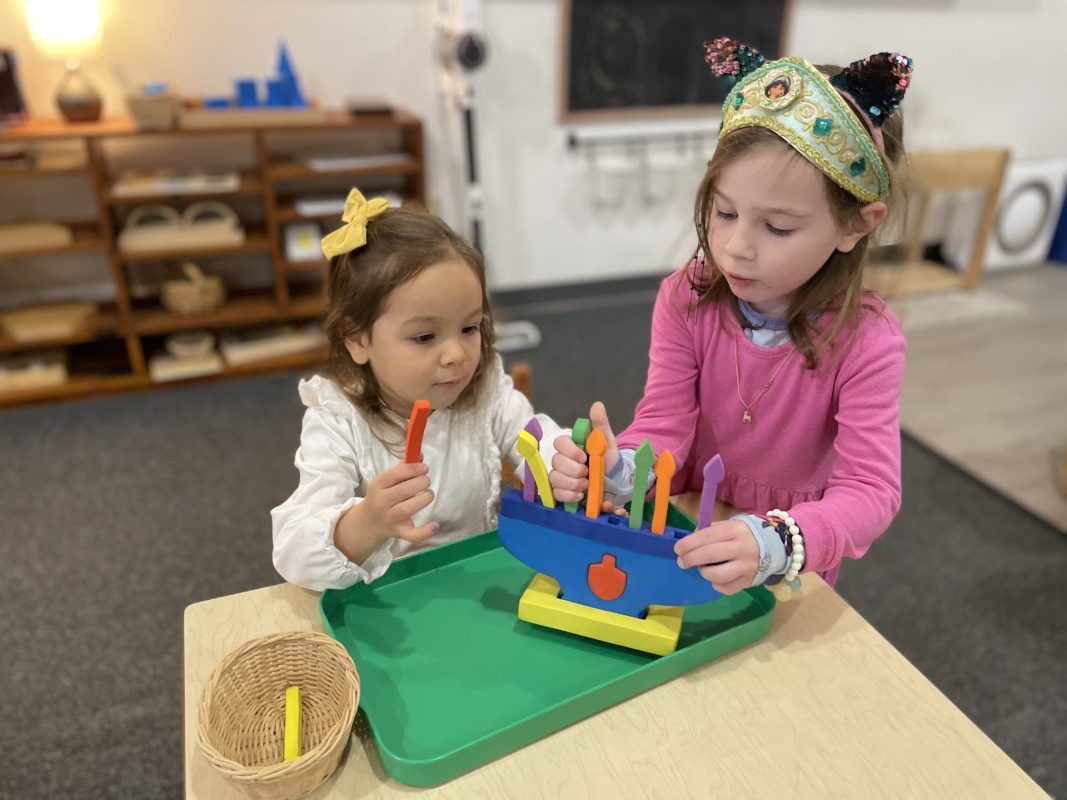
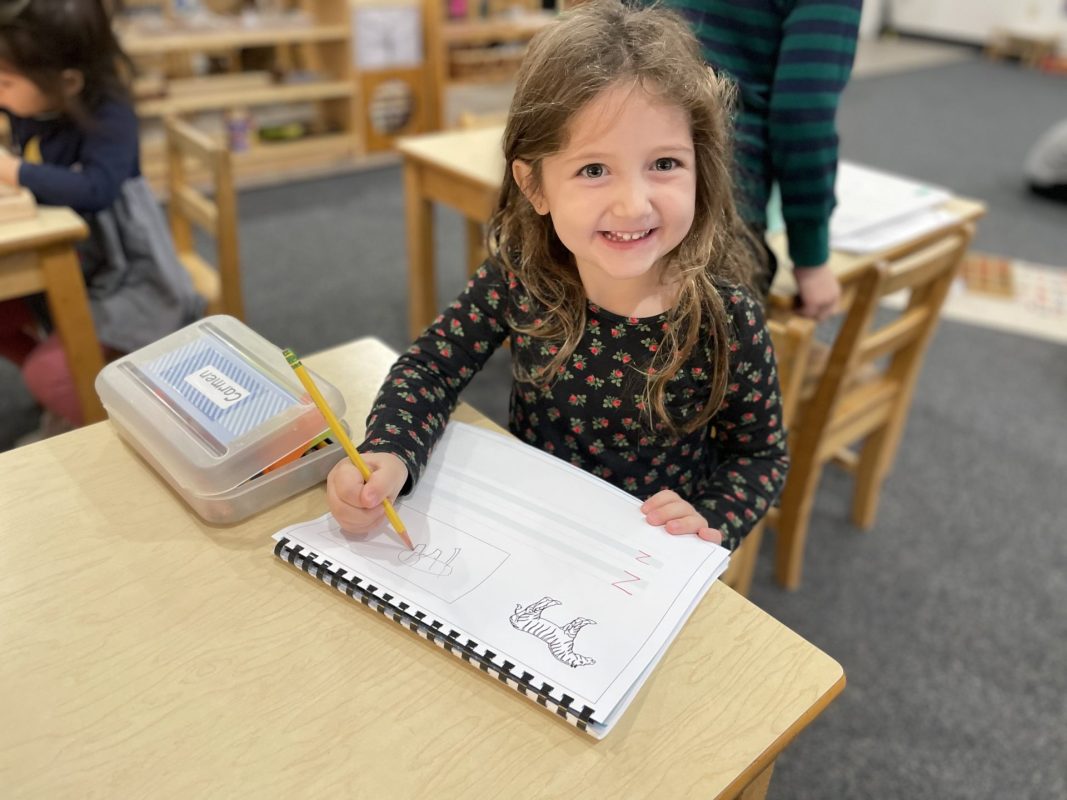
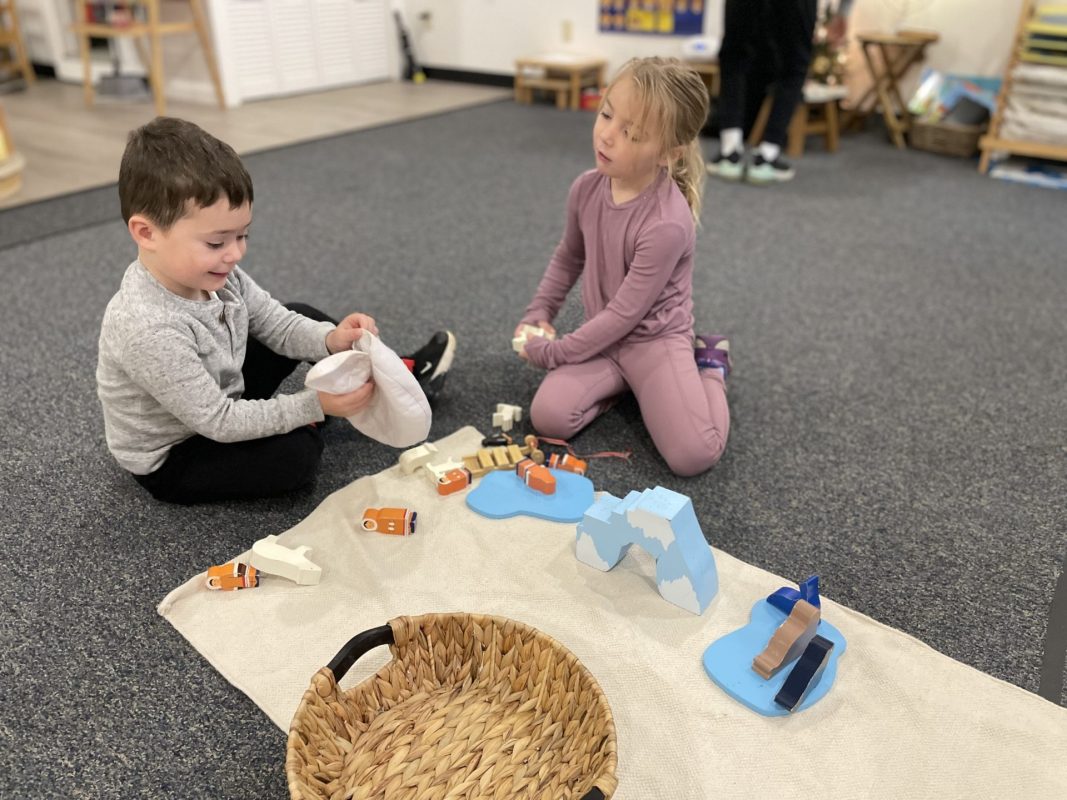
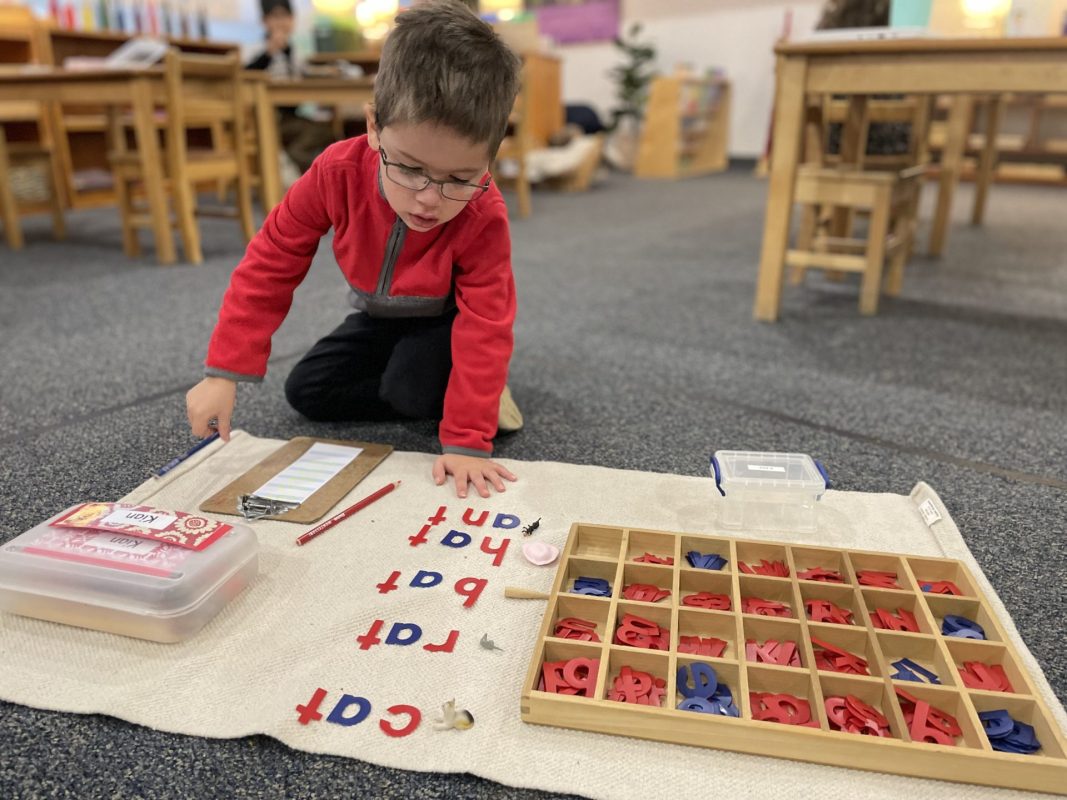
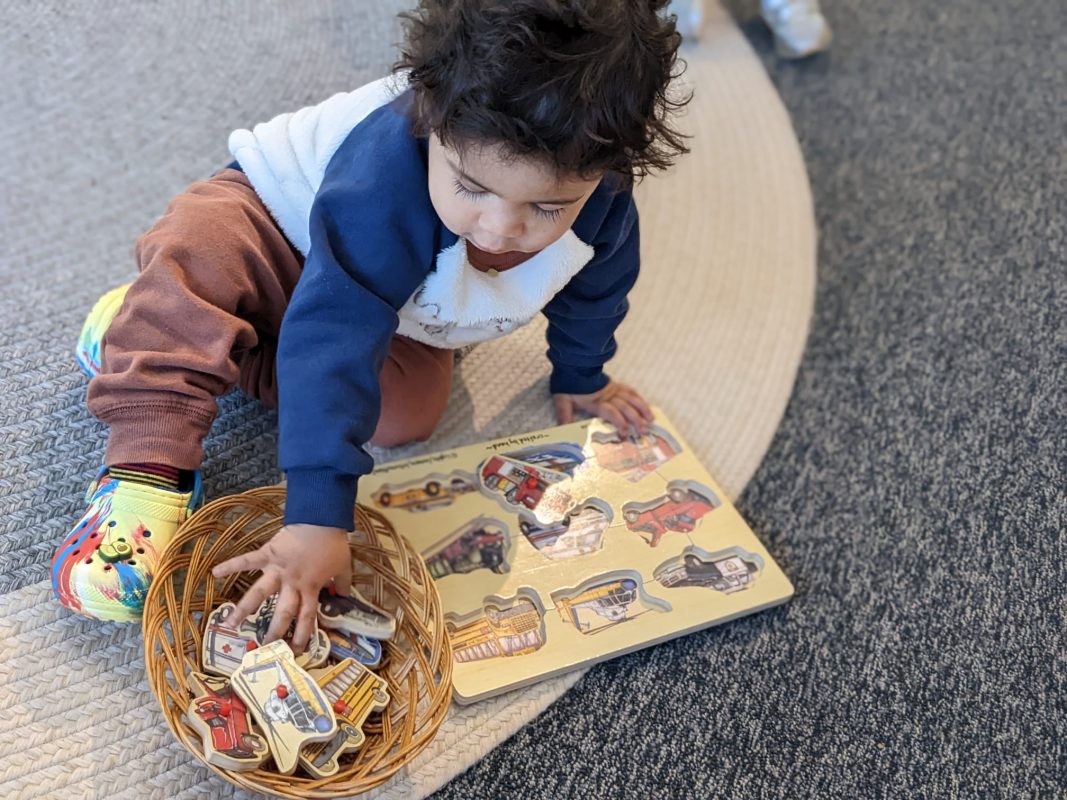
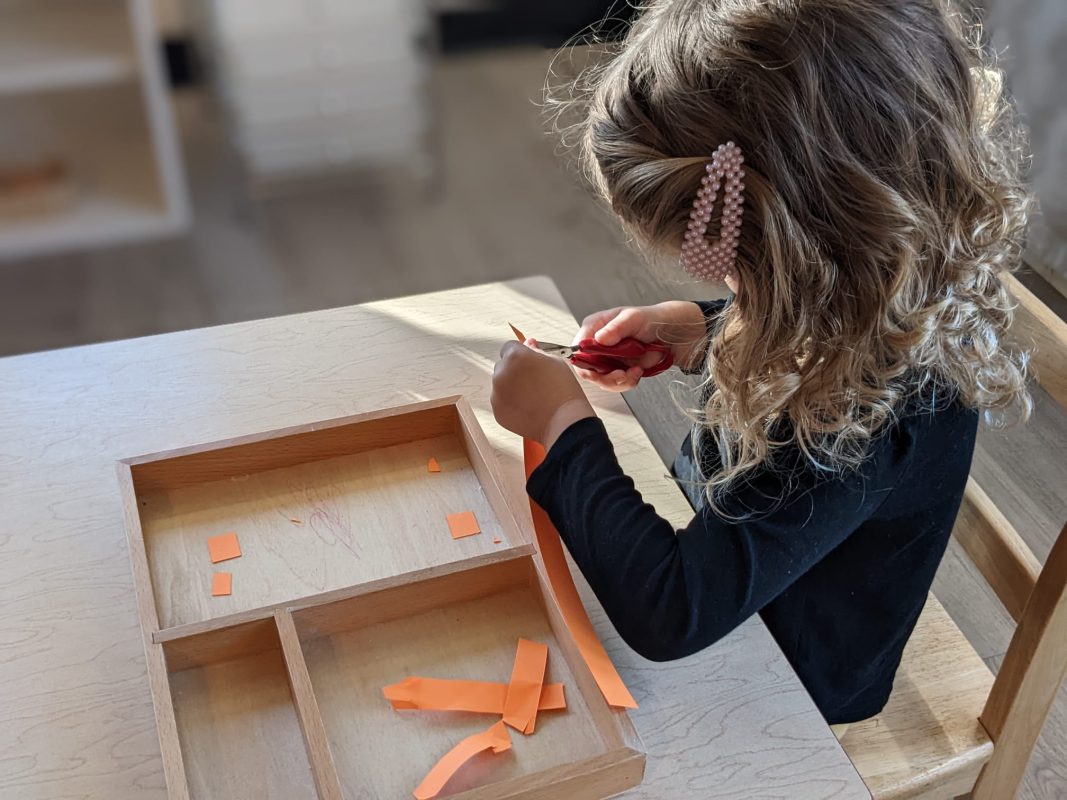
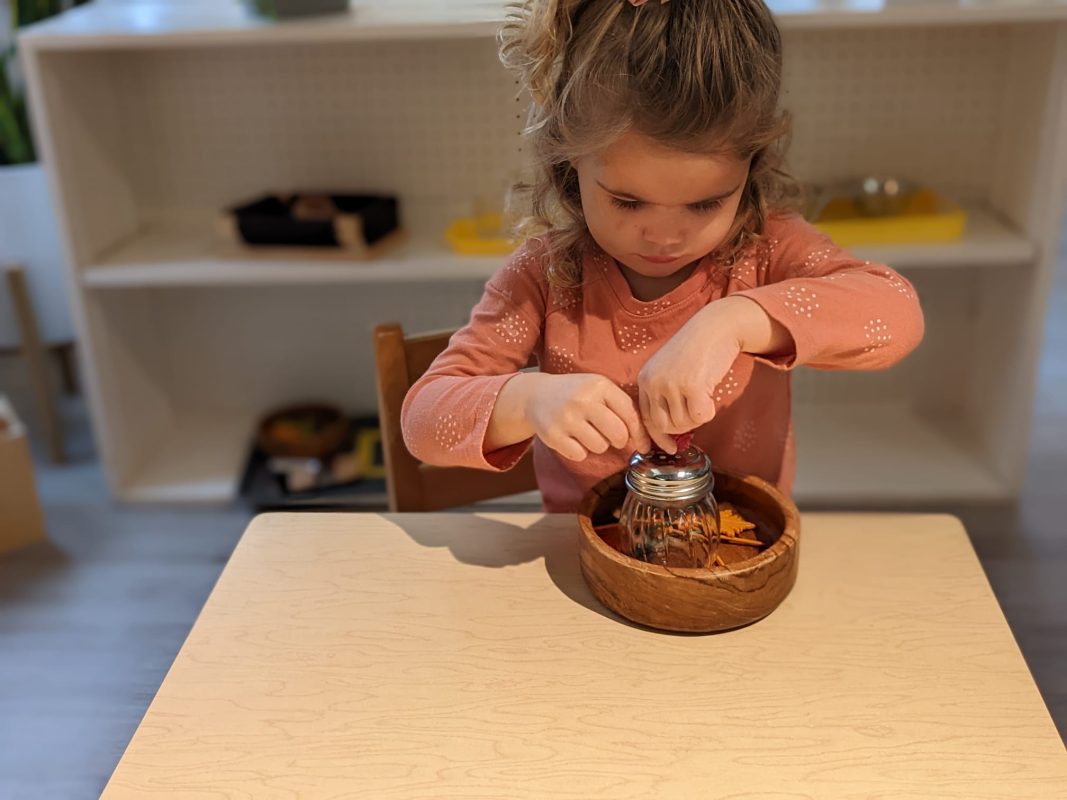
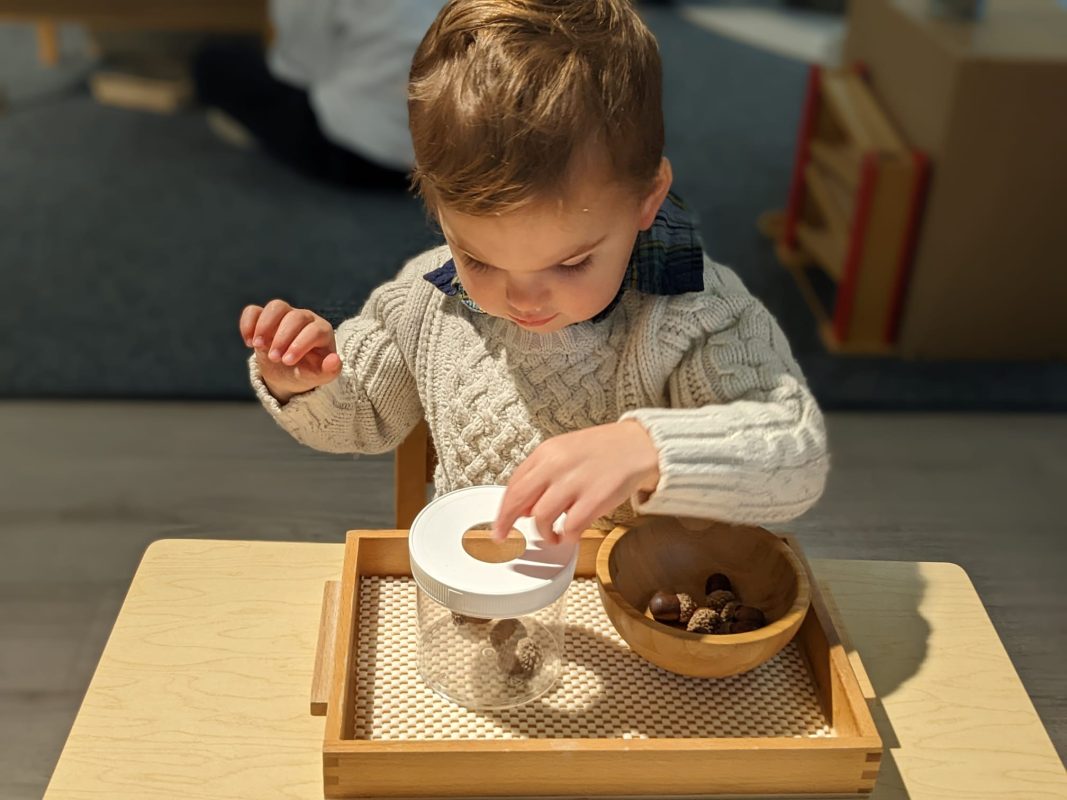
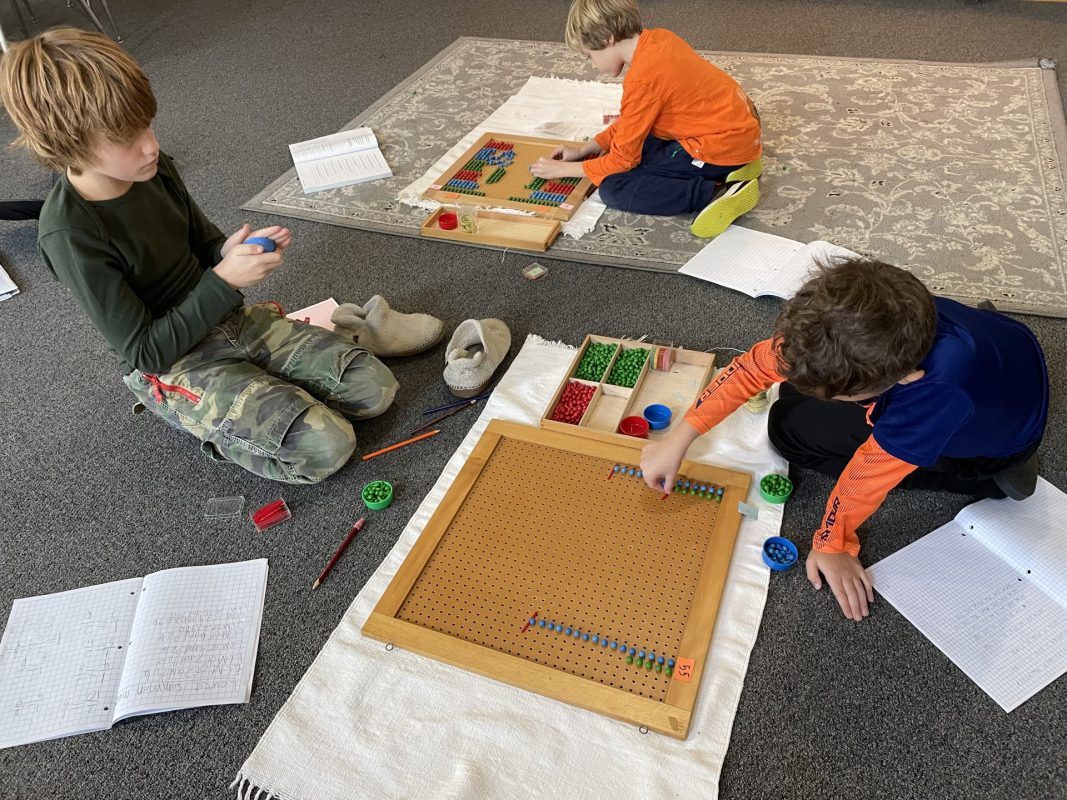
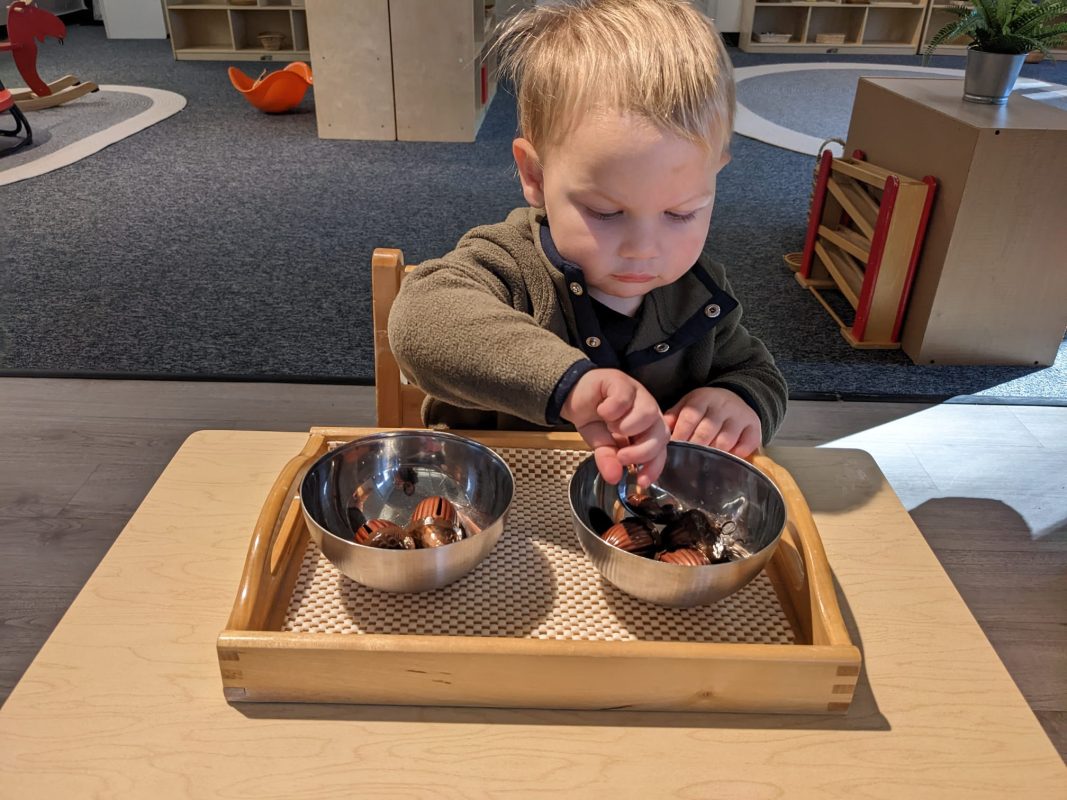
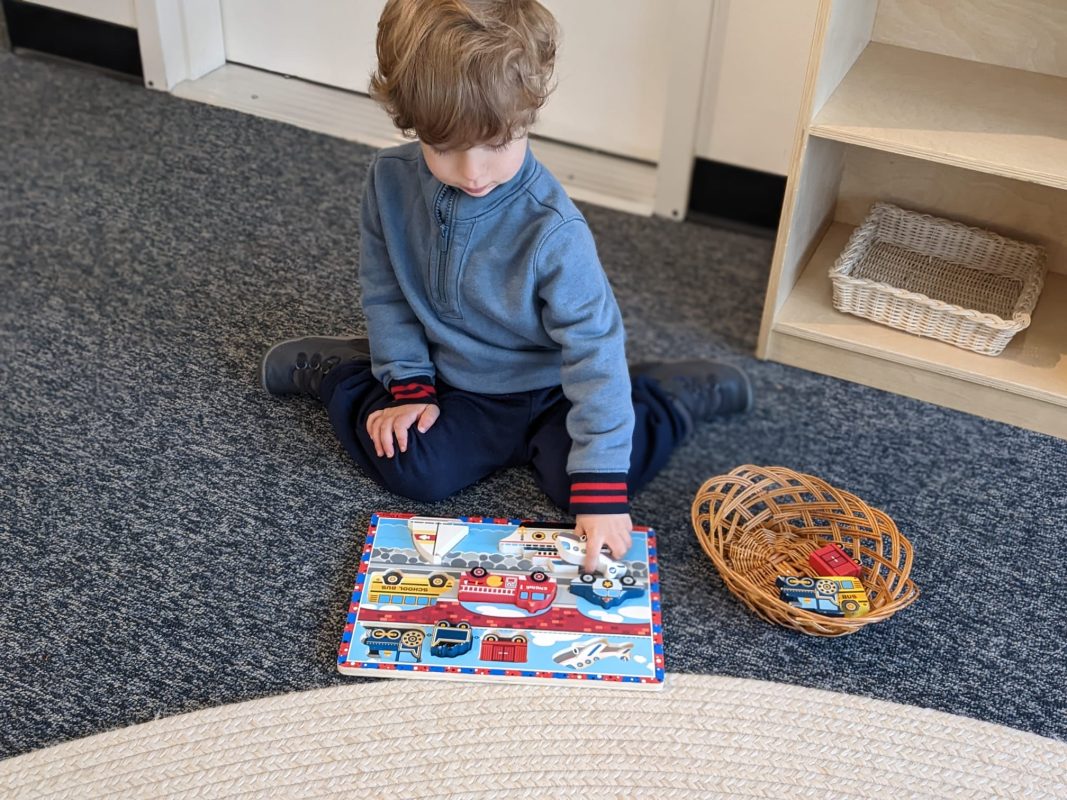
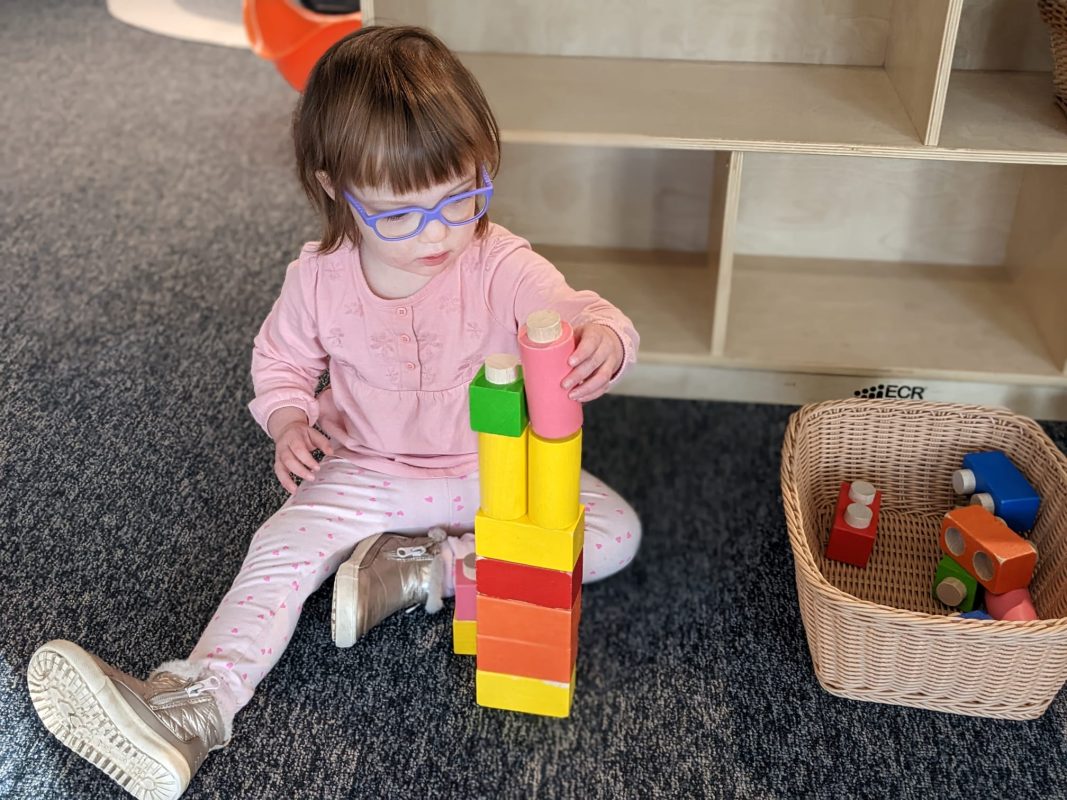
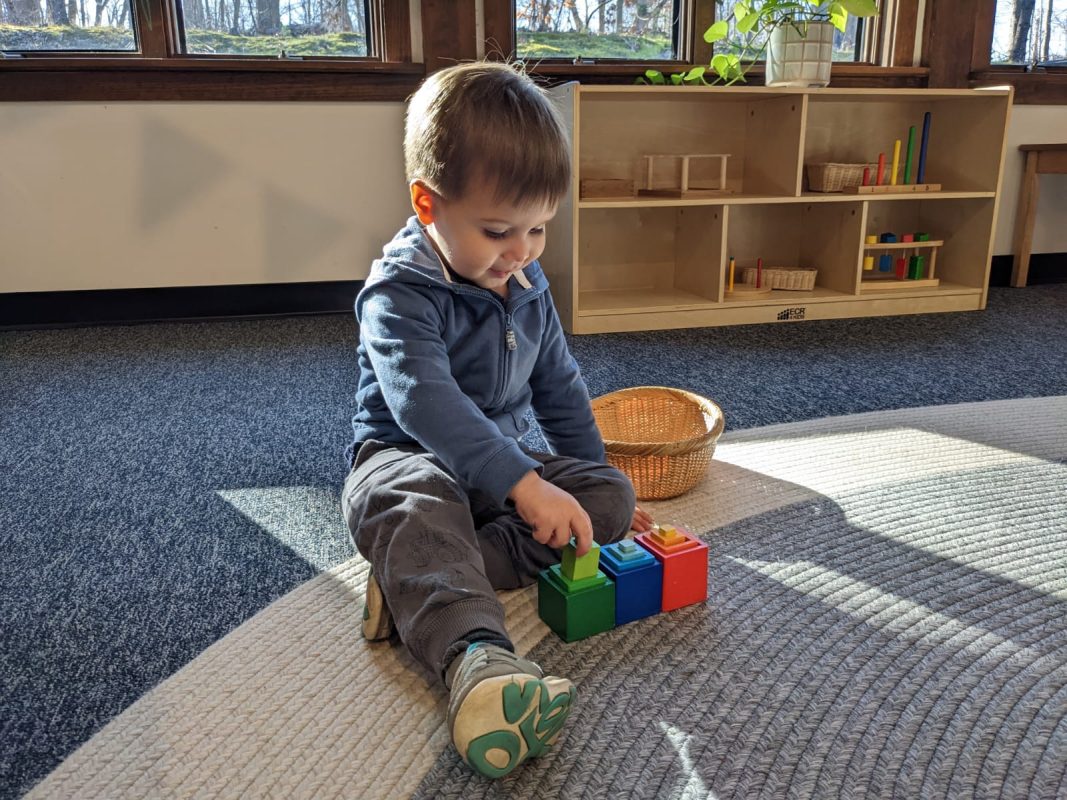
Children are driven by a strong, unconscious internal growth process to seek out experiences that will meet their needs. Our role as Montessori teachers is to provide a well-prepared environment that encourages children to be independent and learn at their own pace. The children are free to choose their work and to use it repeatedly. So, while they are ‘working’ each child is also building independence, coordination, self-discipline, and concentration.

Enjoy your work!

Amanda & Hema


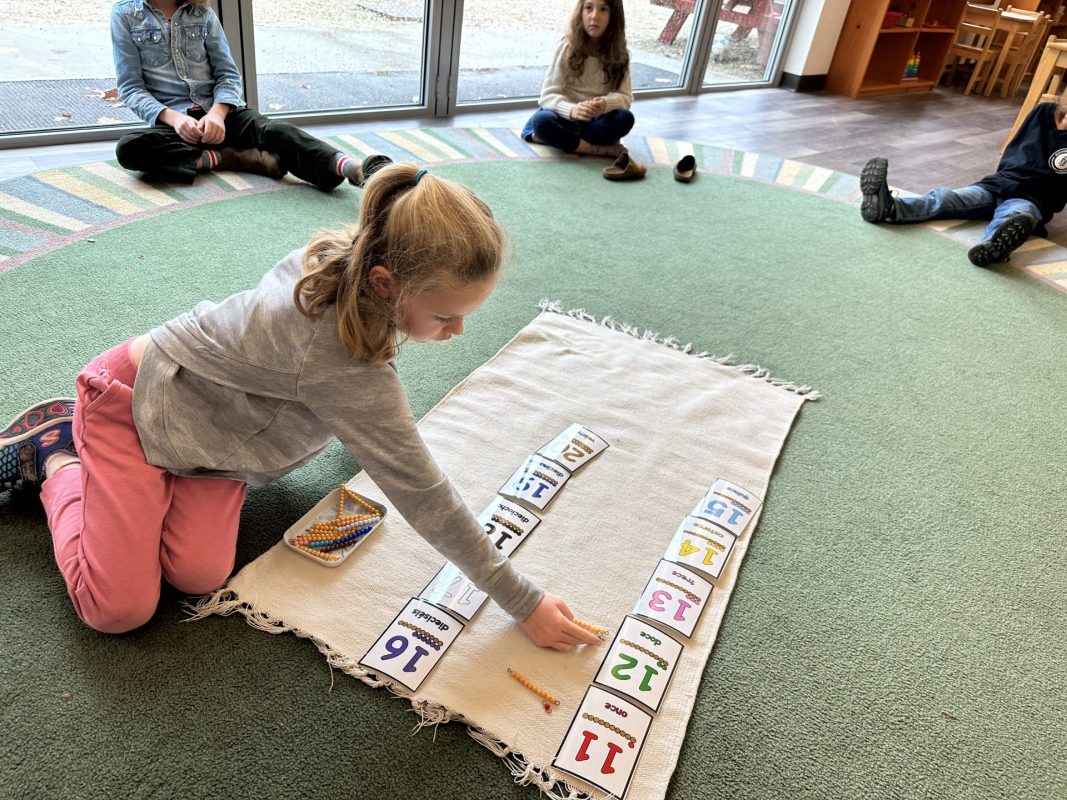
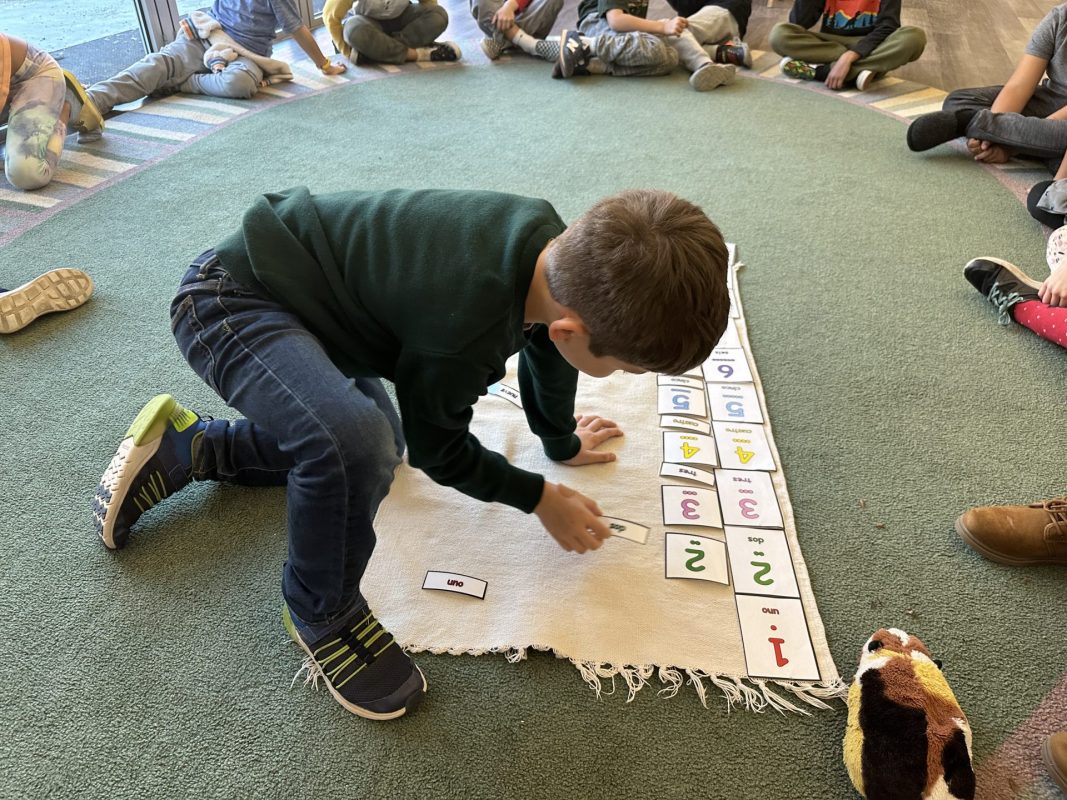
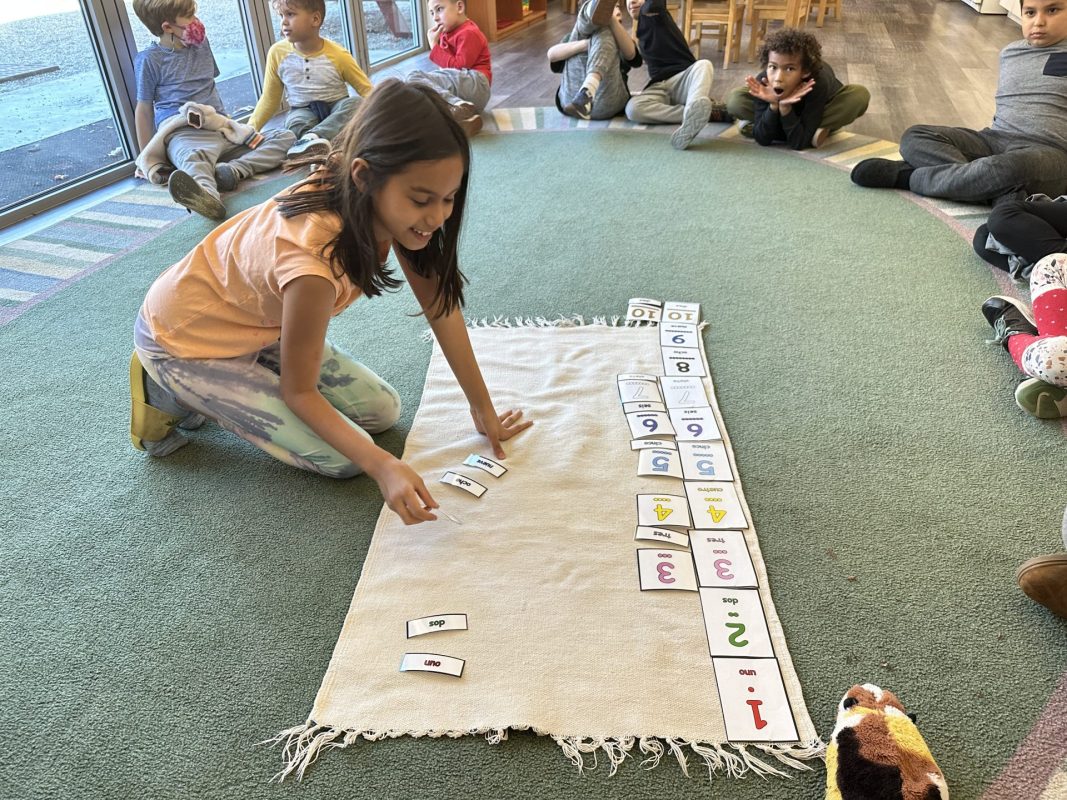
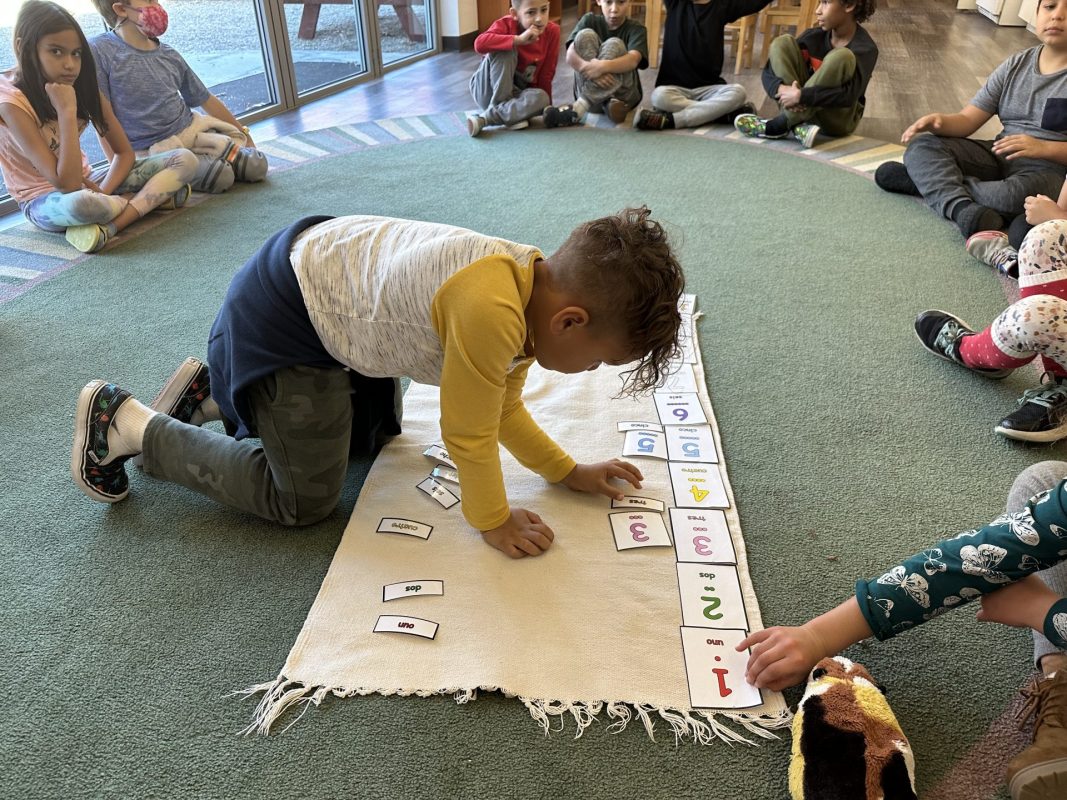
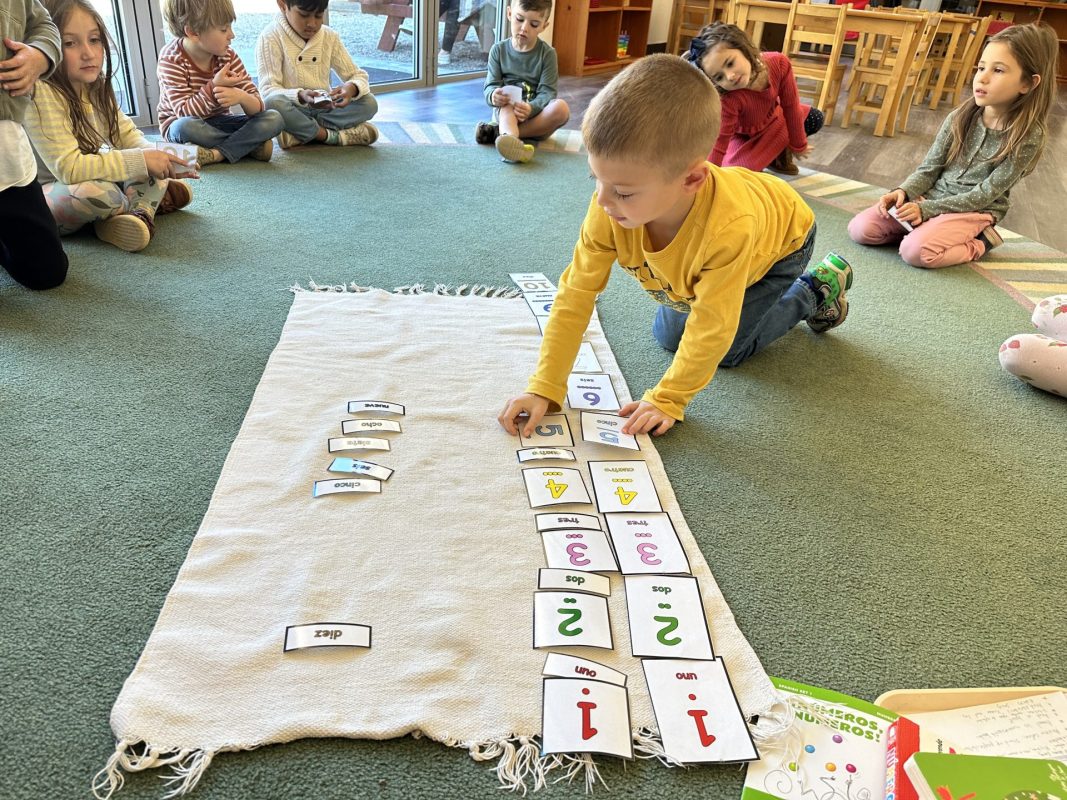
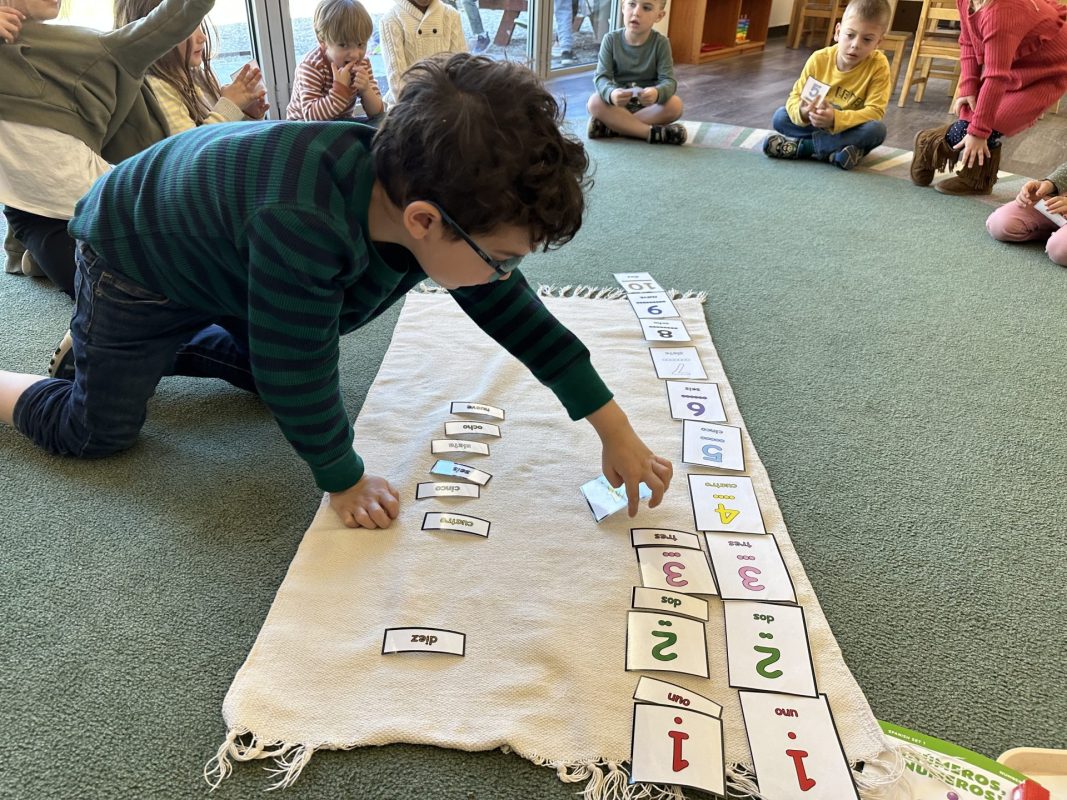
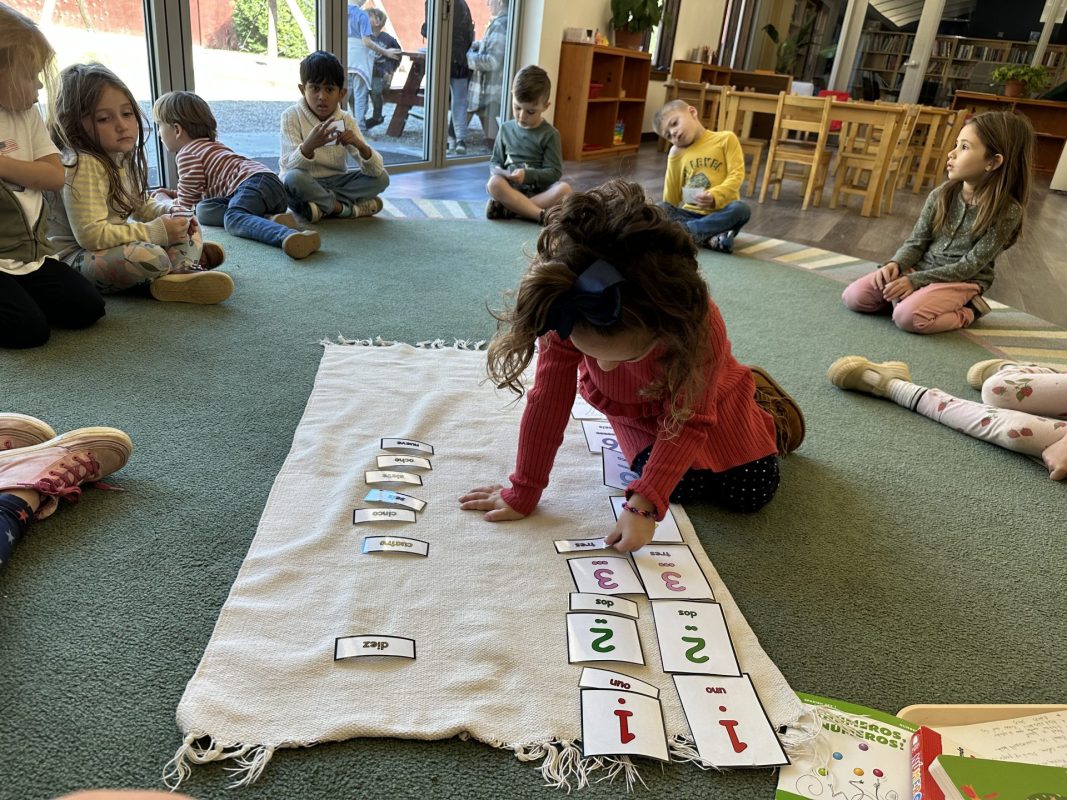
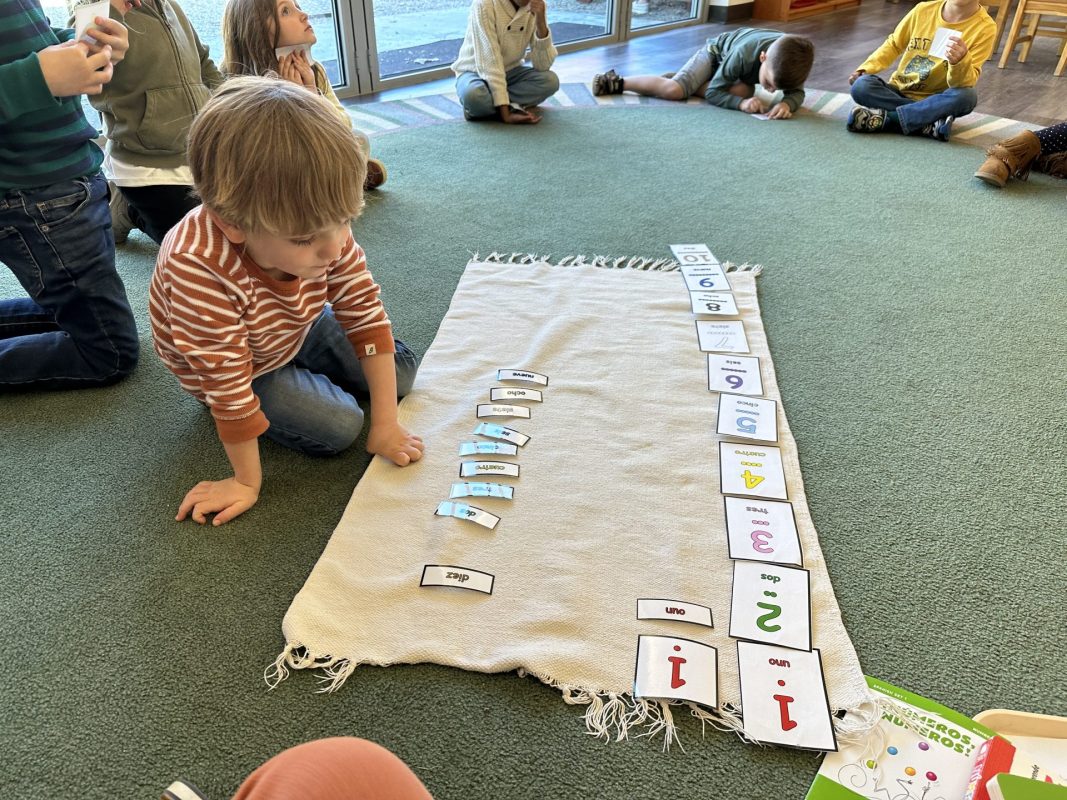
Progreso de la clase de Español en Noviembre/Spanish Class November Progress

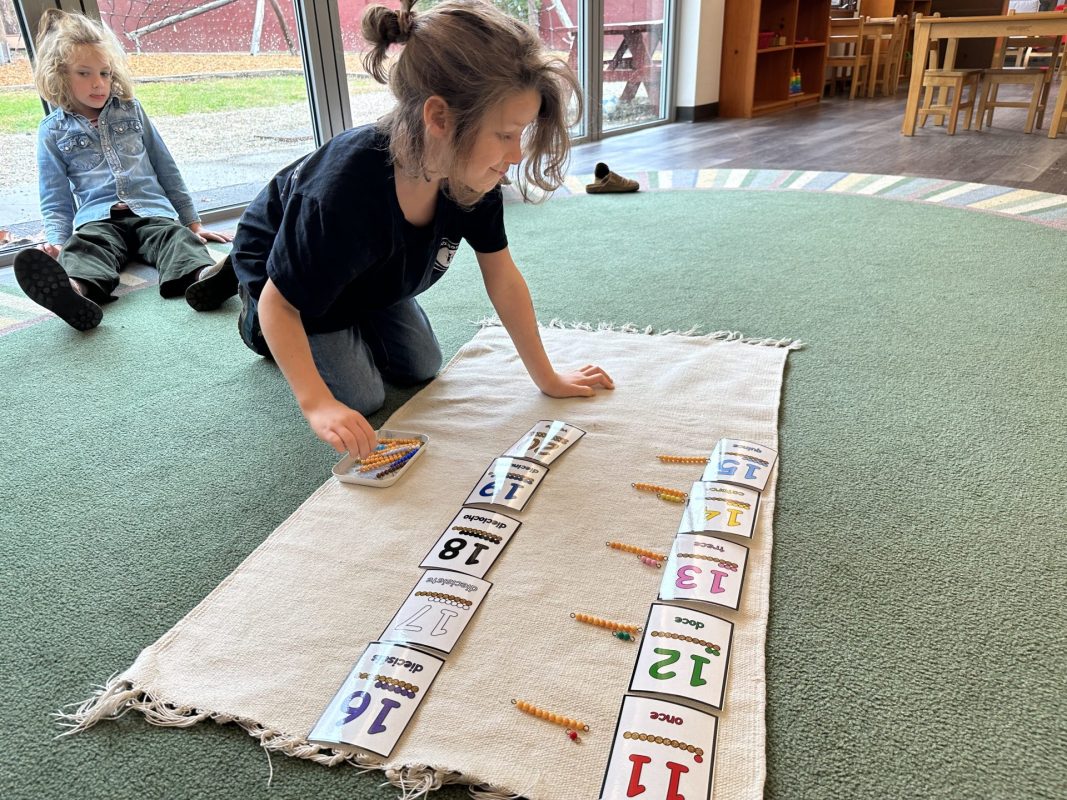
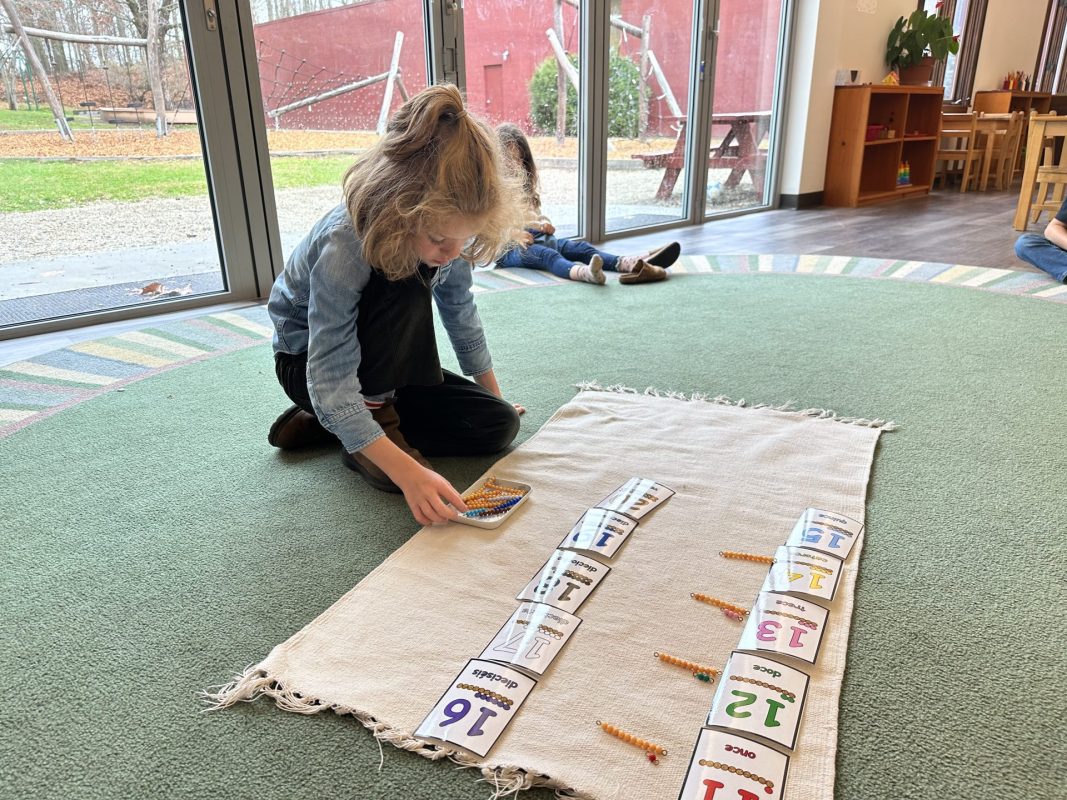
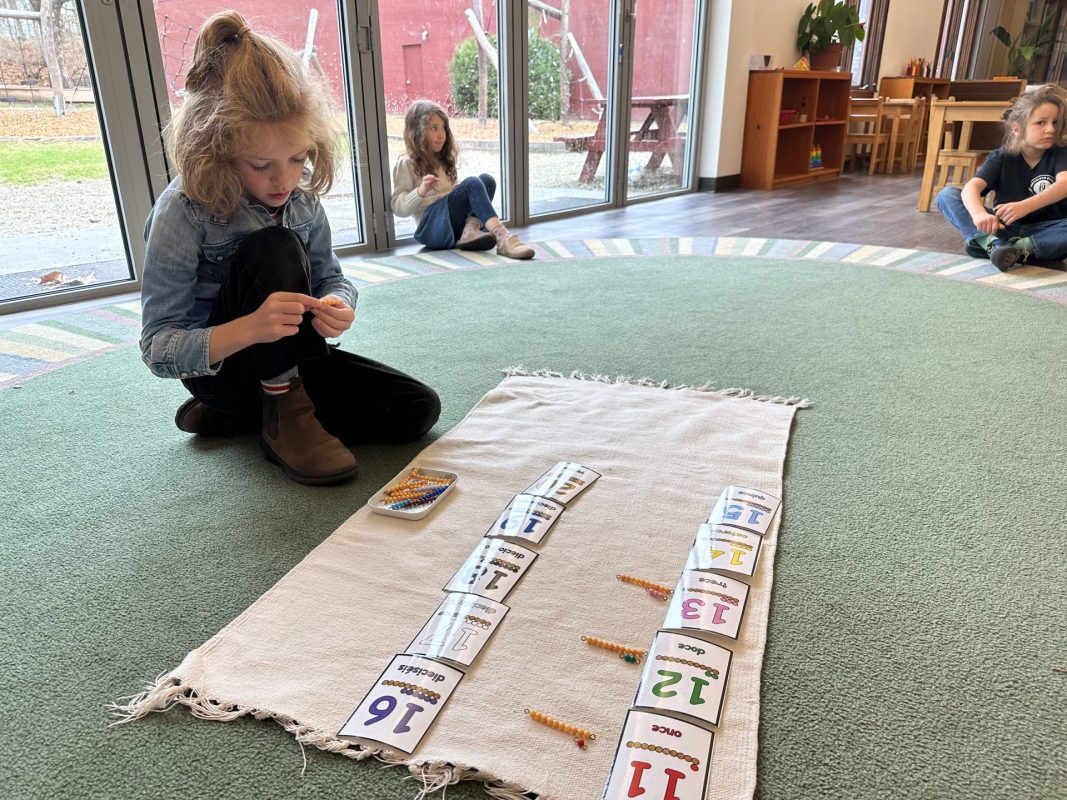
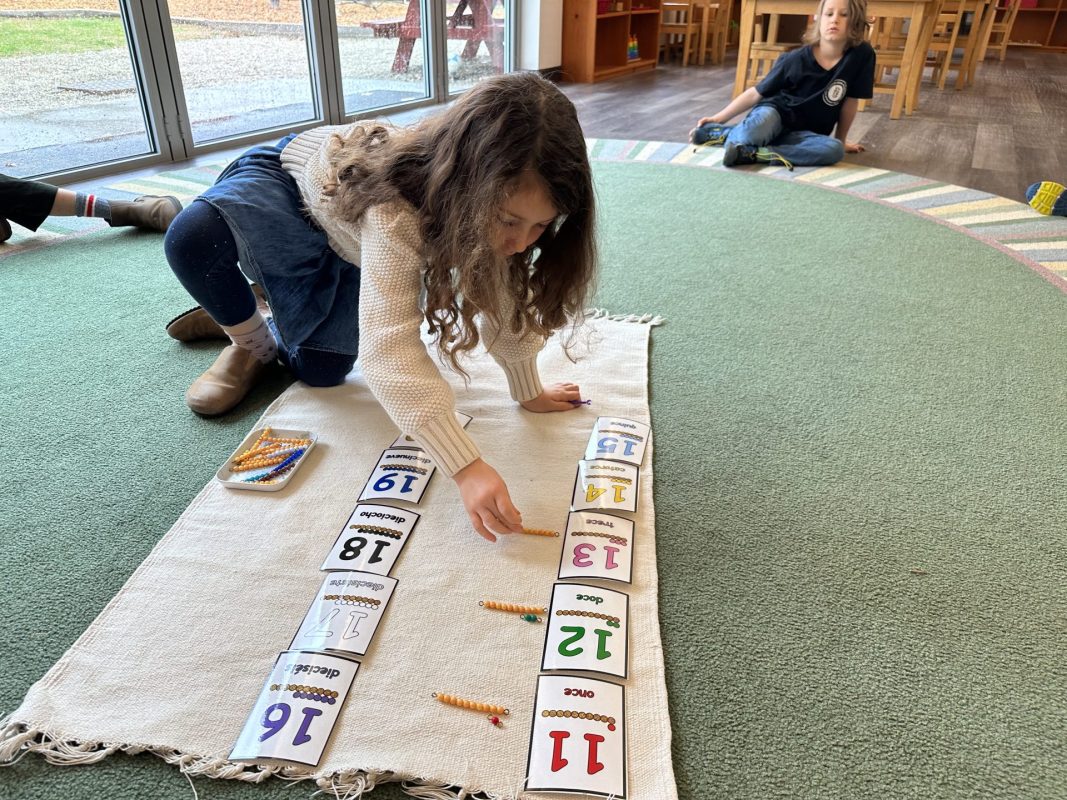
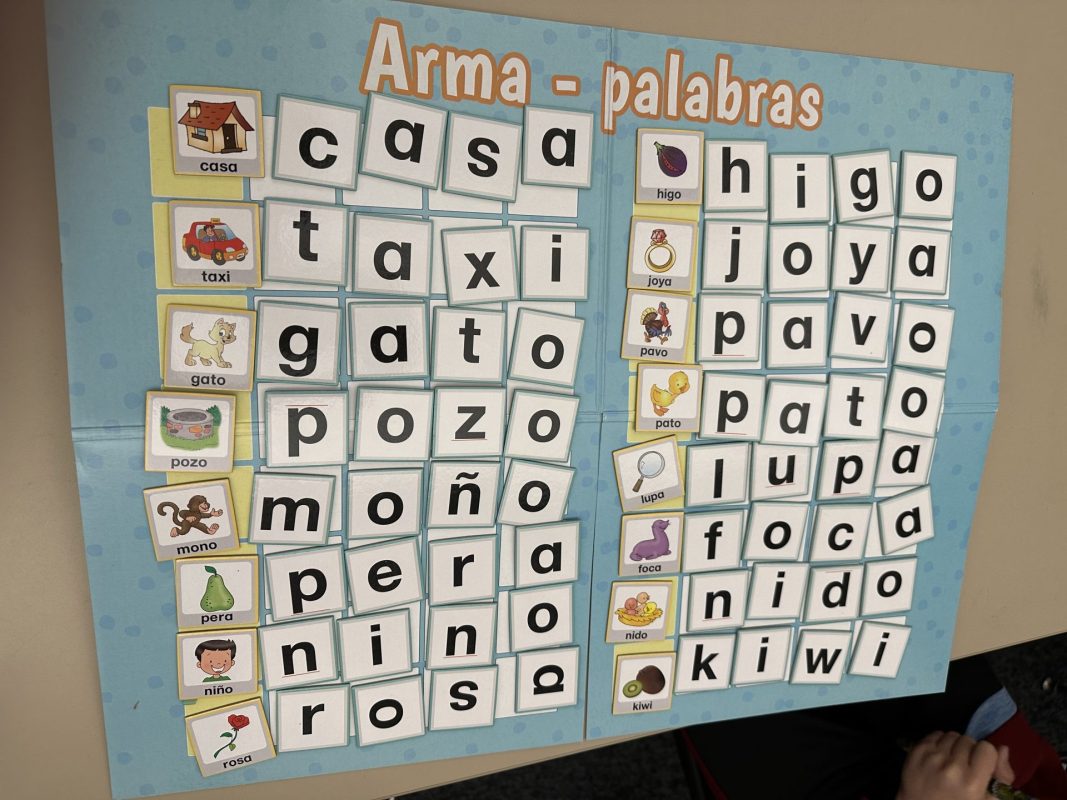
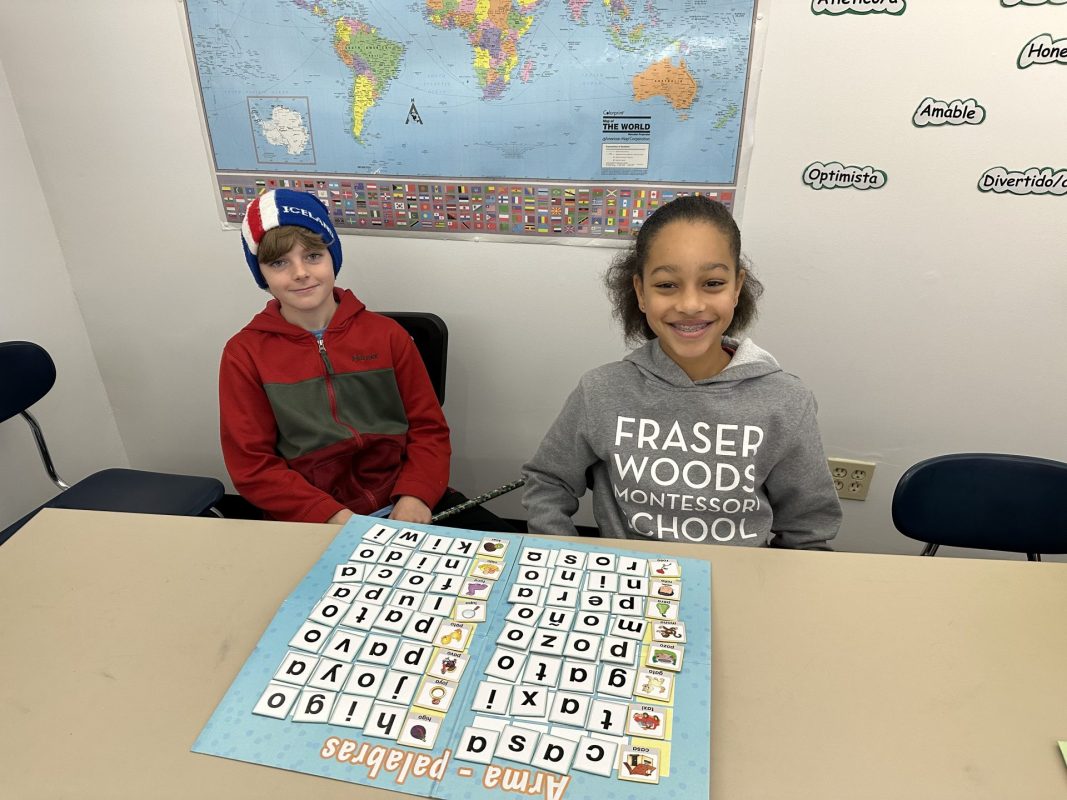
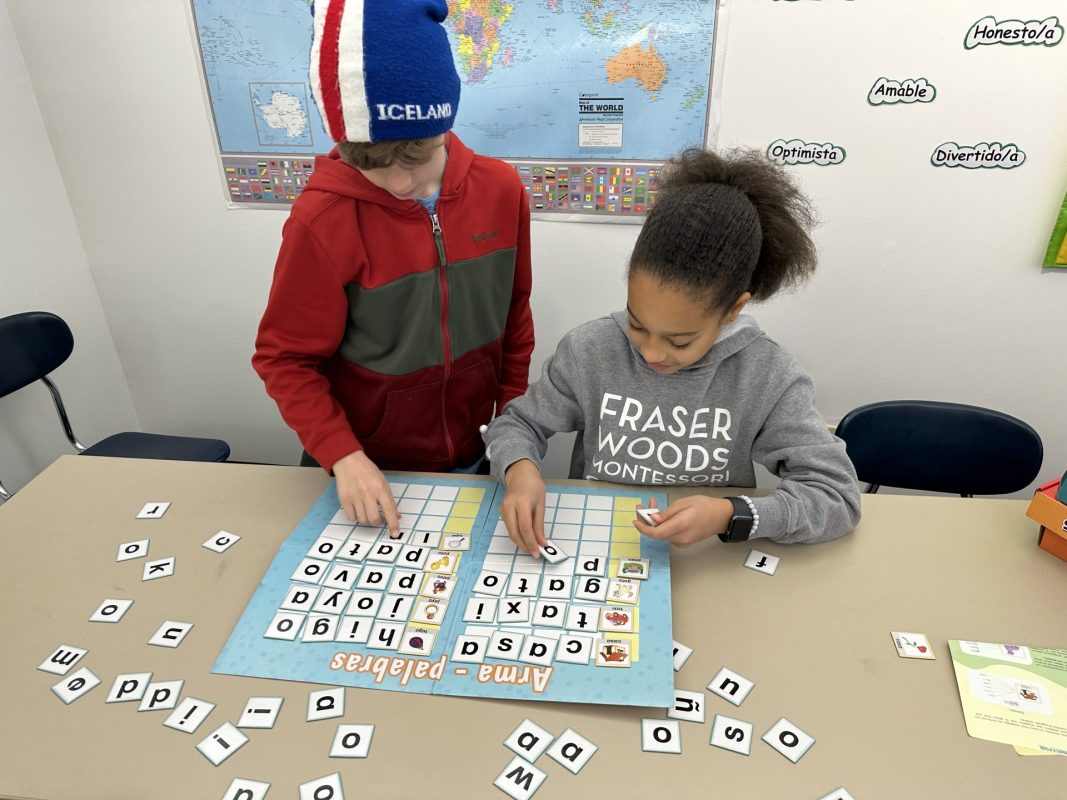
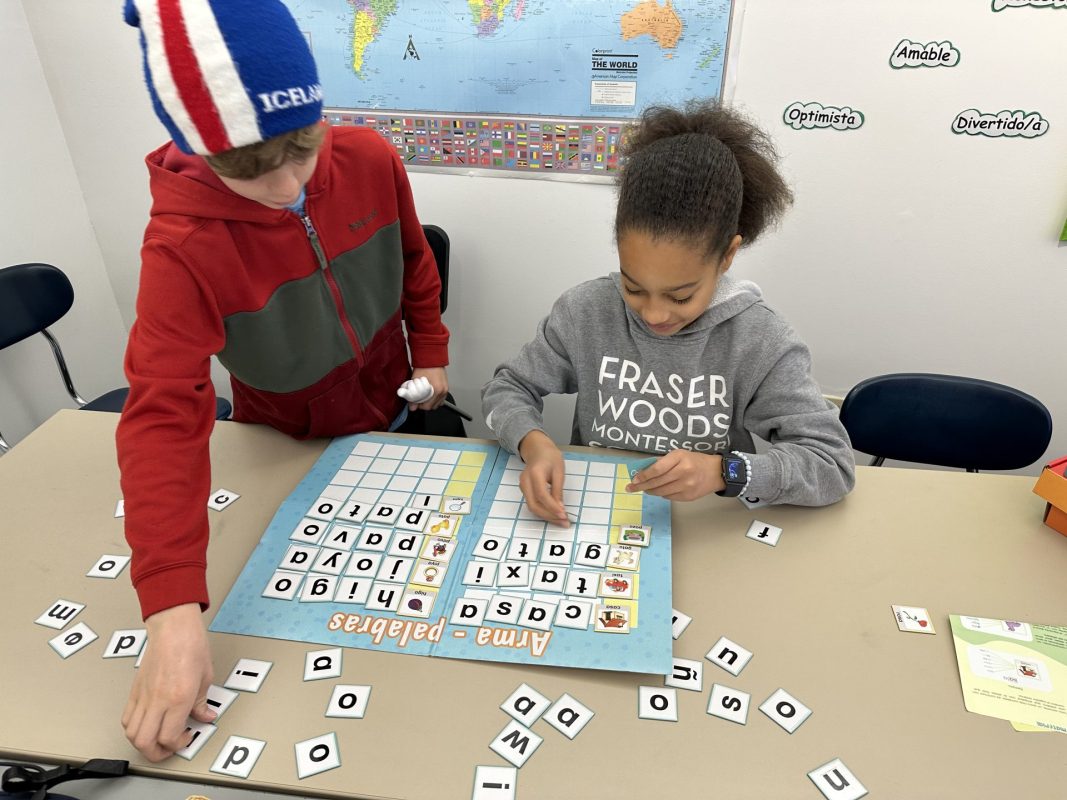
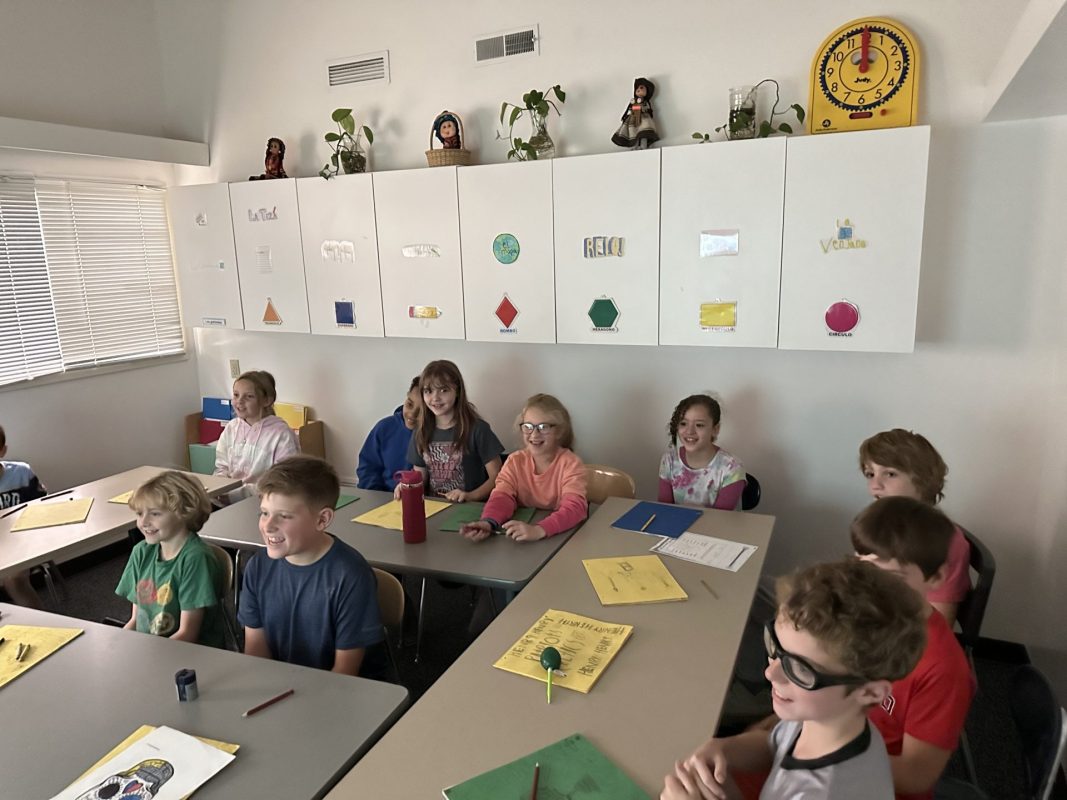
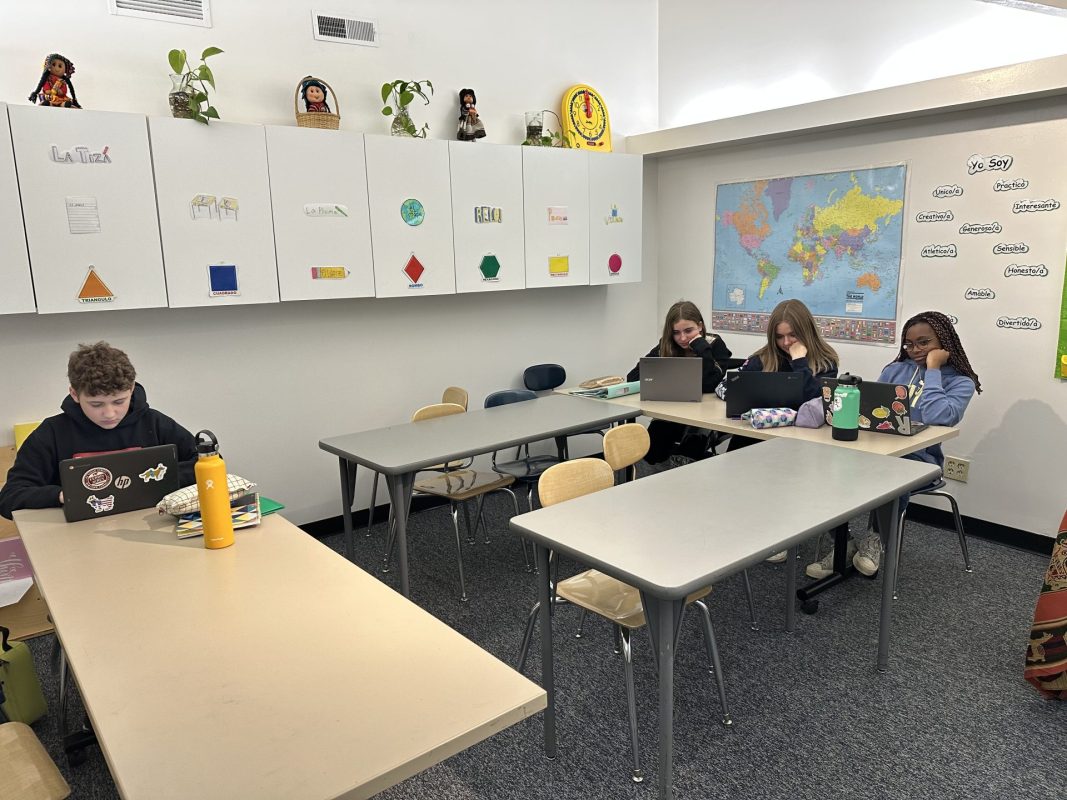
Primary and Lower Elementary: “Los números”; Upper Elementary: “El calendario & Las estaciones”; Middle School: “Pronombres personales & algunos verbos”, “Cosas de la casa & los números ordinales” and “Articulos definidos e indefinidos”, “Acuerdo entre el sustantivo y el adjetivo”. In addition, FWM students learned about biography and the art of worldwide artists, Antonio Gaudi (Spain) & Frida Kahlo (Mexico).

This month at FWM students kept working on their usual conversation about feelings, Spanish greetings, the calendar and weather description. They are continuously improving their Spanish listening and vocabulary. Students from Primary, Lower Elementary, Upper Elementary and Middle School listened carefully to Spanish books and songs and participated in interactive games that were displayed during class.

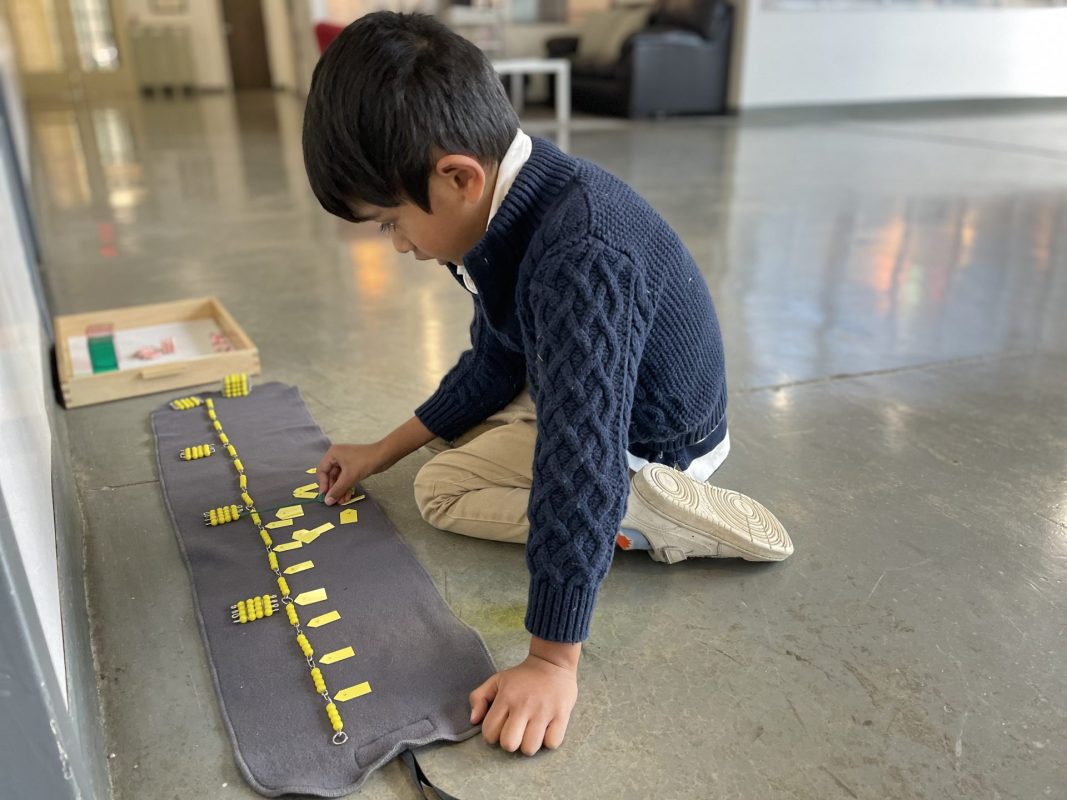
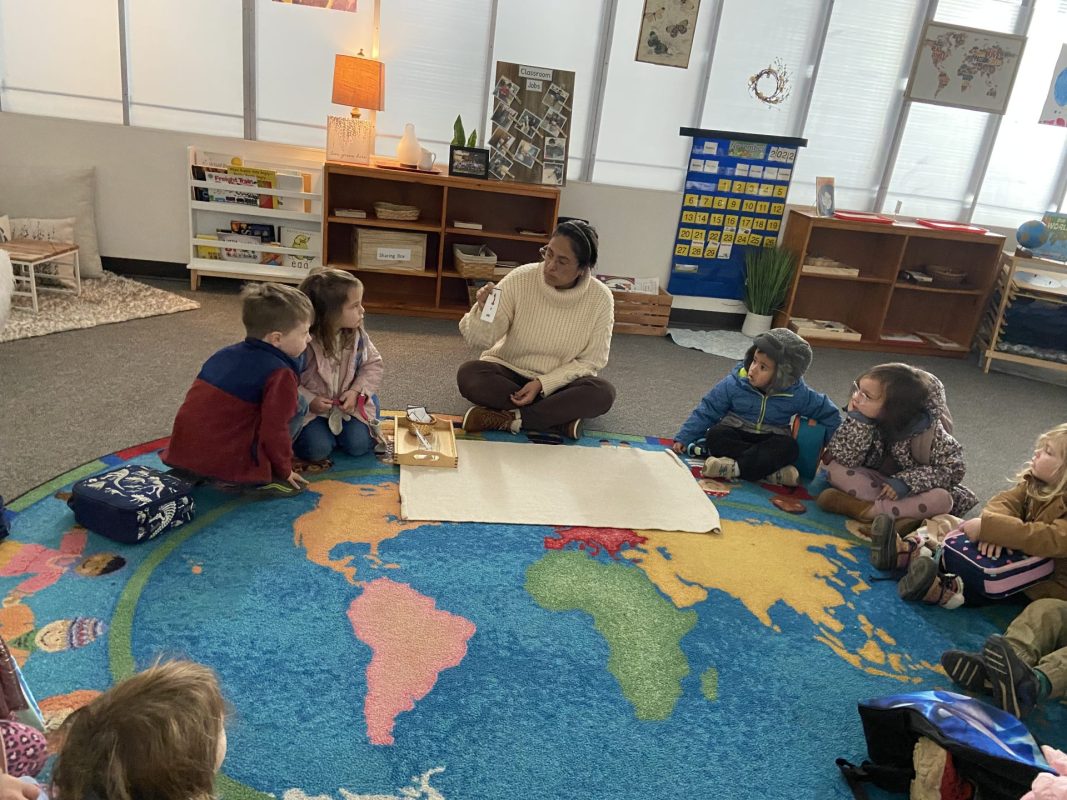
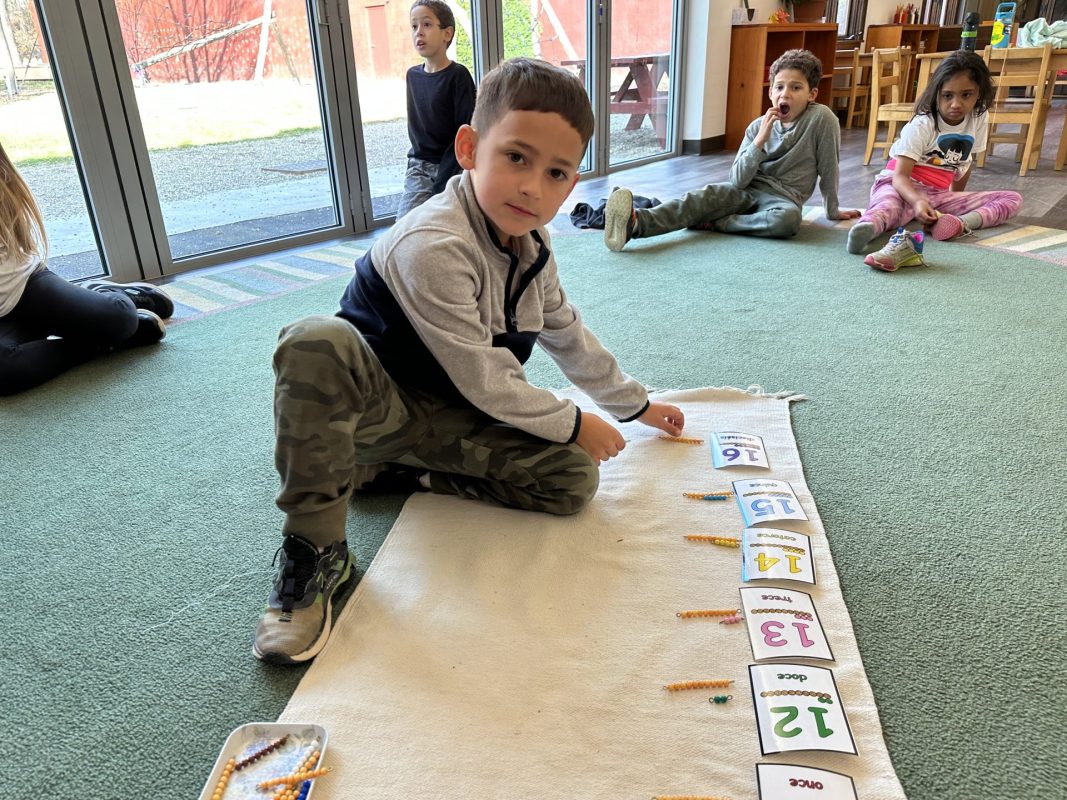
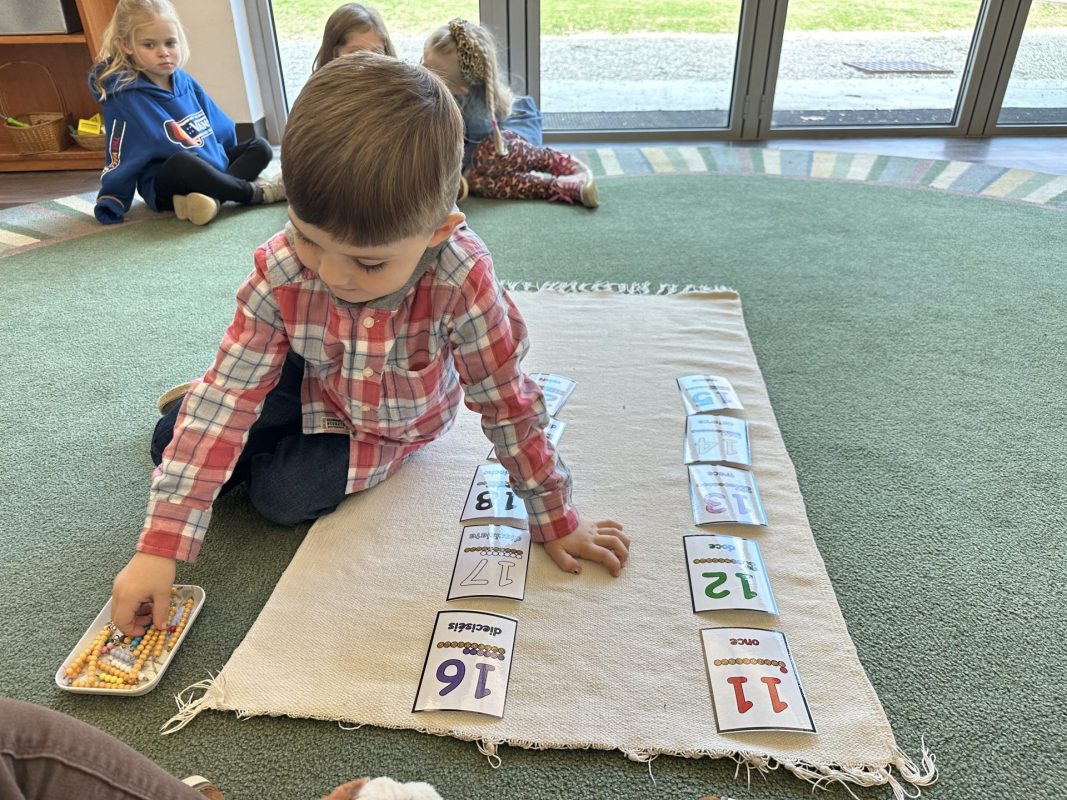
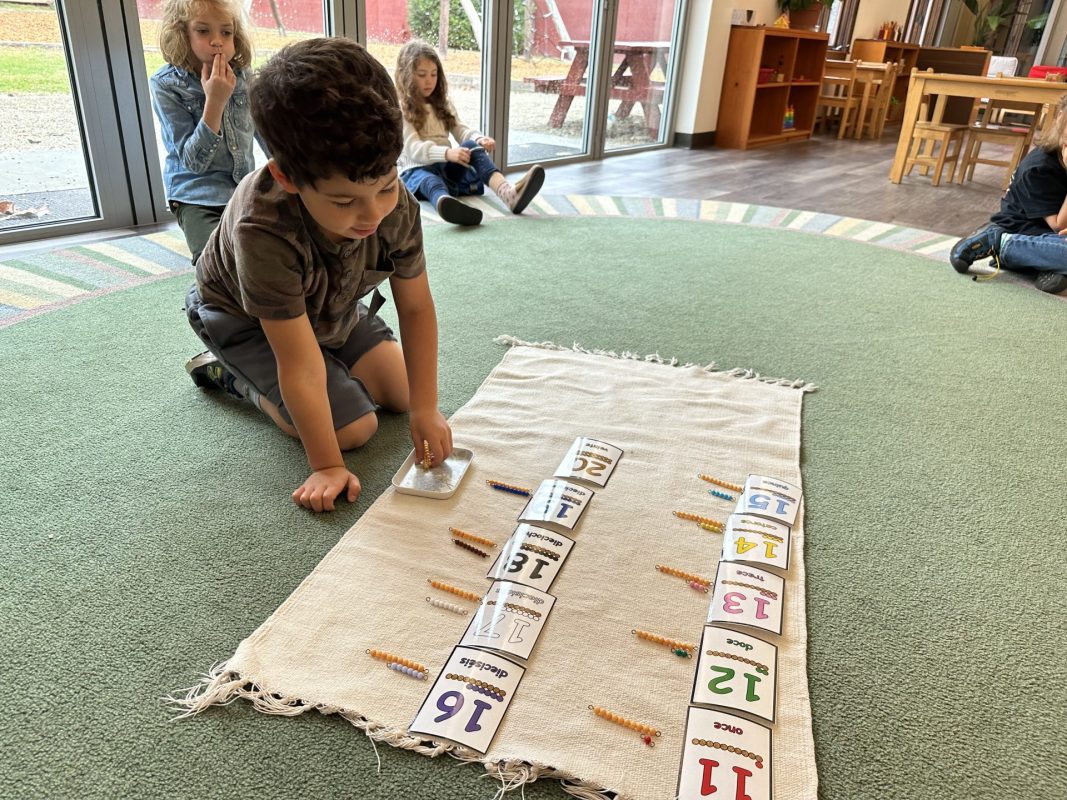
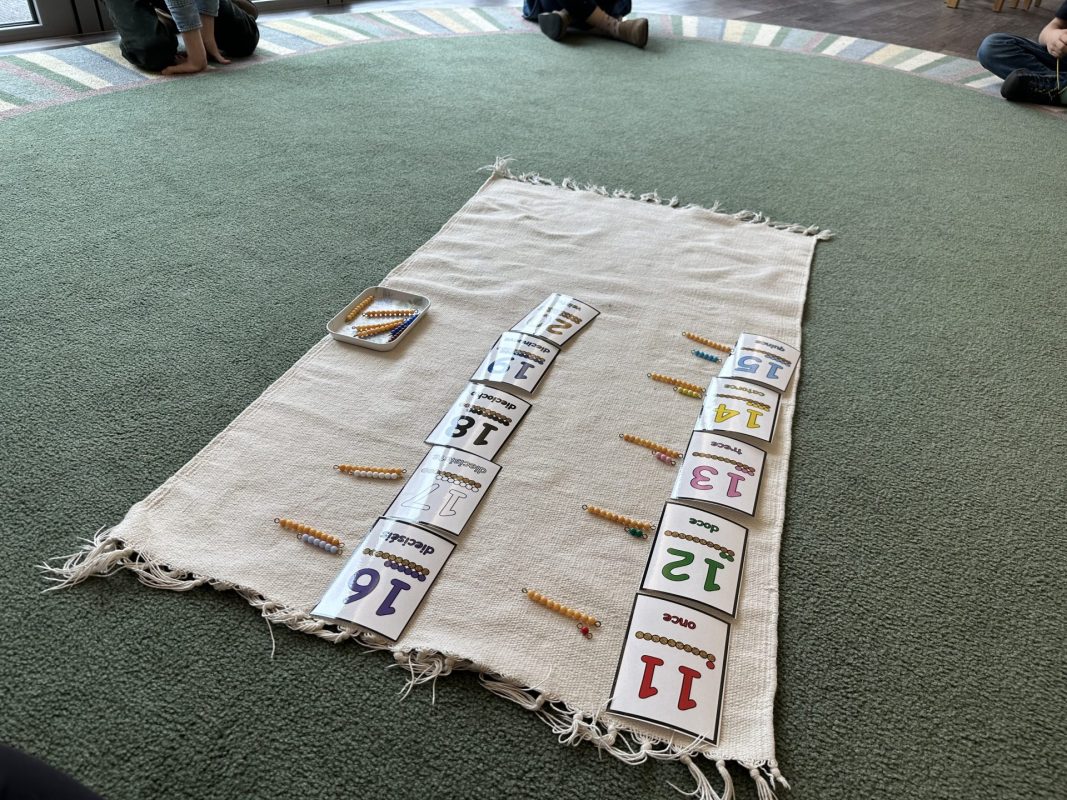
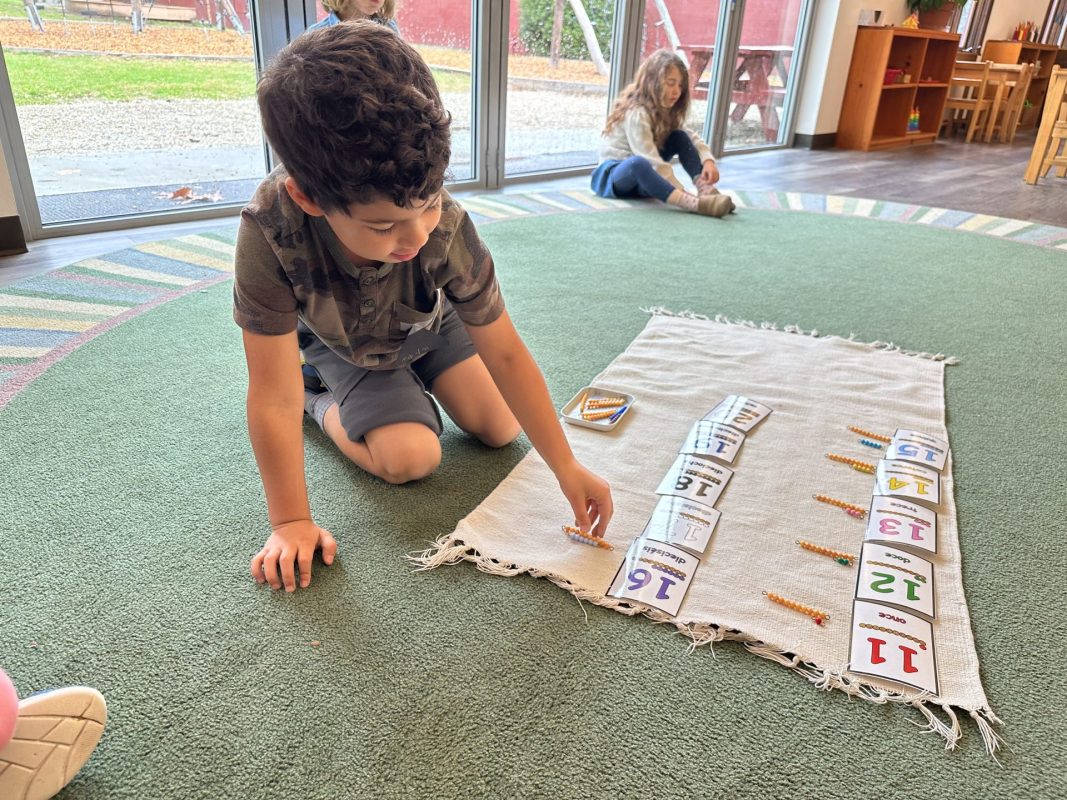
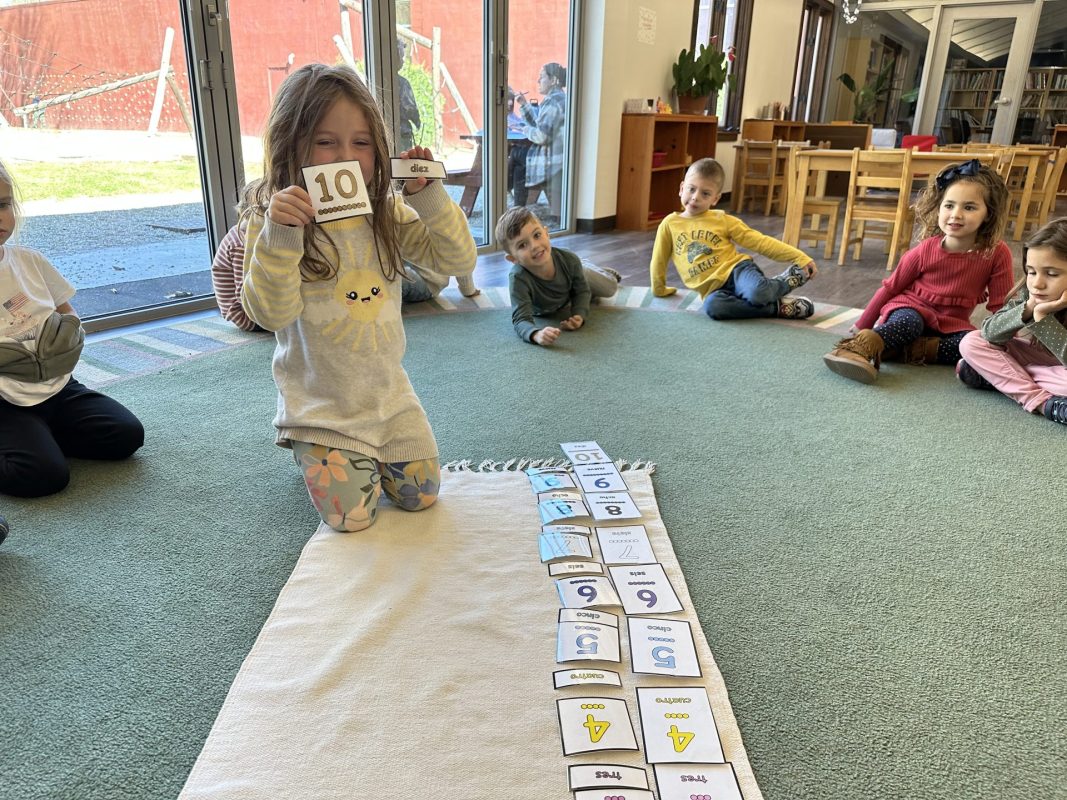
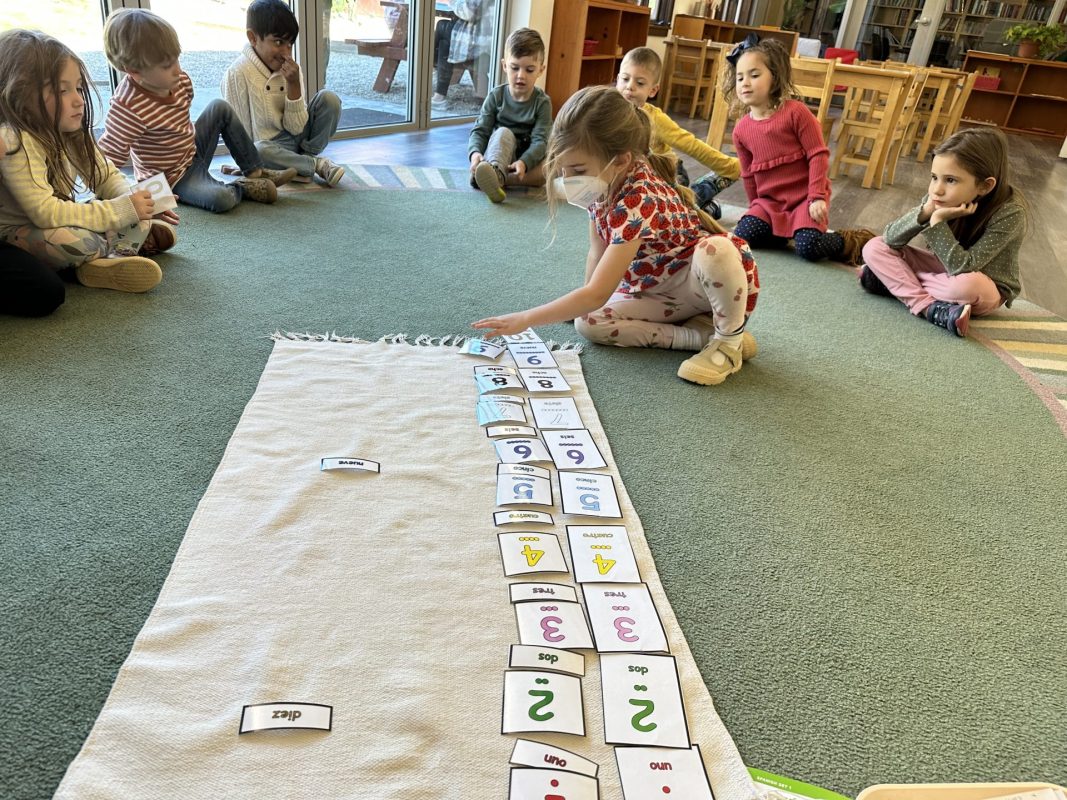
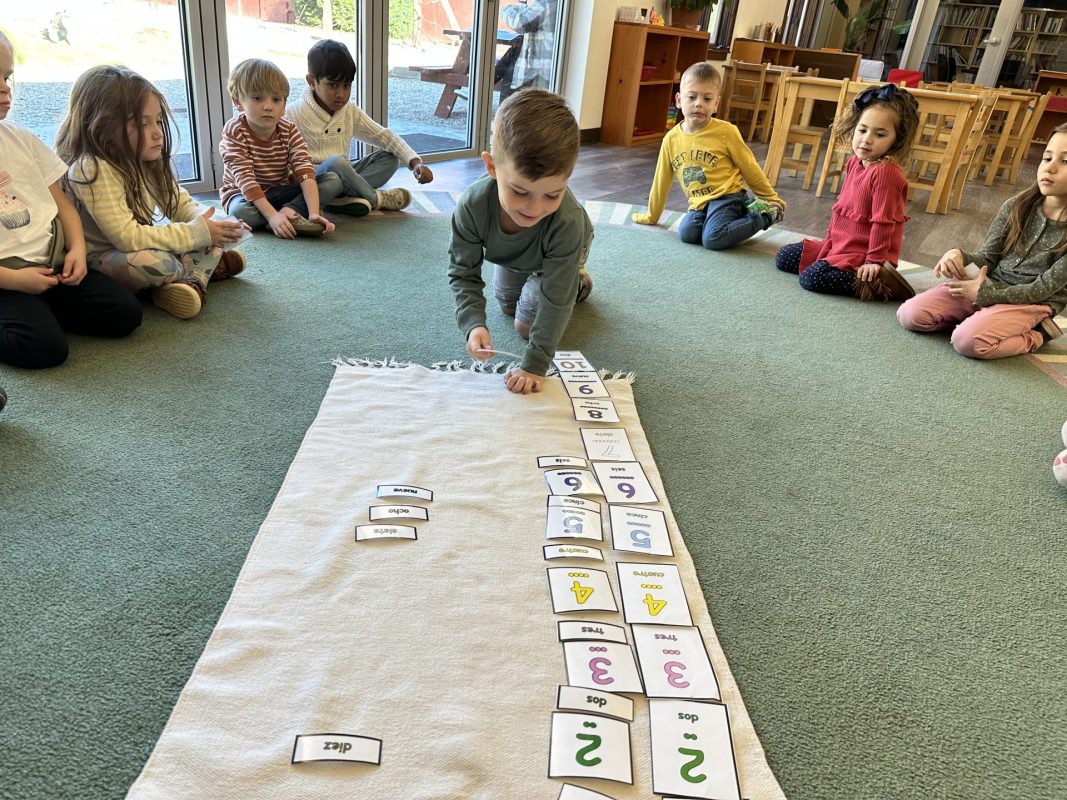
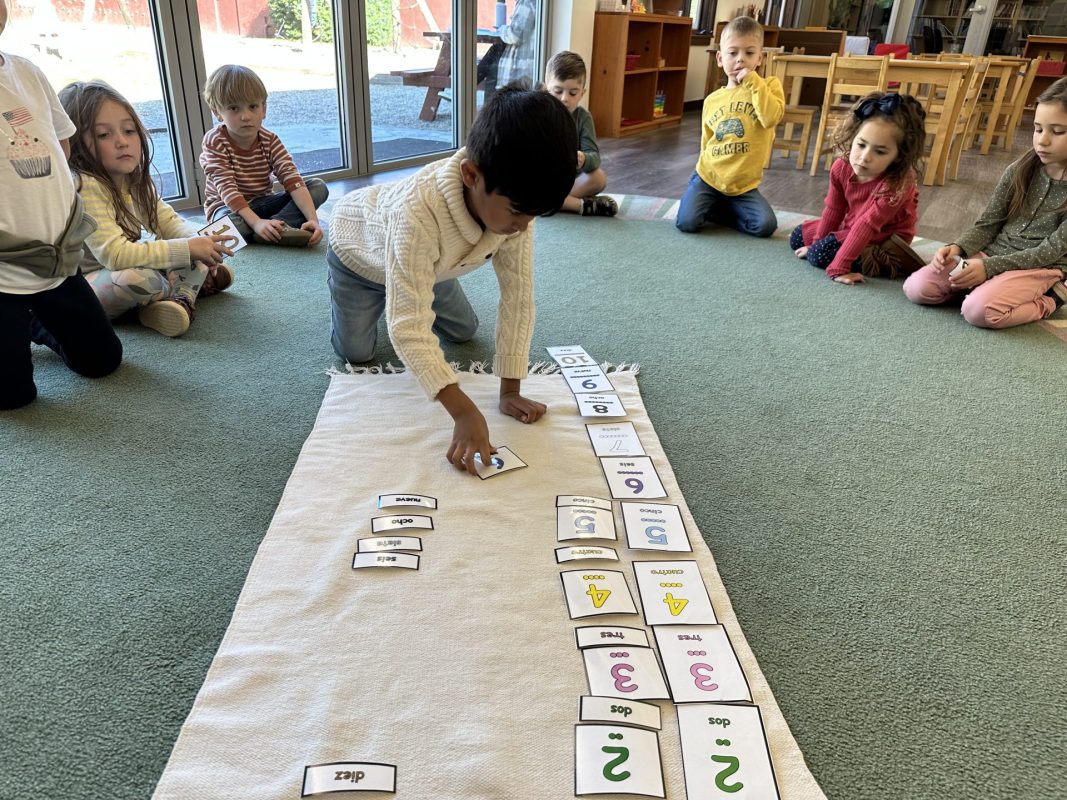
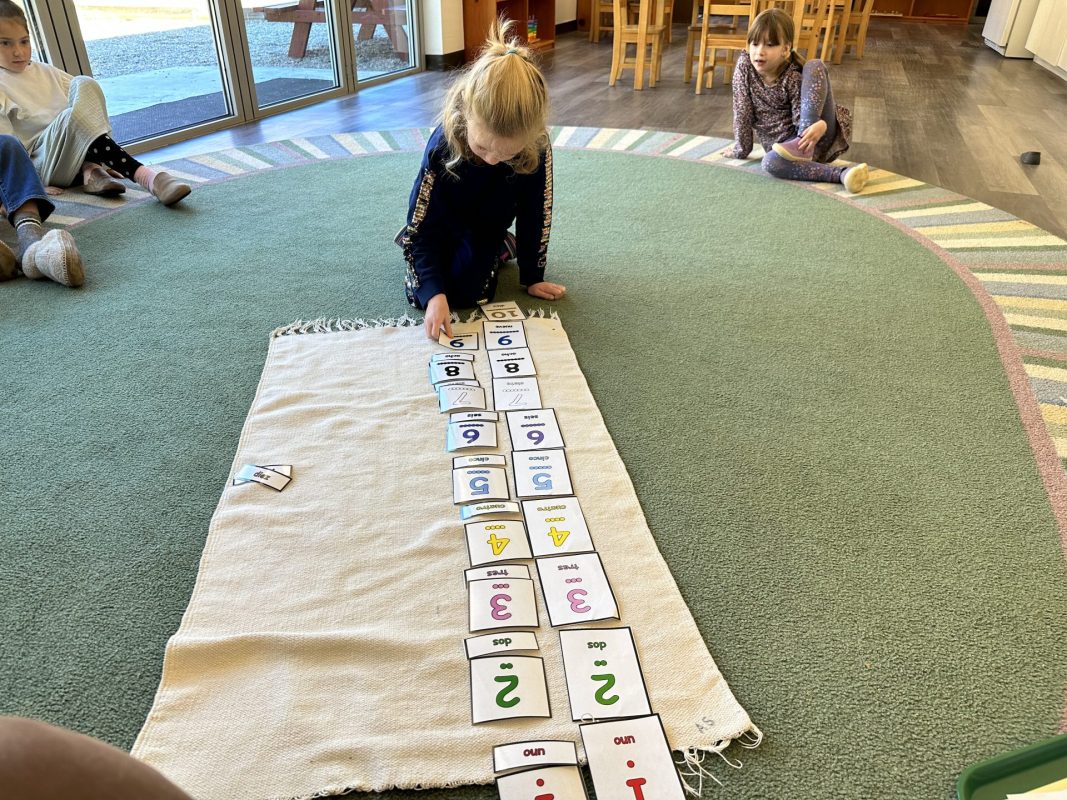
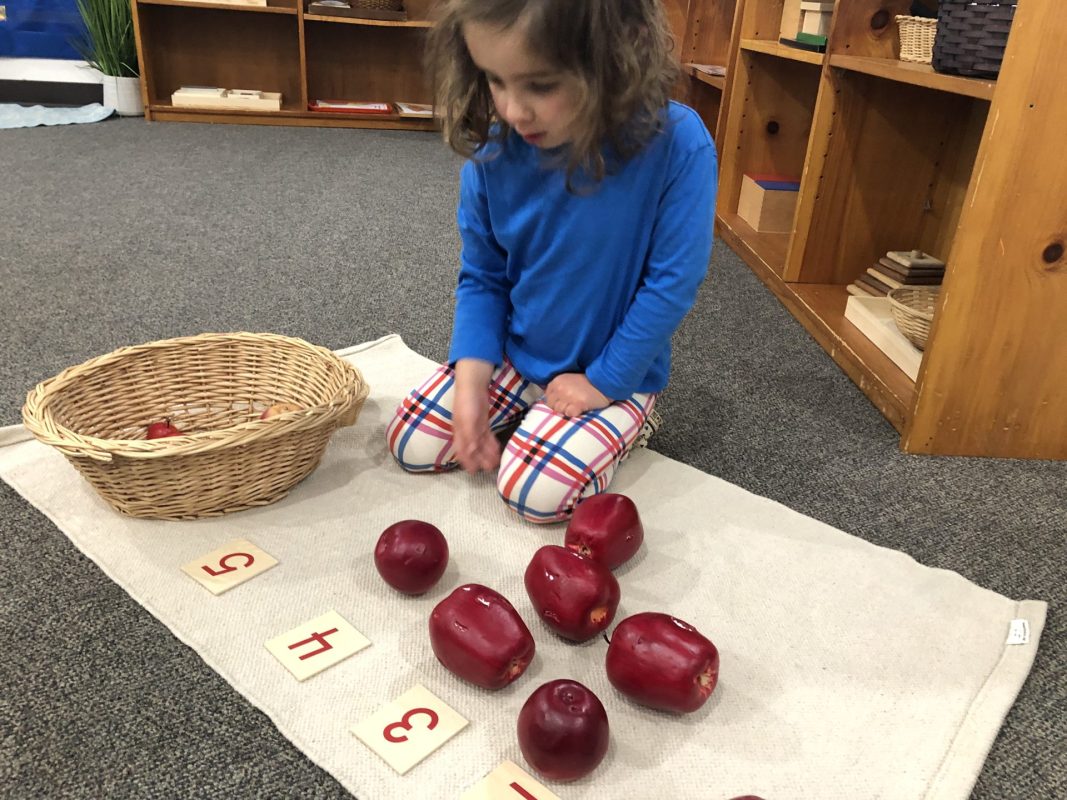
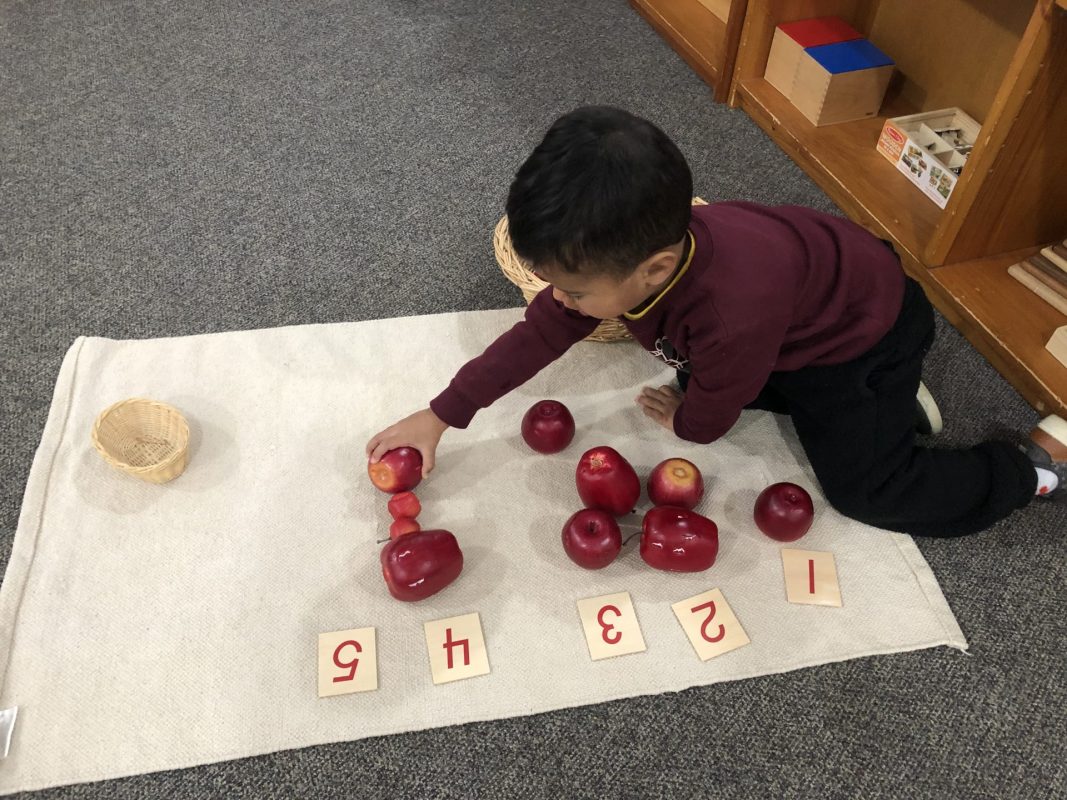
Primary students focused on learning the numbers from 1 to 10. Uno (1), dos (2), tres (3), cuatro (4), cinco (5), seis (6), siete (7), ocho (8), nueve (9) y diez (10). They studied “los números” through Spanish Montessori lessons that were left on the mathematics shelves of each class for the students to practice for the entire week.

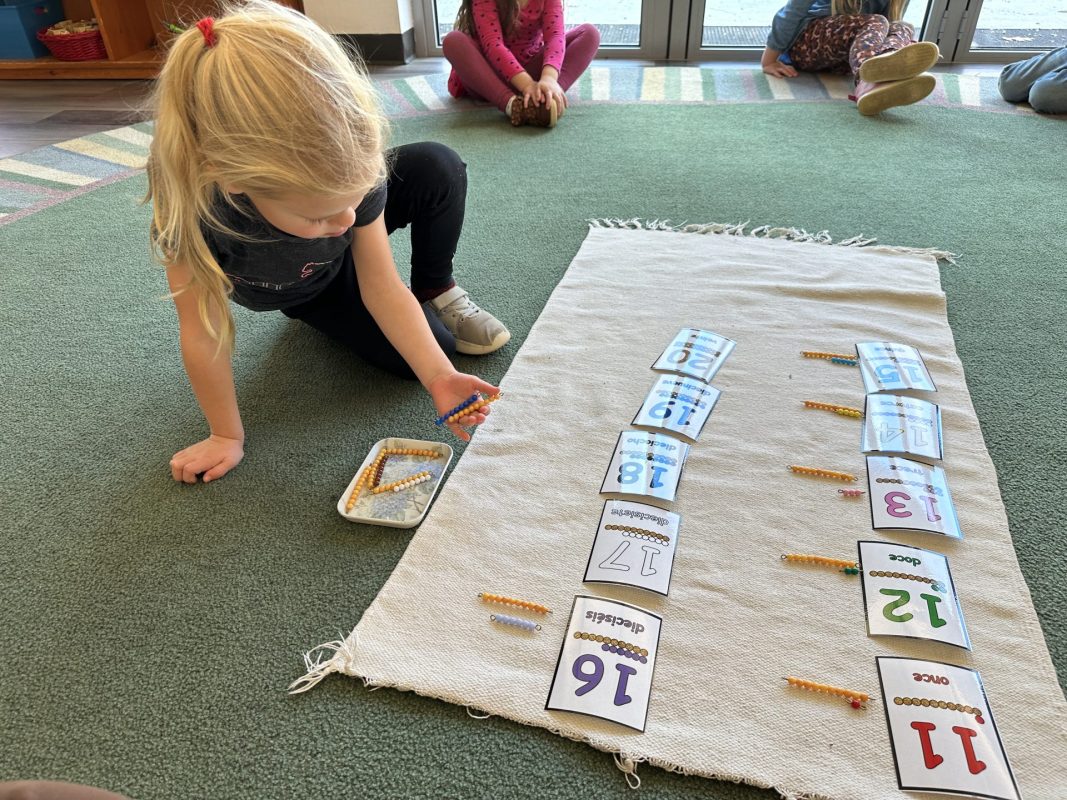
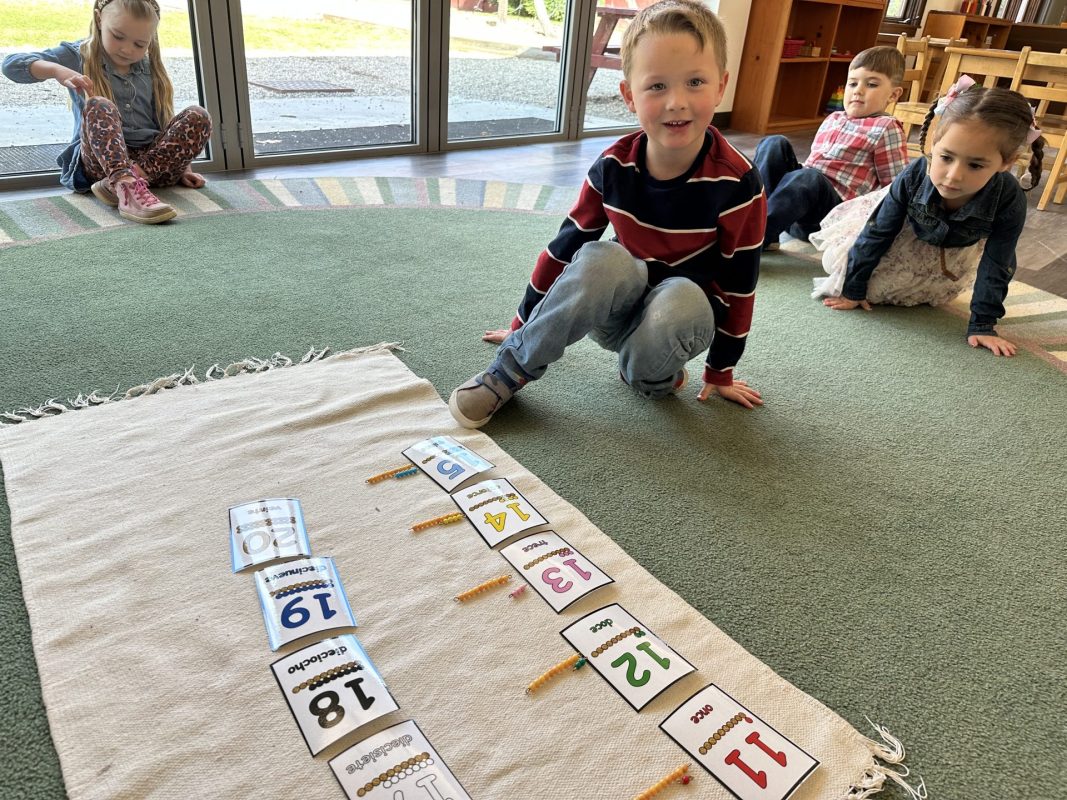
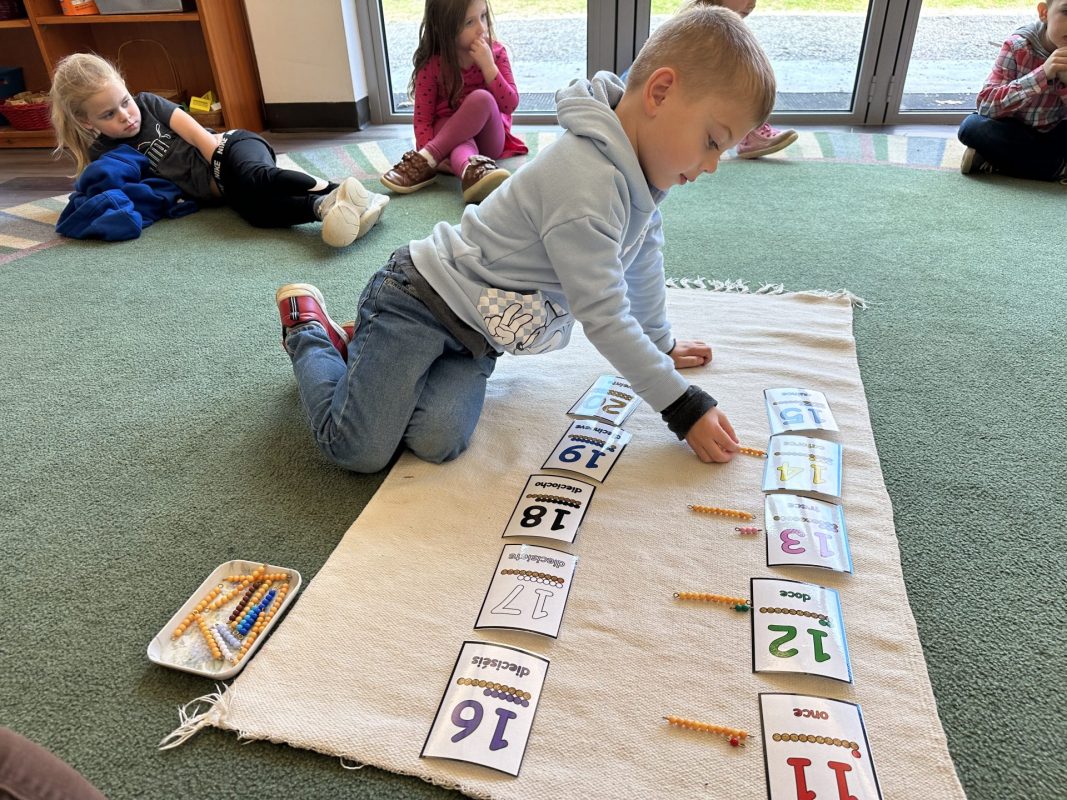
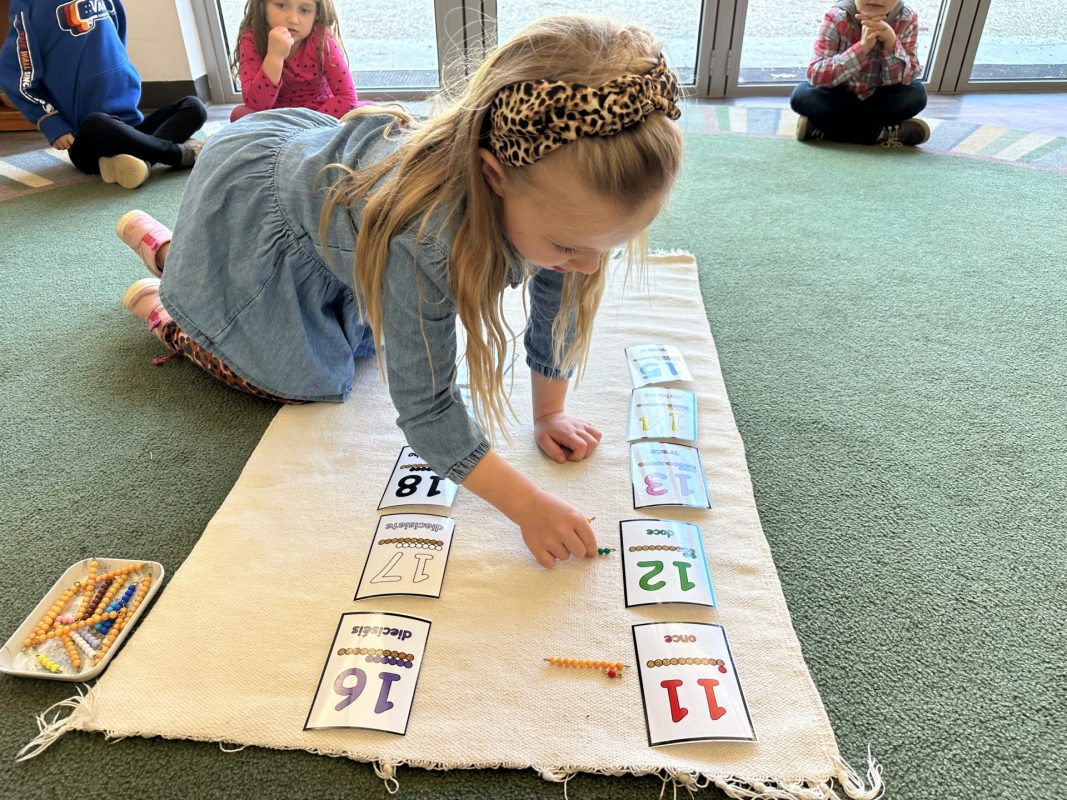
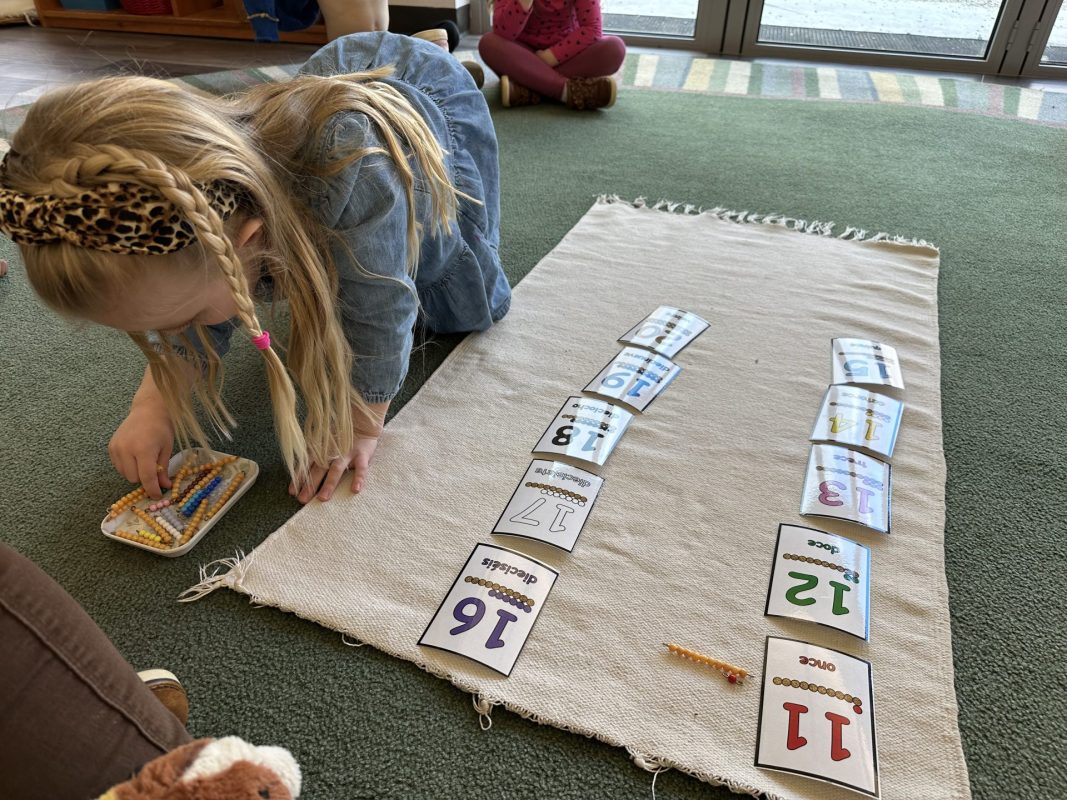
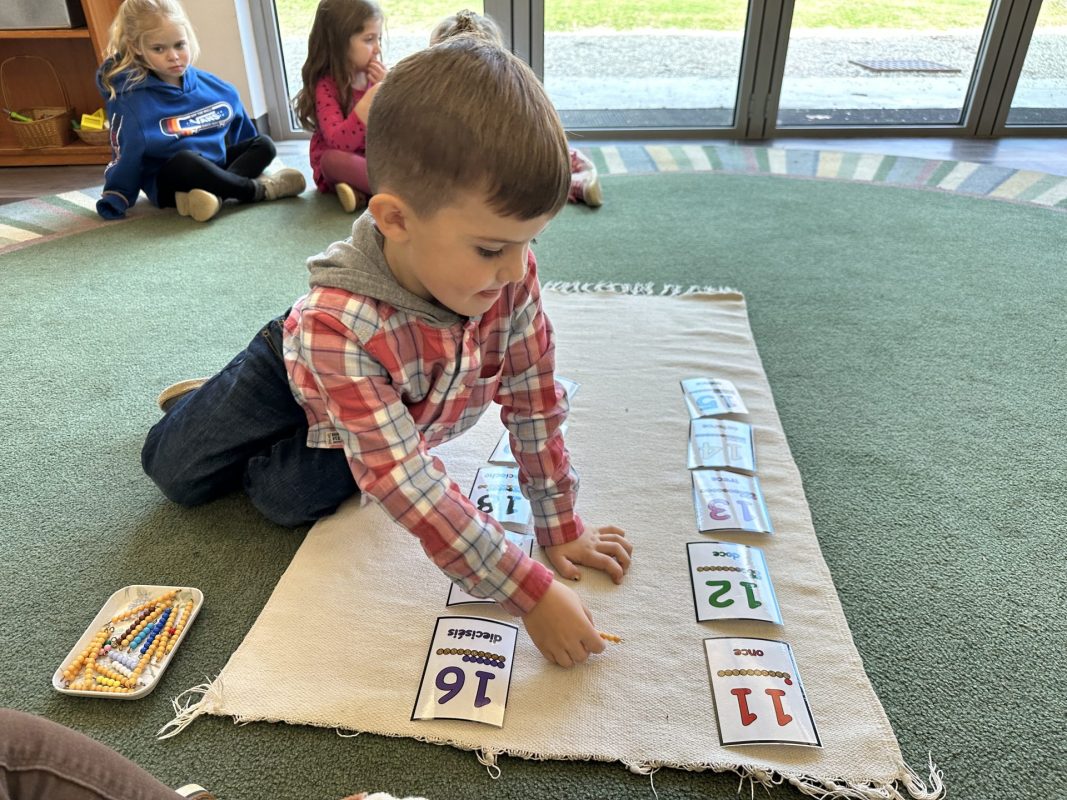
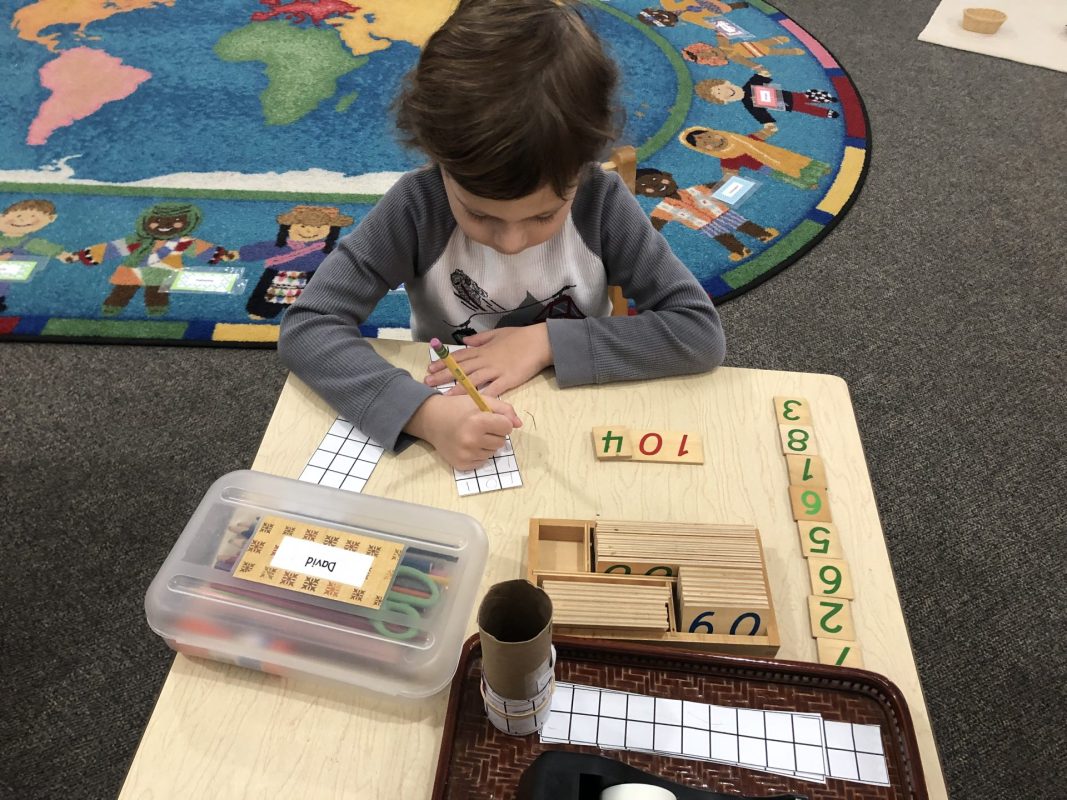
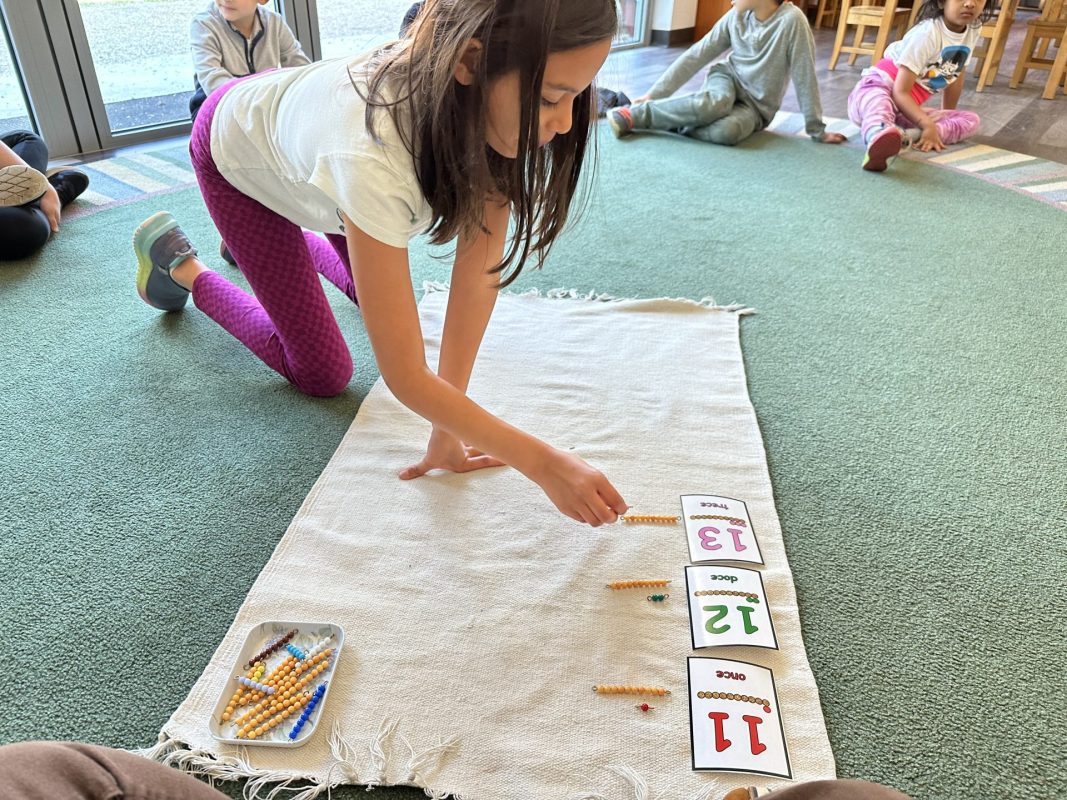
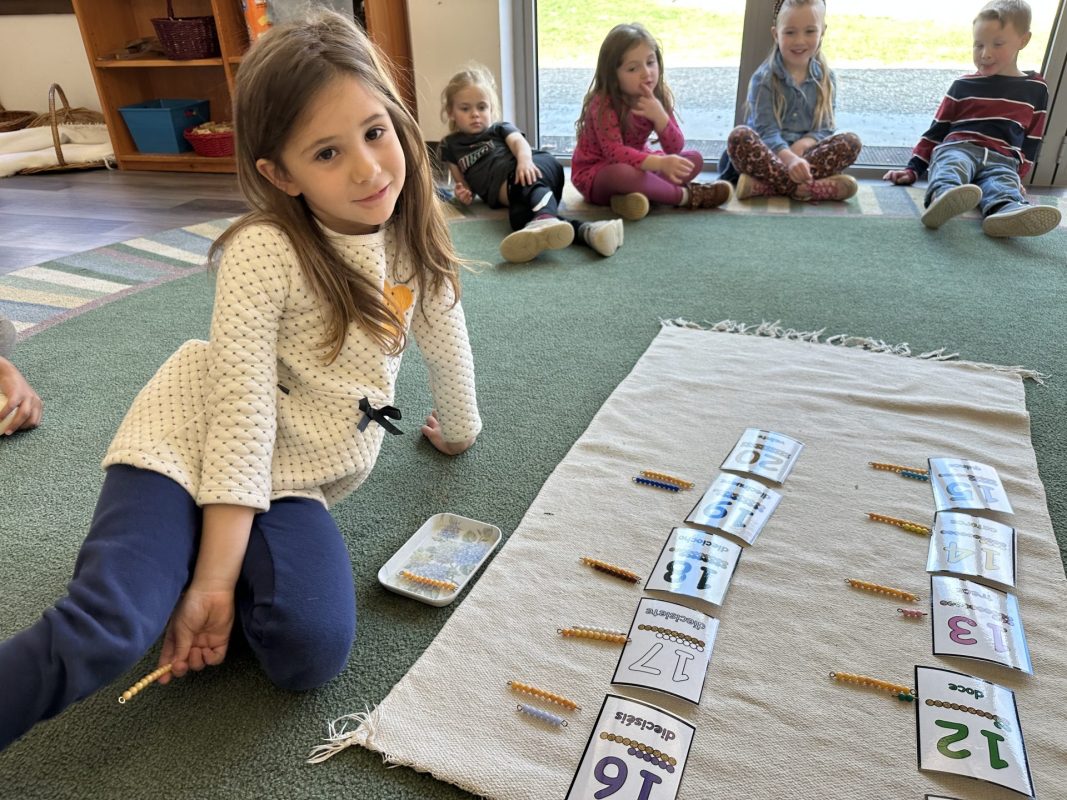
Lower Elementary students also learned “los números” from 1 to 20 in Spanish such as: uno (1), dos (2), tres (3), cuatro (4), cinco (5), seis (6), siete (7), ocho (8), nueve (9), diez (10), once (11), doce (12), trece (13), catorce (14), quince (15), dieciséis (16) , diecisiete (17), dieciocho (18), diecinueve (19) y veinte (20). They learned these numbers through Spanish Montessori Lessons that were presented in class and left in their classroom to be practiced during the week.

Upper Elementary students put in hard work learning about the calendar. They learned how to properly say the dates and specific celebrations in Spanish. They learned the seasons and their descriptions in Spanish, as well.

Middle Schoolers learned to talk about personal pronouns, kept working on their daily activities, definite and indefinite articles, noun adjective agreement, learned the conjugation of verb “ser, estar”, when and how to use it.  They also learned to conjugate the verb “tener” and indicate the order of things using the ordinal numbers, and how to describe the location of places.  They were very excited to play Bingo in Spanish.

Upper Elementary and Middle School students learned about the culture and art of two world renowned Spanish artists Antoni Gaudi (Artist and Architect) and Frida Kahlo (Painter). I am very pleased by the progress accomplishing their goals in my class. All the students from FWM are doing an amazing job in Spanish.


Mrs. Hood: Shake, Shake, Shake!

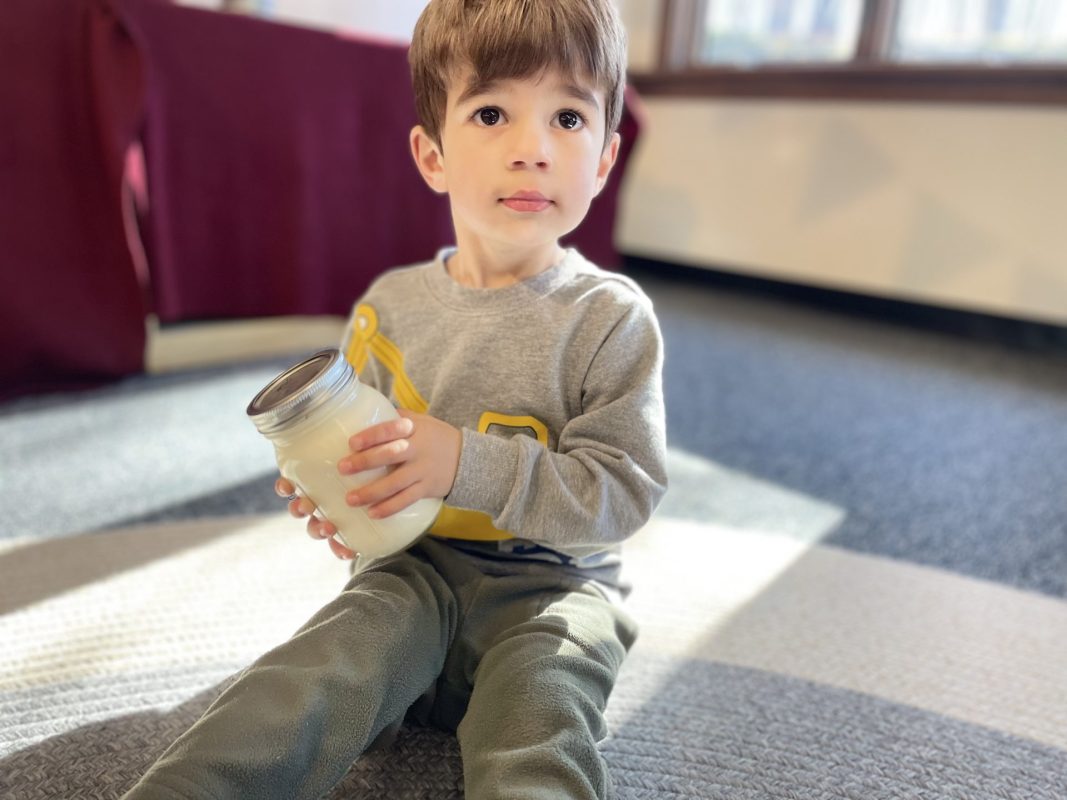
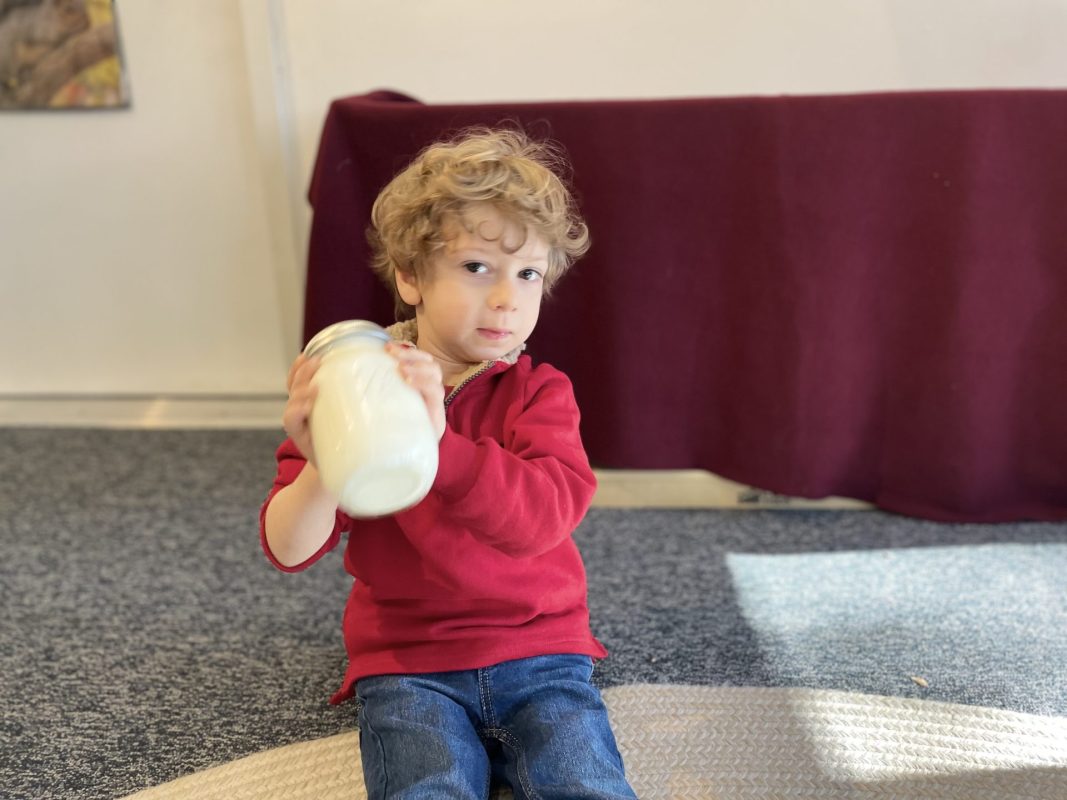
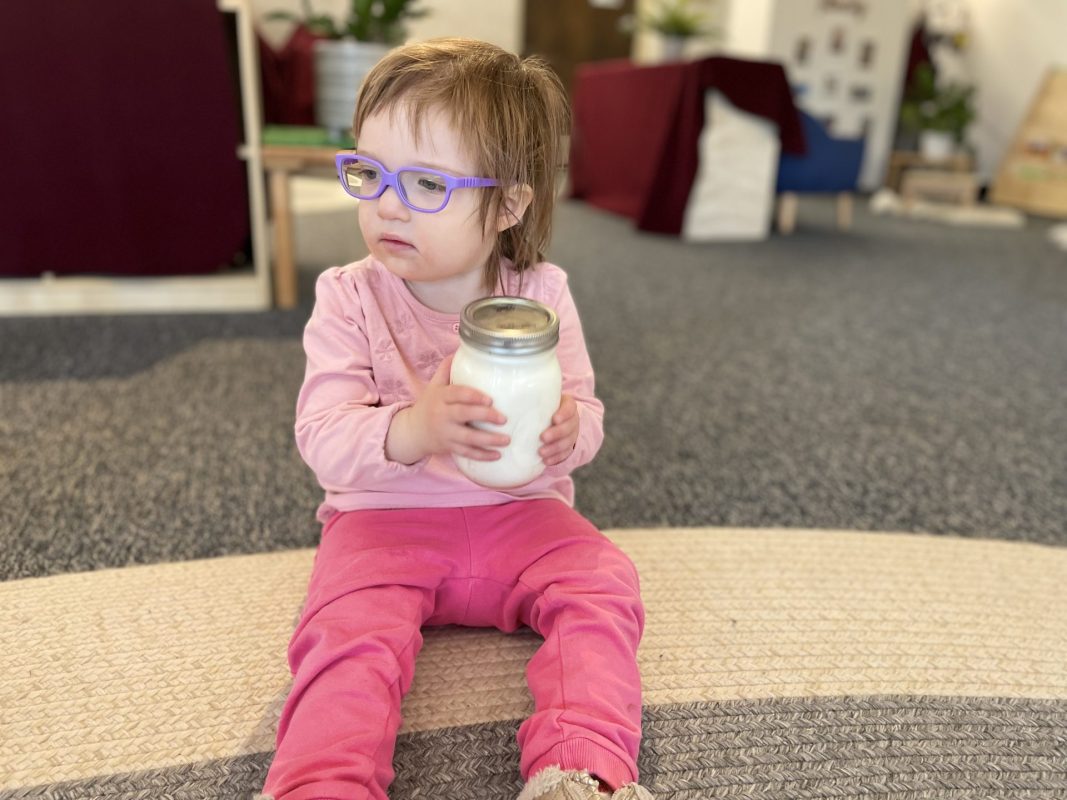
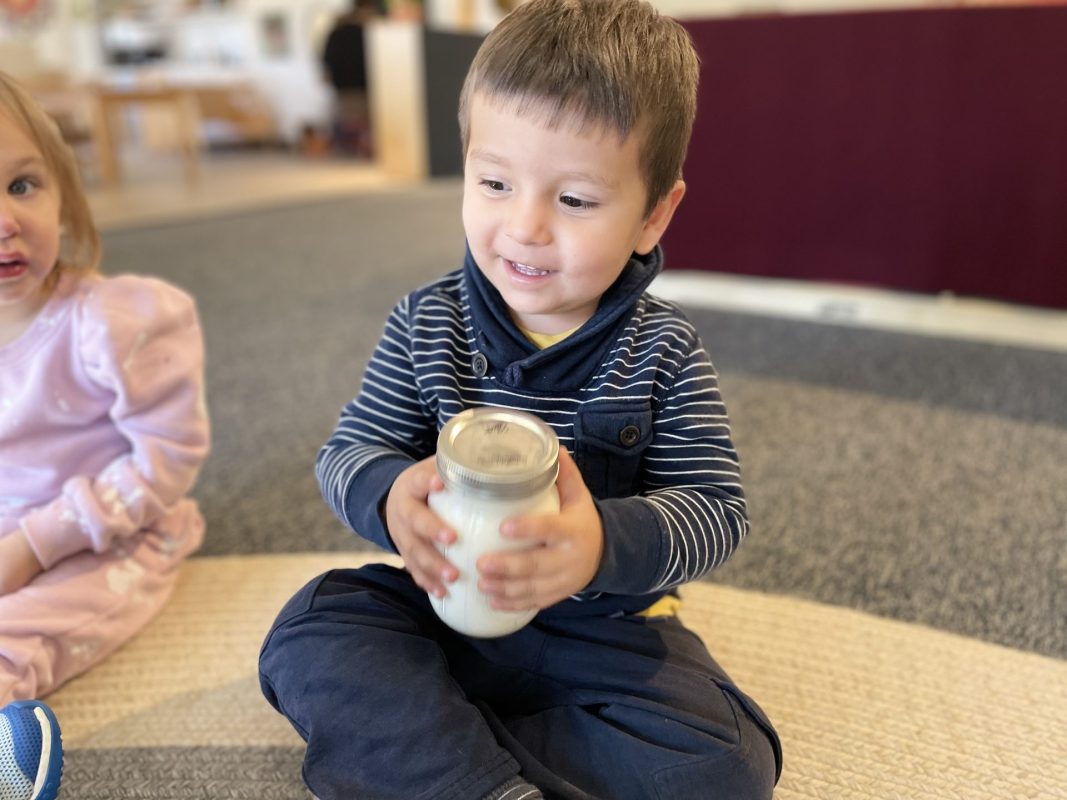
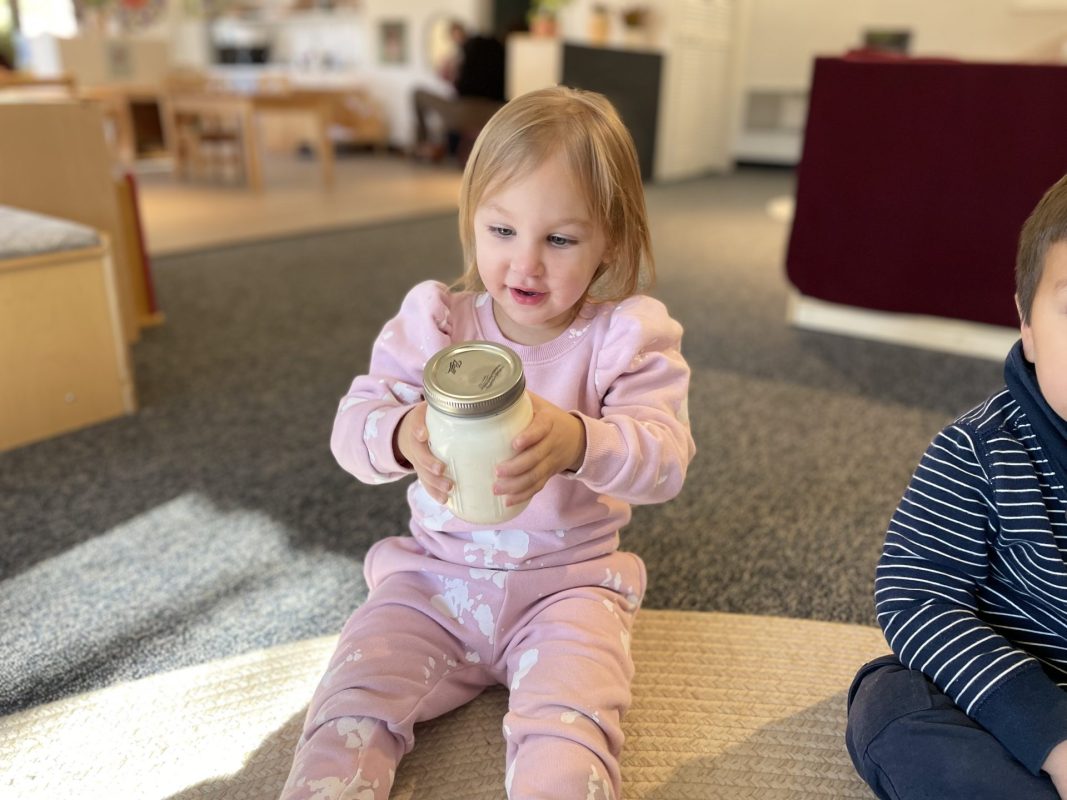
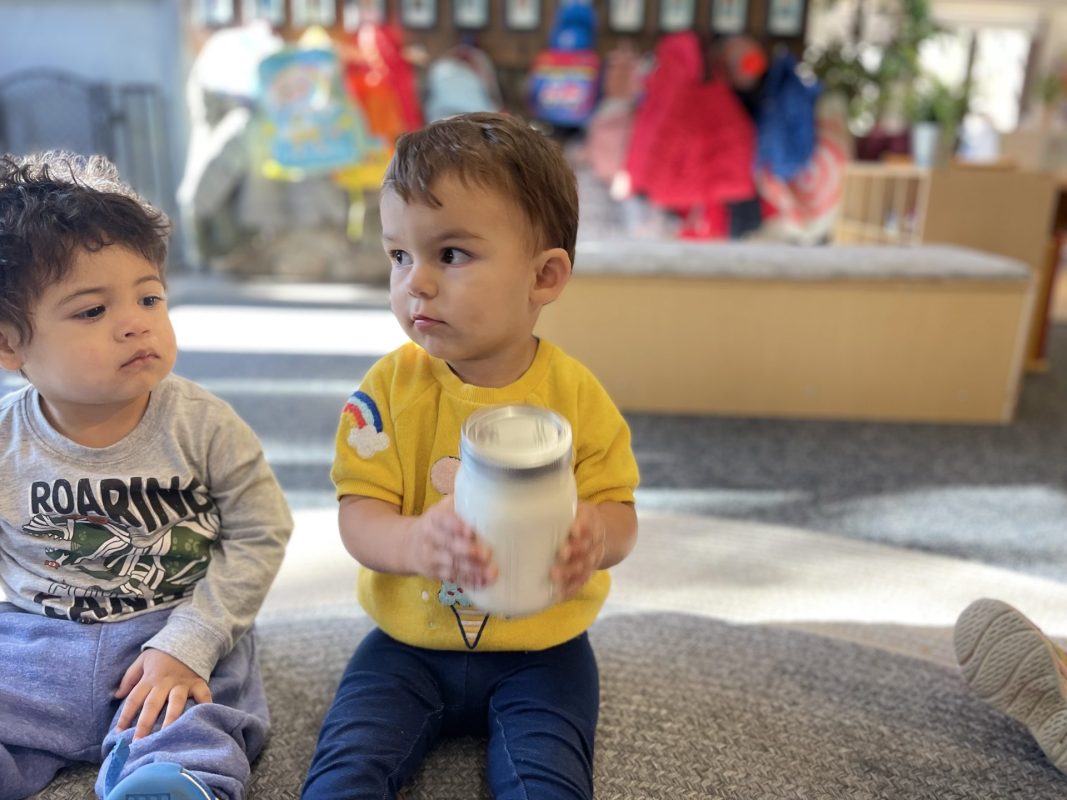
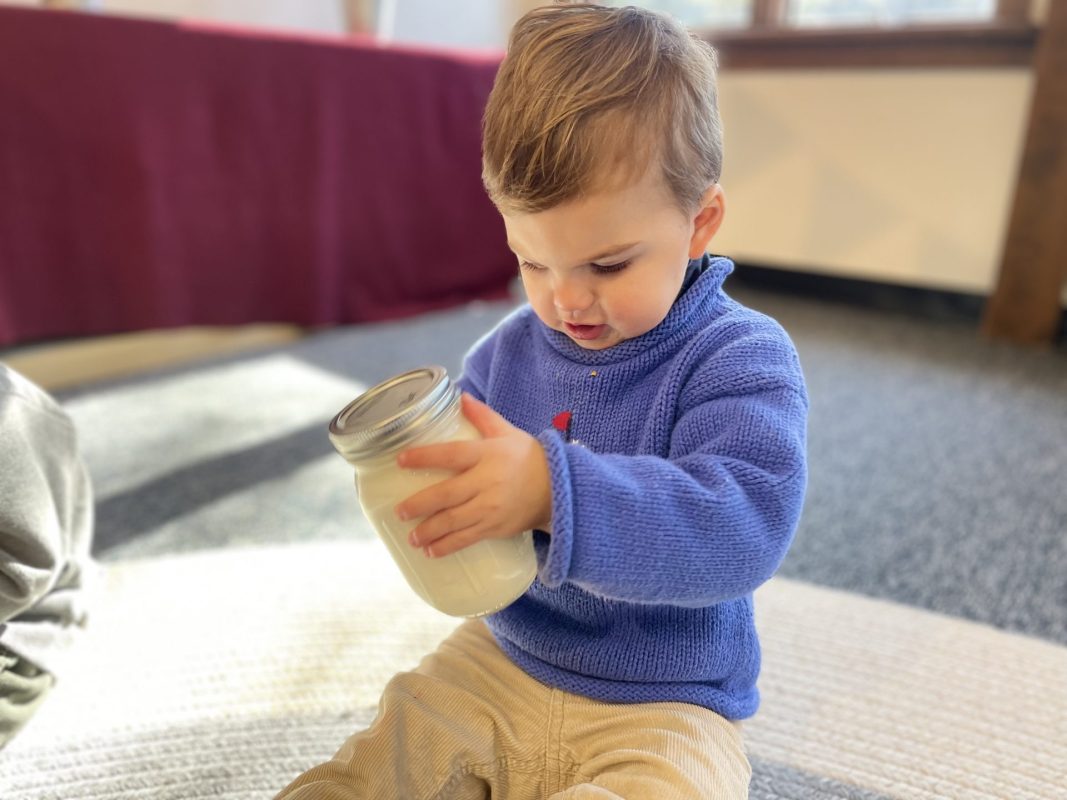
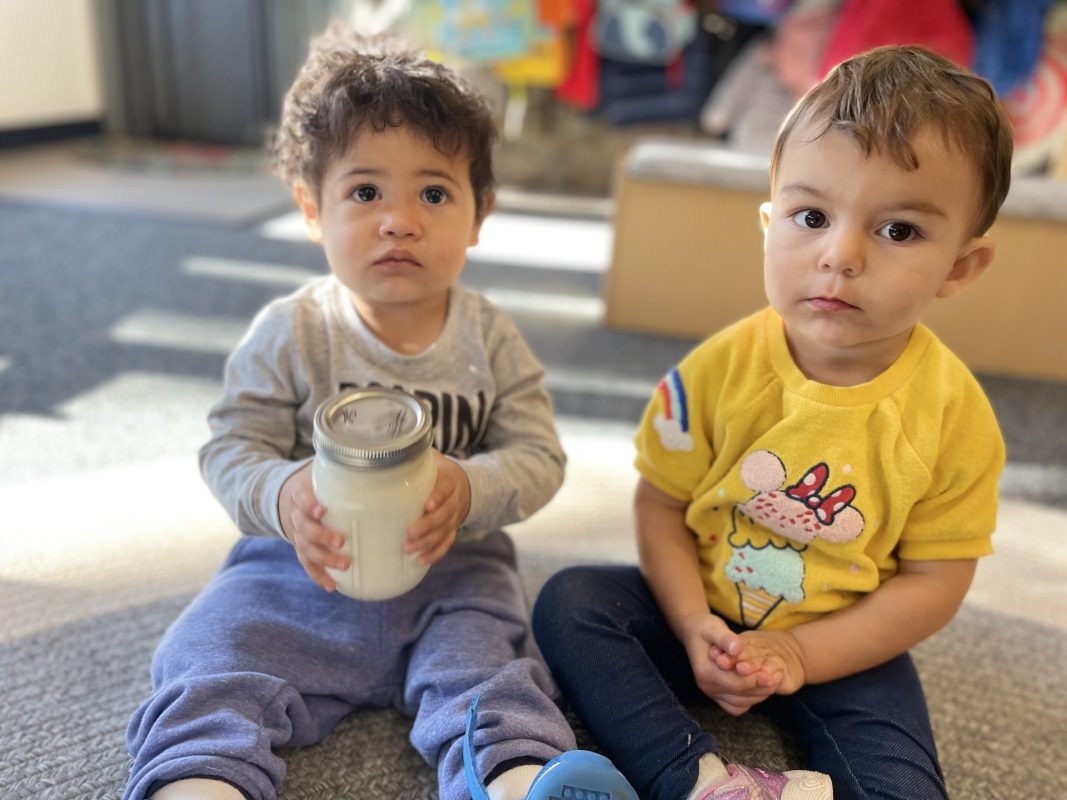
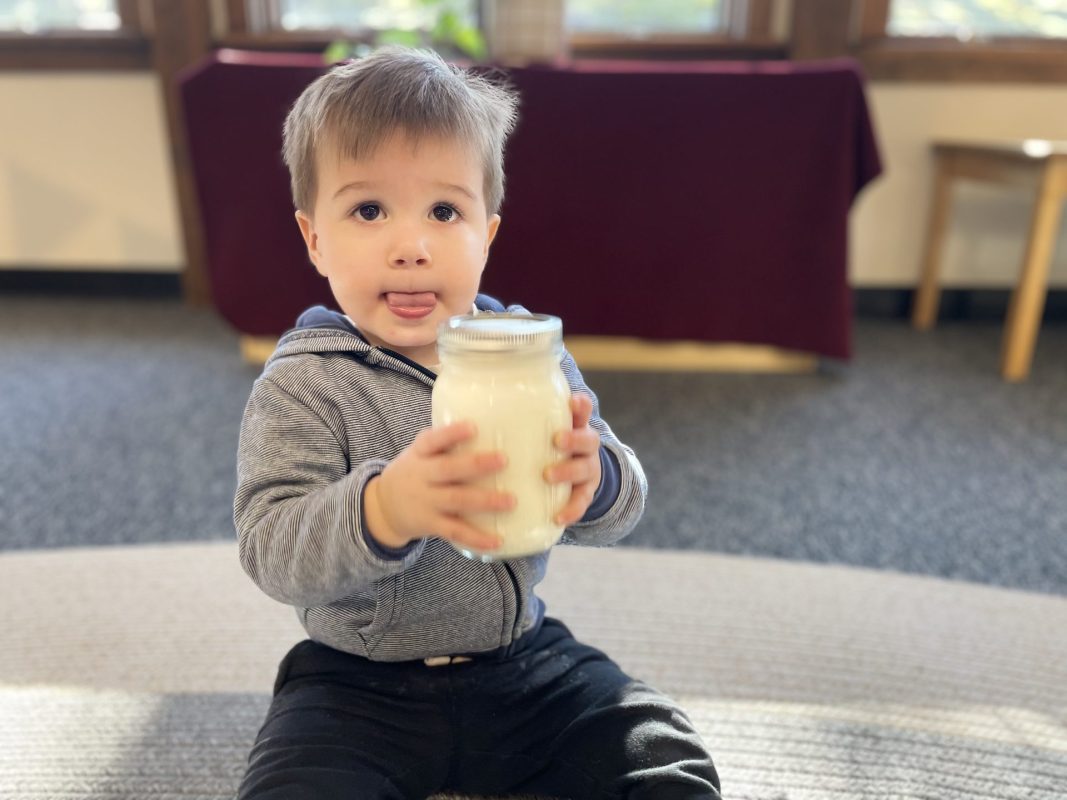
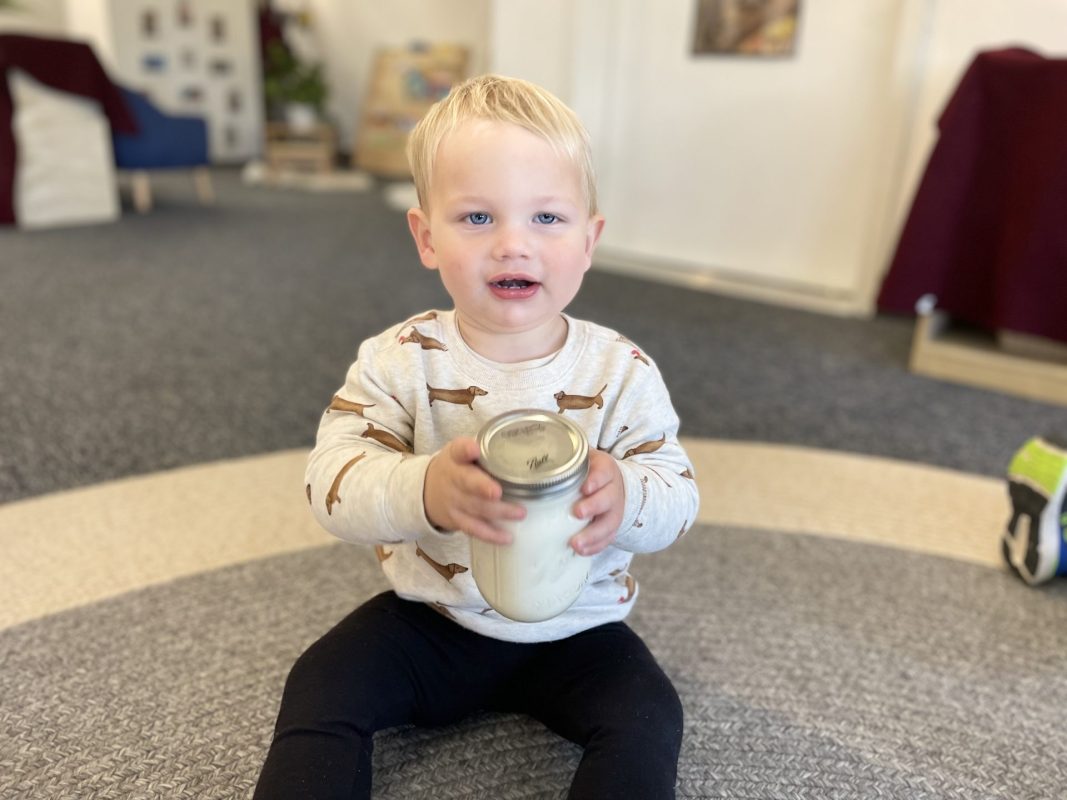
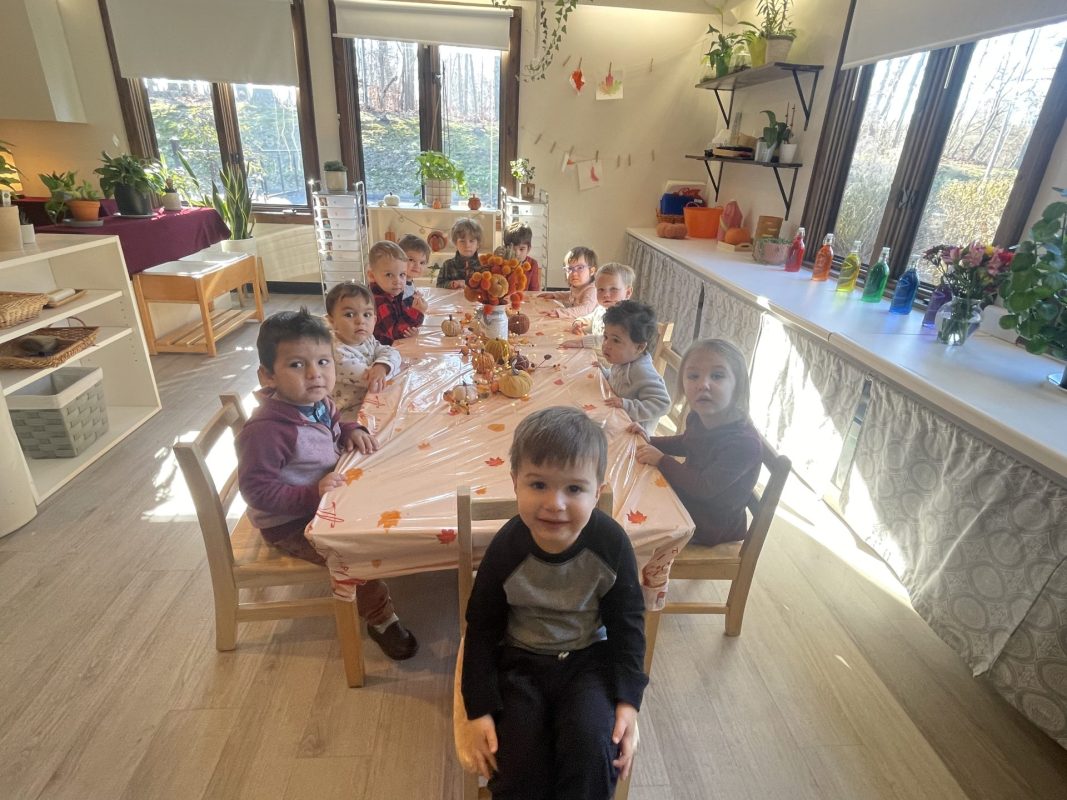
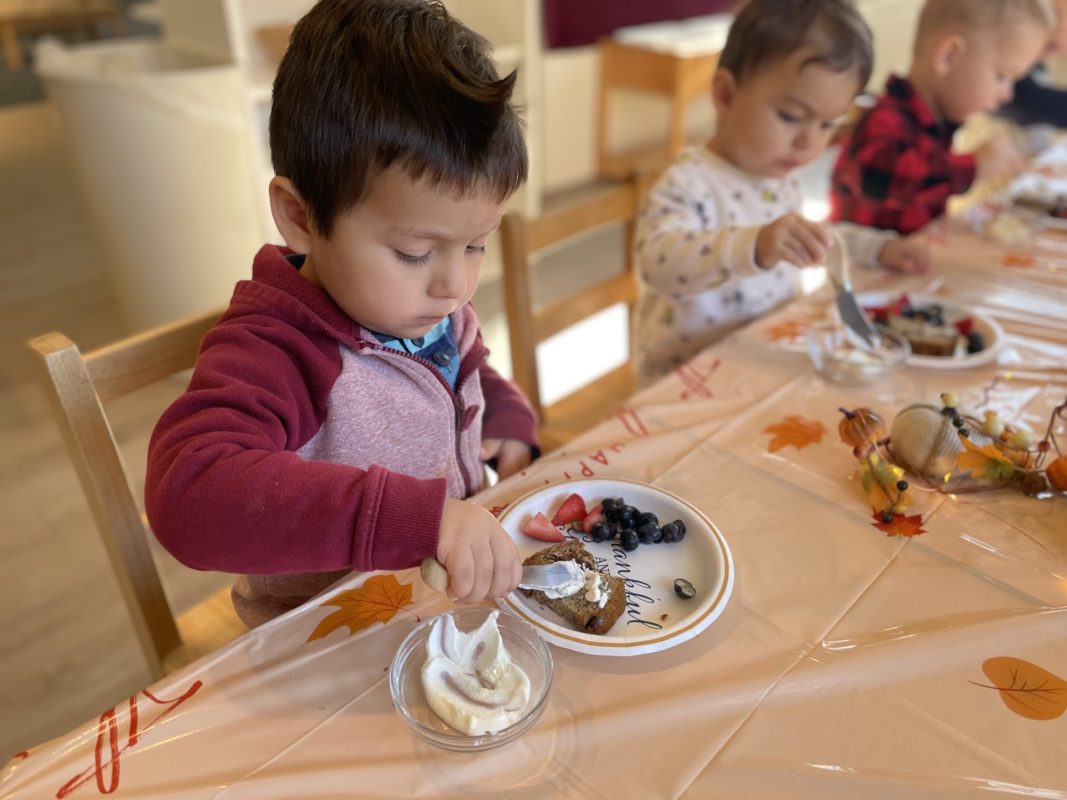
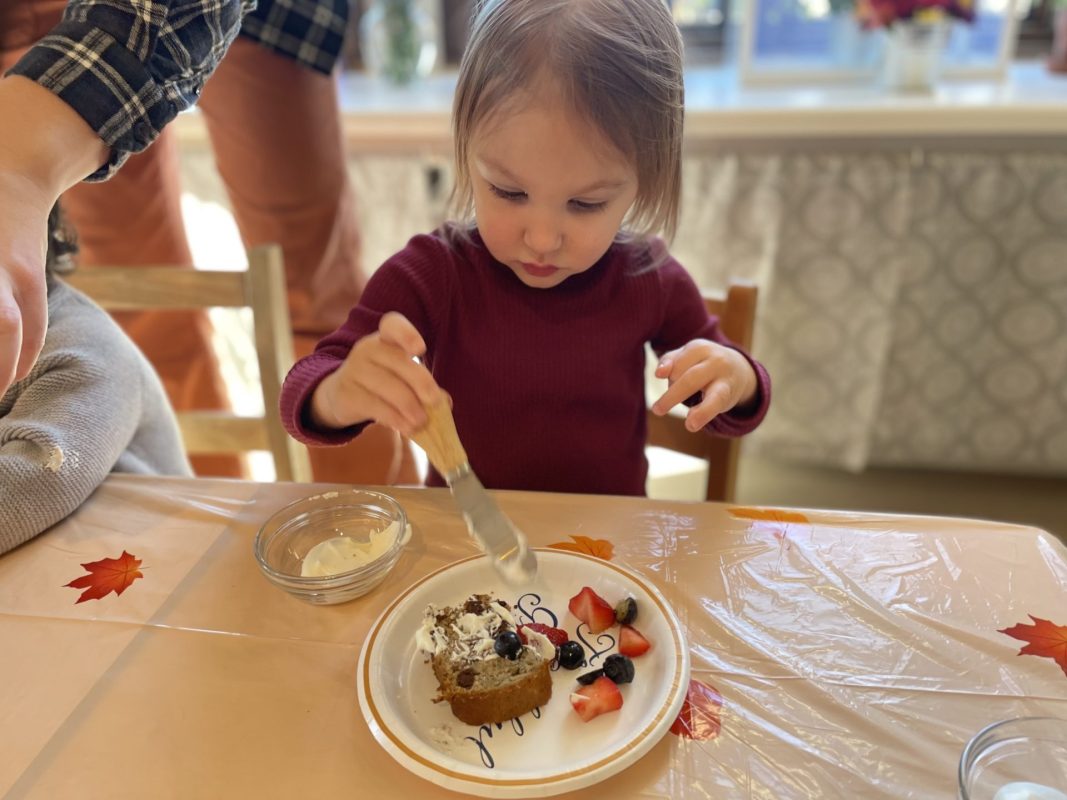
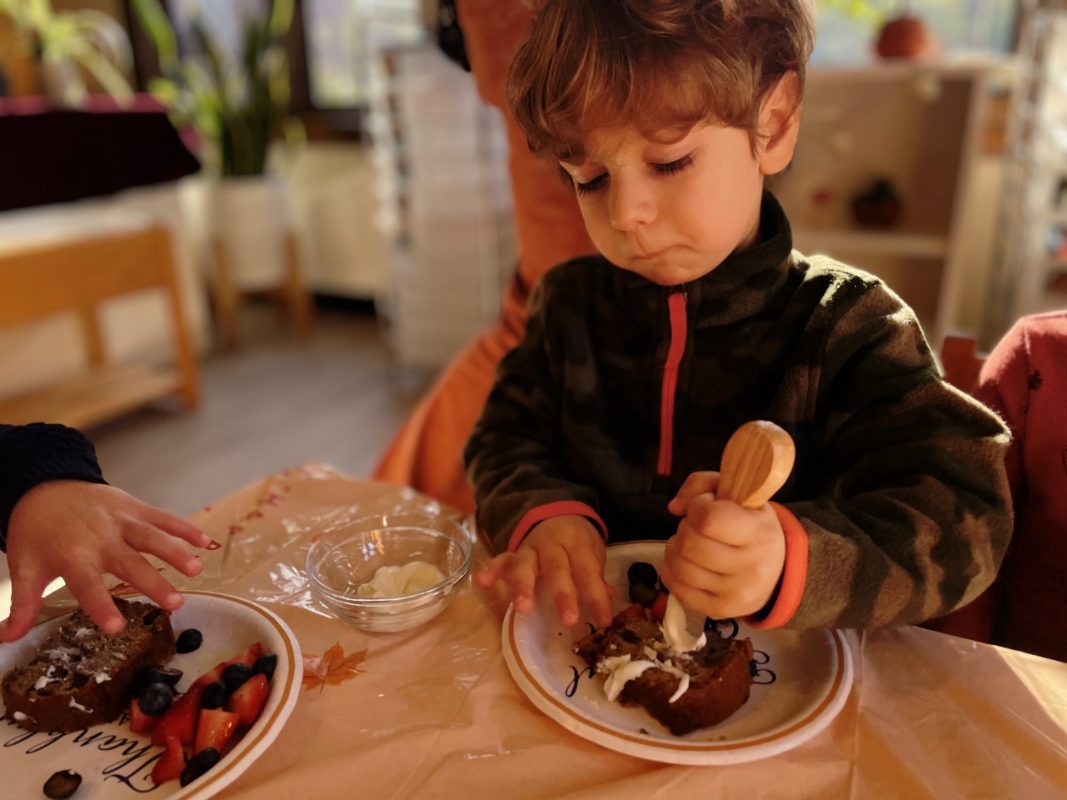
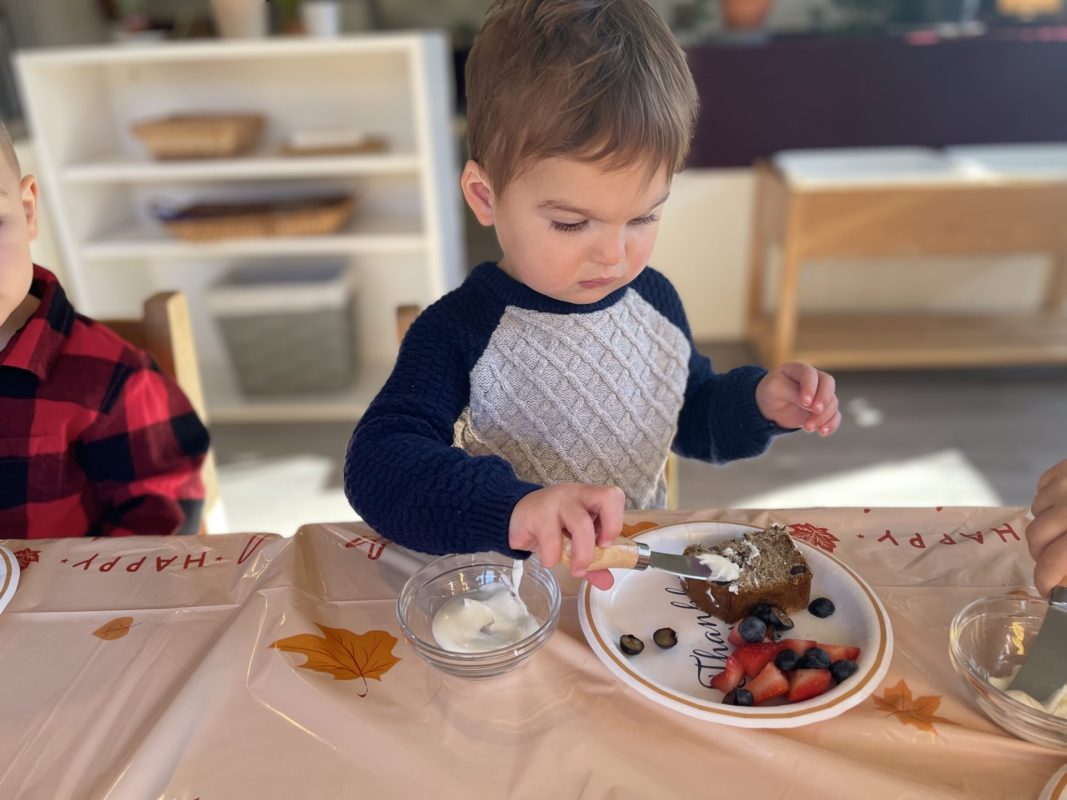
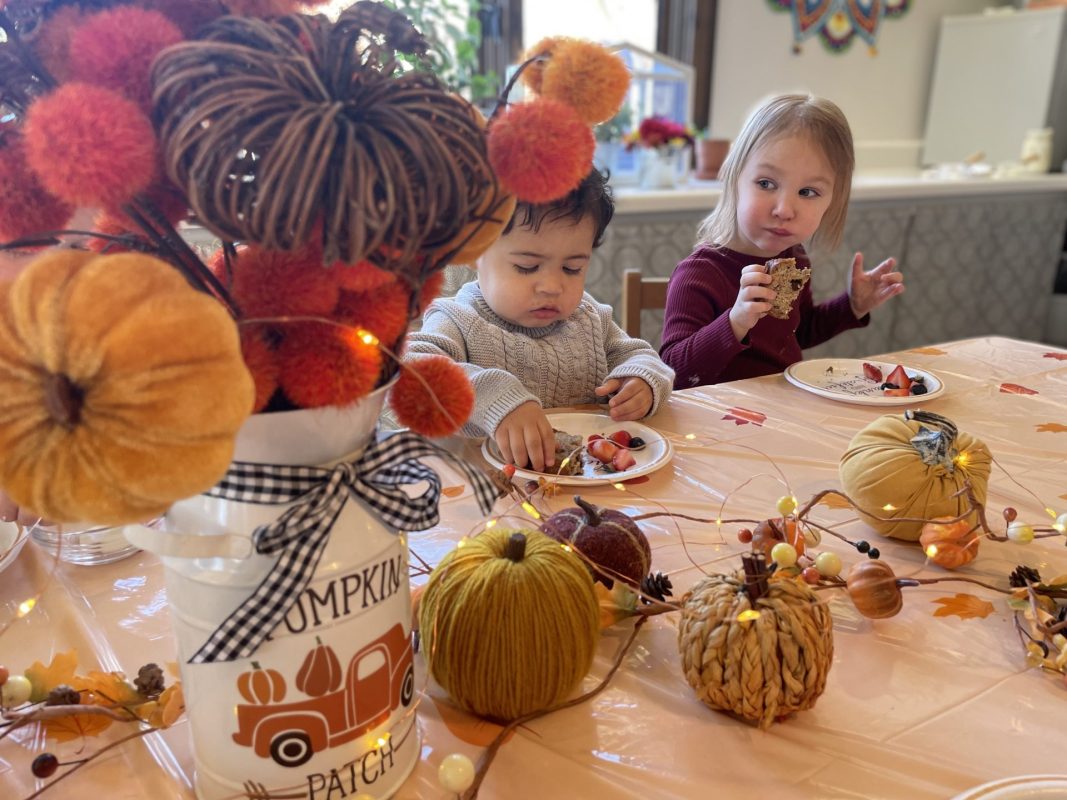
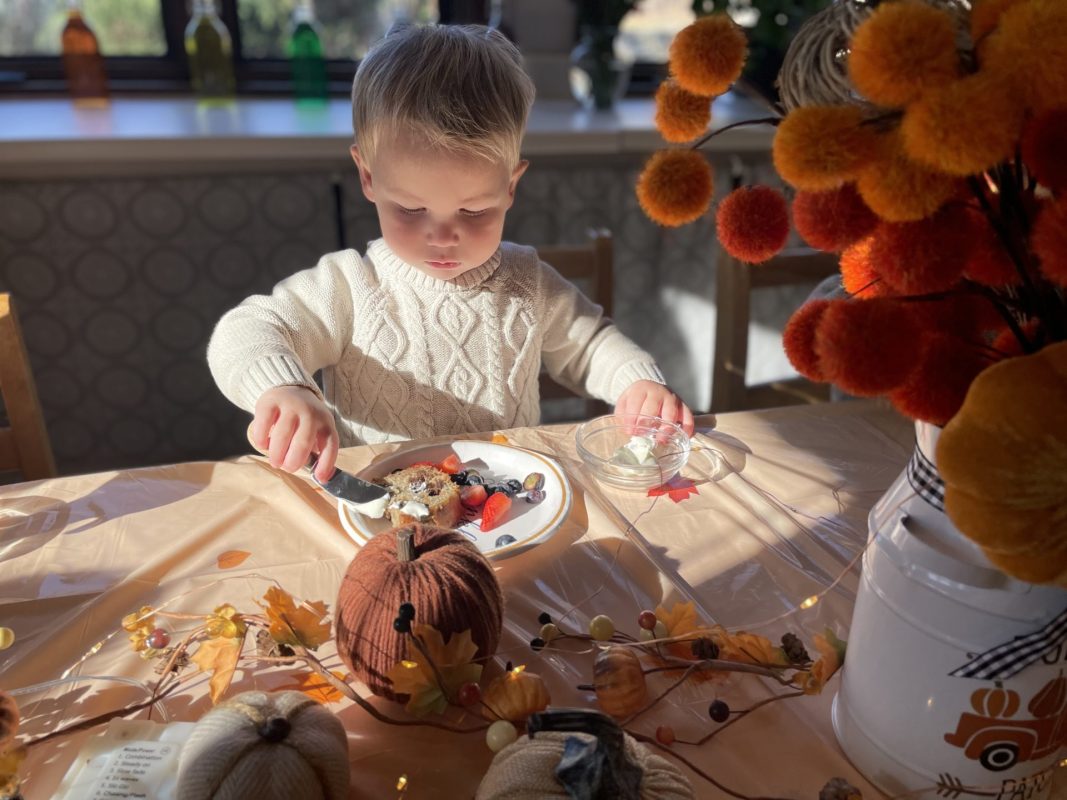
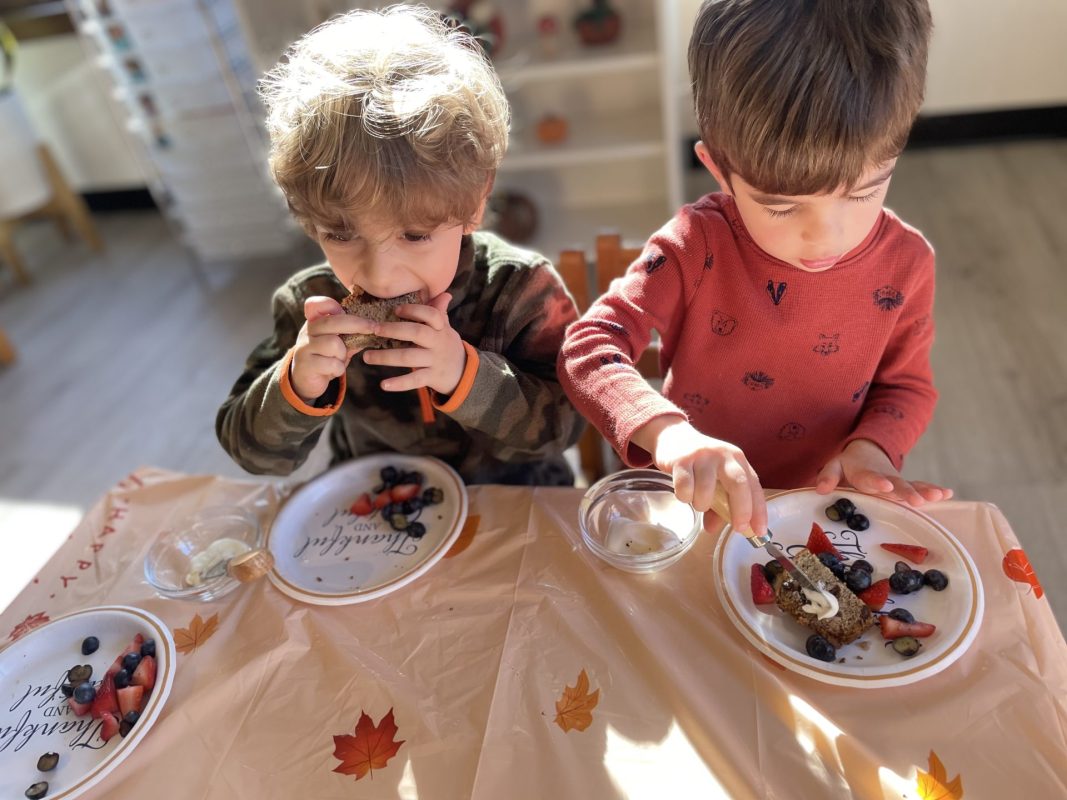
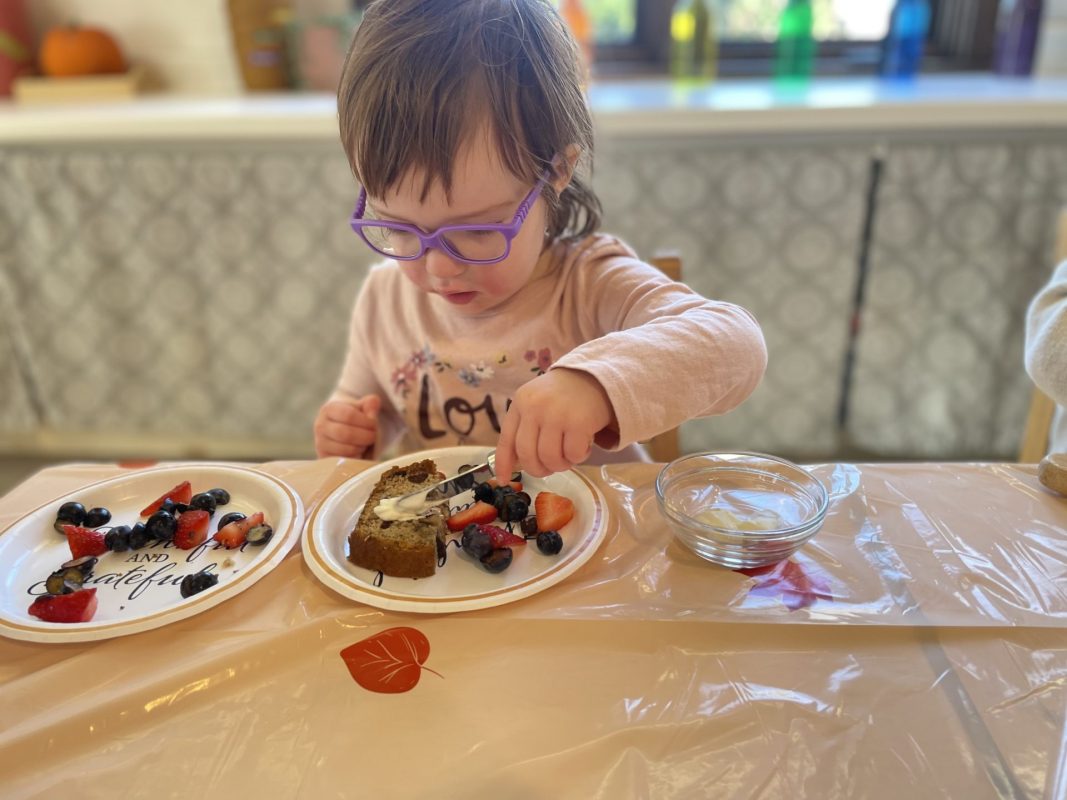
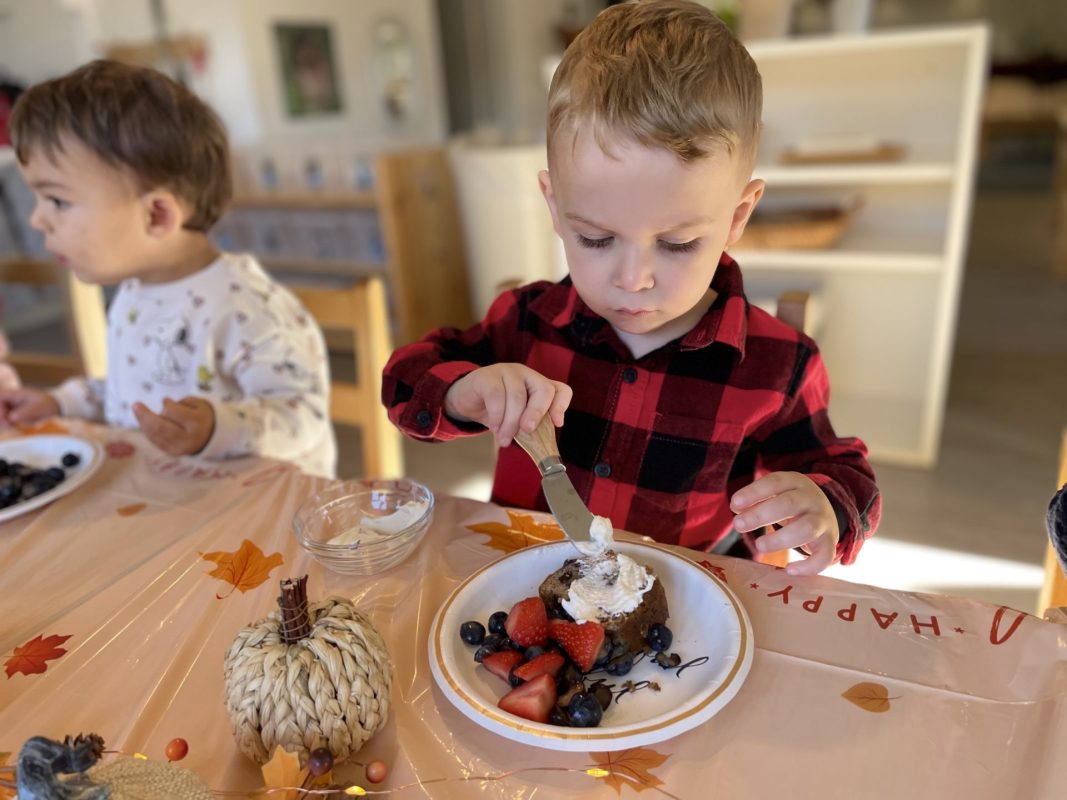
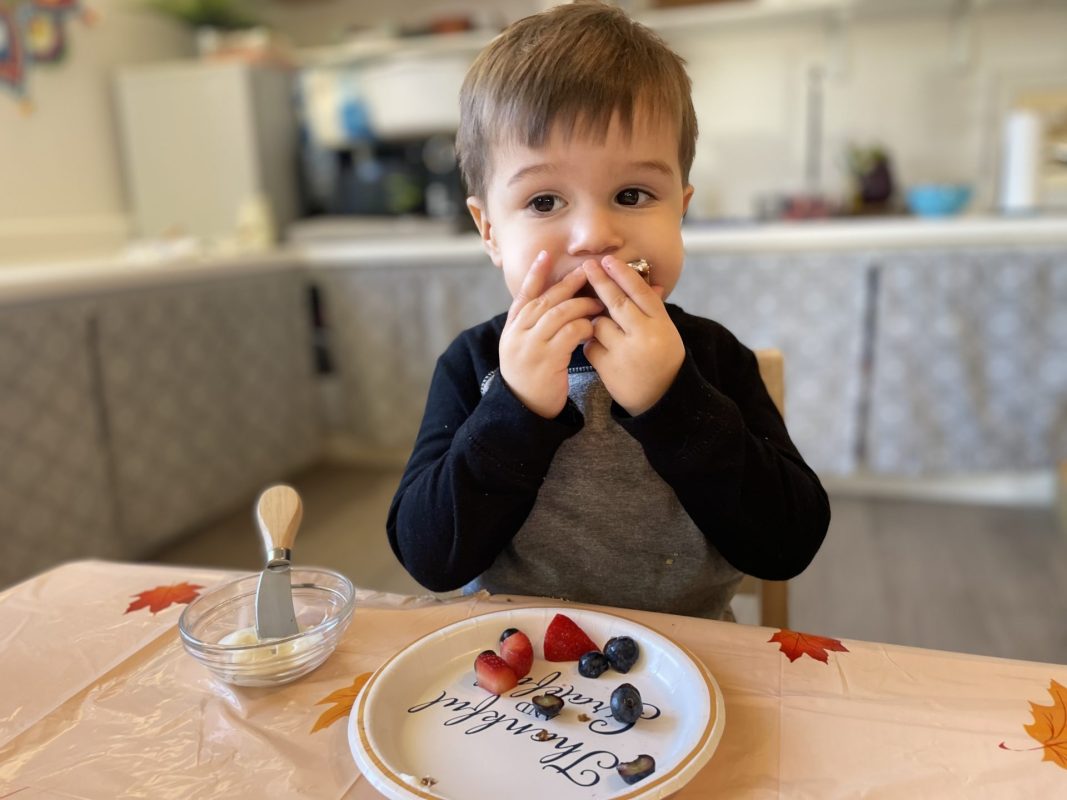
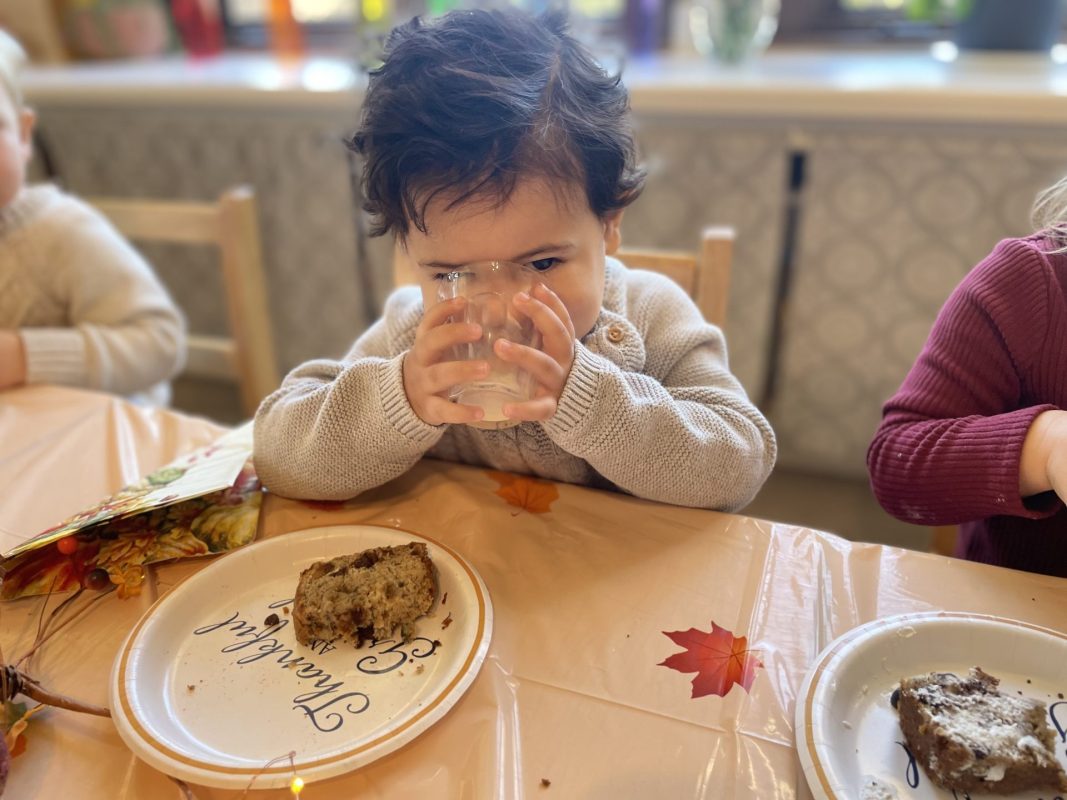
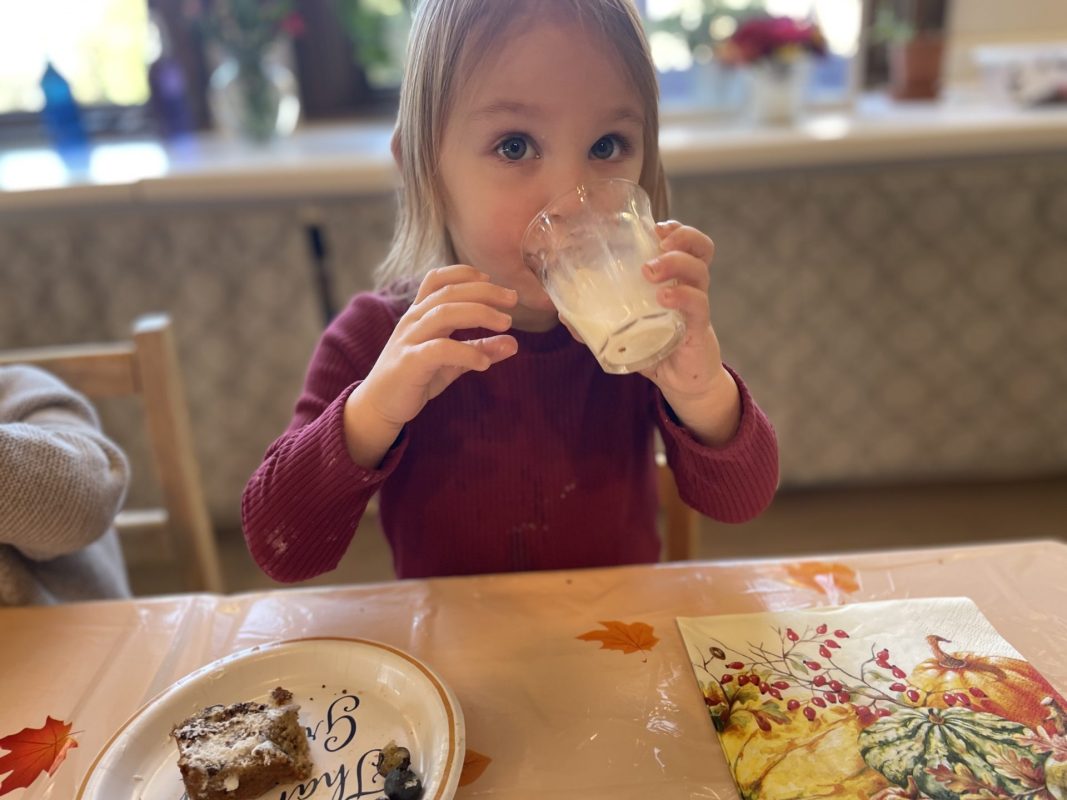
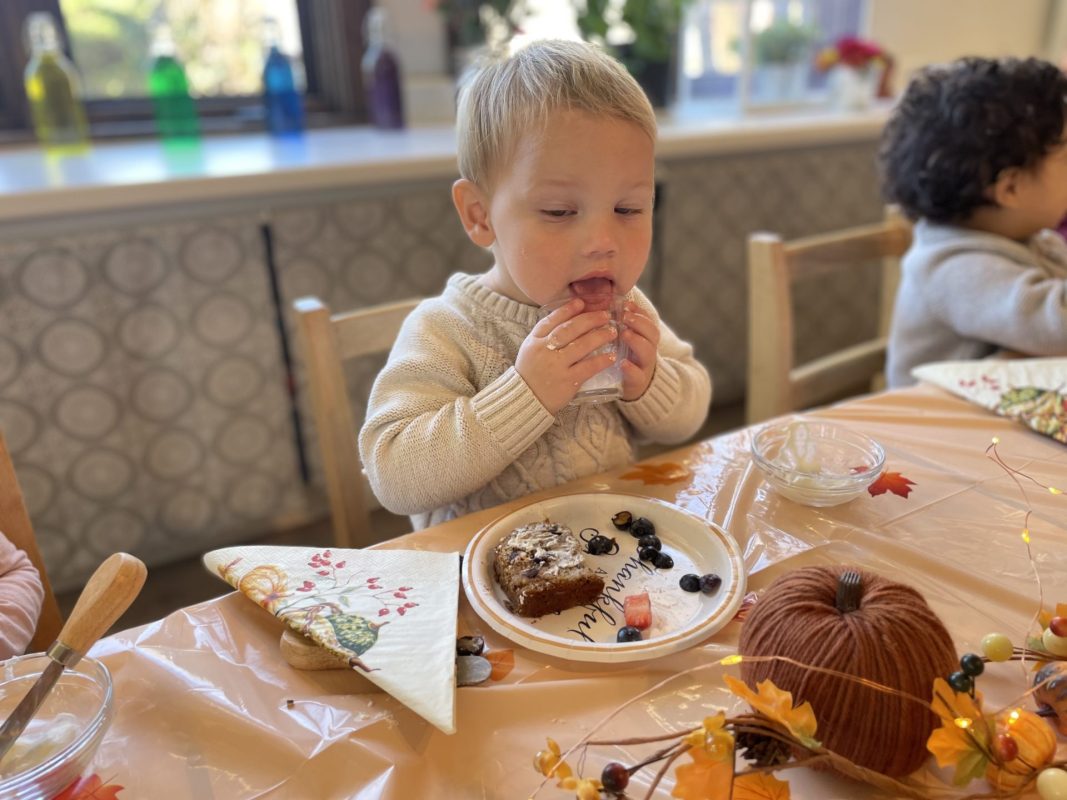
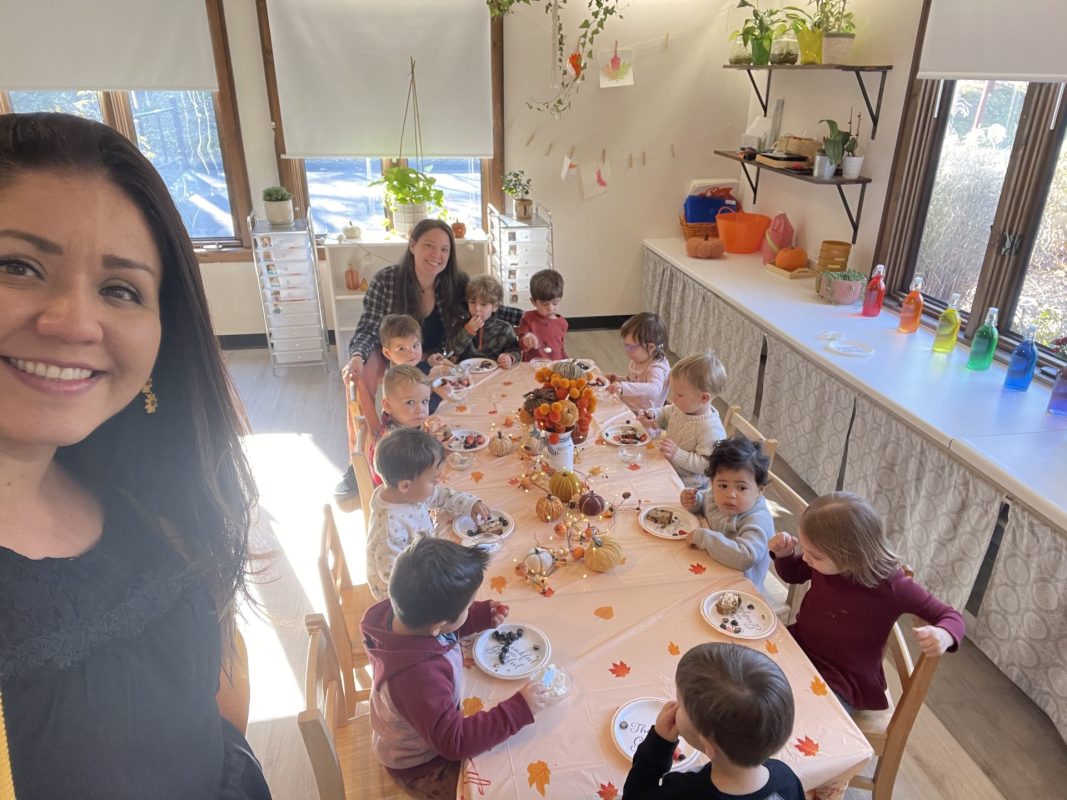
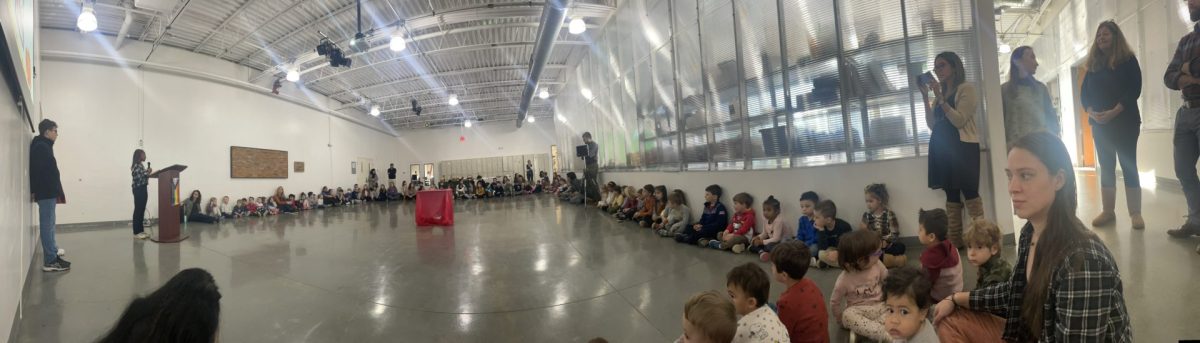
Shake, Shake, Shake! A word we practiced over and over while making our homemade butter! Now that our delicious bread and butter was ready to go, we were all ready for our big celebration. After joining the rest of the school on the Thanksgiving ceremony, we proceeded to our classroom to share bread. Children received a lesson on spreading butter and each one of them had the opportunity to do so on their own bread! It was a wonderful morning and we are so thankful for your support! You all helped to make this beautiful morning a success. 

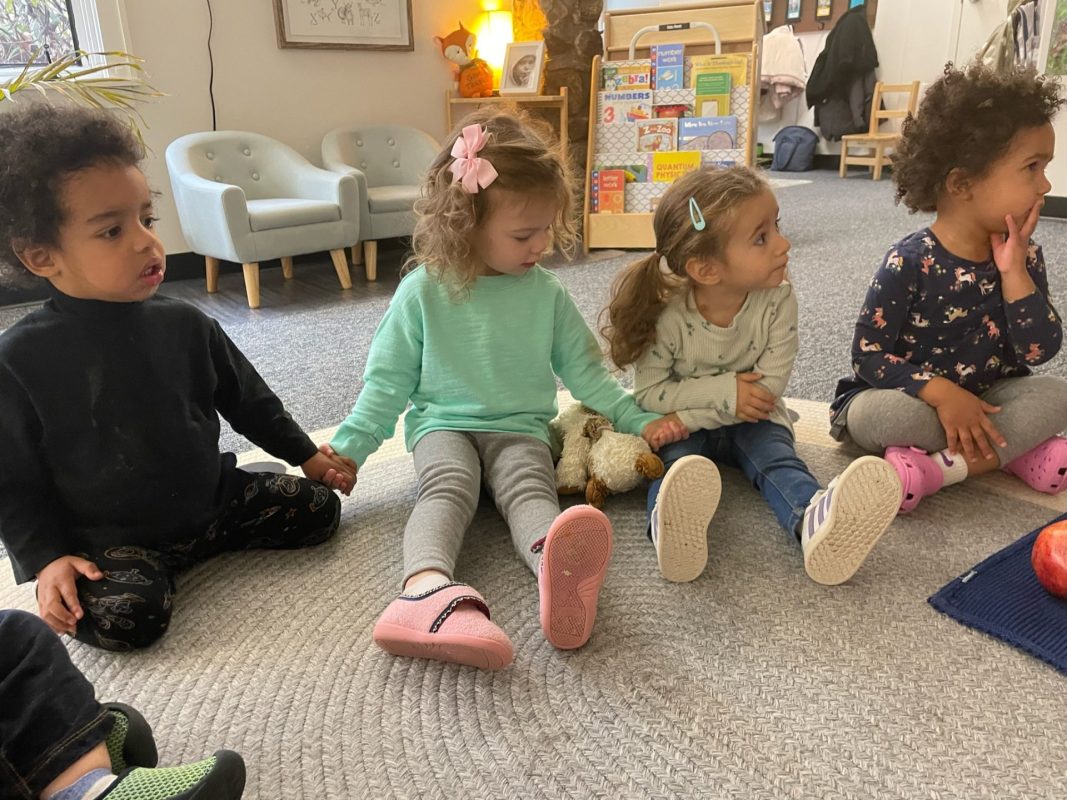
For food tasting, we explored a pomegranate, and this fruit was a hit! Children seemed curious about how the fruit looked on the inside and they enjoyed watching the seeds just popping out and falling easily in the bowl. Eating pomegranate is like enjoying some little candies, so I wasn’t surprised children loved it! 

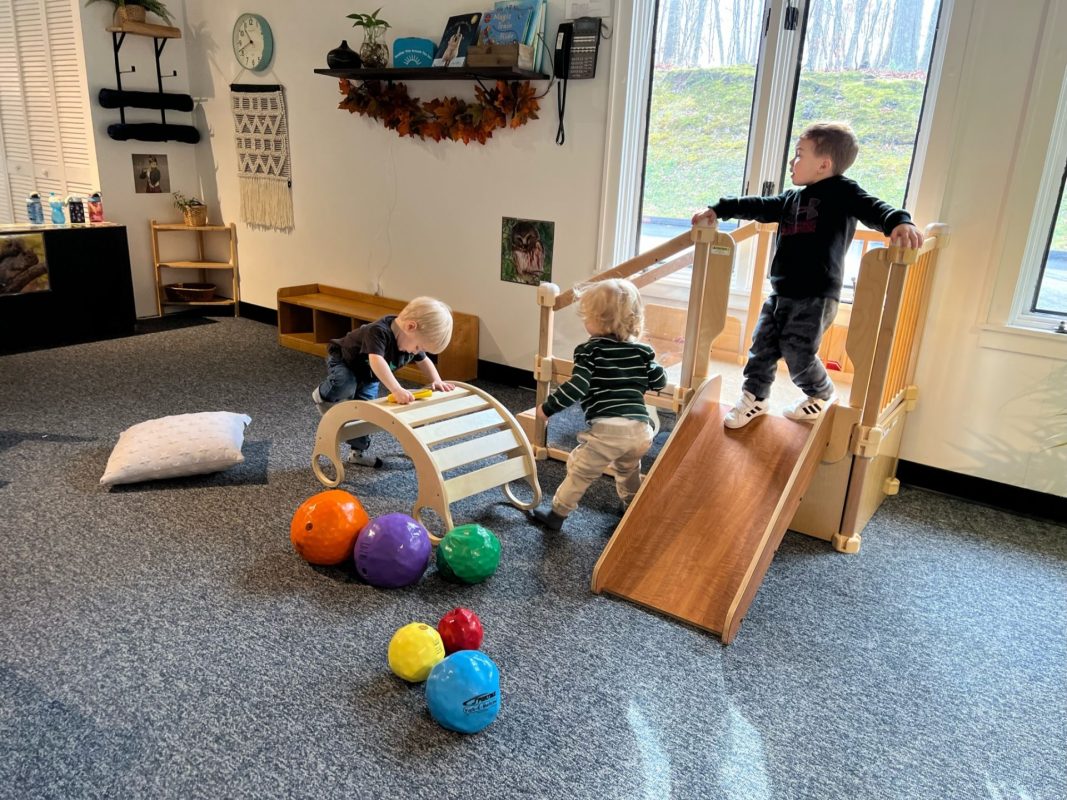
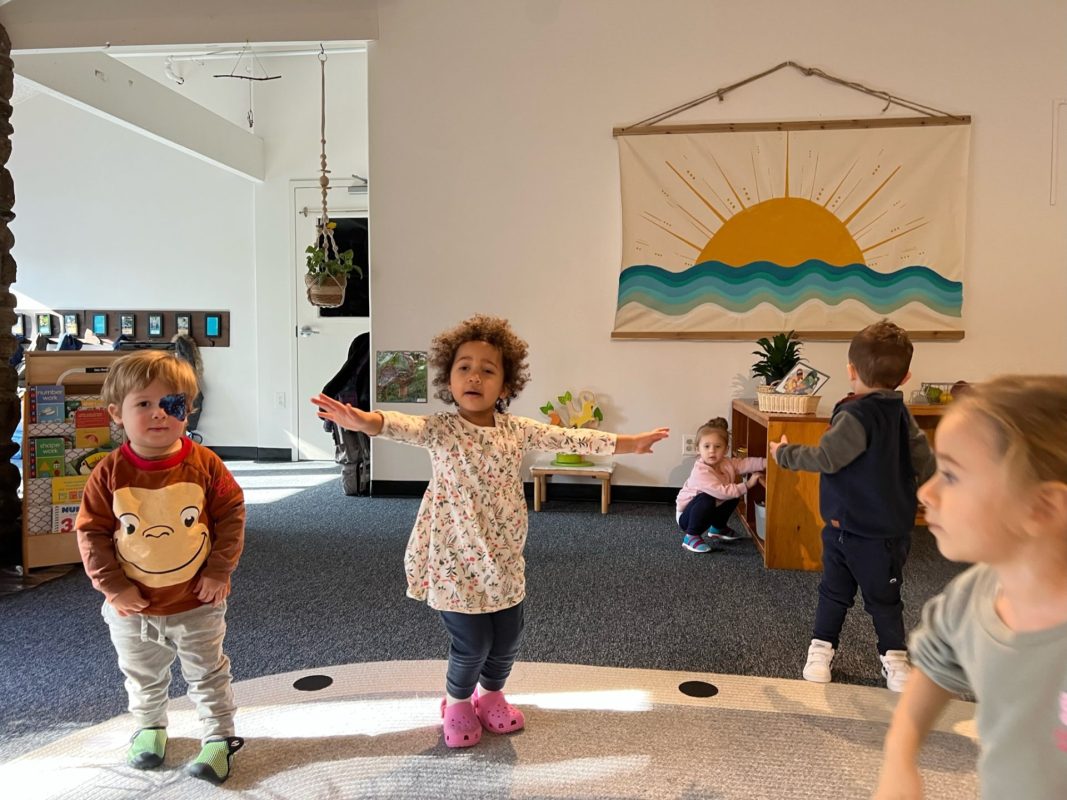
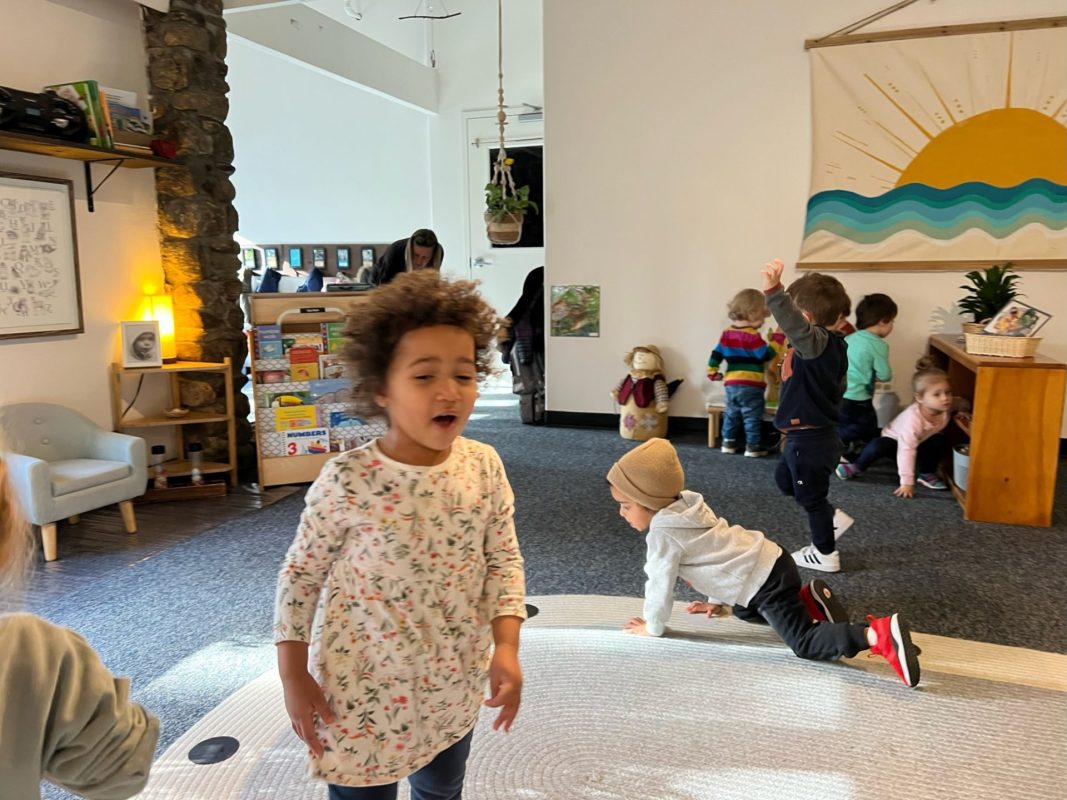
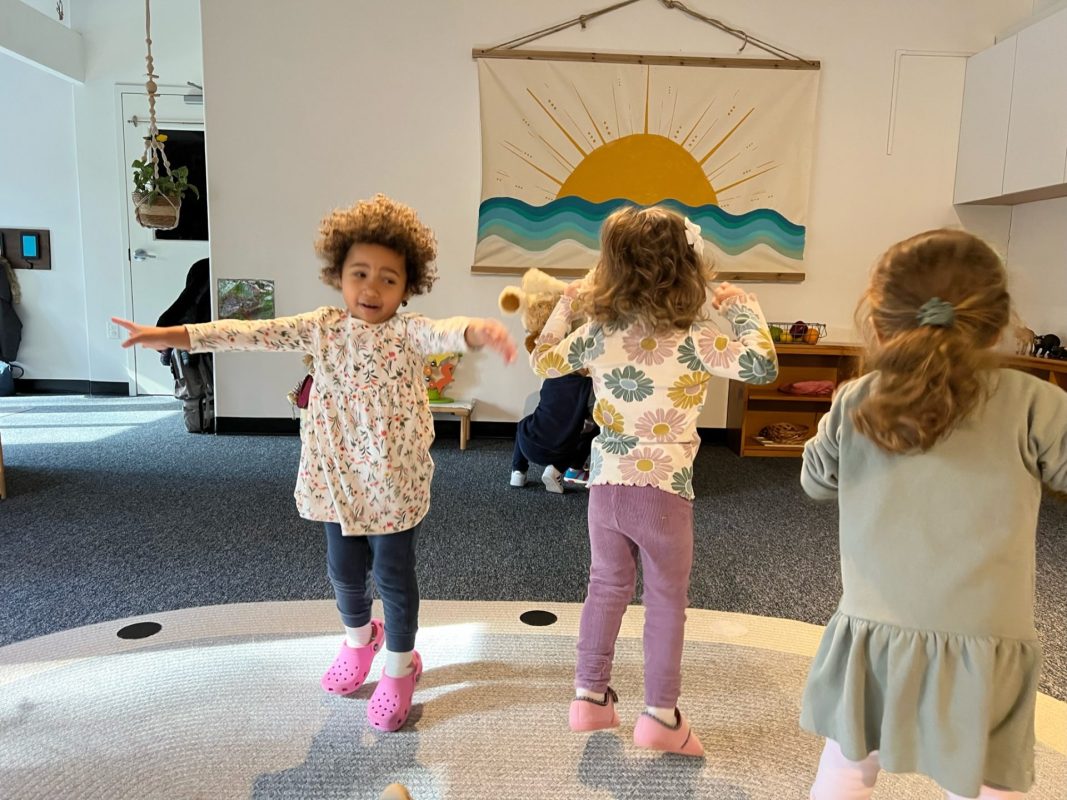
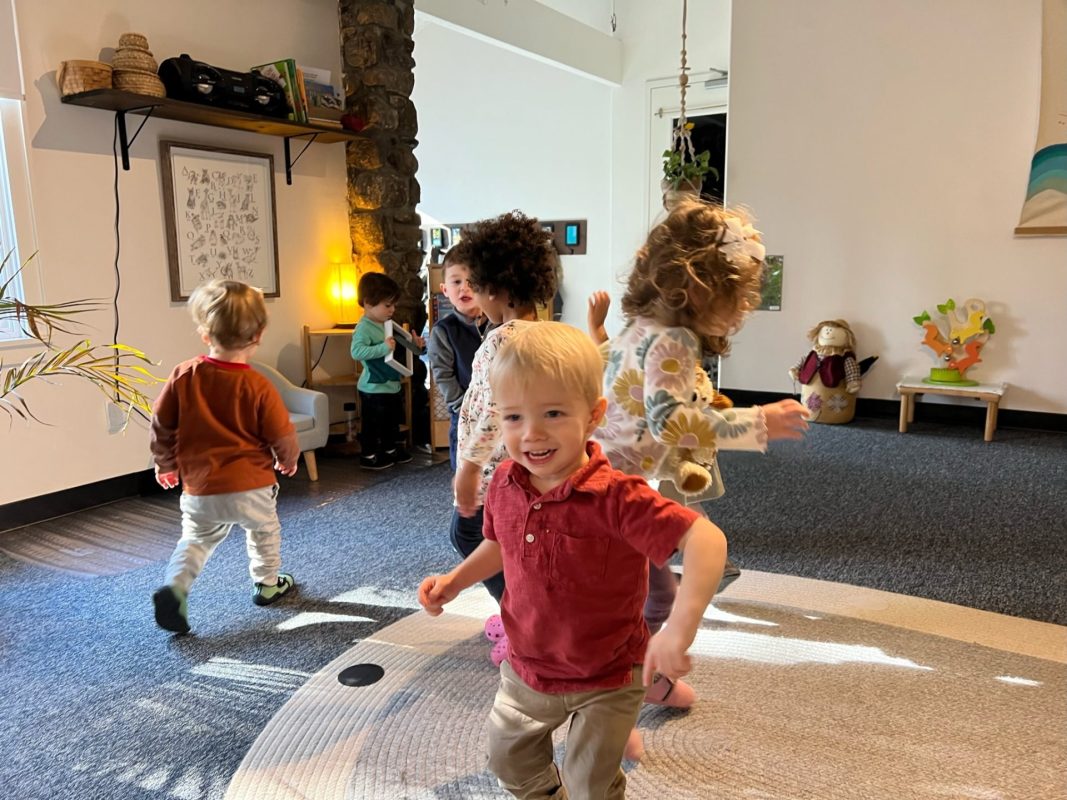
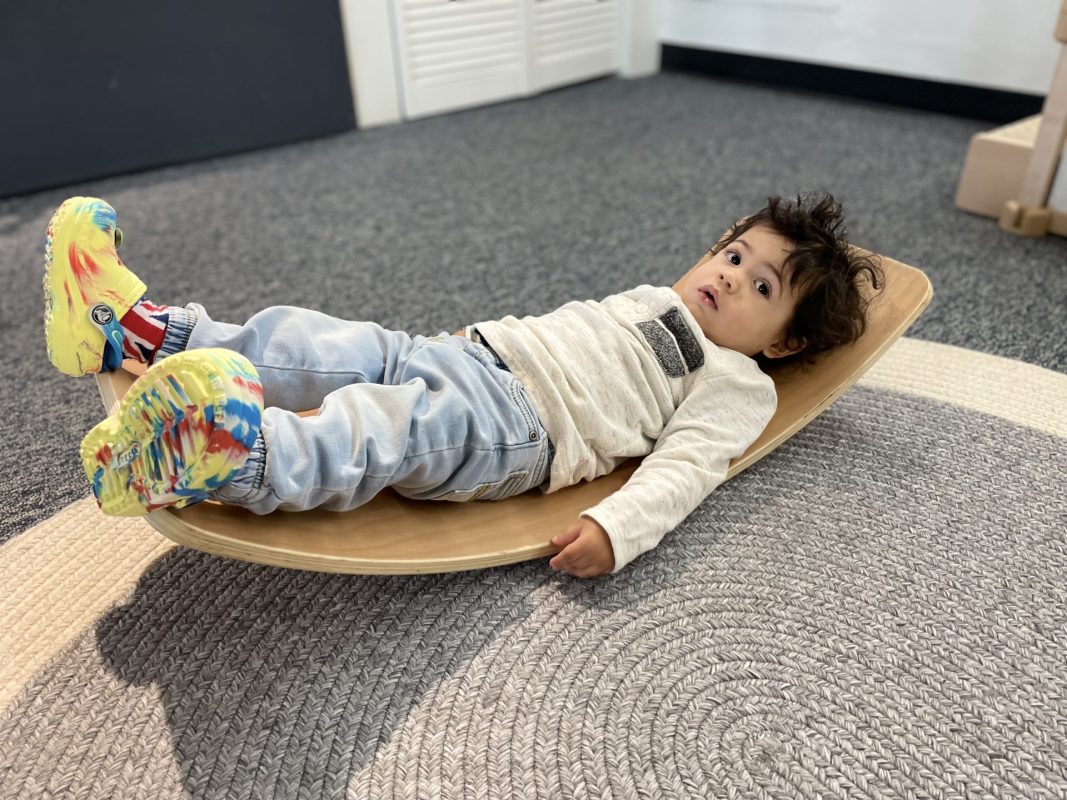
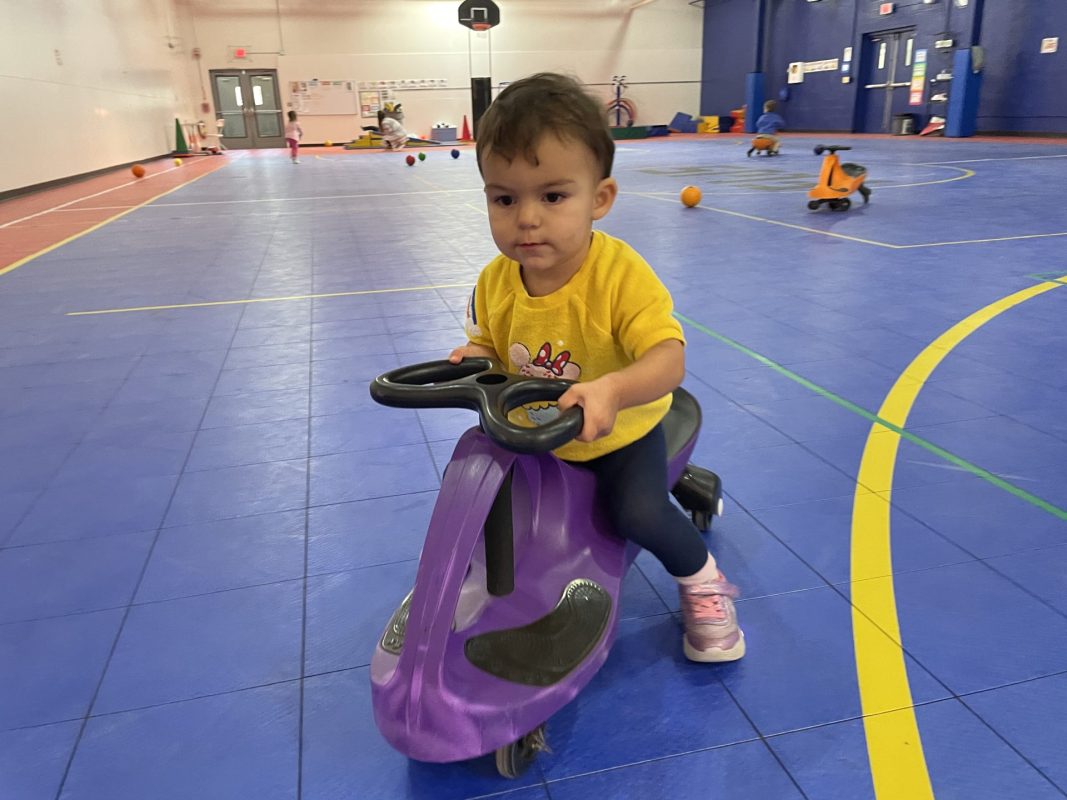
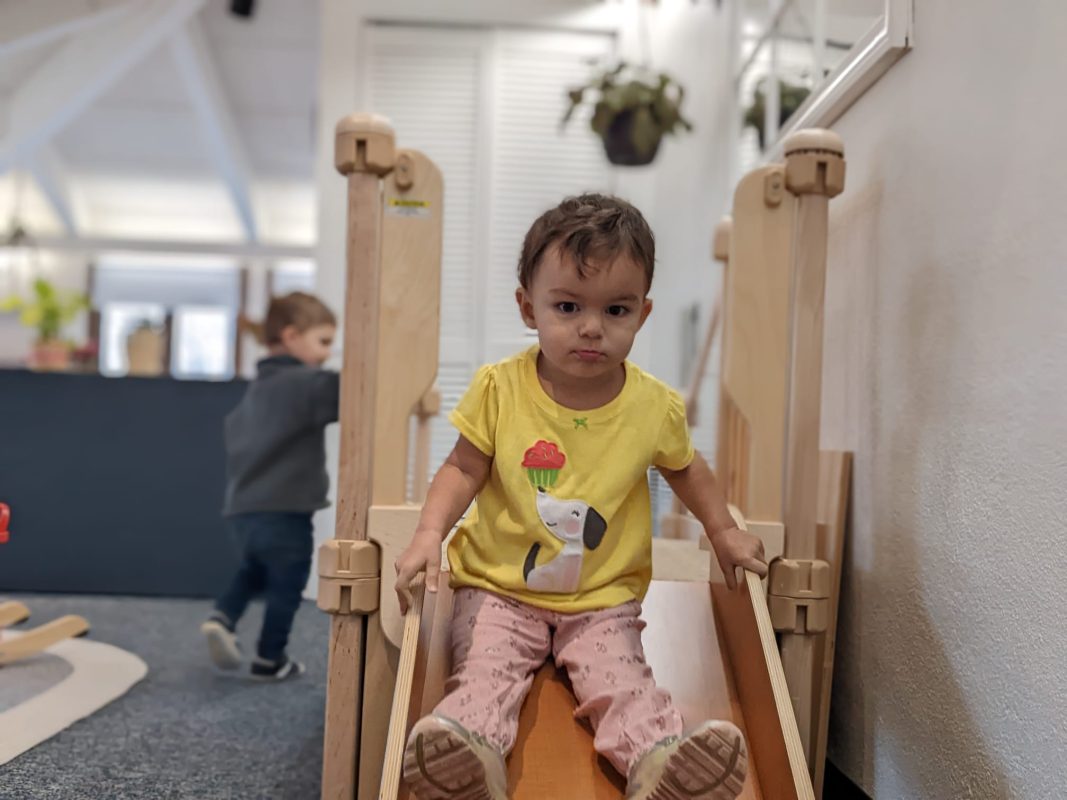
In the movement area we presented a new balance board and children have been creatively exploring its many uses! This board stimulates the vestibular system, supports muscles responsible for the correct posture, develops the sense of balance and supports the development of the sense of proprioception.  It’s a favorite in our environment these days. 

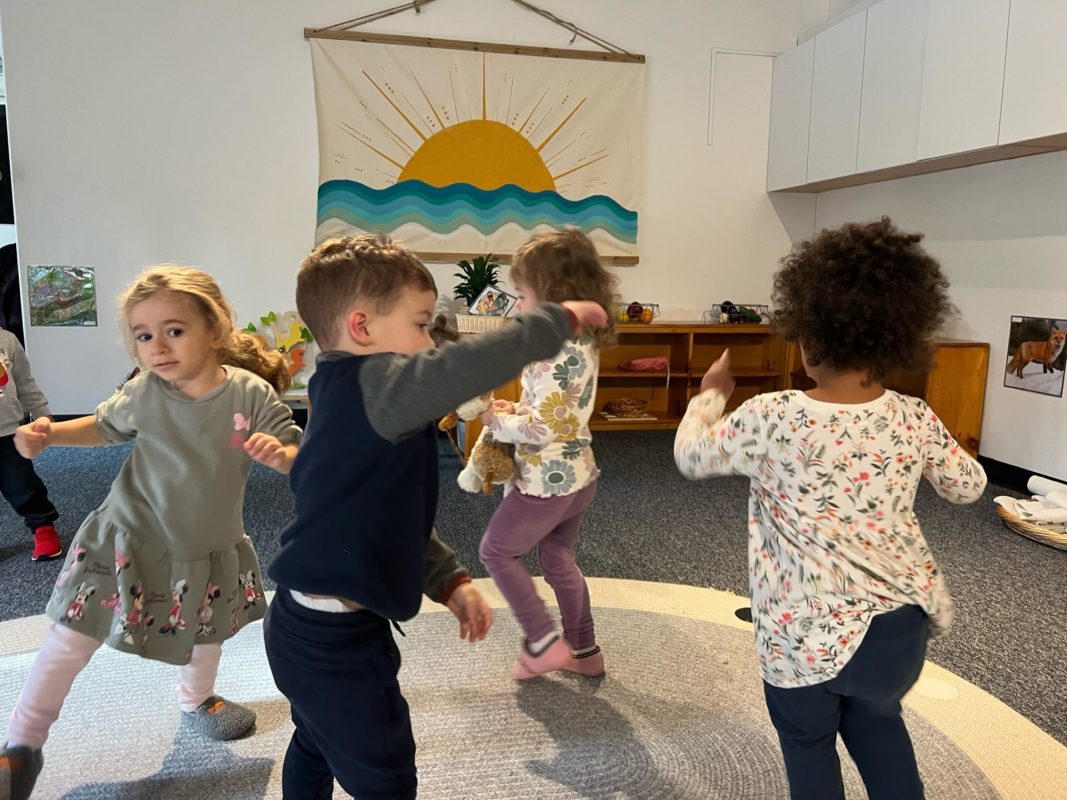
In our Spanish studies children have been practicing commands and words like: caminar (walk) parar (stop), brincar (jump), bailar (dance), correr (run), comer (eat) and dormir (sleep), through the song “Da una vuelta en tu lugar” by Baila Baila. 

As we enter the holidays, we would like to know if there is a special holiday you and your family celebrate this time of year. If so, please feel free to let us know! We would like find a way to include it in our environment and enjoy that holiday with you! 

Best,

Mrs. Hood and Ms. Bethann


Upper El’s Week

“As we observe children, we see the vitality of their spirit, the maximum effort put forth in all they do, the intuition, attention and focus they bring to all life’s events, and the sheer joy they experience in living.” -Maria Montessori

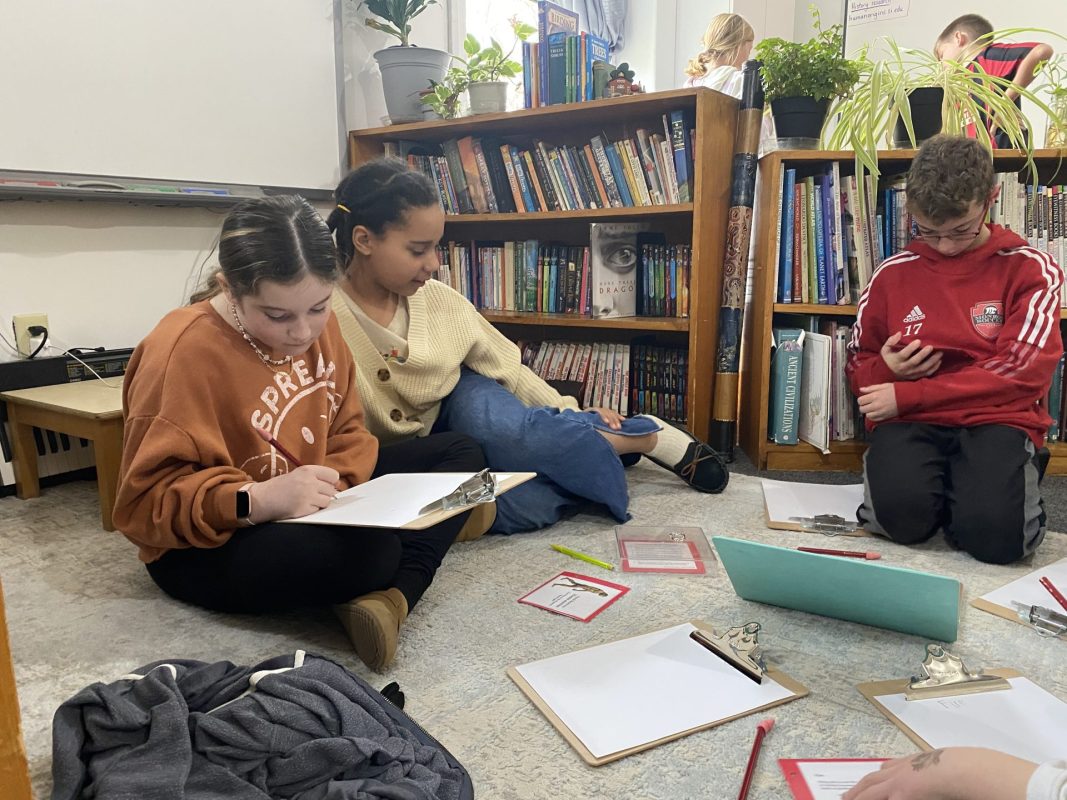
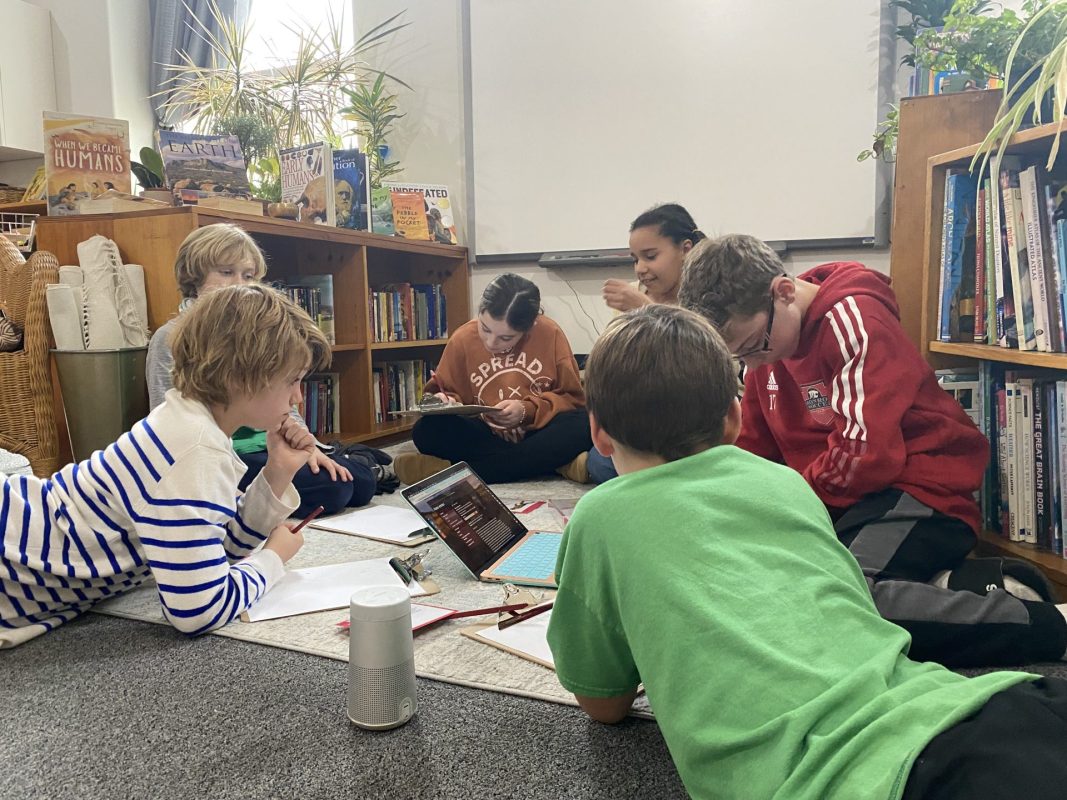
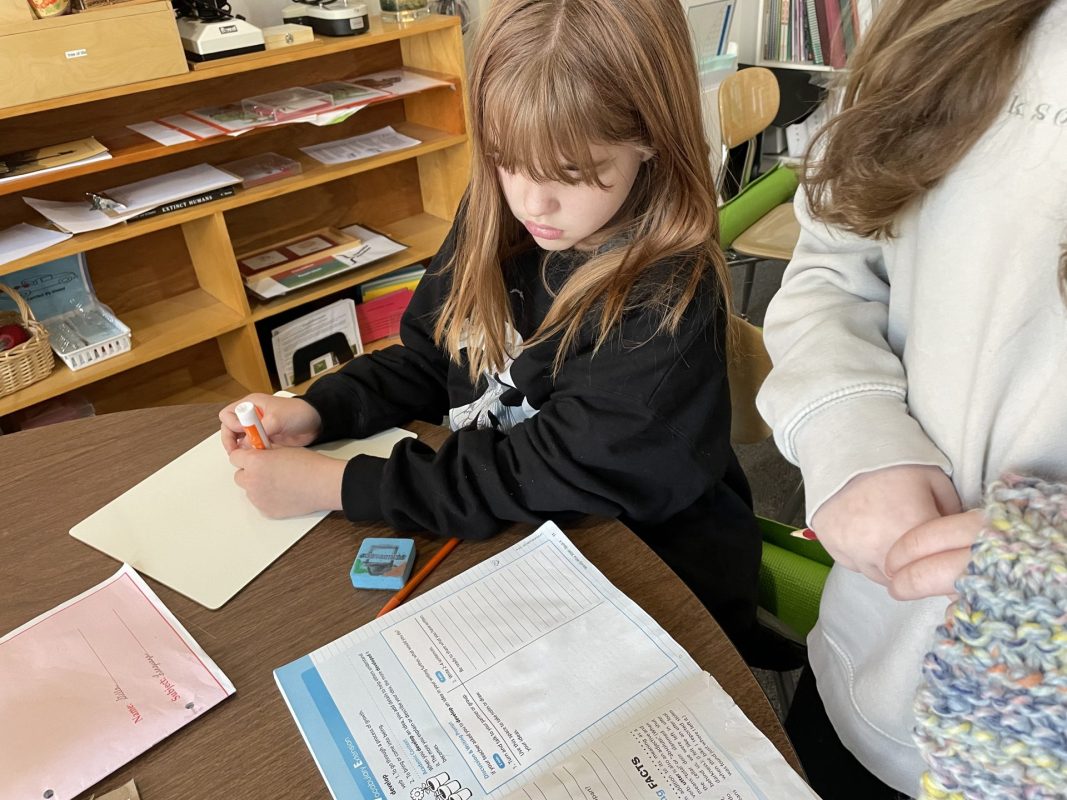
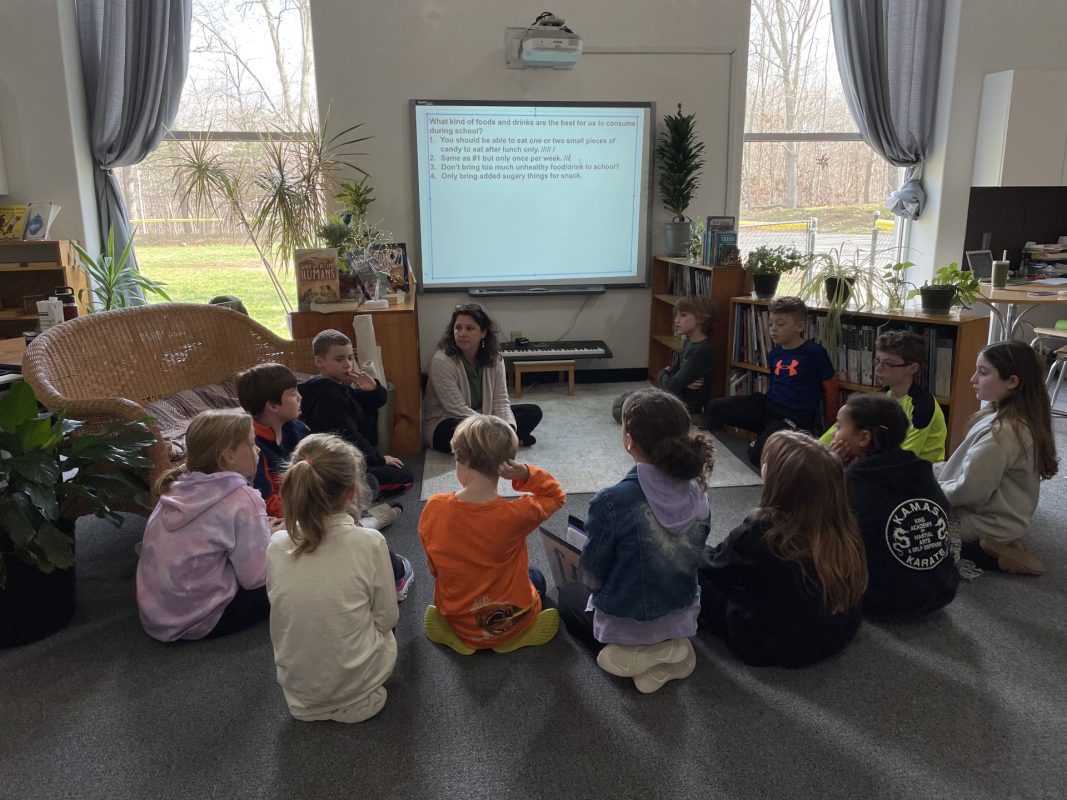
An observer of our Upper Elementary classroom would see most of the children collaborating on their work; this is intentional. Montessori elementary communities are designed to support this collaboration because it is recognized as a need for this age group. Elementary children crave interaction, not just in a purely social setting, but also in organized groups where they are focused on a goal with their peers. At this age, children form strong attachments to friends and want to be surrounded by their peers. For this reason, most of their work is collaborative, with the exception of when they are working on individualized skills. This is also the phase for “acquisition of culture” (Montessori). This is one reason why there is such a strong focus on learning about how people throughout history have contributed to society. The children assimilate this new knowledge about history as they are learning to contribute to their own world, classroom and beyond.

There is a great energy in the air the week leading up to a holiday. These children managed to harness that energy this week and put it into their work. They had great focus, working on assignments and research together. They were quite busy with math and vocabulary lessons and assignments as well as their collaboration on our class timeline of humans.

I’m really proud of these students for their leadership in our school community, leading the way with our composting program. Each day, two Upper El students went around to each classroom and collected their food scraps from the day and deposited them in our composting bin. Each day we saw increased participation throughout the school. Way to go Upper El! I leave you with this poem, spontaneously written by Cecelia.

Composting

Composting is good
You can compost wood

What can you compost?
Not a steel post

Wood chips, wood chips, you can compost that
But maybe not a big wet hat

Remember to compost every single day
And after you do, say “Yay!”


Suggestions and Strategies for Stress-Free Evenings

Dear Fraser Woods Families,

There are many ways for families to establish an after school or evening routine, and those routines will look different depending upon the age of your child/children. 

After picking up at dismissal, there may be rush-hour traffic, hungry kids, and homework – either assigned by your child’s teacher or suggested/required by you, which make weeknights stressful for any parent or caregiver. Families with multiple children will notice this time is trickier to manage because each child has their own learning style. 

You can manage these chaotic periods with strategies that fit your family and make this time of day smoother. 

  1. Snack

Studies show that nutrition affects children’s behavior and may reduce or increase attention and focus. Too much sugar and/or artificial coloring, may make it more difficult for children to focus.

Have a healthy snack ready for your child. You can pack a small cooler filled with nutritious food and water every afternoon, so that the kids have something to eat while you are driving home or to after-school activities. You can also have a snack ready when your child walks in the door (whole-grain crackers with natural sun or nut butter and an apple; a slice of cold turkey or ham and an orange; or a banana, etc.)

  1. Establish Your Own Routine- in other words, do what works for your family

Creating routines that work with your child/children is important in managing evening chaos. Some families may find that their child’s emotions are heightened after a long school day. 

So experiment with your child’s schedule. Try doing homework at different times, or breaking it into small chunks. Another strategy is having someone (parent, older sibling, babysitter)  sit with them, reading a book or working on another quiet activity; it provides reassurance.

Make the routine clear by creating a chart or poster with your child of the things that need to be accomplished that day: feed the dog, go to soccer practice, finish homework, read for 20 minutes, etc. 

  1. Be Realistic

Some children can take a shower, brush their teeth, and get into pajamas in a half-hour, but others can’t.

Your expectations about what your child can do independently and which tasks need your support will help you with feeling frustrated.

Lauren Braswell, Ph.D., a clinical child psychologist, agrees that realistic expectations help the evening go smoother. “I see families struggle with what they can change and what they have to accept,” she says. If it takes your child longer to get through the evening chores or nightly homework, that’s just the way it is”.

  1. Physical Activity

For some children, it’s hard to tackle homework or chores immediately after school. One way to help your child focus is through exercise. 

“Evidence shows that 20 or 30 minutes of exercise-taking a walk, playing in the backyard, doing some jumping jacks-can help a child focus for about 45 minutes to an hour afterward,” says John Ratey, M.D., an associate clinical professor of psychiatry at Harvard Medical School. 

  1. Sleep

A good night’s sleep is so important, yet many children have difficulty with sleep routines for a variety of different reasons (restless, overtired, night time fears, etc.).  

“Routines that may start with a warm bath, tooth-brushing, and some light stretching or calming breathing techniques, followed by reading a story, can help your child prepare their body and their mind for a good night’s rest.”

  1. Be Mindful of Your Words

When your priorities collide with your child’s, parents can feel overwhelmed. We want to avoid an edgy tone of voice or using harsh words. 

Instead of saying, “You seem distracted,” try “Let’s work on finding a way to focus,” or “I know homework isn’t fun, but we need to get it done. So let’s get focused.”

Instead of saying, “You’re making a mess,” or “You’re getting a little sloppy,” try “Could you use a hand?” or “How can I help you clean this up?”

Instead of saying, “There are no monsters in your closet, just go to bed,” try “Lots of kids have scary dreams. How do you want to get rid of the monsters?” or “How about I stay in the room for a while until you fall asleep?”

When pressure is getting the best of you, focus on your ultimate parenting goal. Says Dr. Lauren Braswell, Ph.D., a clinical child psychologist, “Teach your child to be self-sufficient and preserve a loving parent/child relationship at all costs.”

Gina Tryforos

Assistant Head of School & Student Support Coordinator

Mrs. Hood: Attitude of Gratitude

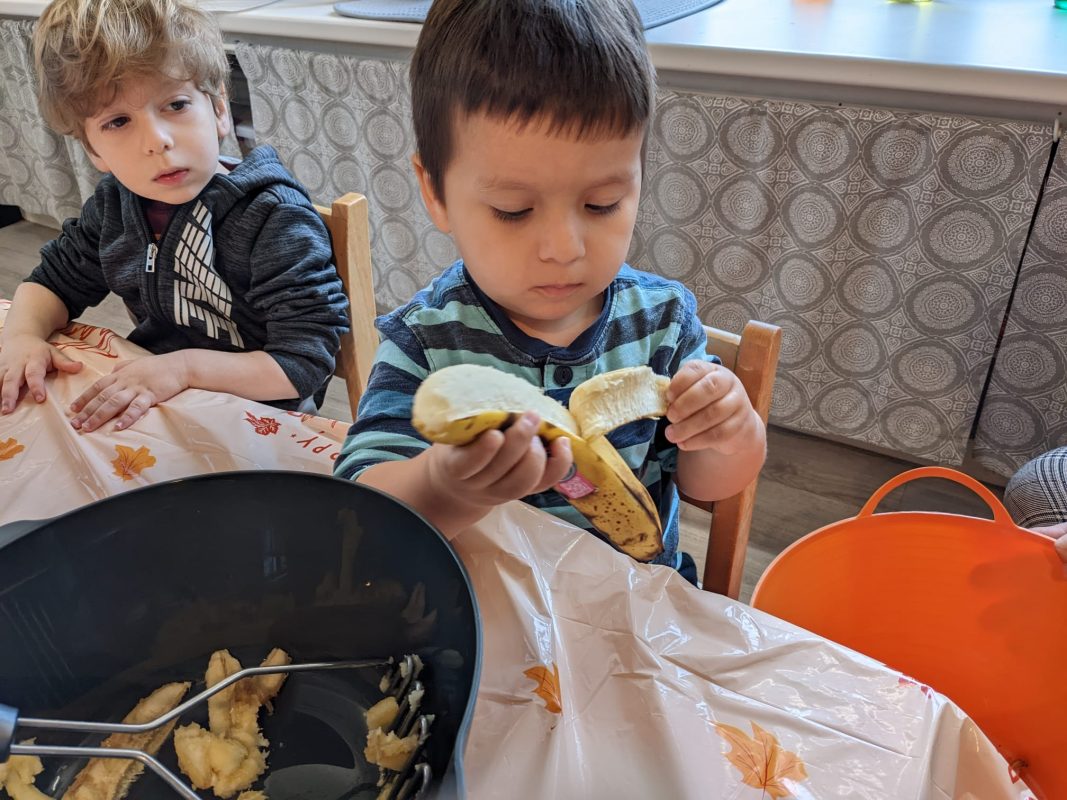
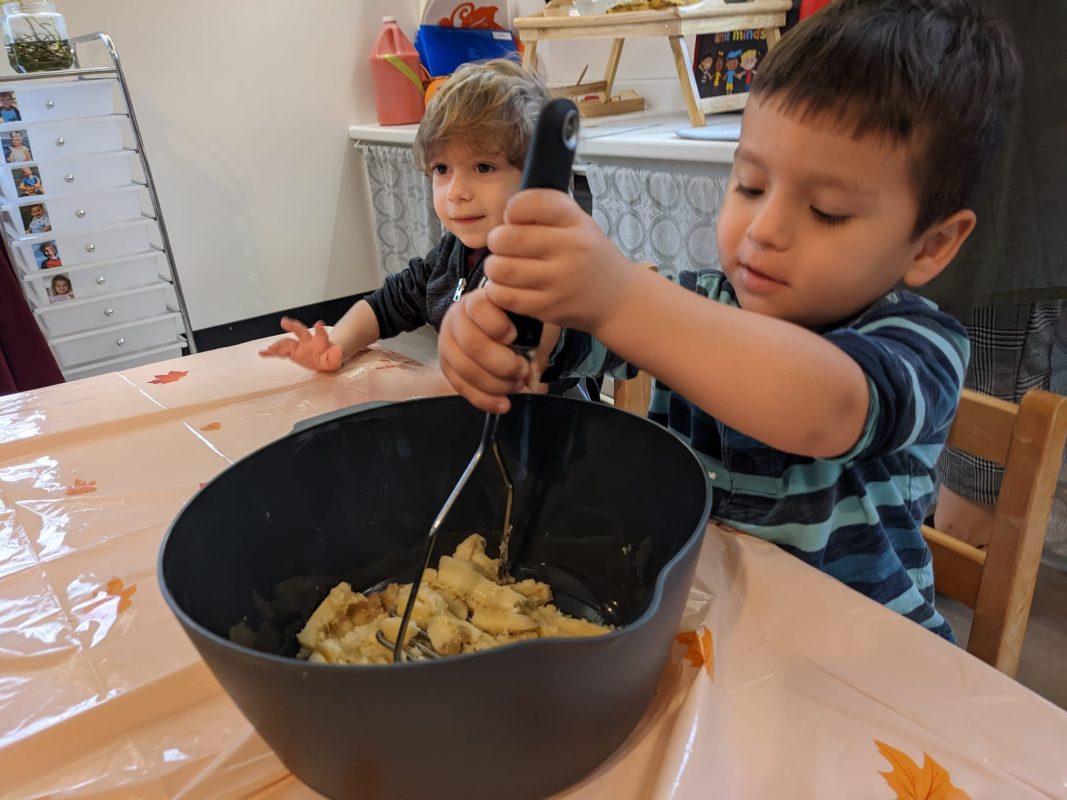
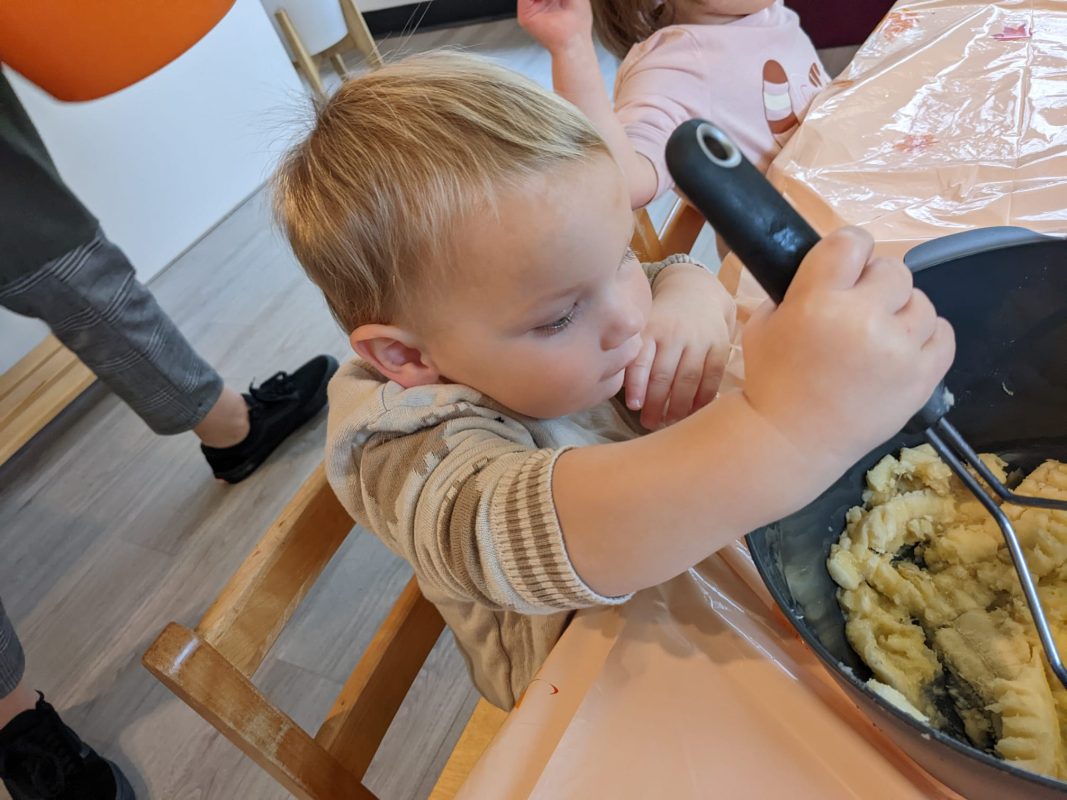
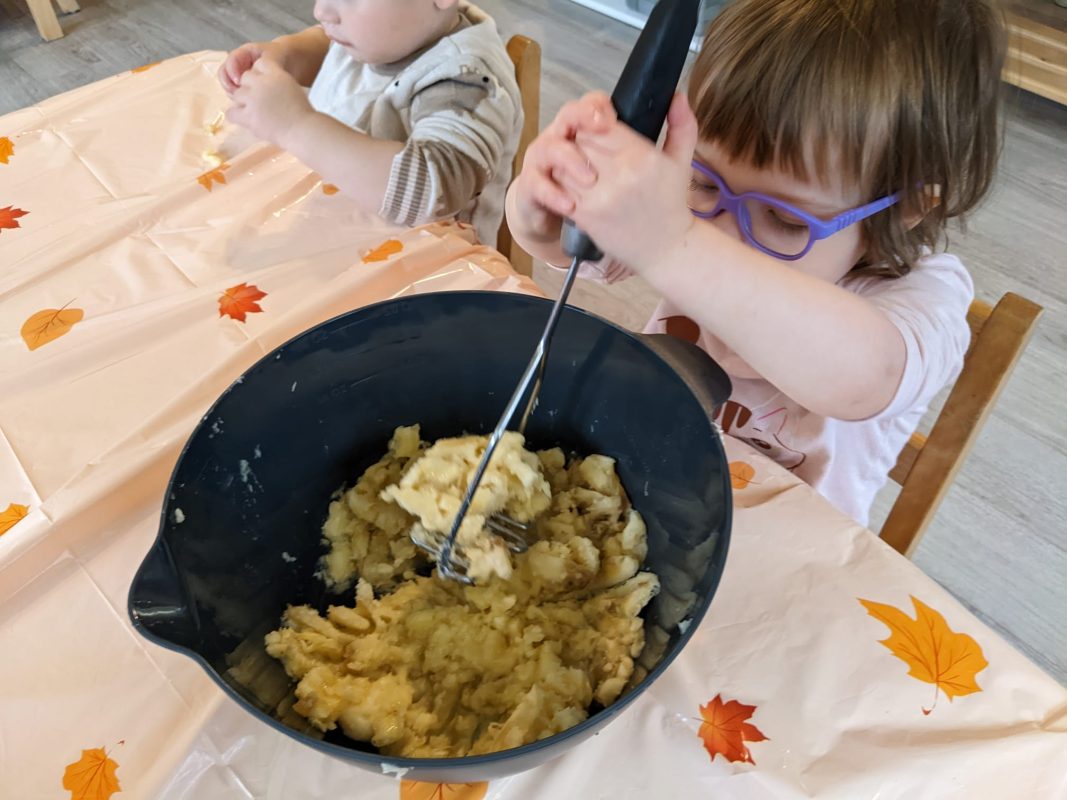
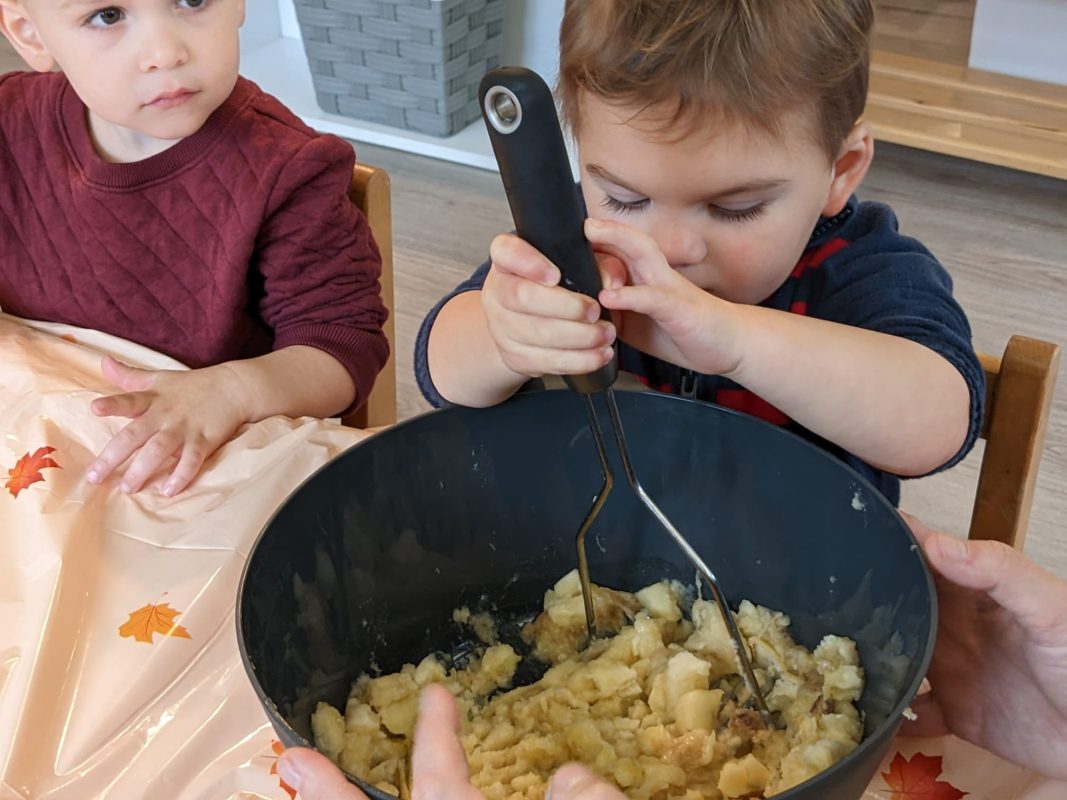
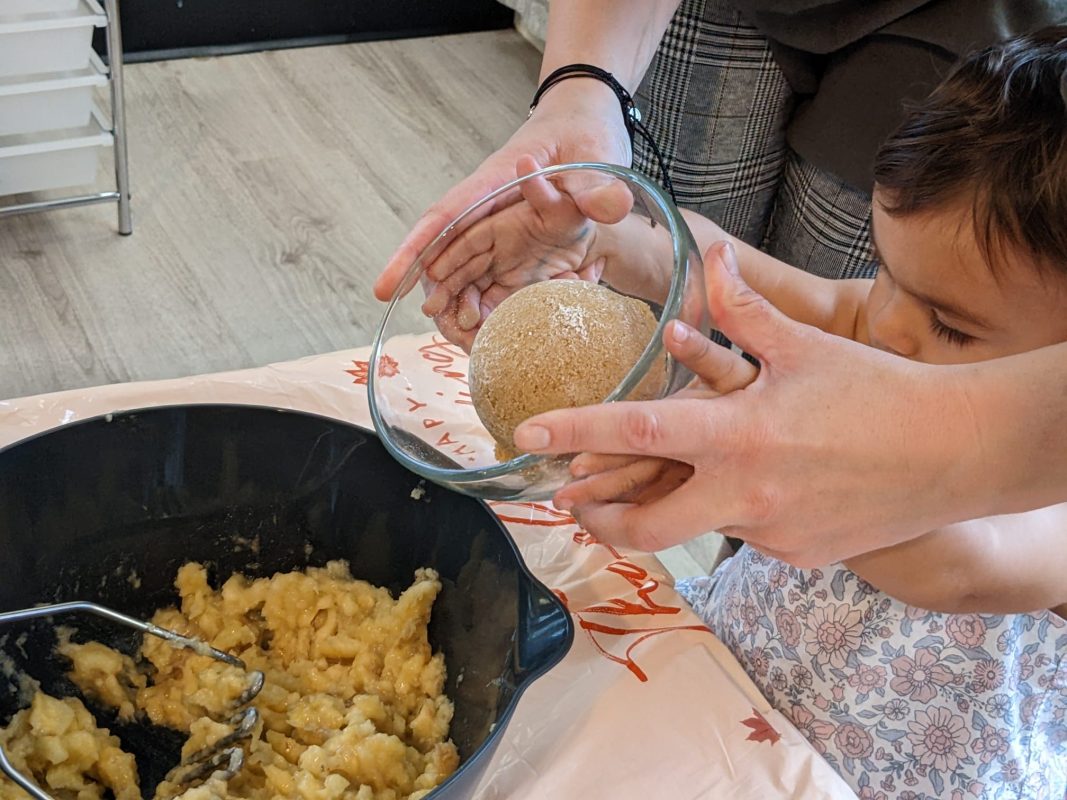
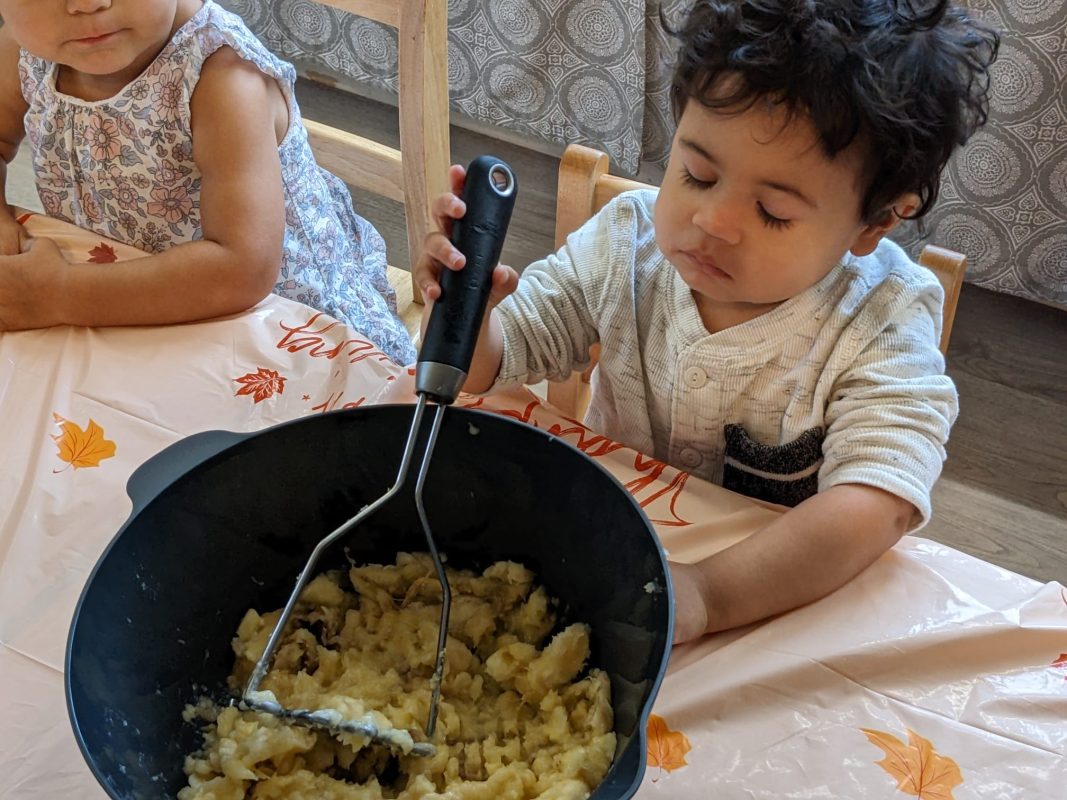
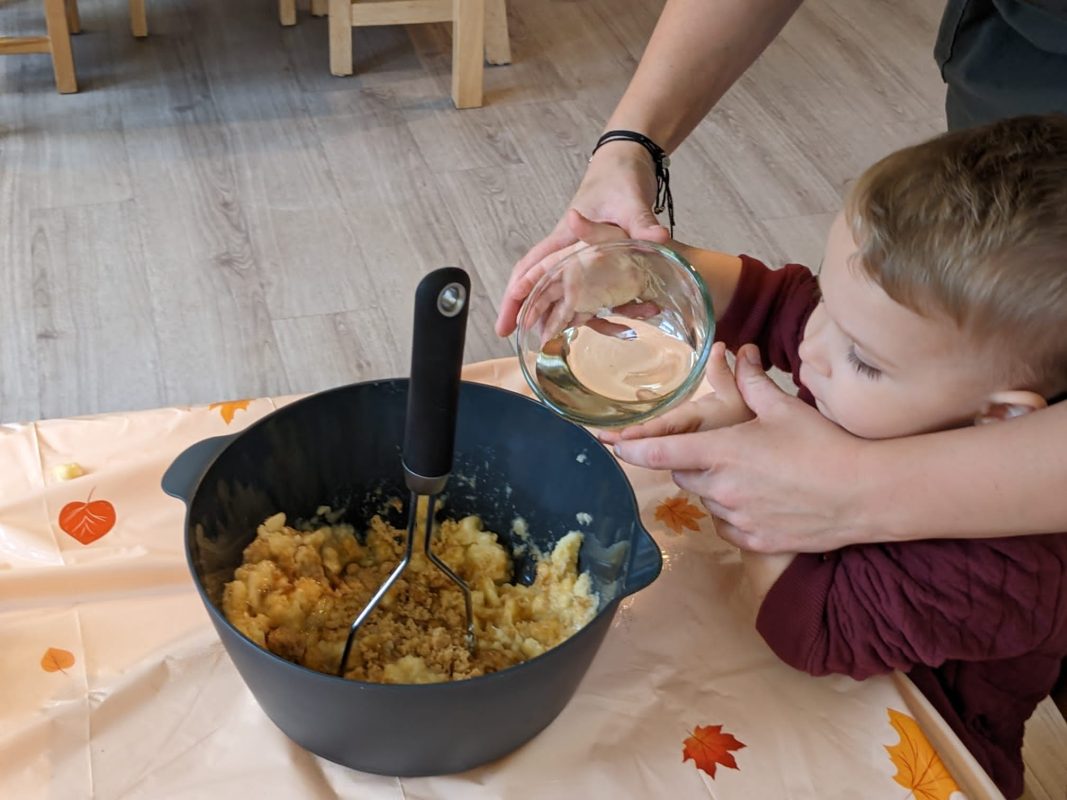
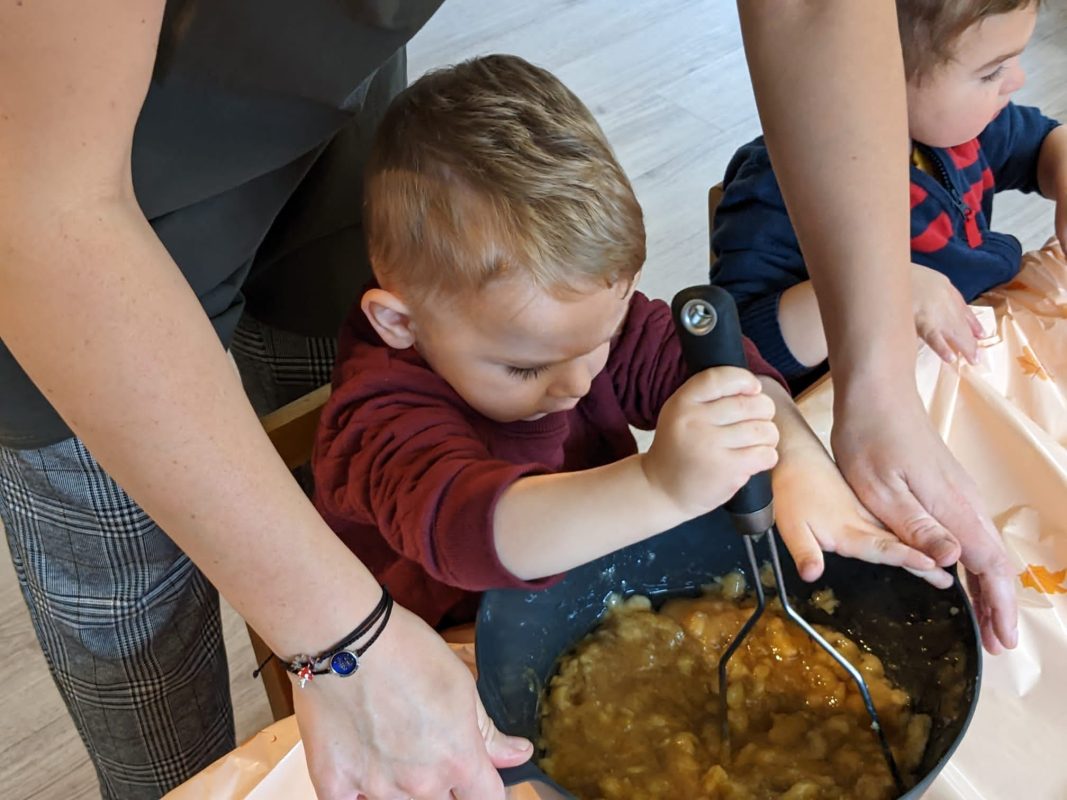
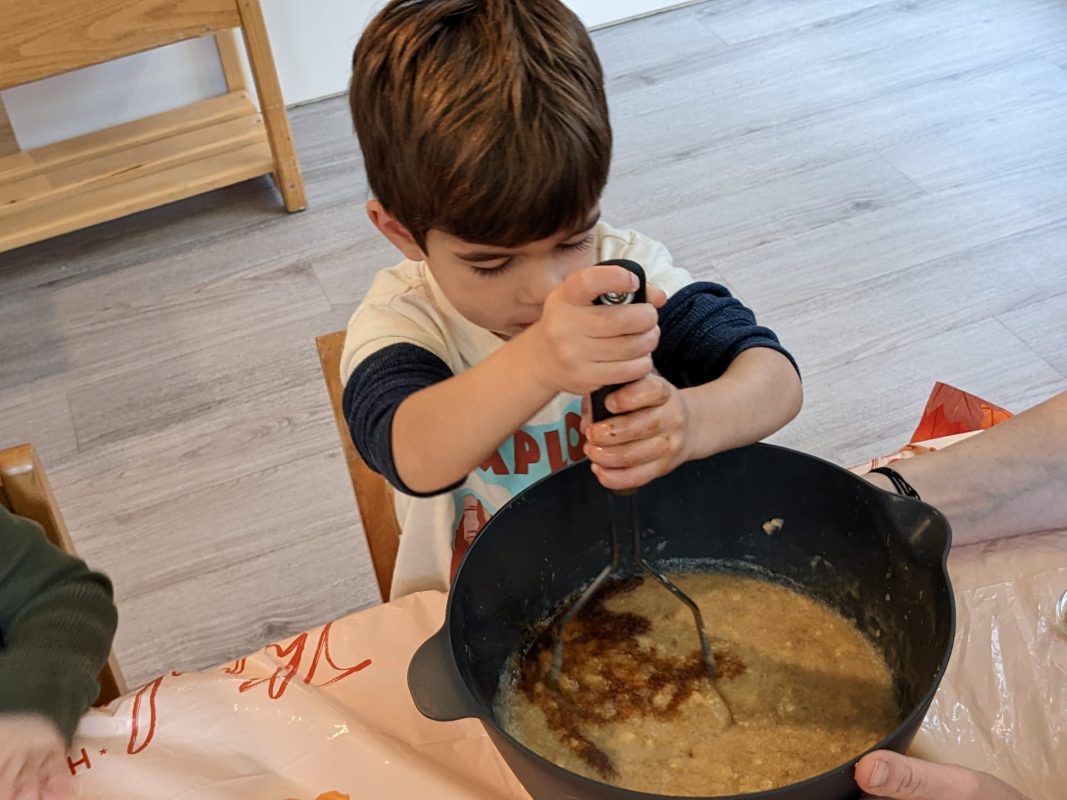
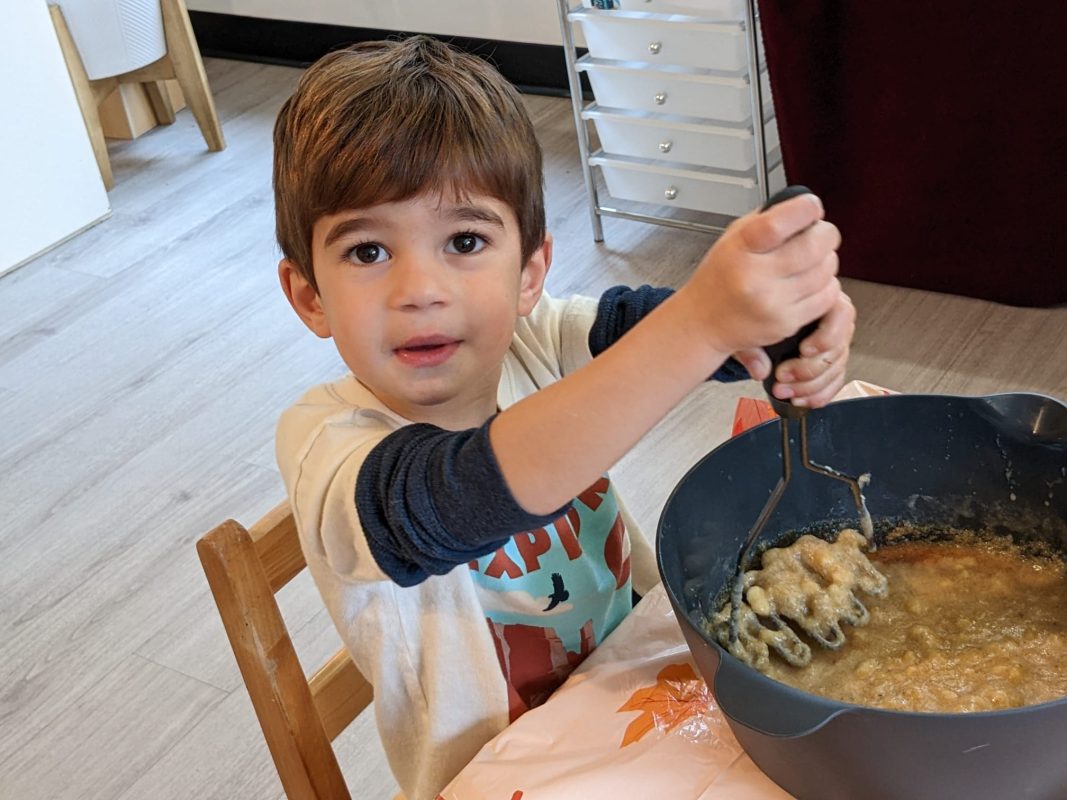
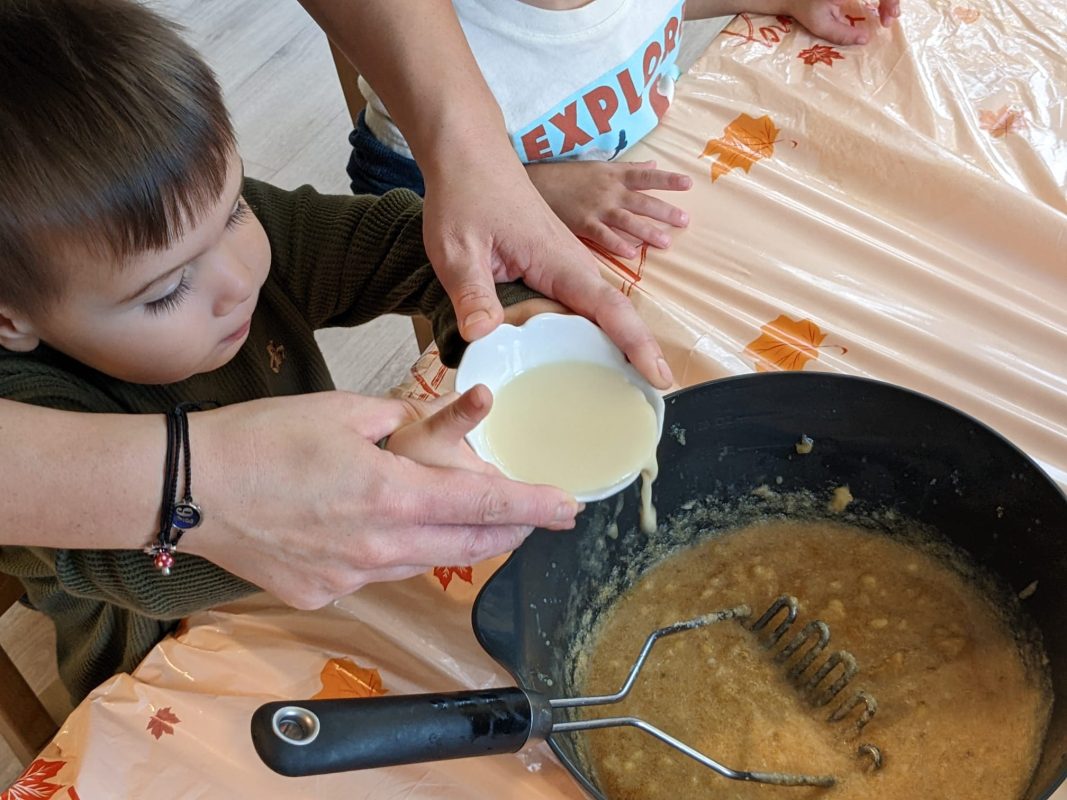
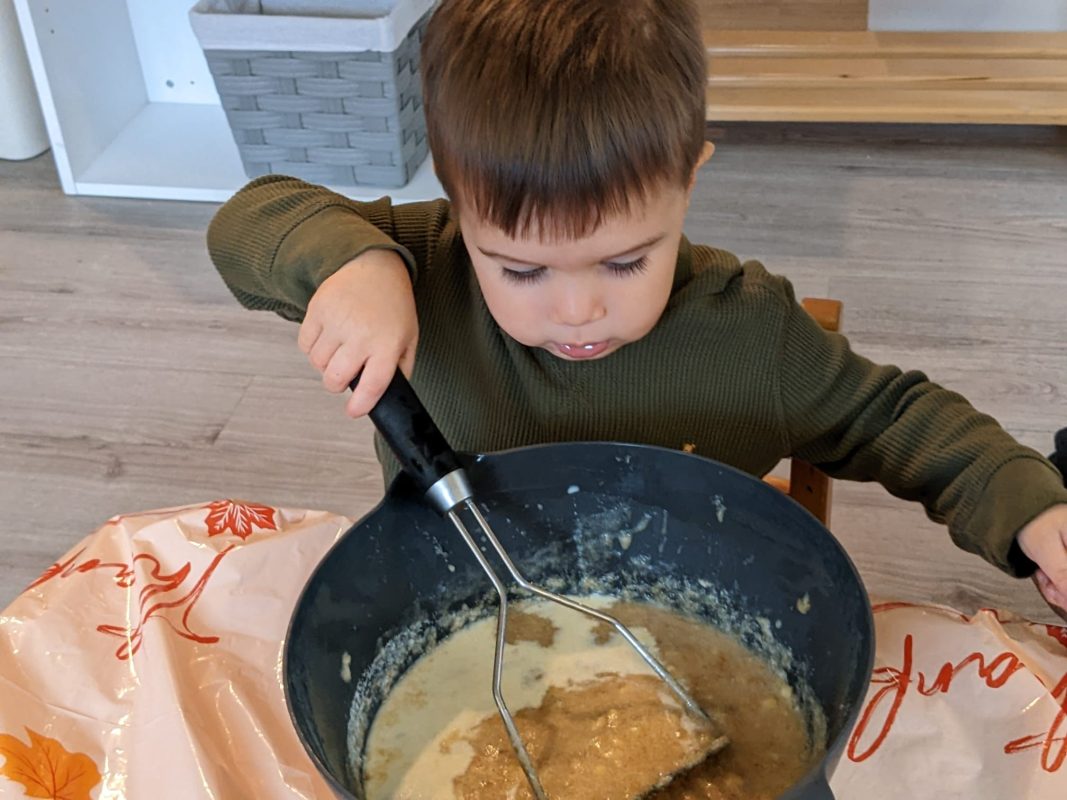
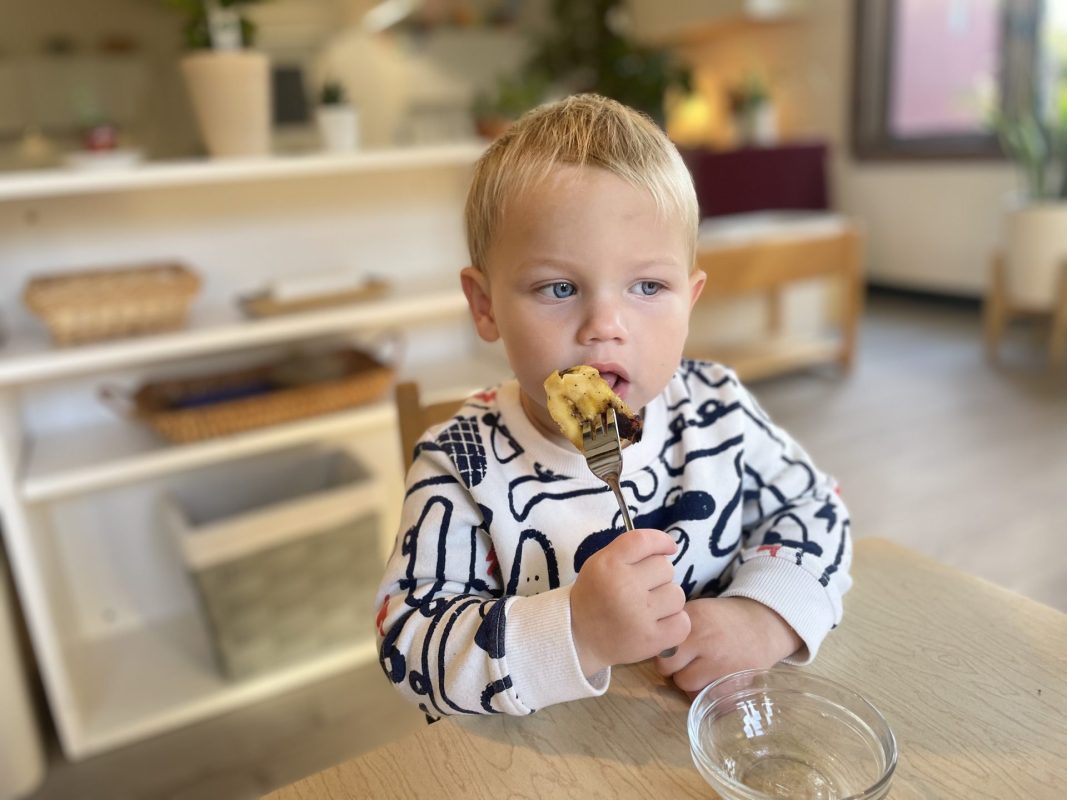
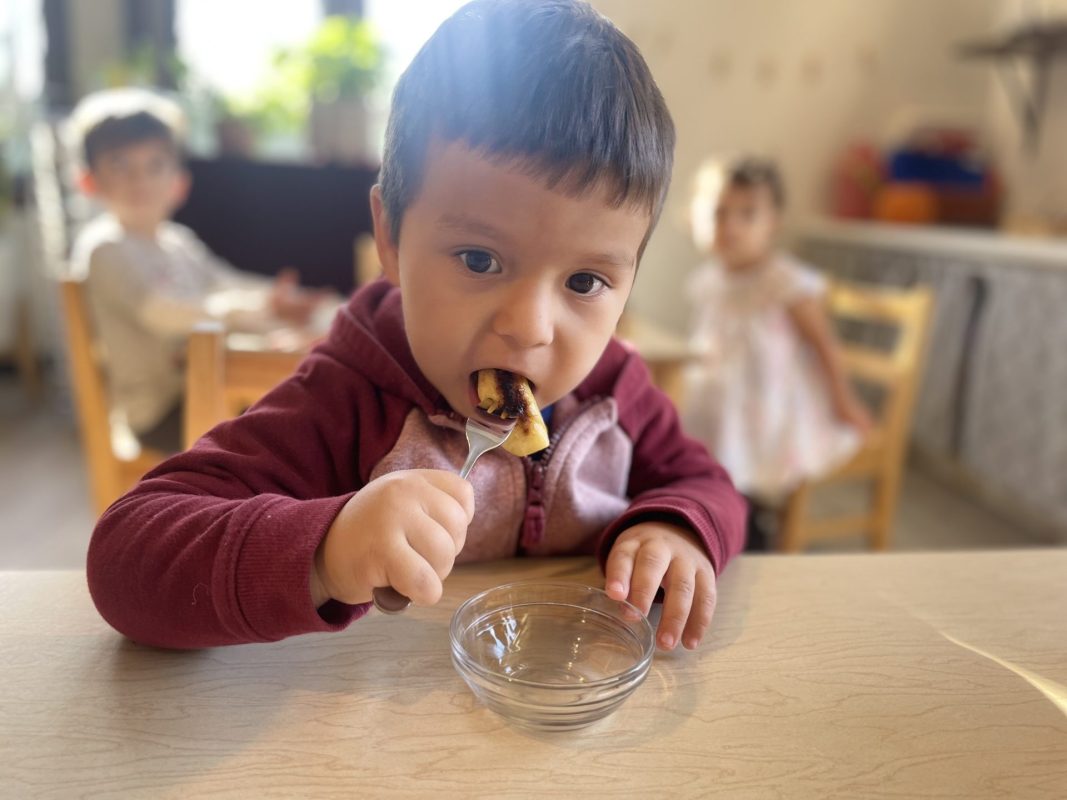
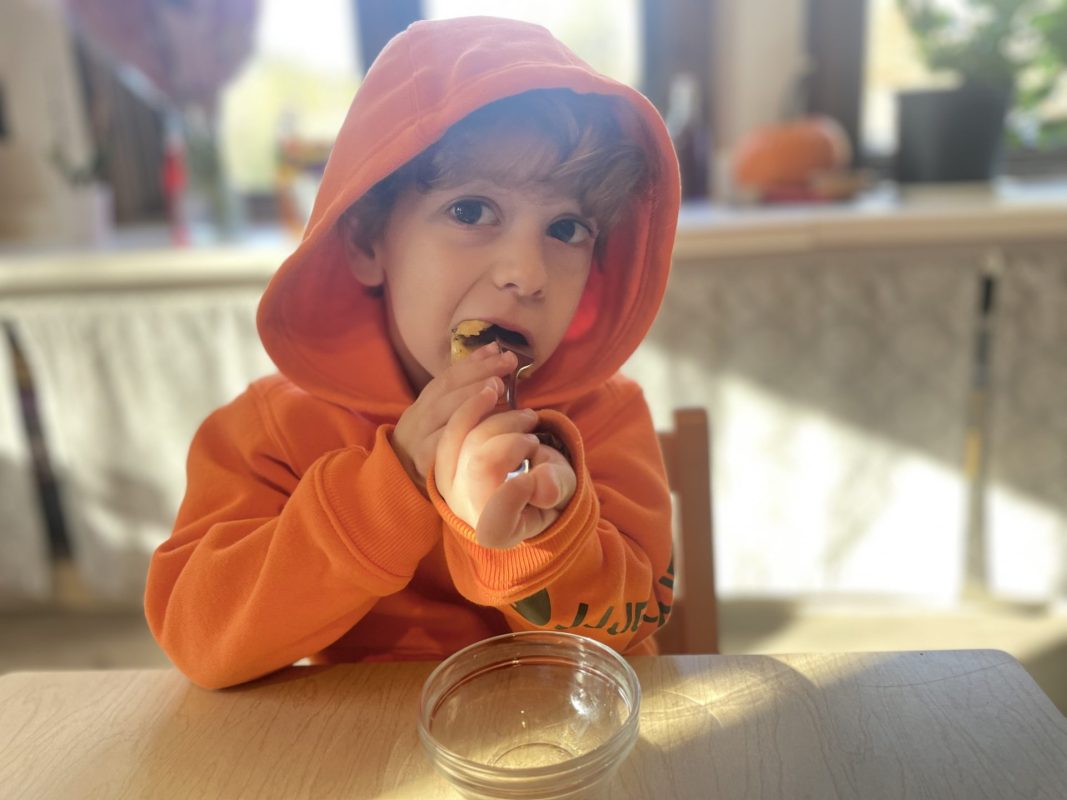
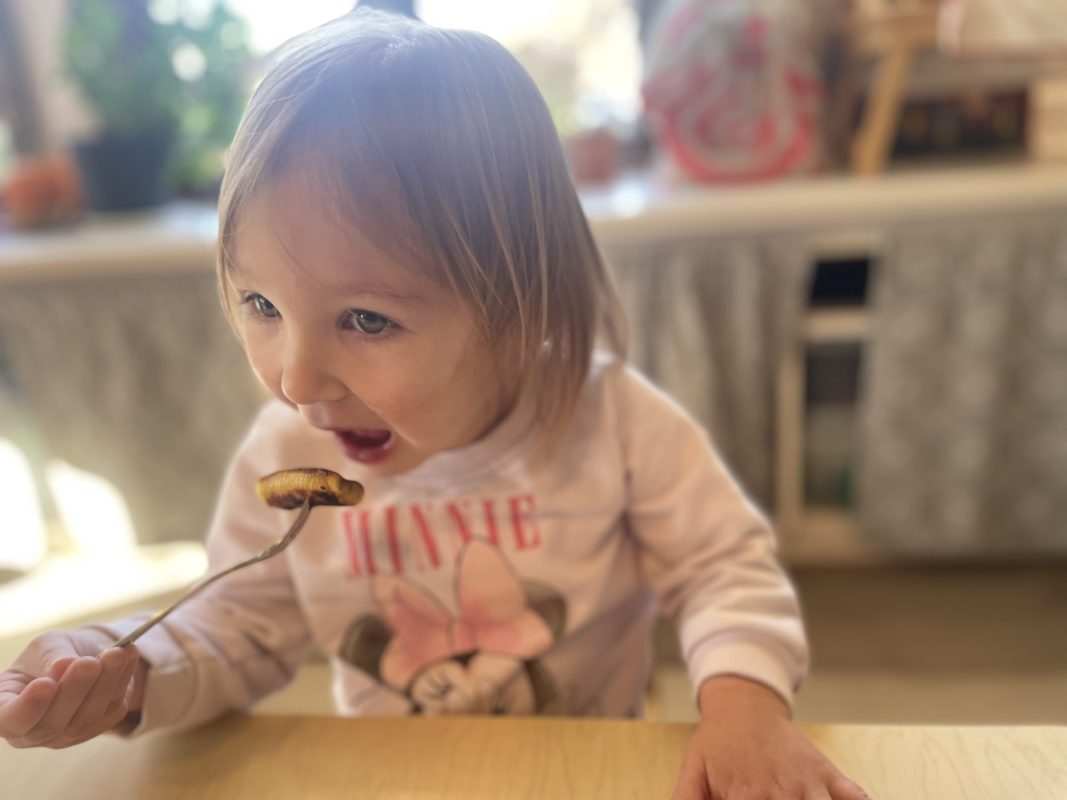
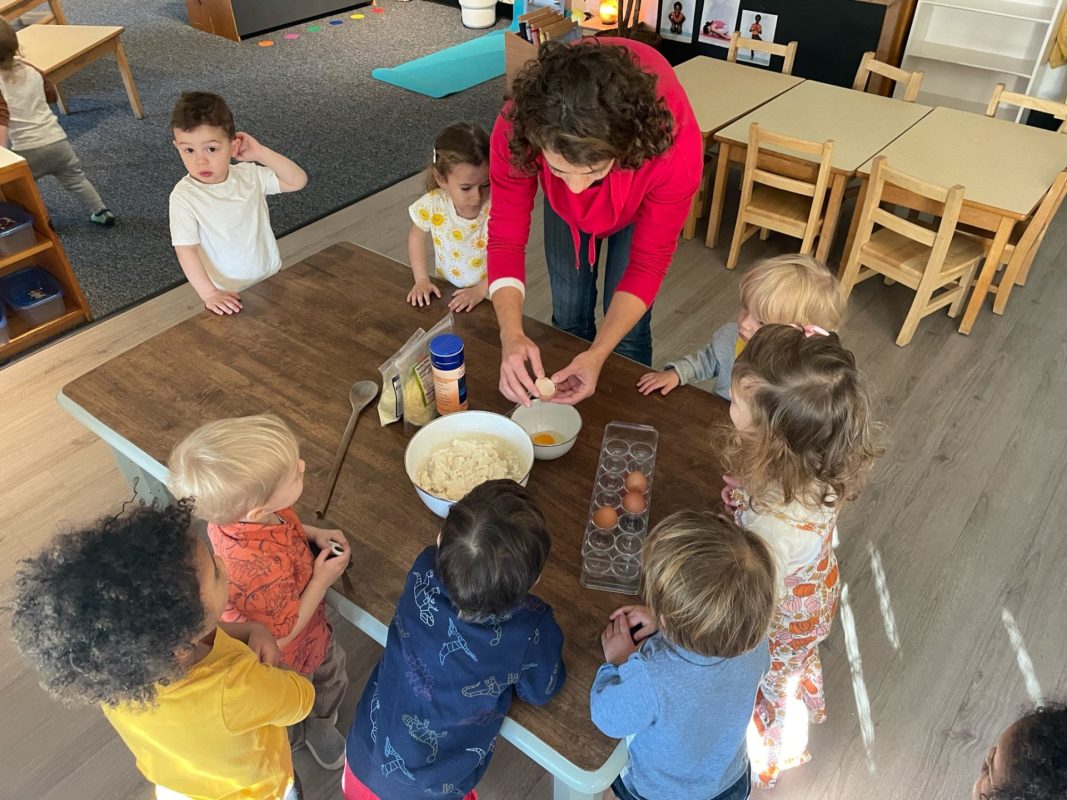
One of the main highlights of this week was our baking day, preparing for our Thanksgiving celebration next Tuesday. Children listened to the names of ingredients and had the opportunity to touch, smell, watch and help with the mixing of the ingredients of a delicious Vegan banana bread.  On Monday the whole class will work together to prepare homemade butter as well. We can’t wait to celebrate and take time to let our thankful hearts speak, one more time.
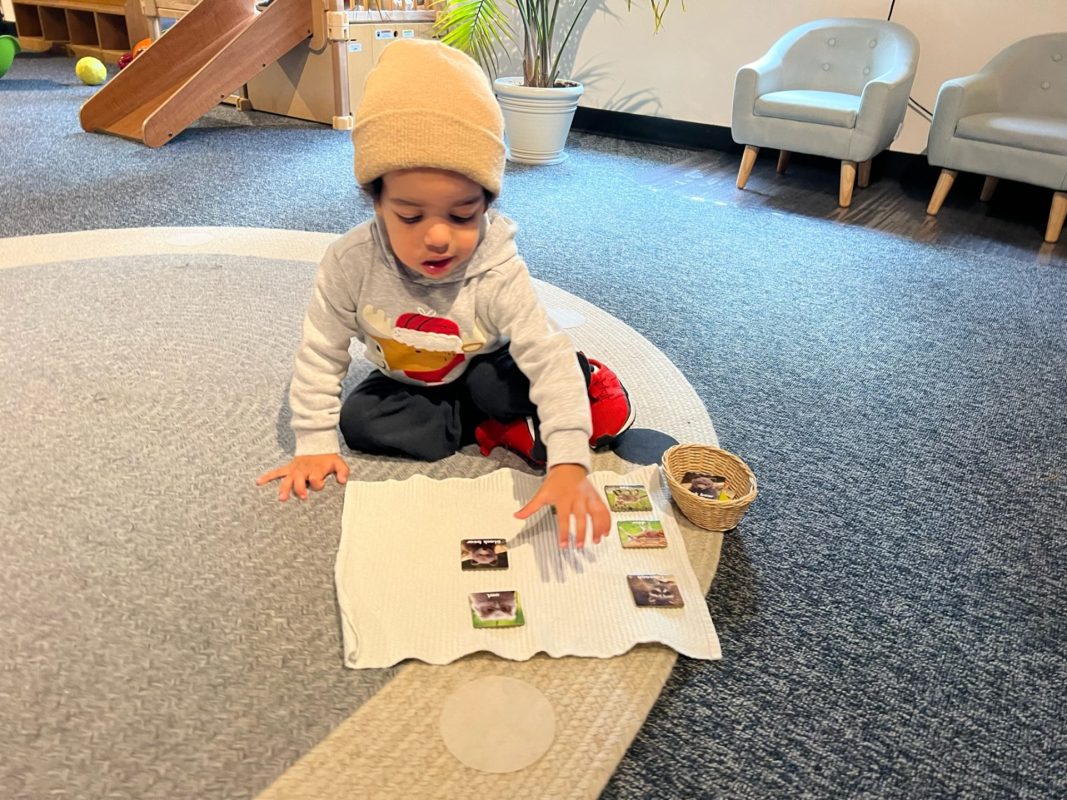
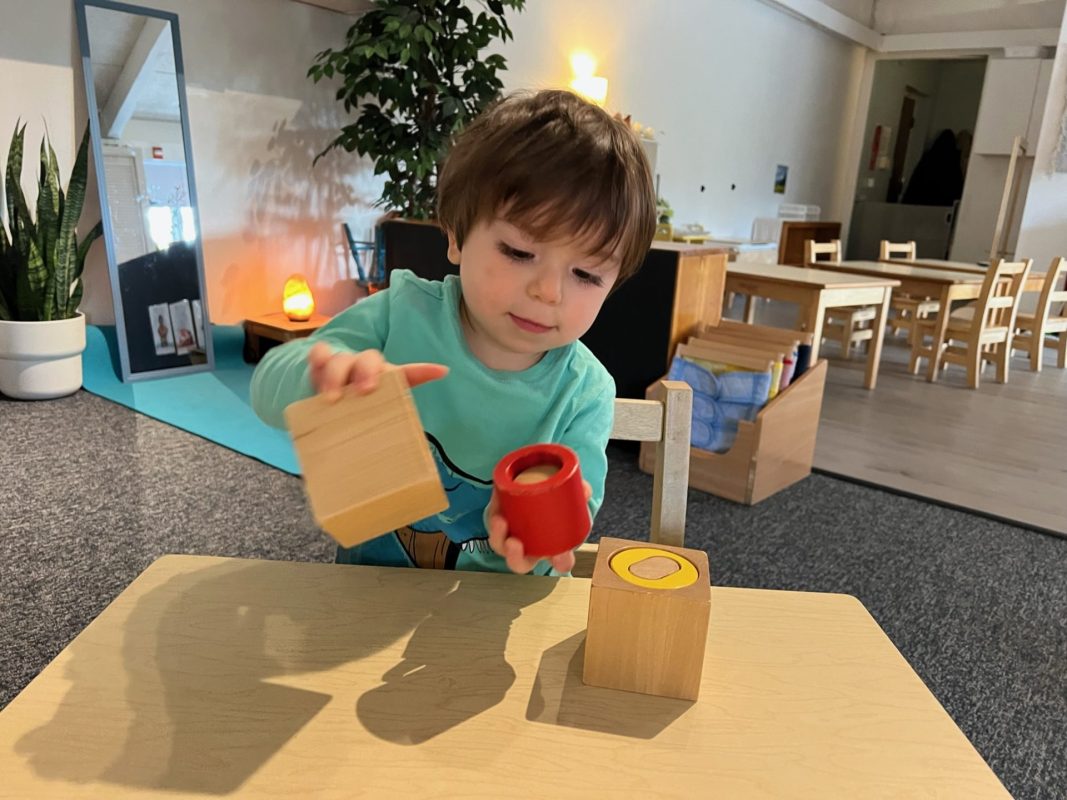
Showing gratitude is an important part of who we are as humans. It strengthens our relationships and our connection to our communities and even makes us happier and more compassionate people. Although adults understand the worth in expressing gratitude, young children find it more difficult. Gratitude involves being sensitive and empathetic to others, and truly appreciating what others do for you. While children can quickly learn to say please and thank you, it takes time and guidance to help them truly learn to be grateful.
Dr. Montessori implicitly understood the value in fostering a grateful nature in children and helping them become compassionate citizens of the world. That’s why in our Montessori environment, gratitude is key. We regularly take time with each of our students to express thankfulness for specific things.
I find The Thankful Book by Todd Parr a great resource to use with the toddlers when we are learning about Gratitude. They really enjoy it and I highly recommend it for all the families to have at home.  It has been great to hear our verbal toddlers start expressing thankfulness.

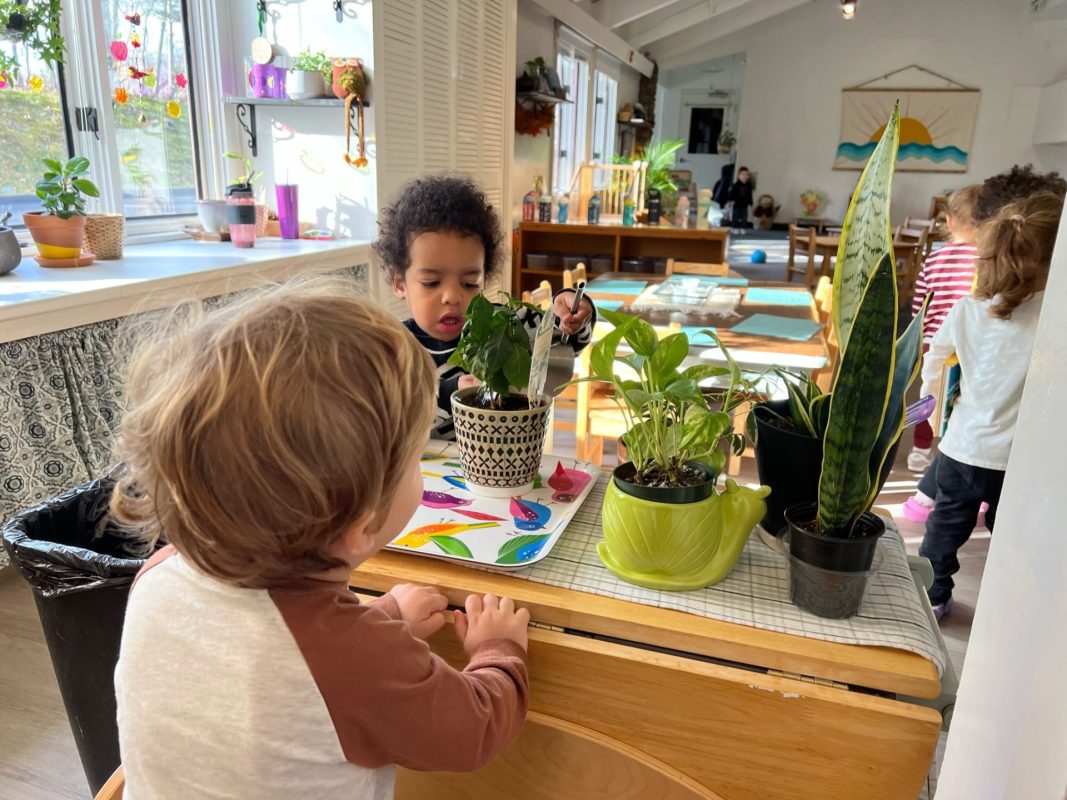
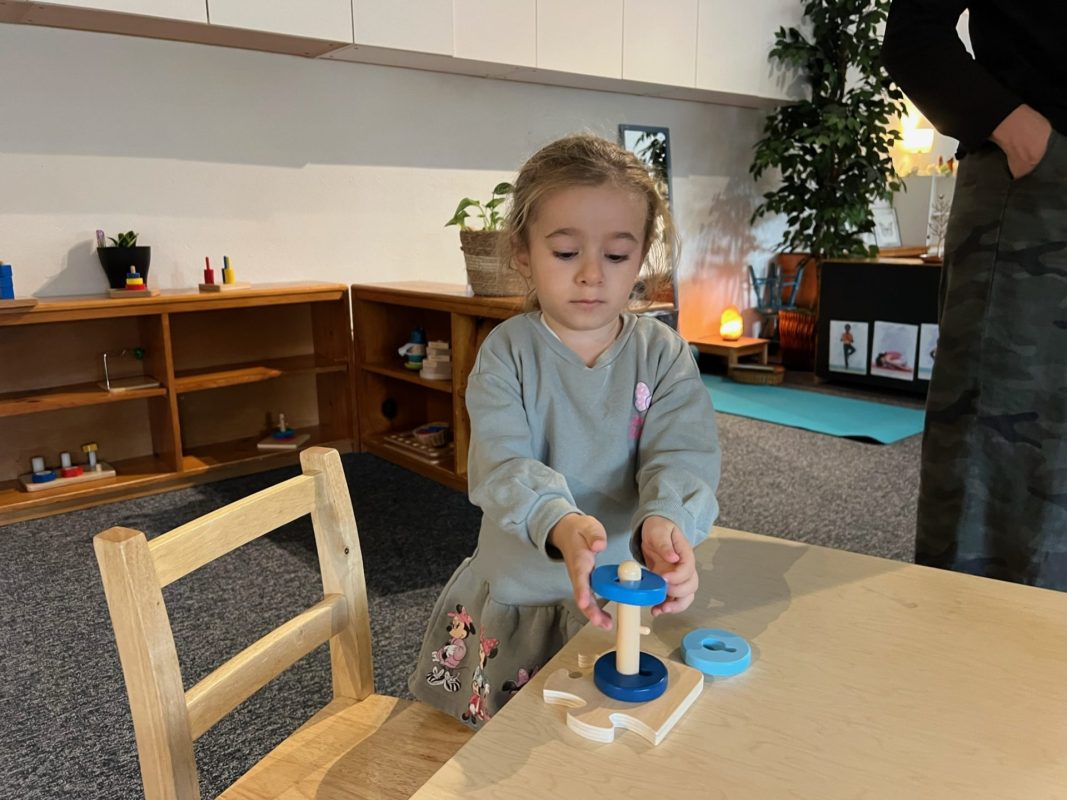
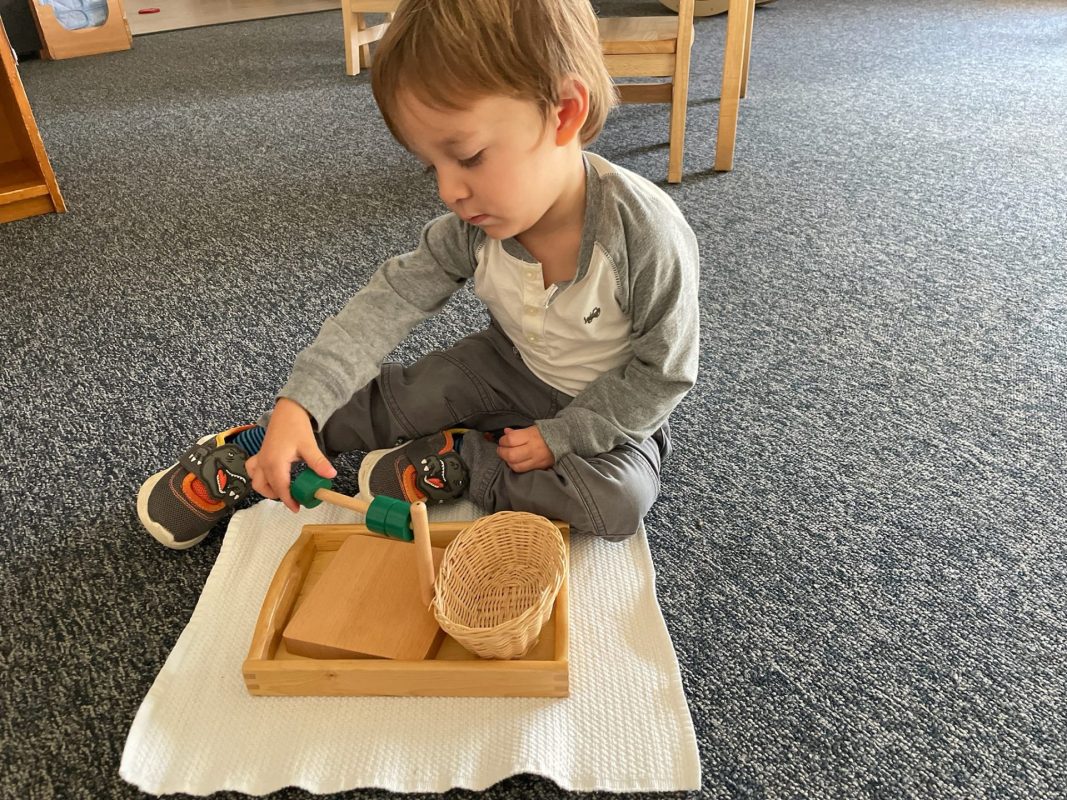
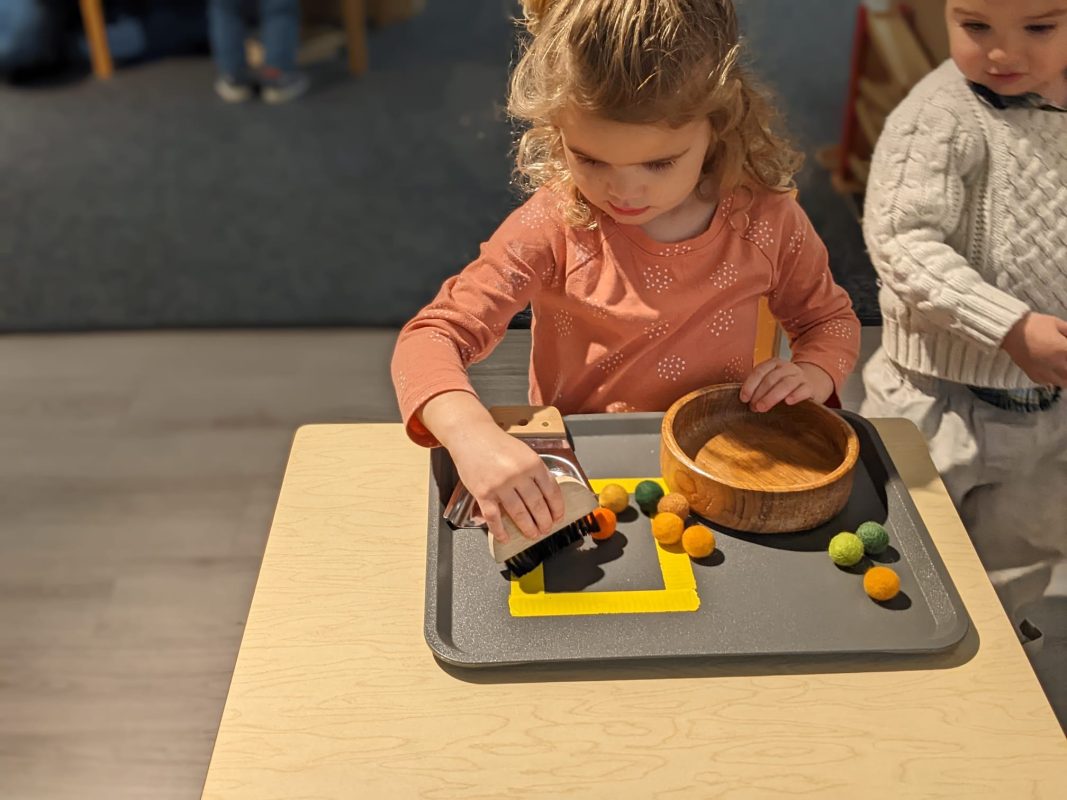
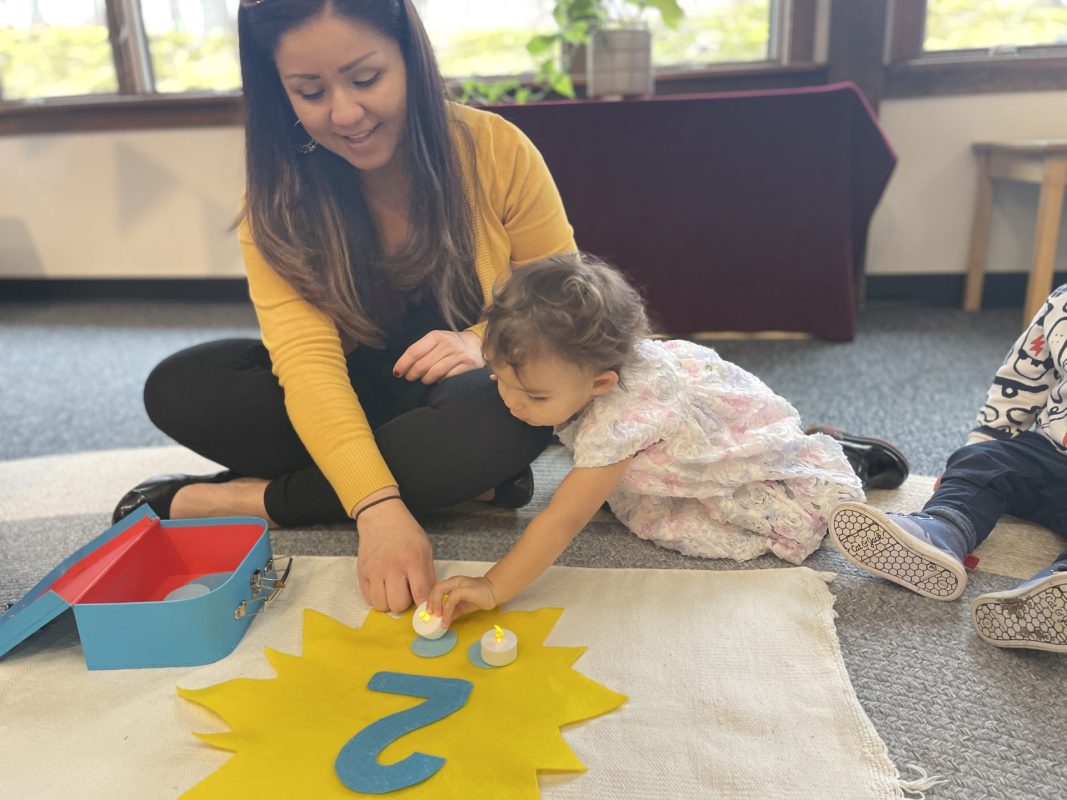
On another note, we introduced the work: How to clean a dry spill on a table. Children are practicing how to use a small crumb brush and dustpan and are learning the difference on what brush and dustpan to use when either cleaning the tables or the floors.

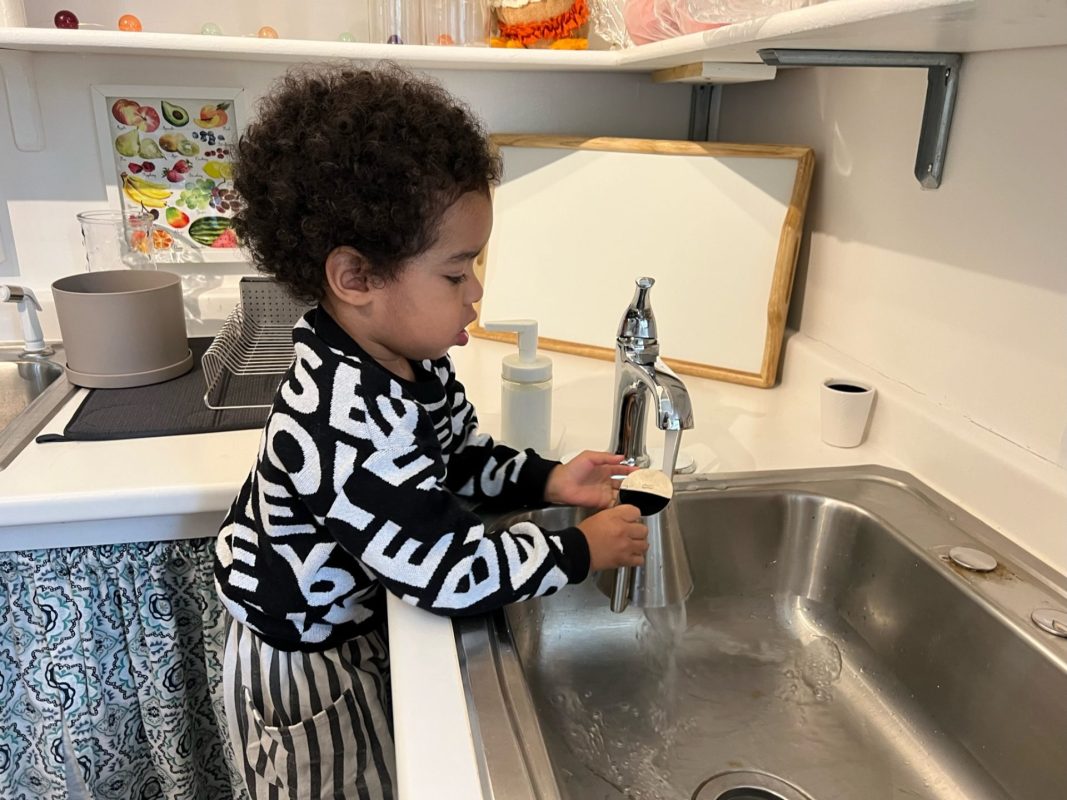
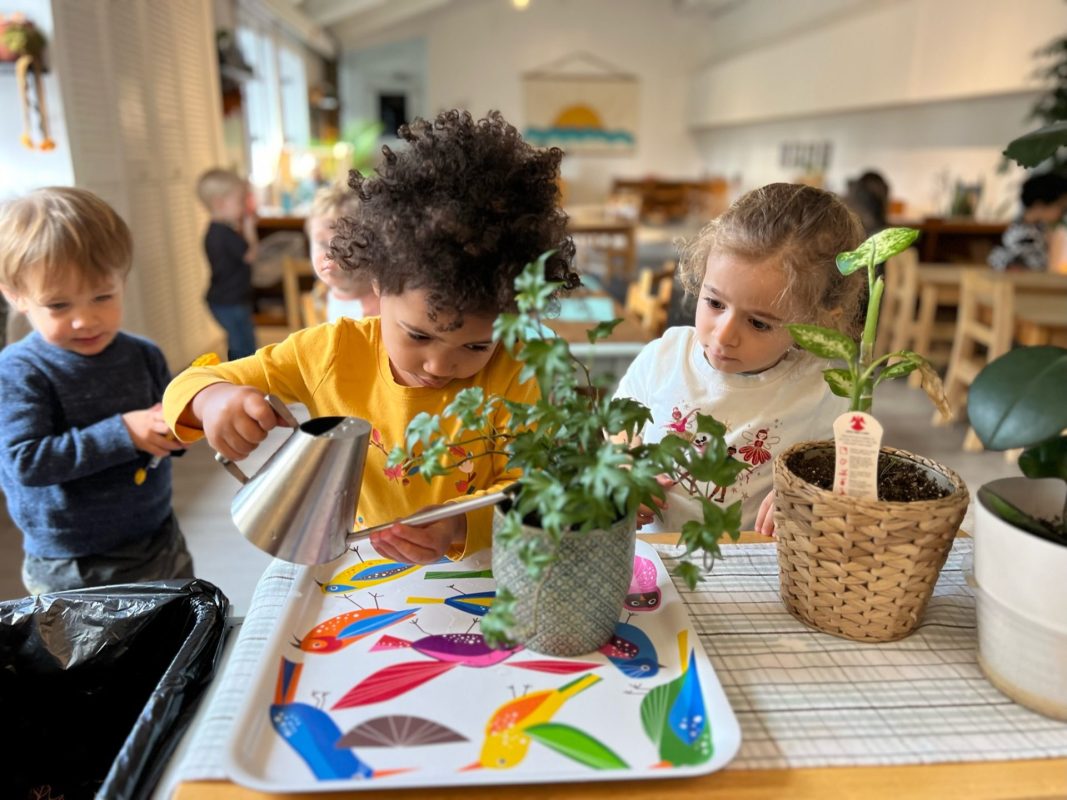
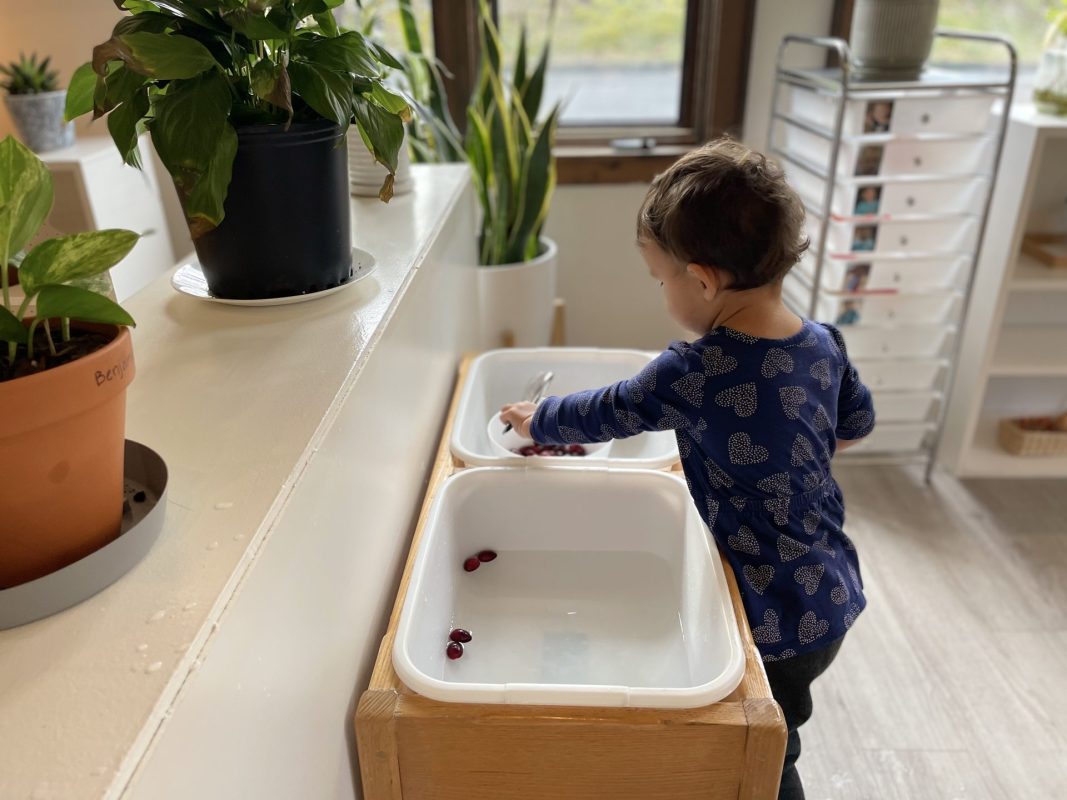
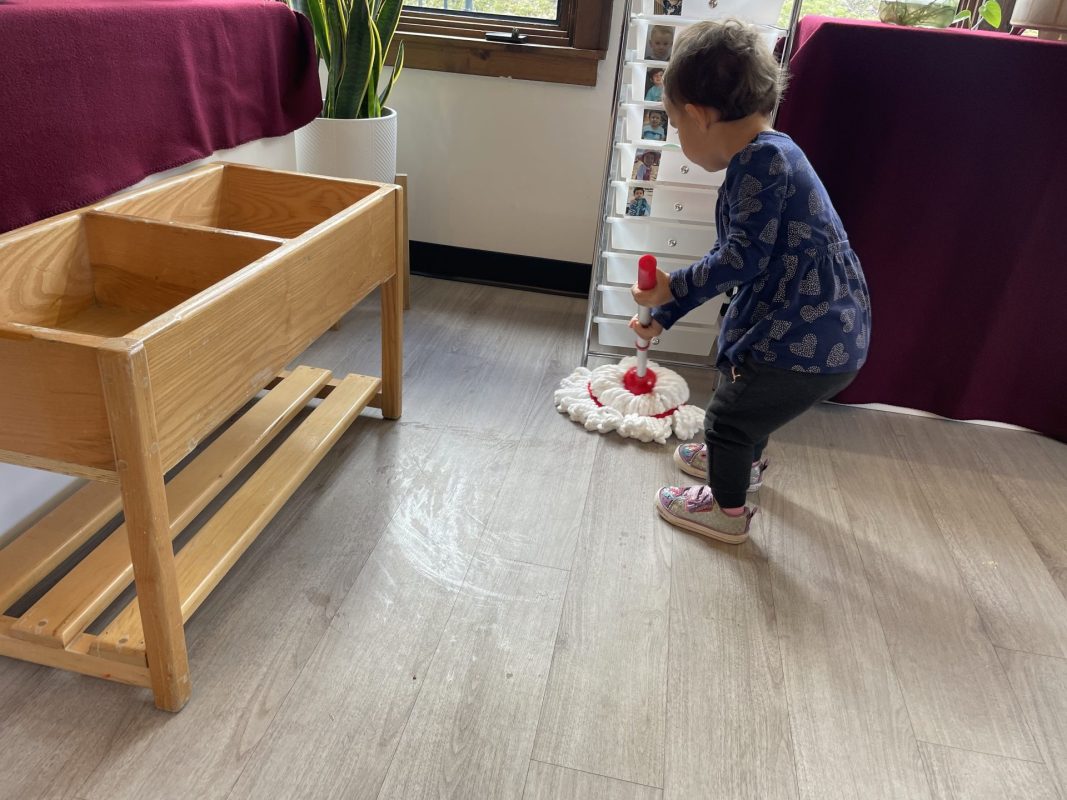
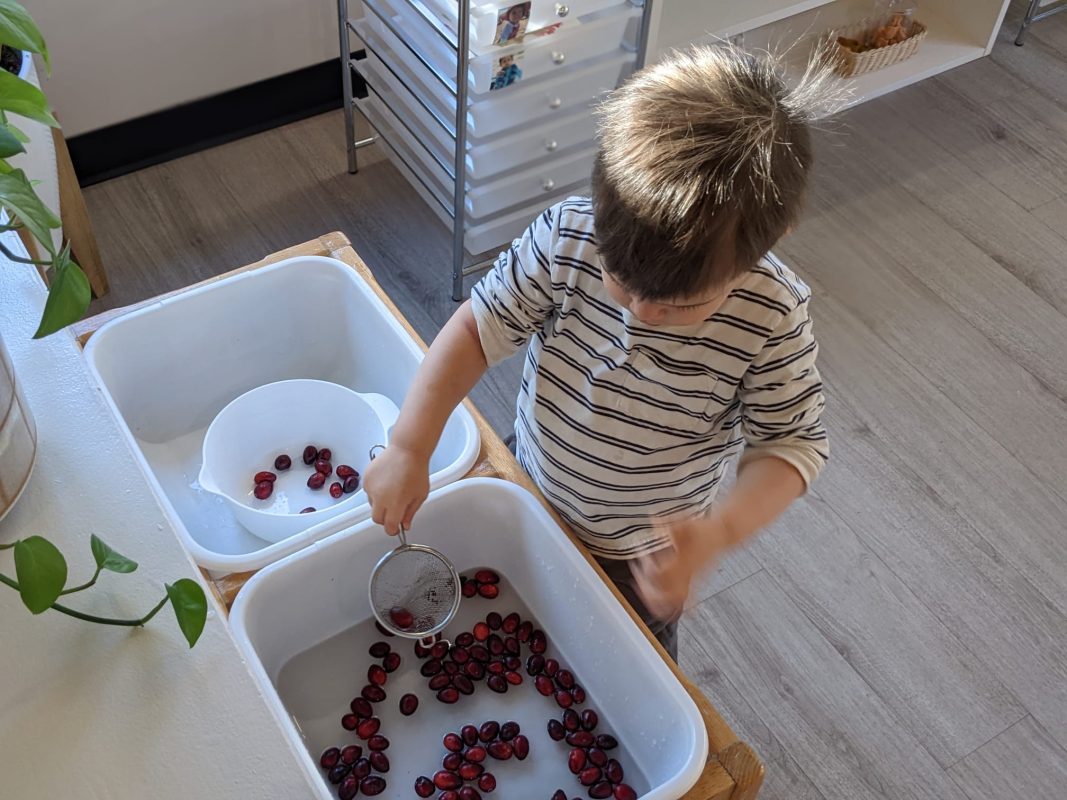
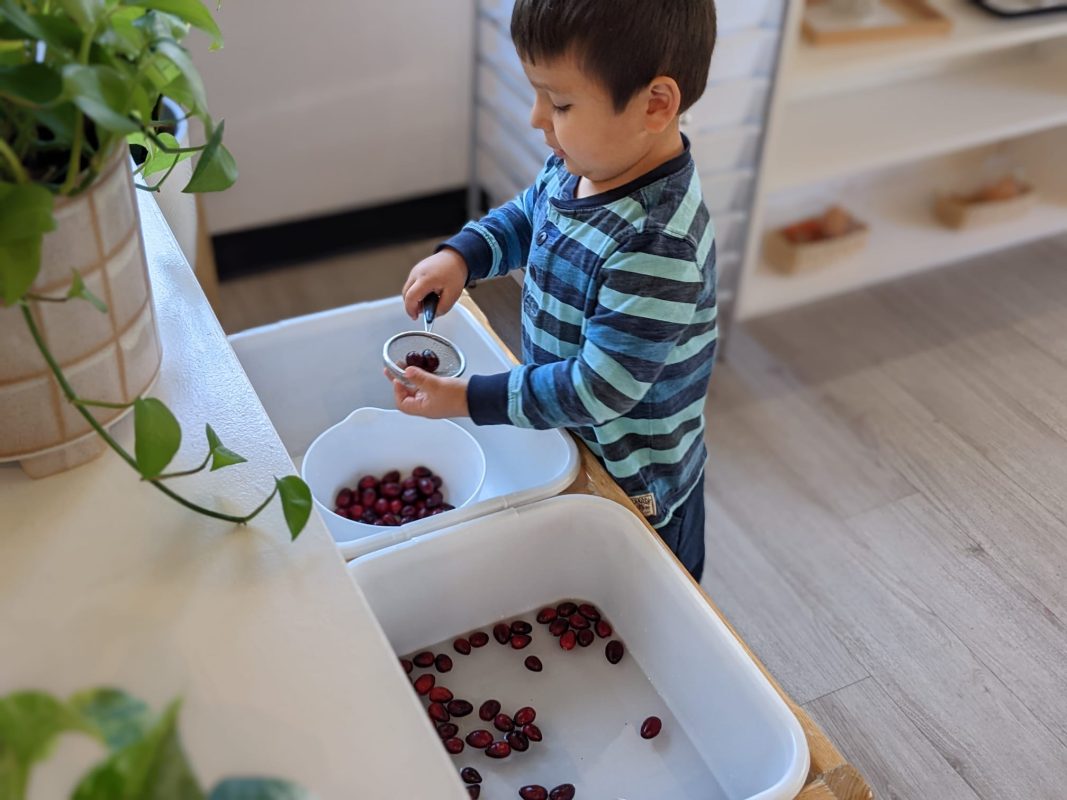
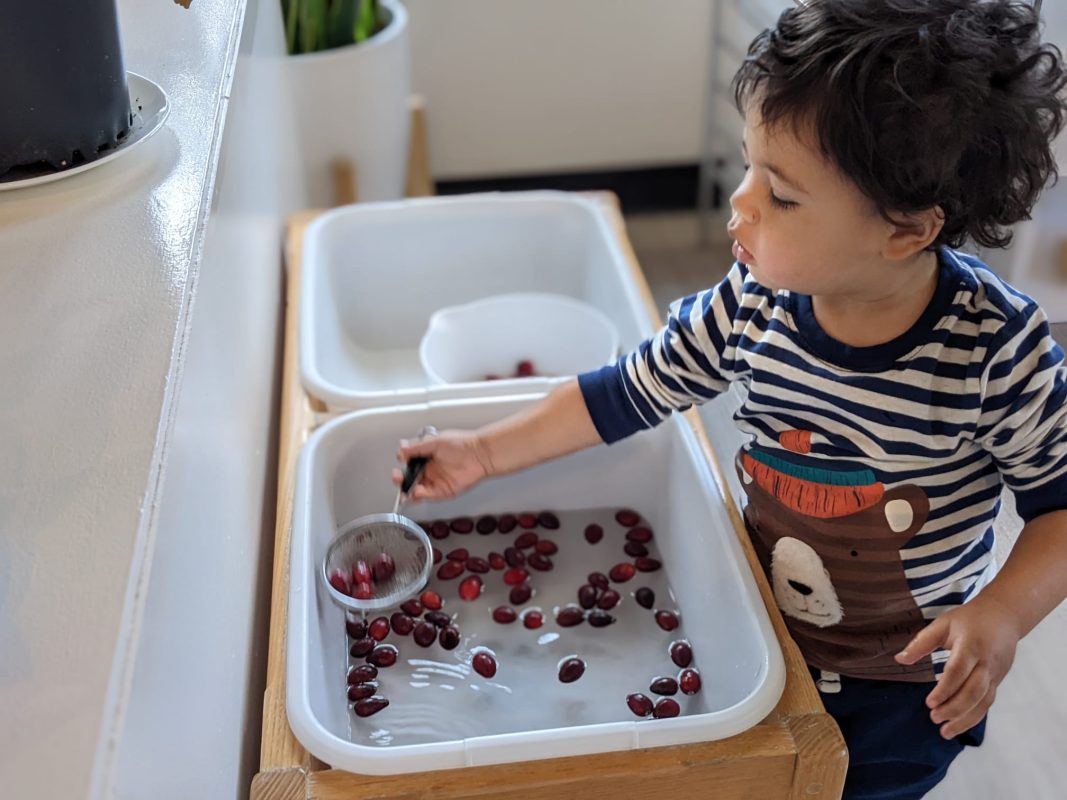
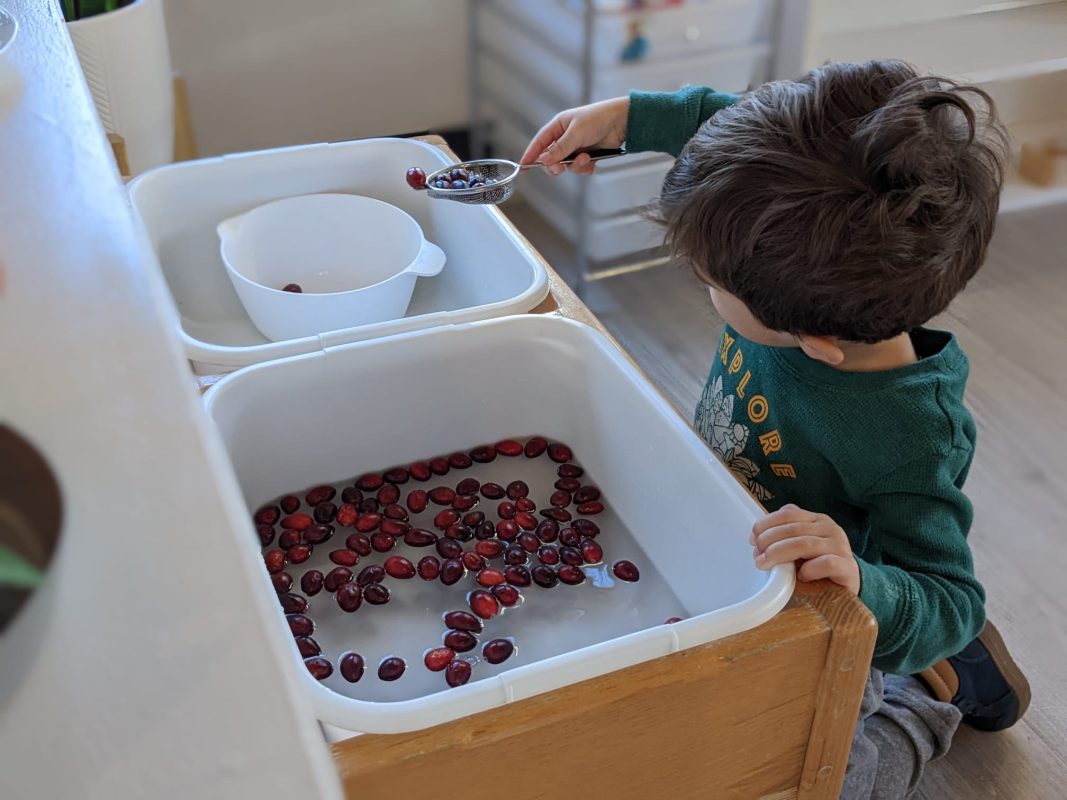
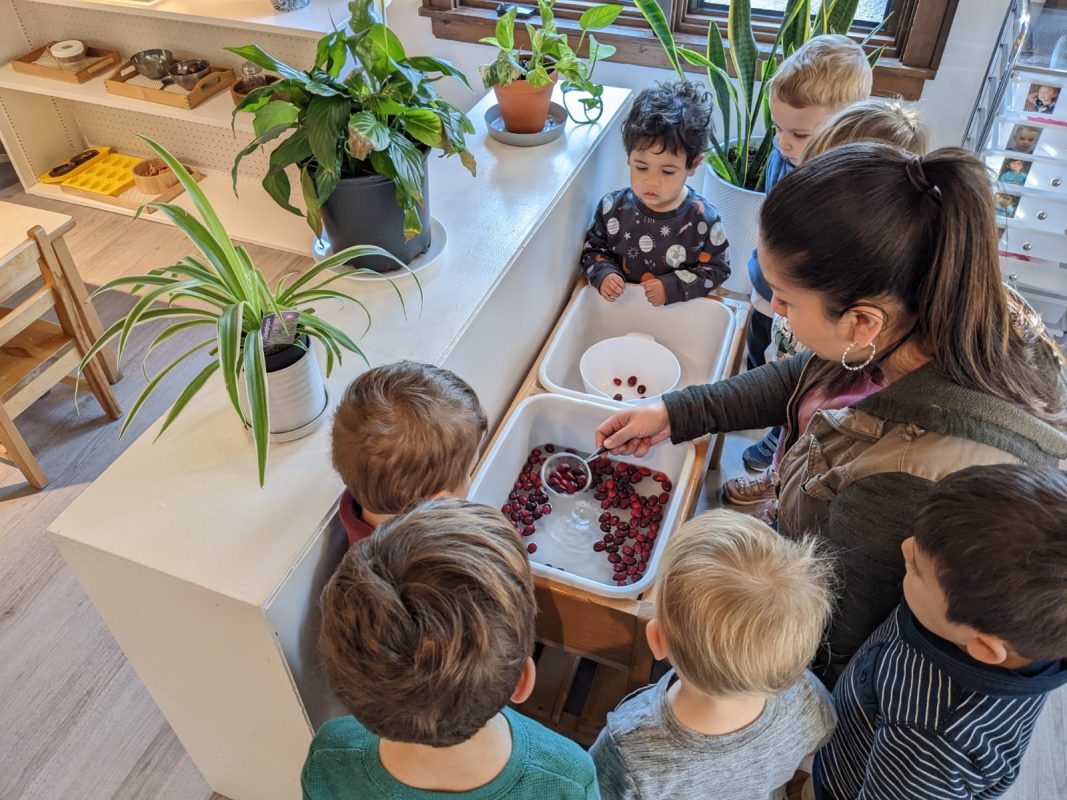
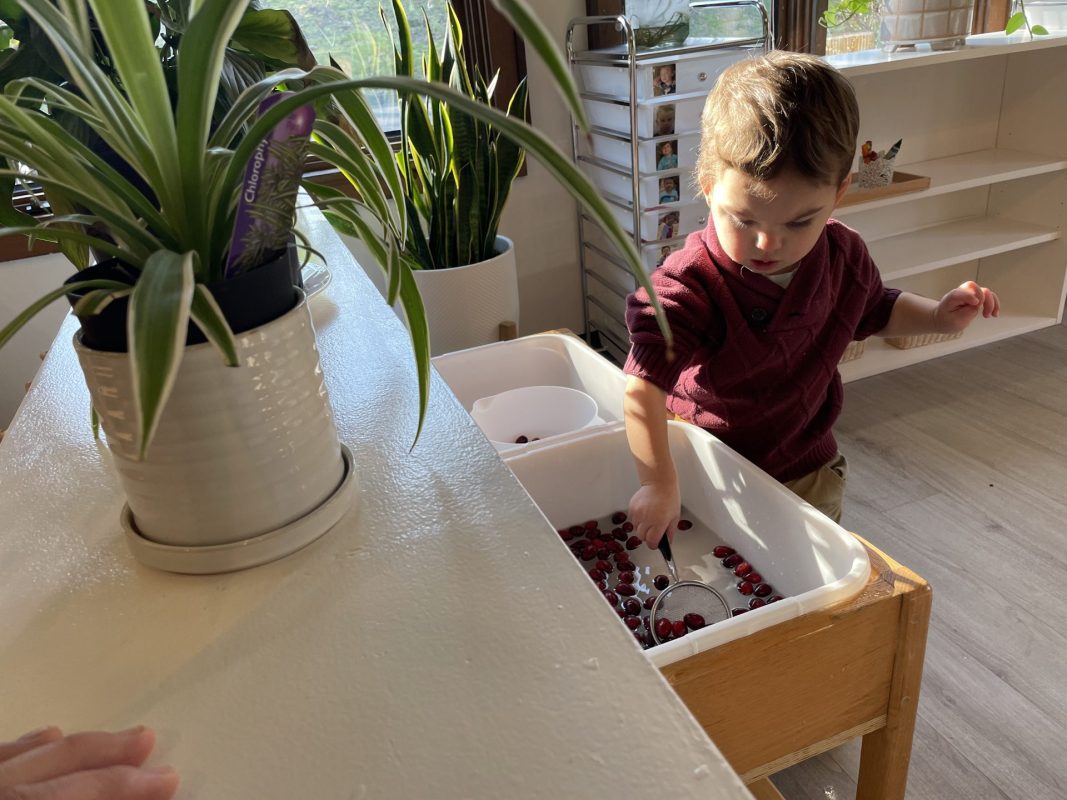
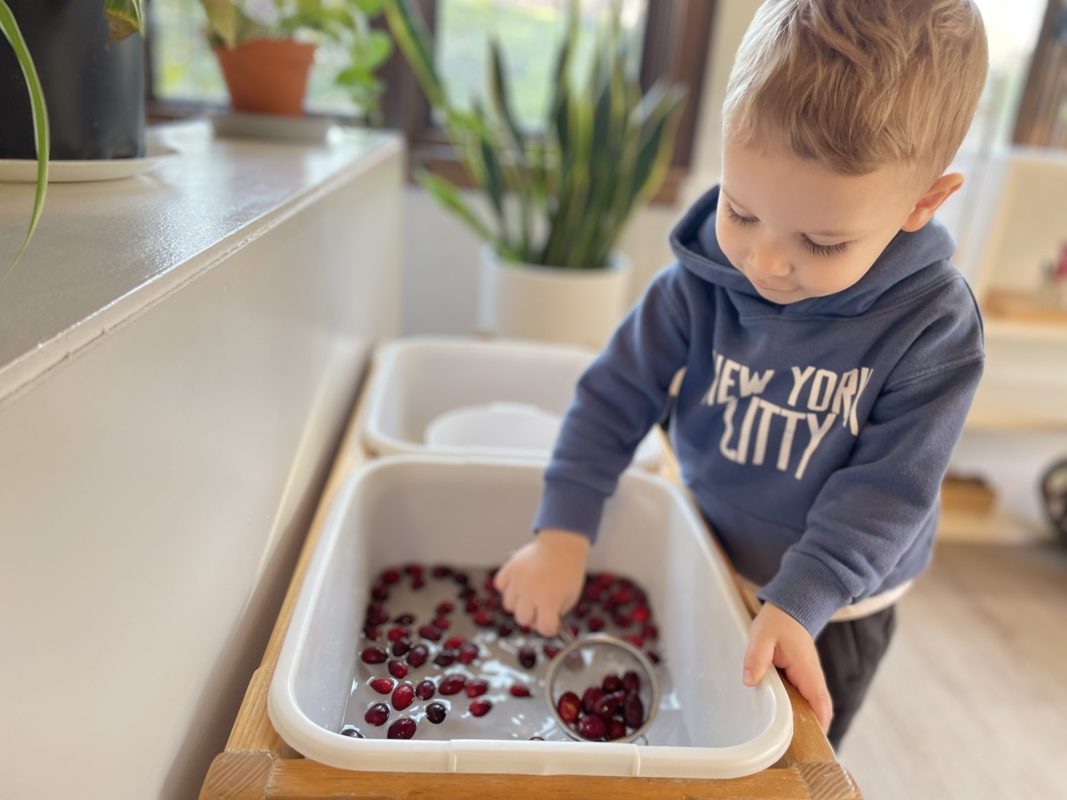
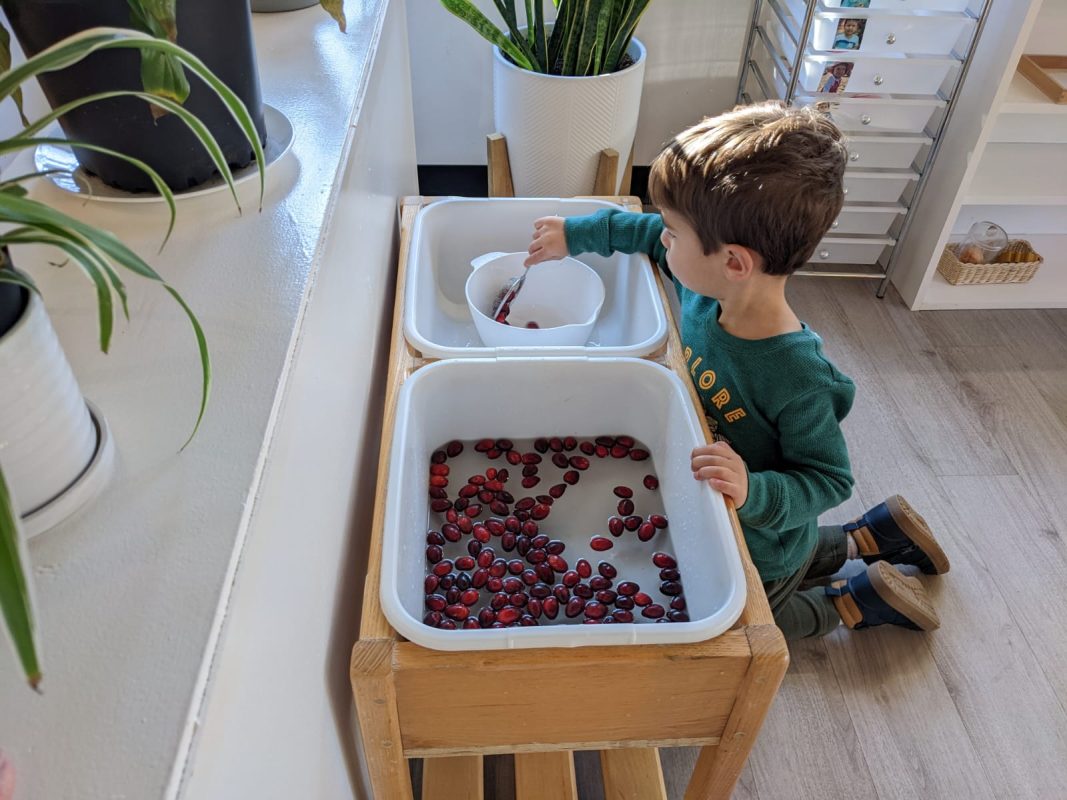
Since water activities have been more present in our environment, children  were also introduced to how to use a floor mop. Children have been enjoying straining cranberries in the sensory bin and mopping the floor has been a great extension to encourage independence, order and concentration.

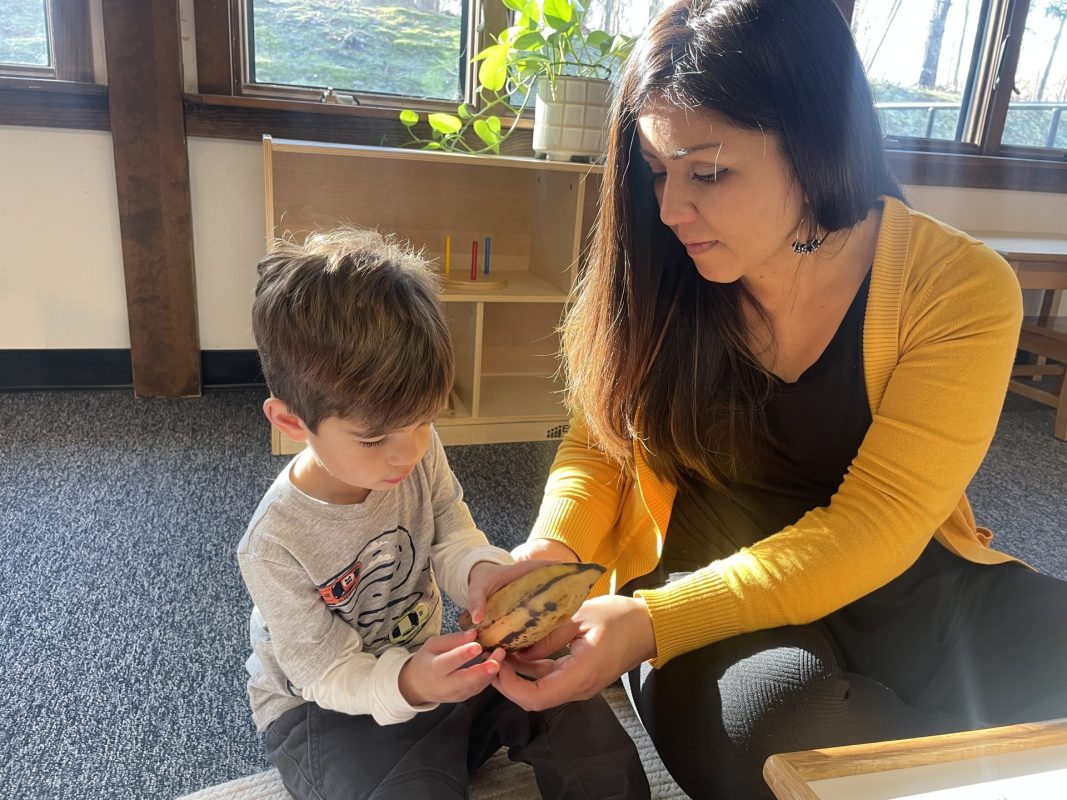
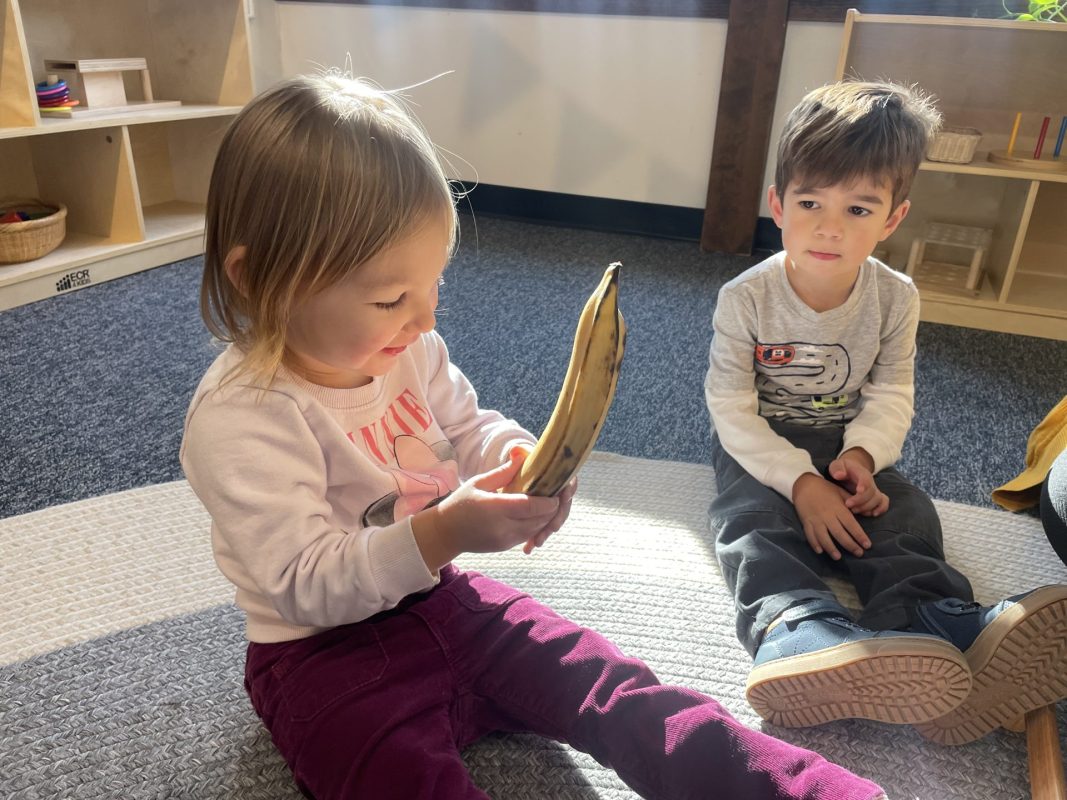
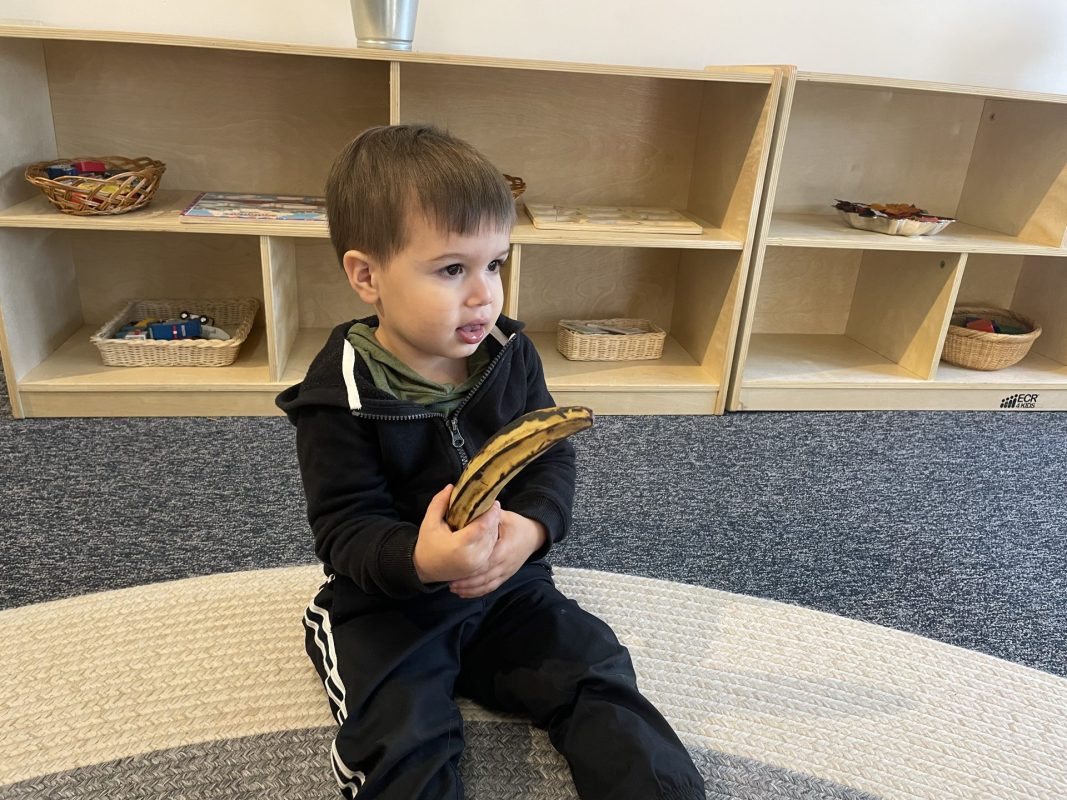
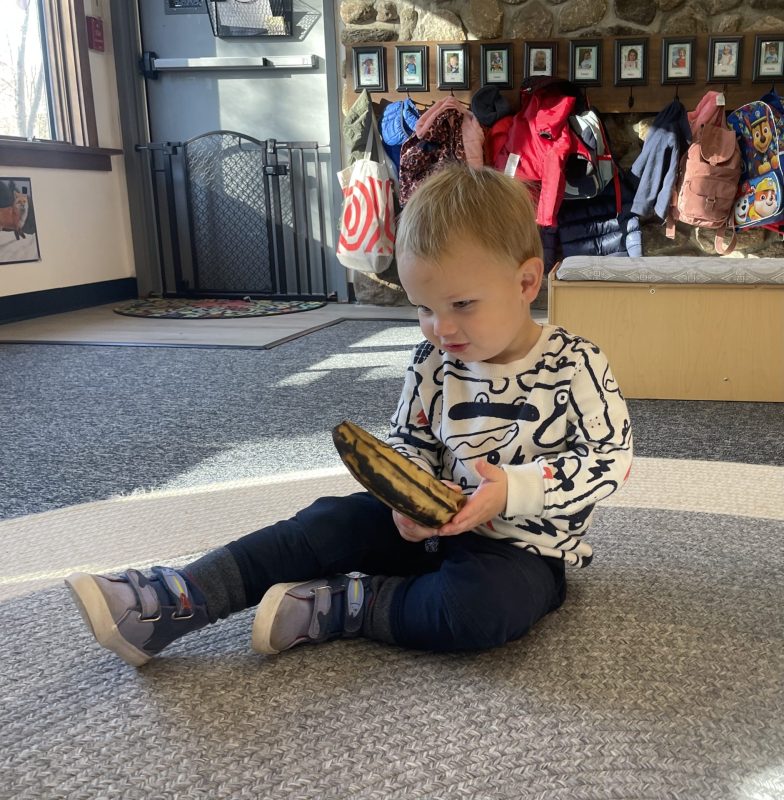
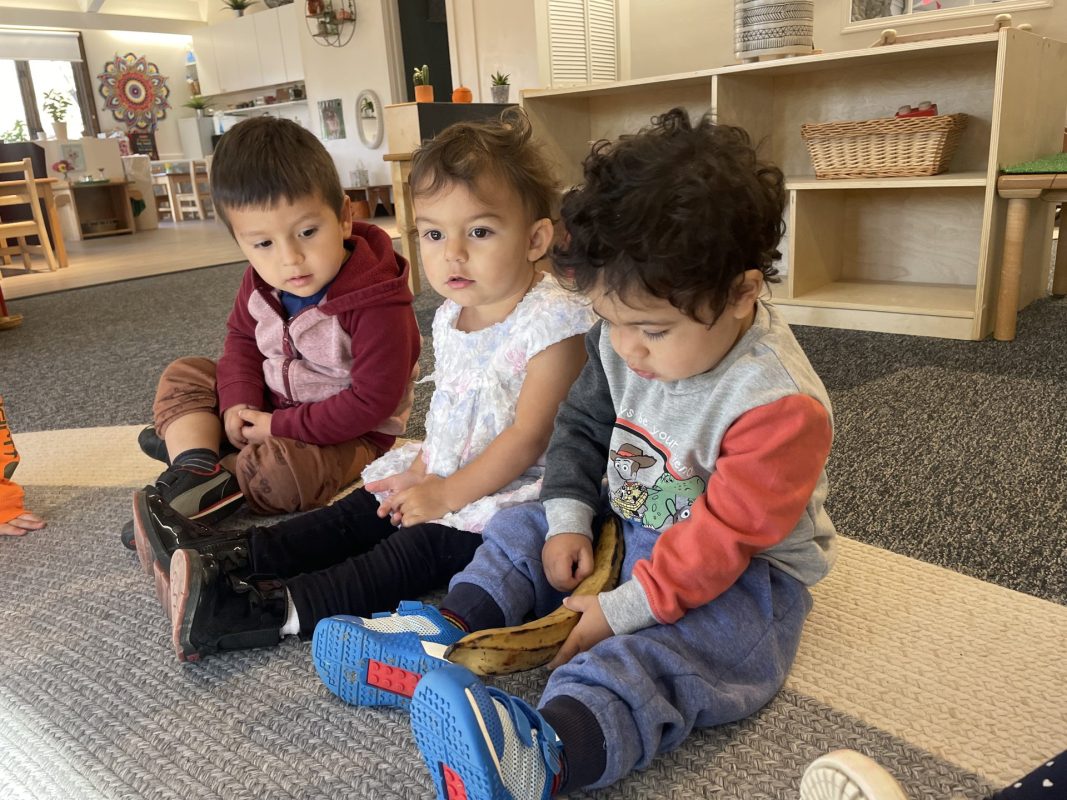
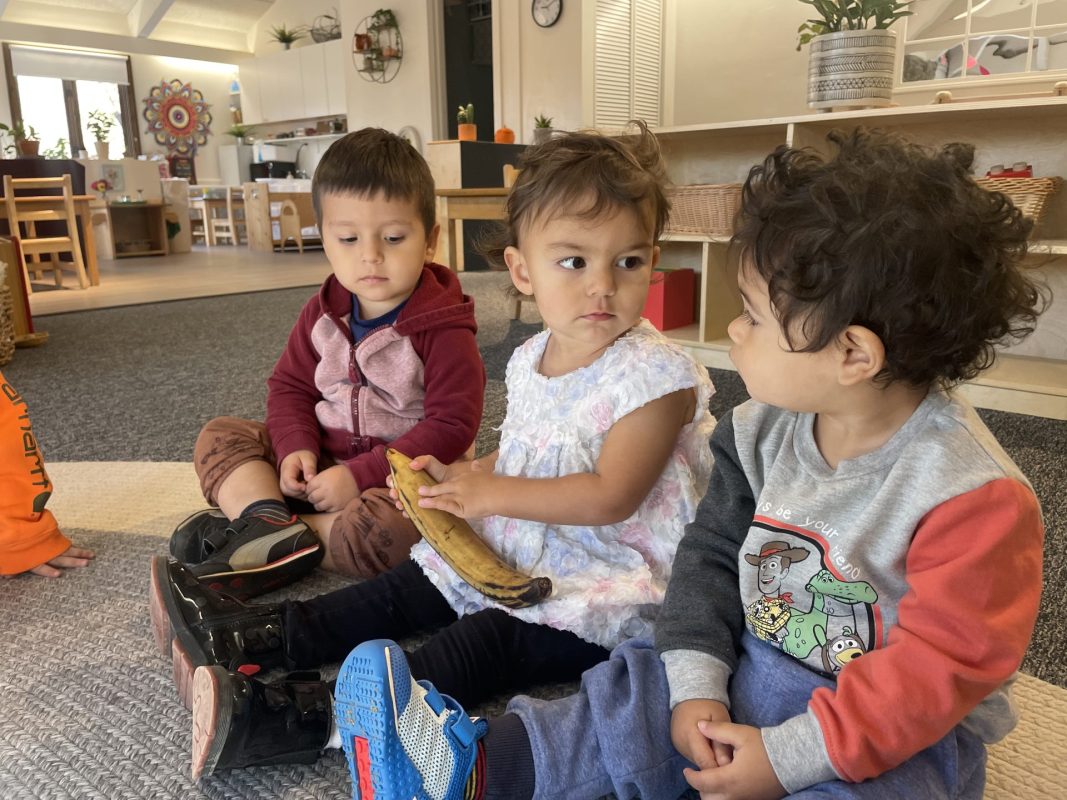
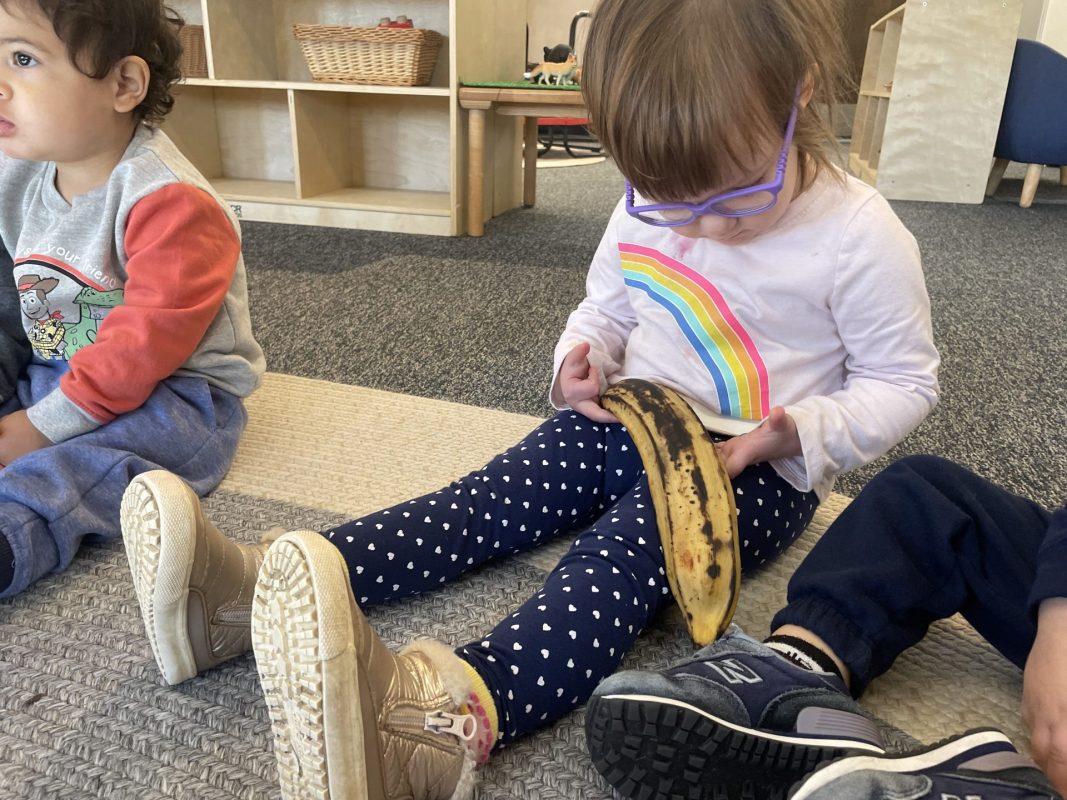
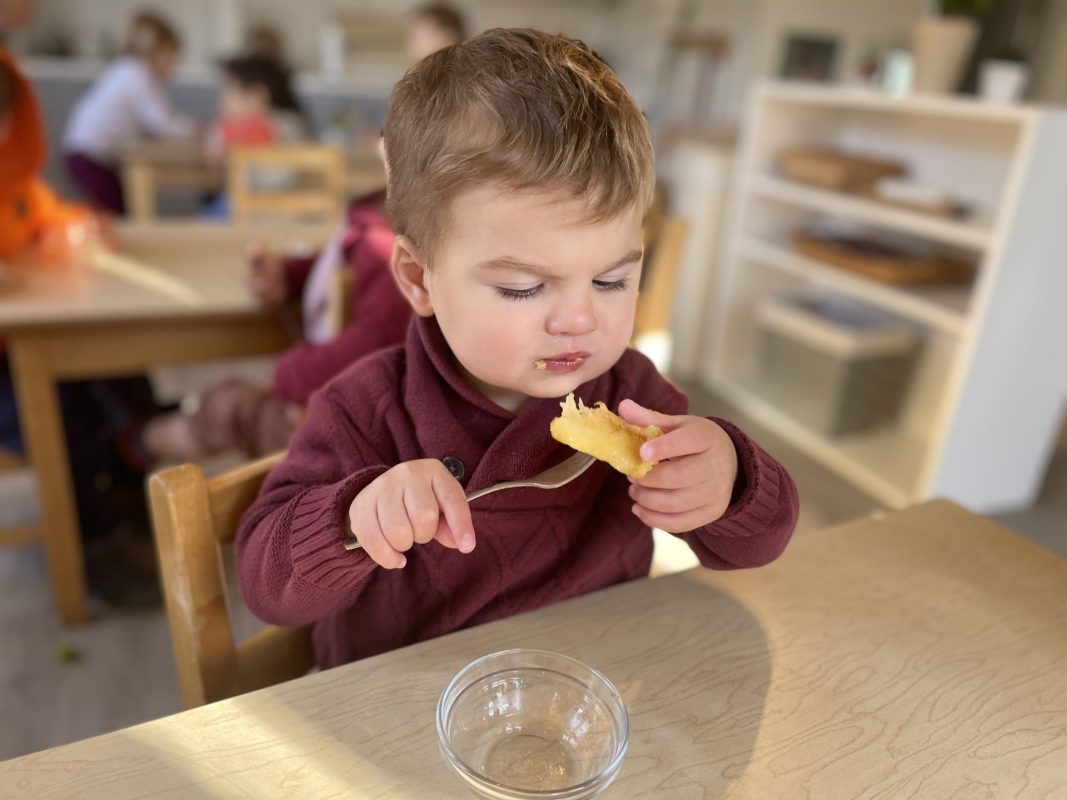
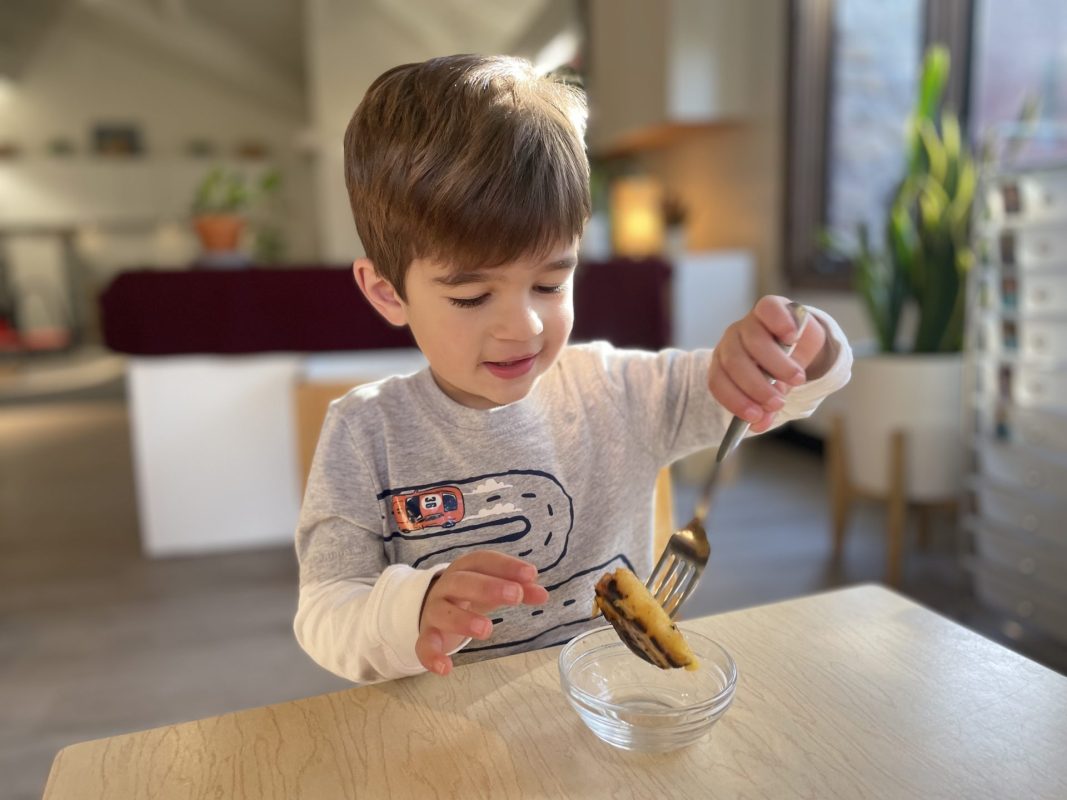
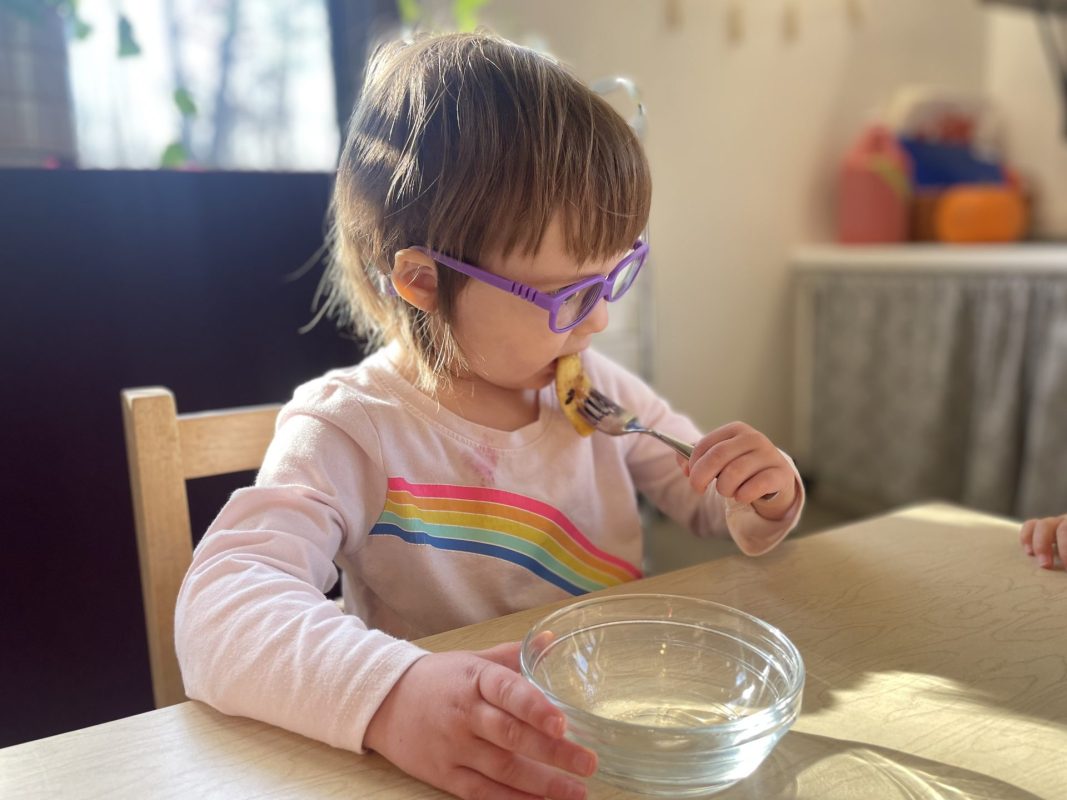
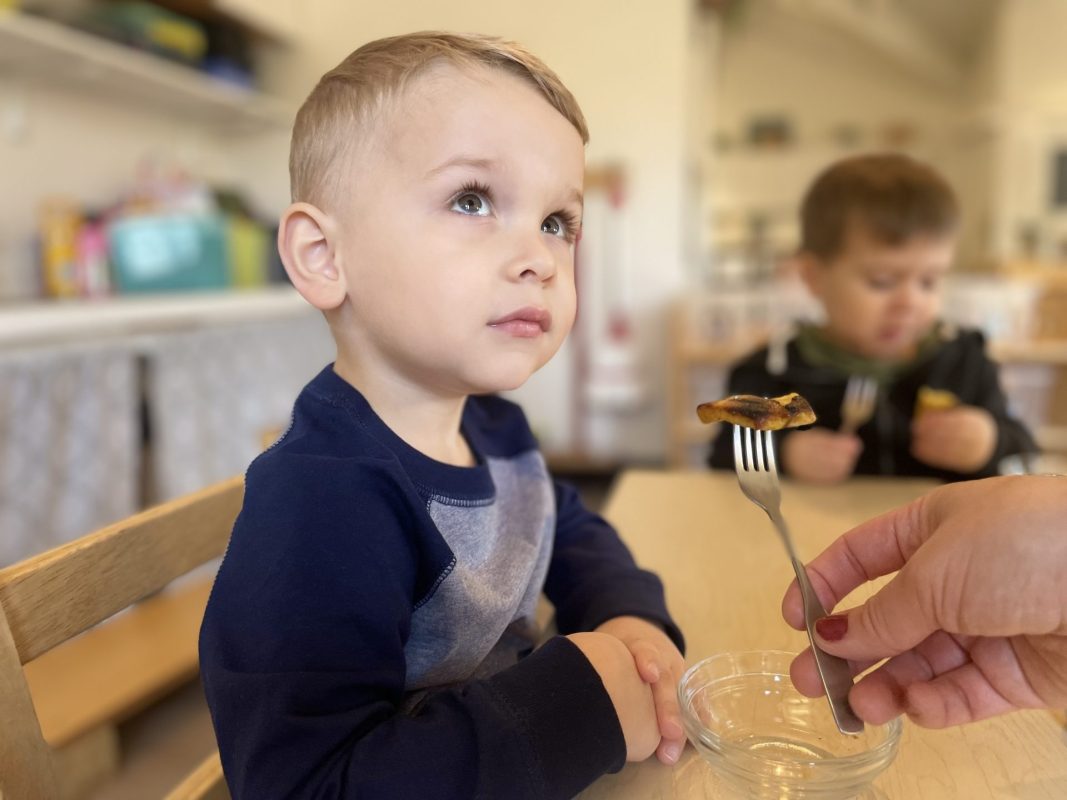
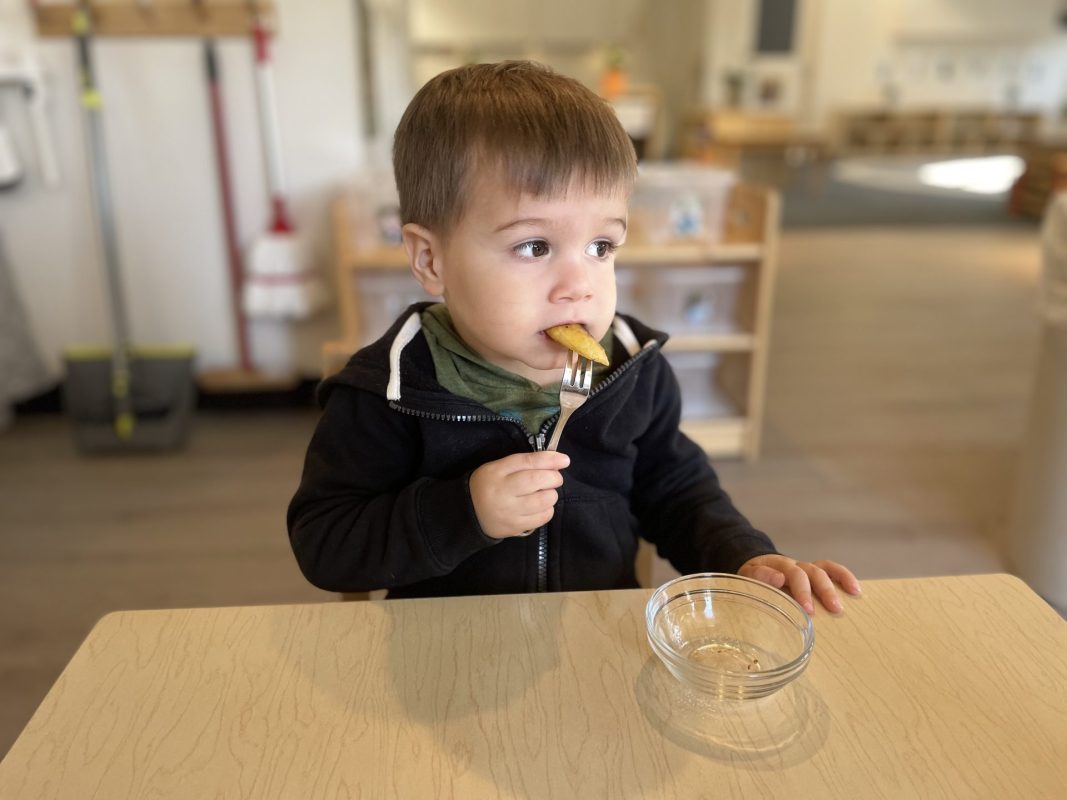
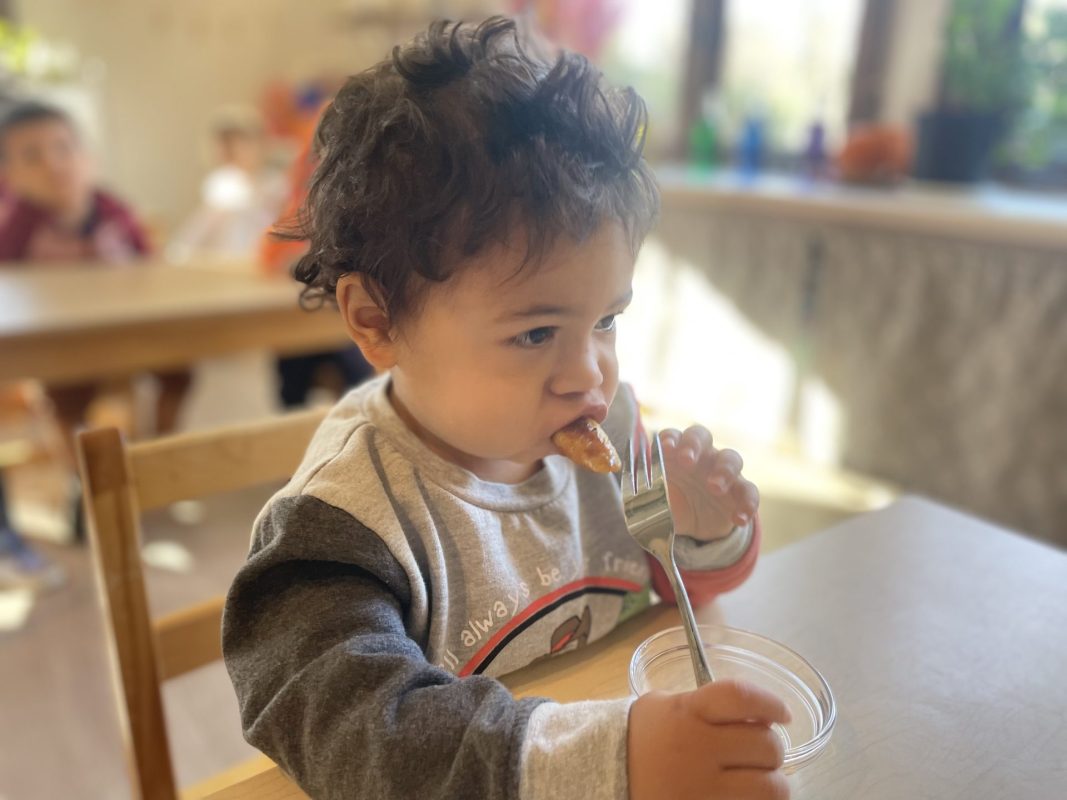
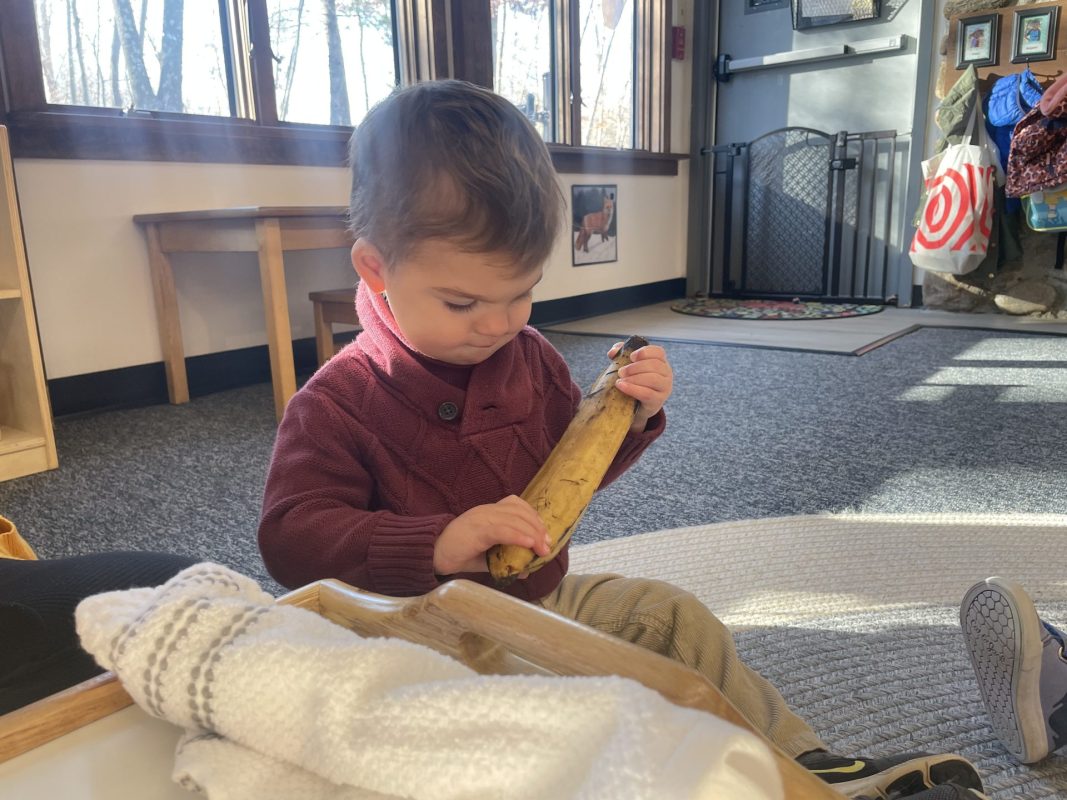
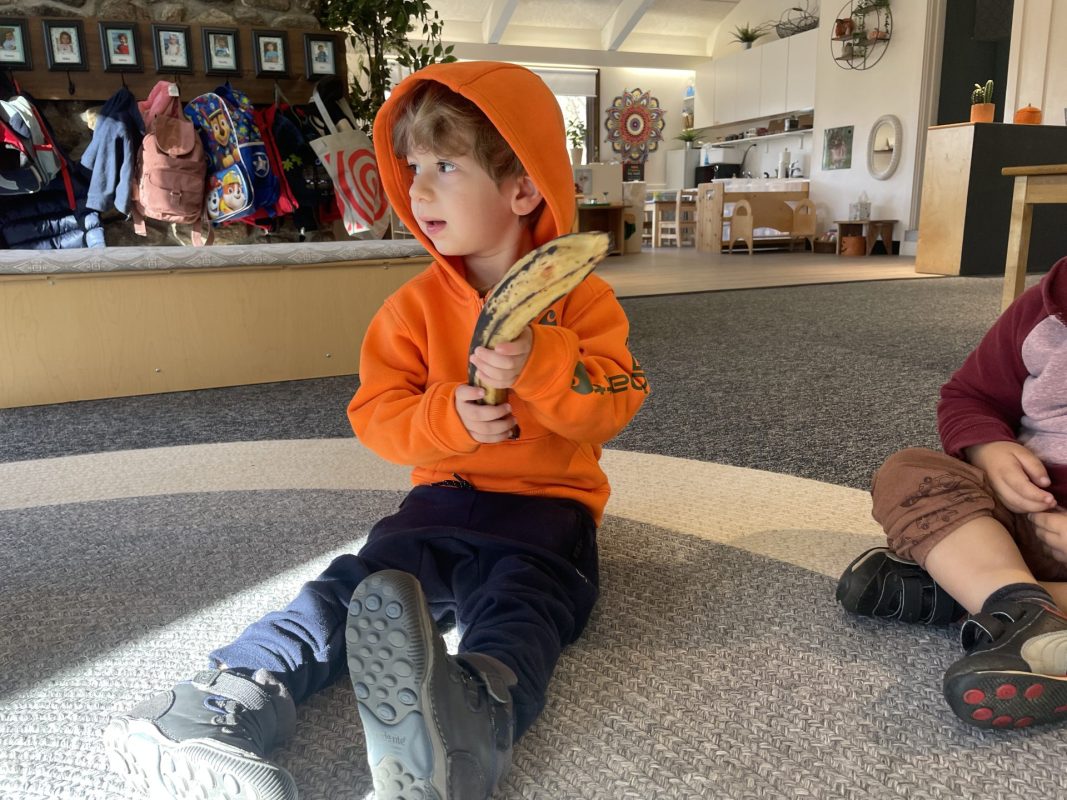
For food tasting we explored plantains and my Latino heart couldn’t feel happier! Children seemed to really enjoy it, so feel free to ask me how to prepare it at home if you don’t know already. Es delicioso!

We also celebrated another birthday! I can’t believe how fast these little humans are growing!

As your family prepares for next week’s festivities, we wish you peace and happiness.

We are thankful for you, for your support and for entrusting us with your little one!

Have a great weekend,

Mrs. Hood’s and Ms. Bethann

Just a reminder, Tuesday, November 22nd is a half-day for all students with an early dismissal at 11:30 am.

We want to wish everyone a safe and happy Thanksgiving Break!


Mrs. Semmah: Giving Thanks

The education of even a small child, therefore, does not aim at preparing him for school, but for life. 

    –Maria Montessori

For many, the holiday season is a time for giving. Perhaps more than ever, it is so important for our children to understand that giving does not have to be a materialistic gift. Simple and heartfelt words of love and friendship will last much longer than most anything that can be bought from a shelf. It can be an amazing and powerful gift to our children, if in all the hustle and bustle of the holidays we take time to slow down and model being grateful.

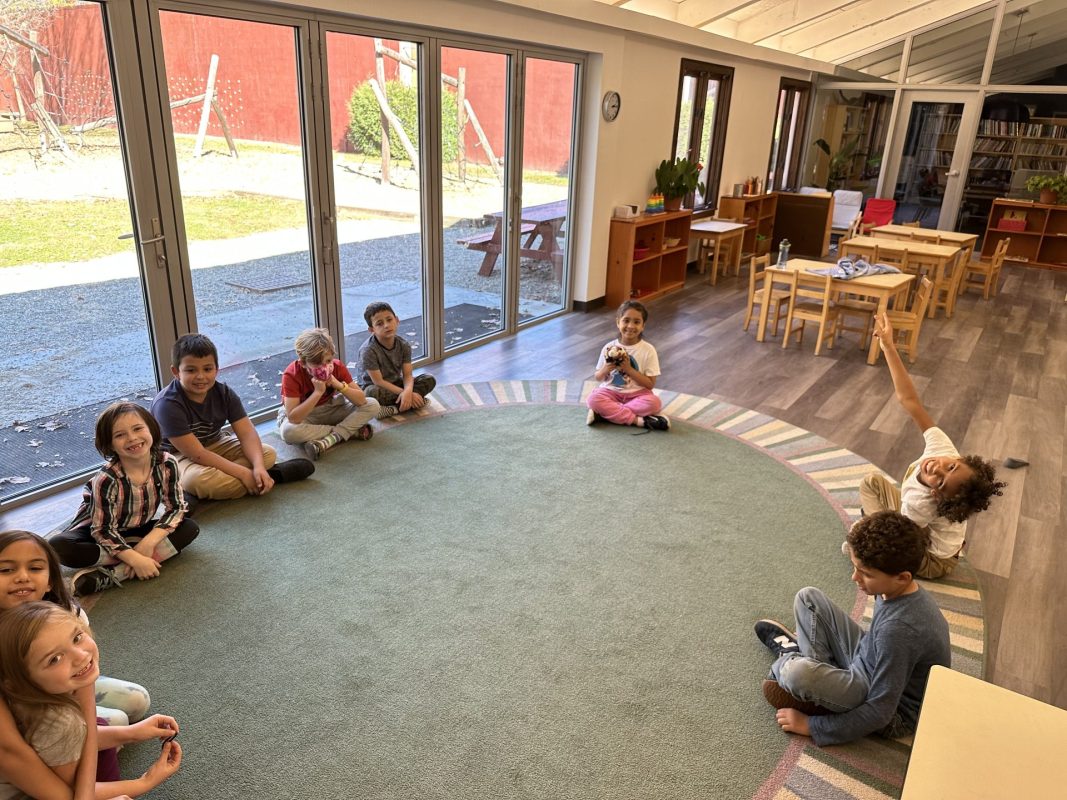
This week we asked each child to share what they are thankful for. While their messages will make you smile and warm your heart, there is beauty in their simplicity.

Søren– I am thankful  to go to New York city and seeing the pictures.

Carter– I am thankful when Daddy makes tents with me at home..

Jonathan– I am thankful to go to Disney World and to go to Lego World..

LuciaI am thankful to go to Mexico with my family.

Ruscher– I am  also thankful for my dogs and my goats. 

Ella– I am thankful for my Mommy and Daddy. My Grandpa too. 

Simone– I am thankful for my Mommy and Daddy because they hug me..

Oliver– I am thankful for my sister because she hugs me. I like it when she walks with me to my class.

Remington– I am thankful for my Daddy and my Mommy. She is so beautiful,

David– I love when my Mommy comes to school and lets me go on the playground.

Elsie– I am thankful for my daddy because he plays with me when he comes home.   

Casey–  I am thankful for my Mom and Dad. My Mommy reads me books at night time.

Savina– I am thankful for bunny cat. She sleeps with me every night. 

Lemon– I am thankful for my Mom making breakfast for me.

Charlotte — I am thankful for my Mommy  and my Daddy. My Daddy flies planes

Katie– I am thankful for my Mommy and Daddy. They give me big  hugs.     

Levi– I am thankful for taking care of my cat pumpkin.      

Michelle and I are grateful for the time we spend with the children each day and for the relationships we develop with each of you.  Wishing you all a week filled with peace and love.

Kaoutar & Michelle

Just a reminder, Tuesday, November 22nd is a half-day for all students with an early dismissal at 11:30 am.

We want to wish everyone a safe and happy Thanksgiving Break!