Blog

Mrs. Lopes: 3, 2, 1…Blast Off!

We especially need imagination in science. It is not all mathematics nor all logic, but it is somewhat beauty and poetry.    –Maria Montessori

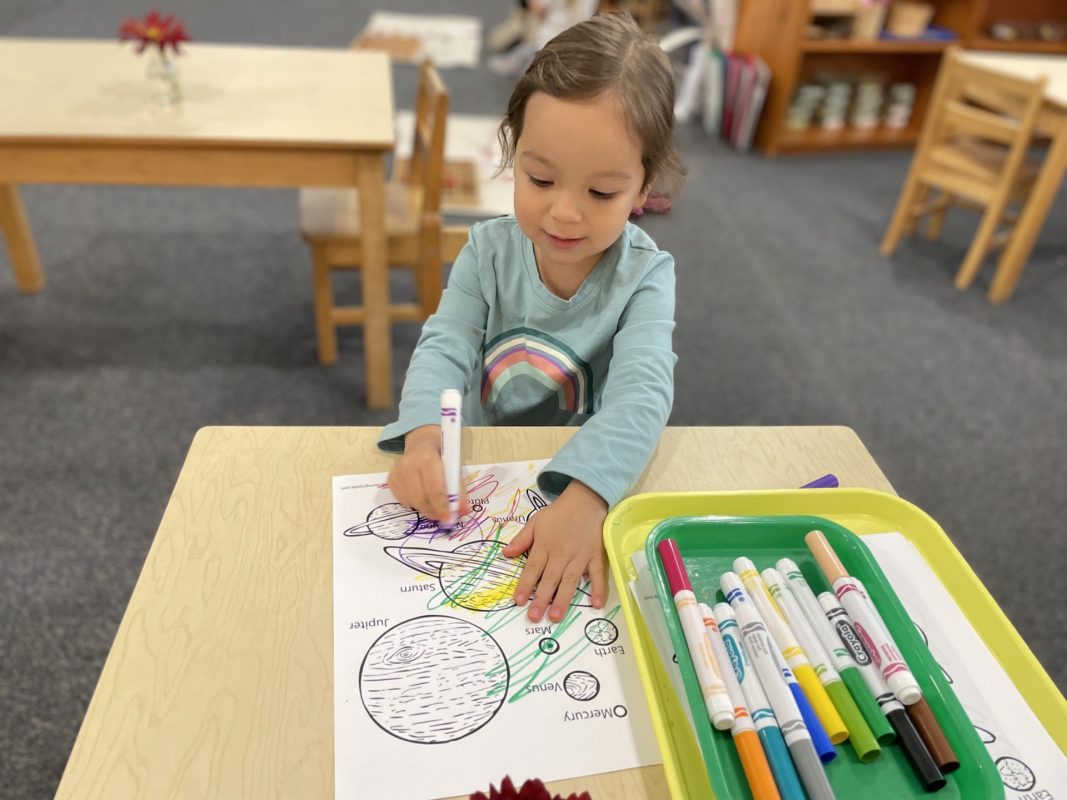
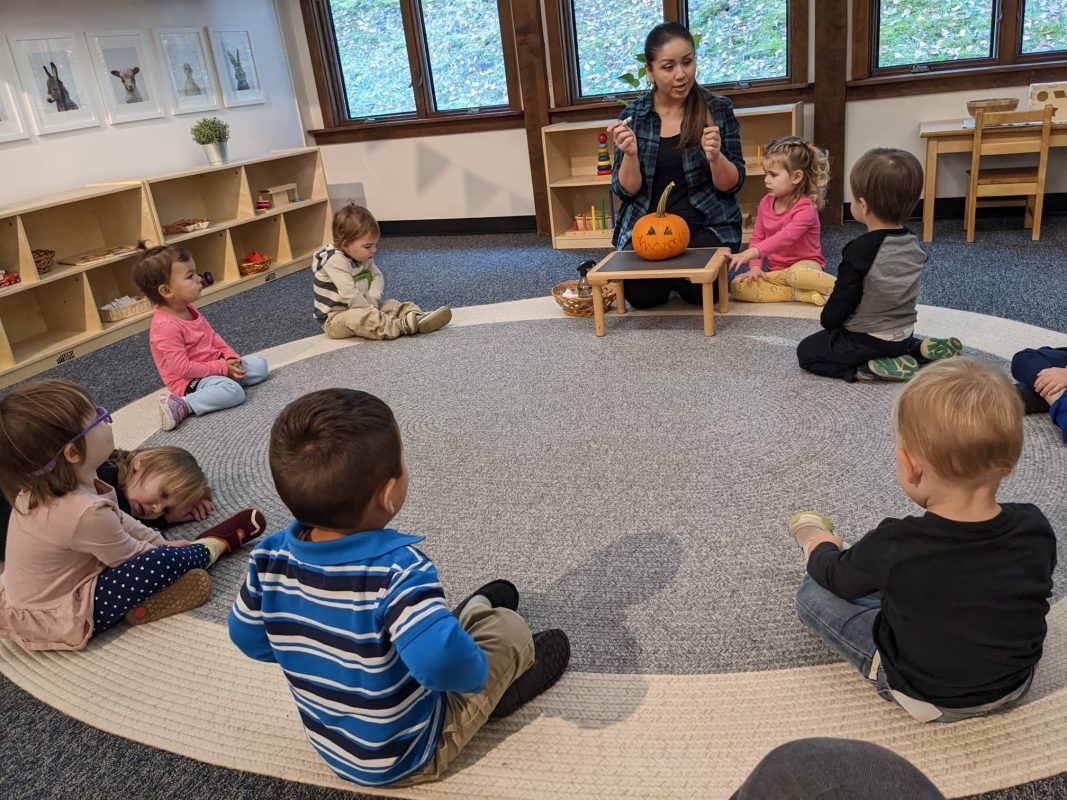
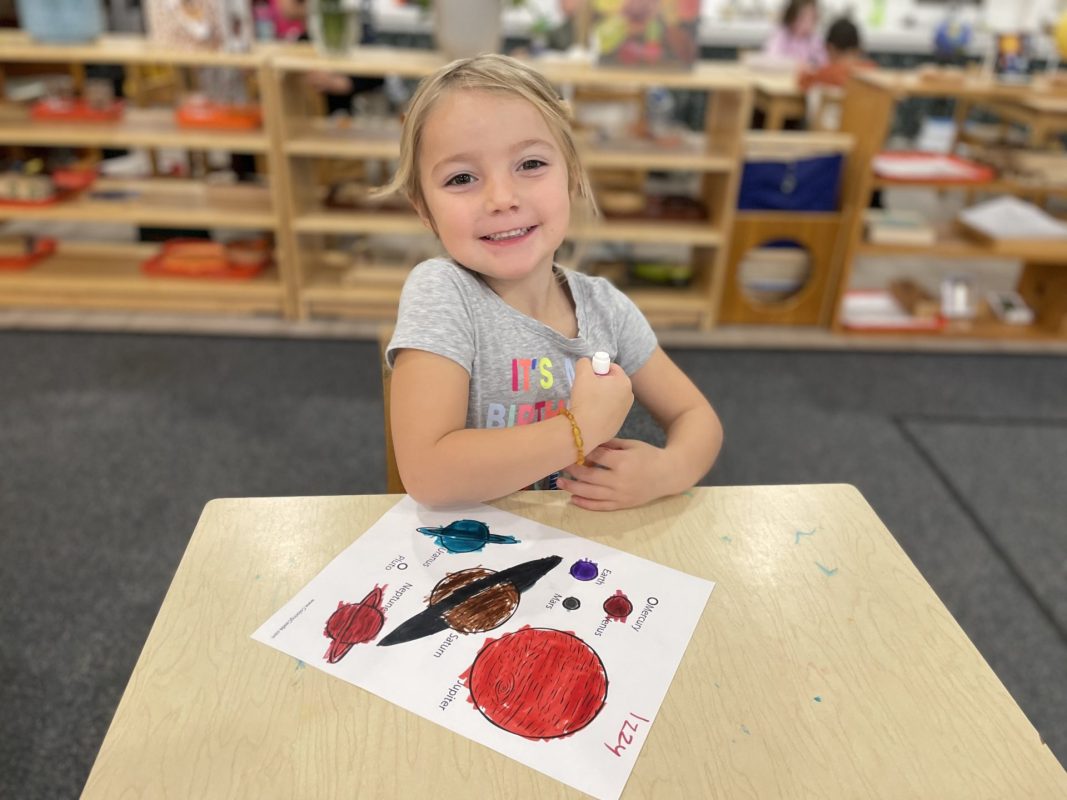
We are beginning our study of the solar system. Bringing some of the wonders of the universe to the children is exciting and one of their favorite units that we study. By nature, children are inquisitive, observant, and eager to learn about the world around them. With their concrete thinking, understanding, and desire to label and name everything they learn about, we start by introducing the components of the universe, especially our own solar system.

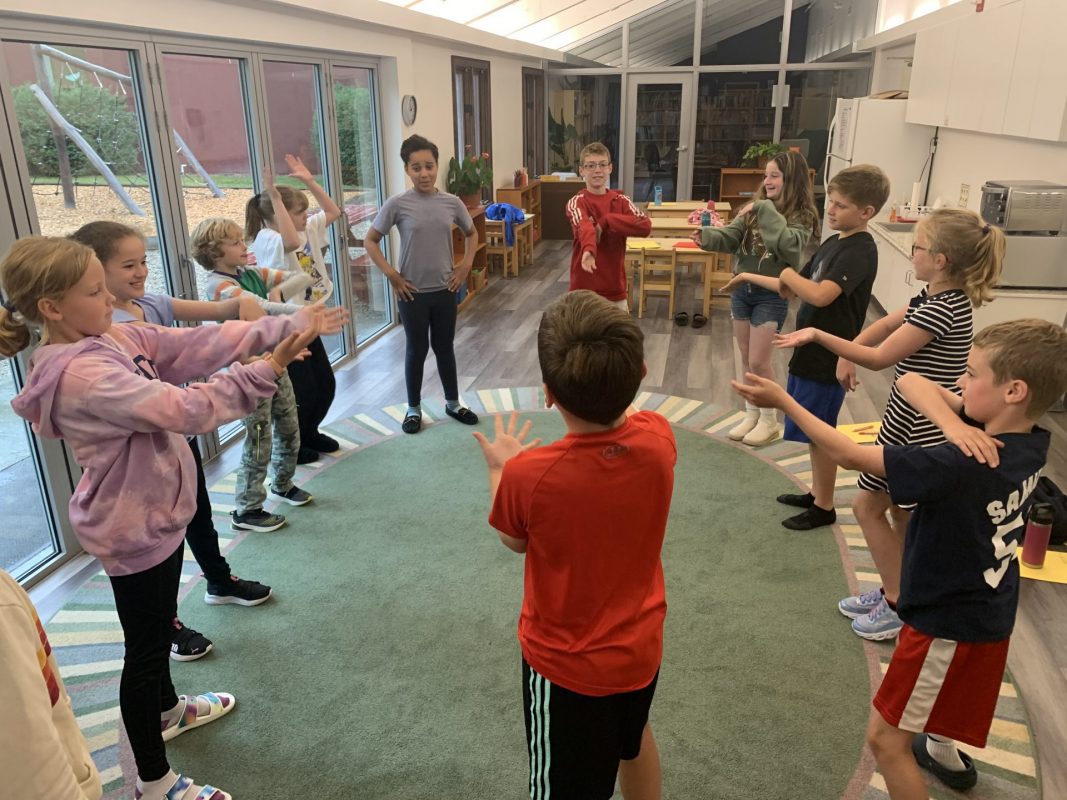
We begin by discussing what the children think the solar system is. We know that as we look up at the sky during the day we can see the sun and at nighttime we can see the moon, stars, and some planets. We learned about our closest star, the sun. It is made of gas and gives us light and heat. Our sun is the center of our solar system, with planets orbiting around it. The children learned the names of the planets, in order from the sun. We also learned fun facts about each planet and will do hands-on activities to explain revolution and rotation. Below is the song we are singing to help us learn the names of the planets in our Solar System.

Wishing you a week filled with peace and love.

Amanda and Hema


Mrs. Semmah: 3, 2, 1…Blast Off!

We especially need imagination in science. It is not all mathematics nor all logic, but it is somewhat beauty and poetry.    –Maria Montessori

We are beginning our study of the solar system. Bringing some of the wonders of the universe to the children is exciting and one of their favorite units that we study. By nature, children are inquisitive, observant, and eager to learn about the world around them. With their concrete thinking, understanding, and desire to label and name everything they learn about, we start by introducing the components of the universe, especially our own solar system.

We begin by discussing what the children think the solar system is. We know that as we look up at the sky during the day we can see the sun and at nighttime we can see the moon, stars, and some planets. We learned about our closest star, the sun. It is made of gas and gives us light and heat. Our sun is the center of our solar system, with planets orbiting around it. The children learned the names of the planets, in order from the sun. We also learned fun facts about each planet and will do hands-on activities to explain revolution and rotation. Below is the song we are singing to help us learn the names of the planets in our Solar System.

Wishing you a week filled with peace and love.

Kaoutar & Michelle


This Week in Lower El

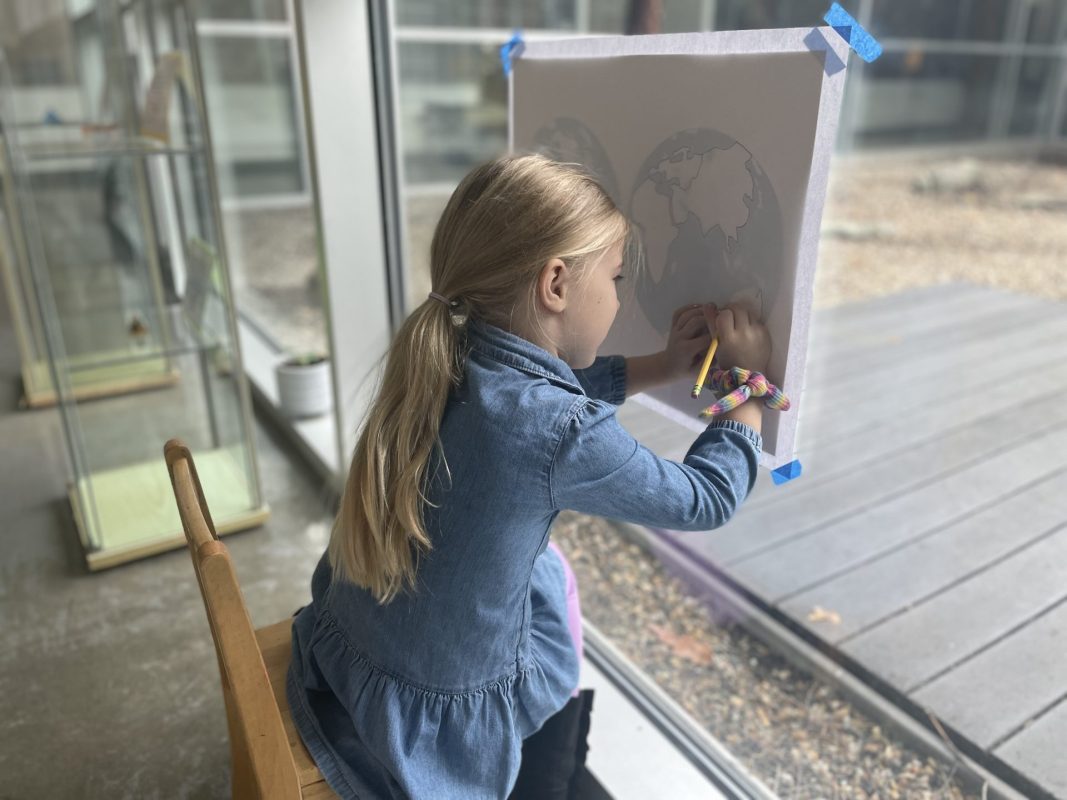
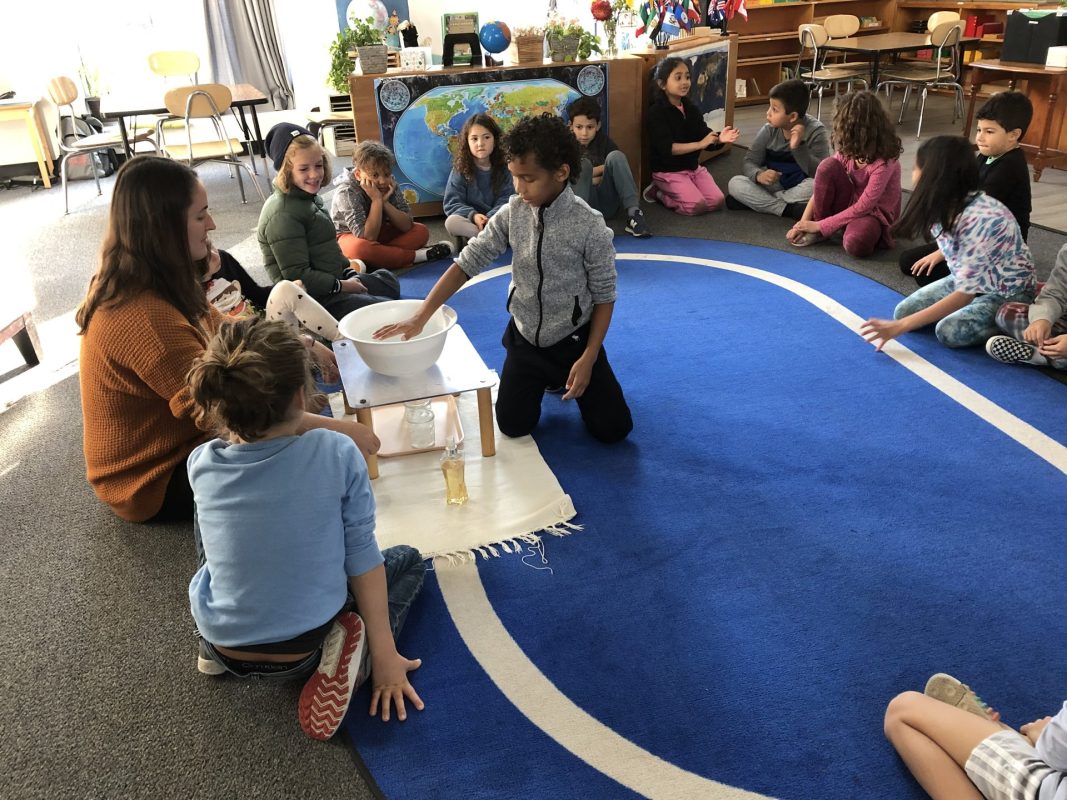
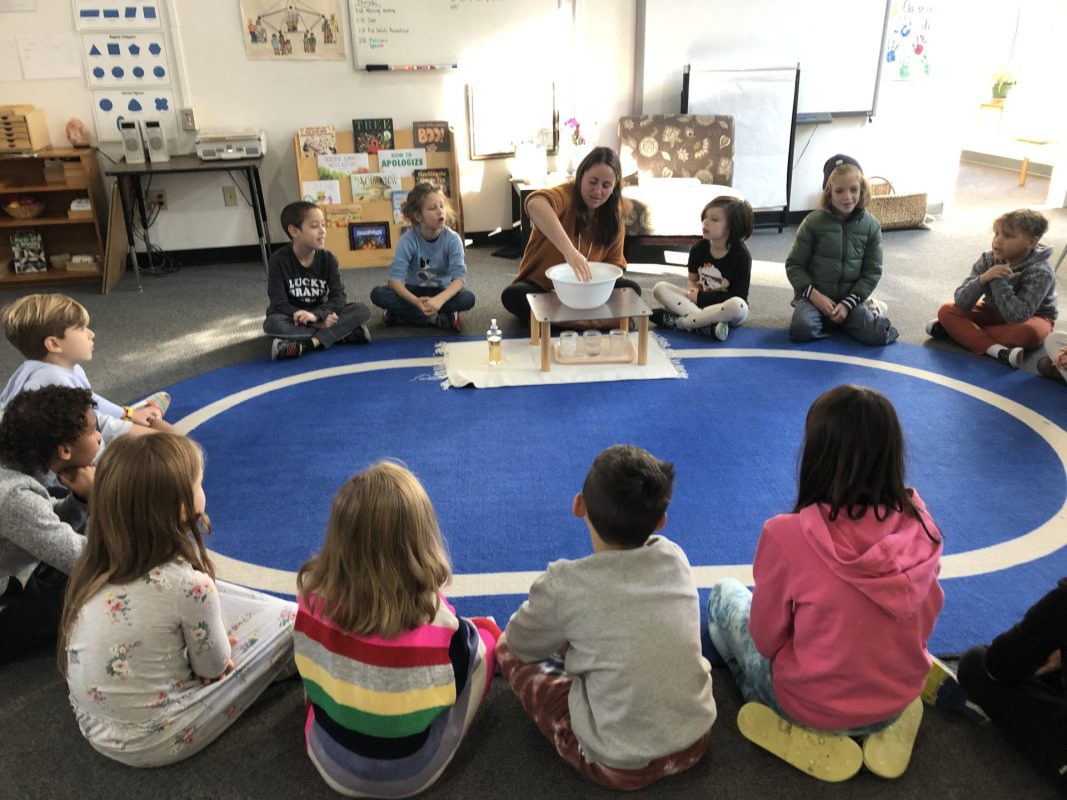
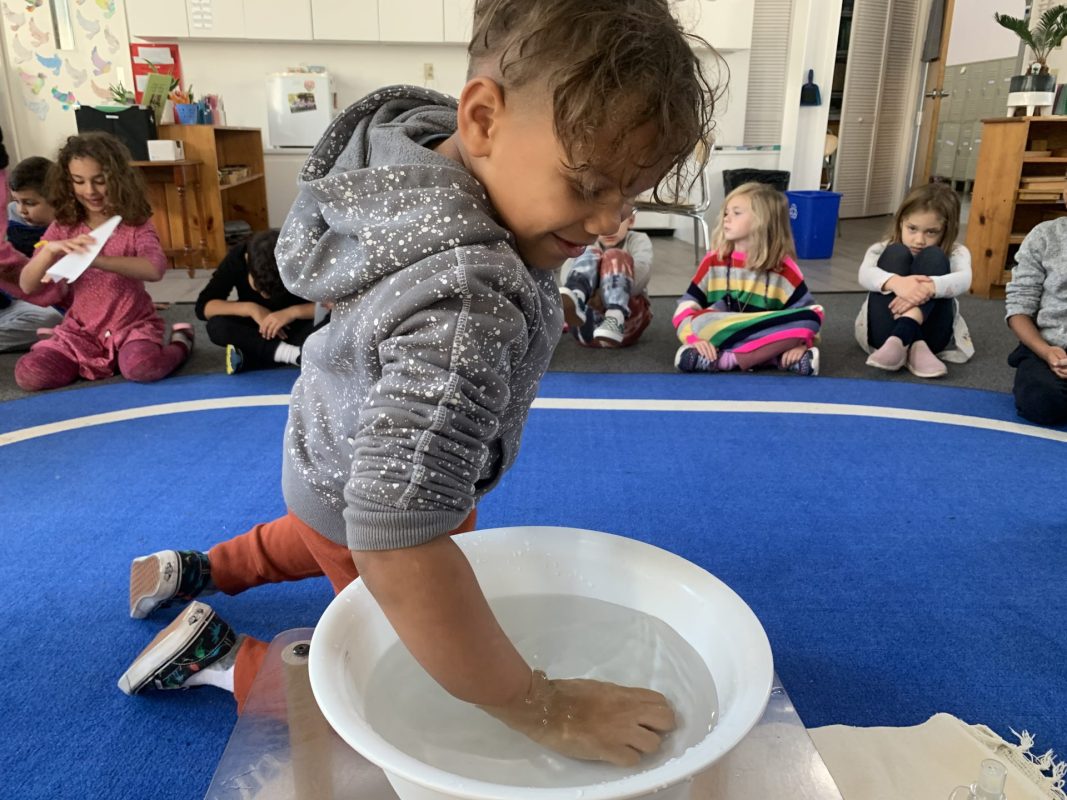
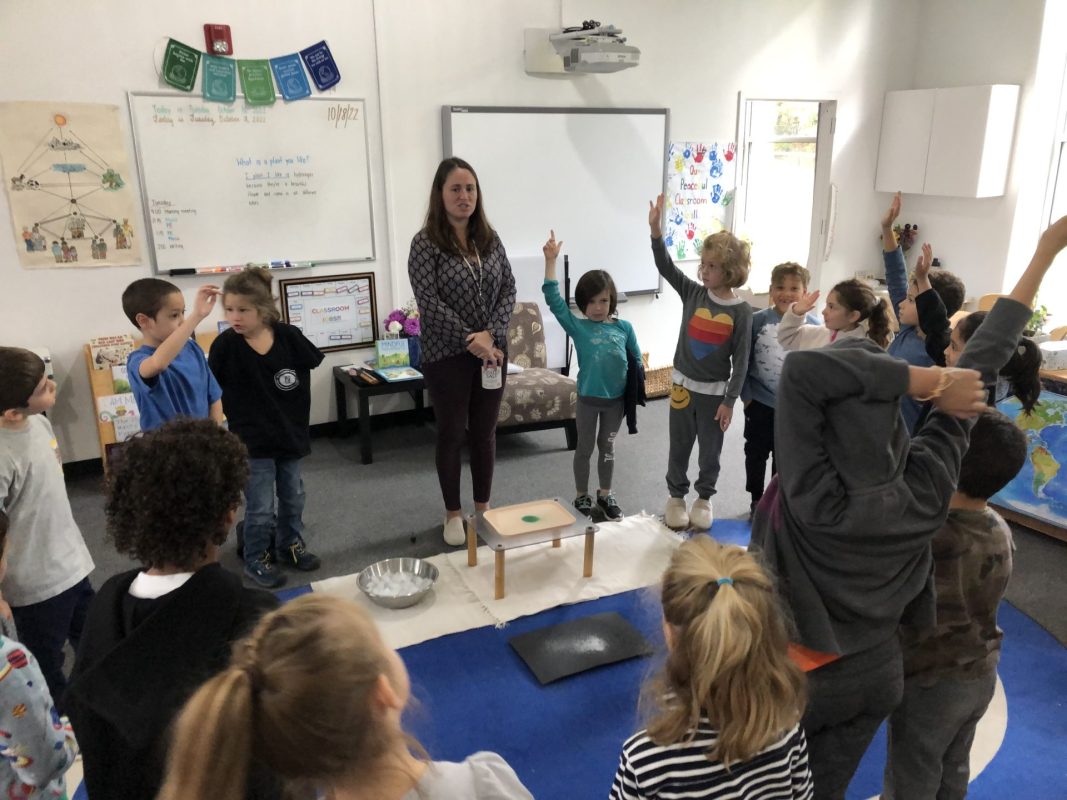
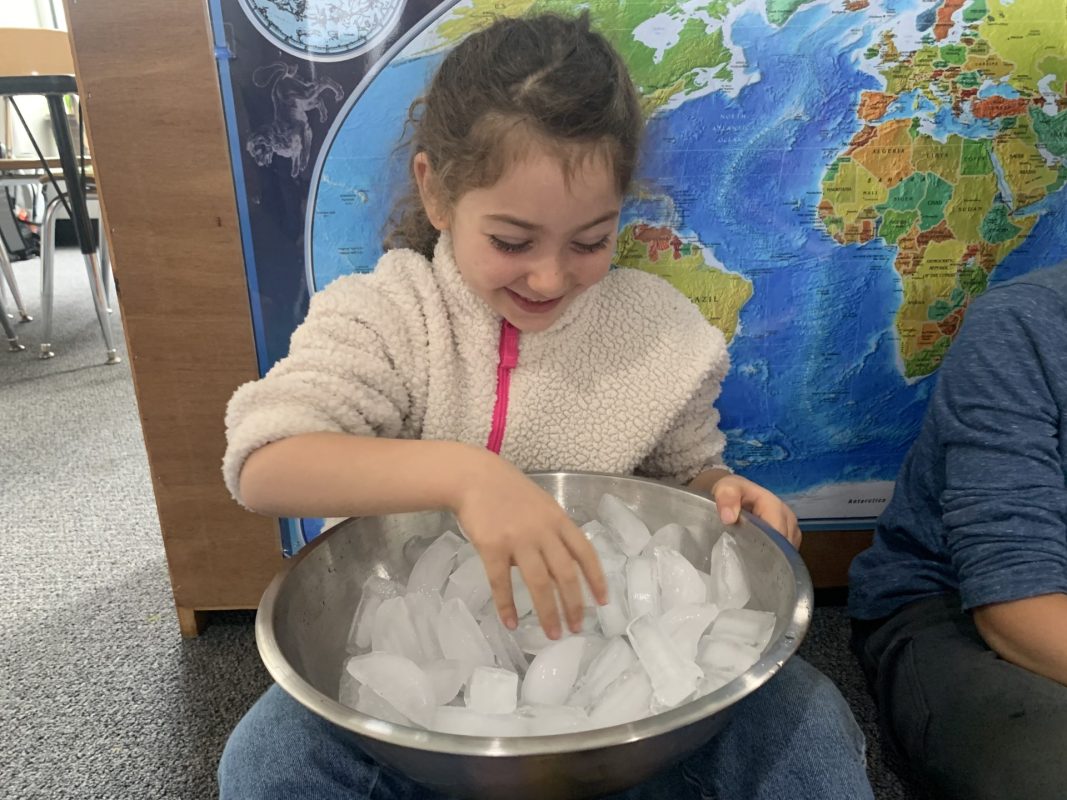
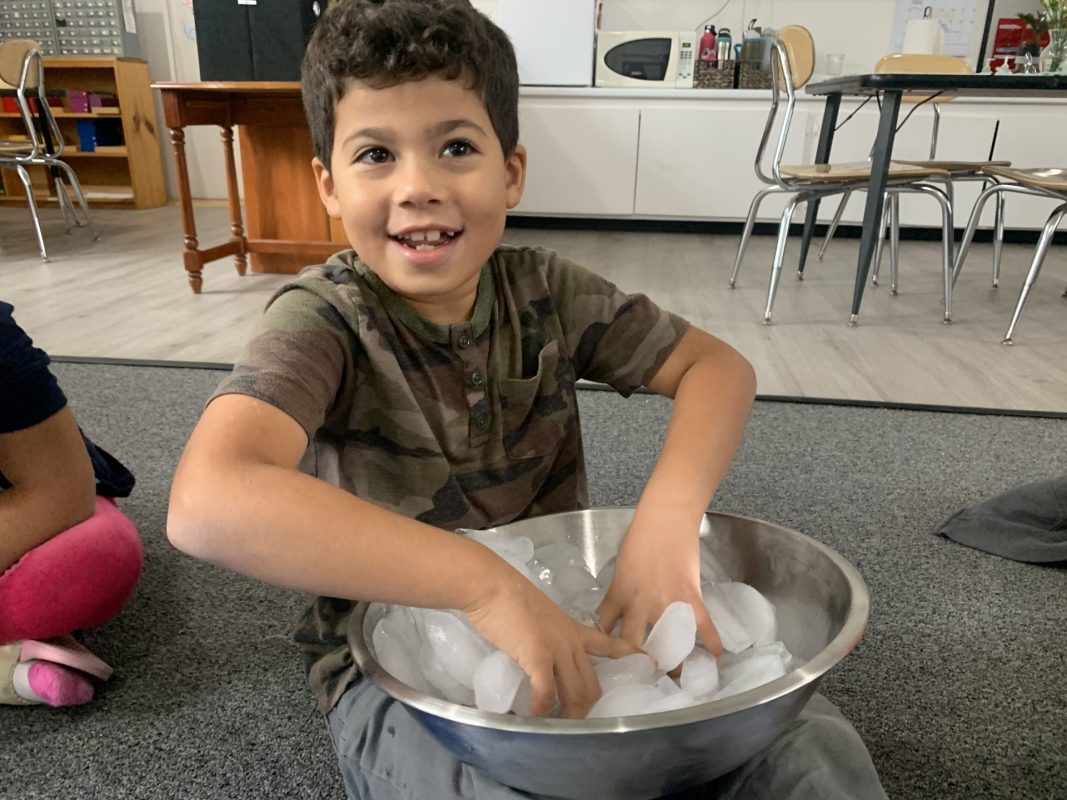
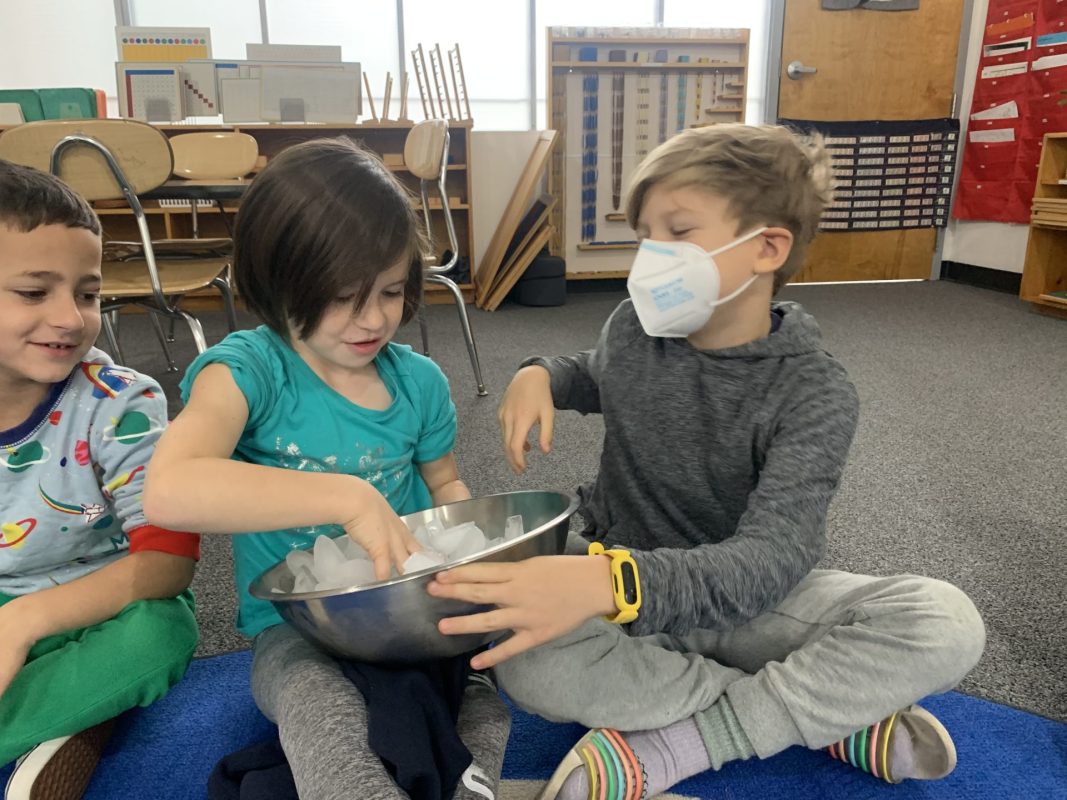
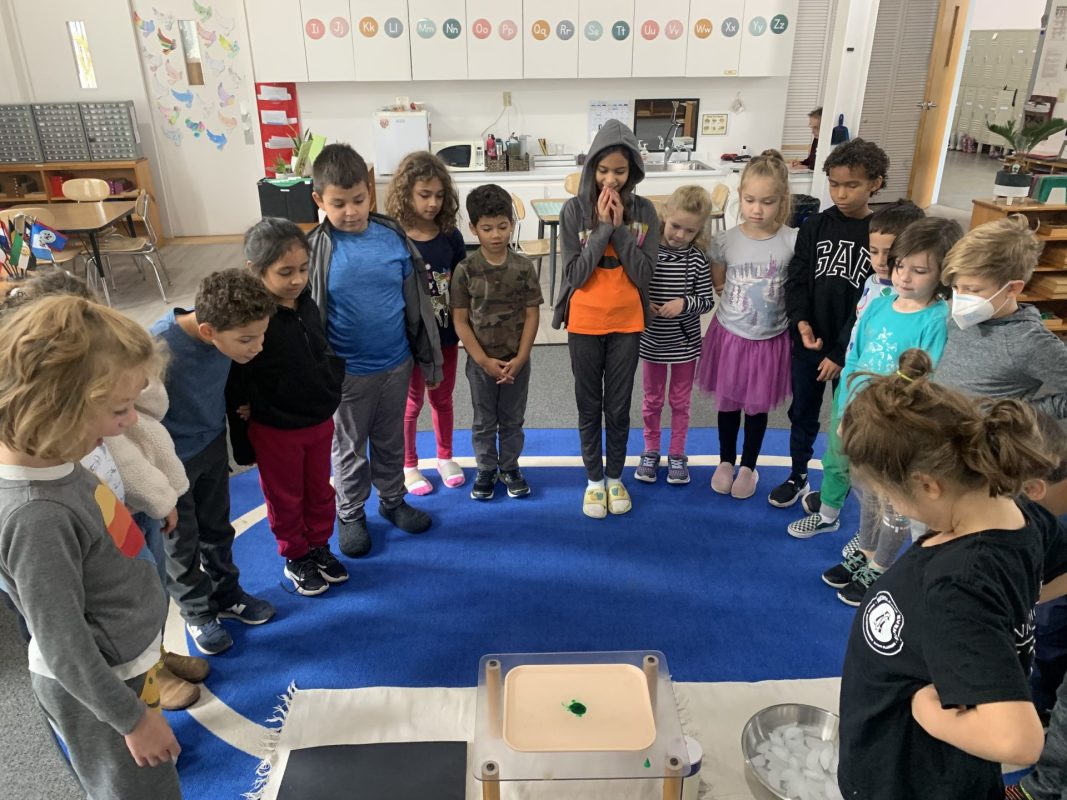
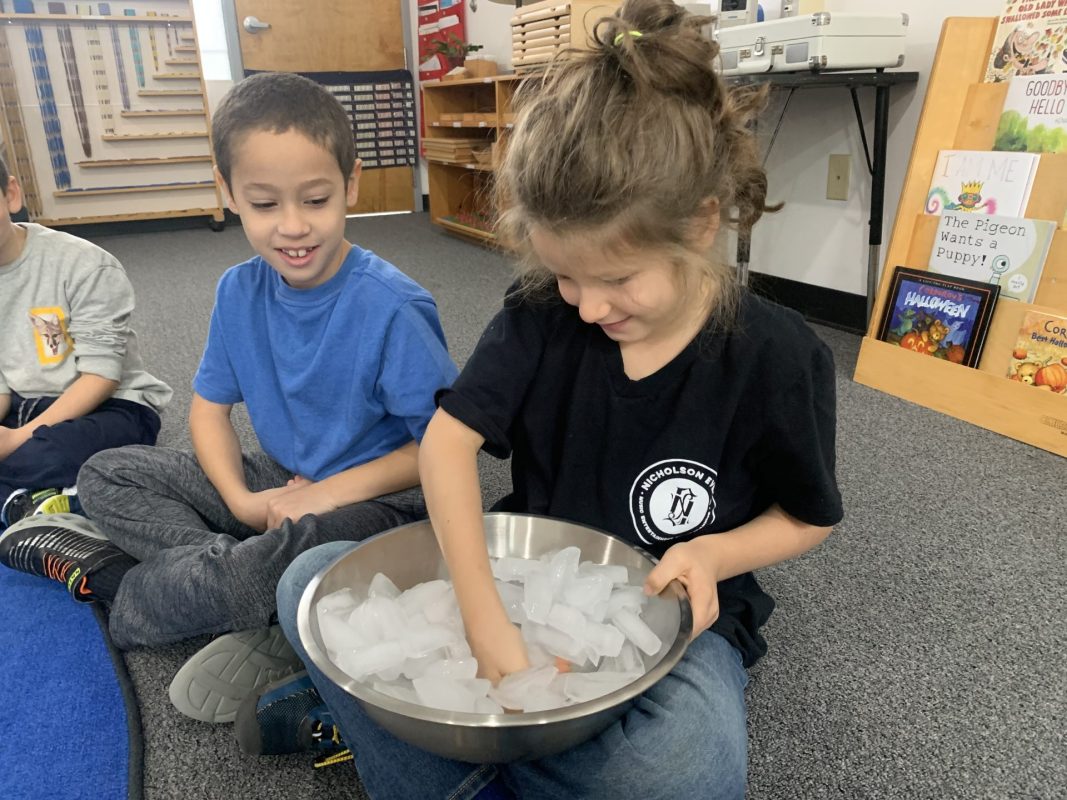
This week we started preparing for our Creation Story with some science demonstrations. The purpose of these demonstrations is to illustrate concepts explored through the story of the creation of the universe. The Creation Story provides an impressionistic demonstration of the origins of life. The story is designed to impart a sense of wonder and awe, to instill respect for all that has happened, and to ignite interest in scientific investigation.

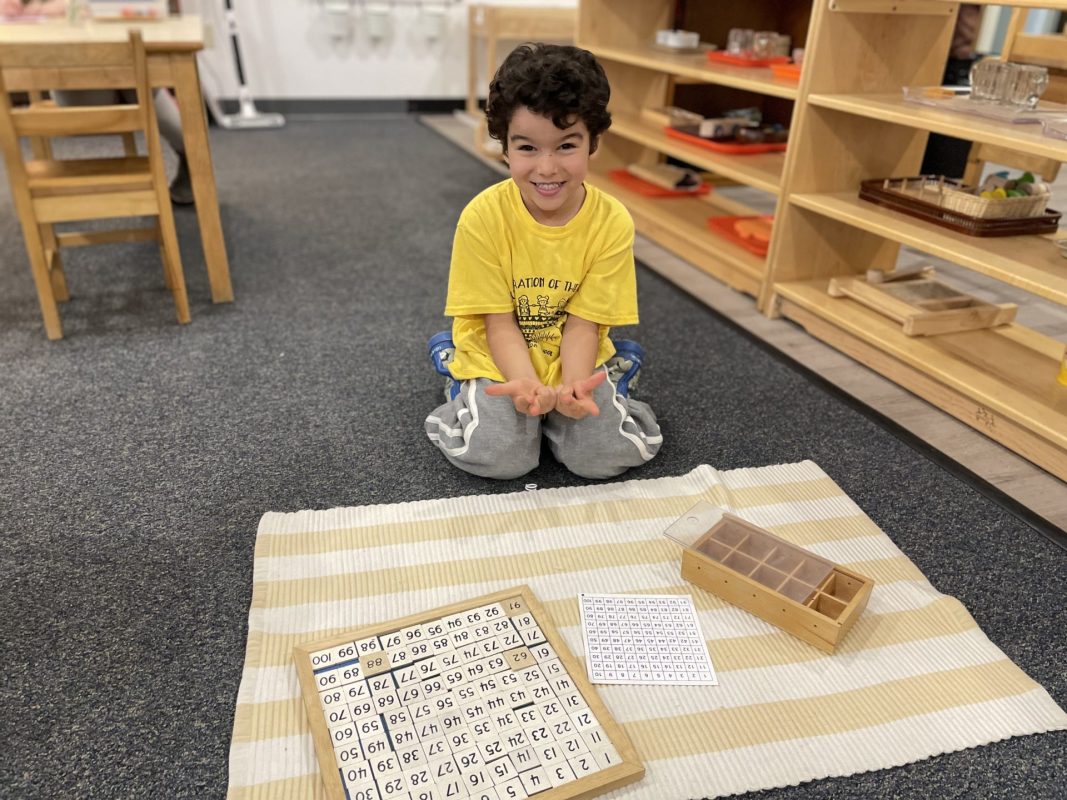
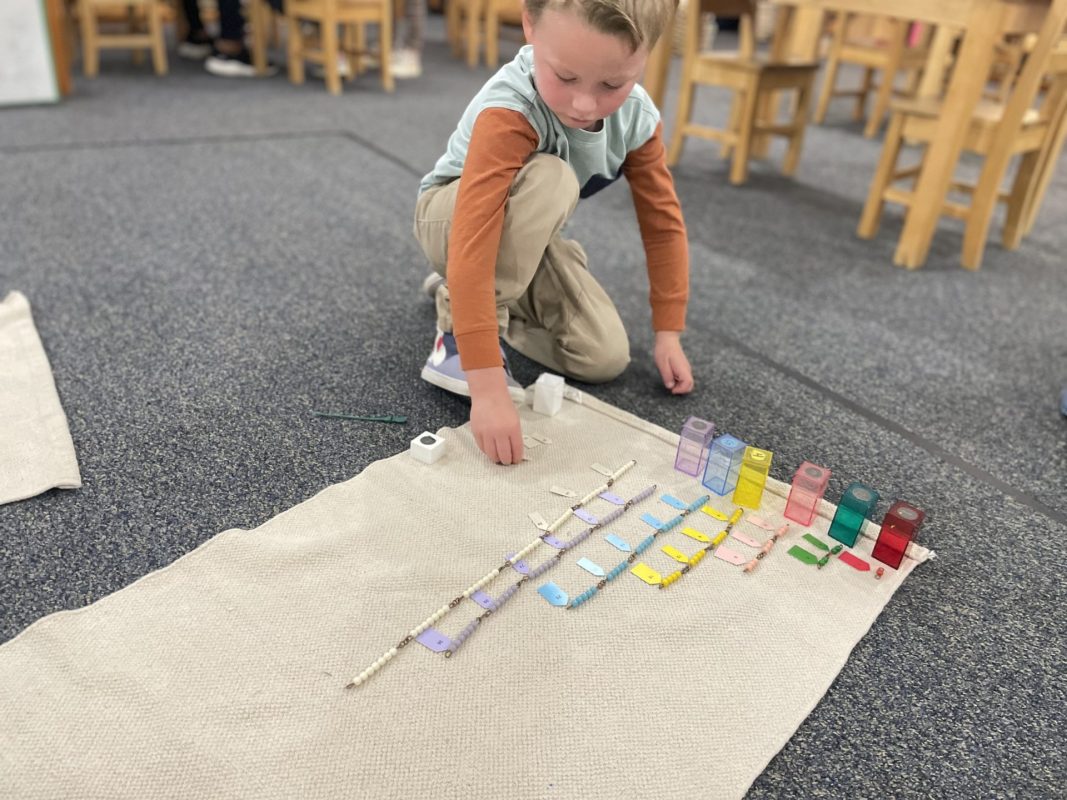
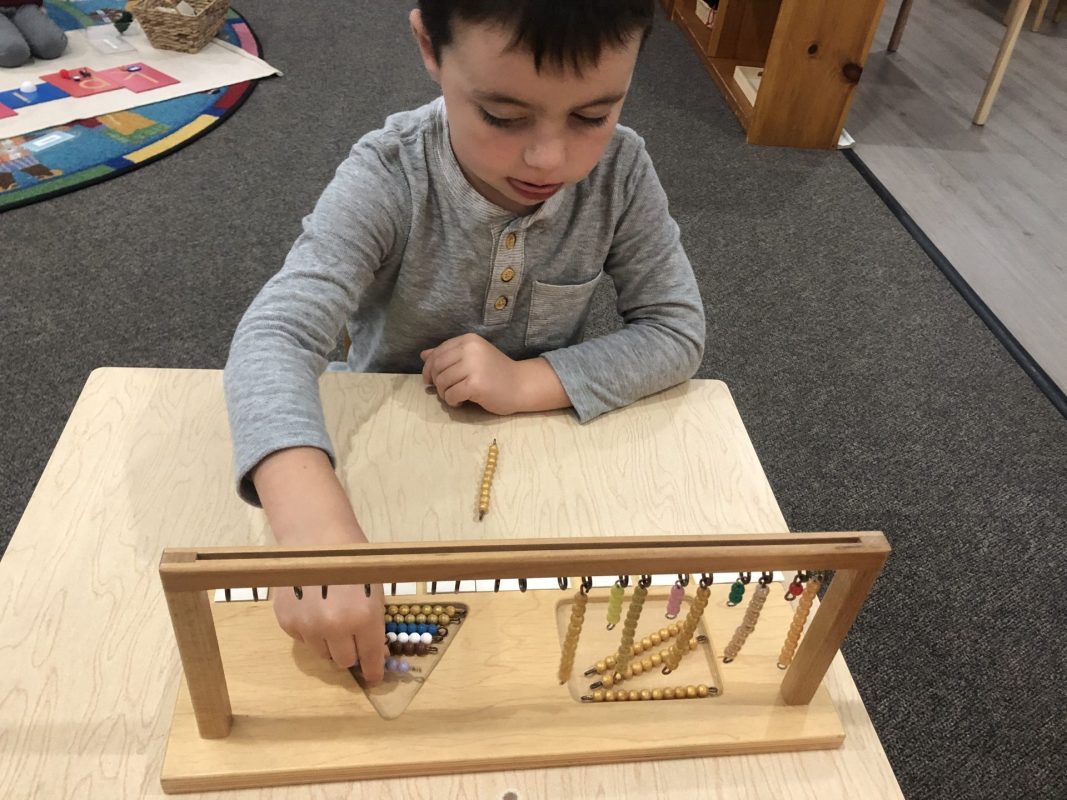
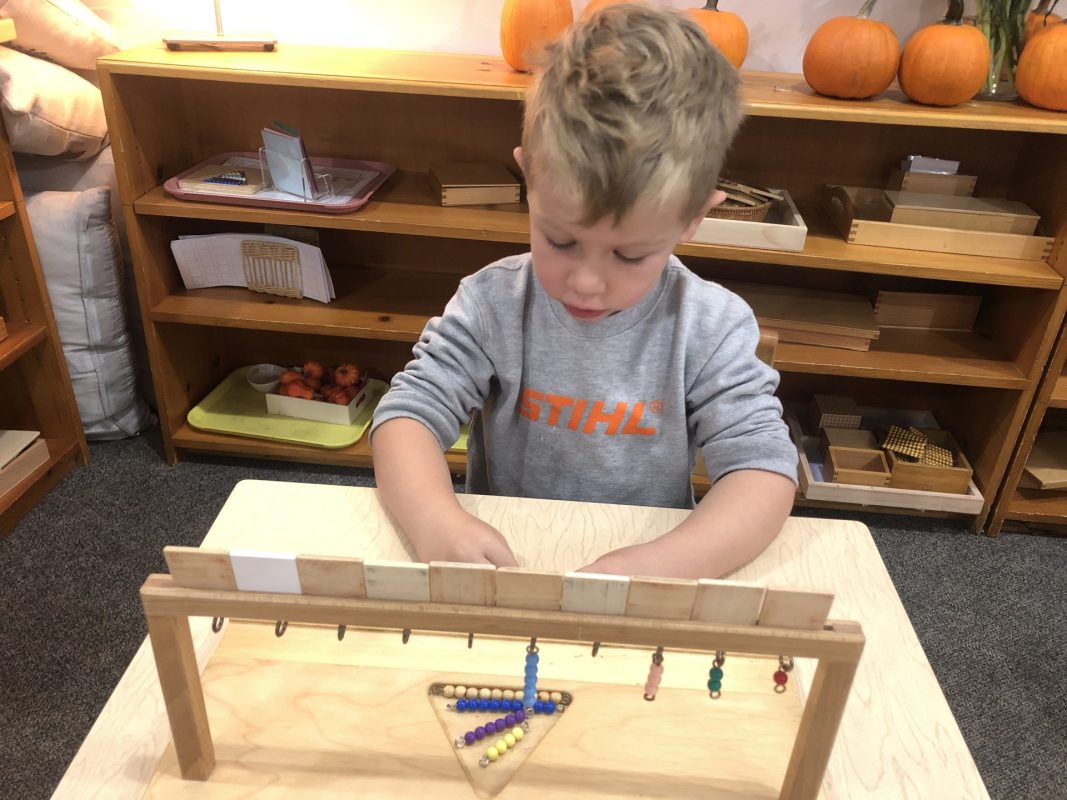
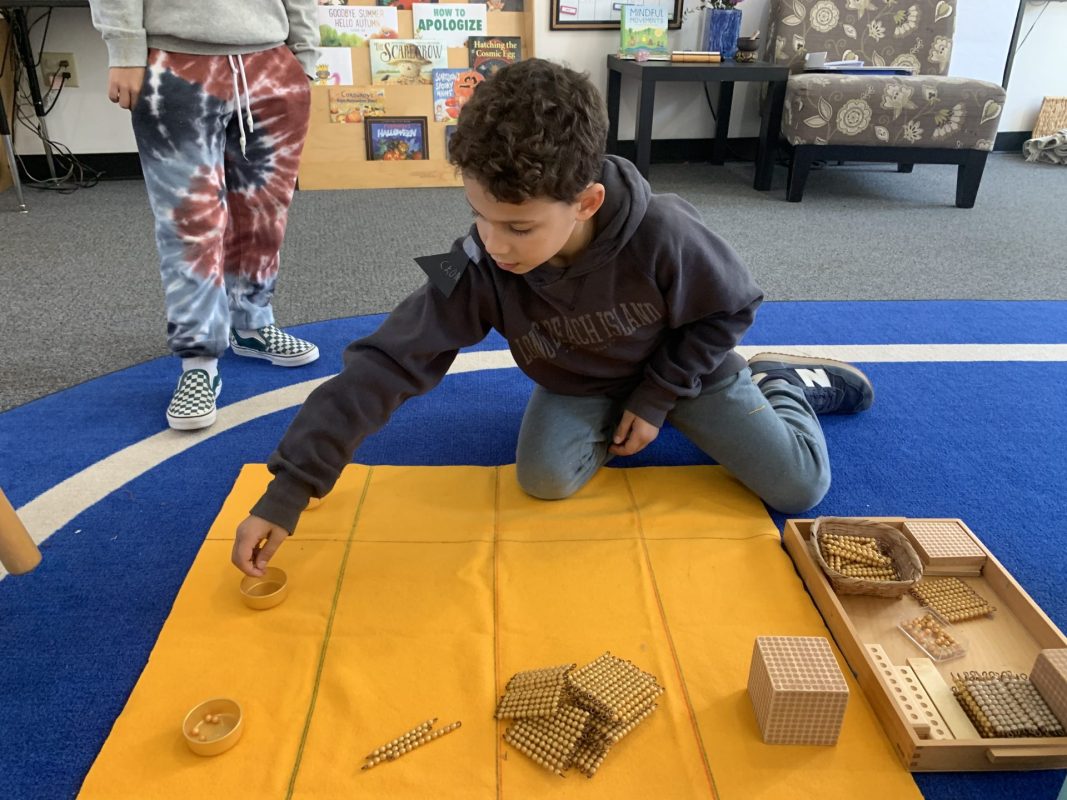
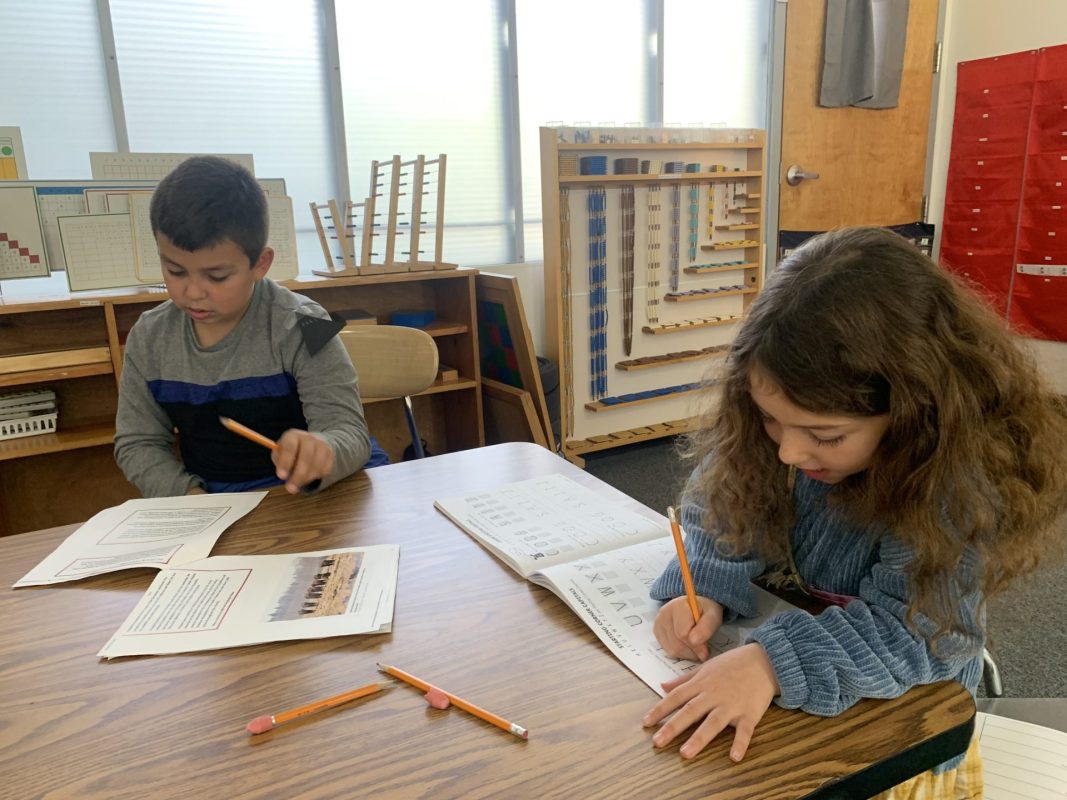
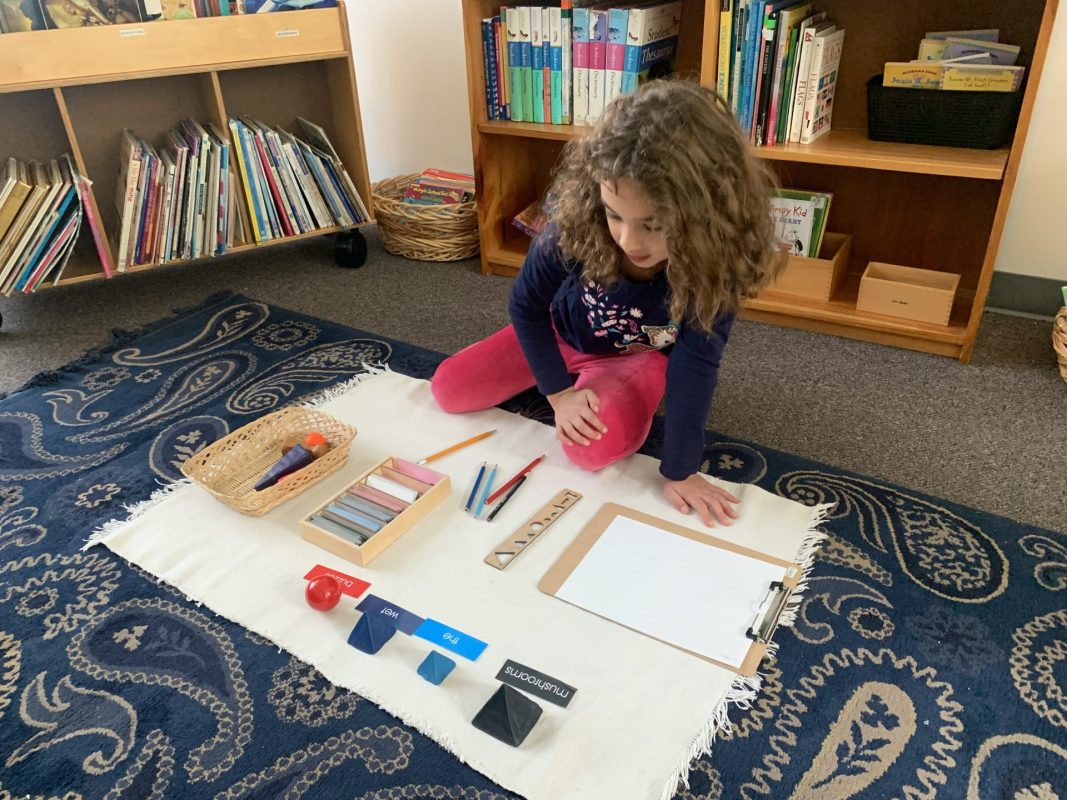
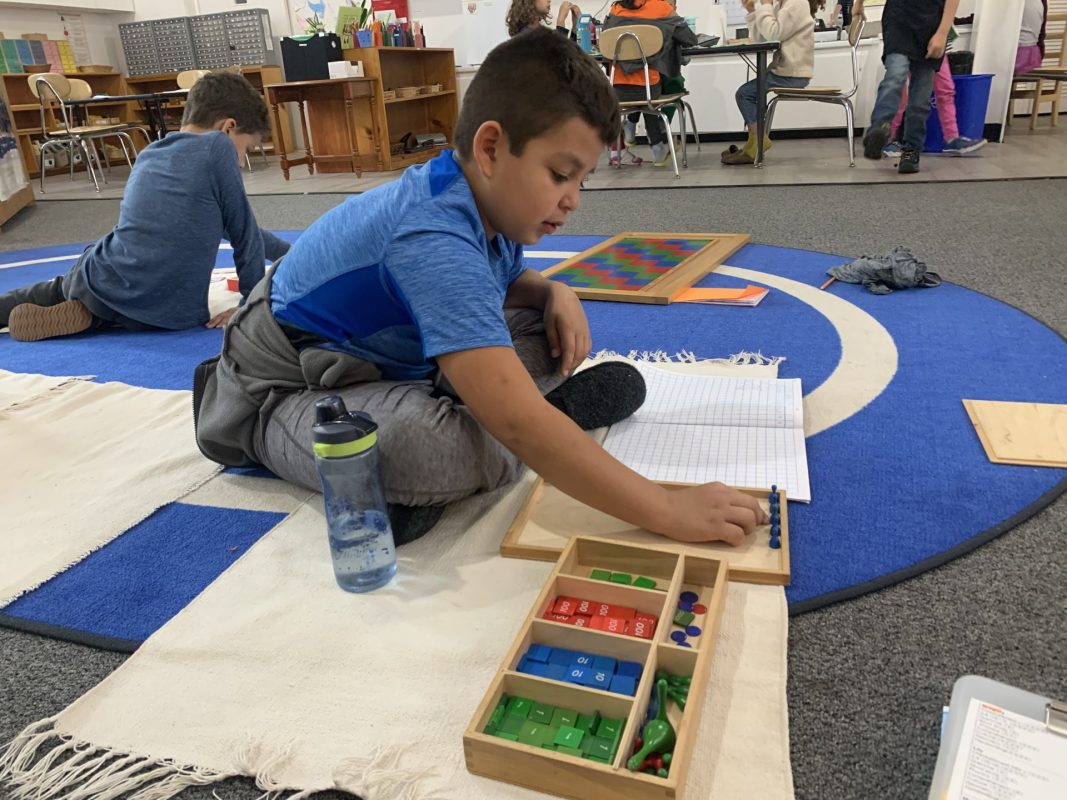
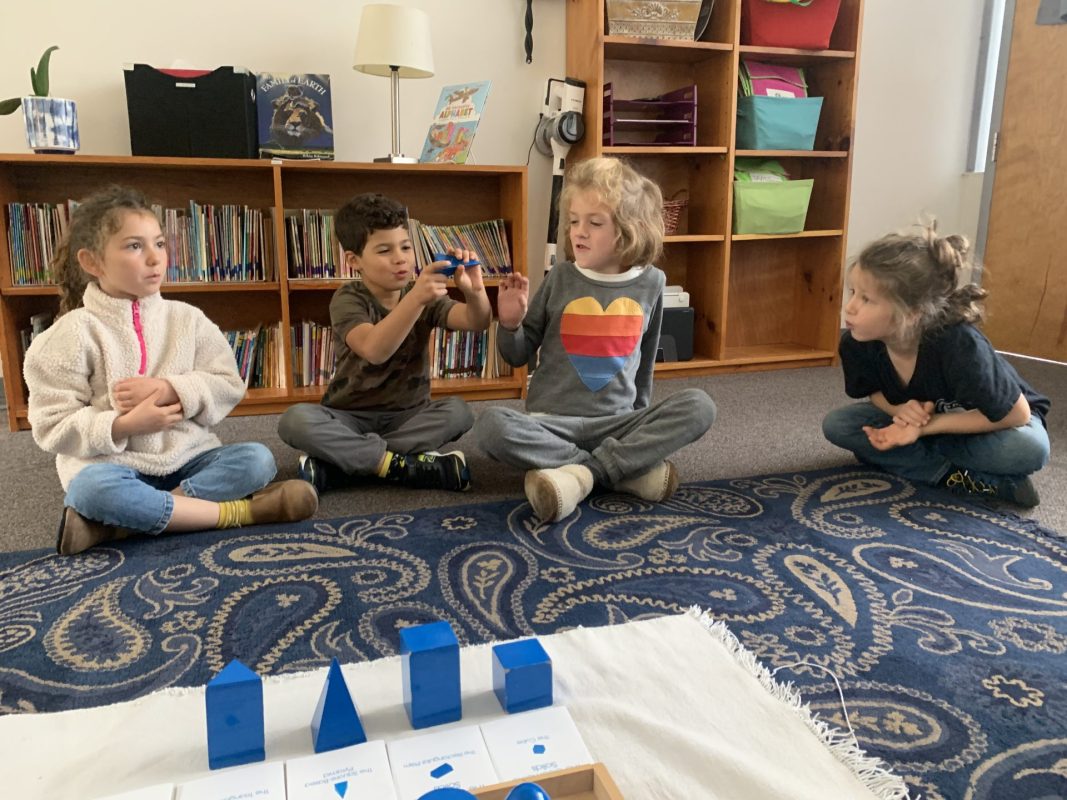
We are continuing to settle into our classroom routines and have new lessons. First year students completed their lessons on the geometric solids and enjoy playing a “hide-and-seek” game with the geometry shapes. The second years are using the box of sticks to make three different types of angles; whole, straight, and right angles. Lastly, the third graders enjoyed learning how to multiply angles on the Montessori protractor.

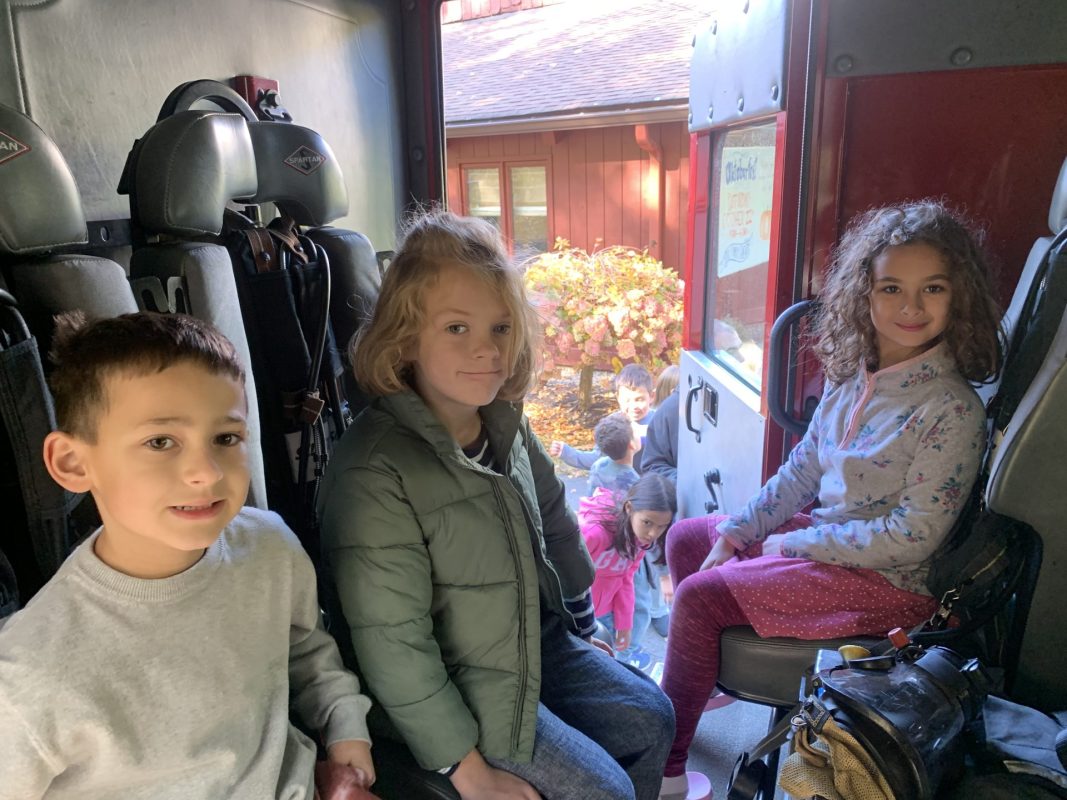
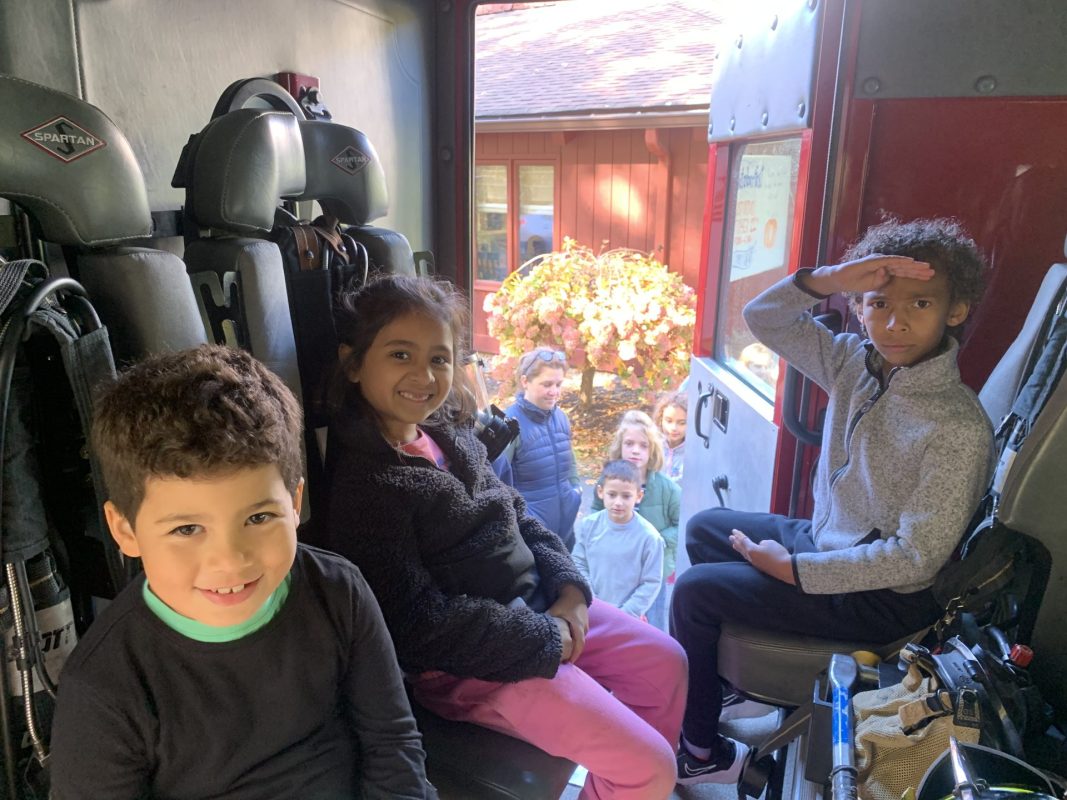
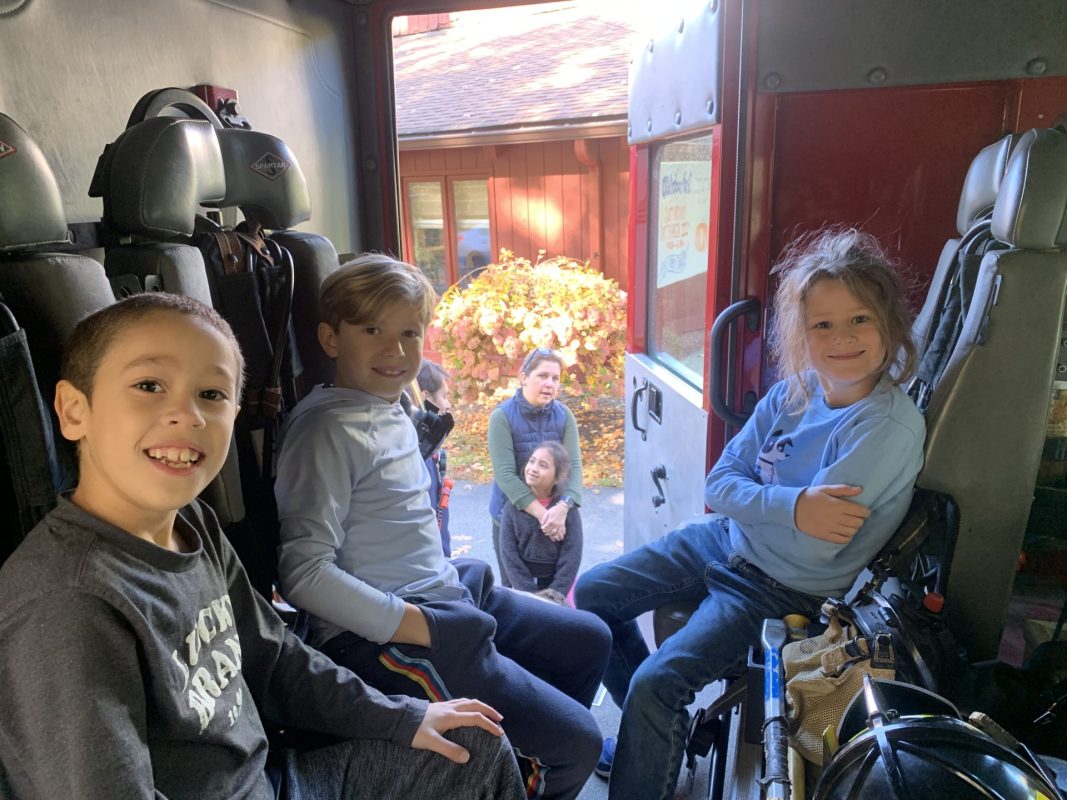
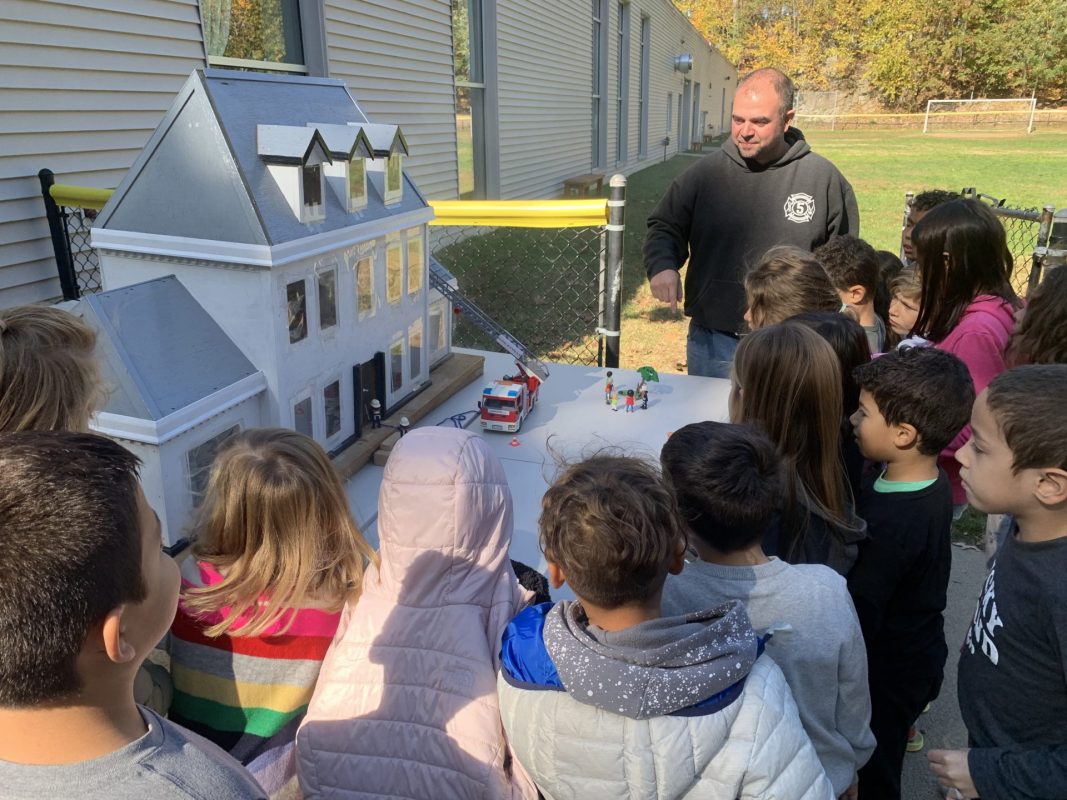
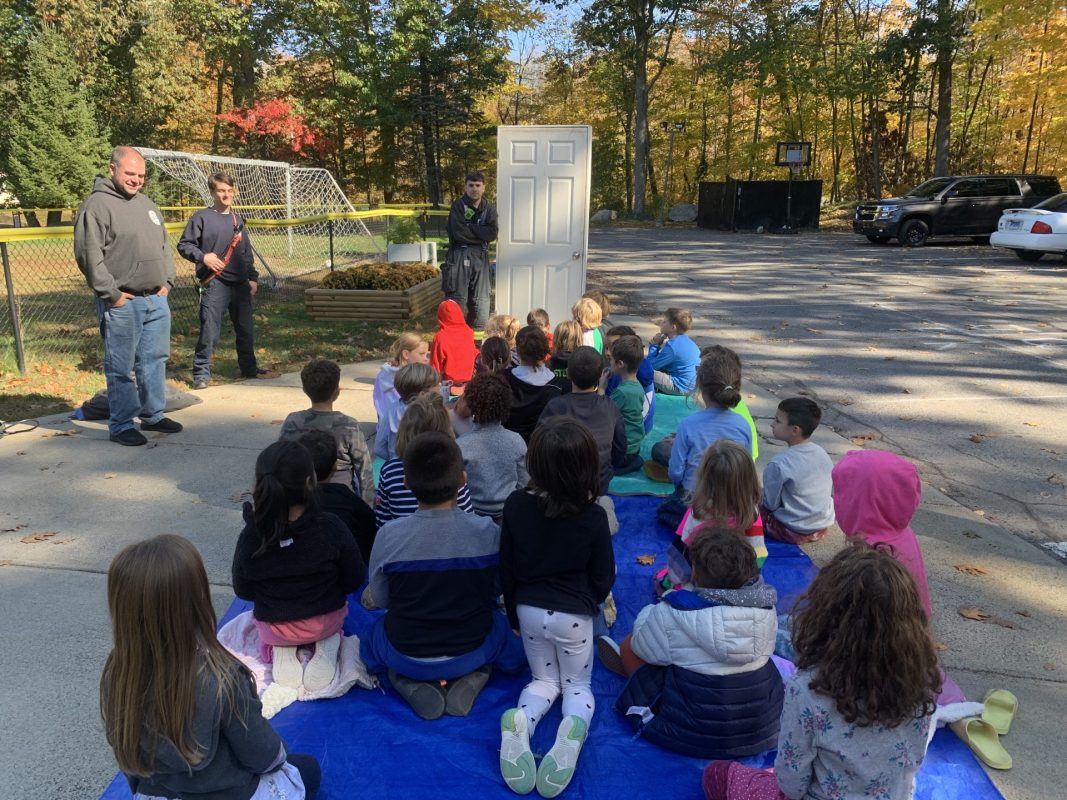
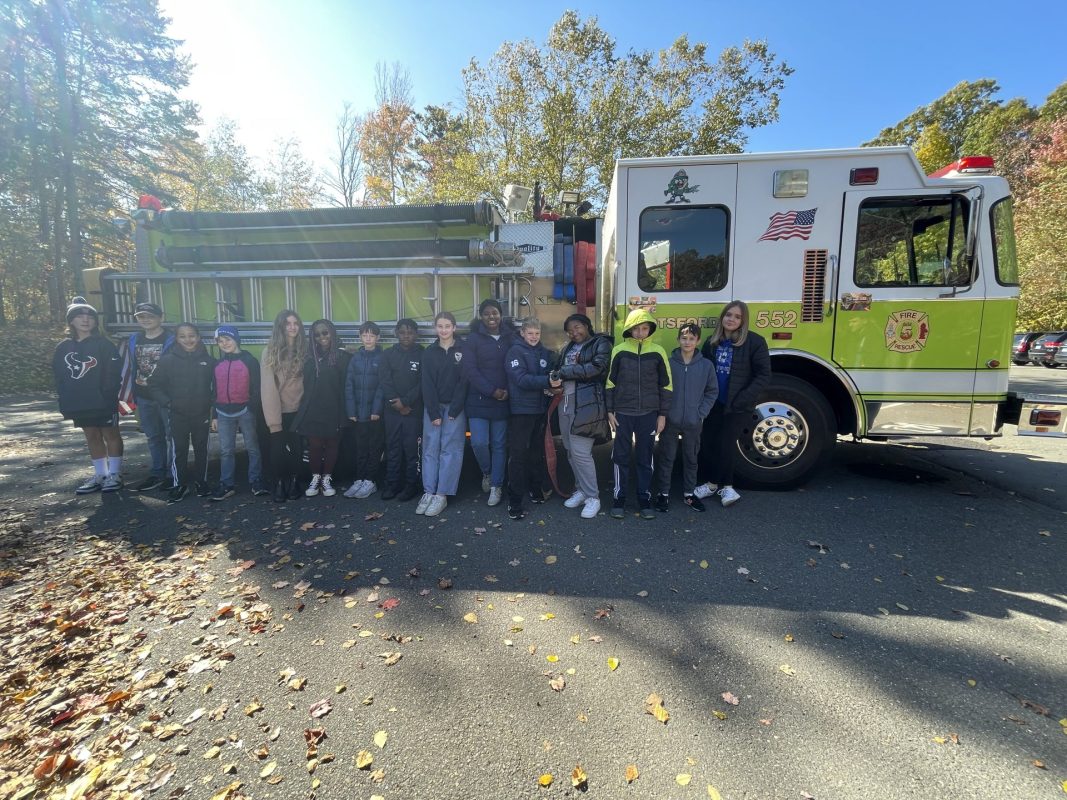
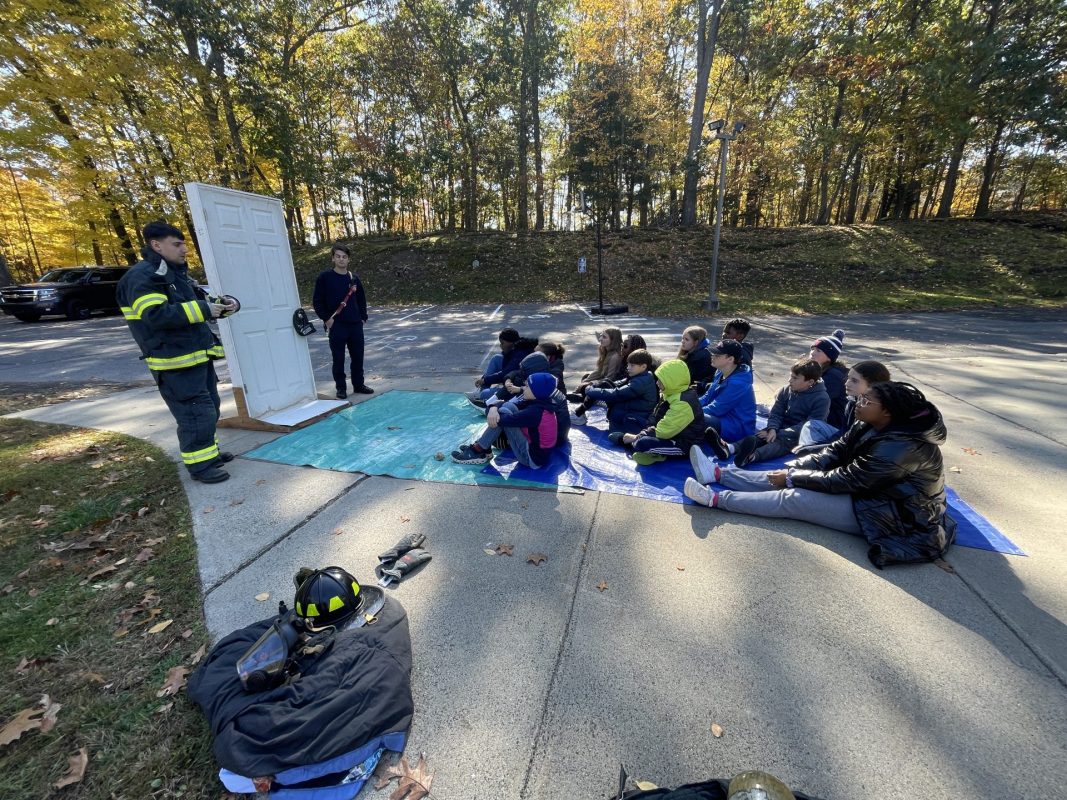
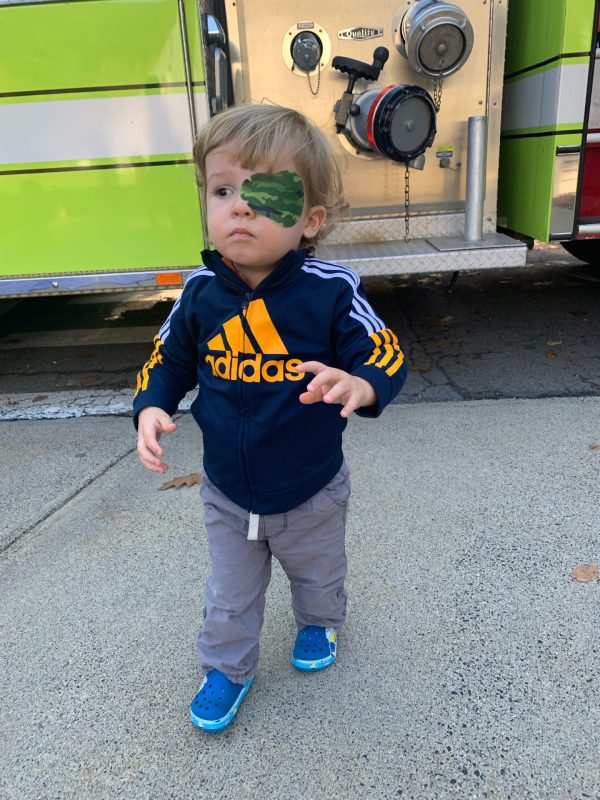
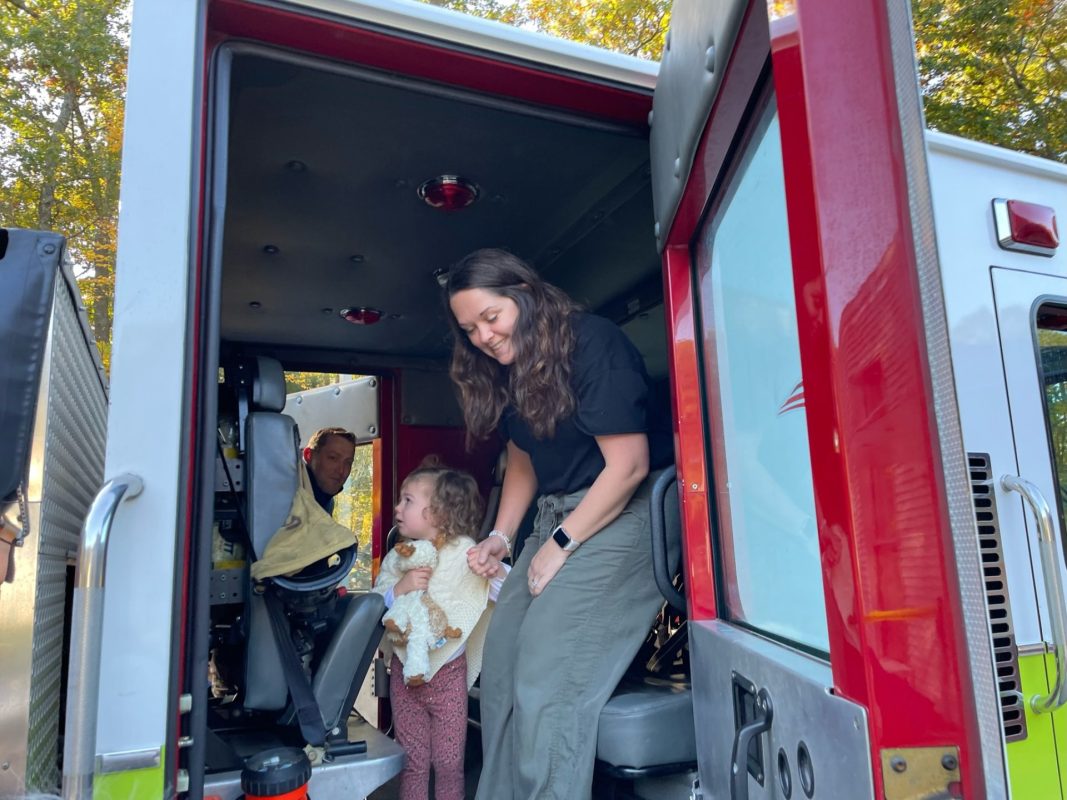
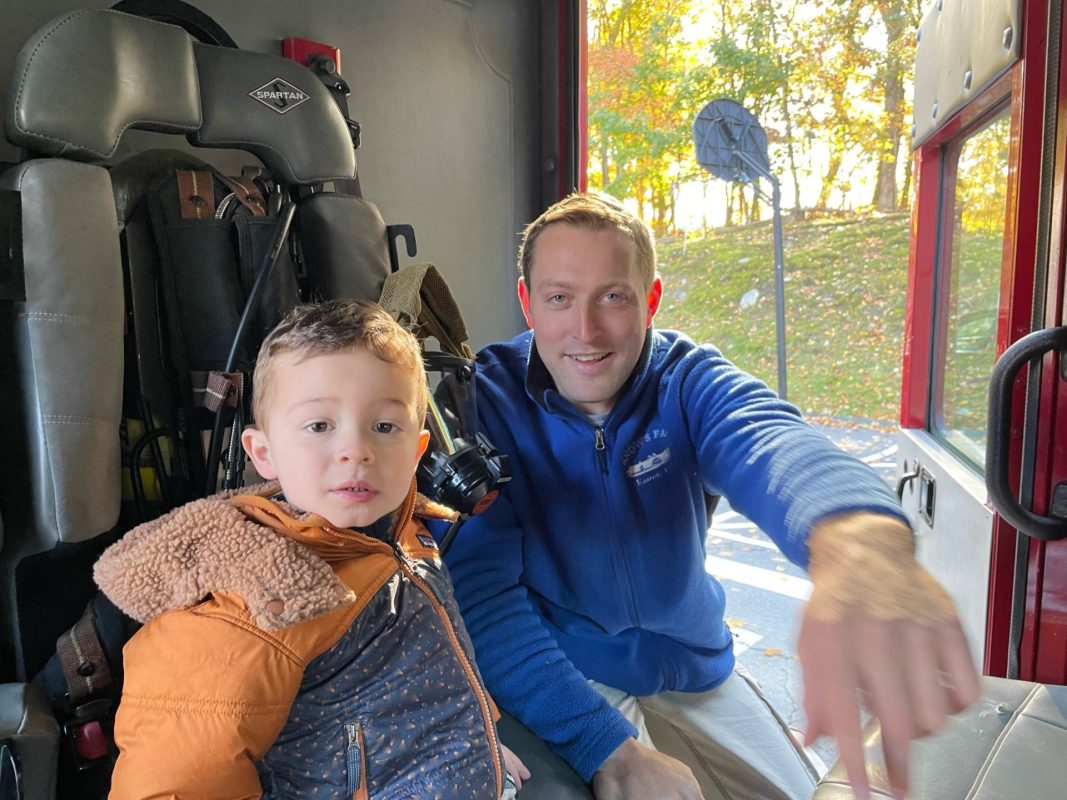
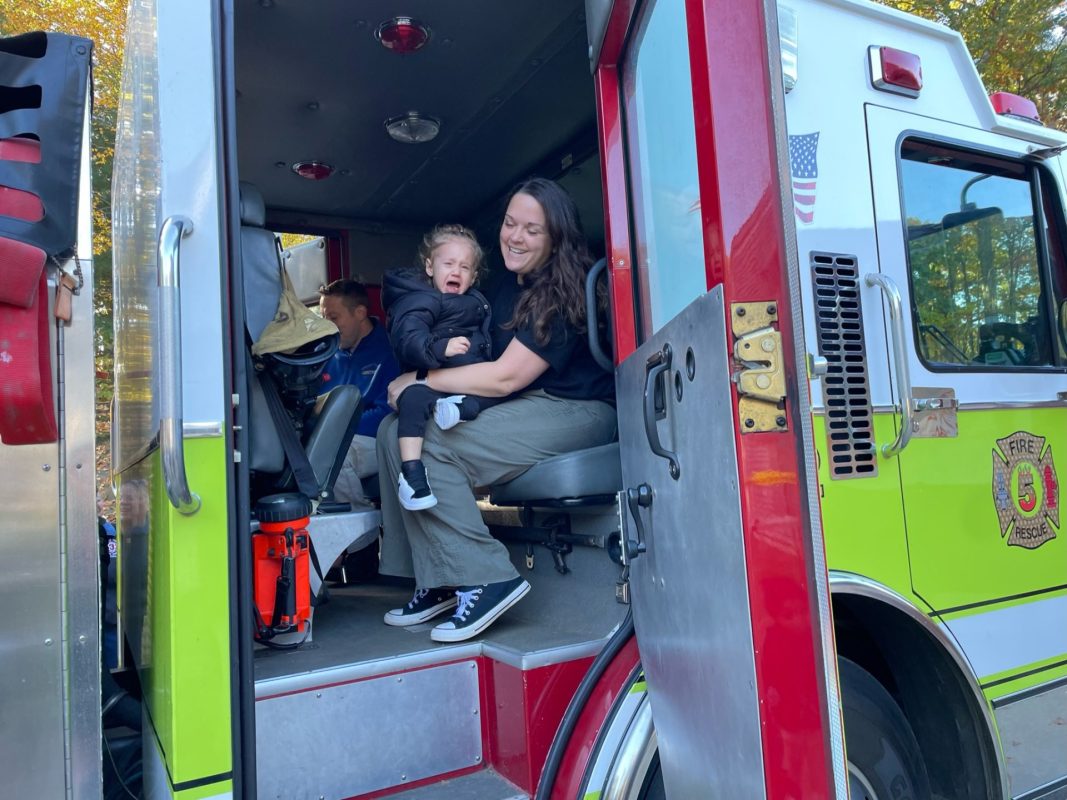
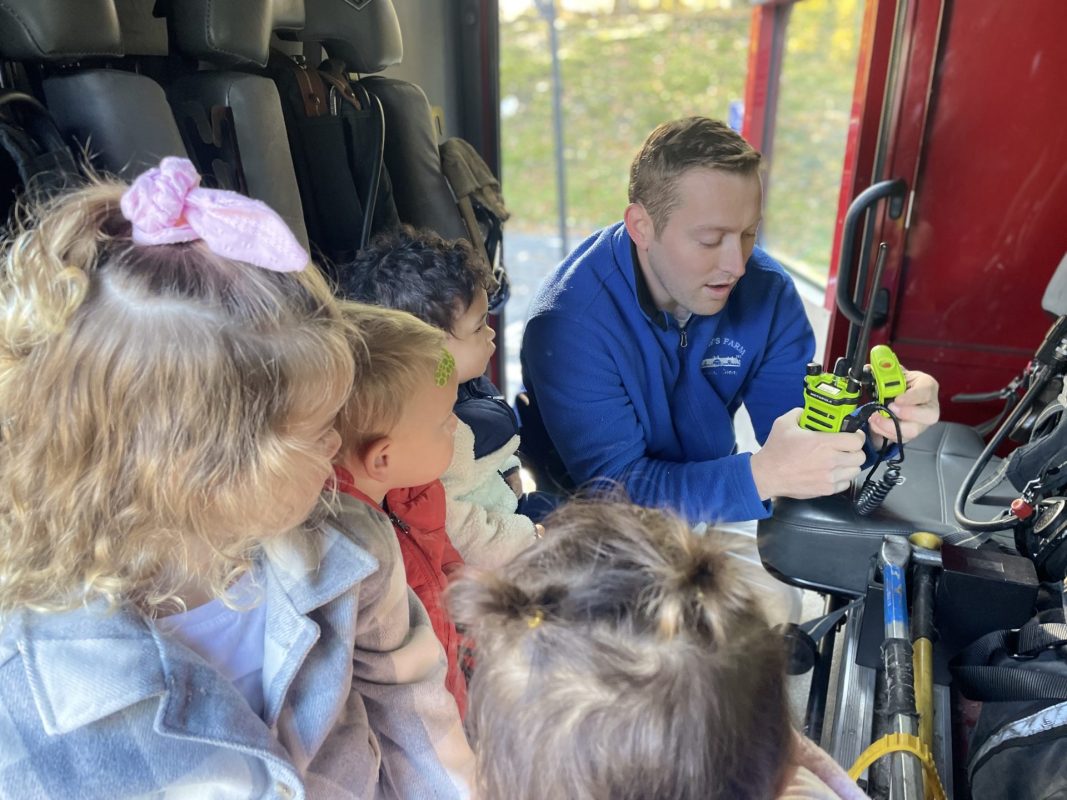
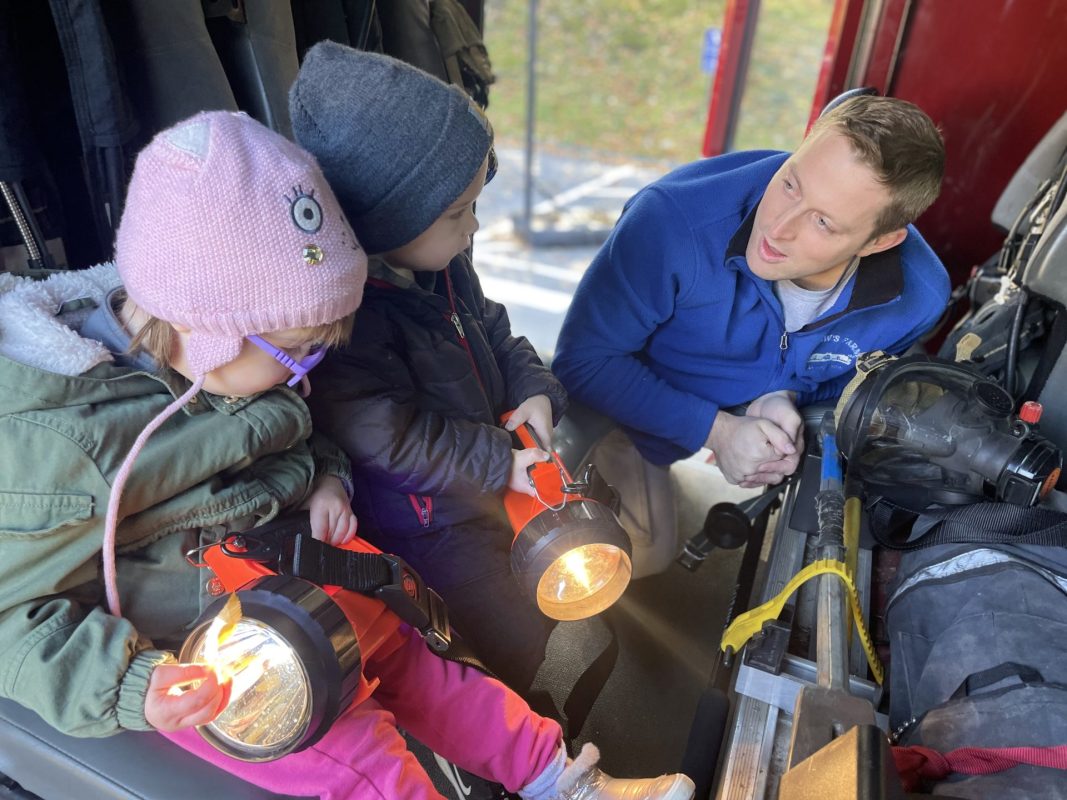
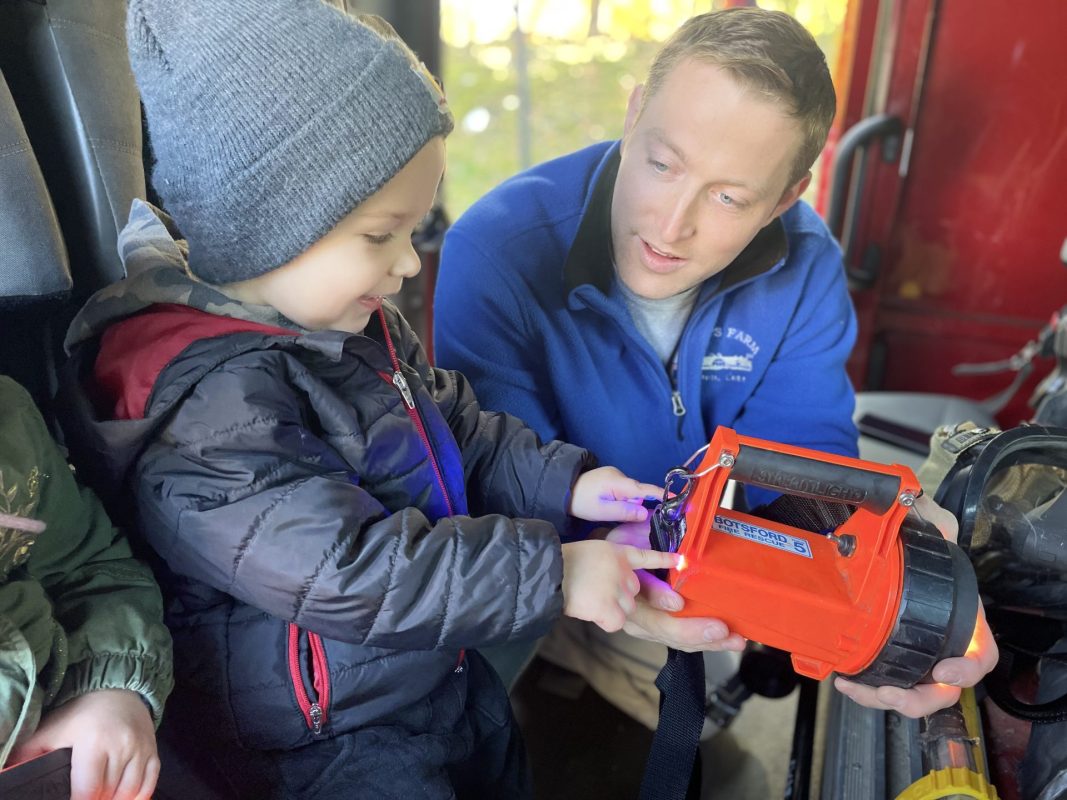
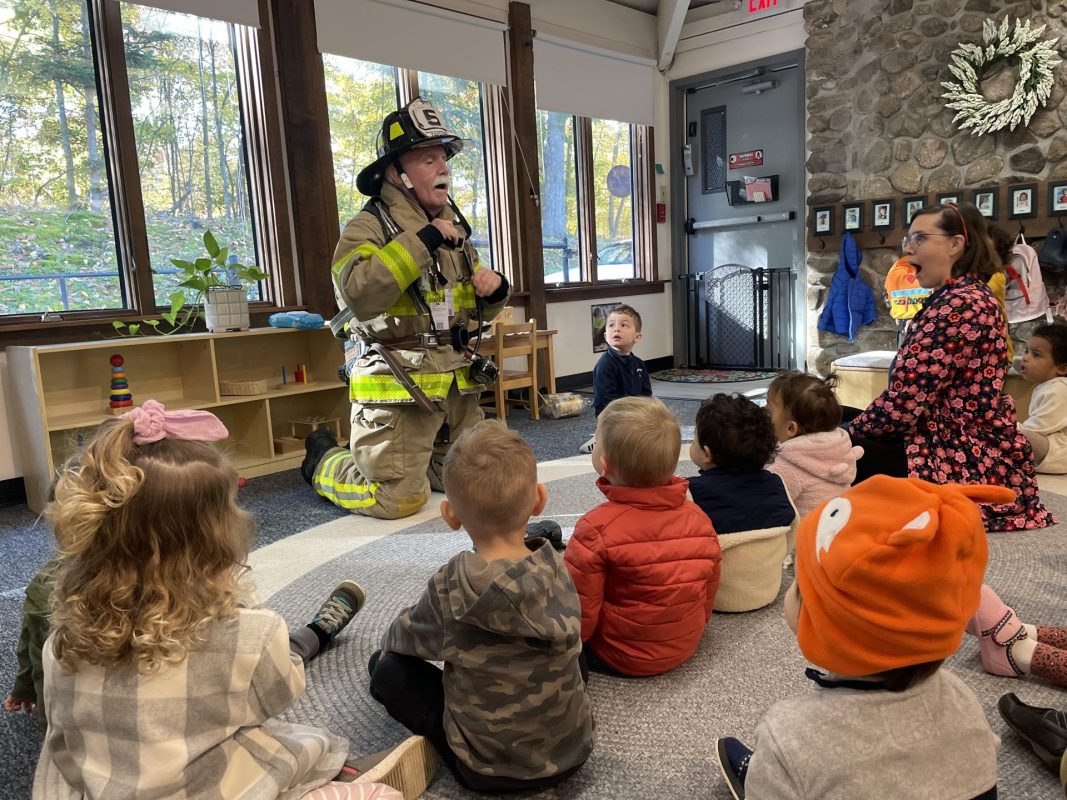
On Thursday we had a visit from the Botsford Fire Department. We learned about fire safety and prevention, how smoke moves through a house, and about all of the equipment on a fire truck!


Middle School: Week in Review

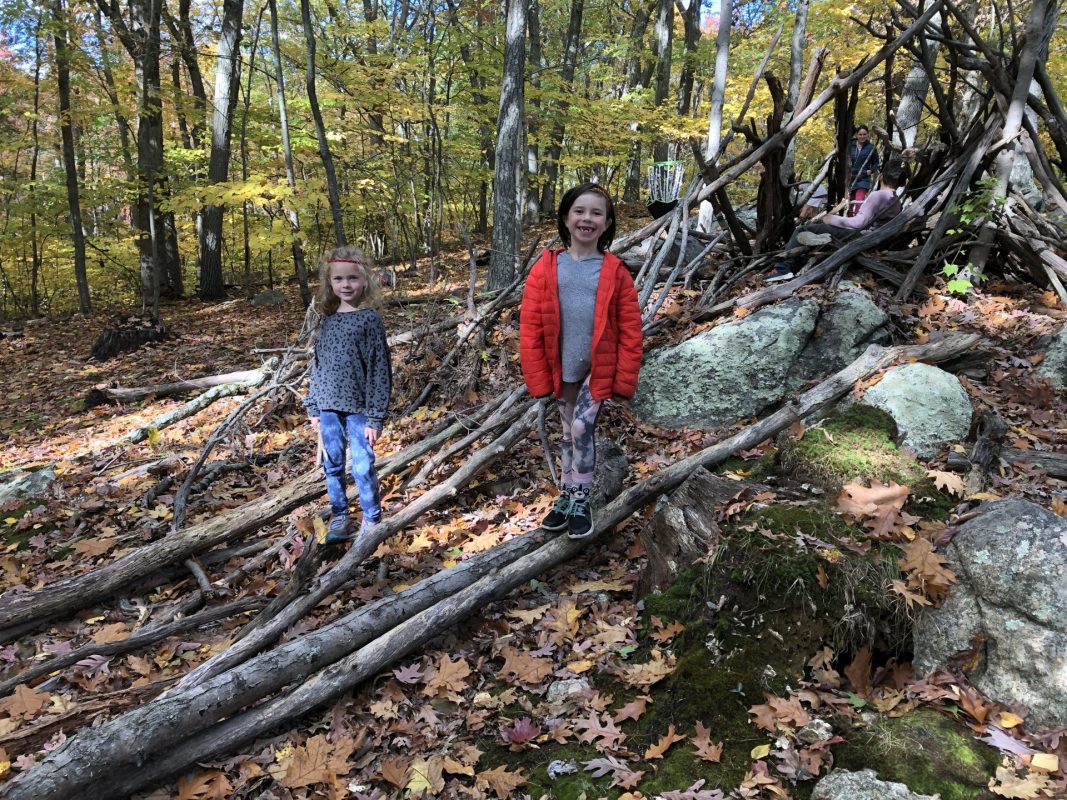
It was an exciting week in our Middle School community. A few highlights included a fire safety presentation from the Botsford Fire Department, reflective writing exercise in Advisory class, and outdoor recess to enjoy the beautiful fall weather. As a general reminder, parent-student-teacher conferences are on Thursday, October 27th, 2022. Please use your child’s respective advisory teacher’s Sign-Up Genius link to find an appropriate time slot. Friday, October 28th is a professional development day for staff and there will be no class for students. We are looking forward to seeing everyone at the upcoming Oktoberfest celebration this Saturday!

Humanities

6th grade Humanities classes continued to read Out of My Mind by Sharon Draper. They have lively discussions reviewing their daily reading homework which includes comprehension questions that cause them to analyze, recall, elaborate, predict, and infer. Students also completed a unit of vocabulary this week.

In 7th grade Humanities class, students began learning about the following political economic systems: capitalism, socialism, communism. These are important as we get into events of 20th century China when the country adopted the Communist ideas of Karl Marx under Mao Zedong. Tying into last week’s Religions of China presentations, we discussed the practice of prayer since it is a part of religion. What is the purpose of prayer? Does it have to be religious? We read James Marsden’s, “Prayer for the 21st Century” and Bob Dylan’s lyrics to “Forever Young” and discussed how and if they embodied prayers. Finally, students completed a unit of vocabulary.

The 8th grade had an exciting week of class as we concluded our reading of S.E. Hinton’s The Outsiders. Students were on the edge of their seats reading the ending, and discussion about the falling actions and resolution of the plot were rich. In the end, they discussed major book themes and also wrote about how a characters transcended the stereotype of a greaser (their labeled social group). Finally, students completed a unit of vocabulary.

Math

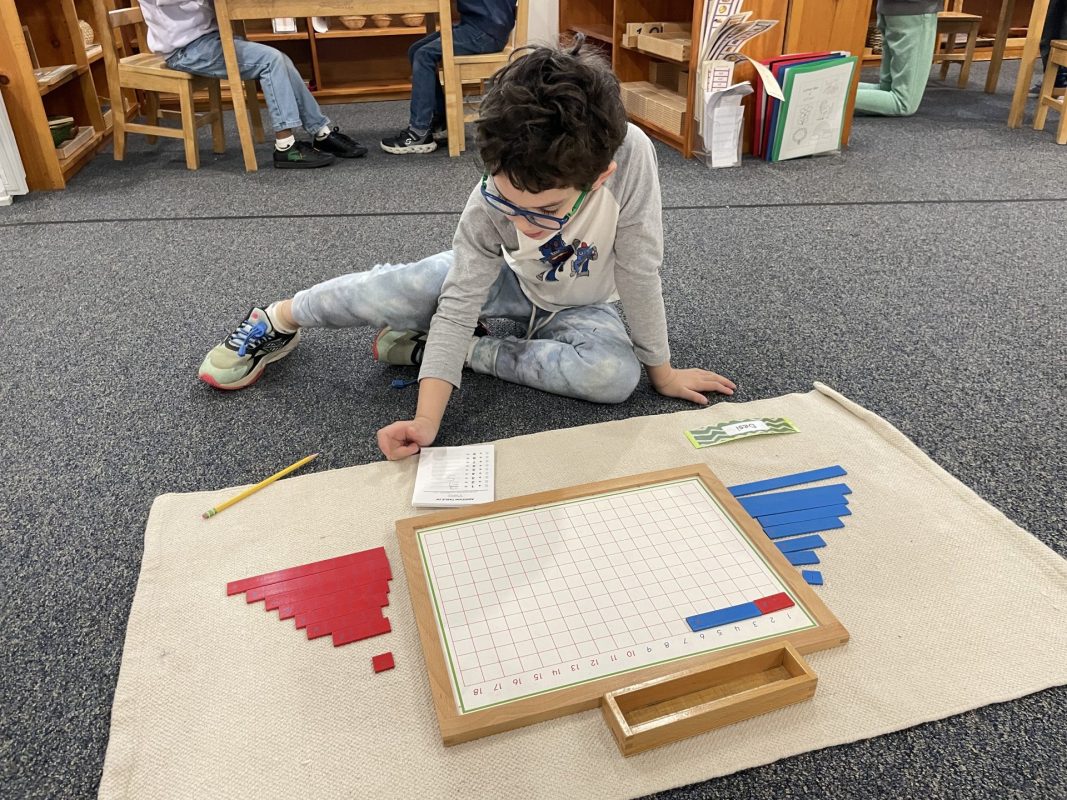
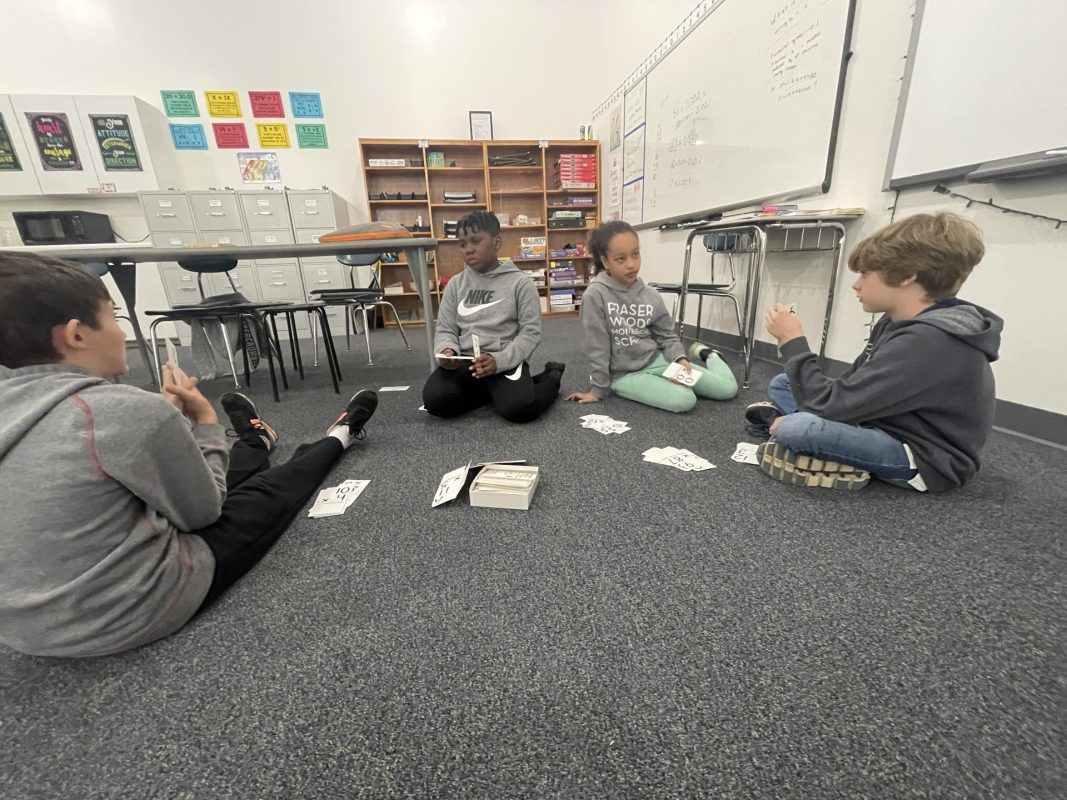
In the Pre-Transition math class, students began to understand decimal values and the relationship with fractions. Students were able to identify place values in a decimal number and created a rule for multiplying by 10, 100, 1000, etc. This class will continue to practice rounding decimals next week as we start the second half of Chapter 2.
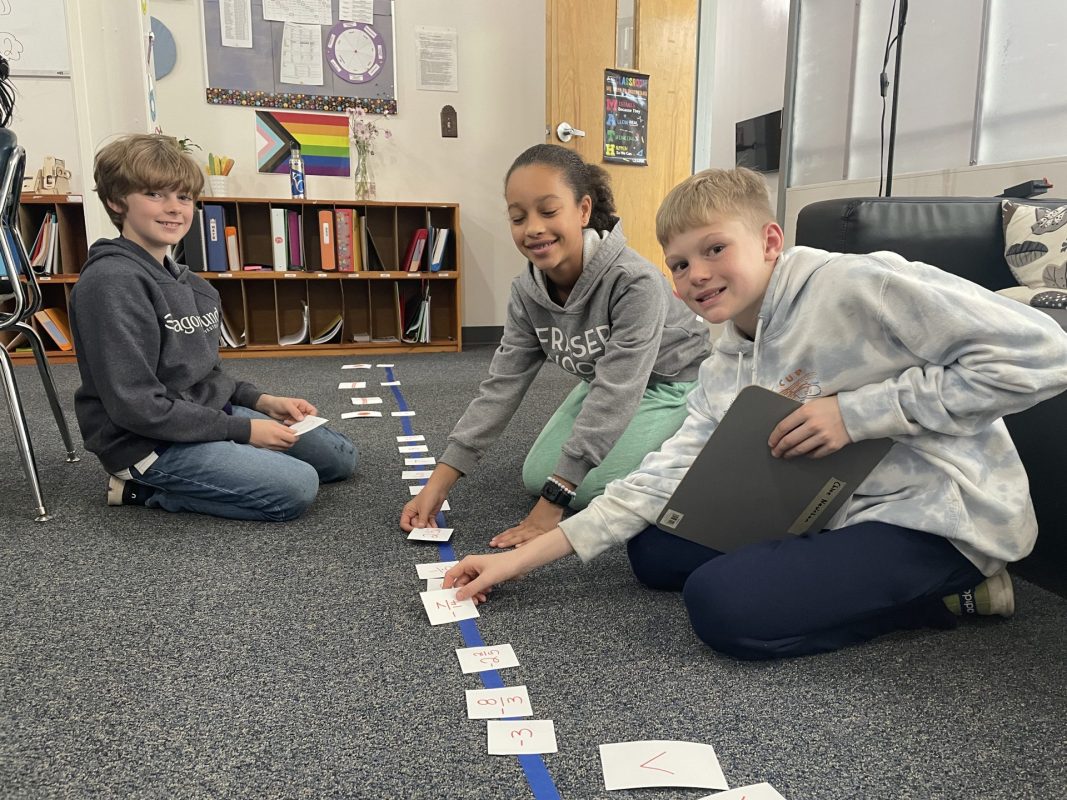
In the Transition math class, students concluded their learning of Chapter 2 and demonstrated their understanding of variables. We learned about the Pythagorean Theorem, substituting values into an open sentence and graphing inequalities on a number line.
In the Algebra math class, students were excited to learn about graphing linear patterns on a coordinate grid. We wrote detailed notes on how to solve two-step equations involving fractions and decimals. Next week, we will continue to practice how to create a linear equation from  a real world word problem.
Math Joke: What is a math teacher’s favorite season? …..SUMmer!
 
Science
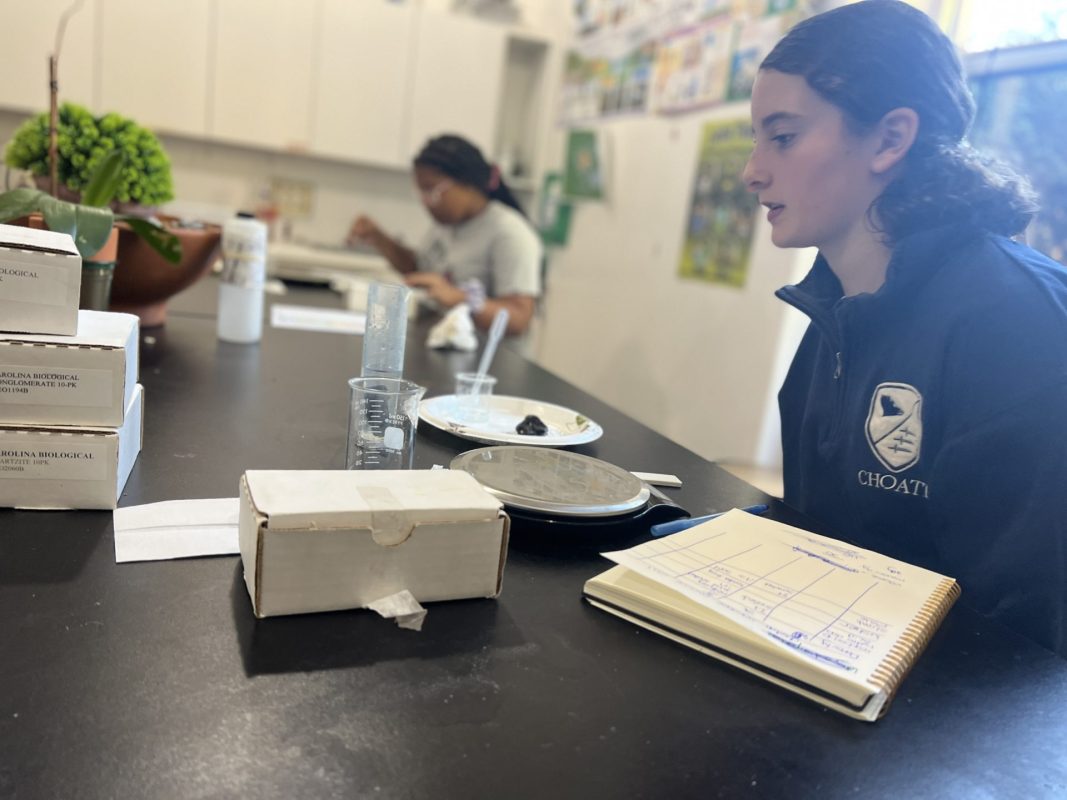
6th year Earth Science students are finishing their unit “Fossils and Studying Earth’s Past.” Our next unit is “Plate Tectonics.” The objectives of this unit will be for students to describe tectonic plates and  how they move, how the movement of tectonic plates causes natural processes, how the three primary types of plate boundaries cause a variety of landforms, and how the rock cycle and plate tectonics are related.

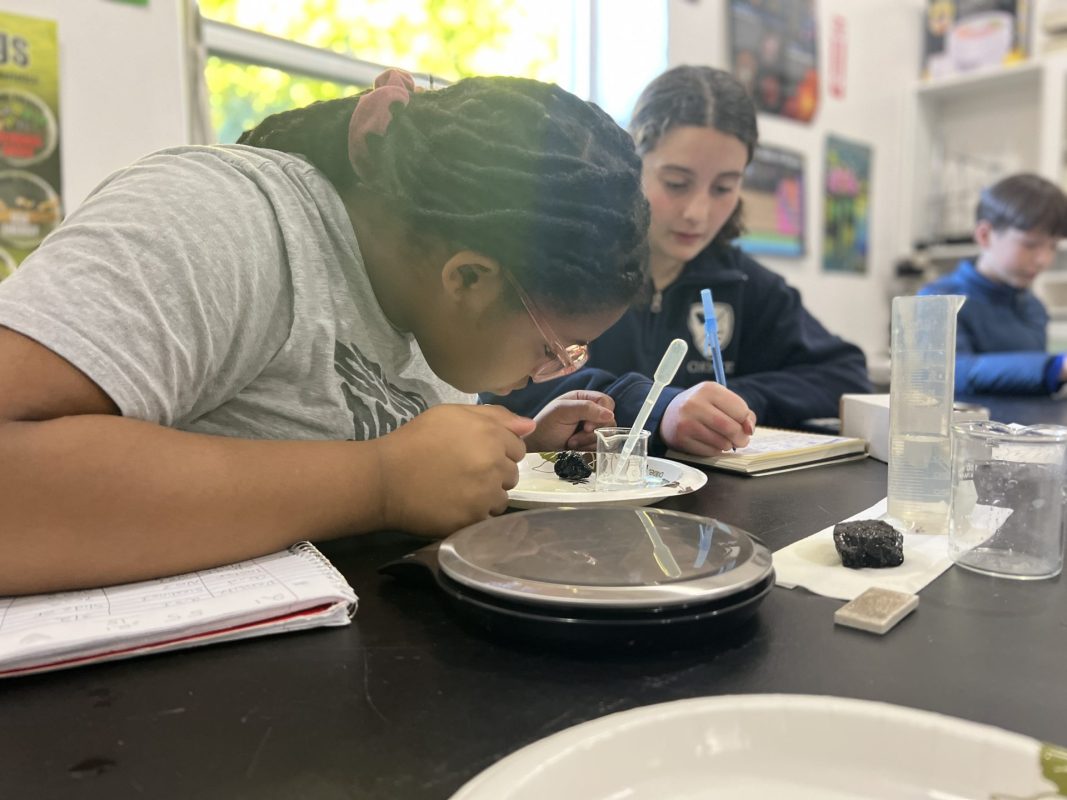
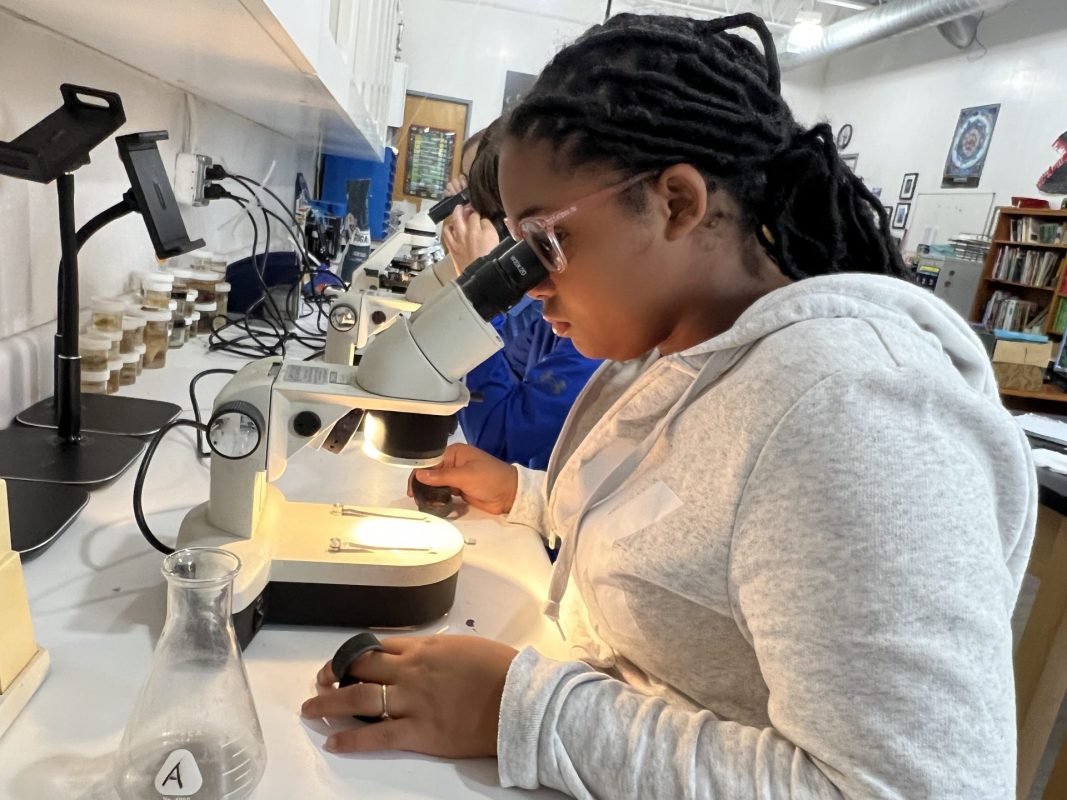
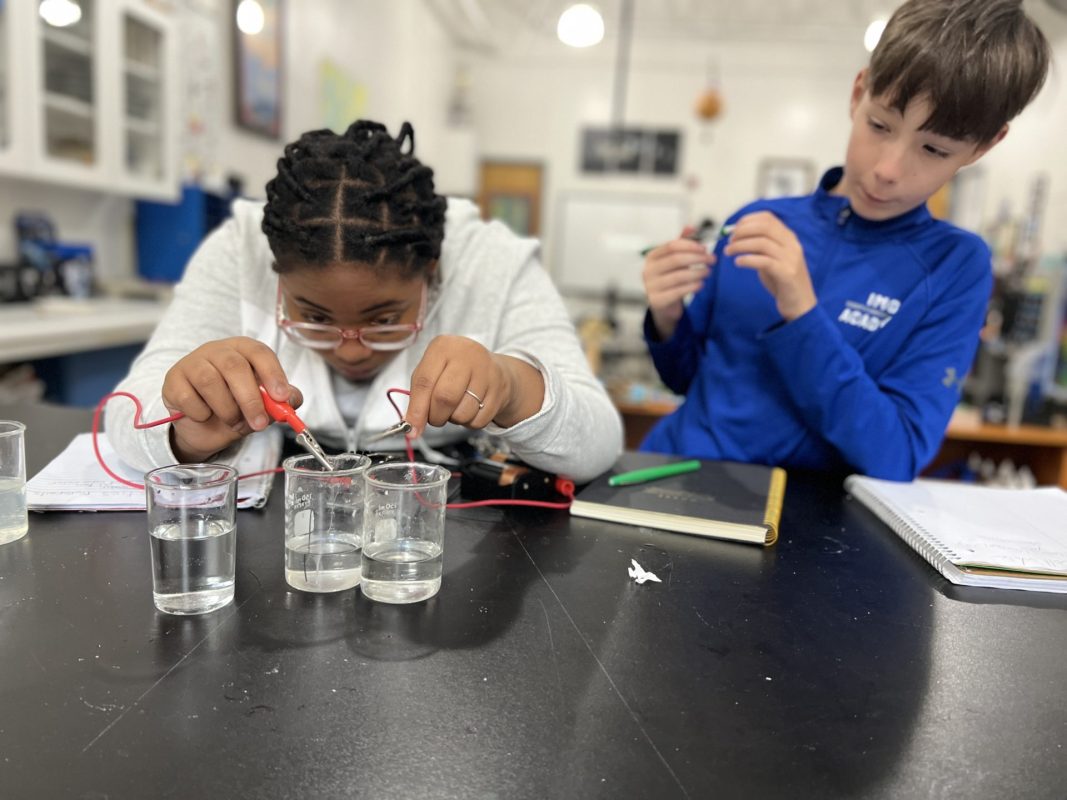
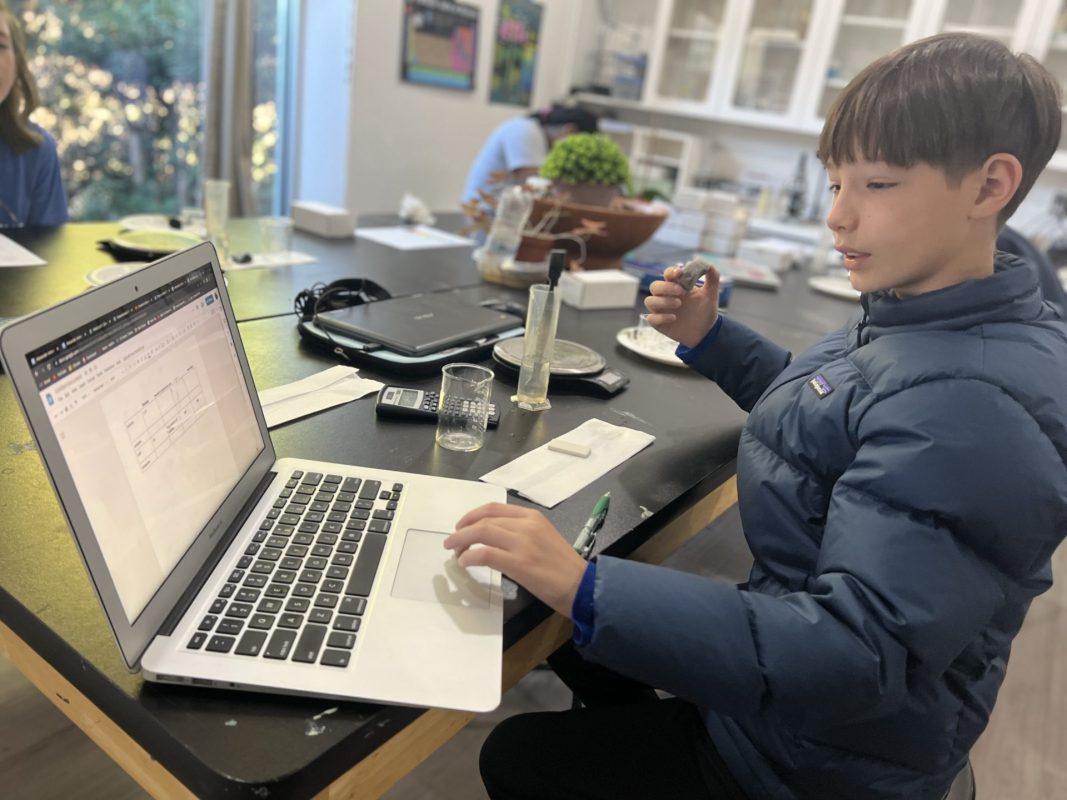
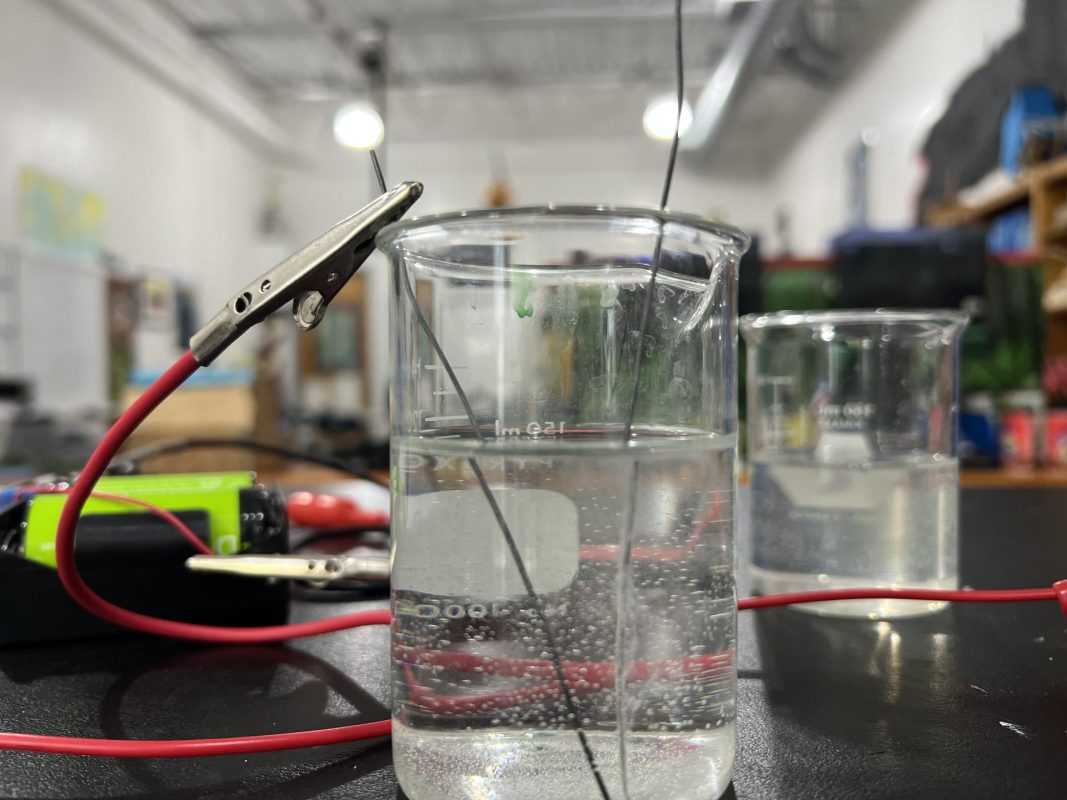
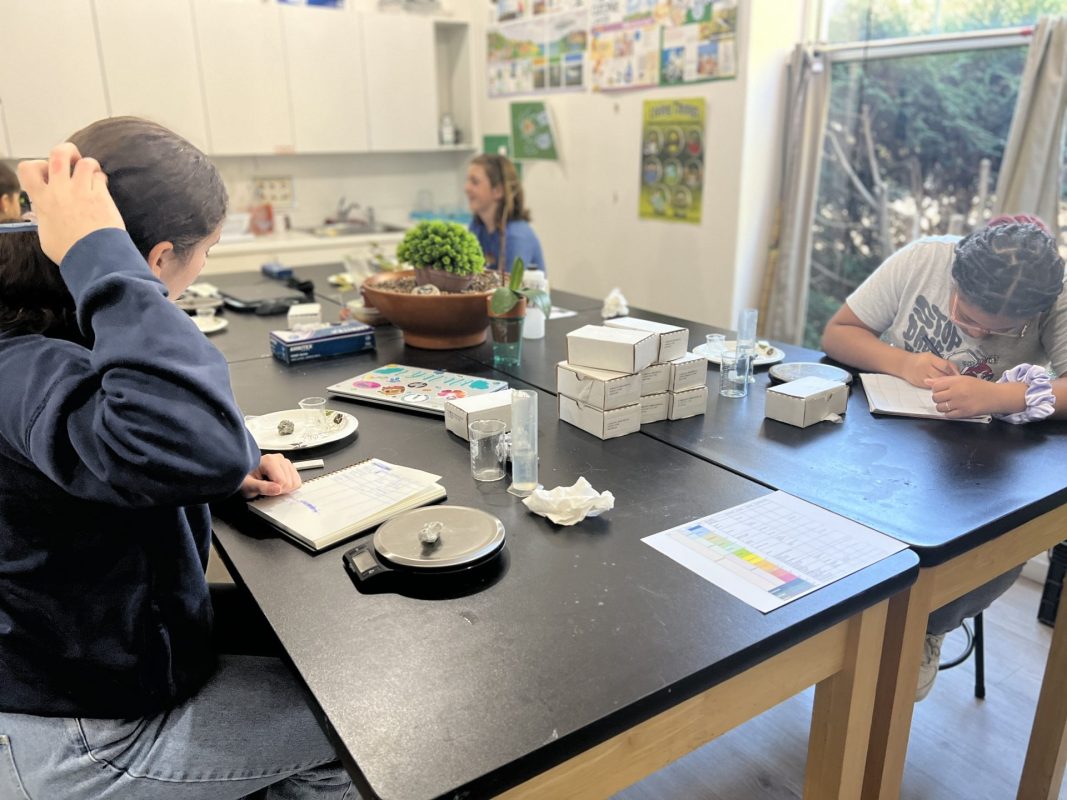
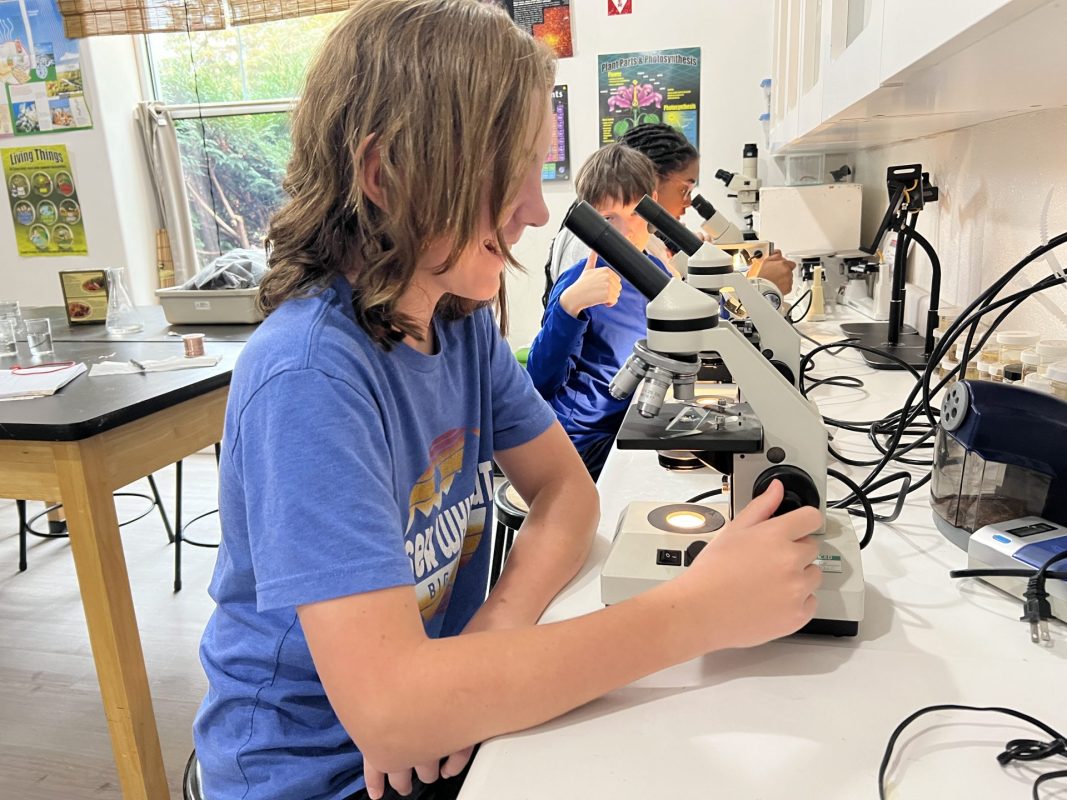
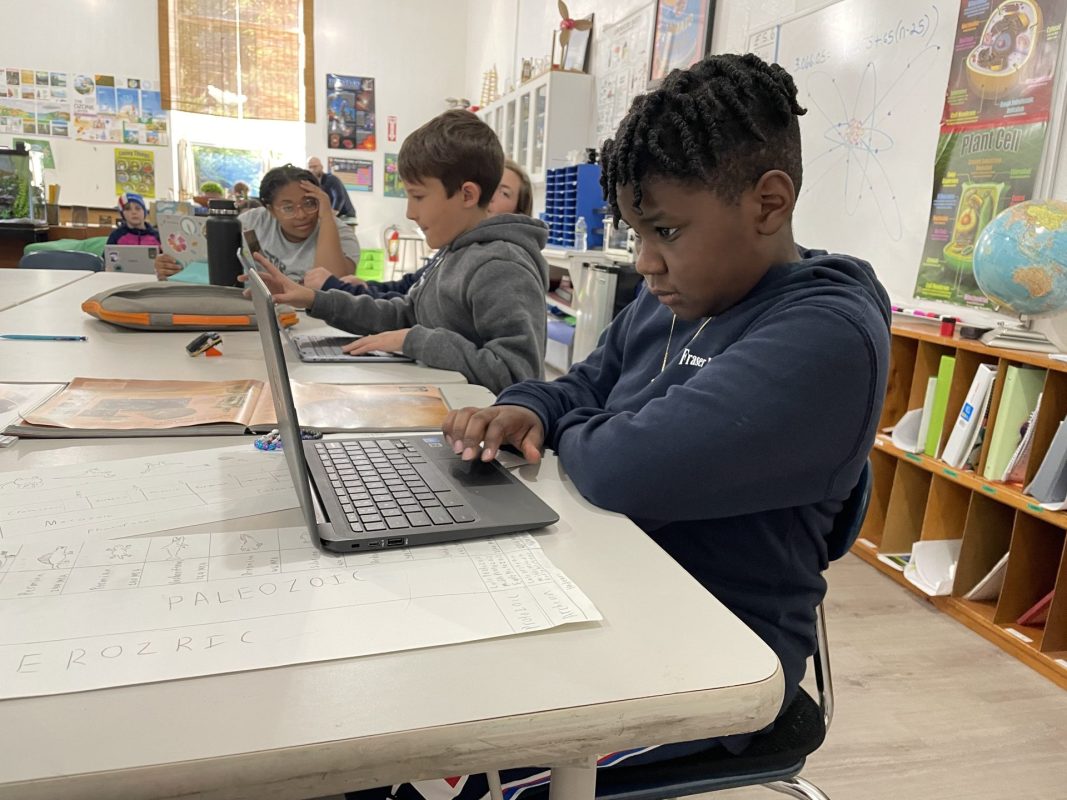
7th year Physical Science students this week spent time exploring the physical and chemical differences between salt and sugar. Students conducted an experiment to determine whether salt or sugar had the greater electrical conductivity when mixed with water. To do this, students placed two galvanized wires attached to a battery in each solution and observed if bubbles formed around each wire. When bubbles formed, this indicated the presence of electrical conductivity within the solution. Students then observed each crystalline structure of salt and sugar under compound and stereo microscopes. Students were asked to illustrate in their journals what they observed.
8th year Life Science students are working on the unit “Structure of Life.” Objectives of this unit are to explain what cells are and why cells are important, compare and contrast the organelles and other structures that most cells have in common, distinguish between the cells in unicellular and multicellular organisms, and explain how the structure and function of multicellular organism depends on the interaction of tissues, organs, and organ systems.

Mrs. Wilson: Connecting With The Community

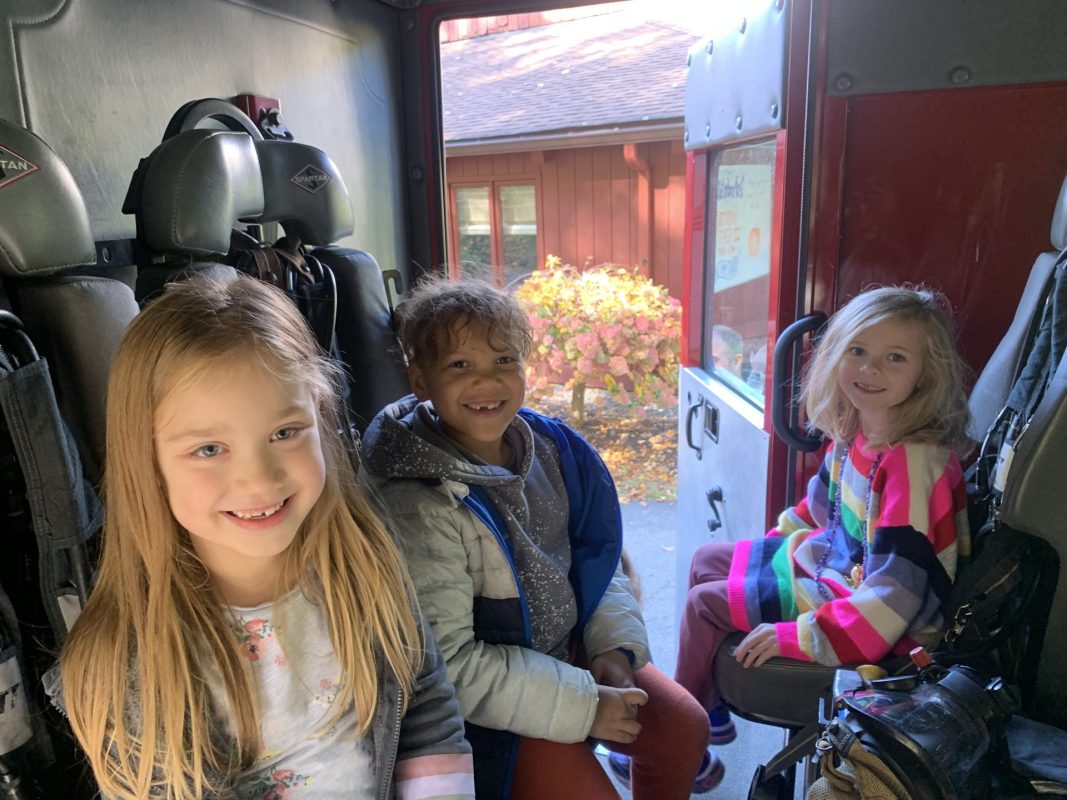
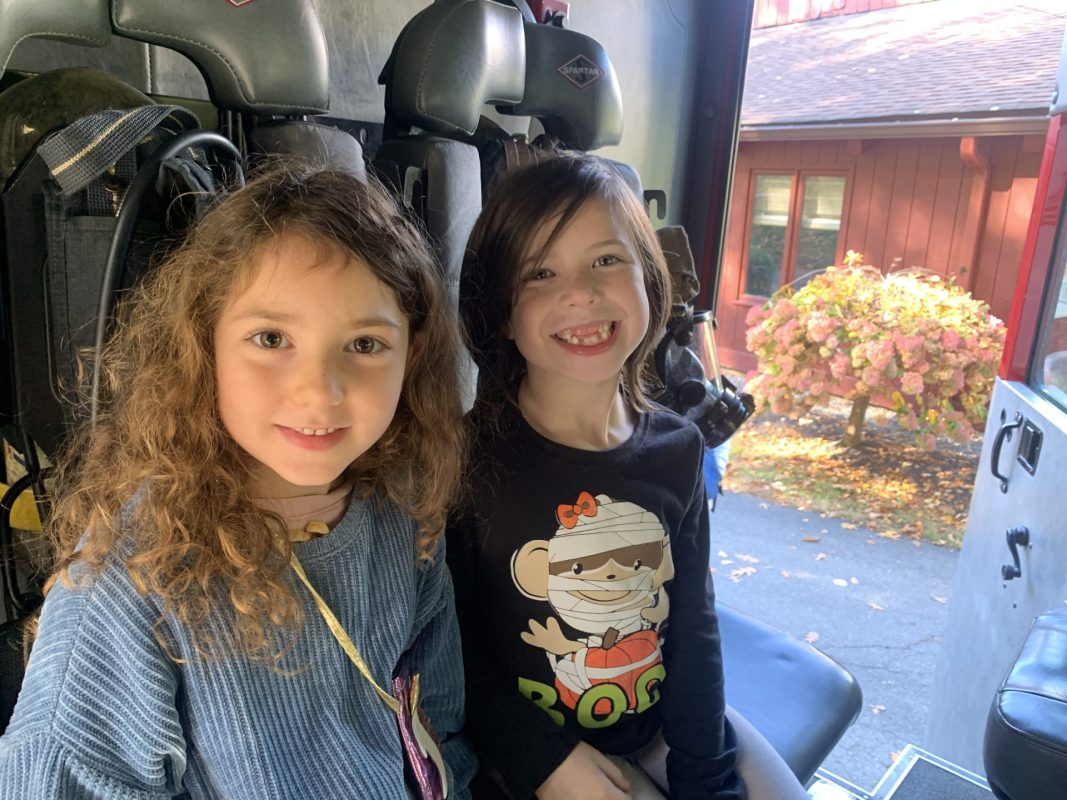
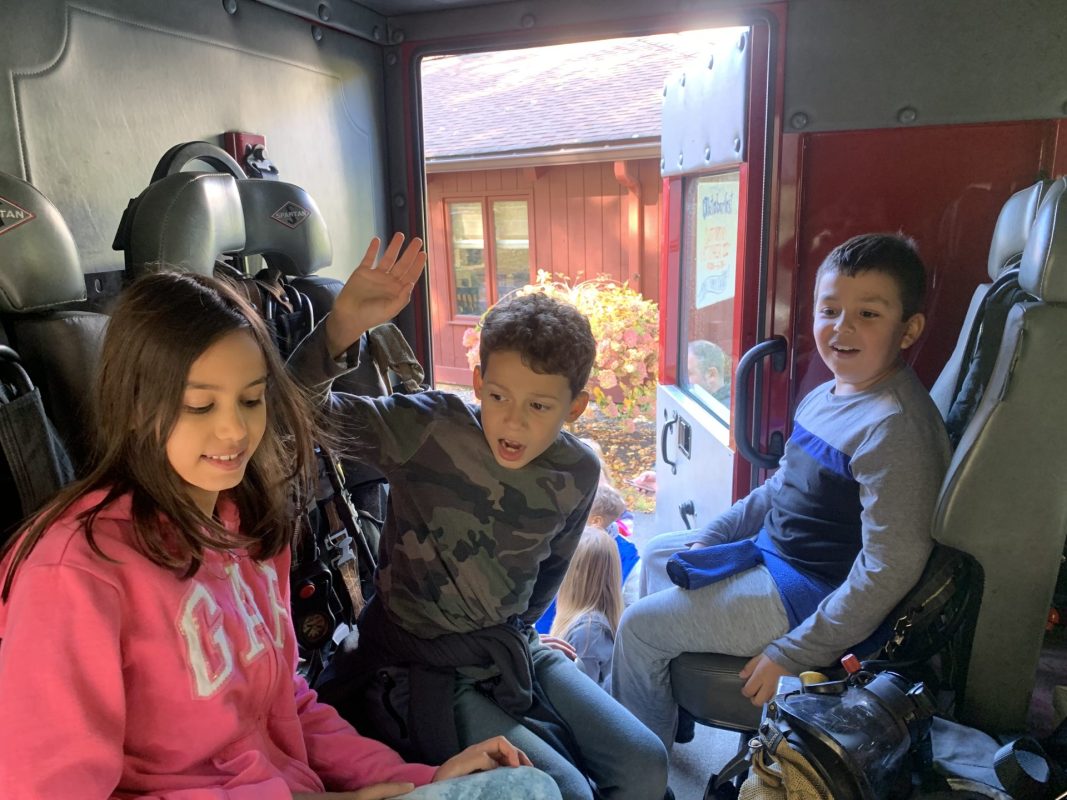
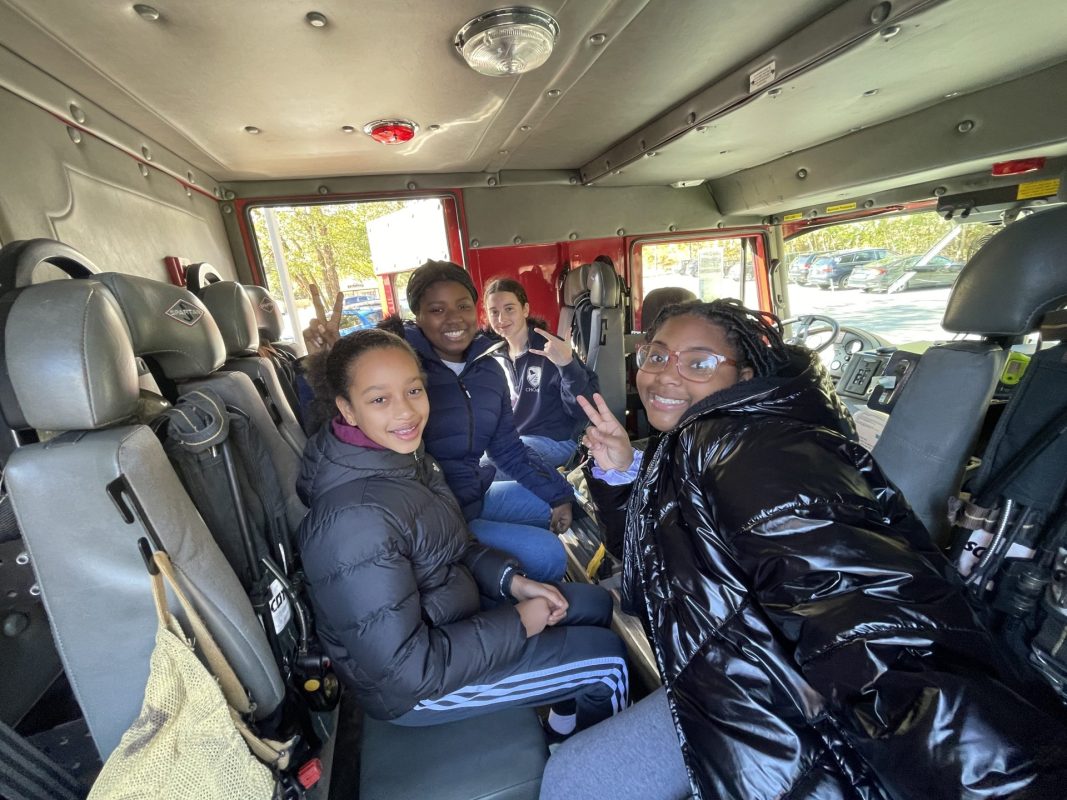
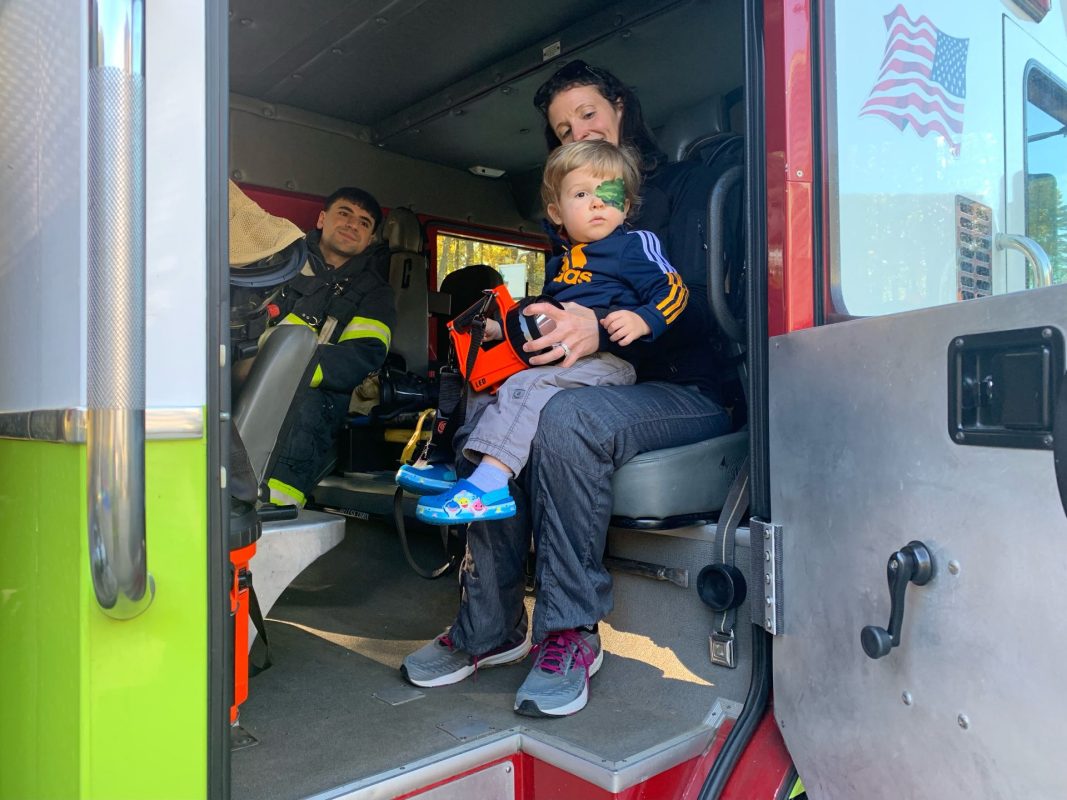
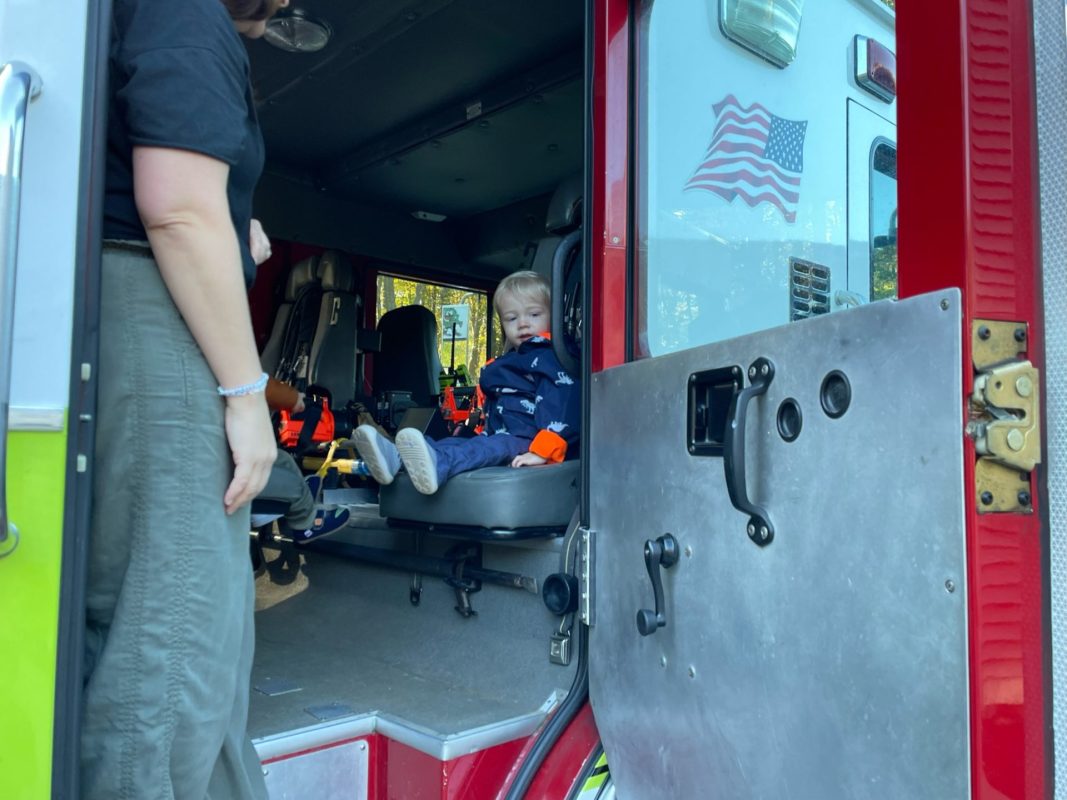
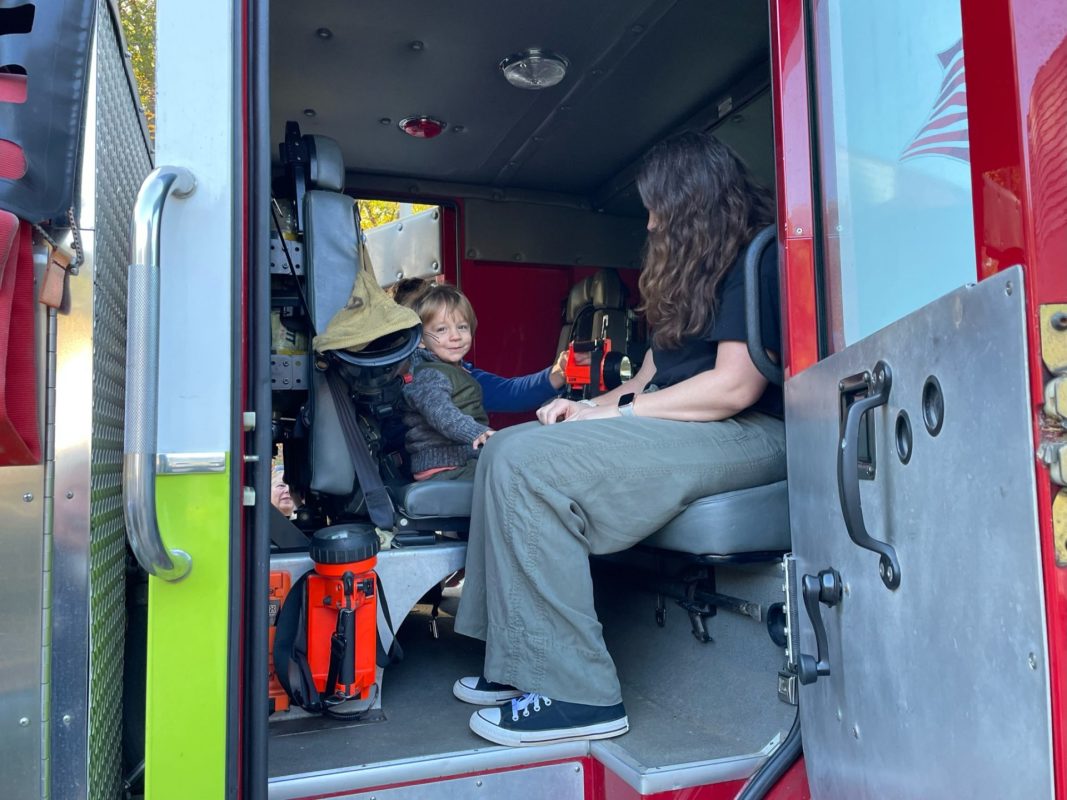
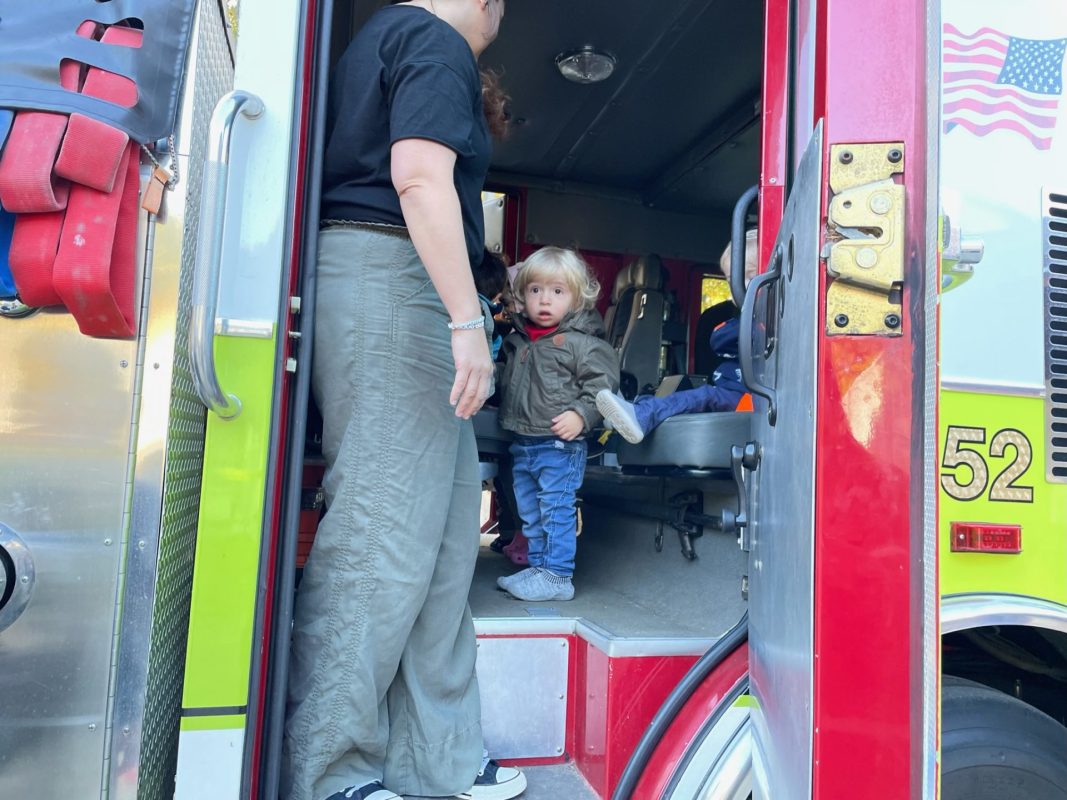
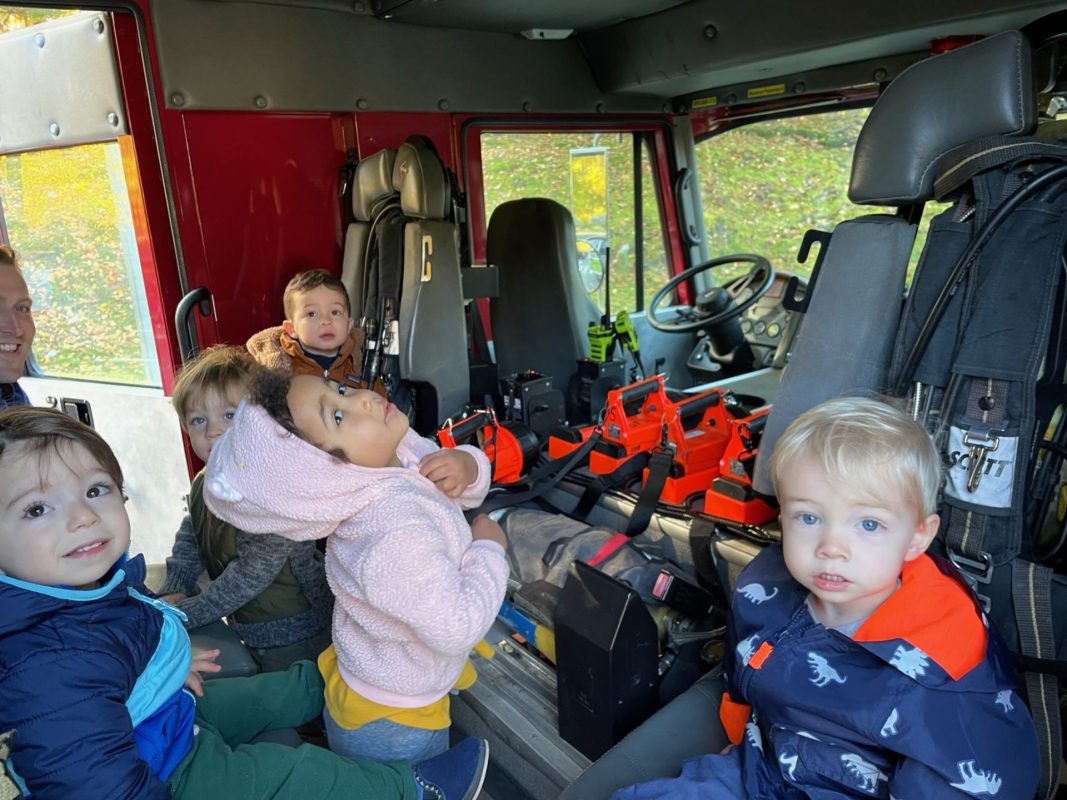
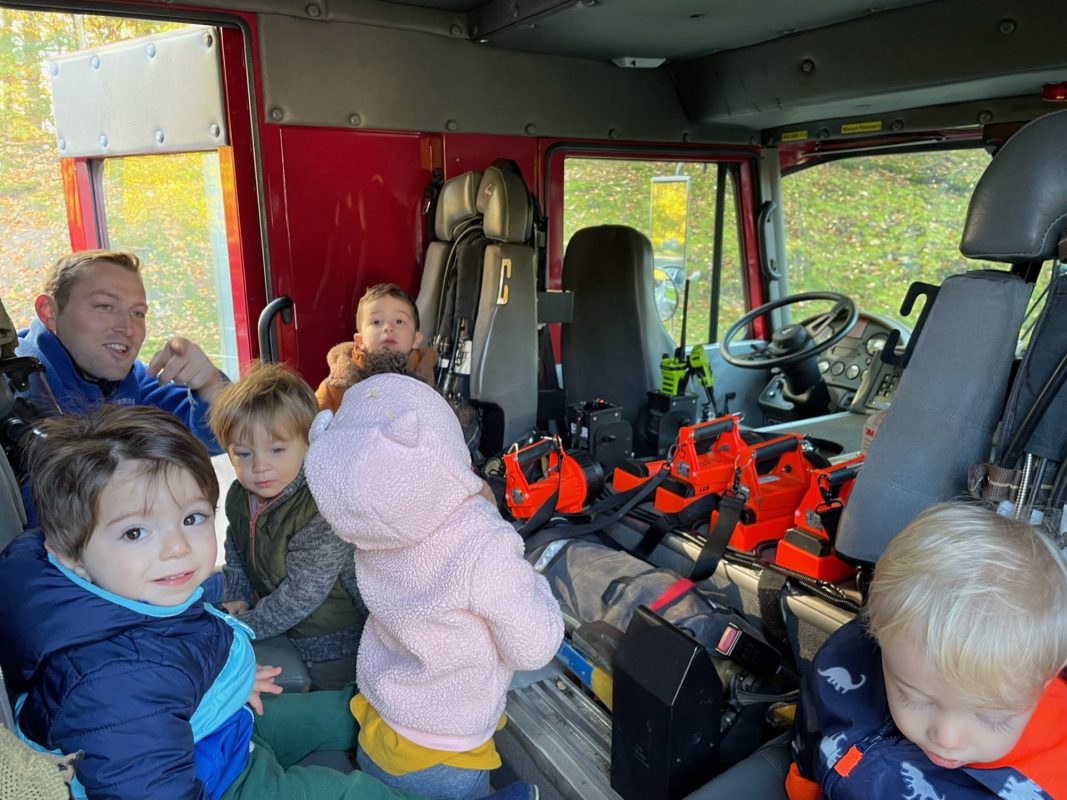
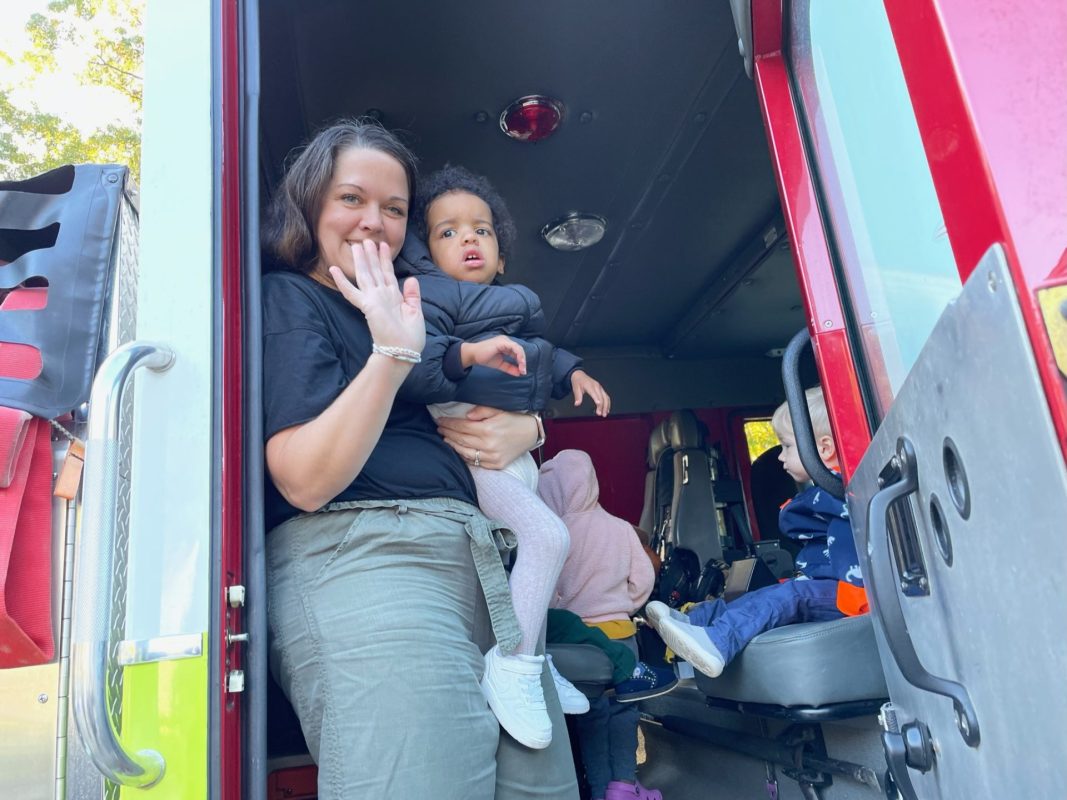
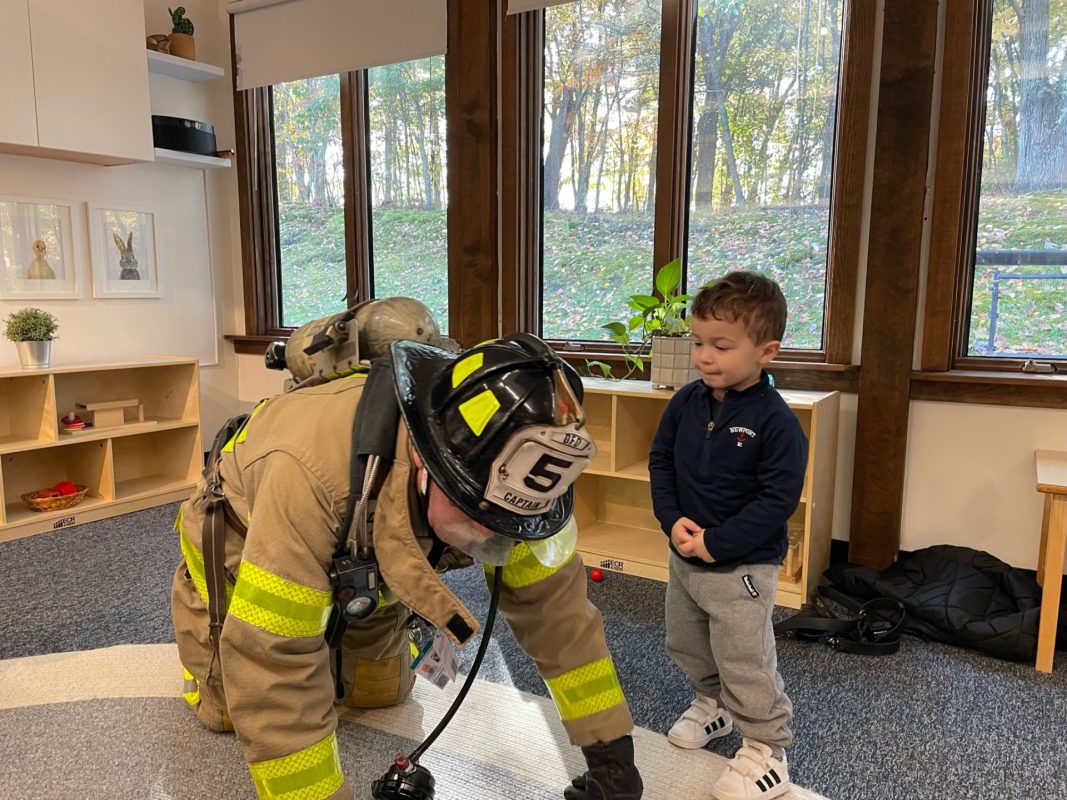
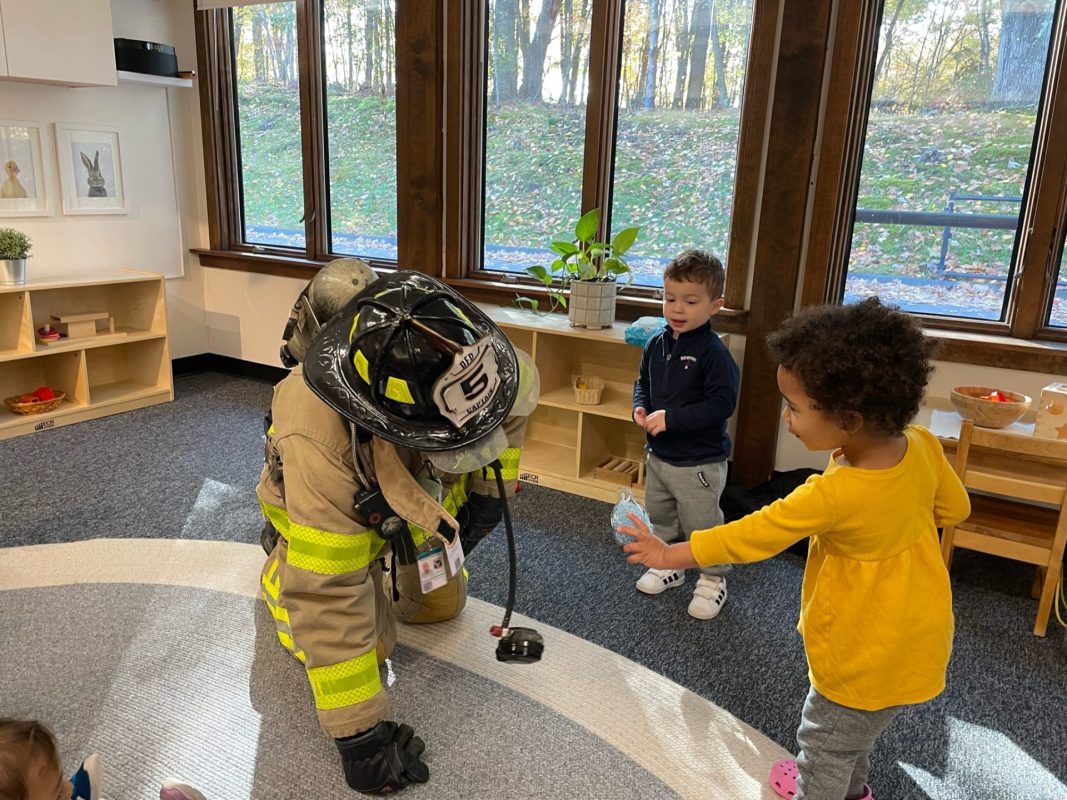
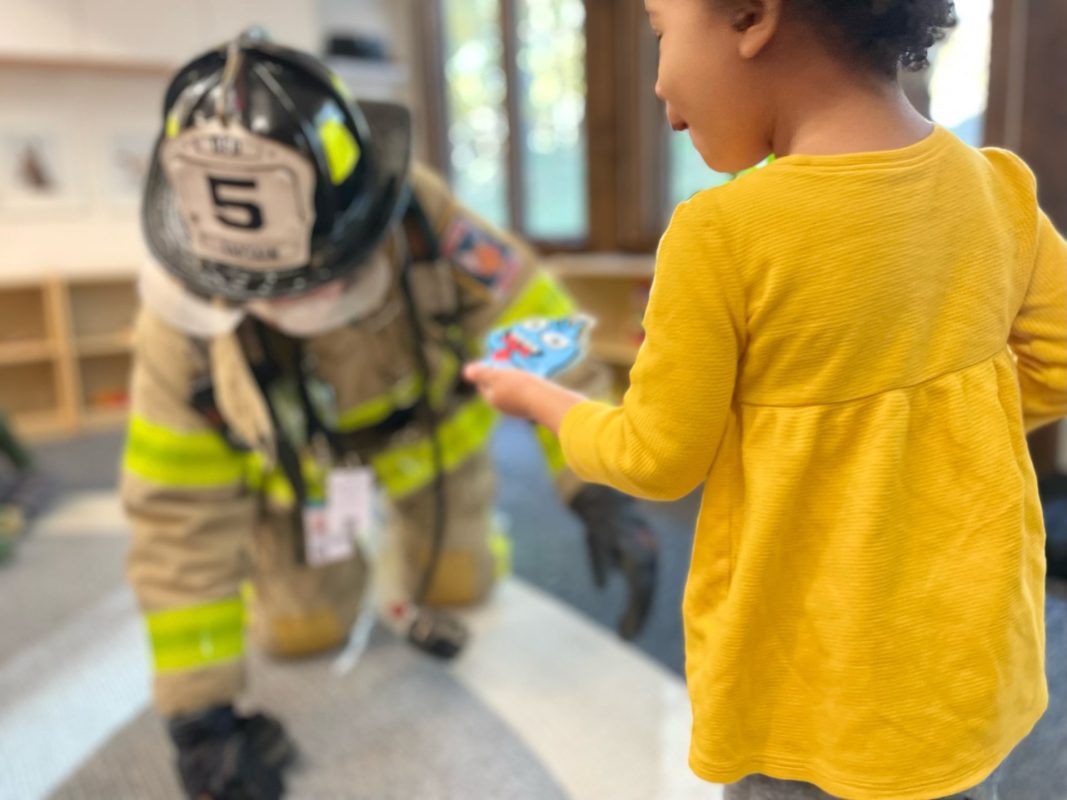
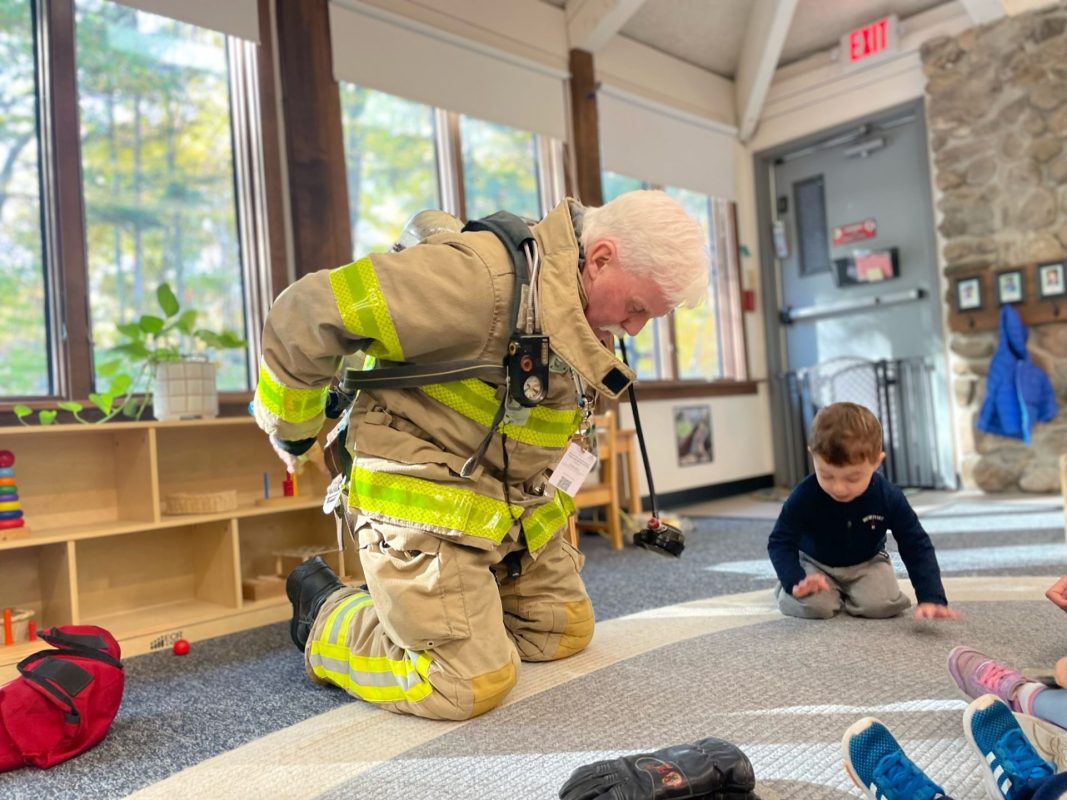
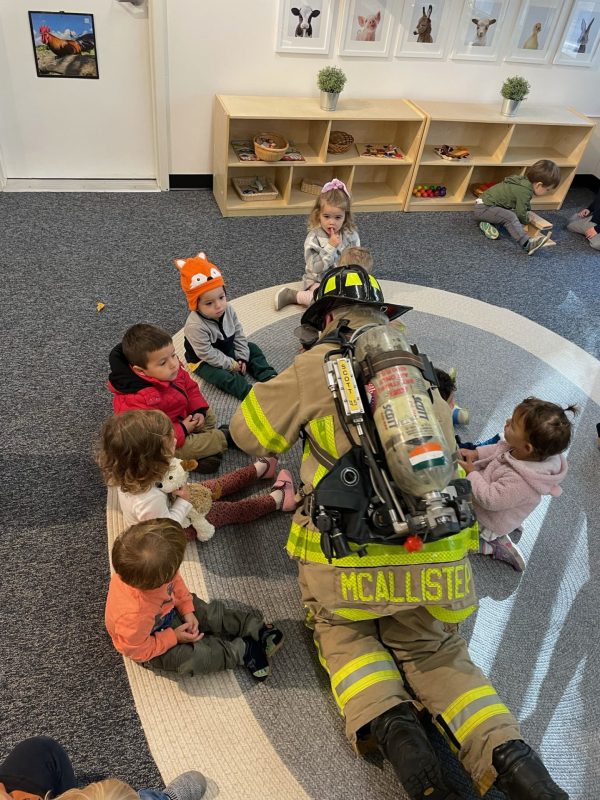
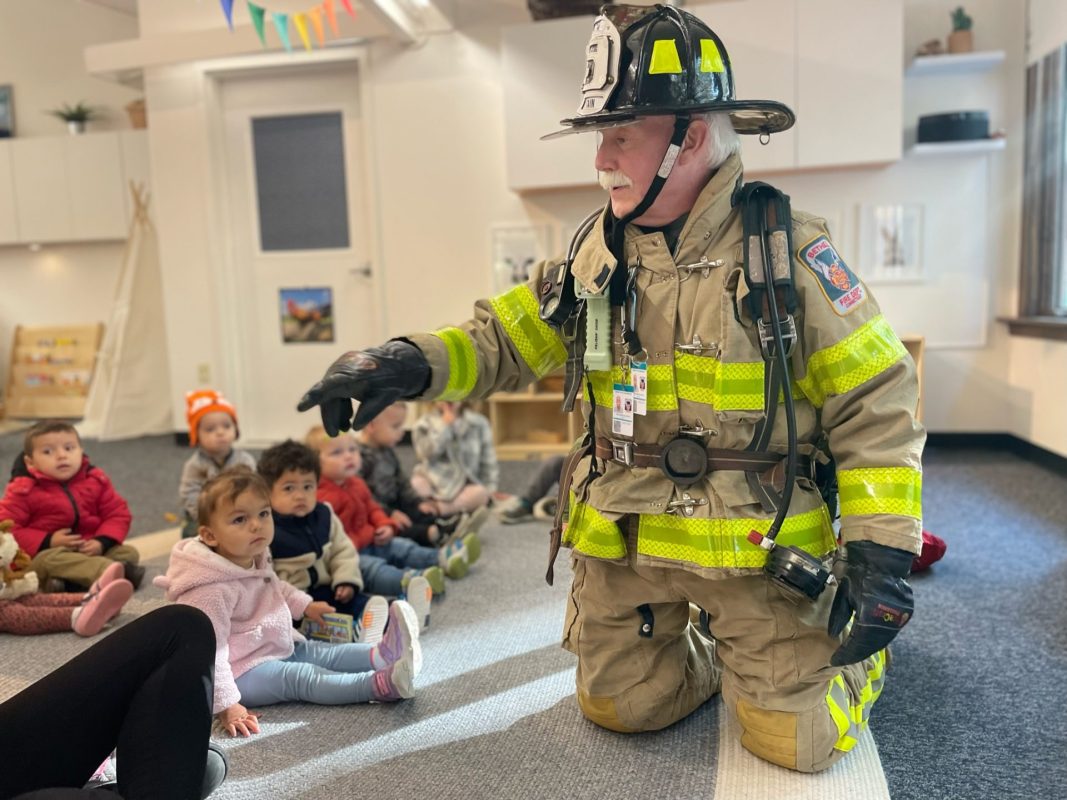
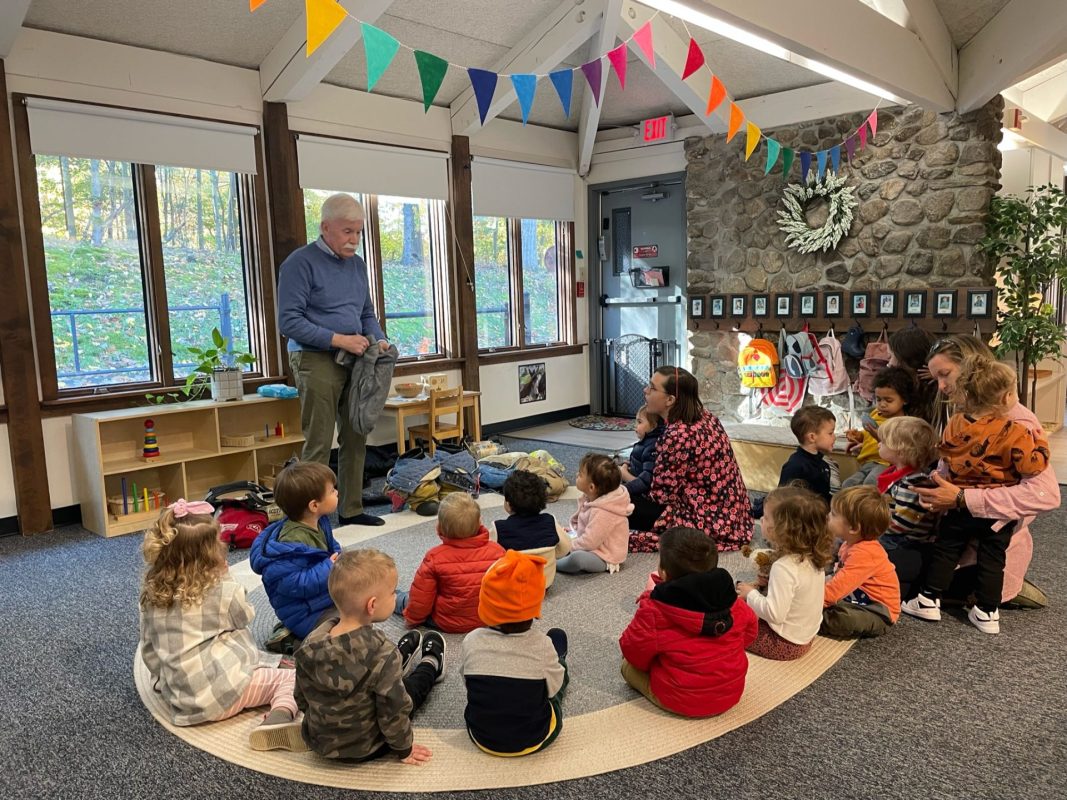
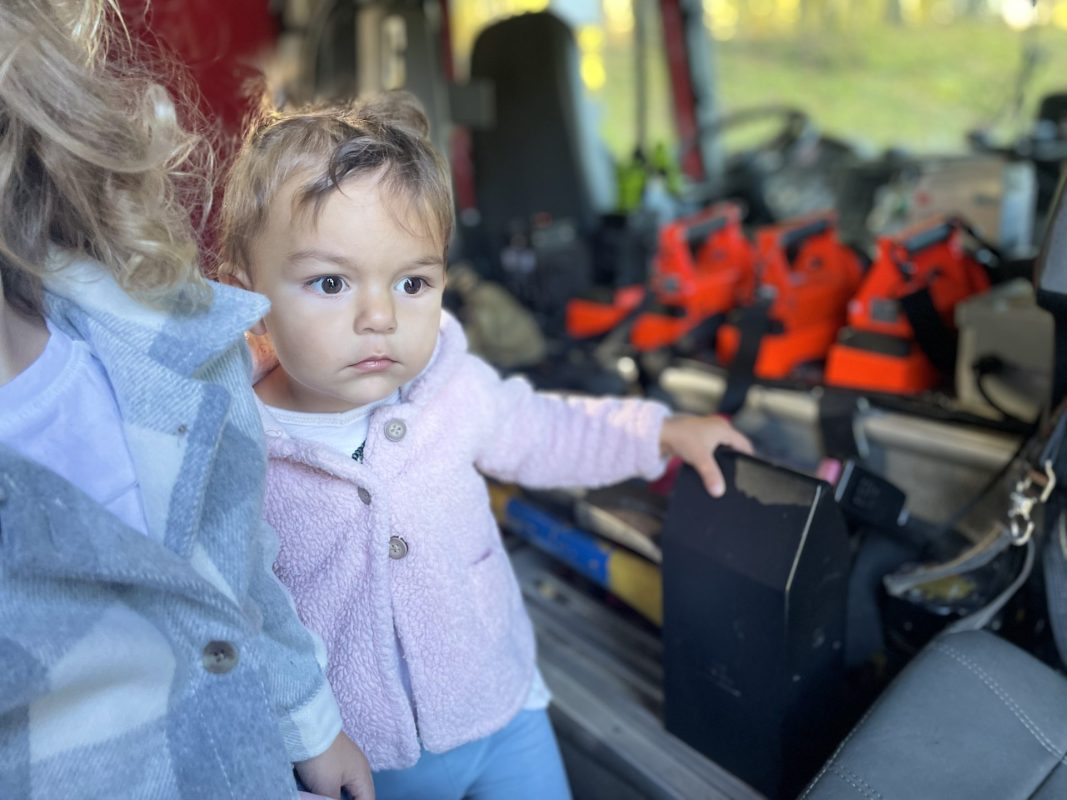
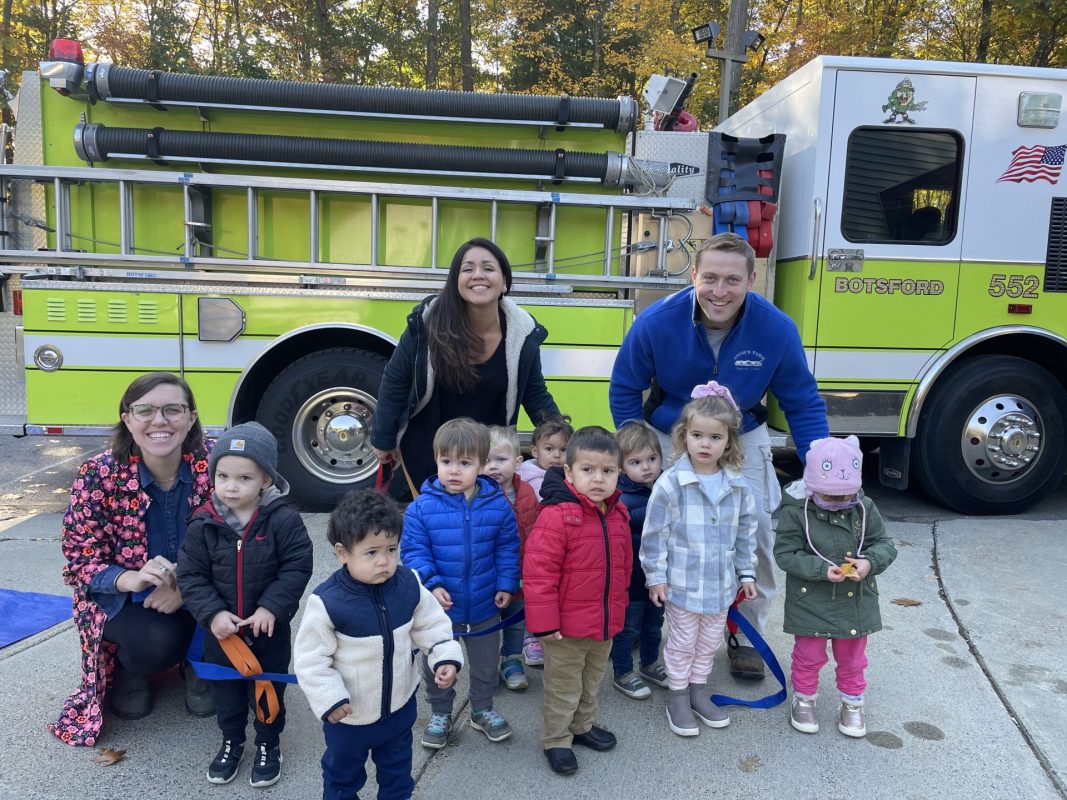
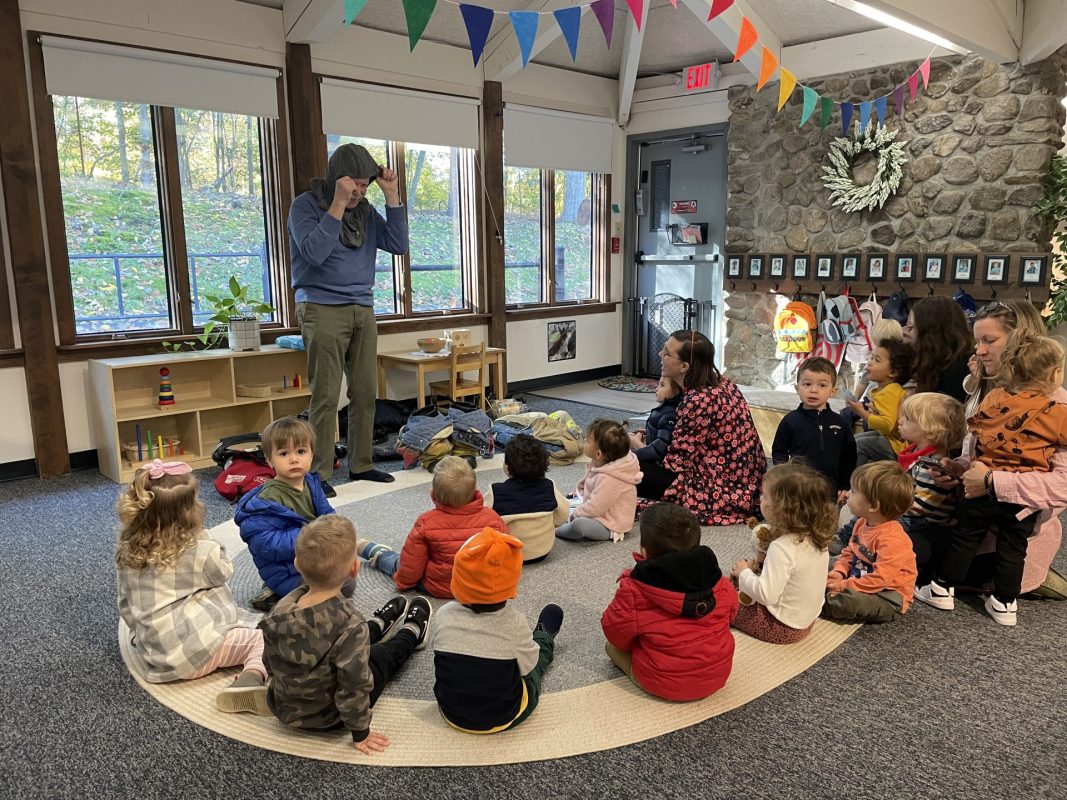
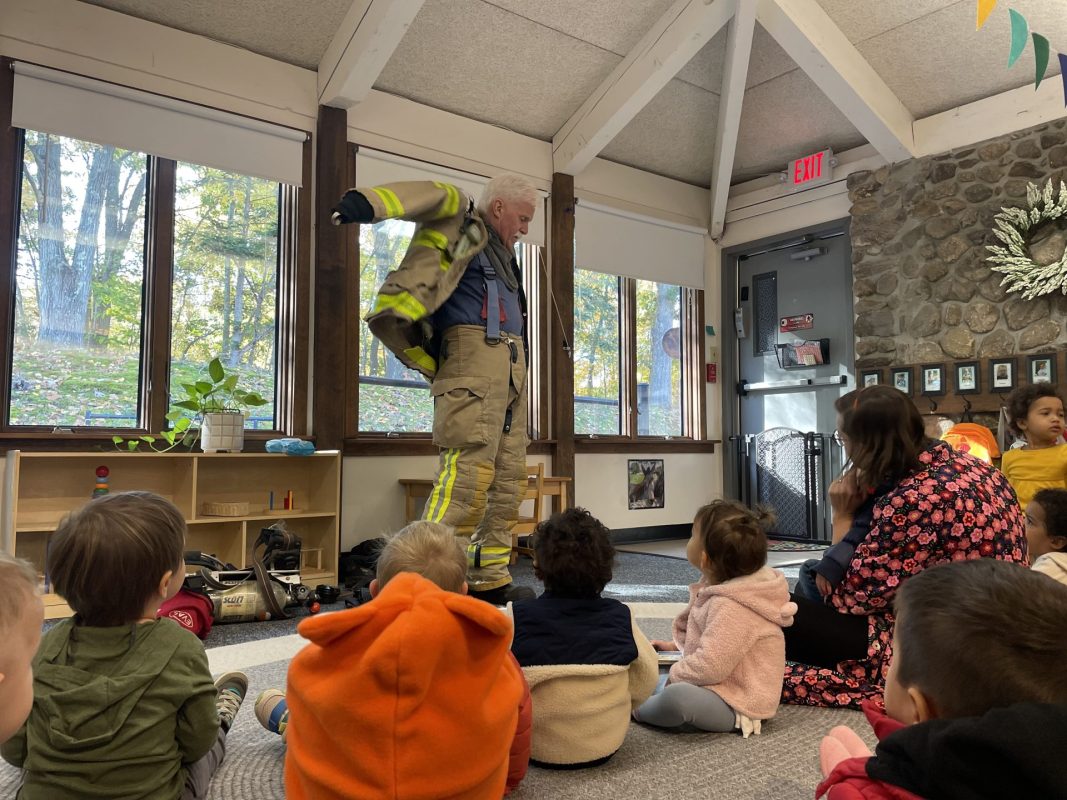
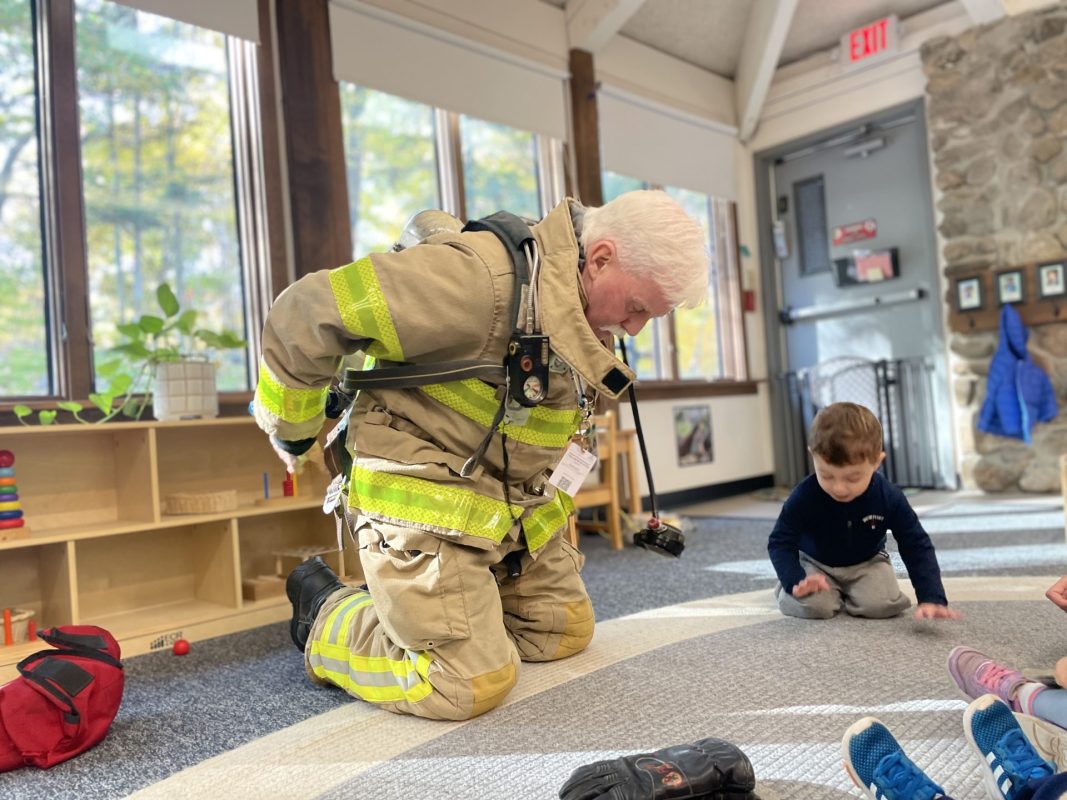
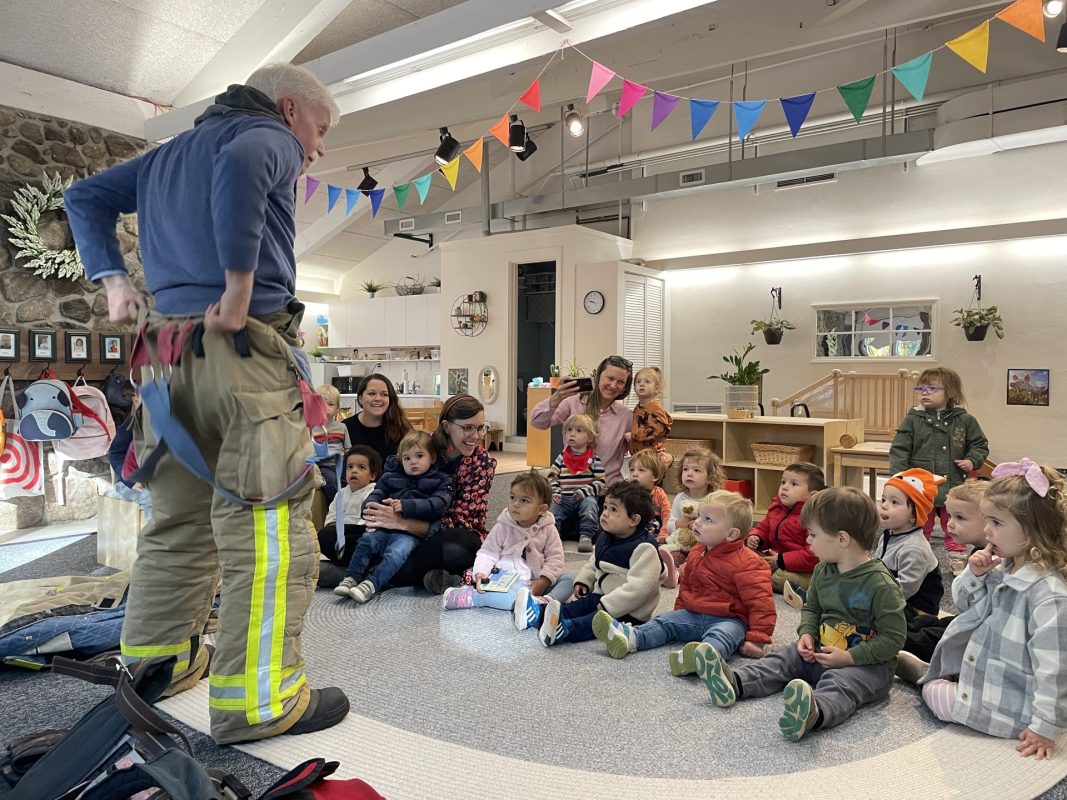
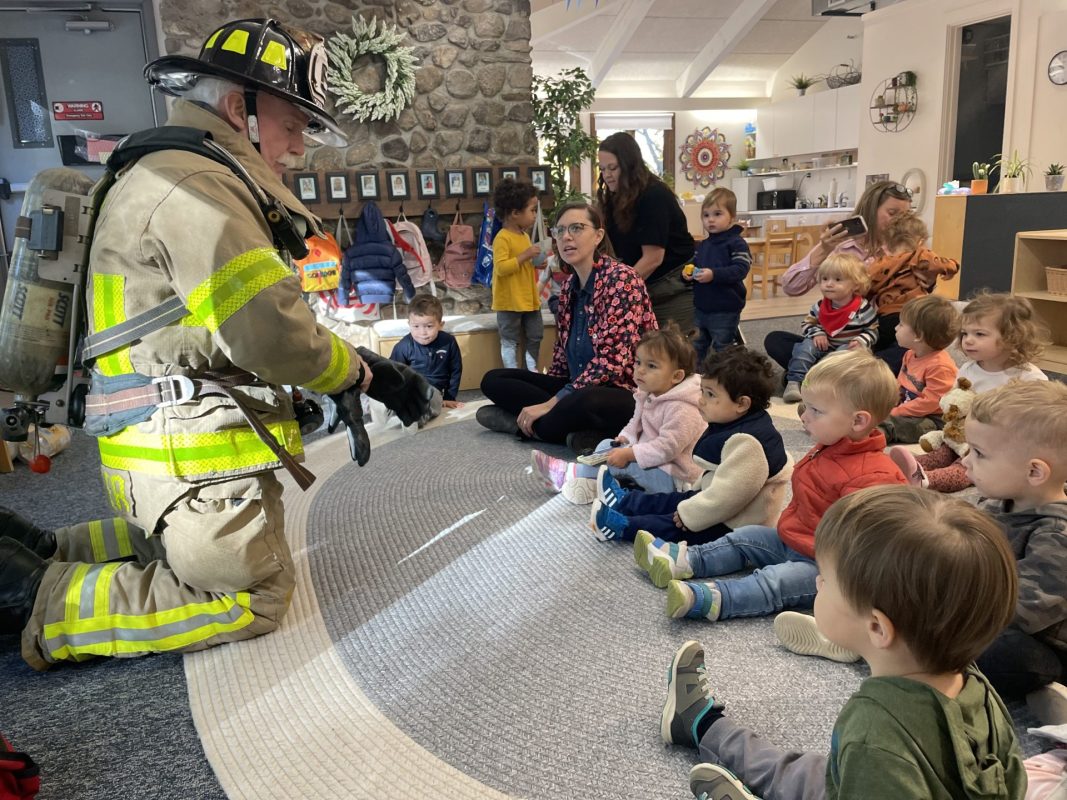
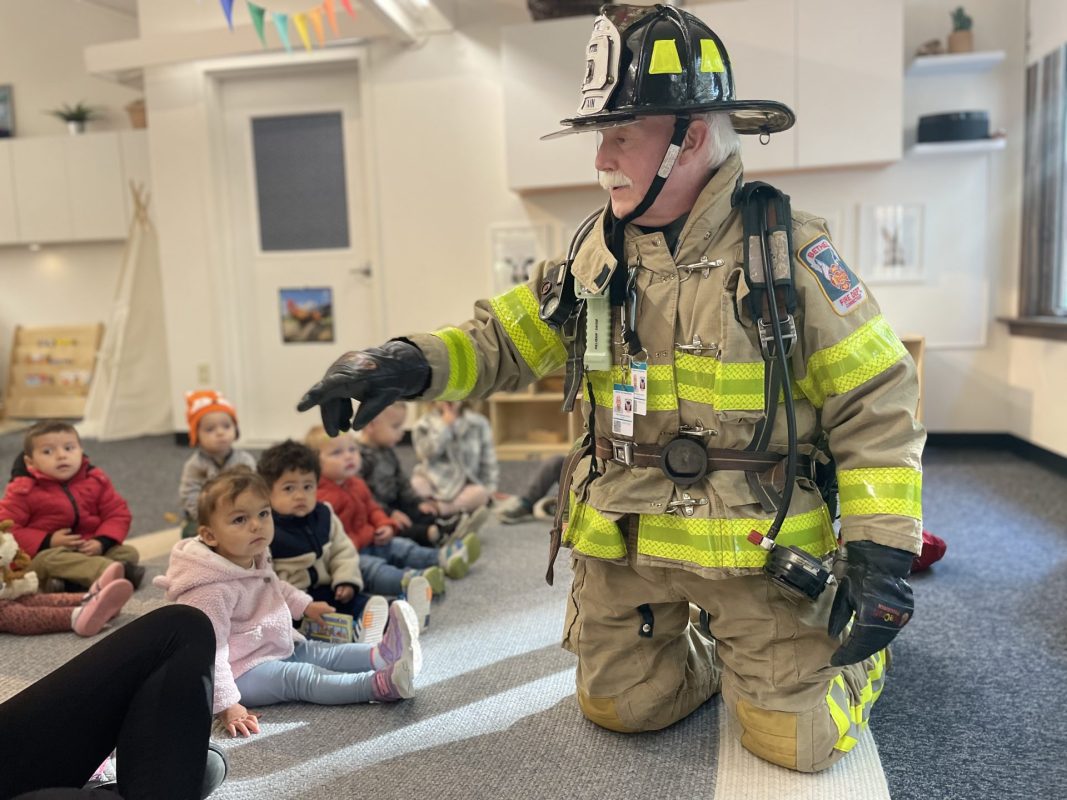
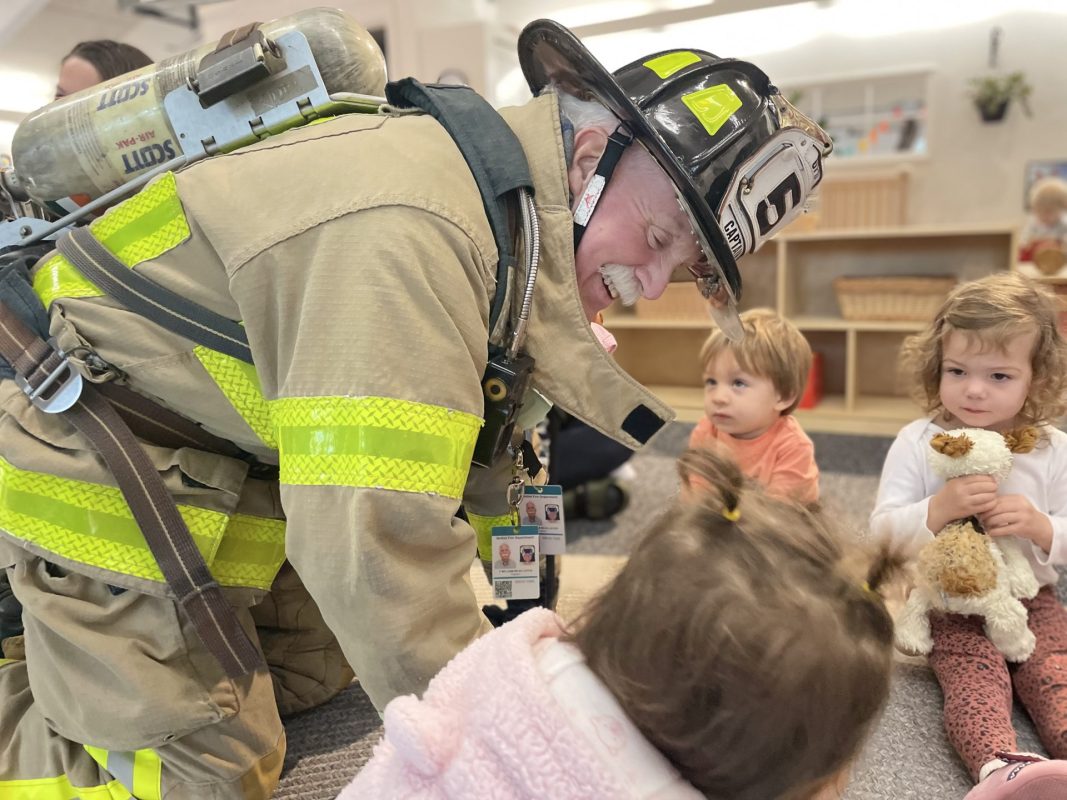
The highlight for this week was the visit from the Botsford Fire Rescue. The children were able to climb aboard the firetruck to sit and explore inside. The very kind firefighter showed the children all the tools and some were able to explore the flashlights inside the truck. Afterward, Fireman Will came to our classroom to show the children what a firefighter would wear. The children were engaged as he put on each piece of his gear. Fireman Will then came around to the children so they could feel his helmet and jacket. Thank you to the Botsford Fire Department for a wonderful visit!

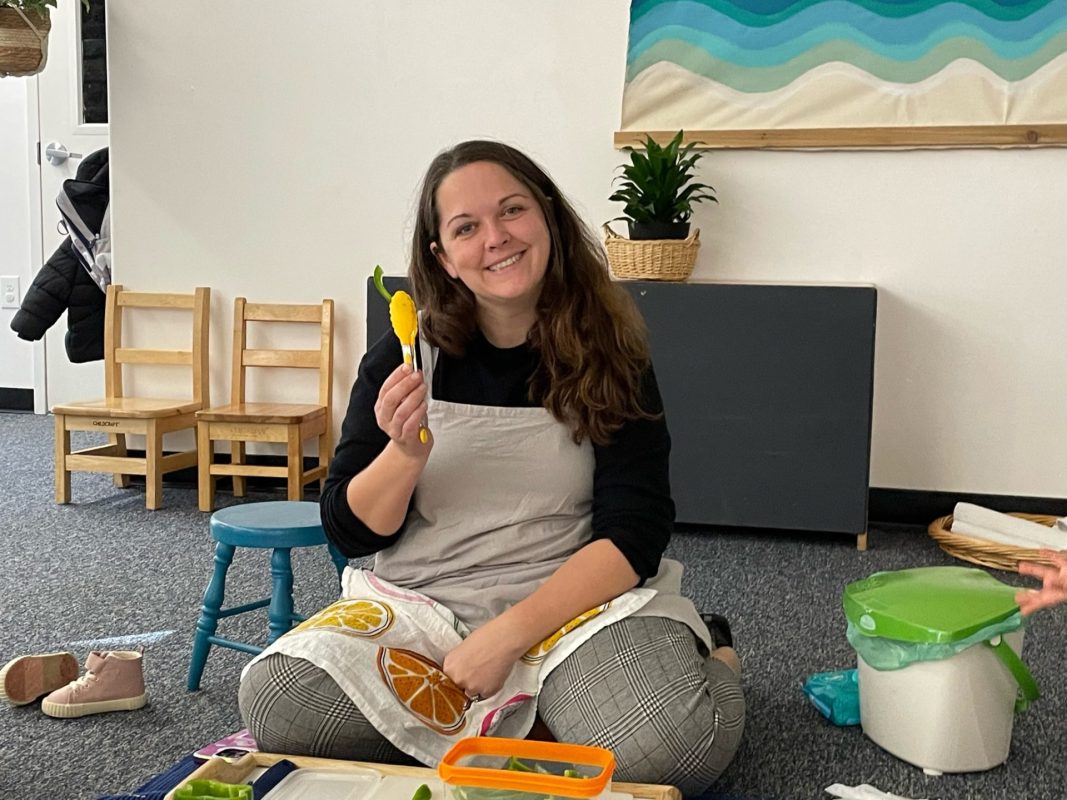
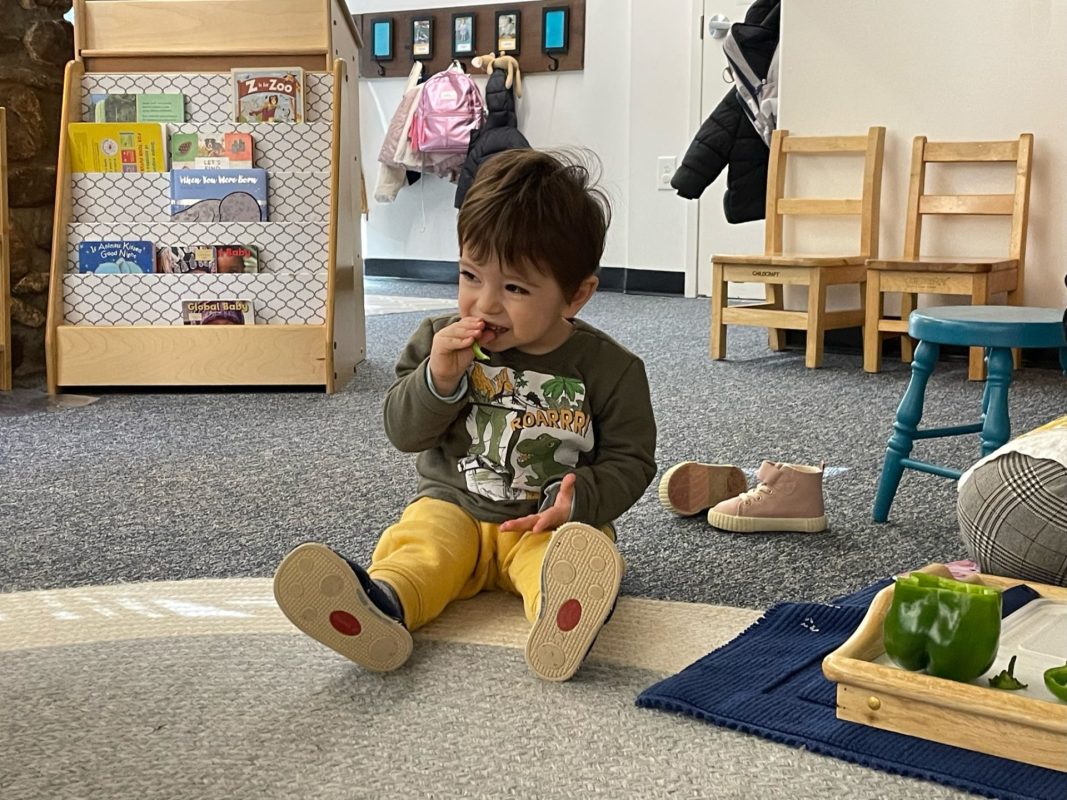
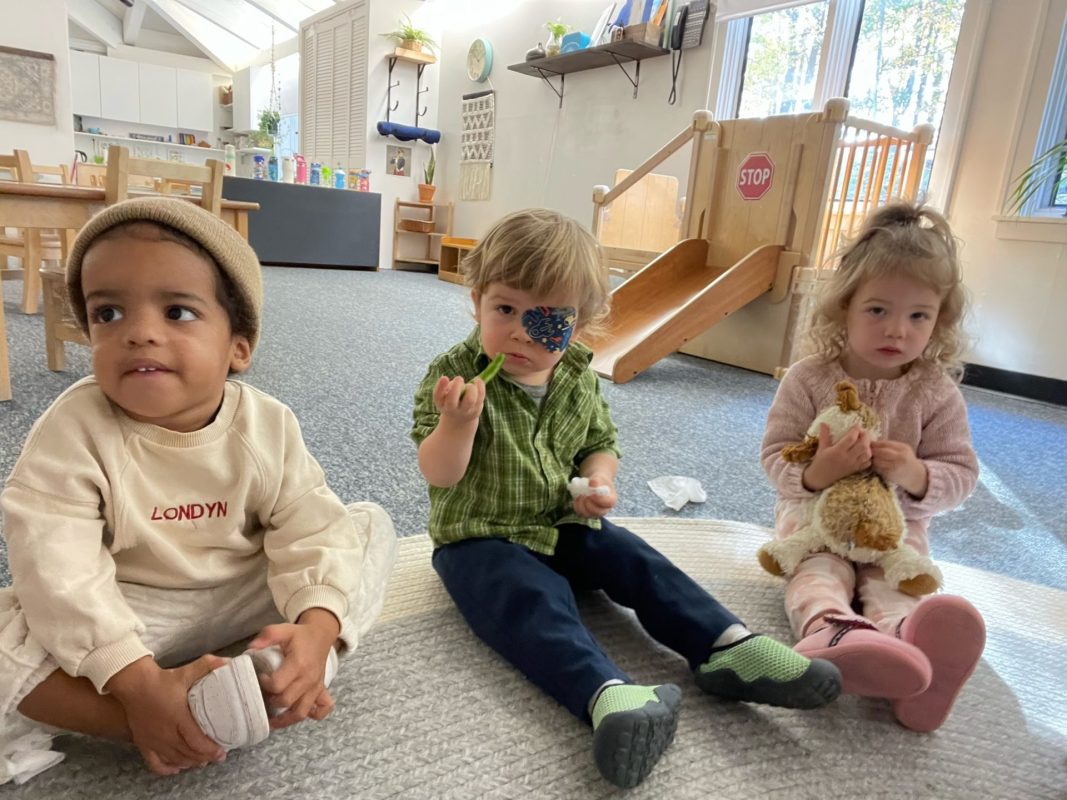
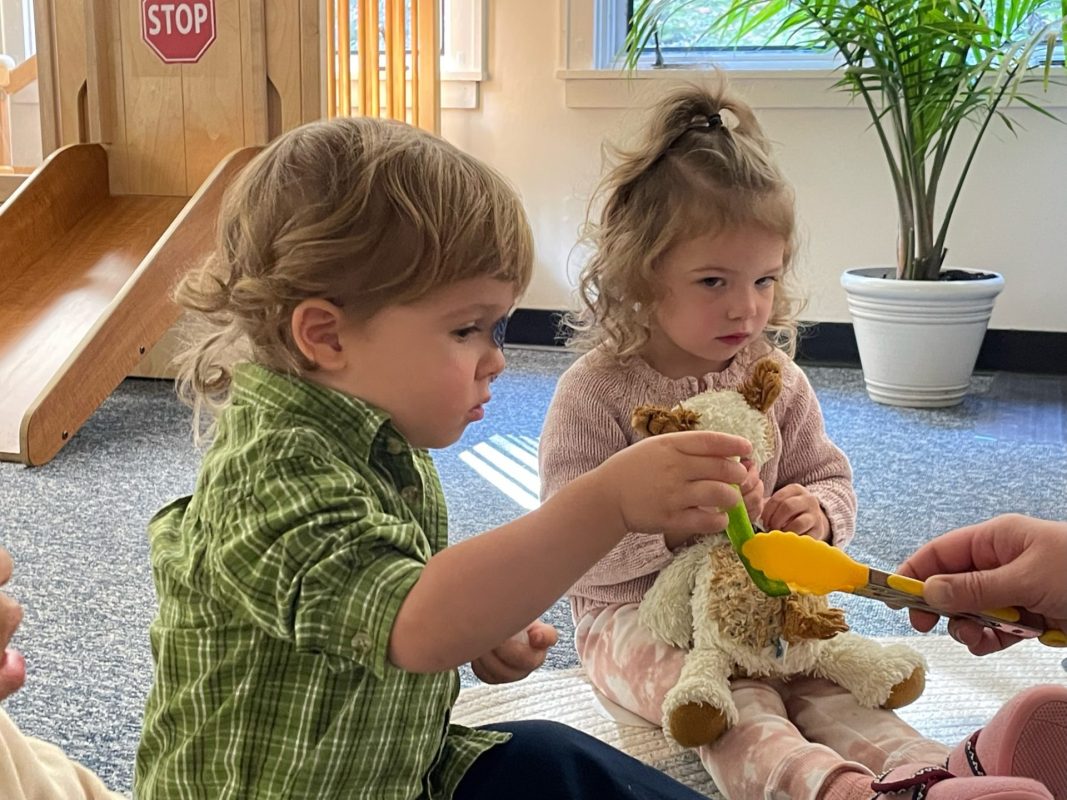
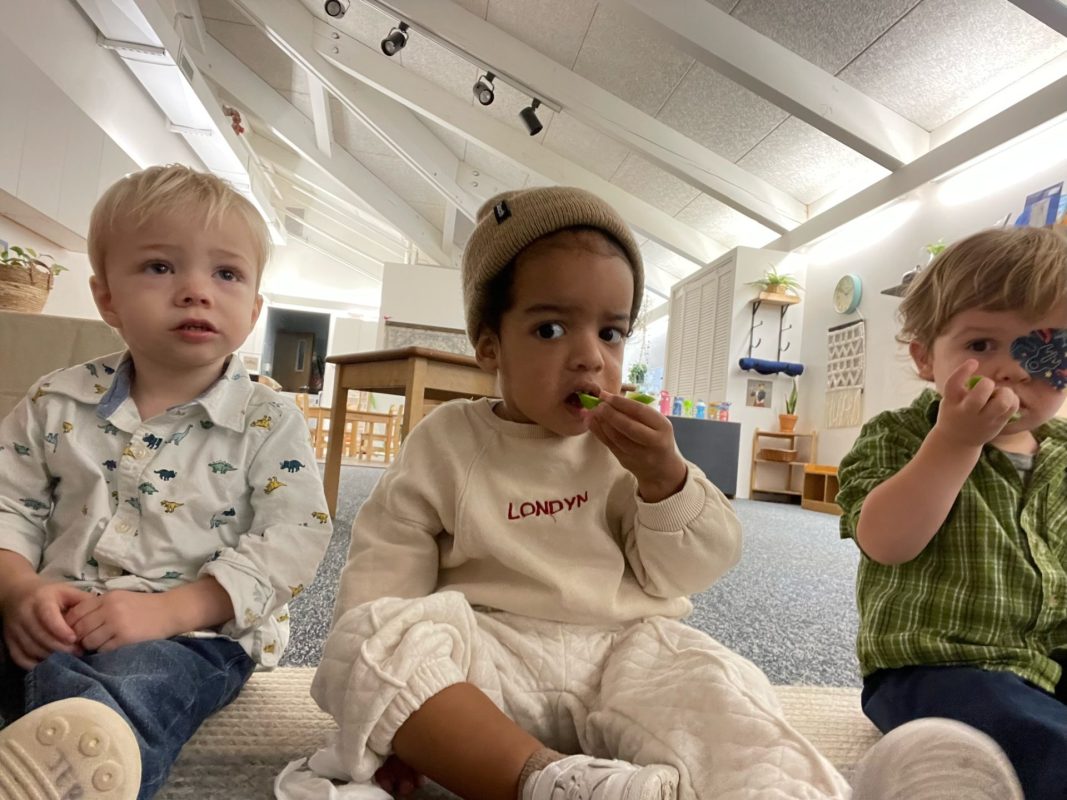
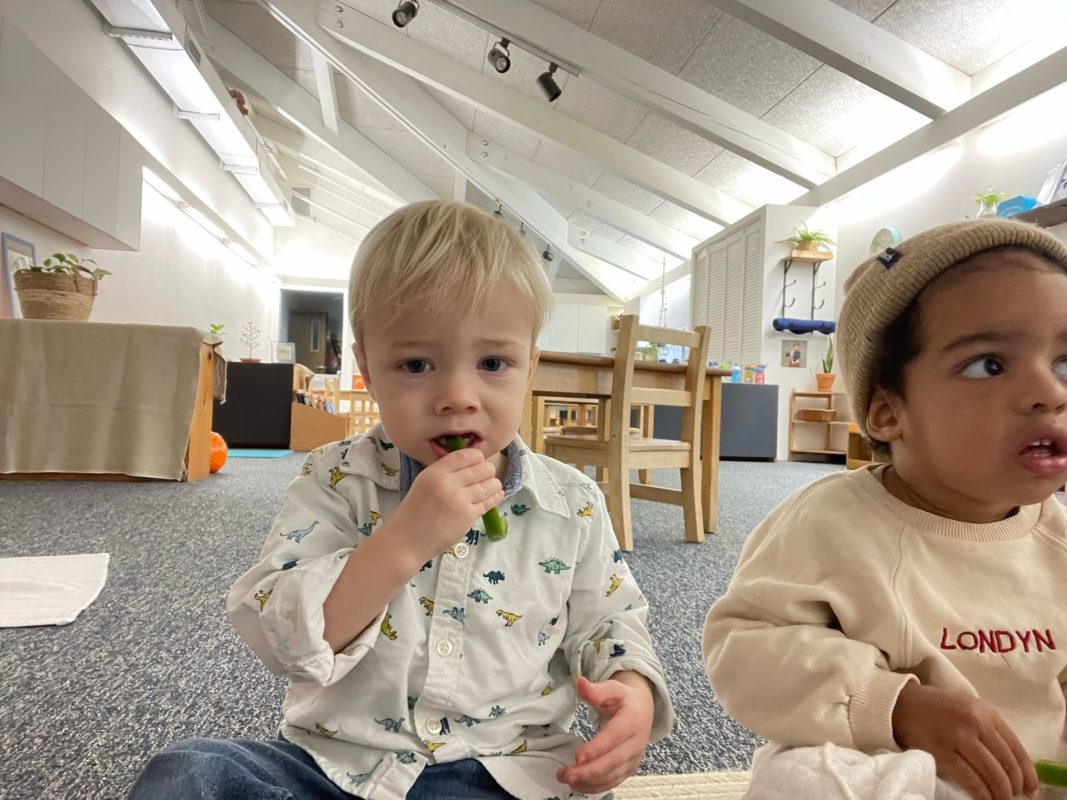
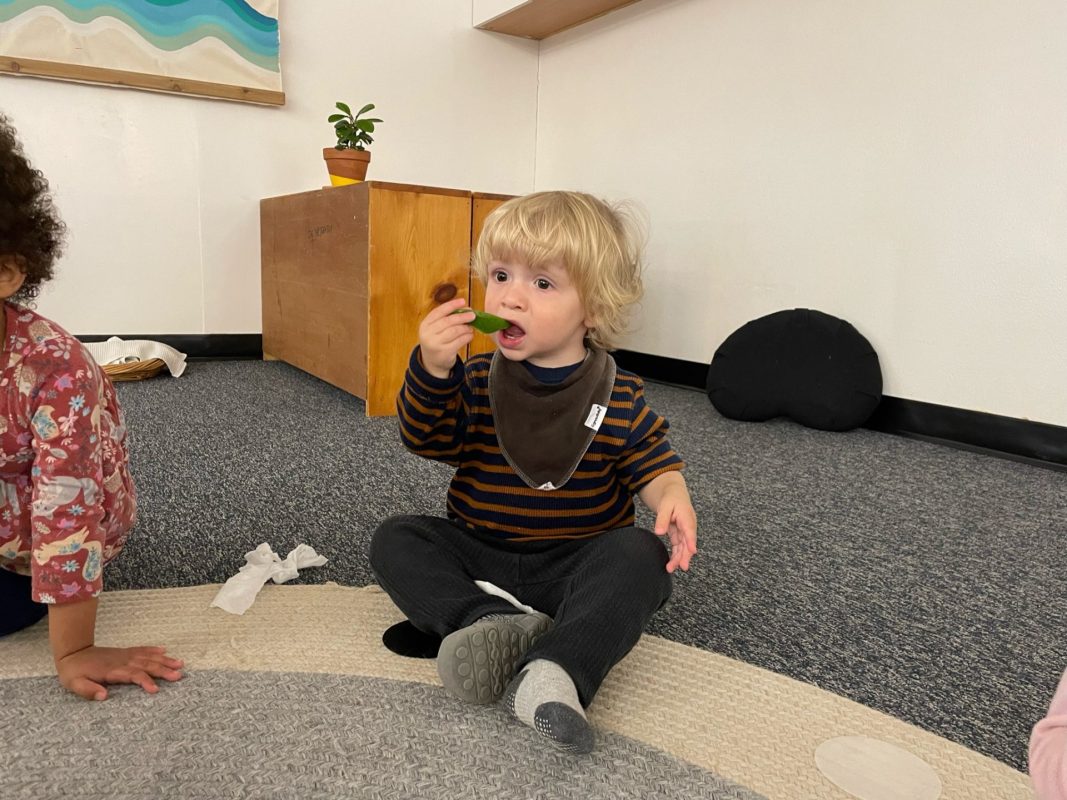
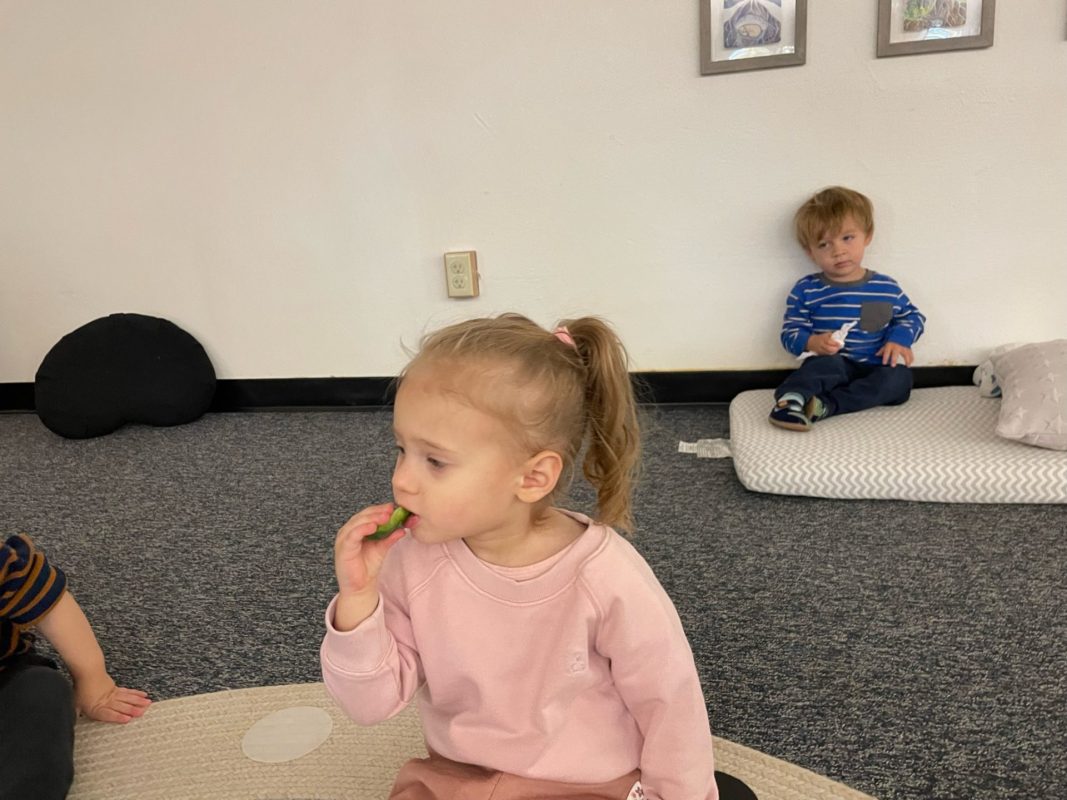
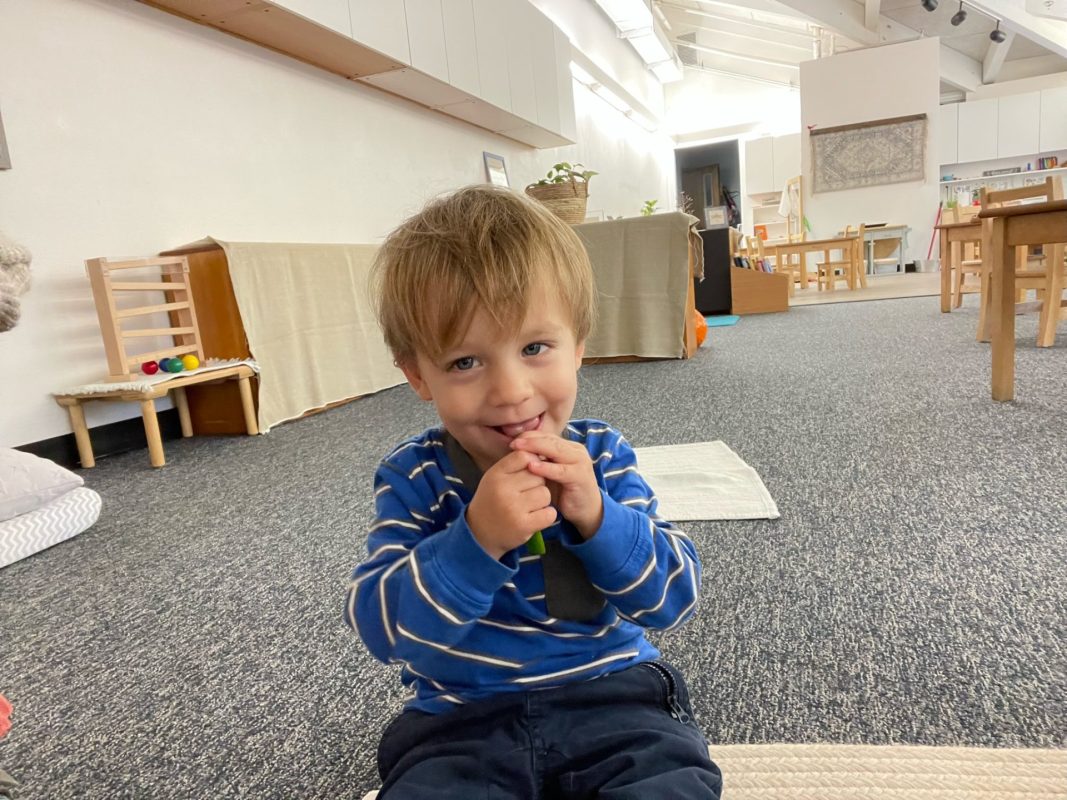
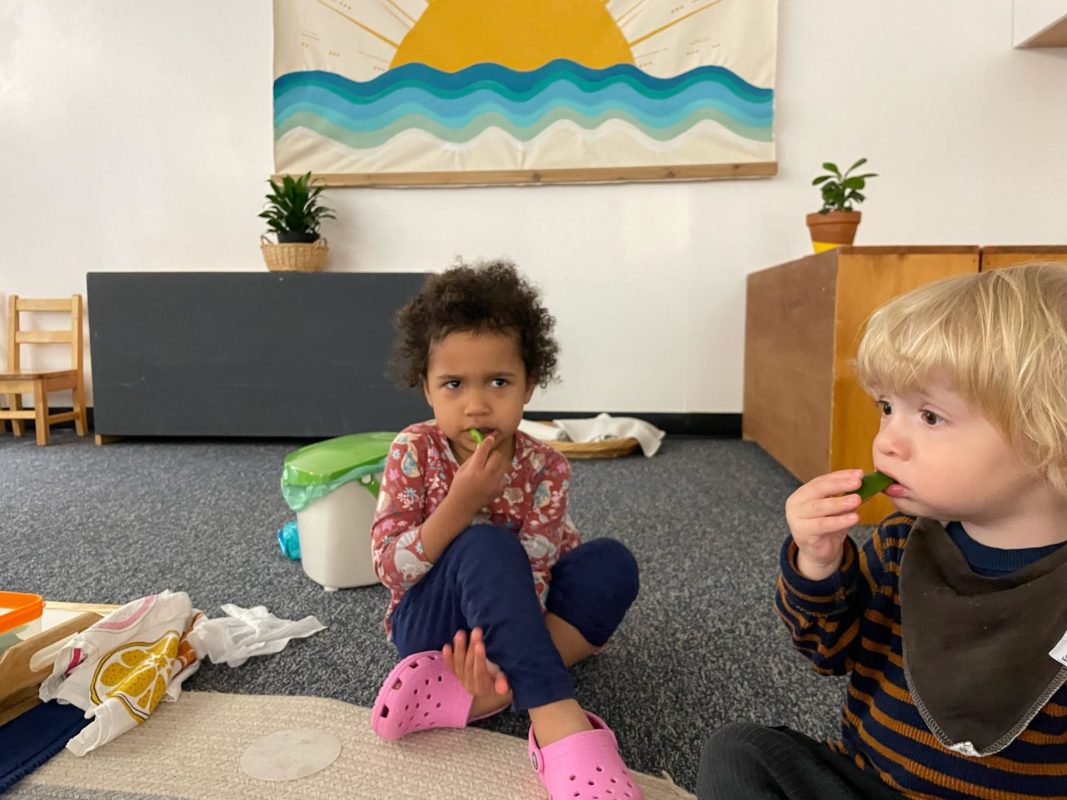
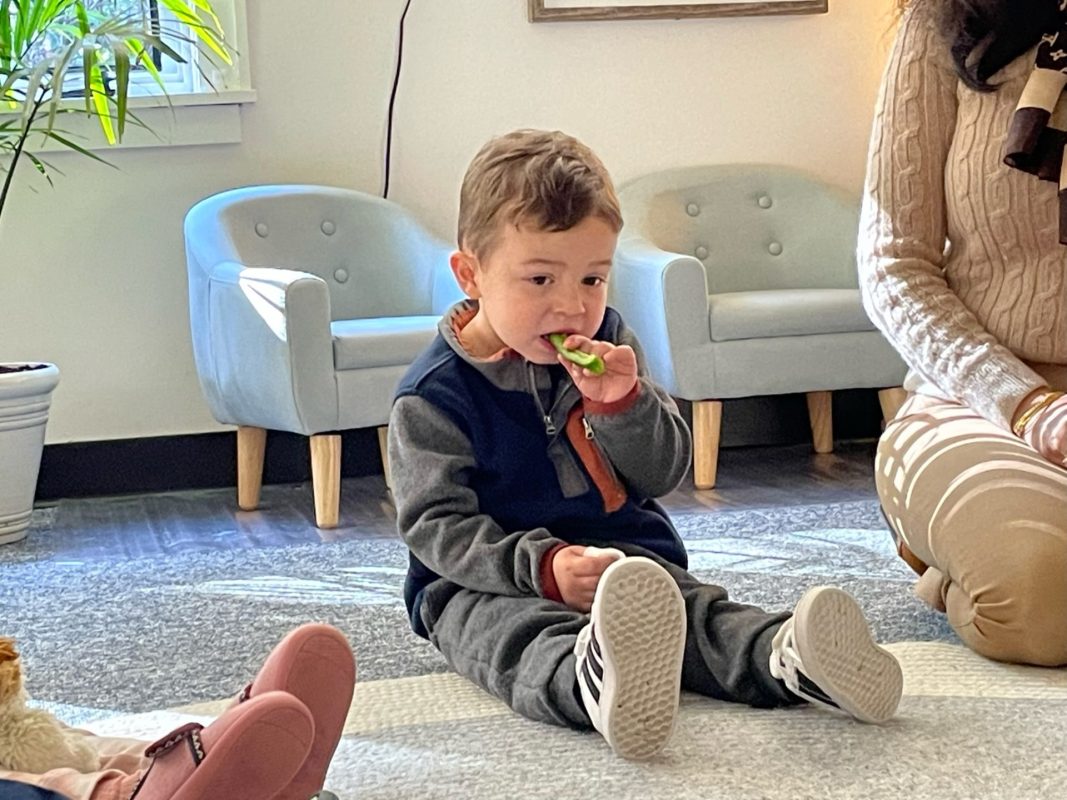
Food Tasting this week was a green pepper. Some children were hesitant to taste the pepper. Once everyone was offered, I again asked the children who refused the first time. It seemed they wanted to wait to see if their peers tasted it first, then they were willing. The green pepper was not as popular as some of our other foods, but I am glad they tried it.


Mrs. Hood: “Help me to do it myself!”

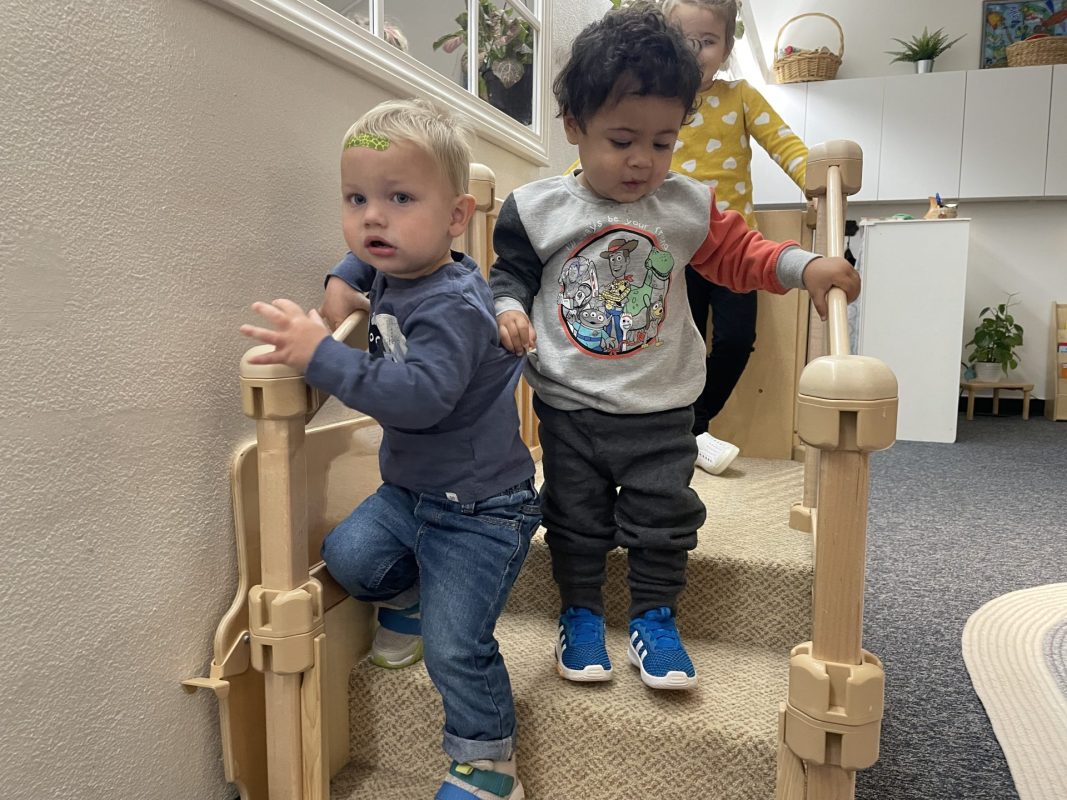
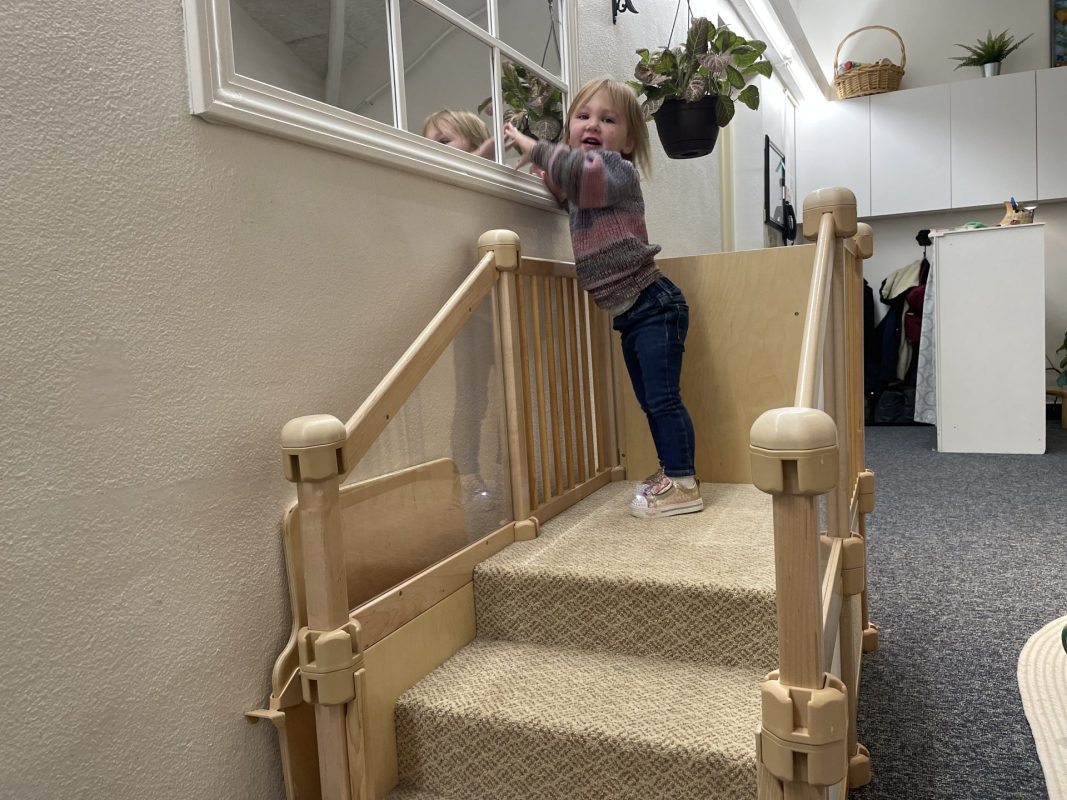
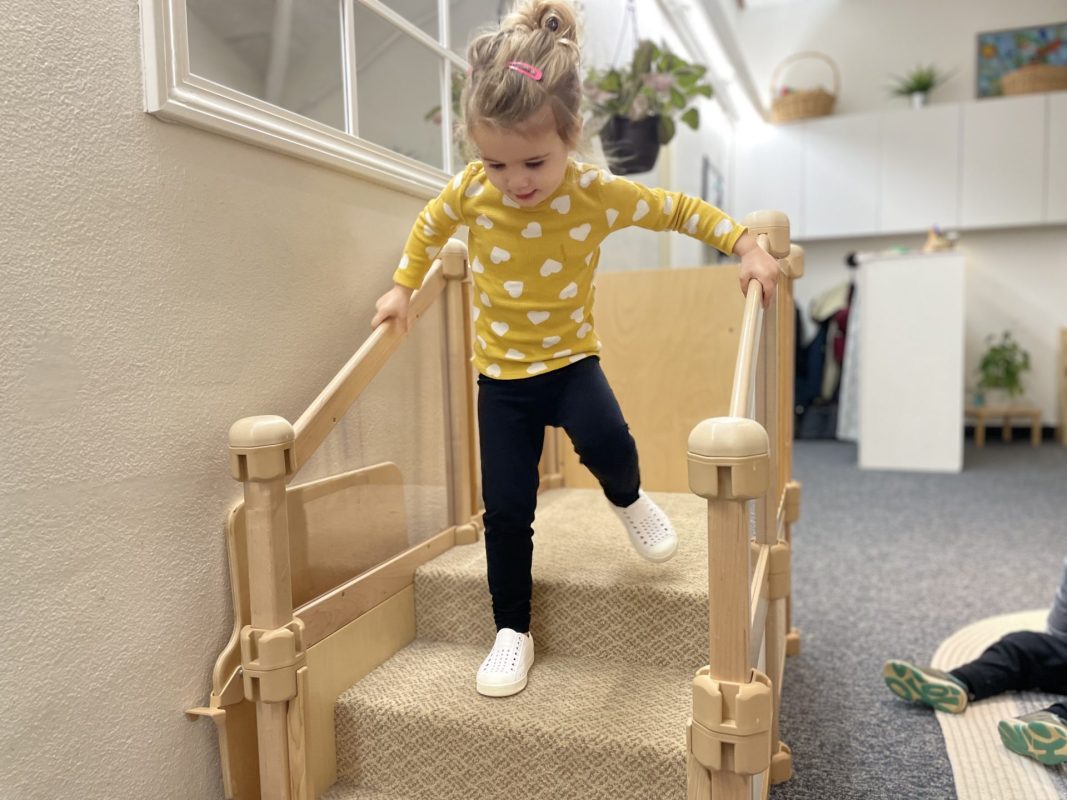
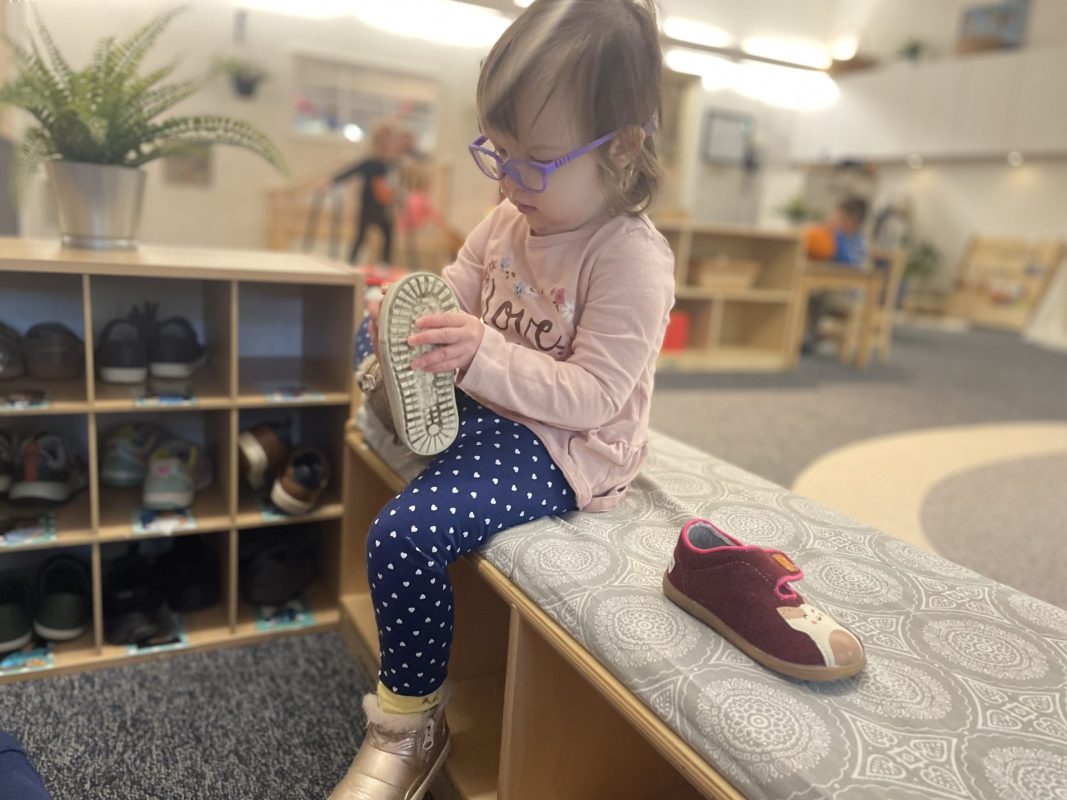
“If teaching is to be effective with young children, it must assist them to advance on the way to independence. It must initiate them into those kinds of activities which they can perform themselves and which keep them from being a burden to others because of their inabilities. We must help them to learn how to walk without assistance, to run, to go up and down stairs, to pick up fallen objects, to dress and undress, to wash themselves, to express their needs in a way that is clearly understood, and to attempt to satisfy their desires through their own efforts. All this is part of an education for independence.” –Dr. Maria Montessori

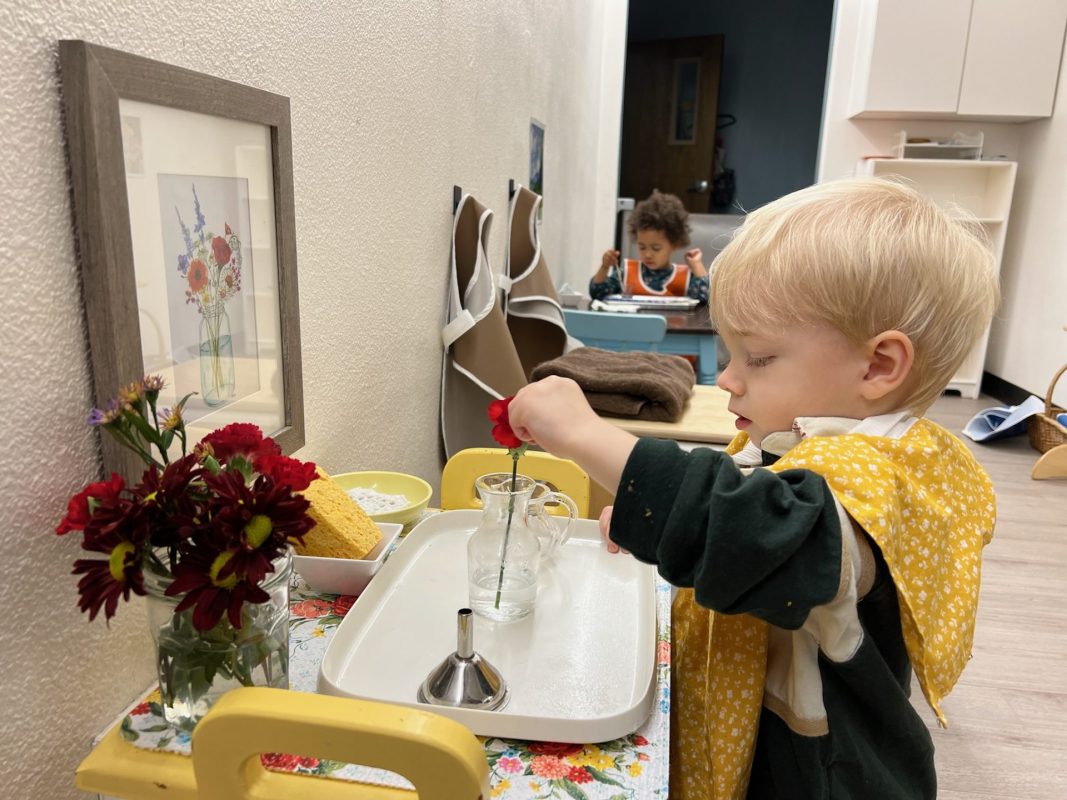
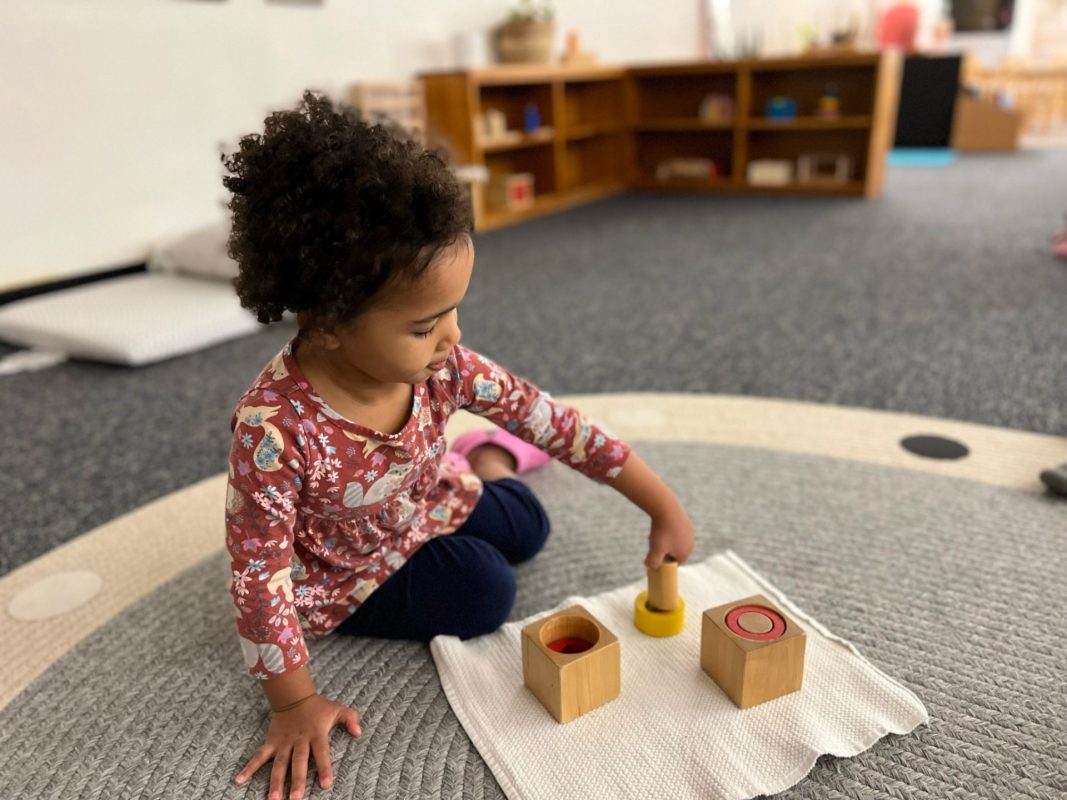
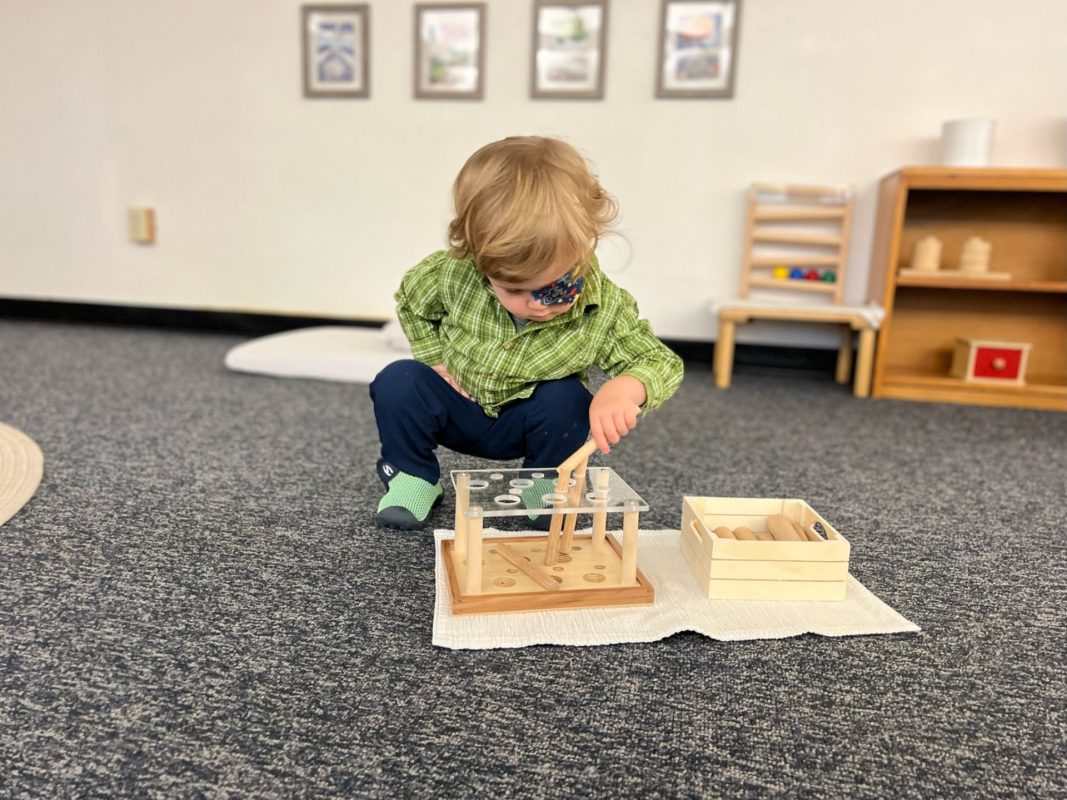
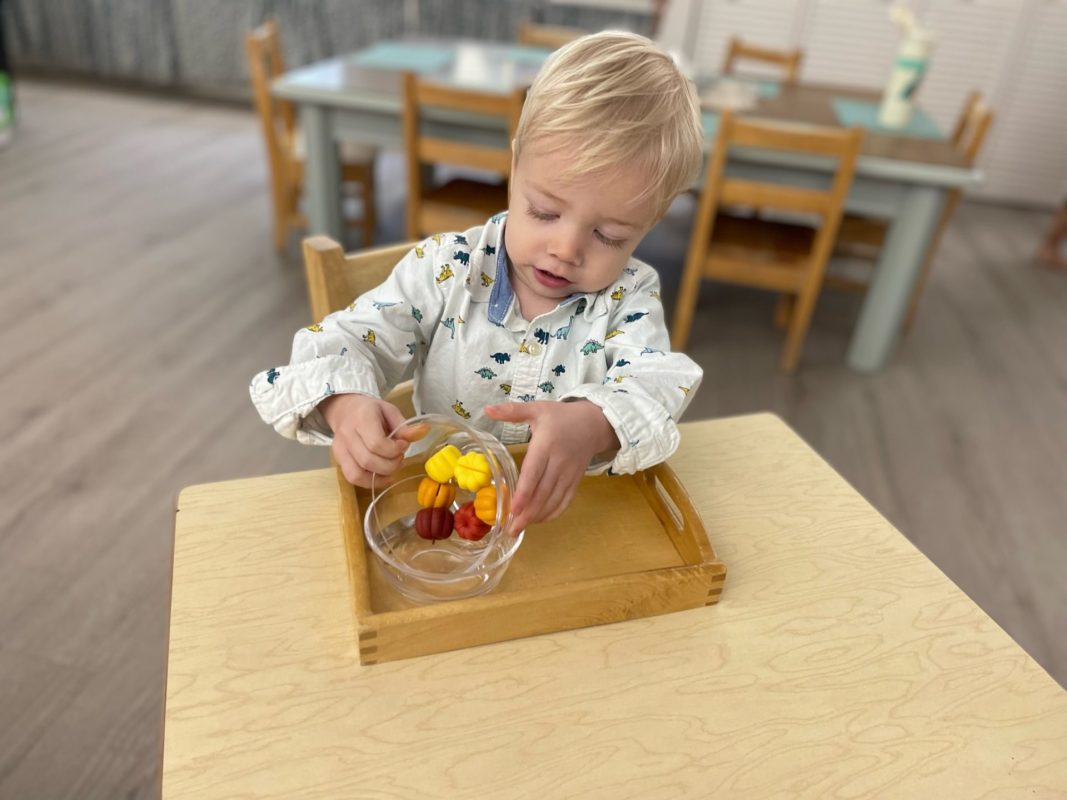
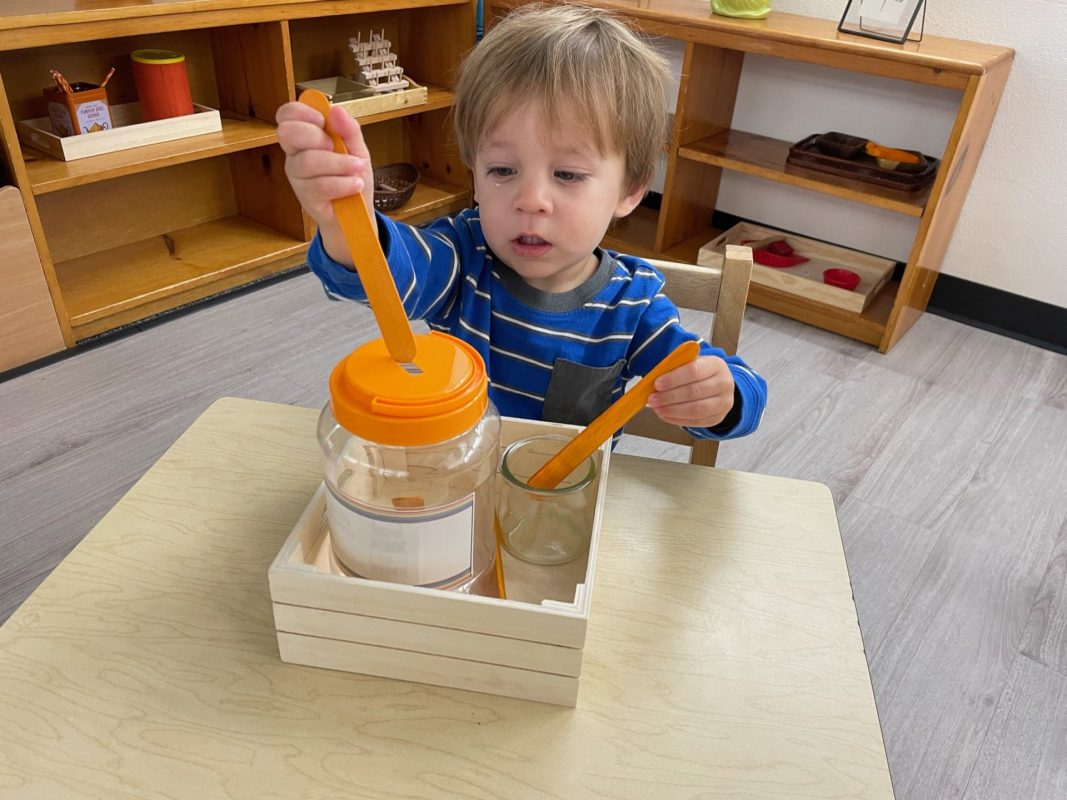
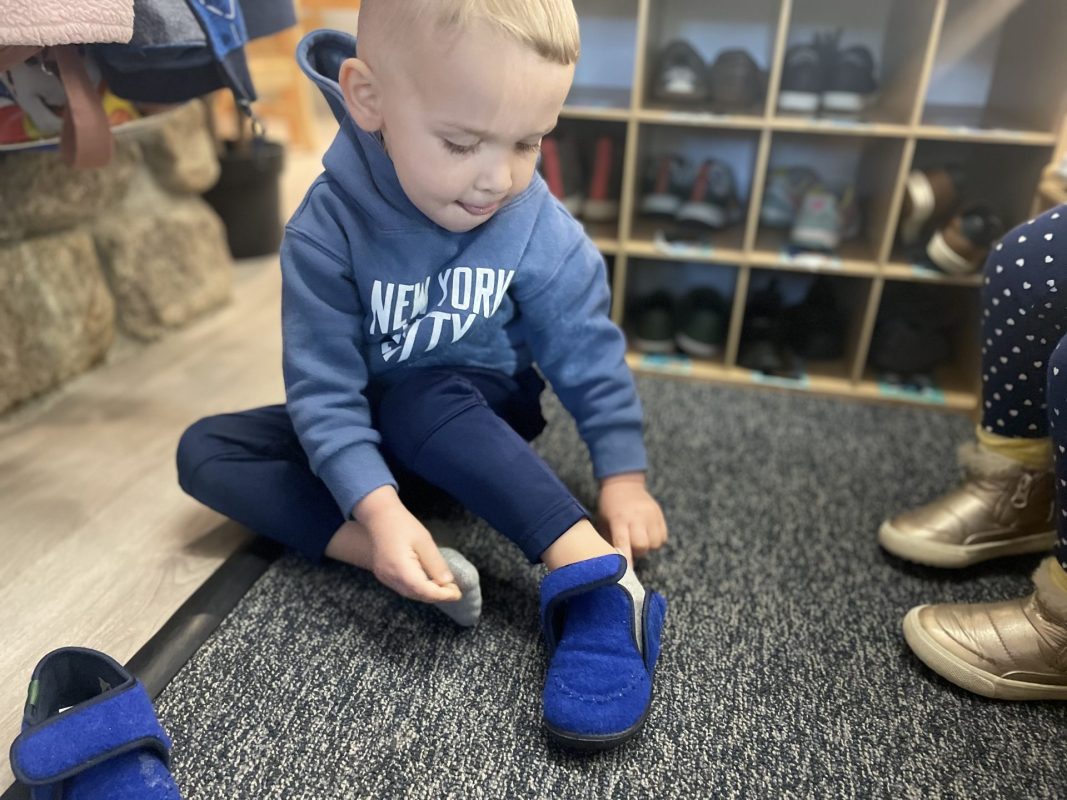
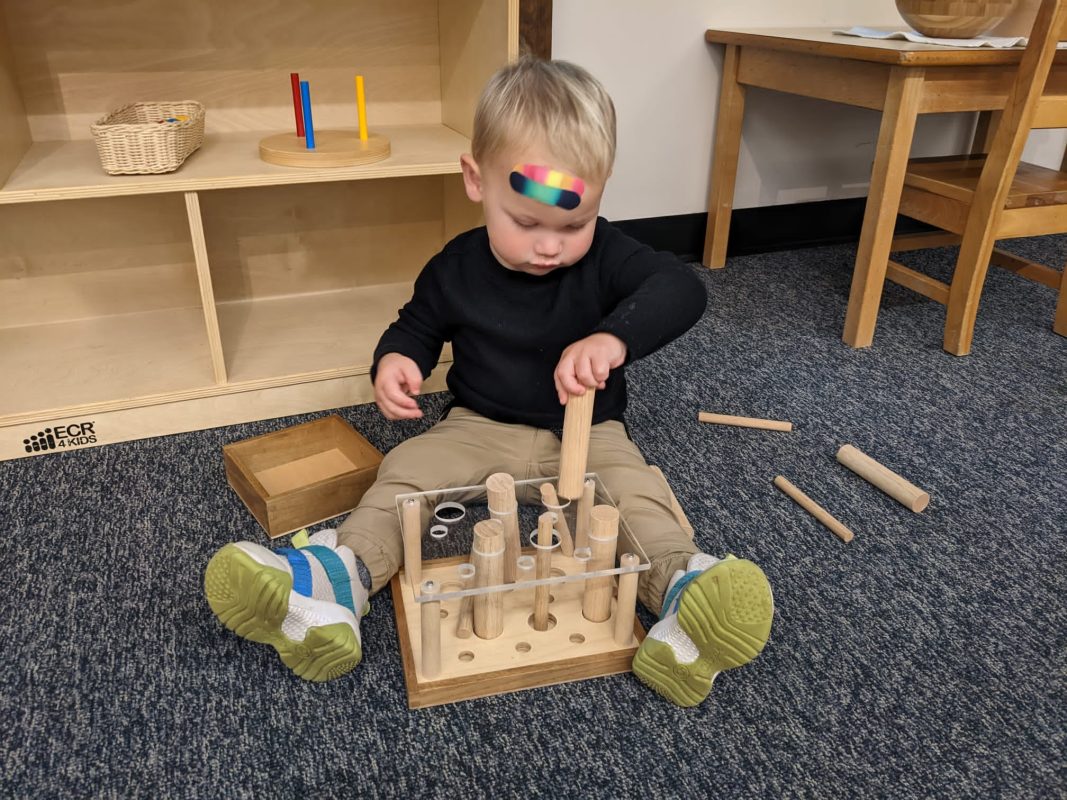
Toddlers are naturally eager to learn these things. “Do it myself,” might well be the refrain for the toddler years! Our day-to-day lives often make for less than ideal circumstances to help our children achieve the independence they crave. Our homes are not optimized around a little person with their height of less than three feet: Objects are hard to reach, too heavy, or too big for little hands to use. Our days are not set up to move at their speed: We rarely just happen to have ten spare minutes to wait while our almost two year old puts on their jacket!

Yet, enabling a toddler to become more independent has huge benefits, both short-term and long-term. Power struggles decrease when a child feels more in control. Temper tantrums are less frequent when a toddler is busy doing things for themself rather than resisting their parent’s efforts to do things for them! A child who feels capable because they can act in the world, without needing to rely on a caregiver for every little thing, is a child who is developing self-confidence.

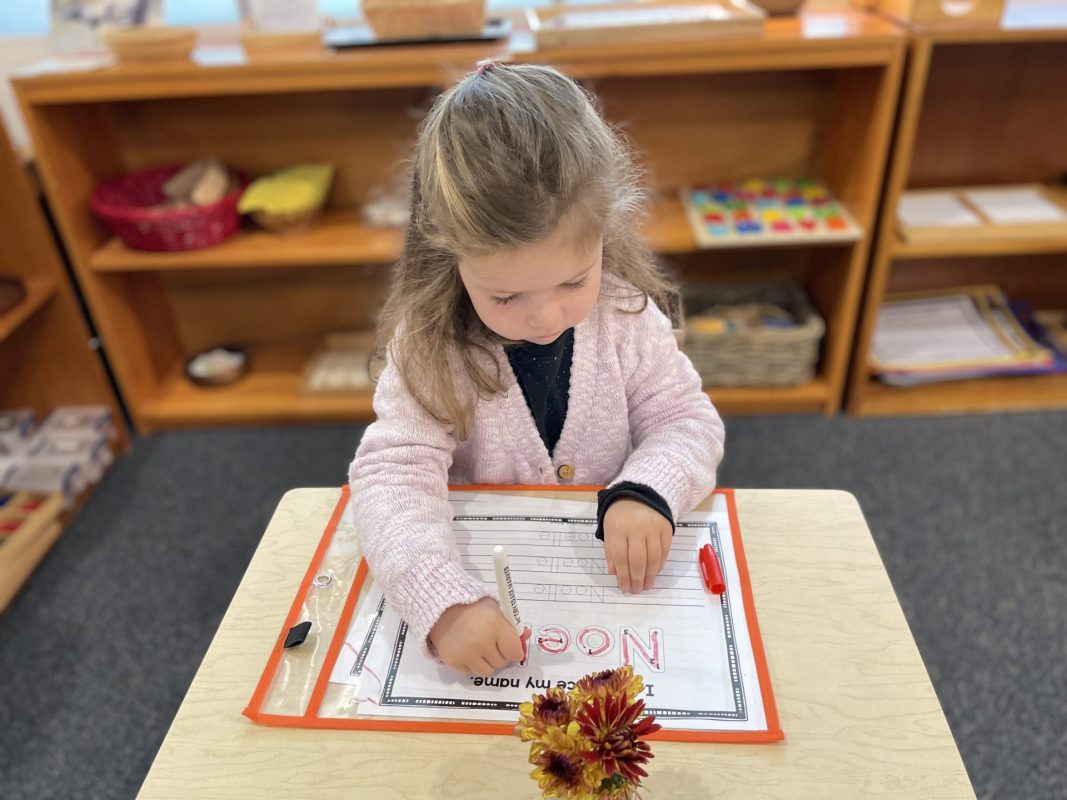
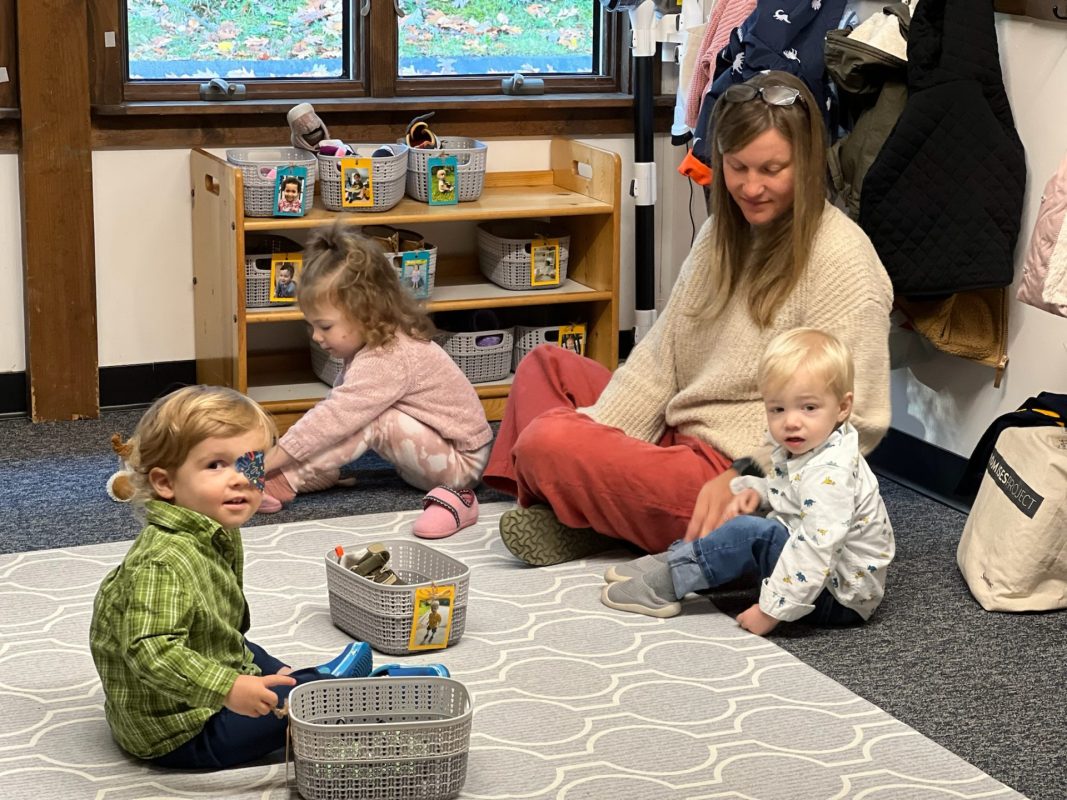
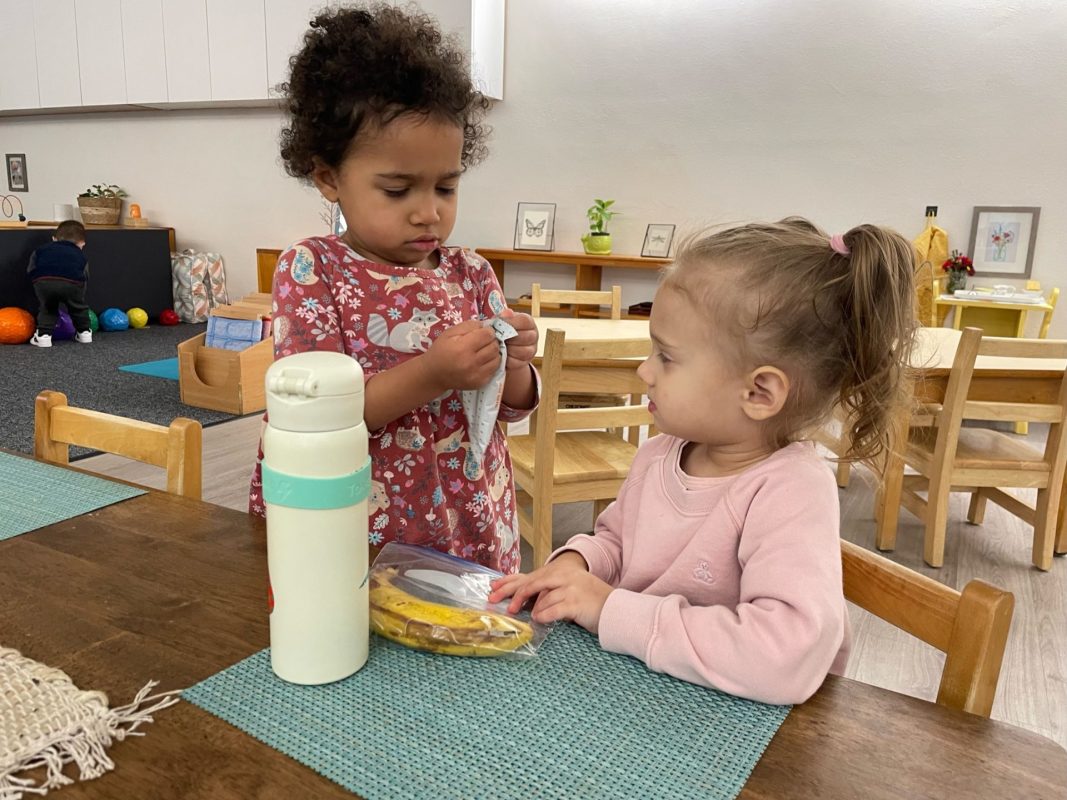
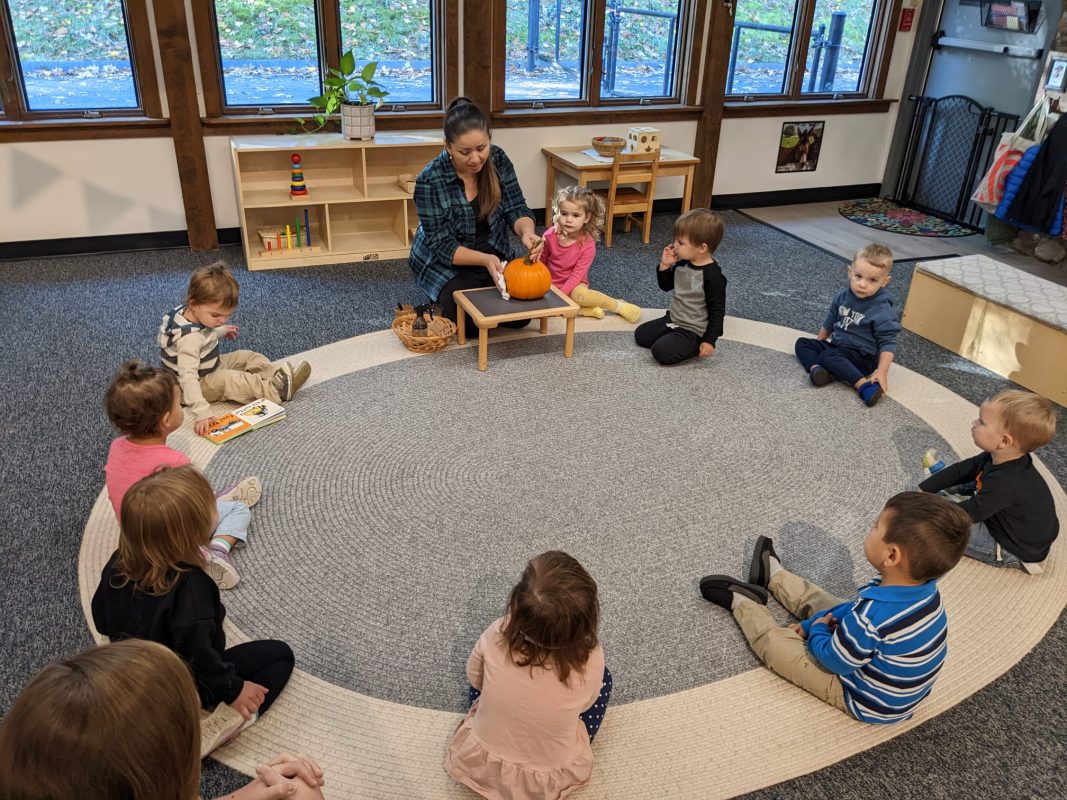
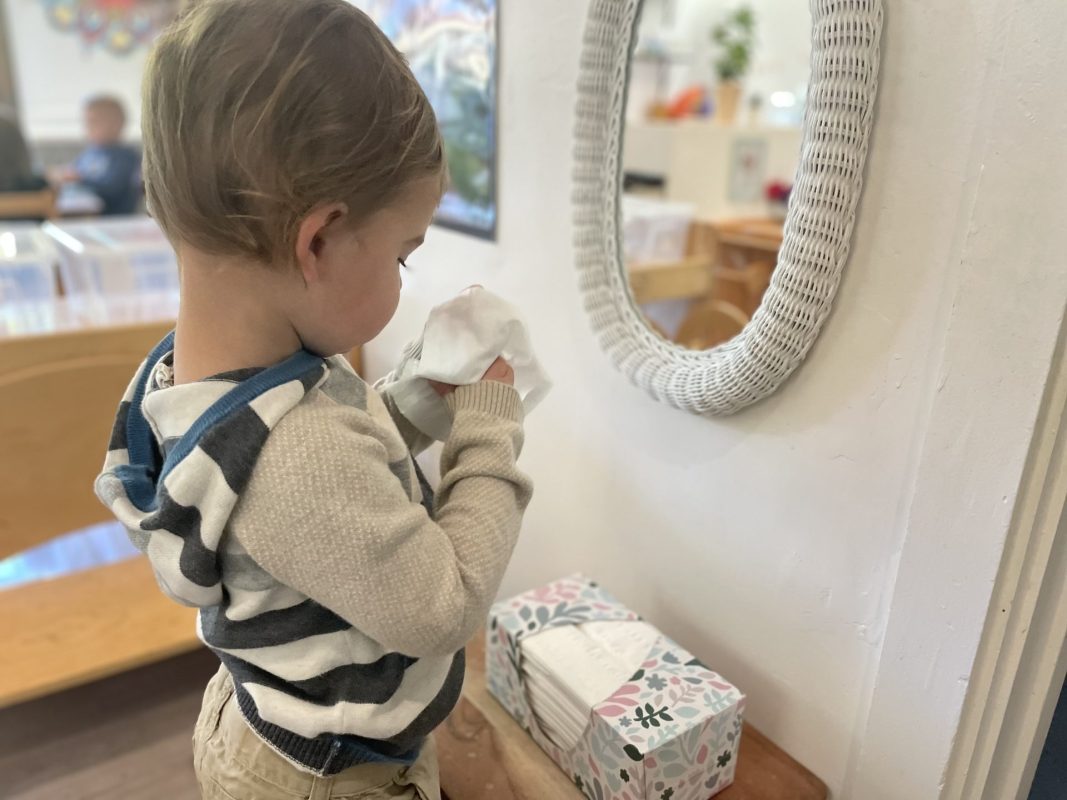
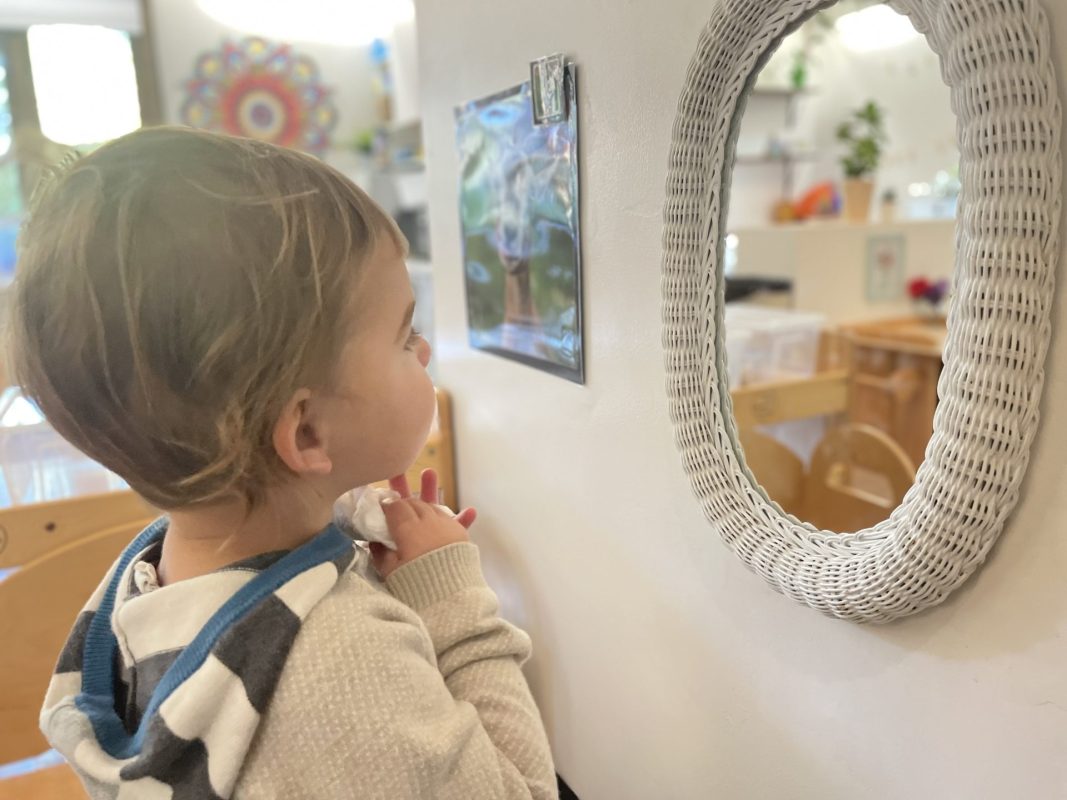
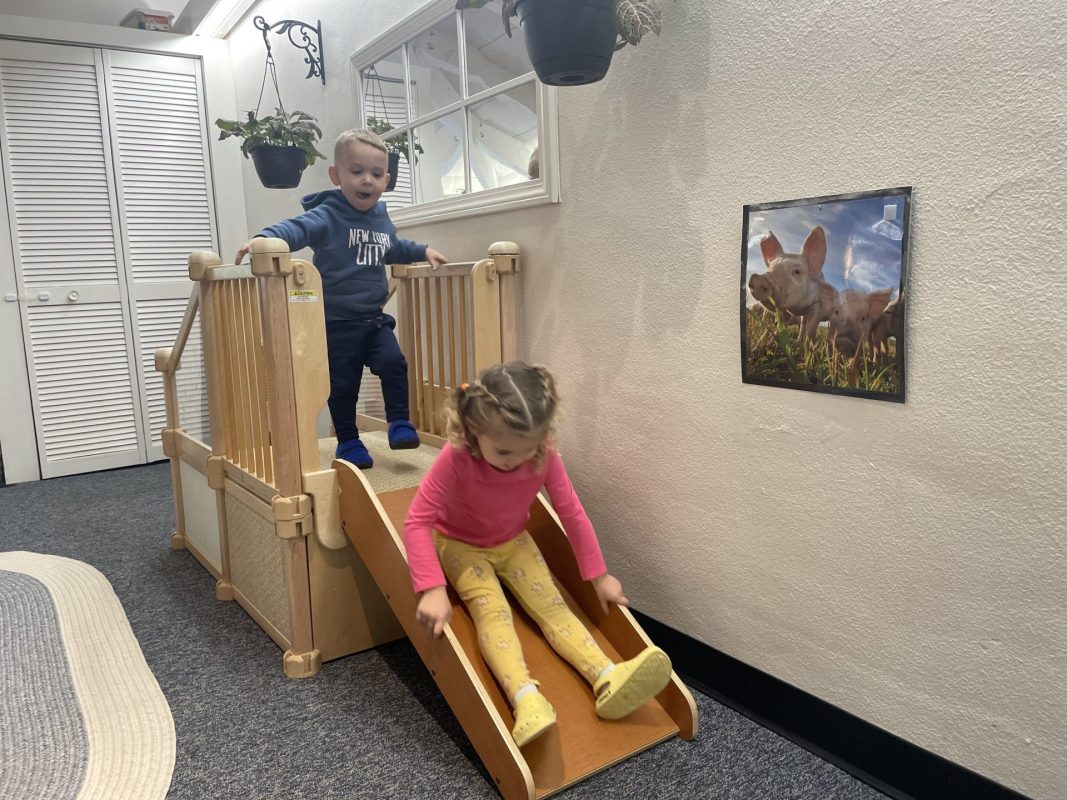
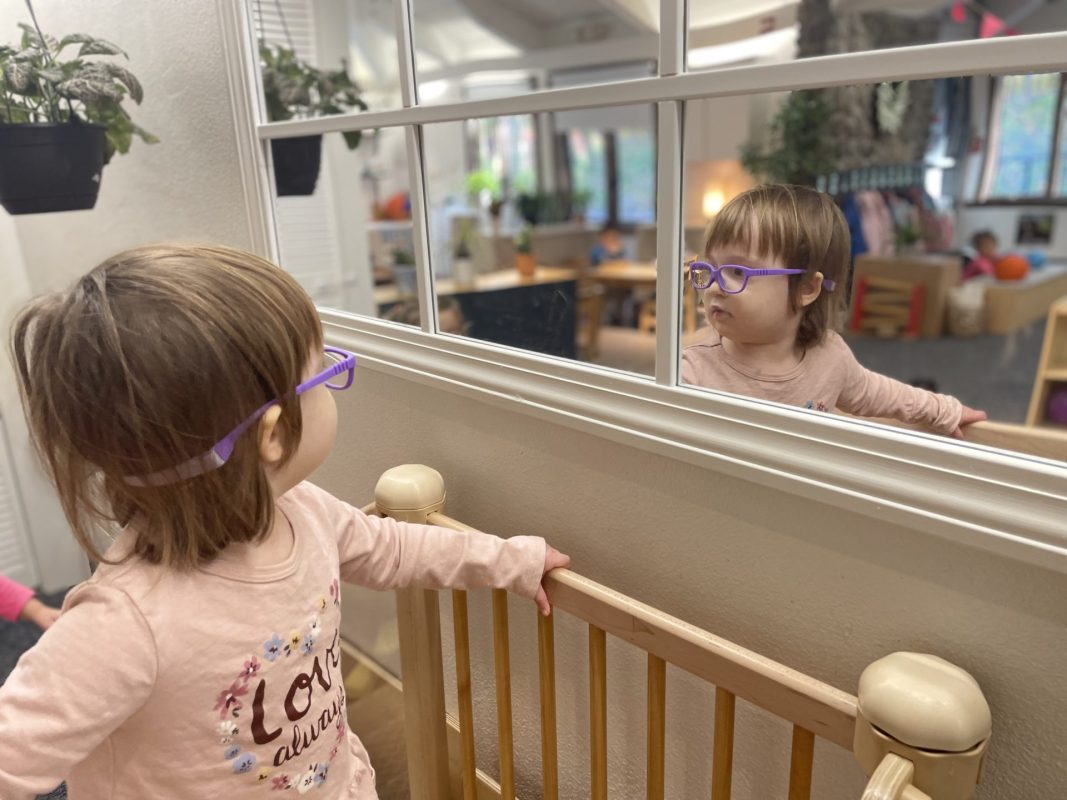
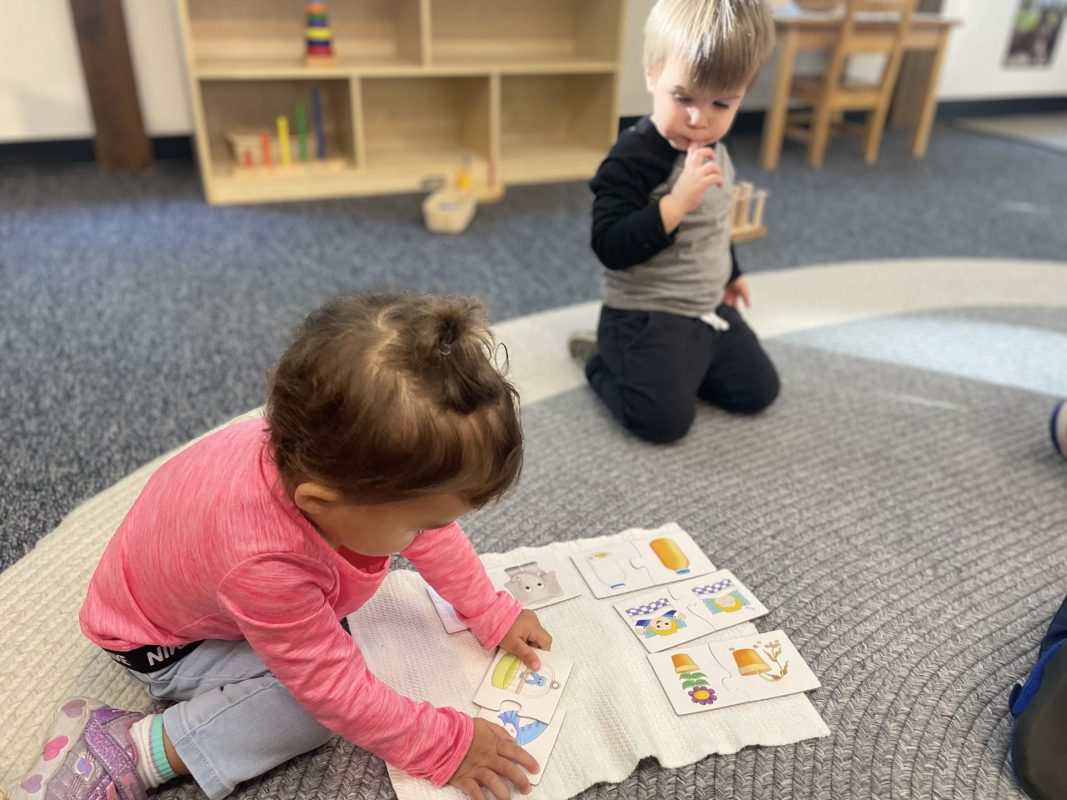
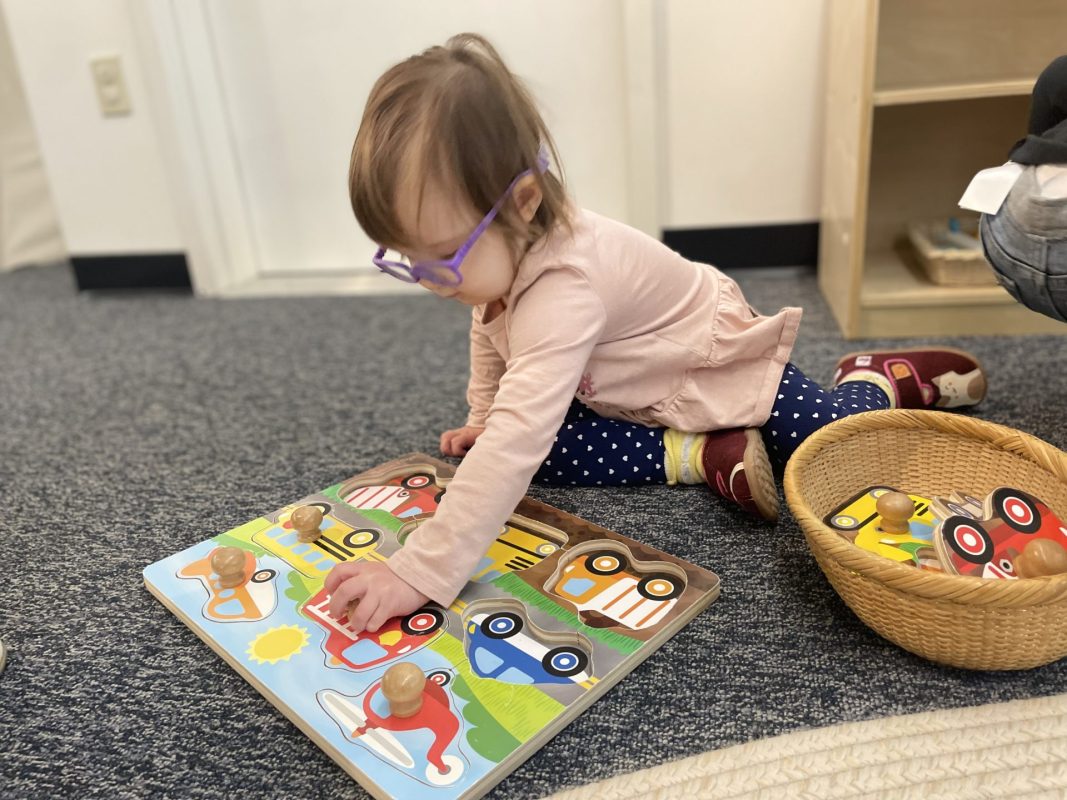
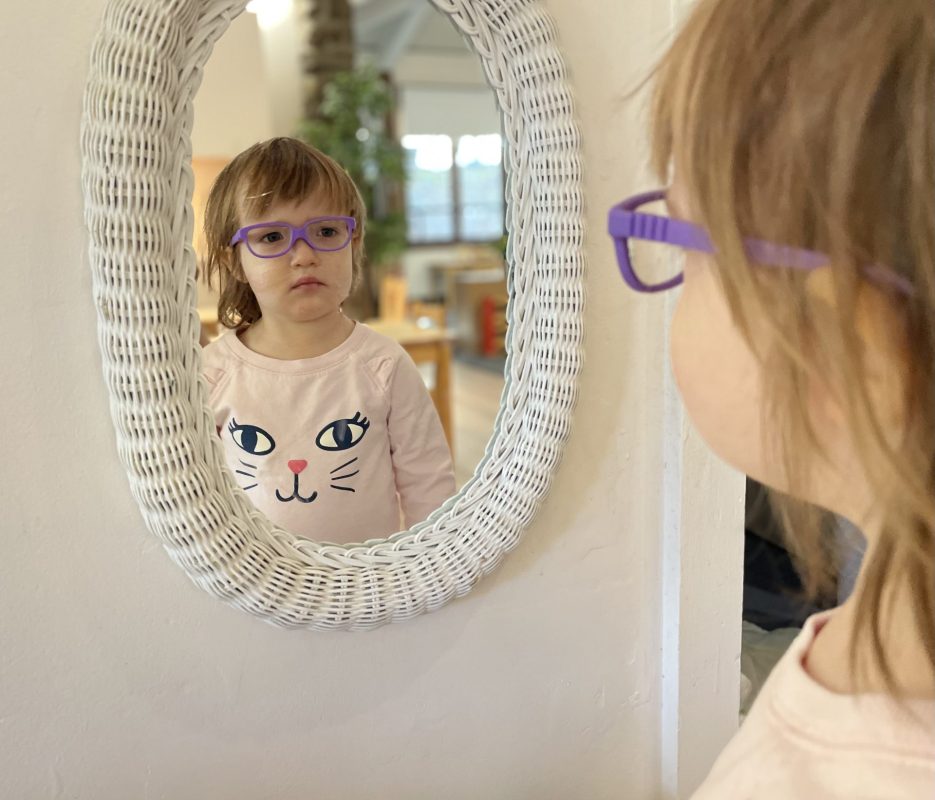
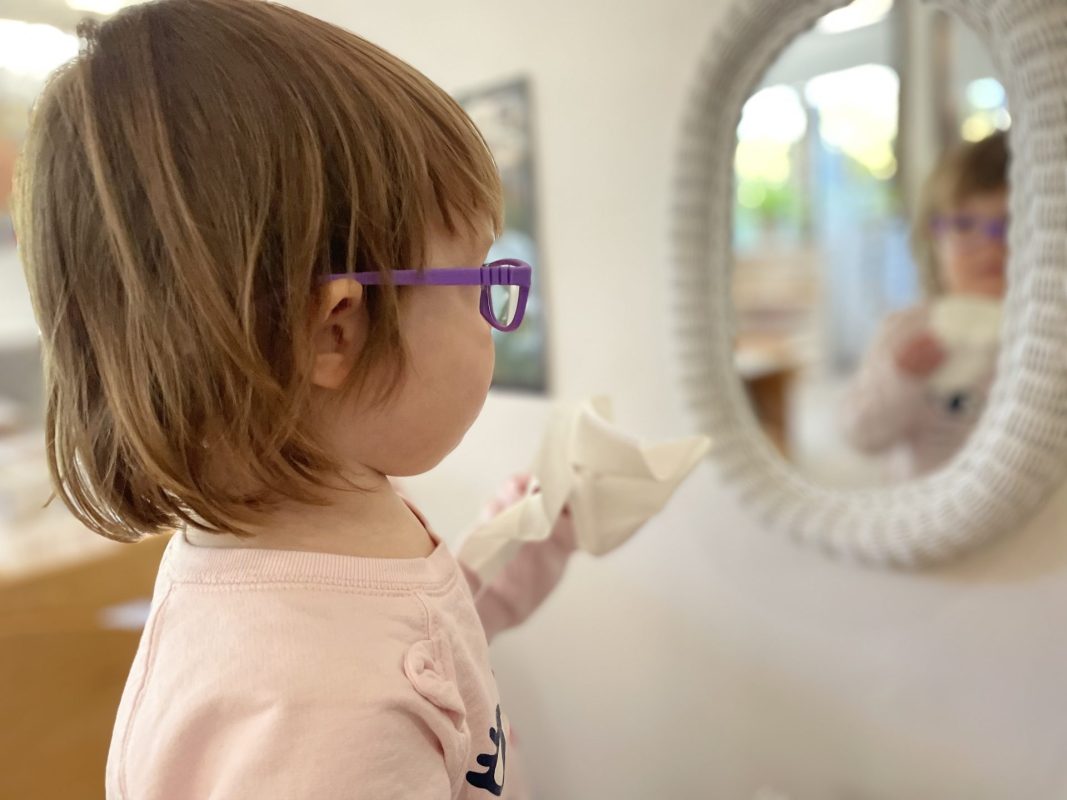
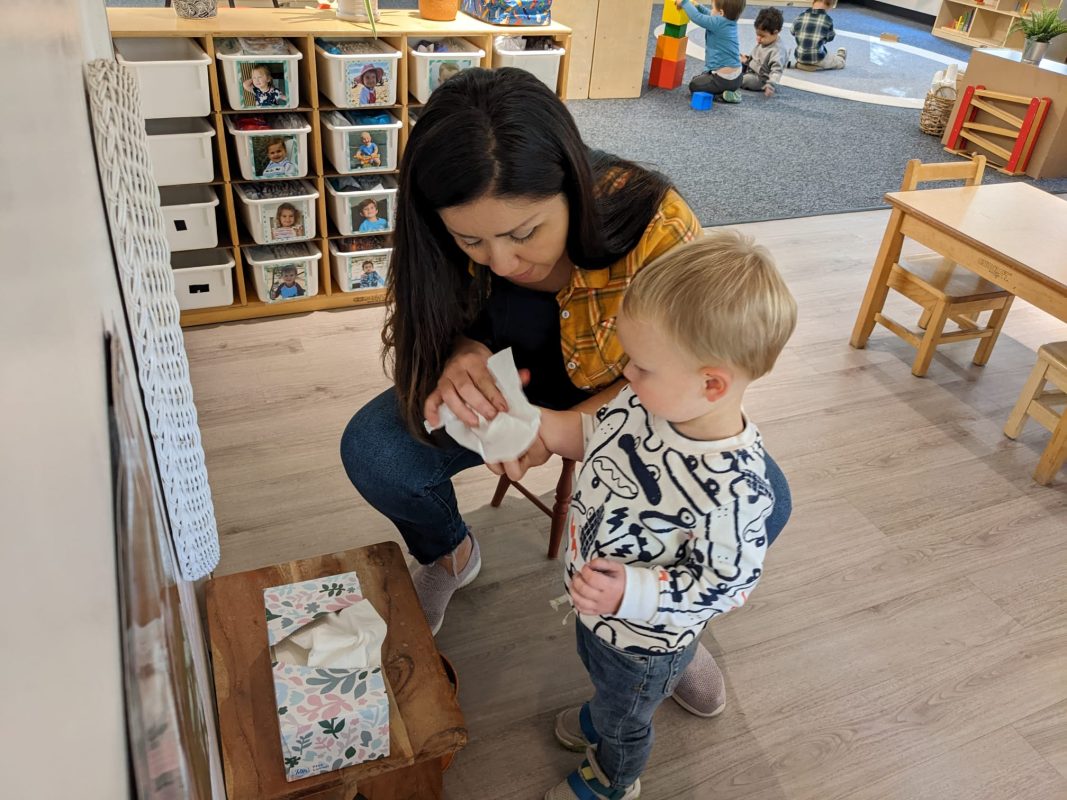
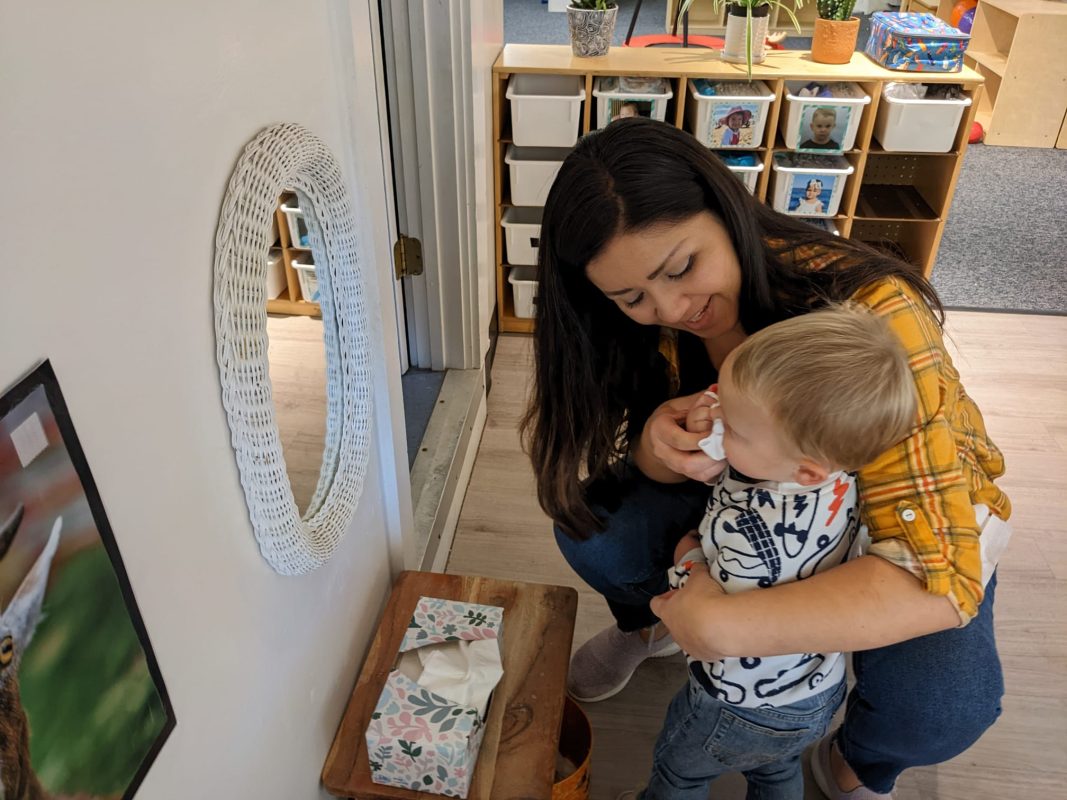
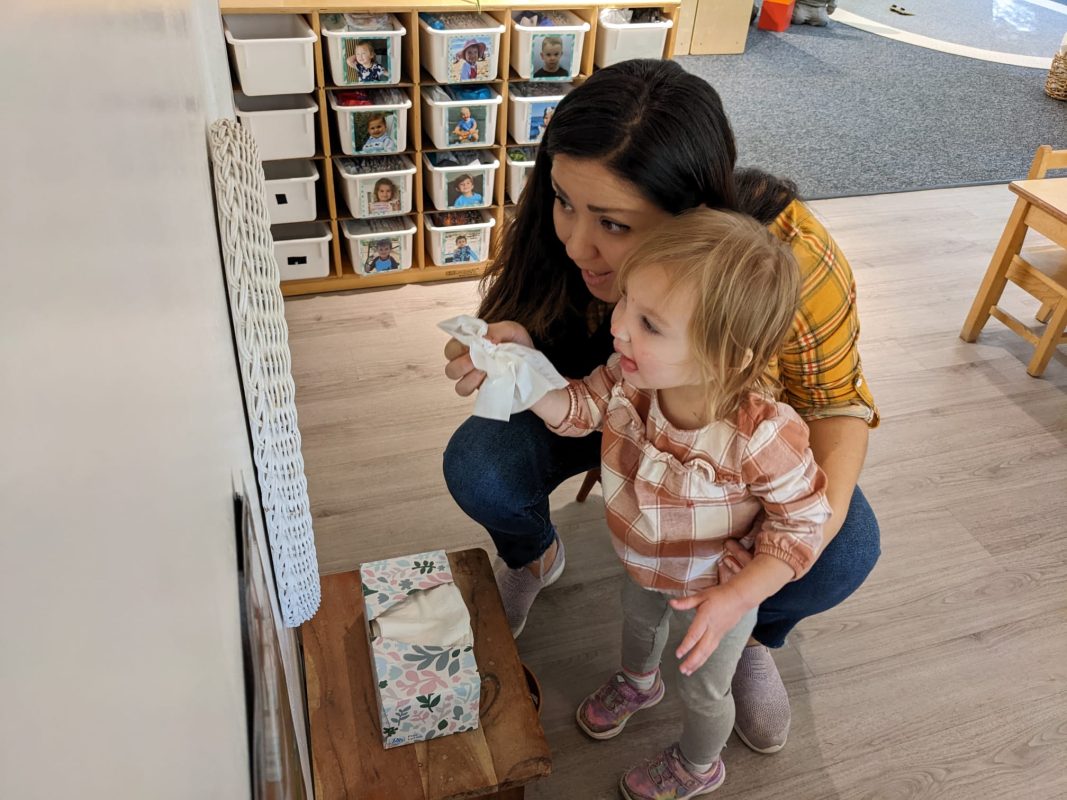
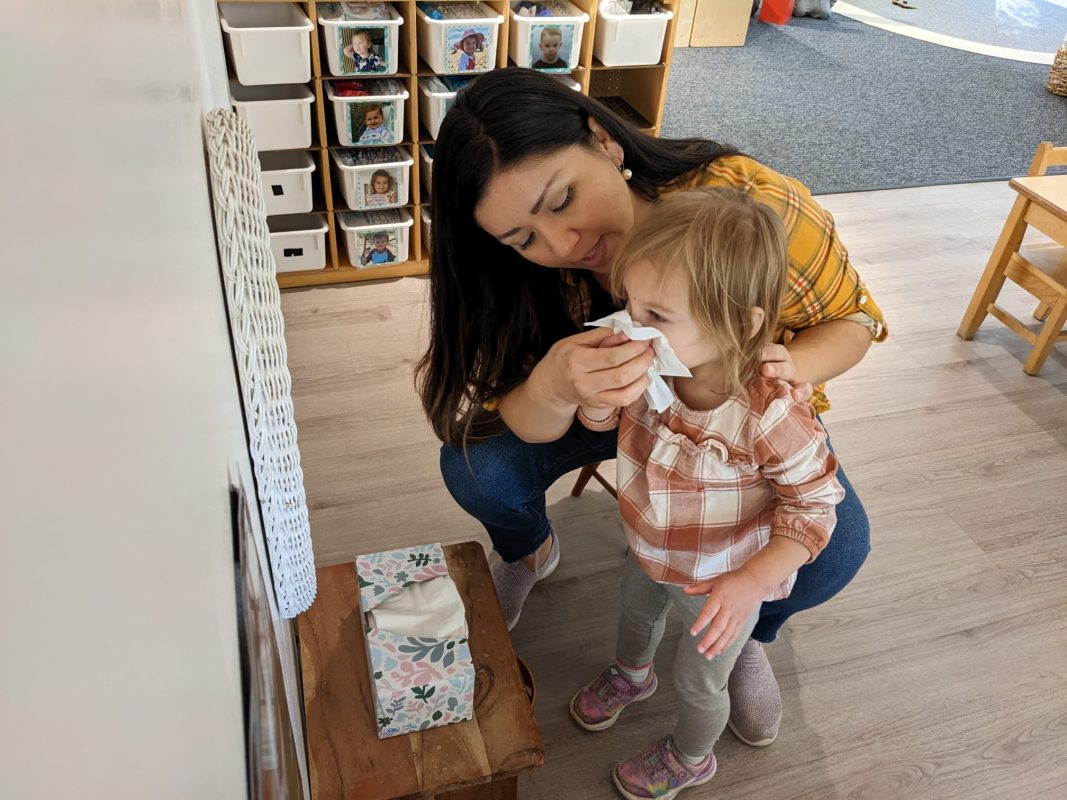
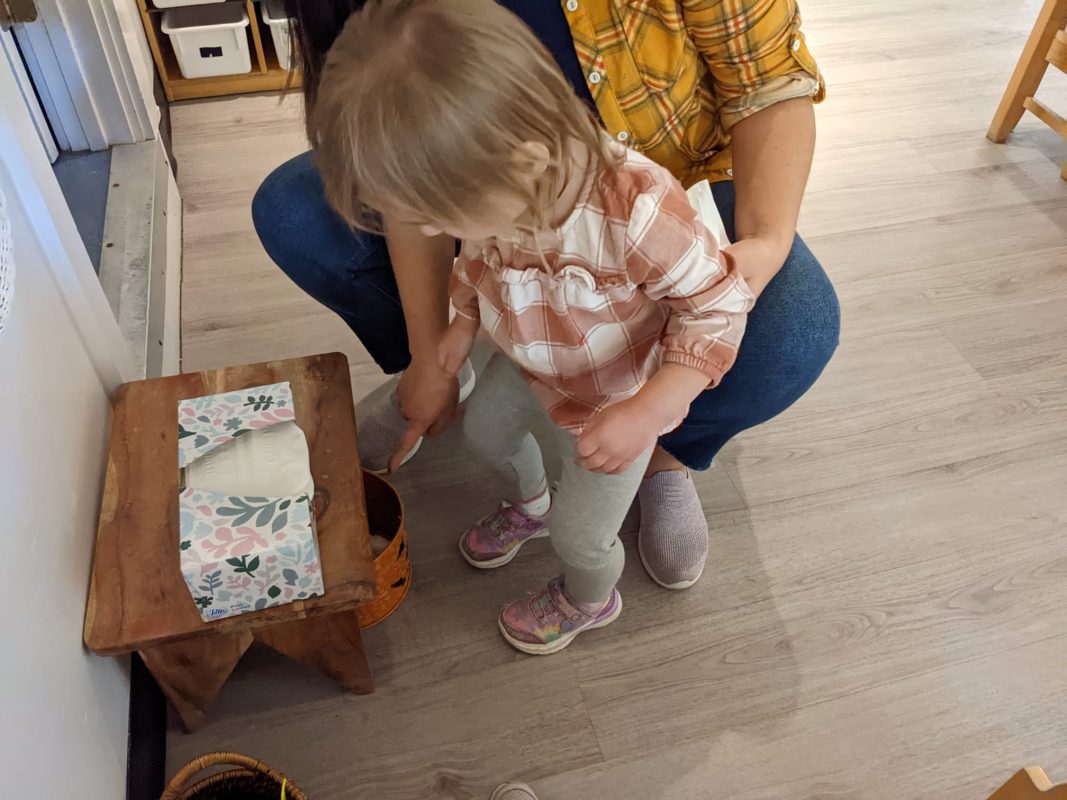
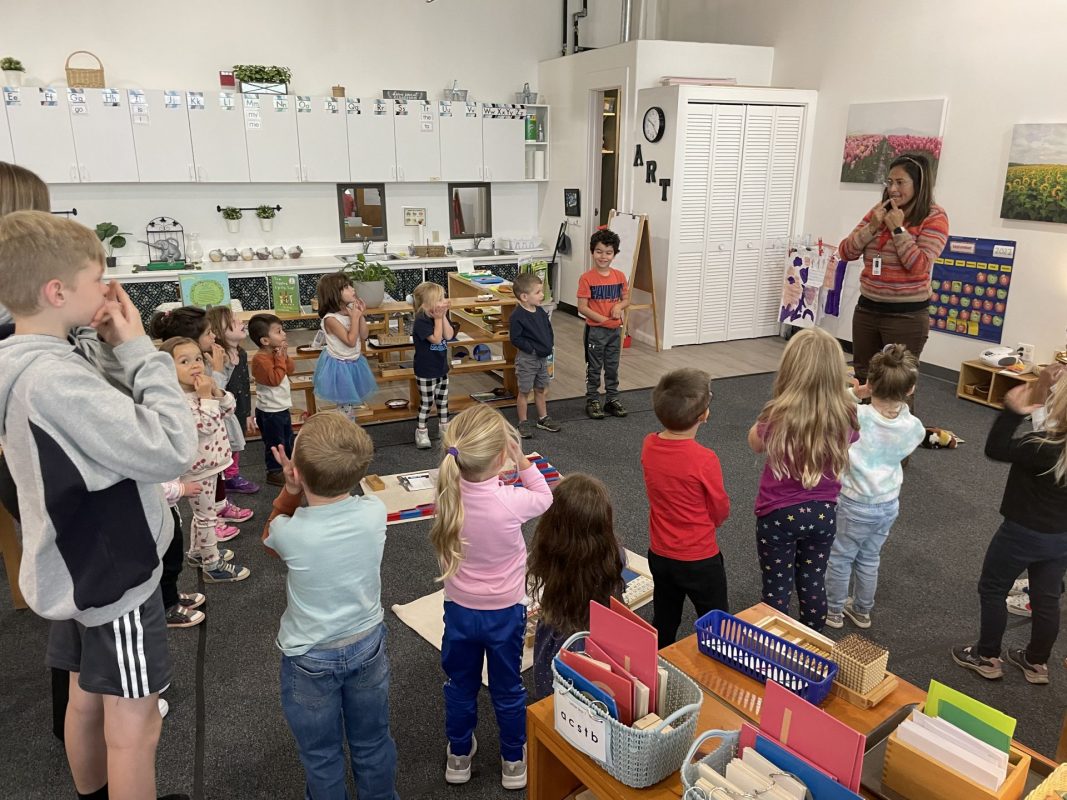
In our environment your children work daily on practical life exercises that aim for independence, as this is the main part of a Montessori Toddler curriculum. One of the self-care exercises your children have been working on over and over this week has been nose blowing. Between fall allergies, growing an immune system, viruses everywhere, and the infamous New England unpredictable weather, it seems children need tissues constantly. That’s why there is a nose blowing station in our environment. This is a small area with a small mirror at children’s eye level, a small table that holds a box of tissues and a small trash can. The first part of the lesson refers to the “pinch and pull method.” Basically, we teach them to look at their face in the mirror to see the mucus, how to place the tissue in their hand, pinch their nostrils and pull away from the face. As children master this part, properly blowing their noses will come second as they will be more aware of their body. We then finish the lesson by throwing the tissue in the trash and washing and drying our hands.

We strongly encourage you to support the learning of this skill by providing a nose blowing station at your home as well. It’s easy to set up and let me tell you, it is so rewarding when you realize your child is actually able to help keep their own face clean without you having to chase them all around the house or clean up mucus from different surfaces.

In another note, children enjoyed the visit from the Botsford Fire Rescue. All children that wanted to climb the truck and explore it inside were welcomed to do so. They also received a presentation from a very kind firefighter on how the firefighters’ gear works. It was so great and we are so thankful for this wonderful visit!

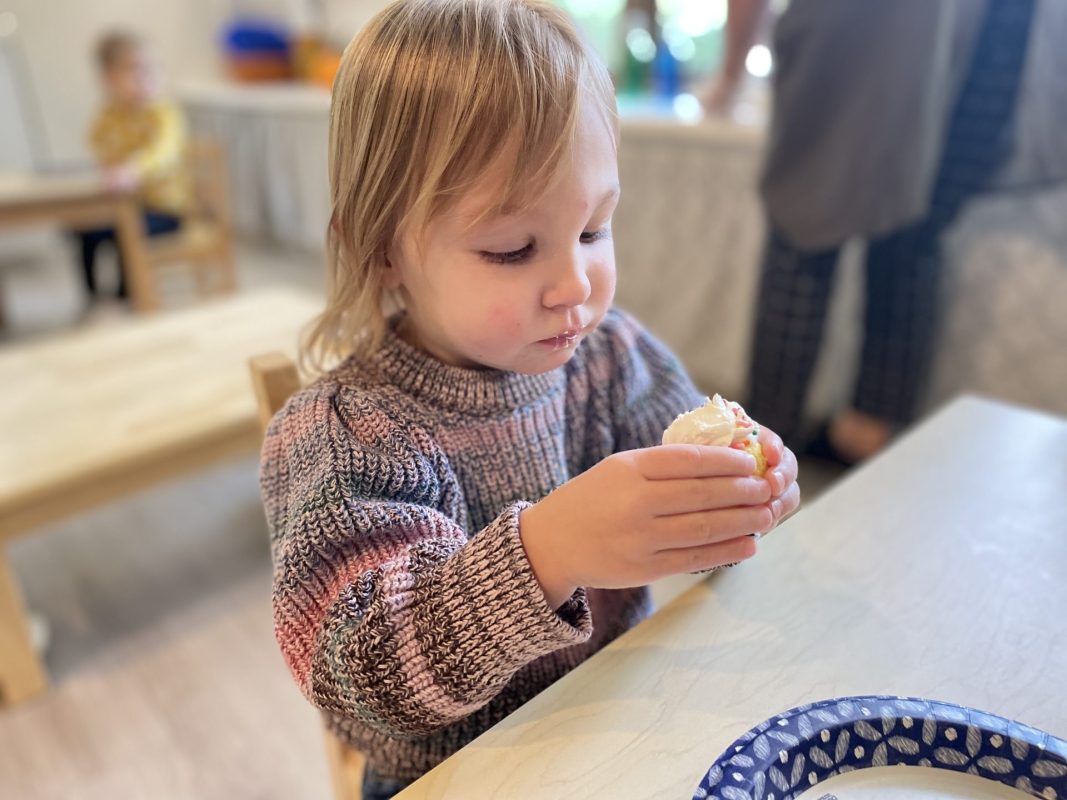
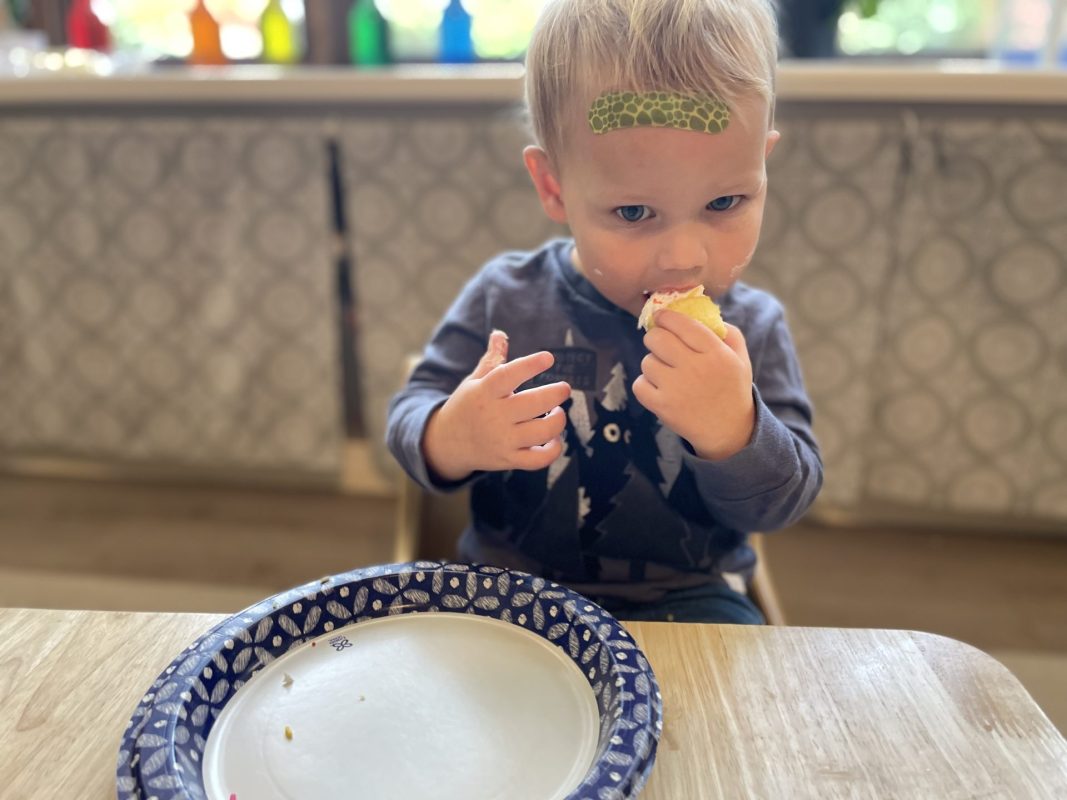
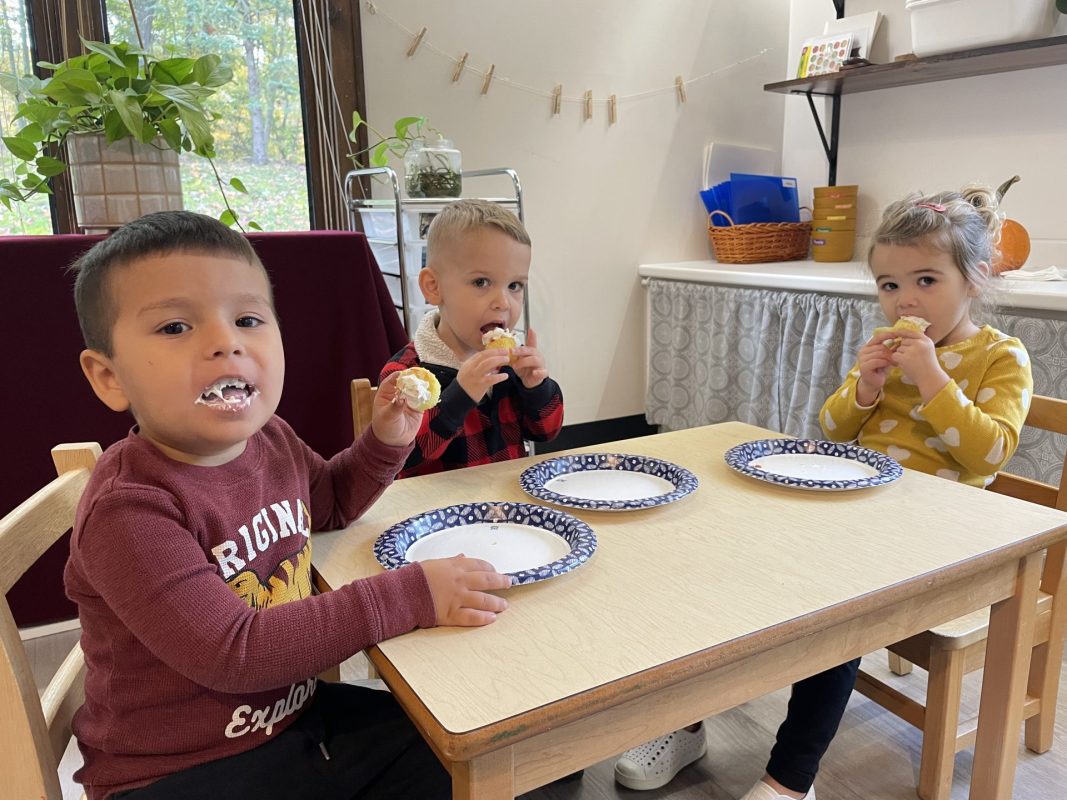
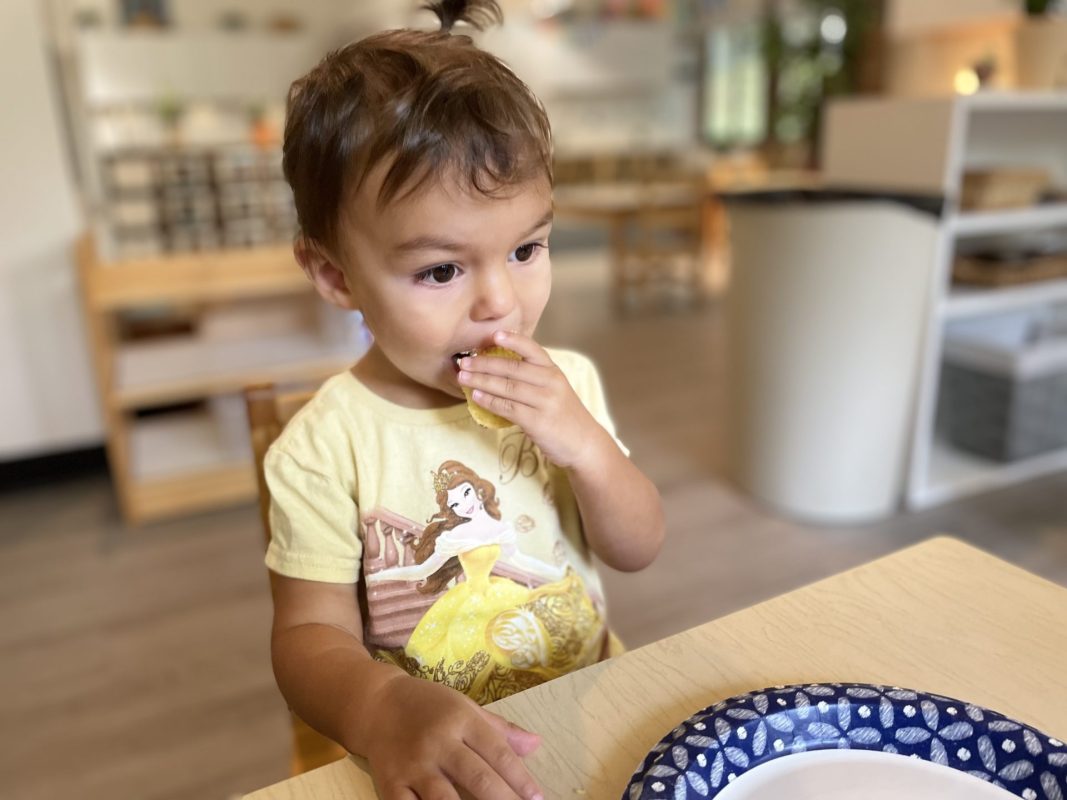
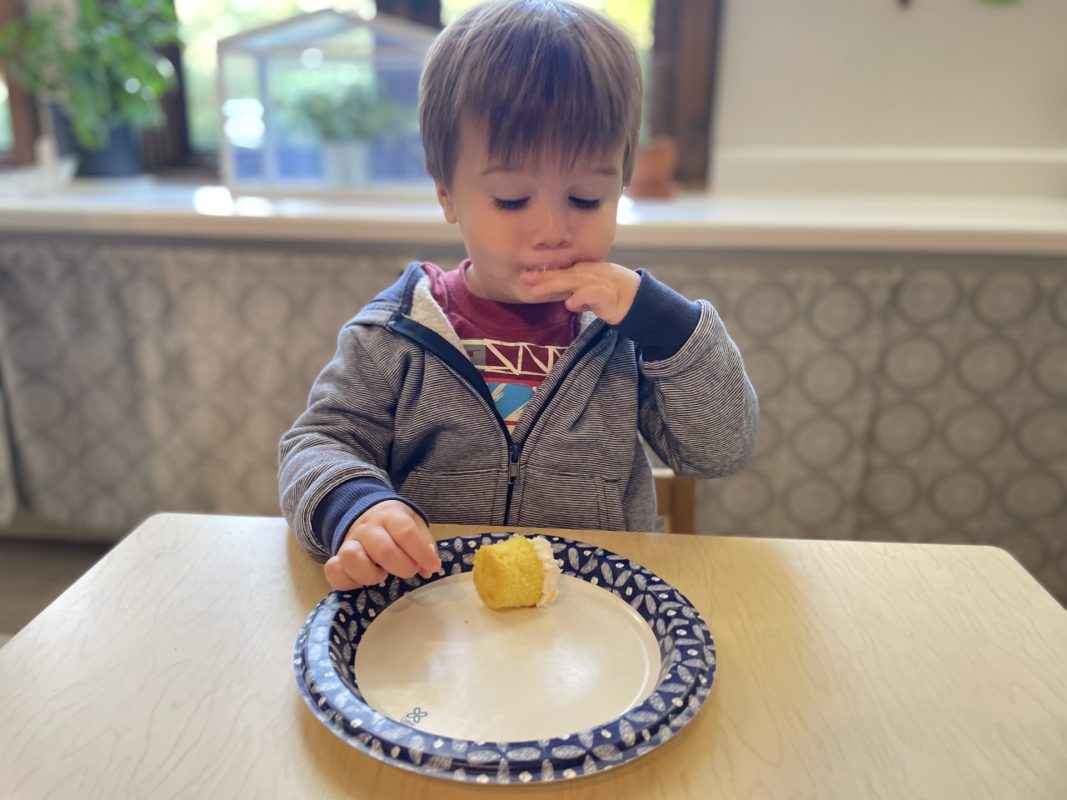
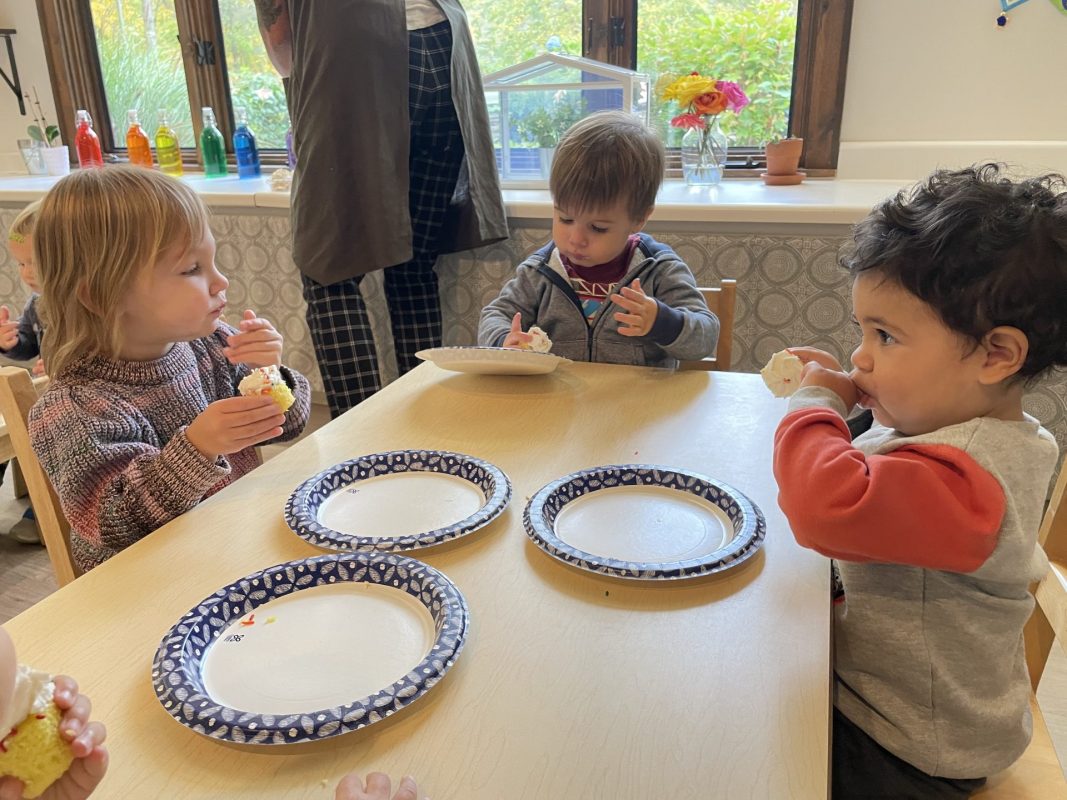
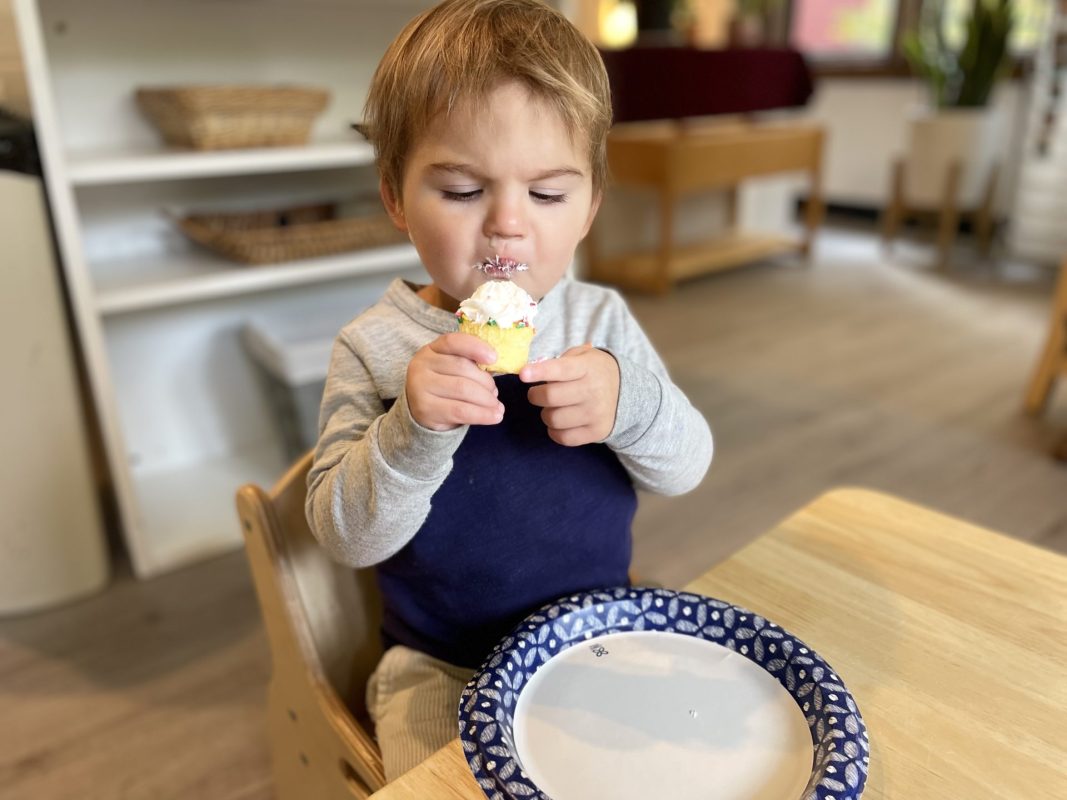
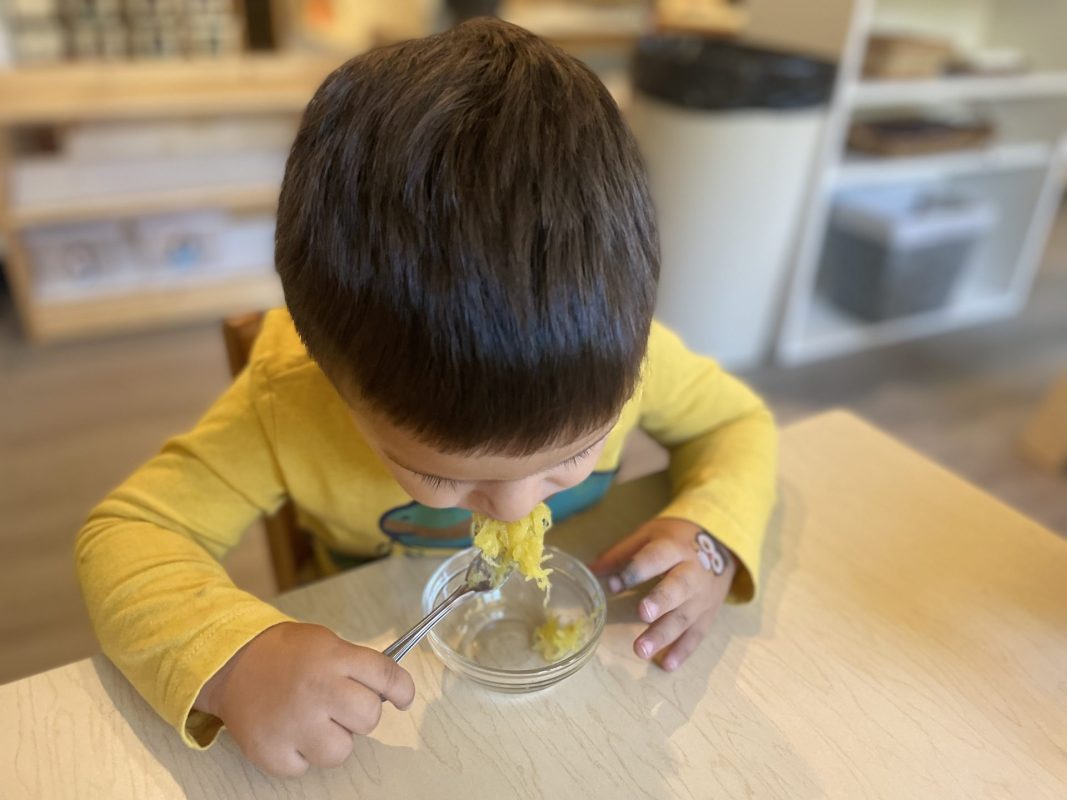
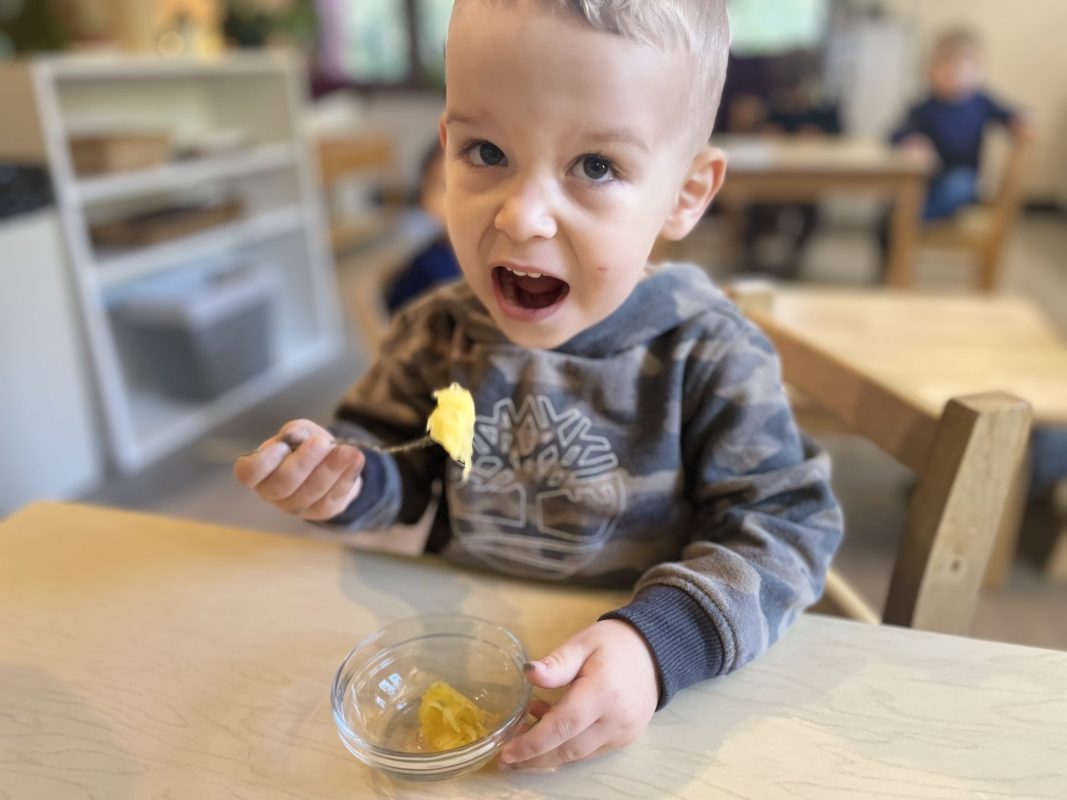
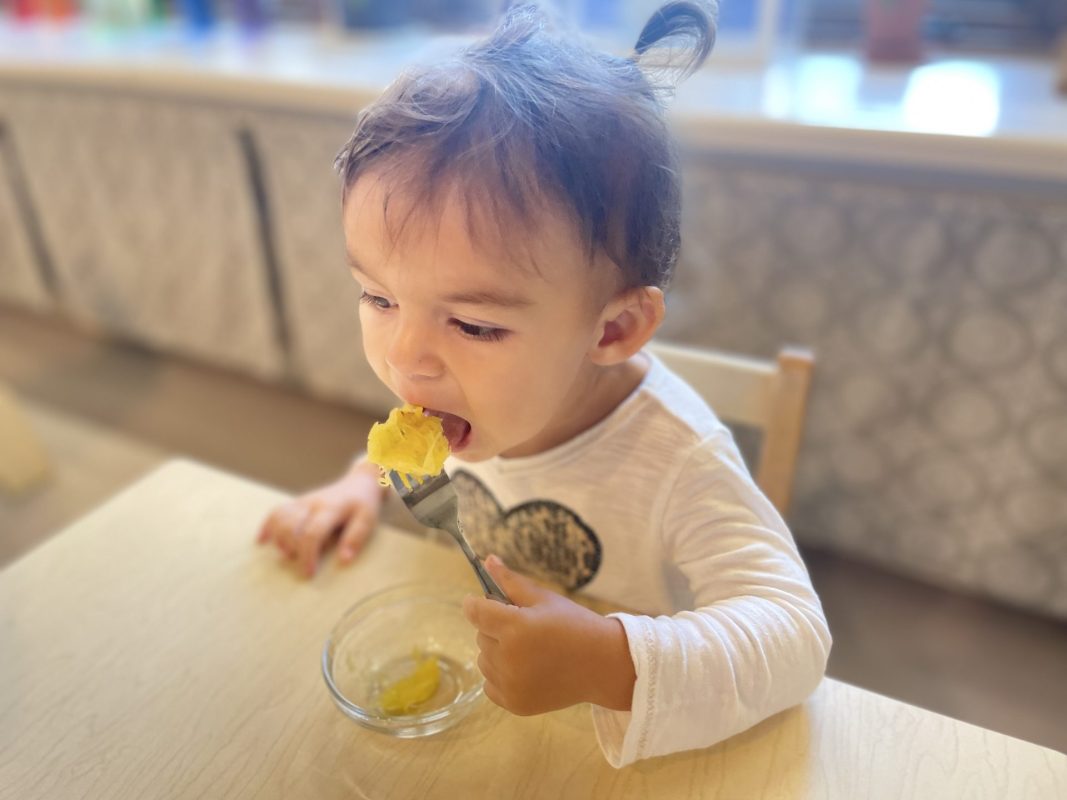
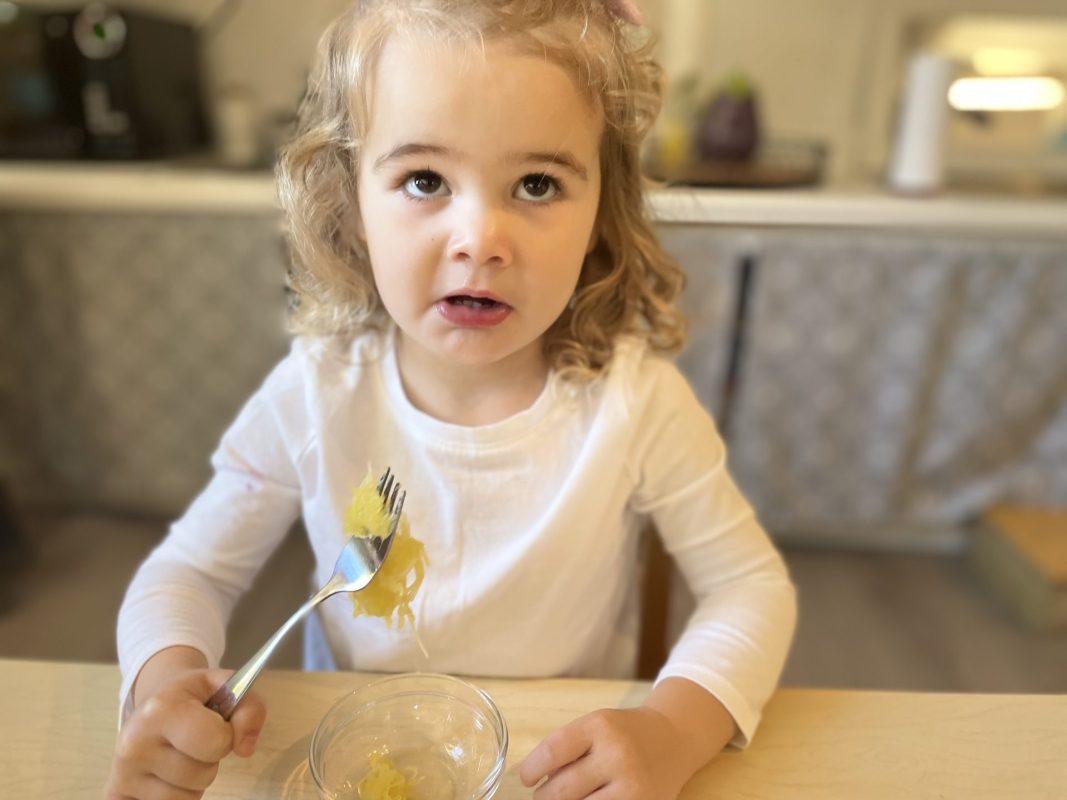
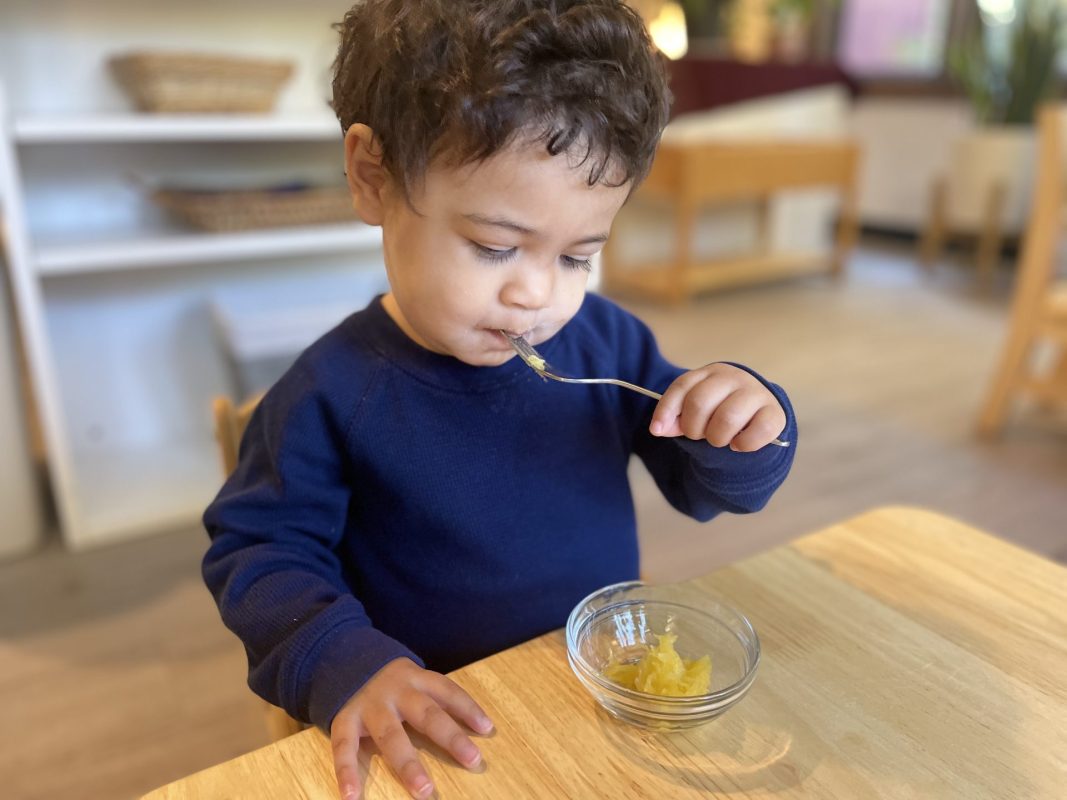
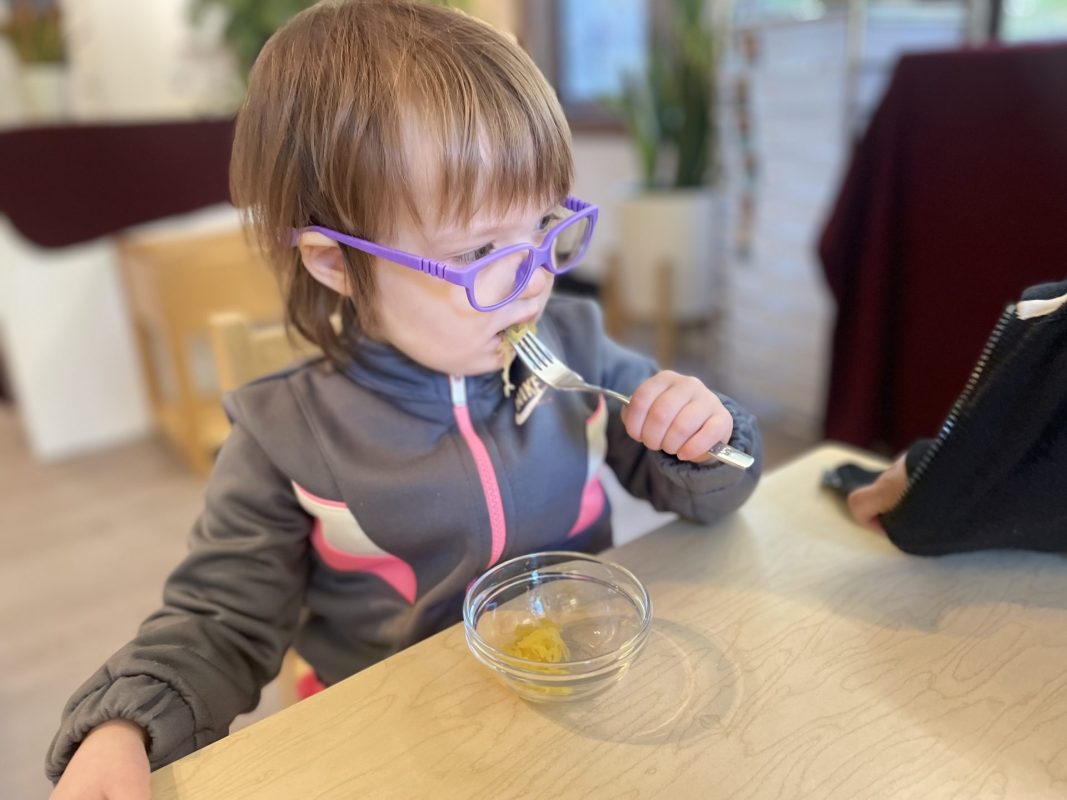
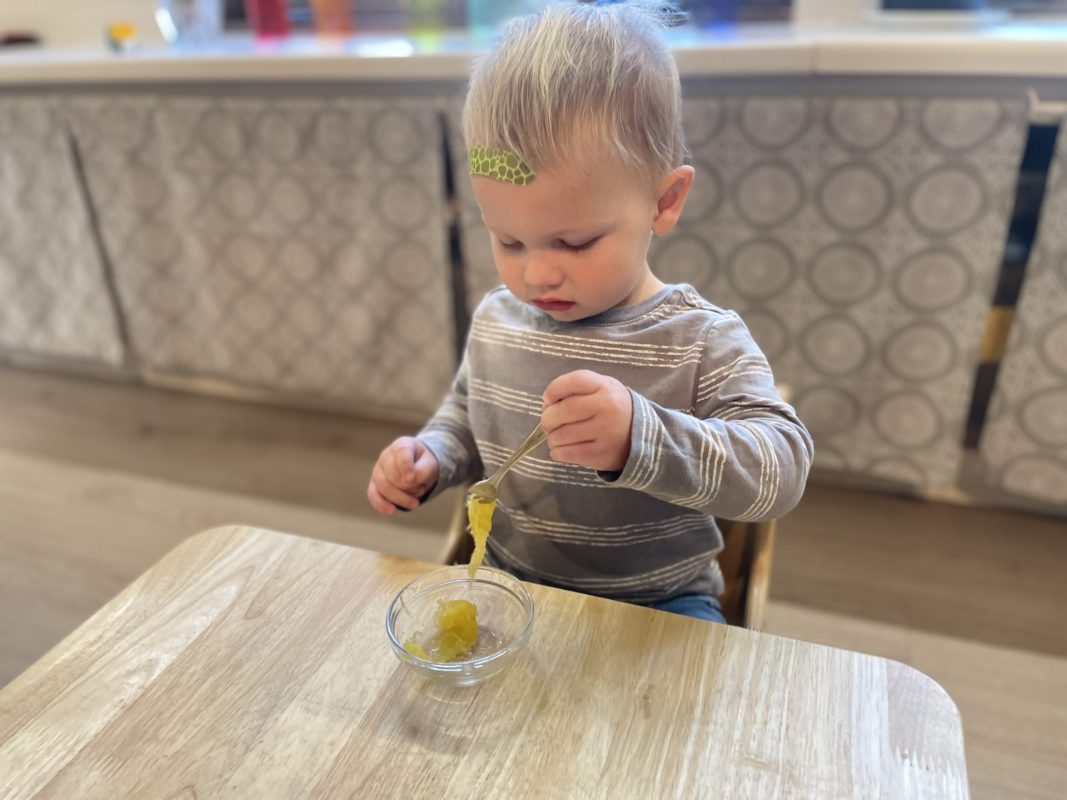
Lastly, we celebrated a birthday and explored a delicious spaghetti squash for food tasting!

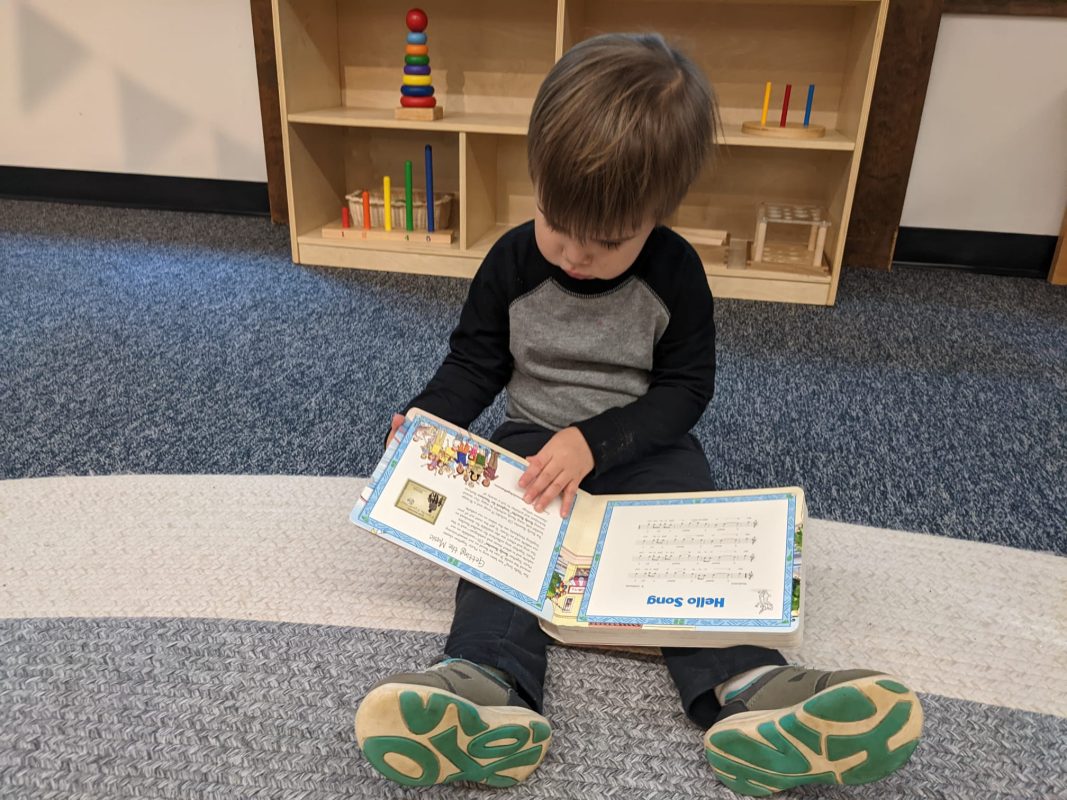
The favorite books this week were Germs Are Not for Sharing by Elizabeth Verdick, All by Myself by Aliki, and The Itsy Bitsy Pumpkin by Sonaly Fry.

We are looking forward to meeting you at our Parent-Teacher Conference next Thursday, October 27th to discuss your child’s progress and goals in our program.

Stay warm and healthy,

Mrs. Hood and Miss Bethann.

Spanish Class

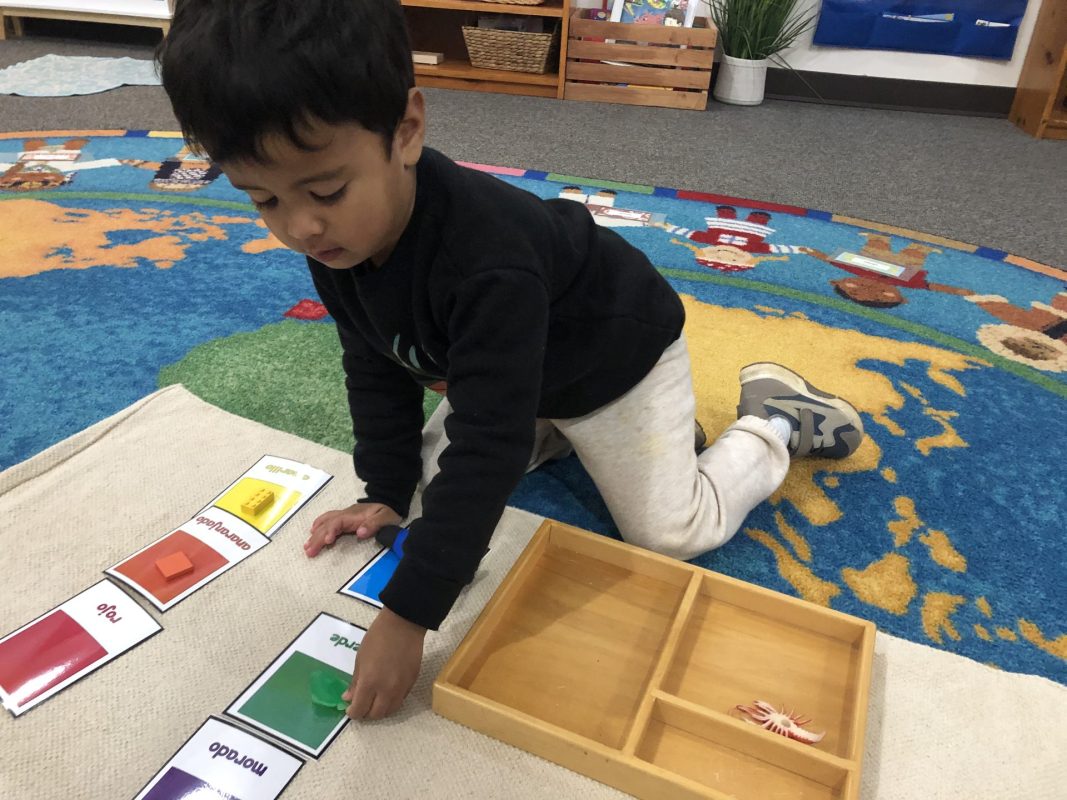
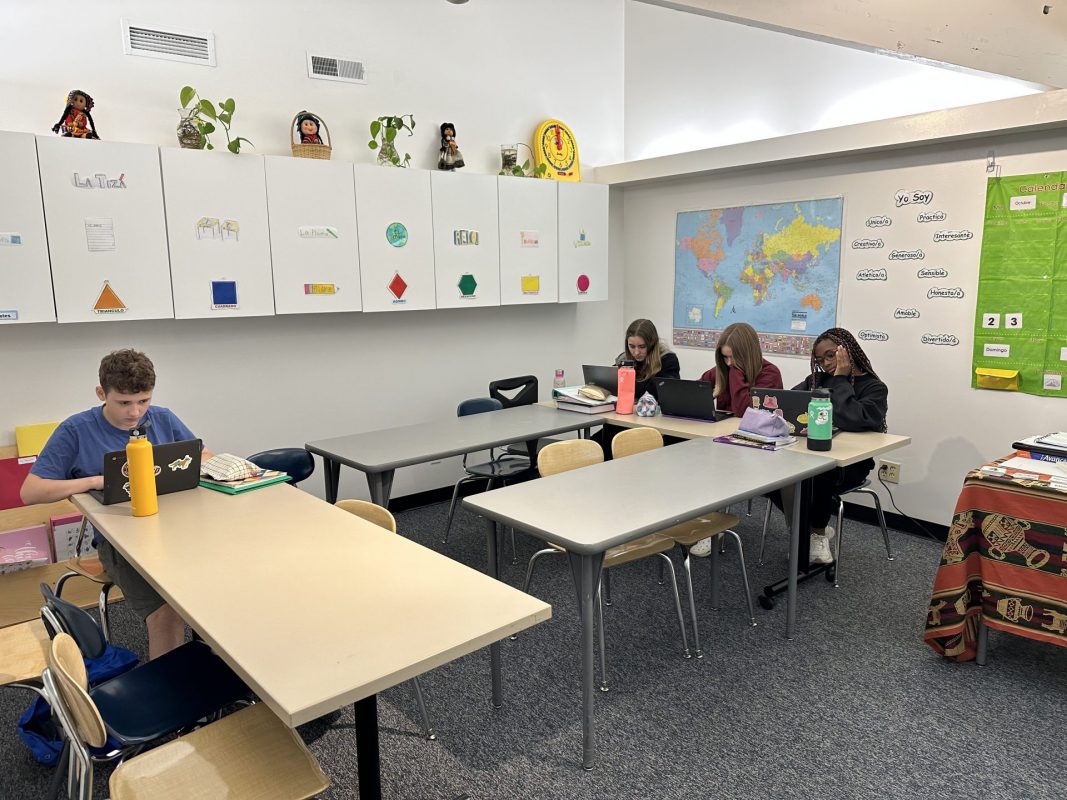
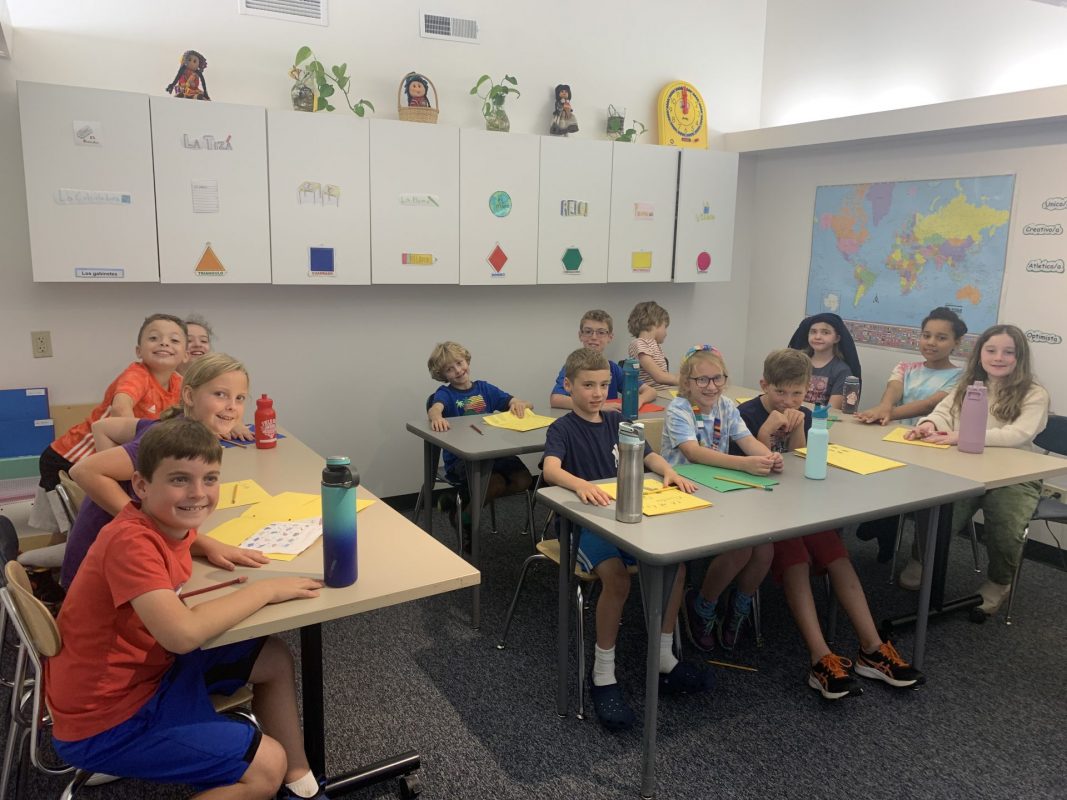
Learning another language is beneficial for memorization development in a child’s brain, making it more efficient and flexible. This month children at Fraser Woods Montessori school were able to review and learn basic Spanish phrases and words.

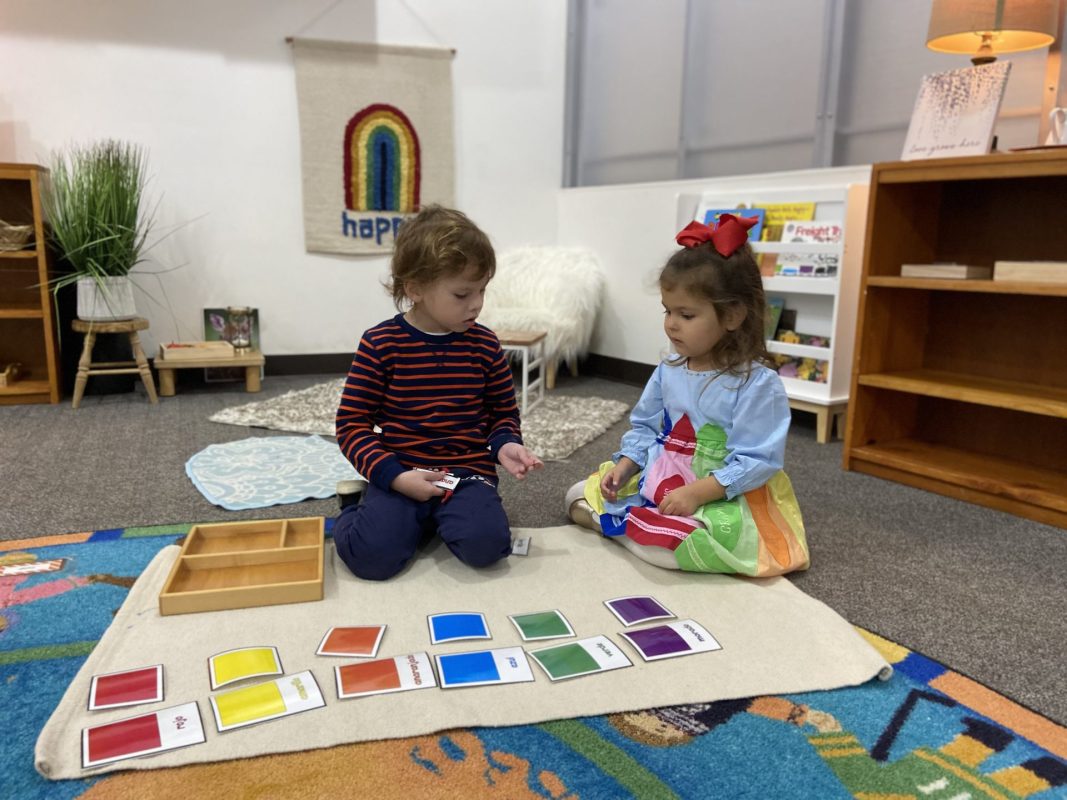
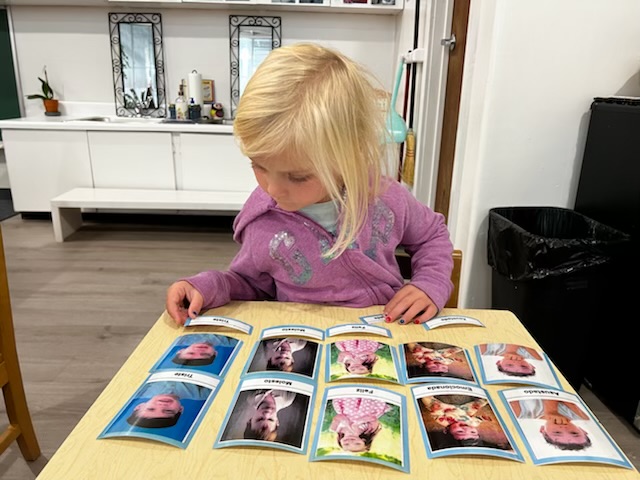
Primary and Lower Elementary students recalled greetings, self-introductions and how to express their basic feelings in Spanish. In addition, children were able to practice the new words learned in a lesson that was placed in their classroom.

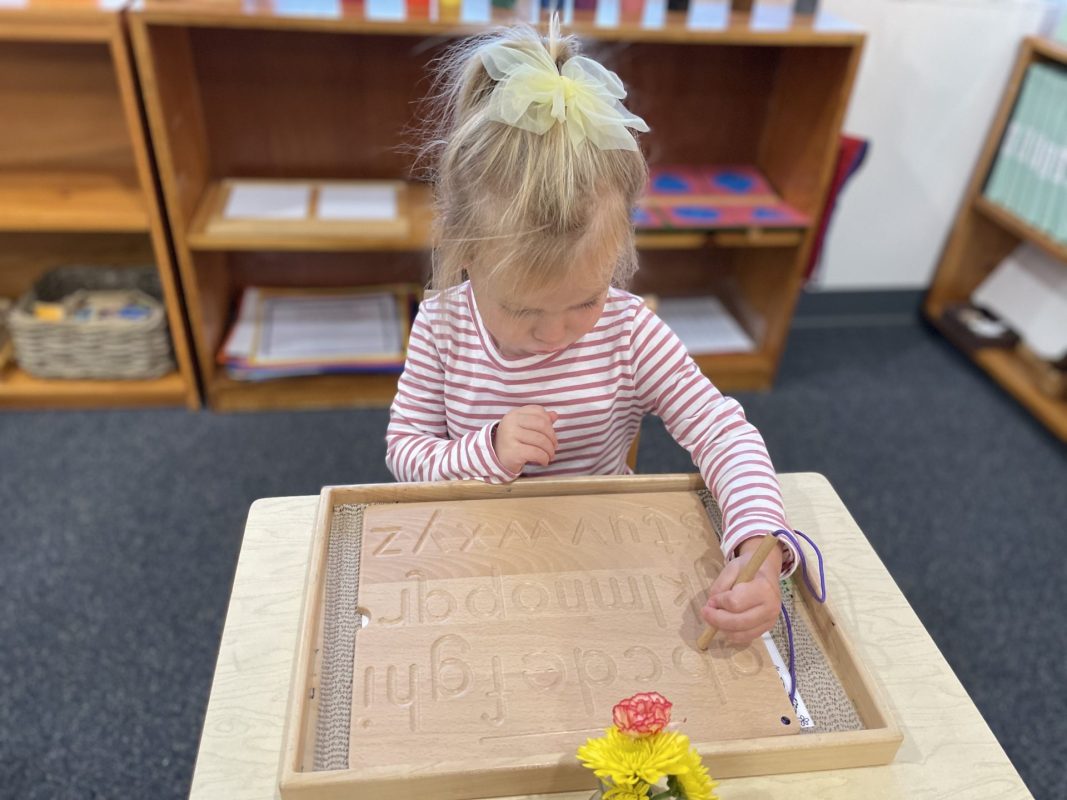
Upper Elementary students, as well as all the students had a review of Spanish learned in previous years. Also, they are learning the Spanish alphabet, practicing handwriting, pronunciation and more vocabulary.

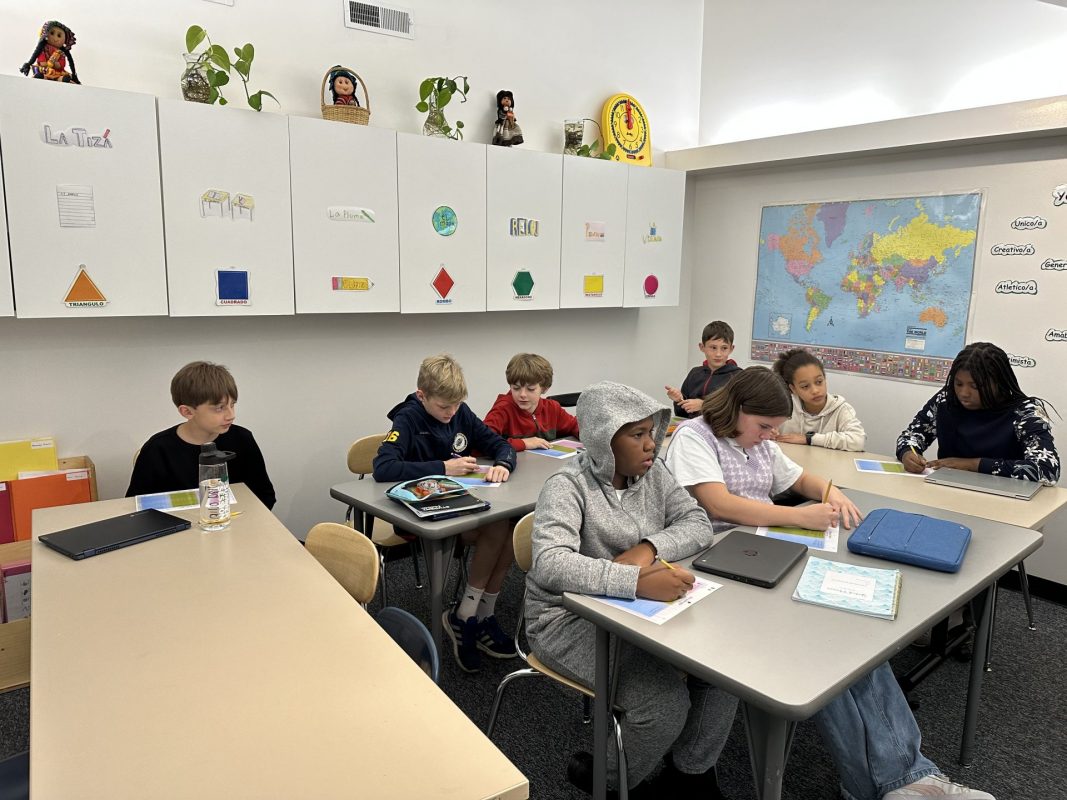
Middle school students are working on learning basic grammar, listening, conversation and pronunciation using regular activities related to their interests. On Fridays we have Spanish enrichment where they can learn more about Spanish speaking countries, their history and traditions, using interactive games, videos and other fun activities in class.


The Fab Lab!

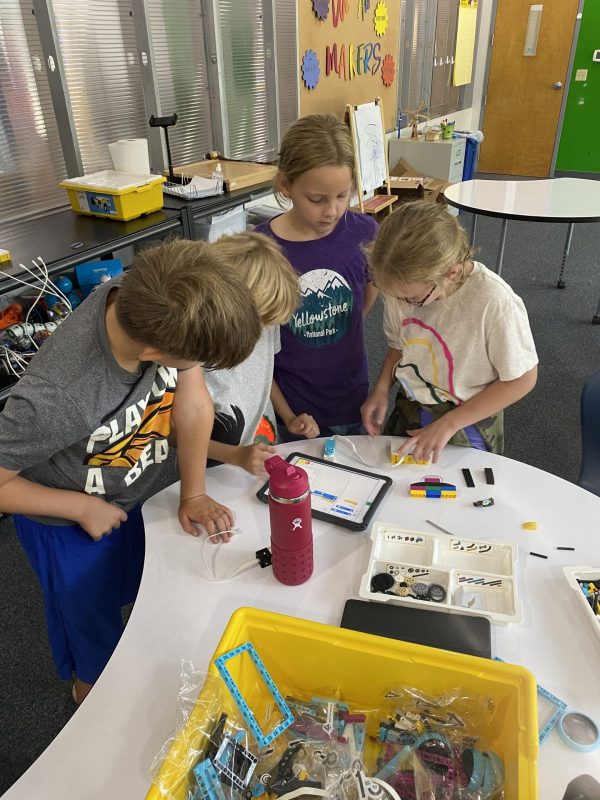
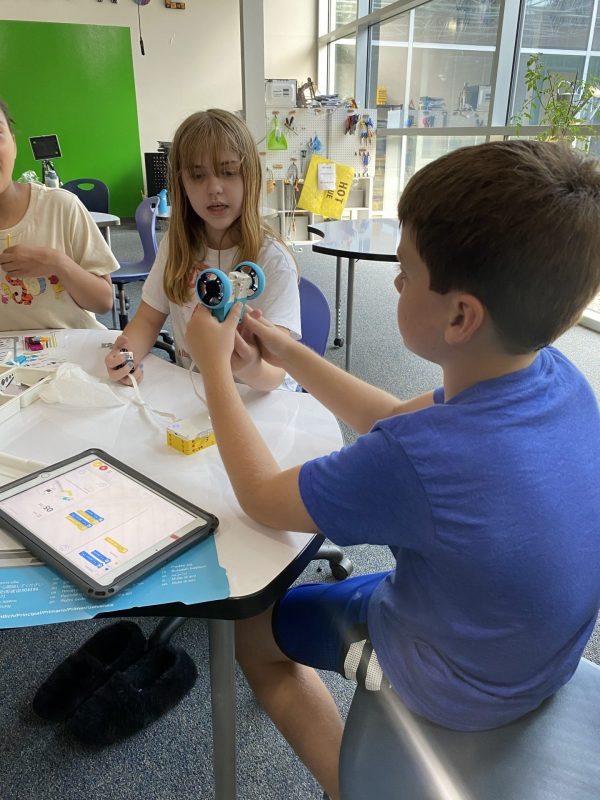
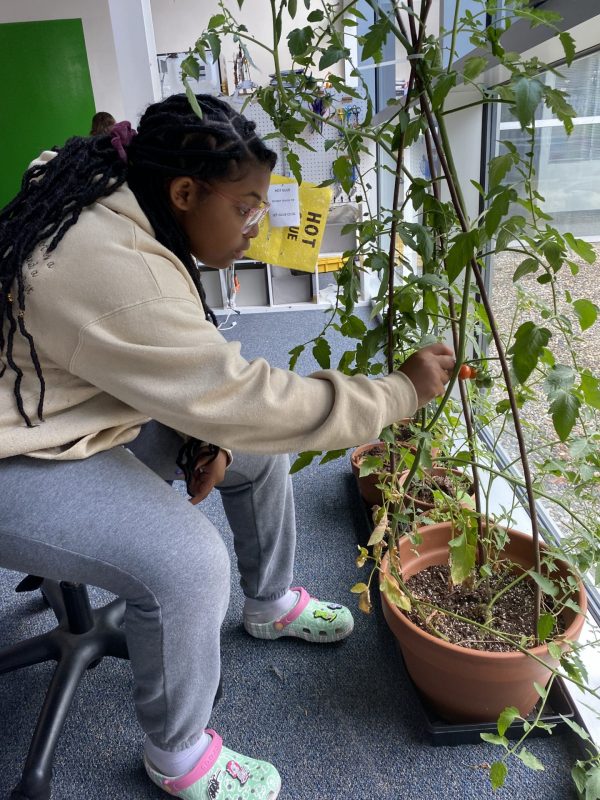
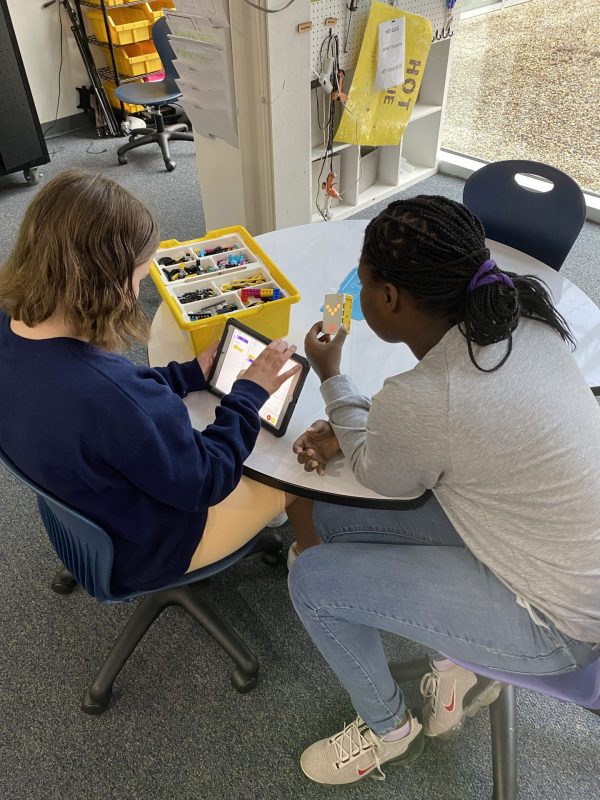
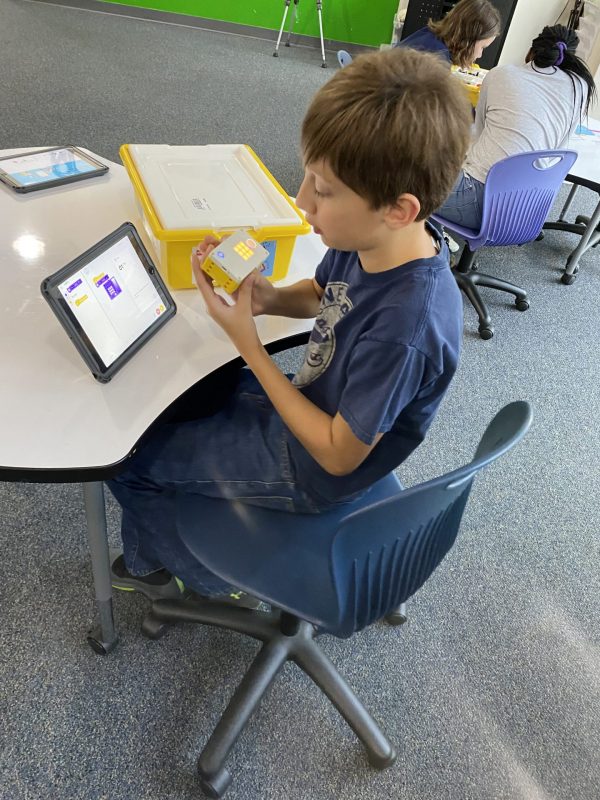
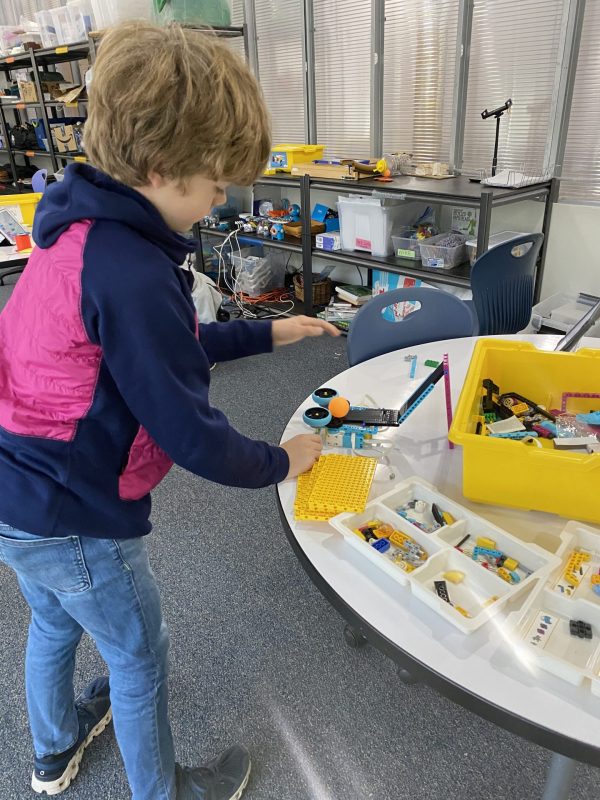
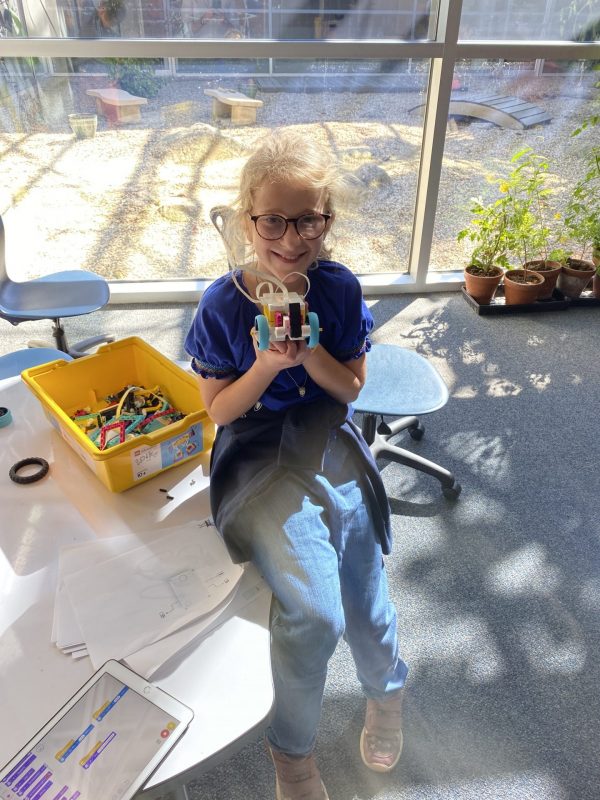
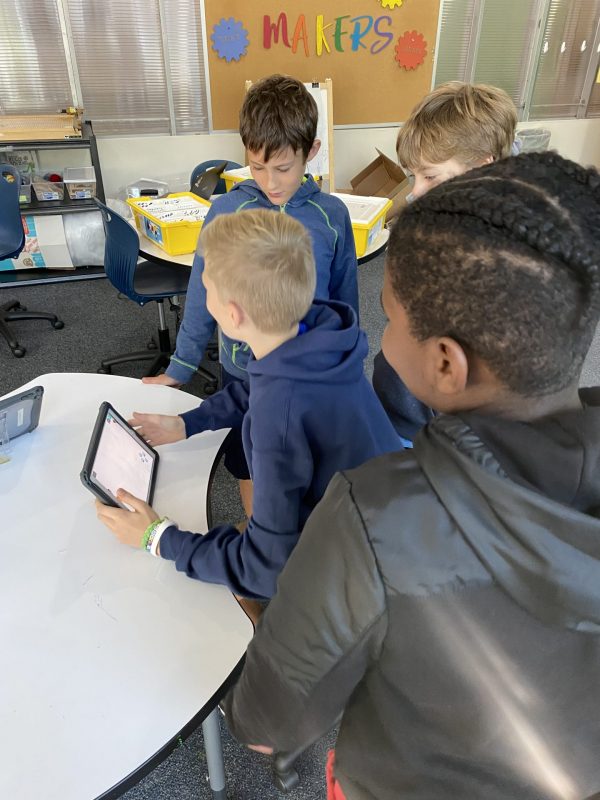
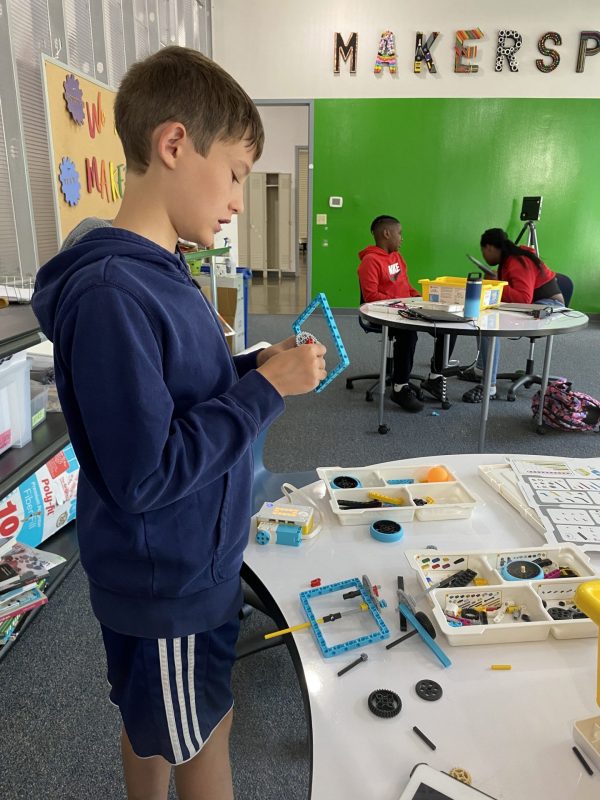
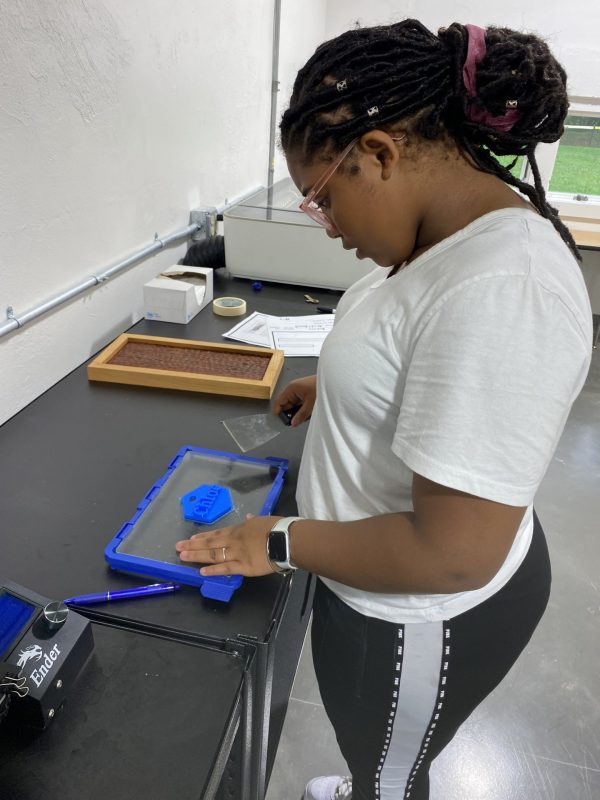
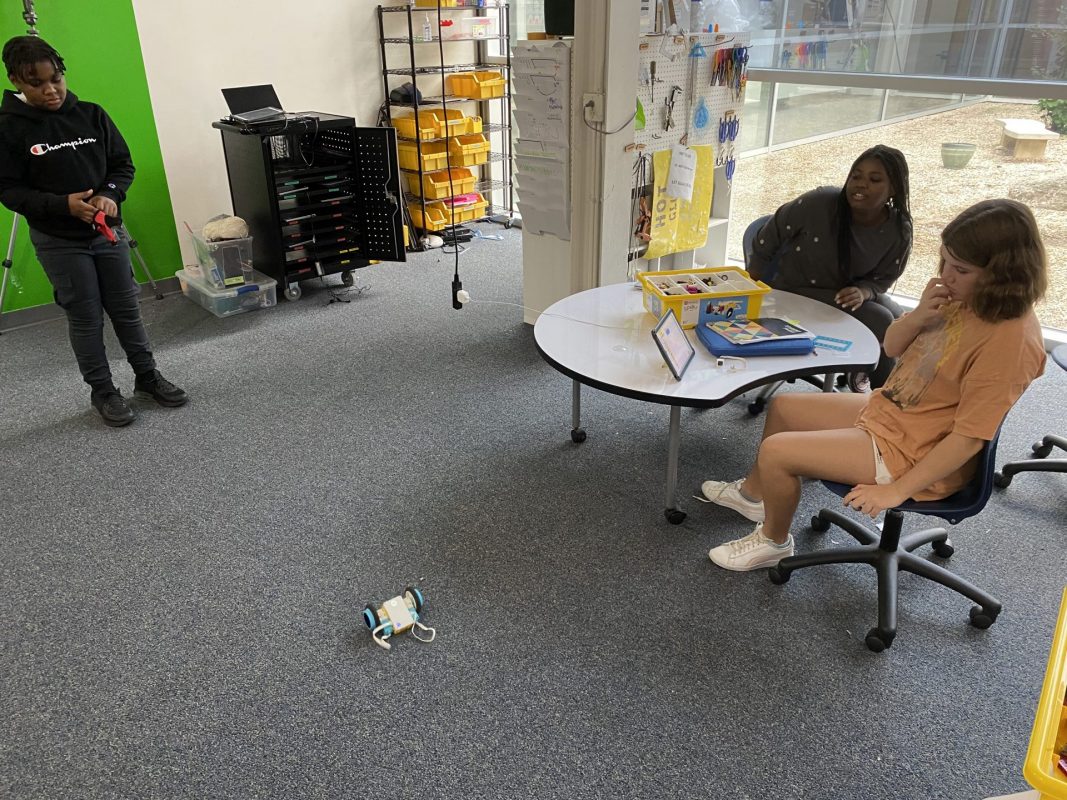
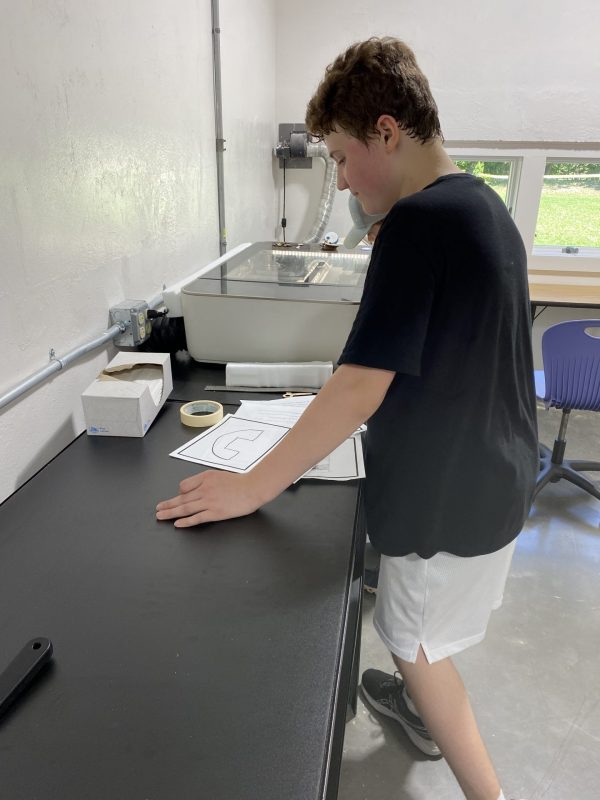
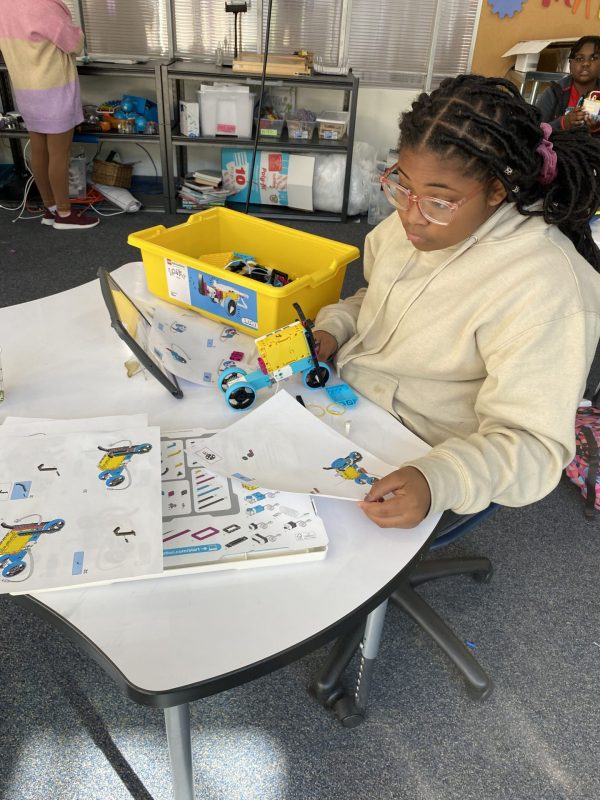
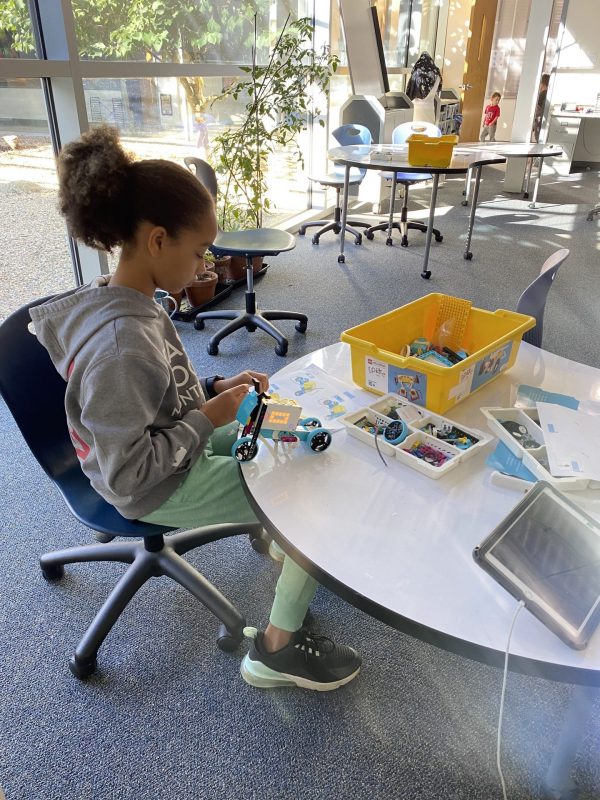
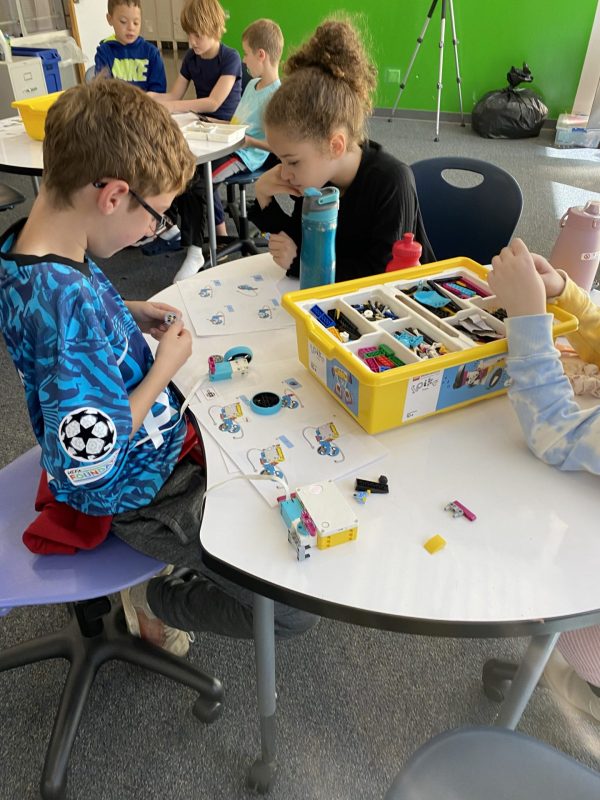
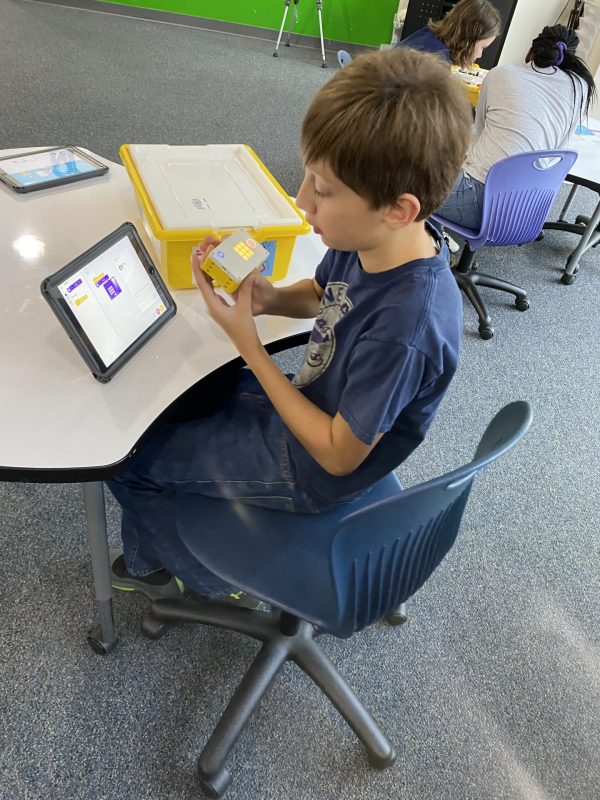
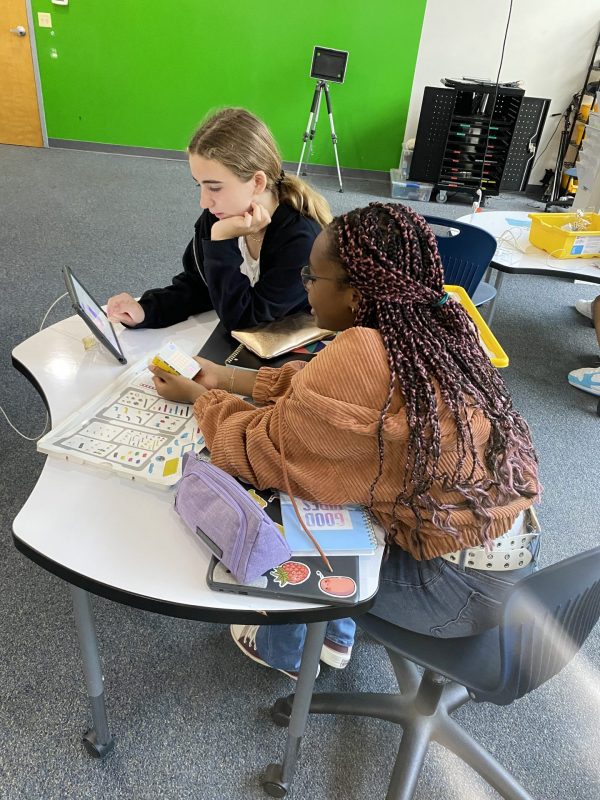
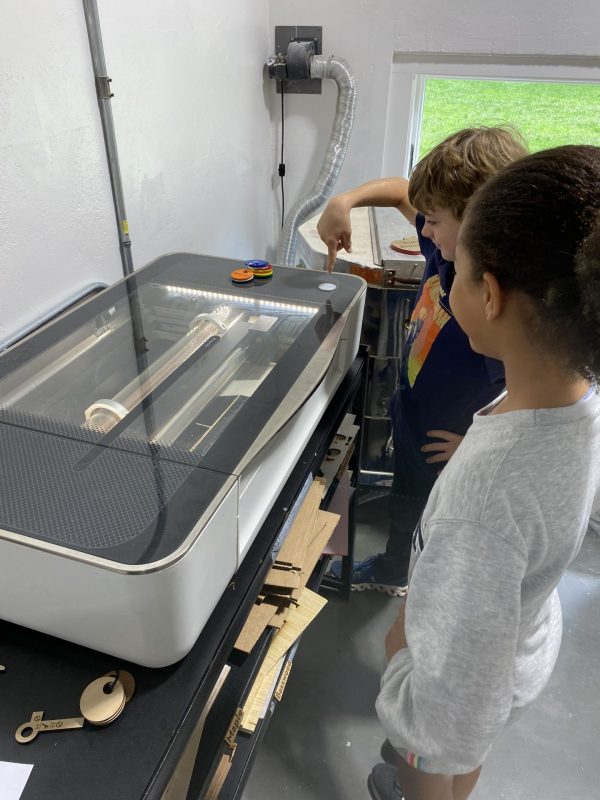
With the new year comes new opportunities and thanks to the generous donations of our community a new creative space for kids to explore their creativity. The Fabrication Lab is open and operating with our laser cutter, 3D printers, CNC machine and robotics all in full swing!

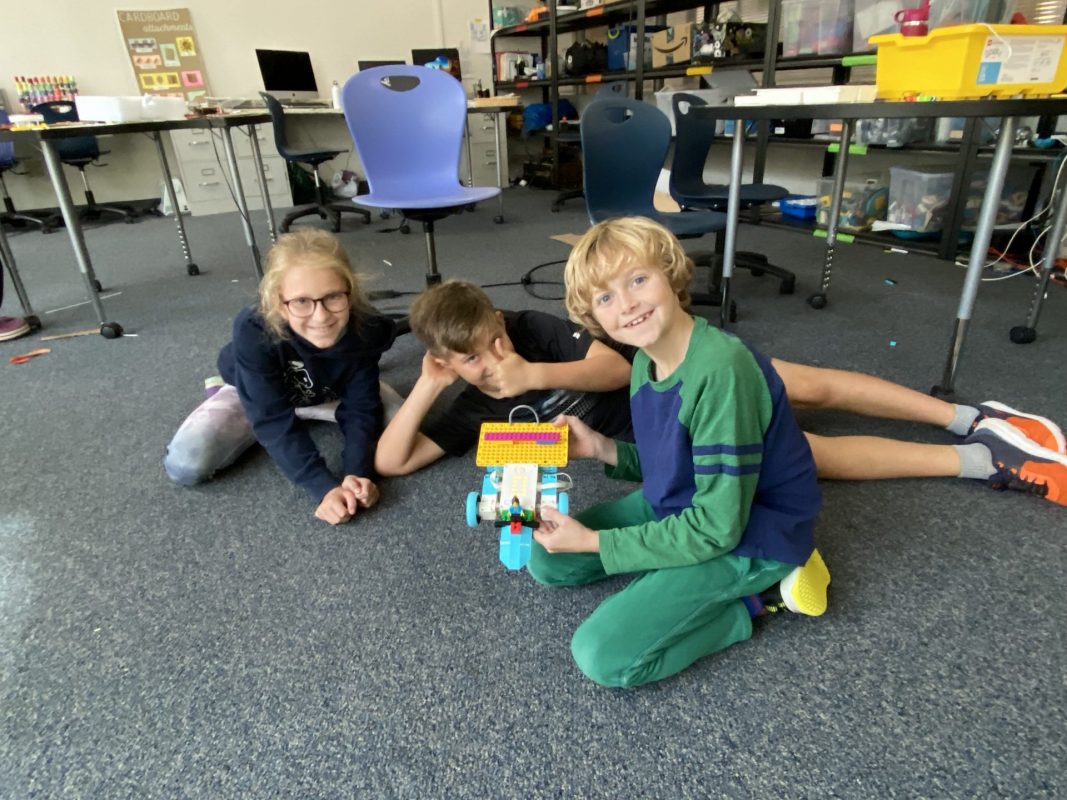
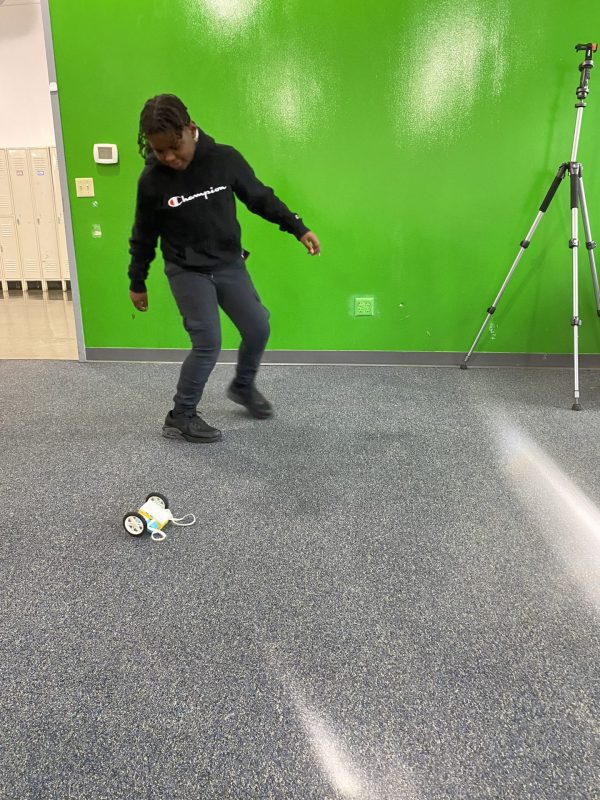
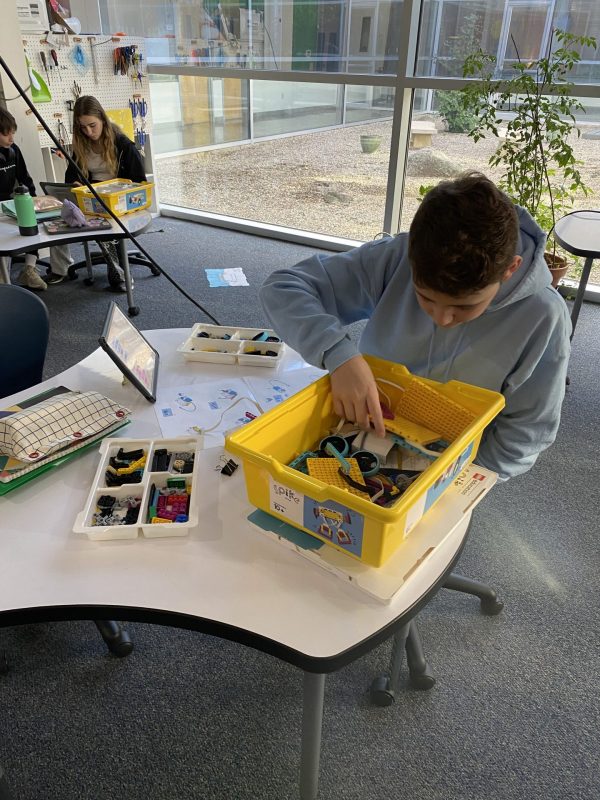
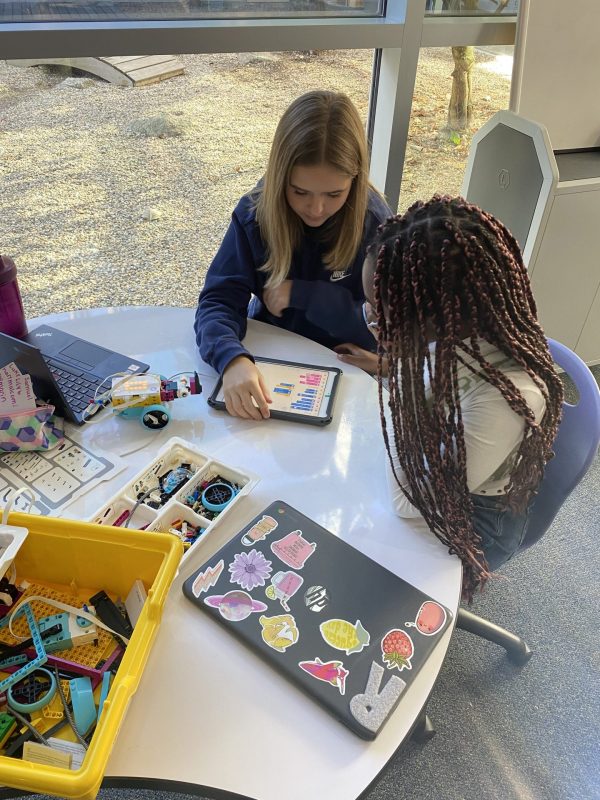
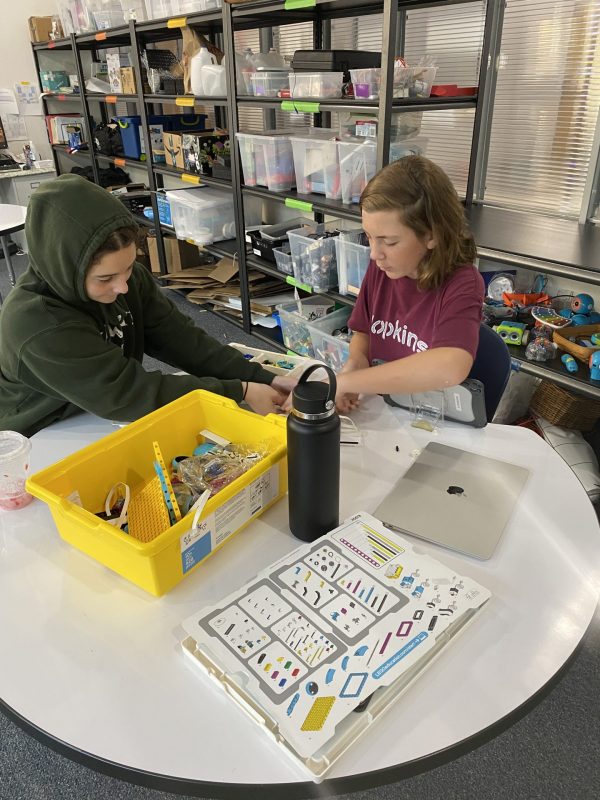
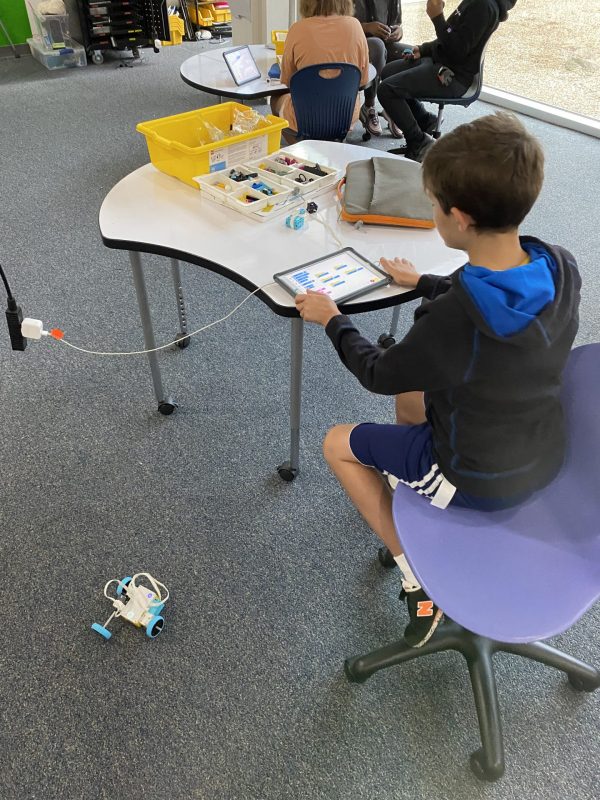
Thanks to the Fab lab opening I have had the opportunity to offer an entirely new class to the upper el- Middle school that is focused on the intersection of coding and robotics. Using the modular kits made by lego students are able to design, create and code a robot with virtually any function. The students can use a number of sensors including proximity, color, touch and gyroscopic sensors to have the robot interact with its surroundings.This flexibility lets the students creativity explode. So far we’ve seen cars, remote controlled robotic grippers, lunar rovers and more. I’m very excited for this opportunity to let the students experience coding and robotics early as they become more and more ubiquitous in our world.