Blog

Upper El’s Week

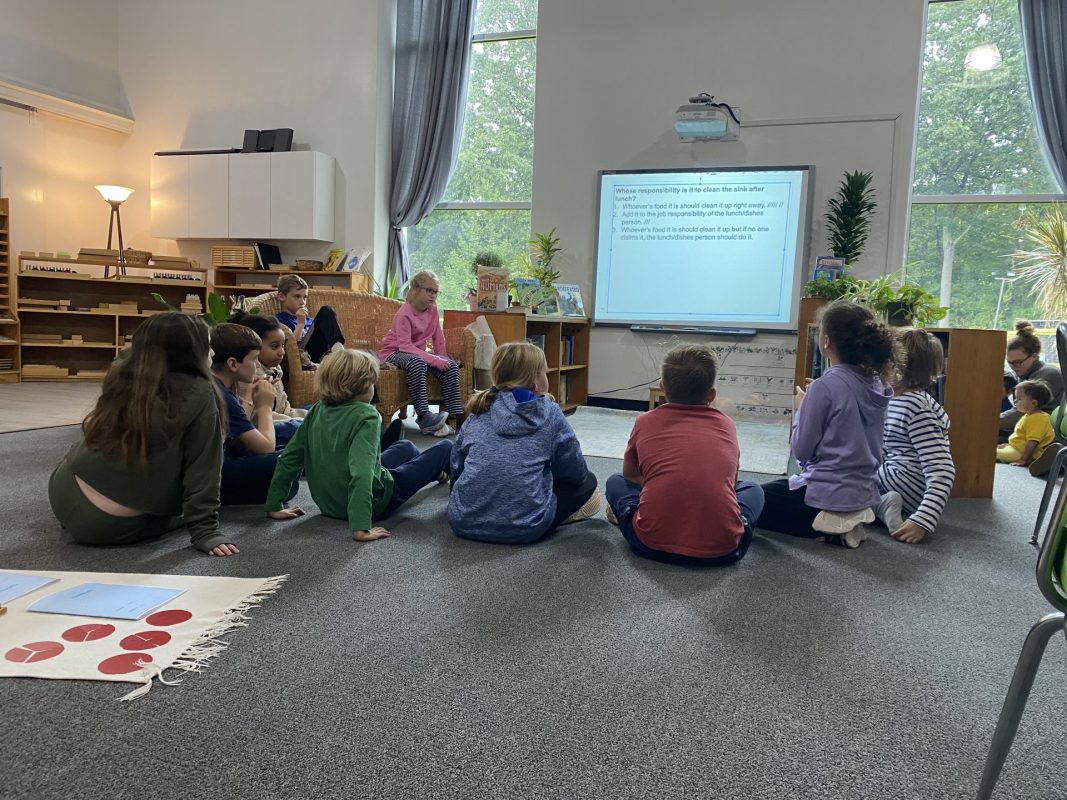
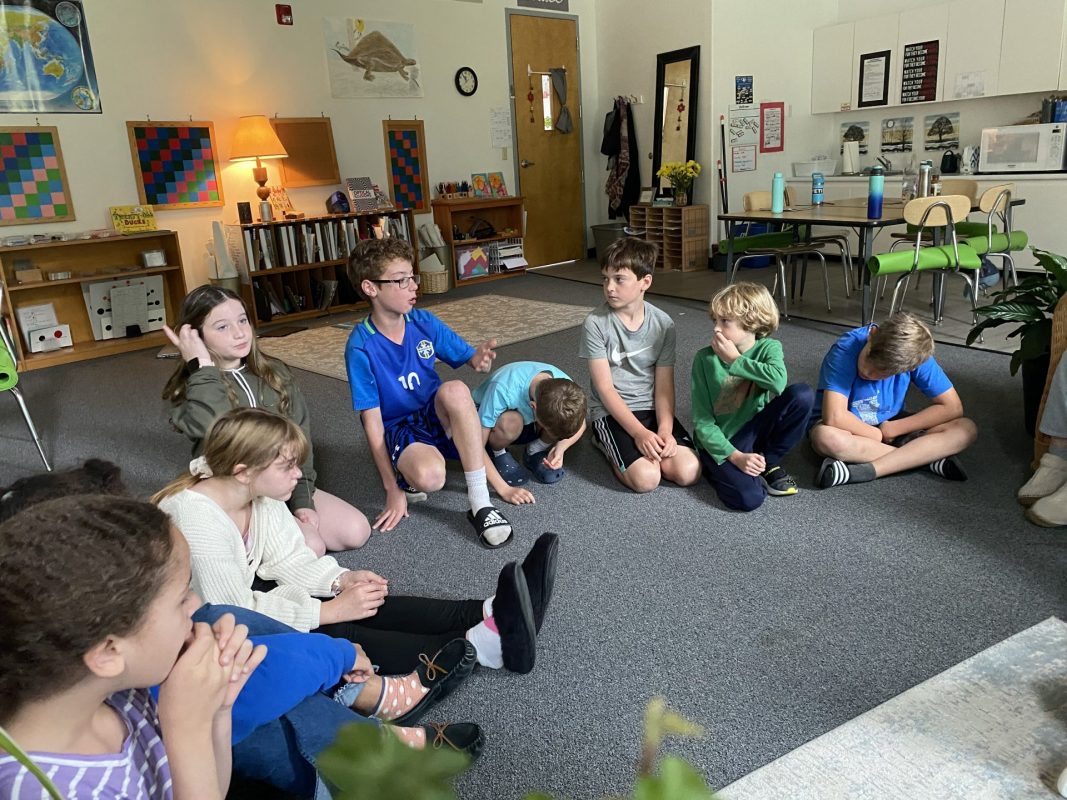
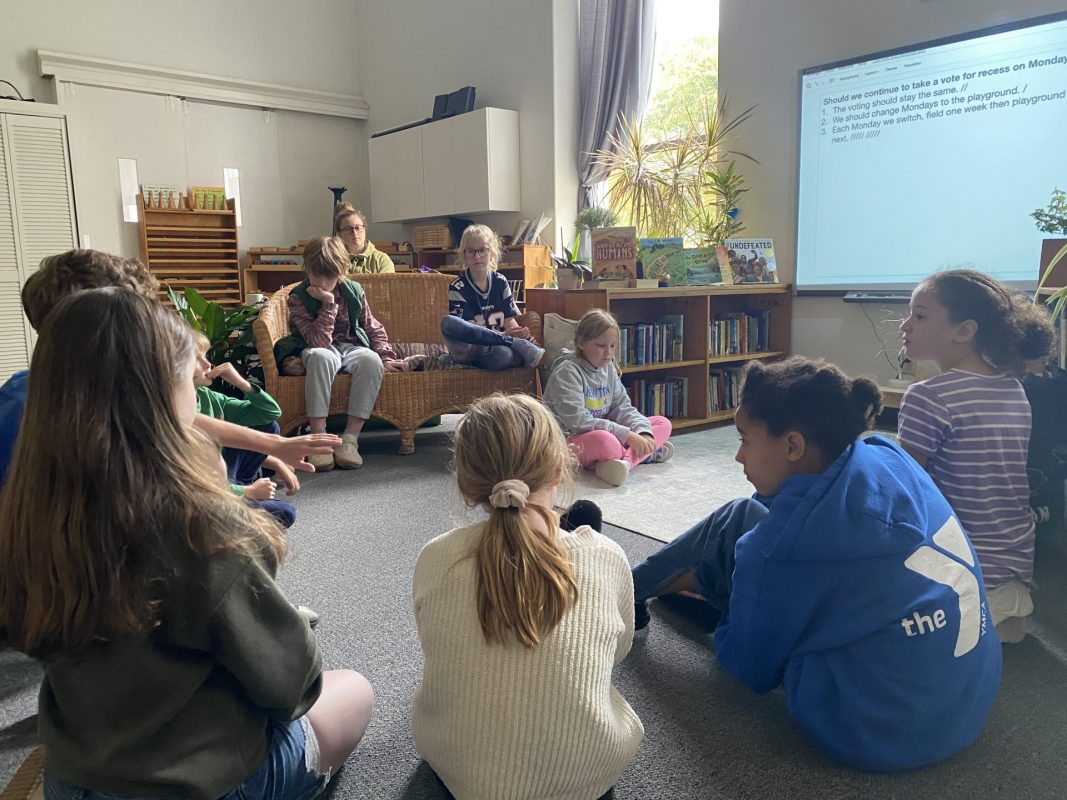
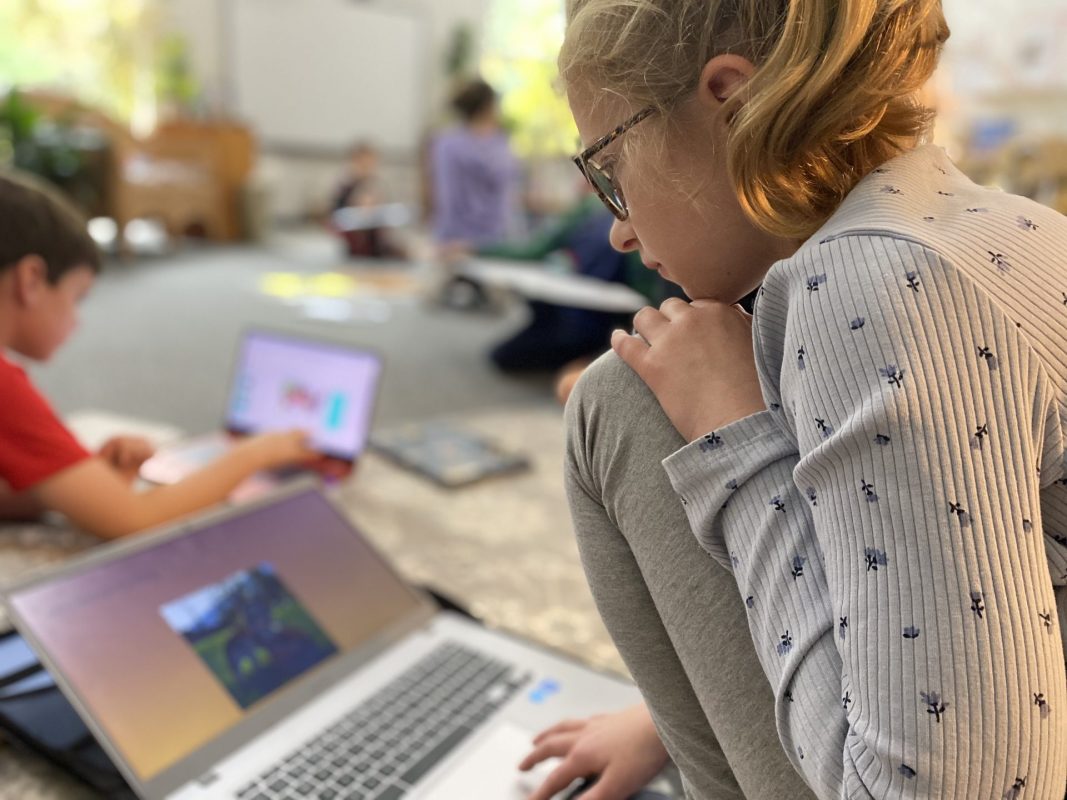
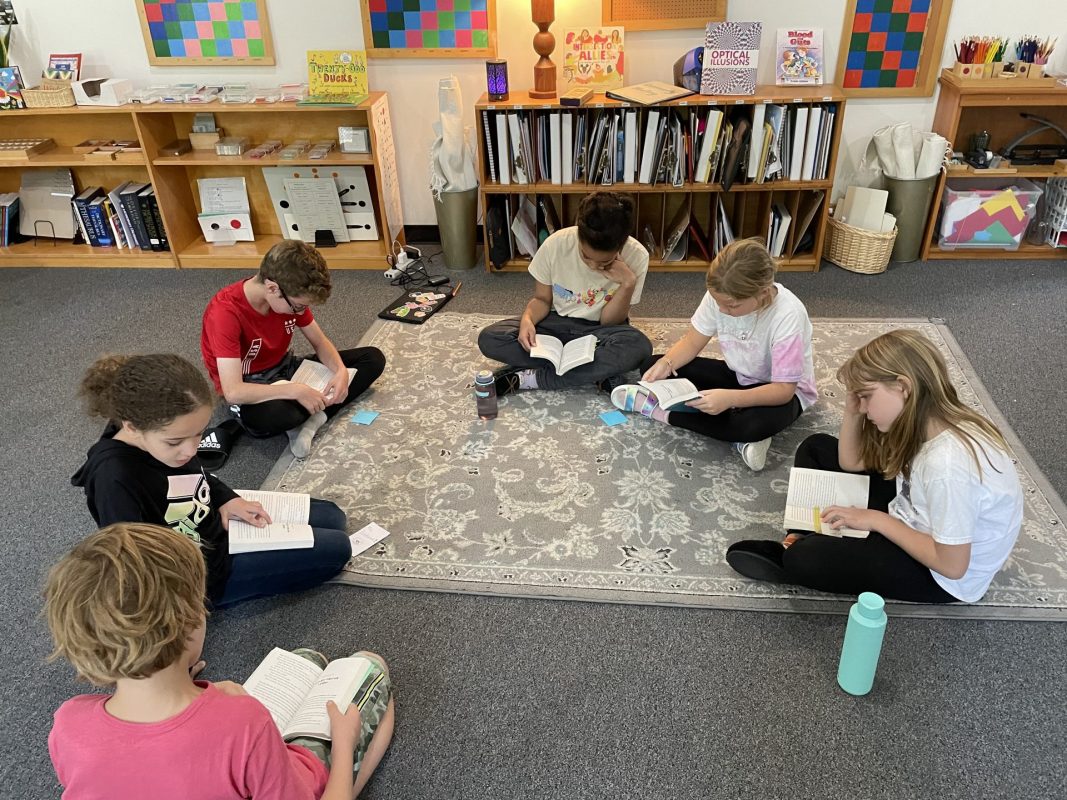
During our short, but productive week we had our first student-led, Upper El Community Meeting, lessons, and our first Eighth grade-led monthly meeting of the year.

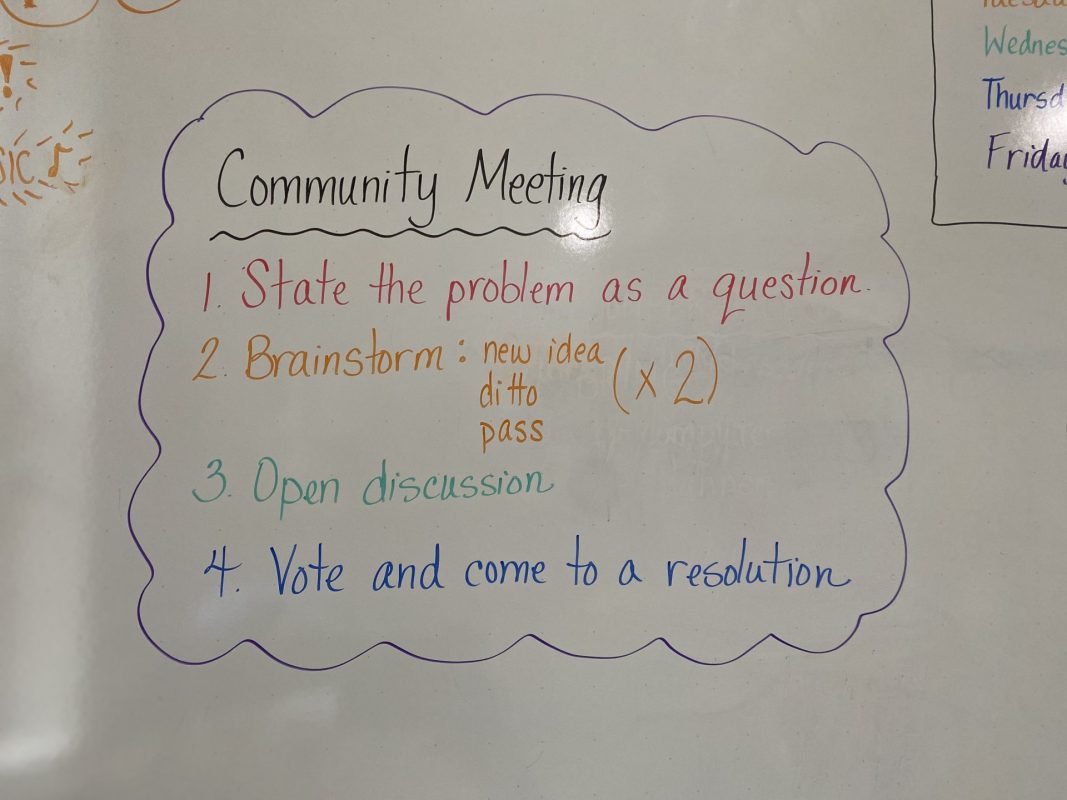
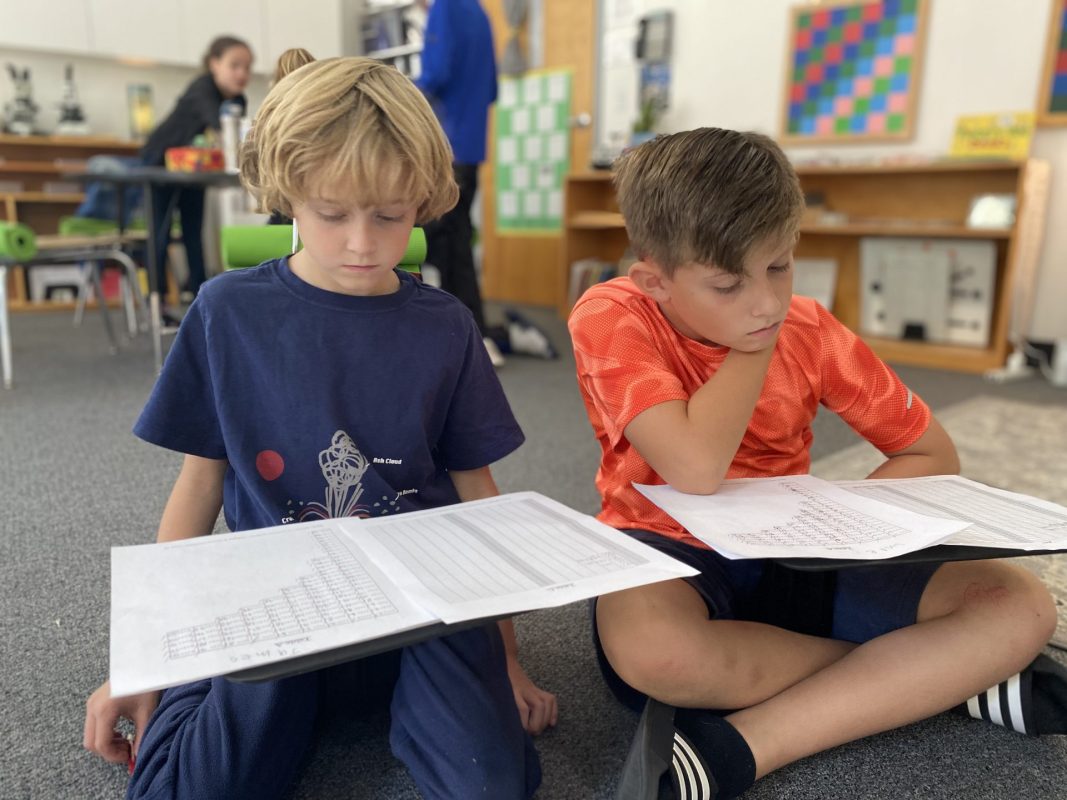
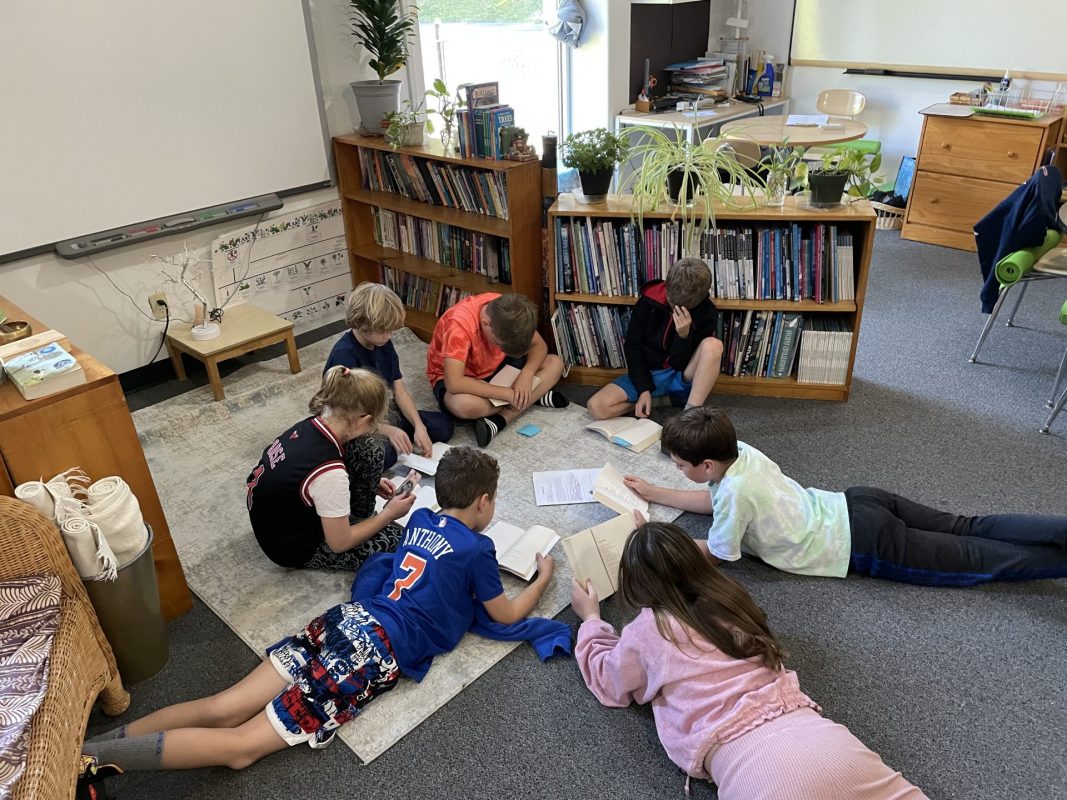
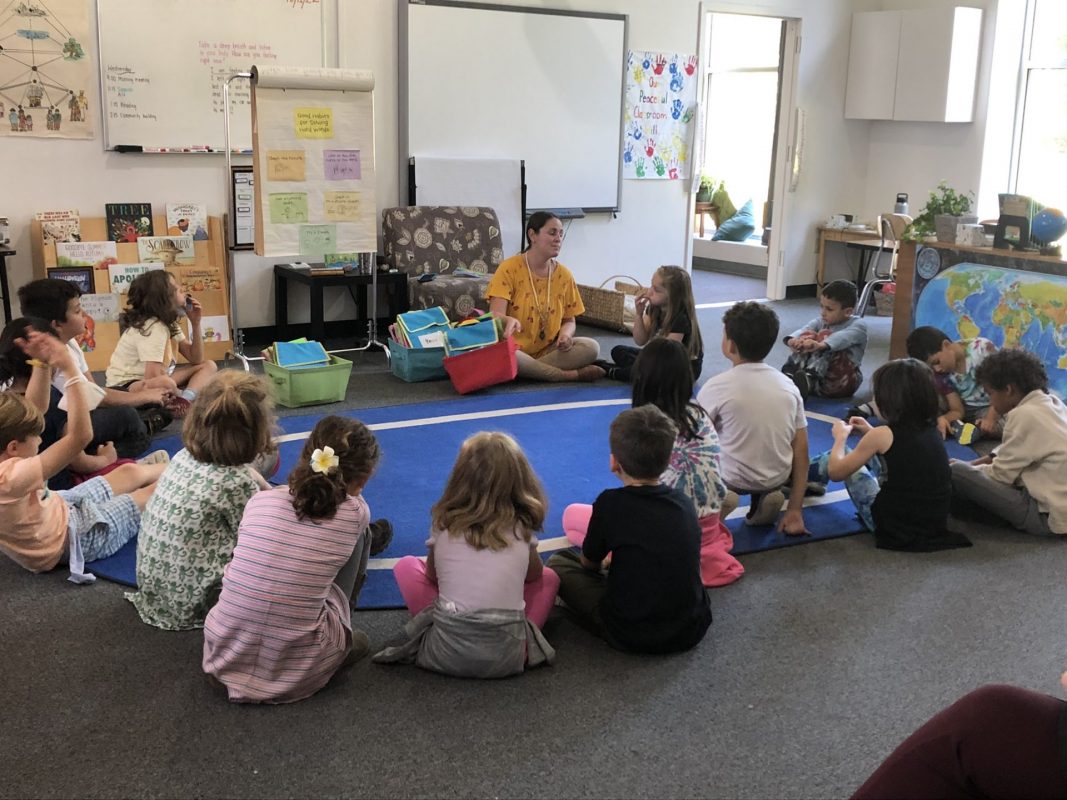
During our Upper El community meetings, the fifth graders lead. They consult our class binder to set the agenda and lead us through the meeting steps of: stating the problem as a question, brainstorming solutions, openly discussing options as a class, and taking a vote on the final solution. Teacher involvement during our meetings consists of note-taking, occasionally contributing to the open discussion, and recording the results of the vote. The fifth graders did an amazing job! They kept the class on topic, moved us from one step to another, and facilitated a very productive meeting. We are looking forward to many more meetings throughout the year!

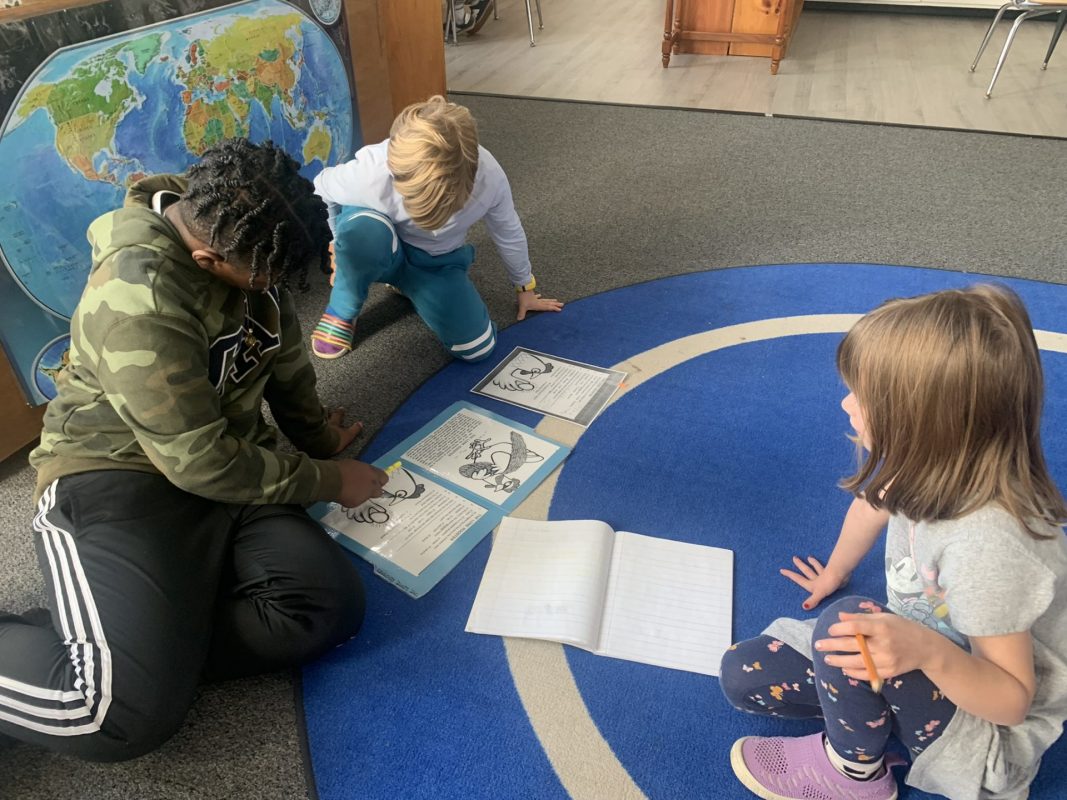
In history we are learning about early human cultures. This week we learned about Homo habilis who lived 2.4 million to 1.4 million years ago in Eastern and Southern Africa. Over the next week students will work in small groups to research more information about the Habilenes to share with the class and add to our Timeline of Humans. In biology we learned about the concept of taxonomy and the classification system used to label and study plants and animals. Students will use this information in future botany research as we study the vital functions of plants this year.

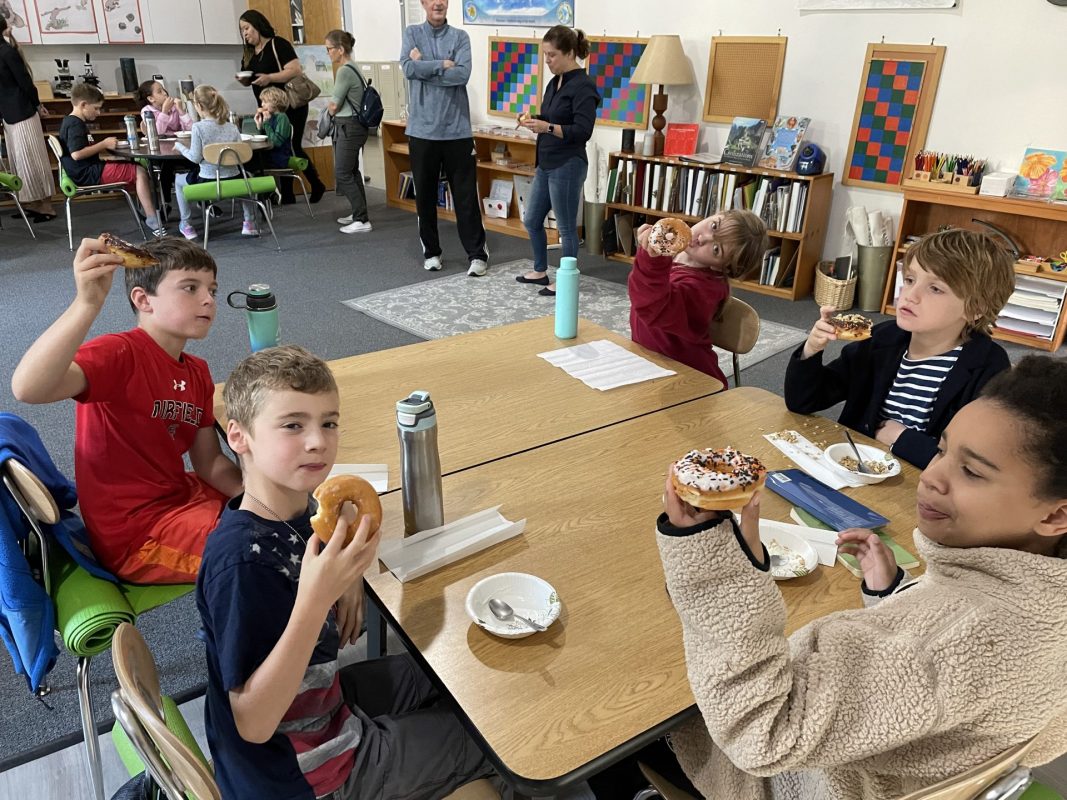
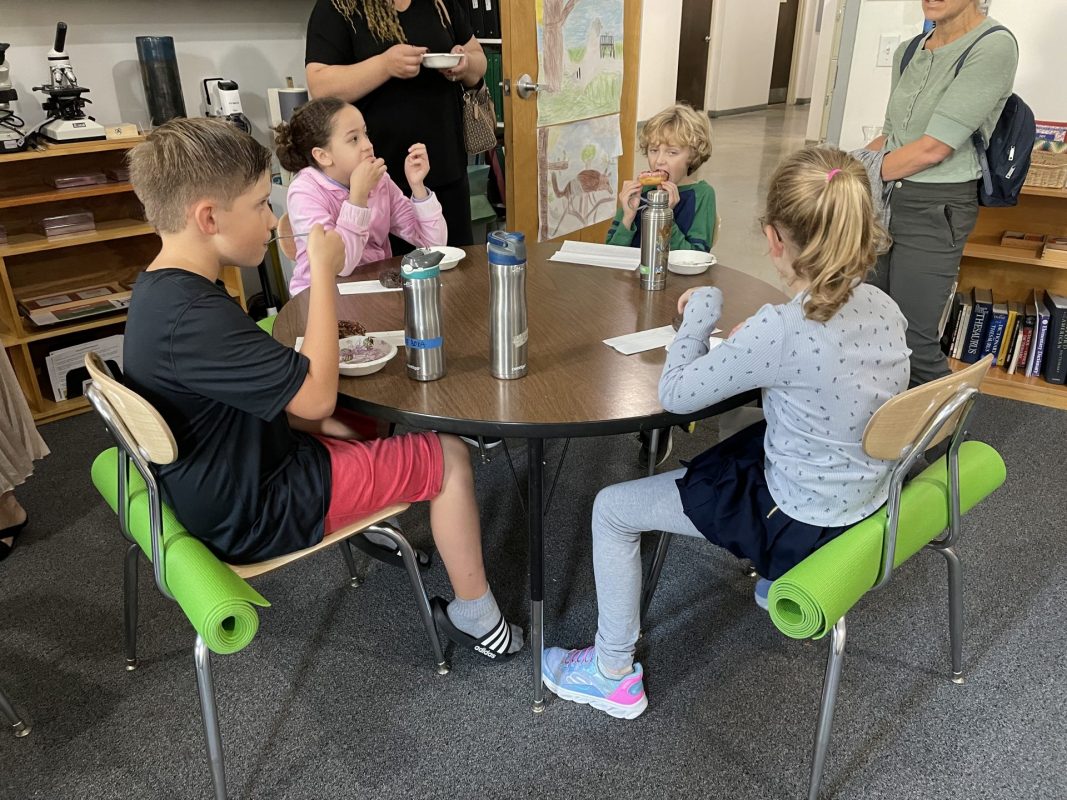
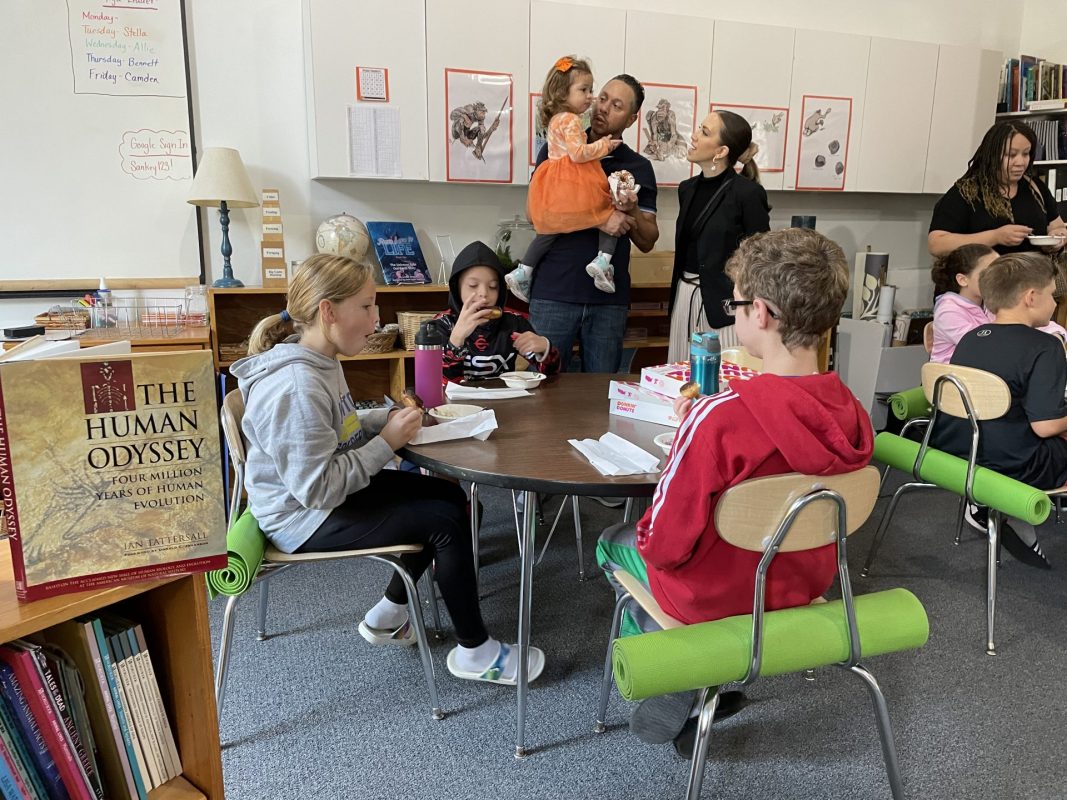
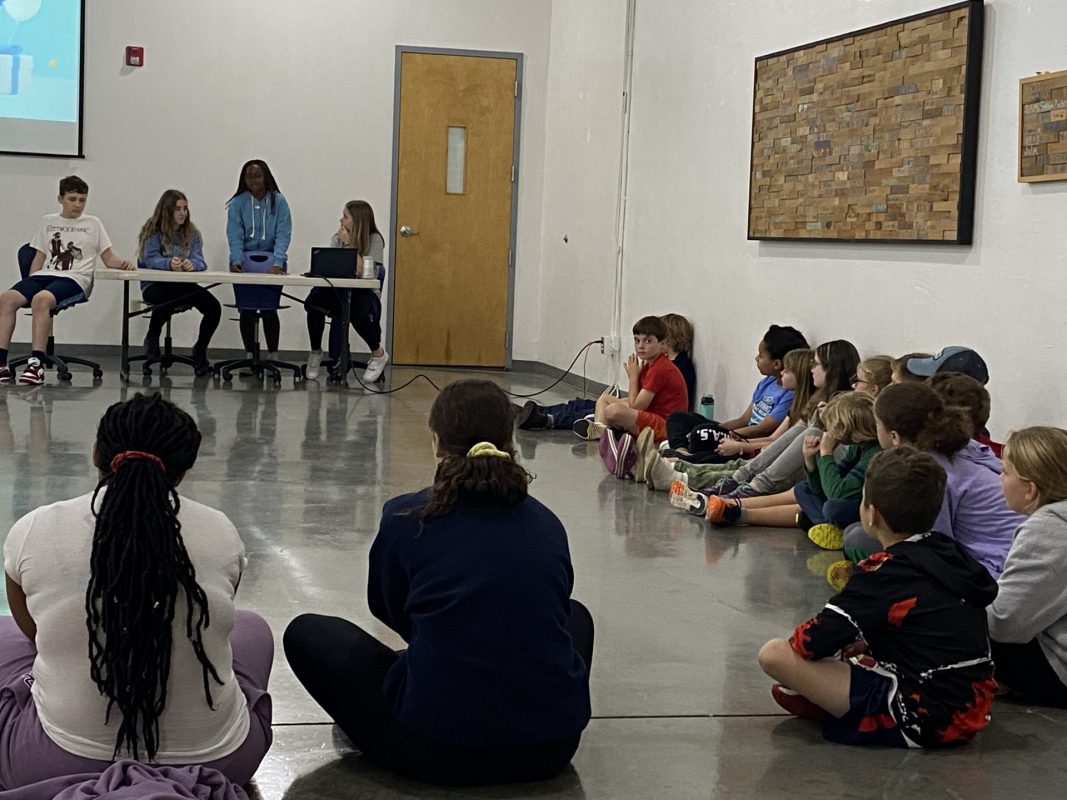
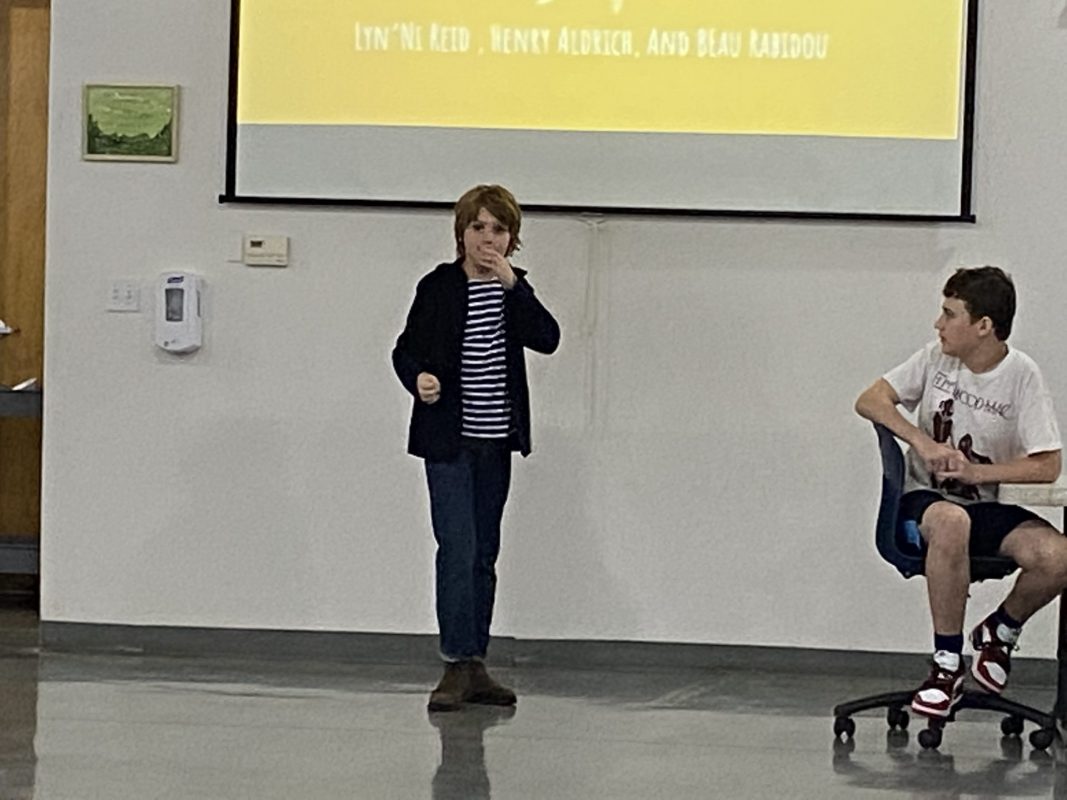
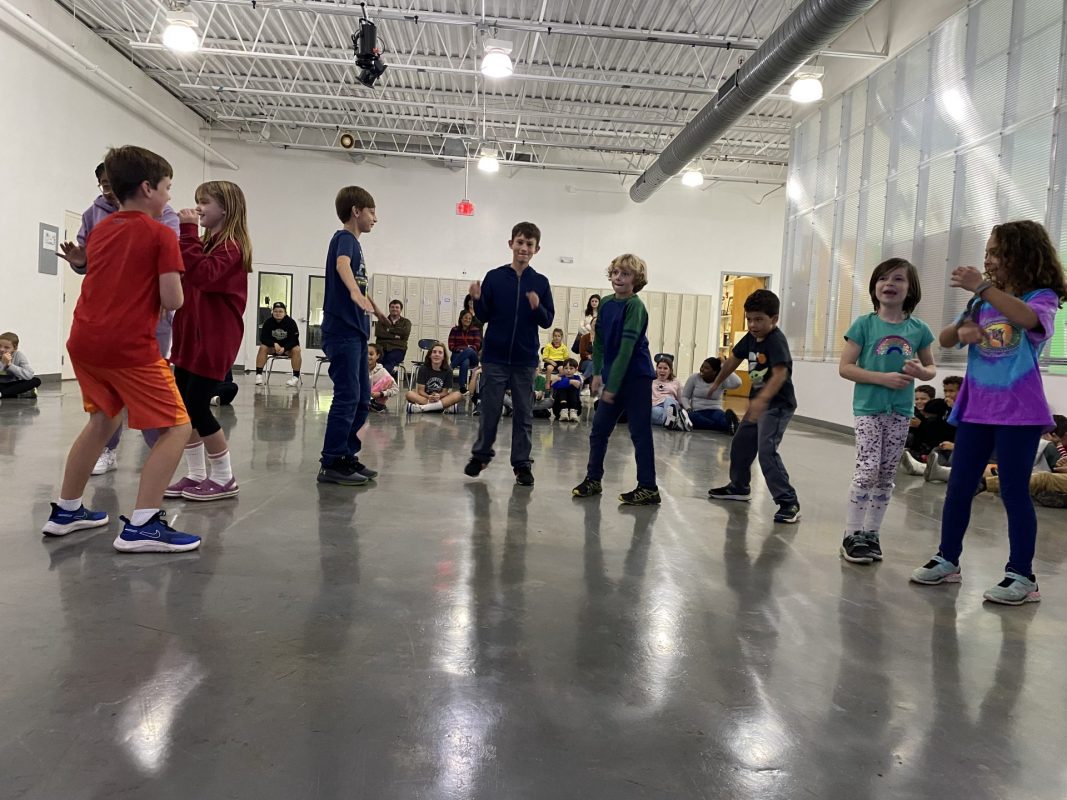
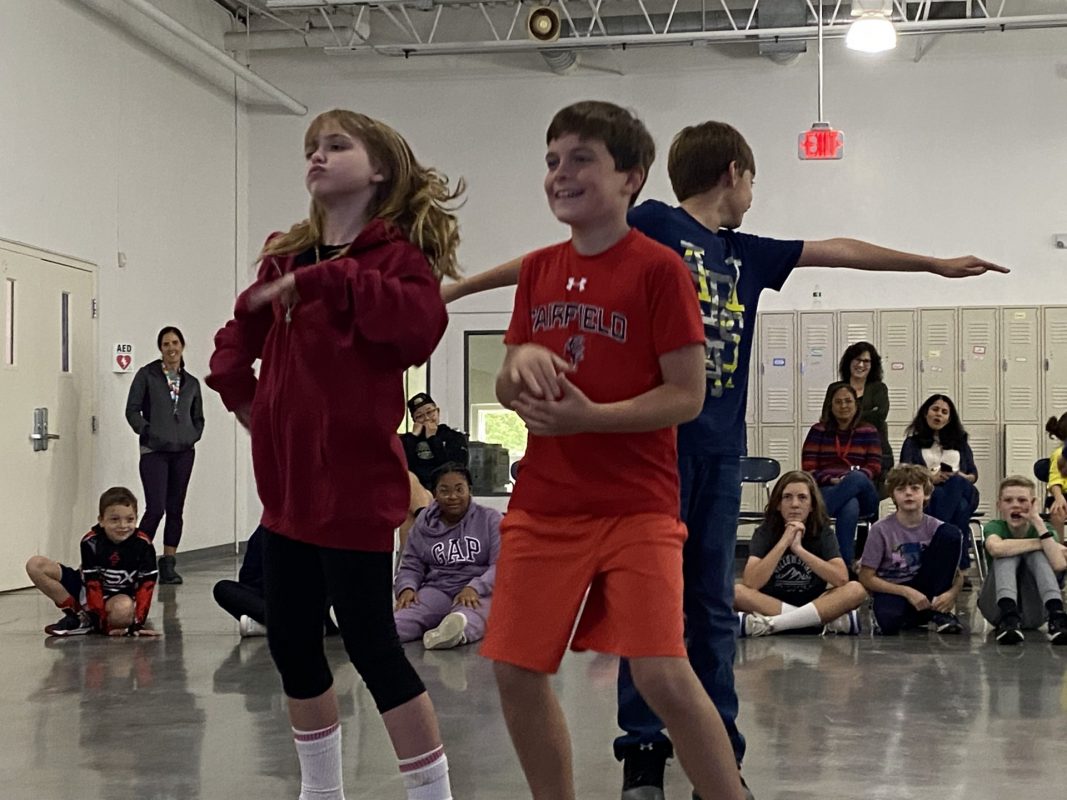
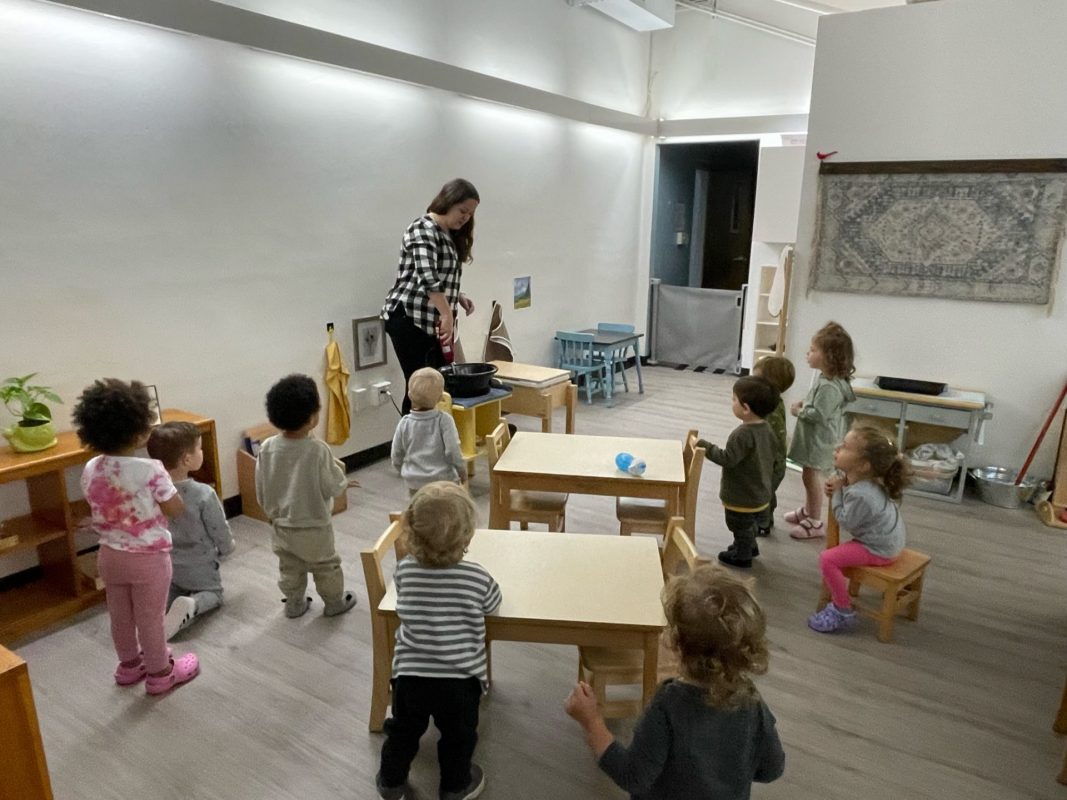
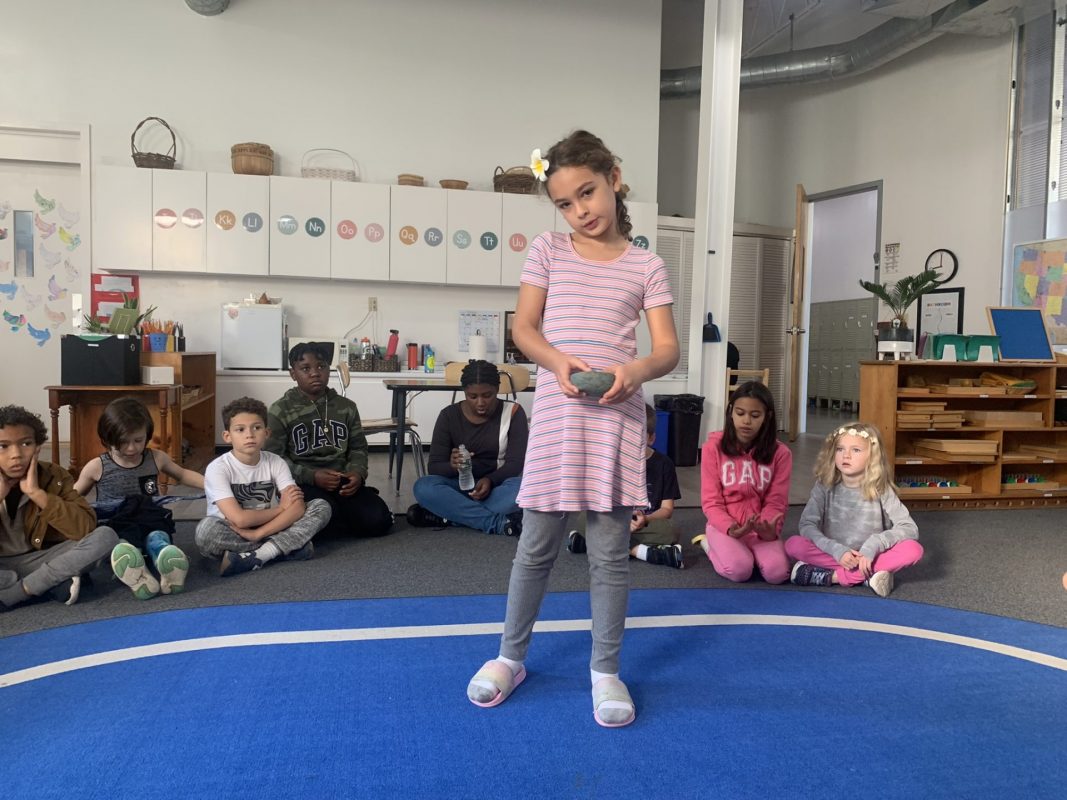
Our week ended with our October Birthday Breakfast and the first monthly eighth grade-led meeting. Upper El students had a great time gathering with first through eighth graders to hear highlights from each level, Lower El through Middle School, and play an energetic game of Freeze Dance.

Have a wonderful weekend,

Karen and Angie

Sketchbook Making, Color Explorations and More!

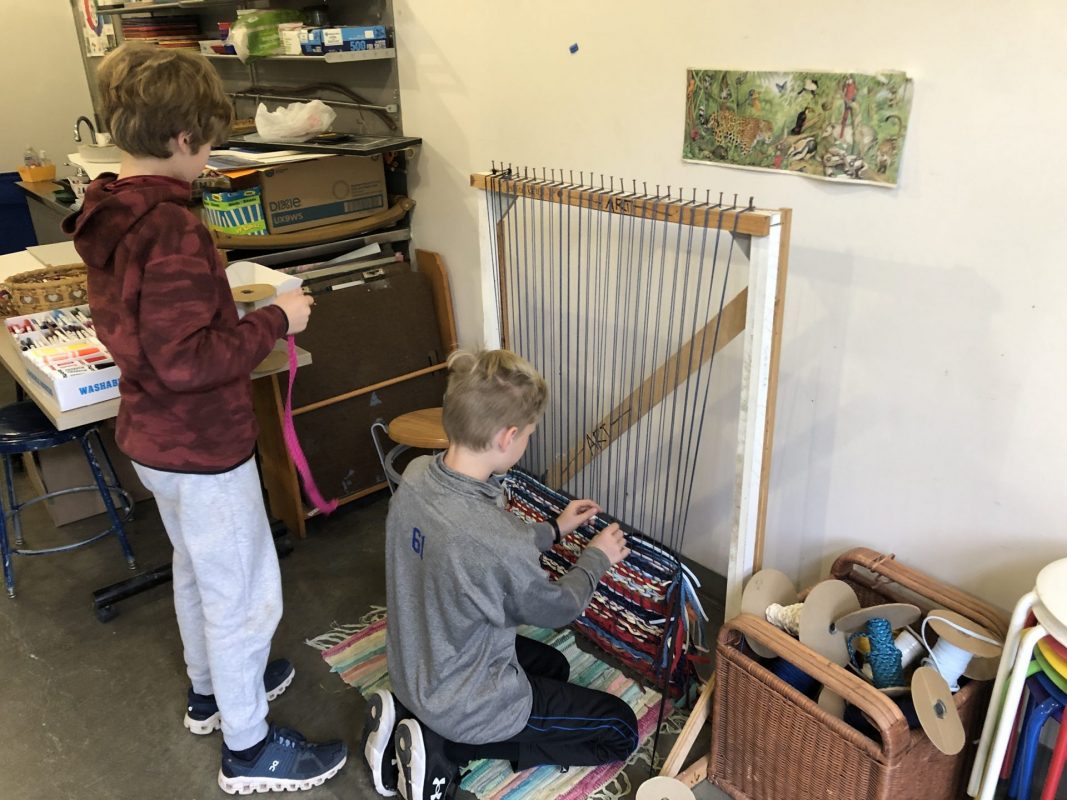
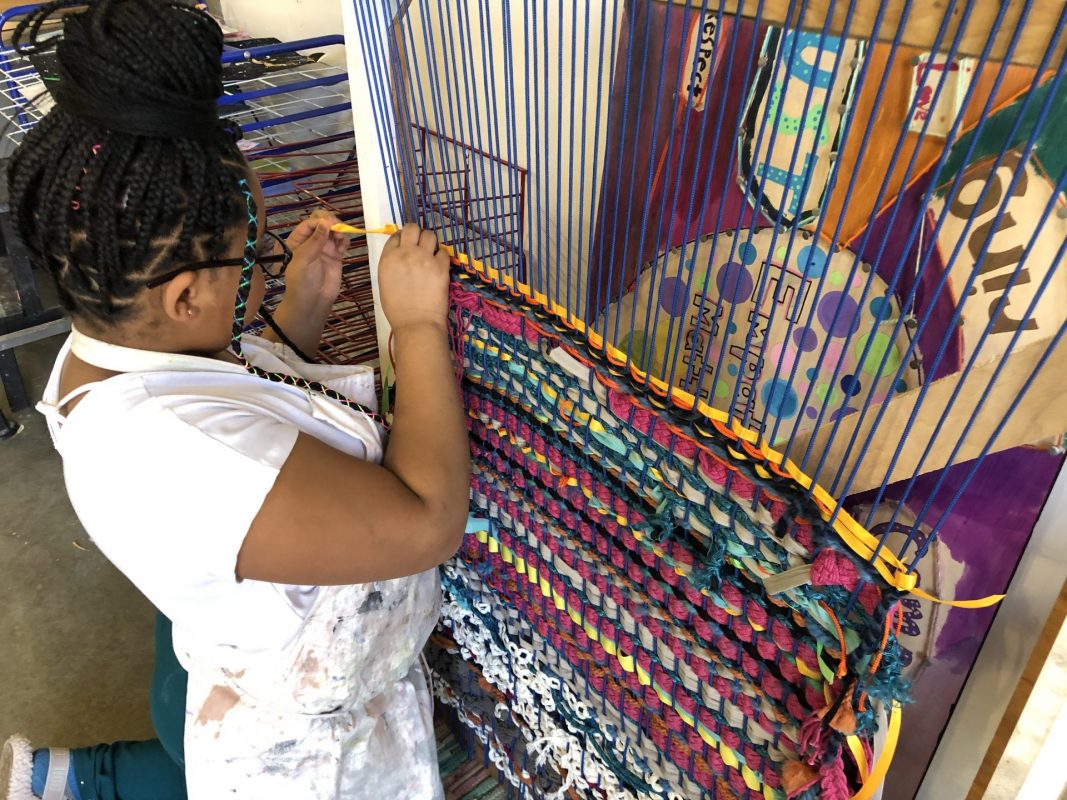
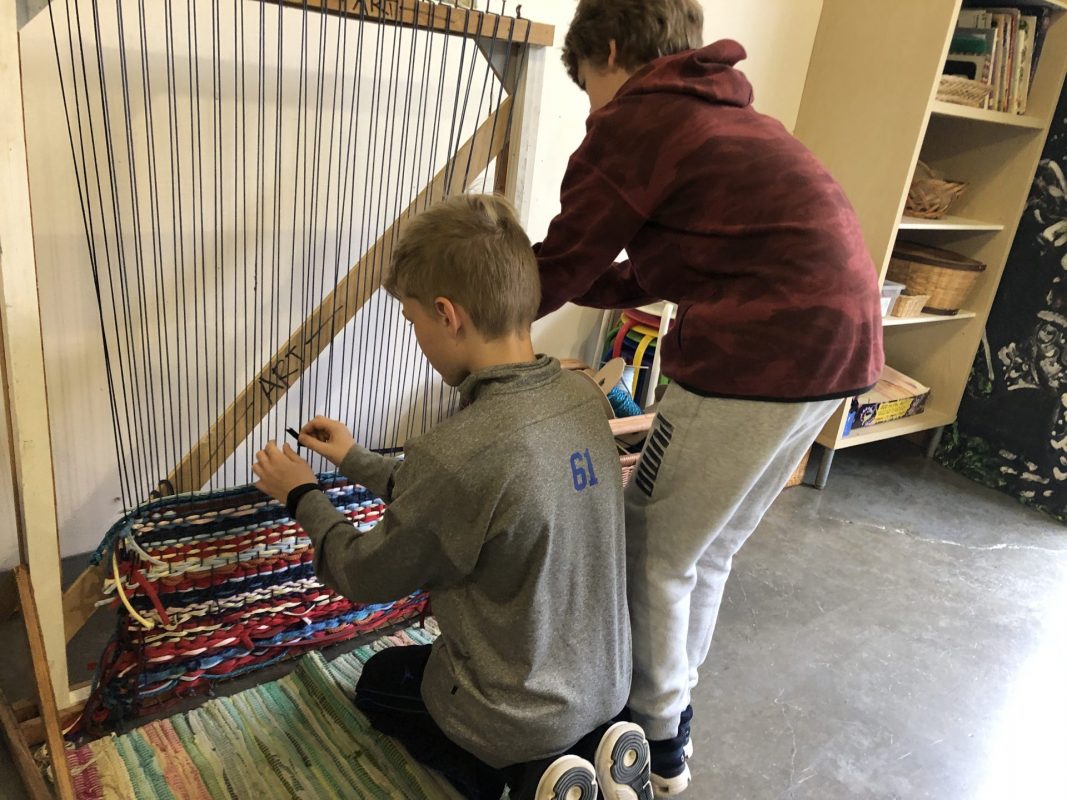
Young artists from Primary through Middle School have been busy gathering inspiration from the colors of autumn in many creative ways, as well as making their own sketchbooks, and working on our large-scale Art Studio weaving!
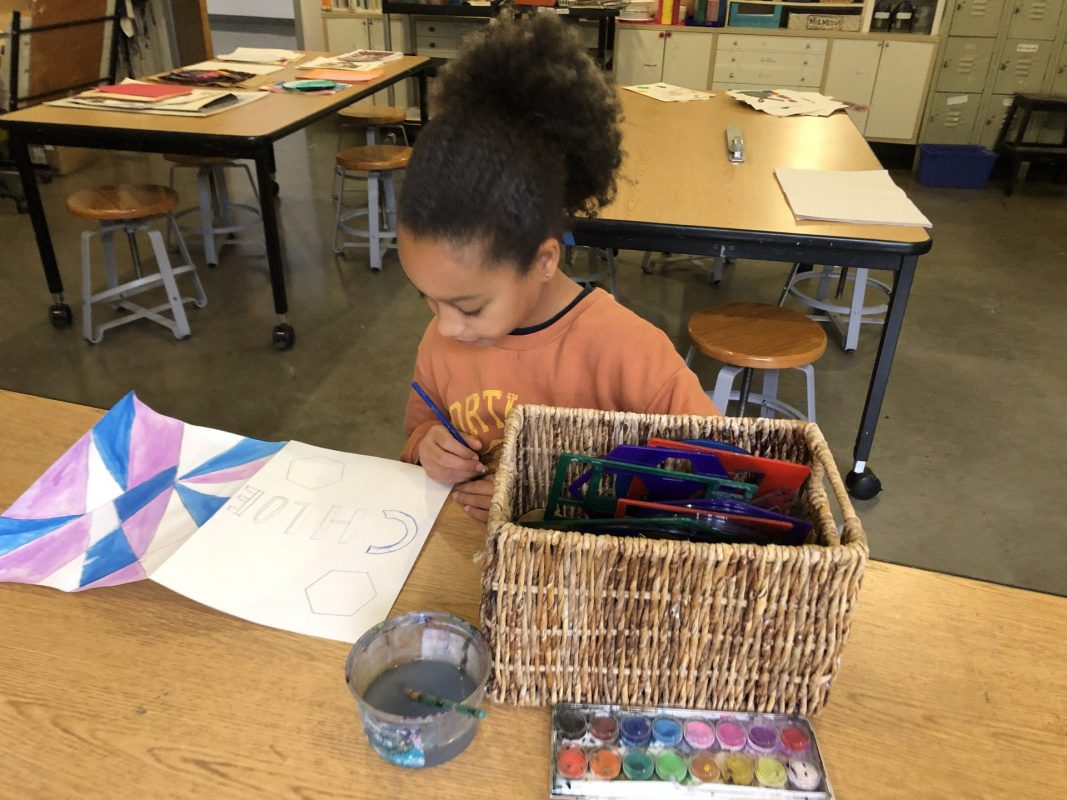
Each student in Lower & Upper Elementary and Middle School made their very own sketchbooks using simple bookbinding techniques. These sketchbooks are used at the beginning of each class for “silent sketch time” in which students draw for a few minutes at the beginning of each class to help them transition into the creative mindset. 

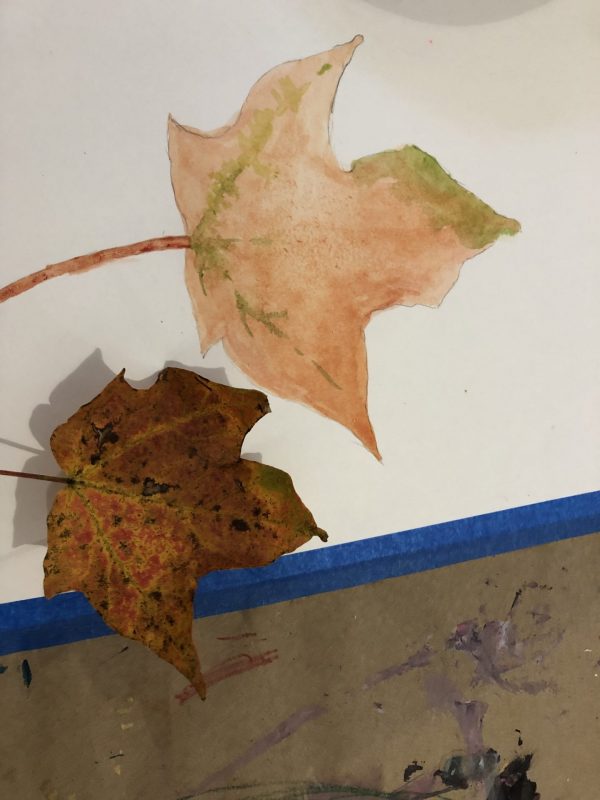
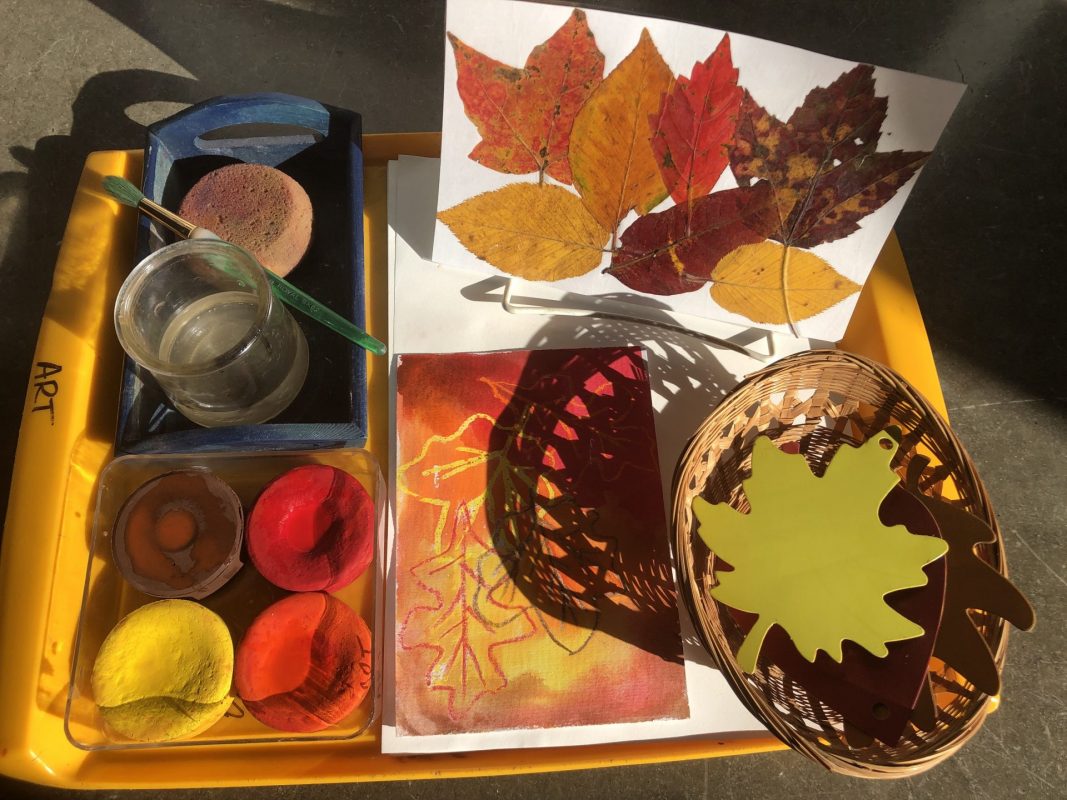
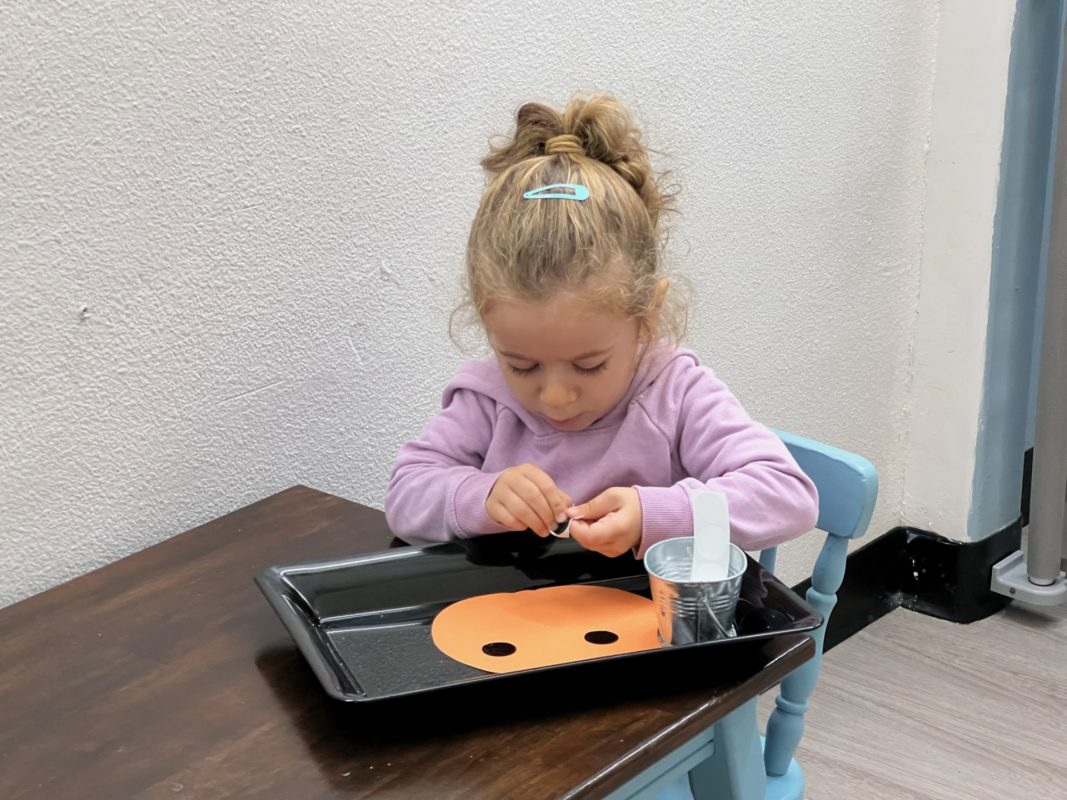
Primary and Lower Elementary artists created works of art inspired by colorful autumn leaves and various pumpkins and gourds of this season. Some processes and techniques we’ve explored thus far include tracing leaves, closely observing the shape and texture of gourds and drawing what we see, cutting paper and collaging, as well as mixing warm colors with watercolors.

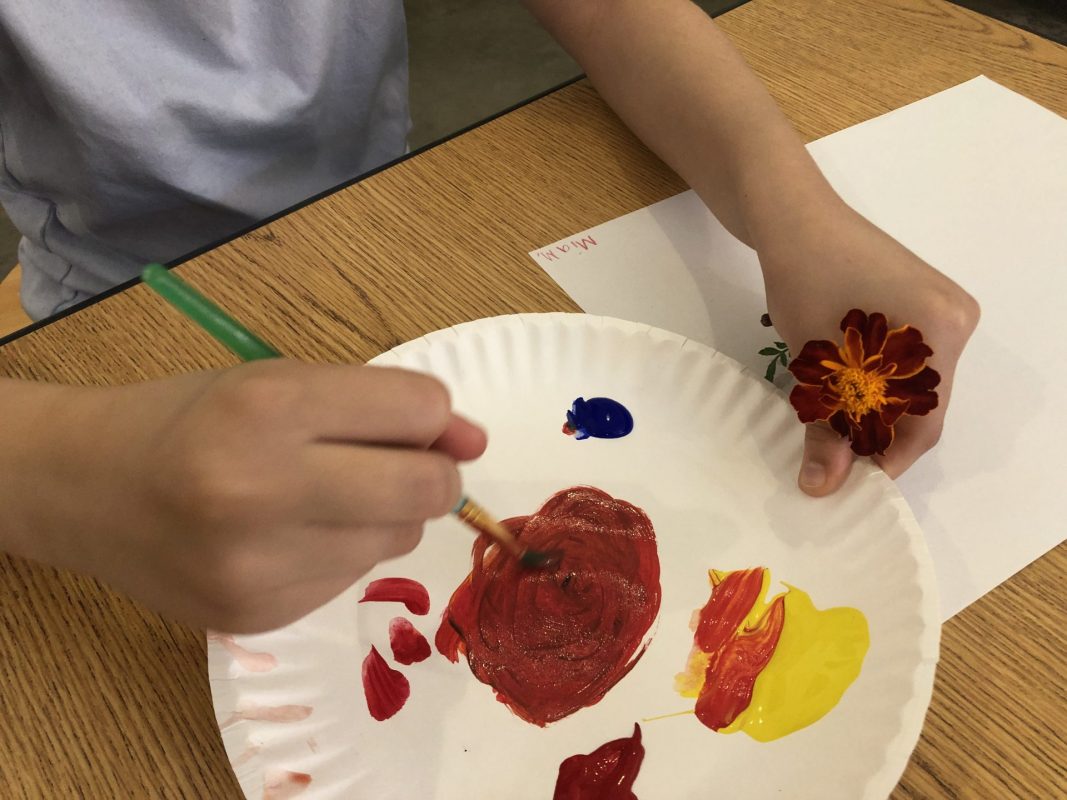
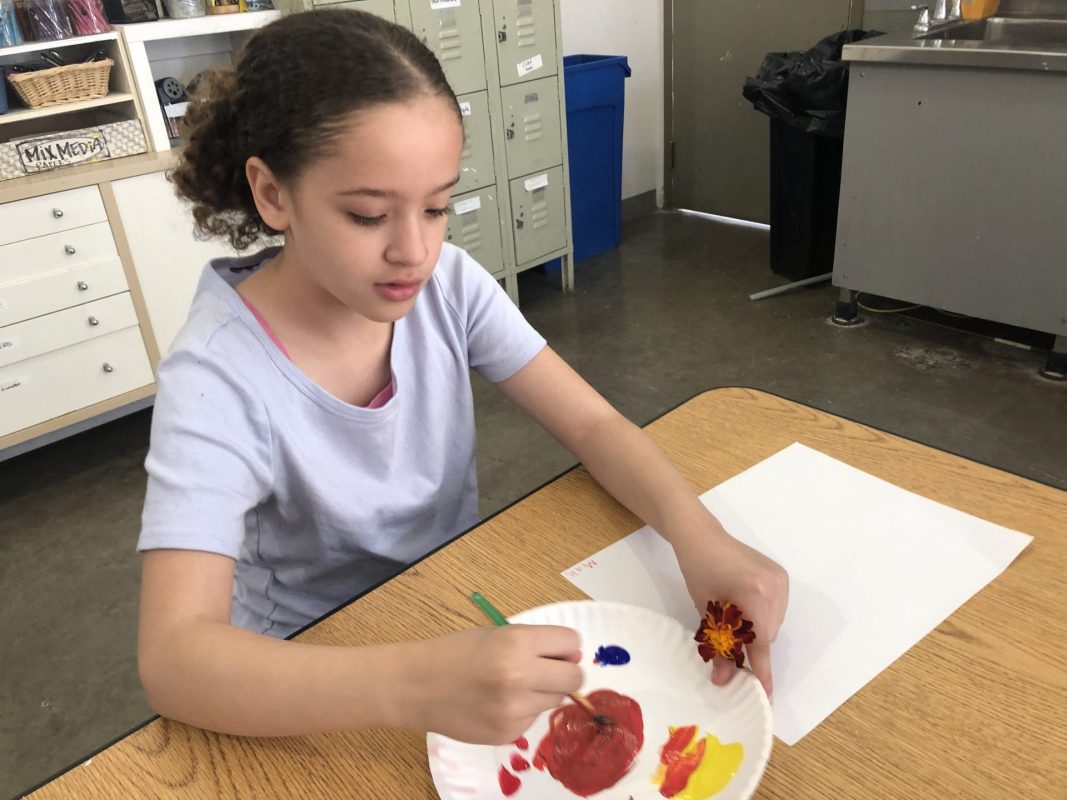
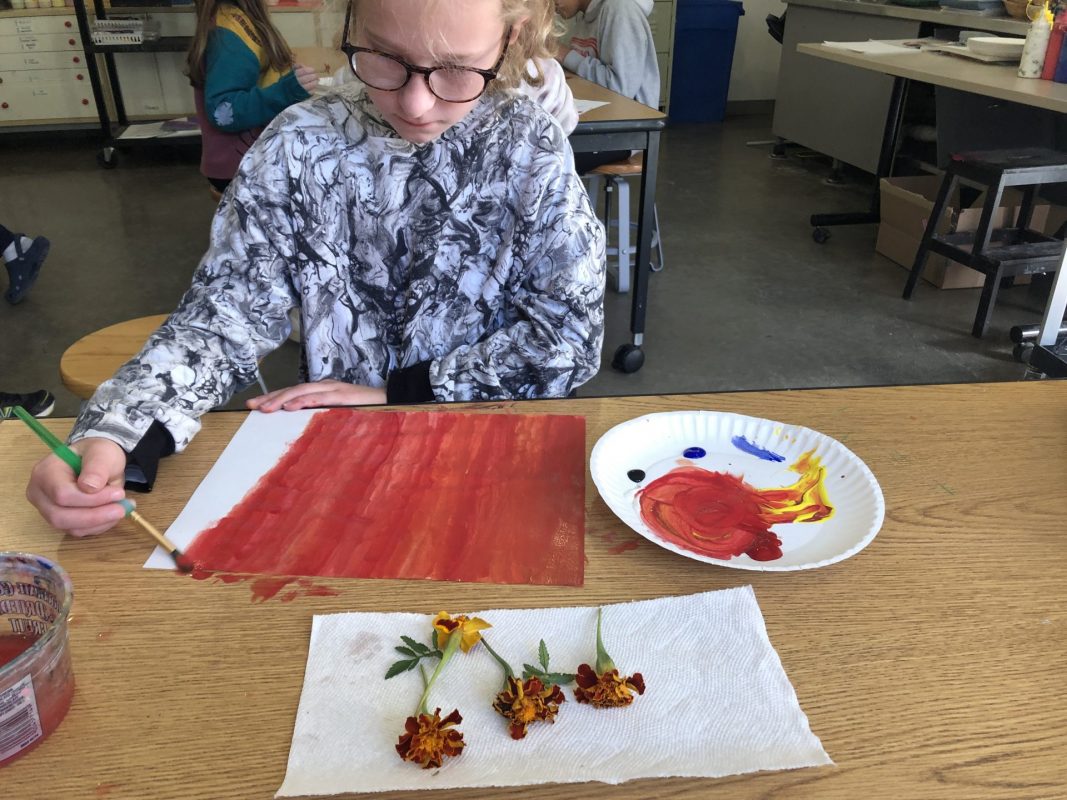
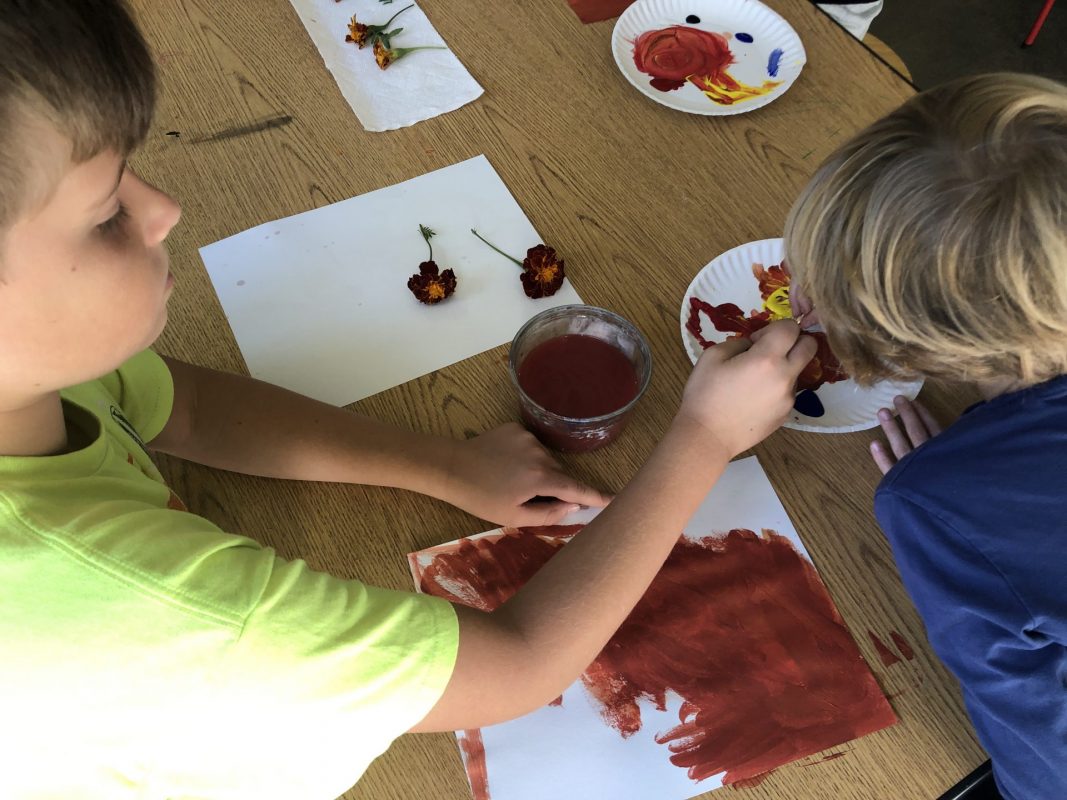
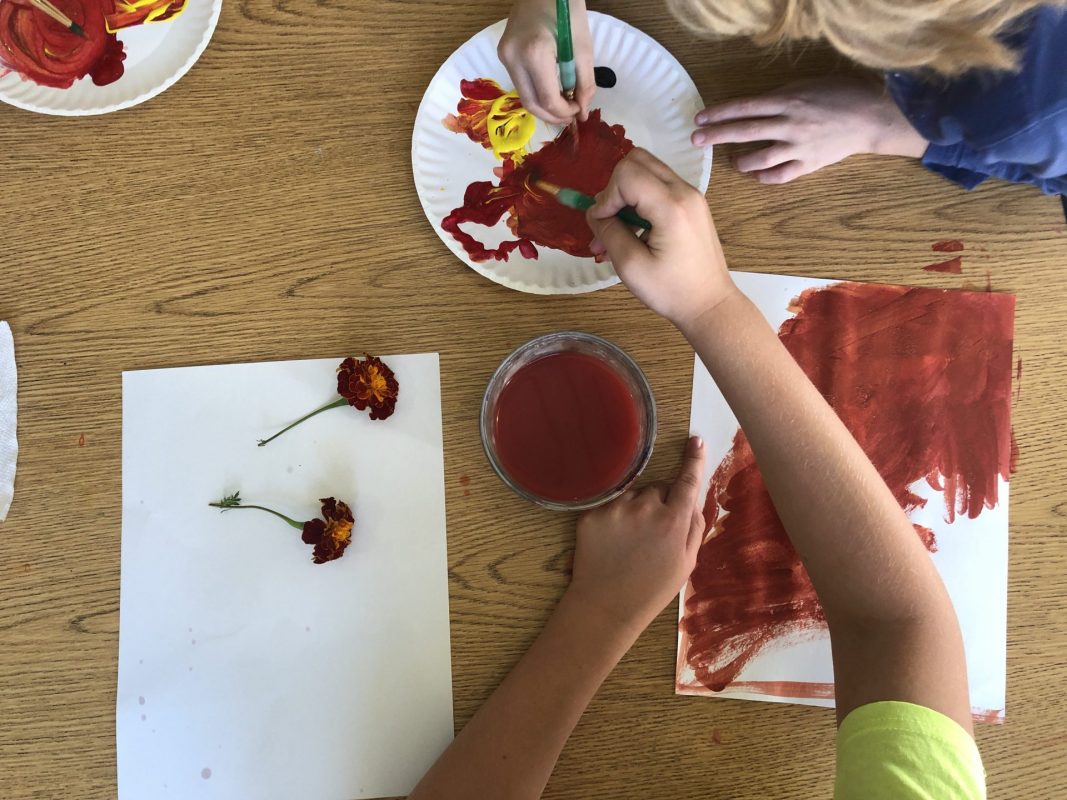
Upper Elementary artists gathered inspiration from the end of summer/early fall flower, Marigolds. Using acrylic paint, young artists carefully mixed the colors they observed in the flowers: from dark reds to bright yellows. Students will then create marigold flower collages by cutting and pasting from these painted papers.

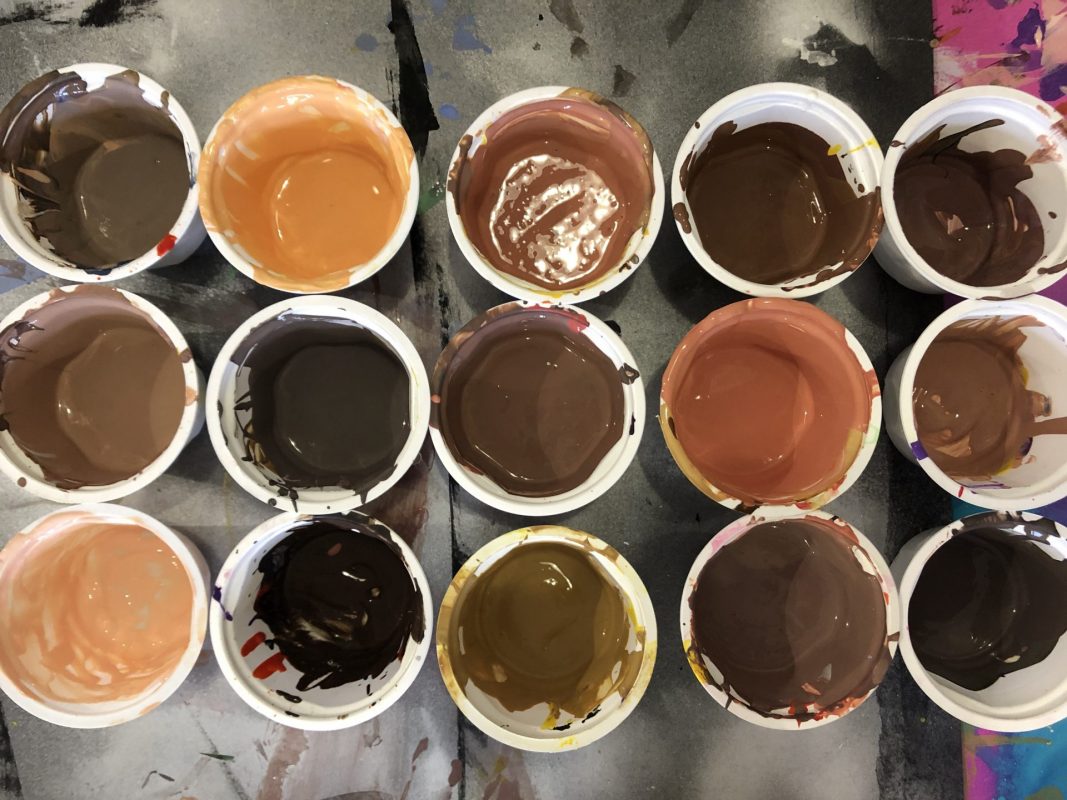
Middle School artists have been busy exploring color theory. Our focus has been on mixing a range of skin tones using acrylic paints and simple color theory techniques. To mix skin tones, students begin with varying amounts of complementary colors plus white or black, and continuously mixed until the right shade or tone is achieved. The magic of this color mixing process is that it allows each child to discover the unique rainbow inside of both their own and their classmates’ beautiful skin!


Mrs. Wilson: Fun with Food Preparation

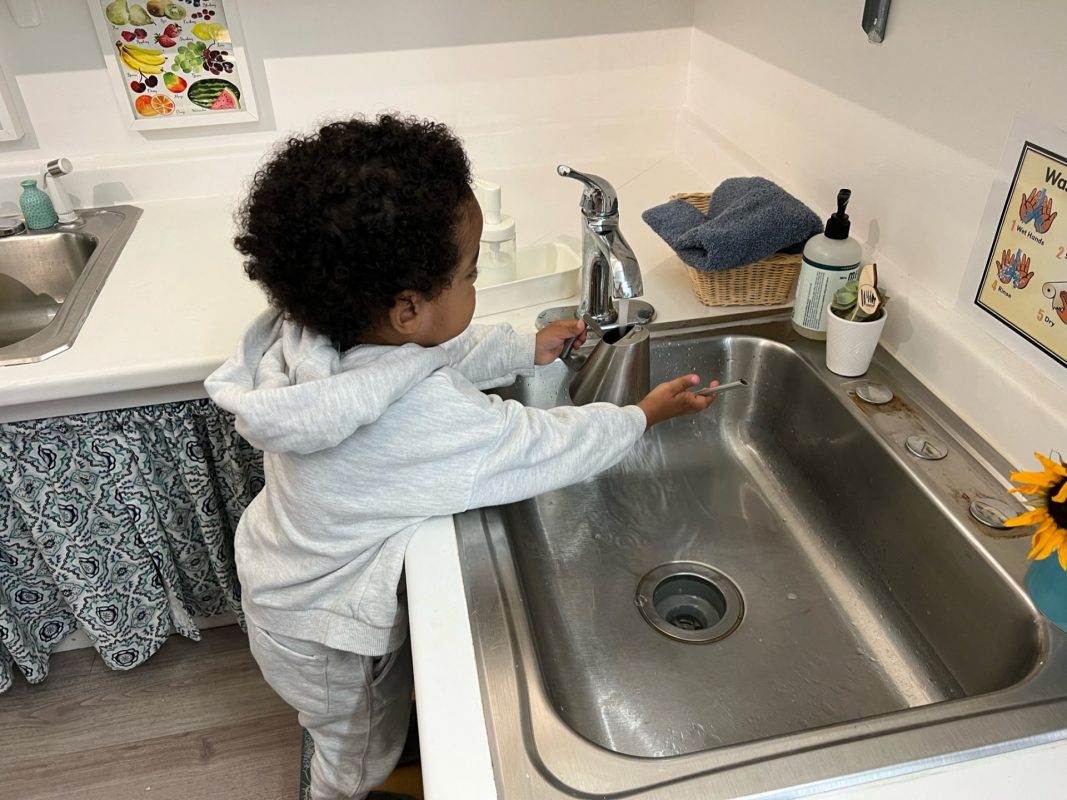
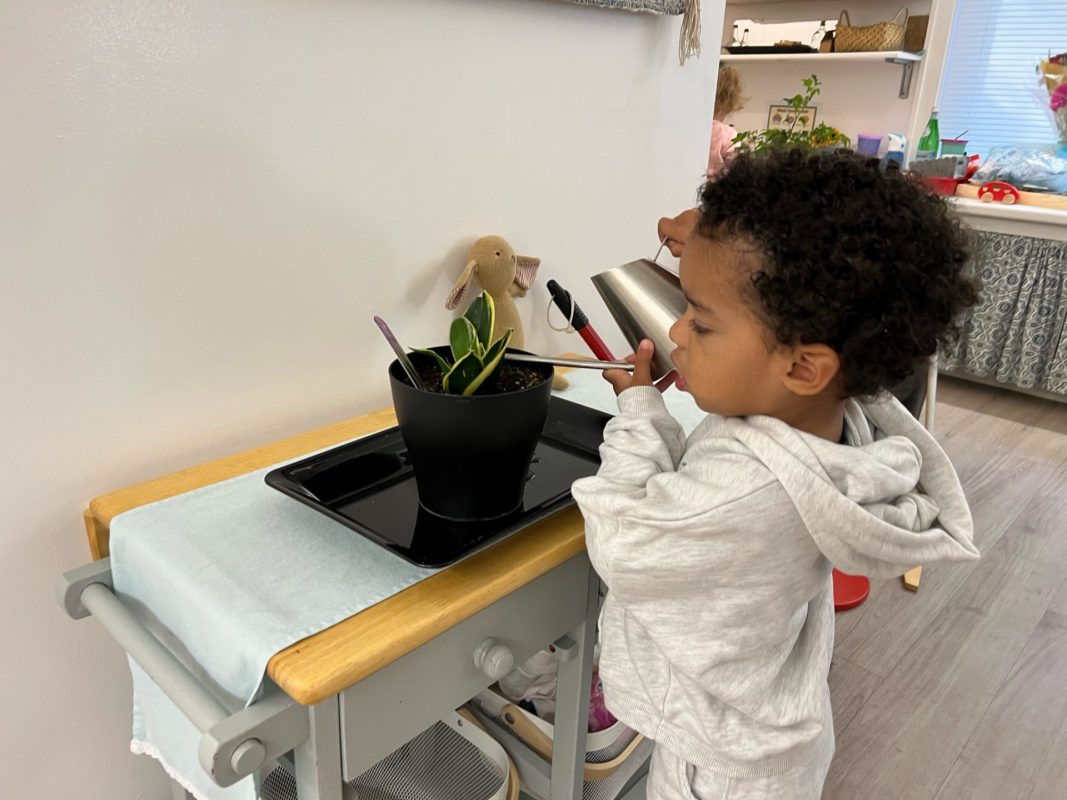
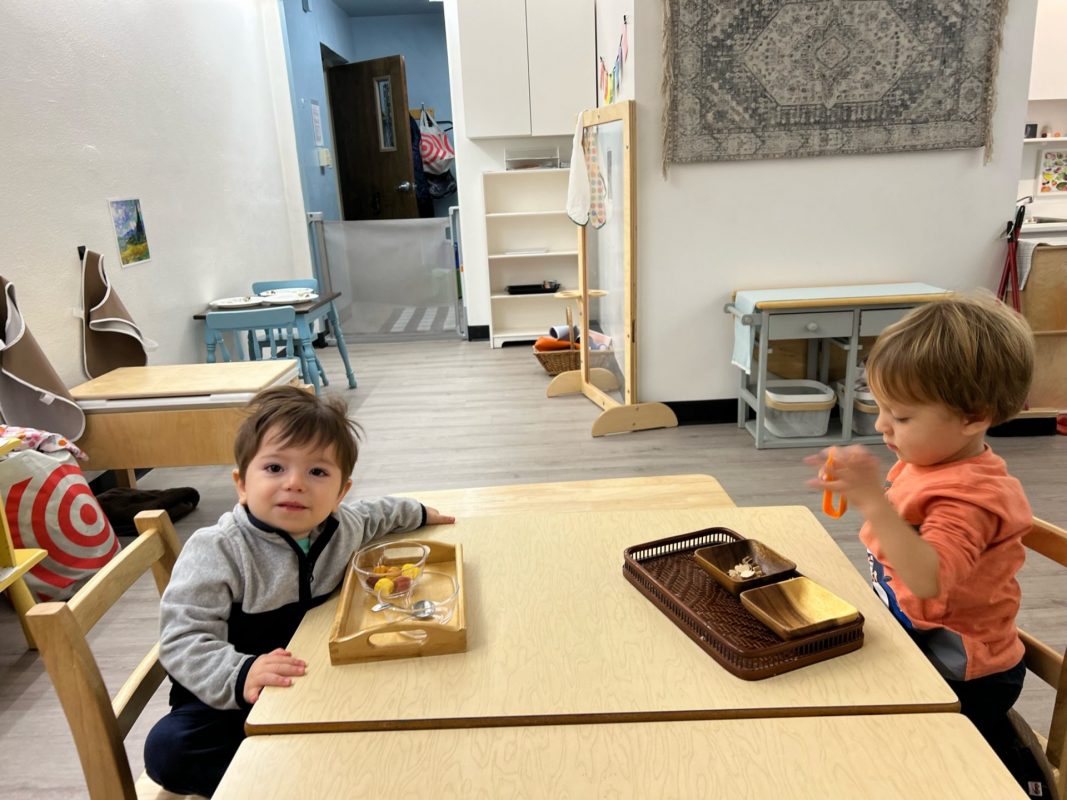
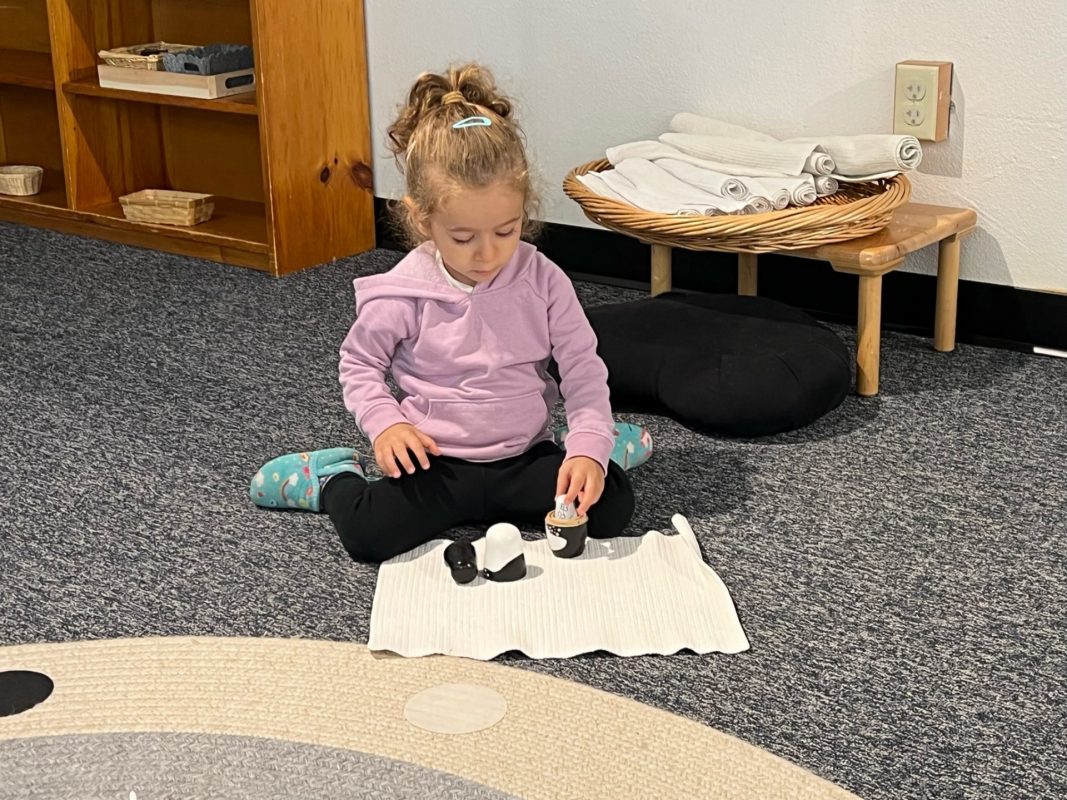
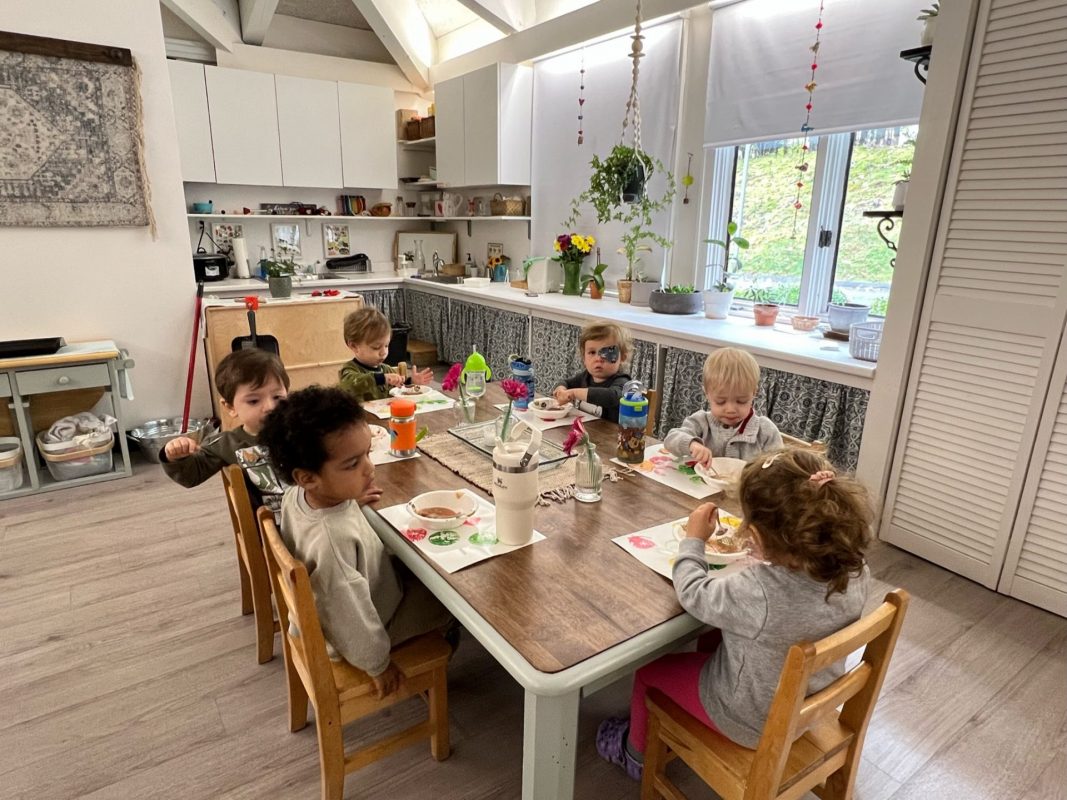
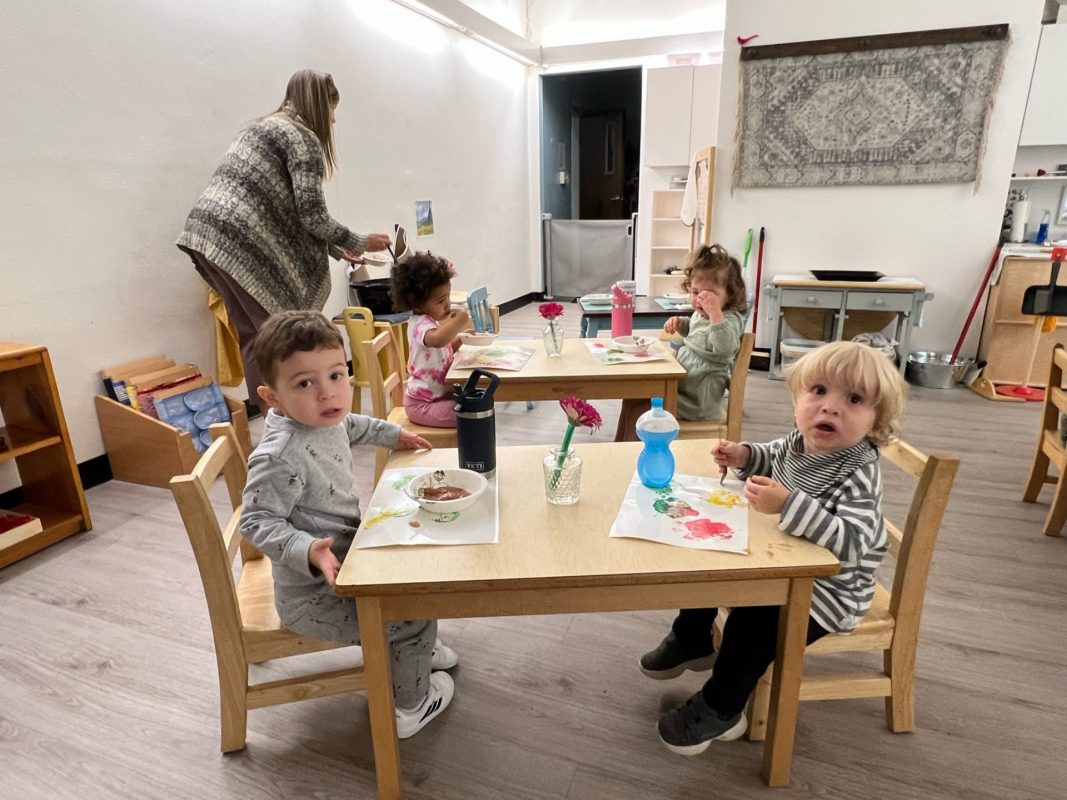
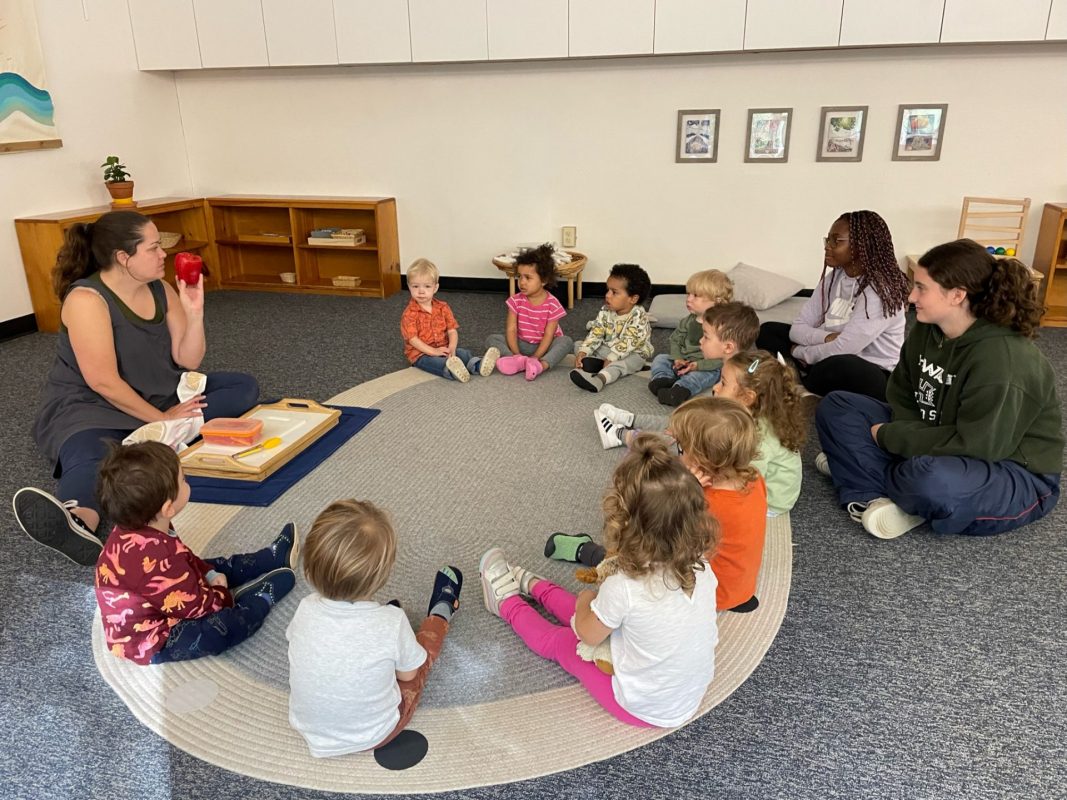
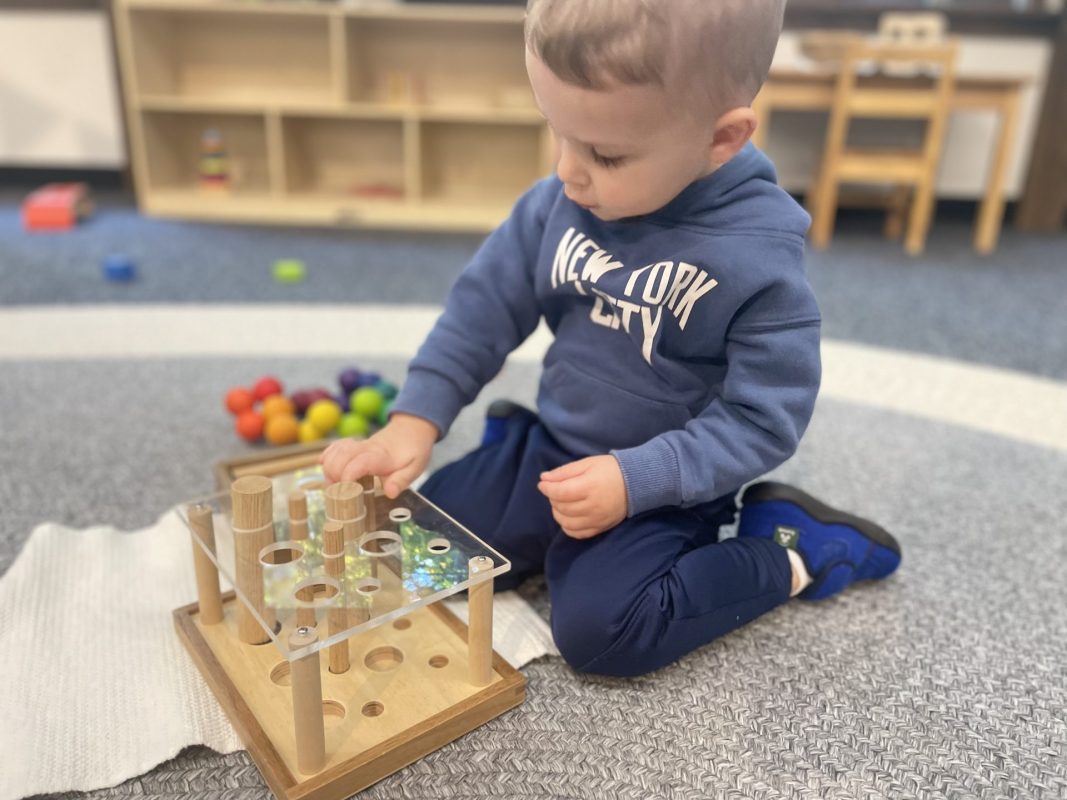
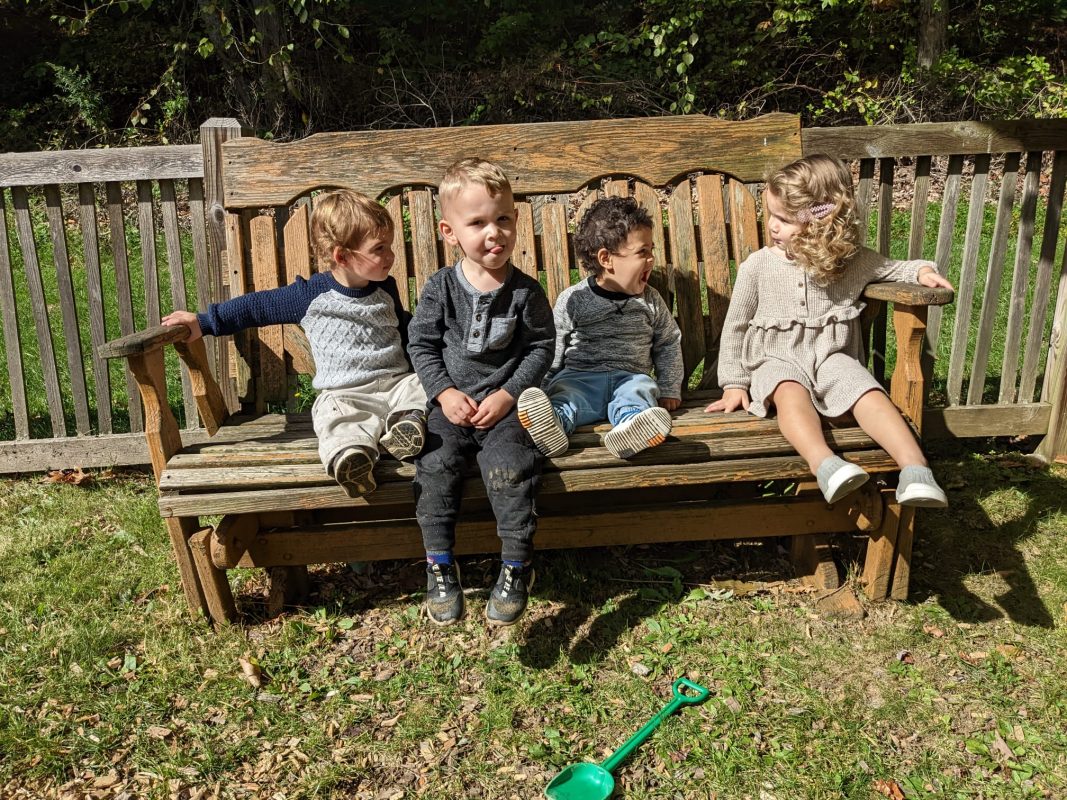
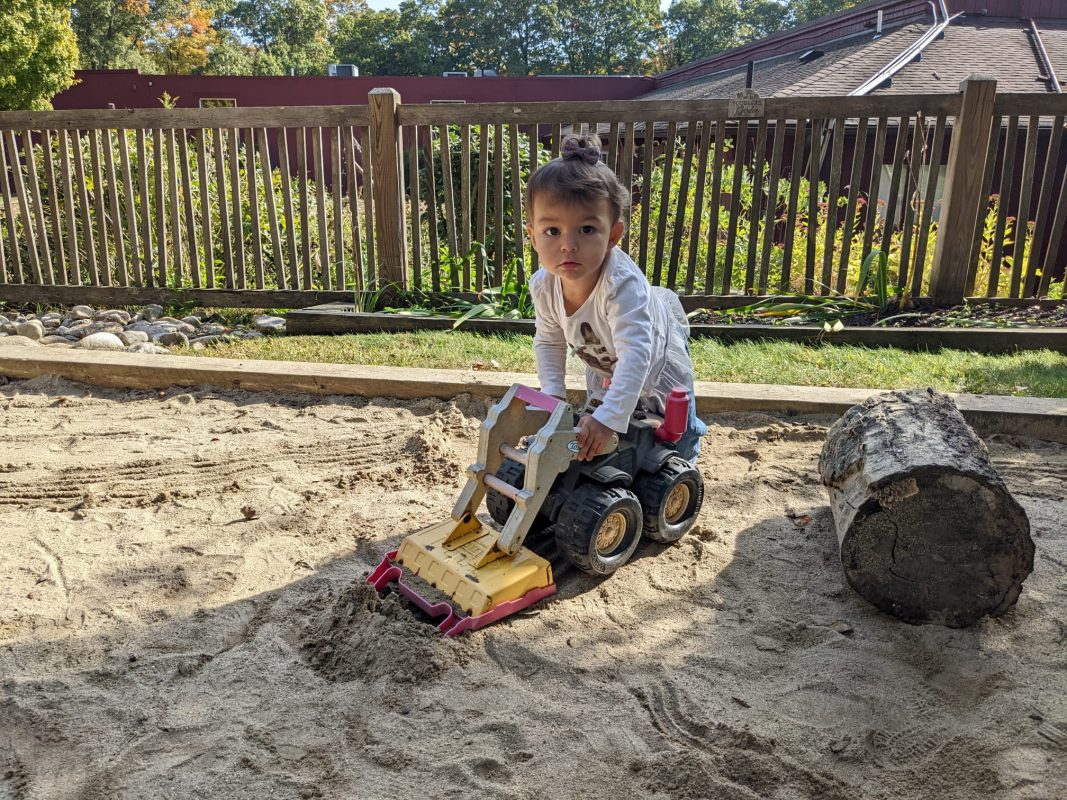
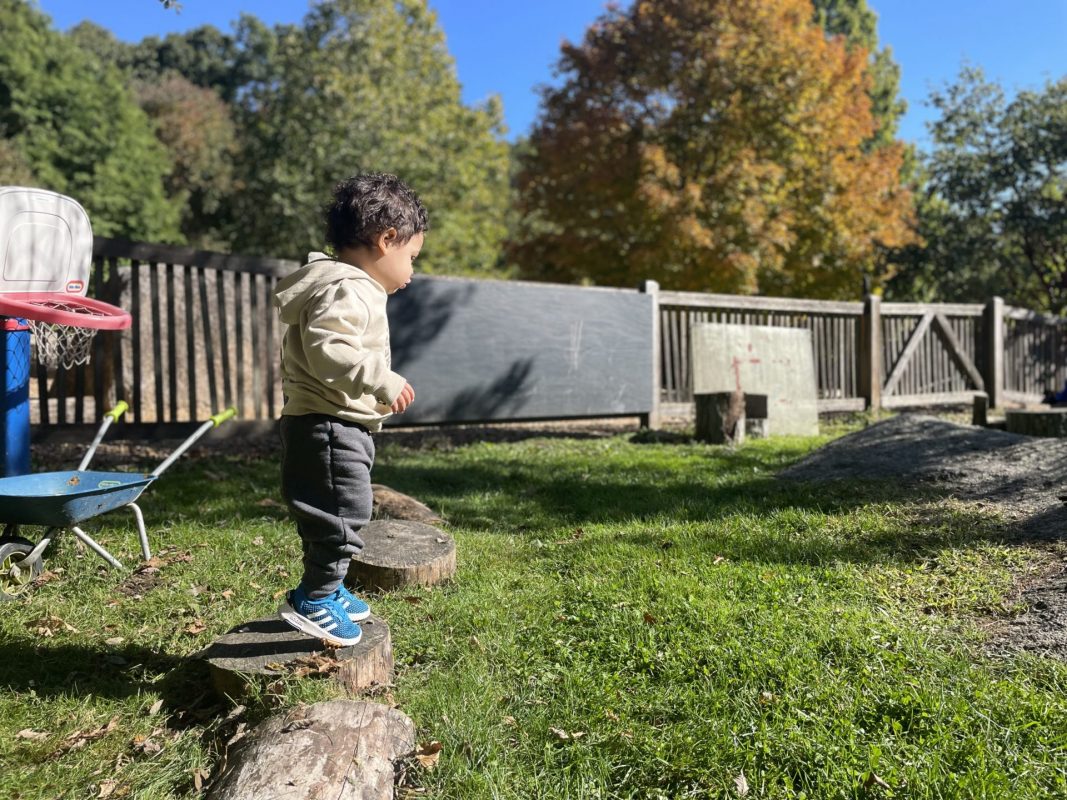
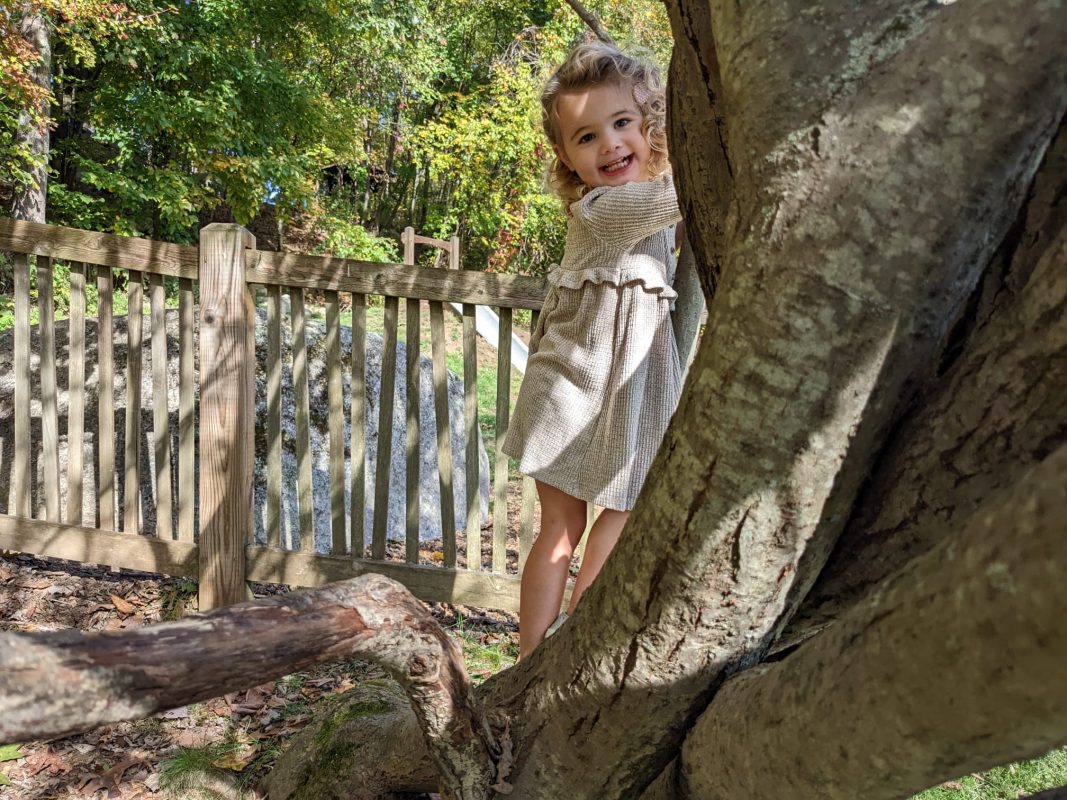
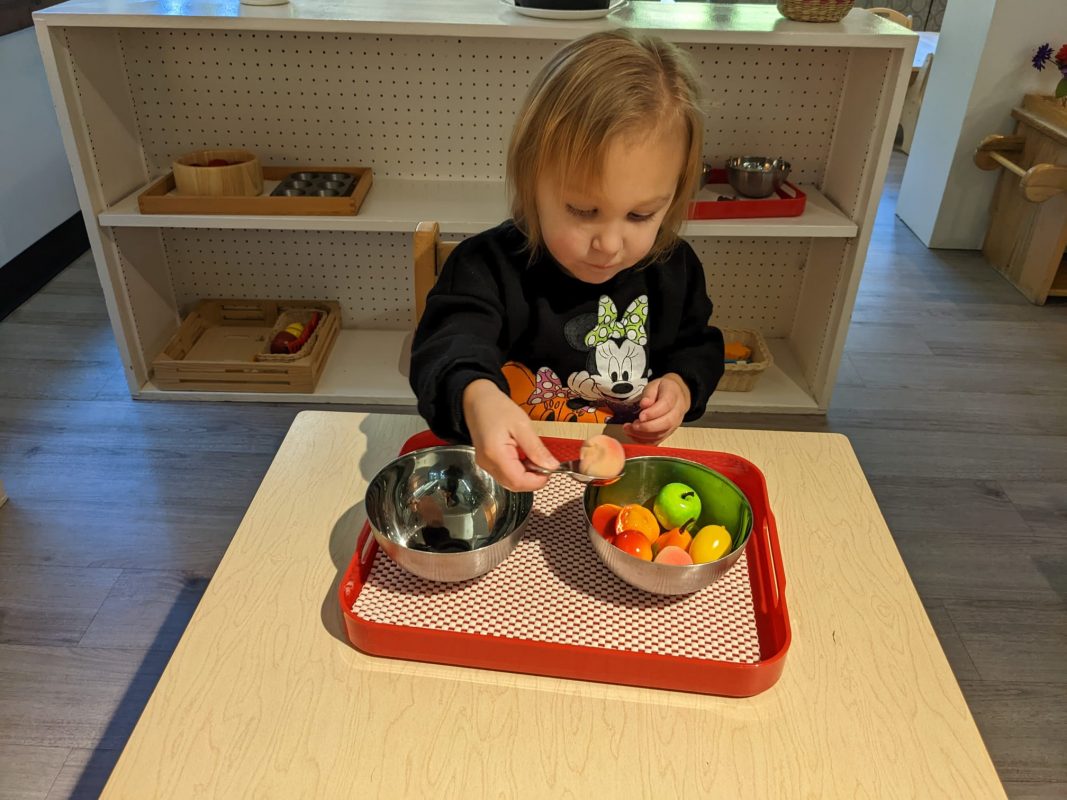
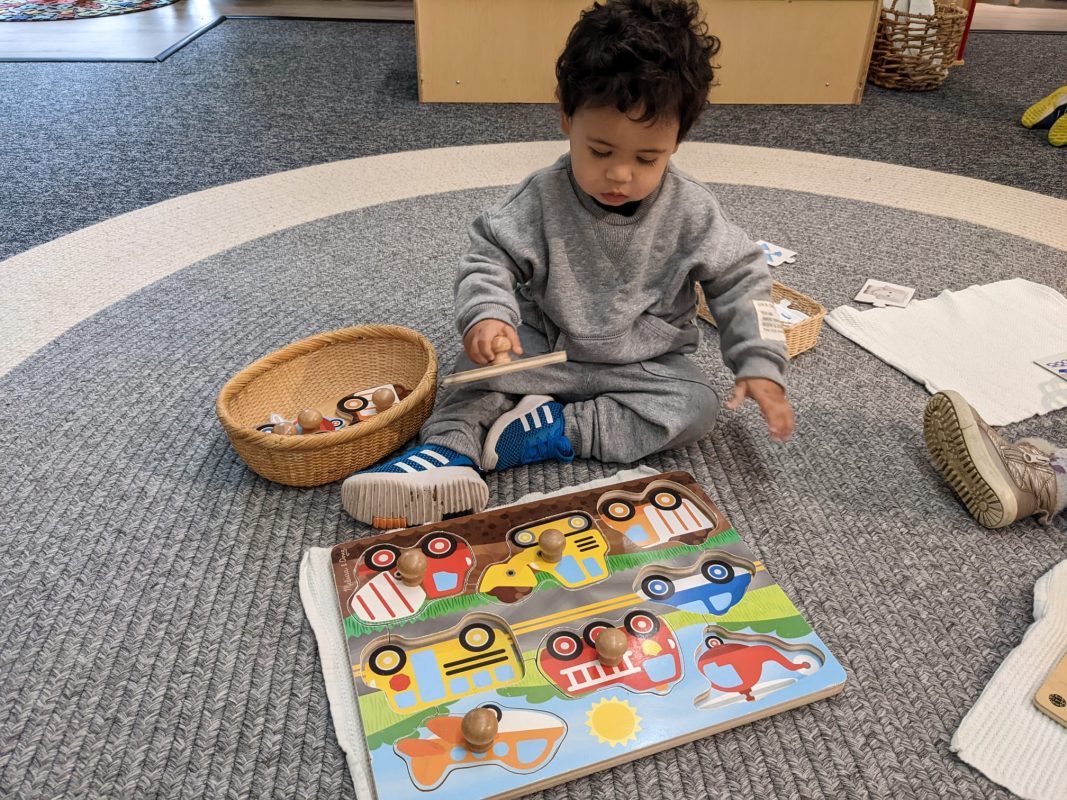
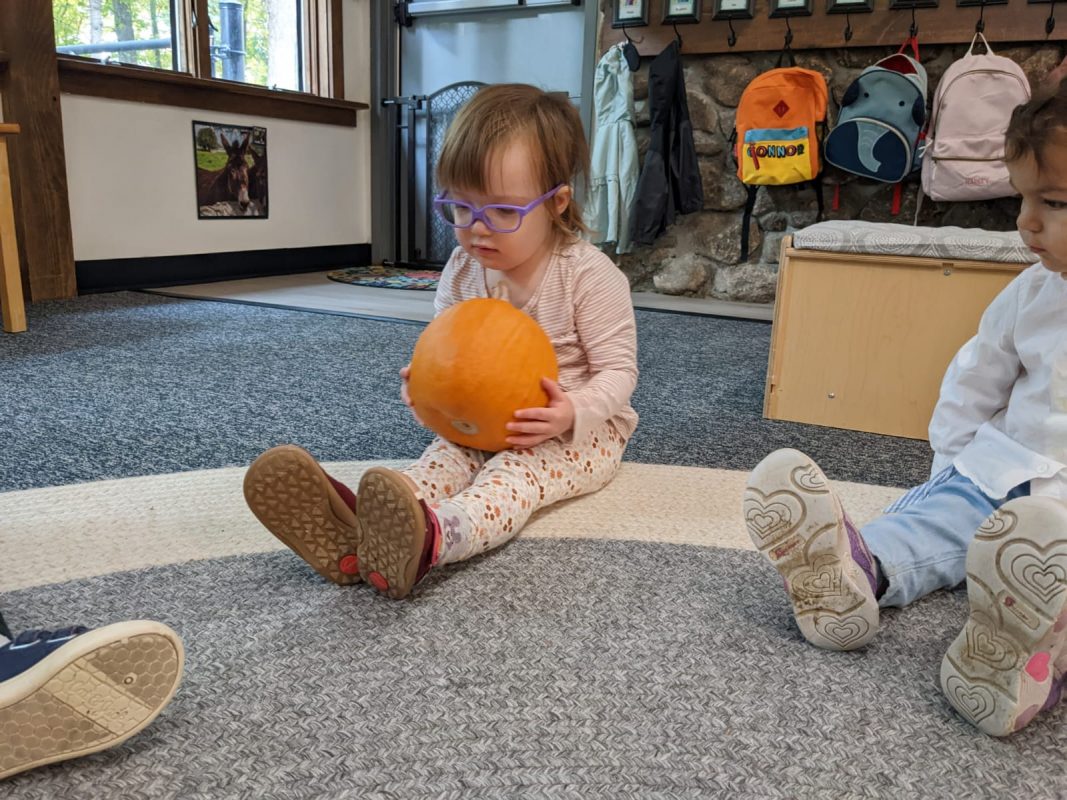
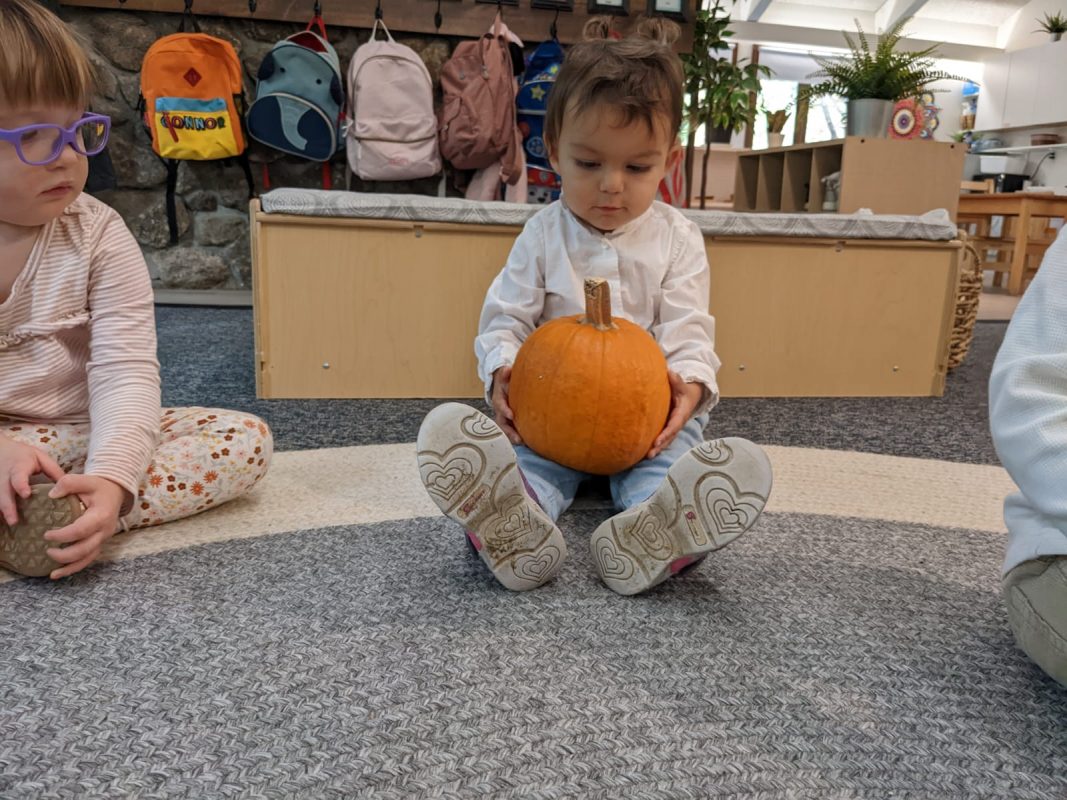
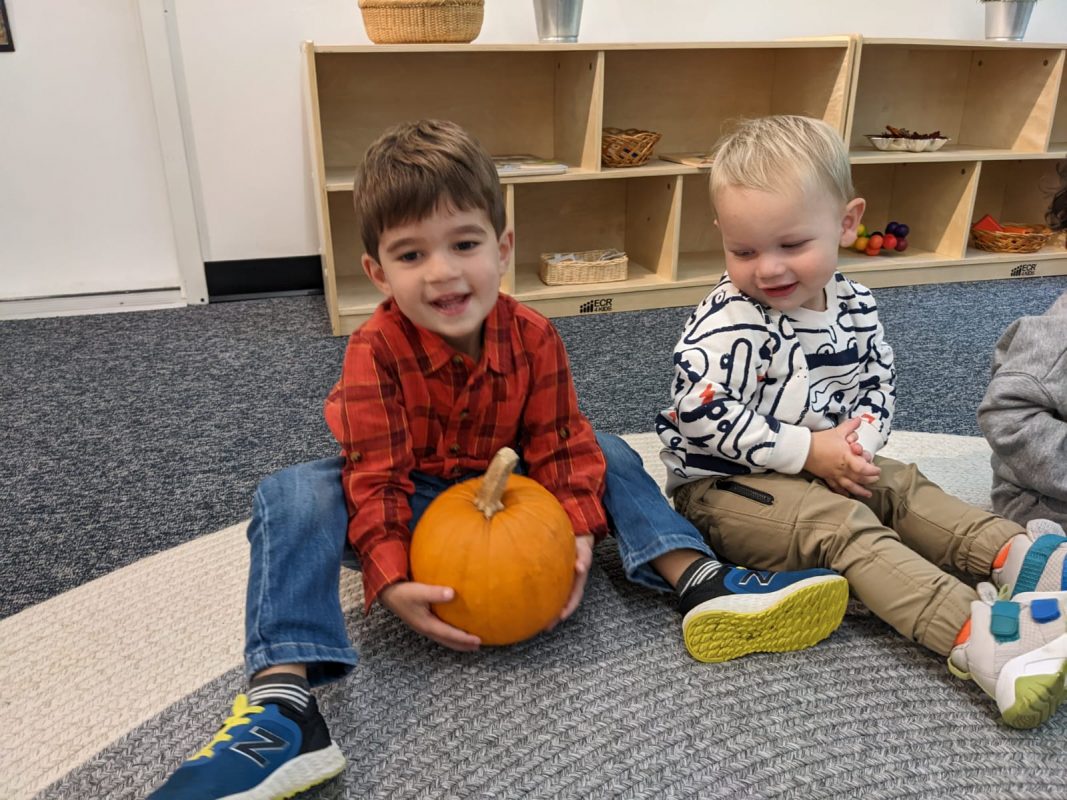
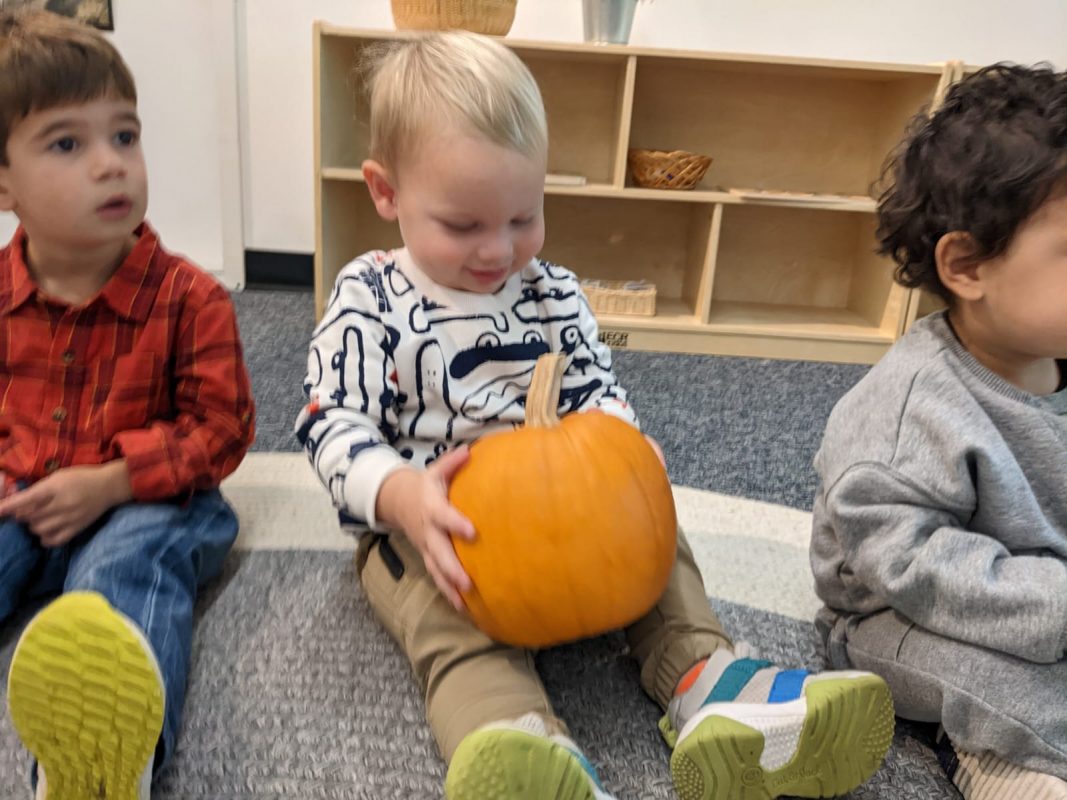
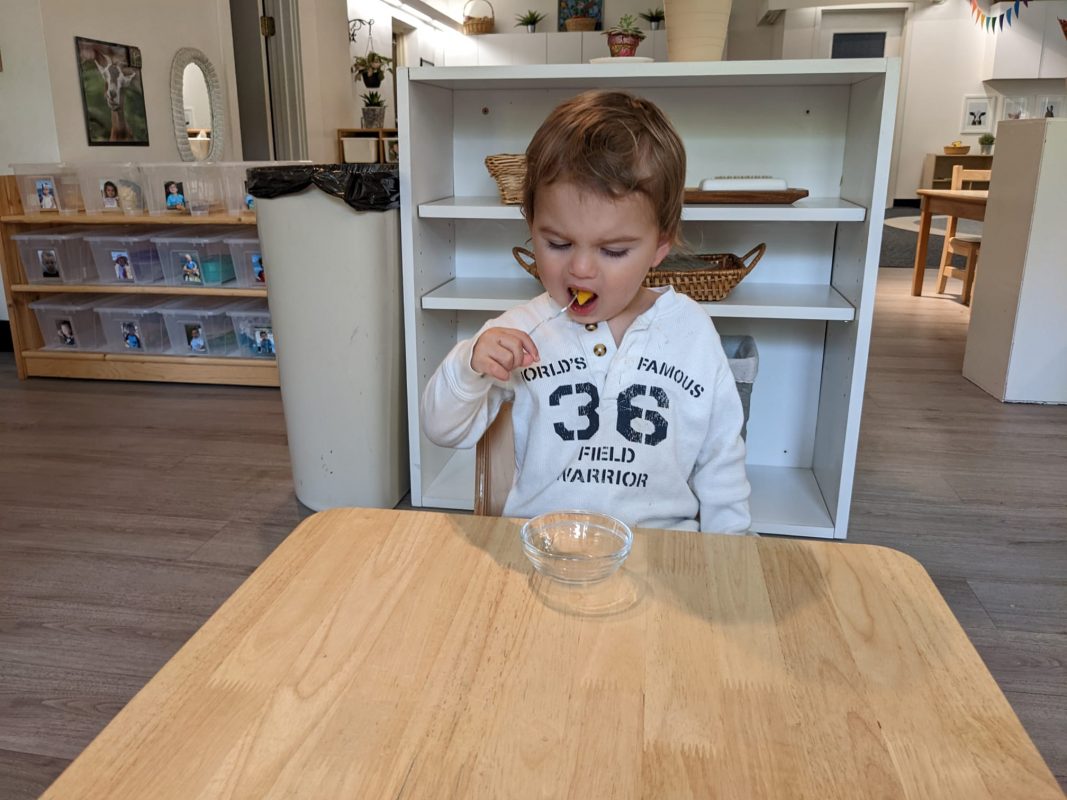
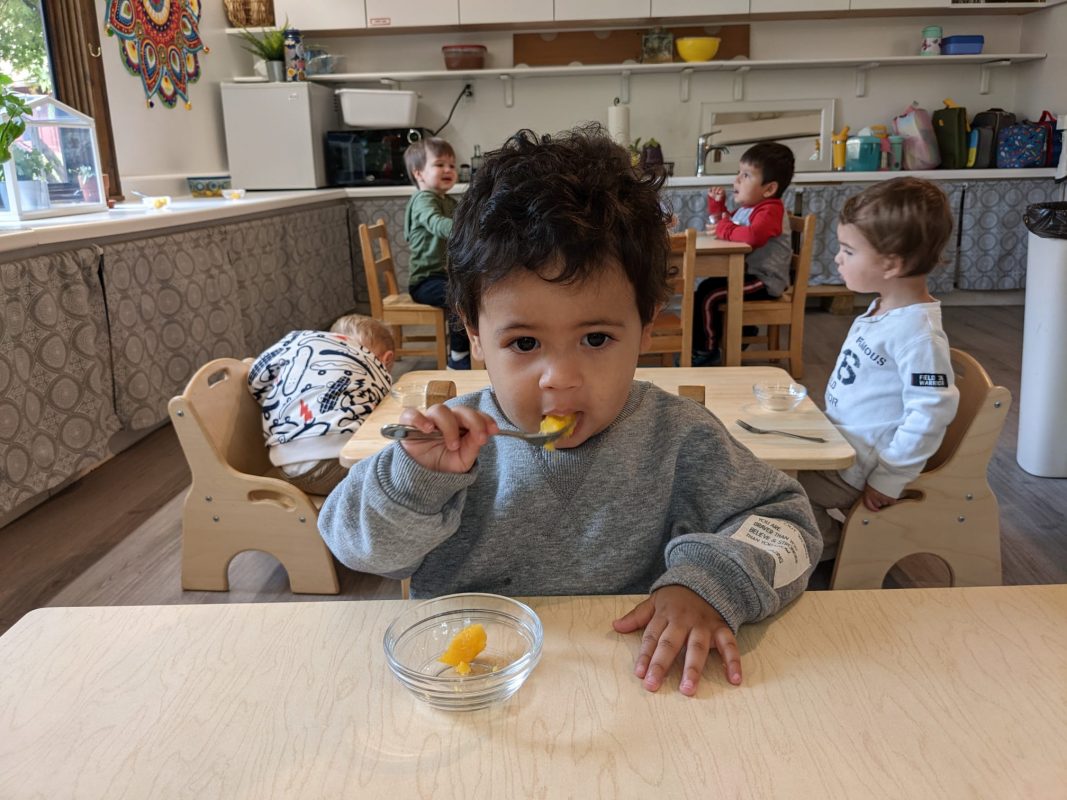
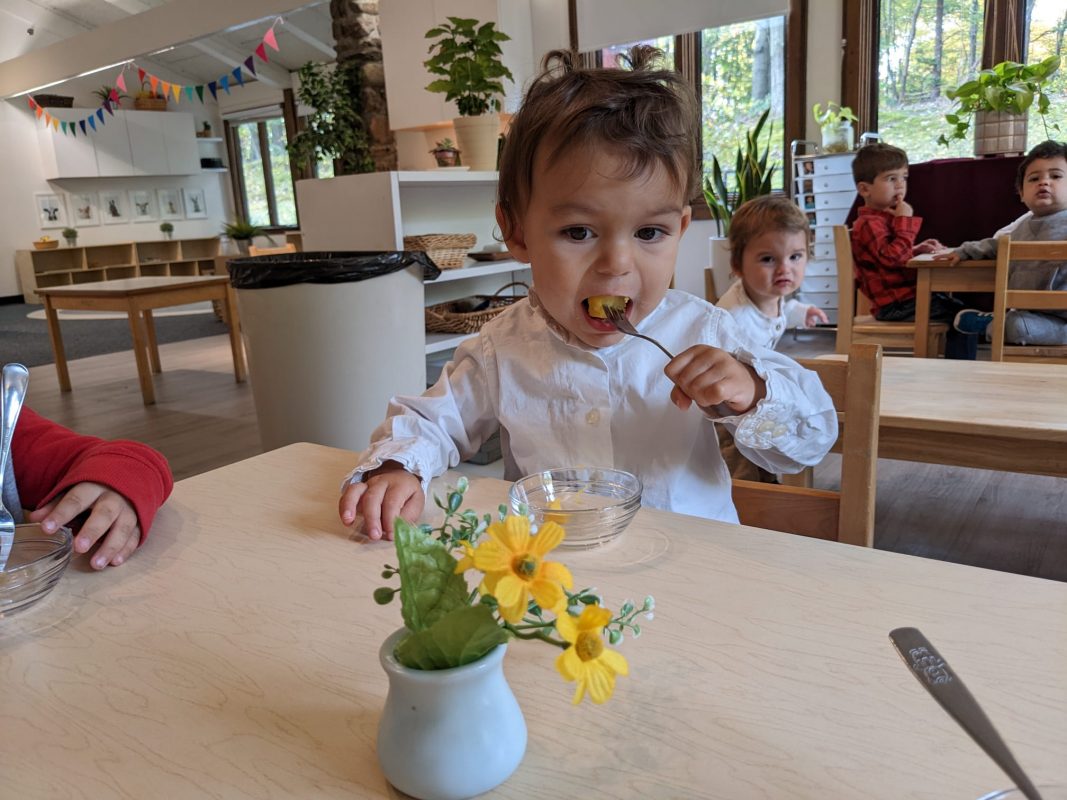
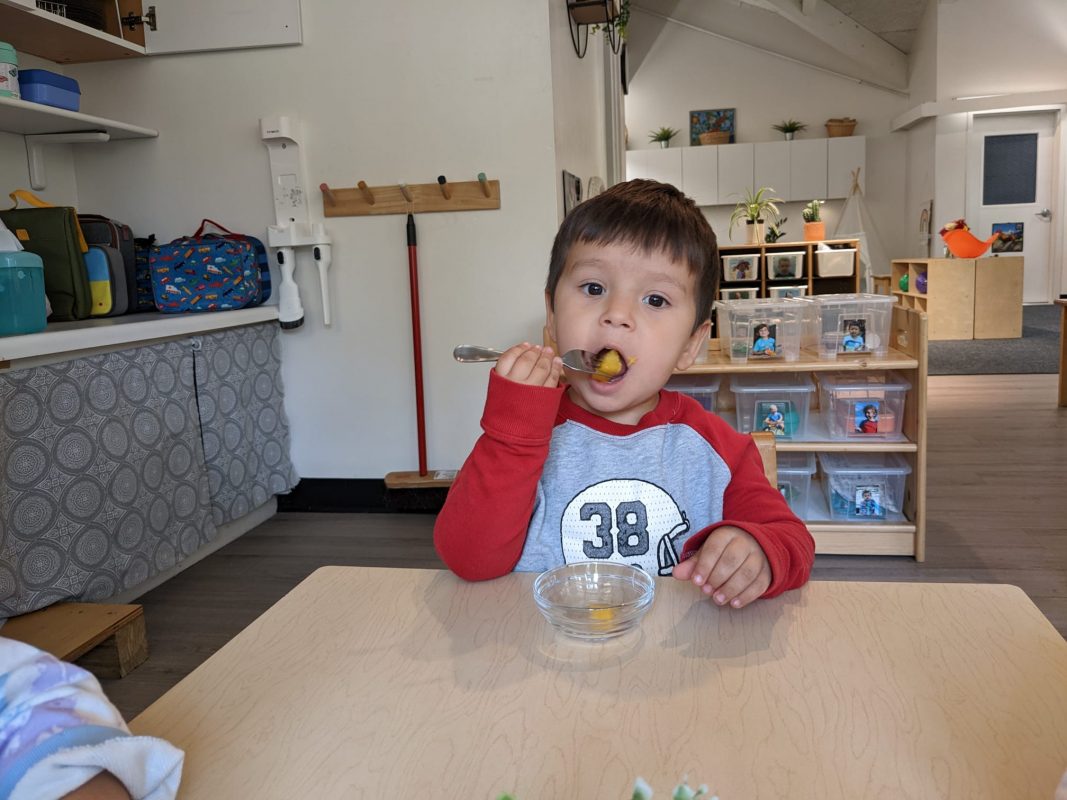
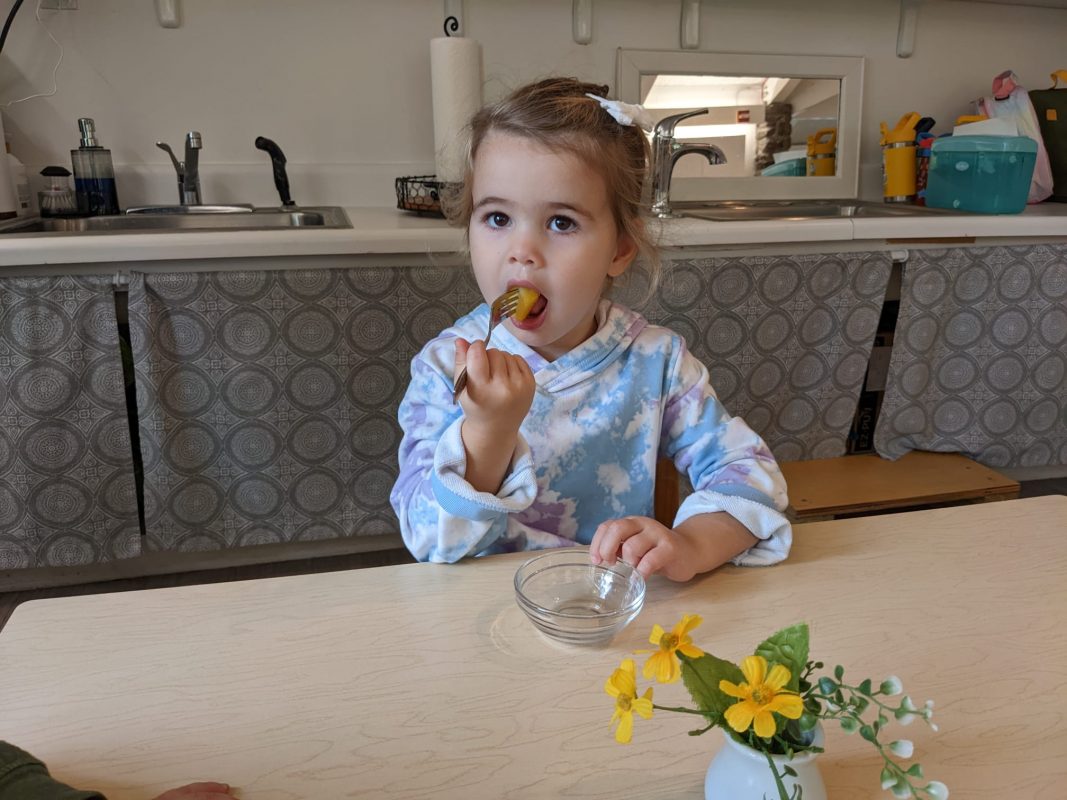
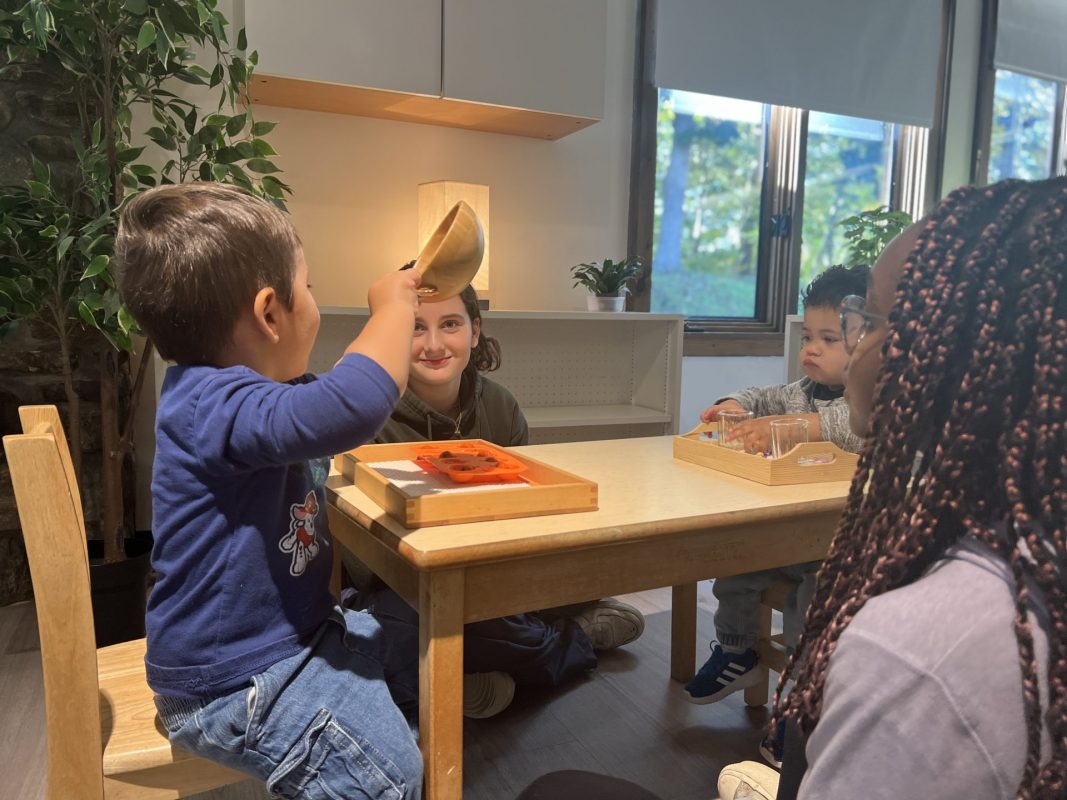
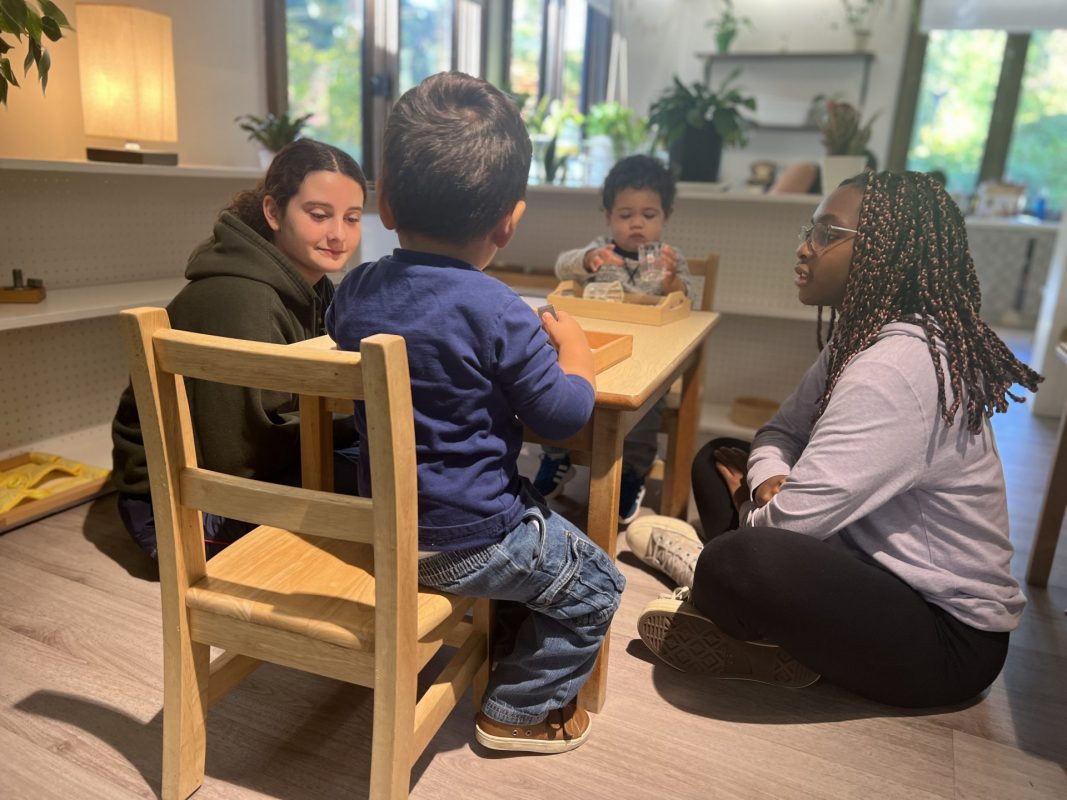
Food preparation is wonderful part of our toddler class.

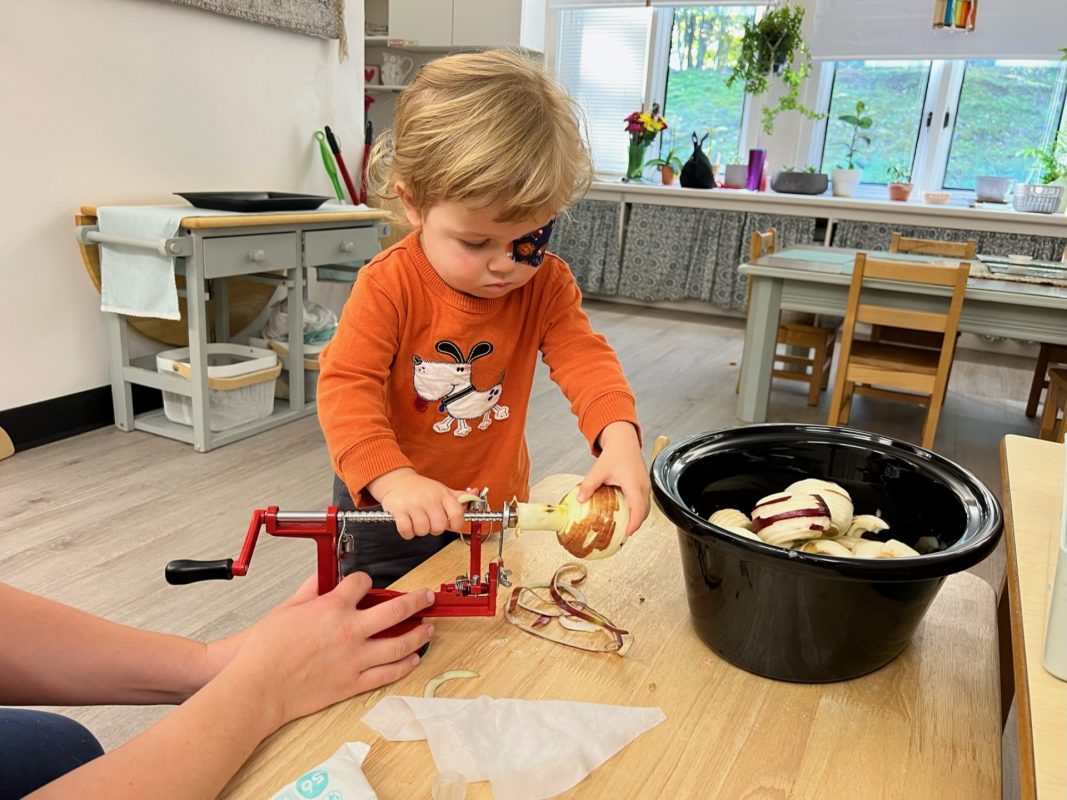
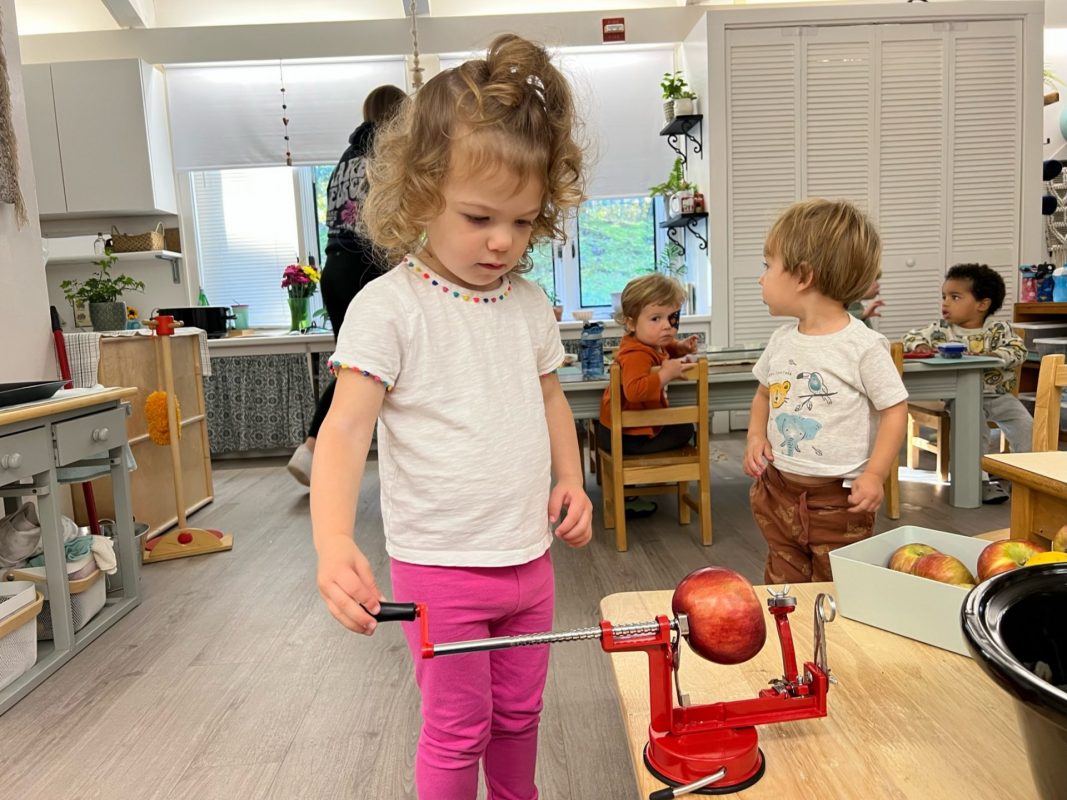
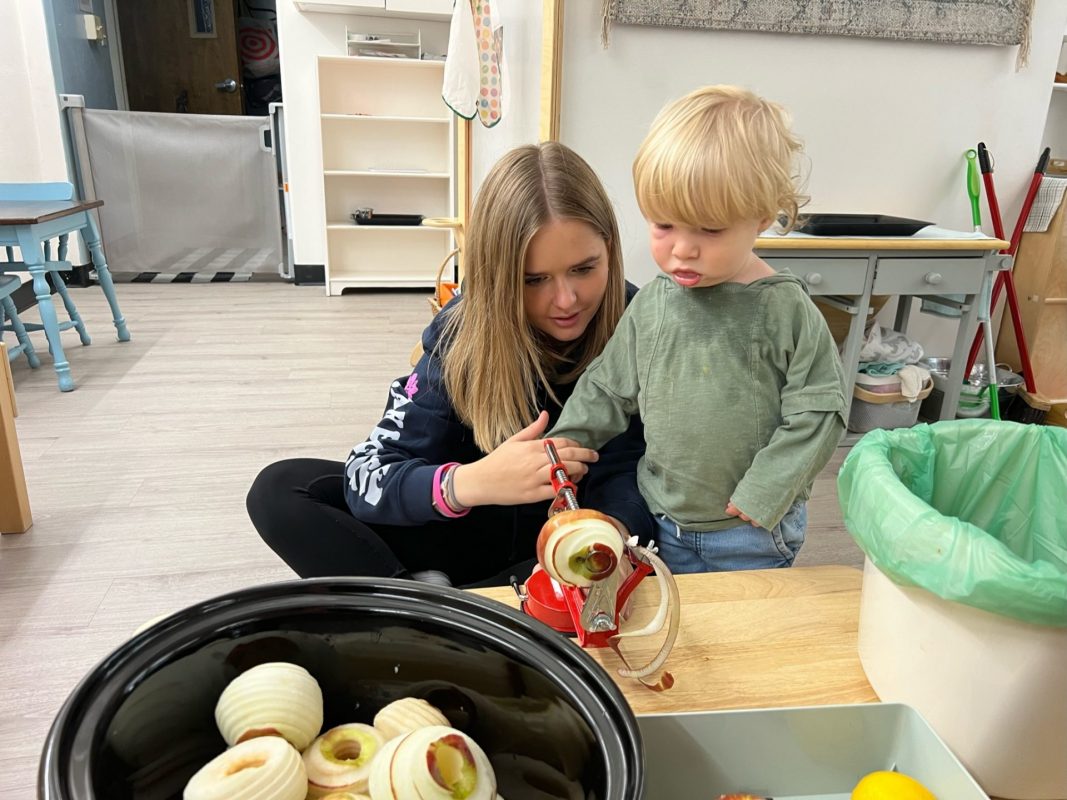
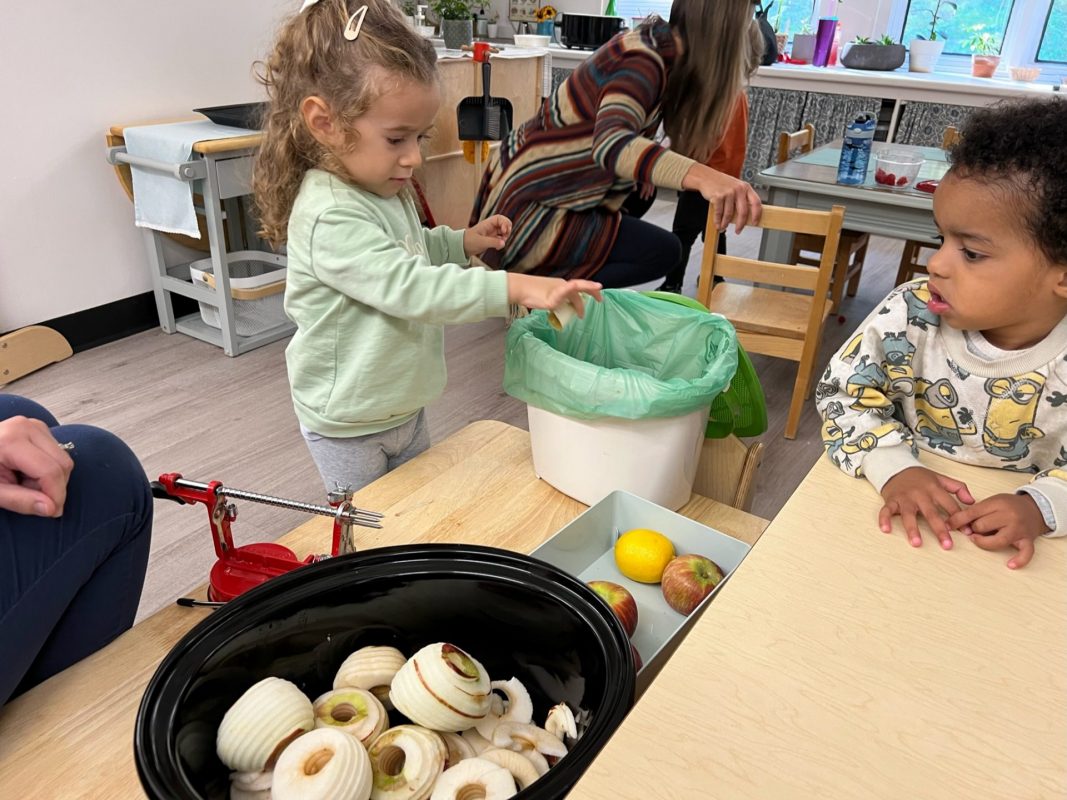
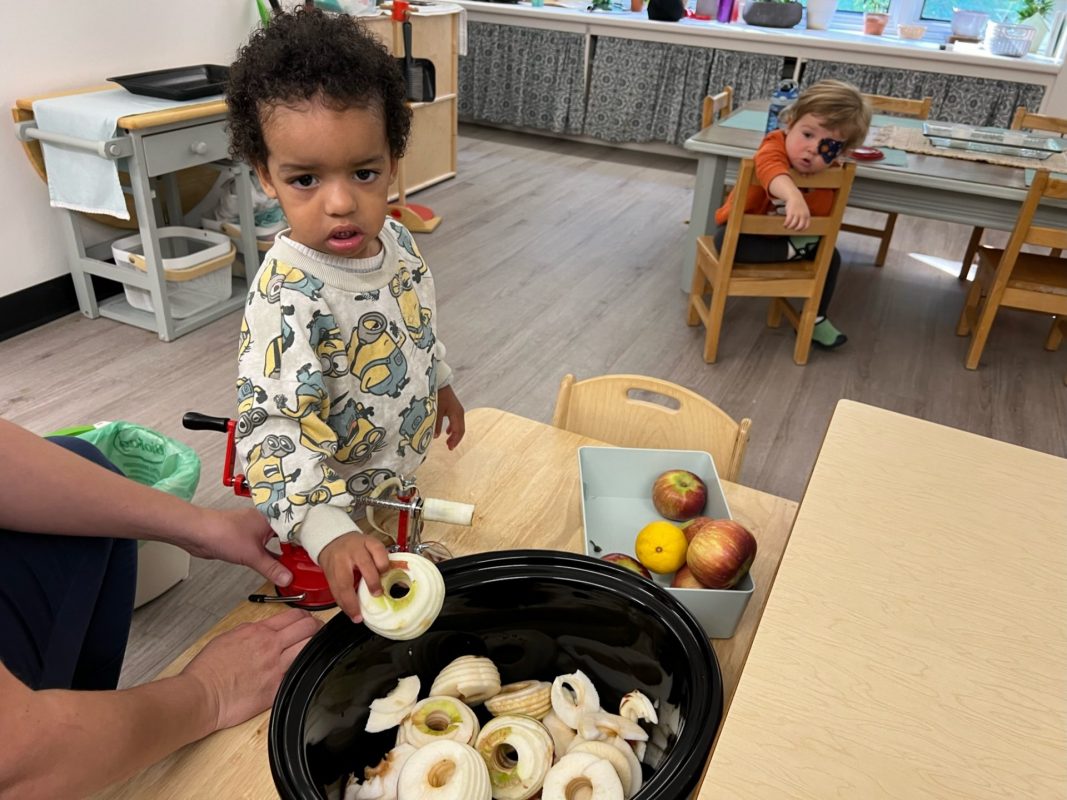
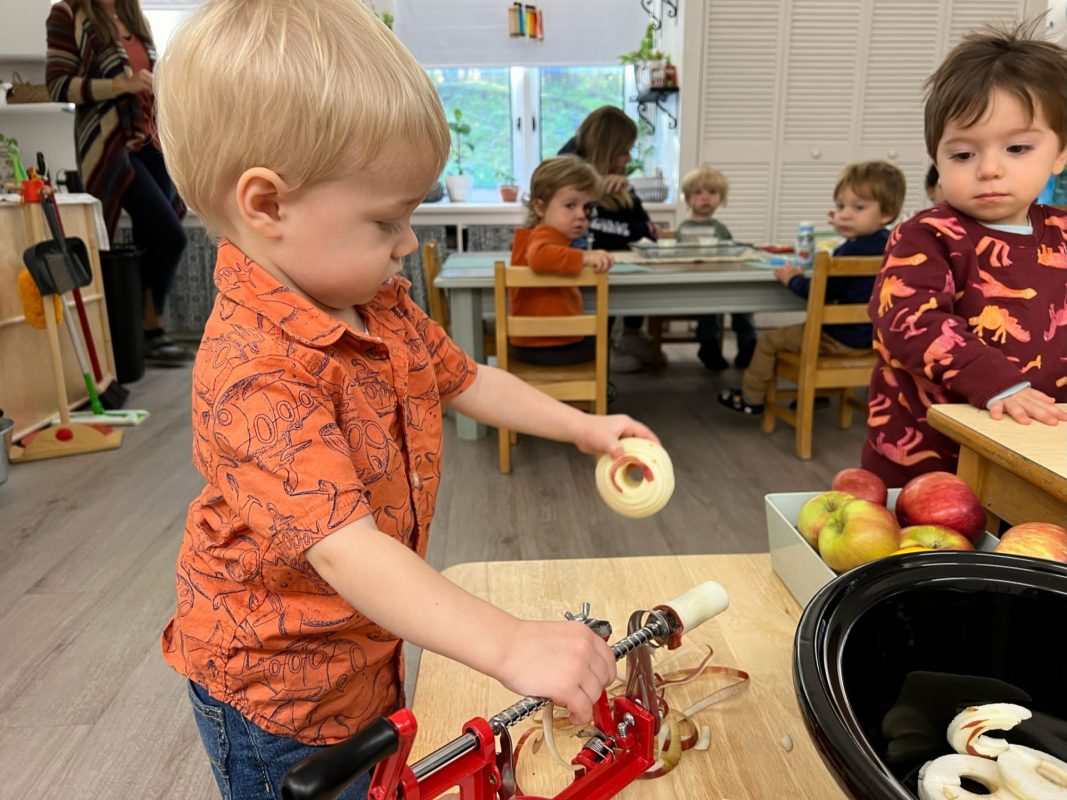
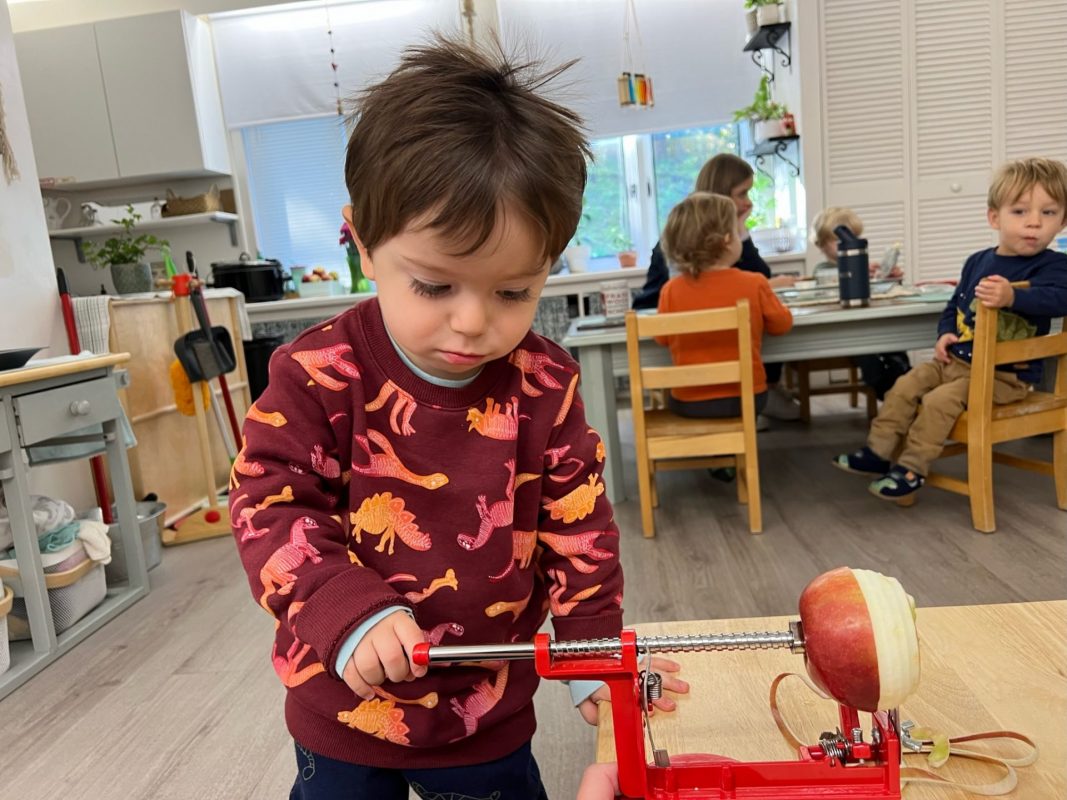
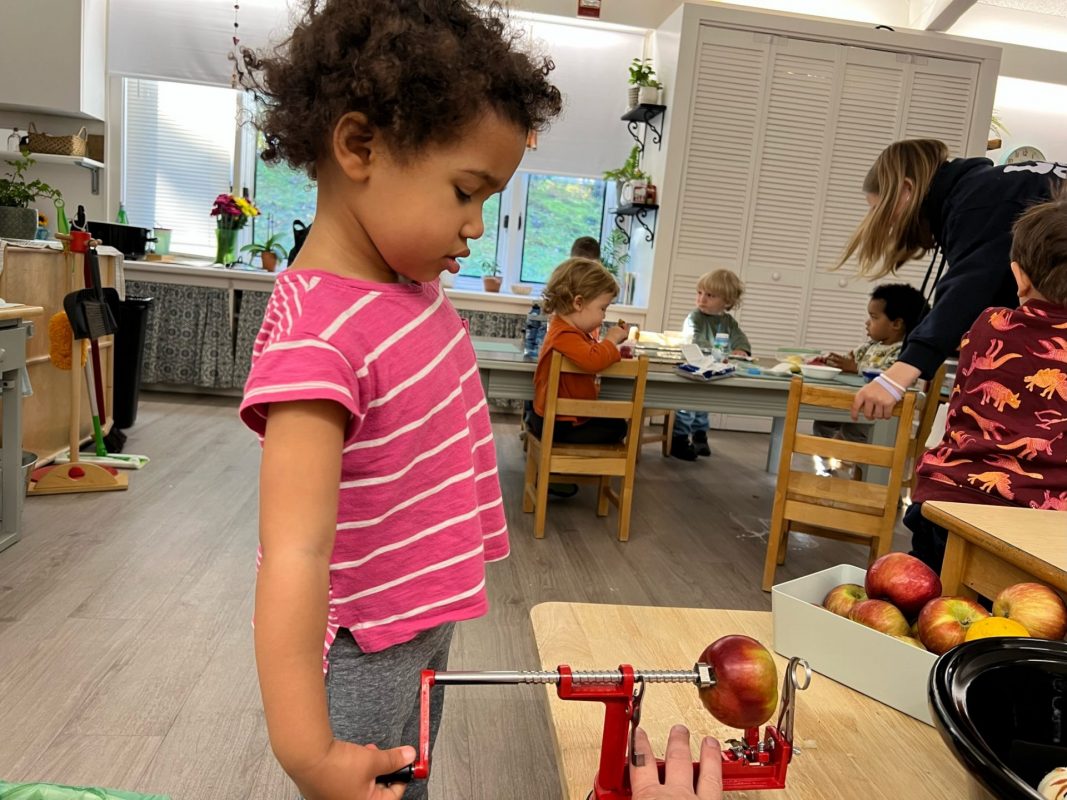
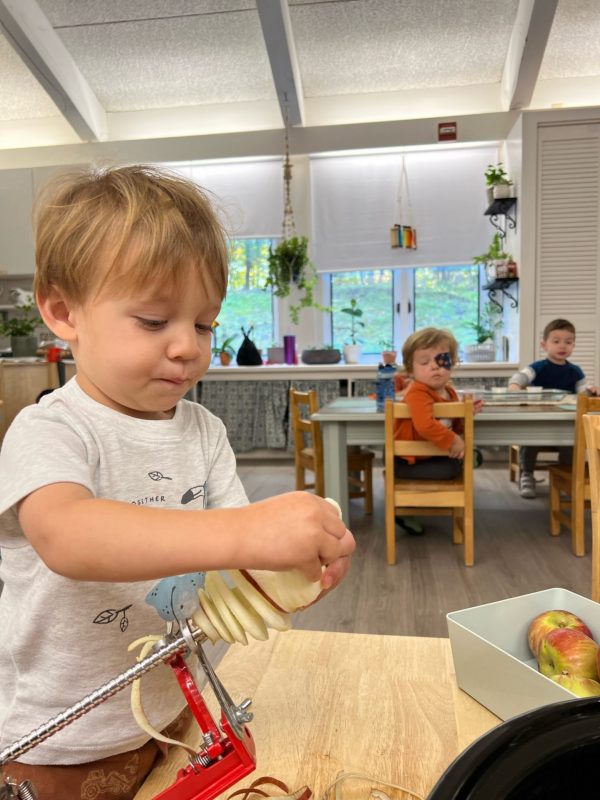
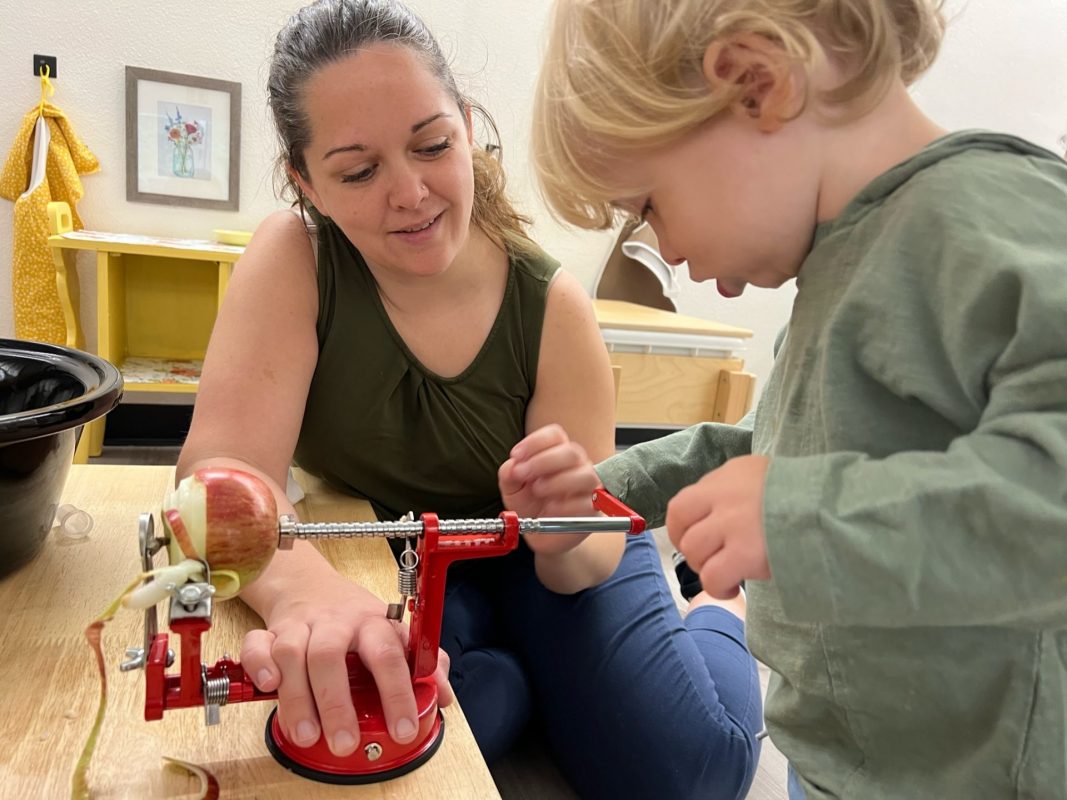
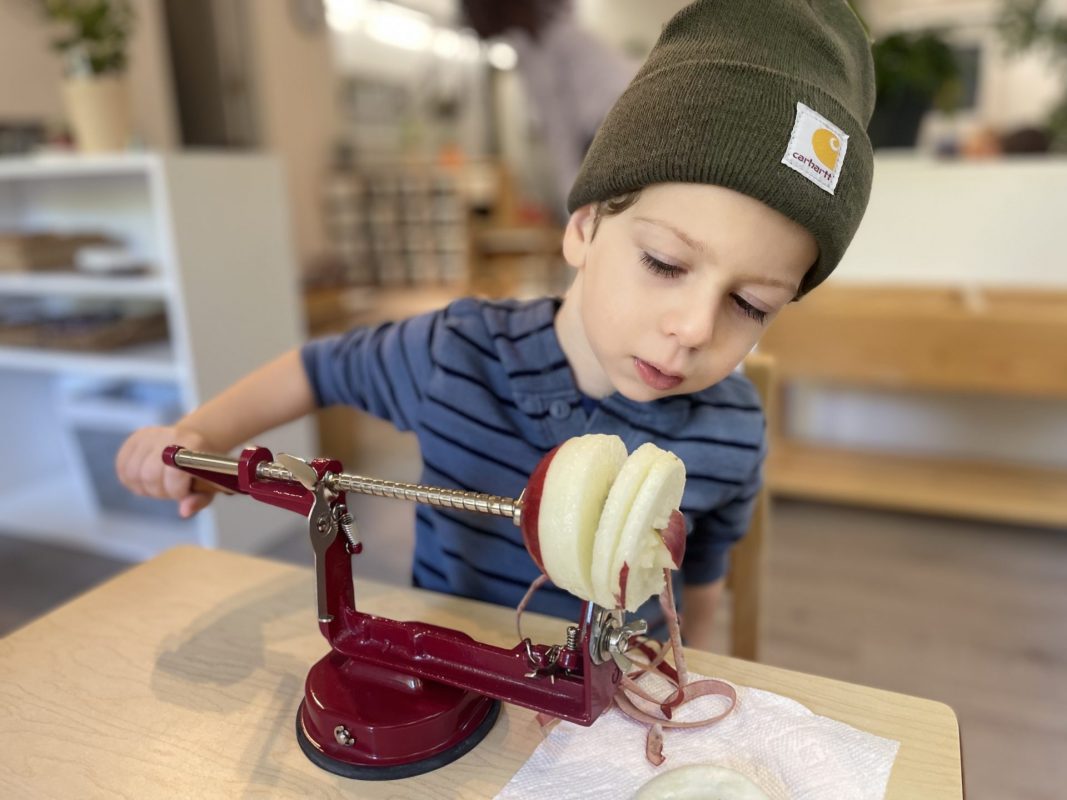
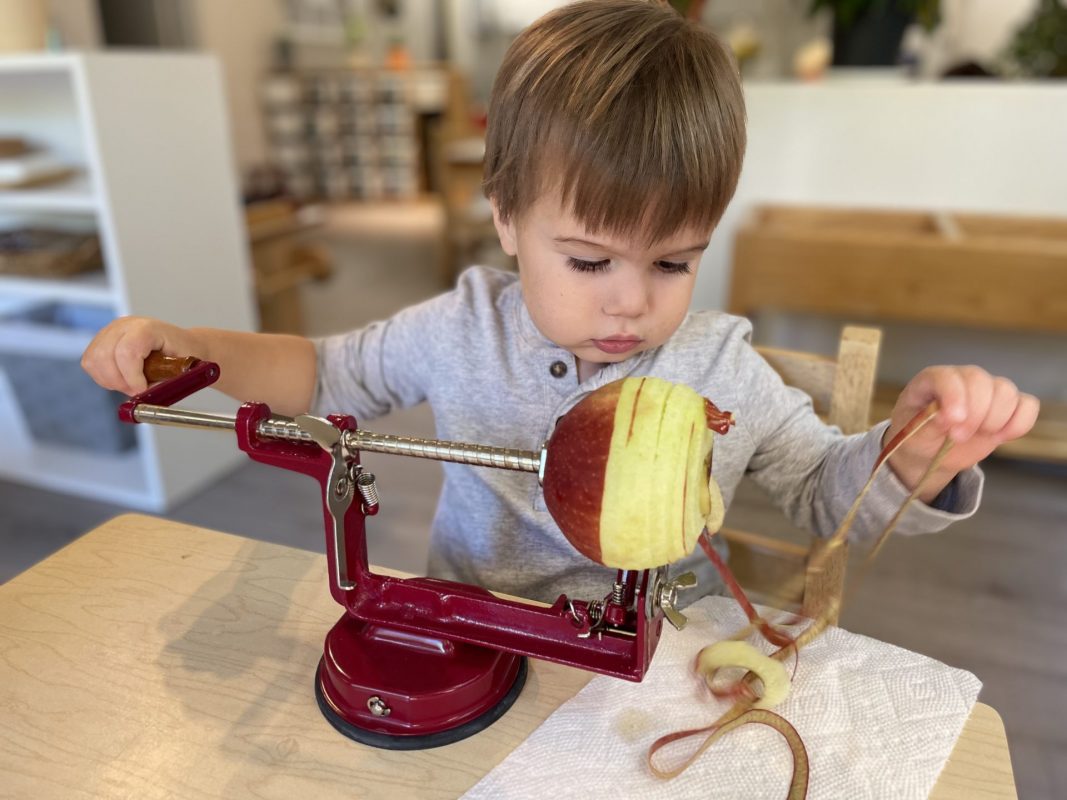
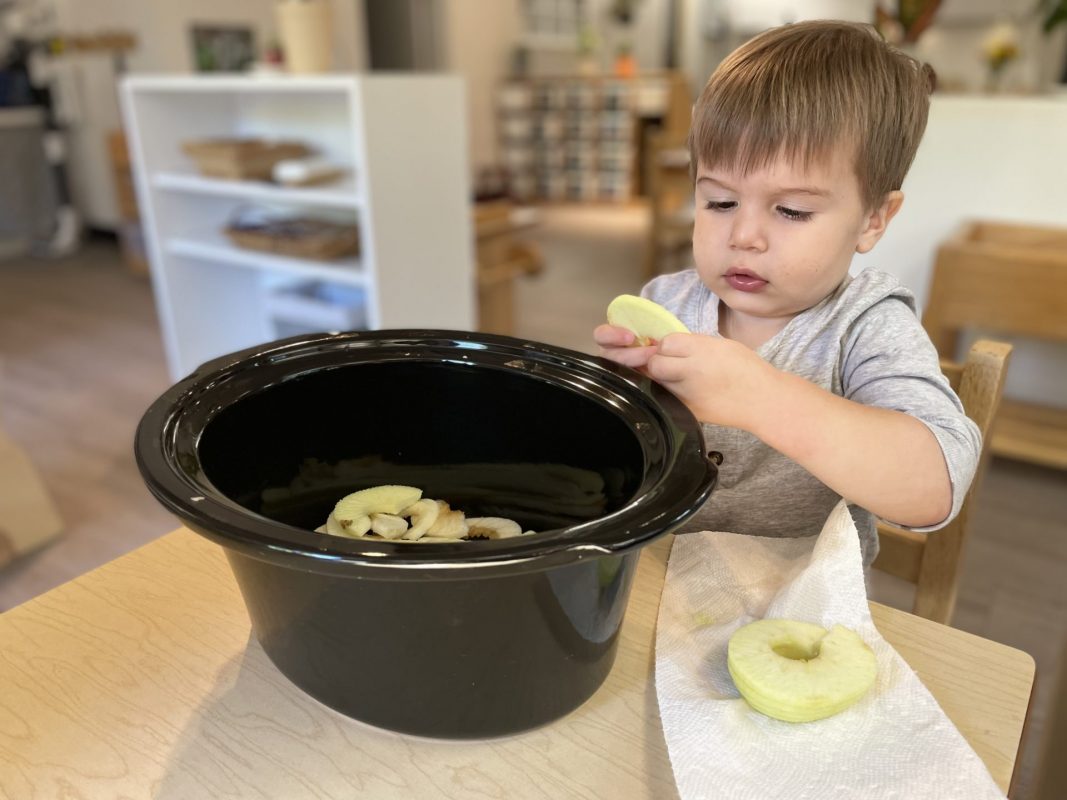
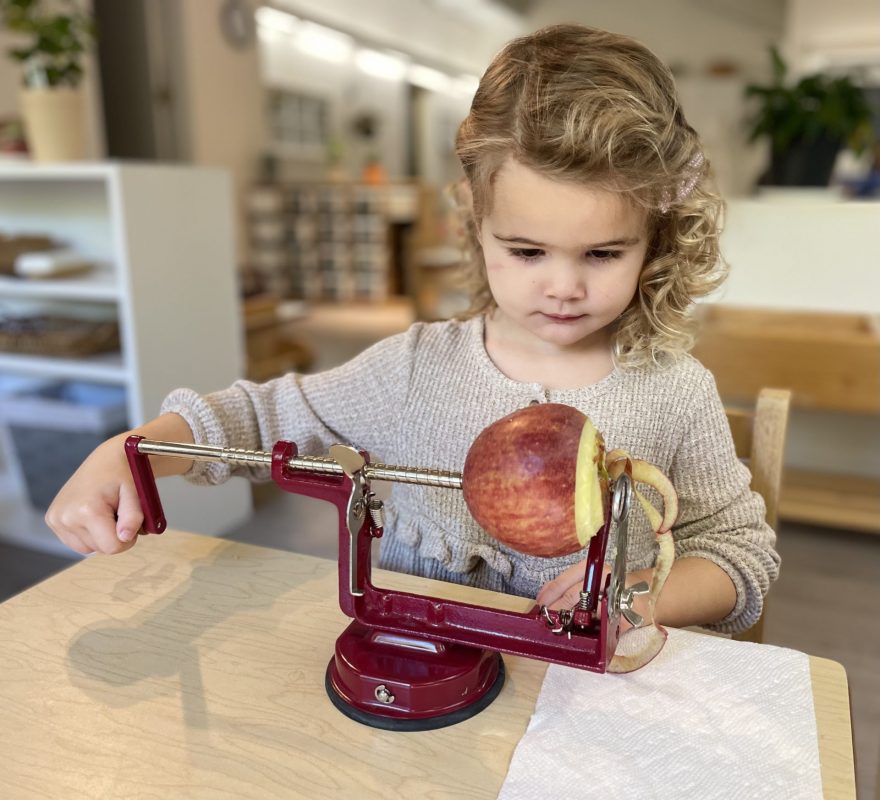
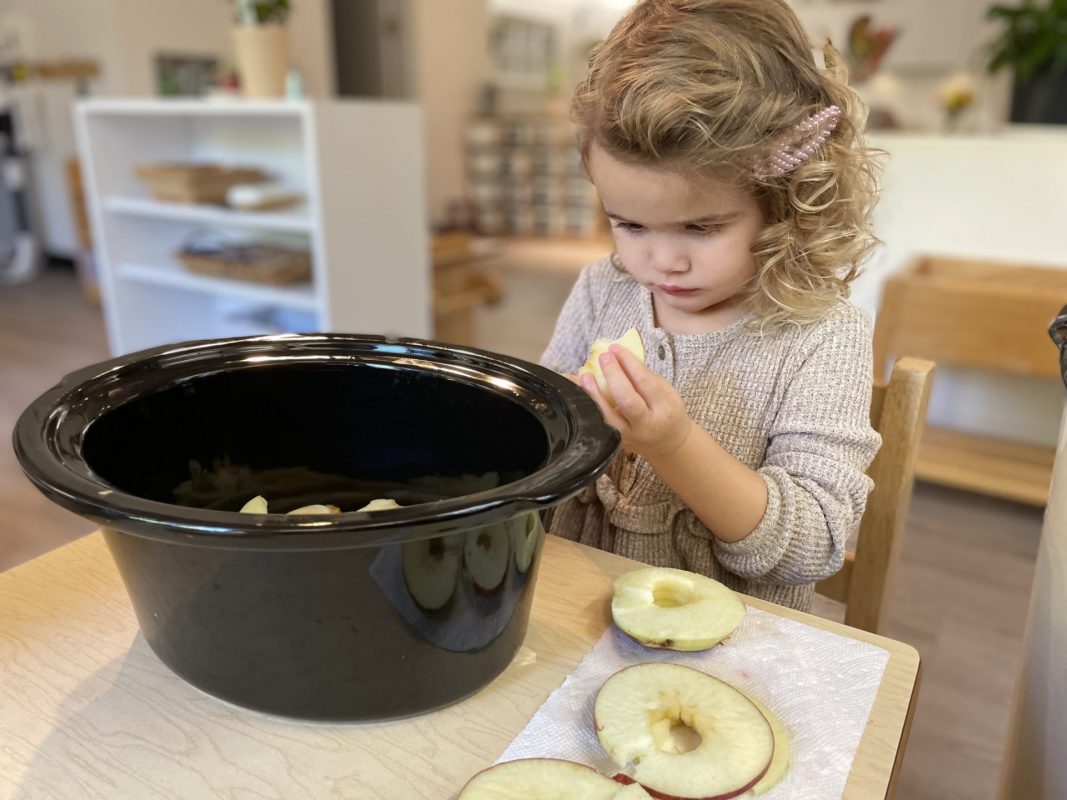
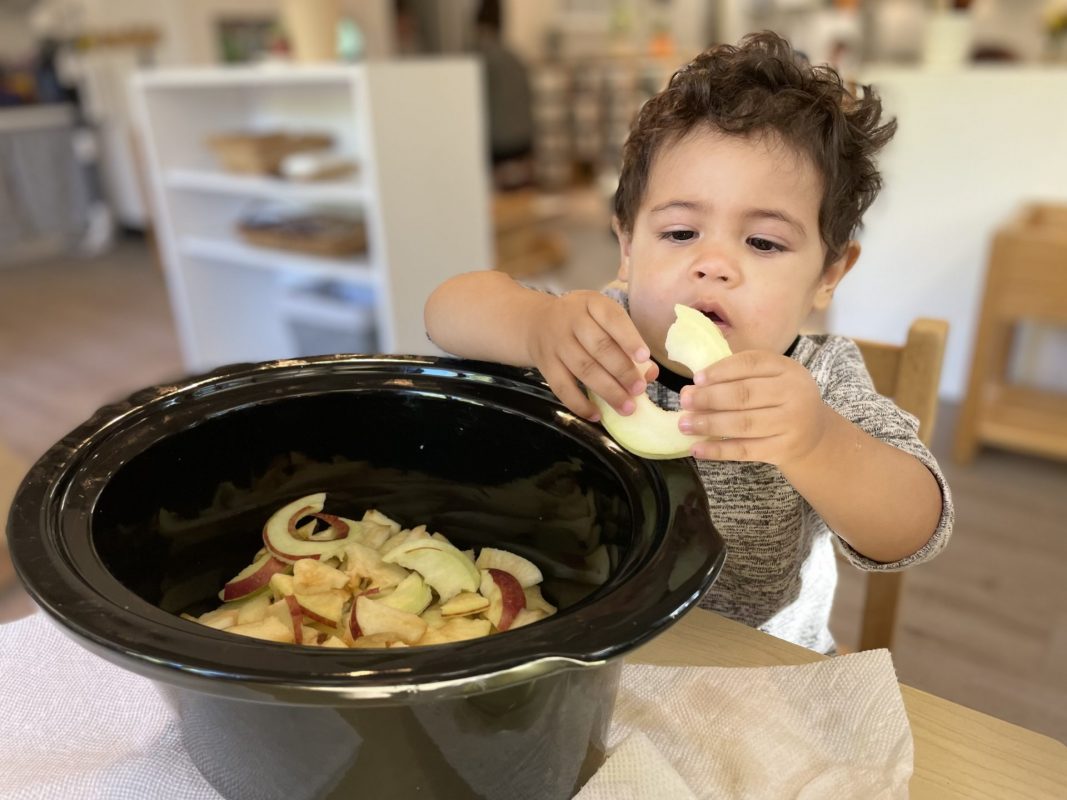
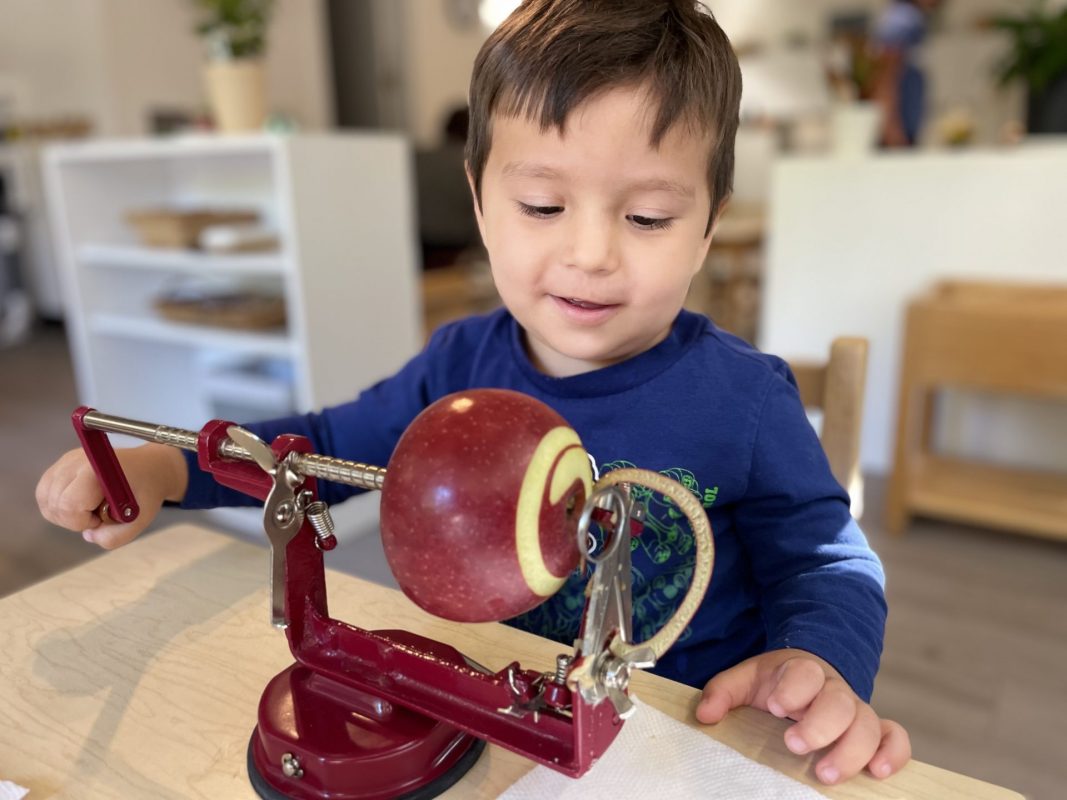
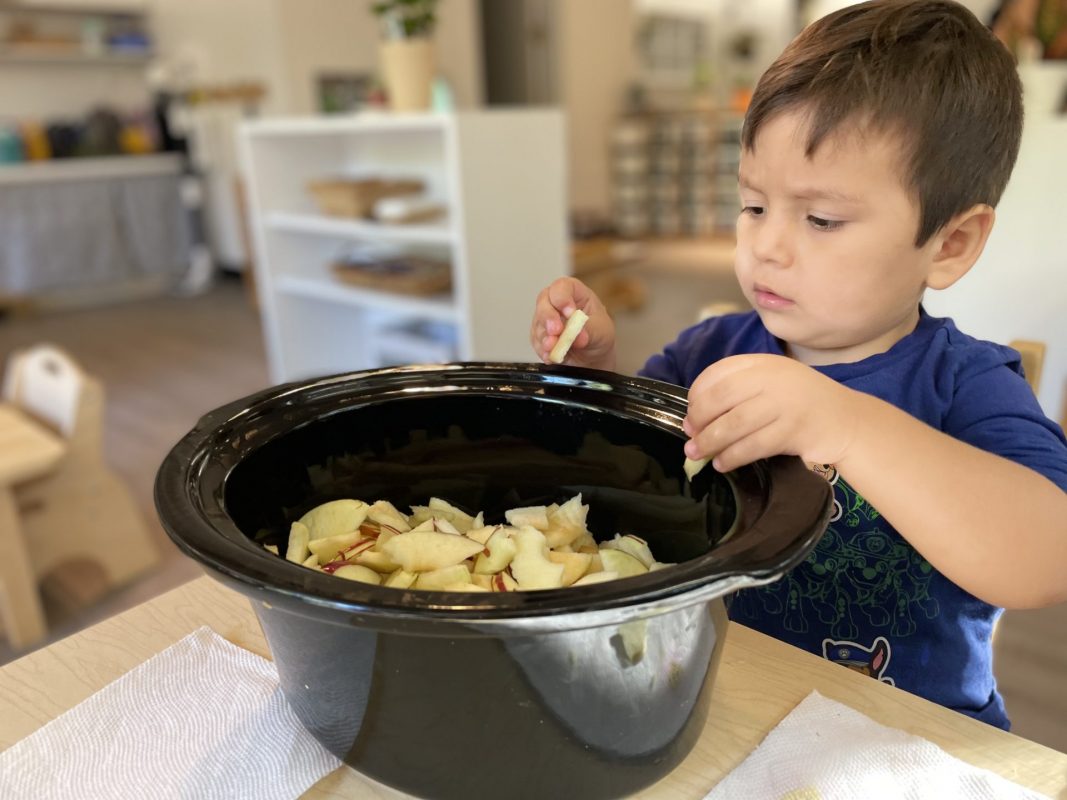
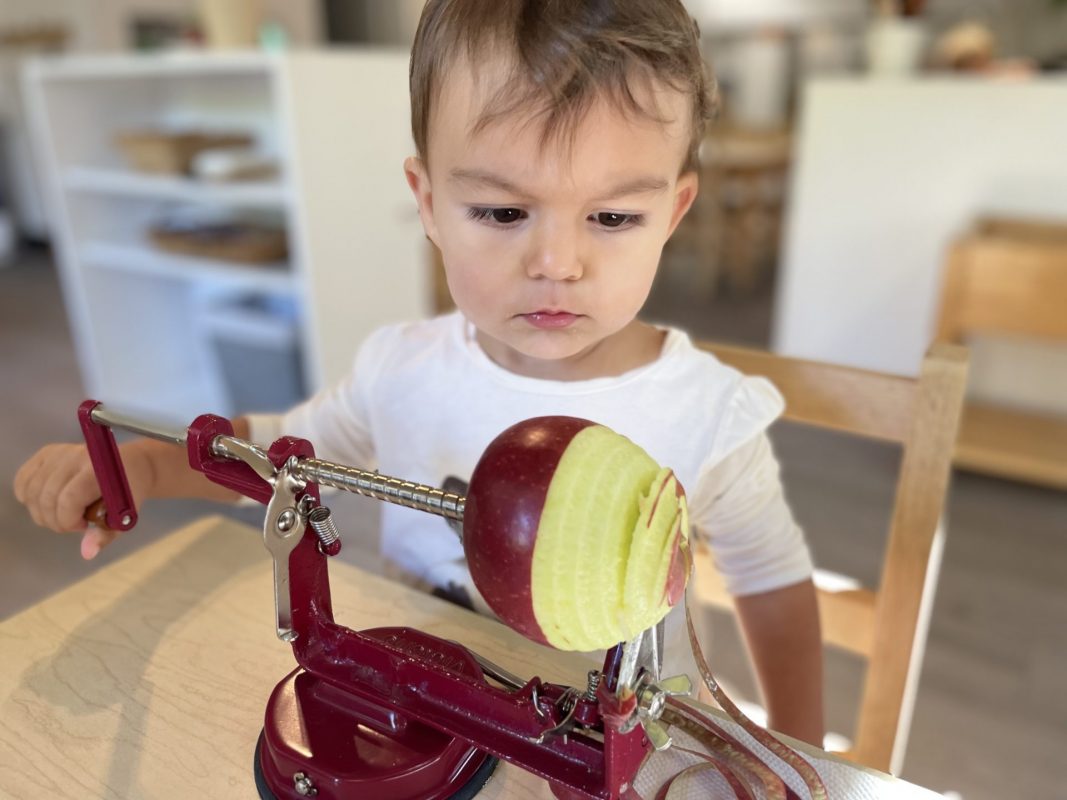
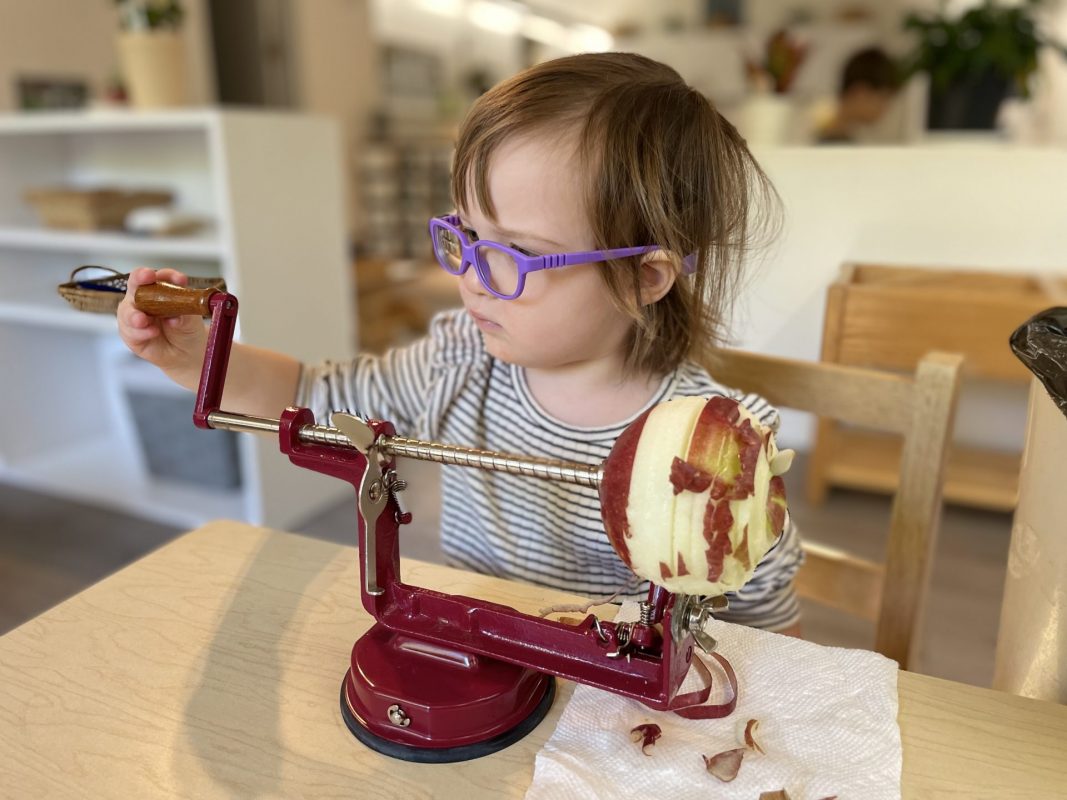
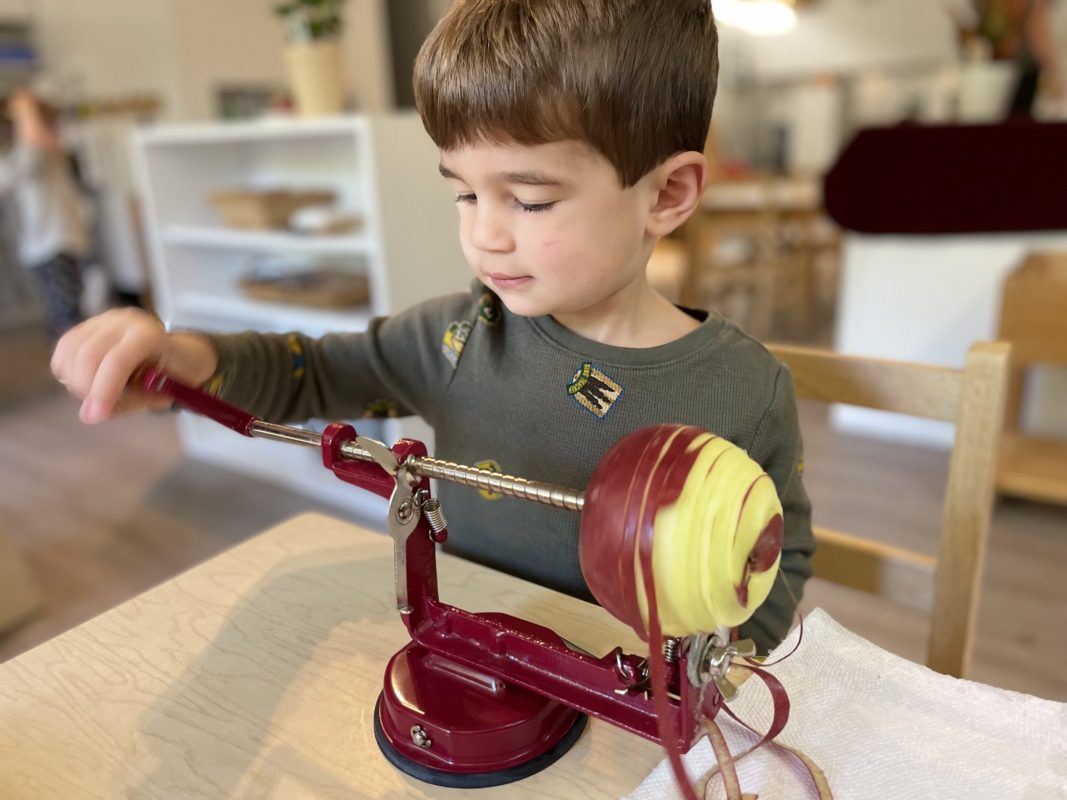
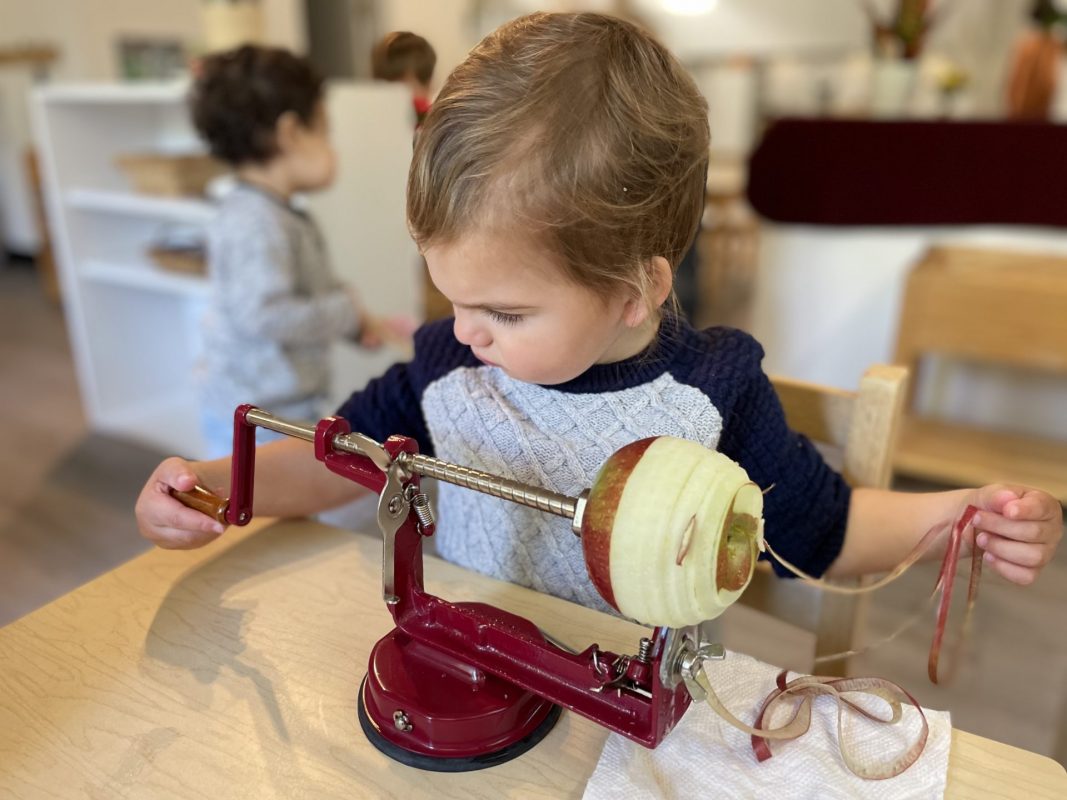
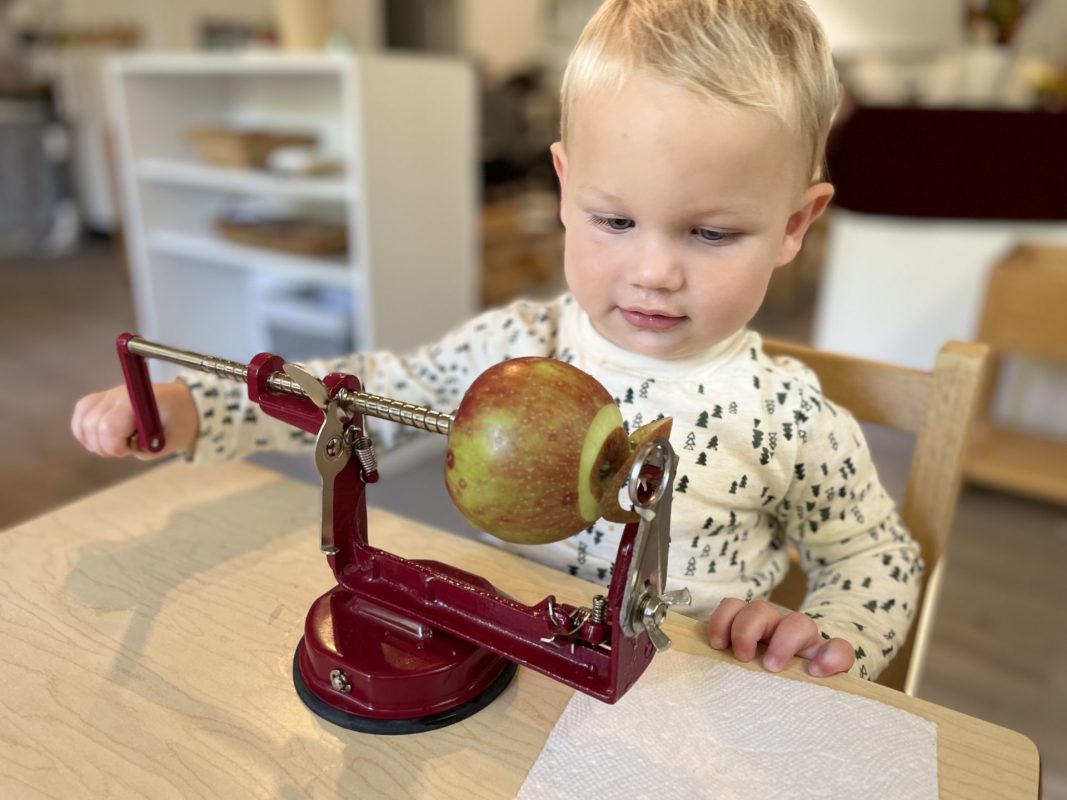
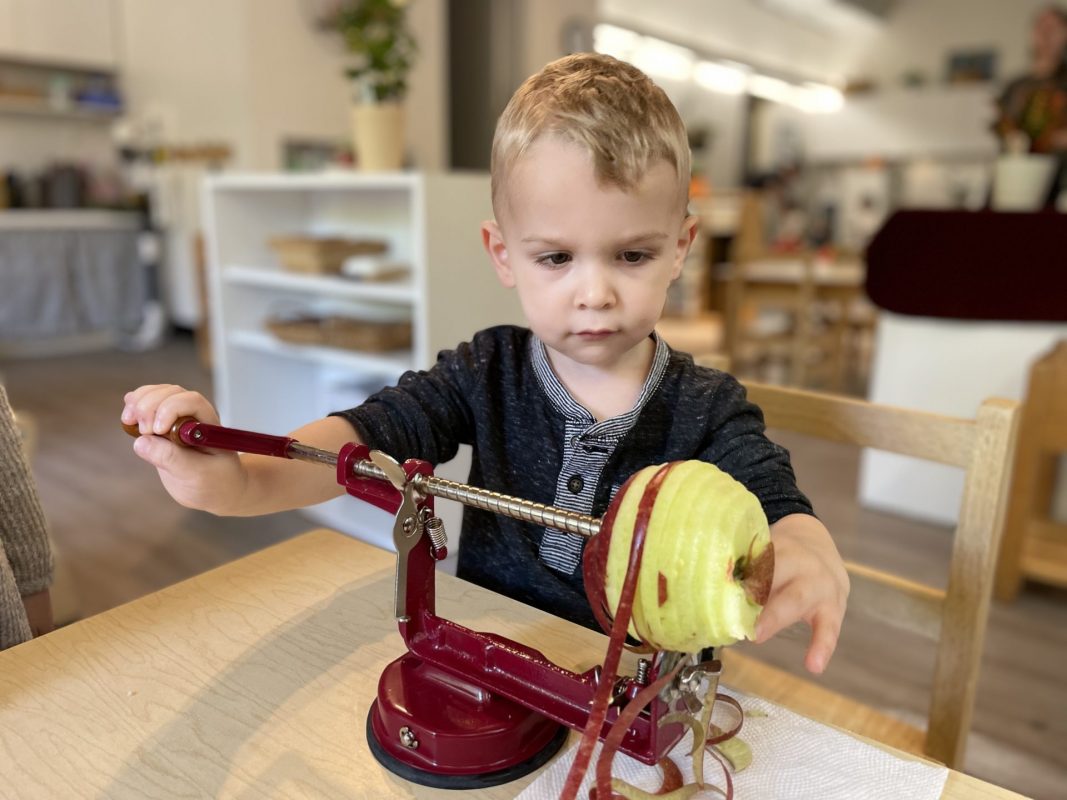
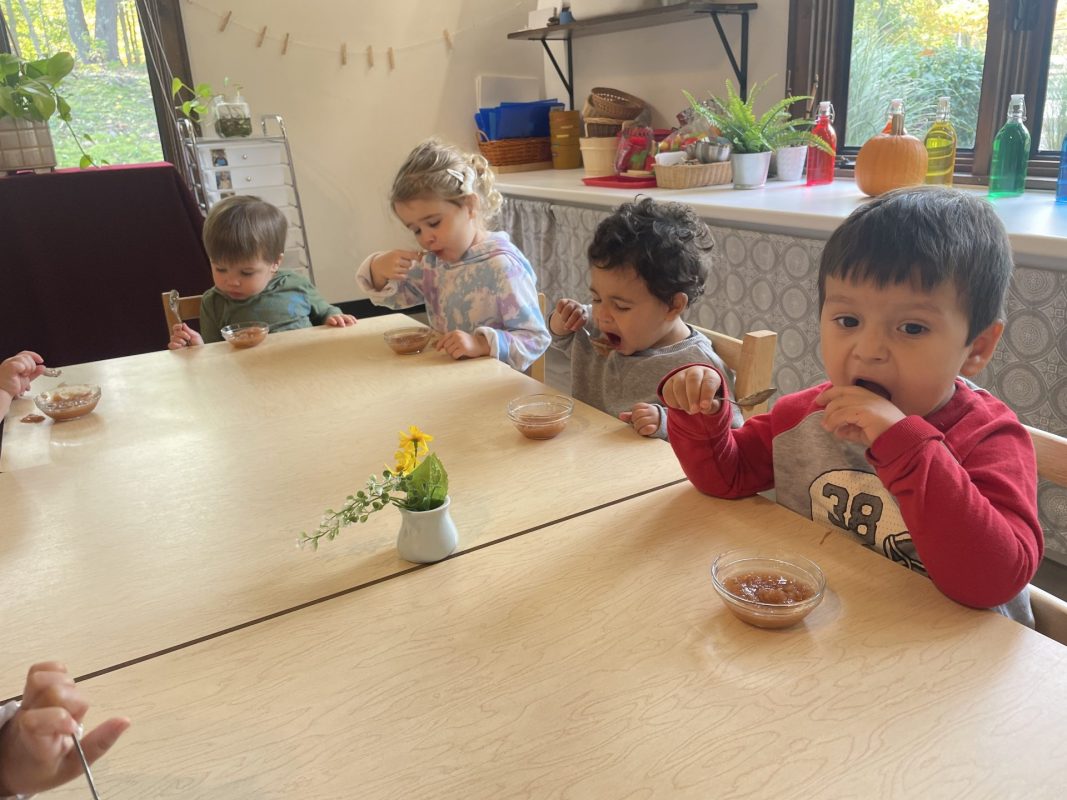
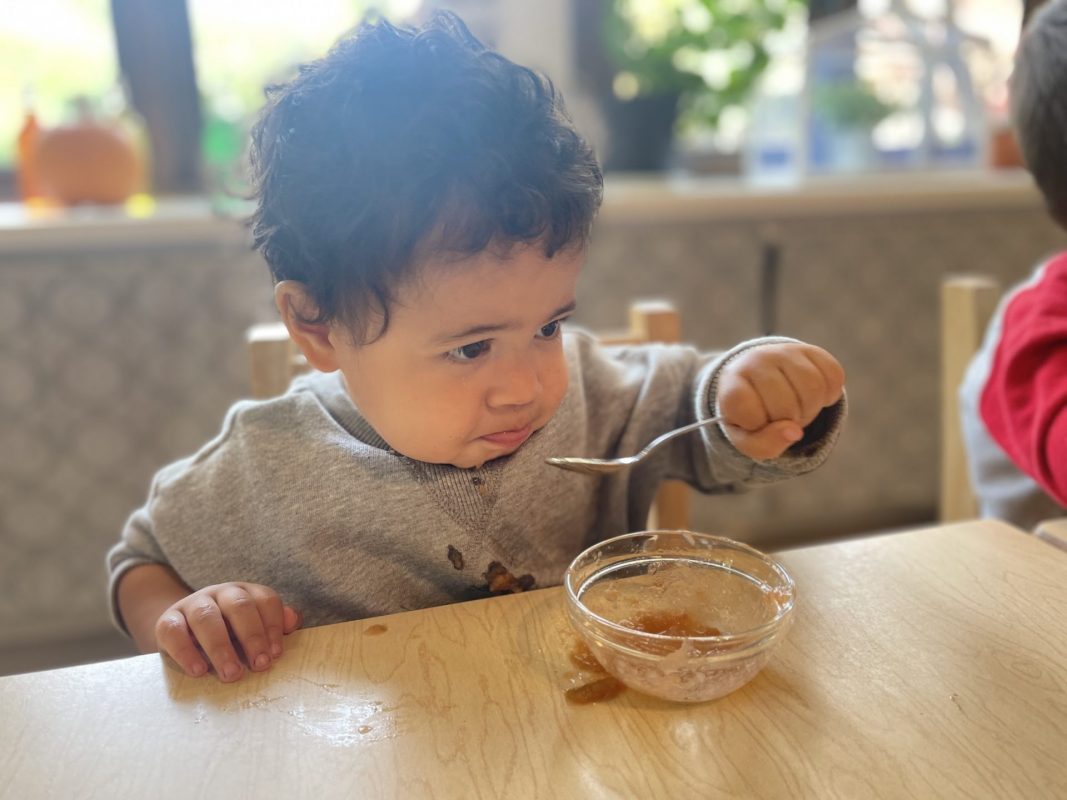
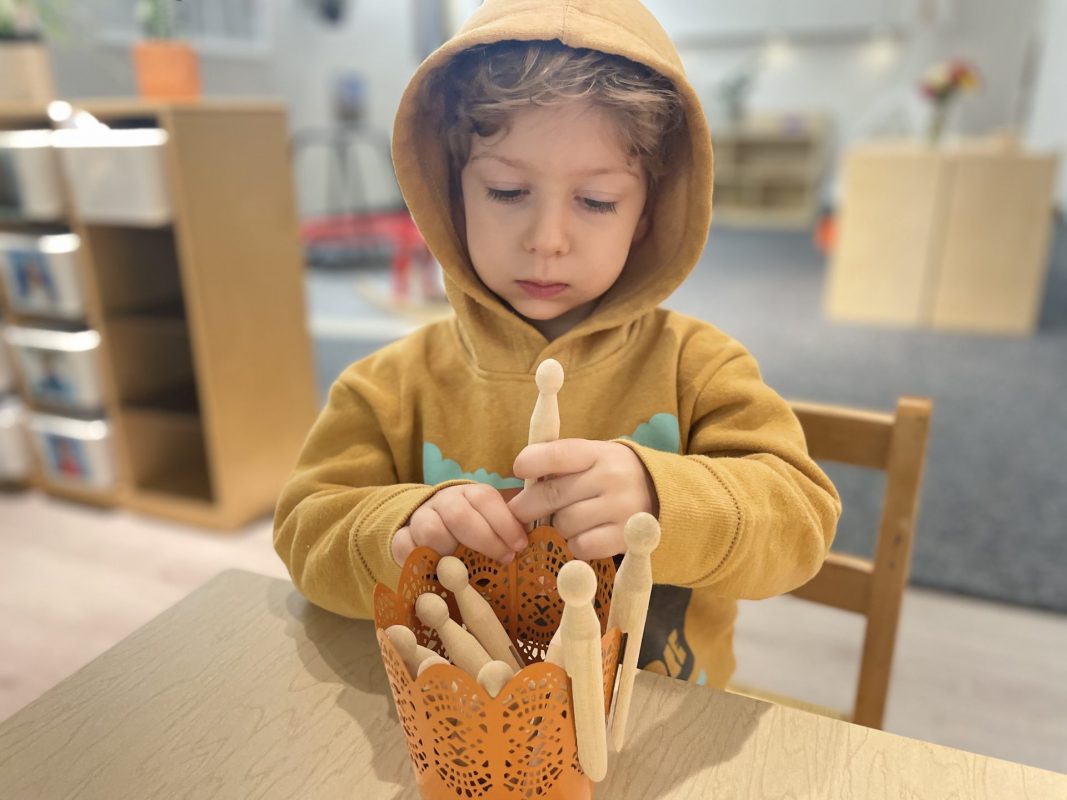
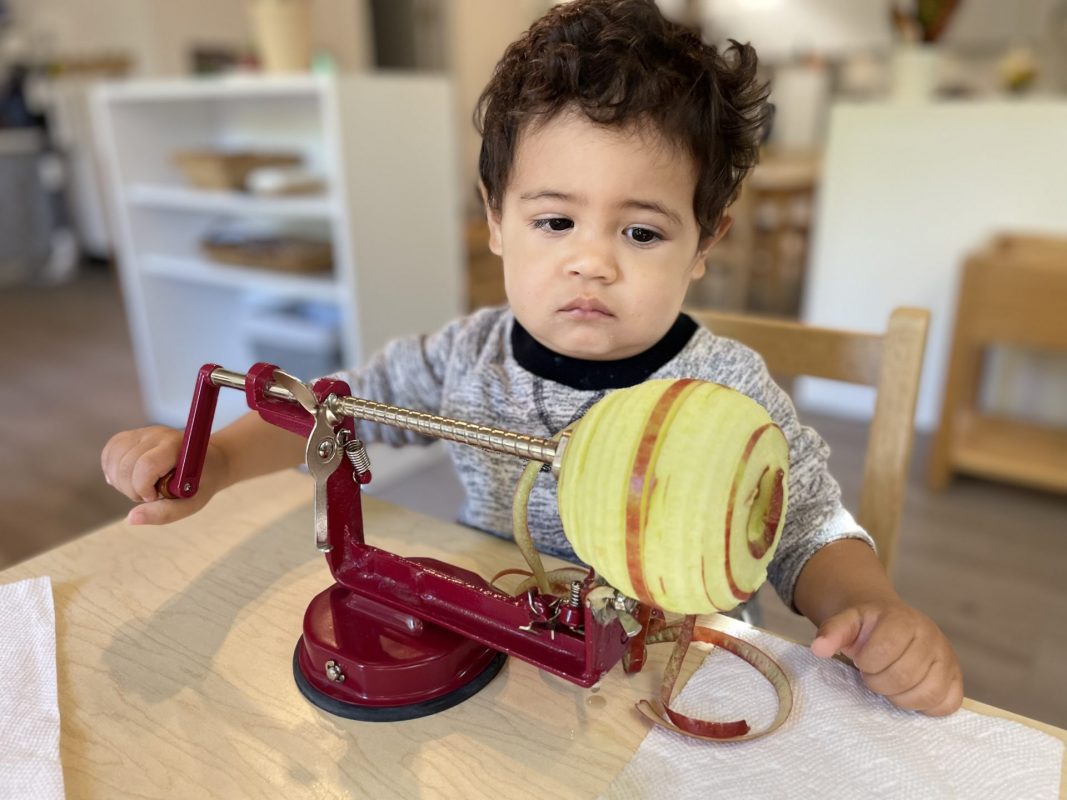
This week, all the children had a turn to use the apple peeler-corer with assistance. It takes a lot of arm muscles to get a whole apple through, but they all tried their best. The children then pulled the apple off and placed it into the pot.  We then took the peels and core and put them into the compost bucket. The apples cooked for four hours and the classroom smelled amazing.

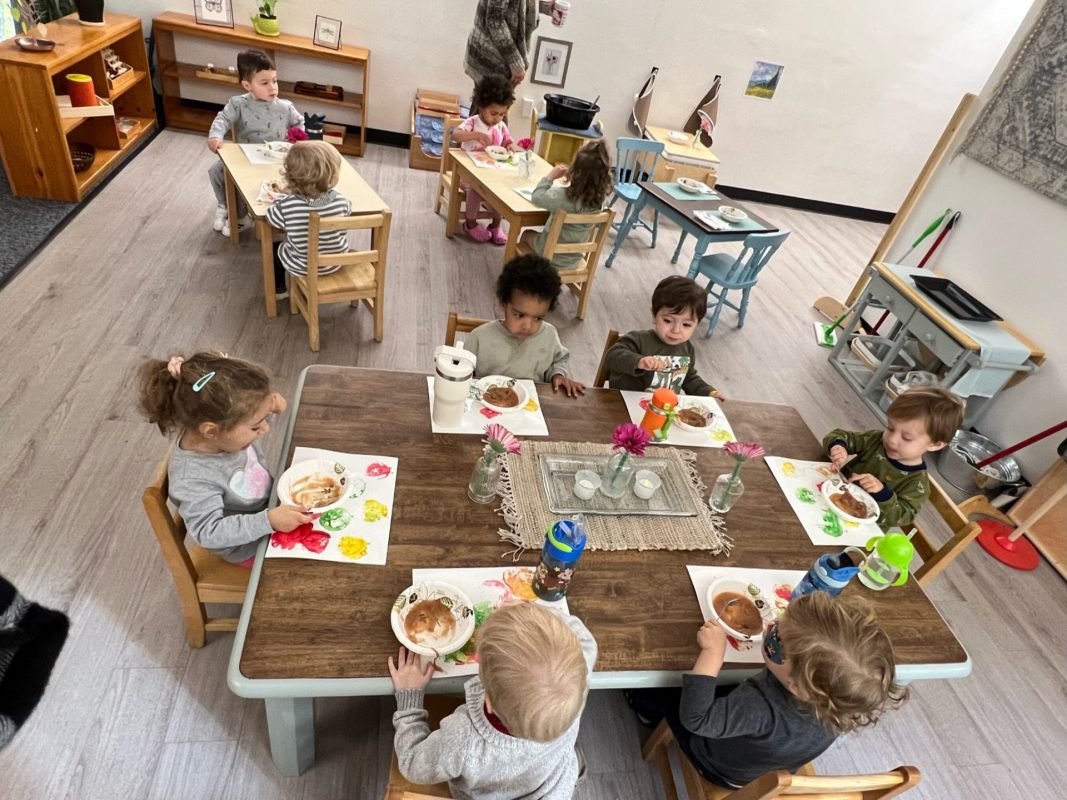
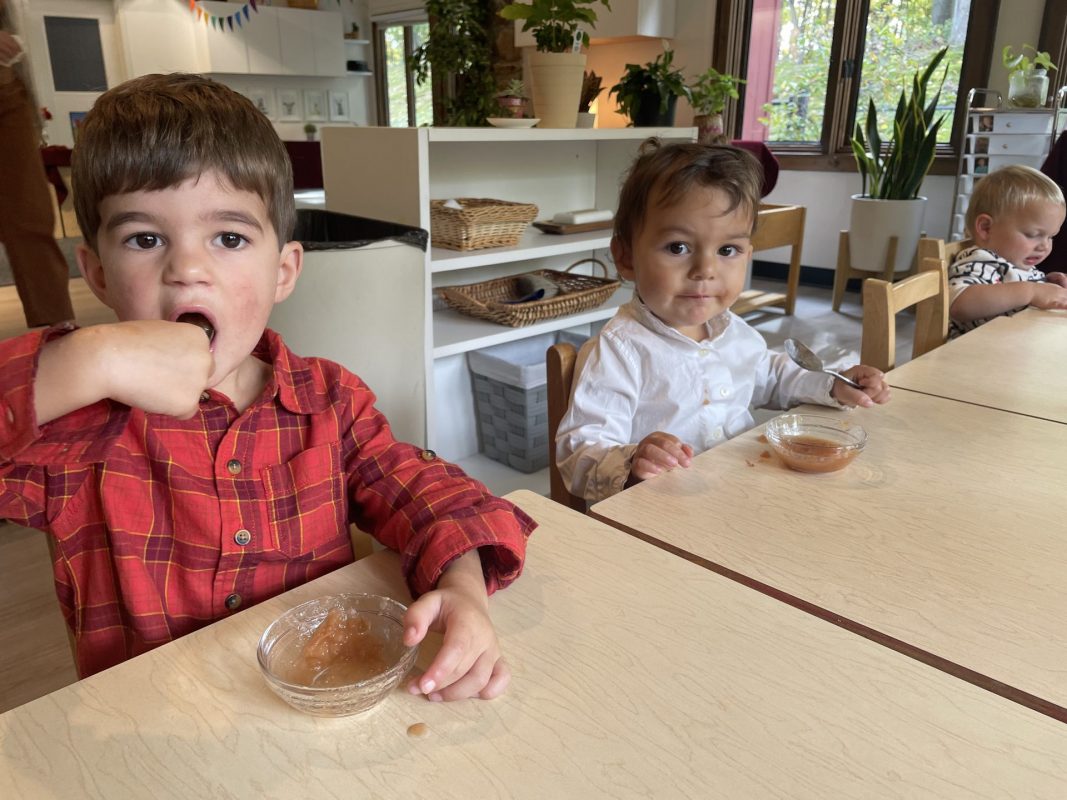
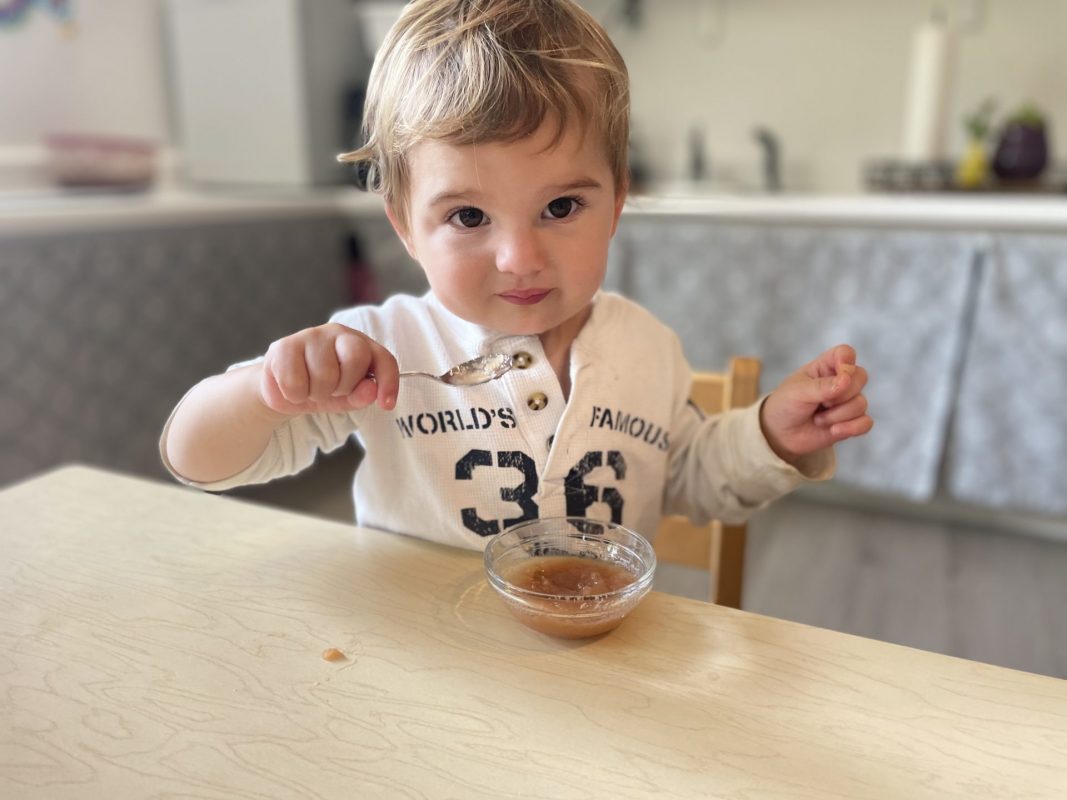
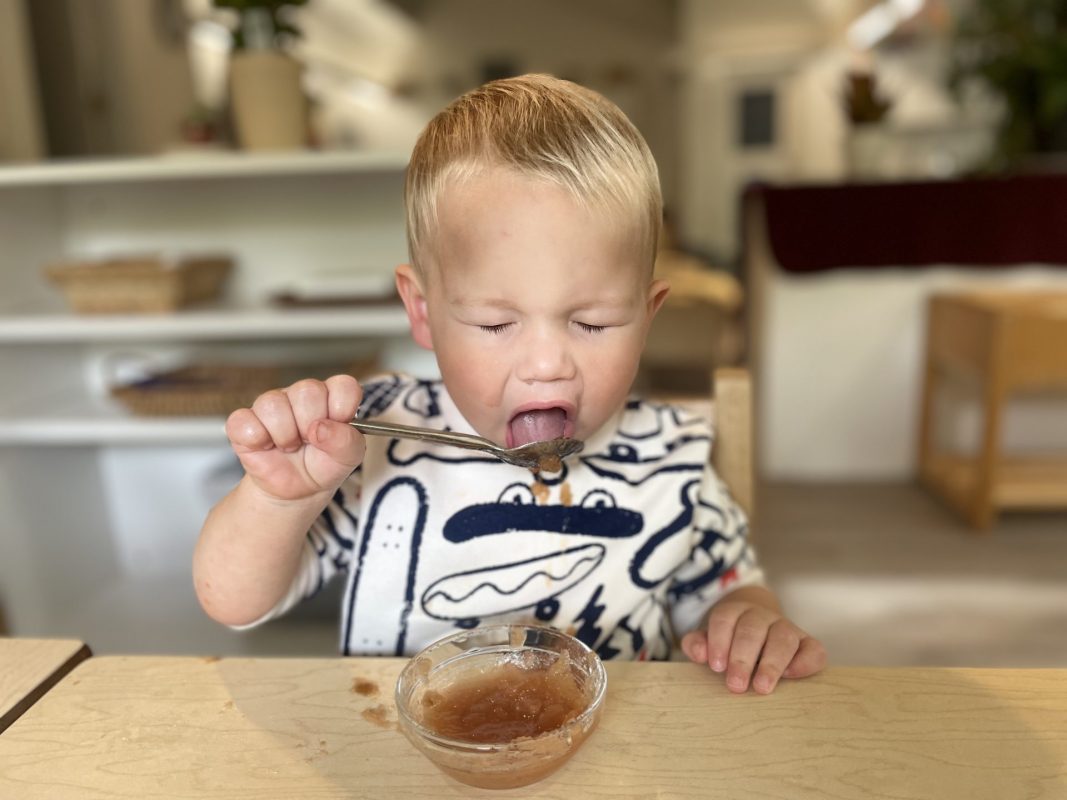
On Thursday, the children watched as I used the immersion blender to turn our cooked apples into applesauce. We all sat down together to enjoy this delicious snack they helped make.

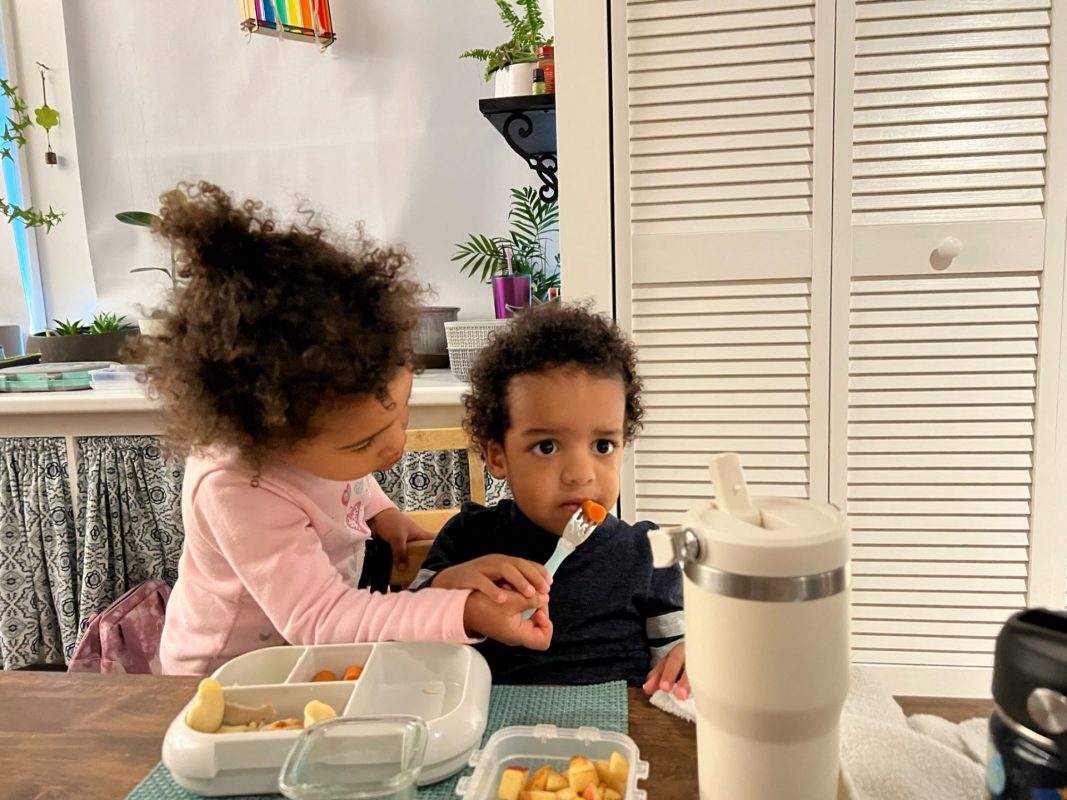
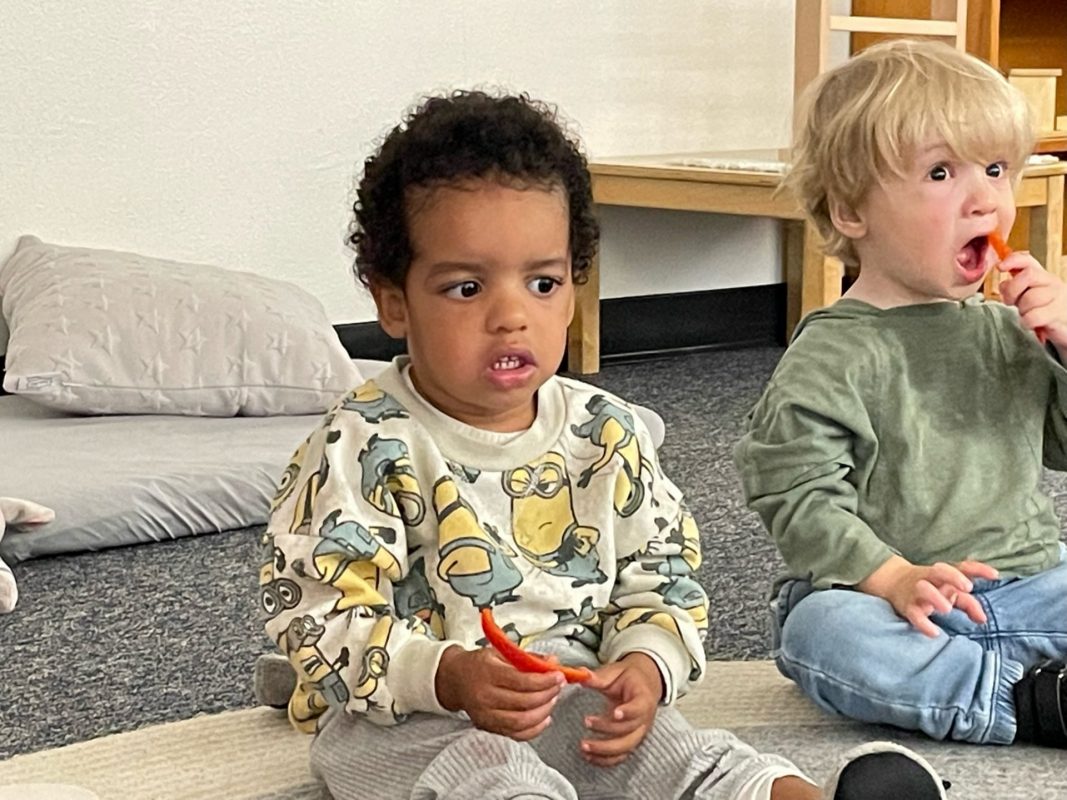
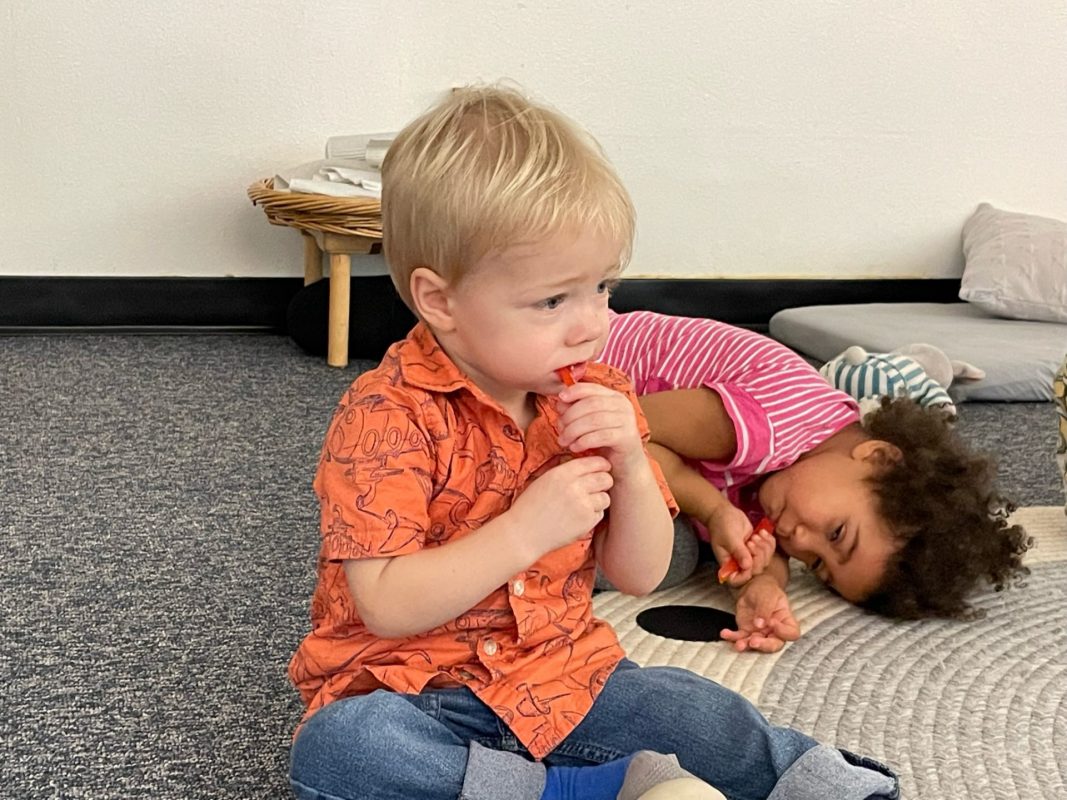
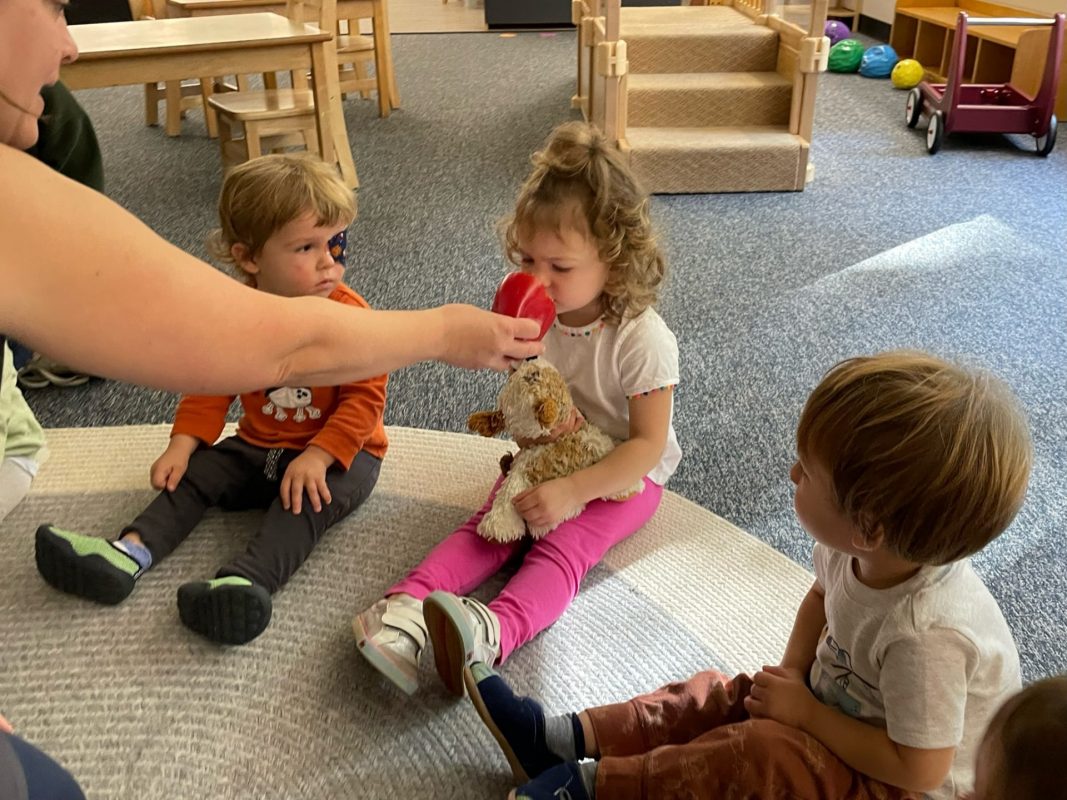
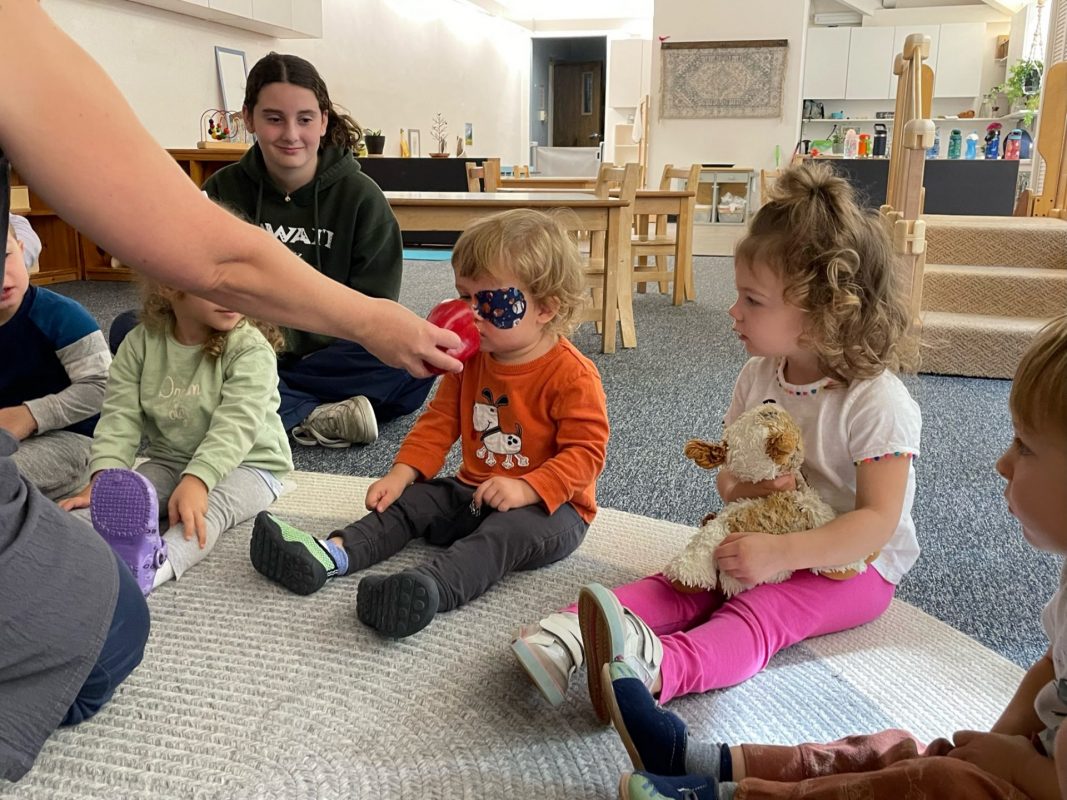
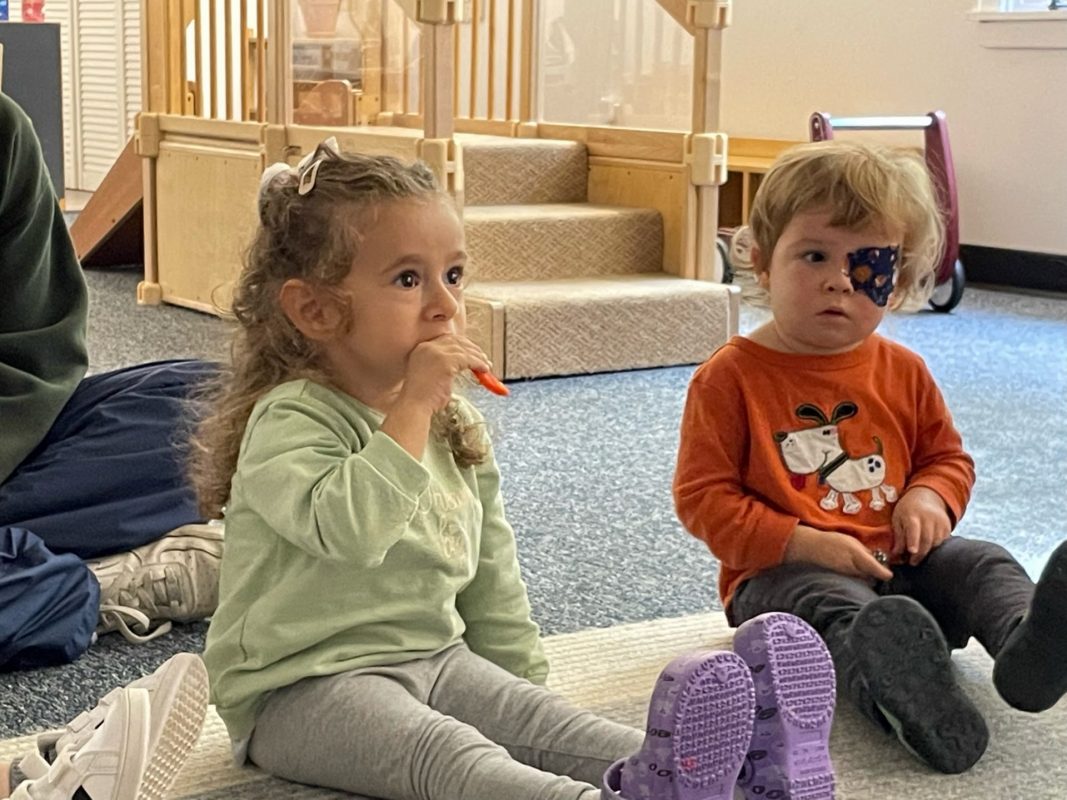
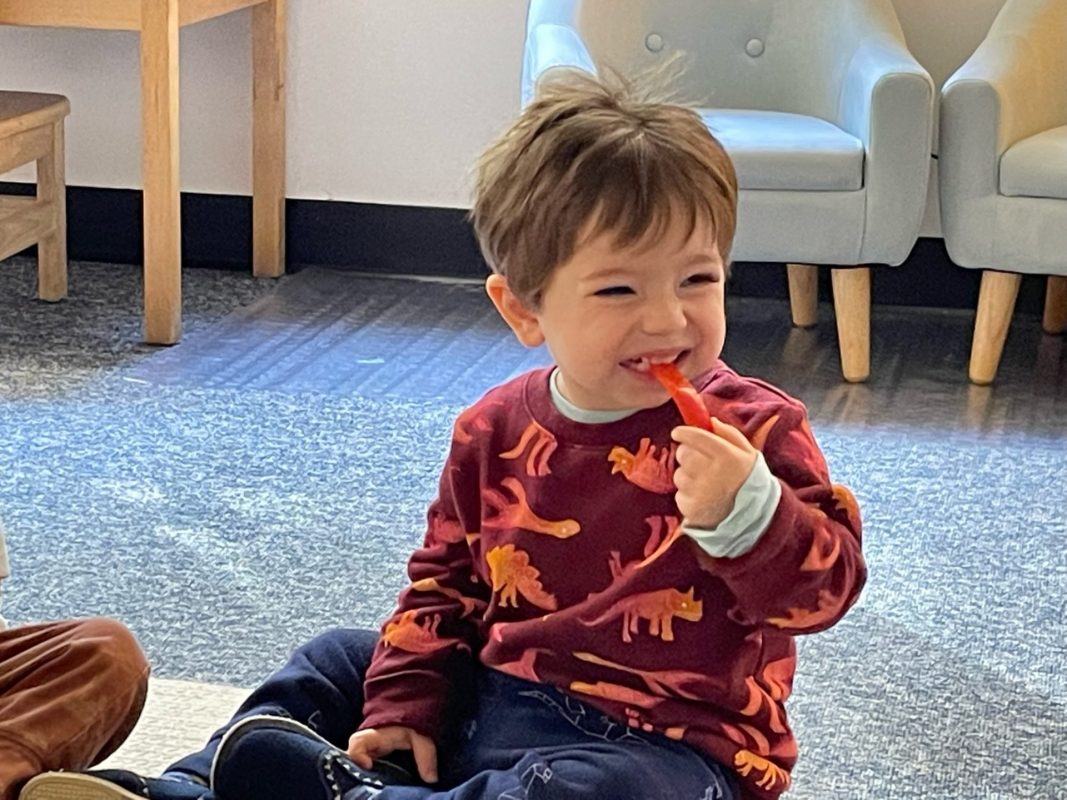
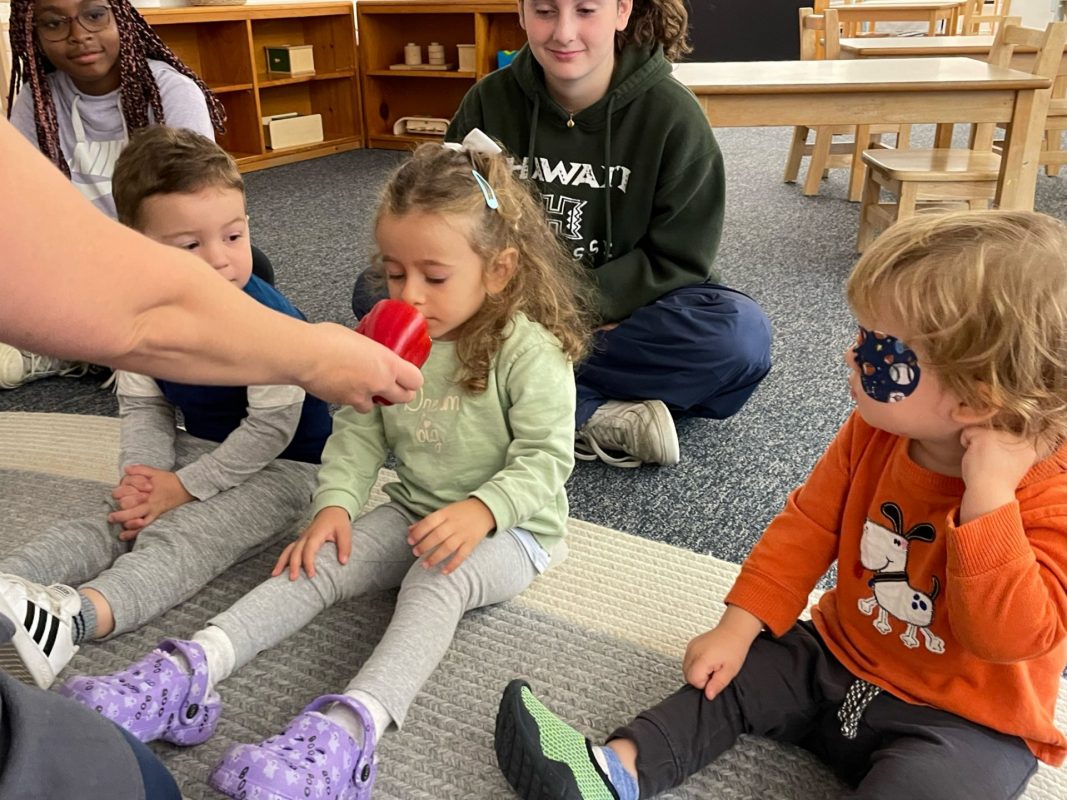
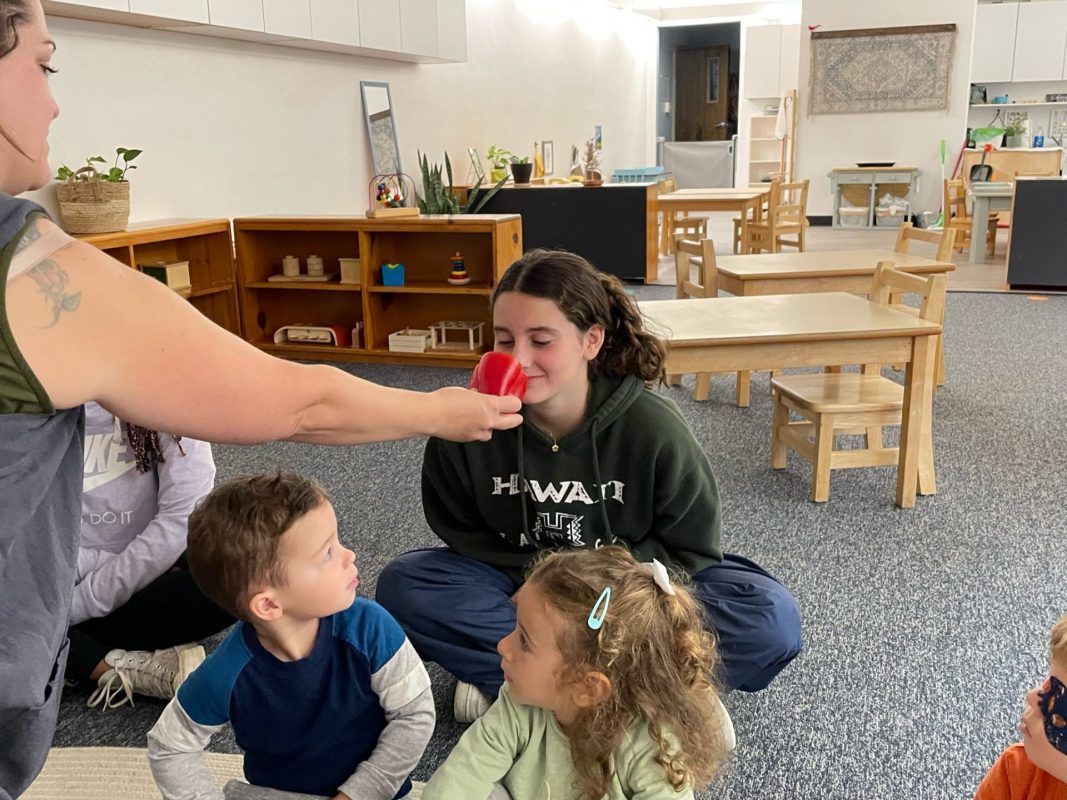
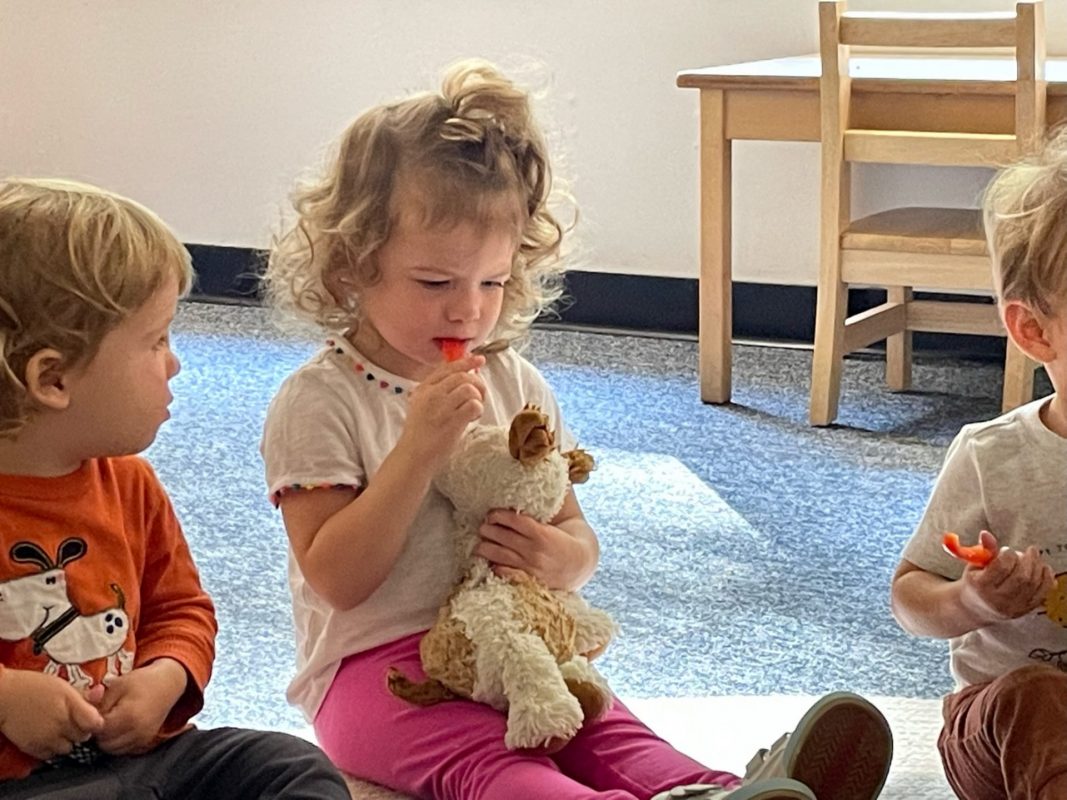
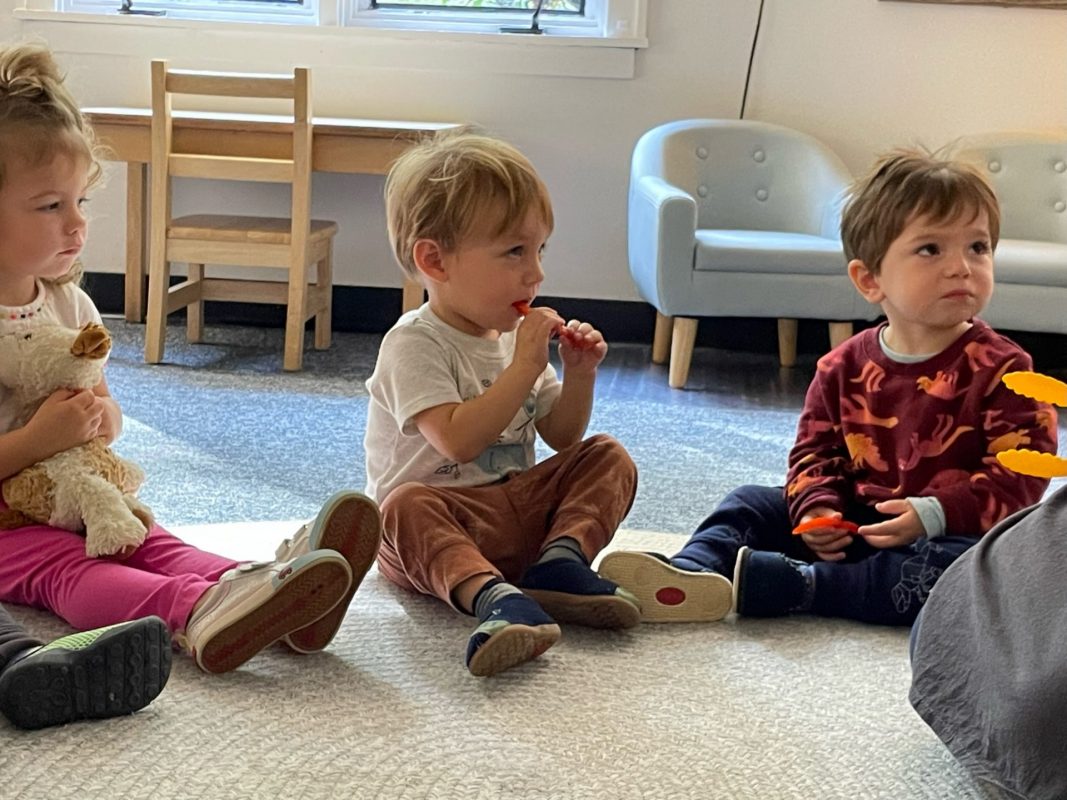
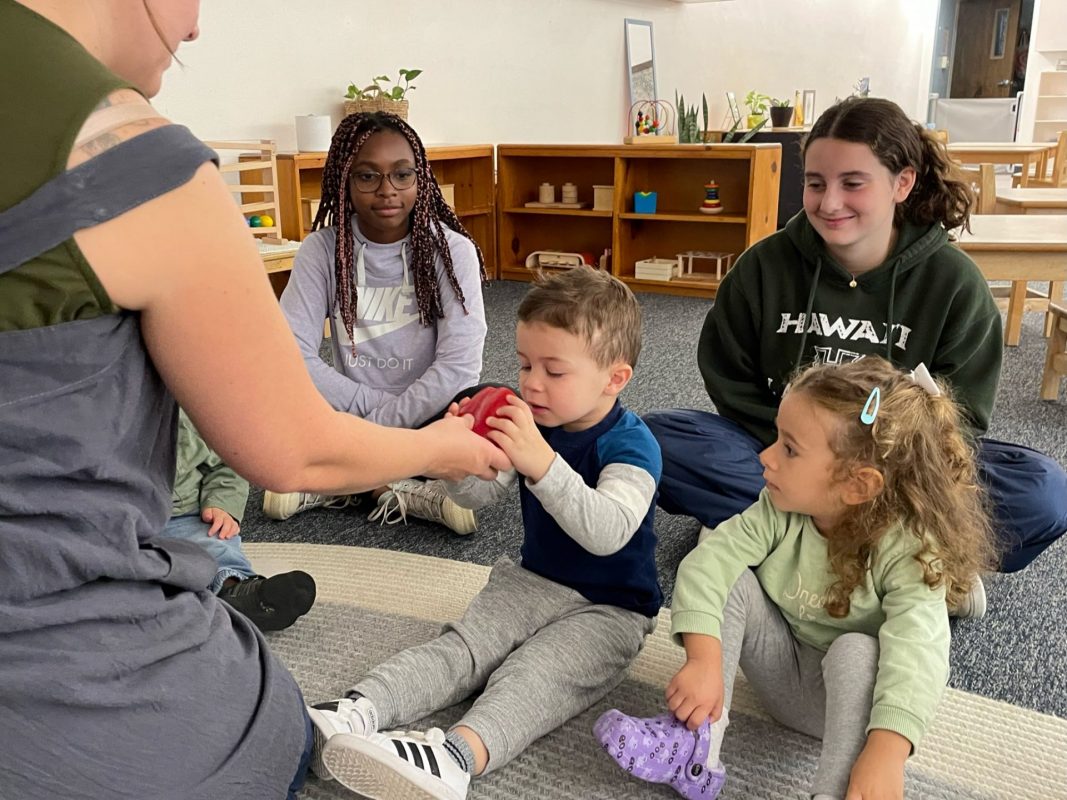
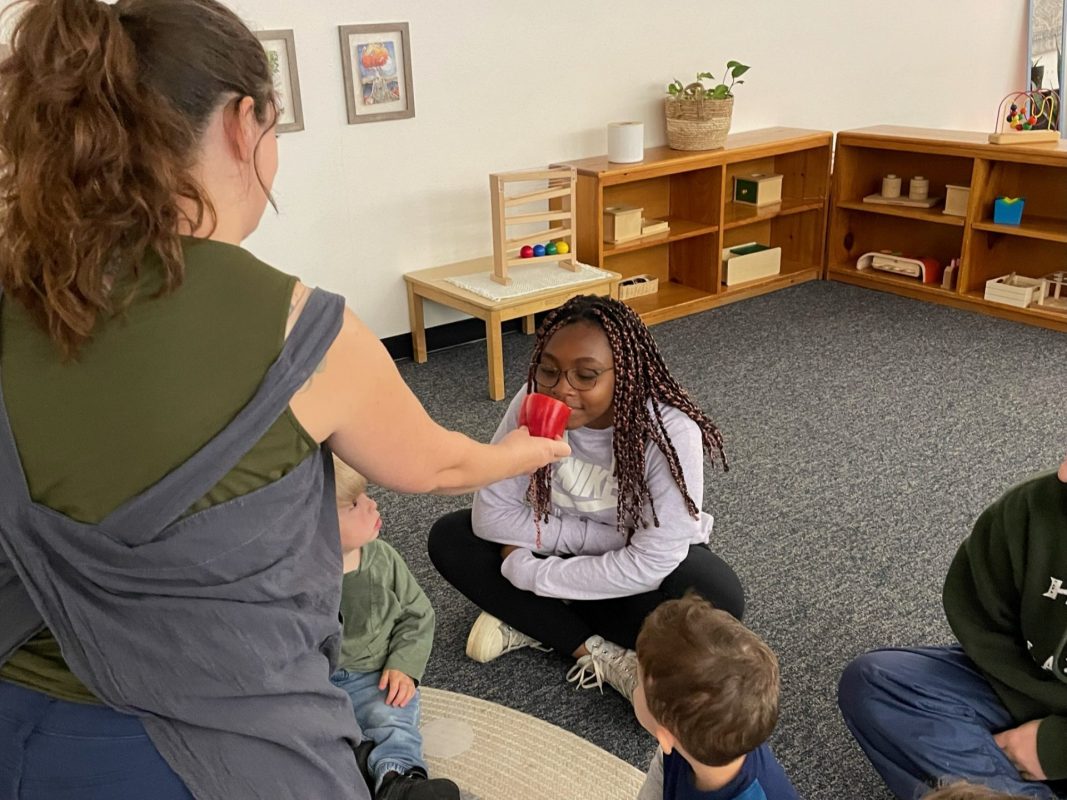
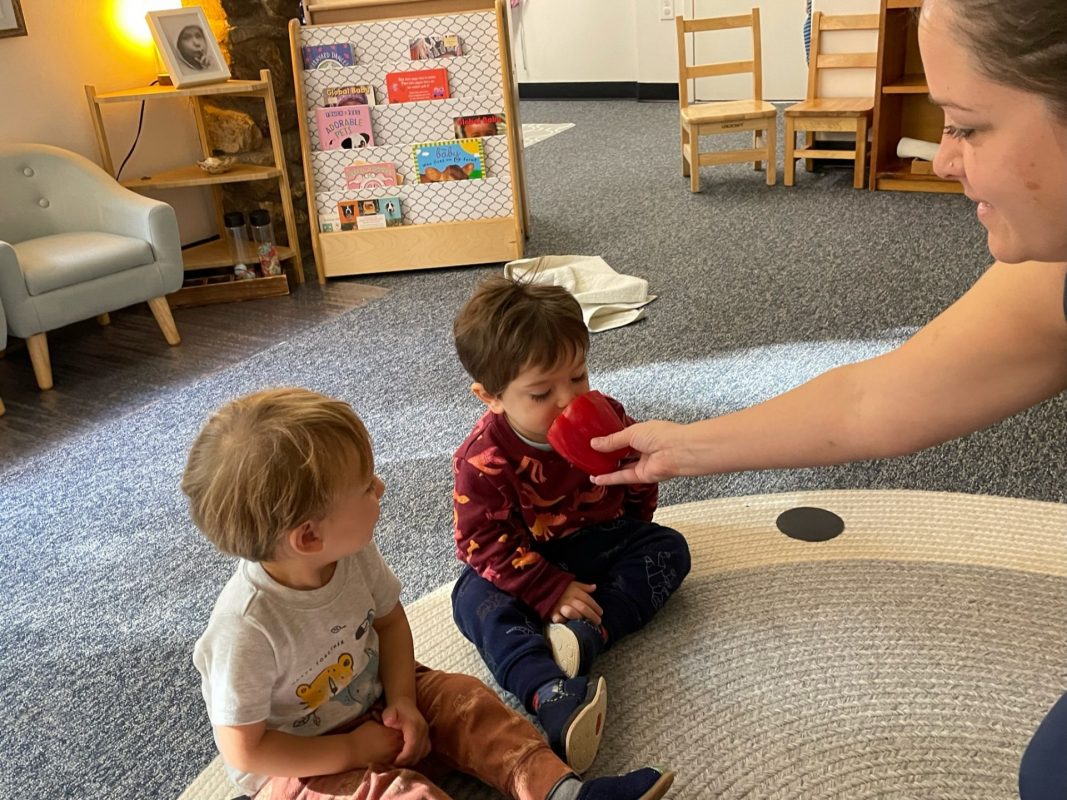
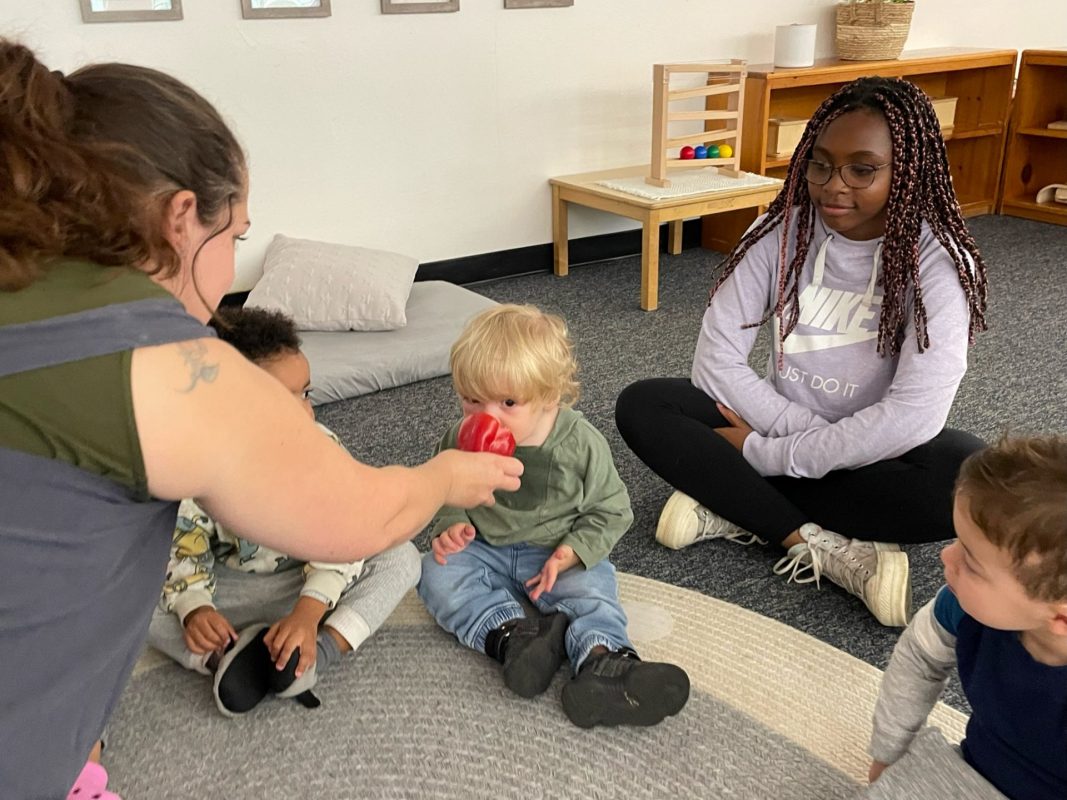
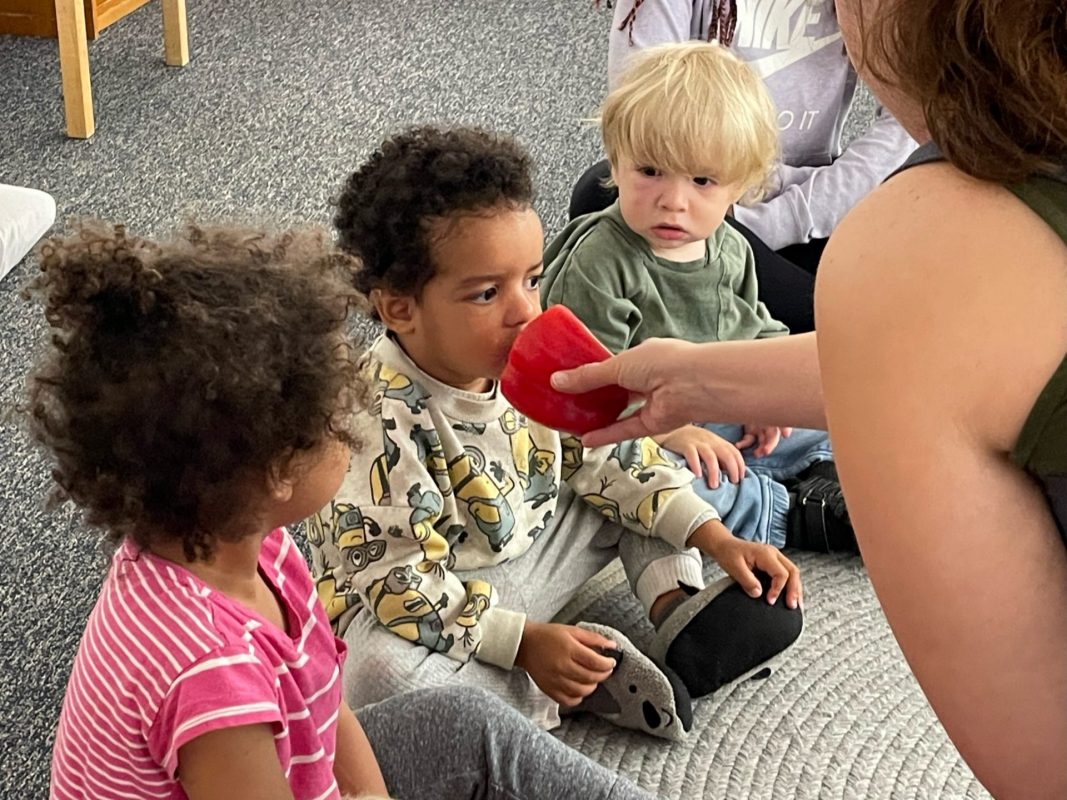
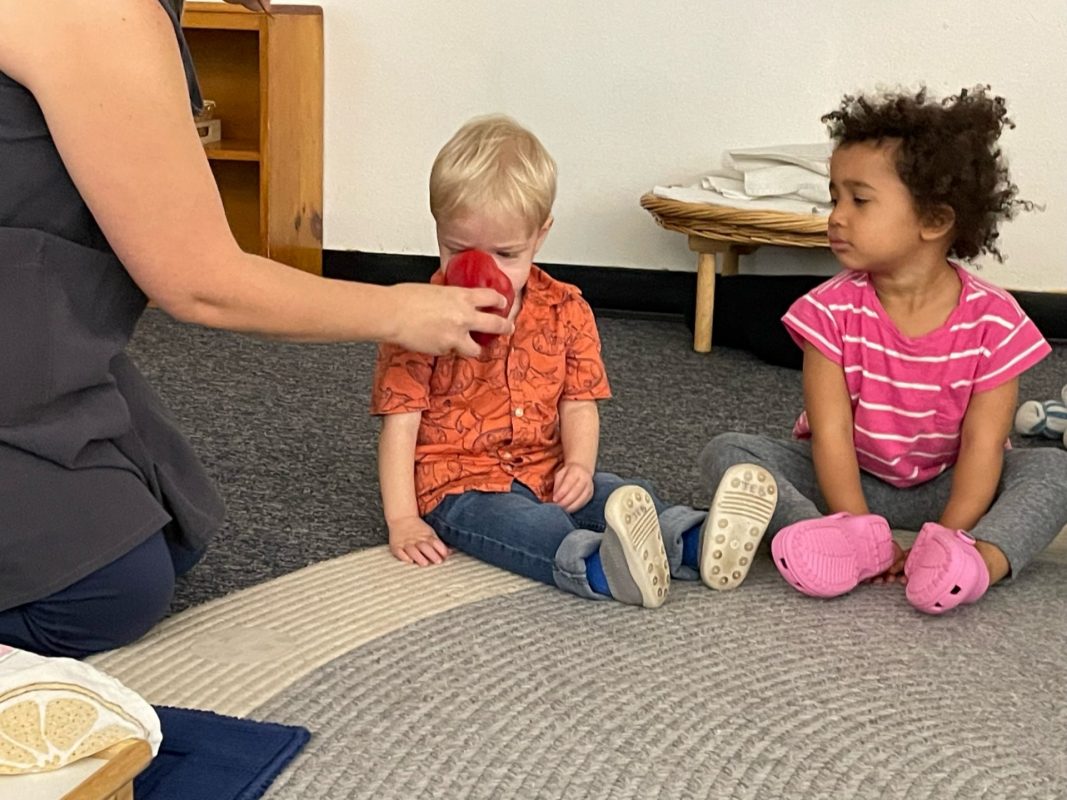
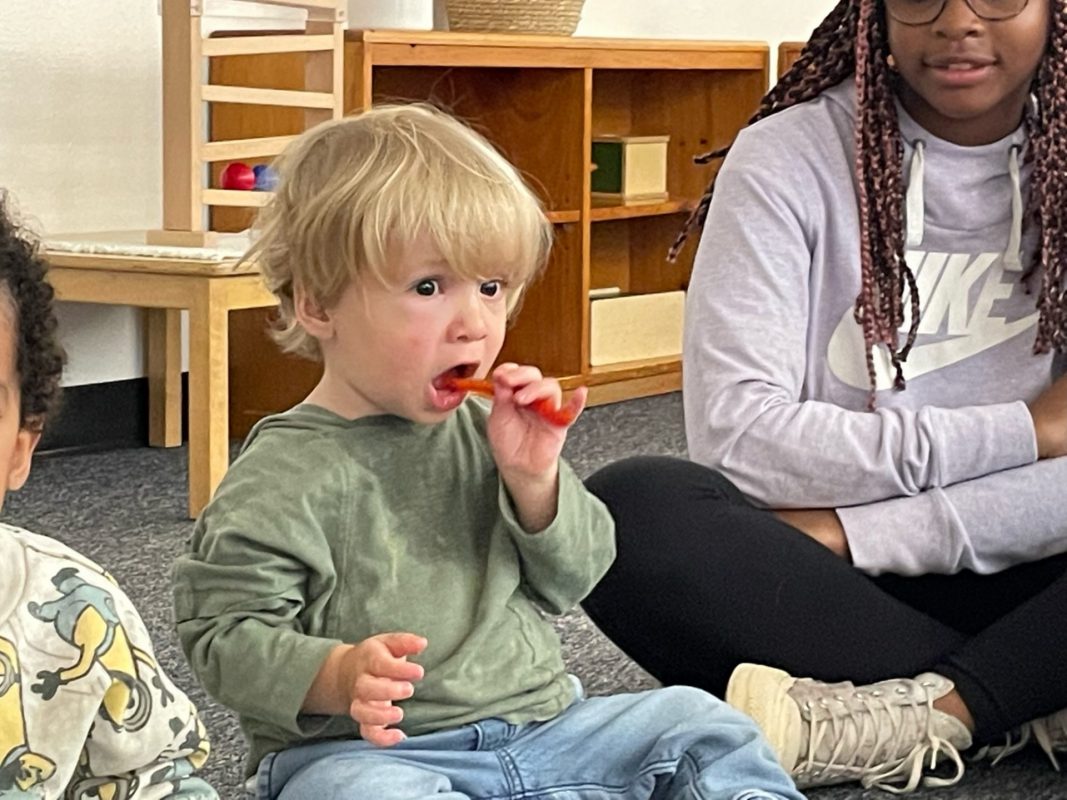
Food tasting this week was a red pepper. Most of the children tried it and most liked it. Want to know a secret?… Peppers are my least favorite veggie. But the children would never know.


PE and Sports: Soccer

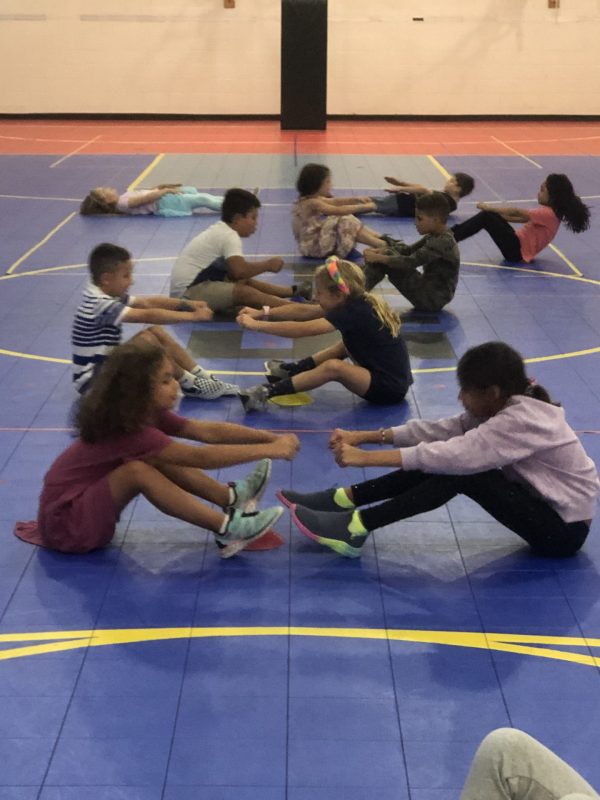
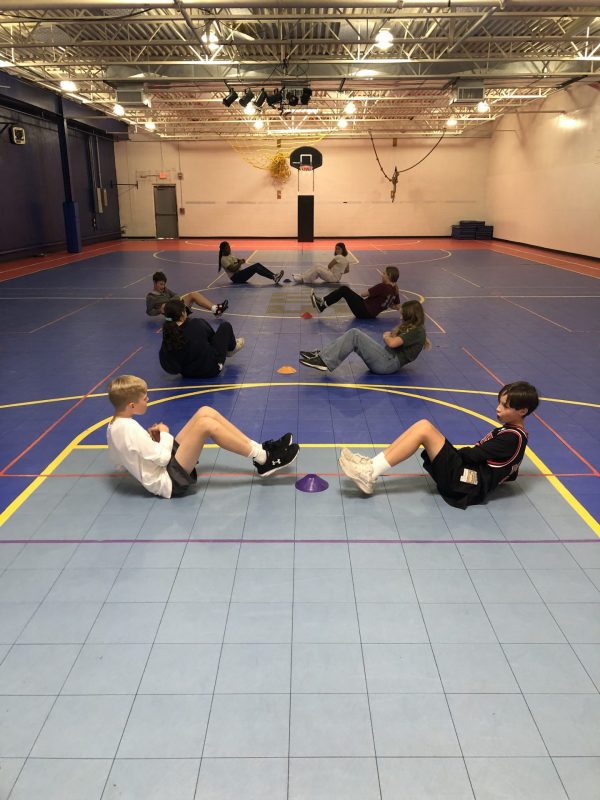
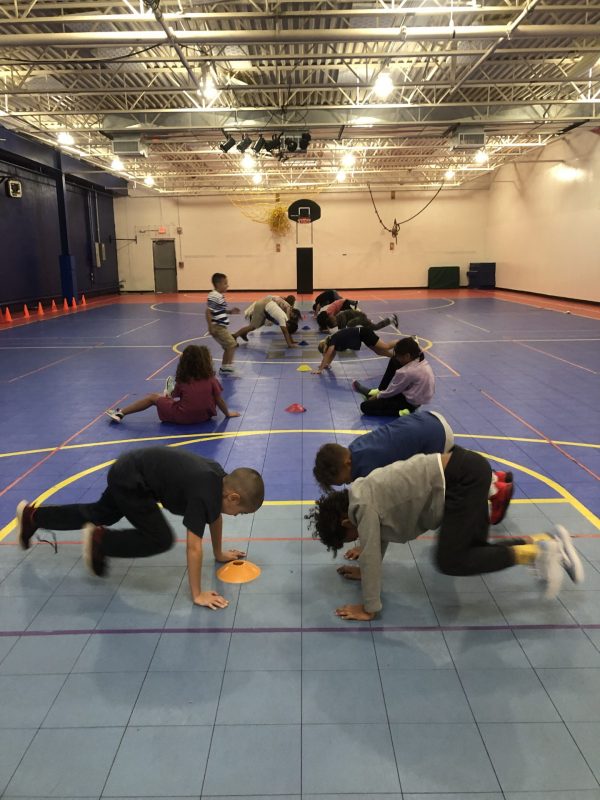
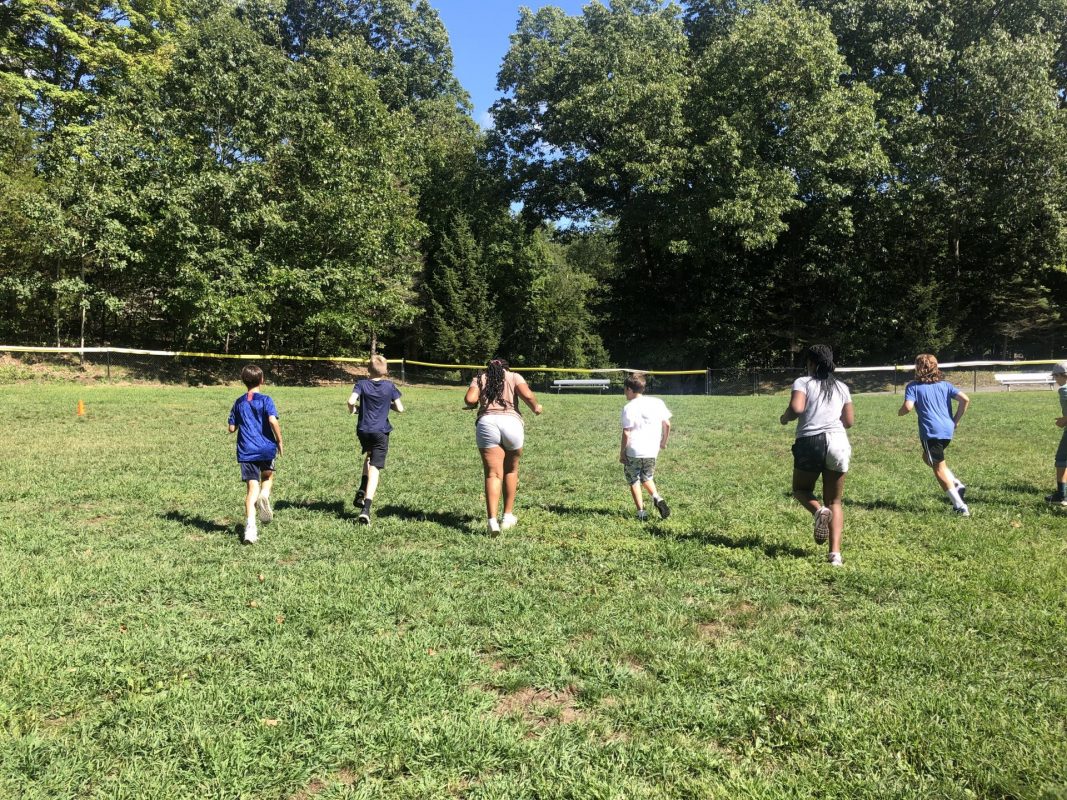
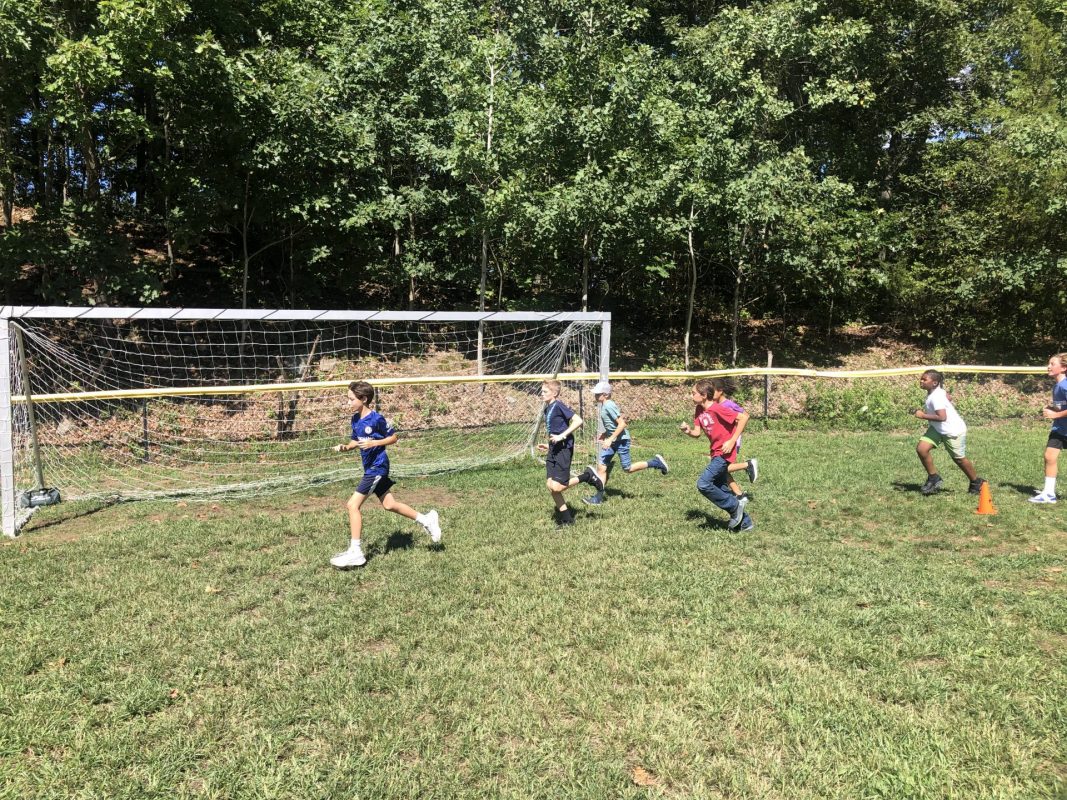
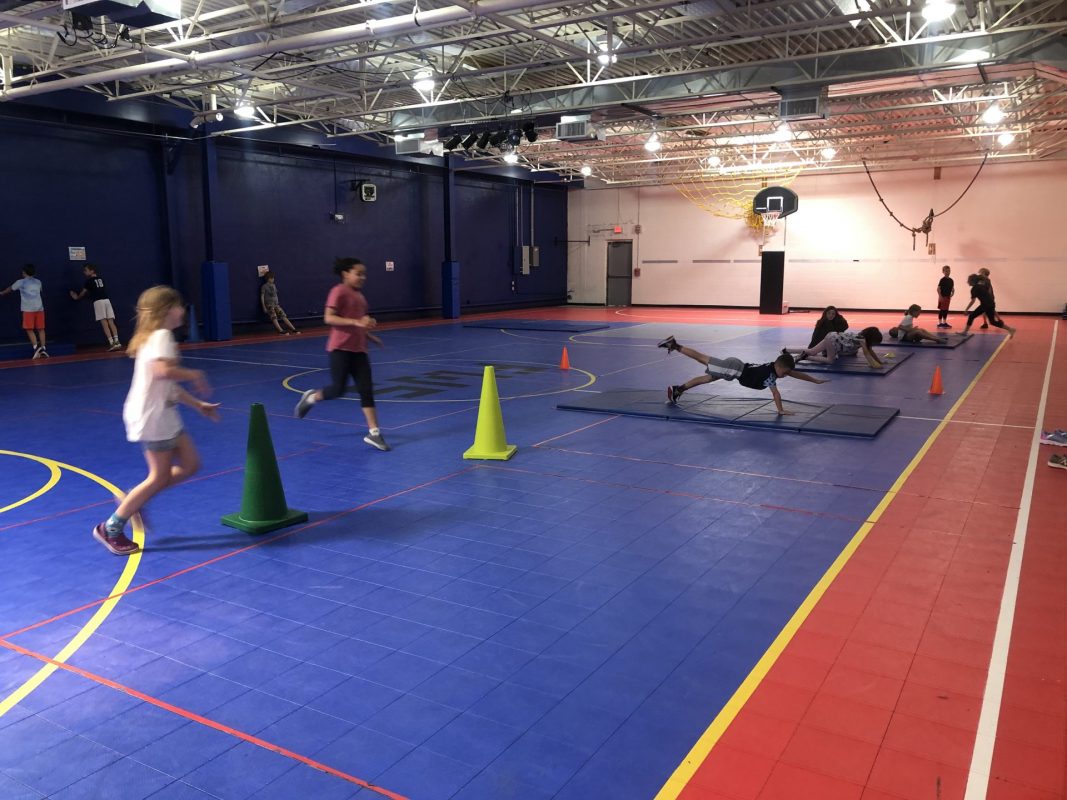
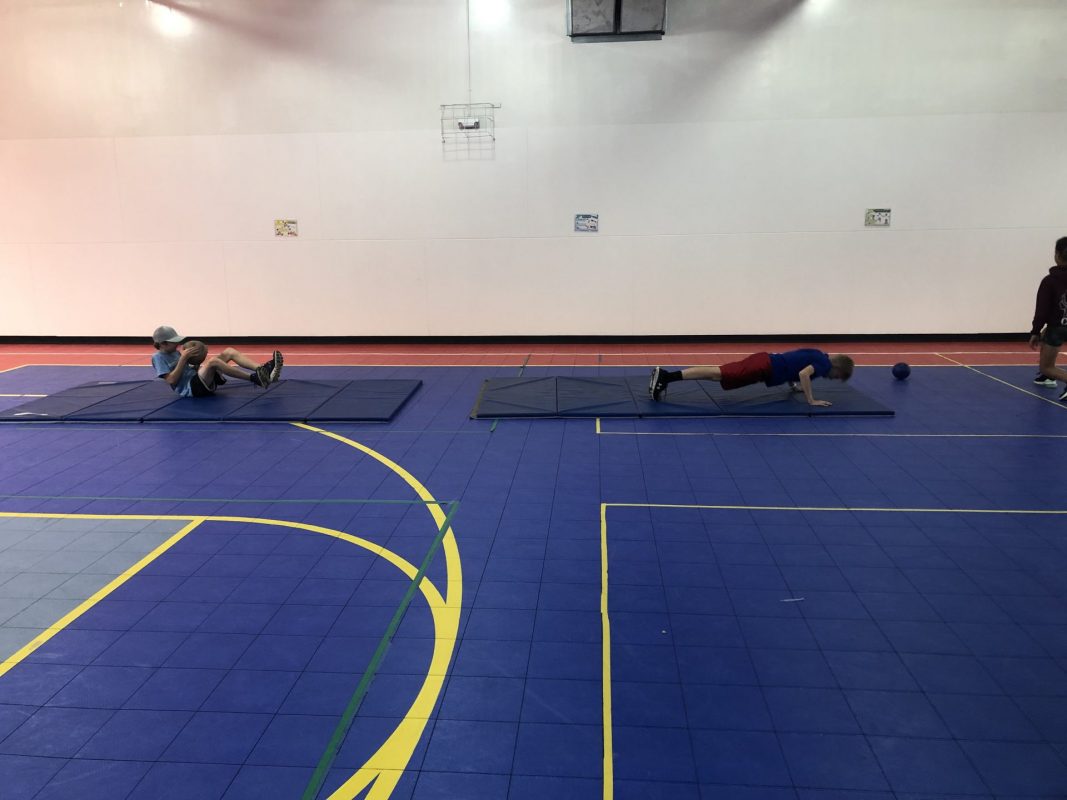
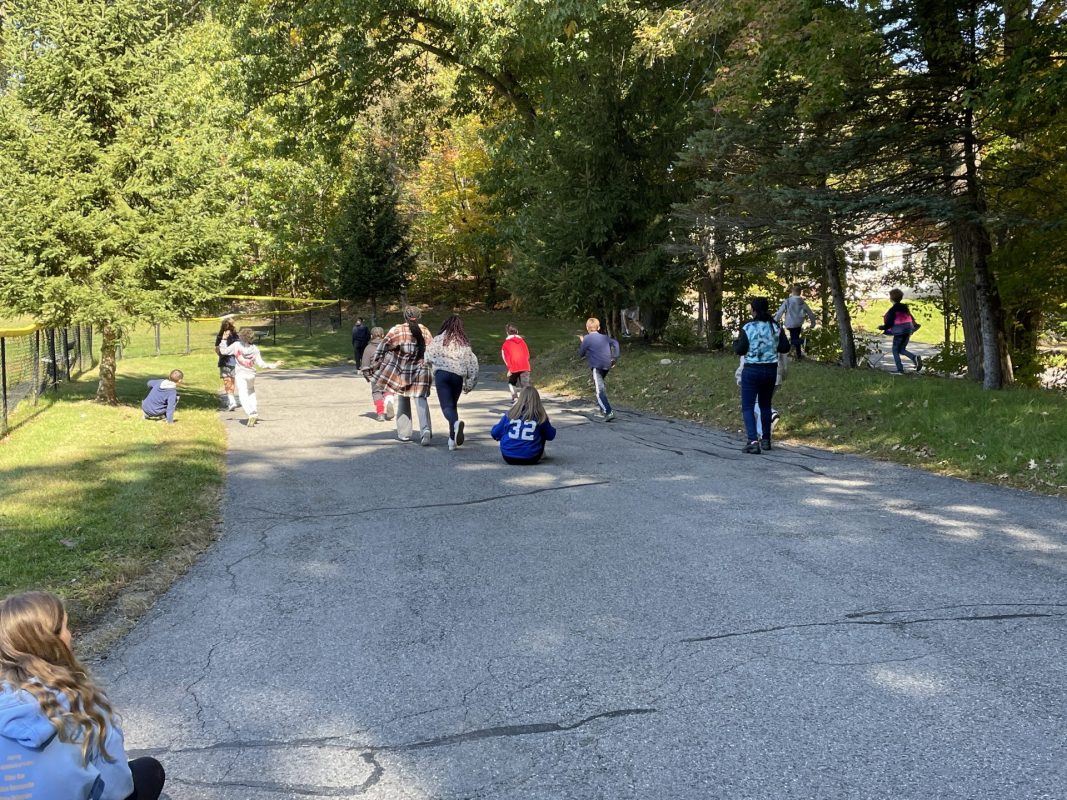
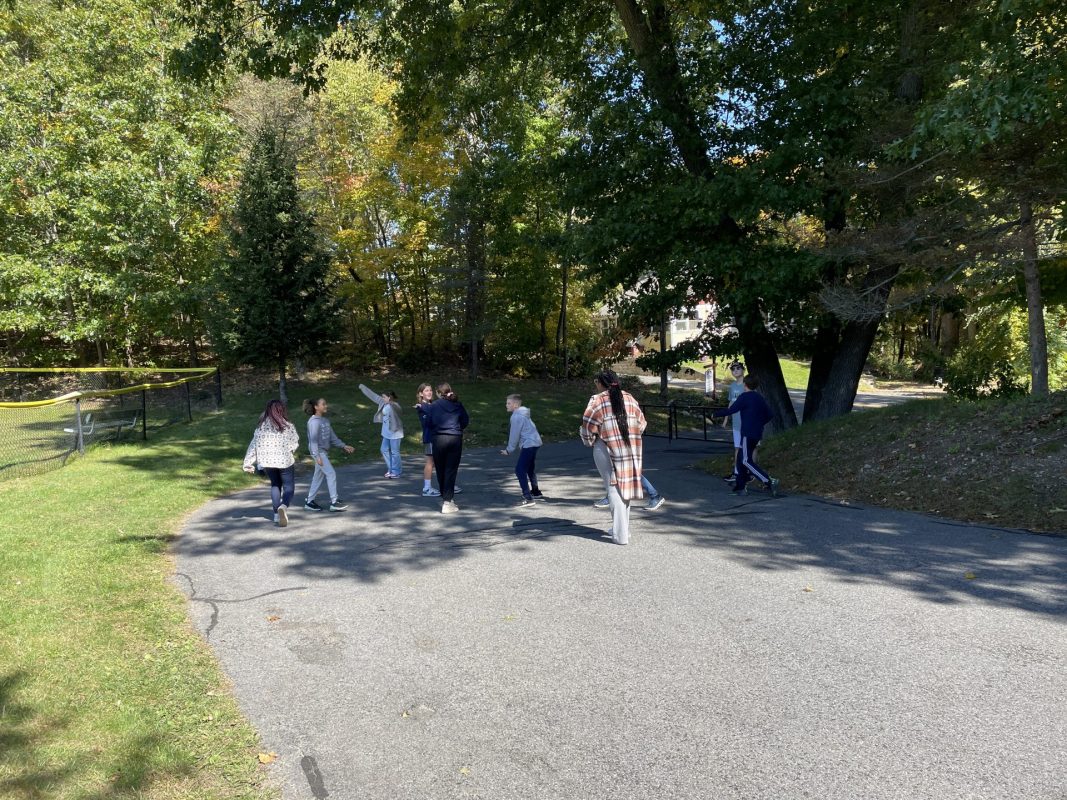
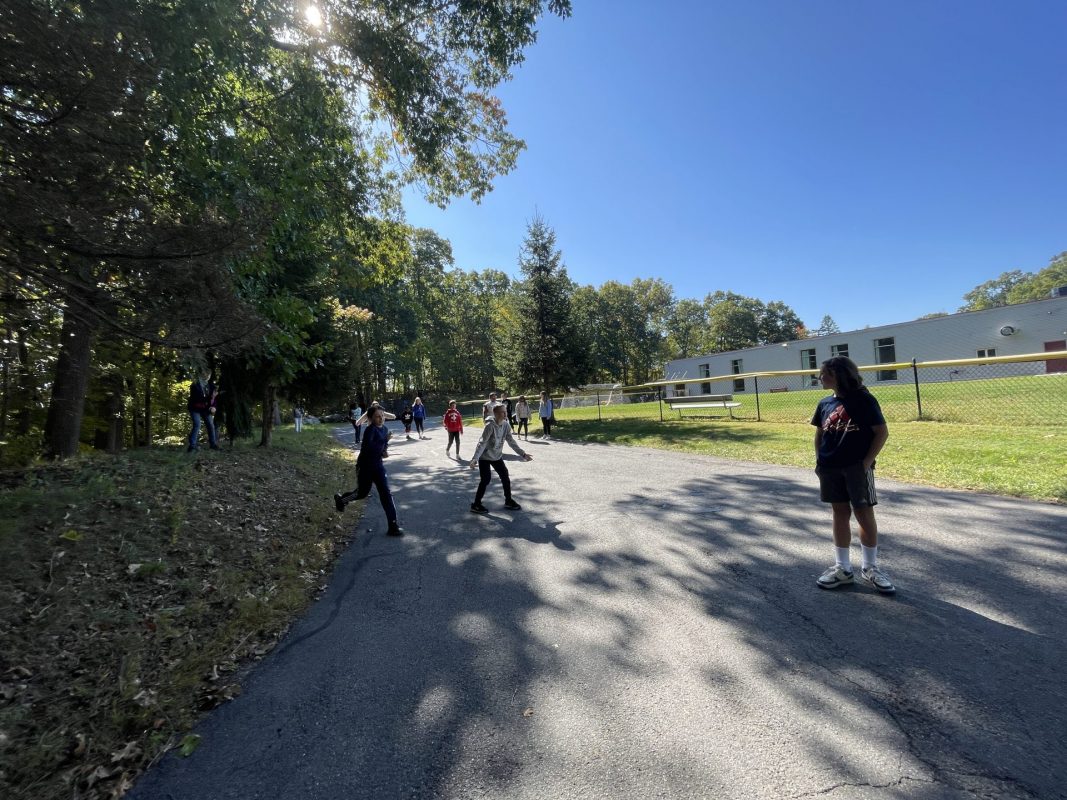
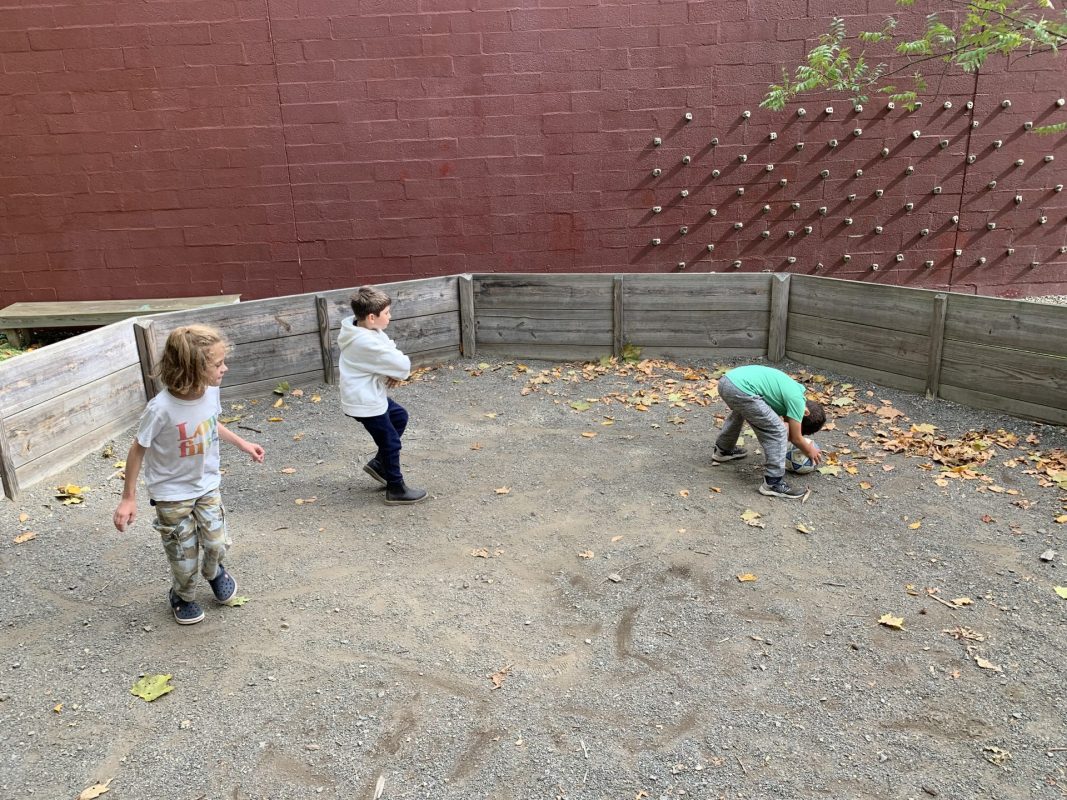
At the beginning of PE class and Sports class, students jog laps and participate in fitness activities. Warm-ups at the beginning of class prepare the body for physical activity; they are used to increase body temperature and heart rate. Other warm-ups the students participate in are tag games.  Tag games help develop a variety of physical skills including movement, agility, balance, coordination, and spatial awareness.

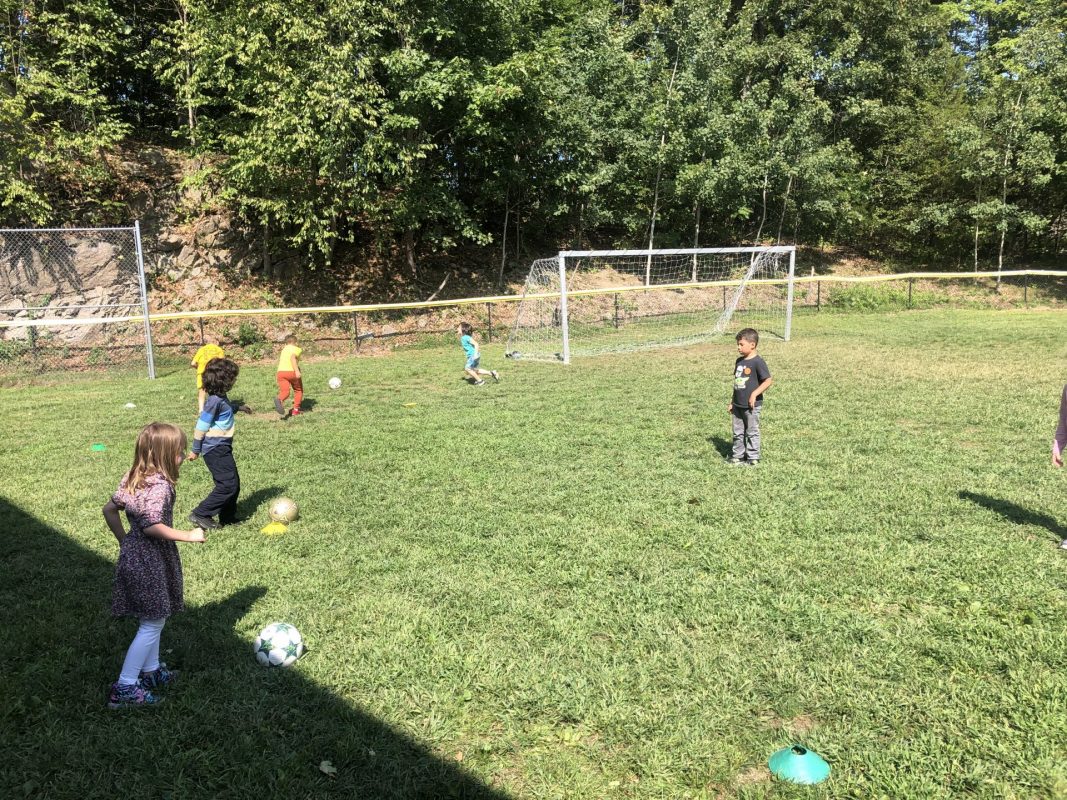
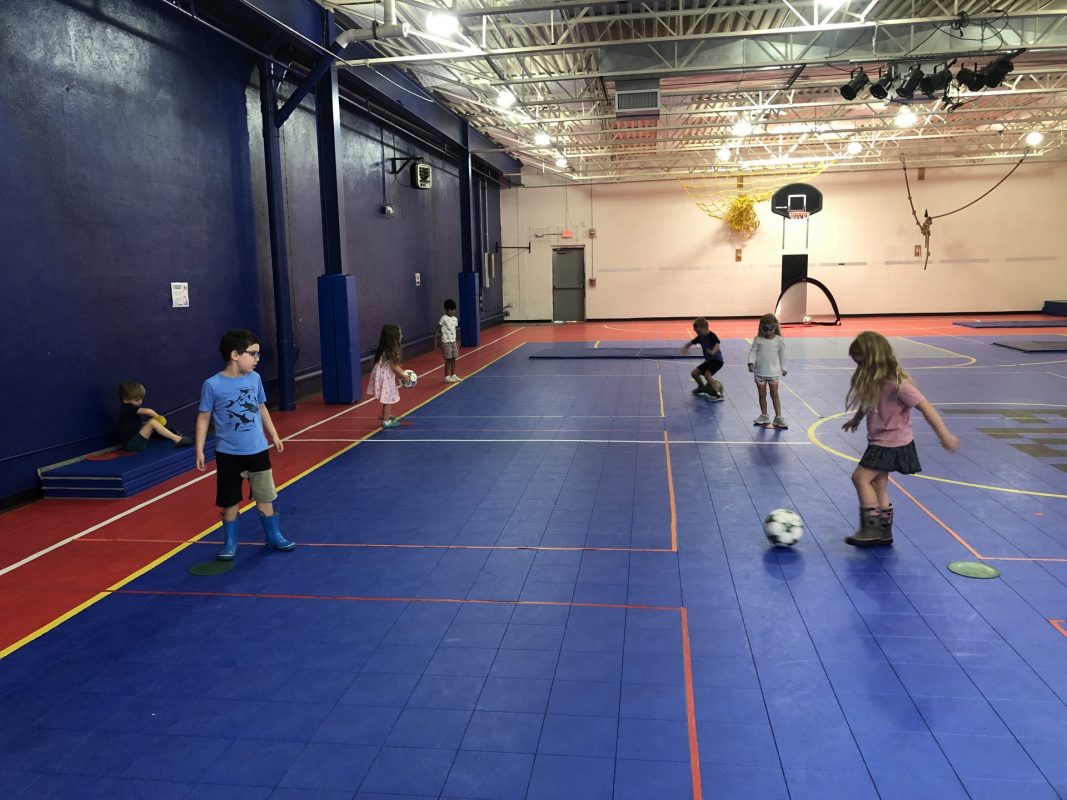
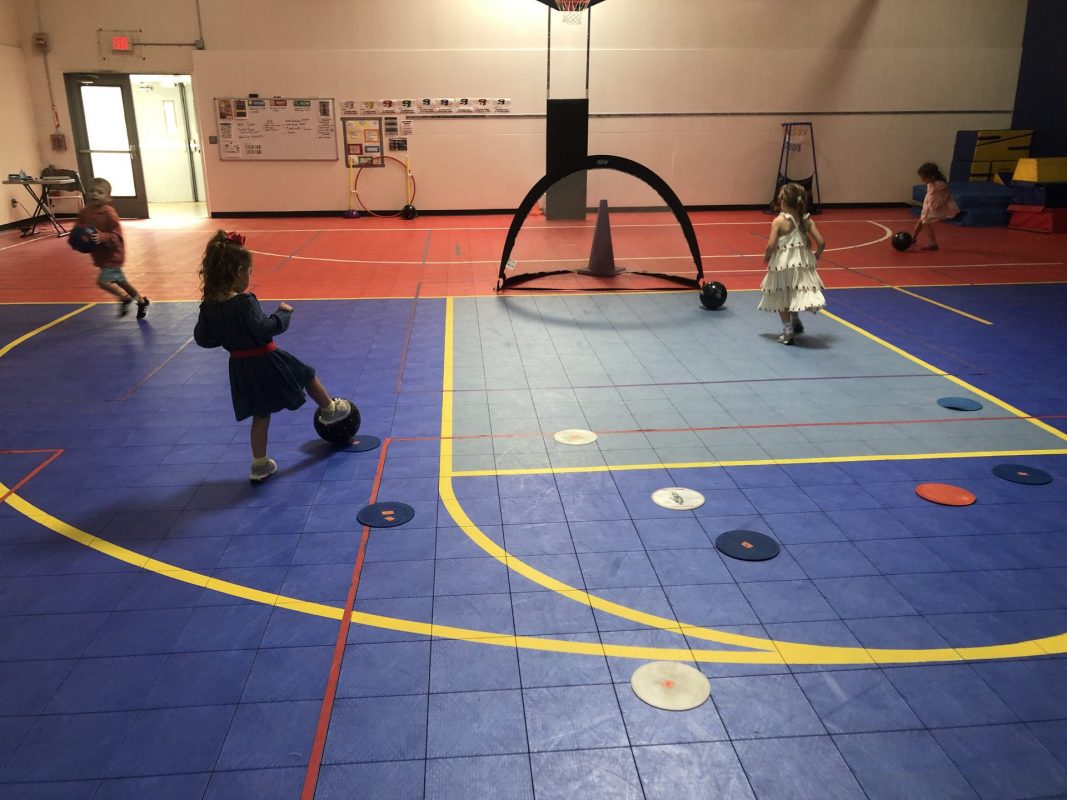
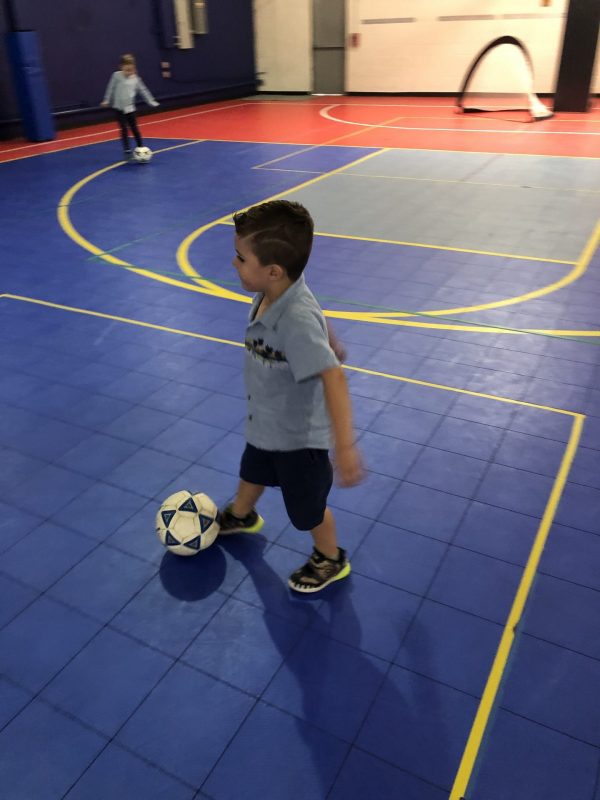
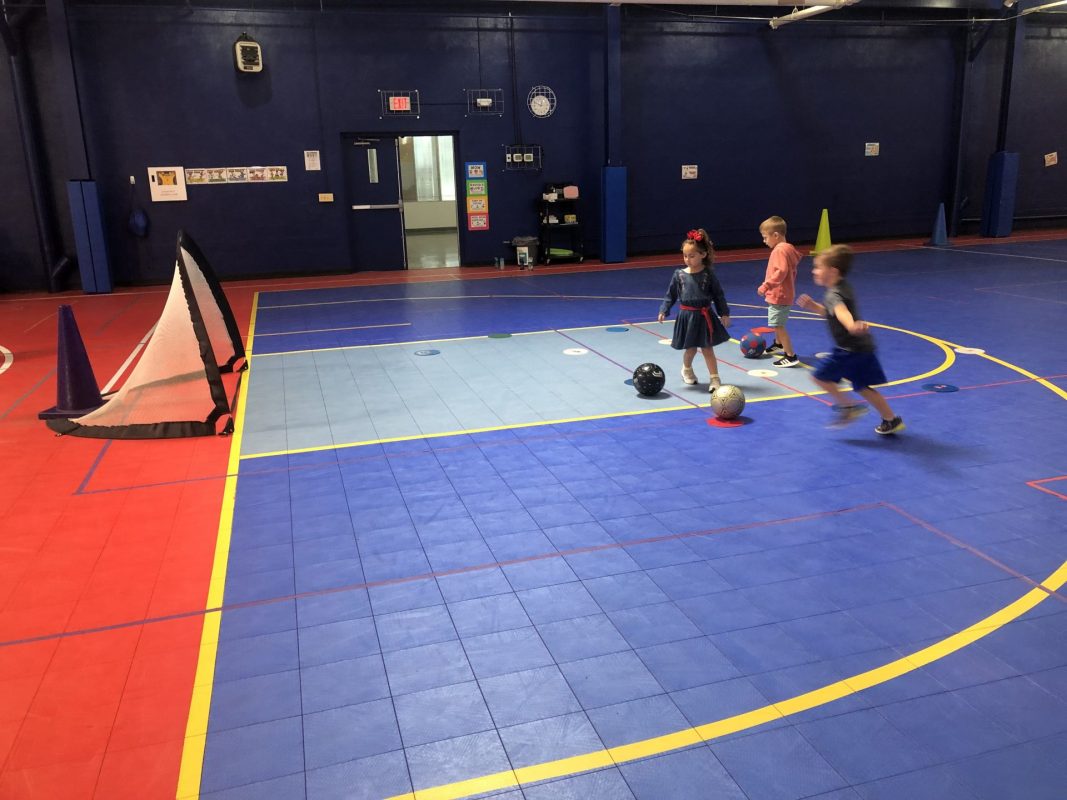
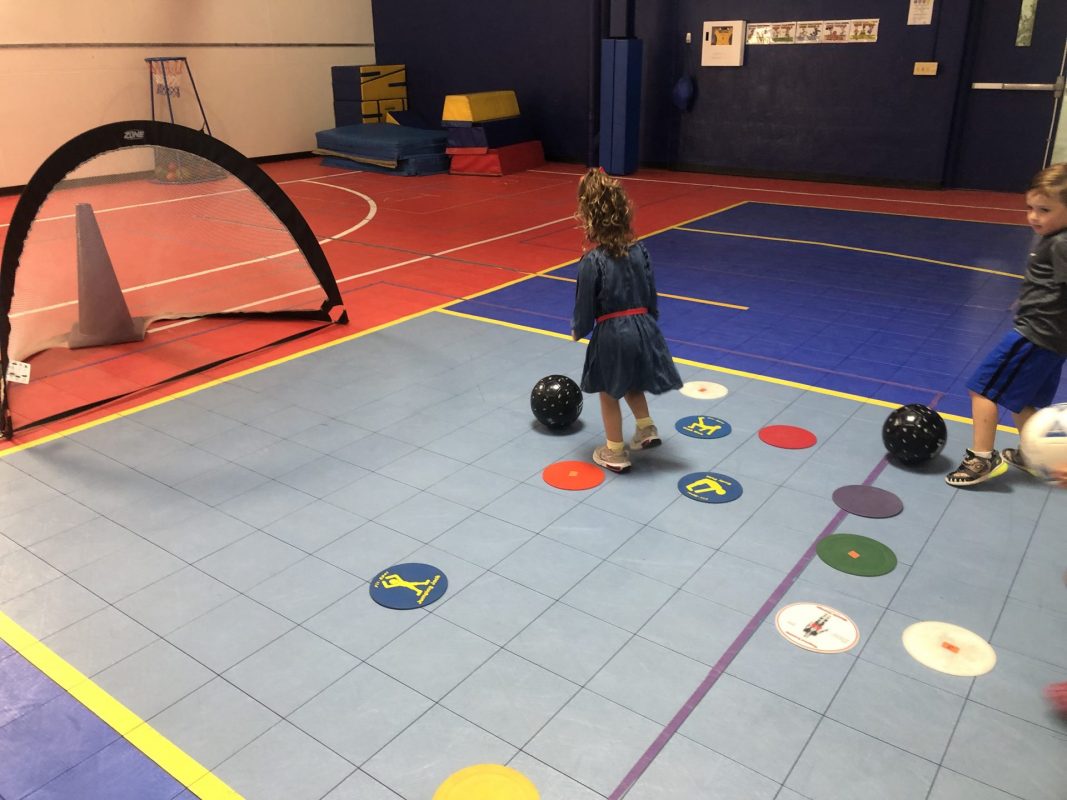
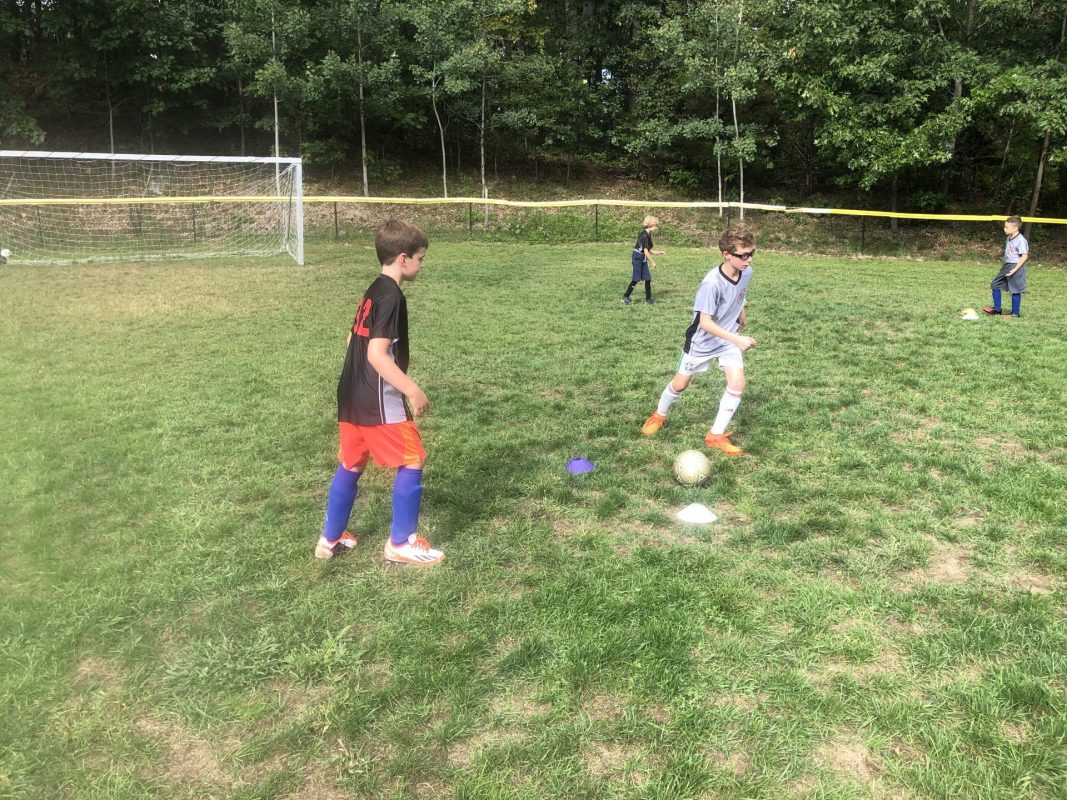
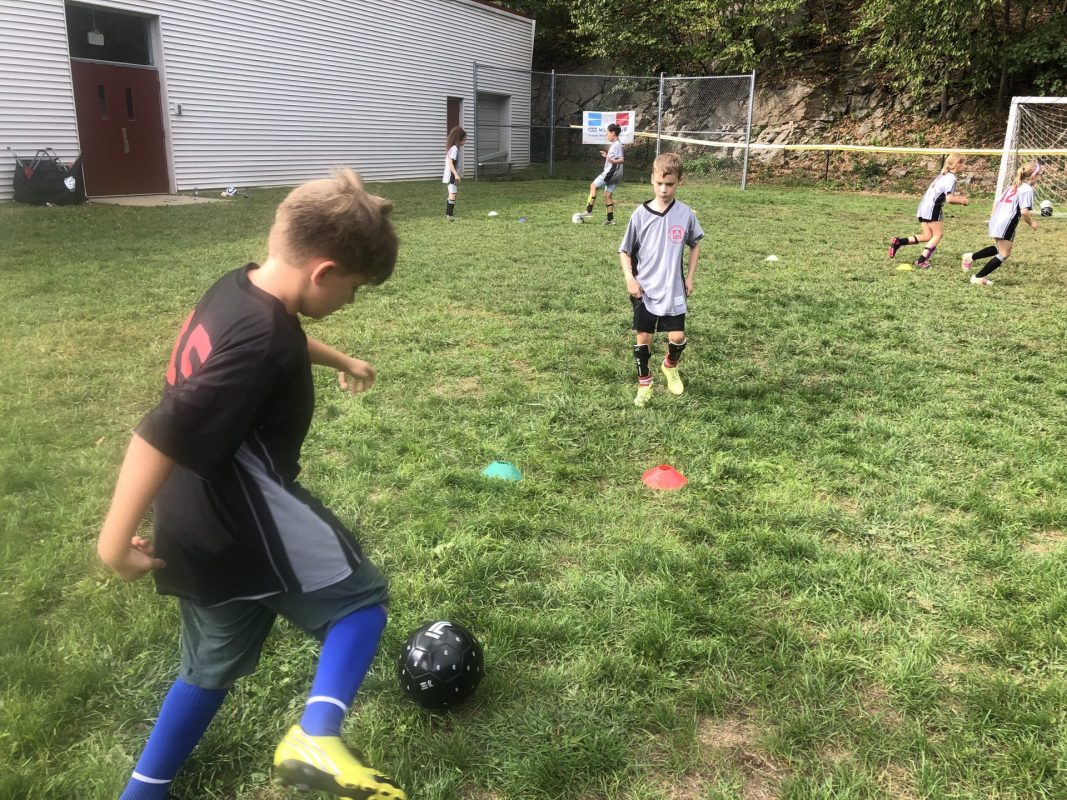
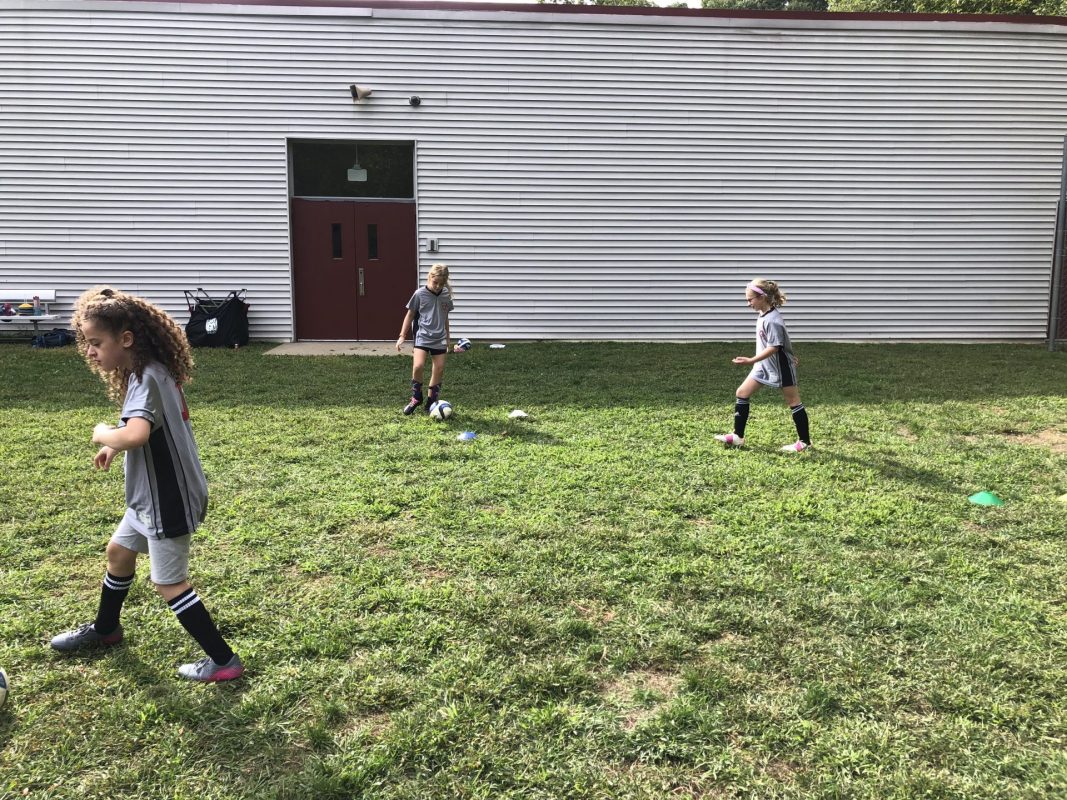
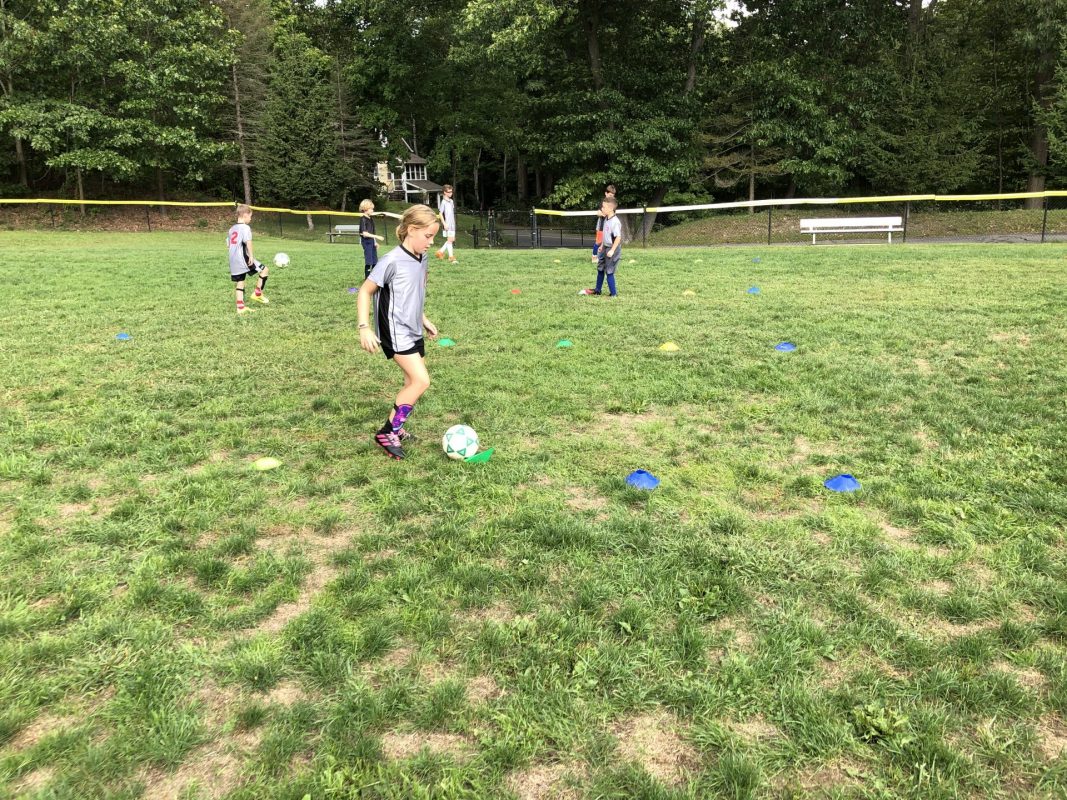
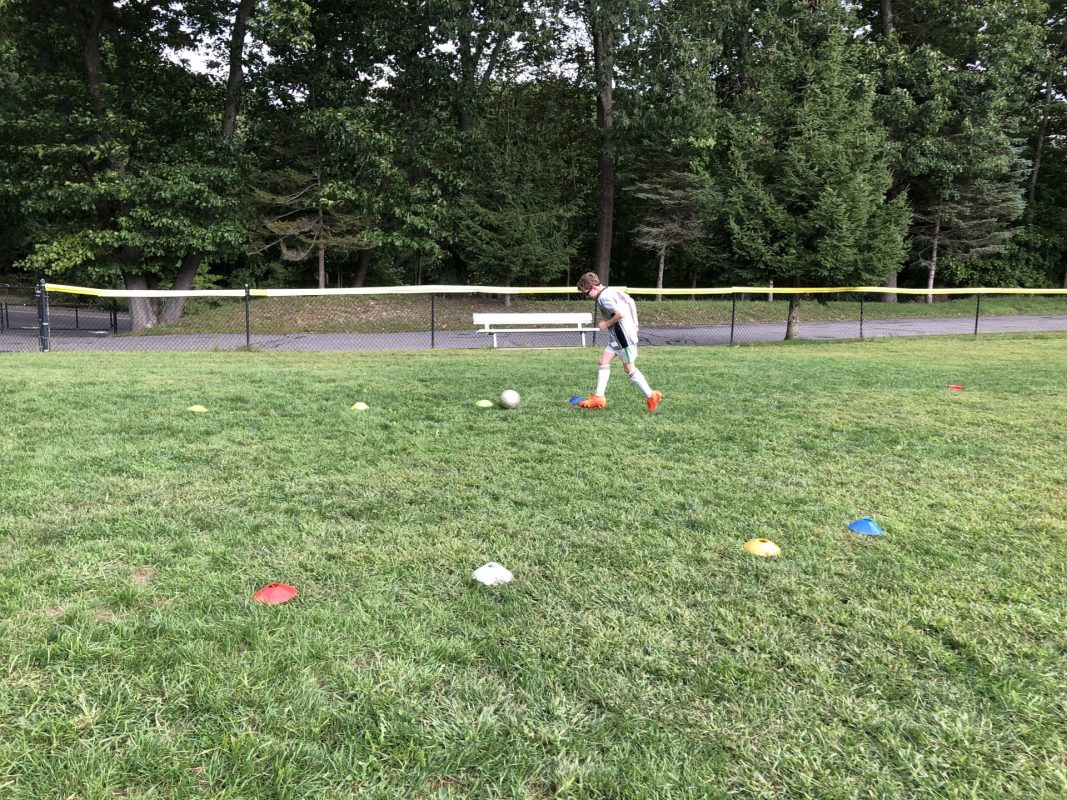
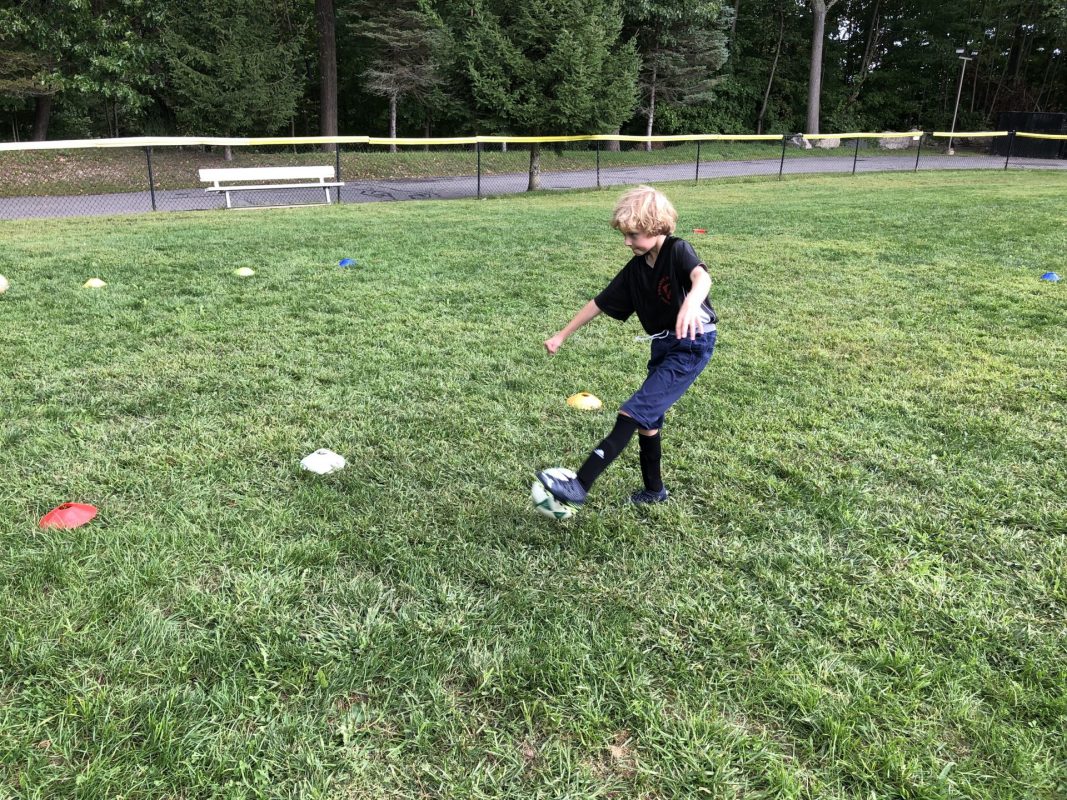
This past month, students in grades K- 8 have been practicing and participating in the team sport of soccer. Did you know that soccer is the most popular sport in the world?  Soccer is fun, inexpensive, and easy to play. Soccer is played by over 265 million people worldwide and has about 3.5 billion fans! If you or your child have never played soccer, go give it a try!  All you need are some friends, a ball, and a large space.

During our soccer unit most of our focus was on developing foot-eye coordination and spatial awareness. Students worked on passing, dribbling, trapping, shooting on goal, and simple game rules. The focus at the Middle School level is to develop player performance. The four components are technique, tactics, fitness, and sportsmanship.  After the skills were taught, friendly games were played at the end of class.

The largest soccer tournament in the world will be held this year!  The World Cup will take place in Qatar from November 20th to December 18th!  USA plays England on Friday November 25th.  Let’s go USA!!!


Warm-Up Games & Wiffle Ball in PE!

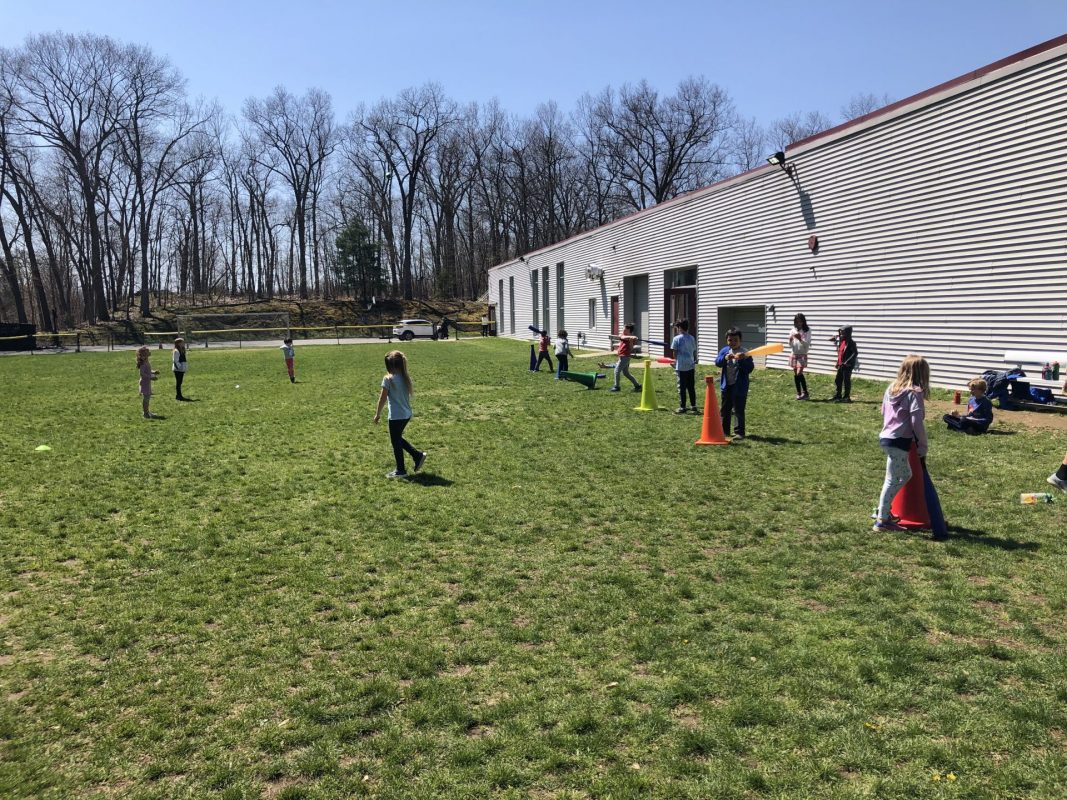
Lower and Upper Elementary participated in a Wiffle Ball Unit. Students learned how to run the bases and how to hold a wiffle ball. In addition, they learned how to throw and receive a ball, as well as batting off a tee. Students also had a choice for the ball to be pitched to them instead of using the tee. Throwing a ball is not just physical, it is also cognitive. A child has to plan how much force to put into each toss, where to aim to keep the ball from going too high or low, and when to release.  The benefits of wiffle ball include:  improved balance, coordination, strength and stamina, motor skill development, social skills development, improved self-confidence, and sportsmanship.

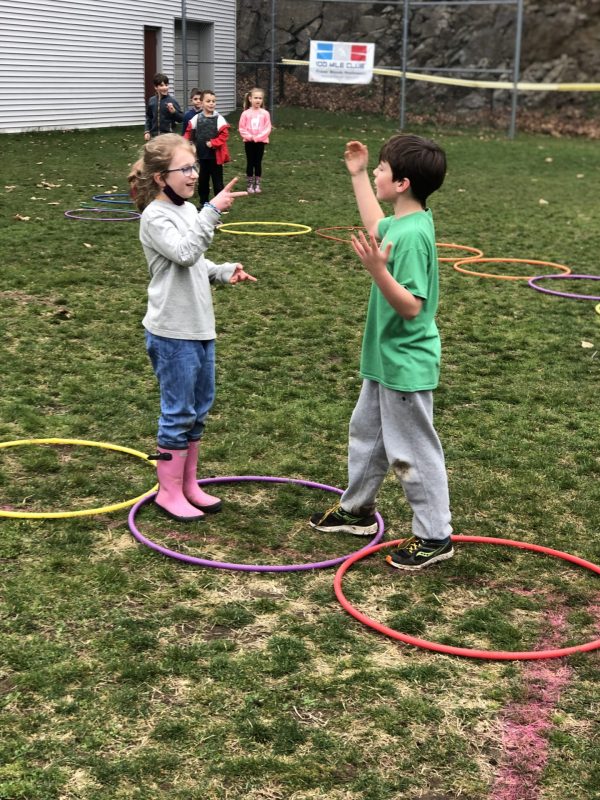
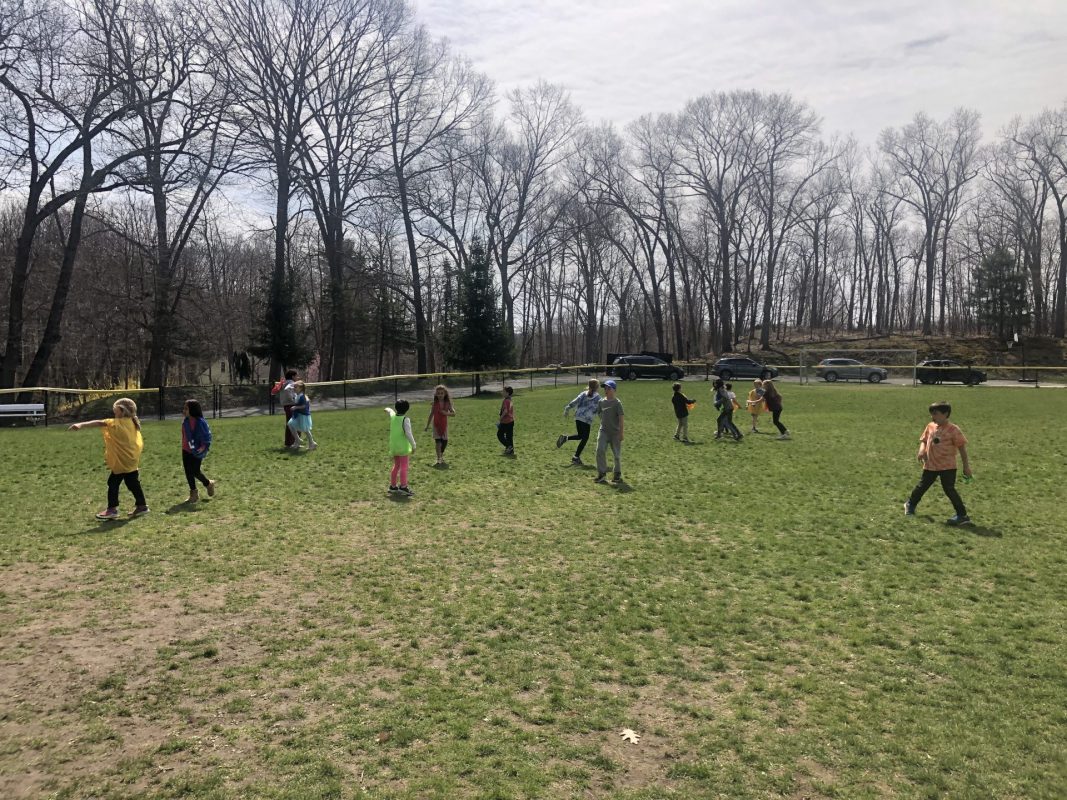
Before the start of PE class, students participate in warm-up running games. Some favorites are:  Rock, Paper Scissors, Earth Day Tag, Sports Tag, Ice Cream Tag, and Pluck the Turkey.  Once a week we run laps for our warm-ups for our 100 Mile Club.  Warm-ups in Physical Education prepare the body for movement.  A warm-up allows the body to gradually increase its heart rate and body temperature which would reduce the risk of injury.


Mrs. Hood: Food Preparation!

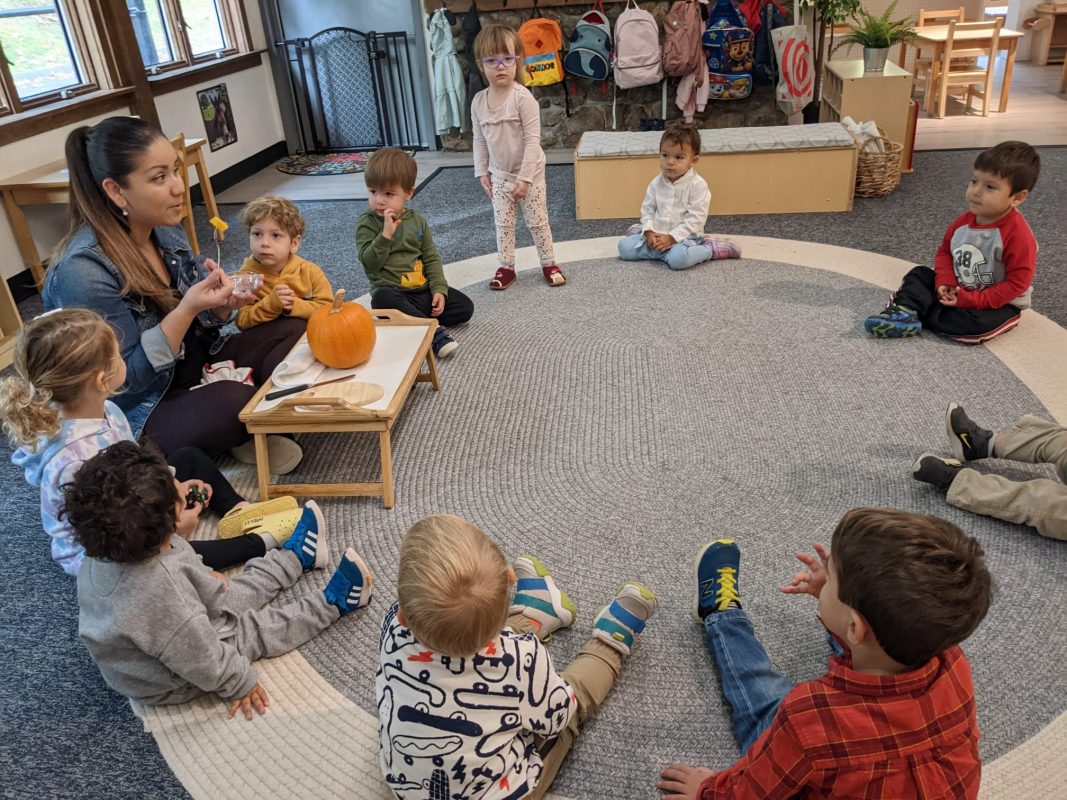
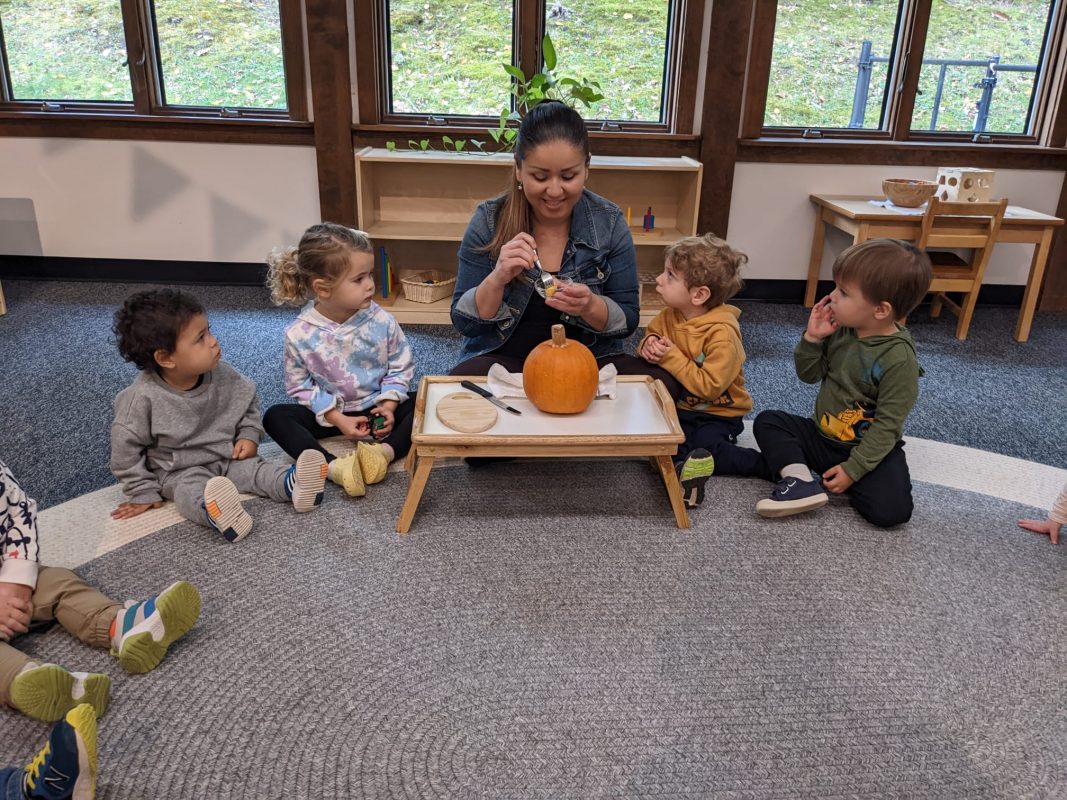
One of the main highlights this week was a fun Sensorial experience we had, to close our apple studies. Your children dissected an apple and oh boy! They really seemed to enjoy it!

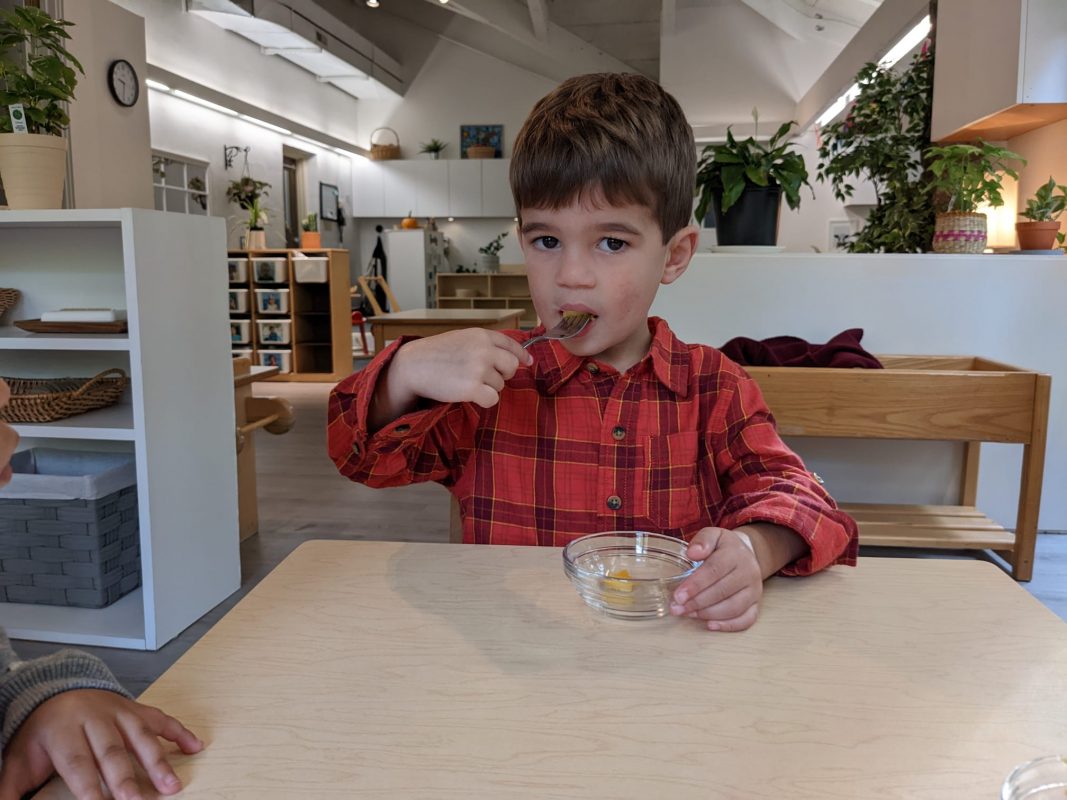
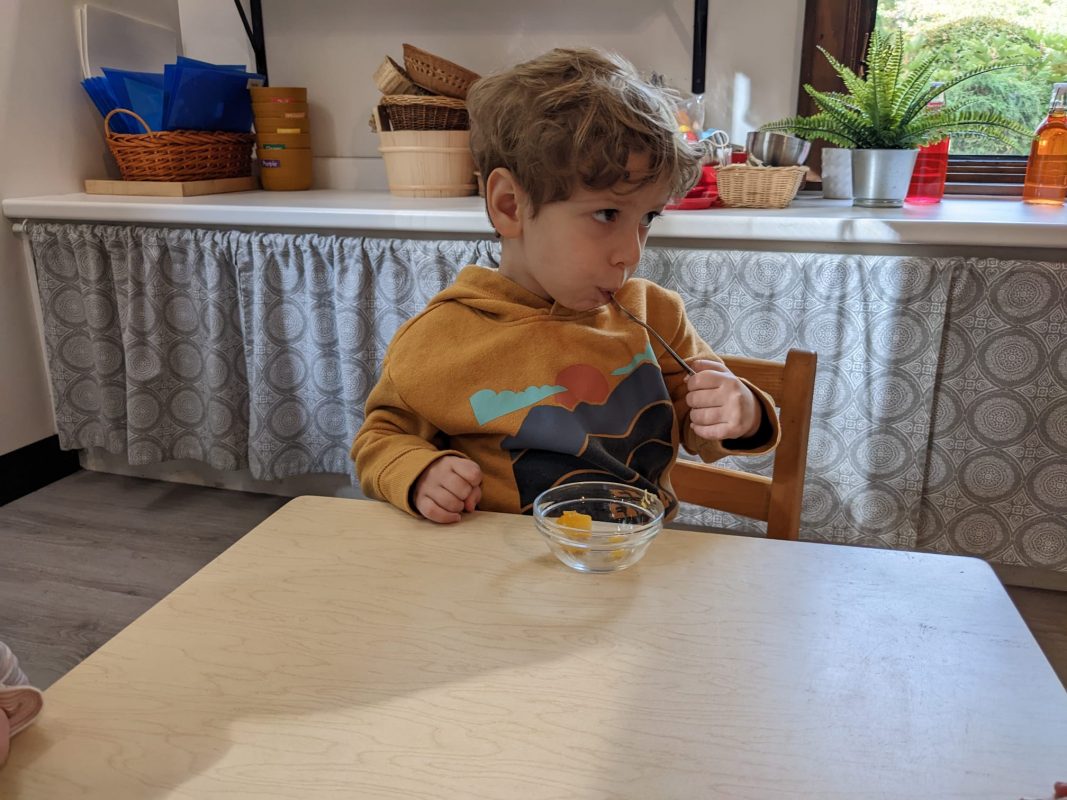
With senses full of curiosity, children touched, observed, smelled, peeled and cored a delicious apple. The children found it very fun and interesting to use the handle of the peeler but their eyes really sparkled and the smiles bloomed when they started watching the skin of the apple peeling and falling on the napkin. They also helped break the apple into pieces and place it inside our crock pot to be cooked and turn into a delicious apple sauce! The next morning we gathered as a class and the children got to enjoy the fruits of their work.

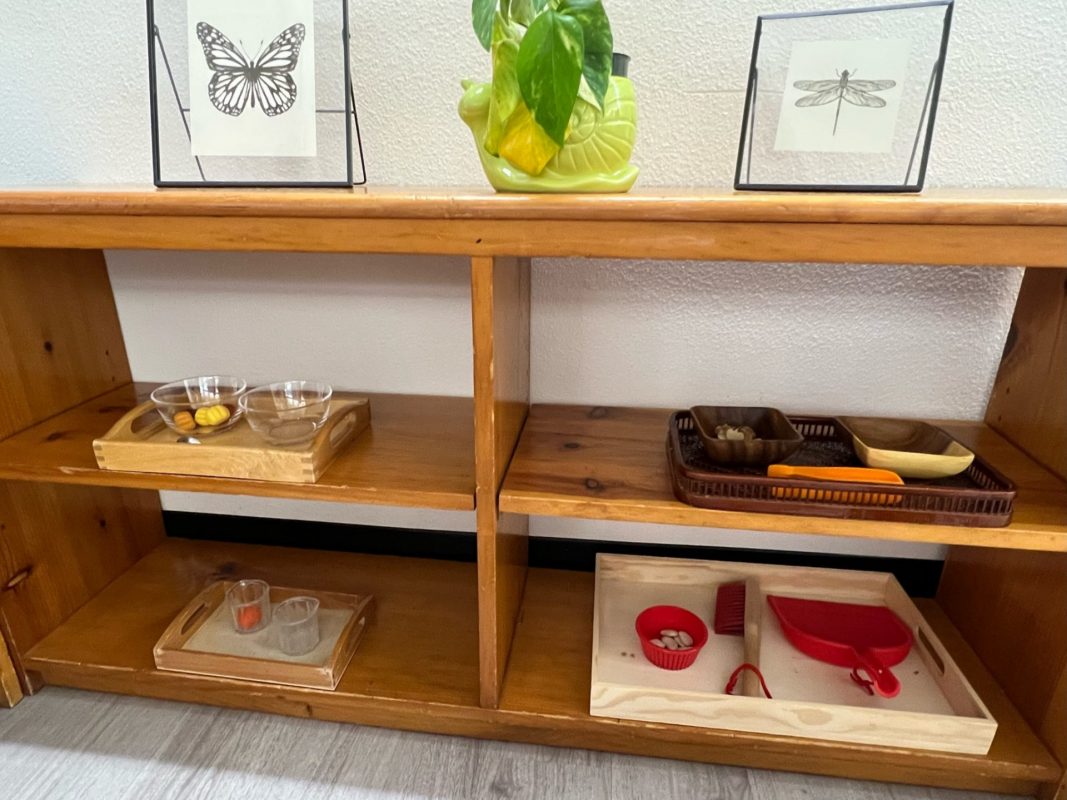
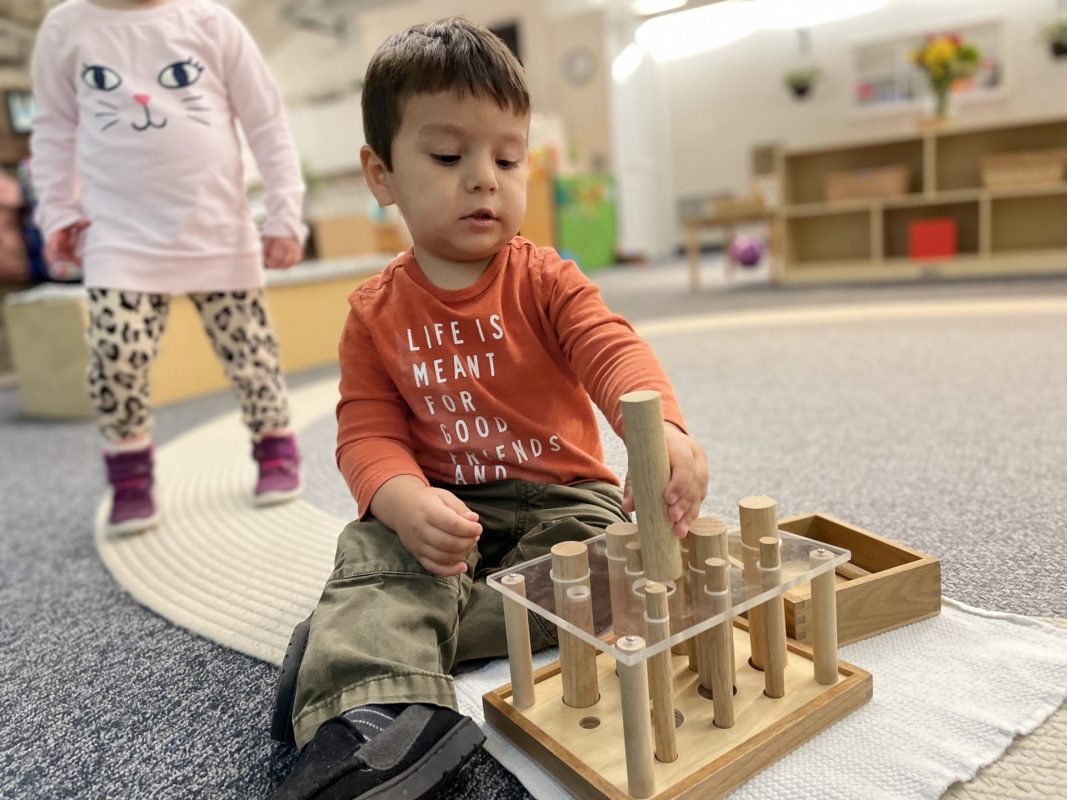
Food preparation is one of the main areas in our Practical Life curriculum! There are many benefits to involving children in food prep. Even the pickiest of eaters has been known to be more willing to try things when they have had a hand in preparing it. These works also help develop fine motor skills, build coordination, and create a sense of community, as well as increase knowledge of nutrition, science, and math. We will continue to provide experiences like this throughout the year.

I encourage you to make experiences like this available at home as well. Here are just some examples on how you can include your toddler in food preparation at home:

  • Scoop cereal into bowl
  • Add milk to cereal
  • Wipe up spills with small towel
  • Take plate to the kitchen
  • Prepare a sandwich
  • Spread sun butter/jelly/cream cheese on crackers
  • Peel and slice a banana
  • Peel a mandarin orange
  • Peel and cut an apple with assistance
  • Wash fruits and vegetables
  • Make orange juice
  • Pour glass of water or milk using a small jug- use small amount of liquid to avoid large spill
  • Drink from a glass
  • Follow a recipe with assistance using measuring cups
  • Set the table/clear the table
  • Wipe the table
  • Sweep the floor -use  dustpan and brush

Enjoy the weekend,

Mrs. Hood and Miss. Bethann


Middle School: Week in Review

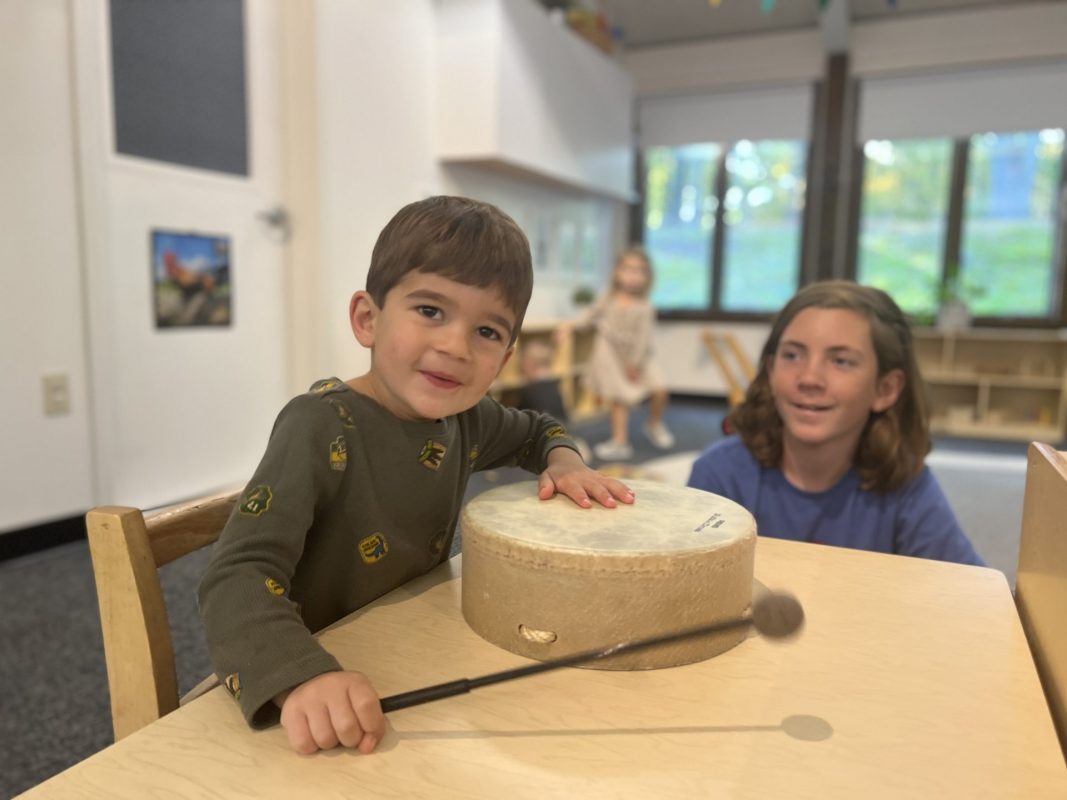
It has been another great week in Middle School. The middle school continues to enjoy their Wednesday morning time working with younger peers in their classrooms. Another highlight this week was the first FWM Monthly news, created and presented by the 8th grade class. Faculty members, Lower El, Upper El, and Middle School students gathered in the Commons to watch and listen. Great job, 8th Grade!

Science

6th year Earth Science students are identifying how geologic time is measured and how fossils play a role in dating geologic events. Students are collaborating with their peers to create an artistic representation of the geologic timeline. This timeline includes eons, eras, periods along with predominant species found within each phase. The objective of this project is for students to see how fossils are used to gauge the time period when species were alive based on previously discovered index fossils.

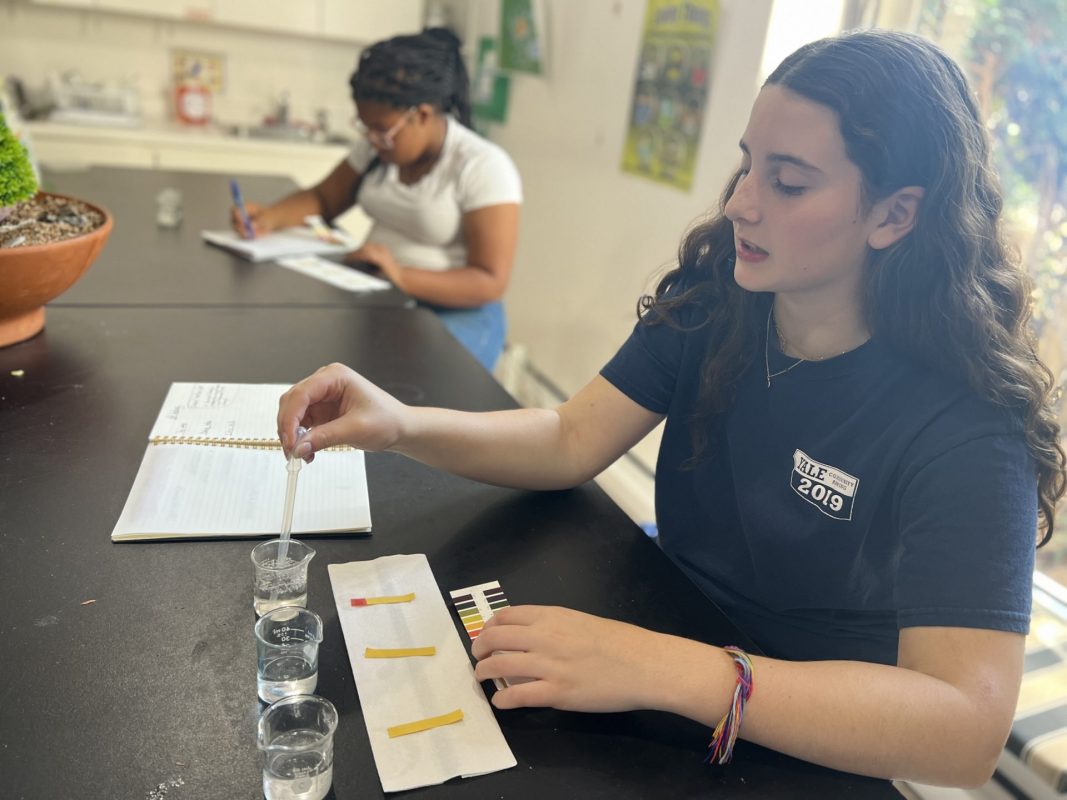
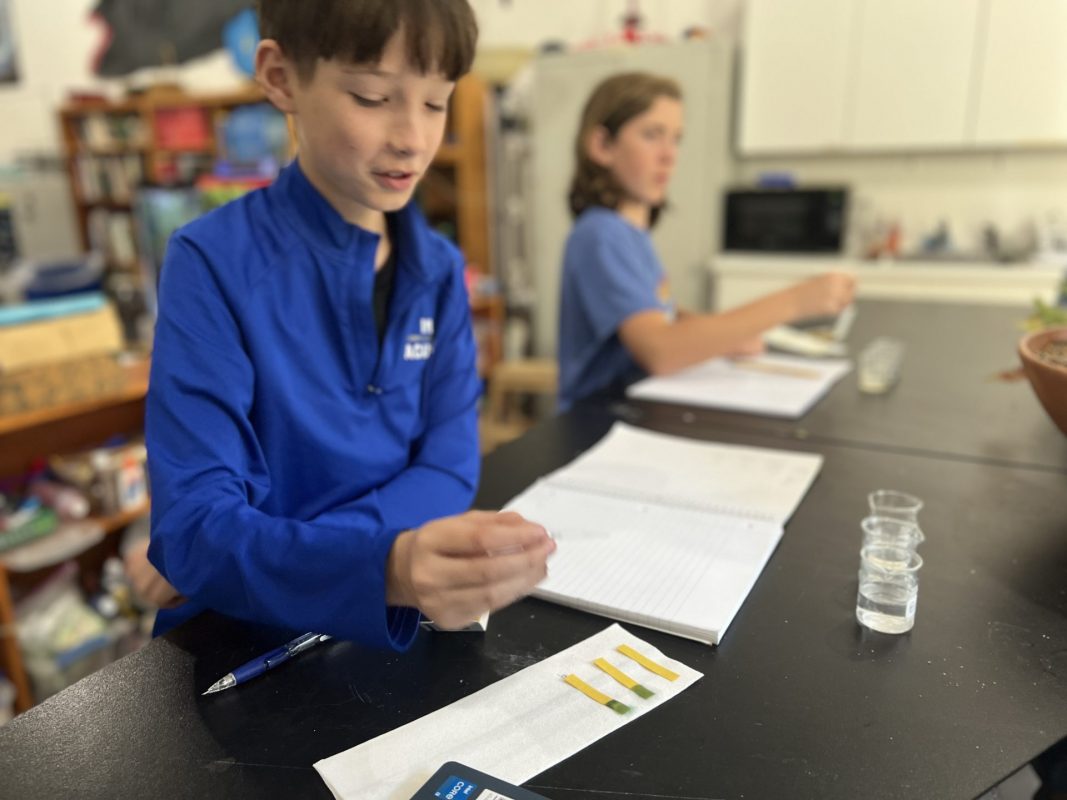
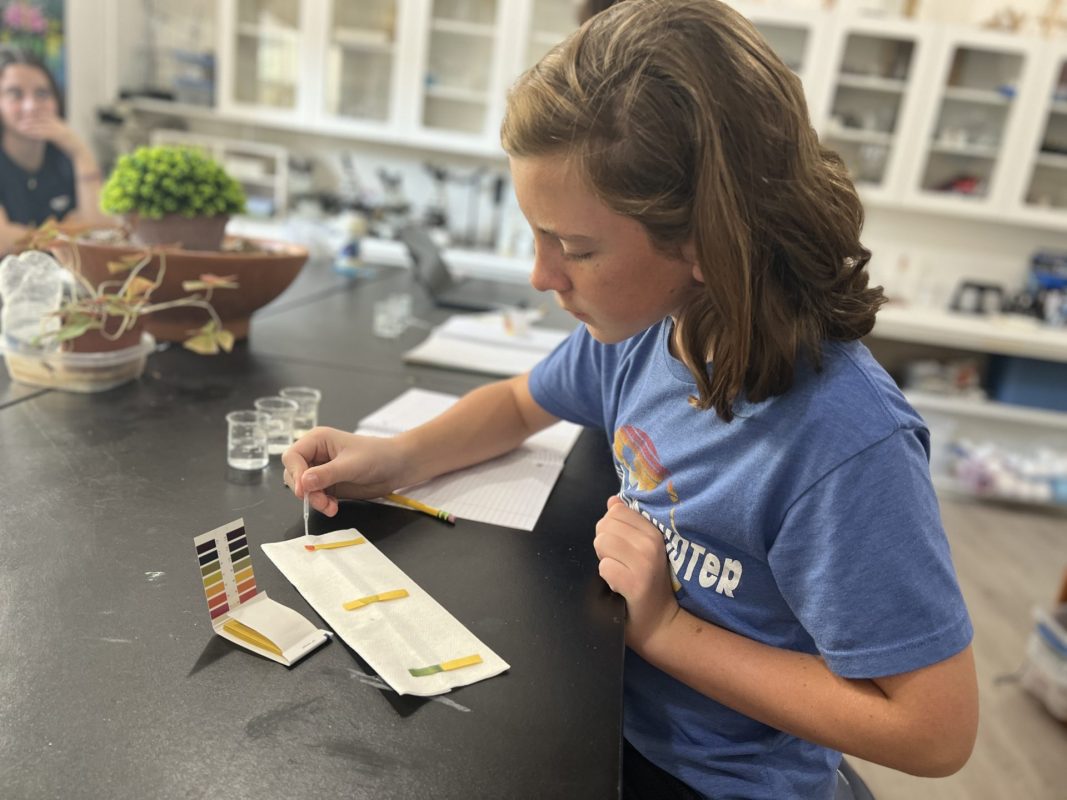
7th year Physical Science students are discovering the differences in matter as it relates to their physical and chemical properties. Students have been asked to conduct several experiments to test properties of matter such as density, electrical conductivity, and pH. From these experiments, students are able to see how certain properties are able to change while others remain the same while conducting certain tests.
8th year Life Science students did a great job presenting their research on stem cells earlier in the week. Students provided evidence to support their claim about whether to support or oppose further research regarding stem cells. Moving forward, students presented research on the differences between our body cells. Students shared their findings on nerve, cardiac, blood, and fat cells. Each student highlighted the difference in the cell’s structure/shape as it relates to the function each cell is intended to serve.

Humanities

6th grade Humanities classes had a great week. They each presented their first current events assignment to the class. Using a topic of interest, students found a current news article, summarized it, wrote about its impact and why it matters, and then led a discussion on the topic. The students were active and engaged in conversation, asked thoughtful questions, and were respectful to each other. Next, 6th grade began their class novel, Out of My Mind by Sharon Draper.

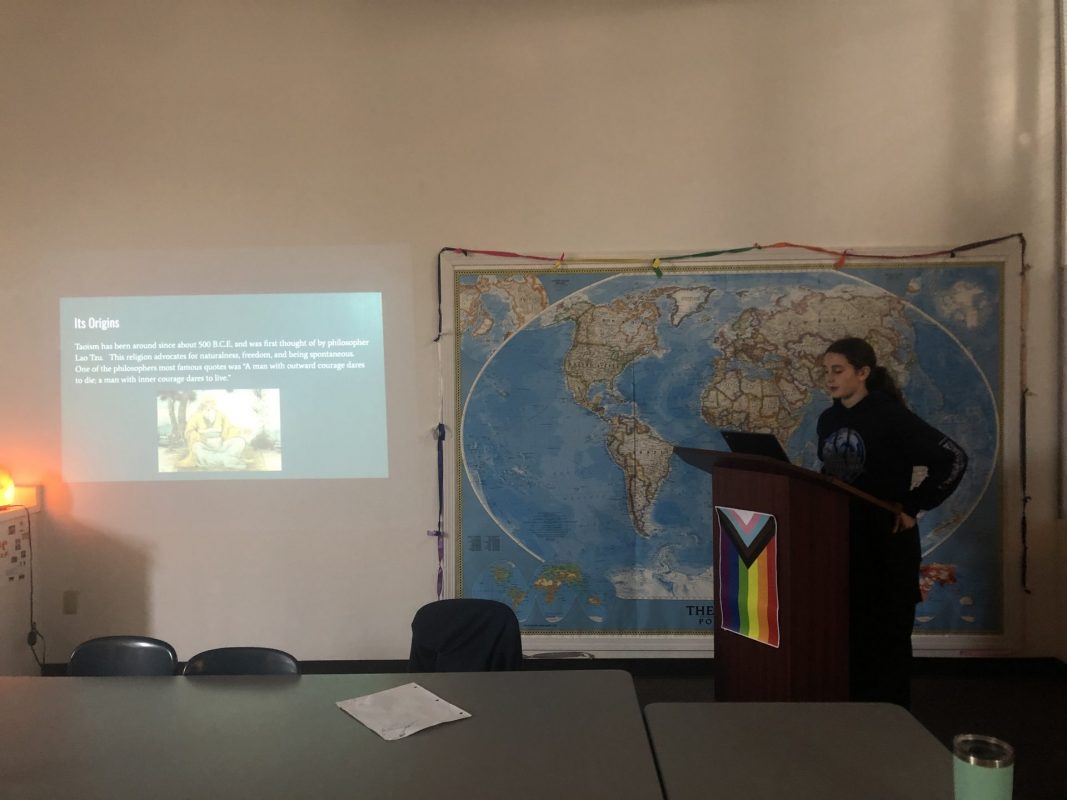
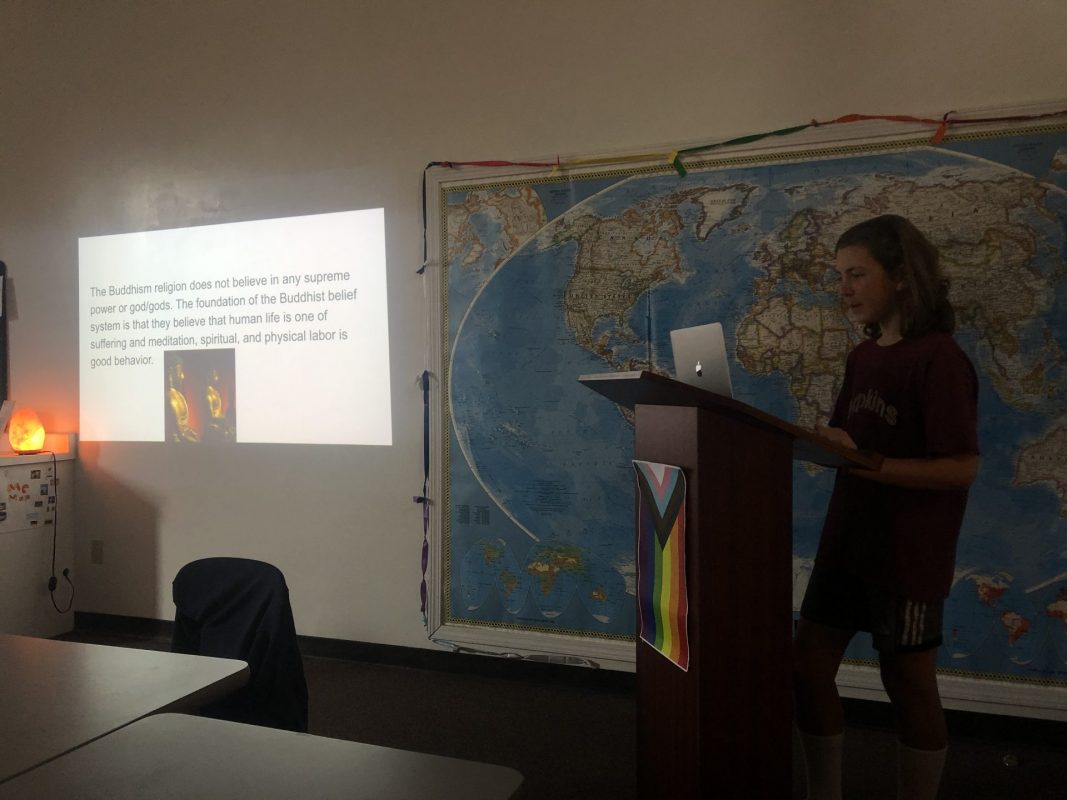
7th grade Humanities class researched and presented an assigned religion of China. They were tasked with finding the history of the religion in China, explain its philosophy, teach about its traditions, and talk about how it is practiced. The religions presented were Confucianism, Taoism(Daoism), Buddhism, Islam, and Christianity.

8th grade Humanities classes were busy this week. They are reading The Outsiders by S.E. Hinton and discussing how socioeconomic status can play a role in society’s views and treatment of certain groups. Also, we continued our study of U.S. history by discussing Indigenous Peoples’ Day, its origins, and the narratives that surround Christopher Columbus. From there, we read and discussed the influence of gold which brought many explorers after Columbus as well as what the landscape looked like at the time of contact.

Math

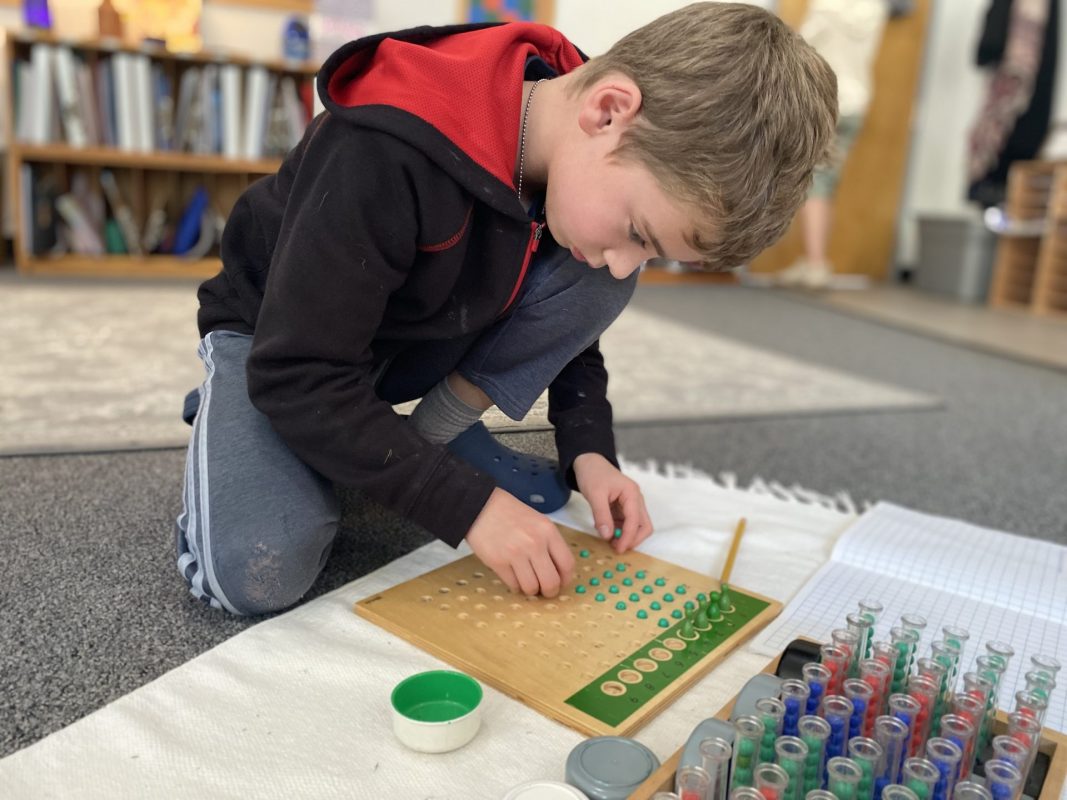
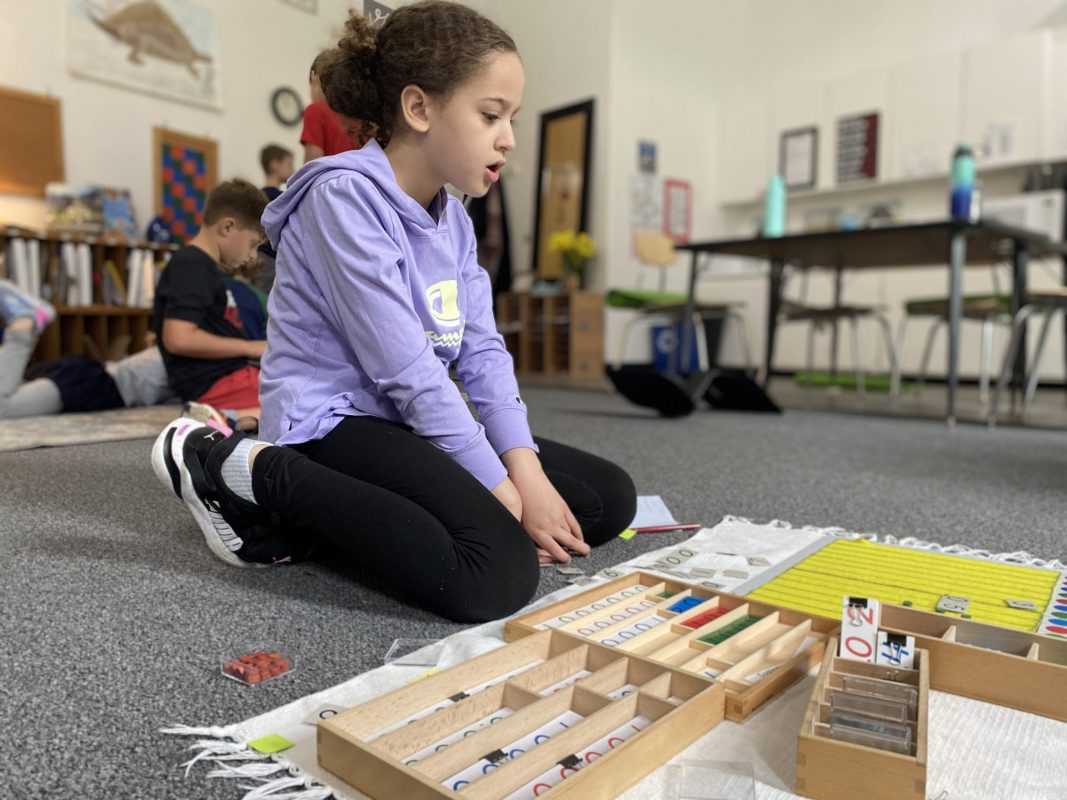
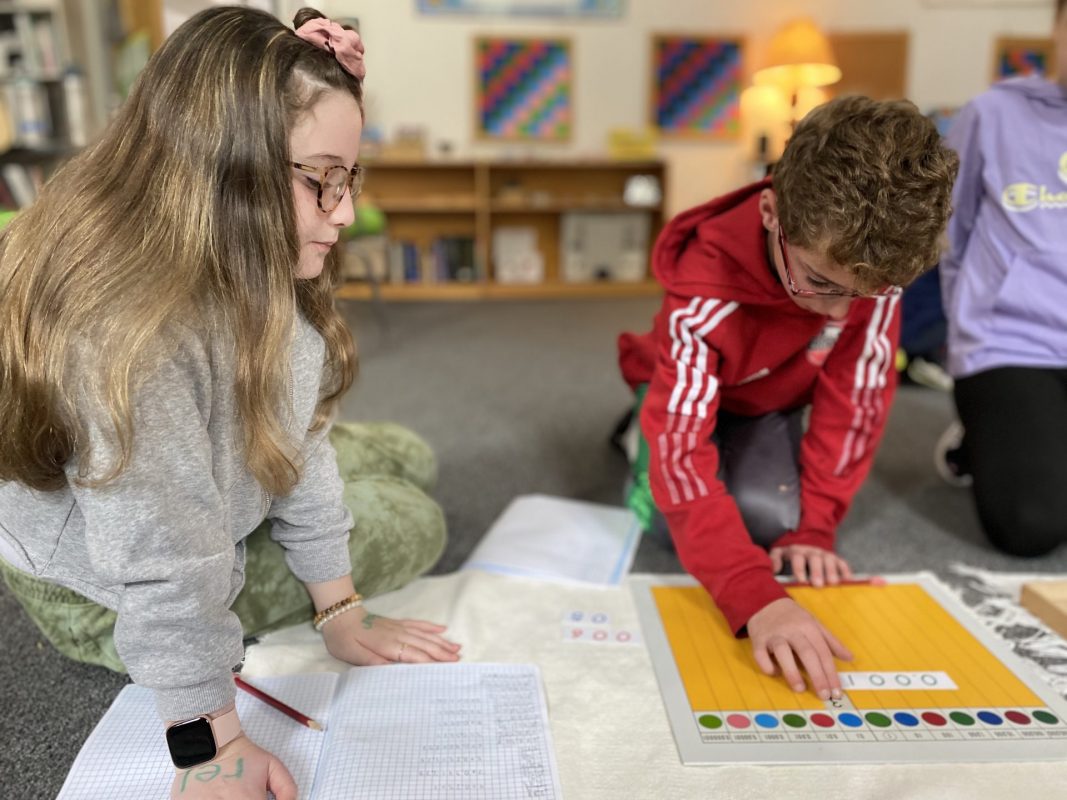
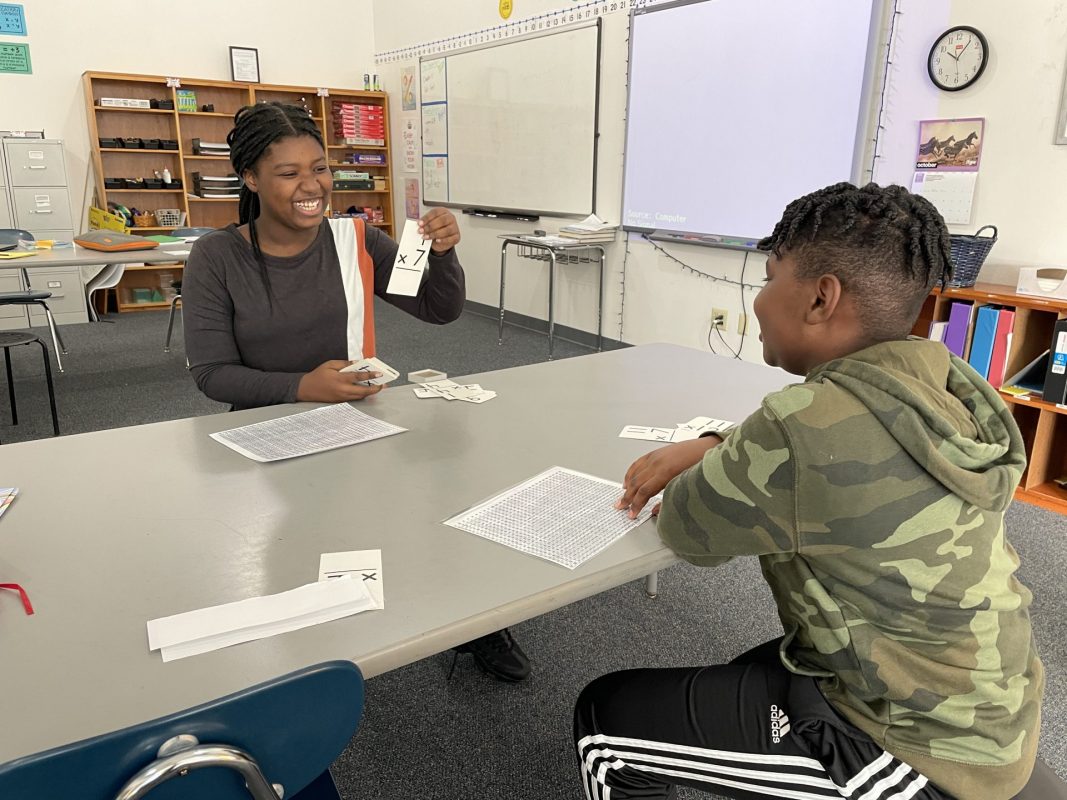
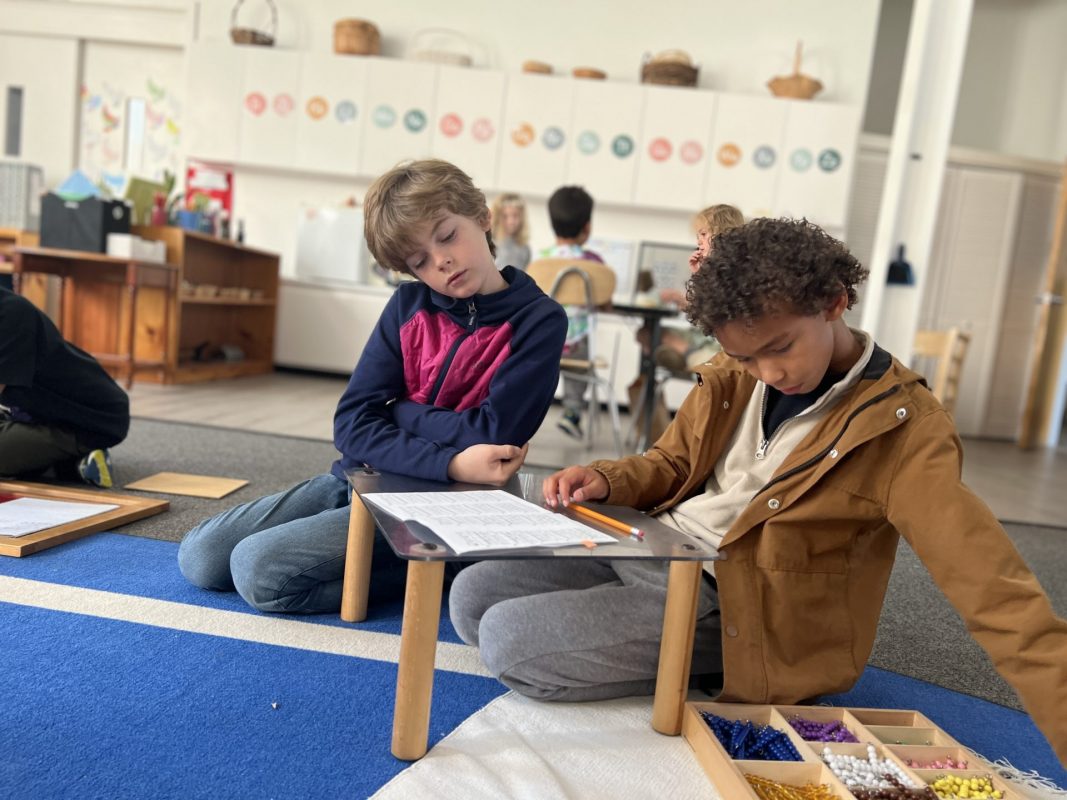
In the Pre-Transition math class, students began exploring Chapter 2 in the UCSMP textbook. This class is learning about decimals between whole numbers and how to order decimals from greatest to least value. This class is working hard to understand converting decimals into fractions, as well as identifying place values behind the decimal point. 
 
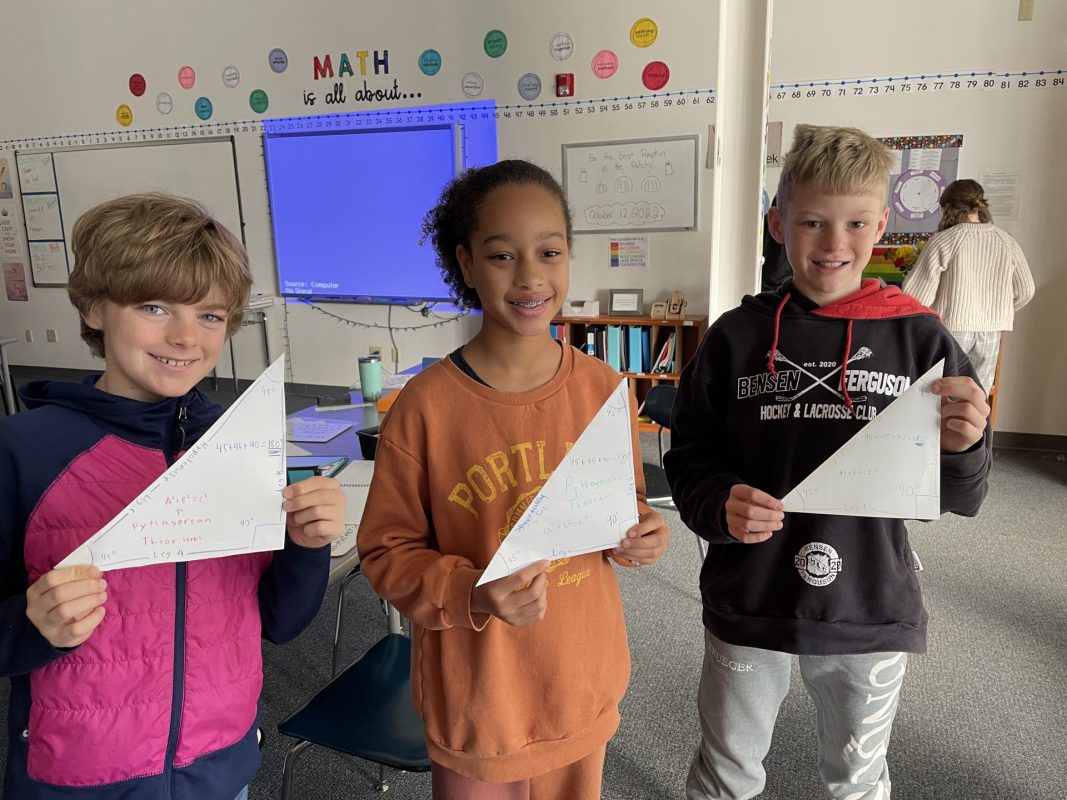
In the Transition math class, students were excited to learn more about the Pythagorean Theorem and were able to construct a life size right angle triangle to help visualize their understanding. This class is continuing to practice substituting values to a formula and simplifying expressions with like terms. 
 
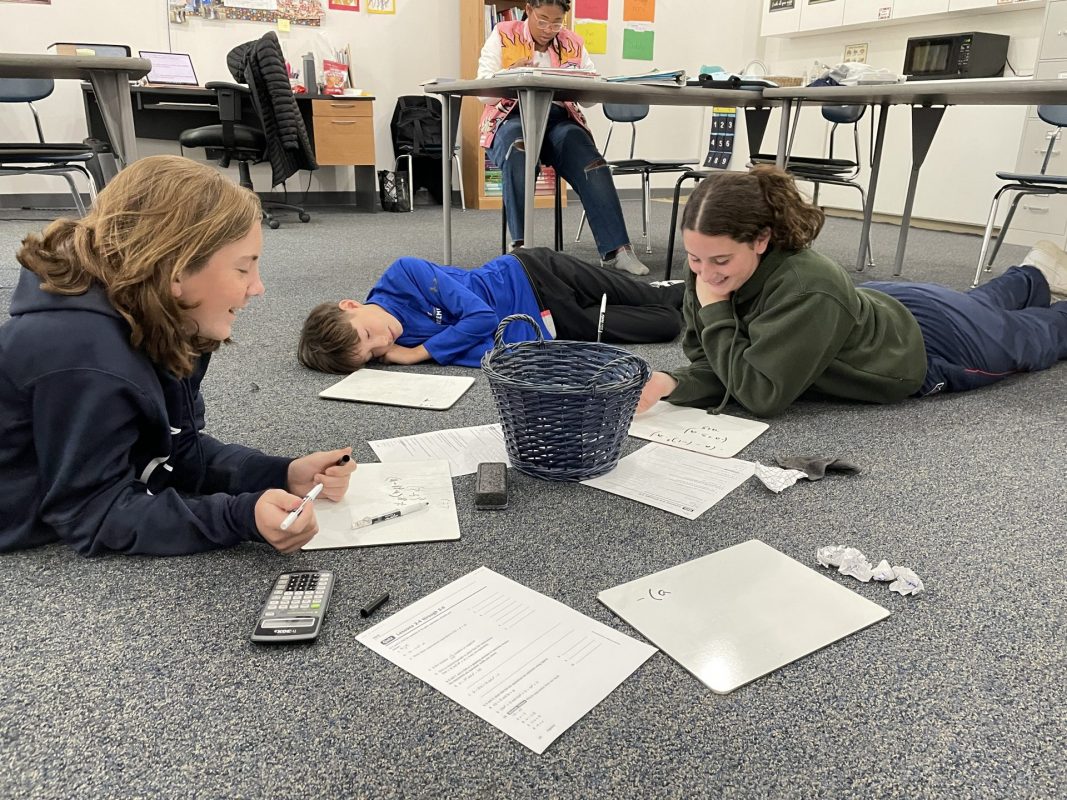
In the Algebra math class, students concluded their learning of Chapter 2 and were able to master the distributive property. This class was able to use related facts to solve for a missing variable, as well as test for equivalency using the 4 key methods learned in class. Next week, they will begin to investigate Chapter 3 titled, Linear Equations and Inequalities. 
 
Math Joke: Are monsters good at math?…..Not unless you count Dracula!
Have a wonderful fall weekend!

Lower Elementary Geography Lessons

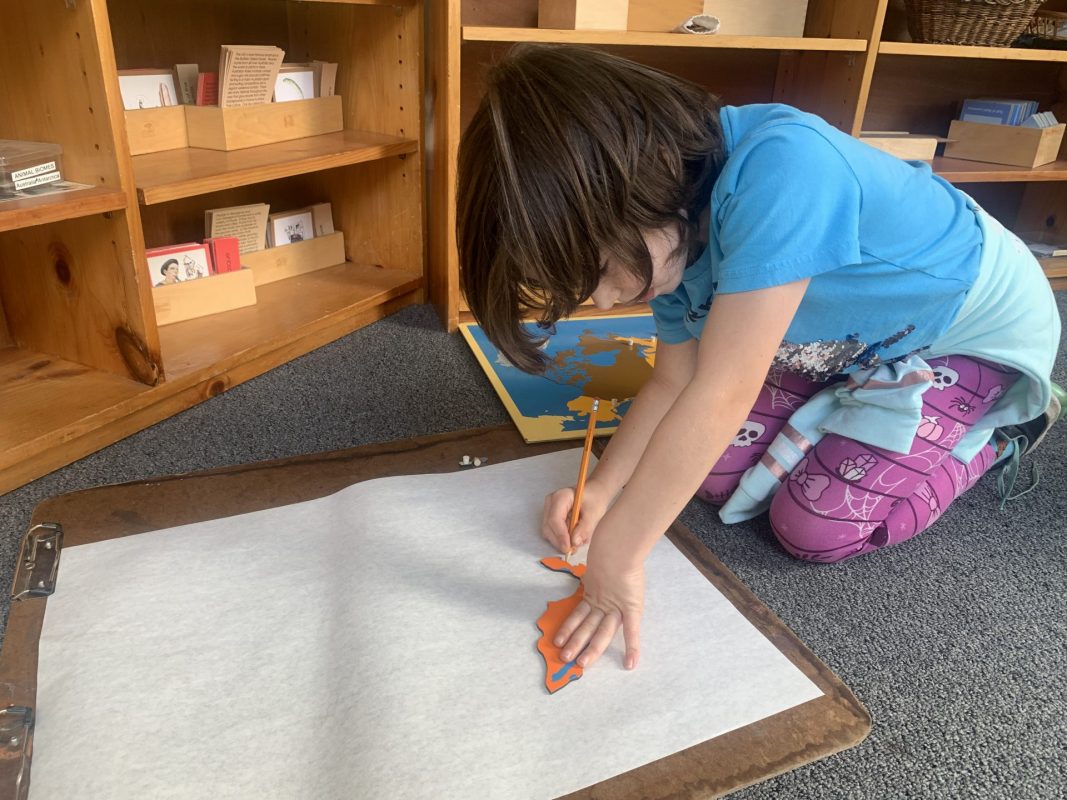
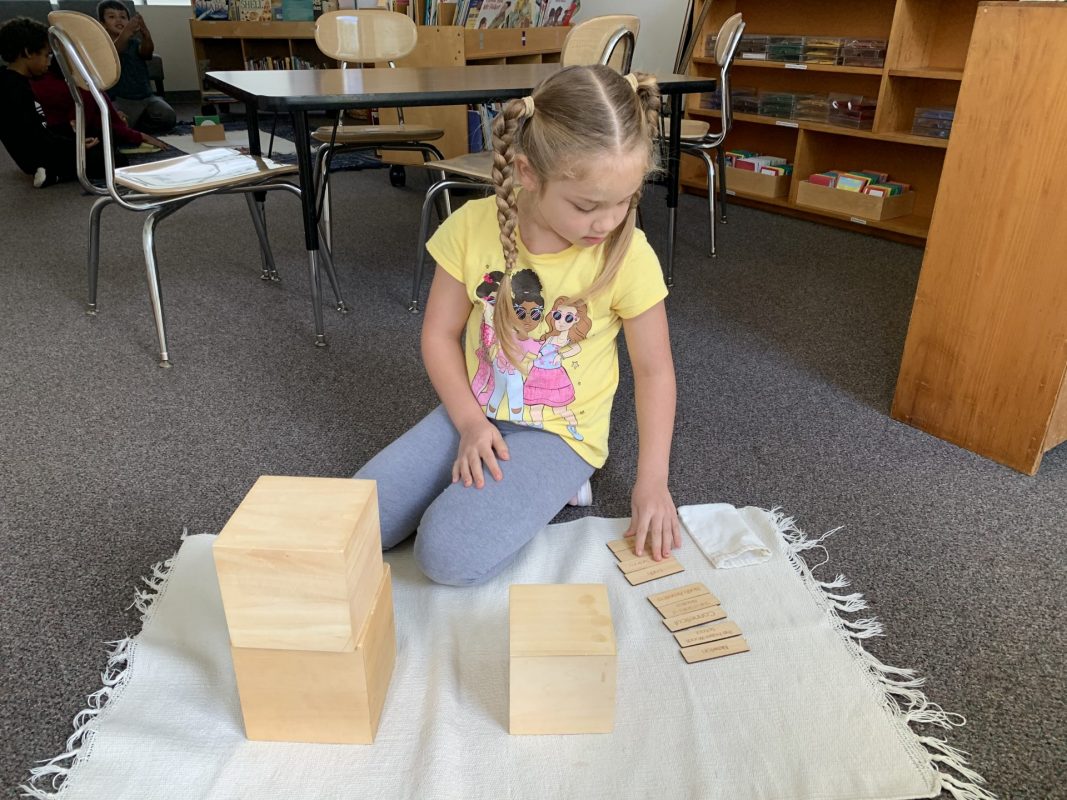
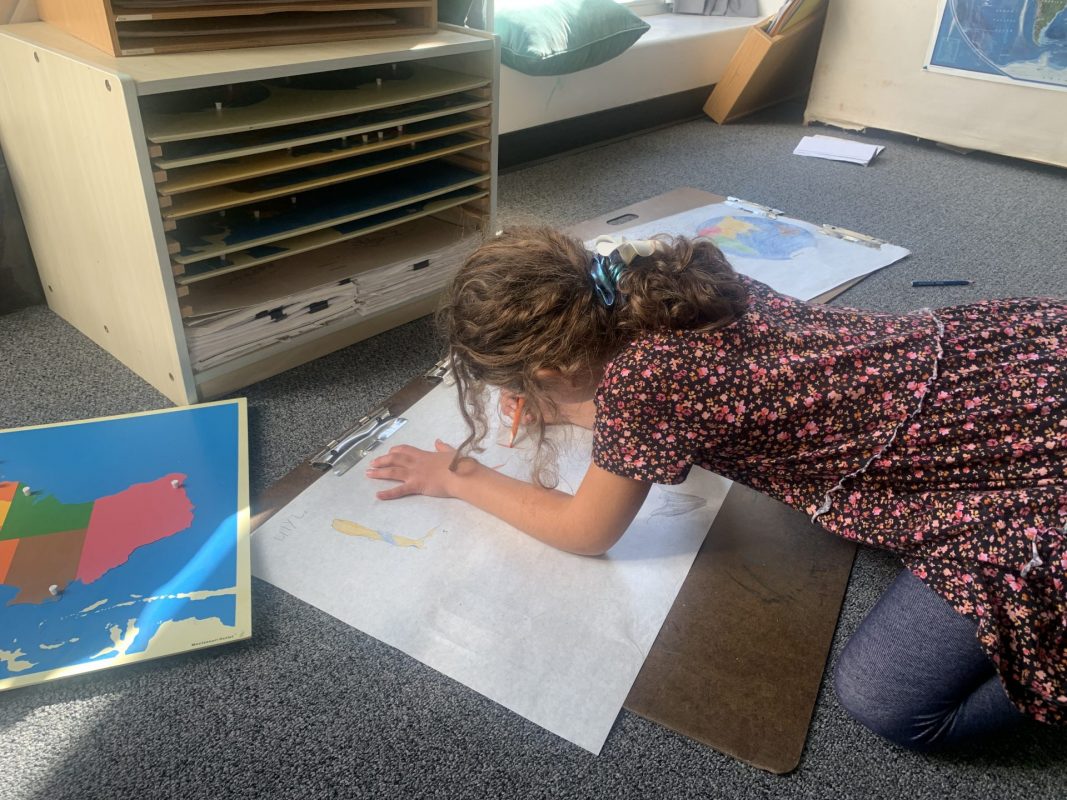
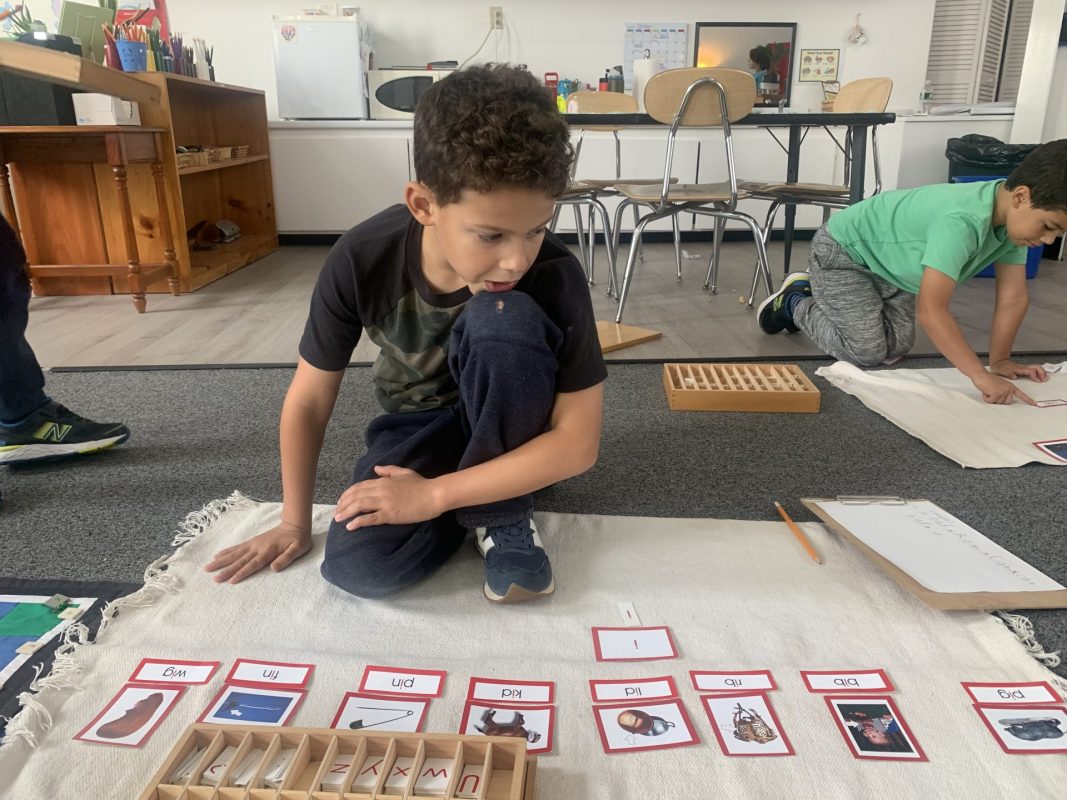
The children have been immersed in geography. The first grade group had a lesson on the puzzle maps, where they learn the continents. In a Lower Elementary classroom, puzzle maps are first used as a sensorial material, but then are used repeatedly as a resource for research of continents, countries and their capitals. The second grade group learned about the pin maps. This is an extension of the puzzle maps, but is more abstract. The children are using this material to identify countries. The aim of this material is to enhance memorization of geographical features. Last but not least, the third graders began brainstorming the country they want to independently research this semester! They also started the study of each countries capitals using the pin maps.

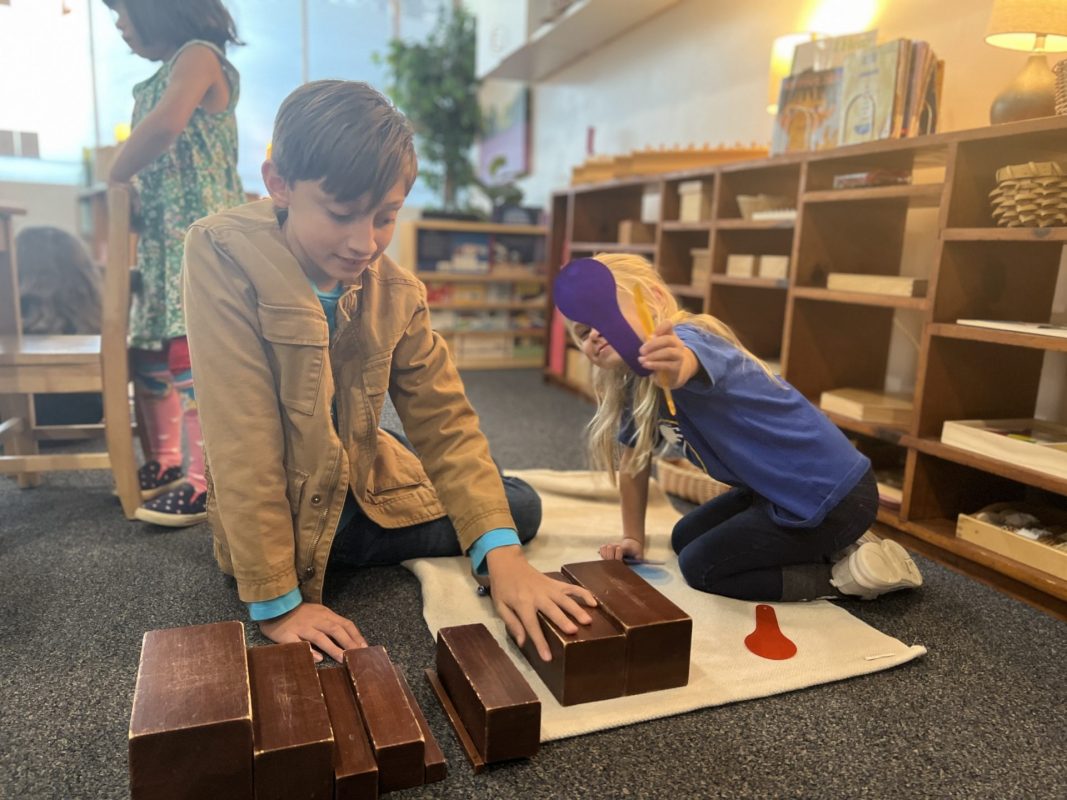
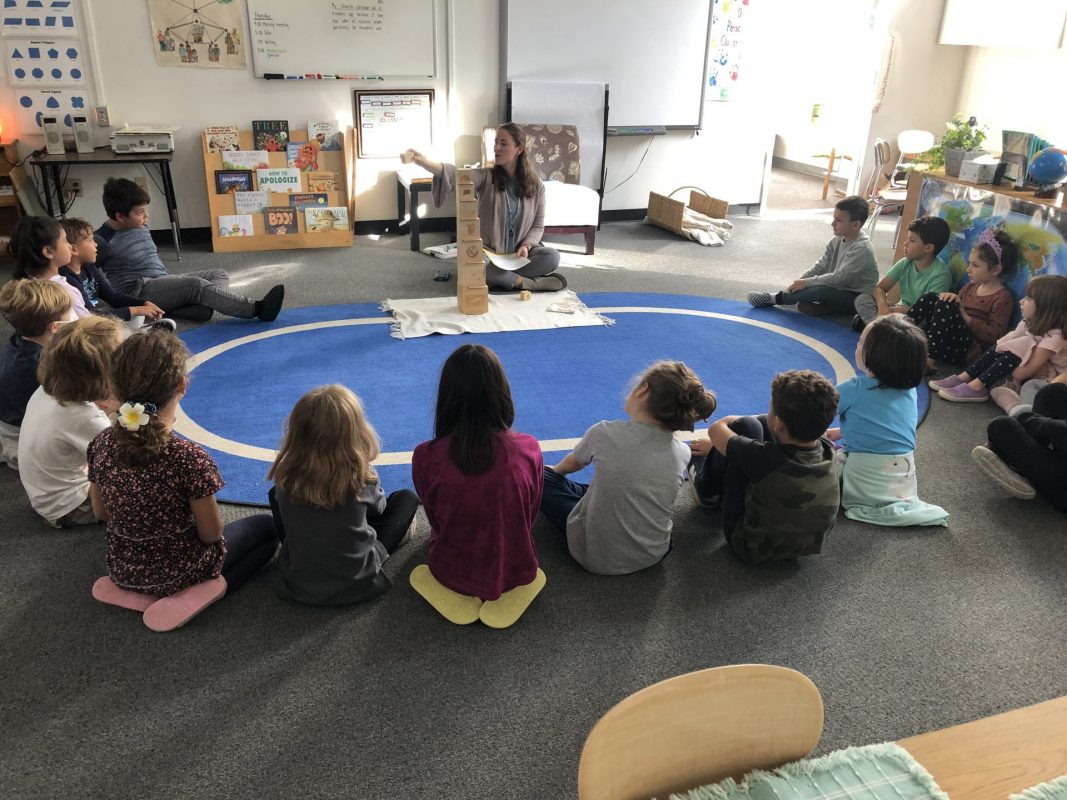
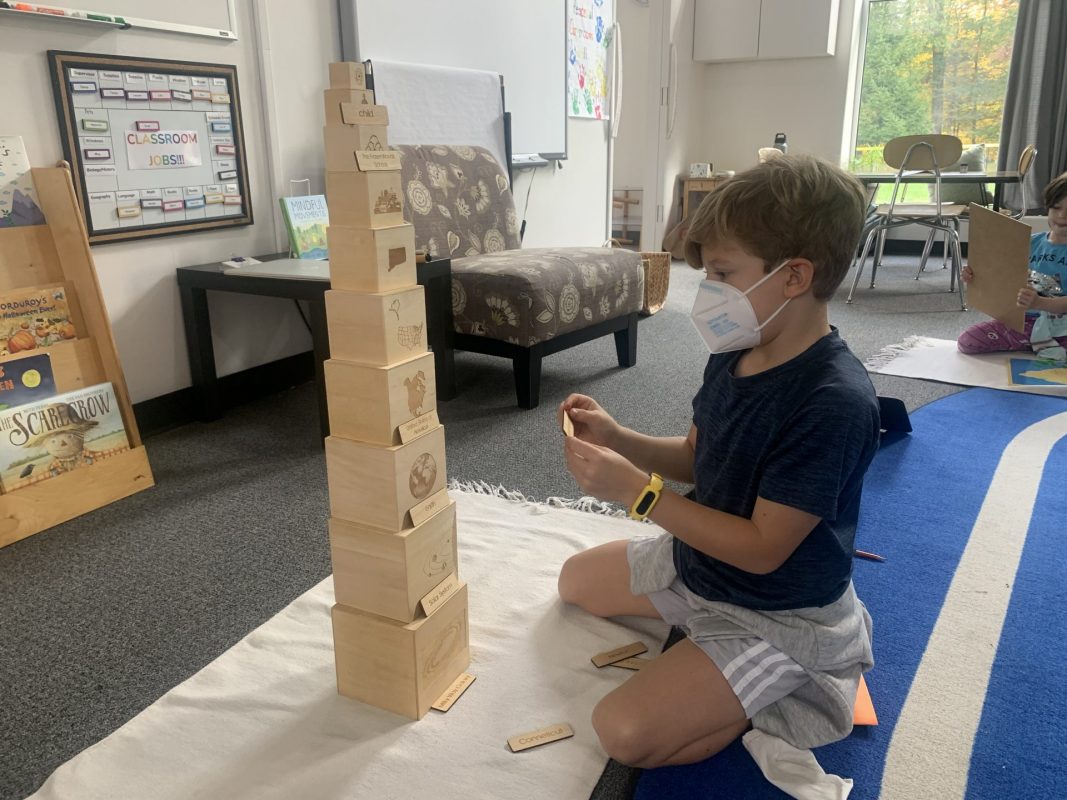
In addition, the children received a lesson called the Cosmic Nesting Boxes. These are 10 wooden boxes that demonstrate the concept of each space contained within a larger space. These nested boxes guide the child in concrete steps from the macro, the Milky Way Galaxy, all the way through to the micro, the energy within them, to help develop the child’s sense of place in the Universe.

Our Cosmic Nesting Boxes are personalized to our state, city, and school. Here is the progression:

  • Milky Way Galaxy
  • Solar System
  • Earth
  • Continent of North America
  • Country of the United States
  • State of Connecticut
  • City of Newtown
  • Fraser Woods Montessori School
  • The Child
  • The Energy within the Child