Blog

Mrs. Lopes Class: The Three Period Lesson

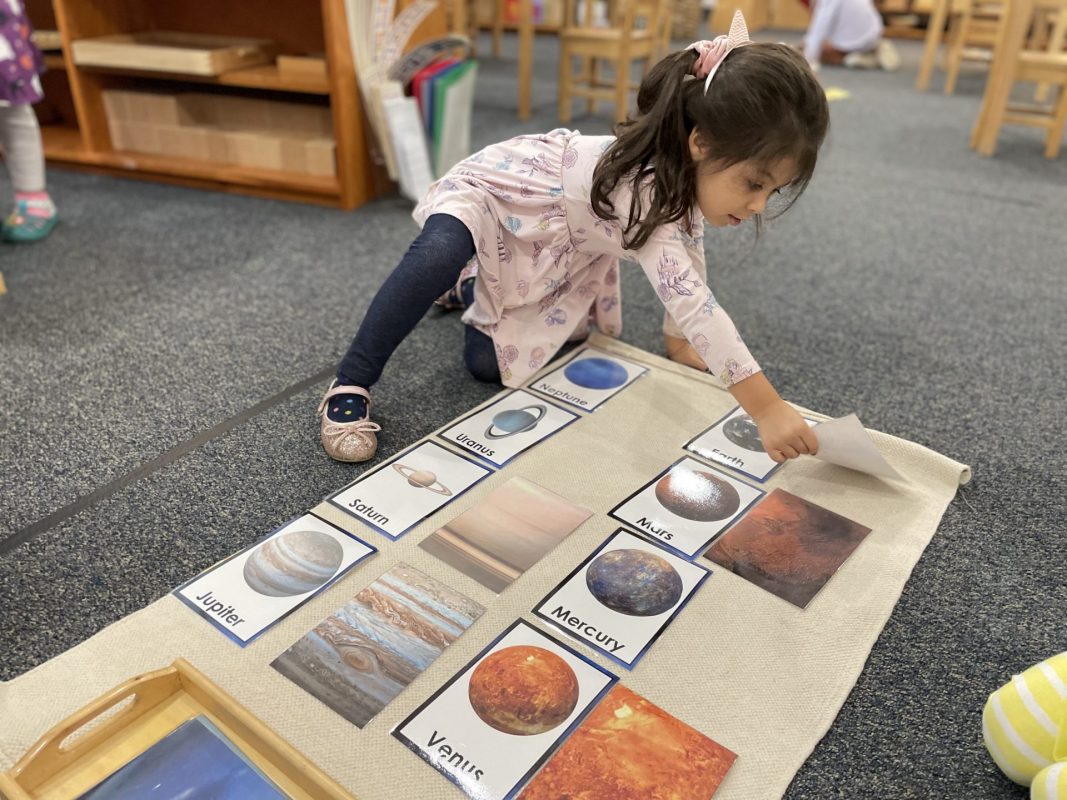
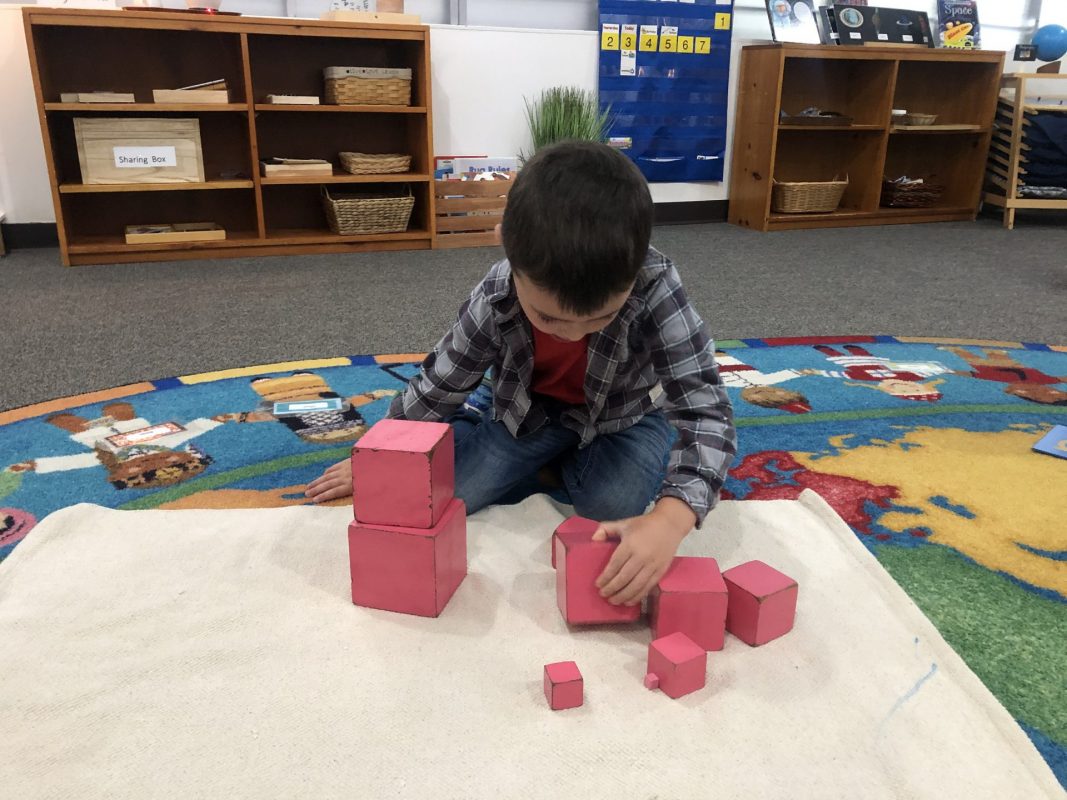
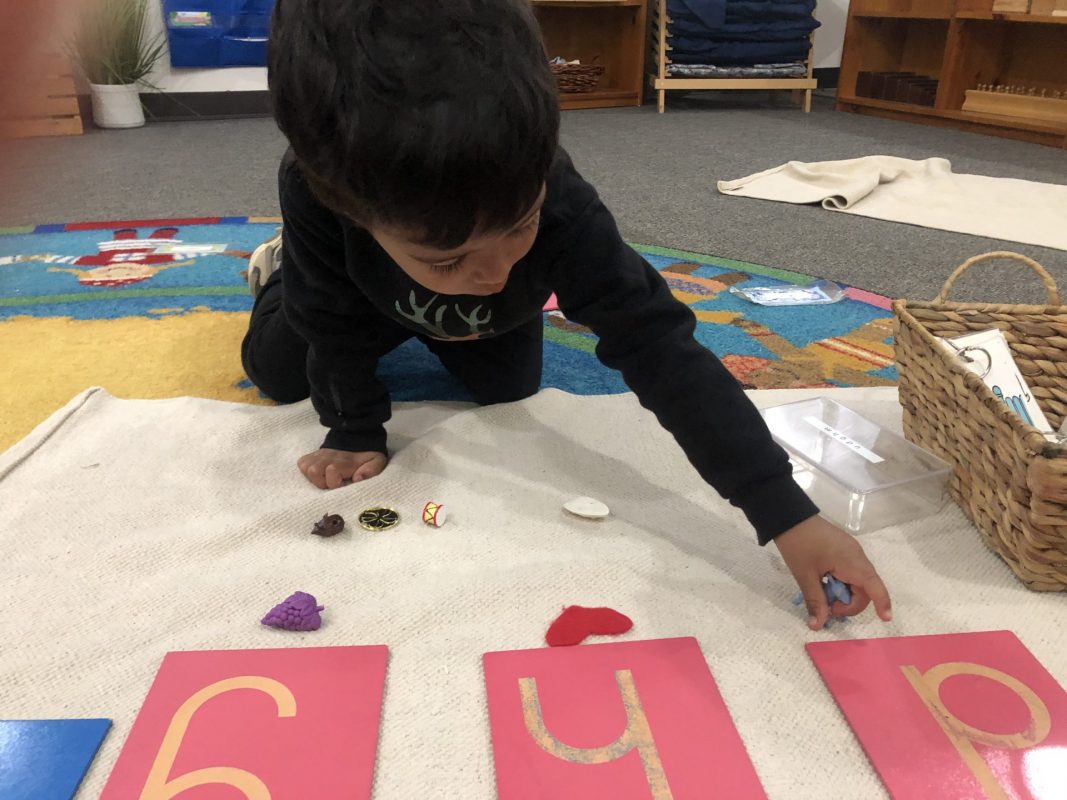
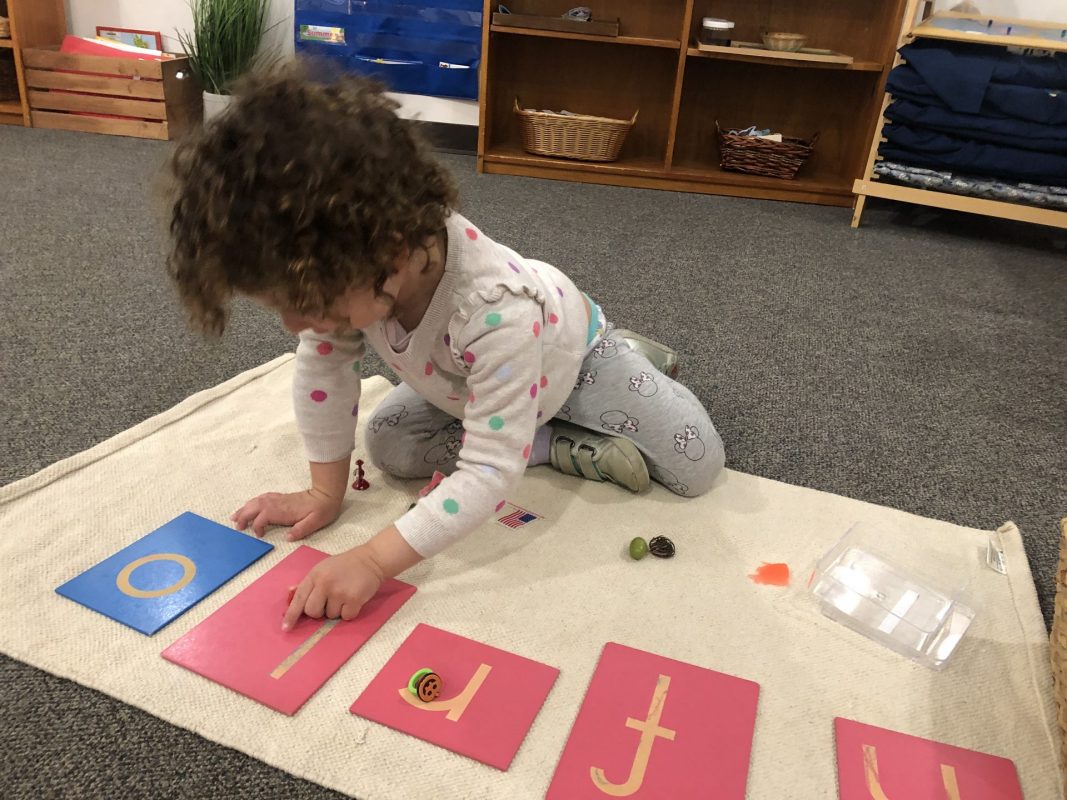
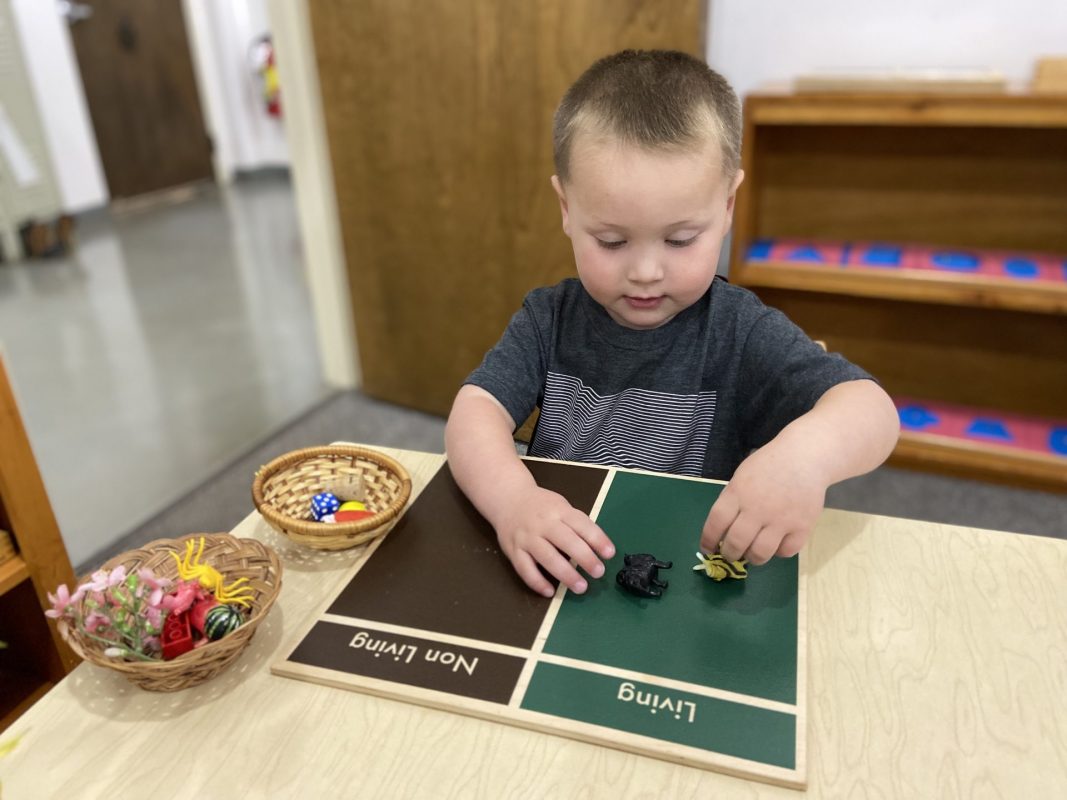
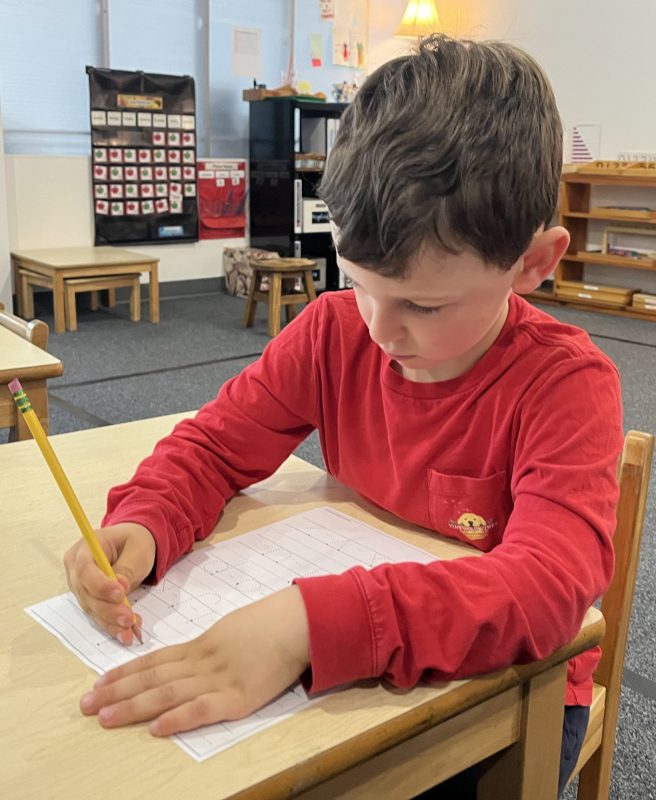
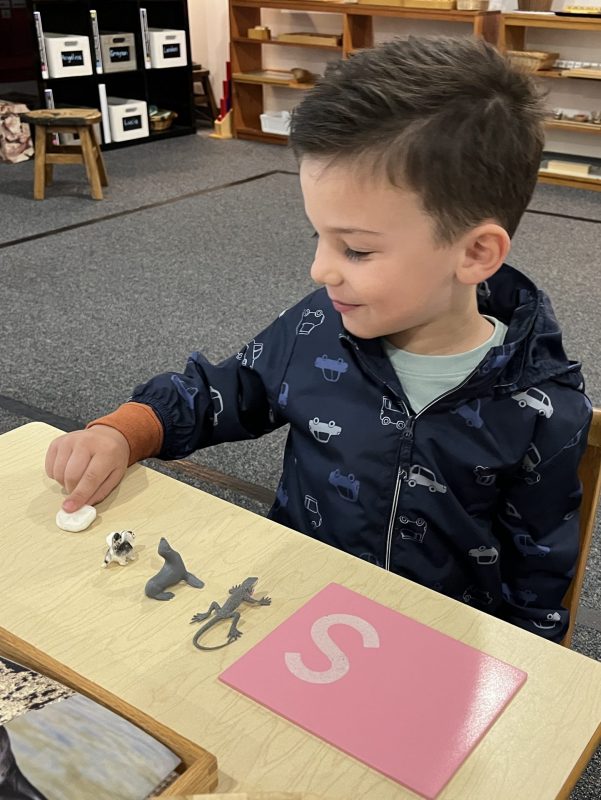
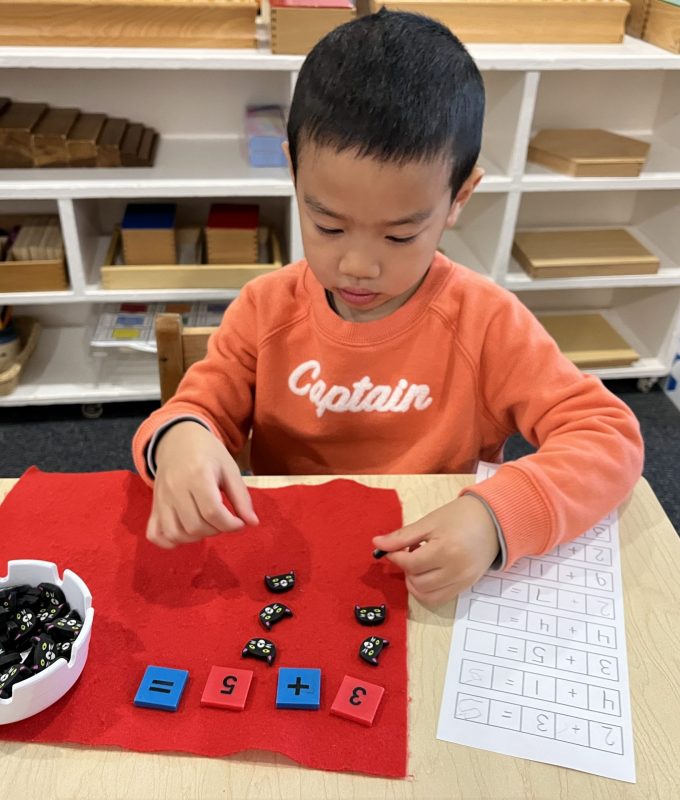
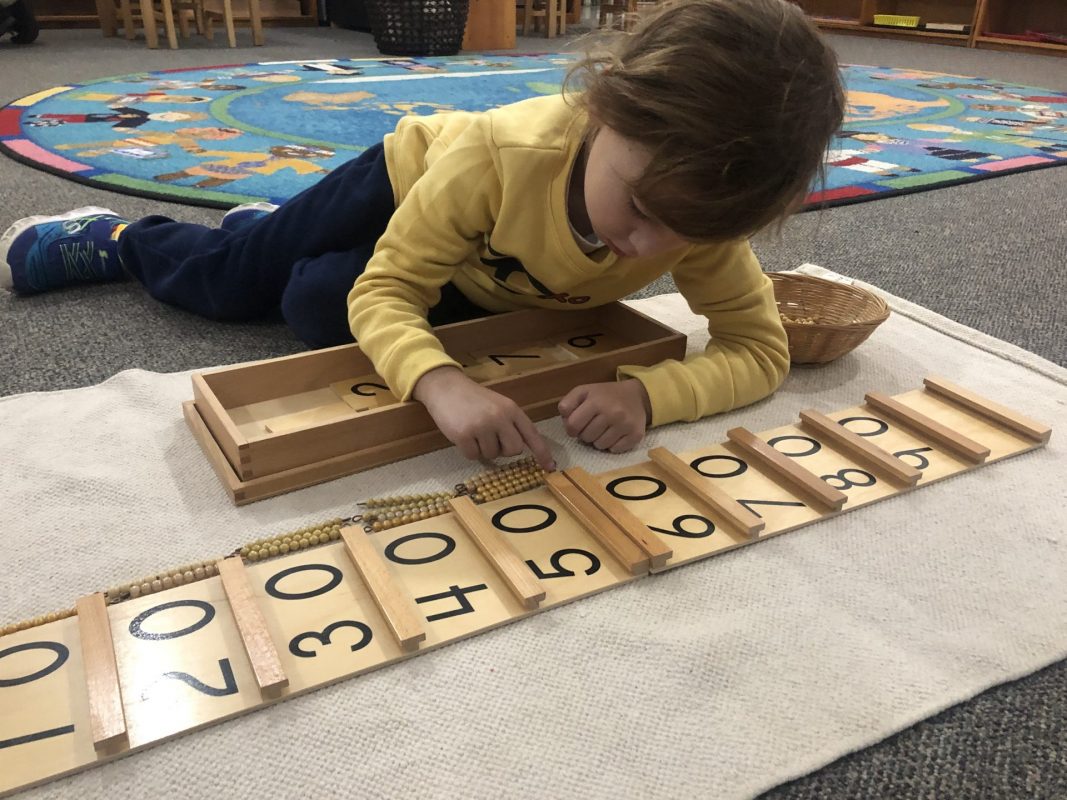
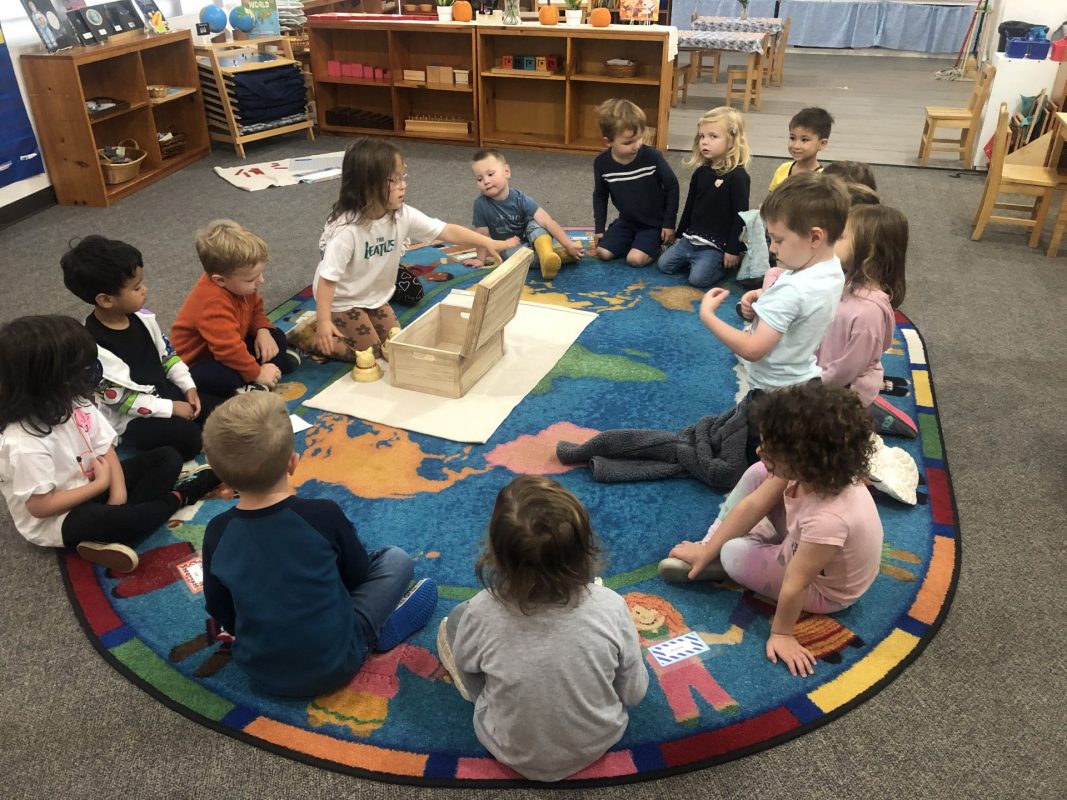
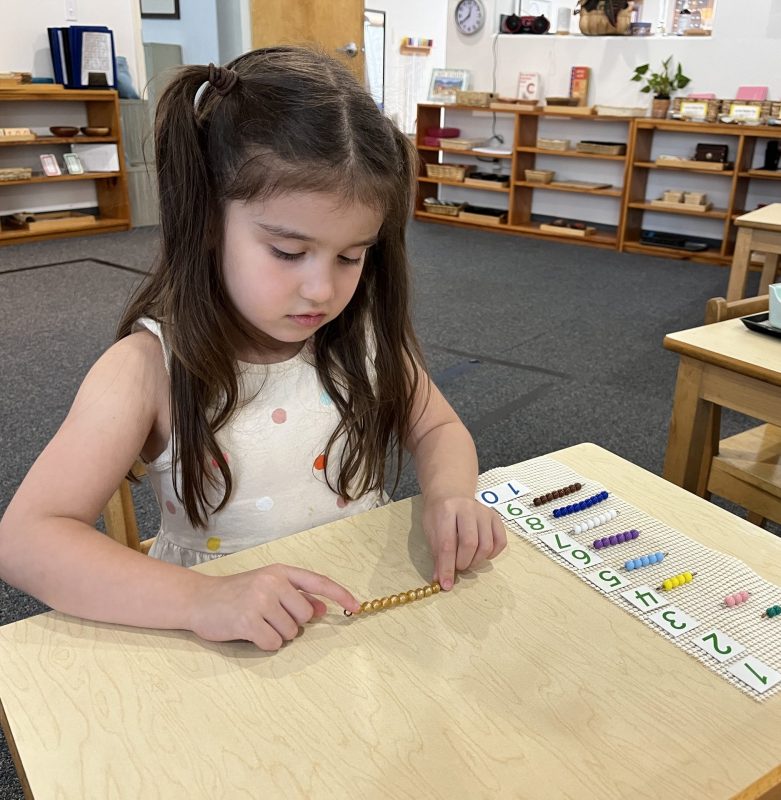
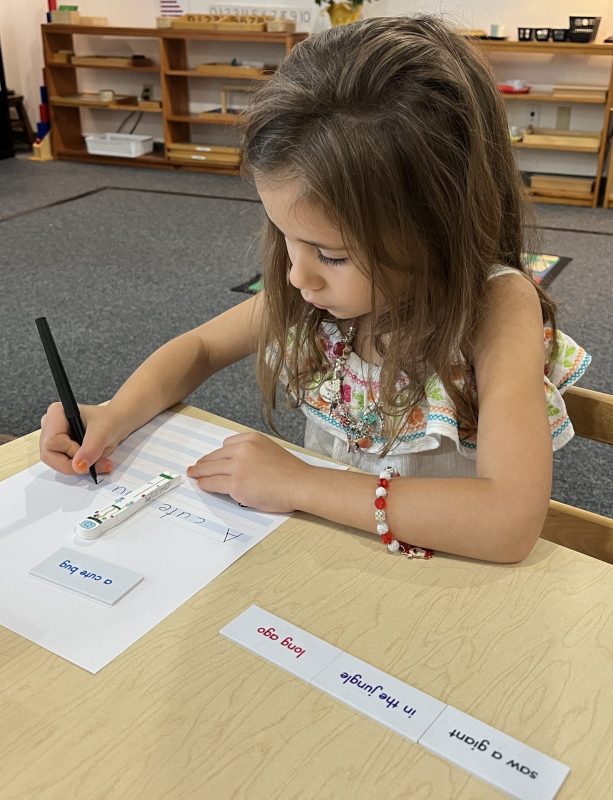
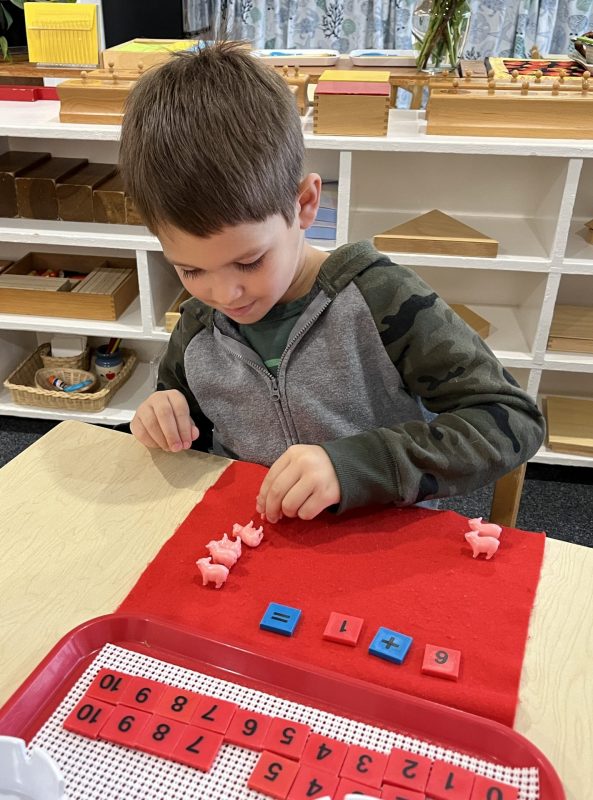
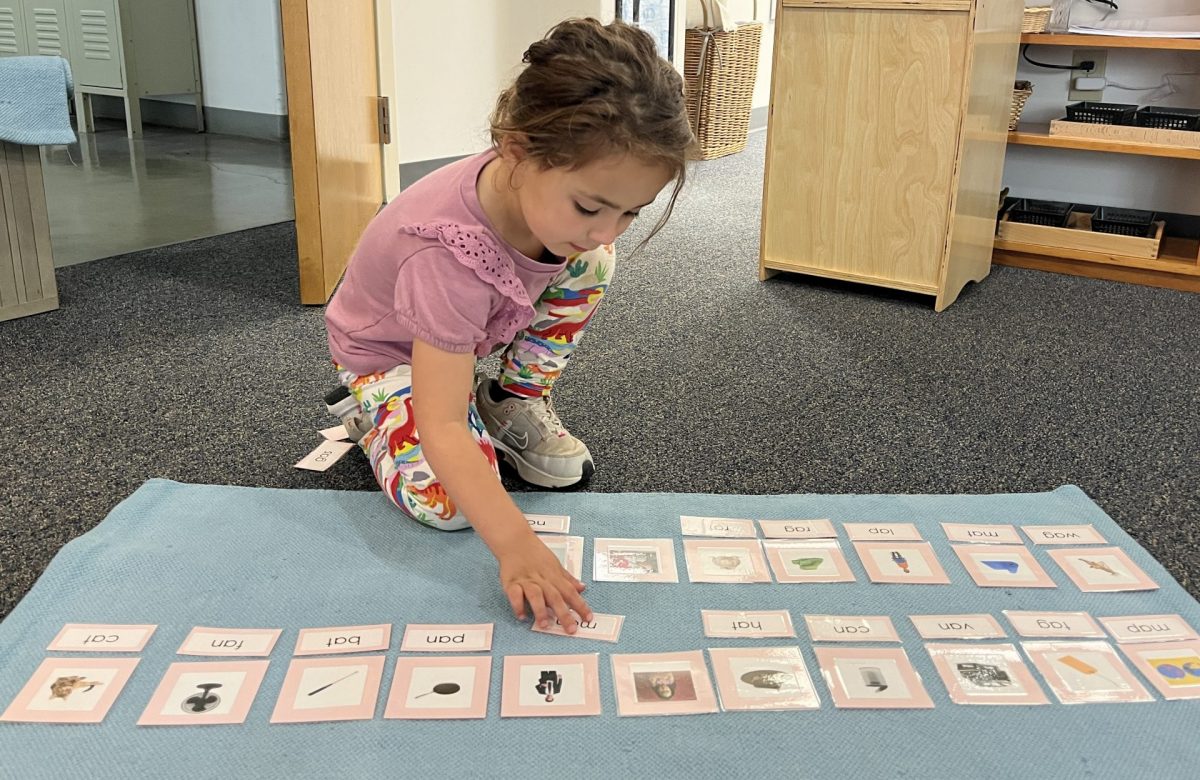
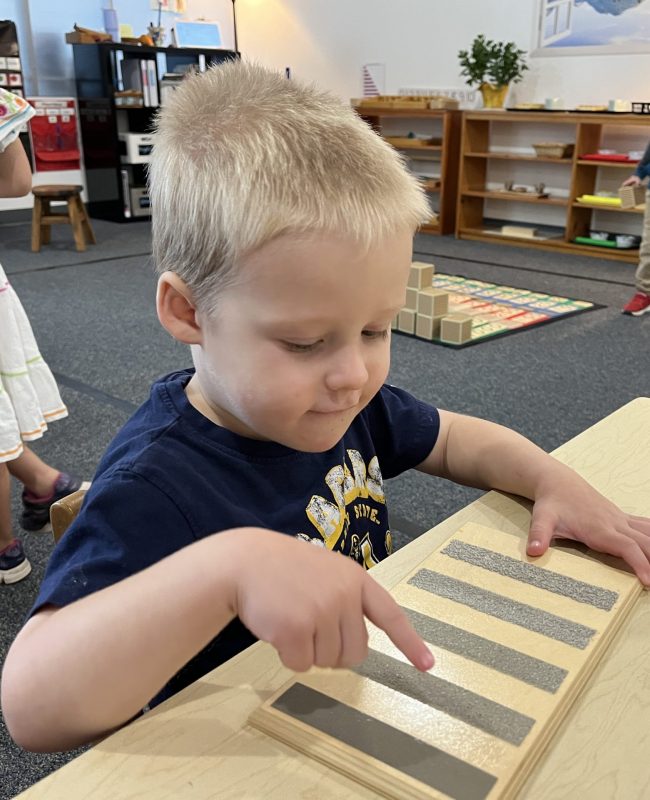
When we introduce new concepts or materials to the children, we often do so using a three-period lesson. This is an important tenet of Montessori education and it helps to move the child from basic understanding of a concept to mastery.

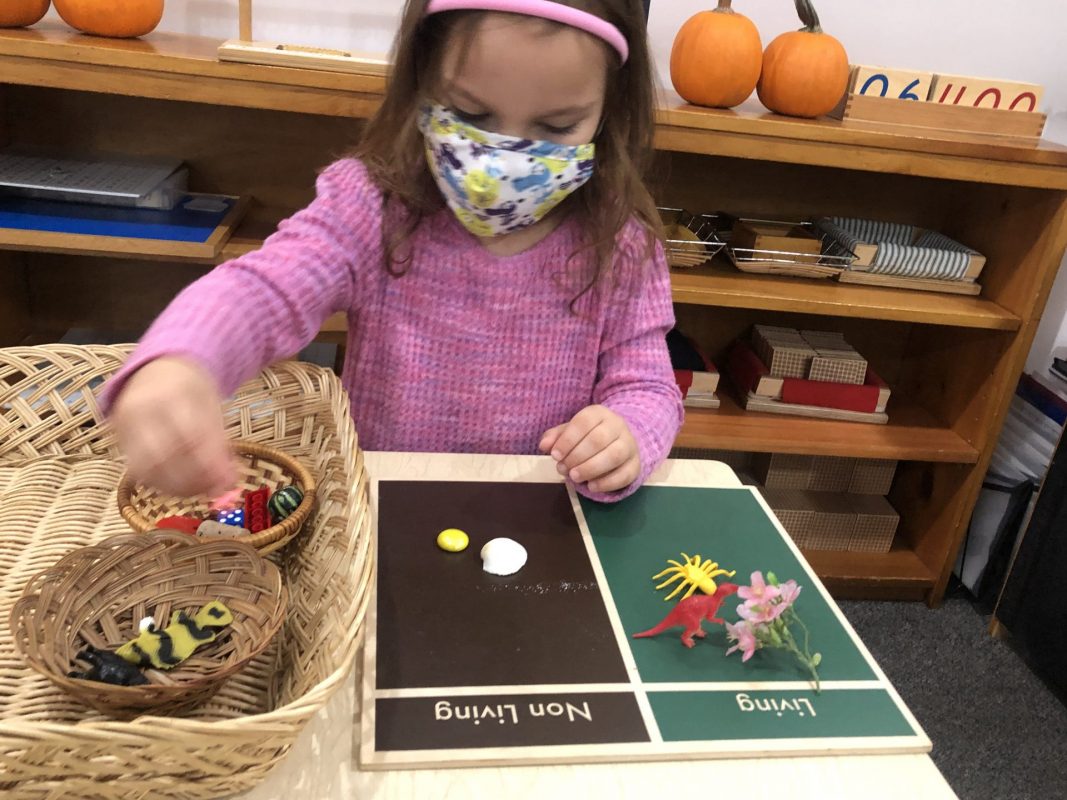
Period One is the introduction stage. In this stage we are isolating new vocabulary to the children. For example, if we are introducing the color tablets, we say, “This is blue.”  Repeating that statement and allowing the child to manipulate the blue color tablet are crucial during this stage.

Period Two is all about association and recognition. It is often a separate lesson. We do not ask the children to remember the vocabulary or recall the concept.  We are simply reinforcing the concept taught in Period One. We use words such as “Show me the blue tablet,” or “Can you place the blue tablet on your lap?”

Period Three is the recall stage and the first time we ask the child to remember the concept independently. We ask them, “What is this?” when showing them the blue color tablet. We are careful not to begin Period Three until we know they are ready for success.

Every time a child masters a new concept it builds the foundation for the next lesson or concept to be taught.

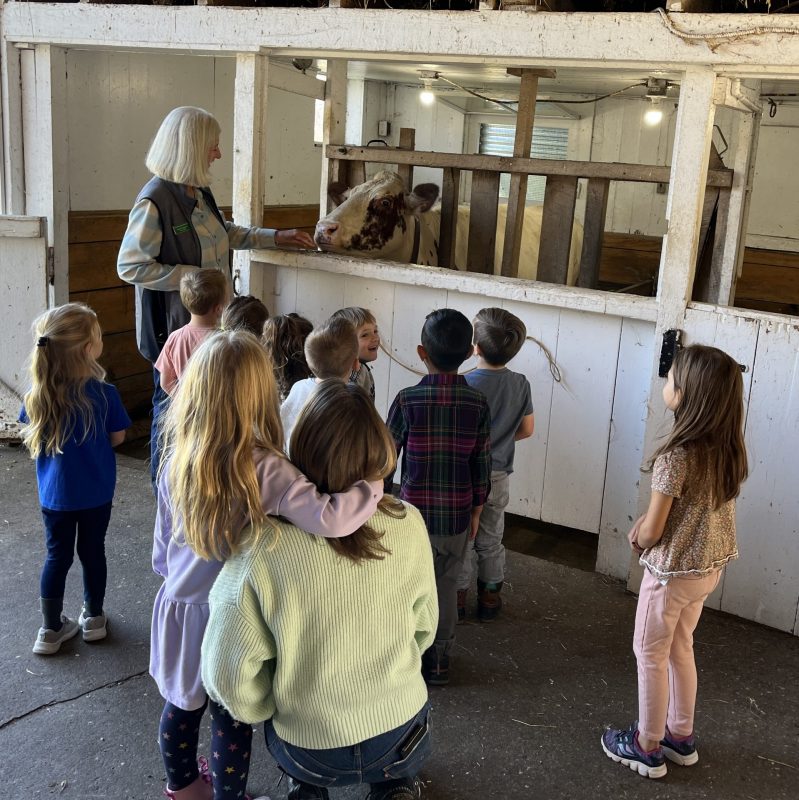
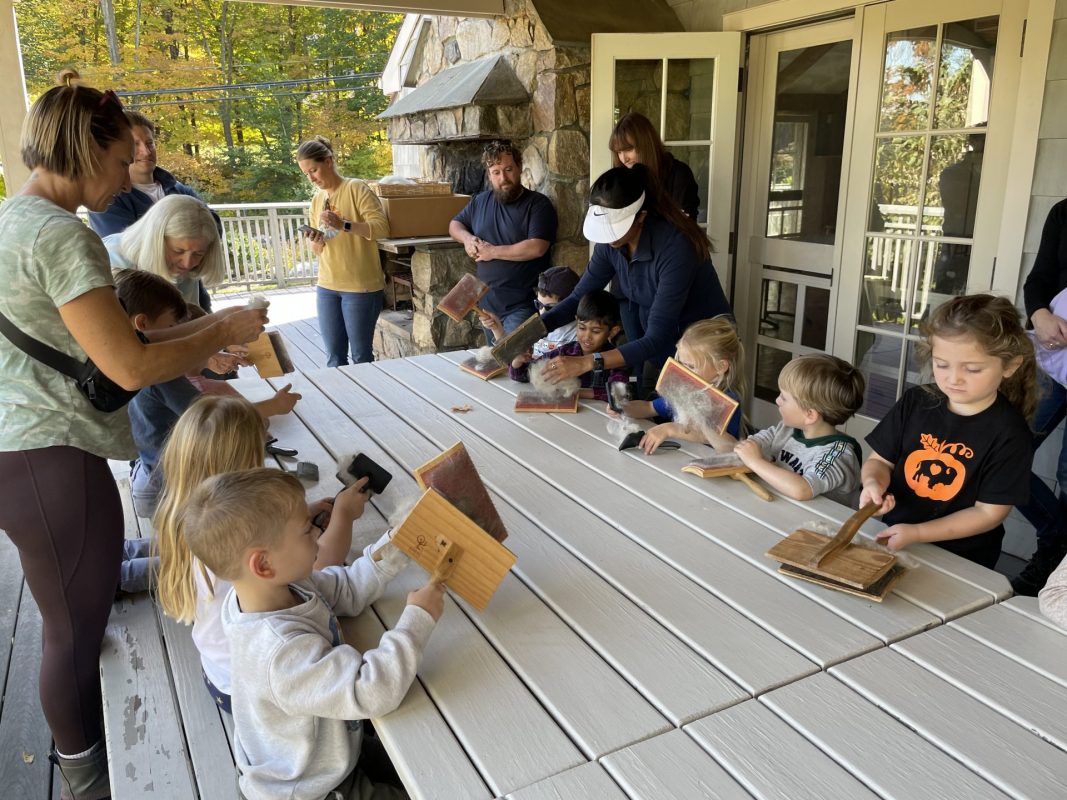
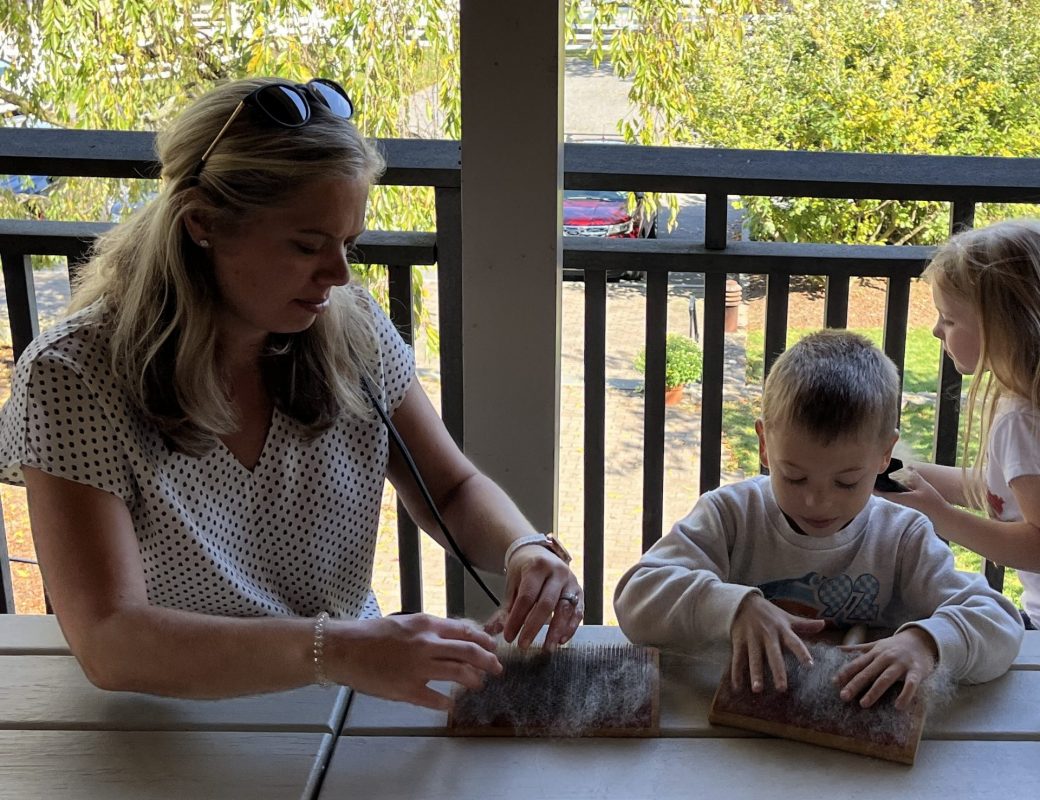
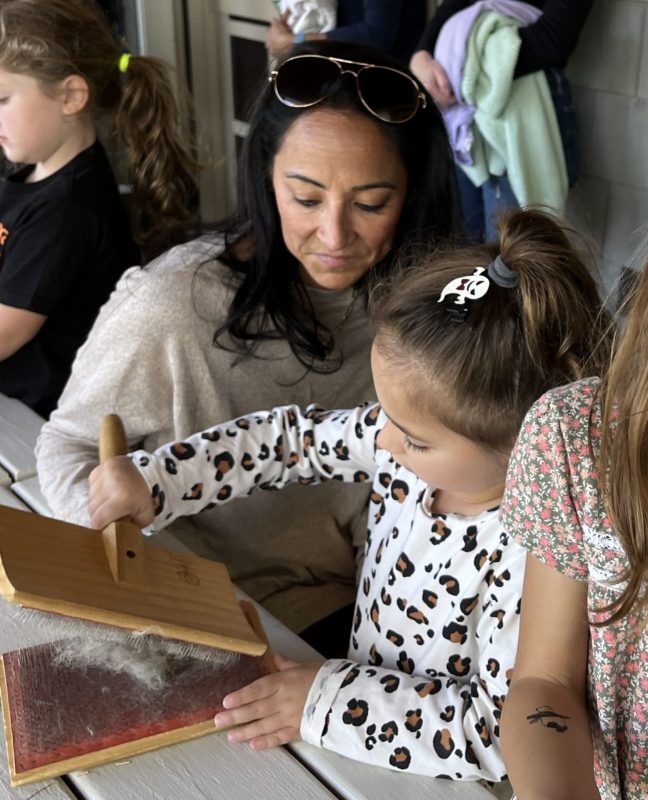
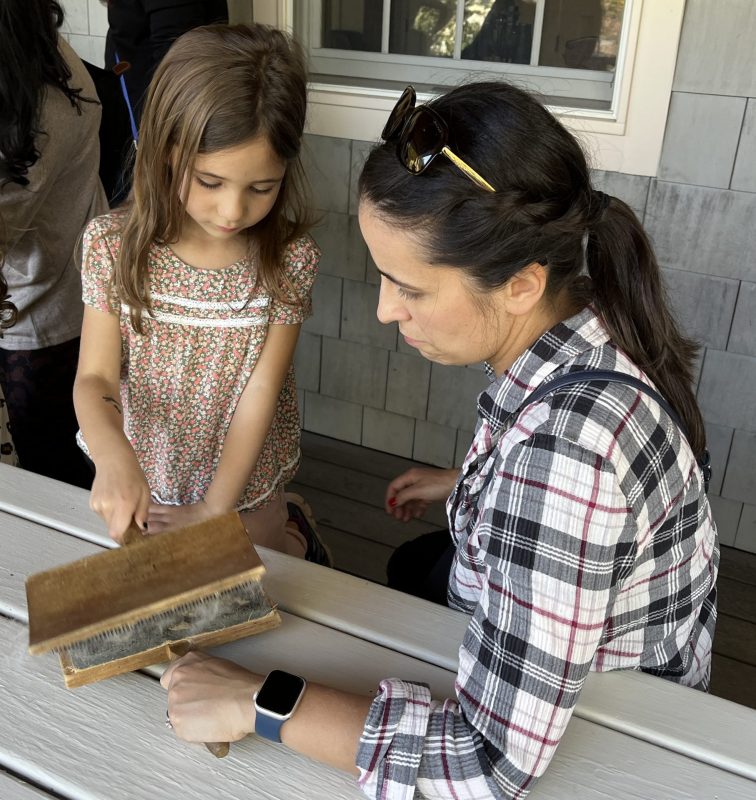
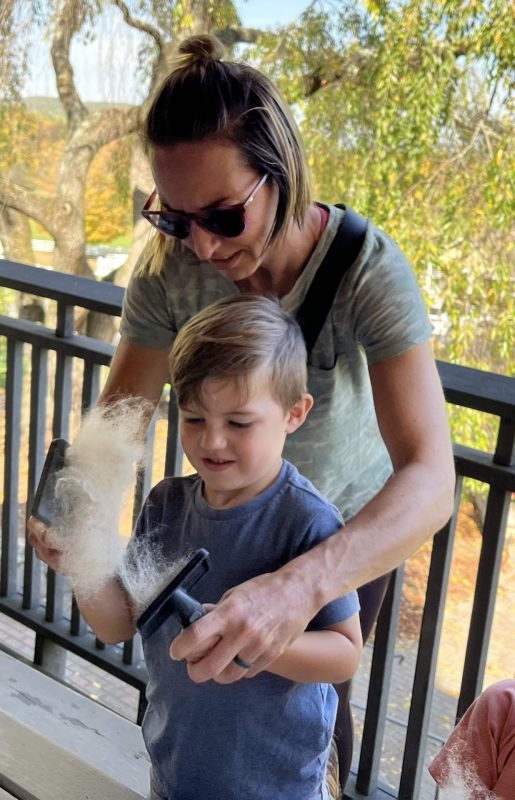
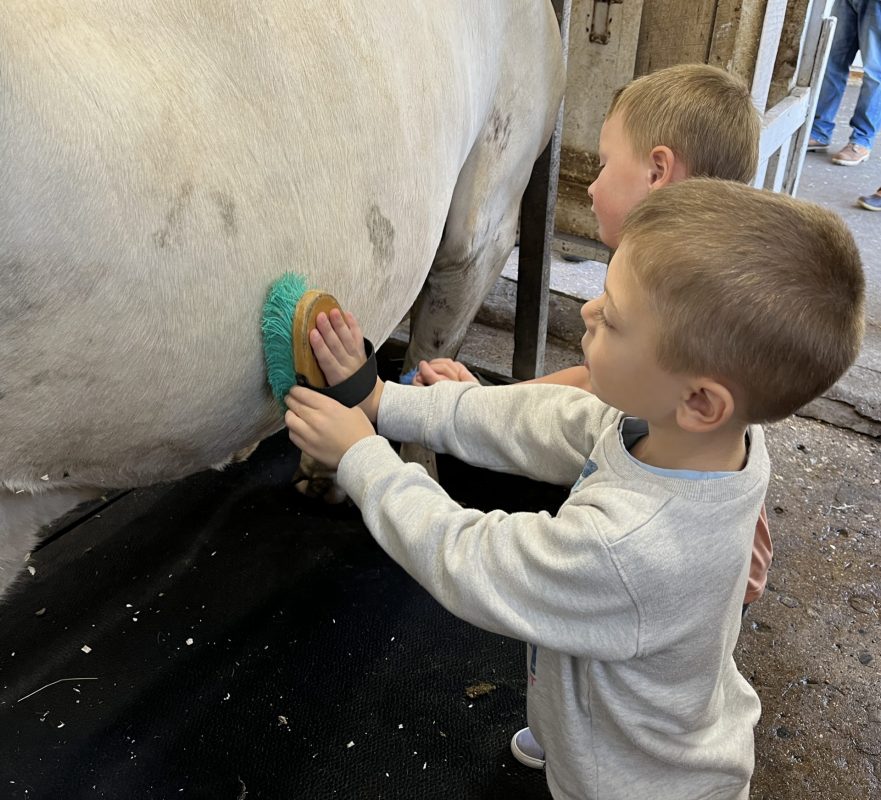
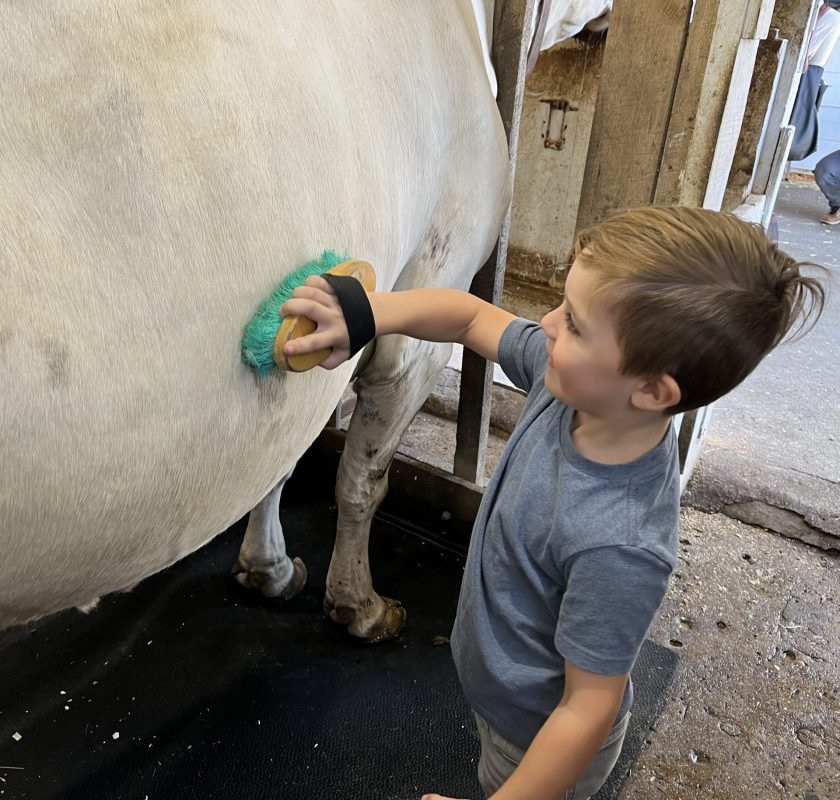
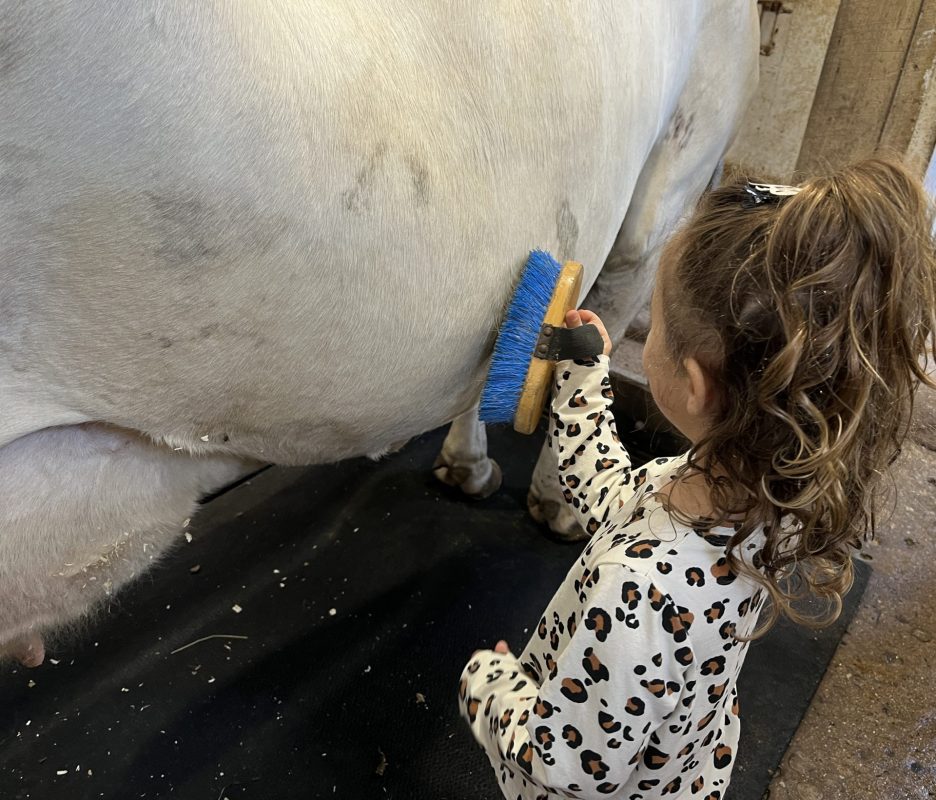
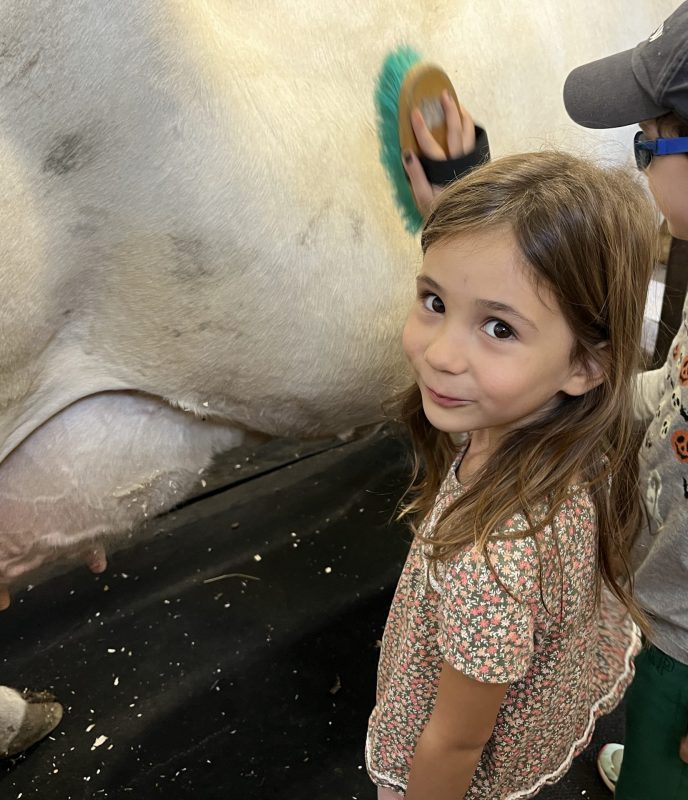
On Wednesday, the Kindergarten children had the opportunity to visit New Pond Farm in Redding.  We had a wonderful time walking around and learning about the different animals that live on the farm. We met ‘Sugar’ the cow and her newborn calf, chickens and sheep.  The highlight of our field trip was when the children used previously shorn fleece, washed and combed it and then made a bracelet to keep.

Wishing you a week filled with peace and love!

Amanda & Hema


Mrs. Semmah: The Three Period Lesson

When we introduce new concepts or materials to the children, we often do so using a three-period lesson. This is an important tenet of Montessori education and it helps to move the child from basic understanding of a concept to mastery.

Period One is the introduction stage. In this stage we are isolating new vocabulary to the children. For example, if we are introducing the color tablets, we say, “This is blue.”  Repeating that statement and allowing the child to manipulate the blue color tablet are crucial during this stage.

Period Two is all about association and recognition. It is often a separate lesson. We do not ask the children to remember the vocabulary or recall the concept.  We are simply reinforcing the concept taught in Period One. We use words such as “Show me the blue tablet,” or “Can you place the blue tablet on your lap?”

Period Three is the recall stage and the first time we ask the child to remember the concept independently. We ask them, “What is this?” when showing them the blue color tablet. We are careful not to begin Period Three until we know they are ready for success.

Every time a child masters a new concept it builds the foundation for the next lesson or concept to be taught.

Wishing you a week filled with peace and love!

Kaoutar & Michelle


Mrs. Doyle: The Three Period Lesson


When we introduce new concepts or materials to the children, we often do so using a three-period lesson. This is an important tenet of Montessori education and it helps to move the child from basic understanding of a concept to mastery.

Period One is the introduction stage. In this stage we are isolating new vocabulary to the children. For example, if we are introducing the color tablets, we say, “This is blue.”  Repeating that statement and allowing the child to manipulate the blue color tablet are crucial during this stage.

Period Two is all about association and recognition. It is often a separate lesson. We do not ask the children to remember the vocabulary or recall the concept.  We are simply reinforcing the concept taught in Period One. We use words such as “Show me the blue tablet,” or “Can you place the blue tablet on your lap?”

Period Three is the recall stage and the first time we ask the child to remember the concept independently. We ask them, “What is this?” when showing them the blue color tablet. We are careful not to begin Period Three until we know they are ready for success.

Every time a child masters a new concept it builds the foundation for the next lesson or concept to be taught.

On Wednesday, the Kindergarten children had the opportunity to visit New Pond Farm in Redding.  We had a wonderful time walking around and learning about the different animals that live on the farm. We met Sugar the cow and her newborn calf, chickens and sheep.  The highlight of our field trip was when the children used previously shorn fleece, washed and combed it and then made a bracelet to keep.

Wishing you a week filled with peace and love!

Michelle & Maria


October Family Connection & Free Virtual Parent Education Event

Dear Fraser Woods Families,

Please enjoy this month’s Family Connection, which explains the philosophy behind multi-age groupings, including an explanation of Maria Montessori’s developmental model, The Planes of Development. You will also find information about practical life work at each of the developmental levels.

In addition to the Family Connection, we would like to invite you to attend a free virtual Parent Education event offered by the Montessori Schools of Connecticut (MSC). Here are the details:

  • Montessori at School & at Home
  • Thursday, October 27, 2022
  • 7:00pm

Please read the flyer: MSC Parent Education Event: Montessori at School & at Home.

Please join the Zoom meeting HERE.

Meeting ID: 823 9772 2187

Passcode: 619448


Upper El Adventurers

“When the child goes out, it is the world itself that offers itself to [them]. Let us take the child out to show [them] real things instead of making objects which represent ideas and closing them in cupboards.” -Maria Montessori

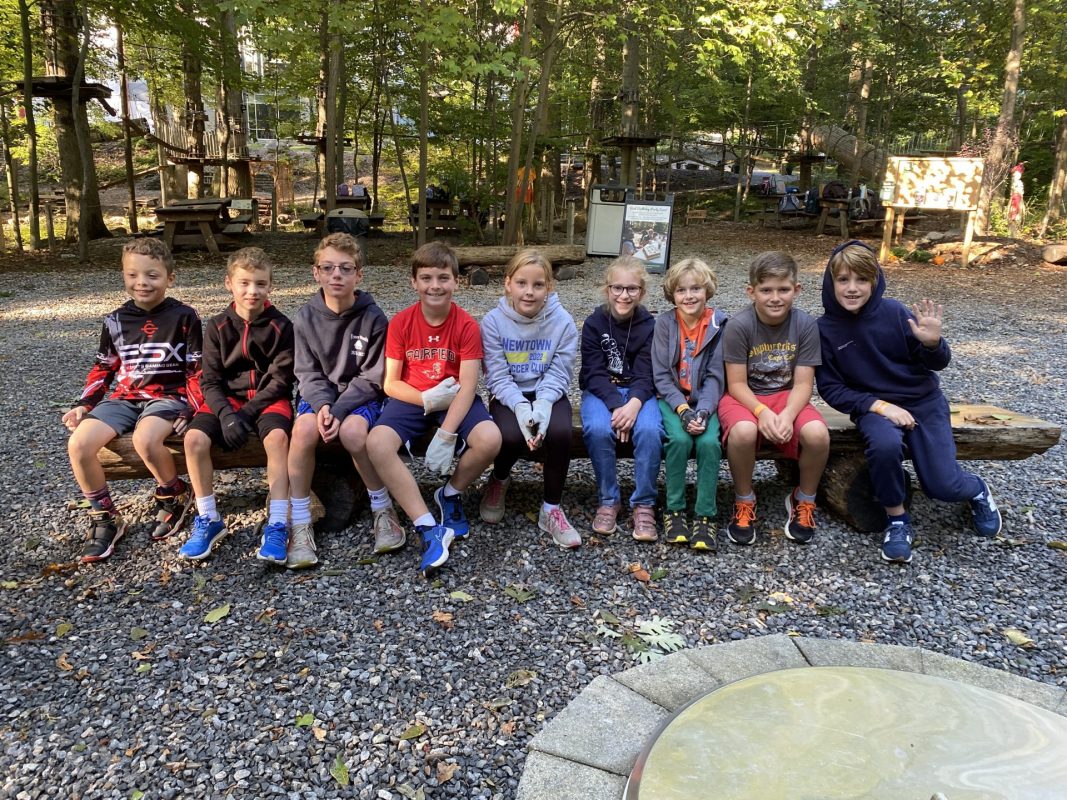
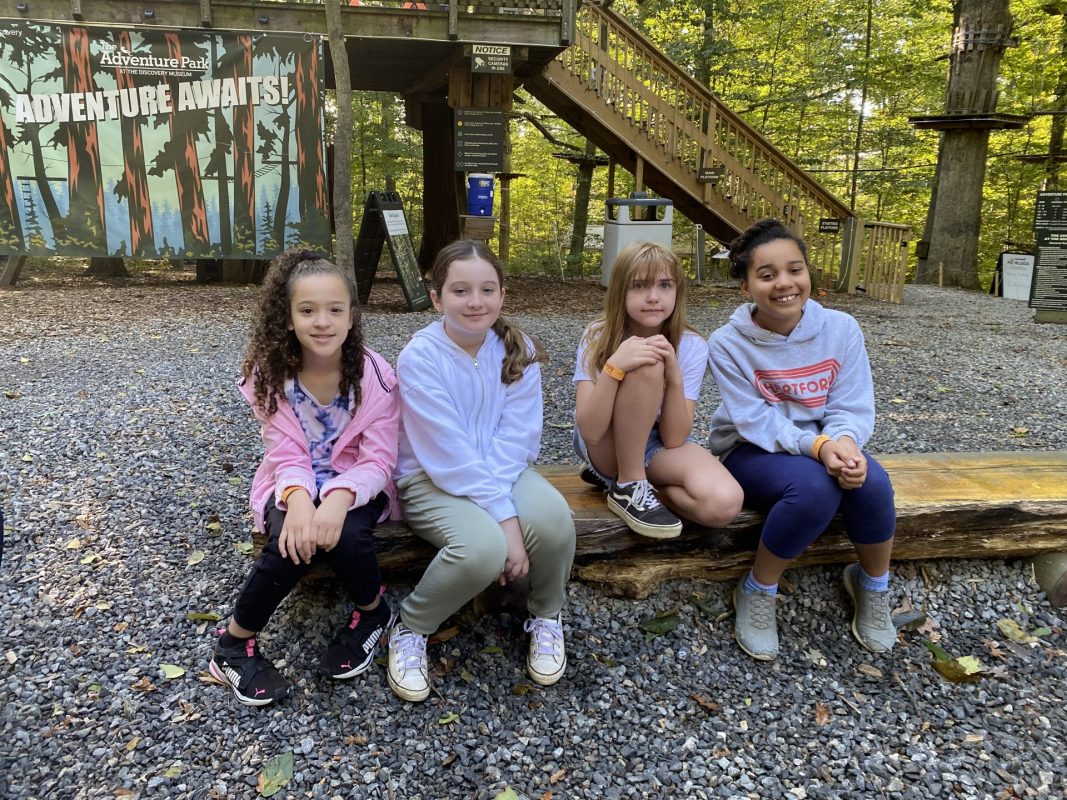
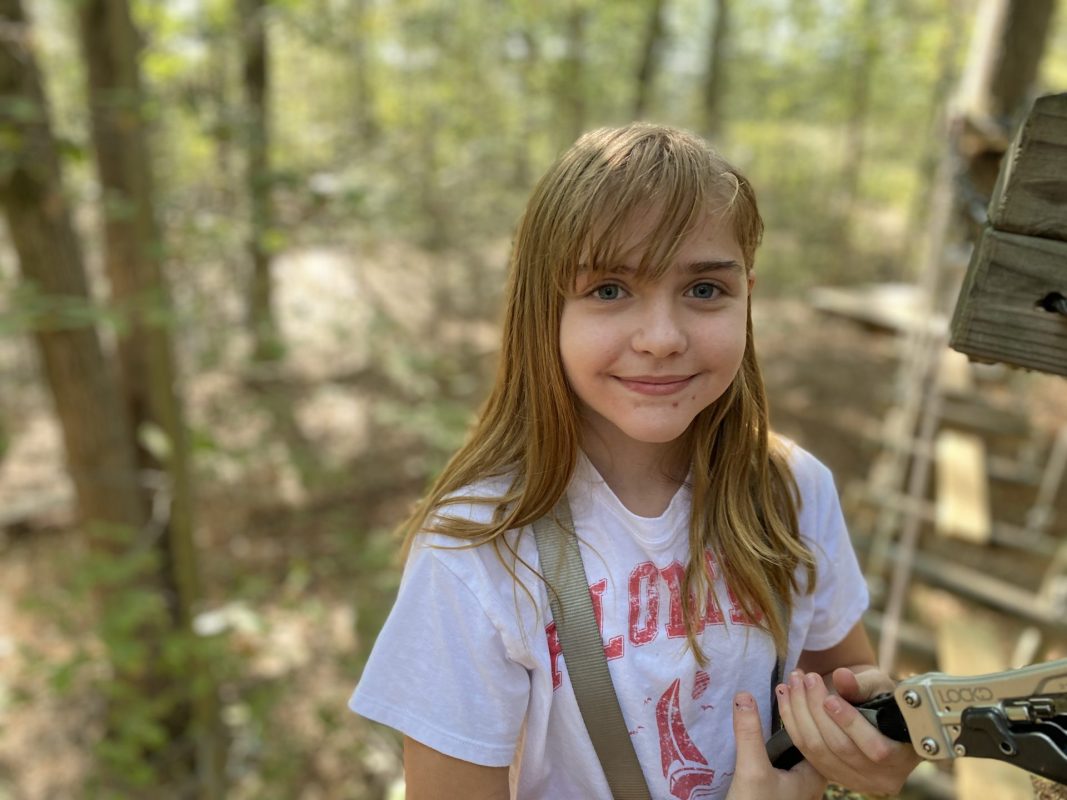
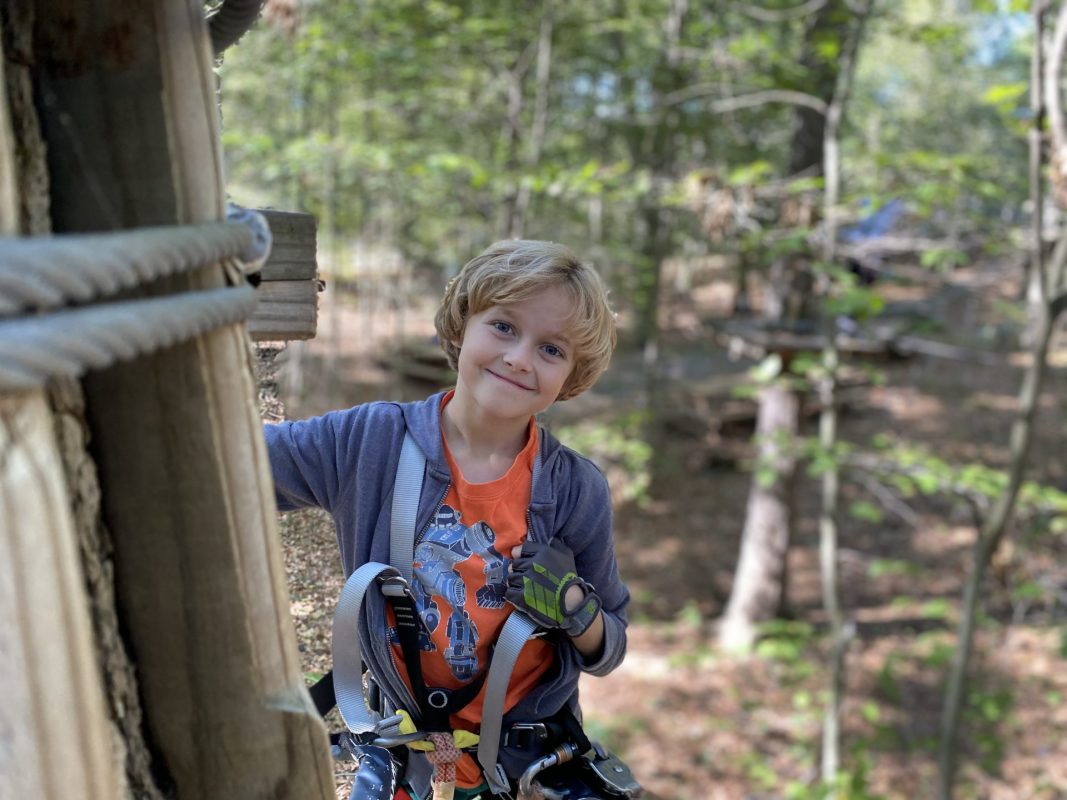
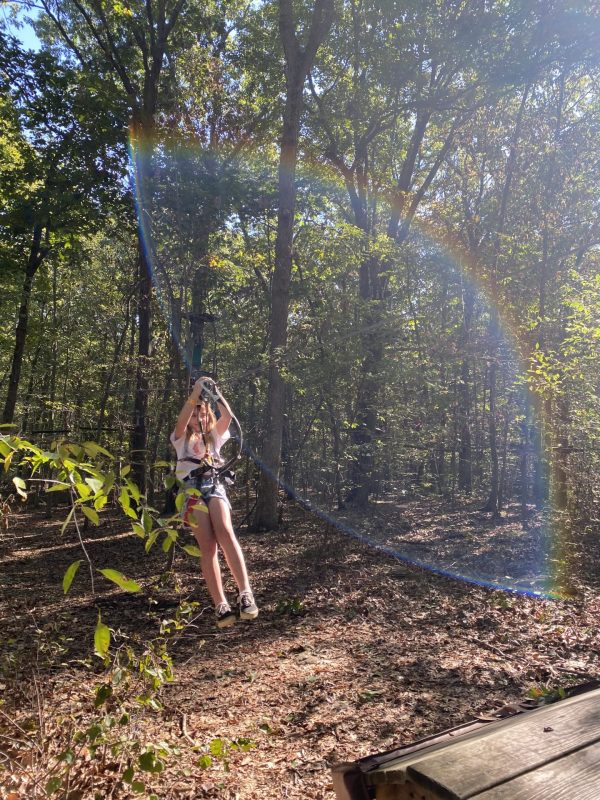
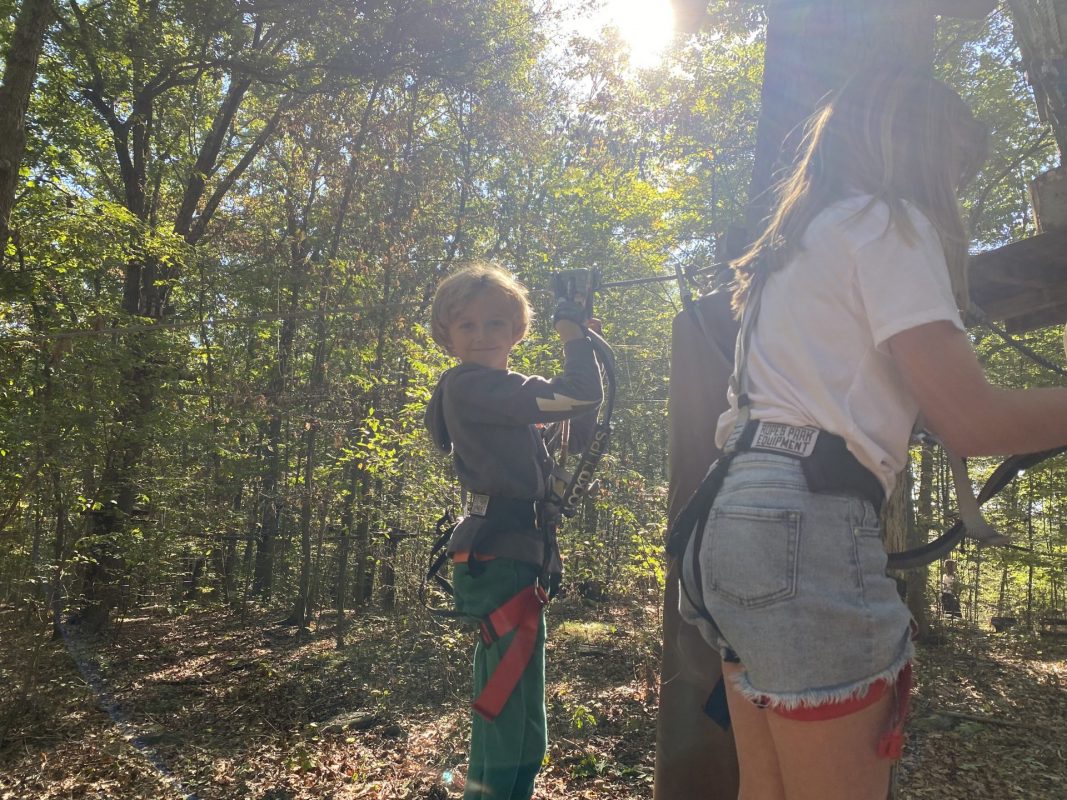
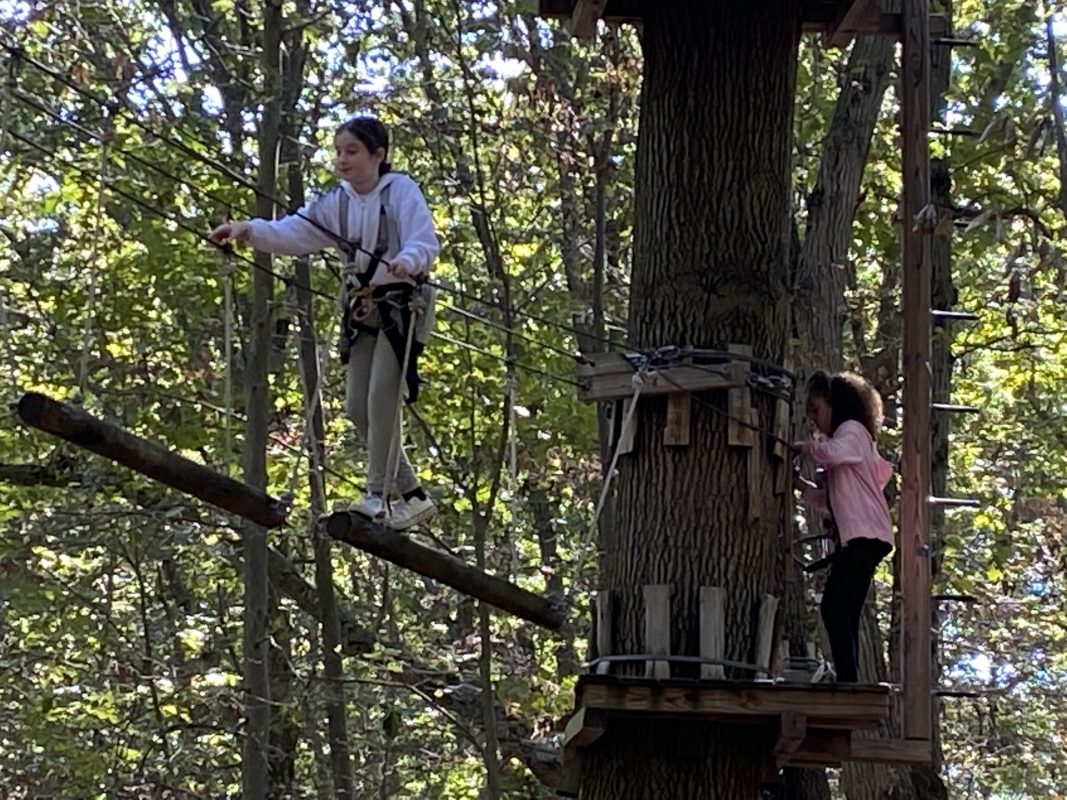
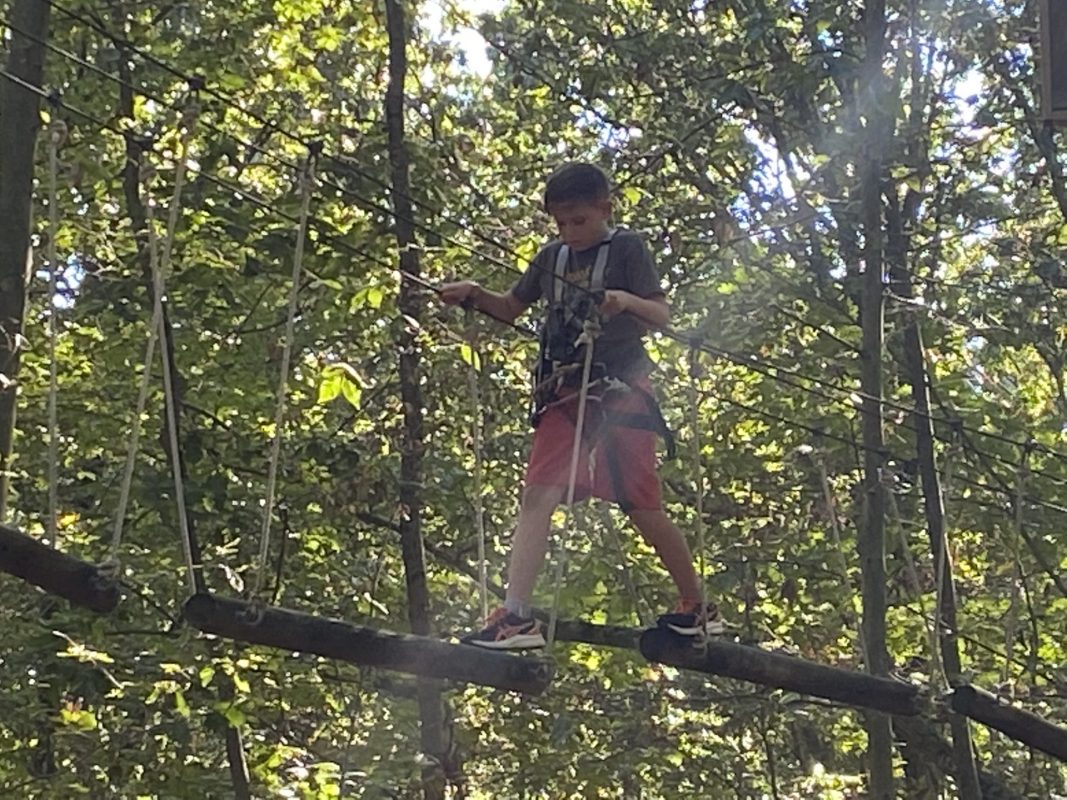
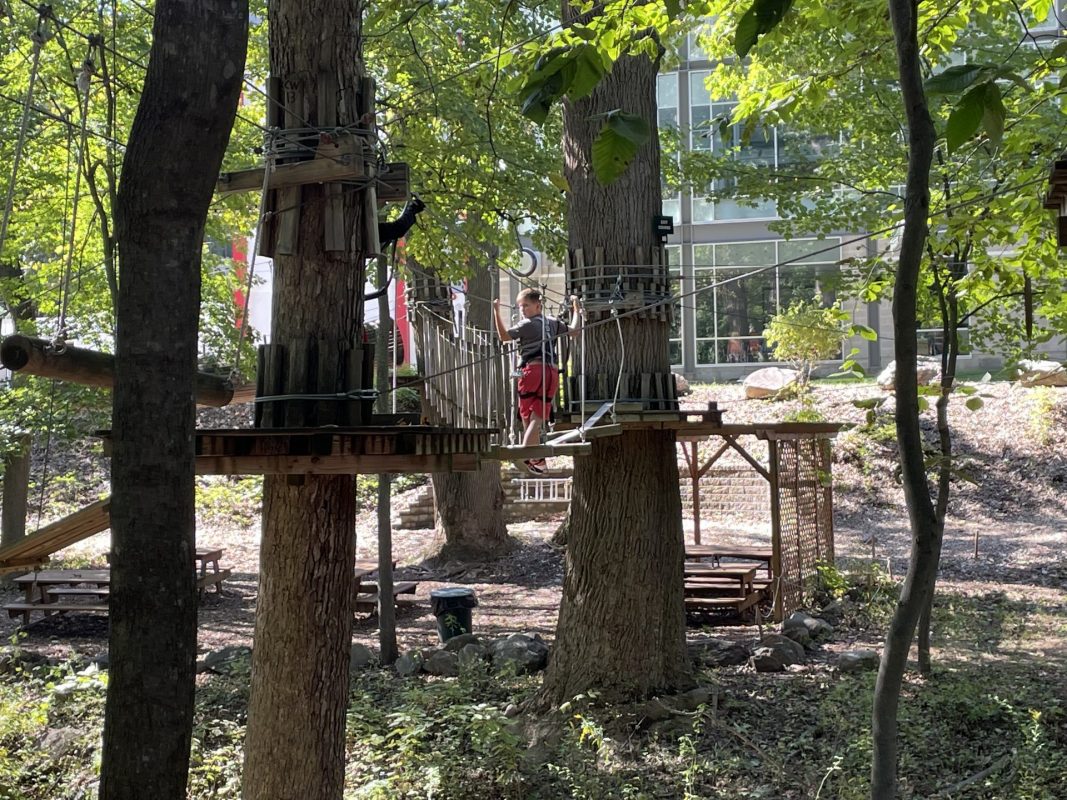
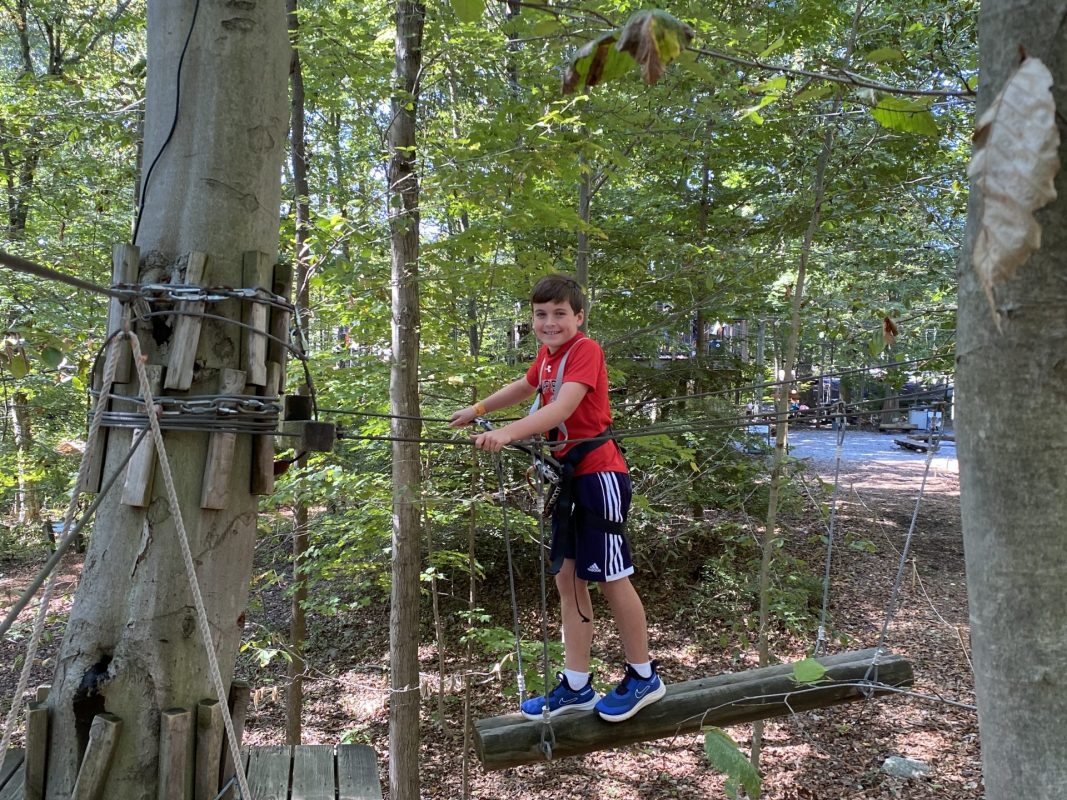
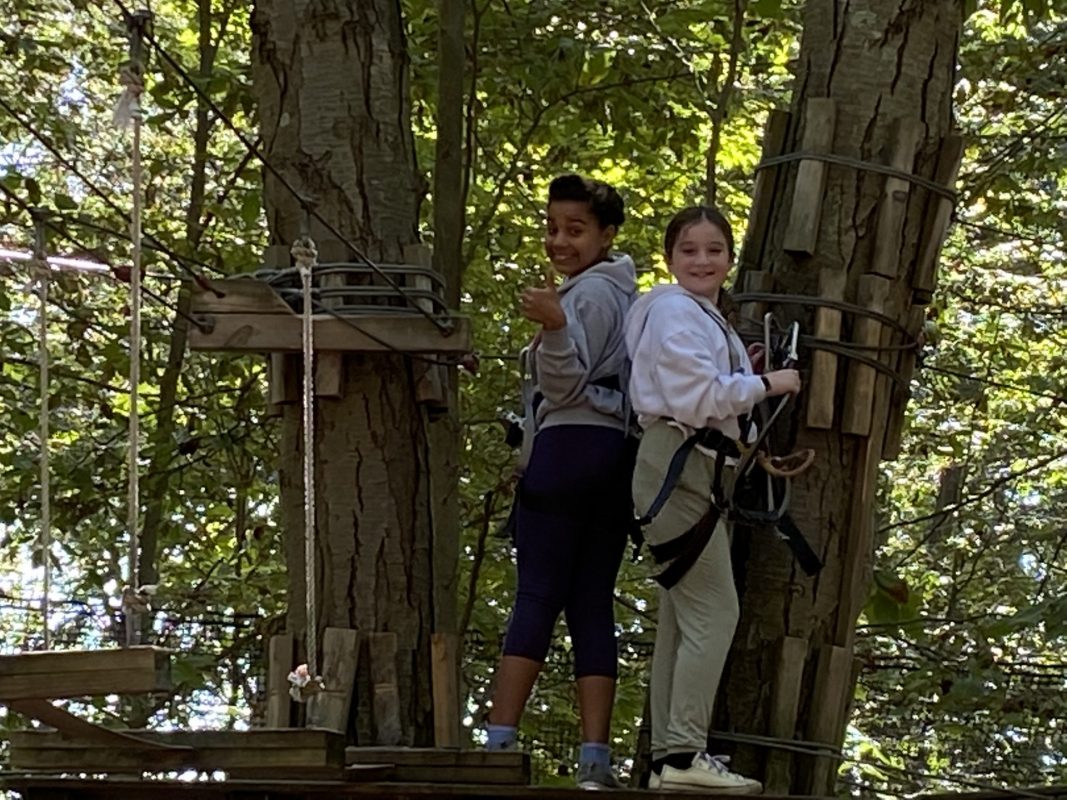
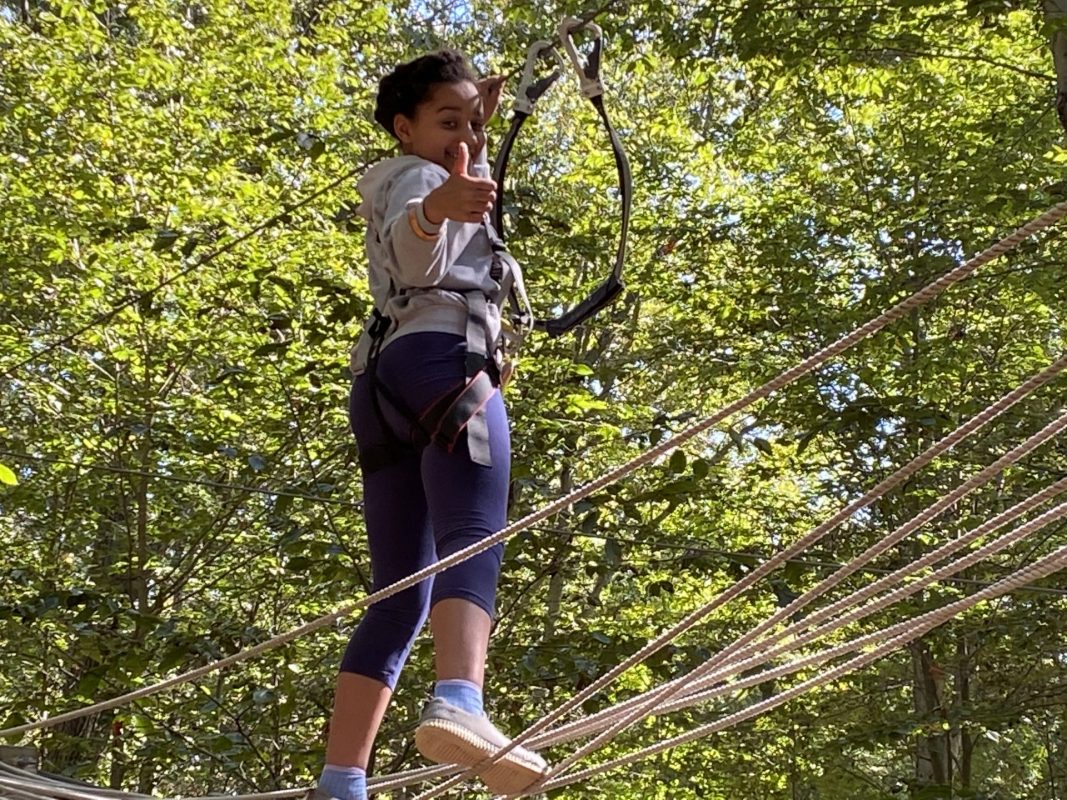
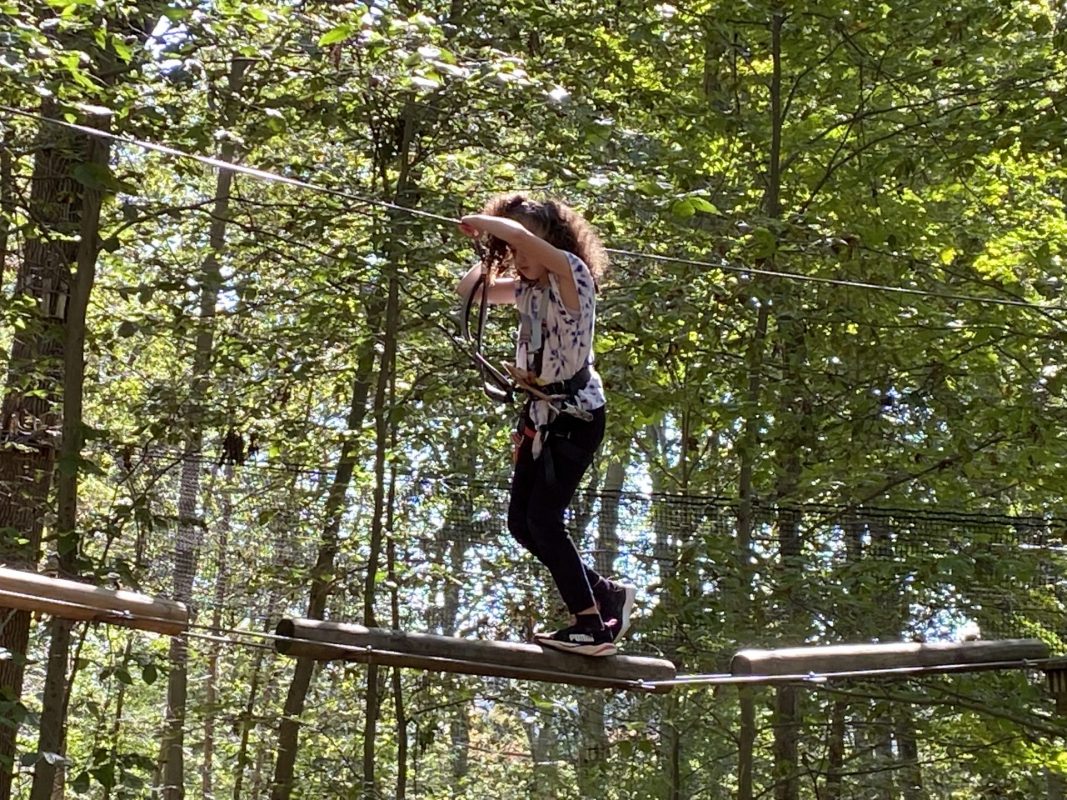
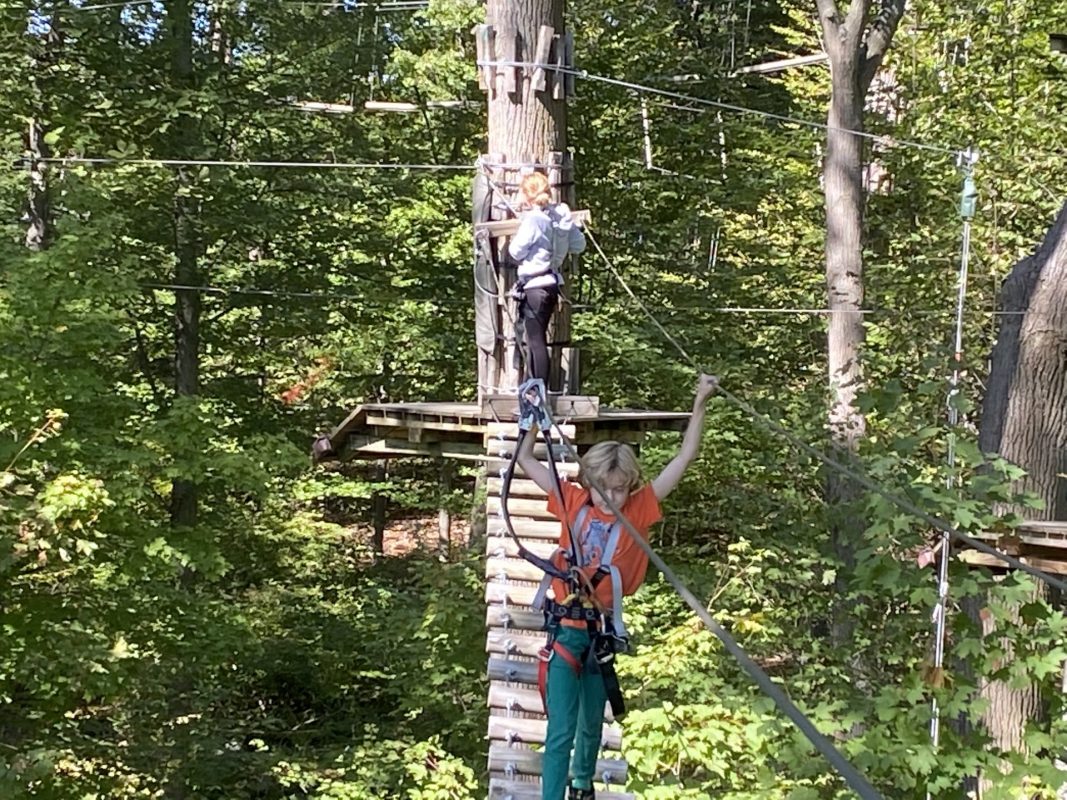
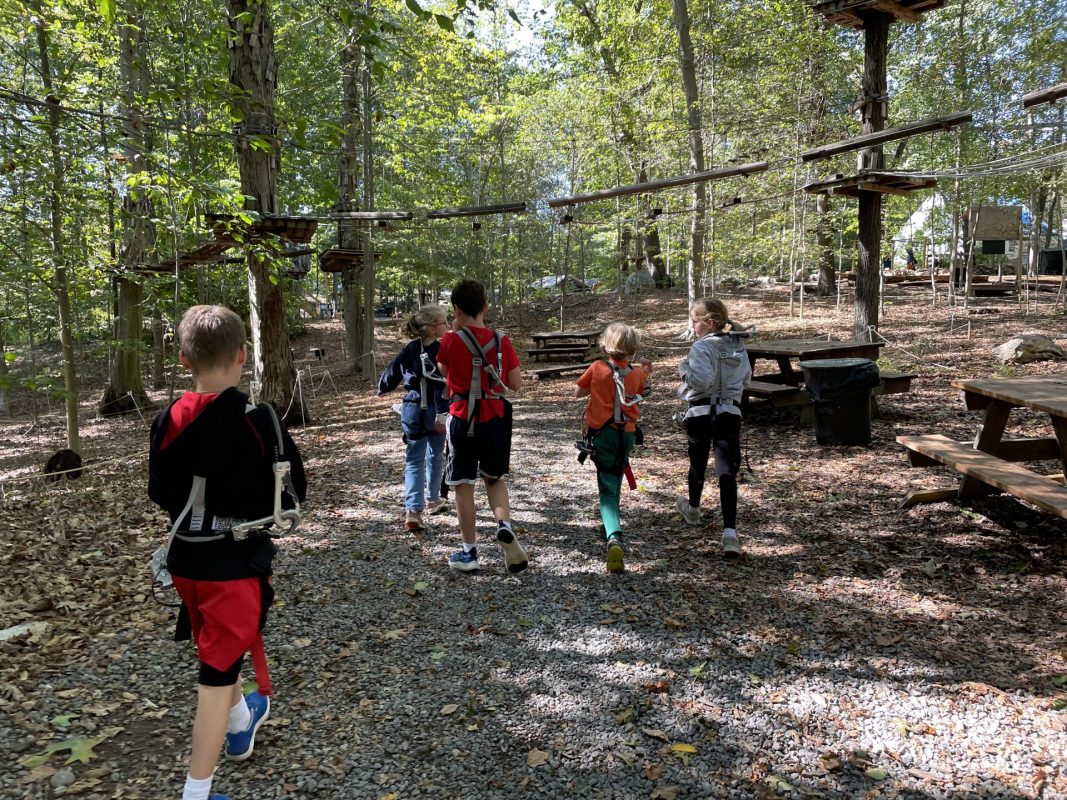
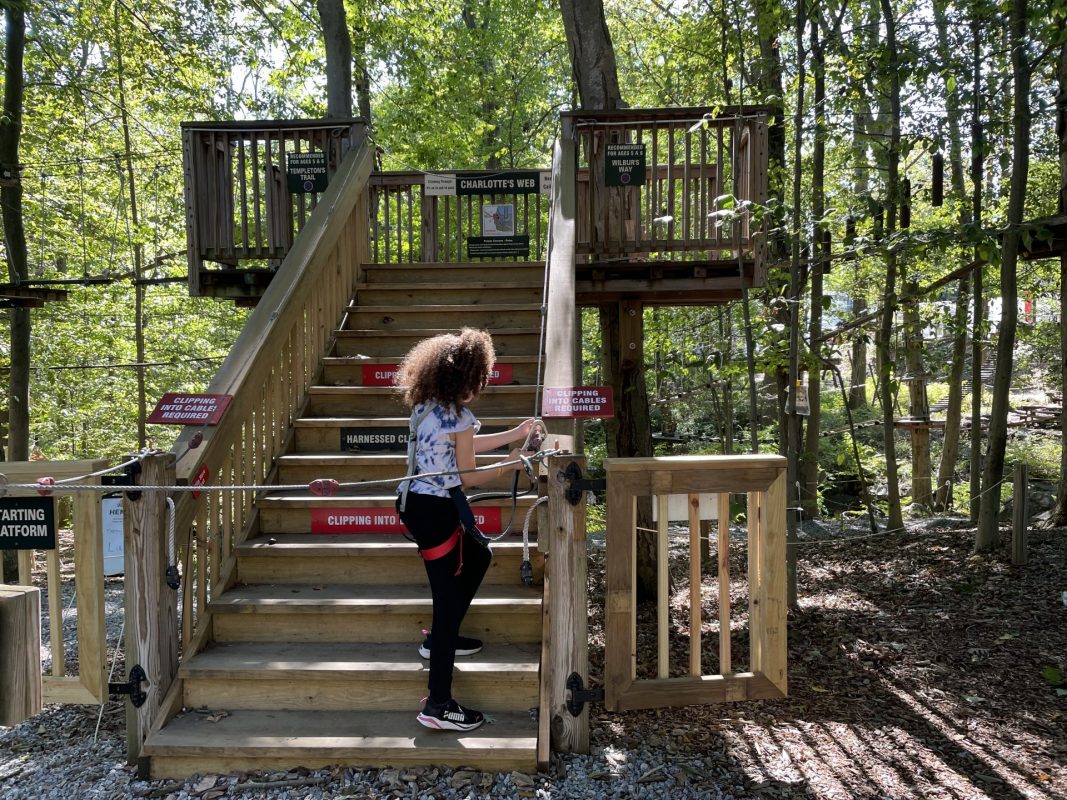
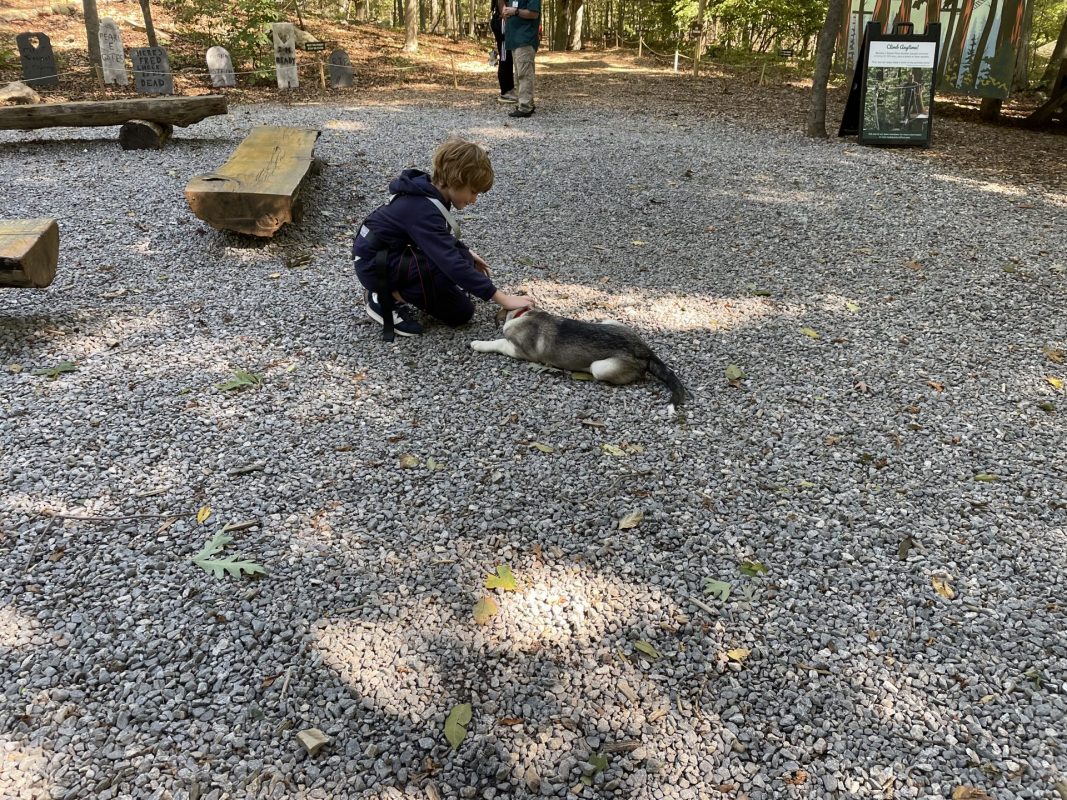
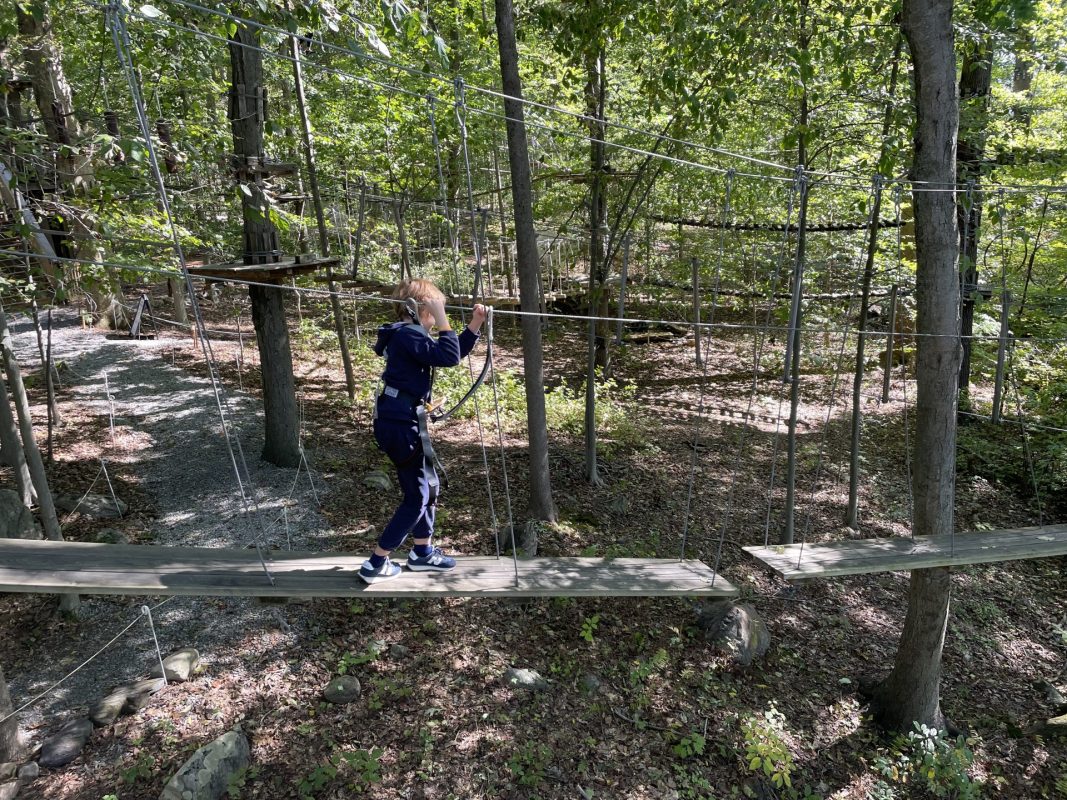
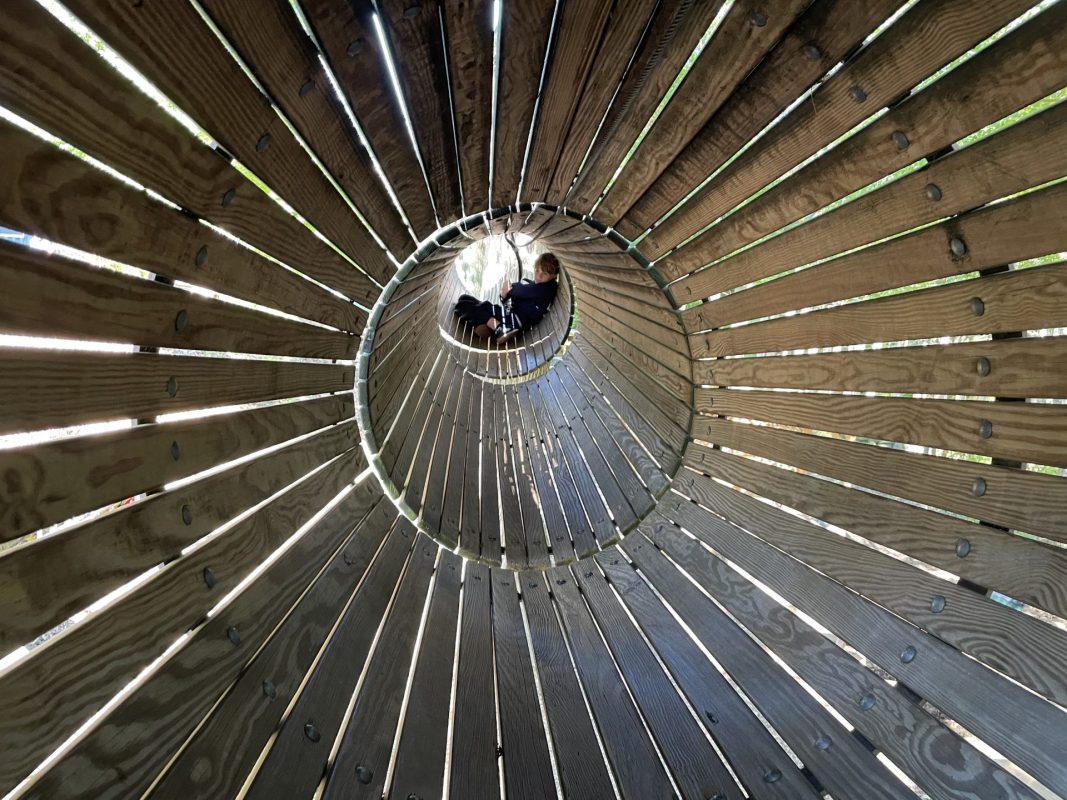
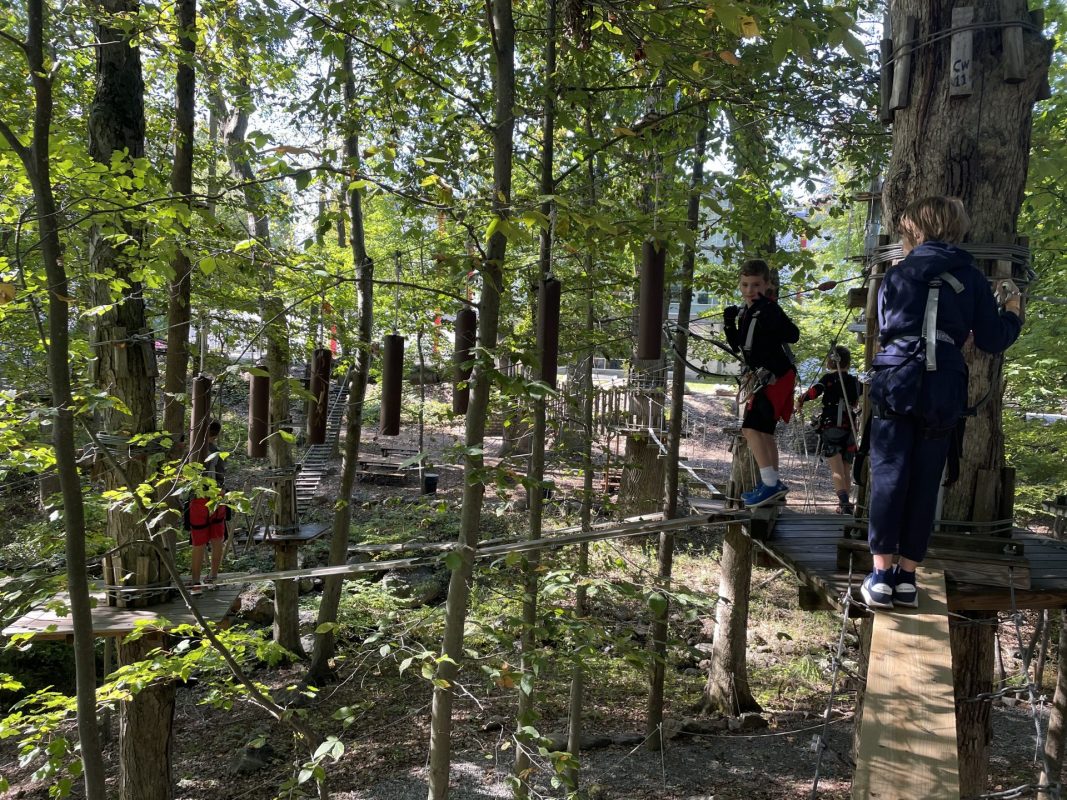
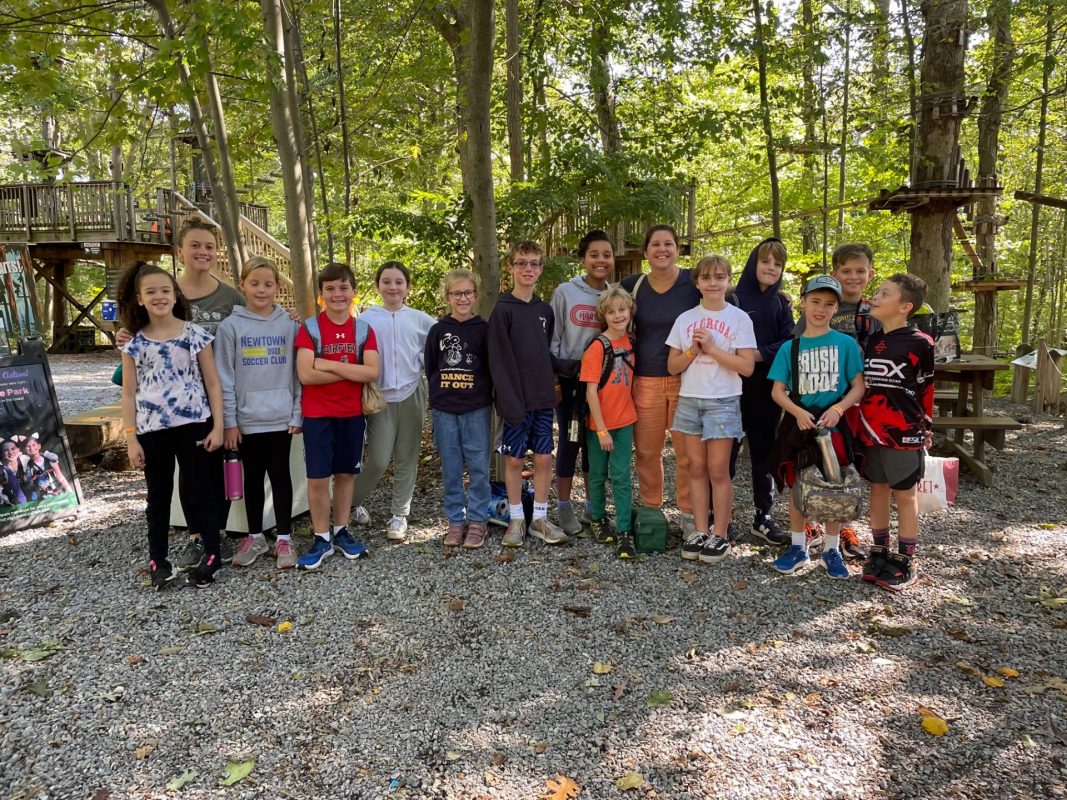
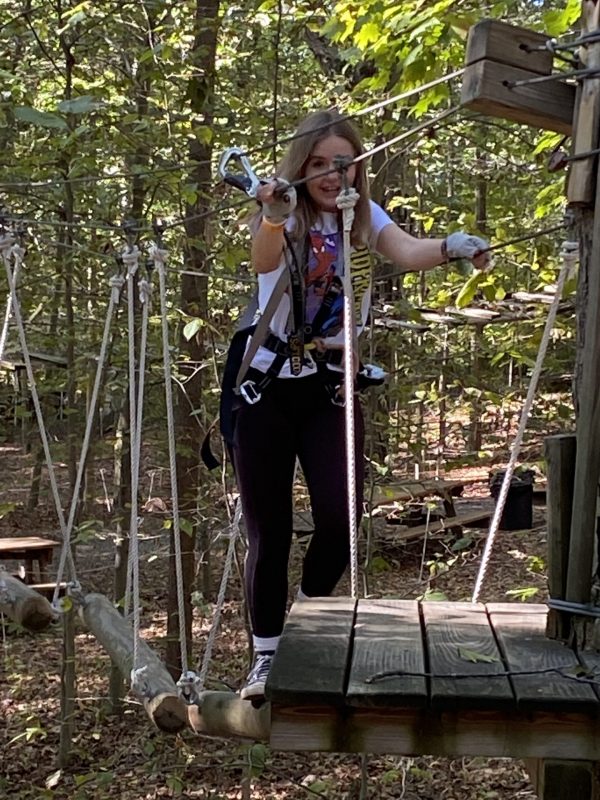
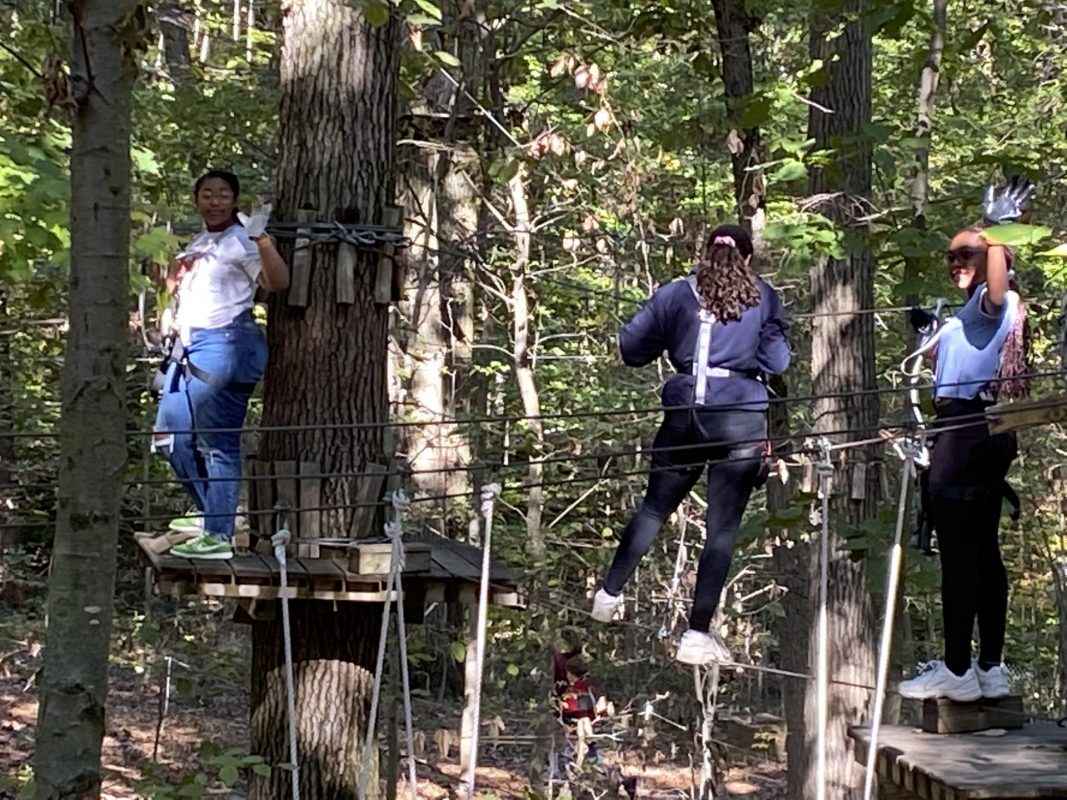
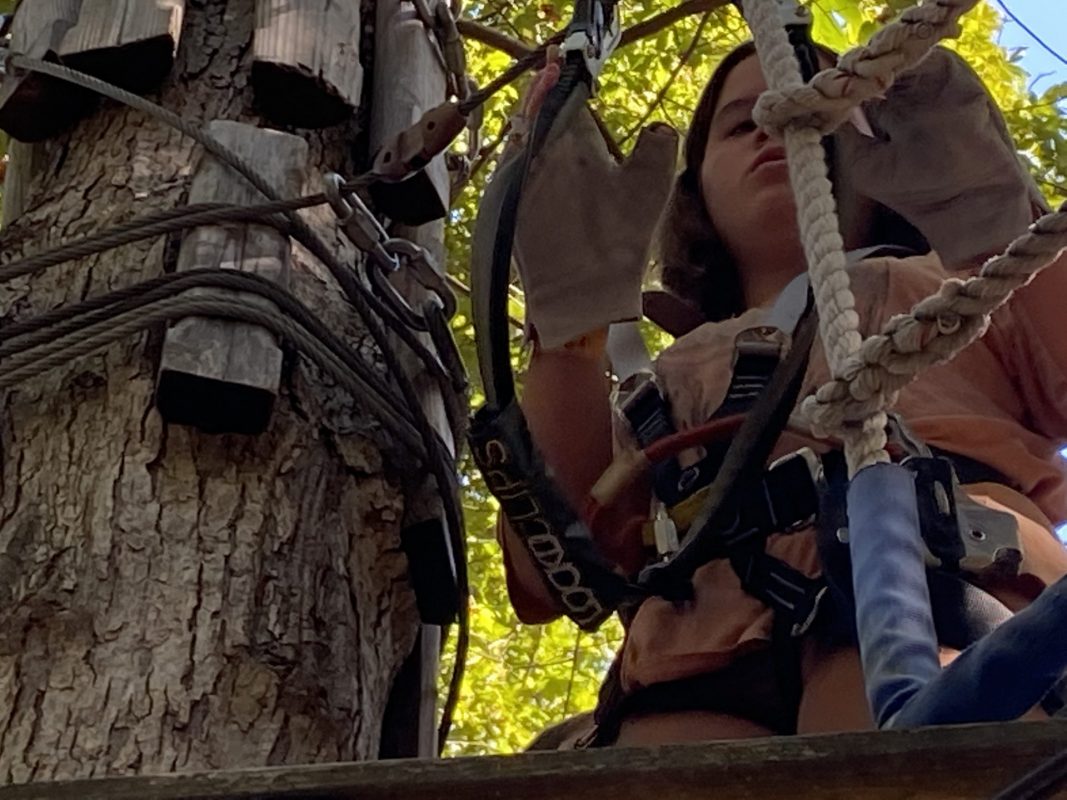
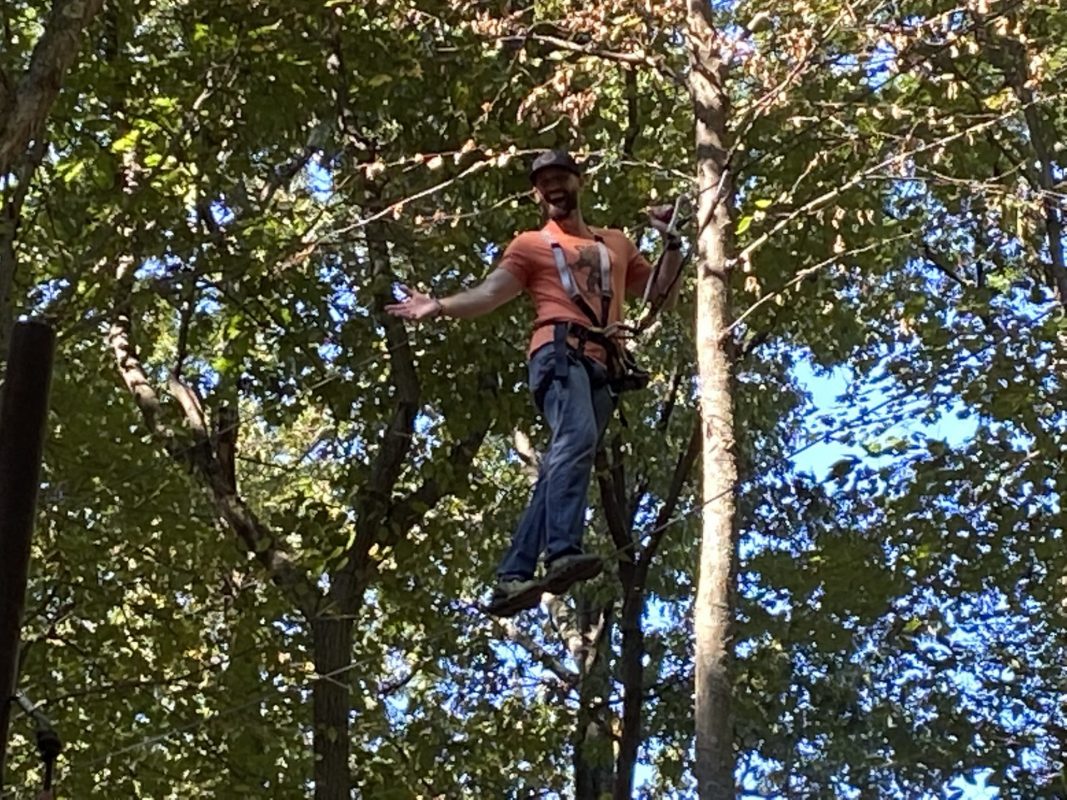
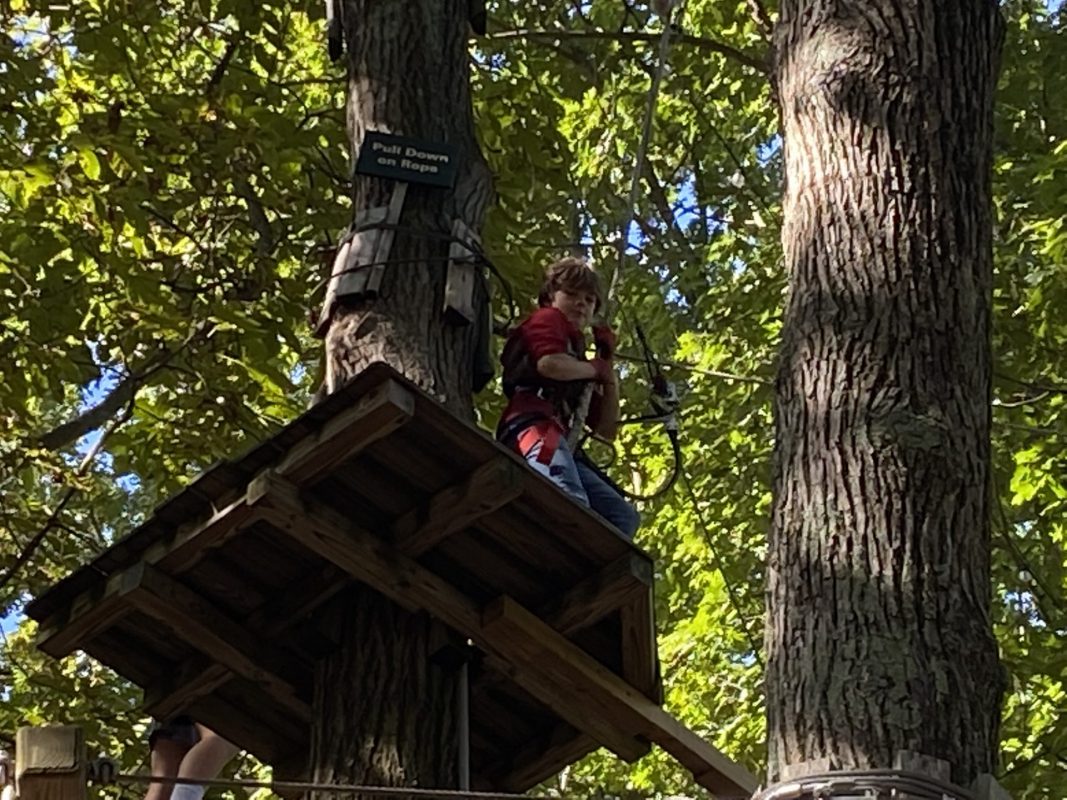
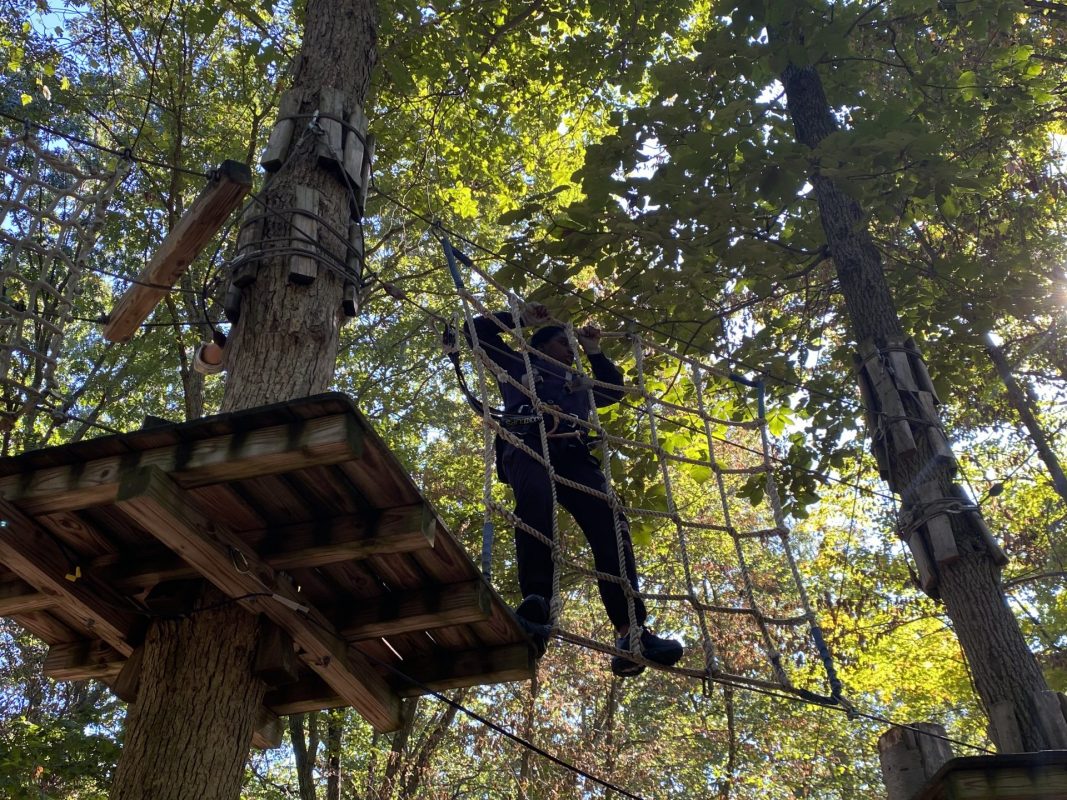
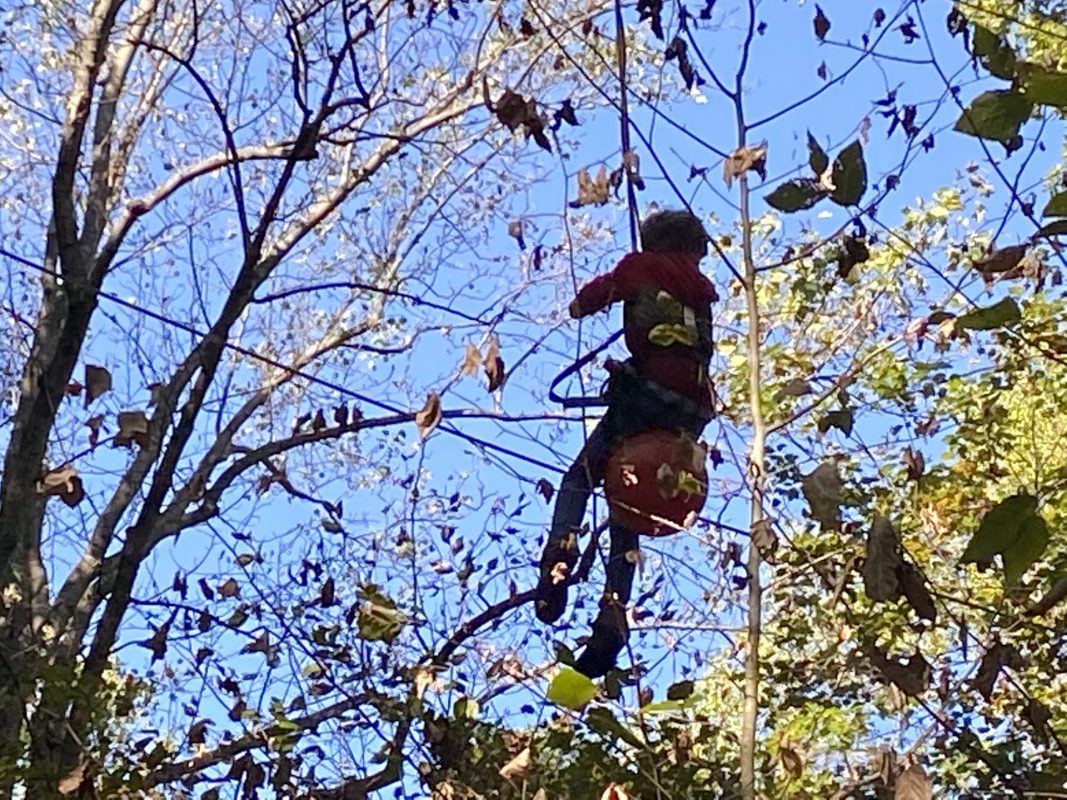
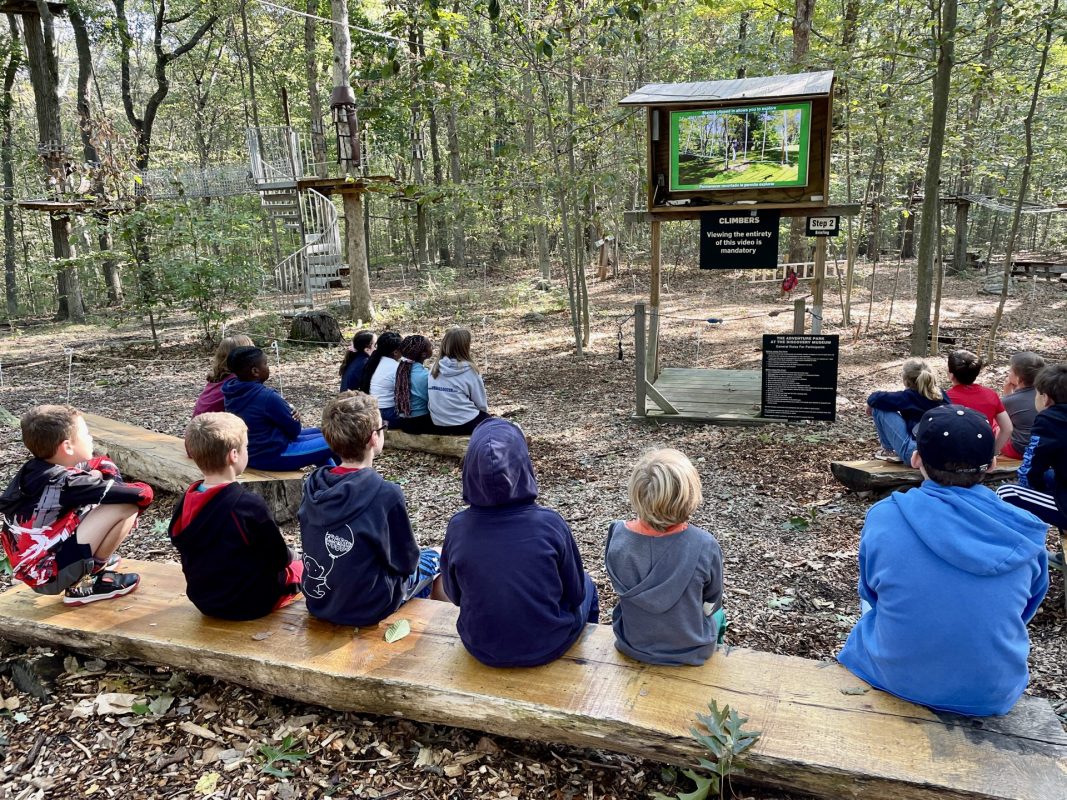
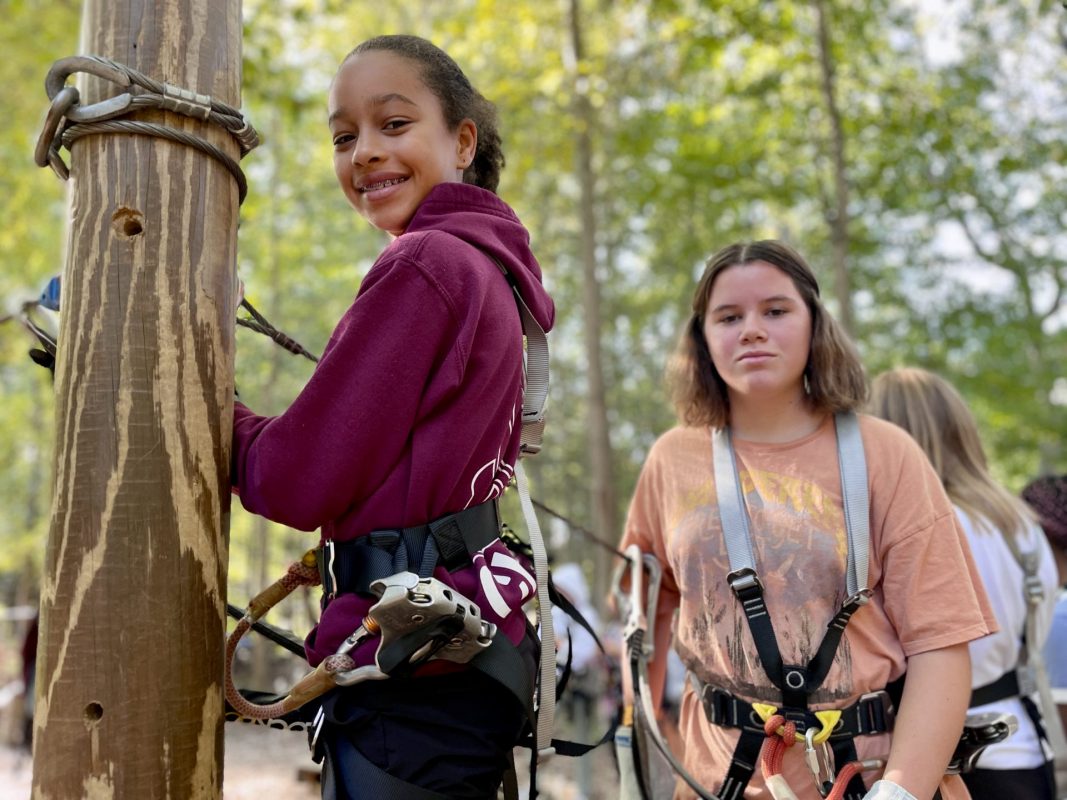
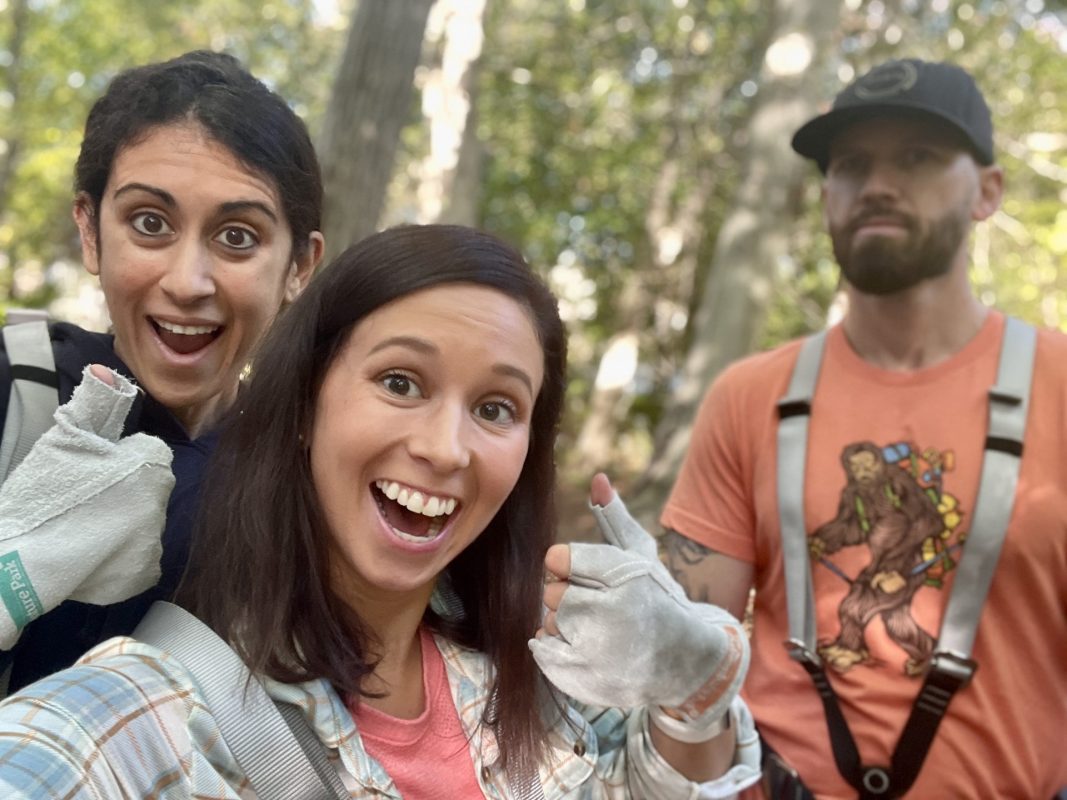
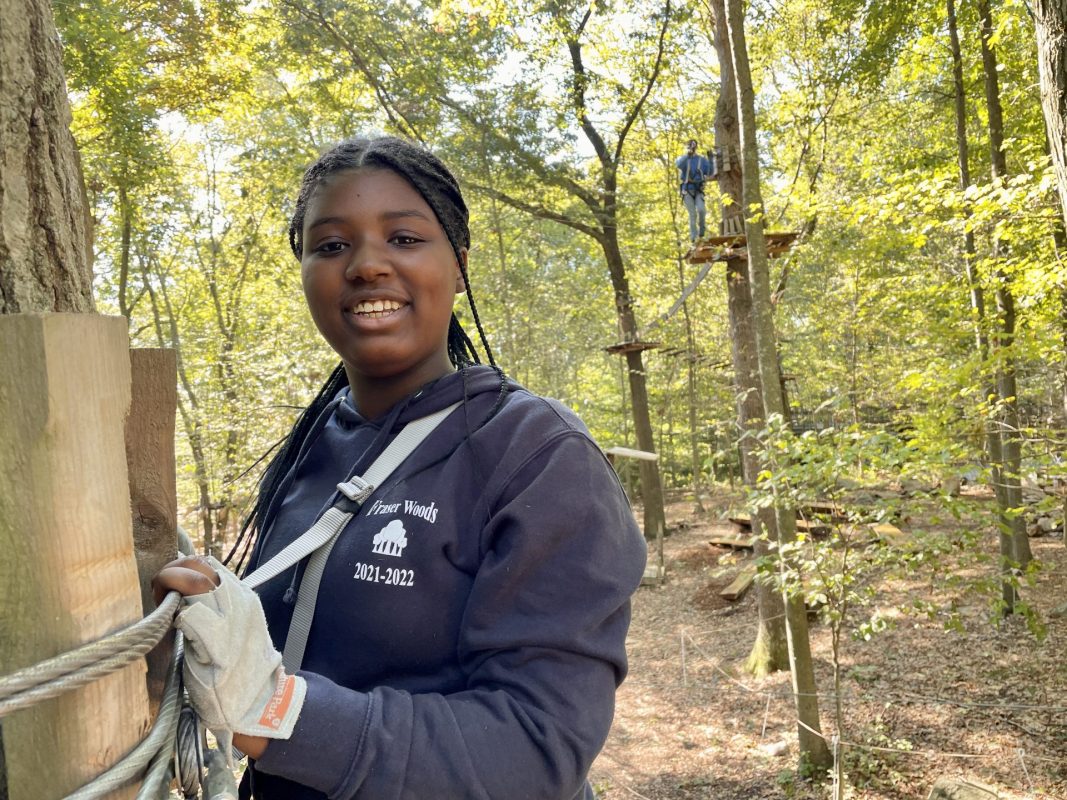
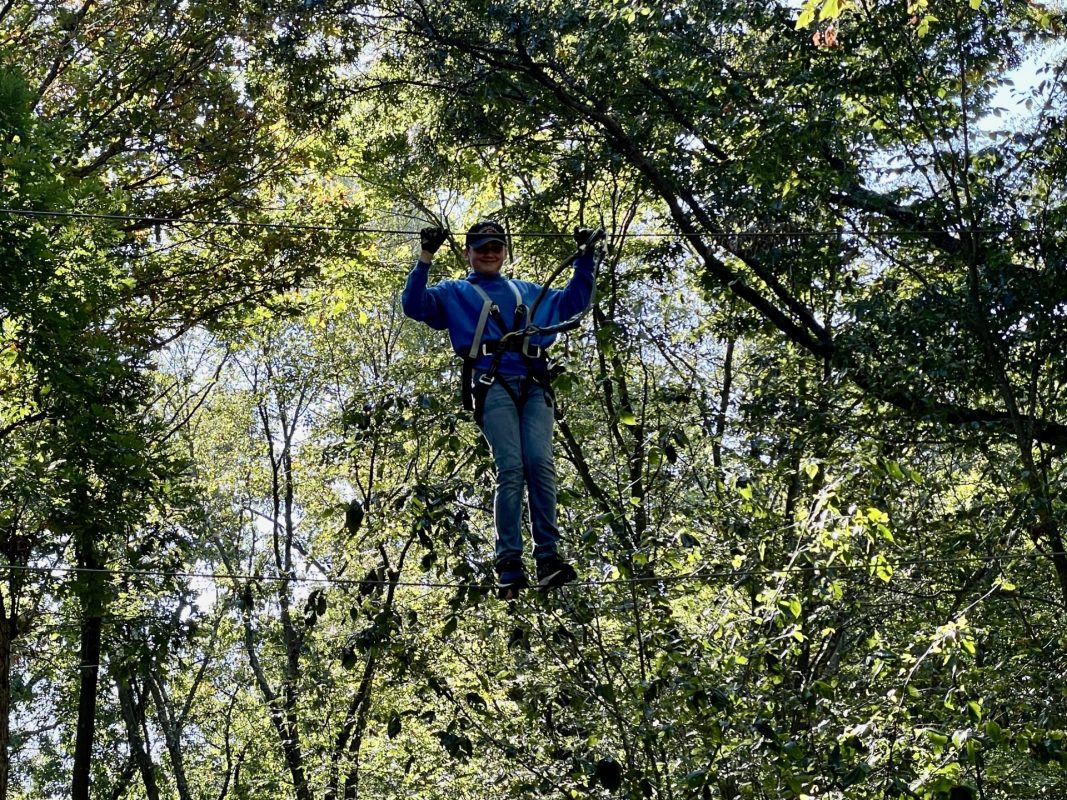
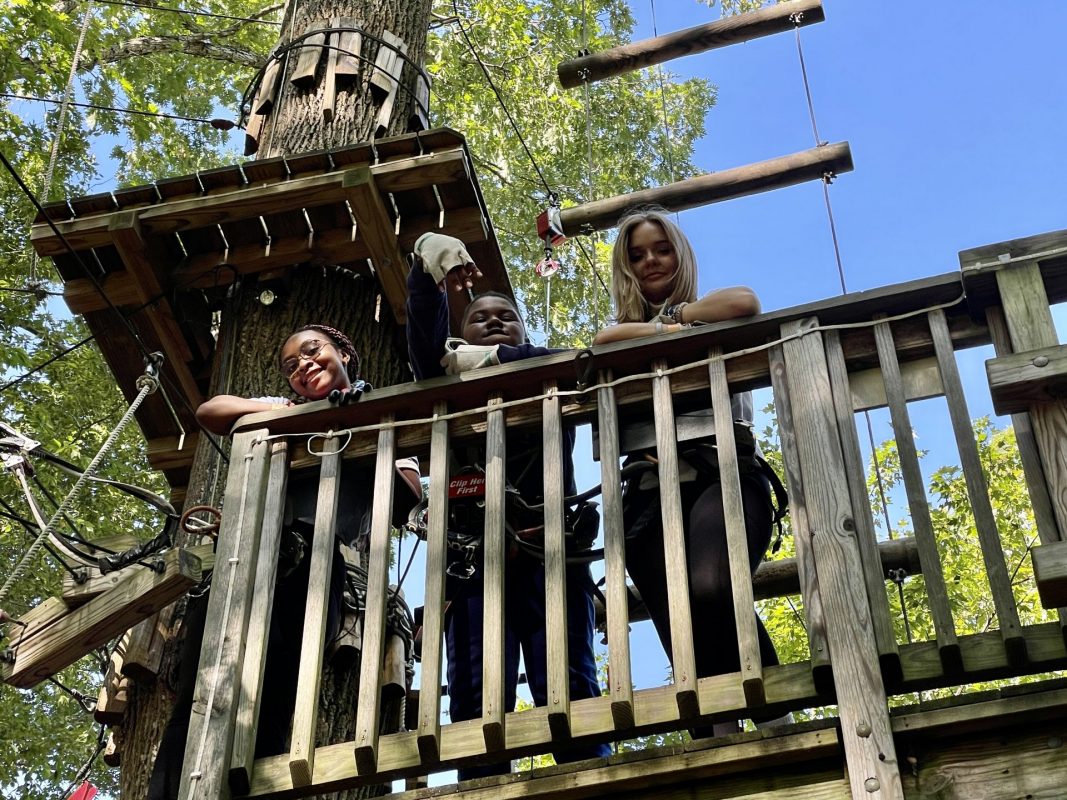
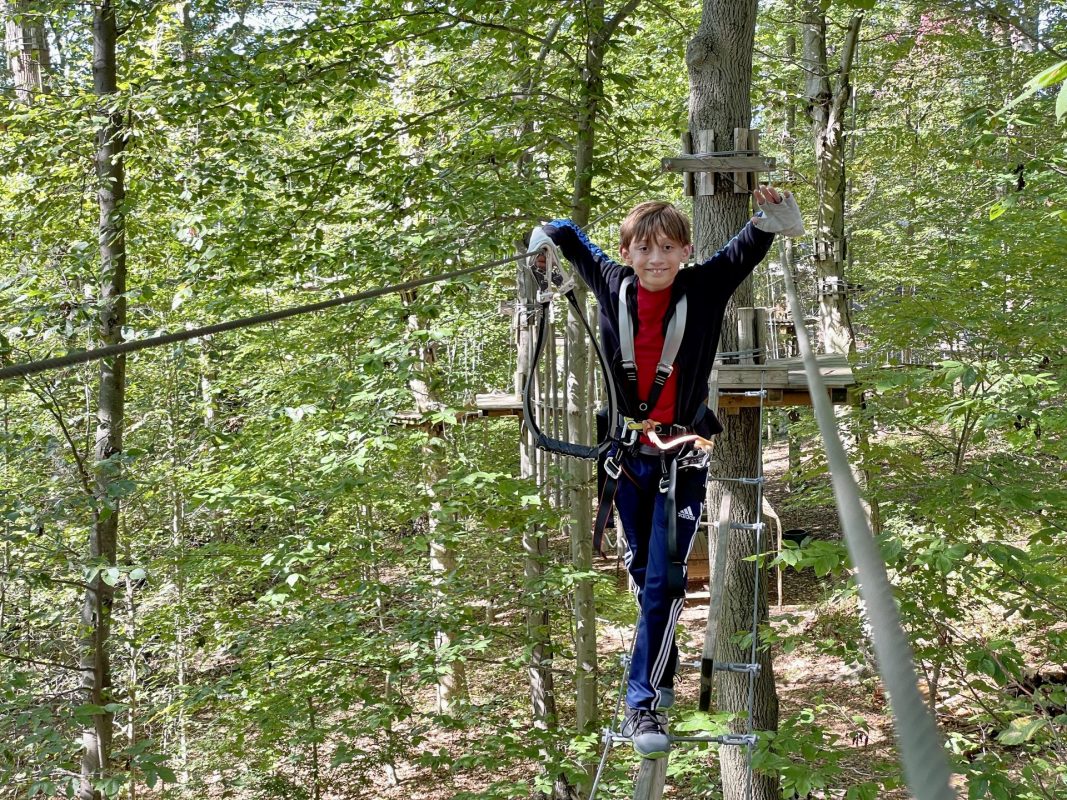
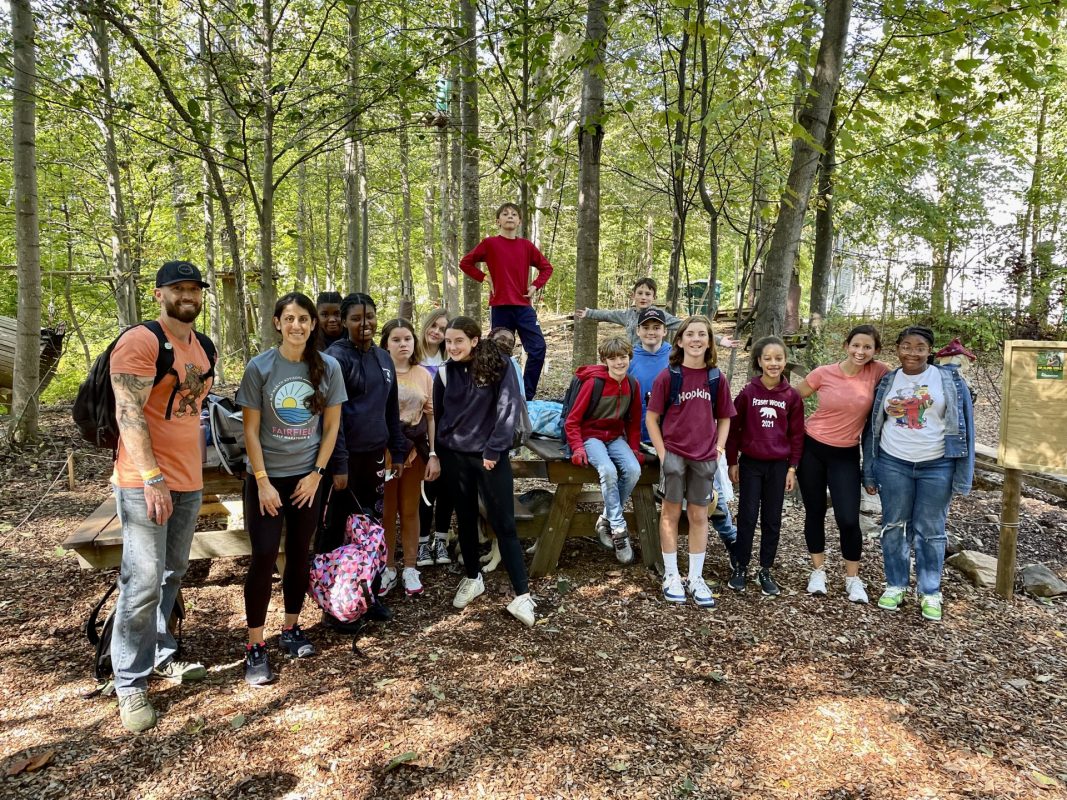
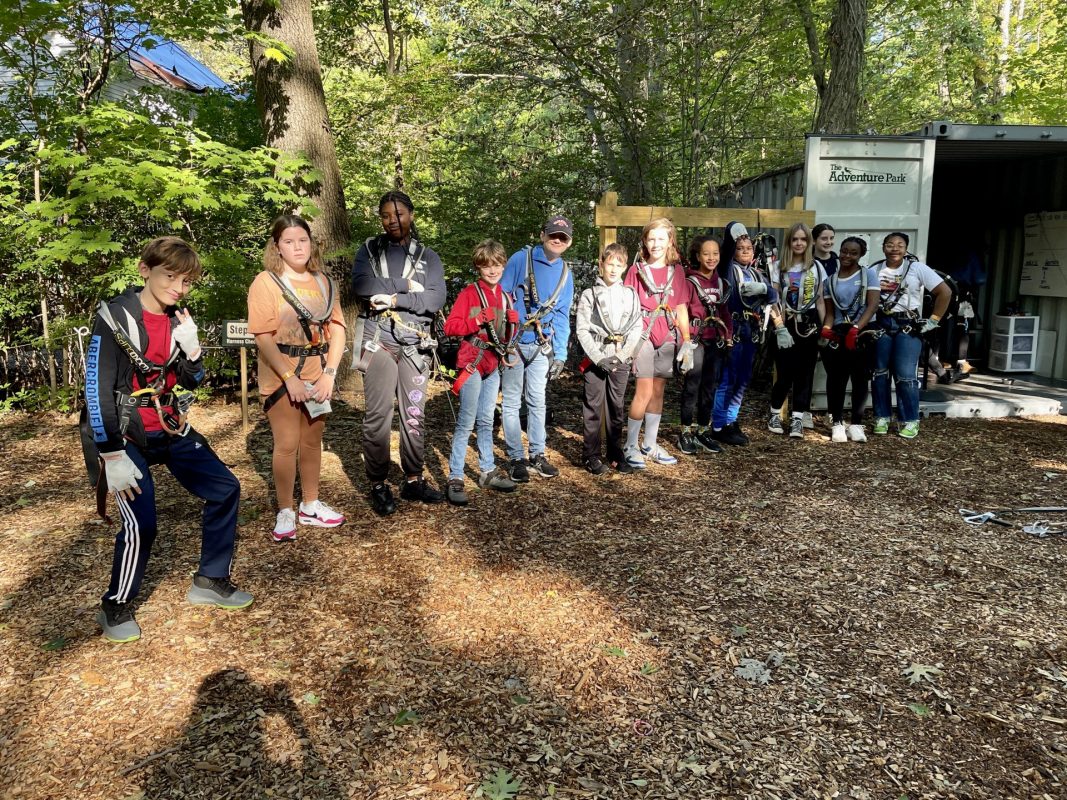
The highlight of this week was an amazing field trip to The Adventure Park; full of climbing, zip lines, bravery, and trust. Each of us challenged ourselves to try elements of the ropes course which were challenging and, at times, even a little scary. Every student should be proud of the effort they put in today, not only in their own experience of trying new things, but also in the help and encouragement they extended to their classmates along the way. They worked together, with more experienced climbers helping the less experienced ones. They offered words of motivation when friends were nervous and they cheered when their peers completed a course. These students exhibited outstanding teamwork. Bravo Upper El!

“There is no description, no image in any book that is capable of replacing the sight of real trees, and all the life to be found around them, in a real forest. Something emanates from those trees which speaks to the soul, something no book, no museum is capable of giving.” -Maria Montessori


Middle School: Week in Review

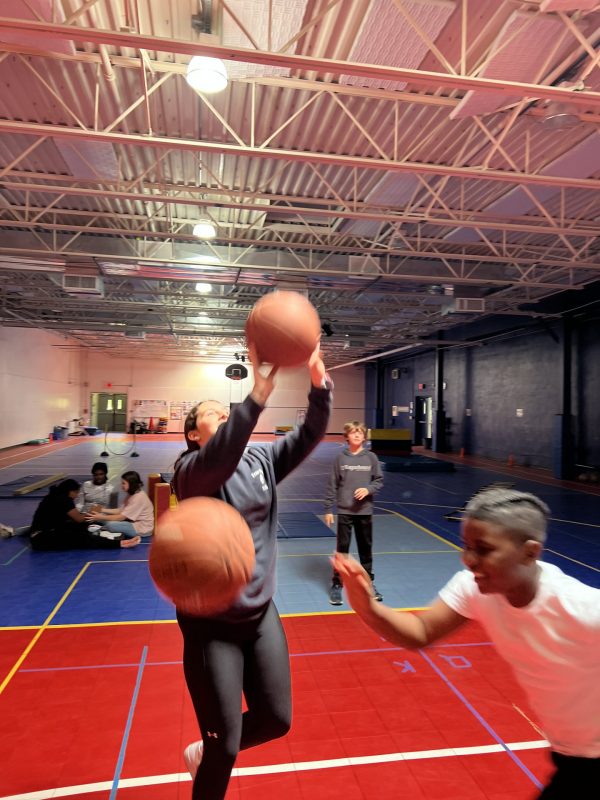
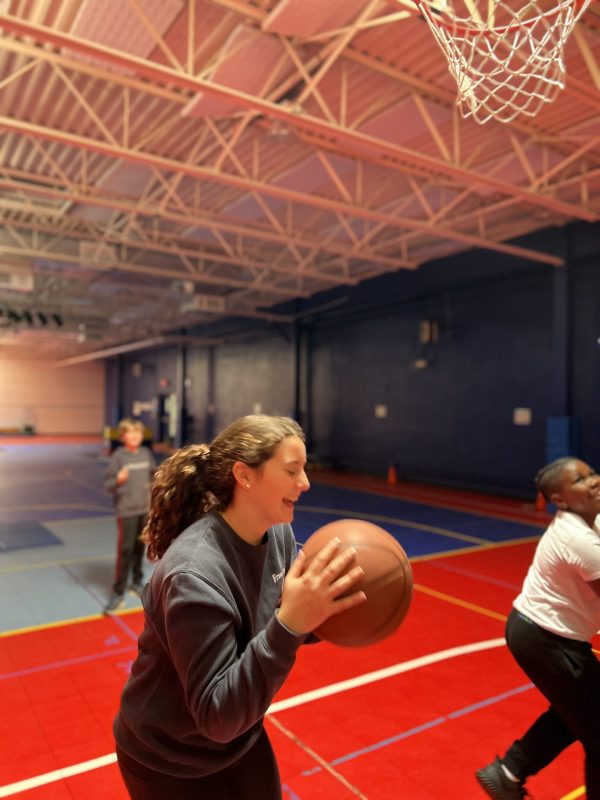
It was an awesome week in middle school! While class time was short with the mid-week break for Yom Kippur and the trip on Friday, we were busy! Our trip to the Adventure Park at the Discovery Museum in Bridgeport was amazing. A wonderful time swinging in the trees, challenging ourselves, and laughing with friends was just what we needed to end the week.

Humanities

6th grade Humanities class this week looked at Mexican & Latin American history. The class started with the overarching question that lead to a rich discussion about how we figure out our past. Specifically, in what ways can people determine history? From there, the class focused on Oaxaca, one of the settings in Becoming Naomi Leon,  and they read about the Zapotec civilization. They discussed how geography plays a role in the formation and life of a civilization. Also, discussion surrounding what could happen to a civilization to cause it to dissipate. Finally, students will present their first current events report on Tuesday and begin their class novel, Out of My Mind!

7th grade Humanities began the week with our first current events presentations. Everyone got right into the swing of things, and we had excellent discussions about interesting topics. Next, we finished with Chinese Dynasties and began religions of China. Next week, students will continue to research the following: Taoism, Buddhism, Christianity, Islam, and Confucianism.

8th grade Humanities class also began the week with current events presentations. Their thoughtfulness with discussion questions and excellent presentations led to productive conversations about the topics. Next, 8th grade began the novel, The Outsiders by S.E. Hinton.

Math

In the Pre-Transition math class, students have been reviewing all week for the Chapter 1 Unit Test on Tuesday, October 11th. This assessment covers simplifying fractions, finding the length of a line segment, and ordering integers on a number line. Students should be using their lesson master assignments, class notes, and textbook questions to study well in advance. Next week students will also begin learning about Chapter 2 titled, Fractions, Decimals and Percentages. 
 
In the Transition math class, students are continuing to learn about variables and how to substitute values into a given expression. This class can translate a word sentience into a number sentence using the correct arithmetic operations. They will explore the Pythagorean Theorem and other important formulas next week. 
 
In the Algebra math class, students have been learning how to solve for two-step algebraic equations that involve all four arithmetic operations. This class discovered how to rearrange an equation for a specific variable as well as use a table of values to test for equivalence between two different equations. 
 
Math Joke: What do you get if you divide the circumference of a jack-o-lantern by its diameter?………………….Pumpkin pi.
Science

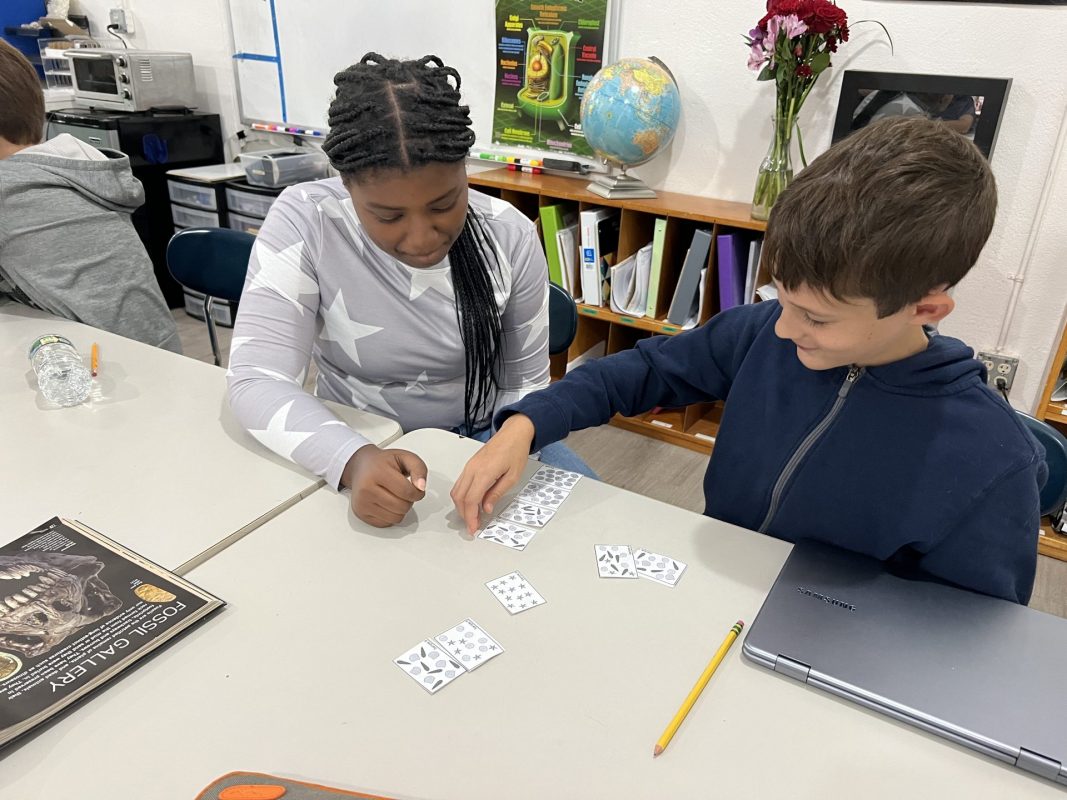
6th year Earth Science class spent the week gathering information to support their understanding of what we can learn from fossils. The objectives of the past several classes were deciding how fossils provide evidence of environmental changes that occurred in the past, how geologic time is measured, and what role fossils play in dating geologic events.

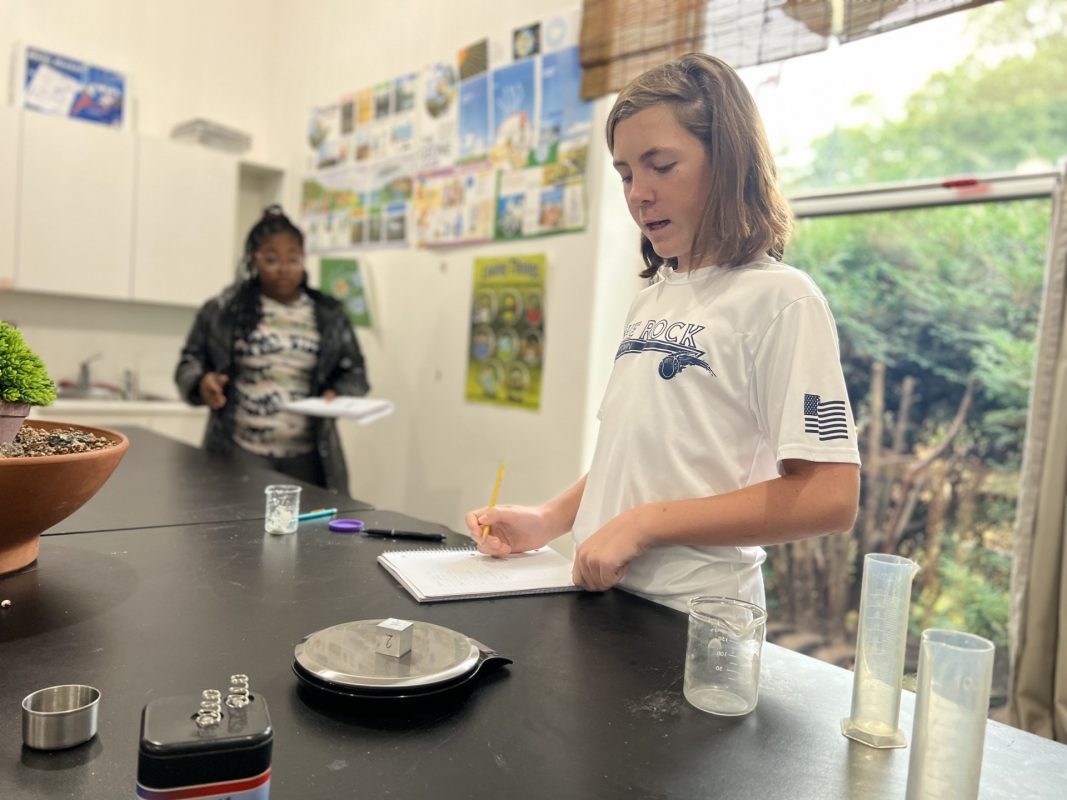
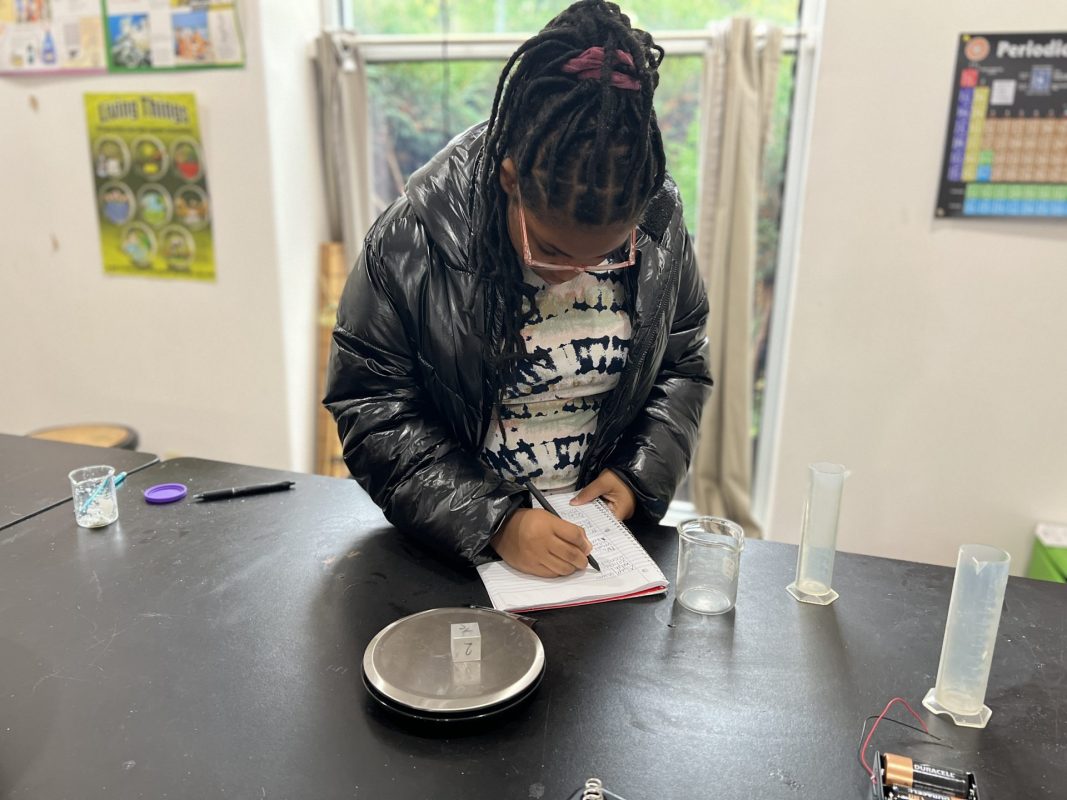
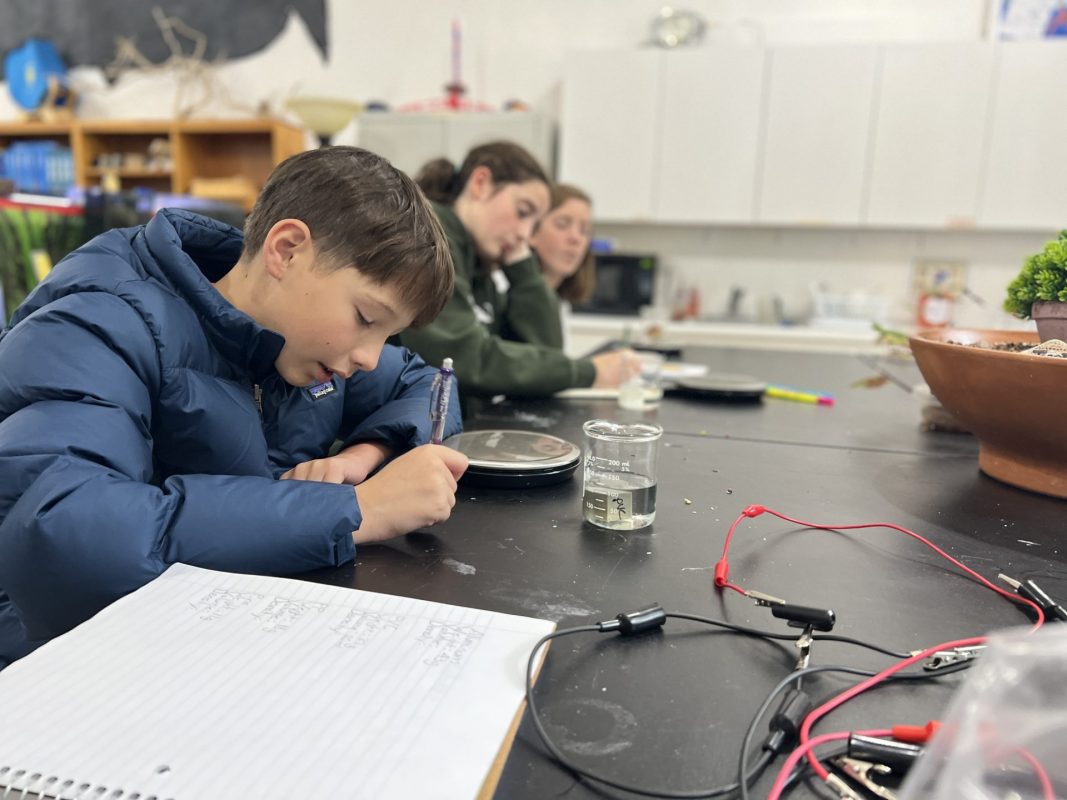
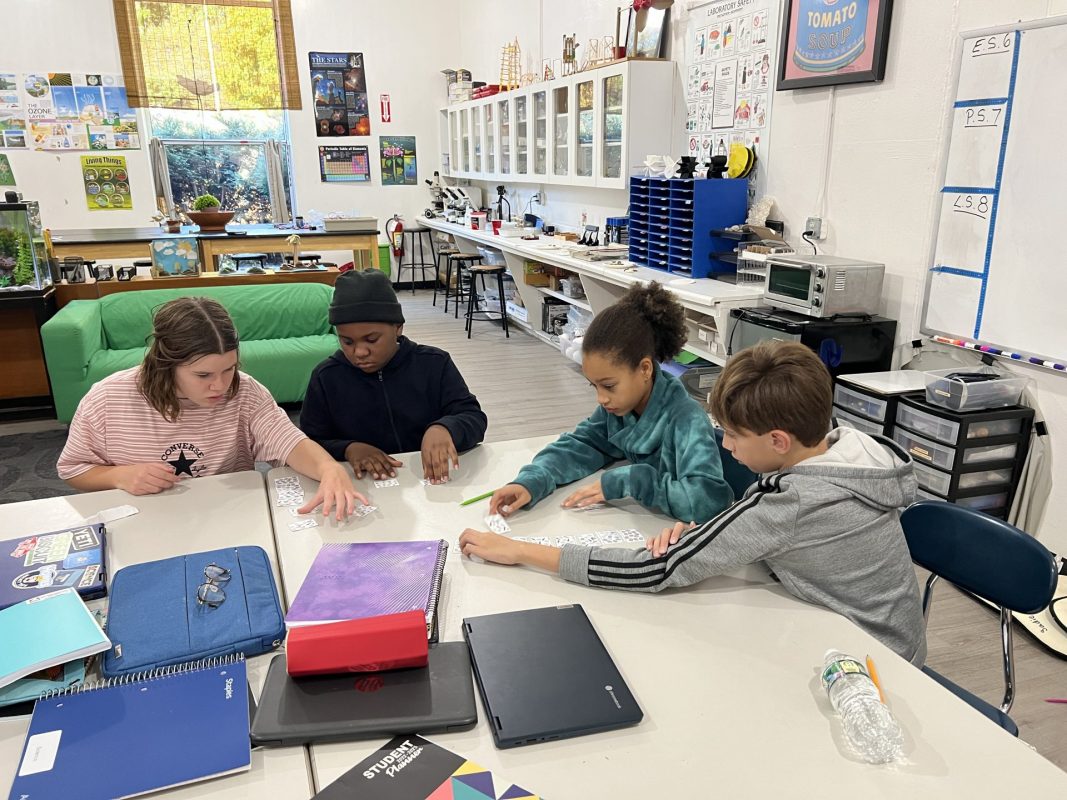
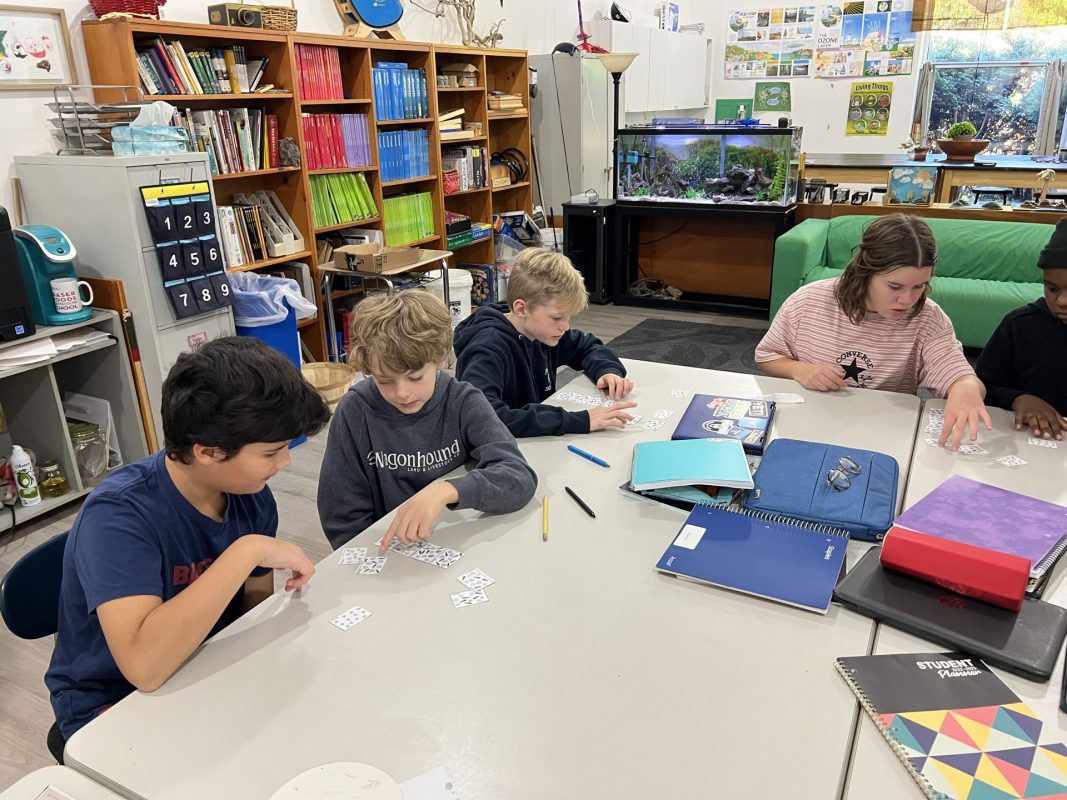
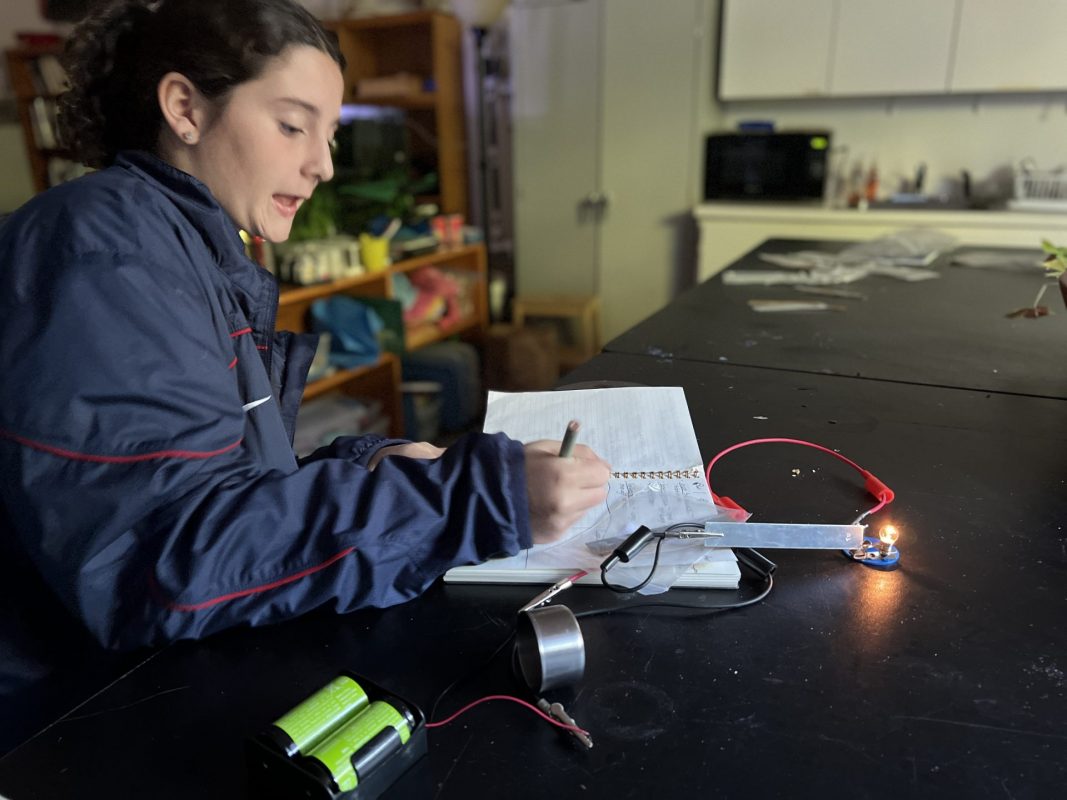
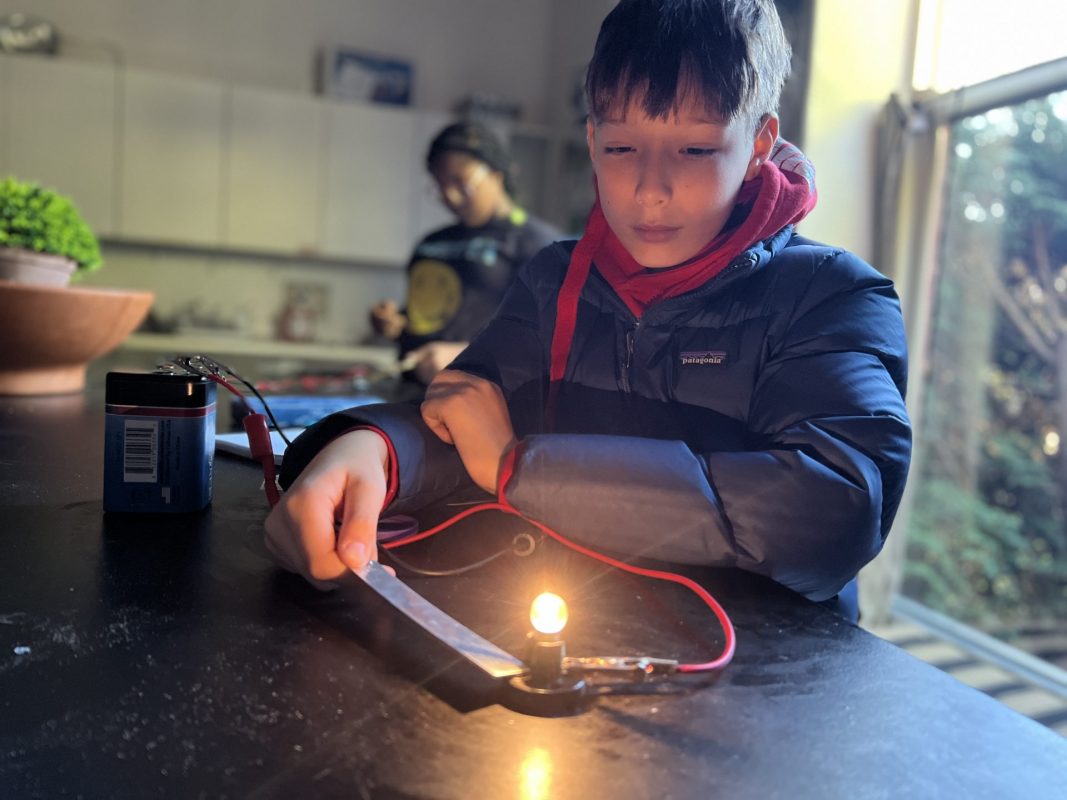
7th year Physical Science students conducted several activities to establish the differences between chemical and physical properties of matter. Students tested the density and conductivity of different materials, determining which of those properties remain constant and which could change with different samples. Concluding this unit, students will be asked to perform several tests on unknown objects, identifying what object they have before them based on the physical and chemical properties observed. 
 
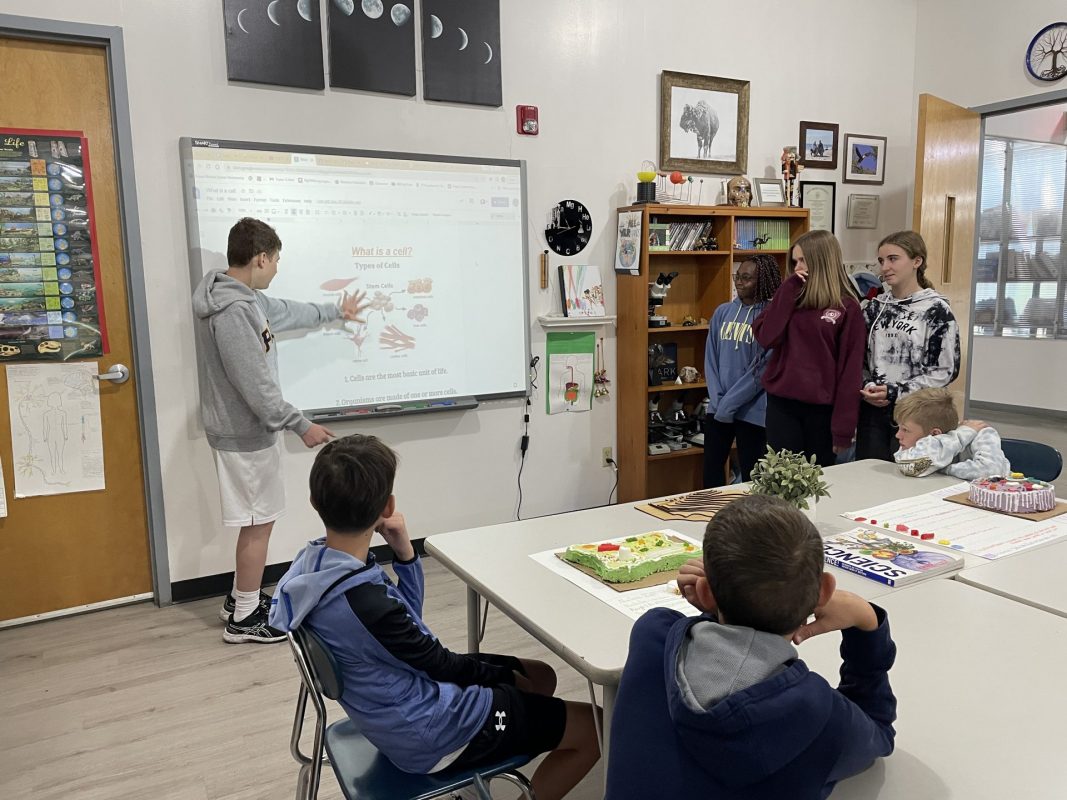
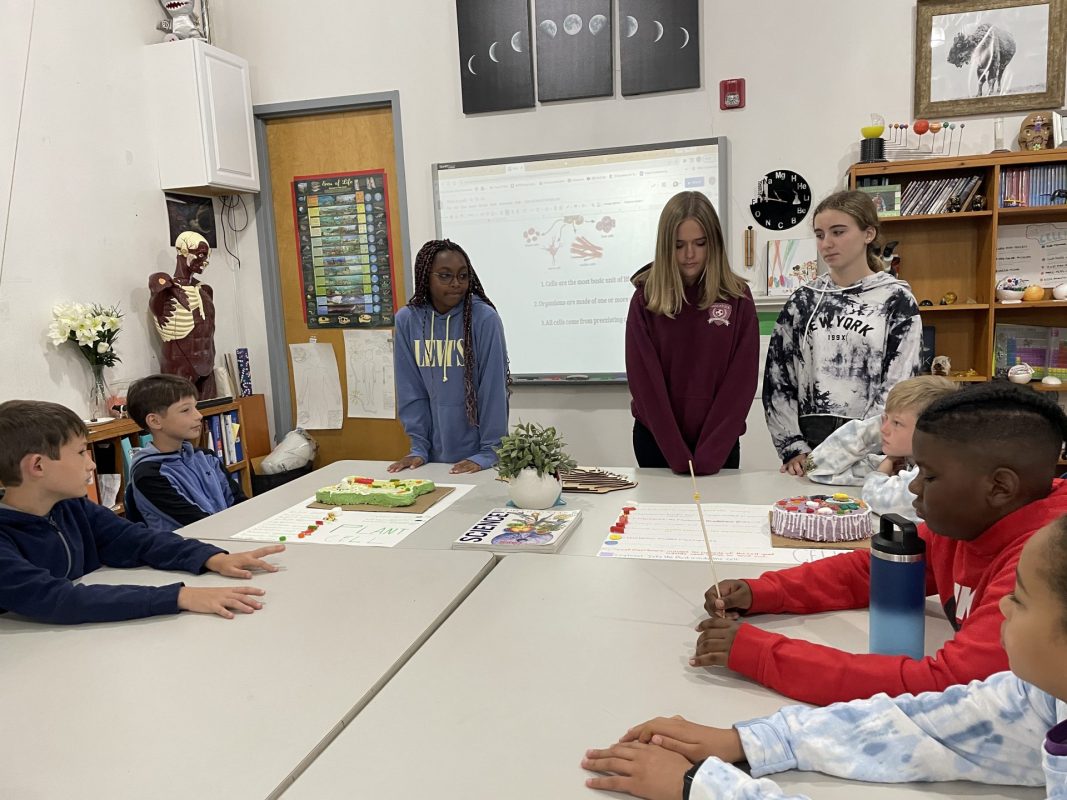
8th year Life Science students are continuing to research the history and application of stem cells. Students are doing a great job gathering information and data to support their side of the argument regarding the practice of stem cell use. Students will present their stem cell research the week following. 
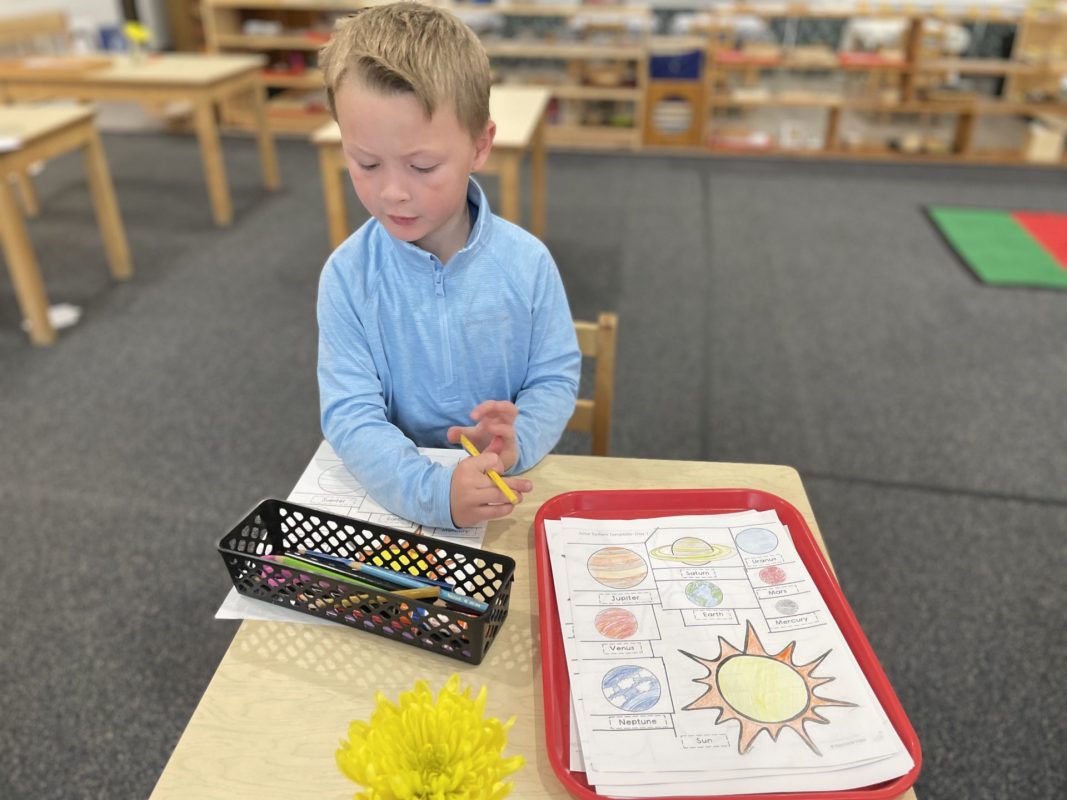
Mrs. Semmah: Do You Know the Seven Continents?
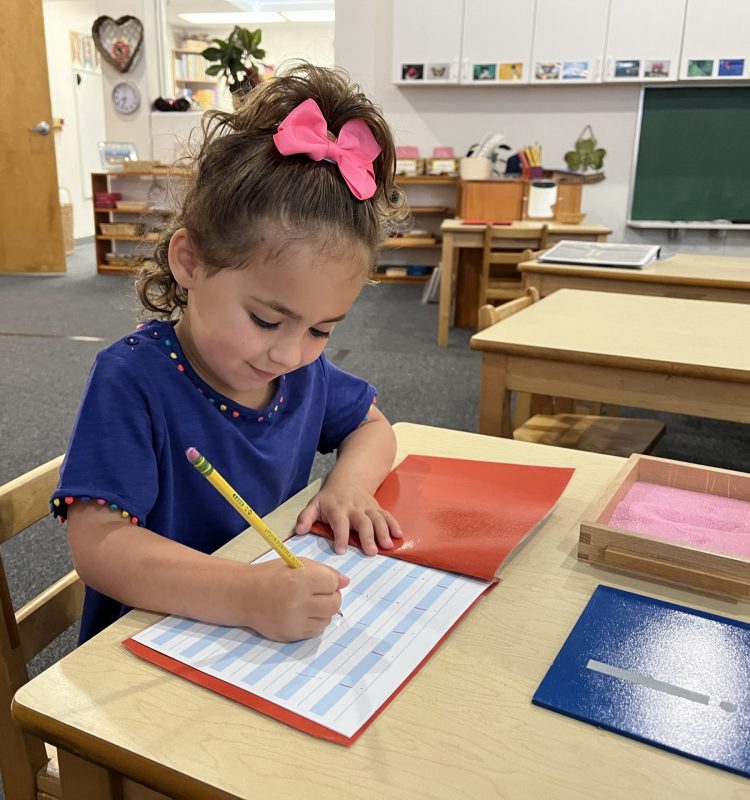
The Montessori approach to teaching Geography is unique and comprised of two components, physical geography and political geography, also known as Culture. From the beginning of the school year, we weave Geography lessons and terminology into our day as we learn about our physical world. The Geography materials are always fascinating to the children and are a springboard for wonderful discussions.
Early in our school year, we categorized the planet Earth into air, land, and water.  We then sorted what we would find in each of these different components of our world.  Next, we introduced the geometric solid known as a sphere to the children and compared it to the shape of the globe.  We start with a sandpaper globe that helps to distinguish land and water.  The colored globe comes next and we begin to teach the continent names. We make a sphere out of play dough and cut it in half to help them visualize the concept of a hemisphere. Simultaneously, the children are learning about land forms that introduce the concept of lake, island, bay, cape, peninsula, gulf, isthmus, strait, archipelago, and a system of lakes. These sensory experiences help the children learn about their physical world.

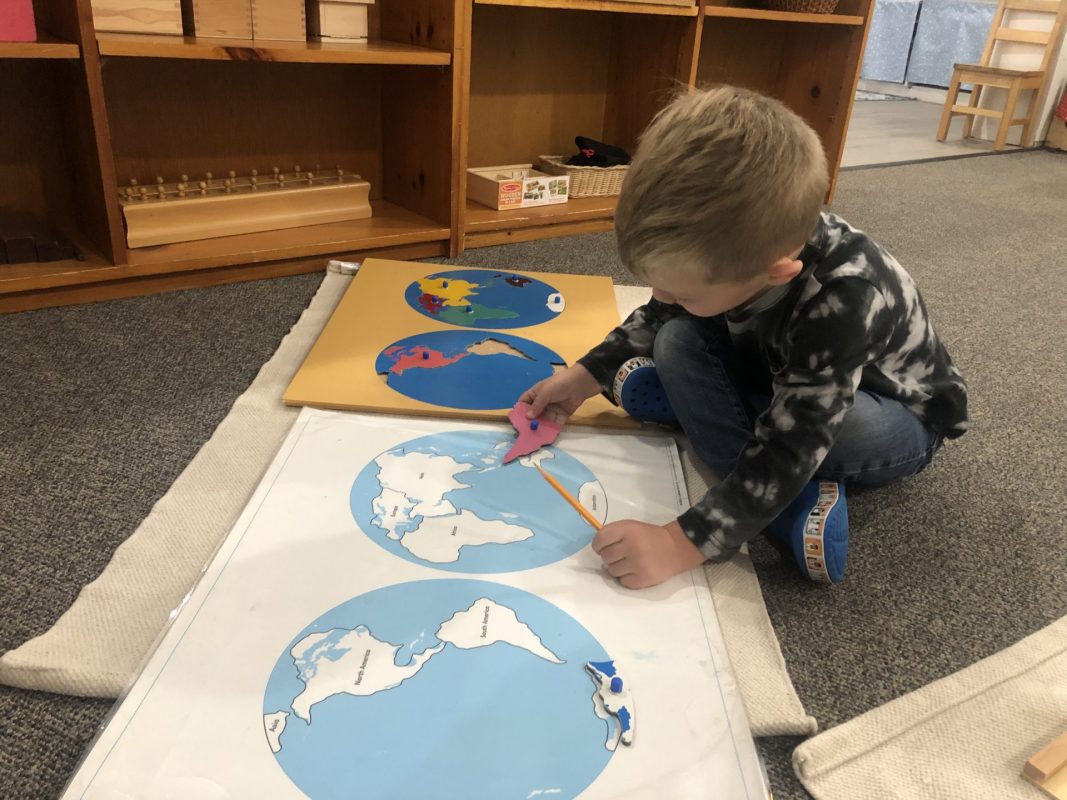
After learning the continent names, we introduce the puzzle maps for each continent, starting with North America in November. We learn that there are many countries in North America. The older children will trace and paint each of the puzzle maps. We will learn about the animals, people, and climate often associated with each of the continents. Our goal is to encourage the children to appreciate the beauty and wonder found in the similarities and differences around the world. In our classroom, we have a cultural shelf with artifacts from each continent.

Last week, we introduced the song “Do You Know The Seven Continents” and we often hear the children singing it quietly to themselves as they work.

We are thrilled to be having in person Parent/Teacher Conferences again!  They will be on Thursday, October 27th.  If you have not yet had the chance to sign up for a time please use the link below to do so.

https://www.signupgenius.com/go/10C0F49A4A728A6FEC34-20222023

Wishing all of you a week filled with peace and love!

Kaoutar and Michelle


Mrs. Doyle’s Class: Yes, I Know The Continents

The Montessori approach to teaching Geography is unique and comprised of two components, physical geography and political geography, also known as Culture. From the beginning of the school year, we weave Geography lessons and terminology into our day as we learn about our physical world. The Geography materials are always fascinating to the children and are a springboard for wonderful discussions.

Early in our school year, we categorized the planet Earth into air, land, and water.  We then sorted what we would find in each of these different components of our world.  Next, we introduced the geometric solid known as a sphere to the children and compared it to the shape of the globe.  We start with a sandpaper globe that helps to distinguish land and water.  The colored globe comes next and we begin to teach the continent names.  We make a sphere out of play dough and cut it in half to help them visualize the concept of a hemisphere.  Simultaneously, the children are learning about land forms that introduce the concept of lake, island, bay, cape, peninsula, gulf, isthmus, strait, archipelago, and a system of lakes.  These sensory experiences help the children learn about their physical world.

After learning the continent names, we introduce the puzzle maps for each continent, starting with North America in November. We learn that there are many countries in North America.  The older children will trace and paint each of the puzzle maps. We will learn about the animals, people, and climate often associated with each of the continents.  Our goal is to encourage the children to appreciate the beauty and wonder found in the similarities and differences around the world. In our classroom, we have a cultural shelf with artifacts from each continent.

Last week, we introduced the song “Do You Know The Continents” and we often hear the children singing it quietly to themselves as they work.

We are thrilled to be having in person Parent/Teacher Conferences again!  They will be on Thursday, October 27th.  If you have not yet had the chance to sign up for a time please use the link below to do so.

https://www.signupgenius.com/go/4090B4CA9A82DA7FA7-20221

Wishing all of you a week filled with peace and love!

Michelle & Maria