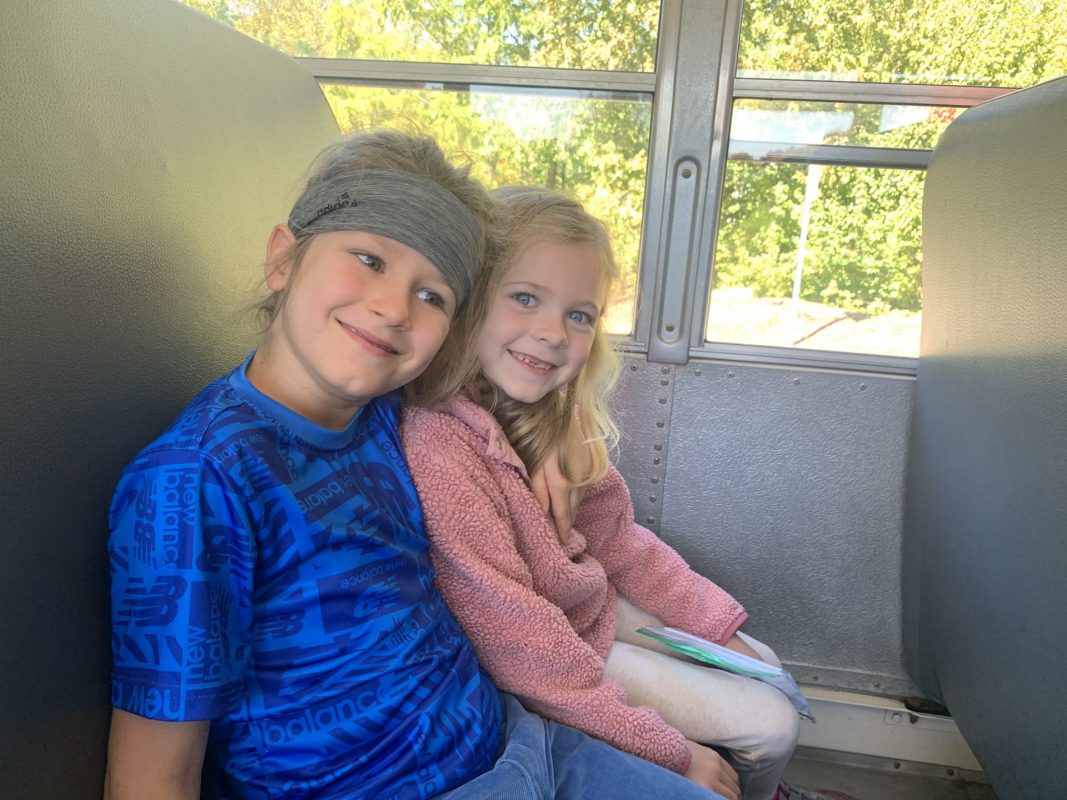
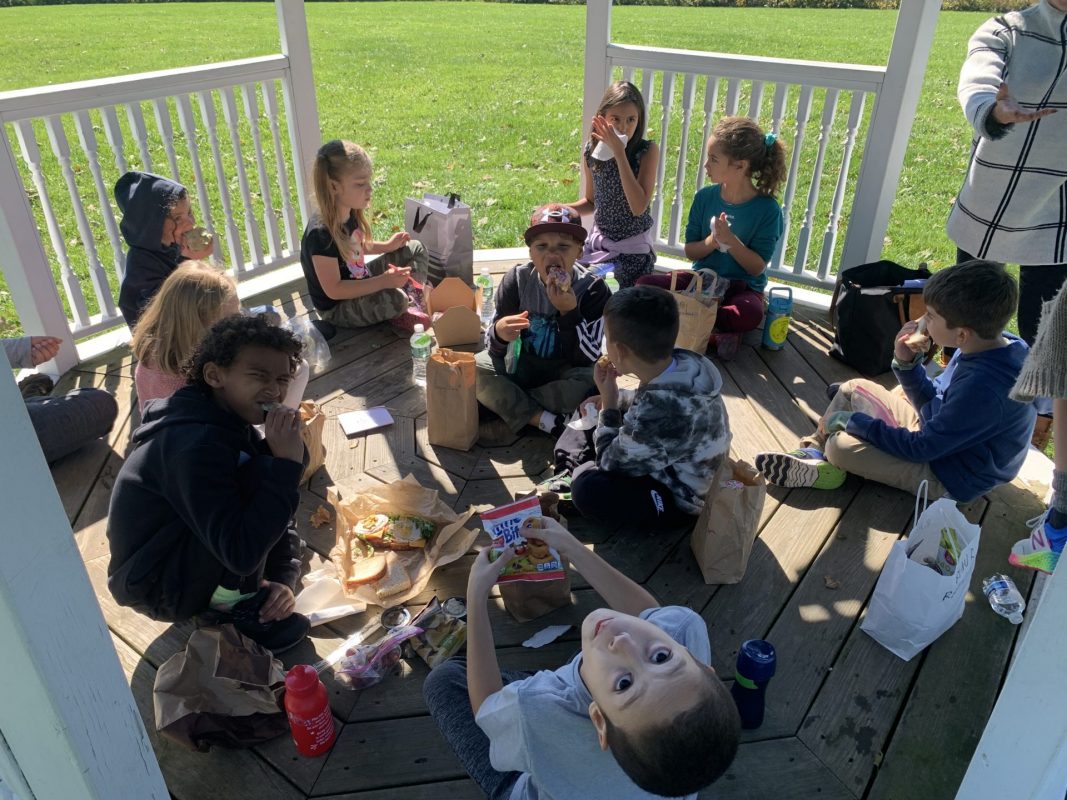
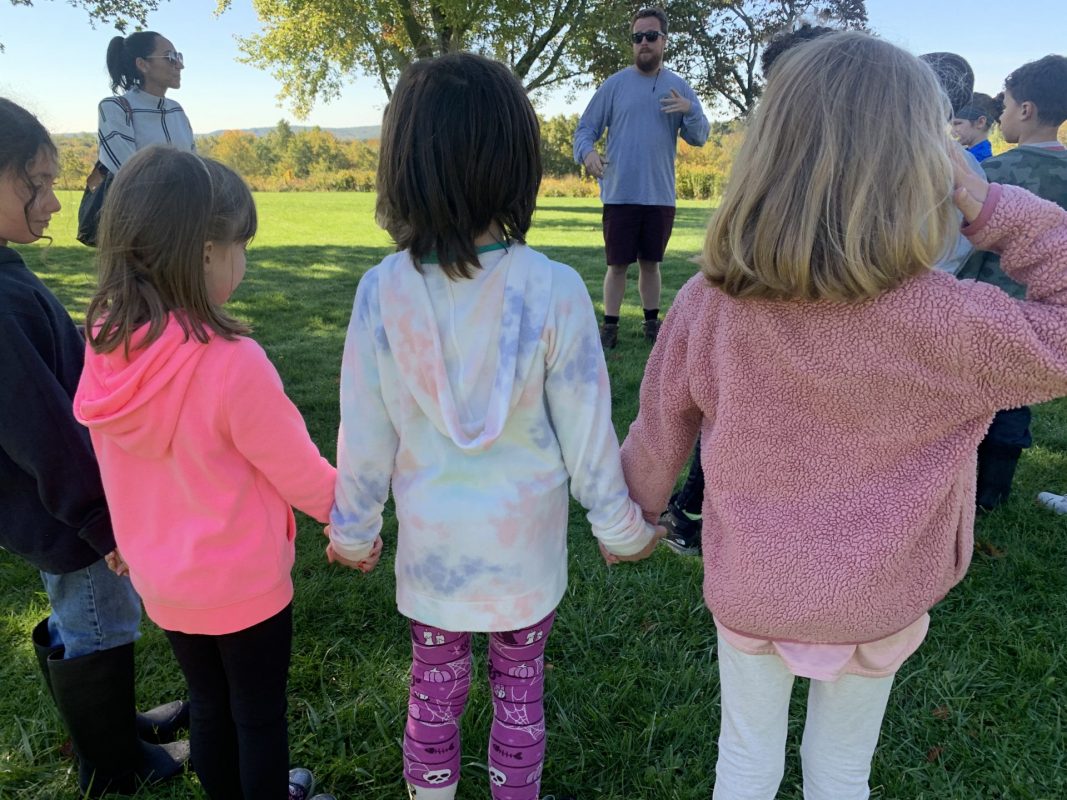
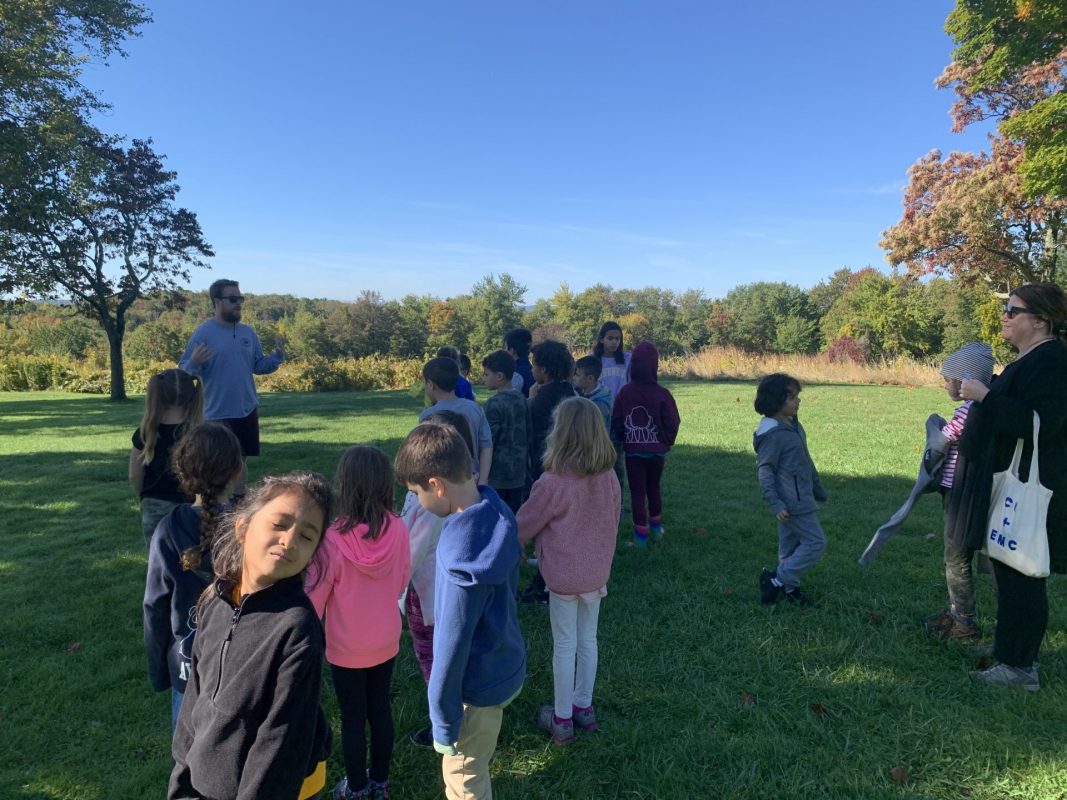
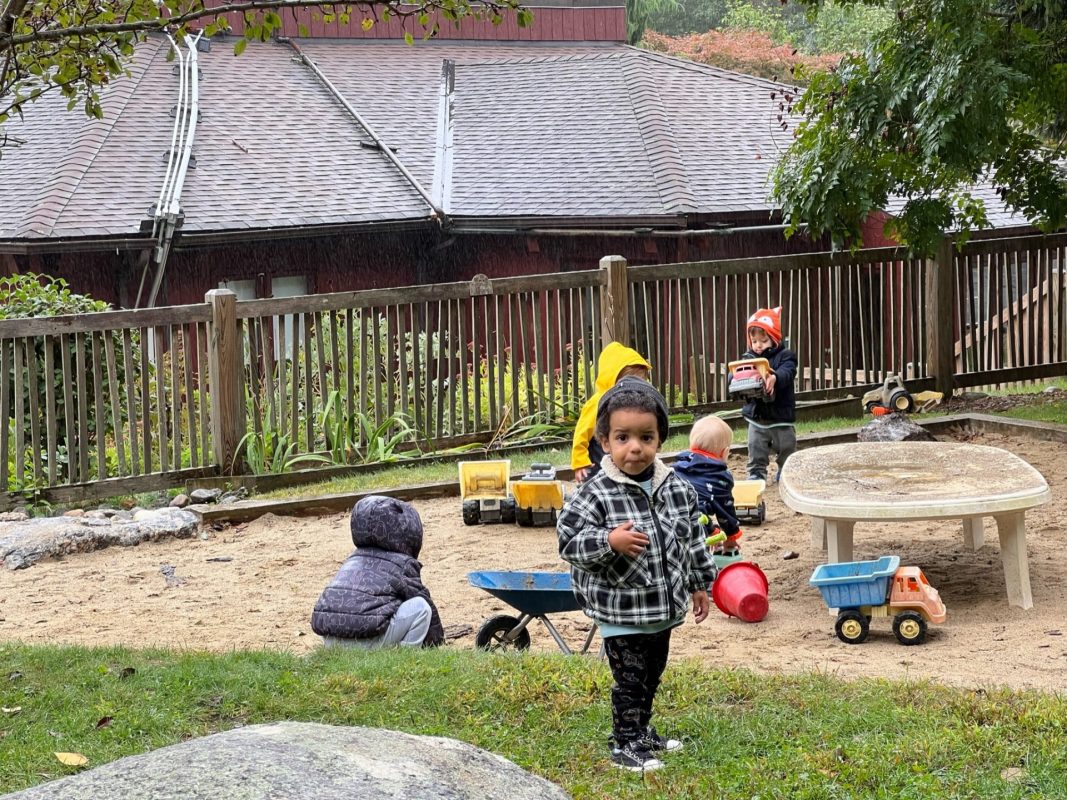
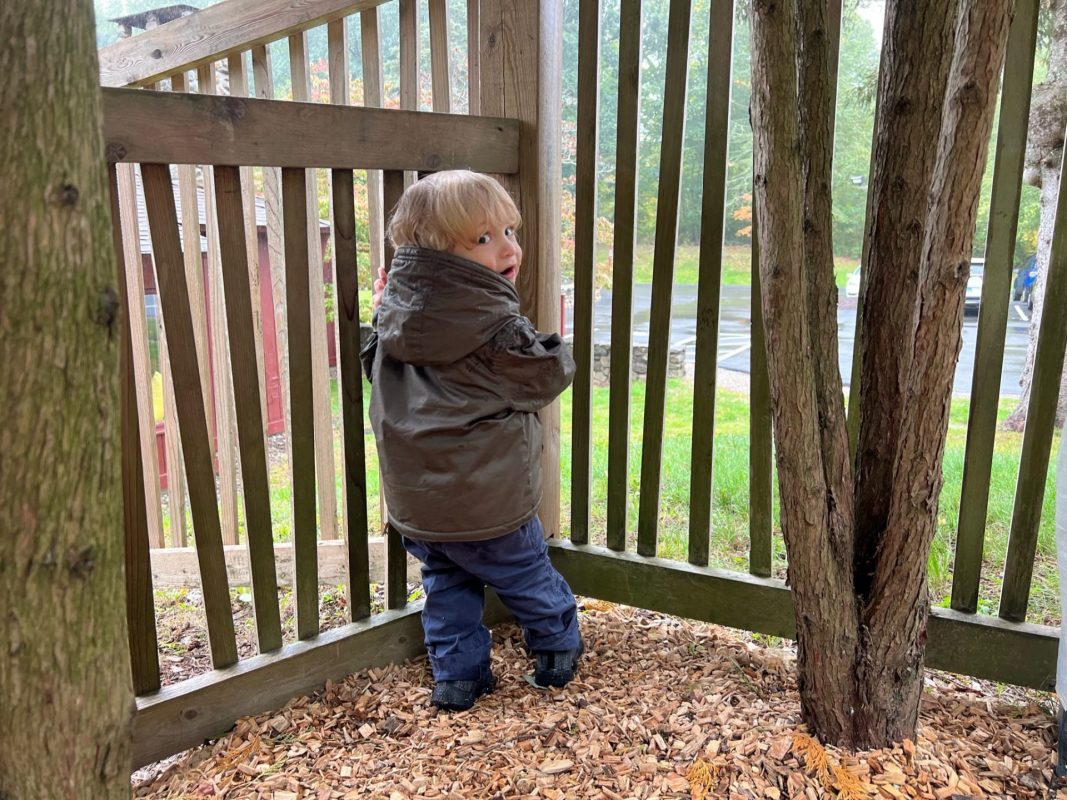
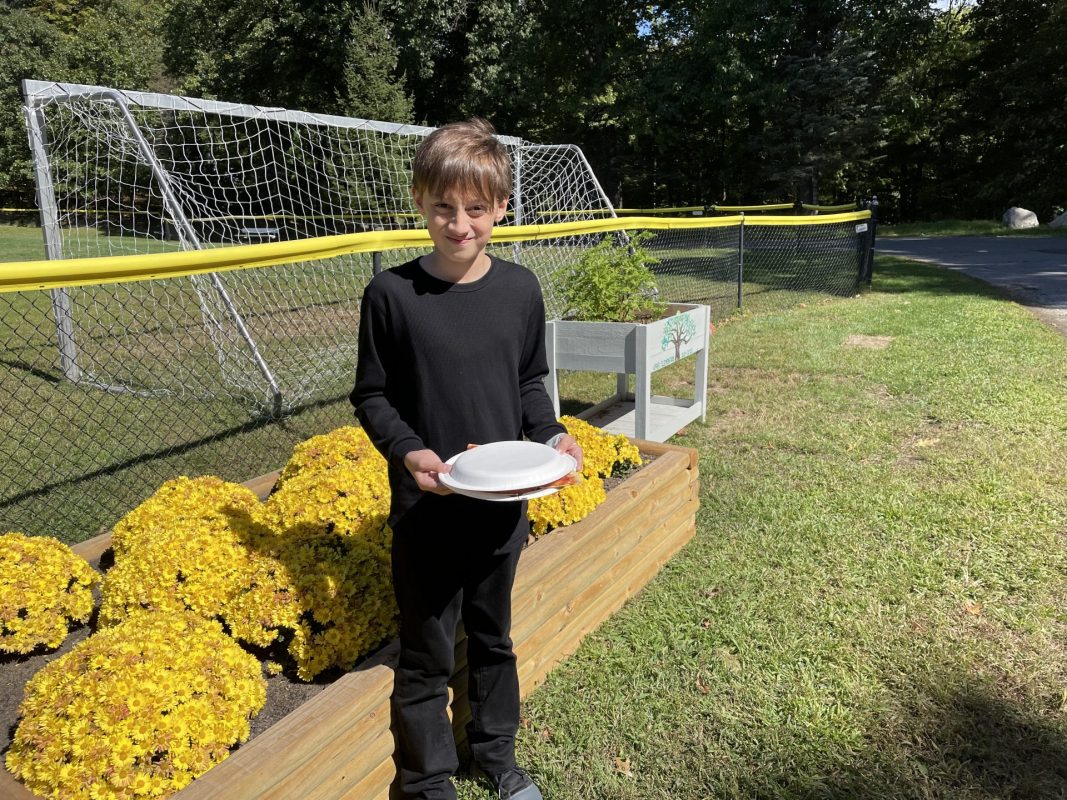
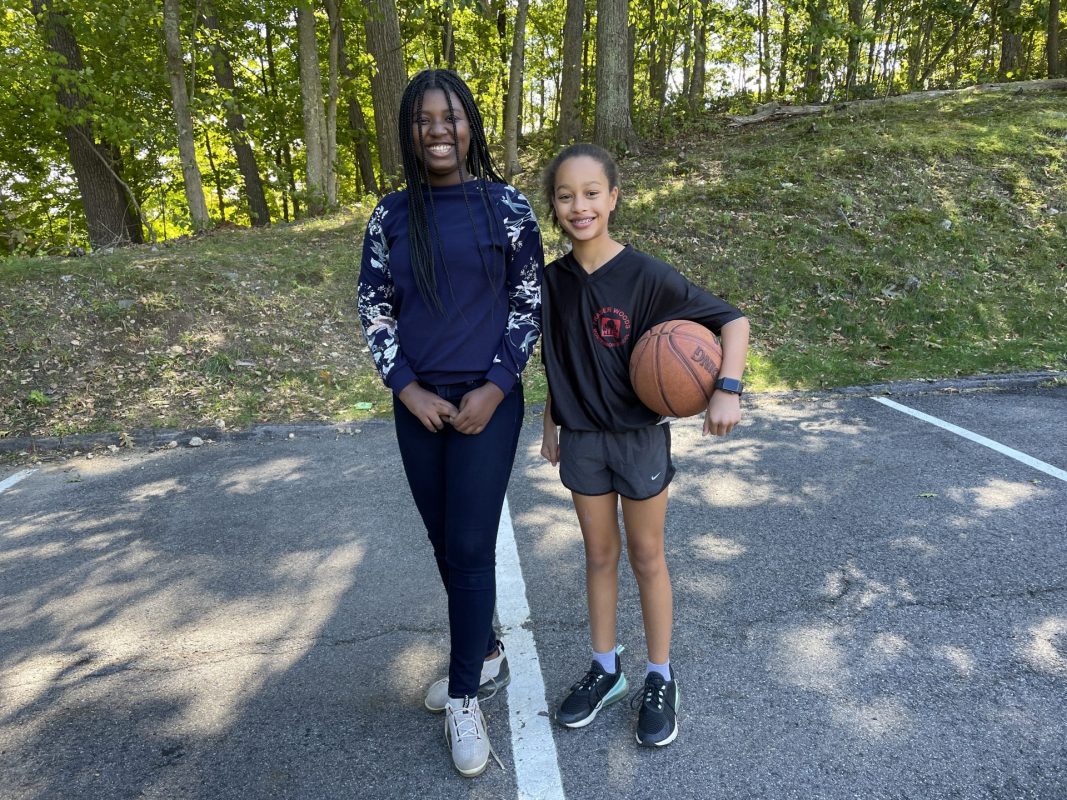
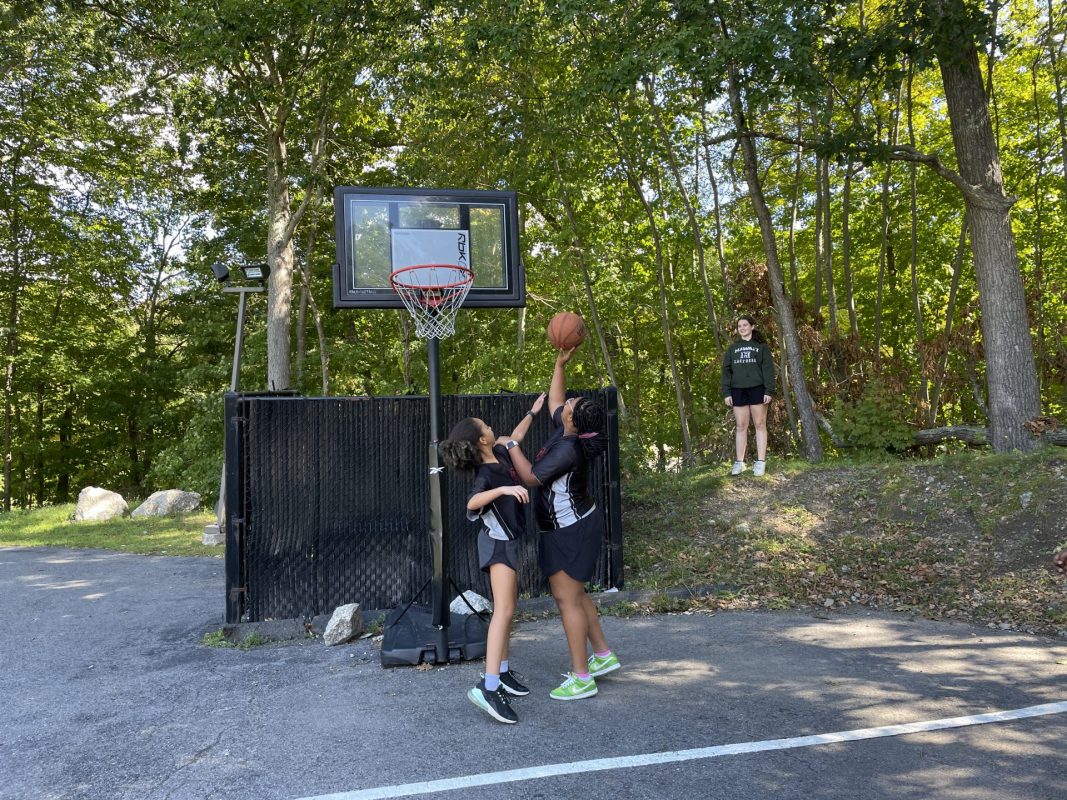
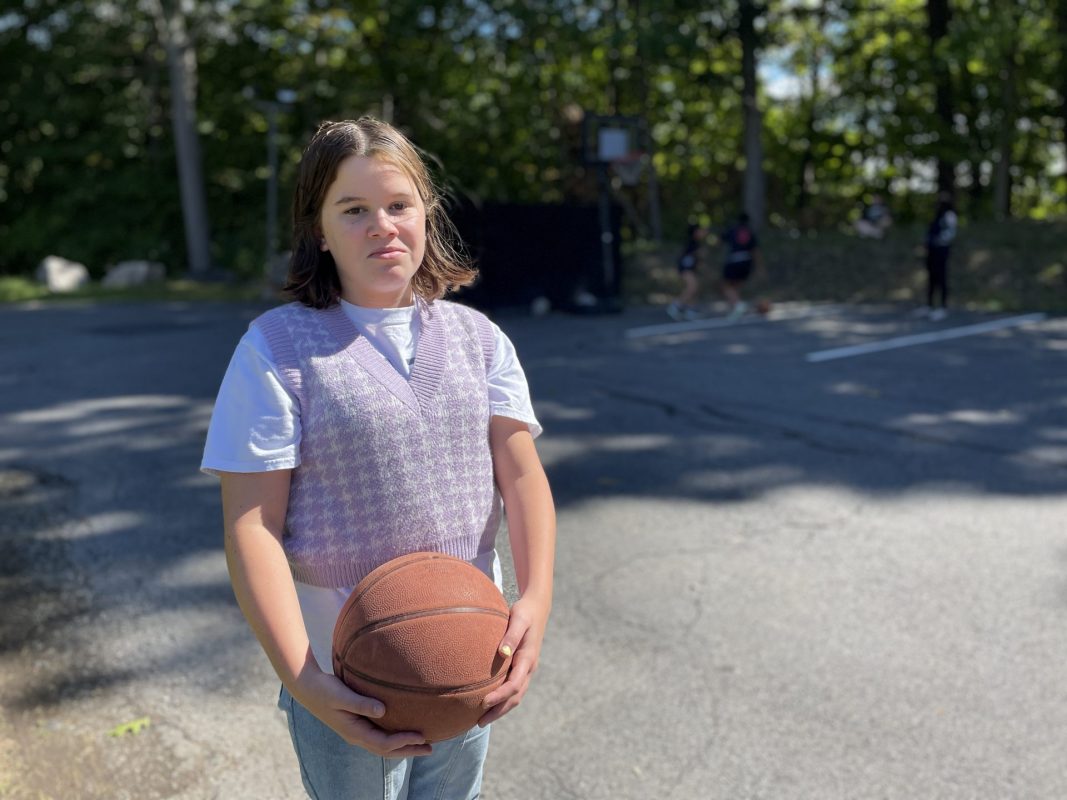
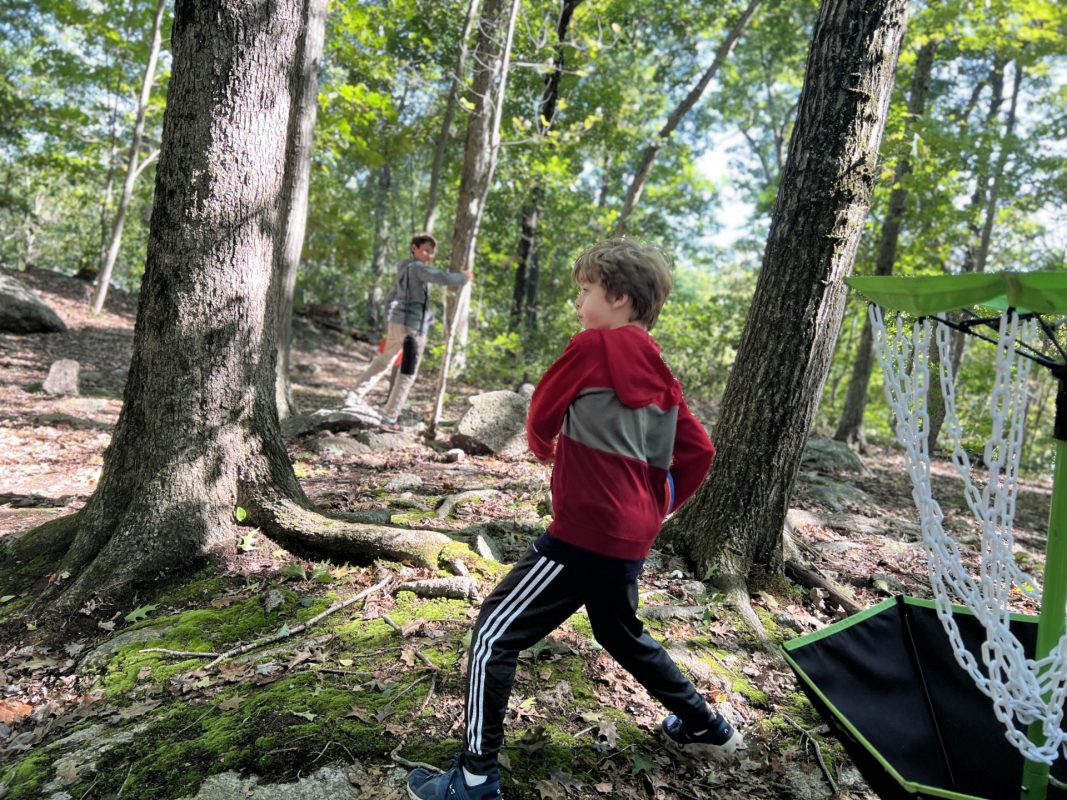
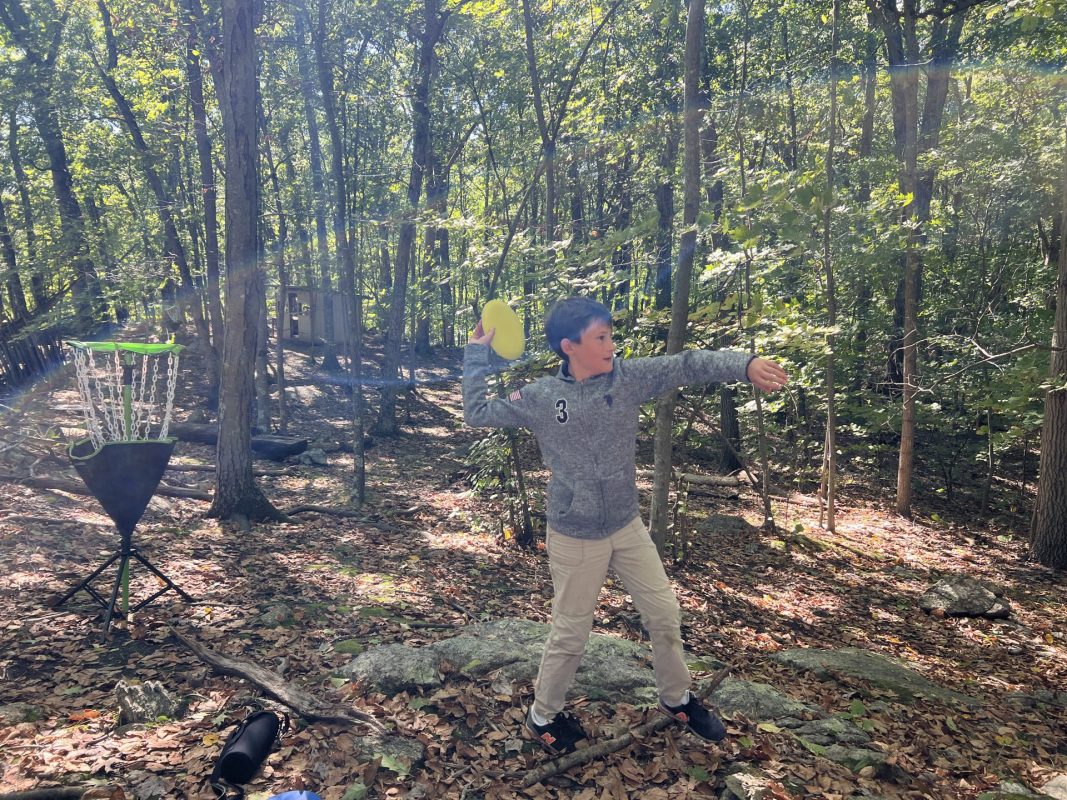
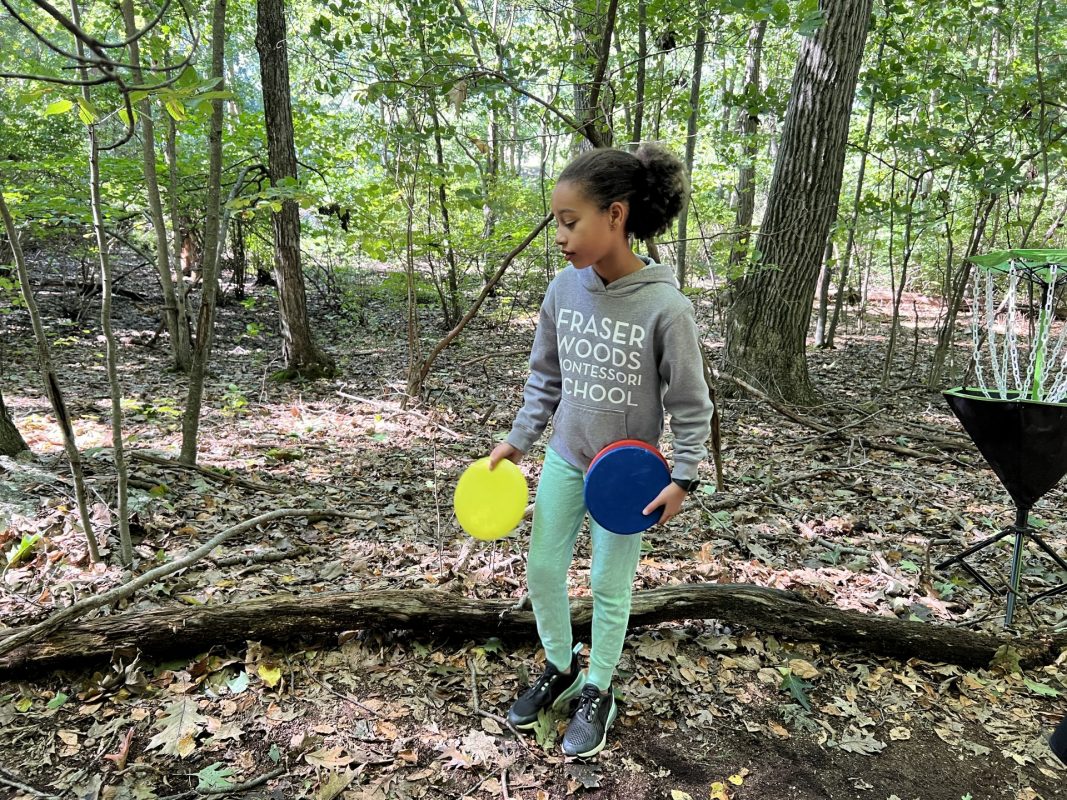
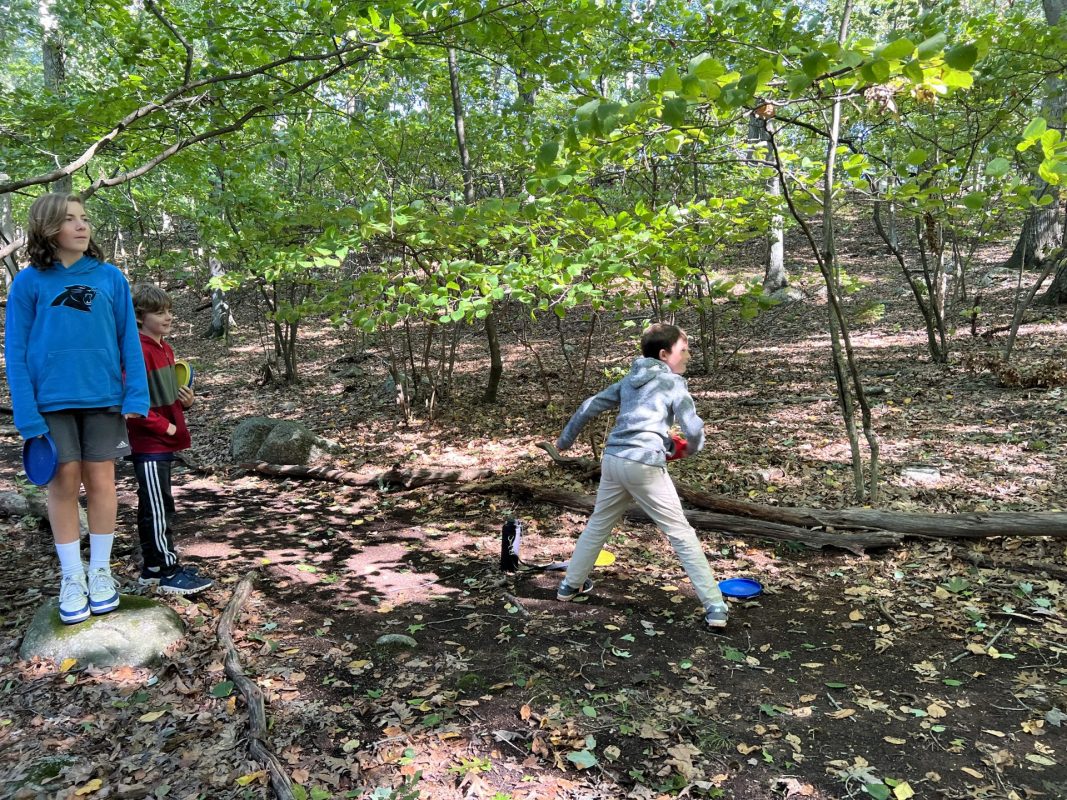
We hope everyone had a great week! Classes were busy, and students were working hard. Additionally, the weather might be chilly, but we are still going outside! Jackets and weather-appropriate clothing is recommended.
Humanities
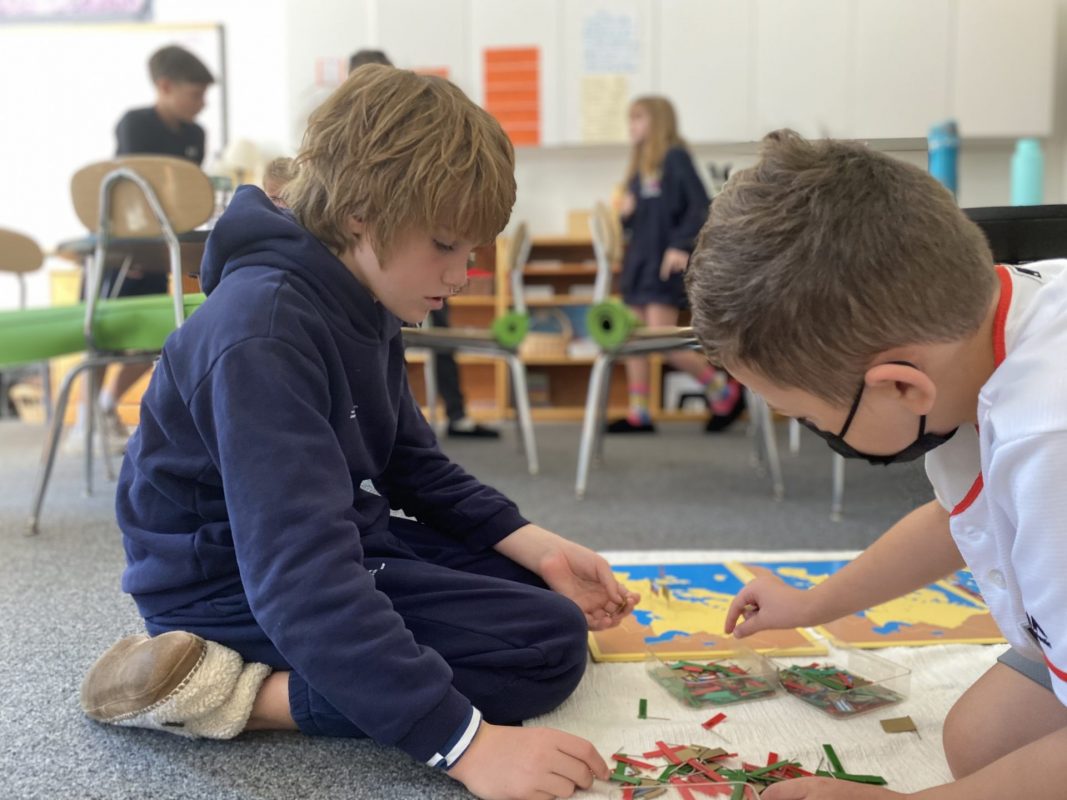
In 6th grade Humanities class, we began the week with a vocabulary assessment and history work. They learned about Mexican history and culture including a few historical sites, the Mexican Revolution, the importance of maize, and the art form Alebrijes. Students also completed a writing assessment to show Mrs. Lamb where she can challenge and support individual students this year with writing. Finally, 6th grade students began their first steps in producing their current events presentations. They learned about media bias and opinion articles when looking for articles of interest. Mrs. Lamb posted a few site possibilities for their topics.
This week, 7th grade Humanities classes have been sharing their research about Chinese Dynasties throughout the week. They will soon connect this with Ties That Bind, Ties That Break, which surrounds the revolution and cultural change in China. Students also reviewed metaphors by looking at the humorous poem, “Litany” by Billy Collins. Finally the 7th grade completed a second unit of vocabulary.
8th grade Humanities class presented their research on the Pre-Contact American civilizations of the Olmec, Incas, Mayas, Aztecs, Mississippians, and the Ancestral Puebloans. They also took time to learn more information about each after they presented. 8th grade students discussed the idea of a Legacy after reading Nikki Giovanni’s poem, “Legacies.” We talked about how we can relate to it as well as what it means to connect with culture as time goes by for different groups in the United States, including Indigenous Americans. Finally, students completed another unit of vocabulary.
Science
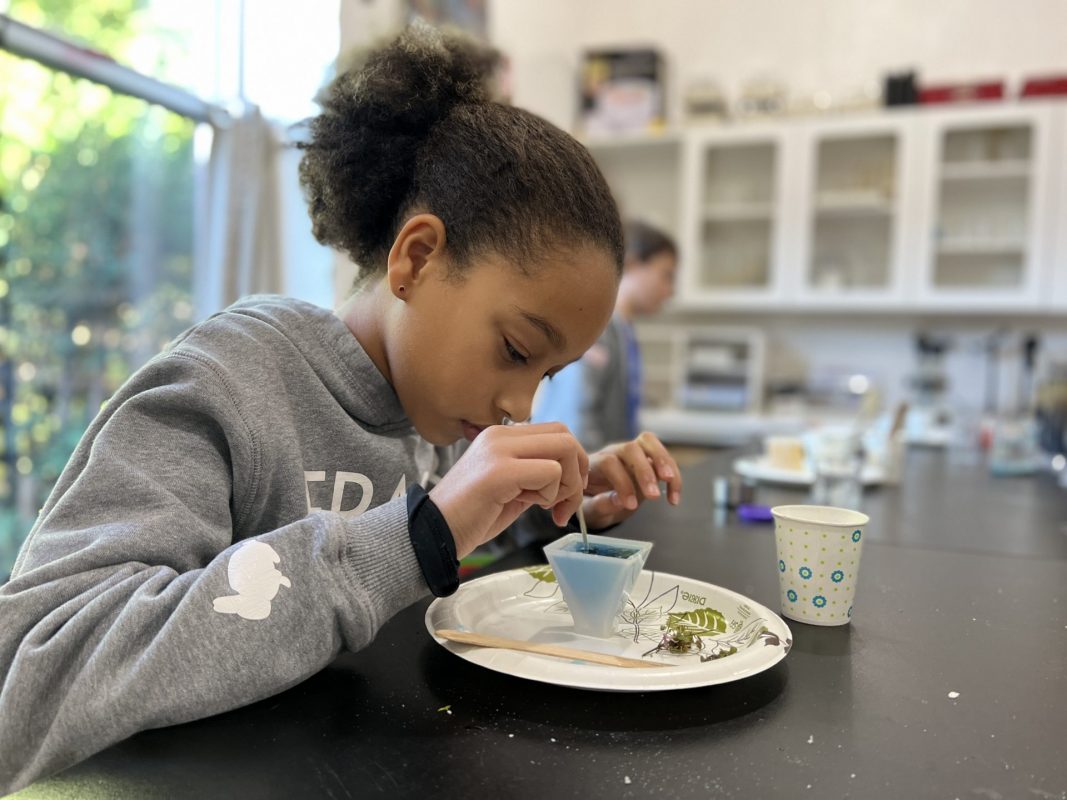
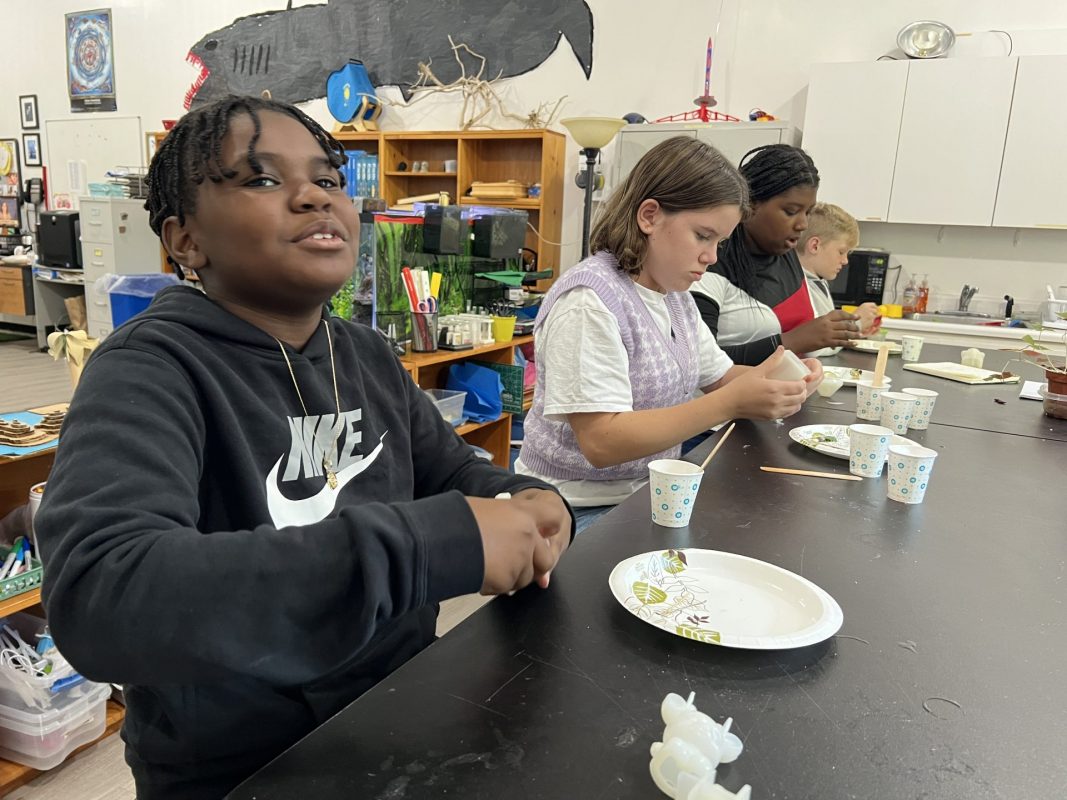
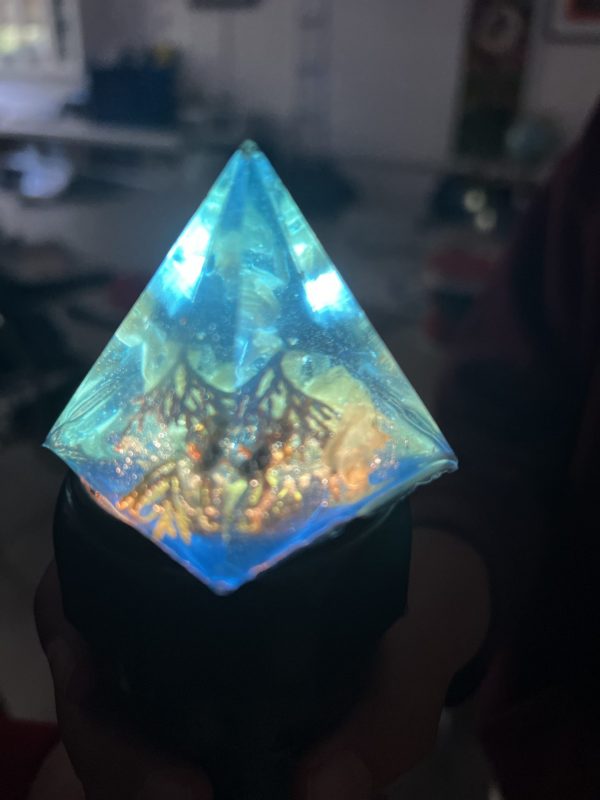
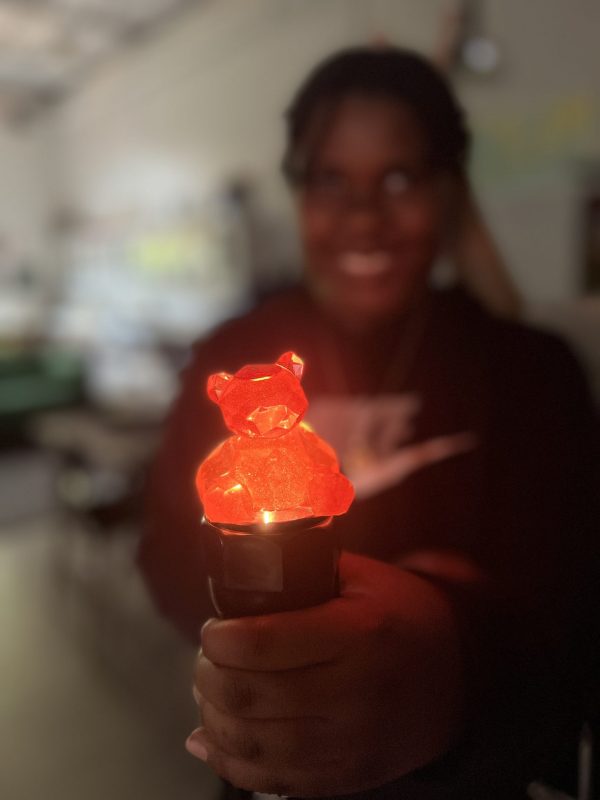
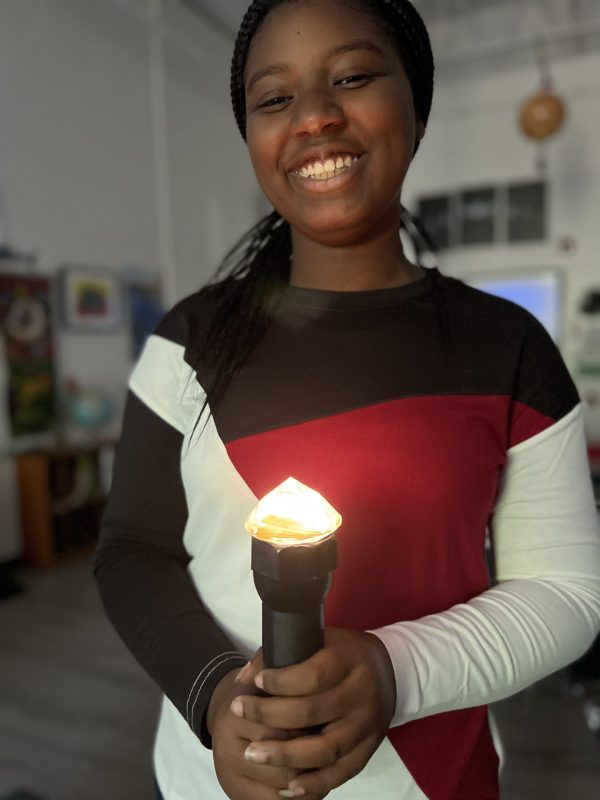
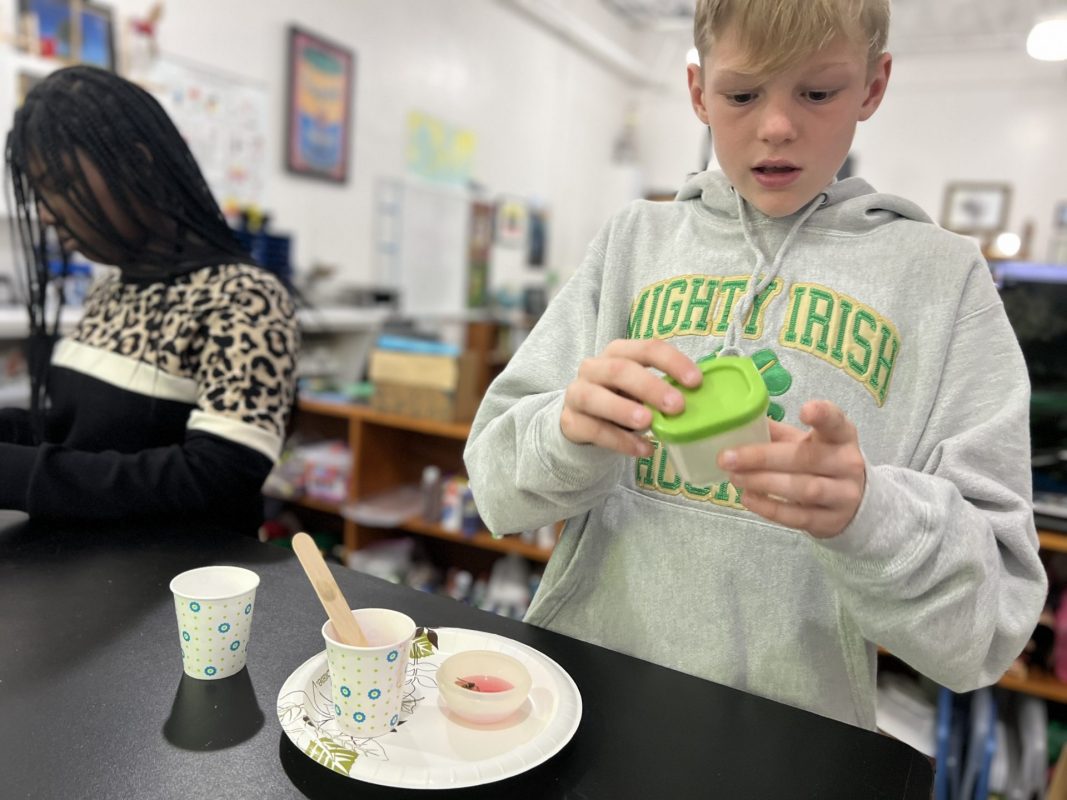
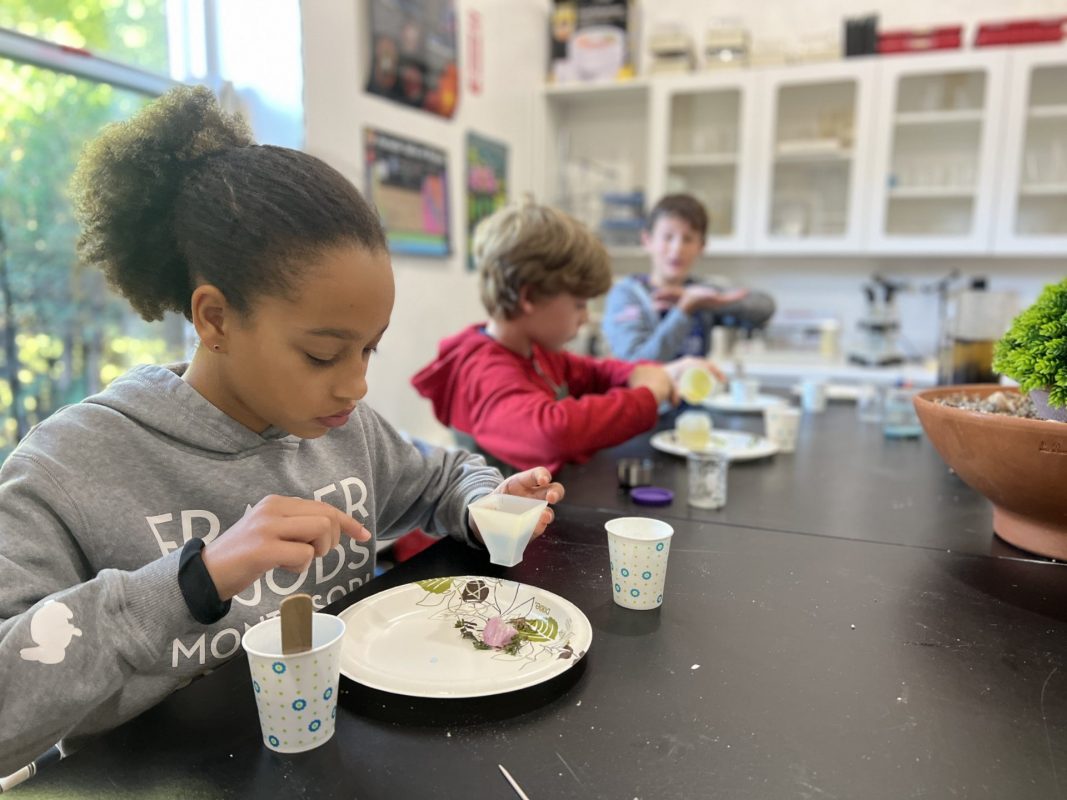
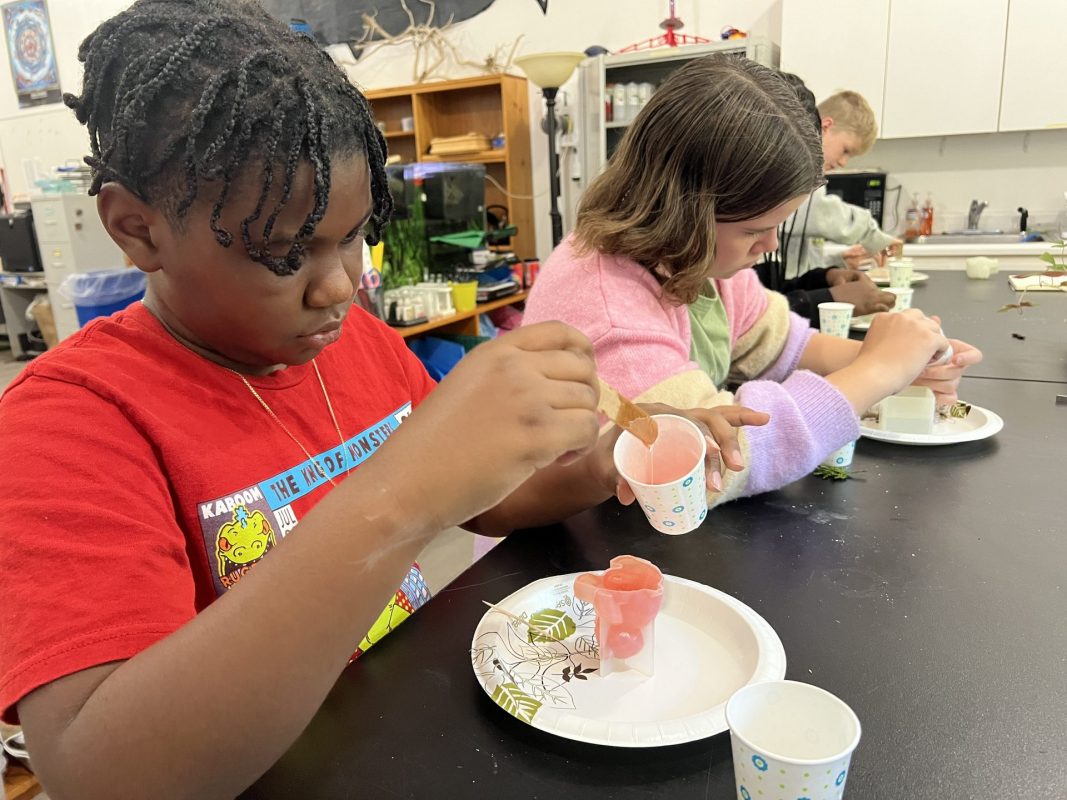
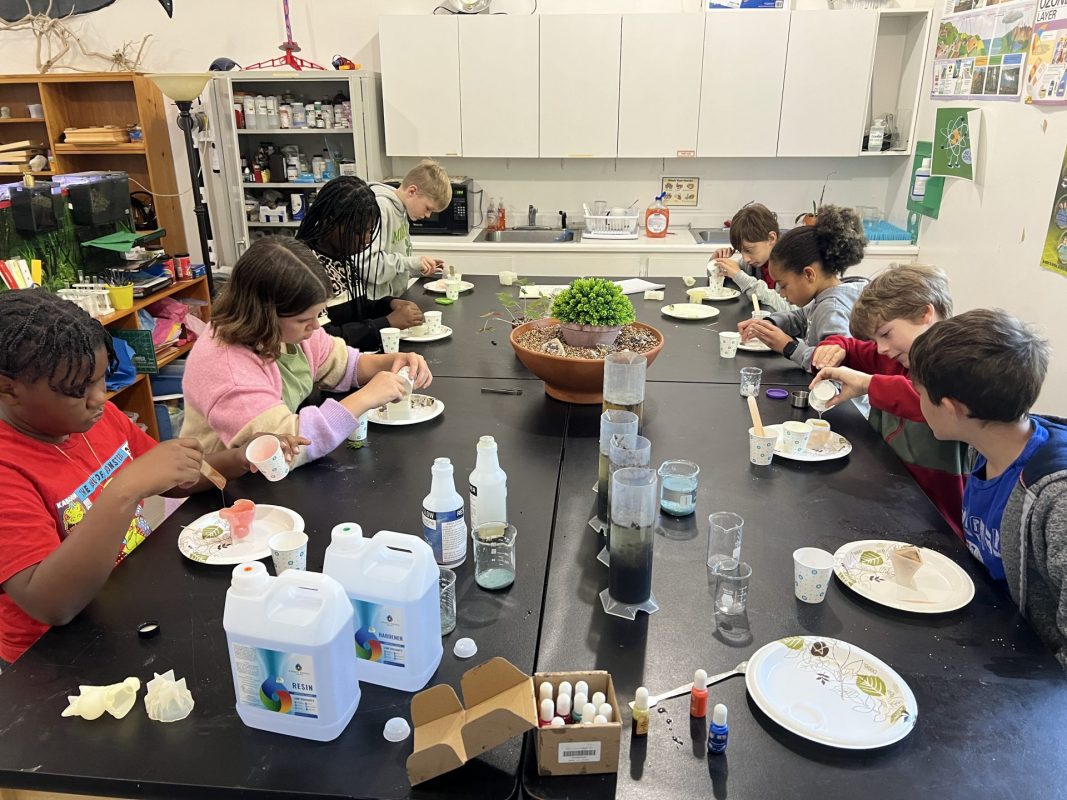
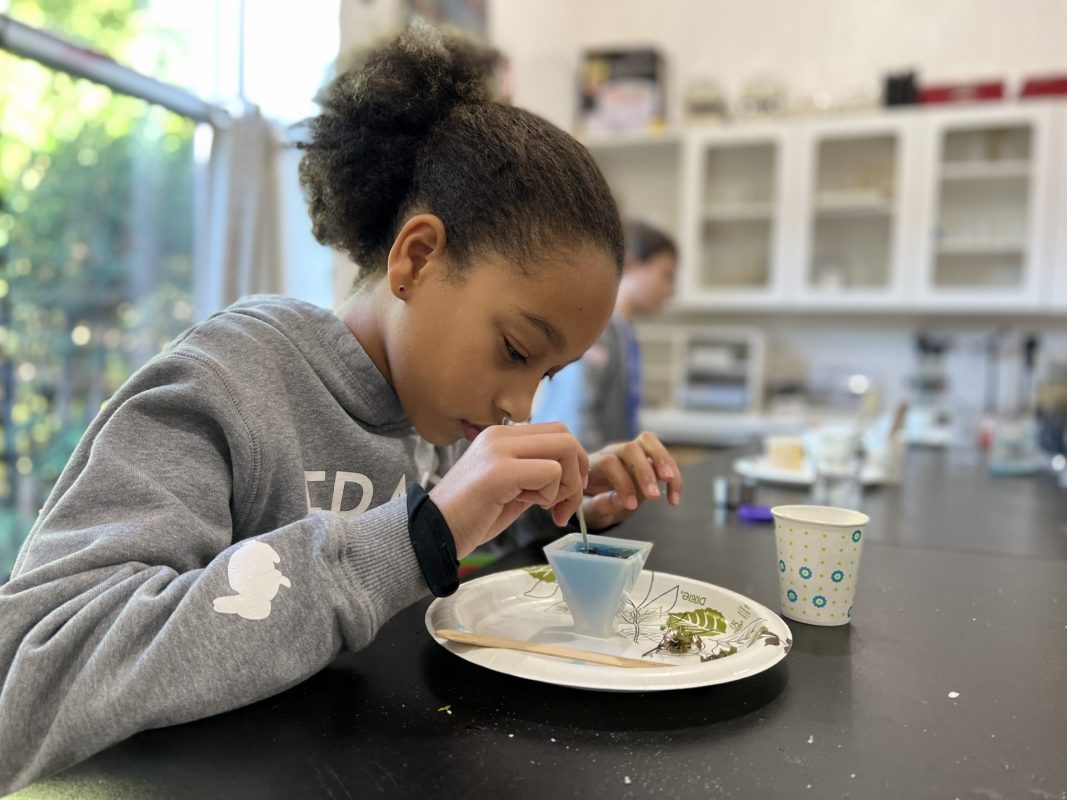
6th year Earth Science students were able to create their resin molds incorporating an object of their choosing. Students chose between geometric or animal molds to represent their own representation. Following the completion of this project, students were asked to write a fictional story using key terms from our unit, Fossils, as it relates to the preservation of fossils. Each student was able to share their story aloud to the class and later display their resin mold and story for the entire school to see.
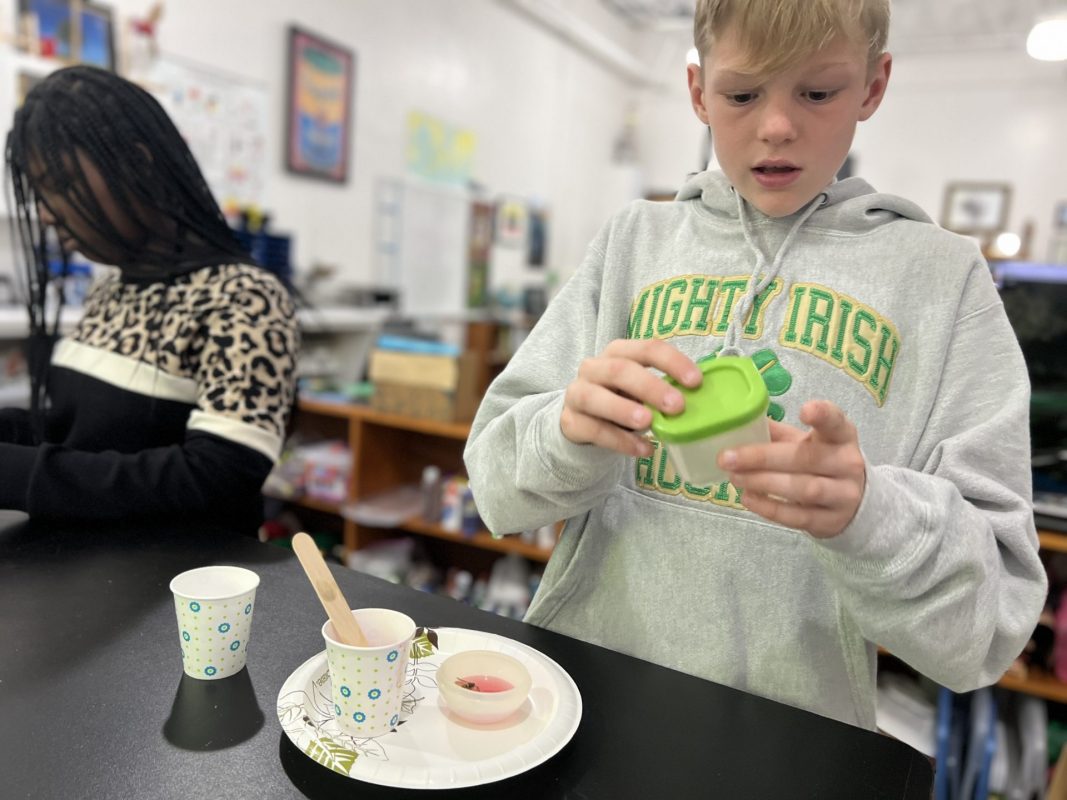
7th year Physical Science students finished their unit, Combining and Separating. Students learned about relevant issues in which we rely on the knowledge of separation as discussed in the Flint Water Crisis (2014-16) along with the process of desalination (removal of salt from saltwater). We conducted an experiment of the desalination process by saturating water with salt, and later boiling it, which resulted in fresh water once again. We will begin our next unit, Characteristic Properties of Matter, the following week.
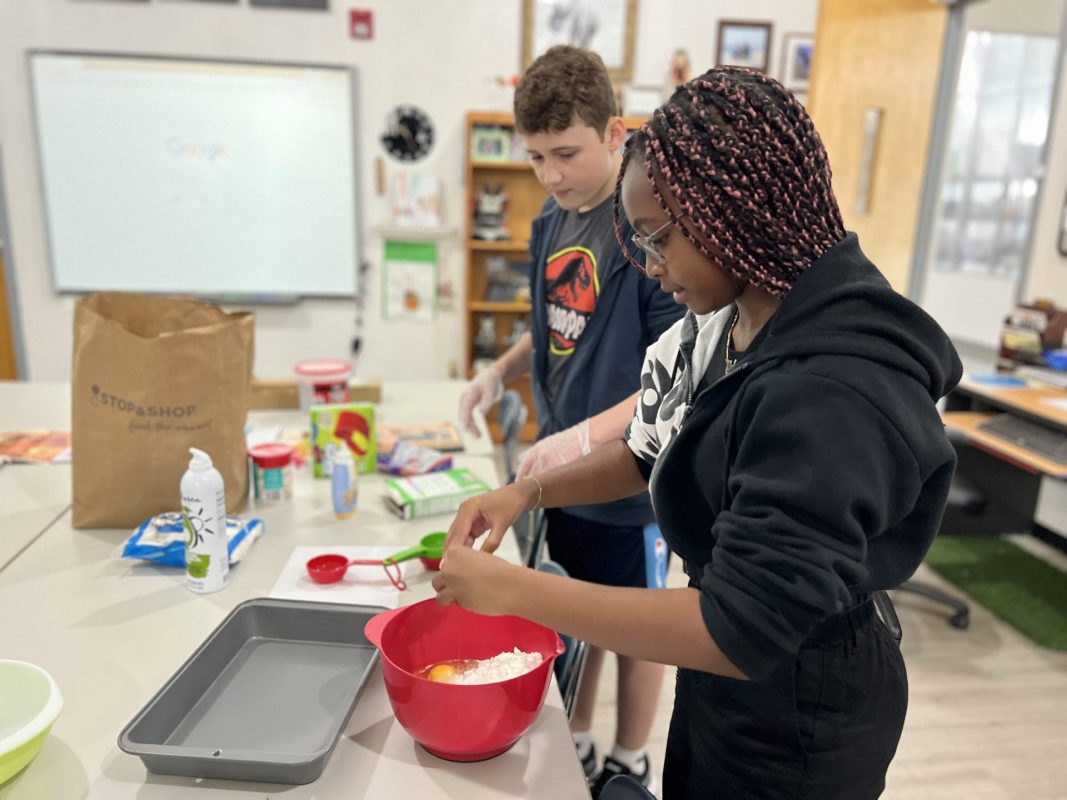
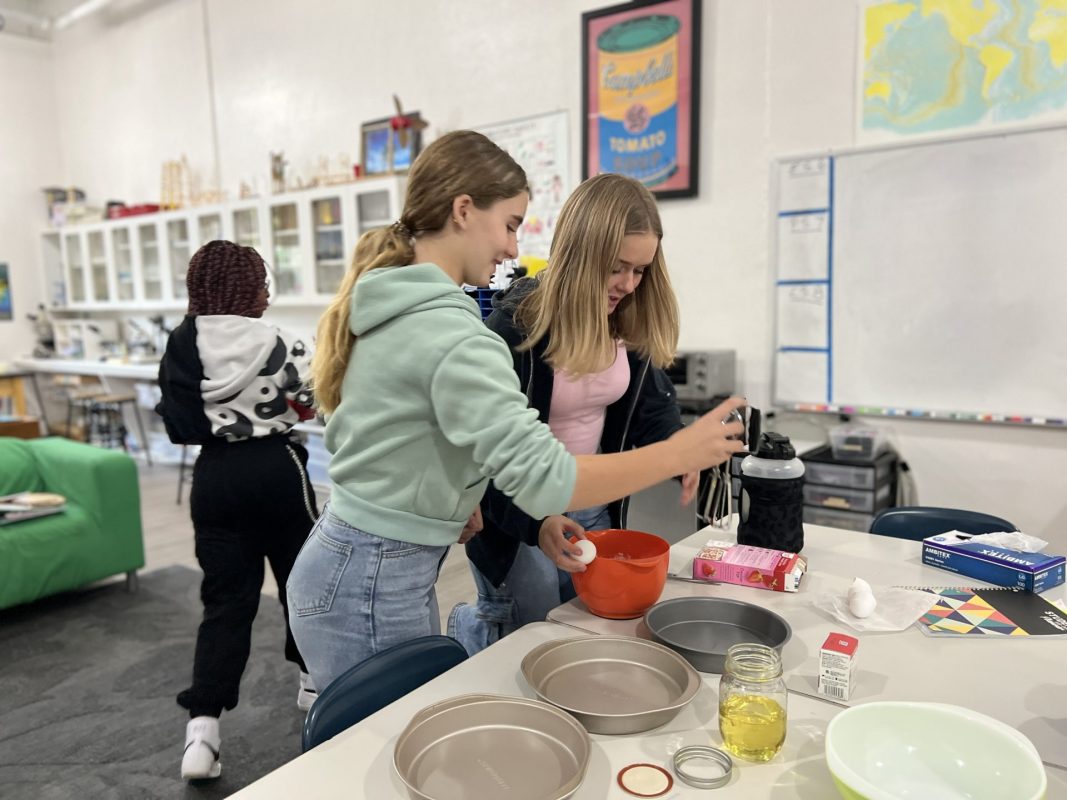
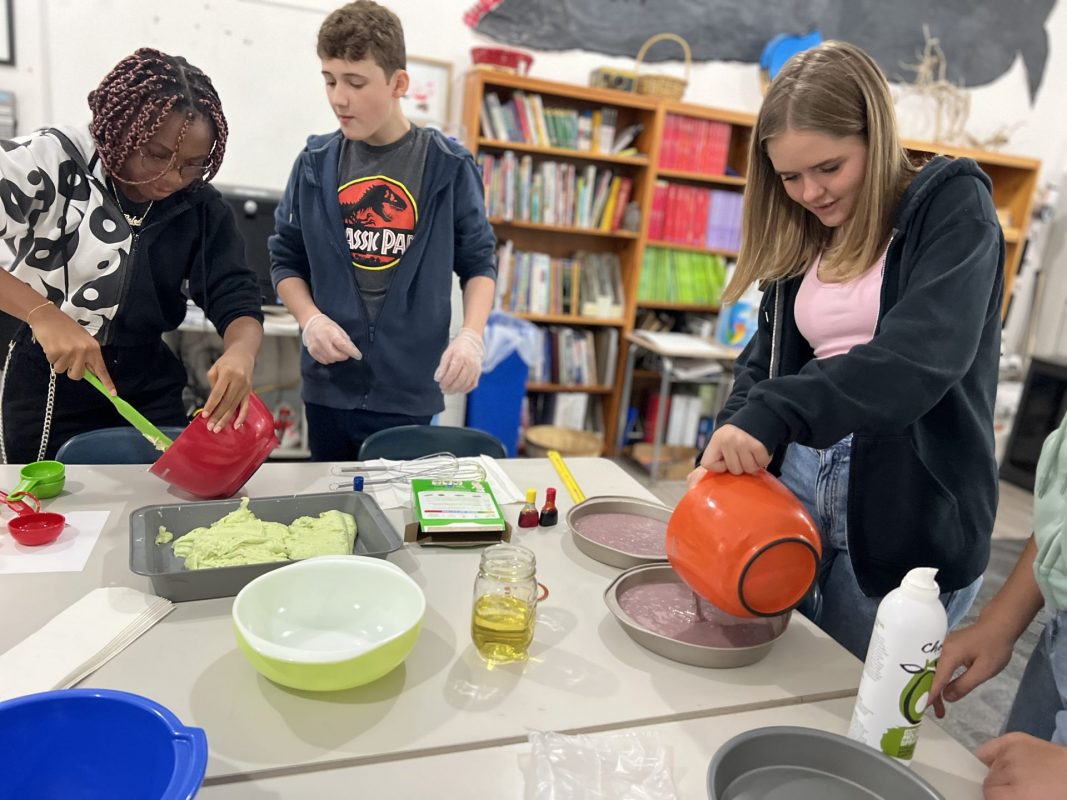
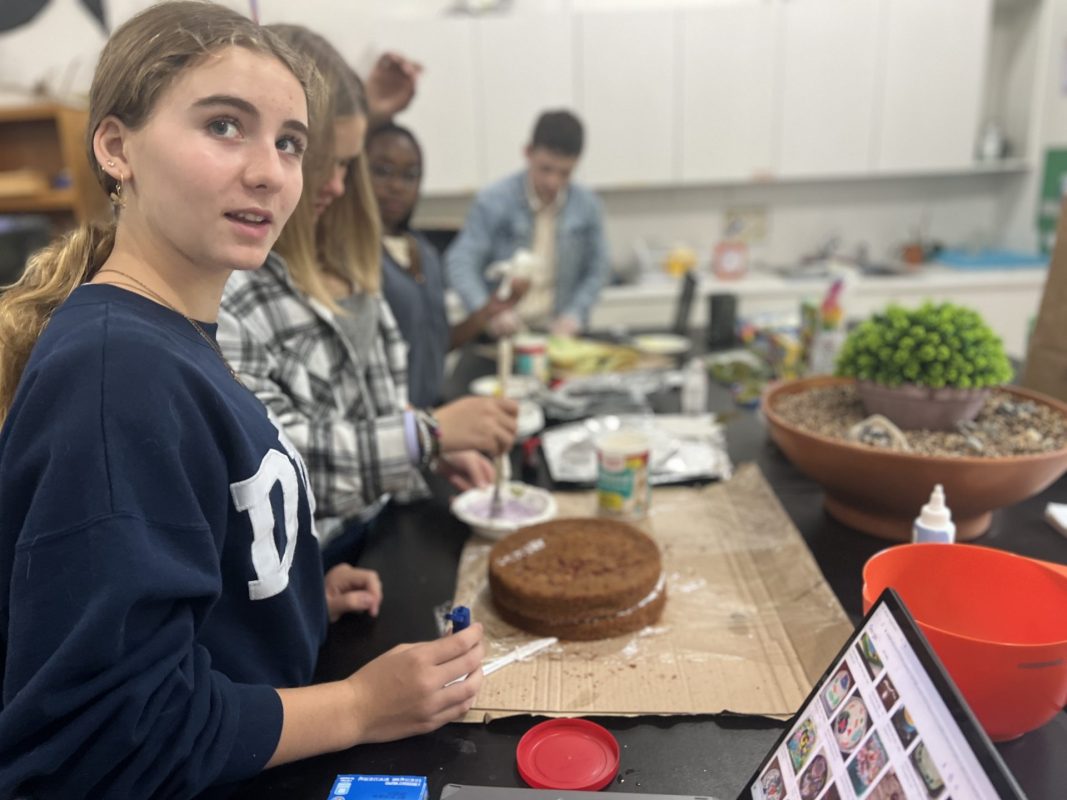
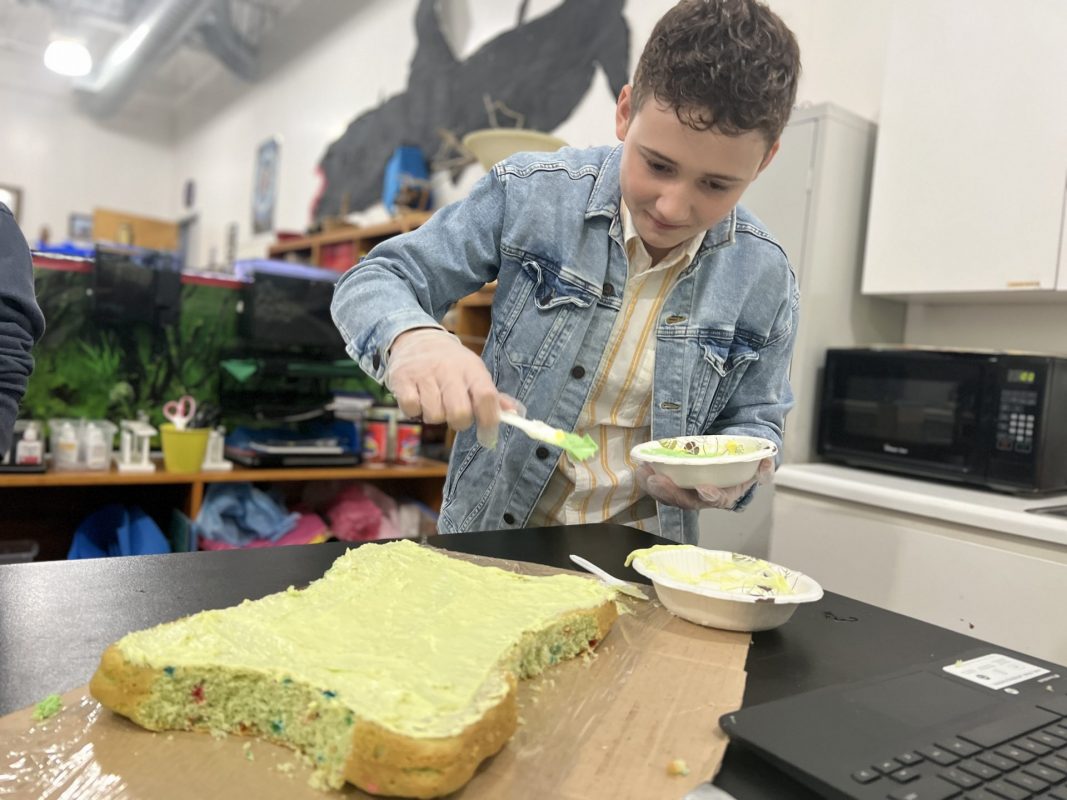
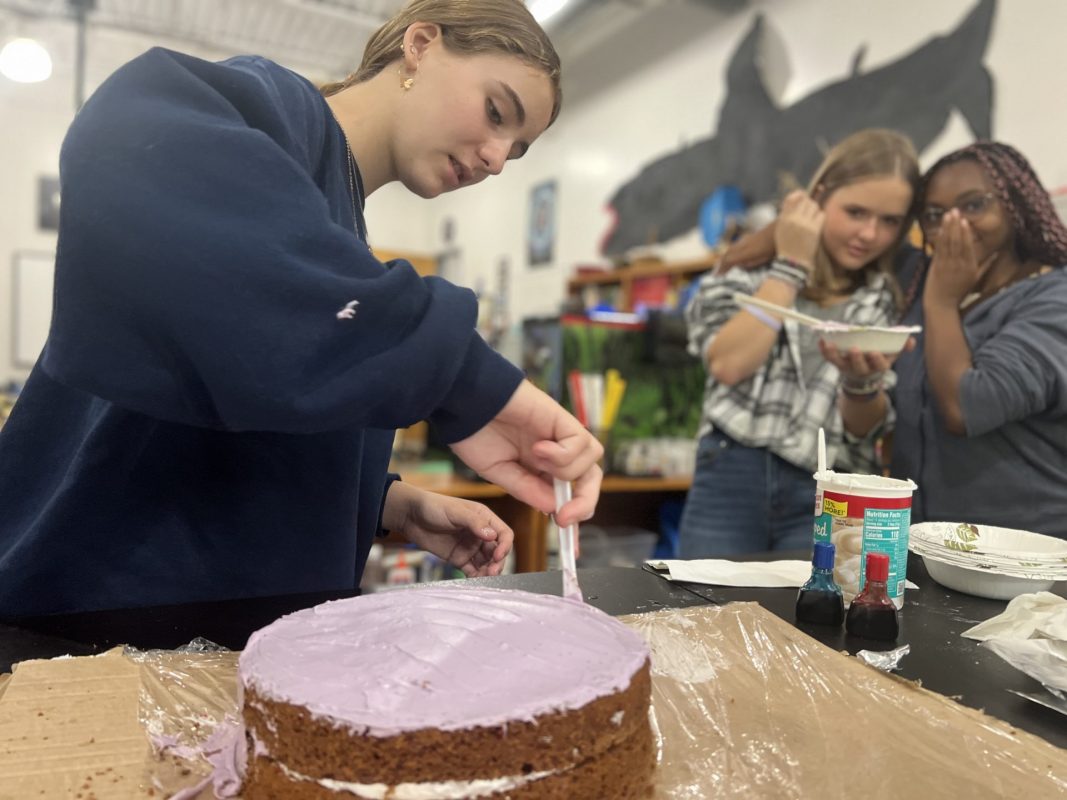
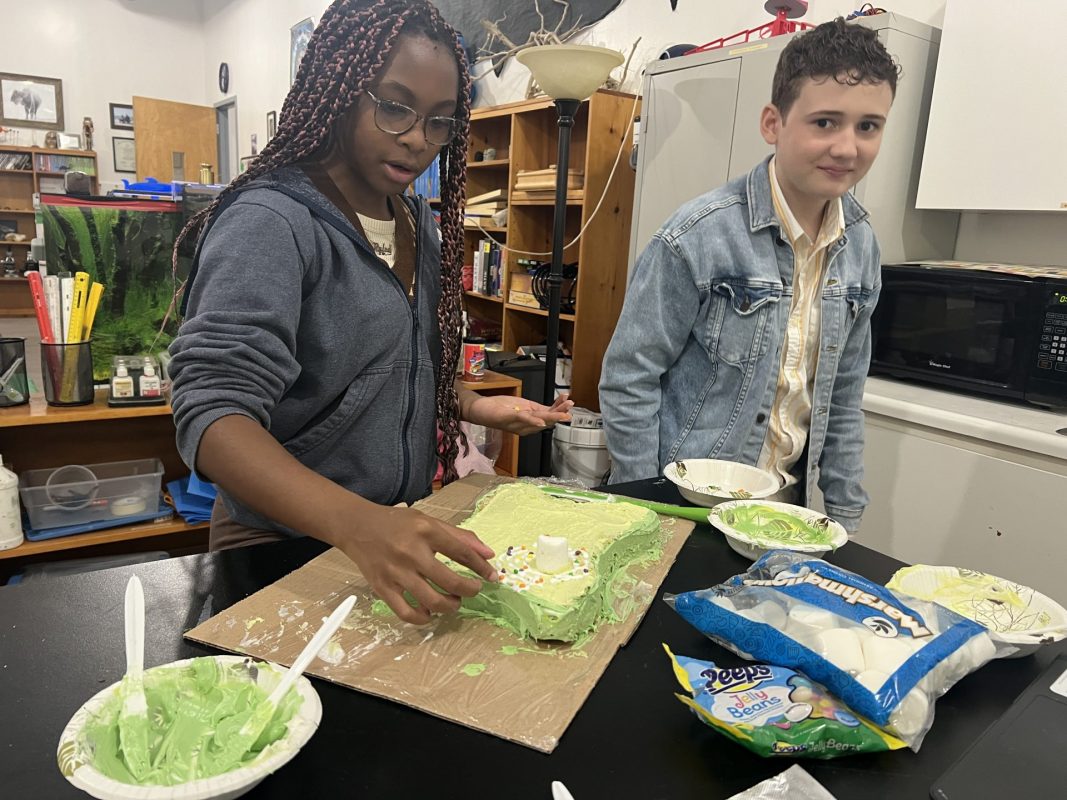
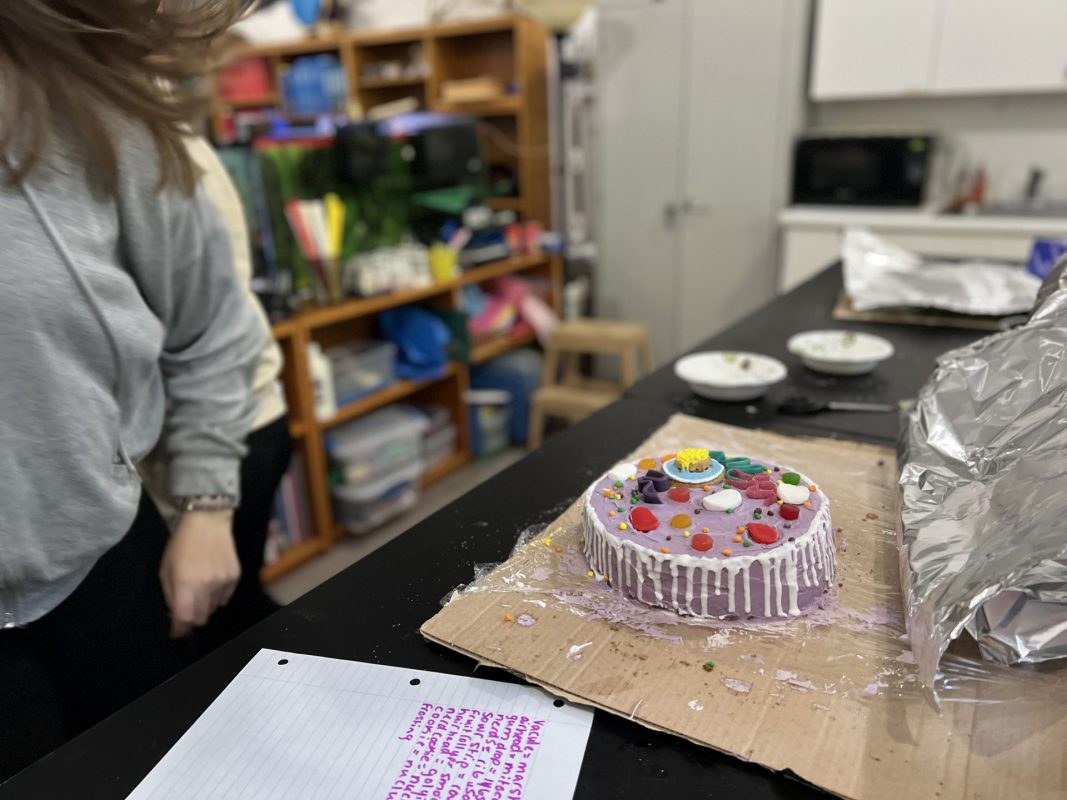
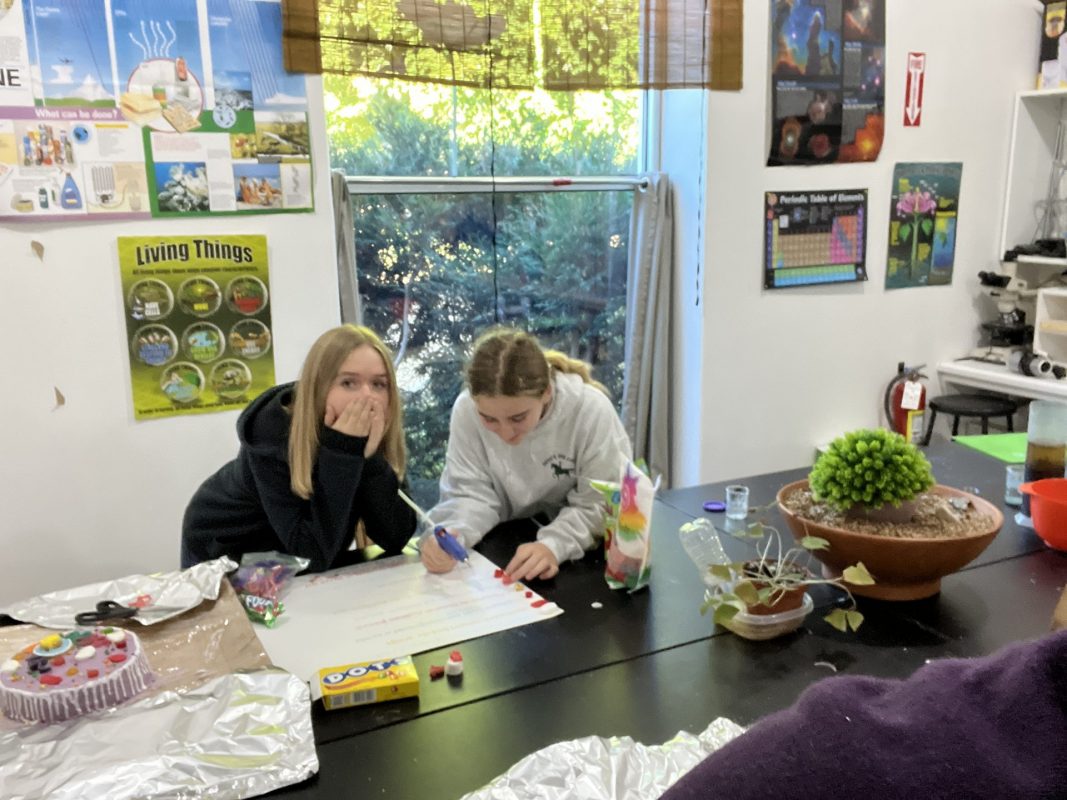
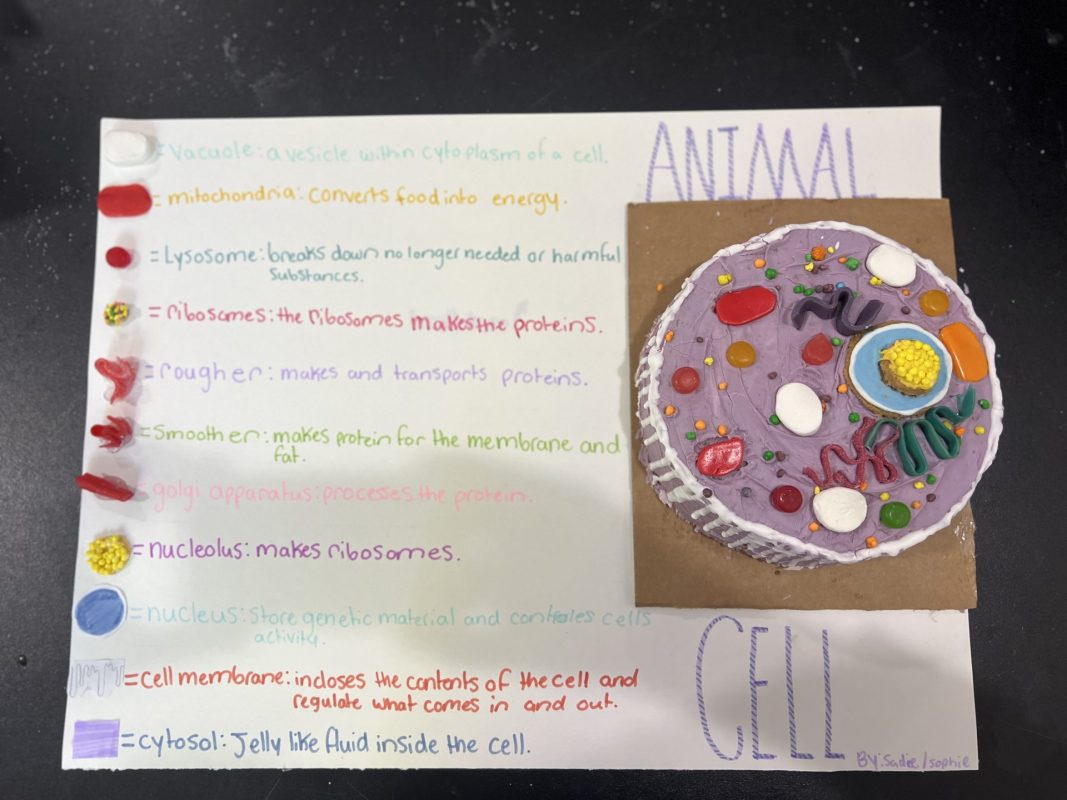
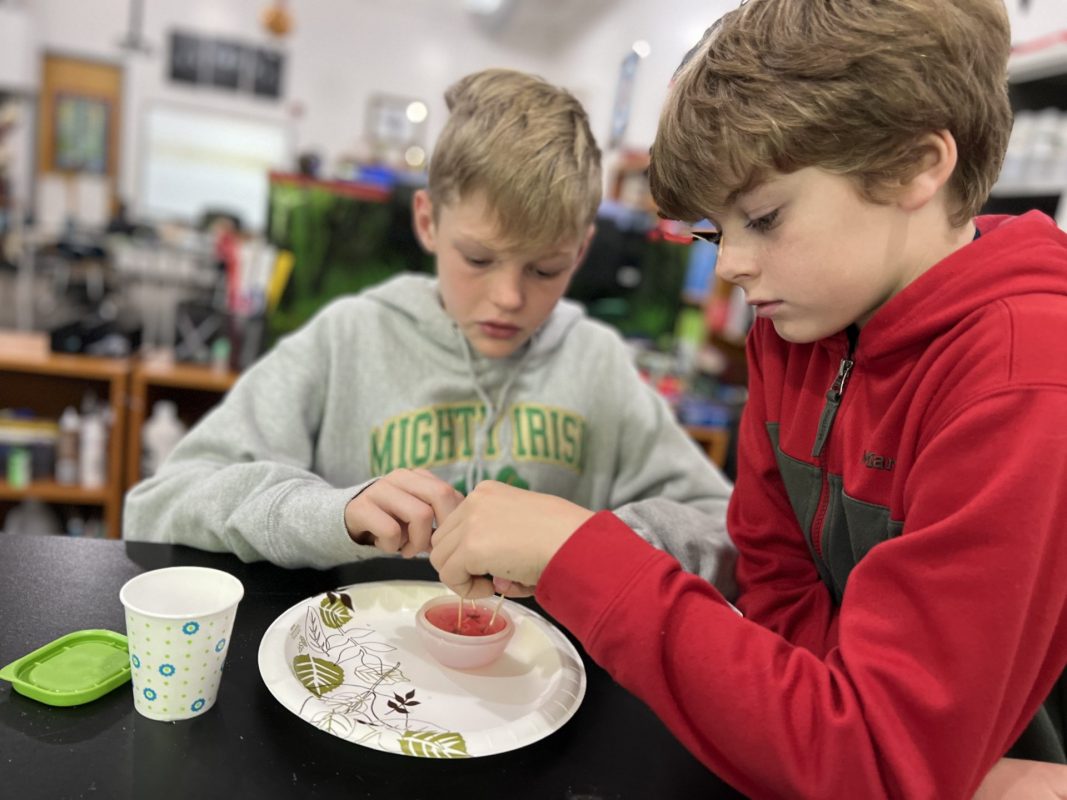
8th year Life Science students began their cell cake project from the unit, Cell Theory. Students were instructed to represent either an animal or plant cell along with its primary organelles by using food (candy/cake). Students chose certain candies to best represent each organelle’s actual appearance. Once completed with the construction, students created a key diagram, labeling the organelles along with the function served within the cell. Students presented and later consumed their finished product to the middle school students Following this project, students will begin their research on our debate based on stem cell research and use.
Math
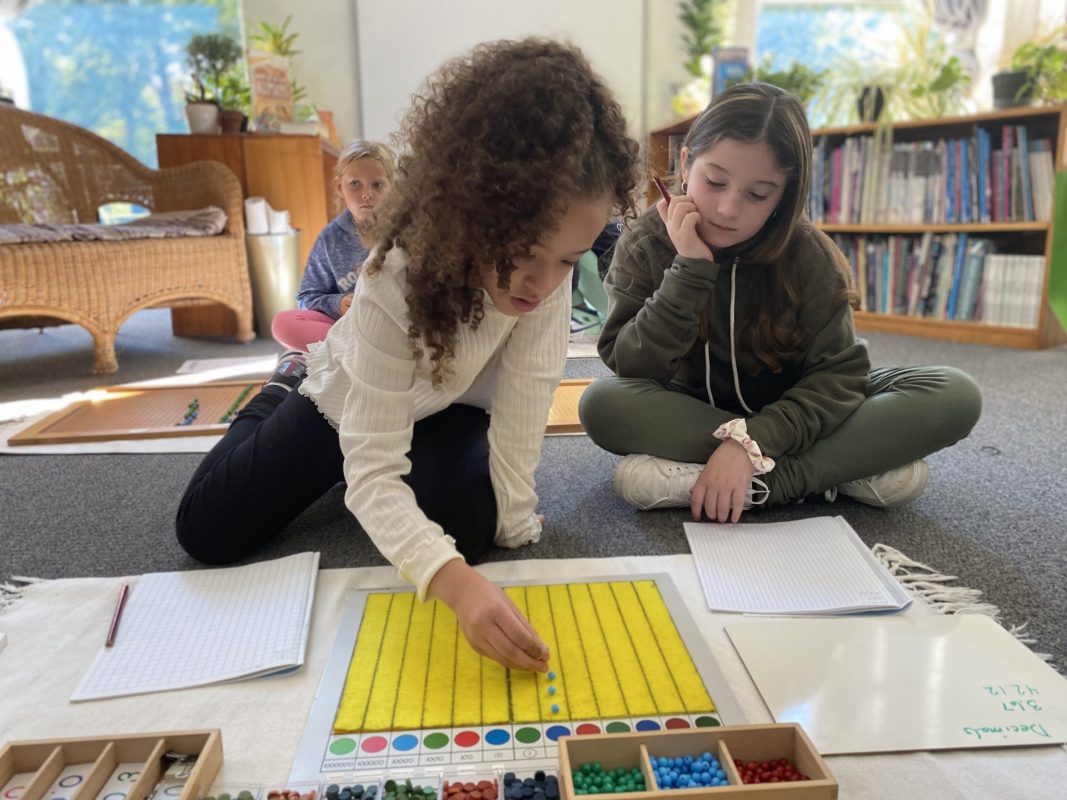
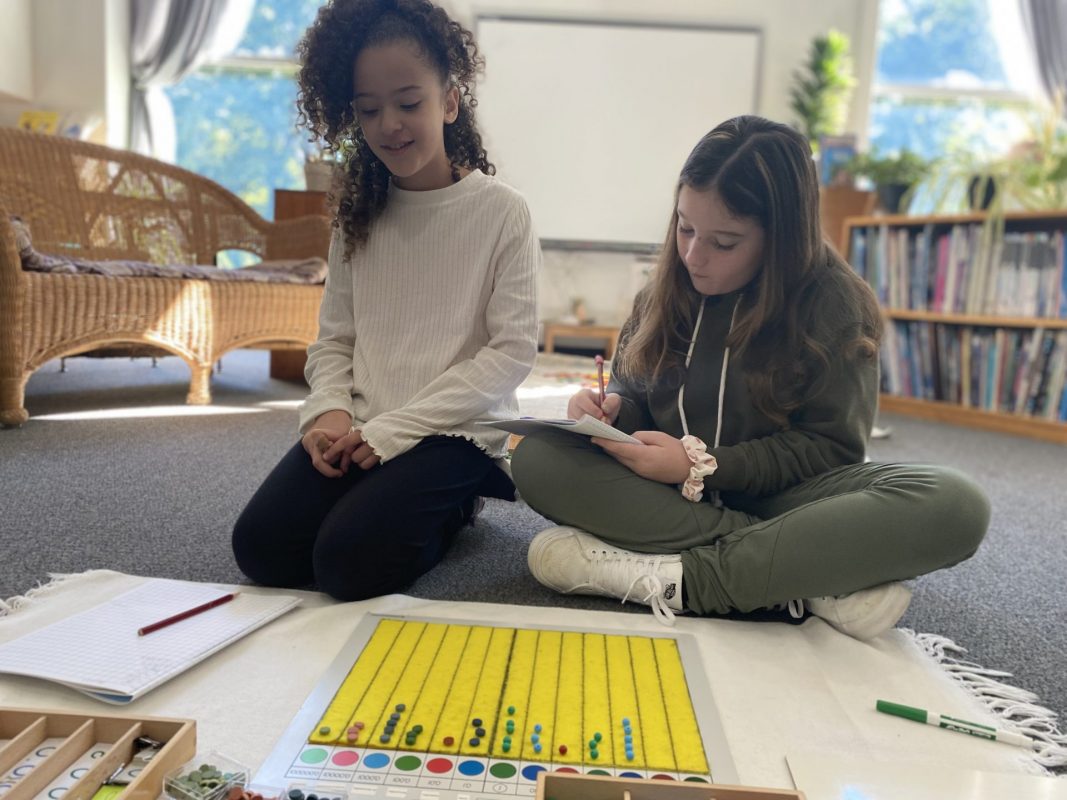
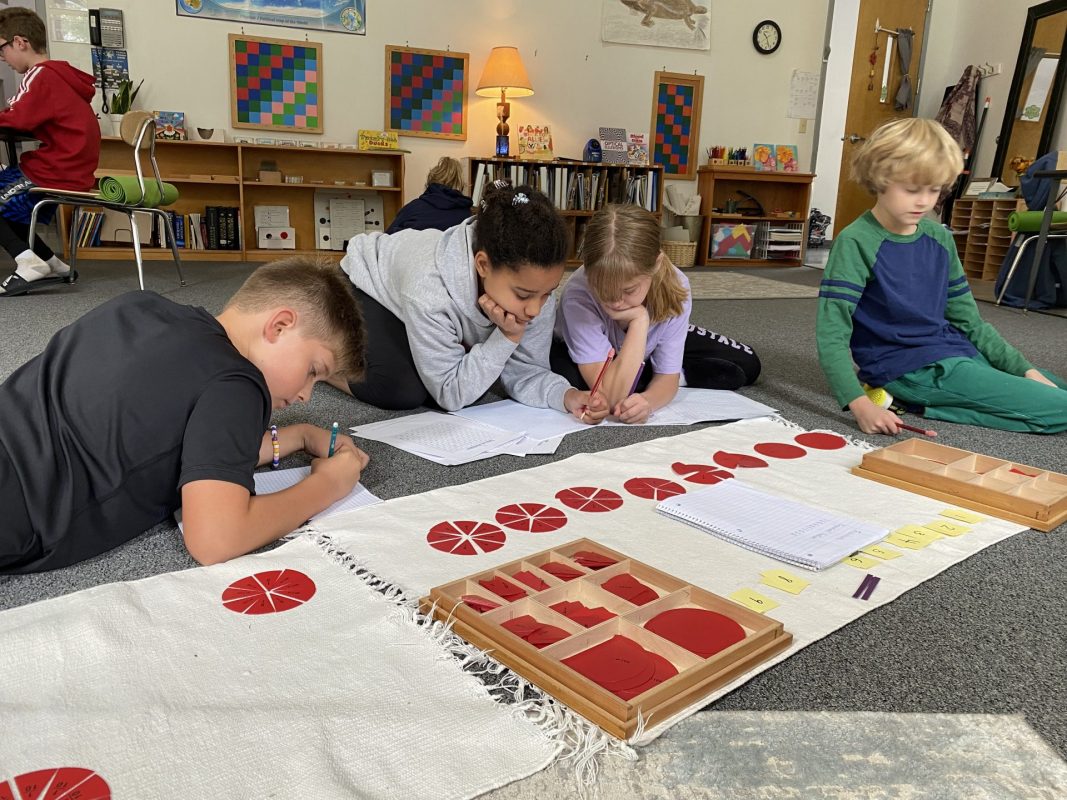
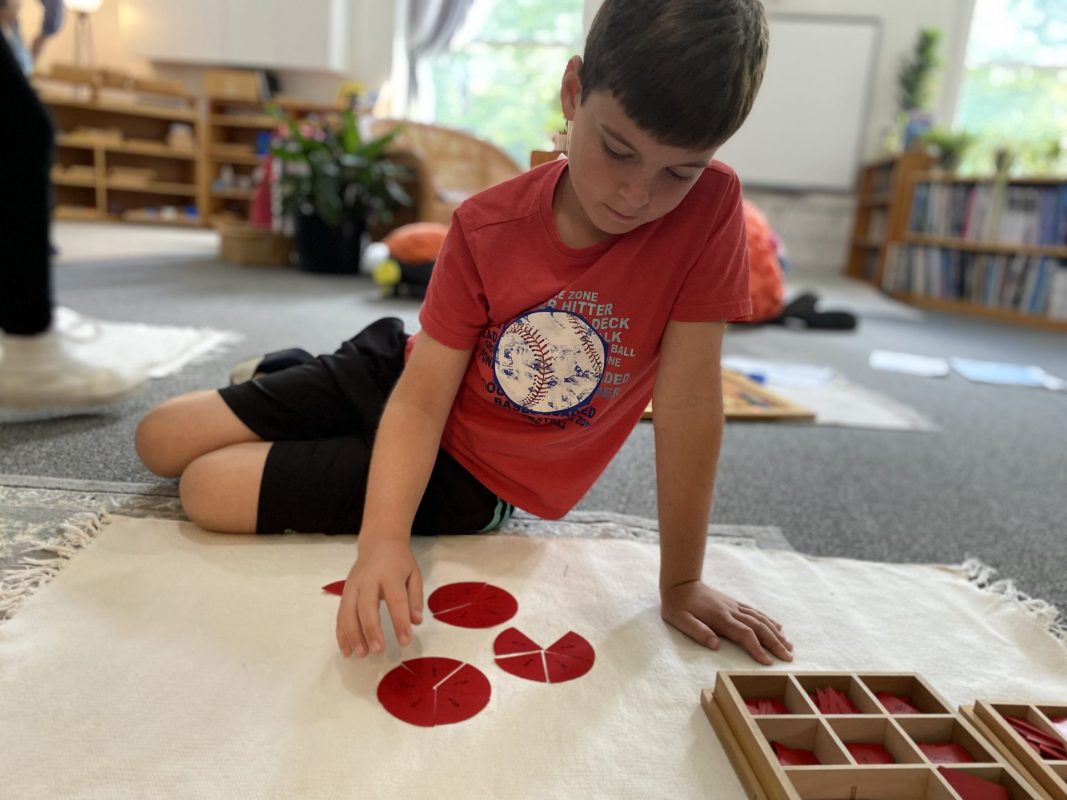
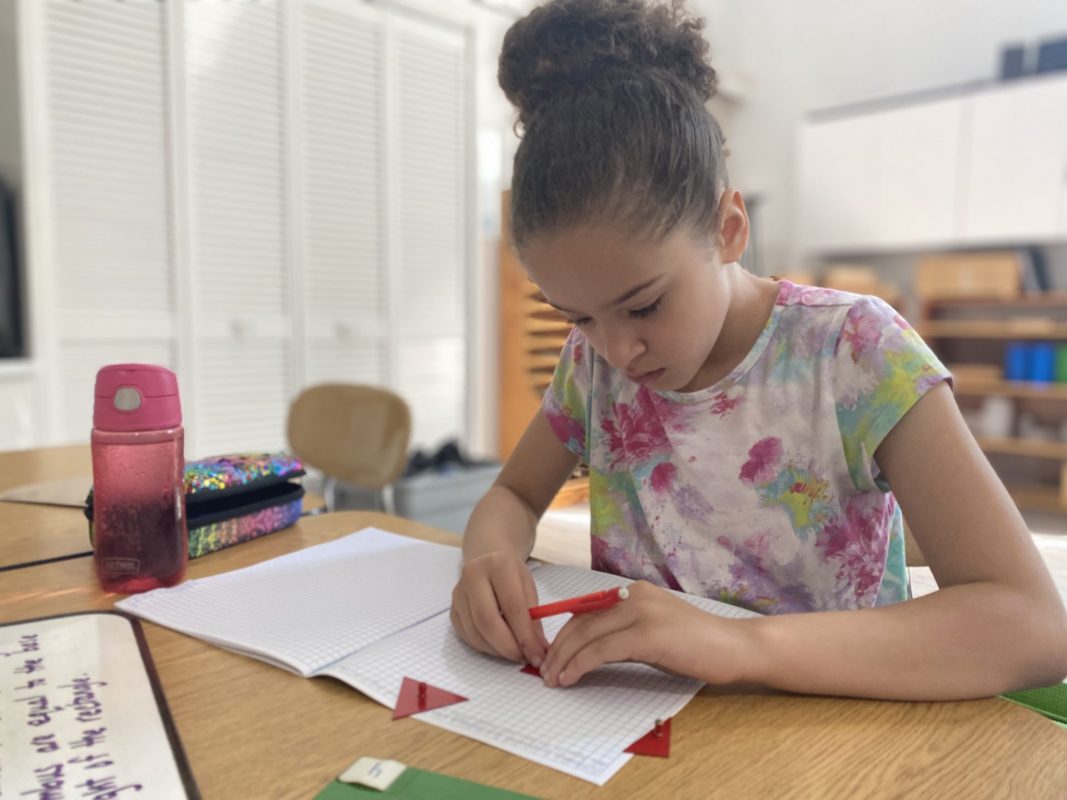
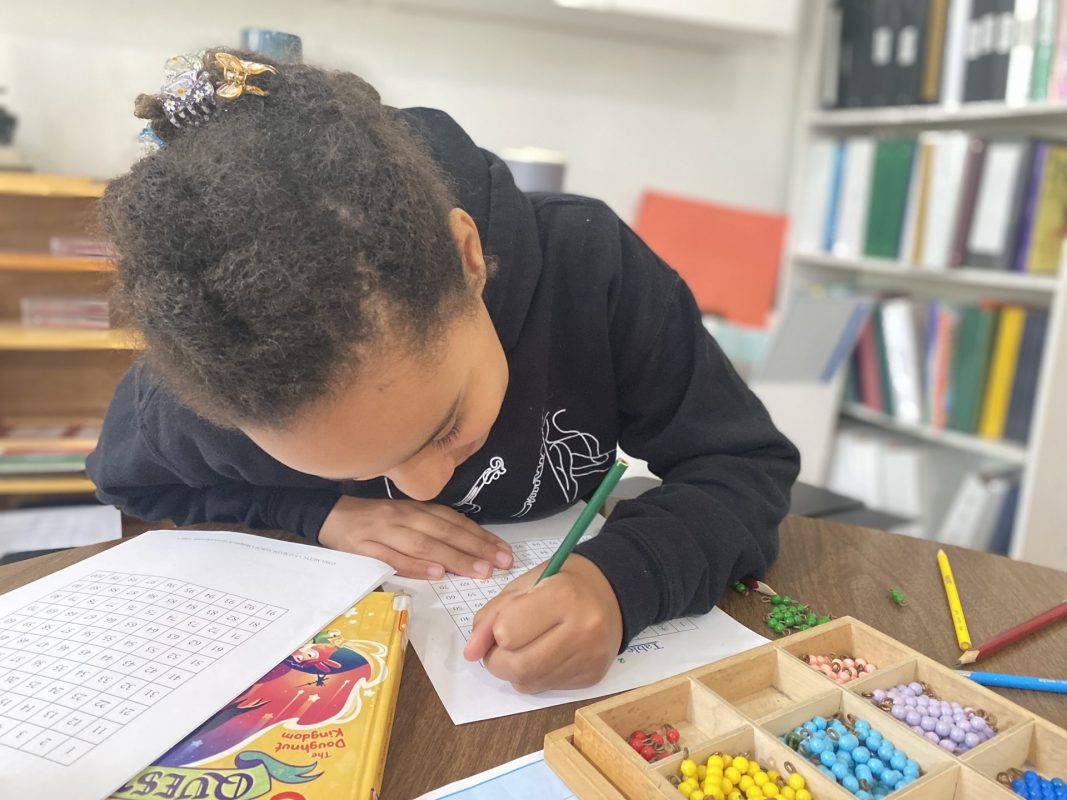
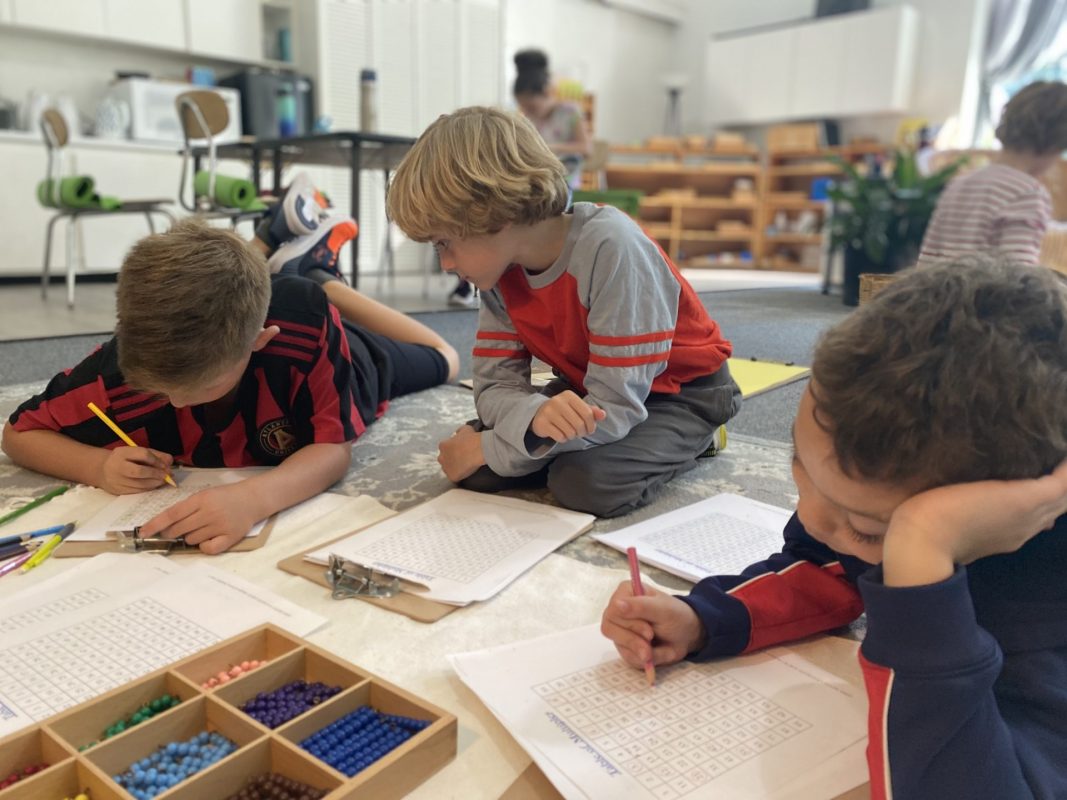
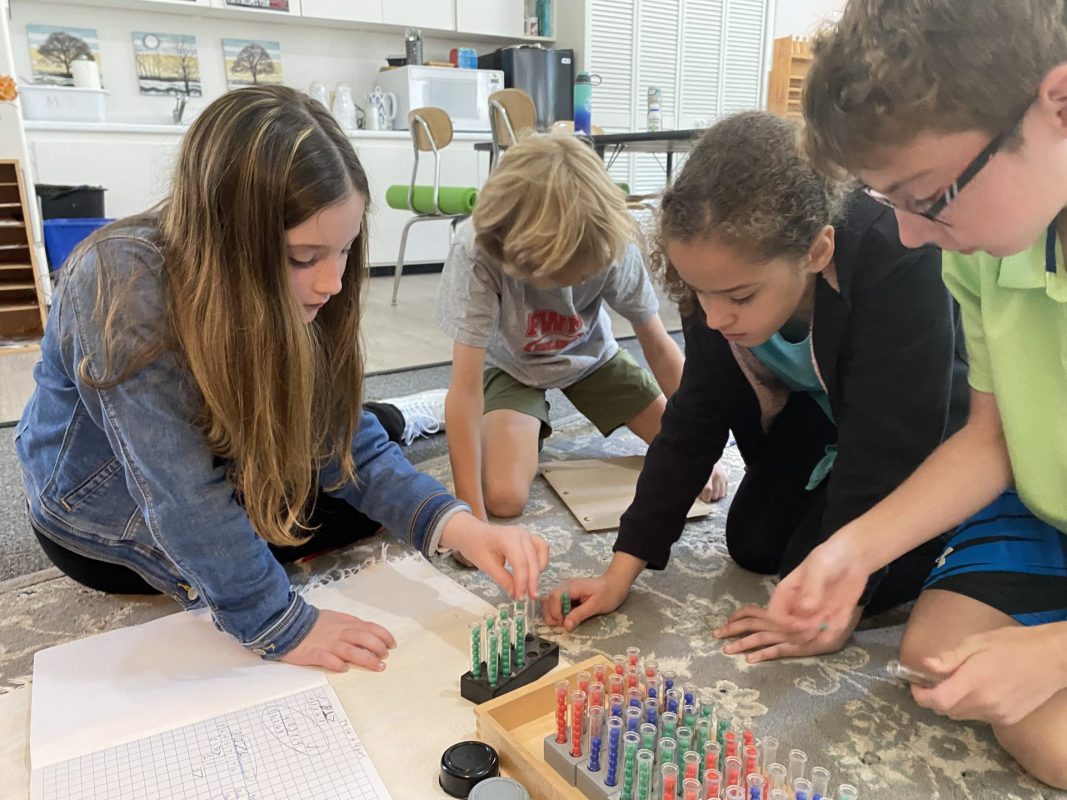
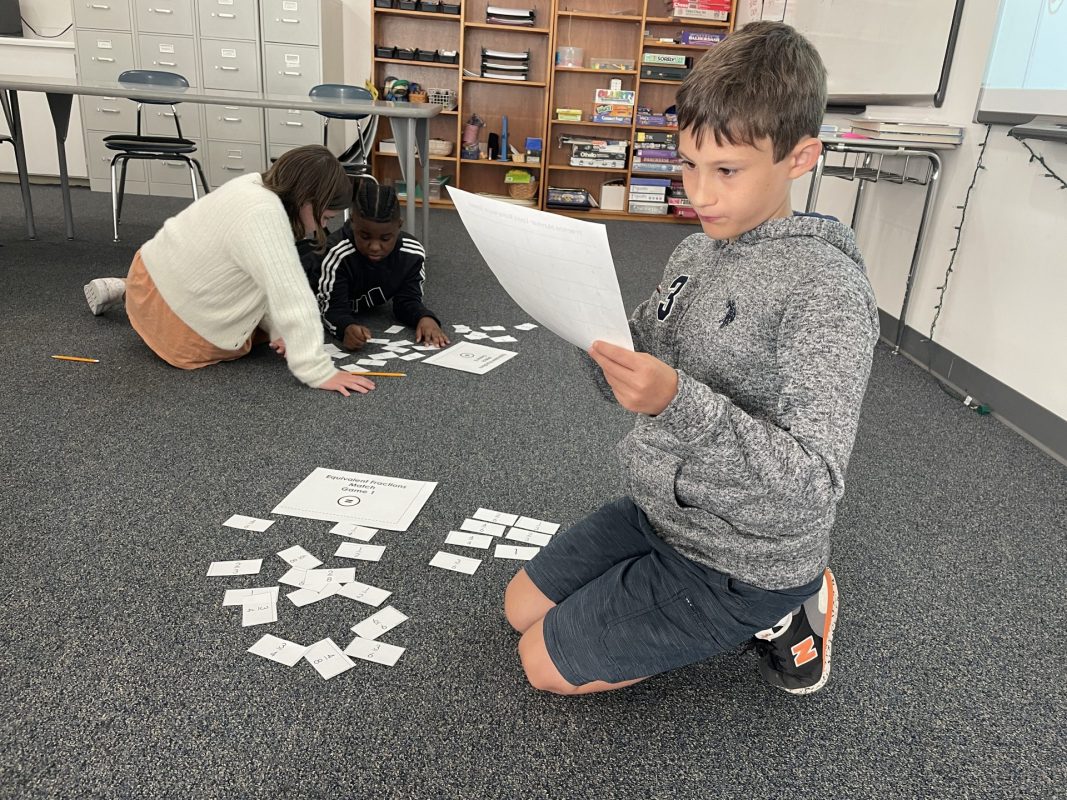
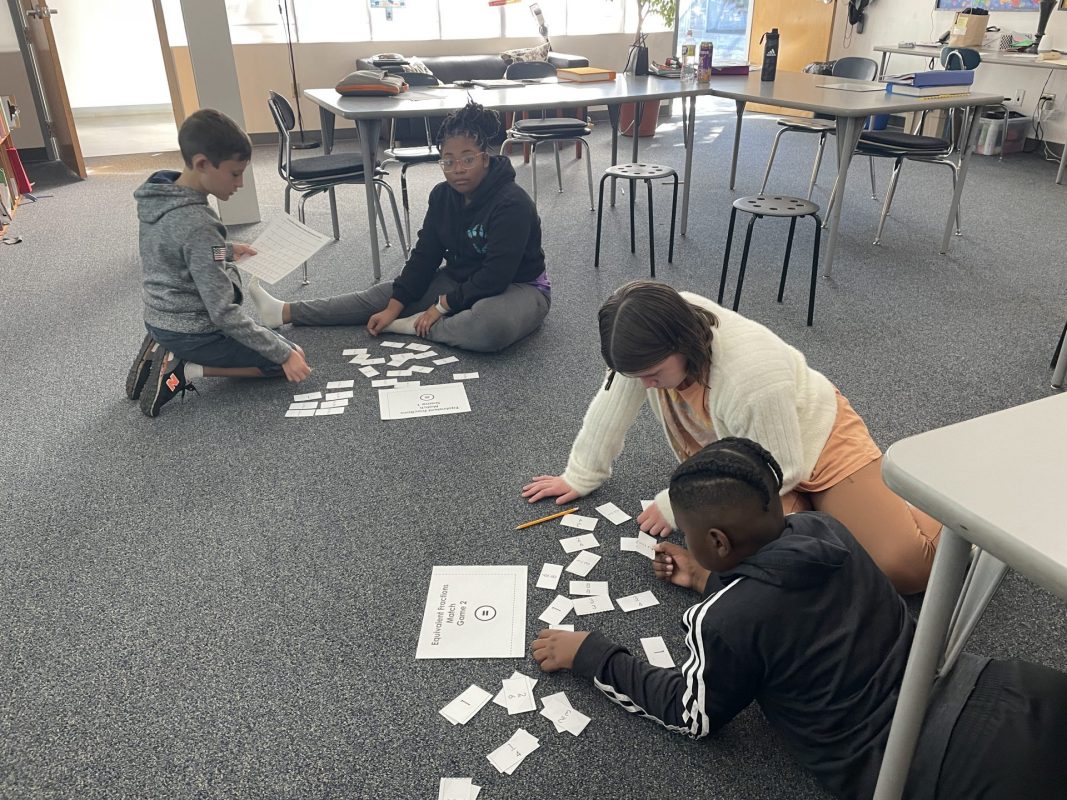
In the Pre-Transition math class, students learned about improper, proper, and mixed fractions. This class can identify integers on a number line and find fraction or decimal values between whole numbers. This week, they continued to practice reducing fractions to lowest form and writing word numbers into a numerical value.
In the Transition math class, students concluded their learning of Chapter 1 and worked hard to prepare for their final assessment. They worked on plotting ordered pairs on a coordinate grid and writing numbers in scientific notation. This class was able to perform order of operations questions and write exponent values in expanded notation.
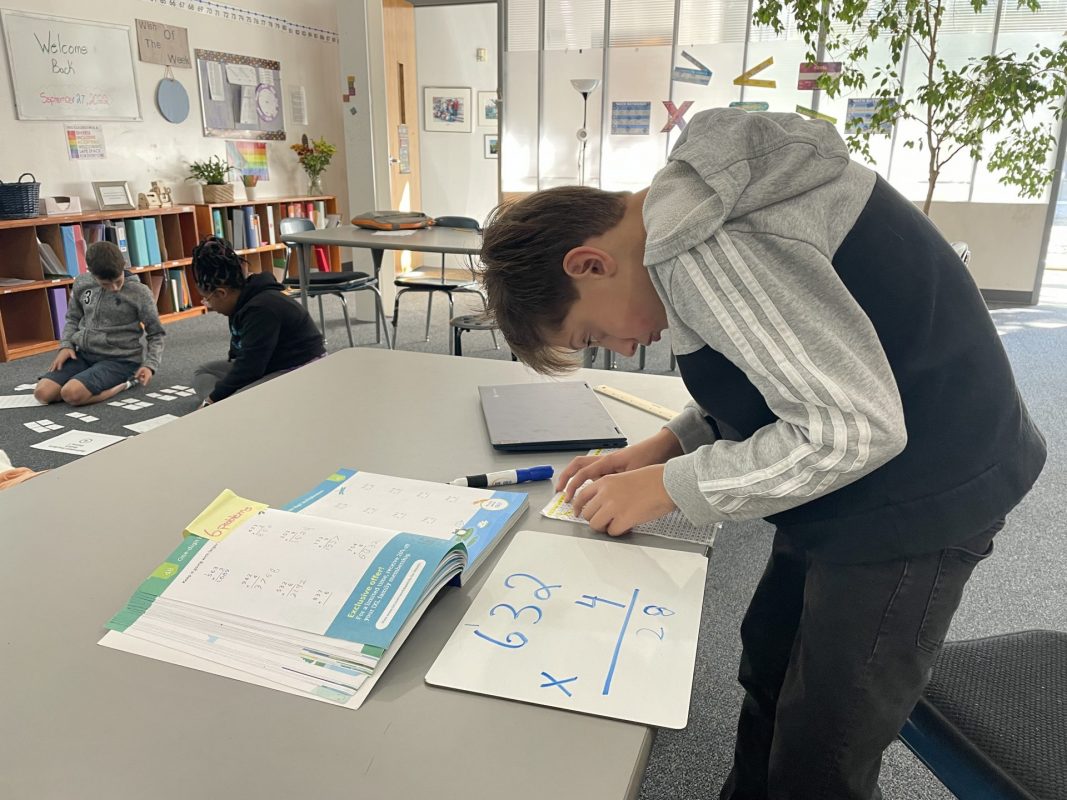
In the Algebra math class, students started Chapter 2 in the UCSMP textbook. They explored how to use the distributive property in simplifying expressions as well as how to collect like-terms. This class learned how to test for equivalency in different equations and how to identify opposite values.
Math Joke: What do geometry teachers have decorating their floor?………………………… Area rugs!
Have a great weekend! We are looking forward to our trip to The Discovery Museum in Bridgeport on Tuesday!